STUDEBAKER HEALTHCARE CENTER
13226 STUDEBAKER RD, NORWALK, CA 90650 (562) 868-0591
For profit - Limited Liability company 99 Beds Independent Data: November 2025 1 Immediate Jeopardy citation
Trust Grade
23/100
#1123 of 1155 in CA
Last Inspection: December 2024

Within standard 12-15 month inspection cycle. Federal law requires annual inspections.

Overview

Studebaker Healthcare Center in Norwalk, California, has received a Trust Grade of F, indicating significant concerns about the quality of care provided. It ranks #1123 out of 1155 facilities in California, placing it in the bottom half of all nursing homes in the state, and #347 out of 369 in Los Angeles County, meaning there are very few local options that are rated better. Although the facility's trend is improving, with issues decreasing from 50 in 2024 to 8 in 2025, there are still serious concerns, including 89 total issues found during inspections. Staffing ratings are average at 3 out of 5, but the turnover rate is concerning at 52%, higher than the state average of 38%, indicating instability in staff. Additionally, the facility was fined $40,378, which is higher than 78% of California facilities, suggesting recurring compliance issues. Specific incidents include a failure to prevent a resident at risk of wandering from leaving the facility and multiple food safety violations that could expose residents to foodborne illnesses. Overall, while there are some strengths, such as an improving trend in issues, the facility has significant weaknesses that families should consider carefully.

Trust Score
F
23/100
In California
#1123/1155
Bottom 3%
Safety Record
High Risk
Review needed
Inspections
Getting Better
50 → 8 violations
Staff Stability
⚠ Watch
52% turnover. Above average. Higher turnover means staff may not know residents' routines.
Penalties
○ Average
$40,378 in fines. Higher than 50% of California facilities. Some compliance issues.
Skilled Nurses
⚠ Watch
Each resident gets only 14 minutes of Registered Nurse (RN) attention daily — below average for California. Fewer RN minutes means fewer trained eyes watching for problems.
Violations
⚠ Watch
89 deficiencies on record. Higher than average. Multiple issues found across inspections.
★☆☆☆☆
1.0
Overall Rating
★★★☆☆
3.0
Staff Levels
★★★★☆
4.0
Care Quality
★☆☆☆☆
1.0
Inspection Score
Stable
2024: 50 issues
2025: 8 issues

The Good

  • 4-Star Quality Measures · Strong clinical quality outcomes
  • Full Sprinkler Coverage · Fire safety systems throughout facility
  • No fines on record

Facility shows strength in quality measures, fire safety.

The Bad

1-Star Overall Rating

Below California average (3.1)

Significant quality concerns identified by CMS

Staff Turnover: 52%

Near California avg (46%)

Higher turnover may affect care consistency

Federal Fines: $40,378

Above median ($33,413)

Moderate penalties - review what triggered them

The Ugly 89 deficiencies on record

1 life-threatening
Sept 2025 3 deficiencies
CONCERN (D) 📢 Someone Reported This

A family member, employee, or ombudsman was alarmed enough to file a formal complaint

Potential for Harm - no one hurt, but risky conditions existed

Notification of Changes (Tag F0580)

Could have caused harm · This affected 1 resident

**NOTE- TERMS IN BRACKETS HAVE BEEN EDITED TO PROTECT CONFIDENTIALITY** Cross referenced to F713Based on interview and record review the facility failed to follow up with the physician and/or the Medi...

Read full inspector narrative →
**NOTE- TERMS IN BRACKETS HAVE BEEN EDITED TO PROTECT CONFIDENTIALITY** Cross referenced to F713Based on interview and record review the facility failed to follow up with the physician and/or the Medical Director for one of three sampled resident's (Resident 1), when Resident 1's physician did not respond to a text message sent to him on 8/20/2025 regarding Resident 1's change of condition (COC). In addition the facility failed to ensure Resident 1's complete COC was relayed to his physician via the text messages and documentation of the interaction with the physician, to include, the time of the text message, method of communication and endorsement to other staff, was completed. These deficient practices resulted in Resident 1 feeling increased anxiety (persistent an excessive worry which interferes with daily activities), a delay in care and treatment and the inability to ascertain via documentation the sequence of events as it related to physician contact and response. Findings: During a review of Resident 1's admission Record (Face Sheet), the Face Sheet indicated Resident 1 was initially admitted to the facility on [DATE] and readmitted on [DATE] with diagnoses including amyotrophic lateral sclerosis ([ALS] a progressive disease that leads to muscle weakness and eventual loss of the ability to move, speak, swallow, or breathe), diabetes type 2 ([DM] a disorder characterized by difficulty in blood sugar control and poor wound healing), and major depressive disorder ([MDD] a mood disorder that causes a persistent feeling of sadness and loss of interest) During a review of Resident 1's Minimum Data Set ([MDS] a resident assessment tool), dated 8/8/2025, the MDS indicated Resident 1 was cognitively intact (no impairment in the ability to think, learn, remember, use judgement, and make decisions) and had the ability to understand and be understood by others. During a review of Resident 1's Nurses Notes, dated 8/20/2025 and timed at 12:45 a.m., the Nurses Notes indicated at the beginning of the shift Resident 1 complained of a headache and requested to have his blood pressure ([B/P] 117/86, normal range 120/80) checked, Resident 1 then complained of a cough and congestion. The Nurses Note indicated Resident 1 was administered Ibuprofen (Tylenol) at 12:11 a.m., for a headache, and at 2:15 a.m., Cepacol (a medication used to treat a sore throat) was administered to Resident 1 for a sore throat. The Nurses Note indicated Resident 1 wanted to lie down but voiced fear of choking and wished to remain sitting for the remainder of shift. The Nurses Note indicated Resident 1's physician was notified of Resident 1's complaints of congestion and cough (via text message at 12:22 a.m. and 3:40 a.m.), only, and not that he felt he might choke or his B/P. During a review of Resident 1's Change of Condition (COC), dated 8/20/2025 and timed at 3:41 a.m., the COC indicated Resident 1 had a cough and congestion. During a review of the Charge Nurse Cell Phone Log dated 8/20/2025, the Charge Nurse Cell Phone Log indicated LVN 1 sent text messages to Resident 1's physician related to Resident 1's symptoms of a cough and congestion on 8/20/2025 at 12:22 a.m. and again at 3:40 a.m. The Charge Nurse Cell Phone Log indicated Resident 1's physician responded via text message on 8/20/2025 at 8:56 a.m. (over eight hours after the first text message was sent to him). During a review of Resident 1's Nurses Notes dated 8/21/2025 and timed at 7:10 a.m., the Nurses Notes indicated Resident 1's family called 911 because Resident 1 was not feeling well. The Nurses Notes indicated paramedics transferred Resident 1 to a General Acute Care Hospital (GACH). During a review of the GACH's Face Sheet, the Face Sheet indicated Resident 1 was admitted to GACH on 8/21/2025 at 11:14 a.m., with diagnoses including pneumonia (an infection/inflammation of the lungs), secondary to the Covid 19 virus (a potentially severe respiratory illness caused by a coronavirus and characterized by fever, coughing, and shortness of breath) and hypoxia (low levels of oxygen in your body tissue causing symptoms like, restlessness and difficulty breathing). During an interview on 9/8/2025 at 10:30 a.m., Resident 1 stated on 8/20/2025 shortly after 12 a.m., he was feeling short of breath (SOB) and was afraid to lie down in bed because he was afraid that he might choke. Resident 1 stated he asked LVN 1 to call his physician to inform him that he (Resident 1) was having difficulty breathing and was SOB. Resident 1 stated for the majority of the 11 p.m. - 7 a.m. shift on 8/20/2025, he sat up on the edge of his bed or in a wheelchair because it helped him breathe. Resident 1 stated LVN 1 gave him pain medicine for his headache and cough drops for his throat which really didn't help. Resident 1 stated he felt increasingly anxious and nervous and thought the nursing staff did not believe he was having difficulty breathing. Resident 1 stated his family called 911 on 8/21/2025 and he was transferred to the GACH on 8/21/2025 at approximately 7 a.m. During a telephone interview on 9/9/2025 at 12:10 a.m., LVN 1 stated on 8/20/2025 at approximately 12 a.m., she observed Resident 1 with a cough and congestion, he was restless and agitated but did not appear to be SOB. LVN 1 stated Resident 1 did not want to lay in bed because he thought he might choke. LVN 1 stated this was the first time she observed Resident 1 in this condition, so she initiated a COC by texting Resident 1's physician's via the nurse supervisor's cell phone to notify him that Resident 1 had a cough and congestion but stated she did not notify Resident 1's physician that Resident 1 felt like he was choking. LVN 1 stated Resident 1's physician did not respond during her shift (11 p.m. - 7 a.m.) so she endorsed Resident 1's care to the oncoming nurse (7 a.m. - 3 p.m.). LVN 1 stated she should have followed up with Resident 1's physician when he did not respond to the text messages, notified the Medical Director and/or the Director of Nursing (DON). During an interview on 9/10/2025 at 1 p.m., Resident 1's physician stated he received text messages from the facility nursing staff at approximately 12:30 a.m., and 3:30 a.m., on 8/20/2025 regarding Resident 1's cough and congestion but he was not informed that Resident 1 felt like he was choking. Resident 1's physician stated he did not know why he did not respond to the text messages until almost 9 a.m. Resident 1's physician stated if the nursing staff had reported that Resident 1 felt like he was going to choke he would have ordered different interventions, such as an Xray and/or transferred Resident 1 to the GACH. During an interview on 9/10/2025 at 2:20 p.m., the DON stated physicians should be available to respond to calls or text messages from the nursing staff 24 hours a day to meet the needs of the residents. The DON stated when LVN 1 did not receive a response from Resident 1's physician she should have called her (DON) or the Medical Director. During a review of the facility's Policy, and Procedure, (P/P), titled, Change of Condition Notification dated 10/1/2023, the P/P indicated the purpose of the policy is to ensure residents, family, legal representative and physicians are informed of changes in the resident's condition in a timely manner. The P/P indicated the attending physician will be notified in a timely with a resident's change in condition, the notification to the attending physician will include a summary of the condition change and an assessment of the resident's vital signs and system review focusing on the condition and or signs and symptoms for which the notification is required, in emergency situations (resident is experiencing unexpected shortness of breath, intense pain, unexpected bleeding, serious abnormal labs or x-ray), the Licensed Nurse will immediately call the attending physician, if the LVN is unable to reach the attending physician or the physician on call during emergency situations, she will notify the facility's medical director. The P/P indicated the licensed nurse will document the time the attending physician was contacted, the method by which he/she was contacted, response time and whether orders were received.
CONCERN (D) 📢 Someone Reported This

A family member, employee, or ombudsman was alarmed enough to file a formal complaint

Potential for Harm - no one hurt, but risky conditions existed

Deficiency F0713 (Tag F0713)

Could have caused harm · This affected 1 resident

**NOTE- TERMS IN BRACKETS HAVE BEEN EDITED TO PROTECT CONFIDENTIALITY** Cross referenced to F580Based on interview and record review, the facility failed to ensure a physician responded to one of thre...

Read full inspector narrative →
**NOTE- TERMS IN BRACKETS HAVE BEEN EDITED TO PROTECT CONFIDENTIALITY** Cross referenced to F580Based on interview and record review, the facility failed to ensure a physician responded to one of three sampled resident's (Resident 1) change of condition in a timely manner when Resident 1's physician (MD 1) did not respond to Licensed Vocational Nurse (LVN 1) text messages on 8/20/2025 for greater than eight hours. This deficient practice resulted in Resident 1 experiencing increased anxiety (persistent an excessive worry which interferes with daily activities) and potential delay in needed care and services, including transfer to the General Acute Care Hospital (GACH). Findings: During a review of Resident 1's admission Record (Face Sheet), the Face Sheet indicated Resident 1 was initially admitted to the facility on [DATE] and readmitted on [DATE] with diagnoses including amyotrophic lateral sclerosis ([ALS] a progressive disease that leads to muscle weakness and eventual loss of the ability to move, speak, swallow, or breathe), diabetes type 2 ([DM] a disorder characterized by difficulty in blood sugar control and poor wound healing), and major depressive disorder ([MDD] a mood disorder that causes a persistent feeling of sadness and loss of interest) During a review of Resident 1's Minimum Data Set ([MDS] a resident assessment tool), dated 8/8/2025, the MDS indicated Resident 1 was cognitively intact (no impairment in the ability to think, learn, remember, use judgement, and make decisions) and had the ability to understand and be understood by others. During a review of Resident 1's Nurses Notes , dated 8/20/2025 and timed at 12:45 a.m., the Nurses Notes documented indicated at the beginning of the shift Resident 1 complained of a headache and requested to have his blood pressure ([B/P] 117/86, normal B/P 120/80) checked, Resident 1 then complained of a cough and congestion. The Nurses Note indicated Resident 1 was administered Ibuprofen (Tylenol) at 12:11 a.m., for a headache, and at 2:15 a.m., Cepacol (a medication used to treat a sore throat) was administered to Resident 1 for a sore throat. The Nurses Note indicated Resident 1 wanted to lie down but voiced fear of choking and wished to remain sitting for the remainder of shift. The Nurses Note indicated Resident 1's physician was notified of Resident 1's complaints of congestion and cough (via text message at 12:22 a.m. and 3:40 a.m.), only, and not that he felt he might choke or his B/P. During a review of Resident 1's Change of Condition (COC), dated 8/20/2025 and timed at 3:41 a.m., the COC indicated Resident 1 had a cough and congestion. During a review of the Charge Nurse Cell Phone Log dated 8/20/2025, the Charge Nurse Cell Phone Log indicated LVN 1 sent text messages to Resident 1's physician related to Resident 1's symptoms of a cough and congestion on 8/20/2025 at 12:22 a.m. and again at 3:40 a.m. The Charge Nurse Cell Phone Log indicated Resident 1's physician responded via text message on 8/20/2025 at 8:56 a.m. (over eight hours after the first text message was sent to him). During a review of Resident 1's Nurses Notes dated 8/21/2025 and timed at 7:10 a.m., the Nurses Notes indicated Resident 1's family called 911 because Resident 1 was not feeling good. The Nurses Note indicated paramedics transferred Resident 1 to a General Acute Care Hospital (GACH). During a review of the GACH's Face Sheet, the Face Sheet indicated Resident 1 was admitted to GACH on 8/21/2025 at 11:14 a.m., with diagnoses including pneumonia (an infection/inflammation of the lungs), secondary to the Covid 19 virus (a potentially severe respiratory illness caused by a coronavirus and characterized by fever, coughing, and shortness of breath) and hypoxia (low levels of oxygen in your body tissue causing symptoms like, restlessness and difficulty breathing). During an interview on 9/8/2025 at 10:30 a.m., Resident 1 stated on 8/20/2025 shortly after 12 a.m., he was feeling short of breath (SOB) and was afraid to lie down in bed because he was afraid that he might choke. Resident 1 stated he asked LVN 1 to call his physician to inform him that he (Resident 1) was having difficulty breathing and was SOB. Resident 1 stated for the majority of the 11 p.m. - 7 a.m. shift on 8/20/2025, he sat up on the edge of his bed or in a wheelchair because it helped him breathe. Resident 1 stated LVN 1 gave him pain medicine for his headache and cough drops for his throat which really didn't help. Resident 1 stated he felt increasingly anxious and nervous and thought the nursing staff did not believe he was having difficulty breathing. Resident 1 stated his family called 911 on 8/21/2025 and he was transferred to the GACH on 8/21/2025 at approximately 7 a.m. During a telephone interview on 9/9/2025 at 12:10 a.m., LVN 1 stated on 8/20/2025 at approximately 12 a.m., she observed Resident 1 with a cough and congestion, he was restless and agitated but did not appear to be SOB. LVN 1 stated Resident 1 did not want to lay in bed because he thought he might choke. LVN 1 stated this was the first time she observed Resident 1 in this condition, so she initiated a COC by texting Resident 1's physician's via the nurse supervisor's cell phone to notify him that Resident 1 had a cough and congestion but stated she did not notify Resident 1's physician that Resident 1 felt like he was choking. LVN 1 stated Resident 1's physician did not respond during her shift (11 p.m. - 7 a.m.) so she endorsed Resident 1's care to the oncoming nurse (7 a.m. - 3 p.m.). LVN 1 stated she should have followed up with Resident 1's physician when he did not respond to the text messages, notified the Medical Director and/or the Director of Nursing (DON). During an interview on 9/10/2025 at 1 p.m., Resident 1's physician stated he received text messages from the facility nursing staff at approximately 12:30 a.m., and 3:30 a.m., on 8/20/2025 regarding Resident 1's cough and congestion but he was not informed that Resident 1 felt like he was choking. Resident 1's physician stated he did not know why he did not respond to the text messages until almost 9 a.m. Resident 1's physician stated if the nursing staff had reported that Resident 1 felt like he was going to choke he would have ordered different interventions, such as an Xray and/or transferred Resident 1 to the GACH. During an interview on 9/10/2025 at 2:20 p.m., the DON stated physicians should be available to respond to calls or text messages from the nursing staff 24 hours a day to meet the needs of the residents. The DON stated when LVN 1 did not receive a response from Resident 1's physician she should have called her (DON) or the Medical Director. During a review of the facility's policy, and procedure (P/P) titled, Physician Services and Visits dated 10/1/2023, the P/P indicated the purpose of the policy is to ensure that the facility provides residents with care under an Attending Physician. The P/P indicated physician services include .providing consultation or treatment when called by the facility and provision for alternate physician coverage in the event the Attending physician is not available. During a review of the facility's P/P titled, Change of Condition Notification, dated 10/1/2023, the P/P indicated. the Licensed Nurse will immediately call the attending physician, if the LVN is unable to reach the attending physician or the physician on call during emergency situations, she will notify the facility's medical director. The P/P indicated the licensed nurse will document the time the attending physician was contacted, the method by which he/she was contacted, response time and whether orders were received
CONCERN (E) 📢 Someone Reported This

A family member, employee, or ombudsman was alarmed enough to file a formal complaint

Potential for Harm - no one hurt, but risky conditions existed

Grievances (Tag F0585)

Could have caused harm · This affected multiple residents

**NOTE- TERMS IN BRACKETS HAVE BEEN EDITED TO PROTECT CONFIDENTIALITY** Based on interview and record review, the facility failed to provide the results of multiple grievances filed by one of three sa...

Read full inspector narrative →
**NOTE- TERMS IN BRACKETS HAVE BEEN EDITED TO PROTECT CONFIDENTIALITY** Based on interview and record review, the facility failed to provide the results of multiple grievances filed by one of three sampled resident's (Resident 1) and/or their responsible party (RP). This deficient practice resulted in Resident 1 and/or his RP not being aware of the outcome/resolution of the grievances filed by him and his RP, which led to distrust toward the facility. This deficient practice had the potential to delay the delivery of care and services to Resident 1 and could negatively impact Resident 1's mental health and emotional well-being.Findings: During a review of Resident 1's admission Record (Face Sheet), the Face Sheet indicated Resident 1 was initially admitted to the facility on [DATE] and readmitted on [DATE] with diagnoses including amyotrophic lateral sclerosis ([ALS] a progressive disease that leads to muscle weakness and eventual loss of the ability to move, speak, swallow, or breathe), diabetes type 2 ([DM] a disorder characterized by difficulty in blood sugar control and poor wound healing), and major depressive disorder ([MDD] a mood disorder that causes a persistent feeling of sadness and loss of interest) During a review of Resident 1's Minimum Data Set ([MDS] a resident assessment tool), dated 8/8/2025, the MDS indicated Resident 1 was cognitively intact (no impairment in the ability to think, learn, remember, use judgement, and make decisions) and had the ability to understand and be understood by others. During a review of Resident 1's Resident Grievance/Complaint Investigation reports dated 8/6/2025, 8/8/2025, 8/10/2025, 8/20/2025, 8/26/2025 and 9/3/2025, the Resident Grievance/Complaint Investigation reports indicated the grievances were investigated by the facility, but documentation on the reports did not indicate that Resident 1 and/or Resident 1's RP were notified regarding the results/resolution of the facility's investigation. During an interview on 9/8/2025 at 10:30 a.m., Resident 1 stated he had filed multiple grievances since his admission to the facility in 4/2025, regarding what he believed were violations of resident rights and substandard quality of care. Resident 1 stated he made his complaints known to the licensed nurses, the Social Services Director (SSD), the Director of Nursing (DON) and the Administrator, verbally and in writing. Resident 1 stated his family also filed grievances on his behalf. Resident 1 stated he had not been provided an update on the status of his grievances and was unsure if the facility investigated his concerns and whether there had been any resolutions. Resident 1 stated he felt stressed, helpless and frustrated at the lack of communication regarding his grievances, so he escalated the complaints to the California Department of Public Health (CDPH). Resident 1 stated he feels hopeless and was scared that in few months his disease would progress and prevent him from speaking and he wanted to know that he could trust the facility to address his concerns while he could still speak. Resident 1 stated, he had asked repeatedly for the status of his grievances to be given to him in writing, but his request fell on deaf ears. During an interview on 9/9/2025 at 2:42 p.m., the SSD stated Resident 1's Resident Grievance/Complaint Investigation reports dated 8/6/2025, 8/8/2025, 8/10/2025, 8/20/2025, 8/26/2025 and 9/3/2025, were discussed with him, however, the status/update of those grievances were not provided to him in writing because she thought it was sufficient to discuss the outcomes in person. The SSD stated Resident 1 should have received the status/outcome of his grievances in writing, per his request, and not doing so could contribute to his distrust toward facility staff. During an interview on 9/11/2025 at 2:20 p.m., the DON stated, residents have the right to be updated timely on the status of their grievances. The DON stated failure to provide timely updates to Resident 1 could cause mistrust toward the facility and potentially delay the delivery of care and services to Resident 1. During a review of the facility's Policy and Procedure (P/P) titled, Grievances and complaints, dated 10/1/2023, the P&P the purpose of the policy is to ensure that residents, family members and representatives know about the procedure for filing grievances and complaints . The P/P indicated upon receiving a resident grievance/complaint form, the Grievance official or designee begins an investigation into the allegations. the facility will inform the resident or his or her representative of the finding of the investigation and any corrective actions recommended in a timely manner, if the resident is not satisfied with the result of the investigation or recommended actions, he may file a written complaint to local Long Term Ombudsman office or to the Department of Public Health. During a review of the facility's policy, and procedure (P/P) titled, Grievances and complaints, dated October 1, 2023, the P&P the purpose of the policy is to ensure that residents, family members and representatives know about the procedure for filing grievances and complaint, any resident, representative, family member or appointed advocate may file a grievance or complaint concerning treatment, medical care, behavior of other residents, theft of property without fear of threat or reprisal In any form. The P/P indicated upon receiving a resident grievance/complaint form, the Grievance official or designee begins an investigation into the allegations. The Grievance official will take immediate action to prevent further potential violations of resident right while the alleged violation is being investigated. The P/P further indicated the facility will inform the resident or his or her representative of the finding of the investigation and any corrective actions recommended in a timely manner, if the resident is not satisfied with the result of the investigation or recommended actions, he may file a written complaint to local Long Term Ombudsman office or to the department of public health.
May 2025 4 deficiencies
CONCERN (D) 📢 Someone Reported This

A family member, employee, or ombudsman was alarmed enough to file a formal complaint

Potential for Harm - no one hurt, but risky conditions existed

Accident Prevention (Tag F0689)

Could have caused harm · This affected 1 resident

**NOTE- TERMS IN BRACKETS HAVE BEEN EDITED TO PROTECT CONFIDENTIALITY** Based on interview and record review, the facility failed to ensure one of three sampled residents (Resident 1), who was diagnos...

Read full inspector narrative →
**NOTE- TERMS IN BRACKETS HAVE BEEN EDITED TO PROTECT CONFIDENTIALITY** Based on interview and record review, the facility failed to ensure one of three sampled residents (Resident 1), who was diagnosed with amyotrophic lateral sclerosis ([ALS]progressive disease that affects nerve cells in the brain and spinal cord, leading to the weakness, paralysis and death), was injured, when he was hit on his head by the mechanical lift (mechanical device used by caregivers to safely transfer patients) lift upon transfer from his bed to the wheelchair. As a result of this deficient practice, Resident 1 required transfer via 911 to a General Acute Care Hospital for evaluation and treatment and was found to have a head and chest contusion (bruise). Findings: During a review of Resident 1's admission Record (Face Sheet), the Face Sheet indicated Resident 1 was admitted to the facility on [DATE] with diagnoses including ALS. During a review of Resident 1's History and Physical (H&P), dated 4/29/2025, the H&P indicated Resident 1 had the capacity to understand and make decisions. During a review of Resident 1's Minimum Data Set ([MDS] a resident assessment tool) dated 5/2/2025, the MDS indicated Resident 1's cognition (ability to register and recall information) was intact and had the ability to understand and be understood by others. The MDS further indicated Resident 1 was dependent (helper does all the effort, resident does none of the effort to complete the activity) on staff for toileting hygiene, showering /bathing, dressing, putting on/taking off footwear. During a review of Resident 1's Clinical Record (Care Plan section), initiated on 4/29/2025, the Care Plan indicated Resident 1 at risk for falls and or injuries related to antihypertensive medications (drugs used to treat high blood pressure (hypertension), balance deficit, bladder/bowel dysfunction (difficulties controlling urination or bowel movements, including issues like incontinence, constipation, or an urgent need to use the bathroom), decreased strength/endurance, psychotherapeutic medications (drugs that that alter mental processes, behavior, mood and perception), unsteady gait, diagnosis ALS. The care plan goals indicated, Resident 1 will be free from falls and or injuries by the review date of 7/28/2025. During a review of Resident 1's Clinical Record (Care Plan section), initiated on 5/4/2025, the Care Plan indicated Resident 1 got hit in the forehead while four staff transferred him from bed to the wheelchair and complained of pain. The Care Plan goal indicated resident will have no or less pain by a review date of 7/28/2025. The Care Plan interventions included Resident 1's medical doctor (MD 1) was notified, and an order was received to send Resident 1 to the GACH for evaluation and treatment. During a review of Resident 1's Change of Condition (COC) Evaluation, dated 5/4/2025, the COC indicated Resident 1 complained of forehead pain after his head was hit by the mechanical lift during transfer. The COC further indicated MD 1 recommended Resident 1 to be transferred to the GACH for evaluation and treatment. During a review of Resident 1's Nursing Notes, dated 5/4/2025, the Nursing Notes indicated Resident 1 was transferred to a GACH via 911 at approximately 5:30 p.m. During a review of Resident 1's GACH emergency room (ER) records, dated 5/4/2025, the records indicated Resident 1 arrived at the GACH at approximately 5:42 p.m. with a chief complaint of head injury. The records indicated Resident 1 was administered Toradol (medication to treat pain) 60 milligrams (mg - unit of measurement) intramuscular injection (IM - method of administering medication directly into a muscle tissue) and stated his head pain was better. The records indicated Resident 1 refused any radiological studies and was discharged back to the facility with a prescription of ibuprofen (medication to treat mild pain) 800 mg tablet every six hours as needed for pain. The records indicated Resident 1 had a discharge diagnosis of head and chest contusion. During a review of Resident 1's Nurses Notes, dated 5/4/2025, the Nurses Notes indicated Resident 1 returned to the facility at 8:28 p.m. During an interview on 5/8/2025 at 3:35 p.m., Resident 1 stated while he was being transferred from his bed to a wheelchair, the mechanical lift tipped to the side and hit him on the forehead. Resident 1 stated he felt discomfort from the injury and was taken to the GACH for evaluation. During an interview on 5/9/2025 at 11:40 a.m., Restorative Nurse Assistant (RNA) 1 stated on 5/4/2025, while he and three other staff members were assisting Resident 1 from the bed to the wheelchair, Resident 1 leaned back into the sling, and it caused the mechanical lift to tilt to the side. RNA 1 stated he and the three staff members were able to lower Resident 1 into the wheelchair, however the sling bar hit Resident 1 on the head as they were detaching the sling from the mechanical lift sling bar attachments. During an interview on 5/9/2025 at 4 p.m., the Director of Nursing (DON) stated that Resident 1 should have had a physician's order to use the mechanical lift. The DON stated, per review of Resident 1's clinical records, Resident 1 did not have a physician order to use the mechanical lift. The DON stated it is the facility responsibility for Resident 1 to remain free from injury. The DON stated the facility failed to ensure Resident 1's safety while using the mechanical lift resulting Resident 1 being transferred to the GACH. During a review of the facility's Policy and Procedure (P&P) titled, Total Mechanical Lift, dated 10/1/2023, the P&P indicated the mechanical lift is used appropriately to facilitate transfers of residents. The P&P further indicated the resident will have a physician's order for the use of the lift.
CONCERN (D) 📢 Someone Reported This

A family member, employee, or ombudsman was alarmed enough to file a formal complaint

Potential for Harm - no one hurt, but risky conditions existed

Incontinence Care (Tag F0690)

Could have caused harm · This affected 1 resident

**NOTE- TERMS IN BRACKETS HAVE BEEN EDITED TO PROTECT CONFIDENTIALITY** Based on observation, interview and record review, the facility failed to ensure a resident (Resident 1), who was alert, contine...

Read full inspector narrative →
**NOTE- TERMS IN BRACKETS HAVE BEEN EDITED TO PROTECT CONFIDENTIALITY** Based on observation, interview and record review, the facility failed to ensure a resident (Resident 1), who was alert, continent (ability to control) of bowel and bladder, and had a high risk for a pressure ulcer/injury (localized damage to the skin and/or underlying tissue usually over a bony prominence) development, received care and services to maintain bowel and bladder function for one of three sampled residents (Resident 1). The facility failed to: 1. Ensure the nursing staff assisted Resident 1 timely to use the urinal to maintain the resident's bladder continence (the ability to voluntarily control emptying the bladder). 2. Implement Resident 1's plan of care and the Interdisciplinary Team ([IDT] a team of healthcare professionals, working with the resident, from different professional disciplines who work together to manage the physical, psychological, and spiritual needs of the resident) assessment for the staff to assist the resident with toileting to ensure the resident's needs are met. 3. Ensure Resident 1's dignity was maintained by not placing an incontinence brief (absorbent undergarments designed to provide full incontinence protection) on the residents for staff convenience due to staff being busy with other residents. These failures resulted in: 1. Resident 1 being encouraged to use an incontinence brief instead of a urinal or commode to maintain his continence. 2. Resident 1 having feelings of lack of dignity and being embarrassed about having to use an incontinence brief and left to sit in his own urine. 3. The potential for Resident 1 to sustain skin breakdown due to the use of an incontinence brief. Findings: During a review of Resident 1's admission Record (Face Sheet), the Face Sheet indicated Resident 1 was admitted to the facility on [DATE] with diagnoses including amyotrophic lateral sclerosis ([ALS] a progressive disease that affects nerve cells in the brain and spinal cord, leading to the weakness, paralysis and death), major depressive disorder (mental health condition characterized by persistent feelings of sadness, loss of interest, and other symptoms that interfere with daily life), and type 2 diabetes ([DM] a disorder characterized by difficulty in blood sugar control and poor wound healing). During a review of Resident 1's History and Physical (H&P), dated 4/29/2025, the H&P indicated Resident 1 had the capacity to understand and make decisions. During a review of Resident 1's Minimum Data Set ([MDS] a resident assessment tool) dated 5/2/2025, the MDS indicated Resident 1 was able to understand and be understood by others and his cognition (ability to register and recall information) was intact. The MDS indicated Resident 1 was dependent on staff for toileting hygiene (ability to maintain perineal hygiene, adjust clothing before and after voiding or having a bowel movement). The MDS further indicated that Resident 1 was at risk for developing pressure injuries. During a review of Resident 1's Clinical Record (Care Plan section), initiated on 4/29/2025, the Care Plan indicated Resident 1 was at risk for bladder/bowel dysfunction (difficulties controlling urination or bowel movements, including issues like incontinence, constipation, or an urgent need to use the bathroom). Under this Care Plan interventions included to respect Resident 1 's wishes, independence, and dignity. During a review of Resident 1's Nurses Notes, dated 4/30/2025, the notes indicated on 4/30/2025, Resident 1 complained he was soiled with urine, needed to be changed, and was told by his Certified Nurse Assistant (CNA) that he would have to wait to be cleaned up because the CNA was assisting another resident. The Nurses Notes indicated Resident 1 was not happy with the answer and continued to remark about being wet. During an interview on 5/8/2023 at 3:35 p.m., Resident 1 stated the staff did not ask him about his toileting ability and had not been part of a care plan to discuss his toileting needs and habits. Resident 1 stated he was not asked by the nursing staff if he is continent or incontinent upon admission to the facility. Resident 1 stated he was admitted to the facility wearing an incontinence brief and assumed the nursing staff thought he was incontinent because he needed help holding the urinal and assistance cleaning himself after. Resident 1 stated he does not need to wear an incontinence brief. Resident 1 stated the nursing staff had not given him the time to toilet regularly and arrived too late after calling for help, which results in Resident 1 urinating on himself. Resident 1 stated, he felt embarrassed and humiliated wearing an incontinence brief. Resident 1 stated sitting in a diaper irritates his skin and he is worried he is developing a rash or a sore. During an interview on 5/9/2025 at 10:45 a.m., Registered Nurse (RN) 1 stated upon admission Resident 1 should have been assessed for the possibility of being placed on the facility's toileting program. RN 1 stated Resident 1 would be a strong candidate because he is alert and oriented. RN 1 stated the purpose of the toileting program is to maintain a resident's highest level of functioning to promote dignity and independence. During an interview on 5/9/2025 at 11:04 a.m., CNA 3 stated Resident 1 can use the restroom using a urinal or a bedpan. CNA 3 stated Resident 1 has difficulty using his hands due to his diagnosis but could urinate in a urinal if staff are there to help him. CNA 3 stated Resident 1 is not on a toileting schedule or program so staff are not aware he needs help unless he asks for it. During an interview on 5/9/2025 at 2 p.m., the Director of Nursing (DON) stated the facility must accommodate the toileting needs of all residents. The DON stated during admission, Resident 1's toileting habits and needs should have been accurately assessed. The DON stated the assessment is used to develop and implement a care plan to address Resident's 1 toileting needs. The DON stated during her review of Resident 1's clinical records, Resident 1 had not been placed on a toileting diary (used to track a residents toileting patterns) to assess bowel and bladder readiness. The DON stated Resident 1 does not have a care plan addressing his bowel/ bladder status which resulted in Resident 1's need wearing a diaper causing him to feel undignified and increasing his risk for skin breakdown. During a review of the facility's policy & procedure (P&P)titled, Bowel and Bladder Evaluation, revised 10/1/2023, the P&P indicated a resident who is incontinent is to receive appropriate treatment and services to prevent urinary tract infections (infection where bacteria enter the urinary system and multiply in the bladder or kidneys) and to restore as much normal bladder and bowel function as possible. The P&P indicated a continence assessment will be completed on all residents upon admission, re-admission or when resident experiences a change in urinary continence status, transient causes of incontinence should be identified and the underlying cause treated as the resident's condition allows, if a history does not suggest a transient cause for incontinence, proceed to a three day trial toileting diary, if history suggest a transient cause, notify attending physician for possible treatment options. The P&P indicated the IDT will develop a care plan that addresses strategies to effectively manage incontinence and restorative activities. During a review of the facility's P&P titled, Resident's Rights, Quality of life, revised 10/1/2023, the P&P indicated the facility will ensure all residents are treated with the level of dignity they are entitled to while residing at the facility. The P&P indicated the facility staff will provide care and services that ensure residents' abilities in activities of daily living do not diminish while in the care of the facility, except when unavoidable as evidenced by clinical condition. The P&P further indicated demeaning practices and standard of care that compromise dignity is prohibited, facility staff will promote dignity and assist residents as needed by promptly responding to the resident's request for toileting assistance.
CONCERN (D) 📢 Someone Reported This

A family member, employee, or ombudsman was alarmed enough to file a formal complaint

Potential for Harm - no one hurt, but risky conditions existed

Medical Records (Tag F0842)

Could have caused harm · This affected 1 resident

**NOTE- TERMS IN BRACKETS HAVE BEEN EDITED TO PROTECT CONFIDENTIALITY** Based on interview and record review, the facility failed to accurately document the medications administered to one of three sa...

Read full inspector narrative →
**NOTE- TERMS IN BRACKETS HAVE BEEN EDITED TO PROTECT CONFIDENTIALITY** Based on interview and record review, the facility failed to accurately document the medications administered to one of three sampled residents (Resident 1), when Resident 1 refused to receive medications from Licensed Vocational Nurse (LVN) 1 on 5/2/2025 at 9 p.m. This deficient practice resulted in inaccurate documentation on Resident 1 ' s Medication Administration Record (MAR] a daily documentation record used by a licensed nurse to document medications and treatments given to a resident) when the Licensed Vocational Nurses (LVNs 1 and 2) administered Resident 1 ' s 9 p.m. medications on 5/2/2025. Findings: During a review of Resident 1 ' s admission Record (Face Sheet), the Face Sheet indicated Resident 1 was admitted to the facility on [DATE] with diagnoses including amyotrophic lateral sclerosis ([ALS] progressive disease that affects nerve cells in the brain and spinal cord, leading to the weakness, paralysis and death, major depressive disorder (mental health condition characterized by persistent feelings of sadness, loss of interest, and other symptoms that interfere with daily life), type 2 diabetes ([DM] a disorder characterized by difficulty in blood sugar control and poor wound healing). During a review of Resident 1 ' s History and Physical (H&P), dated 4/29/2025, the H&P indicated Resident 1 had the capacity to understand and make decisions. During a review of Resident 1 ' s Minimum Data Set ([MDS] a resident assessment tool) dated 5/2/2025, the MDS indicated Resident 1 ' s cognition (ability to register and recall information) was intact and was able to understand and be understood by others. During a review of Resident 1 ' s Nurses Notes, dated 5/3/2025, timed at 6:36 a.m., the Nurses Notes indicated Resident 1 filed a complaint regarding the 3 p.m. to 11 p.m. shift related to a charge nurse asking another nurse to give him (Resident 1) his medications. The Nurses Notes indicated Resident 1 was reassured that management would be made aware of his complaint. During an interview on 5/8/2023 at 3:35 p.m., Resident 1 stated on 4/29/2025, when he arrived at the facility, he felt that LVN 1 did not treat him with dignity and respect, and did not want LVN 1 to care for him. Resident 1 stated on during the evening shift on 5/2/2025, around 9 p.m., he saw LVN 1 handing over his medications to LVN 2 at the doorway of his room. Resident 1 stated he informed LVN 2 that he would not take any medications prepared by LVN 1. LVN 1 then discarded the medications and LVN 2 prepared the medications again, and Resident 1 agreed to take the medications from LVN 2. During an interview on 5/9/2025 at 2:30 p.m., LVN 1 stated she did prepare to give Resident 1 his night medications when he informed her (LVN 1) that he was refusing to take any medications from her (LVN 1). LVN 1 stated she gave did not administer the medications to Resident 1 and instead gave the medications she prepared to LVN 2 to give to Resident 1. LVN 1 stated she remembers pre-charting the medications in Resident 1 ' s MAR. LVN 1 stated she thought Resident 1 would take his medications from LVN 2, but Resident 1 did not want the medications LVN 1 prepared and wasted Resident 1 ' s medications. LVN 1 stated she should have documented the medication that was refused by Resident 1 in the MAR. During an interview on 5/9/2025 at 3:45 p.m., LVN 2 stated she was asked by LVN 1 to give Resident 1 his medications on 5/2/2025 at 9 p.m. LVN 2 stated, LVN 1 handed her the medications she prepared to give to Resident 1. Resident 1 stated he would not take the medications if LVN 1 was the nurse that prepared them. LVN 2 stated she proceeded to waste the drugs given to her by LVN 1 and proceeded to prepare Resident 1 ' s ordered medications within Resident 1 ' s view. LVN 2 stated, Resident 1 agreed to take the medication from her (LVN 2). During a concurrent interview and record review on 5/9/2025 at 3:50 p.m., with LVN 2, Resident 1 ' s Medication Administration Record (MAR), dated May 2025, was reviewed. The MAR indicated LVN 1 ' s initials on 5/2/2025 for the 5 p.m. administration time, indicating the following medications were administered to Resident 1: 1. Famotidine (medication that reduces the amount of acid the stomach) 20 milligrams ([mg] unit of measurement). 2. Melatonin (hormone that regulates sleep)10 milligrams ([mg] unit of measurement). 3. Thiamine (B vitamins) HCL 100 mg. 4. Trazadone (medication used to treat major depressive disorder) HCL 50 mg. 5. Riluzole (medication used to treat ALS) 50 mg. 6. Baclofen (medication used to treat muscle stiffness and tightness) 5 mg. LVN 2 stated LVN 1 had already pre-charted the medications prior to administering them to Resident 1. Due to this fact, LVN 2 did not edit the record to reflect her (LVN 2 ' s) initials, since Resident 1 agreed to take the medications from her (LVN 2). LVN 2 stated she should have edited the record to accurately reflect that she (LVN 2) was the nurse who administered the following medications to Resident 1. LVN 2 stated failing to accurately document medications is a violation of facility policy and nurse practice standards of care and stated a nurse must give meds by checking the five rights of medication administration and then document their nurses ' initials verifying the nurse completed the steps and meds were given safely. During an interview on 5/9/2024 at 4:10 p.m., the Director of Nursing (DON) stated licensed nurses should document the care provided to the residents accurately to ensure the resident is receiving quality of care per facility standards and state regulations. The DON stated failure accurately documenting medication administration prevents accurate communication between other health care professionals. The DON stated accurate documentation provides important information that the facility can use to monitor how the facility delivers care to residents and the nurse charting the meds is accountable to the administration of that medication and if there is a concern that nurse will be able to attest to it. During a review of the facility ' s policy and procedure (P&P) titled, Medication-Administration revised 10/1/2023, the P&P indicated the purpose of the policy is to practice standards of safe administration of medications for residents in the facility, medications must be given to the resident by the licensed nurse preparing the medication. The P&P indicated the licensed nurse will remain with the resident until the medication is actually swallowed, if the resident is refusing to the take the medication, the licensed nurse who is passing the medication will initial and draw a circle around his/her initials in the designed area on the MAR, the documentation will entered on the back of the MAR stating the reason for refusal. The P&P indicated the time and dose of the drug or treatment administered to the resident will be recorded in the resident ' s individual medication record by the person who administers the drug or treatment. During a review of the facility ' s Job Description Licensed Vocational Nurse, revised 5/2017, the Job Description indicated under the direct supervision of a registered nurse, the licensed nurse responsibilities include maintenance of the record of care provided. The Job Description further indicated the licensed nurses must timely, accurately and thoroughly prepare documentation in a manner that conforms to the prescribed style and format and respond to common inquiries from customers (residents) and regulatory agencies
CONCERN (E) 📢 Someone Reported This

A family member, employee, or ombudsman was alarmed enough to file a formal complaint

Potential for Harm - no one hurt, but risky conditions existed

Resident Rights (Tag F0550)

Could have caused harm · This affected multiple residents

**NOTE- TERMS IN BRACKETS HAVE BEEN EDITED TO PROTECT CONFIDENTIALITY** Based on interview and record review the facility failed to ensure one of three sampled residents (Resident 1) was treated with ...

Read full inspector narrative →
**NOTE- TERMS IN BRACKETS HAVE BEEN EDITED TO PROTECT CONFIDENTIALITY** Based on interview and record review the facility failed to ensure one of three sampled residents (Resident 1) was treated with respect and in a dignified manner. The facility failed to: 1. Ensure Resident 1 ' s was treated with dignity and respect when the Certified Nurse Assistant (CNA) 1 removed Resident 1 ' s glasses from his hands without his permission when turning Resident 1 to his side while he was lying in bed. 2. Ensure Resident 1 ' s rights were upheld when the facility did not provide Resident 1 with an admission packet, which provided the resident ' s bill of rights and policies and procedures pertaining to the facility. These deficient practices resulted in: 1. Resident 1 ' s feeling violated by CNA 1 and not wanting further interaction with CNA 1. 2. Resident 1 being unaware of his rights, policies and procedures of the facility. This deficient practice violated Resident 1 ' s right to dignity and the right to be informed. This deficient practice had the potential for care and services to be unprovided to Resident 1 due to Resident 1 ' s distrust of CNA 1 and unexplained expectations of the facility and resident relationship. Findings: During a review of Resident 1 ' s admission Record (Face Sheet), the Face Sheet indicated Resident 1 was admitted to the facility on [DATE] with diagnoses including amyotrophic lateral sclerosis ([ALS] progressive disease that affects nerve cells in the brain and spinal cord, leading to the weakness, paralysis and death, major depressive disorder (mental health condition characterized by persistent feelings of sadness, loss of interest, and other symptoms that interfere with daily life), type 2 diabetes ([DM] a disorder characterized by difficulty in blood sugar control and poor wound healing). During a review of Resident 1 ' s History and Physical (H&P), dated 4/29/2025, the H&P indicated, Resident 1 had the capacity to understand and make decisions. During a review of Resident 1 ' s Minimum Data Set [(MDS), a resident assessment tool) dated 5/2/2025, the MDS indicated Resident 1 was able to understand and be understood by others. The MDS indicated Resident 1 ' s cognition (ability to register and recall information) was intact. a. During a review of the facility investigation conducted by the Administrator and Social Services Director (SSD), dated 4/29/2025, the document indicated on 4/29/2025 Resident 1 reported that Certified Nurse Assistant (CNA) 1 and CNA 2 asked him to roll over onto this side and hold the grab bar, Resident 1 stated he had a pair of glasses that CNA 1 removed from his hand so he could try to hold the grab bar. During a review of Certified Nurse Assistant (CNA) 1 ' s written interview, dated 4/29/2025, the document indicated she along with Certified Nurse Assistant (CNA) 2 proceeded to provide Activities of Daily Living (ADL) care to Resident 1. The document indicated CNA 1 asked Resident 1 if he could help with his hands and his feet, Resident 1 responded by staying quiet and not answering her question. The document indicated Resident 1 kept his mouth closed, did not say one word and never answered CNA 1. During an interview on 5/8/2024 at 3:30 p.m., Resident 1 ' s stated he felt violated on 4/29/2025, when CNA 1 took his glasses out of his hands without his consent. Resident 1 stated CNA 1 and CNA 2 wanted me to grab the grab bar when so they could turn me. Resident 1 stated I did not agree to anyone taking my glasses and I felt too weak to move. Resident 1 stated during an earlier interaction with CNA 1, Resident 1 felt angry and responded by staying quiet and not answering questions. Resident 1 stated, I did not give CNA 1 permission to remove my glasses out of my hand, but she did it anyway without my consent and then she proceeded to move me forcefully onto my side, jabbing my shoulder with their hands. Resident 1 stated he felt distrustful of staff and felt his rights were violated. During an interview on 5/9/2024 at 10:35 a.m., the DON stated she was not aware that Resident 1 ' s glasses were removed from his hands without permission. The DON acknowledged that staff must ask a resident for consent prior to taking away a personal belonging from their possession. During an interview on 5/9/2024 at 4 p.m., the Administrator stated per his interview with Resident 1, Resident 1 informed him that CNA 1 removed Resident 1 ' s glasses from his hands. The administrator stated at the time of the interview, he (the Administrator) did not realize removing Resident 1 ' s glasses without consent was violation of residents ' rights. The administrator acknowledged that CNA 1 should not have removed Resident 1 ' s glasses from his possession without permission. The Administrator stated CNA 1 ' s actions could have contributed to Resident 1 ' s distrust toward the facility staff. b. During an interview on 5/8/2025 at 3:35 p.m., Resident 1 ' s stated that since he arrived at the facility, he feel like he was being punished. Resident 1 stated, I am constantly told what I cannot do. I did not receive an orientation to the facility. I don ' t know what the rules and the expectations are here in the facility, I don ' t know what ' s allowed and not allowed, such as when I can smoke. I feel like everyone here is out to get me. Resident 1 stated I know I have rights, but the facility staff haven ' t told me what those are. Resident 1 stated no one has presented him with an admission packet or a resident ' s [NAME] of Rights. During an interview on 5/9/2025 at 8:50 a.m., the admission Coordinator (AC) stated it is her role to provide newly admitted residents with an admission packet which includes the facility policies, resident rights, behold information and smoking policies. The AC stated it is important for residents to receive this information upon admission. The AC stated is the resident ' s right to be aware of their rights, to be given an orientation and explanation of the policies and procedures of the facility. The AC stated failure to provide this to the resident will lead to confusion and misunderstanding of the expectations of staff and residents. The AC stated she did not provide Resident 1 with an admission packet, nor did she provide Resident 1 with orientation or ensure he understood the facility ' s policies and procedures (P&P). The AC stated Resident 1 has resided in the facility for over 10 days and her failure to provide this information to the Resident 1 lead to confusion and Resident 1 ' s distrust toward the facility staff. The AC stated she should have informed the administrator, Director of Nursing (DON), or SSD that Resident 1 has not received an orientation nor received his [NAME] of Rights. During an interview on 5/9/2024 at 10:35 a.m., the DON stated she was not aware that Resident 1 was not provided an admission packet, made aware of rights or provided an orientation pertaining to the facility ' s policies and procedures. The DON stated it is the admission coordinator ' s role to provide this to newly admitted residents however, all staff members are responsible for ensuring Resident 1 understood his rights and received information regarding the facility ' s policies and procedures. The DON stated Resident 1 did not receive the necessary information which caused confusion between Resident 1 and the staff and led to distrust in Resident directed toward the facility demonstrated by Resident 1 ' s resistance in working with the staff. During a review of the facility ' s P&P, titled, Resident ' s Rights, revised 10/1/2023, the P&P indicated the purpose of the policy ensure all residents are treated with the level of dignity they are entitled to [NAME] residing at the facility. The P&P indicated that each resident shall be cared for in a manner that promotes and enhances the quality of life, dignity, respect and individuality. The P&P indicated, staff will not handle or move a resident ' s personal belongings without the resident ' s permission. During a review of the facility ' s P&P, titled, admission and Orientation of Resident, revised 1/1/2024, the P&P indicated the purpose of the admission process of residents while ensuring that residents and resident representatives are properly oriented to the facility. The P&P indicated when a new resident arrives at the facility, the admissions coordinator or designee will provide the resident or representative with California Standard admission Agreement, answering any question, provide the resident with Resident Bills of Rights and ask the resident/resident representative to review the document. The P&P indicated the admission coordinator will explain to the resident/resident representative the facility ' s additional documents requiring review to ensure the resident/resident representative is fully informed about facility policies and procedures.
Jan 2025 1 deficiency
CONCERN (E) 📢 Someone Reported This

A family member, employee, or ombudsman was alarmed enough to file a formal complaint

Potential for Harm - no one hurt, but risky conditions existed

Deficiency F0761 (Tag F0761)

Could have caused harm · This affected multiple residents

**NOTE- TERMS IN BRACKETS HAVE BEEN EDITED TO PROTECT CONFIDENTIALITY** Based on observation, interview, and record review, the facility failed to ensure the facility had safe guards in place for thei...

Read full inspector narrative →
**NOTE- TERMS IN BRACKETS HAVE BEEN EDITED TO PROTECT CONFIDENTIALITY** Based on observation, interview, and record review, the facility failed to ensure the facility had safe guards in place for their controlled drugs (a drug or other substance that is tightly controlled by the government because it may be abused or cause addiction) to prevent loss of and/or diversion (the illegal distribution or abuse of prescription drugs or their use for purposes not intended by the prescriber) of controlled drugs in the facility for two of three sampled residents (Residents 1 and 2), by failing to: 1. Ensure Resident 1 ' s Oxycodone Hydrochloride [a narcotic (a drug that works in the brain to dull the sense of pain) to relieve moderate to severe pain] 5 milligrams ([mg] a unit of measurement) was double locked in the Director of Nursing ' s Office and/or medication cart (a moveable piece of equipment used in healthcare facilities to store, transport, and dispense medicines, medical supplies, and emergency equipment). 2. Ensure the medication refrigerator was locked containing Lorazepam (medication for treatment of anxiety- schedule IV drug) was stored in the refrigerator per the facility ' s policy and procedure (P&P) titled Storage of Medications. These failures had the potential for theft, loss, drug diversion, and unauthorized consumption of medications. Findings: a. During a review of Resident 1 ' s admission Record (Face Sheet), the Face Sheet indicated Resident 1 was admitted to the facility on [DATE] with diagnosis including of fibromyalgia (a chronic condition characterized by widespread musculoskeletal pain, fatigue, and other symptoms). During a review of Resident 1 ' s Nursing Progress Notes dated 1/15/2025, the Nursing Progress Notes indicated Resident 1 was alert and oriented. During a review of Resident 1 ' s Individual Resident ' s Narcotic Record dated 1/2025, the Individual Resident ' s Narcotic Record indicated Resident 1 had two tablets (home medication brought in by Resident 1 upon admission to the facility) of Oxycodone 5 mg accounted for. The Resident ' s Individual Narcotic Record indicated Resident 1 received one tablet of Oxycodone 5 mg on 1/15/2025 at 8:30 p.m. b. During a review of Resident 2 ' s Face Sheet, the Face Sheet indicated Resident 2 was admitted to the facility on [DATE] with diagnoses including of epilepsy (a brain disorder in which a person has repeated seizures [uncontrolled movement]). During a review of Resident 2 ' s Minimum Data Set (MDS – a federally mandated resident assessment tool) dated 1/17/2025, the MDS indicated Resident 2 ' s cognition was severely impaired and required substantial/maximal assistance (helper does more than half the effort) to complete Activities of Daily Living (ADLs – routine tasks/activities such as bathing, dressing and toileting a person performs daily). During a review of Resident 2 ' s Physician Order dated 8/8/2024, the Physician Order indicated Lorazepam solution 1 mg to be given intramuscularly ([IM] into a muscle) every six hours as needed for seizure episode. During a concurrent observation and interview on 1/31/2025 at 9:50 a.m. with the DON, in the station 2 medication room, Resident 1 ' s bottle of Oxycodone 5 mg was found in an unlocked drawer. The bottle of Oxycodone 5 mg was observed containing 1 tablet. The medication refrigerator ' s padlock (a portable or detachable lock) was observed lying on the top of the refrigerator. The DON stated the Resident 2 ' s Lorazepam should be locked in the medication refrigerator. During an interview on 1/31/2025 at 9:51 a.m. and subsequent interview at 1:45 p.m., the DON stated facility staff reported to her that Resident 1 had a bottle of Oxycodone in her purse when she was admitted and the bottle had two pills in the bottle. The DON stated the bottle of Oxycodone was stored in an unlocked drawer in the Station 2 medication room. The DON stated the Lorazepam solution should be locked in the refrigerator, and she could not provide an answer regarding what would happen to the Lorazepam solution if not properly secured. During a review of the facility ' s policy and procedure (P&P) titled Storage of Medications, dated 12/2023, the P&P indicated controlled medications scheduled II, III, IV are designated as such by a red controlled drug stamp and count sheet and are subject to special storage requirements. The P&P indicated the controlled medications must be stored in a double locked storage compartment except when given as regularly scheduled medications and part of the cycle medications (Schedule III and IV only). The P&P indicated schedule II medications must be double locked.
Dec 2024 16 deficiencies
CONCERN (D)

Potential for Harm - no one hurt, but risky conditions existed

Resident Rights (Tag F0550)

Could have caused harm · This affected 1 resident

**NOTE- TERMS IN BRACKETS HAVE BEEN EDITED TO PROTECT CONFIDENTIALITY** Based on observation, interview, and record review, the facility failed to ensure staff treated each resident with respect and d...

Read full inspector narrative →
**NOTE- TERMS IN BRACKETS HAVE BEEN EDITED TO PROTECT CONFIDENTIALITY** Based on observation, interview, and record review, the facility failed to ensure staff treated each resident with respect and dignity during assistance with feeding for one of 11 sampled residents (Resident 89) by failing to sit next to Resident 89 at eye level and feed her without rushing her through the meal. This failure had the potential to result in feelings of decreased self-esteem and self-worth for Resident 89. Findings: During a review of Resident 89's admission Record, the admission Record indicated, Resident 89 was initially admitted to the facility on [DATE] and last readmission was on 11/13/2024 with diagnoses including developmental disorder (a group of conditions due to an impairment in physical, learning, language, or behavior areas) and dysphagia (difficulty swallowing). During a review of Resident 89's History and Physical (H&P), dated 11/14/2024, the H&P indicated, Resident 89 had no capacity (ability) to understand and make decisions. During a review of Resident 89's Minimum Data Set (MDS - a resident assessment tool), dated 11/19/2024, the MDS indicated Resident 89 required set-up or clean-up assistance (Helper sets up or cleans up) from one staff for toileting hygiene, bed mobility, supervision or touching assistance (Helper provides verbal cues and /or touching/steadying and/or contact guard assistance as resident completes activity) from one staff for eating, and oral hygiene. During a concurrent observation and interview on 12/16/2024, at 12:24 p.m., with Certified Nurse Assistant (CNA) 6 in the dining room, CNA 6 was standing over Resident 6 and telling Resident 6 to open her mouth, while assisting Resident 6 eat her meal. Resident 6 shook her head left to right and closed her lips tightly. CNA 6 was constantly telling Resident 6 to open her mouth and eat more. CNA 7 came and advised CNA 6 to sit down on the chair and not to rush or force Resident 6 to eat, but CNA 6 continued. CNA 6 stated, she did not have any bad intention, but she wanted to make sure Resident 6 ate more food. CNA 6 stated, she should have sat next to Resident 6 at eye level, and she should have not rushed or forced her to eat. CNA 6 stated, she realized that Resident 6 might feel disrespected. During an interview on 12/16/2024, at 12:35 p.m., with CNA 7, CNA 7 stated, she offered the chair to CNA 6, because staff should sit down next to the resident at eye level to show respect. CNA 7 stated, the staff should have never rushed or forced the resident while assisting with meals because this would affect the resident's dignity negatively. During an interview on 12/20/2024, at 12:11 p.m., with the Director of Nursing (DON), the DON stated, all staff should treat residents respectfully. The DON stated, the staff should have sat next to the resident to show respect and should have not rushed the resident to finish her meal for resident safety. The DON stated this would lower the residents' self-esteem and self-worth. During a review of Resident 89's Order Summary Report (OSR), dated 12/18/2024, the OSR indicated, Consistent Carbohydrate Diet (CCHO diet- eating the same amount of carbohydrates every day to control blood sugar) with pureed texture (all food has been ground, pressed, and/or strained to a soft, smooth consistency, like a pudding) was ordered on 11/26/2024. The OSR indicated, assist with meal was ordered on 11/11/2024. During a review of the facility's Policy and Procedure (P&P) titled, Assistance with Meal, Revised 7/2017, the P&P indicated, Policy Interpretation and Implementation: Dining Room Residents .3. Residents who cannot feed themselves will be fed with attention to safety, comfort, and dignity. a. Not standing over residents while assisting them with meals. During a review of the facility's Policy and Procedure (P&P) titled, Resident Rights, implemented 10/1/2023, the P&P indicated, Policy: II. The Facility must treat each resident with respect and dignity and care for each resident in a manner and in an environment, that promotes maintenance or enhancement of his or her quality of life, recognizing each resident's individuality.
CONCERN (D)

Potential for Harm - no one hurt, but risky conditions existed

Deficiency F0582 (Tag F0582)

Could have caused harm · This affected 1 resident

**NOTE- TERMS IN BRACKETS HAVE BEEN EDITED TO PROTECT CONFIDENTIALITY** Based on interview and record review, the facility failed to assess mental capacity before providing information for signing Not...

Read full inspector narrative →
**NOTE- TERMS IN BRACKETS HAVE BEEN EDITED TO PROTECT CONFIDENTIALITY** Based on interview and record review, the facility failed to assess mental capacity before providing information for signing Notice of Medicare Non-Coverage (NOMNC- a notice that indicates when the care is set to end from skilled nursing facility. It includes information for how to appeal the provider's decision.) and Skilled Nursing Facility Advance Beneficiary Notice of Non-Coverage (SNF ABN- a notice that lists the items or services that your doctor or health care provider expects Medicare will not pay for, along with an estimate of the costs for the items and services and the reasons why Medicare may not pay) for one of three sampled residents (Resident 13) and the responsible party. This failure had the potential to result in Resident 13 and responsible party not being able to exercise their right to file an appeal. Findings: During a review of Resident 13's admission Record, the admission Record indicated, Resident 13 was initially admitted to the facility on [DATE] and last readmission was on 8/8/2024 with diagnoses including dementia (a progressive state of decline in mental abilities) and metabolic encephalopathy (a change in how the brain functions). During a review of Resident 13's History and Physical (H&P), dated 8/9/2024, the H&P indicated, Resident 13 had no capacity (ability) to understand and make decisions. During a review of Resident 13's Minimum Data Set (MDS - a federally mandated resident assessment tool), dated 10/31/2024, the MDS indicated Resident 13 required supervision or touching assistance (Helper provides verbal cues and /or touching/steadying and/or contact guard assistance as resident completes activity) from one staff for eating, roll left and right, sit to lying, and lying to sitting on side of bed. During a review of Resident 13's Notice of Medicare Non-Coverage (NOMNC), dated and signed 10/29/2024, the NOMNC indicated, the coverage of the skilled services were ended 10/31/2024 and Resident 13 signed the NOMNC on 10/29/2024. During a review of Resident 13's Advance Beneficiary Notice of Non-Coverage (SNF ABN), dated and signed 10/29/2024, the SNF ABN indicated, skilled services would not be covered by Medicare and there would be estimated cost of 40 dollars per unit for physical /occupational therapy. The SNF ABN indicated, it was signed by Resident 13 on 10/29/2024. During an interview on 12/18/2024, at 11:42 a.m., the Business Office Manager (BOM) stated she did not know Resident 13 did not have capacity to sign the NOMNC and SNF ABN. The BOM stated, she did not have any clinical background and should have checked with the nursing staff before she asked the resident to acknowledge and sign the forms. The BOM stated, it was important to make sure that the resident and the responsible party understood what they were singing because they might lose their right to appeal in a timely manner. During a phone interview on 12/20/2024, at 7:47 a.m., Resident 13's Family Member (FM) 1 she did not know that Resident 13 had signed the NOMNC and SNF ABN. FM 1 stated, no one informed her regarding those documents. FM 1 stated, this bothered her a lot, because the facility staff should have known that Resident 13 was confused, and he did not even speak English fluently. FM 1 stated, she started worrying about receiving a shared cost bill. FM 1 stated, she felt like she was cheated because she lost the time to appeal, and this made her anxious about this situation. During an interview on 12/20/2024, at 12:11 p.m., the Director of Nursing (DON) stated if the resident had no capacity to understand acknowledge and sign a form, the staff should reach out to the responsible party. The DON stated, it was important that the resident and the resident's family fully understood about their rights. The DON stated, the NOMNC should have been explained to the Resident's responsible party before they signed it because the Resident might lose their right to appeal. During a review of Resident 13's untitled Care Plan (CP), revised on 9/15/2024, the CP Focus indicated, Resident 13 had impaired cognitive function (Problems with a person's ability to think, learn, remember, use judgement, and make decisions) and impaired thought process (an individual with altered perception and cognition that interferes with daily living) related to dementia. The CP interventions indicated, communicate with the resident/family/caregivers regarding resident's capabilities and needs. During a review of the facility's Policy and Procedure (P&P) titled, Change in Health Care Coverage, implemented 10/1/2023, the P&P indicated, Purpose: To ensure action taken to change a resident's health care coverage is in compliance with regulations regarding enrollment/disenrollment and resident rights. Procedure .III. Documentation . A. The facility will utilize AP-03-Form (Notice to Beneficiary-Change in Health Care Coverage to ensure regulatory requirements for assisting with disenrollments are met and documented. B. The facility must ensure a signature of acknowledgement is obtained from the beneficiary or his/her legal representative. C. If a legal representative is signing on behalf of the Medicare beneficiary, the facility staff member assisting must verify that the legal representative has the necessary authority to make both financial and health care decisions. During a review of the facility's Policy and Procedure (P&P) titled, Resident Rights, implemented 10/1/2023, the P&P indicated, Policy: The Facility will protect and promote the rights of the resident and provide equal access to quality of care regardless of diagnosis, severity of condition, or payment source .Procedure: I. State and federal laws guarantee certain basic rights to all residents of the facility .A. Right to be informed about what rights and responsibilities they have .II. Designate a personal representative to make financial and/or healthcare related decisions on their behalf.
CONCERN (D)

Potential for Harm - no one hurt, but risky conditions existed

Safe Environment (Tag F0584)

Could have caused harm · This affected 1 resident

Based on observation, interview, and record review, the facility failed to follow their admission process by not itemizing one of three sampled resident's (Resident 71), personal belongings upon admis...

Read full inspector narrative →
Based on observation, interview, and record review, the facility failed to follow their admission process by not itemizing one of three sampled resident's (Resident 71), personal belongings upon admission, and not returning the resident's clothing after being processed from the laundry. This failure resulted in Resident 71's unaccounted for and lost belongings. Findings: During a review of Resident 71's admission Record, the admission Record indicated the facility admitted Resident 71 on 4/4/2024 with diagnoses of end stage renal disease (irreversible kidney failure) on dialysis (a treatment to cleanse the blood of wastes and extra fluids artificially through a machine when the kidney(s) have failed), limitation of activities due to disability, major depressive disorder, and unspecified psychosis (severe mental disorder in which a person loses the ability to recognize reality or relate to others). During a review of Resident 71's Minimum Data Set (MDS-a resident assessment tool), dated 10/14/2024, the MDS indicated Resident 71 was cognitively (ability to think, understand and make daily decisions) intact and required partial/moderate assistance from staff with activities of daily living. During a review of Resident 71's medical record on 12/16/2024, indicated Resident 71 did not have an itemized list upon admission. During an interview on 12/16/2024 at 12:19 p.m., in Resident 71's room, Resident 71 stated, missing items included blanket and clothes, that went to the laundry and never came back. Resident 71 stated, I asked social services for a grievance form and I have not received one. During an interview with the Social Services Director (SSD), on 12/18/2024 at 9:26 a.m., the SSD stated, she was not aware of Resident 71's missing items. The SSD stated when there are missing items, the itemized list is checked to see what items were missing. The SSD stated, not having an itemized list of belongings places the Resident 71 at risk for their belongings to not be accounted for and lost. During an interview on 12/18/2024 at 2:59 p.m., with Registered Nurse Supervisor (RNS) 1, The RNS stated she does not know why Resident 71 did not have an itemized belongings list. RNS 1 stated staff are supposed to do resident's inventory on admission. RNS 1 stated not following the facility's admission procedure led to Resident 71's missing items. RNS 1 stated, for Resident 71, the Administrator should be notified and interview Resident 71 if the resident would like monetary reimbursement or to have items replaced. During an interview on 12/18/2024 at 3:05 p.m., with the SSD, the SSD stated staff failed to make an inventory list for Resident 71'2 belongings, therefore the facility will owe the resident reimbursement for the loss. The SSD stated, On admission the charge nurse should do inventory of belongings, so we do not misplace items. During a review of the facility's policy and procedure dated January 1, 2024, titled, admission and Orientation of Residents, indicated, A. Items brought to the Facility will be documented on the resident inventory. During a review of the facility's P&P dated, October 1, 2023 , titled, Resident Rights-Personal Property, indicated, V. The resident's personal belongings and clothing are inventoried and documented upon admission. VI. The Facility promptly investigates any complaints of misappropriation, theft, or mistreatment of resident property.
CONCERN (D) 📢 Someone Reported This

A family member, employee, or ombudsman was alarmed enough to file a formal complaint

Potential for Harm - no one hurt, but risky conditions existed

Free from Abuse/Neglect (Tag F0600)

Could have caused harm · This affected 1 resident

**NOTE- TERMS IN BRACKETS HAVE BEEN EDITED TO PROTECT CONFIDENTIALITY** Cross reference F744 Based on interview and record review the facility did not protect two of three sampled resident (Resident 2...

Read full inspector narrative →
**NOTE- TERMS IN BRACKETS HAVE BEEN EDITED TO PROTECT CONFIDENTIALITY** Cross reference F744 Based on interview and record review the facility did not protect two of three sampled resident (Resident 20 and 75) from abuse when the facility failed to: 1) Ensure Resident 75, who had a history of aggressive behavior, did not aggressively approach Resident 20, who also had a history of aggressive behavior. 2) Ensure Resident 75 was close to the nursing station as indicated in the care plan intervention, initiated 11/2/2024, to ensure closer monitoring of Resident 75 for aggression manifested by hitting staff. As a result of the deficient practices, Residents 75 and 20 had a physical altercation in Resident 20's room and Resident 75 sustained scratches on the face. Findings: During a review of Resident 20s admission Record, the admission Record indicated Resident 20 was admitted to the facility on [DATE] with diagnoses including schizophrenia (a mental illness that is characterized by disturbances in thought), anxiety disorder (mental health disorder characterized by feelings of worry, anxiety, or fear that are strong enough to interfere with one's daily activities), major depressive disorder (a mood disorder that causes a persistent feeling of sadness and loss of interest), and dementia (a progressive state of decline in mental abilities). During a review of Resident 20's Minimum Data Set (MDS), a resident assessment tool, dated 10/18/2024, the MDS indicated Resident 20's cognitive (ability to think and reason) skills for daily decision-making was severely impaired. The MDS indicated Resident 20 had physical behavioral symptoms directed toward others (for example hitting, kicking, scratching, grabbing) that occurred 1 to 3 days. The MDS indicated Resident 20 had verbal aggression symptoms toward others (for example threatening, screaming, or cursing) that occurred 4 to 6 days, but less than daily. The MDS indicated Resident 20 required set up assistance when with eating, partial assistance (helper does less than half the effort) with oral hygiene, showering, and personal hygiene. During a review of Resident 75's admission Record, the admission Record indicated Resident 75 was admitted to the facility on [DATE] with diagnoses including Dementia, major depressive disorder, generalized anxiety disorder, and psychotic disorder (serious mental illness that causes a person to lose touch with reality) not due to a substance or known condition. During a review of Resident 75's MDS, dated [DATE], the MDS indicated Resident 75's cognitive skills for daily decision-making was intact. The MDS indicated Resident 75 required set up assistance when eating, supervision (helper provides verbal cues) with oral hygiene, substantial assistance (helper does more than half the effort) with showering and toileting hygiene. During a review of Resident 75's care plan (untitled), initiated on10/31/2024, the care plan focus indicated Resident 20 was involved in a resident-to-resident altercation of hitting another resident and claiming to be hit by another resident. The care plan goal indicated other resident (Unidentified) will feel safe through review date 3/3/225. The care plan intervention included to administer medications as ordered, intervene as needed to protect the rights and safety of others; approach in a calm manner, divert attention, remove from situation, and take to another location. During a review of Resident 75's care plan (untitled), initiated 11/2/2024, the care plan focus indicated to monitor aggressive behavior such as hitting staff. The care plan goal indicated resident would not show aggressive behavior. The care plan intervention indicated to keep the resident closer to the nursing station and encourage resident to express feelings without getting aggressive and disrespectful. During a record review of Resident 20's Care Conference Interdisciplinary (IDT Resident's health care team consisting of various specialties) Meeting notes, dated 12/2/2024 and timed at 4:17 p.m., the notes indicated on 12/2/2024 Resident 20 was involved in an altercation with another resident (unidentified) and caused minor injuries to the other resident (unidentified). During a review of a facility document titled, Interviews conducted by the DON (Director of Nursing), on 12/2/2024, the DON's Interview document indicated Resident 75 stated he (Resident 75) went to the bathroom and heard someone saying Pendejo (Spanish slang term like someone calling someone an idiot or a dummy) so Resident 75 stated he wheeled himself over to Resident 20's bedside and stated, What's up?. The DON's Interview document indicated Resident 20 stated, Pendejo again. Resident 75 stated he (Resident 75) got up from his wheelchair and walked over to Resident 20 and Resident 20 scratched Resident 75. The DON's Interview document indicated Resident 75 stated he was unsure if he was able to hit Resident 20 and that he just felt Resident 20 scratch him and then staff came inside the room and separated Resident 75 from Resident 20. During an interview on 12/17/2024 at 2:56 p.m. with Registered Nurse Supervisor 1 (RNS 1), RNS 1 stated Resident 75 went to the restroom and heard Resident 20 calling him Pendejo. RNS 1 stated Resident 75 went to Resident 20's bedside and there was a physical altercation that resulted in Resident 75 sustaining scratches on the face. RNS 1 stated it was physical abuse that's why it was reported. During an observation and interview on 12/18/2024 at 12:13 p.m., with RNS 1, in the hallway, Resident 75's room was not noted to be adjacent to the nursing station. RNS 1 stated Resident 75's room was four rooms down from the nursing station and not close to the station. During the continued interview and record review on 12/18/2024 at 12:15 p.m. with RNS 1, Resident 75's care plans were reviewed. Resident 75's care plan (untitled), initiated 11/2/2024, the care plan focus indicated to monitor aggressive behavior such as hitting staff. The care plan intervention indicated to keep the resident closer to the nursing station and encourage resident to express feelings without getting aggressive and disrespectful. RNS 1 stated this care plan intervention was not implemented on 11/2/2024 like it should have been. It was implemented after a resident-to-resident altercation involving the resident on 12/2/2024. RNS 1 stated Resident 75's room should be closer to the station so after the incident on 12/2/2024 he was moved closer so we can monitor him closer. During an interview on 12/20/2024 at 12:30 p.m., with the DON, the DON stated residents have the right to be free from abuse and abuse should be prevented. During a review of the facility's policy and procedure (P&P) titled, Abuse, Prevention and Prohibition Program, implemented 7/9/2024, the P&P indicated residents have the right to be free from abuse. The facility has zero tolerance for abuse and staff must not permit anyone to engage in verbal, mental, or physical abuse or mistreatment. The facility was committed to protecting residents from abuse by anyone including other residents.
CONCERN (D)

Potential for Harm - no one hurt, but risky conditions existed

Transfer Requirements (Tag F0622)

Could have caused harm · This affected 1 resident

**NOTE- TERMS IN BRACKETS HAVE BEEN EDITED TO PROTECT CONFIDENTIALITY** Based on interview and record review, the facility failed to document a transfer form for one of two sampled residents (Resident...

Read full inspector narrative →
**NOTE- TERMS IN BRACKETS HAVE BEEN EDITED TO PROTECT CONFIDENTIALITY** Based on interview and record review, the facility failed to document a transfer form for one of two sampled residents (Resident 47) when resident got transferred to the general acute care hospital ([GACH, to a medical facility that provides short-term, active treatment for a wide range of sudden and severe illnesses or injuries) for vomiting (involuntary expulsion of stomach contents through the mouth or nose). This deficient practice had the potential to delay care due to inadequate information from the sending facility. During a record review of Resident 47's admission Record, the admission Record indicated Resident 47 was admitted to the facility on [DATE] and readmitted on [DATE] with diagnoses of congestive heart failure ([CHF], a heart disorder which causes the heart to not pump the blood efficiently, sometimes resulting in leg swelling), acute respiratory failure (a life-threatening condition that occurs when the lungs and blood are unable to exchange gases properly), cerebral palsy (a group of neurological disorders that cause permanent problems with movement, balance, and posture), mild intellectual disabilities (deficits in intellectual functions pertaining to abstract/theoretical thinking), and schizoaffective disorder (a mental illness that can affect thoughts, mood, and behavior). During a record review of Resident 47's Minimum Data Set ([MDS], a resident assessment tool), dated 11/19/2024, the MDS indicated Resident 47 was moderately impaired in cognitive (ability to think, understand, learn, and remember) status. The MDS indicated Resident 47 was dependent (helper does all the effort and resident does none of the effort to complete the activity. Or assistance of 2 or more helpers is required for the resident to complete the activity) for self-care abilities such as oral hygiene, toileting, shower/bathe, and lower body dressing but maximal assist with upper body dressing. The MDS also indicated Resident 47 was dependent for functional abilities such as rolling left and right, sit to lying position, and lying to sitting at edge of bed position. During a record review of Resident 47's history and physical (H/P) dated 8/4/2024, the H/P indicated Resident 2 had the capacity to understand and make decisions about his care. During a record review of Resident 47's Change in Condition Evaluation dated 12/13/2024, the Change in Condition Evaluation indicated Resident 47 had shortness of breath (SOB) and vomiting. During a record review of Resident 47's Nurses Progress Notes dated 12/13/2024, the Nurses Progress Notes indicated around 7:30 p.m., was noted resident with repetitive emesis. Medication for nausea and vomiting given and noted not effective. The Nurses Progress Notes indicated; Resident 47 was noted with SOB. Emergency medical transfer were called, and Resident 47 was transferred to the GACH. Doctor notified. During a record review of Resident 47's medical records, there was no transfer form dated 12/13/2024 when Resident 47 was transferred out the hospital. During an interview and record review on 12/19/2024 at 10:48 a.m. with Registered Nurse Supervisor (RNS) 1, the Change in Condition Evaluation and Nurses Progress Notes were reviewed. RNS 1 stated Resident 47 was transferred out to the hospital for emesis (throwing up). RNS 1 stated the staff was supposed to complete a transfer form when Resident 47 was transferred out to the hospital. RNS 1 stated the importance of the transfer form was to communicate accurate information with the staff at the receiving facility. RNS 1 stated since the transfer form was not done when Resident 47 was being transferred out, the receiving facility had to call the facility because the receiving facility lacked the information needed for Resident 47 being sent out to their facility. During an interview on 12/20/24 at 12:28 p.m. with Director of Nursing (DON), DON stated the transfer form is a communication form that goes with the resident to the receiving facility. The DON stated it was a summary of the resident and the care that was done in our facility. The DON stated the transfer form should have been done when Resident 47 was transferred out to the receiving facility and that the importance of doing the transfer form was to let the receiving facility know our facility was transferring the resident out and this was what we have done for this resident already. During a review of the facility's policy and procedure (P/P) titled Transfer and Discharge, dated 10/2023, indicated, documentation of written or telephone acknowledgement of the resident's transfer by the resident's representative may occur after the transfer in an emergency situation .documentation relating to resident's transfer/discharge will be maintained in the resident's medical record .a temporary transfer to an acute care facility is considered a Facility-initiated discharge and notice must be provided to the resident/resident representative as soon as practicable before the transfer. The Ombudsman must also be notified as soon as practicable.
CONCERN (D)

Potential for Harm - no one hurt, but risky conditions existed

Deficiency F0744 (Tag F0744)

Could have caused harm · This affected 1 resident

**NOTE- TERMS IN BRACKETS HAVE BEEN EDITED TO PROTECT CONFIDENTIALITY** Cross Reference F600 Based on observation, interview, and record review the facility failed to implement the dementia (a progres...

Read full inspector narrative →
**NOTE- TERMS IN BRACKETS HAVE BEEN EDITED TO PROTECT CONFIDENTIALITY** Cross Reference F600 Based on observation, interview, and record review the facility failed to implement the dementia (a progressive state of decline in mental abilities) care plan for two of three sampled residents (Resident 20 and 75). The facility failed to: a) Ensure Resident 75's, who had a history of aggression and resident to resident altercation, room was close to the nursing station and monitored closely to protect safety of others. b) Ensure Resident 20, who had a history of aggression since 6/27/2023, did not scratch Resident 75's face. c)Ensure Resident 75 did not aggressively approach Resident 20 while Resident 20 was in bed and engage in a physical altercation with Resident 20. d) Ensure Resident 75 received all scheduled doses of Memantine (medication for dementia). There were three missed doses in October 2024. As a result, Residents 75 and 20 had a physical altercation in Resident 20's room and Resident 75 sustained scratches on the face. Findings: During a review of Resident 20s admission Record, the admission Record indicated Resident 20 was admitted to the facility on [DATE] with diagnoses including schizophrenia (a mental illness that is characterized by disturbances in thought), anxiety disorder (mental health disorder characterized by feelings of worry, anxiety, or fear that are strong enough to interfere with one's daily activities), major depressive disorder (a mood disorder that causes a persistent feeling of sadness and loss of interest), and dementia. During a review of Resident 20's Minimum Data Set (MDS), a resident assessment tool, dated 10/18/2024, the MDS indicated Resident 20's cognitive (ability to think and reason) skills for daily decision-making were severely impaired. The MDS indicated Resident 20 had physical behavioral symptoms directed toward others (for example hitting, kicking, scratching, grabbing) that occurred 1 to 3 days. The MDS indicated Resident 20 had verbal aggression symptoms toward others (for example threatening, screaming, or cursing) that occurred 4 to 6 days, but less than daily. The MDS indicated Resident 20 required set up assistance with eating, partial assistance (helper does less than half the effort) with oral hygiene, showering, and personal hygiene. During a review of Resident 20's care plan (untitled), initiated on 6/27/2023, the care plan focus indicated Resident 20 had an episode of being physically aggressive to staff. The goal indicated Resident 20 would not injure self or others by next review date on 3/2/2025. The care plan intervention indicated when Resident 20 became agitated: intervene before agitation escalates, guide away from, destress, engage calmly in conversation. The care plan intervention indicated intervene as needed to protect rights and safety of others, approach calmly, divert attention, remove from situation. During a review of Resident 75's admission Record, the admission Record indicated Resident 75 was admitted to the facility on [DATE] with diagnoses including Dementia, major depressive disorder, generalized anxiety disorder, and psychotic disorder (serious mental illness that causes a person to lose touch with reality) not due to a substance or known condition. During a review of Resident 75's MDS, dated [DATE], the MDS indicated Resident 75's cognitive skills for daily decision-making were intact. The MDS indicated Resident 75 required set up assistance when eating, supervision (helper provides verbal cues) with oral hygiene, substantial assistance (helper does more than half the effort) with showering and toileting hygiene. During a review of Resident 75's care plan (untitled), initiated on 10/31/2024, the care plan focus indicated Resident 75 was involved in a resident-to-resident altercation of hitting other resident and claiming to be hit by another resident. The care plan goal indicated other resident (Unidentified) will feel safe through review date 3/3/2025. The care plan intervention included to administer medications as ordered, intervene as needed to protect the rights and safety of others; approach in a calm manner, divert attention, remove from situation, and take to another location. During a review of Resident 75's untitled care plan, initiated on 7/16/2024, the care plan focus indicated resident had a potential to demonstrate physical behaviors (hitting staff) related to dementia. The care plan goal indicated resident would not harm others or self through review date 3/3/2025 and that Resident 75 would have no more episodes of physical aggression. During a review of Resident 75's care plan (untitled), initiated 11/2/2024, the care plan focus indicated to monitor aggressive behavior such as hitting staff. The care plan goal indicated Resident 75 would not show aggressive behavior. The care plan intervention indicated to keep the resident closer to the nursing station and encourage resident to express feelings without getting aggressive and disrespectful. During a review of a facility document titled, Interviews conducted by the DON (Director of Nursing), on 12/2/2024, the DON's Interview document indicated Resident 75 stated he (Resident 75) went to the bathroom and heard someone saying Pendejo (Spanish slang term like someone calling someone an idiot or a dummy) so Resident 75 stated he wheeled himself over to Resident 20's bedside and stated, What's up?. The DON's Interview document indicated Resident 20 stated, Pendejo again. Resident 75 stated he (Resident 75) got up from his wheelchair and walked over to Resident 20 and Resident 20 scratched Resident 75. The DON's Interview document indicated Resident 75 stated he was unsure if he was able to hit Resident 20 and that he just felt Resident 20 scratch him and then staff came inside the room and separated Resident 75 from Resident 20. During an interview on 12/17/2024 at 2:56 p.m., with Registered Nurse Supervisor 1 (RNS 1), RNS 1 stated Resident 75 had dementia and had behavior issues and aggression. RN 1 stated Resident 75 went to the restroom and heard Resident 20 calling him (Resident 75) Pendejo. RNS 1 stated Resident 75 went to Resident 20's bedside and there was a physical altercation that resulted in Resident 75 sustaining scratches on the face. During an observation and interview on 12/18/2024 at 12:13 p.m., with RNS 1, in the hallway, Resident 75's room was not noted to be adjacent to the nursing station. RNS 1 stated Resident 75's room was four rooms down from the nursing station and not close to the station. During the continued interview and record review on 12/18/2024 at 12:15 p.m., with RNS 1, Resident 75's care plans were reviewed. Resident 75's care plan (untitled), initiated 11/2/2024, the care plan focus indicated to monitor aggressive behavior such as hitting staff. The care plan intervention indicated to keep the resident closer to the nursing station and encourage resident to express feelings without getting aggressive and disrespectful. RNS 1 stated this care plan intervention was not implemented on 11/2/2024 like it should have been. It was implemented after a resident-to-resident altercation involving the resident on 12/2/2024. RNS 1 stated Resident 75's room should be closer to the station so after the incident on 12/2/2024 he was moved closer so we can monitor him closer. During the continued interview and record review on 12/18/2024 at 12:15 p.m. with RNS 1, Resident 75's care plans were reviewed. Resident 75's care plan (untitled), initiated 10/31/2024, the care plan focus indicated Resident 20 was involved in a resident-to-resident altercation of hitting other resident and claiming being hit by another resident. The care plan intervention included to administer medications as ordered, intervene as needed to protect the rights and safety of others. RNS 1 stated these care plan interventions were not implemented because Resident 75 was able to approach Resident 20's bed and had a physical altercation with Resident 20. During a continued interview and record review on 12/18/2024 at 12:20 p.m. with RNS 1, Resident 75's Medication administration record (MAR) for 11/2024 was reviewed and the MAR indicated Memantine 5 milligrams (medication for dementia) orally twice a day was not administered as ordered. There were 3 doses that were not administered in the month of 11/2024. RNS 1 stated there were missed doses for the medication and it should have been administered as ordered for resident safety. During a continued interview and record review on 12/18/2024 at 12:25 p.m. with RNS 1, Resident 20's care plan (untitled), initiated on 6/27/2023, the care plan focus indicated Resident 20 had an episode of being physically aggressive to staff. The goal indicated Resident 20 would not injure others by next review date on 3/2/2025. The care plan intervention indicated when resident becomes agitated: intervene before agitation escalates, guide away from, destress, engage calmly in conversation. The care plan intervention indicated intervene as needed to protect rights and safety of others, approach calm, divert attention, remove from situation. RNS 1 stated this care plan was not implemented because Resident 75 was able to approach Resident 20 and the residents had a physical altercation where Resident 75 sustained scratches in the face. During an interview on 12/20/2024 at 11:53 a.m., with the DON, the DON stated residents' medications need to be administered as ordered. The DON stated residents with dementia need personalized care plans addressing dementia with personalized interventions to make sure the residents were safe. During a review of the facility's policy and procedure (P&P) titled, Dementia - Clinical Protocol, revised 11/2018, the P&P indicated For the individual with confirmed dementia, the IDT will identify a resident-centered care plan to maximize remaining function and quality of life. Direct care staff will support the resident in initiating and completing activities and tasks of daily living activities will be supervised and supported throughout the day as needed.
CONCERN (D)

Potential for Harm - no one hurt, but risky conditions existed

Drug Regimen Review (Tag F0756)

Could have caused harm · This affected 1 resident

Based on interview and record review, the facility failed to ensure one of three residents (Resident 71) pharmacy recommendation to repeat the Resident 71's Hemoglobin A1C (Hgb-a test that indicates t...

Read full inspector narrative →
Based on interview and record review, the facility failed to ensure one of three residents (Resident 71) pharmacy recommendation to repeat the Resident 71's Hemoglobin A1C (Hgb-a test that indicates the average level of blood sugar control over the last couple of months) was followed through with the medical doctor (MD). This failure resulted in Resident 71's repeat Hgb A1c not being ordered, placing Resident 71 at risk for having continued high blood sugar and diabetes complications such as heart disease and stroke. Findings: During a review of Resident 71's admission Record, the admission Record indicated the facility admitted Resident 71 on 4/4/2024 with diagnoses including of end stage renal disease (ESRD-irreversible kidney failure) on dialysis (a treatment to cleanse the blood of wastes and extra fluids artificially through a machine when the kidney(s) have failed), and type 2 diabetes mellitus (DM-a disorder characterized by difficulty in blood sugar control and poor wound healing). During a review of Resident 71's Minimum Data Set (MDS-a resident assessment tool), dated 10/14/2024, the MDS indicated Resident 71 as cognitively (ability to think, understand and make daily decisions) intact and required partial/moderate assistance from staff with activities of daily living. During a review of Resident 71's Lab Results Report dated, 4/29/2024, indicated a laboratory test was taken on 4/18/2024, resulted on 4/19/2024, with Hgb A1C of 8.6% (percent) (normal value: A1C below 5.7%). During a review of Resident 71's Progress Notes, dated 5/30/2024 at 12:06 p.m., indicated Pharmacy recommendation for blood sugars discussed with MD with order to check patients Hgb A1C. Pt is aware and ok with order. During a concurrent interview and record review on 12/19/2024 at 4:01 p.m., with Registered Nurse Supervisor (RNS) 1, Resident 71's Lab Results Report dated, 4/29/2024, and Progress Report dated 4/16/2024 were reviewed. RNS 1 stated Resident 71's progress notes indicated the pharmacy consultant made recommendation to do an Hgb A1C test, but was not done. RNS 1 stated, the results were not relayed to the medical doctor (MD). Staff need to follow orders and report results to the MD to ensure the resident does not have complications. During a concurrent interview and record review on 12/20/24 at 11:54 a.m. with the Director of Nursing (DON), Resident 71's progress notes were reviewed. The DON stated she was aware of the pharmacy consultant's recommendations to redo Resident 71's HgBA1C test. The DON stated not following pharmacy recommendation to repeat the Resident 71's Hemoglobin A1C was an oversight and should have been done, because possible outcome to the resident are effects on the heart. During a review of the facility's policy and procedure (P/P), dated October 1, 2023, titled, Laboratory, Diagnostic and Radiology Services, indicated III. The ordering practitioner will be notified of results that fall outside of clinical reference or expected normal ranges per the ordering practitioner.
CONCERN (E)

Potential for Harm - no one hurt, but risky conditions existed

Deficiency F0578 (Tag F0578)

Could have caused harm · This affected multiple residents

**NOTE- TERMS IN BRACKETS HAVE BEEN EDITED TO PROTECT CONFIDENTIALITY** Based on interview and record review, the facility failed to ensure two of five sampled residents (Resident 89 and Resident 2) h...

Read full inspector narrative →
**NOTE- TERMS IN BRACKETS HAVE BEEN EDITED TO PROTECT CONFIDENTIALITY** Based on interview and record review, the facility failed to ensure two of five sampled residents (Resident 89 and Resident 2) had a completed advance directive (a written statement of a person's wishes regarding medical treatment) acknowledgement and Physician Orders for Life-Sustaining Treatment ([POLST]- a medical order that helps give people with serious illness more control over their care during a medical emergency) in their medical records as evidenced by: A. Failing to ensure follow-through with the regional center to obtain the completed advance directives form and have a current copy of the advance directive in Resident 89's medical record. B. Failing to ensure Resident 2 or his/her representative had the opportunity to formulate an advance directive. These failures had the potential for delay of care and treatment and/ or inadvertently missed health care wishes/ decisions of the residents during emergency, end of life, and changes in condition. Findings: A. During a review of Resident 89's admission Record, the admission Record indicated, Resident 89 was initially admitted to the facility on [DATE] and last readmission was on 11/13/2024 with diagnoses including developmental disorder (a group of conditions due to an impairment in physical, learning, language, or behavior areas) and psychosis (a severe mental condition in which thought and emotions are so affected that contact is lost with external reality). During a review of Resident 89's History and Physical (H&P), dated 11/14/2024, the H&P indicated, Resident 89 had no capacity (ability) to understand and make decisions. During a review of Resident 89's Minimum Data Set (MDS - a resident assessment tool), dated 11/19/2024, the MDS indicated Resident 89 required set-up or clean-up assistance (Helper sets up or cleans up) from one staff for toileting hygiene, bed mobility, supervision or touching assistance (Helper provides verbal cues and /or touching/steadying and/or contact guard assistance as resident completes activity) from one staff for eating, and oral hygiene. During an interview on 12/18/2024, at 11:33 a.m., Social Service Director (SSD) 1, SSD 1 stated, Resident 89 was from the regional (nonprofit private corporations that contract with the Department of Developmental Services to provide or coordinate services and supports for individuals with developmental disabilities) center and all forms should be sent to the Regional Center to be completed. SSD 1 stated, the Medical Records Department should have the Advance Directives and the POLSTs. SSD 1 stated, she asked the Medical Record Director (MRD) to fax the forms to the Regional Center Care Coordinator. SSD 1 stated, she had no documentation to prove she followed up with the Regional Center. SSD 1 stated, incomplete Advance Directive Acknowledgement forms and POLSTs would delay treatment and life saving measures and should be available in the chart for immediate access. During a concurrent interview and record review on 12/18/2024, at 12:57 p.m., with the MRD, Resident 89's partially filled Advance Directives Acknowledgement and POLST forms that were faxed to the Regional Center were reviewed. The fax confirmation indicated, they were faxed to the Regional Center on 10/29/2024, at 4:19 p.m. The MRD stated, she did not hear anything from the Regional Center yet. The MRD stated, she was waiting for a response, and she did not have any documents to prove regarding following up with the Regional Center. The MRD stated, it was important to ensure Advance Directives and POLSTs were in residents' medical records to honor the resident's wishes during a medical emergency. B. During a record review of Resident 2's admission Record, the admission Record indicated Resident 2 was admitted to the facility on [DATE] with diagnoses of mild intellectual disability (deficits in intellectual functions pertaining to abstract/theoretical thinking), paranoid schizophrenia (a mental illness that is characterized by disturbances in thought), major depressive disorder (a mood disorder that causes a persistent feeling of sadness and loss of interest), and cerebral infarction due to thrombosis (a serious condition that occurs when blood flow to the brain is blocked, causing an area of brain tissue to die). During a record review of Resident 2's MDS dated [DATE], the MDS indicated Resident 2 was severely cognitively (ability to think, understand, learn, and remember) impaired. The MDS indicated Resident 2 was dependent (helper does all the effort and resident does none of the effort to complete the activity. Or assistance of 2 or more helpers is required for the resident to complete the activity) for self-care abilities such as eating, oral hygiene, toileting, shower/bathe, and dressing. The MDS also indicated Resident 2 was dependent for functional abilities such as rolling left and right, sit to lying position, lying to sitting at edge of bed and sit to stand position. During a record review of Resident 2's H&P dated 10/11/2024, the H&P indicated Resident 2 did not have the capacity to understand and make decisions about his care. During a record review of Resident 2's electronic chart, there was no Advance Directive Acknowledgment form in the chart. During a concurrent interview and record review on 12/18/2024 at 10:42 a.m., SSD 1 stated an Advance Healthcare Directive (AHCD) give someone else, like an agent, the decisions on healthcare needs. SSD stated this agent makes the decision on behalf of the resident when a resident does not have the capacity to makes decisions. SSD stated Resident 2 belonged to the Regional Center (agency that provide assessments, determine eligibility for services, and offer case management services for individuals with developmental disabilities) so she faxed over the paperwork to the Regional Center to have the case worker fill out the Advance Healthcare Directive acknowledgement form. SSD stated there are a few residents who are under the Regional Center, so a packet of paperwork was sent to the Regional Center to be signed by their perspective case worker. SSD stated the facility does not have a record of when the fax was sent out to Regional Center for Resident 2. During an interview on 12/20/24 at 12:13 p.m. with DON, the DON stated every resident should have an Advance Directive acknowledgement form offered to the residents. The DON stated the SSD should have followed up with the Regional Center to make sure the facility had the forms back in a timely manner and if not, to follow up with the case managers at the Regional Center. The DON stated the importance of an Advance Directive was, so the facility knows exactly how to treat the resident in case of an emergency. During a review of the facility's Policy and Procedure (P&P) titled, Advance Directives, implemented 10/1/2023, the P&P indicated, Purpose: To provide residents with the opportunity to make decisions regarding their health care. Policy: I. At the time of admission, admission Staff or designee will inquire about the existence of an Advance Directive, including whether the resident has requested or is in possession of an aid-in-dying drug. The admission Staff will inform and provide written information to residents concerning the right to accept or refuse medical treatment . VI. A copy of the Advance Directive is maintained as part of the resident's medical record. Procedure: Upon admission, admission Staff or designee will inform the resident of their right to execute an Advance Directive Form, if one does not already exist . III. If the resident is incapacitated at the time of admission and is unable to receive information or articulate whether or not he or she has executed an Advance Directive, the Facility may give Advance Directive information to the resident's representative in accordance with state law . V. The Advance Directive is reviewed annually, or more frequently as indicated by changes in the resident's condition, with the resident to ensure that the selections still reflect the wishes of the resident .VI. A copy of the Advance Directive is provided to emergency personnel if the resident is transferred from the Facility via ambulance. VI II. Inquiries concerning Advance Directives are referred to the Director of Social Services. During a review of the facility's Policy and Procedure (P&P) titled, Job Description: Social Service Designee, updated 5/2017, the P&P indicated, Position Responsibilities: a. Educates patients/residents and families/significant others regarding their rights and responsibilities, health care decision making/advance directives, effective problem solving and the extent of community, health and social services that is available to them, including those necessary for effective discharge planning . w. Conducts open, timely and professional communication and relationships with residents/family, team members, supervisors, and others in order to facilitate team work, to assure resident self-determination, and to update on any significant changes or concerns .dd. Maintains resident dignity, quality of life, confidentiality of information and serves as advocate for the resident at all times.
CONCERN (E)

Potential for Harm - no one hurt, but risky conditions existed

Comprehensive Care Plan (Tag F0656)

Could have caused harm · This affected multiple residents

**NOTE- TERMS IN BRACKETS HAVE BEEN EDITED TO PROTECT CONFIDENTIALITY** Based on observation, interview and record review, the facility failed to implement a comprehensive care plan for two of four sa...

Read full inspector narrative →
**NOTE- TERMS IN BRACKETS HAVE BEEN EDITED TO PROTECT CONFIDENTIALITY** Based on observation, interview and record review, the facility failed to implement a comprehensive care plan for two of four sampled residents (Resident 2 and Resident 50) by failing to ensure: 1.Resident 2 had a comprehensive care plan for a person with an intellectual/developmental disability ([IDD], a group of conditions that impact a person's intellectual, physical, and emotional development). 2.Resident 50 had a comprehensive care plan for a person that wears a bipap (help push air into your lungs, supplies pressurized air into your airways by helping open your lungs with pressured air at night) machine. This deficient practice had the potential to negatively affect the quality of life and wellbeing for Resident 2 and Resident 50 and to prevent them from achieving their highest practical well-being. Findings: 1.During a record review of Resident 2's admission Record, the admission Record indicated Resident 2 was admitted to the facility on [DATE] with diagnoses of mild intellectual disability (deficits in intellectual functions pertaining to abstract/theoretical thinking), paranoid schizophrenia (a mental illness that is characterized by disturbances in thought), major depressive disorder (a mood disorder that causes a persistent feeling of sadness and loss of interest), cerebral infarction due to thrombosis (a serious condition that occurs when blood flow to the brain is blocked, causing an area of brain tissue to die). During a record review of Resident 2's Minimum Data Set ([MDS], a resident assessment tool), dated 10/14/2024, the MDS indicated Resident 2 was severely impaired in cognitive (ability to think, understand, learn, and remember) status. The MDS indicated Resident 2 was dependent (helper does all the effort and resident does none of the effort to complete the activity. Or assistance of 2 or more helpers is required for the resident to complete the activity) for self-care abilities such as eating, oral hygiene, toileting, shower/bathe, and dressing. The MDS also indicated Resident 2 was dependent for functional abilities such as rolling left and right, sit to lying position, lying to sitting at edge of bed and sit to stand position. During a record review of Resident 2's history and physical (H/P) dated 10/11/24, the H/P indicated Resident 2 did not have the capacity to understand and make decisions about his care. During a record review of Resident 2's Preadmission Screening and Resident Review (PASRR) Individualized Determination Report dated 10/1/2024, the PASRR Individualized Determination Report indicated Level 1 screening was positive for possible Intellectual Disability (ID)/Development Disability (DD), and Related Conditions (RC). The PASRR Individualized Determination Report indicated a significant medical condition with mental stressors that require nursing care. During a record review of Resident 2's undated comprehensive care plans, the comprehensive care plans did not indicate a care plan focus and goals addressing Resident 2's IDD, likes and dislikes. During a concurrent interview with record review on 12/19/2024 at 10:57 a.m., with Registered Nurse Supervisor (RNS) 1, Resident 2's undated comprehensive care plans were reviewed. There was no comprehensive care plan addressing Resident 2's IDD. RNS 1 stated the importance of a comprehensive care plan for an individual with a IDD was having a care plan tailored to their needs. RNS 1 stated the focus of a care plan for someone with IDD such as a focus on communication, was how staff can communicate with the resident to provide the care needed for that resident. RNS 1 stated it was important to have care plans focused areas such as assisting with activities of daily living ([ADL]s, tasks that people perform to stay healthy and alive, such as eating, using the bathroom, and moving around) was important to have so each staff caring for the resident knows how to care for that resident based on their needs. RNS 1 stated a care plan focused on psychosocial was also important because residents with IDD enjoy participating in activities such as bingo, dancing, and music. RNS 1 stated Resident 2 enjoyed bingo and Zumba dancing activities and socializing with other residents. During a concurrent interview with record review on 12/20/2024 at 12:26 p.m. with Director of Nursing (DON), the comprehensive care plan, no date, was reviewed. The comprehensive care plan did not address Resident 2's IDD. DON stated the importance of person-centered care plan for someone who was not able to verbalize what they want was to let staff know what the staff can do for the resident. DON stated a resident should still be able to do activities and be able to do things they enjoy like any other resident. DON stated someone with an IDD would need certain care and a care plan would let the staff know how to care for that resident. 2.During a record review of Resident 50's admission Record, the admission Record indicated Resident 50 was admitted to the facility on [DATE] with diagnoses of paraplegia (a chronic condition that causes the loss of motor or sensory function in the lower half of the body, including the legs, feet, and toes), acute (symptoms or signs that begin and worsen quickly) and chronic (a disease or condition that usually lasts for 3 months or longer and may get worse over time) respiratory failure with hypoxia (a medical condition where the lungs are unable to adequately provide oxygen to the body, resulting in a low level of oxygen in the blood), hypertension ([HTN]-high blood pressure), and amyotrophic lateral sclerosis ([ALS], a progressive neurodegenerative disorder that affects the motor neurons in the brain and spinal cord). During a record review of Resident 50's MDS dated [DATE], the MDS indicated Resident 50 had intact cognitive status. The MDS indicated Resident 50 needed setup or clean up assistance (helper sets up or cleans up but resident completes the activity, helper assists only prior to or following the activity) with functional ability such as eating and needed moderate assistance (helper does less than half the effort, helper lifts or hold trunks or limbs and provides more than half the effort) for oral hygiene and dependent on staff for shower/bathe, and dressing. The MDS also indicated Resident 50 was dependent on functional ability such as rolling left and right, sit to lying position, lying to sitting on the side of the bed and bed to chair transfer. During a record review of Resident 50's H/P dated 11/12/2024, the H/P indicated Resident 50 had the capacity to understand and make decisions. During a record review of Resident 50's Order Summary Report dated 11/19/2024, the Order Summary Report indicated bipap at night with heated humidifier (provides moisture to prevent dryness). During a concurrent observation and interview on 12/16/2024 at 11:30 a.m., with Resident 50 in her room, Resident 50 was resting in bed with the head of the bed up. Resident 50 had her Bipap machine at the bedside. Resident 50 stated she wears the bipap every night and during the day for naps. Resident 50 stated the staff does not replace the humidifier for her bipap machine and that she would get panicked at night when the humidifier runs out of water. Resident 50 stated she tried to get the staff to change out the humidifier by pushing the call light button, but staff would come, turn off the call light and did not ask her if she needed anything. Resident 50 stated she would put on an alarm on her phone in the middle of the night to wake up, check to see if the humidifier was running low on water and then call staff when the humidifier was running low. During a concurrent interview and record review on 12/18/2024 at 11:15 a.m., with the MDS Coordinator (MDSC), Resident 50's undated comprehensive care plan was reviewed. There was no care plan for bipap use. The MDSC stated there should have been a care plan for bipap use for Resident 50. The MDSC stated the importance of a care plan was to determine how the care will be provided and the interventions needed for the residents. The MDSC stated if the interventions were not working, staff would revise the care plan as needed. The MDSC stated staff should be doing rounds on the residents to see what the residents have at the bedside. Staff should be replacing the humidifier before it gets empty. The MSDC stated if there was a care plan and interventions in place, Resident 50 should not have to put an alarm to wake up in the middle of the night to check the humidifier to make sure the water did not dry out, The MDSC stated staff should be doing their rounds and checking to make sure the humidifier was not empty. During an interview on 12/20/24 at 11:54 a.m. the Director of Nursing stated the importance of a care plan was, so the staff know what to do for the plan of care for residents. The DON stated not every resident was the same so the care plans are in place so staff can meet the needs of each individual residents. The DON stated the humidifier would need to be checked to make sure it does not run out of water and that staff should be checking every 4 hours to make sure humidifier does not run out of water and change it as needed if it was running low. The DON stated each resident should have interventions tailored to each resident's needs. During a review of the facility's policy and procedure (P/P) titled Care Planning, dated 10/1/23, the P/P indicated the purpose of care planning was to ensure that a comprehensive person centered care plan is developed for each resident based on their individual assessed needs .the care plan serves as a course of action where the resident (resident's family and/or guardian or other legally authorized representative), resident's attending physician, and IDT work to help the resident move toward resident-specific goals that address the resident's medical, nursing, mental and psychosocial needs .the facility will develop a person-centered baseline care plan for each resident within 48 hours of admission the baseline care plan will be updated to reflect changes in the resident's condition or needs occurring prior to the development of the comprehensive care plan .the IDT will revise the comprehensive care plan as needed at the following intervals such as to address changes in behavior and care and other times as appropriate or necessary.
CONCERN (E)

Potential for Harm - no one hurt, but risky conditions existed

Deficiency F0698 (Tag F0698)

Could have caused harm · This affected multiple residents

Based on interview and record review, the facility failed to ensure one of eight sampled residents (Resident 71) who received required hemodialysis (HD-a treatment to cleanse the blood of wastes and e...

Read full inspector narrative →
Based on interview and record review, the facility failed to ensure one of eight sampled residents (Resident 71) who received required hemodialysis (HD-a treatment to cleanse the blood of wastes and extra fluids artificially though a machine when the kidney(s) have failed) services was provided adequate care by not: a. Updating Resident 71's medical records for hemodialysis schedule since 9/5/2024, when the order was changed by the hemodialysis center. b. Documenting Resident 71's refusal to go to HD, follow up appointment and notifying the medical doctor (MD). c. Reporting out of range Hemoglobin (Hgb) A1C (a test that indicates the average level of blood sugar control over the last couple of months) to the MD on 4/19/2024 and 11/21/2024. d. Providing Resident 71 snacks while out of the facility on hemodialysis days. This deficient practice placed Resident 71 at risk for a lapse in ongoing assessment and oversight before, during and after dialysis treatments, and resulted in a breakdown of ongoing communication and collaboration with the dialysis facility regarding dialysis care and services and not addressing the resident's high blood sugar test results in a timely manner. Findings: During a review of Resident 71's admission Record, the admission Record indicated the facility admitted Resident 71 on 4/4/2024 with diagnoses including end stage renal disease (ESRD-irreversible kidney failure), and type 2 diabetes mellitus (DM-a disorder characterized by difficulty in blood sugar control and poor wound healing). During a review of Resident 71's Minimum Data Set (MDS-a resident assessment tool), dated 10/14/2024, the MDS indicated Resident 71 was cognitively (ability to think, understand and make daily decisions) intact and required partial/moderate assistance from staff with activities of daily living. During a review of history and physical dated 4/2024, the history and physical indicated, Resident 71 had the capacity to make own decisions. a. During a telephone interview on 12/18/24 at 4:44 p.m. with Dialysis Nurse (DN) 1, the DN 1 stated, Resident 71's order for hemodialysis was twice a week, Tuesdays and Thursdays since 9/2024. The DN 1 stated the frequency of visits decreased because of patient preference. During a interview and record review on 12/19/2024 at 8:21 a.m. with Licensed Vocational Nurse (LVN) 4 , Resident 71's SNF: Pre-Dialysis Assessment/Dialysis Unit, dated 9/5/2024 was reviewed. The SNF (Skilled Nursing Facility): Pre-Dialysis Assessment/Dialysis Unit indicated, per physician, patient will have 2x/week HD treatment, Tues and Thurs. LVN 4 stated, on 9/5/2024 out-patient HD center notes indicated hemodialysis changed to Tuesdays and Thursdays. LVN 4 stated the order for schedule change was not carried out. LVN 4 stated, I knew and just forgot, physician knows, I just didn't chart it. I should have charted it. b. During a review of Resident 71's progress notes, dated October 2024, the progress notes indicated, missed hemodialysis dates: 10/22/2024, 10/24/2024, 10/29/2024. On 10/22/2024, Resident 71 refused hemodialysis, no make-up appointment was documented, the progress notes did not indicate to whom endorsements were made and was not monitored post HD. On 10/23/2024 the resident was scheduled for appointment at 4:00 p.m., Resident 71 did not go to HD. There was no progress notes, no COC or refusal documented. On 10/24/2024 the progress notes indicated Resident 71 did not go to HD, refusal was not documented, no COC, no monitoring post HD, and MD was not notified. On 10/29/2024 the progress notes indicated no document of refusal, no monitoring post HD, no follow up appointment was scheduled, and the MD not notified. During a review of Resident 71's progress notes dated November 2024, indicated on 11/5/2024, there was no refusal documented, no monitoring post HD, no make-up scheduled and MD was not notified. During a interview and record review on 12/19/2024 at 8:21 a.m. with Licensed Vocational Nurse (LVN) 4 , LVN 4 stated, staff needs to make sure the resident goes to dialysis, if the resident refuses, staff will monitor and assess, write a change of condition (COC), schedule a make-up appointment day notify the physician. LVN 4 stated on missed HD days, staff should have documented refusals, should have done COC, performed an assessment, notified physician, monitored for 72 hours- post refusal, make up days should be rescheduled. LVN 4 stated, missed hemodialysis can be dangerous life threatening. During a concurrent interview and record review on 12/18/2024 at 4:34 p.m., with the Director of Nursing, the DON, Resident 71's dialysis order dated 9/2024 was reviewed. The DON stated, for the process of HD orders, the facility receives orders from dialysis physician, communication comes from hemodialysis center, then goes to registered nurse supervisor and/or charge nurse. The DON stated the systemic failure was a breakdown of communication. The DON stated, there was no documentation for missed hemodialysis days, however the nurses are supposed to document when residents missed dialysis. If residents miss due to transportation issue or if missed dialysis due to refusal, the possible outcomes could be fluid retention, effects on the heart, confusion and a COC. c. During an interview and record review on 12/19/24 at 11:33 a.m. with RNS 1, Resident 71's progress notes dated 4/16/2024 and laboratory report dated 4/18/2024 were reviewed, the progress notes indicated, to have Laboratory for Complete Metabolic Panel and Hgb A1C. Record review of the laboratory report dated 4/18/2024 indicated A1C 8.6 % (percent) (normal value: A1C below 5.7%), and on 11/21/2024 indicated A1C was 8.5%. RNS 1 stated the physician should have been called and notified to get orders and recommendations. d. During an interview on 12/16/2024 at 12:19 p.m. with Resident 71, stated going to HD, from 3 a.m. to 7 a.m. Resident 71 stated I know I am supposed to get snacks, but no snacks given, I only get a protein drink. The dialysis center said I need bars to limit my fluid instead this place gives me drinks. During a record review of SNF Pre-Dialysis assessment dated 10/2024, 11/2024, 12/2024, the Pre-Dialysis Assessments indicated, sack lunch and nourishment marked provided = yes. No documentation of what snack was given to the resident. During an interview on 12/18/2024 at 9:26 a.m. with Social Service Director (SSD), the SSD stated the Dietary Supervisor (DS) handles snacks for dialysis residents. SSD stated, We document here in social services any notes for communication between dialysis center and us. During an interview on 12/18/24 at 12:18 p.m. with Licensed Vocational Nurse (LVN) 2 , LVN 2 stated there is a dialysis book per station and each resident has a binder. In the binder are where vital signs and where it states snacks were provided. During an interview on 12/18/24 at 12:29 p.m. with DS, the DS stated dialysis residents are provided with snacks on dialysis days but did not having a system in the kitchen for tracking what type of snacks are provided nor confirming if dialysis residents have received prepared snacks/meals. During a phone interview on 12/18/2024 at 2:17 p.m. with Registered Dietician (RD), the RD stated, typically send off the sandwich or breakfast, but not that early, the kitchen is closed at that time. We should have provided Resident 71 with snacks and have a system in place to document what has been given to the resident and where to store snacks for residents who leave for dialysis when the kitchen is closed and who will be responsible to do this. The RD stated the potential outcome when snacks are not given before HD could be low blood pressure or a blood low volume issue. During a review of the facility's P&P titled, Refusal of Treatment, dated 10/1/2023, indicated, The Facility will honor a resident's request not to receive medical treatment as prescribed by his/her Attending Physician, as well as services outlined on the resident assessment and Care Plan. When a resident refuses or discontinues treatment, the Charge Nurse or DON interviews the resident to determine why the resident is refusing or discontinuing treatment .The Charge Nurse or DON will document information relating to the refusal/discontinuance in the resident medical record .The Interdisciplinary Team will assess the resident's needs and offer the resident alternative treatments while continuing to provide other services in the Care Plan. During a review of the facility's policy and procedure (P&P) titled, Change of Condition Notification, dated 10/01/2023, indicated, The Facility will promptly . consult with the resident's Attending Physician . when there is a significant change in their condition that is caused by, but not limited to C. A significant change in treatment .i. The licensed Nurse will notify the resident Attending Physician when there is a: F. Need to alter treatment significantly (e.g. based on lab/ .results, a need to discontinue an existing form of treatment due to change of condition). During a review of the facility's P&P titled, Dialysis Care, dated 10/1/2023, indicated, A. Diet iii.A sack lunch to be provided .
CONCERN (E)

Potential for Harm - no one hurt, but risky conditions existed

Pharmacy Services (Tag F0755)

Could have caused harm · This affected multiple residents

**NOTE- TERMS IN BRACKETS HAVE BEEN EDITED TO PROTECT CONFIDENTIALITY** Based on interview and record review the facility failed to administer prescription medications as ordered for two out of two re...

Read full inspector narrative →
**NOTE- TERMS IN BRACKETS HAVE BEEN EDITED TO PROTECT CONFIDENTIALITY** Based on interview and record review the facility failed to administer prescription medications as ordered for two out of two residents (Resident 20 and 75) in November 2024. The deficient practices had the potential to result in poor physical and psychological outcomes. Findings: During a review of Resident 20's admission Record, the admission Record indicated Resident 20 was admitted to the facility on [DATE] with diagnoses including schizophrenia (a mental illness that is characterized by disturbances in thought), anxiety disorder (mental health disorder characterized by feelings of worry, anxiety, or fear that are strong enough to interfere with one's daily activities), major depressive disorder (a mood disorder that causes a persistent feeling of sadness and loss of interest), and dementia. During a review of Resident 20's Minimum Data Set (MDS), a resident assessment tool, dated 10/18/2024, the MDS indicated Resident 20's cognitive skills (ability to think and reason) for daily decision-making was severely impaired. The MDS indicated Resident 20 required set up assistance with eating, partial assistance (helper does less than half the effort) with oral hygiene, showering, and personal hygiene. During a review of Resident 20's Order Summary report, active orders as of 12/18/2024, the orders indicated: 1) Ascorbic Acid (supplement) 500 milligrams by mouth one time a day. 2) Colace (stool softener) 100 milligrams one time a day orally for bowel management. 3) Mirtazapine (medication for depression )7.5 milligrams orally, at bedtime for poor appetite. 4) Multivitamin-Minerals (supplement) one tablet orally daily. 5) Vitamin D (supplement)3000 unit orally one time a day. 6) Quetiapine (medication for schizophrenia) 25 milligrams orally two times a day. 7) Sucralfate (medication for stomach ulcer [sore])1 gram oral four times a day. During a review of Resident 75's admission Record, the admission Record indicated Resident 75 was admitted to the facility on [DATE] with diagnoses including Dementia, major depressive disorder, generalized anxiety disorder, and psychotic disorder (serious mental illness that causes a person to lose touch with reality) not due to a substance or known condition. During a review of Resident 75's MDS, dated [DATE], the MDS indicated Resident 75's cognitive skills for daily decision-making were intact. The MDS indicated Resident 75 required set up assistance with eating, supervision (helper provides verbal cues) with oral hygiene, substantial assistance (helper does more than half the effort) with showering and toileting hygiene. During a review of Resident 75's Order Summary report, active orders as of 12/17/2024, the orders indicated: 1) Atenolol (medication for high blood pressure [force it takes for heart to pump is higher than normal]) 25 milligrams by mouth once a day. 2) Buspirone (medicine for anxiety) 10 milligrams by mouth two times per day for physical restlessness manifested by constantly moving. 3) Fluoxetine (medication for depression) 20 milligrams one time a day oral manifested by inability to sleep. 4) Memantine (medication for dementia) 5 milligrams two times daily orally, for psychosis manifested by anger outburst with no apparent reason. 5) Olanzapine (medication treats mental disorders) 2.5 milligrams orally at bedtime for psychosis manifested by anger outburst for no apparent reason. During an interview and record review on 12/18/2024 at 4 p.m., with Registered Nurse Supervisor (RNS) 2, Resident 75's Medication administration record (MAR) for 11/2024 was reviewed. Resident 75's MAR indicated not all ordered doses for atenolol, buspirone, fluoxetine, memantine, and olanzapine were documented as given. RNS 2 stated there was one dose each for atenolol, fluoxetine, and olanzapine that documented not given for Resident 75 in November 2024. RNS 2 stated there were 2 doses each for buspirone, and Memantine that were documented as not administered for Resident 75 in November. During an interview and record review on 12/18/2024 at 4:06 p.m. with RN) 2, Resident 20's MAR for 11/2024 was reviewed and the MAR indicated not all ordered doses for medications were documented as administered. RNS 2 stated in November 2024, 2 doses of Mirtazapine were not documented, and one dose each of Vitamin C, Vitamin D, Colace, multivitamin, Sucralfate, and quetiapine was not documented as administered. During an interview on 12/20/2024 at 11:53 a.m., with the Director of Nursing (DON), the DON stated physician orders should always be implemented as ordered including medication administration. During a review of the facility's policy and procedure (P&P) titled, Medication - Administration, implemented 10/1/2023, the P&P indicated the time and dose of the drug or treatment ad ministered to the resident will be recorded in the resident's individual medication record by the person who administers the drug or treatment, Recording will include the date, the time and the dosage of the medication or type of the treatment.
CONCERN (E)

Potential for Harm - no one hurt, but risky conditions existed

Medication Errors (Tag F0758)

Could have caused harm · This affected multiple residents

**NOTE- TERMS IN BRACKETS HAVE BEEN EDITED TO PROTECT CONFIDENTIALITY** Based on interview and record review the facility failed to develop nonpharmacological measures to address combative behavior fo...

Read full inspector narrative →
**NOTE- TERMS IN BRACKETS HAVE BEEN EDITED TO PROTECT CONFIDENTIALITY** Based on interview and record review the facility failed to develop nonpharmacological measures to address combative behavior for two out of two residents (Resident 20 and 75) who were on an as needed (PRN) use of psychotropics (medications that alter perception, mood, consciousness, cognition --ability to think, or behavior). The deficient practice had the potential to result in use of unnecessary medications placing Resident 20 and Resident 75 at risk of medication side effects. Findings: During a review of Resident 20's admission Record, the admission Record indicated Resident 20 was admitted to the facility on [DATE] with diagnoses including schizophrenia (a mental illness that is characterized by disturbances in thought), anxiety disorder (mental health disorder characterized by feelings of worry, anxiety, or fear that are strong enough to interfere with one's daily activities), major depressive disorder (a mood disorder that causes a persistent feeling of sadness and loss of interest), and dementia. During a review of Resident 20's Minimum Data Set (MDS), a resident assessment tool, dated 10/18/2024, the MDS indicated Resident 20's cognitive (ability to think and reason) skills for daily decision-making were severely impaired. The MDS indicated Resident 20 had physical behavioral symptoms directed toward others (for example hitting, kicking, scratching, grabbing) that occurred 1 to 3 days. The MDS indicated Resident 20 had aggressive verbal symptoms toward others (for example threatening, screaming, or cursing) that occurred 4 to 6 days, but less than daily. The MDS indicated Resident 20 required set up assistance with eating, partial assistance (helper does less than half the effort) with oral hygiene, showering, and personal hygiene. During a review of Resident 20's Order details (active orders), dated on 11/10/2024 and timed at 2:45 p.m., the Order details indicated to administer Lorazepam (medication to help a person relax) inject (administration of medication through a needle into the body) 1 milligram (mg) intramuscularly (in the muscle) every 6 hours as needed for anxiety for 14 days manifested by combative behavior towards staff. During a review of Resident 75's admission Record, the admission Record indicated Resident 75 was admitted to the facility on [DATE] with diagnoses including Dementia, major depressive disorder, generalized anxiety disorder, and psychotic disorder (serious mental illness that causes a person to lose touch with reality) not due to a substance or known condition. During a review of Resident 75's MDS, dated [DATE], the MDS indicated Resident 75's cognitive skills for daily decision-making were intact. The MDS indicated Resident 75 required set up assistance with eating, supervision (helper provides verbal cues) with oral hygiene, substantial assistance (helper does more than half the effort) with showering and toileting hygiene. During a review of Resident 20's Order details, dated on 11/21/2024and timed at 8:30 p.m., the Order details indicated to administer Xanax (medication to help a person relax) oral 0.5 milligram orally every 24 hours as needed for anxiety for 6 days manifested by aggressive behavior. During an interview and record review on 12/18/2024 at 12:30 p.m. with Registered Nurse Supervisor (RNS) 1, Resident 20's Medication administration record (MAR) for 11/2024 was reviewed and the MAR indicated Lorazepam was ordered as needed but there were no nonpharmacological measures to implement prior to trying to administer the PRN psychotropic. RNS 1 stated nonpharmacological measures should have been ordered prior to attempting to use PRN psychotropic medications for resident safety. During a continued interview and record review on 12/18/2024 at 12:30 p.m., with Registered Nurse Supervisor (RNS) 1, Resident 75's Medication administration record (MAR) for 11/2024 was reviewed and the MAR indicated Xanax was ordered as needed but there were no nonpharmacological measures ordered to implement prior to trying to administer the PRN psychotropic. RNS 1 stated nonpharmacological measures should have been ordered prior to attempting to use PRN psychotropic medications for resident safety. During an interview on 12/20/2024 at 11:53 a.m., with the DON, the DON stated the residents need nonpharmacological measures prior to using psychoactive medications so there are no unnecessary medications. During a review of the facility's policy and procedure (P&P) titled, Behavior management, implemented 10/1/2023, the P&P indicated the facility will ensure pharmacological interventions are only used when nonpharmacological interventions are ineffective.
CONCERN (E)

Potential for Harm - no one hurt, but risky conditions existed

Unnecessary Medications (Tag F0759)

Could have caused harm · This affected multiple residents

**NOTE- TERMS IN BRACKETS HAVE BEEN EDITED TO PROTECT CONFIDENTIALITY** Based on observation, interview and record review, the facility failed to administer medications appropriately for two out of fo...

Read full inspector narrative →
**NOTE- TERMS IN BRACKETS HAVE BEEN EDITED TO PROTECT CONFIDENTIALITY** Based on observation, interview and record review, the facility failed to administer medications appropriately for two out of four residents (Residents 9 and 16) as observed during the medication pass. During medication pass, there were five medication errors for Resident 16, and one medication error for Resident 9 for a total of 6 medication errors out of 26 opportunities. These medication administration errors resulted in a medication error rate of 23.08%. Findings: During a review of Resident 9's admission Record, the record indicated Resident 9 was admitted to the facility on [DATE] with diagnoses including personal history of transient ischemic attacks (temporary blockage of blood flow to the brain) and cerebral infarction (blood flow to brain is blocked resulting in brain tissue death). During a review of Resident 9's Minimum Data Set (MDS), a resident assessment tool, dated 10/16/2024, the MDS indicated Resident 9's cognitive (ability to think and reason) skills for daily decision-making were intact. The MDS indicated Resident 9 required set up assistance with eating, partial assistance (helper does less than half the effort) with showering, and toileting hygiene. During a review of Resident 9's Order Summary as of 12/17/2024, the summary indicated, starting 10/14/2024, Chewable aspirin (medication that can reduce the risk of heart attack) once a day for stroke (blood flow to brain is cut off and can damage brain cells) prophylaxis (prevention). During a review of Resident 16's admission Record, the record indicated Resident 16 was admitted to the facility on [DATE] with diagnoses including dementia (a progressive state of decline in mental abilities), hypertension (HTN-high blood pressure), psychosis (a severe mental condition in which thought, and emotions are so affected that contact is lost with reality) not due to substance or known physiological condition. During a review of Resident 16's MDS, a resident assessment tool, dated 10/21/2024, the MDS indicated Resident 16's cognitive skills for daily decision-making were severely impaired. The MDS indicated Resident 16 required supervision with eating, and oral hygiene, substantial assistance (helper does more than half the effort) with showering, and toileting hygiene. During a review of Resident 16's Order Summary as of 12/17/2024, the summary indicated: a) Starting 10/19/2024, metoprolol (medication for HTN) 25 milligram, orally, hold if Systolic (blood pressure when the heart is contracting) Blood Pressure (SBP) below 110. b) Starting 10/18/2024, Valsartan (medication for HTN) 160 milligrams orally twice a day hold if SBP below 110. c) Starting 10/19/2024, Quetiapine (medication for psychosis) 25 milligrams oral one time a day manifested by mood swing. d) Starting 10/18/2024, Docusate Sodium (stool softener) 100 milligrams orally two times a day hold if loose stools e) Starting 10/19/2024, Escitalopram (medication for depression [mood disorder that causes a persistent feeling of sadness and loss of interest])5 milligrams once a day manifested by verbalization of sadness. During an observation and interview on 12/17/2024 at 8:26 a.m., at Resident 16's room, with Licensed Vocational Nurse (LVN) 3, LVN 3 was observed crushing five medications (metoprolol, Valsartan, Quetiapine, Docusate sodium, Escitalopram) together, mixing the medications in apple sauce, and administering the medications at the same time to Resident 16 orally. During an observation and interview on 12/17/2024 at 8:26 a.m., at Resident 9's room, with LVN 2, LVN 2 stated she was administering enteric (protecting the lining of the stomach) coated aspirin and showed me the bottle. LVN 2 was observed administering Enteric coated Aspirin 81 milligrams to Resident 9 and not the chewable aspirin. During an interview on 12/17/2024 at 3:38 p.m., Registered Nurse Supervisor (RN)1 stated licensed staff need to follow physician orders and administer chewable aspirin not enteric coated aspirin if that was the order. RN 1 stated each crushed medication should have been administered separately and not all mixed together with applesauce, for resident safety and to ensure the correct medication was administered. During an interview on 12/20/2024 at 11:53 a.m., with the Director of Nursing (DON) the DON stated crushed medications administer by mouth should be administered individually in case the resident spits out a medication the administering staff would know which one was administered and which one was not. The DON stated medications should be administered as ordered. During a review of the facility's policy and procedure (P&P) titled, Medication - Administration, implemented 10/1/2023, the P&P indicated the facility will practice standards for safe administration of medications for residents in the facility. The P&P indicated the Right medication will be administered as ordered. During a review of the facility's P&P titled, Crushing Medication, revised 4/2018, the P&P indicated, Crushing each medication separately and administering each with food is considered best practice.
CONCERN (E)

Potential for Harm - no one hurt, but risky conditions existed

Deficiency F0761 (Tag F0761)

Could have caused harm · This affected multiple residents

**NOTE- TERMS IN BRACKETS HAVE BEEN EDITED TO PROTECT CONFIDENTIALITY** Based on observation, interview and record review, the facility failed to: 1. Ensure bubble pack (medication dispensed by the ph...

Read full inspector narrative →
**NOTE- TERMS IN BRACKETS HAVE BEEN EDITED TO PROTECT CONFIDENTIALITY** Based on observation, interview and record review, the facility failed to: 1. Ensure bubble pack (medication dispensed by the pharmacy in a single use dose compartments) medications were labeled with parameters (guidelines to assess the resident for before administering the medication) for two of two sampled residents (Resident 16 and 9) 2. Ensure Insulin (medication to regulate blood sugar levels) vials were labeled with the date it was opened. 3. Ensure saline (saltwater) solution was stored in a secured location inaccessible to unauthorized persons. 4. Ensure Vitamin K (vitamin needed for blot to clot) in the emergency kit (receptacle contains medications that can be dispensed when pharmacy services are not available) was not expired. These deficient practices had the potential to result in medication errors. Findings: During a review of Resident 9's admission Record, the admission Record indicated Resident 9 was admitted to the facility on [DATE] with diagnoses including hypertension (HTN - high blood pressure) During a review of Resident 9's Minimum Data Set (MDS), a resident assessment tool, dated 10/16/2024, the MDS indicated Resident 9's cognitive (ability to think and reason) skills for daily decision-making were intact. The MDS indicated Resident 9 required set up assistance with eating, partial assistance (helper does less than half the effort) with showering, and toileting hygiene. During a review of Resident 9's Order Summary as of 12/17/2024, the summary indicated: a) Starting 10/14/2024, Metoprolol (medication for HTN) 50 milligrams one time a day hold if Systolic (force exerted when the heart is contracting) Blood Pressure (SBP) less than 110 and heart rate is less than 60. b) Starting 10/13/2024, Amlodipine Besylate (medication for HTN) oral tablet 5 milligrams two times a day hold if SBP less than 110. During a review of Resident 16's admission Record, the record indicated Resident 16 was admitted to the facility on [DATE] with diagnoses including dementia (a progressive state of decline in mental abilities), hypertension, psychosis (a severe mental condition in which thought, and emotions are so affected that contact is lost with reality) not due to substance or known physiological condition. During a review of Resident 16's MDS dated [DATE], the MDS indicated Resident 16's cognitive skills for daily decision-making were severely impaired. The MDS indicated Resident 16 required supervision with eating, and oral hygiene, substantial assistance (helper does more than half the effort) with showering, and toileting hygiene. During a review of Resident 16's Order Summary as of 12/17/2024, the summary indicated: a) Starting 10/19/2024, metoprolol (medication for HTN) 25 milligram, orally, hold if SBP 110. b) Starting 10/18/2024, Valsartan (medication for HTN) 160 milligrams orally twice a day hold if SBP below 110. During an observation and interview on 12/17/2024 at 8:26 a.m., at Resident 16's room, with Licensed Vocational Nurse (LVN) 3, Resident 16's metoprolol and Valsartan bubble packs did not indicate the physician ordered parameters to hold if SBP less than 110. LVN 3 stated the bubble packs were not labeled with instructions to hold the medication if SBP less than 110 and it should have been indicated on the bubble packs. During an observation and interview on 12/17/2024 at 8:26 a.m. at Resident 9's room, with LVN 2, Resident 9's amlodipine bubble pack did not indicate the instructions to hold the medication if SBP less than 110. Resident 9's bubble pack containing the Metoprolol did not indicate to hold medication if SBP less than 110 and heart rate less than 60. LVN 2 stated the bubble packs did not indicate the parameters for administering the medications. During an interview on 12/17/2024 at 3:38 p.m., with Registered Nurse Supervisor (RN)1, RN 1 stated medications dispensed by the pharmacy should indicate instructions or parameters for administering the medication for resident safety. During an observation of medication storage check and interview on 12/17/2024 at 3:43 p.m., with RN 2, the following were noted: a) Two vials of Lantus (medication to treat high blood sugar) 100 units/milliliters and one vial of Humulin R (regular insulin to treat high blood sugar) were observed to have no label indicating the date it was opened. b) Vitamin K in an Emergency kit expired 5/31/2024. RN 2 stated the vials should have had the dates opened to ensure medication was still viable. RN2 stated should not store expired medications for administration, for the safety of residents. During an observation and interview on 12/18/2024 at 10:40 a.m., with the Director of Nursing (DON), Saline solutions were stored in unlocked crash carts. The DON stated it is a facility practice to keep two Saline solutions per cart in case of emergencies. During an interview on 12/20/2024 at 11:53 a.m., with the DON, the DON stated medications should be stored safely and securely so only authorized personnel can access medications. The DON stated the facility should not have or store any expired medications to administer to residents' for resident safety. During a review of the facility's policy and procedure (P&P) titled, Storage of Medication, revised 12/2023, the P&P indicated: a) Medications were stored in locked medication carts and/or locked medication rooms. b) All expired medications should be removed from storage and destroyed per policy. During a review of the facility's policy and procedure (P&P) titled, Medication - Administration, revised 12/2023, the P&P indicated: a) Manufacturers specifications regarding the preparation and administration of the drug will be reviewed. b) All expired medications should be removed from storage and destroyed per policy. During a review of the facility's P&P titled, Medication Labeling, revised 12/2023, the P&P indicated the required elements of a prescription label will include directions for use.
CONCERN (E)

Potential for Harm - no one hurt, but risky conditions existed

Infection Control (Tag F0880)

Could have caused harm · This affected multiple residents

b. During a review of Resident 81's admission Record, the admission Record indicated the facility admitted the resident on 06/18/2024 with diagnoses including history of schizoaffective disorder (a me...

Read full inspector narrative →
b. During a review of Resident 81's admission Record, the admission Record indicated the facility admitted the resident on 06/18/2024 with diagnoses including history of schizoaffective disorder (a mental illness that can affect thoughts, mood, and behavior), gastrostomy tube [(G-tube) a surgical opening fitted with a device to allow feedings to be administered directly to the stomach common for people with swallowing problems] placement, and chronic obstructive pulmonary disease [(COPD-a chronic lung disease causing difficulty in breathing) During a review of Resident 81's physician (MD) orders dated 10/16/2024 indicated an order for enteral feeding (through a tube placed in the stomach or small intestine), every night. During an observation on 12/16/2024, at 10:15 a.m., Certified Nurse Assistant (CNA) 4 exited entered Resident 81's room without performing hand hygiene. CNA 4 was observed adjusting Resident 81's blanket while inside the resident's room without wearing gown or gloves. CNA 4 was observed exiting Resident 81's room without performing hand hygiene. Outside Resident 81's room was a sign indicating the resident was on Enhanced Barrier Protection (EBP). During an interview on 12/18/2024 at 9:26 a.m., Certified Nurse Assistant (CNA) 5 stated, when staff enters a room on EBP and will touch the resident or resident's belongings, staff need to sanitize hands, wear a gown, gloves, and mask to avoid spreading infection between residents. CNA 5 stated the EBP sign was there to let staff know which resident was on isolation. During an interview on 12/18/2024 at 11:15 a.m., Licensed Vocational Nurse (LVN) 1 stated EBP are for residents with a history of infection or a dialysis shunt, (a surgically placed connection between an artery and a vein in the arm). LVN 1 stated, we put on a gown, then gloves before entering the room, then we take off gloves, followed by the gown when we leave the resident's room. During an interview on 12/19/2024, at 3:48 p.m., the Infection Prevention Nurse (IPN) stated, staff must wear gloves and a gown when providing care for the resident on EBP .hand hygiene needs to be performed prior to entry and upon leaving the resident's room. If this process is not followed properly, there is a risk of contaminating other residents with a multidrug-resistant organism (MDRO). The IPN stated EBP are necessary when medical records indicate a wound is healing, for residents on dialysis, residents with central lines, foley catheters and gastrostomy tubes or any MDRO history. During an interview on 12/20/24, at 3:30 p.m., the Director of Nursing (DON), the DON stated staff should wear a gown and gloves when providing care to the residents who are ordered these precautions. Upon entering the resident's room, staff should use the hand sanitizer. If staff do not follow the precautions on the sign, the residents are likely to develop an infection. During a review of the facility's policy and procedure titled, Hand Hygiene Policy No. - IC - 21 Item V. B. i-iii indicated: i. Alcohol-based hand hygiene products can and should be used to decontaminate hands: I. Immediately upon entering a resident occupied area (single or multiple bedrooms, procedure, or treatment room) regardless of glove use; ii. Immediately upon exiting a resident occupied area (e.g., before exiting into a communal area such as a corridor: regardless of glove use; iii. Before moving from one resident to another in a multiple-bed room or procedure area regardless of glove use. c. During a review of Resident 395's admission Record, the admission Record indicated the facility admitted the resident on 12/12/2024 with diagnoses including history of dementia (a progressive state of decline in mental abilities) and other infectious and parasitic diseases, including clostridium difficile [(C. diff) -a highly contagious bacteria that causes severe diarrhea]. During a review of Resident 395's Minimum Data Set (MDS-a resident assessment tool), dated 12/20/2024, the MDS indicated the resident's cognitive (ability to think, understand and make decisions) skills for daily decision making were severely impaired. During a review of Resident 395 History and Physical (H&P), dated 12/13/2024, the H&P indicated the resident had a diagnosis of resolving C. diff colitis .and the resident does not have the capacity to understand and make decisions. During a review of Resident 71's admission Record, the admission Record indicated the facility admitted Resident 71 on 4/4/2024 with diagnoses including end stage renal disease (irreversible kidney failure) on dialysis (a treatment to cleanse the blood of wastes and extra fluids artificially through a machine when the kidney(s) have failed), and limitation of activities due to disability. During a review of Resident 71's Minimum Data Set (MDS-a resident assessment tool), dated 10/14/2024, the MDS indicated Resident 71 was cognitively intact. During a review of Resident 71's Care Plan, dated 8/1/2024, the care plan indicated Resident 71 was on Enhanced Barrier Precautions (EBP -precautions utilized to prevent the spread of multidrug resistant organisms) secondary to a permacath (a special catheter used for short-term dialysis treatment) dialysis site. During an observation on 12/16/2024, at 11:01 a.m., a sign posted outside Resident 395's room, indicated Contact Barrier Precautions (Requires gown and gloves to be worn every time a caregiver enters a resident 's room). Certified Nurse Assistant (CNA) 1 was observed wearing a gown and gloves. Resident 395 was observed lying on the bed, while turned on the left side CNA 1 was observed rolling soiled incontinence brief under Resident 395, wiped perineal area, then placed a clean incontinence brief under the resident, rolled soiled linen under the resident then placed clean linens under the resident. CNA 1 was observed not changing gloves between the dirty and clean incontinence care or performing hand hygiene between dirty to clean areas. During a telephone interview on 12/17/2024, at 4:28 p.m., with CNA 1, the CNA 1 stated not changing gloves during care. CNA 1 stated, she should have changed gloves and performed hand hygiene when going from dirty to clean procedure. CNA 1 stated not changing gloves or performing hand hygiene could possibly cause spread of infection. During a concurrent observation and interview on 12/17/2024 at 4:13 p.m., in Resident 71's room, Certified Nursing Assistant (CNA) 2 was observed providing incontinence care for urine. Resident 71 was observed turned to side when CNA 2 removed the resident's soiled incontinent brief, performed perineal care, and rolled soiled bed linens under the resident. CNA 2 touched and placed clean incontinent brief and linens under Resident 71 then placed soiled linen in soiled linen bin without changing gloves or performing hand hygiene. CNA 2 stated gloves were not changed because she forgot. CNA 2 stated, she should have removed gloves, sanitized hands, put on gloves and performed hand hygiene when handling dirty areas. CNA 2 stated the potential outcome for Resident 71 was spread of infection and cross contamination. During an interview on 12/18/2024 at 2:19 p.m. with Licensed Vocational Nurse (LVN) 2, LVN 2 stated when incontinent care is provided, CNA should use hand sanitizer, wear gown and gloves, assess the area, provide care, use towels soaked in warm water to clean, remove gown and gloves and hand sanitize, if C. diff, we wash our hands with soap and water. During an interview on 12/18/2024 at 2:38 p.m., with IPN, the IPN stated staff should be re-educated on understanding infection control and incontinence care as possible outcome to Residents 395 and 71 was contamination. During an interview on 12/18/2024 at 3:01 p.m., with DON, the DON stated CNA 1 placed Resident 395 and CNA 2 placed Resident 71 at risk for spread of infection by not providing incontinence care per facility policy. During a review of the facility's policy and procedure (P/P) titled, Perineal Care, dated October 1, 2023, the P/P indicated, VIII. Wash, rinse and dry buttocks and peri-anal area without contaminating perineal area. IX. Remove wet linen. X. Place dry linens or briefs or both underneath resident. XI. Reposition resident. XII. Remove gloves. Wash hands or use alcohol-based hand sanitizer. XIII. Put con clean gloves. XIV. Clean and return all equipment to its proper place. XV. Place soiled linen in proper container. XVI. Remove gloves. XVII. Wash hands. P/P titled, Hand Hygiene, dated October 1, 2023, the P/P indicated, A. Wash hands with soap and water: .vii. in between glove change. B. Alcohol-based hand hygiene products can and should be used to decontaminate hands: .after removing personal protective equipment Based on observation, interview, and record review the facility failed to: a. Ensure Licensed Vocational Nurse (LVN) 1 donned (put on) an isolation gown while administering medications through the Gastrostomy tube (G-tube - a surgical opening fitted with a device to allow feedings to be administered directly to the stomach common for people with swallowing problems) for one of one resident (Resident 19). b. Ensure Certified Nurse Assistant (CNA) 4 performed hand hygiene and wore personal protective equipment (PPE) when providing care for one of two residents (Resident 81) reviewed for G-tubes. c. Ensure Certified Nurse Assistant (CNA) 1 and CNA 2 performed hand hygiene and changed gloves when providing incontinence care to two of two residents (Resident 71 and Resident 395) These deficient practices had the potential to result in the spread of infections in the facility and cause undue harm to the residents' health and well-being. Findings: a. During a review of Resident 19's admission Record, the admission Record indicated the facility admitted Resident 25 on 3/4/2024 with a G-tube. During a review of Resident 19's Minimum Data Set (MDS - a resident assessment tool), dated 11/13/2024, the MDS indicated Resident 19's cognition (ability to think, understand and make daily decisions) was severely impaired. The MDS indicated Resident 19 was dependent on staff with all activities of daily living (ADLs- routine tasks/activities such as bathing, dressing and toileting a person performs daily to care for themselves). During a concurrent observation and interview on 12/17/2024 at 9:01 a.m. with LVN 1, an Enhanced Barrier Precaution (EBP) was observed outside Resident 19's room indicating to wear a gown and gloves for high contact resident care activities. LVN 1 was observed touching Resident 19's G-tube and proceeded to administer eight medications through the G-tube without wearing an isolation gown. LVN 1 stated she forgot to put on an isolation gown. During an interview on 12/20/2024 at 11:56 a.m. with the Director of Nursing (DON), the DON stated EBP should be followed, and staff need to wear gloves and isolation gown to prevent spread of infection and to protect the resident. During a review of the facility's policy and procedure (P&P) titled, Standard and Enhanced Precautions revised 10/2023, the P&P indicated Enhanced standard precautions will be implemented for residents with a known Multidrug resistant Organism (MDRO - germs that are resistant to multiple antibiotics) and who are at high-risk for colonization (when a microorganism grows and multiplies on or inside a host without causing disease) and transmission (process by which a germ spreads from one host to another). Resident characteristics that are associated with a high-risk of MDRO colonization and transmission include presence of indwelling devices (feeding tube) and functional disability and total dependence on others for assistance with activities of daily living .a gown is worn to protect skin and prevent soiling of clothing during procedures and resident care activities that are likely to generate splashes or sprays of blood, body fluids, secretions, or excretions or cause soiling of clothing.
CONCERN (F)

Potential for Harm - no one hurt, but risky conditions existed

Food Safety (Tag F0812)

Could have caused harm · This affected most or all residents

Based on observation and interview, the facility failed to store, handle, and maintain food/food supplies with professional standard for food service safety as evidenced by failing to: 1.Ensure to sto...

Read full inspector narrative →
Based on observation and interview, the facility failed to store, handle, and maintain food/food supplies with professional standard for food service safety as evidenced by failing to: 1.Ensure to store food with label and open date. 2.Ensure to label five sack lunches for resident's who go out the facility for dialysis (mechanical removal of waste from the blood for residents with end stage kidney disease) with dates the sack lunches were prepared. 3. Ensure the commercial can opener was free from a black sticky substance on the blade and the base of the can opener. Theses deficient practices had the potential to result in pathogen (germ) exposure to residents and placed residents at risk for developing foodborne illness (food poisoning) with symptoms including upset stomach, stomach cramps, nausea, vomiting, diarrhea, and fever and can lead to other serious medical complications and hospitalization. Findings : During an initial observation tour and interview of the kitchen on 12/16/2024 at 8:30 a.m., with the Dietary Supervisor (DS), the DS verified in the walk-in refrigerator there were five sack lunches that contained one turkey sandwich, one mixed fruit cup, one small can 231millileters (ml - a unit of measure of volume) of juice and crackers in each bag with no date indicating when the lunches were prepared. During an observation and an interview on 12/16/2024 at 8:30 a.m., with the DS, in the walk-in refrigerator there was one 32 ounce of pasteurized (heat treated to remove harmful bacteria) liquid whole eggs that was open and had no open date. The DS verified there was no open date on the eggs and stated liquid eggs must have the date of when the container was opened for the freshness, and to know when to discard it. During an interview on 12/17/2024 at 8:29 a.m., with DA 1, DA 1 stated he made the lunches the night before on 12/16/2024 for the residents who go for dialysis in the morning. DA 1 stated when he prepared the lunches the night before, he should have also put the date on the lunches to ensure freshness of the food. During an observation on 12/17/2024 at 12:17 a.m., the large stationary can opener had a black sticky substance around the knife (a blade that is usually mounted on a shaft that extends for the openers main body) and the base (a mounting system that attaches the can opener to a countertop for stability and security) of the can opener. The DS stated that there was a black sticky substance on the can opener and the can opener needed to be cleaned daily. During a review of the facility's policy and procedure (P&P) titled, Can Opener Use and Cleaning, (dated October 1. 2023 ) the P&P indicated, The dietary staff will use the can opener according to manufacturer's guidelines. The can opener will be sanitized between uses. During a review of the facility's (P&P) titled , Food Storage , ( dated October 1, 2023) the P&P indicated, label and date storage products.
Dec 2024 1 deficiency
CONCERN (D) 📢 Someone Reported This

A family member, employee, or ombudsman was alarmed enough to file a formal complaint

Potential for Harm - no one hurt, but risky conditions existed

Safe Transfer (Tag F0626)

Could have caused harm · This affected 1 resident

**NOTE- TERMS IN BRACKETS HAVE BEEN EDITED TO PROTECT CONFIDENTIALITY** Based on interview and record review, the facility failed to ensure a resident who was transferred to a General Acute Care Hospi...

Read full inspector narrative →
**NOTE- TERMS IN BRACKETS HAVE BEEN EDITED TO PROTECT CONFIDENTIALITY** Based on interview and record review, the facility failed to ensure a resident who was transferred to a General Acute Care Hospital (GACH) on 12/9/2024 due to the resident's combative behavior after he was found with drug paraphernalia (any equipment that is used to produce, conceal, and consume illicit drugs), was readmitted to the facility on ce the resident was treated and cleared by the GACH to return to the facility on [DATE] for one of three sampled residents (Resident 1). This deficient practice resulted in the denial of Resident 1's bed hold (a resident's right to keep a bed vacant and available for seven days after their transfer to the hospital in anticipation of their return to the facility) and him remaining at the GACH for two days after the GACH deemed Resident 1 able to return to the facility. This deficient practice had the potential for Resident 1 to continue to be displaced from his residence. Findings: During a review of Resident 1's admission Record (Face Sheet), the Face Sheet indicated Resident 1 was admitted to the facility on [DATE] with a diagnosis of Parkinson's disease (a progressive disease of the nervous system marked by tremors, muscular rigidity, and slow, imprecise movements). During a review of Resident 1's Minimum Data Set ([MDS] a resident assessment tool) dated 10/22/2024, the MDS indicated Resident 1's cognition was intact and Resident 1 required supervision or touch assistance (helper provides verbal cues and/or touching/steadying and/or contact guard assistance as resident completes activity) to complete activities of daily living ([ADLs] activities such as bathing, dressing and toileting a person performs daily). During a review of Resident 1's Nurses Notes dated 12/9/2024, the Nurses Notes indicated Resident 1 was sent to the GACH due to aggressive behavior and danger to self and others. The Nurses Notes indicated Resident 1 was combative and trying to strike the facility staff when drugs and drug paraphernalia was found and confiscated. During a review of Resident 1's Bed Hold Notification form dated 12/9/2024, the Bed Hold Notification form indicated Resident 1 desired a bed hold for a duration of seven days and was verbally notified. During a review of Resident 1's Notice of Transfer/Discharge note (a written or verbal notification that a resident or their representative intends to leave a skilled nursing facility [SNF] or the SNF initiates the transfer or discharge) dated 12/9/2024, the Notice of Transfer/Discharge note indicated Resident 1 was transferred for the resident's welfare and the resident's needs could not be met at the facility. The Notice of Transfer/Discharge was not signed by the resident. During a review of the facility's Census (a form documenting the number of residents receiving care at a given time) dated 12/12/2024, the Census indicated Resident 1's room was listed as EMPTY, and there was no resident's name assigned to the room. During a review of the GACH's Face Sheet, the Face Sheet indicated Resident 1 was admitted to the Emergency Department (ED) on 12/10/2024. During a review of Resident 1's Psychiatry ED Progress Note dated 12/11/2024, the Psychiatry ED Progress Note indicated Resident 1 was placed on a 5150 hold due to being hostile to staff in the facility, disoriented, and unable to care for himself. The Psychiatry ED Progress Note indicated Resident 1 had significantly improved compared to when he initially presented to the emergency room, and he expressed a desire to go back to the facility. The Psychiatry ED Progress Note indicated Resident 1 was calm and cooperative and seemed back to his baseline level. The Psychiatry ED Progress Note indicated the plan was to discontinue Resident 1's 5150 hold when Resident 1's discharge back to the facility was arranged. During a review of Resident 1's Behavioral Health Social Work Progress Note dated 12/11/2024, the Behavioral Health Social Work Progress Note indicated the facility refused to readmit Resident 1 to the facility because the facility had given Resident 1's bed away. The Behavioral Health Social Work Progress Note indicated Resident 1 was psychiatrically and medically stable for discharge back to the facility. During an interview on 12/12/2024 at 9:17 a.m., the GACH Social Worker (SW) stated the Medical Director (MD) of the ED spoke to one of the staff members at the facility and the facility was under the impression Resident 1 was being taken to jail and he no longer had a bed at the facility. The GACH SW stated the facility informed the MD that Resident 1 should be discharged to a residential substance abuse program (treatment for those suffering from addiction to drugs and/or alcohol) for rehabilitation. The GACH SW stated Resident 1 did not meet criteria for admission to the GACH. During an interview on 12/12/2024 at 12:49 p.m., the Director of Nursing (DON) stated she informed the MD at the GACH that Resident 1 required a substance abuse program, and she was not sure how the facility could help Resident 1 with his drug problems. The DON stated she did not tell the GACH the facility would not readmit Resident 1 but instead Resident 1 should be admitted to a different type of facility, one that could help him with substance abuse. During a review of the facility's policy and procedure (P/P) titled Bed Hold dated 10/1/2023, the P/P indicated the facility will hold the resident's bed for up to seven (7) days if the resident was transferred to a GACH, as long as the resident or resident's representative notified the facility within 24 hours of the transfer that they wish to have the facility hold the resident's bed.
Nov 2024 1 deficiency
CONCERN (D) 📢 Someone Reported This

A family member, employee, or ombudsman was alarmed enough to file a formal complaint

Potential for Harm - no one hurt, but risky conditions existed

Free from Abuse/Neglect (Tag F0600)

Could have caused harm · This affected 1 resident

**NOTE- TERMS IN BRACKETS HAVE BEEN EDITED TO PROTECT CONFIDENTIALITY** Based on observation, interview, and record review, the facility failed to ensure one out of three sampled residents (Resident 1...

Read full inspector narrative →
**NOTE- TERMS IN BRACKETS HAVE BEEN EDITED TO PROTECT CONFIDENTIALITY** Based on observation, interview, and record review, the facility failed to ensure one out of three sampled residents (Resident 1) was free from neglect (is defined as failure to provide goods and services as necessary to avoid physical harm, mental anguish. or mental illness), when Certified Nurse Assistant (CNA) 1 left Resident 1 with soiled incontinence briefs for over 2 hours. This deficient practice had the potential for Resident 1 to feel no one cares, neglected and develop pressure injuries. Findings : During a review of Resident 1 ' s admission Record, the admission Record indicated, Resident 1 was originally admitted to the facility on [DATE] with diagnoses including malignant neoplasm of large intestines and the rectum (cancer of the small and large intestine), abnormalities of gait (walking) and mobility (moving freely) and osteoporosis (bones become weak and brittle) During a review of Resident 1 ' s minimum data set (MDS resident assessment tool) dated 7/19/2024, the MDS indicated Resident 1 ' s cognitive skills (the mental action or process of acquiring knowledge and understanding through thought, experience, and the senses) is moderately impaired. The MDS indicated Resident 1 was dependent on toilet hygiene, shower, bathing herself, upper and lower body dressing and required substantial / maximal assistance (helper lifts or holds trunk or limbs and provides more than half the effort) with rolling left to right, sit to lying and lying to sitting. During a review of Resident 1 ' s care plan (CP) dated 8/27/2024, the CP indicated Resident had a urinary tract infection (infection somewhere in the urinary system of the body) with a target date of 11/19/2024 (date that has been set for completion) and an intervention to check Resident 1 at least every 2 hours for incontinence. Wash rinse and dry soiled areas. During a concurrent observation and interview on 11/18/2024 at 12:15 p.m., with Resident 1 and Resident 1 ' s Family Membr (FM) 1, Resident 1 stated at 12:00 p.m she told CNA 1 she was wet and wanted to be cleaned. Resident 1 stated CNA 1 responded by telling her lunch trays were coming out, so she could not clean her, that she would clean her after lunch. Resident 1 stated this made me feel as if they don ' t care. During an observation on 11/18/2024 at 12:25 p.m., the lunch tray cart was out, and nurses were passing the lunch trays including CNA 1. During a concurrent interview and observation on 11/18/2024 at 1:30 p.m., with Resident 1, lunch trays were picked up and the lunch cart was gone, CNA 1 was observed sitting at the nurses station. Resident 1 stated that her nurse had not changed her soiled incontinence briefs yet. During an observation and interview on 11/18/2024 at 2:10 p.m., CNA 1 arrived in Resident 1 ' s room and started assisting her another resident in the room. I asked CNA could she come and check Resident 1 she never arrived. During an interview 0n 11/18/2024 at 2:45 p.m., with CNA 3, CNA 3 stated residents are checked for wetness every 2 hours. CNA3 stated staff all work as a team if on staff is too busy to clean a resident there is always someone who can help. CNA 3 stated it was important to make sure residents stayed dry to prevent skin breakdown. During an interview on 11/18/2024 at 2:55 p.m., with Licensed Vocational Nurse (LVN) 1 , LVN 1 stated when a nurse is busy, they can have another nurse to help with changing a resident. LVN 1 stated anyone can help. LVN 1 stated we are fully staffed we have a buddy system where the CNA is partnered with another CNA so one can help the other if one is busy. LVN 1 stated two hours is a very long time for a resident to wait to be changed . LVN 1 stated the outcome is the resident can itch, be uncomfortable and wounds can form that could have been prevented. During an interview on 11/18/2024 at 3:15 p.m., with Staff Developer (DSD), The DSD stated residents should be changed every two hours or more frequently if needed or asked. The DSD stated residents should be check for wetness before lunch trays come out if there are no residents in the room eating the resident should be changed . The DSD stated by not changing the resident when needed , this can affect the resident ' s dignity, and it would be uncomfortable for the resident. During an interview on 11/18/2024 at 4:00 p.m. with the Director of Nursing (DON), the DON stated if a nurse is too busy to change a resident, we have what is called a Team Leader there are two assigned for this shift. She stated Team leads help with putting residents in the Hoyer lift feeding and can also clean residents. DON stated the CNA should have cleaned the resident before lunch if she was too busy, she should have asked an RNA, Team Leader or an LVN. The DON stated if Resident 1 waited too long there could have been issues with her skin. During a review of the facility ' s policies and procedures (P&P) titled Perineal (urinary, and bowel area) Care, revised on October 1/2023, the P&P indicated the purpose is to maintain cleanliness of the genital , to reduce odor, and to prevent infection and skin break down. Perineal care is provided as a part of a resident ' s hygienic program a minimum of once daily and per residents need.
Nov 2024 1 deficiency
CONCERN (D) 📢 Someone Reported This

A family member, employee, or ombudsman was alarmed enough to file a formal complaint

Potential for Harm - no one hurt, but risky conditions existed

Medication Errors (Tag F0758)

Could have caused harm · This affected 1 resident

**NOTE- TERMS IN BRACKETS HAVE BEEN EDITED TO PROTECT CONFIDENTIALITY** Based on interview and record review the facility failed ensure: a) One of two sampled residents (Resident 1) had a medical diag...

Read full inspector narrative →
**NOTE- TERMS IN BRACKETS HAVE BEEN EDITED TO PROTECT CONFIDENTIALITY** Based on interview and record review the facility failed ensure: a) One of two sampled residents (Resident 1) had a medical diagnosis indicated for Depakote (medication used to treat mental illness) use. b) One of two sampled resident ' s (Resident 2) PRN (given as needed or requested) psychotropic (drug or other substance that affects how the brain works and causes changes in mood, awareness, thoughts, feelings, or behavior) medications had the following: i. a specified duration, ii. nonpharmacological (any healthcare intervention that doesn't primarily use medication) interventions prior to use of PRN psychotropic, iii. monitoring for side effects (effect of a drug that is in addition to or beyond its desired effect) and adverse reactions of psychotropics, iv. monitoring for hours of sleep, and v. the Xanax (medication that produces a calming effect on the brain) - PRN order indicated a frequency (how often the medication can be administered). c) Two of two sampled residents (Resident 1 and 2) had informed consent (voluntary agreement to accept treatment and/or procedures after receiving education regarding the risks, benefits, and alternatives offered) prior to receiving Resident 1 ' s Depakote, and Resident 2 ' s psychotropic medications. These deficient practices has potential for Resident 1 and Resident 2 to have unnecessary medicine. Findings: During a review of Resident 1 ' s admission Record, the admission Record indicated Resident 1 was originally admitted to the facility on [DATE] with diagnoses including Major depressive disorder (a mood disorder that causes a persistent feeling of sadness and loss of interest), dementia (a progressive state of decline in mental abilities), and psychosis (a severe mental condition in which thought, and emotions are so affected that contact is lost with reality) not due to a substance or known physiological condition. During a review of Resident 1's Minimum Data Set (MDS - a federally mandated resident assessment tool), dated 10/4/2024, the MDS indicated Resident 1 ' s cognition was moderately impaired. The MDS indicated Resident 1 needed partial assistance (helper does less than half the effort) with toileting hygiene, showering, dressing, personal hygiene, needed supervision with oral hygiene, and needed set up assistance when eating. During a review of Resident 1 ' s Order summary report as of 11/4/2024, the report indicated: 1. Starting on 6/24/2024, Fluoxetine Oral Tablet 20 milligrams (mg), Give 1 tablet orally one time a day for depression manifested by inability to sleep. 2. Starting on 6/24/2024, hydroxyzine Oral capsule 50 mg, Give 1 capsule orally every 6 hours as needed for anxiety (a feeling of fear, dread, or uneasiness). 3. Starting on 6/24/2024, Olanzapine (medication to treat mental illness) Oral Tablet 2.5 mg, Give 1 tablet orally at bedtime for psychosis manifested by anger outburst with no apparent reason. 4. Starting on 6/24/2024, Quetiapine (medication to treat mental illness) Oral Tablet 25 mg, Give 1 tablet orally every 24 hours as needed for insomnia (sleep disorder) at bedtime. 5. Starting on 11/2/2024, Xanax Oral Tablet 0.5 milligrams, Give 1 tablet by mouth as needed for aggressive behavior. During a review of Resident 2 ' s admission Record, the admission Record indicated Resident 2 was originally admitted to the facility on [DATE] with diagnoses including Alzheimer ' s disease (a disease characterized by a progressive decline in mental abilities), Major depressive disorder, and anxiety disorder (a mental illness that causes a person to experience excessive and uncontrollable feelings of fear). During a review of Resident 2's MDS, dated [DATE], the MDS indicated Resident 2 ' s cognition was intact. The MDS indicated Resident 2 needed partial assistance with toileting hygiene, showering, personal hygiene, needed supervision with oral hygiene, and was independent when eating. During a review of Resident 2 ' s Order summary report as of 11/4/2024, the report indicated, starting 7/27/2024, Depakote oral tablet 125 mg, give 1 tablet two times a day for behavioral and psychological symptoms in dementia (BPSD) manifested by anger outburst. During an interview and record review on 11/4/2024 at 11:56 a.m., with Registered Nurse Supervisor (RN) 1, Resident 2 ' s medical records were reviewed, and RN 1 confirmed and stated Resident 1 did not have a medical diagnosis for the Depakote ordered. RN 1 stated BPSD was not a medical diagnosis and without a medical diagnosis for Depakote its possibly unnecessary medications that Resident 2 received. During an interview and record review on 11/4/2024/2024 at 12:37 p.m. with the Director of Nursing (DON), Resident 2 and 1 ' s medical records were reviewed. The DON stated obtaining informed consent for psychotropics were important to ensure the residents or responsible party were aware of risk and benefits of the medication. The DON stated it was important to order psychotropic with a medical diagnosis to ensure it was not an unnecessary medication. The DON confirmed and stated Resident 2 did not have an informed consent for Depakote and have a medical diagnosis indication for the Depakote. The DON confirmed and stated the following, Resident 1: i. did not have informed consents for the Xanax, olanzapine, quetiapine, and hydroxyzine, ii. was not monitored for side effects and adverse reactions of psychotropics, iii. was not monitored for hours of sleep, iv. did not have nonpharmacological measures for anxiety prior to medicating with PRN psychotropics, v. Xanax was ordered without a frequency. vi. Xanax, Quetiapine, and hydroxyzine were ordered without a duration. The DON stated she will check all the other residents to make sure facility will be compliant with psychotropic use, consents, and monitoring of side effects and behaviors. During a review of the facility ' s policy and procedure (P&P) titled, Psychotherapeutic Drug Management, 10/1/2023, the P&P indicated: 1. When obtaining consent for use of psychotherapeutic drugs, the resident will be informed of the risks and benefits for the use of these medications and when admitted with orders for psychotherapeutic drugs, licensed staff will verify with the resident that the risks and benefits have been explained to them prior to consent or use. The consent will remain in place until medication is discontinued or until consent is revoked by resident/responsible party. 2. The psychotherapeutic medication order will include the diagnosis for the medication. 3. PRN orders for psychotropic drugs are limited to 14 days and if the physician believes that it is appropriate for the PRN order to be extended beyond 14 days, he or she should document their rationale in the resident's medical record and indicate the duration for the PRN order. 4. Nursing will monitor psychotropic drug use daily noting any side effects and adverse effects, 5. Monitoring should include evaluation of the effectiveness of nonpharmacological approaches prior to administering PRN medications. 6. The medication will be written on the Medication Administration Record (MAR) with the side effects of the drug for example drooling, dry mouth, and abnormal gait. 7. The weekly nursing summary will include an assessment of the psychotherapeutic drugs administered including: manifestations, non-pharmacologic interventions used, side effects and an assessment of the resident's progress in normalizing behaviors. During a review of the facility ' s P&P titled, Behavior Management, 10/1/2023, the P&P indicated: 1. When a resident displays adverse behavioral symptoms (example crying, yelling, hitting, resisting care, etcetera), Licensed Nursing Staff will assess the behavioral symptoms to determine possible causal factors, contact the Attending Physician, and implement non-drug interventions to alleviate the behavioral symptoms before initiating any psychotherapeutic agent(s). 2. In the evaluation of outcomes, Licensed Nursing Staff will do the following: i. Document observations, interventions, and outcome. ii. Document the resident ' s progress or lack of progress on the shift/weekly nursing notes and interdisciplinary notes. iii. A Licensed Nurse will summarize the results of the medications and the behaviors on the monthly Behavioral Summary Form. 3. When the resident exhibits behaviors, the Licensed Nurse will document the resident ' s behavior in the medical record and include the following as indicated: i. Any precipitating factors, ii. Interventions used to redirect behavior, iii. The resident ' s response to the intervention, iv. Notification of Attending Physician and responsible party as indicated, and v. Update the plan of care as indicated.
Oct 2024 4 deficiencies
CONCERN (D) 📢 Someone Reported This

A family member, employee, or ombudsman was alarmed enough to file a formal complaint

Potential for Harm - no one hurt, but risky conditions existed

Accident Prevention (Tag F0689)

Could have caused harm · This affected 1 resident

**NOTE- TERMS IN BRACKETS HAVE BEEN EDITED TO PROTECT CONFIDENTIALITY** Based on interview and record review, the facility failed to ensure a resident, who lacked the capacity to make decisions and wa...

Read full inspector narrative →
**NOTE- TERMS IN BRACKETS HAVE BEEN EDITED TO PROTECT CONFIDENTIALITY** Based on interview and record review, the facility failed to ensure a resident, who lacked the capacity to make decisions and was conserved, was supervised, and monitored to prevent one of three sampled residents (Resident 1) from eloping (leaving a secured institution without notice or permission) from the facility. Resident 1 was last seen in the facility on 10/10/2024 at approximately 6:54 p.m. in his room. Resident 1 was noted missing on 10/10/2024 at approximately 7:57 p.m. Resident 1's Responsible Party (RP) informed the facility that she knew Resident 1's whereabouts at approximately 9 a.m., on 10/11/2024 This deficient practice resulted in Resident 1's eloping from the facility on 10/10/2024 and his whereabouts being unknown for approximately 14 hours. This deficient practice had the potential for Resident 1 to be exposed to excessive drops in temperature, motor vehicle accidents, hunger, dehydration, death and for 's Resident 1 to continue to be missing. Findings During a review of Resident 1's admission Record (Face Sheet), the Face Sheet indicated Resident 1 was admitted to the facility on [DATE] with the diagnoses including bipolar disorder (mood swings that range from the lows of depression to elevated periods of emotional highs) and schizoaffective disorder (a mental illness that can affect thoughts, mood, and behavior). During a review of Resident 1's History & Physical (H&P) dated 8/15/2024, the H&P indicated Resident 1 did not have the capacity to understand and make decisions. During a review of Resident 1's Minimum Data Set ([MDS] a federally mandated resident assessment tool) dated 9/8/2024, the MDS indicated Resident 1's cognition was intact and he required partial/moderate assistance (helper does less than half the effort) to complete his activities of daily living ([ADLs] routine tasks/activities such as bathing, dressing and toileting a person performs daily to care for themselves). During a review of Resident 1's Change of Condition (COC) note dated 10/10/2024 and timed at 7 p.m., the COC note indicated Resident 1 was last seen by Certified Nursing Assistant 1 (CNA 1) at 6:54 p.m., and she notified Licensed Vocational Nurse 1 (LVN 1) at 8 p.m., that she could not find Resident 1. The COC indicated staff searched for Resident 1 inside and outside the facility, but he was not found. During a review of Resident 1's Nursing Notes, dated 10/14/2024, the Nursing Notes indicated on 10/11/2024 at 9 a.m., that Resident 1's RP came to the facility to pick up Resident 1's personal items and reported that Resident 1 was found in Westminster (approximately 16 miles away from the facility). During an interview on 10/24/2024 at 2:27 p.m., the facility's Receptionist stated she works from 2:30 p.m. until 8 p.m. Monday through Friday and when she takes her 10 minute break the Infection Prevention nurse (IPN), Director of Staff Development (DSD), or a licensed nurse monitors the front entrance. The Receptionist stated on 10/10/2024, she took a break around 7 p.m. but was unsure who monitored the front entrance while she was gone. The Receptionist stated around 8 p.m., she took another break but did not ask for any staff member to monitor the front desk, but stated she turned on the alarm for the front door. The Receptionist stated when she returned to the front desk, she heard the chaos of staff looking for Resident 1. During a telephone interview on 10/24/2024 at 3:25 p.m., LVN 1 stated on 10/10/2024 around 7:57 p.m., CNA 1 notified her that Resident 1 was not in his room. LVN 1 stated facility staff checked all rooms, bathrooms, under beds, and surrounding areas near the facility, such as parks, liquor stores and the metro station but they could not find Resident 1. During a telephone interview on 10/24/2024 at 4 p.m., CNA 1 stated Resident 1 was independent, kept to himself and usually stayed in his room. On 10/10/2024 around 7 p.m., she noticed Resident 1 was not in his room and she notified the charge nurse (LVN 1). During an interview on 10/10/2024 at 4:41 p.m., the Director of Nursing (DON) stated Resident 1 might have left through the front door because Resident 1 was much younger than other residents and the Receptionist might not have noticed him leaving through the front entrance. The DON stated the front entrance's alarm is not turned on until the Receptionist leaves at 8 p.m., it was possible that she (Receptionist) became distracted when she was on the phone and taking messages. During a review of the facility's policy and procedure (P/P) titled Wandering & Elopement dated 10/2023, the P/P indicated the facility will identify residents at risk for elopement and minimize any possible injury because of the elopement. During a review of the facility's Assessment Tool, dated 11/9/2023, the Assessment Tool indicated the facility must have sufficient staff members who provide direct services to residents with the appropriate competencies and skills sets to provide nursing and related services to assure resident safety.
CONCERN (D) 📢 Someone Reported This

A family member, employee, or ombudsman was alarmed enough to file a formal complaint

Potential for Harm - no one hurt, but risky conditions existed

Deficiency F0710 (Tag F0710)

Could have caused harm · This affected 1 resident

**NOTE- TERMS IN BRACKETS HAVE BEEN EDITED TO PROTECT CONFIDENTIALITY** Based on interview and record review, the facility failed to ensure one sampled resident (Resident 1) who was discharged from th...

Read full inspector narrative →
**NOTE- TERMS IN BRACKETS HAVE BEEN EDITED TO PROTECT CONFIDENTIALITY** Based on interview and record review, the facility failed to ensure one sampled resident (Resident 1) who was discharged from the facility, against medical advice ([AMA] a patient who leaves a medical facility before the physician recommends discharge) on 10/11/2024, and was no longer under the care of a physician at the facility, did not have a procedure performed on 10/14/2024 to remove a gastrostomy tube ([GT] a surgical opening fitted with a device to allow nutrition and medication to be administered directly to the stomach common for people with swallowing problems) in the Director of Nurses (DON) office. This deficient practice resulted in Resident 1 undergoing a procedure at a facility where he no longer resided and where he had no assigned physician or orders/instruction for care. This deficient practice had the potential for Resident 1 to experience side effects related to the procedure including pain and infection. Findings: During a review of Resident 1's admission Record (Face Sheet), the Face Sheet indicated Resident 1 was admitted to the facility on [DATE] with diagnoses including dysphagia (difficulty swallowing), and GT placement. During a review of Resident 1's History & Physical (H&P) dated 8/15/2024, the H&P indicated Resident 1 did not have the capacity to understand and make decisions. During a review of Resident 1's Minimum Data Set ([MDS] a federally mandated resident assessment tool) dated 9/8/2024, the MDS indicated Resident 1's cognition was intact and he required partial/moderate assistance (helper does less than half the effort) to complete his activities of daily living ([ADLs] routine tasks/activities such as bathing, dressing and toileting a person performs daily to care for themselves). During a review of Resident 1's Change of Condition (COC) note dated 10/10/2024 and timed at 7 p.m., the COC note indicated Resident 1 was last seen by Certified Nursing Assistant 1 (CNA 1) at 6:54 p.m., and she notified Licensed Vocational Nurse 1 (LVN 1) at 8 p.m., that she could not find Resident 1. During a review of Resident 1's Nursing Note, dated 10/14/2024, the Nursing Notes indicated on 10/11/2024 at 9 a.m., Resident 1's Responsible Party (RP) came to the facility to pick up Resident 1's personal items and reported that Resident 1 was found in the city of Westminster, and she would be signing Resident 1 out AMA. The Nursing Note indicated on 10/14/2024 (time unknown), the RP returned to the facility with Resident 1 to have his GT removed because Resident 1 did not want to go to a General Acute Care Hospital (GACH) and felt safer coming to the facility. The Nursing Note indicated Resident 1's GT was removed by Resident 1's physician's, Physician Assistant ([PA] a health care professional who works under the supervision of a physician to provide medical treatment) in the Director of Nursing's (DON) office. During an interview on 10/24/2024 at 5 p.m., the DON stated Resident 1's RP was concerned about Resident 1 having his GT in place while out on the street. The DON stated she wanted to ensure Resident 1 was safe and thought it was the best option for Resident 1 to have his GT removed at the facility. During a review of the facility's policy and procedure (P/P) titled admission and Orientation of Residents dated 1/2024, the P/P indicated the facility will only admit residents in need of skilled nursing and/or long-term care placement upon the order of an Attending Physician.
CONCERN (D) 📢 Someone Reported This

A family member, employee, or ombudsman was alarmed enough to file a formal complaint

Potential for Harm - no one hurt, but risky conditions existed

Medical Records (Tag F0842)

Could have caused harm · This affected 1 resident

**NOTE- TERMS IN BRACKETS HAVE BEEN EDITED TO PROTECT CONFIDENTIALITY** Based on interview and record review, the facility failed to ensure the consultation notes for an outside of the facility dermat...

Read full inspector narrative →
**NOTE- TERMS IN BRACKETS HAVE BEEN EDITED TO PROTECT CONFIDENTIALITY** Based on interview and record review, the facility failed to ensure the consultation notes for an outside of the facility dermatology visit were readily available in the medical record for one of three residents (Resident 2). This deficient practice resulted in the delayed treatment of Resident 2's statis dermatitis (a skin condition that occurs when blood pools in the veins of the lower legs, causing skin changes due to poor circulation), administration of Ammonium Lactate 12% topical cream (a skin cream that treats dry skin), and non-continuity of care. This deficient practice had the potential for Resident 2's skin condition to not heal and/or worsen. Findings During a review of Resident 2's admission Record (Face Sheet), the Face Sheet indicated Resident 2 was admitted to the facility on [DATE] with a diagnosis of cellulitis (deep infection of the skin caused by bacteria) of the right and left lower limb. During a review of Resident 2's Minimum Data Set ([MDS] a federally mandated resident assessment tool) dated 9/2/2024, the MDS indicated Resident 2's cognition (the mental process of thinking, learning, remembering, and using judgement) was intact. During a review of Resident 2's Physician order dated 9/21/2024, the Physician order indicated Resident 2 had a dermatology appointment on 10/18/2024 at 11:15 a.m. During a review of Resident 2's Progress Notes dated 10/18/2024 and timed at 10 a.m., the Progress Notes indicated Resident 2 left for his appointment in stable condition. During a review of Resident 2's Progress Notes dated 10/18/2024 and timed at 14:30 p.m., the Progress Notes indicated Resident 2 returned to the facility from his appointment with no new orders. During a review of Resident 2's clinical record, the clinical record indicated, there was no documentation of or availability of Resident 2's dermatology consultation note. During an interview on 10/24/2024 at 10:13 a.m., Licensed Vocational Nurse 3 (LVN 3) stated when Resident 2 returned from his dermatology appointment on 10/18/2024, there were no orders sent back with Resident 2 and she (LVN 3) did not call the physician office to confirm that there were no new orders or to obtain a copy of the consultation notes. During an interview on 10/24/2024 at 4:41 p.m., the Director of Nursing (DON) confirmed Resident 2's dermatology consultation notes were not available for review and stated if consultation notes were not received and staff did not follow up to obtain the notes, there was a risk that treatment and medications could be missed. During a review of the facility's policy and procedure (P/P) titled General Provisions dated 10/2023, the P/P indicated records, either originals or accurate reproductions will be maintained in such a form to be legible and readily available upon the request of the attending physician, facility staff or any authorized officer.
CONCERN (E) 📢 Someone Reported This

A family member, employee, or ombudsman was alarmed enough to file a formal complaint

Potential for Harm - no one hurt, but risky conditions existed

Pharmacy Services (Tag F0755)

Could have caused harm · This affected multiple residents

**NOTE- TERMS IN BRACKETS HAVE BEEN EDITED TO PROTECT CONFIDENTIALITY** Based on interview and record review, the facility failed to ensure medications, Ciprofloxacin hydrochlorothiazide (HCL) (a medi...

Read full inspector narrative →
**NOTE- TERMS IN BRACKETS HAVE BEEN EDITED TO PROTECT CONFIDENTIALITY** Based on interview and record review, the facility failed to ensure medications, Ciprofloxacin hydrochlorothiazide (HCL) (a medication used to treatment bacterial infections), Mupirocin 2% ointment (a medication used to treat skin infections caused by bacteria), Triamcinolone 0.1% cream (a medication used to relieve redness, itching, swelling or other discomfort caused by skin conditions), Hibiclens 4% foam (a skin cleanser which helps reduce bacteria), and Ammonium Lactate 12% topical cream (a skin cream that treats dry skin) prescribed following dermatology visits on 9/20/2024 and 10/18/2024, and delivered to the facility on the same dates, were administered as ordered to one of three sampled residents (Resident 2) to treat Resident 2's statis dermatitis (a skin condition that occurs when blood pools in the veins of the lower legs, causing skin changes due to poor circulation). This deficient practice resulted in the delayed administration of medications and treatment of Resident 2's statis dermatitis and had the potential for non-healing and or increase to Resident 2's skin condition. Findings During a review of Resident 2's admission Record (Face Sheet), the Face Sheet indicated Resident 2 was admitted to the facility on [DATE] with a diagnosis of cellulitis (deep infection of the skin caused by bacteria) of the right and left lower limb. During a review of Resident 2's Minimum Data Set ([MDS] a federally mandated resident assessment tool) dated 9/2/2024, the MDS indicated Resident 2's cognition (the mental process of thinking, learning, remembering, and using judgement) was intact. During a review of Resident 2's Dermatology office visit note dated 10/22/2024, the Dermatology office visit note indicated on 9/20/2024 Resident 2 was prescribed Ciprofloxacin hydrochlorothiazide HCL, Mupirocin 2% ointment, Triamcinolone 0.1% cream, and Hibiclens 4% foam. During a review of Resident 2's Dermatology office visit note, dated 10/18/2024, the Dermatology office visit note indicated Resident 2 was prescribed Ammonium Lactate 12% topical cream. During a review of the facility's Pharmacy Delivery Receipt dated 9/20/2024, the Pharmacy Delivery Receipt indicated Ciprofloxacin HCL 500 mg 28 tablets, Mupirocin 2% ointment, Triamcinolone 0.1% cream, and Hibiclens 4% with foam pump were delivered to the facility on 9/20/2024. During a review of Resident 2's Medication Administration Record (MAR) for the month of 9/2024, the MAR indicated Ciprofloxacin 500 mg one tablet was administered beginning 9/26/2024 (six days after the order was prescribed and the medications were delivered). During a review of Resident 2's Treatment Administration Record (TAR) dated 10/2024, the TAR indicated Ammonium Lactate 12% topical cream was applied to Resident 2's left lower leg beginning 10/23/2024 (five days after the medication was prescribed). During an interview on 10/24/2024 at 9:54 a.m., and a subsequent interview at 10:21 a.m., Licensed Vocational Nurse 4 (LVN 4) stated on 9/26/2024, after Resident 2 inquired about the medications the dermatologist prescribed after his most recent visit (9/20/2024), she found the Hibiclens in the medication room and the Mupriocin in one of the medication carts. LVN 4 stated the Triamcinolone 1% cream was found by the other treatment nurse (LVN 2) on 9/29/2024. LVN 4 stated she was unaware of the total amount of medications that were prescribed by the dermatologist, and the medications should have been given to Resident 2 on 9/20/2024 after they were delivered by the Pharmacy. LVN 4 stated she did not find the Ammonium lactate until 10/23/2024 in the second drawer of the medication cart with other creams, she then called the pharmacy to clarify because there was no physician's order or progress notes in the chart to indicate why the medication was ordered and delivered to the facility for Resident 2. LVN 4 stated if medications were not administered as prescribed, the healing process could be delayed. During an interview on 10/24/2024 at 10:13 a.m., Licensed Vocational Nurse 3 (LVN 3) stated when Resident 2 returned from his dermatology appointment on 10/18/2024, there were no orders sent back with Resident 2 and she (LVN 3) did not call the physician office to confirm that there were no new orders or to obtain a copy of the consultation notes. LVN 3 stated when the medications were delivered from the pharmacy, they should have been verified against the physician's order. LVN 3 stated any medication specifically for treatments are held in a designated place until the medication can be physically given to the treatment nurse to be placed in the medication cart. During an interview on 10/24/2024 at 11:17 a.m., Registered Nurse Supervisor 1 (RNS 1) stated Ciprofloxacin was ordered on 9/26/2024 when she called the dermatologist office for the order. RNS 1 stated she found out the medication was delivered to the facility on 9/20/2024 and should have been administered to Resident 2 as soon as it was delivered. During an interview on 10/24/2024 at 4:41 p.m., the Director of Nursing (DON) stated when medications are delivered from the pharmacy, the receiving licensed staff should ensure all medications are accounted for by comparing the delivery report and medication package that was delivered. The DON stated there was no system in place to verify when medications are delivered from the pharmacy, to compare/verify them against the residents' physician's orders. The DON stated when the medications are delivered, the receiving licensed staff should put them away in the correct place. During a review of the facility's policy and procedure (P/P) titled Medication-administration dated 10/2023, the P/P stated medication will be administered by a Licensed Nurse per the order of an attending physician or licensed independent practitioner.
Sept 2024 1 deficiency
CONCERN (D) 📢 Someone Reported This

A family member, employee, or ombudsman was alarmed enough to file a formal complaint

Potential for Harm - no one hurt, but risky conditions existed

Infection Control (Tag F0880)

Could have caused harm · This affected 1 resident

**NOTE- TERMS IN BRACKETS HAVE BEEN EDITED TO PROTECT CONFIDENTIALITY** Based on interview and record review, the facility failed to initiate a Change of Condition form (COC: a change in a resident ' ...

Read full inspector narrative →
**NOTE- TERMS IN BRACKETS HAVE BEEN EDITED TO PROTECT CONFIDENTIALITY** Based on interview and record review, the facility failed to initiate a Change of Condition form (COC: a change in a resident ' s health) and get physican's orders to implement infection prevention measures (a set of precautions used to prevent the spread of infectious diseases caused by bacteria or viruses that can be transmitted through direct or indirect contact) for one of four sampled residents (Resident 1) when the facility was informed on 7/15/2024 that Resident 1 had tested positive for Candida Auris (C-Auris: multidrug-resistant fungal infection that can cause serious illness). This deficient practice placed other residents and facility staff at risk for getting infected. During a review of the Resident 1 ' s admission record (Face Sheet), the Face Sheet indicated Resident 1 was initially admitted to the facility on [DATE] and readmitted on [DATE] with diagnoses including candidiasis (an infection caused by overgrowth of fungus in the body), history of methicillin resistant staphylococcus aureus (MRSA: type of bacteria resistant to many antibiotics) infection, and extended spectrum beta lactamase (ESBL: an infection that is resistant to a certain type of antibiotics) resistance. During a review of Resident 1 ' s Minimum Data Set [(MDS) a standardized assessment and care screening tool], dated 7/9/2024, the MDS indicated Resident 1 ' s cognitive skills (the mental action or process of acquiring knowledge and understanding through thought, experience, and the senses) were intact. The MDS indicated Resident 1 utilized a walker and a wheelchair for mobility and had impairments on both the upper and lower extremities (arms and legs). During a review of Resident 1 ' s Change of Condition (COC) Evaluation dated 7/16/2024 at 1:28 p.m., the COC indicated Resident 1 tested positive for Candida Auris (contact isolation) that started on 7/16/2024 in the morning. During a review of Resident 1 ' s Progress notes, the progress notes indicated on 7/15/2024 at 10:49 p.m. the General Acute Care Hospital (GACH) called and informed the facility Resident 1 tested positive for Candida auris. This message was relayed to the Director of Nursing (DON) and the Infection Prevention Nurse (IPN) and the DON stated she will follow up with the GACH tomorrow. Additionally, the progress notes on 7/16/2024 at 1:36 p.m. documented by the DON indicated she spoke to Resident 1 and informed her regarding the positive C-Auris test results and educated her about the symptoms, how C-Auris is transmitted, and the infection prevention measures that would be in place. During a review of the Candida Auris Surveillance Fungal Culture test results sent by fax from GACH on 7/16/2024 at 11:07a.m, the Candida Auris Surveillance Fungal Culture test indicated Resident 1 was swabbed by the axilla (under the shoulder joint) and groin (area between the torso and the thigh) on 7/14/2024 at 8:30 a.m. and tested positive. During an interview on 9/5/2024 at 2:00 p.m. with the Infection Preventionist Nurse (IPN), the IPN stated prior to Resident 1 getting readmitted back on 7/14/2024, Resident 1 was not on any precautions that required the staff to wear Protective Personal Equipment (PPE: special equipment worn to create a barrier from contact with infections organisms). The IPN stated the facility was informed by the GACH that Resident 1 had tested positive for C-Auris on 7/15/2024. The IPN stated for any type of Candida, the resident should be on Enhanced Barrier Precaution (EBP: infection control preventions designed to reduce transmissions of medication resistant organisms) until it is confirmed what type of Candida the resident has to prevent transmission. The IPN stated from the time they found out about Resident 1 being positive for C-Auris on 7/15/2024 until 7/16/2024 there was no physician ' s order for Resident 1 to be on any sort of infection precautions. During a concurrent interview and record review of the COC dated 7/16/2024 and the progress notes on 9/5/2024 at 4:12 p.m. with the IPN, the IPN stated the COC should have been initiated immediately upon notification that Resident 1 had tested positive for C-Auris on 7/15/2024, so infection prevention precautions could be applied immediately. During a concurrent interview and record review of the COC and progress notes on 9/5/2024 at 4:18 p.m., with Registered Nurse Supervisor 1 (RNS 1), RNS 1 stated that licensed staff complete a COC when there is a significant change in the resident ' s condition and staff would notify the doctor to address the change in condition. RNS 1 stated the COC was initiated on 7/16/2024 but it should have been started on 7/15/2024 based on the progress note on 7/15/2024 at 10:49 p.m., indicating Resident 1 tested positive for C-Auris. During a concurrent interview and record review of the communications notes on 9/9/2024 at 9:15 a.m. with the DON, the DON stated the best thing was to put the PPE cart by the room and have the staff wear the gowns when entering the room for patient care. The DON stated it is possible for the staff to spread the infection to other residents and staff if they do not wear proper PPE. During a review of the facility ' s policy and procedure (P&P), titled, Resident Isolation-Categories of Transmission-Based Precautions, dated October 1, 2023, the P&P indicated contact precautions are implemented for residents known or suspected to be infected or colonized with microorganisms that are transmitted by direct contact with the resident or indirect contact with environmental surfaces or resident care items in the residents environment. The resident is placed in a private room when it is not feasible to contain drainage, excretions .when a private room is not available, the Infection Preventionist assesses various risks associated with other resident placement options (e.g., cohorting). During a review of the facility ' s policy and procedure (P&P), titled, Change of Condition Notification, dated October 1, 2023, the P&P indicated the licensed nurse will notify the resident ' s Attending Physician when there is a significant change in the resident ' s physical, mental, or psychosocial status, e.g., deterioration in health, mental or psychosocial status, life-threatening conditions, or clinical complications. The Licensed Nurse will assess the resident ' s change of condition and document the observations and symptoms.
Aug 2024 1 deficiency
CONCERN (E) 📢 Someone Reported This

A family member, employee, or ombudsman was alarmed enough to file a formal complaint

Potential for Harm - no one hurt, but risky conditions existed

Safe Environment (Tag F0584)

Could have caused harm · This affected multiple residents

**NOTE- TERMS IN BRACKETS HAVE BEEN EDITED TO PROTECT CONFIDENTIALITY** Based on observation, interview, and record review, the facility failed to provide a homelike environment for residents due to e...

Read full inspector narrative →
**NOTE- TERMS IN BRACKETS HAVE BEEN EDITED TO PROTECT CONFIDENTIALITY** Based on observation, interview, and record review, the facility failed to provide a homelike environment for residents due to eight missing shower tiles and two cracked tiles in one of two shower rooms (shower room [ROOM NUMBER]). This deficient practice placed the residents at risk of cross contamination, spread of disease-causing organisms, and accident/incidents. Findings: During an observation on 8/16/2024 at 1:52 p.m. of Shower room [ROOM NUMBER], with the Maintenance Supervisor (MS), five missing tiles on the right side of the floor and three missing tiles along the wall were observed in the second shower stall. Two cracked tiles were observed on the wall separating the first and second shower stall. During an interview on 8/16/2024 at 1:52 p.m., the MS stated the tiles in the shower room [ROOM NUMBER] have been broken and missing for the past six months. The MS stated that he has a lot of projects he is trying to finish, and he is doing his best. The MS stated the tiles should not be in that condition because residents could get hurt. During an interview on 8/20/2024 at 2:16 p.m., the Administrator (ADM) stated the tile should be fixed and he will have someone come right away to fix them. The ADM stated the broken and missing tiles place residents at risk for accidents and there is a potential for them to be exposed to germs. During a review of the facility's policy and procedure (P/P) titled Resident rooms and environment dated 10/2023, the policy indicated the facility shall ensure residents can receive care and services safely and that the physical layout of the facility maximizes resident independence and does not pose a safety risk. The policy indicated the facility will provide residents with a safe, clean, comfortable, and homelike environment.
Jun 2024 1 deficiency
CONCERN (E) 📢 Someone Reported This

A family member, employee, or ombudsman was alarmed enough to file a formal complaint

Potential for Harm - no one hurt, but risky conditions existed

Deficiency F0553 (Tag F0553)

Could have caused harm · This affected multiple residents

**NOTE- TERMS IN BRACKETS HAVE BEEN EDITED TO PROTECT CONFIDENTIALITY** Based on interview and record review, the facility failed to implement the facility's policy to provide an Interdisciplinary Tea...

Read full inspector narrative →
**NOTE- TERMS IN BRACKETS HAVE BEEN EDITED TO PROTECT CONFIDENTIALITY** Based on interview and record review, the facility failed to implement the facility's policy to provide an Interdisciplinary Team Meeting (IDT- a group of professional and direct care staff that have primary responsibility for the development of a plan of care for an individual receiving services) for four of four sampled residents (Resident 1, 2, 3 and 4) when Resident 1, 2, 3, and 4 had physician orders to go out on pass for therapeutic purposes. This deficient practice violated Resident 1, 2, 3, and 4's right or the resident representatives' right to participate in the development of the plan of care. Findings During a review of Resident 1's admission Record, the record indicated Resident 1 was admitted on [DATE] with the diagnosis including major depressive disorder (a mood disorder that causes a persistent feeling of sadness and loss of interest). During a review of Resident 1's Minimum Data Set ([MDS]- a standardized assessment and care screening tool) dated 5/20/2024, the MDS indicated Resident 1 had intact cognition (the mental action or process of acquiring knowledge and understanding through thought, experience, and the senses). During a review of Resident 1's History and Physical (H&P) dated 5/14/2024, the H&P indicated Resident 1 had the ability and capacity to make decisions. During a review of Resident 1's Physician Order dated 5/18/2024, the order indicated Resident 1 may go out on pass with family. During a review of Resident 2's admission Record, the record indicated Resident 2 was admitted on [DATE] with the diagnosis including abnormalities of gait (walking) and mobility. During a review of Resident 2's MDS dated [DATE], the MDS indicated Resident 2 had intact cognition. During a review of Resident 2's physician order dated 2/10/2024, the order indicated Resident 2 may go out on pass for maximum four hours with supervision/responsible party and may take medications. During a review of Resident 3's admission Record, the record indicated Resident 3 was admitted on [DATE] with the diagnosis including dementia (impaired ability to remember, think, or make decisions that interferes with doing everyday activities). During a review of Resident 3's MDS dated [DATE], the MDS indicated Resident 3 had intact cognition. During a review of Resident 3's physician order dated 5/02/2024, the order indicated Resident 3 may go out on pass with family. During a review of Resident 4's admission Record, the record indicated Resident 4 was admitted on [DATE] with the diagnosis including human immunodeficiency virus ([HIV]- virus that infects and destroys the cells of the immune system). During a review of Resident 4's MDS dated [DATE], the MDS indicated Resident 4 had intact cognition. During a review of Resident 4's physician order dated 6/9/2024, the order indicated Resident 4 may go out on pass, not to exceed four hours with companion. During an interview on 6/18/2024 at 9:13 a.m. with the Director of Nursing (DON), the DON could not find any documentation of IDT meetings for Resident 1, 2, 3 and 4 regarding the residents participating in going out on pass. The DON stated that she was not aware of the facility's policy regarding holding IDTs prior to having residents participate in going out on pass. The DON stated its important to have IDTs prior to the residents going out on pass to ensure the residents and their representatives understand the process of going out on pass, the members of the IDT can assess resident and/or resident representative's understanding of the process, and if they are able to fully participate in the needs of the resident such as providing medications when out on pass. During a review of the facility's policy titled Out on Pass dated 10/01/2023, the policy indicated when a resident requests to go out on pass, the IDT will assess the resident's ability to participate in activities outside the facility, while taking into consideration the resident's decision-making capacity, physical disabilities, and ability to take medications independently. The policy indicated the IDT assessment will be documented in the IDT notes.
May 2024 1 deficiency
CONCERN (D) 📢 Someone Reported This

A family member, employee, or ombudsman was alarmed enough to file a formal complaint

Potential for Harm - no one hurt, but risky conditions existed

Notification of Changes (Tag F0580)

Could have caused harm · This affected 1 resident

**NOTE- TERMS IN BRACKETS HAVE BEEN EDITED TO PROTECT CONFIDENTIALITY** Based on interview and record review the facility failed to contact and inform the physician to clarify post operative (period a...

Read full inspector narrative →
**NOTE- TERMS IN BRACKETS HAVE BEEN EDITED TO PROTECT CONFIDENTIALITY** Based on interview and record review the facility failed to contact and inform the physician to clarify post operative (period after the procedure) orders for one of one resident (Resident 1) after Resident 1 returned from cataract surgery (a procedure to remove the lens of the eye and, in most cases, replace it with an artificial lens) on 4/25/2024. This deficient practice resulted in Resident 1 not receiving Cyologyl Ophthalmic solution 1% (eye drops to dilate eyes), Phenylephrine HCL Ophthalmic solution (medication to dilate eyes), and Tropicamide Ophthalmic solution 1% (eye drops) for four days. Not receiving the prescribed medications had the potential to result in negative health outcomes. Findings: During a review of Resident 1 ' s admission record, printed 5/14/2024, the admission record indicated Resident 1 was admitted to the facility on [DATE] with a diagnosis including type 2 diabetes mellitus (a long-term condition in which the body has trouble controlling blood sugar and using it for energy). During a review of Resident 1 ' s Minimum Data Set (MDS), a standardized assessment and care screening tool, dated 5/1/2024, the MDS indicated Resident 1 ' s cognitive skills for daily decisions making was intact. The MDS indicated Resident 1 required set up assistance with eating, supervision with oral and personal hygiene, and partial assistance, where the helper does less than half the effort, with toilet hygiene, showering, and dressing. During a review of Resident 1 ' s Order Recap report for 4/2024, the report indicated an order dated 4/23/2024 indicating Resident 1 ' s cataract surgery was scheduled for 4/25/2024 at 5 a.m. During a review of Resident 1 ' s Order Recap report for 4/2024, the report indicated, starting on 4/29/2024, the following medications were ordered for Resident 1: a. Cyclogyl Ophthalmic solution 1% (Cyclopentolate HCl) instill one drop in right eye three times a day for status post cataract surgery apply to right eye 5 min apart from other eye drops. b. Phenylephrine HCL Ophthalmic solution Instill one drop in right eye three times a day for status post cataract surgery 5 minutes apart from other eye drops. c. Tropicamide Ophthalmic solution 1% instill one drop in right eye three times a day for status post cataract surgery apply to right eye 5 min apart from other eye drops. During a review of Resident 1 ' s Medication Administration record (MAR) for 4/2024, the MAR indicated, starting on 4/29/2024, the following medications administered to Resident 1: a. Cyclogyl Ophthalmic solution 1% (Cyclopentolate HCl) instill one drop in right eye three times a day for status post cataract surgery apply to right eye 5 min apart from other eye drops. b. Phenylephrine HCL Ophthalmic solution Instill one drop in right eye three times a day for status post cataract surgery 5 minutes apart from other eye drops. c. Tropicamide Ophthalmic solution 1% instill one drop in right eye three times a day for status post cataract surgery apply to right eye 5 min apart from other eye drops. During a concurrent phone interview with Registered Nurse 1 (RN 1) and record review of Resident 1 ' s progress notes, on 5/21/2024 at 12:24 p.m., Resident 1 ' s progress notes were reviewed. Resident 1 ' s progress notes indicated the following: a. On 4/25/2024 at 1:56 p.m., Resident 1 returned from cataract surgery at 10:00 a.m. b. On 4/26/2024 at 10:10 p.m. Resident 1 returned with 2 bottles of eye drops states as orders to apply every 4 hours. No written orders received. c. On 4/27/2024 at 9:53 p.m., Resident 1 returned with 2 bottles of eye drops states as orders to apply every 4 hours. Handled gently and carefully. Continue plan of care. d. On 4/28/2024 at 8:06 p.m., Resident 1 returned with 2 bottles of eye drops states as orders to apply every 4 hours. Handled gently and carefully. Continue plan of care. RN 1 stated she tried to call the office to get post operative orders for Resident 1 but got busy and was unable to get orders. RN 1 stated from 4/26/2024 to 4/28/2024 the nurses already knew Resident 1 needed eye drops as indicated in the notes but failed to call the physician to get orders to ensure Resident 1 received the eye drops. RN 1 stated the facility should have followed up as soon as possible and clarified the order with the physician because it was medications for Resident 1 ' s cataract surgery. RN 1 stated Resident 1 did not receive eye drops until 4/29/2024, four days after the procedure. During a phone interview with the Director of Nursing (DON) on 5/21/2024 at 12:33 p.m., the DON stated the staff should have followed up and clarified Resident 1 ' s orders with the physician immediately to ensure Resident 1 received postoperative medications ordered for Resident 1 ' s cataract surgery. During a review of facility policy and procedure (P&P), titled Change of Condition Notification, implemented 10/1/2023, the P&P indicated the Licensed Nurse will notify the resident ' s Attending Physician when there is a need to alter treatment significantly.
Feb 2024 2 deficiencies
CONCERN (D) 📢 Someone Reported This

A family member, employee, or ombudsman was alarmed enough to file a formal complaint

Potential for Harm - no one hurt, but risky conditions existed

Comprehensive Care Plan (Tag F0656)

Could have caused harm · This affected 1 resident

Based on interview and record review, the facility failed to develop and implement a comprehensive person-centered care plan for one of five sampled residents (Resident 2) who was experiencing pain. T...

Read full inspector narrative →
Based on interview and record review, the facility failed to develop and implement a comprehensive person-centered care plan for one of five sampled residents (Resident 2) who was experiencing pain. This deficient practice placed Resident 2 at risk for unrelieved pain. Findings: During a review of Resident 2 ' s admission Record (face sheet), the face sheet indicated Resident 2 was admitted to the facility 12/28/2023 with diagnosis of migraine (severe headaches), and osteoarthritis (a degenerative joint disease, in which the tissues in the joint break down over time and causes joint pain). During a review of Resident 2 ' s Minimum data set (MDS, a standardized assessment and screening tool) dated 1/4/2024, the MDS indicated Resident 2 was cognitively intact (able to follow two simple commands). During a review of Resident 2 ' s Medication Administration Record (MAR) for the month of February 2024, the MAR indicated Resident 2 was receiving ibuprofen (medication for pain) 400 milligrams (mg, a unit of measurement) tablet by mouth every 6 hours as needed for pain. Between 2/1/2024 and 2/8/2024, Resident 2 received the ibuprofen 7 times. During an interview on 2/23/2024 at 11:40 a.m., the Director of Staff Development (DSD) stated residents who had history of diagnosis such as migraine or osteoarthritis and were receiving ibuprofen for pain needed to have a pain care plan in place. The DSD stated care plans were important because they were the guidelines for care for their residents. During an interview and concurrent record review on 2/23/2024 at 11:51 a.m., the Director of Nursing (DON) reviewed Resident 2 ' s care plans and stated there was no care plan developed for pain for Resident 2. The DON stated Resident 2 had been receiving pain medication (Ibuprofen) and there should have been a care plan related to pain in Resident 2 ' s chart. The DON stated it was important to have a pain care plan to ensure staff know what to do and assess for the resident. During a review of the facility ' s policy and procedure (p/p) titled Pain Management and dated 10/1/2023, the p/p indicated licensed facility staff was to develop a care plan for pain management, including non-pharmacological (interventions without using pain medication) interventions. During a review of the facility ' s p/p titled Care Planning/ Baseline Care Plan dated 10/1/2023, the p/p indicated the purpose of the policy was to ensure that a comprehensive person-centered care plan was developed for each resident based on the resident ' s individual assessed needs.
CONCERN (E) 📢 Someone Reported This

A family member, employee, or ombudsman was alarmed enough to file a formal complaint

Potential for Harm - no one hurt, but risky conditions existed

Infection Control (Tag F0880)

Could have caused harm · This affected multiple residents

**NOTE- TERMS IN BRACKETS HAVE BEEN EDITED TO PROTECT CONFIDENTIALITY** Based on observation, interview, and record review, the facility failed to implement their infection control practices for one o...

Read full inspector narrative →
**NOTE- TERMS IN BRACKETS HAVE BEEN EDITED TO PROTECT CONFIDENTIALITY** Based on observation, interview, and record review, the facility failed to implement their infection control practices for one of two sampled residents (Resident 1) who was on contact isolation (precautions taken for residents with contagious germs that are spread through direct and indirect contact) when: a. Certified Nursing Assistant 1 (CNA1) failed to wear gloves while feeding Resident 1. b. Licensed Vocational Nurse 1 (LVN1) failed to remove her personal protective equipment (PPE, equipment worn to minimize exposure to a variety of hazards like gloves, gowns, and face masks) prior to exiting Resident 1 ' s room. These deficient practices have the potential to spread infections throughout the facility and placing other residents, staff, and visitors at risk. Findings: During a review of Resident 1 ' s admission record (face sheet), the face sheet indicated Resident 1 was admitted to the facility 12/19/2023 and readmitted on [DATE] with diagnosis of extended spectrum beta lactamase (ESBL, a bacterium that can't be killed by many of the antibiotics that doctors use to treat infections and makes the infection harder to treat) and limitation of activities due to disability. During a review of Resident 1 ' s minimum data set (MDS, a standardized assessment and screening tool) dated 1/4/24, the MDS indicated Resident 1 had severe cognitive (thinking, reasoning, or remembering) impairment. During a review of Resident 1 ' s physician orders, the physicians ' orders indicated an order was placed 2/20/2024 for contact isolation for ESBL of Resident 1 ' s wound (left hip wound). a. During an observation on 3/22/2024 at 12:28 p.m., CNA 1 was observed sitting next to Resident 1 ' s bed feeding her, CNA 1 was only wearing an Isolation gown and no gloves during the feeding. CNA 1 was observed placing a white towel across Resident 1 ' s chest without having any gloves on to prevent spillage during feeding. Signage outside Resident 1 ' s room indicated Resident 1 was on isolation precautions and PPE required was gloves and an isolation gown. During an interview on 3/22/2024 at 12:51 p.m., CNA1 stated Resident 1 was on contact isolation and she was not wearing gloves while she was feeding Resident 1. CNA1 stated they do not wear gloves while feeding residents. b. During an observation on 2/22/2024 at 12:36 p.m., LVN1 was observed walking out of Resident 1 ' s room into the hallway to her medication cart still wearing her dirty isolation gown and gloves that she was wearing while she checked the blood sugar for Resident 1. LVN1 was standing in the hallway with the same PPE as she was wearing in the room while she disinfected the glucometer (blood sugar monitor). LVN1 was observed opening the medication cart with the dirty gloves to pull out the disinfectant wipes from the cart. LVN1 finished disinfecting the glucometer and then removed the dirty gloves and gown and performed hand hygiene. During an interview on 2/22/2024 at 12:39 p.m., LVN1 stated she was in Resident 1 ' s room to check her blood sugar and Resident 1 was on contact isolation for ESBL of the wound. LVN1 stated she was wearing the dirty PPE when she grabbed the disinfectant wipes from her medication cart in the hallway, but she wiped her medication cart off with the disinfectant wipes. LVN1 stated she changed her gloves once everything was wiped down with the disinfectant wipes. During an interview on 2/23/2024 at 11:09 a.m., CNA2 stated for residents on contact precautions you must wear an isolation gown and gloves while interacting with the resident including when you are feeding them. CNA2 stated all PPE must be taken off before exiting the room and hand hygiene must be done. During an interview on 2/23/2024 at 11:22 a.m., LVN2 stated all PPE must be removed prior to exiting the isolation room and if you needed to clean a glucometer machine there was wipes on the isolation carts (drawer that houses clean PPE) outside of the rooms to clean the machine with. During an interview on 2/23/2024 at 11:40 a.m., the Director of Staff development (DSD) stated staff was to wear gloves while feeding residents and especially if the resident was on contact isolation. The DSD stated that dirty gloves or isolation gowns were not permitted in the hallways and should have been removed prior to exiting the room. During an interview on 2/23/2024 at 11:51 a.m., the Director of Nurses (DON) stated the importance of wearing the proper PPE and removing the PPE prior to exiting the room was to prevent cross contamination and the spread of infection. During a review of the facility ' s policy and procedure (p/p) titled Resident Isolation-Categories of Transmission-Based Precautions dated 10/1/2023, the P/P indicated contact precautions were implemented for residents known or suspected to be infected with microorganisms that are transmitted by direct contact with the resident or indirect contact with the resident ' s environmental surfaces. The p/p indicated gloves were to be worn while caring for the resident and were to be removed prior to exiting the resident ' s room. The p/p indicated isolations gowns were to be removed prior to exiting the room and hand hygiene was to be done immediately.
Feb 2024 3 deficiencies 1 IJ
CRITICAL (J) 📢 Someone Reported This

A family member, employee, or ombudsman was alarmed enough to file a formal complaint

Immediate Jeopardy (IJ) - the most serious Medicare violation

Accident Prevention (Tag F0689)

Someone could have died · This affected 1 resident

**NOTE- TERMS IN BRACKETS HAVE BEEN EDITED TO PROTECT CONFIDENTIALITY** Based on observation, interview and record review, the facility failed to ensure a resident, who was at a moderate risk for elop...

Read full inspector narrative →
**NOTE- TERMS IN BRACKETS HAVE BEEN EDITED TO PROTECT CONFIDENTIALITY** Based on observation, interview and record review, the facility failed to ensure a resident, who was at a moderate risk for elopement, did not elope from the facility for one of three sampled residents (Resident 1). The facility failed to: 1. Ensure licensed nurses assessed Resident 1 to determine his risk for wandering and elopement upon admission to the facility (12/28/2023). 2. Ensure a care plan was developed with interventions to prevent Resident 1 from further attempts to leave the facility immediately following Resident 1's attempt to leave the facility on 1/12/2024. 3. Ensure licensed nurses monitored the placement of Resident 1's wander guard bracelet (a system that helps monitor the movement of patients and prevent them from leaving a facility), following his attempt to leave the facility on 1/12/2024 and after a physician's order for a wander guard bracelet and to monitor its placement each shift. 4. Develop a care plan for Resident 1's use of the wander guard bracelet with intervention including monitoring the wander guard bracelet for its presence every shift, and to address Resident 1's refusal to wear the wander guard bracelet and taking it off. 5. Have a system in place to alert staff when the facility's entrance and exit doors without alarms were opened, to prevent residents from leaving the facility without staff knowledge. As a result of these deficient practices, Resident 1's risk for wandering and elopement was not realized by facility staff when Resident 1 was admitted to the facility on [DATE]. Resident 1 attempted to leave the facility on 1/12/2024 and subsequently eloped from the facility on 2/9/2024. These deficient practices placed Resident 1 at risk to be exposed to severe weather related conditions (rain and/or cold), hypothermia, medical complications including malnutrition (health problems that may arise due to lack of nutrients), dehydration (abnormally low fluid levels in the body), stroke (injury to brain tissue caused by hypertension [HTN] high blood pressure) due to missing routine medications and self-inflicted injuries related to Resident 1's documented suicidal ideations of throwing himself into oncoming traffic, and possible death. On 2/14/2024 at 1:55 p.m., an Immediate Jeopardy ([IJ] a situation in which the provider's noncompliance with one or more requirements of participation has caused, or is likely to cause serious injury, harm, impairment, or death to a resident) was called in the presence of the facility's Administrator (ADM) and the Director of Nursing (DON) due to the facility's failure to assess, monitor and supervise Resident 1 to prevent his elopement from the facility on 2/9/2024. On 2/16/2024 at 12:05 p.m., the facility submitted an acceptable IJ Removal Plan ([IJRP]) interventions to immediately correct the deficient practices). After onsite verification of the facility's IJRP's implementation through observation, interview, and record review, the IJ was removed on 2/16/2024 at 2:21 p.m., in the presence of the facility's ADM, the DON and [NAME] President of Clinical Services. The facility's IJPR included the following immediate actions: A. Inservice the facility staff starting on 2/14/2024 to include: 1. All licensed staff on the facility policy Wandering and Elopement how to perform an Elopement Risk Assessment upon admission, quarterly and when an elopement incident occurs. 2. Residents with a history of wandering or who IDT have assessed to be a serious risk for wandering or elopement will have a photograph maintained in the medical record, have specific welcome activities to make residents more comfortable and feel they are a part of the community and provide adequate physical and social environment that is monitored and safe. 3. Residents with serious risk for wandering and elopement and actual wandering and/or elopement behaviors will be monitored every hour by nursing staff and their whereabouts documented on the MAR. 4. All licensed staff will receive instruction on developing a person-centered care plan with interventions for residents who are high risk for elopement to keep residents safe inside the facility. 5. All licensed staff will be instructed on developing a person-centered care plan for residents who refuse to wear and/or takeoff their wander guard. 6. All staff will be instructed to (1) Provide visual supervision to residents with serious risk for wandering and/or elopement and an actual behavior of wandering and/or elopement. Nursing staff will monitor at risk residents every hour and document at risk resident's whereabouts on the MAR to ensure that facility staff are aware of resident's whereabouts. (2) to keep the alarm on all four exit doors and to immediately check all four exit doors when alarms sound to ensure residents have not gone out of the facility unsupervised. 7. All staff will be instructed to check resident's wander guard every shift to ensure proper placement and function. The wander guard's placement on the resident's body will be indicated on the Physician's order, MAR, and the resident's care plan. B. The Maintenance Supervisor will conduct weekly checks on Residents with wander guards to ensure their function and log the results accordingly using a device to confirm that the wander guard being used by the resident works properly. C. The Licensed Nurses will conduct a check every shift, of all 4 exit doors to ensure the alarms are in place, functioning properly and document the results in the log. Findings: During a review of Resident 1's admission Record (Face Sheet), the Face Sheet indicated Resident 1 was admitted to the facility on [DATE] with diagnoses including hypertension (HTN), major depressive disorder (a state of confusion), anxiety (feeling nervous, restless or tense, having a sense of impending danger, or panic), psychoactive (a drug or other substance that affects how the brain works and causes changes in mood, awareness, thoughts, feelings, or behavior) substance abuse and paranoid (a pattern of behavior where a person feels distrustful of and suspicious of other people) schizophrenia (a mental disorder often characterized by abnormal social behavior and failure to recognize what is real). During a review of Resident 1's Minimum Data Set ([MDS] a standardized assessment and care screening tool) dated 1/8/2024 the resident had moderately impaired cognitive skills (process of thinking) for daily decision-making and had a behavior that placed him at significant risk of getting into a potentially dangerous place (e.g., the stairs, outside of the facility) occurring one to three days. During a review of Resident 1's of Psychiatric Evaluation from a General Acute Care Hospital (GACH), dated 12/10/2023, prior to Resident 1's transfer to the facility on [DATE], the Psychiatric Evaluation indicated Resident 1 expressed feelings of helplessness, hopelessness, worthlessness and had thoughts of walking into traffic or overdosing (taking more than the recommended amount of something, often a medicine or drug). During a review of Resident 1's Physician's Order dated 12/28/2023, the Physician's Order indicated for Resident 1 to receive the following medications: 1. Lisinopril 40 milligrams ([mg] a unit of measurement), one time daily for hypertension. 2. Escitalopram Oxalate (a mood stabilizer medication) 10 mg, one time a day for depression manifested by verbalization of hopelessness and worthlessness. 3. Aripiprazole 10 mg, one time a day for schizophrenia manifested by hallucination (a sight, sound, smell, taste, or touch that a person believes to be real but is not real) of hearing voices. During a review of Resident 1's admission Wandering and Elopement assessment dated [DATE], the Wandering Elopement Assessment was left blank. During a review Resident 1's clinical record, the care plan section, indicated there were no care plans in place addressing Resident 1's wander and elopement risk or addressing Resident 1's behavior of taking his wander guard off. During a review of Resident 1's Nurses Notes dated 1/12/2024 and timed at 10:21 p.m., the Nurses Notes indicated Resident 1 had a schizophrenic crisis, got upset and ran out of the unit (an area within the facility) toward the exit door but was stopped by staff. During a review of Resident 1's Elopement Risk assessment dated [DATE], the Elopement Risk Assessment indicated Resident 1 scored 2 (a score of 2 indicated Resident 1 was at moderate risk for elopement). During a review of Resident 1's Physician's Order dated 1/17/2024, the Physician's Order indicated to place a wander guard bracelet on Resident 1 and to check placement of the wander guard bracelet every shift. During a review of Resident 1's Nurses Notes dated 2/9/2024 and timed at 8:23 a.m., the Nurses Notes indicated Resident 1's breakfast was not touched, nor did Resident 1 attend the smoke break at 8 a.m. The Nurses Notes indicated a search for Resident 1 was initiated inside and outside of the facility and Resident 1 was not found. During a tour of the facility on 2/12/2024 at 2:12 p.m., a total of four exit doors were observed. All four exit doors had a wander guard alarm installed, however only two of the four doors, in the front and back of the facility, had regular alarms installed. During an interview on 2/12/2024 at 3:11 p.m., Resident 2 stated he saw Resident 1 gathering his belongings from his closet. Resident 2 stated, Resident 1 told him (Resident 2), I will see you, when I see you, waved goodbye and left. Resident 2 stated this happened before breakfast trays were handed out. During an interview on 2/12/2024 at 3:42 p.m., the Licensed Vocational Nurse 1 (LVN 1) stated she was Resident 1's nurse the morning of his elopement (2/9/2024). LVN 1 stated Resident 1 did not have a wander guard bracelet on the morning he left, and she did not recall hearing an alarm sound that day. LVN 1 stated Resident 1 had a routine of walking around the facility, eating breakfast and then waiting in line for the smoke break. LVN 1 stated when she noticed Resident 1's breakfast had not been touched she went to see if Resident 1 was on the smoking patio, but he was not there. LVN 1 stated she reported to Registered Nurse (RN 2) that Resident 1 was missing. LVN 1 stated a search was conducted inside and outside the facility and the local sheriff's department was notified when Resident 1 was not located. As of 3/5/2024 Resident 1 had not been located. During an interview on 2/13/2024 at 10:56 a.m., the Receptionist stationed at the facility's front desk stated someone was assigned at the front desk from 7 a.m., to 8 p.m., daily. The Receptionist stated the front door did not have a regular alarm; it only had a wander guard alarm. During a concurrent tour of the facility and interview with the Maintenance Supervisor (MS) on 2/13/2024 at 12:08 p.m., staff were observed going in and out of the facility's back door, there was no alarm that sounded. The MS stated, You see the problem, people go in and out of that door, if someone was to leave, no one would know. During an interview on 2/13/2024 at 12:23 p.m., a Certified Nurse Assistant (CNA 1) stated on 2/8/2024 (the day before Resident 1 eloped) Resident 1 refused to wear his wander guard and gave the wander guard to the DON. CNA 1 stated on the day Resident 1 eloped (2/9/2024), she noticed Resident 1's breakfast had not been touched. CNA 1 stated Resident 1 liked to walk around the facility, so she did not think much about it at the time. CNA 1 stated when Resident 1 was not at the morning smoke break, staff began to search for him. During a concurrent interview and record review with the MDS Nurse (a nurse who collects and assesses information for the health and well-being of residents in a Medicare or Medicaid certified nursing facility) on 2/13/2024 at 1:23 p.m., and a subsequent interview on 2/14/2024 at 12:13 p.m., Section E of Resident 1's MDS dated [DATE] and Resident 1's admission Wandering assessment dated [DATE] were reviewed. Resident 1's MDS indicated the resident had wandering behavior. The MDS Nurse stated based on that information, a care plan related to Resident 1's wandering behavior should have been created. The MDS Nurse reviewed Resident 1's admission Wandering Assessment and confirming it was left blank and stated the Wandering Assessment should have been completed by the nurse who admitted Resident 1. The MDS Nurse stated if Resident 1 refused to wear a wander guard, a change of condition (COC) and care plan should have been created. During a concurrent interview and record review with RN 1 on 2/13/2024 at 1:44 p.m., and a subsequent interview on 2/14/2024 at 1:39 p.m., Resident 1's Medication Administration Record (MAR) dated 1/2024 and 2/2024 was reviewed. The MAR indicated an X was documented under the section indicated to check Resident 1's wander guard placement. RN 1 stated Resident 1 had an order to check the placement of his wander guard bracelet every shift and an X indicated the order was not carried out and no one checked to see if Resident 1 was wearing his wander guard. During an interview on 2/13/2024 at 2:13 p.m., the DON stated on 2/8/2024, after Resident 1 took off his wander guard bracelet and gave it to her, she (the DON) placed the wander guard bracelet back on Resident 1 (2/8/2024). The DON stated she was not sure if Resident 1 took the wander guard bracelet off again but stated if Resident 1 had the wander guard bracelet on, staff would have heard the alarm sound when Resident 1 was going out through any of the facility's doors. The DON stated all staff are responsible for the safety of the residents, and anything could happen to a resident when they elope from the facility. During a telephone interview on 2/26/2024 at 9:40 a.m., LVN 2 stated on 1/12/2024 Resident 1 ran toward the exit door located in the lobby of the facility but staff were able to stop him before he got out of the building and redirect him back to his room. During a review of the facility's policy and procedure (P/P) titled Wandering and Elopement dated 10/1/2023, the P/P indicated the facility will identify residents at risk for elopement and minimize any possible injury because of elopement. The P/P indicated the licensed nurse, in collaboration with the Interdisciplinary Team (IDT), will assess residents upon admission, readmission, quarterly, and upon identification of significant change in condition according to the Resident Assessment Instrument ([RAI ] an assessment that helps nursing home staff to gather information on a resident's strengths and needs, which must be addressed in an individualized care plan) guidelines to determine their risk of wandering/elopement. During a review of the facility's P/P titled Wandering Bracelet Policy dated December 2016, the P/P indicated that once wandering potential is established using a wandering and elopement assessment, a wander guard bracelet maybe applied as part of the intervention to keep a resident from wandering away from a safe environment. The P/P also indicated that a daily check of the wander guard bracelet needs to be completed and documented in the resident's medical records. During a review of the facility's P/P titled Missing Resident Policy dated December 2016, the P/P indicated that upon admission to the facility, the licensed nurse will complete a wandering and elopement risk assessment. Once the risk has been identified, developed a plan of care for resident at risk for exit seeking behavior, elopement, and post elopement.
CONCERN (D) 📢 Someone Reported This

A family member, employee, or ombudsman was alarmed enough to file a formal complaint

Potential for Harm - no one hurt, but risky conditions existed

Notification of Changes (Tag F0580)

Could have caused harm · This affected 1 resident

**NOTE- TERMS IN BRACKETS HAVE BEEN EDITED TO PROTECT CONFIDENTIALITY** Based on interview and record review, the facility failed to notify the responsible party (RP) for one of three sampled resident...

Read full inspector narrative →
**NOTE- TERMS IN BRACKETS HAVE BEEN EDITED TO PROTECT CONFIDENTIALITY** Based on interview and record review, the facility failed to notify the responsible party (RP) for one of three sampled residents (Resident 1), after Resident 1 eloped from the facility. This deficient practice resulted in Resident 1's RP not knowing that Resident 1 was no longer at the facility. Findings: During a review of Resident 1's admission Record (Face Sheet), the Face Sheet indicated Resident 1 was admitted to the facility on [DATE] with diagnoses including hypertension (HTN), major depressive disorder (a state of confusion), anxiety (feeling nervous, restless or tense, having a sense of impending danger, or panic), psychoactive (a drug or other substance that affects how the brain works and causes changes in mood, awareness, thoughts, feelings, or behavior) substance abuse and paranoid (a pattern of behavior where a person feels distrustful of and suspicious of other people) schizophrenia (a mental disorder often characterized by abnormal social behavior and failure to recognize what is real). During a review of Resident 1's Minimum Data Set ([MDS] a standardized assessment and care screening tool) dated 1/8/2024 the MDS indicated Resident 1's cognitive skills for daily decision-making were moderately impaired and had a behavior that placed him at significant risk of getting into a potentially dangerous place (e.g., the stairs, outside of the facility) occurring one to three days. During a review of Resident 1's Nurses Notes dated 2/9/2024 and timed at 8:23 a.m., the Nurses Notes indicated Resident 1's breakfast was not touched, nor did Resident 1 attend the smoke break at 8 a.m. The Nurses Notes indicated a search for Resident 1 was initiated inside and outside of the facility and Resident 1 was not found. During a telephone interview with Resident 1's RP on 2/13/2024 at 12:39 p.m., the RP stated he was unaware of Resident 1's elopement from the facility. The RP stated there was no communication from the facility regarding Resident 1's elopement. During an interview with the Director of Nursing (DON) on 2/13/2024 at 2:13 p.m., the DON stated if there was a change of condition (COC), it was important to notify the Medical Doctor (MD) and the Resident's RP, so everyone is aware. The DON stated there was no documentation that Resident 1's physician or Resident 1's RP were notified of Resident 1's elopement from the facility and if it was not documented there was no proof that it was done. During a review of the facility's policy and procedure (P/P), titled Change of Condition Notification, dated 10/1/2023, the P/P indicated that residents, family, legal representatives, and physicians are informed of changes in the resident's condition in a timely matter. During a review of the facility's Job Description: for Licensed Vocational Nurse (LVN), updated 2017, the facility's Job Description indicated LVN responsibility includes proficiently and accurately monitors and reports resident condition changes to the Registered Nurse, attending physician, family, and interdisciplinary team members.
CONCERN (D) 📢 Someone Reported This

A family member, employee, or ombudsman was alarmed enough to file a formal complaint

Potential for Harm - no one hurt, but risky conditions existed

Comprehensive Care Plan (Tag F0656)

Could have caused harm · This affected 1 resident

**NOTE- TERMS IN BRACKETS HAVE BEEN EDITED TO PROTECT CONFIDENTIALITY** Based on interview and record review, the facility failed to develop and/or implement a care plan for one of three sampled resid...

Read full inspector narrative →
**NOTE- TERMS IN BRACKETS HAVE BEEN EDITED TO PROTECT CONFIDENTIALITY** Based on interview and record review, the facility failed to develop and/or implement a care plan for one of three sampled residents (Resident 1) who had a previous history of elopement (leaving an institution without notice or permission) upon admission. This deficient practice resulted in Resident 1 eloping from the facility with the potential of being exposed to severe environmental conditions including excessive cold, possible motor vehicle accident, medical complications including malnutrition (health problems that may arise due to lack of nutrients [substances found in food necessary for the body to function normally]), dehydration (abnormally low fluid levels in the body), stroke (injury to brain tissue caused by hypertension [abnormally high blood pressure] ) due to missing routine medications including high blood pressure medication, and mood stabilizer medication. Resident 1 remains missing. Findings: During a review of Resident 1's admission Record (Face Sheet), the Face Sheet indicated Resident 1 was admitted to the facility on [DATE] with diagnoses including hypertension (HTN), major depressive disorder (a state of confusion), anxiety (feeling nervous, restless or tense, having a sense of impending danger, or panic), psychoactive (a drug or other substance that affects how the brain works and causes changes in mood, awareness, thoughts, feelings, or behavior) substance abuse and paranoid (a pattern of behavior where a person feels distrustful of and suspicious of other people) schizophrenia (a mental disorder often characterized by abnormal social behavior and failure to recognize what is real). During a review of Resident 1's Minimum Data Set ([MDS] a standardized assessment and care screening tool) dated 1/8/2024 the MDS indicated Resident 1 had moderately impaired cognitive skills (process of thinking) for daily decision-making and had a behavior that placed him at significant risk of getting into a potentially dangerous place (e.g., the stairs, outside of the facility) occurring one to three days. During a review of Resident 1's admission assessment dated [DATE], the admission assessment titled Wandering and Elopement Assessment, the answers are blank. During a review of Resident 1's clinical record, the care plan section indicate there was no care plan developed upon admission regarding Resident 1's risk for elopement and wandering. During a review of Resident 1's Nurses Notes dated 2/9/2024 and timed at 8:23 a.m., the Nurses Notes indicated Resident 1's breakfast was not touched, nor did Resident 1 attend the smoke break at 8 a.m. The Nurses Notes indicated a search for Resident 1 was initiated inside and outside of the facility and Resident 1 was not found. During a concurrent interview and record review with the MDS Nurse (a nurse who collects and assesses information for the health and well-being of residents in a Medicare or Medicaid certified nursing facility) on 2/14/2024 at 12:13 p.m., Resident 1's MDS section E and care plans were reviewed. The MDS Nurse stated after review of Resident 1's MDS, that Resident 1 had wandering behavior and based on that information a care plan should have been created to address Resident 1's wandering behavior. During a review of the facility's Policy and Procedure (P/P) titled Care Planning/Baseline Care Plan, dated 10/1/2023, the P/P indicated the care plan serves as a course of action where the resident (resident's family and/or guardian or other legally authorized representative), resident's Attending Physician, and Interdisciplinary Team (IDT) work to help the resident move toward resident specific goals that address the resident's medical, nursing, mental and psychosocial needs. During a review of the facility's Job Description: for Registered Nurse (RN) - SNF updated 2017, the facility's Job Description indicated RN responsibilities includes working collaboratively with the resident/family and interdisciplinary team members to develop an individualized plan of care for each resident.
Jan 2024 18 deficiencies
CONCERN (D) 📢 Someone Reported This

A family member, employee, or ombudsman was alarmed enough to file a formal complaint

Potential for Harm - no one hurt, but risky conditions existed

Notification of Changes (Tag F0580)

Could have caused harm · This affected 1 resident

**NOTE- TERMS IN BRACKETS HAVE BEEN EDITED TO PROTECT CONFIDENTIALITY** Based on interview and record review the facility failed to ensure one of 20 sampled residents (Resident 48) documentation of a ...

Read full inspector narrative →
**NOTE- TERMS IN BRACKETS HAVE BEEN EDITED TO PROTECT CONFIDENTIALITY** Based on interview and record review the facility failed to ensure one of 20 sampled residents (Resident 48) documentation of a significant change of condition was documented and Medical Doctor (MD) was informed when Resident 48's oxygen saturation dropped to 78 percent (%). This failure resulted in resident 48 not receiving the appropriate care and necessary treatment for low oxygen levels. Findings: During a review of Resident 48's admission Record (Face Sheet) ,the Face Sheet indicated Resident 48 was admitted to the facility on [DATE] with diagnoses of but limited to pneumonia (is an infection that affects one or both lungs), acute respiratory failure with hypoxia (often caused by a disease or injury that affects your breathing, such as pneumonia, opioid overdose, stroke, or a lung or spinal cord injury) and muscle weakness. During a review of Resident 48's History and Physical (H&P) dated 11/6/2023, the H&P indicated Resident 48 did not have the mental capacity to make decisions. During a review of Resident 48's Minimum Data Set (MDS, a comprehensive assessment and care planning tool), dated 12/22/2023, the MDS indicated, Resident 48 was dependent on staff for oral hygiene, toileting, showering, upper and lower body dressing, putting on and taking off footwear, changing positions from left to right and transferring. The MDS indicated Resident 48 received oxygen therapy continuously while a resident at the facility. During a review of Resident 48 Order Summary Report, the Order Summary Report indicated on 12/6/2023, Resident 48 had an order for oxygen at two liters per minute by nasal cannula as needed to keep O2 saturation above 90 percent as needed. During a review of Resident 48 Order Summary Report, the Order Summary Report indicated on 12/17/2023, Resident 48 had an order to monitor oxygen saturation continuously and to maintain SpO2 between 92 percent to 98 percent every shift and as needed. During a concurrent interview and record review on 1/19/2024 at 1:44 pm with the Director of Nursing (DON), Resident 48's vital signs, nursing progress notes dated 12/27/2023 was reviewed. The DON stated there is nothing in the chart documented on 12/27/23 that indicated the doctor was called, for the oxygen level of 78% and there is no documentation of a change of condition. During a concurrent interview and record review on 1/9/2024 at 4:02 pm with Licensed Vocational Nurse (LVN 6), Resident 48's oxygen saturation dated 12/27/2023 was reviewed. LVN 6 stated he checks vital sign at the beginning of shift during med pass, if oxygen is below 85 percent he would call 911. LVN stated the documentation on 12/27/2023 for Resident 48's oxygen saturation was a mistake and entered wrong. During an interview on 1/19/2024 at 4:28 pm with DON, the DON stated if a resident oxygen is low the nurse gives oxygen, notifies the doctor, notify the registered nurse supervisor, and document a COC. The DON stated the doctor is called to get the proper directives and orders for the resident. During a review of the facility's policy and procedures (P&P) titled, Change of Condition Notification, dated 10/1/2023, the P&P indicated, Members of the Interdisciplinary Team {IDT) are expected to report and document signs and symptoms that might represent an ACOC (An acute change of condition {ACOC} is a sudden, clinically important deviation from a patient's baseline in physical, cognitive, behavioral, or functional domains.) Clinically important means a deviation that, without intervention, may result in complications or death.
CONCERN (D)

Potential for Harm - no one hurt, but risky conditions existed

Deficiency F0688 (Tag F0688)

Could have caused harm · This affected 1 resident

**NOTE- TERMS IN BRACKETS HAVE BEEN EDITED TO PROTECT CONFIDENTIALITY** Based on interview and record review the facility failed to ensure one of 20 sampled residents (Resident 57) received Restorativ...

Read full inspector narrative →
**NOTE- TERMS IN BRACKETS HAVE BEEN EDITED TO PROTECT CONFIDENTIALITY** Based on interview and record review the facility failed to ensure one of 20 sampled residents (Resident 57) received Restorative Nurse Aide (RNA, certified nursing aide program that helps residents to maintain their function and joint mobility) services and treatment to prevent further decrease in range of motion (ROM, full movement potential of a joint [where two bones meet]) and contractures (muscle and joint stiffness associated with joint deformities and pain). This failure resulted in Resident 57 not receiving the needed RNA services placing Resident 57 at risk for further decline in range of motion, and at risk for contractures. Findings: During a review of Resident 57's admission Record, the admission Record indicated, Resident 57 was admitted to the facility on [DATE] with diagnoses including abnormalities of gait (manner or style of walking) and mobility (the ability to move or walk freely and easily), limitation of activities due to disability, and epilepsy (a sudden, uncontrolled burst of electrical activity in the brain that causes changes in behavior, movements, feelings and levels of consciousness). During a review of Resident 57's Order Summary Report, the Order Summary Report indicated, Resident 57 had an order dated 11/09/2023 for Physical Therapy (care provided by a physical therapist who promote, maintain, or restore health through physical examination, diagnosis, management, prognosis, patient education, physical intervention, rehabilitation, disease prevention, and health promotion) Screening as needed to determine the plan of care. During a review of Resident 57's History and Physical (H&P) dated 11/10/2023, the H&P indicated Resident 47 did not have the mental capacity to make decisions. The H&P indicated Resident 57 had muscle weakness. During a review of Resident 57's untitled Care Plan, revised on 11/10/2023, the Care Plan indicated, Resident 57 had impaired strength, and impaired balance. During a review of Resident 57's Minimum Data Set (MDS, a comprehensive assessment and care planning tool), dated 11/21/2023, the MDS indicated, Resident 57 used a wheelchair for mobility. The MDS indicated, Resident 57 was dependent on staff for eating, oral hygiene, toileting, showering, upper and lower body dressing, putting on and taking off footwear and personal hygiene. The MDS indicated, Resident 57 required substantial and maximal assistance for changing positions from sitting to lying, lying to sitting, and transferring to the shower. The MDS indicated Resident 57 required partial assistance from staff for rolling left to right and transferring to the chair. During an interview on 1/19/2024 at 9:51 am, with Director of Rehabilitation (DOR), the DOR stated Resident 57 is not receiving RNA services and Resident 57 should have had RNA services a month ago but did receive RNA because DOR was anticipating Resident 57 to be discharged . The DOR stated Resident 57 could have a decline in range of motion ROM due to not receiving RNA services for one month. During an interview on 1/19/2024 at 10:52 am with the DOR. The DOR stated she missed ordering RNA services for Resident 57 because she thought the resident was going to be discharged . During a review of Resident 57's Physical Therapist Order dated 1/19/2024, the Physical Therapist Order indicated, Resident 57 was to begin RNA for gentle passive range of motion (PROM, movement of joint through the ROM with no effort from the person) exercises for both upper extremities and both lower extremities daily five times a week as tolerated. During a review of the facility's policy and procedures (P&P) titled, Restorative Nursing Program Guidelines, dated 10/1/2023, the P&P indicated, A resident may be started on a Restorative Nursing Program when restorative needs arise during the course of a longer-term stay in conjunction with formalized rehabilitation therapy when a resident is discharged from formalized physical, occupational, or speech rehabilitation therapy.
CONCERN (D)

Potential for Harm - no one hurt, but risky conditions existed

Deficiency F0692 (Tag F0692)

Could have caused harm · This affected 1 resident

**NOTE- TERMS IN BRACKETS HAVE BEEN EDITED TO PROTECT CONFIDENTIALITY** Based on interview and record review, the facility failed to do an ongoing assessment and provide revised interventions for one ...

Read full inspector narrative →
**NOTE- TERMS IN BRACKETS HAVE BEEN EDITED TO PROTECT CONFIDENTIALITY** Based on interview and record review, the facility failed to do an ongoing assessment and provide revised interventions for one of two sampled residents (Resident 62) who had weight loss. This failure placed Resident 62 for unplanned significant weight loss of 14 pounds([Lbs.] unit of measurement) in one month and at risk for continued weight loss. Findings: During a review of Resident 62's admission Record, the admission Record indicated the resident was originally admitted on [DATE] and was readmitted on [DATE] to the facility with diagnoses that included diabetes ( too much sugar in the blood), bacteremia( presence of infection in the blood caused by bacteria), atrial fibrillation( irregular, often rapid heartbeat causing poor blood flow) and personal history of diseases of the skin and subcutaneous tissue ( layer of tissues underlies the skin). During a review of Resident 62's Minimum Data Set ([MDs] standardized screening tool) dated 11/2/2023, the MDS indicated the resident had intact cognition (thought process) and required partial assistance with transfer, toileting hygiene, personal hygiene, and bathing. During a review of Resident 62's Physician Order Summary Report dated 10/24/2023 to 12/12/2023, the Physician Order Summary Report indicated the following orders: 1. A physician's order dated 10/24/2023 for a consistent, constant, or controlled carbohydrate (food nutrient)diet([CCHO] a person eats the same number of carbohydrate choices at each meal to control or stabilize blood sugar)and weigh monthly. 2. A physician order dated 10/24/2023 for obtaining weight upon admission and weekly times 4. During a review of Resident 62's Weights and Vitals Summary from 09/2023 to January 2024, the Monthly Weight indicated Resident 62's weight was as follows: 1. On 9/9/2023 the resident's weight was 169 lbs. 2. On 10/24/2023 the resident's weight was 172 lbs. 3. On 11/23/2023 the resident's weight was 174 lbs. 4. On 12/4 /2023 the resident's weight was 163 lbs. 5. On 1/4/2024 the resident's weight was 149 lbs. During a review of Resident 62's Care Plan dated 12/8/2023, the Care Plan indicated Resident 62 had an actual weight loss of 12 lbs. in 1 month due to acute illness and poor intake. The Care Plan's goals indicated Resident 62 will be within normal body mass index (BMI, provides an indication of body fatness and can hint at potential health risks associated with overweight or underweight). The Care Plan's interventions included that if resident's weight decline persists, contact physician and dietician immediately. During a review of Resident 62's Weekly Nursing Summary dated 1/13/2024, the Weekly Nursing Summary indicated weight loss of 14 lbs. During an interview on 1/18/2024, at 3:28 p.m. with Registered Dietician (RD),RD stated Resident 62 was 186 lbs. on admission and within 6 months her weight went down to 176 lbs. RD stated Resident 62's weight loss started on September 2023 where the resident lost 6 pounds. RD validated the weight loss of 14 lbs. from December 2023 to January 2024 was not addressed in Weekly Nursing Assessment and stated she did not know about the weight loss that had occurred from December 2023 to January 2024. During an interview on 1/18/2024, at 3:40 p.m. with Restorative Nursing Assistant (RNA1), RNA 1 stated she took the weights of the residents and submitted the results to the Director of Nursing and RN Supervisor. RNA 1 stated Resident 62 could continue to lose weight and her skin lesions (damage or abnormal appearance in the skin) might not get healed if her weight loss is not monitored. During a concurrent interview and record review of Resident 62's electronic medical chart on 1/18/2024, at 4:51 p.m. with RN Supervisor (RNS2), RNS 2 confirmed there was no COC for the weight loss of 14 lbs. on January 2024, no documentation the RD was notified and a Dietary Note addressing the weight loss of 14 lbs. by RD. RNS 2 stated if a resident lost or gained 5 lbs. difference from their baseline weight, the facility will do a Change of Condition (COC, significant change in a resident's condition that could lead to deterioration in mental, health and psychosocial status), call the physician and notify RD for recommendations. During an interview on 1/19/2024, at 8:16 a.m. with RNS 3, RNS 3 stated when a resident is identified having significant weight loss, the facility notifies the physician, Director of Nursing, RD, Dietary Service Supervisor, and RN Supervisor. RNS 3 stated they also document a COC and monitor the weight loss. During a concurrent interview and record review of Resident 62's Nutrition- Amount Eaten for January on 1/19/2024, at 9:54 a.m. with Dietary Service Supervisor (DSS), the Nutrition- Amount Eaten indicated the resident had inconsistent and variable meal consumption ranging from 0 to 75 percent. DSS stated the Monthly Weights of Residents for January 2024 was just received last Monday (1/15/2023) and he was not able to check Resident 62's weight because he was busy. DSS stated if Resident 62's weight loss is not monitored it could lead to further weight loss. During an interview on 1/19/2024, at 10:35 a.m. with Director of Nursing (DON), DON stated it is important to monitor Resident 62's weight loss and ensuring the weight loss was not drastic because it might affect her diabetes and health. During a review of facility's policy and procedure(P/P) titled Nutritional Assessment dated 10/1/2023, the P/P indicated the dietician will complete a nutritional assessment initiated by the Dietary Manager/ Director of Nutrition upon admission, readmission, annually and upon change of condition. The P/P indicated will provide a narrative of recommendation in the Assessment section and identify any weight loss or dehydration risk factors. During a review of facility's P/P titled Assessment and Management of Resident Weights dated 10/1/2023, the P/P indicated the facility will ensure each resident maintains an acceptable parameter of weight and nutritional status. The P/P indicated significant weight changes are 5 percent in one month, 7.5 percent in thre months, 10 percent in six months and the significant weight changes will be reviewed by DON or designated licensed nurse. The P/P indicated the DON or licensed nurse will report weight change in the medical record, notify the physician, dietician of significant weight changes and document notification in the nurses' notes.
CONCERN (D)

Potential for Harm - no one hurt, but risky conditions existed

Deficiency F0697 (Tag F0697)

Could have caused harm · This affected 1 resident

**NOTE- TERMS IN BRACKETS HAVE BEEN EDITED TO PROTECT CONFIDENTIALITY** Based on observation, interview, and record review the facility failed to provide an effective pain management on one of five sa...

Read full inspector narrative →
**NOTE- TERMS IN BRACKETS HAVE BEEN EDITED TO PROTECT CONFIDENTIALITY** Based on observation, interview, and record review the facility failed to provide an effective pain management on one of five sampled residents ( Resident 197) by failing to: 1. Ensure Resident 197's pain level was assessed and reassessed in a timely manner. 2. Ensure appropriate pain medication was provided according to pain assessment. These failures placed Resident 197 at risk for unrelieved pain and delay of necessary treatment and care. Findings: During a review of Resident 197's admission Record, the admission Record indicated the resident was admitted on [DATE] to the facility with diagnoses that included localized swelling, mass and lump right lower limb( leg), localized swelling , mass and lump on left lower limb, gout( form of arthritis which causes swelling, pain in the joints due to high level of uric acid in the blood), chronic kidney disease( gradual loss of kidney function over time) and osteoarthritis (wearing down of the protective tissue at the ends of the bones which occurs gradually). During a review of Resident 197's Minimum Data Set ([MDS] standardized screening tool) dated 1/10/2023, the MDS indicated the resident had an intact cognition (thought process) and required maximal assistance with bed mobility, bathing, and dressing. During a review of Resident 197's Physician's Order Summary Report dated 12/29/2023, the Physician Order Summary Report indicated an order for Acetaminophen ( medicine to relieve pain) oral tablet 500 milligrams([mgs.] unit of measurement) give 1 tablet orally every 4 hours for pain. The Physician Order for Acetaminophen indicated no parameter to follow on when to administer the pain medicine. During a review of Resident 197's Physician Order Summary Report dated 12/29/2023, the Physician Order Summary Report indicated an order for pain monitoring using verbal/ non-verbal , 0-10 scale ( numerical rating scale to measure intensity for pain)0= no pain, 1-3= mild pain, 4-6= moderate pain, 7-10= severe pain. During a review of Resident 197's Medication Administration Record (MAR) dated 1/5/2024, the MAR indicated on 1/5/2024 , at 9:00 a.m. Resident 197's pain level was assessed as a pain scale of 8 ( numerical value of 8 means severe pain) and was reassessed at 1:00 p.m. and resident's pain level was 2 (mild pain). During a review of Resident 197's MAR dated 1/5/2024, the MAR indicated the resident received Acetaminophen 500 mgs. one tablet at 1:00 a.m. with pain level of 0, at 5:00 a.m. with pain level of 0, at 9:00 a.m. with pain level of 8, at 1:00 p.m. with pain level of 2, at 5:00 p.m. with pain level of 4,and at 9:00 p.m. with pain level of 2. During a review of Resident 197's MAR dated 1/5/2024, at 9:00 a.m. resident received Acetaminophen 500 mgs. one tablet for a pain scale of 8. During a concurrent observation and interview on 1/16/2024, at 11:10 a.m. with Resident 197, Resident 197 was lying in bed with swollen left leg and left knee. Resident 197 stated he had pain level of 10 ( severe pain) on his left leg and left knee because of his gout. During a review of Resident 197's MAR dated 1/16/2024, the MAR indicated the resident had a pain level of 0 (no pain) at 9:00 a.m., and at 1:00 p.m. The MAR indicated the resident received Acetaminophen 500 mgs. one tablet at 9:00 a.m. and at 1:00 p.m. During a concurrent interview and record review on 1/19/2024, at 11:54 a.m. with Licensed Vocational Nurse (LVN 5), LVN 5 stated Resident 197 was complaining of 8/10 pain on 1/5/2024 and was on Acetaminophen 500 mgs every 4 hours for pain. LVN 5 verified there was no documentation pain was reassessed after complaining of severe pain ( pain scale of 8) LVN 5 stated she should have reassessed the resident and notified the physician when the resident was complaining of severe pain on 1/5/2024. LVN 5 stated assessing residents who had pain is important to ensure proper pain management was provided to the resident and notification of physician will help change the resident's treatment for pain. During an interview on 1/19/2024, at 1:28 p.m. with Certified Occupational Therapy Assistant(COTA 1), COTA 1 stated on 1/15/2024 Resident 197 was complaining of pain on his left knee and was refusing to get out of bed to transfer to chair and wheelchair. COTA 1 stated she notified RN Supervisor (RNS 1) about the pain and RNS 1 stated the resident had received Tylenol. During a concurrent interview and record review on 1/19/2024, , at 1:28 p.m. with Consultant VP of Clinical Services (CVPCS), CVPCS validated and confirmed there was no documentation of pain reassessment, change of condition (COC, significant change in a resident's condition that could lead to deterioration in mental, health and psychosocial status), notification of physician when Resident 197 pain level was 8. CVPCS confirmed through record review Resident 197 was assessed for pain at 9:25 a.m. for pain scale of 8 and was reassessed at 1:06 p.m. and indicated pain level was 2. CVPCS stated there was no other pain medicine was administered to the resident aside from Acetaminophen on 1/5/2024. CVPCS stated Resident 197 would not be able to fully participate with his Physical Therapy or Occupational Therapy Services if pain was not relieved. CVPCS agreed the order for Acetaminophen 500 mgs. one tablet every 4 hours without pain parameters would need clarification from the physician. During an interview on 1/19/2024, at 10:59 a.m. with Director of Nursing (DON),DON stated pain medicine like Acetaminophen should have a parameter for pain level assessment to ensure pain is being addressed. During a review of facility's policy and procedure (P/P) titled Pain Management dated 10/1/2023, the P/P indicated if the pain has changed in nature or the pain has not been relieved with current medication, the Licensed Nurse will notify the Attending Physician for review of medications and the Interdisciplinary Team -Pain Committee will review the residents pain assessment. The P/P indicated to ensure accurate assessment and management of resident's pain the Licensed Nurse will reevaluate the resident's level of pain within one hour after medications or interventions were implemented and nursing staff will implement timely interventions to reduce the increase in severity of pain.
CONCERN (D)

Potential for Harm - no one hurt, but risky conditions existed

Pharmacy Services (Tag F0755)

Could have caused harm · This affected 1 resident

**NOTE- TERMS IN BRACKETS HAVE BEEN EDITED TO PROTECT CONFIDENTIALITY** Based on observation, interview, and record review, the facility staff failed to provide services including procedures that ensu...

Read full inspector narrative →
**NOTE- TERMS IN BRACKETS HAVE BEEN EDITED TO PROTECT CONFIDENTIALITY** Based on observation, interview, and record review, the facility staff failed to provide services including procedures that ensure the accurate administering of all drugs and biologicals to meet the needs of one of 20 sampled residents (Resident #35) by failing to ensure medications were not left at her bedside. This deficient practice had the potential for Resident 35 to have a medication-related adverse consequence. During a review of Resident 35's admission Record (AR), the admission Record indicated Resident 35 was admitted to the facility on [DATE], with diagnoses including type 2 diabetes mellitus (chronic condition that affects how the body processes sugar), depression (a constant feeling of sadness and loss of interest, which stops you doing your normal activities), and morbid obesity (more than 80 to 100 pounds above ideal body weight). During a review of Resident 35's History and Physical (H&P), dated 12/30/2023, the H&P indicated, Resident 35 had the capacity to make decisions. During a review of Resident 35's Minimum Data Set [(MDS), a standardized assessment and screening tool), dated 12/15/23, the MDS indicated Resident 35 had the ability to understand others. The MDS indicated Resident 35 required supervision or touching assistance (helper provides verbal cues and/or touching/steadying and/or contact guard assistance as resident completes act resident highly involved in activity or intermittently) from staff for toileting, personal hygiene, and utilized a manual wheelchair. During an observation on 1/16/2024 at 9:35 a.m. inside Resident 35's room, there were 7 pills inside of a medication cup left at her bedside and there was no licensed staff to administer the medications. During an interview on 1/16/2024 at 9:38 a.m. with Resident 35, Resident 35 stated the staff leaves her medication at the bedside all the time. Resident 35 stated this is nothing new for the medication to be left at her bedside. Resident 35 stated she takes the medication when she feels like it when staff leave it at the bedside. During a concurrent observation and interview on 1/16/2024 at 9:42 a.m. with Licensed Vocational Nurse (LVN 2), LVN 2 stated medications should never be left at a resident's (in general) bedside because another resident could take the medications and they could have an adverse reaction and get sick or die. LVN 2 stated, Resident 35 could have a delay in the administration of her medications which could cause the next dose of medication not to be given at the correct time or Resident 35 might not take the medication. LVN 2 confirmed the medications for Resident 35's were left at the bedside. LVN 2 stated the medications that were left at Resident 35's bedside were as follows: 1. Aripiprazole (is used alone or together with other medicines to treat mental illness ) five milligrams (mg a unit of measure of weight). 2. Duloxetine (used to treat depression, and anxiety) 40mg 3. Nifedipine (use to treat high blood pressure) Five mg 4. Oxybutynin (muscle relaxant) Five mg 5. Gabapentin (relieves pain) 600mg 6. Labetalol (used to treat high blood pressure) 300mg 7. Methocarbamol (muscle relaxant) 500mg During an interview on 1/19/2024 at 8:39 a.m. with Registered Nurse Supervisor (RNS 3), RNS stated medications should not be left at the resident's (in general) bedside. RNS stated if medications are left at resident's (in general) bedside it could be taken late and certain medications need to be taken at a certain time and medications could have a reaction when mixed together. RNS stated, if medications are left at the bedside another resident could take the medications and they could have a negative side effect or an allergic reaction, which could cause the resident (in general) to die. During a concurrent interview and record review on 1/19/24 at 3:05 p.m. with the Director of Nurses (DON), the facility's policy and procedure (P&P) titled, Medication-Administration, dated October 2023 was reviewed. The P&P indicated, Medications will not be left at the bedside. The DON stated the facility staff should have followed the P&P but didn't. During a review of the facility's policy and procedure (P&P) titled, Medication-Administration. dated 2023, the P&P indicated, The Licensed Nurse will remain with the resident until the medicine is actually swallowed. During a review of the facility's License Vocational Nurse Job Description, dated 2017, the LVN Job Description indicated, Administers medications in a proficient manner, including pain management.
CONCERN (E)

Potential for Harm - no one hurt, but risky conditions existed

Resident Rights (Tag F0550)

Could have caused harm · This affected multiple residents

**NOTE- TERMS IN BRACKETS HAVE BEEN EDITED TO PROTECT CONFIDENTIALITY** Based on observation, interview, and record review the facility failed to provide dignity and respect for three ( Resident 2, Re...

Read full inspector narrative →
**NOTE- TERMS IN BRACKETS HAVE BEEN EDITED TO PROTECT CONFIDENTIALITY** Based on observation, interview, and record review the facility failed to provide dignity and respect for three ( Resident 2, Resident 24, and Resident 62) of 20 sampled residents by failing to: a. replace resident boombox (a portable sound system, typically radio, CD player capable of powerful sound) for one sampled resident (Resident 2). b. Provide a dignity or privacy bag (urinary drainage bag holder that restores the dignity of a catheterized [insertion of a tube into the bladder to allow urine to drain for collection] on Resident 62's and Resident 24 indwelling catheter (a hollow tube that drains urine from the bladder into a bag outside the body). These failures had the potential to result into Resident 2's, Resident 24's and Resident 62's low self-esteem and privacy being violated. The deficient practice of failing to replace boombox violated resident's right and had the potential to negatively affect the resident's psychosocial well-being. Findings: a. During a review of Resident 2's admission Order (Face Sheet), the admission Order indicated Resident 2 was initially admitted to the facility on [DATE] and re-admitted on [DATE], with diagnoses including Parkinson's disease (a progressive disorder that affects the nervous system and the parts of the body controlled by the nerves), heart failure (a condition that develops when your heart doesn't pump enough blood for your body's needs), and type 2 diabetes mellitus (high blood sugar level). During a review of Resident 2's Minimum Data Sheet (MDS- a comprehensive assessment and care planning tool) dated 09/29/23 indicated Resident 2 had no cognitive impairment (ability to learn, understand, and make decisions) and requires assistance for all activities of daily living (ADL'S). During a review of Resident 2's care plan (CP) dated 06/30/2023, Resident 2 has Parkinson's disease and high risk for pain/alteration in comfort related to disease process, history of both below the knee amputation and intervention needed to allow sufficient time for speech/communication, monitor signs and symptoms of depression, observe and report changes unusual routine, sleep patterns, decrease in functional abilities, decrease ROM, withdrawal or resistance to care. During an interview on 01/16/2024 at 3:48 p.m., Resident 2 stated that he does not know where his boombox and was not informed that it was not working and it was thrown in the garbage. Resident 2 stated that it makes him less of a person of not being informed what really happened to his boombox. During an interview on 01/17/2024 at 11:44 a.m., at Resident 2 bedside, the Social Services Director (SSD) stated that he informed Resident 2 about the boombox that was disposed and Resident 2 claimed that he was not informed and does not remember any conversation with the previous Maintenance Director. SSD stated that Resident 2 was told about his boombox that was thrown in the garbage back in 08/2023 because it was not working anymore. The SSD stated that she does not have any answer on why the boombox was not replaced in 2023 and why there was no documentation that the boombox was replaced or was offered a replacement. During a review of facility's policy and procedure titled Resident Rights-Quality of Life implemented 10/1/2023 indicated: To ensure that all residents are treated with the level of dignity they are entitled to while residing at the Facility. Residents' private space and property are respected. Facility Staff will not handle or move a resident's personal belongings without the resident's permission. b. During a review of Resident 62's admission Record, the admission Record indicated the resident was originally admitted on [DATE] and was readmitted on [DATE] to the facility with diagnoses that included diabetes ( too much sugar in the blood), bacteremia( presence of infection in the blood caused by bacteria), atrial fibrillation( irregular, often rapid heartbeat causing poor blood flow) and personal history of diseases of the skin and subcutaneous tissue ( layer of tissues underlies the skin). During a review of Resident 62's MDS dated [DATE], the MDS indicated the resident had intact cognition and required partial assistance with transfer, toileting hygiene, personal hygiene, and bathing. The MDS indicated the resident had an indwelling catheter. During an observation on 1/16/2024, at 10:54 a.m., Resident 62 had an indwelling catheter with an uncovered urinary bag that was anchored on the frame of bed. During a record review of Resident 24's admission Record , the record indicated Resident 24 was admitted to the facility on [DATE], with diagnoses including type 2 diabetes mellitus (chronic condition that affects how the body processes sugar), sleep apnea (a common condition in which your breathing stops and restarts many times while you sleep), and morbid obesity (more than 80 to 100 pounds above their ideal body weight). During a record review of Resident 24's History and Physical (H&P), dated 12/5/2023, indicated, Resident 24 does have the capacity to make decisions. During a record review of Resident 24's MDS dated [DATE], indicated Resident 24 had clear comprehension. The MDS indicated Resident 24 required supervision or touching assistance (helper provides verbal cues and/or touching/steadying and/or contact guard assistance as resident completes act resident highly involved in activity or intermittently) staff provide guided maneuvering of limbs or other non-weight-bearing assistance) with bed mobility, transferring, dressing, toilet use, and personal hygiene. During an observation on 1/16/2024 at 10:21 am in Resident 24's room, Resident 24's foley catheter was attached to the bed without a dignity bag. During a concurrent interview and observation on 1/16/2024 at 10:39 am with License Vocational Nurse (LVN 1), the LVN 1 stated Resident 24 should have a dignity bag, because she does not want people to see her urine. LVN 1 stated Resident 24 could feel embarrassed. LVN 1 stated according to the facility's policy and procedure (P&P) residents need to have a dignity bag if they have a foley catheter. LVN 1 stated it is everyone's responsibility to ensure that residents have a dignity bag. LVN 1 validated Resident 24 does not have a dignity bag while at Resident 24's bedside. During an interview on 1/17/2024 9:40 am with Certified Nurse Assistant (CNA 3), the CNA 3 stated residents with foley catheter should have a dignity bag because if everyone can see their urine it could make the resident feel embarrassed. CNA 3 stated it is all the staff's responsibility to ensure that the resident has a dignity bag. During an interview on 1/16/2024, at 11:10 a.m. with RN Supervisor (RNS 1) , RNS1 stated it was the responsibility of certified nursing assistants and licensed nurses to ensure the urinary bag of a resident is covered to keep residents dignity. During an interview on 1/18/2024, at 4:57 p.m. with RNS 2, RNS 2 stated dignity bag should be used for residents who had an indwelling catheter to ensure privacy as well protection against bacteria (microorganisms that can cause infection). During an interview on 1/19/2024, at 4:40 p.m. with Director of Nursing (DON), DON stated dignity bag is needed for residents who had urinary foley catheter to avoid embarrassment and protection of privacy. During a review of facility's policy and procedure (P/P) titled Resident Rights-Quality of Life dated 10/1/2023, the P/P indicated all residents will be treated with the level of dignity they are entitled to while residing in the facility. The P/P indicated demeaning practices and standards of care that compromise residents' dignity is prohibited, and the facility staff will promote dignity and assist residents by helping the resident to keep their urinary bags covered.
CONCERN (E)

Potential for Harm - no one hurt, but risky conditions existed

Deficiency F0558 (Tag F0558)

Could have caused harm · This affected multiple residents

**NOTE- TERMS IN BRACKETS HAVE BEEN EDITED TO PROTECT CONFIDENTIALITY** Based on observation, interview, and record review, the nursing staff failed to ensure call lights were within reach for four of...

Read full inspector narrative →
**NOTE- TERMS IN BRACKETS HAVE BEEN EDITED TO PROTECT CONFIDENTIALITY** Based on observation, interview, and record review, the nursing staff failed to ensure call lights were within reach for four of four sampled residents (Residents 4, 14, 65 and 294). This deficient practice had the potential to delay any assistance the Resident's might need, and have a negatively affect their quality of left due to unmet needs. Findings: During a review of Resident 4's admission Record, the admission Record indicated Resident 4 was admitted to the facility on [DATE], with diagnoses including unspecified dementia (the loss of cognitive functioning-thinking, remembering, and reasoning-to such an extent that it interferes with a person's daily and activities), epilepsy (a neurological condition involving the brain that makes people more susceptible to having recurrent unprovoked seizures), and paraplegia (extreme weakness of the legs). During a review of Resident 4's Minimum Data Set (MDS- a comprehensive assessment and care planning tool) dated 10/19/23, the MDS indicated Resident 4 had severe cognitive impairment (ability to learn, understand, and make decisions) and was dependent for all activities of daily living (ADL'S personal hygiene, toileting and getting dressed). During a review of Resident 4's untitled care plan (CP) dated 09/06/2023, the CP indicated Resident 4 had ADL's self-care performance deficit related to aggressive behavior, aging process, being bedfast, confusion and visual impairment and the intervention was to place the call light within reach. During a review of Resident 14's admission Record, the admission Record indicated Resident 14 was admitted to the facility on [DATE], with diagnoses including dementia, dysphagia (difficulty of swallowing), and glaucoma (a group of eye diseases that can cause vision loss and blindness by damaging a nerve in the back of the eye). During a review of Resident 14's MDS dated [DATE], the MDS indicated Resident 14 had severe cognitive impairment and required partial assistance for all activities of daily living. During a review of Resident 14's untitled CP dated 01/09/2024, the CP indicated Resident 14 had ADL's self-care performance deficit related to dementia, aging process, anemia, confusion, psychosis and hearing impairment and intervention needed that call light must be within reach. During a review of Resident 65's admission Record, the admission Record indicated Resident 65 was admitted to the facility on [DATE], with diagnoses including epilepsy, essential hypertension (high blood pressure), and hyperlipidemia (high levels of unhealthy fats in the blood). During a review of Resident 65's MDS dated [DATE], the MDS indicated Resident 65 had severe cognitive impairment and required partial assistance for all activities of daily living. During a review of Resident 65's untitled CP dated 04/10/2024, the CP indicated Resident 65 is high risk for falls and/or injuries related to antihypertensive medications, bladder/bowel dysfunction, cognitive impairment, decreased strength and endurance, unsteady gait and seizure disorder and intervention s needed included to attach the call light within reach and encourage resident to use it for assistance as needed. During a review of Resident 294's admission Record, the admission Record indicated Resident 294 was admitted to the facility on [DATE], with diagnoses including hemiplegia (paralysis that affects only one side of the body), type 2 diabetes mellitus (high blood sugar level), and encephalopathy (a group of conditions that cause brain dysfunction). During a review of Resident 294's untitled CP dated 01/09/2024, the CP indicated Resident 294 is high risk for falls and/or injuries related to antihypertensive medications, bowel/bladder dysfunction, decreased strength and endurance, psychotherapeutic medications and seizure disorder. The interventions needed to attach call light within reach and encourage resident to use it for assistance as needed. During an observation on 01/16/2024 at 10:20 a.m., Resident 294's call light was attached to the window curtains and Resident 294 could not reach the call light. During an observation on 01/16/2024 at 10:39 a.m., Resident 65's call light was hanging at the side of the bed and Resident 65 could not reach the call light. During an observation on 01/16/2024 at 10:45 a.m., Resident 4's call light was on the floor and Resident 4 could not reach the call light. During an observation on 01/16/2024 at 12:21 p.m., Resident 14's call light was on the floor and Resident 14 could not reach the call light. During an interview on 01/17/2024 at 12:34 p.m., with the Restorative Nursing Assistant (RNA 2), RNA 2 stated that when a resident cannot reach the call light to call for help, it makes the resident frustrated and angry and it delays the care the resident needed and affects the accommodation of needs and it also means the resident reaching out to the call light can fall, leading to fall incident and injury. During an interview on 01/19/2024 at 10:01 a.m., with Certified Nursing Assistant (CNA 4), CNA 4 stated that when a resident cannot reach the call light, it can force them to overreach and fall out of the bed and get injured, and it makes them less of a person for not be able to use it to call for help. During a review of facility's policy and procedure titled Communication-Call System implemented 10/1/2023 indicated: to provide a mechanism for residents to promptly communicate with nursing staff. The Facility will provide a call system to enable residents to alert the nursing staff from their beds and toileting/bathing facilities. Call cords will be placed within the resident's reach in the resident's room.
CONCERN (E)

Potential for Harm - no one hurt, but risky conditions existed

Report Alleged Abuse (Tag F0609)

Could have caused harm · This affected multiple residents

**NOTE- TERMS IN BRACKETS HAVE BEEN EDITED TO PROTECT CONFIDENTIALITY** Based on interview and record review, the facility failed to report a verbal abuse allegation to the State Licensing Agency ([CD...

Read full inspector narrative →
**NOTE- TERMS IN BRACKETS HAVE BEEN EDITED TO PROTECT CONFIDENTIALITY** Based on interview and record review, the facility failed to report a verbal abuse allegation to the State Licensing Agency ([CDPH] California Department of Public Health), the Ombudsman, and law enforcement agency for one of two sampled residents (Resident 299), when Resident 299 expressed feeling uncomfortable to be in the same room with Resident 51. This deficient practice resulted in the CDPH not being alerted to an allegation of abuse and also had the potential for a delay in the investigation of the allegation of abuse and for Resident 299 to experience continued abuse. Findings: During a review of Resident 299's admission Record, the admission Record indicated Resident 299 was admitted to the facility on [DATE], with diagnoses including functional paraplegia (paralysis that affects your legs, but not your arms), chronic obstructive pulmonary disease ([COPD] is a common lung disease causing restricted airflow and breathing problems) and idiopathic peripheral autonomic neuropathy (neuropathy is when nerve damage interferes with the functioning of the peripheral nervous system, when the cause can't be determined). During a review of Resident 299's Minimum Data Sheet (MDS- a comprehensive assessment and care planning tool) dated 10/19/23, the MDS indicated Resident 299 was cognitively (ability to learn, understand, and make decisions) intact and required partial assistance for all activities of daily living (ADL'S). During a review of Resident 51's admission Record, the admission Record indicated Resident 51 was admitted to the facility on [DATE] and re-admitted on [DATE], with diagnoses including hyperlipidemia (unhealthy level of fat in the blood), hypertensive heart disease without heart failure( the heart is unable to pump blood around the body properly), diabetes mellitus without complications (elevated blood glucose level). During a review of Resident 51's MDS dated [DATE], the MDS indicated Resident 51 was cognitively (ability to learn, understand, and make decisions) intact and was independent or required partial assistance for all activities of daily living (ADL'S). During an interview on 01/16/2024 at 11:05 a.m., Resident 299 stated that her previous roommate, Resident 51 verbally abused her by calling Resident 299 an offensive profanity in the Spanish language that resulted in Resident 299 having to move to a different room. During a review of Resident 299's Social Services Notes, there was no documentation that the allegation of verbal abuse was reported to the ombudsman's office or to the DPH. During an interview on 01/19/2024 at 10:43 a.m., with Resident 299 and family member (FM 1), FM1 stated that Resident 299 had a verbal abuse altercation with Resident 51 which Resident 51 called Resident 299 an offensive profanity in Spanish. FM 1 stated they informed the Social Services Director (SSD) about the incident and the facility decided to transfer Resident 299 to a different room. During an interview on 01/19/2024 at 10:58 a.m., with the SSD, the SSD stated in the presence of the Minimum Data Set Coordinator that she does not have any documentation regarding the verbal abuse incident. During an interview on 01/19/2024 at 11:06 a.m., during an interview with the Administrator, the Administrator admitted that he was informed about the verbal abuse incident and does not have any documents that it was neither reported nor investigated, but should have been. During an interview on 01/19/2024 at 11:18 a.m., with licensed vocational nurse 1 (LVN 1), LVN 1 stated that any form of abuse that is communicated and reported from any staff to the administrator, must be documented and investigated to find out if the incident is just a false accusation or actual abuse. During a review of facility's policy and procedure titled Abuse Prevention and Prohibition Program implemented 10/1/2023 indicated: To ensure the Facility establishes, operationalizes, and maintains an Abuse Prevention and Prohibition Program designed to screen and train employees, protect residents, and to ensure a standardized methodology for the prevention, identification, investigation, and reporting of abuse, neglect, mistreatment, misappropriation of property, and crime in accordance with federal and state requirements. The Facility promptly and thoroughly investigates reports of resident abuse, neglect, mistreatment, misappropriation of property, injuries of an unknown source, and criminal acts. In order to facilitate reporting, ensure confidentiality, and promote order at the Facility, the Administrator, or his/her designee, shall be the individual who reports known or suspected instances of abuse of residents at the Facility to the proper authorities.
CONCERN (E)

Potential for Harm - no one hurt, but risky conditions existed

Investigate Abuse (Tag F0610)

Could have caused harm · This affected multiple residents

**NOTE- TERMS IN BRACKETS HAVE BEEN EDITED TO PROTECT CONFIDENTIALITY** Based on interview and record review, the facility failed to investigate a verbal abuse allegation to the State Licensing Agency...

Read full inspector narrative →
**NOTE- TERMS IN BRACKETS HAVE BEEN EDITED TO PROTECT CONFIDENTIALITY** Based on interview and record review, the facility failed to investigate a verbal abuse allegation to the State Licensing Agency ([CDPH] California Department of Public Health), the Ombudsman, and law enforcement agency for one of two sampled residents (Resident 299), when Resident 299 expressed feeling uncomfortable to be in the same room with Resident 51. This deficient practice resulted in the CDPH not being alerted to an allegation of abuse and also had the potential for a delay in the investigation of the allegation of abuse and for Resident 299 to experience continued abuse. Findings: During a review of Resident 299's admission Record, the admission Record indicated Resident 299 was admitted to the facility on [DATE], with diagnoses including functional paraplegia (paralysis that affects your legs, but not your arms), chronic obstructive pulmonary disease ([COPD] is a common lung disease causing restricted airflow and breathing problems) and idiopathic peripheral autonomic neuropathy (neuropathy is when nerve damage interferes with the functioning of the peripheral nervous system, when the cause can't be determined). During a review of Resident 299's Minimum Data Sheet (MDS- a comprehensive assessment and care planning tool) dated 10/19/23, the MDS indicated Resident 299 was cognitively (ability to learn, understand, and make decisions) intact and required partial assistance for all activities of daily living (ADL'S). During a review of Resident 51's admission Record, the admission Record indicated Resident 51 was admitted to the facility on [DATE] and re-admitted on [DATE], with diagnoses including hyperlipidemia (unhealthy level of fat in the blood), hypertensive heart disease without heart failure( the heart is unable to pump blood around the body properly), diabetes mellitus without complications (elevated blood glucose level). During a review of Resident 51's MDS dated [DATE], the MDS indicated Resident 51 was cognitively (ability to learn, understand, and make decisions) intact and was independent or required partial assistance for all activities of daily living (ADL'S). During an interview on 01/16/2024 at 11:05 a.m., Resident 299 stated that her previous roommate, Resident 51 verbally abused her by calling Resident 299 an offensive profanity in the Spanish language that resulted in Resident 299 having to move to a different room. During a review of Resident 299's Social Services Notes, there was no documentation that the allegation of verbal abuse was reported to the ombudsman's office or to the DPH. During an interview on 01/19/2024 at 10:43 a.m., with Resident 299 and family member (FM 1), FM1 stated that Resident 299 had a verbal abuse altercation with Resident 51 which Resident 51 called Resident 299 an offensive profanity in Spanish. FM 1 stated they informed the Social Services Director (SSD) about the incident and the facility decided to transfer Resident 299 to a different room. During an interview on 01/19/2024 at 10:58 a.m., with the SSD, the SSD stated in the presence of the Minimum Data Set Coordinator that she does not have any documentation regarding the verbal abuse incident. During an interview on 01/19/2024 at 11:06 a.m., during an interview with the Administrator, the Administrator admitted that he was informed about the verbal abuse incident and does not have any documents that it was neither reported nor investigated, but should have been. During an interview on 01/19/2024 at 11:18 a.m., with licensed vocational nurse 1 (LVN 1), LVN 1 stated that any form of abuse that is communicated and reported from any staff to the administrator, must be documented and investigated to find out if the incident is just a false accusation or actual abuse. During a review of facility's policy and procedure titled Abuse Prevention and Prohibition Program implemented 10/1/2023 indicated: To ensure the Facility establishes, operationalizes, and maintains an Abuse Prevention and Prohibition Program designed to screen and train employees, protect residents, and to ensure a standardized methodology for the prevention, identification, investigation, and reporting of abuse, neglect, mistreatment, misappropriation of property, and crime in accordance with federal and state requirements. The Facility promptly and thoroughly investigates reports of resident abuse, neglect, mistreatment, misappropriation of property, injuries of an unknown source, and criminal acts. In order to facilitate reporting, ensure confidentiality, and promote order at the Facility, the Administrator, or his/her designee, shall be the individual who reports known or suspected instances of abuse of residents at the Facility to the proper authorities.
CONCERN (E)

Potential for Harm - no one hurt, but risky conditions existed

Deficiency F0679 (Tag F0679)

Could have caused harm · This affected multiple residents

**NOTE- TERMS IN BRACKETS HAVE BEEN EDITED TO PROTECT CONFIDENTIALITY** Based on observations, interview and record review the facility failed to provide appropriate and consistent activities for thre...

Read full inspector narrative →
**NOTE- TERMS IN BRACKETS HAVE BEEN EDITED TO PROTECT CONFIDENTIALITY** Based on observations, interview and record review the facility failed to provide appropriate and consistent activities for three of seven sampled residents (Resident 4, 14 and 65). This deficient practice had the potential to decrease physical, cognitive, emotional health, and sense of belonging. Findings: During a review of Resident 4's admission Order, the admission Record indicated Resident 4 was admitted to the facility on [DATE], with diagnoses including unspecified dementia (the loss of cognitive functioning-thinking, remembering, and reasoning-to such an extent that it interferes with a person's daily and activities), epilepsy (a neurological condition involving the brain that makes people more susceptible to having recurrent unprovoked seizures), and paraplegia (extreme weakness of the legs). During a review of Resident 4's Minimum Data Sheet (MDS- a comprehensive assessment and care planning tool) dated 10/19/23, the MDS indicated Resident 4 had severe cognitive impairment (ability to learn, understand, and make decisions) and was dependent for assistance for all activities of daily living (ADL'S) toileting, personal hygiene and grooming). During a review of Resident 4's care untitled plan (CP) dated 04/11/2023, the CP indicated Resident 4 had self-care performance deficit related to aggressive behavior, aging process, bedfast, confusion and visual impairment and the intervention needed were to invite, encourage, remind, and escort to activity programs consistent with the resident's interest. Encourage exercises during daily care. During a review of Resident 14's admission Record, the admission Record indicated Resident 14 was admitted to the facility on [DATE], with diagnoses including dementia, dysphagia (difficulty of swallowing), and glaucoma (a group of eye diseases that can cause vision loss and blindness by damaging a nerve in the back of the eye called optic nerve). During a review of Resident 14's MDS dated [DATE], the MDS indicated Resident 14 had severe cognitive impairment and required partial assistance for all activities of daily living. During a review of Resident 14's untitled CP dated 01/09/2024, the CP indicated Resident 14 had ADL's self-care performance deficit related to dementia, aging process, anemia, confusion, psychosis and hearing impairment and the interventions needed were to invite, encourage, remind, and escort to activity programs consistent with the resident's interest. Encourage exercises during daily care. During a review of Resident 65's admission Record, the admission Record indicated Resident 65 was admitted to the facility on [DATE], with diagnoses including epilepsy, essential hypertension (high blood pressure), and hyperlipidemia (elevated levels of unhealthy fats in the blood). During a review of Resident 65's MDS dated [DATE], the MDS indicated Resident 65 had severe cognitive impairment and required partial assistance for all activities of daily living. During a review of Resident 65's untitled CP dated 04/10/2023, the CP indicated Resident 65 has an ADL Self Care Performance Deficit related to the aging process, declining ability to make decisions, impaired balance, impaired cognition, and the interventions needed were to invite, encourage, remind, and escort to activity programs consistent with the resident's interest. Encourage resident to complete tasks and provide positive reinforcement for activities attempted and/or partially achieved. During observations on 01/17/2024 at the following times, 9:08 a.m., 11:03 a.m., 1:01 p.m., and 3:07 p.m., and on 01/18/2024 at 8:08 a.m., and 10:14 a.m., Resident 4 was in bed asleep. During observations on 01/17/2024 at 9:08 a.m., 11:03 a.m., 1:01 p.m., and 3:07 p.m., and on 1/18/2024 at 8:08 a.m., and 10:14 a.m., Resident 14 was in bed asleep. During and interview on 01/17/2024 at 10:36 a.m., Resident 65 stated that he wants to go to the activity room, but no one helps or offers him to go to the activity room. During observations on 01/17/2024 10:58 a.m., 01/17/2024 1:04 p.m., and 3:11 p.m., and 4:09 p.m. Resident 65 was in bed asleep. During an interview on 01/17/2024 at 3:28 p.m., with Licensed Vocational Nurse (LVN 3), LVN 3 stated that if a resident stays in bed all the time and does not do any activities, it really affects their quality of life, mental health, and sense of belonging. During an interview on 01/18/2024 at 10:23 a.m., with Registered Nurse Supervisor (RN 1), RN 1 stated that when residents stay in bed all the time, the resident is a high risk for joint and muscle contractures (shortening and stiffening of the muscles making it hard to move)and it affects the quality of life, it makes them fell like less of a person and affects their self-esteem. During a record review (RR) of nursing progress notes and activity notes of Residents' 4, 14 and 65 on 01/18/2024 at 10:28 a.m., with RN 1, RN 1 indicated there was no documentation that Residents 4, 14 and 65 were encouraged to get out of bed in the last three months. During a record review of certified nursing assistant (CNA) notes there was no documentation that staff encouraged Residents 4, 14 and 65 to get out of bed or do activities while in bed. During a review of facility's policy and procedure titled Activities Program implemented 10/1/2024 indicated: To encourage residents to participate in activities to make life more meaningful, to fully stimulate and support physical and mental capabilities, and to enable the resident to maintain the highest attainable social, physical, and emotional functioning. A variety of activities are offered on a daily basis, which includes weekends and evenings. Activities are tailored to meet the needs of residents with cognitive impairment or other special needs.
CONCERN (E)

Potential for Harm - no one hurt, but risky conditions existed

Quality of Care (Tag F0684)

Could have caused harm · This affected multiple residents

**NOTE- TERMS IN BRACKETS HAVE BEEN EDITED TO PROTECT CONFIDENTIALITY** Based on observations, interviews and record review, the facility failed to ensure two sampled residents (Resident 2 and 4) rece...

Read full inspector narrative →
**NOTE- TERMS IN BRACKETS HAVE BEEN EDITED TO PROTECT CONFIDENTIALITY** Based on observations, interviews and record review, the facility failed to ensure two sampled residents (Resident 2 and 4) receive the necessary activities and exercises services needed. This deficient practice had the potential to result in Resident 2 and Resident 4 not receiving the quality of care that was needed. Findings: (A)During a review of Resident 2's admission Order (Face Sheet), the admission Order indicated Resident 2 was initially admitted to the facility on [DATE] and re-admitted on [DATE], with diagnoses including Parkinson's disease (a progressive disorder that affects the nervous system and the parts of the body controlled by the nerves), heart failure (a condition that develops when your heart doesn't pump enough blood for your body's needs), and type 2 diabetes mellitus (high blood sugar level). During a review of Resident 2's Minimum Data Sheet (MDS- a comprehensive assessment and care planning tool) dated 09/29/23 indicated Resident 2 had no cognitive impairment (ability to learn, understand, and make decisions) and requires assistance for all activities of daily living (ADL'S). During a review of Resident 2's care plan (CP) dated 06/30/2023, Resident 2 has Parkinson's disease and high risk for pain/alteration in comfort related to disease process, history of both below the knee amputation and intervention needed to allow sufficient time for speech/communication, monitor signs and symptoms of depression, observe and report changes unusual routine, sleep patterns, decrease in functional abilities, decrease ROM, withdrawal or resistance to care. During an observation on 01/16/2024 10:53 a.m., Resident 2 was in bed asleep. During an observation on 01/16/2024 1:08 p.m., Resident 2 was in bed asleep. During an observation on 01/16/2024 3:27 p.m., Resident 2 was in bed asleep. During an observation on 01/17/2024 10:02 a.m., Resident 2 was in bed asleep. During an observation on 01/17/2024 2:49 p.m., Resident 2 was in bed asleep. During an observation on 01/17/2024 4:03 p.m., Resident 2 was in bed asleep. (B) During a review of Resident 4's admission Order, the admission Record indicated Resident 4 was admitted to the facility on [DATE], with diagnoses including unspecified dementia (the loss of cognitive functioning-thinking, remembering, and reasoning-to such an extent that it interferes with a person's daily and activities), epilepsy (a neurological condition involving the brain that makes people more susceptible to having recurrent unprovoked seizures), and paraplegia (paralysis that affects your legs, but not your arms). During a review of Resident 4's MDS dated [DATE] indicated Resident 4 had severe cognitive impairment and requires dependent assistance for all ADL'S. During a review of Resident 4's CP dated 04/11/2023, Resident 4 had ADL's self-care performance deficit related to aggressive behavior, aging process, bedfast, confusion and visual impairment and intervention needed to invite, encourage, remind, and escort to activity programs consistent with the resident's interest. Encourage exercises during daily care. During an observation on 01/17/2024 9:08 a.m., Resident 4 was in bed asleep. During an observation on 01/17/2024 11:03 a.m., Resident 4 was in bed asleep. During an observation on 01/17/2024 1:01 p.m., Resident 4 was in bed asleep. During an observation on 01/17/2024 3:07 p.m., Resident 4 was in bed asleep. During an observation on 01/18/2024 8:08 a.m., Resident 4 was in bed asleep. During an observation on 01/18/2024 10:14 a.m., Resident 4 was in bed asleep. During a record review of nursing progress notes and activity notes of Resident (2 and 4) on 01/18/2024 at 10:28 a.m. with RN 1 , the notes indicated there was no documentation that Residents 2 and 4 were encouraged to get out of bed in the last three months. During a record review of certified nursing assistant (CNA) notes with CNA 6 on 01/18/2024 at 10:50 a.m., it indicated that there was no documentation that staff encourages Residents 2 and 4 to get out of bed or do activities while in bed. During an interview on 01/18/2024 at 2:34 p.m., the Licensed Vocational Nurse (LVN 4) stated that any resident always staying in bed without activities and exercises affects their quality of life and quality of care and put them at risk for skin breakdown and high risk for muscle atrophy and joint contractures and affects their whole being and self-esteem. During an interview on 01/18/2024 at 2:42 p.m., Resident 2 stated that sometimes he feels like at least doing exercises in bed should be okay and staff should provide him with activities, and sets of exercises to gain strength.Resident 2 stated at least staff spent time talking to him and makes him important and not just answer the call light and come back later. During a review of facility's policy and procedure titled Resident Rights-Quality of Care implemented 10/1/2024 indicated: To ensure that all residents are treated with the level of dignity they are entitled to while residing at the Facility. Each resident shall be cared for in a manner that promotes and enhances the quality of life, dignity, respect, and individuality. Residents are assisted in attending the activities of their choice. Facility Staff provides care and services that ensure the resident's abilities in activities of daily living do not diminish while in the care of the Facility, except when unavoidable as evidenced by clinical condition.
CONCERN (E)

Potential for Harm - no one hurt, but risky conditions existed

Menu Adequacy (Tag F0803)

Could have caused harm · This affected multiple residents

**NOTE- TERMS IN BRACKETS HAVE BEEN EDITED TO PROTECT CONFIDENTIALITY** Based on observation, interview and record review, the facility failed to follow the planned menu for polenta on two ( Resident ...

Read full inspector narrative →
**NOTE- TERMS IN BRACKETS HAVE BEEN EDITED TO PROTECT CONFIDENTIALITY** Based on observation, interview and record review, the facility failed to follow the planned menu for polenta on two ( Resident 57 and Resident 73) of 20 sampled residents who are on fortified diet ( foods that have nutrients added to them to make them more nutritionally complete). This failure had the potential for Resident 57 and Resident 73 to receive the wrong caloric intake and not meet their nutritional needs which could lead to weight loss. Findings: During a review of Resident 57's admission Record(Face Sheet), the admission Record indicated the resident was admitted on [DATE] to the facility with diagnoses that included epilepsy ( brain disorder characterized by repeated seizures due to a temporary change in the electrical functioning of the brain), and traumatic subarachnoid hemorrhage (bleeding in the space below one of the thin layers that cover and protect the brain commonly caused by head injury or ruptured brain vessels). During a review of Resident 57's Minimum Data Set ([MDS] standardized screening tool) dated 11/21/2023, the MDS indicated the resident had severely impaired cognitive skills( a person has trouble remembering, learning new things, concentrating or making decisions that affect everyday life) and required full assistance from staff members with eating, toileting, bathing and personal hygiene. During a review of Resident 57's Physician Order dated 11/17/2023, the Physician Order indicated a diet order for fortified diet with pureed texture( food has been grounded, pressed or strained to a soft and smooth consistency), Regular thin liquid consistency NAS (no added salt). During a review of Resident 73's admission Record, the admission Record indicated the resident was admitted on [DATE] to the facility with diagnoses that included Alzheimer's Disease ( progressive disease that destroys memory and other important brain functions), diabetes ( high content of sugar in the blood), and unspecified protein calorie malnutrition( person does not eat enough protein and calories to meet nutritional needs). During a review of Resident 73's MDS dated [DATE], the MDS indicated the resident had severely impaired cognitive skills and dependent on staff members with eating. During a review of Resident 73's Physician Order dated 11/15/2023, the Physician Order indicated the resident was on fortified consistent, constant or controlled carbohydrate diet ([ccho] type of diet that provides the same amount of carbohydrate to control or keep blood sugar stable), regular texture with large portion. During a review of facility's Lunch Meal dated 1/17/2024, the facility's Lunch Meal indicated BBQ Pork, polenta, Brussel sprouts, wheat roll, chocolate chip, and cookie bar. During a lunch tray line ( system of food preparation) observation on 1/17/2024, at 12:00 p.m., both Cooks ( [NAME] 1 and [NAME] 3 ) were doing the meal plating as Tray Person (TP 1) called out the diet order from the meal ticket. Observed TP 1 called out a fortified diet for Resident 57 and Resident 73. Observed Ck 1 poured gravy on the polenta and stated they add gravy to meat and polenta to fortify the diet. During an interview on 1/17/2024, at 2:40 p.m. with [NAME] 1 (CK1), CK 1 stated fortifying polenta would mean adding extra ½ ounce (oz- unit of measurement) of melted margarine or cheese to give more calories. CK1 stated if the recipe for fortifying a diet is not followed , residents could lose weight and get sick. During subsequent interview on 1/17/2024, at 12:35 p.m. and 1/18/2024 , at 10:30 a.m. with CK 3, Ck 3 confirmed they served the same recipe of polenta to everyone even the residents who were not on fortified diets during lunch and adding butter or margarine would fortify the polenta.CK 3 stated she forgot to add butter to polenta during lunch yesterday to make it fortified. CK 3 stated residents could lose weight if recipe for fortification is not followed. During an interview on 1/18/2024, at 3:45 p.m. with Registered Dietician (RD), RD stated typically a tablespoon of butter is used to fortify polenta. RD stated residents could lose weight and would not receive their recommended caloric intake if fortified recipe is not followed. During a review of facility's policy and procedure (P/P) titled Fortified Menu Plan undated, the P/P indicated the plan provides 300 - 400 calories and 3 - 4 grams of protein per day to meet individual needs of a resident. The P/P indicated the facility will add extra ½ oz melted margarine,1 tablespoon of shredded cheese or one tablespoon of sour cream to fortify.
CONCERN (E)

Potential for Harm - no one hurt, but risky conditions existed

Infection Control (Tag F0880)

Could have caused harm · This affected multiple residents

**NOTE- TERMS IN BRACKETS HAVE BEEN EDITED TO PROTECT CONFIDENTIALITY** Based on observation, interview and record review, the facility failed to: a. ensures the licensed nurse labeled and dated gastr...

Read full inspector narrative →
**NOTE- TERMS IN BRACKETS HAVE BEEN EDITED TO PROTECT CONFIDENTIALITY** Based on observation, interview and record review, the facility failed to: a. ensures the licensed nurse labeled and dated gastrostomy tube feeding formula and syringes for Resident 294. b. ensure to remove the midline (a long, thin, flexible tube that is inserted into a large vein in the upper arm) catheter using aseptic technique( a method used to prevent contamination with microorganisms) for Resident 297. c. ensure staff personal belongings were not placed on Enhanced Barrier Precautions (EBP-infection control intervention designed to reduce transmission of multidrug-resistant organisms (MDROs) in nursing homes) bed after the bed was cleaned. d. ensure staff member would not store cooked pasta and tumbler in the clean laundry area. e. maintains an appropriate and recommended temperature of the dryer. These failures had a potential to result in cross contamination (physical movement or transfer of harmful bacteria from one person, object, or place to another)and place residents at risk for spread of infection. Findings: a. During a review of Resident 294's admission Record (Face Sheet), the admission Record indicated Resident 294 was admitted to the facility on [DATE], with diagnoses including hemiplegia (paralysis that affects only one side of the body), type 2 diabetes mellitus (high blood sugar level), and encephalopathy (a group of conditions that cause brain dysfunction). During a review of Resident 294's CP dated 01/09/2024, Resident 294 is high risk for falls and/or injuries related to antihypertensive medications, bowel/bladder dysfunction, decreased strength and endurance, psychotherapeutic medications and seizure disorder and intervention needed to attach call light within reach and encourage resident to use it for assistance as needed. During an observation on 01/16/2024 at 10:20 a.m., observed feeding syringe and feeding formula hanging from the feeding stand next to each other without a date written. During an interview on 01/17/2024 at 3:02 p.m., the licensed vocational nurse (LVN 2) stated that resident who are on gastrostomy tube (GT) feeding, GT formula and GT syringe must be dated and labeled properly with resident name so that it will not be mistaken to be used for a different resident because of infection control issue. During an interview on 01/17/2024 at 3:28 p.m., the LVN 3 stated that GT feeding formula and syringes must be dated to prevent from cross contamination of one infectious organism to a different resident and must be strictly used for one resident only. During an interview on 01/18/2024 at 3:11 p.m., the Infection Preventionist (IP) stated that it is a must for licensed nurses to date and label the GT feeding formula and the syringes to make sure it will not be used by any other resident to prevent cross contamination of micro-organism and maintain acceptable infection control practices. During a review of facility's policy and procedure titled Gastrostomy Placement implemented 10/1/2023 indicated: To ensure the placement of a gastrostomy tube prior to initiating a feeding, hydration, or a medication. Make sure that equipment and products are labeled with the date and time they were first used or opened. b.During a review of Resident 297's admission Record indicated Resident 297 was admitted on [DATE], with diagnoses including peritoneal abscess (an intra-abdominal collection of pus or infected material and is usually due to a localized infection inside the peritoneal cavity), type 2 diabetes mellitus (high blood sugar level), and essential hypertension (high blood pressure). During a review of Resident 297's Minimum Data Sheet (MDS- a comprehensive assessment and care planning tool) dated 01/15/2024 indicated Resident 297 had no cognitive impairment (ability to learn, understand, and make decisions) and independent for all activities of daily living (ADL'S). During a review of Resident 297's care plan (CP) dated 01/05/2024, Resident 297's requires antibiotic administration through midline catheter. During an observation on 01/16/2024 at 10:55 a.m., observed registered nurse (RN 1) preparing Resident 297 for removal of midline catheter. Observed RN 1 removing midline catheter using clean technique (involves meticulous handwashing) and only using one set of gloves without washing hands and changing gloves. During an interview on 01/16/2024 at 11:03 a.m., RN 1 stated to remove midline catheter, use clean technique only and RN 1 stated that if RN is not following the protocol, then it increases the infection control issues that can lead to sepsis. During an interview on 01/19/2024 at 1:16 p.m., the director of nursing (DON) stated that to remove midline catheter must be in sterile technique and not clean technique to prevent cross contamination and even sepsis. During a review of facility's policy and procedure titled Removal of a Midline/PICC Catheter revised 07/24/2024 indicated: To safely and completely remove a midline or peripherally inserted central catheter ([PICC] a long, thin tube that's inserted through a vein in your arm and passed through to the larger veins hear your heart). Aseptic technique shall be used for this procedure. c. During an observation on 1/16/2024 at 10:44 am at room [ROOM NUMBER] bed B, there was an open tote bag with shampoo, lotion, perfume, and other personal hygiene items placed on the bed in an EBP room. The bed had a sign on it that indicated the bed was cleaned on 1/13/2024. During an interview on 1/16/2024 at 10:56 with Certified Nurse Assistant (CNA 8), CNA 8 stated that was her bag on the bed and she should not have placed the bag on a clean bed on an EBP bed due to infection control precautions. During an interview on 1/17/2024 at 2:47 pm with the Infection Preventionist Nurse (IPN), the IPN stated no staff personal belongings should be placed on a EBP bed because whatever is on the bag will contaminate the bed. The IPN stated staff have designated area to place their items. During an interview on 1/17/2024 with the Director of Nursing (DON), the DON stated it is not okay for staff to place personal items on a EBP bed because it could contaminate the bed for the next admission. During a review of the facility's policy and procedures (P&P) titled, Infection Control Program, dated 10/1/2023, the P&P indicated, the purpose of the (P&P) is, To ensure the Facility establishes and maintains an Infection Control Program designed to provide a safe, sanitary, and comfortable environment and to help prevent the development and transmission of disease and infection in accordance with Federal and State requirements. Reviews isolation precaution techniques and procedures and helps ensure that Facility Staff, residents, and visitors follow established procedures/precautions. d. During a concurrent observation and interview on 1/18/2024, at 8:36 a.m. with Environmental Supervisor(ES) in the clean linen room of the laundry area, a plastic container of cooked pasta and tumbler were kept in between the clean linens and residents' clothes. ES confirmed the presence of a plastic container of pasta and tumbler in the clean area of the laundry room. ES stated they have a lounge room where they can eat, keep their food and food should not be kept in the clean linen area because of infection control. During an interview on 1/18/2024, at 8:41 a.m. with Laundry Aide (LA 1), LA 1 stated the food belonged to her and should not be kept and brought to the clean linen area because it could cause an infection control problem, possibly attract insects, and place residents' clothes at risk for cross contamination. During an interview on 1/18/2024, at 9:55 a.m. with Infection Preventionist Nurse (IPN), IPN stated there should be no cooked food in the clean linen area of the laundry because it could cause cross contamination and spread of infection in the facility. e.During an observation on 1/18/2024, at 8:41 a.m., one of the dryers (dryer #1) was not showing any temperature in the thermometer visible in the external area of the dryer. Dryer # 1 's door was not closing with some linens and blankets being dried. During an interview on 1/18/2024, at 8:50 am. with Laundry Aide (LA 1), LA1 stated the door of dryer # 1 had not been closing for a month and the administrator was aware about the problem. LA 1 stated dryer would not be able to sanitize and dry the blankets that were inside the dryer right now. During an interview on 1/18/2024, at 8:42 a.m. with ES, ES stated the facility did not have a monitor log temperature for the dryers. ES stated dryer temperature should be 160 to 190 degrees F and the dryer's temperatures depends on what clothes were being dried. ES stated dryer # 1 should be heating at the right temperature and temperatures of the dryers should be monitored to prevent infection among residents. During a subsequent interview on 1/18/2024, at 11:54 a.m. and 1/19/2024, at 4:29 p.m. with the Administrator (Admin), Admin stated the dryer's door not being closed completely could cause spread of infection among the residents because of inability of the dryer to maintain the proper temperature to kill the bacteria. During a review of FDA Food Code 2022 titled Chapter 2-401 Food Contamination Prevention, the FDA Food Code 2022 indicated an employee shall eat, and drink in designated areas where the contamination of exposed food; clean equipment, utensils, and linens; unwrapped single-service and single-use articles; or other items needing protection cannot result. During a review of facility's policy and procedure (P/P) titled Drying and Folding Laundry dated 11/2017, the P/P indicated laundry is dried, folded and stored in a safe and sanitary manner. The P/P indicated actual temperature and time will vary due to the fiber blend of articles being dried. The P/P indicated the following list will determine the temperature of the dryer as follows: 1. sheets, pillowcases - 160 -170 degrees Fahrenheit 9[F] unit of measurement) high 2. towels, washcloths- 160-170 degrees F high 3. blankets, spreads- 160-170 degrees F high 4. diapers, pads, dietary linen- 110-125 degrees F high 5. Personal clothing- 120-140 degrees F high
CONCERN (E)

Potential for Harm - no one hurt, but risky conditions existed

Deficiency F0883 (Tag F0883)

Could have caused harm · This affected multiple residents

**NOTE- TERMS IN BRACKETS HAVE BEEN EDITED TO PROTECT CONFIDENTIALITY** Based on interview and record review the facility failed to offer the pneumococcal vaccine (vaccine that helps prevent pneumonia...

Read full inspector narrative →
**NOTE- TERMS IN BRACKETS HAVE BEEN EDITED TO PROTECT CONFIDENTIALITY** Based on interview and record review the facility failed to offer the pneumococcal vaccine (vaccine that helps prevent pneumonia, an infection that inflames the air sacs in one or both lungs) to two of twenty sampled residents (Resident 7 and Resident 2). This failure had the potential to result in Resident 7 and 2 acquiring and transmitting pneumonia to other residents, staff, and visitors. Findings: A. During a review of Resident 7's admission Record(Face Sheet), the admission Record indicated Resident 7 was originally admitted to the facility on [DATE] with diagnoses including chronic obstructive pulmonary disease (COPD-a chronic obstructive inflammatory lung disease that causes obstructed airflow from the lungs) morbid obesity (a chronic condition characterized by excessive body fat), hypertension (when force it takes for blood to circulate in the body was consistently elevated) and schizophrenia(a serious mental illness that affects how a person thinks, feels and behaves). During a review of Resident 7's History & Physical (H&P), dated 4/29/2023. The H&P indicated Resident 7 did not have the capacity to understand and make decisions. During an interview on 1/16/2024 at 11:10 am with Resident 7, Resident 7 stated she wanted the pneumococcal vaccine and was told she would be getting the pneumonia vaccine but has not received it. During an interview on 1/16/2024 at 4:30 pm with the Infection Preventionist Nurse, the IPN stated Resident 7 refused the pneumococcal vaccine on 3/10/2023 and was not offered quarterly. IPN stated if the pneumococcal vaccine was not offered quarterly Resident 7 could be at risk of getting pneumonia and have the potential for pneumonia and side effects. During a review of Resident 7's Immunization Record, the Immunization Record indicated, Resident 7 received the pneumococcal vaccine on 1/18/2024. During an interview on 1/19/2024 at 4:23 pm with Director of Nursing (DON), the DON stated the pneumonia vaccine was offered on admission and quarterly if the resident refuses and if the pneumococcal vaccine was not offered or not given Resident 7 has the potential risk to develop pneumonia. B. During a review of Resident 2's admission Order , the admission Order indicated Resident 2 was initially admitted to the facility on [DATE] and re-admitted on [DATE], with diagnoses including Parkinson's disease (a progressive disorder that affects the nervous system and the parts of the body controlled by the nerves), heart failure (a condition that develops when your heart doesn't pump enough blood for your body's needs), and type 2 diabetes mellitus (high blood sugar level). During a review of Resident 2's Minimum Data Sheet (MDS- a comprehensive assessment and care planning tool) dated 09/29/23 indicated Resident 2 had no cognitive impairment (ability to learn, understand, and make decisions) and requires assistance for all activities of daily living (ADL'S). During an interview on 01/16/2024 at 3:48 p.m., Resident 2 stated the pneumonia vaccination was not offered and he was afraid of getting pneumonia. During a concurrent interview and record review on 01/18/2024 at 3:11 p.m., with the IP, Resident 2's medical records was reviewed. The records indicated there was no documentation that pneumonia vaccine was offered nor given to Resident 2. The IP stated he does not have any answers why pneumonia vaccine was not offered to Resident 2. During a review of the facility's policy and procedures (P&P) titled, Pneumococcal Disease Prevention, dated 10/1/2023, the P&P indicated, The facility will provide education and offer the pneumococcal vaccine to residents to prevent and control the spread of pneumococcal disease in the facility.
CONCERN (E)

Potential for Harm - no one hurt, but risky conditions existed

Deficiency F0947 (Tag F0947)

Could have caused harm · This affected multiple residents

**NOTE- TERMS IN BRACKETS HAVE BEEN EDITED TO PROTECT CONFIDENTIALITY** Based on interview and record review, the facility failed to ensure two out of four Certified Nursing Assistants (CNA's), CNA 4 ...

Read full inspector narrative →
**NOTE- TERMS IN BRACKETS HAVE BEEN EDITED TO PROTECT CONFIDENTIALITY** Based on interview and record review, the facility failed to ensure two out of four Certified Nursing Assistants (CNA's), CNA 4 and CNA 8 were provided the required dementia (a decline in memory, language, problem-solving and other thinking skills that affect a person's ability to perform everyday activities) care training necessary to ensure the continuing competence of the facility's nursing staff's knowledge and skills. This deficient practice could result in a delay and interruption of the provision of necessary care and interventions necessary when providing care to dementia residents. Findings: During an interview on 1/18/24 12:18 p.m. with Certified Nurse Assistant (CNA 9), CNA 9 stated she has not received dementia care training and she believes that dementia training would help to take better care of residents with dementia. CNA 9 stated that the facility has residents with dementia. CNA 9 stated she takes care of dementia Residents and it is difficult taking care of residents with dementia if we are not trained how. During an interview on 1/18/24 at 12:26 p.m. with CNA 4, CNA 4 stated she had not received dementia care training. CNA 4 stated the facility has residents with dementia residents. CNA 4 stated, she could benefit from dementia care training because it would help her know how to approach and interact with the residents with dementia. During a concurrent interview and record review on 1/18/24 at 2:43 p.m. with Director of Staff Development (DSD), CNA 4's and CNA 9's Employee File dated June 2023 for CNA 4 and January 2024 for CNA 9 was reviewed. The employee file indicated CNA 4 and CNA 9 had not received dementia care training. DSD confirmed that there was no dementia care training in CNA 4 and CNA 9 employee files. DSD stated that all CNA's' are required to have 5 hours of dementia care training a year. DSD stated, dementia care training ensures that staff are providing patient centered care and ensures that staff are educated on how to engage with residents with dementia. DSD stated the dementia training helps to ensure that the residents ( are provided adequate care that is specific to the needs for residents with dementia. DSD stated resident's with dementia might not receive the appropriate care due to because dementia residents could be easily triggered during resident care and the staff will know how to approach or calm the residents down. DSD stated it is the responsibility of the DSD to ensure that the staff are competent in order for the residents' to receive the appropriate care that they deserve. During an interview on 1/19/24 at 3:00 p.m. with Director of Nursing (DON), the DON stated dementia care training is required for all CNA's. DON stated dementia training helps the CNA's care for resident with dementia because they will understand how to approach the residents and recognize symptoms that dementia residents may have. DON stated dementia care training is important because it can increase staff's competency along with increasing the quality of care for the residents with dementia. DON stated the facility has residents with dementia. DON stated if staff are not trained on how to care for residents it will be difficult for the staff to care for dementia residents. During a review of the facility's policy and procedure (P&P) titled, Management of Residents with Dementia, dated 2023, the P&P indicated, A resident who displays or is diagnosed with dementia, receives the appropriate treatment and services to attain or maintain his or her highest practicable physical, mental, and psychosocial well-being. During a record review of the facility assessment dated [DATE], the assessment indicated abuse, neglect and exploitation training that a minimum educated staff members on care/management for persons with dementia and resident abuse prevention. During a review of the facility's New Employee Orientation Schedule, [undated], the New Employee Orientation Schedule indicated, Required General Orientation Training .Dementia Module 1 and 2 Training.
CONCERN (F)

Potential for Harm - no one hurt, but risky conditions existed

Food Safety (Tag F0812)

Could have caused harm · This affected most or all residents

Based on observation, interview and record review, the facility failed to: a. Ensure staff kitchen personnel were not eating their food in the kitchen. b. Ensure blankets were not placed on the kitc...

Read full inspector narrative →
Based on observation, interview and record review, the facility failed to: a. Ensure staff kitchen personnel were not eating their food in the kitchen. b. Ensure blankets were not placed on the kitchen's floor, counter and on top of the trash can. c. Ensure open food items are dated and labeled in the refrigerator. d. Ensure the Cooks performed handwashing before preparing, cooking, and serving food. e. Ensure dishwashing's temperature was maintained at the proper temperature. These failures had the potential to place residents at risk for food-borne illnesses (any illness resulting from ingestion of food contaminated with bacteria, viruses, or parasites). Findings: a. During an initial Kitchen Tour observation on 1/16/2024, at 8:22 a.m., several kitchen personnel were sitting and eating in a table next to the steam table. b. During an observation on 1/16//2024, at 8:25 a.m., white blankets were on top of the kitchen counter, on the kitchen floor and on top of a step on trash can that was next to handwashing sink. During an interview on 1/18/2024, at 9:12 a.m. with Tray Person (TP1), TP1 stated kitchen personnel should not be eating inside the kitchen because of the risk for cross contamination which could make the residents sick from food-borne diseases. During an interview on 1/18/2024, at 11:09 a.m. with Dietary Service Supervisor (DSS), DSS stated kitchen personnel were not allowed to eat in the kitchen because they could contaminate the kitchen where meals were prepared and cooked for the residents. DSS stated the facility had two break rooms where kitchen personnel can eat and have their breaks. DSS stated blankets should not be left on the kitchen floor, on top of trash can and kitchen countertop because it is not sanitary. During an interview on 1/18/2024, at 3:45 p.m. with Registered Dietician (RD), RD stated Kitchen personnel should not be eating in the kitchen because it could cause spread of infection. During a review of FDA Food Code 2022 titled Chapter 2-401 Food Contamination Prevention, the FDA Food Code 2022 indicated an employee shall eat, and drink in designated areas where the contamination of exposed food; clean equipment, utensils, and linens; unwrapped single-service and single-use articles; or other items needing protection cannot result. c. During an observation on 1/16/2024, at 8:22 a.m. , half tomato, half cucumber , open watermelon was covered by a plastic and an open carton of liquid egg were not dated and labeled in the walk-in refrigerator. During an interview on 1/18/2024, at 9:12 a.m. with TP 1 , TP 1 stated labeling and dating open food items is important to ensure the kitchen staff would know the expiration date. TP 1 residents could get sick of food borne illness caused by expired foods. During an interview on 1/18/2024, at 11:09 a.m. with DSS, DSS stated they should date and label open food items to ensure freshness and residents could get sick from spoiled or expired food. During a review of facility's policy and procedure(P /P) titled Labeling and Dating Foods dated 2020, the P/P indicated all food items in the refrigerator and freezer need to be labeled and dated. The P/P indicated leftovers will be covered , labeled, and dated. d. During an observation on 1/17/2024, at 12:30 p.m., [NAME] (CK1) left lunch food plating and removed gloves then put on a new pair of gloves without handwashing. CK 1 proceeded to cook polenta ( boiled cornmeal) and put on a new pair of gloves without practicing handwashing then proceeded to meal plating during lunch tray line. During an interview with CK 1 on 1/17/2024, at 2:40 p.m. with CK 1, CK 1 confirmed he did not wash his hands in between tasks and just changed his gloves. CK 1 stated he should have washed his hands because they were dirty, and residents could get sick from the food that was prepared and cooked. During an observation on 1/17/2024 at 9:50 a.m. , CK 3 removed pieces of liver from the refrigerator, placed the liver in a pan and seasoned them wearing the same pair of gloves used in removing the pieces of liver from the refrigerator. CK3 proceeded to remove gloves and put on a new pair of gloves and started cooking pieces of liver in the stove without performing handwashing. During an interview on 1/18/2024 at 10:30 a.m. with CK 3, CK 3 stated she forgot to wash hands and should have washed her hands to prevent spread of infection because she was touching different things in the kitchen. During an interview on 1/18/2024at 11: 09 a.m. with DSS, DSS stated Kitchen staff should practice handwashing before entering the kitchen and every time the kitchen staff change activities, before and after removal of gloves because the residents would get food borne illnesses if proper handwashing is not practiced. During a review of facility's P/P titled Hand Hygiene undated, the P/P indicated to wash hands with soap and water before and after food preparation and the use of gloves does not replace hand hygiene procedures. d. During an observation on 1/17/2024, at 9:30 a.m., Dietary Aide (DA1) placed the rinsed dishes in the dishwashing machine and the dishwashing machine's temperature was reading 115 degrees Fahrenheit( [F] unit of measurement) on the gauge meter. During a concurrent observation and interview on 1/17/2024, at 9:35 a.m. with DSS, DSS confirmed the temperature was 115 degrees F and stated the facility was using a low temperature dishwashing machine and should have a temperature of 120 degrees F. DSS used a thermometer to check the temperature of the water remaining in the machine and read 108 degrees F. DSS stated the water temperature in the dishwashing should be 120 degrees F to kill the bacteria that could cause food borne illnesses among the residents. During a review of facility's P/P titled Dishwashing dated 2018, the P/P indicated all dishes will be properly sanitized through the dishwasher and the dishwasher should be kept clean ad in good working condition. During a review of Ecolab Dish Machine Manufacturer's Manual dated 2009, the Ecolab Manufacturer's Manual indicated the dish machine was a low temperature machine and operating minimum temperatures for washing and sanitizing is 120 degrees F.
CONCERN (F)

Potential for Harm - no one hurt, but risky conditions existed

QAPI Program (Tag F0867)

Could have caused harm · This affected most or all residents

Based on interview and record review the facility's Quality Assessment and Assurance (QAA a group consisting of the Medical Director, and various department heads that assess and implement improvement...

Read full inspector narrative →
Based on interview and record review the facility's Quality Assessment and Assurance (QAA a group consisting of the Medical Director, and various department heads that assess and implement improvement measure to systemic issues) Committee, failed to implement corrective action to the systemic problems identified: 1. Laundry dryer will not close for more than a month. 2. Dish washing temperature not at the proper temperature and not enough to sanitize all the utensils. 3. Water dripping from the freezer for a long period of time. 4. Staff eating inside the kitchen. 5. Staff brought blankets inside the kitchen. 6. Pneumonia vaccination not offered to some of the residents. 7. Residents right to go back to his previous bed and replacement of resident belongings. 8. The nursing staff failed to ensure call light are within reach. As a result, the facility's deficient practices placed the residents at risk for not receiving the quality treatment necessary to adequately meet their highest practicable well-being and placed the residents at risk for cross contamination and infection. During an interview with the Administrator on 01/19/2024 at 1:58 p.m., the Administrator admitted not having identified the systemic issues identified during the survey. The Administrator stated QAA was supposed to identify systemic issues and address them. The Administrator acknowledged the facility had opportunities for improvement in all above mentioned deficient practices. During a record review of the facility's policy Quality assessment and Assurance Committee implemented 10/1/2023, the policy indicated: To promote the quality of resident care by overseeing, identifying, tracking, and addressing facility systemic issues.
CONCERN (F)

Potential for Harm - no one hurt, but risky conditions existed

Room Equipment (Tag F0908)

Could have caused harm · This affected most or all residents

Based on observation, interview and record review, the facility failed to ensure their kitchen freezer and dryer were maintained in an operational condition for 86 of 86 residents by failing to: 1. E...

Read full inspector narrative →
Based on observation, interview and record review, the facility failed to ensure their kitchen freezer and dryer were maintained in an operational condition for 86 of 86 residents by failing to: 1. Ensure the kitchen freezer would not have an ice buildup on the door of the freezer and was leaking water to the walk-in refrigerator. 2. Ensure dryer # 1's door in the laundry room was able to close to maintain the proper temperature and temperature of dryers are being monitored. These failures had the potential to affect residents 'health and put residents at risk for spread of infection and food-borne illnesses (any illness resulting from ingestion of food contaminated with bacteria, viruses, or parasites). Findings: 1. During a concurrent kitchen tour observation and interview on 1/16/2024, at 8:22 a.m. with Dietary Service Supervisor (DSS), a small amount of water on the walk-in refrigerator and temperature of refrigerator was 33 degrees Fahrenheit ([F] unit of measurement) DSS stated that the normal range of refrigerator's temperature 40 degrees and below. DSS confirmed there was water and would call the Environmental Supervisor (ES)to have it checked. During a follow up kitchen tour observation and interview on 1/17/2024, at 9:30 a.m. with DSS, ice buildup was on the sides of the freezer door. DSS stated the facility was aware about the problem and was waiting for some parts to fix the door. Observed freezer's temperature was -3 degrees F (normal range is 0 degrees F). During an interview on 1/17/2024, at 11:11 a.m. with ES, ES stated he is responsible in keeping the building and equipment used in the facility in good working condition.ES stated the freezer door had a different vendor that would fix the door of the freezer but was just told by DSS to fix the water leakage found in the refrigerator. 2. During an observation on 1/18/2024, at 8:41 a.m., one of the dryers (dryer #1) was not showing any temperature in the thermometer visible in the external area of the dryer. Dryer # 1 's door was not closing with some linens and blankets being dried. During an interview on 1/18/2024, at 8:50 am with Laundry Aide (LA 1), LA1 stated the door of dryer # 1 had not been closing for a month and the administrator was aware about the problem. LA 1 stated dryer would not be able to sanitize and dry the blankets that were inside the dryer right now. During an interview on 1/18/2024, at 8:42 a.m. with ES, ES stated the facility did not have a monitor log temperature for the dryers. ES stated dryer temperature should be 160 to 190 degrees F and the dryer's temperatures depends on what clothes were being dried. ES stated dryer # 1 should be heating at the right temperature and temperatures of the dryers should be monitored to prevent infection among residents. During a subsequent interview on 1/18/2024, at 11:54 a.m. and 1/19/2024, at 4:29 p.m. with the Administrator (Admin), Admin stated the kitchen freezer's door warmer needed to be replaced and the outside vendor would install that part tomorrow. Admin stated the dryer's door not being closed completely could cause spread of infection among the residents because of inability to maintain the proper temperature to kill the bacteria. Admin stated the freezer door having ice buildup could affect the condition and temperature of the food stored in the freezer and residents had the potential to get sick from food-borne illnesses. During a review of facility's policy and procedure(P/P)titled Maintenance Services dated 10/1/2023, the P/P indicated the Maintenance Department is responsible for maintaining all mechanical, electrical and patient care equipment in a safe and operable manner. The P/P indicated the Director of Maintenance provides routinely scheduled maintenance service and conduct regular inspections to all areas of the facility. The P/P indicated Maintenance Staff will comply with established infection control precautions as part of their duties.
Dec 2023 5 deficiencies
CONCERN (D) 📢 Someone Reported This

A family member, employee, or ombudsman was alarmed enough to file a formal complaint

Potential for Harm - no one hurt, but risky conditions existed

Deficiency F0943 (Tag F0943)

Could have caused harm · This affected 1 resident

Based on interview and record review, the facility failed to ensure Certified Nursing Assistants (CNAs 3, 6, 7 and 8) who were contracted through a nurse Registry (a business that connects clients wit...

Read full inspector narrative →
Based on interview and record review, the facility failed to ensure Certified Nursing Assistants (CNAs 3, 6, 7 and 8) who were contracted through a nurse Registry (a business that connects clients with licensed/registered nurses) to work at the facility, received abuse training and/or was made aware of who the abuse coordinator in the facility was before being assigned resident care. This deficient practice resulted in the inability of the facility to ensure that CNAs 3, 6, 7, and 8 knew the abuse regulations as mandated by the California Department of Public Health (CDPH) and per their facility ' s policy and procedure (P/P). This deficient practice had the potential to place residents at risk for abuse. Findings: During an interview on 12/2/2023 at 7:04 a.m., CNA 4 , the CNA 4 stated, the facility did not provide any training or ask anything about her trainings. CNA 4 stated when she came in this morning the Registered Nurse (RN 1) just handed her the assignment. During an interview on 12/2/2023, at 1:10 p.m., the Director of Staff Development (DSD) stated, CNAs employed through the Registry obtain their training from their Registry agency. The DSD stated, when a CNA is contracted from the Registry to work at the facility, the CNAs are not provided training or any other educational information by the facility prior to assigning them resident care. The DSD stated CNAs 3, 6, 7 and 8 were not provided abuse training prior to starting their shifts. The DSD stated CNA 3, 6, 7, and 8 ' s training was not verified before their shift started today. During an interview on 12/2/2023 at 7:04 a.m. with CNA 4, CNA 4 stated, the facility did not provide any training or ask anything about her trainings. CNA 4 stated when she came in this morning the Registered Nurse (RN) 1 just gave her the assignment. During an interview on 12/3/2023, at 11:45 a.m., the Administrator (ADM), stated, he was not aware Registry CNAs did not receive any educational training from the facility prior to working with residents. The Admin stated he should have told the DSD create a checklist of training the Registry staff received before they could begin working at the facility or taking care of the residents. During an interview on 12/3/2023, at 12:05 p.m., the Director of Nursing (DON), stated, the facility relied on the Registry to provide abuse training to their nurses and the facility does not provide abuse training to Registry CNAs. The DON stated, they do not keep the Registry nurses abuse records on file and the facility could not provide documented evidence that the Registry nurse licenses, and training were verified prior to the nurses starting their shift. The DON stated it was important to make sure the Registry nurses had training per the facility ' s abuse protocol to ensure adequate resident care was provided. During a review of the facility's policy and procedure (P/P) titled, Abuse Prevention and Prohibition Program, dated 10/2023, the P/P indicated the facility is committed to protecting residents from abuse by anyone, including but not limited to facility staff, other residents, consultants, volunteers' staff from other agencies providing services under arrangement, family members, legal guardians, surrogates, sponsors, friends, and visitors.
CONCERN (E) 📢 Someone Reported This

A family member, employee, or ombudsman was alarmed enough to file a formal complaint

Potential for Harm - no one hurt, but risky conditions existed

Comprehensive Care Plan (Tag F0656)

Could have caused harm · This affected multiple residents

**NOTE- TERMS IN BRACKETS HAVE BEEN EDITED TO PROTECT CONFIDENTIALITY** Based on interview and record review, the facility failed to develop care plans for two of three sampled residents (Residents 1 ...

Read full inspector narrative →
**NOTE- TERMS IN BRACKETS HAVE BEEN EDITED TO PROTECT CONFIDENTIALITY** Based on interview and record review, the facility failed to develop care plans for two of three sampled residents (Residents 1 and 7), who smoked cigarettes and/or were observed smoking in the facility. This deficient practice resulted in the care needs related to Resident 1 and Resident 7 ' s smoking not being documented and had the potential of not being recognized or addressed which could lead to harm. Findings: a. During a review of Resident 1 ' s admission Record (Face Sheet), the Face Sheet indicated Resident 1 was admitted to the facility on [DATE] with diagnoses that included difficulty in walking, and end stage renal disease ([ESRD] a condition in which the kidneys lose the ability to remove waste and balance fluids). During a review of the Resident 1 ' s Minimum Data Set ([MDS] a standardized assessment and care planning tool), dated 10/13/2023, the MDS indicated Resident 1 ' s cognition (thought process) was intact. During a review of the care plan section in Resident 1 ' s clinical record, the care plan section indicated there was no care plan to address Resident 1 ' s smoking. During a concurrent interview with the Director of Staff Development (DSD) and record review of Resident 1 ' s care plans, on 12/2/2023 at 12:25 p.m., the DSD stated the Interdisciplinary team (IDT) did not develop a care plan to address Resident 1 ' s smoking and there should have been one created. b. During a review of Resident 7 ' s admission Record (Face Sheet), the Face Sheet indicated Resident 7 was admitted to the facility on [DATE] with a diagnosis of essential hypertension ([HTN] high blood pressure). During a review of Resident 7 ' s MDS, dated [DATE], the MDS indicated Resident 7 was able to make independent decisions that were reasonable and consistent. During a review of the care plan section in Resident 7 ' s clinical record the care plan section indicated there was no care plan to address Resident 7 ' s smoking. During an observation of the smoking patio on 12/2/2023 at 8:40 a.m., Resident 1 was observed smoking. During a concurrent interview with the DSD and record review of Resident 7 ' s care plans on 12/2/2023 at 12:30 p.m., the DSD stated Resident 7 was a smoker and the IDT did not develop a care plan to address Resident 7 ' s smoking and there should have been a smoking care plan created. During an interview with the Director of Nursing (DON) on 12/2/2023 at 1:36 p.m. the DON stated the IDT should have developed a smoking care plan for Resident 1 and 7 to ensure their safety. During a review of the facility ' s policy and procedure (P&P), titled Smoking, dated 10/1/2023, the P&P indicated the interdisciplinary team (IDT) shall create a smoking care plan for the resident. During a review of the facility ' s undated P&P titled Care Plans, Comprehensive Person-Centered, dated 10/2023, the P&P indicated a comprehensive person-centered care plan will be developed and implemented for each resident depending on their needs.
CONCERN (E) 📢 Someone Reported This

A family member, employee, or ombudsman was alarmed enough to file a formal complaint

Potential for Harm - no one hurt, but risky conditions existed

Accident Prevention (Tag F0689)

Could have caused harm · This affected multiple residents

**NOTE- TERMS IN BRACKETS HAVE BEEN EDITED TO PROTECT CONFIDENTIALITY** Based on observation, interview and record review the facility failed to prevent accidents by: a. Failing to provide supervision...

Read full inspector narrative →
**NOTE- TERMS IN BRACKETS HAVE BEEN EDITED TO PROTECT CONFIDENTIALITY** Based on observation, interview and record review the facility failed to prevent accidents by: a. Failing to provide supervision for three of three residents who smoked (Resident 1, Resident 2, and Resident 7) and failing to ensure: 1. Residents 1 and 2 were supervised while smoking in the patio. 2. Resident 2 did not have possession of his pack of cigarettes and a lighter. 3. Residents 1 and 7 were assessed for smoking safety before being allowed to smoke in the facility. 4. The interdisciplinary team ([IDT] a group of healthcare providers from different fields who work together or toward the same goal to provide the best care or best outcome for residents) developed individualized residents ' care plan for smoking for Residents 1 and 7. These deficient practices placed Residents 1, 2 and 7 at risk for injuries related to unsupervised smoking. b. Failing to ensure hallways were clear of wheelchairs, Mechanical lifts (a mobility tool used to allow a person to be lifted and transferred with a minimum of physical effort) and weighing scale for 77 out of 87 residents. These deficient practices placed residents, visitors, and staff at risk for injuries related to accident hazards when left unattended in the hallways. Findings: a. During a review of Resident 1 ' s admission Record, the admission Record indicated Resident 1 was admitted on [DATE] with diagnoses that included difficulty in walking, and end stage renal disease (condition in which the kidneys lose the ability to remove waste and balance fluids). During a review of Resident 1 ' s Minimum Data Set (MDS), a standardized assessment and care planning tool, dated 10/13/2023, the MDS indicated Resident 1 ' s cognition (thought process) was intact. The MDS indicated Resident 1 was independent with eating, needed set up assistance with oral hygiene, needed supervision with personal hygiene and upper body dressing, and moderate assistance (helper does less than half the effort) with toileting, showering, and lower body dressing. During a review of Resident 1 ' s Nursing admission Assessment, dated 4/13/2023, the assessment indicated the resident was not a smoker and the smoking assessment for safety was not completed. During a review of Resident 1 ' s care plans, there was no care plan on smoking for Resident 1. During a review of Resident 2 ' s admission Record, the admission Record indicated Resident 2 was admitted on [DATE] with diagnoses that included acute exacerbation of chronic obstructive pulmonary disease (phenomenon of sudden worsening in airway function and breathing problems), schizophrenia (a serious mental disorder in which people interpret reality abnormally), and nicotine (addictive substance in tobacco) dependence (when you can ' t stop using something). During a review of Resident 2 ' s smoking care plan, initiated 11/20/2023, the care plan indicated resident was at risk for injury related to smoking cigarettes. During a review of Resident 2 ' s Nursing admission Assessment, dated 11/25/2023, the assessment indicated Resident 2 had the ability to express ideas and wants and understands verbal content. The assessment indicated the resident was independent in walking and toilet use and needed supervision when eating and personal hygiene. The assessment indicated the resident was a smoker. During a review of Resident 7 ' s admission record, the admission record indicated Resident 7 was admitted to the facility on [DATE] with diagnoses including essential hypertension (high blood pressure [pressure it takes for blood to pump in the body]), end stage renal disease, and anemia (condition in which the body does not have enough healthy red blood cells). During a review of Resident 7 ' s MDS, dated [DATE], the MDS indicated Resident 7 understands and was understood by others. The MDS indicated Resident 7 was independent on self-care and functional cognition, needed some help on ambulation, and Resident 7 used a manual wheelchair or walker. During a review of Resident 7 ' s Nursing admission Assessment, dated 4/13/2013, the assessment indicated the resident was not a smoker and the smoking assessment for safety was not completed. During a review of Resident 7 ' s care plans, there was no care plan on smoking for Resident 7. During a review of Resident 7 ' s progress notes, dated 11/27/2023 at 10:33 p.m., the progress notes indicated Resident 7 was a smoker who would smoke in the patio area. During an observation in the hallway in front of the smoking patio on 12/2/2023 at 8:30 a.m., Janitor 1 was observed opening the door for Residents 1 and 2 and both residents entered the patio without any facility staff supervising. Licensed Vocational Nurse 3 (LVN 3) can be overheard stating not to let residents in the patio without staff with them. During an observation in the smoking patio on 12/2/2023 at 8:31 a.m., Resident 1 was observed holding a pack of cigarettes and lighter. During an observation in the smoking patio on 12/2/2023 at 8:35 a.m., Residents 1 and 2 were observed smoking without staff supervising. During a concurrent observation in the smoking patio and interview with LVN 3 on 12/2/2023 at 8:40 a.m., Residents 1 and 2 were observed smoking with no staff presence and LVN 3 entered the patio looked at the unsupervised residents. LVN 3 stated they should not have been smoking in the patio without staff supervision. During an observation in the smoking patio and interview with Certified Nurse Assistant 1 (CNA 1) on 12/2/2023 at 8:45 a.m. CNA 1 removed the lighter and the cigarettes from Resident 1 ' s possession. CNA 1 stated residents should be monitored at all times while smoking and residents were not supposed to have their own pack of cigarettes and lighters in their possession. During a concurrent interview with the Director of Staff Development (DSD) and record review of Resident 1 ' s Nursing admission Assessment (dated 4/13/2023) and care plans, on 12/2/2023 at 12:25 p.m., the assessments and care plans were reviewed. Resident 1 had no smoking assessments completed on admission and quarterly thereafter. There were also no care plans for smoking developed by the IDT for Resident 1. The DSD stated there were no smoking assessments for safety and the IDT did not develop care plans for Resident 1. The DSD stated there should have been a smoking safety assessment and smoking care plan for Resident 1. During a concurrent interview with the DSD and record review of Resident 7 ' s Nursing admission Assessments and care plans and Resident 7 ' s progress notes dated 11/27/2023 and timed at 10:33 p.m., on 12/2/2023 at 12:30 p.m., the progress notes were reviewed, and the notes indicated Resident 7 was currently a smoker and he would go to the patio to smoke. Resident 7 had no smoking assessments completed on admission and quarterly thereafter. There were also no care plans for smoking developed by the IDT for Resident 7. The DSD stated Resident 7 was a smoker based on the records. The DSD stated there were no smoking assessments for safety and the IDT did not develop care plans for Resident 7. The DSD stated there should have been a smoking safety assessment and smoking care plan for the resident. During an interview with the Director of Nursing (DON) on 12/2/2023 at 1:36 p.m. the DON stated she was unsure who the smokers were in the facility but the smokers needed to have a smoking safety assessment and the IDT should have developed a smoking care plan to ensure the resident ' s safety. The DON stated residents should not have smoked by themselves and cannot smoke unsupervised. The DON stated residents should not store their own cigarette packs and lighters for safety purposes. During a review of the facility ' s policy and procedure (P&P), titled Smoking, implemented 10/1/2023, the P&P indicated: 1. The facility discouraged smoking by residents and ensured that those residents who choose to smoke do so safely. 2. Residents who want to smoke will be assessed for their ability to smoke safely prior to being allowed to smoke independently in these areas. 3. Residents who were not able to smoke independently and safely will be accompanied by facility staff while smoking. 4. Smokers shall be identified at the time of admission. 5. A Licensed Nurse will complete a smoking assessment for residents who wish to smoke. 6. All smokers shall be assessed related to smoking safety at the time of admission and then at least quarterly. 7. The Licensed Nurse will provide the safe smoking assessment for review by interdisciplinary team (IDT). 8. The IDT shall create a smoking care plan for the resident. 9. All smoking materials will be stored in a secure a rea to ensure they are kept safe. Based on the individual resident smoking safety assessment Facility Staff shall determine the most appropriate method of secure storage. 10. All smoking sessions will be supervised by facility staff members. b. During an observation in the hallways and interview with Licensed Vocational Nurse (LVN) 1 on 12/10/2023 at 8:12 a.m., the hallways were observed. The hallways were noted to have two Mechanical lifts, 1 resident scale, and 2 wheelchairs. LVN 1 stated the wheelchairs belong in owners ' rooms of, the mechanical lift and scale do not belong in the hallway. During an interview with LVN 4 on 12/10/2023 at 10:39 a.m., LVN 4 stated wheelchairs and mechanical lifts belong in the therapy room and out of the way safety.
CONCERN (E) 📢 Someone Reported This

A family member, employee, or ombudsman was alarmed enough to file a formal complaint

Potential for Harm - no one hurt, but risky conditions existed

Deficiency F0813 (Tag F0813)

Could have caused harm · This affected multiple residents

Based on observation, interview and record review the facility failed to provide safe and sanitary storage for Residents personal food for two of two residents ' (Resident 9 and 10) by failing to ensu...

Read full inspector narrative →
Based on observation, interview and record review the facility failed to provide safe and sanitary storage for Residents personal food for two of two residents ' (Resident 9 and 10) by failing to ensure: 1. Resident 9 and 10 ' s personal food was not stored in the refrigerator for employee personal food items. 2. Resident 9 and 10 ' s food items were labeled with the date when the food item was brought to the facility. 3. Resident 9 and 10 ' s personal food was stored in a refrigerator where the temperature of the refrigerator was monitored and maintained at the recommended temperature range. These deficient practices had the potential to result in contamination of residents' food items which can cause food-borne illnesses (food poisoning). Food borne illness if contracted by the facility's' vulnerable population can lead to other serious medical complications. Findings: During a review of Resident 9 ' s admission Record, the admission Record indicated the facility admitted Resident 9 on 11/12/2023 with diagnoses that included metabolic encephalopathy (brain dysfunction caused by disease or toxins in the body). During a review of Resident 9 ' s Weekly Nursing Summary, dated 12/1/2023, the summary indicated Resident 9 was alert and usually makes herself understood. The summary indicated she was independent when eating, needed limited assistance when dressing, and extensive assistance from staff with toileting, and personal hygiene. During a review of Resident 10 ' s admission Record, the admission Record indicated the facility admitted Resident 10 on 9/5/2023 with diagnoses that included nonalcoholic steatohepatitis (liver [the organ that removes toxins from the blood] disorder) and type 2 diabetes (condition where the body does not process glucose [sugar] properly). During a review of the Resident 10 ' s Minimum Data Set (MDS), a standardized assessment and care planning tool, dated 10/19/2023, the MDS indicated Resident 10 ' s cognition was intact. During a concurrent observation at the employee lounge and interview with certified nurse assistant 6 (CNA 6), on 12/2/2023 at 10:15 a.m. the employee refrigerator was observed to have the following items: a. employee lunch boxes. b. A container of food with a loose paper napkin on top labeled Resident 9 ' s first name and no date. c. 2 plastic bags with food labeled Resident 10 ' s first name, room number and no date. The refrigerator did not have a log indicating the daily temperature of the refrigerator. The refrigerator did not have a thermometer measuring the refrigerator ' s temperature. CNA 6 stated the refrigerator was for employees but there were residents ' food items in the refrigerators that were not dated. CNA 6 stated there was no log indicating the temperature of the refrigerator daily nor was there a thermometer checking to see what temperature the refrigerator was at. During a facility tour and interview with Licensed Vocational Nurse 4 (LVN 4) on 12/2/2023 at 10:46 a.m., the two employee lounges were observed and there was no designated refrigerator for residents ' personal food items in the facility. LVN 4 stated the facility did not have a separate refrigerator for the residents' food). LVN 4 stated residents ' food was stored in the employee ' s refrigerator in the employee lounge by nursing station 2. LVN 4 stated the name and the date the food was brought to the facility has to be written on the food items to indicate how long the food can be stored. LVN 4 stated keep track of the refrigerator temperature is also important to ensure the food is safe to eat. During a review of the facility ' s policy and procedure (P&P), titled Food Brought by Visitors, implemented 10/1/2023, the P&P indicated: a. Food from outside sources should be stored in a sealed container with the resident ' s name and date it was brought to the facility. b. Perishable food requiring refrigeration will be discarded after two hours at bedside, and if refrigerated, it will be labeled, dated, and discarded after forty-eight (48) hours. The P&P did not indicate how the facility will ensure the refrigerator was at the recommended temperatures. During a review of an article from the Food and Drug Administration (FDA) Are you Storing Food Safely?, current as of 1/18/2023, obtained from www.fda.gov, the FDA indicated to keep the refrigerator temperature at or below 40 degrees Fahrenheit.
CONCERN (E) 📢 Someone Reported This

A family member, employee, or ombudsman was alarmed enough to file a formal complaint

Potential for Harm - no one hurt, but risky conditions existed

Infection Control (Tag F0880)

Could have caused harm · This affected multiple residents

**NOTE- TERMS IN BRACKETS HAVE BEEN EDITED TO PROTECT CONFIDENTIALITY** Based on observation, interview, and record review the facility failed to implement infection prevention and control (practical,...

Read full inspector narrative →
**NOTE- TERMS IN BRACKETS HAVE BEEN EDITED TO PROTECT CONFIDENTIALITY** Based on observation, interview, and record review the facility failed to implement infection prevention and control (practical, evidence-based approach preventing patients and health workers from being harmed by avoidable infections) measures as evidenced by the failure to: a. Ensure the hallways were clear of any dirty equipment for seventy-seven out eighty-seven residents. b. Ensure a deep clean (a very complete cleaning process that includes all parts of something, not just surfaces or places where dirt can be seen) was completed for 21 of 21 resident rooms after residents vacated the rooms. These failures had the potential to result in the continued spread of infections including Coronavirus disease (COVID-19 a potentially severe respiratory illness caused by a corona virus and characterized by fever, coughing, and shortness of breath) in the facility. Findings: a. During a concurrent observation in the hallway and interview with Licensed Vocational Nurse (LVN) 1 on 12/10/2023 at 8:12 a.m., there was a dirty wheelchair with a used gait belt (a safety device worn around the waist that can be used help safely transfer a person from one surface to another) dangling on the wheelchair outside of room [ROOM NUMBER]. In the same hallway, outside of room [ROOM NUMBER], there were two dirty wheelchair footrests on the floor. LVN 1 stated the wheelchair belongs in the wheelchair owner ' s room. The wheelchair footrests look dirty, and should not be on the floor, but in its designated area. During an interview with LVN 4 on 12/10/2023 at 10:39 a.m., LVN 4 stated dirty and used equipment should not be in the hallway because residents can touch the dirty equipment, and be exposed to infections. The facility needs to prevent the spread of infections through cross contamination (germs transferred from one substance or object to another). During a review of the facility policy and procedure (P&P), titled Infection Prevention and Control Program, the P&P indicated the facility will provide a safe, sanitary, and comfortable environment to help prevent the development and transmission of disease and infection in the facility. b. During a review of facility records, the facility was unable to provide evidence of any deep cleaning completed on and after 11/29/2023. During an interview on 12/3/2023 at 10:35 a.m. with the maintenance director (MTD), the MTD stated deep cleaning of rooms stopped on 9/2023. The MTD stated his records for deep cleaning indicated the last deep cleaning of any resident rooms were last completed on 9/2023. The MTD stated the rooms housed by Covid-19 positive residents were not all deep cleaned before new patients were moved in. During a concurrent record review of facility list of residents transferred out on 11/29/2023 and interview with the director of nursing (DON) on 12/3/2023 at 10:45 a.m., the list of resident transfers was reviewed, and the list indicated 21 residents were transferred out of their rooms. The DON stated all the rooms were not deep cleaned. During a review of the facility ' s Policy and Procedure (P&P), titled Coronavirus Disease (COVID-19) Mitigation Plan, undated, the P&P indicated environmental services will perform terminal cleaning of a resident room upon discharge or transfer over a resident from that room. If a known COVID-19 resident is discharged or transferred, staff should refrain from entering the room for one to two hours after the discharge to allow sufficient time for air exchanges to take place.
Dec 2023 6 deficiencies
CONCERN (D) 📢 Someone Reported This

A family member, employee, or ombudsman was alarmed enough to file a formal complaint

Potential for Harm - no one hurt, but risky conditions existed

Deficiency F0658 (Tag F0658)

Could have caused harm · This affected 1 resident

**NOTE- TERMS IN BRACKETS HAVE BEEN EDITED TO PROTECT CONFIDENTIALITY** Based on observation, interview and record review the facility failed to ensure one of one Coronavirus disease ([Covid-19] a ver...

Read full inspector narrative →
**NOTE- TERMS IN BRACKETS HAVE BEEN EDITED TO PROTECT CONFIDENTIALITY** Based on observation, interview and record review the facility failed to ensure one of one Coronavirus disease ([Covid-19] a very contagious infectious disease) positive resident (Resident 4) had physician orders for Novel Respiratory Precautions (precautions to follow before entering a room of someone who has a newly identified germ that can cause respiratory infections). This deficient practice had the potential for the continued spread of Covid-19 to other residents and staff in the facility. Findings: During a review of Resident 4 's admission Record (Face Sheet), indicated Resident 4 was admitted to the facility on [DATE] with diagnoses including urinary tract infection ( UTI-infection in the part of the body that filters the waste through urine) and bacteremia (blood infection). During a review of Resident 4's Minimum Data Set (MDS-standardized assessment and care-screening tool), dated 11/10/2023, the MDS indicated Resident 4's cognition (thought process) was intact. The MDS indicated Resident 4 was independent when eating, needed set up assistance with oral hygiene and personal hygiene, and needed supervision with toileting and dressing. During a review of Resident 4's Change of Condition evaluation, dated 11/29/2023 at 10:24 p.m., the evaluation indicated Resident 4 was tested positive for Covid-19. During a review of Resident 4's Order Summary, active as of 12/2/2023, the order summary indicated, starting on 11/29/2023, Resident 4 will be on contact (measures followed when infection transmitted by direct or indirect contact) and droplet precautions (measures followed when infection is transmitted through air droplets by coughing, sneezing, or talking) due to Covid-19 for 14 days. During a conccurent observation and record review in front of Resident 4's room, observed the isolation sign posted on 12/2/2023 at 8:11 a.m. indicated Resident 4 was on Novel Respiratory Precautions. During an interview with the Infection Preventionist (IP) and record review of isolation orders and the isolation signage posted in front of the isolation rooms of Resident 4 on 12/3/2023 at 9:20 a.m., the signage was reviewed, and the signage indicated Resident 4 was on Novel Respiratory Precautions. The orders were reviewed, and the orders indicated Resident 4 was on contact precautions and for droplet precautions. The IP stated the orders should have been accurately entered in Resident 4's physician order, and it should not have indicated only for contact precautions and droplet precautions. The IP stated the orders should have been for Novel Respiratory precautions as indicated in the facility's mitigation plan. During a review of the facility's P&P, titled Coronavirus Disease (COVID-19) Mitigation Plan, undated, the P&P indicated health care personnel should adhere to transmission-based precautions when caring for residents positive for Covid-19 and use the proper personal protective equipment (PPE). The P&P indicated the Covid-19 positive resident needed to be on Novel Respiratory Precautions. During a review of the Centers for Disease Control and Prevention, Interim Infection Prevention And Control Recommendations For Healthcare Personnel During the Coronavirus Disease 2019 Pandemic, updated 5/8/2023, the recommendations indicated for staff to follow standard precautions (basic practices to protect spread of germs) and transmission-based precautions for patients with documented Covid-19 infection.
CONCERN (D) 📢 Someone Reported This

A family member, employee, or ombudsman was alarmed enough to file a formal complaint

Potential for Harm - no one hurt, but risky conditions existed

Medical Records (Tag F0842)

Could have caused harm · This affected 1 resident

**NOTE- TERMS IN BRACKETS HAVE BEEN EDITED TO PROTECT CONFIDENTIALITY** Based on interview and record review the facility failed to ensure the: a. Minimum Data Set Nurse (MDSN) documented the date a c...

Read full inspector narrative →
**NOTE- TERMS IN BRACKETS HAVE BEEN EDITED TO PROTECT CONFIDENTIALITY** Based on interview and record review the facility failed to ensure the: a. Minimum Data Set Nurse (MDSN) documented the date a care plan was started for one of one resident (Resident 3) and not when it should have started. b. Iinfection Preventionist Nurse (IPN) entered the order for isolation on the day she informed Medical Doctor (MD). These deficient practices had the potential to result in an inaccurate depiction of care rendered and received by the residents. Findings: During a review of Resident 3's admission Order (Face Sheet) indicated Resident 3 was admitted on [DATE] with diagnoses including essential hypothyroidism (when the thyroid gland doesn't make enough thyroid hormones to meet your body's needs), hyperlipidemia (high lipids in the blood) urinary tract infection (UTI- an infection in any part of the urinary system). During a review of Resident 3's Nurses Progress Note dated 12/1/2023, indicated Resident 3 was alert and verbally responsive. During a review of Resident 3's Physicians Order dated 11/30/2023 indicated to start Ceftriaxone (an antibiotic that may be used to treat different types of bacterial infections) intravenously (IV- through a vein)1 gram (unit of measurement): administer daily for UTI for seven days. Resident 3's Physician Order also indicated that Vancomycin (kills bacteria in the intestines)1 capsule orally four times a day for C-difficile C-difficile (also known as Clostridioides difficile a germ that causes diarrhea and colitis (an inflammation of the colon) infection until 12/6/2023. During a record review of Resident 3's care plans and interview with the Director of Staff development (DSD) on 12/2/2023 at 12:45 p.m., the care plans were reviewed, and The DSD stated Resident 3 has only 2 care plans on file. The DSD stated that no isolation care plan. The DSD stated that the MDSN has 14 days to initiate the care plan and it was not late so MDSN does not need to back date if it was within the time frame. During a record review of Resident 3's care plans and interview with the Medical Records Director on 12/3/2023 at 8:25 a.m., the care plans were reviewed and MRD stated that it was back dated. During an interview on 12/3/2023 at 8:42 a.m. with Registered Nurse 2 (RN) 2, RN 2 stated that care plan can be done within allowed 14 days, and if nurses missed to document it can be done as late entry, RN 2 further added that back dating was not allowed but late entry was acceptable. RN 2 stated that as nurses we have a lot of things to do if we charted in the wrong chart, we could strike it out and document our initial. b. During an interview on 12/3/2023 at 10:01 a.m. with the IPN, the IPN stated she was not aware that she back dated, IPN added she thought that she did not change the date in the isolation order. IPN further added that she should not back date and put the MD's order on the day that the MD was informed. During an interview on 12/3/2023 at 12:45 p.m. with Director of Nursing (DON), the DON stated that documentation needs to be. accurate and no back dating, it was important to do care plan, but MDSN was allowed to complete it during the specified time frame, so she does not understand the reason behind back dating a document. During a review of the facility's Policy and Procedure (P&P) titled Medical Record Content, implemented 10/1/2023, the P&P indicated the facility will maintain a medical record, whether in a paper or electronic format, for each resident admitted to the facility that will contain sufficient information to identify the resident, support the diagnosis, justify the medical necessity for the treatment, and facilitate continuity of care among healthcare providers. The P&P indicated. Medical record will be accurate, timely and complete. The P&P indicated it will include laboratory and test reports. During a review of the facilities P&P on 11/24/2023, there was no facility policy addressing the residents' medical records need to be complete, accurately documented, readily accessible, and systematically organized.
CONCERN (D) 📢 Someone Reported This

A family member, employee, or ombudsman was alarmed enough to file a formal complaint

Potential for Harm - no one hurt, but risky conditions existed

Antibiotic Stewardship (Tag F0881)

Could have caused harm · This affected 1 resident

**NOTE- TERMS IN BRACKETS HAVE BEEN EDITED TO PROTECT CONFIDENTIALITY** Based on interview and record review, the facility failed to implement their protocol for Antibiotic Stewardship (refers to a se...

Read full inspector narrative →
**NOTE- TERMS IN BRACKETS HAVE BEEN EDITED TO PROTECT CONFIDENTIALITY** Based on interview and record review, the facility failed to implement their protocol for Antibiotic Stewardship (refers to a set of commitments and actions designed to optimize the treatment of infections while reducing the adverse events associated with antibiotic use) for one of three sampled residents (Resident 1). Resident 1 was prescribed antibiotic drug without meeting the criteria, after being screen for C-difficile (also known as Clostridioides difficile a germ that causes diarrhea and colitis (an inflammation of the colon) and urinary tract infection (UTI- infection in any part of the urinary system, the kidneys, bladder, or urethra). This failure had the potential for resident to develop antibiotic resistance (not effective to treat infection) from unnecessary or inappropriate antibiotic (medication to treat infection) use. Findings: During a review of Resident 3's admission Order (Face Sheet) indicated Resident 3 was admitted on [DATE] with diagnoses including essential hypothyroidism (when the thyroid gland doesn't make enough thyroid hormones to meet your body's needs), hyperlipidemia (high lipids in the blood) urinary tract infection. During a review of Resident 3's Nurses Progress Note dated 12/1/2023, the Nurses Progress Note indicated Resident 3 was alert and verbally responsive. During a review of Resident 3's Physicians Order dated 11/30/2023 indicated to start Ceftriaxone (an antibiotic that may be used to treat different types of bacterial infections) intravenously (IV) 1 gram (unit of measurement): administer daily for UTI for seven days. Resident 3's physicians order also indicated Vancomycin (kills bacteria in the intestines) one capsule orally four times a day for C-difficile infection until 12/6/2023. During an interview on 12/3/2023 at 10:31 a.m., with Infection Preventionist Nurse (IPN) stated Resident 3 was admitted for UTI and C-difficile infection stated that she was responsible for screening residents if they qualify for antibiotic therapy to prevent antibiotic resistance since facility has elderly residents and needs to be cautious about the medicine they take. During a concurrent interview and record review on 12/3/2023 at 10:41 a.m., with IPN, reviewed Resident 3's Physicians order for the month of December 2023, IPN stated that she used Mc Geer's criteria (Infection surveillance definitions for long-term care facilities) to ensure residents meet the criteria. IPN stated three things were checked in medical chart including signs and symptoms of infection, Medical Doctor's order and laboratory results. IPN stated that she could not find the laboratory test for Resident 3's antibiotic use. IPN stated Resident 3 did not qualify under McGeer's criteria, MD was not informed, and she should have checked the inquiry from the hospital. During an interview on 12/3/2023 at 10:42 a.m. with IPN, stated that no physician order for contact isolation (used when a patient has an infectious disease that may be spread by touching either the patient or other objects the patient has handled). IPN stated contact isolation signs was important so facility staff that comes in and out of Resident 3's room will be able to use proper personal protective equipment ([PPE]worn to minimize exposure to hazards that cause serious workplace injuries and illnesses). During a review of the facility's policy and procedure (P&P) titled, Antimicrobial Stewardship Program dated 10/01/2023 indicated the facility will promote appropriate use of antimicrobials while optimizing the treatment of infections, and simultaneously reducing the possible adverse events associated with antimicrobial use. This policy has the potential to limit antimicrobial resistance in the post-acute care setting, while improving treatment efficacy and resident safety. The IP or other similarly qualified healthcare professionals will educate nursing staff to obtain and communicate pertinent clinical information to physicians to promote appropriate diagnosis and prescribing of antibiotics.
CONCERN (E) 📢 Someone Reported This

A family member, employee, or ombudsman was alarmed enough to file a formal complaint

Potential for Harm - no one hurt, but risky conditions existed

Infection Control (Tag F0880)

Could have caused harm · This affected multiple residents

**NOTE- TERMS IN BRACKETS HAVE BEEN EDITED TO PROTECT CONFIDENTIALITY** Based on observation, interview, and record review the facility failed to implement Coronavirus disease (COVID-19 a potentially ...

Read full inspector narrative →
**NOTE- TERMS IN BRACKETS HAVE BEEN EDITED TO PROTECT CONFIDENTIALITY** Based on observation, interview, and record review the facility failed to implement Coronavirus disease (COVID-19 a potentially severe respiratory illness caused by a corona virus and characterized by fever, coughing, and shortness of breath) outbreak response measures (acts and procedures to minimize the spread of a disease) as evidenced by the facility failure to: a.Ensure Licensed Vocational Nurse (LVN) 3 was wearing an N95 mask (well fitted mask that filters airborne particles) and not eating potato chips while typing on the keyboard at the nursing station. b.Ensure Certified Nurse Assistant (CNA) 2 was wearing a mask while feeding one of one random resident. c.Ensure two visitors was screened for signs and symptoms of covid-19, by Registered nurse (RN) 1, prior to entry to the facility. d.Ensure CNA 10 donned (put on) eye protection (eye shield or goggles) when entering one Covid-19 positive resident's (Resident 4) isolation room (room keeps resident separated from others to prevent spread of infection). These failures had the potential to result in the continued spread of Covid-19 in the facility. Findings: a. During a concurrent observation and interview with LVN 3 in nursing station 2 on 12/2/2023 at 8:21 a.m., LVN 3 was observed not wearing an N95 mask, eating potato chips while typing on the desk computer. LVN 3 stated he was eating chips while typing on the keyboard at the nursing station. During an interview with LVN 4 on 12/2/2023 at 10:46 a.m., LVN 4 stated the nurses should not be eating while charting in the nursing station due to cross contamination. The nursing station and desks are high touch areas that have germs. During a review of the facility's policy and procedure (P&P), titled Infection Prevention and Control Program, the P&P indicated the facility will provide a safe, sanitary, and comfortable environment to help prevent the development and transmission of disease and infection in the facility. During a review of the facility's P&P, titled Coronavirus Disease (COVID-19) Mitigation Plan, undated, the P&P indicated entering the facility during an outbreak increases the risk for contracting Covid-19. The P&P indicated health care personnel should adhere to standard precautions (minimum infection prevention practices) in the facility. b. During an observation of breakfast service on 12/2/2023 at 8:10 a.m., CNA 2 was observed feeding random resident without wearing a mask. During a review of the facility's P&P, titled Coronavirus Disease (COVID-19) Mitigation Plan, undated, the P&P indicated all staff will wear a face mask while in the facility. c. During an observation in the lobby and nursing station 1 on 12/2/2023 at 7:49 a.m., Visitor 1 and 2 entered the facility and met with Registered Nurse (RN) 1. The facility lobby did not have any instructions to self-screen visitors and RN 1 did not screen Visitor 1 and 2. During an interview with RN 1 on 12/2/20023 at 8:06 a.m., RN 1 stated Visitors 1 and 2 were not screened and should have been screened for signs and symptoms of Covid-19 upon entry to the facility. During an interview with the Infection Preventionist (IP) on 12/2/2023 at 11:52 a.m., the IP stated Visitor 1 and 2 should have been screened upon entrance to the facility and should have been tested for Covid-19. During a review of the facility's P&P, titled Coronavirus Disease (COVID-19) Mitigation Plan, undated, the P&P indicated upon arriving to the facility all visitors entering will be screened for fever and symptoms of Covid-19. d. During a review of Resident 4 's admission Record (Face Sheet), indicated Resident 4 was admitted to the facility on [DATE] with diagnoses including urinary tract infection (UTI-infection in the part of the body that filters the waste through urine) and bacteremia (blood infection). During a review of Resident 4's Minimum Data Set (MDS), a standardized assessment and care-screening tool, dated 11/10/2023, the MDS indicated Resident 4's cognition (thought process) was intact. The MDS indicated Resident 4 was independent when eating, needed set up assistance with oral hygiene and personal hygiene, and needed supervision with toileting and dressing. During a review of Resident 4's Change of Condition evaluation, dated 11/29/2023 at 10:24 p.m., the evaluation indicated Resident 4 was tested positive for Covid-19. During a review of Resident 4's care plan for Covid-19, initiated 11/29/2023 at 10:24 p.m., the care plan indicated Resident 4 was tested positive for Covid-19 and was placed on transmission-based precautions (measures to follow to prevent spread of infection depending on the way the infection is transmitted). During an observation in the isolation area on 12/2/2023 at 8:11 a.m., CNA 10 was observed entering Resident 4's isolation room not wearing eye protection. During an interview with CNA 10 and CNA 11on 12/2/2023 at 8:17 a.m., CNA 10 and CNA 11 stated they do not wear eye goggles or eye shields in the isolation rooms because they were already wearing eyeglasses. During an interview with the IP on 12/3/2023 at 10:20 a.m., the IP stated eye goggles or face shield should also be donned, even if the staff was already wearing eyeglasses, when entering an isolation room for residents positive for Covid-19. During a review of the facility's P&P, titled Coronavirus Disease (COVID-19) Mitigation Plan, undated, the P&P indicated health care personnel should adhere to transmission-based precautions when caring for residents positive for Covid-19 and use the proper personal protective equipment (PPE). The P&P indicated the PPE when entering an isolation room for a Covid-19 positive resident included an isolation gown gloves, an N95 mask and face shield or goggles.
CONCERN (E) 📢 Someone Reported This

A family member, employee, or ombudsman was alarmed enough to file a formal complaint

Potential for Harm - no one hurt, but risky conditions existed

Deficiency F0883 (Tag F0883)

Could have caused harm · This affected multiple residents

**NOTE- TERMS IN BRACKETS HAVE BEEN EDITED TO PROTECT CONFIDENTIALITY** Based on interview and record review, the facility failed to assess resident eligibility and offer pneumonia (an infection of th...

Read full inspector narrative →
**NOTE- TERMS IN BRACKETS HAVE BEEN EDITED TO PROTECT CONFIDENTIALITY** Based on interview and record review, the facility failed to assess resident eligibility and offer pneumonia (an infection of the lungs) vaccination (medication to prevent a particular disease) for 2 of 5 sample residents (Resident 5 and 6) and offer influenza (contagious respiratory disease that can cause mild to severe illness) vaccination for Resident 6. These failures placed two residents at a higher risk of acquiring and transmitting the pneumonia and influenza to other vulnerable and immunocompromised (a weak immune system) residents in the facility. Findings: During a review of Resident 5's admission Record (Face Sheet) indicated Resident 5 was admitted to the facility on [DATE] with diagnoses including chronic obstructive pulmonary disease with acute exacerbation (COPD- a group of diseases that cause airflow blockage and breathing-related problems), hypertension (high blood pressure), unspecified asthma (a condition in which a person's airways become inflamed, narrow and swell, and produce extra mucus, which makes it difficult to breathe). During a review of Resident 5's Minimum Data Set (MDS), a standardized assessment and care screening tool, dated 10/6/2023, the MDS indicated Resident 5 sometimes understood and sometimes understands other, needed some help on self-care, indoor mobility (ambulation), stairs and functional cognition. Resident 5 used manual wheelchair and walker. During a record review of the Resident's 5 immunization record no record of immunization on Resident 5's medical record. During a review of Resident 6's admission Record, indicated Resident 6 was admitted to the facility on [DATE] with diagnoses including hypertension, end stage renal disease (ESRD- medical condition in which a person's kidneys cease functioning on a permanent basis leading to the need for a regular course of long-term dialysis or a kidney transplant to maintain life), hyperlipidemia (high lipids in blood). During a review of Resident 6's admission Note dated 11/14/2023, the admission Note indicated Resident 6 was alert and oriented to name, time, and place. Resident 6 was able to make needs known. During a record review of the Resident's 6 immunization record no record of immunization offered to Resident's 6. During a concurrent interview and record review on 12/2/2023 at 12:56 p.m. with the Infection Preventionist Nurse (IPN) and Director of Staff Development (DSD), a record review of the current Resident 5 and 6's medical chart immunization record, IP stated facility transitioned on the electronic charting and all previous records should be scanned in the electronic medical record. DSD stated influenza, pneumonia and covid vaccination was not in Resident's 5 medical chart. DSD stated that he could not find the consent for vaccination as well. During an interview on 12/2/2023 at 1:06 p.m. with the Medical Record Director (MRD), MRD stated that all records were transferred electronically and was scanned. MRD stated that whatever was in the previous chart should be in the current chart. During a concurrent interview and record review on 12/2/2023 at 1:04 p.m. with the IPN, the IPN stated pneumonia vaccine should be offered to elderly to protect them from getting pneumonia, influenza or covid. IPN further added pneumonia vaccines timing depends on what kind of vaccine they get there are 3 years and 5 years, depending as well on the age of the resident. IPN stated vaccine was very important especially for vulnerable elderly as they can get the diseases easily and can cause hospitalization even death. IPN stated vaccination consents and care plan should be present in residents' chart to show if the immunization was being offered. IPN stated it was not in the medical chart of Resident 5 and Resident 6. During a record review of the facility's policy and procedure (P&P) dated 10/1/2023 titled Pneumococcal Disease Prevention, the P&P indicated to ensure that the facility will provide education and offer the pneumococcal vaccine to residents to prevent and control the spread of pneumococcal disease in the facility. The resident's medical records include documentation that indicates, at a minimum the following: that the resident either received the pneumococcal vaccine or did not receive the vaccination due to medical contraindications or refusal. During a record review of the facility's P&P dated 10/1/2023 titled Influenza Prevention and Control, the P&P indicated that the facility would offer training to facility staff upon hire and inform residents on precautions and best practices to control the infection and spread of influenza in the facility. It also indicates that the resident was given copy informed consent/refusal which is placed in the resident's medical record.
CONCERN (E) 📢 Someone Reported This

A family member, employee, or ombudsman was alarmed enough to file a formal complaint

Potential for Harm - no one hurt, but risky conditions existed

Deficiency F0887 (Tag F0887)

Could have caused harm · This affected multiple residents

**NOTE- TERMS IN BRACKETS HAVE BEEN EDITED TO PROTECT CONFIDENTIALITY** Based on interview and record review the facility failed to offer the coronavirus 19 (Covid-19 a potentially severe respiratory ...

Read full inspector narrative →
**NOTE- TERMS IN BRACKETS HAVE BEEN EDITED TO PROTECT CONFIDENTIALITY** Based on interview and record review the facility failed to offer the coronavirus 19 (Covid-19 a potentially severe respiratory illness caused by a corona virus and characterized by fever, coughing, and shortness of breath) vaccine (medication to prevent a particular disease) for two of two sampled residents (Resident 5 and 6). This failure placed Resident 5 and 6 at higher risk for acquiring Covid-19 infection. Findings: During a review of Resident 5's admission Record, the admission Record indicated Resident 5 was admitted to the facility on [DATE] with diagnoses including chronic obstructive pulmonary disease with acute exacerbation (COPD- a group of diseases that cause airflow blockage and breathing-related problems), hypertension (high blood pressure), unspecified asthma (a condition in which a person's airways become inflamed, narrow and swell, and produce extra mucus, which makes it difficult to breathe). During a review of Resident 5's Minimum Data Set (MDS), a standardized assessment and care planning tool, dated 10/6/2023, the MDS indicated Resident 5 sometimes understood and sometimes understands other, needed some help on self-care, indoor mobility (ambulation), stairs and functional cognition (ability to learn, remember, understand, and make decision ). Resident 5 used manual wheelchair and walker for mobility. During a record review of the Resident's 5 immunization (process by which a person becomes protected against a disease through vaccination) record no record of immunization on Resident 5 medical record. During a review of Resident 6's admission Record, the admission Record indicated Resident 6 was admitted to the facility on [DATE] with diagnoses including hypertension, end stage renal disease (ESRD- medical condition in which a person's kidneys cease functioning on a permanent basis leading to the need for a regular course of long-term dialysis [treatment that helps the body remove extra fluid and waste products from the blood] ), hyperlipidemia (high lipids in blood). During a review of Resident 6's admission note dated 11/14/2023, the admission note indicated Resident 6 was alert and oriented to name, time, and place. Resident 6 was able to make needs known. During a review of Resident's 6 immunization record no record of immunization offered to Resident's 6. During a review of Resident 6's Change of Condition evaluation (COC-internal document) dated 11/26/2023, COC indicated on 11/26/2022 Resident 1 had symptoms of cough. Resident 6 tested positive for Covid -19 and being monitored. During a concurrent interview and record review on 12/2/2023 at 12:56 p.m. with the Infection Preventionist Nurse (IPN) and Director of Staff Development (DSD), Resident 5 and 6's medical chart immunization record, IP stated they transition on the electronic charting and that all previous records should be scanned in the medical record. DSD stated influenza (contagious respiratory illness), pneumonia (infection that affects one or both lungs) and Covid 19 vaccination was not in Resident's 5 and Resident 6's medical chart. DSD stated that he couldn't find the vaccination consent to administer vaccines. DSD stated that if it was not in the Resident 5 and 6's medical record, it was not done. During a record review of the facility's Policy and Procedure (P&P) dated 10/1/2023 titled Covid-19 Vaccination, the P&P indicated that the facility would educate and offer Covid-19 vaccinations to residents, facility staff and consultants to reduce transmission of SARS-Cov-2 (Covid-19) and may administer such vaccine upon consent. The IP or designee will ensure that the resident's medical record includes documentation that, at a minimum, the resident and or resident representative was provided education regarding the vaccine they were offered, if they accepted and received the vaccine or refused and each dose of the covid-19 vaccine if administered. Such documentation should include date the education was offered.
Oct 2023 1 deficiency
CONCERN (F) 📢 Someone Reported This

A family member, employee, or ombudsman was alarmed enough to file a formal complaint

Potential for Harm - no one hurt, but risky conditions existed

Infection Control (Tag F0880)

Could have caused harm · This affected most or all residents

**NOTE- TERMS IN BRACKETS HAVE BEEN EDITED TO PROTECT CONFIDENTIALITY** Based on observation, interview, and record review, the facility failed to implement infection control measures for an outbreak ...

Read full inspector narrative →
**NOTE- TERMS IN BRACKETS HAVE BEEN EDITED TO PROTECT CONFIDENTIALITY** Based on observation, interview, and record review, the facility failed to implement infection control measures for an outbreak of Group A Streptococcal Infection (GAS: an infection that can spread through having contact with saliva, sharing utensils, or touching a wound of an infected individual) for four out of six sampled residents (Resident 1, Resident 4, Resident 5, Resident 6) by failing to: 1. identify why Resident 1, Resident 5, and Resident 6 is on Enhanced Barrier Precautions (EBP: infection control interventions to reduce transmission of multidrug-resistant organisms (MDROs: bacteria that is resistant to one or more antibiotics that help fight infections). 2.use appropriate personal protective equipment (PPE-protective gear that acts as a barrier between infectious materials) while Certified Nurse Assistant (CNA) and Licensed Vocational Nurse (LVN) was in close contact with the affected residents. 3.not performing hand hygiene when exiting Resident 5 and Resident 6's room. 4.not following Public Health Nurse (PHN: nurse that promotes and protect health and well-being of communities) recommendations to test close contact Resident 3 and Resident 4 on a timely manner. 5.follow up the laboratory about the test that was collected and 11/13/2023 and 11/14/2023. These deficient practices increased the number of positive GAS individuals from six to12 (three residents and nine staff members) that tested positive. Findings: a. During a review of Resident 1's Face Sheet (admission record), the Face Sheet indicated Resident 1 was initially admitted to the facility on [DATE] and was readmitted on [DATE] with diagnosis including local infections of the skin and subcutaneous tissue(deepest layer of the skin), Methicillin Resistant Staphylococcus Aureus infections (MRSA: skin infection that starts as swollen painful red bumps that might look like pimples), GAS, Extended Spectrum Beta Lactamase (ESBL: chemical that breaks down commonly used antibiotics to treat infections) resistance, Type II diabetes mellitus (high blood sugar), bacteremia (bacteria in the blood), atrial fibrillation (irregular heart rhythm), and hypertension (high blood pressure) During a review of Resident 1's Minimum Data Set [(MDS) a standardized assessment and care screening tool], dated 10/30/2023, the MDS indicated Resident 1's cognitive skills (the mental action or process of acquiring knowledge and understanding through thought, experience, and the senses) were intact. The MDS indicated Resident 1 has an active diagnosis of wound infection and MDRO. During a review of the Order Summary Report (Physician Order) indicated Resident 1 has an order to place on contact isolation (used for individuals with known or suspected infections that can increase risk for contact transmission) for Methicillin Resistant Staphylococcus Aureus infections (MRSA: skin infection that starts as swollen painful red bumps that might look like pimples), in the wound and ESBL in the urine per California Department of Public Health (CDPH) guidelines. During a review of the Final Cumulative Report (lab results) from GACH, on 10/16/2023, samples from Resident 1's nose, wound, and blood was collected. On 10/19/2023, the lab results for Resident 1 were released, indicating the positive test result for MRSA in her nose and wound and on 10/23/2023, Resident 1's blood result was released indicating the positive test result for GAS. During an observation on 11/21/2023 at 11:27a.m., there was an Enhanced Barrier Precautions (EBP) sign on the wall and a PPE cart in the front of Resident 1's room. During an observation on 11/21/2023 at 11:33a.m. in Resident 1's room, Resident 1 was noted with an indwelling catheter and Resident 1'sLicensed Vocational Nurse(LVN1) comes into the room without wearing a gown LVN 1 was observed giving insulin (hormone that helps control blood sugar levels) on the upper right arm and a pill that is supposed to help with itchiness. LVN 1 was close to Resident 1 when removing the bed sheets to reveal Resident 1's scabs. Resident 1 had scabs all over her body with some open scabs. There were no drainages noted or signs of infection. During an interview on 11/21/2023 at 11:37a.m. with Resident 1, Resident 1 stated the facility told her the scabs were from [NAME]. Resident 1 stated she went to the hospital and the hospital gave her antibiotics. Resident 1 stated after she came back from hospital, she was put on antibiotics, gets insulin, gets wound care treatment (cream) every other day. Resident 1 stated her skin itches and burns and feels like they're improving. Resident 1 stated the staff usually wear the gown when they come in and does not know if she is still on quarantine, but they used to wear gown and gloves. During a concurrent interview and record review on 11/21/2023 at 1:28p.m. with LVN 1, LVN 1 stated it is important to see the sign on the wall prior to entering a resident's room to identify the proper PPE. LVN 1 stated Resident 1 was on contact precautions when she had open wounds and an active infection. LVN 1 stated when the resident has an active infection, use PPE, gown, gloves, but when a resident has a tube, gloves are efficient. LVN 1 stated it is not necessary to wear PPE when giving medications or subcutaneous injections to Resident 1 since she does not have an active infection. LVN 1 stated she was not paying attention to Resident 1's wall with the EBP sign and did not know for who the EBP was for and has not been using PPE.LVN 1 stated if she saw the EBP sign, she would perform hand hygiene and wear PPE before getting in contact with the resident LVN 1 stated proper PPE is important so you do not get an infection and do not transmit the infection to another resident as everyone can be infected. LVN 1 stated Resident 1 still has excoriation but has finished her antibiotic treatment and only has wound care. b. During a review of Resident 2's Face Sheet), the Face Sheet indicated Resident 1 was admitted to the facility on [DATE] with diagnosis including bacteremia (bacteria in the blood), Type II Diabetes Mellitus, dermatitis (skin condition characterized by red itchy rashes), protein-calorie malnutrition, hypertension During a review of Resident 2's MDS a standardized assessment and care screening tool], dated 11/10/2023, the MDS indicated Resident 2's cognitive skills (the mental action or process of acquiring knowledge and understanding through thought, experience, and the senses) were intact. During a review of the Change in Condition (COC: a document initiated when there is a change in an individual) Evaluation on 10/10/2023, it indicated Resident 2 was scratching himself and upon further assessment noted there were multiple scattered dry brown scabs on the upper chest with redness surrounding the area. The physician was notified, and new treatment orders were obtained. During a review of the COC Evaluation on 10/16/2023, it indicated during the wound treatment, Resident 2's upper chest scabs were now multiple scattered open lesions with yellow, thick slough (dead tissue) extending all over the body, bilateral upper (arms) and lower extremities (legs), back, chest, and from the neck to feet with scant purulent drainage and mild odor. The physician was notified regarding Resident 2's new skin issue and obtained a new order to transfer Resident 2 to GACH for further evaluation and treatment. During a review of the Final Cumulative Report (lab results) from GACH, on 10/20/2023, samples from Resident 2's nose was collected, on 10/16/2023, samples from Resident 2's chest wound, and blood was collected. On 10/19/2023, the results indicated positive GAS in the blood and on 10/21/2023, chest wound sample indicated positive GAS. During an observation and interview on 11/21/2023 at 12:43p.m. for Resident 2, there were no isolation signs indicated for the room. Resident 2 stated he had skin rashes and does not remember where he got it but indicated that maybe he has gotten it at the facility. Resident 2 stated his skin rashes were treated with cream and is doing fine. c. During a review of Resident 3's Face Sheet ), the Face Sheet indicated Resident 3 was admitted to the facility on [DATE] with diagnosis including hypertension, anemia (condition in which the blood does not have enough healthy red blood cells), osteoporosis (condition in which bones become weak and brittle), idiopathic peripheral autonomic neuropathy (damage to the peripheral nerve),. During a review of Resident 3's MDS, dated [DATE], the MDS indicated Resident 3's cognitive skills were intact. The MDS indicated Resident 3 required limited assistance to supervision in activities of daily living (ADLs). The MDS indicated Resident 3 has no impairments bilaterally on the upper and lower extremities (arms and legs). The MDS indicated Resident 3 utilizes a wheelchair. During a review of the Medication Administration Record (MAR: document used to indicate the medication was administered) from 11/1/2023 to 11/30/2023 indicated Resident 3 is receiving Amoxicillin (antibiotic that fights bacterial infections) 875 milligram (mg) one tablet by mouth two times a day for GAS until 11/27/2023 with a start date of 11/17/2023. During a review of the Laboratory & Pathology Services Test Results: Final Report indicated Resident 3 was throat swabbed on 11/16/2023 and received a positive GAS result on 11/16/2023. During an interview on 11/21/2023 at 12:37p.m. with Resident 3, Resident 3 stated she had a throat swab done but did not understand why. Resident 3 stated she was transferred to another room and came back to her original room. Resident 3 stated she is getting antibiotics. d. During a review of Resident 4's Face Sheet the Face Sheet indicated Resident 4 was admitted to the facility on [DATE] with diagnosis including, hypertension (, pressure ulcer stage II on the left buttock (bed sore that presents itself as a shallow open ulcer with red or pink wound bed), and benign prostatic hyperplasia (noncancerous enlargement of the prostate gland) without lower urinary tract symptoms. During a review of Resident 4's MDS, dated [DATE], the MDS indicated Resident 4's cognitive skills were moderately intact. The MDS indicated Resident 4 has an indwelling catheter (flexible tube that goes into your bladder to drain urine). During a review of Resident 4's COC Evaluation on 11/1/2023 for a possible exposure to GAS, there was a primary clinician recommendation noted to get a culture for GAS throat culture on 11/1/1023. During a review of the Laboratory & Pathology Services Test Results: Final Report indicated Resident 4 was throat swabbed on 11/13/2023 and received a negative GAS result on 11/17/2023. e. During a review of Resident 5's Face Sheet, the Face Sheet indicated Resident 5 was initially admitted to the facility on [DATE] and was readmitted on [DATE] with diagnosis including Extended Spectrum Beta Lactamase (ESBL: chemical that breaks down commonly used antibiotics to treat infections), muscle weakness, Type II Diabetes Mellitus, functional quadriplegia (complete immobility due to severe disability), hyperlipidemia (high cholesterol in blood) and Methicillin Resistant Staphylococcus Aureus infections (MRSA: skin infection that starts as swollen painful red bumps that might look like pimples). During a review of Resident 5's MDS], dated 6/2/2023, the MDS indicated Resident 5's cognitive skills (the mental action or process of acquiring knowledge and understanding through thought, experience, and the senses) were intact. During a review of the Order Summary Report (Physician Order) indicated Resident 5 had an active order of enhanced standard precaution (ESP) per California Department of Public Health (CDPH) guidelines due to history of ESBL in the urine on 11/21/2023. f. During a review of Resident 6's Face Sheet, the Face Sheet indicated Resident 6 was originally admitted to the facility on [DATE] and readmitted on [DATE] with diagnosis including neuralgia (pain that occurs due to nerve pain) and neuritis (inflammation of the nerve secondary to injury), acute bronchitis (airway of the lungs swell and produce mucus), hypothyroidism (when the thyroid gland does not make enough thyroid hormones to meet the needs of your body), hypertension (high blood pressure), Chronic Obstructive Pulmonary Disease (COPD: chronic inflammatory lung disease that causes airflow obstruction from the lungs) with acute exacerbation, and cholelithiasis (hardened deposits of digestive fluid that form in the gallbladder) without obstruction. During a review of Resident 6's MDS, dated [DATE], the MDS indicated Resident 6's cognitive skills (the mental action or process of acquiring knowledge and understanding through thought, experience, and the senses) were intact. During a review of an untitled Care Plan (CP: document of resident's needs, wants, and implementation of nursing interventions) indicated Resident 6 had greater than 100 thousand positive ESBL Escherichia Coli (E-Coli: bacteria that produce small protein enzymes known as ESBL that make bacteria resistant to antibiotics) in the urine dated 11/10/2023. During an observation on 11/21/2023 at 2:15p.m., Housekeeper 2 (HK 2) was in Resident 5 and Resident 6's room cleaning without a gown. There were two precautions on the wall, a contact isolation and EBP sign, but the signs did not indicate if both of the residents required the contact and EBP of if it applied to one of the residents. During an interview on 11/21/2023 at 2:16p.m, with HK 2, HK 2 stated Resident 5 and Resident 6's room is an isolation room and assumed both are on contact/EBP as it does not specify. HK 2 stated she did not wear a gown because she was not finished cleaning. HK 2 stated she is supposed to wear a gown so she does not catch the infection but can get the infection without proper PPE. HK 2 stated there were a few residents with infections and went into a room that was infected. HK 2 stated she did a GAS throat swab at the facility, did not go home after the throat swab, and did not have any symptoms. During an interview on 11/22/2023 at 5:23p.m. with Minimum Data Set Coordinator (MDSC), MDSC stated Resident 5 and Resident 6 were both on EBP for ESBL. MDSC stated staffs have to wear PPE when entering the room. MDSC stated he is not sure who the contact isolation sign is for of why there is a contact isolation sign. During an observation on 11/22/2023 at 5:24p.m., Certified Nursing Assistant 2 (CNA 2) did not perform hand hygiene upon exiting Resident 5 and Resident 6's room, and while walking back to food cart, CNA 2 wiped her face/nose with her left sleeve of the jacket, paused for a second, proceeded to grab another dinner tray and placed it on a bed side table that was outside across from Resident 5 and Resident 6's room. During an interview on 5:25p.m. with CNA 2, CNA 2 stated she was not informed about the EBC. CNA 2 stated she puts on the PPE on when doing direct patient care and remove PPE before leaving the room. CNA 2 stated hand hygiene is important to prevent the spread of the virus During an interview on 11/21/2023 at 9:38a.m. with Director of Nursing (DON) and Registered Nurse Consultant (RNC), DON stated they received a phone call from PHN on 11/1/2023 to inform them that Resident 1 and Resident 2 were both detected with GAS. DON stated PHN recommended to test the roommate of Resident 2, for GAS. DON stated Resident 3 tested positive for GAS but was asymptomatic. RNC stated Resident 1 had lesions when she was originally admitted to the hospital. RNC stated Resident 2 developed lesions at the facility, so he was sent to the hospital on [DATE]. RNC stated the roommates Resident 3 and Resident 4 were tested on [DATE]. DON stated they had requested the correct swab kits called BD ([NAME] was the developer) BBL, which is type of cotton swab used to collect bacterial specimen as they do not keep those swab kits at the facility. DON stated three staffs (two Certified Nursing Assistants (CNA) and one housekeeper (HK 1) tested positive and was recommended from PHN that the staff may come back to work 24 hours (hrs) after receiving the first dose of antibiotics. Another housekeeper (HK 2) was tested and was negative for GAS. During an interview on 11/21/2023 at 10:04a.m. with Infection Preventionist Nurse (IPN), IPN stated GAS is a bacterial infection that spreads through the skin. IPN stated they were not aware of GAS until PHN notified them on 11/1/2023. IPN stated Resident 3 is on antibiotic therapy for 10 days. IPN stated the three staffs that tested positive will be on antibiotics for seven days. IPN stated colonized means that the resident has completed their antibiotic with no symptoms and would monitor the residents for symptoms like vital signs (blood pressure, temperature, oxygen saturation, respiratory rate, heart rate), skin, any flu like symptoms, or any changes. During an interview on 11/21/2023 at 10:13a.m. with DON and RNC, DON stated per PHN recommendation, they are to keep the residents three feet (ft.) away with the curtains drawn and encourage them to wear masks. During an interview on 11/21/2023 at 10:47a.m. with the PHN, received a report from GACH. PHN stated Resident 1 and Resident 2's room were nearby each other, but at that time it did not meet the criteria for a GAS outbreak, so it was recommended to screen the residents, and one of the roommates (Resident 3) was swabbed on 11/16/2023. PHN stated it was recommended to isolate the residents for 24 hrs. until they start antibiotics and the staffs to be excluded for 24 hrs. prior to reporting back to work PHN stated the total case count is six with two IGAS and four colonization. PHN stated all of the residents and staff should be masking and staffs should be wearing PPE when they are performing wound dressing changes. are masking. PHN stated the staffs that worked with Resident 1 and Resident 2 and their roommates are considered close contacts and need to get tested. PHN stated the physician will recommend a resident that tested positive for GAS and negative for GAS to stay in the same room with their curtains drawn and only come out when they need to. PHN stated on 11/1/2023, they received a call regarding two cases on 10/16/2023 and recommended screening. PHN stated the facility did not know about the positive GAS results until 11/1/2023 PHN stated on 11/1/2023, it was recommended to swab the throats and wound of the close contacts for residents and staffs that took care of the residents and recommend they get screened. PHN stated two samples were collected on 11/14/2023, one on 11/15/2023, and one on 11/16/2023. PHN stated residents and staffs should get tested as soon as possible and they do not have a strict timeline but does not know why the facility could not do the testing within six days. During a concurrent interview and record review on 11/21/2023 at 12:02p.m. with Treatment Nurse (TXN),. TXN stated if there is a new skin issue, a COC would be initiated, the doctor will be notified, obtain an order, get a wound consult, and notify the family and resident. TXN stated Resident 1 wad admitted on [DATE] with generalized body cutaneous lesions (damage on an organism caused by injury or disease) that were on the face, neck, and body. TXN stated Resident 2 was admitted to the facility on [DATE] and was identified with skin lesions on 10/16/2023. TXN read on the COC that Resident 2 had upper chest scabs that became open lesions and was transferred to the hospital on [DATE]. TXN stated there was another COC on 10/10/2023 with Resident 2 having multiple scattered dry scabs on the upper chest. TXN stated if a rash was identified, she would notify the doctor and get the appropriate order. During an interview on 11/21/2023 at 12:26p.m. with Certified Nursing Assistant 1 (CNA 1), CNA 1 indicated the EBP on the wall was for one of the residents that had a gastrostomy tube (G-tube: surgically placed device used to access the stomach directly for feeing and medications) even though they do not have any infections. CNA 1 stated for PPE, you do hand hygiene, wear a gown, gloves, and before coming out of the room, you remove the gown and do hand hygiene. CNA 1 stated PPE should be worn to protect the residents and yourself. During a concurrent observation and interview on 11/21/2023 at 12:49p.m. with IPN, IPN stated EBP are used for residents who have a G-tube or has a history of MDRO's IPN stated IGAS can cause pneumonia (infection that inflames the air sacks that causes fevers and difficulty breathing), is a serious bacterial infection, life threatening, and can invade the skin, so hand hygiene should be performed for 20 seconds for infection control and wear a mask as it can spread to others even if you are asymptomatic. IPN stated since Resident 1 has an indwelling catheter, she should also be on EBP and would need to wear a gown. IPN stated if you are checking in, talking, getting the food tray, or giving medications, it is not necessary to wear a gown. IPN stated if a resident is receiving an injection, the staff should wear a gown. During an interview on 11/21/2023 at 2:24p.m. with Housekeeper 1 (HK 1), HK 1 stated prior to entering an isolation room, she would wear a gown and gloves, pick up the trash, change the plastic bag, and different chemicals are used to clean the tables, floor, and bathroom. HK 1 stated she got her throat swabbed for GAS last week and was asymptomatic. HK 1 stated she got antibiotics and stayed home for one day prior to returning back to work. During an interview on 11/21/2023 at 3:39p.m with IPN, IPN stated a line list is initiated when there is an outbreak or if any issues are identified. IPN stated a line list helps track what is going on during that time of the outbreak and can contact trace when it happened and when it occurred. IPN stated on 11/1/2023 she was notified about Resident 1 and Resident 2 testing positive for GAS. IPN stated she did not start testing the residents and staffs until 11/13/2023 to 11/16/2023 and is not sure why the testing was not initiated as it was on the email with PHN. IPN stated she feels like the test should have been done sooner. IPN stated the residents were observed, educated, and family was educated about possible exposure to GAS. IPN stated as soon as PHN called on 11/1/2023 about Resident 1 and Resident 2, they were on isolation. IPN stated on 11/1/2023 she knew who the residents were that tested positive for GAS. IPN stated roommates of Resident 1 and Resident 2 were not tested until 11/13/2023. IPN stated the PHN recommended the GAS testing on 11/1/2023 to 11/9/2023 but was not able to doit IPN stated the recommendation received from the PHN for GAS testing was not mandatory and since it did not sound urgent, she was not sure if they had to do the testing. IPN stated this outbreak is a reportable incident. IPN stated since the PHN reported the incident to the facility first, she tried to call to report to Public Health (PH) but they already were aware of the incident. IPN stated visitors also must wear gowns when visiting family in an isolated room and require an order to put the residents on EBP or contact isolation. IPN stated these isolations are for precaution,. IPN stated the BD BBL test kits were delivered on the same day on 11/13/2023 when the tests were performed. IPN stated since it is a COC, they would have to notify the doctor for everything they are medically doing for the resident. IPN stated wearing proper PPE is a part of infection control, and make sure the signs are followed as they are ways to prevent infections from spreading along with hand hygiene. IPN stated they will be doing the surveillance until 2/16/2024. During a concurrent interview and record review on 1/21/2023 at 4:11p.m. with DON and RNC, the RNC stated GAS is a reportable incident and the PHN would be notified. RNC stated they take precautionary measures and take the suggestions from PHN. DON stated on 11/1/2023, the PHN recommended to test the close contact and asked lab to send the special type of swab kits for GAS. DON stated the swab kits at the facility was not the one used to obtain a GAS culture. RNC stated it was Veterans Day on 11/10/2023, so the test kit was not available at that time from lab. DON stated the communication with lab was verbal phone calls and does not have physical documentations of the interactions. DON stated they did not know that they were in an outbreak until yesterday. DON stated they were notified by PHN on 11/20/2023 that they are in an outbreak as there were more than three people (three staffs and Resident 3) who tested positive for GAS. RNC stated it is important that the protocols are being met as other people can get infected if they do not follow the guidelines. DON stated the EBP applies if the staffs are doing direct patient care DON stated if Resident 1 has an indwelling catheter with a recent infection, since the urine is not likely to splash, it is not necessary to wear a gown. RNC stated they identify residents who need enhanced precautions at admission and put PPE to protect residents as precautionary measures. RNC stated in the CP for Resident 2, there is an indication regarding MRSA under ADLs and since MRSA is a part of MDRO's, Resident 2 should have been on EBP. During an interview on 11/21/2023 at 4:48p.m. with IPN, IPN reiterated in front of DON and RNC that EBP are initiated for residents who have a history of MDRO's, MRSA (even if it is colonized), G-tubes, and indwelling catheters. During an interview on 11/22/2023 at 3:06p.m. with Director of Staff Development (DSD) and DON, DSD stated there were additional cases that needs to be reported. DSD stated there are 12 positive cases in total as of 11/22/2023. DON stated they were looking at the results and it continued to indicate that it was pending or being processed, but it was never processed. DON stated the samples collected were out of the window and the samples had to be recollected. DON stated initially 36 samples (staff and two residents) were sent on 11/13/2023 and 11/14/2023. DON stated while waiting for the results, 26 samples were not processed. DON stated on 11/20/2023, they received a call from the lab that the 26 individuals had to be retested. DON stated the total tests that were done was 18 as of yesterday 11/21/2023. DON stated six out of the 18 were positive and they were all staffs. DON stated four staffs that were on site were sent home and two of the staffs were originally off. DON stated they are currently waiting for the recommendation from PHN so the residents that were in contact with the positive staffs were not tested. During an interview on 11/22/2023 at 4:45p.m. with DON, DON stated there were two residents that stated they had symptoms and got tested. DON stated their priority is to test people with symptoms first and then plan to test everyone else in the facility. DON stated the residents that were assigned to the six staffs that tested positive for GAS do not need to be isolated. During a review of the facility's P&P titled, Hand Hygiene dated 10/1/2023 the P&P indicated the facility considers hand hygiene the primary means to prevent the spread of infections. Alcohol-based hand hygiene products can and should be sed to decontaminate hands immediately upon exiting a resident occupied area (e.g., before exiting into a communal area such as a corridor) regardless of glove use. During a review of the facility's P&P titled, Multi-Drug Resistant Organisms dated 10/1/2023, the P&P indicated appropriate precautions are taken regarding caring for residents known or suspected of having an infection or colonization with a MDRO. Persons who have a Staphylococcus aureus resistant to nafcillin, oxacillin, or methicillin will be considered to have MRSA, no matter what other antibiotic sensitivities are identified for the organisms. For purposes of this policy, the terms are defined as follows: colonization means that the organism is present in or on the body but is not causing illness. During a review of the facility's P&P titled, Resident Isolation-Categories of Transmission-Based Precautions dated 10/1/2023, the P&P indicated transmission-based precautions are used accordingly when caring for residents who are documented or are suspected of having communicable diseases or infections that can be transmitted to others .the infection preventionist (IP) will follow the guidance provided in IC-23-Form A-Enhanced Standard Precautions for Long Term Care Facilities for guidance on initiating transmission-based precautions. Contact precautions are implemented for residents known or suspected to be infected or colonized with microorganisms that are transmitted by direct contact with the resident or indirect contact with environmental surfaces or resident-care items in the resident's environment. Examples of infections requiring Contact Precautions include, but are not limited to gastrointestinal, respiratory, skin, or wound infections or colonization with multi-drug resistant organisms (e.g., MRSA, VISA, BRSA, VRE). As outline under Policy No. -IC-23-Standard Precautions, a (clean, nonsterile) gown is worn for interactions that may involve contact with the resident or potentially contaminated items in the resident's environment. The facility alerts staff to the type of precaution a resident requires.
Oct 2023 1 deficiency
CONCERN (D) 📢 Someone Reported This

A family member, employee, or ombudsman was alarmed enough to file a formal complaint

Potential for Harm - no one hurt, but risky conditions existed

Deficiency F0583 (Tag F0583)

Could have caused harm · This affected 1 resident

**NOTE- TERMS IN BRACKETS HAVE BEEN EDITED TO PROTECT CONFIDENTIALITY** Based on observation, interview and record review, the facility failed to ensure one of one sampled resident's (Resident 1) elec...

Read full inspector narrative →
**NOTE- TERMS IN BRACKETS HAVE BEEN EDITED TO PROTECT CONFIDENTIALITY** Based on observation, interview and record review, the facility failed to ensure one of one sampled resident's (Resident 1) electronic medical record (EMR- resident information including medical history, medications, diagnosis) was not left unattended when Licensed Vocational Nurse (LVN) 1 failed to exit out of the EMR after completing her medication administration. This deficient practice violated Resident 1's right to privacy and confidentiality. Findings: During a review of Resident 1's admission Record, the admission record indicated Resident 1 was admitted to the facility on [DATE] with diagnoses including obesity (too much body fat), depression (constant feeling of sadness that interferes with normal activities) and diabetes mellitus type 2 (disease where there is a high level of sugar in the blood). During a review of Resident 1's History and Physical (H/P), dated 10/21/2022, the H/P indicated Resident 1 did not have the capacity to understand and make decisions. During a review of Resident 1's Minimum Data Set (MDS), a standardized assessment and care-screening tool, dated 7/28/2023, the MDS indicated Resident 1 could sometimes understand and be understood by others. During an observation on 10/27/2023, at 9:50 am, in the hallway, a computer on a medication cart was displaying Resident 1's medication administration record (MAR) visible to passersby. No licensed nurse was observed to be using the computer nor standing near the computer. During a concurrent observation and interview on 10/27/2023 at 9:59 a.m., with LVN 1, in the hallway, a computer on the medication cart was displayed Resident 1's MAR visible to passersby. LVN 1 stated Resident 1's EMR was opened to the MAR screen and forgot to log out and exit out of Resident 1's record after accessing her records. LVN 1 stated she walked away from the computer before logging out after passing medications. LVN 1 stated failure to log out of a resident's EMR before walking away from the computer was a violation of Resident 1's right to privacy. LVN 1 stated anyone walking by could look into her records. During an interview on 10/27/2023 at 2:00 p.m. with the Director of Nursing (DON), the DON stated once a nurse leaves the computer, the nurse must log out and exit out of the residents' EMR. The DON stated failure to do so violates the resident's right to privacy as the EMR becomes accessible to everyone walking by including residents, vendors, visitors and other staff not involved in the residents' care. The DON stated she will conduct staff in-services regarding safe guarding residents' privacy and confidentiality. During a review of the facility's policy, titled Electronic Protected Health Information Security (revised 10/2023), the policy indicated resident records will be maintained in the computer system in a manner that protects the Electronic Protected health Information (ePHI) from unauthorized use, access modification or destruction. During a review of the facility's job description policy, titled Licensed Vocational Nurse (revised 2017), the job description indicated the LVN assures that the rights of residents are respected and maintained by allowing for privacy and dignity in the provision of care.
Feb 2023 14 deficiencies
CONCERN (D)

Potential for Harm - no one hurt, but risky conditions existed

Assessment Accuracy (Tag F0641)

Could have caused harm · This affected 1 resident

**NOTE- TERMS IN BRACKETS HAVE BEEN EDITED TO PROTECT CONFIDENTIALITY** Based on interview and record review, the facility failed to ensure resident's assessment entries on the Minimum Data Set ([MDS]...

Read full inspector narrative →
**NOTE- TERMS IN BRACKETS HAVE BEEN EDITED TO PROTECT CONFIDENTIALITY** Based on interview and record review, the facility failed to ensure resident's assessment entries on the Minimum Data Set ([MDS] a standardized assessment and care-screening tool) for one of one resident (Resident 44) was completed and correct. This deficient practice put Resident 44 at risk for inaccurate care and services related to an incorrect documentation of the resident's gender (sex) on the MDS care screening and assessment tool practices. Findings: During a review of Resident 44's admission Record (A/R), the A/R indicated Resident 44 was admitted to the facility on [DATE] with diagnoses that included urea cycle metabolism disorder (missing enzyme which ammonia can build up into the blood), anxiety disorder (excessive fear of or apprehension about real or perceived threats), hypertensive heart disease (unmanaged high blood pressure), atrial fibrillation (irregular heartbeat) and chronic heart failure (the heart cannot pump or fill adequately). During a review of Resident 44's Minimum Data Set (MDS) dated [DATE], the MDS indicated under Section A0800 (Gender of Residents); Resident 44 is identified as a female, but Resident 44 was a male. A review of Resident 44's MDS dated [DATE], the MDS indicated under Section A0800, Resident 44 was identified as a female. A review of Resident 44's MDS dated [DATE], the MDS indicated under Section A0800 identified Resident 44's gender as male. During a review of Resident 44's history and physical (H/P), the H/P indicated Resident 44 was alert and oriented with a history of chronic heart failure. According to the H/P, the resident had the capacity to understand and make decisions. During an interview on 2/16/2023 at 1:05 p.m. with Licensed Vocational Nurse 1 (LVN 1) stated, Care assessment tool is to be completed in 14 days upon admission and submitted within 14 days. LVN 1 stated, MDS is to be done quarterly review every three months with a MDS submission and then annually. If the MDS is not filled out correctly, the residents will miss the chance for good care or miss significant changes in care can be missed for the residents. During a concurrent interview and record review on 2/16/2023 at 2:37 p.m. with LVN 1, one MDS indicated Resident 44 was a male and two other MDS identified the resident as a female. LVN 1 confirmed Resident 44 was a male and stated the MDS was completed incorrectly. LVN 1 stated, If the MDS is not filled out correctly, the residents will miss the chance for good care or miss significant changes in care that could be missed for the residents. A record review of the Centers for Medicare & Medicaid Services (CMS) titled, CMS Submission Report MDS 3.0 Final Validation report run date 2/16/2023, indicated target date of 8/31/2022 and 11/29/2022 that resident information mismatched values(s) for the items(s) listed do not match the values in the database. If the recorded was accepted, the resident information in the database was updated. Verify if the new information is correct. During a review of the facility's policy and procedure (P/P) titled, Minimum Data Set (MDS) Accuracy, dated in 2016, the P/P indicated the facility shall establish a system in which MDS accuracy is checked to assure that each patient receives an accurate assessment by staff that are qualified to assess relevant care areas and are knowledgeable of the resident's status, needs, strengths and areas of potential or actual decline .The facility conducts a comprehensive assessment to identify patient's needs per the guidelines set by the Resident Assessment Instrument (RAI) Manual. A review of the facility's P/P titled, Minimum Data Set (MDS) Transmission & Validation Reports, dated in 2016, the P/P indicated the facility shall establish a system in which MDS is transmitted once it is completed and locked . MDS coordinator a licensed nurse who aid in collected and collating data for the MDS and with care planning activities . The facility conducts a comprehensive assessment to identify patient's needs per the guidelines set by RAI manual .The following assessments will be completed . admission Assessments, Significant Change in Condition, Quarterly Assessments, Medicare pay Per Performance Assessments, Correction Assessments, and Tracking Assessments .Review validation report for any fatal or submission errors.
CONCERN (D)

Potential for Harm - no one hurt, but risky conditions existed

Comprehensive Care Plan (Tag F0656)

Could have caused harm · This affected 1 resident

**NOTE- TERMS IN BRACKETS HAVE BEEN EDITED TO PROTECT CONFIDENTIALITY** Based on interview and record review, the facility failed to implement a comprehensive care plan for one of one sampled resident...

Read full inspector narrative →
**NOTE- TERMS IN BRACKETS HAVE BEEN EDITED TO PROTECT CONFIDENTIALITY** Based on interview and record review, the facility failed to implement a comprehensive care plan for one of one sampled resident (Resident 37), who was receiving aspirin (medication used to reduce pain, fever, and/or inflammation, and as an antithrombotic [prevents clots or gel-like clumps of blood that can cause blockages in blood vessels) and Eliquis (Apixaban [an antithrombotic medication]). This deficient practice placed Resident 37 at risk for delayed care and services when the facility did not have interventions to monitor for side effects (unwanted undesirable effects that are possibly related to drugs) of Eliquis and aspirin which included bleeding, bruising, blood in urine, blood in stool (feces), nose bleeds, bleeding in sputum (mixture of saliva and mucus) and bleeding gums. Findings: During a review of Resident 37's admission Record (A/R), the A/R indicated Resident 37 was admitted to the facility on [DATE] and last readmitted on [DATE] with diagnoses including Type 2 diabetes mellitus (blood glucose [sugar in blood] was too high), hypertensive heart disease (heart problems that occur because of high blood pressure [blood pressure higher than normal]) and osteoporosis (a disease that thins and weakens the bones). During a review of Resident 37's history and physical (H/P), dated 12/8/2022, the H/P indicated Resident 37 have fluctuating capacity to understand and make decisions. During a review of Resident 37's Minimum Data Set (MDS), a standardized assessment and care-screening tool, dated 1/11/2023, the MDS indicated Resident 37 could always understand and be understood by others. According to the MDS, Resident 37 required limited assistance (resident highly involved in activity, staff provide guided maneuvering of limbs or staff not needed to support resident's body weight) for transfers, bed mobility and activities of daily living ([ADLs] task such as bathing, dressing, grooming, and toileting). During a telephone interview on 2/16/2023 at 9:30 a.m. with the facility's pharmacist (PharmD), the Pharm D stated Resident 37 was receiving both aspirin and Eliquis which are both blood thinners. The Pharm D stated there was great potential for bleeding and the nursing staff must monitor Resident 37 closely and alert the physician of any changes noted, such as bleeding of the gums, bruising, bleeding cuts, and blood in any body fluids. During a concurrent interview and record review on 2/16/2023 at 11:40 a.m. with the Director of Nursing (DON), Resident 37's Medication Administration Record (MAR) dated 2/16/2023 was reviewed. The DON stated the MAR indicated Resident 37 was receiving aspirin tablet 81 milligram ([mg] unit of measurement by mouth once a day for cerebral vascular accident ([CVA- stroke] a loss of blood flow to part of the brain) prophylaxis (preventative) and Eliquis tablet 2.5 mg by mouth once a day for CVA prophylaxis. The DON stated there were no orders in place to monitor for the side effects of aspirin and Eliquis, which is bleeding. During a subsequent concurrent interview and record review on 2/16/2023 at 11:50 a.m. with the DON, Resident 37's current and active care plans were reviewed. The DON stated Resident 37 did not have a care plan in place to address the use of aspirin and Eliquis. The DON stated Resident 37 should have had care plans developed and implemented to ensure the nursing staff was adequately monitoring the resident for the side effects. The DON stated Resident 37 was at risk for harm due to the staff not monitoring for sign of bleeding which could cause a delay or lack of needed services. During a review of the facility's policy and procedure (P/P), dated 7/2017 and titled, Anticoagulant (medication also called antithrombotic), the P/P indicated the purpose of the policy was to optimize safety, dosing, monitoring and appropriateness of anticoagulant therapy; the DON and or designee shall be responsible for the implementation and enforcement of this policy. According to the P/P, a care plan addressing actual or potential risk of anticoagulant therapy issues should be developed addressing the following areas, drug/drug interaction, food/drug interaction, medical diagnosis, laboratory monitoring and monitoring for adverse reaction of anticoagulant therapy and therapeutic levels.
CONCERN (D)

Potential for Harm - no one hurt, but risky conditions existed

Deficiency F0658 (Tag F0658)

Could have caused harm · This affected 1 resident

**NOTE- TERMS IN BRACKETS HAVE BEEN EDITED TO PROTECT CONFIDENTIALITY** Based on observation, interview and record review, the facility failed to provide care per an accepted standards of quality when...

Read full inspector narrative →
**NOTE- TERMS IN BRACKETS HAVE BEEN EDITED TO PROTECT CONFIDENTIALITY** Based on observation, interview and record review, the facility failed to provide care per an accepted standards of quality when when the facility did not administer medications per the physician orders and the manufacturer's instructions for one of one sampled residents (Resident 260). Resident 260, who had a diagnosis that included pain requiring a lidocaine patch (medication patch that attaches to the skin and delivers medication to numb the nerves and make them less sensitive to pain) to control the pain, but was not administered per the physician's orders and the manufacture's guidelines (crossed referenced to F 760). This failure resulted in the potential for Resident 260 to experience adverse effects (undesired harmful effect) of Lidocaine such as toxicity (high levels of drug in the body) causing light-headedness, nervousness, apprehension, confusion, dizziness, blurred or double vision, vomiting, feelings of heat, cold or numbness, skin irritation (blisters, bruising, burning sensation, swelling and redness), twitching, tremors, convulsions, unconsciousness, difficulty breathing and death. Findings: During a review of Resident 260's admission Record (AR), the AR indicated Resident 260 was admitted to the facility on [DATE] with diagnoses including neuralgia (sharp, shocking pain that follows the path of a nerve, due to irritation or damage to the nerve) and neuritis (inflamed peripheral nerves), Type 1 diabetes mellitus (blood glucose [sugar in the blood] was too high) and muscle weakness. During a review of Resident 260's history and physical (H/P), dated 1/27/2023, the H/P indicated Resident 260 had limited mental capacity due to dementia (a condition characterized by progressive or persistent loss of intellectual functioning, especially with impairment of memory and abstract thinking, and often with personality change, resulting from organic disease of the brain). During a review of Resident 260's Minimum Data Set (MDS), a standardized assessment and care-screening tool, dated 2/6/2023, the MDS indicated Resident 260 could sometimes be understood and understand others. According to the MDS, Resident 260 required an extensive assistance (resident involved in activity, staff provide weight-bearing [body weight] support) with at least a two-person physical assist during toilet use and transferring (how resident moves between surfaces such as bed, chair, wheelchair, standing position). During a concurrent observation and interview on 2/14/2023 at 9:53 a.m., during a medication pass observation with Licensed Vocational Nurse 2 (LVN 2) while in Resident 260's room, LVN 2 removed from Resident 260's left shoulder a white square patch. LVN 2 stated the white patch was a medicated patch containing Lidocaine. LVN 2 stated the night nurse should have removed the patch the night prior on 2/13/2023 before Resident 260 went to sleep. LVN 2 stated he removed the Lidocaine patch to replace it with a new as ordered to be applied every morning. LVN 2 stated the physician's (MD) order indicated to apply a Lidocaine patch in the morning and remove it at bedtime. LVN 2 stated by leaving the patch on longer than ordered, the night nurse did not follow the MD orders and it could result in adverse effects such as dizziness and skin irritation to Resident 260. During a review of Resident 260's Lidocaine patch insert, the insert indicated to apply Lidoderm (Lidocaine patch 5 percent [%]) on intact skin and to cover the most painful area. Apply the prescribed number of patches (maximum of 3 patches) only one for up to 12 hours within a 24 hour period. During an interview on 2/16/2023 at 9:30 a.m. with the facility's pharmacist (PharmD), the Pharm D stated nurses must follow MD orders when administering a lidocaine patch which was for no longer than 12 hours. The PharmD stated the manufacturer's guidelines indicated a Lidocaine patch should be not left on the skin for more than 12 hours. The PharmD stated there was potential for ischemia (part of the body not receiving enough blood) around the skin and toxicity in the resident's blood. During a concurrent interview and record review on 2/16/2023 at 11:45 a.m. with the Director of Nursing (DON), Resident 260's Order Summary Report (OSR), dated 2/16/2023 was reviewed. The DON stated the OSR indicated to apply Lidocaine Patch 5% to the shoulder and back topically on in AM, off at Hour of Sleep (HS) for pain management. The DON stated the licensed nurse must follow the MD orders when administering medications. The DON stated by leaving the Lidocaine patch on the skin longer than ordered, Resident 260 could suffer side effects such as skin irritation and/or toxicity. During a review of the facility's undated Lidocaine reference guidelines, the guidelines indicated the amount of Lidocaine systemically absorbed was directly related to both the duration of application and the surface area over which it was applied. The guideline indicated excessive dosing by applying to larger areas or for longer than recommended wearing time could result in absorption of lidocaine and blood concentrations leading to adverse effects. The guidelines further indicated to apply the prescribed number of patches only once for up to 12 hours within a 24 hour period. During a review of the facility's undated Job description: Licensed Vocational Nurse (LVN), the job description indicated the LVN administers medications in a proficient manner and provides treatment administration in a proficient manner per direction from the physician.
CONCERN (D)

Potential for Harm - no one hurt, but risky conditions existed

Deficiency F0679 (Tag F0679)

Could have caused harm · This affected 1 resident

Based on observation, interview, and record review, the facility failed to provide the preferred activities to one of 20 sampled residents (Resident 14). Resident 14, who enjoys interacting in activit...

Read full inspector narrative →
Based on observation, interview, and record review, the facility failed to provide the preferred activities to one of 20 sampled residents (Resident 14). Resident 14, who enjoys interacting in activities, was observed several times asleep in the room, without room visits and stimulation in the room, as per the resident's plan of care. This deficient practice had the potential to negatively impact the resident's mental and psychosocial well-being. Findings: During a review of Resident 14's admission Record (A/R), the A/R indicated Resident 14 was admitted at the facility on 4/12/2017 with a diagnosis that included epilepsy (a disorder of the brain characterized by seizures), and stroke (damage to the brain from interruption of its blood supply) with left sided hemiplegia (paralysis of the limbs of the left side of the body). During a review of Resident 14's Minimum Data Set (MDS), a standardized assessment and care-screening tool, dated 2/6/2023, the MDS indicated Resident 14 have the ability to make himself understood and understand others. According to the MDS, Resident 14 was unable to make consistent and independent decisions and was totally dependent on staff with a two- person or more physical assist to complete activities of daily living (ADLS) tasks such as repositioning, mobility, bathing, and hygiene. During a review of Resident 14's Minimum Data Set (MDS), a standardized assessment and care-screening tool, dated 8/10/2022, the MDS indicated it was important for Resident 14 to participate with his preferred activities such as listening to music and doing things with groups of people. During a review of Resident 14' s care plan on Activities, with a start date of 5/9/2022, the care plan indicated a goal for the activity staff to perform room visits twice a week with the interventions for activity. The care plan indicated the nursing staff to provide assistance for Resident 14 to participate in preferred activities and for the activity staff to assess the resident's response to new plans of activity and create activity plans based on the resident preferences. During a review of the facility's Departmental Notes (Activity Notes) dated 12/9/2022, the Activity Note indicated Resident 14 was alert, English speaking, able to make his needs known by pointing and using gestures, loves to listen to music and watch movies in the activity room. The Activity Notes also indicated the activity staff would conducts daily room visits and have conversation with Resident 14. During an observation on 2/13/2023 at 9:50 a.m. of Resident 14, Resident 14 was in the bed napping and there was no activity personnel in the room. During a concurrent observation and interview on 2/13/2023 at 11 a.m. with Resident 14, Resident 14 was trying to move his right arm and stated, I will get up today. Music! A radio alarm clock was on Resident 14's bedside table but there was no music nor Telvision on in the resident's room. During an observation on 2/13/2023 at 2 p.m. of Resident 14, Resident 14 was asleep in bed and there was no activity personnel in the room. During an observation on 2/13/2023 at 4 p.m. of Resident 14, Resident 14 was observed asleep in bed and there was no activity personnel in the room. During an observation on 2/14/2023 at 10:51 a.m. of Resident 14, Resident 14 was clean and tidy, and was in a semi-upright position in bed and seemed to be staring at the television on the wall. However, the television was off and there was no music playing in the room and/or any activity personnel in the room. During a concurrent observation and interview on 2/14/2023 at 11:25 a.m. of Resident 14, Resident 14 was napping in bed and there was no activity staff present in the room. Resident 14 opened his eyes at the sound of knocking on the door and Resident 14 stated, Music! Resident 14 did not answer when asked what his plans for the day were and after a brief silence, Resident 14 stated, I don't know, I don't know. Music play. During an observation on 2/14/2023 at 12:06 p.m. of Resident 14, Resident 14 was observed napping in bed and there was no activity ongoing for Resident 14. During an observation on 2/14/2023 at 2 p.m. of Resident 14, Resident 14 was observed napping in bed and there was no activity ongoing for Resident 14. During an observation on 2/14/2023 at 3 p.m. of Resident 14, Resident 14 was observed napping in bed and there was no activity ongoing for Resident 14. During an observation on 2/14/2023 at 4 p.m. of Resident 14, Resident 14 was observed napping in bed and there was no activity ongoing for Resident 14. During a concurrent observation and interview on 2/15/2023 at 11:14 a.m. with Resident 14, Resident 14 was clean and tidy in a semi-upright position in bed. When Resident 14 heard the knock on the door, Resident 14 stated, What? I want to go and music. During an interview on 2/15/2023 at 10:26 a.m. with Certified Nursing Assistant 1 (CNA 1), CNA 1 stated Residen14 used to get out of bed and attend the activities in the dining room with the help from the nursing and activity staff. CNA 1 stated the last time she observed this was the last week of 1/2023. CNA 1 confirmed Resident 14 always stays in his room, and she do not see any activity personnel performing room visits and/or activities for Resident 14 lately. CNA 1 stated she will get Resident 14 out of bed today and bring him to the activity room because she does not want Resident 14 to decline and get neglected. During an interview on 2/15/2023 at 10:56 a.m. with Licensed Vocational Nurse 1 (LVN 1), LVN 1 stated she have not seen the Activity personnel provide room visits to Resident 14 lately. LVN 1 stated room visits were essential to residents for their psychological care and provision of mental interaction. During an interview on 2/5/2023 at 11:30 a.m. with the Activity Director (AD), the AD stated Resident 14 would normally be up in his recliner chair and attend the activities in the dining room because Resident 14 loves music and movies. The AD stated the Activity personnel and the CNAs coordinates Resident 14's activities, but today it was not done and confirmed room to room visits are not consistently done for Resident 14. The AD stated from here moving forward she will be more proactive in planning the schedule of activities for Resident 14 which included room visits and coordinating with the nursing staff to make sure Resident 14 gets up every day in the recliner chair. The AD stated she would ensure the resident would attend the activities in the dining room to provide Resident 14 with some interaction and his preferred activities. During an interview on 2/15/2023 at 12:23 p.m. with the Director of Nursing Services (DON), the DON stated Resident 14 will not be able to participate in the facility's activity program if not coordinated or offered. The DON stated the sensory activities and interaction with Resident 14 will provide relaxation and calmness and might help with the resident's quality of life. During an interview on 2/15/2023 at 12:57 p.m. with the Administrator (ADM), the ADM stated the residents need to be provided activities based on their needs to provide interaction and stimulation. The ADM stated the facility's staff should be able to provide activities for all residents to ensure quality of life. During a review of the facility's policy and procedure (P/P), dated 6/2022 and titled, Activity Programs, the P/P indicated the activity Programs of the facility are designed to meet the needs and interests of each resident to encourage maximum individual participation and are available on a daily basis.
CONCERN (D)

Potential for Harm - no one hurt, but risky conditions existed

Quality of Care (Tag F0684)

Could have caused harm · This affected 1 resident

Based on observation, interview, and record review, the facility failed to provide ongoing restorative nursing therapy for one of 20 sampled residents (Resident 14). Resident 14, who has a left arm co...

Read full inspector narrative →
Based on observation, interview, and record review, the facility failed to provide ongoing restorative nursing therapy for one of 20 sampled residents (Resident 14). Resident 14, who has a left arm contracture (deformity and rigidity of joints) was receiving RNA (assist residents in performing tasks to restore or maintain physical function as directed by the established care plan) services with application of a left arm splint that was inadvertly discontinued. This deficient practice resulted in Resident 14 not having an orthosis ([splint] used for supporting and/or immobilizing) applied to the left upper extremity (arm and elbow) and daily RNA therapy and had the potential for the resident's left arm's mobility and function to decline. Findings: During a record of Resident 14's admission Record (A/R), the A/R indicated Resident 14 was admitted at the facility on 4/12/2017 with diagnosis that included epilepsy (a disorder of the brain characterized by seizures) and stroke (damage to the brain from interruption of its blood supply) with left sided hemiplegia (paralysis of the limbs [extremities] of the left side of the body). During a review of Resident 14's Minimum Data Set (MDS), a standardized assessment and care-screening tool, dated 2/6/2023, the MDS indicated Resident 14 have the ability to make himself understood and understand others. According to the MDS, Resident 14 was unable to make consistent and independent decisions and was totally dependent on staff with a two- person or more physical assist to complete activities of daily living (ADLS) tasks such as repositioning, mobility, bathing, and hygiene. During a review of Resident 14's Rehabilitation Screen for Functional ROM [Range of Motion] and Voluntary Movement Screen with Progress Notes, dated 8/10/2022, the Rehabilitation Screen indicated Resident 14 has slow, spastic (relating to or affected by muscle spasm), uncoordinated and rigid movements to both upper extremities. During a review of Resident 14's Joint Mobility Assessment (JMA) dated 2/8/2022, the JMA indicated Resident 14 was non-ambulatory with limited range of motion to the upper and lower extremities. The JMA indicated Resident 14 was receiving Restorative Nursing Therapy Program (RNA). During a concurrent observation and interview on 2/13/2023 at 9:50 a.m. with Resident 14, Resident 14 was able to slowly move his right arm and his left arm was flexed near 90-degree angle, appeared rigid and Resident 14 was unable to move his left arm. During a telephone interview on 2/13/2023 at 12:54 p.m. with Resident 14's Responsible Party (RP 1), RP 1 stated when she visited Resident 14 she did not observe any splint to Resident 14's left arm (elbow) which he used to have last year. RP 1 stated she was concerned Resident 14's left arm will get worse. During an observation on 2/13/2023 at 1:30 p.m. with Resident 14, Resident 14 was in bed asleep and there was no restorative nursing therapy ongoing and there was no orthosis (splint) applied to Resident 14's left arm. During an observation on 2/14/2023 at 10:51 a.m. with Resident 14, Resident 14 was clean and tidy in semi-upright position in bed and seemed to be staring at the television on the wall. There was no restorative nursing therapy ongoing and there was no orthosis (splint) applied to Resident 14's left arm. During a concurrent observation and interview on 2/14/2023 at 11:25 a.m. with Resident 14, Resident 14 was napping in bed and there was no restorative nursing therapy ongoing and there was no orthosis (splint) applied to Resident 14's left arm. During an observation on 2/14/2023 at 12:06 p.m. of Resident 14, Resident 14 was napping in bed and there was no restorative nursing therapy ongoing and there was no orthosis (splint) applied to Resident 14's left arm. During an observation on 2/14/2023 at 2 p.m. of Resident 14, Resident 14 was napping in bed and there was no restorative nursing therapy ongoing and there was no orthosis (splint) applied to Resident 14's left arm. During an interview on 2/15/2023 at 10:26 a.m. with the Certified Nursing Assistant 1 (CNA 1), CNA 1 stated Resident 14's left arm was stiff and Resident 14 was on Restorative Nursing Therapy Program. CNA 1 stated there was a splint on the resident's left arm a few months ago. CNA 1 stated Resident 14 would decline if there was no continued therapy services for his joints and extremities. During an interview on 2/15/2023 at 11:16 a.m. with the Restorative Nursing Assistant 1 (RNA), RNA 1 confirmed Resident 14 was on Restorative Nursing Therapy Program months ago. RNA 1 stated that after 90 days, the DON and the Rehab Team would determine the need for continuity of the therapy depending on the evaluation. RNA 1 stated restorative nursing services was important to prevent contractures and decline. During an interview on 2/15/2023 at 11:56 a.m. with Licensed Vocational Nurse 1 (LVN 1) stated Resident 14's left arm was rigid and she have not seen the RNA apply the orthosis (splint) to Resident 14's left arm nor perform restorative nursing therapy for Resident 14. LVN 1 stated Resident 14's left arm mobility can worsen if untreated. During an interview on 2/15/2023 at 1:53 p.m. with the Director of Rehabilitation Services (DOR), the DOR stated Resident 14 was admitted at the facility with left sided hemiplegia and left arm contracture and was on skilled rehab skilled services. The DOR stated Resident 14 was transitioned to Restorative Nursing Therapy Services last year (2021) and had an orthosis (splint) applied to his left upper extremity by the restorative nursing assistants for 6 hours daily. The DOR confirmed Resident 14 has no current order for RNA services and Resident 14 can possibly decline in range of motion, strength, and mobility. During an interview on 2/15/2023 at 2:38 p.m. with the Minimum Data Set Nurse (MDS), the MDS nurse stated there was an order for Restorative Nursing Therapy Services initiated on 11/10/2021 and the order had been renewed until 2/8/2022. The MDS nurse stated Resident 14 can probably decline in mobility and function if the Restorative Nursing Therapy Services was not continued. During an interview on 2/15/2012 at 3:30 p.m. with the Director of Nursing Services, the DON confirmed Resident 14 was on Restorative Nursing Therapy Services six months prior, but stated the order was dropped because the computer system was not able to pick up the order input due to a lacking word re- eval. The DON stated this was not caught during the interdisciplinary and Restorative Nursing Therapy Services (RNA) meetings and should have. The DON stated Resident 14 had missed the RNA services and could have decline in his range of motion. During a review of the facility's undated policy and procedure (P/P) and titled, Contracture Management and Prevention, the P/P indicated for residents admitted with a limited range of motion and/ or mobility, the facility must provide services and/ or treatment to increase range of motion/ mobility and/ or prevent further decrease in range of motion/ mobility, including the provision of equipment for limited mobility such as splints and/ or positioning devices necessary to maintain, reduce, or prevent decline in the affected joint(s).
CONCERN (D)

Potential for Harm - no one hurt, but risky conditions existed

Deficiency F0757 (Tag F0757)

Could have caused harm · This affected 1 resident

**NOTE- TERMS IN BRACKETS HAVE BEEN EDITED TO PROTECT CONFIDENTIALITY** Based on interview and record review, the facility failed to monitor medications consistent with the facility's policy and proce...

Read full inspector narrative →
**NOTE- TERMS IN BRACKETS HAVE BEEN EDITED TO PROTECT CONFIDENTIALITY** Based on interview and record review, the facility failed to monitor medications consistent with the facility's policy and procedure (P/P) titled, Anticoagulants (medications that prevents clots or gel-like clumps of blood that can cause blockages in blood vessels) Therapy Management, for one of one sampled residents (Resident 37). Resident 37, who was receiving both aspirin (medication used to reduce pain, fever, and/or inflammation, and as an anticoagulant/ antithrombotic) and Eliquis ([Apixaban] an antithrombotic medication), was not being monitored for the side effect (unwanted undesirable effects that are possibly related to a drug) of bleeding, thus an unecessary drug without adequate monitoing. This deficient practice placed Resident 37 at risk for delayed care and services when the facility did not have interventions in place to monitor for side effects of Eliquis and Aspirin which included bleeding, bruising, blood in urine, blood in stool (feces), nose bleeds, bleeding in sputum (mixture of saliva and mucus) and bleeding gums. Findings: During a review of Resident 37's admission Record (A/R), the A/R indicated Resident 37 was admitted to the facility on [DATE] and last readmitted on [DATE] with diagnoses including Type 2 diabetes mellitus (disease that occurs when blood glucose [sugar in blood] is too high), hypertensive heart disease (heart problems that occur because of high blood pressure [blood pressure higher than normal]) and osteoporosis (a disease that thins and weakens the bones). During a review of Resident 37's history and physical (H/P), dated 12/8/2022, the H/P indicated Resident 37 had fluctuating capacity to understand and make decisions. During a review of Resident 37's Minimum Data Set (MDS), a standardized assessment and care-screening tool, dated 1/11/2023, the MDS indicated Resident 37 could always understand and be understood by others. According to the MDS, Resident 37 required limited assistance (resident highly involved in activity, staff provide guided maneuvering of limbs or staff not needed to support resident's body weight) for transfers, bed mobility and activities of daily living ([ADLs] task such as bathing, dressing, grooming and toileting). During a telephone interview on 2/16/2023 at 9:30 a.m. with the facility's pharmacist (PharmD), the Pharm D stated Resident 37 was receiving both aspirin and Eliquis which are both blood thinners. The PharmD stated there was great potential for bleeding and the nursing staff must monitor Resident 37 closely and should alert the physician to any changes noted such as bleeding of the gums, bruising, bleeding cuts, and blood in any body fluids. During a concurrent interview and record review on 2/16/2023 at 11:40 a.m. with the Director of Nursing (DON), Resident 37's Medication Administration Record (MAR) dated 2/16/2023 was reviewed. The DON stated the MAR indicated t Resident 37 was receiving Aspirin tablet 81 milligram ([mg] unit of measurement) by mouth once a day for prophylaxis (prevention) cerebral vascular accident ([CVA- stroke] a loss of blood flow to part of the brain) and Eliquis tablet 2.5 mg by mouth once a day for CVA prophylaxis. The DON stated there were no orders in place to monitor for the side effects of Aspirin and Eliquis which was bleeding. During a subsequent current interview and record review on 2/16/2023 at 11:50 a.m. with the DON, Resident 37's current and active care plans were reviewed. The DON stated Resident 37 did not have care plans in place addressing the use of Aspirin and Eliquis. The DON stated Resident 37 should have care plans developed and implemented to ensure the nursing staff was properly monitoring the resident for medication side effects. The DON stated Resident 37 was at risk for harm due to staff not monitoring for sign of bleeding which could cause a delay or lack of needed services. During a review of the facility's policy and procedure (P/P), dated 7/2017 and titled, Anticoagulant Therapy Management, the P/P indicated the purpose of the policy was to optimize safety, dosing, monitoring and appropriateness of anticoagulant therapy; the DON and or designee shall be responsible for the implementation and enforcement of this policy. The policy further indicated a care plan addressing actual or potential risk of anticoagulant therapy issues should be developed to address the following areas, drug/drug interaction, food/drug interaction, medical diagnosis, laboratory monitoring and monitoring for adverse reaction of anticoagulant therapy and therapeutic levels.
CONCERN (D)

Potential for Harm - no one hurt, but risky conditions existed

Deficiency F0760 (Tag F0760)

Could have caused harm · This affected 1 resident

**NOTE- TERMS IN BRACKETS HAVE BEEN EDITED TO PROTECT CONFIDENTIALITY** Based on observation, interview and record review, the facility failed to ensure residents were free of any significant medicati...

Read full inspector narrative →
**NOTE- TERMS IN BRACKETS HAVE BEEN EDITED TO PROTECT CONFIDENTIALITY** Based on observation, interview and record review, the facility failed to ensure residents were free of any significant medications errors (an error which may cause a resident discomfort or jeopardizes the health and safety of a resident) when the facility did not administer a Lidocaine patch (a medication patch applied to the skin and delivers medication to numb the nerves to lessen the pain) per the physician orders and the manufacturer's instructions for one of one sampled residents (Resident 260) who diagnosis included pain (crossed referenced to F 658). This failure resulted in the potential for Resident 260 to experience adverse consequences, such as toxicity (high levels of drug in the body) causing light-headedness, nervousness, apprehension, confusion, dizziness, blurred or double vision, vomiting, feelings of heat, cold or numbness, skin irritation (blisters, bruising, burning sensation, swelling and redness), twitching, tremors, convulsions, unconsciousness, difficulty breathing, and death. Findings: During a review of Resident 260's admission Record (AR), the AR indicated Resident 260 was admitted to the facility on [DATE] with diagnoses including neuralgia (sharp, shocking pain that follows the path of a nerve, due to irritation or damage to the nerve) and neuritis (inflamed peripheral nerves), Type 1 diabetes mellitus (blood glucose [sugar in the blood] was too high) and muscle weakness. During a review of Resident 260's history and physical (H/P), dated 1/27/2023, the H/P indicated Resident 260 had limited mental capacity due to dementia (a condition characterized by progressive or persistent loss of intellectual functioning, especially with impairment of memory and abstract thinking, and often with personality change, resulting from organic disease of the brain). During a review of Resident 260's Minimum Data Set (MDS), a standardized assessment and care-screening tool, dated 2/6/2023, the MDS indicated Resident 260 could sometimes be understood and understand others. According to the MDS, Resident 260 required an extensive assistance (resident involved in activity, staff provide weight-bearing [body weight] support) with at least a two-person physical assist during toilet use and transferring (how resident moves between surfaces such as bed, chair, wheelchair, standing position). During a concurrent observation and interview on 2/14/2023 at 9:53 a.m. during a medication pass observation with Licensed Vocational Nurse 2 (LVN 2), while in Resident 260's room, LVN 2 removed from Resident 260's left shoulder a white square patch. LVN 2 stated the white patch was a medicated patch containing Lidocaine. LVN 2 stated the night nurse should have removed the patch the night prior on 2/13/2023 before Resident 260 went to sleep. LVN 2 stated he removed the Lidocaine patch to replace it with a new one ordered to be applied every morning. LVN 2 stated the physician's (MD) order indicated to apply a Lidocaine patch in the morning and remove it at bedtime. LVN 2 stated by leaving the patch on longer than ordered, the night nurse did not follow the MD orders and could result in adverse effects such as dizziness and skin irritation to Resident 260. During a review of Resident 260's Lidocaine patch insert, the insert indicated to apply Lidoderm (Lidocaine patch 5%) on intact skin to cover the most painful area. Apply the prescribed number of patches (maximum of 3 patches) only one for up to 12 hours within a 24 hour period. During an interview on 2/16/2023 at 9:30 a.m. with the facility's pharmacist (PharmD), the Pharm D stated nurses must follow the MD orders regarding administering a lidocaine patch which should be applied no longer than 12 hours. The PharmD stated the manufacturer's guidelines indicated a Lidocaine patch should be not left on the skin for more than 12 hours. The PharmD stated there was a potential for ischemia (lack of blood flow) around the skin and toxicity in the resident's blood. During a concurrent interview and record review on 2/16/2023 at 11:45 a.m. with the Director of Nursing (DON), Resident 260's Order Summary Report (OSR), dated 2/16/2023 was reviewed. The DON stated the OSR indicated to apply Lidocaine Patch 5% to the shoulder and back topically on in the AM (morning), off at Hour of Sleep ([HS] at night) for pain management. The DON stated the licensed nurses must follow the MD's order when administering medications. The DON stated by leaving the Lidocaine patch on the skin longer than ordered, Resident 260 could have side effects, such as skin irritation and toxicity. During a review of the facility's undated Lidocaine reference guidelines, the guidelines indicated the amount of Lidocaine systemically absorbed was directly related to both the duration of the application and the surface area over which it was applied. According to the guideline, excessive dosing by applying to larger areas or for longer than the recommended time could result in absorption of lidocaine and blood concentrations leading to adverse effects. The guidelines also indicated to apply the prescribed number of patches only once for up to 12 hours within a 24-hour period. During a review of the facility's undated Job description: Licensed Vocational Nurse (LVN), the job description indicated LVN should administers medications in a proficient manner and provide treatment administration in a proficient manner per direction from the physician.
CONCERN (D)

Potential for Harm - no one hurt, but risky conditions existed

Deficiency F0761 (Tag F0761)

Could have caused harm · This affected 1 resident

Based on observation, interview, and record review, the facility failed to ensure there was a temperatue thermostat in the medication rooms and a temperature log for the medication storage rooms that ...

Read full inspector narrative →
Based on observation, interview, and record review, the facility failed to ensure there was a temperatue thermostat in the medication rooms and a temperature log for the medication storage rooms that contain medically necessary supplies for temperature sensitive products, such as tube-feeding formulas. This deficient practices had the potential for g-tube feeding formulas to not be stored at correcte temperatures and result in adverse reactions to the residents. Findings: During a concurrent observation and interview on 2/15/2023 at 3:45 p.m. with Registered Nurse 1 (RN 1) of the medication rooms on Stations 1 and 2. The medication rooms did not have a thermostat to check the temperatures where the resident's gastric tube feeding formulas were being stored. During a subsequent interview on 2/15/2023 at 4 p.m. with RN 1, RN 1 stated licensed nursing staff were supposed to document the room temperature in the medication rooms to prevent the spoilage of medically necessary supplies, such as g-tube feedings. During a review of the facility's policy and procedure (P/P) dated 2/2022 and titled policy # 151, the P/P indicated the areas where medications are stored are kept at controlled temperatures and free from excessive moisture. According to the P/P, internal medications are stored separately from external medications. Preparation areas are clean, well lit, and free of clutter. The medication room(s) temperature must be between 15 and 30 centigrade and temperatures are logged at least daily and any fluctuations in temperature outside the range will be reported to the nursing supervisor.
CONCERN (D)

Potential for Harm - no one hurt, but risky conditions existed

Deficiency F0808 (Tag F0808)

Could have caused harm · This affected 1 resident

**NOTE- TERMS IN BRACKETS HAVE BEEN EDITED TO PROTECT CONFIDENTIALITY** Based on observation, interview, and record review, the facility failed to provide a pureed diet (food textures modified for peo...

Read full inspector narrative →
**NOTE- TERMS IN BRACKETS HAVE BEEN EDITED TO PROTECT CONFIDENTIALITY** Based on observation, interview, and record review, the facility failed to provide a pureed diet (food textures modified for people who have difficulty chewing and swallowing) as ordered by the physician for one of two sampled residents (Resident 30). This deficient practice had the potential to result in decreased caloric intake and lead to undesirable weight loss and a choking hazard for Resident 30. Finding: During a review of Resident 30's meal tray card indicated Resident 30 was on a pureed diet which was crossed off and ground was handwritten on the meal card. During an observation on 2/13/2023 at 12:39 p.m., Resident 30 was sitting in the wheelchair waiting for the lunch trays to be served. The Treatment nurse (TX 1) was reviewing the meal tray card against the meal tray and allowed the tray to be served to Resident 30. The meal tray was placed on the bedside table and it had cubed pork, rice and cooked green beans. Resident 30 was observed having a hard time eating and was attempting to pick out the smaller pieces of pork. During a review of Resident 30's admission Record (A/R), the A/R indicated Resident 30 was admitted to the facility on [DATE]. According to the A/R, the resident's diagnoses included dementia (loss of the ability to think, remember, and reason to levels that affect daily life and activities), Type 2 diabetes mellitus (abnormal blood sugar), Alzheimer's disease (a progressive disease beginning with mild memory loss and possibly leading to loss of the ability to carry on a conversation and respond to the environment), gastro-esophageal reflux disease ([GERD] a digestive disease in which stomach acid or contents irritates the food pipe lining). During an interview with Dietary Staff Supervisor (DSS) on 2/13/2023 at 12:55 p.m., the DSS stated Resident 30 was complaining about the puree diet and did not want to eat a pureed diet, so he offered the resident a mechanical soft (ground). The DSS stated Resident 30 should be on a puree diet and it needed to be discuss with the speech therapist if a resident's diet could be upgraded to a mechanical soft prior to changing the diet. During an interview with the Registered Dietitian (RD) on 2/14/2023 at 11:15 a.m., the RD stated upgrading or down grading a diet was based on nursing reports and on her observations of the resident. The RD stated a speech therapy consult would be recommended to evaluate the resident's chewing and swallowing. The RD stated Resident 30's diet order was a pureed diet, but she was receiving mechanical soft or ground diet. The RD stated she did not recommend any diet changes for Resident 30. During a review of Resident 30's physician orders, dated 2/1/2023, the physician's orders indicated the diet order was CCHO (controlled carbohydrate) with NAS (no added salt) diet puree texture. During a review of the facility's order listing report (dietary diet), dated 2/13/2023, the report indicated Resident 30 was on a CCHO/NAS diet pureed texture. During a review of the facility's policy and procedure (P/P) titled, Therapeutic Diet, dated 4/2017, the P/P indicated the policy was to provide therapeutic diets in accordance with physician orders.
CONCERN (E)

Potential for Harm - no one hurt, but risky conditions existed

Pharmacy Services (Tag F0755)

Could have caused harm · This affected multiple residents

Based on observation, interview and record review, the facility failed to implement its system to reconcile controlled medications (medications including narcotics [drug used to treat moderate to seve...

Read full inspector narrative →
Based on observation, interview and record review, the facility failed to implement its system to reconcile controlled medications (medications including narcotics [drug used to treat moderate to severe pain] whose manufacture, possession, or use is regulated by the government) consistently and accurately in accordance with the facility's policy and procedure (P/P) titled, Documentation of Controlled Medication. This failure had the potential for harm to residents due to an inaccurate records of narcotic medication use, which affected the controls against drug loss and theft and had the potential for drug diversion (the illegal distribution or abuse of prescription drugs or their use for purposes not intended by the prescriber) and medications to not be available to residents causing further pain and psychological harm. Findings: During a concurrent interview and record review on 2/14/2023 at 11:08 a.m. with Licensed Vocational Nurse 2 (LVN 2), the facility's Narcotic Count sheet for 2/2023 was reviewed. LVN 2 stated the count sheet indicated there was a missing signature on 2/7/2023 during the 3 p.m. to 11 p.m. shift and a missing signature on 2/14/2023 during the 7 a.m. to 3 p.m. shift. LVN 2 stated the off going shift (nurse ending their shift) and oncoming shift (nurse starting their shift) must count the narcotics in the medication cart together to ensure all narcotics are accounted for. LVN 2 stated he forgot to perform the narcotic count with the off going nurse this morning. LVN 2 stated by not reconciling the narcotics, the staff was not following the P/P, which put the residents at risk for not having the right pain medication available to them when they required it. During a concurrent observation and interview on 2/15/2023 at 3:30 p.m. with Registered Nurse 1 (RN 1), RN 1 stated there was a narcotic medication discrepancy found in 1/2023 for 1/7/2023 on the 3 p.m. -11 p.m. shift and the 11 p.m.-7 a.m. due to the nurses not completing the narcotic count sheet. RN 1 stated the nurses are supposed to compete and sign the narcotic sheet to ensure a safe account for controlled substances. During a concurrent interview and record review on 2/16/2023 at 8:30 a.m. with the Director of Nursing (DON), the facility's Narcotic Count sheet for 1/2023 was reviewed. The DON stated there were missing signatures on the following dates and shifts: On 1/1/2023 on the 7 a.m. to 3 p.m. shift On 1/1/2023 on the 3 p.m. to 11 p.m. shift On 1/1/2023 on the 11 p.m. to 7 a.m. shift On 1/2/2023 on the 7 a.m. to 3 p.m. shift On 1/2/2023 on the 11 p.m. to 7 a.m. shift On 1/3/2023 on the 7 a.m. to 3 p.m. shift On 1/3/2023 on the 11 p.m. to 7 a.m. shift On 1/4/2023 on the 7 a.m. to 3 p.m. shift On 1/4/2023 on the 11 p.m. to 7 a.m. shift On 1/5/2023 on the 7 a.m. to 3 p.m. shift, On 1/5/2023 on the 11 p.m. to 7 a.m. shift On 1/6/2023 on the 7 a.m. to 3 p.m. shift On 1/6/2023 on the 11 p.m. to 7 a.m. shift On 1/7/2023 on the 7 a.m. to 3 p.m. shift On 1/7/2023 on the 3 p.m. to 11 p.m. shift On 1/7/2023 on the 11 p.m. to 7 a.m. shift On 1/8/2023 on the 7 a.m. to 3 p.m. shift On 1/8/2023 on the 3 p.m. to 11 p.m. shift On 1/8/2023 on the 11 p.m. to 7 a.m. shift On 1/14/2023 on the 7 a.m. to 3 p.m. shift On 1/14/2023 on the 3 p.m. to 11 p.m. shift On 1/14/2023 on the 11 p.m. to 7 a.m. shift On 1/15/2023 on the 7 a.m. to 3 p.m. shift On 1/15/2023 on the 3 p.m. to 11 p.m. shift On 1/15/2023 on the 11 p.m. to 7 a.m. shift On 1/27/2023 on the 3 p.m. to 11 p.m. shift On 1/27/2023 on the 11 p.m. to 7 a.m. shift On 1/31/2023 on the 11 p.m. to 7 a.m. shift The DON stated the off going nurse and oncoming nurse, per the P/P, must count the narcotics together to ensure all medications are accounted for. The DON stated by failing to do this, the facility was unable to accurately keep track of the amount of narcotics available to the residents. The DON stated when a resident requested pain relief the ordered medication may not be available to the resident. During an interview on 2/16/2023 at 9:30 a.m. with the facility's pharmacist (PharmD), the PharmD stated all narcotics must be counted by the ongoing and off going licensed nurses, by failing to complete the narcotic count together, the facility was not following the policy and abiding by regulations. The PharmD stated there was potential harm to the residents if the narcotic count was off and the residents cannot receive their medications. The PharmD stated there was no way to track medications or account for missing medications otherwise. During an interview on 2/16/2023 at 4:15 p.m. with Licensed Vocational Nurse 1 (LVN 1) stated he should have done a narcotic reconciliation, but did not do it because he forgot to do it that morning. During a review of the facility's undated P/P titled, Documentation of Controlled Medications, the P/P indicated the purpose of the procedure was to set forth the requirements for proper documentation involving all controlled medications (C-11 through C-V) and the correct procedures in the instance of a discrepancy or diversion. The P/P further indicated to ensure the accuracy of all controlled medication counts, two licensed nursing staff members (LVN or Registered Nurse [RN]) must count each controlled medication during each change of shift. The physical count must be documented on the narcotic count sheet and signed for by two licensed nursing staff members.
CONCERN (E)

Potential for Harm - no one hurt, but risky conditions existed

Menu Adequacy (Tag F0803)

Could have caused harm · This affected multiple residents

**NOTE- TERMS IN BRACKETS HAVE BEEN EDITED TO PROTECT CONFIDENTIALITY** Based on observation, interview, and record review, the facility failed to follow the menu for nine of nine residents (Residents...

Read full inspector narrative →
**NOTE- TERMS IN BRACKETS HAVE BEEN EDITED TO PROTECT CONFIDENTIALITY** Based on observation, interview, and record review, the facility failed to follow the menu for nine of nine residents (Residents 30, 43, 20, 18, 45, 37, 32, 48, and 15) for puree diets (a smooth, creamy substance), by using the wrong portion sizes and serving less food to the residents on puree diets. In addition, nine of nine residents receiving pureed diets received different protein and vegetable than residents on regular diets. These deficient practices had the potential for residents to receive the wrong protein and caloric intake when not following the menu, resulting in meal dissatisfaction, decreased nutritional intake, and weight loss. Findings: During a review of the facility's lunch menu on 2/13/2023, the following items were indicated to be served for puree diets: fish fillet (salmon) with tarragon sauce pureed: #8 scoop providing 4 ounces or (1/2 cup) of protein; pureed tartar sauce, cajun country rice pureed, creamed spinach pureed, sweet corn salad pureed, and fruit bavarian cream pureed. During an observation of the tray line service for lunch on 2/13/2023 at 11:45 a.m., residents receiving regular size puree diet, were served pureed fish using #10 scoop size (yielding 3/8 cup) instead of #8 scoop size (yielding ½ cup) as indicated by the therapeutic menu. The residents were served pureed broccoli instead of the pureed cream spinach and were served pureed [NAME] (a type of fish white in color) instead of salmon (a type of fish pink in color). During a concurrent observation and interview with [NAME] 1 (Cook 1) on 2/13/2023 at 12 p.m., [NAME] 1 was serving lunch for residents on puree diet. [NAME] 1 served pureed white fish, and pureed broccoli instead of pureed salmon (pink fish) and pureed creamed spinach. [NAME] 1 stated the puree vegetable was broccoli, because not everyone likes spinach that is why we serve puree broccoli. [NAME] 1 shrugged her shoulders and turned around when asked whether she knew whether the scoop sizes were correct. During test tray (testing meals served to residents for temperature, appearance, and flavor) of the lunch meal with Dietary Staff Supervisor (DSS) on 2/13/2023 at 12:55 p.m., the DSS stated the fish served to residents on puree diet was [NAME] and the fish served to residents on regular texture diet was salmon. The DSS stated the puree vegetable was broccoli and not creamed spinach. The DSS stated the meal should be the same for all residents unless it was indicated in the menu. During the same interview and observation DSS stated he did not realize that the wrong size scoop was being used in serving the pureed fish. The DSS stated scoop sizes should be followed to make sure right portion was given to the residents. During a review of the facility's order listing report (dietary diets) dated 2/13/2023, the report indicated nine residents on a puree diet texture. During a review of the facility's recipe titled, Fish with Tarragon Sauce, the recipe indicated the pureed fish was to be served with #8 scoop size (yielding 1/2 cup). During a review of the facility's policy and procedure (P/P) titled, Food Menu, dated 4/2020, the P/P indicated Menus must meet the nutritional needs of residents in accordance with the recommended dietary allowances of the Food & Nutrition Board of the National research Council, National Academy of Sciences; be prepared in advance; and be followed.
CONCERN (E)

Potential for Harm - no one hurt, but risky conditions existed

Deficiency F0805 (Tag F0805)

Could have caused harm · This affected multiple residents

**NOTE- TERMS IN BRACKETS HAVE BEEN EDITED TO PROTECT CONFIDENTIALITY** Based on observations, interviews, and records review, the facility failed to ensure two of two sampled residents (Residents 30 ...

Read full inspector narrative →
**NOTE- TERMS IN BRACKETS HAVE BEEN EDITED TO PROTECT CONFIDENTIALITY** Based on observations, interviews, and records review, the facility failed to ensure two of two sampled residents (Residents 30 and Resident 28) received meat texture in forms that met their needs when they received cubed pork (alternative to the fish being served that day) instead of ground or pureed pork according to the menu for mechanical soft diet or pureed diet (food textures modified for people who have difficulty chewing and swallowing) spreadsheet. This failure had the potential to result in an increased risk for decreased nutritional intake, weight loss and choking hazard. Findings: a. During a dining observation on 2/13/2023 at 12:40 p.m., Treatment Nurse 1 (TX 1) checked the meal trays against the tray card (card that identifies resident name and the type of diet and texture they are on), and all trays on that cart were passed out to the residents. Resident 30's tray card diet indicated puree diet, but puree diet was crossed off and ground (texture) and was handwritten. Resident 30 received cubed pork on the lunch tray and the resident was observed having a hard time eating the cubed pork and was picking on the smaller pieces of pork to eat. During a review of Resident 30's admission Record (A/R), the A/R indicated Resident 30 was admitted to the facility on [DATE]. According tp the A/R, Resident 30's diagnoses included dementia (loss of the ability to think, remember, and reason to levels that affect daily life and activities), Type 2 diabetes mellitus (abnormal blood sugar), Alzheimer's disease (a progressive disease beginning with mild memory loss and possibly leading to loss of the ability to carry on a conversation and respond to the environment.), gastro-esophageal reflux disease ([GERD] a digestive disease in which the stomach acid or contents irritates the food pipe lining). During a review of Resident 30's physician orders, dated 2/1/2023, the orders indicated the diet order was CCHO (controlled carbohydrate) and NAS (no added salt) diet puree texture. During a review of the facility's lunch diet spreadsheet and menu dated 2/13/2023, the spreadsheet and menu indicated the alternative to fish was pork. The puree diet indicated to serve pureed texture. b. During a concurrent dining observation and interview on 2/13/2023 at 12:45 p.m., Resident 28 was sitting in the wheelchair with the meal tray in front of the resident. Resident 28 was cutting up cubed pork into smaller pieces. Resident 28 stated she had to cut her food into small pieces to be able to eat it. During a review of Resident 28's A/R, the A/R indicated Resident 28 was admitted to the facility on [DATE], with diagnoses that included epilepsy (a chronic disorder of the brain characterized by recurrent brief episodes of involuntary movement that may involve a part of the body or the entire body), and gastro-esophageal reflux disease (GERD). During a review of Resident 28's physician orders, dated 2/1/2023, the physician's orders indicated a diet order for a CCHON (controlled carbohydrate) with NAS (no added salt) diet mechanical soft texture. During an interview with [NAME] 2 on 2/13/2023 at 12:10 p.m., [NAME] 2 stated, The pork pieces are too big for a mechanical soft diet and should have been chopped more. During a concurrent interview and observation with TX 1 on 2/13/2023 at 12:50 p.m., TX 1 stated meal carts were checked based on the tray cards. TX 1 stated the mechanical soft diet was soft meat and did not know how big or small the meat was supposed to be. TX 1 was observed asking Resident 28 if the meat was a good size for her, and Resident 28 stated she had to cut the meat before eating. TX 1 refused to answer what the size for the meat was when the order indicated mechanical soft diet. During an interview with the Dietary Staff Supervisor (DSS) on 2/13/2023 at 12:55 p.m., the DSS stated mechanical soft meat should be ground, and they did not provide a mechanical soft texture to the residents. The DSS stated not providing mechanical soft texture can potentially cause choking in residents. During an interview with the Registered Dietitian (RD) on 2/14/2023 at 11:15 a.m., the RD stated that if a resident needed to upgrade the diet, speech therapy needed to be consulted and a new order received to upgrade the resident's diet texture. During a review of the facility's undated diet manual, titled Mechanical Soft Diet, the diet manual indicated Meats are ground and all hard to chew foods are omitted. The food should not be whole, diced, or cut meat, fish, or poultry.
CONCERN (E)

Potential for Harm - no one hurt, but risky conditions existed

Food Safety (Tag F0812)

Could have caused harm · This affected multiple residents

Based on observation, interview, and record review, the facility failed to ensure safe and sanitary food storage in the kitchen and in the residents' refrigerator when: 1. There was defrosted chicken...

Read full inspector narrative →
Based on observation, interview, and record review, the facility failed to ensure safe and sanitary food storage in the kitchen and in the residents' refrigerator when: 1. There was defrosted chicken labeled with the wrong date stored in the walk-in refrigerator. 2. There were four logs of ground meat thawing and had no thaw date. 3. There was one box of beef patty thawing had no thaw date. 4. There was raw meat thawing on the bottom same shelf with butter and ready to eat sliced ham. 5. There was food brought to residents from outside of the facility stored in the residents' food refrigerator with no label or date. 6. There was expired food and staff food in the residents' refrigerator. 7. The refrigerator temperatures were not recorded and monitored daily. These deficiencies had the potential to result in harmful bacteria growth and cross contamination (transfer of harmful bacteria from one place to another) that could lead to food borne illness for 52 of 54 residents who received food from the kitchen and two residents who had food stored in the residents' refrigerator. Findings: 1. During an observation in the kitchen on 2/13/2023 at 8:30 a.m., there was a container with thawed chicken soft to touch with a thaw date of 2/13/2023 stored on the bottom shelf of the walk-in refrigerator. On the same shelf, there were four large logs of ground meat with no thaw date and one box of beef patties with no thaw date. The raw meats were on the same shelf as the ready to eat ham and butter. During a concurrent observation and interview with the Dietary Staff Supervisor (DSS), the DSS stated the chicken was already thawed, the date on the chicken was wrong and the chicken and stated, it would be cooked today. The DSS stated frozen meats removed to thaw must be labeled with the thaw date which was the date when the chicken was taken out from the freezer and stored in the refrigerator. The DSS stated the chicken was already thawed on 2/13/2023, and the date was the use by date instead of thaw date. The DSS stated raw meats should not be on the same shelf thawing as ready to eat food items and dairy products to avoid cross contamination. During a review of the facility's policy and procedure (P/P), dated in 2018 and titled, Thawing of meats, the P/P indicated, Allow 2 to 3 days to defrost. Label defrosting meat with pull and use by date. According to the P/P, thaw meat on the bottom shelf below prepared, ready-to-eat foods. 2. During an observation of the residents' outside food refrigerator located in the doctor's lounge on 2/13/2023 at 3:11 p.m., the following was observed: a. Left over food in a plastic container with a resident's room number but no resident name or date. b. Whole chicken breast sliced deli meat with an expiration date of 2/7/2023, not labeled with a resident's name or opened date. c. Two bottles of yogurt drinks without a resident's name or date. d. An expired carton of milk dated 12/26/2022. e. A package of expired hot dogs dated 2/4/2022. f. Left-over fried chicken in a bag with no resident's name or date. During a concurrent interview with Registered Nurse Supervisor 1 (RN 1), RN 1 stated the yogurt drinks belong to a resident brought in by family over the weekend but could not identify the resident. RN 1 stated the left-over food in a plastic container belongs to a resident but does not know when it was brought in or who the resident was. RN 1 stated there was no date on the plastic container and added that food should be discarded within 24 hours. During the same observation and interview with RN 1, RN 1 stated she did not know if the package of hot dogs and the fried chicken belonged to a resident because there was no label. RN 1 stated the staff stopped monitoring the refrigerator temperature because all the residents' food from the outside was discarded within 24 hours. During a review of the facility's policy and procedure (P/P), dated 12/2016 and titled, Use and Storage of Food & Beverage Brought in for Resident, the P/P indicated Food item(s) will be labeled with the resident's name, content, the date it was prepared, if known, and a discard/use by date .Residents' perishable food will be kept in refrigeration units separate for the main facility kitchen food storage. Those designated areas included the snack refrigerator or food refrigerator for resident .Designated staff will monitor and document unit refrigerator temperatures daily .Temperature monitoring, disposal of outdated food and cleaning procedures for these areas will follow facility food safety and sanitation practices and the tasks will be completed by designated staff.
CONCERN (F)

Potential for Harm - no one hurt, but risky conditions existed

Infection Control (Tag F0880)

Could have caused harm · This affected most or all residents

Based on observation, interview and record review, the facility failed to: 1. Follow its policy and procedure (P/P) for monitoring temperatures for two of two washing machines (Washing Machines 1 and ...

Read full inspector narrative →
Based on observation, interview and record review, the facility failed to: 1. Follow its policy and procedure (P/P) for monitoring temperatures for two of two washing machines (Washing Machines 1 and 2). 2. Have a mechanism in place for determining temperatures for two of two clothes dryers (Dryers 1 and 2). There was no temperature gauge to indicate the dryer's temperatures were met. 3. Have documentation of temperatures for the washing machines and clothes dryers. There was no documentation of daily temperature monitoring log (a document to track patterns or operations). 4. Ensure laundry staff were trained and knowledgeable on the temperatures levels of the dryers and washing machines they operate. These deficient practices had the potential to result in spread infection (the invasion and growth of germs in the body) throughout the facility. Findings: a. During a concurrent observation and interview with the Laundry Aid (LP 1) on 2/14/2023 at 3:18 p.m., there was one commercial front-loading washing machine, one top loading washing machine and two commercial front-loading clothes dryers in the laundry room. LP 1 stated she does not monitor any of the temperatures of the clothes dryers or washing machines and there was no log to document the temperatures. During a review of the facility's P/P, dated 4/2015 amd titled, Monitoring Water Temperatures (Chapter: Maintenance Operation), the P/P indicated the laundry wash temperature acceptable range was 120-160 fahrenheit ([F] temperature scale) depending on the type and amount of chemicals added to the water. The P/P indicated to record all sampling of the temperatures on the log and the maintenance supervisor (MS) would collect the temperature logs monthly. The MS would investigates trends and initiates corrective action. During a review of the facility's P/P, dated 1/2023 and titled, Chem Mark; Laundry Chemical, the P/P indicated Detergent is a combination of optical brighteners, surfactants, and other cleaning agents. The temperature should be at 140 - 160 degrees Fahrenheit. During an interview on 2/14/2023 at 3:54 p.m. with the MS, the MS stated he had no idea when or if the dryers reaches the correct temperature, or if the dryers reached the temperature on the sign adhered to the front of Dryer 1. The MS stated the washing machine was not reaching the required temperature for washing and if the temperature of the dryers does not reach the required temperature, bacteria could spread to all the residents in the facility. During an observation on 2/14/2023 at 4 p.m., the temperature on Washing Machine 1's gauge read 114 F to 121 F. b. During a concurrent observation and interview on 2/14/2023 at 3:19 p.m. with LP 1, a sign with the laundry care instruction was observed adhered to the top of Dryer 1 with instructions for the dryer's temperature settings for each type of linen. Dryer 1 and Dryer 2 were both in use with residents' linen. LP 1 stated there was no temperature gauge on the dryers and did not have any idea what the temperature was at the time of the interview. The following were instructions adhere to Dryer 1 as follow: Sheets - temperature 150 - 170 F, time 12 -15 minutes, cool down time 3 -4 minutes. Towels 160 - 180 F, time 15-20 minutes, cool down time 4 - 5 minutes. Pillows 150 - 170 F, time 12- 15 minutes, cool down time 3-4 minutes. Bed Spreads 140 - 150 F, time 20 - 30 minutes, cool down time 5-6 minutes. Pads/Diapers 160 - 180 F, time 20 -25 minutes, cool down time 5-6 minutes. During a review of the facility's policy and procedure (P/P), dated 11/2017 and titled, Drying & Folding Laundry (chapter: Laundry Area Practices), the P/P indicated the actual temperature, time and dry/cool times will vary due to the fiber blend of articles being dried. During a concurrent interview and record review on 2/14/2023 at 3:54 p.m. with the MS, the MS stated he had no idea when or if the dryer reaches the correct temperature, or if the dryers reached the temperature of the laundry care instructions. During a review of the facility's job description, titled Director of Plant Maintenance the MS duties included: Maintaining written records and documentation of services performed according to Federal, State, and company regulations and policies and reviewing logs and equipment tags, maintain all logs, records of repair and warranties, review of logs, repair records and building services. During a concurrent interview and observation on 2/15/2023 at 8:21 a.m. with LP 2, LP 2 stated she had no idea what the temperature were for washing machines and dryers should be. During review of facility's job description titled, Laundry Tech Job Description, the job description indicated the duties of LP was as follows: Basic understanding of use and maintenance of laundry equipment required, clean and maintains laundry equipment as scheduled, uses chemicals, attends all training education and in-services as required. During a concurrent interview and observation on 2/15/2023 at 2 p.m. with the [NAME] President of Operation (VP), the VP stated there should be a temperature gauge on both the dryers and stated they will purchase machines that has a gauge attached. During the same interview and observation on 2/15/2023 at 2 p.m., while in the laundry room, the administrator (ADM) stated after observing the temperatures of the washing machine and both dryers they both stated incorrect temperatures can lead to cross contamination in the entire facility.
Dec 2022 1 deficiency
CONCERN (E)

Potential for Harm - no one hurt, but risky conditions existed

Infection Control (Tag F0880)

Could have caused harm · This affected multiple residents

**NOTE- TERMS IN BRACKETS HAVE BEEN EDITED TO PROTECT CONFIDENTIALITY** Based on observation, interview and record review, the facility staff failed to properly prevent and/or contain COVID-19 (a pote...

Read full inspector narrative →
**NOTE- TERMS IN BRACKETS HAVE BEEN EDITED TO PROTECT CONFIDENTIALITY** Based on observation, interview and record review, the facility staff failed to properly prevent and/or contain COVID-19 (a potentially severe respiratory illness caused by a coronavirus and characterized by fever, coughing, and shortness of breath) for 3 of 3 sampled residents by failing to: 1. Screen staff upon entry to the facility for signs and symptoms (s/s) of Covid-19, including fever, chills, dry cough, unexplained fatigue, shortness of breath, sore throat, congestion not associated with allergies, loss of taste, smell, and unexplained diarrhea. 2. Conduct response testing (testing conducted to identify asymptomatic infections in people in high-risk settings and/or during outbreaks to prevent further spread of COVID-19) and/or document the when the response test was conducted and record the results of the test for staff during the facility's outbreak (when one or more residents test positive for COVID-19). 3. Monitor the vital signs (v/s) of residents confirmed positive for COVID-19. These failures had the potential to increase the risk of transmitting the Coronavirus (COVID-19) to residents, staff, and the community. Findings: a. During a concurrent interview and record review, with Licensed Vocational Nurse 1 (LVN 1) on 12/22/2022, at 11:14 a.m., the facility's undated Employee Screening Log (ESL) was reviewed. LVN 1 stated the ESL was documentation to show employee screening in 12/2022 but she stated there were multiple dates missing from the ESL. LVN 1 stated the missing dates indicated staff entering the facility did not screen themselves or document their temperature at the beginning of the shift. LVN 1 stated all staff must self-screen and report s/s of Covid-19 upon entering the facility and before taking care of residents. LVN 1 stated, without written documentation to show that staff self-screened there was no assurance that they did. LVN 1 stated when staff does not self-screen it places residents at risk for exposure to COVID-19 because staff can spread the virus to residents and other staff without knowing. During a record review, with the Director of Nursing (DON) and the Infection Preventionist Nurse (IPN), the facility's Daily Nursing Staff Sign-In Sheets and Employee Covid-19 Screening Sign-In-Sheets were reviewed. The Sign-In Sheets indicated multiple staff entered the facility without self-screening for COVID-19: 12/10/2022 - 11 staff did not self-screen 12/11/2022 - 12 staff did not self-screen 12/12/2022 - 13 staff did not self-screen 12/13/2022 - 2 staff did not self-screen 12/14/2022 - 5 staff did not self-screen 12/15/2022 - 9 staff did not self-screen 12/16/2022 - 2 staff did not self-screen 12/17/2022 - 2 staff did not self-screen 12/18/2022 - 2 staff did not self-screen 12/19/2022 - 18 staff did not self-screen 12/20/2022 - 11 staff did not self-screen 12/21/2022 - 4 staff did not self-screen 12/22/2022 - 1 staff did not self-screen During an interview on 12/22/2022, at 11:58 a.m., with the IPN and the DON, and during a subsequent interview on the same day at 12:05 p.m., the IPN and DON stated all staff must self-screen, report s/s of Covid-19 upon entry to the facility and before taking care of residents. The IPN and DON stated self-screening means staff records their name, the time they entered the facility, they take and document their temperature using the facility's thermometer, they answer screening questions to rule out exposure to and s/s of COVID-19, they take an antigen test (a test that detects if a person is positive for Covid-19) and document the results. The IPN stated, an outbreak began on 12/10/2022 when Resident 1 was confirmed positive for COVID-19. The IPN stated as of today (12/22/2022) the facility has 20 Covid-19 positive residents. During a review of the facility's undated COVID-19 Mitigation Plan (MP), with the IPN, the IPN stated the MP indicated the IPN is responsible for overseeing screening of all individuals entering the facility and will maintain records of all screening. During a review of the facility's undated MP, the MP referred to B73 COVID-19 guidelines from http://publichealth.lacounty.gov/acd/SNF.htm Conduct Entry Screening all person, regardless of vaccination status, should be screened for a recent diagnosis of COVID-19, symptoms of COVID-19 infection, and close contact exposure (visitors) or higher-risk exposure (staff). This includes facility staff and visitors. During an interview on 12/23/2022, at 11:45 a.m., with the DON, the DON stated staff are aware they must self-screen upon arrival to the facility. The DON stated the sign in sheets indicated staff failed to self-screen and document results of their screening, which put residents' health at risk by possibly exposing them to COVID-19. b. During an interview on 12/22/2022, at 11:58 a.m., with the IPN and the DON, the IPN and DON stated because the facility is currently experiencing an outbreak, response testing is taking place and all staff are tested every three to seven days. During an interview on 12/23/2022, at 4:17 p.m., with the IPN, the IPN stated the charge nurse performs an antigen test on all staff daily. The IPN stated all staff were tested each day they worked but the facility did not maintain documents to show when staff were tested or the results of their test. The IPN stated he should have maintained a log to ensure proper surveillance of Covid-19 positive staff. The IPN stated, by not having a testing log, residents are put at risk for Covid-19 exposure. During an interview on 12/23/2022, at 4:45 p.m., with the DON, the DON stated the facility does not have a system to track when staff were tested. The DON stated this puts the residents at risk for exposure to Covid-19. During a review of the facility's undated MP, the MP referred to B73 COVID-19 guidelines from http://publichealth.lacounty.gov/acd/SNF.htm COVID-19 Testing For each instance of testing: document that testing was completed and the results of each staff test. c. During a review of Resident 1's admission Record (Face Sheet), the Face sheet indicated Resident 1 was admitted to the facility on [DATE] and readmitted on [DATE]. Resident 1's diagnosis included anxiety disorder, unspecified dementia (loss of the ability to remember, and reason) and hypertension (increased blood pressure). During a review of Resident 1's Physician's Orders dated 12/22/2022, the physician's orders indicated to monitor Resident 1 for s/s of Covid-19, document and notify the physician if identified. During a review of Resident 4's admission Record (Face Sheet), the Face Sheet indicated Resident 1 was admitted to the facility on [DATE]. Resident 4's diagnoses included diabetes mellitus (disease that affects how the body uses blood sugar) and hypertensive heart disease (heart problems that occur because of high blood pressure that is present over a long time). During a review of Resident 4's Physician's Orders dated 12/11/2022, the physician's orders indicated to monitor Resident 4 for s/s of Covid-19, document and notify the physician if identified. Special requirements including pulse (heart rate), pain level, respirations (number of breaths a person takes a minute), oxygen saturation (the amount of oxygen in the blood) and temperature. During a review of Resident 11's admission Record (Face Sheet), the Face Sheet indicated Resident 11 was admitted to the facility on [DATE] and readmitted on [DATE]. Resident 11's diagnoses included dementia, and chronic obstructive pulmonary disease, ([COPD] a group of diseases that cause airflow blockage and breathing-related problems). During a review of Resident 11's Physician's Orders dated 12/22/2022, the physician's orders indicated to monitor Resident 11 for s/s Covid-19, document and notify the physician if identified. During an interview on 12/22/2022, at 1:29 p.m., with LVN 1, LVN 1 stated residents who are positive for Covid-19 should be monitored every four hours to determine if they have s/s of COVID-19 and/or if their s/s have worsened, by checking their vital signs ([v/s] temperature, blood pressure, oxygen level, pulse, breath sounds and respirations). During a concurrent interview and record review on 12/22/2022 at 3:36 p.m., with the IPN and the DON, Resident 1's Physician's Orders, dated 12/2022 were reviewed. The IPN stated the Physician's Orders indicated to monitor Resident 1 for s/s of Covid-19. The IPN and the DON stated, Resident 1's v/s should be documented on the Electronic Medication Administration Record (eMAR). The DON and IPN stated Resident 1's v/s could not be located on the eMAR which indicated Resident 1's v/s were not taken as ordered. The DON and IPN stated failure to monitor and document Resident 1's v/s puts Resident 1 at risk for a delay in care and needed services. During an interview on 12/23/2022, at 3:13 p.m., with the facility's Medical Doctor (MD), the MD stated it is important to assess residents' oxygen saturation level for s/s of hypoxia (the amount of oxygen reaching the tissues), desaturation (decrease in oxygen saturation), and/or pulmonary (lung) involvement. The MD stated monitoring residents' oxygen saturation level every four hours would provide an indication of any changes in the resident's condition. During an interview on 12/23/2022 at 4:17 p.m., with the IPN, the IPN stated residents with confirmed Covid-19 should be assessed by checking their v/s every four hours. The IPN stated the Public Health Guidelines indicated the facility must keep records of residents' temperature checks. During a concurrent interview and record review on 12/23/2022 at 4:30 p.m., with the IPN, the v/s records for Residents 1, 4, and 11, who were confirmed Covid-19 positive, were reviewed. The IPN stated the v/s records for Residents 1, 4 and 11 indicated staff did not assess the resident's v/s or oxygen saturation level every four hours, per Covid-19 Guidelines. During an interview on 12/23/2022 at 5 p.m., the DON stated lack of documentation of Residents 1, 4, and 11's v/s indicated they were not monitored, per Covid-19 Guidelines and not monitoring the residents placed them at risk for delay in care. During a review of an undated Los Angeles Department of Public Health Covid-19 Guidelines, the Guidelines indicated residents with confirmed Covid-19 should be assessed for symptoms and have their vital signs including oxygen saturation checked every four hours. The facility must keep records of residents' temperature checks.
Dec 2022 1 deficiency
CONCERN (D) 📢 Someone Reported This

A family member, employee, or ombudsman was alarmed enough to file a formal complaint

Potential for Harm - no one hurt, but risky conditions existed

Infection Control (Tag F0880)

Could have caused harm · This affected 1 resident

**NOTE- TERMS IN BRACKETS HAVE BEEN EDITED TO PROTECT CONFIDENTIALITY** Based on observation, interview and record review, the facility failed to ensure nursing staff did not cross a divider separatin...

Read full inspector narrative →
**NOTE- TERMS IN BRACKETS HAVE BEEN EDITED TO PROTECT CONFIDENTIALITY** Based on observation, interview and record review, the facility failed to ensure nursing staff did not cross a divider separating the facility's non-COVID [a highly contagious viral infection] unit from their COVID unit's red zone (an area designated to house residents who are being isolated after testing positive for COVID-19 [a highly contagious viral infection]) and then entering one of four sampled resident's (Resident 4) room without performing hand hygiene. These deficient practices resulted in staff not following infection control protocol and had the potential to spread infection to staff, residents, and the visitors. Findings: During a review of Resident 4's admission Records (face sheet), the face sheet indicated Resident 4 was admitted to the facility on [DATE] with diagnosis including but not limited to a malignant neoplasm (cancerous tumor) of the right kidney and hepatic (liver) failure. During an observation on 12/16/2022 at 1:47 p.m., Licensed Vocational Nurse 1 (LVN 1) was seen stepping over a divider that separated the facility's non-COVID unit from the facility's COVID unit's red zone, entering in Resident 4's room which was on the facility's non-COVID unit without washing/sanitizing his hands. During an interview on 12/16/2022 at 1:49 p.m., with LVN 1, LVN 1 stated he crossed over the divider that separated the COVID unit from the non-COVID unit to get to Resident 4's room quickly. LVN 1 stated he should have avoided going through the COVID unit to get to Resident 4's room, which was in the non-COVID and should have used the hand sanitizer prior to entering Resident 4's room. LVN 1 stated by doing what he did, he was breaking the facility's infection control procedures. During an interview on 12/16/2022 at 1:56 p.m., with the Infection Preventionist Nurse (IPN) and the Director of Staff Development (DSD), the IPN and DSD stated, staff should not cross over the divider between the COVID unit and non-COVID unit at any time, as this can cause infection control concerns. The IPN and DSD stated all staff should perform hand hygiene prior to entering and leaving residents' rooms and before and after providing care to residents to prevent the spread of diseases. During an interview on 12/26/2022 at 2 p.m., with the Director of Nursing (DON), the DON stated staff assigned to the COVID unit are the only ones allowed in the COVID unit and hand hygiene is an important practice to help prevent the spread of infection amongst the residents. During a review of the facility's policy and procedure (P/P), titled, Handwashing/Hand Hygiene, revised 8/2019, the P/P indicated the facility considers hand hygiene the primary means to prevent the spread of infections and all personnel shall follow the handwashing/hand hygiene procedures to help prevent the spread of infection to other personnel, residents, and visitors. During a review of the facility's P/P, titled, Outbreak of Communicable Diseases, revised 9/2022, the P/P indicated all staff must always follow standard precautions, and transmission-based precautions as indicated.
Nov 2022 2 deficiencies
CONCERN (D) 📢 Someone Reported This

A family member, employee, or ombudsman was alarmed enough to file a formal complaint

Potential for Harm - no one hurt, but risky conditions existed

Report Alleged Abuse (Tag F0609)

Could have caused harm · This affected 1 resident

**NOTE- TERMS IN BRACKETS HAVE BEEN EDITED TO PROTECT CONFIDENTIALITY** Based on observation, interview and record review, the facility failed to report an allegation of abuse made by one of three sam...

Read full inspector narrative →
**NOTE- TERMS IN BRACKETS HAVE BEEN EDITED TO PROTECT CONFIDENTIALITY** Based on observation, interview and record review, the facility failed to report an allegation of abuse made by one of three sampled residents (Resident 1). Resident 1 alleged she was abused by staff in 5/2022, six months prior. This deficient practice resulted in Resident 1 feeling angry and frustrated because her concerns were not taken seriously and caused a delay in the Department to investigate the allegation of abuse in a timely manner and had the potential for Resident 1 to feel intimidated by the staff she alleged abused her with continued abuse to occur. During a review of Resident 1's admission Record (face sheet), the face sheet indicated Resident 1 was admitted to the facility on [DATE] with diagnoses including morbid obesity (excessive body fat which can cause health risks) and panniculitis (large, tender bumps that form under the skin). During a review of Resident 1's Minimum Data Set (MDS), a standardized assessment and care screening tool, dated 11/1/2022, the MDS indicated Resident 1 was able to make independent decisions that were consistent and reasonable. The MDS indicated Resident 1 required extensive two or more-person physical assist for transfers and bed mobility. During a review of Resident 1's History and Physical (H/P), dated 4/24/2022, the H/P indicated Resident 1 had the capacity to understand and make decisions. During a concurrent observation and interview on 11/15/2022, at 9:10 a.m., with Resident 1, Resident 1 was observed in her room crying. Resident 1 stated she does not trust the staff because she was injured by a Licensed Vocational Nurse 1 (LVN 1) and Certified Nursing Assistant 1 (CNA 1). Resident 1 stated the incidents happened on two separate occurrences sometime in 5/2022. Resident 1 stated when LVN 1 changed the bandage on her stomach, she (LVN 1) slapped her stomach which caused her pain. Resident 1 stated another time CNA 1 was rough with her while transferring her to a commode, causing her pain. Resident 1 stated she reported both instances of abuse to the Director of Nursing (DON) but nothing was done. Resident 1 stated she feels frustrated and angry. During a review of the facility's Resident Council Minutes (RCM), dated 6/23/2022, the RCM indicated Resident 1 reported she suffered abuse from an LVN (LVN 1) and was injured while being transferred to a commode. During a review of an untitled facility document (a statement of Resident 1's concerns and response to those concerns), dated 6/17/2022, the document indicated Resident 1 accused an LVN (LVN 1) of lifting her large abdominal fold and up and allowing the abdominal fold to plop down hard on the resident causing her pain on 5/9/2022. The document indicated Resident 1 accused CNA 1 of pulling her during a transfer causing her to have neck/back spasms pain on 5/23/2022. During an interview on 11/23/2022, at 1:40 p.m., with the Director of Nursing (DON), the DON stated she was aware of Resident 1's allegations regarding abuse with injury. The DON stated she did not report Resident 1's allegation of abuse and injury because the incidents were investigated and were not substantiated. The DON stated no abuse occurred and we only report abuse if it happened. During a review of the facility's policy and procedure (P/P) titled, Abuse Investigation and Reporting, revised 7/2017, the P/P indicated all reports of abuse, neglect, exploitation, misappropriation of resident property, mistreatment and/or injuries of unknown source (abuse) shall be promptly reported to local, State, and Federal agencies (as defined by current regulations) and thoroughly investigated by the facility management. Findings of abuse investigation will also be reported. Alleged violation of abuse, neglect, exploitation, or mistreatment (including injuries of unknown source and misappropriation of resident property) will be reported immediately but no later than two hours if the alleged violation involves abuse or has resulted in serious bodily injury or twenty-four hours if the alleged violation does not involve abuse and has not resulted in serious bodily injury.
CONCERN (E) 📢 Someone Reported This

A family member, employee, or ombudsman was alarmed enough to file a formal complaint

Potential for Harm - no one hurt, but risky conditions existed

Safe Environment (Tag F0584)

Could have caused harm · This affected multiple residents

Based on observation, interview and record review, the facility failed to ensure they maintained clean shower rooms that were in good repair. Two of two shower rooms were observed with missing tiles a...

Read full inspector narrative →
Based on observation, interview and record review, the facility failed to ensure they maintained clean shower rooms that were in good repair. Two of two shower rooms were observed with missing tiles and a black substance on the shower floors, walls, and grout lines. These deficient practices resulted in residents' being exposed to unsightly, unclean shower rooms with broken tiles that had the potential to cause residents injury, illness, embarrassment, and disregard for their dignity. Findings: During an interview on 11/15/2022, at 11:30 a.m., with Certified Nursing Assistant 1 (CNA 1), CNA 1 stated the shower rooms in the facility are disgusting, dirty with missing tiles. CNA 1 stated the residents deserve to have clean and repaired shower rooms. CNA 1 stated the missing tiles in the shower room can cause residents to have accidents and causes germ to build up because the tile cannot be cleaned properly. During an interview on 11/15/2022, at 12:09 p.m., with Resident 2, Resident 2 stated the shower rooms are disgusting, they smell, they are dirty, and the tiles are falling apart. Resident 2 stated the condition of the shower rooms are embarrassing and she would like the facility to clean and repair the tile. Resident 2 stated she informed the maintenance supervisor. During an interview and concurrent observation on 11/15/2022, at 12:30 p.m., and a subsequent interview and observation on 11/15/2022 at 12:35 p.m., with Restorative Nursing Aide 1 (RNA 1), the floor in Shower Room A was observed with missing tiles and black stains were observed on the floor in Shower Room B. RNA 1 stated the tiles have been missing for a while and the shower rooms need to be repaired and cleaned. During an interview on 11/15/2022, 1:30 p.m., with the Maintenance Supervisor (MS), the MS stated he was aware the shower rooms had missing tiles and needed repair. The MS stated the shower rooms had been like that for a while and he was awaiting on the Administrator's (ADM) approval to repair them. During an interview on 11/15/2022, at 2:30 p.m., with Resident 3, Resident 3 stated the shower rooms in the facility were dirty and falling apart. Resident 3 stated she does not feel comfortable showering in the shower rooms but stated she had no choice. During an interview on 11/15/2022, at 3 p.m., with the Director of Nursing (DON), the DON stated residents are entitled to have shower rooms that are clean and in good repair. The DON stated missing tiles on the shower room floor can cause someone to slip and lead to injury and the dirty floor can lead to the spread of bacteria, causing disease. During an interview on 11/23/2022, at 11:37 a.m., with the ADM, the ADM stated he was not aware the shower rooms needed repair until recently and he planned to have their maintenance person complete the repairs. The ADM stated residents are entitled to have shower rooms that are clean and in good repair. During a review of the facility' s policy and procedure (P/P) titled, Maintenance Service, revised 12/2009, the P/P indicated maintenance service shall be provided to all areas of the building, grounds, and equipment. Maintaining the building in good repair and free from hazards. During a review of the facility ' s P/P titled, Homelike Environment, revised 2/2021, the P/P indicated residents are provided with a safe, clean, comfortable, and homelike environment. The facility staff and management maximize to the extent possible, the characteristics of the facility that reflect a homelike setting including a clean, sanitary, and orderly environment.
Understanding Severity Codes (click to expand)
Life-Threatening (Immediate Jeopardy)
J - Isolated K - Pattern L - Widespread
Actual Harm
G - Isolated H - Pattern I - Widespread
Potential for Harm
D - Isolated E - Pattern F - Widespread
No Harm (Minor)
A - Isolated B - Pattern C - Widespread

Questions to Ask on Your Visit

  • "What changes have you made since the serious inspection findings?"
  • "Can I speak with families of current residents?"
  • "What's your RN coverage like on weekends and overnight?"

Our Honest Assessment

Strengths
  • • Licensed and certified facility. Meets minimum state requirements.
Concerns
  • • Multiple safety concerns identified: 1 life-threatening violation(s), $40,378 in fines, Payment denial on record. Review inspection reports carefully.
  • • 89 deficiencies on record, including 1 critical (life-threatening) violation. These warrant careful review before choosing this facility.
  • • $40,378 in fines. Higher than 94% of California facilities, suggesting repeated compliance issues.
  • • Grade F (23/100). Below average facility with significant concerns.
Bottom line: Trust Score of 23/100 indicates significant concerns. Thoroughly evaluate alternatives.

About This Facility

What is Studebaker Healthcare Center's CMS Rating?

CMS assigns STUDEBAKER HEALTHCARE CENTER an overall rating of 1 out of 5 stars, which is considered much below average nationally. Within California, this rating places the facility higher than 0% of the state's 100 nursing homes. A rating at this level reflects concerns identified through health inspections, staffing assessments, or quality measures that families should carefully consider.
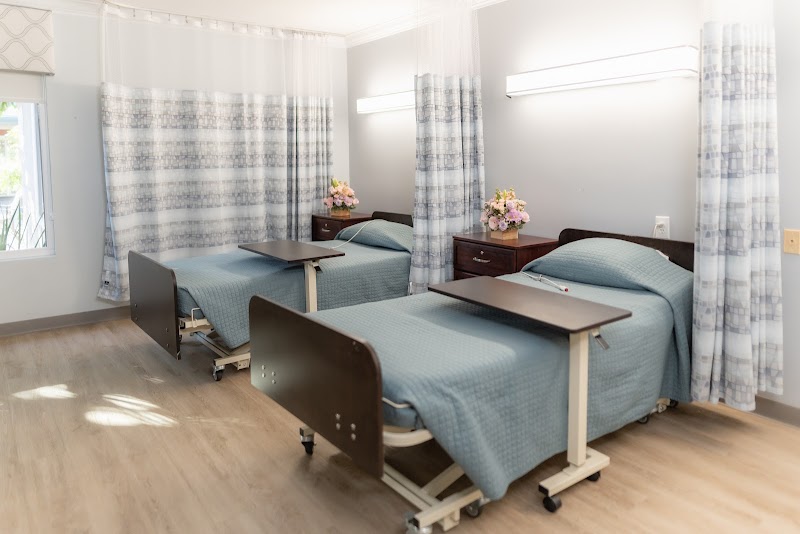
How is Studebaker Healthcare Center Staffed?

CMS rates STUDEBAKER HEALTHCARE CENTER's staffing level at 3 out of 5 stars, which is average compared to other nursing homes. Staff turnover is 52%, compared to the California average of 46%.

What Have Inspectors Found at Studebaker Healthcare Center?

State health inspectors documented 89 deficiencies at STUDEBAKER HEALTHCARE CENTER during 2022 to 2025. These included: 1 Immediate Jeopardy (the most serious level, indicating potential for serious harm or death) and 88 with potential for harm. Immediate Jeopardy findings are rare and represent the most serious regulatory concerns. They require immediate corrective action.
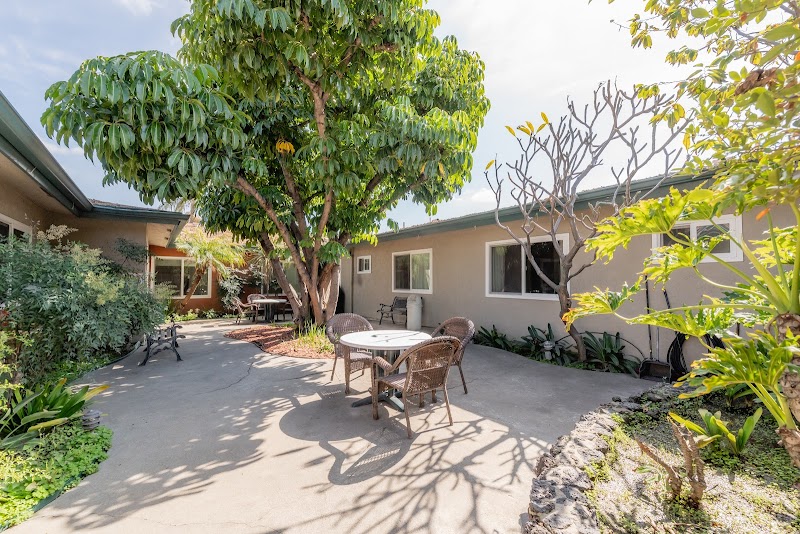
Who Owns and Operates Studebaker Healthcare Center?

STUDEBAKER HEALTHCARE CENTER is owned by a for-profit company. For-profit facilities operate as businesses with obligations to shareholders or private owners. The facility operates independently rather than as part of a larger chain. With 99 certified beds and approximately 92 residents (about 93% occupancy), it is a smaller facility located in NORWALK, California.
How Does Studebaker Healthcare Center Compare to Other California Nursing Homes?

Compared to the 100 nursing homes in California, STUDEBAKER HEALTHCARE CENTER's overall rating (1 stars) is below the state average of 3.1, staff turnover (52%) is near the state average of 46%, and health inspection rating (1 stars) is much below the national benchmark.

What Should Families Ask When Visiting Studebaker Healthcare Center?

Based on this facility's data, families visiting should ask: "What changes have been made since the serious inspection findings, and how are you preventing similar issues?" "Can I visit during a mealtime to observe dining assistance and food quality?" "How do you handle medical emergencies, and what is your hospital transfer rate?" "Can I speak with family members of current residents about their experience?" These questions are particularly relevant given the facility's Immediate Jeopardy citations.

Is Studebaker Healthcare Center Safe?

Based on CMS inspection data, STUDEBAKER HEALTHCARE CENTER has documented safety concerns. Inspectors have issued 1 Immediate Jeopardy citation (the most serious violation level indicating risk of serious injury or death). The facility has a 1-star overall rating and ranks #100 of 100 nursing homes in California. Families considering this facility should ask detailed questions about what corrective actions have been taken since these incidents.

Do Nurses at Studebaker Healthcare Center Stick Around?

STUDEBAKER HEALTHCARE CENTER has a staff turnover rate of 52%, which is 6 percentage points above the California average of 46%. Moderate turnover is common in nursing homes, but families should still ask about staff tenure and how the facility maintains care continuity when employees leave.

Was Studebaker Healthcare Center Ever Fined?

STUDEBAKER HEALTHCARE CENTER has been fined $40,378 across 2 penalty actions. The California average is $33,483. While any fine indicates a compliance issue, fines under $50,000 are relatively common and typically reflect isolated problems that were subsequently corrected. Families should ask what specific issues led to these fines and confirm they've been resolved.

Is Studebaker Healthcare Center on Any Federal Watch List?

STUDEBAKER HEALTHCARE CENTER is not on any federal watch list. The most significant is the Special Focus Facility (SFF) program, which identifies the bottom 1% of nursing homes nationally based on persistent, serious quality problems. Not being on this list means the facility has avoided the pattern of deficiencies that triggers enhanced federal oversight. This is a positive indicator, though families should still review the facility's inspection history directly.