BAY AREA HEALTHCARE CENTER
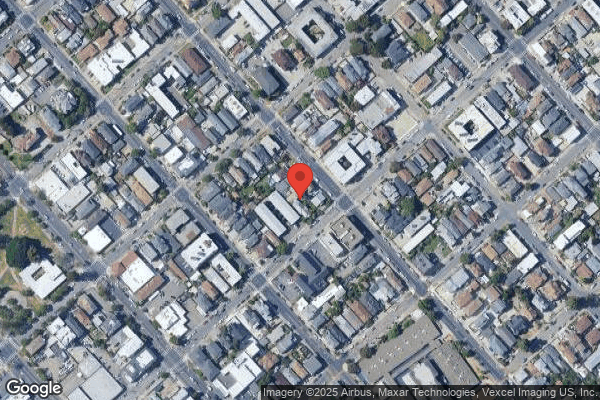
1833 10TH AVENUE, OAKLAND, CA 94606 (510) 536-6512
For profit - Partnership 99 Beds Independent Data: November 2025
Trust Grade
95/100
#17 of 1155 in CA
Last Inspection: February 2025

Within standard 12-15 month inspection cycle. Federal law requires annual inspections.

Overview

Bay Area Healthcare Center in Oakland, California, has received an impressive Trust Grade of A+, indicating it is an elite facility with a high level of care. It ranks #17 out of 1,155 nursing homes in California, placing it in the top tier, and #3 out of 69 in Alameda County, meaning there are only two local options rated higher. The facility is on an improving trend, with concerns decreasing from five issues in 2023 to two in 2025, indicating a commitment to better practices. Staffing is generally strong with a 4 out of 5 rating and a low turnover rate of 16%, which is well below the state average. However, there have been some concerning incidents, such as the improper storage of food items that were not labeled or dated, and failures in assessing residents' ability to self-administer medications safely. Overall, while the facility has strengths in care quality and staffing, families should be aware of the specific areas that need attention.

Trust Score
A+
95/100
In California
#17/1155
Top 1%
Safety Record
Low Risk
No red flags
Inspections
Getting Better
5 → 2 violations
Staff Stability
✓ Good
16% annual turnover. Excellent stability, 32 points below California's 48% average. Staff who stay learn residents' needs.
Penalties
✓ Good
No fines on record. Clean compliance history, better than most California facilities.
Skilled Nurses
✓ Good
Each resident gets 98 minutes of Registered Nurse (RN) attention daily — more than 97% of California nursing homes. RNs are the most trained staff who catch health problems before they become serious.
Violations
○ Average
9 deficiencies on record. Average for a facility this size. Mostly minor or procedural issues.
★★★★★
5.0
Overall Rating
★★★★☆
4.0
Staff Levels
★★★★☆
4.0
Care Quality
★★★★★
5.0
Inspection Score
Stable
2023: 5 issues
2025: 2 issues

The Good

  • 4-Star Staffing Rating · Above-average nurse staffing levels
  • 4-Star Quality Measures · Strong clinical quality outcomes
  • Low Staff Turnover (16%) · Staff stability means consistent care
  • Full Sprinkler Coverage · Fire safety systems throughout facility
  • No fines on record
  • Staff turnover is low (16%)

    32 points below California average of 48%

Facility shows strength in staffing levels, quality measures, staff retention, fire safety.

The Bad

No Significant Concerns Identified

This facility shows no red flags. Among California's 100 nursing homes, only 1% achieve this.

The Ugly 9 deficiencies on record

Feb 2025 2 deficiencies
CONCERN (D)

Potential for Harm - no one hurt, but risky conditions existed

Deficiency F0554 (Tag F0554)

Could have caused harm · This affected 1 resident

Based on observation, interview, record review, and facility policy review, the facility failed to ensure 1 (Resident #6) of 1 resident reviewed for self-administration of medications was assessed to ...

Read full inspector narrative →
Based on observation, interview, record review, and facility policy review, the facility failed to ensure 1 (Resident #6) of 1 resident reviewed for self-administration of medications was assessed to determine if they were clinically appropriate and safe to administer their own topical medications. Findings included: A facility policy titled, Self- Administration by Resident, dated 2007, revealed, Residents who desire to self-administer medications are permitted to do so with a prescriber's order and if the nursing care center's interdisciplinary team has determined that the practice would be safe, and the medications are appropriate and safe for self-administration. The policy also indicated, 1. If the resident desires to self-administer medications, an assessment is conducted by the interdisciplinary team of the resident's cognitive, physical, and visual ability to carry out this responsibility, during the care planning process. 2. The interdisciplinary team determines the resident's ability to self-administer medication by means of a skill assessment conducted as part of the care plan process. The policy specified, 3. The results of the interdisciplinary team assessment are recorded on the Medication Self Administration Assessment, which is placed in the resident's medical record. An admission Record indicated the facility admitted Resident #6 on 05/09/2016. A quarterly Minimum Data Set (MDS), with an Assessment Reference Date (ARD) of 01/12/2025, revealed Resident # 6 had a Brief Interview for Mental Status (BIMS) score of 15, which indicated the resident had intact cognition. Resident #6's Care Plan Report included a focus area, initiated on 04/21/2021 and revised on 01/15/2025, that indicated the resident self-administered supplements. The focus area included a goal that the resident would be able to perform proper procedures for medication administration. Interventions dated 01/15/2025 directed staff to assess the resident with a self-medication assessment form and to inform and update the resident's physician with the results of the assessment. The focus area did not indicate which supplements or medications staff were to assess the resident's ability to self-administer. Resident #6's Order Summary Report contained the following orders: - an order dated 07/19/2021 for hydrocortisone cream 1%, apply to itchy body areas topically every 12 hours as needed for itchiness; - an order dated 10/04/2024 for lidocaine external cream 4%, apply to toes topically every shift for pain management; - an order dated 08/01/2024 for nystatin external cream 100000 units per gram, apply to right plantar foot topically every 12 hours as needed for fungal rash; and - an order dated 08/01/2024 for nystatin powder, apply to right foot between toes every 24 hours at night as needed for fungal rash. The Order Summary Report also reflected orders for various dietary supplements with instructions that specified the resident may self administer & [and] keep at bedside; however, the above topical treatment orders contained no such instructions. A concurrent interview and observation on 02/24/2025 at 9:52 AM revealed a medication cup containing an ointment at Resident #6's bedside. Resident #6 stated the ointment was for eczema, and the nurse left it in their room. An observation on 02/25/2025 at 9:15 AM revealed three medication cups containing topical medications on Resident #6's bedside table. One of the medication cups contained an ointment and was labeled with the word toe, one contained an ointment and was labeled with the words inner thigh, and one contained a powder but was not labeled. Two additional medication cups containing ointment were observed on another table in the resident's room, one of which was labeled with the word rash. Resident #6 and a staff member were in the bathroom at the time of the observation. On 02/25/2025 at 9:22 AM, Certified Nursing Assistant (CNA) #6 emerged from the bathroom in Resident #6's room. CNA #6 stated it was the resident's assigned shower day, and the nurse left the cups of medications at the resident's bedside earlier that morning. CNA #6 further stated Resident #6 kept some of their medications with them and was able to apply the medications themselves. During an interview on 02/25/2025 at 9:27 AM, Licensed Vocational Nurse (LVN) #3 stated she was Resident #6's assigned nurse and admitted she left three prescribed ointments and a prescribed powder at the resident's bedside. LVN #3 identified the medications as triamcinolone ointment, lidocaine ointment, and nystatin powder. LVN #3 described the resident as alert and said she did not think it was a big issue; however, LVN #3 further stated the resident did not have an order to self-administer the topical medications and said perhaps the resident needed one. During an interview on 02/25/2025 at 11:01 AM, Resident #6 stated they requested the nurses leave their prescribed topical mediations with them so the resident could apply them when needed. During an interview on 02/25/2025 at 2:56 PM, LVN #1 stated that if a resident requested to self-administer a medication, staff initiated the process of assessing the resident to ensure they could safely administer the medication in question. LVN #1 reviewed Resident #6's medical record and confirmed the resident did not have a self-administration of medication assessment or an order to self-administer their topical medications. LVN #1 stated the resident had been administering their own typical medications, so an assessment should be completed and an order obtained from the physician. During an interview on 02/26/2025 at 10:37 AM, the Director of Nursing (DON) stated if a resident asked to self-administer a medication, nursing staff should know to complete an assessment or notify a supervisor or the DON. The DON stated that Resident #6 was self-administering their topical mediations, but the facility did not have a self-administration assessment or an order for the resident to do so. The DON stated she expected nurses to follow the facility's policies regarding safety and also expected them to have completed an assessment for self-administration as soon as it was known the ointments were left at the resident's bedside. During an interview on 02/26/2025 at 10:51 AM, the Administrator stated Resident #6 was managing prescribed ointments without an assessment or an order to do so. The Administrator stated she expected the nurses to follow the facility's policy regarding self-administration of medications.
CONCERN (D)

Potential for Harm - no one hurt, but risky conditions existed

Deficiency F0761 (Tag F0761)

Could have caused harm · This affected 1 resident

Based on observation, interview, record review, and facility document and policy review, the facility failed to dispose of expired medications that were stored on 1 of 5 medication carts. Findings in...

Read full inspector narrative →
Based on observation, interview, record review, and facility document and policy review, the facility failed to dispose of expired medications that were stored on 1 of 5 medication carts. Findings included: A facility policy titled, Storage of Medications, dated 2007, revealed, 14. Outdated, contaminated, discontinued or deteriorated medications and those in containers that are cracked, soiled, or without secure closures are immediately removed from stock, disposed of according to procedures for medication disposal. An undated facility document titled, Following Meds [medications] Expired After Opening revealed latanoprost eye drops expired 42 days after opening. A concurrent interview and observation of the Station 2 medication cart with Licensed Vocational Nurse (LVN) #7 on 02/26/2025 at 11:18 AM revealed two bottles of latanoprost eye drops. One bottle was labeled for Resident #16 and had an open date of 01/01/2025, and the other bottle was labeled for Resident #1 and had an open date of 01/08/2025. LVN #7 confirmed the bottles of latanoprost for Resident #16 and Resident #1 were expired and should have been discarded 42 days after they were opened. The Director of Nursing (DON) was interviewed on 02/26/2025 at 12:11 PM. The DON stated if a medication was expired, she expected the nurses to remove the medication from the medication cart. The DON confirmed the two bottles of latanoprost for Resident #16 and Resident #1 were expired, because the medication was only good for 42 days once it was opened.
May 2023 5 deficiencies
CONCERN (D)

Potential for Harm - no one hurt, but risky conditions existed

Pharmacy Services (Tag F0755)

Could have caused harm · This affected 1 resident

**NOTE- TERMS IN BRACKETS HAVE BEEN EDITED TO PROTECT CONFIDENTIALITY** Based on observation, interview, and record review, the facility failed to ensure controlled medications (medications with high ...

Read full inspector narrative →
**NOTE- TERMS IN BRACKETS HAVE BEEN EDITED TO PROTECT CONFIDENTIALITY** Based on observation, interview, and record review, the facility failed to ensure controlled medications (medications with high potential for abuse or addiction) were available and given according to the Physician's Order and fully accounted for, when: A random controlled medication use audit for three out of three residents (Residents 20, Resident 1 and Resident 19) indicated that Morphine (a potent medication for pain) was not administered as prescribed for Resident 20, and medications were documented as given to the Resident 1 and Resident 19 on the Medication Administration Records (MAR), but were not signed out of the Control Drug Record (CDR, an inventory sheet that keeps record of the usage of controlled medications). These failures resulted in Resident 20 enduring unnecessary pain, and had the potential to result in loss, misuse, and/or diversion of controlled prescription medications. Findings: During a random controlled drug audit, the CDRs of three residents (20, 1 and 19) were reviewed during the survey. 1. During a concurrent interview and record review on 5/02/23 at 11:10 a.m., with Registered Nurse (RN) 2, a review of Resident 20's CDR sheet for Morphine reflected the following Morphine Sulfate ER (extended release) 15 mg (milligram, a unit of measurement) 1 tablet by mouth every 12 hours for chronic post-traumatic headache. The CDR documentation indicated that the medication was only being administered QD (once a day) at 9:00 a.m. RN2 stated the current Morphine Sulfate order in the MAR dated 6/30/2020, indicated Morphine Sulfate Contin ER 15 mg 1 tablet by mouth every morning around the clock for pain management. RN2 stated s/he goes by the MAR while administering controlled medication and do not pay close attention to the label on the CDR sheet. RN 2 stated, s/he was not aware of the discrepancy in the order until today .It looks like Resident 20 has not been receiving her pain medications as ordered. RN2 stated QD is every day and Q12 is every 12 hours. RN2 stated, Resident 20 is able tell the staff when she is in pain, by pointing to the pain area of her body. During a Record Review of the Clinical Progress Notes dated 5/05/2023, printed on 5/2/2022, indicated, Morphine (MS Contin/Oramorph SR) 15 mg Oral tablet, take 1 tablet by mouth every 12 hours prescribed by a physician with a start date of 4/15/2022. During a phone interview on 5/02/23 at 12:41 p.m., with Pharmacy Tech (PT). PT sated, the electronic script (a digital alternative to a paper prescription) submitted on 04/15/22, indicated Morphine Sulfate Contin Sustained release 15 mg oral tablet, take 1 tablet by mouth every 12 hours, a change in frequency from 1 tablet a day. 2. During a concurrent interview and record review on 5/01/23 at 11:13 a.m., with the RN2, a review of the Resident 1's MAR indicated, oxycodone HCL (a potent controlled medication for moderate to severe pain) was administered for 5/02/23 at 8:00 a.m., but not signed out as removed on the CDR. RN2 stated s/he administered the medication at 8:00 a.m. but forgot to sign out the CDR after administering the medication. 3. During a concurrent interview and record review on 5/02/23 at 11:29 a.m., with the RN 2, a review of Resident 19's MAR for pregabalin (a potent controlled medication used to treat nerve pain) indicated the following medication's 3 capsules were administered on 5/02/23 at 9 a.m., but not documented removed on the CDR. The medication bubble-pack contained 30 capsules. RN2 verified the findings and acknowledged the medication bubble pack contained 30 capsules, and the CDR reflected the number of capsules remaining was 33. RN2 stated, s/he forgot to document on CDR after administering the morning dose at 9:00 a.m. During an interview on 5/02/23 at 1:40 p.m., with the Director of Nursing (DON). DON stated, when the nurse is pulling a controlled medication from the medication cart, the nurse is to confirm the order, sign out on the CDR, and then prep the medication in the MAR. As soon as the controlled medication is administered, the nurse is to sign the MAR 'as given. S/he stated, All medications must be documented both in the MAR and CDR, if it is not documented, it is not given. DON stated, it was her expectation for nurses to check the CDR label, narcotic bubble pack label and the MAR order prior to a medication administration, If it's not matching, they have to inform the charge nurse and notify the physician. DON stated, s/he was not sure why the morphine order was missed for more than one year, it's very concerning. DON stated, the risk of under medicating a resident means they are in constant unmanaged and uncontrollable pain. During a review of the Resident 20's Face Sheet dated 5/02/23, the record indicated, Resident 20 was admitted to the facility on [DATE] with multiple diagnoses which included Motor Vehicle Accident, and Right Femur (thigh bone) fracture. During an interview with Resident 20 on 5/02/23at 2:29 p.m., Resident 20 pointed to her right thigh and stated she was in a lot of pain and rated her pain level at 10 out of 10. (a numerical scale from 0 to 10. Here, 0 means no pain and 10 means severe pain). During a review of the facility's policy titled, Medication Administration, dated 2007, indicated, Prior to administration, the medication and dosage schedule on the resident's MAR is compared with the medication label. If the label and MAR are different .the prescriber's orders are checked for the correct dosage schedule .9. Read medication label three (3) times before preparing/pouring medication. a. when pulling medication package from med cart, b. When dose is prepared, c. before dose is administered . Medications are administered in accordance with written orders of the prescriber .
CONCERN (D)

Potential for Harm - no one hurt, but risky conditions existed

Unnecessary Medications (Tag F0759)

Could have caused harm · This affected 1 resident

Based on observation, interview, and record review, the facility failed to ensure the medication error rate did not exceed 5% for 2 of 4 sampled residents (Resident 29 and Resident156) when: 1. Resid...

Read full inspector narrative →
Based on observation, interview, and record review, the facility failed to ensure the medication error rate did not exceed 5% for 2 of 4 sampled residents (Resident 29 and Resident156) when: 1. Resident 29 was not administered Chlorhexidine solution (a prescription oral rinse that prevents the growth of bacteria in your mouth and reduces inflammation in gums) 15 ml (milliliter, unit of measurement) per manufacturer's guidelines. 2. Resident 156 was not administered oxycodone (a pain medication) 5 mg (milligram, unit of measurement) as prescribed by the physician. This failure resulted in 2 medication errors being identified out of 28 opportunities during an observation of medication administration which then resulted in the facility having a medication error rate of 7.14%. Findings: 1.During a review of Resident 29's admission Record, dated 5/2/23), the admission record indicated, Resident 36 was admitted to the facility in March of 2023 with multiple diagnoses including broken internal left hip prosthesis (an artificial body part) and left hip pain. During a medication pass observation on 5/2/23 at 8:47 a.m., with Licensed Vocational Nurse (LVN) 2, LVN2 administered Resident 29's Chlorhexidine solution. Resident 29 swished the medication for two seconds and spit out the medication in a cup. Based on a review of medication label on 5/2/23 at 8:50 a.m., with LVN2, s/he verified the manufacturer's guidelines printed on the Chlorhexidine solution bottle indicated Swish the medication in your mouth for 30 seconds. During a review of Resident 29's Physician's Order, dated 4/15/23, indicated, Chlorhexidine 15cc (cubic centimeter, unit of measurement), to be given every 12 hours, and to swish and spit. During an interview with LVN2 on 5/2/23 at 8:54 a.m., LVN2 stated, s/he was not aware of the manufacturer's guidelines on having the resident swish the medication for 30 seconds. LVN2 stated, swishing for 30 seconds is important to mouth to be clean, the resident did it for only 2 seconds. 2.During a review of Resident 156's admission Record dated 5/4/23, the review indicated, Resident 156 was admitted to the facility in April of 2023 with multiple diagnosis including right femur (thigh bone) fracture, and chronic gout (painful swelling of the big toe joint). During a medication pass observation on 5/2/23 at 9:10 a.m., with LVN2, LVN2 did not administer Resident 156'sr oxycodone as ordered by the physician. LVN2 stated to Resident 156 You have therapy this morning. Resident 156 pointed at her right thigh stated, I have so much pain, will that hurt? During a review of Resident 156's Physician Orders, dated 5/1/23, indicated Premedicate with Oxycodone, 5 mg (give 0.5 tablet = 2.5 mg (milligram, a unit of measurement) tablet, need to be given every morning 30-60 minutes prior to Rehab (care that can help Resident 156 get back, keep, or improve abilities needed for daily life) for pain management. During an interview on 5/2/23, at 9:21 a.m., with LVN 2, LVN 2 stated,the pain medication was not available in the medication cart, and no other pain medication was available. LVN 2 stated, she would inform the charge nurse to get the pain medication. During an interview on 5/2/23, at 12:00 p.m., with LVN 2, LVN 2 stated, the pain medication had not been administered to Resident 156 and the Director of Nursing (DON) was calling the pharmacy. LVN 2 stated, Resident 156's rehab therapy was not conducted as the resident did not get the pain medication. During an interview on 5/2/23, at 12:04 p.m., with Resident 156, Resident 156 rated her pain level at 10 out 10 (a numerical scale from 0 to 10. Here, 0 means no pain and 10 means severe pain). Resident 156 stated I scream when I have to move, my right leg hurts a lot. During an interview on 5/02/23, at 1:44 p.m., with DON, DON stated We did not make sure the pain medication was delivered today .the physician should have been called to get a one-time dose to eliminate severe pain and to ensure the resident had morning rehab therapy This resident is here for rehab therapy, they should have to not lay in pain for 5 hours. During a review of the facility's policy titled, Medication Administration, dated 2007, indicated, Medications are administered as prescribed in accordance with manufacturer's specifications .Medications are administered in accordance with written orders of the prescriber .Medications are administered within 60 minutes of scheduled time .
CONCERN (D)

Potential for Harm - no one hurt, but risky conditions existed

Deficiency F0760 (Tag F0760)

Could have caused harm · This affected 1 resident

Based on observation, interview, and record review, the facility failed to ensure 1 resident in a census of 58 (Resident 156) was free from significant medication error when: For Resident 156, Oxycod...

Read full inspector narrative →
Based on observation, interview, and record review, the facility failed to ensure 1 resident in a census of 58 (Resident 156) was free from significant medication error when: For Resident 156, Oxycodone (a potent pain medication) was not administered as prescribed by the physician. This failure resulted in Resident 156 suffering from moderate to severe pain. Findings: During a review of Resident 156's admission Record dated 5/4/23, the admission Record indicated, Resident 156 was admitted to the facility in April of 2023 with multiple diagnosis including right femur (thigh bone) fracture, and chronic gout (painful swelling of the big toe joint). During an observation and interview on 5/02/23, at 9:04 a.m., with Licensed Vocational Nurse (LVN) 2 and Resident 156, Resident 156 stated, she wanted to do Rehab therapy (a care that can help you get back, keep, or improve abilities that you need for daily life) for pain management) time and that she was in severe pain every time she moved in bed. LVN 2 stated that she was unable to find her prescription pain medication in the medication cart and informed the resident We are going to order the pill. During a review of Resident 156's clinical record, the clinical record indicated, a physician order dated 5/1/23, Premedicate with Oxycodone, 5 mg (give 0.5 tablet = 2.5 mg [milligram, a unit of measurement] tablet, need to be given every morning 30-60 minutes prior to Rehab. During a subsequent interview on 5/02/23, at 12:03 p.m., with LVN 2, LVN 2 stated, she had informed the Director of Nursing (DON) who is calling the pharmacy now. LVN 2 stated that Resident 156 has not had Rehab Therapy today. During an interview on 5/02/23, at 12:04 p.m., with Resident 156, stated, she had not yet received the medication to relieve the pain in her right knee and that her leg hurt every time she moved. Resident 156 stated, she lay still and do not move to help with the pain and her pain was 10 out of 10. (a numerical scale from 0 to 10. Here, 0 means no pain and 10 means severe pain). During an interview on 5/02/23 at 12:54 p.m., with the DON, she stated, the medication was not delivered by the pharmacy, and the nurses were not able to pull out a one-time dose from the emergency kit (e-kit, a small quantity of medications that can be dispensed when pharmacy services are not available) as the Physician was not notified. DON stated, the physician should have been called to get a one-time dose to eliminate severe pain and to ensure [Resident 156] had morning rehab therapy . [Resident 156] is here for rehab therapy, they should have to not lay in pain for 5 hours .it took me 20-30 minutes on the phone with pharmacy, and the pain medication will be available soon. During an interview on 5/02/23 at 1:46 p.m., with LVN2, she stated, she was finally able to access the e-kit and get the pain pill. LVN2 sated, I am going to administer it now. A review of facility policy titled, Medication Administration, dated 2007, indicated Medications must be administered in accordance with written orders of the prescriber .medications are administered withing 60 minutes of scheduled time.
CONCERN (D)

Potential for Harm - no one hurt, but risky conditions existed

Deficiency F0761 (Tag F0761)

Could have caused harm · This affected 1 resident

**NOTE- TERMS IN BRACKETS HAVE BEEN EDITED TO PROTECT CONFIDENTIALITY** Based on observation, interview, and record review, the facility failed to ensure pharmaceutical products were stored and labele...

Read full inspector narrative →
**NOTE- TERMS IN BRACKETS HAVE BEEN EDITED TO PROTECT CONFIDENTIALITY** Based on observation, interview, and record review, the facility failed to ensure pharmaceutical products were stored and labeled correctly, when: 1a. One open and expired medication for Resident 356 was in the medication cart, which put residents 356 at risk of receiving expired medication, 1b. One expired can of test strip was in the medication cart, which put all residents at risk of receiving testing with expired test strips. 2a. One opened bottle of medication in the medication cart was not labeled, which put all residents at risk of receiving expired or outdated medication, 2b. Two expired medications were for Resident 28 and 44 were in the medication cart, which put residents 28 and 44 at risk for receiving expired medications. 2c. One expired medication was in the treatment cart, which put all residents at risk for receiving expired medications. 3a. One expired medication was in the medication cart, which put all residents at risk for receiving expired medications. 3b. One expired medication for Resident 6 was in the medication cart, which put Resident 6 at risk for receiving expired medications. 3c. One expired medication for Resident 20 was in the medication cart, which put Resident 6 at risk for receiving expired medications. 3d. One expired medication for use for Resident 19 was in the medication cart, which put Resident 6 at risk for receiving expired medications. 3e. One opened bottle of medication in the medication cart was not labeled and dated, which put all residents at risk of receiving expired or outdated medication, 3f. One opened bottle of medication in the medication cart was not labeled, which put all residents at risk of receiving expired or outdated medication, 3g. Loose pills were found in the medication carts, which could result in diversion of the loose medication, 4. One expired can of test strip was in the medication cart, which put all residents at risk of receiving testing with expired test strips. These deficient practices had the potential for residents to receive medications with reduced potency, had the potential to result in medication errors, or drug diversion. Findings: 1. During an inspection of the Medication Cart number 1 on 5/1/23, at 11:03 a.m., with Registered Nurse (RN) 3, two expired and unlabeled with open date medications were identified in the locked compartment of the medication cart, as follows: a. An opened multi-dose bottle containing heparin (medication is used to prevent and treat blood clots)50,000 units ([NAME] unit, a unit of measurement) /10 ml (milliliter, a unit of measurement)for Resident 356 without an open date. b. An opened multiuse bottle containing glucose test strips without an open date. During an interview on 5/1/23, at 11:10 a.m., with RN 3, s/he stated s/he could not verify when the heparin bottle was opened, and it has a life span for 28 days after opening. RN3 stated, s/he considered the Heparin expired. RN3 stated, the manufacturer's label on glucose test strip bottle indicated, good for 6 months after first opening. RN3 stated, s/he was unable to confirm the open date as it does not have an open date and that s/he would consider it to be expired. 2. During an inspection of the Medication Cart number 2 and the sub-acute treatment cart on 5/1/23, at 11:31 a.m., with Registered Nurse (RN) 4 two expired, one expired and unlabeled with resident information were identified in the locked compartment of the medication cart, and one expired medications were identified in the locked compartment of the treatment cart, as follows: a. An opened unlabeled multi-dose bottle containing insulin (a hormone that lowers the level of glucose (a type of sugar) in the blood by helping glucose enter the body's cells)100 units/ml (the number of units of insulin in one milliliter (mL)) with an open date of 3/25/23. b. 1. A Systane eye drop for Resident 44 with an opened date of 2/17/23. 2. A Systane eye drop for Resident 28 with an open date of 2/21/23. c. An unlabeled hemorrhoidal ointment with an expiration date of 11/2022 During an interview on 3/01/23, at 11:50 a.m., with RN 4, s/he verified the findings above and stated, s/he could not verify which Resident the Insulin belonged to. RN4 stated, Insulin expires 28 days after opening and this insulin is expired. RN 4 stated, both eye drops are expired, we are to discard them 42 days after opening, they both have been open for more than 42 days. RN4 stated the hemorrhoid ointment expired on 11/2022, and s/he did not know who was responsible for the rotating and removing of the expired medication from the carts. 3. During an inspection of the Medication Cart number in Station 2 with RN2 on 5/02/23, at 11:06 a.m., four expired, one unlabeled and undated, one unlabeled, and three loose pills were identified in the locked compartment of the medication cart, as follows: a. An opened multi-dose bottle of Melatonin with a printed expiration date of 04/30/23. b. An unopened bottle of Naloxone (a medicine that rapidly reverses a narcotic overdose) for Resident 6 with a printed expiration date of 03/2023. c. An Lumigan eye drop bottle for Resident 20 with an open date of 03/29/23 d. A multi-dose inhaler Combivent Respimat for Resident 19 with an open date of 1 10/19/22. e. An unlabeled opened Artificial Tears eye drops without an open date. f. An unlabeled opened Artificial Tears eye drops with an open date of 3/30/23. g. Three loose pills at the bottom of the cart drawer During an interview on 5/02/23 at 11:15 a.m., with RN2, s/he verified the findings above and stated, Both the Melatonin and the Naloxone are expired, The Lumigan eye drops expires 28 days after opening. RN2 stated the Combivent inhaler expired 90 days after opening as printed on the medication box. RN2 could not verify which Resident/s the Artificial eye drop bottles belonged to. RN2 stated eye drops should have been labeled and dated, and expire 30 days after opening, and that both eye drop bottles were now expired. RN2 stated s/he was not able to correctly identify the three loose pills and it could cause an issue with medication count. RN2 stated she did not know who was responsible for removing of the expired medication from the carts. 4. During an inspection of the Medication Cart number 4 with Licensed Vocational Nurse (LVN) 2 on 5/02/23, at 11:18 a.m., one opened glucose test strip without an open date, was identified in the locked compartment of the medication cart. During an interview on 5/02/23 at 11:20 a.m. with LVN2, she stated, she could not verify the open date and that per the manufacturer's instructions Use within 6 months after first opening, I would consider these expired. During an interview with the DON on 5/2/23 at 12:52 p.m., she verified all the above findings, and stated the staff nurse was supposed to give expired and discontinued medications to the Charge Nurse right away. The DON verified the above expired medications should have been removed from the medication carts to prevent medication errors. The DON stated the Charge Nurse, and the Pharmacist are responsible for removing expired and discontinued drugs from the medication carts. A review of the facility's policy and procedure(P&P) titled Disposal of Medications, dated 2007, the P&P indicated, .8. Outdated medications, contaminated, or deteriorated medications and the contents of containers with no label shall be destroyed . A review of the facility's policy and procedure titled Storage of Medication, dated 2007, the P&P indicated, Outdated, contaminated, discontinued or deteriorated medications and those in containers that are cracked, soiled, or without secure closures are immediately removed from stocks, disposed of according to procedures for medication disposal . A review of the facility's policy and procedure titled medication Administration, dated 2007, the P&P indicated, 8. No expired medication will be administered to a resident .b. The nurse shall place a 'date opened' sticker on the medication .and enter the date opened.
CONCERN (E)

Potential for Harm - no one hurt, but risky conditions existed

Food Safety (Tag F0812)

Could have caused harm · This affected multiple residents

Based on observation, interviews and record review, the facility failed to ensure storage of food under sanitary conditions when the following food items were not labeled and dated with use-by date in...

Read full inspector narrative →
Based on observation, interviews and record review, the facility failed to ensure storage of food under sanitary conditions when the following food items were not labeled and dated with use-by date in refrigerator: -Three gallons of milk opened not dated; - Bottle of pickle relish opened not dated; - One container of garlic spread opened not dated; - Bowl of cooked minestrone dated 4/23/23; - One container of low fat cottage cheese opened dated 4/21/23; - One bottle of horse Radish opened not dated ; - Bowl of crushed garlic not labeled or dated; - One container of low fat cottage cheese opened not dated; - One Med Pass 2.0 nutritional shake vanilla opened dated 2/3/23; - One bottle of yellow mustard opened dated 4/6/23; - One bottle of mayonnaise opened an dated 4/6/23; - One tray of dispensed cups with juice and milk beverage dated 4/25/23; - Two trays of dispensed cups of beverage not label or dated; - One bottle of caramel sauce opened and dated 12/2/22; - One can of peanut butter opened and dated 3/24/23; - Bowl of cooked yam dated 4/25/23; These failures had the potential to result in food borne illnesses. Findings: During the initial tour of the kitchen on 5/1/23 at 9:17 a.m., accompanied by [NAME] and Dietary Supervisor/Dietician (RD) the followings were observed in the refrigerator; three gallons of milk opened not dated, gallon of pickle relish opened not dated, one container of garlic spread opened not dated, bowl of cooked minestrone dated 4/23/23, one container of low fat cottage cheese opened dated 4/21/23, one bottle of horse Radish opened not dated, bowl of crushed garlic not labeled or dated, two carton of low fat cottage cheese opened not dated, one Med Pass 2.0 nutritional shake vanilla opened dated 2/3/23, one bottle of yellow mustard opened dated 4/6/23, one bottle of mayonnaise opened an dated 4/6/23, one tray of dispensed cups with juice and milk beverage dated 4/25/23, two trays of dispensed cups of milk and juice beverage not label or dated and bowl of cooked yam dated 4/25/23; and in kitchen cabinet observed one bottle of caramel sauce opened and dated 12/2/22 and one can of peanut butter opened and dated 3/24/23. During an interview on 5/1/23 at 9:33 a.m., [NAME] stated, all food items must be labeled and dated when opened and placed in refrigerator with expiration date. During an interview on 5/1/23 at 9:54 a.m., RD stated, the expectation was that all food items are covered, labeled and dated including milk products must be labeled and dated in refrigerator. During an observation on 5/1/23 at 12:14 p.m., Certified Nursing Assistant (CNA1) picked up a paper napkin from the floor and proceeded to distribute meal tray without performing hand hygiene. During an interview on 5/1/23 at 12:17 p.m., CNA1 stated, she was trained to perform hand hygiene before passing meal trays. CNA1 said she felt she was only picking up clean paper from the floor. During an interview on 5/3/23 at 10:08 a.m., Infection Preventionist/Registered Nurse (IP) stated, CNAs are trained to wash hands or perform hand hygiene before distributing meal trays. IP said the floor is dirty. The facility's policy, titled Procedure for refrigerated storage, dated 2018, indicated ; Individual packages of refrigerated or frozen food taken from the original packing box need to be labeled and dated. Leftovers will be covered, labeled and dated.
Aug 2019 2 deficiencies
CONCERN (D)

Potential for Harm - no one hurt, but risky conditions existed

Respiratory Care (Tag F0695)

Could have caused harm · This affected 1 resident

Deficiency Text Not Available

Read full inspector narrative →
Deficiency Text Not Available
CONCERN (D)

Potential for Harm - no one hurt, but risky conditions existed

Infection Control (Tag F0880)

Could have caused harm · This affected 1 resident

Deficiency Text Not Available

Read full inspector narrative →
Deficiency Text Not Available
Understanding Severity Codes (click to expand)
Life-Threatening (Immediate Jeopardy)
J - Isolated K - Pattern L - Widespread
Actual Harm
G - Isolated H - Pattern I - Widespread
Potential for Harm
D - Isolated E - Pattern F - Widespread
No Harm (Minor)
A - Isolated B - Pattern C - Widespread

Questions to Ask on Your Visit

  • "Can I speak with families of current residents?"
  • "What's your RN coverage like on weekends and overnight?"

Our Honest Assessment

Strengths
  • • Grade A+ (95/100). Above average facility, better than most options in California.
  • • No major safety red flags. No abuse findings, life-threatening violations, or SFF status.
  • • No fines on record. Clean compliance history, better than most California facilities.
  • • 16% annual turnover. Excellent stability, 32 points below California's 48% average. Staff who stay learn residents' needs.
Concerns
  • • No significant concerns identified. This facility shows no red flags across CMS ratings, staff turnover, or federal penalties.
Bottom line: Generally positive indicators. Standard due diligence and a personal visit recommended.

About This Facility

What is Bay Area Healthcare Center's CMS Rating?

CMS assigns BAY AREA HEALTHCARE CENTER an overall rating of 5 out of 5 stars, which is considered much above average nationally. Within California, this rating places the facility higher than 99% of the state's 100 nursing homes. This rating reflects solid performance across the metrics CMS uses to evaluate nursing home quality.

How is Bay Area Healthcare Center Staffed?

CMS rates BAY AREA HEALTHCARE CENTER's staffing level at 4 out of 5 stars, which is above average compared to other nursing homes. Staff turnover is 16%, compared to the California average of 46%. This relatively stable workforce can support continuity of care.

What Have Inspectors Found at Bay Area Healthcare Center?

State health inspectors documented 9 deficiencies at BAY AREA HEALTHCARE CENTER during 2019 to 2025. These included: 9 with potential for harm.

Who Owns and Operates Bay Area Healthcare Center?

BAY AREA HEALTHCARE CENTER is owned by a for-profit company. For-profit facilities operate as businesses with obligations to shareholders or private owners. The facility operates independently rather than as part of a larger chain. With 99 certified beds and approximately 65 residents (about 66% occupancy), it is a smaller facility located in OAKLAND, California.

How Does Bay Area Healthcare Center Compare to Other California Nursing Homes?

Compared to the 100 nursing homes in California, BAY AREA HEALTHCARE CENTER's overall rating (5 stars) is above the state average of 3.2, staff turnover (16%) is significantly lower than the state average of 46%, and health inspection rating (5 stars) is much above the national benchmark.

What Should Families Ask When Visiting Bay Area Healthcare Center?

Based on this facility's data, families visiting should ask: "Can I visit during a mealtime to observe dining assistance and food quality?" "How do you handle medical emergencies, and what is your hospital transfer rate?" "Can I speak with family members of current residents about their experience?"

Is Bay Area Healthcare Center Safe?

Based on CMS inspection data, BAY AREA HEALTHCARE CENTER has a clean safety record: no substantiated abuse findings (meaning no confirmed cases of resident harm), no Immediate Jeopardy citations (the most serious violation level indicating risk of serious injury or death), and is not on the Special Focus Facility watch list (a federal program monitoring the lowest-performing 1% of nursing homes). The facility has a 5-star overall rating and ranks #1 of 100 nursing homes in California. While no facility is perfect, families should still ask about staff-to-resident ratios and recent inspection results during their visit.

Do Nurses at Bay Area Healthcare Center Stick Around?

Staff at BAY AREA HEALTHCARE CENTER tend to stick around. With a turnover rate of 16%, the facility is 30 percentage points below the California average of 46%. Low turnover is a positive sign. It means caregivers have time to learn each resident's needs, medications, and personal preferences. Consistent staff also notice subtle changes in a resident's condition more quickly. Registered Nurse turnover is also low at 12%, meaning experienced RNs are available to handle complex medical needs.

Was Bay Area Healthcare Center Ever Fined?

BAY AREA HEALTHCARE CENTER has no federal fines on record. CMS issues fines when nursing homes fail to meet care standards or don't correct problems found during inspections. The absence of fines suggests the facility has either maintained compliance or corrected any issues before penalties were assessed. This is a positive indicator, though families should still review recent inspection reports for the full picture.

Is Bay Area Healthcare Center on Any Federal Watch List?

BAY AREA HEALTHCARE CENTER is not on any federal watch list. The most significant is the Special Focus Facility (SFF) program, which identifies the bottom 1% of nursing homes nationally based on persistent, serious quality problems. Not being on this list means the facility has avoided the pattern of deficiencies that triggers enhanced federal oversight. This is a positive indicator, though families should still review the facility's inspection history directly.