BAY MARINA POST ACUTE
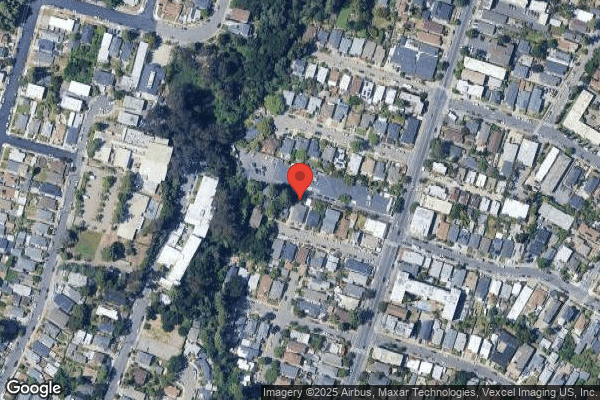
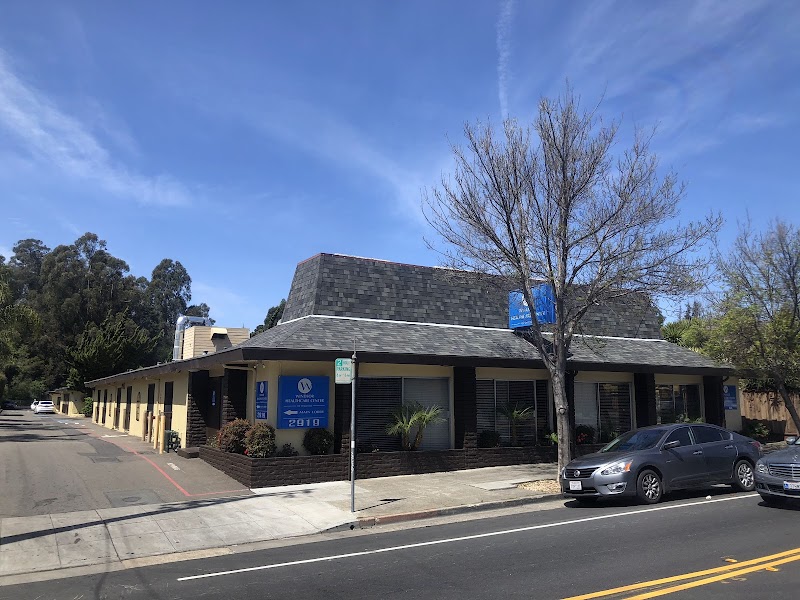
2919 FRUITVALE AVE, OAKLAND, CA 94602 (510) 261-8564
For profit - Limited Liability company 94 Beds SHLOMO RECHNITZ Data: November 2025
Trust Grade
48/100
#747 of 1155 in CA
Last Inspection: March 2025

Within standard 12-15 month inspection cycle. Federal law requires annual inspections.

Overview

Bay Marina Post Acute in Oakland, California, has received a Trust Grade of D, indicating below-average quality with some concerning issues. It ranks #747 out of 1155 facilities in California, placing it in the bottom half, and #60 out of 69 in Alameda County, meaning there are only a few local options that are better. The facility's performance is worsening, as it increased from 6 issues in 2024 to 30 in 2025. Staffing is rated 2 out of 5 stars with a turnover rate of 43%, which is average, so staff may not stay long enough to build strong relationships with residents. Additionally, there are concerning incidents, such as a resident not receiving critical anticoagulant medications, leading to discomfort and potential health risks, and multiple medication errors observed during administration, which raises alarms about the quality of care. Despite some average aspects, families should weigh these significant weaknesses when considering this facility.

Trust Score
D
48/100
In California
#747/1155
Bottom 36%
Safety Record
Low Risk
No red flags
Inspections
Getting Worse
6 → 30 violations
Staff Stability
○ Average
43% turnover. Near California's 48% average. Typical for the industry.
Penalties
✓ Good
$22,584 in fines. Lower than most California facilities. Relatively clean record.
Skilled Nurses
⚠ Watch
Each resident gets only 27 minutes of Registered Nurse (RN) attention daily — below average for California. Fewer RN minutes means fewer trained eyes watching for problems.
Violations
⚠ Watch
52 deficiencies on record. Higher than average. Multiple issues found across inspections.
★★☆☆☆
2.0
Overall Rating
★★☆☆☆
2.0
Staff Levels
★★★☆☆
3.0
Care Quality
★★☆☆☆
2.0
Inspection Score
Stable
2024: 6 issues
2025: 30 issues

The Good

  • Full Sprinkler Coverage · Fire safety systems throughout facility
  • No fines on record
  • Staff turnover below average (43%)

    5 points below California average of 48%

Facility shows strength in fire safety.

The Bad

2-Star Overall Rating

Below California average (3.1)

Below average - review inspection findings carefully

Staff Turnover: 43%

Near California avg (46%)

Typical for the industry

Federal Fines: $22,584

Below median ($33,413)

Minor penalties assessed

Chain: SHLOMO RECHNITZ

Part of a multi-facility chain

Ask about local staffing decisions and management

The Ugly 52 deficiencies on record

Aug 2025 1 deficiency
CONCERN (D) 📢 Someone Reported This

A family member, employee, or ombudsman was alarmed enough to file a formal complaint

Potential for Harm - no one hurt, but risky conditions existed

Pharmacy Services (Tag F0755)

Could have caused harm · This affected 1 resident

Based on observation, interview and record review, for two of two sampled residents who received dialysis (Resident 1 and Resident 2), the facility failed to ensure routine medications were available ...

Read full inspector narrative →
Based on observation, interview and record review, for two of two sampled residents who received dialysis (Resident 1 and Resident 2), the facility failed to ensure routine medications were available for administration. This failure had the potential to result in medical complications not limited to elevated phosphorus, cholesterol, and worsening of symptoms. During a review of Resident 1's admission Record (AR), the AR indicated Resident 1 was admitted to the facility in January 2024 with diagnoses that included end stage renal disease (ESRD, the final stage of long-term kidney disease when the kidneys are no longer sufficiently able to remove waste products and excess water to support the body's needs), hyperlipidemia (high cholesterol levels in the blood), and gastro-esophageal reflux disease without esophagitis (a digestive disorder where the stomach acid flows back into the esophagus, causing irritation and discomfort). During a review of Resident 1's Order Summary Report (OSR) as of 7/31/25, the OSR indicated the following physician's orders:a. Atorvastatin Calcium 40 milligrams (mg) oral tablet: one tablet by mouth at bedtime for hyperlipidemia.b. Famotidine 10 mg one tablet by mouth as needed (Used to treat heartburn caused by acid indigestion).c. Nephro-Vite Rx oral tablet 1 mg (B complex with C and Folic Acid): one tablet by mouth at bedtime.d. Sevelamer Hydrochloride (HCL) oral tablet 800 mg (used to treat too much phosphate in the blood for patients with chronic kidney disease who are on dialysis): one tablet by mouth three times daily.e. Metoclopramide HCL 10 mg oral tablet (used to treat nausea, vomiting, heartburn, a feeling of fullness after meals, and loss of appetite), one tablet by mouth as needed.During a concurrent observation and interview on 7/16/25 at 2:25 p.m. with Licensed Vocational Nurse (LVN) 1, medication cart did not have the following medications for Resident 1:a. Atorvastatin Calcium 40 milligrams (mg) oral tabletb. Famotidine 10 mg one tabletc. Nephro-Vite Rx oral tablet 1 mg (B complex with C and Folic Acid)d. Sevelamer Hydrochloride (HCL) oral tablet 800 mge. Metoclopramide HCL 10 mg oral tabletLVN 1 stated that for Famotidine 10 mg, LVN 1 administered a Famotidine 40 mg labeled for Resident 3, stored with Resident 1's medications. LVN 1 stated Famotidine 40 mg was used as an alternative for famotidine 10 mg that was ordered. LVN 1 also stated regular multivitamins were used instead of Nephro-Vite Rx as both are over the counter. LVN 1 also stated, LVN1 used Sevelamer HCL 800 mg meant for Resident 4 (already discharged ) and administered metoclopramide 5 mg in place of the prescribed 10 mg for Resident 1. During a review of Resident 2's AR, the AR indicated Resident 2 was admitted to the facility in October 2021 with diagnoses that included end stage renal disease and chronic pain syndrome. During a concurrent observation and joint interview on 7/16/25 at 2:50 p.m. with Assistant Director of Nursing (ADON) and LVN 1, ADON stated that calcium carbonate oyster shell1250 mg and nortriptyline oral capsule 75 mg were not available in the medication cart. LVN 1 stated, LVN1 administered calcium carbonate 500 mg for the 9 a.m. dose instead of the ordered 1250mg. ADON stated that in-service education would be provided to licensed staff to ensure medications are ordered before the last few tablets are given. During a review of the facility's policy and procedure (P&P) titled Medication Ordering and Receiving from Pharmacy effective April 2008, the P&P indicated, refills requested by placing the bottom part of the pharmacy label on the order form. Medications should be reordered five days before they are needed to ensure an adequate supply.
Jul 2025 1 deficiency
CONCERN (D) 📢 Someone Reported This

A family member, employee, or ombudsman was alarmed enough to file a formal complaint

Potential for Harm - no one hurt, but risky conditions existed

Deficiency F0627 (Tag F0627)

Could have caused harm · This affected 1 resident

Based on interview and record review, the facility failed to ensure a safe discharge to one sampled resident (Resident 1) when Resident 1 who had a physician order to be discharged to an assisted livi...

Read full inspector narrative →
Based on interview and record review, the facility failed to ensure a safe discharge to one sampled resident (Resident 1) when Resident 1 who had a physician order to be discharged to an assisted living (a type of housing designed that offers caregiver support and assistance with activities of daily living/ADL, including dressing, grooming, showering, moving around, and managing medication) was placed to an independent living housing (designed for people who are still active and require little to no support with the activities of daily living) instead.This deficient practice placed Resident 1 at risk for an unsafe discharge and re-hospitalization.During a record review of Resident 1's admission Record (AR) printed on 7/10/25, the AR indicated Resident 1 was admitted in the facility in January 2025 with diagnoses of cerebral infarction (death of an area of brain tissue when a blocked blood vessel prevents delivery of an adequate blood and oxygen supply to the brain) affecting left-dominant side, muscle weakness, need for assistance with personal care, and history of falling. The AR also showed Resident 1 was discharged in June 2025 to a Board and care (a small, licensed residential setting that provides housing and personal care services to a limited number of residents, typically six or fewer, who need assistance with ADLs)/assisted living/group home: Assisted Living. During a record review of Resident 1's Minimum Data Set (MDS, a resident assessment instrument used to identify resident care problems to be addressed in an individualized care plan), dated 5/8/25, the MDS assessment Section G (Functional Abilities and Goal) indicated Resident 1 needed substantial assistance (helper lifts, holds, or support trunk or limbs and provide more than half the effort) transferring to and from a bed to a chair and dependent (helper does all the effort) during toilet transferring (ability to get on and off a toilet or commode). The MDS assessment section C indicated Resident 1's Brief Interview of Mental Status (BIMS- an assessment for cognition status) score was 15 out of 15 which indicated no cognitive impairment status. During a record review of Resident 1's Order Summary dated 6/19/25, the Order Summary indicated Resident1 had a physician order that showed Discharge resident to Assisted living with home health (medical care delivered in the patient's home) Registered Nurse/Physical Therapist/Occupational Therapist. During a phone interview on 7/10/25 at 11:04 a.m. with Resident 1, Resident 1 stated she was discharged to an independent living housing. Resident 1 stated she agreed with the facility-initiated discharge because the facility told her she was going to a board and care home or assisted living. Resident 1 stated she was not fully independent and needed a lot of help with her personal care. Resident 1 stated the place where the facility discharged her did not have the support she needed. Resident 1 further stated the lady that owned the house did not help her with her daily needs. During an interview on 7/10/25 at 12:20 p.m. with the Social Services Director (SSD), SSD stated Resident 1 was discharged back to her previous board and care home. SSD stated the board and care home provided Resident 1 the basic ADL care that also included transportation to and from Resident 1's appointments. During a follow-up phone interview on 7/11/25 at 11:10 a.m. with Resident 1, Resident 1 stated she never lived at the address where the facility discharged her. Resident 1 further stated the facility discharged her to a different address than the one that she signed and listed in her file. Resident 1 stated she expected to live in an environment that had caregiver support at all times because one side of her body had weakness from a stroke, and it was hard for her to do a lot of things on her own. Resident 1 stated she felt upset and helpless when the facility did not discharge her to an assisted living. Resident 1 further stated she did not want to experience this ever again.During a phone interview on 7/11/25 at 11:45 a.m. with the independent living owner (ILO), ILO confirmed her place offered room and board for independent living. ILO stated when she accepted residents from the facility, she expected them to be able to provide care for themselves. ILO stated it turned out that Resident 1 was unable to care for herself and needed a lot of assistance. ILO stated they also did not have in-house caregivers to provide support and assistance for residents.During a follow-up phone interview and record review on 7/11/25 at 12:08 p.m. with SSD, Resident 1's Progress Notes dated 6/18/25 was reviewed. SSD stated on 6/18/25, she documented that Resident 1 agreed to be discharged to a board and care home. SSD stated the address she documented as Resident 1's discharged place was wrong. SSD stated ILO owned two different locations and SSD did not know why ILO brought Resident 1 to another location different from what she documented. SSD stated she was very confused because ILO told her that she was able to provide care for Resident 1. SSD stated Resident 1 was self-responsible when asked how the facility made sure that Resident 1's discharge was safe.During a phone interview on 7/11/25 at 12:46 p.m. with the Administrator (ADM), ADM stated prior to discharging a resident, the facility should have planned a resident's discharge including the right place where they will be discharged to. The ADM stated it was important to document the correct address of the place of discharge because it was part of the residents' information. The ADM stated if Resident 1 had a physician order to discharge her to an assisted living, then it should have been followed.During a record review of the facility's policy and procedure (P&P), titled, Transfer and Discharge, revised in October 2017, the P&P indicated, To ensure that adequate preparation and assistance is provided to residents prior to transfer or discharge from the facility.Social Services Staff will participate in assisting the resident with transfers and discharges.post discharge plan of care/discharge instructions.
Jun 2025 2 deficiencies
CONCERN (D) 📢 Someone Reported This

A family member, employee, or ombudsman was alarmed enough to file a formal complaint

Potential for Harm - no one hurt, but risky conditions existed

Free from Abuse/Neglect (Tag F0600)

Could have caused harm · This affected 1 resident

Based on interviews and record reviews the skilled nursing facility did not ensure Residents were free from abuse for one of three sampled residents (Resident 1) when Resident 1 ' s Certified Nursing ...

Read full inspector narrative →
Based on interviews and record reviews the skilled nursing facility did not ensure Residents were free from abuse for one of three sampled residents (Resident 1) when Resident 1 ' s Certified Nursing Assistant stated Resident 1 was Ugly. This resulted in unnecessary emotional distress for Resident 1. Findings: Record review of Resident 1's document admission Record showed the facility admitted Resident 1 on June 2018. Diagnoses included a stroke (a medical condition in which poor blood flow to a part of the brain causes cell death.) Record Review of Resident 1's document MDS 3.0 Nursing Home Quarterly (NQ) dated 3/13/2025, showed Resident 1 had no hallucinations or delusions and no physical or verbal behavioral symptoms directed towards self or others. Record review of Resident 1's document eINTERACT Change in Condition Evaluation – V 5.1 dated 5/17/2025, showed Resident 1 had reported to staff CNA 1 had entered his room the previous night and started Yelling and cussing. During an interview at 9:52 a.m. on 6/3/2025, the facility ' s administrator (ADM) stated Certified Nursing Assistant 1 (CNA 1) had reported Resident 1 told her she was Ugly. CNA 1 stated she told Resident 1 You are ugly too. During an interview at 9:55 a.m. on 6/3/2025 Resident 1 stated CNA 1 Used to curse me out but that he hadn ' t Seen her in a while. Resident 1 stated the situation had Upset him. CNA 1 was not available to be interviewed as she no longer works for at the facility. Record review of the document Abuse Prevention and Management dated 2022 showed The Facility does not condone any form of resident abuse, neglect, misappropriation of resident property, exploitation, and/or mistreatment. The Facility develops policies, procedures, training programs, and screening and prevention systems.
CONCERN (D) 📢 Someone Reported This

A family member, employee, or ombudsman was alarmed enough to file a formal complaint

Potential for Harm - no one hurt, but risky conditions existed

Investigate Abuse (Tag F0610)

Could have caused harm · This affected 1 resident

Based on interviews and record reviews the Facility did not take the necessary steps to prevent abuse for one of three sampled Residents (Resident 1). Certified Nursing Assistant 1 (CNA 1) verbally ab...

Read full inspector narrative →
Based on interviews and record reviews the Facility did not take the necessary steps to prevent abuse for one of three sampled Residents (Resident 1). Certified Nursing Assistant 1 (CNA 1) verbally abused Resident 1 and was not immediately removed from providing direct patient care. This resulted in the potential for further abuse. Findings: Record review of Resident 1's document admission Record showed the Facility admitted Resident 1 on June 2018. Diagnoses included stroke(a medical condition in which poor blood flow to a part of the brain causes cell death.) Review of Resident 1's document MDS 3.0 Nursing Home Quarterly (NQ) dated 3/13/2025, showed Resident 1 had no hallucinations or delusions and no physical or verbal behavioral symptoms directed towards self or others. Record review of Resident 1's document eINTERACT Change in Condition Evaluation - V 5.1 dated 5/17/2025, showed Resident 1 had reported to staff CNA 1 had entered his room the previous night and started Yelling and cussing. During an interview at 9:52 a.m. on 6/3/2025, the facility's administrator (ADM) stated Certified Nursing Assistant 1 (CNA 1) had reported Resident 1 told her she was Ugly. CNA 1 stated she then told Resident 1 You are ugly too. During an interview at 9:55 a.m. on 6/3/2025 Resident 1 stated CNA 1, Used to curse me out but that he hadn't Seen her in a while. Resident 1 stated the situation had Upset him. During an interview at 10:16 a.m. on 6/3/2025, the Facility's Payroll Manager (PM) stated CNA's official separation date from the facility was 6/2/2025. During an interview at 10:55 a.m. on 6/3/2025, the PM stated CNA 1 continued to provide Resident care following the incident . In a concurrent record review of the document Time Card Report dated 5/16/2025 to 5/31/2025, showed CNA 1 had Clocked in on 5/18/2025 and clocked out 5/19/2025, the day following the abuse incident. CNA 1 then Clocked in on 5/23/2025 and out on 5/24/2025. Record review of the document Reporting Abuse dated 1/8/2014, showed Upon an allegation of abuse by a Facility Staff member, the Facility Staff member will be suspended and removed from the premises during the investigations.
May 2025 2 deficiencies
CONCERN (D) 📢 Someone Reported This

A family member, employee, or ombudsman was alarmed enough to file a formal complaint

Potential for Harm - no one hurt, but risky conditions existed

Free from Abuse/Neglect (Tag F0600)

Could have caused harm · This affected 1 resident

Based on interview and record review, for one of two sampled residents (Resident 1), the facility failed to ensure Resident 1 was free from abuse when Family Member (FM) slapped Resident 1 in the face...

Read full inspector narrative →
Based on interview and record review, for one of two sampled residents (Resident 1), the facility failed to ensure Resident 1 was free from abuse when Family Member (FM) slapped Resident 1 in the face and called Resident 1 derogatory names. This failure resulted in Resident 1's abrasion on the left eyelid. Resident 1 was sent to the Emergency Department (ED) after complaining of left eye pain. Findings: During a review of Resident 1's admission Record (AR), the AR indicated Resident 1 was admitted to the facility in January 2024 with diagnoses that included hypertension (high blood pressure) and epilepsy (neurological condition characterized by recurrent, unprovoked seizures). During a review of Resident 1's Minimum Data Set (MDS, an assessment tool used to direct resident care) dated 4/19/25, the MDS indicated a Brief Interview for Mental Status (BIMS, a scoring system to determine the resident's cognitive status in regard to attention, orientation, and ability to register and recall information) score of 15. A score of 13-15 is an indication of intact cognitive status. During an interview on 5/13/25 at 10:45 a.m. with Resident 1, Resident 1 stated, FM, Resident 2's sister, entered the room and loudly accused facility staff of mistreating Resident 2. Resident 1 and Resident 2 were roommates. Resident 1 stated FM said she was going to teach them a lesson, and started yelling and throwing things around the room. Resident 1 also stated, FM was visibly upset, came near Resident 1 and slapped Resident 1 in the face. Registered Nurse (RN) 1 entered the room and tried to stop FM from hitting Resident 1 more, but FM refused to stop, continued to yell, until FM went to sit by Resident 2's bed. Resident 1 stated wondering why FM would hit him if FM was upset with the facility staff. During an interview on 5/13/25 at 10:50 a.m. with Infection Preventionist (IP), IP stated seeing FM coming down the hallway, upset and fussing about something. IP stated FM said You all don't know me, you will hear from my lawyer, you don't know what I am capable of! . IP stated she entered Resident 1's room to find out what was going on. IP stated Resident 1 told her that FM had accused Resident 1 of stealing Resident 2's TV remote. IP stated Resident 1 alleged FM was very upset, came up to Resident 1 and slapped him across the face couple times. During a telephone interview on 5/13/25 at 12:06 p.m. with RN 1, RN 1 stated, on 4/27/25, FM, who appeared visibly upset, walked past RN 1 in the hallway to Resident 1's room. RN 1 stated following FM to the room after FM did not acknowledge RN 1. As RN 1 walked towards the room, RN 1 heard Certified Nursing Assistant (CNA) 1's voice that said, Come! come!. RN 1 stated, upon entering the room, saw FM standing between the two residents, who were in their respective beds, facing Resident 1. FM held Resident 1's arms while Resident 1 defended himself by holding FM's hair. RN 1 stated he went closer by Resident 1's bed and told FM to get out of the room but FM refused to stop, went in and out of the room, and continued to yell loudly at Resident 1 and RN 1. RN 1 stated FM kept going at Resident 1, trying to agitate Resident 1 even more, calling Resident 1 derogatory names. RN 1 stated, when IP entered the room, FM calmed down and stayed at Resident 2's bedside. RN 1 stated moving Resident 1 to another room, where further skin assessment was done. RN 1 stated Resident 1 had a scratch on the left eyelid. During an interview on 5/13/25 at 12:27 p.m. with CNA 1, CNA 1 stated, as she entered Resident 1's room, FM stood between the two beds, closer to Resident 1, upset and yelled at Resident 1, Why are you grabbing my hair?. CNA 1 stated calling RN 1 for help. CNA 1 stated FM accused Resident 1 of stealing Resident 2's TV remote but Resident 1 denied taking it. CNA 1 stated looking through the entire room but did not find the TV remote. During a follow-up telephone interview on 5/22/25 at 11:34 a.m. with RN 1, RN 1 stated, FM called Resident 1 Fucker who stole my brother's TV remote!. RN 1 also stated there was so much tension in the room from FM yelling loudly, attacking [Resident 1] further with derogatory words. RN 1 also stated Resident 1 appeared afraid of FM and told FM to go away. During a review of Resident 1's eINTERACT Change in Condition Evaluation (eCiC) dated 4/27/25 and signed by RN 1, the eCiC indicated, Licensed nurse observed that a visitor to [Resident 2] had physically attacked [Resident 1] while he was in bed .[Resident 1] says he was hit in the eye. started risk management, change of condition, 72 hour charting . The eCiC indicated Resident 1 sustained a left eye discoloration with small abrasion on eye lid that measured 0.5 c.m. x 0.5 c.m. During a review of System Note signed by RN 1 and dated 4/27/25, the System Note indicated Resident 1 complained of pain on the left eye. During a review of the Interdisciplinary Note (IDT, a team composed of individuals from different departments of the facility) dated 4/28/25 and signed by Director of Nursing (DON), the the IDT Note indicated, on 4/27/25, FM allegedly slapped Resident 1 on the left side of the face, leaving a scratch over the left eyelid. The IDT Note indicated Resident 1 was sent to the Emergency Department (ED) for further evaluation. Based on interview and record review, for one of two sampled residents (Resident 1), the facility failed to ensure Resident 1 was free from abuse when Family Member (FM) slapped Resident 1 in the face and called Resident 1 derogatory names. This failure resulted in Resident 1's abrasion on the left eyelid. Resident 1 was sent to the Emergency Department (ED) after complaining of left eye pain. Findings: During a review of Resident 1's admission Record (AR), the AR indicated Resident 1 was admitted to the facility in January 2024 with diagnoses that included hypertension (high blood pressure) and epilepsy (neurological condition characterized by recurrent, unprovoked seizures). During a review of Resident 1's Minimum Data Set (MDS, an assessment tool used to direct resident care) dated 4/19/25, the MDS indicated a Brief Interview for Mental Status (BIMS, a scoring system to determine the resident's cognitive status in regard to attention, orientation, and ability to register and recall information) score of 15. A score of 13-15 is an indication of intact cognitive status. During an interview on 5/13/25 at 10:45 a.m. with Resident 1, Resident 1 stated, FM, Resident 2's sister, entered the room and loudly accused facility staff of mistreating Resident 2. Resident 1 and Resident 2 were roommates. Resident 1 stated FM said she was going to teach them a lesson, and started yelling and throwing things around the room. Resident 1 also stated, FM was visibly upset, came near Resident 1 and slapped Resident 1 in the face. Registered Nurse (RN) 1 entered the room and tried to stop FM from hitting Resident 1 more, but FM refused to stop, continued to yell, until FM went to sit by Resident 2's bed. Resident 1 stated wondering why FM would hit him if FM was upset with the facility staff. During an interview on 5/13/25 at 10:50 a.m. with Infection Preventionist (IP), IP stated seeing FM coming down the hallway, upset and fussing about something. IP stated FM said You all don't know me, you will hear from my lawyer, you don't know what I am capable of! . IP stated she entered Resident 1's room to find out what was going on. IP stated Resident 1 told her that FM had accused Resident 1 of stealing Resident 2's TV remote. IP stated Resident 1 alleged FM was very upset, came up to Resident 1 and slapped him across the face couple times. During a telephone interview on 5/13/25 at 12:06 p.m. with RN 1, RN 1 stated, on 4/27/25, FM, who appeared visibly upset, walked past RN 1 in the hallway to Resident 1's room. RN 1 stated following FM to the room after FM did not acknowledge RN 1. As RN 1 walked towards the room, RN 1 heard Certified Nursing Assistant (CNA) 1's voice that said, Come! come!. RN 1 stated, upon entering the room, saw FM standing between the two residents, who were in their respective beds, facing Resident 1. FM held Resident 1's arms while Resident 1 defended himself by holding FM's hair. RN 1 stated he went closer by Resident 1's bed and told FM to get out of the room but FM refused to stop, went in and out of the room, and continued to yell loudly at Resident 1 and RN 1. RN 1 stated FM kept going at Resident 1, trying to agitate Resident 1 even more, calling Resident 1 derogatory names. RN 1 stated, when IP entered the room, FM calmed down and stayed at Resident 2's bedside. RN 1 stated moving Resident 1 to another room, where further skin assessment was done. RN 1 stated Resident 1 had a scratch on the left eyelid. During an interview on 5/13/25 at 12:27 p.m. with CNA 1, CNA 1 stated, as she entered Resident 1's room, FM stood between the two beds, closer to Resident 1, upset and yelled at Resident 1, Why are you grabbing my hair?. CNA 1 stated calling RN 1 for help. CNA 1 stated FM accused Resident 1 of stealing Resident 2's TV remote but Resident 1 denied taking it. CNA 1 stated looking through the entire room but did not find the TV remote. During a follow-up telephone interview on 5/22/25 at 11:34 a.m. with RN 1, RN 1 stated, FM called Resident 1 Fucker who stole my brother's TV remote!. RN 1 also stated there was so much tension in the room from FM yelling loudly, attacking [Resident 1] further with derogatory words. RN 1 also stated Resident 1 appeared afraid of FM and told FM to go away. During a review of Resident 1's eINTERACT Change in Condition Evaluation (eCiC) dated 4/27/25 and signed by RN 1, the eCiC indicated, Licensed nurse observed that a visitor to [Resident 2] had physically attacked [Resident 1] while he was in bed .[Resident 1] says he was hit in the eye. started risk management, change of condition, 72 hour charting . The eCiC indicated Resident 1 sustained a left eye discoloration with small abrasion on eye lid that measured 0.5 c.m. x 0.5 c.m. During a review of System Note signed by RN 1 and dated 4/27/25, the System Note indicated Resident 1 complained of pain on the left eye. During a review of the Interdisciplinary Note (IDT, a team composed of individuals from different departments of the facility) dated 4/28/25 and signed by Director of Nursing (DON), the the IDT Note indicated, on 4/27/25, FM allegedly slapped Resident 1 on the left side of the face, leaving a scratch over the left eyelid. The IDT Note indicated Resident 1 was sent to the Emergency Department (ED) for further evaluation.
CONCERN (D) 📢 Someone Reported This

A family member, employee, or ombudsman was alarmed enough to file a formal complaint

Potential for Harm - no one hurt, but risky conditions existed

Investigate Abuse (Tag F0610)

Could have caused harm · This affected 1 resident

Based on interview and record review, for one of two sampled residents (Resident 1), the facility failed to have evidence that an alleged physical abuse was thoroughly investigated and failed to repor...

Read full inspector narrative →
Based on interview and record review, for one of two sampled residents (Resident 1), the facility failed to have evidence that an alleged physical abuse was thoroughly investigated and failed to report the result of the investigation to the State Survey Agency within 5 working days of the incident. This failure had the potential to result in the inability to protect residents from further abuse. Findings: During a review of Resident 1's admission Record (AR), the AR indicated Resident 1 was admitted to the facility in January 2024 with diagnoses that included hypertension (high blood pressure) and epilepsy (neurological condition characterized by recurrent, unprovoked seizures). During a review of Resident 1's Minimum Data Set (MDS, an assessment tool used to direct resident care) dated 4/19/25, the MDS indicated a Brief Interview for Mental Status (BIMS, a scoring system to determine the resident's cognitive status in regard to attention, orientation, and ability to register and recall information) score of 15. A score of 13-15 is an indication of intact cognitive status. During an interview on 5/13/25 at 10:45 a.m. with Resident 1, Resident 1 stated, FM, Resident 2's sister, entered the room and loudly accused facility staff of mistreating Resident 2. Resident 1 and Resident 2 were roommates. Resident 1 stated FM said she was going to teach them a lesson, and started yelling and throwing things around the room. Resident 1 also stated, FM was visibly upset, came near Resident 1 and slapped Resident 1 in the face. Registered Nurse (RN) 1 entered the room and tried to stop FM from hitting Resident 1 more, but FM refused to stop, continued to yell, until FM went to sit by Resident 2's bed. Resident 1 stated wondering why FM would hit him if FM was upset with the facility staff. During a telephone interview on 5/13/25 at 12:06 p.m. with RN 1, RN 1 stated, on 4/27/25, FM, who appeared visibly upset, walked past RN 1 in the hallway to Resident 1's room. RN 1 stated following FM to the room after FM did not acknowledge RN 1. As RN 1 walked towards the room, RN 1 heard Certified Nursing Assistant (CNA) 1's voice that said, Come! come!. RN 1 stated, upon entering the room, saw FM standing between the two residents, who were in their respective beds, facing Resident 1. FM held Resident 1's arms while Resident 1 defended himself by holding FM's hair. RN 1 stated he went closer to Resident 1's bed and told FM to get out of the room but FM refused to stop and continued to yell loudly at Resident 1 and RN 1. RN 1 stated FM kept going at Resident 1, trying to agitate Resident 1 even more, calling Resident 1 derogatory names. RN 1 stated Resident 1 had a scratch on the left eyelid. During a concurrent interview and record review on 5/13/25 at 12:26 p.m. with Administrator (ADM), ADM provided a handwritten note about the interview with FM but could not provide evidence that staff who witnessed the alleged abuse were interviewed. ADM stated the investigation summary (result of the investigation) was not completed as of 5/13/25. During a follow-up telephone interview on 5/22/25 at 11:34 a.m. with RN 1, RN 1 stated, FM called Resident 1 Fucker who stole my brother's TV remote!. RN 1 also stated there was so much tension in the room from FM yelling loudly, attacking [Resident 1] further with derogatory words. RN 1 also stated Resident 1 appeared afraid of FM and told FM to go away. During a review of Resident 1's eINTERACT Change in Condition Evaluation (eCiC) dated 4/27/25 and signed by RN 1, the eCiC indicated, Licensed nurse observed that a visitor to [Resident 2] had physically attacked [Resident 1] while he was in bed .[Resident 1] says he was hit in the eye. started risk management, change of condition, 72 hour charting . The eCiC indicated Resident 1 sustained a left eye discoloration with small abrasion on eye lid that measured 0.5 c.m. x 0.5 c.m. During a follow-up telephone interview and record review on 5/22/25 at 12:18 p.m. with ADM, investigation summary dated 5/6/25, sent by ADM on 5/14/25, was reviewed. ADM stated he interviewed FM who denied the allegation. When asked if ADM reviewed RN 1's notes, ADM stated, FM denied hitting Resident 1 but could not make RN 1 change the already written notes about the incident. During a review of the facility's policy and procedure (P&P) titled Abuse Prevention and Management last revised 5/30/24, the P&P indicated The Administrator will provide a written report of the results of all abuse investigations and appropriate action taken, to the California Department of Public Health Licensing and Certification .within five (5) working days of the reported allegation. Based on interview and record review, for one of two sampled residents (Resident 1), the facility failed to have evidence that an alleged physical abuse was thoroughly investigated and failed to report the result of the investigation to the State Survey Agency within 5 working days of the incident. This failure had the potential to result in the inability to protect residents from further abuse. Findings: During a review of Resident 1's admission Record (AR), the AR indicated Resident 1 was admitted to the facility in January 2024 with diagnoses that included hypertension (high blood pressure) and epilepsy (neurological condition characterized by recurrent, unprovoked seizures). During a review of Resident 1's Minimum Data Set (MDS, an assessment tool used to direct resident care) dated 4/19/25, the MDS indicated a Brief Interview for Mental Status (BIMS, a scoring system to determine the resident's cognitive status in regard to attention, orientation, and ability to register and recall information) score of 15. A score of 13-15 is an indication of intact cognitive status. During an interview on 5/13/25 at 10:45 a.m. with Resident 1, Resident 1 stated, FM, Resident 2's sister, entered the room and loudly accused facility staff of mistreating Resident 2. Resident 1 and Resident 2 were roommates. Resident 1 stated FM said she was going to teach them a lesson, and started yelling and throwing things around the room. Resident 1 also stated, FM was visibly upset, came near Resident 1 and slapped Resident 1 in the face. Registered Nurse (RN) 1 entered the room and tried to stop FM from hitting Resident 1 more, but FM refused to stop, continued to yell, until FM went to sit by Resident 2's bed. Resident 1 stated wondering why FM would hit him if FM was upset with the facility staff. During a telephone interview on 5/13/25 at 12:06 p.m. with RN 1, RN 1 stated, on 4/27/25, FM, who appeared visibly upset, walked past RN 1 in the hallway to Resident 1's room. RN 1 stated following FM to the room after FM did not acknowledge RN 1. As RN 1 walked towards the room, RN 1 heard Certified Nursing Assistant (CNA) 1's voice that said, Come! come!. RN 1 stated, upon entering the room, saw FM standing between the two residents, who were in their respective beds, facing Resident 1. FM held Resident 1's arms while Resident 1 defended himself by holding FM's hair. RN 1 stated he went closer to Resident 1's bed and told FM to get out of the room but FM refused to stop and continued to yell loudly at Resident 1 and RN 1. RN 1 stated FM kept going at Resident 1, trying to agitate Resident 1 even more, calling Resident 1 derogatory names. RN 1 stated Resident 1 had a scratch on the left eyelid. During a concurrent interview and record review on 5/13/25 at 12:26 p.m. with Administrator (ADM), ADM provided a handwritten note about the interview with FM but could not provide evidence that staff who witnessed the alleged abuse were interviewed. ADM stated the investigation summary (result of the investigation) was not completed as of 5/13/25. During a follow-up telephone interview on 5/22/25 at 11:34 a.m. with RN 1, RN 1 stated, FM called Resident 1 Fucker who stole my brother's TV remote!. RN 1 also stated there was so much tension in the room from FM yelling loudly, attacking [Resident 1] further with derogatory words. RN 1 also stated Resident 1 appeared afraid of FM and told FM to go away. During a review of Resident 1's eINTERACT Change in Condition Evaluation (eCiC) dated 4/27/25 and signed by RN 1, the eCiC indicated, Licensed nurse observed that a visitor to [Resident 2] had physically attacked [Resident 1] while he was in bed .[Resident 1] says he was hit in the eye. started risk management, change of condition, 72 hour charting . The eCiC indicated Resident 1 sustained a left eye discoloration with small abrasion on eye lid that measured 0.5 c.m. x 0.5 c.m. During a follow-up telephone interview and record review on 5/22/25 at 12:18 p.m. with ADM, investigation summary dated 5/6/25, sent by ADM on 5/14/25, was reviewed. ADM stated he interviewed FM who denied the allegation. When asked if ADM reviewed RN 1's notes, ADM stated, FM denied hitting Resident 1 but could not make RN 1 change the already written notes about the incident. During a review of the facility's policy and procedure (P&P) titled Abuse Prevention and Management last revised 5/30/24, the P&P indicated The Administrator will provide a written report of the results of all abuse investigations and appropriate action taken, to the California Department of Public Health Licensing and Certification .within five (5) working days of the reported allegation.
Mar 2025 20 deficiencies
CONCERN (D)

Potential for Harm - no one hurt, but risky conditions existed

Deficiency F0561 (Tag F0561)

Could have caused harm · This affected 1 resident

Based on observation, interview, and record review, the facility failed to allow two out of 27 Residents (Residents 45 and 70) to exercise their rights to self-determination when they were not provide...

Read full inspector narrative →
Based on observation, interview, and record review, the facility failed to allow two out of 27 Residents (Residents 45 and 70) to exercise their rights to self-determination when they were not provided nutrition in accordance with their preferences. These failures had the potential to result in Residents 45 and 70 feeling upset and disrespected. Findings: During a review of Resident 45's admission Record, printed 3/27/25, the record indicated Resident 45 was admitted to the facility in October 2021 with a diagnosis of constipation. During a review of Resident 45's Brief Interview for Mental Status (BIMS, a scoring system used to determine the resident's cognitive status regarding attention, orientation, and ability to register and recall information. A BIMS score of thirteen to fifteen is an indication of intact cognitive status.), dated 1/22/25, the record indicated Resident 45's BIMS score was 15. During a review of Resident 70's admission Record, printed 3/27/25, the record indicated Resident 2 was admitted to the facility in June 2023 with a diagnosis of constipation. During a review of Resident 70's BIMS, dated 3/12/25, the record indicated Resident 70's BIMS score was 15. During a concurrent observation and interview on 3/24/25, at 1:03 p.m., in the facility dining room, Residents 61 and 70's lunch trays were observed without salad. Residents 61 and 70 stated they were supposed to get salads with their lunch, and they were upset because they did not get them. During a concurrent observation and interview on 3/24/25, at 3:31 p.m., with Resident 45, Resident 45's lunch tray was observed with cut tomatoes in their salad. Resident 45 stated they were not supposed to get tomatoes and did not eat their salad. Resident 45 stated they felt disrespected. During an interview on 3/28/25, at 10:50 a.m., with Registered Dietician (RD), RD stated it was important follow resident food choices so they would have felt comfortable and happy with the food and satisfied. During a review of Resident 70's Lunch Meal Ticket, dated 3/24/25, the Meal Ticket indicated, Resident 70's Likes: Salad with Lunch During a review of Resident 45's Lunch Meal Ticket, dated 3/24/25, the Meal Ticket indicated, Resident 45's Dislikes: .Tomato Products . During a review of the facility's policy and procedure (P&P) titled, Dietary Profile and Resident Preference Interview, revised April 21, 2022, the P&P indicated, The Dietary Department will provide residents with meals consistent with their preferences and Physician order as indicated on the tray card.
CONCERN (D)

Potential for Harm - no one hurt, but risky conditions existed

Deficiency F0578 (Tag F0578)

Could have caused harm · This affected 1 resident

Based on interview and record review, for one of six sampled residents (Resident 58) who were investigated for advance directives, the facility failed to ensure Resident 58 was afforded the right to f...

Read full inspector narrative →
Based on interview and record review, for one of six sampled residents (Resident 58) who were investigated for advance directives, the facility failed to ensure Resident 58 was afforded the right to formulate an advanced directive (a written instruction, such as a living will or durable power of attorney for health care, recognized under State law (whether statutory or as recognized by the courts of the State), relating to the provision of health care when the individual is incapacitated). This failure had the potential to result in Resident 58's wishes for life-sustaining treatment not documented and respected. Findings: During a review of Resident 58's admission Record (AR), the AR indicated, Resident 58 was admitted to the facility in January 2025 with diagnoses that included chronic obstructive pulmonary disease. The AR also indicated Resident 58 was self-responsible, and two significant others, a sister and a friend, as emergency contacts. During a review of Resident 58's Minimum Data Set Assessment (MDS, an assessment tool used to direct resident care) dated 2/5/25 indicated a Brief Interview for Mental Status (BIMS, a scoring system to determine the resident's cognitive status in regard to attention, orientation, and ability to register and recall information) score of 15. A score of 13-15 is an indication of intact cognitive status. During a concurrent interview and record review on 3/25/25 at 10:10 a.m. with Registered Nurse (RN) 2, RN 2 stated there is no copy of Resident 58's Physician Order for Life Sustaining Treatment (POLST, a form designed to improve patient care by creating a portable medical order form that records patients' treatment wishes so that emergency personnel know what treatments the patient wants in the event of a medical emergency, taking the patient's current medical condition into consideration) in the clinical record to show if Resident 58 had an advanced directive. RN 2 stated, should Resident 58 go into cardiac arrest, Resident 58 will be treated as Full Code (indicates that a patient wants their medical team to do everything possible to save their life in the event of a medical emergency, such as cardiac or respiratory arrest.) and all necessary life-saving treatments will be provided since there is no information about Resident 58's choices in the chart. During an interview on 3/27/25 at 11:20 a.m. with Resident 58, Resident 58 stated not having an advance directive but would like to make changes to current code status, if given the opportunity. Resident 58 also stated not wanting to have artificial nutrition and artificial ventilation/respiration and wanted to live a natural life. Resident 58 stated signing the pink paper while in the hospital but has not been offered to formulate an advanced directive since being admitted to the facility. During a joint interview on 3/27/25 at 11:23 a.m. with Resident 58 and Social Services Director (SSD), SSD stated a care conference meeting was held with Resident 58 and Resident 58's son right after Resident 58 was admitted to the facility. SSD stated Resident 58 at the time wanted to be Full Code. Resident 58 stated not recalling such meeting, and added Resident 58's son is not of legal age to make healthcare decisions. Resident 58 stated she wanted to change code status while still cognitively able to make those decisions. During a concurrent interview and review of Resident 58's clinical record on 3/27/25 at 11:52 a.m. with SSD, SSD stated there was no documentation in Resident 58's clinical record of a care conference meeting to discuss advance directive and Resident 58's choices of life-sustaining treatment. SSD also added it was not necessary to complete and keep a copy of a signed POLST form in the medical record. During a review of the facility's policy and procedure (P&P) tiled Physician Orders for Life-Sustaining Treatment (POLST) last revised 6/3/2020, the P&P indicated, a resident can change his/her mind about his/her treatment preferences by executing a verbal or written advance directive.
CONCERN (D) 📢 Someone Reported This

A family member, employee, or ombudsman was alarmed enough to file a formal complaint

Potential for Harm - no one hurt, but risky conditions existed

Report Alleged Abuse (Tag F0609)

Could have caused harm · This affected 1 resident

Based on interview and record review, the facility failed to follow its policy and procedure to immediately report alleged abuse allegations to the California Department of Public Health (CDPH) and th...

Read full inspector narrative →
Based on interview and record review, the facility failed to follow its policy and procedure to immediately report alleged abuse allegations to the California Department of Public Health (CDPH) and the Ombudsman within two hours for one of 27 sampled residents (Resident 92), when Resident 92's sister alleged a Registered Nurse (RN) called Resident 92 stupid. These failures had the potential to cause a delay in investigations and affect physical and psychological well-being of residents. Findings: A review of Resident 92's admission Record printed 3/27/25, indicated Resident 92 was admitted to the facility in September 2023 with a diagnosis of chronic pain. During an interview on 3/26/25, at 1:25 p.m. with RN 1, RN 1 stated, on 2/9/25 Resident 92's sister notified RN 1 that an unknown nurse called Resident 92 stupid. RN 1 stated they did not complete and submit a Report of Suspected Dependent Adult/Elder Abuse (SOC 341), to the ombudsman or CDPH. RN 1 stated they did not notify the ombudsman or CDPH of the alleged abuse. During an interview on 3/26/25, at 3:25 p.m. with Medical Records (MR), MR stated on 2/9/25 Resident 92's sister notified MR an unknown nurse called Resident 92 stupid. MR stated they did not complete and submit a SOC 341, to the ombudsman or CDPH. MR stated they did not notify the ombudsman or CDPH of the alleged abuse. During a concurrent interview and record review on 3/26/25, at 12:03 p.m., with Social Services Director (SSD), Resident 92's SOC 341, dated 2/10/25, was reviewed. SSD stated on 2/10/25, at approximately 5 p.m., Resident 92 notified SSD that RN 1 called Resident 92 stupid. SSD stated they completed the SOC 341, and notified the ombudsman and CDPH of the alleged abuse within 2 hours of the reported abuse. SSD stated their policy was to notify the ombudsman and CDPH within 2 hours of alleged abuse to protect the residents. During a review of the facility's policy and procedure (P&P) titled, Abuse - Reporting & Investigations, revised March 2018, the P&P indicated, Notifications of Outside Agencies of Allegation of Abuse With No Serious Bodily Injury . The Administrator or designated representative will notify within two (2) hours notify, by telephone, CDPH, the ombudsman and Law Enforcement . The Administrator or designated representative will send a written SOC341 report to the Ombudsman and Law Enforcement and CDPH Licensing and Certification within two (2) hours.
CONCERN (D)

Potential for Harm - no one hurt, but risky conditions existed

Deficiency F0658 (Tag F0658)

Could have caused harm · This affected 1 resident

**NOTE- TERMS IN BRACKETS HAVE BEEN EDITED TO PROTECT CONFIDENTIALITY** 2.During a record review on 3/25/25 of Resident 37's Facesheet (FC), the FC indicated Resident 37 is [AGE] year old female admit...

Read full inspector narrative →
**NOTE- TERMS IN BRACKETS HAVE BEEN EDITED TO PROTECT CONFIDENTIALITY** 2.During a record review on 3/25/25 of Resident 37's Facesheet (FC), the FC indicated Resident 37 is [AGE] year old female admitted to the facility in 2021. The FC also indicated Resident 37 has diagnosis of Primary Osteoarthritis (a degenerative joint condition, causing pain, , swelling, stiffness that prevents a person from moving freely) Right Hip, Neuralgia (Nerve pain) and Neuritis (inflammation of the peripheral nerves), low Back Pain, and Arthropathy (disease of the joint). During an observation and an interview on 3/25/25 at 11:20 a.m. in Resident 37's room, Lidocaine 5% patch medication was the packet, left open and unsupervised on Resident 37's bedside table. Resident 37 stated License Vocational Nurse (LVN) 2 had left the medication patch on her bedside table for her assigned Certified Nursing Aide (CNA) to apply the Lidocaine patch on her after assisting her with her morning Activity of Daily Living (ADL) care. Resident 37 stated she is legally blind and cannot see anything, neither the TV. During an interview on 3/25/25 at11:30 a.m. with LVN 2, LVN 2 stated the Lidocaine patch medication placed on Resident 37's bedside table was Resident 37's Lidocaine pain patch medication and that she had placed it on Resident 37's bedside table. LVN 2 further stated she should not have left the medication pain patch unattended on the table as there is a risk of a staff or another Resident picking up the medication and use it for non-intended uses. LVN 2 also stated she had signed for the medication in the Medication Administration Record (MAR) without administering the Lidocaine pain patch to Resident 37. During a record review on 3/25/25 at 11:57 a.m., of Resident 37's MAR, the MAR indicated Lidocaine External Patch 5% administration scheduled time at 8:00 a.m., and the MAR had been signed as given by LVN 2 at 8:00 a.m. During a record review on 3/25/25 at 12:00 p.m., of Resident 37's Physician Order Summary, the Physician Order Summary indicated Lidocaine External Patch 5 % (Lidocaine) to apply to lower back topically one time a day for pain management 12 on, 12 hours off, and remove per schedule, with a start date on 1/03/2025, and no end date. During a record review of facility's Policy and Procedure (P&P), the P&P title Medication-Administration dated 01/01/2021, indicated, Purpose .To ensure the accurate administration of medication for resident in the facility .-I. Medication will be administered directly by a licensed Nurse and upon the ordered a physician or licensed independent practitioner .-II. no medication will be used for any patient other than the patient for whom it was prescribed .1-B. The Licensed Nurse will prepare medications within one hour of administration .I. Medications may be administered one hour before or after the scheduled medication administration time . X. Documentation .A. The time and dose of the drug or treatment administration to the patient will be recorded in the patient's individual medication record y the person who administered the drug or treatment .B. Recording will include the date, the time and the dosage of the medication or type of treatment. Based on observation, interview and record review, the facility failed to provide services to meet professional standards of quality for two of two sampled residents (Resident 12 and 37) when: 1. Licensed Vocational Nurse (LVN) 1 was not knowledgeable of the correct indication, dosage, and administration procedure of Resident 12's rivastigmine (medication used to treat mild, moderate, and severe dementia (memory loss and mental changes) associated with Alzheimer's disease (a brain condition that slowly damages your memory, thinking, learning and organizing skills) transdermal (the application of a medicine or drug through the skin, typically by using an adhesive patch, so that it is absorbed slowly into the body) patch. These failures resulted in Resident 12 to receive inadequate dosage of rivastigmine and not according to manufacturer's specification. 2. Resident 37's lidocaine patch (medication to ease pain by numbing the nerves and making them less sensitive to pain) was not applied per physician orders and left unsupervised at the bedside table. These failures resulted in Resident 37 to not receive lidocaine as ordered by the physician and potential for other residents to have access to unsupervised medication. These failures resulted in Resident 12 not receiving adequate dosage of rivastigmine according to manufacturer's specification and Resident 37 not receiving lidocaine as ordered and other residents to have access to unsupervised medication. Findings: 1. During a review of Resident 12's undated admission Record, the admission Record printed on 3/25/25 indicated, Resident 12 was admitted in the facility in [DATE] with a diagnosis of atrial fibrillation (a common heart rhythm disorder where the upper chambers of the heart (atria) beat irregularly and rapidly), essential hypertension (a condition characterized by persistently high blood pressure without an identifiable underlying cause) and dementia. During medication administration observation on 3/25/25 at 9:08 a.m. with LVN 1, LVN 1 was observed preparing three medications for Resident 12. These medications included one tablet of Eliquis (a blood thinner medicine that reduces blood clotting), one tablet of Metoprolol (a medication that lowers blood pressure and heart rate) and one Rivastigmine 13.3 milligram (mg)/24 hour (hr) transdermal patch. During a concurrent observation and interview, on 3/25/25 at 9:28 a.m. with LVN 1, in Resident 12's room, LVN 1 administered Resident 12's one tablet of Eliquis and one tablet of Metoprolol. LVN 1 applied one rivastigmine 13.3 mg/24 hr transdermal patch to Resident 12's left rear shoulder without removing the old patch. LVN 1 stated Resident 12's Rivastigmine transdermal patch that was applied the day before was removed by the evening nurse last night. LVN 1 stated the patch was applied to the left shoulder for pain. During a review of Resident 12's Order Summary Report dated 2/26/23, the Order Summary Report indicated, Resident 12 had an order to receive one transdermal patch of rivastigmine 13.3 mg/24 hr one time a day and remove per schedule for dementia. During a follow up concurrent interview and record review, on 3/25/25 at 3:01 p.m. with LVN 1, Resident 12's Medication Administration Record (MAR) dated 3/25/25 was reviewed. The MAR indicated, Resident 12's rivastigmine 13.3 mg/24 hr transdermal patch was to be removed at 08:59 a.m. and applied at 9:00 a.m. one time a day for dementia. LVN 1 stated the evening nurse removed the patch. LVN 1 stated the patch was applied to Resident 12's left rear shoulder because Resident 12 complained of left shoulder pain most of the time. During a review of Resident 12's March 2025 MAR, the MAR indicated, rivastigmine 13.3 mg/24 hr transdermal patch was applied on Resident 12's left rear shoulder on 3/9/25, 3/10/25, 3/12/25, 3/13/25, 3/14/25, 3/15/25, 3/17/25, 3/18/25, 3/19/25, 3/20/25, 3/22/35, 3/23/25, 3/24/25 and 3/25/25. The MAR indicated, the site was not rotated as per manufacturer's guidelines. During a review of rivastigmine manufacturer's specification dated 5/24, the manufacturer's specification indicated, rivastigmine transdermal patch is indicated for the treatment of dementia of the Alzheimer's type . Apply patch on intact skin for a 24-hour period; replace with a new patch every 24 hours . Change the site of patch application daily to minimize potential irritation. (https://www.accessdata.fda.gov/drugsatfda_docs/label/2024/022083s028lbl.pdf) During a review of facility's policy and procedure (P&P) titled, Medication-Administration, dated 1/1/12, indicated, A.ii. Medications will be administered as prescribed to ensure compliance with dose guidelines.
CONCERN (D)

Potential for Harm - no one hurt, but risky conditions existed

Deficiency F0676 (Tag F0676)

Could have caused harm · This affected 1 resident

**NOTE- TERMS IN BRACKETS HAVE BEEN EDITED TO PROTECT CONFIDENTIALITY** Based on observation, interviews, and record reviews, facility failed to provide assistant for one out of two sampled residents(...

Read full inspector narrative →
**NOTE- TERMS IN BRACKETS HAVE BEEN EDITED TO PROTECT CONFIDENTIALITY** Based on observation, interviews, and record reviews, facility failed to provide assistant for one out of two sampled residents(Resident 193), when Resident 193 who is dependent on staff was not assisted with setting up his meal tray and given required assistant with eating during lunch period. This failure resulted in Resident 193 not being able to eat and enjoy his meals at his own desire time, had his meal cold, challenges eating with his left non-dominant hand, and potential to not maintain good nutritional status and poor quality of care. Findings: During an observation and interview on 3/24/25 at 1:12 p.m.with Resident 193, Resident 193 was sitting up dangling at the bedside awaiting his lunch tray. Resident 193 had a white hard rubber cast to his right arm from his right shoulder down to his mid forearm, and a splint to the right arm down to his fingers. Resident 193 stated he had a gun shot wound to his right shoulder and abdomen which made it very difficult for him to feed himself with his left hand. Resident 193 demonstrated how challenging it was for him when he attempts to lift the spoon up to his mouth to feed himself. Resident 193 stated his hand trembles when he attempts to feed himself and would spill most of the food on himself and on the table or floor. Resident 193 stated he is left-handed only and is not able to open his fruit cup, milk and to chop up his meals. During an observation on 3/24/25 at 1:17 p.m., the Rehabilitation Nursing Assistant (RNA) 1 took Resident 193's lunch tray to his bedside table and left the room. During an observation on 3/24/25 at 1:39 p.m., Resident 193's was still sitting up at his bedside with his lunch tray on his bedside table and the lunch plate still covered. The milk and water were still covered with a ceramic plastic wrap. Resident 193's food not chopped to bite size. Resident 193 stated he cannot remove the plastic wrap use to cover his milk and water from both cups. Resident 193 stated no staff had come into his room to help him with his meals since his tray was served by the RNA. During an interview and observation on 3/24/25 at 1:44 p.m. with Minimum Data Set Coordinator (MDSC), Resident 193's milk and water was still covered with the ceramic plastic wrap, his food not chopped and still covered with the lid. MDSC stated Resident 193 should have been assisted with eating during lunch mealtime as he is one handed, he could only use one hand for now with his present medical condition and getting assistance from staff will make Resident 193 able to eat his food served at lunch. During a review on 3/24/25 of Resident 193's Facesheet (FC), FC indicated Resident 193 is [AGE] years old male newly admitted to the facility, less than 30 days. The FC further indicated Resident 193 has diagnosis of Displaced Comminuted Fracture (bone breaks into three or more fragments) of Shaft of Humerus (long bone of the upper arm from shoulder to the elbow), right arm, need for assistance with his personal care, muscle weakness (generalized), Protein-Calorie Malnutrition (poor nutrition), open wound of right upper arm, open wound of left forearm. During a review on 3/24/25 of Resident 193's Physician Order Summary (POS), the POS indicated, keep brace on full time. Should remove brace for wound care and clean skin with an ordered date of 3/14/25. During a review on 3/26/25 of Resident 193's Occupational Therapy Treatment Encounter Notes ([NAME]), the [NAME] indicated, date of service 3/25/25, electronically signed at 8:39 p.m., by Occupational Therapist (OT). Functional skills Assessment- Activities of Daily Living (ADLs) & instrumental ADLs . Eating . =Substantial/maximal assistance . 97535 . Pt noted with tremor with LUE when bringing hand to mouth. Pt provided education on bringing head to stationary utensil held by LUE, able to complete without tremor. Nursing informed and collaborated with nursing regarding pt need for supervision and occasional CGA for self-feeding tasks. Pt need assistance for cutting-up food at this time. During an interview on 3/25/25 at 11:38 a.m. with OT, OT stated Resident 193 has been getting OT for the past one week. OT further stated Resident 193 needs contact guard (assistant to help support his hand),' with his meals. OT stated it is important Resident 193 gets the assistant he requires from staff as it is very challenging for Resident 193 when he tries to self-feed, without any staff supervision or assistant.
CONCERN (D)

Potential for Harm - no one hurt, but risky conditions existed

Deficiency F0688 (Tag F0688)

Could have caused harm · This affected 1 resident

Based on observation, interview and record review, for two of four sampled residents (Resident 8 and Resident 9) who were reviewed for range of motion/mobility needs, the facility failed to provide ap...

Read full inspector narrative →
Based on observation, interview and record review, for two of four sampled residents (Resident 8 and Resident 9) who were reviewed for range of motion/mobility needs, the facility failed to provide appropriate treatment and services to prevent further decrease in range of motion when Restorative Nursing Assistant (RNA) services ( RNA program, focuses on nursing interventions that help residents in long-term care maintain or regain their ability to perform activities of daily living (ADLs) and improve their overall well-being) was not provided as indicated in the comprehensive care plan. This failure had the potential to result in further decline in range of motion. Findings: During a review of Resident 8's admission Record (AR), the AR indicated, Resident 8 was admitted to the facility in July 2023 with diagnoses that included hemiplegia (a condition caused by brain damage or spinal cord injury that leads to paralysis on one side of the body) and hemiparesis (a condition characterized by weakness on one side of the body, making it hard to perform everyday activities like eating or dressing) following cerebral infarction affecting left non-dominant side. During an observation between 3/24/25 at 10:21 a.m. and 3/28/25 at 10:24 a.m., Resident 8 could not move or raise his left arm, contracted (a condition of shortening and hardening of muscles, tendons, or other tissue, often leading to deformity and rigidity of joints) from the elbow down to wrist and fingers. During an interview on 3/28/25 at 10:26 a.m. with Licensed Vocational Nurse (LVN) 2, LVN 2 stated Resident 8's left upper extremity has been contracted since she started working for facility in November 2024. LVN 2 stated she did not know if Resident 8 was on RNA program. During a review of Resident 8's range of motion care plan initiated 5/21/24, last revised 3/27/25, the care plan indicated, bilateral lower extremity active range of motion (the movement of a joint achieved by the patient's own muscle contractions, without external assistance) while seated on edge of bed as tolerated and for Resident 8 to participate in RNA program five times weekly. The care plan also indicated to observe for change in ROM (stiffness, tightness, and/or pain) and report to MD. During an interview on 3/28/25 at 10:32 a.m. with Restorative Nursing Assistant (RNA) 2, RNA 2 stated, Resident 8 used to be on RNA program for upper extremities in the past but not anymore and she did not know why. During a review of Resident 9's AR, the AR indicated Resident 9 was admitted to the facility in February 2024 with diagnoses that included hemiplegia and hemiparesis following cerebral infarction affecting right dominant side. During dining observation on 3/24/25 at 1:07 p.m., Resident 9 was in a reclining wheelchair being fed by a Certified Nursing Assistant (CNA). Resident 9 slumped on the right side of the wheelchair. During a review of Resident 9's Minimum Data Set (MDS, an assessment tool used to direct resident care) dated 1/16/25, the MDS indicated Resident 9 had functional limitation in range of motion on one side of the upper and lower extremity. The MDS also indicated, once seated in a wheelchair, Resident 9 required substantial/maximal assistance (helper does, more than half the effort, helper lifts or holds trunk or limbs, and provides more than half the effort) to wheel at least 50 feet and make two turns. During a review of Resident 9's range of motion care plan initiated 5/22/24, last revised 2/6/25, the care plan indicated interventions to help Resident 9 maintain current joint range of motion and prevent contractures that included observing for change in range of motion such as stiffness, tightness, and/or pain, and for Resident 9 to participate in the RNA program three times weekly for bilateral lower extremities passive range of motion (the movement of a joint through its range of motion by an external force, like a therapist or a machine, without any effort from the individual, who remains relaxed) three sets of 10 repetitions as tolerated. During a concurrent observation and interview on 3/28/25 at 9:37 a.m. with Certified Nursing Assistant (CNA) 3, CNA 3 stated she did not know if Resident 9 was on RNA program. Resident 9 was transferred from the bed to wheelchair using a Hoyer lift (an assistive device that enables the movement, transfer, and positioning of an immobilized patient), not able to lift right leg to the footrest. Resident 9 slumped to the right side and not able to move right arm when prompted. During an interview on 3/28/25 at 9:48 a.m. with RNA 2, RNA 2 stated, Resident 9 was not on RNA program. During a review of the facility's policy and procedure (P&P) titled Restorative Program Guidelines last revised 9/19/19, the P&P indicated, The RNA carries out the restorative program according [to] the care plan. The RNA documents the frequency of the program, the amount of time the resident spent in the activity and their tolerance to the program .The Care Plan for each resident will be updated with any changes to the Restorative Nursing Program when they occur and reviewed quarterly or as needed .
CONCERN (D) 📢 Someone Reported This

A family member, employee, or ombudsman was alarmed enough to file a formal complaint

Potential for Harm - no one hurt, but risky conditions existed

Accident Prevention (Tag F0689)

Could have caused harm · This affected 1 resident

**NOTE- TERMS IN BRACKETS HAVE BEEN EDITED TO PROTECT CONFIDENTIALITY** Based on observation, interview and record review, for two of 27 sampled residents (Resident 58 and Resident 90), the facility f...

Read full inspector narrative →
**NOTE- TERMS IN BRACKETS HAVE BEEN EDITED TO PROTECT CONFIDENTIALITY** Based on observation, interview and record review, for two of 27 sampled residents (Resident 58 and Resident 90), the facility failed to ensure an environment that is free of accident hazards as possible, and that each resident receives adequate supervision when: 1.Resident 58's bed wheels did not lock. This failure had the potential to result in preventable falls. 2.Resident 90 was not supervised while out smoking. This failure had resulted in Resident 90 leaving the facility premises undetected. Resident 90's whereabouts remain unknown. Findings: 1. During a review of Resident 58's admission Record (AR), the AR indicated, Resident 58 was admitted to the facility in January 2025 with diagnoses that included epilepsy (a brain disease where nerve cells don't signal properly, which causes seizures), hemiplegia (a condition characterized by paralysis or weakness on one side of the body) and hemiparesis (weakness or the inability to move on one side of the body, making it hard to perform everyday activities like eating or dressing) affecting left side, right foot drop and history of falling. During a review of Resident 58's Minimum Data Set Assessment (MDS, an assessment tool used to direct resident care) dated 2/5/25 indicated a Brief Interview for Mental Status (BIMS, a scoring system to determine the resident's cognitive status in regard to attention, orientation, and ability to register and recall information) score of 15. A score of 13-15 is an indication of intact cognitive status. During an interview on 3/24/25 at 11:33 a.m. with Resident 58, Resident 58 stated the facility had exchanged her bed with another that had wheels that did not lock. Resident 58 stated being told by the management to wait for another resident to be discharged from the facility for her bed to be switched. Resident 58 stated being afraid she might fall off the bed as the bed moved whenever Resident 58 repositioned while in bed. During an interview on 3/24/25 at 11:36 a.m. with Environmental Service Director (ESD), ESD stated replacing Resident 58's bed frame two weeks ago and did not know of any current issues with the bed. 2. During a review of Resident 90's AR, the AR indicated Resident 90 was admitted to the facility on [DATE] with diagnoses that included old myocardial infarction (a medical emergency that occurs when blood flow to the heart muscle is blocked, causing damage or death of heart tissue), need for assistance with personal care, depression (a common mental health condition characterized by persistent feelings of sadness, loss of interest, and low energy levels) and history of traumatic brain injury (TBI, a brain injury caused by an external force, such as a blow to the head. TBIs can cause physical, cognitive, emotional, and behavioral effects). During a review of Resident 90's Clinical Admission dated 12/29/24, the Clinical Admission indicated Resident 90 was alert oriented x 3 (the patient knows their own identity/name, where they are/place, and the approximate time of day, date, and year). During a concurrent interview and record review on 3/27/25 at 2:27 p.m. with Regional Quality Management Consultant (RQMC), Resident 90's Elopement Evaluation dated 12/29/24 was reviewed. The Elopement Evaluation indicated an elopement score of 1.0 (score value of 1 or higher indicates risk of elopement). The Elopement Evaluation did not indicate any clinical suggestions or comments as these sections of the evaluation were left blank. RQMC stated the fact that Resident 90 was a new admit and was not accepting of current living condition added more risk for elopement. RQMC stated there should have been a baseline care plan to address elopement risk but there was no care plan in the clinical record. The following were documentation by multiple staff on 12/30/24. -At 13:32, Orders-Administration Note, Resident eloped from facility. -At 13:33, Orders-Administration Note, Resident eloped from facility. -At 14:46, Case Management, late entry, CM (Case Manager) spoke with resident earlier in the day and introduced herself and arranged for an IDT (Interdisciplinary team, a group composed of individuals from different departments of the facility) meeting for this afternoon. Resident agreed to meeting and time. Once CM went to inform resident of meeting Charge Nurse made CM aware that resident had requested to have a cigarette around noon and resident has not been seen since. -At 15:35, Physician/PA (Physician Assistant)/NP (Nurse Practitioner) Note, [Resident 90] was seen and examined .IDT, SS, and nursing notes reviewed . -At 17:21, Health Status Note, Resident alert and verbally responsive, VS (vital signs) within normal limits. All due meds (medications) given and tolerated well. Resident left facility around 12 noon. MD, Administrator, and police notified. -At 19:46, Orders-Administration Note, Resident out for elopement. -At 22:17, Orders-General Note from eRecord, There is no patient to chat. -At 22:53, Orders-Administration Note, Resident elope & didn't come back to the facility. -At 00:21, Orders-General Note from eRecord, Patient is not available. During a concurrent interview and review of Resident 90's clinical record on 3/27/25 at 2:49 p.m. with RQMC, RQMC stated the staff's documentation was incomplete and did not indicate details on how and when Resident 90 left the facility. RQMC also stated the Social Services Director (SSD) at the time should have called the resident or any family member listed on file to know where Resident 90 was. The clinical record did not indicate if there was any investigation done to find Resident 90. RQMC stated, at the time of survey, facility did not know where Resident 90 was. During a review of the facility's policy and procedure (P&P) titled Wandering and Elopement last revised 1/31/23, the P&P indicated, the licensed nurse will assess the resident upon admission to determine their risk of elopement and preventative interventions will be documented in the resident's clinical record. The facility staff member who finds the resident is missing will alert facility staff, the charge nurse will make an announcement in the facility and organize a search including common areas, bathrooms, showers, closets, other residents' rooms, and outside areas. A staff will be assigned to perform a perimeter search around the exterior of the building to ensure the missing resident is not behind any structures. If the resident cannot be found, the charge nurse will notify the Administrator, Director of Nursing, Attending Physician, Responsible Party, and Local Law Enforcement. The Administrator will continue to work with law enforcement and the responsible party until the resident is located. The licensed nurse most familiar with the incident will document in the resident's clinical record the details of the elopement.
CONCERN (D)

Potential for Harm - no one hurt, but risky conditions existed

Deficiency F0692 (Tag F0692)

Could have caused harm · This affected 1 resident

**NOTE- TERMS IN BRACKETS HAVE BEEN EDITED TO PROTECT CONFIDENTIALITY** Based on observation, interview and record review, for one of eight sampled residents (Resident 87) reviewed for nutrition and h...

Read full inspector narrative →
**NOTE- TERMS IN BRACKETS HAVE BEEN EDITED TO PROTECT CONFIDENTIALITY** Based on observation, interview and record review, for one of eight sampled residents (Resident 87) reviewed for nutrition and hydration concerns, the facility failed to ensure Resident 87 maintained proper hydration status when fluid restriction was not followed as ordered. This failure had the potential to result in fluid retention and fluid overload. Findings: During a review of Resident 87's admission Record, the admission Record indicated Resident 87 was admitted to the facility in February 2025 with diagnoses that included congestive heart failure (a condition where the heart muscle is weakened and cannot pump blood effectively). During a review of Resident 87's Minimum Data Set (MDS, an assessment tool used to direct resident care) dated 3/8/25 indicated a Brief Interview for Mental Status (BIMS, a scoring system to determine the resident's cognitive status in regard to attention, orientation, and ability to register and recall information) score of 15. A score of 13-15 is an indication of intact cognitive status. During a review of Resident 87's Order Summary Report dated 3/25/25, the Order Summary Report indicated a physician's order dated 2/28/25 for fluid restriction 2000 milliliters (ml) per day and to Monitor intake and output every shift for Fluid Restrictions, if taking less or more than 2000 ml per day, or having congestions, notify MD. During a review of Resident 87's nutritional problem care plan dated 2/14/25, the care plan indicated for staff to monitor intake and output every meal. During a concurrent interview and record review on 3/26/25 at 11:42 a.m. with Licensed Vocational Nurse (LVN) 2, Resident 87's clinical record and Medication Administration Record (MAR) for March 2025 were reviewed. LVN 2 stated Resident 87 was not on fluid restriction. Review of [DATE] indicated an order for intake monitoring every shift that were signed off by multiple licensed nurses that included LVN 2. LVN 2 then stated, Well, I guess [Resident 87] is on fluid restriction. During a concurrent observation and interview on 3/26/25 at 11:50 a.m. with Resident 87, there were two pink water pitchers on the over-the-bed table and two full glasses of dark pink liquid. Resident 87 stated always having water pitcher at the bedside which were routinely re-filled by staff with water and some ice. Resident 87 stated not being told by staff to limit fluid intake. During a concurrent interview and review of clinical record on 3/26/25 at 1:11 p.m. with Regional Quality Management Consultant (RQMC), MAR for March 2025 was reviewed. RQMC stated, if a resident is on fluid restriction, the resident's intake should be monitored and documented in the MAR to be able to see at a single glance how much fluids the resident received in a 24-hour period. RQMC stated there should be no water pitchers at the bedside. During an interview on 3/26/25 at 1:15 p.m. with Certified Nursing Assistant (CNA) 1, CNA 1 stated she re-filled the water pitchers for Resident 87 twice in an eight-hour shift. CNA 1 stated Resident 87 usually drank half of the water from the pitchers and CNA 1 would give a new pitcher with water and ice. CNA 1 stated she documented Resident 87's fluid intake from the fluids (juices and coffee) served during meals but not from the water pitchers. CNA 1 stated she did not know Resident 87 was on fluid restriction. During a concurrent interview and review of clinical record on 3/28/25 at 11:34 a.m. with Registered Dietician (RD), Resident 87's Nutritional Risk Assessment dated 2/14/25 and Nutrition/Dietary Note dated 3/7/25 were reviewed. Nutritional Risk Assessment indicated nutritional intervention to receive a total of 1280 ml from dietary, from three meals a day, and a total of 720 ml from nursing. RD stated Resident 87 should not have a water pitcher at the bedside to be able to restrict fluid intake. RD stated the Nutrition/Dietary Note indicated Resident 87 gained 11 pounds over 30 days. RD stated the significant weight gain could be associated with Resident 87 drinking more than allowed. During a review of the facility's policy and procedure (P&P) titled Fluid Restrictions last revised 4/21/22, the P&P indicated residents on fluid restriction will be monitored for intake and will receive appropriate interventions to alleviate discomfort from the fluid restriction for the duration of the Attending Physician order. The licensed nurse will: educate resident regarding fluid restriction, initiate strict intake measurement per the Attending Physician order, remove the water pitcher and notify care givers of the fluid restriction, monitor for compliance with the fluid restriction, record any fluids given on the Intake and Output record, total the amount of fluid each 24 hours and compare it with Fluid Restriction Guidelines, review Intake and Output weekly and address the adequacy of fluids and accuracy of documentation, document fluid restriction outcomes, Intake and Output, and compliance, in the resident's medical record. The CNAs will record all fluid Intake and Output in the medical record.
CONCERN (D)

Potential for Harm - no one hurt, but risky conditions existed

Tube Feeding (Tag F0693)

Could have caused harm · This affected 1 resident

**NOTE- TERMS IN BRACKETS HAVE BEEN EDITED TO PROTECT CONFIDENTIALITY** Based on observations, interviews, record reviews for one of two residents( Resident 83), facility failed to follow their policy...

Read full inspector narrative →
**NOTE- TERMS IN BRACKETS HAVE BEEN EDITED TO PROTECT CONFIDENTIALITY** Based on observations, interviews, record reviews for one of two residents( Resident 83), facility failed to follow their policy and procedure when nursing staff infused Resident's 83's Jevity tube feed at the correct rate and dose as per the Physician's order, stopped Resident 83's Percutaneous endoscopic gastrostomy (PEG[a tube that is passed into a patient's stomach sugically through the abdominal wall, most commonly to provide a means of feeding when oral intake is not adequate]) tube feedings without flushing the PEG immediately after, and left the tubing connected to Resident 83 for up to one hour after the infusion was completed. This failure has the potential for Resident 83's PEG tube to clog up, complications with PEG tube, infection, possible tube replacement, and hospitalization. Findings: During a review of resident 83's Facesheet (FC), FC indicated Resident 83 is [AGE] years old admitted to the facility in January 2025. The FC further indicated Resident 83 has a diagnosis Dysphasia (difficulty swallowing) following non-Traumatic Intracerebral Hemorrhage (brain bleed), Aphasia (loss of ability to understand or express speech), Hemiplegia (paralysis on one side of the body), Hemiparesis (weakness on one side of the body), Protein-Calorie Malnutrition, Encounter for Attention to Gatrostomy During an observation on 03/26/25 at 10:09 a.m. Resident 83's Jevity 1.2 Kilocalories (Kcal) tube feed infusing via pump at 75 ml/hr, infusion was almost completed. Jevity bottle had about 10 ml remaining to empty. Resident 83 was awake in bed getting physical therapy (PT) treatment. During an observation on 3/26/25 at 10:18 a.m., Jevity tube feeding was completed, tube feed pump turned off, tube feed still connected to Resident, not flushed, Resident 83 lying in bed resting. During an interview and an observation 3/26/25 at 11:03 a.m., with Director of Nursing (DON), Jevity tube feed was observed. DON stated Jevity tube feed remained connected to Resident 83, pump was turned off with enteral Jevity 1.2 feeding in the tubing line with some air bubbles above the tubing line. During an interview and an observation 3/26/25 at 11:06 a.m. with License Vocational Nurse (LVN) 2, LVN 2 and DON, LVN 2 stated she had turned off the pump few minutes ago. When further interviewed LVN 2 stated she had turned off the pump about 30 minutes ago after it was set on the pump to be completed. LVN 2 stated the orders for Resident 83's tube feeding, is to turn the pump off at 10:00 a.m. LVN 2 stated the facility's process is after tube feeding infusing, the pump should be turned off, tubing disconnected from the resident, and to flush PEG tube immediately after to clear the G tube line and to make sure no build up or clog occurs in the G tube. LVN 2 stated Resident 83's Jevity 1.2 KCal pump was infusing 60ml/hr. LVN 2 turned on the tube feed pump and the previous pump program settings was at 75ml/hr. LVN 2 stated the pump was supposed to have been infusing at 60 ml/hr as per Physician orders. LVN 2 stated there are two different orders for Jevity tube feeding in the Resident chart. During a record review (RR) on 3/26/25 at 11:20 a.m., of Resident 83's Physician Order Summary (POS), the POS indicated two active orders for Jevity tube feedings. Jevity 1.2 Cal at 60 ml/hr, order date 3/22/25 with no stop date. Jevity 1.5 Cal at 75ml/hr ordered date 1/15/25 with no end date. During a RR on 3/26/25 at 11:26 a.m. with Minimum Data Sheet Coordinator (MDSC) stated the order for Jevity 1.2 Cal at 75ml/hr should have been discontinued prior to entering the 60 ml/hr infusing order to prevent the risk of administering Resident 83's feeding at wrong dose rate. MDSC stated the facility's protocol is to flush tubing line before and after each infusion to prevent the G tube from clogging. During an observation and an interview on 3/26/25 11:30 AM with MDSC, Resident 83's Jevity bag label indicated as Jevity 1.2 Cal, dated on 3/25/25, start time at 5:00p.m., infusion rate at 75ml/hr. During a review and an interview on 3/25/25 at 11:26 a.m., of Resident 83's Order Summary Report (OSR) with MDSC, the OSR indicated, enteral feed order every shift flush tube (type) with 200 ml water, start date 1/15/2025. Enteral feed order every shift observe for signs and symptoms of infection to stoma site and notify MD prn, start date 1/15/2025. Flush tube GT with 30 ml water before and after medication administration. Flush GT with 10 ml of water in-between medication administration every shift, order date 1/15/25, start date 1/15/25. Enteral feed order two times a day, Jevity 1.2 Cal at 75ml/hr via pump x 20 hr = 1500 ml/24 hr 1800 calories 24hr via PEG tube continuously until feeding completed for indications/dx of Dysphagia. On at 2 PM, off at 10 AM. Order date 1/15/25, start date 1/15/25. Jevity 1.5 Cal at 60 ml/hr via pump x 20 hr = 1200 ml/24hr 1800 calories 24hr via PEG tube continuously until feeding completed by indication/dx of Dysphagia. On at 2 p.m., off at 10AM. Order date 3/22/25. MDSC stated the most current order is Jevity 1.5 Cal at 60 ml/hr, and the order for 75ml/hr should have been discontinued prior to entering the new order of Jevity 1.5 Cal at 60ml/hr because Resident cannot have double Jevity orders in the chart. MDSC stated this will prevent errors. During an interview on 3/28/25 at 10:47 a.m. with Registered Dietitian (RD), RD stated Jevity 1.5 Cal at 60 ml/hr has more calories, so it requires lesser flow rate. RD stated Jevity at 60 ml/hr will give lesser flow rate meaning less fluid volume to meet the same calorie need. During a review of facility policy & procedures (P&P), P&P titled, P-NP 135 Enteral Management: Gastrostomy Tube-Jejunostomy Tube, dated 2022, the (P&P) indicated, policy . to maintain patency and safety of enteral tubes feeding before initiating enteral feeding, hydration, and medication administration . 6- vi. Note the tube may become obstructed with gastric contents, feeding formula, or crushed medication, making aspiration difficult.
CONCERN (D)

Potential for Harm - no one hurt, but risky conditions existed

Deficiency F0760 (Tag F0760)

Could have caused harm · This affected 1 resident

Based on observation, interview and record review, the facility failed to ensure residents were free from significant medication error for one of five sampled residents (Resident 12) during medication...

Read full inspector narrative →
Based on observation, interview and record review, the facility failed to ensure residents were free from significant medication error for one of five sampled residents (Resident 12) during medication administration observation when: 1. Resident 12 did not receive Digoxin (medication to treat congestive heart failure (CHF, a condition where the heart muscle is weakened and cannot pump blood effectively) and heart rhythm problems) and Furosemide (medication used to treat fluid build-up and swelling caused by CHF and treats high blood pressure) as ordered by the physician. 2. Resident 12's physician was not informed of the significant medication error. These failures resulted in Resident 12 to experience significant medication error from the omitted (a dose of medication that is ordered but not given) dose of digoxin and furosemide. Findings: 1. During a review of Resident 12's undated admission Record, the admission Record printed on 3/25/25 indicated, Resident 12 was admitted in the facility in January 2016 with a diagnosis of atrial fibrillation (a common heart rhythm disorder where the upper chambers of the heart (atria) beat irregularly and rapidly), essential hypertension (a condition characterized by persistently high blood pressure without an identifiable underlying cause), heart failure and dementia. During a concurrent medication administration observation and interview, on 3/25/25 at 9:08 a.m., with Licensed Vocational Nurse (LVN) 1, LVN 1 was observed preparing and administering three medications for Resident 12. These medications included one tablet of Eliquis (a blood thinner medicine that reduces blood clotting), one tablet of Metoprolol (a medication that lowers your blood pressure and heart rate) and one Rivastigmine transdermal patch. LVN 1 stated Resident 12 should also be given Digoxin and Furosemide medications at this time, but they were not available. LVN 1 stated she would re-order the medications from the pharmacy. During a review of Resident 12's Order Summary Report dated 1/31/24, the Order Summary Report indicated, Resident 12 had an order to receive one tablet of Digoxin 125 micrograms (mcg) one time a day for CHF. During a review of Resident 12's Order Summary Report dated 4/27/24, the Order Summary Report indicated, Resident 12 had an order to receive one tablet of Furosemide 40 milligrams (mg) two times a day for CHF. During a concurrent interview and record review, on 3/26/25 at 3:08 p.m. with LVN 1, Resident 12's Medication Administration Record (MAR), dated 3/25/25 was reviewed. The MAR indicated, LVN 1 documented number 9 on Resident 12's digoxin and furosemide. LVN 1 stated the number 9 meant the medication was not given and was not available. LVN 1 stated digoxin prevented decreased or increased heart rate. LVN 1 stated furosemide reduced fluids from the body. 2. During a review of Resident 12's Minimum Data Set (MDS, a resident assessment instrument used to identify resident care problems to be addressed in an individualized care plan.), dated 1/16/25, the MDS indicated, Resident 12 had a Brief Interview for Mental Status (BIMS, is a scoring system used to determine the resident's cognitive status in regard to attention, orientation, and ability to register and recall information) score of 12 out of 15, indicating moderate impaired cognitive status. During an interview on 3/27/25 at 8:50 a.m., with Resident 12, in Resident 12's room, Resident 12 stated she was not informed Digoxin and Furosemide were not available and were not given. During a concurrent interview and record review on 3/27/25 at 2:47 p.m. with LVN 3, Resident 12's Progress Notes dated 3/25/25 was reviewed. The 'Progress Notes indicated, Resident 12 and Resident 12's physician were not informed of Digoxin and Furosemide not administered. LVN 3 stated Resident 12 and Resident 12's physician should have been informed as soon as the medications were found to be unavailable. During a review of facility's policy and procedure (P&P) titled, Medication-Errors, dated 7/18, indicated, I. All errors related to the administration of medications will be reported to the . attending physician . immediately . II. Medication error means the administration of medication . C. At the wrong dose . I.A. The Director of Nursing Services (DNS) will notify the Attending Physician, resident, and responsible party of the medication error.
CONCERN (D)

Potential for Harm - no one hurt, but risky conditions existed

Menu Adequacy (Tag F0803)

Could have caused harm · This affected 1 resident

**NOTE- TERMS IN BRACKETS HAVE BEEN EDITED TO PROTECT CONFIDENTIALITY** Based on observation, interview and record review, for one of six sampled residents (Resident 87), the facility failed to provid...

Read full inspector narrative →
**NOTE- TERMS IN BRACKETS HAVE BEEN EDITED TO PROTECT CONFIDENTIALITY** Based on observation, interview and record review, for one of six sampled residents (Resident 87), the facility failed to provide menus that meet residents' nutritional needs when Resident 87 was not provided double portion as ordered. This failure had the potential to result in weight loss. Findings: During a review of Resident 87's admission Record, the admission Record indicated Resident 87 was admitted to the facility on [DATE] with diagnoses that included gastro-esophageal reflux disease (GERD, is a common digestive disorder where stomach contents, including acid, flow back up into the esophagus, causing symptoms like heartburn and other digestive issues) and unspecified protein-calorie malnutrition. During a review of Resident 87's Order Summary Report dated 3/25/25, the Order Summary Report indicated a physician's order dated 2/24/25 for No Added Salt (NAS) diet regular texture, regular consistency double portion with extra gravy/sauce. During a review of Resident 87's Minimum Data Set (MDS, an assessment tool used to direct resident care) dated 3/8/25 indicated a Brief Interview for Mental Status (BIMS, a scoring system to determine the resident's cognitive status in regard to attention, orientation, and ability to register and recall information) score of 15. A score of 13-15 is an indication of intact cognitive status. During an interview on 3/24/25 at 10:07 a.m. with Resident 87, Resident 87 stated he had lost almost 70 pounds while in the hospital and wanted to gain the weight back. Resident 87 stated telling Registered Dietician RD) he wanted to get double portions. Resident 87 stated getting a single portion and had to ask for extra food every mealtime. During a concurrent observation and interview on 3/24/25 at 1:20 p.m. with Resident 87, during lunch, Resident 87's lunch tray had one patty served with small amount of gravy and some mixed vegetables and potatoes. The meal ticket that came with the tray indicated regular consistency (extra gravy) double portion. During a review of Resident 87's Nutritional Risk Assessment dated 2/14/25, the Nutritional Risk Assessment indicated Resident 87's current weight was 138.2 pounds (lbs.) with IBW (Ideal Body Weight) of 160 lbs. No data on [Resident 87] intake of meals or snacks or fluid intake. But [Resident 87] reports he is eating well and quantities insufficient for him at this time as his weight is low and wants to gain weight. The goal/intervention was to increase hot food portions to double, Resident 87 would like larger portions as meal served was insufficient. During a review of Nutrition/Dietary Note dated 2/18/25, the Nutrition/Dietary Note indicated Resident 87's weight was 131.2 lbs., with a significant weight loss of 7 lbs. over 4 days. Resident 87 ate 76-100% of meals served. During an interview on 3/27/25 at 11:07 a.m. with Dietary Manager (DM), DM stated double portion has to be double the regular sized meal, Resident 87 should have two veggie patties on the tray.
CONCERN (D)

Potential for Harm - no one hurt, but risky conditions existed

Deficiency F0809 (Tag F0809)

Could have caused harm · This affected 1 resident

**NOTE- TERMS IN BRACKETS HAVE BEEN EDITED TO PROTECT CONFIDENTIALITY** Based on interview and record review, for one of eight residents (Resident 20) reviewed for concerns regarding food, the facilit...

Read full inspector narrative →
**NOTE- TERMS IN BRACKETS HAVE BEEN EDITED TO PROTECT CONFIDENTIALITY** Based on interview and record review, for one of eight residents (Resident 20) reviewed for concerns regarding food, the facility failed to provide nourishing bedtime snacks to Resident 20, a diabetic, consistent with plan of care and resident's request. This failure had the potential to result in hypoglycemia (abnormally low blood sugar level). Findings: During a review of Resident 20's admission Record (AR), the AR indicated Resident 20 was admitted to the facility in October 2024 with diagnoses that included diabetes mellitus (a chronic metabolic disorder characterized by high blood sugar levels). During a review of Resident 20's diabetes care plan dated 10/29/24 last revised 2/20/25, the care plan indicated a goal for Resident 20 to be free from any signs and symptoms of hypo/hyperglycemia (abnormally low/high blood sugar levels). Interventions included for staff to Discuss mealtimes, portion sizes, dietary restrictions, snacks allowed in daily nutritional plan. During an interview on 3/24/25 at 11:15 a.m. with Resident 20, Resident 20 stated she did not get bedtime snacks even when she asked for it. During an interview on 3/26/25 at 3:06 p.m. with Licensed Vocational Nurse (LVN) 4, LVN 4 stated all bedtime snacks came labeled with residents' names. LVN 4 stated, if a resident asked for a snack after the kitchen had already closed, and there were no snacks labeled with their name, then staff would not have anything to give them. LVN 4 stated, there would be extra crackers but not everybody could have them, depending on their ordered diet. During an interview on 3/26/25 at 3:22 p.m. with Dietary Aide (DA), DA stated she prepared bedtime snacks before leaving for the day at 7 p.m., after which the kitchen would be closed. DA stated Dietary Manager (DM) would give her label stickers with residents' names and their respective diets to put on the prepared snacks. DA stated there was no label sticker with Resident 20's name and diet. DA also stated she did not prepare extra sandwiches that did not have label stickers because she needed to know what to prepare for a particular resident based on their diets. During an interview on 3/26/25 at 3:41 p.m. with Dietary Manager (DM), DM stated Resident 20 was recently transferred to the hospital and was taken off the list but was not put back on after Resident 20 was re-admitted . DM stated Resident 20 should have 1/2 sandwich for bedtime snacks. During a review of Resident 20's clinical record, Resident 20's Clinical Admission dated 1/2/25 indicated Resident 20 was re-admitted to the facility on [DATE].
CONCERN (D)

Potential for Harm - no one hurt, but risky conditions existed

Deficiency F0836 (Tag F0836)

Could have caused harm · This affected 1 resident

**NOTE- TERMS IN BRACKETS HAVE BEEN EDITED TO PROTECT CONFIDENTIALITY** Based on interview and record review, the facility failed to operate and provide services in compliance with State regulations w...

Read full inspector narrative →
**NOTE- TERMS IN BRACKETS HAVE BEEN EDITED TO PROTECT CONFIDENTIALITY** Based on interview and record review, the facility failed to operate and provide services in compliance with State regulations when an unusual occurrence of a successful elopement by a resident was not reported to the State Agency. This failure had the potential to result in the lack of oversight for resident safety. Findings: During a review of Resident 90's AR, the AR indicated Resident 90 was admitted to the facility on [DATE] with diagnoses that included old myocardial infarction (a medical emergency that occurs when blood flow to the heart muscle is blocked, causing damage or death of heart tissue), need for assistance with personal care, depression (a common mental health condition characterized by persistent feelings of sadness, loss of interest, and low energy levels) and history of traumatic brain injury (TBI, a brain injury caused by an external force, such as a blow to the head. TBIs can cause physical, cognitive, emotional, and behavioral effects). The following were documentation by multiple staff on 12/30/24. -At 13:32, Orders-Administration Note, Resident eloped from facility. -At 13:33, Orders-Administration Note, Resident eloped from facility. -At 14:46, Case Management, late entry, CM (Case Manager) spoke with resident earlier in the day and introduced herself and arranged for an IDT (Interdisciplinary team, a group composed of individuals from different departments of the facility) meeting for this afternoon. Resident agreed to meeting and time. Once CM went to inform resident of meeting Charge Nurse made CM aware that resident had requested to have a cigarette around noon and resident has not been seen since. -At 15:35, Physician/PA (Physician Assistant)/NP (Nurse Practitioner) Note, [Resident 90] was seen and examined .IDT, SS, and nursing notes reviewed . -At 17:21, Health Status Note, Resident alert and verbally responsive, VS (vital signs) within normal limits. All due meds (medications) given and tolerated well. Resident left facility around 12 noon. MD, Administrator, and police notified. -At 19:46, Orders-Administration Note, Resident out for elopement. -At 22:17, Orders-General Note from eRecord, There is no patient to chat. -At 22:53, Orders-Administration Note, Resident elope & didn't come back to the facility. -At 00:21, Orders-General Note from eRecord, Patient is not available. During a concurrent interview and review of Resident 90's clinical record on 3/27/25 2:49 p.m. with RQMC, RQMC stated the staff's documentation was incomplete and did not indicate details on how and when Resident 90 left the facility. RQMC also stated the Social Services Director (SSD) at the time should have called the resident or any family member on file to know where Resident 90 was. The clinical record did not indicate if there was any investigation done to find Resident 90. RQMC stated, at the time of survey, facility did not know where Resident 90 was. During a review of the facility's policy and procedure (P&P) titled Wandering and Elopement last revised 1/31/23, the P&P indicated, if the resident cannot be found, the charge nurse will notify the Administrator, Director of Nursing, Attending Physician, Responsible Party, and Local Law Enforcement. The Administrator will continue to work with law enforcement and the responsible party until the resident is located. The licensed nurse most familiar with the incident will document in the resident's clinical record the details of the elopement. The facility will make necessary reports to the state agencies in compliance with occurrence reporting. During an interview on 3/28/25 at 2:54 p.m. with RQMC, RQMC stated Administrator (ADM) 2 did not report this incident to the State Survey Agency.
CONCERN (D)

Potential for Harm - no one hurt, but risky conditions existed

Deficiency F0883 (Tag F0883)

Could have caused harm · This affected 1 resident

**NOTE- TERMS IN BRACKETS HAVE BEEN EDITED TO PROTECT CONFIDENTIALITY** Based on observation, interview and record review, the facility failed to provide documentation for pneumococcal and influenza i...

Read full inspector narrative →
**NOTE- TERMS IN BRACKETS HAVE BEEN EDITED TO PROTECT CONFIDENTIALITY** Based on observation, interview and record review, the facility failed to provide documentation for pneumococcal and influenza immunization screening (education, offered, and refusal of vaccine) for three of five sampled residents, Resident 14, Resident 67, and Resident 52. This failure has the potential for Resident 14, Resident 67, and Resident 52 to have infection, the spread of infection among other residents, hospitalization, and possibly death. Findings: During an interview on 3/27/25 at 09:35 a.m. with Infection Preventionist (IP), IP stated she had no records of PNA (pneumonia) and Flu (influenza) vaccine screening offered to or refusal of vaccines to Resident 14, Resident 67, and Resident 52. IP stated she or the previous facility IP did provide the consent for the vaccine, but it was not documented in the chart or point click care (PCC, an electronic medical record). IP stated it was important to have documentation of vaccination whether offered, refused, or given to Residents and their Responsible Party (RP), so the facility would know whether Residents received or did not receive vaccination for infection control prevention. During a record review of Resident 14's Face Sheet, the Face Sheet indicated Resident 14 is [AGE] years old admitted to the facility in 2021. The Face Sheet indicated Resident 14 has diagnoses to include pressure ulcer of sacral area, stage 4 (injury to the skin and underlining tissue from constant pressure for long time), paraplegia (paralysis of the legs), colostomy (an operation that creates an opening [stoma] into the colon [large intestine] to the outside of the body), and retention of urine. During a record review of Resident 52's Face Sheet, the Face Sheet indicated Resident 52 is [AGE] years old and a new admit, less than 30 days to the facility in 2025. The Face Sheet indicated Resident 52 has diagnoses to include sepsis (life threatening complication of an infection), urinary tract infections (bacteria infection that enters the tube that carries urine), diffuse large B-cell lymphoma (blood cancer that originates in the B cells that produce antibodies to fight infection), and hypertension (high blood pressure). During a record review of Resident 67's Face Sheet, the Face Sheet indicated Resident 67 is [AGE] years old admitted to the facility in 2024. The Face Sheet indicated Resident 67 has diagnoses to include hypertension (high blood pressure) and epilepsy (disorder in which the nerve cell in the brain causing seizures). During an observation on 3/24/25 at 10:49 a.m., Resident 14 is in a two bed room, window bed, with a roommate in the A bed (door) on Enhanced Barrier Precaution (infection control measures to reduce transmission). During a review of Resident 14's Medication Administration Record (MAR) and Immunization Record (IR), the MAR and IR indicated no documentation of PNA vaccine were offered or refused by Resident 14 or Responsible Party (RP). During an observation on 3/24/25 at 10:23 a.m., Resident 52 is in a three bed room, A bed, with two roommates. During a review of Resident 52's MAR and IR, the MAR and IR indicated no documentation PNA and Flu vaccines were offered or refused by Resident 52 and/or RP. During a review of Resident 67's MAR and IR, the MAR and IR indicated no documentation of PNA vaccine offered or refused by Resident 67 and/or RP. During a review of Facility Policy and Procedure (P&P), titled Influenza Prevention and Control, Purpose . To prevent and control the spread of influenza in the facility . Policy . The facility will follow infection prevention and control policies and procedures to minimize the risk of Residents acquiring, transmitting or experiencing complications from influenza . B. Residents are offered an influenza immunization every year during flu season, unless the immunizations medically contraindicated, or the Resident has already been immunized during the current flu season . The Resident or representative must give consent prior to receiving the vaccine. They can refuse the immunization-with such refusal being noted in the Resident's medical record . D. The Resident's medical record will include documentation that indicates, at a minimum, the following . v. Whether the Resident received the influenza vaccine, could not receive the vaccine due to a medical contraindication or refused the vaccine. During a review of Facility Policy and Procedure (P&P), titled Pneumococcal Disease Prevention, the P&P indicated Purpose . to minimize the risk of Residents acquiring transmitting or experiencing complications from pneumococcal disease . Policy . The Facility will offer pneumococcal immunization to each Resident, according to Center for Disease Control and Prevention (CDC) recommendations, unless it is medically contraindicated, or the Resident has already been immunized . Procedure . Pneumonia vaccination is recommendation for the following Residents: . C. Anyone 2 - [AGE] years old who has a disease condition that lowers the lowers the body's resistance to infection, Hodgkin's disease, lymphoma or leukemia, kidney failure, multiple myeloma, nephrotic syndrome . F. Residents of nursing homes or long term care facilities . VI. Documentation . A. The Resident's medical record shall include documentation that indicates, at a minimum, the following: . v. A completed copy of C -20 - Form B - Pneumonia Vaccination, informed Consent or Refusal placed in the Resident's medical record . vi. Whether the Resident received the PCV13 or the PPSV23 vaccine, or did not receive either because of medical contraindications or refusal.
CONCERN (D)

Potential for Harm - no one hurt, but risky conditions existed

Deficiency F0940 (Tag F0940)

Could have caused harm · This affected 1 resident

Based on interview and record review, the facility failed to develop and maintain an effective training program for all new and existing staff consistent with their expected roles based on the facilit...

Read full inspector narrative →
Based on interview and record review, the facility failed to develop and maintain an effective training program for all new and existing staff consistent with their expected roles based on the facility assessment when Licensed Vocational Nurse (LVN) 3 did not have annual competency training and two of three Certified Nursing Assistants (CNAs) did not have dementia training since hire date. This failure had the potential to result in providing poor quality and unsafe resident care. Findings: During a review of facility's Facility Assessment Tool, undated, the Facility Assessment Tool indicated the facility is accepting and treating residents with the following conditions: psychiatric and mood disorders like depression ( common and serious medical illness that negatively affects how you feel, think, act, and perceive the world, often causing persistent sadness, loss of interest, and difficulty with daily activities), impaired cognition, psychosis (a condition where individuals experience a loss of contact with reality, often involving symptoms like delusions (false beliefs) and hallucinations (seeing or hearing things that aren't there)), schizophrenia (a serious mental illness that disrupts how a person thinks, feels, and behaves, often leading to a disconnection from reality, and can include symptoms like hallucinations, delusions, and disorganized thinking), post-traumatic stress disorders (a mental health condition that can develop after experiencing or witnessing a traumatic event, leading to persistent symptoms like intrusive memories, avoidance behaviors, negative thoughts, and changes in arousal and reactivity), and behavior that needs interventions; heart/circulatory system disorders like congestive heart failure (a condition where the heart muscle is weakened and cannot pump blood effectively, leading to fluid buildup in the body), risk for bleeding, blood clots, Deep Venous Thrombosis (DVT, is a condition that occurs when a blood clot forms in a vein deep inside a part of the body); neurological system disorders like non-Alzheimer's dementia (a decline in mental ability, affecting memory, thinking, and behavior, and interfering with daily life), seizure disorders, Tourette's syndrome (a neurodevelopmental disorder characterized by repetitive, sudden, and involuntary movements or vocalizations called tics); metabolic disorders like diabetes (a chronic condition where the body either doesn't produce enough insulin or can't effectively use the insulin it produces, leading to high blood sugar levels), thyroid disorders, hypo/hypernatremia (a condition where the sodium concentration in the blood is too low or too high); Genitourinary System Disorders like renal insufficiency (a condition where the kidneys do not function properly, resulting in a decreased ability to filter waste products from the blood), nephropathy (the deterioration of kidney function), renal failure (a condition where the kidneys lose their ability to filter waste products from the blood), end stage renal disease (permanent kidney failure requiring dialysis or a kidney transplant to maintain life); integumentary like skin ulcers and pressure ulcers (a localized area of skin damage that develops when prolonged pressure is applied to the body); infectious diseases like skin and soft tissue infections, respiratory infections, tuberculosis (an infectious disease caused by the bacterium Mycobacterium tuberculosis), infections with multi drug-resistant organisms (MDRO, which are microorganisms (primarily bacteria) that have developed resistance to one or more classes of antimicrobial agents, making infections they cause difficult to treat), and HIV (a virus that attacks the body's immune system. Without treatment, it can lead to AIDS (acquired immunodeficiency syndrome). The Facility Assessment Tool also indicated the facility offer the following services and care that included nutrition (hydration, tube feeding, assistive devices, fluid monitoring or restrictions), management of medical, conditions (heart failure, UTI (an infection of the urinary system, which includes the kidneys, ureters, bladder, and urethra), pneumonia (a lung infection, often caused by bacteria, viruses, or fungi, that causes the air sacs in the lungs to become inflamed and fill with fluid or pus, making it difficult to breathe), infection prevention, mental health and behavior (anxiety (a common mental health condition characterized by excessive worry, fear, and nervousness that can interfere with daily life), cognitive impairment). During a concurrent interview and record review on 3/28/25 at 12:21 p.m. with Director of Staff Development (DSD), DSD stated CNA 3 was hired 8/25/24 and Restorative Nursing Assistant (RNA) 2 was hired 7/10/24. DSD stated both employees did not have dementia training as of date. DSD also stated LVN 3 had skills/competency evaluation dated 2/8/24 on blood glucose monitoring, pressure ulcer management, medication administration, parenteral medication (drugs given by routes other than the digestive tract. The term parenteral is usually used for drugs given by injection or infusion), catheter and tracheostomy (a surgical procedure that creates an opening in the neck into the windpipe (trachea)) care. DSD stated she would look to see LVN 3's hire date and if she has had skills/competency evaluation prior to 2024. DSD stated she started her role as DSD in December 2024 and has not organized the training records. During a follow-up interview on 3/28/25 at 1:40 p.m. with DSD, DSD stated LVN 3 was hired 9/13/2019 and stated only the skills/competency in 2024 were found in the records. During a follow-up review of the facility's Facility Assessment Tool, the Facility Assessment Tool indicated the staff training and competencies that are necessary included: required in-service training for nurse aides included dementia ,management, training and resident abuse prevention training, providing services to individuals with cognitive impairments, also address the care of the cognitively impaired, infection control, caring for residents with Alzheimer's or dementia, specialized care and caring for residents with mental and psychosocial disorders and implementing nonpharmacological interventions (healthcare treatments and strategies that do not involve the use of medications).
CONCERN (E)

Potential for Harm - no one hurt, but risky conditions existed

Quality of Care (Tag F0684)

Could have caused harm · This affected multiple residents

**NOTE- TERMS IN BRACKETS HAVE BEEN EDITED TO PROTECT CONFIDENTIALITY** Based on observation, interview and record review, for one of four sampled residents (Resident 87) reviewed for anticoagulant us...

Read full inspector narrative →
**NOTE- TERMS IN BRACKETS HAVE BEEN EDITED TO PROTECT CONFIDENTIALITY** Based on observation, interview and record review, for one of four sampled residents (Resident 87) reviewed for anticoagulant use, the facility failed to provide treatment and care in accordance with professional standards of care when licensed nurses did not administer medications, enoxaparin sodium (Lovenox, an anticoagulant for DVT [a condition that occurs when a blood clot forms in a vein deep inside a part of the body that could potentially travel to the lungs and cause pulmonary embolism] prophylaxis) and omeprazole oral capsule (Prilosec, an antacid, treats gastro-esophageal reflux disease) as ordered by the physician. This failure had resulted in Resident 87 experiencing heartburn (a burning sensation in the chest or upper abdomen caused by stomach acid backing up into the esophagus) and discomfort and had the potential to result in DVT from not receiving anticoagulant. Findings: During a review of Resident 87's admission Record and the Minimum Data Assessment (MDS, an assessment tool used to direct resident care) dated 2/20/25, the admission Record indicated Resident 87 was admitted to the facility on [DATE]. The MDS indicated Resident 87 had diagnoses that included gastro-esophageal reflux disease (GERD, is a common digestive disorder where stomach contents, including acid, flow back up into the esophagus, causing symptoms like heartburn and other digestive issues) and unspecified atrial fibrillation (Afib, an irregular heart rhythm that begins in your heart's upper chambers (atria). During a review of Resident 87's MDS dated [DATE], the MDS indicated a Brief Interview for Mental Status (BIMS, a scoring system to determine the resident's cognitive status in regard to attention, orientation, and ability to register and recall information) score of 15. A score of 13-15 is an indication of intact cognitive status. During a concurrent observation and interview on 3/24/25 at 10:07 a.m. with Resident 87, Resident 87 stated not being given injectable blood thinner for the past three days. Resident 87 stated staff said they ran out of supply. There was a round pill in a medication cup on Resident 87's nightstand. Resident 87 stated it was one of the two Tums (calcium carbonate, an over-the-counter antacid to treat GERD) that staff had given for heartburn. Resident 87 stated he told staff Tums did not work and asked for Prilosec instead, but staff said Prilosec was not available. During a review of Resident 87's Order Summary Report dated 3/25/25, the Order Summary Report indicated, a physician's order dated 2/13/25 for enoxaparin sodium injection solution prefilled syringe 40 milligram (mg) per 0.4 milliliter (ml) inject 0.4 ml subcutaneously one time a day for DVT prophylaxis (DVT prophylaxis, measures taken to prevent the formation of blood clots (thrombi) in the deep veins, typically in the legs) and omeprazole oral capsule delayed release give 1 tablet by mouth one time a day for GERD. The Order Summary Report did not indicate a physician's order for Tums. During a review of Resident 87's Medication Administration Record (MAR) for March 2025 on 3/25/25 at 10:54 a.m. the MAR indicated, Lovenox was not administered on 3/22/25, 3/23/25, 3/24/25 and 3/25/25. During an interview on 3/25/25 at 12:49 p.m. with Licensed Vocational Nurse (LVN) 2, LVN 2 stated she had ordered Lovenox on 3/21/25, when she administered the last dose, only for her to return today, 3/25/25 to find Lovenox was still not available. LVN 2 stated, she had found out, pharmacy delivered the medication on 3/23/25 but was not brought to the correct station (Station 2), the medication was found in Station 1. LVN 2 stated Resident 87's clinical record did not indicate Resident 87's attending physician was not notified of the missed medications. During a review of the Physician/PA/NP Note (Physician Assistant/Nurse Practitioner) dated 3/24/25, the Physician/PA/NP Note indicated, plan was for Resident 87 to continue to receive Lovenox for DVT prophylaxis and Prilosec for GERD. The note also indicated Resident 87 was at risk for falls, DVT and skin breakdown. During a review of the MARs for February 2025 and March 2025 on 3/25/25 at 1:52 p.m. the MAR for February 2025 indicated, an order for omeprazole oral capsule delayed release give 1 tablet by mouth one time a day dated 2/14/25. The medication was signed off by multiple staff on some days but was marked 9 on 2/18/25, 2/24/25, and 2/27/25. The MAR for March 2025 indicated the medication was marked 9 on the following dates: 3/4/25, 3/5/25, 3/6/25, 3/9/25, and 3/10/25; and was not signed off on the following dates: 3/14/25, 3/15/25, 3/19/25, 3/20/25, 3/21/25, 3/22/25, 3/23/25, 3/24/25 and 3/25/25. During a concurrent observation and interview on 3/25/25 at 3 p.m. with LVN 2, LVN 2 stated there was no omeprazole in the medication cart. LVN 2 stated, a 9 indicated the medication was not available for administration or the resident refused the medication. During a telephone interview on 3/25/25 at 3:30 p.m. with Pharmacy Technician (PhT), PhT stated facility staff need to request refills three days before the actual re-fill date. PhT stated Resident 87's Lovenox was delivered 3/23/25 but the omeprazole needed clarification with the prescribing physician because it did not indicate the strength. PhT stated facility staff were told to clarify the order with the physician, but facility did not follow-up, the medication was never delivered to the facility since Resident 87's admission in February 2025. During an interview on 3/26/25 at 11:50 a.m. with Resident 87, Resident 87 stated not receiving Prilosec since being admitted because staff said they did not have it. Resident 87 stated having heartburn and Tums did not help at all.
CONCERN (E)

Potential for Harm - no one hurt, but risky conditions existed

Pharmacy Services (Tag F0755)

Could have caused harm · This affected multiple residents

**NOTE- TERMS IN BRACKETS HAVE BEEN EDITED TO PROTECT CONFIDENTIALITY** 4. During a review of Resident 87's admission Record, the admission Record indicated Resident 87 was admitted to the facility on...

Read full inspector narrative →
**NOTE- TERMS IN BRACKETS HAVE BEEN EDITED TO PROTECT CONFIDENTIALITY** 4. During a review of Resident 87's admission Record, the admission Record indicated Resident 87 was admitted to the facility on [DATE] with diagnoses that included gastro-esophageal reflux disease (GERD, is a common digestive disorder where stomach contents, including acid, flow back up into the esophagus, causing symptoms like heartburn and other digestive issues) and unspecified atrial fibrillation (Afib, an irregular heart rhythm that begins in your heart's upper chambers (atria). During a review of Resident 87's Minimum Data Set (MDS, an assessment tool used to direct resident care) dated 3/8/25 indicated a Brief Interview for Mental Status (BIMS, a scoring system to determine the resident's cognitive status in regard to attention, orientation, and ability to register and recall information) score of 15. A score of 13-15 is an indication of intact cognitive status. During a concurrent observation and interview on 3/24/25 at 10:07 a.m. with Resident 87, Resident 87 stated not being given injectable blood thinner for the past three days. Resident 87 stated staff said they ran out of supply. There was a round pill inside a medication cup on Resident 87's nightstand. Resident 87 stated it was one of the two Tums that a nurse had given for heartburn. Resident 87 stated he told staff Tums did not work and asked for Prilosec instead, but staff said Prilosec was not available. During a review of Resident 87's Order Summary Report dated 3/25/25, the Order Summary Report indicated a physician's order dated 2/13/25 for enoxaparin sodium (Lovenox, an injectable anticoagulant, prevents blood from clotting) injection solution pre-filled syringe 40 milligram (mg) per 0.4 milliliter (ml) inject 0.4 ml subcutaneously one time a day for DVT (a condition where a blood clot forms in a deep vein, most commonly in the legs, but can also occur in the arms or other veins) prophylaxis (DVT prophylaxis, measures taken to prevent the formation of blood clots (thrombi) in the deep veins, typically in the legs) and omeprazole oral capsule delayed release give 1 tablet by mouth one time a day for GERD. There was no physician's order for Tums (calcium carbonate, an antacid to treat GERD). During a review of Resident 87's Medication Administration Record (MAR) for March 2025 on 3/25/25 at 10:54 a.m., the MAR indicated Lovenox was not administered on 3/22/25, 3/23/25, 3/24/25 and 3/25/25. During an interview on 3/25/25 at 12:49 p.m. with Licensed Vocational Nurse (LVN) 2, LVN 2 stated she had ordered Lovenox on 3/21/25, when she administered the last dose, only for her to return today, 3/25/25 to find Lovenox was still not available. LVN 2 stated pharmacy delivered the medication on 3/23/25 but was not brought to the correct Station. LVN 2 stated Resident 87's clinical record did not indicate Resident 87's attending physician was not notified of the missed medications. During a review of the MARs for February 2025 and March 2025 on 3/25/25 at 1:52 p.m., the MAR for February 2025 indicated omeprazole was signed off by multiple staff and was marked 9 on 2/18/25, 2/24/25, and 2/27/25. The MAR for March 2025 indicated the medication was marked 9 on the following dates: 3/4/25, 3/5/25, 3/6/25, 3/9/25, and 3/10/25; and was not signed off on the following dates: 3/14/25, 3/15/25, 3/19/25, 3/20/25, 3/21/25, 3/22/25, 3/23/25, 3/24/25 and 3/25/25. During a concurrent observation and interview on 3/25/25 at 3 p.m. with LVN 2, LVN 2 stated there was no omeprazole in the medication cart. LVN 2 stated, 9 indicated the medication was not available for administration or the resident refused the medication. During a telephone interview on 3/25/25 at 3:30 p.m. with Pharmacy Technician (PhT), PhT stated facility staff need to request refills three days before the actual re-fill date. PhT stated Resident 87's Lovenox was delivered 3/23/25 but the omeprazole needed clarification with the prescribing physician because it did not indicate the strength. PhT stated facility staff were told to clarify the order with the physician, but facility did not follow-up, the medication was never delivered since Resident 87's admission to the facility in February 2025. During a review of the facility's policy and procedure (P&P) titled Medication Ordering and Receiving From Pharmacy effective April 2008, the P&P indicated: when ordering medications from the pharmacy, medication orders are written on a medication order form written by the physician or authorized personnel and transmitted to the pharmacy that includes; date ordered, resident's name and other identifying information, medication name and strength when indicated, and directions for use. Repeat medications (refills) are written on a medication order form/ordered by peeling the bottom part of the pharmacy label and placing it on the order form and ordered as follows: reorder medication five days in advance of need to assure as adequate supply is on hand. Based on observation, interview and record review, the facility failed to provide pharmaceutical services which includes procedures that assure the accurate acquiring, receiving, dispensing, and administering of routine and emergency medications to meet the needs of three out of six sampled residents (Resident 12, 16 and 87) and to ensure controlled medication (those with high potential for abuse and addiction) were fully accounted for two out of three sampled residents (Resident 58 and 72) when: 1. Resident 12's Digoxin (medication to treat congestive heart failure [CHF, a condition where the heart muscle is weakened and cannot pump blood effectively]and heart rhythm problems), Furosemide (medication used to treat fluid build-up and swelling caused by CHF, . and treats high blood pressure) and Jardiance (medication used to help lower blood sugar levels in people with type 2 diabetes (a chronic condition where the body does not use insulin [a hormone produced by the pancreas that plays a crucial role in regulating blood sugar levels] effectively or does not produce enough insulin to regulate blood sugar levels) and Resident 16's Gabapentin (medication to treat nerve pain) were not available for administration. 2. Controlled medications for Residents 58 and 72 were not documented accurately in the MAR and accountability record. These failures resulted in inaccurate accountability of controlled medications and potential for misuse or diversion (illegal distribution or abuse of prescription drugs or their use for purpose not intended by the prescriber) of controlled medications. 3. One out of one oral emergency medication kit was open and not re-ordered timely. 4. Resident 87's antacid and anticoagulant medications were not available. These failures resulted in Resident 87 to not receive medications as ordered by the physician These failures resulted in multiple residents not receiving medications as ordered by the physician and also had the potential for facility residents with a census of 91 to not receive emergency medications when needed. Findings: 1 a. During a review of Resident 12's undated admission Record, the admission Record printed on 3/25/25 indicated, Resident 12 was admitted in the facility in January 2016 with a diagnosis of atrial fibrillation (a common heart rhythm disorder where the upper chambers of the heart (atria) beat irregularly and rapidly), essential hypertension (a condition characterized by persistently high blood pressure without an identifiable underlying cause), heart failure and dementia. During a concurrent medication administration observation and interview on 3/25/25 at 9:08 a.m. with Licensed Vocational Nurse (LVN) 1, LVN 1 was observed preparing and administering only three medications out of 6 scheduled medications for Resident 12. LVN 1 stated Resident 12's Digoxin, Furosemide and Jardiance medications were not available for administration. LVN 1 stated she would re-order the medications from the pharmacy. During a review of Resident 12's Order Summary Report dated 1/31/24, the Order Summary Report indicated, Resident 12 had an order to receive one tablet of Digoxin 125 micrograms (mcg) one time a day for CHF. During a review of Resident 12's Order Summary Report dated 4/27/24, the Order Summary Report indicated, Resident 12 had an order to receive one tablet of Furosemide 40 milligrams (mg) two times a day for CHF. During a review of Resident 12's Order Summary Report dated 4/27/24, the Order Summary Report indicated, Resident 12 had an order to receive one tablet of Jardiance 10 mg one time a day for type 2 diabetes. During a concurrent interview and record review, on 3/26/25 at 3:08 p.m. with LVN 1, Resident 12's Medication Administration Record (MAR), dated 3/25/25 was reviewed. The MAR indicated, LVN 1 documented number 9 on Resident 12's Digoxin, Furosemide and Jardiance. LVN 1 stated the number 9 meant the medication was not given and was not available. LVN 1 stated Digoxin prevented decreased or increased heart rate. LVN 1 stated Furosemide reduced fluids from the body. LVN 1 stated Jardiance lowered blood sugar level. 1 b. During a review of Resident 16's undated admission Record, the admission Record printed on 3/27/25 indicated, Resident 16 was admitted in the facility in June 2013 with a diagnosis of polyneuropathy (damage or disease affecting peripheral nerves (nerves that extend from the brain and spinal cord to the rest of the body, such as the arms, legs, and organs) in roughly the same areas on both sides of the body, featuring weakness, numbness, and burning pain). During a review of Resident 16's Minimum Data Set (MDS, a resident assessment instrument used to identify resident care problems to be addressed in an individualized care plan.), dated 1/25/25, the MDS indicated, Resident 16 had a Brief Interview for Mental Status (BIMS, is a scoring system used to determine the resident's cognitive status in regard to attention, orientation, and ability to register and recall information) score of 15 out of 15, indicating intact cognitive status. During an interview on 3/24/25 at 11:53 a.m. with Resident 16, in Resident 16's room, Resident 16 stated he doesn't get his pain medication on time. Resident 16 stated the nurses would tell him the medication was coming but did not get it. During an interview on 3/24/25 at 12:18 p.m. with LVN 1, LVN 1 stated Resident 16's Gabapentin medication was not available for administration at 2:00 p.m. LVN 1 stated she would re-order the medication from the pharmacy. During a concurrent interview and record review, on 3/26/25 at 3:08 p.m. with LVN 1, Resident 16's MAR, dated 3/24/25 was reviewed. The MAR indicated, LVN 1 documented number 9 on Resident 16's gabapentin scheduled at 2:00 p.m. LVN 1 stated the number 9 meant the medication was not given and was not available. During a review of Resident 16's Order Summary Report dated 2/10/22, the Order Summary Report indicated, Resident 12 had an order to receive one capsule of Gabapentin 400 mg three times a day at 6:00 a.m., 2:00 p.m. and 08:00 p.m. for neuropathy. During a review of facility's policy and procedure (P&P) titled, Medication-Administration, dated 1/1/12, indicated, A.ii. Medications will be administered as prescribed to ensure compliance with dose guidelines. 2 a. During a review of Resident 58's undated admission Record, the admission Record printed on 3/28/25 indicated, Resident 58 was admitted in the facility on 1/29/25 with a diagnosis of anxiolytic (medications used to treat anxiety disorders and reduce anxiety symptoms) dependence. During a concurrent interview and record review, on 3/28/25 at 11:29 a.m. with the MDSC, Resident 58's March 2025 MAR and Individual Narcotic (Controlled Medication) Record (an inventory sheet that keeps record of the usage of controlled medications) dated 2/7/25 and 2/23/25 was reviewed. The MAR and Individual Narcotic Record indicated, one tablet of Lorazepam (medication used to treat anxiety disorders) 0.5 mg was given to Resident 58 when the order was to give two tablets. The MDSC stated the documentation in the MAR and the narcotic record should match. During a review of Resident 58's Order Summary Report dated 2/15/25, the Order Summary Report indicated, Resident 58 had an order to receive two tablets of Lorazepam 0.5 mg every 12 hours as needed for anxiety. 2 b. During a review of Resident 72's undated admission Record, the admission Record printed on 3/28/25 indicated, Resident 72 was admitted in the facility on 1/19/24 with a diagnosis of osteoarthritis (occurs when the flexible, protective tissue at the ends of bones, called cartilage, wears down, resulting in pain) of hip. During a concurrent interview and record review, on 3/28/25 at 11:19 a.m. with the MDSC, Resident 72's March 2025 MAR and Individual Narcotic Record dated 3/2/25 was reviewed. The Individual Narcotic Record indicated, one table to hydrocodone-acetaminophen (controlled medication to treat pain) 10 mg-325 mg was given to Resident 72 at 07:15 a.m. The MAR was blank and was not documented. The MDSC stated the nurses should document the administration of the medication in both the MAR and narcotic record to show the medication was given to the resident. During a review of Resident 72's Order Summary Report dated 1/2/25, the Order Summary Report indicated, Resident 72 had an order to receive one tablet of hydrocodone-acetaminophen every six hours as needed for moderate to severe pain. During a review of facility's P&P titled, Preparation and General Guidelines-Controlled Medications, dated 8/14, indicated, Medications included in the Drug Enforcement Administration (DEA) classification as controlled substance are subject to special . recordkeeping in the facility, in accordance with federal and state laws and regulations . C. When a controlled medication is administered, the licensed nurse administering the medication immediately enters the following information on the accountability record and the medication administration record (MAR). 3. During a concurrent observation and interview, on 3/26/25 at 12:23 p.m. with the MDSC, in the medication room, a gray container with label oral emergency kit had a yellow plastic security seal zip tie. The MDSC stated the yellow plastic security zip tie meant the emergency kit was opened, and a medication was taken out. The MDSC was unable to identify when the emergency kit was opened or what medication was taken out. During a follow up concurrent observation and interview on 3/26/25 at 12:25 p.m., with the MDSC, in the medication room, the MDSC cut the yellow plastic security seal zip tie of the emergency kit. The MDSC removed a paper from the emergency kit with label Emergency Kit Pharmacy Log. The MDSC stated the white paper copy of the log should be kept by the facility and the yellow paper copy should be inside the emergency kit. During a concurrent interview and record review on 3/26/25 at 12:27 p.m. with the MDSC, the Emergency Kit Pharmacy Log, dated 3/23/25 was reviewed. The log indicated, one tablet of sulfamethoxazole/trimethoprim (a combination antibiotic used to treat various bacterial infections) was removed from the emergency kit at 04:00 p.m. The MDSC was unable to identify when the emergency kit was re-ordered. The MDSC stated the emergency kit should be re-ordered as soon as it was opened. The MDSC stated timely re-ordering of emergency kit ensured medications was available when needed. During a review of facility's P&P titled, Medication Ordering and Receiving from Pharmacy, dated 8/14, indicated, I. As soon as possible, the nurse records the medication use on the medication order form and notifies the pharmacy for replacement of the emergency drug supply.
CONCERN (E)

Potential for Harm - no one hurt, but risky conditions existed

Unnecessary Medications (Tag F0759)

Could have caused harm · This affected multiple residents

**NOTE- TERMS IN BRACKETS HAVE BEEN EDITED TO PROTECT CONFIDENTIALITY** Based on observation, interview and record review, the facility failed to ensure medication error rate was less than 5% when fou...

Read full inspector narrative →
**NOTE- TERMS IN BRACKETS HAVE BEEN EDITED TO PROTECT CONFIDENTIALITY** Based on observation, interview and record review, the facility failed to ensure medication error rate was less than 5% when four medication errors out of 26 opportunities were observed during the medication administration for two out of five sampled residents (Resident 12 and 56). 1.Resident 12 did not receive Digoxin (medication to treat congestive heart failure (CHF, a condition where the heart muscle is weakened and cannot pump blood effectively) and heart rhythm problems), Furosemide (medication used to treat fluid build-up and swelling caused by CHF, . and treats hypertension (high blood pressure)) and Jardiance (medication used to help lower blood sugar levels in people with type 2 diabetes (a chronic condition where the body does not use insulin (a hormone produced by the pancreas that plays a crucial role in regulating blood sugar levels) effectively or does not produce enough insulin to regulate blood sugar levels) as ordered by the physician. 2. Resident 56 did not receive Vitamin D as ordered by the physician. These failures resulted in a medication error rate of 15.38%. Findings: 1. During a review of Resident 12's undated admission Record, the admission Record printed on 3/25/25 indicated, Resident 12 was admitted in the facility in June 2016 with a diagnosis of atrial fibrillation (a common heart rhythm disorder where the upper chambers of the heart (atria) beat irregularly and rapidly), essential hypertension (a condition characterized by persistently high blood pressure without an identifiable underlying cause), heart failure and dementia. During a concurrent medication administration observation and interview on 3/25/25 at 9:08 a.m. with Licensed Vocational Nurse (LVN) 1, LVN 1 was observed preparing and administering only three medications out of 6 scheduled medications for Resident 12. LVN 1 stated Resident 12's Digoxin, Furosemide and Jardiance medications were not available for administration. LVN 1 stated she would re-order the medications from the pharmacy. During a review of Resident 12's Order Summary Report dated 1/31/24, the Order Summary Report indicated, Resident 12 had an order to receive one tablet of digoxin 125 micrograms (mcg) one time a day for CHF. During a review of Resident 12's Order Summary Report dated 4/27/24, the Order Summary Report indicated, Resident 12 had an order to receive one tablet of furosemide 40 milligrams (mg) two times a day for CHF. During a review of Resident 12's Order Summary Report dated 4/27/24, the Order Summary Report indicated, Resident 12 had an order to receive one tablet of Jardiance 10 mg one time a day for type 2 diabetes. During a concurrent interview and record review, on 3/26/25 at 3:08 p.m. with LVN 1, Resident 12's Medication Administration Record (MAR), dated 3/25/25 was reviewed. The MAR indicated, LVN 1 documented number 9 on Resident 12's Digoxin, Furosemide and Jardiance. LVN 1 stated the number 9 meant the medication was not given and was not available. LVN 1 stated Digoxin prevented decreased or increased heart rate. LVN 1 stated Furosemide reduced fluids from the body. LVN 1 stated Jardiance decreased blood sugar level. 2. During a review of Resident 56's undated admission Record, the admission Record printed on 3/25/25 indicated, Resident 56 was admitted in the facility in [DATE] with a diagnosis of systemic lupus erythematosus (disease where the body's immune system mistakenly attacks its own healthy tissues and organs). During a concurrent medication administration observation and interview, on 3/25/25 at 8:36 a.m., with LVN 1, LVN 1 was observed preparing and administering five medications for Resident 12. These medications included one tablet of folic acid (a B vitamin that helps the body make healthy new cells) 1 mg, one tablet of Vitamin D3 25 mcg and one drop of Timolol, Brimonidine and Dorzolamide (medications to treat increased pressure in the eye) eye drop to left and right eye. During a review of Resident 56's Order Summary Report dated 7/4/23, the Order Summary Report indicated, Resident 56 had an order to receive one tablet of Vitamin D3 50 micrograms (mcg) one time a day for supplement. During a concurrent interview and record review on 3/25/25 at 2:59 p.m. with LVN 1, Resident 56's MAR dated 3/25/25, was reviewed. The MAR indicated; Resident 56 was to receive one tablet of Vitamin D3 50 micrograms (mcg) one time a day for supplement. LVN 1 stated two tablets of Vitamin D3 25 mcg should have been given to Resident 56. LVN 1 stated Resident 56 did not receive the correct dosage of Vitamin D3. LVN 1 stated Vitamin D3 supplement prevents Vitamin D3 deficiency. During a review of facility's policy and procedure (P&P) titled, Medication-Administration, dated 1/1/12, indicated, A.ii. Medications will be administered as prescribed to ensure compliance with dose guidelines.
CONCERN (E)

Potential for Harm - no one hurt, but risky conditions existed

Food Safety (Tag F0812)

Could have caused harm · This affected multiple residents

Based on observation, staff interview, and record review, the facility failed to store food in accordance with professional standards for safety when: 1.Unlabeled, undated food items were stored in th...

Read full inspector narrative →
Based on observation, staff interview, and record review, the facility failed to store food in accordance with professional standards for safety when: 1.Unlabeled, undated food items were stored in the kitchen refrigerator. 2.A staff drink was stored in the kitchen freezer. 3. Beyond use by date food was stored in the kitchen dry storage. 4.Unlabeled, undated and beyond use by date food items were stored in the resident refrigerator. These failures had the potential for contamination of food resulting in food borne illness for 90 residents who received food from the kitchen. Findings: During an observation 3/24/25, at 10:00 a.m., the kitchen refrigerator was observed with six unlabeled and undated ready to eat puddings and the kitchen freezer was observed with a staff's energy drink. During and observation on 3/24/25, at 10:07 a.m., the kitchen dry storage was observed with a bulk container of black eye peas with a use by date of 1/3/25. During an observation on 3/24/25, at 10:35 a.m., the nurses' station resident refrigerator and freezer was observed with the following food items that were not labeled with resident identification or date: one strawberry milk, four apple juices, and two turkey sandwiches. The resident refrigerator and freezer had one pack of popsicles with a use by date of 1/2/25. During an interview on 3/28/25, at 10:50 a.m., with Registered Dietician (RD), RD stated all food in the kitchen refrigerator and freezer should have been labeled with open date and use by date. RD stated it was not safe and sanitary for staff to store staff food with resident food in the facility refrigerator or freezer. RD stated food that was beyond their use by date should have been discarded for food quality and resident safety. RD stated food in the resident refrigerator and freezer should have been labeled with resident name, room number and date to make sure residents get their diet that was safe for them and to prevent cross contamination. During a review of the facility's P&P titled, Food Storage and Handling, revised 2/29/24, the P&P indicated, Food items will be stored, thawed and prepared in accordance with standard sanitary practices. All items will be correctly labeled and dated. During a review of the facility's P&P titled, Food Brought in by Visitors, revised June 2018, the P&P indicated, Perishable food requiring refrigeration . if refrigerated it will then be labeled, dated, and discarded after 48 hours.
CONCERN (E)

Potential for Harm - no one hurt, but risky conditions existed

Infection Control (Tag F0880)

Could have caused harm · This affected multiple residents

**NOTE- TERMS IN BRACKETS HAVE BEEN EDITED TO PROTECT CONFIDENTIALITY** Based on observations, interviews, and record reviews, the facility failed to follow proper infection control techniques and did...

Read full inspector narrative →
**NOTE- TERMS IN BRACKETS HAVE BEEN EDITED TO PROTECT CONFIDENTIALITY** Based on observations, interviews, and record reviews, the facility failed to follow proper infection control techniques and did not follow their infection control policies and procedures for two of two sampled residents, Resident 6 and Resident 35, when: 1. Nursing staff did not don gloves when handling Resident 6's soiled bed linens and personal clothing. 2. Resident 35's mattress was worn out and soiled with urine and bodily fluids. 3. Staff in the laundry room did not separate clean linens from soiled linens in the laundry room. 4. Staff in the laundry room did not change gloves after loading soiled laundry and before handling clean linens. 5. Staff in the laundry room did not clean and sanitize washing machine's exterior after loading soiled laundry. These failures resulted in Resident 35 to sleep on an unsanitary and uncomfortable worn-out mattress, not homelike, being at risk for infection, and residents being at risk for infections from cross contamination from staff causing the spread of infection among residents in the facility which could lead to hospitalization and possibly death. Findings: During a record review of Resident 35's Face Sheet, the Face Sheet indicated Resident 35 is a [AGE] year old female admitted to the facility in 2018. The Face Sheet indicated Resident 35 has diagnoses to include asthma (inflammation and narrowing of the airway in the lung), overactive bladder (sudden need to urinate), and hypertension (high blood pressure). During an observation on 3/24/25 at 10:15 a.m. with Restorative Nursing Assistant (RNA) 2, Resident 35 was in the middle bed 21 B, and had two roommates, 21 A (door bed) and 21 C (window bed). A soiled linen cart was placed at the entrance to the room. There was no bedding or sheets on Resident 35's bed, soiled bed linens were rolled up and placed on top of the foot of Resident 35's bed. Resident 35 was seated in her wheelchair, and RNA 2 had just completed grooming Resident 35. RNA 2 picked up Resident 35's rolled up soiled linens (blankets, sheet, pillowcases) without wearing gloves, linens held close against her clothing, walked a few steps to the door where the cart was placed, and placed Resident 35's soiled linens in the soiled linen cart. RNA 2 stated she was not supposed to hold the soiled linens without gloves, and she typically held linens with gloves because they are soiled, have germs, and she needs the required personal protective equipment (PPE) to prevent cross contamination to other Residents not in her room. During an observation on 3/24/25 at 10:20 a.m., with RNA 2, Resident 35 was sitting up in her wheelchair by the sliding door with a mouth full of clear bubbly sputum and spit up on the floor and on her wheelchair. During an interview on 3/26/25 at 12:57 p.m., with Infection Preventionist (IP) and Regional Infection Preventionist (RIP), IP stated soiled linens should be carried in a plastic bag, with one glove on to carry the plastic bag, the other hand without gloves to open the lid of the linen cart. IP stated, it's not the process, staff should not be handling soiled linens without gloves to prevent the spread of infection, that it was better to wear PPE (personal protective equipment). 2. During a record review of Resident 6's Face Sheet, the Face Sheet indicated Resident 6 is a [AGE] year old female admitted to the facility in 2017. The Face Sheet indicated Resident 6 has diagnoses to include chronic kidney disease Stage 3 (mild to moderate kidney damage), chronic viral hepatitis B (serious viral liver infection), atrial fibrillation (irregular rapid heart rate), and acute ischemic heart disease (sudden blockage or reduction of blood flow to the heart). During an observation on 3/24/25 at 10:25 a.m., Resident 6's bed is in 19A by the door. Resident 6 had two roommates in 19B and 19C, both lying in bed resting. Resident 6 was not in her room and her bed was stripped, no sheets, blankets, or pillows. Resident 6's bed had a deep indentation or body impression in the middle of the mattress, with brown/yellowish discoloration on the middle part of the mattress. During an interview on 3/24/25 at 10:30 a.m. with Director of Staff Development (DSD), DSD stated the mattress was worn out and it needs to be replaced or disinfected several times for infection control prevention. During an interview on 3/24/25 at 11: 29 a.m., with Environmental Service Director (ESD), ESD stated the mattress is worn out and needs to be replaced. ESD stated Resident 6's mattress was on his to do list. 3. During an observation and an interview on 3/27/25 at 09:48 a.m. with IP and Laundry Staff (LS), the laundry room hard a door to the clean side and a door to the soiled side. The washer was placed on the clean side of the laundry room. LS was standing in the clean side of the laundry room with gown and gloves on, sorting out Residents soiled linens (gown, beddings, blankets, wash cloths, towels) into the washing machine. The clean linen cart with clean linens in it and soiled linen cart with soiled linens in it were placed on the same side (dirty side) in the laundry room. IP stated clean linens must be separated from soiled linens, and they should not be on the same side of the laundry room. 4. During an observation on 3/27/25 at 09:48 a.m. with LS and IP, LS did not doff gloves and gown after sorting out soiled linens. LS repeatedly touched the clean linens in the cart with her soiled gloves. LS stated the blankets placed in the soiled area are clean linens. IP stated LS should have removed the soiled gown and gloves before handling the clean linens in the clean laundry cart for infection control purposes. 5. During an observation and an interview on 3/27/25 at 10:01 a.m. with IP and LS, LS removed her gloves and gown, left the laundry room for a break, without sanitizing the exterior of the washing machine. The outside of the two washing machines had white dust particles on them. During an interview on 3/27/25 at 10:04 a.m. with ESD, IP, and Regional Infection Preventionist (RIP), ESD stated the exterior part of the washing machine should be clean and sanitized after every laundry load in the washing machine. so that once the clothes came out of the washer, the clean laundry does not touch the dirty part of the washer and the clean laundry are all clean and sanitized. IP stated it was the policy for staff to sanitize the exterior of the washing machine after loading the soiled linens to help with cross contamination. RIP stated staff should sanitize the exterior of the washing machine after loading soiled linens in the washer as it is the facility's process for infection control. During a review of facility's policy and procedure (P&P), titled Infection Control- Policies & Procedures. The P&P indicated, purpose . to provide infection control policies and procedure required for safe and sanitary environment. Policy . The facility's infection control policies and procedures are intended to facilitate maintaining a safe, sanitary and comfortable environment and to help prevent and manage transmission of disease and infections. Procedure . 1. The facility's infection control policies and procedures apply equally to all Facility Staff, consultants, contractors, residents, visitors, volunteer workers, and the general public alike, regardless of race, color, creed .or payor source. During a record review of facility's policy and procedures (P&P), titled Infection Control Committee, Composition and Duties. The P&P indicated, II. Risk Exposure categories . i . b. identify all facility staff who perform tasks that may involve blood and/or body fluids as part of their regular employment .ii. Develop and/or supervise processes for tasks involving exposure to blood and body fluids . a. the processes include mandatory work practices and required PPE. During a record review of facility's (P&P), titled Laundry Services. The P&P indicated, purpose . to ensure that the facility provides laundry services that meets the needs of the residents .Policy . 1. The facility works to maintain its own or contract laundry for the residents. To do so, the facility adheres to the following: . Procedure . I. On site laundry services: . A. When the facility operates its own laundry, the laundry: . iii. Has equipment that is of a suitable capacity, kept in good repair and maintained in a sanitary condition . iv. Is maintained in a clean and sanitary condition . v. has written procedures for handling, storage, transportation and processing of linens in the laundry room.
Feb 2025 1 deficiency
CONCERN (D) 📢 Someone Reported This

A family member, employee, or ombudsman was alarmed enough to file a formal complaint

Potential for Harm - no one hurt, but risky conditions existed

Quality of Care (Tag F0684)

Could have caused harm · This affected 1 resident

Based on interview and record review, the facility's failed to ensure their skilled nursing licensed staff provided care based on professional standards for one of three sampled residents (Resident 1)...

Read full inspector narrative →
Based on interview and record review, the facility's failed to ensure their skilled nursing licensed staff provided care based on professional standards for one of three sampled residents (Resident 1) when licensed nurse did not immediatelly assess and notify the doctor following Resident 1's fall. This failure resulted in unnecessary pain and a delay in treatment for Resident 1's fractured hip. Findings: During a record review of the Resident 1's clinical document titled, admission Record dated 2/6/2025,the admission record showed, the facility admitted Resident 1 in September 2019. Resident 1 had multiple medical diagnoses including hemiparesis and hemiplegia following a cerebral infarction(weakness and paralysis due to a stroke). Record review of the Resident 1's clinical document titled, Progress Notes dated 1/13/2025, the document showed, Physical Therapy Assistant (PTA) had a session with Patient 1 on 1/10/2025 between 1:30 p.m to 2 p.m. Patient 1 had agreed to the plan of sitting at the edge of the bed to promote trunk (core) strength. Patient 1 was assisted into a sitting position. Once she sat up in bed she scooted to the edge of the bed and planted her feet on the floor. Patient 1 suddenly leaned forward to face the floor. PTA held her and guided her onto her knees before sitting her on the floor. During the evening shift at 3:45 p.m., Patient 1 was noted Crying with pain. The certified nursing assistant reported to the charge nurse that Patient 1 had reported she had fallen earlier that day. At 6:00 p.m. on 1/10/2025, (3.5 to 4 hours post fall) the charge nurse notified the doctor and Patient 1 was transferred to the hospital. Record review of Resident 1's clinical document titled, Progress Notes dated 1/11/2025 indicated, the hospital notified the facility that Resident 1 had sustained a left hip fracture. During an interview on 2/7/2025 at 10:46 a.m. with PTA, PTA confirmed, he had been working with Resident 1 on strengthening her core. On 1/10/2025 they had done a few exercises when she Suddenly started to lean forward. PTA stated he held onto her shoulder and back and lowered her down to the floor. Licensed Vocational Nurse 1 (LVN 1) helped PTA assist Patient 1 back to bed. PTA stated he reported the fall at that time to LVN 1 as well as to the Director of Rehabilitation. There was no documentation in the clinical record which showed the doctor had been notified regarding the fall or an immediate assessment for injury had been completed. During an interview on 2/7/2025 at 10:52 a.m. with LVN 1, LVN 1 stated following a patient fall, staff are to assess the patient for injuries and notify the doctor. LVN 1 stated she had not done that after assisting Patient 1 back to bed and it was important to do so, To ensure the resident is okay. Resident 1 no longer resides at the facility and could not be interviewed. Record review of the facility's Policy and procedure (P & P) titled, Fall Management Program dated March 13,2021 , the P &P indicated the purpose was To provide residents a safe environment that minimizes complications associated with falls. The licensed nurse will notify the Director of Nursing (DON) and/or the Administrator regarding the fall incident as soon as possible. The licensed nurse will notify the Resident ' s attending physician and Resident ' s responsible party of the fall incident.
Feb 2025 1 deficiency
CONCERN (D) 📢 Someone Reported This

A family member, employee, or ombudsman was alarmed enough to file a formal complaint

Potential for Harm - no one hurt, but risky conditions existed

Deficiency F0561 (Tag F0561)

Could have caused harm · This affected 1 resident

Based on observation, interview, and record review, the facility failed to allow two of four residents (Resident 1 and Resident 2) to exercise their rights to self-determination when they were not pro...

Read full inspector narrative →
Based on observation, interview, and record review, the facility failed to allow two of four residents (Resident 1 and Resident 2) to exercise their rights to self-determination when they were not provided nutrition in accordance with their preferences. These failures had the potential to result in Residents 1 and 2 feeling upset and disrespected. Findings: During a review of Resident 1's admission Record, printed 1/23/25, the record indicated, Resident 1 was admitted to the facility in October 2023 with a diagnosis of Adult Failure to Thrive (a syndrome that describes a decline in health in older adults characterized by weight loss, poor nutrition, and a general decline in the ability to perform daily activities). During a review of Resident 1's Brief Interview for Mental Status (BIMS, is a scoring system used to determine the resident's cognitive status regarding attention, orientation, and ability to register and recall information. A BIMS score of thirteen to fifteen is an indication of intact cognitive status.), dated 1/16/25, the record indicated, Resident 1's BIMS score was 15. During a review of Resident 2's admission Record, printed 1/23/25, the record indicated Resident 2 was admitted to the facility in September 2023 with a diagnosis of Unspecified Protein-Calorie Malnutrition (a disorder caused by a lack of proper nutrition or an inability to absorb nutrients from food). During a review of Resident 2's BIMS, dated 12/19/24, the record indicated Resident 2's BIMS score was 13. During a concurrent observation and interview on 1/23/25 at 12:19 p.m. with Resident 1, Resident 1's lunch tray was observed with a turkey salad. Resident 1 stated it made Resident 1 upset and Resident 1 does not eat the turkey salad. During a review of Resident 1's Lunch Meal Ticket, dated 1/23/25, the Meal Ticket indicated, Resident 1's Dislikes: . Turkey. During an interview on 1/23/25 at 12:34 p.m. with Kitchen Director (KD), KD stated, staff should have read Residents 1's lunch tray ticket and Resident 1 should not have been given turkey salad for lunch. KD stated residents might eat less when their choices are not honored. During a concurrent observation and interview on 1/23/25 at 12:58 p.m. with Resident 2, Resident 2's lunch tray was observed with a full cup of milk as the only drink. Resident 2 stated they didn't like milk, they never drank milk and wished they could have had juice. During a review of Resident 2's Lunch Meal Ticket, dated 1/23/25, the Meal Ticket indicated, Resident 2's Dislikes: . Milk. During an interview on 1/23/25 at 1:08 p.m. with KD, KD stated Resident 2 should not have been given milk with their lunch. During an interview on 1/23/25 at 1:16 p.m. with Assistant Director of Nursing (ADON), ADON stated, it was important to honor resident's food preferences because when their choices are not followed, residents might eat less and feel disrespected. During a review of the facility's policy and procedure (P&P) titled, Dietary Profile and Resident Preference Interview, revised April 21, 2022, the P&P indicated, The Dietary Department will provide residents with meals consistent with their preferences and Physician order as indicated on the tray card.
Jan 2025 1 deficiency
CONCERN (D) 📢 Someone Reported This

A family member, employee, or ombudsman was alarmed enough to file a formal complaint

Potential for Harm - no one hurt, but risky conditions existed

Resident Rights (Tag F0550)

Could have caused harm · This affected 1 resident

Based on observation, interview, and record review, the facility failed to treat one of four sampled residents (Resident 1) with respect and dignity when the Rehabilitation Coordinator (RC) informed R...

Read full inspector narrative →
Based on observation, interview, and record review, the facility failed to treat one of four sampled residents (Resident 1) with respect and dignity when the Rehabilitation Coordinator (RC) informed Resident 1 he was being kicked out from the facility. This failure resulted in Resident 1 feeling upset and disrespected. Findings: During a record review of Resident 1 ' s admission Record, printed on 1/13/25, the record indicated, Resident 1 was admitted to the facility in November 2023 with diagnosis of end stage renal disease (last stage of long-term kidney disease). During a review of Resident 1 ' s Brief Interview for Mental Status (BIMS, is a scoring system used to determine the resident ' s cognitive status regarding attention, orientation, and ability to register and recall information. A BIMS score of thirteen to fifteen is an indication of intact cognitive status.), dated 11/8/24, the record indicated Resident 15 ' s BIMS score was 15. Based on concurrent observation and interview on 1/9/25 at 11:11 a.m. with Resident 1, Resident 1 was in his room. Resident 1 stated he had been living in the facility for about two and a half years. Resident 1 stated he had amputated (to cut off a body part) left toes and Resident 1 needed dialysis (treatment that removes extra fluid and waste product from the blood when kidneys stop working properly) three times a week. Resident 1 stated the facility had been trying to kick him out from the facility. Resident 1 stated he did not have any place to go because he lost his apartment and belongings when he was hospitalized . Resident 1 stated there was an incident when RC came to his room and told him, You need to get out of here! and The Administrator (ADM) is kicking you out. Resident 1 stated he felt very upset and disrespected by how RC spoke to him. Resident 1 stated he felt he was being treated differently by the management because he advocated for himself unlike the other residents who did not have the capacity to speak for themselves. Resident 1 stated the licensed nurse who was on duty that day witnessed the incident. During an interview on 1/9/25 at 12:08 p.m. with Registered Nurse (RN), RN 1 stated she witnessed the incident between Resident 1 and RC. RN 1 stated she saw RC entered Resident 1 ' s room. RN 1 stated RC and Resident 1 were having an argument. RN 1 stated she witnessed RC told Resident 1 ADM wants to kick you out. RN 1 stated the way RC said it to Resident 1 was not very polite. RN 1 stated when RC left Resident 1 ' s room, she observed Resident 1 very upset and stressed. During an interview on 1/9/25 at 1:39 p.m. with Social Worker (SW), SW stated prior to discharging a resident from the facility, a care conference should have been discussed to determine if a resident was ready to be discharged . SW stated Resident 1 was a long-term resident of the facility. SW stated Resident 1 was not ready to be discharged yet due to his condition and Resident 1 did not have any place to go home to. SW stated it would have been an unsafe discharge for Resident 1 if he was discharged from the facility without a home or a place to stay. During an interview on 1/9/25 at 3:48 p.m. with the Director of Nursing (DON), the DON stated the SW or the case manager had the respondibilities in discussing discharge plans with all of the residents. The DON stated RC should have not talked to Resident 1 about his discharge because it was not part of her job. The DON stated RC's action towards Resdient 1 was not acceptable. The DON further stated Resident 1 must have felt depressed and hurt when RC told Resident 1 that he was being kicked out from the facility. During a record review of the facility ' s policy and procedure, titled, Resident Rights, dated 1/1/12, the P&P indicated, Employees are to treat all residents with kindness, respect, and dignity and honor the exercise of residents ' rights. During a record review of the facility ' s P&P, titled, Discharge and Transfer of Residents, revised in February 2018, the P&P indicated, I. The resident/resident representative will be provided with a Notice of Proposed Transfer and Discharge 30 days prior to discharge or as soon as practicable .IV. Prior to discharge, Social Service Staff or Nursing will provide the resident/resident representative with the Notice of Proposed Transfer and Discharge document. Based on observation, interview, and record review, the facility failed to treat one of four sampled residents (Resident 1) with respect and dignity when the Rehabilitation Coordinator (RC) informed Resident 1 he was being kicked out from the facility. This failure had the potential to result in Resident 1 feeling upset and disrespected. Findings: During a record review of Resident 1's admission Record , printed on 1/13/25, the record indicated, Resident 1 was admitted to the facility in November 2023 with diagnosis of end stage renal disease (last stage of long-term kidney disease). During a review of Resident 1's Brief Interview for Mental Status (BIMS, is a scoring system used to determine the resident's cognitive status regarding attention, orientation, and ability to register and recall information. A BIMS score of thirteen to fifteen is an indication of intact cognitive status.), dated 11/8/24, the record indicated Resident 15's BIMS score was 15. Based on concurrent observation and interview on 1/9/25 at 11:11 a.m. with Resident 1, Resident 1 was in his room. Resident 1 stated he had been living in the facility for about two and a half years. Resident 1 stated he had amputated (to cut off a body part) left toes and Resident 1 needed dialysis (treatment that removes extra fluid and waste product from the blood when kidneys stop working properly) three times a week. Resident 1 stated the facility had been trying to kick him out from the facility. Resident 1 stated he did not have any place to go because he lost his apartment and belongings when he was hospitalized . Resident 1 stated there was an incident when RC came to his room and told him, You need to get out of here! and The Administrator (ADM) is kicking you out . Resident 1 stated he felt very upset and disrespected by how RC spoke to him. Resident 1 stated he felt he was being treated differently by the management because he advocated for himself unlike the other residents who did not have the capacity to speak for themselves. Resident 1 stated the licensed nurse who was on duty that day witnessed the incident. During an interview on 1/9/25 at 12:08 p.m. with Registered Nurse (RN), RN 1 stated she witnessed the incident between Resident 1 and RC. RN 1 stated she saw RC entered Resident 1's room. RN 1 stated RC and Resident 1 were having an argument. RN 1 stated she witnessed RC told Resident 1 ADM wants to kick you out. RN 1 stated the way RC said it to Resident 1 was not very polite . RN 1 stated when RC left Resident 1's room, she observed Resident 1 very upset and stressed. During an interview on 1/9/25 at 1:39 p.m. with Social Worker (SW), SW stated prior to discharging a resident from the facility, a care conference should have been discussed to determine if a resident was ready to be discharged . SW stated Resident 1 was a long-term resident of the facility. SW stated Resident 1 was not ready to be discharged yet due to his condition and Resident 1 did not have any place to go home to. SW stated it would have been an unsafe discharge for Resident 1 if he was discharged from the facility without a home or a place to stay. During an interview on 1/9/25 at 3:48 p.m. with the Director of Nursing (DON), the DON stated the SW or the case manager had the respondibilities in discussing discharge plans with all of the residents. The DON stated RC should have not talked to Resident 1 about his discharge because it was not part of her job. The DON stated RC's action towards Resdient 1 was not acceptable. The DON further stated Resident 1 must have felt depressed and hurt when RC told Resident 1 that he was being kicked out from the facility. During a record review of the facility's policy and procedure, titled, Resident Rights , dated 1/1/12, the P&P indicated, Employees are to treat all residents with kindness, respect, and dignity and honor the exercise of residents' rights. During a record review of the facility's P&P, titled, Discharge and Transfer of Residents , revised in February 2018, the P&P indicated, I. The resident/resident representative will be provided with a Notice of Proposed Transfer and Discharge 30 days prior to discharge or as soon as practicable .IV. Prior to discharge, Social Service Staff or Nursing will provide the resident/resident representative with the Notice of Proposed Transfer and Discharge document.
Jan 2025 1 deficiency
CONCERN (D) 📢 Someone Reported This

A family member, employee, or ombudsman was alarmed enough to file a formal complaint

Potential for Harm - no one hurt, but risky conditions existed

Deficiency F0697 (Tag F0697)

Could have caused harm · This affected 1 resident

Based on interview, and record review, the facility failed to ensure one of three sampled residents (Resident 1) received Gabapentin (a medication used to treat nerve pain) as ordered by their physici...

Read full inspector narrative →
Based on interview, and record review, the facility failed to ensure one of three sampled residents (Resident 1) received Gabapentin (a medication used to treat nerve pain) as ordered by their physician. This failure had the potential to cause Resident 1 unnecessary pain. Findings: During a review of Resident 1's admission Record, printed 1/10/25, the record indicated Resident 1 was admitted to the facility in December 2024 with a diagnosis of Neuralgia (a sharp, shock-like pain that follows the path of a nerve) and Neuritis (inflammation of the nerves). During a review of Resident 1's Doctors Order, dated 12/6/24, the Order indicated Resident 1 had a prescription for Gabapentin Oral Capsule 100 MG . Give 2 capsule by mouth in the evening for Neuropathy pain. The Order indicated it was Everyday. During a concurrent interview and record review on 1/10/25, at 2:03 p.m., with Assistant Director of Nursing (ADON), Resident 1's Progress Notes, dated 12/23/24 and 12/28/24 were reviewed. Resident 1's Progress Note, dated 12/23/24 indicated Gabapentin . on order. Resident 1's Progress Note, dated 12/28/24, indicated Gabapentin . on order. ADON stated the Progress Notes indicated Gabapentin was not available on 12/23/24 and 12/28/24. ADON stated the nurse should have notified the doctor and got and a doctor's order to skip a dose or give the dose late if Gabapentin was not available. ADON stated Resident 1's pain may not have been controlled if they missed a dose of Gabapentin. During an interview on 1/10/15, at 3:33 p.m., with Registered Nurse (RN) 1, RN 1 stated Resident 1 missed their evening doses of Gabapentin on 12/23/24 and 12/28/24 because the medication was not available. RN 1 stated they did not notify the doctor of the missed doses or get a Doctor's Order to skip a dose on either day. During a review of the facility's policy and procedure (P&P) titled, Medication - Administration, revised 1/1/2012, the P&P indicated, Medications and treatments will be administered as prescribed to ensure compliance with dose guidelines. The P&P indicated, Medications will be administered one hour before or after the scheduled medication administration time.
Dec 2024 1 deficiency
CONCERN (D) 📢 Someone Reported This

A family member, employee, or ombudsman was alarmed enough to file a formal complaint

Potential for Harm - no one hurt, but risky conditions existed

Free from Abuse/Neglect (Tag F0600)

Could have caused harm · This affected 1 resident

**NOTE- TERMS IN BRACKETS HAVE BEEN EDITED TO PROTECT CONFIDENTIALITY** Based on interview and record review, the facility failed to ensure that one of three sampled residents (Resident 2) was free fr...

Read full inspector narrative →
**NOTE- TERMS IN BRACKETS HAVE BEEN EDITED TO PROTECT CONFIDENTIALITY** Based on interview and record review, the facility failed to ensure that one of three sampled residents (Resident 2) was free from physical abuse when Resident 1 threw a flower vase to her roommate Resident 2. This failure resulted in Resident 2 having a wound in her lip and transfer to an acute care hospital for treatment. Findings: Review of Resident 1's Facesheet (information containing contact details, brief medical history at-a-glance) indicated, Resident 1 was admitted to the facility on [DATE] with diagnoses that included dementia (memory loss and impaired decision-making capacity) and delusional disorder (a serious mental illness characterized by a person having one or more false beliefs). Review of Resident 1's Minimum Data Set (an assessment tool) dated 9/17/24, indicated she had a brief interview for mental status or BIMS of 12 (BIMS score of 8 to 12 indicates moderate cognitive impairment). The MDS also indicated Resident 1 had physical and verbal behavior symptoms directed toward others. Review of Resident 2's Interdisciplinary Team (IDT, a group of individuals representing different departments of the facility) notes dated 9/21/24, indicated at around 2:27 p.m., there was a commotion in Resident 1 and Resident 2's' room and Resident 2 was found bleeding from her mouth. The IDT notes also indicated that Resident 1 was very loud during that time and was accusing Resident 2 of stealing from her. The notes indicated the nurse applied pressure to Resident 2's mouth and the paramedics (persons trained to give emergency medical care to people who are injured or ill) came and brought the Resident 2 to the hospital at 3:17 p.m. for treatment. The IDT notes further indicated a housekeeping staff witnessed Resident 1 hit Resident 2 with a flower vase. Review of Resident 1's Facesheet indicated, Resident 1 was admitted to the facility on [DATE] with diagnoses that included muscle weakness. Review of Resident 2's MDS dated [DATE], indicated she had a BIMS of 13 (BIMS score of 13 to 15 indicates cognition is intact). The MDS also indicated Resident 2 had no physical and verbal behavior symptoms directed toward others. During an interview with the Housekeeper (HK)1 on 11/13/24 at 10:50 a.m., HK 1 stated, when the incident happened on 9/21/24, HK1 was outside the door of Resident 1 and Resident 2's room. Stated she saw Resident 1 was standing with a walker and was closing the sliding door shades while Resident 2 was lying in her bed situated beside the sliding door. HK 1 stated, after Resident 1 closed the shades, she heard Resident 2 tell Resident 1 not to close the shades. Then Resident 1 got angry and started banging her walker to the floor. HK 1 stated she went inside the residents' room to see what was happening, and then she saw Resident 1 get a glass flower vase with flowers from Resident 2's bedside table and threw it to Resident 2. HK1 stated she saw Resident 2 with a lot of bleeding in her upper lip, so she ran to the nurses' station to get the nurse and the nurses went to the residents' room and attended Resident 2. During an interview with Certified Nursing Assistant (CNA) 1 on 12/4/24 at 1:41 p.m., CNA 1 stated that prior to the incident on 9/21/24, Resident 1 and Resident 2 were not getting along because Resident 1 wanted their room's sliding door shades to be closed and Resident 2 wanted the shades to be opened. During an interview with another CNA (CNA 2), on 12/5/24 at 1:19 p.m., CNA 2 also stated that prior to the incident on 9/21/24, Resident 1 and Resident 2 were not getting along because Resident 1 wanted their room's sliding door to be closed and Resident 2 wanted the sliding door to be opened. CNA 2 stated she told the charge nurses that the residents were not getting along but could not remember the names of the charge nurses she reported to. During an interview with the Director of Nursing (DON) on 11/13/24 at 2:15 p.m. and concurrent review of Resident 1's Departmental Notes, the notes indicated that there was a precedent incident when Resident 1 had an altercation with another resident (Resident 3), on 9/12/24 at 2:30 p.m. (this happened nine days before the incident with Resident 2 on 9/21/24). The notes indicated: Resident 3 stated, she sat beside Resident 1 during activity time, but she was told by Resident 1 that the table belonged to Resident 1 and then grabbed and threw a box of tissues to Resident 3 which landed on Resident 3's hand. Upon further review, the DON could not find a care plan that addressed Resident 1's altercation and behavior with Resident 3 on 9/12/24. DON acknowledged a plan of care should have been developed on 9/12/24, to monitor and prevent Resident 1's aggressive behavior towards other residents. DON also could not find IDT meeting notes which addressed or discussed Resident 1's altercation with Resident 3. During a review of the facility's policy and procedure (P&P) titled, Abuse Prevention, Screening and Training Program, revised July 2018, the P&P indicated, . The facility does not condone any form of resident abuse, neglect, misappropriation of resident property, exploitation, and/or mistreatment and develops facility policies, procedures, training programs, and screening and prevention systems to promote an environment free from abuse . The facility conducts resident pre-admission, admission, and ongoing assessments (screening) and care planning for appropriate interventions and monitoring of residents with needs and behaviors that might lead to conflict or neglect .
Sept 2024 1 deficiency
CONCERN (E) 📢 Someone Reported This

A family member, employee, or ombudsman was alarmed enough to file a formal complaint

Potential for Harm - no one hurt, but risky conditions existed

Food Safety (Tag F0812)

Could have caused harm · This affected multiple residents

Based on observation, interview, and record review, the facility failed to ensure food was stored and prepared in clean and temperature-controlled environment, within standards for safety when: 1. Wal...

Read full inspector narrative →
Based on observation, interview, and record review, the facility failed to ensure food was stored and prepared in clean and temperature-controlled environment, within standards for safety when: 1. Walk-in fridge temperature range was 40-48 degrees Fahrenheit (ºF), 2. Beverages not labeled or were being stored in temperatures above 40 ºF, 3. Four packages of ground beef where thawing in walk in cooler, not dated, with no thaw log, 4. Temperature of kitchen ranged 85 to 98 ºF and temporary portable air conditioner (AC) unit, placed in center of kitchen, was not cooling environment, and 5. Portable kitchen AC, placed in center of kitchen, had a grill covered in lint/dust/dirt and had not been cleaned in over a month. These failures had the potential to result in contamination of food leading to food borne illness, for 90 residents who resided in the facility. Findings: 1. During an observation in the kitchen on 9/24/24 at 11:30 a.m., the temperature of the walk-in fridge was 43 ºF, 48 ºF at 11:55 a.m. and 48 ºF 12:10 p.m. 2. During an observation in the kitchen on 9/24/24 at 11:30 a.m., the walk-in cooler had a pitcher of apple juice with no use by date, many glasses of milk and juice on a mobile cart to hand out to residents. During an observation of the walk-in cooler at 9/24/24 at 12:10 p.m., the walk-in cooler had cases of lettuce, tomatoes, potatoes, juice, milk and creamer. It also had glasses of milk and juice for distribution and five peanut butter and jelly sandwiches cooling on ice. 3. During an observation on 9/24/24 at 12:10 p.m., the walk-in cooler had four large packages of ground beef thawing in sealed plastic, in a large metal tub, on the lower shelf of the cart in the walk-in fridge. There was no metal grid under the meat, the meat was not labeled, and there was no plastic lining over the metal container. During an interview on 8/24/24 at 12:10 p.m. with Dietary Manager (DM), DM stated the ground beef was for dinner and had been thawing in fridge since 9/23/24 at 1:30 p.m. The DM stated the beef should not be thawing in a refrigerator when the temperature was above 40 ºF. DM stated they do not have a thawing log for the ground beef. 4. During an observation on 9/24/24 at 12:05 p.m. with Maintenance present, the kitchen environment temperature was 96 ºF, 95 ºF on wall near ice machine, 85 ºF in center of kitchen, 91.6 ºF near tray line, and 98 ºF by the sink used for washing foods. During an interview on 9/24/24 at 12:15 p.m. with DM, DM stated temperature in kitchen should be no greater than 80 ºF and it was possible the heat in the kitchen overall impacted the temperature in the walk-in cooler. During an observation of the kitchen on 9/24/24 at 1:40 p.m., the portable AC unit was blowing warm air, was placed near the tray line, in the center of the kitchen. During a concurrent observation and interview on 9/24/24 at 1:40 p.m. with DM and Maintenance, Maintenance stated the AC unit was temporary and was in place for one month. Maintenance stated the temperature of the AC unit was set at 70 ºF and read at 83 ºF.
Sept 2024 1 deficiency
CONCERN (D) 📢 Someone Reported This

A family member, employee, or ombudsman was alarmed enough to file a formal complaint

Potential for Harm - no one hurt, but risky conditions existed

Deficiency F0559 (Tag F0559)

Could have caused harm · This affected 1 resident

Based on interview and record review, the facility failed to provide written notification before a room change to Resident 1 when the resident was moved to another room without a written notification ...

Read full inspector narrative →
Based on interview and record review, the facility failed to provide written notification before a room change to Resident 1 when the resident was moved to another room without a written notification of the reason of the move. This failure violated the right of Resident 1 to receive a written notice explaining the reason for the move before the room change. Findings: During a review of Resident 1's Minimum Data set (MDS, a resident assessment tool that is used to develop a plan of care), dated 7/28/24, the MDS indicated Resident 1 was cognitively intact. During an interview on 9/18/24, at 10:31 a.m., with Resident 1, Resident 1 stated she was informed she was moving to another room on 5/24/24 and was moved on the same day. Resident 1 stated she was not given a written notice for the reason of the room change before she was moved. Resident 1 further stated she felt she was not given enough time before the room change. During a concurrent interview and record review, on 9/18/24, at 2:29 p.m., with Social Service Director (SSD), Notification of Room Change, dated 5/24/24 was reviewed. SSD stated, she filled out the Notification of Room Change form but did not give Resident 1 a copy of the form. The form indicated the reason for the room change was facility need. During a review of the facility's policy and procedure (P&P) titled, Room or Roommate Change, dated March 2018, the P&P indicated, .Prior to changing a room or roommate assignment, the resident, the resident's representative if available and the resident's new roommate will be provided timely advance notice of such a change. A. The notice of a change in room or roommate assignment must be given in writing, and will include the reason(s) for such change .
Jul 2024 1 deficiency
CONCERN (E) 📢 Someone Reported This

A family member, employee, or ombudsman was alarmed enough to file a formal complaint

Potential for Harm - no one hurt, but risky conditions existed

Safe Transfer (Tag F0626)

Could have caused harm · This affected multiple residents

**NOTE- TERMS IN BRACKETS HAVE BEEN EDITED TO PROTECT CONFIDENTIALITY** Based on interview, and record review, the facility failed to ensure one of one sampled resident (Resident 1) was allowed to ret...

Read full inspector narrative →
**NOTE- TERMS IN BRACKETS HAVE BEEN EDITED TO PROTECT CONFIDENTIALITY** Based on interview, and record review, the facility failed to ensure one of one sampled resident (Resident 1) was allowed to return to the facility after admission to the Acute Care Hospital 1 (ACH 1). This failure had the potential for Resident 1 to experience psychosocial distress regarding not being able to return to the facility. Findings: During a record review of Resident 1's admission Record, dated 7/27/24, the admission Record indicated Resident 1 was admitted to the facility on [DATE] with diagnoses of hemiplegia (paralysis of one side of the body) and hemiparesis (muscle weakness or partial paralysis on one side of the body), dysphagia (difficulty swallowing), and chronic obstructive pulmonary disease (a lung disease that causes obstructed airflow from the lungs). During record review of Resident 1's Hospitalist Progress Note dated 7/29/2024, the Hospitalists Progress Note indicated Resident 1 was admitted to the ACH 1 for concerns of a stroke. The progress note indicated Resident 1 had severe cervical (neck) spine stenosis (abnormal narrowing of a passage) with spinal cord edema (swelling). Resident 1 was transferred to ACH 2 for neurosurgery eval and underwent a cervical laminectomy and fusion on 7/10/2024. During a concurrent interview and record review on 7/26/24 at 4 p.m., with the ACH 2 Case Manager (ACHCM), the of document titled, Discharge Patient, dated 7/18/24 was reviewed. The ACHCM confirmed Resident 1 had a discharge order from the ACH 2 on 7/18/24. The Discharge Patient document indicated Resident 1 had a discharge order on 7/18/24 and it was pending accepting SNF. During a concurrent interview and record review on 7/27 at 10:17 a.m., with the facility's Director of Staff Development (DSD), the DSD stated Resident 1 was non-compliant and the facility did not want Resident 1 to return to the facility. Review of the facility's document titled, Daily Rosters, dated 7/24/24 through 7/26/24, indicated three male beds were vacant and available for admission to the facility. During an interview on 7/27/24 at 11:00 a.m., with the facility's Charge Nurse (CN), the CN stated Resident 1 was non-compliant with daily care and facility rules. The CN stated the facility did not want Resident 1 to return to the facility. The CN further stated there were available beds in the facility. During an interview on 7/31/24 at 8:30 p.m. with Resident 1, Resident 1 stated he wished to return to the facility because he did not have anywhere else to go.
Mar 2024 1 deficiency
CONCERN (D) 📢 Someone Reported This

A family member, employee, or ombudsman was alarmed enough to file a formal complaint

Potential for Harm - no one hurt, but risky conditions existed

Notification of Changes (Tag F0580)

Could have caused harm · This affected 1 resident

**NOTE- TERMS IN BRACKETS HAVE BEEN EDITED TO PROTECT CONFIDENTIALITY** Based on interview and record review, the facility failed to notify (Resident 1) Physician and representative of a significant c...

Read full inspector narrative →
**NOTE- TERMS IN BRACKETS HAVE BEEN EDITED TO PROTECT CONFIDENTIALITY** Based on interview and record review, the facility failed to notify (Resident 1) Physician and representative of a significant change in Resident 1's health condition of one out of two sampled residents after Resident 1 exhibited signs of difficult breathing. This failure to report significant change in Resident 1's health condition may result in delay of treatment. Findings: During review of Resident 1's Face Sheet, Face Sheet indicated Resident 1 was admitted to the facility in 2019. The Face Sheet also indicated Resident 1 had a responsible party (RP 1) for emergency contact and financial decisions. During a review of Resident 1's Minimum Data Set (MDS, a resident assessment tool use to guide care) dated 11/28/23, the MDS indicated Resident 1 had a score of six on the Brief Interview for Mental Status exam. (BIMS, a scoring system used to determine the resident's cognitive status regarding attention, orientation, and ability to register and recall information. A BIMS score of thirteen to fifteen is an indication of intact cognitive status; a score of six is an indication of severe impairment.) During a review of Resident 1's Change of Condition (COC) Evaluation notes, dated on 12/04/2023, at 6:12 p.m., indicated Resident 1 had other change in condition, of decrease in mobility and ambulation, requires more assistance with ADLs. The COC also indicated the recent onset not resolving spontaneously. During a review of Resident 1's nursing Progress Notes dated 12/04/23, at 6:12 p.m., progress notes had no documentation of severe congestion, oxygen saturation, and starting oxygen through nasal cannula on Resident 1. The nursing progress notes also indicated an entry by Licensed Vocational Nurse 1 (LVN 1) at 8:15 p.m., came back from lunch break to check resident, if possible, call the MD to transfer to ER due to the severe congestion, on getting to the room , noted resident foot both out of the bed, seems resident try to get out of bed to the bathroom, but unable due to body weakness, call at his name asking if he needed help, no response, placed the foot back in the bed, try looking for pulse, unable, the nasal canula was in bed, called for CODE BLUE (medical emergency) to room [ROOM NUMBER]. During an interview on 01/09/2024, at 3:35 p.m., with LVN 1, LVN 1 stated, Resident 1 had tested positive for COVID 19 on 12/04/2023. LVN 1 stated, she went into Resident 1's room between 7:00 p.m. and 7:30 p.m. to do hourly check/rounding on Resident 1. Resident 1 was lying in bed and was restless, had runny nose, and congestion. LVN 1 placed 2 liters oxygen on Resident 1 for difficulty breathing and to help Resident 1 relax. LVN 1 stated, she went on break at 8 ;30 p.m. and did not give report to the other LVN assigned on Station 2. LVN 1 was the nurse assigned to station 3. LVN 1 also stated, there were three nurses assigned to residents in the entire building plus a MDS coordinator who was in her office. LVN 1 stated, she did not call Resident 1's Physician and representative for this change in condition. LVN 1 stated, she returned from lunch break and saw Resident 1's roommate bed standing outside the doorway. LVN 1 went into Resident 1's room, saw Resident 1's leg hanging out of the bed and his nasal cannula hanging on his ears but not in his nose. LVN 1 stated, she called out to Resident 1, Resident 1 did not answer. During an interview on 01/09/2024, at 4:22 p.m., with License Vocational Nurse 2 (LVN 2), LVN 2 stated, he was assigned to station 2. LVN 2 stated, he was passing medications when a Code Blue was called. LVN 2 stated, the nurses took turns for lunch breaks. LVN 2 stated, during a Code Blue (emergency , staff will all go to the room, one person will check POLST, and one person call 911, nursing staff will leave the room when 911 comes and take over, then staff will go out to notify Physician and Resident representative. LVN 2 stated, it is important to notify the Physician and family right away because there is a change of condition and also Physician and family should be aware of patient's condition. During an interview on 01/11/2024, at 1:31 p.m., with Administrator (ADM), ADM stated facility staff are required to notify Physician and family of resident's change of condition right away. ADM stated, it is important staff notify family and Physician right away because it's a change of condition and to make them aware of resident's current health status. During a review of facility's policy and procedure (P & P), Change of Condition Notification, dated 4/01/2015, the PNP indicated, the facility will promptly inform the resident, consult the resident Attending Physician, and notify the resident's legal representative or an interested family member, if known, when the resident endures a significant change in their condition caused by, but not limited to A. An accident; B. A significant change in the resident's physical mental or psychosocial and/or. Change of Condition related to attending Physician notifications defined as when the Attending Physician must be notified when any sudden and marked adverse change in the resident's condition which is manifested by signs and symptoms different than usual denote a new problem, complication or permanent change in status and require a medical assessment, coordination and consultation with the Attending Physician and a change in the treatment plan. The License Nurse will notify the family/surrogate decision-makers of any changes in the resident's condition as soon as possible.
Feb 2024 1 deficiency
CONCERN (D) 📢 Someone Reported This

A family member, employee, or ombudsman was alarmed enough to file a formal complaint

Potential for Harm - no one hurt, but risky conditions existed

Deficiency F0687 (Tag F0687)

Could have caused harm · This affected 1 resident

**NOTE- TERMS IN BRACKETS HAVE BEEN EDITED TO PROTECT CONFIDENTIALITY** Based on observation, interview, and record review, the facility failed to ensure that two of three sampled residents (Resident ...

Read full inspector narrative →
**NOTE- TERMS IN BRACKETS HAVE BEEN EDITED TO PROTECT CONFIDENTIALITY** Based on observation, interview, and record review, the facility failed to ensure that two of three sampled residents (Resident 1 and Resident 2) were provided foot care and treatment. Resident 1 and Resident 2 had dark brown colored long, curved, thick toenails on both feet. Resident 1 and Resident 2 did not receive podiatry services at least four months since their admission to the facility in 10/2023. This failure resulted in Resident 1 not being able to wear socks, unable to stand or walk due to discomfort from her toenails. This failure also resulted in Resident 2 experiencing discomfort from linen/sheets and blanket touching her long toenails which made Resident 2 feel depressed and uncared for, sad and uncomfortable. Findings: 1) During a record review of Resident 1 ' s admission face sheet dated 10/10/23, the facesheet indicated Resident 1 was admitted to the facility on [DATE] with diagnosis of diabetes. During a record review of Resident 1's Minimum Data Set (MDS, an assessment used to guide plan of care) dated, 1/17/24 the assessment indicated, Resident 1's Brief Interview of Mental Status (BIMS, an assessment for cognition status) score was 15 out of 15, indicating intact mental status. The assessment indicated, Resident 1 required moderate assistance (helper does less than half the effort) with the activities of daily living. During an interview on 2/8/24 at 10:35 a.m. with Resident 1 in her room Resident 1 stated, she had not seen a podiatrist (foot doctor)since her admission to the facility. Resident 1 stated, she had asked the staff about her needing nail care for both feet and was told that podiatry service was not available for her. During a concurrent observation and interview on 2/8/24 at 11:25 a.m., with Licensed Vocational Nurse (LVN 1) in Resident 1's room, Resident 1's bilateral feet were observed. Resident 1's toenails were dark brown, overgrown, about1/4 inch, curved and thickened. LVN 1 stated, Resident 1's toenails appeared to have not been cut for more than two months. LVN 1 stated, the risk of uncut toenails placed Resident 1 at risk of injury and infection. Resident 1 stated, she was not able to wear shoes or socks and could not walk due to discomfort with her toenails. During a concurrent interview and record review on 2/8/24 at 2:00 p.m., with the MDS Coordinator (MDSC 1), Resident 1 ' s progress notes dated 12/3/23 till 2/8/24 were reviewed. The MDSC 1 stated she was unable to locate any documentation if Resident 1 was offered and/ or declined toenails care/ podiatry care. During a record review of Resident 2 ' s admission face sheet dated 2/8/24, the record indicated Resident 2 was admitted on [DATE] and was readmitted on [DATE] with a severe protein-calorie malnutrition, and deep vein blood clots. During a record review of Resident 2's Minimum Data Set (MDS, an assessment used to guide plan of care) dated 1/8/24 the assessment indicated a Brief Interview of Mental Status (BIMS, an assessment for cognition status) score was 15 out of 15, indicating intact mental status. The assessment indicated Resident 2 required moderate assistance. During an interview on 2/8/24 at 11:00 a.m. with Resident 2 in her room, Resident 2 stated she had not seen a podiatrist while in the facility. During concurrent observation and interview on 2/8/24 at 11:20 a.m., with LVN 1, in Resident 2's room, Resident 2's feet/toenails were observed. Resident 2 ' s toenails were discolored dark tan, overgrown by 1/8 inch , curved and thickened. Resident 2, stated she has discomfort from sheets and blankets touching the long toenails. Resident 2 stated the discomfort makes her sad and uncomfortable. LVN 1 stated Resident 2 ' s toenails have more than two months of growth. LVN 1 stated the risk of uncut toenails placed Resident 2 at risk for injury and infection. LVN1 stated facility's Social worker (SW1) was responsible for arranging the appointment for all residents who needed podiatry care. During a concurrent interview and record review on 2/8/24 at 2:10 p.m., with the MDSC 1, Resident 2's progress notes from 12/8/23 till 2/8/24 and care plans were reviewed. The MDSC 1 stated she was unable to locate any documentation if Resident 2 was offered and/ or declined toenails care/ podiatry care. During a concurrent interview and record review on 2/8/24 at 11:10 a.m., with SW 1 in her office, Podiatry Consult log for the month of 10/2023, 11/2023, 12/2023 and 1/2024 were reviewed. SW 1 stated, the Wound nurses provided a list of residents needing podiatry referrals to her on a monthly basis and those lists were maintained in a binder in the social work office. The SW 1 stated she was responsible for faxing the list to the podiatrist. SW 1 stated if a resident did not have podiatry coverage through the medical insurance, the service was covered by the facility. SW 1 stated she was unable to find any records for podiatry referrals for Resident 1 and Resident 2 for the months of 10/2023, 11/2023, 11/2023, 12/2023 and 1/2024. During the review of the facility's document titled, Podiatry Foot Care Agreement states, Podiatry care is offered in this facility to any resident requiring care as requested by the resident, responsible party and or attending physician. During the review of the facility's policy and procedure (P&P) titled, Referrals to Outside Services, dated December 1, 2013, the P&P indicated the Director of Social Services coordinates the referral of residents to outside agencies to fill resident needs for services not offered by the Facility.
Oct 2023 2 deficiencies
CONCERN (D) 📢 Someone Reported This

A family member, employee, or ombudsman was alarmed enough to file a formal complaint

Potential for Harm - no one hurt, but risky conditions existed

Report Alleged Abuse (Tag F0609)

Could have caused harm · This affected 1 resident

Based on interview and record review, the facility failed to report the allegation of sexual abuse of 8/26/23 for one Resident (Resident 1) to the Adult Protective services, the local Ombudsman and Ca...

Read full inspector narrative →
Based on interview and record review, the facility failed to report the allegation of sexual abuse of 8/26/23 for one Resident (Resident 1) to the Adult Protective services, the local Ombudsman and California Department of Public Health (CDPH); and to the responsible party (RP) of Resident 1. The facility also failed to report the allegation of sexual abuse for Resident 1 within two hours to CDPH. The facility failed to report the results of all investigations of the allegations of sexual abuse for Resident 1 to California Department of Public Health within five working days. These failures could have resulted in further potential abuse. Findings: Resident 1 was admitted with diagnoses including Alzheimer's disease (is a type of dementia that affects memory, thinking and behavior, bipolar disorder (a disorder associated with episodes of mood swings ranging from depressive lows to manic highs), and bilateral osteoarthritis of knee. During a telephone interview on 9/14/23, at 4:17p.m., with Resident 1's Responsible party (RP), RP stated the facility did not notify him about Resident 1's alleged sexual assault of 8/26/23 until two days later, 8/28/23. He stated he was told there was a witness. RP stated the alleged incident was not reported to the Adult protective services. During a concurrent interview and record review on 9/26/23, at 3:05 p.m., with the social services director (SSD), SSD confirmed that there were two incidents of allegations of sexual abuse – the first allegation occurred on 8/26/23 and the second one occurred on 9/1/23, the night of 8/31/23. SSD was unable to give details of the first incident. SSD stated, during the incident of 9/1/23, she was present when the nurse interviewed Resident 1. SSD stated Resident 1 had alleged that she was sexually violated by a tall, black man. on the night of 8/31/23. SSD stated the Administrator was the one who completed the investigations, and the second incident was reported to CDPH, but unable to know much about the incident of 8/26/23. During an interview and concurrent record review on 9/26/23 at 4:10 p.m., with RN1, RN1 stated she was the one on shift during both incidents and confirmed the two alleged incidents of 8/26/23 at 9:15 p.m. and that of 9/1/23 around 3pm at start of shift. Review of clinical record indicated date of second occurrence of alleged sexual abuse 9/1/23, signed dated 9/5/23. During a telephone interview on 10/2/23, at 2 p.m., with RN1, RN1 confirmed she did not notify Resident 1's RP until 8/28/23 when the facility had a meeting with the RP. During an interview on 9/26/23, at 12:32 pm, with Director of Nursing (DON) 1, DON 1 stated there were two alleged sexual incidents. DON 1 stated Administrator (ADM) 1 who is no longer here was the one who completed and reported the allegations and the summaries to CDPH, and they may be in the blue folder. DON 1 looked in the blue folder and stated she could not find the investigation summaries and documentation for the incidents. DON 1 stated she will contact ADM 1 to find out about it. During an interview on 9/29/23, at around 10:15 a.m., DON stated ADM 1 sent only a copy of the investigation summary of 9/1/23 to her email but unable to provide faxed or emailed copy sent to CDPH. During an interview on 10/17/23, at 1:08 pm, with the Ombudsman, the Ombudsman stated only the sexual allegation incident of 8/28/23 for Resident 1 was reported to the Ombudsman by the hospital social worker and she was not aware there was another incident for the same Resident on 9/1/23. During a telephone interview on 10/4/23 at 10:13 a.m., with ADM 2, ADM 2 stated he had not started work here during the incidents. ADM 2 stated he had confirmed with Medical Records Director (MRD) that they only have the investigation summary of 9/1/23 but no fax confirmation that it was sent to CDPH and none for the 8/26/23 incident. ADM 2 also stated he confirmed with MRD that they only have a fax confirmation dated 9/2/23 for the 9/1/23 SOC 341 (form documents the information given by reporting party on the suspected incident of abuse or neglect of an elder or dependent Adult/Elder). ADM 2 confirmed with MRD that there were two allegations of sexual abuse for Resident 1. During a follow-up telephone interview on 10/5/23, at 3:16 p.m., with ADM 2, ADM 2 stated he contacted ADM 1 for the documentations and summaries of the investigations completed by ADM 1. ADM 2 stated he had looked in the folders and unable to find them. There was no evidence that the SOC 341 for alleged sexual incident of 8/26/23 was filed to CDPH. There was no evidence that the investigation summaries were completed and sent to CDPH within 5 working days of the incidents. The facility could not provide scanned copies and fax confirmations to CDPH. During a review of the facility's policy and procedure (P&P) titled, Abuse Reporting & Investigations , dated March 2018, the P&P indicated, to protect the health, safety, and welfare of facility residents by ensuring all reports of resident abuse, . and suspicion of crimes are promptly reported and thoroughly investigated, the facility will report all allegations of abuse and criminal activity as required by law and regulations to the appropriate agencies. The facility promptly reports and thoroughly investigates allegations of resident abuse . The Administrator or designated representative will notify within two (2) hours notify by telephone, CDPH, the Ombudsman .will send a written SOC 341 report to the Ombudsman .and CDPH Licensing and Certification within two (2) hours . The Administrator will provide a written report of the results of all abuse investigations and appropriate action taken to CDPH Licensing and Certification and others that may be required by state of local laws, within five (5) working days of the reported allegation.
CONCERN (D) 📢 Someone Reported This

A family member, employee, or ombudsman was alarmed enough to file a formal complaint

Potential for Harm - no one hurt, but risky conditions existed

Investigate Abuse (Tag F0610)

Could have caused harm · This affected 1 resident

**NOTE- TERMS IN BRACKETS HAVE BEEN EDITED TO PROTECT CONFIDENTIALITY** Based on interview and record review, the facility failed to ensure a safe environment for one resident (Resident 1) while the i...

Read full inspector narrative →
**NOTE- TERMS IN BRACKETS HAVE BEEN EDITED TO PROTECT CONFIDENTIALITY** Based on interview and record review, the facility failed to ensure a safe environment for one resident (Resident 1) while the investigation of an alleged sexual abuse was in progress when Resident 2 was found in Resident 1's room on 9/1/23 at 4:30 a.m. There was no evidence that the facility thoroughly investigated first alleged sexual incident that occurred on 8/26/23 as there were no investigation records provided. These failures had the potential to have resulted in a further potential abuse. Findings: During a review of Resident 1's face sheet, the face sheet indicated, Resident 1 was admitted with diagnoses including Alzheimer's disease (is a type of dementia that affects memory, thinking and behavior, bipolar disorder (a disorder associated with episodes of mood swings ranging from depressive lows to manic highs), and bilateral osteoarthritis of knee. During a review of Resident 1's Minimum Data Set (MDS, a resident assessment instrument used to identify resident care problems to be addressed in an individualized care plan) dated 6/28/23 indicates a Brief Interview for Mental Status (BIMS, is a scoring system used to determine the resident's cognitive status in regard to attention, orientation, and ability to register and recall information) score of 9 indicating moderate cognitive impairment. During a review of Resident 2's face sheet, the face sheet indicated, Resident 2 was admitted with diagnoses including anxiety disorder, psychoactive substance abuse, and muscle weakness. During a review of Resident 2's MDS, dated [DATE], the MDS indicated a BIMS score of 14 indicating no cognitive impairment. During a concurrent interview and record review on 9/26/23, at 3:05 p.m., with the social services director (SSD), SSD confirmed that there were two incidents of allegations of sexual abuse – the first allegation occurred on 8/26/23 and the second one occurred on 9/1/23, the night of 8/31/23. SSD was unable to give details of the first incident. SSD stated, during the incident of 9/1/23, she was present when the nurse interviewed Resident 1. SSD stated Resident 1 had alleged that she was sexually violated by a tall, black man. on the night of 8/31/23. SSD stated Resident was discharged after the second incident (9/1/23). SSD stated both Resident's room were next door to each other. SSD stated the Administrator was the one who completed the investigations, and the second incident was reported to CDPH, but unable to know much about the incident of 8/26/23. During an interview and concurrent record review on 9/26/23 at 4:10 p.m., with RN 1, RN 1 stated she was the one on shift during both incidents and confirmed the two alleged incidents of 8/26/23 at 9:15 p.m. and that of 9/1/23 around 3 p.m. at start of shift. Review of record indicated date of second occurrence 9/1/23 and signed dated 9/5/23. During an interview on 10/10/23, at 6:40 am, with the CNA 4, the assigned CNA for Resident 1, CNA 4 stated between 4:30 a.m. and 5 a.m., Resident 1 was in her room in bed, Resident 2 was found sitting in his wheelchair behind the door in Resident 1's room, with the door partially closed. CNA 4 stated she called in CNA 5 who asked Resident 2 to leave Resident 1's room. CNA 4 stated Resident 1 did not have a sitter that night. CNA 4 stated she was not aware of the first alleged sexual incident of 8/26/23. During an interview on 10/10/23 at 6:50 a.m., with CNA 5, CNA 5 stated she was not aware of the first alleged incident of 8/26/23 evening shift until 9/1/23. During an interview on 10/10/23, at 9:10 a.m., the staff scheduler (SS) confirmed there was no sitter on the night of 8/31/23, the night of the alleged incident. SS stated the assigned CNA was supposed to be the sitter for Resident 1 and care for her other assigned residents (about 14 residents) as well. During a review of the facility's policy and procedure (P&P) titled, Abuse Reporting & Investigations dated March 2018, the P&P indicated, to protect the health, safety, and welfare of facility residents . The facility promptly reports and thoroughly investigates allegations of resident abuse . if the suspected perpetrator is another resident, separate the residents so they do not interact with each other until the circumstances of the reported incident can be clarified .
Aug 2023 6 deficiencies
CONCERN (D)

Potential for Harm - no one hurt, but risky conditions existed

Deficiency F0561 (Tag F0561)

Could have caused harm · This affected 1 resident

Based on observation, interview, and record review, the facility failed to ensure one of three sampled resident (Resident 31), was shaved in accordance with their preferences. This failure had the pot...

Read full inspector narrative →
Based on observation, interview, and record review, the facility failed to ensure one of three sampled resident (Resident 31), was shaved in accordance with their preferences. This failure had the potential to result in Resident 31 feeling disrespected and upset. Findings: During an interview on 8/21/23, at 11:51 a.m., with Resident 31, Resident 31 stated, on 8/21/23 Certified Nursing Assistant (CNA) 1 didn't follow directions when shaving his mustache and beard. Resident 31 stated, he told CNA 1 to shave him with the grain and not go against the grain. Resident 31 stated, CNA 1 shaved him against the grain after he told him to shave with the grain. Resident 31 stated, he has tender skin and chronic shaving bumps. Resident 31 felt disrespected and upset. During an interview on 8/21/23, at 12:37 p.m., with CNA 1, CNA 1 stated, he shaved Resident 31's face on 8/31/23 with short strokes up against the grain and long strokes down with the grain. CNA 1 stated, Resident 31 told him, he only wanted to be shaved with downward strokes with the grain. CNA 1 stated, he used a one-time use disposable razor and shaved Resident 31 against the grain. During an interview on 8/21/23, at 1:51 p.m., with Licensed Vocational Nurse (LVN) 2, LVN 2 stated, she was assigned to Resident 31 on 8/31/23. LVN 2 stated, CNAs were supposed to ask resident their preferences when they shaved them. LVN 2 stated, residents had the right to choose how they wanted to be shaved. LVN 2 stated, it is important to honor residents choice. During a review of Resident 31's Minimum Data Set (MDS, an assessment tool used to guide care), dated 6/8/23, the MDS Brief Interview for Mental Status (BIMS, a screening tool used to assess cognition) score of 13, indicating intact cognition. During a review of Resident 31's Care Plan, Personalized Care, dated 3/2/23, the Care Plan indicated, Residents Preferences Will Be Considered When Providing Care. During a review of the facility's policy and procedure (P&P) titled, Shaving - Safety Razor, revised January 1, 2012, the P&P indicated, Use short, firm, downward strokes in the direction of hair growth. During a review of the facility's policy and procedure (P&P) titled, Resident Rights, revised January 1, 2012, the P&P indicated, Each resident is allowed to choose activities, schedules and health care that are consistent with his or her interests, assessments and plans of care, including: . Personal care needs, such as bathing methods, grooming styles and dress .
CONCERN (D)

Potential for Harm - no one hurt, but risky conditions existed

Pharmacy Services (Tag F0755)

Could have caused harm · This affected 1 resident

Based on interviews and record reviews, it is evident that the facility has not successfully secured the services of a licensed pharmacist who can provide comprehensive consultation encompassing all f...

Read full inspector narrative →
Based on interviews and record reviews, it is evident that the facility has not successfully secured the services of a licensed pharmacist who can provide comprehensive consultation encompassing all facets of pharmacy services. This deficiency is notably reflected in the consistent occurrence of high medication error rates, surpassing the acceptable threshold of 5% during monthly medication passes. Additionally, no discernible plan has been established to rectify and reduce these concerning medication error rates. Findings: During a medication pass observation conducted on 8/22/23, spanning from 7:20 AM to 11:00 AM, three medication errors surfaced out of twenty-five opportunities. Consequently, an error rate of 12% was recorded. It is pertinent to note that the three errors materialized across three nurses administering medications (refer to F759). A review on 8/22/23, of the Summary of Nursing Consultant Report unveiled insights gleaned from medication pass observations. This report encompassed observations conducted throughout the months of June, July, and August. The documented results of these observations unveiled medication error rates of 23%, 15%, and 13%, respectively, for each of these months. During an interview on 8/23/23 at 8:45 AM the Facility Administrator and Director of Nursing conveyed an inability to recall instances where the pharmacist communicated concerns regarding medication pass observations. Additionally, they asserted being uninformed about any ongoing medication pass-related issues. Collectively, the above findings underscore a conspicuous absence of proactive and continuous collaboration between the pharmacist and the facility to address and enhance the persistently elevated medication error rate. The lack of timely engagement and intervention from a licensed pharmacist has seemingly contributed to the inability to mitigate the medication error rate, as exemplified by the 12% error rate witnessed during the recent medication pass observation.
CONCERN (D)

Potential for Harm - no one hurt, but risky conditions existed

Deficiency F0757 (Tag F0757)

Could have caused harm · This affected 1 resident

Based on interview and record review, the facility failed to ensure that one of 19 sampled residents (Resident 36) drug regimen was free of unnecessary drugs when Resident 36 had a duplicate order for...

Read full inspector narrative →
Based on interview and record review, the facility failed to ensure that one of 19 sampled residents (Resident 36) drug regimen was free of unnecessary drugs when Resident 36 had a duplicate order for Aspirin (ASA-a non-steroidal anti-inflammatory medicine that is also used in the prevention of strokes.) This deficient practice resulted to Resident 36 receiving twice the prescribed dose of ASA and had the potential to put Resident 36 at increased risk for bleeding. Findings: A review of Resident 36 admission record, the record indicated, admit date 1/23, with diagnoses including cerebral infarction (disrupted blood flow to the brain due to problems with blood vessels) and congestive heart failure (condition in which heart does not pump blood as well as it should) During a concurrent interview and record review on 8/24/23 at 9:16 a.m. with DON, Resident 36's electronic Medication Administration Record (eMAR-used to document medications taken by each individual), dated 6/1/2023-6/30/2023 was reviewed. The eMAR indicated that the resident has an active order for Aspirin 325mg tab give 1 tablet one time a day at 0900 started on 6/10/23 and an active order for Aspirin 325mg tab give 325mg tab by mouth one time a day at 0900 started on 1/26/23. DON stated that a check mark indicates that the medication is given and the eMAR is indicating that she was getting double the medication. During a concurrent interview and record review on 8/24/23 at 11:45 a.m. with Registered Nurse (RN) 4, Resident 36's eMAR, dated 7/1/2023-7/31/2023 was reviewed. The eMAR indicated that the Aspirin order that was started on 6/10/23 was discontinued on 7/17/23. RN also stated, that eMAR check mark indicated that ASA was given twice. During a concurrent interview and record review on 8/24/23 at 8:37 a.m. with Director of Nursing (DON), Resident 36's Medication Regimen Review (MRR-thorough evaluation of the medication regimen of a resident), dated July 2023 was reviewed. The MRR, titled Note To Attending Physician/Prescriber indicated, Please evaluate the following for possible duplication of therapy: Aspirin Oral Tablet 325 MG (Aspirin) Give 1 tablet by mouth one time a day for CVA (Cerebrovascular Accident-interruption in the flow of blood to cells in the brain) prophylaxis-Start Date 6/10/2023 0900 and Aspirin Oral Tablet 325 MG (Aspirin) Give 325 mg by mouth one time a day for CVA prophylaxis-Start Date 1/26/23 0900. Prescriber note was signed on 7/18/23. During a review of the facility's policy and procedure (P&P) titled, Medication-Administration, dated January 01, 2012, the P&P indicated, A(ii) .medication and treatments will be administered as prescribed .
CONCERN (D)

Potential for Harm - no one hurt, but risky conditions existed

Unnecessary Medications (Tag F0759)

Could have caused harm · This affected 1 resident

Based on the data gathered from observations, interviews, and record reviews, it was determined that the facility fell short of maintaining a medication error rate below 5%. Within the medication pass...

Read full inspector narrative →
Based on the data gathered from observations, interviews, and record reviews, it was determined that the facility fell short of maintaining a medication error rate below 5%. Within the medication pass process, a total of three medication errors were witnessed out of twenty-five opportunities, resulting in a notable error rate of 12%. Findings: 1. An evaluation conducted on 08/22/23 of Resident 28's electronic clinical record disclosed that physician's orders were in place for intravenous (IV) Meropenem 1 g, to be administered thrice daily. Meropenem, an antibiotic utilized to combat bacterial infections, is administered through intravenous infusion. During an observation conducted on 08/22/23 at 7:30 AM, RN 1 prepared an IV solution of Meropenem by combining a 1 g vial of the medication with 50 mL of sodium chloride within the mini bag plus container system. The mini bag plus container system necessitated assembly by attaching it to the vial of Meropenem. A review of the manufacturer's instructions for the Mini Bag Plus container system stipulated that once the 1g vial of Meropenem is attached, the bag should be held with the vial pointing downward, and the solution should be squeezed into the vial until it reaches half capacity. Subsequently, the vial should be shaken to suspend the drug solution. Following this, the bag with the vial should be inverted, and squeezing the bag should introduce air into the vial, facilitating the transfer of its contents into the bag. This process should be repeated until the vial is emptied, ensuring thorough mixing of its contents. During the observation on 08/22/23 at 7:30 AM, RN 1 did not adhere to the proper procedure for handling the IV Meropenem medication. Specifically, RN 1 failed to hold the bag with the vial downward and did not fully squeeze it until the vial was half full. Moreover, the repetitive process of transferring all the medication into the solution was not carried out. Consequently, during the infusion, a quantity of two to three milliliters of medication remained within the vial, which was not administered to the resident. It is crucial to note that when the vial is not entirely reconstituted and introduced into the IV bag, only the bag's contents are administered, while the residual medication in the vial goes unused. As a result, the resident did not receive the complete dosage of the antibiotic. An interview on 08/22/23 at 7:39 AM, RN 1 acknowledged being unaware of the specific procedure involving filling the vial to half capacity and repeating the process until complete dissolution of the medication into the IV bag. RN 1 expressed intention to enhance comprehension by meticulously reviewing the manufacturer's instructions and ensuring stricter adherence in future instances. 2. A review conducted on 08/22/23 of Resident 73's electronic medical record unveiled prescribed orders for a Nicotine 7 mg patch to be applied every 24 hours. The nicotine patch, designed to release nicotine through the skin, is employed to aid smoking cessation. Available in various strengths, the patch is worn for a 24-hour duration. As per the manufacturer's instructions reviewed on 8/22/23, immediate application of the patch's adhesive side to the skin is recommended. Pressing the patch firmly against the skin using the palm for approximately 10 seconds is vital for proper adherence. Special attention should be paid to the edges to ensure optimal attachment. During the observation on 8/22/23 at 8:32 AM, LVN 1 did not adhere to the recommended procedure when applying the patch to Resident 73. LVN 1 omitted the crucial step of firmly pressing the patch with the palm for about 10 seconds to ensure proper adhesion. Furthermore, it was observed that the previously applied patch was missing when LVN 1 checked. During an interview on 8/22/23 at 9 AM, LVN 1 revealed unawareness of the necessity to maintain palm pressure for at least 10 seconds to ensure proper patch adherence. LVN 1 suggested that the missing patch might be attributed to inadequate attachment to the resident's skin. 3. An analysis of the electronic clinical record for Resident 36 on 08/22/23 indicated physician's orders for Lovenox 40 mg to be administered subcutaneously on a daily basis. Lovenox, also known as enoxaparin, functions as an anticoagulant or blood thinner, aiding in the prevention and treatment of harmful blood clots, thereby reducing the risk of strokes or heart attacks. A review of the manufacturer's instructions on 8/22/23 revealed that Lovenox should be administered subcutaneously. The recommended approach involves inserting the entire length of the needle into the skin while holding the syringe between the thumb and forefinger. It is essential to maintain a skin fold throughout the injection to ensure delivery of the medication between the layers of skin rather than into the muscle. During the observation on 8/22/23 at 8:40 AM, RN 2 administered Lovenox to Resident 36. Although RN 2 initially held the skin, it was released immediately as the injection process commenced. Consequently, RN 2 inserted the needle into unfolded skin. It's important to underscore that proper procedure dictates maintaining the skin fold throughout the entire injection process. In an interview on 8/22/23 at 9:00 AM, RN 2 admitted unfamiliarity with the requirement to retain the skin fold during the injection of Lovenox. RN 2 acknowledged releasing the skin at the onset of medication administration, thereby increasing the risk of unintentional intramuscular injection. Emphasis should be placed on the significance of maintaining the skin fold to ensure correct subcutaneous administration. RN 2 expressed dedication to improvement and outlined intentions to undertake appropriate measures in future administrations.
CONCERN (D)

Potential for Harm - no one hurt, but risky conditions existed

Deficiency F0761 (Tag F0761)

Could have caused harm · This affected 1 resident

Based on observations and interviews, it is evident that the facility fell short in ensuring the proper storage of refrigerated medications. This issue came to light when a malfunctioning refrigerator...

Read full inspector narrative →
Based on observations and interviews, it is evident that the facility fell short in ensuring the proper storage of refrigerated medications. This issue came to light when a malfunctioning refrigerator thermometer was discovered within the medication refrigerator. Findings: During an observation conducted on 8/22/23 at 12:30 PM, a range of medications was found stored within the medication refrigerator. Within the refrigerator door, a thermometer was affixed, intended to monitor the internal temperature. Regrettably, the thermometer appeared to be damaged, with its liquid content hindering an accurate reading of the temperature. During the interview on 8/22/23 at 12:32 PM, RN 2 acknowledged the malfunction of the thermometer within the medication refrigerator. RN 2 acknowledged the significance of precisely monitoring temperatures and expressed a commitment to promptly addressing the issue. It is imperative to appropriately store medications that necessitate refrigeration. In cases where temperatures are either excessively low or high, these medications are susceptible to degradation, resulting in a loss of their potency. Ensuring the proper storage conditions and maintaining accurate temperature monitoring are vital elements in safeguarding the efficacy of refrigerated medications.
CONCERN (E)

Potential for Harm - no one hurt, but risky conditions existed

Deficiency F0919 (Tag F0919)

Could have caused harm · This affected multiple residents

Based on observation, interview, and record review, the facility failed to ensure that adequate call light system was provided for five out of 19 sampled residents (Resident 1, 8, 28, 52, and 59) when...

Read full inspector narrative →
Based on observation, interview, and record review, the facility failed to ensure that adequate call light system was provided for five out of 19 sampled residents (Resident 1, 8, 28, 52, and 59) when: 1. Resident 1, 28, 52 and 59's call light was not within reach. 2. Resident 1's call light system was not functioning. 3. Resident 8 did not have a call light. This failure resulted in Resident 1, 8, 28, 52 and 59 not having direct access when seeking assistance from the staff. Findings: 1. During a concurrent observation and interview on 8/21/23 at 11:14 a.m. with Registered Nurse (RN) 3 in Resident 59 and 52's room, it was observed that Resident 59's call light is on the floor behind Resident 52's bed and Resident 52's call light was tied in a coil hanging on the wall where it is plugged. RN 3 stated, that call lights need to be next to the resident and it is not acceptable that it is not within their reach. RN3 uncoiled Resident 52's call light and clipped it on the blanket and picked up Resident 59's call light from the floor and placed it next to Resident 59. RN3 stated, that call lights need to be within reach for the resident's safety and for the residents to be able to call for help when needed. 2. During an observation on 8/21/23 at 11:32 a.m. in Resident 1's room, Resident 1's call light was on the floor behind the bedside table and that the call light was not functioning when the call button was pressed to activate, the call light indicator over the door outside the room did not have its light on to alert staff of the resident's need for help. 3. During a concurrent observation and interview on 8/23/23 at 9:50 a.m. with Director of Nursing (DON) in Resident 8's room, Resident 8 did not have a call light. DON stated, when she did her rounds that morning, she noticed that Resident 8 did not have a call light and she made a request for them to bring in a call light. DON stated that all residents should have a call light and that the call lights should be functioning. DON stated that call lights are important for resident's safety. During a review of the facility's document titled Maintenance Log, the Maintenance Log indicated that on 8/21/23 there was a maintenance request logged for Resident 8 not having a call light. During a review of the facility's policy and procedure (P&P) titled, Communication-Call System, dated January 1, 2012, the P&P indicated, II. Call cords will be placed within the resident's reach in the resident's room. The P&P also indicated, If call bell is defective, it will be reported immediately to maintenance and replaced immediately.
Mar 2023 2 deficiencies
CONCERN (D) 📢 Someone Reported This

A family member, employee, or ombudsman was alarmed enough to file a formal complaint

Potential for Harm - no one hurt, but risky conditions existed

Deficiency F0658 (Tag F0658)

Could have caused harm · This affected 1 resident

**NOTE- TERMS IN BRACKETS HAVE BEEN EDITED TO PROTECT CONFIDENTIALITY** Based on interview and record review, the facility failed to provide care and services to one of two residents ( Resident 1), ac...

Read full inspector narrative →
**NOTE- TERMS IN BRACKETS HAVE BEEN EDITED TO PROTECT CONFIDENTIALITY** Based on interview and record review, the facility failed to provide care and services to one of two residents ( Resident 1), according to accepted professional standards of practice when: 1. There were no fall assessment for Resident 1 after a fall and no care plan initiated. 2. There was no assessment and documentation for Resident 1 after he was found outside the building without supervision. These failures had the potential for inaccurate assessment, care planning, and not meeting resident's care and service needs. Findings: During a review of Resident 1's face sheet, the face sheet indicated, Resident 1 was admitted on [DATE], with diagnoses that included chronic myelomonocytic leukemia and chronic kidney disease During a review of Resident 1's Minimum Data Set (MDS, a resident assessment tool) dated 12/16/22, the MDS indicated a score of 11 on his Brief Interview for Mental Status (BIMS, an assessment to detect cognitive impairment) with a score of 11 indicating moderate cognitive impairment. During a review of Resident 1's MDS for activities of daily living (ADL) dated 12/16/22, the MDS indicated Resident required extensive staff assistance for bed mobility, and one-person physical assist for other ADLs like transfer, walk in room, walk in corridor, locomotion on unit, dressing, eating, toilet use, personal hygiene, and bathing; and used wheelchair as mobility device. 1. During a review of Resident 1's electronic clinical record on 3/8/23, the clinical record indicated Resident 1 had a fall on 1/3/23. The electronic clinical record did not indicate any progress notes for Resident 1's fall, no assessment for fall, and no care plan to address fall. During a review of the facility's policy and procedure (P & P) titled, Fall Management Program, dated March 13, 2021, the P & P indicated, Fall Risk Evaluation: .a licensed nurse will conduct a new fall risk evaluation ., post fall, and as needed. For an unwitnessed fall .the licensed nurse will complete neurological checks for 72 hours following the fall incident . Documentation of the incident in the medical record .The Interdisciplinary Team (IDT) will investigate the fall .will review the circumstances surrounding the fall .and revise the care plan as necessary . 2. During an interview on 3/8/23, at 1:25 p.m. with LVN 1, LVN 1 stated, Resident 1 was found outside the facility about three months ago ([DATE]). LVN 1 stated, Resident was on his wheelchair and on the crosswalk before she went to grab him. During a concurrent interview and record review on 3/8/23, at 1:52 p.m. with LVN 1, LVN 1 stated, she did not document the incident. LVN 1 stated, the documentation should be in the progress notes. Review of the progress notes indicated no documentation of Resident 1 going outside the facility in December 2022. During a telephone interview on 3/13/23, at 12 p.m., with the MDS coordinator, MDSC stated, she did not know about the incident of Resident 1's going out of the facility. MDSC stated the incident needed to be documented by staff and that should be a Change of Condition (COC), Resident should be monitored for 72 hrs. MDSC acknowledged no documented evidence of any assessment and care plan for Resident 1. During a review of the facility's P & P titled, Change of Condition, dated April 1, 2015, the P & P indicated, .The Licensed Nurse will assess the change of condition and determine what nursing interventions are appropriate . will document the following: date, time, and pertinent details of the incident and . update the care plan to reflect the resident's current status .A Licensed Nurse will communicate any changes in required interventions to the CNAs involved in the resident's care .
CONCERN (D) 📢 Someone Reported This

A family member, employee, or ombudsman was alarmed enough to file a formal complaint

Potential for Harm - no one hurt, but risky conditions existed

Accident Prevention (Tag F0689)

Could have caused harm · This affected 1 resident

**NOTE- TERMS IN BRACKETS HAVE BEEN EDITED TO PROTECT CONFIDENTIALITY** Based on interview and record review, the facility failed to provide adequate supervision to one of two residents (Resident 1) w...

Read full inspector narrative →
**NOTE- TERMS IN BRACKETS HAVE BEEN EDITED TO PROTECT CONFIDENTIALITY** Based on interview and record review, the facility failed to provide adequate supervision to one of two residents (Resident 1) when: No assessment and revision of the care plan initiated after the fall. This failure had the potential to result in more falls, injury, and harm to Resident 1. Findings: During a review of Resident 1's face sheet, the face sheet indicated, Resident 1 was admitted on [DATE], with diagnoses that included chronic myelomonocytic leukemia and chronic kidney disease During a review of Resident 1's Minimum Data Set (MDS, a resident assessment tool) dated 12/16/22, the MDS indicated a score of 11 on his Brief Interview for Mental Status (BIMS, an assessment to detect cognitive impairment) with a score of 11 indicating moderate cognitive impairment. During a review of Resident 1's MDS for activities of daily living (ADL) dated 12/16/22, the MDS indicated Resident required extensive staff assistance for bed mobility, and one-person physical assist for other ADLs like transfer, walk in room, walk in corridor, locomotion on unit, dressing, eating, toilet use, personal hygiene, and bathing; and used wheelchair as mobility device. During an interview on 3/8/23, at 1 pm with CNA I, CNA 1 stated, she did not know about the fall incident of Resident 1. During a telephone interview on 3/9/23, at 11:07 a.m. with LVN 2 regarding Resident 1's fall, LVN 2 stated, he did not witness the fall incident, but was informed by another staff, and did not document the incident. During a review of Resident 1's electronic clinical record on 3/8/23, the clinical record indicated Resident 1 had a fall on 1/3/23. The electronic clinical record did not indicate any progress notes for Resident 1's fall, no assessment for fall, and no care plan to address fall incident. During a review of the facility's policy and procedure (P & P) titled, Fall Management Program, dated March 13, 2021, the P & P indicated, Fall Risk Evaluation: .a licensed nurse will conduct a new fall risk evaluation ., post fall, and as needed. For an unwitnessed fall .the licensed nurse will complete neurological checks for 72 hours following the fall incident .Documentation of the incident in the medical record .The Interdisciplinary Team (IDT) will investigate the fall .will review the circumstances surrounding the fall .and revise the care plan as necessary .
Nov 2019 6 deficiencies
CONCERN (D)

Potential for Harm - no one hurt, but risky conditions existed

Comprehensive Care Plan (Tag F0656)

Could have caused harm · This affected 1 resident

Based on observation, interview, and record review, for one of 22 sampled residents (Resident 40), the facility failed to develop a care plan for the use of a hand mitt (soft fiber-filled mitten with ...

Read full inspector narrative →
Based on observation, interview, and record review, for one of 22 sampled residents (Resident 40), the facility failed to develop a care plan for the use of a hand mitt (soft fiber-filled mitten with tie wrist closure are indicated for patients who are prone to self-injury or who disrupt medical treatment). This failure had the potential to cause Resident 40 a decline in the physical functioning of her left hand or skin breakdown. Findings. A record review of Resident 40's admission Record indicated the resident was admitted to the facility with multiple diagnoses, including aphasia (loss of the ability to understand or express speech, caused by brain damage), and Non-Alzheimer's Dementia (impaired judgement. The record review of Resident 40's Brief Interview for Mental status (BIMS, a tool to assess mental function) in the Minimum Data Set (MDS, an assessment tool to guide care) dated 10/2/19, indicated the resident's score was 00, meaning she was severely, cognitively impaired. During an observation on 11/12/19 at 11:05 a.m., Resident 40 had a left hand mitt on. During an interview with the Certified Nursing Assistant 2 (CNA 2) on 11/13/19 at 9:35 a.m., CNA 2 stated Resident 40 was able to put her thumb to her mouth that caused her to choke and vomit. CNA 2 further stated that staff applied a left hand mitt every day to prevent her from choking and vomiting. During an interview and concurrent record review with Licensed Vocational Nurse 3 (LVN 3) on 11/14/19 at 8:55 a.m., LVN 3 stated there was no care plan for the use of the hand mitt and staff did not monitor Resident 40's hand for skin breakdown. LVN 3 further stated there was no assessment provided for the continued use of hand mitt. Resident #40 Physical Restraints 11/12/19 and 11/13/19 09:15 AM hand mitt to left hand . will follow up No care plan for left hand mitt. No quarterly assessment done for the use of left hand mitt. hand mitt was not coded in the MDS Comprehensive and quarterly assessment
CONCERN (D)

Potential for Harm - no one hurt, but risky conditions existed

Quality of Care (Tag F0684)

Could have caused harm · This affected 1 resident

Based on observation, interview, and record review, the skilled nursing facility did not provide the necessary care for three of 22 sampled residents (Residents 5, 27 and 279). Resident 5 complained o...

Read full inspector narrative →
Based on observation, interview, and record review, the skilled nursing facility did not provide the necessary care for three of 22 sampled residents (Residents 5, 27 and 279). Resident 5 complained of shortness of breath which was not addressed. Patient 27's bed was not elevated to the prescribed level while being administered liquid medication into his Gastrostomy Tube (G Tube), a tube surgically placed into the abdomen to administer liquid food or medication), and Resident 279 complained of pain which was not treated in a timely manner. These failures resulted in unnecessary pain and difficulty breathing for Resident 5, delayed pain management for Resident 279, and the potential for aspiration (fluid into the lungs) for Resident 27. Findings: 1. A record review on 11/14/19 of the Face sheet indicated the diagnoses included chronic obstructive lung disease (breathing problems). The record review of the Medication Administration Record dated November 2019 indicated Resident 5 was to receive an albuterol inhaler (fast acting breathing medication), every four hours as needed for wheezing (narrowing of the airwaves) or shortness of breath. A record review of the MDS 3.0 (resident assessment tool) reflected Resident 5 was alert and could identify the correct day, year and month. A record review of the, Activities of Daily Living (ADL) Care Plan, dated 6/20/19, showed Resident 5, Requires assistance with ADL functions, and .has potential for deterioration in physical functions/lose self care capabilities, due to, .shortness of breath/easily fatigues. During an observation on 11/14/19 at 8:55 a.m., Resident 5 was observed in distress stating, My asthma is acting up. I am having trouble breathing. I need my inhaler. At 9 a.m. Resident 5 stated, I need my medication! I have been sitting here! LVN 1 asked Resident 5 if she was short of breath. Resident 5 stated, Yes, I need my inhaler. At 9:01 a.m., LVN 1 gave Resident 5 her pain medication but no inhaler. Resident 5 grew frustrated and wheeled herself quickly to her room. While in her room Resident 5 was observed yelling out, I got my own asthma inhaler in my room! Leave me alone! At 9:06 a.m. (11 minutes following Resident 5's initial complaint of shortness of breath) LVN 1 was observed knocking on Resident 5's door and asked if she needed help. Resident 5 told LVN 1 she had a spare inhaler in her room and she did not Need her. In an interview at at 9:08 a.m., LVN 1 stated, when someone is short of breath, she checks the oxygen saturation (device placed on the finger which indicates level of oxygen in the blood) and tells the resident to take a deep breath and count to ten. LVN 1 also stated she listens to the resident's lungs. LVN 1 confirmed she did not listen to Resident 5's lungs and did not feel it was urgent to treat Resident 5's shortness of breath. 2. The record review of the Face sheet indicated Resident 279 had diagnoses including, Chronic Obstructive Pulmonary Disease (COPD, breathing difficulty). A record review of the Medication Order dated 11/13/19 indicated the doctor had ordered Norco (pain medication) for Resident 279 which she could have every 6 hours. The record review of the Resident Care Plan, Pain dated 11/14/19 reflected Resident 279 had a Chronic (ongoing) history of pain. The interventions included, Administer pain medication as ordered, and to Assess pain medication and treatments for effectiveness. A record review of the Medical Record (not dated) indicated staff were to, Monitor level of pain every shift . Further review showed staff had documented for the AM shift on 11/14/19 (no time documented) that Resident 279 had 10 out of 10 pain. During an observation on 11/14/19 at 10:53 a.m., Resident 279 was yelling out, I have pain. In a concurrent interview, Resident 279 stated she had chest and back pain. At 10:08 a.m., the Certified Nursing Assistant 1 (CNA 1) was observed talking to Resident 279 and told her she would let her nurse know she was having pain, and reported this information to LVN 1. In an interview on 11/14/19 at 11:42 a.m., CNA 1 confirmed she observed Resident 279 in distress and immediately reported this information to LVN 1. In an interview on 11/14/19 at 10:08 a.m., Resident 279 stated she had arrived the night before to the facility and since her admission, staff would come into her room to help her but they Never came back. Resident 279 stated she thought she may need to Go to another facility. During an observation and interview on 11/14/19 at 10:48 a.m., Resident 279 was grimacing with shortness of breath and anxiety. Resident 279 stated she continued to be in pain and no staff member had returned with pain medication. In an interview on 11/14/19 at 11:12 a.m., the facility's Director of Nursing (DON) stated Resident 279 had been admitted the prior evening and staff had not yet coordinated the medications with the doctor and pharmacy. In an interview on 11/14/19 at 11:45 a.m., (one hour and 32 minutes later) Resident 279 appeared more comfortable and stated staff had given her pain medication and she was starting to get relief. A record review of the Pain management dated November 2016 reflected the purpose as follows: To ensure the assessment and management of the resident's pain to the extent possible when such services are required. Facility staff will help the resident attain or maintain their highest level of well-being while working to prevent or manage the resident's pain to the extent possible. 3. A record review on 11/14/19 of the Face sheet showed the facility admitted Resident 27 on 5/9/14 with diagnoses that included dysphagia (inability to take food/liquids orally) and quadriplegia (inability to move arms and legs). The record review of the Physician Orders dated 9/9/18 indicated , Elevate HOB (head of bed) 45 degrees at all times. The record review of the care plan titled, Respiratory dated 10/12/18 indicated Resident 27 was to have an elevated head of bed at all times while he was in bed. A record review of the care plan, Nutrition - Tube Feeding dated 10/24/18 indicated for staff to, Keep head of bed elevated during feeding. A record review of the Medication Administration Record, (MAR) dated November 2019 indicated, Elevate HOB 45 degrees at all times. During an observation of the medication pass on 11/14/19 at 10:30 a.m., the Licensed Vocational Nurse 1 (LVN 1) administered Resident 27's medication through the G Tube. The head of Resident 27's bed was elevated approximately 10-20 degrees. LVN 1 confirmed the angle of the bed and stated she was unsure how high the bed should be while Resident 27 was in bed and during medication administration. LVN 1 stated there was a risk of aspiration if the head of bed is not at an appropriate level when giving food or medications through the G Tube.
CONCERN (D)

Potential for Harm - no one hurt, but risky conditions existed

Deficiency F0726 (Tag F0726)

Could have caused harm · This affected 1 resident

Based on interview and record review, the facility failed to implement the Performance Evaluation policy and procedure when the Director of Staff Development (DSD) did not conduct the following: 1. A ...

Read full inspector narrative →
Based on interview and record review, the facility failed to implement the Performance Evaluation policy and procedure when the Director of Staff Development (DSD) did not conduct the following: 1. A 90-day post probationary period performance evaluations for one of three Licensed Vocational Nurses (LVN 1) and, 2. An annual performance evaluation for one of two Registered Nurses (RN 1). This failure did not ensure the employees competency and skills were met to provide safe care. Findings: A record review of the employee files on 11/15/19 reflected the following: 1. LVN 1 was hired on 5/21/19. Further review of the employee file indicated there was no 90-day post probationary period performance evaluation conducted for LVN 1. 2. RN 1 was hired on 8/11/16. Further review of the employee file indicated there was no annual performance evaluation conducted for RN 1. During an interview and concurrent record review on 11/15/19 at 10: 22 a.m., the DSD stated there were no Quarterly Skills Check (90-day post probationary period performance evaluations) conducted and no Annual Competency Skills Check (annual performance evaluations) in the employee files for LVN 1 and RN 1. DSD further stated the Staff Competency Skills Checks will be performed upon hire during the 90-day probationary period, and annually. A record review of the Policy and Procedure, Staff Competency or Skills Checks revised on August 22, 2019, indicated, . Competency evaluation or skills checks will be performed upon hire, during the 90 day probationary period, annually, and anytime a new procedure is introduced. Upon hire, the Director of Staff Development or department manager will initiate a skills or competency form for the employee . Within 90 days of hire, an individual based on their licensure, education and experience will evaluate basic competency or skills of the individual employee .The annual evaluation of an employee will include skills checks and/or competency evaluation.
CONCERN (D)

Potential for Harm - no one hurt, but risky conditions existed

Deficiency F0730 (Tag F0730)

Could have caused harm · This affected 1 resident

**NOTE- TERMS IN BRACKETS HAVE BEEN EDITED TO PROTECT CONFIDENTIALITY** Based on interview and record review, the facility failed to conduct a Certified Nursing Assistant (CNA) annual competency check...

Read full inspector narrative →
**NOTE- TERMS IN BRACKETS HAVE BEEN EDITED TO PROTECT CONFIDENTIALITY** Based on interview and record review, the facility failed to conduct a Certified Nursing Assistant (CNA) annual competency check for one (CNA 1) of one sampled employee. CNA 1 did not have the annual competency checks or complete a 12 hour/year in-service training as required. This failure did not ensure CNA 1 had the necessary skills and training needed to provide safe resident care. Findings: A record review of the employee file for CNA 1 indicated the date of hire was 5/1/14. Further review reflected there were no annual performance evaluations conducted for CNA 1. During an interview and concurrent record review on 11/15/19 at 10:22 a.m., the Director of Staff Development (DSD) stated there was no annual competency skills check for CNA 1 or documentation of having completed a 12 hours/year in-service training as required for 2018 and 2019. Sufficient and Competent Nurse Staffing 11/15/19 10:22 AM with DSD [NAME] [NAME] LVN- hire date - 5/21/19. There was no 90 day competency evaluation done for her [NAME] RN -hire date -11/28/18. due for annual competency evaluation this month. [NAME] RN -hire date -1/11/16. there was no Annual competency evaluation done for her. [NAME] CNA -hire date -5/1/2014. there was no Annual competency evaluation. There was no 12 hours in service for march 2018 to March 2019. [NAME] LVN -hire date 11/10/2015. Annual competency evaluation done 8/5/19. [NAME] LVN - hire date 9/19/2019 quarterly competency evaluation due next month.
CONCERN (D)

Potential for Harm - no one hurt, but risky conditions existed

Deficiency F0760 (Tag F0760)

Could have caused harm · This affected 1 resident

Based on observation, interview, and record review, the facility did not ensure the medication for one (Resident 230) of 25 sampled residents was administered correctly and as prescribed. The nursing ...

Read full inspector narrative →
Based on observation, interview, and record review, the facility did not ensure the medication for one (Resident 230) of 25 sampled residents was administered correctly and as prescribed. The nursing staff administered Resident 230's oral inhaler (medication used to improve breathing) without proper instructions. This failure resulted in Resident 230 not receiving the full dose and effectiveness of her inhaled respiratory medication. Findings: 1. A record review of the document Facesheet showed the facility admitted Resident 230 on 10/15/19. The diagnoses included Chronic Obstructive Pulmonary Disease (COPD, a breathing disorder). The record review of the Physician's Telephone Orders dated 11/12/19 indicated,Start Fluticasone/Salm (also known as Advair Diskus) 250-50 mcg (micrograms) inhale 1 puff PO (orally) BID (twice a day). Rinse mouth after each use. The record review of the MDS 3.0 . (resident assessment) showed Resident 230 was alert and could identify the correct year, month and day and able to understand others. During the medication pass at 10:22 a.m. on 11/14/19, LVN 1 was observed administering Resident 230's Fluticasone inhaler. Resident 230 was observed breathing normally while LVN 1 placed the inhaler into her mouth and administered the medication. There was no instruction given on how to inhale the medication. LVN 1 did not instruct Resident 230 to rinse her mouth out after administering the Fluticasone. In an interview on 11/14/19 at 10:25 a.m., LVN 1 confirmed she did not instruct Resident 230 to first exhale prior to receiving the puff of medication and did not have her rinse out her mouth. LVN 1 stated the failure to administer the inhaler correctly could cause Resident 230 to be unable to receive the full effect of the medication. A record review of the manufacturer's instructions titled , Highlights of Prescribing Information dated 2000 reflected the steps to be taken when administering the Fluticasone inhaler.INHALE - Before inhaling your dose from the Diskus, breathe out (exhale) fully while holding the Diskus level and away from your mouth. Remember, never breathe out into the Diskus mouthpiece. Put the mouthpiece to your lips. Breathe in quickly and deeply through the Diskus. Do not breathe in through your nose. Remove the Diskus from your mouth. Hold your breath for about 10 seconds, or for as long as is comfortable. Breathe out slowly.
CONCERN (D)

Potential for Harm - no one hurt, but risky conditions existed

Infection Control (Tag F0880)

Could have caused harm · This affected 1 resident

Based on observation, interview, and record review, the facility failed to follow the policy and procedure for infection control when nursing staff failed to perform hand hygiene between glove changes...

Read full inspector narrative →
Based on observation, interview, and record review, the facility failed to follow the policy and procedure for infection control when nursing staff failed to perform hand hygiene between glove changes for one (Resident 78) of 22 sampled residents. This failure increased the potential for the transfer of germs and infection. Findings: During an observation of the wound dressing change for Resident 78, with Licensed Vocational Nurse 2 (LVN 2) on 11/14/19 at 9:15 a.m., LVN 2 had removed multiple gloves from the dispensing box and stored them in her pocket with her treatment keys. LVN 2 donned a pair of gloves taken from her pocket to remove the old dressing from Resident 78's coccyx. LVN 2 repeatedly used multiple gloves taken from her pocket without washing her hands during the entire course of the wound dressing change. During an interview with LVN 2, on 11/14/19 at 10:30 a.m., LVN 2 stated she should be washing her hands before and after removing the gloves, and not be putting gloves in her pocket. A record review of the policy and procedure titled, Personal Protective Equipment dated 1/1/2 indicated, Gloves (sterile, non-sterile, heavy duty and/or puncture resistant) Facility Staff wear gloves whenever there is touching blood, body fluids, secretions, excretions, mucous membranes, and/or non-intact skin. Hands are washed before and after the removing of gloves.
Understanding Severity Codes (click to expand)
Life-Threatening (Immediate Jeopardy)
J - Isolated K - Pattern L - Widespread
Actual Harm
G - Isolated H - Pattern I - Widespread
Potential for Harm
D - Isolated E - Pattern F - Widespread
No Harm (Minor)
A - Isolated B - Pattern C - Widespread

Questions to Ask on Your Visit

  • "Can I speak with families of current residents?"
  • "What's your RN coverage like on weekends and overnight?"

Our Honest Assessment

Strengths
  • • No major safety red flags. No abuse findings, life-threatening violations, or SFF status.
  • • 43% turnover. Below California's 48% average. Good staff retention means consistent care.
Concerns
  • • 52 deficiencies on record. Higher than average. Multiple issues found across inspections.
  • • $22,584 in fines. Higher than 94% of California facilities, suggesting repeated compliance issues.
  • • Grade D (48/100). Below average facility with significant concerns.
Bottom line: Trust Score of 48/100 indicates significant concerns. Thoroughly evaluate alternatives.

About This Facility

What is Bay Marina Post Acute's CMS Rating?

CMS assigns BAY MARINA POST ACUTE an overall rating of 2 out of 5 stars, which is considered below average nationally. Within California, this rating places the facility higher than 0% of the state's 100 nursing homes. A rating at this level reflects concerns identified through health inspections, staffing assessments, or quality measures that families should carefully consider.
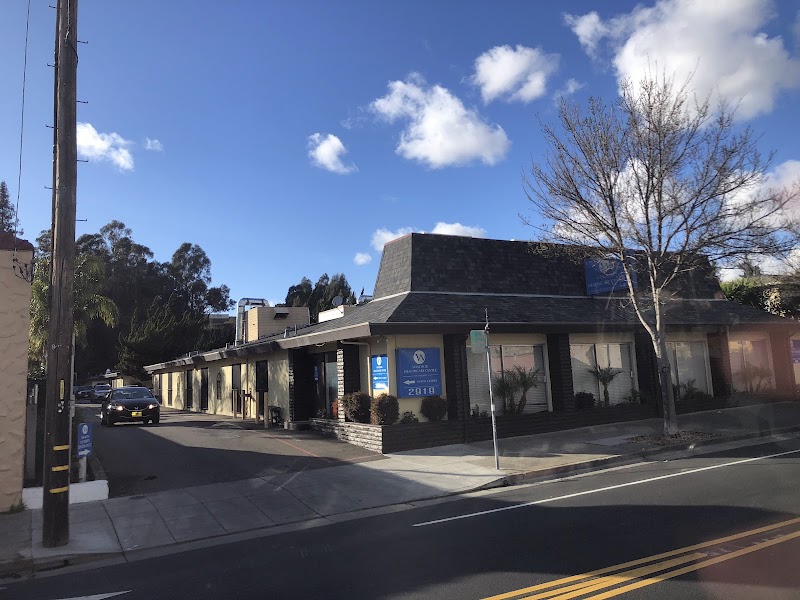
How is Bay Marina Post Acute Staffed?

CMS rates BAY MARINA POST ACUTE's staffing level at 2 out of 5 stars, which is below average compared to other nursing homes. Staff turnover is 43%, compared to the California average of 46%. This relatively stable workforce can support continuity of care. RN turnover specifically is 71%, which is notably high. RNs provide skilled clinical oversight, so turnover in this role can affect medical care quality.

What Have Inspectors Found at Bay Marina Post Acute?

State health inspectors documented 52 deficiencies at BAY MARINA POST ACUTE during 2019 to 2025. These included: 52 with potential for harm. While no single deficiency reached the most serious levels, the total volume warrants attention from prospective families.

Who Owns and Operates Bay Marina Post Acute?

BAY MARINA POST ACUTE is owned by a for-profit company. For-profit facilities operate as businesses with obligations to shareholders or private owners. The facility is operated by SHLOMO RECHNITZ, a chain that manages multiple nursing homes. With 94 certified beds and approximately 89 residents (about 95% occupancy), it is a smaller facility located in OAKLAND, California.

How Does Bay Marina Post Acute Compare to Other California Nursing Homes?

Compared to the 100 nursing homes in California, BAY MARINA POST ACUTE's overall rating (2 stars) is below the state average of 3.1, staff turnover (43%) is near the state average of 46%, and health inspection rating (2 stars) is below the national benchmark.

What Should Families Ask When Visiting Bay Marina Post Acute?

Based on this facility's data, families visiting should ask: "Can you walk me through typical staffing levels on day, evening, and night shifts?" "Can I visit during a mealtime to observe dining assistance and food quality?" "How do you handle medical emergencies, and what is your hospital transfer rate?" "Can I speak with family members of current residents about their experience?" These questions are particularly relevant given the below-average staffing rating.

Is Bay Marina Post Acute Safe?

Based on CMS inspection data, BAY MARINA POST ACUTE has a clean safety record: no substantiated abuse findings (meaning no confirmed cases of resident harm), no Immediate Jeopardy citations (the most serious violation level indicating risk of serious injury or death), and is not on the Special Focus Facility watch list (a federal program monitoring the lowest-performing 1% of nursing homes). The facility has a 2-star overall rating and ranks #100 of 100 nursing homes in California. While no facility is perfect, families should still ask about staff-to-resident ratios and recent inspection results during their visit.

Do Nurses at Bay Marina Post Acute Stick Around?

BAY MARINA POST ACUTE has a staff turnover rate of 43%, which is about average for California nursing homes (state average: 46%). Moderate turnover is common in nursing homes, but families should still ask about staff tenure and how the facility maintains care continuity when employees leave.

Was Bay Marina Post Acute Ever Fined?

BAY MARINA POST ACUTE has been fined $22,584 across 3 penalty actions. This is below the California average of $33,305. While any fine indicates a compliance issue, fines under $50,000 are relatively common and typically reflect isolated problems that were subsequently corrected. Families should ask what specific issues led to these fines and confirm they've been resolved.

Is Bay Marina Post Acute on Any Federal Watch List?

BAY MARINA POST ACUTE is not on any federal watch list. The most significant is the Special Focus Facility (SFF) program, which identifies the bottom 1% of nursing homes nationally based on persistent, serious quality problems. Not being on this list means the facility has avoided the pattern of deficiencies that triggers enhanced federal oversight. This is a positive indicator, though families should still review the facility's inspection history directly.