BELLAKEN SKILLED NURSING CENTER

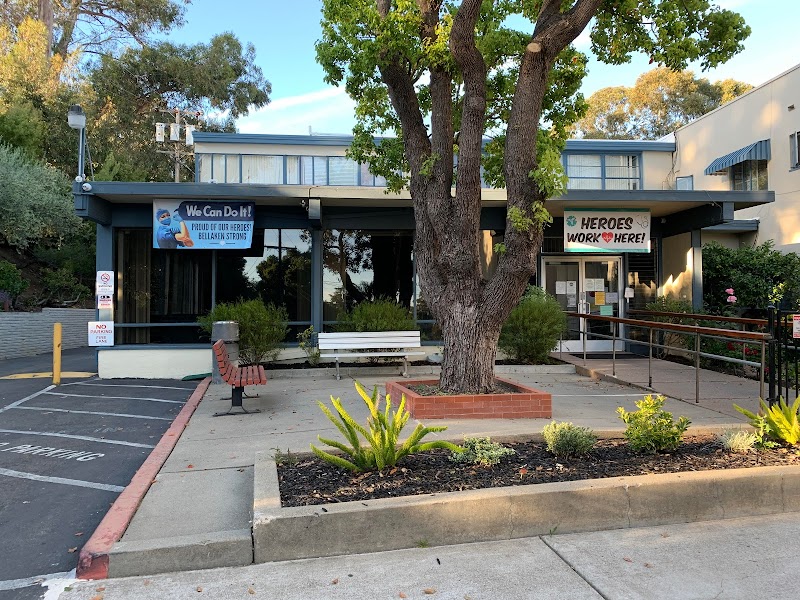
2780 26TH AVENUE, OAKLAND, CA 94601 (510) 536-1838
For profit - Corporation 61 Beds Independent Data: November 2025
Trust Grade
85/100
#25 of 1155 in CA
Last Inspection: November 2024

Within standard 12-15 month inspection cycle. Federal law requires annual inspections.

Overview

The Belaken Skilled Nursing Center has a Trust Grade of B+, which indicates it is above average and recommended for families looking for care. It ranks #25 out of 1,155 facilities in California, placing it in the top half, and #5 out of 69 in Alameda County, meaning there are only four better local options. The facility is improving, having reduced its number of issues from 7 in 2023 to just 1 in 2024. While staffing ratings are below average at 2 out of 5 stars, the turnover rate is exceptional at 0%, suggesting staff stability is a strength. However, there are concerning incidents, such as unsafe medication handling practices, improper food sanitation, and failure to follow infection control protocols, which could pose risks to resident health.

Trust Score
B+
85/100
In California
#25/1155
Top 2%
Safety Record
Low Risk
No red flags
Inspections
Getting Better
7 → 1 violations
Staff Stability
○ Average
Turnover data not reported for this facility.
Penalties
✓ Good
No fines on record. Clean compliance history, better than most California facilities.
Skilled Nurses
○ Average
Each resident gets 33 minutes of Registered Nurse (RN) attention daily — about average for California. RNs are the most trained staff who monitor for health changes.
Violations
⚠ Watch
16 deficiencies on record. Higher than average. Multiple issues found across inspections.
★★★★★
5.0
Overall Rating
★★☆☆☆
2.0
Staff Levels
★★★★☆
4.0
Care Quality
★★★★★
5.0
Inspection Score
Stable
2023: 7 issues
2024: 1 issues

The Good

  • 4-Star Quality Measures · Strong clinical quality outcomes
  • Full Sprinkler Coverage · Fire safety systems throughout facility
  • No fines on record

Facility shows strength in quality measures, fire safety.

The Bad

No Significant Concerns Identified

This facility shows no red flags. Among California's 100 nursing homes, only 0% achieve this.

The Ugly 16 deficiencies on record

Nov 2024 1 deficiency
CONCERN (D)

Potential for Harm - no one hurt, but risky conditions existed

Deficiency F0727 (Tag F0727)

Could have caused harm · This affected 1 resident

Based on interview and record review, the facility failed to ensure there was Registered Nurse (RN) coverage eight hours a day, seven days a week. This failure had the potential to endanger the health...

Read full inspector narrative →
Based on interview and record review, the facility failed to ensure there was Registered Nurse (RN) coverage eight hours a day, seven days a week. This failure had the potential to endanger the health and safety of residents. Findings: During a concurrent interview and record review on 11/06/24 at 11:52 a.m. with Payroll (PAYROLL), payroll data was reviewed for FY (Fiscal Year) Q3 (Quarter 3) 2023 (April 1 - June 30). Payroll confirmed there was no RN working on the following dates: June 2023: 6/3, 6/10 and 6/17. During an interview on 11/06/24 at 1:44 p.m. with the Director of Nursing (DON), DON stated, it was important to have RN coverage because they RNs have extensive training and scope of practice. DON further added, resident safety could be at risk without an RN available. During a concurrent interview and record review on 11/06/24 at 2:03 p.m. with the Administrator (ADM), staffing schedule was reviewed. ADM stated, there was no RN working on 6/3/23, 6/10/23 and 6/17/23. During a review of the facility's policy and procedure (P&P) titled, Facility Staffing, (undated), indicated, The facility employees sufficient nursing staff to meet the needs of its residents, .3. Except when waived, the facility will use the services of a registered nurse for at least 8 consecutive hours a day, 7 days a week.
Dec 2023 7 deficiencies
CONCERN (D)

Potential for Harm - no one hurt, but risky conditions existed

Respiratory Care (Tag F0695)

Could have caused harm · This affected 1 resident

**NOTE- TERMS IN BRACKETS HAVE BEEN EDITED TO PROTECT CONFIDENTIALITY** Based on observation, interview and record review, the facility failed to follow the physician's order for oxygen (O2) administr...

Read full inspector narrative →
**NOTE- TERMS IN BRACKETS HAVE BEEN EDITED TO PROTECT CONFIDENTIALITY** Based on observation, interview and record review, the facility failed to follow the physician's order for oxygen (O2) administration for two of three sampled residents (Resident 9 and Resident 215), when Resident 9 and Resident 215's O2 flow rate was not set a the specific order rate. This deficient practice may result in ineffective oxygen therapy. Findings: a. During a review of Resident 9's face sheet dated 12/8/23, it indicated Resident 9 was originally admitted to the facility on [DATE] and was readmitted on [DATE]. During a review of Resident 9's Minimum Data Set (MDS - a standardize assessment and screening tool) dated 9/29/23, MDS showed Resident 9 had multiple diagnoses that included Chronic Obstructive Pulmonary Disease (COPD - a group of diseases that cause airflow blockage and breathing related problems such as asthma), acute and chronic Respiratory Failure with Hypoxia (a condition where there is not enough oxygen in the tissues in the body) hypoxemia (low level of oxygen in the blood). The MDS also showed, Resident 9 required oxygen therapy. During an observation on 12/11/23 at 11:03 a.m. in Resident 9's room, Resident 9 was receiving O2 via nasal annual (NC, a tube used to deliver supplemental oxygen) set at a flow rate of 1.5 Liters/per minute (L, a unit of measurement). During a concurrent interview and record review on 12/11/23 at 11:06 a.m. with Licensed Vocational Nurse (LVN) 1, LVN 1 confirmed, Resident 9's order for oxygen was supposed to be 2L. LVN 1 changed Resident 9's oxygen flow rate setting to 2L. LVN 1 then stated, Resident 9 had acute respiratory failure and oxygen was supposed to help with breathing. During a review of Resident 9's order summary report, dated 12/8/23, it indicated O2 (oxygen) 2 L pm via NC for SOB (shortness of breath) to keep O2 Sat >92% (O2 saturation, vital parameter to define blood oxygen content and oxygen delivery) as needed for hypoxia related to COPD. During a review of Resident 9's care plan, dated 12/8/23, the care plan showed Resident 9 had wheezes, at risk for complications. Dx (diagnoses) COPD, recurrent PNA (pneumonia), recurrent respiratory failure, asthma. The care plan also showed one of the interventions were, provide oxygen as ordered, medications as ordered . b. During a review of Resident 215's face sheet dated 12/11/23, it indicated Resident 215 was admitted to the facility on [DATE] with multiple diagnoses that included Acute Respiratory Failure with Hypoxia. During a concurrent observation and interview on 12/11/23 at 11:12a.m. with LVN 1, in Resident 215's room, Resident 215 was receiving oxygen via NC set at a flow rate of 1.5L per minute. LVN 1 stated, Resident 215's had an order for oxygen at flow rate of 2L. LVN 1 then changed the flow rate setting to 2L and stated, I will pay more attention to the oxygen order from now on. During a review of Resident 215's order summary report, dated 12/11/23, it indicated a physician's order, O2, 2LPM via NC continually for conform every shift. During a review of Resident 215's care plan, dated 12/11/23, it indicated Resident 215 had the potential/actual ineffective airway clearance Dx of Respiratory failure with hypoxia . The care plan also indicated, one of the interventions were to administer O2 per order. During a review of Resident 215's care plan, dated 12/11/23, it indicated Resident 215 had altered respiratory status/difficulty breathing related to acute respiratory failure . The care plan also showed one of the interventions were to administer oxygen per order. During an interview on 12/11/23, at 2:38 p.m. with the Director of Nursing (DON), DON indicated, LVN 1 must follow standards of practice regarding following doctor's orders. DON also indicated, the LVN 1's responsibility included making sure oxygen was in right titration and must reflect doctor's order. If oxygen was not in the flow rate it was ordered by the doctor, then LVN 1 did not follow the doctor's order. DON further added, oxygen order was important to follow especially Residents 9 and Resident 215 had respiratory problems, oxygen supplement will help with respiration, energy and alertness. During a review of facility's policy and procedures (P&P) titled, Oxygen Administration, undated, indicated the purpose is to provide guidelines for safe oxygen administration. The first step of preparation indicated to verify that there is a physician's order for the procedure and to review the physician's orders or facility protocol for oxygen administration. The P&P also showed under Steps in the Procedure .8. Turn on the oxygen. Administer oxygen per physician's orders.10. Adjust the oxygen delivery device so that it is comfortable for the resident and the proper flow of oxygen is being administered.
CONCERN (D)

Potential for Harm - no one hurt, but risky conditions existed

Deficiency F0761 (Tag F0761)

Could have caused harm · This affected 1 resident

Based on observation, interview, and record review, the facility failed to ensure safe medication storage practices in the medication room (a locked room used to store medications and supplies), one o...

Read full inspector narrative →
Based on observation, interview, and record review, the facility failed to ensure safe medication storage practices in the medication room (a locked room used to store medications and supplies), one out of two medication carts (a mobile cart that stored medication and supplies for immediate use) and one treatment cart when: 1.An opened, used, multi-dose vial of influenza vaccine was not removed from the medication refrigerator after 28 days of first use. 2.Expired (outdated) medications and items were stored and not removed in the medication room, treatment cart and medication cart. These failed practices could contribute to unsafe medication use in the facility. Findings: 1.During a concurrent observation and interview on 12/11/23 at 2:41 PM, with the Licensed Vocational Nurse (LVN) 4 present, in the facility's medication room, there was an opened, used, multi-dose vial of Fluzone, (an influenza vaccine), that indicated, opened 10/20/23 found in the medication refrigerator. When asked, LVN 4 stated she was not sure when to discard the opened multi-dose vial of Fluzone once opened and used. During an interview on 12/14/23 at 12:21 PM, with the Pharmacist, the Pharmacist stated opened, multi-dose vials containing liquid had to be discarded after 28 days from open date. Review of the facility's Policy and Procedures (P&P), titled, Fluzone Multidose Vial Storage/Beyond Use Date (BUD), undated, the P&P indicated, Policy Statement - Multidose flu vials and shortened expiration dates. Policy Interpretation and Implementation . Influenza Vaccine Multi Dose Vials (MDV) have a BUD (Beyond Use Date [a date that is no longer safe to use the medication] of 28 days after first access. 2.a During a concurrent observation and interview on 12/11/23 at 2:41 PM, with the Director of Nursing (DON), in the facility's medication room, the following expired medications were found: a nasal spray with expiration dated 12/2021, and a locked IV (intravenous - medications, solutions, etc. administered directly into a person's veins) kit that contained multiple vials of medications, solutions and supplies with expiration dated 11/2023. DON confirmed and acknowledged the findings. 2.b During a concurrent observation and interview on 12/11/23 at 4:30 PM, with the Infection Preventionist (IP) present, the treatment cart located in nursing station 2 was inspected. There was a hydrogel tube (used for wound care and treatment) found in the cart, with expiration dated 11/2023. The IP confirmed and acknowledged the finding. 2.c During a concurrent observation and interview on 12/12/23 at 3:15 PM, with LVN 2 present, the medication cart located in nursing station 1 was inspected. There was a Sage Suction toothbrush with Corinz, (used for cleansing and moisturizing oral rinse that helps reduce chance of infection) found in the cart, with expiration dated 11/28/23. LVN 2 confirmed the expired item. Review of the facility's Policy and Procedures (P&P), titled, Medication Storage - Storage of Medication, dated 2007, the P&P indicated, .Outdated, contaminated, discontinued or deteriorated medications and those in containers that are cracked, soiled, or without secure closures are immediately removed from stock, disposed of according to procedures for medication disposal . and reordered from the pharmacy .
CONCERN (D)

Potential for Harm - no one hurt, but risky conditions existed

Deficiency F0887 (Tag F0887)

Could have caused harm · This affected 1 resident

**NOTE- TERMS IN BRACKETS HAVE BEEN EDITED TO PROTECT CONFIDENTIALITY** Based on interview and record review, the facility failed to offer and provide COVID-19 immunizations for two of five sampled re...

Read full inspector narrative →
**NOTE- TERMS IN BRACKETS HAVE BEEN EDITED TO PROTECT CONFIDENTIALITY** Based on interview and record review, the facility failed to offer and provide COVID-19 immunizations for two of five sampled residents (Resident 61 and Resident 60). This failure could result in not protecting the residents against potential severe illness or post COVID-19 conditions that can be associated with COVID-19 infection. Findings: During a concurrent interview and record review on 12/13/23 at 2:30 PM, with the Infection Preventionist (IP), IP stated residents at the facility were offered and provided COVID-19 vaccinations and boosters. The surveyor requested the IP for COVID-19 immunization consents and administration records for 5 sampled residents (Resident 61, Resident 40, Resident 53, Resident 60, and Resident 9); however, the records were not available for review at the time. On 12/14/23, prior to the survey team's exit conference meeting at the facility, the Administrator provided the surveyor with documents related to COVID-19 immunization consents and administration records of the five sampled residents requested. Review of documents provided to the surveyor on 12/14/23, revealed there was no record a consent for COVID-19 vaccination was offered or filled out by Resident 61. Resident 61 was admitted to the facility on [DATE]. Further, review of Resident 60's COVID-19 vaccination consent, dated 10/11/23, and signed by the resident's responsible party or authorized representative, indicated a consent to receive the COVID-19 vaccination was completed; however, there was no information on Resident 60's COVID-19 vaccine administration record that the resident received the COVID-19 vaccine. Resident 60 was admitted to the facility on [DATE]. Review of the facility's Policy and Procedures (P&P), titled, Resident COVID-19 Vaccination and Testing, undated, the P&P indicated, Policy Statement - All residents are recommended to be vaccinated, and when eligible, boosted, which aids in preventing COVID-19.
CONCERN (E)

Potential for Harm - no one hurt, but risky conditions existed

Pharmacy Services (Tag F0755)

Could have caused harm · This affected multiple residents

Based on observation, interview, and record review, the facility failed to ensure safe and accountable medication handling, and implementation of pharmaceutical services procedures when: 1. Quality c...

Read full inspector narrative →
Based on observation, interview, and record review, the facility failed to ensure safe and accountable medication handling, and implementation of pharmaceutical services procedures when: 1. Quality control tests for blood glucose meters (a device used to measure and display the amount of sugar [glucose] in your blood) used in the facility were not done consistently. 2. There were no remedial actions taken for quality control test results, that were out of range, for a blood glucose meter used in the facility. 3. Unused or discontinued medications were disposed without signatures of a pharmacist or nurse and one other witness. These failures could contribute to unsafe medication use and practices in the facility. Findings: 1. During a concurrent observation and interview, on 12/12/23, at 3:04 PM, with Licensed Vocational Nurse (LVN) 2, LVN 2 stated quality control tests were conducted on blood glucose meters used in the facility. LVN 2 showed the surveyor the Glucose Monitoring System Daily Quality Control Record, for nursing station 1. The Glucose Monitoring System Daily Quality Control Record (GMSDQCR), indicated the following: Month: December 2023 Meter [Blood Glucose] Serial Number: T08654698 Date, Time, Operator Initials, Meter Cleaned, Battery Changed, Test Strip Expiration Date, Low Lot Control Range, Low Lot Control Result, High Lot Control Range, High Lot Control Result and Remedial Action The GMSDQCR document, for Meter [Blood Glucose] Serial Number: T08654698, for December 2023 (12/1/23 up to 12/12/23), had no information for the following dates: 12/2/23, 12/3/23, 12/4/23 and 12/11/23. LVN 2 confirmed and acknowledged the findings, and stated daily quality control tests of the blood glucose meters were not done for those dates. During a concurrent interview and record review on 12/13/23, at 9:40 AM with the Medical Records Director (MRD), the Glucose Monitoring System Daily Quality Control Records (GMSDQCRs), were reviewed for 2023 for nursing station 1 and nursing station 2. When asked about GMSDQCRs for the month of October 2023, for both nursing stations, the MRD stated she did not know it was missing. MRD confirmed and stated that the documents were not found on the file records. No GMSDQCR records were available for review for October 2023. During a concurrent interview and record review on 12/14/23 at 8:53 AM, with the Director of Nursing (DON), Glucose Monitoring System Daily Quality Control Records (GMSDQCRs), provided by the facility for nursing station 1 and nursing station 2, for year 2023, were reviewed. DON stated quality control testing of blood glucose meters used in the facility were done daily by nurses. DON stated the nurses assigned in the night shift, were responsible and expected to perform the quality control tests to ensure the device reads the blood glucose test results correctly. Review of the manufacturer's manual for the blood glucose meter used in the facility, indicated, True Metrix Self Monitoring Blood Glucose System Owner's Manual . Quality Control Testing - To assure you are getting accurate and reliable results, TRUE METRIX offers two kinds of quality Control Tests. These tests let you know that your System is working properly and your testing technique is good . How To Test Control Solution .11. Compare meter result to Control Test range printed on test strip vial label for level of control solution you are using. If result is in range, System can be used for testing blood. If result does not fall within range, repeat test using a new test strip. Caution! If Control Test result is outside range, test again. If result is still outside range, system should not be used for testing blood . 2. Review of the GMSDQCR document, for Meter [Blood Glucose] Serial Number: T08654698, for December 2023 and November 2023, indicated the following: Date: 1 [12/1/23] . High Lot: Control Range: 241-327, Control Result: 329, Remedial Action - 0 [zero]. Date: 6 [12/6/23] . High Lot: Control Range: 241-327, Control Result: 334, Remedial Action - 0 [zero]. Date: 9 [11/9/23] . High Lot: Control Range: 241-327, Control Result: 329, Remedial Action - 0 [zero]. Review of the manufacturer's manual for the blood glucose meter used in the facility, indicated, True Metrix Self Monitoring Blood Glucose System Owner's Manual . Quality Control Testing . How To Test Control Solution .11. Compare meter `result to Control Test range printed on test strip vial label for level of control solution you are using. If result is in range, System can be used for testing blood. If result does not fall within range, repeat test using a new test strip. Caution! If Control Test result is outside range, test again. If result is still outside range, system should not be used for testing blood . During a concurrent interview and record review on 12/14/23 at 8:56 AM, with the DON, the GMSDQCR documents, for Meter [Blood Glucose] Serial Number: T08654698, for December 2023 and November 2023 were reviewed. DON confirmed and acknowledged that the control test results indicated on the records were out of range and did not indicate remedial actions by staff. DON explained that quality control tests had to be re-done when control test results were out of range. DON added, if out of range, look at solution [test control solution], maybe get another solution, or replace the glucometer. DON also acknowledged the findings that blood glucose meter daily quality control tests were not done consistently. DON stated, we will fix it. 3. During a concurrent interview and record review on 12/11/23 at 3:40 PM, with the DON present, in the medication storage room, the Medication Disposition Record (MDR) binder log was reviewed. The MDRs for 7 out of 10 of sampled residents (Resident 1, Resident A [a resident that had passed away], Resident 15, Resident B [a resident that was discharged ], Resident 51, Resident 29, and Resident 9) did not indicate two required signatures by staff for unused or discontinued medications that were disposed. DON confirmed the findings and stated the staff did not follow the facility's policy and procedures for disposal of medications. Review of Resident 1's Medication Disposition Record, indicated, medications that were written in the log, for the following dates, were destroyed without the required two signatures from staff. 6/13/23 8/15/23 11/9/23 Review of Resident A's Medication Disposition Record, indicated, medications that were written in the log, for the following date, were destroyed without the required two signatures from staff. 10/5/23 Review of Resident 15's Medication Disposition Record, indicated, medications that were written in the log, for the following dates, were destroyed without the required two signatures from staff. 11/9/23 11/16/23 Review of Resident B's Medication Disposition Record, indicated, a medication that was written in the log, for the following date, was destroyed without the required two signatures from staff. 8/24/23 Review of Resident 51's Medication Disposition Record, indicated, medications that were written in the log, for the following dates, were destroyed without the required two signatures from staff. 10/15/23 11/11/23 Review of Resident 29's Medication Disposition Record, indicated, a medication that was written in the log, for the following date, was destroyed without the required two signatures from staff. 8/18/23 Review of Resident 9's Medication Disposition Record, indicated, a medication that was written in the log, for the following date, was destroyed without the required two signatures from staff. 11/16/23 Review of the facility's Policy and Procedures (P&P), titled, Disposal of Medications, Syringes and Needles, dated 2007, indicated, Medications not listed in Schedules II, III, IV and V (non-controlled medications) shall be destroyed by the nursing care center in the presence of a pharmacist or nurse and one other witness. Documentation of non-controlled medication may be completed on a medication administration record (MAR), a medication disposition log or form (or record provided for that purpose) and shall be retained as per federal privacy and state regulations . a. A non-controlled medication disposition log or form shall be used for documentation and shall be retained as per federal privacy and state regulations. The log shall contain the following information: Resident's name, Medication name and strength, Prescription number, if applicable, Quantity/amount disposed, Date of disposition, Signatures of the required witnesses .
CONCERN (E)

Potential for Harm - no one hurt, but risky conditions existed

Food Safety (Tag F0812)

Could have caused harm · This affected multiple residents

Based on observation, interview, and record review, the facility failed to prepare and serve food under safe and sanitary conditions when: 1. Low temperature dishwasher did not reach the proper sanita...

Read full inspector narrative →
Based on observation, interview, and record review, the facility failed to prepare and serve food under safe and sanitary conditions when: 1. Low temperature dishwasher did not reach the proper sanitation level. 2. Dietary staff did not wear hair restraints properly to cover all hair. 3. Dietary staff entered the kitchen did not wash upon entry to the kitchen. 4. Dietary staff dropped food tray on the floor next to sink, picked it up then placed it in the cart intended to deliver food to residents. These failed practices had the potential to place residents at risk for developing foodborne illness. Findings: 1. During an observation on 12/11/23 at 10:25 a.m. with Dietary Staff (DS) 2, DS 2 demonstrated how to test for sanitizing the dishes in the low temperature dishwasher by using test paper dipped into wet part of newly washed tray. DS 2 showed, the test strip remained light blue in color when compared with color in vial indicating insufficient concentration of 25 ppm (parts per million - concentration for sanitizing). DS 2 further added test strip should be 100 ppm for dishes to be properly sanitized. During an interview on 12/11/23 at 11:35 a.m. with the Dietary Service Supervisor (DSS), DSS confirmed the chemical solution for the low temperature dish machine was inadequate because it was not reaching 50 - 100 ppm. DSS further added, this has potential for foodborne illness. During a concurrent interview and review of facility's SAFE PARAMETERS FOR DISH AND POT WASHING document, dated 2014, on 12/11/23 at 1:20 p.m. with the DSS, DSS showed under low temperature dish machine, sanitizer should reach 50 ppm Chlorine . During a concurrent interview and review of Manufacturer's Specification titled, CMA Dishmachines - Owner's Manual dated 8/24/17, on 12/11/23 at 1:20 p.m. with the DSS, DSS showed under 5. Chemical Feeder: .Concentration should be 50 ppm minimum to 100 ppm maximum . During a review of facility's policy and procedure (P&P) titled, Infection Control - Ware Washing, dated 2014, the P&P indicated under Procedure: .5. Sanitizer effectiveness of the low temperature dishmachine is checked each meal. Follow manufacturer's specifications.e. Compare immediately with color chart on vial. Color of paper dipped in rinse water must compare with color on vial relating to a minimum of 50 ppm .14. Dietary Service Supervisor and dietary staff continuously monitor the effectiveness of mechanical dishwashing results . 2. During an observation on 12/11/23 at 11:36 a.m. DS 1 entered kitchen wearing hair restraint with lower part of hair exposed. 3. During an observation on 12/11/23 at 11: 37 a.m. DS 1 entered, walked across the kitchen, and entered walk-in refrigerator without washing his hands. When asked regarding hand hygiene practices and hair restraint policy in the kitchen, DS 1 acknowledged he did not wear hair restraint properly and did not wash his hands because he was not working at this time in the kitchen. DS 1 further added, he just came in to grab his bottle of water inside walk-in refrigerator. During an interview on 12/11/23 at 1:57 p.m. with the DSS, DSS stated, DS 1 should have washed his hands upon entry to the kitchen and should have worn hair restraints properly. DSS also stated, DS 1's hair could get all over the place in the kitchen. DSS further added, the policy was to wash hands at all times upon entry to the kitchen and wear hair restraint properly to cover all hair. During a review of facility's P&P titled, INFECTION CONTROL - HAND WASHING, dated, 2014. The P&P indicated under PROCEDURE: .2. When to wash hands: a. Entering the Dietary department before beginning work or returning from the other areas in the facility. During a review of the facility's IN-SERVICE HAND & HAIR SAFETY & SANITATION, dated 6/25/14, it indicated under instructions .2. Handwashing a. Basic principle of food safety. b. Can help prevent getting sick and getting others sick 3. Hairnets- Signs and hairnets at all entrances. a. ALL employees are required to wear hairnets while in the kitchen b. There is no I just need to go right here. 4. During a concurrent observation and interview on 12/12/23 at 10:58 a.m. with DS 2, in the presence of DSS, DS 2 dropped a newly washed food tray on a partially wet floor next to the sink. DS 2 then picked up the tray and placed it in food cart. When asked what was supposed be done with dirty tray. DS 2 stated, I will wash then removed the dirty tray from the cart and placed in the dirty sink. DSS then stated, DS 2 should have not picked up dirty tray and placed in food cart intended to deliver food. DSS further added, DS 2's action was not acceptable. During a review of the facility's Policy and Procedure (P&P) titled, INFECTION CONTROL - WARE WASHING, dated 2014, indicated under Procedure: .10. Clean dishes and utensils must be handled so as to prevent cross contamination via splash .
CONCERN (E)

Potential for Harm - no one hurt, but risky conditions existed

Infection Control (Tag F0880)

Could have caused harm · This affected multiple residents

Based on observation, interview, and record review, the facility failed to implement their infection prevention and control program when: 1. One of 18 sampled residents (Resident 6) had a urinary cath...

Read full inspector narrative →
Based on observation, interview, and record review, the facility failed to implement their infection prevention and control program when: 1. One of 18 sampled residents (Resident 6) had a urinary catheter drainage bag (a device used to empty the bladder and collect urine) that touched the floor. 2. Soiled towels in the laundry room were not stored in a covered, soiled laundry hamper or container. 3. Laundry room daily task checklists were not done by staff. 4. Manufacturer's instructions for use (MIFU) was not followed for cleaning and disinfection of blood glucose meters (a device used to measure and display the amount of sugar [glucose] in your blood) used in the facility. 5. A single-patient use blood glucose meter was used on three patients (Resident 21, Resident 38 and Resident 47) in nursing station 2. These failures have the potential to not prevent the development and transmission of communicable diseases and infections among residents and staff. Findings: 1.During an observation on 12/11/23, at 10:13 AM, Resident 6 was in bed and did not respond when greeted. Resident 6 had a urinary catheter drainage bag with approximately 100 ml of clear, yellow-colored urine. Resident 6's urinary catheter drainage bag touched the floor. During a concurrent observation and interview on 12/11/23, at 10:30 AM, with Certified Nursing Assistant (CNA) 1, inside Resident 6's room, CNA 1 confirmed Resident 6's urinary catheter drainage bag touched the floor and said, it's not right. CNA 1 also stated Resident 6's urinary catheter drainage bag should be inside a blue bag [a holder for a urinary catheter drainage bag]. During a concurrent observation and interview on 12/11/23, at 10:37 AM, with the Director of Nursing (DON), inside Resident 6's room, DON confirmed that Resident 6's urinary catheter drainage bag touched the floor. DON stated this was an infection control issue and was not acceptable. DON also stated Resident 6's urinary catheter drainage bag should be covered with a dignity bag [a holder that conceals the urinary catheter drainage bag]. Review of the facility's Policy and Procedures (P&P), titled, Catheter Care, Urinary, undated, the P&P indicated, Purpose: To purpose of this procedure is to prevent catheter-associated urinary tract infections . Infection Control . b. Be sure the catheter tubing and drainage bag are kept off the floor . 2. During a concurrent observation and interview on 12/13/23, at 10:09 AM, with the Housekeeping Supervisor (HS), in the laundry room, a pile of soiled towels filled an uncovered bucket underneath a table that had unused PPEs (personal protective equipment) such as plastic, disposable gowns and a box of disposable gloves. When asked, HS stated the towels were dirty and were brought to the laundry room by the kitchen staff. HS stated the soiled towels should be stored in a soiled laundry container with a cover. 3. During an observation on 12/13/23, at 10:11 AM, with the Housekeeping Supervisor (HS) and a Laundry Staff (LS1) present, the lint trap filters for the dryers used in the facility were inspected. The lint trap filter for Dryer labeled 3 was completely covered with a thick layer of lint. During a concurrent interview and record review, on 12/13/23 at 10:30 AM, with HS present, the Laundry Room Daily Tasks Checklist was reviewed for the months of December 2023, November 2023, and October 2023. HS confirmed the daily tasks checklist was not done by staff consistently. HS also acknowledged that the laundry room daily tasks checklist was not reviewed by the supervisor. The Laundry Room Daily Tasks Checklist included the following information: Date Clean lint filter after each use of washer or dryer at least daily. Vacuum lint trap. Wipe down all machines after use. Damp wipe all counters with a disinfecting solution. Clean all laundry carts with a disinfecting solution. Clean sinks. Sweep and damp mop the floor. Signature [by staff]. Supervisor Review. Please initial after completing task. Supervisor to review and sign weekly. The Laundry Room Daily Tasks Checklists, did not indicate all the daily assigned tasks were done on the following dates: 10/1/23 10/7/23 10/8/23 10/14/23 10/21/23 10/22/23 10/30/23 11/1/23 11/4/23 11/11/23 11/18/23 12/2/23 12/9/23 Review of the facility's Policy and Procedures (P&P), titled, Laundry Room, Environmental, undated, the P&P indicated, Policy Statement - The environment of Laundry Room will be maintained according to best practices for infection prevention and control. Policy Interpretation and Implementation. Dryer Lint Filters - To maintain good air flow and promote efficient operation of the dryers, clean dryer lint filter after use of the dryer, but at least daily. Doing so also reduces the risk of a lint fire. Laundry Room Cleaning Assignment: To ensure the cleanliness of the Laundry Room, at the end of the shift: vacuum dryer lint trap at the end of the day to prepare for use the next day. Wipe down all machines - washer and dryers, at the end of the day. Damp wipe all counters with disinfecting solution. Clean sinks. Sweep and damp mop the floor. Documentation: To ensure completion of required tasks, at the end of the shift: Complete and Sign: Laundry Room Daily Task Checklist . 4. During a concurrent observation and interview, on 12/12/23, at 3 PM, with Licensed Vocational Nurse (LVN) 2, the medication cart located in nursing station 1 was inspected. There was a True Metrix blood glucose meter (a device used to measure and display the amount of sugar (glucose) in your blood) including blood glucose test strips and push-button lancets found in one of the drawers of the medication cart. LVN 2 was asked how she cleans and disinfects the blood glucose meter. LVN 2 stated she uses a Microkill [blue top] Germicidal Bleach Wipe to clean and disinfect the device with a contact time (the amount of time a disinfectant need to sit on a surface, without being wiped away or disturbed, to be effective) of one minute. On 12/12/33 at 4:15 PM, a copy of the blood glucose meter manufacturer's instructions for use was requested from the facility. The facility provided a copy of the Manufacturer's Owner's Manual for True Metrix blood glucose meter on 12/13/23 at around 4 PM. Review of the Manufacturer's Owner's Manual for True Metrix blood glucose meter, indicated, Meter Care, Cleaning and Disinfecting - Cleaning removes blood and soil from the meter. Disinfecting removes most, but not all possible infectious agents (bacteria or virus) from the meter, including blood-borne pathogens. Clean and disinfect immediately after getting any blood on the meter or if meter is dirty. Clean and disinfect meter at least once a week. Meter may be cleaned and disinfected once a week for up to 5 years. If the meter is being operated by a second person who provides testing assistance, the meter and lancing device should be cleaned and disinfected prior to use by the second person. Do not clean the meter during a test. Cleaning (step 2) must occur before disinfecting (steps #3 and #4). To Clean and Disinfect the Meter: 1. Wash hands thoroughly with soap and water. 2. To Clean: Make sure meter is off and a test strip is not inserted. With ONLY Super Sani-Cloth Wipes (EPA reg.no. 9480-4), rub the entire outside of the meter using 3 circular wiping motions with moderate pressure on the front, back, left side, right side, top and bottom of the meter. Discard used wipes. 3. To Disinfect: Using fresh wipes, make sure that all outside surfaces of the meter remain wet for 2 minutes. Make sure no liquids enter the Test Port or another opening in the meter. 4. Let meter air dry thoroughly before using to test. 5. Wash hands thoroughly again after handling meter. 6. Verify that the System is working properly by performing an Automatic Self-Test. Note: Other disinfectants have not been tested. The effect of other disinfectants used interchangeably has not been tested with the meter. Use of disinfectants other than Super Sani-Cloth Wipes may damage meter. Note: Super Sani-Cloth Wipes have been tested on the meter for a total of 260 cleaning and disinfecting cycles, which is equal to cleaning and disinfecting the meter once a week for a 5 year period. The use life of the meter is 5 years. During an interview on 12/14/23 at 8:06 AM, with Licensed Vocational Nurse (LVN) 1, LVN 1 stated he was assigned to patient rooms located in Nursing Station 2. When asked about cleaning and disinfection, of the True Metrix blood glucose meter used for patients in nursing station 2, LVN 1 stated he cleans and disinfects the True Metrix blood glucose meter before and after use. LVN 1 stated, he puts on gloves, uses the Microkill Germicidal Bleach Wipe and wipes it around the device. LVN 1 stated he keeps the device wet for 30 seconds to 3 minutes to kill the bacteria, etc. LVN 1 stated he would allow a contact time for a minimum of 30 seconds and would let the blood glucose meter to air dry. During an interview on 12/14/23 at 8:36 AM, with LVN 3, LVN 3 stated she was assigned to patient rooms located in Nursing Station 1. When asked about cleaning and disinfection of the True Metrix blood glucose meter used for patients in nursing station 1, LVN 3 stated she would clean and disinfect the device before and after use to kill the virus and bacteria. LVN 3 explained she uses a Microkill Germicidal Bleach Wipe, and wipes each side, back and front and the gray opening [test port - where test trips are inserted] of the device. LVN 3 stated she allows a minimum contact time of 3 minutes to kill the virus as indicated on the label of the bleach wipe. During an interview on 12/14/23 at 9:48 AM, with the Infection Preventionist (IP), IP stated that blood glucose meters used in the facility had to be cleaned after every patient use to prevent infection just in case the device is contaminated. When asked, IP explained that the facility uses Microkill Germicidal Bleach Wipes to clean and disinfect the entire surface of the device. IP stated contact time allowed was 3 minutes, to disinfect the blood glucose meters. IP explained this was to give enough time for the disinfectant to work to kill the microorganisms as recommended on the label of the Microkill Germicidal Bleach Wipes. IP also stated that the facility follows the manufacturer's label on the Microkill Germicidal Bleach Wipes when cleaning and disinfecting the blood glucose meters used in the facility. IP stated she did not know and had not read the instructions on the manufacturer's manual of the True Metrix blood glucose meters used. When asked, IP stated it was important to follow the manufacturer's manual for use of the blood glucose meter to not damage the machine and to ensure to kill the bacteria as recommended by manufacturer. IP stated she had not inquired from the manufacturer if it was acceptable to use a different type of cleaning and disinfecting wipe for use on the device. During an interview on 12/14/23 at 10:34 AM, with the Infection Preventionist (IP), IP stated she had worked at the facility for 21 years. IP stated that the facility uses the True Metrix blood glucose meter on multiple residents that had orders for blood glucose checks since the beginning of the year. IP stated she had not seen the staff use a dedicated blood glucose meter for each resident that required blood glucose checks. Review of the facility's Policy and Procedures (P&P), titled, Maintenance, Cleaning and Disinfection and Care of Glucometer, undated, the P&P indicated, Glucometers, a resident-care equipment will be maintained, cleaned and disinfected between patient use . Cleaning and Disinfection of Glucometer 1. Reusable resident care equipment will be decontaminated and/or sterilized between residents according to the manufacturers' instructions . 5. Review of the Manufacturer's Manual for the True Metrix blood glucose meters, used in the facility, indicated, Self-Monitoring Blood Glucose System Owner's Manual . TRUE Metrix Self Monitoring Blood Glucose System is intended to be used by a single person and not to be shared . IMPORTANT INFORMATION . Read all product instructions for use before testing. Use of . TRUE METRIX Self Monitoring Blood Glucose System in a manner not specified in this Owner's booklet is not recommended and may affect ability to determine true blood glucose levels . TRUE METRIX Self Monitoring Blood Glucose System is for one person use ONLY. DO NOT share your meter or lancing device with anyone . Do not use on multiple patients . During a concurrent observation and interview on 12/14/23 at 8:04 AM, with Licensed Vocational Nurse (LVN) 1, in nursing station 2 hallway, LVN 1 showed the surveyor the True Metrix blood glucose meter he uses, designated for multiple residents in nursing station 2. During a concurrent interview and record review on 12/14/23 at 9 AM, with the Director of Nursing (DON), DON stated he was not sure and had to check if the blood glucose meters used in the facility was used on multiple residents. DON confirmed after verification from staff that the True Metrix blood glucose meter used in nursing station 2 was used on multiple residents. A copy of the True Metrix Self Monitoring Blood Glucose System Owner's Manual was reviewed with the DON present. DON verified that the device was intended to be used by a single person and not to be shared. DON stated the facility's use of the True Metrix blood glucose meters was wrong. DON said, the device should be for single patient use. When asked how long he had known the issue of blood glucose meters used for multiple residents in the facility, DON responded, he just knew about it now. The surveyor requested the DON to provide a list of residents in the facility that had physician orders for blood glucose checks. Review of the facility's daily census list provided by the DON, dated, 12/13/23, indicated, 4 out of 59 residents (Resident 43, Resident 21, Resident 38 and Resident 47) were identified, and required blood glucose checks. 3 out of 4 residents (Resident 21, Resident 38, and Resident 47) used the same True Metrix blood glucose meter designated for nursing station 2 residents. Review of Resident 21's Physician's Order, dated 12/1/23, indicated, Lantus Solution . (a type of insulin [used to manage blood sugar levels]) . inject at bedtime . hold for BS (Blood Sugar) below 100. Review of Resident 38's Physician's Order, dated 12/1/23, indicated, Basaglar . (a type of insulin) . inject at bedtime . hold for BS (Blood Sugar) below 100. Review of Resident 47's Physician's Order, dated 12/1/23, indicated, .Check blood sugar BID [twice a day] two times a day for diabetes . Review of Centers for Disease Control and Prevention's (CDC) Injection Safety Summary, dated 3/2/11 (retrieved from https://www.cdc.gov/injectionsafety/blood-glucose-monitoring.html) indicated, .Recommended Practices for Preventing Bloodborne Pathogen Transmission during Blood Glucose Monitoring and Insulin Administration in Healthcare Settings . Blood Glucose Meters - Whenever possible, blood glucose meters should be assigned to an individual person and not be shared. If blood glucose meters must be shared, the device should be cleaned and disinfected after every use, per manufacturer's instructions, to prevent carry-over blood and infectious agents .
CONCERN (E)

Potential for Harm - no one hurt, but risky conditions existed

Deficiency F0883 (Tag F0883)

Could have caused harm · This affected multiple residents

**NOTE- TERMS IN BRACKETS HAVE BEEN EDITED TO PROTECT CONFIDENTIALITY** Based on interview and record review, the facility failed to provide pneumococcal immunizations for three of five sampled reside...

Read full inspector narrative →
**NOTE- TERMS IN BRACKETS HAVE BEEN EDITED TO PROTECT CONFIDENTIALITY** Based on interview and record review, the facility failed to provide pneumococcal immunizations for three of five sampled residents (Resident 61, Resident 60, and Resident 9) when the residents did not receive the pneumococcal immunization after it was offered. This failure had the potential to not protect the residents against serious illnesses like pneumonia (lung infection). Findings: During a concurrent interview and record review on 12/13/23 at 2 PM, with the Infection Preventionist (IP), Resident 61's medical records were reviewed. IP stated Resident 61's admission date indicated 11/8/23. IP stated Resident 61 was given pneumococcal vaccine on 4/22/17 at a different facility. The facility's Pneumococcal Vaccine Consent, dated 11/9/23, indicated, Resident 61 signed and consented to receive the pneumococcal vaccination unless the physician indicated it is medically contraindicated. IP confirmed there was no record Resident 9 received the pneumococcal vaccination after the consent was signed on 11/9/23. IP stated the pneumococcal vaccination should be administered to the resident within a week after the consent was signed. During a concurrent interview and record review on 12/13/23 at 2:15 PM, with the IP, Resident 60's medical records were reviewed. IP stated Resident 60's admission date indicated 10/11/23. IP stated Resident 60 was given pneumococcal vaccine on 10/3/11 outside the facility at the doctor's office. The facility's Pneumococcal Vaccine Consent, dated and signed on 10/11/23, indicated, if she didn't have it she would like to have one. The IP stated the resident's decision maker was the resident's son. There was no additional record provided if Resident 60 received the pneumococcal vaccination. During a concurrent interview and record review on 12/13/23 at 2:20 PM, with the IP, Resident 9's medical records were reviewed. IP stated Resident 9's admission date indicated 12/8/23 after the resident was sent to the hospital. Ip stated Resident 9 was initially admitted to the facility on [DATE]. IP stated Resident 9 was given pneumococcal vaccine on 3/4/10. The facility's Pneumococcal Vaccine Consent, dated 4/4/23, indicated, Resident 9's responsible party signed and consented for the resident to receive the pneumococcal vaccination unless the physician indicated it is medically contraindicated. IP confirmed there was no record Resident 9 received the pneumococcal vaccination after the consent was signed on 4/4/23. During an interview on 12/13/23 at 2:22 PM, with the IP, IP stated she was not sure if residents who previously received a pneumococcal vaccination may receive another pneumococcal vaccination. During an interview on 12/14/23 at 12:38 PM, with the Pharmacist, the Pharmacist stated residents who previously received pneumococcal vaccines could receive another pneumococcal vaccination, with a minimum of 5 years since the last administration, and especially if the previous immunization was about 10 years ago. Review of the facility's Policy and Procedures (P&P), titled, Pneumococcal Vaccine, undated, the P&P indicated, Policy Statement - All residents will be offered pneumococcal vaccines to aid in preventing pneumococcal infections. Policy Interpretation and Implementation - 1. Prior to or upon admission, residents will be assessed for eligibility to receive the pneumococcal vaccine series, and when indicated, will be offered the vaccine series within thirty (30) days of admission to the facility unless medically contraindicated or the resident has already been vaccinated . Review of the Center for Disease Control and Prevention's (CDC) Vaccine Information Statement, dated 5/12/23, provided to the surveyor by the facility, indicated, Pneumococcal Conjugate Vaccine: What You Need to Know . Pneumococcal conjugate vaccine - Pneumococcal conjugate vaccine helps protect against bacteria that cause pneumococcal disease. There are three pneumococcal conjugate vaccines (PCV13, PCV15, and PCV20). The different vaccines are recommended for different people based on age and medical status . Adults 65 years or older who have not previously received pneumococcal conjugate vaccine should receive pneumococcal conjugate vaccine. Some people with certain medical conditions are also recommended to receive pneumococcal polysaccharide vaccine (a different type of pneumococcal vaccine, known as PPSV23). Some adults who have previously received a pneumococcal conjugate vaccine may be recommended to receive another pneumococcal conjugate vaccine . Review of the Center for Disease Control and Prevention's (CDC) Vaccine Information Statement, dated 10/30/19, provided to the surveyor by the facility, indicated, Pneumococcal Polysaccharide Vaccine (PPSV23): What You Need to Know . PPSV23 is recommended for: All adults 65 or older . Most people need only one dose of PPSV23. A second dose of PPSV23, and another type of pneumococcal vaccine called PCV13, are recommended for certain high-risk groups. Your health care provider can give you more information. People 65 years or older should get a dose of PPSV23 even if they have already gotten one or more doses of the vaccine before they turned 65 .
Feb 2022 8 deficiencies
CONCERN (D)

Potential for Harm - no one hurt, but risky conditions existed

Deficiency F0574 (Tag F0574)

Could have caused harm · This affected 1 resident

Based on observation and interview, the facility failed to post Ombudsman Program information and contact information for the State Long-Term Care Ombudsman Program. This deficient practice has the p...

Read full inspector narrative →
Based on observation and interview, the facility failed to post Ombudsman Program information and contact information for the State Long-Term Care Ombudsman Program. This deficient practice has the potential to prevent residents from contacting the State Ombudsman for services if needed. Findings: During an interview on 2/2/22 at 10:00 a.m., both Residents 22 and 7 stated they did not know about the State Long-Term Care Ombudsmanm program. Resident 22 & Resident 7 further stated they have not seen information on how to contact the local ombudsman either. During a concurrent observation and interview on 2/2/22 at 10:40 a.m. with Social Services Director (SSD), the SSD was not able to find the contact information of the Ombudsman in the dining room. The SSD stated the Ombudsman contact information should be in a prominent location where residents can easily find it, such as the resident's dining room. The SSD further stated it is important for the residents to know the contact information of the Ombudsman because the Ombudsman program provides assistance to any resident with care and quality of life issues.
CONCERN (D)

Potential for Harm - no one hurt, but risky conditions existed

Deficiency F0582 (Tag F0582)

Could have caused harm · This affected 1 resident

Based on interview and record review, the facility failed to inform and give reasonable notice to one (Resident 32) of three sampled residents (or to his Responsible Party) that Resident 32's Medicare...

Read full inspector narrative →
Based on interview and record review, the facility failed to inform and give reasonable notice to one (Resident 32) of three sampled residents (or to his Responsible Party) that Resident 32's Medicare services were ending and what his rights were to appeal. This failure resulted in Resident 32 not being able to appeal for an extension of Medicare coverage which had the potential to impact his care. Findings: During a review of Resident 32's admission Record, on 2/4/22, indicated Resident 32 was admitted to the facility in 2018 and was re-admitted in 2020. A review of Resident 32's SNF (Skilled Nursing Facility) Beneficiary Protection Notification Review indicated, Resident 32's Last covered day of Part A service (Part A - Medicare services terminated/denied or a resident was discharged ) was 9/7/21. A review of Resident 32's Notice of Medicare Non-Coverage (NOMNC) showed the NOMNC was signed by Resident 32's Responsible Party (RP) on 9/7/21. During a concurrent interview and record review of the SNF Beneficiary Protection Notification Review and NOMNC, on 2/4/22, at 10:42 a.m., with Social Worker (SW), SW indicated, Resident 32's RP was not given written notification within 72-hours that Medicare services were ending which indicated that notification should have been by 9/4/21. The SW also stated Resident 32 and Resident 32s RP did not have enough time to file an appeal. Review of the facility's undated policy and procedure (P&P), titled, Demand Billings, showed, that, Within 72-hours prior to the change of Medicare A payer status, a representative of the facility will inform the resident of his or her right to submit demand bills to the Medicare intermediary.
CONCERN (D)

Potential for Harm - no one hurt, but risky conditions existed

ADL Care (Tag F0677)

Could have caused harm · This affected 1 resident

**NOTE- TERMS IN BRACKETS HAVE BEEN EDITED TO PROTECT CONFIDENTIALITY** Based on observation, interview and record review, the facility failed to provide podiatry services to one of 17 sampled residen...

Read full inspector narrative →
**NOTE- TERMS IN BRACKETS HAVE BEEN EDITED TO PROTECT CONFIDENTIALITY** Based on observation, interview and record review, the facility failed to provide podiatry services to one of 17 sampled residents (Resident 17) for a period of five (5) months when Resident 17's toenails were observed to be long, thick, and curvy. This failure had the potential for skin injuries/wound development for Resident 17. Findings: Review of Resident 17's admission Record dated 2/3/22., showed Resident 17 was originally admitted to the facility on [DATE]. Review of Resident 17's Minimum Data Set (MDS - a resident assessment tool used to guide care) dated 11/15/21, showed Resident 17 required staff's assistance to maintain personal hygiene and grooming. During an observation and concurrent interview on 2/1/22 at 9:55 a.m., Certified Nursing Assistant 3 (CNA 3), stated Resident 17 had long, thick, and curvy toenails on both feet. CNA 3 stated there was a risk of Resident 17 hurting himself due to the long toenails. During an interview 2/3/22 at 11:12 a.m., Licensed Vocation Nurse 2 (LVN 2) stated Resident 17 required podiatry services for his toenails, because it was too hard for the staff to cut Resident 17's toenails. During a concurrent interview and record review with the Social Worker (SW) on 2/3/22 at 10:55 a.m., Resident 17's Podiatry Notes dated 9/14/21 were reviewed. The podiatry notes indicated Resident 17 received toenail care last on 9/14/21. The SW stated she was responsible for scheduling the podiatrist visits for residents who required podiatry services. The SW stated Resident 17 was not treated by the podiatrist since 9/14/21, indicating Resident 17 did not receive podiatry services for a period of almost five (5) months. During a concurrent interview and record review with the SW on 2/3/22 at 11:30 a.m., Resident 17's Weekly Summary Skin Check, dated 1/26/22 was reviewed. The skin check sheet indicated Resident 17 received toenail care and clipping on 1/26/22. During a telephone interview with Certified Nursing Assistant 4 (CNA 4) on 2/4/22 at 10:47 a.m., CNA 4 stated she did not cut Resident 17's toenails on 1/26/22. CNA 4 also stated she must have documented in error that she cut Resident 17's toenails on 1/26/22. Review of Resident 17's Nursing Care Plan - CVA [Cerebrovascular Accident- commonly known as Stroke] with Rt [Right] hemiparesis [one sided weakness], revised on 2/2/22, showed staff were to assist Resident 17 with ADL care [Activities of Daily Living, including but not limited to nail care] as needed. Review of the facility's undated Policy and Procedure (P&P) titled, Care of Fingernails/Toenails, the P&P indicated, Trimmed and smooth nails prevent the resident from accidentally scratching and injuring his or her skin .Refer to Podiatrist for toenail care .
CONCERN (D)

Potential for Harm - no one hurt, but risky conditions existed

Deficiency F0688 (Tag F0688)

Could have caused harm · This affected 1 resident

**NOTE- TERMS IN BRACKETS HAVE BEEN EDITED TO PROTECT CONFIDENTIALITY** Based on observation, interview, and record review, the facility failed to ensure Range of Motion (ROM) exercises were provided ...

Read full inspector narrative →
**NOTE- TERMS IN BRACKETS HAVE BEEN EDITED TO PROTECT CONFIDENTIALITY** Based on observation, interview, and record review, the facility failed to ensure Range of Motion (ROM) exercises were provided according to the physician's order, for one (Resident 50) of four sampled residents reviewed for limited ROM. This failure had the potential to result in a decline in Resident 50's ROM/mobility. Findings: 1. Review of Resident 50's admission record, dated 12/27/21, showed Resident 50 was admitted to the facility in 2018 and was re-admitted in 2021. Review of Resident 50's Minimum Data Set (MDS - an assessment tool used to guide care), Resident 50 had a Brief Interview for Mental Status (BIMS) score of 15, meaning Resident 50 was cognitively intact; able to understand, be understood, and make decisions for her care. Continued review of Resident 50's MDS showed, Resident 50 had multiple diagnoses which included cerebral palsy (disorder affecting a person's ability to move), paraplegia (paralysis of lower legs and lower body), quadriplegia (paralysis from neck down to all four limbs) and traumatic brain injury (injury that causes damage to the brain). Review of Resident 50's Order Summary Report, dated November 29, 2021, showed a physician's order for an RNA (Restorative Nurse Aide) to perform BUE (bilateral upper extremities) PROM (passive range of motion) three times per week or as tolerated, to prevent decline in function/strength and to prevent further contractures. Review of Resident 50's Occupational Therapy Patient discharge instructions, dated [DATE], showed occupational therapy patient discharge instructions as, Discharge to RNA for BUE PROM to prevent decline in ROM and function. During an interview and concurrent record review with the Restorative Nurse Aide (RNA) on 2/3/22 at 2:16 p.m., the RNA stated Resident 50 did not receive ROM exercises for the month of January 2022. The RNA confirmed by review of the record that she did provide RNA services for Resident 50 for January 2022. In an interview with Resident 50 on 2/4/22 at 9:20 a.m., Resident 50 stated she no longer receives ROM exercises from RNA. Resident 50 also stated she wished for the RNA to continue ROM exercises because she needed it. Resident 50 further added she asked the RNA to do ROM exercises, but RNA did not do it. During an interview and concurrent record review with the Director of Nursing (DON) on 2/4/22 at 9:38 a.m., Resident 50's Order Summary Report dated November 29, 2021, was reviewed. The DON acknowledged the RNA order for Resident 50's ROM was active, but not done by the RNA. The DON further stated that ROM for Resident 50 should have been done for the month of January 2022. Review of the facility's undated policy and procedure (P&P), Restorative Nursing Care, showed, Assisting residents with their routine range of motion exercises, and as prescribed be the reisdents's Attending Physician.
CONCERN (D)

Potential for Harm - no one hurt, but risky conditions existed

Deficiency F0698 (Tag F0698)

Could have caused harm · This affected 1 resident

**NOTE- TERMS IN BRACKETS HAVE BEEN EDITED TO PROTECT CONFIDENTIALITY** Based on interview and record review, the facility failed to provide care consistent with professional standards of practice for...

Read full inspector narrative →
**NOTE- TERMS IN BRACKETS HAVE BEEN EDITED TO PROTECT CONFIDENTIALITY** Based on interview and record review, the facility failed to provide care consistent with professional standards of practice for one (Resident 21) of two residents that require dialysis (treatment of kidney failure that rids your blood of unwanted toxins, waste products and excess fluids by filtering your blood). for Resident 21, staff did not perform complete assessments before Resident 21 recieved dialysis treatments. This deficient practice resulted in incomplete assessments of Resident 21's dialysis access site (site on a person that attaches to the dialysis machine via soft tubing; important to assess the access site for patency) or of her weights (checking weights help determine if dialysis is working/or how much fluid needs to be removed) and had the potential for any access site or excess fluid concerns not being identified before Resident 21's dialysis treatments began. Findings: A review of the document titled, admission Record, dated 2/3/22 indicated Resident 21 was admitted to the facility on [DATE] with a diagnosis of End Stage Renal Disease (ESRD - longstanding disease of the kidneys leading to renal failure). A review of Resident 21's Minimum Data Set (MDS- an assessment tool used to guide care needs) dated 11/19/21 indicated Resident 21 is on dialysis. A review of Resident 21's Order Summary Report dated 2/3/22 indicated Resident 21 has dialysis treatments on Tuesdays, Thursdays and Saturdays. During an interview and concurrent record review on 2/3/22 at 11:30 a.m. with the Administrator (ADM), Resident 21's Nurses Dialysis Communication Record for her dialysis treatments on 1/22/22, 1/25/22, 1/27/22 and 1/29/22 were reviewed. The Nurses Dialysis Communication Records for the aforementioned dates showed nursing staff did not perform complete assessments of Resident 21's dialysis access site or check her weights before her dialysis treatments. The ADM acknowledged for Resident 21's treatments on 1/22/22, 1/25/22, 1/27/22 and 1/29/22, the nurse's assessments were incomplete. The ADM stated nurses did not document Resident 21's access site and Resident 21's weight prior to her dialysis treatments.
CONCERN (E)

Potential for Harm - no one hurt, but risky conditions existed

Deficiency F0558 (Tag F0558)

Could have caused harm · This affected multiple residents

**NOTE- TERMS IN BRACKETS HAVE BEEN EDITED TO PROTECT CONFIDENTIALITY** Based on observation, interview, and record review, the facility failed to ensure three of 17 sampled residents (Residents 217, ...

Read full inspector narrative →
**NOTE- TERMS IN BRACKETS HAVE BEEN EDITED TO PROTECT CONFIDENTIALITY** Based on observation, interview, and record review, the facility failed to ensure three of 17 sampled residents (Residents 217, 50, and 10) had a call light within reach. This deficient practice had the potential for residents to have unmet needs. Findings: 1. During a review of Resident 217's admission record, dated 1/31/22, showed Resident 217 was admitted to the facility in 2016 and was re-admitted in 2022 with multiple diagnoses that included muscle weakness. During a concurrent observation and interview on 2/1/22 at 10:25 a.m., Resident 217's call light was seen on top of his light panel, against a wall located behind Resident 217's bed. Certified Nursing Assistant 3 (CNA 3) took the call light and placed it on Resident 217's left side. CNA 3 stated that the call light should be within reach in case Resident 217 needed immediate assistance. 2. Review of Resident 50's admission record, dated 12/27/21, showed, Resident 50 was admitted to the facility in 2018 and was re-admitted in 2021. Review of Resident 50's Minimum Data Set (MDS - an assessment tool used to guide care) dated 1/1/22, showed, Resident 50 was totally dependent for positioning and toilet use. The MDS also showed Resident 50's had a Brief Interview for Mental Status (BIMS) score of 15, meaning Resident 50 was cognitively intact; able to understand, be understood and make decisions for her care. During a concurrent observation and interview on 2/1/22, at 10:40 a.m., Resident 50 stated she needed a bed pan (a device used for a bedridden person for urination and defecation) for bowel movement. Resident 50's call light was observed hanging down from Resident 50's bed and out of her reach. During an interview on 2/1/22 at 10:40 a.m. with Certified Nursing Assistant 1( CNA 1), CNA 1 stated the cord to the call light was too short, but will fix it so Resident 50 can reach the call light. 3. Review of Resident 10's admission record dated 12/2/21 showed, Resident 10 was admitted to the facility in 2016 and was re-admitted in 2017. Review of Resident 10's MDS dated [DATE] showed, Resident 10 required extensive assistance with positioning and toilet use. During an observation and concurrent interview on 2/1/11 at 10:44 a.m., Resident 10's call light was observed to be wrapped around a wheelchair handle and out of Resident 10's reach. The Infection Preventionist (IP) unwrapped the call light from the handle and placed it on Resident 10's bed and stated that the call light should be placed within Resident 10's reach at all times. Review of the facility's undated policy, titled, Answering the Call Light, showed that, When the resident is in bed or confined to a chair, be sure the call light is within easy reach of the resident.
CONCERN (E)

Potential for Harm - no one hurt, but risky conditions existed

Deficiency F0700 (Tag F0700)

Could have caused harm · This affected multiple residents

**NOTE- TERMS IN BRACKETS HAVE BEEN EDITED TO PROTECT CONFIDENTIALITY** Based on observation, interview, and record review, the facility failed to obtain an informed consent from the residents and or ...

Read full inspector narrative →
**NOTE- TERMS IN BRACKETS HAVE BEEN EDITED TO PROTECT CONFIDENTIALITY** Based on observation, interview, and record review, the facility failed to obtain an informed consent from the residents and or their Family Representatives (FR) prior to use of bed side rails for four of four sampled residents (Resident 64, 41, 25 and 30). This failure resulted in Resident 64's Family Representative (FR 1) to be unaware of risks and benefits of bed side rails. This failure had the potential for Resident 41, 25 and 30 and their FR's to be unaware of risks and benefits of bed side rails use. Findings: During a record review of Resident 64's admission Record dated 2/3/22, the admission Record indicated Resident 64 was admitted to the facility on [DATE]. During a record review of Resident 64's Minimum Data Set (MDS- An assessment tool used to guide care) dated 1/10/22 indicated Resident 64's Brief Interview of Mental Status (BIMS- an assessment for cognition status) score was six (6) out of 15. During an interview on 2/3/22 at 1:02 p.m., with MDS Coordinator (MDSC), MDSC stated a BIMS score of six (6) indicated Resident 64 had severe mental impairment. MDSC stated Resident 64 was able to make medical decisions with the help of family. During an observation on 2/1/22 at 10:00 a.m., Resident 64 was sleeping in his room. Resident 64 had a ¾ side rail up on the left side of his bed. During a concurrent observation and interview while in the presence of Registered Nurse 1 (RN 1) on 2/3/22 at 11:48 a.m., Resident 64 was lying in bed with a ¾ side rail up on the left side. RN 1 stated Resident 64 used the bed side rails for repositioning while in bed. RN 1 stated the facility kept both side rails up at all times for Resident 64 to prevent him falling out of bed. RN 1 then raised the right-side rail up on Resident 64's bed before leaving the room. During a record review of Resident 64's Side Rail Utilization Assessment- V 4 dated 10/05/21, indicated Resident 64 was to have two half side rails instead of ¾ bilateral bed side rails while in bed. The assessment also indicated Resident 64 required side rails due to: non ambulatory status, inability to voluntarily get out of bed, alteration in safety awareness, poor bed mobility and difficulty with balance and poor trunk control. During an interview on 2/3/22 at 1:02 p.m., the MDSC stated Resident 64's original bed had two half side rails. MDSC stated Resident 64 was moved to his current bed with ¾ bilateral side rails on 1/28/22 because the original bed was not functional. During a concurrent interview and record review on 2/3/22 at 12:00 p.m., with the Director of Nursing (DON), when asked if the facility obtained an informed consent from Resident 64 and or his FR, the DON pointed at Resident 64's side rail assessment dated [DATE]. However, Resident 64's side rail assessment did not indicate if the facility explained the risks and benefits of having side rails and or if an informed consent was obtained from Resident 64 and or FR. During a telephone interview with Resident 64's Family Representative on 2/3/22 at 3:40 p.m., FR1 stated no facility representative ever explained the risks and benefits of having side rails. FR1 denied being aware of any risks related to the use of bed side rails. FR 1 denied giving a verbal or a written consent to use side rails for Resident 64's bed. During a record of Resident 64's Physician orders dated 10/6/21, the orders indicated Resident 64 was to use two half side rails while in bed, however 3/4 bilateral bed side rails were in place. During a record review of Resident 25's admission Record dated 2/4/22 the admission Record indicated Resident 25 was originally admitted to the facility on [DATE]. During a concurrent observation and interview with Licensed Vocational Nurse (LVN 2) on 2/4/22 at 8:42 a.m., Resident 25 was lying in bed with half side rails up on each side of the bed. During a record review of Resident 25's Physician orders dated 11/18/21, the orders indicated Resident 25 was to use two half side rails. During a record review of Resident 41's admission Record dated 2/4/22, the admission Record indicated Resident 41 was originally admitted to the facility on [DATE]. During a concurrent observation and interview on 2/4/22, at 8:44 a.m., with LVN 2 in Resident 41 was lying in bed with both half side rails up. LVN 2 stated Resident 41 was not able to lower the bed side rails without staff's assistance either. During a record review of Resident 41's Physician's orders dated 10/29/20, the orders indicated Resident 41 was to use two half side rails while in bed. During a record review of Resident 30's admission Record dated 2/4/22, the admission Record indicated Resident 30 was originally admitted to the facility on [DATE]. During a concurrent observation and interview on 2/4/22 at 8:47 a.m., with Certified Nursing Assistant (CNA 5), Resident 30 was lying in bed with both half side rails up on each side of the bed. During a record review of Resident 30's Physician orders dated 11/19/21, the orders indicated Resident 30 was to use half side rails while in bed. During an interview on 2/4/22 at 8:50 a.m., the MDSC stated the facility did not discuss the risks and benefits of side rail use with the resident or families and did not obtain an informed consent for bed side rail use from Residents 64, 25, 41 or 30 and/or their FR. The MDSC also stated facility the only considered the bed side rail assessment as a means of deciding if bed side rails should be placed or not. During an interview on 2/4/22 at 12:00 p.m., the DON stated one of the risks of using bed side rails included the resident could climb over the side rails, resulting in physical injury. The DON stated that all side rails used were used to enable mobility for the residents.
CONCERN (E)

Potential for Harm - no one hurt, but risky conditions existed

Infection Control (Tag F0880)

Could have caused harm · This affected multiple residents

Based on observation, interview and record review, the facility failed to ensure staff followed proper infection control standards and transmission-based precautions to prevent the spread of infection...

Read full inspector narrative →
Based on observation, interview and record review, the facility failed to ensure staff followed proper infection control standards and transmission-based precautions to prevent the spread of infection during an active COVID-19 (commonly known as Coronavirus; a mild to severe, and an highly infectious respiratory illness) outbreak when the following occurred: 1. The facility did not have enough Personal Protective Equipment (PPE) including gowns and gloves readily available to direct care staff to provide resident care to those who were known/suspected to have been exposed to the COVID-19 virus. The facility had only one isolation cart containing four isolation gowns available for direct care staff to provide care to 15 residents in eight different rooms in the Yellow Zone area (designated area for those residents that were known or supected to be exposed to COVID-19). 2. Licensed Vocational Nurse (LVN 1) and Registered Nurse (RN 1) did not perform hand hygiene prior to administering medications to Resident 31 and Resident 57 respectively. The failure to follow proper infection control standards and transmission-based precautions in the yellow zone had the potential to result in cross contamination and spread COVID-19 infection among other residents. Findings: 1. During an observation on 2/1/22 at 8:40 a.m., resident rooms including Resident 37 and Resident 31's room had yellow colored signs on the doors, which read as, Yellow Zone: Gown and gloves should be used prior to entry and remove before exit and placed in the disposal bin. During an observation on 2/1/22 at 8:44 a.m., the Housekeeper (HSKP) walked in the resident care hallway, dragging a large black garbage bag with gloved hands. The HSKP entered Resident 37's room without performing hand hygiene, and with the same gloved hands, touched Resident 37 on her shoulders, maneuvered Resident 37's wheelchair and collected the contaminated garbage plastic liner from the disposal bin by Resident 37's bed. The HSKP put the contaminated garbage liner in the large black garbage bag sitting in the hallway outside Resident 37's room. The HSKP again without performing hand hygiene and removing the contaminated gloves entered Resident 31's room next. During a concurrent observation and interview on 2/2/22 at 8.57 a.m., with the Director of Nursing (DON) and the HSKP, the DON stated the HSKP did not speak English and proceeded assist with interpretation. The HSKP stated she looked for isolation gowns to change in between rooms, but she could not find them. The HSKP also stated she was aware that she also needed to change gloves between different residents, but she does not like to waste gloves. The DON stated the facility kept isolation gowns in the utility room at Nursing Station 1. The DON and the HSKP then walked to the end of Nursing Station 1's hallway, to the utility room to find isolation gowns. The DON stated he could not find gowns in the utility room. During an interview on 2/1/22 at 9:03 a.m., with DON at Nursing Station 1, the DON stated staff who worked in the Yellow Zone were expected to don and doff (proper way of putting on and removing PPE in order to prevent further spread of infectous diseases) every time they went in and out of each room. The DON stated staff were required to follow proper donning and doffing of PPE to minimize the spread of COVOD-19 virus among residents. During a concurrent observation and interview on 2/4/22 at 9:34 a.m., Certified Nursing Assistant 2 (CNA 2) came out of Resident 64's room wearing an isolation gown and gloves. CNA 2 had linens and contaminated briefs in his gloved hands. CNA 2 disposed the linens and the contaminated briefs in a cart outside of the room in the hallway. CNA 2 removed his gloves, then his isolation gown and disposed of them both into a disposal bin outside of the room in the hallway. CNA 2 stated he assisted Resident 64 with incontinent care and changed the bed linen. CNA 2 stated he came out of Resident 64's room with the isolation gown and gloves on, because he did not want to carry contaminated briefs with his bare hands. CNA 2 also stated all resident rooms,( including Resident 64's room) did not have extra pairs of gloves available inside the room. CNA 2 stated the facility needed to make extra gloves available inside the resident rooms. During a concurrent observation and interview on 2/1/22 at 11:10 a.m., a clear plastic container with three drawers was kept at Nursing Station 2 hallway. The Infection Preventionist (IP) stated that was a PPE isolation cart. The IP then counted the number of isolation carts containing PPE in the corridor designated as a Yellow Zone. The IP stated there was only one isolation cart available for direct care staff for eight resident rooms (with 15 residents). The isolation cart had four isolation gowns and no gloves stored in it. During an interview on 2/4/22 at 8:00 a.m., with the administrator (ADM), the ADM stated the facility had enough PPE supply to last over two months at the facility. The ADM stated the facility was able to make available enough PPE to the direct care staff to provide resident care during COVID-19 outbreak at the facility. During a review of the facility's undated Policy and Procedure (PNP) titled, Covid-19, Prevention and Control- Droplet Precautions, showed that, gown will be removed, and hand hygiene performed before leaving the resident's environment. During a review of facility's undated PNP titled, Personal Protective Equipment- Using Gowns indicated, if gown is disposable, discard it into the waste receptacle inside the room. If the gown is reusable (washable), discard it into the soiled laundry container inside the room. During a review of facility's undated PNP titled, Personal Protective Equipment- Using Gloves indicated, discard gloves into designated waste receptacle inside the room. 2. During a concurrent observation and interview on 2/2/22 at 8:40 a.m., in Residents 31's room, LVN 1 administered medications to Resident 31. LVN 1 put Resident 31's prepped medications on his bed side table. LVN 1 wore a clean pair of gloves, held onto Resident 31's right side bed rail. Without changing gloves and performing hand hygiene, LVN 1 administered morning medications via Resident 31's Gastrostomy (an opening in the stomach used to administer medication and nutrition via a tube). LVN 1 stated she did not perform hand hygiene prior to administering medications to Resident 31. LVN 1 also stated hand hygiene was required to prevent cross contamination. During a concurrent observation and interview on 2/2/22 at 9:23 a.m., in the hallway outside Resident 57's room, RN 1 wore gloves, pour Resident 57's medications in the medication cup, locked the medication cart. RN 1 then opened Resident 57's room by rotating the doorknob with the same gloved hands. RN 1 entered Resident 57's room, pulled Resident 57's wheelchair. RN 1 then, without changing gloves and performing hand hygiene, administered Resident 57's oral medications. RN 1 stated her pair of gloves was dedicated to prepare and administer Resident 57's medication. RN 1 also stated she considered the high touch areas including medication cart, doorknob, and wheelchair as clean surfaces. During an interview on 2/4/22 at 10:07 a.m., Infection Preventionist (IP) stated licensed nurses needed to remove gloves and wash hands after touching the high touch surfaces including bedside rails, doorknobs, wheelchair; and before administering medications to Resident 31 and 57. The IP stated hand hygiene was important to prevent cross contamination and spread of infections. Review of facility's undated PNP titled, Medication Administration General Guidelines (California specific) indicated, Hands are washed with soap and water and gloves applied before administration of topical, ophthalmic, otic, parenteral, enteral .medications. Hands are washed with soap and water again after administration and with any resident contact. Antimicrobial sanitizer may be used in place of soap and water as allowed per state nursing regulations .
Understanding Severity Codes (click to expand)
Life-Threatening (Immediate Jeopardy)
J - Isolated K - Pattern L - Widespread
Actual Harm
G - Isolated H - Pattern I - Widespread
Potential for Harm
D - Isolated E - Pattern F - Widespread
No Harm (Minor)
A - Isolated B - Pattern C - Widespread

Questions to Ask on Your Visit

  • "Can I speak with families of current residents?"
  • "What's your RN coverage like on weekends and overnight?"

Our Honest Assessment

Strengths
  • • Grade B+ (85/100). Above average facility, better than most options in California.
  • • No major safety red flags. No abuse findings, life-threatening violations, or SFF status.
  • • No fines on record. Clean compliance history, better than most California facilities.
Concerns
  • • 16 deficiencies on record. Higher than average. Multiple issues found across inspections.
Bottom line: Generally positive indicators. Standard due diligence and a personal visit recommended.

About This Facility

What is Bellaken Skilled Nursing Center's CMS Rating?

CMS assigns BELLAKEN SKILLED NURSING CENTER an overall rating of 5 out of 5 stars, which is considered much above average nationally. Within California, this rating places the facility higher than 99% of the state's 100 nursing homes. This rating reflects solid performance across the metrics CMS uses to evaluate nursing home quality.
How is Bellaken Skilled Nursing Center Staffed?

CMS rates BELLAKEN SKILLED NURSING CENTER's staffing level at 2 out of 5 stars, which is below average compared to other nursing homes.

What Have Inspectors Found at Bellaken Skilled Nursing Center?

State health inspectors documented 16 deficiencies at BELLAKEN SKILLED NURSING CENTER during 2022 to 2024. These included: 16 with potential for harm.
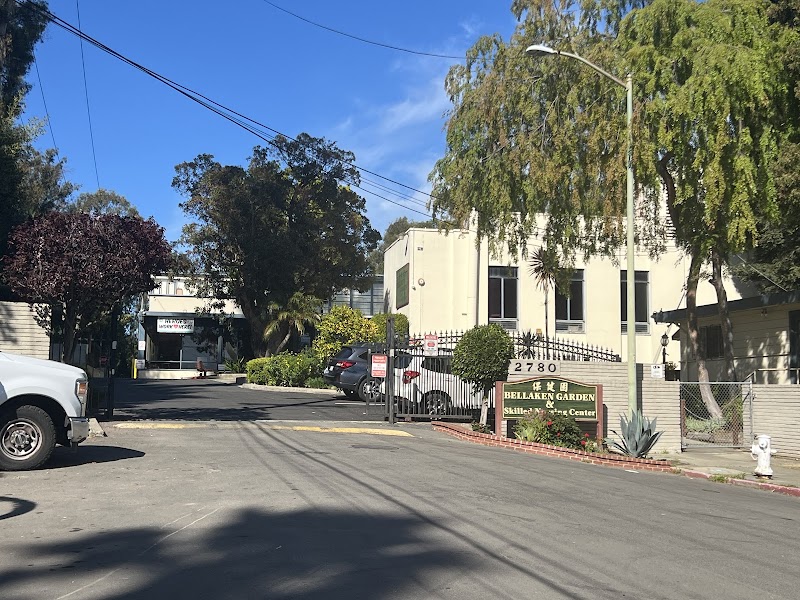
Who Owns and Operates Bellaken Skilled Nursing Center?

BELLAKEN SKILLED NURSING CENTER is owned by a for-profit company. For-profit facilities operate as businesses with obligations to shareholders or private owners. The facility operates independently rather than as part of a larger chain. With 61 certified beds and approximately 59 residents (about 97% occupancy), it is a smaller facility located in OAKLAND, California.
How Does Bellaken Skilled Nursing Center Compare to Other California Nursing Homes?

Compared to the 100 nursing homes in California, BELLAKEN SKILLED NURSING CENTER's overall rating (5 stars) is above the state average of 3.2 and health inspection rating (5 stars) is much above the national benchmark.

What Should Families Ask When Visiting Bellaken Skilled Nursing Center?

Based on this facility's data, families visiting should ask: "Can you walk me through typical staffing levels on day, evening, and night shifts?" "Can I visit during a mealtime to observe dining assistance and food quality?" "How do you handle medical emergencies, and what is your hospital transfer rate?" "Can I speak with family members of current residents about their experience?" These questions are particularly relevant given the below-average staffing rating.

Is Bellaken Skilled Nursing Center Safe?

Based on CMS inspection data, BELLAKEN SKILLED NURSING CENTER has a clean safety record: no substantiated abuse findings (meaning no confirmed cases of resident harm), no Immediate Jeopardy citations (the most serious violation level indicating risk of serious injury or death), and is not on the Special Focus Facility watch list (a federal program monitoring the lowest-performing 1% of nursing homes). The facility has a 5-star overall rating and ranks #1 of 100 nursing homes in California. While no facility is perfect, families should still ask about staff-to-resident ratios and recent inspection results during their visit.

Do Nurses at Bellaken Skilled Nursing Center Stick Around?

BELLAKEN SKILLED NURSING CENTER has not reported staff turnover data to CMS. Staff turnover matters because consistent caregivers learn residents' individual needs, medications, and preferences. When staff frequently change, this institutional knowledge is lost. Families should ask the facility directly about their staff retention rates and average employee tenure.

Was Bellaken Skilled Nursing Center Ever Fined?

BELLAKEN SKILLED NURSING CENTER has no federal fines on record. CMS issues fines when nursing homes fail to meet care standards or don't correct problems found during inspections. The absence of fines suggests the facility has either maintained compliance or corrected any issues before penalties were assessed. This is a positive indicator, though families should still review recent inspection reports for the full picture.

Is Bellaken Skilled Nursing Center on Any Federal Watch List?

BELLAKEN SKILLED NURSING CENTER is not on any federal watch list. The most significant is the Special Focus Facility (SFF) program, which identifies the bottom 1% of nursing homes nationally based on persistent, serious quality problems. Not being on this list means the facility has avoided the pattern of deficiencies that triggers enhanced federal oversight. This is a positive indicator, though families should still review the facility's inspection history directly.