MEDICAL HILL HEALTHCARE CENTER
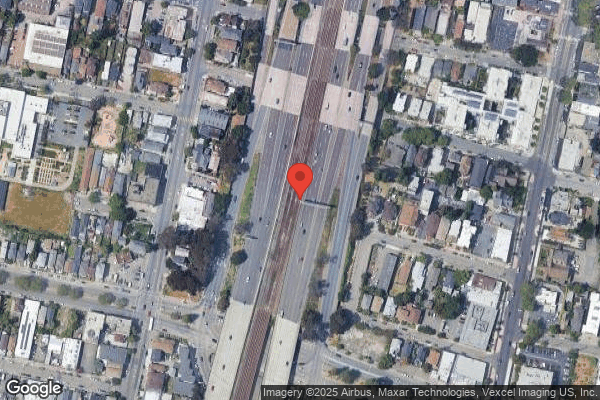

475 29TH STREET, OAKLAND, CA 94609 (510) 832-3222
For profit - Corporation 124 Beds PACS GROUP Data: November 2025
Trust Grade
78/100
#402 of 1155 in CA
Last Inspection: March 2024

Within standard 12-15 month inspection cycle. Federal law requires annual inspections.

Overview

Medical Hill Healthcare Center in Oakland, California, has a Trust Grade of B, indicating it is a good choice for families, but there is room for improvement. Ranked #402 out of 1155 facilities in California, it sits in the top half of the state, and #38 out of 69 in Alameda County, suggesting it has several local competitors. The facility is on an improving trend, with the number of reported issues decreasing from six in 2024 to three in 2025. Staffing is a strength, earning 4 out of 5 stars with a turnover rate of only 29%, which is below the state average. However, there are concerns, including incidents where staff failed to practice proper hand hygiene during meal preparation, which could lead to foodborne illnesses, and there were issues with not posting nursing staffing data, limiting residents' access to important information. Overall, while the facility has strengths, families should consider these weaknesses when making a decision.

Trust Score
B
78/100
In California
#402/1155
Top 34%
Safety Record
Low Risk
No red flags
Inspections
Getting Better
6 → 3 violations
Staff Stability
✓ Good
29% annual turnover. Excellent stability, 19 points below California's 48% average. Staff who stay learn residents' needs.
Penalties
✓ Good
No fines on record. Clean compliance history, better than most California facilities.
Skilled Nurses
○ Average
Each resident gets 33 minutes of Registered Nurse (RN) attention daily — about average for California. RNs are the most trained staff who monitor for health changes.
Violations
⚠ Watch
20 deficiencies on record. Higher than average. Multiple issues found across inspections.
★★★★☆
4.0
Overall Rating
★★★★☆
4.0
Staff Levels
☆☆☆☆☆
0.0
Care Quality
★★★★☆
4.0
Inspection Score
Stable
2024: 6 issues
2025: 3 issues

The Good

  • 4-Star Staffing Rating · Above-average nurse staffing levels
  • Low Staff Turnover (29%) · Staff stability means consistent care
  • Full Sprinkler Coverage · Fire safety systems throughout facility
  • No fines on record
  • Staff turnover is low (29%)

    19 points below California average of 48%

Facility shows strength in staffing levels, staff retention, fire safety.

The Bad

Chain: PACS GROUP

Part of a multi-facility chain

Ask about local staffing decisions and management

The Ugly 20 deficiencies on record

Aug 2025 1 deficiency
CONCERN (D) 📢 Someone Reported This

A family member, employee, or ombudsman was alarmed enough to file a formal complaint

Potential for Harm - no one hurt, but risky conditions existed

Deficiency F0628 (Tag F0628)

Could have caused harm · This affected 1 resident

**NOTE- TERMS IN BRACKETS HAVE BEEN EDITED TO PROTECT CONFIDENTIALITY** Based on interview and record review, for one of three sampled residents for closed record review (Resident 132), the facility f...

Read full inspector narrative →
**NOTE- TERMS IN BRACKETS HAVE BEEN EDITED TO PROTECT CONFIDENTIALITY** Based on interview and record review, for one of three sampled residents for closed record review (Resident 132), the facility failed to ensure an effective discharge process when caregiver training and discharge notice were not provided in a timely manner. This failure had the potential to result in avoidable accidents and unsafe discharge. During a review of Resident 132's admission Record (AR), the AR indicated Resident 132 was admitted to the facility on [DATE] with diagnoses that included dislocation of the left knee, difficulty walking, dislocation of left hip prosthesis and the need for assistance with personal care. During a review of Resident 132's Order Summary Report (OSR) as of 8/7/25, the OSR indicated a physician's order dated 7/8/25 to discharge Resident 132 to home with hospital bed and Hoyer lift (also known as a patient lift or hydraulic lift, is a medical device designed to assist in the transfer of patients with limited mobility. It is commonly used in hospitals, nursing homes, and private residences to move patients safely from one location to another, such as from a bed to a wheelchair or from a wheelchair to a toilet). During a review of Resident 132's care plans, dated 5/19/25, the care plans indicated the following: - Discharge/Transfer Referral, interventions included to arrange for necessary home modifications as indicated, and to coordinate in-home support services. - Discharge/Transfer Planning Preference interventions included addressing availability, capability, and training needs of caregiver/support person as needed and to coordinate in-home support services. - The resident wishes to return home. interventions included to make arrangement with required community resources to support independence after discharge. During an interview on 8/7/25 at 12:37 p.m. with Director of Nursing (DON), DON stated that Resident 132 was scheduled for discharge on [DATE]. DON stated, on the day of discharge, Resident 132 complained of stroke-like symptoms and was sent to the hospital. DON stated, discharge plans had already begun while Resident 132 was at the facility. During discharge planning, Resident 132 mentioned having a caregiver, a friend, to assist. DON stated she did not know if the caregiver received training and would check with the Rehabilitation Department. During an interview on 8/7/25 at 1:30 p.m. with Assistant Director of Rehabilitation (ADOR), ADOR stated Resident 132 would not improve with activities of daily living despite treatments. ADOR stated the facility's social services indicated Resident 132 would be discharged home. ADOR stated Resident 132 would need assistance will all ADLS at home, if a caregiver was present, the caregiver would need training for care transfers and Hoyer lift transfers. ADOR stated no caregiver training was provided for Resident 132. During a telephone interview on 8/7/25 at 2:15 p.m. with Ombudsman (OMB), OMB stated Resident 132 was wheelchair-bound and appeared absent-minded during a visit. OMB stated Resident 132 did not have a caregiver, had no power in the apartment, and that property manager had left it unlocked. OMB stated the hospital case manager communicated that Resident 132's insurance and approved an additional week at the facility to complete discharge arrangements. During an interview on 8/7/25 at 2:54 p.m. with Case Manager (CM) 1, CM 1 stated that on 7/1/25, she and DON asked Resident 132 if she wanted to be discharged , and Resident 132 agreed. CM 1 stated discharge planning began, and the necessary Durable Medical Equipment (hospital bed and Hoyer lift) was delivered before the 7/9/25 discharge date . CM 1 stated that Resident 132 had a Community Case Manager (CCM) who arranged for a caregiver but did not verify this herself with CCM. CM 1 stated although Resident 132 had a brother and a sister, they were not involved in the discharge planning. CM 1 stated, on 7/9/25, the day Resident 132 was to be discharged home, CM 1 missed several calls from CCM and could not return them. During a telephone interview on 8/7/25 at 3:48 p.m. with CCM, CCM stated, on 7/1/25, Resident 132 had called to say the facility planned to discharge her on 7/9/25. CCM stated she called CM 1 regarding Resident 132's discharge plan, but CM 1 indicated no knowledge of the discharge plan or date. CCM stated, on 7/9/25, Resident 132 called again to inform CCM that she was being discharged that day. CCM 1 stated she attempted multiple times to reach CM 1 to prevent the discharge, but none of her calls were answered or returned. CCM stated the facility did not contact her to coordinate Resident 132's discharge, had they called her, CCM stated she would have informed them that Resident 132 did not have a caregiver and did not have resources at home. CCM stated only becoming aware that Resident 132 had been taken to the hospital when Resident 132 called CCM the following day, distressed, stating that she had been left on the couch by the transport service and had not moved because Resident 132 was wheelchair-bound. CCM stated the office called 911 to have Resident 132 transported back to the hospital. During a review of Resident 132's ED (Emergency Department) Notes dated 7/9/25, the ED notes indicated, Was being discharged today from the facility and upon being given. papers [Resident 132] started to complain of abdominal pain.also states left shoulder was painful.anxious about her living situation as she has nowhere to go. During a follow-up interview on 8/8/25 at 9:28 a.m. with CM 1, CM 1 stated, discharge notice for Resident 132 was to be given on the day of discharge. CM 1 stated she did not keep a copy of the discharge notice or document it in the clinical record. CM 1 added being unsure of the discharge process due to the sudden departure of the social services staff responsible. During an interview on 8/8/25 at 9:51 a.m. with Director of Staff Development (DSD), DSD stated that residents receive a notice of discharge on e week prior to the actual discharge date . During a joint interview on 8/8/25 at 9:53 a.m. with CM 2 and DON, CM 2 stated the notice of discharge is signed by the resident on the day of discharge, the same copy would be sent to the Ombudsman's office the same day. DON stated Resident 132 stayed at the facility for over 30 days. During a review of the facility's policy and procedure (P&P) titled Discharge Summary and Plan last revised March 2025, the P&P indicated every resident has an individualized discharge plan, developed by the interdisciplinary team (a group composed of individuals from different departments of the facility) to meet the resident's discharge needs. A resident's discharge needs must be addressed before the resident can be safely discharged (e.g. caregiver support and education, rehabilitation, etc.).
May 2025 1 deficiency
CONCERN (D) 📢 Someone Reported This

A family member, employee, or ombudsman was alarmed enough to file a formal complaint

Potential for Harm - no one hurt, but risky conditions existed

Report Alleged Abuse (Tag F0609)

Could have caused harm · This affected 1 resident

Based on interview and record review, the facility failed to ensure an allegation of abuse were reported to officials that included the State Survey Agency, Office of the Long-Term Care Ombudsman and ...

Read full inspector narrative →
Based on interview and record review, the facility failed to ensure an allegation of abuse were reported to officials that included the State Survey Agency, Office of the Long-Term Care Ombudsman and law enforcement officials within the required timeframe for one of one sampled resident (Resident 1). This failure had the potential to result in the lack of protection for residents alleging abuse. Findings: During a review of Resident 1's admission Record, the admission Record indicated, Resident 1 was admitted to the facility in February 2025 with cerebral infarction (stroke) affecting left non-dominant side and need for assistance for personal care. During a record review of the Social Service Director ' s Progress Notes dated 3/7/25, the Progress Notes indicated Resident 1 ' s Responsible Party (RP) informed the facility that a female Certified Nurse Assistant (CNA) was very rough and rude during the care of Resident 1. The Progress Notes also indicated, Resident 1 said . a female CNA came to change her but just removed her blanket and told her to turn to her left side. According to the resident, the CNA was very rough .she got hurt and expressed ' ouch ' .and the CNA said, 'I'm just cleaning you, you want to stay on your shit?' .She also said that the same CNA is always rude to her and her roommate . During an interview on 5/30/25 at 11:40 a.m. with SSD, SSD stated she interviewed Resident 1 with the RP present on 3/7/25. SSD stated during her visit to Resident 1, Resident 1 was not able to recall the details of the incident involving a CNA. SSD stated because Resident 1 was very confused, and could not recall the details of the incident, the complaint was only filed as a grievance and not as an allegation of abuse. SSD stated the incident was reported to the Abuse Coordinator and it was decided that the incident was unfounded because Resdient 1 was confused. SSD stated she knew she was a mandated reporter and she should have considered Resident 1 ' s allegation as a suspected abuse. SSD stated she also did not interview the roommate to verify Resident 1's allegation of abuse. SSD further stated there was no follow up monitoring done for any psychosocial behavior changes on Resident 1. During a concurrent record review and interview on 5/30/25 at 12:02 p.m. with the Director of Staff Development (DSD), SSD ' s Progress Notes dated 3/7/25 was reviewed. DSD stated she considered Resident 1 ' s allegation as a suspected abuse and should have been reported and investigated appropriately. DSD stated it was very important to take the allegation of abuse seriously so that a thorough investigation could be conducted. DSD also stated when a staff was involved in an allegation of abuse, the staff should have been suspended while the investigation was ongoing. During an interview on 5/30/25 at 12:29 p.m. with the Director of Nursing (DON), the DON stated a suspected abuse should have included a thorough investigation, identification of the staff involved, staff suspension, and reporting to state and local agencies should be done immediately or within 23 hours. The DON further stated SSD did not consider the complaint as a suspected abuse because Resident 1 was confused. During a review of the facility's policy and procedure (P&P) titled Abuse, Neglect, Exploitation or Mistreatment- Reporting and Investigating, copyrighted 2001, the P&P indicated, The administrator or the individual making the allegation immediately reports his or her suspicion to the following persons or agencies: a. The state licensing certification agency responsible for surveying/licensing the facility; b. The local/stated ombudsman; .e. Law enforcement officials .'Immediately' is defined as a. within two hours of an allegation involving abuse or result in serious bodily injury .
Feb 2025 1 deficiency
CONCERN (D) 📢 Someone Reported This

A family member, employee, or ombudsman was alarmed enough to file a formal complaint

Potential for Harm - no one hurt, but risky conditions existed

Report Alleged Abuse (Tag F0609)

Could have caused harm · This affected 1 resident

Based on interview and record review, the facility failed to ensure an allegation of sexual assault was reported to officials that included the State Survey Agency, Office of the Long-Term Care Ombuds...

Read full inspector narrative →
Based on interview and record review, the facility failed to ensure an allegation of sexual assault was reported to officials that included the State Survey Agency, Office of the Long-Term Care Ombudsman and law enforcement officials within the required timeframe for one of two sampled residents (Resident 1). This failure had the potential to result in the lack of protection for residents alleging abuse. Findings: During a review of Resident 1's admission Record, the admission Record indicated, Resident 1 was admitted to the facility in August 2023 with anxiety disorder and schizophrenic disorder. During an interview on 2/6/25 at 11:01 a.m. with Neurobehavioral Unit Director(NBUD), NBUD stated receiving the report of sexual assault on 2/3/25 from Resident 1's Conservator (RC). NBUD stated an investigation was conducted immediately and after interviews with Registered Nurse (RN) and Certified Nursing Assistant (CNA), the sexual assault could not be substantiated. NBUD also stated the allegation was not reported to the proper authorities because the facility could not establish an accusation from Resident 1. During a review of Resident 1's Behavior Note dated 2/3/25, the Behavior Note indicated Social Services Director (SSD), Director of Staff Development (DSD) and NBUD all went to Resident 1 to discuss Resident 1's allegation of being raped by a staff member. The sexual assault could not be substantiated because Resident 1 could not focus and was randomly talking about other topics and was not able to recall the incident. During an interview on 2/6/25 at 11:25 a.m. with Administrator (Adm), Adm stated Resident 1's sexual allegation against CNA should have been reported to the proper authorities but it was not reported in this case. During a review of the facility's policy and procedure (P&P) titled Abuse, Neglect, Exploitation or Mistreatment- Reporting and Investigating, copyrighted 2001, the P&P indicated, The administrator or the individual making the allegation immediately reports his or her suspicion to the following persons or agencies: a. The state licensing certification agency responsible for surveying/licensing the facility; b. The local/stated ombudsman; .e. Law enforcement officials .'Immediately' is defined as a. within two hours of an allegation involving abuse or result in serious bodily injury .
Oct 2024 1 deficiency
CONCERN (D) 📢 Someone Reported This

A family member, employee, or ombudsman was alarmed enough to file a formal complaint

Potential for Harm - no one hurt, but risky conditions existed

Deficiency F0568 (Tag F0568)

Could have caused harm · This affected 1 resident

Based on interviews and record review, the facility failed to provide account statement of residents ' spending, including transaction receipts, timely information on account access and available acco...

Read full inspector narrative →
Based on interviews and record review, the facility failed to provide account statement of residents ' spending, including transaction receipts, timely information on account access and available account balances for 4 out of 4 residents when facility did not notify residents or their conservators of the amount of funds in their personal accounts, track spending or submit quarterly report statements on time. This failure undermined Residents ' Rights to have informed and easy access to their funds for personal purchases they wish to make. Findings: During a review of Resident 1 ' s, admission Record, printed 10/15/24, the record indicated Resident 1 was admitted to the facility in July 2023 with multiple diagnosis including Malignant neoplasm (cancer) of bladder neck. A review of the Resident 1 ' s Minimum Data Set (MDS, a resident assessment instrument used to identify resident care problems to be addressed in an individualized care plan.) MDS, reveals Resident had a BIMS score of 7 which indicated moderately impaired cognitive status. Brief Interview for Mental Status (BIMS, is a scoring system used to determine the resident ' s cognitive status regarding attention, orientation, and ability to register and recall information. A BIMS score of thirteen to fifteen is an indication of intact cognitive status). During an interview on 10/22/24 at 10:17 a.m. with Resident 1 ' s Conservator 1, Conservator 1 stated that they send the facility $50.00 every month for Resident 1 to use for personal item expenses. Conservator 1 did not know how much money Resident 1 has in her account or what the funds have been used for. Conservator 1 also stated they have not received the quarterly statement or any itemized receipts from the facility. During a review of Resident 2 ' s, admission Record, printed 10/15/24, the record indicated Resident 2 was admitted to the facility in September 2021 with multiple diagnosis including Schizophrenia (A mental illness that is characterized by disturbances in thought). A review of Resident 2 ' s MDS section C indicated Resident 2 had a BIMS score of 14 indicating Resident 2 was cognitively intact. During an interview on 10/15/24 at 11:50 a.m. with Resident 2, Resident 2 stated they did know they have money available to them in their personal account to purchase items and they have no knowledge of quarterly reports of fund. During a review of Resident 3 ' s, admission Record, printed 10/15/24, the record indicated Resident 3 was admitted to the facility in June 2021 with multiple diagnosis including Multiple Sclerosis, MS (A chronic, progressive disease involving damage to the nerve cells in the brain and spinal cord). A review of Resident 3 ' s MDS revealed Resident 3 had a BIMS score of 15 indicating Resident 3 was cognitively intact. During an interview on 10/15/24 at 12:00 p.m. with Resident 3, Resident 3 stated they last made purchases around nine months ago when resident requested clothing and received 2 pantsuits. Resident 3 stated that they did not know how much the pantsuits cost and were not given an itemized receipt after the purchase. Resident 3 also stated they have not received a quarterly report of the balance in their personal account and is unaware of how much money they have. During an interview on 10/21/24 at 4:05 p.m. with Resident 3 ' s Conservator (3), Conservator 3 stated she does not receive itemized receipts of Resident ' s purchases and has not received a quarterly report for Resident 3. During a review of Resident 4 ' s, admission Record, printed 10/15/24, the record indicated Resident 4 was admitted to the facility in November 2021 with multiple diagnosis including Schizoaffective Disorder (A mental illness that can affect thoughts, mood and behavior,) and Parkinson ' s Disease (A progressive disease of the nervous system, marked by tremor, muscular rigidity, and slow, and precise movements).A concurrent review of Resident 4 ' s MDS revealed, Resident 4 had a BIMS score of 6 indicating severe cognitive impairment. During an interview on 10/15/24 at 12:10 p.m. with resident 4, Resident 4 stated they are unaware how much money is in their personal account and they have no recollection of receiving a quarterly report of the spending and subsequent balance in their account. During an interview on 10/16/24 at 12:20 p.m. with Resident 4 ' s Conservator (4), Conservator 4 stated the facility had not sent her a quarterly report in a long time and cannot recall when the last quarterly report was received. Conservator stated that Resident 4 has money to purchase items but does not know or has receipt of what has been purchased. During an interview on 10/15/24 at 12:05 p.m. with Social Worker (SW), SW stated when Resident ' s request an item, the SW will check with the Business Office Manager (BOM) of how much money Resident has in their account and purchases the item. SW stated typically, this is done without Resident ' s feedback and in some cases, for Residents who want designer items, they will get Resident ' s permission before purchasing. Once purchase is completed, the SW will give item purchased to Resident and receipt of purchase to Business Office Manager (BOM). During an interview on 10/15/24 at 1:15 p.m. with Director of Nursing (DON), DON stated some residents have a conservator who manages Residents personal finances. DON stated they provided an itemized list of resident ' s balance of funds for the conserved residents to the conservator. During an interview on 10/15/24 at 1:45 p.m. with Administrator (ADM), ADM stated the Business Office Manager (BOM) handles accounting of Resident ' s personal financial accounts and trusts. Administrators had no knowledge of quarterly reports being issued out to Residents or Resident ' s Conservator. During an interview on 10/21/24 at 3:00 p.m. with BOM, BOM stated that the SW will provide a receipt of purchase and that it will be itemized in resident ' s account. BOM does not provide the receipt to Resident or Conservator. BOM stated that they are behind in sending out the quarterly reports to Conservators and sends the reports by postal mail and not email. BOM was unable to provide receipt of when the Conservator receives quarterly reports and stated the facility does not give the reports or receipts of items purchased to the residents. BOM stated the SW will show them weekly how much they have in their account digitally. A review of the Policy & Procedure titled Management of Resident ' s Funds indicated . Policy Interpretation and Implementation .3. Should the facility manage the resident ' s funds, the facility acts a fiduciary of the resident funds and holds, safeguards, manages and accounts for the personal funds of the Resident . 3. Should our facility be appointed the resident's representative payee, and directly receive monthly benefits to which the Resident is entitled, such funds are managed in accordance with established policies and Federal/State requirements .5. Copies of financial transactions are managed by the business office.
Mar 2024 5 deficiencies
CONCERN (D)

Potential for Harm - no one hurt, but risky conditions existed

Assessment Accuracy (Tag F0641)

Could have caused harm · This affected 1 resident

Based on record review and interviews, the facility failed to ensure the accuracy of Minimum Data Set (MDS) assessments for 2 (Resident #2 and Resident #86) of 24 sampled residents. Specifically, the ...

Read full inspector narrative →
Based on record review and interviews, the facility failed to ensure the accuracy of Minimum Data Set (MDS) assessments for 2 (Resident #2 and Resident #86) of 24 sampled residents. Specifically, the facility failed to ensure Resident #2's visual status and Resident #86's nutritional status was accurately reflected on each resident's MDS assessment. Findings included: On 03/14/2024 at 12:18 PM, the MDS Nurse stated the facility followed the Centers for Medicare and Medicaid Services Resident Assessment Instrument (RAI) Manual for MDS assessments and did not have an MDS policy. 1. Review Resident #2's admission Record revealed the facility admitted Resident #2 on 09/12/2005 with diagnoses that included legal blindness. Review of Resident #2's Care Plan revealed a Focus area, last revised on 02/08/2018, that indicated the resident had impaired visual function related to being legally blind. The care plan indicated the resident was able to see large print in a well-lit room and required large print books as a visual aid. Interventions instructed staff to ensure appropriate visual aids were available to support the resident's participation in activities and to identify and record factors affecting visual function, including physiological and environmental factors and the resident's choices. Review of a quarterly MDS, with an Assessment Reference Date (ARD) of 01/18/2024, revealed Resident #2 had a Brief Interview for Mental Status (BIMS) score of 0, which indicated the resident had severe cognitive impairment. The MDS indicated Resident #2's vision was adequate (saw fine detail, such as regular print in newspapers/books). During an interview on 03/13/2024 at 12:27 PM, the MDS Nurse stated the information for the MDS came from the resident's electronic health record, their chart, and hospital records. She stated the MDS was completed by the interdisciplinary team member responsible for their section, and each person was accountable for their section. After reviewing Resident #2's record, she stated the resident had a diagnosis of being legally blind and confirmed that the resident's visual status was not captured correctly on the MDS. She stated a nurse and the social worker completed the hearing, speech, vision section of the MDS and was unsure why the resident's impaired vision was not captured. During an interview on 03/14/2024 at 9:12 AM, the Director of Nursing (DON) stated the information for the MDS should come from the residents' assessments and hospital records. She stated each department was responsible for their section of the MDS and its accuracy, and the MDS Nurse was responsible for ensuring the MDS was accurate. The DON stated if a resident was blind it should be captured on the MDS. She confirmed that Resident #2 was blind and that the resident's MDS was inaccurately coded. During an interview on 03/14/2024 at 12:07 PM, the Administrator stated the MDS should be accurate and reflect the resident's true condition. He stated the MDS Nurse was responsible for the overall accuracy of the MDS. 2. A review of Resident #86's admission Record revealed the facility admitted the resident on 06/03/2022 with diagnoses that included dysphagia (difficulty swallowing). Review of a quarterly MDS, with an Assessment Reference Date (ARD) of 11/21/2023, revealed Resident #86 had a Brief Interview for Mental Status (BIMS) score of 3, which indicated the resident had severe cognitive impairment. The MDS indicated Resident #86 received parenteral (method of administering medication or nutrients that bypasses the digestive system)/intravenous feeding and had a feeding tube while a resident at the facility. Review of Resident #86's Order Summary Report, listing active orders as of 03/14/2024, revealed an order started on 07/24/2023 for a mechanical soft, ground texture diet and thin consistency liquids. The Order Summary Report did not reflect any orders for parenteral/intravenous feedings or a feeding tube. During an interview on 03/13/2024 at 12:27 PM, the MDS Nurse stated the information for the MDS came from the resident's electronic health record, their chart, and hospital records. She stated the MDS was completed by the interdisciplinary team member responsible for their section, and each person was accountable for their section. She stated Resident #86 did not have a feeding tube and the person that completed that section of the MDS clicked on the wrong button when completing the form. During an interview on 03/13/2024 at 8:52 AM, the Dietary Director stated she was responsible for completing the dietary section of the MDS and that the Director of Nursing (DON) brought the incorrect MDS coding to her attention. She stated she did not realize she had been coding that section of the MDS incorrectly. During an interview on 03/14/2024 at 9:12 AM, the DON stated the information for the MDS should come from the residents' assessments and hospital records. She stated each department was responsible for their section of the MDS and its accuracy, and the MDS Nurse was responsible for ensuring the MDS was accurate. During an interview on 03/14/2024 at 12:07 PM, the Administrator stated the MDS should be accurate and reflect the resident's true condition. He stated the MDS Nurse was responsible for the overall accuracy of the MDS.
CONCERN (D)

Potential for Harm - no one hurt, but risky conditions existed

Deficiency F0645 (Tag F0645)

Could have caused harm · This affected 1 resident

**NOTE- TERMS IN BRACKETS HAVE BEEN EDITED TO PROTECT CONFIDENTIALITY** Based on interviews, record review, and facility document and policy review, the facility failed to ensure a Preadmission Screen...

Read full inspector narrative →
**NOTE- TERMS IN BRACKETS HAVE BEEN EDITED TO PROTECT CONFIDENTIALITY** Based on interviews, record review, and facility document and policy review, the facility failed to ensure a Preadmission Screening and Resident Review (PASRR) was completed for 1 (Resident #45) of 5 sampled residents reviewed for PASRR requirements. Specifically, the facility failed to ensure a Level I PASRR Screening was resubmitted when Resident #45 remained in the facility longer than 30 days. Findings included: A review of a facility policy titled, admission Criteria, revised in March 2023, revealed, 9. All new admissions and readmissions are screened for mental disorders (MD), intellectual disabilities (ID) or related disorders (RD) per the Medicaid Pre-admission Screening and Resident Review (PASARR) process. a. The acute hospital performs a Level I PASARR screen for all potential admissions, regardless of payor source, to determine if the individual meets the criteria for a MD, ID, or RD. The policy further indicated, 11. The state may choose not to apply the preadmission screening requirement if: a. the individual is admitted directly to the facility from a hospital where he or she received acute inpatient care; b. the individual requires facility services for the condition for which he or she received care in the hospital; and c. the attending physician has certified (prior to admission) that the individual will likely need less than 30 days of care at the facility. A review of Resident #45's admission Record revealed the facility admitted the resident from a hospital on [DATE] with diagnoses that included schizophrenia, bipolar disorder, and anxiety disorder. A review of Resident #45's Preadmission Screening and Resident Review (PASRR) Level 1 Screening, dated 11/21/2023, revealed Resident #45 was exempt due to a 30-day Exempted Hospital Discharge. A review of an associated letter from the Department of Health Care Services regarding the results of the resident's Level I PASRR, dated 11/21/2023, revealed, If the individual remains in the NF [nursing facility] longer than 30 days, the facility should resubmit a Level I Screening as a Resident Review on the 31st day. There was no documented evidence the facility submitted another Level I PASRR for Resident #45 when the resident's stay at the facility exceeded 30 days. A review of Resident #45's Care Plan revealed a Focus area, initiated on 11/22/2023, that indicated the resident was at risk for decreased psychosocial wellbeing, adjustment issues, emotional distress, ineffective coping skills, poor impulse control, and adverse effects on function. The Focus area also indicated Resident #45 was at risk for mental, physical, social, and spiritual wellbeing related to feeling down, depressed, or hopeless due to a diagnosis of schizophrenia. A review of Resident #45's quarterly Minimum Data Set (MDS), with an Assessment Reference Date (ARD) of 02/22/2024, revealed Resident #45 had a Brief Interview for Mental Status (BIMS) of 7, indicating the resident had severe cognitive impairment. According to the MDS, at the time of the assessment, Resident #45 had active diagnoses of anxiety disorder, bipolar disorder, and schizophrenia and received antipsychotic and antianxiety medications. During an interview on 03/13/2024 at 12:26 PM, the MDS Nurse confirmed Resident #45's PASRR should have been resubmitted. During an interview on 03/14/2024 at 9:56 AM, the Director of Nursing (DON) stated Resident #45's PASRR should have been resubmitted. During an interview on 03/14/2024 at 10:22 AM, the Administrator stated that if the facility was instructed to resubmit a Level I PASRR Screening, the PASRR should have been resubmitted within the timeframe specified.
CONCERN (D)

Potential for Harm - no one hurt, but risky conditions existed

Deficiency F0692 (Tag F0692)

Could have caused harm · This affected 1 resident

Based on observations, interviews, record review, and facility policy review, the facility failed to monitor the implementation of physician prescribed fluid restrictions for 1 (Resident #178) of 3 sa...

Read full inspector narrative →
Based on observations, interviews, record review, and facility policy review, the facility failed to monitor the implementation of physician prescribed fluid restrictions for 1 (Resident #178) of 3 sampled residents reviewed for nutrition. Specifically, Resident #178, who received renal dialysis, had a physician's order for a 1200 milliliter (mL) fluid restriction each day, and the facility failed to ensure the resident did not routinely exceed 1200 mL of fluids per day. Findings included: Review of a facility policy titled, Encouraging and Restricting Fluids, revised in October 2010, revealed, The purpose of this procedure is to provide the resident with the amount of fluids necessary to maintain optimum health. This may include encouraging or restricting fluids. Preparation 1. Verify that there is a physician's order for this procedure. 2. Review the resident's care plan and/or daily assignment sheet to assess for any special needs of the resident. The policy further specified, Follow specific instructions concerning fluid intake or restrictions. Review of an admission Record revealed the facility admitted Resident #178 on 12/26/2023 with diagnoses that included end stage renal disease and dependence on renal dialysis. Review of an admission Minimum Data Set (MDS), with an Assessment Reference Date (ARD) of 12/31/2023, revealed Resident #178 had a Brief Interview for Mental Status (BIMS) score of 15, which indicated the resident was cognitively intact. According to the MDS, the resident required setup or clean-up assistance from staff with eating. Review of Resident #178's comprehensive care plan revealed a Focus area, initiated on 12/27/2023, that indicated the resident needed dialysis related to renal failure. An intervention dated 12/27/2023 directed staff to monitor intake and output. Another Focus area, initiated on 02/01/2024, indicated the resident was at risk for malnutrition. Interventions dated 02/01/2024 directed staff to assist with meals/fluid as needed and to provide the resident's diet as ordered, including an order for fluid restriction of 1200 mL per day. Review of Resident #178's Order Summary Report revealed an active order dated 01/24/2024 for a consistent carbohydrate renal diet, regular texture, with a fluid restriction of 1200 mL. Another active order, dated 03/13/2024, indicated of the 1200 mL fluids each day, dietary was to provide 600 mL and nursing was to provide 600 mL. Review of Resident #178's FLUID INTAKE documentation for the timeframe from 02/12/2024 through 03/11/2024 revealed 15 days during which the resident consumed over 1200 mL of fluids: - 02/12/2024 - 650 mL, 360 mL, and 240 mL, for a daily total of 1250 mL; - 02/13/2024 - 720 mL, 500 mL, and 240 mL, for a daily total of 1460 mL; - 02/14/2024 - 980 mL and 588 mL, for a daily total of 1568 mL; - 02/19/2024 - 360 mL, 980 mL, and 240 mL, for a daily total of 1580 mL; - 02/20/2024 - 980 mL and 580 mL, for a daily total of 1560 mL; - 02/21/2024 - 360 mL, 840 mL, and 120 mL, for a daily total of 1320 mL; - 02/25/2024 - 480 mL and 1280 mL, for a daily total of 1760 mL; - 02/26/2024 - 240 mL, 980 mL, and 480 mL, for a daily total of 1700 mL; - 02/28/2024 - 120 mL, 840 mL, and 480 mL, for a daily total of 1440 mL; - 03/03/2024 - 360 mL, 280 mL, and 590 mL, for a daily total of 1230 mL; - 03/04/2024 - 240 mL, 1000 mL, and 360 mL, for a daily total of 1600 mL; - 03/05/2024 - 240 mL, 860 mL, and 240 mL, for a daily total of 1340 mL; - 03/09/2024 - 480 mL, 680 mL, and 580 mL, for a daily total of 1740 mL; - 03/10/2024 - 300 mL, 980 mL, and 300 mL, for a daily total of 1580 mL; and - 03/11/2024 - 200 mL, 960 mL, and 480 mL, for a daily total of 1640 mL. During an observation on 03/13/2024 at 9:32 AM, Resident #178 had a pitcher of water at their bedside. During an interview on 03/13/2024 at 11:21 AM, Resident #178 said no one had spoken to them regarding the amount of fluid they were allowed to drink each day. Resident #178 said they kept a thermal pitcher in their room full of water to drink at their leisure. During an interview on 03/13/2024 at 11:11 AM, Certified Nursing Aide (CNA) #9 stated she was not aware of any of her assigned residents having fluid restrictions. CNA #9 revealed each resident's fluid intake was documented in their electronic health record daily. Later in the interview, CNA #9 stated she was aware that Resident #178 was on a fluid restriction. However, she did not know the amount of the resident's fluid restriction. During an interview on 03/13/2024 at 1:10 PM, Registered Nurse (RN) #7 stated she asked Resident #178 how many cups of water they drank and documented the amount Resident #178 told her. RN #7 did not know who provided the thermal pitcher of water to Resident #178, but stated the resident did not always drink the entire pitcher of water. RN #7 said Resident #178 was allowed to have up to 1200 mL of fluids per day. After reviewing fluid intake documentation for Resident #178, RN #7 could not explain why the resident exceeded the ordered fluid restriction of 1200 mL per day. During an interview on 03/13/2024 at 1:22 PM the Director of Nursing (DON) stated the Dietary Director had provided Resident #178 with the thermal water pitcher. The DON stated the water pitcher was provided to the resident each day. During an interview on 03/14/2024 at 10:09 AM, the Dietary Director stated Resident #178's fluid restriction was not reflected on their meal tickets until the surveyor inquired about fluids. The Dietary Director said Resident #178 was provided a 1.8 liter (1800 mL) thermal water pitcher upon the resident's request. The Dietary Director stated Resident #178 was drinking less than half of the pitcher, but they were not monitoring the amount that was consumed by the resident. During an interview on 03/14/2024 at 10:26 AM, the DON stated she expected orders for fluid restrictions to be carried out, monitored, and communicated with different departments. During an interview on 03/14/2024 at 11:38 AM, the Administrator stated his expectation was for orders for fluid restrictions to be followed and documented in the resident's electronic health record.
CONCERN (D)

Potential for Harm - no one hurt, but risky conditions existed

Medical Records (Tag F0842)

Could have caused harm · This affected 1 resident

Based on observations, interviews, record review, and facility policy review, the facility failed to ensure an order for oxygen use was transcribed into the electronic health record (EHR) for 1 (Resid...

Read full inspector narrative →
Based on observations, interviews, record review, and facility policy review, the facility failed to ensure an order for oxygen use was transcribed into the electronic health record (EHR) for 1 (Resident #178) of 1 sampled resident reviewed for respiratory care. Findings included: A review of a facility policy titled Telephone Orders, revised in February 2014, revealed Verbal telephone orders may be accepted from each resident's Attending Physician. The policy specified, Orders must be reduced to writing, by the person receiving the order, and recorded in the resident's medical record. A review of an admission Record revealed the facility admitted Resident #178 on 12/26/2023. According to the admission Record, the resident had a medical history that included diagnoses of end stage renal disease, malignant neoplasm of the rectum, anemia, and pneumonia. A review of Resident #178's comprehensive care plan revealed a Focus area, initiated on 01/08/2024, that indicated the resident required the use of intermittent oxygen related to shortness of breath. A review of a handwritten Comprehensive Physician's Order Sheet For: Telephone/Standing/Clarified Orders, dated 01/24/2024, revealed an order for Resident #178 to receive oxygen. However, review of Resident #178's Order Summary Report, generated from the resident's EHR, revealed the order for oxygen use was not transcribed until 03/12/2024, during the survey. A review of Resident #178's Treatment Administration Record and Medication Administration Record for February 2024 and March 2024 revealed no documentation related to the administration of oxygen. An observation of Resident #178 on 03/11/2024 at 10:55 AM revealed the resident's oxygen concentrator was infusing oxygen at a rate of 5 liters per minute (LPM). An observation on 03/11/2024 at 1:51 PM revealed Resident #178's oxygen concentrator was infusing oxygen at a rate of 4.5 LPM. An observation on 03/12/2024 at 8:15 AM revealed Resident #178's oxygen concentrator was infusing oxygen at a rate of 4.5 LPM. During an interview on 03/12/2024 at 9:31 AM, Registered Nurse (RN) #7 reviewed Resident #178's EHR and stated there was no current order for oxygen for the resident. She stated there was a telephone order dated 01/24/2024 for the resident to receive oxygen; however, the order was not transcribed to Resident #178's active physician's orders. During an interview on 03/14/2024 at 10:34 AM, the Director of Nursing (DON) said Resident #178 was previously transferred out of the facility and after their return, the order for oxygen use was not transcribed into the system as an active order.
CONCERN (F)

Potential for Harm - no one hurt, but risky conditions existed

Food Safety (Tag F0812)

Could have caused harm · This affected most or all residents

Based on observations, interviews, and facility policy review, the facility failed to ensure staff prepared and served foods for residents in a sanitary manner. Specifically, staff failed to implement...

Read full inspector narrative →
Based on observations, interviews, and facility policy review, the facility failed to ensure staff prepared and served foods for residents in a sanitary manner. Specifically, staff failed to implement proper hand hygiene practices during meal service to prevent potential cross-contamination. This failure had the potential to affect 115 of 115 residents who received meals from the dietary department. Findings included: Review of a facility policy titled, Food Preparation, dated 2023 (no month specified), revealed, Employees will prepare food in a clean and safe manner to protect residents and staff from foodborne illness. The policy specified, 1. Hands should be properly washed prior to food preparation. Plastic gloves should be worn to avoid direct contact with food, i.e. [id est, Latin for that is] handling ground beef, mixing salads, ready-to-eat foods, etc. [et cetera, and so forth]. Hands must be washed prior to putting on gloves and any glove changes. The policy also indicated, 7. Proper utensils should be used when preparing and serving food. On 03/12/2024 beginning at 12:15 PM, meal service was observed. [NAME] #4 was observed on the meal service line serving foods. She was handling plates and serving utensils with gloved hands. At 12:24 PM, [NAME] #4 left the meal service line and opened the oven door to retrieve a foil package of a grilled cheese sandwich. Without changing gloves or washing hands, [NAME] #4 returned to the meal service line and continued serving food. At 12:25 PM, [NAME] #4 retrieved another foil package of a grilled cheese sandwich from the oven, then returned to the meal service line without washing hands or changing gloves. [NAME] #4 opened the grilled cheese and used her gloved hands to place the sandwich on a plate. [NAME] #4 was then observed plating pasta, and each time she placed a serving on a plate, she touched the pasta with her gloved hands. [NAME] #4 also served meatballs using a serving utensil but then used her gloved hands to place the meatballs more precisely on the plate. [NAME] #4 had not washed hands or changed gloves, despite leaving the meal service line more than once. At 12:59 PM, after retrieving another grilled cheese sandwich, [NAME] #4 performed hand hygiene for the first time and applied new gloves, and continued meal service. At 1:07 PM, [NAME] #4 again left the meal service line to cook a vegetable burger in the microwave. She returned to the meal service line and continued serving food without washing hands or changing gloves. During an interview on 03/13/2024 at 1:36 PM, with translation provided by Dietary Aide #5, [NAME] #4 said she did not recall touching the pasta with her hands during meal service, but she confirmed that she should not touch food items while on the serving line. [NAME] #4 did recall touching the sandwiches after pulling them from the oven and indicated she should have washed her hands and changed her gloves since she handled non-food items. During an interview on 03/13/2024 at 1:44 PM, the Dietary Director stated that staff should use a utensil rather than their hands while plating foods on the meal service line.
Jun 2023 1 deficiency
CONCERN (D) 📢 Someone Reported This

A family member, employee, or ombudsman was alarmed enough to file a formal complaint

Potential for Harm - no one hurt, but risky conditions existed

Medical Records (Tag F0842)

Could have caused harm · This affected 1 resident

**NOTE- TERMS IN BRACKETS HAVE BEEN EDITED TO PROTECT CONFIDENTIALITY** Based on interview and record review, for one of three sampled residents (Resident 1), the facility failed to maintain a complet...

Read full inspector narrative →
**NOTE- TERMS IN BRACKETS HAVE BEEN EDITED TO PROTECT CONFIDENTIALITY** Based on interview and record review, for one of three sampled residents (Resident 1), the facility failed to maintain a complete skin assessment that is accurately documented. This failure had the potential to result in lack of coordination of care among healthcare practitioners and delayed management of skin issues. Findings: Review of Resident 1's admission Record indicated Resident 1 was admitted to the facility on [DATE] with diagnoses that included diabetes mellitus (blood sugar levels are too high) and congestive heart failure (heart is unable to pump oxygen-rich blood to meet the body's needs). Resident 1 was discharged from the facility on 4/5/23. [Reference:https://medical-dictionary. com]. During review of Resident 1's Nursing -Admission/readmission Assessment, dated 2/27/23, the assessment indicated, under Body Assessment, Resident 1 had a left anterior foot sore that measured 7 centimeters (cm) x 5 cm. Resident 1 had other skin conditions that included, the front side of the right and left lower leg had scars and scattered sores and there was yellowish mild pus noted on the right anterior sore. During review of the IDT(Interdisciplinary Team, a group composed of individuals representing different departments of the facility) Conference Notes dated 2/28/23, the notes indicated, Resident 1 had a bilateral lower leg abrasion and wound care will be provided to the bilateral lower extremities abrasion. During review of Progress Notes dated 2/8/23, the notes indicated another skin assessment on 2/7/23, to clarify that it was Resident 1's right dorsal foot (top part of the foot) that had an abrasion instead of the left foot as indicated in the Nursing admission Assessment. The assessment further clarified there were no open areas on the left lower extremity as indicated in the IDT Conference Notes and Nursing-Admission/readmission Assessment. During an interview and concurrent review of the clinical record, on 4/12/23 at 10:39 a.m., with Assistant Director of Nursing (ADON), ADON stated, Resident 1 had scars and scattered sores on the right and left lower leg. The clinical record did not indicate a skin assessment during Resident 1's discharge on [DATE]. A review of Resident 1's discharge notes was requested. During review of Resident 1's clinical record, on 4/12/23 at 11: 20 a.m., while waiting for ADON to show documentation of Resident 1's skin status during discharge, a late entry was entered in Resident 1's Progress Notes electronic record. During an interview and concurrent review of Resident 1's clinical record with Treatment Nurse (TN), on 4/12/23 at 11:22 a.m., TN stated she had just entered a late entry dated 4/5/23 to indicate Resident 1's skin during discharge and stated the documentation was not previously in the progress notes. TN also stated she had to clarify the site of the open areas because the admitting nurse made a mistake. TN also stated skin sheets for open areas/abrasions were not in the medical record as skin assessments were only done if there were any changes noted and were not done routinely. Review of the Medical Practitioner Narrative Note dated 3/20/23 indicated a physical examination was done by the practitioner on Resident 1. Under Exam, lower extremities were observed for any swelling, under Skin, the notes indicated to see Skin Sheet. During an interview with ADON , on 4/12/23 at 11:57 a.m., ADON stated there were no skin sheets in Resident 1's medical record. ADON also stated, weekly wound rounds log (skin sheets) were completed only for pressure ulcers but not for abrasions like Resident 1 had. ADON also stated daily skilled charting by the charge nurses did not have skin assessments in them because it was the wound nurse (treatment nurse) that did skin assessments. During a telephone interview, on 5/11/23 at 1:55 p.m., with Registered Nurse (RN) 1, RN 1 stated, when Resident 1 was discharged on 4/5/23, RN 1 performed a quick assessment and noted there was a 4 x 4 dressing on Resident 1's foot. RN 1 stated she thought Resident 1 might have a wound or maybe a little skin tear on the foot . RN 1 further stated she did not remove the dressing to do a thorough assessment, and did not know what Resident 1 had on the lower extremities because the facility had a treatment nurse who was expected to do this task. Review of Resident 1's Discharge Summary written by RN 1 did not indicate an assessment of Resident 1's skin status during discharge.
May 2021 4 deficiencies
CONCERN (D)

Potential for Harm - no one hurt, but risky conditions existed

Deficiency F0578 (Tag F0578)

Could have caused harm · This affected 1 resident

Based on interview and record review the facility failed to inform and provide information for one of three sampled residents (Resident 35) regarding the option to prepare an advance directive (a writ...

Read full inspector narrative →
Based on interview and record review the facility failed to inform and provide information for one of three sampled residents (Resident 35) regarding the option to prepare an advance directive (a written statement of a person's wishes regarding medical treatment to ensure those wishes are carried out should the person be unable to communicate them to a doctor). This deficient practice had the potential to result in Resident 35's wishes regarding medical treatment not being followed. Findings: Review of the admission Record dated 5/20/21, indicated Resident 35 was admitted to the facility in 2019 with an included diagnosis of chronic obstructive pulmonary disease (a group of progressive lung disorders characterized by increased difficulty breathing). Review of Resident 35's annual Minimum Data Set (MDS, an assessment tool used to guide care) dated 9/7/20, indicated Resident 35 was able to recall words, repeat words, and knew the correct year and month. The MDS also indicated the advance directive section of the Physicians Orders for Life Sustaining Treatment (POLST, a form that is based on a person's end-of-life care decisions) had not been completed. Review of Resident 35's POLST, dated 9/3/19, indicated the advance directive section, Section D had not been completed. During an interview with Resident 35 on 5/19/21 at 9:15 a.m., Resident 35 stated he did not think anyone from the facility had talked to him about an advance directive, but he would like to learn more about an advance directive. During an interview with the Social Services Director (SSD) on 5/19/21 at 10:35 a.m., SSD stated Resident 35's POLST, Section D should have been completed. SSD stated she did not have any documentation that she had spoken to and/or given any information to Resident 35 or his conservator regarding an advance directive. Review of the facility's policy and procedure titled Advance Directives revised December 2016, indicated 1. Upon admission, the resident will be provided with written information concerning the right to refuse or accept medical or surgical treatment and to formulate an advance directive .
CONCERN (D)

Potential for Harm - no one hurt, but risky conditions existed

Respiratory Care (Tag F0695)

Could have caused harm · This affected 1 resident

Based on observation, interview, and record review, the facility failed to provide necessary respiratory care and services for one (Resident 217) of three sampled residents when the facility failed to...

Read full inspector narrative →
Based on observation, interview, and record review, the facility failed to provide necessary respiratory care and services for one (Resident 217) of three sampled residents when the facility failed to have a physician-ordered bag mask valve (A bag mask valve, commonly called an Ambu bag, is a handheld tool that is used to deliver positive pressure ventilation to a person with insufficient or ineffective breathing.) available at Resident 217's bedside for emergency use. This failure had the potential to result in staff being unable to deliver necessary respiratory support to Resident 217 in the event of a respiratory emergency, potentially resulting in physical injury and/or death. Findings: A review of Resident 217's Minimum Data Set (MDS, an assessment tool used to guide care) dated 5/20/21, indicated Resident 217 had entered the facility in May 2021 with a diagnosis of chronic respiratory disease and respiratory failure. The MDS also indicated Resident 217 had special treatment needs which included oxygen therapy and tracheostomy care. (A tracheostomy is an opening surgically created through the neck into the trachea, commonly called windpipe, to allow direct access to the lungs for breathing .A tube is usually placed through this opening to provide an airway and to remove secretions from the lungs. Breathing is done through the tracheostomy tube rather than through the nose and mouth.) A review of Resident 217's Clinical Physician Orders, start date 5/19/21, indicated, Keep at bedside .ambubag . A review of Resident 217's care plan with the focus of, The resident has a tracheostomy at risk of dislodgement, start date of 5/19/21, reflected an intervention of, Have O2 [oxygen], ambubag .for emergency readily available. During a concurrent observation and interview on 5/19/21 at 9:26 a.m., at Resident 217's bedside, Licensed Vocational Nurse 3 (LVN) 3 was unable to find an Ambu bag. LVN 3 left the room and returned with Registered Nurse 1 (RN 1), and they both searched Resident 217's closet and room but were unable to find an Ambu bag. RN 1 stated an Ambu bag needed to be at Resident 217's bedside for use in case of an emergency.
CONCERN (E)

Potential for Harm - no one hurt, but risky conditions existed

Staffing Information (Tag F0732)

Could have caused harm · This affected multiple residents

Based on observation, record review and interview, the facility failed to post nurse staffing data. This deficient practice prevented residents and visitors from receiving information about the numbe...

Read full inspector narrative →
Based on observation, record review and interview, the facility failed to post nurse staffing data. This deficient practice prevented residents and visitors from receiving information about the number of nursing personnel available to provide direct care to residents. Findings: During a concurrent observation and interview on 5/17/21 at 11:55 a.m., with the Infection Preventionist (IP), the IP stated the current daily staffing numbers were not posted as she had not completed the calculations for day shift yet. The facility document titled, Posting Direct Care Daily Staffing Numbers, revised 7/16, indicated For each shift, the number of licensed Nurses (RNs [registered nurses], LPNs [licensed practical nurses]. And LVNs [licensed vocational nurses]) and the number of unlicensed nursing personnel (CNAs [certified nurse assistants]) directly responsible for resident care will be posted in a prominent location (accessible to residents and visitors) and in a clear and readable format.
CONCERN (E)

Potential for Harm - no one hurt, but risky conditions existed

Infection Control (Tag F0880)

Could have caused harm · This affected multiple residents

3. A review of Resident 4's admission Record dated 5/20/21, indicated he was admitted to the facility in January 2021 with an included diagnosis of chronic obstructive pulmonary disease (a chronic res...

Read full inspector narrative →
3. A review of Resident 4's admission Record dated 5/20/21, indicated he was admitted to the facility in January 2021 with an included diagnosis of chronic obstructive pulmonary disease (a chronic respiratory disease which results in progressive difficulty breathing). During a review of the Minimum Data Set (MDS, an assessment tool used to guide care), dated 2/2/21, the MDS indicated Resident 4 required physical assistance from one person for toilet use and personal hygiene. During an observation on 5/17/21, at 12:17 p.m., Certified Nurse Assistant 2 (CNA 2) donned gloves outside Resident 4's room without performing hand hygiene, and immediately entered Resident 4's room and proceeded to provide direct care to Resident 4. During an interview on 5/17/21, at 12:20 p.m., with CNA 2, CNA 2 stated she had helped Resident 4 change clothes after toilet use. During an interview on 5/19/21, at 9:49 a.m., with the Director of Nursing (DON), the DON stated staff were expected to perform hand hygiene before and after patient care. During an interview on 5/20/21, at 1:15 p.m., with IP, IP stated the expectation was for direct care staff to wash hands or use alcohol-based hand rubs before performing direct resident care like toilet use and dressing. IP stated lack of hand hygiene had the potential to result in outbreak of infection. A review of facility's policy and procedure (P&P) titled, Handwashing/Hand Hygiene, dated August 2019, the P&P indicated, Use an alcohol-based hand rub containing at least 62% alcohol; or, alternatively, soap (antimicrobial or non-antimicrobial) and water for the following situations: .Before and after direct contact with residents The use of gloves does not replace hand washing/hand hygiene. Integration of glove use along with routine hand hygiene is recognized as the best practice for preventing healthcare-associated infections. Based on observation, interview, and record review, the facility failed to provide an environment to help prevent the development and transmission of communicable diseases and infections when: 1. Certified nursing assistant 1 (CNA 1), did not don proper personal protective equipment (PPE, protective items or garments worn to protect the body or clothing from hazards that can cause injury) when entering the room of Resident 270, who was on contact precautions (contact precautions are measures intended to prevent transmission of infectious agents which are spread by direct or indirect contact with the resident or the resident's environment). 2. For one of three residents (Resident 268, a resident with open wounds), placement in the same room as Resident 270, a resident with an infection requiring contact precautions, resulted in increased risk of infection. 3. CNA 2 did not perform hand hygiene before performing direct patient care for Resident 4. These failures had the potential to spread infection and cause illness to residents and staff. Findings: 1. A review of resident 270's physician progress note dated 5/18/21, reflected Resident 270 was admitted in May 2021, with a diagnosis of Clostridium difficile infection (Cdiff, an infection which can cause severe diarrhea, and inflammation of the digestive tract), open-wound pressure ulcers (one or more layers of skin and tissue are damaged as a result of continuous pressure to an area), and a colostomy (a surgically created opening in the abdomen to allow intestinal contents from the colon to drain into an external collection bag). During an observation on 5/19/21, at 1:02 p.m., Resident 270's door had signage posted which indicated, Contact Precautions. The signage also showed a picture of PPE to be worn before entering the room, which included a gown, gloves, surgical mask, and faceshield. CNA 1 entered resident 270's room without donning a gown or gloves, went to Resident 270's bedside, and removed his meal tray containing the remains of the lunch meal from the overbed table. CNA carried the meal tray to the doorway and handed the tray to a waiting staff member. CNA 1 returned to Resident 268's bedside, removed his meal tray containing the remains of the lunch meal from the overbed table, and passed it to a staff member waiting at the doorway. During an interview on 5/19/21, at 3:10 p.m., with CNA 1, CNA 1 stated she had not worn a gown or gloves when inside the shared room of Resident 270 and 268 because she thought she only needed to wear a gown and gloves when she provided direct care to Resident 270. During an interview on 5/19/21, at 2:59 p.m., with the Infection Preventionist (IP), the IP stated Resident 270 had a Cdiff infection and required contact precautions. IP stated employees should don full PPE which included a surgical mask, faceshield, gown, and gloves, before any contact with a Cdiff infected resident or their belongings, including handling of used food trays. During a review of the facility's policy and procedure (P&P) titled, Transmission-Based Precautions, dated 8/2016, the P&P indicated, For Contact Precautions .Wear gloves when contact [sp] with the resident environment. During a review of the facility's policy and procedure (P&P) titled, Isolation-Categories of Transmission-Based Precautions, dated 10/2018, the P&P indicated, Contact Precautions .staff and visitors will wear gloves (clean, non-sterile) when entering the room Gloves will be removed and hand hygiene performed before leaving the room. Staff will avoid touching potentially contaminated environmental surfaces or items in the resident's room after gloves are removed. Staff and visitors will wear a disposable gown upon entering the room and remove before leaving the room and avoid touching potentially contaminated surfaces with clothing after gown is removed. 2. A review of the facility Resident Listing Report dated 5/17/21 reflected Resident 270, 268, and another resident, all resided in a shared three-bed room. A review of Resident 268's admission Record dated 5/20/21, indicated Resident 268 was admitted in May 2021 with included diagnoses of stage III pressure ulcers (Stage III ulcers are defined as full thickness skin loss) on the left and right buttocks, a non-pressure ulcer on the left lower leg, and infection with methicillin- resistant staphylococcus aureus (MRSA, an organism whose treatment is complicated by being resistant to treatment with the antibiotic methicillin, a type of semi-synthetic penicillin). During an observation on 5/17/21, at 10:14 a.m., in the shared room of Resident 268 and 270, Resident 268 was in bed A, Resident 270 was in bed B, and another resident occupied bed C. During an interview on 5/20/21, at 11:19 a.m., with the Infection Preventionist (IP), IP confirmed Resident 270 was the only resident in the shared room with Cdiff. IP stated Resident 270 required contact precautions but had not needed a private room because he was not ambulatory. IP stated she was unaware of any other criteria limitations for shared room placement of Cdiff residents with non-Cdiff residents. IP stated Resident 268 was not ambulatory, but did have wounds. During a review of the facility's policy and procedure (P&P) titled, Transmission-Based Precautions, dated 8/2016, the P&P indicated, For Contact Precautions if resident does not have same infection, may place with resident who has no significant open wounds or significant breaks in skin .
Mar 2019 6 deficiencies
CONCERN (D)

Potential for Harm - no one hurt, but risky conditions existed

ADL Care (Tag F0677)

Could have caused harm · This affected 1 resident

**NOTE- TERMS IN BRACKETS HAVE BEEN EDITED TO PROTECT CONFIDENTIALITY** Based on interview and record review, the facility failed to ensure that one of two sampled residents (Resident 103) received se...

Read full inspector narrative →
**NOTE- TERMS IN BRACKETS HAVE BEEN EDITED TO PROTECT CONFIDENTIALITY** Based on interview and record review, the facility failed to ensure that one of two sampled residents (Resident 103) received services for personal hygiene. For Resident 103, the facility failure to provide routine cleansing by bed bath or shower resulted in emotional distress, and had the potential to result in poor personal hygiene. Findings: A review of Resident 103's face sheet, dated 3/10/19, indicated she admitted to the facility on [DATE]. A review of the admission Minimum Data Set (MDS, an assessment tool used to guide care) dated 3/4/19, reflected Resident 103 had intact thinking and remembering skills, adequate hearing and vision, and was able to understand and be understood by others. The MDS also reflected Resident 103 required assistance from two people for bathing. During an interview with Resident 103 on 3/12/19 at 11:02 a.m., Resident 103 stated she had not received any showers since her admission to the facility and she felt like she smelled. During an interview with Licensed Vocational Nurse (LVN) 2 on 3/13/19 at 12 p.m., LVN 2 stated residents received scheduled showers twice a week, and the certified nursing assistants documented the activity on a Shower Sheet for each resident. LVN 2 stated residents who refused showers received bed baths. During a concurrent record review, LVN 2 stated Resident 103 had changed rooms on 3/8/19, which resulted in a change to Resident 103's shower day schedule from a Tuesday/Friday shower schedule, to a Wednesday/Saturday shower schedule. During an interview with Certified Nursing Assistant (CNA) 1 on 3/14/19 at 8:37 a.m., CNA 1 stated the certified nursing assistants were responsible for assisting residents with showers or bed baths, and documentation on the individual resident's Shower Sheet of the type of bath received. During an interview with the Medical Records Supervisor (MR) on 3/14/19 at 9:20 a.m., the MR was unable to provide a Shower Sheet for Resident 103 for February 2019, or March 2019. A review of the facility ADL-Bathing form showed Resident 103 received bed baths on 3/1/19 and 3/9/19. The Occupational Therapy Treatment Encounter Note dated 3/6/19, showed Resident 103 received a sponge bath. During an interview with the Director of Nursing (DON) and the Director of Staff Development on 3/14/19 at 1:25 p.m., DON confirmed the only documentation of Resident 103 receiving bathing assistance since admission were the bed baths on 3/1/19 and 3/6/19, and the sponge bath on 3/9/19. During an interview with the DON and Administrator on 3/14/19 at 1:34 p.m., DON stated Resident 103 had complained about not receiving any showers since admission to the facility.
CONCERN (D)

Potential for Harm - no one hurt, but risky conditions existed

Pressure Ulcer Prevention (Tag F0686)

Could have caused harm · This affected 1 resident

Based on observation, interview, and record review, the facility failed to ensure nursing initiated a physician-ordered treatment program for a facility acquired pressure ulcer (a skin wound due to pr...

Read full inspector narrative →
Based on observation, interview, and record review, the facility failed to ensure nursing initiated a physician-ordered treatment program for a facility acquired pressure ulcer (a skin wound due to prolonged pressure, usually over a bony body part) for one of six sampled residents (Resident 41). This failure resulted in Resident 41 receiving unordered treatment for a pressure ulcer, with the potential for delayed healing. Findings: A review of Resident 41's Annual Minimum Data Set (MDS, an assessment tool used to guide care) dated 1/10/19, indicated Resident 41 admitted to the facility in 2018, and required a two-person physical assist for all movement in bed. The MDS indicated Resident 41 was at risk for pressure ulcer development, but had no current deep tissue pressure injuries. During an observation in Resident 41's room on 3/13/19 at 9:31 a.m., Resident 41 lay in bed with both heels elevated and wrapped in gauze. The tape securing the gauze was dated 3/13/19. During a concurrent interview with Resident 41 he stated sometimes he felt pressure on both heels, but he did not feel pain. A review of Resident 41's Physician Orders for March 2019 showed no physician order for gauze bandages for Resident 41's heels. A review of Resident 41's Weekly Wound Evaluation dated 1/17/19, indicated the heel wounds were suspected deep tissue injury pressure ulcers. (DTI, a type of pressure ulcer caused by damage to the tissue under the skin. DTI ulcers often present as a bruise or a blood filled blister over intact skin. DTI ulcers have a potential for rapid deterioration into a deep wound.) The Evaluation reflected, newly noted areas to both heels present as intact blisters with no blood present. The Evaluation indicated the right heel blister measured 6.2 centimeter (cm) in length and 5 (cm) in width, and the left heel blister measured 2.3 (cm) in length and 1.5 (cm) in width. A review of Resident 41's care plan initiated on 1/17/19 indicated, Notify MD (medical doctor) and RP (responsible party). Tx (treat) as Rx (prescribed). Monitor progress or lack of it and report to MD. During an observation with Licensed Vocational Nurse (LVN) 4 on 3/13/19 at 9:54 a.m., LVN 4 measured Resident 41's heels: the right heel was 5 (cm) in length and 3 (cm) in width, the left heel was 2 (cm) in length and 0.5 (cm) in width. In a concurrent interview and record review, LVN 4 confirmed Resident 41 had DTI ulcers on both heels, but was unable to provide documentation of a physician order for treatment of the ulcers for March 2019. A review of the facility's policy and procedure titled, Prevention of Pressure Ulcers/Injuries, revised July 2017, indicated the nurse was to evaluate, report, and document potential changes in the skin. The nurse was also to review the interventions for effectiveness on an ongoing basis. The facility's policy and procedure titled, Pressure Ulcer/Injury Risk Assessment, revised July 2017, stated the nurse was to notify the physician if a resident's skin condition changed.
CONCERN (D)

Potential for Harm - no one hurt, but risky conditions existed

Drug Regimen Review (Tag F0756)

Could have caused harm · This affected 1 resident

Based on interview and record review, the licensed pharmacist failed to report a duplicate medication order for one of five sampled residents (Resident 103). For Resident 103, the failure to report th...

Read full inspector narrative →
Based on interview and record review, the licensed pharmacist failed to report a duplicate medication order for one of five sampled residents (Resident 103). For Resident 103, the failure to report the duplicated medication order for the antidepressant, sertraline, resulted in administration of double the intended medication dosage, and had the potential to result in increased negative side effects such as increased sleepiness, fatigue, heart complications, and death. Findings: A review of Resident 103's face sheet, dated 3/10/19, indicated she was admitted to the facility in February 2019. According to the admission Minimum Data Set (MDS, an assessment tool used to guide care) dated 3/4/19, Resident 103 had intact thinking and reasoning skills, and was able to understand and be understood by others. A review of the Medication Administration Record (MAR) for February 2019 and March 2019 showed two physician orders for sertraline (a medication for treatment of depression). Both orders were for one daily dose of 75 mg (milligrams) of sertraline. One order had a start date of 2/26/18, the second order had a start date of 2/27/18. The Medication Administration Records for February 2019 and March 2019 showed Resident 103 received daily doses of sertraline for each physician order, for a total dose equaling 150 milligrams of sertraline each day. A review of the physician Progress Note dated 2/27/19, showed, Plan .depression: continue Zoloft [brand name of sertraline] 75 mg daily, and the physician Progress Note 3/6/19 showed, Plan .depression: zoloft 75 mg daily. A review of the Gradual Dose Reduction form signed by the consultant pharmacist, dated 2/28/19, showed, Resident is on an antidepressant-Sertraline 75mg qd (every day). During an interview with the Director of Nursing (DON) and the Director of Staff Development on 3/15/19 at 11:05 a.m., DON stated the licensed pharmacist had not notified the facility that Resident 41 had received a double dose of sertraline during February and March of 2019.
CONCERN (D)

Potential for Harm - no one hurt, but risky conditions existed

Deficiency F0757 (Tag F0757)

Could have caused harm · This affected 1 resident

Based on interview and record review, the facility failed to ensure the drug regimen was free of unnecessary drugs for one of five sampled residents (Resident 103). For Resident 103, the failure to pr...

Read full inspector narrative →
Based on interview and record review, the facility failed to ensure the drug regimen was free of unnecessary drugs for one of five sampled residents (Resident 103). For Resident 103, the failure to prevent administration of a duplicate medication order for sertraline, resulted in delivery of twice the physician-ordered daily dose, and had the potential to result in excessive sleepiness, heart complications, and death. Findings: A review of Resident 103's face sheet, dated 3/10/19, indicated she admitted to the facility in February 2019. A review of the admission Minimum Data Set (MDS, an assessment tool used to guide care) dated 3/4/19, Resident 103 had intact thinking and reasoning skills, and was able to understand and be understood by others. A review of the Medication Administration Record (MAR) for February 2019 and March 2019 showed two physician orders for sertraline (a medication for treatment of depression). Both orders were for one daily dose of 75 mg (milligrams) of sertraline. One order had a start date of 2/26/18, the second order had a start date of 2/27/18. The Medication Administration Records for February 2019 and March 2019 showed Resident 103 received daily doses of sertraline for each physician order, for a total dose equaling 150 milligrams of sertraline each day. A review of the physician Progress Note dated 2/27/19, showed, Plan .depression: continue Zoloft [brand name of sertraline] 75 mg daily, and the physician Progress Note 3/6/19 showed, Plan .depression: zoloft 75 mg daily. A review of the Gradual Dose Reduction form signed by the consultant pharmacist, dated 2/28/19, showed, Resident is on an antidepressant-Sertraline 75mg qd (every day). During a record review and interview with the Director of Nursing (DON) on 3/15/19 at 10:02 a.m., DON confirmed there were two separate orders for sertraline, but also confirmed there should only be one order. DON stated Resident 103 had not had physician orders entered upon admission, as the electronic medical record system was unavailable at that time. During an interview with the DON, Director of Staff Development (DSD) and Licensed Vocational Nurse (LVN) 3 on 3/15/19 at 10:24 a.m., LVN 3 stated he entered Resident 103's admission orders, including the medication order for sertraline, on the morning after her admission. The DSD stated the Interdisciplinary Plan of Care (IPOC) team met on the morning after Resident 103's admission, and also entered the sertraline order. The DON stated the licensed nurses usually put in admission orders for residents, and that the IPOC team probably didn't tell LVN 3 that the team had entered the admission medications for Resident 103.
CONCERN (D)

Potential for Harm - no one hurt, but risky conditions existed

Medical Records (Tag F0842)

Could have caused harm · This affected 1 resident

**NOTE- TERMS IN BRACKETS HAVE BEEN EDITED TO PROTECT CONFIDENTIALITY** Based on interview and record review, the facility failed to maintain complete and readily accessible medical records for three ...

Read full inspector narrative →
**NOTE- TERMS IN BRACKETS HAVE BEEN EDITED TO PROTECT CONFIDENTIALITY** Based on interview and record review, the facility failed to maintain complete and readily accessible medical records for three of six sampled residents (Residents 4, Resident 103, and Resident 80). For Resident 4, Resident 103, and Resident 80, the facility failure to complete the Physician Orders for Life Sustaining Treatment form (POLST, a document indicating a person's choices for end of life treatments) had the potential to result in delivery of undesired treatment for end-of-life care. Findings: 1. A review of Resident 4's face sheet, dated 1/31/19, indicated she admitted to the facility in January 2015. A review of the Annual Minimum Data Set (MDS, an assessment tool used to guide care) dated 7/10/18, showed Resident 4 had short-term and long-term memory problems, and unclear speech. The MDS showed Resident 4's diagnoses included Alzheimer's disease (a condition of impaired memory and thinking), and aphasia (impaired speaking and understanding skills). During a concurrent interview and record review with Medical Records Supervisor (MR) on 3/13/19 at 12:27 p.m., MR confirmed the form was incomplete: the form was not signed or dated by Resident 4's responsible party. 2. A review of Resident 103's face sheet, dated 3/10/19, indicated she admitted to the facility in February 2019. A review of the admission MDS dated [DATE], Resident 103 had intact thinking and remembering skills, and was able to understand and be understood by others. During a concurrent record review and interview with on 3/13/19 at 12:27 p.m., MR confirmed Resident 103's POLST form was incomplete: there were no entries for the areas: date form prepared, and, patient date of birth . 3. A review of Resident 80's face sheet dated 7/31/18, indicated Resident 80 admitted to the facility in 2017. A review of the Annual Minimum Data Set (MDS, an assessment tool used to guide care) dated 8/31/18, indicated Resident 80 was rarely or never understood. During an interview and record review with the Director of Nursing (DON) on 03/14/19 at 12:40 p.m., DON confirmed the POLST was incomplete because it was not signed by either Resident 80, or Resident 80's responsible party per facility policy.
CONCERN (D)

Potential for Harm - no one hurt, but risky conditions existed

Infection Control (Tag F0880)

Could have caused harm · This affected 1 resident

Based on observation, interview, and record review, the facility failed to ensure staff observed hand hygiene during care provision for one of six residents (Resident 12). For Resident 12, this failu...

Read full inspector narrative →
Based on observation, interview, and record review, the facility failed to ensure staff observed hand hygiene during care provision for one of six residents (Resident 12). For Resident 12, this failure had the potential to result in wound infection. Findings: A review of Resident 12's face sheet dated 3/10/19, indicated Resident 12 admitted to the facility in 2018 with a diagnosis of diabetes mellitus (a condition of unstable blood sugar). A review of the facility form, Nursing Weekly Wound Evaluation, dated 2/25/18, indicated Resident 12 had a Stage II pressure ulcer (a wound caused by pressure, with a depth below the top layer of skin, but not deep enough to involve muscle or deeper structures). During an observation in Resident 12's room on 3/13/19 at 12:09 p.m., Licensed Vocational Nurse 1 (LVN 1) performed a dressing change on Resident 12's pressure ulcer. LVN 1 donned gloves without performing hand hygiene. LVN 1 removed the old dressing from Resident 12's pressure ulcer, removed dirty gloves, and donned a new pair of gloves without performing hand hygiene. LVN 1 cleaned Resident 12's pressure ulcer, removed the dirty gloves, and donned a new pair of gloves without performing hand hygiene. LVN 1 applied a new, clean dressing to the pressure ulcer and completed the procedure. During an interview with LVN 1 on 3/13/19 at 12:35 p.m., LVN 1 confirmed he had not performed hand hygiene between glove changes, as the facility policy required. A review of the facility policy, Handwashing/Hand Hygiene, revised August 2015, indicated, Use an alcohol-based hand rub containing at least 62% alcohol; or, alternatively, soap (antimicrobial or non-microbial) and water after removing gloves.
Understanding Severity Codes (click to expand)
Life-Threatening (Immediate Jeopardy)
J - Isolated K - Pattern L - Widespread
Actual Harm
G - Isolated H - Pattern I - Widespread
Potential for Harm
D - Isolated E - Pattern F - Widespread
No Harm (Minor)
A - Isolated B - Pattern C - Widespread

Questions to Ask on Your Visit

  • "Can I speak with families of current residents?"
  • "What's your RN coverage like on weekends and overnight?"

Our Honest Assessment

Strengths
  • • No major safety red flags. No abuse findings, life-threatening violations, or SFF status.
  • • No fines on record. Clean compliance history, better than most California facilities.
  • • 29% annual turnover. Excellent stability, 19 points below California's 48% average. Staff who stay learn residents' needs.
Concerns
  • • 20 deficiencies on record. Higher than average. Multiple issues found across inspections.
Bottom line: Generally positive indicators. Standard due diligence and a personal visit recommended.

About This Facility

What is Medical Hill Healthcare Center's CMS Rating?

CMS assigns MEDICAL HILL HEALTHCARE CENTER an overall rating of 4 out of 5 stars, which is considered above average nationally. Within California, this rating places the facility higher than 99% of the state's 100 nursing homes. This rating reflects solid performance across the metrics CMS uses to evaluate nursing home quality.
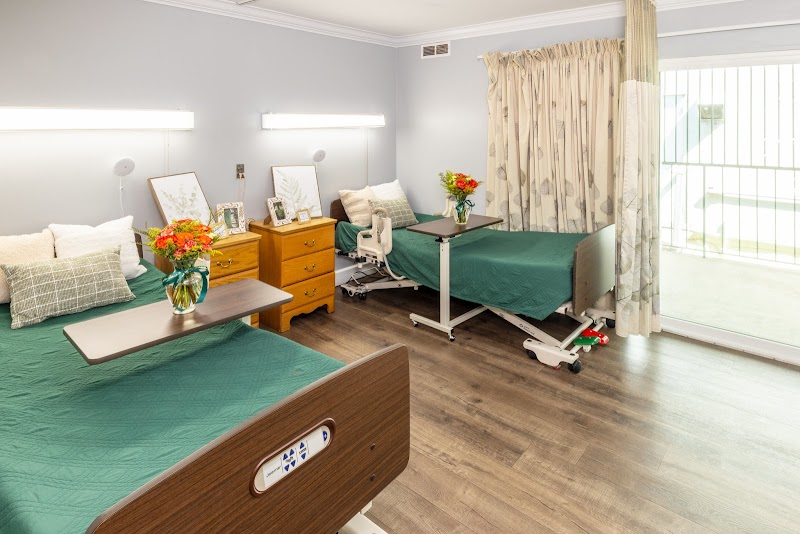
How is Medical Hill Healthcare Center Staffed?

CMS rates MEDICAL HILL HEALTHCARE CENTER's staffing level at 4 out of 5 stars, which is above average compared to other nursing homes. Staff turnover is 29%, compared to the California average of 46%. This relatively stable workforce can support continuity of care.

What Have Inspectors Found at Medical Hill Healthcare Center?

State health inspectors documented 20 deficiencies at MEDICAL HILL HEALTHCARE CENTER during 2019 to 2025. These included: 20 with potential for harm.

Who Owns and Operates Medical Hill Healthcare Center?

MEDICAL HILL HEALTHCARE CENTER is owned by a for-profit company. For-profit facilities operate as businesses with obligations to shareholders or private owners. The facility is operated by PACS GROUP, a chain that manages multiple nursing homes. With 124 certified beds and approximately 120 residents (about 97% occupancy), it is a mid-sized facility located in OAKLAND, California.
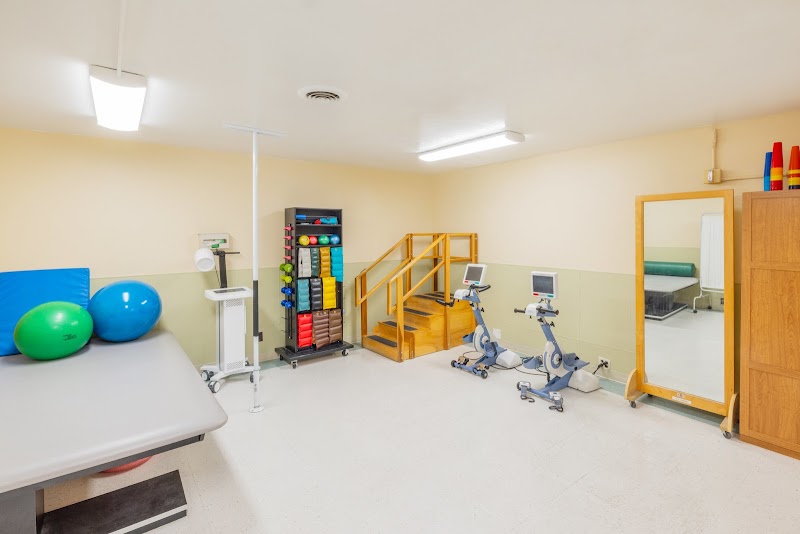
How Does Medical Hill Healthcare Center Compare to Other California Nursing Homes?

Compared to the 100 nursing homes in California, MEDICAL HILL HEALTHCARE CENTER's overall rating (4 stars) is above the state average of 3.2, staff turnover (29%) is significantly lower than the state average of 46%, and health inspection rating (4 stars) is above the national benchmark.

What Should Families Ask When Visiting Medical Hill Healthcare Center?

Based on this facility's data, families visiting should ask: "Can I visit during a mealtime to observe dining assistance and food quality?" "How do you handle medical emergencies, and what is your hospital transfer rate?" "Can I speak with family members of current residents about their experience?"

Is Medical Hill Healthcare Center Safe?

Based on CMS inspection data, MEDICAL HILL HEALTHCARE CENTER has a clean safety record: no substantiated abuse findings (meaning no confirmed cases of resident harm), no Immediate Jeopardy citations (the most serious violation level indicating risk of serious injury or death), and is not on the Special Focus Facility watch list (a federal program monitoring the lowest-performing 1% of nursing homes). The facility has a 4-star overall rating and ranks #1 of 100 nursing homes in California. While no facility is perfect, families should still ask about staff-to-resident ratios and recent inspection results during their visit.

Do Nurses at Medical Hill Healthcare Center Stick Around?

Staff at MEDICAL HILL HEALTHCARE CENTER tend to stick around. With a turnover rate of 29%, the facility is 17 percentage points below the California average of 46%. Low turnover is a positive sign. It means caregivers have time to learn each resident's needs, medications, and personal preferences. Consistent staff also notice subtle changes in a resident's condition more quickly.

Was Medical Hill Healthcare Center Ever Fined?

MEDICAL HILL HEALTHCARE CENTER has no federal fines on record. CMS issues fines when nursing homes fail to meet care standards or don't correct problems found during inspections. The absence of fines suggests the facility has either maintained compliance or corrected any issues before penalties were assessed. This is a positive indicator, though families should still review recent inspection reports for the full picture.

Is Medical Hill Healthcare Center on Any Federal Watch List?

MEDICAL HILL HEALTHCARE CENTER is not on any federal watch list. The most significant is the Special Focus Facility (SFF) program, which identifies the bottom 1% of nursing homes nationally based on persistent, serious quality problems. Not being on this list means the facility has avoided the pattern of deficiencies that triggers enhanced federal oversight. This is a positive indicator, though families should still review the facility's inspection history directly.