MERCY RETIREMENT & CARE CENTER
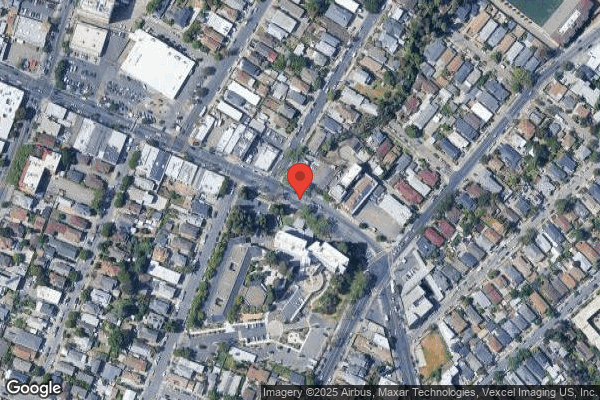

3431 FOOTHILL BLVD., OAKLAND, CA 94601 (510) 534-8540
Non profit - Corporation 59 Beds Independent Data: November 2025
Trust Grade
40/100
#628 of 1155 in CA
Last Inspection: February 2025

Within standard 12-15 month inspection cycle. Federal law requires annual inspections.

Overview

Mercy Retirement & Care Center has a Trust Grade of D, which indicates below-average performance and some concerns regarding care quality. Ranking #628 out of 1155 facilities in California places it in the bottom half, and at #56 out of 69 in Alameda County, it suggests that there are better local options available. The facility is worsening, with issues increasing from 1 in 2024 to 12 in 2025. Staffing is a relative strength, with a turnover rate of 0%, well below the California average, which allows staff to build familiarity with residents. However, the facility has concerning fines of $47,447, higher than 88% of California facilities, indicating repeated compliance issues. Specific incidents include a resident suffering a finger injury due to improper placement of a protective device that was left on for over seven hours, exposing them to further complications. Additionally, the facility failed to maintain safe water temperatures, putting residents at risk of burns, and did not adequately monitor a resident's significant weight loss over a month, which could lead to malnutrition and other health issues. While there are strengths in staffing consistency, the facility's overall quality and safety concerns warrant careful consideration.

Trust Score
D
40/100
In California
#628/1155
Bottom 46%
Safety Record
High Risk
Review needed
Inspections
Getting Worse
1 → 12 violations
Staff Stability
○ Average
Turnover data not reported for this facility.
Penalties
○ Average
$47,447 in fines. Higher than 64% of California facilities. Some compliance issues.
Skilled Nurses
○ Average
Each resident gets 33 minutes of Registered Nurse (RN) attention daily — about average for California. RNs are the most trained staff who monitor for health changes.
Violations
⚠ Watch
28 deficiencies on record. Higher than average. Multiple issues found across inspections.
★★★☆☆
3.0
Overall Rating
★★★☆☆
3.0
Staff Levels
★★★☆☆
3.0
Care Quality
★★★☆☆
3.0
Inspection Score
Stable
2024: 1 issues
2025: 12 issues

The Good

  • Full Sprinkler Coverage · Fire safety systems throughout facility
  • No fines on record

Facility shows strength in fire safety.

The Bad

3-Star Overall Rating

Near California average (3.1)

Meets federal standards, typical of most facilities

Federal Fines: $47,447

Above median ($33,413)

Moderate penalties - review what triggered them

The Ugly 28 deficiencies on record

3 actual harm
Sept 2025 1 deficiency
CONCERN (D) 📢 Someone Reported This

A family member, employee, or ombudsman was alarmed enough to file a formal complaint

Potential for Harm - no one hurt, but risky conditions existed

Deficiency F0658 (Tag F0658)

Could have caused harm · This affected 1 resident

Based on observation, interview and record review, for one of four sampled residents (Resident 3), the facility failed to ensure services provided meet professional standards of care when scheduled me...

Read full inspector narrative →
Based on observation, interview and record review, for one of four sampled residents (Resident 3), the facility failed to ensure services provided meet professional standards of care when scheduled medications were not administered in a timely manner.This failure had the potential to result in ineffective management of medical conditions.During a review of Resident 3's admission Record (AR), the AR indicated Resident 3 was admitted to the facility in December 2023 with multiple diagnoses that included major depressive disorder (persistent feelings of sadness, hopelessness, and loss of interest or pleasure in activities), depression, anxiety disorder (excessive worry, fear and nervousness), and essential hypertension (elevate blood pressure).During an interview on 9/19/25 at 1:05 p.m. with Resident 3, Resident 3 stated having to beg for nurses for scheduled medications and that new nurses did not know which medications to administer and were inconsistent in administering them.During a concurrent observation and interview on 9/19/25 at 1:12 p.m. with Registered Nurse 1 (RN), RN 1 stated Resident 3, who was alert and oriented, walked independently in the hallway. RN 1 stood by the medication cart a few rooms away from Resident 3 and stated she had not seen Resident 3 since the shift began at 7 a.m. and had not administered the morning medications yet. RN 1 stated the scheduled carvedilol for 8 a.m. was missed with Resident 3's blood pressure at 124/75 (normal range 120/80). RN 1 also stated morning medications that included aspirin, carvedilol, ferrous sulfate, multivitamins, and vitamin c were not given as scheduled at 9 a.m. RN 1 stated being new and unfamiliar with the morning shift routine.During a review of Resident 3's Medication Administration Record (MAR) for September 2025, the MAR indicated Resident 3's blood pressure on 9/19/25 at 7:30 a.m. and 3:30 p.m. was 154/72. The MAR further indicated carvedilol was scheduled to at 8 a.m. while aspirin, bupropion, multivitamins, ferrous sulfate and vitamin C were scheduled for administration at 9 a.m.During a concurrent interview and record review on 9/23/25 at 12:30 p.m. with Director of Staff Development (DSD), Resident 3's MAR for September 2025 was reviewed. DSD stated medications have a two-hour window for administration, one hour before or up to an hour after the scheduled time. DSD stated delays in administering medications could result in medical conditions, such as high blood pressure, not being addressed promptly. DSD also stated the MAR indicated elevated blood pressure readings of up to 184/92 between 9/1/25 and 9/22/25.During a review of the facility's policy and procedure (P&P) titled Medication Administration last revised 1/1/25, the P&P indicated the facility's policy aims to ensure all medications are administered safely and accurately, and that residents receive their prescribed medications in a safe, timely and effective manner. The P&P indicated staff must adhere to the following 6 rights of medication administration: right resident, right medication, right dose, right route, right time and right documentation.
Aug 2025 1 deficiency
CONCERN (D) 📢 Someone Reported This

A family member, employee, or ombudsman was alarmed enough to file a formal complaint

Potential for Harm - no one hurt, but risky conditions existed

Administration (Tag F0835)

Could have caused harm · This affected 1 resident

**NOTE- TERMS IN BRACKETS HAVE BEEN EDITED TO PROTECT CONFIDENTIALITY** Based on observation, interview, and record review, the facility failed to ensure accuracy, truthfulness, and completeness of in...

Read full inspector narrative →
**NOTE- TERMS IN BRACKETS HAVE BEEN EDITED TO PROTECT CONFIDENTIALITY** Based on observation, interview, and record review, the facility failed to ensure accuracy, truthfulness, and completeness of information for the facility census of 51, including two of two sampled residents (Resident 1 and Resident 2) when the facility provided false and misleading information regarding Resident 2's room placement, which prevented the timely readmission of Resident 1 from the hospital.This failure resulted in lack of transparency and inconsistencies between the facility's census record and actual resident placement and reported information to surveyors. These discrepancies had the potential to compromise Resident 2's safety, delay the provision of necessary care and service, and cause a delay in Resident 1's prompt return to the facility.During a record review of Resident 1's admission Record (AR), printed on 8/22/25, the AR indicated Resident 1 was admitted to the facility in July 2025 with diagnosis of acute and chronic respiratory failure (occurs when there is not enough oxygen in the blood). During a record review of Resident 1's record, titled, Leaving Facility Against Medical Advice (AMA), dated 8/21/25, the AMA form indicated, Resident 1 refused to sign the AMA form and Resident 1 was insisting to be transferred to the hospital. During a record review of the facility's census, dated 8/22/25, two different versions of the facility's census were reviewed: 8/22/25 - Received upon entrance at 11:25 a.m., the census listed room [ROOM NUMBER] and room [ROOM NUMBER] as empty and no assigned residents, while Resident 2 was listed in room [ROOM NUMBER]. 8/22/25 - Received via email at 4:13 p.m., the census indicated Resident 2 was moved from room [ROOM NUMBER] to room [ROOM NUMBER], while room [ROOM NUMBER] remained unassigned. During a phone interview on 8/22/25 at 3:28 p.m. with the hospital's Case Manager (CM), CM stated the facility was refusing to readmit Resident 1 due to no available isolation rooms. During a phone interview on 8/22/25 at 3:54 p.m. with the Administrator, the ADM stated they were not able to accommodate Resident 1 back to the facility because there were no empty rooms available that can be used as an isolation room. The ADM further stated room [ROOM NUMBER] was already assigned to a new admission, making it unavailable for Resident 1's readmission. During a follow-up concurrent record review and phone interview on 8/22/25 at 4:13 p.m. with the ADM, two different copies of facility's census dated 8/22/25 were compared and reviewed. The ADM stated Resident 2 was moved from room [ROOM NUMBER] to room [ROOM NUMBER] because Resident 2's roommate was agitated, and the room change was made to prevent further issues or altercations. Contrary to the ADM's earlier statement that a new admission was placed in room [ROOM NUMBER]. The ADM further stated there were still no available rooms to readmit Resident 1 from the hospital. During a record review of the facility's census, dated 8/23/25 through 8/26/25, the facility's census indicated the following:8/23/25 - Resident 2 was incorrectly listed in room [ROOM NUMBER]; room [ROOM NUMBER] was unassigned.8/24/25 - Resident 2 was incorrectly listed in room [ROOM NUMBER]; room [ROOM NUMBER] was unassigned.8/25/25 and 8/26/25 - Resident 2 was incorrectly listed in room [ROOM NUMBER]; room [ROOM NUMBER] was assigned to another resident who had not been admitted to the facility.During a record review of Resident 2's AR, printed on 8/26/25, the AR indicated Resident 2 was admitted to the facility in July 2025 with diagnoses of right femur fracture (broken thigh bone), chronic pain, and osteoarthritis (degenerative joint disease).During an interview on 8/26/25 at 12:54 p.m. with Certified Nurse Assistant (CNA) 1, CNA 1 stated Resident 2 was very alert and oriented. CNA 1 stated Resident 2 had been in the same room since she was admitted and had not been moved to a different room. During an observation and interview on 8/26/25 at 12:56 p.m. with Resident 2 in room [ROOM NUMBER], Resident 2 was sitting in her bed, awake and alert. Resident 2 stated she had been admitted to the facility since July 2025. Resident 2 stated she had not been transferred to any other rooms. Resident 2 stated she had no issues with the current room and the roommate. Resident 2 further stated she and roommate get along well just fine. Resident 2 further stated there had been no incident of any sort of altercations between her roommate or any other residents. During a concurrent record review and interview on 8/26/25 at 1:30 p.m. with Medical Records Director (MDR), the facility's census dated 8/23/25 through 8/26/25 were reviewed. The MDR stated the Admissions Director (AD) was primarily responsible for updating and maintaining the facility's daily census records. During a concurrent record review and interview on 8/26/25 at 1:32 p.m. with AD, the facility's census dated 8/25/25 and 8/26/25 were reviewed. The AD stated she was not responsible for updating the facility's daily census records. AD stated she only updated the census when there were pending admissions. During a follow-up interview on 8/26/25 at 2:47 p.m. with CNA 1, CNA 1 confirmed Resident 2 did not have any altercations with Resident 2's roommate or any other residents. During an interview on 8/26/25 at 4:11 p.m. with the ADM, the ADM stated Resident 2 had asked the Social Worker for a room change. The ADM stated CNA 1 was instructed to move Resident 2 to room [ROOM NUMBER]; however, CNA 1 did not do the room change as directed. The ADM further stated she was not sure why Resident 2 wanted to change rooms. The ADM stated when room changes happen, the facility typically just moved the residents around without any supporting paperwork to document the transfer. The ADM stated the census records from 8/22/25 through 8/26/25 were not updated because neither the MRD nor AD knew that the room change for Resident 2 did not happen. The ADM stated it was an error, and the census should have been updated to reflect correct information.During a record review of the facility's document, titled, Facility Assessment, dated July 2025, the Facility Assessment indicated, The purpose of the Facility Assessment is to determine what resources are necessary to care for the residents completely during both day-to-day operations and emergencies.The Facility Assessment is organized in three parts: 1.Resident profile including numbers, diseases/conditions.factors that impact care.2. Services and care offered based on resident needs.3. Facility resources needed to provide competent care for residents.Sources of this assessment include, but are not limited to.Resident Census and Condition of Residents.and/or Roster/Sample Matrix form.and in-house designed reports.
Apr 2025 2 deficiencies
CONCERN (D) 📢 Someone Reported This

A family member, employee, or ombudsman was alarmed enough to file a formal complaint

Potential for Harm - no one hurt, but risky conditions existed

Abuse Prevention Policies (Tag F0607)

Could have caused harm · This affected 1 resident

Based on interview and record review, the facility failed to develop and implement written policies and procedures that included screening of prospective employees before being allowed to work with re...

Read full inspector narrative →
Based on interview and record review, the facility failed to develop and implement written policies and procedures that included screening of prospective employees before being allowed to work with residents when Certified Nursing Assistant (CNA) 1's personal/character references (someone who knows you well, particularly on a personal level, to support your character, integrity, and trustworthiness) and previous employer were not contacted for screening prior to being hired. This failure had the potential to result in exposing vulnerable residents to abuse and mistreatment. Findings: During a review of Resident 2's admission Record (AR), the AR indicated Resident 2 was admitted to the facility in January 2025 with diagnoses that included dependence on renal dialysis (a life-sustaining treatment used when kidneys are unable to properly filter waste and excess fluid from the blood), and muscle weakness. During a review of Resident 2's Minimum Data Set (MDS, an assessment tool used to direct resident care), dated 2/3/25, the MDS indicated Brief Interview for Mental Status (BIMS, a scoring system used to determine the resident's cognitive status in regard to attention, orientation, and ability to register and recall information) score of 12 indicating Resident 1 is moderately impaired. During an interview on 4/24/25 at 1:38 p.m. with Director of Staff Development (DSD), DSD stated CNA 1 was hired by the facility in January 2025. DSD stated, at first, CNA 1's work performance was exemplary, but after a few months, DSD stated, complaints from other staff started to come in, mostly about CNA 1's bad work attitude. DSD stated there were reports of CNA 1's poor coordination with other staff and bad behavior. During a review of CNA 1's employee files, the files indicated several complaints that included the following: 1. On 3/20/25, a Licensed Nurse had to re-take residents' vital signs because of discrepancies with the values taken by CNA 1. CNA 1 had an attitude problem when tasks were delegated to him and refused to wear masks when going inside isolation and enhanced barrier precaution rooms. 2. On 3/28/25, CNA 1 was issued a verbal coaching for using his personal laptop during work hours. During a follow-up interview and record review on 4/24/25 at 11:43 a.m. with DSD, DSD stated, on 4/7/25, Resident 1 complained about CNA 1 being rough and aggressive during care. On 4/14/25, Resident 2 filed a grievance that CNA 1 did not answer the call light for over an hour. During an interview on 4/24/25 at 1:37 p.m. Resident 3 stated CNA 1 had a Non-caring attitude. During an interview on 4/24/25 at 2:48 p.m. with CNA 2, CNA 2 stated CNA 1 had a bad attitude, bossy, and did not answer residents' call lights. CNA 2 stated CNA 1 seemed like he did not see or hear call lights going off. During a concurrent interview and review of CNA 1's employment files on 4/24/25 at 12:27 p.m. with DSD, CNA 1's employment application listed a former employer and three individuals as references. DSD stated Human Resources (HR) did not require reference checks for prospective employees. DSD stated it was the facility's HR that conduct screening for prospective employees, and that while background screening was done, reference checks were not completed because they were not required anymore. During an interview on 4/24/25 at 12:40 p.m. with Assistant Executive Director (AED), AED stated reference checks were still required and should be done by DSD. AED stated, if reference checks were not done, the facility would not know the prospective employee's past performance and conduct with previous employer. During a review of the facility's policy and procedure (P&P) titled Policy Interpretation and Implementation, last revised 9/20/22, the P&P indicated, under Seven Components of Abuse Prevention Policy & Procedure, all potential employees are screened for a history of abuse, neglect, exploitation, mistreatment of residents. This includes attempting to obtain information from previous employers and/or current employers, and checking with the appropriate licensing boards and registries.
CONCERN (D) 📢 Someone Reported This

A family member, employee, or ombudsman was alarmed enough to file a formal complaint

Potential for Harm - no one hurt, but risky conditions existed

Report Alleged Abuse (Tag F0609)

Could have caused harm · This affected 1 resident

Based on interview and record review, for two of three sampled residents (Resident 1 and Resident 2), the facility failed to ensure allegations of abuse or mistreatment were reported to officials that...

Read full inspector narrative →
Based on interview and record review, for two of three sampled residents (Resident 1 and Resident 2), the facility failed to ensure allegations of abuse or mistreatment were reported to officials that included the State Survey Agency, Office of the Long-Term Care Ombudsman, and law enforcement officials within the required time frame. This failure had the potential to result in a lack of protection for residents alleging abuse or mistreatment. Findings: During a review of Resident 1's admission Record (AR), the AR indicated Resident 1 was admitted to the facility in April 2023 with diagnoses that included anxiety disorder (a group of mental health conditions characterized by excessive and persistent fear or worry that interferes with daily life) and a need for assistance with personal care. During a review of Resident 2's AR, the AR indicated Resident 2 was admitted to the facility in January 2025 with diagnoses that included dependence on renal dialysis (a life-sustaining treatment used when kidneys are unable to properly filter waste and excess fluid from the blood), and muscle weakness. During an interview on 4/24/25 at 11:43 a.m. with Director of Staff Development (DSD), DSD stated, on 4/7/25, during the resident council meeting, Resident 1 reported CNA 1 was rough and aggressive during perineal care (the area of the body between the anus and the vulva in females and between the anus and the scrotum in males). DSD stated, on 4/11/25, four days after Resident 1 reported the incident, DSD interviewed CNA 1 about the alleged incident and CNA 1 was given verbal coaching (a form of coaching that involves speaking with an employee about their performance or conduct, often used for minor issues or concerns). DSD stated she had to wait until CNA 1 was scheduled to work on 4/11/25 to conduct the interview about Resident 1's allegation. DSD stated CNA 1 was then allowed to work and was back on schedule on 4/11/25 and 4/13/25. DSD stated, on 4/14/25, Resident 2 filed a grievance alleging CNA 1 pointed a finger at Resident 2 and said, You're not the only patient here! after Resident 2 got upset that CNA 1 took a long time to answer the call light. DSD stated the alleged incident happened on the evening shift on 4/13/25. DSD stated interviewing CNA 1 on 4/16/25, two days after the allegation, because CNA 1 was not scheduled to work until that day. DSD stated both incidents were reported to the State Survey Agency, Long-Term Care Ombudsman and local law enforcement officials on 4/16/25. During a telephone interview on 5/5/25 at 2:29 p.m., Registered Nurse (RN) 1 stated, in the evening shift on 4/13/25, Resident 2 was upset about waiting too long for CNA 1 to answer the call light. RN 1 stated he did not know CNA 1 was on a meal break and sent CNA 3 to change Resident 2 after a bowel movement. During a telephone interview on 5/5/25 at 2:36 p.m. with CNA 3, CNA 3 stated she was responding to Resident 2's call light that had been on. CNA 3 stated Resident 2 was upset that CNA 1 did not answer the call light and wanted to be changed after a bowel movement. During a review of Resident 2's Administration Note (AN), dated 4/13/25, the AN indicated imodium A-D oral solution (anti-diarrheal medication) was administered because Resident 2 was having diarrhea. During a follow-up interview on 4/24/25 at 12:47 p.m. with DSD, DSD stated, although she received Resident 2's grievance on 4/14/25, DSD stated she wanted to talk to CNA 1 first before the allegation was reported to the appropriate agencies. DSD stated she should have reported the allegation right away. During a review of the facility's policy and procedure (P&P) titled Elder and Dependent Adult Suspected Abuse & Reporting, last revised 9/20/22, the P&P indicated, under Reporting Requirements, the facility must Ensure that all alleged violations involving abuse, neglect, exploitation or mistreatment, including injuries of unknown source and misappropriation of resident property, are reported immediately, but not later than 2 hours after the allegation is made .Have evidence that all alleged violations are thoroughly investigated.
Feb 2025 8 deficiencies
CONCERN (D) 📢 Someone Reported This

A family member, employee, or ombudsman was alarmed enough to file a formal complaint

Potential for Harm - no one hurt, but risky conditions existed

Deficiency F0561 (Tag F0561)

Could have caused harm · This affected 1 resident

**NOTE- TERMS IN BRACKETS HAVE BEEN EDITED TO PROTECT CONFIDENTIALITY** Based on interview and record review, for one of one sampled resident (Resident 10), reviewed for smoking, the facility failed t...

Read full inspector narrative →
**NOTE- TERMS IN BRACKETS HAVE BEEN EDITED TO PROTECT CONFIDENTIALITY** Based on interview and record review, for one of one sampled resident (Resident 10), reviewed for smoking, the facility failed to honor the resident's right to self-determination when Resident 10 was told to stop smoking effective 2/19/25 or Resident 10 will be discharged to another facility. This failure had the potential to result in emotional distress. Findings: During a review of Resident 10's Profile Face Sheet, the Profile Face Sheet indicated Resident 10 was initially admitted to the facility in January 2016. During an interview on 2/10/25 at 11:27 a.m. with Resident 10, Resident 10 stated being told by facility management on 1/19/25, that smoking would not be allowed effective 2/19/25, or Resident 10 would have to be discharged from the facility. Resident 10 stated, having been a resident at the facility for almost 10 years, that it was not fair to be asked to leave just because the rules regarding smoking has changed. During a review of Resident 10's Minimum Data Set (MDS, an assessment tool used to direct resident care) dated 12/19/24, the MDS indicated a Brief Interview for Mental status (BIMS, a scoring system to determine the resident's cognitive status regarding attention, orientation, and ability to register and recall information) score of 15. A score of 13-15 is an indication of intact cognitive status. During a review of Resident 10's MDS dated [DATE], the MDS indicated, under Preferences for Customary Routine and Activities, for Resident 10, it was very important to Do things with groups of people .To do favorite activities . [and] to go outside to get fresh air when the weather is good. During a review of a letter regarding the facility's Smoke Free Facility Policy, issued to Resident 10 dated 1/16/25, issued and signed by Administrator (Adm), the letter indicated, As a current resident, you will have until February 19, 2025, to work with the [facility] care team and your physician to refrain from smoking. You will no longer be allowed to smoke anywhere on the property. If you are unable or unwilling to refrain from smoking, you will be in violation of this policy which will affect your ability to reside at [this facility]. Our team is here to assist you in finding alternative placement in the event you wish to relocate. During an interview on 2/11/25 at 1:45 p.m. with Adm, Adm stated for Resident 10 to continue smoking, Resident 10 would have to go to the street because there is no designated area for smoking within the facility's grounds. Adm stated, for many years before the new policy went into effect, Resident 10 was a smoker and had used a designated smoking area outside the building. Adm acknowledged issuing a letter to Resident 10 that prohibited Resident 10 from smoking anywhere on the facility property and failure to adhere to the new policy would result in Resident 10's discharge from the facility. However, Adm stated, because Resident 10 had been a smoker even before the policy went into effect, the facility acknowledged Resident 10 would have to be grandfathered in (person is exempt from complying with the new law/policy) the no-smoking policy. During a review of Resident 10's Safe Smoking Assessment dated 1/20/25, the Safe Smoking Assessment, under Summary of Evaluation indicated, Resident [10] may smoke independently or with set-up .Resident may smoke unsupervised in designated smoking areas. During a review of the facility's policy and procedure (P&P) titled Smoke Free Policy last revised 1/10/25, the P&P indicated; A facility-wide Smoke Free Facility Policy was initiated on 1/20/25, and it will affect residents who were smokers as of that date. Smoking is prohibited in all areas. Residents who are admitted before the Smoke Free Facility Policy was implemented will be given a 30-days' notice of this policy.
CONCERN (D)

Potential for Harm - no one hurt, but risky conditions existed

Quality of Care (Tag F0684)

Could have caused harm · This affected 1 resident

Based on observation, interview and record review, the facility failed to provide treatment and care in accordance with professional standards of practice for one of one sampled resident (Resident 17)...

Read full inspector narrative →
Based on observation, interview and record review, the facility failed to provide treatment and care in accordance with professional standards of practice for one of one sampled resident (Resident 17), when Resident 17 did not receive a routine medication called levetiracetam (anti-seizure medication)100 milligrams/milliliter (mg/ml) solution for five consecutive days according to physician's order. This failure had the potential to cause Residents 17 to have unwanted adverse effects such as seizure (abnormal electrical activity in your brain). Findings: During a record review of Resident 17's admission Record printed on 2/12/25, the admission Record indicated Resident 17 was admitted to the facility in November 2018 with a diagnosis of epilepsy (a brain disorder that causes recurring, unprovoked seizures). During a review of Resident 17's Brief Interview for Mental Status (BIMS, is a scoring system used to determine the resident's cognitive status regarding attention, orientation, and ability to register and recall information. A BIMS score of zero to seven is an indication of severe cognitive status.), dated 2/3/25, the record indicated Resident 17's BIMS score was 2. During a record review of Resident17's Physician Orders, dated 2/3/25, the physician order indicated Resident 17 had an active order to take levetiracetam 100mg/ml - 7.5 ml via gastrostomy tube (G-tube, a tube inserted through a surgically created hole through the abdomen to deliver food/medications/fluids directly into the stomach) twice daily for seizure that had a start date of 1/29/19. During a record review of Resident17's Medication Administration Record, dated 2/1/25 to 2/28/25, the MAR indicated Resident 17 did not receive the levetiracetam medication for five consecutive days starting from 2/7/25 to 2/11/25. During a concurrent interview and record review on 2/12/25 at 11:36 a.m. with the Director of Nursing (DON), Resident 17's electronic health record (EHR) was reviewed. Resident 17's physician order for levetiracetam indicated pending confirmation. The DON stated pending confirmation for Resident 17's levetiracetam medication could have been discontinued by the physician. The DON stated the facility transitioned to a EHR system on 2/6/25 and they prioritized the active and more essential physician orders for all the residents. During a concurrent interview and record review on 2/12/25 at 2:50 p.m. with Licensed Vocational Nurse (LVN) 2, Resident 17's physician orders in EHR were reviewed. LVN 2 stated she did not give the leviteracetam medication to Resident 17 because it was not on the list of scheduled medications for Resident 17. During a follow up concurrent record review and interview on 2/125 at 2:58 p.m. with the DON, Resident 17's MAR was reviewed. The DON stated Resident 17's physician confirmed that the levetiracetam medication was not discontinued and was still an active order. The DON stated the levetiracetam medication should have been included as part of Resident 17's active medication orders. The DON stated there were no records or documentations that the licensed nurses administered the levetiracetam medication to Resident 17 from 2/7/25 to 2/11/25. The DON stated Resident 17 had been taking the levetiracetam medication since 2019. The DON stated the licensed nurses should have checked the order and clarified with the physician when the order for the levetiracetam indicated pending for confirmation. The DON stated Resident 17 should have been given the levetiracetam medication as ordered by the physician because without it, Resident 17 could have had episodes of epilepsy. During a record review of the facility's policy and procedure (P&P), titled, Medication Administration, revised on 4/11/24, the P&P indicated, Medications are administered by licensed nurses .as ordered by the physician and in accordance with professional standards of practice . During a record review of the facility's P&P, titled, Quality of Care, revised on 11/1/24, the P&P indicated, Facility will ensure that residents receive treatment and care by qualified persons in accordance with professional standards of practice, the comprehensive person-centered care plans .Each resident will be provided care and services to attain or maintain his/her highest practicable physical, mental, psychosocial well-being .
CONCERN (D)

Potential for Harm - no one hurt, but risky conditions existed

Pharmacy Services (Tag F0755)

Could have caused harm · This affected 1 resident

**NOTE- TERMS IN BRACKETS HAVE BEEN EDITED TO PROTECT CONFIDENTIALITY** Based on observation, interviews, and record review, the facility failed to provide pharmaceutical services and procedures that ...

Read full inspector narrative →
**NOTE- TERMS IN BRACKETS HAVE BEEN EDITED TO PROTECT CONFIDENTIALITY** Based on observation, interviews, and record review, the facility failed to provide pharmaceutical services and procedures that assure accurate dispensing and administration when: 1. Resident 108's Lidoderm 5% patch (skin patch used to relieve pain) was not available on hand per physician order. 2. Resident 25's hazardous drugs (medications that pose short or long-term harm upon exposure to human via skin or inhalation) was handled by a licensed nurse without protective measures during medication administration These failures had the potential to cause physical discomfort to Resident 108 and unsafe handling of hazardous medications could pose health risk to staff and residents. Findings: 1.During a record review of Resident 108's admission Records, printed on 2/11/25, the admission Record indicated Resident 108 was admitted to the facility in January 2025 with diagnosis of chronic kidney disease (long-term condition where the kidneys are damaged and could not properly filter blood). During a review of Resident 108's Brief Interview for Mental Status (BIMS, is a scoring system used to determine the resident's cognitive status regarding attention, orientation, and ability to register and recall information. A BIMS score of thirteen to fifteen is an indication of intact cognitive status.), dated 2/2/25, the record indicated Resident 108's BIMS score was 14. During a record review of Resident 108's MAR, dated 2/1/2025-2/28/2025, the MAR indicated Resident 108 had an order to administer Lidoderm patch 5% (skin patch that helps relieve pain) apply topically in the morning at 9:00 a.m. for pain and remove within 12 hours or as directed by doctor with start date on 2/3/25. During a medication pass observation on 2/11/25 at 8:45 a.m. Licensed Vocational Nurse (LVN) 2 prepared and administered Resident 108's oral medication. LVN2 did not apply Resident 108's Lidoderm patch during the medication administration. During an interview on 2/11/25 at 2:17 p.m. with LVN2, LVN2 stated she did not give Resident 108's Lidoderm 5% patch because it was not available on hand. LVN2 stated she did not contact the pharmacy to inquire about the missing medication. LVN2 further stated the pharmacy did not deliver Resident 108's Lidoderm's patch because it was not approved by the insurance. During a record review of Resident 108's MAR, dated 2/1-2/28/25, the MAR indicated LVN2 documented Resident 108 refused the Lidoderm 5% patch on 2/11/25 during the 9:00 a.m. scheduled administration. During an interview on 2/12/25 at 9:24 a.m. with Resident 108, Resident 108 stated she did not refuse the Lidoderm patch from LVN2. Resident 108 stated she had not received the Lidoderm 5% patch at all from the facility. Resident 108 stated she wanted to have the Lidoderm 5% patch applied to her because she had lower back and left hip pain. During a concurrent record and interview on 2/12/25 at 11:36 a.m. with the Director of Nursing (DON), Resident 108's MAR was reviewed. The DON stated LVN2 did not document the reason why Resident 108 refused the Lidoderm 5% patch. The DON stated LVN2 should have also notified the doctor if Lidoderm 5% was not available on hand and requested for an alternative. The DON stated Lidoderm 5% patch could have helped Resident 108 ease discomfort and pain. During a phone interview on 2/13/25 at 11:54 a.m. with Consultant Pharmacist (CP), CP sated the pharmacy had not delivered Resident 108's Lidoderm 5% patch ever since it was ordered. CP stated the pharmacy had sent out two to three prior authorizations (request for approval) for Resident 108's Lidoderm 5% patch sent to the facility and the pharmacy had not received it back. CP further stated the Lidoderm 5% patch had also been back ordered and not available for delivery. CP stated the facility should have requested the doctor for an over-the-counter pain patch as an alternative for Resident 108. During a record review of the facility's policy and procedure (P&P), titled, Pharmacy Services, revised on 7/1/24, the P&P indicated, The facility will provide pharmaceutical services that assure the accurate acquiring, receiving, dispensing, and administering all of routine and emergency drugs and biologicals to meet the needs of each resident, are consistent with state and federal requirements, and reflect current standards of practice. 2.During a medication pass observation on 2/11/25 at 9:01 a.m. with LVN2, LVN2 prepared Resident 25's oral medications that included hazardous medication called finasteride (used to treat symptoms of benign prostatic hyperplasia such as difficult urination) labeled by pharmacy with a red sticker that indicated Hazardous Drugs. LVN2 did not use gloves when she removed the drug from bubble pack (a card that packaged doses of medication within a plastic bubbles or blisters) into a pill cup for administration to Resident 25. During a follow up interview on 2/11/25 at 9:10 a.m. with LVN2, LVN2 stated she should have used gloves when she prepared Resident 25's finasteride medication. LVN2 stated finasteride could have caused her unwanted side effects. During a concurrent record and interview on 2/12/25 at 11:39 a.m. with the DON, the DON stated wearing gloves while handling the hazardous medications was very important because it could have directly entered the licensed nurse's system. During a phone interview on 12/13/25 at 11:56 a.m. with CP, CP stated the finasteride medication could have caused birth defect to childbearing women if handled incorrectly. During a record review of the facility's P&P, titled, Handling of Hazardous Drugs, revised on 4/11/24, the P&P indicated, A hazardous drug is defined as a drug which poses a significant risk to a healthcare worker by virtue of teratogenic (can cause congenital disabilities), genotoxicity (cause damage to genetic material), carcinogenic (any agent that promotes the development of cancer) .Preparation of Administration of Oral Hazardous Drugs .b. Wear a protective gown, two pairs of chemotherapy gloves, face shield, and eye protection [NAME] administering the medication .
CONCERN (D)

Potential for Harm - no one hurt, but risky conditions existed

Drug Regimen Review (Tag F0756)

Could have caused harm · This affected 1 resident

Based on interview and record review, for two of five sampled residents reviewed for unnecessary medications (Resident 4 and Resident 10), the facility failed to ensure irregularities with medication ...

Read full inspector narrative →
Based on interview and record review, for two of five sampled residents reviewed for unnecessary medications (Resident 4 and Resident 10), the facility failed to ensure irregularities with medication therapy identified by Consultant Pharmacist's (CP) were acted upon when: 1.For Resident 4, thyroid assessment (i.e. thyroid profile, blood test that measures the levels of hormones produced by the thyroid gland) was not done to monitor current therapy. 2.For Resident 10, pain assessment and pain level for each prn (as needed) narcotic (A substance used to treat moderate to severe pain. Narcotics are like opiates such as morphine and codeine) pain medication use was not clarified with the prescribing physician. These failures had the potential to result in delayed prevention of adverse consequences related to medication therapy. Findings: 1.During a review of Resident 4's Profile Face Sheet, the Profile Face Sheet indicated, Resident 4 was initially admitted to the facility in January 2016. Resident 4 had multiple diagnoses that included hypothyroidism (Condition when the thyroid gland doesn't make enough thyroid hormone also known as underactive thyroid), hyperlipidemia (a condition in which there are abnormally high levels of lipids (fats) in the blood), and age-related osteoporosis (a bone disease that weakens bones, making them more likely to break). During an interview and concurrent record review on 2/12/25 at 3:03 p.m. with Director of Nursing (DON), DON stated the last Medication Regimen Review (MRR, or Drug Regimen Review is a thorough evaluation of the medication regimen of a resident, with the goal of promoting positive outcomes and minimizing adverse consequences and potential risks associated with medication) for Resident 4 was done 11/26/24. DON stated there was no record that another MRR was done after that time. The MRR titled Note To Attending Physician/Prescriber printed 11/26/24 indicated Resident 4 was receiving Levothyroxine (used to treat hypothyroidism) without a recent thyroid assessment in the clinical record. The MRR recommended for the physician to consider a routine thyroid profile and TSH (Thyroid Stimulating Hormone, plays a crucial role in regulating the function of the thyroid gland), annually in order to monitor the current therapy. The Note to Attending Physician/Prescriber, under Physician/Prescriber Response, did not indicate a response from the prescribing physician. During an interview and concurrent record review on 2/13/25 at 9:48 a.m. with Licensed Vocational Nurse (LVN) 5, Physician Orders was reviewed. The Physician's Orders indicated an order dated 9/30/24 for Levothyroxine 50 microgram (mcg) tablet one tablet by mouth daily. LVN 5 stated Resident 4's clinical record did not indicate any blood test was done to check Resident 4's thyroid profile. During another interview and concurrent record review on 2/13/25 at 10:23 a.m. with LVN 5, SNF [Skilled Nursing Facility] Visit Note dated 12/5/24 was reviewed. The SNF Visit Note indicated the care plan was for Resident 4 to have blood tests that included TSH, Free T4 (a test that measures the amount of active thyroid hormone (thyroxine) in the bloodstream) every June and December, Fasting Lipid Panel (a blood test that measures the levels of various fats (lipids) in the blood after a period of fasting) and Vitamin D every December. LVN 5 stated Resident 4's clinical record did not indicate that any of these blood tests was done in December 2024. LVN 5 stated it was her first time reviewing the SNF Visit Note. During a telephone interview on 2/13/25 at 12:22 p.m. with Consultant Pharmacist (CP), CP stated MRRs were done monthly but the facility was not very organized with their records that CP had to re-send MRRs that were already done. CP stated, after the recommendations in November 2024 were not addressed, recommendations had to be followed up in December 2024 because the blood tests (labs) were not done. CP stated if thyroid labs were not done, there would be no way to check if levothyroxine was within therapeutic level. CP stated, Resident 4 may experience unpleasant symptoms like thyrotoxicosis (a condition characterized by excessive thyroid hormone production, leading to a hypermetabolic state, [if receiving higher than required dose]) or irritability and sleep changes (if receiving lower than required dose). During a review of MRR titled Not to Attending Physician/Prescriber dated 12/13/24, the MRR indicated Resident 4 was receiving medications which need routine lab work that included the following: lipid panel, LFT (Liver Function Test, a blood test that measures liver function), TSH and Vitamin D. The MRR, under Physician/Prescriber Response, indicated, there was no response from the physician. 2. During a review of Resident 10's Profile Face Sheet, the Profile Face Sheet indicated Resident 10 was admitted to the facility in January 2016. During review of Resident 10's Order Summary Report dated 2/12/25, the Order Summary report indicated a physician order dated 2/4/25 for Acetaminophen oral tablet 325 milligrams (mg) give two tablets by mouth every six hours as needed for mild pain, assess for pain every shift dated 2/7/25, and oxycodone-acetaminophen oral tablet 5-325 mg give two tablets by mouth every four hours as needed for pain. The MRR did not indicate if the recommendation was followed through. During review of the MRR titled Consultant Pharmacist's Medication Regimen Review dated 12/13/24, the MRR indicated for licensed nurses to assess pain using the 1-10 pain scale and to clarify the pain level for each PRN dose. During a review of Resident 10's Medication Record (MR) for December 2024, the MR indicated oxycodone-acetaminophen was administered 54 times from 12/1/24 to 12/31/24, without indicating the pain level for each dose. The MR did not indicate pain assessment using 1-10 pain scale was done. During another review of Resident 10's MR for January 2025, the MR indicated oxycodone-acetaminophen was administered 64 times from 1/1/25 to 1/31/25 without indicating pain level for each use. During a review of the facility's policy and procedure (P&P) titled Medication Regimen Review and Reporting last copyrighted 2007, the P&P indicated the following; The findings are communicated to the Director of Nursing and the Medical Director, Resident-specific MRR recommendations are documented and acted upon by the nursing care center and/or physician, the nursing care center follows up on the recommendations to verify that appropriate actions have been taken and shall be acted upon within 30 calendar days.
CONCERN (D)

Potential for Harm - no one hurt, but risky conditions existed

Unnecessary Medications (Tag F0759)

Could have caused harm · This affected 1 resident

Based an observation, interview, and record review, the facility failed to ensure two of four sampled residents (Resident 37 and Resident 108) received medications without an error. The facility's med...

Read full inspector narrative →
Based an observation, interview, and record review, the facility failed to ensure two of four sampled residents (Resident 37 and Resident 108) received medications without an error. The facility's medication pass observation during the survey resulted in two errors out of 31 opportunities and indicated a medication error rate of 6.45 percent (%). This failure placed Resident 37 and Resident 108 at risk for not getting the full therapeutic effect of their prescribed medications and had the potential to result in undesired health care outcomes. Findings: 1.During a record review of Resident 37's admission Records, printed on 2/11/25, the admission Record indicated Resident 37 was admitted to the facility in February 2025 with diagnosis of congestive heart failure (chronic condition where the heart muscle is weakened and cannot pump blood efficiently throughout the body). During a record review of Resident 37's Medication Administration Record (MAR), dated 2/1/2025-2/28/2025, the MAR indicated Resident 37 had an order to administer pantoprazole (medication for heart burn or acid reflux) 1 tablet 40 milligrams (mg) by mouth two times for gastro-esophageal reflux (GERD, stomach acid leaks backward from stomach into the food pipe) to be given 30 minutes before breakfast and dinner. During a medication pass observation and interview on 2/11/25 at 8:26 a.m., Licensed Vocational Nurse (LVN) 2 prepared one tablet of pantoprazole 40mg, together with the rest of Resident 37's 9:00 a.m. medications. Resident 37 had the breakfast tray on the table. Resident 37 stated she already ate and had cereal, cup of fruit and yogurt for breakfast. LVN 2 administered the medication to Resident 37 even after Resident 37 had the consumed breakfast. During a follow up interview on 2/11/25 at 9:10 a.m. with LVN 2, LVN 2 stated Resident 37's pantoprazole medication was scheduled on her shift at 9:00 a.m. LVN 2 stated she should have given Resident 37's pantoprazole before breakfast. LVN 2 stated when she gave Resident 37 the pantoprazole after Resident 37 had eaten breakfast, LVN 2 stated the medication could have been least effective. During an interview on 2/12/25 at 11:28 a.m. with the Director of Nursing (DON), the DON stated LVN 2 should have given the pantoprazole to Resident 37 before breakfast. The DON stated it was important to give pantoprazole on an empty stomach because it coats the stomach lining to prevent acid reflux. 2. During a record review of Resident 108's admission Records, printed on 2/11/25, the admission Record indicated Resident 108 was admitted to the facility in January 2025 with diagnosis of chronic kidney disease (long-term condition where the kidneys are damaged and could not properly filter blood). During a review of Resident 108's Brief Interview for Mental Status (BIMS, is a scoring system used to determine the resident's cognitive status regarding attention, orientation, and ability to register and recall information. A BIMS score of thirteen to fifteen is an indication of intact cognitive status.), dated 2/2/25, the record indicated Resident 108's BIMS score was 14. During a record review of Resident 108's MAR, dated 2/1/2025-2/28/2025, the MAR indicated Resident 108 had an order to administer Lidoderm patch 5% (skin patch that helps relieve pain) apply on skin in the morning at 9:00 a.m. for pain and remove within 12 hours or as directed by doctor Resident 108's Lidoderm 5% patch had a order start date of 2/3/25. During a medication pass observation on 2/11/25 at 8:45 a.m. LVN 2 prepared and administered Resident 108's oral medication. LVN2 did not apply Resident 108's Lidoderm patch during the medication administration. During a follow up interview on 2/11/25 at 2:17 p.m. with LVN 2, LVN 2 stated she did not give Resident 108's Lidoderm 5% patch because it was not available on hand. LVN 2 stated she did not contact the pharmacy to inquire about the missing medication. LVN 2 further stated the pharmacy did not deliver Resident 108's Lidoderm's patch because it was not approved by the insurance. During a record review of Resident 108's MAR, dated 2/1/25 to 2/28/25, the MAR indicated LVN 2 documented Resident 108 refused the Lidoderm 5% patch on 2/11/25 during the 9:00 a.m. scheduled administration. During an interview on 2/12/25 at 9:24 a.m. with Resident 108, Resident 108 stated she did not refuse the Lidoderm patch from LVN 2. Resident 108 stated she had not received the Lidoderm 5% patch at all from the facility. Resident 108 stated she wanted to have the Lidoderm 5% patch applied to her because she had lower back and left hip pain. During a concurrent record and interview on 2/12/25 at 11:36 a.m. with the DON, Resident 108's MAR was reviewed. The DON stated LVN 2 did not document the reason why Resident 108 refused the Lidoderm 5% patch. The DON stated LVN 2 should have also notified the doctor if Lidoderm 5% was not available on hand and requested for an alternative. The DON stated Lidoderm 5% patch could have helped Resident 108 ease discomfort and pain. During a record review of the facility's policy and procedure, titled, Medication Administration Policy, revised on 4/11/24, the P&P indicated, Administer within 60 minutes prior to or after scheduled time unless otherwise ordered by physician .Administer medication as ordered in accordance with manufacturer specifications.
CONCERN (D)

Potential for Harm - no one hurt, but risky conditions existed

Deficiency F0761 (Tag F0761)

Could have caused harm · This affected 1 resident

Based on observation, interview, and record review, the facility failed to ensure safe medication storage and labeling practices with census of 49 when: 1. A box of opened thickened lemon-flavored wat...

Read full inspector narrative →
Based on observation, interview, and record review, the facility failed to ensure safe medication storage and labeling practices with census of 49 when: 1. A box of opened thickened lemon-flavored water did not have an open date and time and was stored in room temperature. 2. The medication cart#2 had oral, eye drops, injectable solution (administered into the body using a needle and syringe), and suppositories (a medication that is inserted into the rectum, vagina, or urethra) medications were stored together. These failed practices could contribute to unsafe use of biologicals and medications and had the potential for medication error. Findings: 1. During a medication pass observation on 2/11/25 at 8:09 a.m., an opened box of thickened lemon-flavored water with a handwritten date of 2/6/25 was stored in room temperature on top of the medication cart#1. The box of thickened water was not cold when touched. During a review of the manufacturer's instructions written on the box of the thickened lemon-flavored water, the instructions indicated, Refrigerate prior to serving .After opening, may be kept up to 7 days under refrigeration .Storage and Handling .Serve chilled. During an interview on 2/11/25 at 9:10 a.m. with Licensed Vocational Nurse (LVN) 2, LVN 2 stated she did not know how long the box of thickened water was stored on top of the medication cart and in room temperature. LVN 2 stated when she took over the medication cart at the start of her shift, the box of thickened water was already there. LVN 2 stated the date 2/6/25 that was handwritten on the box was the open date. LVN 2 stated she would have discarded or returned the box of thickened water in the refrigerator after she was done using it. During an interview on 2/12/25 at 11:32 a.m. with the Director of Nursing (DON), the DON stated the date 2/6/25 on the box of the thickened water was the date it was received date from the kitchen. The DON stated the licensed nurse who opened the box of thickened water should have dated it on the day it was opened. During an interview on 2/12/25 at 12:45 p.m. with the Registered Dietician (RD), the RD stated the box of thickened water should have been refrigerated after opening or placed in a container with ice to maintain the temperature and prevent growth of bacteria. During a record review of the facility's policy and procedure (P&P), titled, Food Storage, revised on 4/11/24, the P&P indicated, Ensure all food are stored appropriately according to the state and federal food code to prevent foodborne illness in the community .Cold foods shall be stored at the proper temperatures necessary to prevent the growth of bacteria . 2. During an observation on 2/11/25 at 12:32 p.m. with LVN 1, multiple medications stored together in a bin were found inside the medication cart#2 as followed: a. Resident 2's lubricant eye drops. b. Resident 19's oral medications called senna (drug used for constipation) 8.6 milligrams (mg) and Zofran 4mg (drugs used to prevent nausea and vomiting). c. Resident 21 and Resident 39's oral medication called nitroglycerin (drug that can treat and prevent chest pain) 0.4 mg. d. Resident 19's suppositories called acetaminophen (treats pain or fever) 650 mg and bisacodyl (treats constipation) 10mg to be given rectally. e. Resident 202's vial of injectable solution medication called heparin (an anticoagulant) 5,000 unit/milliliter. During an interview on 2/12/25 at 12:40 p.m. with LVN 1, LVN 1 stated the medications should have been stored separately for organization and neatness of the cart. During an interview on 2/12/25 at 11:42 a.m. with the DON, the DON stated the medications in medication cart#2 should have been stored separately by administration route not only for organization but mostly because it was the standard of practice. The DON stated storing oral, solution, eyedrops and suppositories medications together could have confused the licensed nurses which may have led to medication errors. During a record review of the facility's P&P, titled, Storage of Medication, dated January 2023, the P&P indicated, Medications and biologicals are stored properly, following the manufacturer's or provider pharmacy recommendations, to maintain their integrity and to support safe effective drug administration .Internally administered medications are stored separately from the medications used externally such as lotions, creams, ointments, and suppositories .Eye medications are stored separately from ear medications, inhalers, etc .
CONCERN (E)

Potential for Harm - no one hurt, but risky conditions existed

Food Safety (Tag F0812)

Could have caused harm · This affected multiple residents

Based on observation, interview and record review, the facility failed to prepare food in accordance with professional standards of food service safety when: 1.An opened tub of ice cream was stored in...

Read full inspector narrative →
Based on observation, interview and record review, the facility failed to prepare food in accordance with professional standards of food service safety when: 1.An opened tub of ice cream was stored in the freezer without a lid. 2.Multiple food items, stored in walk-in refrigerators # 1, were either not labeled or not dated. 3. Multiple food items, stored in walk-in refrigerators # 2, were either not labeled or not dated. These failures had the potential to result in cross-contamination and food borne illnesses. Findings: During an observation and concurrent interviews on 2/10/25 at 9:21 a.m. with Registered Dietician (RD) and Kitchen Staff (KS) 1, in the main kitchen, the following were observed: 1)In the ice cream freezer, there was an opened tub of ice cream that was loosely covered with a brown parchment paper, the tub did not have a lid. KS stated the lid was being washed, then later stated, it will be temporarily covered with paper because they could not find the lid. 2) Inside walk-in refrigerator #1; there was a small pan of brown colored puree food item loosely covered with cling wrap that did not have a label and was not dated, an opened box of sausage patties without an opened-on date, an opened box of diced dark and white chicken with opened-on date 2/3/25 with Keep Frozen written on the side of box. RD stated she did not know what was in the pan and would check the facility's policy on how long opened food items would be safely stored inside the refrigerator. 3) Inside walk-in refrigerator #2; an opened half block white cheese without an opened-on date, an opened bag of shredded parmesan cheese without opened-on date, an opened bag of shredded cheddar cheese without opened-on date, and an opened bag of mozzarella cheese without opened-on date. RD took out all the opened bags of cheese and stated they would be thrown out. During a review of the facility's policy and procedure (P&P) titled, Labeling and Dating of Foods last revised in 2023, the P&P indicated, newly opened food items need to be closed and labeled with an open date and use by date. P and P also indicated all prepared foods need to be covered, labeled and dated.
CONCERN (E)

Potential for Harm - no one hurt, but risky conditions existed

Infection Control (Tag F0880)

Could have caused harm · This affected multiple residents

Based on observation, interview and record review, the facility failed to follow infection prevention and control procedures when: 1) Multiple staff did not wear Personal Protective Equipment (PPE, pr...

Read full inspector narrative →
Based on observation, interview and record review, the facility failed to follow infection prevention and control procedures when: 1) Multiple staff did not wear Personal Protective Equipment (PPE, protective items or garments worn to protect the body or clothing from hazards that can cause injury and to prevent the transmission of infectious agents from one person to another, also known as cross-contamination) while inside Droplet Precaution (used to prevent the spread of infections that are spread through respiratory droplets. This includes infections like the flu and the common cold) rooms. 2) Multiple staff did not perform hand hygiene before entering and after exiting Enhanced Barrier Precaution rooms. 3)Licensed Nurse did not wash hands and change gloves in between procedures for multiple residents. These failures had the potential to result in spread of infection. Findings: 1) During an observation and concurrent interviews on 2/10/25 at 11:41 a.m. with Licensed Vocational Nurse (LVN) 4 and Housekeeping Aide (HA)1, HA 1 was seen entering Resident 1's room, going to Resident 1's bathroom and Resident 1's bedside to clean, exited and re-entered the room multiple times wearing only a mask and without face shield or protective eyewear. Resident 1's room had a signage on the door that indicated, Stop Droplet Precautions EVERYONE MUST: Clean their hands, including before entering and when leaving the room. Make sure their eyes, nose and mouth are fully covered before room entry. HA 1 stated he did not see the signage on the door. LVN 4 stated the resident in that room tested positive for flu and the HA 1 should have donned appropriate PPE while inside the room. 2) During another observation and concurrent interview on 2/11/25 at 9:04 a.m. with Certified Nursing Assistant (CNA)1, CNA 1 was observed inside a Droplet Precaution room providing care to Resident 106 wearing only a mask that was pulled down to CNA 1's chin. CNA 1 did not wear a face shield or protective eyewear. During a follow-up observation and concurrent interview on 2/11/25 at 9:10 a.m. with Infection Preventionist (IP), in front of Resident 106's room, IP stated, both Resident 106 and Resident 38 shared a room, and both tested positive for flu, hence, the droplet precaution. During the interview, CNA 1 exited the room wearing only a mask. IP stated, CNA1 did not follow facility's infection control protocol for droplet precuations. 3) During a subsequent medication pass observation o 2/11/25 at 8:36 a.m. with LVN 2, LVN 2 was observed administering Resident 14's oral medications with disposable gloves on. LVN 2 then touched Resident 14's tray table and picked up the cup of water with straw and assisted Resident 14 to drink. Using the same gloves, LVN 2 touched Resident 14's eyelids and administered the eye drops on both eyes. LVN 2 did not perform hand hygiene and did not change gloves before administering the eye drops to Resident 14. During a follow up interview on 2/11/25 at 9:10 a.m. with LVN 2, LVN 2 stated she forgot to change her gloves in between procedures. LVN 2 stated she should have removed her gloves and performed hand hygiene after she touched Resident 14's table and cup prior to administering the eye drops to Resident 14 because the gloves could have been contaminated. During an interview on 2/12/25 at 11:36 a.m. with the DON, the DON stated LVN 2 should have performed hand hygiene and changed gloves before she administered the eye drops to Resident 14. The DON stated not changing gloves had the risk for spread of bacterial infection to Resident 14. During a record review of the facility's policy and procedure (P&P), titled, Medication Administration, revised on 4/11/24, the P&P indicated, Medications are administered by licensed nurses .as ordered by the physician and in accordance with professional standards of practice, in a manner to prevent contamination or infection. During a record review of the facility's policy and procedure (P&P), titled, Handwashing Policy, revised on 4/11/24, the P&P indicated, Hand hygiene is indicated .b. before performing an aseptic task (free of germs) .c. after contact with blood, body fluids, or contaminated surfaces .Single-use disposable gloves should be used .a. before aseptic procedures .The use of gloves does not replace hand washing/hand hygiene .
Sept 2024 1 deficiency 1 Harm
SERIOUS (G) 📢 Someone Reported This

A family member, employee, or ombudsman was alarmed enough to file a formal complaint

Actual Harm - a resident was hurt due to facility failures

Quality of Care (Tag F0684)

A resident was harmed · This affected 1 resident

**NOTE- TERMS IN BRACKETS HAVE BEEN EDITED TO PROTECT CONFIDENTIALITY** Based on observation, interview, and record review, the facility failed to ensure a Finger Contracture Cushion (a fabric cushion...

Read full inspector narrative →
**NOTE- TERMS IN BRACKETS HAVE BEEN EDITED TO PROTECT CONFIDENTIALITY** Based on observation, interview, and record review, the facility failed to ensure a Finger Contracture Cushion (a fabric cushion made of breathable and absorbent material, with three large loops in the middle for: index, middle and third finger, and two tight rings on both ends. The cushion is used to separate the fingers and protect the palm), commonly known as a hand roll, was placed correctly on one of three sampled residents ' (Resident 1) left hand. Resident 1 was left unattended and unsupervised, when his pinky finger was tightly inserted in the last ring of the cushion, for over seven hours. This failure resulted in Resident 1 sustaining an injury to the left pinky finger, as evidenced by purplish discoloration, pain, bleeding, an open wound, and a transfer to the acute care hospital for further care. Findings: During a record review of Resident 1 ' s undated Face Sheet (a record with residents ' basic information), the record indicated Resident 1 was admitted to the facility on [DATE]. During a record review of Resident 1 ' s Minimum Data Set (MDS, a resident assessment instrument used to identify resident care problems to be addressed in an individualized care plan) dated 7/2/24, the assessment indicated Resident 1 had an active diagnosis of a left-hand contracture (a permanent tightening of the muscles, skin, or other tissues that limits a body part's normal movement). The assessment indicated Resident 1 rarely or never understood others and was rarely or never able to make his needs known. The assessment indicated Resident 1 was dependent for care and mobility; and was at high risk of developing skin injuries. During a record review of Resident 1 ' s physician ' s order dated 7/4/24, the record indicated to apply hand roll to Resident 1 ' s left hand for six (6) hours a day every day. During an observation and interview on 9/27/24 at 1:14 p.m., with Restorative Nursing Aide (RNA) 1, RNA 1 stated he placed a hand roll to Resident 1 ' s left hand whenever he was on duty, but he did not work on 9/9/24 when Resident 1 sustained injury to his pinky finger. RNA 1 brought a sample hand roll Finger Contracture Cushion the kind that Resident 1 was using for his left hand. RNA 1 demonstrated and explained the placement of three fingers on the rings: point finger, middle finger, and ring finger. RNA 1 stated the hand roll did not have a loop for pinky finger. During an interview on 9/27/24 at 12:00 p.m., with Certified Nursing Assistant (CNA) 1, CNA 1 stated she was the assigned morning shift (7 a.m. to 3 p.m.) assistant for Resident 1 on 9/9/24. CNA 1 stated Resident 1 used a hand roll with four (4) rings, wherein the point finger, middle finger, ring finger and pinky finger on the left hand were inserted for the hand contractures. During an observation and interview on 9/27/24 at 1:58 p.m. with CNA 1, the finger contracture cushion/hand roll sample was observed. CNA 1, at this time, stated she only placed the hand roll in the left hand of the Resident 1 to hold it and did not insert fingers in the loops of the cushion. CNA 1 stated somebody might have placed the left pinky finger in the small ring which should not be. During an interview and observation on 9/27/24 at 3:37 p.m., with CNA 2, CNA 2 stated she took care of Resident 1 in the evening shift (3 p.m. to 11 p.m.) on 9/9/24. CNA 2 stated on 9/9/24, around almost 10 p.m., she went to the Resident 1 ' s room and noticed something was wrong with Resident 1. CNA 2 stated she was about to give bed bath to Resident 1, but he resisted care at that time. CNA 2 stated she saw Resident 1's left hand pinky finger was inserted in one of the tight rings of hand roll causing purplish discoloration, and she went straight to Registered Nurse (RN) 1. CNA 2 stated she suggested RN 1 to cut the tight ring of the hand roll, because it was very tight. CNA 2 demonstrated the placement of the left pinky finger using the sample hand roll, and how the left pinky finger was inserted in the tight ring hole. CNA 2 stated her shift was from 3:00 p.m. to 11:15 p.m. but she did not pay attention and did not know Resident 1 was using the hand roll for his left hand the whole time. During an interview on 9/27/24 at 3:22 p.m. with RN 1, RN 1 stated during evening shift on 9/9/24, CNA 2 called her attention for Resident 1. RN 1 stated she saw Resident 1 ' s left pinky finger placed on the last ring of the hand roll and stated she was not sure if it was supposed to be there. RN 1 stated the left pinky finger was purplish in color and was bleeding. RN 1 stated Resident 1 was moaning at that time. RN 1 stated she rushed to get a scissor but was not sure how to cut it since Resident 1 ' s left pinky finger was tightly stuck in the ring of hand roll cushion. RN 1 demonstrated the placement of the left pinky finger using the sample hand roll, and the left pinky finger was placed all the way inside the tight ring. During an interview on 9/27/24 at 3:45 p.m., with RN 2, RN 2 stated he was Resident 1 ' s assigned charge nurse in evening shift (3 p.m. to 11:30 p.m.) on 9/9/24. RN 2 stated on 9/9/24 around 5:00 p.m., he saw Resident 1 lying in bed when he administered evening medications to him but did not remember seeing the Resident 1 ' s hands. RN 2 stated he did not know Resident 1 required a hand roll and had not seen him using one before. RN 2 stated he did not know who put on the hand roll in Resident 1 ' s left hand. RN 2 also stated somebody must have placed it on, since Resident 1 did not have the ability to do so. RN 2 stated he saw Resident 1 ' s left hand after RN 1 had already cut the hand roll cushion. RN 2 stated Resident 1 had a cut open wound about 1.0 cm. deep and, and it was bleeding. RN 2 stated the hand roll can be placed for a long period of time, but it depends. RN 2 stated hand rolls need to be taken off intermittently, otherwise they could impede the blood circulation in fingers. During a record review of Resident 1 ' s progress notes dated 9/9/24, documented by RN 1, the record indicated, Around 10:15p.m., [CNA 2] showed to [RN 1] [Resident 1 ' s] left pinky. [RN 1] assessed finger and finger was purple and noted to be wrapped with the ring part of a hand splint. [RN 1] cut the ring around the finger and the finger was almost falling off. Bone was visible. [RN 1] reported to on-call [Medical Doctor] and [Medical Doctor] gave an order to send out [Resident 1]. [RN 1] called 911 and ambulance came around 10:30 p.m. Ambulance left with [Resident 1] around 10:50 p.m. [RN 1] notified [Responsible Party] . During a record review of Resident 1 ' s Acute Care Hospital record dated 9/10/24, the record indicated, [Skilled Nursing Facility] found left pinky open wound this [morning] (9/10). Occurred after [one] day of application of a cushion to his left hand to prevent him from scratching himself. Subsequently, [Skilled Nursing Facility] suspected that the cushion was wrapped around his finger too tight and dug into his skin. Per [Emergency Medical Services], the vitals (blood pressure, temperature, respiration, pulse, pain) at the scene noted. [Resident 1] to be febrile [increased body temperature] and mildly tachypneic [abnormally labored breathing] . The record also indicated Resident 1 had . hypotensive [low blood pressure] episodes .could [likely] be from acute open [left] 5th digit infection at wound site and that Resident 1 received Cefazolin 1 grams (an antibiotic medication to manage infection) .
Oct 2023 1 deficiency
CONCERN (E) 📢 Someone Reported This

A family member, employee, or ombudsman was alarmed enough to file a formal complaint

Potential for Harm - no one hurt, but risky conditions existed

Safe Transfer (Tag F0626)

Could have caused harm · This affected multiple residents

**NOTE- TERMS IN BRACKETS HAVE BEEN EDITED TO PROTECT CONFIDENTIALITY** Based on interview and record review, for one of three sampled residents (Resident 1), the facility failed to follow a written p...

Read full inspector narrative →
**NOTE- TERMS IN BRACKETS HAVE BEEN EDITED TO PROTECT CONFIDENTIALITY** Based on interview and record review, for one of three sampled residents (Resident 1), the facility failed to follow a written policy on permitting residents to return to the facility when Resident 1, who was transferred to the hospital on [DATE] and continued to require services provided by the facility, was not allowed to return on [DATE]. This failure resulted in an unnecessary hospital stay for nine days from [DATE] to [DATE].Findings: During a review of Resident 1's Detailed Summary, the Detailed Summary indicated Resident 1 was admitted to the facility on [DATE]. During a review of Resident 1's Progress Notes, dated [DATE], the Progress Notes indicated Resident 1 was admitted with diagnoses that included diabetes mellitus (abnormal blood sugar levels), chronic obstructive pulmonary disease (COPD, refers to a group of diseases that cause airflow blockage and breathing-related problems), and right foot osteomyelitis (bone infection). During a review of Resident 1's Interdisciplinary Notes, dated [DATE], the Interdisciplinary Notes indicated Resident 1 was noted with altered mental status and did not recall place and event (way of measuring one's awareness, did not know where they are and why they are there). The Notes indicated Resident 1 was taken to the hospital for further evaluation. During a telephone interview on [DATE] at 3:03 p.m. with Case Manager (CM), CM stated Resident 1 was ready to be discharged from the hospital on [DATE]. CM stated he called Admissions Director (AD) on [DATE] but was told Resident 1 would not be allowed to return to the facility. CM also stated AD had indicated Resident 1 was already discharged from the facility. CM stated he was told by AD that Resident 1 did not have enough Medicare (federal health insurance that covers up to 100 days of care in a facility) days left and would require long-term stay. During an interview and concurrent review on [DATE] at 10:50 a.m. with Director of Nursing (DON), the facility's daily census from [DATE] to [DATE] was reviewed. DON stated when Resident 1 was transferred to the hospital on [DATE], Resident 1 was offered a seven-day bed hold (holding or reserving a resident's bed while the resident is absent from the facility for therapeutic leave or hospitalization). DON stated the seven-day bed hold expired on [DATE] so Resident 1 was discharged from the system. DON stated Resident 1 was clinically ready to return from the hospital on [DATE] and did not require special care different than what was provided before Resident 1's transfer to the hospital. DON stated the facility did not accept Resident 1 back because there was no available long-term bed at the time. DON was not able to explain further what long-term bed and short-term bed meant, but explained that Resident 1, after staying in the hospital for 24 days, required long-term care services the facility could not provide. DON stated there were five available beds for potential residents on [DATE], which DON stated, were non-long term beds. DON stated there was no facility policy identifying a long-term bed from a short-term bed. During a follow-up interview on [DATE] at 11:21 a.m., with DON, DON stated, on [DATE], another resident, Resident 3 was admitted to the facility. DON stated as of [DATE], there were 35 residents currently receiving long term care services. During a review of the Hospitalist Discharge summary dated [DATE], the Hospitalist Discharge Summary indicated Resident 1 will likely need a prolonged course of rehabilitation. During an interview on [DATE] at 11:26 a.m. with AD, AD stated receiving a telephone call from CM on [DATE] about Resident 1's return to the facility. AD stated Resident 1 had 11 Medicare days available and had Medical (state program that pays for health care services) eligibility. AD stated, the facility's policy indicated that if a resident was admitted to the facility for short-term stay, transferred to the hospital unexpectedly, and returns to the facility for long-term stay, the resident would not be accepted back because there are no long-term beds available. AD stated she was not aware of a facility policy on permitting residents to return after hospitalization. During a concurrent interview and review of the facility's policy and procedure (P&P) titled Bed holds and Returns, last revised [DATE], on [DATE] at 11:47 a.m. with Regional Operations Specialist (ROS), the P&P indicated Residents who seek to return to the facility after a state bed-hold period has expired . are allowed to return to their previous room if available or immediately to the first available bed in a semi-private room provided that the resident: still requires the services provided by the facility; and is eligible for Medicare skilled nursing facility or Medicaid nursing facility services. ROS stated the facility's P&P was clear and well-written, Resident 1 should be allowed to return to the facility.
Jun 2023 9 deficiencies 2 Harm
SERIOUS (G)

Actual Harm - a resident was hurt due to facility failures

Accident Prevention (Tag F0689)

A resident was harmed · This affected 1 resident

Based on observation, interview, and record review, the facility failed to maintain safe water temperature for facility residents when hot water temperature from faucets in 31 of 31 bathrooms in resid...

Read full inspector narrative →
Based on observation, interview, and record review, the facility failed to maintain safe water temperature for facility residents when hot water temperature from faucets in 31 of 31 bathrooms in resident rooms, and one of one resident shower room measured between 134 to 151.5 degrees Fahrenheit (°F). The facility had 26 of 56 residents (Residents 1, 2, 3, 7, 10, 16, 18, 19, 22, 27, 28, 30, 32, 33, 36, 37, 38, 42, 43, 47, 50, 52, 53, 58, 313, and 365) who were mobile and able to access bathroom faucets. Facility's residents and direct care staff were unaware of water boiler (a tank that heats water) malfunction and unsafe water temperature, even after identifying the issue, for three days. This failure placed Residents 1, 2, 3, 7, 10, 16, 18, 19, 22, 27, 28, 30, 32, 33, 36, 37, 38, 42, 43, 47, 50, 52, 53, 58, 313, and 365 at risk for burns (injury to skin or other tissue caused by heat) up to and including third degree burns (when all three layers of skin are burned) within two (2) seconds of contact with hot water at 148°F. Through observations, interviews, and record reviews, the facility showed they initiated the plan of action by turning the hot water heater (a tank that holds and heats water) thermostat down to 120°F; posted signage on every bathroom door warning of the hot water temperature; instituted checks every 30 minutes for Residents 1, 2, 3, 7, 10, 16, 18, 19, 22, 27, 28, 30, 32, 33, 36, 37, 38, 42, 43, 47, 50, 52, 53, 58, 313, and 365 identified as mobile and being able to access a faucet; trained staff regarding safety of water temperatures to prevent scalding residents; and performed temperature checks every two hours on all faucets accessible to residents until water temperature was 120°F or below. Findings: During a concurrent observation and interview on 6/05/23, at 12:10 p.m., in the hallway outside Resident 53's room, Resident 53 stated, his bathroom didn't have soap in the soap dispenser. State Agency Surveyor (Surveyor 1) tested the soap dispenser in the shared bathroom of Resident 53 and 38 (Bathroom A) and found it to be working when soap dispensed onto Surveyor 1's left hand. Surveyor 1 turned the hot water faucet on and immediately placed left hand into the water stream. The water was immediately (within 1-2 seconds) too hot to keep Surveyor 1's hand in the water stream to rinse the soap. Surveyor 1 observed left hand palm to be stinging and red. Surveyor 1 turned on cold water and rinsed the soap off the left hand. Surveyor 1 requested maintenance come to Bathroom A to evaluate hot water temperature at 12:15 p.m. During a concurrent observation and interview on 6/05/23, at 12:55 p.m., with Environmental Services Supervisor (EVS) 1, in Bathroom A, EVS 1 put his hand under the running hot water and stated it got too hot too fast. EVS 1 called for a thermometer to test the water temperature. During a concurrent observation and interview on 6/05/23, at 1:02 p.m., with EVS 1 and FS1 in Bathroom A, FS1 tested the hot water temperature. FS1 stated, the hot water temperature was 151.5°F. FS1 then went to the room next door and tested the hot water temperature of Resident 58's bathroom (Bathroom B) faucet. FS1 stated Bathroom B's hot water temperature was 150.1°F. FS1 stated hot water temperature should be maintained at and no more than 120°F in facility residents' rooms. FS1 also stated the boilers were old and needed to be replaced. FS1 stated the hot water temperature would be the same in 31 of 31 bathrooms in resident rooms because the same water line fed all rooms assigned to 56 residents residing at the facility. During a concurrent observation and interview on 6/05/23, at 1:12 p.m., with Certified Nurse Assistant (CNA) 5, in the shower room, CNA 5 put her hand under the hot water and stated, the hot water felt very hot. CNA 5 stated, staff had to mix hot and cold water in the shower to ensure the water temperature was okay before she gave showers to residents. During a concurrent observation and interview on 6/05/23, at 2:00 p.m., with facility's vendor technician for environmental services, Service Technician (ST) 1, facility's water boilers were observed. ST1 stated, the temperature for the water heater that supplied water to resident rooms and shower room was 150°F while water heater thermostat was set to 160°F at that time. ST1 stated, he turned the thermostat down to 140°F and that should decrease water temperature of 1-2°F every hour. ST1 also stated he was at the facility also on 6/03/23 and 6/04/23 to make repairs because facility did not have supply for hot water. During a concurrent observation and interview on 6/05/23, at 2:10 p.m., with ST1, in Resident 41's bathroom faucet (Bathroom C), and resident Shower room, ST1 tested the hot water temperature. ST1 stated the hot water temperature was 134.2°F in Bathroom C and 141°F in resident shower room. During an interview on 6/05/23, at 2:10 p.m., Resident 53 stated there was no hot water on 6/3/23 and had to take a cold shower on 6/04/23. Resident 53 stated on 6/5/23, the water had been so hot that had to pull his hand out of the water stream quickly. Resident 53 stated he was not able to use hot water to wash his hands that day. During a concurrent observation and interview on 6/05/23, at 3:00 p.m., with EVS 1, in the basement boiler room, the water heater temperature was 159°F at that time. During a concurrent interview and record review, on 6/05/23, at 5:10 p.m., with ADM, Resident Census and Condition of Residents dated 6/05/23, and facility's untitled document with list of residents who were to ambulate with/without assistive devices were reviewed. ADM stated facility had a total of 26 residents who had access to sinks because they moved independently or with assistive devices. The ADM stated Residents 47 and 53 ambulated independently without assistive devices; Residents 3, 36, 38, 50, and 365 ambulated with assistive devices; and Residents 1, 2, 7, 10, 16, 18, 19, 22, 27, 28, 30, 32, 33, 37, 42, 43, 52, 58, 313 were able to self-propel in a wheelchair. During an interview on 6/09/23, at 9:40 a.m., the ADM stated she expected all outside vendors were escorted by facility's designated staff and vendors should not work without direct observation in the facility. The ADM stated she was unaware of water temperature issues for 6/3/23 till 6/5/23 until Surveyor 1 brought it to facility's attention. During a concurrent interview and record review on 6/09/23, at 10:04 a.m., with FS1, Logbook Report, dated 6/05/23 was reviewed. FS1 stated, facility had two hallways designated to resident rooms, and he completed the water temperature checks on a weekly basis. FS1 stated weekly water temperature checks were due on 6/3/23; however, he did not complete it until 6/5/23. The Report showed FS1 documented the hot water temperature was 150°F for resident rooms and 145°F for the shower room on 6/05/23. FS1 stated, he checked the resident rooms only at the end of both halls. FS1 stated, on 6/3/23, one of his coworkers, Maintenance Technician (MT) 1 told him that the water boiler was leaking and at noon he called the vendor company that they used for maintenance of facility's environmental services and left a voice message. FS1 stated, he did not tell anyone, including facility's administration, that he turned the boiler off and/or to check water temperatures to ensure safe water temperature for residents at the facility. During a concurrent observation and interview on 6/09/23, at 10:45 a.m., with FS1, in the boiler room, two large boiler units were positioned near center of one wall. FS1 pointed to a blue box on each unit and stated they must be the thermostat for the boilers. During a concurrent observation and interview on 6/09/23, at 10:52 a.m., with Executive Director (ED) and FS1, in the boiler room, ED stated the boilers constantly alternated to prevent wear on a single boiler so neither boiler is designated as back up. ED then pointed to the thermostat on the water heater opposite the boilers and stated the thermostat was replaced after the water temperature issue was identified on 6/5/23. During a review of Centers for Medicare and Medicaid Services State Operations Manual (SOM) - Appendix PP, revised 2/03/23, the SOM indicated many residents in long-term care facilities have conditions that may put them at increased risk for burns caused by scalding (a burn resulting from heated fluids). SOM Table 1 indicated safe bathing temperature was 100°F. The SOM also indicated two (2) seconds was the time required for a third degree burn at 148°F.
SERIOUS (G)

Actual Harm - a resident was hurt due to facility failures

Deficiency F0692 (Tag F0692)

A resident was harmed · This affected 1 resident

**NOTE- TERMS IN BRACKETS HAVE BEEN EDITED TO PROTECT CONFIDENTIALITY** Based on observation, interview and record review, the facility failed to identify, monitor, and intervene for weight loss of se...

Read full inspector narrative →
**NOTE- TERMS IN BRACKETS HAVE BEEN EDITED TO PROTECT CONFIDENTIALITY** Based on observation, interview and record review, the facility failed to identify, monitor, and intervene for weight loss of seven (7) pounds (lbs.), 5.6% in one month, for one of two sampled resident (Resident 8) for more than one month. This failure resulted in Resident 8 to not receive an assessment and intervention to prevent further weight loss for one month and Resident 8 lost 1.8 more lbs. during that period. Resident 8 had a severe weight loss of 13.4 lbs. with a percentage of 10.31% within a period of three (3) months. Resident 8 was at risk for continued weight loss, weakness, malnutrition (not getting proper/enough nutrients for the body) such as protein calorie malnutrition, and decline in functional status. Findings: During a review of Resident 8's Profile face sheet, Resident 8 was recently readmitted on [DATE] with diagnosis of Epilepsy (seizures), Dysphagia (difficulty or discomfort in swallowing food or liquids), and Major Depressive Disorder (characterized by persistent feelings of sadness, hopelessness and worthlessness). During a review of Resident 8's Minimum Data Set (MDS, an assessment tool used to direct resident care) dated 4/14/23 indicated Resident 8's Brief Interview for Mental Status (BIMS- a mental status exam) was three (3) out of 15, indicating severely impaired mental status. The MDS assessment also indicated Resident 8 required one staff's extensive assist with eating. During observation on 6/6/23, at 12:51 p.m., with Certified Nursing Assistant (CNA) 2, in Resident 8's room, CNA 2 was feeding Resident 8 at her bedside. During an interview on 6/6/23, at 1:45 p.m., CNA 2 stated Resident 8 consumed 50% of her lunch. CNA 2 also stated Resident 8 ate 25% of breakfast that morning. During a concurrent interview and record review on 6/7/23, at 3:09 p.m., with Registered Dietician (RD) 1, Resident 8's electronic medical record for Resident Vital Stats was reviewed. The record showed Resident 8's weight on 4/3/23 and 5/7/23 was 125.4 lbs. and 118.4 lbs. respectively. RD 1 stated, Resident 8 lost a total of eight (8) lbs./5.6% in one month, which was a significant weight loss. RD 1 stated, she was not aware of Resident 8's significant weight loss as she only utilized a Weight Binder to track residents' weights. During a concurrent interview and record review on 6/7/23, at 3:15 p.m. with RD 1, at the nursing station, a Weight Binder with a document labeled Monthly Weight Grid-June 2022 through May 2023 was reviewed. The document indicated Resident 8's weight was not entered for the month of 5/2023 and 6/2023. RD 1 stated, Resident 8 could have been on weekly weight monitoring and a fortified diet (more nutrients added to the diet) with additional 600 calories to ensure no more further weight loss specially because Resident 8 had a history of weight fluctuations; however it was not done since 5/7/23. RD 1 also stated Resident 8's physician and the responsible party should have been made aware of Resident 8's significant loss. During a concurrent interview and record review on 6/7/23, at 3:20 p.m., Resident 8's Quarterly Nutritional Assessment dated 5/22/23 was reviewed. The assessment indicated Noted weight loss this month, recommended to reweigh, Goal to maintain 118 pounds. RD 1 stated however she did not recall if she asked Restorative Nursing Aide (RNA- staff responsible to weigh residents) to reweigh Resident 8 on or after 5/22/23. During a concurrent a record review on 6/8/23, at 10:15 a.m., with RD 1, Resident 8's electronic health record for weights was reviewed. The record indicated Resident 8 weighed 116 lbs. on 6/7/23, indicating Resident 8 lost 1.8 lbs. since 5/7/23. During an interview 6/08/23, at 2:03 p.m., RD 1 stated, Resident 8 was expected to stay in weight range of 120-130 lbs., it was alarming if it went down below 120 as she was not on a physician prescribed weight loss regimen. During a concurrent interview and record review on 6/8/23, at 2:15 p.m., with Licensed Vocational Nurse (LVN) 2, Resident 8's electronic medical record including progress notes, weights, weekly summary from 5/1/2023 till 6/8/2023 reviewed. LVN 2 stated Resident 8 was more sleepy last week, and is eating more in her room as compared to before. LVN 2 stated, she notified Resident 8's physician about her increased sleepiness and decreased meal intake couple days ago but was unable to find any documentation regarding her communication and interventions. Resident 8's Licensed Nurse Weekly Summary dated 5/3/23 under Nutrition, showed stable weight, increasing weight and decreased weight on 5/10/23, 5/18/23, and 5/24/23 respectively while Resident 8 was being weighed only on a monthly basis. During an interview on 6/9/23, at 10:44 a.m., with Director of Nursing (DON), DON stated unaddressed weight loss for Resident 8 placed her at risk for continued weight loss, weakness, malnutrition (not getting proper/enough nutrients for the body) such as protein calorie malnutrition, and decline in functional status. During a concurrent interview and record review on 6/9/23, at 11:15 a.m., with RD 1, the facility's Policy and Procedure(P&P) titled Fortification of Food: Increasing Calories and/or Protein in the Diet, dated 2018, was reviewed. The P&P indicated, The enrichment of foods will be done on an individual basis for the residents who cannot consume adequate amounts of calories and/or protein to sustain their weight or nutrition status. RD 1 stated facility used ½ a ladle scoop of margarine in two food items to meet the extra 600 calories per day for fortification of resident's meals. RD 1 stated each ½ ladle of margarine provided extra 300 calories. During a review of the facility's Policy and Procedures (P&P) titled, RDs For Health Care, INC. Weight Change Protocol dated 2018, the P&P indicated, Early identification of weight problem and possible cause(s) can minimize complications. Assessment of residents experiencing weight changes should be completed in a timely manner. Residents will be weighed on a monthly basis and weekly for those newly admitted and those deemed to be at high risk for weight changes according to the facility's policies. Variances are calculated from monthly and weekly weights that are obtained by the facility staff. Residents who experience significant changes in weight or insidious weight loss will be assessed by RD. The following criteria define significant or insidious weight changes: Unplanned weight loss trend that has occurred 2 times or more. This can refer to weekly or monthly weights, pounds weight loss or gain in 1 week or as facility policy states, pounds weight loss or gain in 1 month, 5.0% weight loss or gain in 1 month, 7.5% weight loss or gain in 3 months, 10% weight loss or gain in 6 months. During a review of facility's Policy and Procedure (P&P) titled, Nutrition (Impaired)/Unplanned Weight Loss-Clinical Protocol, dated 2017, the P&P showed, The nursing staff will monitor and document the weight and dietary intake of residents in a format which permits comparisons over time. The staff and physician will define the individual's current nutritional status (weight, food/fluid intake, and pertinent laboratory values) and identify individuals with weight loss or gain, anorexia and significant risk for impaired nutrition. The staff will report to the physician significant weight losses or gains or any abrupt or persistent change from baseline appetite or food intake.
CONCERN (D)

Potential for Harm - no one hurt, but risky conditions existed

Quality of Care (Tag F0684)

Could have caused harm · This affected 1 resident

**NOTE- TERMS IN BRACKETS HAVE BEEN EDITED TO PROTECT CONFIDENTIALITY** Based on observation, interview and record review, the facility failed to ensure one of two sampled residents (Resident 365) ass...

Read full inspector narrative →
**NOTE- TERMS IN BRACKETS HAVE BEEN EDITED TO PROTECT CONFIDENTIALITY** Based on observation, interview and record review, the facility failed to ensure one of two sampled residents (Resident 365) assessed and treated for 2+ pitting edema (swollen part of the body due to excess watery fluid that gets a dimple or a pit up to four millimeters when it's pressed for a few seconds) on both lower extremities for a period of seven days. This failure had the potential for Resident 365's both legs edema to get worsened and to suffer from related complications such as Fluid Overload (a medical condition with excessive accumulation of fluids in body's tissues and organs), Heart Failure (HF- when the heart is unable to pump blood efficiently), Deep Vein Thrombosis (DVT- a blood clot that forms in one of the deep veins in the body, usually in the legs). Findings: During a review of Resident 365's undated Profile Face Sheet the record indicated Resident 365 admitted to the facility on [DATE]. During a review of Resident 365's SNF admission History and Physical (H&P) dated 5/31/23, the H&P indicated Resident 365 had Dementia (memory loss) and Right leg fracture. During an observation on 6/4/23, at 8:59 a.m., Resident 365 was sitting in a wheelchair in her room. Resident 365's both lower extremities were swollen and had skin colored sheer stockings on. During a follow up observation on 6/7/23, at 8:46 a.m., Resident 365 still had swelling and had skin color sheer stockings on both lower legs. During a concurrent observation and interview on 6/7/23, at 11:30 a.m., with Licensed Vocational Nurse (LVN) 2 in Resident 365's room, while Resident 365 was sitting in a wheelchair, her legs were not elevated and had skin colored sheer stockings below the knees on both legs. LVN 2 stated, she was the regular charge nurse for Resident 365. LVN 2 assessed Resident 365's both lower extremities and stated Resident 365's left leg had 1+ edema (up to 2 mm pit) and right leg had 2+ edema (up to 4 mm pit). LVN 2 stated, she had been noticing edema on Resident 365's both legs since Resident 365's admission to the facility on 5/30/23. During a concurrent interview and record review on 6/7/23, at 11:55 a.m., with LVN 2, Resident 365's electronic health record including nursing progress notes, care plans, physician orders and interdisciplinary notes from 5/30/23 till 6/7/23 reviewed. LVN 2 stated, even though Resident 365 had edema on both legs since admission, she was unable to find documentation for an assessment, care plan, treatment orders, notification to physician and/ responsible party of Resident 365's edema on both legs. LVN 2 stated, untreated edema placed Resident 365 at risk for worsening of both legs edema. During an interview on 6/7/23, at 12:12 p.m., with the Director of Nursing (DON), the DON stated, an unassessed and untreated edema placed Resident 365 at risk for edema related complications including Fluid Overload, Heart Failure and Deep Vein Thrombosis. The DON stated he expected the licensed nurses to assess residents, notify the physician and responsible party of any changes in health condition of their assigned residents. During a review of the facility's Policy and Procedures (P&P) titled, Change in a Resident's Condition or Status dated 2021, the P&P showed, Our facility promptly notifies the resident, his or her attending physician, and the resident representative of changes in the resident's medical/mental condition and/or status. The nurse will notify the resident's attending physician or physician on call when there has been a significant change in resident's physical/emotional/mental condition. Prior to notifying the physician or healthcare provider, the nurse will make detailed observations and gather relevant and pertinent information for the provider. The nurse will record in the resident's medical record information relative to changes in the resident's medical/mental condition or status.
CONCERN (D)

Potential for Harm - no one hurt, but risky conditions existed

Deficiency F0761 (Tag F0761)

Could have caused harm · This affected 1 resident

**NOTE- TERMS IN BRACKETS HAVE BEEN EDITED TO PROTECT CONFIDENTIALITY** Based on observation, interview, and record review, the facility failed to properly store all medications for one of 21 sampled ...

Read full inspector narrative →
**NOTE- TERMS IN BRACKETS HAVE BEEN EDITED TO PROTECT CONFIDENTIALITY** Based on observation, interview, and record review, the facility failed to properly store all medications for one of 21 sampled residents (Resident 56). For resident 56, one lidocaine patch (a patch placed on the skin generally used to help relieve nerve pain), was found on the bedside table. This deficient practice did not ensure medication was kept secured and had potential for medication errors. Findings: During initial observation on 6/4/23, at 10:05 am, in room [ROOM NUMBER], there was a lidocaine patch 5% found on Resident 56's bedside table. During a concurrent interview on 6/4/23, at 10:15 am, Licensed Vocational Nurse (LVN) 2, LVN 2 stated, she did not know who put the lidocaine patch there and how long it has been there. LVN 2 stated, it happens to be there, it is unused but opened.LVN 2 stated, Resident 56 had an order for it once a day. LVN 2 stated it should not be at Resident's bedside and should be in the medication cart. She took it and stated she was going to destroy it. During an interview on 6/6/23 at 10:15 am, with Director of Nursing (DON), DON stated, the family put it there and he believed it had been there for 24 hours. DON stated, staff had been in the room to give medications or to care for Resident. DON stated, the danger of leaving the lidocaine patch at the bedside, it could result in someone taking it and swallowing it or putting it in the mouth. During an interview on 6/8/23 at 11:45 am, with DON, DON confirmed that Resident 56 was not appropriate for self administration and was not assessed for self administration. The facility's policy and procedure (P&P) titled, Storage of medications dated April 2019, indicated, The facility stores all drugs and biologicals in a safe, secure, and orderly manner .only persons authorized to prepare and administer medication have access to locked medications .
CONCERN (E)

Potential for Harm - no one hurt, but risky conditions existed

Safe Environment (Tag F0584)

Could have caused harm · This affected multiple residents

Based observation, interview, and record review, the facility failed to provide a homelike environment for two of four sampled residents (Residents 46 and 53) when the door to facility's designated sm...

Read full inspector narrative →
Based observation, interview, and record review, the facility failed to provide a homelike environment for two of four sampled residents (Residents 46 and 53) when the door to facility's designated smoking area was propped open and smoke entered the hallway outside Resident 46 and 53's rooms. This failure resulted in an unhomelike environment and placed Residents 46 and 53 at risk for exposure to second-hand smoke (smoke inhaled involuntarily from tobacco being smoked by others). Findings: During an interview on 6/04/23, at 8:56 a.m., with Director of Nursing (DON), the DON stated, facility's designated smoke area was the patio off the [NAME] Conference Room. The DON further stated, the facility had two residents (Residents 19 and 22) who smoked on their own time schedule. During an observation on 6/05/23, at 11:55 a.m., Residents 19 and 22 were out in the designated smoking area, smoking, with the door propped open. The door had a sign stating NOTICE - Keep this door closed at all times. During a concurrent observation and interview on 6/05/23, at 12:05 p.m., in Resident 46's room, RR 1 stated, they could smell cigarette smoke at that time and Resident 46's respiratory system was bothered by the smell. RR 1 stated, Resident 46 required a nebulizer treatment (medication turned into a fine mist to be breathed into the lungs to treat asthma, a lung condition) during evening on 6/4/23 because Resident 46 got wheezy and had hard time breathing. RR 1 stated, the smoking area should be relocated to another patio and closed Resident 46's door. During an interview on 6/05/23, at 12:10 p.m., with Resident 53, Resident 53 stated, he smelled the smoke from the smoking area at that time, and it was very bothersome to him that he had to smell it. During a concurrent observation and interview on 6/05/23, at 1:21 p.m., with Certified Nurse Assistant (CNA) 4, at the patio door, CNA 4 wheeled Resident 19 out to smoking area and propped the door with a large rock. CNA 4 stated, she felt more comfortable propping the door open when there was only one resident smoking. During an observation on 6/06/23, at 11:15 a.m., Resident 19 and Resident 22 were observed smoking on the patio with the door propped open with a large rock. During an interview on 6/06/23, at 11:18 a.m., with Licensed Vocational Nurse (LVN) 1, LVN 1 stated smoke got into the facility when the door to smoking area was left open. LVN 1 stated, the smoke in the hallway put residents at risk for breathing secondhand smoke, which was not healthy and worse than smoking. LVN 1 stated, the patio was the designated smoking area and although there was no doorbell, the door was supposed to stay closed until the residents were finished smoking. LVN 1 stated, there was no smoking allowed inside the facility so the smoke should not come into the building. During a review of the facility's Policy and Procedure (P&P) titled, Smoking Policy - Residents, revised July 2017, the P&P indicated, smoking is only permitted in designated resident smoking areas, which are located outside of the building .smoking is not allowed inside the facility under any circumstances.
CONCERN (E)

Potential for Harm - no one hurt, but risky conditions existed

Deficiency F0638 (Tag F0638)

Could have caused harm · This affected multiple residents

**NOTE- TERMS IN BRACKETS HAVE BEEN EDITED TO PROTECT CONFIDENTIALITY** Based on interview and record review, the facility failed to ensure two of three sampled residents (Resident 20 and Resident 47)...

Read full inspector narrative →
**NOTE- TERMS IN BRACKETS HAVE BEEN EDITED TO PROTECT CONFIDENTIALITY** Based on interview and record review, the facility failed to ensure two of three sampled residents (Resident 20 and Resident 47) received a Quarterly Minimum Data Set (MDS- an assessment used to track resident's status to plan care in between comprehensive assessments to ensure indicators of gradual changes are monitored) assessment. This failure resulted in Resident 20 and Resident 47 to not receive an assessment for over three months and placed them at risk for unidentified changes in health status. Findings: During a review of Resident 20's undated admission Record, showed Resident 20 was admitted to the facility on [DATE]. During a concurrent interview and record review with Minimum Data Set Coordinator (MDSC 1), on 6/7/23, at 9:51 a.m., Resident 20's MDS assessments were reviewed in Electronic Health Record (EHR). MDSC 1 stated Resident 20's MDS assessment was not completed since 1/2023. MDSC 1 stated, she was responsible for completing the MDS assessments. MDSC 1 stated, she had started working on Resident 20's quarterly assessment dated [DATE], however it was not completely done until that day. MDSC 1 stated assessments should be completed within 14 days from the date of assessment. During a review of Resident 47's undated admission Record, indicated Resident 47 was admitted to the facility on [DATE]. During a concurrent interview and record review with MDSC 1, on 6/7/23, at 9:55 a.m., Resident 47's MDS assessments were reviewed in EHR. MDSC 1 stated Resident 47's quarterly MDS assessment dated [DATE] was not completed. MDSC 1 stated all residents should be assessed on a quarterly basis. During an interview on 6/7/23, at 9:58 a.m., MDSC 1 stated missing Resident 20 and 47's quarterly MDS assessments placed them at risk for missing the changes and decline in their health status. During a review of facility's undated Policy titled MDS 3.0 completion, the policy showed, 2.e. Quarterly Assessment- completed using an ARD [assessment reference date] no>92 days from the most recent prior quarterly or comprehensive assessments .7. a. All assessments shall be transmitted to the designated CMS system .within 14 days of completion.
CONCERN (E)

Potential for Harm - no one hurt, but risky conditions existed

Infection Control (Tag F0880)

Could have caused harm · This affected multiple residents

Based on observation, interview, and record review, the facility failed to: 1. Ensure staff performed hand hygiene when entering, exiting resident room, cleaned reusable blood pressure monitoring cuf...

Read full inspector narrative →
Based on observation, interview, and record review, the facility failed to: 1. Ensure staff performed hand hygiene when entering, exiting resident room, cleaned reusable blood pressure monitoring cuff in-between residents for three (Resident 46, Resident 314, and Resident 18) out of 21 sampled residents. 2. Ensure licensed staff performed hand hygiene when administering medications to resident 31 via G-tube (a tube inserted through the walls of the abdomen into the stomach to give medicine, fluids, and food) after touching resident and resident surroundings 3. Ensure nebulizer (a machine that turns liquid medication into a mist to be inhaled) tubing was dated and labeled for Resident 46 These failures had the potential to result in: Spreading infection which could result in hospitalization. Findings: 1. During an observation on 06/04/23 at 8:35 a.m., Certified Nursing Assistant (CNA 1) was observed checking the blood pressure for resident 314, then using the same blood pressure cuff to check the blood pressure for resident 18. CNA 1 was then observed exiting Resident 314 and Resident 18's room without performing hand hygiene and walking into resident 46's room without performing hand hygiene. CNA 1 took Resident 46's blood pressure without cleaning the blood pressure cuff. CNA 1 was then observed exiting Resident 46's room without performing hand hygiene, using the charting station in the hallway, then entering Resident 314 ad Resident 18's room without performing hand hygiene. During an interview on 06/04/23 at 8:51 a.m., with CNA 1, CNA 1 stated she usually take care of residents 46, 314, and 18 during the morning shift. CNA 1 stated, she forgot to perform hand hygiene when going from room to room did not sanitize the blood pressure cuff after each resident. CNA 1 also stated, that if there is no sanitization between residents, there is a possibility of spreading infection. During an interview on 06/06/23 at 2:22 p.m., with Director of Nursing (DON), DON stated the expectation for hand hygiene is to gel in, gel out between rooms and for reusable equipment, such as blood pressure cuffs, is to clean after every use; each vital signs machine has a sign which states Clean after every use. DON stated that the consequences of no hand hygiene or cleaning reusable equipment could lead to hospital acquired infections, outbreaks, or transmission of infections such as norovirus (a virus that causes food poisoning), c. diff (a bacteria that causes severe diarrhea), or VRE (vancomycin-resistant enterococci; bacteria that cannot be killed with strong antibiotic). During a review of facility's policy and procedure titled, Cleaning and Disinfection of Resident-Care Equipment, dated 2022, policy and procedure indicated, .'Reusable multiple-resident items' are items that maybe used multiple times for multiple residents. Examples include .blood pressure cuffs . and 3. Staff shall follow established infection control principles for cleaning and disinfecting reusable, non-critical equipment. General guidelines include .d. Multiple-resident use equipment shall be cleaned and disinfected after each use.
CONCERN (F)

Potential for Harm - no one hurt, but risky conditions existed

Food Safety (Tag F0812)

Could have caused harm · This affected most or all residents

Based on observation, interview, and document review, the facility failed to store, prepare, and serve food in a safe and sanitary manner when: 1. A blender was dirty 2. The chopper was not maintain...

Read full inspector narrative →
Based on observation, interview, and document review, the facility failed to store, prepare, and serve food in a safe and sanitary manner when: 1. A blender was dirty 2. The chopper was not maintained in good condition. 3. Dry cereal was kept beyond use-by date. These failures had the potential to result in food-borne illnesses to 52 residents who receive food from the kitchen out of a facility census of 56 Findings: 1.During the initial tour of the kitchen on 6/4/23 at 8:15 am, with the Culinary Service Director (CSD), a blender on the countertop was observed with scattered food residue on the base and thick food residue inside the plastic container of the blender. In a concurrent interview with the CSD, the CSD stated, the blender should be clean. During an interview on 6/6/23, at 3 pm, with the Registered Dietician (RD), the RD stated it was a food safety issue and they should be cleaning equipment after each use. 2. During the initial tour of the kitchen on 6/4/23, at 8.17 am, with the CSD, the chopper had some food residue around the base area. The chopper had some white scratches around the base, and the silver part covering the buttons was peeling on the right side. During an interview with the RD on 6/6/23, at 3 pm, the RD stated, the peeling area could harbor bacteria and the sharp edge could also be harmful to staff. During a review of the facility's policy and procedure (P & P) titled, Sanitation, dated 2018, the P & P indicated, .all utensils, ., and equipment shall be kept clean, maintained in good repair and shall be free from . open ., cracks and chipped areas. 3.During the initial tour of the kitchen dry storage room, on 6/4/23, at 8:40 am, with the CSD, on the shelf were 32 packages of 4 oz servings of Kellogg's frosted flakes stored in a box with a use by date of 8/28/22. The CSD stated, dry cereal has 6-month shelf life. The CSD acknowledged they were beyond the use-by date and had to be discarded. During an interview on 6/6/23, at 2:25 pm, with RD, RD acknowledged this would be a concern and not okay, they should not have expired food. The facility's P & P titled, Dry Goods Storage Guidelines, dated 2018, indicated, Cereals, ready to eat: Unopened on shelf- 6 months, Opened on shelf- 2 months.
MINOR (C)

Minor Issue - procedural, no safety impact

Staffing Data (Tag F0851)

Minor procedural issue · This affected most or all residents

Based on interview and record review, the facility failed to ensure a complete and accurate direct care staffing data was submitted to Centers of Medicare and Medicaid Services (CMS) for first quarter...

Read full inspector narrative →
Based on interview and record review, the facility failed to ensure a complete and accurate direct care staffing data was submitted to Centers of Medicare and Medicaid Services (CMS) for first quarter (10/2022 till 12/2022) of Federal Fiscal Year (FFY) 2023 (FFY starts on October 1st and ends on September 30th every year). This failure resulted in lack of reporting of facility's direct care staffing data as required by CMS. Findings: During a concurrent interview and record review, on 6/07/23, at 12:49 p.m., with Administrator (ADM), CASPER Report 1705D: FY Quarter 1 2023 (October 1 - December 31) dated 5/31/23, was reviewed. The CASPER Report (a staffing report used as an indicator of quality of care) showed the facility triggered for failing to submit data for Quarter 1 of FFY 2023. The ADM stated it was the administrator's responsibility to send Payroll Based Journal (PBJ - information about direct care staff, employee turnover, and census data) staffing quarterly. The ADM stated, facility should retain the staffing data submission validation report if the data was submitted for 10/2022- 12/2022 quarter. During a concurrent interview and record review on 6/7/23, at 12:55 p.m., with the ADM, a brown accordion folder was reviewed. The ADM stated, facility kept the data validation reports for staffing in that folder. The ADM stated, she was unable to locate the staffing data validation report for first quarter of Fiscal Year 2023.
Feb 2020 5 deficiencies
CONCERN (D)

Potential for Harm - no one hurt, but risky conditions existed

Comprehensive Care Plan (Tag F0656)

Could have caused harm · This affected 1 resident

Based on interview and record review, the facility failed to develop and implement a care plan for Resident 22's use of escitalopram (an antidepressant medication) and quetiapine (medication for a sev...

Read full inspector narrative →
Based on interview and record review, the facility failed to develop and implement a care plan for Resident 22's use of escitalopram (an antidepressant medication) and quetiapine (medication for a severe chronic mental disorder). For Resident 22, this failure had the potential to result in unrecognized and unmet needs in relation to the effectiveness of the medications used to treat depression and a severe chronic mental disorder. Findings: Review of Resident 22's Minimum Data Set (MDS - a resident assessment tool used to guide care), dated 12/18/19, indicated Resident 22 was admitted to the facility on with multiple diagnoses that included depression and Non-Alzheimer's Dementia (impaired judgment, slowness, difficulty planning and organizing tasks, memory loss). Review of Resident 22's Physician's Orders, dated 2/6/20, indicated Resident 22 had a physician's order dated 12/10/19 to receive 20 milligrams (mg) of Escitalopram by mouth for depression. Review of Resident 22's Physician's orders, dated 2/6/20, indicated Resident 22 had a physician's order dated 12/10/19 to receive 12.5 mg of Quetiapine by mouth daily for psychotic disorder with delusions. During a concurrent record review and interview on 2/6/20 at 9:26 a.m., there was no care plan in Resident 22's chart for the use of escitalopram and quetiapine. Licensed Vocational Nurse (LVN) 2 stated there was no care plan for escitalopram and quetiapine. LVN 2 further stated there should be a care plan for the use of escitalopram and quetiapine so staff can monitor the effectiveness of the medications. Review of the facility's policy and procedure titled, Care Plans, Comprehensive Person-Centered, revised 12/16, indicated .Policy Interpretation and Implementation .1. The Interdisciplinary Team (IDT), in conjunction with the resident and his/her family or legal representative, develops and implements a comprehensive, person-centered care plan for each resident .8. The comprehensive, person-centered care plan will: a. Include measurable objectives and timeframes; b. Describe the services that are to be furnished to attain or maintain the resident's highest practicable physical, mental, and psychosocial well-being
CONCERN (D)

Potential for Harm - no one hurt, but risky conditions existed

Deficiency F0676 (Tag F0676)

Could have caused harm · This affected 1 resident

**NOTE- TERMS IN BRACKETS HAVE BEEN EDITED TO PROTECT CONFIDENTIALITY** Based on observation, interview, and record review, the facility failed to ensure services two of 15 sampled residents (Resident...

Read full inspector narrative →
**NOTE- TERMS IN BRACKETS HAVE BEEN EDITED TO PROTECT CONFIDENTIALITY** Based on observation, interview, and record review, the facility failed to ensure services two of 15 sampled residents (Resident 44 and Resident 34) received services to maintain their ability to communicate when staff did not provide Resident 44 and Resident 34 their hearing aids. This failure resulted in Residents 44 and 34 experiencing feelings of frustration. Findings: 1. During a review of Resident 44's Minimum Data Set (MDS - a resident assessment tool used to guide care), dated 1/15/20, the MDS indicated Resident 44 used hearing aids and had the ability to clearly think, reason, and remember. During an observation and concurrent interview on 2/3/20, at 10 a.m., Resident 44 pointed to her ears and stated, I do not have my hearing aids on. Resident 44 also stated she had to constantly remind staff to provide her hearing aids so she could hear. During an interview on 2/3/20, at 10:15 a.m., Certified Nursing Assistant (CNA) 4 stated he forgot to give Resident 44 her hearing aids earlier in the day during her morning care. 2. During a review of Resident 34's Detailed Summary, dated 2/4/20, the Detailed Summary indicated Resident 34 was admitted to the facility on [DATE] with a diagnosis of fracture of the right femur. During a review of Resident 34's MDS, dated [DATE], the MDS indicated Resident 34 used hearing aids. During a concurrent observation and interview on 2/3/20 at 10:20 a.m. with Resident 34, she stated she just received her hearing aids. She further stated, It bothers me when I don't have them on and I have to track them down. I depend on my hearing aids to hear. I don't watch much TV, so I need my hearing to listen to what is going on around me. During an interview on 2/4/20 at 9 a.m., with Director of Staff Development (DSD), DSD stated that hearing aids should be provided to the residents first thing in the morning during their morning care.
CONCERN (D)

Potential for Harm - no one hurt, but risky conditions existed

Deficiency F0692 (Tag F0692)

Could have caused harm · This affected 1 resident

**NOTE- TERMS IN BRACKETS HAVE BEEN EDITED TO PROTECT CONFIDENTIALITY** Based on interview and record review, the facility failed to ensure one of fifteen sampled residents (Resident 5) maintained hyd...

Read full inspector narrative →
**NOTE- TERMS IN BRACKETS HAVE BEEN EDITED TO PROTECT CONFIDENTIALITY** Based on interview and record review, the facility failed to ensure one of fifteen sampled residents (Resident 5) maintained hydration when Resident 5's fluid intake and output was not monitored as ordered by the physician. For Resident 5, this failure had the potential to result in unrecognized dehydration and delayed treatment. Findings: Review of Resident 5's Minimal Data Set (MDS - an assessment screening tool used to guide care), dated 1/28/20, indicated Resident 5 was admitted to the facility with diagnoses that included Alzheimer's Disease (a progressive disease that destroys memory and other important mental functions causing memory loss and confusion). The MDS also indicated Resident 5 was severely impaired in her daily decision making skills and had no natural teeth. Review of Resident 5's Physician's Orders, dated 12/17/19, indicated Resident 5's fluid intake and urinary output was to be monitored every shift for hydration. During an interview on 2/05/20 at 8:21 a.m., Licensed Vocational Nurse (LVN2), could not provide documentation of the monitoring of Resident 5 fluid intake and output. Review of Resident 5's Interdisciplinary Notes, dated 1/18/20, indicated Resident 5 had poor oral intake, weakness, and was sent to the hospital. Review of Resident 5's hospital Discharge summary, dated [DATE], indicated that on 1/18/20 the facility transferred Resident 5 to the emergency room (ER) for poor oral intake and was found to be dehydrated. Review of the facility's policy and procedures titled, Intake Measuring and Recording, revised October 2010, indicated .the purpose of this procedure is to accurately determine the amount of liquid a resident consumes in 24-hour period .Documentation .The following information should be recorded in the resident's medical record, per facility guidelines .1. The date and time the resident's fluid intake was measured and recorded. 2. The name and title of the individual who measured and recorded the resident's fluid intake. 3. The amount (in milliliters) of liquid consumed .5. If the resident refused the treatment, the reason(s) why and the intervention taken. 6. The signature and title of the person recording the data
CONCERN (E)

Potential for Harm - no one hurt, but risky conditions existed

Food Safety (Tag F0812)

Could have caused harm · This affected multiple residents

Based on observation, interview, and record review, the facility failed to follow proper sanitation and food storage practices when: a. One staff member and one vendor representative did not wear hai...

Read full inspector narrative →
Based on observation, interview, and record review, the facility failed to follow proper sanitation and food storage practices when: a. One staff member and one vendor representative did not wear hairnets while in the kitchen; b. Five black rubber floor mats were on a food prep table; c. Refrigerator 1 did not have a thermometer on the inside; d. Refrigerator 2 had two containers of yogurt with an expiration date of 1/29/2020; e. Five spice containers did not have a use by date or an expiration date, and; f. A fluffy, gray material was on the filter cover of one ice machine. These failures had the potential to result in foodborne illness. Findings: a. During an observation and concurrent interview with the Assistant Executive Director of Assisted Living (AEDAL) on 2/3/20 at 8:33 a.m., AEDAL was walking around the kitchen without wearing a hairnet. AEDAL stated she should have one on. During an observation and concurrent interview with RCSD on 2/3/20 at 9:15 a.m., there was a Pest Control Vendor (PCV) walking around the kitchen without wearing a hairnet. RCSD stated hairnets should be worn by everyone while they were in the kitchen. b. During an observation and concurrent interview with the Lead Dining Room Server (LDRS) on 2/3/20 at 8:37 a.m., there were five black rubber floor mats on a food prep table. LDRS stated food was prepped on that table, and the mats should not be on the table. c. During an observation 2/3/20 at 8:43 a.m., Refrigerator 1 did not have a thermometer on the inside. During an interview with the Regional Culinary Service Director (RCSD) on 2/3/20 at 8:53 a.m., RCSD stated thermometers should be inside the refrigerators. d. During an observation and concurrent interview with LDRS on 2/3/20 at 8:43 a.m., Refrigerator 2 had two containers of yogurt with an expiration date of 1/29/20. LDRS stated expired food should not be in the refrigerator. e. During an observation and concurrent interview with RCSD on 2/3/20 at 9:15 a.m., on a kitchen shelf there were five spice containers with no use by, received by, or expiration dates. RCSD stated she would discard the five spice containers. f. During an observation and concurrent interview with the Administrator (ADM) and the Plant Operation Director (POD) on 2/4/20 at 1:00 p.m., an ice machine had fluffy, gray material located on the filter cover. POD stated the fluffy, gray material was dust. ADM stated the housekeeping department cleaned the outside of the ice machine, but ADM was not able to show a record of when the filter cover had been cleaned. Review of the facility's policy and procedure titled, Food Preparation and Service, revised 4/19, indicated .7. Food and nutrition services staff wear hair restraints (hair net, hat, beard restraint, etc.) so that hair does contact food Review of the facility's policy and procedure titled, Food Receiving and Storage, revised 10/17, indicated .8. All foods stored in the refrigerator or freezer will be covered, labeled and dated (with use by date) Review of the facility's policy and procedure titled, Ice Machine and Ice Storage Chest, revised 1/12, indicated .3. Our facility has established procedures for cleaning and disinfection ice machines
CONCERN (E)

Potential for Harm - no one hurt, but risky conditions existed

Infection Control (Tag F0880)

Could have caused harm · This affected multiple residents

Based on observation, interview and record review, the facility failed to maintain their infection prevention and control program when: 1. Dietary Staff (DS) 1 and DS 2 did not perform hand hygiene (h...

Read full inspector narrative →
Based on observation, interview and record review, the facility failed to maintain their infection prevention and control program when: 1. Dietary Staff (DS) 1 and DS 2 did not perform hand hygiene (hand washing, antiseptic hand wash, or alcohol, based hand rub) and change gloves between dirty and clean tasks during meal service, 2. Licensed Vocational Nurse (LVN) 4 did not perform hand hygiene and change gloves during medication pass, and; 3. LVN 3 did not perform hand hygiene between dirty and clean tasks during wound care. These failures had the potential to result in the spread of infection. Findings: 1. During an observation and concurrent interview with DS 1 on 2/3/20, at 11:55 a.m. DS 1 reached into her apron with gloved hands and then continued to handle food without performing hand hygiene and changing gloves. DS 1 then touched her glasses with gloved hands and did not perform hand hygiene or changed gloves. DS 1 then picked up a used spoon from the floor with gloved hands and did not perform hand hygiene before putting on new gloves. DS 1 stated she did not perform hand hygiene and put on new gloves between tasks. DS 1 further stated she should have performed hand hygiene and changed gloves during those times. During an observation and concurrent interview with DS 2 on 2/3/20, at 11:55 a.m., DS 2 used gloved hands to look through a binder, then put the same gloved hands into her apron, and served food without performing hand hygiene and changing gloves. DS 2 stated she did not perform hand hygiene between glove changes because she forgot to do so. Review of the facility's policy and procedure titled, Handwashing/Hand Hygiene, dated 4/12, indicated .5. Employees must wash their hands for at least fifteen (15) seconds using antimicrobial or non-antimicrobial soap and water under the following conditions .f. Before and after eating or handling food (hand washing with soap and water) .g. Before and after assisting a resident with meals 2. During an observation and concurrent interview on 2/5/20, at 8:18 a.m., Licensed Vocational Nurse (LVN) 4 prepared to give an injectable medication to Resident 200. LVN 4 closed the curtain with her bare hands and put on new gloves. LVN 4 then proceeded to disinfect Resident 200's abdomen and gave Resident 200 her injection. LVN 4 stated she did not perform hand hygiene after she closed the curtain. LVN 4 further stated she should have performed hand hygiene for infection control. During an interview with the Director of Staff Development on 2/5/20, at 10:15 a.m., DSD stated nurses should perform hand hygiene after touching unclean items and before putting on clean gloves. During a review of the facility's policy and procedure titled, Handwashing/Hand Hygiene dated 4/12, indicated, .5. Employees must wash their hands for at least fifteen (15) seconds using antimicrobial or non-anti-microbial soap and water under the following conditions .c. Before and after direct resident contact (for which hand hygiene is indicated by acceptable professional practice); d. Before and after performing any invasive procedure (e.g., fingerstick blood sampling) 3. Review of Resident 46's Face Sheet, dated 2/6/20, indicated Resident 46 was admitted to the facility with diagnoses that included a pressure ulcer (opening over the bony area caused by pressured) of the sacral (a triangular bone in the lower back between the two hip bones) region. Review of Resident 46's Physician's Orders, dated 2/6/20, indicated Resident 46's order for the sacral region pressure ulcer was to clean with normal saline (NS - a cleaning solution), pat dry, apply med-honey (a topical agent used to treat wound infections), cover with calcium alginate (a substance that combines with wound drainage to form a gel in the moist wound bed), and foam dressing every day and as needed. During an interview with the Licensed Vocational Nurse (LVN) 3 on 2/5/20, at 10:55 a.m., LVN 3 stated Resident 46's sacral wound order was to cleanse with normal saline dry, apply medi-honey, cover with calcium alginate and cover with a foam dressing. During an observation with LVN 3 on 2/5/20, at 11:02 a.m., LVN 3 cleaned the white tissue of Resident 46's sacral pressure ulcer with NS and a gauze pad. After cleaning the tissue, LVN 3 discarded the soiled gauze pad, removed her gloves and put on clean gloves without washing/sanitizing her hands. During an interview with LVN 3 on 2/5/20, at 11:23 a.m., LVN 3 stated that she should have sanitized her hands after she removed the soiled gloves. During an interview with the Director of Staff Development (DSD) on 2/5/20, at 11:29 a.m., DSD stated that staff should wash hands in between glove changes.
Understanding Severity Codes (click to expand)
Life-Threatening (Immediate Jeopardy)
J - Isolated K - Pattern L - Widespread
Actual Harm
G - Isolated H - Pattern I - Widespread
Potential for Harm
D - Isolated E - Pattern F - Widespread
No Harm (Minor)
A - Isolated B - Pattern C - Widespread

Questions to Ask on Your Visit

  • "Can I speak with families of current residents?"
  • "What's your RN coverage like on weekends and overnight?"

Our Honest Assessment

Strengths
  • • Licensed and certified facility. Meets minimum state requirements.
Concerns
  • • Multiple safety concerns identified: 3 harm violation(s), $47,447 in fines. Review inspection reports carefully.
  • • 28 deficiencies on record, including 3 serious (caused harm) violations. Ask about corrective actions taken.
  • • $47,447 in fines. Higher than 94% of California facilities, suggesting repeated compliance issues.
  • • Grade D (40/100). Below average facility with significant concerns.
Bottom line: Trust Score of 40/100 indicates significant concerns. Thoroughly evaluate alternatives.

About This Facility

What is Mercy Retirement &'s CMS Rating?

CMS assigns MERCY RETIREMENT & CARE CENTER an overall rating of 3 out of 5 stars, which is considered average nationally. Within California, this rating places the facility higher than 0% of the state's 100 nursing homes. This mid-range rating indicates the facility meets federal standards but may have areas for improvement.

How is Mercy Retirement & Staffed?

CMS rates MERCY RETIREMENT & CARE CENTER's staffing level at 3 out of 5 stars, which is average compared to other nursing homes.

What Have Inspectors Found at Mercy Retirement &?

State health inspectors documented 28 deficiencies at MERCY RETIREMENT & CARE CENTER during 2020 to 2025. These included: 3 that caused actual resident harm, 24 with potential for harm, and 1 minor or isolated issues. Deficiencies causing actual harm indicate documented cases where residents experienced negative health consequences.
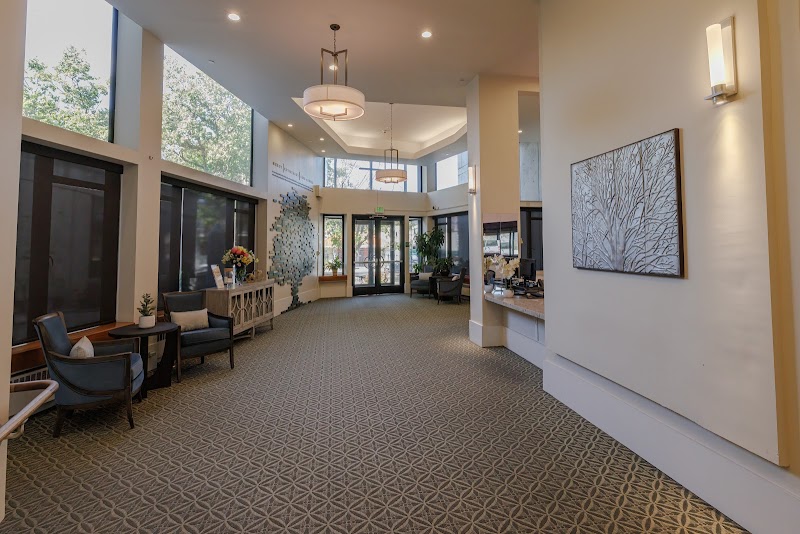
Who Owns and Operates Mercy Retirement &?

MERCY RETIREMENT & CARE CENTER is owned by a non-profit organization. Non-profit facilities reinvest revenue into operations rather than distributing to shareholders. The facility operates independently rather than as part of a larger chain. With 59 certified beds and approximately 42 residents (about 71% occupancy), it is a smaller facility located in OAKLAND, California.

How Does Mercy Retirement & Compare to Other California Nursing Homes?

Compared to the 100 nursing homes in California, MERCY RETIREMENT & CARE CENTER's overall rating (3 stars) is below the state average of 3.1 and health inspection rating (3 stars) is at the national benchmark.

What Should Families Ask When Visiting Mercy Retirement &?

Based on this facility's data, families visiting should ask: "Can I visit during a mealtime to observe dining assistance and food quality?" "How do you handle medical emergencies, and what is your hospital transfer rate?" "Can I speak with family members of current residents about their experience?"

Is Mercy Retirement & Safe?

Based on CMS inspection data, MERCY RETIREMENT & CARE CENTER has a clean safety record: no substantiated abuse findings (meaning no confirmed cases of resident harm), no Immediate Jeopardy citations (the most serious violation level indicating risk of serious injury or death), and is not on the Special Focus Facility watch list (a federal program monitoring the lowest-performing 1% of nursing homes). The facility has a 3-star overall rating and ranks #100 of 100 nursing homes in California. While no facility is perfect, families should still ask about staff-to-resident ratios and recent inspection results during their visit.

Do Nurses at Mercy Retirement & Stick Around?

MERCY RETIREMENT & CARE CENTER has not reported staff turnover data to CMS. Staff turnover matters because consistent caregivers learn residents' individual needs, medications, and preferences. When staff frequently change, this institutional knowledge is lost. Families should ask the facility directly about their staff retention rates and average employee tenure.

Was Mercy Retirement & Ever Fined?

MERCY RETIREMENT & CARE CENTER has been fined $47,447 across 2 penalty actions. The California average is $33,553. While any fine indicates a compliance issue, fines under $50,000 are relatively common and typically reflect isolated problems that were subsequently corrected. Families should ask what specific issues led to these fines and confirm they've been resolved.

Is Mercy Retirement & on Any Federal Watch List?

MERCY RETIREMENT & CARE CENTER is not on any federal watch list. The most significant is the Special Focus Facility (SFF) program, which identifies the bottom 1% of nursing homes nationally based on persistent, serious quality problems. Not being on this list means the facility has avoided the pattern of deficiencies that triggers enhanced federal oversight. This is a positive indicator, though families should still review the facility's inspection history directly.