PIEDMONT GARDENS HEALTH FACILITY
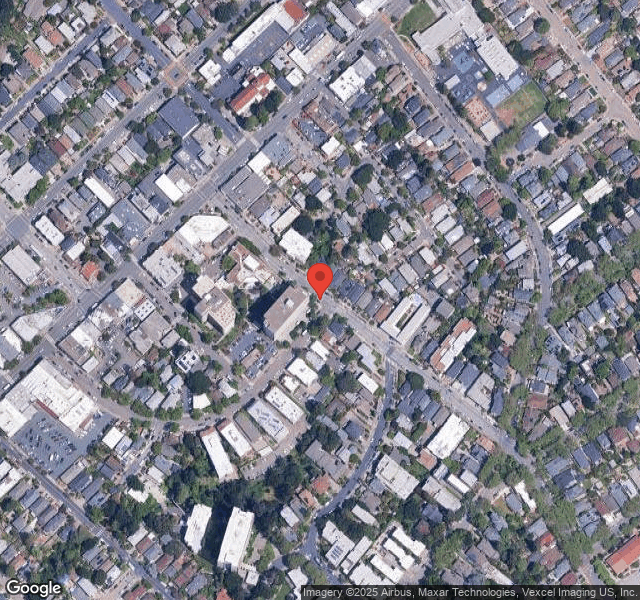

110 41ST STREET, OAKLAND, CA 94611 (510) 654-7172
Non profit - Corporation 94 Beds HUMANGOOD Data: November 2025
Trust Grade
88/100
#164 of 1155 in CA
Last Inspection: January 2025

Within standard 12-15 month inspection cycle. Federal law requires annual inspections.

Overview

Piedmont Gardens Health Facility in Oakland, California, has a Trust Grade of B+, indicating it is above average and recommended for families considering care options. It ranks #164 out of 1155 facilities in California, placing it in the top half, and #16 out of 69 in Alameda County, meaning only 15 local options are better. However, the facility's trend is worsening, as it increased from 2 issues in 2023 to 3 in 2025. Staffing is a strong point, with a 5-star rating and only 29% turnover, which is below the state average, ensuring consistency in care. The facility has not incurred any fines, suggesting solid compliance with regulations, and has good RN coverage, exceeding 88% of California facilities. Despite these strengths, there are concerns based on recent inspections. For instance, three residents did not have comprehensive care plans for their bed alarms and chair alarms, increasing their risk of falls due to inadequate supervision. Additionally, a glucometer used for checking blood sugar levels was found with blood stains, indicating a failure in infection control practices. Lastly, there was an incident where a resident's dangerously high blood sugar level was not reported to a physician as required, raising the risk of serious health complications. Families should weigh these strengths and weaknesses carefully when considering this facility.

Trust Score
B+
88/100
In California
#164/1155
Top 14%
Safety Record
Low Risk
No red flags
Inspections
Getting Worse
2 → 3 violations
Staff Stability
✓ Good
29% annual turnover. Excellent stability, 19 points below California's 48% average. Staff who stay learn residents' needs.
Penalties
✓ Good
No fines on record. Clean compliance history, better than most California facilities.
Skilled Nurses
✓ Good
Each resident gets 56 minutes of Registered Nurse (RN) attention daily — more than average for California. RNs are trained to catch health problems early.
Violations
⚠ Watch
13 deficiencies on record. Higher than average. Multiple issues found across inspections.
★★★★★
5.0
Overall Rating
★★★★★
5.0
Staff Levels
★★★★☆
4.0
Care Quality
★★★★★
5.0
Inspection Score
Stable
2023: 2 issues
2025: 3 issues

The Good

  • 5-Star Staffing Rating · Excellent nurse staffing levels
  • 4-Star Quality Measures · Strong clinical quality outcomes
  • Low Staff Turnover (29%) · Staff stability means consistent care
  • Full Sprinkler Coverage · Fire safety systems throughout facility
  • No fines on record
  • Staff turnover is low (29%)

    19 points below California average of 48%

Facility shows strength in staffing levels, quality measures, staff retention, fire safety.

The Bad

Chain: HUMANGOOD

Part of a multi-facility chain

Ask about local staffing decisions and management

The Ugly 13 deficiencies on record

Jan 2025 3 deficiencies
CONCERN (D)

Potential for Harm - no one hurt, but risky conditions existed

Safe Environment (Tag F0584)

Could have caused harm · This affected 1 resident

Based on observation, interview and record review facility did not promptly investigate and act upon complaints of one of one sampled resident's (Resident 11) missing personal belongings (sweatpants)....

Read full inspector narrative →
Based on observation, interview and record review facility did not promptly investigate and act upon complaints of one of one sampled resident's (Resident 11) missing personal belongings (sweatpants). This failure resulted in the Resident 11 feeling angry. Findings: During a record review of Resident 11's admission record, the admission record indicated, Resident 11 was admitted to the facility in August 2024 and family representative (FR1) was the responsible party. During record review of Resident 11's Inventory of Personal Effects, dated 08/20/24,the record indicated two pair of sweatpants were listed as items acquired. During an interview on 01/28/25 at 09:40 a.m. FR1 stated, Resident 11 had lost around two- three sweatpants over time, since admission. FR1 stated he had made one or two Certified nursing assistants (CNA) aware of missing items at the time items went missing. During an observation on 01/28/25 at 10:04 a.m. FR1 gave CNA1 a verbal description of two missing sweatpants. During an interview on 01/30/25 at 09:31 a.m. CNA1 stated she told the SSD about Resident 11's missing personal belongings, on the week of 01/13/25 when FR1 initially reported loss personal belongings (three sweatpants). CNA1 stated she and SSD looked for pants together on week of 01/13/25 and did not find any. CNA1 also stated when a resident reports missing items, staff was to report that to SSD, and if facility could not locate the missing belongings, the facility needed to replace the item. CNA1 stated she was unaware of where theft and loss reports were located as she typically only made the reports to the SSD verbally. During an interview on 01/30/25 at 09:35 a.m. with CNA1 and SSD, SSD stated she remembered when CNA1 initially reported missing sweatpants for Resident 11 on the week of 01/13/25. SSD stated they searched for Resident 11's sweatpants on both floors but could not find them. SSD stated, they should have documented a loss report to properly and promptly investigated Resident 11's complaint of missing items. During an interview on 01/30/25 at 09:42 a.m. Resident 11 stated she felt upset the facility could not locate her personal property sooner. FR1 stated facility makes me angry when Resident 11 does not have sweatpants returned from laundry for dressing and feeling forced to report missing personal property multiple times. FR1 stated Resident 11 was still missing one pair of sweatpants, and he had discussed matter with SSD. During an interview and concurrent record review on 01/29/25 at 10:01 a.m. Social Services Director/Case Manager (SSD) stated when residents reported missing belongings to CNA's, clinical staff, and anyone on the care team, staff were to complete a theft and loss report to initiate further investigation. SSD stated she had no theft and loss reports for Resident 11 from 08/2024 till date. During an interview on 01/30/25 at 10:19 a.m. Director of Nursing (DON) stated if a resident reported missing personal belongings all staff were alerted, including the laundry staff, staff were to search room to room on both floors and a loss report was to be completed by resident and/or family and SSD follows up to replace or reimburse. DON stated,SSD is primarily responsible for investigating loss report once completed. During record review of ' Personal Property ' policy and procedures (P&P) indicated, The facility promptly investigates any complaints of misappropriation or mistreatment of resident property.
CONCERN (E)

Potential for Harm - no one hurt, but risky conditions existed

Comprehensive Care Plan (Tag F0656)

Could have caused harm · This affected multiple residents

Based on observation, interview and record review, the facility staff did not have comprehensive care plan for bed alarms and chair alarm as fall prevention for 3 out of 8 sampled residents(Resident 3...

Read full inspector narrative →
Based on observation, interview and record review, the facility staff did not have comprehensive care plan for bed alarms and chair alarm as fall prevention for 3 out of 8 sampled residents(Resident 36, 55 and 44.) The failure to not care plan interventions for bed alarm use under fall risk for Resident 36, 55 and 44 has the potential to not provide direct or limited staff supervision for resisdents and also to not accurately monitor, provide care, and reassess the effectiveness of the bed alarms. Findings: During an observation on 1/27/25 at 10:15 a.m. in Resident 44's room, Resident 44 was had a bed alarm strapped to the siderail of her bed while she was asleep in bed. During an observation on 1/27/25 at 10:27 a.m., in Resident 55's room, Resident 55 was up in a wheelchair with family husband and daughter visiting at her bedside. Resident 55 had a white portable position alarm on her wheelchair and a green portable bed alarm strapped to the siderail of Resident 55's bed. During an observation and an interview with Resident 36 on 1/27/25 at 10:43 a.m. in Resident 36's room, Resident 36 was laying in bed resting. Resident 36 had a green portable bed alarm strapped to her bed. Resident 36 stated she gets Physical therapy (PT )in bed in bed for now and she has to be repositioned by staff. During an interview on 1/27/25 on 11:09 a.m. with Licensed Vocational Nurse (LVN 3), LVN 3 stated bed alarms are used on Residents with high risk fall. LVN 3 stated facility should inform the family about the use of bed alarms and document it in the care plan and discuss it in Interdisciplinary Treatment (IDT) together with Social Worker, Case Manager, and Director of Staff Development (DSD). During an interview on 1/27/25 at 11:22 a.m. with Director of Nursing (DON), DON stated bed alarms or position change alarms are only used on residents on high risk falls and falls with injury. During a record review on 01/28/25 of Resident 44's Care Plan, Care plan indicated a fall risk was initiated on 7/2/24 with a targeted date of 1/30/24 and was last revised on 7/2/24. Care Plan also indicated Resident 44 is at moderate risk for falls. The Care plan does not include the use of bed alarms or position alarms. During a record review on 01/28/25 of Resident 55's Care Plan, Care plan indicated a fall risk initiated on 12/27/24 with a targeted date of 3/24/25 and was last revised on 1/16/25. Care Plan also indicated Resident 44 is at moderate risk for falls. The Care plan does not include the use of bed alarms or position alarms. During a record review on 01/28/25 of Resident 36's Care Plan, Care plan indicated a fall risk was initiated on 10/29/24 with a targeted date of 1/29/24 and was last revised on 11/14/24. Care Plan also indicated Resident 36 is at moderate risk for falls. The Care plan does not include the use of bed alarms or position alarms. During an interview on 1/30/25 at 09:30 a.m. with DON DON stated bed alarm should be in the care plan because the care plan is what the facility follow to care for the residents. The DON further stated that the care plan should be updated quarterly, when the residents are due for MDS assessment every three months. During an interview on 1/30/25 at 10:11 a.m. with Minimum Data Set Coordinator (MDSC), MDSC stated it is important for facility to have acre plan for use of bed alarms as it shows the bed alarm is one of the intervention being used and is one of the care plan facility uses for resident safety. During a review of Facility Policy and Procedure (P and P), titled 'Bed and chair Alarm for Fall Prevention, dated 1/29/2025, pg 1, indicated, it is policy of HumanGood to establish guidelines for the appropriate use of bed and chair alarms as part of a comprehensive fall prevention program, ensuring resident safety while adhering to federal and state regulations and promoting dignity and independence. These alarms are to be used as part of a multifacted fall prevention strategy and must not be used as restraints or as substitute for direct supervision and other fall prevention interventions. Procedure: Assessment and indications for Use: Conduct a comprehensive fall risk assessment for each resident upon admission, after any fall, quarterly, and with any significant change in condition. Reassess the necessity of alarms and discontinue use when they are no longer needed, documenting the rationale for continuation or discontinuation.
CONCERN (E)

Potential for Harm - no one hurt, but risky conditions existed

Infection Control (Tag F0880)

Could have caused harm · This affected multiple residents

2.During an observation and an interview on 01/29/25 at 08:44 a.m the glucometer was stored in the med cart with three spots of blood stains on the back of it. LVN 1 stated she was supposed to have cl...

Read full inspector narrative →
2.During an observation and an interview on 01/29/25 at 08:44 a.m the glucometer was stored in the med cart with three spots of blood stains on the back of it. LVN 1 stated she was supposed to have cleaned the glucometer for infection control prevention. LVN 1 further stated the glucometer was supposed to be cleaned after every resident use. During an interview on 01/29/25 at 08: 48 a.m. with Infection Preventionist (IP), the IP stated glucometer needs to be disinfected after each use to prevent infection. During an observation on 1/29/25 at 08:51a.m. with LVN 2, LVN 2 came out of Resident 36' s room, and was wiping her hands with two paper towels. LVN 2 placed used paper towels on top of the med cart after wiping her hands with it. LVN 2 did not sanitize the contaminated med cart prior to prepping meds for Resident 42. During an interview on 1/29/25 at 08:53 a.m. with LVN 2, LVN 2 stated the paper towel on top of the med cart was the paper towel she had used to wipe her hands after she had washed her hands. LVN 2 further stated she was supposed to have thrown the used paper towel in the trash instead of placing it on the med cart and sanitize the med cart in between patients for cross contamination. During a review on 01/29/25 of facility ' s Policy and Procedure (P and P) titled Hand Hygiene Program, dated 2010, the P & P indicated, Rationale for hand hygiene: Prevent transmission of infectious agents. Hand hygiene Hand hygiene should be performed in the area where the hands were contaminated (this may be done in the resident ' s bathroom if the resident or the environment/equipment of the resident was handled). Indications for performing hand hygiene before and after contact with resident or their environment, before and after glove use, before handling clean linen, and after disposal of soiled linen. After touching items that are likely to be contaminated (bedpans, urinal), Note: gloves should always be changed between residents and between clean and contaminated sites on the same resident. Gloves use not preclude the need for hand hygiene after removing gloves. Based on observation ,interview record review, facility staff including Certified Nursing Assistant (CNA), Licensed Nurses (LNs), and Maintenance Staff did not perform hand hygiene while providing care to one of five sampled residents (Resident 42) when : 1.CNA 3 did not perform hand hygiene before and after putting in hearing aides in Resident 42 's ears and before donning gloves for incontinence care. 2.LNs did not sanitize/disinfect glucometer and flat surfaces to keep medication tray during medication administration. This failure placed all residents at risk for spread of in infection. 1. Findings: During an observation on 01/29/25 at 09:45 a.m. without performing hand hygiene, CNA 3 entered Resident 42's room, placed Resident 42's hearing aid in both ears with bare hands, without performing hand hygiene, CNA 3 donned gloves and provided incontinence care to Resident 42. During an interview on 01/29/25 at 12:07 p.m. CNA 3 stated hand hygiene includes gel in, gel out and hand washing with soap and water when hands or gloves are visible soiled. CNA 3 stated should have completed hand hygiene before donning gloves to perform incontinence care for Resident 42. CNA 3 stated it is important to perform hand hygiene to reduce transfer of infection. During an interview on 01/29/25 at 12:20 p.m. with Infection Preventionist (IP), IP stated hand hygiene should be done before and after donning gloves when providing direct resident care, and hand washing especially if hands are visibly soiled. IP stated staff should complete proper hand hygiene in before performing incontinence care to prevent spread of germs and infection. During record review of the 'Handwashing/Hand hygiene' policy and procedure (P&P), dated 08/2019, indicated, wash hands with soap and water for the following situations: a. when hands are visibly soiled and use an alcohol-based hand rub containing at least 62% alcohol; or, alternatively, soap (antimicrobial or non-antimicrobial) and water for the following situations: b. before and after direct contact with residents; e. after contact with objects (e.g. medical equipment) in the immediate vicinity of the resident.
Feb 2023 2 deficiencies
CONCERN (D) 📢 Someone Reported This

A family member, employee, or ombudsman was alarmed enough to file a formal complaint

Potential for Harm - no one hurt, but risky conditions existed

Report Alleged Abuse (Tag F0609)

Could have caused harm · This affected 1 resident

Based on observation, interviews, and record review, the facility failed to implement their policy and procedure for reporting allegation of abuse for one (Resident 1) of three sampled residents when ...

Read full inspector narrative →
Based on observation, interviews, and record review, the facility failed to implement their policy and procedure for reporting allegation of abuse for one (Resident 1) of three sampled residents when the Administrator (Admin) did not report to the Department, the Certified Nursing Assistant (CNA 1) had allegedly roughed up and hit Resident 1 while providing care at night. This failure had the potential for mistreatment or injury and delayed the Department's investigation of alleged abuse. Findings: Review of the Minimal Data Set (MDS - an assessment screening tool used to guide care), dated 11/11/22, indicated Resident 1 ' s Basic Interview of Mental status (BIMS) score was 9 (meaning moderate long and short term memory). Resident 1 misses some part/intent of conversations but usually comprehends most conversation. Resident 1 had visual impairment. Resident 1 used a wheelchair for mobility, and required two-person physical assistance with movement to and from a lying position, and to move to and from the wheelchair, including physical limitation impairment to the lower extremity (hip, knee and ankle). Resident 1 was incontinent (loss of bladder control) of urine. The diagnoses included anxiety disorder and heart failure (a condition in which the heart doesn ' t pump blood as well as it should). During an observation and concurrent interview on 12/7/22 at 10:20 a.m., Resident 1 was sitting up in wheelchair in the dining room on oxygen via nasal cannula (tube with prongs that deliver oxygen via the nares). Resident 1 was alert but made incomprehensible sounds and was non-interviewable. During an interview on 12/7/22 at 10:54 a.m., the Assistant Director of Nursing ADON) stated Resident 1 ' s daughter complained CNA 1 was rough with Resident 1 at night. ADON stated during the facility's investigation, Resident 1 stated he was roughed up at night by CNA 1. ADON further stated CNA 1 was reassigned and was provided with in-service training. During an interview on 12/8/22 at 10:50 a.m., CNA 1 stated she changed Resident 1 ' s incontinent brief and was not rough with him. CNA 1 stated Resident 1 was a nice man and was surprised by the allegation. During an interview on 12/8/22 at 11:38 a.m., Admin stated Resident 1 said CNA 1 was strong as a man, and Resident 1 ' s daughter alleged CNA 1 hit him. During an interview on 12/8/22 at 11:38 a.m., Admin stated she did not report the allegation that CNA 1 roughed up or hit Resident 1 at night to the Department because the facility investigated the allegation and concluded that it was not abuse. The facility ' s policy and procedure, Elder Abuse Prevention, Identification response and reporting indicated, if an allegation or witnessed event involves alleged abuse by a team member, he or she will be removed from the assigned worksite immediately, the Director of Human Resources shall be notified and the team member sent home and may not return until instructed to do so by human Resources. The appropriate community leader makes any required verbal and written report to the local law enforcement and to the Department of Public Health. The community leader shall report allegations as dictated by state or local agencies including to the state survey agency and adult protective services where state law provides for jurisdiction in long-term care facilities in accordance with State Law through established procedures
CONCERN (D) 📢 Someone Reported This

A family member, employee, or ombudsman was alarmed enough to file a formal complaint

Potential for Harm - no one hurt, but risky conditions existed

Accident Prevention (Tag F0689)

Could have caused harm · This affected 1 resident

Based on observation, interviews, and record review, the facility failed to ensure adequate supervision and implement interventions for one (Resident 1) of three sampled residents. Resident 1 was foun...

Read full inspector narrative →
Based on observation, interviews, and record review, the facility failed to ensure adequate supervision and implement interventions for one (Resident 1) of three sampled residents. Resident 1 was found on the dining room floor and sustained a skin tear on the left leg . The interventions to prevent future falls was not implemented as instructed by the Interdisciplinary Team (team members from different departments for collaboration of care). This deficient practice caused Resident 1 a skin tear on the left leg and had the potential to cause repeated falls and or injuries. Findings: Review of the clinical notes dated 12/18/22 indicated Resident 1 was found on the floor with the left arm under his body. Further review indicated that before the fall, Resident 1 was sitting in the dining room watching TV when the wheelchair alarm sounded and the nurse responded and found Resident 1 on the floor. Resident 1 sustained a skin tear on the left leg. Review of the Minimal Data Set (MDS - an assessment screening tool used to guide care) dated 11/11/22, indicated Resident 1 ' s Basic Interview of Mental status (BIMS) score was 9 (meaning moderate long and short term memory). Resident 1 had vision impairment with vision and used a wheelchair for mobility that required two-person physical assistance with movement to and from lying position, moves to and from wheelchair, including physical limitation impairment to the lower extremity (hip, knee and ankle). Also, Resident 1 was always incontinent of urine. Resident 1's diagnoses included anxiety disorder and heart failure (a condition in which the heart doesn ' t pump blood as well as it should). Review of the risk for fall care plan updated 12/18/22, indicated Resident 1 was a high risk for falls related to weakness, blind right eye, history of falls and poor safety awareness. Resident 1 had an unwitnessed fall in the dining room. During an interview on 12/29/22 at 11:00 a.m., the Certified Nursing Assistant (CNA 1) stated she was assigned to Resident 1 when he fell. CNA 1 stated she was on her break time and had informed the Registered Nurse (RN 1) that she was going on break when Resident 1 fell. During an interview on 12/29/22 at 4:29 p.m., RN 1 stated CNA 1 informed her she was going on break. RN 1 further stated she left the dining room area to attend to another resident that was screaming. RN 1 stated she heard the chair alarm beep from the dining room and found Resident 1 on the floor. During an interview on 12/29/22 at 9:50 a.m., CNA 2 stated Resident 1 slides from the wheelchair while sitting and had to be repositioned at times. Review of the clinical notes dated 12/19/22 indicated the IDT met and discussed the fall and instructed staff to apply a dycem (non -slip pad to hold wheelchair cushion in place} prevent from slipping. During an observation on 12/29/22 at 11:10 a.m., and accompanied by the Assistant Director of Nursing (ADON), ADON stated the dycem was not applied to the wheelchair cushion. During an interview on 12/29/22 at 11:45 a.m., the Administrator (Admin) stated she thought the dycem was ordered and will follow up on the order. The facility ' s policy and procedure titled, Fall Prevention and Management Program dated 8/4/2020, indicated for staff to refer to the interdisciplinary treatment team to review fall prevention interventions and modify care-plans as appropriated.
Nov 2022 5 deficiencies
CONCERN (D)

Potential for Harm - no one hurt, but risky conditions existed

Deficiency F0676 (Tag F0676)

Could have caused harm · This affected 1 resident

**NOTE- TERMS IN BRACKETS HAVE BEEN EDITED TO PROTECT CONFIDENTIALITY** Based on observation, interview, and record review, for one of two sampled residents (Resident 2), the facility failed to provid...

Read full inspector narrative →
**NOTE- TERMS IN BRACKETS HAVE BEEN EDITED TO PROTECT CONFIDENTIALITY** Based on observation, interview, and record review, for one of two sampled residents (Resident 2), the facility failed to provide devices to ensure Resident 2's activities of daily living (ADL) did not diminish when Resident 2 was not provided with an assistive device to stay upright during meals. This failure resulted in Resident 2's inability to feed self independently and had the potential to result in decreased oral intake. Findings: Review of Resident 2's Face Sheet indicated Resident 2 had been known to the facility since 1/20/21 with diagnoses that included acute transverse demyelinating disease (inflammation of both sides of the spinal cord) of the central nervous system, spinal stenosis (narrowing of the spinal canal which then puts pressure on the spinal cord) of the cervical (neck) region, and need for assistance with personal care. Review of Resident 2's comprehensive Minimum Data Set (assessment tool used to direct resident care) assessment dated [DATE] indicated Resident 2 required staff supervision for set up help with meals (if a resident is provided with devices necessary to perform the ADL independently) and extensive staff assist for bed mobility (staff providing weight-bearing support; bed mobility is how one positions body while in bed). Review of Resident 2's bed mobility care plan effective 4/16/21 indicated to use pillows and foam wedges to maintain position while in bed. During an observation on 11/14/22 at 10:04 a.m., Resident 2 was eating breakfast while in bed. Resident 2 leaned to the right side, completely pinning the right hand under the right shoulder. There was one small pillow on the right side of the bed and no foam wedges. Resident 2's breakfast tray was on the over-bed table and placed higher than Resident 2's eye level. A small pillow was on the right side of the bed. Resident 2 attempted to pick up a cup of tea from the tray with the left hand but struggled and spilled the tea all over the tray. Resident 2 stated not knowing why the staff would not help her. There was no staff present in the room. During an interview with Certified Nurse Assistant (CNA) 2 on 11/14/22 at 10:25 a.m., CNA 2 stated the tray was set up and checked on Resident 2 once in a while. CNA 2 also stated, Resident 2 had the tendency to lean towards the right side and a pillow was placed to prevent that. During an interview with the Director of Rehabilitation (DOR) on 11/16/22 at 2:27 p.m., DOR stated while Resident 2 is in bed, the most important thing was correct positioning, with support on both sides to maintain an upright position, and position the over-bed table at the right height where Resident 2 could see the tray. DOR also stated Resident 2 would be re-evaluated to see if a wedge would be ordered and staff training would be provided.
CONCERN (D)

Potential for Harm - no one hurt, but risky conditions existed

Drug Regimen Review (Tag F0756)

Could have caused harm · This affected 1 resident

During a review of Resident 27's active physician orders for November 2022, indicated an order start date of 06/28/21 for Keflex (antibiotic), indicated for UTI prophylaxis (action taken to prevent di...

Read full inspector narrative →
During a review of Resident 27's active physician orders for November 2022, indicated an order start date of 06/28/21 for Keflex (antibiotic), indicated for UTI prophylaxis (action taken to prevent disease). During an interview on 11/17/ 22, at 10:00 a.m., CP stated, she did not send monthly recommendations for Resident 27's prophylactic antibiotic use to the physician. CP acknowledged no recommendation to verify the duration of Resident 27's Keflex and that long-term antibiotic usage should be evaluated every six months. CP also stated the risk of long-term antibiotic usage for Resident 27 was to have another form of infection. During an interview on 11/17/22, at 11:07 a.m., DON stated, the facility should have verified with the physician the duration of Resident 27's Keflex because the resident has been on the antibiotic since last year. DON further stated the risk of long-term antibiotic usage could result in another form of infection that is resistant to antibiotics. During a review of Resident 27's laboratory tests indicated Resident 27's urinalysis (test to also detect urine infection) was last done on 7/12/21. During a review of the facility's policy and procedure (P&P) titled, Consultant Pharmacist Services Provider Requirements, dated 10/07 indicated to, Communicate to the responsible prescriber and the director of nursing potential or actual problems detected and other findings related to medication therapy orders at least monthly. Communicate recommendations for changes in medication therapy and the monitoring of medication therapy. Based on interviews and record review, the facility failed to ensure the Consultant Pharmacist's (CP) monthly Medication Regimen Review (MRR) reported a medication irregularity for two (Residents 18 and 27) sampled residents. For Resident 18, CP did not address the duration for the administration of Macrobid (antibiotic medication) for the prevention of Urinary Tract Infection (UTI). For Resident 27, the duration of Keflex (antibiotic) for UTI was not identiied for more than one year. These deficient practices had the potential for residents to receive unnecessary drugs and future antibiotic resistant infections due to prolong use Findings: Review of the physician order dated 8/16/22 indicated Resident 18 was to receive Macrobid 100 mg (milligram) capsule every morning for UTI prophylaxis, indefinite. Review of Resident 18's Medication Administration Record (MAR) for October 1 through November 16, 2022, indicated Resident 18 was administered Macrobid 100 mg capsule by mouth every morning as ordered by the physician. During an interview on 11/17/22 at 8:08 a.m., the Director of Nursing (DON) stated she had not received CP's recommendations for Resident 18's use of Macrobid for the prevention of UTI indefinite. During an interview on 11/17/22 at 9:17a.m., CP stated she did not address the duration for Resident 18's administration of Macrobid 100 mg capsule every morning for the prevention of UTI, or report any irregularities to DON and Resident 18's physician. Review of the Nitrofurantoin (Macrobid) literature, revised April 2022, indicated using antibiotics when it is not needed can cause it to not work for future infections. According to the pharmacy professional reference resource, Lexicomp for Macrobid indicated the optimal duration has not been established; duration ranges from 3 to 12 months, with periodic reassessment (Ref). Prolonged use (>6 months) of Macrobid has been associated with diffuse interstitial pneumonitis (inflammation of the lining of the lung) and/or pulmonary fibrosis, chronic hepatitis (liver inflammation), and the development of neuropathy (nerve pain). The facility's policy and procedure titled, Consultant Pharmacist Services Provider Requirement dated 10/07, indicated, The consultant pharmacist, or designee, provides pharmaceutical care services including Medication Regimen Reviews (MRR) for each resident at least monthly, or more frequently under certain conditions, incorporating the federally mandated standards of care in addition to other applicable professional standards.
CONCERN (D)

Potential for Harm - no one hurt, but risky conditions existed

Antibiotic Stewardship (Tag F0881)

Could have caused harm · This affected 1 resident

Based on interview and record review, the facility failed to ensure appropriate use of antibiotic (medication for infection) for one of five residents reviewed (Resident 27) when they did not monitor ...

Read full inspector narrative →
Based on interview and record review, the facility failed to ensure appropriate use of antibiotic (medication for infection) for one of five residents reviewed (Resident 27) when they did not monitor appropriate use and improved outcomes. This failure had the potential for Resident 27 to take unnecessary antibiotics which could lead to antibiotic resistance. Findings: During a concurrent interview and record review, on 11/16/22 at 10:43 a.m., with the Infection Preventionist (IP), Resident 27's Physician Order Sheet (POS), dated November 2022 was reviewed. The POS indicated an order start date of 06/28/21, for Keflex (an antibiotic), indicated for urinary tract infection (UTI) prophylaxis (action taken to prevent disease). IP stated, there was no documentation on the POS dated November 2022 that indicated Resident 27's Keflex had a stop date. During an interview and concurrent record review, on 11/16/22 at 10:43 a.m., IP stated she could only find documentation that their antibiotic stewardship for Resident 27 was done in February, May and November of 2022. IP stated she could not find the antibiotic stewardship documentation that was done for Resident 27 on the other months of 2022. During a review of Resident 27's laboratory tests indicated Resident 27's urinalysis (test that can also detect urine infection or evaluate antibiotic effectiveness), was last done on 7/12/21. During an interview on 11/17/22, at 11:07 a.m., with the Director of Nursing (DON), DON stated, the facility should have followed up about the stop date for Resident 27's Keflex because the resident has been on the antibiotic since last year. DON stated the risk of long-term antibiotic usage is for Resident 27 to acquire another form of infection that is resistant to antibiotics. Review of the facility's policy and procedure titled, Antibiotic Stewardship, revised December 2016 indicated, If an antibiotic is indicated, prescribers will provide complete antibiotic orders including the . duration of treatment: stop and start date or number of days of therapy .
CONCERN (E)

Potential for Harm - no one hurt, but risky conditions existed

Quality of Care (Tag F0684)

Could have caused harm · This affected multiple residents

Based on interview and record review, for one of five (Resident 259) sampled residents reviewed for unnecessary medications, the facility failed to provide treatment and care in accordance with profes...

Read full inspector narrative →
Based on interview and record review, for one of five (Resident 259) sampled residents reviewed for unnecessary medications, the facility failed to provide treatment and care in accordance with professional standards of practice and the comprehensive care plan when the physician was not notified as ordered when Resident 259's blood sugar level exceeded 400 milligrams per deciliter (mg/dL). This failure increased the risk for Resident 259 of developing complications related to severely elevated blood glucose levels, like diabetic ketoacidosis (life-threatening complication of diabetes when the build-up of acids in the body occurs when the blood sugar is too high for too long) or coma. Findings: Review of Resident 259's Face Sheet indicated Resident 259 was admitted to the facility with diagnoses that included diabetes mellitus with hyperglycemia (condition of uncontrolled, elevated blood glucose levels). Review of Resident 259's Physician's Orders dated 7/2/22 indicated to administer insulin (treats diabetes) lispro per sliding scale ( insulin dosage varies based on blood glucose level) before every meal and to notify the physician if the blood glucose was higher than 400 mg/dL. Review of Resident 259's undated, insulin use care plan indicated staff were to monitor the blood sugar as ordered by provider and to report to the physician signs of hyperglycemia (high blood sugar). During an interview and concurrent review of Resident 2's clinical records with the Director of Nursing (DON), on 11/16/22 at 9:03 a.m., DON stated, Resident 259 was sent to the hospital on 8/27/22 for hyperglycemia and fainting and returned to the facility with instructions to adjust the insulin dose. Further record review with DON of the physician order dated 9/7/22 indicated an order for admelog (treats diabetes) insulin lispro per sliding scale and to notify physician if blood sugar level was more than 400 mg/dL. DON stated, on 9/7/22 and 9/8/22, Resident 259's clinical record indicated physician was notified of the blood sugar result higher than 400 mg/dL and extra insulin was administered. DON stated in October 2022, Resident 259's clinical record indicated staff had notified the physician of Resident 259's high blood sugar level two times on 10/1/22 and 10/26/22. Review of Resident 259's Medication Administration Record (MAR) for October 2022 indicated Resident 259's blood sugar exceeded 400 mg/dL 28 times. MAR for November 2022 indicated Resident 259's blood sugar level exceeded 400 mg/dL 18 times. DON stated the clinical record indicated the physician notification occurred four times on 11/1/22, 11/5/22, 11/13/22 and 11/15/22. Further review of Resident 259's MAR for November 2022 indicated the following; - 11/10/22, Resident 259's blood sugar reading was 481 mg/dL at 6:30 a.m The clinical record did not indicate the physician was notified, until a few hours later at 11:30 a.m. On the same day, Resident 259's blood sugar remained elevated at 485 mg/dL. - 11/12/22, Resident 259's blood sugar reading was 463 mg/dL at 6:30 a.m., and at 11:30 a.m., the blood sugar reading was 590 mg/dL. - On 11/14/22, Resident 259's blood sugar reading was 560 mg/dL at 6:30 a.m., later at 11:30 a.m., Resident 259's blood sugar was 581 mg/dL. On the above dates, the clinical record did not reflect the physician was notified by licensed staff about the high blood sugar levels as ordered.
CONCERN (E)

Potential for Harm - no one hurt, but risky conditions existed

Food Safety (Tag F0812)

Could have caused harm · This affected multiple residents

Based on observation, interviews, and record review, the facility failed to follow proper sanitation and food storage practices when: - The High temperature dishwasher was not within the required tem...

Read full inspector narrative →
Based on observation, interviews, and record review, the facility failed to follow proper sanitation and food storage practices when: - The High temperature dishwasher was not within the required temperature range - Kitchen floor tiles had brownish residual discoloration, - Two food steamers had brownish food debris on the bottom shelf and around the steamer areas - Bowl of lettuce, bowl of tomatoes in refrigerator were not labeled or dated - Two opened milk cartons in the walk in refrigerator were not label or dated - Bowl of sliced ham in the refrigerator had use by date 11/10/22 -Two food mixers had brownish discoloration and debris around the edges - Plate covers were faded and discolored - Three compartment sink air gap drain area had yellow residue - Ice machine cover had debris and crumbs - Ice machine air-gap drain area with yellowish residual - [NAME] trays with thick blackish brown crusts around the edges - Double door panel to the kitchen/dumpster area with black discoloration on the surface These deficient practices had the potential to result in foodborne illness. Findings: During the initial tour of the kitchen on 11/14/22 at 9:15 a.m., accompanied by the Chef (CF1) and Registered Dietician (RD), the following were observed: High temperature dishwasher was not within the required temperature range, Kitchen floor tiles had brownish residual discoloration, two food steamers with brownish food debris on bottom shelve and around the steamer areas Bowl of lettuce , bowl of tomatoes in refrigerator not label or dated, two opened Milk cartons in walk in refrigerator not label or dated, bowl of sliced ham in refrigerator with use by date 11/10/22, two food mixer with brownish discoloration and debris around the edges, plate covers with faded discolored appearance, 3 compartment sink air gap drain area with yellowish residual, Ice machine air-gap drain area with yellowish residual. Ice machine cover with debris and crumbs, cooking trays with thick blackish brown crusts around the edges, double door panel to the kitchen/dumpster area with blackish discoloration on the surface. During an observation on 11/14/22 at 10:49 a.m., in the presence of CF1 and RD, the high temperature dishwasher was operated to wash dishes. The final rinse temperature was at 60 degrees Fahrenheit (F). RD operated the dishwasher three times and the final rinse temperature gauge was at 60 (degrees F). During an interview on 11/14/22 at 10:54 a.m., RD stated the dishwasher had to be run three times for the temperature to be at the required range. RD operated the dishwasher several times and the final rinse temperature gauge was at 60 degrees F. During an interview on 11/15/22 at 8:56 a.m., RD stated a work order was placed for the contractor to visit and check the dishwasher temperature gauge for proper functioning. During an interview on 11/15/22 at 11:55 a.m., the Executive Chef (EC) stated he was aware the dishwasher temperature gauges was not at the required range when the heat booster was not operated at the same time. EC stated the dietary staff needs to use the heat booster when operating the dishwasher for the temperature to reach the required final rinse temperature. EC further stated the staff assigned to clean and sanitize the dishwasher and floor were out on family leave vacation. EC said staff needed to be trained to start the heat booster with the dishwasher. The Dishwasher Installation & Operation Manual indicated the Final rinse temperature and flow pressure gauges are accurate only when a rack enters the final rinse area and water is flowing. Acceptable temperature range is 180 - 195 degrees Fahrenheit and pressure should be 20 psi (pounds per square inch). The facility's policy and procedure titled, Sanitation and Infection Prevention Control, revised 1/21' reflected, Assigns daily cleaning responsibilities in each position workflow.
Apr 2019 3 deficiencies
CONCERN (D)

Potential for Harm - no one hurt, but risky conditions existed

Comprehensive Care Plan (Tag F0656)

Could have caused harm · This affected 1 resident

Based on interview and record review, the facility failed to update the plan of care for two of two sampled residents (Residents 47 and 62). Resident 47's hearing aids were missing and Resident 62 had...

Read full inspector narrative →
Based on interview and record review, the facility failed to update the plan of care for two of two sampled residents (Residents 47 and 62). Resident 47's hearing aids were missing and Resident 62 had untreated pain with movement. These failures resulted in a lack of comprehensive care plans for hearing and pain management that did not meet resident care needs. Findings: 1. Record review of the admission Record showed the facility admitted Resident 47 on 2/8/19. Record review of Resident 47's plan of care dated 1/23/19 showed, The resident has a communication problem r/t (related to) hearing deficit .Hearing Aid provided .hearing aids are kept with the nurses cart and given to resident each morning. In an interview on 4/8/19 at 10:34 a.m., Resident 47 stated she has difficulty hearing and wanted to know where her hearing aids were located. In a concurrent interview, Registered Nurse 1 (RN 1) stated Patient 47's hearing aids were lost during the time she was in and out of the hospital and were not stored in the medication cart. There was no updated care plan and interventions for the missing hearing aids. 2. Record review of the admission Record showed the facility admitted Resident 62 on 3/9/19. The diagnoses included muscle wasting. In an interview on 4/8/19 at 10:42 a.m., Resident 62 stated he has significant amount of shoulder pain when staff assists him with activities of daily living (ADL, consists of bathing, toileting, eating etc.) and turning in bed. In an interview on 4/9/19, at 2:30 p.m., the Physical Therapist 1 (PT 1) stated Resident 62 reported to him that he had pain in his shoulders whenever staff turned him. In an interview on 4/9/19 at 2:45 p.m., the Certified Nursing Assistant 1 (CNA 1) stated when assisting Resident 62 with care, she asks another staff person for help because Resident 62 was hesitant to turn. Record review of Patient 62's plan of care, Needs assistance with ADL . dated 4/6/19 did not identify pain with movement. In an interview on 4/10/19 at 11:19 a.m., the Director of Nursing (DON) confirmed Resident 62's pain with movement was not in his plan of care. Review of the policy and procedure, Care Plans, Comprehensive Person-Centered dated December 2016, showed A comprehensive, person-centered care plan that includes measurable objectives and timetables to meet the resident's physical, psychosocial and functional needs is developed and implemented for each resident. Assessments of residents are ongoing and care plans are revised as information about the residents and the residents' conditions change.
CONCERN (D)

Potential for Harm - no one hurt, but risky conditions existed

Deficiency F0697 (Tag F0697)

Could have caused harm · This affected 1 resident

Based on observation, interview, and record review, the facility did not manage the pain for one (Resident 62) of two sampled residents in a timely manner. Resident 62 complained of pain when staff tu...

Read full inspector narrative →
Based on observation, interview, and record review, the facility did not manage the pain for one (Resident 62) of two sampled residents in a timely manner. Resident 62 complained of pain when staff turned him in bed and during assistance with activities of daily living (or ADLs: bathing, toileting, feeding). This failure resulted in Resident 62 experiencing unnecessary pain and discomfort. Findings: Record review of theadmission Record showed the facility admitted Resident 62 on 3/9/19. The diagnoses included muscle wasting and atrophy (gradual deterioration). Record review of the Minimum Data Set - Resident Assessment and Care Screening, dated 3/16/19, showed Resident 62 had clear speech, understood what others said to him, and was able to express his ideas and wants. In an interview on 4/8/19 at 10:42 a.m., Resident 62 stated he had a significant amount of pain in his shoulders when staff assisted him with his ADLs and turning in bed. In an interview on 4/9/19 at 2:30 p.m., the Physical Therapist 1 (PT 1) stated Resident 62 reported to him that he had pain in his shoulders when staff were turning him. In a concurrent interview on 4/9/19 at 2:30 p.m., the Registered Nurse 1 (RN 1) stated she was not aware Resident 62 had pain with movement. In an interview on 4/9/19 at 2:45 p.m., the Certified Nursing Assistant 1 (CNA 1) stated when assisting Resident 62 with care, she asks another staff person to help because Resident 62 was hesitant to turn. Record review of the medication administration record (MAR) dated April 2019 showed Resident 62 had Tylenol (pain medication) ordered PRN (as needed). There was no Tylenol given to Resident 62 for the month of April. Review of the facility's policy and procedure, Pain Assessment and Management dated March 2015, showed the purpose was to, Help the staff identify pain in the resident, and to develop interventions that are consistent with the resident's goals and needs and that address the underlying causes of pain. Under the section, Assessing Pain, staff were to identify Factors that precipitate or exacerbate pain.
CONCERN (E)

Potential for Harm - no one hurt, but risky conditions existed

Deficiency F0761 (Tag F0761)

Could have caused harm · This affected multiple residents

Based on observation, interview, and record review, the facility failed to ensure drugs used in the medication room were not expired when one Ekit (An emergency container with equipment, supplies, and...

Read full inspector narrative →
Based on observation, interview, and record review, the facility failed to ensure drugs used in the medication room were not expired when one Ekit (An emergency container with equipment, supplies, and medications needed to provide care and manage life-threatening conditions) had expired medications in the refrigerator. This deficient practice had the potential to affect the potency and safety of the medication that could have harmful effects for all 70 residents in the facility. Findings: During an observation of the third floor medication room, on 04/10/19 at 12:55 P.M., an Ekit inside the medication's refrigerator included three tablets of lorazepam (antianxiety) 2 mg/ml (milligram/milliliter) that expired on 12/18 (December 2018). During an interview with the Registered Nurse 1 (RN 1) on 04/10/19 at 12:55 P.M., RN 1 confirmed the expired Ekit and stated the expired medication should not be stored in the medication room and they (staff) forgot to return the Ekit to the pharmacy. During a review of the policy and procedure, DISPOSAL OF MEDICATIONS dated 2007 indicated: . 8. Outdated medications, contaminated or deteriorated medications, and the contents of containers with no label shall be destroyed .
Understanding Severity Codes (click to expand)
Life-Threatening (Immediate Jeopardy)
J - Isolated K - Pattern L - Widespread
Actual Harm
G - Isolated H - Pattern I - Widespread
Potential for Harm
D - Isolated E - Pattern F - Widespread
No Harm (Minor)
A - Isolated B - Pattern C - Widespread

Questions to Ask on Your Visit

  • "Can I speak with families of current residents?"
  • "What's your RN coverage like on weekends and overnight?"

Our Honest Assessment

Strengths
  • • Grade B+ (88/100). Above average facility, better than most options in California.
  • • No major safety red flags. No abuse findings, life-threatening violations, or SFF status.
  • • No fines on record. Clean compliance history, better than most California facilities.
  • • 29% annual turnover. Excellent stability, 19 points below California's 48% average. Staff who stay learn residents' needs.
Concerns
  • • 13 deficiencies on record. Higher than average. Multiple issues found across inspections.
Bottom line: Generally positive indicators. Standard due diligence and a personal visit recommended.

About This Facility

What is Piedmont Gardens Health Facility's CMS Rating?

CMS assigns PIEDMONT GARDENS HEALTH FACILITY an overall rating of 5 out of 5 stars, which is considered much above average nationally. Within California, this rating places the facility higher than 99% of the state's 100 nursing homes. This rating reflects solid performance across the metrics CMS uses to evaluate nursing home quality.

How is Piedmont Gardens Health Facility Staffed?

CMS rates PIEDMONT GARDENS HEALTH FACILITY's staffing level at 5 out of 5 stars, which is much above average compared to other nursing homes. Staff turnover is 29%, compared to the California average of 46%. This relatively stable workforce can support continuity of care.

What Have Inspectors Found at Piedmont Gardens Health Facility?

State health inspectors documented 13 deficiencies at PIEDMONT GARDENS HEALTH FACILITY during 2019 to 2025. These included: 13 with potential for harm.

Who Owns and Operates Piedmont Gardens Health Facility?

PIEDMONT GARDENS HEALTH FACILITY is owned by a non-profit organization. Non-profit facilities reinvest revenue into operations rather than distributing to shareholders. The facility is operated by HUMANGOOD, a chain that manages multiple nursing homes. With 94 certified beds and approximately 69 residents (about 73% occupancy), it is a smaller facility located in OAKLAND, California.
How Does Piedmont Gardens Health Facility Compare to Other California Nursing Homes?

Compared to the 100 nursing homes in California, PIEDMONT GARDENS HEALTH FACILITY's overall rating (5 stars) is above the state average of 3.2, staff turnover (29%) is significantly lower than the state average of 46%, and health inspection rating (5 stars) is much above the national benchmark.

What Should Families Ask When Visiting Piedmont Gardens Health Facility?

Based on this facility's data, families visiting should ask: "Can I visit during a mealtime to observe dining assistance and food quality?" "How do you handle medical emergencies, and what is your hospital transfer rate?" "Can I speak with family members of current residents about their experience?"

Is Piedmont Gardens Health Facility Safe?

Based on CMS inspection data, PIEDMONT GARDENS HEALTH FACILITY has a clean safety record: no substantiated abuse findings (meaning no confirmed cases of resident harm), no Immediate Jeopardy citations (the most serious violation level indicating risk of serious injury or death), and is not on the Special Focus Facility watch list (a federal program monitoring the lowest-performing 1% of nursing homes). The facility has a 5-star overall rating and ranks #1 of 100 nursing homes in California. While no facility is perfect, families should still ask about staff-to-resident ratios and recent inspection results during their visit.

Do Nurses at Piedmont Gardens Health Facility Stick Around?

Staff at PIEDMONT GARDENS HEALTH FACILITY tend to stick around. With a turnover rate of 29%, the facility is 17 percentage points below the California average of 46%. Low turnover is a positive sign. It means caregivers have time to learn each resident's needs, medications, and personal preferences. Consistent staff also notice subtle changes in a resident's condition more quickly.

Was Piedmont Gardens Health Facility Ever Fined?

PIEDMONT GARDENS HEALTH FACILITY has no federal fines on record. CMS issues fines when nursing homes fail to meet care standards or don't correct problems found during inspections. The absence of fines suggests the facility has either maintained compliance or corrected any issues before penalties were assessed. This is a positive indicator, though families should still review recent inspection reports for the full picture.

Is Piedmont Gardens Health Facility on Any Federal Watch List?

PIEDMONT GARDENS HEALTH FACILITY is not on any federal watch list. The most significant is the Special Focus Facility (SFF) program, which identifies the bottom 1% of nursing homes nationally based on persistent, serious quality problems. Not being on this list means the facility has avoided the pattern of deficiencies that triggers enhanced federal oversight. This is a positive indicator, though families should still review the facility's inspection history directly.