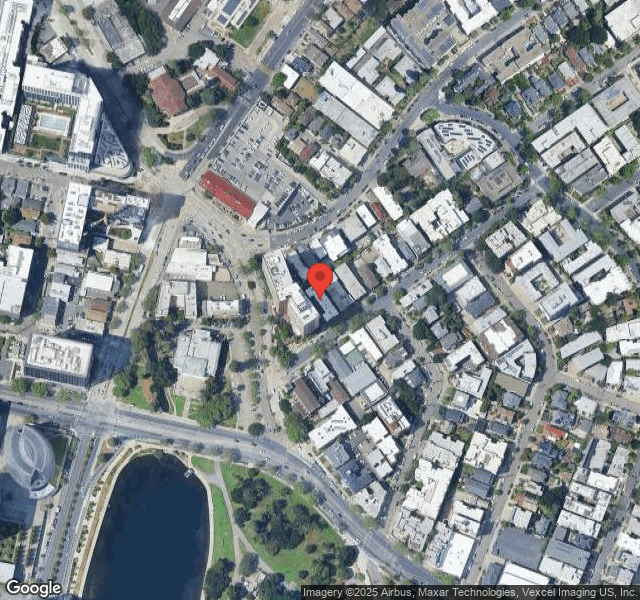

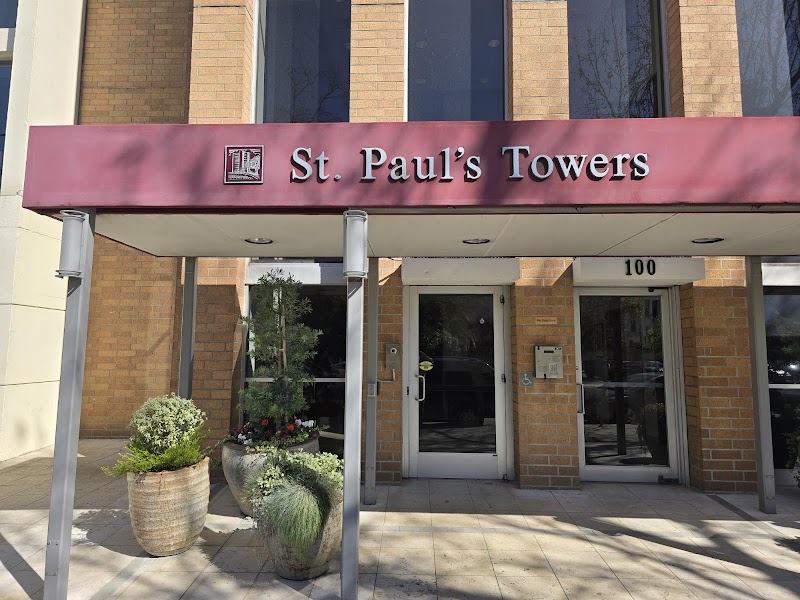


ST PAUL'S TOWERS

100 BAY PLACE, OAKLAND, CA 94610 (510) 835-4700
Non profit - Corporation 43 Beds FRONT PORCH Data: November 2025
Trust Grade
90/100
#209 of 1155 in CA
Last Inspection: September 2024

Within standard 12-15 month inspection cycle. Federal law requires annual inspections.

Overview

St. Paul's Towers in Oakland, California has received an excellent trust grade of A, indicating that it is highly recommended and performs well compared to other facilities. It ranks #209 out of 1,155 in California, placing it in the top half of nursing homes in the state, and #21 out of 69 in Alameda County, meaning there are only 20 local options better. The facility is on an improving trend, with the number of issues decreasing from 9 in 2022 to 5 in 2024. Staffing is a strength, boasting a 5/5 star rating and a turnover rate of just 23%, well below the state average, which means staff are likely to be familiar with the residents. However, there have been some concerning findings, including improper food storage practices and sanitation issues in the kitchen, which could pose health risks. Overall, while St. Paul's Towers has notable strengths, families should be aware of the areas needing improvement.

Trust Score
A
90/100
In California
#209/1155
Top 18%
Safety Record
Low Risk
No red flags
Inspections
Getting Better
9 → 5 violations
Staff Stability
✓ Good
23% annual turnover. Excellent stability, 25 points below California's 48% average. Staff who stay learn residents' needs.
Penalties
✓ Good
No fines on record. Clean compliance history, better than most California facilities.
Skilled Nurses
✓ Good
Each resident gets 82 minutes of Registered Nurse (RN) attention daily — more than 97% of California nursing homes. RNs are the most trained staff who catch health problems before they become serious.
Violations
⚠ Watch
20 deficiencies on record. Higher than average. Multiple issues found across inspections.
★★★★★
5.0
Overall Rating
★★★★★
5.0
Staff Levels
★★★★★
5.0
Care Quality
★★★★☆
4.0
Inspection Score
Stable
2022: 9 issues
2024: 5 issues

The Good

  • 5-Star Staffing Rating · Excellent nurse staffing levels
  • 5-Star Quality Measures · Strong clinical quality outcomes
  • Low Staff Turnover (23%) · Staff stability means consistent care
  • Full Sprinkler Coverage · Fire safety systems throughout facility
  • No fines on record
  • Staff turnover is low (23%)

    25 points below California average of 48%

Facility shows strength in staffing levels, quality measures, staff retention, fire safety.

The Bad

Chain: FRONT PORCH

Part of a multi-facility chain

Ask about local staffing decisions and management

The Ugly 20 deficiencies on record

Sept 2024 5 deficiencies
CONCERN (D)

Potential for Harm - no one hurt, but risky conditions existed

Deficiency F0658 (Tag F0658)

Could have caused harm · This affected 1 resident

Based on observation, interview and record review, the facility failed to ensure standards of professional practice were maintained during medication administration for one of two sampled residents (R...

Read full inspector narrative →
Based on observation, interview and record review, the facility failed to ensure standards of professional practice were maintained during medication administration for one of two sampled residents (Resident 80) when licensed nurse left Resident 80's Oxycontin tablet (a controlled substance used to treat moderate to severe pain) on top of the medication cart unattended. This failure had a potential for unauthorized access to the medication that could lead to harm or drug diversion (occurs when a medication is taken for use by someone other than whom it is prescribed). Findings: During a record review of Resident 80's admission Record (AR) dated 9/12/24, the AR indicated Resident 80 had multiple diagnoses including intervertebral disc disorder of lumbar region (a disease that can cause low back pain) and scoliosis of lumbar region (a condition that caused by abnormal side-ways curve of the spine in the lower back causing pain and discomfort). During a record review of Resident 80's Medication Administration Record (MAR) dated 9/1/24 to 9/30/24, the MAR indicated Resident 80 had a routine order of Oxycontin Oral Tablet ER 12-hour Abuse-Deterrent 10 milligrams (mg) Oxycodone HCl) Give 1 tablet by mouth two times a day for severe pain. During a medication pass observation on 9/10/24 at 8:51 a.m. with Registered Nurse (RN) 2, in the hallway, RN 2 prepared Resident 80's one tablet of Oxycontin 10 mg and transferred to a medication cup. RN 2 placed the medication cup with Oxycontin tablet inside on top of the medication cart. RN 2 stated she forgot to ask Resident 80's pain level prior to preparing the Oxycontin tablet. RN 2 then entered Resident 80's room and left the Oxycontin tablet unattended on top of the medication cart. During a medication pass observation on 9/10/24 at 8:56 a.m. with RN 2, RN 2 came back to the medication cart and prepared the rest of Resident 80's medications. RN 2 was observed placing Resident 80's pills in the same medication cup together with the Oxycontin tablet. RN 2 washed hands and entered Resident 80's room for medication administration. During an interview on 9/10/24 at 9:18 a.m. with RN 2, RN 2 stated she should have not left the Oxycontin unattended on top of the cart. RN 2 stated the medication should have been stored inside the locked medication cart or she should have brought the Oxycontin pill with her when she went back inside Resident 80's room to assess her pain level. RN 2 stated leaving the Oxycontin, a controlled substance, unattended was dangerous and had the risk of someone taking it. During an interview on 9/10/24 at 2:34 p.m. with the Director of Nursing (DON), the DON stated the licensed nurse should have never left the medication on top of the medication cart unattended. The DON stated it was not up to their standards of nursing practice to leave the medications out of sight because they could have been taken by another resident or person unauthorized. During a record review of the facility's policy and procedure (P&P), titled, Medication Administration Controlled Substances, dated 1/23, the P&P indicated, Controlled Medications are substances that have an accepted medical use .have a potential for abuse, ranging from low to high, and may also lead to physical or psychological dependence. These medications are subject to special handling, storage, disposal, and record keeping at the nursing care center, in accordance with federal and state laws and regulations. During a record review of the facility's P&P, titled, Medication Administration General Guidelines dated 1/23, the P&P indicated, During administration of medication, medication cart is kept closed and locked when out of sight of the medication nurse. No medications are kept on the top of the cart.
CONCERN (D)

Potential for Harm - no one hurt, but risky conditions existed

Deficiency F0757 (Tag F0757)

Could have caused harm · This affected 1 resident

Based on interview and record review, the facility failed to ensure one of two sampled residents (Resident 82) was free from unnecessary drug when Resident 82's PRN (pro re nata [a Latin phrase], mean...

Read full inspector narrative →
Based on interview and record review, the facility failed to ensure one of two sampled residents (Resident 82) was free from unnecessary drug when Resident 82's PRN (pro re nata [a Latin phrase], meaning as needed, or as necessary) order for Oxycodone-Acetaminophen (a controlled substance used to help relieve moderate to severe pain) had no clear indications when to give one tablet versus two tablets. This failure had the potential to result in unnecessary use of Oxycodone-Acetaminophen medication without proper indication, placing Resident 82 at risk for adverse side effects and health safety issues. Findings: During a record review of Resident 82's Medication Administration Record (MAR), dated 8/1/24 to 8/31/24 and 9/1/24 to 9/30/24, the MAR indicated Resident 82 had an order of Oxycodone-Acetaminophen Oral Tablet 5-325 milligrams/mg (Oxycodone with Acetaminophen) Give 1 tablet by mouth every 4 hours as needed for pain take one tab to two tabs for pain with start date of 8/18/24. During a record review of Consultant Pharmacist's (CP) Medication Regimen Review (MRR, includes review of the medical record to prevent, identify, report, and resolve medication-related problems, medication errors, or other irregularities) for Resident 82, dated 8/21/24, the MRR indicated Nursing staff should have clear indications when to give one dose versus another. for Resident 82's Oxycodone-Acetaminophen order. During a concurrent interview and record review on 9/12/24 at 8:30 a.m. with Registered Nurse 1 (RN 1), CP's MRR for Resident 82 was reviewed. RN 1 stated she received and reviewed the MRR for Resident 82. RN 1 stated Resident 82's PRN Oxycodone-Acetaminophen order was not corrected according to the CP's recommendation. RN 1 stated they should have followed the CP's recommendation because Resident 82 could have received an unnecessary dose of Oxycodone-Acetaminophen. During a phone interview on 9/12/24 at 10:12 a.m. with CP, CP stated Resident 82's PRN Oxycodone-Acetaminophen order should have included a clear indication when to give one tablet versus two tablets of Oxycodone-Acetaminophen for Resident 82's pain. CP stated the order was confusing for the licensed nurses to follow and Resident 82 had the potential to receive unnecessary dose of Oxycodone-Acetaminophen that could have led to adverse effects like sedation. During a record review of the facility's Policy and Procedures (P&P), titled, Medication Therapy revised in June 2023, the P&P indicated, Each resident's drug/medication regimen must be free from unnecessary drugs .An unnecessary drug is any drug when used . d. Without adequate indications for its use . The P&P further indicated, Upon or shortly after admission and periodically thereafter, the staff and practitioner (assisted by consultant pharmacist) will review an individual's current medication regimen to identify .a. There is a clear indication for treating that individual with the medication .b. The dosage is appropriate .
CONCERN (D)

Potential for Harm - no one hurt, but risky conditions existed

Medication Errors (Tag F0758)

Could have caused harm · This affected 1 resident

Based on interview and record review, the facility failed to ensure one of two sampled residents (Resident 10) was free from unnecessary psychotropic drugs (medications that are capable of affecting t...

Read full inspector narrative →
Based on interview and record review, the facility failed to ensure one of two sampled residents (Resident 10) was free from unnecessary psychotropic drugs (medications that are capable of affecting the mind, emotions, and behavior) when Resident 10's PRN (pro re nata [a Latin phrase], meaning as needed, or as necessary) order for Temazepam (used on a short-term basis to treat difficulty falling asleep or staying asleep) had no end date and rationale for continued use beyond 14 days. This failure had the potential to result in unnecessary prolonged use of a psychotropic medication, placing Resident 10 at risk for adverse side effects and health safety issues. Findings: During a record review of Resident 10's Order Summary Report (OSR), dated 5/20/24, OSR indicated, Temazepam Oral Capsule 15 milligrams (mg) . Give 1 capsule by mouth every 24 hours as needed for insomnia related to primary insomnia The OSR further indicated, Communication Method - Prescriber Written, with Order Status that indicated Active, and Start Date of 5/15/24. The OSR End Date was blank. During a record review of Resident 10's History and Physical (H&P), dated 5/28/24, the H&P indicated past medical history of L3 compression fracture (a break in one of the bones in lower spine). The H&P also included an Assessment, that indicated, Insomnia - continue with Temazepam as needed . During a record review of Consultant Pharmacist's (CP) Medication Regiment Review (MRR, includes review of the medical record in order to prevent, identify, report, and resolve medication-related problems, medication errors, or other irregularities) dated 6/13/24, the MRR indicated, per regulation, all PRN psychotropic medications required a stop date and if longer than 14 days was required, a rationale and a new stop date was required from the physician. MRR further indicated to include a stop date to Resident 10's PRN Temazepam order. During a record review of MRR, dated 7/29/24, the MRR indicated CP had the same recommendation from the previous MRR to include a stop date for Resident 10's PRN Temazepam. During a record review of Resident 10's Care Plan, dated 5/22/24, the care plan indicated The resident is on sedative/hypnotic therapy (Temazepam) related to insomnia manifested by inability to sleep. During a concurrent interview and record review on 9/12/24 at 8:23 a.m. with Registered Nurse (RN) 1, the MRR was reviewed. RN 1 stated she received the recommendation from the CP on 8/7/24. RN 1 stated she sent an e-mail to Medical Doctor 1 (MD 1) for advice regarding the stop date for Resident 10's PRN Temazepam. RN 1 stated MD 1 ordered to discontinue the Temazepam instead of putting a stop date. During an interview on 9/12/24 at 9:48 a.m. with the Director of Nursing (DON), the DON stated she did not find a documentation from MD 1 with rationale for continued use of the PRN Temazepam for Resident 10. The DON further stated they were just following MD 1's order to continue the use of PRN Temazepam with no stop date. During a concurrent phone interview and record review on 9/12/24 at 10:03 a.m. with CP, the MRR was reviewed. CP stated she made the recommendations twice to the facility to put a stop date on Resident 10's PRN Temazepam because per regulation of psychotropic use, it should have had a stop date when it was first ordered by MD 1. CP stated MD 1 should have had a valid rationale for the continued use of Temazepam. CP further stated it was necessary to put a stop date for PRN Temazepam because an indefinite use of this medication could have had an unnecessary side effect in Resident 10's brain. During an interview on 9/12/24 at 10:22 a.m. with MD 1, MD 1 stated the use of PRN Temazepam was indicated to treat Resident 10's inability to sleep. MD 1 stated he reviewed the CP's recommendation to put a stop date for Resident 10's PRN Temazepam. MD 1 stated he did not order a stop date for Temazepam because it was not a psychotropic drug. During a record review of the facility's Policy and Procedures (P&P), titled, Medication Therapy revised in June 2023, the P&P indicated, Each resident's drug/medication regimen must be free from unnecessary drugs .An unnecessary drug is any drug when used . b. for excessive duration; or . f. a psychotropic drug is any drug that affects brain activities with mental processes and behavior. These drugs include . j. Hypnotic. The P&P further indicated, Excessive Duration means the medication is administered beyond .the length of time advised by current standards of practice, clinical practice guidelines .and/or without either evidence of additional therapeutic benefit for the resident or clinical evidence that would warrant the continued use of the medication.
CONCERN (F)

Potential for Harm - no one hurt, but risky conditions existed

Food Safety (Tag F0812)

Could have caused harm · This affected most or all residents

Based on observation, staff interview, and record review, the facility failed to store and prepare food in accordance with professional standards for safety when: 1. A braising pan, a rolling pin, thr...

Read full inspector narrative →
Based on observation, staff interview, and record review, the facility failed to store and prepare food in accordance with professional standards for safety when: 1. A braising pan, a rolling pin, three storage bins, a citrus juicer, a kitchen drawer, and a juice dispenser machine had black particles/residue or chipped paint, 2. Nine balsamic dressing containers, cut lettuce, cut tomatoes, mayonnaise, bag of bread, mozzarella cheese, burrata cheese, and a bag of prosciutto had no use-by date or had beyond use-by-dates, 3. Three compartment sink's pipe had a leak and a toilet plunger was stored under the three-compartment sink (a sink with three compartments that allows kitchen staff to wash, rinse, and sanitize dishes), and 4. Gloves used to wash dishes in the three-compartment sink were stored on top of the left corner of the three-compartment sink wastewater tank (a wastewater tank stores and treats wastewater from the sink in the tank before releasing the wastewater to the environment). These failures had the potential for contamination of food resulting in food borne illness for 24 residents who received food from the kitchen. Findings: 1. During an observation and interview with Dietary Manager (DM) during the kitchen's initial tour, on 9/9/24, at 9:37 a.m., a rectangular braising pan was observed with black residue build-up around its outer sides and black residue built up around its inner upper third surface. DM stated the pan was used as a braising pan (a pan that can be used for browning and simmering food). A rolling pin was observed with scattered black discoloration all over the body and handles of the rolling pin. The DM stated the rolling pin was used for baking. Three white bins with scattered grayish dust residue build up in front of the bins were observed. DM stated the bins were used to store molds and scoops that were used for preparing food. Upon opening the bins' drawers, an orange-colored manual citrus juicer with paint peeling off all over the outside and the inside parts of the juicer was observed in one drawer. Another drawer used to store 2 scoop spoons had scattered small black particles on the bottom of the drawer. During an observation of the kitchen and interview with the DM 9/9/24, at 10:30 a.m., the juice dispenser machine was observed with scattered black particles on the bottom of the surrounding area where the juice dispenser containers were attached. When DM wiped the black particles with his finger, he agreed it was dirt. DM stated they did not have a documentation of dates when the juice machine was cleaned. According to the 2022 Federal Food Code, food-contact surfaces are to be clean to sight and touch, the food-contact surfaces of cooking equipment and pans are to be kept free of encrusted grease deposits and other soil accumulations, and nonfood-contact surfaces of equipment is to be kept free of an accumulation of food residue and other debris. 2. During an observation and interview with Dietary Manager (DM) during the kitchen's initial tour on 9/9/24 at 9:32 a.m., in the salad refrigerator, nine small containers of balsamic dressing were found with no use-by date. Also, cut lettuce, cut tomatoes and mayonnaise in separate metal containers were found with no use-by date. During an observation on 9/9/24 at 9:53 a.m., the cheese box refrigerator was observed with one opened bag of bread with use-by date of 9/4/24; one container of mozzarella cheese labeled with use-by date of 8/30/24; and one opened container of burrata cheese not labeled with the use-by date. During an observation and interview on 9/9/24 at 10:00 a.m., with the DM, one opened bag of prosciutto meat with no label of the use-by date was found in the meat box refrigerator. DM stated all opened food in the fridge should have use-by dates once opened and should not be kept in refrigerator after the use by date. During an interview on 9/10/24 at 1:37 p.m., with Registered Dietician (RD), RD stated food in the refrigerators should have use by dates. RD stated the residents were at risk of salmonella (a bacteria that can make one sick) if the cheeses and prosciutto did not have a use by date. RD further stated the juice dispenser should had been cleaned to prevent residents' sickness due to the risk of juice contamination. 3. During a kitchen observation and interview with DM on 9/9/24 at 9:42 a.m., the three-compartment sink was observed. The bottom right pipe under the third sink was leaking and a rectangular metal tray on the floor was used to capture the pipe's leaking water. The floor under and around the three-compartment sink was observed to be wet. A black toilet plunger was stored under the sink. DM stated he had already reported the leak and was waiting for repairs. During an interview on 9/10/24 at 12:46 p.m. with DM, DM stated the plunger was probably used by the kitchen staff when the three-compartment sink was clogged. DM acknowledged the toilet plunger should not be stored in the kitchen due to risk of cross contamination. During an interview on 9/10/24 at 1:37 p.m., with RD, RD stated risk of the leaking pipe, the wet floor and the toilet plunger stored under the sink was cross contamination. 4. During an observation on 9/9/24 at 9:42 a.m., a pile of dishwashing gloves was observed on top of the left corner of the three-compartment sink wastewater tank. During an interview on 9/10/24 at 12:46 p.m. with DM, DM stated it was a bad habit of the kitchen staff to store the gloves on top of the wastewater tank after they were used to wash the dishes. DM stated the staff used the gloves again to wash the dishes the following day. DM stated the risk of this bad habit of the kitchen staff was cross contamination. According to the 2022 Federal Food Code, multiuse gloves must be washed, rinsed, and sanitized between activities that contaminate the gloves.
CONCERN (F)

Potential for Harm - no one hurt, but risky conditions existed

Garbage Disposal (Tag F0814)

Could have caused harm · This affected most or all residents

Based on observation, interview, and record review, the facility failed to dispose garbage and refuse properly when the dumpsters were not closed and a laundry bin was used as garbage receptacle. This...

Read full inspector narrative →
Based on observation, interview, and record review, the facility failed to dispose garbage and refuse properly when the dumpsters were not closed and a laundry bin was used as garbage receptacle. This failure had the potential of harborage and feeding of pest. Findings: During an observation on 9/9/24 at 11:10 a.m., with Environmental Services Manager (ESM), three dumpsters located by the side of the facility were full of trash bags and were not closed or covered. A laundry bin designated for use of the residents' soiled laundry was filled with bags of trash. During an interview on 9/09/24 at 10:53 a.m., with ESM, ESM stated the dumpsters should be covered. ESM stated the laundry bin for soiled laundry should not be used as a garbage receptacle. During an interview on 9/10/24 at 1:37 p.m., with Registered Dietician (RD), RD stated the garbage dumpsters' lids should be closed to prevent pests and rodents' infestation. During a review of the facility's policy and procedure (P&P) titled, Food-Nutrition Services, revised August 2022, the P&P indicated, . The SNF (skilled nursing facility) will properly dispose of garbage and refuse, maintaining containers in good condition (no leaks) with lids or otherwise covered .Garbage storage areas will be maintained in a sanitary condition to prevent harboring and feeding of pests. According to the 2022 Federal Food Code, receptacles and waste handling units for refuse, recyclables, and returnables used with materials containing FOOD residue and used outside the food establishment shall be designed and constructed to have tight-fitting lids, doors, or covers.
Oct 2022 9 deficiencies
CONCERN (D)

Potential for Harm - no one hurt, but risky conditions existed

Deficiency F0687 (Tag F0687)

Could have caused harm · This affected 1 resident

**NOTE- TERMS IN BRACKETS HAVE BEEN EDITED TO PROTECT CONFIDENTIALITY** Based on observation, interview, and record review, for two of two sampled residents (Resident 18 and Resident 23) who were unab...

Read full inspector narrative →
**NOTE- TERMS IN BRACKETS HAVE BEEN EDITED TO PROTECT CONFIDENTIALITY** Based on observation, interview, and record review, for two of two sampled residents (Resident 18 and Resident 23) who were unable to carry out activities of daily living, the facility failed to provide foot care and treatment as follows. 1. Resident 23's toenails were long and had jagged edges. This failure had the potential for toenail trauma and foot complications related to diabetes (blood sugar disorder). 2. Resident 18 did not receive podiatry services (services provided by a foot specialist doctor) for the resident's long, thick, and yellowish toenails as ordered by the physician. This failure had the potential for toenail trauma. Findings: 1. Review of Resident 23's admission Record indicated Resident 23 was admitted to the facility on [DATE] with diagnoses that included diabetes, dementia (memory and decision-making capacity is impaired affecting ADLs) and need for assistance with personal care. During an observation on 10/10/22 at 10:50 a.m., Resident 23 had long toenails and some toenails had jagged edges. Review of Resident 23's Minimum Data Set (MDS, an assessment tool used to direct resident care) dated 9/23/22 indicated Resident 23 required total dependence of staff for personal hygiene and grooming. Review of Resident 23's Order Summary Report for October 2022 indicated a physician order dated 6/23/22 for podiatry evaluation and treatment every 45 days. 2. Review of Resident 18's admission Record indicated Resident 18 was admitted to the facility on [DATE] with diagnoses that included hypothyroidism (thyroid gland does not produce enough thyroid hormones and symptoms may include brittle nails or dry skin). Review of Resident 18's Order Summary Report for October 2022 indicated Resident 18 was to have a podiatry evaluation and treatment as needed. During an observation and concurrent interview with Licensed Vocational Nurse (LVN 3) on 10/12/22 at 9:51 a.m., Resident 18's toenails were long, thick and yellowish. LVN 3 stated Resident 18's toenails needed trimming. During an interview with the Social Services (SS) on 10/12/22 at 10:09 a.m., SS stated Resident 18's and Resident 23's clinical records had no documentation of a podiatry visit since the year prior. SS also stated residents that included Resident 18 and Resident 23 should have been seen by podiatrist every eight weeks. Review of the facility's policy and procedure titled, Foot Care last revised March 2020, had indicated residents will receive necessary foot care and treatment including treatment of foot disorders by qualified podiatrist, doctor of medicine, doctor of osteopathy including nail disorders and preventive care to avoid foot problems in diabetic residents and residents with circulatory disorders.
CONCERN (D)

Potential for Harm - no one hurt, but risky conditions existed

Accident Prevention (Tag F0689)

Could have caused harm · This affected 1 resident

**NOTE- TERMS IN BRACKETS HAVE BEEN EDITED TO PROTECT CONFIDENTIALITY** Based on observation, interview and record review, for one of one (Resident 76) investigated for accident hazards, the facility ...

Read full inspector narrative →
**NOTE- TERMS IN BRACKETS HAVE BEEN EDITED TO PROTECT CONFIDENTIALITY** Based on observation, interview and record review, for one of one (Resident 76) investigated for accident hazards, the facility failed to ensure Resident 76's environment was free from accident hazards when personal belongings were not within reach. This failure had the potential to result in another fall episode. Findings: Review of Resident 76's admission record indicated Resident 76 was admitted to the facility on [DATE] with diagnoses that included spinal stenosis (narrowing of the spinal canal resulting in pain, numbness, and muscle weakness) and osteoporosis (bone disease that leads to decrease in bone strength and increases the risk of fractures). Review of Resident 76's Baseline Care Plan with Summary dated 10/6/22 indicated Resident 76 was alert and oriented, able to understand, and communicated easily with staff. Review of Resident 76's fall risk assessment dated [DATE] indicated Resident 76 was identified as having a moderate risk of falling. Review of Resident 76's IDT (Interdisciplinary team-individuals from different departments of the facility) Post Event Review dated 10/10/22 indicated, on 10/9/22, Resident 76 was observed on the floor by the bed. Resident 76 stated the fall occurred while trying to reach for something at the bedside. The review indicated IDT interventions included placing Resident 76's personal items within reach and for staff to do anticipatory purposeful rounding. During an interview with Resident 76 on 10/12/22 at 12:40 p.m., Resident 76 stated fall happened while trying to reach the toothbrush that was inside the nightstand drawer. Resident 76 also stated not being able to call the staff for help because the call button was not on the bed and could not see where it was. During an observation of Resident 76's bedside and concurrent interview with Minimum Data Set Coordinator (MDSC) on 10/12/22 at 2:44 p.m., Resident 76's nightstand was still more than a foot from the edge of the bed. There was a black purse and two books on top and Resident's toothbrush and toothpaste were inside the drawer. Resident 76 stated she could not reach the items.
CONCERN (D)

Potential for Harm - no one hurt, but risky conditions existed

Deficiency F0727 (Tag F0727)

Could have caused harm · This affected 1 resident

Based on interview and record review the facility failed to have a Registered Nurse (RN) coverage for at least 8 consecutive hours a day on 10/2/22, 10/8/22, and 10/9/22. This deficient practice had t...

Read full inspector narrative →
Based on interview and record review the facility failed to have a Registered Nurse (RN) coverage for at least 8 consecutive hours a day on 10/2/22, 10/8/22, and 10/9/22. This deficient practice had the potential to cause delayed delivery of necessary assessment and treatment services for residents day-to-day care. Findings: Review of the nursing staffing assignment and sign-in sheet dated 10/3/22, 10/8/22 and 10/9/22 indicated facility did not use the services of an RN for at least 8 consecutive hours a day. During an interview and record review of the October staffing schedule on 10/11/22 at 10:59 a.m., the Director of Nursing (DON) stated there are some days the facility did not have an RN coverage for at least 8 consecutive hours a day on weekends. DON stated the facility had tried to recruit RNs, but did not have RN coverage on 10/2/22, 10/8/22, and 10/9/22. The Facility Assessment Tool updated 9/13/22 indicated, the purpose of the assessment is to determine what resources are necessary to care for residents competently during both day-to-day operations and emergencies. Staffing Plan; Our general staffing plan is developed to ensure that we have sufficient staff to meet the needs of the residents at any given time. Plan: RN full-time days and other times as needed, One RN for daily shift.
CONCERN (D)

Potential for Harm - no one hurt, but risky conditions existed

Pharmacy Services (Tag F0755)

Could have caused harm · This affected 1 resident

Based on observation, interview, and record review, for one of five residents (Resident 78) observed for medication pass administration, the facility failed to provide pharmaceutical services when cal...

Read full inspector narrative →
Based on observation, interview, and record review, for one of five residents (Resident 78) observed for medication pass administration, the facility failed to provide pharmaceutical services when calcium-citrate-magnesium tablets were not available for medication administration. This failure had the potential to result in low blood calcium levels for Resident 78. Findings: Review of Resident 78's Order Summary Report for October 2022 indicated an order for calcium citrate-magnesium-mineral tablet one tablet by mouth one time a day. During an observation and concurrent interview with the Licensed Vocational Nurse 2 (LVN 2) on 10/11/22 at 9:30 a.m., LVN 2 did not administer calcium citrate-magnesium-mineral tablet to Resident 78. LVN 2 stated the medication order would have to be clarified with the Attending Physician (AP) because the way it was written was confusing. LVN 2 pulled out all the drawers in the medication cart and could not show a bottle of calcium citrate. During an interview and concurrent review of Resident 78's Medication Administration Record (MAR) for October 2022 with LVN 2 and the Director of Nursing (DON) on 10/11/22 at 2:35 p.m., Resident 78's MAR had the order for calcium-citrate-magnesium signed off by LVN 2 for the 9:00 a.m. dose. Both DON and LVN 2 went to the medication cart to look for calcium-citrate-magnesium and did not find any. DON stated she would call AP to find out if AP would want to change the order with something that was available at the facility. During an interview with AP on 10/11/22 at 2:45 p.m., AP stated the multivitamin tablet and calcium citrate were two different medications. AP stated Resident 78 needed extra calcium and that was why the calcium-citrate-magnesium was ordered. AP stated the DON needed to get the calcium citrate from the pharmacy if it was not available in the facility's inventory of over-the-counter (OTC) medications. During an interview with DON on 10/11/22 at 2:48 p.m., DON stated she looked again in the facility's medication room OTC cabinet and did not find any calcium citrate. Review of the facility's policy and procedure titled, Non-Controlled Medication Orders last revised December 2012 indicated the prescriber shall be contacted by nursing for direction when delivery of a medication will be delayed or the medication is not available. Review of Resident 78's clinical record did not indicate AP was notified of the unavailability of the ordered medication.
CONCERN (D)

Potential for Harm - no one hurt, but risky conditions existed

Drug Regimen Review (Tag F0756)

Could have caused harm · This affected 1 resident

**NOTE- TERMS IN BRACKETS HAVE BEEN EDITED TO PROTECT CONFIDENTIALITY** Based on interviews and record review, the facility did not follow their policy and procedure for Medication Regimen Review (MRR...

Read full inspector narrative →
**NOTE- TERMS IN BRACKETS HAVE BEEN EDITED TO PROTECT CONFIDENTIALITY** Based on interviews and record review, the facility did not follow their policy and procedure for Medication Regimen Review (MRR) and failed to act upon the Consultant Pharmacist's (CP) report of the medication irregularities for two (Resident 20 and 75) sampled residents when; 1. Resident 20, had CP recommendations to taper and decrease or discontinue use of Metformin ER (extended release medication to treat diabetes, a blood sugar disorder), Jardiance (diabetes), Effexor ER, Wellbutrin (antidepressant) and Pramipexole (treats symptoms of Parkinson's disease, a disorder of the central nervous system that affects movement, tremors) did not include the physician's medical/clinical rationale for continuing or disagreeing with the MRR recommendations. 2. For Resident 75, the CP recommendation was not acted upon in a timely manner. This deficient practices had the potential for residents to receive unnecessary drugs and result in adverse effects. Findings: 1. Review of order summary report dated 9/12/22 indicated the physician prescribed Resident 20 to received the following medications: - Metformin HCL (hydrochloride) ER tablet Extended Release 24 hour 500 mg (milligram), one tablet by mouth two times a day related to Type 2 Diabetes Mellitus (DM 2) with Diabetic Chronic Kidney Disease (Longstanding disease of the kidneys leading to renal failure. The kidney filters waste and excess fluid from the blood. As kidney fails the waste builds up). -Jardiance 25 mg one tablet by mouth, one time a day for DM 2. -Bupropion HCL ER (Wellbutrin XL) 450 mg one tablet by mouth in the morning for Bipolar (a long term mental disorder associated with episodes of mood swings).with Major depression with situational flare. -Venlafaxine HCL (Effexor) ER tablet extended release 24-hour 150 mg, give 3 tablets by mouth one time a day for Bipolar with Major depression. Review of the Consultant Pharmacist (CP) report, Note to attending physician /prescriber dated 9/20/22, indicated Resident 20 currently receiving above medications. Please consider tapering and decreasing or discontinuing orders. Please provide clinical rationale. Further review of CP's Note To Attending Physician/Prescriber dated 9/20/22 indicated Resident 20's physician disagreed with the CP recommendation and did not provide the requested clinical rationale. Review of Resident 20's Medication Administration Record (MAR) for October 1, 2022 through April 12, 2022 indicated Resident 20 continued to receive Metformin ER, Jardiance, Effexor ER, Wellbutrin and Pramipexole as ordered by the physician. During an interview on 10/12/22 at 9:50 a.m., the Director of Nursing (DON) stated Resident 20's physician did not provide the clinical rationale for disagreeing with CP's recommendations for Resident 20's MRR. The facility's policy and procedure titled, Medication Regimen Review and Reporting, dated October 2007 indicated, The physician may accept and act on recommendation or reject recommendation and provide an explanation for disagreement. 2. Review of Resident 75's Order Summary Report for October 2022 indicated the physician's order dated 9/14/22 for Resident 75 to receive Cinacalcet (reduces calcium levels in the blood) hydrochloride tablet 30 milligrams (30 mg) and an order dated 9/30/22 for Atorvastatin Calcium (lowers blood cholesterol) tablet 40 mg. Review of the MRR dated 9/24/22 indicated CP's )recommendation to monitor the following: parathormone (PTH, hormone released by the parathyroid gland, plays a key role in controlling calcium in the blood) level, calcium, phosphorus and lipid panel (blood tests used to find abnormalities in lipids, such as cholesterol and triglycerides). The review signed by the Attending Physician (AP) on 10/4/22 indicated a recommendation to check Resident 75's Vitamin D level. During an interview and concurrent record review with the Director of Nursing (DON) on 10/12/22 at 12:58 p.m., DON stated Resident 75 was admitted on [DATE], the medication regimen review by CP was done on 9/24/22. DON stated Resident 75 was sent to the hospital on 9/26/22 and returned on 9/30/22. DON further stated, before Resident 75 returned to the facility on 9/30/22, some laboratory tests were done that included calcium and phosphorus levels. DON stated AP had signed the recommendation but there was no order to do the laboratory tests that AP agreed to. DON also stated Resident 75's clinical record did not indicate laboratory tests had been done for the lipid panel, Vitamin D, and PTH. Review of the facility's policy and procedure titled, Medication Monitoring Medication Regimen Review and Reporting last revised October 2007 indicated, Recommendations shall be acted upon within a reasonable time frame.
CONCERN (D)

Potential for Harm - no one hurt, but risky conditions existed

Medication Errors (Tag F0758)

Could have caused harm · This affected 1 resident

Based on interviews and record review, the facility failed to ensure two sampled residents (Resident 13 and 20) were free from unnecessary drugs when; -Resident 13 was administered Olanzapine (Zyprexa...

Read full inspector narrative →
Based on interviews and record review, the facility failed to ensure two sampled residents (Resident 13 and 20) were free from unnecessary drugs when; -Resident 13 was administered Olanzapine (Zyprexa-an antipsychotic) medication without appropriate indication for use. -Resident 20 was administered Rexulti and Bupropion HCL ER (antidepressants) without adequate monitoring of behavior manifestations. {Psychotropic drug is any drug that affects brain activities associated with mental processes and behavior} {According to the manufacturer, Zyprexa is not approved for use in older adult with dementia-related psychosis}. [Reference: https://www.drugs.com/pro/zyprexa.html]. This deficient practice had the potential for residents to receive unnecessary medications and adverse side effects. Findings: Review of Resident 13's order summary dated 8/19/22 indicated the physician prescribed Zyprexa 5 mg (milligram) give 0.5 mg tablet by mouth at bedtime for prevention of psychosis (thoughts and emotions are impaired so that contact is lost with external reality). During an interview on 10/12/22 at 11:41 a.m., the Licensed Vocational Nurse (LVN 1) stated Resident 13 wanted to talk with staff. LVN 1 stated Resident 13 sometimes liked to be left alone. Review of the Minimum Data Set (MDS - an assessment screening tool used to guide care) dated 3/5/22 indicated Resident 13's Basic Interview of mental status (BIMS) score was 03 (meaning poor cognitive impairment). Resident 13 had no physical behavioral symptoms such as hitting, kicking, pushing and grabbing or verbal behavioral symptom such as threatening, screaming and cursing directed towards others. Resident 13 diagnoses included Non-Alzheimer's Dementia (a brain disease characterized by changes in memory, thinking and reasoning, feelings of worry, anxiety or fear that are strong enough to interfere with one's daily activities). Review of the Medication Administration Record (MAR), for 10/1/22 through 10/11/22, in the presence of the Director of Nursing (DON), indicated Resident 13 was administered Zyprexa 5 mg give 0.5 tablet by mouth at bedtime for prevention of psychosis. During an interview on 10/12/22 at 12:10 p.m., DON stated Zyprexa is an antipsychotic medication not used for prevention of psychosis but for definitive diagnosis. DON stated resident was admitted with Zyprexa and without the appropriate indication for its use. Review of the Order Summary report dated 9/12/22 indicated the physician prescribed Resident 20 to receive the following medications: Rexulti 2 mg one tablet by mouth daily for Bipolar (mood swings) with major depression and Bupropion HCL ER (Wellbutrin XL) 450 mg one tablet by mouth in the morning for Bipolar with Major depression with situational flare. Review of Resident 20's MAR for October 1, 2022 through October 12, 2022 indicated Resident 20 was administered Rexulti 2 mg one tablet and Wellbutrin XL 450 mg one tablet by mouth daily. During a review of 20's MAR and concurrent interview, on 10/12/22 at 9:25 a.m., the Licensed Vocational Nurse (LVN 1) stated the behavior manifestations for use of Rexulti and Wellbutrin XL were not monitored. During an interview on 10/12/22 at 9:50 a.m., DON stated the behavior manifestations are expected to be monitored for use of antidepressants. The facility's policy titled, Psychotropic Drugs, revised 05/2020 indicated, A Psychotropic drug is any medication that affects brain activities associated with mental processes and behavior which includes but is not limited to drugs in the following categories: anti-psychotic; antidepressant; antianxiety or hypnotic (sleep-inducing). Residents who have not used psychotropic drugs are not given these drugs unless the medication is necessary to treat a specific condition as diagnosed and documented in the clinical record.
CONCERN (D)

Potential for Harm - no one hurt, but risky conditions existed

Unnecessary Medications (Tag F0759)

Could have caused harm · This affected 1 resident

Based on observation, interview, and record review, the facility failed to ensure the medication error rate did not exceed five percent (%) or greater when three medication errors were observed out of...

Read full inspector narrative →
Based on observation, interview, and record review, the facility failed to ensure the medication error rate did not exceed five percent (%) or greater when three medication errors were observed out of 25 opportunities for error that totaled 12%. The medication error rate was calculated as follows: three divided by 25, then multiplied by 100, which equaled 12%. 1. a. For Resident 75, the Licensed Vocational Nurse (LVN) 5 did not give instructions on how to use Spiriva (an inhaler medication to treat asthma [a condition when a person's airways become inflamed, narrow and swell which makes it difficult to breathe]) prior to handing the medication to Resident 75 for administration. b. For Resident 75, LVN 5 administered three inhalation medications in an incorrect sequence when Spiriva and Symbicort (a corticosteroid inhalation medication) were administered before albuterol-ipratropium nebulizer (combination of bronchodilators, works by relaxing and opening the air passages to the lungs to make breathing easier) treatment. These failures had the potential to result in Resident 75 not receiving the full dose and maximum benefit of the medications. 2. For Resident 78, LVN 2 did not administer calcium citrate (a mineral, to increase blood calcium levels) as ordered by the physician. This failure had the potential to result in low blood calcium levels for Resident 78. Findings: 1. Review of the manufacturer's prescribing information for Spiriva indicated Instructions for Use Spiriva Handihaler (tiotropium bromide inhalation powder) .Important Information about using your SPIRIVA HANDIHALER. Taking your full daily dose of medicine requires 4 main steps .Step 4 taking your full daily dose (2 inhalations from the same SPIRIVA capsule). Breathe out completely in 1 breath, emptying your lungs of any air .with your next breath, take your medicine .Breathe in deeply until your lungs are full .Hold your breath for a few seconds . take HANDIHALER device out of your mouth. Breathe normally again. To get your full daily dose, you must again, breathe out completely and for a second time breathe in from the same SPIRIVA capsule. [Reference:https://www.drugs.com/pro/spiriva.html]. Review of the manufacture's prescribing information indicated Patient Information Instructions for Use SYMBICORT .How to use SYMBICORT. Using your SYMBICORT inhaler .7. Breathe out fully (exhale) .place mouthpiece fully into your mouth and close your lips around it .8. Breathe in (inhale) deeply and slowly through your mouth .9. Continue to breathe in (inhale) and hold your breath for about 10 seconds, or for as long as is comfortable . [Reference: https://www.drugs.com/pro/symbicort.html]. During an observation and concurrent interview with LVN 5, on 10/11/22 at 9:03 a.m., LVN 5 did not instruct Resident 75 to breathe out completely prior to the administration of the Spiriva. LVN did not follow the instruction or use Step 4 as indicated in the manufacturer's prescribing information instructions. Furthermore, LVN 5 did not give instructions for Resident 75 to follow the instructions for use according to the manufacturer's prescribing information for SYMBICORT. Additionally, LVN 5 administered a total of three medications inhalation in the following sequence: first- spiriva handihaler, second- symbicort, and third-ipratropium-albuterol solution. LVN 5 stated, sometimes, Resident 75 would take Symbicort first, then Spiriva and would take the ipratropium-albuterol last, depending on what Resident 75 wanted and preferred at that particular time. During a follow-up interview with LVN 5 on 10/11/22 at 12:03 p.m., LVN 5 stated, before giving the inhaler medications Spiriva and Symbicort, LVN 5 stated she should have instructed Resident 75 to breathe in and breathe out completely before taking the first puff and waiting at least one minute before taking the second puff. LVN 5 stated she did not give instructions to Resident 75 because Resident 75 would not listen anyway. Review of the facility's policy and procedure titled, Medication Administration Oral Inhalations last revised December 2012, indicated the procedures of oral inhalations included; 9. Ask resident to breathe out (not exhaling into the inhaler). 10. Place inhaler mouthpiece under the top teeth and above tongue with mouth closed around the mouthpiece 11. Breathe in slowly through the mouth. 12. Hold breath for 5-10 seconds or for as long as possible to allow medication to reach deeply into lungs. Under Inhaler Sequencing, if more than one inhaler is used for maximum drug effectiveness. The policy and procedure indicated that following the sequence below provides the most benefit to the resident: -Bronchodilators- administered first if more than one inhaler to be administered at the same medication pass time. Examples include ipratropium-albuterol inhalation solution - Anticholinergic Agents- antagonizes the action of acetylcholine with resulting bronchodilation. Maybe more useful than traditional bronchodilators. Examples include Spiriva. - Corticosteroids- administer last if more than one inhaler to be administered at the same medication pass time. Symbicort is a combination product containing corticosteroid and a beta2 adrenergic agonist, a log-acting bronchodilator. 2. Review of Resident 78's Order Summary Report for October 2022 indicated an order for calcium citrate-magnesium-mineral tablet one tablet by mouth one time a day. During an observation and concurrent interview with LVN 2 on 10/11/22 at 9:30 a.m., LVN 2 did not administer calcium citrate-magnesium-mineral tablet to Resident 78. LVN 2 stated the medication order would have to be clarified with the Attending Physician because the way it was written was confusing. During an interview with LVN 2 on 10/11/22 at 11:47 a.m., (two hours after medication pass with Resident 78), LVN 2 stated she had not followed up with the Director of Nursing (DON) or the Attending Physician (AP) to discuss the medication order. LVN 2 stated Resident 78 was already taking a multivitamin with mineral which also has calcium and magnesium and thought the order was redundant. During an interview and concurrent review of Resident 78's Medication Administration Record (MAR) for October 2022 with LVN 2 and DON on 10/11/22 at 2:35 p.m., Resident 78's MAR had the order for calcium-citrate-magnesium signed off by LVN 2 for the 9:00 a.m. dose. The signing off a medication in the MAR meant the medication was administered. LVN 2 stated she had signed off the calcium-citrate-magnesium because LVN 2 thought it was the same medication as the multivitamin tablet. Resident 78's MAR indicated both multivitamin tablet and calcium-citrate-magnesium were signed off. Both DON and LVN 2 went to the medication cart to look for calcium-citrate-magnesium and did not find any. During a joint interview with AP and LVN 2, on 10/11/22 at 2:45 p.m., AP stated the multivitamin tablet and calcium citrate were two different medications. LVN 2 stated that multivitamin tablets have calcium in them too. AP answered Resident 78 needed extra calcium and that was why the calcium-citrate-magnesium was ordered separately.
CONCERN (D)

Potential for Harm - no one hurt, but risky conditions existed

Garbage Disposal (Tag F0814)

Could have caused harm · This affected 1 resident

Based on observation and interview, the facility failed to ensure proper garbage and refuse disposal when bags of garbage were stored in a dumpster without lids outside the kitchen area. This failure ...

Read full inspector narrative →
Based on observation and interview, the facility failed to ensure proper garbage and refuse disposal when bags of garbage were stored in a dumpster without lids outside the kitchen area. This failure had the potential for foul odors and attract unwanted pests. Findings: During an observation on 10/11/22 at 8:50 a.m., in the presence of the Director of Dietary Services (DDS), bags of garbage were stored in an open dumpster that did not have lids located at the back of the kitchen area. The dumpster was full with garbage. During an interview on 10/11/22 at 8:50 a.m., DDS stated the dumpster had no cover. DDS said the garbage is removed on Mondays, Wednesday and Fridays. According to the United States Food and Drug Administration (FDA) Food Code 2017, under Outside Receptacles, receptacles and waste handling units for refuse with materials containing food residue and used outside the food establishment shall be designed to have tight-fitting lids or covers.
CONCERN (E)

Potential for Harm - no one hurt, but risky conditions existed

Food Safety (Tag F0812)

Could have caused harm · This affected multiple residents

Based on observation, interviews and record review, the facility failed to follow proper sanitation and food storage practices when: - The High temperature dishwasher was not within the required temp...

Read full inspector narrative →
Based on observation, interviews and record review, the facility failed to follow proper sanitation and food storage practices when: - The High temperature dishwasher was not within the required temperature range - Kitchen floor tiles had brownish residual discoloration - Juice dispenser had a brownish substance around the nozzle - Food prep refrigerator had brownish debris at the bottom shelf area. - One 5 LB (pound) can of creamy peanut butter was past the used-by-date 9/22/22 - Food steamer with brownish substance and crumbs at the bottom shelf area. These deficient practices had the potential to result in foodborne illness and did not ensure sanitary conditions. Findings: During the initial observation tour of the kitchen on 10/10/22 at 9:36 a.m., accompanied by the Director of Dietary Services (DDS) and Registered Dietician (RD), showed the following: Kitchen floor tiles had brownish black residual discoloration, Juice dispenser with brownish substance around the nozzle, prep Refrigerator had brownish debris at the bottom shelf area, one can of creamy peanut butter was past the used-by-date 9/22/22, food steamer with brownish substance and crumbs at the bottom and the high temperature dishwasher had the final rinse temperature of 140 degrees Fahrenheit. During an interview on 10/10/22 at 9:48 a.m., DDS stated the facility used a high temperature dishwasher machine. During an observation on 10/10/22 at 9:40 a.m., in the presence of Dietary staff (DS 1) the dishwasher was operated to wash plates. The final rinse temperature was at 140 degree and below. During an interview on 10/10/22 at 9:48 a.m., DS 1 stated that the dish washer's temperature gauges fluctuates from time to time and was reported to the managers. DS 1 stated DDS was aware of the dishwasher not holding the temperature. During an interview on 10/10/22 at 10:10 a.m., DDS stated he was aware the the dishwasher temperature gauges was not reading correctly last week. DDS said the facility had notified the maintenance contractor and waiting for a response. During an interview on 10/10/22 at 10:19 a.m., DDS stated the kitchen floor tiles were old and that was why they were discolored. The Dishwasher Installation & Operation Manual indicated the Final rinse temperature and flow pressure gauges are accurate only when a rack enters the final rinse area and water is flowing. Acceptable temperature range is 180 - 195 degrees Fahrenheit and pressure should be 20 psi (pounds per square inch). The facility's policy and procedure titled, Sanitation and Infection Prevention Control, revised 1/22' indicated the Director: Confirms the wash and rinse temperatures listed on the manufacturer's data plate on the dish machine. Modify the dish machine temperature record as necessary.
Jun 2019 6 deficiencies
CONCERN (D)

Potential for Harm - no one hurt, but risky conditions existed

Comprehensive Care Plan (Tag F0656)

Could have caused harm · This affected 1 resident

**NOTE- TERMS IN BRACKETS HAVE BEEN EDITED TO PROTECT CONFIDENTIALITY** Based on interview and record review, the facility failed to develop a comprehensive care plan for three (Residents 1, 6, 22) of...

Read full inspector narrative →
**NOTE- TERMS IN BRACKETS HAVE BEEN EDITED TO PROTECT CONFIDENTIALITY** Based on interview and record review, the facility failed to develop a comprehensive care plan for three (Residents 1, 6, 22) of 15 sampled residents when staff did not develop a plan of care for Resident 1's Chronic Congestive Heart Failure [CHF -heart does not pump blood adequately] and monitor for digoxin (heart medication) toxicity, Resident 22's dental issues and concerns that could effect the nutritional intake, and monitor Resident 6's Seroquel (antipsychotic medication used to treat hallucinations, delusions, severe depression .) for potential side effects. These failures had the potential for Residents 1, 6, and 22 to not receive individualized care based on their medical and nursing assessments and planned accordingly to meet the residents' care needs. Findings: 1. A record review of the admission Records indicated that Resident 1 was admitted on [DATE] with multiple diagnosis including, CHF, chronic atrial fibrillation (an irregular heart beat that causes the top chambers of your heart to quiver) and dyspnea (difficulty breathing). The record review of the physician's order dated 9/2/17 indicated, Digoxin Tablet 125 micrograms (mcg), Give 0.5 tablet by mouth one time a day related to Diastolic CHF). In an interview with the Director of Nurses (DON) on 6/26/19 at 1:50 p.m., DON stated she was not able to provide a documented baseline (starting point) digoxin level result or that the staff were monitoring Resident 1 for signs and symptoms of digoxin toxicity. A record review of Resident 1's clinical record indicated Resident 1's last electrocardiogram (ECG) that records the electrical heart rhythm pattern was dated 9/2/17. The record review of the Medication Regimen Review (MRR) completed by pharmacy dated 4/23/19 indicated, This resident has experienced a recent fall on 4/20/19. The MMR indicated the pharmacist had recommended to hold digoxin for systolic blood pressure (SBP or top number < (less than) 110 & Pulse < 60, including to monitor laboratory tests to prevent digoxin toxicity. In a telephone interview with the Pharmacist (RP 1) on 6/26/19 at 10 a.m., RP 1 stated Digoxin should have at least a baseline level and repeat levels taken to monitor the digoxin's efficacy and toxicity. RP 1 stated Resident 1 and 6 should be closely monitored for signs and symptoms of digoxin toxicity including hypotension (low BP) and confusion that could lead to falls. In an interview with DON on 6/26/19 at 10 a.m., DON confirmed there was no care plan developed to monitor Resident 1's digoxin medication for life-threatening toxicity. 2. A record review of the admission Records indicated Resident 22 was admitted on [DATE] with multiple diagnoses including, unspecified dementia without behavioral disturbance (a person loses the ability to think, remember, learn, make decisions, and solve problems), dysphagia (difficulty swallowing foods or liquids), and major depressive disorder. In an observation and concurrent interview on 6/25/19 at 9:48 a.m., Resident 22 was awake sitting in a chair in her room when she opened her mouth and complained that her upper dentures were not fitting properly and it hurts when she eats. A record review of the document, Weight and Vitals Summary indicated Resident 22 weighed 123.4 pounds (lbs) on admission, and on 4/1/19 weighed 117 lbs. Further review reflected on 5/1/19 her weight was 115.6 lbs. and on 6/1/19, her weight decreased to 114.8 lbs. According to the Nutrition Quarterly Review dated 4/29/19, Resident 22 had a 5.2% weight loss in three months and was, at risk for unintended weight loss for advanced age, depression, dementia, and needs assistance with Activities of Daily Living (ADL's). In a telephone interview with Resident 22's daughter (FM 1) on 6/26/19 at 11:20 a.m., FM 1 stated she had asked the social worker (SSD) in February 2019 for a dental hygienist or dentist to examine Resident 22's dentures. FM 1 stated she did not receive any communication from the facility regarding Resident 22's dental care since admission. In an interview with SSD on 6/26/19 at 11:40 a.m., SSD stated she was not aware that Resident 22 had denture problems and could not recall the conversation she had with FM 1 regarding Resident 22's dental concerns. A record review of the physician's order dated 1/29/19 indicated, Dental consult to evaluate and treat if necessary. The record review of the Minimum Data Sheet [MDS -a comprehensive, standardized assessment of each resident's functional capabilities and health needs] dated 4/29/19 indicated, Resident 22 needs one person physical assistance when eating. The MDS indicated Resident 22 did not have issues with dentures which was contrary to the resident and family's concern. In an interview with DON on 6/26/19 at 10 a.m., DON confirmed there was no care plan to address Resident 22's denture concerns and nutritional status. 3. The record review of Resident 6's admission Record indicated Resident 6 was re-admitted to the facility on [DATE] with multiple diagnoses that included dementia without behavioral disturbance. A record review of the Order Summary Report dated 6/26/19 indicated an order dated 3/17/16 for Resident 6 to receive Seroquel 25 mg, one half tablet by mouth at bedtime for associated agitated behavior which causes distress related to mild cognitive impairment. The record review of Resident 6's psychotropic medication care plan initiated on 3/25/19 indicated the goal was for Resident 6 to be free of psychotropic drug-related complications that included movement disorder, discomfort, hypotension and constipation. The interventions identified included for staff to monitor for side effects and effectiveness of the medication every shift, consult with pharmacy and attending physician for dosage reduction, at least every three months, discuss with attending physician and family regarding ongoing need for use of the medication, and review behaviors, alternate therapies attempted and review their effectiveness. Resident 6's care plan also indicated, Elderly patients with dementia-related psychosis treated with antipsychotic drugs are at an increased risk of death. During an interview and concurrent review of Resident 6's Medication Administration Record (MAR) with Licensed Vocational Nurse 2 (LVN 2) on 6/26/19 at 1:26 p.m., LVN 2 stated she was Resident 6's charge nurse but did not know if Resident 6 had any behavior that warranted use of Seroquel. Resident 6's MAR for June 2019 indicated Resident 6 received Seroquel 25 mg, half tablet at bedtime. LVN 2 confirmed there was no monitoring of target behavior in the MAR or Treatment Administration Record (TAR). LVN 2 also stated side effects from Seroquel included changes in level of consciousness, episodes of confusion, increased sleepiness and abnormal heart rate, but these side effects were not identified or monitored in both TAR and MAR. The record review of the policy and procedure, Comprehensive Care Planning updated 10/19/17 indicated the facility must develop and implement a comprehensive person-centered care plan for each resident, staff will implement each resident's care plan according to the methods indicated, and the facility must establish, document and implement the care and services to be provided to each resident.
CONCERN (D)

Potential for Harm - no one hurt, but risky conditions existed

Pharmacy Services (Tag F0755)

Could have caused harm · This affected 1 resident

Based on observation, interview, and record review, the facility failed to ensure medication and biologicals were current and safe for use on residents when one bottle of Aspirin (medication used for ...

Read full inspector narrative →
Based on observation, interview, and record review, the facility failed to ensure medication and biologicals were current and safe for use on residents when one bottle of Aspirin (medication used for pain, inflammation or blood thinning), and two bottles of glucometer (a blood glucose monitoring device) control solutions were expired. This failure had the potential to put the residents at risk for receiving medication that was not effective beyond their expiration dates, and inaccurate test results from using expired glucometer control solutions. Findings: During the medication room inspection on 6/26/19 at 8 a.m., an unopened bottle of Aspirin (ASA) 325 milligrams (mg) containing 100 tablets and expiration date of February 2019 was observed in the cabinet stored with currently used over-the-counter (OTC) medications. In an interview with the Licensed Vocational Nurse (LVN 1) on 6/26/19 at 8 a.m., LVN 1 stated the expired bottle of ASA should not be stored with the currently used medications, and the expired bottles will be discarded. During a Medication Cart (MC 2) inspection on 6/26/19 at 8 a.m., two bottles of Assure Prism Multi Control Solution 1 and 2 Glucometer test control solutions had an expiration date of May 2019. A record review of the policy, Discontinuing Medications dated 10/13/11 indicated, Staff shall destroy discontinued medications or shall return them to the dispensing pharmacy . No other policy was provided for disposition of expired medications and biologicals. According to Arkray USA makers of Assure Prism Multi Control Solution 1 and 2 QA/QC (quality assurance/quality control) Manual used by the facility indicated, Do not use Assure Prism Multi Control Prism solutions beyond expiration date. This may cause inaccurate results. [Ref: http://www.arkrayusa.com/diabetes-management/sites/arkrayusa.com.diabetes-management/files/AssurePrismMulti_QA-QC_Manual_6570-04.pdf]
CONCERN (D)

Potential for Harm - no one hurt, but risky conditions existed

Medication Errors (Tag F0758)

Could have caused harm · This affected 1 resident

**NOTE- TERMS IN BRACKETS HAVE BEEN EDITED TO PROTECT CONFIDENTIALITY** Based on observation, interview, and record review, for one of 12 sampled residents (Resident 6), the facility failed to ensure ...

Read full inspector narrative →
**NOTE- TERMS IN BRACKETS HAVE BEEN EDITED TO PROTECT CONFIDENTIALITY** Based on observation, interview, and record review, for one of 12 sampled residents (Resident 6), the facility failed to ensure that Resident 6 was given antipsychotic (medication that treats psychosis) medication for a specific documented condition when Resident 6 was given Seroquel (an antipsychotic) without an identified target behavior. This failure had the potential to result in the unnecessary continued use of antipsychotic medication without a clear medical indication for its use and had the potential for adverse side effects. Findings: A record review of Resident 6's admission Record indicated Resident 6 was re-admitted to the facility on [DATE] with multiple diagnoses that included dementia (condition where memory and decision making skills is impaired affecting daily life function) without behavioral disturbance. The record review of Resident 6's Order Summary Report dated 6/26/19 indicated an order dated 3/17/16 for Resident 6 to receive Seroquel 25 milligram (mg), one half tablet by mouth at bedtime for associated agitated behavior which causes distress related to mild cognitive impairment. A record review of Resident 6's psychotropic medication care plan initiated on 3/25/19 indicated the goal was for Resident 6 to be free of psychotropic drug-related complications that included movement disorder, discomfort, hypotension (low blood pressure), and constipation. The interventions identified included for staff to monitor for side effects and effectiveness of the medication every shift, consult with pharmacy and the attending physician for dosage reduction at least every three months, to discuss with attending physician and family regarding ongoing need for use of medication, and review behaviors, alternate therapies attempted and review their effectiveness. Resident 6's care plan indicated, Elderly patients with dementia-related psychosis treated with antipsychotic drugs are at an increased risk of death. During an interview and concurrent review of Resident 6's Medication Administration Record (MAR) with Licensed Vocational Nurse 2 (LVN 2) on 6/26/19 at 1:26 p.m., LVN 2 stated she was Resident 6's charge nurse and did not know if Resident 6 had any behaviors that warranted use of Seroquel. Resident 6's MAR for June 2019 indicated Resident 6 received Seroquel 25 mg, half tablet every bedtime. LVN 2 confirmed there was no monitoring of target behavior in the MAR or Treatment Administration Record (TAR). LVN 2 further stated that Seroquel side effects included changes in level of consciousness, episodes of confusion, increased sleepiness and abnormal heart rate which were not monitored. During an interview with the Director of Nursing (DON) on 6/26/19 at 1:44 p.m., DON stated Resident 6 had been on Seroquel before admission to the facility. DON further stated if a resident was admitted with an order for anti-psychotic medication, the pharmacist and the Interdisciplinary Team (IDT), a group composed of other health team members from different departments) would sit down to discuss the need for continued use of the medication. DON confirmed there was no IDT notes in the clinical record of having discussed the use of Seroquel with the pharmacist. A record review of the policy and procedure, Psychotropic Drugs last updated 11/1/17 indicated the following: - If a resident is admitted to the SNF [Skilled Nursing Facility] already on a psychotropic medication, the attending physician in collaboration with the consultant pharmacist must re-evaluate the use of the medication and consider whether or not the medication can be reduced or discontinued upon admission or soon after admission. - The staff will observe, document and report to the attending physician information regarding the effectiveness of the psychotropic medication. - Nursing staff will document in detail an individual's target symptoms. Staff should monitor the resident's behavior assessment record for residents receiving psychotropic medication. Staff should monitor behavior triggers, episodes, and symptoms by indicating the number and intensity of symptoms.
CONCERN (E)

Potential for Harm - no one hurt, but risky conditions existed

Drug Regimen Review (Tag F0756)

Could have caused harm · This affected multiple residents

**NOTE- TERMS IN BRACKETS HAVE BEEN EDITED TO PROTECT CONFIDENTIALITY** Based on observation, interview, and record review, the facility failed to follow the policy and procedure and act upon the phar...

Read full inspector narrative →
**NOTE- TERMS IN BRACKETS HAVE BEEN EDITED TO PROTECT CONFIDENTIALITY** Based on observation, interview, and record review, the facility failed to follow the policy and procedure and act upon the pharmacist's identified medication irregularities on the Medication Regimen Review (MRR) report for three (Residents 1, 6, 26) of 15 sampled residents as follows: 1. For Resident 1, the monitoring of digoxin (heart medication) to ensure maximal efficacy and minimal risk for digoxin toxicity. 2. For Resident 26, the monitoring of serum blood levels of potassium and magnesium related to digoxin therapy, including the blood pressure (BP) hold (do not give) parameters ordered by the physician which was not implemented. 3. For Resident 6, the admission Regimen Review and Monthly Drug Regimen Review for use of the antipsychotic medication, Seroquel (treats symptoms of hallucinations, delusions, severe depression .) was not followed up for the medical indication and justification for its use. These failures had the potential to result in adverse effects and not achieving optimal health when staff did not act upon the pharmacist's recommendations and made a referral for the physicians' documented review. Findings: 1. A record review of the admission Records indicated that Resident 1, an elderly resident was admitted on [DATE] with multiple diagnoses including, chronic atrial fibrillation (CHF-an irregular heart beat that causes the top chambers of your heart to quiver) and dyspnea (difficulty breathing). The record review of the physician's order dated 9/2/17 indicated, Digoxin Tablet 125 micrograms (mcg), Give 0.5 tablet by mouth one time a day related to diastolic congestive heart failure [CHF -a condition in which the heart doesn't pump blood adequately]. In an interview with the Director of Nurses (DON) on 6/26/19 at 1:50 p.m., DON was unable to provide a baseline (starting) digoxin level result for Resident 1 or documentation that staff were monitoring for digoxin toxicity. A review of Resident 1's clinical record indicated Resident 1's last electrocardiogram (ECG) that traces the electrical activity of the heart and rhythm pattern was dated 9/2/17. The record review of the MRR dated 4/23/19 for Resident 1 indicated, This resident has experienced a recent fall on 4/20/19. The MMR indicated the pharmacist had recommended the need to hold (do not give) parameters for Systolic (top number) Blood Pressure (SBP) < (less than) 110 & Pulse < 60 and the need to monitor laboratory tests to prevent digoxin toxicity. In a telephone interview with the registered pharmacist (RP 1) on 6/26/19 at 10 a.m., RP 1 stated digoxin should have at least a baseline (starting) level and repeat levels taken to monitor digoxin's efficacy and toxicity. RP 1 further stated that Residents 1 and 26 should be closely monitored for signs and symptoms of digoxin toxicity including hypotension (low BP), and confusion that could lead to falls. According to the facility provided pharmacy document, Digoxin Monitoring Parameters dated 6/26/19 indicated, Digoxin - Drug Information. Heart rate and rhythm should be monitored along with periodic ECGs to assess desired effects and signs of toxicity; baseline and periodic serum creatinine (blood test that reflects kidney function). 2. A review of the admission Records indicated Resident 26 was admitted on [DATE] with multiple diagnoses including, heart failure, atrial fibrillation (an irregular, often rapid heart rate that commonly causes poor blood flow), syncope (fainting) and collapse. The record review of the physician's order dated 11/21/18 indicated, Digoxin Tablet 125 mcg Give 1 tablet by mouth one time a day for heart failure . The record review of the MRR dated 4/23/19 indicated the physician did not order serum potassium and magnesium to prevent any digoxin toxicities. The MRR indicated that Resident 26 had experienced a fall on 3/5/19. RP recommended to the Physician to place hold parameters for Pulse < 60 for digoxin 125 mcg. According to Wolters, Kluwer literature review titled, Use of Digoxin in Heart Failure with Reduced Ejection Fraction dated 9/4/18 indicated, When digoxin levels are monitored, the serum digoxin level should be measured when steady state is achieved, which is 7 to 10 days for most patients . For patients with Heart Failure, the target serum digoxin level for maximal efficacy and minimal risk for toxicity is between 0.5 and 9 ng (nanogram)/ml (milliliter) . Monitoring may be repeated yearly if the patient is subsequently stable . A record review of the High Priority request on 3/15/19 by RP 1 indicated RP 1 was not able to review Resident 26's complete blood count and basic metabolic panel (electrolytes) tests that were ordered on 1/2/19. Lab (laboratory) results could not be found in resident's chart. PLEASE Note: This comment has been repeated for the 3rd month in a row. Further record review for Resident 26 indicated the most recent clinical lab results were dated 11/23/18, and the last ECG was faxed to the physician on 9/23/18. There was no documentation the facility followed-up on the pharmacist's recommendations for Resident 1 and Resident 26 or Resident 26's ordered lab tests. 3. A record review of Resident 6's admission Record indicated Resident 6 was re-admitted to the facility on [DATE] with multiple diagnoses that included dementia (condition where memory and decision making skills is impaired affecting daily life function) without behavioral disturbance. The record review of Resident 6's Order Summary Report dated 6/26/19 indicated an order for Seroquel dated 3/17/19 25 milligram (mg), one half tablet by mouth at bedtime for associated agitated behavior which causes distress related to mild cognitive impairment. A review of Resident 6's admission MRR and Monthly Drug Regimen Review report dated 3/18/19 by RP 1 indicated Seroquel may require additional documentation in Resident 6's medical record for target behavior and treatment goals. During an interview with DON on 6/27/19 at 9:54 a.m., DON stated RP 1's recommendation dated 3/17/19 was not followed-up with the attending physician. Further record review of the admission Drug Regimen Report for Resident 6 dated 4/23/19 indicated the use of Seroquel at bedtime for associated agitated behavior required more specific tangible, measurable behavior for the indication of Seroquel. During an interview and concurrent record review with DON on 6/27/19 at 9:54 a.m., DON stated the consultant pharmacist's review for April 2019 was not followed through because he was not given a copy of it. DON also stated the MRR for May 2019 was already completed and he could not find the copy of the review. During a subsequent interview with DON on 6/27/19 at 10:54 a.m., DON stated upon a resident's admission to the facility, a copy of the medication orders were sent to the pharmacy for review and recommendations. DON further stated RP 1 would send a copy of the review to the facility and licensed nurses would review and follow the recommendation(s) by contacting the attending physician for review or approval. DON stated he was responsible to make sure that any recommendations made by RP 1 were followed through. A review of the policy and procedure, Medication Regimen Review And Reporting, copyright 2007 indicated the consultant pharmacist reviews the medication regimen of each resident at least monthly. Resident specific MRR recommendations are documented and acted upon by the nursing department and physician. A record of the consultant pharmacist's recommendations is made available in an easily retrievable format to nurses, physicians, and the care planning team. The consultant pharmacist's recommendations shall be acted upon within 30 calendar days.
CONCERN (E)

Potential for Harm - no one hurt, but risky conditions existed

Deficiency F0790 (Tag F0790)

Could have caused harm · This affected multiple residents

**NOTE- TERMS IN BRACKETS HAVE BEEN EDITED TO PROTECT CONFIDENTIALITY** Based on observation, interview, and record review, the facility failed to assist and provide one (Resident 22) of 15 sampled re...

Read full inspector narrative →
**NOTE- TERMS IN BRACKETS HAVE BEEN EDITED TO PROTECT CONFIDENTIALITY** Based on observation, interview, and record review, the facility failed to assist and provide one (Resident 22) of 15 sampled residents with dental services in a timely manner. This failure resulted in Resident 22's denture discomfort, the inability to eat preferred foods, and weight loss. Findings: The record review of the admission Records indicated Resident 22, an elderly frail resident was admitted on [DATE] with multiple diagnoses including, unspecified dementia without behavioral disturbance (a person loses the ability to think, remember, learn, make decisions, and solve problems), dysphagia (difficulty swallowing foods or liquids), and major depressive disorder. In an observation and concurrent interview in Resident 22's room on 6/25/19 at 9:48 a.m., Resident 22 opened her mouth and complained that her upper dentures were not fitting properly and it hurts when she eats. A record review of the Weight and Vitals Summary record reflected Resident 22 weighed 123.4 pounds (lbs) on admission. Further review indicated a steady decline in weight on 4/1/19 of 117 lbs, and on 5/1/19 her weight was 115.6 lbs. Resident 22's current weight taken on 6/1/19 was 114.8 lbs. According to the Nutrition Quarterly Review dated 4/29/19, Resident 22 had a 5.2% weight loss in three months and was at risk for unintended weight loss for advanced age, depression, dementia, and needs assistance with Activities of Daily Living (ADL's). In a telephone interview with Resident 22's daughter (FM 1) on 6/26/19 at 11:20 a.m., FM 1 stated she had asked the Social Worker (SSD) on February 2019 for a Dental Hygienist or Dentist to examine Resident 22's dentures. FM 1 further stated she did not receive any communication from the facility regarding Resident 22's dental care since admission. In an interview with SSD on 6/26/19 at 11:40 a.m., SSD stated she was not aware that Resident 22 had denture issues and could not recall the conversation with FM 1 regarding Resident 22's dental concerns. The record review of the physician's order dated 1/29/19 indicated, Dental consult to evaluate and treat if necessary. A record review of the policy, Dental Consultant dated 10/6/11 indicated for staff to arrange for the . dental assessment of each resident within ninety (90) days of admission.
CONCERN (E)

Potential for Harm - no one hurt, but risky conditions existed

Food Safety (Tag F0812)

Could have caused harm · This affected multiple residents

Based on observation, interview, and record review, the facility failed to ensure food was prepared and stored in a sanitary manner when: 1. Inside the walk-in refrigerator # 1 and # 2, there were mul...

Read full inspector narrative →
Based on observation, interview, and record review, the facility failed to ensure food was prepared and stored in a sanitary manner when: 1. Inside the walk-in refrigerator # 1 and # 2, there were multiple food items that were stored beyond their use-by date. 2. The walk-in (#3) freezer had a frosty interior with build-up of formed ice from the ground and up to the ceiling. Multiple boxes inside the freezer were also frosty that included 11 containers of beef broth. A container of multiple packages of beef liver was on the freezer floor. 3. A dietary staff entered the kitchen and walked back and forth near the trayline without wearing a hair cover. 4. The ice machine in the kitchen was not sanitized according to the manufacturer's instructions. These failures had the potential to result in food borne illnesses. Findings: 1. During an initial kitchen observation and concurrent interview with Registered Dietician (RD) on 6/25/19 at 8:48 a.m., the walk-in refrigerator #1 had the following: - An opened container of black beans prepared 6/19/19 had a use-by date 6/23/19. - Three packages of beef ribs that were pulled out 6/20/19 had a use-by date 6/24/19. - An opened container of lemon juice had a use-by date 6/22/19. During further kitchen observation, the refrigerator #2 had the following: - An open container of pure goat milk cheese and use-by date 6/18/19 (8 days past). - An open package of shredded cheese and use-by date 6/24/19. - An open half-full package of unmixed coleslaw and use-by date 6/23/19. - An open container of duck oil and use-by date 6/13/19. The Nutrition Care Manager (CM) removed all the above food items and stated these needed to be thrown out because they were past their use-by dates. 2. During an observation of the kitchen's walk-in freezer (#3) and concurrent interview with RD on 6/25/19 at 8:48 a.m., the freezer had a frosty interior with build-up of formed icicles from the ground up to the ceiling. Boxes that were stored by the freezer door were also frosty, including 11 containers of beef broth. A container of multiple packages of beef liver was stored on the freezer floor. RD stated the container should be stored on the shelf above the floor. A record review of the policy and procedure, Production, Purchasing, Storage and section, Food And Supply Storage last revised January 2019 had indicated, all food items shall be stored in such a manner to prevent contamination to maintain the safety and wholesomeness of food. Foods past the use-by date should be discarded. For frozen storage, food items must be stored six inches above the floor. 3. During the trayline observation and concurrent interview with RD on 6/26/19 at 11:30 a.m., Dietary Staff (DS) 1 entered the kitchen and walked back and forth by the trayline area without wearing a hair cover. RD stated DS 1 should be wearing a hair cover while inside the kitchen. The record review of the policy and procedure, Orientation And Education and section, Uniform Dress Code last revised January 2019, indicated associates working with food should wear the approved hair restraint when on duty. 4. During a follow-up observation in the kitchen and concurrent interviews with the Regional Executive Chef (REC) and RD on 6/26/19 at 11:40 a.m., the kitchen ice machine had a build up of whitish, sticky material on the exterior. The cover and the air filter were dusty. REC stated he cleaned and sanitized the ice machine every month by doing the following steps: Remove ice from the bin, rinse the bin with warm or hot water, wipe the interior down to dry, wipe with a sanitizing cloth wet and the quaternary solution that was used for the three-compartment sink, and let the interior air dry. REC further stated he removed some parts of the ice machine cover for sanitizing. Inside the ice machine cover was a copy of the manufacturer's instructions for use and maintenance of the ice machine that included steps in sanitizing. REC stated he did not follow the instructions indicated on the cover because it was a long process. The instructions included 20 steps for cleaning and another 31 steps for initial and final sanitizing that included removing all the parts thoroughly and replacing the parts in their correct position. REC also stated he was responsible for cleaning and changing the air filter. REC confirmed the ice machine exterior and the air filter were dirty. RD stated she was not sure when it was last cleaned.
Understanding Severity Codes (click to expand)
Life-Threatening (Immediate Jeopardy)
J - Isolated K - Pattern L - Widespread
Actual Harm
G - Isolated H - Pattern I - Widespread
Potential for Harm
D - Isolated E - Pattern F - Widespread
No Harm (Minor)
A - Isolated B - Pattern C - Widespread

Questions to Ask on Your Visit

  • "Can I speak with families of current residents?"
  • "What's your RN coverage like on weekends and overnight?"

Our Honest Assessment

Strengths
  • • Grade A (90/100). Above average facility, better than most options in California.
  • • No major safety red flags. No abuse findings, life-threatening violations, or SFF status.
  • • No fines on record. Clean compliance history, better than most California facilities.
  • • 23% annual turnover. Excellent stability, 25 points below California's 48% average. Staff who stay learn residents' needs.
Concerns
  • • 20 deficiencies on record. Higher than average. Multiple issues found across inspections.
Bottom line: Generally positive indicators. Standard due diligence and a personal visit recommended.

About This Facility

What is St Paul'S Towers's CMS Rating?

CMS assigns ST PAUL'S TOWERS an overall rating of 5 out of 5 stars, which is considered much above average nationally. Within California, this rating places the facility higher than 99% of the state's 100 nursing homes. This rating reflects solid performance across the metrics CMS uses to evaluate nursing home quality.

How is St Paul'S Towers Staffed?

CMS rates ST PAUL'S TOWERS's staffing level at 5 out of 5 stars, which is much above average compared to other nursing homes. Staff turnover is 23%, compared to the California average of 46%. This relatively stable workforce can support continuity of care.

What Have Inspectors Found at St Paul'S Towers?

State health inspectors documented 20 deficiencies at ST PAUL'S TOWERS during 2019 to 2024. These included: 20 with potential for harm.

Who Owns and Operates St Paul'S Towers?

ST PAUL'S TOWERS is owned by a non-profit organization. Non-profit facilities reinvest revenue into operations rather than distributing to shareholders. The facility is operated by FRONT PORCH, a chain that manages multiple nursing homes. With 43 certified beds and approximately 24 residents (about 56% occupancy), it is a smaller facility located in OAKLAND, California.

How Does St Paul'S Towers Compare to Other California Nursing Homes?

Compared to the 100 nursing homes in California, ST PAUL'S TOWERS's overall rating (5 stars) is above the state average of 3.2, staff turnover (23%) is significantly lower than the state average of 46%, and health inspection rating (4 stars) is above the national benchmark.

What Should Families Ask When Visiting St Paul'S Towers?

Based on this facility's data, families visiting should ask: "Can I visit during a mealtime to observe dining assistance and food quality?" "How do you handle medical emergencies, and what is your hospital transfer rate?" "Can I speak with family members of current residents about their experience?"

Is St Paul'S Towers Safe?

Based on CMS inspection data, ST PAUL'S TOWERS has a clean safety record: no substantiated abuse findings (meaning no confirmed cases of resident harm), no Immediate Jeopardy citations (the most serious violation level indicating risk of serious injury or death), and is not on the Special Focus Facility watch list (a federal program monitoring the lowest-performing 1% of nursing homes). The facility has a 5-star overall rating and ranks #1 of 100 nursing homes in California. While no facility is perfect, families should still ask about staff-to-resident ratios and recent inspection results during their visit.

Do Nurses at St Paul'S Towers Stick Around?

Staff at ST PAUL'S TOWERS tend to stick around. With a turnover rate of 23%, the facility is 22 percentage points below the California average of 46%. Low turnover is a positive sign. It means caregivers have time to learn each resident's needs, medications, and personal preferences. Consistent staff also notice subtle changes in a resident's condition more quickly. Registered Nurse turnover is also low at 22%, meaning experienced RNs are available to handle complex medical needs.

Was St Paul'S Towers Ever Fined?

ST PAUL'S TOWERS has no federal fines on record. CMS issues fines when nursing homes fail to meet care standards or don't correct problems found during inspections. The absence of fines suggests the facility has either maintained compliance or corrected any issues before penalties were assessed. This is a positive indicator, though families should still review recent inspection reports for the full picture.

Is St Paul'S Towers on Any Federal Watch List?

ST PAUL'S TOWERS is not on any federal watch list. The most significant is the Special Focus Facility (SFF) program, which identifies the bottom 1% of nursing homes nationally based on persistent, serious quality problems. Not being on this list means the facility has avoided the pattern of deficiencies that triggers enhanced federal oversight. This is a positive indicator, though families should still review the facility's inspection history directly.