Community Memorial Continuing Care Center
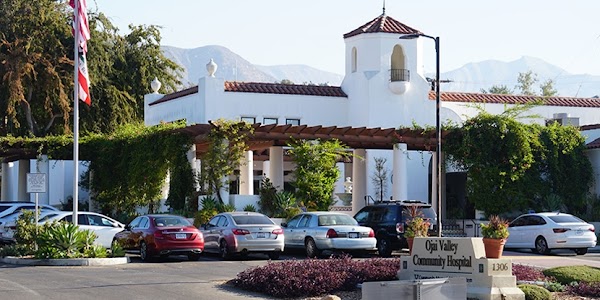

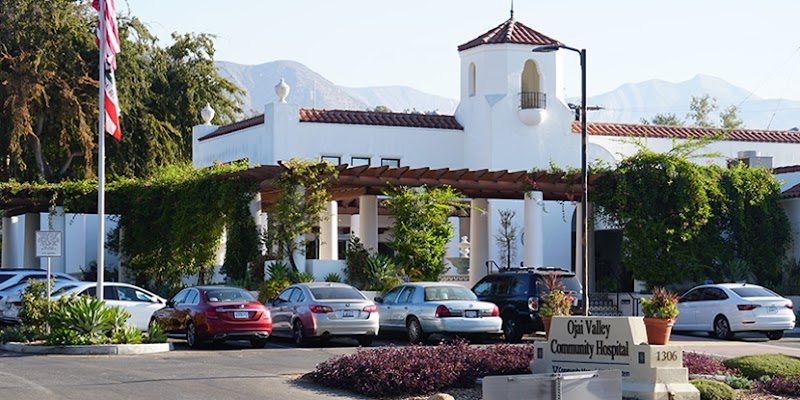
1306 Maricopa Highway, Ojai, CA 93023 (805) 640-2280
Non profit - Corporation 75 Beds Independent Data: November 2025
Trust Grade
83/100
#62 of 1155 in CA
Last Inspection: January 2025

Within standard 12-15 month inspection cycle. Federal law requires annual inspections.

Overview

Community Memorial Continuing Care Center in Ojai, California, has a Trust Grade of B+, indicating it is recommended and above average compared to other facilities. It ranks #62 out of 1,155 in California, placing it in the top half, and is the best option out of 19 facilities in Ventura County. The facility is improving, having reduced its issues from 12 in 2023 to just 1 in 2025. Staffing is a strong point, with a perfect score of 5/5 stars and a turnover rate of 30%, which is lower than the state average. While there are no fines on record, indicating good compliance, recent inspections noted concerns such as a lack of privacy for residents' health information and unlabeled food items, which could pose health risks. Overall, the center shows significant strengths, but these recent findings highlight areas that need attention.
Trust Score
B+
83/100
In California
#62/1155
Top 5%
Safety Record
Low Risk
No red flags
Inspections
Getting Better
12 → 1 violations
Staff Stability
✓ Good
30% annual turnover. Excellent stability, 18 points below California's 48% average. Staff who stay learn residents' needs.
Penalties
✓ Good
No fines on record. Clean compliance history, better than most California facilities.
Skilled Nurses
✓ Good
Each resident gets 92 minutes of Registered Nurse (RN) attention daily — more than 97% of California nursing homes. RNs are the most trained staff who catch health problems before they become serious.
Violations
⚠ Watch
25 deficiencies on record. Higher than average. Multiple issues found across inspections.
★★★★★
5.0
Overall Rating
★★★★★
5.0
Staff Levels
★★★★★
5.0
Care Quality
★★★★★
5.0
Inspection Score
Stable
2023: 12 issues
2025: 1 issues

The Good

  • 5-Star Staffing Rating · Excellent nurse staffing levels
  • 5-Star Quality Measures · Strong clinical quality outcomes
  • Low Staff Turnover (30%) · Staff stability means consistent care
  • Full Sprinkler Coverage · Fire safety systems throughout facility
  • No fines on record
  • Staff turnover is low (30%)

    18 points below California average of 48%

Facility shows strength in staffing levels, quality measures, staff retention, fire safety.

The Bad

No Significant Concerns Identified

This facility shows no red flags. Among California's 100 nursing homes, only 1% achieve this.

The Ugly 25 deficiencies on record

Jan 2025 1 deficiency
CONCERN (D)

Potential for Harm - no one hurt, but risky conditions existed

Food Safety (Tag F0812)

Could have caused harm · This affected 1 resident

Based on observation, interview and record review, the facility failed to properly label food items for their received, opened and expiration dates before storage. This failure had the potential to c...

Read full inspector narrative →
Based on observation, interview and record review, the facility failed to properly label food items for their received, opened and expiration dates before storage. This failure had the potential to cause food borne illnesses to the residents. Findings: During a concurrent observation and interview on 1/13/25 at 10:25 AM, with the Director for Food and Nutrition Services (DFNS), the following food items were found to be unlabeled/undated as to when they were received, opened or when they will expire: one bag of partially opened green beans unlabeled/undated; one bag of blueberries in zip lock bag, unlabeled/undated; one bag of six hamburger patties unlabeled/undated; two bags of turkey sealed unlabeled/undated, one bag of beef sealed unlabeled and undated. The DFNS validated the finding. During a review of the facility's policy and procedure (P&P) titled, Receiving, the P&P indicated in part, J. Date foods prior to placing in storage areas; K. Produce is labeled with the date received
Nov 2023 1 deficiency
CONCERN (D) 📢 Someone Reported This

A family member, employee, or ombudsman was alarmed enough to file a formal complaint

Potential for Harm - no one hurt, but risky conditions existed

Deficiency F0839 (Tag F0839)

Could have caused harm · This affected 1 resident

**NOTE- TERMS IN BRACKETS HAVE BEEN EDITED TO PROTECT CONFIDENTIALITY** Based on interview and record review, the facility failed to ensure a Certified Nursing Assistants (CNA 1) certification was val...

Read full inspector narrative →
**NOTE- TERMS IN BRACKETS HAVE BEEN EDITED TO PROTECT CONFIDENTIALITY** Based on interview and record review, the facility failed to ensure a Certified Nursing Assistants (CNA 1) certification was valid prior to their start of and duration of employment at the facility. These failures had the potential to negatively impact patient care. Findings: During an interview on [DATE] at 9:45 a.m. with Director of Nursing (DON), DON stated, The process is that the manager will receive a one month notice from Human Resources when a staff's license/certification will expire and then we talk to the employee and go from there. We never received anything from Human Resources indicating to not go forward. During a concurrent interview and record review on [DATE] at 10:35 a.m. with [NAME] President of Human Services (VPHS), CNA 1's Personnel File, [undated] was reviewed. The Personnel File indicated, CNA 1 was hired [DATE], as a full time CNA. When CNA 1 applied for the position on [DATE], her certification submitted with her employment application was current and due to expire [DATE]. VPHS stated, At the time of hire we failed to re-verify that [NAME] had renewed her certification prior to starting employment on [DATE] and had been hired with an expired certification. VPHS confirmed, CNA 1 worked 17 days on an expired certification from [DATE] thru [DATE]. During a review of the facility's policy and procedure (P&P) titled, Certification and Licensure Procedures, dated [DATE], the P&P indicated, Human Resources will send monthly reports, and at last one (1) reminder to each Director/Manager identifying license and/or certification expiration dates of their employees.
Aug 2023 2 deficiencies
CONCERN (D) 📢 Someone Reported This

A family member, employee, or ombudsman was alarmed enough to file a formal complaint

Potential for Harm - no one hurt, but risky conditions existed

Assessment Accuracy (Tag F0641)

Could have caused harm · This affected 1 resident

**NOTE- TERMS IN BRACKETS HAVE BEEN EDITED TO PROTECT CONFIDENTIALITY** Based on record review and interview, the facility failed to make sure the assessment accurately reflects the resident's status ...

Read full inspector narrative →
**NOTE- TERMS IN BRACKETS HAVE BEEN EDITED TO PROTECT CONFIDENTIALITY** Based on record review and interview, the facility failed to make sure the assessment accurately reflects the resident's status fo one of three sampled residents (Resident 1) in the Minimum Data Set (MDS) ( A standardized tool used to assess and plan care of residents in Medicare or Medicaid certified facility) on admission for the following: 1. Hearing status 2. Medication received 3. Skin condition This facility failure had the potential to result in poor quality care. Findings: 1. During a review of Resident 1 ' s History & Physical (H&P) on 7/7/23 at 2:22 p.m, dated 6/8/23, the H&P indicated, Resident 1 was deaf, blind in one eye and with diagnosis of chronic pain syndrome. During a continued review of Resident 1's Care Plan (a plan developed to meet resident care) dated, 6/9/23, the Care Plan revealed, Resident 1 was deaf to both left and right ears and with impaired communication secondary diagnosi of dysphagia (swallowing difficulties) and a white board was used for communication. During a review on 7/7/23 at 1:28 p.m., of Resident 1's Nursing Progress Notes (NPN), showed Resident 1 was deaf and staff communicated through writing on a white board or using a phone app. During an interview with the Resident 1 ' s responsible party (RP), on 7/6/23, at 12:28 p.m., the RP confirmed, Resident 1 was 100 percent (%) deaf. The RP further stated, Resident 1 communicate's through a phone app and staff communicates using a white board. During a review of Resident 1's MDS dated [DATE], section B assessment (for hearing) indicated, code 0 Adequate meaning (no difficulty in normal conversation, social interaction, listening to TV). During a concurrent record review and interview with the MDS Coordinator (MDSC) on 8/16, at 11:25 a.m., MDSC confirmed and acknowledged MDS assessment was incorrect because Resident 1's hearing was impaired and needed white board for communication. MDSC agreed, Resident 1 should have been coded 3 Highly impaired - absence of useful hearing. A review of the fscility policy and procedure for MDS assessment titled . Centers for Medicare & Medicaid Services Long-Term Care Facility Resident Assessment Instrument 3.0 User ' s Manual (RAI Manual - instructions for completing MDS), Version 1.17.1, dated October 2019, the RAI Manual indicated, > B0200 Ability to hear (with hearing aid or hearing appliances if normally used). Code hearing: 0 Adequate (no difficulty in normal conversation, social interaction, listening to TV). > Code 1 Minimal difficulty - difficulty in some environments (e.g. (example) when person speaks softly, or setting is noisy). > Code 2 Moderate difficulty - speaker has to increase volume and speaks distinctly. > Code 3 Highly impaired - absence of useful hearing. 2. During a review of Resident 1's MDS, Assessment Reference Date (ARD) (The date that signifies the end of the look back period for asseesment ), dated 6/15/23, the N (section for Opioid) was coded 0.Meaning Resident 1 did not recieve any Opioid medication for the observation period. During a review of Resident 1's Medication Administration Record (MAR), dated 6/23/23, the MAR indicated, Resident 1 received an opioid medication during the 7-day look back period, from 6/9/23 to 6/15/23. During a concurrent record review and interview with the MDSC, on 8/16, at 11:25 a.m., dated 6/15, The MDSC acknowledged, the information was inaccurate and acknowledged Resident 1 received an opioid medication for 7 days and the assessment should have been coded 7 instead of 0. During a review of the RAI Manual, Version 1.17.1, dated October 2019, the RAI Manual indicated, N040H Opioid: Record the number of days an opioid medication was received by the resident at any given time during the 7-day look-back period (or since admission/entry or reentry if less than 7 days. 3. During a review of Resident 1 ' s MDS section M, dated 6/30/23, the MDS section M indicated, M0100 code 1 (Resident 1 has a pressure ulcer/injury, a scar over bony prominence or a non-removable dressing/device.) M0210 code 1 (Resident 1 have one or more unhealed pressure ulcers/injuries.) M0300 Current number of unhealed Pressure Ulcers/Injuries at Each Stage, number of Stage 2 pressure ulcers = 1; Number of these Stage 2 pressure ulcers that were present upon admission/entry or reentry = 1. During a concurrent record review and interview with the MDSC, on 8/16/23, at 11:30 a.m., the MDS section M was reviewed. The MDS section M indicated, Resident 1 had one or more unhealed pressure ulcers/injuries, and had 1 stage 2 that were present upon admission/entry or reentry. MDSC explained that Resident 1's skin was assessed on the day of discharge. And the pressure ulcer on the coccyx (tail bone) area had already healed however, Resident 1 had an ongoing stage 1 to the right buttock. MDSC confirmed, the codes for MDS section M was incorrect. The correct code for stage 2 should have been 0 instead of 1. MDSC claimed, she should have clarified the record with the nurse and documented the findings when Resident 1 was assessed. During a review of the RAI Manual, Version 1.17.1, dated October 2019, the RAI Manual section M indicated, If a resident had a pressure injury that healed during the look-back period of the current assessment, do not code the ulcer/injury on the assessment. During a review of the facility ' s policy and procedure (P&P) titled, Nursing documentation -Including Admission, Shift Plan of Care, and Discharge, dated 2/20, the P&P indicated, Document daily and PRN Changes: Skin Risk Assessment is done daily and updated if actual skin impairment occurs. Document system changes or treatment (that is (i.e.) wound measure and care .)
CONCERN (D) 📢 Someone Reported This

A family member, employee, or ombudsman was alarmed enough to file a formal complaint

Potential for Harm - no one hurt, but risky conditions existed

Pressure Ulcer Prevention (Tag F0686)

Could have caused harm · This affected 1 resident

**NOTE- TERMS IN BRACKETS HAVE BEEN EDITED TO PROTECT CONFIDENTIALITY** Based on record review and interview, the facility failed to ensure one of three sampled residents (Resident 1), had a doctor' s...

Read full inspector narrative →
**NOTE- TERMS IN BRACKETS HAVE BEEN EDITED TO PROTECT CONFIDENTIALITY** Based on record review and interview, the facility failed to ensure one of three sampled residents (Resident 1), had a doctor' s treatment order for an ongoing right ankle stage 2 (a shallow opening on the skin with red or pink wound bed) pressure injury with accurate documentation of Resident 1's skin condition upon discharge. This failure had the potential to delay treatment and cause Resident 1 to not recieve accurate care. Findings: During a review of Resident 1' s History & Physical (H&P) on 7/11/23 at 3:12 p.m, dated 6/8/23 indicated,Resident 1 was a [AGE] year-old male who was hospitalized due to dysarthria (difficult or unclear speech) and dysphagia (difficulty swallowing), and with diagnosis of deaf and blind in one eye. During a review of Resident 1's Braden Skin Summary Risk Score (tool to assess risk of skin complications) dated 6/8/23, the Braden Skin Summary Risk Score indicated, a score of 11 (score of 14 or less indicates at risk status for pressure ulcer development.). During a review of Resident 1's admission Nursing Progress Notes (NPN), dated 6/8/23, the NPN showed, Resident 1 was admitted with a right buttocks stage 1 pressure injury (a reddened skin that does not turn white when pressed), right ankle stage 2 pressure injury and a left buttock blanchable redness (skin turned white when pressed with fingertips). During a further review of Resident 1's NPN dated 6/19/23 indicated, Resident 1 had a new coccyx (tail bone) stage 2 pressure injury. Further review of the NPN showed, Resident 1 had a new stage 2 pressure injury to the peristomal (around the opening) skin under the gastrostomy (artificial feeding tube) stopper on 6/21/23. During a review of Resident 1's Care Activity, dated 6/21/23 and 6/24/23 indicated, the coccyx stage 2 pressure injury had been resolved. However, a further review of the Care Activity dated 6/29/23, indicated, Resident 1 still had a right buttocks stage 1 pressure injury and right ankle stage 2 pressure injury. A review of Resident 1's discharge NPN dated 6/30/23 also indicated, Resident 1 still had a stage 2 pressure injury on the coccyx and right buttocks. During an interview with the Registered Nurse Supervisor (RNS) on 8/10/23, at 2:50 p.m., the RNS verbalized a skin assessment was done on the day of discharge and an ongoing stage 2 pressure ulcer on Resident 1's coccyx and stage 1 to the right buttock was now stage 2 upon assessment. During a concurrent record review with RNS of Resident 1's admission Orders, dated 6/8/23, there were no treatment order obtained from the physcian for the right ankle stage 2 found. During an interview with the RNS on 8/10/23, at 2:50 p.m.,RNS ocnfirmed there was no treatment order for right ankle stage 2 pressure ulcer since Resident 1's admission obtained. RNS further acknowledged there should have been a wound care treatment order obtained from the physician to avoid delay of Resident 1's treatment. During a concurrent record review and interview with the MDS Coordinator (MDSC - the person attesting accuracy of the data in MDS), on 8/16/23, at 11:30 a.m., the MDS section M was reviewed. The MDS section M indicated, Resident 1 had one or more unhealed pressure ulcers/injuries, and had 1 stage 2 that were present upon admission/entry or reentry. MDSC stated, Resident 1 ' s skin was assessed on the day of discharge, the pressure ulcer on the coccyx area had already healed and an ongoing stage 1 on the right buttock. MDSC admitted seeing the nursing documentation for multiple pressure injuries during the look back period but did not clarify the record with the nurse and did not document the findings when Resident 1 was assessed. During a record review and interview with the Director of Nursing (DON), on 8/10/23, at 10:57 a.m., the Care Trends Integumentary (skin) was reviewed. The Care Trends Integumentary indicated, pressure ulcer on the coccyx was healed on 6/21/23. Resident 1's monitoring for pressure Injury in the coccyx continued from 6/22/23 to 6/23/23 then the documentation stopped. The DON acknowledged via e mail, Definitely, it appears there are gaps with the documentation. During a review of the facility ' s policy and procedure (P&P) titled, Nursing documentation -Including Admission, Shift Plan of Care, and Discharge, dated 2/20, the P&P indicated, Document daily and PRN Changes: Skin Risk Assessment is done daily and updated if actual skin impairment occurs. Document system changes or treatment (that is (i.e.) wound measure and care .) During a review of the facility ' s policy and procedure (P&P) titled, Skin Assessment: Including Skin Risk, Impaired Skin Integrity, Wound Documentation & Nursing Interventions, dated 2/22, the P&P indicated, It is the policy of Community Memorial Health System (CMHS) that all in-patients have a complete skin assessment, including skin risk, performed and documented within four hours of admission. Patients who are at risk for skin integrity impairment and those with actual skin breakdown will be identified by these assessments .Document skin assessment on Skin Assessment section of Continuing Care Center (CCC) Physical Assessment Group in Meditect (electronic program). Wounds will be assessed and documented on admission and initial identification during stay, weekly and PRN change in condition. The physician should be notified of any wounds identified on admission and throughout hospital stay. CCC - Wounds receiving care and treatment will be documented weekly.
Aug 2023 1 deficiency
CONCERN (D) 📢 Someone Reported This

A family member, employee, or ombudsman was alarmed enough to file a formal complaint

Potential for Harm - no one hurt, but risky conditions existed

Pharmacy Services (Tag F0755)

Could have caused harm · This affected 1 resident

Based on interview, and record review, the facility failed to ensure an account of all controlled drugs in order to minimize loss or diversion of narcotics when narcotic return bin(s) were not emptied...

Read full inspector narrative →
Based on interview, and record review, the facility failed to ensure an account of all controlled drugs in order to minimize loss or diversion of narcotics when narcotic return bin(s) were not emptied on a daily basis. This failure resulted in one tablet of tramadol (narcotic pain medication) 50 mg (milligram, unit of measure) not being accounted for and had the potential for narcotics to be diverted from the facility. Findings: On 6/20/23 the facility reported to the Department a loss of one tramadol 50 mg tablet. The report indicated, on 4/25/23, at 4:13 a.m., Licensed Nurse (LN 1) documented returning one tramadol 50 mg tablet to the facility's Nursing Station 3's (NS 3) external Pyxis (automated system that automates the distribution, management and storage of medications) return bin. The tramadol tablet was not found in the return bin when it was emptied on 6/6/23 by pharmacy technicians. During an interview on 6/28/23 at 10:30 a.m. with Director of Nursing (DON), DON confirmed the missing tramadol 50 mg tablet was unaccounted for and stated the tramadol should have been in the NS 3's return bin on 6/6/23. During an interview on 6/28/23 at 11:41 a.m. with Pharmacy Technician (PT), PT stated, tramadol 50 mg tablet should have been returned to the return bin on 4/25/23, but it was not found when checking NS 3's return bin on 6/6/23. PT stated, the return bin should have been emptied on 4/25/23 and it was not. PT further stated, according to the facility ' s policy return bins are supposed to be emptied every day, but they are not. During an interview on 6/28/23 at 11:51 a.m., with Diversion Program Manager (DPM), DPM stated, tramadol 50 mg was documented as being returned to NS 3's return bin on 4/25/23. When the return bin was emptied on 6/6/23, the tablet was not found in the bin. DPM was unable to recall the last time the return bins were emptied, and stated, They should be emptied daily. During a concurrent interview and document review on 6/28/23 at 12:03 p.m. with Director of Pharmacy (DOP), DOP reviewed documentation when the narcotic return bin was emptied during the year 2023. The documentation indicated, NS 3's return bin was emptied on 2/4/3, 3/22/23, and 4/18/23 . DOP stated the return bin should be emptied every day, and it was not. During a review of the facility ' s internal guidance document titled, Return Bin Instructions, undated, the document indicated, It is the expectation that all return bins are opened with a witness, and checked for returns daily.
Apr 2023 7 deficiencies
CONCERN (D)

Potential for Harm - no one hurt, but risky conditions existed

Deficiency F0557 (Tag F0557)

Could have caused harm · This affected 1 resident

Based on interview and record review, the facility failed to ensure staff safeguarded the personal property of one of eighteen sampled residents (Resident 56). When a topical gel cream called Liniment...

Read full inspector narrative →
Based on interview and record review, the facility failed to ensure staff safeguarded the personal property of one of eighteen sampled residents (Resident 56). When a topical gel cream called Liniment Gel (a topical gel used to temporary relief of muscle or joint pain) that was mailed to the resident in the facility was taken away by a facility staff member and never replaced nor reimbursed. This failure resulted in a resident not having the right to retain and use a personal possession in the facility. Findings: During a concurrent observation and interview on 04/18/23 at 3:22 p.m., in residents' room, when asked if any issues or concerns regarding facility, Resident 56 stated his sister mailed some cream for pain to facility. As he was opening the box a female staff took the medication and stated, you can't have this here. Resident 56 asked surveyor if facility should reimburse for it. Resident 56 stated They took it. It is very expensive. I haven't had no surgery but both knees have pain, used for that. During a concurrent interview and record review with Social Service Worker (SSW) on 4/21/23 at 9:50 a.m., the facility Policy and Procedure (P&P) titled, Theft and Loss dated 05/19/20 was reviewed. The SSW stated that there was a picture that confirmed the cream was received in the facility however, the facility no longer had the cream. The SSW acknowledged the facility did not follow the P&P regarding residents' personal property when Resident 56's cream was taken away from him and was not replaced or reimbursed. During a review of the facility's policy and procedure (P&P) titled, Theft and Loss, dated 05/19/20, the P&P indicated, Purpose: to establish a theft and loss program and implement a procedure and guidelines as required in the California Health and Safety Code for long term care facilities. To educate the [Name of facility] staff regarding the Theft and Loss policy and procedure. Policy: The [Name of facility] will make reasonable efforts to safeguard patient property while a resident of the facility. The facility will reimburse a resident for or replace a stolen or lost patient property at its current value, as required by law .Procedure: All resident's belongings will be marked or tagged for identification purposes.
CONCERN (D)

Potential for Harm - no one hurt, but risky conditions existed

Deficiency F0645 (Tag F0645)

Could have caused harm · This affected 1 resident

Based on interview and record review, the facility failed to ensure a follow up/new Preadmission Screening and Resident review (PASRR-mental disability assessment) for Level 1 was done for 1 of 18 res...

Read full inspector narrative →
Based on interview and record review, the facility failed to ensure a follow up/new Preadmission Screening and Resident review (PASRR-mental disability assessment) for Level 1 was done for 1 of 18 residents (Resident 30). This failure had the potential to result in Resident not being adequately assessed to receive recommended care and treatment. Findings: Review of Resident 30's Clinical Record indicated, resident was admitted to the facility with history diagnoses that included acquired absence of right leg below knee, adverse effect of unspecified narcotics, chronic diastolic (congestive) heart failure(when the heart does not relax and fill with blood normally). During a review of Resident 30's clinical documents titled, Preadmission Screening and Resident Review(PASRR-mental disability assessment), dated 09/08/22, the PASRR indicated, Positive (resident with mental disorder condition). Further record review of document titled, Department of Health Care Services (DHCS) letter, dated 9/16/22 for Resident 30 indicated, a PASRR Level II was incomplete and had documented, Unable to complete Level II evaluation .The individual was isolated as a health safety precaution .The case is now closed. To reopen, please submit a new Level I screening. A Review of Resident 30's clinical records showed no new level I PASRR was done after the 9/16/22 recommendation by DHCS. During an interview with a Registered Nurse (RN 1) on 04/20/23 at 10:48 a.m., RN 1 confirmed the Level II PASRR was not done. During an interview with the Director of Nursing (DON) on 4/21/23 at 10:15 a.m, the DON indicated the facility did not have a policy and procedure for PASRR screeening for residents in the facility.
CONCERN (D)

Potential for Harm - no one hurt, but risky conditions existed

Comprehensive Care Plan (Tag F0656)

Could have caused harm · This affected 1 resident

During a concurrent interview and observations of resident rooms on 4/18/23 at 12:49 p.m., Resident 59 was observed to be awake in bed and verbally responsive. Resident became tearful at times during ...

Read full inspector narrative →
During a concurrent interview and observations of resident rooms on 4/18/23 at 12:49 p.m., Resident 59 was observed to be awake in bed and verbally responsive. Resident became tearful at times during interview and stated he misses real food, misses home, had been in hospital for 5 months and then transferred to this facility where he has been for about a month. During a review of the Minimum Data Set (MDS-a standardized assessment tool that measures health status in nursing home residents) for Resident 59, dated 1/30/23, in section I (Diagnosis), the MDS indicated Resident 59 had a diagnosis that included, Adjustment disorder with Depression (stress-related condition where you feel overwhelmed and have a hard time adjusting to a stressful event or change.) During a review of the Patient Active Orders (POA) for Resident 59, dated 4/21/23, the POA indicated Doxepin (a tricyclic antidepressant medication used to treat major depressive disorder) 10 mg (milligrams). During a review of the [Name of Facility]Psychotropic Drug Informed Consent (IC) for Resident 59, dated 1/30/23, the IC indicated, Psychotherapeutic drug (s): Sinequan (Doxepin) Diagnosis: Depression m/b (manifested by) Sadness. During a concurrent interview and record review on 4/21/23 at 11:56 a.m. with the Director of Nursing (DON), the Care Plan for Resident 59 dated 1/30/23, the P&P titled Psychotropic Drug Therapy and Restraint Management, dated 3/28/2017, and the P&P titled, Nursing Documentation-including Admission, Shift, Plan of Care, and Discharge, dated 02/25/2020 were reviewed. The DON confirmed the facility did not have a care plan in place for the use of the psychotropic drug (Doxepin) for Resident 59. The DON further indicated the facility should have implemented a plan of care for the use of the Doxepin for Resident 59. Based on interview and record review the facility failed to initiate a Care Plan (a part of the nursing process which outlines the plan of action that will be implemented during a patient's medical care) for two of 18 sampled residents (Resident 59 and Resident 163) when: 1. Care plans for two antidepressants medications were not initiated for Resident 163 and, 2. A care plan for psychotropics was not initiated for resident 59. These facility failures have the potential to prevent residents from recieving individualized care and services. Findings: During a review of the facility P&P titled, Nursing Documentation-including Admission, Shift, Plan of Care, and Discharge, dated 02/25/2020, the P&P indicated, Collection of data will be systematic, continuous and include assessments and reassessments by various professional disciplines. Problem statements or Nursing Diagnosis, Patient Outcomes (Goals) and Nursing interventions are developed by this documentation and incorporated into the Plan of Care. A review of the facility policy and procedure (P&P) titled, Psychotropic Drug Therapy and Restraint Management, dated 3/28/2017, the P&P indicated, Purpose. To establish a policy and standards, for the provision of safe psychotropic drug and restraints management within the Continuing Care Center (CCC), as required by law; including but not limited to the following: to guide the interdisciplinary team (IDT) in reviewing and attempting alternative interventions and /or behavioral management strategies prior to the use of psychoactive medication. 1. During an interview on 04/18/23 at 11:06 a.m., Resident 163 indicated on initial pool that she is taking medications for her anxiety (A sense of uneasiness, distress, or dread you feel before a significant event). During a record review on 4/19/23 at 11:47 a.m., Resident 163's record indicated, Resident 163 is taking Lexapro (a medication used to treat depression) 20 mg by mouth daily and Cymbalta (a medications used to treat depression, anxiety, panic attacks, and social anxiety disordernt) 30 mg by mouth (PO) every day (QD). During a review of Resident 163's Care Plans (CP) on 4/19/23 at 12:02 p.m., the record revealed there were no care plans initiated for the use of Lexapro and Cymbalta (antidepressant) medications. During a concurrent interview and record review with the Registered Nurse (RN 2) on 4/20/23 at 1:58 PM, RN 2 confirmed there were no Care Plans initiated for the use of both antidepressant medications. During an interview with the Director of Nursing (DON) on 4/21/23 at 9:57 a.m., the DON acknowledged there were no Care Plans initaited for Lexapro or Cymbalta for Resident 163.
CONCERN (D)

Potential for Harm - no one hurt, but risky conditions existed

Deficiency F0657 (Tag F0657)

Could have caused harm · This affected 1 resident

Based on interview and record review of facility policy and procedures, the facility failed to update and revise a fall care plan for one of 18 sampled residents (Resident 169) after a fall incidence....

Read full inspector narrative →
Based on interview and record review of facility policy and procedures, the facility failed to update and revise a fall care plan for one of 18 sampled residents (Resident 169) after a fall incidence. This facility failure had the potential for new interventions and new fall precations to not be implemented which could potentially prevent Resident 169 form future falls. Findings: During an interview on 4/18/23 at 11:10 a.m, resident 169 on initial pool, indicated she had fallen in the facility recently. During record review on 4/20/23 at 9:05 a.m., Resident 169's record indicated, resident 169 had an unwitnessed fall on 4/15/23 at 6:45 AM, and that Resident 169 was taken to the emergency department and returned back to the facility the same day. During a record review of Resident 169's Care Plan (formal process that correctly identifies existing needs and recognizes a client's potential needs or risks which help guides nurses) on 4/20/23 at 9:24 a.m., a fall care plan was noted to have been initiated on 4/6/23. There were no revisions or updates to the fall care plan interventions that were documented after the resident's fall incidence on 4/15/23. During a concurrent interview and record review with the Nurse Informatics (NI) super user on 4/20/23 at 11AM, the NI agreed there were no revised or updated fall Care Plans noted for Resident 169. During an interview with Director of Nursing (DON) on 4/21/23 at 10 a.m., the DON acknowledged the fall Care Plan was not revised or updated after Resident 169's fall incidence on 4/15/23. The DON further indicated the fall Care Plan for resident 169 should have been updated. During a review of the facility policy and procedure (P&P) titled, CCC Resident Fall Prevention, dated 3/20/2021, the P&P indicated, Document the incident .b. initiate or update the Fall care plan .d, Review and revise the care plan as necessary.
CONCERN (D)

Potential for Harm - no one hurt, but risky conditions existed

Deficiency F0688 (Tag F0688)

Could have caused harm · This affected 1 resident

During a review Resident 57's clinical record, the clinical record indicated diagnosis including, difficulty in walking, muscle weakness, and unspecified fall. During a review of the care plan for Res...

Read full inspector narrative →
During a review Resident 57's clinical record, the clinical record indicated diagnosis including, difficulty in walking, muscle weakness, and unspecified fall. During a review of the care plan for Resident 57, dated 11/15/22, the care plan indicated, Encourage resident to do self care activity, document functional ability, provide positive reinforcement during activity, bed mobility training, transfer training using walker, education to meet functional goal. RNA 3 times a week for 15 mins. During an interview and record review, with the DON, on 04/20/23, at 1:46 p.m., the DON stated the facility used to have 2 RNAs but during the pandamic they became CNAs. The DON confirmed the facility does not currently have an RNA program and residents who have care plans indicating RNA services are not being implemented or provided on a consistent basis. Review of the flow sheet dated 1/18/23 thru 2/17/23 indicated, RNA services were only performed on the dates of 1/18/23; 2/8/23; and 2/17/23. The DON stated, If RNA activity is not documented on the flow sheet then it wasn't done. Based on observation, interview, and record review, the facility failed to ensure restorative nursing services (RNA) were provided to two of eighteen sampled residents (Resident 57, Resident 59). This facility failure resulted in Resident 57 and Resident 59 not receiving required services to ensure they maintain, improve, or restore muscle strength, balance, range of motion, and functional mobility. Findings: During a review of the facility policy and procedure (P&P) titled, Nursing Documentation-including Admission, Shift, Plan of Care, and Discharge dated 02/25/2020, the P&P indicated, Collection of data will be systematic, continuous and include assessments and reassessments by various professional disciplines. Problem statements or Nursing Diagnosis, Patient Outcomes (Goals) and Nursing interventions are developed by this documentation and incorporated into the Plan of Care. During an observation and interview on 04/18/23, at 12:49 p.m., in residents' room, Resident 59 was alert and lying in bed. Resident became tearful at times during interview and stated he misses real food, misses home, had been in hospital for 5 months and then transferred to this facility where he has been for about a month. Resident 59 had n abdominal wound covered in a clear dressing with a wound drainage to a bag. Resident also noted to have a PICC (a type of long catheter that is inserted through a peripheral vein, often in the arm, used when intravenous treatment is required over a long period.) to upper left and a foley catheter (a tube placed in the body to drain and collect urine from the bladder.) During a review of the Minimum Data Set (MDS-a standardized assessment tool that measures health status in nursing home residents) dated 1/30/23 for Resident 59, in section I (Diagnosis), the MDS indicated Resident 59 had diagnosis including muscle weakness (lack of muscle strength), morbid obesity (being more than 100 pounds over ideal body weight (IBW) and vascular disorder of intestine (a serious condition that can cause pain and make it difficult for your intestines to work properly. In severe cases, loss of blood flow to the intestines can damage intestinal tissue and possibly lead to death.) under section G (Functional mobility- is a person's physiological ability to move independently and safely in a variety of environments to accomplish functional activities or tasks and to participate in the activities of daily living, at home, work and in the community.) the MDS indicated Resident 59 required staff assistance with all mobility tasks. During a review of the physician orders dated 4/21/23 for Resident 59, the physicians orders indicated, Ambulate as tolerated with nursing assistance. During a review off Resident 59's PT (physical therapy) Inpatient Daily Progress Note dated 04/05/23, the PT note indicated, Discharge Summary: patient will benefit from continued ambulation daily by nursing/RNA (RNA-restorative nurse assistant-provides rehabilitation care to help people regain or improve their physical, mental, and emotional health). During an interview and concurrent record review on 04/20/23 at 11:28 a.m. with a community memorial hospital information technology assistant (CMH IT), the electronic medical record (EMR) for Resident 59 was reviewed. The CMH IT confirmed there were no RNA notes or evaluation anywhere in Resident 59's EMR. During a concurrent interview and record review on 04/21/23 at 9:25 a.m. with the director of nursing (DON), the PT (physical therapy) Inpatient Daily Progress Note dated 04/05/23 for Resident 59, and the facility P&P titled, Nursing Documentation-including Admission, Shift, Plan of Care, and Discharge dated 02/25/2020 were reviewed. The DON confirmed the facility does not have RNA services at this time. The DON stated, Yes, we have not had them, but we are going to start- I have an RNA book right here. The DON confirmed the facility is not implementing RNA services per the PT recommendation and per the facility's P&P. During a concurrent observation and interview on 04/21/23 at 9:30 a.m. in Resident 59's room with a certified nurse assistant (CNA1), Resident 59 stated, It's not that i don't want to walk- i just needs someone to get me up. CNA1 confirmed Resident 59 should be receiving RNA services per the physician orders dated 4/21/23, and per the PT Inpatient Daily Progress Note dated 04/05/23. CNA1 confirmed Resident 59 had not recieved any RNA services as ordered.
CONCERN (D)

Potential for Harm - no one hurt, but risky conditions existed

Food Safety (Tag F0812)

Could have caused harm · This affected 1 resident

Based on observation, interview, and record review, the facility failed to follow appropriate dress code for food and nutrition services personnel in the kitchen failed to serve food in accordance wit...

Read full inspector narrative →
Based on observation, interview, and record review, the facility failed to follow appropriate dress code for food and nutrition services personnel in the kitchen failed to serve food in accordance with professional standards for food service safety. This failure has the potential for cross contamination of food (transfer of harmful bacteria to food when they are not handled properly). Findings: During an observation and interview, with the [NAME] (Job title for the person responsible for preparing ingredients at an establishment that serves food) and Food and Nutrition Services Director (FNS) on 04/18/23 at 10:15 a.m., [NAME] was observed not wearing a beard restraint when he entered the kitchen. The FNS confirmed CK1 was not wearing a beard restraint. A review of Policies and Procedures (P&P) titled, Uniform Dress Code in FNS dated 11/26/19, indicated, E. Facial hair must be covered as per local and state regulations. A. Long Term Care: [NAME] restraints must be worn.
CONCERN (E)

Potential for Harm - no one hurt, but risky conditions existed

Deficiency F0583 (Tag F0583)

Could have caused harm · This affected multiple residents

**NOTE- TERMS IN BRACKETS HAVE BEEN EDITED TO PROTECT CONFIDENTIALITY** Based on observation, interview, and record review, the facility failed to ensure the privacy of protected health information (P...

Read full inspector narrative →
**NOTE- TERMS IN BRACKETS HAVE BEEN EDITED TO PROTECT CONFIDENTIALITY** Based on observation, interview, and record review, the facility failed to ensure the privacy of protected health information (PHI-is any information in the medical record or designated record set that can be used to identify an individual and that was created, used, or disclosed while providing a health care service such as diagnosis or treatment.) for twenty two of sixty three residents residing in the facility. This facility failure resulted in twenty two residents protected health information potenitally being compromised. Findings: During an observation on 04/18/23 at 1:10 p.m., a four wheeled rolling cart outside of room [ROOM NUMBER] was observed unattended with a laptop computer on it. The computer screen was open. The screen displayed the PHI of twenty-two residents including their name, diagnosis, room number, account number, physician name, isolation precautions (isolation precautions are used to reduce transmission of microorganisms in healthcare and residential settings. These measures are designed to protect patients/residents, staff, and visitors from contact with infectious agents), and resuscitation status (the type of emergent treatment a person would or would not receive if their heart or breathing were to stop). During an interview and concurrent record review on 04/21/23 at 9:30 a.m., with a certified nurse assistant (CNA1), the facility's policy and procedure titled HIPAA Minimum Necessary dated 5/26/2020 was reviewed. The HIPAA Minimum Necessary indicated, [Name of Facility]'s workforce will make reasonable efforts to limit protected health information (PHI) to the minimum necessary. CNA1 confirmed staff are supposed to close their computers and not leave them open when they are not using them. A review of the facility's policy and procedure (P&P) titled, HIPAA Minimum Necessary, dated 5/26/2020, the P&P indicated, Purpose. Provide guidance to [Name of facility] regarding the requirement to adhere to minimum necessary standards when releasing, accessing, or using PHI. Policy: when using or disclosing individually identifiable health information (or when requesting individually identifiable health information from other health care providers, health plans and healthcare clearinghouses), [Name of Facility] and members of [Name of Facility]'s workforce will make reasonable efforts to limit protected health information (PHI) to the minimum necessary to accomplish the intended purpose of the use, disclosure, or request.
Jan 2023 1 deficiency
CONCERN (D) 📢 Someone Reported This

A family member, employee, or ombudsman was alarmed enough to file a formal complaint

Potential for Harm - no one hurt, but risky conditions existed

Deficiency F0563 (Tag F0563)

Could have caused harm · This affected 1 resident

Based on observation, interview and record review, the facility failed to ensure Resident 1's right to family visitation was honored as outlined in the facility visitation guidelines. This failure had...

Read full inspector narrative →
Based on observation, interview and record review, the facility failed to ensure Resident 1's right to family visitation was honored as outlined in the facility visitation guidelines. This failure had the potential to result in the deprivation of emotional support from family needed by Resident 1 for the physical and psychosocial healing process. Findings: During an interview on 01/15/23, at 7:15 a.m., with licensed nurse (LN 1), LN 1, indicated the family of Resident 1 was at the facility during the admission process on the evening of 12/2/22. LN 1 instructed the family to call the facility the next morning to schedule visitation with Resident 1. During an interview on 01/20/23, at 9:20 a.m., with LN 2, LN 2 was facility supervisor the evening of 12/2/22 and instructed Resident 1's family to call to schedule a visit. During a review of the facility document titled, .Continuing Care Visitation Guidelines , undated, the document indicated, there was no evidence that visitation had to be by scheduled appointment. In addition, the document indicated, alternative means of visitation are available at all times . During an interview on 01/23/23, at 1:10 p.m., with the director of nursing (DON), the DON stated,the facility no longer requires family to make an appointment for visitation. Visitor restriction may have been used at one point during the peak of the pandemic, but is no longer policy. During the month of December 2022, scheduling of visitation appointments was not required. Staff should not have provided those instructions to the family during the admission process.
Nov 2022 1 deficiency
CONCERN (D) 📢 Someone Reported This

A family member, employee, or ombudsman was alarmed enough to file a formal complaint

Potential for Harm - no one hurt, but risky conditions existed

Medical Records (Tag F0842)

Could have caused harm · This affected 1 resident

**NOTE- TERMS IN BRACKETS HAVE BEEN EDITED TO PROTECT CONFIDENTIALITY** Based on interview and record review, the facility failed to maintain complete and accurate medical records in accordance with a...

Read full inspector narrative →
**NOTE- TERMS IN BRACKETS HAVE BEEN EDITED TO PROTECT CONFIDENTIALITY** Based on interview and record review, the facility failed to maintain complete and accurate medical records in accordance with accepted professional standards for four of five sampled residents (Resident 1, 2, 3, and 4) by not completing a Physician Progress Note. This failure had the potential for Residents 1, 2, 3, and 4 to have their medical needs unmet. Findings: During a review of Resident 1's admission Record and History and Physical (H&P), dated 11/29/21, the admission record and H&P indicated, Resident 1 was admitted to the facility on [DATE], with diagnoses of but not limited to, Multiple Sclerosis (nerve damage between brain and body), hemiparesis (weakness or inability to move one side of the body), and contracture of muscle, multiple sites (stiffening of muscle causing deformity). A review of Resident 1's Electronic Health Record (EHR - digital version of a patient's paper chart), revealed, there was no evidence of a Monthly Physician Progress Note for the months of August 2022 and September 2022. During a review of Resident 2's admission Record and H&P, dated 11/29/21, the admission record and H&P indicated, Resident 2 was admitted to the facility on [DATE], with diagnoses of but not limited to, Osteomyelitis (swelling in the bone), hypothyroidism (underactive production of hormones to meet the body's needs), and anemia (not enough red blood cells). A review of Resident 2's EHR revealed, there was no evidence of a Monthly Physician Progress Note for the months of August 2022 and September 2022. During a review of Resident 3's admission Record and H&P, dated 11/29/21, the admission record and H&P indicated, Resident 3 was admitted to the facility on [DATE], with diagnoses of but not limited to, hypertension (high blood pressure), dyslipidemia (imbalance of cholesterol), and chronic low back pain. A review of Resident 3's EHR revealed, there was no evidence of a Monthly Physician Progress Note for the month of August 2022. During a review of Resident 4's admission Record and H&P, dated 12/30/21, the admission record and H&P indicated, Resident 4 was admitted to the facility on [DATE], with diagnoses of but not limited to, Osteopenia (loss of bone mineral density, weak bones), diverticulosis (swollen pouch in digestive tract), and Chronic Kidney Disease stage 3 (mild to moderate kidney damage). A review of Resident 4's EHR revealed, there was no evidence of a Monthly Physician Progress Note for the months of August 2022 and September 2022. During an interview on 10/6/22, at 1:10 p.m., with Licensed Nurse (LN 1), LN 1 stated, the Attending Physicians visit the residents once a month or more if needed and their progress notes should be accessible in the EHR. LN 1 confirmed physician progress notes for August and September 2022 were not in Residents 1, 2, and 4's EHRs. LN 1 also confirmed there was no physician progress note for August 2022 in Resident 3's EHR. During an interview on 10/6/22, at 2:10 p.m., with Director of Nursing (DON), DON confirmed a resident is to be seen by the Attending Physician a minimum of every 30 days and the visits need to be documented in the EHR. DON confirmed the physician progress notes for Residents 1, 2, 3, and 4 for the respective months of August and/or September 2022 were not in the EHRs and cannot be located. During a review of the facility's policy and procedure (P&P) titled, Amended and Restated Medical Staff General Rules & Regulations of Community Memorial Health System, dated 7/26/22, the P&P indicated, Progress notes for patients hospitalized in the Continuing Care Center must be written as needed and at least once every 30 days.
Oct 2019 11 deficiencies
CONCERN (D)

Potential for Harm - no one hurt, but risky conditions existed

Deficiency F0625 (Tag F0625)

Could have caused harm · This affected 1 resident

Based on interview and record review, the facility failed to provide the resident a written notice of the bed-hold policy and return, prior to transfer to the hospital. This facility failure had the p...

Read full inspector narrative →
Based on interview and record review, the facility failed to provide the resident a written notice of the bed-hold policy and return, prior to transfer to the hospital. This facility failure had the potential to result in resident not knowing their rights to return to the facility in a safe and timely manner and gaps in care. Findings: During an interview, on 10/31/19, at 09:55 A.M., Resident 24 indicated she was transfered out of the hospital and could not recall if anyone explained and gave her a written notice on the bed-hold policy prior to her being transferred to the hospital. She further stated, I can't recall because of the pain I was in .no one gave me anything while I was in the hospital. During an interview, on 10/31/19, at 10:25 A.M., the Registered Nurse Supervisor (RNS) indicated they should have provided written notice of the bed hold policy before transfer but did not in the case with Resident 24. During a review of the clinical record for Resident 24 the, {name of hospital} Center Bed Hold Agreement, dated 9/4/19, indicated the facility did not provide Resident 24 with the bed hold notice before transfering the Resident 24.
CONCERN (D)

Potential for Harm - no one hurt, but risky conditions existed

Comprehensive Care Plan (Tag F0656)

Could have caused harm · This affected 1 resident

Based on observation, interview, and record review the facility failed to provide services of a restorative nurse assistant (RNA) as ordered in the care plan for one resident (Resident 156). This fail...

Read full inspector narrative →
Based on observation, interview, and record review the facility failed to provide services of a restorative nurse assistant (RNA) as ordered in the care plan for one resident (Resident 156). This failure has the potential to cause contractures (a condition of shortening and hardening of muscles, tendons, or other tissue, often leading to deformity and rigidity of joints), muscle wasting, (A weakening, shrinking, and loss of muscle caused by disease or lack of use) and pressure ulcers (injuries to skin and underlying tissue resulting from prolonged pressure on the skin). The facility policy and procedure titled, Care Plan, Interdisciplinary, dated 9/26/2019, indicated in part, II. POLICY: The interdisciplinary care plan will be based upon the patients' admitting medical diagnosis as well as the professional assessment by an RN for each patient admitted and, The interventions indicated will ensure delivery of safe and consistent care by the interdisciplinary team. A review of Resident 156's, admission history and physical, dated 10/16/19, indicated Resident 156 had asmission diagnoses including severe right hemiplegia (Paralysis of the right half of the body), was bed bound, and was generally nonverbal. During observations between 10/28/19 to 10/31/19, Resident 156 was observed as being always in bed. No active/passive physical activity (During active physical activity, a person contracts and relaxes muscles directly while during passive physical activity the muscles are moved by an outside force, such as another body part, a machine or another person) was observed taking place. During an interview and concurrent record review, with a licensed nurse (LN1), on 10/31/19, at 2:30 p.m. the care plan for Resident 156 indicated RNA for all extremities three to five times a week beginning 10/17/19. LN1 confirmed an RNA did not provide services three to five days a week as ordered. During interview, and concurrent record review with the director of nursing (DON), the DON confirmed the an RNA did not provide services three to five days a week as ordered.
CONCERN (D)

Potential for Harm - no one hurt, but risky conditions existed

Deficiency F0675 (Tag F0675)

Could have caused harm · This affected 1 resident

Based on observation, interview, and record review the facility failed to ensure one resident (Resident 19) participated in activities as ordered. This facility failure has the potential to cause isol...

Read full inspector narrative →
Based on observation, interview, and record review the facility failed to ensure one resident (Resident 19) participated in activities as ordered. This facility failure has the potential to cause isolation, and physical and psychological decline. Findings: Review of the facilities policy and procedure titled, Activities Program and Scope, dated 09/25/18, indicated in part, Activity program at Continuing Care Center (CCC) will be designed .to provide an environment that will enhance, maintain and promote each residents' quality of life, dignity and respect in full recognition of his or her individuality' .To stimulate and support physical and mental capabilities to the fullest extent, To enable our patients to maintain the highest attainable social, physical and emotional functioning. A review of the nursing note, dated 2/5/19, indicated in part, Alert with confusion and disorientation; hostile and threatening towards staff at times. A review of Resident 19's, Minimum Data Set (MDS) (a federal mandated tool that provides a comprehensive assessment of each resident's functional capabilities), dated 8/27/19, indicated in part, Section V- CARE AREA ASSESSMENT SUMMARY-V0200 indicated resident with cognitive loss/dementia, delirium, falls, psychotropic drug (any medication capable of affecting the mind, emotions and behaviors), Section F- ACTIVITIES- F0500 indicated it is important to resident to go outside and get fresh air and do things with groups of people, participate in religious services, and listen to music, and Section G- FUNCTIONAL STATUS-G0110 indicates resident needs supervision to one person assist with mobility. A review of the facility document titled, Activity Assessment, dated 8/19/19, indicated in part, Resident 19 enjoys strolling around facility, group activities of coffee and news time, some games, social events, parties, adult coloring and spending time with peer friends. A review of Resident 19's, Activity Attendance/Participation Grid Form, for September 2019, and October 2019, revealed Resident 19 did not participate in any group activities for 20 out of 31 days in September, and for 16 out of 31 days in October. During an interview and concurrent record review, on 10/31/19, at 9:30 a.m., with the activity director (A.D.), the A.D. confirmed Resident 19 enjoys participating in group activities but had not participated in any group activity for 20 days in September and 16 days in October. The A.D. confirmed Resident 19's, Activity assessment, indicated in part, Resident needs active encouragement and sometimes direct guidance. During an interview, observation, and concurrent record review, on 10/31/19, at 10:06 a.m., Resident 19 was lying in bed, awake no television or entertainment. A certified nurse assistant (CNA 1) indicated they did not know what activities Resident 19 liked participating in. CNA 1 confirmed Resident 19 needs mobility assistance, and active encouragement to participate in activities. CNA 1 stated, I must have just been busy this morning, and further indicated they did not ask Resident 19 if she wanted to participate in the activity nor did they get Resident 19 up in wheel chair.
CONCERN (D)

Potential for Harm - no one hurt, but risky conditions existed

Deficiency F0679 (Tag F0679)

Could have caused harm · This affected 1 resident

Based on observation, interview and record review, the facility failed to provide one of 14 sampled residents (Resident 3), with an activities program according to their current medical condition, the...

Read full inspector narrative →
Based on observation, interview and record review, the facility failed to provide one of 14 sampled residents (Resident 3), with an activities program according to their current medical condition, the activities assessment, and Resident 3's preferences. This failure placed Resident 3 at risk of isolation, and depression, and did not support their mental and psychosocial well-being. Findings: The facility policy and procedure titled, Activities Program and Scope, dated 9/25/18, indicated in part, I. Purpose: Activity program at Continuing Care Center (CCC) will be designed: To provide an environment that will enhance, maintain, and promote each resident's quality of life, dignity and respect in full recognition of his or her individuality . 'Person Appropriate' refers to the idea that each resident has a personal identity and history that involves more than just their medical illnesses or functional impairments. Activities should be relevant to the specific needs, interests, culture, background, etc. of the individual for whom they are developed. During observations on 10/28/19, at 10:12 a.m., and 10:44 a.m., Resident 3 was observed alone, reclining in a wheelchair in hallway outside the room. During an additional observation, at 3:55 p.m., Resident 3 was observed lying in bed in quiet room with dim lighting. On 10/29/19, at 8:50 a.m., and 9:47 a.m., Resident 3 was again observed reclining in a wheelchair in the hallway, and again at 4:05 p.m., was observed alone, lying in bed. During a review of the clinical record for Resident 3 the, Minimum Data Set (MDS - a standardized assessment and care-screening tool), dated 7/26/19, indicated Resident 3 had a, Brief interview for mental status (BIMS) of 00 (0-7 severe cognitive impact, 8-12 moderate impairment, 13-15 intact cognitive response), a function status of total dependence on activities of daily living, and activity preferences which included, Listening to music, participating in favorite activities, and spending time away from nursing home. The, Patient Plan of Care, dated 7/24/19, indicated in part, Monitor and assist with preferred activities such as music set up. Sitting in hallway 'people watching'. Inform of, invite to and encourage facility programs of potential interest such as music programs and special events. During an interview with the activity director (AD), and concurrent clinical record review, on 10/29/19, at 10:20 a.m., the, CCC Activity Progress Note, dated 10/21/19, indicated in part, Resident dependent on staff for all needs, is up daily in his wheelchair and has music at home he likes to listen to. The AD indicated was unable to find documentation of any music therapy offered to Resident 3. The AD further agreed there was no documentation of facility provided activities on the, Attendance/Participation Grid Form for Resident 3 during the the months of September 2019 and October 2019.
CONCERN (D)

Potential for Harm - no one hurt, but risky conditions existed

Pharmacy Services (Tag F0755)

Could have caused harm · This affected 1 resident

**NOTE- TERMS IN BRACKETS HAVE BEEN EDITED TO PROTECT CONFIDENTIALITY** Based on observation, interview and record review, the facility failed to ensure that one of three unsampled Residents (Resident...

Read full inspector narrative →
**NOTE- TERMS IN BRACKETS HAVE BEEN EDITED TO PROTECT CONFIDENTIALITY** Based on observation, interview and record review, the facility failed to ensure that one of three unsampled Residents (Resident 8), accurately received a vitamin B12 tablet (a vitamin supplement) by the correct route. This facility failure had the potential for inadequate absorption of the medication. Findings: The facility policy and procedure titled, Medication Administration, dated 10/15/19, indicated in part, 4. Administration of Medication: A. Nurse or other qualified individual administering medication: . 5. Using the Five Rights of Medication Administration: Administer the correct medication, to the correct patient, at the proper time, in the prescribed dose, by the correct route. During an observation of the morning medication pass, on 10/30/19, at 8:46 a.m., a licensed nurse (LN3) administered Resident 8 one tablet of Vitamin B12 1000 micrograms (mcg) orally. During a clinical record review for Resident 8 the, Patient Active Orders, dated 10/27/19, at 10:34 a.m., indicated in part, Cyanocobalamin (B12) 1000mcg tablet .Route: SL (sublingual). During an interview, and concurrent record review with LN3, on 10/31/19, at 11:50 a.m., LN3 agreed the ordered route of administration is SL. LN3 indicated she always gives the Vitamin B12 medication orally and she(LN3), didn't realize the medication route was SL. A review of Vitamin B12 dosing recommendations, accessed from Lexicomp® Online at https://online.[NAME].com/lco/action/doc/retrieve/docid/patch_f/6669?cesid=9aOlFxDSLQq&searchUrl=%2Flco%2Faction%2Fsearch%3Fq%3DVitamin%2520B12%26t%3Dname%26va%3DVitamin%2520B12, on 11/7/19, at 4:45 p.m., indicated in part, for Vitamin B12, Oral administration is not generally recommended due to variable absorption.
CONCERN (D)

Potential for Harm - no one hurt, but risky conditions existed

Drug Regimen Review (Tag F0756)

Could have caused harm · This affected 1 resident

Based on interview and record review, the facility failed to ensure a Medication Regimen Review (MRR) for psychotropic medications (any medication capable of affecting the mind, emotions and behaviors...

Read full inspector narrative →
Based on interview and record review, the facility failed to ensure a Medication Regimen Review (MRR) for psychotropic medications (any medication capable of affecting the mind, emotions and behaviors) was done for two of six sampled residents (Resident 55, Resident 36). For Resident 55 the facility failed to complete a MMR for Zoloft. For Resident 36 the facility failed to complete an MMR for Seroquel in two separate quarters as required. This facility failure resulted in residents not being properly monitored for the necessity of psychotropic medications and possible use of medications beyond the residents actual needs. Review of the facilities policy and procedure titled, Skilled Nursing Facility Medication Regiment Review, dated 7/30/19, indicated in part, I. PURPOSE: To establish a periodic review of drug regimens for residents and to comply with OBRA, JCAHO, HCFA, and any other state or federal guidelines. II. POLICY: A. the drug regimen of each resident must be reviewed once a month by a pharmacist; the pharmacist will sign and date the Pharmacist Review notes each time .C. The medication regimen is intended to help promote or maintain the residents' highest practicable mental, physical, and psychosocial well-being .IV. PROCEDURE: f. (i). A gradual dose reduction or tapering will be requested for each psychotropic medication during two different quarters (with at least a month between) during the first year the patient receives the medication and annually thereafter. During an interview, and concurrent record review, on 10/28/19, at 4:34 p.m., a licensed nurse (LN2), confirmed Resident 55 was given psychotropic medications for medical diagnosis of Alzheimer's disease (a progressive disease that causes problems with memory, thinking and behavior) and depression. LN2 confirmed Resident 55 was initially started on Zoloft on 8/21/18. LN2 could not find any record of an MMR completed for the Zoloft for Resident 55 anywhere in the medical record. During an interview with the pharmacist (Pharm), the Pharm confirmed an MMR was not completed for Zoloft and should have been. During record review, and concurrent interview, on 10/31/19, at 11:31 a.m., a licensed nurse (LN1), indicated Resident 36 was given psychotropic medications for a medical diagnosis of dementia (Dementia is an overall term for diseases and conditions characterized by a decline in memory, language, problem-solving and other thinking skills that affect a person's ability to perform everyday activities), and was initially started on Seroquel 1/30/18. LN1 confirmed an MMR should have been completed in two separate quarters in 2018 for the Seroquel but was only completed for one quarter.
CONCERN (D)

Potential for Harm - no one hurt, but risky conditions existed

Medication Errors (Tag F0758)

Could have caused harm · This affected 1 resident

Based on interview and record review, the facility failed to review psychotropic medication (a drug that affects brain activities associated with mental processes and behavior) orders for two of six s...

Read full inspector narrative →
Based on interview and record review, the facility failed to review psychotropic medication (a drug that affects brain activities associated with mental processes and behavior) orders for two of six sampled residents (Resident 55, Resident 36). For Resident 55 the facility failed to complete a gradual dose reduction(GDR) review for Zoloft. For Resident 36 the facility failed to complete a gradual dose reduction(GDR) review for Seroquel in two separate quarters as required. This facility failure resulted in residents not being properly monitored/evaluated for the necessity of psychotropic medications. Findings: Review of the facilities policy and procedure titled, Skilled Nursing Facility Medication Regiment Review, dated 7/30/19, indicated in part, I. PURPOSE: To establish a periodic review of drug regimens for residents and to comply with OBRA, JCAHO, HCFA, and any other state or federal guidelines. II. POLICY: The medication regimen is intended to help promote or maintain the residents' highest practicable mental, physical, and psychosocial well-being .IV. PROCEDURE f. (i). A gradual dose reduction(GDR) or tapering will be requested for each psychotropic medication during two different quarters (with at least a month between) during the first year the patient receives the medication and annually thereafter. During an interview, and concurrent record review, on 10/28/19, at 4:34 p.m., a licensed nurse (LN2), confirmed Resident 55 was given a psychotropic medication for depression related to a medical diagnosis of Alzheimer's disease (a progressive disease that causes problems with memory, thinking and behavior) and depression. LN2 confirmed resident was initially started on Zoloft on 8/21/18. LN2 could not find any record of an GDR review having been completed for the Zoloft for Resident 55. During an interview with the pharmacist (Pharm), the Pharm confirmed a GDR review was not completed for Zoloft and should have been. During record review and a concurrent interview, on 10/31/19, at 11:31 a.m., a licensed nurse (LN1), indicated Resident 36 was given psychotropic medications for striking out at staff/residents and combativeness related to a medical diagnosis of dementia (Dementia is an overall term for diseases and conditions characterized by a decline in memory, language, problem-solving and other thinking skills that affect a person's ability to perform everyday activities), and was initially started on Seroquel 1/30/18. LN1 confirmed a GDR review should have been completed in two separate quarters in 2018 for the Seroquel but was only completed for one quarter.
CONCERN (D)

Potential for Harm - no one hurt, but risky conditions existed

Medical Records (Tag F0842)

Could have caused harm · This affected 1 resident

Based on observation, interview and record review, the facility failed to ensure the accuracy of medical records for two of 14 sampled residents (Resident 3 and 50) when: 1. The recapitulation (a mont...

Read full inspector narrative →
Based on observation, interview and record review, the facility failed to ensure the accuracy of medical records for two of 14 sampled residents (Resident 3 and 50) when: 1. The recapitulation (a monthly update) of physician's orders for Resident 50 failed to carry over the order for oxygen. 2. The physician's orders for Resident 3 had two routes of administration listed. These facility failures had the potential for harm related to staff confusion regarding medical treatment and medication administration. Findings: The facility policy and procedure titled, Medical Records Purpose, dated 11/27/18, indicated in part, IV. Procedure: A. Purposes of Medical Record: .3. To document communication between the responsible practitioner and any other health professional contributing to the patient's care. 1. The facility policy and procedure titled, Oxygen Administration and Pulse Oximetry, dated 9/25/18, indicated in part, II. Policy: .G. Continuous and ongoing evaluation for continued need is required for all CCC residents receiving treatments and a physician's order is required to review and renew respiratory or oxygen orders every 30 days. During an observation, and concurrent interview, with a certified nursing assistant (CNA3), on 10/28/19, at 9:37 a.m., Resident 50 had an oxygen concentrator (a device used to provide oxygen therapy) at the bedside which was not in current use. CNA3 stated Resident 50, Sometimes [Resident 50] does use the oxygen. During a clinical record review for Resident 50, the Patient Plan of Care, dated 3/31/16, indicated in part, Oxygenation and unrestricted breathing .Respiratory System Monitor, 10/27/18 - Hospice: Oxygen 2-4LPM (liters per minute) via NC (nasal cannula) PRN (as needed) dyspnea (shortness of breath). During an interview, and concurrent clinical record review, with the clinical manager (CM), on 10/28/19, at 10:30 a.m., the CM was unable to locate current physician's orders for the use of oxygen by Resident 50. Further review of the clinical record indicated a physician's order for oxygen was written on 10/27/18 at 2:10 p.m. The CM acknowledged that the order was still active and should have been carried over onto the, Recapitulation Orders. 2. The facility policy and procedure titled, Physician's Orders - Including, Order Entry/Transcribing Order; Telephone or Verbal Order; Questioning or Clarifying Order; Acknowledging & Shift Check Process, dated 2/27/18, indicated in part, Order - Clarifying or Questioning: When content of an order is not legible, unclear or in question as to appropriateness considering patient's condition, it requires clarification in a timely manner. The physician should be contacted immediately by licensed nurse caring for patient or those who are allowed to receive a physician's order per their scope of practice. During an interview with a family member (FM1), on 10/28/19, at 11:13 a.m., the FM1 indicated Resident 3 has been at the facility for four and a half years following a stroke. He is unable to speak, eat or move without assistance. He is not able to eat anything by mouth and gets all of his nutrition from a feeding tube (a device inserted into the stomach to supply nutrition). During a clinical record review for Resident 3, the Patient Active Orders, dated 10/24/19, at 11:46 a.m. indicated Resident 3 was to receive an Aspirin 81 milligram chew tablet one time daily. The specified route of administration was by gastrostomy tube (GT); however, the comment section of the order indicated Tablet should be chewed. During an interview and concurrent record review with the registered nurse supervisor (RNS), on 10/28/19, at 11:57 a.m., the RNS reviewed the Aspirin order and agreed the order should needed clarification since Resident 3 receives the medication by GT. The RNS was unable to explain why the physician's order also stated the Tablet should be chewed, as Resident 3 is unable to swallow.
CONCERN (D)

Potential for Harm - no one hurt, but risky conditions existed

QAPI Program (Tag F0867)

Could have caused harm · This affected 1 resident

Based on interview and record review the facility failed to ensure their quality assessment and assurance (QAPI) committee implemented effective action plans and monitoring for: 1. Antibiotic stewards...

Read full inspector narrative →
Based on interview and record review the facility failed to ensure their quality assessment and assurance (QAPI) committee implemented effective action plans and monitoring for: 1. Antibiotic stewardship program This facility failures resulted in prolonged antibiotic use in one resident (Resident 5 ), and had the potential for antibiotic resistance and spread of infection. 2. Psychotropic medications gradual dose reduction This facility failures had the potential for adverse medication side effects. Findings: 1. According to the Centers for Disease Control and Prevention (CDC), unnecessary antibiotic use promotes the development of antibiotic-resistant bacteria. Every time a person takes antibiotics, sensitive bacteria are killed, but resistant germs may be left to grow and multiply. Repeated and improper use of antibiotics is the primary cause of the increase in drug-resistant bacteria. https://www.cdc.gov/antibiotic-use/community/about/antibiotic-resistance-faqs.html The facility policy and procedure titled, Antimicrobial Stewardship Program Pharmacy, dated 7/30/19, indicated in part, The Pharmacy and Therapeutics Committee (P&T) is the oversight body for the antibiotic stewardship program and works collaboratively with the Infection Control Committee to establish and maintain an interdisciplinary, comprehensive, proactive organization wide antimicrobial stewardship program guideline .with the express purpose of reducing the inappropriate use of antimicrobial therapy and slowing or preventing the emergence and transmission of multi-drug resistant organisms. Actions to improve antibiotic usage: trend the number of antibiotic related interventions, support optimal and appropriate antibiotic usage .through de-escalation, monitor and provide guidance on the use of antimicrobials in common infections, and review cases of concern. During a record review on 10/31/19, at 9:40 a.m., the facility's, Line Listing CCC - UTI's for 2019 - non Foley infection tracking document, indicated an un-sampled resident (Resident 5), had recurrent urinary tract infections (UTI) in the first, second, and third quarter and was treated each time with Keflex (antibiotic used to fight infection). Further review of Resident 5's clinical records confirmed Keflex was used to treat UTIs caused by the same bacteria (organism causing infection) during 3/2019, 5/2019, and 8/2019. A review of the, Physician's Notes, dated 9/17/19, for Resident 5 under the, Assessment/Plan, indicated in part to, Consider initiate antibiotic prophylaxis (prophylaxis: given ahead of time to prevent an infection from occurring) if continues to have greater than one UTI per six-month period. During a record review and concurrent interview, on 10/31/19, at 10:03 a.m. with the medication safety coordinator Pharmacist (MSCP), and the manager of infection prevention (MIP), both reviewed the facility's, Line Listing CCC - UTI's for 2019 - non Foley infection tracking document and Resident 5's clinical records. The MSCP and MIP confirmed Resident 5 had recurrent UTI's caused by the same bacteria in March, May, August of 2019, and there were Physician recommendations for antibiotics to be given prophylactically to fight the UTI infection. The MSCP and the MIP both indicated the facility software was not properly flagged and programmed to address whether Resident 5's Physician ordered antibiotic of Keflex, administered to fight the UTI, was effective or not. The MSCP and the MIP also confirmed the use of Keflex during the first, second, and third quarter to effectively fight an active infection cycle and the Physician recommendation to use antibiotics prophylactically was not addressed by the Antibiotic Stewardship Committee and should have been. During an interview on 10/31/19, at 3:50 p.m., the administrator (ADM), the registered nurse supervisor (RNS), and the clinical manager (CM), all indicated the QAPI committee plan did not monitor effectiveness of the antibiotic stewardship program in the area of antibiotic use. They further indicated allowing Resident 5 to continue on Keflex for four quarters for recurrent urinary tract infections (UTIs) was not an effective way to manage antibiotics or Resident 5's infection. Cross Reference F-881 2. Review of the facilities policy and procedure titled, Skilled Nursing Facility Medication Regiment Review, dated 7/30/19, indicated in part, I. PURPOSE: To establish a periodic review of drug regimens for residents and to comply with OBRA, JCAHO, HCFA, and any other state or federal guidelines. II. POLICY: The medication regimen is intended to help promote or maintain the residents' highest practicable mental, physical, and psychosocial well-being .IV. PROCEDURE .f. (i). A gradual dose reduction(GDR) or tapering will be requested for each psychotropic medication during two different quarters (with at least a month between) during the first year the patient receives the medication and annually thereafter. During interview and concurrent record review, on 10/28/19, at 4:34 p.m. a licensed nurse (LN2), confirmed Resident 55 was given psychotropic medication for depression related to a medical diagnosis of Alzheimer's disease (a progressive disease that causes problems with memory, thinking and behavior), and depression. LN2 confirms resident was initially started on Zoloft on 8/21/18. LN2 confirmed they could not find any record of a GDR review completed for the Zoloft for Resident 55. During an interview with pharmacist (Pharm), the Pharm confirmed a GDR review was not completed for Zoloft and should have been. During record review and concurrent interview, on 10/31/19, at 11:31 a.m., a licensed nurse (LN1), indicated Resident 36 was given psychotropic medications for striking out at staff/residents and combativeness related to a medical diagnosis of dementia (Dementia is an overall term for diseases and conditions characterized by a decline in memory, language, problem-solving and other thinking skills that affect a person's ability to perform everyday activities), and was initially started on Seroquel 1/30/18. LN1 confirmed a GDR review should have been completed in two separate quarters in 2018 for the Seroquel but was only completed for one quarter. During an interview with the administrator (ADM), the registered nurse supervisor (RNS), and the clinical manager (CM), on 10/31/19, at 3:50 p.m., all three committee members indicated the QAPI committee plan did not adequately monitor regulatory compliance for required gradual dose reductions (GDR) of psychotropic medications. Specifically, Residents 36 and 55 did not have the required GDRs for their psychotropic medications. Cross Reference F-758
CONCERN (D)

Potential for Harm - no one hurt, but risky conditions existed

Infection Control (Tag F0880)

Could have caused harm · This affected 1 resident

**NOTE- TERMS IN BRACKETS HAVE BEEN EDITED TO PROTECT CONFIDENTIALITY** Based on observation, interview, and record review the facility failed to: 1. Maintain an infection control environment during m...

Read full inspector narrative →
**NOTE- TERMS IN BRACKETS HAVE BEEN EDITED TO PROTECT CONFIDENTIALITY** Based on observation, interview, and record review the facility failed to: 1. Maintain an infection control environment during medication pass observation, when proper hand hygiene practices were not followed for 2 of 3 unsampled residents. 2. Ensure staff were properly followed the manufacturer's guidelines for use of a germicidal disinfectant used to wipe down patient care equipment for 2 of 3 unsampled residents. 3. Ensure staff provided oversight for infection control monitoring and surveillance. These facility failures had the potential for development and the spread of infection, and placed residents at risk for transmission of microorganisms causing infection and/or disease. Findings: 1. The facility policy and procedure titled Hand Hygiene dated 2/26/19 indicated in part, Procedure: .2. a. Upon entering the patient's environment/room, before having direct contact with patients. b. After contact with inanimate objects (including medical equipment) .c. Before donning gloves .e. Before preparing or handling medication in anticipation of patient care (at medication station or cart before patient encounter .f. After removing gloves. During an observation of the morning medication pass, on 10/30/19, at 8:20 a.m., a licensed nurse (LN3) did not perform hand hygiene (wash her hands or utilize alcohol sanitizer) before preparing medications for Resident 5. After medication preparation, LN3 again did not perform hand hygiene prior to administering Resident 5's medications. At 8:37 a.m., LN3 again did not perform hand hygiene prior to administering Resident 20's medications or upon completion of medication administration prior to proceeding to the next Resident. On 10/20/19, at 8:46 a.m., LN3 identified one potassium chloride (a mineral supplement) tablet was not available with Resident 8's other medications. LN3 replaced all medications back in the medication cart and rolled the cart to the pyxis machine (an automated medication dispensing system) to retrieve the medication. LN3 then went back to Resident 8's room. LN3 did not perform hand hygiene prior to preparing the medications. LN3 proceeded to put on gloves, instilled eye drops, then removed gloves without hand hygiene before donning gloves or after removal. LN3 returned to medication cart, picked up and prepared medications for Resident 8 and gave the medications to Resident 8 again without performing hand hygiene. LN3 the put on a second pair of gloves and instilled another eye drop then gloves were removed. LN3 put on another pair of gloves and applied a topical (applied to a particular place on the body) medication. There still was no hand hygiene between the gloving, administration, and ungloving of the medications for Resident 8. During an interview on 10/30/19, at 4:12 p.m., LN3 agreed hand hygiene should be done before and after each resident contact. LN3 further acknowledged she forgot hand hygiene before and after putting on gloves. 2. During an observation on 10/30/19, between 8:20 a.m. and 8:46 a.m., LN3 cleaned the automated blood pressure cuff with disinfecting wipes before use on Residents 20 and 8. However, before the cuff was dry, LN3 applied the wet cuff to each resident's arm and proceeded to take the blood pressure. During an interview, and concurrent record review with LN3, on 10/30/19, at 4:12 p.m., LN3 indicated BP cuffs are to be cleaned before use on a resident with a disinfecting wipe and the, Cuffs dry quickly so I use them right away. The manufacturer's guidelines for the disinfecting wipes being used by the facility indicated in part, To thoroughly wet surface and allow to air dry for a full 2 minutes. LN3 agreed she had not allowed the cuff to dry thoroughly before use. 3. The facility policy and procedure titled, Infection Control Program Plan Quality/Infection Control, dated 10/30/18, indicated in part, The Infection Control Program incorporates the following in a continuing cycle: Surveillance: Monitoring patients/residents .for acquisition of infection and/or colonization. Investigation: Identification and analysis of infection problems or undesirable trends. Control: Evaluation and management of outbreaks. The goal of the Infection Control Program is to reduce the risk of acquisition and transmission of healthcare associated infections. Review of Mosby Elsevier [NAME] & Perry's, 7th Edition, Fundamentals of Nursing, indicated in part, on page 668, The Infection Prevention and Control Professional is responsible for advising health care personnel regarding infection prevention and control practices, monitoring infections, gather statistics regarding the epidemiology of health care associated infections, consult with all hospital departments to investigate unusual events or clusters of infection, and monitor antibiotic-resistant organisms in the institution. During an interview, and concurrent record review, on 10/30/19, at 11:13 a.m., with the Infection Control Preventionist (ICP), the ICP confirmed she was designated to conduct, monitor, and survey risk factors in infection prevention. The ICP also provided the facility's annual, Line Listing CCC - UTI's for 2019 - non Foley document used for tracking residents infections in the first, second, and third quarters. During further review of the, Line Listing CCC - UTI's for 2019 - non Foley document, the ICP confirmed an un-sampled resident (Resident 5), had recurrent urinary tract infections (UTI) in the first, second, and third quarter and was not monitored for recurrence of the same infection. During a record review, and concurrent interview with the Infection Control Committee members (manager of infection prevention (MIP), clinical manager (CM), and ICP), on 10/31/19, at 10:16 a.m., all three committee members indicated they do not have meeting notes and they have not addressed recurrent UTI indications and positive infection cycles for Resident 5 for the first, second, and third quarters. The Infection Control Committee members also confirmed interventions, staff and resident education, and preventative measures focusing on preventing the recurrence of UTI in Resident 5 during fourth quarter were not put into place and should have been. During an interview and concurrent record review, on 10/31/19, at 10:29 a.m., the MIP confirmed the facility's, Infection Prevention and Control Program Plan - 2019 for investigating and implementing prevention interventions in conjunction with all facility health disciplines, was not performed for Resident 5 to prevent recurrence of UTI in the fourth quarter and should have been.
CONCERN (D)

Potential for Harm - no one hurt, but risky conditions existed

Antibiotic Stewardship (Tag F0881)

Could have caused harm · This affected 1 resident

Based on interview and record review, the facility failed to follow its policies and procedures on Antibiotic Stewardship (AS) program when no surveillance system to track antibiotic use in urinary tr...

Read full inspector narrative →
Based on interview and record review, the facility failed to follow its policies and procedures on Antibiotic Stewardship (AS) program when no surveillance system to track antibiotic use in urinary tract infections and resistance patterns based on laboratory data; antibiotic prescribing practices; and negative outcomes related to antibiotic use in order to present data to infection Control Committee (ICC) was found in place during the survey. These failures had the potential for inappropriate antibiotic usage; the spread of communicable disease and infections, increased hospitalizations, infections related to overuse of antibiotics, a decline in overall functional health from prolonged illness, and an increase in antibiotic resistant bacteria. Findings: According to the Centers for Disease Control and Prevention (CDC), unnecessary antibiotic use promotes the development of antibiotic-resistant bacteria. Every time a person takes antibiotics, sensitive bacteria are killed, but resistant germs may be left to grow and multiply. Repeated and improper use of antibiotics is the primary cause of the increase in drug-resistant bacteria. https://www.cdc.gov/antibiotic-use/community/about/antibiotic-resistance-faqs.html The facility policy and procedure titled, Antimicrobial Stewardship Program Pharmacy, dated 7/30/19, indicated in part, The Pharmacy and Therapeutics Committee (P&T) is the oversight body for the antibiotic stewardship program and works collaboratively with the Infection Control Committee to establish and maintain an interdisciplinary, comprehensive, proactive organization wide antimicrobial stewardship program guideline .with the express purpose of reducing the inappropriate use of antimicrobial therapy and slowing or preventing the emergence and transmission of multi-drug resistant organisms. Actions to improve antibiotic usage: trend the number of antibiotic related interventions, support optimal and appropriate antibiotic usage .through de-escalation, monitor and provide guidance on the use of antimicrobials in common infections, and review cases of concern. During a record review, on 10/31/19, at 9:40 a.m., the facility's, Line Listing CCC - UTI's for 2019 - non Foley infection tracking document, indicated one un-sampled resident (Resident 5), had recurrent urinary tract infections (UTI) in the first, second, and third quarter and was treated each time with Keflex (antibiotic used to fight infection). Further review of Resident 5's clinical records confirmed Keflex was used to treat UTIs caused by the same bacteria (organism causing infection) during 3/2019, 5/2019, and 8/2019. A review of the, Physician's Notes dated 9/17/19, for Resident 5 under, Assessment/Plan, indicated in part, Consider initiate antibiotic prophylaxis (prophylaxis: given ahead of time to prevent an infection from occurring) if continues to have greater than one UTI per six-month period. During a record review, and concurrent interview, on 10/31/19, at 10:03 a.m., with the medication safety coordinator Pharmacist (MSCP), and the manager of infection prevention (MIP), both reviewed the facility's, Line Listing CCC - UTI's for 2019 - non Foley infection tracking document, and Resident 5's clinical records. The MSCP and MIP confirmed Resident 5 had recurrent UTI's caused by the same bacteria in March, May, August of 2019, and there were Physician recommendations for antibiotics to be given prophylactically to fight the UTI infection. The MSCP and the MIP both indicated the facility software was not properly flagged and programmed to address whether Resident 5's Physician ordered antibiotic of Keflex administered to fight the UTI was effective or not. The MSCP and the MIP also confirmed the use of Keflex during the first, second, and third quarter to effectively fight an active infection cycle and the Physician recommendation to use antibiotics prophylactically was not addressed by the Antibiotic Stewardship Committee and should have been.
Understanding Severity Codes (click to expand)
Life-Threatening (Immediate Jeopardy)
J - Isolated K - Pattern L - Widespread
Actual Harm
G - Isolated H - Pattern I - Widespread
Potential for Harm
D - Isolated E - Pattern F - Widespread
No Harm (Minor)
A - Isolated B - Pattern C - Widespread

Questions to Ask on Your Visit

  • "Can I speak with families of current residents?"
  • "What's your RN coverage like on weekends and overnight?"

Our Honest Assessment

Strengths
  • • Grade B+ (83/100). Above average facility, better than most options in California.
  • • No major safety red flags. No abuse findings, life-threatening violations, or SFF status.
  • • No fines on record. Clean compliance history, better than most California facilities.
  • • 30% annual turnover. Excellent stability, 18 points below California's 48% average. Staff who stay learn residents' needs.
Concerns
  • • 25 deficiencies on record. Higher than average. Multiple issues found across inspections.
Bottom line: Generally positive indicators. Standard due diligence and a personal visit recommended.

About This Facility

What is Community Memorial Continuing Care Center's CMS Rating?

CMS assigns Community Memorial Continuing Care Center an overall rating of 5 out of 5 stars, which is considered much above average nationally. Within California, this rating places the facility higher than 99% of the state's 100 nursing homes. This rating reflects solid performance across the metrics CMS uses to evaluate nursing home quality.
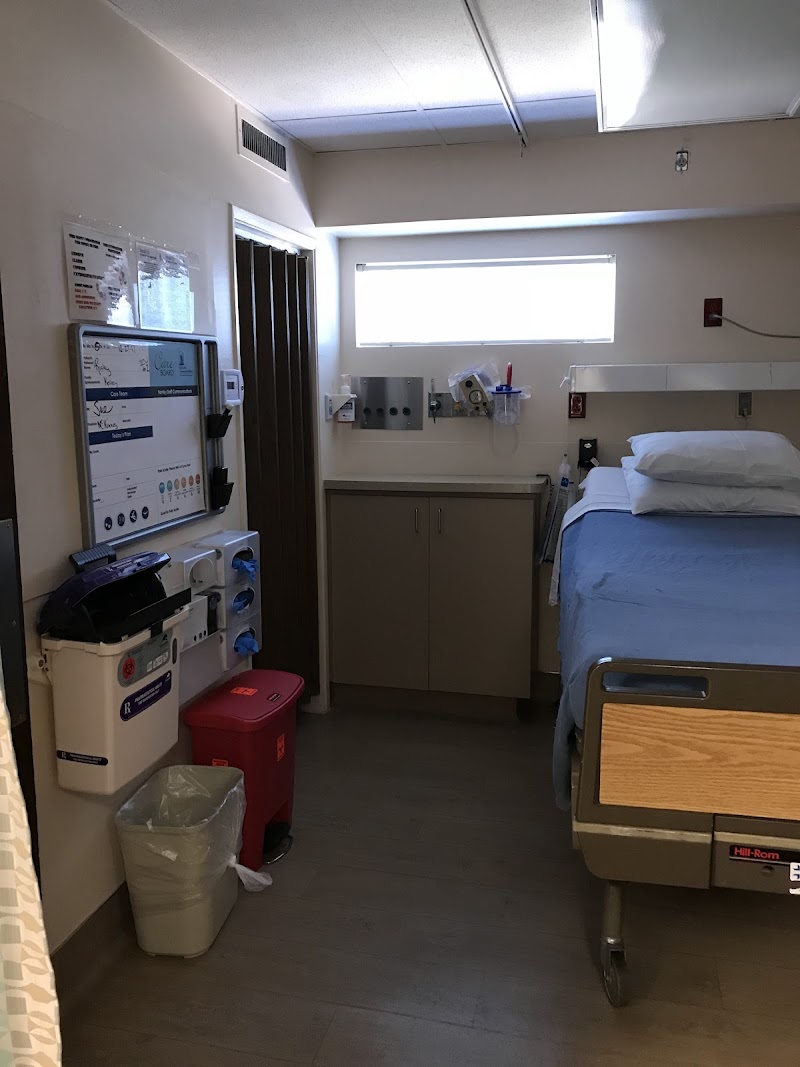
How is Community Memorial Continuing Care Center Staffed?
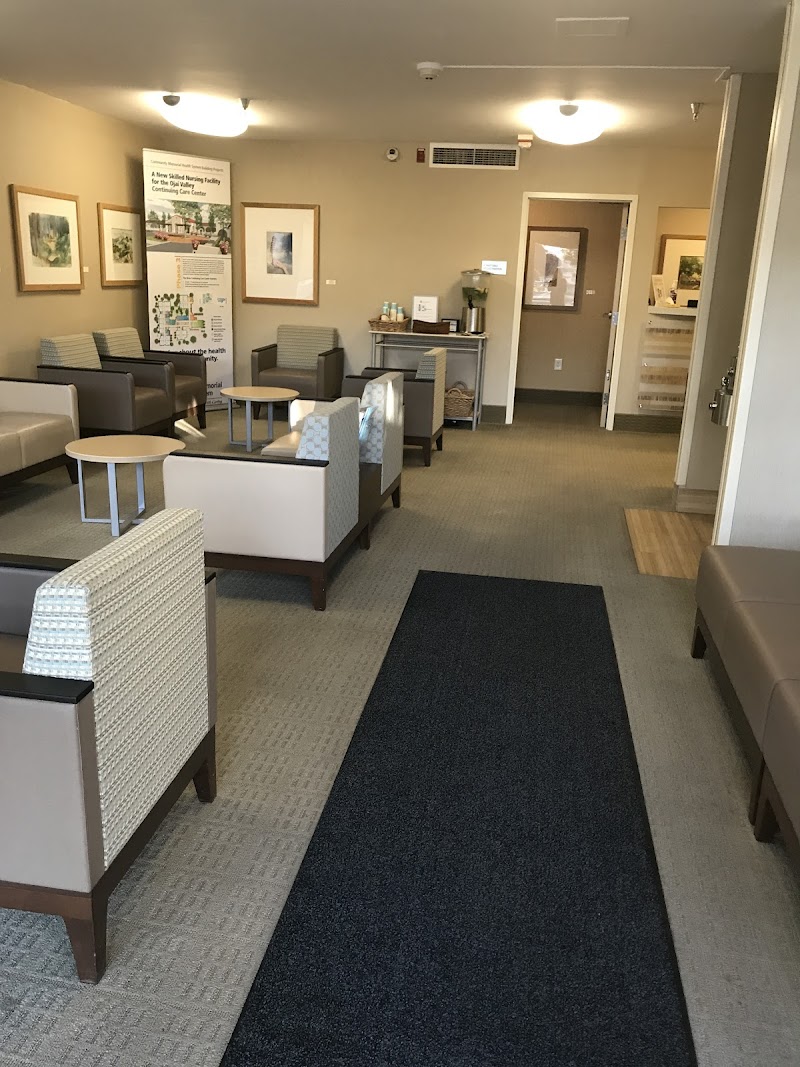
CMS rates Community Memorial Continuing Care Center's staffing level at 5 out of 5 stars, which is much above average compared to other nursing homes. Staff turnover is 30%, compared to the California average of 46%. This relatively stable workforce can support continuity of care.

What Have Inspectors Found at Community Memorial Continuing Care Center?

State health inspectors documented 25 deficiencies at Community Memorial Continuing Care Center during 2019 to 2025. These included: 25 with potential for harm.

Who Owns and Operates Community Memorial Continuing Care Center?

Community Memorial Continuing Care Center is owned by a non-profit organization. Non-profit facilities reinvest revenue into operations rather than distributing to shareholders. The facility operates independently rather than as part of a larger chain. With 75 certified beds and approximately 73 residents (about 97% occupancy), it is a smaller facility located in Ojai, California.

How Does Community Memorial Continuing Care Center Compare to Other California Nursing Homes?

Compared to the 100 nursing homes in California, Community Memorial Continuing Care Center's overall rating (5 stars) is above the state average of 3.2, staff turnover (30%) is significantly lower than the state average of 46%, and health inspection rating (5 stars) is much above the national benchmark.

What Should Families Ask When Visiting Community Memorial Continuing Care Center?

Based on this facility's data, families visiting should ask: "Can I visit during a mealtime to observe dining assistance and food quality?" "How do you handle medical emergencies, and what is your hospital transfer rate?" "Can I speak with family members of current residents about their experience?"

Is Community Memorial Continuing Care Center Safe?

Based on CMS inspection data, Community Memorial Continuing Care Center has a clean safety record: no substantiated abuse findings (meaning no confirmed cases of resident harm), no Immediate Jeopardy citations (the most serious violation level indicating risk of serious injury or death), and is not on the Special Focus Facility watch list (a federal program monitoring the lowest-performing 1% of nursing homes). The facility has a 5-star overall rating and ranks #1 of 100 nursing homes in California. While no facility is perfect, families should still ask about staff-to-resident ratios and recent inspection results during their visit.

Do Nurses at Community Memorial Continuing Care Center Stick Around?

Staff at Community Memorial Continuing Care Center tend to stick around. With a turnover rate of 30%, the facility is 16 percentage points below the California average of 46%. Low turnover is a positive sign. It means caregivers have time to learn each resident's needs, medications, and personal preferences. Consistent staff also notice subtle changes in a resident's condition more quickly. Registered Nurse turnover is also low at 11%, meaning experienced RNs are available to handle complex medical needs.

Was Community Memorial Continuing Care Center Ever Fined?

Community Memorial Continuing Care Center has no federal fines on record. CMS issues fines when nursing homes fail to meet care standards or don't correct problems found during inspections. The absence of fines suggests the facility has either maintained compliance or corrected any issues before penalties were assessed. This is a positive indicator, though families should still review recent inspection reports for the full picture.

Is Community Memorial Continuing Care Center on Any Federal Watch List?

Community Memorial Continuing Care Center is not on any federal watch list. The most significant is the Special Focus Facility (SFF) program, which identifies the bottom 1% of nursing homes nationally based on persistent, serious quality problems. Not being on this list means the facility has avoided the pattern of deficiencies that triggers enhanced federal oversight. This is a positive indicator, though families should still review the facility's inspection history directly.