INLAND CHRISTIAN HOME
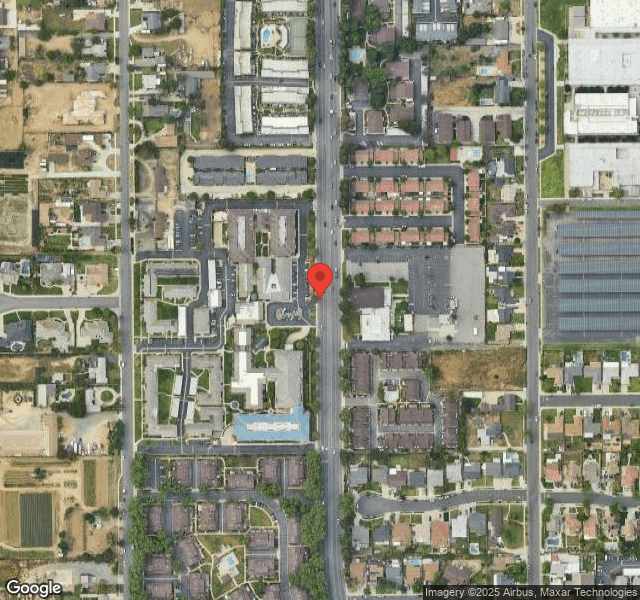
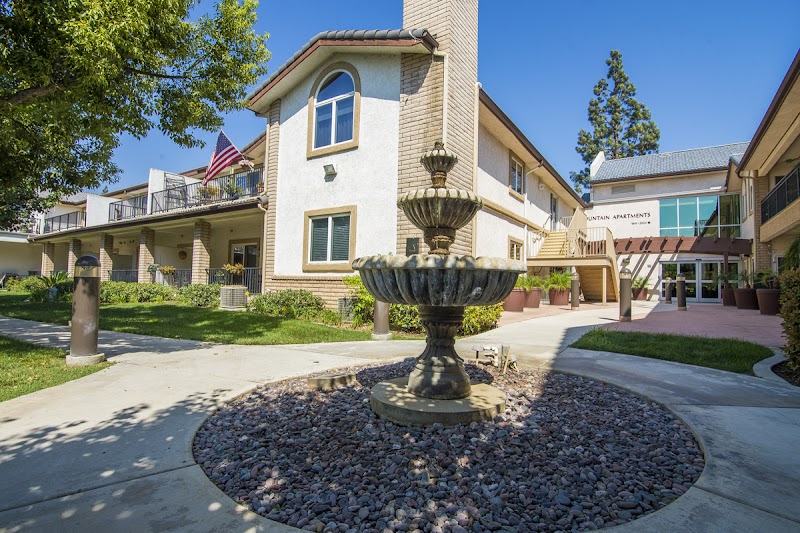
1950 S. MOUNTAIN AVE, ONTARIO, CA 91762 (909) 983-2315
Non profit - Corporation 59 Beds Independent Data: November 2025
Trust Grade
70/100
#375 of 1155 in CA
Last Inspection: June 2025

Inspected within the last 6 months. Data reflects current conditions.

Overview

Inland Christian Home has a Trust Grade of B, indicating it is a good choice for families seeking care, though it is not without its shortcomings. It ranks #375 out of 1,155 facilities in California, placing it in the top half of the state, and #26 out of 54 within San Bernardino County, showing that only 25 local options are better. The facility is improving, with issues decreasing from 14 in 2024 to 8 in 2025, which is a positive trend. Staffing is rated at 4 out of 5 stars, with a turnover rate of 41%, which is close to the state average, suggesting that staff are relatively stable but could be better. Notably, there have been no fines recorded, which is a good sign, and there is average RN coverage, meaning residents receive essential care, but there is room for improvement in staff presence. However, some concerning incidents were noted during inspections. For example, the kitchen was found to have uncovered food items and inadequate storage practices, which could compromise food quality for the residents. Additionally, there were issues with cleanliness, as the kitchen floor had a build-up of grease and food crumbs, raising the risk of pest attraction. Lastly, there was a gap in a roll-up door that could allow pests to enter, posing a potential health risk to residents. Overall, while there are strengths in care and staffing, families should be aware of the facility's sanitation and food handling practices.

Trust Score
B
70/100
In California
#375/1155
Top 32%
Safety Record
Low Risk
No red flags
Inspections
Getting Better
14 → 8 violations
Staff Stability
○ Average
41% turnover. Near California's 48% average. Typical for the industry.
Penalties
✓ Good
No fines on record. Clean compliance history, better than most California facilities.
Skilled Nurses
⚠ Watch
Each resident gets only 26 minutes of Registered Nurse (RN) attention daily — below average for California. Fewer RN minutes means fewer trained eyes watching for problems.
Violations
⚠ Watch
27 deficiencies on record. Higher than average. Multiple issues found across inspections.
★★★★☆
4.0
Overall Rating
★★★★☆
4.0
Staff Levels
★★★☆☆
3.0
Care Quality
★★★★☆
4.0
Inspection Score
Stable
2024: 14 issues
2025: 8 issues

The Good

  • 4-Star Staffing Rating · Above-average nurse staffing levels
  • Full Sprinkler Coverage · Fire safety systems throughout facility
  • No fines on record
  • Staff turnover below average (41%)

    7 points below California average of 48%

Facility shows strength in staffing levels, fire safety.

The Bad

Staff Turnover: 41%

Near California avg (46%)

Typical for the industry

The Ugly 27 deficiencies on record

Jun 2025 8 deficiencies
CONCERN (D)

Potential for Harm - no one hurt, but risky conditions existed

Deficiency F0638 (Tag F0638)

Could have caused harm · This affected 1 resident

**NOTE- TERMS IN BRACKETS HAVE BEEN EDITED TO PROTECT CONFIDENTIALITY** Based on interview, and record review, the facility failed to ensure the quarterly Resident Assessment Instrument/Minimum Data S...

Read full inspector narrative →
**NOTE- TERMS IN BRACKETS HAVE BEEN EDITED TO PROTECT CONFIDENTIALITY** Based on interview, and record review, the facility failed to ensure the quarterly Resident Assessment Instrument/Minimum Data Set (RAI/MDS- a facility assessment and care planning process used by nursing home staff as required by the Centers of Medicare and Medicaid Services [CMS] every 3 months or quarterly) was completed in accordance with federal submission timeframes, for two of two sampled residents (Resident 4 and 46) when: 1. Resident 4's Annual Comprehensive Assessment RAI/MDS assessment was completed on June 18, 2025. (146 days late). 2. Resident 46's quarterly RAI/MDS assessment was not completed on June 18, 2025. (122 days late) These failures had the potential to result in a delay in determining the resources necessary to competently care for the Resident 4 and 46 during the day-to-day operations and emergencies. Findings: 1. During a review of Resident 4's History and Physical (H&P -contains resident's medical history, physical examination and reason for admission to the facility), dated June 19, 2025, the H&P indicated, Resident 4 was admitted to the facility on [DATE], with diagnoses which included chronic obstructive pulmonary disease (a group of lung disease that blocks airflow and make it difficult to breathe), heart failure (when the heart does not pump enough blood), mild cognitive impairment (a brain condition that causes noticeable but mild memory and thinking problems), and acute on chronic respiratory failure (a condition where a patient with pre-existing problems experiences a sudden worsening of their respiratory functions). During an interview on June 19, 2025, at 10:57 AM, with the Director of Nursing (DON), the DON stated one of her duties is to make sure the resident's MDS is completed on time. The DON further stated the expectation for the quarterly/ annual comprehensive assessment is that it must be completed within 92 days from the prior quarterly assessment. During a concurrent interview and record review on June 19, 2025, at 11:05 AM, with the DON, Resident 4's quarterly MDS assessment data, dated January 23, 2025, was reviewed. The DON stated the last quarterly assessment was completed on January 23, 2025. The DON further stated the facility did not complete the annual comprehensive assessment that was due on April 26, 2025 (92 days late). The annual comprehensive assessment was completed on June 18, 20025, (146 days late). 2. During a review of Resident 46's H&P dated June 19, 2025, the H&P, indicated, Resident 46 was admitted to the facility on [DATE], with diagnoses which included type 2 diabetes mellitus (high blood sugar), chronic kidney disease (when the kidneys do not work properly), hypertension (a condition where the heart is working harder to pump blood), and anemia (a condition in which the blood doesn't have enough healthy red blood cells and hemoglobin. A protein found in red blood cells, to carry oxygen all through the body). During an interview on June 19, 2025, at 10:57 AM, with the Director of Nursing (DON), the DON stated one of her duties is to make sure the resident's MDS is completed on time. The DON further stated the expectation for the quarterly assessment is that it must be completed within 92 days from the prior quarterly assessment. During a concurrent interview and record review on June 19, 2025, at 11:05 AM, with the DON, Resident 46's quarterly MDS assessment data, dated February 16, 2025, was reviewed. The DON stated the last quarterly assessment was completed on February 16, 2025. The DON further stated the facility did not complete the quarterly assessment that was due on May 19, 2025 (92 days late) and was submitted on June 18, 2025 (122 days late). During a concurrent interview and record review on June 19, 2025, at 11:19 AM, with the DON, the facility's P&P titled, Resident Assessments dated 2001, was reviewed. The P&P indicated, .1. The resident assessment coordinator is responsible for ensuring that the interdisciplinary team conducts timely and appropriate resident assessments and reviews according to the following requirements: a. OBRA required assessments-conducted for all residents in the facility: (1) admission Assessment (Comprehensive); (2) Quarterly Assessment; (3) Annual Assessment (Comprehensive); and P&P titled, Quarterly Assessments, dated 2001, was also reviewed. The P&P indicated, .1. The Quarterly assessment is an OBRA non-comprehensive assessment for a resident that is completed at least every 92 days following the previous OBRA assessment of any type. A. The ARD will not be more than 92 days after the ARD of the most recent OBRA assessment of any type The DON stated the P&P was not followed and should have because it provides accurate reimbursement for the facility and care planning for the residents.
CONCERN (D)

Potential for Harm - no one hurt, but risky conditions existed

MDS Data Transmission (Tag F0640)

Could have caused harm · This affected 1 resident

**NOTE- TERMS IN BRACKETS HAVE BEEN EDITED TO PROTECT CONFIDENTIALITY** Based on interview, and record review, the facility failed to ensure the quarterly (every 3 months) Resident Assessment Instrume...

Read full inspector narrative →
**NOTE- TERMS IN BRACKETS HAVE BEEN EDITED TO PROTECT CONFIDENTIALITY** Based on interview, and record review, the facility failed to ensure the quarterly (every 3 months) Resident Assessment Instrument/Minimum Data Set (RAI/MDS- a facility assessment and care planning process used by nursing home staff as required by the Centers of Medicare and Medicaid Services [CMS]) was transmitted (submitted) to CMS in accordance with federal submission timeframes, for two of two sampled residents (Resident 4 and 46) reviewed for resident assessment when: 1. Resident 4's comprehensive RAI/MDS assessment was completed on June 18, 2025 (146 days late) 2. Resident 46's quarterly MDS assessment was completed on June 18, 2025 (122 days late). These failures resulted in inadequate monitoring of Residents 4 and 46 progress or decline and the lack of Residents 4 and 46 specific information to CMS for payment and quality measure monitoring. Findings: 1. During a review of Resident 4's History and Physical (H&P -contains resident's medical history, physical examination and reason for admission to the facility), dated June 19, 2025, the H&P indicated, Resident 4 was admitted to the facility on [DATE], with diagnoses which included chronic obstructive pulmonary disease (a group of lung disease that blocks airflow and make it difficult to breathe), heart failure (when the heart does not pump enough blood) , mild cognitive impairment (a brain condition that causes noticeable but mild memory and thinking problems), and acute on chronic respiratory failure (a condition where a patient with pre-existing problems experiences a sudden worsening of their respiratory functions). During an interview on June 19, 2025, at 10:57 AM, with the Director of Nursing (DON), the DON stated one of her duties is to make sure the resident's MDS is completed on time. The DON further stated the expectation for the quarterly/ annual comprehensive assessment is that it must be completed within 92 days from the prior quarterly assessment. During a concurrent interview and record review on June 19, 2025, at 11:05 AM, with the DON, Resident 4's quarterly MDS assessment data, dated January 23, 2025, was reviewed. The DON stated the last quarterly assessment was completed on January 23, 2025. The DON further stated the facility did not complete the annual comprehensive assessment that was due on April 26, 2025 (92 days late). The annual comprehensive assessment was completed on June 18, 20025 (146 days late). 2. During a review of Resident 46's H&P dated June 19, 2025, the H&P, indicated, Resident 46 was admitted to the facility on [DATE], with diagnoses which included type 2 diabetes mellitus (high blood sugar), chronic kidney disease, hypertension (a condition where the heart is working harder to pump blood), and anemia (a condition in which the blood doesn't have enough healthy red blood cells and hemoglobin. A protein found in red blood cells, to carry oxygen all through the body). During an interview on June 19, 2025, at 10:57 AM, with the Director of Nursing (DON), the DON stated one of her duties is to make sure the resident's MDS is completed on time. The DON further stated the expectation for the quarterly assessment is that it must be completed within 92 days from the prior quarterly assessment. During a concurrent interview and record review on June 19, 2025, at 11:05 AM, with the DON, Resident 46's quarterly MDS assessment data, dated February 16, 2025, was reviewed. The DON stated the last quarterly assessment was completed on February 16, 2025. The DON further stated the facility did not complete the quarterly assessment that was due on May 19, 2025 (92 days late) and was submitted on June 18, 2025 (122 days late). During a concurrent interview and record review on June 19, 2025, at 11:19 AM, with the DON, the facility's P&P titled, Resident Assessments, dated 2001, was reviewed. The P&P indicated, .1. The resident assessment coordinator is responsible for ensuring that the interdisciplinary team conducts timely and appropriate resident assessments and reviews according to the following requirements: a. OBRA required assessments-conducted for all residents in the facility: (1) admission Assessment (Comprehensive); (2) Quarterly Assessment; (3) Annual Assessment (Comprehensive); and P&P titled, Quarterly Assessments, dated 2001, was also reviewed. The P&P indicated, .1. The Quarterly assessment is an OBRA non-comprehensive assessment for a resident that is completed at least every 92 days following the previous OBRA assessment of any type. A. The ARD will not be more than 92 days after the ARD of the most recent OBRA assessment of any type . The DON stated the P&P was not followed and should have because it provides accurate reimbursement for the facility and care planning for the residents.
CONCERN (D)

Potential for Harm - no one hurt, but risky conditions existed

Medical Records (Tag F0842)

Could have caused harm · This affected 1 resident

**NOTE- TERMS IN BRACKETS HAVE BEEN EDITED TO PROTECT CONFIDENTIALITY** Based on interview, and record review, the facility failed to ensure the Physician Orders Life Sustaining Form (POLST-medical or...

Read full inspector narrative →
**NOTE- TERMS IN BRACKETS HAVE BEEN EDITED TO PROTECT CONFIDENTIALITY** Based on interview, and record review, the facility failed to ensure the Physician Orders Life Sustaining Form (POLST-medical orders that communicates to healthcare facilities and providers a patient's wishes for end-of-life interventions) was appropriately completed for one of five sampled residents (Resident 37) reviewed for Advance Directives (legal document that allows you to spell out your decision about end-of-life care) when the facility had Resident 37 with a BIMS (brief interview for mental status indicating decision making capacities in which a score of 13-15 has no significant decisions making impairment, a score of 8-12 has moderate decisions making impairment, a score of 0-7 has severe decisions making impairment) of 00 sign the POLST instead of the legally recognized decisionmaker. This failure had potential to cause emotional distress to Resident 37 and the Resident 37's family for not respecting their wishes to treatment. Findings: During a review of Resident 37's face sheet (FS- a document with resident demographics, brief medical history, and emergency contacts), the FS indicated, Resident 37 was admitted on [DATE] with diagnosis of dementia ( a mental ability that interfere with daily life such as memory loss, impaired thinking and changes in behavior), Diabetes Type 2 ( a condition where the body is not producing enough insulin to keep blood glucose in normal level), and dysphagia (difficulty swallowing). During a review of the Resident 37's POLST dated May 12, 2025, the POLST indicated, that it was discussed with the legally recognized decisionmaker, but it was signed by Resident 37. During a review of the Minimum Data Set (MDS-a standardized, comprehensive assessment that collects information about a resident's functional, medical, psychosocial, and cognitive status.) dated March 9, 2025, section C which include BIMS indicated Resident 37's BIMS score was 00. During a concurrent interview and record review on June 17, 2025, at 8:56 AM with the Director of Nursing (DON) the POLST for Resident 37 was reviewed. The POLST indicated, that it was signed by Resident 37. The DON stated that the POLST should have been signed by the legally recognized decisionmaker and not the resident. During an interview with Social Services Director (SS), on June 17, 2025, at 9:33 AM, the SS stated it is important to have the legally recognized decisionmaker because they want to be sure to follow the family wishes. During a concurrent interview and record review with the DON of the facility's Policy and Procedure (P&P) titled Physician Orders for Life Sustaining Treatment POLST dated November 2017, was reviewed. The P&P indicated, .The form is to be signed by the resident with capacity, or the resident representative when resident lacks capacity . The DON stated that a resident with a BIMS score of 0 does not have the capacity to sign documents and that the POLST should have been signed by the legally recognized decisionmaker. The DON further stated that the policy was not followed and should have been in order to know the family's wishes in case of an emergency.
CONCERN (D)

Potential for Harm - no one hurt, but risky conditions existed

Infection Control (Tag F0880)

Could have caused harm · This affected 1 resident

**NOTE- TERMS IN BRACKETS HAVE BEEN EDITED TO PROTECT CONFIDENTIALITY** Based on observation, interview, and record review, the facility failed to ensure that proper and safe infection control policie...

Read full inspector narrative →
**NOTE- TERMS IN BRACKETS HAVE BEEN EDITED TO PROTECT CONFIDENTIALITY** Based on observation, interview, and record review, the facility failed to ensure that proper and safe infection control policies were followed for one of 15 sampled resident (Resident 2) when in Resident 2's room, a yankauer (a rigid, hollow medical instrument used for suctioning fluids, secretions, and debris from the mouth and throat) was left uncovered and exposed. Further observation in Resident 2' room, the yankauer and suction canister was found not dated. These failures had the potential to result in cross-contamination (transfer of harmful bacteria) which can lead to infection. FINDINGS: A review of Resident 2's admission Record, ((contains demographic and medical information), indicated Resident 2 was admitted to the facility on [DATE], with diagnoses which included Dementia (decline in mental ability severe enough to interfere with daily life), acute respiratory failure with hypoxia (a severe condition where the lungs cannot provide enough oxygen to the body), and hemiplegia (a condition characterized by paralysis of one side of the body, affecting the face, arm, and leg). During an observation on June 16, 2025, at 10:39 AM, in Resident 2's room, yankauer was found laying on top of suction machine uncovered and exposed to air. Further observation, the yankauer and suction canister was found not dated . During a concurrent observation and interview on June 16, 2025, at 10:44 AM, in Resident 2's room with Licensed Vocational Nurse 1 (LVN 1), LVN 1 stated she is not familiar with how often yankauer and suction canister needs to be changed but she believes it should be every four to five days. During an interview on June 17, 2025, at 8:52 AM, with Infection Preventionist Nurse (IP), IP stated that yankauer should be changed every seven days, yankauer should be covered, and should be labeled. The IP further stated that, infection control practices was not followed, and her expectation is that all staff should be able to identify breaches in infection control. During an interview on June 18, 2025, at 12:48 PM with the Director of Nursing (DON), the DON stated the yankauer needs to be changed every time that it is used and should not be left open to air due to infection control. A policy and procedure (P&P) was requested, the facility was unable to provide a P&P regarding infection control practices with yankauer.
CONCERN (D)

Potential for Harm - no one hurt, but risky conditions existed

Deficiency F0883 (Tag F0883)

Could have caused harm · This affected 1 resident

**NOTE- TERMS IN BRACKETS HAVE BEEN EDITED TO PROTECT CONFIDENTIALITY** Based on interview, and record review, the facility failed to ensure one of five sampled residents (Resident 37) received the in...

Read full inspector narrative →
**NOTE- TERMS IN BRACKETS HAVE BEEN EDITED TO PROTECT CONFIDENTIALITY** Based on interview, and record review, the facility failed to ensure one of five sampled residents (Resident 37) received the influenza (also known as the flu, which is a contagious respiratory illness caused by influenza viruses) vaccination even though the flu vaccine was requested on November 14, 2024. This failure had the potential for Resident 37 to have an increase the risk of illness, higher risk of complications, and it may contribute to spreading the virus to others. Findings: During a review of Resident 37's face sheet (FS- a document with resident demographics, brief medical history, and emergency contacts), the FS indicated, Resident 37 was admitted on [DATE] with diagnosis of dementia ( a mental ability that interfere with daily life such as memory loss, impaired thinking and changes in behavior), Diabetes Type 2 ( a condition where the body is not producing enough insulin to keep blood glucose in normal level), and dysphagia (difficulty swallowing). During a review of the immunization dashboard, there was no documented evidence resident 37 received the influenza vaccine in 2024. During a concurrent interview and record review with the Infection preventionist (IP) on June 19, 2025, at 9:02 AM, the vaccine consent form dated November 14, 2024, was reviewed. The vaccine consent form indicated, I hereby request that the influenza vaccine be given per facility policy and CDC [Center for Disease Control and Prevention] guidelines. The IP stated that the facility should have followed up with the influenza vaccination since the Resident 37 agreed to it. During a review of the CDC influenza (flu) Vaccine dated January 31, 2025, the influenza Vaccine indicates, everyone 6 months and older should get a flu vaccine every season . During a concurrent interview and record review with the Director of Nursing (DON) on June 19, 2025, at 1:36 PM the facility's Policy and Procedure (P&P) titled Influenza Vaccine dated March 2022 was reviewed. The P&P indicated, Administration of the influenza vaccine will be made in accordance with current Centers for Disease Control and Prevention (CDC recommendations at the time of vaccination. The DON stated the policy was not followed and should have been because the residents are in a high risk environment making them a higher risk for complications.
CONCERN (E)

Potential for Harm - no one hurt, but risky conditions existed

Deficiency F0761 (Tag F0761)

Could have caused harm · This affected multiple residents

**NOTE- TERMS IN BRACKETS HAVE BEEN EDITED TO PROTECT CONFIDENTIALITY** Based on observation, interview, and record review, the facility failed to ensure medication was properly stored when: 1. For on...

Read full inspector narrative →
**NOTE- TERMS IN BRACKETS HAVE BEEN EDITED TO PROTECT CONFIDENTIALITY** Based on observation, interview, and record review, the facility failed to ensure medication was properly stored when: 1. For one of five sampled residents (Resident 41), barrier cream was found open and not in a sanitary manner on the night table next to the Resident 41's bed. This failure had the potential to cause contamination to the barrier cream and lead to skin infection. 2. One of one treatment cart was found to have 5 expired packets of hydrogel statured gauze (a wound dressing consisting of gauze that has been infused with a hydrogel, a gel-like substance that is primarily composed of water). This failure had the potential to cause worsening of the wound, delayed wound healing and can lead to wound infections. Findings: 1. During a review of Resident 41's face sheet (FS- a document with resident demographics, brief medical history, and emergency contacts), the FS indicated, Resident 41 was admitted on [DATE] with diagnosis of multi-system degeneration of the autonomic nervous system (MSA- a condition that affects the nervous system which control involuntary functions like blood pressure, digestion, and breathing. ), Neuromuscular dysfunction of bladder ( a condition where the nerves and muscles that control the bladders function are impaired leading to problems with storage or emptying if urine), and muscle weakness. During a review of Resident 41's orders, updated on June 18, 2025, it indicates, MASD [Moisture-associated skin damage- skin inflammation cause by prolonged exposure to moisture] to Right Buttock; cleanse with NS [Normal Saline-a solution of water and salt], pat dry, apply xeroform [a type of wound dressing, that is petrolatum -based gauze], add barrier cream to periwound [the area of skin surrounding a wound] and cover with super absorbent dressing every day shift for 14 days. And MASD to left Buttock; cleanse with NS pat dry, apply xeroform, add barrier cream to periwound and cover with super absorbent dressing every day shift for 14 days. During an observation on June 16, 2025, at 10:20 AM on the bedside table, there was a medication cup full of white cream, next to it were opened packets of Zinc Oxide barrier cream (Topical cream that created a protective layer on skin's surface). During an interview with Licensed Vocation Nurse 2 (LVN 2) on June 16, 2025, at 10:27 AM, LVN 2 stated, the medication cup had barrier cream, and it was most likely left like that by the treatment nurse. During an interview with Licensed Vocational Nurse 3 (LVN 3) on June 16, 2025, at 10:50 AM, LVN 3 stated it was not left in there by her and whoever left that medication cup with barrier cream should have tossed it because they are not supposed to leave the medication cups with barrier cream at bedside. During an interview with Infection Preventionist (IP) on June 16, 2025, at 11:20 AM, the IP stated it is not acceptable to leave a medication cup at the resident's bedside regardless of what is in it, and it should have been tossed. During a concurrent interview and record review on June 18, 2025, at 12:37 PM, with the Director of Nursing (DON) of the facility's Policy and Procedure (P&P) titled, Medication Labeling and Storage dated February 2023 was reviewed. The P&P indicated, The nursing staff is responsible for maintaining medication storage and preparation areas in a clean, safe, and sanitary manner. The DON stated that the barrier cream being left on the bedside table it not considered sanitary, and the P&P was not followed. The DON further stated it is important to get new barrier cream out of the bottle to not have contaminated barrier cream. 2. During an observation with on June 17, 2025, at 12:07 PM, in the treatment cart in front of the nurse's station, five hydrogel saturated gauze were found with expiration date of May 16, 2025. During a concurrent observation and interview with LVN 3 on June 17, 2025, at 12:10 PM, LVN 3 stated, that the hydrogels expired in May 2025, and verified it had been 32 days of it being expired. During a concurrent interview and record review with the DON, on June 18, 2025, at 12:39 PM, of the facility's P&P titled,medication storage in the facility dated June 2016 was reviewed. The P&P indicated, G. All expired medications will be removed from the active supply and destroyed in the facility . The DON stated that the P&P was not followed, and it should have. The DON stated it is important to not have expired medications to get all of the potency of the medications. During an interview on June 19, 2025, at 11:11 AM, with LVN 3, stated that it is her responsibility to check the treatment cart every Friday and make sure all expirations are ok. LVN 3 further stated, there should have not been any expired medications/ supplies in the treatment cart.
CONCERN (E)

Potential for Harm - no one hurt, but risky conditions existed

Food Safety (Tag F0812)

Could have caused harm · This affected multiple residents

Based on observation, interview, and record review, the facility failed to follow proper sanitation and food handling practices when: 1. Two food items (BBQ sauce and Shredded Parmesan Cheese) were fo...

Read full inspector narrative →
Based on observation, interview, and record review, the facility failed to follow proper sanitation and food handling practices when: 1. Two food items (BBQ sauce and Shredded Parmesan Cheese) were found in the refrigerator unlabeled and undated. 2. One food item (A tray of tomatoes) was found in the refrigerator beyond its expiration date on the label. 3. The cooling logs for May and June 2025 indicated improper cooling practices and techniques. These failures had the potential to cause significant health risks for all 54 vulnerable residents who reside in the facility. Findings: 1. During the initial kitchen tour on June 16, 2025, at 8:56 AM all refrigerators and freezers in the kitchen were inspected. The following were found: Two food items were found in the refrigerator unlabeled and undated. Specifically, there was a 1-gallon bottle of [name of brand] Tangy Gold BBQ sauce, which was 1/4 full, and a bag of [name of brand] Shredded Parmesan Cheese, both without labels and dates indicating when they were placed in the refrigerator. 2. One food item, a tray of tomatoes, was found in the refrigerator beyond its expiration date. The tray contained two whole tomatoes and one-half tomato, covered with plastic wrap, labeled must be used by 06/15/2025 at 8 AM. These tomatoes should have been discarded on June 15, 2025, at 8 AM according to the label instructions, but they were still present in the refrigerator the following day. During an interview with the Director of Kitchen (DOK) on June 17, 2025, at 3:35 PM, the DOK stated that the BBQ sauce and the shredded Parmesan cheese should have been labeled and dated when placed in the refrigerator. The DOK also acknowledged that the tomatoes were expired and should have been discarded as per the labeling instructions. The DOK was unsure as of why these items were not properly managed. During a concurrent interview with the DOK and record review on June 17, 2025, at 3:40 PM, the facility's Policy and Procedure (P&P) titled, FOOD AND SUPPLY STORAGE, revised January 2025, was reviewed. The P&P indicated, All food, non-food items and supplies used in food preparation shall be stored in such a manner as to prevent contamination to maintain the safety and wholesomeness of the food for human consumption. Most, but not all, products contain an expiration date. The words sell-by, best-by, enjoy-by or use-by should precede the date. The sell-by date is the last date that food can be sold or consumed . foods past the use-by, sell-by, best-by, or enjoy-by date should be discarded . discard food past the use-by or expiration date. The DOK acknowledged that the facility's P&P was not followed and emphasized the importance of labeling and dating all food items before placing them in storage or refrigeration and discarding expired items immediately. 3. During a review of facility's cooling logs on June 19, 2025, at 1:43 PM, the cooling logs indicated the following: 05/07/2025 - Chicken was placed in the refrigerator at 1:30 PM at 170 F (Fahrenheit-a unit of measurement for cold and heat). Temp rechecked at 3:39 PM was 78.3 F. Temp rechecked at 5:00 PM was 37 F. 05/09/2025 - Chicken was placed in the refrigerator at 8:30 AM at 150 F. Temp rechecked at 10:40 AM was 80 F. Temp rechecked at 12:30 PM was 40 F. 05/11/2025 - Chicken was placed in the refrigerator at 1:30 PM at 170 F. Temp rechecked at 2:30 PM was 120 F. Temp rechecked at 4:30 PM was 39 F. 05/14/2025 - Chicken was placed in the refrigerator at 3:00 PM at 160 F. Temp rechecked at 5:00 PM was 80 F. Temp rechecked at 7:00 PM was 37 F. 05/16/2025 - Chicken was placed in the refrigerator at 12:00 PM at 160 F. Temp rechecked at 1:00 PM was 90 F. Temp rechecked at 4:00 PM was 40 F. 05/22/2025 - Chicken was placed in the refrigerator at 1:00 PM at 170 F. Temp rechecked at 3:00 PM was 90 F. Temp rechecked at 5:00 PM was 38 F. 06/02/2025 - Pork was placed in the refrigerator at 1:27 PM at 141 F. Temp rechecked at 2:15 PM was 110 F. Temp rechecked at 3:00 PM was 40 F. 06/11/2025 - Corn was placed in the refrigerator at 1:22 PM at 141 F. Temp rechecked at 2:15 PM was 112 F. Temp rechecked at 3:00 PM was 36 F. 06/17/2025 - Chicken was placed in the refrigerator at 10:00 AM at 170 F. Temp rechecked at 11:30 AM was 110 F. Temp rechecked at 1:00 PM was 37 F. On June 19, 2025, at 2:05 PM during a concurrent Interview with DOK and record review, the cooling logs and the facility's Policy and Procedure (P&P) #B007 revised January 2025, titled,FOOD AND HANDLING GUIDELINES, were reviewed. During the review of the facility's Cooling Logs dated May 2025 and June 2025 with the DOK, several entries showing temperatures still above 70°F after the two-hour mark, while others show temperature checks performed too early (before the two-hour point) were identified. The P&P indicated, COOLING .Food shall be cooled from 135 F to 70 F as measured at its center within two hours and from 70 'F to 41 'F within an additional four hours for a total cooling time of six hours or less . Foods that have not cooled to 70°F within 2 hours of being placed in the cooling equipment: reheat once to 165 F and re-cool. If food was not below 70°F at 2 hours, and it was reheated, discard if not below 70 F at 2 hours when cooling for the second time. Food that is not below 41 F at 6 hours must be discarded. During the interview, the DOK acknowledges her oversight in monitoring the cooling process properly and explains that she believed cooling food faster was better and acknowledges that she checked the food temperature before the two-hour mark, therefore obtaining inaccurate temperature readings. The DOK stated the documentation must show the temperature reading precisely at the two-hour mark and six-hour mark to demonstrate P&P compliance. The DOK confirmed the facility's P&P was not followed.
CONCERN (E)

Potential for Harm - no one hurt, but risky conditions existed

Room Equipment (Tag F0908)

Could have caused harm · This affected multiple residents

Based on observation, interview, and record review, the facility failed to maintain essential equipment in the kitchen free of accumulation of dirt, food residue, and other debris, when on June 16, 20...

Read full inspector narrative →
Based on observation, interview, and record review, the facility failed to maintain essential equipment in the kitchen free of accumulation of dirt, food residue, and other debris, when on June 16, 2025, at 9 AM during the initial kitchen tour, the 4-burner stove, the flat top griddle, and the grill were found to be in unsanitary conditions. These failures had the potential to lead to the growth of harmful microorganisms, such as bacteria, viruses, and fungi, which could result in foodborne illnesses for all 54 residents who reside in the facility. Findings: During the initial kitchen tour on June 16, 2025, at 9 AM the kitchen was inspected, and the following were found: (1) The 4-burner stove was found to have buildup oil, burnt food particles and grime on, around, and underneath the burners. (2) The flat top griddle was observed with visible layers of grease stains and dark discoloration across the cooking surface. (3) The grill has old burnt food particles sticking to the grill. During an interview with the Director of Kitchen (DOK) on June 16, 2025, at 10:10 AM, the DOK stated that the stove, flat top griddles, and grill had been cleaned four days ago. She highlighted that during cooking, food often spills over onto the stove and should ideally be wiped down immediately to prevent the accumulation of burnt food particles and grease. According to the DOK and the facility's Master Weekly Cleaning log, a thorough deep cleaning of the stove is scheduled for every Friday. During a concurrent interview and record review on June 18, 2025, at 10:52 AM, the facility's Policy and Procedure (P&P) #F013, titled Cleaning of Food and Non-Food Contact Surfaces, revised in January 2025, was reviewed. The P&P indicated, The food contact surfaces of all cooking equipment shall be kept free of encrusted grease deposits and other accumulated soil. Non-food contact surfaces of equipment shall be cleaned as often as necessary to keep the equipment free of accumulation of dust, dirt, food particles, and other debris. The Director of Kitchen (DOK) acknowledged that the P&P #F013 mandates that food contact surfaces of all cooking equipment must be free of encrusted grease deposits and other accumulated soil, while non-food contact surfaces must be cleaned regularly to prevent the build-up of dust, dirt, food particles, and other debris. The DOK admitted that the P&P #F013 was not followed and that the failure to adhere to the policy resulted in the unsanitary conditions observed during the inspection.
May 2024 14 deficiencies
CONCERN (D)

Potential for Harm - no one hurt, but risky conditions existed

Pharmacy Services (Tag F0755)

Could have caused harm · This affected 1 resident

**NOTE- TERMS IN BRACKETS HAVE BEEN EDITED TO PROTECT CONFIDENTIALITY** Based on observation, interview, and record review, the facility failed to ensure one resident (Resident 13) received medication...

Read full inspector narrative →
**NOTE- TERMS IN BRACKETS HAVE BEEN EDITED TO PROTECT CONFIDENTIALITY** Based on observation, interview, and record review, the facility failed to ensure one resident (Resident 13) received medications in the route (way by which a medication is taken into the body) prescribed by the physician when Licensed Vocational Nurse 2 (LVN 2) administered Tramadol (pain medication) 50 milligram (mg - a unit of measure) PO (by mouth) instead of administering the medication through the residents gastrostomy tube (G-tube - a feeding tube inserted directly into the abdomen and into the stomach to deliver nutrition) as ordered by the physician. This failure resulted in a medication error and LVN 2 to not follow the five rights of medication administration (right drug, right dosage, right patient, right route, right time). This placed Resident 13 at risk for adverse outcomes associated with medication errors. Findings: A review of Resident 13's admission Record, (contains demographic and medical information), indicated Resident 13 was initially admitted to the facility on [DATE], with diagnoses which included surgical aftercare following surgery on the digestive system, malignant neoplasm of pancreas (pancreatic cancer), chest pain, and dysphagia (difficulty swallowing). During a medication administration observation on May 8, 2024, at 5:06 AM, with LVN 2, LVN 2 administered to Resident 13, Tramadol 50 mg tablet by mouth (PO). During a review of Resident 13's physicians orders dated April 30, 2024, indicated, Tramadol HCL [hydrochloride] oral tablet 50 mg .Give 50 mg via [by] G-tube two times a day for pain management. During a review of Resident 13's clinical record, there was no documentation indicating physician approval to administer Resident 13's Tramadol PO instead of via G-tube. During an interview on May 9, 2024, at 11:16 AM, with the Director or Nursing (DON), the DON stated staff were supposed to administer medications to residents in the route as prescribed by the physician. During an interview on May 9, 2024, at 2:25 PM, with the Director of Staff Development (DD), the DD stated staff were supposed to administer medications by the route specified in the physician's orders. During a review of the facility's policy and procedure titled, Specific Medication Administration Procedures, dated October 2012, the policy indicated, Policy - To administer medications in a safe and effective manner .Procedures .C. Review 5 Rights [the right patient, the right medication, the right time, the right dose, and the right route - all of which are generally regarded as a standard for safe medication practices] .
CONCERN (D)

Potential for Harm - no one hurt, but risky conditions existed

Drug Regimen Review (Tag F0756)

Could have caused harm · This affected 1 resident

**NOTE- TERMS IN BRACKETS HAVE BEEN EDITED TO PROTECT CONFIDENTIALITY** Based on interview, and record review, the facility failed to ensure pharmacist recommendations made during monthly resident Med...

Read full inspector narrative →
**NOTE- TERMS IN BRACKETS HAVE BEEN EDITED TO PROTECT CONFIDENTIALITY** Based on interview, and record review, the facility failed to ensure pharmacist recommendations made during monthly resident Medication Regimen Reviews (MRR - medication reviews done by a pharmacist to identify irregularities in each resident's medication regimen) were communicated to the physician for two of five residents (Residents 41 and 43) sampled for unnecessary medications when: 1) For Resident 41, there was no indication that a physician was notified regarding the pharmacist's MRR recommendations dated October 18, 2023, which included: 1a) Assessment of the risk versus benefits of therapy related to the increased risk of death associated with elderly residents with dementia who receive antipsychotics (medications which alter brain chemistry to help reduce psychotic symptoms like hallucinations, delusions, and disordered thinking). 1b) Assessment of the continued use of dual antipsychotic therapy (use of two antipsychotic medications for treatment) for the resident who was receiving two antipsychotic medications. 1c) Consideration for the adjunctive use of an antidepressant medication (medication used to treat depression) for the resident who was receiving Abilify (an antipsychotic medication) to treat depression. 2) For Resident 43, there was no indication that a physician was notified regarding the pharmacist's MRR recommendations dated October 18, 2023, to request Resident 43 have laboratory testing of her Thyroid Stimulating Hormone (TSH - a hormone produced by the pituitary gland). These failures had resulted in a delay of notification to the physician to evaluate residents' medication regimen which had the potential to increase residents' risk of harm and injury without proper dosing adjustment and monitoring. Findings: 1) A review of Resident 41's admission Record, (contains demographic and medical information), indicated the resident was initially admitted to the facility on [DATE], with diagnoses which included unspecified dementia (loss of memory, language, problem-solving and other thinking abilities), unspecified psychosis (a mental disorder characterized by a disconnect from reality), and depression. 1a) During a review of Resident 41's pharmacist MRR recommendations titled, Note to Attending Physician/Prescriber, dated October 18, 2023, the document indicated, The resident has orders for Aricept [medication used to treat dementia] for dementia and the antipsychotics Abilify and Seroquel [type of antipsychotic medication]. A review of the literature by the FDA suggests an increased risk of death in elderly patients with dementia who receive atypical and traditional antipsychotics. The statement by the FDA stated that the literature revealed a 1.6 - 1.7 x [times] relative increased risk of death (4.5% vs 2.6%), with more recent studies showing similar results. In addition, be aware that the use of this class of medication for dementia-related behaviors is not FDA-approved. Please assess the risks versus benefits of therapy in this patient in order to keep the facility in compliance . The document included a section titled, Physician/Prescriber Response, which indicated three separate checkboxes. One checkbox indicated agree, while the second checkbox indicated disagree and the third checkbox indicated, Other,. None of the three checkboxes were checked or completed. In addition, the physician signature and date for physician/Prescriber Response, were also left blank. Resident 41's clinical record was then reviewed and there was no evidence that a physician was made aware of the pharmacist's recommendation. During an interview on May 9, 2024, at 10:56 AM, with the Director of Nursing (DON), the DON stated the pharmacist sends the results of the client's MRR's to him (the DON) and he in turn gives them to the nursing staff. The DON stated Licensed Vocational Nurse 4 (LVN 4) was responsible to ensure the pharmacist recommendations were conveyed to the physicians every month. The DON further stated, documentation regarding follow through of the recommendations was documented on the pharmacist recommendation forms and copies placed in the residents' clinical record. During a concurrent interview and record review on May 9, 2024, at 11:06 AM, with the Director of Nursing (DON), Resident 41's pharmacist medication regimen review recommendations titled, Note to Attending Physician/Prescriber, (regarding the assessment of the risk versus benefits related to the increased risk of death for elderly residents with dementia who receive antipsychotics) dated October 18, 2023, was reviewed. The DON stated, follow through was supposed to be documented in the physician response section, but it was not. The DON acknowledged the Physician/Prescriber Response section was blank. The DON then reviewed Resident 41's clinical record and stated he was unable to find documented evidence to indicate the pharmacist's recommendation was conveyed to the physician for consideration. 1b) During a review of Resident 41's pharmacist MRR recommendations titled, Note to Attending Physician/Prescriber, dated October 18, 2023, the document indicated, This resident is currently on routine Abilify and Seroquel. Although there may be a good rationale for dual antipsychotic therapy, without such documentation, the use of two antipsychotics may be viewed as duplicate (and unnecessary therapy by surveyors). Please consider either treating this resident's psychosis with a single antipsychotic or documenting in your progress notes your rationale for using two antipsychotics. This will keep the center in compliance . The document included a section titled, Physician/Prescriber Response, which indicated three separate checkboxes. One checkbox indicated agree, while the second checkbox indicated disagree and the third checkbox indicated, Other,. None of the three checkboxes were checked or completed. In addition, the physician signature and date for Physician/Prescriber Response, were also left blank. Resident 41's clinical record was then reviewed and there was no evidence that a physician was made aware of the pharmacist's recommendation. During a concurrent interview and record review on May 9, 2024, at 11:10 AM, with the DON, Resident 41's pharmacist MRR recommendations titled, Note to Attending Physician/Prescriber, (regarding the assessment of the continued use of dual antipsychotic therapy) dated October 18, 2023, was reviewed. The DON acknowledged the Physician/Prescriber Response section was blank. The DON then reviewed Resident 41's clinical record and stated he was unable to find documented evidence to indicate the pharmacist's recommendation was conveyed to the physician for consideration. 1c) During a review of Resident 41's pharmacist MRR recommendations titled, Consultant Pharmacist's Medication Regimen Review, dated October 18, 2023, the document indicated, Resident is currently on Abilify for depression. Note that when an Anti-psychotic such as Abilify is being used for depression, it is typically used in adjunct to an Antidepressant. Please consult with MD to evaluate. A column titled, follow-through was next to this comment but was blank. Resident 41's clinical record was then reviewed and there was no evidence that a physician was made aware of the pharmacist's recommendation. During a concurrent interview and record review on May 9, 2024, at 11:13 AM, with the DON, Resident 41's pharmacist MRR recommendations titled, Consultant Pharmacist's Medication Regimen Review, dated October 18, 2023, was reviewed. The DON acknowledged the follow-through section was left blank. The DON then reviewed Resident 41's clinical record and stated there was supposed to be follow through information documented on the form, but there was not. The DON reviewed Resident 41's clinical record and stated there was no documented evidence indicating the physician was made aware of the pharmacist's recommendation. 2) A review of Resident 43's admission Record, indicated the resident was initially admitted to the facility on [DATE], with diagnoses which included hypothyroidism (a condition in which the thyroid gland doesn't produce enough thyroid hormone), cerebral infarction (also known as stroke is damage to tissues in the brain due to a loss of oxygen to the area), and depression. During a review of Resident 43's pharmacist MRR recommendations titled, Consultant Pharmacist's Medication Regimen Review, dated October 18, 2023, the document indicated, Category: Lab order request .Please ensure to obtain .TSH level . A column titled, follow-through was next to this comment but was blank. Resident 43's clinical record was then reviewed and there was no evidence that a physician was made aware of the pharmacist's recommendation. During a concurrent interview and record review on May 9, 2024, at 10:59 AM, with the DON, Resident 43's pharmacist MRR recommendations titled, Consultant Pharmacist's Medication Regimen Review, dated October 18, 2023, was reviewed. The DON acknowledged the follow-through section was left blank. The DON then reviewed Resident 43's clinical record and stated he was unable to find documented evidence indicating the physician was made aware of the pharmacist's recommendation to obtain a TSH level. During an interview on May 9, 2024, at 11:03 AM, with the DON, the DON reviewed Resident 43's clinical record and stated he was unable to find documented evidence Resident 43's TSH level was assessed between October 18, 2023 (the date of the pharmacist's recommendation) through the current date of interview (May 9, 2024). The DON stated, the pharmacist's recommendation was supposed to be followed up on, but it was not. During a review of the facility's policy and procedure titled, Consultant Pharmacist Reports, dated October 2012, the policy indicated, The consultant pharmacist works with the facility to establish a system whereby the consultant pharmacist observations and recommendations regarding residents' medication therapy are communicated to those with authority and/or responsibility to implement the recommendations, and responded to in an appropriate and timely fashion .The consultant pharmacist documents potential or actual medication-related problems, irregularities, and other medication regimen review findings appropriate for prescriber and/or nursing review .B. Comments and recommendations concerning medication therapy are communicated in a timely fashion. The timing of these recommendations should enable a response prior to the next medication regimen review .prescriber response is documented on the consultant pharmacist review record or elsewhere in the resident's medical record. C. Recommendations are acted upon and documented by the facility staff and/or prescriber .
CONCERN (D)

Potential for Harm - no one hurt, but risky conditions existed

Deficiency F0761 (Tag F0761)

Could have caused harm · This affected 1 resident

Based on observation, interview, and record review, the facility failed to ensure expired medications were removed from one of one the facility's medication supply rooms when an expired bottle of [bra...

Read full inspector narrative →
Based on observation, interview, and record review, the facility failed to ensure expired medications were removed from one of one the facility's medication supply rooms when an expired bottle of [brand name] docusate sodium (a stool softener commonly used to treat constipation) was observed to be in the medication supply room available for use. This failure had the potential for the medication to have decreased efficacy (ability to produce a desired result) and sub-therapeutic (less than optimal) effects when administered. Findings: During a concurrent observation and interview on May 9, 2024, at 9:00 AM, in the facility's medication supply room, with the Director of Staff Development (DD), one medication bottle of [brand name] docusate sodium was observed to be in the medication cabinet on a shelf where medications available for use were stored. The medication bottle of [brand name] docusate sodium had an expiration date of September 2023. The DD verified and confirmed the expiration date was September 2023 and stated expired medications were supposed to be removed from the medication supply and discarded. During an interview on May 9, 2024, at 9:20 AM, with the Director of Nursing (DON), the DON stated it was the responsibility of the nursing staff to ensure expired medications were removed from the medication supply room. During a review of the facility's policy and procedure titled, Medication Labeling and Storage, revised February 2023, the policy indicated, Medication Storage .2. The nursing staff is responsible for maintaining medication storage and preparation areas in a clean, safe, and sanitary manner. 3. If the facility has discontinued, outdated, or deteriorated medications or biologicals, the dispensing pharmacy is contacted for instructions regarding returning or destroying these items .
CONCERN (D)

Potential for Harm - no one hurt, but risky conditions existed

Medical Records (Tag F0842)

Could have caused harm · This affected 1 resident

**NOTE- TERMS IN BRACKETS HAVE BEEN EDITED TO PROTECT CONFIDENTIALITY** Based on interview, and record review, the facility failed to ensure the medical record for one resident (Resident 13) was compl...

Read full inspector narrative →
**NOTE- TERMS IN BRACKETS HAVE BEEN EDITED TO PROTECT CONFIDENTIALITY** Based on interview, and record review, the facility failed to ensure the medical record for one resident (Resident 13) was complete and accurate when staff did not document a physician's telephone order (a physicians order received by a nurse over the phone) regarding a change in the route of medication (means by which a medication is taken into the body) in Resident 13's clinical record. This failure resulted in Resident 13's medical record to be incomplete regarding physician's orders which had the potential for staff to not provide Resident 13 care as specified by the physician. Findings: A review of Resident 13's admission Record, (contains demographic and medical information), indicated Resident 13 was initially admitted to the facility on [DATE], with diagnoses which included surgical aftercare following surgery on the digestive system, malignant neoplasm of pancreas (pancreatic cancer), and dysphagia (difficulty swallowing). During an interview on May 9, 2024, at 11:21 AM, with Licensed Vocational Nurse 4 (LVN 4), LVN 4 stated he changed the route of multiple medications for Resident 4 to be administered by gastrostomy tube (G-tube - a feeding tube inserted directly into the abdomen and into the stomach to deliver nutrition) instead of by mouth after receiving a telephone order from the physician to do so. During a follow up interview on May 9, 2024, at 11:28 AM, with LVN 4, LVN 4 stated he could not recall which of Resident 4's medications he changed the route for or how many in total he changed. LVN 4 further stated he did not document the telephone order anywhere in Resident 13's medical record. LVN 4 stated he should have documented the order and the interaction with the physician, but he did not. During an interview on May 9, 2024, at 11:31 AM, with the Director of Nursing (DON), the DON stated the nurses were supposed to document physician's orders in the resident's medical record. During an interview on May 9, 2024, at 2:27 PM, with the Director of Staff Development (DD), the DD stated, when staff received a telephone order from a physician, they were supposed to document the order in the resident's medical record and then carry out the order. During a review of the facility's policy and procedure titled, Charting Errors and/or Omissions, Revised September 2006, the policy indicated, Accurate medical records shall be maintained by this facility . During a review of the facility's policy and procedure titled, Telephone Orders, revised February 2014, the policy indicated, Verbal telephone orders may be accepted from each resident's attending physician .1. Verbal telephone orders may only be received by licensed personnel .Orders must be reduced to writing, by the person receiving the order, and recorded in the resident's medical record. 2. The entry must contain the instructions from the physician, date, time, and the signature and title of the person transcribing the information. 3. Telephone orders must be countersigned by the physician during his or her next visit.
CONCERN (D)

Potential for Harm - no one hurt, but risky conditions existed

Infection Control (Tag F0880)

Could have caused harm · This affected 1 resident

**NOTE- TERMS IN BRACKETS HAVE BEEN EDITED TO PROTECT CONFIDENTIALITY** Based on observation, interview and record review, the facility failed to provide a safe, sanitary and comfortable environment w...

Read full inspector narrative →
**NOTE- TERMS IN BRACKETS HAVE BEEN EDITED TO PROTECT CONFIDENTIALITY** Based on observation, interview and record review, the facility failed to provide a safe, sanitary and comfortable environment when a used syringe (a small hollow tube with plunger used for injecting or withdrawing fluid) was left on the bedside table for one of five sampled residents (Resident 251). This failure had the potential to expose residents and staff to used medical equipment that may be contaminated with human blood, body fluids or other infectious material. Findings: During a review of Resident 251's admission Record (contains demographic and medical information), the admission Record indicated, Resident 251 was admitted on [DATE], with diagnoses which included urinary tract infection (an infection in the organs that produce urine), altered mental status (a change how your brain works that causes a change in behavior) and hydronephrosis (swelling of the kidney(s). During an observation on May 6, 2024, at 11:18 AM, in Resident 251's room, an unlabeled, unpackaged, used syringe that contained approximately 2 milliliters (mL -unit of measure) unknown fluid was sitting on Resident 251's bedside table next to a pitcher of water and a box of tissues. During a concurrent observation and interview on May 6, 2024, at 11:30 AM with Licensed Vocational Nurse (LVN1), in Resident 251's room, a used syringe was sitting on the bedside table. LVN 1 stated, she was uncertain when and what the syringe was used and why it was on the bedside table. LVN 1 further stated, the syringe should not be on the table and should have been discarded in the sharps container immediately after it was used. During a concurrent interview and record review, on May 8, 2024, at 9:30 AM, with the Director of Nursing (DON), the facility's policy and procedure (P&P) titled, Sharps Disposal, undated, was reviewed. The P&P indicated, .once used, the syringe and needle are both contaminated and must be discarded . The DON stated, the facility's policy and procedure was not followed and used syringe should not be left at the bedside and should always be discarded immediately after use
CONCERN (D)

Potential for Harm - no one hurt, but risky conditions existed

Room Equipment (Tag F0908)

Could have caused harm · This affected 1 resident

Based on observation, interview and record review, the facility failed to ensure the walk-in refrigerator was in safe operating condition when there was ice build-up across the bottom portion of one w...

Read full inspector narrative →
Based on observation, interview and record review, the facility failed to ensure the walk-in refrigerator was in safe operating condition when there was ice build-up across the bottom portion of one wall. This failure had the potential to cause the refrigerator to not cool properly and put 52 of 53 vulnerable residents who receive food from the kitchen at risk of food-borne illness (illnesses that can cause upset stomach, vomiting and diarrhea within hours of eating contaminated food). Findings: During an observation on May 6, 2024, at 9:00 a.m., inside the walk-in refrigerator, noted ice build-up on the bottom six inches of the wall behind the shelves. During observation with Nutrition Care Manager (NCM) on May 6, 2024, at 9:09 a.m., NCM stated, they try to undo it every once in a while, but the ice it builds up so quickly. During an interview with the Dining Service Director (DSD), on May 8, 2024, at 9:20 a.m., DSD stated, there should not be ice build- up in the walk-in refrigerator. During interview with Nutrition Care Manager (NCM) on May 8, 2024, at 9:20 a.m., NCM stated, they don't have a previously submitted work order for the ice buildup in the fridge. During a review of the FDA Federal Food Code, dated 2022, 4-501.11 indicated (A) equipment shall be maintained in a state of repair and condition that meets the requirements specified under Parts 4-1 and 4-2. In addition, Proper maintenance of equipment to manufacturer specifications helps ensure that it will continue to operate as designed. Failure to properly maintain equipment could lead to violations of the associated requirements of the Code that place the health of the consumer at risk. For example, refrigeration units in disrepair may no longer be capable of properly cooling or holding time/temperature control for safety foods at safe temperatures.
CONCERN (E)

Potential for Harm - no one hurt, but risky conditions existed

Deficiency F0692 (Tag F0692)

Could have caused harm · This affected multiple residents

**NOTE- TERMS IN BRACKETS HAVE BEEN EDITED TO PROTECT CONFIDENTIALITY** Based on observation, interview and record reviews, the facility failed to ensure the correct amount of enteral feeding nutritio...

Read full inspector narrative →
**NOTE- TERMS IN BRACKETS HAVE BEEN EDITED TO PROTECT CONFIDENTIALITY** Based on observation, interview and record reviews, the facility failed to ensure the correct amount of enteral feeding nutrition (a liquid nutrition formula for tube feeding administered directly into the stomach) was administered as ordered for two of two sample residents (Resident 45 and 13) when the nursing staff did not give the correct amount of feeding formula as prescribed and in accordance with their care plans (the individualized plan for medical care of a resident). These failures resulted in Resident 13 and 45 to not receive the daily calories as ordered and had the potential to cause sub-optimal (less than ideal) nutritional status that may negatively affect Resident's health and well-being. Findings: 1. During a review of Resident 45's admission Record (contains demographic and medical information), the admission record indicated Resident 45 was admitted to the facility on [DATE], with diagnoses of acute cerebrovascular insufficiency (a reduction in blood flow in the brain), gastrostomy status (having a gastrostomy tube also known as a G-tube, this tube is inserted through the abdomen into stomach to provide nutrition and fluids directly when a person is unable to eat or drink normally) and dysphagia (difficulty of swallowing food or liquids). During a review of Resident 45's MDS (Minimum Data Set - a clinical assessment of all residents in nursing homes) 3.0 Section C -Cognitive dated February 29, 2024, the MDS indicated Resident 45 had a BIMS (brief interview for mental status) score of 8 (A score of 8-12 indicated moderate cognitive impairment). During an observation on May 7, 2024, at 12:15 PM, Resident 45 was observed in bed, a bottle of enteral nutrition was at her bedside. The bottle was connected to a feeding pump (pump which administers enteral nutrition) which was not on and was no longer administering enteral nutrition. The label on the enteral nutrition bottle indicated [Brand Name] 1.2 calories with the total amount of 1000 milliliters (ml-unit of measurement) liquid formula. The label also indicated, the nursing staff administered the enteral nutrition at the infusion rate of 50 ml per hour started on May 6, 2024, at 2:00 PM. The enteral nutrition bottle contained 300 mls of liquid formula. During an interview on May 7, 2024, at 3:10 PM,with License Vocational Nurse, LVN 3, inspected a photograph of Resident 45's bottle of [Brand name] 1.2 calories, taken on May 7, 2024, at 12:15 PM, and acknowledged that there was 300 mL remaining in the bottle. LVN 3, stated Resident 45 did not receive the fluid for six hours based on how much was left in the bottle. LVN 3 further stated, Resident 45 should have received 1000 mls instead of only 700 mls. LVN 3 further stated, Resident 45 may not have received the full amount of enteral feeding, as her feeding may have been placed on hold during personal care activities or when receiving oral gratification. During an interview on May 9, 2024, at 9:30 AM, with the Registered Dietitian (RD), RD stated for Resident 45 the enteral nutrition feeding was her primary source of her diet. RD further stated, mentioned that her expectation was 50 mL to be administered in 20 hours. If this amount was not administered within 20 hours, they should extend the hours until it was completed. The RD stated, it was important for staff to document a rationale if the full amount was not administered. Furthermore, the RD stated, if the full amount of feeding was not received the resident would lose weight. During a review of Resident 45's physician orders, dated May 10, 2024, a physician order indicated Enteral feeding [Brand Name] 1.2 [calories per milliliter Cal/mL of the liquid formula] @ [at] 50 mL/hr. x [for] 20 hours [The resident is receiving 50 milliliters of liquid nutrition per hour through a feeding tube for 20 hours} Flush with Fluid 70 mL Q [every] 4H(hour). Feeding will provide 1000ml [Volume of liquid nutrition] /1200 Kcal, [Liquid nutrition will provide 1200 kilocalories, Kcal is a measure of energy from the food] 60g protein, [the liquid nutrition contains 60 grams of protein], 1155 mL water. ((milliliters of water) Enteral feeding. During a record review of Resident 45's Weight Summary, dated March 1, 2024, through May 2, 2024, the Weight Summary indicated the following: On April 25, 2024, at 11:15 AM: weight 107 lbs (pounds-unit of measurement) On May 2, 2024, at 10:01 AM weight 101 lbs. (6 pound weight loss in 1 week) During a record review of Resident 45's Care Plan dated February 23, 2024, the CarePlan indicated Enteral Feeding -requires enteral feeding for nutrition Gastrostomy tube due to CVA (cardiovascular accident-Stroke occurs when the blood flow for a part of the brain is interrupted), swallowing problem . Interventions .Provide enteral feeding via enteral tube per MD order . During a concurrent interview and record review on May 9, 2024, at 3:30 PM, with the Director of Nurses (DON), the DON reviewed and acknowledged the facility's policy and procedure titled Enteral Nutrition dated November 2018, and stated the policy was not followed, because Resident 45 did not receive the amount of enteral nutrition the physician had ordered. During a review of the facility's policy and procedure (P&P) titled Enteral Nutrition, dated November 2018, the (P&P) indicated Adequate nutritional support through enteral nutrition is provided to resident as ordered .3. The dietitian, with input from the provider and nurse: a. estimates calorie, protein, nutrient and fluid needs; b. determines whether the resident's current intake is adequate to meet his or her nutritional needs; c. recommends special food formulations; and d. calculates fluids to be provided (beyond free fluids in formula) .11. The nurse confirms that orders for enteral nutrition are complete. Complete orders include a. the enteral nutrition product; b. delivery site (tip placement); c. the specific enteral access device . gastric [through the stomach] . d. administration method (continuous, (constant flow) bolus, (a large dose) intermittent [given in separate doses] .; e. Volume and rate of administration; f. the volume / rate goals and recommendations for advancement toward these; and g. instructions for flushing (solution, volume, frequency, timing and 24-hour volume) . 2. A review of Resident 13's admission Record, (contains demographic and medical information), indicated Resident 13 was initially admitted to the facility on [DATE], with diagnoses which included surgical aftercare following surgery on the digestive system, malignant neoplasm of pancreas (pancreatic cancer), and dysphagia (difficulty swallowing). During an observation on May 6, 2024, at 10:12 AM, in Resident 13's room, Resident 13 had a 1000 milliliters (mls - unit of measure) bag of enteral nutrition (liquid nutrition administered via a feeding tube inserted into the stomach) at his bedside, the bag was connected to a feeding pump (pump which administers enteral nutrition) which was not on and was no longer administering enteral nutrition to Resident 13. The enteral nutrition bag was labeled with the date May 5, 2024, and time 1900 [7:00 PM] (date and time the feeding was started), the residents name, and the rate of administration which was 70 mls an hour (70 ml/hr - rate of enteral nutrition administration via feeding pump). The enteral nutrition bag contained 400 ml of nutrition still in the bag. During a review of Resident 13's physician's orders, dated April 30, 2024, the order indicated, .[brand name of enteral nutrition] 2.0 via [by] GT [Gastrostomy tube - a feeding tube inserted directly into the abdomen and into the stomach to deliver nutrition] at a rate of 70 ml/hr x [times] 12 hours via enteral pump. Infuse until dose completed to yield 840 ml . During a review of Resident 13's care plan (an individualized plan for the medical care of a resident), titled, Requires enteral feeding for nutrition . updated March 18, 2024, the care plan indicated the resident required enteral nutrition due to .Poor PO (by mouth) intake, malnutrition (lack of proper nutrition), history of swallowing problem. During an interview on May 9, 2024, at 3:23 PM, with the Director of Nursing (DON), the DON stated, his expectation was that staff follow the physician's orders when administering enteral nutrition. The DON further stated, enteral nutrition was supposed to be administered until the prescribed dose was complete. The DON stated, it was important that the resident's receive the amount of enteral nutrition as prescribed, so the resident received the correct amount of calories daily. The DON stated, if a resident did not receive a dose of enteral nutrition entirely as prescribed, the staff was supposed to notify the physician that the resident did not get the full dose and document in the resident's medical record. During a concurrent interview and record review on May 9, 2024, at 3:34 PM, with the DON, Resident 13's medical record was reviewed, The DON stated there was no documentation or evidence in Resident 13's medical record to indicate why the full dose of enteral nutrition was not administered on May 5, 2024. The DON further stated, after the prescribed 840 ml dose, the bag should have contained only 160 ml of enteral nutrition. Therefore, there was an excess of 240 ml of enteral nutrition left in the bag which should have been administered to the resident but was not (equivalent to 3.4 hours of administration at the physician's prescribed rate).
CONCERN (E)

Potential for Harm - no one hurt, but risky conditions existed

Menu Adequacy (Tag F0803)

Could have caused harm · This affected multiple residents

Based on observation, interview, and record review the facility did not follow the menu when residents on a Consistent Carbohydrate Order (CCHO) diet (diet involves eating the same number of carbohydr...

Read full inspector narrative →
Based on observation, interview, and record review the facility did not follow the menu when residents on a Consistent Carbohydrate Order (CCHO) diet (diet involves eating the same number of carbohydrates every day to manage blood sugar levels) received ¼ cup serving of Yukon whipped potatoes instead of ½ cup serving and residents on a regular diet received 2.6 ounces of baked ham instead of 3 ounces that the menu indicated, for lunch on Monday May 6, 2024. This failure caused residents to not get the nutrients that their physician ordered diet included and affected 29 of 52 medically compromised residents who received food from the kitchen. Findings: During lunch meal observation on May 6, 2024, at 11:50 a.m., the cook used a #16 scoop (2 ounces (oz)) to serve the Yukon whipped potatoes for residents 23, 13 and 251 on a CCHO diet . The cook also served resident 204, 2.6 ounces of baked ham. During observation and concurrent interview with Dining Service Director (DSD), on May 6, 2024, at 12:05p.m., the DSD weighed the baked ham and stated it is 2.6 oz. DSD stated, The cook should have followed the menu and served 3 oz or more of the baked ham. During interview with Director of nutrition (DN), Registered Dietitian (RD), Nutrition Care Manager (NCM) and Dining Service Director (DSD), on May 8, 2024, at 9:22 am, RD stated the resident should receive the correct portions according to the menu. During record review of lunch menu titled Diet Extensions: Monday, Week 4, ICH 2024 SS for May 6, 2024, menu includes Baked ham 3 oz, Yukon Whipped potatoes 4 oz for CCHO diet Residents.
CONCERN (E)

Potential for Harm - no one hurt, but risky conditions existed

Deficiency F0919 (Tag F0919)

Could have caused harm · This affected multiple residents

**NOTE- TERMS IN BRACKETS HAVE BEEN EDITED TO PROTECT CONFIDENTIALITY** Based on observation, interview, and record review, the facility failed to ensure the call system (a system that triggers a visu...

Read full inspector narrative →
**NOTE- TERMS IN BRACKETS HAVE BEEN EDITED TO PROTECT CONFIDENTIALITY** Based on observation, interview, and record review, the facility failed to ensure the call system (a system that triggers a visual and/or auditory queue when a resident requests assistance) was functional and accessible in 6 resident restrooms and three shower/bathing rooms, when the call system pull cords (a cord which when pulled, activates the call system) were too short and not accessible to a resident from the floor. This failure had the potential to delay staff response time when residents were experiencing an emergency or needing assistance which could jeopardize residents' health and safety. Findings: During an interview on May 7, 2024, at 10:07 AM, with the Maintenance Director (MD), the MD stated the facilities call system was to be used in case of an emergency or for residents or staff to call for assistance. During a concurrent observation and interview on May 7, 2024, at 10:08 AM, in the restroom of room [ROOM NUMBER], with the MD, there were two separate call lights with cords on them. Both call light cords were wrapped in a bundle which was secured with a green tape like material. The MD, using a measuring tape, measured the distance from the floor to the bottom of each of the pull cords. One pull cord was measured 49.5 inches from the floor and the other was 32 inches from the floor as confirmed and verified by the MD. During a concurrent observation and interview on May 7, 2024, at 10:09 AM, in Whirlpool room [ROOM NUMBER] (a room with a whirlpool type bathing tub and a shower), with the MD, the room had two separate call lights with cords on them. Both call light cords were wrapped in a bundle which was secured with a green tape like material. The MD measured the distance from the floor to the bottom of each of the pull cords. One pull cord was measured 41.5 inches from the floor and the other was 44 ¾ inches from the floor as confirmed and verified by the MD. The MD stated, the pull cords were supposed to be accessible to residents while on the floor, but they were not. During a concurrent observation and interview on May 7, 2024, at 10:12 AM, in the shared restroom of rooms [ROOM NUMBERS], with the MD, there was one call light with a pull cord on it. The call light cord was wrapped in bundle secured with a green tape like material. The MD measured the distance from the floor to the bottom of the pull cord and confirmed and verified the pull cord was 33 inches from the floor. During a concurrent observation and interview on May 7, 2024, at 10:13 AM, in the shared restroom of rooms [ROOM NUMBERS], with the MD, there was one call light with a pull cord on it. The call light cord was wrapped in a bundle secured with green tape like material. The MD measured the distance from the floor to the bottom of the pullcord and confirmed and verified the pullcord was 28.5 inches from the floor. The MD stated the green tape material wrapped around each of the pullcords was from the factory manufacturer. The MD further stated, when the pullcords were installed, the green tape was not cut off (therefore preventing the cord from hanging its full length). During a concurrent observation and interview on May 7, 2024, at 10:16 AM, in the shared restroom of rooms [ROOM NUMBERS], with the MD, there was one call light with a pull cord on it. The pull cord was tied to a handrail. The MD measured the distance from the floor to the bottom of the pull cord and confirmed and verified the pull cord was 21 inches from the floor. During a concurrent observation and interview on May 7, 2024, at 10:17 AM, in Shower room [ROOM NUMBER], with the MD, there was one call light with a pull cord on it. The cord was wrapped in a bundle secured with green tape like material. The MD measured the distance from the floor to the bottom of the pull cord and confirmed and verified the pull cord was 40.5 inches from the floor. During a concurrent observation and interview on May 7, 2024, at 10:19 AM, in the shared restroom of rooms [ROOM NUMBERS], with the MD, there was one call light with a pull cord on it. The call light cord was wrapped in bundle secured with a green tape like material. The MD measured the distance from the floor to the bottom of the pull cord and confirmed and verified the pull cord was 28.5 inches from the floor. During a concurrent observation and interview on May 7, 2024, at 10:20 AM, in Shower room [ROOM NUMBER], with the MD, there was one call light with a pull cord on it. The cord was wrapped in a bundle secured with green tape like material. The MD measured the distance from the floor to the bottom of the pull cord and confirmed and verified the pull cord was 52.5 inches from the floor. During an interview on May 7, 2024, at 10:21 AM, with the MD, the MD stated, multiple new call lights were installed in the facility approximately a month ago. The MD further stated the green tape like material seen on the new call lights was not removed at that time they were installed. During a concurrent observation and interview on May 7, 2024, at 10:22 AM, in the restroom of room [ROOM NUMBER], with the MD, there was one call light with a pull cord on it. The call light cord was wrapped in a bundle secured with green tape like material. The MD measured the distance from the floor to the bottom of the pull cord and confirmed and verified the pull cord was 56.5 inches from the floor. During an interview on May 7, 2024, at 10:24 AM, with the Director of Nursing (DON), the DON stated call light pull cords were to be used in case a resident needed help. The DON further stated the call light pull cords were supposed to be reachable by the residents while on the floor. During an interview on May 7, 2024, at 10:31 AM, with the Administrator (ADMIN), the ADMIN stated the purpose of the call light pull cord was for residents to use if they needed help. The ADMIN further stated the pull cords could be used if a resident fell and the purpose of the pull cord was to activate the call system in case the call button itself could not be reached. The ADMIN stated the pull cord was supposed to be positioned in such a way so that a resident on the floor would be able to reach it and pull it. Pictures and measurements of the pull cord lengths from the floor in all restrooms and shower/bathing rooms as measured by the MD were reviewed with the ADMIN. The ADMIN stated she thought the pull cords would not be accessible to a resident if they were on the floor. During a review of the facility's policy and procedure titled, Call System, Residents, dated September 2022, the policy indicated, Residents are provided with a means to call staff for assistance through a communication system that directly calls a staff member or a centralized work station .1. Each resident is provided with a means to call staff directly for assistance from his/her bed, from toileting/bathing facilities and from the floor .
CONCERN (F)

Potential for Harm - no one hurt, but risky conditions existed

Deficiency F0804 (Tag F0804)

Could have caused harm · This affected most or all residents

Based on observation, interview and record review, the facility failed to store food by methods that conserve nutritive value, flavor, and appearance when a tray of pudding and cut melon was stored in...

Read full inspector narrative →
Based on observation, interview and record review, the facility failed to store food by methods that conserve nutritive value, flavor, and appearance when a tray of pudding and cut melon was stored in the refrigerator uncovered and undated. There was a bag of hot dogs with a mold like substance, tortillas were stored uncovered and leftover pork from May 4 was stored in the refrigerator drawer, ready for use. These failures had the potential for food to not be palatable when served to 52 of 53 vulnerable residents who receive food from the kitchen. Findings: During an observation on May 6, 2024, at 8:50 a.m., inside the reach-in refrigerator, there were tray of pudding and cut melons uncovered and undated ready to use. During an observation on May 6, 2024, at 8:52 a.m., in the lower refrigerator noted, one plastic bag hot dogs with a mold-like substance undated, and one bag of tortillas uncovered, and a small container of leftover pork from May 4 stored in the lower refrigerator drawer ready to use. During an interview with Nutrition Care Manager (NCM) on May 6, 2024, at 9:09 a.m., NCM stated that the hot dogs and tortillas should have been thrown out. During an interview with the Dining Service Director on May 6, 2024, at 9:33 a.m., DSD stated that no food should have been uncovered left in the refrigerator. DSD, further stated, leftovers need to be used within three days. During an interview with the Dining Service Director on May 8, 2024, at 9:20 a.m., DSD stated leftovers should only be kept for three days and all food in the refrigerator should be covered. During a review of the facility policy titled Production, Purchasing, Storage, dated January 2024, indicated, All food, non-food items and supplies used in food preparation shall be stored in such a manner as to prevent contamination to maintain the safety and wholesomeness of the food for human consumption. Under procedures of the policy indicated, Cover, label and date unused portions and open packages.
CONCERN (F)

Potential for Harm - no one hurt, but risky conditions existed

Food Safety (Tag F0812)

Could have caused harm · This affected most or all residents

Based on observation, interview and record review, the facility failed to maintain a sanitary kitchen when: 1. Floor behind the cooking line had a build-up of grease and food crumbs. This had the pot...

Read full inspector narrative →
Based on observation, interview and record review, the facility failed to maintain a sanitary kitchen when: 1. Floor behind the cooking line had a build-up of grease and food crumbs. This had the potential to attract pest and for microorganism growth. 2. Floor under the shelves in the dry storage had build-up of food crumbs. This had the potential to attract pests. 3. In the walk-in refrigerator, thawing meat was not labeled or dated. This had the potential to cause food borne illness (illnesses contracted from eating contaminated food or beverages). 4. Ice machine had a brown slime build-up underside of icemaker, in the top portion of the ice bin. This had the potential to cause food-borne illness. These failures had the potential to cause food borne illness to 52 of 53 medically compromised residents who received food from the kitchen. Findings: 1. During an observation and concurrent interview on May 6, 2024, at 08:58 AM, at the kitchen the cooking line, there was a build-up of grease and food build-up behind stove. Nutrition Care Manager (NCM) stated, it should be kept clean. During interview with Dinning Services Director (DSD) on May 8. 2024 9:12 AM, She stated she had cleaned the area under the cooking line with grease build-up about two weeks ago. DSD stated, it should be cleaned more often under the cooking line on the floor to eliminate the grease build-up. DSD further stated that area is not on the cleaning schedule, the grease build- up. DSD stated, she needed to add those areas that were identified to their cleaning list. During a review of the facility policy titled Sanitation and Infection Prevention/Control, revise date January 2024, indicated Nonfood contact surfaces of equipment .shall be cleaned as often as is necessary. Kitchen floors will be swept and mopped at a minimum daily or as needed. During a review of the FDA Federal Food Code 2022, 4-101.19 indicates, Nonfood-contact surfaces of equipment routinely exposed to splash or food debris are required to be constructed of nonabsorbent materials to facilitate cleaning. Equipment that is easily cleaned minimizes the presence of pathogenic organisms, moisture, and debris and deters the attraction of rodents and insects. 2. During an observation in the kitchen, on May 6. 2024 9:12 a.m., floor under the shelves in dry storage had build-up of food crumbs. During an interview with DSD on May 6, 2024, at 9:32 a.m., DSD stated there should not be any crumbs in hard-to-reach areas of the dry storage. During a review of the facility policy titled Sanitation and Infection Prevention/Control, revised date January 2024, indicated Nonfood contact surfaces of equipment .shall be cleaned as often as is necessary. During a review of the FDA Federal Food Code, dated 2022, 4-601.11indicated Nonfood-contact surfaces of equipment shall be kept free of an accumulation of dust, dirt, food residue, and other debris. In addition, The objective of cleaning focuses on the need to remove organic matter from food-contact surfaces so that sanitization can occur and to remove soil from nonfood contact surfaces so that pathogenic microorganisms will not be allowed to accumulate, and insects and rodents will not be attracted. 3. During an observation in the walk-in refrigerator on May 6, 2024, at 09:05 AM, there were two pieces of steak in 2-gallon bag unlabeled and undated. Four bags of beef not labeled or dated, five tubes ground beef thawing unlabeled and undated and two pans of chicken unlabeled and undated. During interview with the AM Cook, on May 6, 2024, at 9:13 a.m., the cook usually pulls the meat at least three days prior to use. AM [NAME] further stated the meat should be labeled and dated when put in refrigerator to thaw. During an interview with Dining Food Services Director (DSD), on May 8, 2024, at 9:20 a.m., DSD stated, they defrost the meat 3 days before, but should always be labeled and dated. During a review of the facility policy titled Production, Purchasing, Storage (HACCP) revised date January 2024 indicated Count the day the raw meat is removed from freezer as Day 1; it must be cooked by the end +4 days. Label with the date it was removed from the freezer, and the date by which it must be used. During a review of the FDA Federal Food Code, dated 2022, 3-501.17, indicated refrigerated, ready-to-eat, time/temperature control for safety food prepared and held in a food establishment for more than 24 hours shall be clearly marked to indicate the date or day by which the food shall be consumed on the premises, sold, or discarded when held at a temperature of 5ºC (41ºF) or less for a maximum of 7 days. The day of preparation shall be counted as Day 1. In addition, Food which is prepared and held, or prepared, frozen, and thawed must be controlled by date marking to ensure its safety based on the total amount of time it was held at refrigeration temperature, and the opportunity for Listeria monocytogenes to multiply, before freezing and after thawing. 4. During an observation of Ice Machine in the kitchen on May 6, 2024, at 3:14 p.m., noted, in the area where ice was formed there was a black substance and yellow build-up underside the top portion of the ice bin where ice enters the bin. There was a stainless-steel plate that had a slimy substance. During observation and concurrent interview with Dining service Director (DSD), on May 6, 2024, at 3:20 p.m., DSD stated she cleans the ice machine, but did not clean inside where the build-up and slime was found. During observation and concurrent interview with DSD, on May 8, 2024, at 9:20 a.m., DSD stated her expectation is that the ice machine is always clean and has no build-up. During interview with Infection Preventionist Nurse on May 6, 2024, at 3:32 p.m., stated there are no documented cases of norovirus in the last 6 months. During a review of the facility policy titled Instruction Manual, revised date August 7, 2017 under Monthly Maintenance Schedule, it indicated, Underside of Icemaker and Top Kits, Bin Door and Snout. Wipe down with a clean cloth and warm water. During a review of the FDA Federal Food Code, dated 2022, 4-602.11 indicated, Equipment food-contact surfaces and utensils shall be cleaned: (5) At any time during the operation when contamination may have occurred. In addition, Surfaces of utensils and equipment contacting food that is not time/temperature control for safety food such as iced tea dispensers, carbonated beverage dispenser nozzles, beverage dispensing circuits or lines, water vending equipment, coffee bean grinders, ice makers, and ice bins must be cleaned on a routine basis to prevent the development of slime, mold, or soil residues that may contribute to an accumulation of microorganisms.
CONCERN (F)

Potential for Harm - no one hurt, but risky conditions existed

Deficiency F0925 (Tag F0925)

Could have caused harm · This affected most or all residents

Based on observation, interview, and record review the facility failed to maintain an effective pest control program when a roll up door in the paper goods storage closet had a gap where light could b...

Read full inspector narrative →
Based on observation, interview, and record review the facility failed to maintain an effective pest control program when a roll up door in the paper goods storage closet had a gap where light could be seen coming through. This failure is a potentially for pest entry into the kitchen which could contaminate food and cause food borne illness to 52 of 53 residents that received food from the kitchen. Findings: During kitchen observation on May 6, 2024, at 9:32 a.m., in the paper storage room, there was a roll up garage type door with light coming through the floor. Noted small gap between the roll up door and the floor. The floor partially wet. During observation the outside roll up door on May 7, 2024, at 3:00 p.m., the roll up door has a gap between the door and the floor. The ground was wet. During interview with Dining Service Director DSD, on May 6, 2024, at 9:40 a.m., DSD stated that there should be no gap that could allow pest entry. During an interview with Dining Service Director DSD, on May 8, 2024, at 9:20 a.m., DSD stated, the gap needs to be closed. During a review of the facility policy titled Sanitation and Infection Prevention/Control, dated January 2024, indicated, The Food and Nutrition Services Department shall be free of all rodents and insects ., Ensure that all holes and cracks in walls and floors where pests and rodents could gain entry are repaired/sealed ., Ensure that exterior department doors including those leading to outside receiving area and garbage area have less than ¼-inch gap between door and floor to prevent pest and rodent entry .
MINOR (C)

Minor Issue - procedural, no safety impact

Deficiency F0582 (Tag F0582)

Minor procedural issue · This affected most or all residents

Based on interview and record review, the facility failed to provide three of three residents (Residents 8, 17, and 23) with the Skilled Nursing Facility Advanced Beneficiary Notice of Non-coverage (S...

Read full inspector narrative →
Based on interview and record review, the facility failed to provide three of three residents (Residents 8, 17, and 23) with the Skilled Nursing Facility Advanced Beneficiary Notice of Non-coverage (SNF ABN: CMS-10055 - a document that provides information about skilled services provided by the facility that may no longer be covered by Medicare Part A), when residents remaining admitted to the facility were not informed of Medicare Part A benefits ending. This failure resulted in the facility not meeting the obligation to notify Residents 8, 17, and 23 of their choices regarding their claim appeal rights and financial liability for services no longer covered by Medicare Part A. Findings: During a concurrent interview and record review, on May 9, 2024, at 2:15 PM, with the Social Services Director (SSD), the SNF Beneficiary Protection Notification Review for Residents 8, 17, and 23 was reviewed. The SNF Beneficiary Protection Notification Review, indicated Residents 8, 17 and 23 were not provided the SNF ABN form from the facility prior to discharge of Medicare Part A Services. The SSD stated she was not aware of the SNF ABN form and did not know the facility was to provide the form to the residents prior to their Medicare Part A benefits ending. During a concurrent interview and record review, on May 10, 2024, at 11:16 AM, with Director of Nursing (DON), the facility's policy and procedure (P&P) titled, Advance Beneficiary Notices, undated was reviewed. The P&P indicated, .Policy: It is the policy of this facility to provide timely notices regarding Medicare eligibility and coverage .4. The facility shall inform Medicare beneficiaries of his or her potential liability for payment .5. The current CMS-approved version of the forms shall be used at the time of issuance to the beneficiary (resident or resident representative) .a. For Part A items and services, the facility shall use the Skilled Nursing Facility Advanced Beneficiary Notice (SNF ABN), Form CMS-10055 . The DON stated, the facility's policy and procedure was not followed. The DON further stated, residents requiring the notification regarding their financial responsibility and right to appeal was not provided to residents.
MINOR (C)

Minor Issue - procedural, no safety impact

Staffing Information (Tag F0732)

Minor procedural issue · This affected most or all residents

Based on observation, interview, and record review, the facility failed to post Direct Care Service Hours Per Patient Day (DHPPD - number of hours of direct care service hours per patient day based up...

Read full inspector narrative →
Based on observation, interview, and record review, the facility failed to post Direct Care Service Hours Per Patient Day (DHPPD - number of hours of direct care service hours per patient day based upon the facility census [total resident count] and staff working within a 24-hour period) in a prominent place readily accessible to residents and visitors. This failure resulted in the facility's nurse staffing information to not be readily available for review by residents and visitors at any given time as required by regulations. Findings: During a concurrent observation and record review on May 7, 2024, at 9:56 AM, at the facility's nursing station, the facility's staffing information titled [Name of facility]: Skilled Nursing, was posted on the counter in a clear plexiglass type of stand and was visible to anyone walking by. The document was dated May 2, 2024 (dated 5 days prior to the current date). During a concurrent observation and interview on May 7, 2024, at 9:59 AM, with the Director of Nursing (DON) and the Director of Staff Development (DD), both the DON and the DD observed the posted DHPPD staffing information at the nurses' station and acknowledged it was dated May 2, 2024 (5 days prior). The DON stated the DHPPD staffing information was supposed to be updated and posted every day and that it was a task performed by the DD. The DD stated the posted staffing information had not been updated since May 2, 2024, because she had been out of the facility and was unable to update it. The DON stated in the absence of the DD, it was the responsibility of the DON to ensure the DHPPD staffing information was posted. The DD stated there was no other location in the facility where DHPPD staffing information was posted. During a review of the facility's policy and procedure titled, Staffing, Sufficient and Competent Nursing, revised August 2022, the policy indicated, Our facility provides sufficient numbers of nursing staff with the appropriate skills and competency necessary to provide nursing and related care and services for all residents in accordance with resident care plans and the facility assessment .Direct Care daily staffing numbers (the number of nursing personnel responsible for providing direct care to residents) are posted in the facility for every shift . During a review of the National Healthcare Safety Network (NHSN) document titled, Nurse Staffing Hours Indicator, dated August 2023, the document indicated, .The NHSN Nurse Staffing indicator, Nursing Hours per Patient Day (NHPPD) has been developed to provide facilities with a tool to assess the value nursing staff provides around patient safety and care quality .
Dec 2023 1 deficiency
CONCERN (D) 📢 Someone Reported This

A family member, employee, or ombudsman was alarmed enough to file a formal complaint

Potential for Harm - no one hurt, but risky conditions existed

Deficiency F0552 (Tag F0552)

Could have caused harm · This affected 1 resident

**NOTE- TERMS IN BRACKETS HAVE BEEN EDITED TO PROTECT CONFIDENTIALITY** Based on interview and record review, the facility failed to notify the resident ' s family member of changes in the resident ' ...

Read full inspector narrative →
**NOTE- TERMS IN BRACKETS HAVE BEEN EDITED TO PROTECT CONFIDENTIALITY** Based on interview and record review, the facility failed to notify the resident ' s family member of changes in the resident ' s condition when laboratory results were received with abnormal findings for one of three sampled residents (Resident 1). This failure prevented Resident 1 and his family to express concerns, raise questions, and participate in the plan of care for Resident 1. Findings: A review of Resident 1 ' s admission Record (AR- a document containing basic information of a resident), dated December 28, 2023, indicated Resident 1 was admitted to the facility on [DATE], with diagnoses that included acute (sudden in onset) respiratory failure, adult failure to thrive (decline in older adults ' health and ability), and pancytopenia (having low levels of all three blood cell types: red blood cells, white blood cells and platelets) among others. The AR further indicated nieces, son, sister, and brother as contact persons. A review of Resident 1 ' s Physician Order, with order date December 15, 2023, indicated, May do CBC (Complete Blood Count), CMP (Complete Metabolic Panel), uric acid (a chemical created when the body breaks down substances called purines) one time only until 12/19/2023 . A review of Resident 1 ' s laboratory results for CMP and CBC, with test reported date December 19, 2023, indicated the following blood test results are outside of normal ranges: a. Glucose (amount of sugar in blood). b. Creatinine (waste product that comes from the digestion of protein in your food). c. Chloride (an electrolyte that helps maintain acid-base balance in your body). d. Carbon dioxide (measures the amount of carbon dioxide in the blood). e. AST/SGOT (aspartate aminotransferase/serum glutamic-oxaloacetic transaminase- a blood test that looks for liver damage). f. Alkaline Phosphatase (commonly used to diagnose liver damage or bone disorders). g. BUN/Creatinine ratio (an indicator of kidney health). h. WBC (White Blood Cells- cells involved in protecting the body against both infectious disease and foreign invaders). i. RBC (Red Blood Cells-component of blood responsible for the transportation of gases and nutrients throughout the human body). j. Hemoglobin (a protein in red blood cells that carries oxygen). k. Hematocrit (the percentage by volume of red cells in your blood). l. MCV (mean corpuscular volume- blood test measures the average size of your red blood cells). m. MCH (Mean corpuscular hemoglobin- blood test measures the amount of hemoglobin within red blood cells). n. RDW (red cell distribution width- test measures the differences in the volume and size of your red blood cells). o. Platelet count (measures the number of platelets in your blood. Platelets are cells that help your blood clot). p. MPV (mean platelet volume- measures the average size of your platelets). q. Absolute monocytes (a measurement of a particular type of white blood cell). r. Absolute eosinophils (a measurement of a particular type of white blood cell). s. Absolute basophils (a measurement of a particular type of white blood cell). During a concurrent interview and record review on December 28, 2023, at 10:43 AM with the Assistant Director of Nursing (ADON), Resident 1 ' s Progress Notes were reviewed. The ADON stated there was no documentation on the Progress Notes that indicated Resident 1 ' s family were notified of the abnormal laboratory results done on December 19, 2023. The ADON stated Resident 1 was transferred to the hospital per family request after finding out about the abnormal results on December 22, 2023, three days after the test results were received. The ADON further stated Resident 1 ' s family should have been notified of the laboratory results promptly after the results were received. During a concurrent interview and record review on December 28, 2023, at 1:00 PM with the Director of Nursing (DON), the facility ' s policy and procedure (P&P) titled, Change in a Resident ' s Condition or Status, revised February 2021 was reviewed. The P&P indicated, .Our facility promptly notifies the resident, his or her attending physician, and the resident representative of changes in the resident ' s medical/mental condition and/or status . The DON stated Resident 1 ' s family should have been notified of the lab results promptly after receiving the results.
Apr 2023 2 deficiencies
CONCERN (D) 📢 Someone Reported This

A family member, employee, or ombudsman was alarmed enough to file a formal complaint

Potential for Harm - no one hurt, but risky conditions existed

Comprehensive Care Plan (Tag F0656)

Could have caused harm · This affected 1 resident

**NOTE- TERMS IN BRACKETS HAVE BEEN EDITED TO PROTECT CONFIDENTIALITY** Based on interview and record review, the facility failed to initiate and or update a care plan (specific interventions to provi...

Read full inspector narrative →
**NOTE- TERMS IN BRACKETS HAVE BEEN EDITED TO PROTECT CONFIDENTIALITY** Based on interview and record review, the facility failed to initiate and or update a care plan (specific interventions to provide effective and person-centered care to meet the resident's needs) for one of three residents (Resident 3) when Resident 3 fell while in the facility. This failure failed to protect Resident 3 from further falls and or injury. Findings: An abbreviated survey was conducted on March 28, 2023, at 10:12 AM, to investigate a complaint regarding Accidents. During a review of Resident 3's face sheet (contains demographic information and diagnoses) indicated that Resident 3 was admitted to the facility on [DATE], with diagnoses which included: fracture of left Femur (broken thigh bone), osteoarthritis (degenerative joint disease), and dementia (memory impairment). During a review of the clinical record for Resident 3, the SBAR Communication Form (documents changes in condition), dated March 22, 2023, at 1:18 PM indicated The change in condition, symptoms, or signs observed and evaluated are: Falls. Recommendation of primary Clinicians: keep resident on 72-hour charting and check vital signs every hour for the next 8 hours. During a review of the clinical record for Resident 3 with Licensed Vocational Nurse (LVN 1), on March 28, 2023, at 12:46 PM, LVN 1 stated, The nurse that did the change of condition (SBAR) is the one that does the care plan. LVN 1 stated further, I don't see any interventions or a care plan for the fall on February 22, 2023. The facility did not provide documentation that a Care plan was completed for this fall. During an interview with the Director of Nursing on March 28, 2023, at 1:25 PM, the DON stated, For the fall on February 22, 2023, they did not list interventions and they did not update the care plan. The facility was not able to provide documentation that a care plan for the fall that occurred on February 22, 2023, was completed. The facility policy and procedure titled Care Plans, Comprehensive Person-Centered dated December 2016, indicated A comprehensive, person-centered care plan that includes measurable objectives and timetables to meet the resident's physical, psychosocial and functional needs is developed and implemented for each resident.1. The Interdisciplinary Team (IDT), in conjunction with the resident and his/her family or legal representative, develops and implements a comprehensive, person-centered care plan for each resident. 2. The care plan interventions are derived through analysis of the information gathered as part of the comprehensive assessment .13. Assessments of residents are ongoing and care plans are revised as information about the residents and the residents' condition change . The facility policy and procedure (P&P) titled Falls and Fall Risk, Managing dated March 2018 Based on previous evaluations and current data, the staff will identify interventions related to the resident's specific risks and causes to try to prevent the resident from falling and to try to minimize complications from falling.Documentation: when a resident falls, the following information should be recorded in the resident's medical record: .Interventions, first aid or treatment administered. 4. Notification of the physician and family, as indicated .6. Appropriate interventions taken to prevent future falls.
CONCERN (D) 📢 Someone Reported This

A family member, employee, or ombudsman was alarmed enough to file a formal complaint

Potential for Harm - no one hurt, but risky conditions existed

Quality of Care (Tag F0684)

Could have caused harm · This affected 1 resident

**NOTE- TERMS IN BRACKETS HAVE BEEN EDITED TO PROTECT CONFIDENTIALITY** Based on interview, and record review, the facility failed to document a change of condition to include revised interventions to...

Read full inspector narrative →
**NOTE- TERMS IN BRACKETS HAVE BEEN EDITED TO PROTECT CONFIDENTIALITY** Based on interview, and record review, the facility failed to document a change of condition to include revised interventions to decrease further falls for one of three residents (Resident 3 ). This failure resulted in the incomplete documentation of Resident 3 ' s clinical record. Findings: An abbreviated survey was conducted on March 28, 2023, at 10:12 AM, to investigate a complaint regarding Accidents. A review of Resident 3's face sheet (contains demographic information and diagnoses) indicated that Resident 3 was admitted to the facility on [DATE], with diagnoses which included: fracture of left Femur (broken thigh bone), osteoarthritis (degenerative joint disease), and dementia (memory impairment). During a review of the clinical record for Resident 3, the Nurses Note, dated March 5, 2023, at 1:09 PM indicated After lunch, resident noted attempting to ambulate to the bathroom without assistance. Resident suddenly lost balance. Staff were able to guide the resident down to the floor safely. Multiple staff members assisted resident into his wheelchair. Licensed staff member assessed resident. No complaint of pain. Will continue to closely monitor . This Nurses note was signed by Licensed Vocational Nurse (LVN 1). During a review of the clinical record for Resident 3 with Licensed Vocational Nurse (LVN 1), on March 28, 2023, at 12:46 PM, LVN 1 stated, The note on March 5, 2023, that should have been documented as a fall. He was my resident. That was my note. The SBAR (change in condition) was not done. The clinical record did not indicate that a Change of Condition was documented for the fall to include notification of the physician and the responsible party. The facility did not provide documentation that the Change in Condition and or Fall protocol were documented in Resident 3 ' s chart for this fall. During an interview with the Director of Nursing on March 28, 2023, at 1:25 PM, the DON stated, A Change in Condition should have been done for the fall on March 5, 2023. The facility policy and procedure (P&P) titled Falls and Fall Risk, Managing dated March 2018 Based on previous evaluations and current data, the staff will identify interventions related to the resident ' s specific risks and causes to try to prevent the resident from falling and to try to minimize complications from falling. Definition: According to the MDS, a fall is defined as: Unintentionally coming to rest on the ground, floor, or other lower level, but not as a result of an overwhelming external force. An episode where a resident lost his/her balance and would have fallen, if not for another person or if he or she had not caught him/herself, is considered a fall. A fall without injury is stall a fall .Documentation: when a resident falls, the following information should be recorded in the resident ' s medical record: 1. The condition in which the resident was found. 2. Assessment data, including vital signs and any obvious injuries. 3. Interventions, first aid or treatment administered. 4. Notification of the physician and family, as indicated. 5. Completion of a falls risk assessment. 6. Appropriate interventions taken to prevent future falls. The signature and title of the person recording data. Reporting: 1. Notify the following individuals when a resident falls: a. Residents family; b. The attending Physician c. The Director of Nursing Services; and d. The Nursing Supervisor on duty. 2. Report other information in accordance with facility policy and procedure and professional standards of practice.
Mar 2022 2 deficiencies
CONCERN (D)

Potential for Harm - no one hurt, but risky conditions existed

Respiratory Care (Tag F0695)

Could have caused harm · This affected 1 resident

**NOTE- TERMS IN BRACKETS HAVE BEEN EDITED TO PROTECT CONFIDENTIALITY** Based on observation, interview, and record review, the facility failed to ensure that preventative maintenance was performed by...

Read full inspector narrative →
**NOTE- TERMS IN BRACKETS HAVE BEEN EDITED TO PROTECT CONFIDENTIALITY** Based on observation, interview, and record review, the facility failed to ensure that preventative maintenance was performed by the due date as detailed on one out of five oxygen concentrators (an electrically powered medical device that uses environmental air and delivers it to a patient in the form of supplemental oxygen) being used within the facility. This failure had the potential to cause harm to residents due to inadequate oxygen levels being produced by the machine. Findings: During an observation on February 28, 2022, at 1:18 PM, in resident room [ROOM NUMBER]-B, an oxygen concentrator was noted to be present with a label detailing that preventative maintenance was last performed on [DATE], and was due by April, 3, 2021. During an interview on [DATE], at 3:22 PM, with a certified nursing assistant (CNA 1), she stated that preventative maintenance should have been completed by [DATE]. During an interview on [DATE], at 3:28 PM, with a licensed vocational nurse (LVN 1), she stated that she did not know why the machine was in use when the preventative maintenance should have been completed before [DATE]. During an interview on [DATE], at 4:23 PM, with the Director of Staff Development (DSD), she stated that the machine should not be in use with expired preventative maintenance. During a record review of a facility provided document titled, [Name of manufacturer, undated, it outlines the following, Chapter 6: Maintenance .6.0.4 Oxygen concentration verification, [Name of manufacturer] recommends verifying the oxygen concentration level a minimum of every two (2) years .
CONCERN (D)

Potential for Harm - no one hurt, but risky conditions existed

Deficiency F0761 (Tag F0761)

Could have caused harm · This affected 1 resident

**NOTE- TERMS IN BRACKETS HAVE BEEN EDITED TO PROTECT CONFIDENTIALITY** Based on observation, interview, and record review, the facility failed to ensure: 1. Expired intravenous (IV) fluids (solution ...

Read full inspector narrative →
**NOTE- TERMS IN BRACKETS HAVE BEEN EDITED TO PROTECT CONFIDENTIALITY** Based on observation, interview, and record review, the facility failed to ensure: 1. Expired intravenous (IV) fluids (solution given through a vein) for one (1) expired resident (Resident 104) were removed from the medication refrigerator. 2. Four (4) expired over-the-counter (OTC) medication bottles and one (1) expired IV start kit were removed from the medication room. 3. Three (3) expired over-the-counter (OTC) medication bottles were removed from two (2) of two (2) medication carts. These failures had the potential for the distribution/use of expired medication(s)/ IV solutions which could cause an adverse reaction resulting in serious harm. Findings: 1. During a concurrent observation and interview, on [DATE], at 12:48 PM, with the Director of Nursing (DON), in the medication room, the medication refrigerator had three (3) IV fluid bags containing a potassium chloride solution with an expiration date of February 10, 2022. The DON stated the IV fluid bags were for a resident who expired. The DON further stated the expired IV fluid bags should have been discarded. 2. During a concurrent observation and interview, on [DATE], at 12:48 PM, with the DON, in the medication room, the medication cabinet had four (4) expired OTC medications and one (1) expired IV start kit: (1) Loratadine 10 milligrams (mg - unit of measurement) expired [DATE]; (2) Magnesium 500 mg expired February 2022; (3) Low dose aspirin 81 mg expired February 2022; and (4) Docusate sodium 100 mg expired February 2022. The IV Start Kit expired on February 13, 2022. The DON confirmed the expiration dates for four (4) OTC medications and one (1) IV start kit and stated they will be removed from the medication room. 3. During a concurrent observation and interview, on [DATE], at 1:00 PM, with a Licensed Vocational Nurse 2 (LVN 2), medication cart #2 had two (2) expired OTC medications: (1) Vitamin B6 50 mg, expiration date [DATE], opened date [DATE], 81 tablets left out of 100 tablets; and (2) Zantac 75 mg, expiration date [DATE] tablets left out of 30 tablets. LVN 2 stated the medications will be discarded. During a concurrent observation and interview, on [DATE], at 1:20 PM, with LVN 3, medication cart #1 had one (1) expired OTC medication: (1) Magnesium 500 mg, expiration date February 2022, opened date [DATE]. LVN 3 stated the medication will be discarded. The facility's policy and procedure (P&P) titled, Discarding and Destroying Medications, dated [DATE], indicated, Policy Interpretation and Implementation . 2. Non-controlled and Schedule V (non-hazardous) controlled substances will be disposed of in accordance with state regulations and federal guidelines regarding disposition of non-hazardous medications .
Understanding Severity Codes (click to expand)
Life-Threatening (Immediate Jeopardy)
J - Isolated K - Pattern L - Widespread
Actual Harm
G - Isolated H - Pattern I - Widespread
Potential for Harm
D - Isolated E - Pattern F - Widespread
No Harm (Minor)
A - Isolated B - Pattern C - Widespread

Questions to Ask on Your Visit

  • "Can I speak with families of current residents?"
  • "What's your RN coverage like on weekends and overnight?"

Our Honest Assessment

Strengths
  • • No major safety red flags. No abuse findings, life-threatening violations, or SFF status.
  • • No fines on record. Clean compliance history, better than most California facilities.
  • • 41% turnover. Below California's 48% average. Good staff retention means consistent care.
Concerns
  • • 27 deficiencies on record. Higher than average. Multiple issues found across inspections.
Bottom line: Mixed indicators with Trust Score of 70/100. Visit in person and ask pointed questions.

About This Facility

What is Inland Christian Home's CMS Rating?

CMS assigns INLAND CHRISTIAN HOME an overall rating of 4 out of 5 stars, which is considered above average nationally. Within California, this rating places the facility higher than 99% of the state's 100 nursing homes. This rating reflects solid performance across the metrics CMS uses to evaluate nursing home quality.

How is Inland Christian Home Staffed?

CMS rates INLAND CHRISTIAN HOME's staffing level at 4 out of 5 stars, which is above average compared to other nursing homes. Staff turnover is 41%, compared to the California average of 46%. This relatively stable workforce can support continuity of care.

What Have Inspectors Found at Inland Christian Home?

State health inspectors documented 27 deficiencies at INLAND CHRISTIAN HOME during 2022 to 2025. These included: 25 with potential for harm and 2 minor or isolated issues.

Who Owns and Operates Inland Christian Home?

INLAND CHRISTIAN HOME is owned by a non-profit organization. Non-profit facilities reinvest revenue into operations rather than distributing to shareholders. The facility operates independently rather than as part of a larger chain. With 59 certified beds and approximately 55 residents (about 93% occupancy), it is a smaller facility located in ONTARIO, California.

How Does Inland Christian Home Compare to Other California Nursing Homes?

Compared to the 100 nursing homes in California, INLAND CHRISTIAN HOME's overall rating (4 stars) is above the state average of 3.2, staff turnover (41%) is near the state average of 46%, and health inspection rating (4 stars) is above the national benchmark.

What Should Families Ask When Visiting Inland Christian Home?

Based on this facility's data, families visiting should ask: "Can I visit during a mealtime to observe dining assistance and food quality?" "How do you handle medical emergencies, and what is your hospital transfer rate?" "Can I speak with family members of current residents about their experience?"

Is Inland Christian Home Safe?

Based on CMS inspection data, INLAND CHRISTIAN HOME has a clean safety record: no substantiated abuse findings (meaning no confirmed cases of resident harm), no Immediate Jeopardy citations (the most serious violation level indicating risk of serious injury or death), and is not on the Special Focus Facility watch list (a federal program monitoring the lowest-performing 1% of nursing homes). The facility has a 4-star overall rating and ranks #1 of 100 nursing homes in California. While no facility is perfect, families should still ask about staff-to-resident ratios and recent inspection results during their visit.

Do Nurses at Inland Christian Home Stick Around?

INLAND CHRISTIAN HOME has a staff turnover rate of 41%, which is about average for California nursing homes (state average: 46%). Moderate turnover is common in nursing homes, but families should still ask about staff tenure and how the facility maintains care continuity when employees leave.

Was Inland Christian Home Ever Fined?

INLAND CHRISTIAN HOME has no federal fines on record. CMS issues fines when nursing homes fail to meet care standards or don't correct problems found during inspections. The absence of fines suggests the facility has either maintained compliance or corrected any issues before penalties were assessed. This is a positive indicator, though families should still review recent inspection reports for the full picture.

Is Inland Christian Home on Any Federal Watch List?

INLAND CHRISTIAN HOME is not on any federal watch list. The most significant is the Special Focus Facility (SFF) program, which identifies the bottom 1% of nursing homes nationally based on persistent, serious quality problems. Not being on this list means the facility has avoided the pattern of deficiencies that triggers enhanced federal oversight. This is a positive indicator, though families should still review the facility's inspection history directly.