LAS COLINAS POST ACUTE
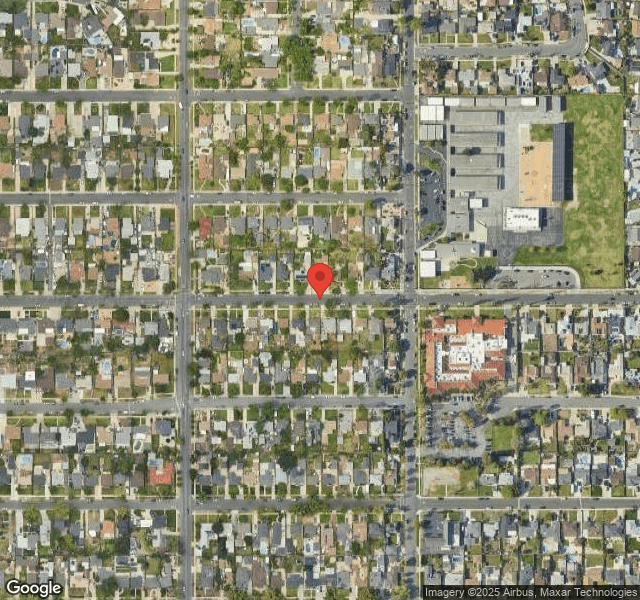

800 EAST 5TH STREET, ONTARIO, CA 91764 (909) 984-8629
For profit - Limited Liability company 216 Beds PACS GROUP Data: November 2025 1 Immediate Jeopardy citation
Trust Grade
36/100
#616 of 1155 in CA
Last Inspection: March 2022

Over 2 years since last inspection. Current conditions may differ from available data.

Overview

Las Colinas Post Acute has received a Trust Grade of F, indicating significant concerns regarding the quality of care provided. Ranked #616 out of 1155 facilities in California and #46 out of 54 in San Bernardino County, it falls in the bottom half of options available. While the facility's performance is improving, as it reduced its number of issues from 5 in 2024 to 2 in 2025, it still faces serious challenges. Staffing is a concern, with a rating of 2 out of 5 stars and less RN coverage than 92% of state facilities, which can limit the quality of oversight in resident care. Notably, a critical incident involved a resident who was not monitored for depression after expressing suicidal thoughts, which tragically led to their death, highlighting significant lapses in mental health care. On a positive note, the staffing turnover rate is low at 28%, suggesting that many employees remain for extended periods, which can foster familiarity and continuity in care. However, the facility also faces concerning fines totaling $101,471, higher than 80% of California facilities, reflecting ongoing compliance issues.

Trust Score
F
36/100
In California
#616/1155
Bottom 47%
Safety Record
High Risk
Review needed
Inspections
Getting Better
5 → 2 violations
Staff Stability
✓ Good
28% annual turnover. Excellent stability, 20 points below California's 48% average. Staff who stay learn residents' needs.
Penalties
✓ Good
$101,471 in fines. Lower than most California facilities. Relatively clean record.
Skilled Nurses
⚠ Watch
Each resident gets only 15 minutes of Registered Nurse (RN) attention daily — below average for California. Fewer RN minutes means fewer trained eyes watching for problems.
Violations
⚠ Watch
57 deficiencies on record. Higher than average. Multiple issues found across inspections.
★★★☆☆
3.0
Overall Rating
★★☆☆☆
2.0
Staff Levels
★★★★☆
4.0
Care Quality
★★★☆☆
3.0
Inspection Score
Stable
2024: 5 issues
2025: 2 issues

The Good

  • 4-Star Quality Measures · Strong clinical quality outcomes
  • Low Staff Turnover (28%) · Staff stability means consistent care
  • Full Sprinkler Coverage · Fire safety systems throughout facility
  • No fines on record
  • Staff turnover is low (28%)

    20 points below California average of 48%

Facility shows strength in quality measures, staff retention, fire safety.

The Bad

3-Star Overall Rating

Near California average (3.1)

Meets federal standards, typical of most facilities

Federal Fines: $101,471

Well above median ($33,413)

Significant penalties indicating serious issues

Chain: PACS GROUP

Part of a multi-facility chain

Ask about local staffing decisions and management

The Ugly 57 deficiencies on record

1 life-threatening
May 2025 1 deficiency
CONCERN (D) 📢 Someone Reported This

A family member, employee, or ombudsman was alarmed enough to file a formal complaint

Potential for Harm - no one hurt, but risky conditions existed

Quality of Care (Tag F0684)

Could have caused harm · This affected 1 resident

**NOTE- TERMS IN BRACKETS HAVE BEEN EDITED TO PROTECT CONFIDENTIALITY** Based on interview and record reviews, the facility failed to follow its policy to provide dental assessment to one of three sam...

Read full inspector narrative →
**NOTE- TERMS IN BRACKETS HAVE BEEN EDITED TO PROTECT CONFIDENTIALITY** Based on interview and record reviews, the facility failed to follow its policy to provide dental assessment to one of three sample residents (Resident 1) within ninety days of admission. This failure had the potential to place Resident 1 ' s overall health and safety at risk when Resident 1 was not provided with a dental assessment to meet the needs of the resident. Findings. During a review of Resident 1 ' s admission Record (general demographics), the document indicated Resident 1 was admitted to the facility on [DATE], with diagnoses that included, intervertebral disc degeneration, lumbar region (breakdown of one or more of the discs that separate the bone of the spine causing pain), type 2 diabetes mellitus (high blood sugar), muscle wasting and atrophy (decrease in muscle mass and strength), obstructive and reflux uropathy(problem with flow of urine through urinary tract), acute kidney failure (condition in which the kidneys suddenly can ' t filter waste from the blood) hypertension (high blood pressure). During an interview on April 29, 2025, at 1:00 PM with Resident 1, when asked about Resident 1 ' s dental services at the facility, Resident 1 replied, I have not had any dental services since my admission to the facility. I ' ve been here since January 3, 2025. During an interview on April 29, 2025, at 2:15 PM with the Director of Nursing (DON), the DON stated, Resident 1 has not had any dental services since his admission to the facility. He should have seen by our dental consultant within ninety days from his admission date. During a concurrent interview and record review on April 29, 2025, at 2:45 PM with the DON, the facility policy titled, Dental Consultant dated April 2007 was reviewed. The Policy indicated, Policy Statement 2. A consultant dentist is retained by our facility and is responsible for .b. providing a dental assessment of each resident within ninety (90) days of admission. The DON stated, Resident 1 should have been seen by our dental consultant within ninety days of being admitted to the facility.
Feb 2025 1 deficiency
CONCERN (D) 📢 Someone Reported This

A family member, employee, or ombudsman was alarmed enough to file a formal complaint

Potential for Harm - no one hurt, but risky conditions existed

Quality of Care (Tag F0684)

Could have caused harm · This affected 1 resident

**NOTE- TERMS IN BRACKETS HAVE BEEN EDITED TO PROTECT CONFIDENTIALITY** Based on observation, interview, and record review, the facility failed to maintain an accurate record of Lactulose (medication ...

Read full inspector narrative →
**NOTE- TERMS IN BRACKETS HAVE BEEN EDITED TO PROTECT CONFIDENTIALITY** Based on observation, interview, and record review, the facility failed to maintain an accurate record of Lactulose (medication used to reduce the amount of ammonia in the blood of patients with liver disease) for one of four sample residents (Resident 1) when on January 25, 2025, at 9:00 PM, License Vocational Nurse (LVN1) did not sign on Resident 1 MAR that Lactulose was given. This failure potentially resulted in Resident 1 readmission to the hospital with ammonia level of 124 µmol/L (Micromoles per liter a unit used to measure the concentration of a substance in a solution). Normal blood ammonia level for ESRD patient is generally considered to be below 35 micromol/L. Findings: During a review of Resident 1 Face Sheet (contain resident demographic), the Face Sheet indicated Resident 1 was admitted to the facility on [DATE], with a diagnosis that included Liver Failure (a conditions that stop the liver from working or prevent it from functioning well), End Stage Renal Failure (ESRD - a condition in which the kidneys have permanently lost heir ability to function properly). A review of Resident 1's Orders, dated January 17, 2025, indicated Lactulose Oral Solution 10 g/15mL (g/mL - means the density of a substance, essentially how much mass (in grams) is contained within a given volume (in milliliters) of that substance) was ordered to be given 30 mL by mouth three times a day for ESRD. A review of Resident 1's MAR indicated that Lactulose oral solution 10 g/15 mL to be given at 9:00 AM, 1:00 PM, 9:00 PM. On January 25, 2025, record showed that Lactulose were administered at 9:00 AM and 1:00 PM. During concurrent telephone interview and record review on February 13, 2025, at 12:59 PM, with the Director of Nursing (DON 1), the DON 1 stated on January 25, 2025, at 9:00 PM, Lactulose was not administered by the nurse because the nurse did not sign on the MAR. He further stated if it was not sign it was not given. During concurrent telephone interview and record review on February 13, 2025, at 2:19 PM with LVN 1, LVN 1 stated on January 25, 2025, at 9:00 PM, she believes that she gave the medication to Resident 1, but it was her mistake that she didn't sign on the MAR. Stated she understand that if it was not sign it was not given. A review of the facility Policy & Procedure (P&P) titled, Medication Administration dated April 2019, indicated, .22. The individual administering the medication initials the resident's MAR on the appropriate line after giving each medication and before administering the next ones.
Dec 2024 1 deficiency
CONCERN (D) 📢 Someone Reported This

A family member, employee, or ombudsman was alarmed enough to file a formal complaint

Potential for Harm - no one hurt, but risky conditions existed

Quality of Care (Tag F0684)

Could have caused harm · This affected 1 resident

**NOTE- TERMS IN BRACKETS HAVE BEEN EDITED TO PROTECT CONFIDENTIALITY** Based on interview and record review, the facility failed to ensure one of three sampled residents (Resident 1), had documented ...

Read full inspector narrative →
**NOTE- TERMS IN BRACKETS HAVE BEEN EDITED TO PROTECT CONFIDENTIALITY** Based on interview and record review, the facility failed to ensure one of three sampled residents (Resident 1), had documented foley catheter monitoring was completed per shift as ordered. This failure resulted in a late entry documentation over 30 days and placed Resident 1's health and safety at risk when Resident 1 was sent out to acute hospital for further evaluation. Findings: During review of Residents 1's admission Record (general demographics), the document indicated Resident 1 was admitted to the facility on [DATE], with diagnoses to include: hemiplegia (partial or complete paralysis on one side of body), epilepsy (nerve activity causing seizures), chronic obstructive pulmonary disease (blocking airflow, hard to breath), personal history of urinary tract infections (urine/bladder infection). During a concurrent interview and record review of Resident 1's Medical Record with the Assistant Director of Nursing (ADON), reviewed are as follows: 1. Care plan: The resident has impaired immunity r/t .sepsis unspecified organism .The resident will not display any complications .Monitor/documents/report PRN any s/s of infection: Fever, Redness, drainage or swelling around wounds or catheter sites; Dysuria, hematuria, flank pain and foul-smelling urine. 2. Treatment Administration Record (TAR) September 2024: ORDER: Indwelling catheter: Monitor for change in urine character Document 0=none/C=Cloudiness, S=Sediments, F/S=Foul smell, B=Blood in urine, D/C= Deepening or Concentrating urine output, notify MD for potential UTI every shift. ORDER: Monitor proper placement, no kinking or compression that could obstruct urine flow to gravity bag during catheter care every shift. (From 15th-29th handwritten signatures and scanned into electronic chart, not electronically signed the day due . 3 missing electronic signatures from PM shift and 12 missing electronic signatures from NOC shift noted.) 3. Change of Condition (COC) dated October 07, 2024: Tachycardia, ALOC vital signs BP 126/83, Pulse 150, RR 20, Temp 98.2 .Doctor order to send to acute hospital, family made aware. During an interview with the License Vocational Nurse (LVN 1), (LVN1) stated, I did not notice any changes to urine or foley. I did sign late entry, I forgot to sign, it's on (TAR). So, they printed the (TAR) and they did in-service. I work the 11PM-7AM shift. Yes, I should have signed the day of, I missed to document the (ETAR) but I got in-serviced, because I do check all my residents, I just forgot to sign it off. During an interview with the Assistant Director of Nursing (ADON), ADON stated, we identified the (TAR) September 2024, missing signatures, this was on November 04, 2024, when the Ombudsman asked for it, that's when we noticed the missing signatures. We have 30 days for late entries, we did In-services for the nurses and started QUAPI. We are allowed to do late entry, we talked to the licensed nurses, they attested that they did check the foley. We asked the nurses . If you are signing the paper (TAR), you are signing you did do the assessment, they stated yes! They should have signed it when they did their assessment, and it was late. During a review of the facility's policy and procedure titled, Charting and Documentation revised July 2017, the policy and procedure indicated, All services provided to the resident, progress toward the care plan goals, or any changes in the resident's medical, physical, functional, or psychosocial condition, shall be documented in the resident's medical record. The medical record should facilitate communication between the interdisciplinary team regarding the resident's condition and response to care .The following information is to be documented in the resident medical record: a. Objective observations b. Medications administered c. Treatments or services performed .Documentation of procedures and treatments will include care-specific details, including a. The date and time the procedure/treatment was provided b. The name and title of the individual(s) who provided the care c. The assessment data and/or any unusual findings obtained during the procedure/treatment f. The signature and title of the individual documenting. During a review of the facility's policy and procedure titled, Charting Errors and or Omissions revised December 2006, the policy and procedure indicated, Accurate medical records shall be maintained by this facility . 2. If it is necessary to change or add information in the resident's medical record, it shall be completed by means of an addendum and signed and dated by the person making such change or addition.3. Late entries in the medical record shall be dated at the time of entry and noted as a late entry. 5. All corrections, changes, or addenda must be signed and dated by the person making such entries. During a review of License Vocational Nurse Job Description .Human Resources 11-2018; Essential duties: Charting and Documentation: Complete and file required recordkeeping forms/charts upon the resident's admission, transfer, and/or discharge. Chart nurses' notes in an informative and descriptive manner that reflects the care provided to the resident, as well as the resident's response to the care. Perform routine charting duties as required and in accordance with established charting and documentation policies and procedures. Sign and date all entries in the resident's medical record.
Oct 2024 1 deficiency
CONCERN (D) 📢 Someone Reported This

A family member, employee, or ombudsman was alarmed enough to file a formal complaint

Potential for Harm - no one hurt, but risky conditions existed

Deficiency F0676 (Tag F0676)

Could have caused harm · This affected 1 resident

**NOTE- TERMS IN BRACKETS HAVE BEEN EDITED TO PROTECT CONFIDENTIALITY** Based on observation, interview, and record review the facility failed to follow Its policy and procedure to provide Activities ...

Read full inspector narrative →
**NOTE- TERMS IN BRACKETS HAVE BEEN EDITED TO PROTECT CONFIDENTIALITY** Based on observation, interview, and record review the facility failed to follow Its policy and procedure to provide Activities of Daily Living Services (ADLS) and ensure call lights are answered in timely manner for 2 of 3 sampled residents. (Residents 1 and 3). This failure had the potential to place two clinically compromised Residents (Resident 1 and 3) ' s health and safety at risk. When the residents ' activities of daily living were not met in timely manner. Findings: During a review of Resident 1 ' s admission Record (general demographics), the document indicated Resident 1 was last admitted to the facility on [DATE], with diagnoses that include, chronic respiratory failure (a condition when the lungs cannot get enough oxygen into the blood), morbid obesity (a condition with too much body fat and results in excessive weight), heart failure (a condition that develops when the heart does not pump enough blood for the body ' s needs), and muscle wasting and atrophy (a condition with loss or thinning of the muscle tissue). During concurrent observation and interview and on October 10, 2024, at 9:35 AM, with Resident 1, the Resident 1 stated, It takes a long time for staff to answer the call light when I need something. During a review of Resident 3 ' s admission Record, the document indicated Resident 3 was las admitted to the facility on [DATE], with diagnoses that include, respiratory failure, type 2 diabetes mellitus (a condition in which the blood sugar in the bod is high), epilepsy (a condition that cause sudden muscle jerks and muscle movements), and muscle wasting and atrophy. During concurrent observation and interview and on October 10, 2024, at 10:05 AM, with Resident 3, the Resident 3 stated, I have to wait a long time for someone to answer my call light. During an interview On October 10, 2024, at 10:43 AM, with the Administrator regarding answering call lights timely manner, the Administrator stated, Not answering call lights immediately is not acceptable. I expect all staff to answer call lights and attend to residents immediately. During a review of facility policy and procedure (P&P), titled, Answering the Call Light dated January 2023, indicated, Purpose. The purpose of this procedure is to respond to the resident ' s requests and needs . 2. Ensure the call light is within reach of the resident . 4. Answer the resident ' s call as soon as possible . During a review of facility P&P, titled, Quality of Care, dated February 2018, the P&P indicated, It is the policy of this facility that residents are given the appropriate treatment and services to maintain or improve his/her abilities . During a review of facility P&P, titled, Activities of Daily Living (ADLs), Supporting, dated March 2018, the P&P indicated, .1. Residents will be provided with care, treatment and services to ensure that their activities of daily living (ADLs) do not diminish unless the circumstances of their clinical conditions(s) demonstrate that diminishing ADLs are unavoidable . 2. Appropriate care and services will be provided for residents who are unable to carry out ADLs independently, with the consent of the resident and in accordance with the plan of care . During an interview On October 23, 2024, at 12:52 PM, with the Director of Nursing (DON), the DON stated, staff did not follow facility policy. The DON further stated, she expected the staff to answer residents call lights and attend to residents needs in a timely manner.
Jul 2024 1 deficiency
CONCERN (D) 📢 Someone Reported This

A family member, employee, or ombudsman was alarmed enough to file a formal complaint

Potential for Harm - no one hurt, but risky conditions existed

Pressure Ulcer Prevention (Tag F0686)

Could have caused harm · This affected 1 resident

**NOTE- TERMS IN BRACKETS HAVE BEEN EDITED TO PROTECT CONFIDENTIALITY** Based on interview and record review the facility failed to ensure proper care was provided to prevent a pressure ulcer/injury (...

Read full inspector narrative →
**NOTE- TERMS IN BRACKETS HAVE BEEN EDITED TO PROTECT CONFIDENTIALITY** Based on interview and record review the facility failed to ensure proper care was provided to prevent a pressure ulcer/injury (Pressure ulcers are injury that breaks down the skin and underlining tissue. They are caused when an area of skin is placed under pressure), from developing a stage 4 pressure injury to the coccyx (tailbone area), left heel dry blister, open blister left thigh, blister to right thigh, and open blister to lower back for one of three sampled residents (Resident 1). This failure placed a clinically compromised Residents (Resident 1) health and safety at risk. When the facility failed to prevent the formation of pressure ulcers to Resident 1 skin. Findings: During review of Residents 1's admission Record (general demographics), the document indicated Resident 1 was admitted to the facility on [DATE], with diagnoses to include: encephalopathy (alters brain function or structure, causes stroke, tumor .), dysphagia (difficulty swallowing), dementia (forgetfulness, impaired thinking abilities), difficulty walking, hypertension (high blood pressure), history of urinary tract infections (infection of urine), immunodeficiency (immune system compromised). During a review concurrent interview and record review of Resident 1's Medical Record with the Assistant Director of Nursing (ADON), reviewed are as follows: 1. Careplan on admission Prevention: Date Initiated: December 15,2023, At risk for skin breakdown r/t Decreased mobility/ anemia, will have no further complication: Interventions: Apply protective lotion/skin moisturizers after shower/pericare, Clean the resident's skin after each episode of incontinence, Dietary consult per protocol, Float/offload heels as tolerated, Labs per doctor order, Occupational Therapy eval to increase functional ability, Pharmacy consult per protocol, Pressure reducing mattress, Provide activities that allow for skin improvement, Provide skin care frequently (daily bath, shower 2x per week and prn). 2. NURSING - COMPREHENSIVE SKIN EVALUATION/ASSESSMENT - V 2(Skin evaluation) dated December 16, 2023, at 0740: Complete skin check done no pressure injuries skin is intact. BRADEN SCALE (predicting pressure ulcer risk)=10 (high risk). 3. Change in Condition (COC) Note dated January 05, 2024, at 1244: Nursing observations, evaluation, and recommendations are: Treatment nurse notified about resident having black fungus noted to bilateral toenails. +2 pulses noted to the bilateral lower extremities, no pain noted, no tenderness to the feet, no warmth, no discoloration. Normal responses noted to tactile and painful stimuli. No pain to the bilateral calves. MD notified. New orders received for podiatry referral and Ketoconazole 2% to all toes for two times daily for 4 weeks. Orders placed and carried out. 4. COC Note January 18, 2024, at 1929: Skin breakdown Coccyx Nursing observations, evaluation, and recommendations are: upon ADL Certified Nursing Assistant (CNA) notified charge nurse of coccyx breakdown. Registered Nurse (RN) notified about the change in condition and doctor notified. Treatment order initiated. 5. Nurse Note dated January 19, 2024, at 2024, Resident alert nonverbal, no distress noted, no signs and symptoms of pain ., skin warm/dry to touch. noted to have Blister on right heel with open skin, sock was saturated with blood. Kept clean and dry, Continue to float heals, all needs met by staff, will continue to monitor. 6. NURSING - COMPREHENSIVE SKIN EVALUATION/ASSESSMENT - V 2 SKIN EVAL January 24, 2024, at 9:39, coccyx pressure injury stage 4 measuring 3.0cm x 2.2cm x 1.0cm with tunneling at 12 o'clock 4.0cm. Tissue quality 90% sough 10% granulation (healing process, pink new connective tissue) moderate drainage with no foul odor. left heel dry blister measuring 7.0cm x9.0cm x Unstageable Full Thickness Tissue Loss (UTD) with tissue quality 100% epithelial with maroon color to area. 7. Progress Note dated March 01, 2024, Open Blister Left thigh, March 11, 2024, (COC) Blister right thigh rear. April 22, 2024, (COC) Open blister to lower back, April 27, 2024, Right shin abrasion. 8. NURSING - COMPREHENSIVE SKIN EVALUATION/ASSESSMENT - V 2 SKIN EVAL July 02, 2024, at 1755: right hip Kennedy ulcer measuring 3.0cm x 5.0cm x (UTD) 100% slough (yellow/white material in wound) scant moderate drainage no foul odor with maroon color to surrounding area. coccyx pressure injury stage 4 measuring 2.0cm x 1.0cm x 1.0cm with tunneling at 12 o'clock of 2.5cm with tissue quality 80% granulation, 20% slough with moderate drainage no foul odor no swelling, no s/s of infection right lateral ankle arterial wound measuring 5.0cm x 3.3cm x 0.2cm tissue quality 20% slough 80% granulation moderate drainage no foul odor right lateral foot arterial wound measuring 2.5cm x 8.5cm x (UTD)with tissue quality 100% eschar (scab) with moderate drainage mild odor foul odor foley catheter 14f x 10cc for wound management draining yellow urine without any sediments (particles in urine). Resident transfer out to hospital. 9. Progress Note (Nurse Note) dated July 02, 2024, at 1647: Resident [family] at bedside and requested to send patient out to hospital for wound evaluation. [Family] stated that wound smelled. Patient skin warm to touch. Patient was clean and dry. Patient had no grimaces to pain. No SOB breathing was even and unlabored. Patient vitals Within Normal Limits (WNL). Hospice was notified recommended sent out to hospital. RN notified American Medical Response (AMR) called and patient was sent out to [acute hospital] for further evaluation. During an interview on July 16, 2024, with the Treatment Nurse, Treatment nurse stated, Resident 1 did not have wounds on admission. The wounds should not have developed here, it was unavoidable due to all her comorbidities, poor meal intake incontinence, immunodeficiencies. It was getting worse which is why we had a meeting with family, and they were made aware of deterioration, it got bad within a week. During an interview on July 16, 2024, with the Assistant Director of Nursing (ADON), ADON stated, When Resident 1 was admitted , she was clean, no wounds, then developed a coccyx and heel wound around January 19 and 20th 2024. No, she did not come in with these wounds, we did had interventions for skin breakdown when they developed, further interventions were made for the wounds. The family requested resident to be sent out due to the wounds and hospice gave the order to be sent out. During an interview on July 16, 2024, with the Director of Nursing (DON), DON stated, Resident 1 did not come in with the any wounds, yes, they did develop in facility. With her condition she has poor circulation, it could have been prevented and it happens, and she is immunocompromised plus she is not eating well. We did reposition and turn, still developed the wounds. During a review of the facility's policy and procedure titled, Prevention of Pressure Injuries revised April 2020, the policy and procedure indicated, The purpose of this procedure is to provide information regarding identification of pressure injury risk factors and interventions for specific risk factors. Review the resident's care plan and identify the risk factors as well as the interventions designed to reduce or eliminate those considered modifiable. During a review of the facility's policy and procedure titled, Pressure Ulcers/Skin Breakdown revised April 2018, the policy and procedure indicated, 1. The nursing staff and practitioner will assess and document an individual's significant risk factors for developing pressure ulcers; for example, immobility, recent weight loss, and a history of pressure ulcer(s).
Jun 2024 1 deficiency
CONCERN (D) 📢 Someone Reported This

A family member, employee, or ombudsman was alarmed enough to file a formal complaint

Potential for Harm - no one hurt, but risky conditions existed

Quality of Care (Tag F0684)

Could have caused harm · This affected 1 resident

**NOTE- TERMS IN BRACKETS HAVE BEEN EDITED TO PROTECT CONFIDENTIALITY** Based on observation, interview, and record review, the facility failed to follow policy and procedure to ensure the call lights...

Read full inspector narrative →
**NOTE- TERMS IN BRACKETS HAVE BEEN EDITED TO PROTECT CONFIDENTIALITY** Based on observation, interview, and record review, the facility failed to follow policy and procedure to ensure the call lights were answered in a timely manner to provide care and services for two of three residents (Resident 1 and Resident 2). This failure had the potential to place two clinically compromised Residents (Resident 1 and Resident 2) health and safety at risk when residents call lights were not answered promptly to assist with their activities of daily living. Findings: 1. During a review of Resident 1's clinical record, the face sheet (contains demographic and medical information), indicated Resident 1 was admitted on [DATE], with diagnoses that included cerebral ataxia (a disease with a symptom of an inability to coordinate balance, gait, extremities [fingers, hands, arms, legs]), and hypothyroidism (a condition that can make a resident feel tired, gain weight and be unable to tolerate cold temperatures). During a review of the clinical record for Resident 1 ' s the Brief Interview for Mental Status (BIMS- screening tool to identify and monitor cognitive decline), dated April 28, 2024, indicated, Resident 1 ' s score was a 14, which indicated Resident 1 had no mental impairment. During an interview with Resident 1, on June 25, 2024, at 11:30 AM, Resident 1 expressed dissatisfaction with the response time to call lights. The resident stated that the response time varies, wait delays particularly during the PM shift, especially after 9:00 PM. The resident reported instances where she was not attended to for an hour or two. 2.During a review of Resident 2's clinical record, the face sheet (contains demographic and medical information), indicated Resident 2 was admitted on [DATE], with diagnoses that included heart failure (occurs when the heart muscle doesn ' t pump blood as well as it should. Blood often backs up and causes fluid to build in the lungs [pair of organs in the chest that supplies the body with oxygen and removes carbon dioxide from the body] and in the legs. The fluid buildup can cause shortness of breath and swelling of the legs and feet). During a review of the clinical record for Resident 2, the Brief Interview for Mental Status (BIMS- screening tool to identify and monitor cognitive decline), dated May 29, 2024, indicated, Resident 2 ' s score was a 12, which indicated Resident 2 had no mental impairment. During an interview with Resident 2, on June 25, 2024, at 11:35 AM, Resident 2 expressed concerns regarding the response times to her call lights, stating that it often takes an excessive amount of time for the staff to respond. She mentioned resorting to using her telephone to contact the desk instead, finding it to be a quicker alternative. Furthermore, Resident 2 reported instances of delayed assistance while she was soiled. Additionally, the resident described occasions where it took one to two hours for the staff to address her call lights. During a review of the clinical records for Reident's 1 and 2, the care plans indicated: 2. Resident 1 ' s care plan dated April 30, 2024, indicated Resident 1 has an activity of daily living deficit (tasks of everyday life – bed mobility, transfers, walk in room, walk in corridor, locomotion on unit, locomotion off unit, toileting, personal hygiene, and bathing) related to cerebral ataxia (a disease with a symptom of an inability to coordinate balance, gait, extremities [fingers, hands, arms, legs]), and hypothyroidism (a condition that can make a resident feel tired, gain weight and be unable to tolerate cold temperatures). Intervention: Call light within reach and answered promptly. 3. Resident 2 ' s care plan dated June 5, 2024, indicated Resident 2 has an actual activity of daily living deficit (tasks of everyday life)/mobility decline and requires assistance related to contractures. During an interview with DON on June 25, 2024, at 11:59 AM, I notified the DON regarding my findings of staff slow response to call lights are preliminary pending approval from my health facility evaluator supervisor. During a review of the facility ' s policy and procedure (P&) titled, Answering the Call Light, revised, October 2010, the P&P indicated The purpose of this procedure is to respond to the resident ' s requests and needs.
Apr 2024 1 deficiency
CONCERN (D) 📢 Someone Reported This

A family member, employee, or ombudsman was alarmed enough to file a formal complaint

Potential for Harm - no one hurt, but risky conditions existed

Quality of Care (Tag F0684)

Could have caused harm · This affected 1 resident

**NOTE- TERMS IN BRACKETS HAVE BEEN EDITED TO PROTECT CONFIDENTIALITY** Based on observation, interview, and record review, the facility failed to ensure one of three sampled residents (Resident 1), w...

Read full inspector narrative →
**NOTE- TERMS IN BRACKETS HAVE BEEN EDITED TO PROTECT CONFIDENTIALITY** Based on observation, interview, and record review, the facility failed to ensure one of three sampled residents (Resident 1), was discharged home with the correct medication packs as ordered by physician. This failure contributed to a clinically compromised Resident 1 being discharged with 4 medications packs not prescribed and belonging to another resident. Findings: During review of Residents 1's admission Record (general demographics), the document indicated Resident 1 was admitted to the facility on [DATE], with diagnoses to include: heart failure (heart does not pump blood as well), hypothyroidism (thyroid gland doesn't produce enough hormone, symptoms of fatigue, cold sensitivity, and weight gain), acute kidney failure (kidneys can't filter waste from blood). During a concurrent interview and record review of Resident 1's Medical Record with the Assistant Director of Nursing (ADON) and the License Vocational Nurse (LVN 1) reviewed and verified the following: 1. Post Discharge Plan of Care: Dated April 04, 2024: 6. Medications list: 1. hydralazine 50 mg 1 tab by mouth (amount released 15) (given for high blood pressure).2. minoxidil 2.5 mg 1 tab by mouth (amount released 11) (can treat for high blood pressure). 3.famotidine 20 mg 1 tab by mouth (amount released 30) (to treat and prevent stomach ulcers).4. omeprazole 40 mg 1 capsule by mouth (amount released 26) (to treat heart burn).5. MISSING medication, Levothyroxine 50mcg tablet as prescribed (to treat hypothyroidism). 2. Medication Orders for as of April 04, 2024, does not show the 4 medications shown in Post Discharge Plan of Care documentation provided to resident on discharge. During a concurrent interview and record review on April 10, 2024, with (LVN 1), LVN 1 stated, The normal process on discharging residents with their medications, is usually when resident is alert, I explain the medications, how many pills are left, and how they will be taken, all the medication. Or we give the Responsible Party the information. We use the medication list and check for the name and match the name on their wrist band. We have the Registered Nurse, another nurse and me checking the medications. I don't remember giving (Resident 1) another residents medication (bubble pack). After reviewing (R1) orders and comparing to the Post Discharge Plan of Care document, I don't see the 4 medications in question in the physician orders, I don't remember if there was an emergency, but we were helping each other with the RN supervisor. I see the discrepancy and it should not have happened. During a concurrent interview and record review on April 10, 2024, with the Assistant Director of Nursing (ADON), the ADON stated, This should not have happened, no resident should go with another resident's medication packs. If the resident might have taken the medication, they could have potential for adverse reaction and HIPPA (Health Insurance Portability and Accountability Act, privacy safeguarding medical information) because they have another resident information. During an interview on April 10, 2024, with the Director of Nursing (DON), the DON stated, The LVN, gathers all the residents' medications from the physician order and from there you write down the medications. I give them the medications and give info to resident I read it and check with the resident. I put a check mark with the family and patient, I want to make sure they agree with the medications and education, and they sign. Giving another resident's bubble pack medication to (Resident 1), it should not have happened. He could have had adverse reaction to the medications and HIPPA due to someone else's information. During a review of the facility's policy and procedure titled, Discharge Medications revised August 2018, the policy and procedure indicated: Unless otherwise specified by the facility policy, or contrary to current law or regulation, medications shall be sent with the resident upon discharge. Controlled substances may not be released to the resident upon discharge. Policy Interpretation and Implementation . 2. The charge nurse shall verify that the medications are labeled consistent with current physician orders including instructions for . 4. The nurse will reconcile pre-discharge medications with the resident's post-discharge medications. The medication reconciliation will be documented.
Nov 2023 1 deficiency 1 IJ
CRITICAL (J) 📢 Someone Reported This

A family member, employee, or ombudsman was alarmed enough to file a formal complaint

Immediate Jeopardy (IJ) - the most serious Medicare violation

Quality of Care (Tag F0684)

Someone could have died · This affected 1 resident

**NOTE- TERMS IN BRACKETS HAVE BEEN EDITED TO PROTECT CONFIDENTIALITY** Based on interview and record review, the facility failed to reassess and monitor one of three sampled residents (Resident 1) fo...

Read full inspector narrative →
**NOTE- TERMS IN BRACKETS HAVE BEEN EDITED TO PROTECT CONFIDENTIALITY** Based on interview and record review, the facility failed to reassess and monitor one of three sampled residents (Resident 1) for signs and symptoms of depression with mood changes after Resident 1's family member expressed her father's feelings of wanting to die. This failure led to the decline of Resident 1's mental health and psychosocial (emotional) wellbeing which resulted in Resident 1's death by suicide on October 27, 2023. Findings: A review of Resident 1's clinical record, the Face Sheet contains demographic and medical information), indicated Resident 1 was admitted on [DATE], with diagnoses which included: Parkinson's (brain disorder that causes unintended or uncontrollable movement) and encephalopathy (disturbance in the way the brain functions.) A review of Resident 1's clinical record, the Licensed Nurses Progress Note dated September 18, 2023, indicated, Late entry: Today Care conference was conducted .family member stated her dad was feeling sad and wanted to go home with her. Family member explained that she was unable to provide care for him at home. Order for psychiatric (mental illness) consult was input and sent to [Psychiatrist (specializing in the diagnosis and treatment of mental illness) name]. The Charge nurse (caring for Resident 1) was informed to follow up and to continue to monitor resident. No documentation could be found to show Resident 1 was monitored daily for sadness or mood changes after this note. A review of Resident 1's clinical record, the Physicians Order dated September 18, 2023, indicated May have consult with psychiatrist due to verbalization of feeling sad. A review of Resident 1's, Minimum Data Set (MDS- set of assessments), Section D for Mood, dated September 18, 2023, indicated over the last two weeks Resident 1 had the presence of these symptoms: little interest or pleasure in doing things, feeling down, depressed, or hopeless, trouble falling or staying asleep, or sleeping too much, feeling tired or having little energy, poor appetite, or overeating. The frequency of these symptoms averaged between 7 to 14 days. Section D indicated the symptoms happened half or more of these days. Resident 1's Total Severity Score (an indicator of depression) was 11. A score of 11 indicated Resident 1 had signs and symptoms of moderate depression. No documentation could be provided of resident 1's medical records that indicated Resident 1 was monitored or assessed daily for sadness, mood changes or signs and symptoms of depression after this assessment. A review of Resident 1's Care Plan (outline of what needs to be done to manage the care, needs of a resident) titled Mood dated September 18, 2023, indicated Resident 1 was at risk for decreased psychosocial well-being and adjustments issues, emotional distress and ineffective coping skills, poor impulse control, adverse effects on function, mental, physical, social or spiritual wellbeing related to: a. feeling down, depressed, or hopeless, b. Feeling tired or having little energy, little interest, or pleasure in doing things, c. poor appetite or overeating, d. trouble falling, staying asleep or sleeping too much. The interventions listed included: Assess for clinical issues that may be causing or contributing to the mood pattern. No documentation could be found to indicate Resident 1 was monitored or assessed daily for sadness, mood changes or signs and symptoms of depression after this care plan was initiated. A review of Resident 1's clinical record, Interdisciplinary Team Conference Summary Note (IDT- team members from different disciplines working together to make decisions), effective date September 18, 2023, at 9:37 AM and signed by a Licensed Vocational Nurse on October 27, 2023, indicated New orders for patient to be seen by psychiatrist regarding the resident stating that he is feeling sad. Sent over face sheets and order to (Psychiatrist) for patient to be seen from verbalization from the family member that her father stated he was sad and wanted to go home. Informed [Psychiatrist name] about order so patient can be seen, continuing to monitor. No documentation could be found that indicated Resident 1 was monitored or assessed daily for sadness, mood changes or signs and symptoms of depression after this note. A review of Resident 1's, Physicians Order dated September 27, 2023, indicated Last cover date (end of insurance coverage) was September 29, 2023. Resident 1 became a custodial care resident (receives non-medical care that can be safely given my non-licensed caregivers at home or in a nursing home) of the facility on September 30, 2023. A review of Resident 1's, Physician's Progress Note dated September 25, 2023, indicated Psychiatrist was unable to see Resident 1 because Resident 1 had (name of insurance carrier) and there was no prior authorization to see the Psychiatrist. A further review of the document indicated to refer Resident 1 to the neurologist (specialist in the diagnosis and treatment of disorders of the nervous system). A review of Resident 1's, Neuropsychological (the study of behavior, the mind, and their relationship with the central nervous system) Consultation Summary from [Name of Neurologist] dated October 16, 2023, indicated Parkinson's ., agitated before his evening medications. Resident had an altercation where he was physical with his family member (while in the facility) . No documentation could be found that indicated the facility documented the report of an altercation between Resident 1 and the family member before the neurological consult or after the consultation was completed. A review of Resident 1's clinical record, the Licensed Nurses Progress Note ' dated October 13, 2023, at 1:16 PM, indicated (Resident 1) left out on pass with family member in a wheelchair. The subsequent nurses note was dated October 15, 2023. No documentation could be found that indicated Residents 1's mood or behavior after his return to the facility on October 13, 2023. A review of Resident 1's Licensed Nurses' Progress Notes dated October 16, 2023, indicated the nurses note was a late entry which was documented on October 27, 2023, at 5:58 PM, the nurses progress note indicated, Received an order for Seroquel (antipsychotic medication used to treat agitation or depression), for agitation from [Neurologist name] during telehealth appointment. Family member was present during telehealth appointment. Consent obtained from family member. Order carried out. No documentation could be provided of incidents or behaviors that indicated Resident 1 was agitated. No documentation could be found in Resident 1's medical records, the nurses' notes, assessments, and the weekly summaries from September 18, 2023, to October 27, 2023, that demonstrated incidents of agitated behaviors that warranted the use of Seroquel. A review of Resident 1's Licensed Nurses' Progress Note dated October 30, 2023, at 11:25 PM, indicated upon cleaning the resident's room, around 11:15 PM, a handwritten note was found on the side table by a Registered Nurse and Unit manager. The Family member was called and made aware of the note. The nurse read the note to the family member. A review of Resident 1's medical records, the nurses' notes, nurses' assessment notes, and the weekly summaries dated September 18, 2023, to October 27, 2023, indicated Resident 1 was not monitored or assessed daily or weekly for signs and symptoms of depression, sadness, or mood changes. A review of Resident 1's History and Physical (H&P) dated September 19, 2023, the H&P indicated Resident 1 had the capacity to understand and make decisions. During an interview with Licensed Vocational Nurse (LVN 1) on October 30, 2023, at 3:11 PM, LVN 1 stated, On October 27, 2023, I walked into the room to give medication. I called out his name. Resident 1 did not respond. Resident 1 had the blanket over his head. He was on his back looking up and the ceiling. No response. I looked to see if he was breathing. I pulled the blanket back. The patient belongings bag was tied around his neck. The black charger cord was wrapped around his neck three or four times. LVN 1 stated further, Seroquel? We received an order for 25 mg (milligram, unit of measurement) of Seroquel for agitation. Resident 1 was not agitated for me. I got the order for Seroquel from [Neurologist's name]. The family member set the appointment to see the Neurologist. No documentation could be provided that indicated Resident 1 had episodes of agitation or changes in mood. During a phone interview with Resident 1's family member on October 30, 2023, at 3:26 PM, the family member stated (Resident 1) was not happy and wanted to go home. The last week that he was in the facility he was making the adjustment. Doing the activities and making friends. (Resident 1) was saying that he wanted to die at home. (Resident 1) did say it again, that he wanted to die, when he was in the facility, the first week he was there. I asked them for a psychiatric evaluation. That request for a psychiatric evaluation was a month ago. I told the nurse one time. She was in the room with me when (Resident 1) said that he wanted to die and that's when I asked for a psychiatrist to see him. One of them I told was (Registered Nurse 1, RN 1). (RN 1) said, they would put it in the notes that they would have someone go talk to him. A continuation of the phone interview with Resident 1's family member on October 30, 2023, at 3:26 PM, family member stated further, I had gone to see him after my daughter's wedding. He was upset because he did not go to the wedding. On October 13, 2023, I took him out on pass, and he had no intentions of going back there. He wanted to go home. He was trying to walk away, and I grabbed his shirt, and he started punching at me. It was not like him at all. I said you're hurting me. I yelled for help. (Staff members) eventually came out and helped me . (Staff members) told me to drive away because he was trying to resist going inside. He said he wanted to die the next day. Resident 1's family member then stated, on (October 16, 2023), the neurologist wanted to make sure his medications were right with LVN 1, who was there at the time of this visit. I told the Neurologist about the incident on Friday and the neurologist was concerned that it was the first sign of dementia. That's why the Neurologist ordered the Seroquel. During a phone Interview with LVN 2 on October 30, 2023, at 4:35 PM, LVN 2 stated, the day, October 13, 2023, Resident 1 went out on pass with his family member, Resident 1 took a shower early and was excited. When Resident 1 came back from pass, he said he did not want to go back to the facility. Resident 1's family member asked if we could redirect him LVN 2 stated they redirected him with pizza, but Resident 1 did say he wanted to go home with the family member. No documentation could be found that indicated Resident 1 was assessed or monitored for behavior or mood after he returned from his out on pass visit with his family member. During a phone interview with LVN 3 on October 30, 2023, at 4:53 PM, LVN 3 stated on October 13, 2013, I noticed he was with his family member. I noticed that he was mad at the family member. He was hitting the family member when he came back from out on pass. When LVN 3 was asked further about Resident 1 hitting the family member, LVN 3 stated, I don't remember who told me about (Resident 1) hitting the family member I didn't pay much attention. No documentation could be found that indicated Resident 1 was assessed and or monitored for changes in mood, signs and symptoms of depression or sadness when he returned from out on pass on October 13, 2023. During an interview with the Director of Nursing (DON) on October 30, 2023, at 6:01 PM, the DON stated Registered Nurse (RN 1) reported Resident 1 was mad at the family member, because the family member can't take him home. (RN 1) said, I can't, I don't want to be caught in the middle. (RN 1) said the family member looked like help me that day (October 13, 2023.) (Staff members) lured him back inside with pizza and that was it. I didn't know or they did not mention anything about Resident 1 hitting the family member. There was no documentation about that. (RN 1) should have documented that. The DON stated and confirmed the facility has two psychiatrists [NAMES] and they did not see Resident 1 due to insurance. The DON further stated if Resident 1's psychiatrist consultation was not covered by his insurance. Case management was to follow up. During a concurrent interview and record review of Resident 1's medical record with the DON on October 30, 2023, at 6:01 PM, DON stated, Resident 1's Care Plan, (outline of what needs to be done to manage the care needs of a resident) for Mood, dated September 18, 2023, was reviewed. The DON stated, We don't monitor at risk care plans for mood. After speaking with the social services director (SSD) and reviewing the clinical records for Resident 1, the DON then stated, They should have documented about his mood. The DON could not provide documentation that indicated Resident 1 was monitored daily or weekly for sadness, signs and symptoms of depression or mood changes. The DON confirmed there was no documentation to show Resident 1 was monitored and assessed for changes to mood, signs and symptoms of depression or sadness daily or weekly. During an interview and record review on October 31, 2023, at 2:20 PM with the Assistant Director of Nursing (ADON), ADON stated, The first assessment on Minimum Data Set (MDS) dated [DATE], Section D (Mood), based on the PHQ9 (patient health questionnaire, is an instrument used for screening, diagnosing, monitoring, and measuring the severity of depression), the total severity score was 11. All this was based on Resident 1's interview. The ADON, stated the MDS was done for every admission, or significant change in condition. I don't think a new Preadmission Screening and Resident Review (PASRR) was done, because we would only have to do it again if the resident had a Change of condition. The one we have is from [outside hospital]. There was no suicide assessment done because he was negative on his PASRR from the [outside hospital]. The ADON stated, there was no care plan developed for Seroquel. The ADON further stated, for Seroquel medication, monitoring was not documented on Resident 1's Medication Administration Record (MAR). It's not on the MAR. The ADON verified and confirmed that Resident 1's feeling of sadness and monitoring was not documented in the clinical records and the facility was unable to provide any documented evidence. During a review of the facility's policy and procedure (P&P) titled, Change in a Resident's Condition or Status dated February 2021, the P&P indicated, Our facility promptly notifies the resident, his or her attending physician, and the resident representative of changes in the resident's medical/mental condition and/or status. 1. The nurse will notify the resident's attending physician when there has been a: accident or incident involving the resident .d. significant change in the resident's physical/emotional/mental condition; e. need to alter the resident's medical treatment significantly, i. specific instructions to notify the physician of changes in the resident's condition. During a review of the facility's policy and procedure titled, Safety and Supervision of Residents dated July 2017, the P&P indicated Our facility strives to make the environment as free from accident, hazards as possible. Resident safety and supervision and assistance to prevent accidents are facility-wide priorities .Individualized, Resident-Centered Approach to Safety .4. Implementing interventions to reduce accident risks and hazards shall include the following: d. enduring that interventions are implemented; and documenting interventions. During a review of the facility's P&P titled, Depression dated November 2018, the P&P indicated, .3. The staff will screen residents for depression, using appropriate screening tools, on admission and subsequently, if suggested by changes in mood, function, or behavior. 4. Staff will evaluate residents for possible evidence of mood disorder. A. signs and symptoms may include depressed mood most of the day, almost every day diminished interest or pleasure in most activities, B. Examples of risk factors for depression include a medical diagnosis associated with a high risk of depression, new admission or change in environment, loss of autonomy, privacy, function . The physician will evaluate underlying causes of mood disorder, including depression and contributing factors . The facility to reassess and monitor one of three sampled residents (Resident 1) for signs and symptoms of depression with mood changes after Resident 1's family member expressed her father's feelings of wanting to die. This failure led to the decline of Resident 1's mental health and psychosocial (emotional) wellbeing which resulted in Resident 1's death by suicide on October 27, 2023. On November 01, 2023, at 9:57AM, after interviews and record reviews, an immediate jeopardy (IJ-Immediate Jeopardy means a situation in which immediate corrective action is necessary due to provider's noncompliance with requirements of participation has caused, or likely to cause, serious injury, harm, impairment, or death to an individual receiving care in a facility) was called under F684 in the presence of the Director of Nursing, Assistant Director of Nursing, and facility Consultant. A corrective action plan was requested on November 01, 2023, at 9:57 AM. A corrective action plan was provided and accepted by facility on November 02, 2023, at 3:41 PM included: Social Services provided psychosocial support to both roommates as needed noted on October 28,2023, October 29, 2023, October 31, 2023, and November 01,2023; Social services department to notify psychologist to provide psychosocial support to affected staff. Facility to conduct assessments using PHQ2-9 (an instrument used for screening, diagnosing, monitoring, and measuring the severity of depression) assessment to residents with diagnosis of Parkinson's Disease. Depression and are alert, oriented x 4 to check for signs and symptoms of depression. Any residents identified on assessment conducted with a score of 1 or above will have behavior monitoring in place, care plan and behavioral management with Psychiatrist. If they trigger Section D if 10 or above, they are monitoring and referred on psych eval, social services will notify the Minimum Data Set nurse (MDS). Systemic changes the facility will identify and monitor residents with depression, or a decline in mood to prevent serious injury, serious harm, serious impairment death. In-service November 02, 2023, on Systemic changes with facility psychiatrist on Suicide Prevention recognizing signs and symptoms of depression, changes or decline in mood and or suicidal ideation. A trigger on MDS section D with no anti-depression medications, they are still assessing and documenting what the actual behavior, in Medication Administration Record (MAR) for monitoring. The DON and ADON conducted an all-staff in-service on November 01, 2023, focusing on recognizing, monitoring, and addressing Suicidal ideation and/or warning signs of Depression. DON conducted in-services on October 28, 2023, and October 30, 2023, to staff including recognizing, monitoring, and addressing Suicidal ideation and/or warning signs of Depression. ADON conducted in services to staff on October 29, 2023, to staff including recognizing monitoring and addressing suicidal ideation and/or warning signs of Depression. The facility Social Services Staff will conduct Social Services Assessment of residents upon admission, quarterly, annually, and for significant change in status assessment. They are going off the MDS calendar, for initial assessment, it monitors behavior. MDS nurse and Social Services working on this together. Quality Assurance Nurse (QA)/Assistant Director of Nursing ADON conducted a facility wide audit on November 01, 2023, of all residents with psychological diagnoses and or receiving psychotropic (medications that affect mental function, behavior, and experience) medications, and residents with a PHQ2-9 total severity score of 1 or higher, ensured care plans and behavior monitoring are in place. Facility Social Services staff conducted interview for residents at risk for depression, decline in mood, and potential psycho-social conditions October 28, 2023, October 29, 2023, and October 30, 2023. Observation of the all-facility staff will be in-service today November 02, 2023, by Psychiatrist doctor regarding identifying/recognizing warning signs and suicidal ideation/symptoms of depression, decline in mood, and change in psycho-social condition, and the facility process to provide necessary psychosocial care to the resident. Observation of all facility staff in-service today, November 02, 2023, by the Director of Nursing regarding the systemic changes that the facility made to prevent this event from re-occurring. Upon PHQ2-9 assessment following MDS calendar, if the resident has a total severity score of 1 or higher, the facility will initiate care plan addressing risk for decreased psychosocial well-being and adjustment issues, emotional distress and ineffective coping skills, poor impulse control, adverse effects on function, mental, physical, social, or spiritual wellbeing and also add an order to monitor signs and symptoms for depression every shift & notify Medical Doctor accordingly. This will be initiated November 01, 2023, and process maintained by facility. Based on the mood interview score, if score 1 or higher they will implement on every shift, behavior monitoring and document based on the questions triggered, social service with refer to psychiatric evaluation for assessment. The Quality Assurance Nurse and ADON will review the residents with orders of psychotropic medications using PCC (electronic medical record system) Dashboard to ensure the orders are with correct indication, behavior monitoring & care plan and will continue review new orders daily. Documents reviewed. Observation of Director of Nursing and Assistant Director of Nursing will conduct follow up in-services to all staff on November 02, 2023, to ensure they are aware of immediate plan of action, and new systemic changes to prevent serious injury, serious harm, serious impairment, or death of a resident in the future. The facility plans to monitor and provide assistance to residents identified with depression, or a decline in mood to prevent serious injury, serious harm, serious impairment death. MDS and social services are working side by side and the QA and the psychiatrist doctor with physician assistant. Facility in process in asking for another doctor to come in and assist facility. In the event the facility identifies a resident with depression, decline in mood, or a change in psycho-social status, the facility will provide assistance by initiating the following: 1. change of condition, notifying primary care physician, initiating 1 on1 supervision or until the resident is stable or evaluated in the Acute Care Setting, referral for psychology (study of the mind and behavior) or psychiatry (treatment of mental illness) services, implementation of interventions for monitoring the residents' depression, decline in mood, or change in psycho-social condition including but not limited to social contact rounds by Social Services staff, Activities staff, Facility chaplain or Spiritual counselor. 2. In-service for staff regarding implementation of plan of care, medication administration, monitoring for manifestations of identified behavior, and monitoring for side effects related to psychotropic medications. 3. Behavior management meetings monthly with QA Nurse, Social Services Staff, IDT, and Psychiatrist with Gradual Dose Reduction (GDR) if indicated/ordered. If not appropriate for GDR, Behavioral IDT will document contraindication in resident's record. 4.The Facility will aid residents with consultation orders for Psychiatry or Psychology that do not have insurance coverage for services that are required. 5. Residents with contracted insurance benefits that are not covered for Psychiatry or Psychology services in the facility will be provided will still be seen at the incurred cost to the facility as indicated/ordered and evaluated by the contracted Psychiatrist/Psychologist. As of November 02, 2023, the facility's psychiatrist will be seeing residents even if no insurance. And the Interdisciplinary team (IDT), social services will continue with documentation on progress notes. 6. QA Nurse will audit weekly for new residents with ordered Psychiatry/Psychology consults. Any findings will be reported to Social Services, Director of Nursing, Assistant Director of Nursing (immediately within 72 hours). 7. SSD will report monthly any resident with reported signs and symptoms of depression as based on the PHq2 MDS triggers via log to report the interventions provided and outcome during the QA Meeting to monitor for trend. Effective November 01, 2023, new form used, the PHQ9-2 log, used if is there is a 1-9 trigger. The resident is on the list for monitoring and actions exhibited behaviors and psych-eval order obtain from primary doctor and referred to psychiatrist. The immediate jeopardy was removed after the Corrective action plan was verified to be implemented through observations, interviews, and record reviews on November 02, 2023, at 3:48 PM in the presence of the Director of Nursing and Social Services.
Sept 2023 1 deficiency
CONCERN (D) 📢 Someone Reported This

A family member, employee, or ombudsman was alarmed enough to file a formal complaint

Potential for Harm - no one hurt, but risky conditions existed

Deficiency F0691 (Tag F0691)

Could have caused harm · This affected 1 resident

**NOTE- TERMS IN BRACKETS HAVE BEEN EDITED TO PROTECT CONFIDENTIALITY** Based on interview and record review, the facility failed to follow the physician order to provide ileostomy (an opening in the ...

Read full inspector narrative →
**NOTE- TERMS IN BRACKETS HAVE BEEN EDITED TO PROTECT CONFIDENTIALITY** Based on interview and record review, the facility failed to follow the physician order to provide ileostomy (an opening in the belly that is made during surgery for the stool to empty out) care for one of two sampled residents (Resident 1). This failure had the potential for Resident 1 to have unmet needs, such as psychosocial and physical harm, and potentially cause skin breakdown to the ileostomy area. Findings: During a review of Resident 1's closed clinical record, the admission Record (contains demographic and medical information) indicated, Resident 1 was admitted to the facility on [DATE], with diagnoses which included malignant neoplasm of colon (abnormal growth of tissue in the large intestine), abdominal hernia (intestine or other tissue bulging out through a weakness or gap in the stomach wall) with obstruction, and anemia (condition in which the body does not have enough healthy red blood cells to provide oxygen to body tissues). Further review indicated Resident 1 was discharged from the facility on August 22, 2023. During a concurrent interview and record review, on August 30, 2023, at 10: 48 AM, with the Assistant Director of Nursing (ADON), the DON reviewed Resident 1's Physician Order, dated August 16, 2023, which indicated Resident 1 had an order for Ileostomy care QD (every shift) & (and) as needed every shift . with a start date of August 17, 2023, During further interview and record review, on August 30, 2023, at 10:50 AM, with the ADON, the ADON reviewed Resident 1's Treatment Administration Record (TAR- a report detailing the administered care provided to the resident by the healthcare professional), for the month of August 2023, and acknowledged there were no documentation to indicate Resident 1 was provided ileostomy care for the following shifts: i. August 17, 2023, evening shift (3:00 PM to 11:00 PM) ii. August 17, 2023, night shift (11:00 PM to 7:00 AM) iii. August 20,2023, evening shift. iv. August 21, 2023, night shift. During a concurrent interview and record review, on August 30, 2023, at 11:08 AM, with the ADON, the facility's policy and procedure (P&P) titled, Colostomy/ Ileostomy Care, dated October 2010, was reviewed. The P&P indicated, Documentation: The following information should be recorded in the resident's medical record: 1. The date and time the colostomy/ ileostomy care was provided . The ADON stated the policy was not followed and should have been. During further interview and record review, with the ADON, on August 30, 2023, at 11:10 AM, the ADON reviewed the facility's undated P&P titled, Physician Orders, which indicated, 1. Medications shall be administered only upon the written order of a person duly licensed and authorized to prescribe such medications in this stated . The ADON stated the policy was not followed because there was no documented evidence to show the treatment order was done by staff on those shifts.
Aug 2023 2 deficiencies
CONCERN (D) 📢 Someone Reported This

A family member, employee, or ombudsman was alarmed enough to file a formal complaint

Potential for Harm - no one hurt, but risky conditions existed

Pharmacy Services (Tag F0755)

Could have caused harm · This affected 1 resident

**NOTE- TERMS IN BRACKETS HAVE BEEN EDITED TO PROTECT CONFIDENTIALITY** Based on observation, interview, and record review, the facility failed to ensure medications were administered according to the...

Read full inspector narrative →
**NOTE- TERMS IN BRACKETS HAVE BEEN EDITED TO PROTECT CONFIDENTIALITY** Based on observation, interview, and record review, the facility failed to ensure medications were administered according to the facility's policies and procedures (P&P) for two of four sampled Residents (Residents 1 and 3) when: 1. Hydromorphone (Dilaudid- medication used to lower pain level) was not administered to Resident 1 on August 22, 23, and 24, 2023 when pain level was documented as a seven. 2. Insulin Humalog (medication used to lower sugar level) and Insulin Glargine (medication used to lower sugar level) was not administered per physician order for Resident 3. 3. One medication cart (Cart 2), holding Resident 1's medication, did not have Hydromorphone (Dilaudid). These failures had the potential to adversely affect the health and safety of two residents (Residents 1 and 3.) Findings: 1.During a review of Resident 1's clinical record, the admission Record (contains demographic and medical information), indicated Resident 1 was initially admitted to the facility on [DATE], with diagnoses of chronic obstructive pulmonary disease (COPD- disease that causes airflow blockage and breathing-related problems), chronic pain syndrome, and heart failure (heart does not pump enough blood for your body's needs). During a record review on August 25, 2023, at 11:22 AM, with the Assistant Director of Nursing (ADON), Resident 1's physician order, dated July 24, 2023, indicated Resident 1 had an order for Hydromorphone (Dilaudid) HCI Oral Tablet 4 mg (milligrams- unit of measurement)- Give 1 tablet by mouth every 8 hours as needed for severe pain 7-10. Hold if respiration below 12. During a concurrent interview and record review on August 25, 2023, at 11:26 AM, with the ADON, Resident 1's Medication Administration Record (MAR- report detailing the drugs given to a patient) had documentation of Resident 1's pain being seven out of ten on August 22, 23, and 24, 2023 during the morning shift with no documented evidence to indicated Resident 1 received Hydromorphone (Dilaudid) 4mg. The ADON stated, It should have been given because her pain level was documented as a seven and if it was not documented then that means it was not done. 2. During a review of Resident 3's clinical record, the admission Record, indicated Resident 3 was initially admitted on [DATE], with diagnoses of type 2 diabetes (high sugar levels), hypertension (blood vessels have persistently raised pressure), and chronic kidney disease. During a review of Resident 3's physician order, dated April 27, 2023, indicated Resident 3 had an order for Insulin Glargine Solution 100 UNIT (unit of measurement)/ ML (milliliters- unit of measurement) Inject 16 unit subcutaneous (below the skin) at bedtime for DM (diabetes) hold if blood sugar less than 100mg/ diL (deciliter- unit of measurement). During a review of Resident 3's physician order, dated March 20, 2023, indicated Resident 3 had an order for Humalog Solution 100 UNIT/ ML Inject as per sliding scale (varies the dose of insulin based on blood sugar level): if 0-150 (blood sugar level)= 0 units, 151- 200= 2 units; 201-250= 4 units; 251- 300=6 units; 301-350= 8 units; 351- 400= 10 units, subcutaneously before meals and at bedtime for diabetes. During a concurrent interview and record review on August 25. 2023, at 11:30 AM, with the ADON, Resident 3's clinical record was reviewed and the ADON stated he was unable to find documented evidence to indicate Resident 3 received Insulin Glargine on June 10, 2023, at 11:00 PM, and June 16, 2023, at 11:00 PM. During a concurrent interview and record review on August 25, 2023, at 11:32 AM, with the ADON, Resident 3's clinical record was reviewed and the ADON stated he was unable to find documented evidence to indicated Resident 3's blood sugar level was checked, and that Resident 3 received Humalog on the following dates and times: a. June 10, 2023, at 4:30 PM and 11:00 PM b. June 17, 2023, at 6:30 AM c. June 18, 2023, at 6:30 AM d. June 29, 2023, at 6:30 AM e. July 16, 2023, at 6:30 AM, 4:30 PM, and 11:00 PM f. July 27, 2023, at 6:30 AM 3. During a concurrent observation and interview on August 25, 2023, at 11:41 AM, with the ADON and LVN 1, the medication cart (Cart 2), holding Resident 1's medication, was checked for Resident 1's Hydromorphone (Dilaudid) 4mg tablet. Resident 1's Hydromorphone (Dilaudid) 4 mg tablet medication was not found in the medication cart. During an interview on August 25, 2023, at 11:43 AM, with the ADON and LVN 1, LVN 1 stated, There is none available, it must have run out. The ADON acknowledged none was in the cart and stated there should have been medication available. During a record review, on August 25, 2023, at 11:52 AM, the medication count sheet (a sheet that lets you know how many medications are left for a specific monitored medication) titled, PREMIER PHARMACY SERVICES CONTROLLED DRUG RECEIPT/ RECORD/ DISPOSITION FORM, indicated Hydromorphone (Dilaudid) for Resident 3 was at zero since August 21, 2023, at 2:33 PM. During a concurrent interview and record review, on August 25, 2023, at 11:57 AM, with the ADON, reviewed Resident 3's medication requests through an online system titled, Premier Pharmacy Services: RX (medication) tracking, which indicated Hydromorphone (Dilaudid) was last requested and filled on July 14, 2023. During a concurrent interview and record review on August 25, 2023, at 12:24 PM, with the ADON, the facility's policy and procedure (P&P) titled, Administering Medications, dated April 2019, indicated, .7 Medications are administered within one (1) hour of their prescribed time, unless otherwise specified (for example, before and after meal order . 21. If a drug is withheld, refused, or given at a time other than the scheduled time, the individual administering the medication shall initial and circle the MAR space provided for that drug and dose . The ADON stated the P&P was not followed. During a concurrent interview and record review on August 25, 2023, at 1:01 PM, with the ADON, the facility's P&P titled, Pharmacy Services Overview, dated April 2019, indicated, .4. Residents have sufficient supply of their prescribed medications and receive medications (routine, emergency or as needed) in a timely manner . The ADON stated the policy was not followed. During a concurrent interview and record review on August 25, 2023, at 13:04 PM, with the ADON, the facility's P&P titled, Physician Orders, dated July 2016, indicated, 1. Medications shall be administered only upon the written order of a person duly licensed and authorized to prescribe such medications in this state . The ADON stated the policy was not followed.
CONCERN (D) 📢 Someone Reported This

A family member, employee, or ombudsman was alarmed enough to file a formal complaint

Potential for Harm - no one hurt, but risky conditions existed

Deficiency F0761 (Tag F0761)

Could have caused harm · This affected 1 resident

**NOTE- TERMS IN BRACKETS HAVE BEEN EDITED TO PROTECT CONFIDENTIALITY** Based on observation, interview, and record review, the facility failed to ensure one insulin pen (an injection device with a ne...

Read full inspector narrative →
**NOTE- TERMS IN BRACKETS HAVE BEEN EDITED TO PROTECT CONFIDENTIALITY** Based on observation, interview, and record review, the facility failed to ensure one insulin pen (an injection device with a needle that delivers insulin [medication used to lower sugar level] into the subcutaneous tissue [below the skin]) was labeled with the resident's name for one of four sampled Residents (Resident 4). This failure had the potential for the insulin pen to be administered to the incorrect resident. Findings: During a review of Resident 4's clinical record, the admission Record (contains demographic and medical information), indicated Resident 4 was initially admitted to the facility on [DATE], with diagnoses of type 2 diabetes (high sugar level), dysphagia (difficulty swallowing), and hyperlipidemia (elevated levels of fat in the blood). During a concurrent observation and interview on August 25, 2023, at 11:45 AM, with the ADON and LVN 1, LVN 1 took out an insulin pen (a pen that is prefilled with mealtime insulin) , labeled as Insulin Lispro (medication used to lower sugar level) Injection Kwikpen U (unit- unit of measurement)- 100, without any label of a resident's name or other identifying information and placed it on-top of the medication cart (medication cart 2- a cart used by licensed nurses to transport medication to resident rooms). LVN 1 stated, This insulin pen is for Patient 4. I do not see a label with the name, it must have fallen off. During an interview on August 25, 2023, at 11:47 AM, with the ADON, the ADON acknowledged the Insulin Lispro Injection Kiwkpen U-100 had no label of a resident's name and stated the insulin pens need to be labeled with the resident's name because if not, there would be no way of knowing whose insulin pen that was. During a concurrent interview and record review on August 25, 2023, at 12:24 PM, with the ADON, the facility's P&P titled, Administering Medications, dated April 2019, indicated, .17. Insulin pens are clearly labeled with the resident's name or other identifying information . The ADON stated the policy was not followed.
Jun 2023 1 deficiency
CONCERN (D) 📢 Someone Reported This

A family member, employee, or ombudsman was alarmed enough to file a formal complaint

Potential for Harm - no one hurt, but risky conditions existed

Resident Rights (Tag F0550)

Could have caused harm · This affected 1 resident

**NOTE- TERMS IN BRACKETS HAVE BEEN EDITED TO PROTECT CONFIDENTIALITY** Based on observation, interview, and record review, the facility failed to ensure that each resident is treated with dignity and...

Read full inspector narrative →
**NOTE- TERMS IN BRACKETS HAVE BEEN EDITED TO PROTECT CONFIDENTIALITY** Based on observation, interview, and record review, the facility failed to ensure that each resident is treated with dignity and respect. A nursing staff failed to allow Resident 1 visit and socialize with fellow resident Resident 2 while in the facility. The failure to allow residents to exercise their right to socialize freely can negatively impact their psychological well-being affecting one (Resident 1) of three sampled residents. Findings: During an interview with Resident 1, on April 4, 2023, at 4:24 PM, Resident 1 stated that on October 30, 2022, Licensed Vocational Nurse (LVN 1) prevented her from visiting Resident 2 who her friend and fellow resident. Resident 1 stated Resident 2 gave her consent to come inside her room. Resident 1 who was seated on her wheelchair, entered Resident 2's room but LVN 1 told her she cannot come in. The LVN 1 did not allow her to go inside and pulled Resident 1's wheelchair out from Resident 2's room. She stated she felt disrespected and upset. She just wanted to see her and have a chat. During an interview with Resident 2, on April 4, 2023, at 5:18 PM, Resident 2 stated that during the incident, she gave consent to Resident 1 to come and visit. Resident 2 further stated LVN 1 did not want Resident 1 inside her room and pulled Resident 1's wheelchair outside of Resident 2's room. She stated she wanted to talk with Resident 1 because they were friends. A review of Resident 1's face sheet (a document that contains basic information of a resident) indicated Resident 1 was admitted to the facility on [DATE], with diagnoses that included hemiplegia (paralysis that affects one side of the body) and hemiparesis (weakness or the inability to move on one side of the body) following cerebral infarction (disrupted blood flow to the brain) affecting right dominant side. A review of Resident 1's History and Physical (a formal and complete assessment of the patient and the problem), dated November 11, 2021, indicated Resident 1 has the capacity to understand and make decision. A review of Resident 2's face sheet indicated Resident 2 was admitted to the facility on [DATE], with diagnoses that included hereditary (characteristics acquired and able to be passed on from parents to their offspring) and idiopathic (disease or condition in which the cause is unknown) neuropathy (condition that affects the nerves). A review of Resident 2's History and Physical, dated November 11, 2021, indicated Resident 2 has the capacity to understand and make decision. A review of the facility's document, titled, Documentation of Staffing sign in sheet, dated October 30, 2022, indicated LVN 1 was assigned to work on the facility on the day of the incident. An attempted interview with LVN 1 was made get more information, however he was no longer employed at the facility. During a concurrent interview, and record review with the Assistant Director of Nursing, on May 17, 2023, of the facility's undated policy and procedure (P&P), titled, Resident Rights, indicated, .Policy Interpretation and Implementation. 1. Federal and state laws guarantee certain basic rights to all residents of this facility. These rights include the resident's rights to: .f. communication with and access to people and services, both inside and outside the facility .i. exercise his or her rights without interference, coercion, discrimination or the reprisal from the facility . The ADON stated LVN 1 should have not prevented Resident 1 to visit Resident 2 because it was within the rights of any resident in the facility. The ADON further stated LVN 1 did not follow their policy on ensuring resident rights are exercised with the facility.
May 2023 1 deficiency
CONCERN (D) 📢 Someone Reported This

A family member, employee, or ombudsman was alarmed enough to file a formal complaint

Potential for Harm - no one hurt, but risky conditions existed

Deficiency F0839 (Tag F0839)

Could have caused harm · This affected 1 resident

**NOTE- TERMS IN BRACKETS HAVE BEEN EDITED TO PROTECT CONFIDENTIALITY** Based on interview, and record review, the facility failed to verify qualifications with the appropriate State registry when a C...

Read full inspector narrative →
**NOTE- TERMS IN BRACKETS HAVE BEEN EDITED TO PROTECT CONFIDENTIALITY** Based on interview, and record review, the facility failed to verify qualifications with the appropriate State registry when a Certified Nursing Assistant (CNA 1) had direct resident contact and worked at the facility with an expired CNA license. This failure placed residents at risk for potential abuse by not ensuring the CNA 1 working within the facility was licensed and eligible for employment. Findings During an interview on [DATE], at 2:10 PM, with the Director of Staff Development (DSD), the DSD was asked about facility policy verifying employee qualifications. The DSD stated employees must have current certification or license, and all any staff with expired certification or license is removed from the schedule. A review of facility staff monthly schedule indicated, CNA 1 was scheduled and worked for the months of March and [DATE]. A review of CNA 1 ' s licensed, Verification Detail Page, indicated, .Title: Certified Nursing Assistant. Effective Date: 2023 [DATE], Expiration Date: 2025 [DATE]. Status: Active, Employable . During a second interview on [DATE], at 2:05 PM, with the DSD, the DSD was asked about the CNA 1 working with expired licensed on the months of March and [DATE]. The DSD stated, she provided the CNA 1 with necessary information in [DATE] to assist in renewing her CNA licensed prior to the expiration date of February 28, 2023. She stated she did not verify CNA 1 ' s license in [DATE] until [DATE]. The DSD further stated the CNA 1 was scheduled to work full time in [DATE] and [DATE]. A review of facility document titled, Job Description: Certified Nursing Assistant, dated February 2019, indicated, .Must be a licensed Certified Nursing Assistant in accordance with laws of the state . During a phone interview on [DATE], at 1:05 PM, with the Director of Nursing (DON) the facility document titled, Job Description: Certified Nursing Assistant, dated February 2019, was reviewed. The DON stated, the facility did not follow the facility document and further stated, the CAN 1 should not have been scheduled to render care to residents until her licensed was renewed.
Apr 2023 1 deficiency
CONCERN (D) 📢 Someone Reported This

A family member, employee, or ombudsman was alarmed enough to file a formal complaint

Potential for Harm - no one hurt, but risky conditions existed

Quality of Care (Tag F0684)

Could have caused harm · This affected 1 resident

**NOTE- TERMS IN BRACKETS HAVE BEEN EDITED TO PROTECT CONFIDENTIALITY** Based on interview and record review the facility failed to follow their Policy and procedure when the facility failed to follow...

Read full inspector narrative →
**NOTE- TERMS IN BRACKETS HAVE BEEN EDITED TO PROTECT CONFIDENTIALITY** Based on interview and record review the facility failed to follow their Policy and procedure when the facility failed to follow physician order for a urology consult for one of four sampled Residents (Resident 1) This failure had the potential to place a clinically compromised Residents (Resident 1) health and safety at risk, when causing a delay in services for the resident. Findings: During a review of Resident 1's admission Record (general demographics), the document indicated Resident 1 was admitted to the facility on [DATE], with diagnoses to include (DX) Type 2 Diabetes Mellitus with hyperglycemia (body doesn't produce insulin), Hypertension (high blood pressure), nephropathy induced by unspecified drug, medicament, or biological substance (deterioration of kidney function). During a review of Resident 1's Nurse Note, dated February 09, 2023, at 21:22 indicated, Nurse Practitioner (NP) for Doctor notified about the urinalysis results. Physicians new order given to have Urology Consultation and encourage more intake. Family notified of results and new order .author Registered Nurse (RN). During interview on March 29, 2023, at 10:11 AM, with the Director of Nursing (DON), DON stated, case management at the time sent the Urology consult to the insurance on February 10, 2023, but there is no documentation from us on this. During an interview on April 05, 2023, at 9:04 AM with the Assistant Director of Nursing (ADON), when asked about the urology consult order, ADON stated, we could not find any documentation that the consult was followed up on. During a review of the facility's policy and procedure titled, Physician Order revised (no date), the policy and procedure indicated, 9. Physician orders will be entered into electronic medical record (EMR) by transcribing licensed nurse to specify order type, scheduling, frequency, schedule type, facility time code, and additional directions. During a review of the facility's policy and procedure titled, Referrals, Social Services/Case Management revised (December 2008), the policy and procedure indicated, Social services personnel shall coordinate most resident referrals with outside agencies .3. Social services will collaborate with the nursing staff or other pertinent disciplines to arrange for services that have been ordered by the physician. 4. Social services will document the referral in the resident's medical record. During a review of the facility's policy and procedure titled, Charting and Documentation revised (no date), the policy and procedure indicated, All services provided to the resident, progress toward the care plan goals, or any changes in the resident's medical, physical, functional, or psychosocial condition, shall be documented in the resident's medical record. The medical record should facilitate communication between the interdisciplinary team regarding the resident's condition and response to care.
Feb 2023 1 deficiency
CONCERN (D) 📢 Someone Reported This

A family member, employee, or ombudsman was alarmed enough to file a formal complaint

Potential for Harm - no one hurt, but risky conditions existed

Quality of Care (Tag F0684)

Could have caused harm · This affected 1 resident

**NOTE- TERMS IN BRACKETS HAVE BEEN EDITED TO PROTECT CONFIDENTIALITY** Based on interview and record review the facility failed to follow their Policy and procedure when a license nurse did not do a ...

Read full inspector narrative →
**NOTE- TERMS IN BRACKETS HAVE BEEN EDITED TO PROTECT CONFIDENTIALITY** Based on interview and record review the facility failed to follow their Policy and procedure when a license nurse did not do a change of condition status for one of the 3 sampled Residents (Resident 1). This failure had placed a clinically compromised Residents (Resident 1) health and safety at risk due to delayed in hip pain treatment, no assessment, no family notification, and no pain medication given. Findings: During review of Residents 1's admission Record (general demographics), the document indicated Resident 1 was admitted to the facility on [DATE], with diagnoses to include: spondylosis (wear and tear on spinal disk), atria fibrillation (irregular rapid rate, poor blood flow), hypertension, high blood pressure), repeated falls. During record review of Resident 1 Nurse Note dated December 28, 2022, at 1410, indicates, Resident was over concern regarding his left/hip pain as per rehab assessment/report .doctor/nurse practitioner notified .no need to do X-ray .order to medicate resident before rehab. During record review of Resident 1's Medication Administration Record for the month of December 2022, indicates, no pain medication given, order for Acetaminophen Tablet Give 500 mg by mouth every 8 hours as needed for pain, last given on December 27, 2022, at 09:43. During concurrent interview and record review with the Assistant Director of Nursing (ADON) and the Director of Nursing (DON), on January 11, 2023, at 10:10 AM, states Resident 1's alert and can make needs know but with periods of confusion, on chart review no Change of Condition (COC) or assessment on hip pain documented by license nurse. Acknowledgment by the ADON and DON, when the resident has a change in condition, there is an assessment, doctor notification and family notification for this would be the regarding the pain. This was not done. During a review of the facility's policy and procedure titled, Change in Resident Condition or Status, revised February 2021, the policy and procedure indicated, Our facility promptly notifies the resident, his or her attending physician, and the resident representative of changes in the resident's medical/mental conditions and/or status (e.g., changes in level of care .) 3.the nurse will make detailed observations and gather relevant and pertinent information for the provider, including information prompted by the Interact SBAR communication Form.
Feb 2023 1 deficiency
CONCERN (D) 📢 Someone Reported This

A family member, employee, or ombudsman was alarmed enough to file a formal complaint

Potential for Harm - no one hurt, but risky conditions existed

Pressure Ulcer Prevention (Tag F0686)

Could have caused harm · This affected 1 resident

**NOTE- TERMS IN BRACKETS HAVE BEEN EDITED TO PROTECT CONFIDENTIALITY** Based on observation, interview, and record review, the facility failed to follow their policy and procedure for pressure ulcer ...

Read full inspector narrative →
**NOTE- TERMS IN BRACKETS HAVE BEEN EDITED TO PROTECT CONFIDENTIALITY** Based on observation, interview, and record review, the facility failed to follow their policy and procedure for pressure ulcer (injury to skin and underlying tissue resulting from prolonged pressure on the skin) prevention when one of 3 sampled residents (Resident 1) developed a suspected deep tissue injury (SDTI-a localized area of discolored intact skin or blood-filled blister due to damage of underlying soft tissue from pressure) in the right heel. This failure resulted in facility not following their policy and procedure for pressure ulcer prevention and had the potential to result in complications for Resident 1. Finding: An unannounced visit was made to the facility on December 13, 2022, at 3:36 PM, to investigate a complaint about quality of care/treatment. During a review of Resident 1 ' s face sheet (a document containing basic information about Resident 1), indicated Resident 1 was admitted to the facility on [DATE], with diagnoses which included a fracture of the right femur (leg bone). Further review of Resident 1 ' s face sheet indicated Resident 1 was discharged from the facility on October 6, 2022. During a review of Resident 1 ' s admission document titled, Braden Scale[an assessment tool used to assess a resident ' s risk for developing pressure injuries] observation/assessment, dated September 10, 2022, indicated Resident 1 was at risk for pressure ulcer. During a review of Resident 1 ' s admission document titled, Nursing-body assessment/observation dated September 10, 2022, indicated Resident 1 did not have a SDTI upon admission. During a review of Resident 1 ' s document titled, Nursing -body assessment/observation, dated September 29, 2022, documented, During morning patient care patient was noted with a blood filled blister to right heel . During a review of Resident 1 ' s discharge document titled, Nursing-body assessment/observation, dated October 6, 2022, indicated Resident 1 had a right heel blood blister upon discharge from the facility. During an interview with Licensed Vocational Nurse, (LVN 1) on December 13, 2022, at 4:15 PM, LVN 1 confirmed Resident 1 had a blood blister in the right heel. LVN 1 stated, It should have not happened. During a review of the facility ' s policy and procedure titled, Prevention of Pressure Injuries, revised April 2020, indicated, B. inspect pressure points (sacrum, heels, buttocks, coccyx, elbows, ischium, trochanter).
Feb 2023 3 deficiencies
CONCERN (D) 📢 Someone Reported This

A family member, employee, or ombudsman was alarmed enough to file a formal complaint

Potential for Harm - no one hurt, but risky conditions existed

Deficiency F0583 (Tag F0583)

Could have caused harm · This affected 1 resident

**NOTE- TERMS IN BRACKETS HAVE BEEN EDITED TO PROTECT CONFIDENTIALITY** Based on observation, interview, and record review, the facility failed to ensure for one of 3 sampled Resident (Resident 3) per...

Read full inspector narrative →
**NOTE- TERMS IN BRACKETS HAVE BEEN EDITED TO PROTECT CONFIDENTIALITY** Based on observation, interview, and record review, the facility failed to ensure for one of 3 sampled Resident (Resident 3) personal health information (PHI) was kept confidential when Licensed Vocational Nurse (LVN 1) left Resident 3's electronic medication administration profile computer screen on the hall in public view. This failure had the potential to result in Resident 3's PHI not being kept confidential. Findings: An announced visit was made to the facility on November 15, 2022 at 5:30 PM, to investigate a complaint. During a review of Resident 3's face sheet (a document with basic information about the resident) indicated Resident 3 was admitted to the facility on [DATE], with diagnoses which included muscle wasting, osteoarthritis, kidney failure. During an observation on November 15, 2022, at 5:45 PM in the hallway by room [ROOM NUMBER], Licensed Vocational Nurse (LVN 1) left Resident 3's electronic medication administration profile [A list of current medication] on the computer screen and was not protected from the public view. During an interview with LVN 1 on November 15, 2022, at 5:50 PM, LVN 1confirmed LVN 1 left the computer screen on with Resident 3's electronic medication administration profile. The LVN 1 stated, I should have turned off the computer screen. During a review of the agency's policy and procedures titled, Protected Health Information (PHI), Management and Protection. Revised April 2014, indicated, 1. It is the responsibility of all personnel who have access to resident and facility information to ensure that such information is managed and protected to prevent unauthorized release or disclosure.
CONCERN (D) 📢 Someone Reported This

A family member, employee, or ombudsman was alarmed enough to file a formal complaint

Potential for Harm - no one hurt, but risky conditions existed

Deficiency F0761 (Tag F0761)

Could have caused harm · This affected 1 resident

**NOTE- TERMS IN BRACKETS HAVE BEEN EDITED TO PROTECT CONFIDENTIALITY** Based on observation, interview, and record review, the facility failed to ensure medications were locked and secured in the med...

Read full inspector narrative →
**NOTE- TERMS IN BRACKETS HAVE BEEN EDITED TO PROTECT CONFIDENTIALITY** Based on observation, interview, and record review, the facility failed to ensure medications were locked and secured in the medication cart for 2 of 3 sampled residents (Resident 1 and 2) when: 1. For Resident 1, the medication Keppra (a medication used for seizures) 500 mg (milligram-a unit of measurement) and metoprolol (a medication used for high blood pressure) 50 mg were not locked and secured in the medication cart. 2. For Resident 2, the medication Baclofen (a medication used for muscle spasms) 20 mg was not locked and secured in the medication cart. These failures had the potential for the unauthorized use of Resident 1 and 2 medications. Findings: An announced visit was made to the facility on November 15, 2022 at 5:30 PM, to investigate a complaint. 1. During a review of Resident 1 ' s face sheet (a document which contains basic information about the resident) indicated Resident 1 was admitted to the facility on [DATE], with diagnoses which included diabetes (high blood sugar), heart failure, and hyperlipidemia (high fats in the blood). During an observation on November 15, 2022, at 5:47 PM, Resident 1 ' s medication Keppra and metoprolol were not locked and secured in the medication cart. During an interview with Licensed Vocational Nurse (LVN 1) on November 15, 2022, at 6 PM, LVN 1 confirmed Resident 1 ' s medications Keppra and metoprolol were not locked and secured in the medication cart. LVN 1 stated, The medication should be locked. 2. During a review of Resident 2 ' s face sheet (a document which contains basic information about the Resident) indicated Resident 2 was admitted to the facility on [DATE], with diagnoses which included anemia (low iron in the blood), muscle spasm, diabetes (high blood sugar). During an observation on November 15, 2022, at 5:47 PM, Resident 2 ' s medication baclofen 20 mg was not locked and secured in the medication cart. During an interview with Licensed Vocational Nurse (LVN 1) on November 15, 2021, at 6:10 PM, LVN 1 confirmed Resident 2 ' s baclofen was not locked and secured in the medication cart. LVN 1 stated, The medication should be locked. During a review of the facility ' s policy and procedure, Storage of Medications, undated, indicated, The facility stores all drugs and biologicals in a safe, secure, and orderly manner.
CONCERN (D) 📢 Someone Reported This

A family member, employee, or ombudsman was alarmed enough to file a formal complaint

Potential for Harm - no one hurt, but risky conditions existed

Infection Control (Tag F0880)

Could have caused harm · This affected 1 resident

**NOTE- TERMS IN BRACKETS HAVE BEEN EDITED TO PROTECT CONFIDENTIALITY** Based on observation, interview, and record review, the facility failed to follow their policy and procedures for soiled laundry...

Read full inspector narrative →
**NOTE- TERMS IN BRACKETS HAVE BEEN EDITED TO PROTECT CONFIDENTIALITY** Based on observation, interview, and record review, the facility failed to follow their policy and procedures for soiled laundry and bedding when: 1. There was a soiled towel on top of the isolation cart in the hallway by room [ROOM NUMBER]. 2. There was a soiled pad with brown stains on top of the isolation cart in the hallway by room [ROOM NUMBER]. This failure resulted in infection control practices not being followed and had the potential to expose residents to bacterial and viral infections. Findings: An unannounced visit was made to the facility on November 15, 2022, at 5:30 PM, to investigate a complaint regarding infection control. 1. During an observation in the hallway by room [ROOM NUMBER] on November 15, 2022, at 6:15 PM, there was a soiled towel on top of the isolation cart. During an interview with Licensed Vocational Nurse (LVN 1) on November 15, 2022, at 6:20 PM, LVN 1 confirmed a soiled towel was on top of the isolation cart. LVN 1 stated, It should not be there. 2. During an observation in the hallway by room [ROOM NUMBER] on November 15, 2022 at 6:25 PM, there was a soiled pad with brown stains on top of the isolation cart. During an interview with Registered Nurse (RN 1) on November 15, 2022, at 6:30 PM, RN 1confirmed there was a soiled pad with brown stains on top of the isolation cart. RN 1 stated, It should not be there. During a review of the facility ' s policy and procedure titled, Laundry and Bedding, soiled, revised September 2022, indicated, Soiled laundry/bedding shall be handled, transported and processed according to best practices for infection prevention and control.
Feb 2023 1 deficiency
CONCERN (D) 📢 Someone Reported This

A family member, employee, or ombudsman was alarmed enough to file a formal complaint

Potential for Harm - no one hurt, but risky conditions existed

Pharmacy Services (Tag F0755)

Could have caused harm · This affected 1 resident

**NOTE- TERMS IN BRACKETS HAVE BEEN EDITED TO PROTECT CONFIDENTIALITY** Based on interview and record review, the facility failed to ensure medications were administered in accordance with the physici...

Read full inspector narrative →
**NOTE- TERMS IN BRACKETS HAVE BEEN EDITED TO PROTECT CONFIDENTIALITY** Based on interview and record review, the facility failed to ensure medications were administered in accordance with the physician ' s order and the facility policy for one of three sampled residents (Resident 3). This failure had the potential to cause an ineffective drug therapy and noncompliance with drug therapy regimen for Resident 3, placing his health and safety at risk. Findings: During a record review of Resident 3 ' s admission record, it indicated Resident 1 was admitted to the facility on [DATE], with diagnoses of encephalopathy (abnormality in brain function or structure) , type 2 diabetes mellitus (a disease in which your blood sugar, levels are too high), and heart failure (a condition that occurs when the heart can't pump as well as it should). A concurrent interview and record review with the Assistant Director of Nursing (ADON) on February 1, 2023, at 3:45 PM. The ADON reviewed and acknoweldged Resident 3 ' s physician ' s order sheet, dated June 14, 2022, which indicated .Hydrocodone-Acetaminophen [combination medicine used to relieve moderate to severe pain]tablet 5-325 mg [milligram-a unit of measure] give 1 tablet by mouth every 8 hours as needed for moderate pain (4-6) [a pain scale that is within the benchmark range of 4-6/10 (0 is no pain and 10 is the most pain)] . During further interview and record review, with the ADON, on February 1, 2023, at 4:15 PM, the ADON reviewed Resident 3 ' s Medication Administration Record for the month of February 2021. It indicated Resident 3 received Hydrocodone-Acetaminophen 5-325 mg 1 tablet for severe pain (Pain scale of 7 to 10) on 16 occasions. (The order was for moderate pain [Pain scale of 4 to 6].) The 16 occasions were as follows: i. February 3, 2021, at 9:24 AM for pain scale 8 ii. February 3, 2021, at 5:38 PM for pain scale 7 iii. February 6, 2021, at 4:00 PM for pain scale 8 iv. February 7, 2021, at 11:39 PM for pain scale 8 v. February 8, 2021, at 10:00 PM for pain scale 8 vi. February 9, 2021, at 9:52 PM for pain scale 7 vii. February 10, 2021, at 10:00 AM for pain scale 7 viii. February 13, 2021, at 4:00 PM for pain scale 8 ix. February 15, 2021, at 12:35 AM for pain scale 8 x. February 16, 2021, at 02:25 AM for pain scale 8 xi. February 18, 2021, at 12:32 PM for pain scale 10 xii. February 20, 2021, at 04:47 AM for pain scale 9 xiii. February 23, 2021, at 10:00 PM for pain scale 8 xiv. February 24, 2021, at 11:40 AM for pain scale 8 xv. February 26, 2021, at 11:53 AM for pain scale 7 xvi. February 27, 2021, at 12:46 PM for pain scale 7 The ADON stated it should been given only for moderate pain. He further stated the licensed nurses did not follow the physician's order. During a concurrent interview and record review, with the ADON, on February 1, 2023, at 4:40 PM, the ADON reviewed the facility ' s policy and procedure titled Administration Medication revised April 2019, which indicated Policy Statement .Medications are administered in a safe and timely manner, and as prescribed . 4. Medications are administered in accordance with prescriber orders . 10. The individual administering the medication checks the label THREE (3) times to verify the right resident, right medication, right dosage, right time, right indication (parameter), and right method (route) of administration before giving the medication . The ADON stated the facility did not follow the policy.
Dec 2022 1 deficiency
CONCERN (D) 📢 Someone Reported This

A family member, employee, or ombudsman was alarmed enough to file a formal complaint

Potential for Harm - no one hurt, but risky conditions existed

Abuse Prevention Policies (Tag F0607)

Could have caused harm · This affected 1 resident

**NOTE- TERMS IN BRACKETS HAVE BEEN EDITED TO PROTECT CONFIDENTIALITY** Based on interview and record review, the facility failed to implement their abuse policy and procedure when the facility did no...

Read full inspector narrative →
**NOTE- TERMS IN BRACKETS HAVE BEEN EDITED TO PROTECT CONFIDENTIALITY** Based on interview and record review, the facility failed to implement their abuse policy and procedure when the facility did not notify Resident 1 ' s representative after being involved in a resident-to-resident altercation. This deficient practice had the potential to prevent the resident ' s family members in monitoring for potential negative outcome and participate in the planning of care for one of two residents (Resident 1). Findings: During an interview with the Social Services Director (SSD), on December 2, 2022, at 1:32 PM, the SSD stated Resident 1 was struck on the upper back on the right side by another resident on November 20, 2022, at 11:20 AM. The SSD further stated both residents have a diagnosis of dementia and were unable to recall the incident. In a review of Resident 1 ' s face sheet (a document that gives a patient's information at a quick glance), Resident 1 was admitted on [DATE], with diagnoses of malignant neoplasm of colon (a cancerous tumor on a part of the large intestine), hypertension (elevated blood pressure), and dementia (loss of cognitive functioning severe enough to interfere with daily life), among others. Further review indicated Resident 1 ' s contacts included her three sons (Family 1, 2 and 3). A review of Resident 1 ' s History and Physical (H&P- a formal and complete assessment of the patient and medical conditions), dated July 7, 2022, indicated Resident 1 can make needs known but cannot make medical decisions. During a record review of Resident 1 ' s Brief Interview for Mental Status (BIMS- cognitive screening measure that evaluates memory and orientation), dated October 10, 2022, indicated a score of 10 (A score of 8 to 12 suggests moderately impaired cognition. During an interview with Family 1 on December 2, 2022, at 4:45 PM, Family 1 stated he was not notified by the facility of a resident-to-resident altercation that occurred on November 20, 2022 involving his mother Resident 1. During an interview with the Director of Nursing (DON) on December 6, 2022, at 11:15 AM, the DON stated LVN 1 assumed LVN 2 notified Resident 1 ' s representative of the incident. However, LVN 2 assumed LVN 1 notified Resident 1 ' s representative. The DON further stated the assumptions of both LVN 1 and LVN 2 resulted in the failure to notify any of Resident 1 ' s representatives about the altercation. During a concurrent interview and record review with the DON, on December 7, 2022, at 10:00 AM, of the facility ' s policy and procedure (P&P), titled, Resident-to-Resident Altercations, revised September 2022, indicated, .All altercations, including those that may represent resident-to-resident abuse, are investigated and reported to the nursing supervisor, the director of nursing services and to the administrator .4. If two residents are involved in an altercation, staff: .c. notify each resident ' s representative and attending physician of the incident . The DON stated the facility did not follow their policy when they failed to notify Resident 1 ' s family about the altercation.
Nov 2022 1 deficiency
CONCERN (D) 📢 Someone Reported This

A family member, employee, or ombudsman was alarmed enough to file a formal complaint

Potential for Harm - no one hurt, but risky conditions existed

Deficiency F0919 (Tag F0919)

Could have caused harm · This affected 1 resident

**NOTE- TERMS IN BRACKETS HAVE BEEN EDITED TO PROTECT CONFIDENTIALITY** Based on observation, interview, and record review, the facility failed to ensure the call light cord (a device used by the resi...

Read full inspector narrative →
**NOTE- TERMS IN BRACKETS HAVE BEEN EDITED TO PROTECT CONFIDENTIALITY** Based on observation, interview, and record review, the facility failed to ensure the call light cord (a device used by the resident to signal his or her need for assistance from staff) was within easy reach for one of three sampled residents (Resident 1) when Resident 1's had surgery to repair a fracture and the call light cord was on the floor. The failure had the potential for Resident 1 needs not to be met. Findings: During an interview with the complainant on October 4, 2022, at 11:00 AM, the complainant stated Resident 1's call light cord is always on the floor when she visits. The complainant further stated Resident 1 had surgery and needs to use the call light cord to call for assistances if needed. An unannounced visit was made to the facility on October 4, 2022, at 2:05 PM, to investigate a complaint about call light system. During an observation in Resident 1's room on October 4, 2022, at 2:15 PM, the call light cord was on floor. During an interview with Resident 1 on October 4, 2022, at 2:19 PM, Resident 1 stated, I cannot use my call light if I need help because the call light cord is on the floor. I just had surgery. I cannot move without assistance. During an interview with Licensed Vocational Nurse (LVN 1), LVN 1 confirmed Resident 1's call light cord was on the floor. LVN 1 stated, The call light cord should be within easy reach. During a review of resident 1's care plan, indicated, Resident requires assistance in the following areas: bed mobility, transfers, walk in room, walk in corridor, locomotion on unit, locomotion off unit, dressing, eating, toileting, personal hygiene, and bathing due to right femur fracture, history of falls, weakness . Resident 1's care plan further indicated one of the interventions was to have the call light within easy reach and answered promptly. During a review of Resident 1's face sheet (a document containing basic information about Resident 1), indicated Resident 1 was admitted to the facility on [DATE], with diagnoses which include a fracture of the right femur (leg bone). A review of the facility's policy and procedure titled, Answering the Call Light, undated, indicated, When the resident is in bed or confirmed to a chair be sure the call light is within easy reach of the resident.
Mar 2022 7 deficiencies
CONCERN (D)

Potential for Harm - no one hurt, but risky conditions existed

Deficiency F0558 (Tag F0558)

Could have caused harm · This affected 1 resident

**NOTE- TERMS IN BRACKETS HAVE BEEN EDITED TO PROTECT CONFIDENTIALITY** Based on observation, interview, and record review, the facility failed to ensure call light was accessible for one sampled resi...

Read full inspector narrative →
**NOTE- TERMS IN BRACKETS HAVE BEEN EDITED TO PROTECT CONFIDENTIALITY** Based on observation, interview, and record review, the facility failed to ensure call light was accessible for one sampled resident (Resident 20). This failure had the potential for Resident 20's needs not to be met timely when she needed assistance. Findings: A review of Resident 20's clinical record indicated she was admitted to the facility on [DATE], with diagnoses that included anxiety disorder (mental health disorder characterized by feelings of worry or fear that are strong enough to interfere with one's daily activities), hypertension (high blood pressure), and major depressive disorder (mental disorder characterized by depressed mood or loss of interest in activities). During a concurrent observation and interview on March 15, 2022, at 11:10 AM, with Resident 20, she was on her bed, lying on her right side. Her call light was hanging on the left side of the bed rail. She was looking for her call lights and stated, I do not know where it is [call light]. During a concurrent observation and interview on March 15, 2022, at 11:18 AM, with a Licensed Vocational Nurse 1 (LVN 1), LVN 1 acknowledged the finding and stated the call light should be within resident's reach so they call for immediate help. During a review of Resident 20's Care Plan, dated March 14, 2022, the care plan indicated, Resident requires assistance in the following areas: bed mobility, transfers, dressing, eating, toileting, personal hygiene and bathing. Interventions .Call light within easy reach and answered promptly. During a concurrent interview, and record review on March 17, 2022, at 6:22 AM, with the Director of Nursing (DON), she reviewed the facility's undated policy and procedure titled Answering the Call Light which indicated When the resident is in bed or confined to a chair be sure the call light is within easy reach of the resident . and stated it was not followed.
CONCERN (D)

Potential for Harm - no one hurt, but risky conditions existed

Deficiency F0646 (Tag F0646)

Could have caused harm · This affected 1 resident

**NOTE- TERMS IN BRACKETS HAVE BEEN EDITED TO PROTECT CONFIDENTIALITY** Based on interview and record review, the facility failed to ensure the Pre-admission Screening and Resident Review (PASRR- a fe...

Read full inspector narrative →
**NOTE- TERMS IN BRACKETS HAVE BEEN EDITED TO PROTECT CONFIDENTIALITY** Based on interview and record review, the facility failed to ensure the Pre-admission Screening and Resident Review (PASRR- a federal requirement to help ensure individuals who have a mental disorder or intellectual disabilities are not inappropriately placed in nursing homes for long term care) was re-evaluated after a Significant Change in Status Assessment (SCSA- a comprehensive Minimum Data Set [MDS- a facility assessment tool] assessment done for resident that must be completed when a resident meets the significant change guidelines for either improvement or decline), for one resident reviewed for PASRR (Resident 161). This failure had the potential for Resident 161 not to receive the care and services most appropriate for his needs. Findings: During a review of Resident 161's clinical record, the face sheet (contains demographic and medical information) indicated Resident 161 was admitted to the facility on [DATE], with diagnoses that included dementia (a group of conditions affecting memory and judgement), major depressive disorder (mental disorder characterized by depressed mood or loss of interest in activities), and anxiety disorder (mental health disorder characterized by feelings of worry or fear that are strong enough to interfere with one's daily activities). A concurrent interview and record review of Resident 161's MDS, dated [DATE], was conducted with MDS- Coordinator (MDS-C) on March 16, 2022, at 9:51 AM. He stated Resident 161's SCSA was done because the resident was admitted to hospice (providing care for the sick and terminally ill) and was completed on March 3, 2022. A concurrent interview and record review of Resident 161's MDS, dated [DATE], was conducted with the Assistant Director of Nursing (ADON) on March 16, 2022, at 10:04 AM. He stated the latest PASRR on file was completed on January 6, 2022 and his PASRR was not re-evaluated after the completion of the SCSA. He further stated that the facility did not follow the PASRR guidelines. A review of the Department of Health Care Services Guide to Completing the PASRR Level I Screening, dated May 2018, indicated, Select Resident Review (RR) (Status Update) For an Initial Preadmission Screening (PAS) or Resident Review (RR) that needs to be updated for current residents, readmissions, or inter-facility transfers due to one of the following reasons: The individual experienced a significant change in their mental or physical condition. The Resident Review should be submitted as soon as the change is discovered . According to the MDS 3.0 manual, a significant change is a decline or improvement in an individual's status that: 1. Will not normally resolve itself without intervention by staff or by implementing standard disease-related clinical interventions, is not self-limiting (for declines only) and 2. Impacts more than one area of the individual's health status and 3. Requires interdisciplinary review and/or revision of the care plan.
CONCERN (D)

Potential for Harm - no one hurt, but risky conditions existed

Deficiency F0676 (Tag F0676)

Could have caused harm · This affected 1 resident

Based on observation, interview, and record review, the facility failed to follow up with the physician, recommendations from Physical Therapy (PT) Services (official release from exercise treatment f...

Read full inspector narrative →
Based on observation, interview, and record review, the facility failed to follow up with the physician, recommendations from Physical Therapy (PT) Services (official release from exercise treatment for strength, movement, and flexibility for those that have typically been immobilized) after discharge to Restorative Nursing Assistant (RNA) program (program designed to provide restorative and rehabilitative care for residents by using techniques to increase strength capacity and well-being) for one of one sampled residents (Resident 60). This failure had the potential to result in Resident 60 losing strength, flexibility, muscle mass, pain, skin issues, falls, and contractures (tightened muscles). Findings: During a concurrent observation and interview on March 15, 2022 at 10:08 AM with Resident 60, in Resident 60's room, Resident 60 is observed lying in bed, on back, and able to move arms. Resident 60 stated not being able to sit up at side of bed or move legs and further stated not getting any type of PT services or exercises while in bed or help with sitting up at side of bed or treatment to get stronger. During an interview on March 15, 2022, at 10:15 AM with Licensed Vocational Nurse (LVN 2), LVN 2 stated no current medical orders (written directions provided by a prescribing health care provider for treatments or medications that a resident needs) for Physical Therapy services or RNA Program. During an observation on March 15, 2022, at 10:20 AM, in Resident 60's room, LVN 2 explained to Resident 60 that Resident 60 was not given RNA exercises since Resident 60 was discharged from PT program due to the pandemic. A review of Resident 60's PT - Therapist Progress & Discharge Summary, dated January 8, 2022, indicated that Resident 60 was discharged from PT and the discharge plan and instructions for continued mobility were to DC to CNA (Discharge to Certified Nursing Assistant aka RNA program). A record review of Resident 60's Electronic Medical Record (EMR - a digital record of health information) dated from admission date, December 23, 2021 to March 15, 2022 at 10:30 AM, indicated, no documentation of RNA program orders from the physician. During an interview on March 17, 2022, at 12 PM, with the Director of Rehabilitation (DOR), DOR stated that resident is a managed care resident and was discharged to CNA for further care for mobility due to exhaustion of benefits and resident was given Notice of Medicare Non-Coverage (NOMNC). During a concurrent interview and record review on March 17, 2022 at 3:09 PM, with CM, Resident 60's Care Plan dated of January 10, 2022, was reviewed. The Care Plan indicated that one of the interventions for Resident 60 is Caregiver and/or resident care training PRN (an abbreviation for as needed): CNA/RNA. CM stated that CNA and RNA are used to indicate the same thing. During an interview on March 17, 2022, at 3:12 PM with CM, CM stated that RNA program was on hold for six weeks due to COVID-19. During a record review on March 17, 2022, at 3:15 PM, Resident 60's Electronic Medical Record of Progress Notes (notes entered by nurses and other healthcare staff on resident progress) on December 23, 2021 to March 17, 2022, at 3:15 PM was reviewed. The EMR Progress Notes indicated no documentation regarding RNA program being placed on hold due to pandemic. During a review of facility's policy and procedure (P&P) titled, Resident Mobility and Range of Motion, revised July 2017, the P&P indicated, Residents with limited range of motion will receive treatment and services to increase and/or prevent a further decrease in ROM. During a review of facility's policy and procedure (P&P), titled, Resident Mobility and Range of Motion, revised July 2017, the P&P indicated, As a part of the resident's comprehensive assessment (evaluation of the resident's condition), the nurse will identify the resident's: Previous treatment and services for mobility.
CONCERN (D)

Potential for Harm - no one hurt, but risky conditions existed

Deficiency F0692 (Tag F0692)

Could have caused harm · This affected 1 resident

**NOTE- TERMS IN BRACKETS HAVE BEEN EDITED TO PROTECT CONFIDENTIALITY** Based on observation, interview, and record review, the facility failed to ensure standard order for house nourishment was follo...

Read full inspector narrative →
**NOTE- TERMS IN BRACKETS HAVE BEEN EDITED TO PROTECT CONFIDENTIALITY** Based on observation, interview, and record review, the facility failed to ensure standard order for house nourishment was followed as ordered by the physician. This failure had the potential to adversely affect the health and safety of Resident 86 for not receiving nutritional intervention needed for Resident 86 nutritional problems. Findings: During a breakfast observation on March 15, 2022, at 9:15 AM, Resident's diet card (slip) indicated, Diet Order: Mechanical Soft, CCHO (Controlled Carbohydrate Diet - diet prescribed for diabetic residents) Standing Order: 4 fl (fluids - unit of measurement) oz (ounces - unit of measurement) Health Shake - Nectar Thick (SUGAR FREE) and 8 fl oz Milk Nectar Thick. The Health Shake provided on the tray contained 6 grams of sugar. During an interview with the Registered Dietitian (RD), in the presence of the Dietary Supervisor (DS), on March 17, 2022, at 1:16 PM, the RD stated, The system we use don't have a choice of recording reduced sugar, we can't manually correct the diet card (slip) to read reduced sugar. During an interview with the Director of Nursing (DON), on March 17, 2022, at 1:45 PM, the DON stated, When inputting, it becomes an identifier as a nourishment for diabetic patient as sugar free, and it's actually, reduced sugar. The DON further stated, The system should have a choice for reduced sugar. During a review of Resident 86's medical record titled, admission Record, it indicated Resident 86 was admitted to the facility on [DATE], with admitting diagnosis that included but not limited to Type 2 Diabetes Mellitus (a chronic condition associated with abnormally high levels of sugar in the blood). During a review of Resident 86's medical record titled, Order Summary Report, it indicated, . Dietary - Supplements: House Nourishment three times a day for supplement 4 oz at B (breakfast) L (lunch) D (dinner) with an order date of 11/18/2020 and start date of 11/19/2020. The Order Summary did not indicate sugar free or reduced sugar. During a review of the facility's policy and procedure, titled, Physician Orders, with revised date of July 2016, it indicated, Policy Interpretation and Implementation . 16. All physician's orders will be reviewed and recapped once a month. 17. Notation of order: A. The Licensed Nurse will note the orders after the Physician signs the monthly recap. Upon notation of order, the Licensed Nurse will follow the order as given.
CONCERN (D)

Potential for Harm - no one hurt, but risky conditions existed

Medical Records (Tag F0842)

Could have caused harm · This affected 1 resident

**NOTE- TERMS IN BRACKETS HAVE BEEN EDITED TO PROTECT CONFIDENTIALITY** Based on observation, interview, and record review, the facility failed to ensure complete and accurate documentation of residen...

Read full inspector narrative →
**NOTE- TERMS IN BRACKETS HAVE BEEN EDITED TO PROTECT CONFIDENTIALITY** Based on observation, interview, and record review, the facility failed to ensure complete and accurate documentation of resident's order summary report were provided in one of two sampled residents reviewed for medical records (Resident 110). This failure had the potential for Resident 110 to receive inconsistent care coordination and unmet care needs. Findings: During an observation on March 15, 2022, at 11:40 AM, in Resident 110's room, Resident 110 was awake, calm, and comfortably lying on his bed. During a review of Resident 110's clinical record, the face sheet (contains demographic and medical information) indicated, Resident 110 was readmitted to the facility on [DATE], with diagnoses that included diabetes mellitus (condition that impairs the body's ability to process blood sugar), hypertension (high blood pressure), and osteomyelitis (swelling and infection of the bone). A review of Resident 110's Order Summary Report dated March 16, 2022, at 12:34 PM, indicated the following orders: 1. Before and after medication administrations-Check blood return, flush with 10 ml's NS every shift. 2. Maintenance flush-Check blood return, flush with 10 ml's NS at least Q12 hrs & PRN. Every shift. 3. Monitor site for complications Q8hrs, notify MD of any complications every shift A review of Resident 110's IV Administration Record, (report of medicine administered through the vein and monitoring parameters) from March 3, 2022 through March 17, 2022, indicated the following items were left blank: 1. Before and after medication administrations-Check blood return, flush with 10 ml's NS every shift- Night shift on March 5, 12, and 14, 2022. 2. Maintenance flush-Check blood return, flush with 10 ml's NS at least Q12 hrs & PRN. Every shift- Night shift on March 5, 12, and 14, 2022. 3. Monitor site for complications Q8hrs, notify MD of any complications every shift- Night shift on March 5 and 14, 2022. During a concurrent interview, and record review of the IV Administration Record, with the DON, on March 18, 2022, at 11:47 AM, the DON stated, Blank means it was not done or it was done but not documented. It is my expectation for staff to put their initials after the task is done. It is a standard of practice. She also stated the facility's policy and procedure was not followed. During a review of the facility's undated policy and procedure (P&P) titled Charting and Documentation, the P&P indicated 2. The following information is to be documented in the resident medical record: b. Medications administered; c. Treatments or services performed; 3. Documentation in the medical record will be objective (not opinionated or speculative), complete, and accurate.7. Documentation of procedures and treatments will include care-specific details, including: a. The date and time the procedure/treatment was provided; b. The name and title of the individual(s) who provided the care; .g. The signature and title of the individual documenting.
CONCERN (E)

Potential for Harm - no one hurt, but risky conditions existed

Infection Control (Tag F0880)

Could have caused harm · This affected multiple residents

**NOTE- TERMS IN BRACKETS HAVE BEEN EDITED TO PROTECT CONFIDENTIALITY** 2. During an observation in the hallway of the yellow zone, on [DATE], at 5:49 AM, LVN 7 applied her gloves without performing h...

Read full inspector narrative →
**NOTE- TERMS IN BRACKETS HAVE BEEN EDITED TO PROTECT CONFIDENTIALITY** 2. During an observation in the hallway of the yellow zone, on [DATE], at 5:49 AM, LVN 7 applied her gloves without performing hand hygiene. She was later observed removing her gloves and leaving room [ROOM NUMBER] without performing hand hygiene. During a concurrent observation and interview with LVN 7, on [DATE], at 6:10 AM, in room [ROOM NUMBER], LVN 7, performed medication administration to Resident 435 and 108. Prior to medication administration, she applied her gloves without performing hand hygiene. After medication administration, she removed her gloves and did not perform hand hygiene. LVN 7 stated she should have washed her hands in between residents instead. A concurrent interview and record review with the IP was conducted on [DATE], at 1:52 PM. The IP reviewed the facility's policy and procedure (P&P) titled, Handwashing/ Hand Hygiene, revised [DATE], which indicated, .This facility considers hand hygiene the primary means to prevent the spread of infections . 2. All personnel shall follow the handwashing/ hand hygiene procedures to help prevent the spread of infections to other personnel, residents, and visitors. 3. Hand hygiene products and supplies (sinks, soap, towels, alcohol- based hand rub, etc.) shall be readily accessible and convenient for staff use to encourage compliance with hand hygiene policies . 7. Use an alcohol-based hand rub containing at least 70% alcohol . for the following situations . c) Before preparing or handling medications .n) Before and after entering isolation precaution settings . 8. Hand hygiene is the final step after removing and disposing of personal protective equipment .). The IP stated hand hygiene should be performed before applying gloves and after removal of gloves during medication administration to prevent the spread of infection, and failure to do so meant they are not following the policy. 3. During a review of Resident 110's clinical record, the face sheet (contains demographic and medical information) indicated Resident 110 was readmitted to the facility on [DATE], with diagnoses that included diabetes mellitus (condition that impairs the body's ability to process blood sugar), hypertension (high blood pressure), and osteomyelitis (swelling and infection of the bone). A review of Resident 110's Order Summary Report dated [DATE], at 12:34 PM, indicated, Resident 110 had an order to receive Daptomycin (antibiotic used for bacterial infections) 370 mg (milligram- unit of measurement) Intravenously (into the vein) every 48 hours from [DATE] through [DATE] for right foot wound infection. He was also on Ertapenen Sodium (antibiotic) one gm (gram- unit of measurement) Intravenously every 24 hours from [DATE] through [DATE] for right foot wound infection. It also indicated, May leave IV catheter in as long as site is free of complications, max 7 days. During a concurrent observation and interview on [DATE], at 11:50 AM, with the Registered Nurse 1 (RN 1), RN 1 acknowledged Resident 110's PIV line and dressing on the left hand had no label. A dried, black-colored debris was noted around the PIV insertion site underneath the transparent dressing. She stated the debris could possibly be dried blood. She also stated it should be labeled with date, RN initial, and PIV gauge (size of needle) to indicate when it was changed. She further stated, PIV catheter and dressing were usually replaced every seven days and as needed. She added .if there is no label, we would not be able to tell how long it had been used, and it could potentially result in an infection. During a subsequent interview with the RN 1, on [DATE], at 12:07 PM, she stated, There were no documentation that PIV catheter and dressing was changed since admission. (Resident 110 was admitted 12 days ago.) She also stated if the PIV catheter and dressing change was done on [DATE], it should have been changed on [DATE] (Five days overdue). During a concurrent interview and record review on [DATE], at 6:27 AM, with the Director of Nursing (DON), she reviewed the facility's policy and procedure titled Peripheral IV Dressing Changes revision dated [DATE], the DON stated it was not followed. During a review of the facility's policy and procedure (P&P), titled Peripheral IV Dressing Changes revision dated [DATE], the P&P indicated, General Guidelines: 2. Change the dressing if it becomes damp, loosened or visibly soiled and at least every 5 to 7 days .Steps in the Procedure: 7. Label dressing with date, time, and initials. Documentation: 1. The following should be documented in the resident's medical record: a. Date, time, type of dressing, and reason for dressing change. Based on observation, interview, and record review, the facility failed to implement infection control and prevention measures when: 1. Chlorox Healthcare Bleach Germicidal Wipes (wipes used to disinfect surfaces and devices) was used by a licensed staff after its expiration date. 2. A Licensed Vocational Nurse (LVN 7) failed to perform hand hygiene when she entered rooms [ROOM NUMBERS] in the yellow zone (a designated area for symptomatic, suspected COVID-19, and residents awaiting test results; COVID-19 exposed residents; and newly admitted or re-admitted residents under observation for COVID-19 and/or with unknown COVID-19 vaccination status or declined COVID-19 vaccination) to administer medications. 3. Resident 110's peripheral intravenous catheter (PIV, a small hollow tube inserted into a vein for administration of medication, fluids, or blood products) and dressing were not replaced in accordance with the facility's policy and procedure. These failures had the potential to spread infection which can adversely affect the health and well-being of 193 medically compromised residents. Findings: 1. During medication administration observation for Resident 141 by Licensed Vocational Nurse (LVN 6), on [DATE], at 6:05 AM, LVN 6 disinfected the blood sugar meter (device used to check blood sugar level) before and after LVN 6 use. The Chlorox Healthcare Bleach Germicidal Wipes had expiration date of [DATE] (12 days after the expiration date). During an interview with LVN 6, LVN 6 was asked who was responsible to check for expiration dates of the Chlorox Healthcare Bleach Germicidal Wipes, LVN 6 stated, It should be the nurses that has the medication cart (medication cart #6). During an interview with the Infection Preventionist (IP) on [DATE] at 1:56 PM, the IP, stated, Normally we have to check the expiration date. I check them at least once a week. IP further stated, Nurses should also check for expiration date. When facility was asked for the policy and procedure for expired Chlorox Healthcare Bleach Germicidal Wipes, the facility provided Safety Data Sheet for Chlorox Commercial Solution Germicidal Wipes and Policy and Procedure titled Cleaning and Disinfection of Environmental Surfaces. During a review of the facility's policy and procedure, titled, Cleaning and Disinfection of Environmental Surfaces, with revised date of [DATE], it indicated, Policy Statement: Environmental surfaces will be cleaned and disinfected according to CDC recommendations for disinfection of healthcare facilities and the OSHA Bloodborne Pathogens Standard. Policy Interpretation: 1. The following categories are used to distinguish the levels of sterilization/disinfection necessary for items used in residents care and those in the resident's environment: a. Critical items consist of items that carry a high risk of infection if contaminated with any microorganism. Objects that enter sterile tissue (e.g., urinary catheter) or vascular system (e.g, intravenous catheter) are considered critical items and must be sterile. . 5. Manufactures' instruction will be followed for proper use of disinfecting (or detergent) products: a. Recommended use-dilution; b. Material compatibility; c. Storage; d. Shelf-life; and e. Safe use and disposal. Inquiry on the expired Chlorox Healthcare Bleach Germicidal Wipes was submitted to the Chlorox Company on [DATE] at 5:28 PM via email. The Chlorox Company response was received on [DATE] at 7:40 AM. The response indicated, . The quality of the product is best used within one year from the date of manufactured. We follow the [NAME] date code system on our packaging . The code may be followed by other information that's not relevant to determine the shelf life, an example would be G121032. The G1 - Indicates the plant where the product was made. 21 - The year the product was manufactured, 2021. 032 - Indicates the month and day of the year the product was made, 32nd day of the year, or February 1st . The response also indicated, Once the product past its usage date, it is no longer effective as a disinfectant but can be still be used as a cleaner.
MINOR (B)

Minor Issue - procedural, no safety impact

Deficiency F0912 (Tag F0912)

Minor procedural issue · This affected multiple residents

**NOTE- TERMS IN BRACKETS HAVE BEEN EDITED TO PROTECT CONFIDENTIALITY** Based on observation, interview, and record review, the facility failed to provide a minimum of 80 square feet (sq. ft.) of liva...

Read full inspector narrative →
**NOTE- TERMS IN BRACKETS HAVE BEEN EDITED TO PROTECT CONFIDENTIALITY** Based on observation, interview, and record review, the facility failed to provide a minimum of 80 square feet (sq. ft.) of livable space per resident for five of 77 resident rooms. This failure had the potential to limit the freedom of movement of the residents that occupied these rooms, which may place them at risk for injury. Findings: During an entrance conference interview with the Director of Nursing (DON), on March 15, 2022, at 8:43 AM, the DON stated the facility had resident rooms with less than the required square footage (80 sq. ft. of livable space). During the environmental tour with the Maintenance Supervisor (MS) on March 18, 2022, at 9:33 AM, five of the 77 resident rooms were observed to be less than 80 sq. ft. per resident. The residents' rooms and their measurements were noted as follows: a. room [ROOM NUMBER] (3 beds) measured 226.92 sq. ft. (75.64 sq. ft. per resident). b. room [ROOM NUMBER] (3 beds) measured 224.4 sq. ft. (74.8 sq. ft. per resident). c. room [ROOM NUMBER] (3 beds) measured 224.4 sq. ft. (74.8 sq. ft. per resident). d. room [ROOM NUMBER] (3 beds) measured 224.4 sq. ft. (74.8 sq. ft. per resident). e. room [ROOM NUMBER] (3 beds) measured 224.4 sq. ft. (74.8 sq. ft. per resident). These rooms were not crowded and did not impose any safety hazards. There were no complaints of space or room issues from the residents occupying these rooms. During an interview with the Administrator, on March 18, 2022, at 10:08 AM, he confirmed that five out of 77 residents' rooms did not meet the required 80 square feet per resident requirement. The survey team recommends the approval of the room waiver request for the rooms listed in this deficiency.
May 2019 9 deficiencies
CONCERN (D)

Potential for Harm - no one hurt, but risky conditions existed

Assessment Accuracy (Tag F0641)

Could have caused harm · This affected 1 resident

Based on observation, interview and record review, the facility did not accurately complete two annual RAI-MDS assessments (The Resident Assessment Instrument - Minimum Data Set (RAI-MDS) is the stand...

Read full inspector narrative →
Based on observation, interview and record review, the facility did not accurately complete two annual RAI-MDS assessments (The Resident Assessment Instrument - Minimum Data Set (RAI-MDS) is the standardized assessment tool for admission, quarterly, significant change in health status and annual assessments for each resident,) under neurological diagnoses for Resident 160. This failure had the potential for inappropriate or insufficient provision of dementia-related care for one resident (Resident 160) in a universe of 35 vulnerable sampled residents. Findings: During an observation on May 20, 2019 at 10:16 AM, Resident 160 was observed in her wheelchair, and spoke Portuguese with little understanding of English and some understanding of Spanish. During a review of Resident 160's clinical record on May 22, 2019 at 3:40 PM, the PASRR (Preadmission Screening and Resident Review (PASRR) is a federal requirement to help ensure that individuals are not inappropriately placed in nursing homes for long term care,) dated February 21, 2019, with admission date of March 15, 2017, indicated Resident 160 had diagnosis of dementia with psychosis (psychotic features of dementia include hallucinations (usually visual), delusions; hearing or seeing things that are not there,) under section number 13, Physical diagnosis at the time of transfer/admission to Nursing Facility. During an interview, and concurrent record review on May 23, 2019 at 5:51 PM, with the Assistant Director of Nursing (ADON), the ADON confirmed the diagnosis listed under section 13, on Resident 160's PASRR dated February 21, 2019, indicated Resident 160 had admitting diagnoses which included dementia with psychosis. During an interview and concurrent review of Resident 160's clinical record on May 23, 2019, at 6:47 PM, the RAI-MDS assessments dated March 22, 2018 and March 22, 2019, under Neurological Section I, were left blank, with no indication for diagnosis of dementia for Resident 160. The MDS/ Licensed Vocational Nurse 1 (MDS/LVN 1), stated she did not know why the form was not completed accurately for the resident's last two annual RAI/MDS comprehensive assessment tools. During an interview on May 23, 2019 at 7:15 PM, with the ADON, MDS/LVN 1, and ADMIN, they confirmed the neurological diagnosis of dementia should have been documented on Resident 160's two annual MDS/RAI comprehensive assessment tools, dated March 22, 2018 and March 22, 2019, as indicated on Resident 160's PASRR dated February 29, 2019, with admission diagnosis of dementia with psychosis dated March 15, 2017. A review of facility undated policy and procedure, titled Comprehensive Assessments and the Care Delivery Process, indicated the following: .Policy Interpretation and Implementation: Comprehensive assessments will be conducted to assist in developing person-centered care plans .Assessment and information: The objective of the information collection (assessment) phase is to obtain, organize and subsequently analyze information about a patient .Define current treatments and services; link problems/diagnoses .Monitoring results and adjusting interventions includes: Periodically reviewing progress and adjusting treatments .Comprehensive assessments are conducted and coordinated by a registered nurse with appropriate participation of other health professionals .Completed assessments (baseline, comprehensive, MDS, etc.) are maintained in the resident's record. These assessments are used to develop, review and revise the resident's comprehensive care plan.
CONCERN (D)

Potential for Harm - no one hurt, but risky conditions existed

Deficiency F0698 (Tag F0698)

Could have caused harm · This affected 1 resident

**NOTE- TERMS IN BRACKETS HAVE BEEN EDITED TO PROTECT CONFIDENTIALITY** Based on observation, interview, and record review, the facility failed to ensure a hemodialysis (the process of removing waste ...

Read full inspector narrative →
**NOTE- TERMS IN BRACKETS HAVE BEEN EDITED TO PROTECT CONFIDENTIALITY** Based on observation, interview, and record review, the facility failed to ensure a hemodialysis (the process of removing waste products and excess fluid from the body) access site (AV shunt site - a surgical connection made between an artery and a vein for hemodialysis) dressing was removed and kept visible for the staff to observe any potential bleeding after dialysis treatment affecting one of three sampled residents (Resident 55). The facility did not follow the physician's order to remove the resident's left AV shunt dressing four hours after dialysis. This failure had the potential to affect the resident's health and safety. Findings: A clinical record review of Resident 55's face sheet (demographic information) indicated Resident 55 was admitted on [DATE] with diagnosis that included end stage renal disease (a condition where the kidneys fail to function and requires the use of a hemodialysis machine to act as an artificial kidney to clean the resident's blood from toxins) and an AV shunt to the left arm for dialysis. During an observation on May 21, 2019, at 7:51 AM, Resident 55 was in bed, awake and alert. He had a left upper arm dressing that was dry and intact. Resident 55 was Spanish speaking and a Certified Nurse Assistant (CNA 1) was at the bedside to translate for him. Resident 55 stated, the staff at the dialysis center had applied dressings on his left upper arm after his hemodialysis treatment yesterday (May 20, 2019) and he returned to the facility. CNA 1 stated, the staff at the facility did not remove Resident 55's left arm dressing and left the dressing overnight until the morning. During a concurrent interview with CNA 1, she stated licensed nurses are responsible for checking and removing the dressing for AV shunt dialysis access sites. During an interview with Licensed Vocational Nurse (LVN 1), on May 21, 2019, at 8:00 AM, LVN 1 verified that Resident 55 had left upper arm dressing at his AV shunt when he returned from dialysis on May 20, 2019 at 6:00 PM. LVN 1 further stated Resident 55 came back from the dialysis center after he had hemodialysis treatment on Monday, May 20, 2019, at 6:00 PM. LVN 1 stated licensed nurses are responsible for checking the AV shunt access site post dialysis treatment, by removing the dressing to ensure there is no bleeding. A review of Resident 55's Medication Administration Record (MAR) and Order Summary Report, dated May 2019, with LVN 1, on May 21, 2019, at 8:00 AM, the records indicated Resident 55 had hemodialysis treatment ordered for three times a week (Monday, Wednesday, Friday), at 2:30 PM, at the dialysis center. Resident 55's physician order indicated, AV shunt site: Left upper arm- every shift monitor that AV shunt dressing has been removed after 4 hours of return from dialysis treatment. This order was documented as being done by the evening, night, and day shift licensed nurses on May 20, 2019 & May 21, 2019. During a concurrent interview with LVN 1, LVN 1 stated according to physician order, Resident 55's left upper arm AV shunt dressing should have been removed by the evening and night shift staff, or four hours when Resident 55 returned from the dialysis treatment (at 10:00 PM). She stated the shunt dressing should be removed to allow staff to check for bleeding at the site. During an interview and concurrent record review of Resident 55's MAR and physician orders dated May 2019, with Registered Nurse 1 (RN 1), RN 1 stated licensed nurses are responsible for removing the AV shunt access site dressing, post dialysis treatment to check for bleeding, bruit (a rumbling sound caused by blood flow through the AV shunt), and thrill (a vibratory movement heard through a stethoscope). If uncontrolled bleeding were noted, staff are expected to notify the physician and call the emergency (911). RN 1 stated if the dressing was not removed four hours post dialysis, as per physician order, that meant it was not checked for bleeding, as it was documented. During an interview with Director of Nursing (DON) on May 22, 2019, at 8:19 AM, the DON stated AV shunt access site dressing should be removed by the staffs post dialysis to check for active bleeding. She stated if active bleeding is identified at the AV shunt access site after removing the dressing, staffs were expected to notify the physician and call the emergency (911) to transfer the residents to the hospital.
CONCERN (E)

Potential for Harm - no one hurt, but risky conditions existed

Deficiency F0806 (Tag F0806)

Could have caused harm · This affected multiple residents

**NOTE- TERMS IN BRACKETS HAVE BEEN EDITED TO PROTECT CONFIDENTIALITY** 3. During an observation and concurrent interview, on May 20, 2019 at 3:53 PM, with Resident 179, a plastic covered container of...

Read full inspector narrative →
**NOTE- TERMS IN BRACKETS HAVE BEEN EDITED TO PROTECT CONFIDENTIALITY** 3. During an observation and concurrent interview, on May 20, 2019 at 3:53 PM, with Resident 179, a plastic covered container of pineapple dated 5/20, and a second plastic covered, manufactured mixed fruit cup containing pineapple, was on Resident 179's over-bed table. Resident 179 stated she required assistance to eat, as she was not able to open the snack containers. Resident 179 further stated she could not eat the fruit cup snacks provided by the staff (the resident did not recall the name of the staff who placed the pineapple cup), as she identified pineapple in both cups, and was allergic to pineapple. During an observation and concurrent interview, on May 20, 2019 at 4:04 PM, with the Certified Nurse Assistant/Restorative Nurse Aide 1 (CNA/RNA 1,) she confirmed the mixed fruit cup on Resident 179's over-bed table contained pineapple and removed it from the resident's table. CNA/ RNA 1 further stated Resident 179 should not have the mixed fruit cup, as it contained pineapple and Resident 179 was allergic to pineapple. During an interview and concurrent record review, on May 20, 2019 at 4:15 PM, at Nursing Station 3, LVN 2 stated afternoon nourishments were distributed by CNAs daily, and the food should have been verified with diet restrictions before they were distributed to residents. A review of Resident 179's clinical record with LVN 2 indicated Resident 179's allergies included pineapple. LVN 2 confirmed Resident 179 should not have been served pineapple due to her allergy indicated on the resident's admission Face sheet (current demographic information). During an interview on May 20, 2019 at 4:25 PM, the Director of Nursing (DON) confirmed Resident 179 should not have been served pineapple, and the nursing staff must always check to ensure food served to residents is accordance with allergens listed on the resident's clinical record. During an interview on May 21, 2019 at 7:56 AM, the facility administrator (ADMIN) stated the nursing staff should check the special needs binder before distributing snacks to residents, to ensure food allergens are not served to those with allergy considerations. During a review of Resident 179's admission Face Sheet, it was indicated Resident 179 was admitted to the facility on [DATE], with diagnoses which included Dysphagia (difficulty in swallowing), Gastro-esophageal reflux disease (GERD: when stomach acid frequently flows back into the tube connecting your mouth and stomach). Under Other Information; Allergies, it was indicated Resident 179 was allergic to pineapple. During a review of facility policy and procedure dated May 21, 2019, titled Food Allergies and Intolerances indicated the following: .Policy Interpretation and Implementation, Assessment and Interventions, 1. Residents are assessed for a history of food allergies and intolerances as part of the comprehensive assessment.; 2. All resident reported food allergies and intolerances are documented in medical records.; 3. Residents with food intolerances and allergies are offered appropriate substitutions for foods that they cannot eat.; 4. The dietician will determine whether food allergies or intolerances are interfering with the resident's overall nutrition status and make recommendations regarding appropriate food substitutions and/or dietary supplements if needed. During a review of facility policy and procedure dated May 21, 2019, titled Tray Identification indicated the following: Policy Statement: Appropriate identification/coding shall be used to identify various diets. Policy Interpretation and Implementation: 1. To assist in setting up and serving the correct food trays/diets to residents, the Food Services Department will use appropriate identification (e.g. computer generated diet cards) to identify the various diets. 2. The Nursing Staff will check trays for correct diets before the food carts are transported to their designated areas to be served to the residents . Based on observation, interview, and facility record review, the facility failed to provide food options of similar nutritive value for residents who chose an alternate food to what was served on the menu when: 1. Residents who chose an alternate entrée were not served vegetables with similar nutritive value; and 2. Grilled cheese alternates served did not contain the protein content shown in the recipe. These failures had the potential for over 22 residents who requested alternate entrees from the kitchen, out of a facility census of 181 residents, to receive an inadequate amount of nutrients as calculated for the menu. 3. The facility did not ensure a food allergen was not served to Resident 179. This failure had the potential to result in an allergic response for Resident 179, and further compromise the medical condition of one of 35 vulnerable sampled residents. Findings: 1. During a review of the Cooks' Spread sheet menu titled, Spring Cycle Menus dated Week 3 Monday, May 20, 2019, the items on the menu for lunch on May 20, 2019 included Roast Turkey with [NAME] Sauce for the main entrée, and [NAME] Beans with Dill for the vegetable. During an observation and concurrent interviews with [NAME] 1 and the Director of Food and Nutrition Services (DFNS), on May 20, 2019, at 1:10 PM, lunch trays were prepared for residents on the trayline. Over 15 trays had two enchiladas instead of the turkey entrée, over five trays had a grilled cheese sandwich in place of the entrée, and over two trays had quesadillas in place of the entrée. The plates with the enchiladas also included a starch, a dessert, and drinks that were listed on the menu. The plates with the grilled cheese and quesadilla included dessert and drinks. There were no vegetables on any of the plates that had an alternate entree. When the surveyor asked [NAME] 1 why vegetables were not served with the entrees, she stated she did not know and it was just like that. The DFNS explained that residents received a paper menu on their tray the day before, and they circled foods they preferred to eat the next day. She stated if the resident did not circle the item, they did not get it. The surveyor asked, if the resident did not circle the vegetable, then the resident did not receive a vegetable? The DFNS confirmed and stated they did not receive a vegetable if they did not circle the vegetable. She explained the kitchen received all the meal menus from the residents, and if the resident preferred an alternate, the information was transferred to an alternate entrée tray ticket that the cooks followed on trayline. It was noted that the alternate tray tickets included alternate entrees, but did not indicate not to serve vegetables. Review of the menu titled, Your menu for tomorrow dated Monday, May 20, 2019, was the paper menu the DFNS confirmed was the menu residents received to choose their food preferences for the next day. It showed the planned menu written on one side, and on the reverse side, there were alternate foods listed. At the top of the reverse side, the menu read, Special Meal for the day Lunch and Dinner 'Cheese Enchilada'. Below that it read, Always available - fresh fruit salad (side) -Salad (side) -Sandwiches (Tuna, Meat, PB&J) -Grilled cheese -Quesadillas . *Circle your alternate choice and cross out the entrée you do not want.* It was noted that all of the food listed as alternates were entrée type foods, with exception to the side salads, and there was not an alternate vegetable listed (except for salad). During an interview with Resident 179, on May 20, 2019, at 1:40 PM, she stated she received the enchilada alternate for her lunch, but she did not receive vegetables. She stated she did not like green beans, but she would eat an alternate vegetable such as carrots, because she needed fiber. During an interview with Resident 138, on May 20, 2019, at 1:43 PM, she stated she received enchiladas as an alternate entrée. She confirmed she did not receive a vegetable. She said she would have eaten green beans, if she had them on her plate. She stated the alternate food did not include vegetable choices. During an interview with Resident 43, on May 20, 2019, at 1:46 PM, he confirmed he received enchiladas as an alternate entree. He stated the alternates did not come with vegetables. He then stated he would have eaten green beans or other vegetables, if he received them on his tray. He said the only vegetable he did not like was spinach, and that was listed under dislikes on his tray ticket. During an interview with the RD, on May 22, 2019, at 10:28 AM, the RD stated when a resident picked an alternate entrée, a vegetable should still be provided. The RD stated since she was new to the facility, she did not know the facility's process. During an interview with the DFNS, on May 22, 2019, at 3:03 PM, the DFNS stated her expectation was that the menu was followed, and if the resident requested an alternate entrée, they should also receive a vegetable. During a review of the undated facility Policy titled, Food Preferences, it indicated, . Substitutions for all foods disliked will be given from the appropriate food group . 2. During an observation on May 20, 2019, at 1:10 PM, over 8 grilled cheese sandwiches were prepared to be cooked for trayline. Each sandwich had 2 slices of cheese. Over 5 residents were served grilled cheese sandwiches as an alternate to the entrée for lunch. During an interview with the DFNS, on May 22, 2019, at 8:30 AM, the DFNS confirmed the grilled cheese sandwiches had 2 slices of cheese each. She stated that was what the recipe said to use. An observation of the sliced cheese package the DFNS confirmed was the cheese used for the sandwiches showed there were 3 grams of protein per slice. Review of the undated recipe titled, Grilled Cheese Sandwich indicated the portion size was 1 sandwich, and each sandwich had 2 ounces of protein. The directions stated to make the sandwiches with 2 ounces of cheese per sandwich. It is a standard that 7 grams of protein is equivalent to 1 ounce of meat protein. The facility recipe required 2 ounces of protein. The two slices of cheese that were in the grilled cheese sandwiches equaled 6 grams of protein which was less than 1-ounce portion of protein or less than half the amount of protein the recipe called for. During an interview with the DFNS and the RD, on May 22, 2019, at 11:03 AM, the surveyor asked the DFNS to show where the recipe stated to use 2 slices of cheese. The DSS looked at the recipe and confirmed the recipe did not state to use 2 slices of cheese. The RD confirmed the grilled cheese served at the facility with 2 slices of cheese did not equal 2 ounces of protein, and was less protein than what the recipe called for.
CONCERN (F)

Potential for Harm - no one hurt, but risky conditions existed

Deficiency F0801 (Tag F0801)

Could have caused harm · This affected most or all residents

Based on observation, interview, and facility document review, the facility failed to ensure the competency of supervisory staff for the kitchen when the Dietary Services Supervisor (DSS) did not know...

Read full inspector narrative →
Based on observation, interview, and facility document review, the facility failed to ensure the competency of supervisory staff for the kitchen when the Dietary Services Supervisor (DSS) did not know the appropriate procedure for thawing meat. This failure had the potential for the contamination of meat leading to food borne illness for 167 residents who ate food from the kitchen out of a facility census of 181. Findings: During an observation and concurrent interviews with [NAME] 2 and the DSS, on May 21, 2019, at 2:30 PM, multiple, 5-pound tubes of ground meat were in a sink, with water running into the sink. Five ground meat tubes that sat on top of other ground meat tubes were not fully submerged in the water. [NAME] 2 stated the meat was being thawed to cook tomorrow for lunch. When the DSS was asked if the way the meat was thawed in the sink was the correct process, she stated yes. She stated it was okay if the meat was not fully submerged as long as the water was running over it. It was observed that the water did not run over all the meat that was not submerged in the water. The DSS also stated she did not know the temperature of the water that ran over the meat. She said staff did not take the temperature of the water. Review of the undated facility Policy and Procedure titled Thawing of Meats read 3. Submerge [meat] under running, potable water at a temperature of 70*F or lower .
CONCERN (F)

Potential for Harm - no one hurt, but risky conditions existed

Deficiency F0802 (Tag F0802)

Could have caused harm · This affected most or all residents

Based on observation, interview, and facility document review, the facility failed to ensure the competency of staff when: 1. A cook did not use appropriate procedures to ensure food was served at a s...

Read full inspector narrative →
Based on observation, interview, and facility document review, the facility failed to ensure the competency of staff when: 1. A cook did not use appropriate procedures to ensure food was served at a safe temperature; and 2. A cook was not able to demonstrate appropriate procedures for calibrating a thermometer. This failure had the potential for food to be served at an unsafe temperature and lead to food borne illness for 167 residents who received food from the kitchen out of a facility census of 181. Findings: 1. An observation and concurrent interviews on 5/20/19 at 11:48 AM, with [NAME] 1 and the Director of Food and Nutrition Services (DFNS), showed [NAME] 1 measured temperatures of food on the tray-line before food service. When she took the temperature of a large pan of green beans, she placed the calibrated thermometer probe into the green beans close to the side of the pan. Her thermometer read 168.9 degrees Fahrenheit (F). She wrote down the temperature on the temperature log sheet, then moved to the next food to take a temperature. When the surveyor measured the temperature of the green beans with a calibrated thermometer in the center of the pan, the temperature read 160.2 degrees F. Then [NAME] 1 ripped the foil that covered a pan of mechanical soft turkey (turkey that is made into smaller pieces to make it easier to chew) at one corner and placed the thermometer probe into the mechanical soft turkey at the side of the pan near the corner. Her thermometer read 200 degrees F. She recorded the temperature in the log then moved on to take the temperature of another food. The surveyor took the temperature of the mechanical turkey in the center of the pan and the temperature read 163 degrees F. Then [NAME] 1 took the temperature of the pureed turkey with the thermometer probe very close to the side of the pan. The temperature read 193.4 degrees F. Then the surveyor asked [NAME] 1 to take the temperature of the pureed meat in the center of the pan. Her thermometer read 165.3 degrees F. When the surveyor asked the DSS the proper procedures for taking food temperatures, she stated a couple of measurements should be taken in different places in the pan including the middle and the sides. According to the 2017 Federal Food Code, the geometric center or thickest part of a product are the points of measurement of product temperature when measuring critical limits for cooking. In addition, all parts of the food are to be heated to the critical temperature for Time Temperature Control for Safety Foods (foods that have a higher probability for bacterial growth). 2. An observation and concurrent interviews on 5/20/19 at 4:07 PM, with [NAME] 2 and the DFNS showed [NAME] 2 demonstrated how to calibrate a digital thermometer. First, [NAME] 2 filled a clear plastic cup with cubed ice and water. The ice in the cup floated over 2 inches from the bottom leaving only water at the bottom of the cup. [NAME] 2 placed her thermometer in the ice water with the tip of the probe resting at the bottom of the cup where there was no ice. [NAME] 2 watched the thermometer for over 2 minutes then stated she had to get more ice. She filled another clear cup with cubed ice and water. This time ice floated up over an inch from the bottom. [NAME] 2 placed her thermometer in the cup with the probe resting at the bottom where there was no ice. She waited until the temperature on her thermometer did not drop any further. The thermometer read 36 degrees F. She stated she needed to get a new thermometer because her thermometer did not drop to 32 degrees F. Then the DFNS asked [NAME] 2 to add more ice into the same cup. [NAME] 2 added more ice so it filled the cup to the bottom. Her thermometer dropped to 31.9 degrees F. Review of the undated facility Policy and Procedure titled Thermometer Calibration stated 1. Fill a large glass with crushed ice and add clean tap water until class is full. Stir the mixture well. 2. Put the thermometer or probe stem into the ice water so that the sensing area is completely submerged . Do not let the stem touch the bottom or sides of the glass. Wait 30 seconds .
CONCERN (F)

Potential for Harm - no one hurt, but risky conditions existed

Deficiency F0804 (Tag F0804)

Could have caused harm · This affected most or all residents

Based on observation, interview, and facility record review, the facility failed to cook vegetables in a way to preserve the nutritional content and palatability, when frozen vegetables were left to c...

Read full inspector narrative →
Based on observation, interview, and facility record review, the facility failed to cook vegetables in a way to preserve the nutritional content and palatability, when frozen vegetables were left to cook in the oven 2 to 3 hours before serving. This failure had the potential to decrease the nutritive content and palatability in the vegetables and result in a nutrition deficiency for 167 residents who consumed food from the kitchen, out of a facility census of 181 residents. Findings: During an observation and concurrent interview with [NAME] 1, on May 20, 2019, at 9:03 AM, pans covered with foil were observed in the oven. [NAME] 1 stated she had carrots and green beans cooking. She stated they were frozen vegetables and she would cook them for about 2 hours. During an observation and concurrent interview with [NAME] 1, on May 22, 2019, at 9:30 AM, pans covered with foil were observed in the oven. [NAME] 1 stated the only thing she had in the oven was frozen spinach, and she placed it in the oven before her break at about 8:20 AM. She stated she would cook the spinach for 2 to 3 hours, and take it out just before tray-line food service started. During an interview with the Registered Dietitian (RD), on May 22, 2019, at 10:28 AM, she stated cooking frozen vegetables for 2 to 3 hours seemed like a long time. She stated the nutrients could possibly leach (drain away from) out if cooked for that long. During an interview with the Director of Food and Nutrition Services (DFNS), on May 22, 2019, at 11:03 AM, the DFNS stated that cooking frozen vegetables for 2 to 3 hours was the process and that was how long it took to cook frozen vegetables. She stated that cooks took the temperatures during the cooking process and took the vegetables out of the oven when they reached 155 degrees Fahrenheit (F). She stated cooks did not cook spinach for 2 to 3 hours because that was too long to cook spinach, and it would be overdone and will fall apart if it was cooked for that long. During an interview with [NAME] 1, on May 22, 2019, at 11:20 AM, [NAME] 1 confirmed the only temperature she took of vegetables was when she took them out of the oven just before trayline. She stated she only took the temperature of the spinach after it was in the oven for 2 to 3 hours, just before trayline. On May 20, 2019, she stated when she cooked the green beans, the only temperature she took occurred after the green beans had been in the oven for 2 to 3 hours, before putting the vegetables on trayline. During a concurrent interview with the Administrator, on May 22, 2019, she stated she looked at the recipe for Spinach Au Gratin, the spinach recipe cooked that day, and stated [NAME] 1 did not follow the recipe pertaining to the amount of time the spinach should be cooked. She stated vegetables did not need to be cooked so far in advance, and they could be cooked right before or closer to the start of the tray-line. Review of the recipe titled, Spinach Au Gratin dated Week 3 Wednesday, indicated the amount of time to prepare the recipe was 15 minutes. The directions indicated to first cook the spinach in water, then mix with cheese and place in the oven for 10 - 15 minutes. A review of the cooking instructions for the spinach, that the DFNS confirmed were located on the box of the frozen spinach used for lunch on May 22, 2019, showed the time for cooking the spinach in boiling water was 6 minutes, and in a steamer oven for 25 minutes.
CONCERN (F)

Potential for Harm - no one hurt, but risky conditions existed

Food Safety (Tag F0812)

Could have caused harm · This affected most or all residents

Based on observation, interview, and facility record review, the facility failed to store, prepare, distribute, and serve food in accordance with professional standards for food service to follow safe...

Read full inspector narrative →
Based on observation, interview, and facility record review, the facility failed to store, prepare, distribute, and serve food in accordance with professional standards for food service to follow safe food handling and sanitation when: 1. The inside of the ice machine was not clean; 2. Staff personal clothing was stored in an area with single use food service items; 3. Cooking equipment was stacked and stored wet; 4. A food storage cabinet was not clean; and 5. Food preparation tools were not clean and stored in a wooden box that was not clean. These findings had the potential to cause contamination of food leading to food borne illness for 167 residents who received food from the kitchen out of a facility census of 181 residents. Findings: 1. During an observation and concurrent interview with the Property Services Director (PSD) and the Director of Food and Nutrition Services (DFNS), on May 20, 2019, at 11:20 AM, the PSD opened the ice machine for the surveyors to view inside. The plastic cover that covered the top opening of the ice machine had black dotted residue on the inside surface, facing the inside over the evaporator plates (the part of the ice machine where water flows over and ice formed), and the exposed ice in the ice bin. There was also a significant amount of condensation on the inside surface of the plastic cover that came into contact with the black residue, and had the potential to drip onto the evaporator plate, or into the exposed ice. PSD confirmed there was black residue on the plastic cover, but he stated it was not a concern. There was also black, dotted residue on the plastic surface that separated the evaporator plates. PSD wiped the residue with a paper towel and he confirmed the residue wiped off easily. The surveyor also wiped the residue with a paper towel and the DFNS confirmed the residue wiped off onto the paper towel. PSD stated, in addition to a deep cleaning every 6 months that involved following the manufacturers cleaning guidelines, he wiped the inside of the ice machine with only a towel and warm water every 3 weeks. He also stated he ran a product through the machine to remove any mineral build-up in the machine every 3 weeks. He confirmed he did not use any other product, such as a sanitizer, after he wiped the inside surfaces with warm water. Review of the facility's undated manufacturer's manual for the ice machine, it showed cleaning procedures, followed by sanitizing procedures, but it did not describe a process where inside components were wiped solely with warm water. Review of the undated facility policy and procedure titled, Sanitation, read, Ice which is used in connection with food or drink shall be from a sanitary source . According to the 2017 Federal Food Code, equipment food-contact surfaces are to be clean to sight and touch. In addition, equipment food-contact surfaces are to be sanitized before use and after cleaning. 2. During an observation and concurrent interview with the DFNS on May 20, 2019, at 9:50 AM, multiple sweaters and light jackets were hanging from the corner of a rack in a room that stored single-use food service items such as Styrofoam cups and small plastic cups. Single-use food service items were on a rack adjacent to the rack where the sweaters and jackets hung. The clothing was less than 3 inches away from uncovered Styrofoam cups and uncovered small plastic cups. The DFNS stated the clothing on the rack was staffs' personal clothing from home, and the clothing should not be stored close to the single service items. She confirmed the single service items were used to serve resident food and drinks. Review of the facility document titled, Employee Personal Items dated 2015, indicated personal items brought in by staff from outside would not be kept in the kitchen and would be kept in the Registered Dietitian's office across from the kitchen. According to the 2017 Federal Food Code, street clothing can contaminate food, food equipment, and food contact surfaces. Proper storage facilities are required for the storage of clothing and personal items. 3. During an observation and concurrent interviews with the DFNS and Dietary Aide 1 (DA 1), on May 20, 2019, at 9:16 AM, 19 metal hotel pans (pans used for cooking and serving food) of various sizes were stacked inside one another and were wet. One large mixing bowl and a colander were also wet and stacked together. DA 1, who was observed putting away dishes that were cleaned in the dish machine, confirmed the hotel pans, metal bowl, and colander were wet. She stated they should all be air dried. The DFNS stated all of the cookware and food preparation equipment were to be air dried on racks. She confirmed the pans, bowl, and colander were not air dried before being stacked and stored. According to the 2017 Federal Food Code, after cleaning and sanitizing, equipment and utensils are to be air-dried before contact with food and are to be stored in a way that allows for air drying. 4. During an observation and concurrent interview with the DFNS, on May 20, 2019, at 9:03 AM, a cabinet that contained opened containers of Teriyaki sauce, vinegar and soy sauce was observed. The bottom surface of the cabinet was covered with a significant amount of a sticky reside, and there were particles that resembled food particles stuck to the crevice where the bottom surface of the cabinet met the side of the cabinet. The DFNS confirmed the surface of the cabinet was sticky, and stated it was not clean. On May 22, 2019, at 3 PM, the Dietary Weekly Cleaning Schedule for the dates of May 20, 2019 through May 22, 2019 was reviewed during a concurrent interview with the DFNS. The DFNS stated this was the cleaning schedule that was followed, and per the schedule, the cleaning of the cabinet fell under the cleaning of working area for cook. She further stated a staff deep-cleaned the kitchen 3 days per week. Review of the cleaning schedule did not indicate the cleaning of cabinets specifically, but it did indicate the cook working area was cleaned daily by the AM and the PM cooks. The DFNS stated the staff that did the deep-cleaning 3 days per week did not have a cleaning schedule. The DFNS stated the cabinet with the sauces did not look like it was cleaned daily or deep-cleaned. According to the 2017 Federal Food Code, equipment food-contact surfaces are to be clean to sight and touch. Also, nonfood-contact surfaces of equipment are to be kept free of an accumulation of residue and cleaned at a frequency necessary to prevent accumulation of residue. 5. During an observation and concurrent interviews with the DFNS and [NAME] 1, on May 20, 2019, at 9:23 AM, a wooden box inside a drawer that held food preparation utensils such as vegetable peelers and measuring spoons was observed. The inside of the box had a significant amount of crumbs and particles that resembled food particles. The particles were also on the surface of the measuring spoons. A peeler stored in the box had a dried residue that resembled food residue on the blade surface. The inside surface of the box had a rough texture, and had grooves and crevices. [NAME] 1 stated she used the food preparation tools stored in the box, and that the peeler and measuring spoons were dirty. The DFNS confirmed the box had crumbs and was not clean. According to the 2017 Federal Food Code, equipment food-contact surfaces are to be clean to sight and touch. Also, nonfood-contact surfaces of equipment are to be kept free of an accumulation of residue and cleaned at a frequency necessary to prevent accumulation of residue and debris. In addition, nonfood-contact surfaces are to be designed and constructed to allow easy cleaning.
CONCERN (F)

Potential for Harm - no one hurt, but risky conditions existed

Deficiency F0813 (Tag F0813)

Could have caused harm · This affected most or all residents

Based on interview and facility document review, the facility failed to have a policy for storing food safely that was brought in by family and visitors. This failure did not allow residents to have f...

Read full inspector narrative →
Based on interview and facility document review, the facility failed to have a policy for storing food safely that was brought in by family and visitors. This failure did not allow residents to have food brought in by family and visitors stored safely for them to eat at a later time for 167 residents that consumed food by mouth out of a facility census of 181. Findings: Review of the undated facility policy titled Food Receiving and Storage read 3. Residents must consume foods from sources not procured by the facility within the same day of receiving to prevent food borne illness. Any unused food should be disposed of immediately thereafter. In an interview on 5/21/19 at 4:21 p.m., Certified Nursing Assistant 2 (CNA 2) stated family members brought in food but it was not kept and that the residents had to eat it right away. In an interview on 5/21/19 at 4:23 p.m., CNA 3 stated food brought in by family members was not stored. If the residents did not eat it right away it was thrown away. In an interview on 05/21/19 4:31 p.m., the DON stated the facility staff encouraged residents to eat food brought in by family members the same day it was brought in to prevent food poisoning.
MINOR (B)

Minor Issue - procedural, no safety impact

Deficiency F0912 (Tag F0912)

Minor procedural issue · This affected multiple residents

**NOTE- TERMS IN BRACKETS HAVE BEEN EDITED TO PROTECT CONFIDENTIALITY** Based on observation, interview, and record review the facility failed to meet the required 80 square (sq.) footage (ft.) for fi...

Read full inspector narrative →
**NOTE- TERMS IN BRACKETS HAVE BEEN EDITED TO PROTECT CONFIDENTIALITY** Based on observation, interview, and record review the facility failed to meet the required 80 square (sq.) footage (ft.) for five of 77 resident rooms. This failure had the potential to limit the freedom of movement of the residents that occupied the rooms, which may place them at risk for injury. Findings: During the environmental tour with the Property Services Director (PSD) on May 23, 2019 at 9:35 AM the MSD stated the facility had rooms less than minimum square footage required per resident. The following rooms and the measurement were noted as follows: a. room [ROOM NUMBER] (3 beds) measured 226.92 sq. ft. (75.64 ft. per resident). b. room [ROOM NUMBER] (3 beds) measured 224.4 sq. ft. (74.8 ft. per resident). c. room [ROOM NUMBER] (3 beds) measured 224.4 sq. ft. (74.8 ft. per resident). d. room [ROOM NUMBER] (3 beds) measured 224.4 sq. ft. (74.8 ft. per resident). e. room [ROOM NUMBER] (3 beds) measured 224.4 sq. ft. (74.8 ft. per resident). During the survey, the residents occupying the rooms 106, 108, 110, 118, and 120 were observed and interviewed with no complaints with regard to the size and space of their rooms. During the survey, observations of rooms 106, 108, 110, 118, and 120 were conducted. The rooms were not crowded, and did not impose any safety hazards to the residents who occupied those rooms. The survey team recommends the approval of the room waiver request for the rooms listed in this deficiency.
Apr 2018 19 deficiencies
CONCERN (D)

Potential for Harm - no one hurt, but risky conditions existed

Resident Rights (Tag F0550)

Could have caused harm · This affected 1 resident

Based on observation, interview, and record review, the facility failed to ensure, for one of 78 sampled residents (Resident 29), a resident was not wearing pants with ripped holes in the groin area. ...

Read full inspector narrative →
Based on observation, interview, and record review, the facility failed to ensure, for one of 78 sampled residents (Resident 29), a resident was not wearing pants with ripped holes in the groin area. This failure resulted in Resident 29 wearing clothes that were in disrepair, which had the potential to affect his quality of life and cause psychosocial harm leading to low self-esteem, feeling irritated, sad, and anxious. Findings: During an observation and a concurrent interview with Resident 29, on April 16, 2018, at 10:04 AM, Resident 29 was in his room sitting up on his wheelchair. Resident 29's pants had a ripped hole on its groin area, exposing his adult brief. Resident 29 made gestures to check his closet and look for pants. During an observation and a concurrent interview with the Director of Staff Development (DSD), on April 16, 2018, at 10:09 AM, the DSD verified Resident 29's pants was ripped and should be changed. The DSD checked Resident 29's closet and stated Resident 29 did not have any other pants. During a review of the clinical record for Resident 29, the History and Physical Examination, dated December 28, 2017, indicated Resident 29 was able to make his needs known. The Minimum Data Set (resident assessment tool), dated January 16, 2018, indicated Resident 29 required extensive assistance (resident involved in activity, staff provide weight-bearing support) with one-person assist with dressing. During an observation and a concurrent interview with a Certified Nursing Assistant (CNA 6), on April 19, 2018, at 8:05 AM, Resident 29's closet had a Family will do the laundry posting. CNA 6 checked Resident 29's laundry bag, which contained five pants, one of which was the pants with a ripped hole in the groin area and was labeled for another resident. CNA 6 verified Resident 29 did not have any other clean pants in the closet and the family should have been called. CNA 6 further stated the ripped pants were not to be used for the residents. The facility's undated policy and procedures titled Quality of Life - Dignity, indicated Each resident shall be cared for in a manner that promotes and enhances quality of life, dignity, respect, and individuality .'Treated with dignity' means the resident will be assisted in maintaining and enhancing his or her self-esteem and self-worth .Staff shall promote dignity and assist residents as needed. The facility's undated policy and procedures titled Quality of Care ADL [Activities of Daily Living], indicated Residents who are unable to carry out activities of daily living (ADL) will receive necessary services to maintain: .Grooming .
CONCERN (D)

Potential for Harm - no one hurt, but risky conditions existed

Deficiency F0558 (Tag F0558)

Could have caused harm · This affected 1 resident

**NOTE- TERMS IN BRACKETS HAVE BEEN EDITED TO PROTECT CONFIDENTIALITY** Based on observation, interview, and record review, the facility failed to ensure call lights were accessible for two of 78 samp...

Read full inspector narrative →
**NOTE- TERMS IN BRACKETS HAVE BEEN EDITED TO PROTECT CONFIDENTIALITY** Based on observation, interview, and record review, the facility failed to ensure call lights were accessible for two of 78 sampled residents (Resident 108 and 191). This failure had the potential for Resident 108 and 191's needs not to be met timely by not being able to call for assistance when needed. Findings: 1. During a review of the clinical record for Resident 108, it indicated Resident 108 was initially admitted to the facility on [DATE], with diagnoses that included left sided hemiplegia (paralysis on one vertical half of the body), diabetes mellitus (chronic condition that affects the way the body processes blood sugar), and hyperlipidemia (condition in which there are high levels of fat particles in the blood). A review of Resident 108's Resident Assessment Instrument (RAI - a facility comprehensive tool), dated February 19, 2018, indicated Resident 108 had a Brief Interview for Mental Status (BIMS) score of 14. (A BIM score of above 13 shows little to no impairment on a person's cognition). During an observation on April 17, 2018, at 1:48 PM, Resident 108 was sitting up on a wheelchair. Resident 108's call light was observed hanging on the left side rail of the bed. Resident 108 stated, I can't reach it [call light]. During an interview and concurrent observation with a Certified Nursing Assistant (CNA 3), on April 17, 2018, at 1:50 PM, CNA 3 stated the call light was not within Resident 108's reach. CNA 3 stated, It's supposed to be at patient's reach. During an interview with CNA 4 on April 17, 2018, at 1:52 PM, CNA 4 stated that she was the assigned CNA for Resident 108. CNA 4 further stated, I got busy. I forgot to place the call light close to Resident 108. The facility was unable to provide a policy and procedure regarding placement of call lights. 2. During a review of the clinical record for Resident 191, it indicated Resident 191 was initially admitted to the facility on [DATE], with diagnoses that included hemiparesis (paralysis on one vertical half of the body), diabetes mellitus (chronic condition that affects the way the body processes blood sugar), and hypertension (high blood pressure). During an observation and a concurrent interview with Resident 191, on April 16, 2018, at 10:02 AM, Resident 191's call light was not within reach. The call light was observed behind Resident 191's head. Resident 191 stated, I can't reach my call light. During an observation and a concurrent interview with the Assistant Director of Staff Development (ADSD), on April 16, 2018, at 10:49 AM, she confirmed the finding. The ADSD stated, The call light was behind his head, it should be within reach. The ADSD further stated, Everyone should ensure the call lights are within reach. The facility's undated policy and procedures titled Answering the Call Light, indicated Answer the resident's call as soon as possible. The policy did not indicate the accessibility of the call lights.
CONCERN (D)

Potential for Harm - no one hurt, but risky conditions existed

Safe Environment (Tag F0584)

Could have caused harm · This affected 1 resident

**NOTE- TERMS IN BRACKETS HAVE BEEN EDITED TO PROTECT CONFIDENTIALITY** Based on observation, interview, and record review, the facility failed to ensure: 1. The shared restroom between rooms [ROOM NU...

Read full inspector narrative →
**NOTE- TERMS IN BRACKETS HAVE BEEN EDITED TO PROTECT CONFIDENTIALITY** Based on observation, interview, and record review, the facility failed to ensure: 1. The shared restroom between rooms [ROOM NUMBERS] did not have a broken fluorescent light cover on both ends. This failure had the potential not to promote a homelike environment for the residents. 2. There was adequate lighting in the shared restroom between rooms [ROOM NUMBERS]. This failure had the potential for not enhancing resident's independent functioning due to insufficient lightening. Findings: 1. During an initial tour observation on April 16, 2018, at 10:15 AM, it was observed that the fluorescent light cover in the shared restroom between rooms [ROOM NUMBERS] was broken on both ends. During an observation and a concurrent interview with the Maintenance Service Supervisor (MSD), on April 16, 2018, at 1:15 PM, the MSD confirmed the finding. The MSD stated, The fluorescent light cover should not be broken. The facility's policy and procedures titled Maintenance Policies and Procedures, dated December 31, 2015, indicated Replace light covers and glass when broken or cracked. 2. During an initial tour observation on April 16, 2018, at 10:15 AM, it was observed that the fluorescent light in the shared restroom between rooms [ROOM NUMBERS] was dim (not shining brightly or clearly). During an observation and a concurrent interview with the MSD, on April 16, 2018, at 1:15 PM, the MSD confirmed the finding. The MSD stated, There should be adequate lighting in the restroom. The facility's policy and procedures titled Maintenance and Plant Operations, dated December 12, 2015, indicated Providing adequate and comfortable lighting.
CONCERN (D)

Potential for Harm - no one hurt, but risky conditions existed

Deficiency F0645 (Tag F0645)

Could have caused harm · This affected 1 resident

**NOTE- TERMS IN BRACKETS HAVE BEEN EDITED TO PROTECT CONFIDENTIALITY** Based on interview and record review, the facility failed to accurately assess the PASRR (Preadmission Screening and Resident Re...

Read full inspector narrative →
**NOTE- TERMS IN BRACKETS HAVE BEEN EDITED TO PROTECT CONFIDENTIALITY** Based on interview and record review, the facility failed to accurately assess the PASRR (Preadmission Screening and Resident Review, a federally required document to ensure residents are appropriately placed), for one of 78 sampled residents (Resident 41), who had mental illness diagnoses and did not receive a Level II screening to ensure Resident 41 received the appropriate services needed. This failure had the potential for Resident 41 not to receive necessary mental health care services in an appropriate mental healthcare setting. Findings: During a review of the clinical record for Resident 41, the admission Record, indicated Resident 41 was admitted to the facility on [DATE], with diagnoses that included schizoaffective disorder (mental health problem that causes people to perceive or interpret things differently from those around them) and anxiety (repeated episodes of sudden feelings of intense, excessive and persistent worry and fear or terror). A review of Resident 41's PASRR, dated July 24, 2017, indicated No on question numbers 26, which asked if the resident was diagnosed with mental disorder such as schizoaffective disorder or anxiety. During an interview and concurrent record review with the Assistant Director of Nursing (ADON), on April 19, 2018, at 12:36 PM, the ADON reviewed the PASSR and verified it was inaccurately coded. The ADON stated question number 26 should have been answered Yes. The Department of Health Care Services Mental Health Services Division Preadmission Screening and Resident Review Guide to Completing the PASRR Level I 6170, dated September 2016, under Mental Illness, indicated Select 'YES' if the resident had a diagnosed mental illness .
CONCERN (D)

Potential for Harm - no one hurt, but risky conditions existed

Deficiency F0655 (Tag F0655)

Could have caused harm · This affected 1 resident

**NOTE- TERMS IN BRACKETS HAVE BEEN EDITED TO PROTECT CONFIDENTIALITY** Based on observation, interview, and record review, the facility failed to ensure base line care plan was initiated, for one of ...

Read full inspector narrative →
**NOTE- TERMS IN BRACKETS HAVE BEEN EDITED TO PROTECT CONFIDENTIALITY** Based on observation, interview, and record review, the facility failed to ensure base line care plan was initiated, for one of 78 sampled residents (Resident 503). This failure resulted in a delay of needed services for Resident 503. Findings: During a record review of Resident 503's face sheet (a demographic information), it indicated Resident 503 was initially admitted to the facility on [DATE] and then re-admitted on [DATE]. During an observation and concurrent interview with Resident 503, on April 16, 2018, at 10:00 AM, Resident 503 had several visible broken teeth. Resident 503's front teeth were decayed and chipped. Resident 503 stated she had dental issues. During an interview and concurrent record review of Resident 503's clinical record with a Licensed Vocational Nurse (LVN 12), April 20, 2018, at 9:25 AM, LVN 12 stated he was made aware of Resident 503's dental needs and verified that no dental care plan had been initiated within 48 hours of being admitted . LVN 12 was unable to find documented evidence of a care plan for Resident 503's dental needs. LVN 12 stated, a care plan for the dental needs was not initiated, It wasn't done. During an interview and concurrent record review of Resident 503's clinical record with the SSD, on April 20, 2018, at 10 AM, the SSD stated there was no dental care plan initiated by the nursing or the dietary department. The facility's undated policy and procedure titled, Comprehensive Person-Centered Care Planning, indicated The IDT team will also develop and implement a base line care plan for residents, within 48 hours of admission, that includes health care information that is person centered.
CONCERN (D)

Potential for Harm - no one hurt, but risky conditions existed

Deficiency F0688 (Tag F0688)

Could have caused harm · This affected 1 resident

**NOTE- TERMS IN BRACKETS HAVE BEEN EDITED TO PROTECT CONFIDENTIALITY** Based on observation, interview, and record review, the facility failed to ensure appropriate treatment and services to prevent ...

Read full inspector narrative →
**NOTE- TERMS IN BRACKETS HAVE BEEN EDITED TO PROTECT CONFIDENTIALITY** Based on observation, interview, and record review, the facility failed to ensure appropriate treatment and services to prevent further decline in range of motion were provided as ordered by the physician, for one of 78 sampled residents (Resident 29). This failure had the potential for Resident 29 to develop worsening of contractures and a decline in mobility. Findings: During an observation on April 17, 2018, at 8:32 AM, Resident 29 was lying in bed. Resident 29 was observed to have right sided weakness. During a review of the clinical record for Resident 29, the admission Record, indicated Resident 29 was admitted to the facility on [DATE], with diagnoses that included Hemiplegia (weakness of one entire side of the body) affecting the right dominant side and Cerebrovascular Disease (medical condition that affects the blood circulation of the brain). A review of Resident 29's Physician's Order Sheet, dated January 27, 2018, indicated an order for the restorative nursing assistant (RNA) to start ambulation using side rail and right ankle foot orthosis (R AFO, a brace that surrounds the ankle and part of the foot that are externally applied and intended to control position and motion of the ankle, compensate for weakness, or correct deformities) to be worn during ambulation five times a week during the day shift. A review of Resident 29's Minimum Data Set (MDS- resident assessment tool), dated January 16, 2018, indicated Resident 29 had functional limitation in range of motion (limited ability to move a joint) on one side for both upper and lower extremities. During an interview with RNA 2, on April 19, 2018, at 2:53 PM, RNA 2 stated he did the RNA treatment for ambulation using the side rails for Resident 29 and without the R AFO as ordered by the physician. RNA 2 further stated, He [Resident 29] does not have it [R AFO]. During an observation and a concurrent interview with the RNA 2 and Certified Nursing Assistant (CNA 6), on April 19, 2018, at 2:57 PM, Resident 29's closet and bedside cabinet were checked for the R AFO. RNA 2 and CNA 6 both confirmed Resident 29 did not have his R AFO. RNA 2 stated it had been months since Resident 29 did not have his R AFO. RNA 2 further stated Resident 29 did not have his R AFO since he was transferred from another room. RNA 2 stated when assistive devices could not be located, they report it to the charge nurse or social services department. RNA 2 stated, I'm pretty sure they [Rehabilitation Department] know about it [missing R AFO]. During an interview with the Rehabilitation Services Director (RSD), on April 19, 2018, at 2:58 PM, the RSD stated it was not reported to him that Resident 29's R AFO was missing. During a review of the clinical record for Resident 29, the Progress Notes,' dated February 12, 2018, indicated Resident 29 had a room change on February 9, 2018. A review of Resident 29's Restorative Record, for April 2018, indicated RNA 2 provided RNA treatments to Resident 29 for three days only, from April 17 through 19, 2018. The Restorative Record, for March 2018, indicated RNA 2 provided RNA treatments to Resident 29 for five days only, on March 11, 12, 18, 19, and 25, 2018. The February 2018 Restorative Record could not be located. The facility's undated policy and procedure titled Restorative Nursing Services, indicated Residents will receive restorative nursing care as needed to help promote optimal safety and independence. The facility's undated policy and procedure titled Assistive Devices and Equipment, indicated Devices and equipment that assist with resident mobility, safety and independence are provided for residents .Requests or the need for special equipment should be referred to the IDT [Interdisciplinary Team].
CONCERN (D)

Potential for Harm - no one hurt, but risky conditions existed

Accident Prevention (Tag F0689)

Could have caused harm · This affected 1 resident

**NOTE- TERMS IN BRACKETS HAVE BEEN EDITED TO PROTECT CONFIDENTIALITY** Based on interview and record review, the facility failed to ensure: 1. Two Certified Nursing Assistants (CNA) were involved whe...

Read full inspector narrative →
**NOTE- TERMS IN BRACKETS HAVE BEEN EDITED TO PROTECT CONFIDENTIALITY** Based on interview and record review, the facility failed to ensure: 1. Two Certified Nursing Assistants (CNA) were involved when transferring one of 78 sampled residents (Resident 102) from the bed to the wheelchair. This failed practice resulted in Resident 102 sliding off of the end of the wheelchair to the floor, and had the potential to potential cause injury to Resident 102. Findings: 1. During a review of Resident 102's clinical record, it indicated Resident 102 was admitted to the facility on [DATE], with diagnoses including paraplegia (impairment in the function of the lower extremities) and generalized muscle weakness. A review of Resident 102's Progress Notes, dated , April 3, 2018, indicated At 5:30 PM, pt. (patient) was being put in his wheelchair using sling & Hoyer lift (assistive device or transfer to get in or out of bed). Once pt. was on wheel chair pt. slid down to floor . A review of Resident 102's Interdisciplinary Team (IDT), dated April 6, 2018, indicated Will reinforce buddy system with staff to ensure safety of residents and staff members alike .and include staff education on safe transfers utilizing Hoyer lift. A review of Resident 102's care plan, dated January 31, 2018, indicated, At risk for fall or injury due to generalized weakness. During an interview with Resident 102, on April 18, 2018, at 12:10 PM, Resident 102 stated he fell at the facility about a week and a half ago. Resident 102 had difficulty answering some questions, but stated his (family member) was present when he fell. During an interview with Resident 102's family member, on April 19, 2018, at 1:34 PM, Resident 102's family member stated the CNA brought a Hoyer lift to put Resident 102 in the wheelchair, and that the CNA was alone for the transfer. Resident 102's family member further stated Resident 102 started sliding from the wheelchair during the transfer. During an interview with CNA 8, on April 23, 2018, at 3:45 PM, CNA 8 stated when he started to put Resident 102 on the chair, he immediately started to slide. CNA 8 stated, I received an in-service about it, because it was my mistake that I didn't have someone with me, but now I know. The facility's undated policy and procedures titled Lifting Machine, Using a Mechanical, indicated At least two (2) nursing assistants are needed to safely move a resident with a mechanical lift.
CONCERN (D)

Potential for Harm - no one hurt, but risky conditions existed

Pharmacy Services (Tag F0755)

Could have caused harm · This affected 1 resident

**NOTE- TERMS IN BRACKETS HAVE BEEN EDITED TO PROTECT CONFIDENTIALITY** Based on observation, interview, and record review, the facility failed to ensure Resident 181's Estradiol (a hormone medication...

Read full inspector narrative →
**NOTE- TERMS IN BRACKETS HAVE BEEN EDITED TO PROTECT CONFIDENTIALITY** Based on observation, interview, and record review, the facility failed to ensure Resident 181's Estradiol (a hormone medication for replacement therapy, also indicated for osteoporosis [bone loss]) Transdermal (an application of medication through the skin, such as patch) was removed prior to placing a new medication patch for one of 78 sampled residents (Resident 181). This failure had the potential to jeopardize Resident 181's health due to serious medication side effects and adverse reactions that could result in bleeding, blood clot, heart disease, hormonal imbalance, dementia (memory loss) and cancer that can negatively affect Resident 181's highest practicable level of well-being. Findings: During an observation on April 16, 2018, at 9:45 AM, inside Resident 181's room, Resident 181 was sitting up in bed with a medication patch on her right chest. The medication patch was dated, 04/11/18 (April 11, 2018). During an observation and concurrent interview with the Licensed Vocational Nurse (LVN 8) inside Resident 181's room, Resident 181 was observed to have a second medication patch on her left chest. The medication patch was dated, 04/15/18 (April 15, 2018). LVN 8 stated, I should have removed the old patch before I applied the new one. A clinical record review of Resident 181's face sheet (demographic information) indicated Resident 181 was admitted on [DATE], under hospice services, with diagnoses that included cerebral (brain) atherosclerosis (plaque build-up in the brain that disrupts blood flow) and osteoporosis (bone loss). A clinical record review of Resident 181's Physician's Service Initial Assessment, dated March 29, 2018, under Diagnosis, it indicated, BL (bilateral) LE (lower extremity) weakness, arthritis (joint stiffness) . During a record review of Resident 181's Physician Order Sheet, dated March 21, 2018, it indicated, Start: Estradiol 0.05 mg (milligram, a unit of measure)/24 hr. (hour) patch. Apply to skin 1 Patch every 4 days for bone. During a record review of Resident 181's care plan, dated April 16, 2018, it indicated, Potential for spontaneous fractures due to osteoporosis .Monitor resident for adverse side effects of medication: Estradiol Patch Weekly 0.05 mg/24 hr. Apply 1 patch transdermally every 4 days .Apply to chest area, rotate the side and remove per schedule. During an interview with the Pharmacy Consultant (PC) on April 23, 2018, at 11:58 PM, the PC stated two medication patches left in the resident's chest can result to a higher dose of the medication received, and higher doses can result to more serious side effects and adverse reactions. The PC further stated, The nurse should follow the physician's orders and the instructions from the parameter provided. A review of the [Pharmaceutical Company] Patient Information and Instruction approved by the U.S. Food and Drug Administration (FDA), indicated Description: Estradiol transdermal system contains estradiol in multipolymeric (a special type of plastic) adhesive. The system is designed to release estradiol continuously upon application to intact skin .Use Estradiol transdermal system exactly as your healthcare provider tells you to use it .Change your Estradiol patch 2 times a week or every 3-4 days .When it is time to change your patch, remove the old patch before you apply a new patch. The facility's undated policy and procedure titled, Partner Healthcare INC. - Med Pass Policy and Procedure, under Transdermal Drug Delivery System (Patch) Application Procedures, indicated A1. Medication patch(s) are administered through the skin for continuous absorption while the patch is in place . C2. Remove old patch from body, if applicable.
CONCERN (D)

Potential for Harm - no one hurt, but risky conditions existed

Deficiency F0761 (Tag F0761)

Could have caused harm · This affected 1 resident

Based on observation, interview, and record review, the facility failed to ensure medications taken from the Oral (P.O.) emergency kit (e-kit) was signed out and accounted for. This failure resulted i...

Read full inspector narrative →
Based on observation, interview, and record review, the facility failed to ensure medications taken from the Oral (P.O.) emergency kit (e-kit) was signed out and accounted for. This failure resulted in the inability for staff to know where the tablets were provided, an inaccurate medication count, and had the potential for medication diversion. Findings: During a medication room observation in Station 3 with Licensed Vocational Nurse (LVN 3), on April 18, 2018, at 6:30 AM, there were four Zithromax (antibiotic used for infection) 250 mg (milligram- units for measurement) missing from the box. There was no signature in the book for the two tablets missing from the box. During a subsequent interview and concurrent record review of the e-kit log book with LVN 3, LVN 3 stated, We have this log book and when you have a new order, you have to sign the medication out here. I removed two tablets for a new order yesterday .It looks like someone must have forgot to document on the log sheet. The facility's undated policy and procedures titled, Med Pass Policy and Procedures, indicated As soon as possible, the nurse records the medication taken from the E kit using the enclosed form and calls the pharmacy for replacement of the E kit .
CONCERN (D)

Potential for Harm - no one hurt, but risky conditions existed

Dental Services (Tag F0791)

Could have caused harm · This affected 1 resident

**NOTE- TERMS IN BRACKETS HAVE BEEN EDITED TO PROTECT CONFIDENTIALITY** Based on observation, interview, and record review, the facility failed to ensure assistance was provided dental services for on...

Read full inspector narrative →
**NOTE- TERMS IN BRACKETS HAVE BEEN EDITED TO PROTECT CONFIDENTIALITY** Based on observation, interview, and record review, the facility failed to ensure assistance was provided dental services for one of 78 sampled residents (Resident 503). This failure resulted in Resident 503's experiencing pain and difficulty eating. Findings: During an observation and concurrent interview with Resident 503, on April 16, 2018, at 10:00 AM, Resident 503 had several visible broken teeth and her front teeth were greyish-black in color and were chipped. Resident 503 stated she had dental issues. During a follow-up interview with Resident 503, on April 20, 208, at 9:35 AM, Resident 503 stated no staff at the facility had asked her about her teeth and dental needs. Resident 503 stated she had told a nurse that she was having difficulty eating because of her bad teeth. Resident 503 stated, Sometimes it [teeth] hurts so bad that she can't eat. During a review of Resident 503's clinical record, it indicated Resident 503 was originally admitted to the facility on [DATE] and then readmitted on [DATE], with diagnoses that included diabetes mellitus (chronic condition that affects the way the body processes blood sugar). Further review indicated there was no documentation regarding Resident 503's decayed and broken front teeth, no referral for a dental evaluation, and no dental care plan. During a concurrent interview with Resident 503 and the Social Service Director (SSD), on April 20, 2018, at 9:55 AM, Resident 503 stated her teeth had been chipping since June of last year (2017), and she was experiencing pain in her front teeth. Resident 503 expressed to the SSD that was difficult for her to chew and eat certain foods, and stated she was afraid to bite into her food, because she doesn't want them to break or chip her teeth more. During an interview with the SSD, on April 20, 2018, at 10 AM, the SSD stated nursing staff had not reported any dental issues to her. The SSD stated it was the nurses' responsibility to assess the condition of the resident's teeth and it would be reflected in the nursing notes. The SSD stated if the nursing or the dietary department would have reported the dental and eating problems to her, she would have initiated a dental referral. The SSD stated that if someone doesn't tell her that the dental evaluation was needed, it would not get done, like in this case with Resident 503. During a concurrent review of Resident 503's clinical record with the SSD, the SSD was unable to find any documented evidence addressing Resident 503's dental needs.
CONCERN (D)

Potential for Harm - no one hurt, but risky conditions existed

Safe Environment (Tag F0921)

Could have caused harm · This affected 1 resident

**NOTE- TERMS IN BRACKETS HAVE BEEN EDITED TO PROTECT CONFIDENTIALITY** Based on observation, interview, and record review, the facility failed to ensure that expired suction catheters were removed fr...

Read full inspector narrative →
**NOTE- TERMS IN BRACKETS HAVE BEEN EDITED TO PROTECT CONFIDENTIALITY** Based on observation, interview, and record review, the facility failed to ensure that expired suction catheters were removed from the crash cart and to ensure no expired supplies were available for staff use. This failed practice caused expired supplies to be available for use on residents in the event an emergency occurred and had the potential for infectious organisms to be entered through the airway, in a vulnerable universe of 181 residents. Findings: During an observation and concurrent interview with LVN 2, of the medication room at Station 3, on [DATE], at 6:30 AM, the crash cart were noted with two coiled suction catheters that were expired. The suction catheters had an expiration date of [DATE]. LVN 2 stated, Those [expired coiled suction catheters] shouldn't still be in there. LVN 2 took the expired packages and tossed them in a trash can at the nursing station. LVN 2 was unable to explain how often the crash carts were checked for expired supplies and was unable to state what facility system was in place for ensuring all supplies were adequate, functional and no expired supplies were contained in the crash carts. The facility was unable to provide a written policy and procedure to address expired supplies.
CONCERN (E)

Potential for Harm - no one hurt, but risky conditions existed

Assessment Accuracy (Tag F0641)

Could have caused harm · This affected multiple residents

**NOTE- TERMS IN BRACKETS HAVE BEEN EDITED TO PROTECT CONFIDENTIALITY** Based on interview and record review, the facility failed to accurately code the Minimum Data Set (MDS - resident care assessmen...

Read full inspector narrative →
**NOTE- TERMS IN BRACKETS HAVE BEEN EDITED TO PROTECT CONFIDENTIALITY** Based on interview and record review, the facility failed to accurately code the Minimum Data Set (MDS - resident care assessment tool) for two of 78 sampled residents (Residents 3 and 50). These failures had the potential to result in unmet care needs for Residents 3 and 50. Findings: 1. During a review of Resident 3's clinical record, it indicated Resident 3 was initially admitted to the facility on [DATE], with diagnoses that included generalized muscle weakness, deep vein thrombosis (blood clot in the deep vein, usually in the legs), and insomnia (persistent problems in falling and staying asleep). Further review indicated Resident 3's gender was female. A review of Resident 3's RAI Section A, dated November 24, 2017, documented by the Minimum Data Set Coordinator (MDS LVN), indicated Resident 3's gender was coded as male. During an interview and concurrent record review with the MDS LVN on April 23, 2018, at 10:06 AM, the MDS LVN stated, Resident 3 is a female. The MDS LVN further stated the assessment was inaccurate and it should have been coded as female. The MSD LVN stated, I would have to modify that. A record review and concurrent interview with the MDS LVN on April 23, 2017, at 10:18 AM, of the Long-Term Care Facility Resident Assessment Instrument 3.0 Manual Section A, dated October 2017, page A-12, was conducted. The manual indicated, Assists in correct identification. Provides demographic gender specific health trend information .Code 1: if resident is male. Code 2: if resident is female. 2. During a review of Resident 50's clinical record, it indicated Resident 50 was initially admitted to the facility on [DATE], with diagnoses that included acute kidney failure, high blood pressure and pressure ulcer (bedsore) of sacral region (tailbone). A review of Resident 50's admission Minimum Data Set (MDS-a comprehensive resident assessment), dated February 1, 2018, under Section M (skin assessment), indicated Resident 50 had one unstageable (inability to stage a pressure ulcer) pressure ulcer. A review of Resident 50's Discharge-Return Anticipated MDS, dated February 11, 2018, under Section M, indicated Resident 50 had one unstageable pressure ulcer. A review of Resident 50's Discharge-Return Anticipated MDS, dated February 21, 2018, under Section M, indicated there were no pressure ulcers present. During an interview with the MDS Coordinator (MDS LVN) on April 23, 2018, at 10:20 AM, the MDS LVN stated Resident 50's pressure ulcer had healed by the February 21, 2018 assessment. The MDS LVN stated the no answer to the question of whether the resident had a pressure ulcer on the previous assessment was an error. The MDS LVN further stated the answer should have been yes.
CONCERN (E)

Potential for Harm - no one hurt, but risky conditions existed

Comprehensive Care Plan (Tag F0656)

Could have caused harm · This affected multiple residents

**NOTE- TERMS IN BRACKETS HAVE BEEN EDITED TO PROTECT CONFIDENTIALITY** 6. During an observation on April 16, 2018, at 12:08 PM, Resident 48 was lying in bed wearing glasses. Resident 48 did not have ...

Read full inspector narrative →
**NOTE- TERMS IN BRACKETS HAVE BEEN EDITED TO PROTECT CONFIDENTIALITY** 6. During an observation on April 16, 2018, at 12:08 PM, Resident 48 was lying in bed wearing glasses. Resident 48 did not have upper teeth and the lower teeth were observed to be broken. During a review of the clinical record for Resident 48, the Resident Nursing admission Assessment, dated January 4, 2018, indicated Resident 48 used glasses for vision and had some missing teeth. There were no care plans found addressing Resident 48's vision and dental problems. During an interview and concurrent record review with the Social Services Director (SSD), on April 23, 2018, at 9:33 AM, the SSD confirmed there were no care plans developed addressing Resident 48's vision and dental problems. The SSD stated the care plans should have been developed upon Resident 48's readmission to the facility. 7. During an observation and a concurrent interview with Resident 75, on April 16, 2018, at 10:51 AM, Resident 75 was sitting on her wheelchair by the hallway. Resident 75 stated she likes attending the church service. Resident 75 further stated, But they don't come here anymore. They [Church service] used to come every week. During a review of Resident 75's History and Physical, dated April 19, 2018, indicated Resident 75 was able to make immediate needs known. The Minimum Data Set (resident assessment tool), dated January 24, 2018, indicated participation in religious services or practices was very important for Resident 75. During an interview and concurrent record review with the Activity Director (AD), on April 20, 2018, at 9:40 AM, the AD reviewed the care plans for Resident 75 and stated she was unable to locate a specific activity care plan for Resident 75. 8. During a review of the clinical record for Resident 182, the admission Record, indicated Resident 182 was admitted to the facility on [DATE], with diagnosis that included psychosis (mental health problem that causes people to perceive or interpret things differently from those around them). A review of Resident 182's Physician's Order Sheet, dated April 1, 2018, indicated an order for Seroquel (medication for psychosis) 12.5 milligram by mouth to be given at bedtime for psychosis manifested by visual hallucination, seeing people who are not there. During an interview and concurrent record review with Licensed Vocational Nurse (LVN 2), on April 18, 2018, at 8:56 AM, LVN 2 reviewed the antipsychotic care plan for Resident 182. LVN 2 verified the care plan did not indicate Resident 182's diagnosis, manifestation, and measurable objectives. LVN 2 stated the care plan was incomplete and the lines should have been checked off to reflect what was specific for Resident 182. The facility's undated policy and procedures titled Comprehensive Person-Centered Care Planning, indicated It is the policy of this facility that the interdisciplinary team (IDT) shall develop a comprehensive person-centered care plan for each resident that includes measurable objectives and timeframes to meet a resident's medical, nursing, mental and psychosocial needs that are identified in the comprehensive assessment. Based on interview and record review, the facility failed to ensure baseline care plans were initiated and individualized (person-centered) for eight of 78 sampled residents (Residents 163, 27, 128, 122, 181, 48, 75, 182). 1. For Resident 163, an individualized care plan for activities was not initiated; 2. For Resident 27, an individualized care plan for activities was not initiated; 3. For Resident 128, an individualized care plan for activities was not initiated; 4. For Resident 122, an individualized care plan for activities was not initiated; 5. For Resident 181, an individualized care plan for activities was not initiated; 6. For Resident 48, an individualized care plan for activities was not initiated; 7. For Resident 75, an individualized care plan for vision and dental problems was not initiated; 8. For Resident 182, an individualized care plan for psychotropic medication was not initiated; These failures had the potential to negatively impact Residents 163, 27, 128, 122, 181, 75, 48, and 182's quality of life, care and services received. Findings: 1. A clinical record review of Resident 163's face sheet indicated Resident 163 was admitted on [DATE] with diagnoses that included malignant (incurable) neoplasm (cancer) of the lower lobe (lungs -primary organ for breathing system) and anxiety (nervousness) disorder. During a record review of Resident 163's admission RAI (Resident Assessment Instrument, an assessment tool that guides staff in developing a care plan) Assessment, dated June 22, 2017, Section F (Activities), under F0400 (Daily Preferences) and F0500 (Activity Preferences), it was coded 1, which indicated, Very Important. During a concurrent interview and record review with the Activities Director (AD) on April 18, 2018, at 11:20 AM, for Resident 163's care plan, there was no documented evidence of an individualized care plan. The AD stated, Per regulation, an individualized care plan should be there since admission. The facility's undated policy and procedure titled Documentation, Activities, indicated The Activity Director/Coordinator is responsible for maintaining appropriate departmental documentation .The following records .are maintained by Activity Department personnel: e. Individualized Activities Care Plan or activities of the Comprehensive Care Plan. 2. A clinical record review of Resident 27's face sheet indicated Resident 27 was admitted on [DATE] with diagnoses that included stroke and expressive language disorder. During a record review of Resident 27's Annual RAI (Resident Assessment Instrument, an assessment tool that guides staff in developing a care plan) Assessment, dated July 13, 2017, Section F (Activities), under F0400 (Daily Preferences) and F0500 (Activity Preferences), it was coded 1-2, which indicated, Very and Somewhat Important. During a concurrent interview and record review with the AD on April 18, 2018, at 11:30 AM, for Resident 27's care plan, there was no documented evidence of an individualized care plan. The AD stated, Per regulation, an individualized care plan should be there since admission. The facility's undated policy and procedure titled Documentation, Activities, indicated The Activity Director/Coordinator is responsible for maintaining appropriate departmental documentation . The following records . are maintained by Activity Department personnel: e. Individualized Activities Care Plan or activities of the Comprehensive Care Plan. 3. A clinical record review of Resident 128's face sheet indicated Resident 128 was admitted on [DATE] with diagnoses that Alzheimer's Disease (memory loss) and weakness. During a record review of Resident 128's admission RAI (Resident Assessment Instrument, an assessment tool that guides staff in developing a care plan) Assessment, dated September 3, 2017, Section F (Activities), under F0400 (Daily Preferences) and F0500 (Activity Preferences), it was coded 1, 2 and 3, which indicated, Some questions for daily and activity preference were coded Very Important, Somewhat Important and Not Very Important. During a concurrent interview and record review with the AD on April 18, 2018, at 11:30 AM, for Resident 128's care plan, there was no documented evidence of an individualized care plan. During a concurrent interview with the AD, the AD stated, Per regulation, an individualized care plan should be there since admission. The facility's undated policy and procedure titled Documentation, Activities, indicated The Activity Director/Coordinator is responsible for maintaining appropriate departmental documentation .The following records .are maintained by Activity Department personnel: e. Individualized Activities Care Plan or activities of the Comprehensive Care Plan. 4. A clinical record review of Resident 122's face sheet indicated Resident 122 was admitted on [DATE] with diagnoses that included unspecified dementia (memory loss) without behavioral disturbance. During a record review of Resident 122's admission RAI (Resident Assessment Instrument, an assessment tool that guides staff in developing a care plan) Assessment, dated June 22, 2017, Section F (Activities), under F0400 (Daily Preferences) and F0500 (Activity Preferences), it was coded 1, 2 and 3, which indicated, Some questions were coded Very Important, Somewhat Important and Not Very Important. During a concurrent interview and record review with the AD on April 18, 2018, at 11:20 AM, for Resident 122's care plan, there was no documented evidence of an individualized care plan. The AD stated, Per regulation, an individualized care plan should be there since admission. The facility's undated policy and procedure titled Documentation, Activities, indicated The Activity Director/Coordinator is responsible for maintaining appropriate departmental documentation . The following records . are maintained by Activity Department personnel: e. Individualized Activities Care Plan or activities of the Comprehensive Care Plan. 5. A clinical record review of Resident 181's face sheet indicated Resident 181 was admitted on [DATE] with diagnoses that included anxiety (restlessness or nervousness) disorder and major depressive disorder (mental health disorder that affects the mood and lack of desire to engage in pleasurable activities). During a record review of Resident 181's admission RAI (Resident Assessment Instrument, an assessment tool that guides staff in developing a care plan) Assessment, dated March 28, 2018, Section F (Activities), under F0400 (Daily Preferences) and F0500 (Activity Preferences), it was coded 1 and 3, which indicated, Some questions were coded Very Important and Not Very Important. During an interview and a concurrent record review with AD on April 18, 2018, at 11:20 AM, for Resident 181's care plan, there was no documented evidence of an individualized care plan. The AD stated, Per regulation, an individualized care plan should be there since admission. The undated facility policy and procedure titled Documentation, Activities, indicated, The Activity Director/Coordinator is responsible for maintaining appropriate departmental documentation .The following records .are maintained by Activity Department personnel: e. Individualized Activities Care Plan or activities of the Comprehensive Care Plan.
CONCERN (E)

Potential for Harm - no one hurt, but risky conditions existed

Deficiency F0657 (Tag F0657)

Could have caused harm · This affected multiple residents

**NOTE- TERMS IN BRACKETS HAVE BEEN EDITED TO PROTECT CONFIDENTIALITY** Based on observation, interview, and record review, the facility failed to ensure care plans were updated and revised for two of...

Read full inspector narrative →
**NOTE- TERMS IN BRACKETS HAVE BEEN EDITED TO PROTECT CONFIDENTIALITY** Based on observation, interview, and record review, the facility failed to ensure care plans were updated and revised for two of 78 sampled residents (Residents 27 and 159) when: 1. For Resident 27, a care plan for antibiotic therapy to treat cellulitis (bacterial skin infection) was not revised in a timely manner; 2. For Resident 159, a care plan for contact isolation (prevention of contagious disease from spreading) and antibiotic therapy to treat ESBL (Extended Spectrum Beta Lactamase, a type of bacteria) was not revised in a timely manner. These failures did not reflect Resident 27 and 159's current health status, which had the potential to result to negatively affect the treatment and management of Residents 27 and 159's medical and health conditions. Findings: 1. A clinical record review of Resident 27's face sheet (demographic information) indicated Resident 27 was admitted on [DATE] with diagnoses that included cellulitis (bacterial skin infection). During a record review of Resident 27's Physician Order Sheet, dated March 19, 2018, it indicated, Keflex (antibiotic - medication to treat bacterial infection) Capsule 500 mg (milligrams, a unit of measure) .Give 1 capsule by mouth four times a day for cellulitis rt. (right) leg for 5 (five) days. During a concurrent interview and record review of Resident 27's care plan with the Licensed Vocational Nurse (LVN 2), on April 23, 2018 at 2 PM, the care plan was initiated on March 20, 2018. Further review indicated, Resident is on ATB (antibiotic) therapy for: wound infection R [right] leg cellulitis. LVN 2 verified the care plan for Resident 27's cellulitis was not revised and antibiotics should be discontinued in the care plan. LVN 2 further stated staff should revise care plans when there is a new or discontinued order by the physician The facility's undated policy and procedure titled Comprehensive Person-Centered Care Planning, indicated The resident's comprehensive plan of care will be reviewed and/or revised by the IDT after each assessment. 2. A clinical record review of Resident 159's face sheet indicated Resident 159 was admitted on [DATE] with diagnoses that included ESBL (Extended Spectrum Beta Lactamase, a type of resistant bacteria). During a record review of Resident 159's History and Physical Assessment by the physician, dated December 17, 2017, under Assessment, it indicated, ESBL wound (abdominal area), cellulitis (bacterial skin infection) in abdominal folds. During a record review of Resident 159's Physician Order Sheet, dated December 15, 2017, it indicated, Zosyn [antibiotic brand name] Solution 3.375 gm (grams, a unit of measure)/50 mL (milliliters, a unit of measure) (Piperacillin-Tazobactam [antibiotic generic name] in Dex [dextrose or sugar]) Use 1 dose intravenously (administration of medicine through the vein) every 6 hours for ESBL wound for 5 days. During a record review of Resident 159's care plan with the LVN 2, the care plan was dated December 14, 2017, and it indicated, Resident is on ATB (antibiotic) therapy for ESBL wound (wound infection). During a record review of Resident 159's care plan with the LVN 2, the care plan was dated December 14, 2017, and it indicated, Resident requires strict single bed isolation due to infection (Dx [diagnosis]) ESBL in the wound . During an observation on April 16, 2018, at 9:11 AM, Resident 159 was inside a shared room and was not on contact isolation precaution. During an interview and concurrent record review with LVN 2, on April 23, 2018, at 2:10 PM, LVN 2 verified the care plan for Resident 159's ESBL in the wound was not revised. LVN 2 stated Resident 159's antibiotic therapy and isolation precaution should be discontinued in the care plan. LVN 2 further stated staff should revise care plans when there is a new or discontinued order by the physician. The facility's undated policy and procedure titled Comprehensive Person-Centered Care Planning, indicated The resident's comprehensive plan of care will be reviewed and/or revised by the IDT after each assessment.
CONCERN (E)

Potential for Harm - no one hurt, but risky conditions existed

Deficiency F0679 (Tag F0679)

Could have caused harm · This affected multiple residents

**NOTE- TERMS IN BRACKETS HAVE BEEN EDITED TO PROTECT CONFIDENTIALITY** Based on observation, interview, and record review, the facility failed to ensure: 1. An ongoing resident preferred activity pro...

Read full inspector narrative →
**NOTE- TERMS IN BRACKETS HAVE BEEN EDITED TO PROTECT CONFIDENTIALITY** Based on observation, interview, and record review, the facility failed to ensure: 1. An ongoing resident preferred activity program was provided for one of 78 sampled residents (Resident 75). This failure had the potential for Resident 75 not to maintain her highest mental and psychosocial well-being, which could lead to feelings of social isolation and depression (persistent feeling of sadness and loss of interest). 2. Activity assessments were completed for four of 78 sampled residents (Residents 74, 27, 122, and 17). This failure has the potential for Residents 74, 27, 122, and 17 activity's needs not met. Findings: 1. During an observation and a concurrent interview with Resident 75, on April 16, 2018, at 10:51 AM, Resident 75 was sitting on her wheelchair by the hallway. Resident 75 stated she likes attending the church service. Resident 75 further stated, But they [church service] don't come here anymore. They used to come every week. During a review of the clinical record for Resident 75, the History and Physical, dated April 19, 2018, indicated Resident 75 was able to make immediate needs known. The Minimum Data Set (resident assessment tool), dated January 24, 2018, indicated participation in religious services or practices was very important for Resident 75. A review of the facility's Activities Calendar, from January through April 2018, indicated church services every Sunday. During an interview and a concurrent record review with the Activities Director (AD), on April 20, 2018, at 9:12 AM, the AD stated they use the religions list to know if the residents attended church service. The Religions List, dated April 20, 2018, indicated Resident 75's religion was unknown. The AD stated Resident 75 was seldom in the Activity Room. The AD reviewed the activity daily records and stated she was unable to find one for Resident 75. During an interview with the Activity Assistant (AA 1), on April 20, 2018, at 9:57 AM, AA 1 stated the activities provided to the residents were based from the activities the residents were participating in before. AA 1 was unable to provide further information as to how the activities of choice from the assessments were provided to the residents. The facility's undated policy and procedures titled, Quality of Life - Dignity, indicated Residents shall be assisted in attending the activities of their choice . The facility's undated policy and procedures titled, Activities Documentation, indicated The Activity Director/Coordinator is responsible for maintaining appropriate departmental documentation .The following records, at a minimum, are maintained by Activity Departmental personnel: .Attendance records . 2 a. During a review of Resident 74's clinical record, it indicated Resident 74 was initially admitted to the facility on [DATE], with diagnoses that included muscle weakness, unsteady gait, and cerebral palsy (congenital disorder of movement, muscle tone, or posture). Further review indicated Resident 74's Activity Assessment was last done on May 8, 2017. During a review of Resident 74's clinical record with the Activity Director (AD) on April 20, 2018, at 3:04 PM, the AD was unable to find quarterly activity assessments for Resident 74. The AD stated, There should have been an activity assessment done on November 2017, January 23, 2018 and one for this month [April 2018]. The AD further stated, The expectation is that it [activity assessments] is done based on the resident's MDS. It should be done annually, quarterly, and when there is a significant change. The facility was unable to provide policy and procedures for activity assessments. 2 b. A clinical record review of Resident 27's face sheet indicated Resident 27 was admitted on [DATE] with diagnoses that included stroke (damage to the brain due to disruption of blood supply) and expressive language disorder. During an interview with the AD on April 18, 2018, at 12:16 PM, the AD stated the form titled, Activity Participation Review (an assessment form for resident's attendance, participation and activity plan), had to be completed quarterly. The AD further stated the Activity Participation Review is the Activity Progress Notes per facility policy and procedure. During a concurrent interview and record review with the AD, of Resident 27's Activity Participation Review, on April 18, 2018, at 12:16 PM, it indicated the most recent quarterly assessment was completed on October 6, 2017. There were no documented evidences of the next quarterly assessments for January 6, 2018 and April 6, 2018. The AD stated, It [quarterly assessments] was missed. The facility's undated policy and procedure titled Documentation, Activities, indicated The Activity Director/Coordinator is responsible for maintaining appropriate departmental documentation .The following records .are maintained by Activity Department personnel: d. Activity progress notes. 2 c. A clinical record review of Resident 122's face sheet indicated Resident 122 was admitted on [DATE] with diagnosis that included dementia (memory loss). During an interview with the AD on April 18, 2018, at 12:35 PM, the AD stated the form titled, Activity Participation Review (an assessment form for resident's attendance, participation and activity plan) had to be completed quarterly. The AD further stated the Activity Participation Review is the Activity Progress Notes per facility policy and procedure. During a concurrent interview and record review with the AD, of Resident 122's Activity Participation Review, on April 18, 2018, at 12:35 PM, it indicated the most recent quarterly assessment was completed on December 12, 2017. There was no documented evidence of the next quarterly assessment for March 4, 2018. The AD stated, It [quarterly assessments] was missed. The facility's undated facility policy and procedure titled, Documentation, Activities, indicated, The Activity Director/Coordinator is responsible for maintaining appropriate departmental documentation . The following records . are maintained by Activity Department personnel: d. Activity progress notes. 2 d. A clinical record review of Resident 17's face sheet indicated Resident 17 was admitted on [DATE] with diagnoses that included dementia (memory loss) and Alzheimer's disease (a common cause of dementia; a type of brain disorder that results in the loss of intellectual and social skills). During an interview with the AD on April 23, 2018, at 10:35 AM, the AD stated the form titled, Activity Participation Review (an assessment form for resident's attendance, participation and activity plan) had to be completed quarterly. The AD further stated the Activity Participation Review is the Activity Progress Notes' per facility policy and procedure. During a concurrent interview and record review with the AD, of Resident 17's Activity Participation Review, on April 18, 2018, at 10:35 PM, it indicated the most recent quarterly assessment was completed on September 28, 2017. There were no documented evidences of the next quarterly assessments for December 18, 2017 and March 18, 2018. The AD stated, It [quarterly assessments] was missed. The facility's undated policy and procedure titled, Documentation, Activities, indicated The Activity Director/Coordinator is responsible for maintaining appropriate departmental documentation .The following records .are maintained by Activity Department personnel: d. Activity progress notes.
CONCERN (E)

Potential for Harm - no one hurt, but risky conditions existed

Infection Control (Tag F0880)

Could have caused harm · This affected multiple residents

**NOTE- TERMS IN BRACKETS HAVE BEEN EDITED TO PROTECT CONFIDENTIALITY** 3. During a review of Resident 552's face sheet (a demographic information), it indicated Resident 552 was admitted to the facil...

Read full inspector narrative →
**NOTE- TERMS IN BRACKETS HAVE BEEN EDITED TO PROTECT CONFIDENTIALITY** 3. During a review of Resident 552's face sheet (a demographic information), it indicated Resident 552 was admitted to the facility on [DATE], with diagnoses that included, acute respiratory failure with hypoxia (an absence of enough oxygen in the blood to sustain bodily functions) and asthma (a condition in which a person's airways become inflamed, narrow and swell, and produce extra mucus, which makes it difficult to breathe). During medication administration observation with LVN 1, on April 18, 2018, at 5:25 AM, LVN 1 continuously pulled her sleeves after she had donned cleaned gloves during medication administration to Resident 552. During an interview with LVN 1, on April 18, 2018, at 7:30 AM, LVN 1 confirmed the finding. LVN 1 stated, I should not be pulling on my sleeves after donning gloves because of spreading infections to Resident 522. During an interview with the Director of Nursing (DON), on April 18, 2018, at 12:15 PM, the DON stated, The LVN should not be touching her uniform after donning gloves during medication pass. 4. During a review of the record for Resident 552's Order Summary Report, dated April 2, 2018, it indicated, Accucheck (blood sugar check) two times a day. If BS (Blood sugar) greater than 250 call MD. During medication administration observation with LVN 1, on April 18, 2018 at 5:45 AM, LVN 1 did not sanitized the glucometer before and after blood glucose check for Resident 552. During an interview with LVN 1, on April 18, 2018 at 7:30 AM, LVN 1 confirmed the finding. LVN 1 stated, I should have disinfected the glucometer before and after each patient use to prevent the spread of infection. During an interview with the DON, on April 18, 2018 at 12:15 PM, the DON stated, The LVN should have disinfected the glucometer each checking Resident 552's blood sugar. 5. During medication administration observation with LVN 1, on April 18, 2018, at 5:35 AM, LVN placed the syringe used for medication administration on the unsanitized table during medication administration to Resident 552. During an interview with LVN 1, on April 18, 2018, at 7:30 AM, LVN 1 confirmed the finding. LVN 1 stated, I should have placed the syringe in the plastic bag to prevent the spread of infection to the Resident. During an interview with the DON, on April 18, 2018, at 12:15 PM, the DON stated, The LVN should have placed the syringe back in its' plastic bag or disinfected the table prior to placing the syringe on the table. 6. During medication administration observation with LVN 1, on April 18, 2018, at 5:25 AM, LVN 1 placed Levalbuterol HCL Nebulization solution 0.63 mg/3 ml, Advair Diskus Aerosol Powder 500-50 mcg/dose, and Atrovent 17 mcg in her pocket before administrating those medications to Resident 552. During an interview with LVN 1, on April 18, 2018, at 7:30 AM, LVN 1 confirmed the finding. LVN 1 stated, I should have placed the medications on my medication tray. During an interview with the DON, on April 18, 2018, at 12:15 PM, the DON stated, The LVN should not be placing medications in her pocket to prevent the spread of infection. 7. During medication administration observation with LVN 1, on April 18, 2018, at 5:55 AM, LVN 1 did not wash her hands after medication administration to Resident 552. During an interview with LVN 1, on April 18, 2018, at 7:30 AM, LVN 1 confirmed the finding. LVN 1 stated, I should have washed my hands after the medication administration. During an interview with the DON, on April 18, 2018, at 12:15 PM, the DON stated, The LVN should have washed her hands after administrating those medications to the resident to prevent the spread of infection. The facility's undated policy and procedures titled Infection Control Prevention and Control Program- Hand Hygiene, indicated, Use an alcohol-based hand rub containing at least 62% alcohol; or alternatively, soap (antimicrobial or non-antimicrobial) and water for the following situations: Before preparing or handling medications; Before performing any non-surgical invasive procedures; After removing gloves. Based on observation, interview, and record review, the facility failed to ensure: 1. Staff used infection prevention when assisting more than one resident with meals for one of 78 sampled residents (Resident 21). This failed practice had the potential to cause transmission of infectious organisms from one resident to another. 2. Staff followed their policy and procedure for hand hygiene for the resident in isolation precautions for one of 78 sampled residents (Resident 157). 3. Staff did not continuously pull on her sleeves after she had donned cleaned gloves during medication administration to one of 78 sampled resident (Resident 552). 4. Staff sanitized the glucometer before and after blood glucose check for one of 78 sampled resident (Resident 552). 5. Staff did not place a syringe used for medication administration on the table during medication administration to one of 78 sampled residents (Resident 552). 6. Staff did not place Levalbuterol HCL Nebulization solution (medication to treat or prevent spasm of bronchial smooth muscle producing narrowing of the bronchi) 0.63 mg (milligram- unit for measurement)/3 ml (milliliter- unit for measurement), Advair Diskus Aerosol Powder (medication for asthma) 500-50 mcg (microgram -unit for measurement), and Atrovent (medication for asthma) 17 mcg in her pocket before administrating those medications to one of 78 sampled residents (Resident 552). 7. Staff washed her hands after medication administration to one of 78 sampled resident (Resident 552). These failures had the potential for the spread of infection (the process of bacteria or viruses invading the body or making someone ill). Findings: 1. During an observation in the small dining room on April 16, 2018, at 12:05 PM, five residents were observed eating. Three of the five residents were receiving assistance with their meals and two residents were eating alone. Licensed Vocational Nurse (LVN 5) was sitting at a table against the wall feeding Resident 109. At 12:15 Resident 109's wife came in and took over feeding him. LVN 5 was observed getting up from the table where he was feeding Resident 109, and walk over to the table where Resident 21 was eating, and began assisting Resident 21 with her meal. LVN 5 did not wash or sanitize his hands prior to moving to assist Resident 21. During an interview with LVN 5, on April 16, 2018, at 12:21 PM, LVN 5 stated, I should have sanitized my hands before assisting another resident. That is the policy of the facility. The facility's undated policy and procedures titled Infection Control Prevention and Control Program-Hand Hygiene, indicated, This facility considers hand hygiene the primary means to prevent the spread of infections .4.Use an alcohol-based hand rub containing at least 62% alcohol; or, alternately, soap (antimicrobial or non-antimicrobial) and water for the following situations: .Before and after assisting a resident with meals. 2. During an observation of Resident 157 on April 17, 2018, at 9 AM, Resident 157 was in a room for contact isolation precautions (the staff use extra personal protective equipment-PPE-such as a cover gown and gloves when having direct contact with the resident). There was a handwashing sink located approximately 4 yards from Resident 157's room. During a review of Resident 157's urine C&S (Culture and Sensitivity-a test that identifies an infection), with a collection date of April 4, 2018, indicated Resident 157 had ESBL (Extended Spectrum Beta-Lactamase is an enzyme made by some bacteria. The enzyme prevents certain antibiotics from being able to kill the bacteria), is possible and was resistant to all cephalosporins and penicillins (antibiotic medications). During an observation on April 19, 2018, at 7:42 AM, Certified Nursing Assistant (CNA 2) went in Resident 157's room after putting on PPE to deliver a breakfast tray. CNA 2 came out of the room after removing PPE. CNA 2 was not observed to use the hand sanitizer on the wall by the door. CNA 2 walked down the hall away from the handwashing sink. During an interview with CNA 2 on April 19, 2018, at 7:50 AM, CNA 2 stated, Of course, I was going to wash my hands. CNA 2 turned around and walked back to the sink at the east end of the hall then washed her hands. CNA 2 stated there was only one sink in the resident's hall and she could not wash her hands in the Resident 157's bathroom. During an interview with the Director of Staff Development (DSD) on April 19, 2018, at 2:17 PM, the DSD stated for contact isolation, she [DSD] trained the staff to wash hands, after removing PPE, in the resident's bathroom sink. The DSD further stated there was no sink at the nurses station. The facility's undated policy and procedure titled Infection Control Prevention and Control Program-Hand Hygiene, indicated This facility considers hand hygiene the primary means to prevent the spread of infections .Use an alcohol-based hand rub containing at least 62% alcohol; or, alternatively, soap (antimicrobial or non-antimicrobial) and water for the following situations: n. Before and after entering isolation precaution settings.
CONCERN (F)

Potential for Harm - no one hurt, but risky conditions existed

Food Safety (Tag F0812)

Could have caused harm · This affected most or all residents

Based on observation, interview, and record review, the facility failed to ensure sanitary conditions were maintained in the dietary department when: 1. The Ice machine was noted with an accumulation ...

Read full inspector narrative →
Based on observation, interview, and record review, the facility failed to ensure sanitary conditions were maintained in the dietary department when: 1. The Ice machine was noted with an accumulation of a yellowish substance on chute, 2. Food items stored in the refrigerator were unlabeled and did not indicate the expiration date after being removed from the original packaging, and 3. The temperature of chicken was not checked during tray line service. These failures had the potential to result in foodborne illness in a resident population of 181. Findings: 1. During an observation and concurrent interview with the Dietary Supervisor (DS), at the kitchen, on April 16, 2018, at 8:48 AM, a clean white paper towel was swiped off the ice machine's chute and it produced an accumulation of yellowish residue. The DS verified the finding and stated maintenance was responsible for cleaning the ice machine. The Ice Maker Manufacturer's Instructions, indicated, The icemaker must be maintained individually . The 2017 Food and Drug Administration Food Code, indicated surfaces of utensils and equipment containing food, such as ice bins and beverage dispensing nozzles and enclosed components of equipment such as icemakers, shall be cleaned at a frequency necessary to preclude the accumulation of soil or mold. 2. During an observation and a concurrent interview with the DS, on April 16, 2018, at 8:57 AM, the refrigerator had an unlabeled food item and two packages of cheese without expiration dates. The DS verified the finding and stated the food item was unlabeled and the cheese removed from the original packaging did not have expiration dates indicated on the package. The DS further stated the food items removed from the original packaging should have been labeled and dated. The DS stated the expiration date for the cheese should be found in the original packaging. The facility's undated policy and procedures titled Food Receiving and Storage, indicated All foods stored in the refrigerator or freezer will be covered, labeled and dated (use by date). 3. During a tray line observation on April 18, 2018, at 12:30 PM, the temperature of chicken was not observed to be checked prior to serving. During an interview with the Dietary Assistant (DA), on April 18, 2018, 1:32 PM, the DA confirmed the temperature of chicken was not checked before it was served. The DA stated, Yeah, I forgot about that [taking the temperature of the chicken]. The facility's undated policy and procedures titled, Food Preparation and Service, indicated The temperature of food held in steam tables will be monitored by food service staff.
CONCERN (F)

Potential for Harm - no one hurt, but risky conditions existed

Medical Records (Tag F0842)

Could have caused harm · This affected most or all residents

**NOTE- TERMS IN BRACKETS HAVE BEEN EDITED TO PROTECT CONFIDENTIALITY** 2. During a review of the clinical record for Resident 75, the Physician Order for Life-Sustaining Treatment (POLST, specific me...

Read full inspector narrative →
**NOTE- TERMS IN BRACKETS HAVE BEEN EDITED TO PROTECT CONFIDENTIALITY** 2. During a review of the clinical record for Resident 75, the Physician Order for Life-Sustaining Treatment (POLST, specific medical orders to be honored by health care workers during a medical crisis) from the EHR, dated April 26, 2017, did not indicated answers for Sections B - Medical Interventions and C - Artificially Administered Nutrition. The POLST form indicated, Any section not completed implies full treatment for that section. A review of the POLST from Resident 75's paper chart, dated April 26, 2017, indicated comfort-focused treatment for Section B and no artificial means of nutrition for Section C. During an interview and a concurrent review of the clinical record for Resident 75 with the Assistant Director of Nursing (ADON), on April 20, 2018, at 11:13 AM, the ADON stated the nurses were trained to check the latest POLST if there are multiple POLST in the residents' record. The ADON reviewed the POLST from the EHR and paper chart of Resident 75 and confirmed the POLSTs were not consistent. The ADON stated there should have been a documentation, which indicated the updates for those sections. 3. During an interview and a concurrent review with Licensed Vocational Nurse (LVN 2), on April 20, 2018, at 11:05 AM, LVN 2 reviewed the clinical record of Resident 29 and stated the Restorative Record for the months of February and March could not be located. LVN 2 further stated the Restorative Records should be with the medical records department because those are still in paper and not electronic. During an interview and concurrent record review with the Medical Records Personnel (MRP), on April 20, 2018, at 11:07 AM, the MRP searched for Resident 29's Restorative Record and stated she does not have it. The MRP further stated the Restorative Records might still be with the Restorative Nursing Assistants (RNA). During an interview with the MRP, on April 20, 2018, at 11:09 AM, the MRP stated the RNAs give her the Restorative Records and she had not received the Restorative Records for the months of February and March. The MRP was unable to provide further information as to the time period for the records to be filed. During an interview and a concurrent record review with RNA 1, on April 20, 2018, at 11:25 AM, RNA 1 reviewed the Restorative Records and stated was unable to find the February 2018 Restorative Record for Resident 29. RNA 1 further stated the only Restorative Record she had were the blank forms to be used for new treatment. A policy was requested regarding medical records filing and accessibility and the facility did not have one. 4. During an observation on April 17, 2018, at 1:42 PM, the Receptionist left her desk and left the computer screen unlocked, showing a residents' profile. During an observation and a concurrent interview with LVN 2, on April 17, 2018, at 1:42 PM, LVN 2 stated staff needs to log out of the computer to ensure confidentiality of residents' records. LVN 2 verified the Receptionists' computer was left unlocked and further stated it should have been logged out. During an observation on April 17, 2018, at 1:45 PM, the Receptionist logged in and left her desk without logging out. The computer screen was showing a residents' profile. During an observation and a concurrent interview with LVN 2, on April 17, 2018, at 1:47 PM, LVN 2 stated the Receptionist did not log out the second time. The LVN further stated the computer should have been logged out. During an observation on April 18, 2018, at 6:30 AM, in the 100 hallway, a computer screen was left unlocked, which showed the profile for Residents 9, 10, 30, 34, 38, 52, 54, 64, 93, 105, 112, 118, 184, and 196. During an observation and a concurrent interview with Registered Nurse (RN 2), on April 18, 2018, at 6:32 AM, RN 2 verified the computer screen was left unlocked showing the residents profiles. RN 2 stated the Certified Nursing Assistant (CNA) was supposed to log it out. During an interview with CNA 7, on April 18, 2018, at 6:35 AM, CNA 2 stated she left and did not log out the computer screen. CNA 2 further stated she thought she logged out. The facility policy and procedure titled Health Information/Record Manual, dated September 20, 2009, under Workstation Security, indicated Workstation Usage - all staff members must comply with the following requirements to protect the security of information accessed from a workstation: c. Log off of the workstation whenever it will be left unattended for any length of time. 5. During an observation in the 500 Hallway on April 16, 2018, at 9:24 AM, the computer on top of the medication cart was left open and logged in the e-MAR (Electronic Medication Administration Record), exposing Resident 176's photo and confidential medical information which included Resident 176's name, date of birth and medical diagnoses. During an observation and concurrent interview with LVN 4, on April 16, 2018, at 9:24 AM, LVN 4 stated the computer was supposed be locked out and not left open after use. During an interview with LVN 7 on April 16, 2018, at 3 PM, LVN 7 stated she thought she had logged out in the e-MAR when she stepped away from the medication cart. LVN 7 further stated she did not double check the computer screen. The facility policy and procedure titled Health Information/Record Manual, dated September 20, 2009, under Workstation Security, indicated Workstation Usage - all staff members must comply with the following requirements to protect the security of information accessed from a workstation: c. Log off of the workstation whenever it will be left unattended for any length of time. Based on interview and record review, the facility failed to ensure: 1. The Physician Orders for Life-Sustaining Treatment (POLST- a legal physician order stating the final communication of the resident) for seven of 78 sampled residents (Residents 13, 168, 170, 503, 506, 101 and 102) were filled out completely. 2. The POLST was consistent in the electronic health record (EHR) and paper chart for one of 78 sampled residents (Resident 75). 3. Restorative Record was easily accessible for one of 78 sampled residents (Resident 29), 4. Medical records were secured to ensure confidentiality for 14 of 78 sampled residents (Residents 9, 10, 30, 34, 38, 52, 54, 64, 93, 105, 112, 118, 184, and 196). 5. Medical records were secured to ensure confidentiality for one of 78 sampled residents (Resident 176). These failures had the potential for unmet resident care needs due to incomplete and inaccurate medical information and had the potential to allow unauthorized staff or visitor access to residents' confidential medical and personal information. Findings: 1a. During a review of the record for Resident 13's face sheet (a demographic information), it indicated Resident 13 was admitted to the facility on [DATE]. During a review of Resident 13's POLST, the following information were missing: the Physician/Nurse Practitioner/Physician Assistant phone number, the Physician/Physician Assistant license number, the Nurse Practitioner certificate number, the date the Physician signed the POLST, the patient or his legal recognized decision maker's signature, the date the POLST was signed, the mailing address, and the telephone number of the patient or his legal recognized decision maker. During an interview and a concurrent record review with the Medical Records Director (MRD), on April 16, 2018 at 2:20 PM, the MRD reviewed Resident 13's POLST. The MRD confirmed the finding and stated the POLST should be completely filled out. During an interview and a concurrent record review with the Director of Nursing (DON), on April 18, 2018, at 12:15 PM, the DON reviewed Resident 13's POLST. The DON confirmed the finding. The DON stated the POLST should be completely filled out. 1b. During a review of the record for Resident 168's face sheet, it indicated Resident 168 was admitted to the facility on [DATE]. During a review of Resident 168's POLST, the following information were missing: the Physician/Nurse Practitioner/Physician Assistant phone number, the Physician/Physician Assistant license number, the Nurse Practitioner certificate number, the date the Physician signed the POLST, the patient or his legal recognized decision maker's signature, and the mailing address of the patient or his legal recognized decision maker. During an interview and a concurrent record review with the Medical Records Director (MRD), on April 16, 2018, at 2:20 PM, the MRD reviewed Resident 168's POLST. The MRD confirmed the finding and stated the POLST should be completely filled out. During an interview and a concurrent record review with the Director of Nursing (DON), on April 18, 2018, at 12:15 PM, the DON reviewed Resident 168's POLST. The DON confirmed the finding. The DON stated the POLST should be completely filled out. 1c. During a review of the record for Resident 170's face sheet, it indicated Resident 170 was admitted to the facility on [DATE]. During a review of Resident 170's POLST, the following information were missing: the patient's date of birth , the Physician/Nurse Practitioner/Physician Assistant name, the phone number, the Physician/Physician Assistant license number, the Nurse Practitioner certificate number, the date the POLST was signed by the patient or his legal recognized decision maker, the mailing address and the phone number of the patient or his legal recognized decision maker. During an interview and a concurrent record review with the Medical Records Director (MRD), on April 16, 2018, at 2:20 PM, the MRD reviewed Resident 170's POLST. The MRD confirmed the finding and stated the POLST should be completely filled out. During an interview and a concurrent record review with the Director of Nursing (DON), on April 18, 2018, at 12:15 PM, the DON reviewed Resident 170's POLST. The DON confirmed the finding. The DON stated the POLST should be completely filled out. The facility's undated policy and procedures titled Physician Orders for Life Sustaining Treatment (POLST), indicated IDT (Interdisciplinary Team) will review the form for completeness (e.g. signed by resident or legally recognized healthcare decision maker, and by a physician) .A completely, fully executed POLST is a legal physician order, and is immediately actionable. 1d. During a review of Resident 503's face sheet (a demographic information), it indicated Resident 13 was originally admitted to the facility on [DATE] and then readmitted on [DATE]. During a review of Resident 503's POLST, it indicated Resident 503 filled out and signed on the POLST on April 12, 2018, and indicated she wanted to have full treatment and Cardiopulmonary Resuscitation. Further review indicated the Section D of the POLST had not been completed and signed by the physician. During an interview and concurrent record review of Resident 503's clinical record, with LVN 9, on April 19, 2018, at 2:06 PM, LVN 9 stated the POLST should have been signed by the physician or nurse practitioner as soon as possible or within three days from the resident's admission date. LVN 9 reviewed Resident 503's clinical record and was unable to find documentation that the POLST had been completed by the physician. During an interview and concurrent record review with the Minimum Data Set Coordinator (MSD LVN) on April 20, 2018, at 9:20 AM, MDS LVN stated the POLST should have been discussed during the Interdisciplinary Care Conference Meeting. The form titled, IDT/Care Plan Conference Summary, for Resident 503 was reviewed. The section on the form that was to be filled out by the Interdisciplinary Team regarding the POLST during the conference, was left blank. The MDS LVN stated since that section was left blank, then the POLST was not discussed during the Interdisciplinary Care Conference Meeting. During an interview and a concurrent record review with the Director of Nursing (DON), on April 20, 2018, at 11 AM, the DON reviewed Resident 503's POLST. The DON confirmed the finding. The DON stated since the resident initiated the POLST form, the POLST should have been completed and signed by the physician. 1e. During a record review of Resident 506's face sheet (a demographic information), it indicated Resident 506 was admitted to the facility on [DATE]. During a review of Resident 506's POLST, it indicated Resident 506 filled out and signed the POLST on April 14, 2018, and indicated she wanted to have full treatment and Cardiopulmonary Resuscitation. Further review indicated the Section D of the POLST had not been completed and signed by the physician. During an interview and concurrent record review of Resident 506's clinical record with LVN 1 and Case Manager, on April 18, 2018, at 5:41 AM, the POLST was not in the Resident 506's medical record. The POLST had been removed from the hard copy medical record kept in the nursing station. LVN 10 stated the POLST for Resident 506 was not in the record. LVN 10 stated it should be kept under the Admission's section. LVN 10 stated the POLST should have been completed upon admission. During an interview and concurrent record review of Resident 506's clinical record with the MDS LVN, on April 18, 2018, at 5:55 AM, the MDS LVN was unable to find the POLST for Resident 506. The MDS LVN stated there should be a hard copy of the POLST in the resident's medical record and an electronically copy of the POLST would be under the Document tab. The MDS LVN stated, It's not there. During an interview and a concurrent record review with the Director of Nursing (DON), on April 20, 2018, at 11 AM, the DON reviewed Resident 506's POLST. The DON confirmed the finding. The DON stated since the resident initiated the POLST form, the POLST should have been completed and signed by the physician. The facility's undated policy and procedures titled Physician Orders for Life Sustaining Treatment (POLST), indicated The physician is responsible for discussing the efficacy or appropriateness of the treatment options with the resident .Once the POLST form is completed, it must be signed by the resident .AND the attending physician .IDT (Interdisciplinary Team) will review the form for completeness (e.g. signed by resident or legally recognized healthcare decision maker, and by a physician) .A completely, fully executed POLST is a legal physician order, and is immediately actionable .The most current POLST in its original format will be in the resident's medical record. 1f. During a review of Resident 101's clinical record, it indicated Resident 101 was admitted to the facility on [DATE], with diagnoses that included non-displaced fracture of the sixth vertebra, displaced fracture of the seventh vertebra, muscle weakness and difficulty walking. During a review of Resident 101's POLST , it indicated the POLST form was missing the physician's name, phone number, license number, or date when the form was signed. The form was also missing the name of the patient or representative that signed the form, relationship to resident, address, and phone number. On the top portion of the rear of the form, the resident's name, date of birth , and gender were left blank. The supervising physician and preparers name and phone number (if not the physician), and additional contact name, relationship to resident, and phone number were left blank. 1g. During a review of Resident 102's clinical record, it indicated Resident 102 was admitted to the facility on [DATE], with diagnoses that included paraplegia (paralysis) and generalized muscle weakness. During a review of Resident 102's POLST , it indicated the form was missing the physician's phone number, license number and mailing address of the decision maker who signed the form on the front. On the top portion of the rear of the form, the resident's name, date of birth , and gender were left blank. The supervising physician and preparers name and phone number (if not the physician), and additional contact name, relationship to resident, and phone number were left blank. The facility's undated policy and procedures titled Physician Orders for Life Sustaining Treatment (POLST), indicated IDT will review the form for completeness (e.g. signed by resident or legally recognized healthcare decision maker, and by a physician . A completed, fully executed POLST is a legal physician order, and is immediately actionable.
MINOR (B)

Minor Issue - procedural, no safety impact

Deficiency F0912 (Tag F0912)

Minor procedural issue · This affected multiple residents

**NOTE- TERMS IN BRACKETS HAVE BEEN EDITED TO PROTECT CONFIDENTIALITY** Based on observation, interview, and record review, the facility failed to meet the required 80 square (sq.) footage (ft.) for f...

Read full inspector narrative →
**NOTE- TERMS IN BRACKETS HAVE BEEN EDITED TO PROTECT CONFIDENTIALITY** Based on observation, interview, and record review, the facility failed to meet the required 80 square (sq.) footage (ft.) for five of 77 resident rooms. This failure had the potential to limit the freedom of movement of the residents that occupied the rooms, which may place them at risk for injury. Findings: During the environmental tour with the Maintenance Services Director (MSD) on April 18, 2018, at 11:20 AM, the MSD stated the facility had rooms less than minimum square footage required per resident. The following rooms and the measurement were noted as follows: a. room [ROOM NUMBER] (3 beds) measured 226.92 sq. ft. [75.64 sq. ft. per resident] b. room [ROOM NUMBER] (3 beds) measured 224.4 sq. ft. [74.8 sq. ft. per resident] c. room [ROOM NUMBER] (3 beds) measured 224.4 sq. ft. [74.8 sq. ft. per resident] d. room [ROOM NUMBER] (3 beds) measured 224.4 sq. ft. [74.8 sq. ft. per resident] e. room [ROOM NUMBER] (3 beds) measured 224.4 sq. ft. [74.8 sq. ft. per resident] During the survey, the residents occupying rooms 106, 108, 110, 118 and 120 were interviewed and had no complaints with regards to the size and the space of their rooms. During the survey, observations of rooms 106, 108, 110, 118 and 120 were conducted. The rooms were not crowded and did not impose any safety hazards to the residents that occupied the rooms. The survey team recommends the approval of the room waiver request for the rooms listed in this deficiency.
Understanding Severity Codes (click to expand)
Life-Threatening (Immediate Jeopardy)
J - Isolated K - Pattern L - Widespread
Actual Harm
G - Isolated H - Pattern I - Widespread
Potential for Harm
D - Isolated E - Pattern F - Widespread
No Harm (Minor)
A - Isolated B - Pattern C - Widespread

Questions to Ask on Your Visit

  • "What changes have you made since the serious inspection findings?"
  • "Can I speak with families of current residents?"
  • "What's your RN coverage like on weekends and overnight?"

Our Honest Assessment

Strengths
  • • 28% annual turnover. Excellent stability, 20 points below California's 48% average. Staff who stay learn residents' needs.
Concerns
  • • Multiple safety concerns identified: 1 life-threatening violation(s), $101,471 in fines. Review inspection reports carefully.
  • • 57 deficiencies on record, including 1 critical (life-threatening) violation. These warrant careful review before choosing this facility.
  • • $101,471 in fines. Extremely high, among the most fined facilities in California. Major compliance failures.
  • • Grade F (36/100). Below average facility with significant concerns.
Bottom line: Trust Score of 36/100 indicates significant concerns. Thoroughly evaluate alternatives.

About This Facility

What is Las Colinas Post Acute's CMS Rating?

CMS assigns LAS COLINAS POST ACUTE an overall rating of 3 out of 5 stars, which is considered average nationally. Within California, this rating places the facility higher than 0% of the state's 100 nursing homes. This mid-range rating indicates the facility meets federal standards but may have areas for improvement.

How is Las Colinas Post Acute Staffed?

CMS rates LAS COLINAS POST ACUTE's staffing level at 2 out of 5 stars, which is below average compared to other nursing homes. Staff turnover is 28%, compared to the California average of 46%. This relatively stable workforce can support continuity of care.

What Have Inspectors Found at Las Colinas Post Acute?

State health inspectors documented 57 deficiencies at LAS COLINAS POST ACUTE during 2018 to 2025. These included: 1 Immediate Jeopardy (the most serious level, indicating potential for serious harm or death), 53 with potential for harm, and 3 minor or isolated issues. Immediate Jeopardy findings are rare and represent the most serious regulatory concerns. They require immediate corrective action.

Who Owns and Operates Las Colinas Post Acute?

LAS COLINAS POST ACUTE is owned by a for-profit company. For-profit facilities operate as businesses with obligations to shareholders or private owners. The facility is operated by PACS GROUP, a chain that manages multiple nursing homes. With 216 certified beds and approximately 205 residents (about 95% occupancy), it is a large facility located in ONTARIO, California.

How Does Las Colinas Post Acute Compare to Other California Nursing Homes?

Compared to the 100 nursing homes in California, LAS COLINAS POST ACUTE's overall rating (3 stars) is below the state average of 3.1, staff turnover (28%) is significantly lower than the state average of 46%, and health inspection rating (3 stars) is at the national benchmark.

What Should Families Ask When Visiting Las Colinas Post Acute?

Based on this facility's data, families visiting should ask: "What changes have been made since the serious inspection findings, and how are you preventing similar issues?" "Can you walk me through typical staffing levels on day, evening, and night shifts?" "Can I visit during a mealtime to observe dining assistance and food quality?" "How do you handle medical emergencies, and what is your hospital transfer rate?" These questions are particularly relevant given the facility's Immediate Jeopardy citations and the below-average staffing rating.

Is Las Colinas Post Acute Safe?

Based on CMS inspection data, LAS COLINAS POST ACUTE has documented safety concerns. Inspectors have issued 1 Immediate Jeopardy citation (the most serious violation level indicating risk of serious injury or death). The facility has a 3-star overall rating and ranks #100 of 100 nursing homes in California. Families considering this facility should ask detailed questions about what corrective actions have been taken since these incidents.

Do Nurses at Las Colinas Post Acute Stick Around?

Staff at LAS COLINAS POST ACUTE tend to stick around. With a turnover rate of 28%, the facility is 18 percentage points below the California average of 46%. Low turnover is a positive sign. It means caregivers have time to learn each resident's needs, medications, and personal preferences. Consistent staff also notice subtle changes in a resident's condition more quickly.

Was Las Colinas Post Acute Ever Fined?

LAS COLINAS POST ACUTE has been fined $101,471 across 2 penalty actions. This is 3.0x the California average of $34,094. Fines at this level are uncommon and typically indicate a pattern of serious deficiencies, repeated violations, or failure to correct problems promptly. CMS reserves penalties of this magnitude for facilities that pose significant, documented risk to resident health or safety. Families should request specific documentation of what issues led to these fines and what systemic changes have been implemented.

Is Las Colinas Post Acute on Any Federal Watch List?

LAS COLINAS POST ACUTE is not on any federal watch list. The most significant is the Special Focus Facility (SFF) program, which identifies the bottom 1% of nursing homes nationally based on persistent, serious quality problems. Not being on this list means the facility has avoided the pattern of deficiencies that triggers enhanced federal oversight. This is a positive indicator, though families should still review the facility's inspection history directly.