ONTARIO GROVE HEALTHCARE & WELLNESS CENTRE, LP
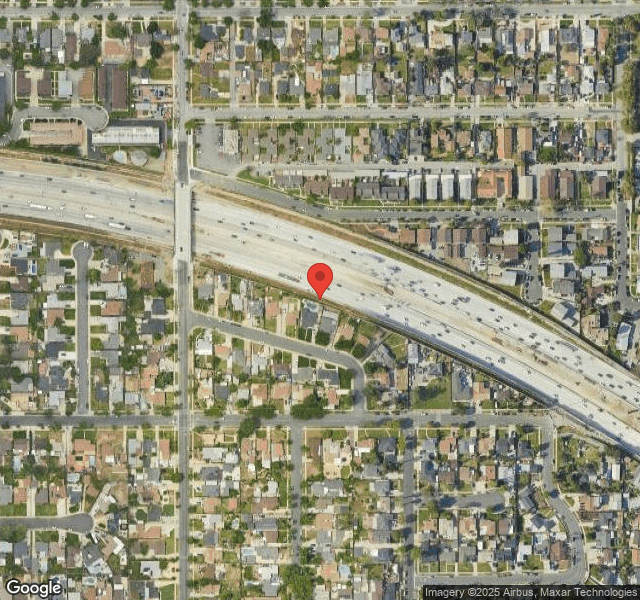

933 EAST DEODAR STREET, ONTARIO, CA 91764 (909) 985-2731
For profit - Partnership 59 Beds COUNTRY VILLA HEALTH SERVICES Data: November 2025
Trust Grade
75/100
#424 of 1155 in CA
Last Inspection: June 2025

Inspected within the last 6 months. Data reflects current conditions.

Overview

Ontario Grove Healthcare & Wellness Centre has a Trust Grade of B, indicating it is a good choice, though not without its issues. It ranks #424 out of 1155 facilities in California, placing it in the top half, and #31 out of 54 in San Bernardino County, meaning only a few local options are better. However, the facility is experiencing a worsening trend, with issues increasing from 1 in 2024 to 6 in 2025. Staffing ratings are below average with a score of 2 out of 5 stars, but the turnover rate is commendably low at 23%, compared to the state average of 38%. While there have been no fines, which is a positive sign, the RN coverage is average, and there have been concerning incidents such as improper food handling practices, including storing raw meats together and unsanitary food storage, which could risk foodborne illnesses. Additionally, there were reports of a staff member borrowing money from several residents, raising concerns about the residents' emotional and financial safety. Overall, while there are strengths in staff retention and no fines, families should weigh these against the recent increase in deficiencies and specific incidents noted in inspections.

Trust Score
B
75/100
In California
#424/1155
Top 36%
Safety Record
Low Risk
No red flags
Inspections
Getting Worse
1 → 6 violations
Staff Stability
✓ Good
23% annual turnover. Excellent stability, 25 points below California's 48% average. Staff who stay learn residents' needs.
Penalties
✓ Good
No fines on record. Clean compliance history, better than most California facilities.
Skilled Nurses
⚠ Watch
Each resident gets only 24 minutes of Registered Nurse (RN) attention daily — below average for California. Fewer RN minutes means fewer trained eyes watching for problems.
Violations
⚠ Watch
29 deficiencies on record. Higher than average. Multiple issues found across inspections.
★★★★☆
4.0
Overall Rating
★★☆☆☆
2.0
Staff Levels
★★★★☆
4.0
Care Quality
★★★★☆
4.0
Inspection Score
Stable
2024: 1 issues
2025: 6 issues

The Good

  • 4-Star Quality Measures · Strong clinical quality outcomes
  • Low Staff Turnover (23%) · Staff stability means consistent care
  • Full Sprinkler Coverage · Fire safety systems throughout facility
  • No fines on record
  • Staff turnover is low (23%)

    25 points below California average of 48%

Facility shows strength in quality measures, staff retention, fire safety.

The Bad

Chain: COUNTRY VILLA HEALTH SERVICES

Part of a multi-facility chain

Ask about local staffing decisions and management

The Ugly 29 deficiencies on record

Jun 2025 5 deficiencies
CONCERN (D)

Potential for Harm - no one hurt, but risky conditions existed

Deficiency F0676 (Tag F0676)

Could have caused harm · This affected 1 resident

**NOTE- TERMS IN BRACKETS HAVE BEEN EDITED TO PROTECT CONFIDENTIALITY** Based on observation, interview, and record review, the facility failed to provide accommodation of communication needs to one r...

Read full inspector narrative →
**NOTE- TERMS IN BRACKETS HAVE BEEN EDITED TO PROTECT CONFIDENTIALITY** Based on observation, interview, and record review, the facility failed to provide accommodation of communication needs to one resident reviewed for language (Resident 24) when Resident 24's communication board was in a different language than the one spoken by Resident 24. This failure had the potential to delay Resident 24's request and did not provide Resident 24 with a method to communicate with facility staff. Findings: During a review of Resident 24's admission Record (contains demographic and medical information), it indicated Resident 24 was admitted to the facility on [DATE], with the diagnoses of atrial fibrillation (n irregular and often very rapid heart rhythm), tachycardia (heart beats faster than normal), and dysphagia (difficulty swallowing). During a review of Resident 24's History and Physical (H&P) dated April 2, 2025, the H&P indicated Resident 24 .speaks Cantonese. During an observation on June 2, 2025, at 11:29 AM, inside of Resident 24's room, Resident 24 had a communication board with her name on it. and Inside the board, it had various pictures labeled in Spanish. During a concurrent observation and interview, on June 2, 2025, at 11:30 AM, with Licensed Vocational Nurse (LVN 1), LVN 1 inspected Resident 24's communication board, and stated Resident 24 spoke Cantonese. LVN 1 further stated the communication board was not in Cantonese and it should have been. During a concurrent interview and record review, on June 5, 2025, at 11:12 AM, with Director of Nursing (DON), the facility's policy and procedure (P&P) titled Accommodation of Residents' Communication Needs, revised March 2017, was reviewed. The P&P indicated to assist residents' to express or communicate their requests, needs, opinions, urgent problems . with adaptive devices . VI. The following are examples of adaptive devices the staff may provide the resident: . B. Communication Boards/Charts . The DON stated the P&P was not followed.
CONCERN (D)

Potential for Harm - no one hurt, but risky conditions existed

Infection Control (Tag F0880)

Could have caused harm · This affected 1 resident

**NOTE- TERMS IN BRACKETS HAVE BEEN EDITED TO PROTECT CONFIDENTIALITY** Based on observation, interview, and record review, the facility failed to implement and maintain an effective infection prevent...

Read full inspector narrative →
**NOTE- TERMS IN BRACKETS HAVE BEEN EDITED TO PROTECT CONFIDENTIALITY** Based on observation, interview, and record review, the facility failed to implement and maintain an effective infection prevention and control program (proper methods used to stop the spread of germs and protect residents, staff and visitors from getting sick) for one of three residents reviewed for infection control (Resident 17) when Resident 17's suction tubing (flexible tube, used to remove bodily fluids and debris from one's airway or surgical site) was left open to air and without a dated label. This failure had the potential to result in cross-contamination (germs or bacteria from one dirty surface or item get spread to something clean, which can make people sick) causing preventable infection to Resident 17. Findings: During a review of Resident17's admission Record (contains demographic and medical information), it indicated Resident 17 was admitted to the facility on [DATE], with diagnoses of dementia (a condition that affects the brain and causes problems with memory, thinking and understanding), congestive heart failure (the heart is weak and doesn't pump blood well, which can cause trouble breathing and body swelling) and gastrostomy status (has a feeding tube in their belly to help them eat when they can't eat by mouth.) During a review of Resident's 17 Physician Orders, dated December 27, 2024, it indicated Enteral Feeding (giving food or liquid nutrition through a tube that goes into the stomach or intestines because the person can't eat by mouth) Order every shift oral care - use swab (a small soft stick used clean a part of the body, like inside the mouth) / suction (a way to gently suck out things like saliva (spit) or mucus from the mouth using a tube) as appropriate. During an observation on June 2, 2025, at 10:15 AM, inside Resident's 17 room, Resident 17 was lying in bed, with head of the bed elevated. A portable suction machine (a small machine that helps remove spit or mucus from someone's mouth using a plastic tube) was on the bedside table, next to the resident. The suction machine was plugged into an electrical outlet, and connected to a suction tubing (a rigid plastic tube used to suction saliva or mucus). The Yankauer tip showed signs of prior use, such as dried residue on the tip. It was uncovered, and resting directly on the bedside table surface. The tubing was not bagged, capped or stored in a clean, sanitary manner and was exposed to open air and surrounding environmental contaminants. There was no date, or label visible on the tubing or canister (a clear container that hold the spit or mucus that the suction machine collects) to indicate when it was last used or when it was last replaced. During an interview on June 2, 2025, at 10:18 AM, inside Resident's 17 room, with Licensed Vocational Nurse (LVN 1), LVN 1 acknowledged the Yankauer had already been used for suctioning and stated, After use, it should be placed inside a plastic bag to prevent contamination. LVN 1 further stated she was not familiar with the facility's policy on how often Yankauer suction tubing should be changed or replaced. During an interview on June 5, 2025, at 11:32 AM, with Director of Nursing, (DON), the DON stated the Yankauer suction tip was single use and must be discarded after each use. The DON acknowledged that the Yankauer found on Resident 17's bedside table had already been used for suctioning and was not stored properly. The DON stated staff were trained to discard used Yankauer tips immediately and confirmed that both the suction canister and tubing should be labeled with the date of when it was last replaced. The DON further stated license nurses are assigned every Sunday to check all suction machines and tubing to ensure proper cleaning, storage and labeling are in place. During a concurrent interview and record review on June 5, 2025, at 11:42 AM, with the DON, the DON reviewed the facility's policy and procedure titled Cleaning & Disinfection of Resident Care Equipment, dated January 1, 2012, which indicated Critical and semi-critical items are sterilized/disinfected in a processing location and stored appropriately until use. The DON stated the policy was not followed by staff.
CONCERN (D)

Potential for Harm - no one hurt, but risky conditions existed

Deficiency F0919 (Tag F0919)

Could have caused harm · This affected 1 resident

**NOTE- TERMS IN BRACKETS HAVE BEEN EDITED TO PROTECT CONFIDENTIALITY** Based on observation, interview, and record review, the facility failed to ensure the call light was accessible for three of thr...

Read full inspector narrative →
**NOTE- TERMS IN BRACKETS HAVE BEEN EDITED TO PROTECT CONFIDENTIALITY** Based on observation, interview, and record review, the facility failed to ensure the call light was accessible for three of three residents reviewed for environment (Residents 36, 54, and 159) when Residents 36, 54, and 159's call lights were found inaccessible to the three residents. This failure had the potential to result in leaving Residents 36, 54, 159 unable to use the call light system to call for any assistance the residents may require. Findings: 1. During a review of Resident 36's admission Record (contains demographic and medical information), it indicated Resident 36 was admitted to the facility on [DATE], with diagnoses of dementia (progressive loss of cognitive function, including memory, thinking, and reasoning, that interferes with daily life), dysphagia (difficulty swallowing), and type 2 diabetes mellitus (high blood sugar levels due to the body's resistance to insulin). During a concurrent observation and interview on June 2, 2025, at 4:00 PM, in Resident 36's room, Resident 36 was lying in bed, watching television. Resident 36's call light was wrapped around the side of the bed rail, almost touching the floor. Resident 36 attempted to reach for the call light but was unable to reach it. Resident 36 stated I couldn't reach for it. During a concurrent observation and interview on June 2, 2025, at 4:02 PM, with Licensed Vocational Nurse (LVN 1), in Resident 36's room, LVN 1 inspected the call light and stated it was not accessible to Resident 36. 2. During a review of Resident 54's admission Record, it indicated Resident 54 was admitted to the facility on [DATE], with diagnoses of abnormalities of gait and mobility (difficulty to move around without assistance from staff), cognitive communication deficit (difficulty processing, understanding or expressing communication), and history of falling. During an observation on June 2, 2025, at 9:39 AM, inside Resident 54's room, Resident 54 was lying in bed, watching television. Resident 54's call light was resting on top of the headwall light fixture, above the bed. It was not within Resident 54's reach. During an interview on June 2, 2025, at 9:48 AM, with Resident 54, Resident 54 stated he did not know where the call light was. . During a concurrent observation and interview on June 2, 2025, at 9:50 AM, with Certified Nursing Assistant (CNA 1), CNA 1 confirmed the call light was found not within Resident 54's reach. CNA 1 stated the call light should always be within resident's reach. 3. During a review of Resident 159's, admission Record, it indicated Resident 159 was admitted to the facility on [DATE]. During a review of Resident 159's, Physician History and Physical (H&P) dated May 31, 2025, it indicated Resident 159 had history of right femoral neck fracture (a break in the neck of the thigh bone on the right side, near the hip joint.) During an observation on June 2, 2025, at 10:02 AM, inside Resident 159's room, Resident 159's call light was found under Resident 159's bed and was not within Resident 159's reach. During an interview on June 2, 2025, at 10:05 AM, with Resident 159, Resident 159 stated I don't know where my call light is. During a concurrent observation and interview, on June 2, 2025, at 10:09 AM, with LVN 2, LVN 2 confirmed the location of the call light and acknowledged that it was not within Resident 159's reach. LVN 2 stated It is important to make sure the call light is within the resident's reach in case Resident 159 needs help. During a concurrent interview and record review on June 5, 2025, at 11:42 AM, with the Director of Nursing (DON) and the Assistant Administrator (Assist Admin), the facility's policy and procedure (P&P) titled NP29 Communication - Call System, dated October 9, 2024, was reviewed. The P&P indicated, The facility will maintain a communication system to allow residents to call for staff assistance from their rooms and toileting / bathing facilities. The DON stated the policy was not followed. The DON and Assist Admin acknowledged that having the call light out of reach increases the risk for falls or unmet care needs.
CONCERN (F)

Potential for Harm - no one hurt, but risky conditions existed

Food Safety (Tag F0812)

Could have caused harm · This affected most or all residents

Based on observation, interview, and record review, the facility failed to store, label, and maintain food and food storage areas in a sanitary manner, as required by professional food service standar...

Read full inspector narrative →
Based on observation, interview, and record review, the facility failed to store, label, and maintain food and food storage areas in a sanitary manner, as required by professional food service standards when: 1. One bunch of cilantro, which was turning black, was found inside of a plastic bag at the bottom shelf of the refrigerator. 2. One produce storage box that contained whole heads of lettuce was found with debris (dirt). 3. A box, containing fully cooked boneless pork ribs, dated May 9, 2025, was found open with its internal plastic liner unsealed and with freezer burn (food got too dry and frosty due to being exposed to air in the freezer for too long). 4. One 12 quart (qt- unit of measurement) clear plastic container labeled Noodles Pasta, did not have a Use by: date was found inside the dry storage room. These failures had the potential to increase the risk of contamination, bacterial growth (increase of harmful germs that can spoil food and make it unsafe to eat) and foodborne illness (sickness caused by eating food that has been contaminated by germs, like bacteria), and had the potential to affect 53 of 53 residents who receive meals prepared and served form the facility's kitchen. Findings: 1. During a concurrent observation and interview, on June 2, 2025, at 8:17 AM, with [NAME] 1, one bunch of cilantro was found inside a clear plastic bag at the bottom shelf of a six-door refrigerator. The cilantro was turning black in color and was wet to touch. [NAME] 1 stated the cilantro was no longer safe to consume and should have been discarded. During a concurrent interview and record review, on June 4, 2025, at 8:35 AM, with the Dietary Services Supervisor (DSS) and the Assistant Administrator, the facility's policy and procedure (P&P) titled Produce Storage Guidelines, dated 2023, was reviewed. The P&P indicated, May use longer if no signs of spoilage are visible . item Parsley, refrigerator 2 to 3 days. The DSS stated although the facility did not have specific guidance for cilantro, they typically followed the storage timeline for parsley. Both the DSS and Assistant Administrator acknowledged the cilantro found in the refrigerator was spoiled and confirmed it should have been discarded. The DSS stated the policy was not followed by staff. 2. During a concurrent observation and interview, on June 2, 2025, at 8:20 AM, with [NAME] 1, one produce storage box that contained whole heads of lettuce was found inside a six-door refrigerator. The bottom of the box had visible dirt and debris. [NAME] 1 confirmed the box had not been cleaned, and stated it should have been washed prior to use. During a concurrent interview and record review, on June 4, 2025, at 8:41 AM, with the DSS and the Assistant Administrator, the facility's P&P titled P-DS49 Sanitation of Reach in Refrigerator dated July 13, 2023, was reviewed. The P&P indicated, . 2. Weekly tasks f. Scrub the interior and exterior of the refrigerator using hot detergent solution and brush or clean cloth. Pay special attention to shelf guides, gaskets, the door frame and hinge areas. g. Rinse and sanitize the interior and exterior. The DSS acknowledged the policy was not followed, and further stated the storage containers were expected to be clean. 3. During a concurrent observation and interview, on June 2, 2025, at 8:24 AM, with [NAME] 1, an opened box, containing Fully Cooked Boneless Pork Ribs which an open date of May 9, 2025, and a used by date of August 9, 2025, was found inside the freezer. The internal plastic liner was not sealed, and the pork ribs had freezer burn. [NAME] 1 acknowledged the finding, and stated the bag should have been sealed properly after opening to prevent contamination and freezer burn. During an interview on June 2, 2025, at 9:39 AM, with the DSS, the DSS stated the opened box and unsealed bag were not safe for residents due to risk of bacterial growth and ice formation. During a concurrent interview and record review, on June 4, 2025, at 8:43 AM, with the DSS and the Assistant Administrator, the facility's policy and procedure (P&P) titled P-DS52 Food Storage and Handling dated June 4, 2024, was reviewed. The P&P indicated, . 2. Frozen Meat, Poultry and food c. Store items promptly at 0°F or below. Foods should be labeled, date and in their original containers if designed for freezing. Foods to be froze should be stored in airtight . The DSS stated that policy was not followed. The DSS further stated the liner inside the box should have been resealed airtight after opening to prevent freezer burn and exposure to air. The DSS explained that leaving that liner open increased the risk of ice buildup, loss of taste, and bacteria growth. 4. During a concurrent observation and interview, on June 2, 2025, at 8:30 AM, with the DSS, inside the dry storage room, a 12-quart plastic clear container labeled Noodles Pasta was found with a prep date of May 23, 2025. It did not have Use by date. The DSS stated the label was incomplete. The DSS further stated food items must include both prep and use by dates to ensure safe consumption. During a concurrent interview and record review, on June 4, 2025, at 8:45 AM, with the DSS and the Assistant Administrator, the facility's policy and procedure (P&P) titled P-D552 Food Storage and Handling dated June 4, 2024, was reviewed. The P&P indicated, .13. Dry Storage Area .h. label and date all storage products. The DSS stated the policy was not followed. The DSS further stated that all dry goods should have both a prep date and use by date clearly labeled to ensure safe consumption and proper inventory rotation.
MINOR (B)

Minor Issue - procedural, no safety impact

Deficiency F0912 (Tag F0912)

Minor procedural issue · This affected multiple residents

**NOTE- TERMS IN BRACKETS HAVE BEEN EDITED TO PROTECT CONFIDENTIALITY** Based on observation, interview, and record review, the facility failed to provide a minimum of 80 square feet (sq. ft.) of liva...

Read full inspector narrative →
**NOTE- TERMS IN BRACKETS HAVE BEEN EDITED TO PROTECT CONFIDENTIALITY** Based on observation, interview, and record review, the facility failed to provide a minimum of 80 square feet (sq. ft.) of livable space per resident for nine of 19 resident rooms (Rooms 26, 27, 28, 29, 30, 31, 32, 33, and 34) when Rooms 26, 27, 28, 29, 30, 31, 32, 33, and 34 measured less than 80 square feet per resident. This failure had the potential for the residents housed in Rooms 26, 27, 28, 29, 30, 31, 32, 33, and 34 to not have the ability to move about freely if the square footage limited their personal space. Findings: During a concurrent interview and record review, with the Assistant Administrator (Assist Admin), on June 2, 2025, at 8:56 AM, the Assist Admin reviewed the Entrance Conference Checklist and stated the facility had room waivers for Rooms 26, 27, 28, 29, 30, 31, 32, 33, and 34 which had less than the required square footage of livable space (less than 80 square feet). During an environmental tour with the Maintenance Supervisor (MS) and the Assist Admin, on June 4, 2025, at 3:36 PM, Rooms 26, 27, 28, 29, 30, 31, 32, 33, and 34 were inspected. The residents' rooms and their measurements of livable space were noted as follows: 1. room [ROOM NUMBER] (three beds) measured: 231 sq. ft. [square feet] (77 sq. ft. per resident) 2. room [ROOM NUMBER] (three beds) measured: 231 sq. ft. [square feet] (77 sq. ft. per resident) 3. room [ROOM NUMBER] (three beds) measured: 231 sq. ft. [square feet] (77 sq. ft. per resident) 4. room [ROOM NUMBER] (three beds) measured: 231 sq. ft. [square feet] (77 sq. ft. per resident) 5. room [ROOM NUMBER] (three beds) measured: 231 sq. ft. [square feet] (77 sq. ft. per resident) 6. room [ROOM NUMBER] (three beds) measured: 231 sq. ft. [square feet] (77 sq. ft. per resident) 7. room [ROOM NUMBER] (three beds) measured: 231 sq. ft. [square feet] (77 sq. ft. per resident) 8. room [ROOM NUMBER] (three beds) measured: 231 sq. ft. [square feet] (77 sq. ft. per resident) 9. room [ROOM NUMBER] (three beds) measured: 231 sq. ft. [square feet] (77 sq. ft. per resident) During a follow up interview with the Assist Admin, on June 4, 2025, at 3:55 PM, the Assist Admin confirmed the measurements of the nine resident rooms and stated Rooms 26, 27, 28, 29, 30, 31, 32, 33, and 34 did not meet the 80 square feet per resident. The rooms were not crowded and did not impose any safety hazards to the residents. There were no complaints of space or room issues from the residents occupying these rooms. The survey team recommends the approval of the room waiver request for the rooms listed in this deficiency.
Mar 2025 1 deficiency
CONCERN (D) 📢 Someone Reported This

A family member, employee, or ombudsman was alarmed enough to file a formal complaint

Potential for Harm - no one hurt, but risky conditions existed

Quality of Care (Tag F0684)

Could have caused harm · This affected 1 resident

**NOTE- TERMS IN BRACKETS HAVE BEEN EDITED TO PROTECT CONFIDENTIALITY** Based on observation, interview, and record review, the facility failed to implement appropriate treatment and assessment of bow...

Read full inspector narrative →
**NOTE- TERMS IN BRACKETS HAVE BEEN EDITED TO PROTECT CONFIDENTIALITY** Based on observation, interview, and record review, the facility failed to implement appropriate treatment and assessment of bowel elimination for one of four sample residents (Resident 1) when record indicated resident 1 has not had bowel movement (BM) from February 7, 2025, through February 11, 2025. This failure potentially resulted in Resident 1 readmission to the hospital with abnormal vital sign. Findings: A review of Resident 1 Face Sheet (contain resident demographic), the Face Sheet indicated Resident 1 was admitted to the facility on [DATE], with a diagnosis that included neurogenic bowel (a condition where the nerves that control bowel function are damaged or impaired, leading to abnormal bowel movements). A review of Clinical admission record dated February 7, 2025, indicated Last BM January 27, 2025. A review of the bowel elimination records for February 7, 8, 9, 10, and 11 of 2025 revealed that the chart indicated a mark of number 2, signifying the absence of bowel movements. A review Resident 1's Medical Administration Record (MAR) for February 2025 revealed the following: a. Senna Oral Tablet 8.6 mg was prescribed to be taken as 1 tablet by mouth at bedtime for bowel regularity. It was administered on February 8, 9, and 10, 2025, at 9:00 PM. b. Docusate Sodium Oral Capsule 250 mg was indicated to be taken as 1 capsule by mouth twice daily for stool softening. This medication was administered on February 8, 9, and 10, 2025, at 9:00 AM and 5:00 PM. c.Bisacodyl Suppository 10 mg, intended for rectal insertion of 1 suppository (a solid medical preparation in a roughly conical or cylindrical shape, designed to be inserted into the rectum) every 24 hours as needed for constipation, was not administered. d. Lactulose Oral Solution 20 gm/30mL (gm/mL- gram per milliliter is a measurement of a solution's concentration) was prescribed to be taken as 30 ml by mouth every 6 hours as needed for constipation. It was administered only once on February 10, 2025, at 12:08 PM. During concurrent interview and record review on March 3, 2025, at 12:40 PM, with the Director of Nursing (DON 1), Resident 1' MAR was reviewed. The DON 1 indicated that the suppository had not been administered and expressed her belief that the Licensed Vocational Nurse (LVN) failed to document the resident's lack of bowel movements over several days, possibly due to not receiving a report from the Certified Nursing Assistant (CNA). Additionally, the DON 1 noted that the LVN may not have reviewed the resident's bowel movement records. The MAR revealed that on February 10, 2025, a PRN (as needed) dose of lactulose was administered; however, no nursing notes or reports were made to the physician concerning the resident's absence of bowel movements for multiple days. A review of the facility Policy & Procedure (P&P) titled, Bowel and Bladder Training/Toileting Program , dated August 21, 2020, indicated, .v. Pharmacological Interventions. a. The Resident's physician will give orders (interventions) for a medication regimen. The licensed nurse will carry out the orders.
Sept 2024 1 deficiency
CONCERN (D) 📢 Someone Reported This

A family member, employee, or ombudsman was alarmed enough to file a formal complaint

Potential for Harm - no one hurt, but risky conditions existed

Quality of Care (Tag F0684)

Could have caused harm · This affected 1 resident

**NOTE- TERMS IN BRACKETS HAVE BEEN EDITED TO PROTECT CONFIDENTIALITY** Based on observation, interviews, and record review, the facility failed to follow its policy and procedure to provide care and ...

Read full inspector narrative →
**NOTE- TERMS IN BRACKETS HAVE BEEN EDITED TO PROTECT CONFIDENTIALITY** Based on observation, interviews, and record review, the facility failed to follow its policy and procedure to provide care and services for residents and ensure call lights are answered in a timely manner for one of three sampled residents (Residents 1). This failure has the potential to jeopardize the health and safety of clinically compromised Residents (Residents 1) when Resident 1 ' s requests for assistance with activities of daily living were not responded to promptly. Findings: During the review of Resident 1 ' s admission record (It contains important information about the patient such as their personal details, the reason for their admission, and their medical history), the document indicated Resident 1 was admitted on [DATE], with a diagnosis that included history of falling and displaced intertrochanteric fracture of left femur (a type of fracture [break in the bone ] that occurs in the upper part of the thigh bone). During interview and observation with Resident 1 on September 18, 2024, at 12:32 p.m., Resident 1 stated, it is difficult to get assistance between 3:00 PM and 11:00 PM, and from 11:00 PM to 7:00 AM, they are left on their own as nobody comes. There have been instances when she called for help, but nobody showed up until the morning, she mentioned that sometimes she needs a change of diaper or pull-up and often don ' t receive the necessary help. The resident expressed that it varies among the nurses, with some showing care but not many. Ohers come and say they are the CNA (Certified Nursing Assistant - a healthcare professional who provides patient care under the supervision of licensed nurses) for the night, but the resident does not see them again. During a review of the clinical record for Resident 1 ' s the Brief Interview for Mental Status (BIMS- screening tool to identify and monitor cognitive decline), dated August 29, 2024, indicated, Resident 1 ' s score was a 15, which indicated Resident 1 had no mental impairment. During a review of Resident 1's MDS Section G (Functional Status), dated August 29, 2024, the MDS Section G indicated, Resident 1 needed setup or clean-up assistance during eating, oral hygiene, toileting hygiene, shower/bathe self, upper body dressing, lower body dressing, putting on/taking off footwear, and personal hygiene. During an interview with the staff, the Director of Staff Developer (DSD 1) on September 18, 2024, at 1:07p.m., DSD 1 indicated, call lights should be answered in a timely manner. During a review of the facility ' s policy and procedure (P&P) titled Communication – Call System, dated January 01, 2012, the P&P indicated, Nursing staff will answer call bells promptly, in a courteous manner.
Mar 2023 1 deficiency
CONCERN (E) 📢 Someone Reported This

A family member, employee, or ombudsman was alarmed enough to file a formal complaint

Potential for Harm - no one hurt, but risky conditions existed

Deficiency F0602 (Tag F0602)

Could have caused harm · This affected multiple residents

**NOTE- TERMS IN BRACKETS HAVE BEEN EDITED TO PROTECT CONFIDENTIALITY** Based on observation, interview, and record review, the facility failed to provide and promote an environment free from misappro...

Read full inspector narrative →
**NOTE- TERMS IN BRACKETS HAVE BEEN EDITED TO PROTECT CONFIDENTIALITY** Based on observation, interview, and record review, the facility failed to provide and promote an environment free from misappropriation of resident property in accordance with the facility policy and procedure for five of seven sampled residents (Residents 1, 2, 4, 5 and 6) when a Certified Nursing Assistant (CNA 1) borrowed money from Residents 1, 2, 4, 5, and 6. These failures had the potential for further misappropriation of residents' properties, placing the residents at risk of emotional and financial burden. Findings: 1. During a review of Resident 1's admission Record (clinical record with demographic information), it indicated Resident 1 was admitted to the facility on [DATE], with diagnoses which included hyperlipidemia (elevated fat in the blood) and benign prostatic hyperplasia (enlargement of prostate gland). During a concurrent observation and interview, on March 1, 2023, at 11:15 AM, inside of Resident 1's room, Resident 1 was lying in bed, watching television. Resident 1 stated CNA 1 borrowed twenty dollars ($20.00) from him on February 14, 2023. During a review of a facility provided document titled Interview with Resident Regarding [name of the CNA 1], dated February 16, 2023, it indicated, besides Resident 1, CNA 1 borrowed money from the following residents: a. Resident 2- Thirty dollars ($30.00) b. Resident 4- Twenty dollars ($20.00) c. Resident 5- Ten dollars ($10.00) d. Resident 6- Twenty dollars ($20.00) 2. During a review of Resident 2's admission Record, it indicated Resident 2 was admitted to the facility on [DATE], with diagnosis of polyneuropathy (malfunction of multiple nerves throughout the body). During a concurrent observation and interview, on March 3, 2023, at 8:10 AM, inside of Resident 2's room, Resident 2 was lying in bed, eating breakfast. Resident 2 stated CNA 1 borrowed thirty dollars ($30.00) from him once, and CNA 1 has not paid him back. Resident 2 could not recall the exact date for the incident. 3. During a review of Resident 4's admission Record, it indicated Resident 4 was admitted to the facility on [DATE], with diagnoses of epilepsy (convulsions), and depression (constant feeling of sadness or loss of interest in activities). During a concurrent observation and interview, on March 3, 2023, at 8:45 AM, inside of Resident 4's room, Resident 4 was sitting at the edge of the bed. Resident 4 stated CNA 1 borrowed twenty dollars ($20.00) from him a few months ago, and CNA 1 has not paid him back. 4. During a review of Resident 5's admission Record, it indicated Resident 5 was admitted to the facility on [DATE], with diagnoses of chronic obstructive pulmonary disease (a group of lung diseases that makes difficult to breathe), type 2 diabetes mellitus (a condition where body does not produce enough insulin), and hyperlipidemia. During a concurrent observation and interview, on March 3, 2023, at 8:51 AM, inside of Resident 5's room, Resident 5 was sitting at the edge of the bed, reading. Resident 5 stated CNA 1 borrowed ten dollars ($10.00) from him a while ago. Resident 5 could not recall the exact date of the incident. 5. During a review of Resident 6's admission Record, it indicated Resident 6 was admitted to the facility on [DATE], with diagnoses of type 2 diabetes mellitus, and end stage renal disease (when the kidneys stop working). During a concurrent observation and video interview, on March 3, 2023, at 9:24 AM, with Resident 6, Resident 6 was inside his room, lying down in bed. Resident 6 stated CNA 1 borrowed twenty dollars ($20.00) from him a few months ago. Resident 6 could not recall the exact date of the incident. During an interview with Certified Nursing Assistant (CNA 2), on March 3, 2023, at 9:37 AM, CNA 2 stated staff should not borrow money from the residents because it was financial abuse. During an interview with the Administrator (Admin), on March 3, 2023, at 10:07 AM, the Admin stated CNA 1 was terminated because the facility have confirmed CNA 1 borrowed money from Residents 1, 2, 4, 5 and 6. The Admin further stated borrowing money from residents was considered misappropriation of property. During a concurrent interview and record review, with the Admin, on March 3, 2023, at 10:15 AM, the Admin reviewed a facility document titled, Corrective Action Memo for CNA 1, dated February 23, 2023, which indicated, .Type of violation . Violation of Policy or Procedure . Employer Statement . Employee [CNA 1] violated policy and procedure that could possibly result to misappropriation of resident property and financial abuse. Employee borrowed money from multiple residents . Action taken . Termination. The Admin stated CNA 1 violated their policy for Abuse Prevention. During a concurrent interview and record review with the Admin, on March 3, 2023, at 10:21 AM, the Admin reviewed the facility's policy and procedure (P&P) titled, Abuse Prevention and Screening, revised July 2018, which indicated, .The facility does not condone any form of resident abuse, neglect, misappropriation of resident property, exploitation, and/or mistreatment and develops Facility policies, procedures, training programs and screening and prevention systems to promote an environment free from abuse, neglect, misappropriation of resident property, exploitation and mistreatment . IV. Training . A. The facility conduct mandatory staff training programs during orientation, annually and as needed on: . ii. Identifying what constitutes abuse, neglect, exploitation, misappropriation of resident property, or mistreatment . V. Prevention . K. The facility identifies, correct, and intervenes in situations in which abuse, neglect, exploitation, misappropriation of resident property and/or mistreatment is more likely to occur. The Admin stated CNA 1 did not follow the policy.
Dec 2022 9 deficiencies
CONCERN (D)

Potential for Harm - no one hurt, but risky conditions existed

Deficiency F0578 (Tag F0578)

Could have caused harm · This affected 1 resident

**NOTE- TERMS IN BRACKETS HAVE BEEN EDITED TO PROTECT CONFIDENTIALITY** Based on observation, interview, and record review, the facility failed to ensure the advance directives (written instruction, s...

Read full inspector narrative →
**NOTE- TERMS IN BRACKETS HAVE BEEN EDITED TO PROTECT CONFIDENTIALITY** Based on observation, interview, and record review, the facility failed to ensure the advance directives (written instruction, such as a living will or durable power of attorney for health care, recognized under State law, relating to the provision of health care when the individual is incapacitated), were completed in accordance with the facility policy for one of six residents (Resident 27) reviewed for advance directives. This failure had the potential to result in a delay of treatment for Resident 27 related to advance directives, or for life sustaining measures to be rendered against what the resident wanted. Findings: During an observation, on November 29, 2022, at 9:06 AM, Resident 27 was in her room, lying down in bed. During a review of Resident 27's medical record, the admission Record (contains demographic and medical information), indicated Resident 27 was admitted to the facility on [DATE], with diagnoses which included end stage renal disease (kidneys no longer work), dependence on renal dialysis (process that removes wastes in place of your kidneys), diabetes mellitus (when pancreas does not produce enough insulin), and heart failure (heart is unable to pump blood around the body properly). During a concurrent interview and record review, with the Social Services Director (SSD), on December 2, 2022, at 8:25 AM, the SSD reviewed Resident 27's California Advance Health Care Directive (CAHCD), dated May 14, 2022 (approximately six months ago), which indicated it was completed by Resident 27 with two witness signatures. Further review indicated it was missing the Ombudsman's (resolve disputes from a neutral, independent viewpoint) signature. During further interview and record review with the SSD, the SSD verified the CAHCD was not signed by the Ombudsman and should have been. The SSD was not able to find documented evidence that the Ombudsman was informed. The SSD stated, I did not inform the Ombudsman because I did not know about it and I missed it. During a concurrent interview and record review, with the Director of Nursing (DON) and the SSD, on December 2, 2022, at 8:35 AM, the facility's policy and procedure (P&P) titled, Advance Directives Operation Manual- Social Services, dated December 1, 2013, indicated, .II. If the resident chooses to execute an Advance Directive, the Director of Social Services or his or her designees will contact the Ombudsman so that the Ombudsman can witness the resident signing the Advance Directive . The DON and the SSD stated the facility did not follow the policy.
CONCERN (D) 📢 Someone Reported This

A family member, employee, or ombudsman was alarmed enough to file a formal complaint

Potential for Harm - no one hurt, but risky conditions existed

Deficiency F0727 (Tag F0727)

Could have caused harm · This affected 1 resident

Based on interview and record review, the facility failed to use the services of a Registered Nurse (RN) for at least eight consecutive hours, seven days a week. This failure had the potential to prev...

Read full inspector narrative →
Based on interview and record review, the facility failed to use the services of a Registered Nurse (RN) for at least eight consecutive hours, seven days a week. This failure had the potential to prevent 54 residents from reaching their highest practicable level of well-being when oversite by an RN was not utilized by the facility. Findings: A review of the facility's staffing schedules for the months of October 2022 through November 2022 was conducted on December 1, 2022 at 9:15 AM. It indicated there were no RNs on duty for eight consecutive hours during the following dates: 1. October 6, 2022 2. October 23, 2022 3. October 31, 2022 4. November 25, 2022 A review of the facility's timekeeping punches for the Registered Nurses was conducted on December 1, 2022, at 3:00 PM. It indicated a RN did not work for eight consecutive hours (on duty) on the following dates: 1. October 22, 2022 2. October 27, 2022 3. November 18, 2022 4. November 20, 2022 5. November 21, 2022 During an interview and concurrent record review, on December 2, 2022, at 2:00 PM, the Director of Nursing (DON) and Administrator reviewed the staffing sheets and timekeeping punches. The Administrator stated the facility has a full-time DON, but does not always staff a RN for eight consecutive hours a day, seven days a week. The facility was requested to provide documented evidence to prove the DON worked in the facility on the dates reviewed from staffing schedules and timekeeping punches. The facility was unable to provide documentation. During a follow up interview with the DON, on December 2, 2022 at 2:37 PM, the DON stated he couldn't find proof that he worked on the days reviewed, and acknowledged that there would be no way to prove that he did work those days.
CONCERN (D)

Potential for Harm - no one hurt, but risky conditions existed

Drug Regimen Review (Tag F0756)

Could have caused harm · This affected 1 resident

**NOTE- TERMS IN BRACKETS HAVE BEEN EDITED TO PROTECT CONFIDENTIALITY** Based on observation, interview, and record review, the facility failed to ensure the pharmacy recommendations identified from t...

Read full inspector narrative →
**NOTE- TERMS IN BRACKETS HAVE BEEN EDITED TO PROTECT CONFIDENTIALITY** Based on observation, interview, and record review, the facility failed to ensure the pharmacy recommendations identified from the Medication Regimen Review (MRR- thorough evaluation of a resident's medication regimen in order to prevent, identify, report, and resolve medication-related problems, medication errors, or other irregularities) were followed up in accordance with federal regulations and facility policy, for two of five residents (Residents 3 and 26) reviewed for unnecessary medications when: 1. The pharmacy recommendation, from May 12, 2022, for Resident 3's use of Seroquel (medication to treat mood disorders), was not communicated to the physician. 2. The pharmacy recommendation, from May 12, 2022, for Resident 26's use of Abilify (medication for mood disorders), was not communicated to the physician. These failures had the potential to place Residents 3 and 26's at risk of experiencing adverse effects such as congestive heart failure (when the heart cannot pump blood adequately), infections, and even death. Findings: 1. During an observation, on November 29, 2022, at 10:20 AM, Resident 3 was in her room, lying down in bed, watching television. During a review of Resident 3's medical record, the admission Record (contains demographic and medical information), indicated Resident 3 was admitted to the facility on [DATE], with diagnoses which included dementia (inability to remember, think or make decisions that interferes with doing everyday activities), psychosis (when people lose contact with reality) and depression (mood disorder that cause persistent feeling of sadness and loss of interest). A review of Resident 3's physician's orders, dated November 27, 2022, indicated Resident 3 had an order to receive Seroquel 50 mg [mg- milligrams unit of measurement], 1 tablet by mouth two times a day for Psychosis . During a telephone interview, with the Consultant Pharmacist (CP), on December 1, 2022, at 3:00 PM, the CP stated he reviewed Resident 3's medications in May 2022 and recommended to assess the risks versus the benefits of receiving Seroquel due to a Black Box Warning [serious life-threatening side effects or risks]. During a concurrent interview and record review, with the Social Services Director (SSD), on December 2, 2022, at 10:13 AM, the SSD reviewed a facility document regarding Resident 3's use of Seroquel titled Note To Attending Physician/Prescriber, dated May 12, 2022, which indicated, A review of the literature by the FDA [Food and Drug Administration] suggest an increased risk of death in elderly patients with dementia who receive atypical and traditional antipsychotics (medication used to treat symptoms of psychosis) . Please assess the risks versus benefits of therapy in this patient in order to keep the facility in compliance. The resident [Resident 3] has orders for Seroquel and has a medical history of dementia. The SSD stated the document has not been signed by a physician. During a concurrent interview and record review, with the Psychiatrist, on December 2, 2022, at 10:54 AM, the Psychiatrist reviewed a facility document regarding Resident 3's use of Seroquel titled Note To Attending Physician/Prescriber, dated May 12, 2022, and stated the facility did not send this document to him. 2. During an observation, on November 29, 2022, at 10:40 AM, in the activity room, Resident 26 was in her wheelchair, participating in activities. During a review of Resident 26's medical record, the admission Record indicated Resident 26 was admitted to the facility on [DATE], with diagnoses which included epilepsy (convulsions), dementia, depression, Alzheimer's disease (a type of dementia that affects memory, language and thought) and psychosis. A review of Resident 26's physician's orders, dated August 1, 2022, indicated an order for Resident 26 to receive Abilify 20 mg 1 tablet by mouth in the morning for Psychosis . During a telephone interview, with the CP, on December 1, 2022, at 3:10 PM, the CP stated he reviewed Resident 26's medications in May 2022 and recommended to assess the risks versus the benefits of receiving Abilify due to a Black Box Warning. During a concurrent interview and record review, with the SSD, on December 2, 2022, at 10:15 AM, the SSD reviewed a facility's document regarding Resident 26's use of Abilify titled, Note To Attending Physician/Prescriber, dated May 12, 2022, which indicated, A review of the literature by the FDA [Food and Drug Administration] suggest an increased risk of death in elderly patients with dementia who receive atypical and traditional antipsychotics . Please assess the risks versus benefits of therapy in this patient in order to keep the facility in compliance. The resident [Resident 26] has orders for Abilify and has a medical history of dementia. The SSD stated the document had not been signed by a physician. During a concurrent interview and record review, with the Psychiatrist, on December 2, 2022, at 11:00 AM, the Psychiatrist a facility's document regarding Resident 26's use of Abilify titled, Note To Attending Physician/Prescriber, dated May 12, 2022, and stated the facility did not send this document to him. During a concurrent interview and record review on December 2, 2022, at 2:15 PM, with the Director of Nurses (DON), the DON reviewed the facility's policy and procedure (P&P) titled, Consultant Pharmacist Notes to Physicians, dated January 5, 2018, and stated the facility did not follow the policy. During a review of the facility's policy and procedure (P&P) titled, Consultant Pharmacist Notes to Physicians, dated January 5, 2018, which indicated, .The facility, under the Direction of the Director of Nursing, will establish an organized and reproducible system for conveyance of the consultant pharmacist's recommendations to the attending Physician .Procedures .After having received the consultant pharmacist's recommendations for the Attending Physicians, the director of nursing or designee will: .1. Send (mail or fax) the consultant pharmacist's Notes to the Physician's office .3. Once signed and dated by the Physician, these notes may be place in the chart as a Physician's Order. Even if a request is declined by the Physician, it will help the facility document that an irregularity or a potential problem has been addressed: all responses may kept on the Resident's chart.
CONCERN (D)

Potential for Harm - no one hurt, but risky conditions existed

Deficiency F0761 (Tag F0761)

Could have caused harm · This affected 1 resident

**NOTE- TERMS IN BRACKETS HAVE BEEN EDITED TO PROTECT CONFIDENTIALITY** Based on observation, interview, and record review, the facility failed to ensure secure storage of medications when one of thre...

Read full inspector narrative →
**NOTE- TERMS IN BRACKETS HAVE BEEN EDITED TO PROTECT CONFIDENTIALITY** Based on observation, interview, and record review, the facility failed to ensure secure storage of medications when one of three medication carts (Treatment Cart) was found to be unlocked while unattended by a licensed nurse. This failure had the potential for medications to be accessed and dispersed by an unauthorized person, in a vulnerable population of 54 residents. Findings: During a concurrent observation and interview, on December 1, 2022, at 5:18 AM, with a Licensed Vocational Nurse (LVN 1), one medication cart (a cart used by licensed nurses to transport medication to resident rooms), was located outside of room [ROOM NUMBER]. It was unlocked while unattended by a licensed nurse. LVN 1 stated it was a treatment cart (a cart used by licensed nurses to transport and store medical treatments and supplies). During further observation and interview, with LVN 1, on December 1, 2022, at 5:22 AM, LVN 1 opened the drawers of the medication cart and acknowledged the cart was left unlocked. LVN 1 counted five drawers in the medication cart containing topical medications (ointments) for nine residents. LVN 1 stated the cart must always be kept locked when unattended. During an interview, with the Director of Nursing (DON), on December 1, 2022, at 2:20 PM, the DON stated medication carts were expected to be locked when left unattended to prevent unauthorized access to the medications. During a concurrent interview and record review, with the DON, on December 1, 2022, at 2:23 PM, the facility's policy and procedure (P&P) titled, Medication Storage in the Facility, dated January 23, 2021, was reviewed. The P&P indicated, .Procedures .B. Only licensed nurses, pharmacy personnel, and those lawfully authorized to administer medications are allowed access to medications. Medication rooms, carts, and medication supplies are locked or attended by persons with authorized access . The DON stated the facility did not follow their policy and procedure.
CONCERN (D)

Potential for Harm - no one hurt, but risky conditions existed

Menu Adequacy (Tag F0803)

Could have caused harm · This affected 1 resident

**NOTE- TERMS IN BRACKETS HAVE BEEN EDITED TO PROTECT CONFIDENTIALITY** Based on observation, interview, and record review, the facility failed to develop and utilize a planned vegetarian menu for one...

Read full inspector narrative →
**NOTE- TERMS IN BRACKETS HAVE BEEN EDITED TO PROTECT CONFIDENTIALITY** Based on observation, interview, and record review, the facility failed to develop and utilize a planned vegetarian menu for one of 51 residents(Resident 45). This failure has the potential to adversely affect Resident 45's nutritional status. Findings: During a review of Resident 45 clinical record, the admission Record (contains demographic and medical information), the admission Record indicated Resident 45 was admitted to the facility on [DATE], with diagnoses of hypertension (high blood pressure), dementia (inability to remember, think, or make decisions that interferes with everyday activity), and weakness. During a review of Resident 45's physician order, dated July 28, 2022, indicated Resident 45 had a diet order of No Added Salt Regular texture, Vegetarian diet. During an observation, on November 29, 2022, at 11:45 AM, in the kitchen, a [NAME] (Cook 1) was plating food for the residents. During follow up observation and concurrent interview, on November 30, 2022, at 11:59 AM, in the kitchen, [NAME] 1 was plating food for the residents. [NAME] 1 served Resident 45 a quesadilla for lunch. [NAME] 1 stated she prepared Resident 45 a cheese quesadilla. During an interview, with [NAME] 2, on November 30, 2022, at 3:07 PM, in the kitchen, [NAME] 2 stated they do not use a planned vegetarian menu. She stated she will just remove the meat from the meal for residents on vegetarian diet. She further stated her dinner plan was to make the Resident 45 an enchilada with cheese. During an interview with the Registered Dietitian (RD 1), on December 1, 2022, at 2:33 PM, in the kitchen, the RD 1 stated they do not have a planned vegetarian menu. The RD 1 further stated they just go based on the resident's preferences then modify the current menu. During a review of the facility's policy and procedure titled, Operation Manual-Dietary Menus Policy Number DS-05, dated April 1, 2014, it indicated, 1. The Dietary Manager will collaborate with the Dietitian to develop menus at least a week in advance. 2. Food served should adhere to the written menu.
CONCERN (D)

Potential for Harm - no one hurt, but risky conditions existed

Medical Records (Tag F0842)

Could have caused harm · This affected 1 resident

Based on interview and record review, the facility failed to ensure a copy of a completed Physician Orders for Life-Sustaining Treatment (POLST-voluntary form used statewide as a physician order that ...

Read full inspector narrative →
Based on interview and record review, the facility failed to ensure a copy of a completed Physician Orders for Life-Sustaining Treatment (POLST-voluntary form used statewide as a physician order that converts a resident's wishes regarding life-sustaining treatment and resuscitation into physician orders.) was filed in the medical record of one of six residents (Resident 209) reviewed for advance directive (written instruction, such as a living will or durable power of attorney for health care, recognized under State law, relating to the provision of health care when the individual is incapacitated), in accordance with the facility procedure. This failure has the potential to place Resident 209 at risk of unmet care needs in the event of an emergency requiring lifesaving interventions due to the POLST not being accessible. Findings: During a review of Resident 209's admission Record (contains demographic and medical information), indicated Resident 209 was admitted to facility on November 16, 2022, with diagnoses of urinary tract infection (UTI- infection caused by bacteria in the bladder), and encephalopathy (damage or disease that affects the brain). During a concurrent interview and record review, with a Licensed Vocational Nurse (LVN 3), on December 2, 2022, at 1:45 PM, LVN 3 reviewed Resident 209's medical record and stated Resident 209's POLST was not on file. During a concurrent interview and record review, with the Medical Records Director (MRD), on December 2, 2022, at 1:30 PM, the MRD reviewed Resident 209's medical record and stated Resident 209's POLST was not on file. During a review of the facility's policy and procedure titled Physician's Orders for Life-Sustaining Treatment (POLST), dated June 3, 2020, indicated .The facility will make a copy of the completed POLST from . File the copy in the Advance Directive or legal section of the medical record .
CONCERN (D)

Potential for Harm - no one hurt, but risky conditions existed

Infection Control (Tag F0880)

Could have caused harm · This affected 1 resident

Based on observation, interview, and record review, the facility failed to implement their infection control program to help prevent the spread of infections and other infectious diseases when four st...

Read full inspector narrative →
Based on observation, interview, and record review, the facility failed to implement their infection control program to help prevent the spread of infections and other infectious diseases when four staff members did not complete the screening log (a log used to screen staff and visitors for COVID-19 [A highly infectious disease caused by the SARS-CoV-2 virus] symptoms and exposure upon entering the facility) on multiple occasions. This failure had the potential to place 54 residents residing within the facility to be at risk of exposure to COVID-19 virus. Findings: During a concurrent interview and record review, on December 2, 2022, at 11:50 AM, with the Infection Preventionist Nurse (IPN), the IPN reviewed a facility document titled Daily Nursing Staffing, sign-In Log, from November 12, 2022, to November 30, 2022, which indicated the following: a. On November 12, 2022, Certified Nursing Assistant (CNA 1) signed on the night shift at 11:00 PM. b. On November 13, 2022, Licensed Vocational Nurse (LVN 2) and Certified Nursing Assistant (CNA 2) signed on the night shift, at 11:00 PM. c. On November 19, 2022, Licensed Vocational Nurse (LVN 2) and Certified Nursing Assistant (CNA 2) signed on the night shift, at 11:00 PM. d. On November 20, 2022, Licensed Vocational Nurse (LVN 2) and Certified Nursing Assistant (CNA 3) signed on the night shift, at 11:00 PM. The IPN verified the four staff members worked on those days from 11:00 PM to 7:00 AM. During further interview and record review, with the IPN, on December 2, 2022, at 12:00 PM, the IPN reviewed a facility document titled, Daily screening log of Employees, from November 12, 2022, to November 30, 2022, which indicated the following: a. On November 12, 2022, at 11:00 PM, CNA 1 was not screened for COVID-19 symptoms before entering the facility. b. On November 13, 2022, at 11:00 PM, LVN 2 and CNA 2 were not screened for COVID-19 before entering the facility. c. On November 19, 2022, at 11:00 PM, LVN 2 and CNA 2 were not screened for COVID-19 before entering the facility. d. On November 20, 2022, at 11:00 PM, LVN 2 and CNA 3 were not screened for COVID-19 before entering the facility. The IPN stated all staff members were expected to be screened for signs and symptoms of COVID-19, and to answer the screening log questions accurately before entering the facility. During a concurrent interview and record review, with the IPN, on December 2, 2022, at 12:12 PM, the IPN reviewed the facility's policy and procedure (P&P) titled Infection Prevention & Control Manual, revised October 11, 2022, which indicated, Practice Standards .Entrance Screening .1. Active Screening of all HCP [Healthcare Personnel] entering the Facility (such as employees, medically necessary personnel, contracted staff/vendors, and volunteers) will be done upon entry to the facility . The IPN stated that facility did not follow the policy.
CONCERN (F)

Potential for Harm - no one hurt, but risky conditions existed

Food Safety (Tag F0812)

Could have caused harm · This affected most or all residents

Based on observation, interview, record review, the facility failed to follow proper sanitization and food handling practices when: 1. Raw thawing beef and bacon was stored on the same shelf as raw th...

Read full inspector narrative →
Based on observation, interview, record review, the facility failed to follow proper sanitization and food handling practices when: 1. Raw thawing beef and bacon was stored on the same shelf as raw thawing chicken breast. 2. The dishwashing machine was not sanitizing the dishes. 3. The ice machine was found to have brown residue under the ice dispenser and on the ceiling of the ice storage bin. 4. A floor repair was unfinished, and the surface was not easily cleanable. These failures had the potential to expose 51 highly susceptible residents who received food from the kitchen to cause foodborne illness (illness caused by the ingestion of contaminated food or beverage) due to cross contamination (the transfer of harmful substances or disease-causing microorganisms to food). Findings: 1. An inspection of the kitchen was conducted with a Dietary Aide (DA 1), on November 29, 2022, at 8:03 AM. Inside the refrigerator, a metal container of thawing bacon was stored on top of a thawing bag of chicken breast, and a container of thawing raw beef was on the bottom shelf beside the chicken. The thawing pan of raw chicken breast was filled with raw chicken juices. During a subsequent interview with DA 1, on November 29, 2022, at 8:30 AM, DA 1 stated the raw beef and bacon should be stored above the raw chicken breast and not on the same shelf. During an interview with the Registered Dietitian (RD 1), on December 1, 2022, at 2:35 PM, the RD 1 stated the chicken should not be thawing on the same shelf as the beef. The RD 1 further stated the staff should be following the guidelines according to cooking temperature. During a review of FDA (Food and Drug Administration) Food Code 2017 3-401.11, indicated, Greater numbers and varieties of pathogens generally are found on poultry than on other raw animal foods. Therefore, a higher temperature, in combinations with the appropriate time is needed to cook these products. 2. During an observation, on November 30, 2022, at 9:12 AM, in the kitchen, DA 1 tested the dishwashing machine with a chlorine test strip (used to measure the concentration of chlorine in sanitizing solutions). The result from the test strip indicated there was no sanitizer detected or 0 parts per million (PPM- unit of measurement). Two additional tests were performed by DA 1 with the same results of no sanitizer detected. During an follow up with DA 1, on November 30, 2022, at 9:50 AM, she stated the PPM of chlorine should be 50-100 according to the manufacturer's guidelines. During a review of the facility's undated policies and procedure titled Dish Machine Temperature Recording, it indicated The dish machine will be routinely monitored during use. The concentration of the sanitary solution during the rinse cycle is 50 ppm for chlorine sanitizer. During a review of the FDA Food Code 2017 4-204.117, it indicated The presence of adequate detergents and sanitizers is necessary to effect clean and sanitized utensils and equipment. 3. During a concurrent observation and interview, on November 29, 2022, at 8:35 AM, with the Maintenance Supervisor (MS), in the kitchen, the ice machine was found to have brown residue under the ice dispenser and on the ceiling of the ice storage bin. The MS acknowledged the finding and stated the hard water stains were difficult to remove and he has to use a brush to scrub and remove it. During an interview, with the RD 1, on November 30, 2022, at 9:37 AM, the RD 1 stated the ice machine should be kept clean, and they may need to clean it more often to ensure it remains clean. During a review of the Federal FDA 2017 Food Code 4-204.17, it indicated The potential for mold and algae growth in this area is very likely due to the high moisture environment. Molds and algae that form is difficult to remove and present a risk of contamination to the ice stored in the bin. According to the CDC's (Center for Disease Control) Guidelines for Environmental Infection Control in Health Care Facilities, Recommendations of CDC and the Healthcare Infection Control Practices Advisory Committee (HICPAC), revised July 2019, https://www.cdc.gov/infectioncontrol/pdf/guidelines/environmental-guidelines-P.pdf), microorganisms may be present in ice, ice-storage chests, and ice-making machines. The two main sources of microorganisms in ice are the potable water from which it is made and a transferal of organisms from hands. Ice from contaminated ice machines has been associated with .blood stream infections, pulmonary (having to do with the lungs) and gastrointestinal (having to do with the stomach and intestinal tract) illnesses. Recommendations for a regular program of maintenance and disinfection have been published. Some waterborne bacteria found in ice could potentially be a risk to immunocompromised patients if they consume ice or drink beverages with ice. 4. During an observation, on November 29, 2022, at 8:05 AM, in the kitchen, the floor near the sink drain was patched with a black substance. During an interview, the RD 1, on November 30, 2022, at 9:37 AM, the RD 1 stated they did some plumbing work and had to remove some of the tiles. She further stated the material used to patch the floor was not smooth and not easily cleanable. During a review of the FDA Food Code 2017 4-202.16 Nonfood-Contact Surfaces indicated, Hard-to-clean areas could result in the attraction and harborage of insects and rodents and allow the growth of foodborne pathogenic microorganisms.
MINOR (B)

Minor Issue - procedural, no safety impact

Deficiency F0912 (Tag F0912)

Minor procedural issue · This affected multiple residents

**NOTE- TERMS IN BRACKETS HAVE BEEN EDITED TO PROTECT CONFIDENTIALITY** Based on observation, interview, and record review, the facility failed to provide a minimum of 80 square feet (sq. ft.- unit of...

Read full inspector narrative →
**NOTE- TERMS IN BRACKETS HAVE BEEN EDITED TO PROTECT CONFIDENTIALITY** Based on observation, interview, and record review, the facility failed to provide a minimum of 80 square feet (sq. ft.- unit of measurement) of livable space per resident for nine of 19 resident rooms (rooms 26, 27, 28, 29, 30, 31, 32, 33, and 34). This failure had the potential to affect the resident's health and safety and prevent the residents from maintaining their highest level of well-being by limiting the movements of these residents in their rooms. Findings: During an entrance conference interview, with the Administrator, on November 29, 2022, at 8:25 AM, the Administrator stated nine of 19 resident rooms had less than the required square footage (80 sq. ft. of livable space per resident). During an environmental tour, with the Maintenance Supervisor (MS), on November 30, 2022, at 12: 20 PM, nine of the 19 resident rooms were observed to be less than 80 sq. ft. per resident. The residents' rooms and their measurements of livable space were noted as follows: 1. room [ROOM NUMBER] (3 beds) measured: 232.1 sq ft (77 sq. ft per resident) 2. room [ROOM NUMBER] (3 beds) measured: 232.1 sq ft (77 sq. ft per resident) 3. room [ROOM NUMBER] (3 beds) measured: 232.1 sq ft (77 sq. ft per resident) 4. room [ROOM NUMBER] (3 beds) measured: 232.1 sq ft (77 sq. ft per resident) 5. room [ROOM NUMBER] (3 beds) measured: 232.1 sq ft (77 sq. ft per resident) 6. room [ROOM NUMBER] (3 beds) measured: 232.1 sq ft (77 sq. ft per resident) 7. room [ROOM NUMBER] (3 beds) measured: 221.5 sq ft (74 sq. ft. per resident) 8. room [ROOM NUMBER] (3 beds) measured: 232.1 sq ft (77 sq. ft per resident) 9. room [ROOM NUMBER] (3 beds) measured: 232.1 sq ft (77 sq. ft per resident) These rooms were not crowded and did not impose any safety hazards. There were no complaints of space or room issues from the residents occupying these rooms. The survey team recommends the approval of the room waiver request for the rooms listed in this deficiency.
May 2019 12 deficiencies
CONCERN (D)

Potential for Harm - no one hurt, but risky conditions existed

Deficiency F0557 (Tag F0557)

Could have caused harm · This affected 1 resident

**NOTE- TERMS IN BRACKETS HAVE BEEN EDITED TO PROTECT CONFIDENTIALITY** Based on interview and record review, the facility failed to provide one of 14 sampled residents with a dignified experience whe...

Read full inspector narrative →
**NOTE- TERMS IN BRACKETS HAVE BEEN EDITED TO PROTECT CONFIDENTIALITY** Based on interview and record review, the facility failed to provide one of 14 sampled residents with a dignified experience when he was told to have a bowel movement in the shower, after he tried to get up from the shower chair and walk to the bathroom. This failure led to Resident 402 feeling embarrassed and for the experience to not be homelike. Findings: During an interview on May 28, 2019 at 10:00 AM, Resident 402 stated that when he was in the shower with a certified nursing assistant (CNA 2) and occupational therapist (OT), he tried to stand up from the shower chair because he had to have a bowel movement (BM). He stated CNA 2 asked him to sit back down into the shower chair and said to have the BM in the shower chair. Resident 402 stated there was some feces (waste matter) on his legs that got onto his clean sheets. During a review of Resident 402's clinical record, the admission assessment dated [DATE] indicated Resident 402 is alert and orientated to time, place and person. The admission Assessment also indicated he was continent (able to control movements of the bladder and bowel). During an interview on May 28, 2019 at 3:06 PM, Certified Nursing Assistant 3(CNA 3) was caring for Resident 402 on the evening shift, CNA 3 stated that they usually ask a resident before starting the shower if they have to use the bathroom. If a resident has to go while in the shower, they take the resident to the bathroom. He stated he would never ask a resident to have a bowel movement in the shower. During an interview on May 28, 2019 at 3:45 PM, The CNA 2 that helped Resident 402 with his shower stated that she asked him to sit back down and have his bowel movement in the shower chair. CNA 2 confirmed that Resident 402 is able to walk on his own and is alert and orientated. During an interview on May 28, 2019 at 4:00 PM, with the Licensed Vocational Nurse (LVN 4), she stated that her expectation of staff is that they should take the resident to the bathroom, not tell them to have a BM in the shower. During an interview on May 28, 2019 at 4:16 PM, with the Occupational Therapist (OT), the OT stated she instructed him to have the bowel movement in the shower. During an interview on May 29, 2019 at 12:05 PM, the Director of Nursing (DON) stated that she would expect staff to use the bag that can be put on the shower chair for all residents, because you never know when the resident has to go.
CONCERN (D)

Potential for Harm - no one hurt, but risky conditions existed

Deficiency F0635 (Tag F0635)

Could have caused harm · This affected 1 resident

**NOTE- TERMS IN BRACKETS HAVE BEEN EDITED TO PROTECT CONFIDENTIALITY** Based on observation, interview, and record review, the facility failed to ensure one of 14 sampled residents (Resident 403) had...

Read full inspector narrative →
**NOTE- TERMS IN BRACKETS HAVE BEEN EDITED TO PROTECT CONFIDENTIALITY** Based on observation, interview, and record review, the facility failed to ensure one of 14 sampled residents (Resident 403) had a Physicians order for padded side rails for a resident with a history of seizures. This had the potential to result in Resident 403 being restrained without his consent. Findings: During an observation on May 28, 2019 at 10:24 AM, Resident 403 was sitting up in bed with padded half side rails. During a review of Resident 403's clinical record, the Resident admission assessment dated [DATE], indicated that Resident 403 has history of seizures (sudden, uncontrolled electrical disturbance in the brain, causing changes in behavior, movements and levels of consciousness). During a review of Resident 403's Minimum Data Set (MDS) (screening tool to assess residents), indicated that he had a restraint. There was no documented evidence of a Physician order for padded side rails in the chart. During an interview on May 28, 2019 at 11:00 AM, with Licensed Vocational Nurse (LVN 5), he confirmed that there is no physician order for padded side rails in the chart. During a concurrent interview on May 30, 2019 at 10:49 AM with the Director of Nursing (DON) and LVN 5, the DON stated there should be an order for side rails on admission. LVN 5 confirmed that there needs to be a physician order for padded side rails in order to use them. During a review of facility policy and procedure titled, Restraints dated on January 1, 2012, the policy indicated, that restraints require a physician order .
CONCERN (D)

Potential for Harm - no one hurt, but risky conditions existed

Assessment Accuracy (Tag F0641)

Could have caused harm · This affected 1 resident

**NOTE- TERMS IN BRACKETS HAVE BEEN EDITED TO PROTECT CONFIDENTIALITY** Based on interview, and record review, the facility failed to accurately code the Minimum Data Set (MDS - facility assessment to...

Read full inspector narrative →
**NOTE- TERMS IN BRACKETS HAVE BEEN EDITED TO PROTECT CONFIDENTIALITY** Based on interview, and record review, the facility failed to accurately code the Minimum Data Set (MDS - facility assessment tool) assessments, for two of 14 residents reviewed for (Residents 27 and 49), when: 1.For Resident 27, the MDS assessment, dated April 15, 2019, was not coded for fall since admission when the resident had an actual fall on April 13, 2019. 2.For Resident 49, the MDS assessment was inaccurately coded for discharged status. These failed practices had the potential to result in unmet care needs for Resident 27 and 49, which can potentially jeopardize their health and safety. Findings: 1. During a review of Resident 27's clinical record, the face sheet (contains demographic information) indicated Resident 27 was admitted to the facility on [DATE], with diagnoses of hypertension (high blood pressure), osteoarthritis (joint pain from wear and tear). During an interview on May 28, 2019, at 10:55 AM, Resident 27 was lying on the bed. Resident 27 stated she had a fall last month during transfer in her room. During a review of Resident 27's care plan (an individualized plan for the medical care of a resident) for Fall risk prevention and management indicated, resident had an actual fall on April 13, 2019. During a further review of facility's incident log for the month of April 2019, indicated, Resident 27 had a fall on April 13, 2019, at 1:25 PM, during transfer at resident's room without any injury. A review of Resident 27's MDS, under Section J- Health conditions, dated April 15, 2019, indicated Resident 27, resident did not have any falls since admission or reentry. During a concurrent interview and record review with the MDS coordinator (MDS Nurse) on May 31, 2019, at 10:40 AM, the MDS Nurse reviewed Resident 27's fall risk prevention and management care plan and the facility's incident log for the month of April 2019, and confirmed Resident 27 had a fall on April 13, 2019. The MDS Nurse further reviewed Resident 27's MDS dated [DATE], Section J and stated the MDS should have been coded or marked as yes for fall. During a follow up interview with the MDS Nurse, on May 31, 2019, at 10:42 AM, the MDS Nurse reviewed Centers for Medicare and Medical Services (CMS's) MDS 3.0 Resident Assessment Instrument (RAI) Manual, dated October 2018. The MDS Nurse stated the manual was not followed. She further stated MDS nurses are expected to ensure accuracy of their assessments. The CMS's MDS 3.0 RAI Manual, revised October 2018, page J-31, indicated, steps for assessment . 4. Review nursing home incident reports, fall logs and the medical record . Code 1, yes: if the resident has fallen since the last assessment. Continue to number of falls since admission /entry or reentry or prior assessment . whichever is more recent . 2. During a review of Resident 49's closed record, it indicated Resident 49 was admitted on [DATE] and discharged home on Apri1 13, 2019. A review of Resident 49's face sheet (demographic admission record) indicated she was initially admitted on [DATE] and readmitted on [DATE]. During an interview with Medical Record Director (MRD) on May 31, 2019 at 8:07 AM, she stated Resident 49 has two closed record files. Resident 49's first closed record was reviewed with the MRD and it indicated an admission date on March 21, 2019 and discharged date on April 2, 2019 to the hospital per family's request. The second closed record of Resident 49 indicated an admission date on April 4, 2019 and discharged date on April 13, 2019 to home. During an interview with the MDS Coordinator (MDS Nurse) on May 31, 2019 at 9: 30 AM, she confirmed Resident 49 was discharged to home on April 13, 2019. A review of Resident 49's MDS Discharge tracking record assessment was conducted with the MDS Nurse. She stated that MDS section A2100 (discharge status) was coded 03 (acute hospital). She confirmed that she entered the wrong code and it should have been coded as 01 (Community-private home). During concurrent interview with MDS Nurse, she stated the facility used as reference the CMS's (Centers for Medicare and Medical Services) MDS 3.0 RAI (Resident Instrument Assessment) Manual, dated October 2018. The MDS manual indicated the signature of the person who completed the MDS section should reflect the accuracy of the resident assessment information.
CONCERN (D)

Potential for Harm - no one hurt, but risky conditions existed

Comprehensive Care Plan (Tag F0656)

Could have caused harm · This affected 1 resident

**NOTE- TERMS IN BRACKETS HAVE BEEN EDITED TO PROTECT CONFIDENTIALITY** 2. During an interview with Resident 24 on May 28, 2019, at 10:51 AM, she stated that she fell about a month ago in her room. D...

Read full inspector narrative →
**NOTE- TERMS IN BRACKETS HAVE BEEN EDITED TO PROTECT CONFIDENTIALITY** 2. During an interview with Resident 24 on May 28, 2019, at 10:51 AM, she stated that she fell about a month ago in her room. During a record review of the Resident 24's face sheet (contains demographic information) indicated that Resident 24 was readmitted [DATE] with diagnoses which included: difficulty in walking, muscle weakness (generalized), unspecified psychosis (conditions that affect the mind) not due to substance or known physiological conditions. During further record review of Resident 24's nursing progress notes dated April 24, 2019 indicated a conversation between staff and the resident discussing the incident when Resident 24 was found on the floor in her room on April 23, 2019. The doctor and the responsible party were notified of the fall. During an interview and concurrent record review with the Director of Nursing (DON) on May 31, 2019 at 11:25 AM, the DON stated that an Interdisciplinary Team (IDT-group of healthcare professionals) meeting should have happened. During an interview with a Licensed Vocational Nurse 1 LVN 1 on May 31, 2019 at 11:30 AM, stated nursing should have assessed the resident for pain and check the resident's mobility. LVN 1 further stated that a possible significant change should have been documented and the IDT should have met. During an interview with the Director of Staff Development (DSD) on May 31, 2019 at 11:37 AM, she stated that the IDT should meet and review the care plan and update it, as necessary, and ensure the post fall assessment has been completed on residents after a resident experiences a fall. The DSD stated that a post fall assessment packet was not completed for Resident 24 and that the IDT meeting did not meet after her unwitnessed fall on April 23, 2019. She also stated that Resident 24's comprehensive care plan was not revised or updated. A review of the facility's policy and procedures titled, Fall Management Program, dated as revised November 7, 2016 indicated, .II. A. Following each resident fall, the Licensed Nurse will perform a Post-Fall Assessment utilizing FA - 01 - Form A - Post-Fall Assessment, and update, initiate or revise a Plan of Care A review of the facility's policy and procedures titled, Comprehensive Person-Centered Care Planning, revised November 2018 indicated, .IV .c the comprehensive care plan will also be reviewed and revised at the following times: .i. Onset of new problem; ii. Change of condition Based on interview and record review, the facility failed to ensure an individualized comprehensive care plan (specific interventions to provide effective and person-centered care to meet the resident's needs) was initiated, and implemented for two of 14 residents (Residents 5 and 24), when: 1.Resident 5 had an unwitnessed fall on January 11,2019, and the care plan was not updated until March 8, 2019. 2. Resident 24's medical record did not have documentation of a revised comprehensive care plan after Resident 24 experienced an unwitnessed fall on April 23, 2019. These failures had the potential to cause inadequate management and interventions by placing Resident's health and safety to at risk in order to prevent a recurrence. Findings: 1. During a review of Resident 5's face sheet (contains demographic information), the document indicated Resident 5 was admitted on [DATE], with a diagnoses of dementia (group of diseases with symptoms, which affect the way people think and interact with each other), hypertension (high blood pressure), and hemiplegia (partial paralysis on one side of the body). During a review of Resident 5's History and Physical Examination (H&P) dated October 3, 2018, indicated, resident did not have the capacity to make decisions. During a review of facility's incident log for the month of January 2019, indicated Resident 5 fell from his bed on January 11, 2019, at 5:00PM without any injury. During a review of Resident 5's care plan (an individualized plan for the medical care of a resident) indicated, Risk for falls/injuries .updated on March 8, 2019, found on floor January 19, with an intervention indicated fall risk assessment quarterly and after falls. During a concurrent interview and record review with Licensed Vocational Nurse 1 (LVN 1) on May 30, 2019, at 10:54 AM, LVN 1 stated when a resident has a fall, whether witnessed or unwitnessed, the care plan should be updated on the day of incident, and the resident should be reassessed. LVN 1 further reviewed Resident 5's care plan risk for falls/injuries and confirmed the care plan was not updated on the day of actual fall. LVN 1 stated the resident should have been assessed for fall risk quarterly and that assessment was supposed to be done by May 23, 2019. During a concurrent interview and record review with the Director of Nurses (DON), on May 30, 2019, at 11:08 AM, the DON reviewed the facility's incident log for the month of January 2019, and verified Resident 5 had a fall on January 11, 2019. The DON, continued to review Resident 5's care plan for fall risk and the DON verified the care plan was not updated on the day of the actual fall. The DON further reviewed Resident 5's clinical record titled Fall risk data collection and stated the fall risk score was supposed to be reevaluated as per the care plan intervention quarterly by May 23, 2019. The DON was unable to find any documented evidence that a baseline care plan for fall had been developed. A review of the facility's policy and procedure titled Comprehensive person centered care planning revised on November 2018, indicated, .Comprehensive care plan .c. the comprehensive care plan will also be reviewed and revised at the following times: onset of new problems, change of condition, other times as appropriate or necessary . During a follow up interview and record review with the DON on May 31, 2019, at 2:02 PM, the DON reviewed the facility's policy and procedure titled Comprehensive person centered care planning revised on November 2018, and stated the facility did not follow this policy and procedure by revising the care plan for Resident 5.
CONCERN (D)

Potential for Harm - no one hurt, but risky conditions existed

Quality of Care (Tag F0684)

Could have caused harm · This affected 1 resident

**NOTE- TERMS IN BRACKETS HAVE BEEN EDITED TO PROTECT CONFIDENTIALITY** Based on interview and record review, the facility failed to ensure the physician order for one of 14 sample residents (Resident...

Read full inspector narrative →
**NOTE- TERMS IN BRACKETS HAVE BEEN EDITED TO PROTECT CONFIDENTIALITY** Based on interview and record review, the facility failed to ensure the physician order for one of 14 sample residents (Resident 9) was carried out timely. This failure had the potential of not meeting the care and needs of the resident. Findings: A review of Resident 9's face sheet (admission record) indicated she was admitted on [DATE], with a diagnoses of diabetes mellitus (high blood sugar) and chronic kidney disease (gradual loss of kidney function over a period of time). A review of Resident 9's laboratory test result of HgbA1C (HgbA1C (this test measures what percentage of hemoglobin is coated with sugar) - [a protein in red blood cells that carry oxygen] dated February 27, 2019 was 9.3 (Reference range 4.0-6.0). During a review of Resident 9's physician order dated February 28, 2019, indicated, an order for HgbA1C in three (3) months. During an interview with the Medical Record Director (MRD) on May 30, 2019 at 2:53 PM, she stated there was no other record of laboratory test in resident chart record other than the one done on February 27, 2019. The MRD stated that the physician order recapitulation (summary of order) for May 2019 indicated HgbA1c level was scheduled to complete on May 28, 2019. The MRD confirmed the laboratory test was not carried out timely per physician order. She showed that a laboratory slip requisition was completed but the date indicated a test date of June 6, 2019. During an interview with Licensed Vocational Nurse 3 (LVN 3) on May 31, 2019 at 2:14 PM, she stated that the recapitulation of physician order indicated the HgbA1c was supposed to be done on May 28, 2019 as shown on start date column. A review of facility's policy and procedure titled, Physician Orders, revised January 1, 2012 indicated, The Medical Records department will verify that physician orders are complete, accurate and clarified. VIII.Licensed Nurse receiving the order will be responsible for documenting and implementing the order.
CONCERN (D)

Potential for Harm - no one hurt, but risky conditions existed

Deficiency F0698 (Tag F0698)

Could have caused harm · This affected 1 resident

**NOTE- TERMS IN BRACKETS HAVE BEEN EDITED TO PROTECT CONFIDENTIALITY** Based on interview, and record review, the facility failed to ensure the post dialysis assessment was completed for one of 14 sa...

Read full inspector narrative →
**NOTE- TERMS IN BRACKETS HAVE BEEN EDITED TO PROTECT CONFIDENTIALITY** Based on interview, and record review, the facility failed to ensure the post dialysis assessment was completed for one of 14 sampled residents (Resident 149). This failure had the potential of not meeting the needs of the resident after dialysis treatment. Findings: During an interview with Licensed Vocational Nurse 1 (LVN 1) on May 29, 2019 at 5: 15 AM, she stated that Resident 149 was picked up for dialysis treatment. A review of Resident 149's face sheet (admission record) indicated he was admitted on [DATE], with diagnoses of Diabetes Mellitus (high blood sugar) and renal dialysis (process in removing waste, salt and extra fluids to prevent from building up in the body). Resident 149 is scheduled for dialysis treatment three times a week on Mondays, Wednesdays, and Fridays. During a review of Resident 149's post dialysis assessment record dated May 29, 2019, the blood sugar (BS) section was blank and BS result was not recorded. During an interview and a record review with LVN 1 on May 30, 2019 at 9:30 AM, she stated Resident 149 returned from dialysis on May 29, 2019 at 9:40 AM. The post dialysis care assessment form (NP-37 - Form A - Pre/Post Dialysis Assessment) dated May 29, 2019 was reviewed with LVN 1. She confirmed that there was no BS recorded upon resident return from dialysis on May 29, 2019. The LVN 1 further stated the blood sugar should have been done upon resident return from dialysis treatment since Resident 149 is diabetic. A review of the facility's policy and procedure titled, Dialysis Care, revised October 01, 2018 indicated, Purpose: To provide care for residents in renal failure and those residents who require ongoing dialysis treatments . IV. Communication and Collaboration: A. The Nursing Staff, Dialysis Provider Staff, and the Attending Physician (Dialysis Staff) will collaborate on a regular basis concerning resident's care as follows: . iv. Nursing staff may use NP -37-Form A- Pre/Post dialysis Assessment to convey information to the Dialysis Provider. VI. Documentation: A. All documentation concerning dialysis services and care of the dialysis resident will be maintained in the resident record. B. Documentation may include NP-37- Form A -Pre/Post Dialysis Assessment .
CONCERN (D)

Potential for Harm - no one hurt, but risky conditions existed

Deficiency F0726 (Tag F0726)

Could have caused harm · This affected 1 resident

Based on observation, interview and record review, the facility's nursing staff failed to demonstrate competency in administration of medication when a Licensed Vocational Nurse 3 (LVN 3) administered...

Read full inspector narrative →
Based on observation, interview and record review, the facility's nursing staff failed to demonstrate competency in administration of medication when a Licensed Vocational Nurse 3 (LVN 3) administered Symbicort inhaler medication (medication to improve lung function) to Resident 399 without instructing the resident to rinse her mouth with water. This failure had the potential to cause harm by placing Resident 399 at an increased risk of developing an infection in the mouth and throat due to not rinsing. Findings: During an observation on May 29, 2019 at 8:19 AM, LVN 3 gave Resident 399 medication, Symbicort 160/4.5 micrograms( mcg a unit of measure) inhaler 2 puffs (a unit dose). LVN 3 did not have the resident rinse her mouth after using the inhaler. During a review of Resident 399's doctor's order dated May 9, 2019 indicated, Add to Symbicort order: wait 1 minute between puffs, rinse mouth after use. Symbicort manufacturer's instructions indicated, After you finish taking Symbicort (2 puffs), rinse your mouth with water. Spit out the water. Do not swallow it. During an interview with LVN 3, on May 29, 2019 at 12:18 PM, she stated that she did not instruct Resident 399 to rinse her mouth with water. She stated, I forgot. During an interview with Licensed Vocational Nurse 1 (LVN 1) on May 30, 2019 at 8:46 AM she stated that after Symbicort inhaler medication is administered the resident should be instructed to rinse their mouth. During an interview with the Director of Staff Development (DSD) on May 30, 2019 at 8:58 AM, she stated when administering Symbicort inhaler you shake the inhaler and explain to the resident to inhale the first puff and hold, then (depending on the doctor's orders) you wait a certain amount of minutes before administering the second puff. She indicated that after completion of the medication administration she would have the resident rinse by swishing and spitting out a sip of water. During an interview with the Director of Nursing (DON) on May 30, 2019 at 2:49 PM, regarding the administration of the inhaler medication, Symbicort, she stated, we go by the doctor's orders. She stated that typically if it's two puffs being given to the resident they usually wait 1-2 minutes between puffs and then the Resident rinses their mouth afterwards with water. She explained that the facility may also follow the manufacturer's insert. The facility's Policy and Procedure titled Medication Administration revised January 1, 2012 indicated, .Policy: I. A. ii. Medications and treatments will be administered as prescribed . A review of facility's document titled Charge Nurse: Job Description undated indicated, .General Duties and Responsibilities: Clinical .Prepare/administer medications as ordered by the physician .
CONCERN (D)

Potential for Harm - no one hurt, but risky conditions existed

Food Safety (Tag F0812)

Could have caused harm · This affected 1 resident

Based on observation, interview, and record review, the facility failed to ensure safe and sanitary food preparation and storage practices in the kitchen when: 1. One of two of the sanitation buckets...

Read full inspector narrative →
Based on observation, interview, and record review, the facility failed to ensure safe and sanitary food preparation and storage practices in the kitchen when: 1. One of two of the sanitation buckets for wiping down food contact surfaces had the improper concentration of sanitizer. 2. One tray and one plastic bin in the dry storage did not have a cleanable surface when it was lined with parchment paper (baking paper treated or coated to make them non-stick) and a paper towel and food was stored on top. These failures had the potential to lead to harmful bacteria and cross contamination that could lead to foodborne illness for a medically compromised population of 50 residents who received food from the kitchen. Findings: 1. During an observation and interview on May 28, 2019, at 8:25 AM with the Dietary Supervisor (DS), a red sanitation bucket used to clean food contact surfaces was in the sink. [NAME] 1 tested the concentration of the sanitizer and it was below 200 ppm (parts per million). The DS stated that staff may have accidently left the water running so it got diluted. During a review of the facility policy and procedure titled, Quaternary Ammonia Log Policy dated 2018, it indicated that the solution will be replaced when the reading is below 200 ppm. The concentration will be tested at least every shift or when the solution is cloudy . According to the Federal Food Code 2017, the inability to effectively wash, rinse and sanitize the surfaces of food equipment may lead to the buildup of pathogenic organisms transmittable through food. 2.During an observation and concurrent interview on May 28, 2019 at 8:45 AM, with the DS in the kitchen dry storage, a tray was observed lined with parchment paper and some debris was observed under the paper. Canned goods were stacked on the tray for storage. The DS stated she was not sure why the tray was lined with paper. During an observation on May 29, 2019 at 7:04 AM, in the kitchen dry storage room, a plastic bin on the storage shelf containing fresh oranges was lined with paper towels. Debris was observed under the paper towels. During a review of the facility policy and procedure titled, Food Storage dated November 1, 2014, it indicated that shelving should be sturdy and provided with a surface which is smooth and easily cleaned . According to the Federal Food Code 2017, non-food contact surfaces should allow for easy cleaning and be free from unnecessary ledges, projections and crevices.
CONCERN (D)

Potential for Harm - no one hurt, but risky conditions existed

Medical Records (Tag F0842)

Could have caused harm · This affected 1 resident

**NOTE- TERMS IN BRACKETS HAVE BEEN EDITED TO PROTECT CONFIDENTIALITY** Based on interview and record review, the facility failed to ensure accurate documentation for four of 14 residents reviewed for...

Read full inspector narrative →
**NOTE- TERMS IN BRACKETS HAVE BEEN EDITED TO PROTECT CONFIDENTIALITY** Based on interview and record review, the facility failed to ensure accurate documentation for four of 14 residents reviewed for comprehensive care plan, post fall assessment, and consent forms (Residents 12, 24, and 40) when: 1.Resident 24's medical record did not have documentation of a post fall assessment after Resident 24 experienced an unwitnessed fall on April 23, 2019. 2.Resident 12 did not have a complete and accurate documentation for the influenza (flu a contagious respiratory virus) and pneumonia (is an infection in one or both of the lungs) consent forms. 3. Resident 40 did not have a complete and accurate documentation for the influenza and pneumonia consent forms. These failures had the potential to cause inadequate management of Residents 12, 24, and 40's medical condition, placing their health and safety at risk. Findings: 1.During an interview with Resident 24 on May 28, 2019 at 10:51 AM, she stated that she fell about a month ago in her room. During a record review on the Resident 24's face sheet (contains demographic information) indicated that Resident 24 was readmitted [DATE] with diagnoses which included: difficulty in walking, muscle weakness (generalized), unspecified psychosis **not due to substance or known physiological conditions. During further record review of Resident 24's nursing progress notes dated April 24, 2019, indicated, a conversation between staff and the resident discussing the incident when Resident 24 was found on the floor in her room on April 23, 2019. The doctor and the responsible party were notified. During an interview and concurrent record review with the Director of Nursing (DON) on May 31, 2019 at 11:25 AM, the DON stated that an Interdisciplinary Team (IDT-group of healthcare professionals) meeting should have met to assess the cause of the fall. During an interview with a Licensed Vocational Nurse 1(LVN 1) on May 31, 2019 at 11:30 AM, LVN 1 stated that a possible significant change should have been documented and the IDT should have met. During an interview with the Director of Staff Development (DSD) on May 31, 2019 at 11:37 AM, she stated that the IDT should meet and review the care plan and update it, as necessary, and ensure the post fall assessment has been completed on residents after a resident experiences a fall. The DSD stated that a post fall assessment packet was not completed for Resident 24 and that the IDT meeting did not meet after her unwitnessed fall on April 23, 2019, as evidenced by non-documentation of a meeting being held. She also stated that Resident 24's comprehensive care plan was not revised or updated. A review of the facility's policy and procedures titled, Fall Management Program, dated as revised November 7, 2016 indicated, .II. A. Following each resident fall, the Licensed Nurse will perform a Post-Fall Assessment utilizing FA - 01 - Form A - Post-Fall Assessment, and update, initiate or revise a Plan of Care A review of the facility's policy and procedures titled, Comprehensive Person-Centered Care Planning, revised November 2018 indicated, .IV .c the comprehensive care plan will also be reviewed and revised at the following times: .i. Onset of new problem; ii. Change of condition 2. During a review of the clinical record for Resident 12 the flu and pneumonia consent form did not include the resident's name. During an interview with DSD, on May 29, 2019 at 7:38 AM, the DSD stated that the forms have missing information. During an interview with a LVN 7, on May 29, 2019 at 12:07 PM, she confirmed that the consent forms should have the resident's name. During an interview with DON, on May 30, 2019 at 11:19 AM, she stated the name of the resident was not on the forms, without proper labeling the forms could get lost and the facility did not follow policy and procedure by placing a resident identifier. The facility Policy and Procedure titled, Completion & Correction, Medical Records Manual-General revised January 2012, indicated, purpose: To ensure that medical records are complete and accurate. Policy: The facility will work to complete and correct medical records in a standardized manner to provide the highest quality and accuracy in documentation . III. Entries will be complete, legible, descriptive and accurate . 3. During a review of Resident 40's face sheet (contains demographic information), the document indicated Resident 40 was admitted on [DATE], with a diagnoses of dementia (group of diseases with symptoms, which affect the way people think and interact with each other), osteoporosis (density and quality of bone are reduced and became fragile). During a review of Resident 40's influenza and pneumonia vaccination informed consent form, it was noted that the form was left blank in the section where the facility was to list the resident's name or the resident representative's name. During a concurrent interview and record review with the DSD, on May 29, 2019, at 7:18 AM, the DSD stated prior to obtaining a consent form the resident or the resident representative, the facility's form should be filled with appropriate resident name, or the responsible resident representative's name, whomever gave the consent. The DSD further reviewed Resident 40's Influenza vaccination informed consent and the Pneumococcal vaccination informed consent and verified the forms were left blank. During a concurrent interview and record review with the DON on May 31, 2019, at 9:42 AM, the DON reviewed Resident 40's clinical record for influenza and pneumonia vaccination consent form was supposed to be filled out with the resident and the resident representative name. The facility Policy and Procedure titled, Completion and Correction, Medical Records Manual-General, revised January 2012, indicated, Purpose: To ensure that medical records are complete and accurate. Policy: The facility will work to complete and correct medical records in a standardized manner to provide the highest quality and accuracy in documentation. III. Entries will be complete, legible, descriptive and accurate .
CONCERN (D)

Potential for Harm - no one hurt, but risky conditions existed

Infection Control (Tag F0880)

Could have caused harm · This affected 1 resident

Based on observation, interview, and record review, the facility failed to follow the infection control and prevention program when two staff (a certified nurse aide - CNA and a housekeeper - HSK) did...

Read full inspector narrative →
Based on observation, interview, and record review, the facility failed to follow the infection control and prevention program when two staff (a certified nurse aide - CNA and a housekeeper - HSK) did not perform hand washing. This failure had the potential of transmission of infection to vulnerable residents whose conditions were already compromised. Findings: During an observation on May 28, 2019 at 11:30 AM, Certified Nurse Assistant 1 (CNA 1) was carrying a bag of trash from a resident room and dispensed the trash in the trash bin at hallway. The CNA 1 was not wearing gloves at that time and then she headed to the exit door passed the dining room area without washing or sanitizing her hands. During an interview with the CNA 1 on May 28, 2019 at 12:48 PM, she stated she missed washing her hands after she bagged the trash and after throwing it in the trash bin. During an observation on May 29, 2019 at 6:10 AM, a HSK 1 was carrying the trash bag coming out of the residents' room, not wearing gloves, then picked up a pair of gloves that fell on the floor. The HSK 1 proceeded to throw the trash in the housekeeping cart trash bin. The HSK 1 entered another resident's room and picked up a bag full of trash, then removed the trash at the side of the medication cart, and then threw the bags in to the trash bin. During the handling of the trash HSK 1 was not wearing gloves and she did not perform hand washing. During an interview with the HSK 1 on May 29, 2019, at 6:15 AM, the HSK 1 stated she washed her hands one time in a resident bathroom. She further stated she did not wash her hands in the other resident room since the bathroom was occupied. She stated she did not wear gloves when she picked up the trash and did not use any hand sanitizer. During an interview with the Maintenance Supervisor (MS) on May 05/29/19 at 12:22 PM, he stated the expectation was for the housekeeper to wash hands after picking up and removing gloves, and after picking up and throwing trash in to the trash bins. During an interview with the Director of Staff Development and Infection Control Nurse(DSD/ICP) on May 30, 2019 at 9:45 AM, she stated all staff were to follow hand hygiene as part of infection control program. A review of the facility policy and procedure titled, Hand Hygiene, revised February 1, 2013 indicated, Policy: The facility considers hand hygiene the primary means to prevent the spread of infections. Procedure: Facility staff follow the hand hygiene procedures to prevent the spread of infections to other staff, residents, and visitors. IV. Wash hands with soap and water when soiled with visible dirt or debris. B. Alcohol-based hand hygiene products can and should be used to decontaminate hands: i. Immediately upon entering a resident occupied area (single or multiple room, procedure or, treatment) regardless of glove use. ii. Immediately upon exiting a resident occupied area (before exiting into a common area such as corridor regardless of glove use.
CONCERN (D)

Potential for Harm - no one hurt, but risky conditions existed

Deficiency F0883 (Tag F0883)

Could have caused harm · This affected 1 resident

Based on interview and record review, the facility failed to have documentation of screening and eligibility for one of 14 sampled residents (Resident 403) to receive the influenza (flu) vaccine (prot...

Read full inspector narrative →
Based on interview and record review, the facility failed to have documentation of screening and eligibility for one of 14 sampled residents (Resident 403) to receive the influenza (flu) vaccine (protect against infection by the flu virus). This failure had the potential for Resident 403 to not be protected from the influenza virus by not being provided the opportunity to receive the vaccine if he chose to receive it. Findings: During an interview on May 30, 2019 at 10:43 AM, Licensed Vocational Nurse (LVN 5) confirmed that Resident 403 had not been screened for the flu vaccine. He stated the policy is that they are supposed to ask the resident on admission if they are alert and oriented if they would like the flu vaccine and fill out the form. If the resident is not alert, they are supposed to contact the resident representative. During an interview on May 30, 2019 at 2:50 PM, the Director of Nursing (DON) stated that the standard is for all newly admitted residents to be screened for flu and pneumonia vaccine (to protect against the pneumonia bacteria that is an infection of the lungs). During an interview on May 31, 2019 at 9:06 AM, Director of Staff Development/Infection Control Nurse (DSD/ICP) confirmed that no flu vaccine screening was done for resident 403. The DSD/ICP stated that the flu vaccine screening/consent is included in the admissions packet. During a review of the facility policy titled, Influenza Prevention and Control dated July 14, 2017, the policy indicated that, The resident's medical record includes documentation that indicates, at a minimum, the following: That the resident or the resident's legal representative was provided education regarding the benefits and potential side effects of the influenza vaccine and the resident was given a copy of IC-14-Form A-Influenza Vaccination and that the resident either received the influenza vaccine or did not receive it or refused.
MINOR (B)

Minor Issue - procedural, no safety impact

Deficiency F0912 (Tag F0912)

Minor procedural issue · This affected multiple residents

**NOTE- TERMS IN BRACKETS HAVE BEEN EDITED TO PROTECT CONFIDENTIALITY** Based on observation and interview, the facility failed to meet the required square footage (sq./ft.) for nine rooms (Rooms 26,2...

Read full inspector narrative →
**NOTE- TERMS IN BRACKETS HAVE BEEN EDITED TO PROTECT CONFIDENTIALITY** Based on observation and interview, the facility failed to meet the required square footage (sq./ft.) for nine rooms (Rooms 26,27,28,29,30,31,32,33, and 34.) This failure had the potential to limit freedom of movement and affect the health and safety of nine residents who resides in these rooms. Findings: During an observation and interview with the Maintenance Supervisor (MS) on May 30, 2019, at 10:50 AM, nine rooms were measured and found to be less than the required 80 sq. ft. per resident as follows: 1.Room. 26 (three beds) = 21.2-inch Length(L) x 11 inches Width (W) =77.73 sq. ft. per resident. 2.Room. 27 (three beds) = 21 L x 11 W =77 sq. ft. per resident. 3.Room. 28 (three beds) =21 x 11.2 W =78.4 sq. ft. per resident. 4.room [ROOM NUMBER] (three beds) = 22 L x 11W = 80.6 sq. ft. per resident. 5.room [ROOM NUMBER] (three beds) = 21 L x 10. 11 W =70.7 sq. ft. per resident. 6.room [ROOM NUMBER](three beds) =21.2 L x 10.11 W = 71.4 sq. ft. per resident. 7.room [ROOM NUMBER] (three beds) = 21.1 L x 11 W = 77.36 sq. ft. per resident. 8.Room. 33 (three beds) = 21.1 L x 11.3 W = 79.4 sq. ft. per resident. 9.Room. 34 (three beds) = 21 L x 11 W = 77 sq. ft. per resident. During a survey conducted on May 28, 2019, through May 31,2019, all residents in the above listed rooms were observed to utilize the space available. There were no complaints verbalized by the residents residing in the rooms regarding the sizes.
Understanding Severity Codes (click to expand)
Life-Threatening (Immediate Jeopardy)
J - Isolated K - Pattern L - Widespread
Actual Harm
G - Isolated H - Pattern I - Widespread
Potential for Harm
D - Isolated E - Pattern F - Widespread
No Harm (Minor)
A - Isolated B - Pattern C - Widespread

Questions to Ask on Your Visit

  • "Can I speak with families of current residents?"
  • "What's your RN coverage like on weekends and overnight?"

Our Honest Assessment

Strengths
  • • No major safety red flags. No abuse findings, life-threatening violations, or SFF status.
  • • No fines on record. Clean compliance history, better than most California facilities.
  • • 23% annual turnover. Excellent stability, 25 points below California's 48% average. Staff who stay learn residents' needs.
Concerns
  • • 29 deficiencies on record. Higher than average. Multiple issues found across inspections.
Bottom line: Generally positive indicators. Standard due diligence and a personal visit recommended.

About This Facility

What is Ontario Grove Healthcare & Wellness Centre, Lp's CMS Rating?

CMS assigns ONTARIO GROVE HEALTHCARE & WELLNESS CENTRE, LP an overall rating of 4 out of 5 stars, which is considered above average nationally. Within California, this rating places the facility higher than 99% of the state's 100 nursing homes. This rating reflects solid performance across the metrics CMS uses to evaluate nursing home quality.

How is Ontario Grove Healthcare & Wellness Centre, Lp Staffed?

CMS rates ONTARIO GROVE HEALTHCARE & WELLNESS CENTRE, LP's staffing level at 2 out of 5 stars, which is below average compared to other nursing homes. Staff turnover is 23%, compared to the California average of 46%. This relatively stable workforce can support continuity of care.

What Have Inspectors Found at Ontario Grove Healthcare & Wellness Centre, Lp?

State health inspectors documented 29 deficiencies at ONTARIO GROVE HEALTHCARE & WELLNESS CENTRE, LP during 2019 to 2025. These included: 26 with potential for harm and 3 minor or isolated issues.

Who Owns and Operates Ontario Grove Healthcare & Wellness Centre, Lp?

ONTARIO GROVE HEALTHCARE & WELLNESS CENTRE, LP is owned by a for-profit company. For-profit facilities operate as businesses with obligations to shareholders or private owners. The facility is operated by COUNTRY VILLA HEALTH SERVICES, a chain that manages multiple nursing homes. With 59 certified beds and approximately 53 residents (about 90% occupancy), it is a smaller facility located in ONTARIO, California.

How Does Ontario Grove Healthcare & Wellness Centre, Lp Compare to Other California Nursing Homes?

Compared to the 100 nursing homes in California, ONTARIO GROVE HEALTHCARE & WELLNESS CENTRE, LP's overall rating (4 stars) is above the state average of 3.2, staff turnover (23%) is significantly lower than the state average of 46%, and health inspection rating (4 stars) is above the national benchmark.

What Should Families Ask When Visiting Ontario Grove Healthcare & Wellness Centre, Lp?

Based on this facility's data, families visiting should ask: "Can you walk me through typical staffing levels on day, evening, and night shifts?" "Can I visit during a mealtime to observe dining assistance and food quality?" "How do you handle medical emergencies, and what is your hospital transfer rate?" "Can I speak with family members of current residents about their experience?" These questions are particularly relevant given the below-average staffing rating.

Is Ontario Grove Healthcare & Wellness Centre, Lp Safe?

Based on CMS inspection data, ONTARIO GROVE HEALTHCARE & WELLNESS CENTRE, LP has a clean safety record: no substantiated abuse findings (meaning no confirmed cases of resident harm), no Immediate Jeopardy citations (the most serious violation level indicating risk of serious injury or death), and is not on the Special Focus Facility watch list (a federal program monitoring the lowest-performing 1% of nursing homes). The facility has a 4-star overall rating and ranks #1 of 100 nursing homes in California. While no facility is perfect, families should still ask about staff-to-resident ratios and recent inspection results during their visit.

Do Nurses at Ontario Grove Healthcare & Wellness Centre, Lp Stick Around?

Staff at ONTARIO GROVE HEALTHCARE & WELLNESS CENTRE, LP tend to stick around. With a turnover rate of 23%, the facility is 22 percentage points below the California average of 46%. Low turnover is a positive sign. It means caregivers have time to learn each resident's needs, medications, and personal preferences. Consistent staff also notice subtle changes in a resident's condition more quickly.

Was Ontario Grove Healthcare & Wellness Centre, Lp Ever Fined?

ONTARIO GROVE HEALTHCARE & WELLNESS CENTRE, LP has no federal fines on record. CMS issues fines when nursing homes fail to meet care standards or don't correct problems found during inspections. The absence of fines suggests the facility has either maintained compliance or corrected any issues before penalties were assessed. This is a positive indicator, though families should still review recent inspection reports for the full picture.

Is Ontario Grove Healthcare & Wellness Centre, Lp on Any Federal Watch List?

ONTARIO GROVE HEALTHCARE & WELLNESS CENTRE, LP is not on any federal watch list. The most significant is the Special Focus Facility (SFF) program, which identifies the bottom 1% of nursing homes nationally based on persistent, serious quality problems. Not being on this list means the facility has avoided the pattern of deficiencies that triggers enhanced federal oversight. This is a positive indicator, though families should still review the facility's inspection history directly.