FEATHER RIVER CARE CENTER
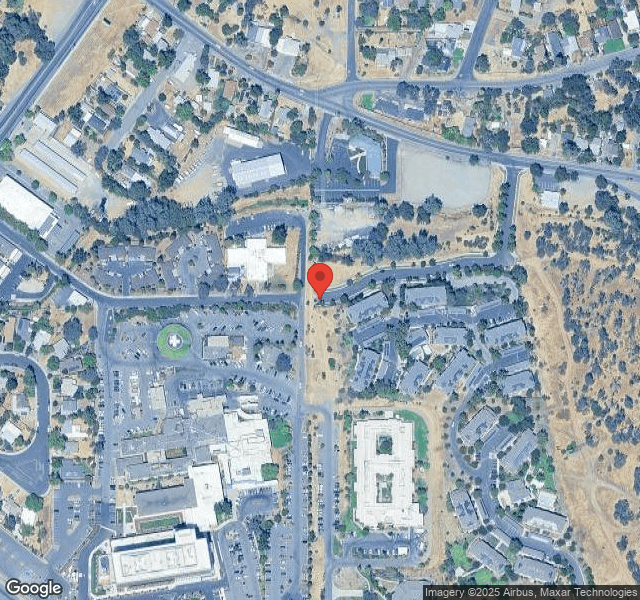

1 GILMORE LANE, OROVILLE, CA 95966 (530) 534-1353
For profit - Limited Liability company 50 Beds AJC HEALTHCARE Data: November 2025 1 Immediate Jeopardy citation
Trust Grade
0/100
#1019 of 1155 in CA
Last Inspection: March 2025

Within standard 12-15 month inspection cycle. Federal law requires annual inspections.

Overview

Feather River Care Center has a Trust Grade of F, which indicates significant concerns and poor performance. It ranks #1019 out of 1155 nursing homes in California, placing it in the bottom half of facilities, and #7 out of 8 in Butte County, meaning only one local option is better. While the facility's trend is improving, with issues decreasing from 37 in 2024 to 21 in 2025, the staffing situation is concerning, as it has a rating of 2 out of 5 stars and a high turnover rate of 74%, well above the state average. The center has accumulated fines of $59,794, which is higher than 93% of California facilities, suggesting ongoing compliance problems. Additionally, a critical incident occurred when a resident was able to exit the building unnoticed, leading to a fall, highlighting potential safety risks. Other concerns included inadequate cleaning practices and overflowing soiled laundry, which could lead to infection risks. Overall, the facility has both serious weaknesses and some signs of improvement that families should consider.

Trust Score
F
0/100
In California
#1019/1155
Bottom 12%
Safety Record
High Risk
Review needed
Inspections
Getting Better
37 → 21 violations
Staff Stability
⚠ Watch
74% turnover. Very high, 26 points above average. Constant new faces learning your loved one's needs.
Penalties
✓ Good
$59,794 in fines. Lower than most California facilities. Relatively clean record.
Skilled Nurses
○ Average
Each resident gets 30 minutes of Registered Nurse (RN) attention daily — about average for California. RNs are the most trained staff who monitor for health changes.
Violations
⚠ Watch
80 deficiencies on record. Higher than average. Multiple issues found across inspections.
★☆☆☆☆
1.0
Overall Rating
★★☆☆☆
2.0
Staff Levels
★★☆☆☆
2.0
Care Quality
★☆☆☆☆
1.0
Inspection Score
Stable
2024: 37 issues
2025: 21 issues

The Good

  • Full Sprinkler Coverage · Fire safety systems throughout facility
  • No fines on record

Facility shows strength in fire safety.

The Bad

1-Star Overall Rating

Below California average (3.1)

Significant quality concerns identified by CMS

Staff Turnover: 74%

27pts above California avg (46%)

Frequent staff changes - ask about care continuity

Federal Fines: $59,794

Above median ($33,413)

Moderate penalties - review what triggered them

Chain: AJC HEALTHCARE

Part of a multi-facility chain

Ask about local staffing decisions and management

Staff turnover is very high (74%)

26 points above California average of 48%

The Ugly 80 deficiencies on record

1 life-threatening
Sept 2025 1 deficiency
CONCERN (E) 📢 Someone Reported This

A family member, employee, or ombudsman was alarmed enough to file a formal complaint

Potential for Harm - no one hurt, but risky conditions existed

Deficiency F0839 (Tag F0839)

Could have caused harm · This affected multiple residents

**NOTE- TERMS IN BRACKETS HAVE BEEN EDITED TO PROTECT CONFIDENTIALITY** Based on interview and record review, this requirement was not met when the facility failed to ensure a Licensed Vocational Nurs...

Read full inspector narrative →
**NOTE- TERMS IN BRACKETS HAVE BEEN EDITED TO PROTECT CONFIDENTIALITY** Based on interview and record review, this requirement was not met when the facility failed to ensure a Licensed Vocational Nurse's (LVN 1's) license was current. This resulted in a potential lapse in administrative oversight of requirements for licensure, and the potential for medical error or harm.A review of the facility's policy titled License Verification dated 2025 indicated, All personnel that require a license or certification shall be verified through the appropriate issuing agency, and, 1. The Human Resources Director, or designee, is responsible for maintaining and ensuring the validity and current status of individual certification/licensure. The policy further stated, Any licensed/certified employee is responsible for maintaining continuing education hours as required for current licensure/certification status.A review of the Board of Vocational Nursing and Psychiatric Technicians licensure report for LVN1 indicated that LVN1's Vocational Nursing license was inactive, License is inactive, licensee may not practice in California. The record indicated that the license expires [DATE]; it has not expired, but is not active.In an interview on [DATE] at 11:25 AM, Administrator stated that LVN1's license was inactive as of late August and she was taken off of the working schedule. Administrator confirmed that LVN1's last day of working at the facility was [DATE]. In an interview on [DATE] at 11:45 AM, Director of Nursing (DON) confirmed that LVN 1's license was found to be inactive during a license lookup that was done sometime around [DATE] and that the license became inactive toward the end of August; the license was inactive, and not expired; it does not expire until [DATE]. DON stated , It was on my list, I went to review it and saw it was inactive. [NAME] stated it lapsed at the end of August since she had conducted monthly license lookups for staff. DON stated that she usually reviews licenses at the end of each month and just wasn't on top of it.
Aug 2025 1 deficiency
CONCERN (E) 📢 Someone Reported This

A family member, employee, or ombudsman was alarmed enough to file a formal complaint

Potential for Harm - no one hurt, but risky conditions existed

Comprehensive Care Plan (Tag F0656)

Could have caused harm · This affected multiple residents

**NOTE- TERMS IN BRACKETS HAVE BEEN EDITED TO PROTECT CONFIDENTIALITY** Based on observation, interview and record review, the facility failed to update the care plan for three of three residents when...

Read full inspector narrative →
**NOTE- TERMS IN BRACKETS HAVE BEEN EDITED TO PROTECT CONFIDENTIALITY** Based on observation, interview and record review, the facility failed to update the care plan for three of three residents when:Resident 1's care plan was not updated with a 24 hour 1:1 monitor (where one staff member is assigned to continuously monitor a single resident for behaviors, needs, etc.) and visual checks every 15 minutes at night.Resident 2's care plan did not state an intervention of a 1:1 monitor.Resident 3's care plan did not state an intervention of a 1:1 monitor.This failure had the potential to result in physical and/or psychosocial harm to other residents and staff.During a record review of facility policy titled Care Plan Revisions Upon Status Change dated August 2024, indicated the comprehensive care plan will be reviewed, and revised as necessary, when a resident experiences a status change. Facility policy further indicated the care plan will be updated with the new or modified interventions. Facility policy also indicated care plans will be modified as needed by the MDS coordinator or other designated staff member.A record review of Resident 1's admission record indicated she was re-admitted to the facility on [DATE] with diagnoses that included bipolar disorder (a mental illness characterized by extreme shifts in mood, energy, and activity levels, including both high and low periods), schizoaffective disorder (a mental health condition characterized by symptoms of both schizophrenia (like hallucinations and delusions) and a mood disorder (like depression or mania), adjustment disorder with mixed anxiety and depressed mood (a mental health condition where an individual experiences an excessive emotional or behavioral reaction to a stressful life event or change), and parkinsonism (symptoms can include tremor, bradykinesia (slowed movement), rigidity (stiffness), and postural instability).During a record review of Progress Notes Situation-Background-Assessment-Recommendation (SBAR - a communication technique used to structure and improve communication, especially in high-[NAME] situations like healthcare) Note for Providers dated 4/22/25 4:40 pm, indicated provider was notified of incident between Resident 1 and another resident. Provider recommended a 1:1 until further notice.During a record review of Interdisciplinary Team (IDT - a group of healthcare professionals who collaborate to develop and implement care plans for residents) Interdisciplinary Post Event Note dated 4/23/25 11:50 am, indicated IDT met and discussed the incident between Resident 1 and another resident on 4/22/25. IDT note further indicated a 1:1 will be in place until behaviors are decreased.During a record review of Resident 1's progress notes 7/31/25 2:29 pm, indicated IDT met to discuss resident. Progress note further indicated Resident 1 placed on visual checks every 15 minutes overnight when she was asleep by staff.During a record review Resident 1's care plan dated 6/25/25, indicated Resident 1 was placed on a 1:1 supervision until behaviors decreased. Care plan further indicated Resident 1's behaviors fluctuated. Care plan also indicated when Resident 1 was not having active behaviors, frequent checks were acceptable. Care plan indicated when Resident 1's behaviors increased, a 1:1 was to be provided. Care plan also indicated 1:1 supervision would continue to be reviewed by the IDT team for the need of a 1:1 vs frequent supervision to avoid distress to the resident and avoid further antagonizing her frustration and behaviors. Care plan did not indicate a 24 hour 1:1 monitor as an intervention for Resident 1. Care plan did not indicate visual checks every 15 minutes as an intervention for Resident 1.A record review of Resident 2's admission record indicated he was admitted to the facility on [DATE] with diagnoses that included traumatic brain injury (a disruption of normal brain function caused by an external force, like a bump, blow, or jolt to the head, or a penetrating head injury), traumatic subdural hemorrhage (a collection of blood between the brain's outer covering (dura mater) and the brain itself, caused by head trauma), and aphasia (a language disorder that affects a person's ability to communicate). During a record review of Resident 2's progress notes dated 7/12/25 11:40 pm, indicated Resident 2 noted with multiple episodes of threatening to kill 1:1 staff. Resident on 1:1 watch due to being a high fall risk.During a record review of Resident 2's progress notes dated 8/4/25 6:52 am, indicated Resident on 1:1 due to increased behaviors; banging head on wall.During a record review of Resident 2's IDT notes dated 7/31/25 9:40 am, indicated Resident has impulsive behaviors related to traumatic brain injury. Resident has behaviors of striking out, becoming easily agitated, and exit seeking. IDT determines that resident remain on 1:1 for this time.During a record review of Resident 2's care plan, there was no documentation of a 1:1 monitor intervention.A record review of Resident 3's admission record indicated he was admitted to the facility on [DATE] with diagnoses that included bipolar disorder (mental health condition characterized by extreme shifts in mood, energy, and activity levels, alternating between periods of mania (or hypomania) and depression), depression (a serious mood disorder that affects how a person feels, thinks, and behaves), and chronic obstructive pulmonary disorder (a group of lung diseases that block airflow and make it difficult to breathe).During a record review of Resident 3's progress notes dated 7/26/25 2:47 pm, indicated Resident 3 was verbally aggressive towards roommate. Resident 3 to be a 1:1 until further notice.During a record review of Resident 3's care plan, there was no documentation of a 1:1 monitor intervention.During an interview with Administrator (Admin) on 8/5/25 at 11:11 am, Admin confirmed all three care plans for Resident 1, Resident 2, and Resident 3 were not updated with appropriate 1:1 monitor interventions per facility policy.During an interview with Director of Nursing (DON) on 8/5/25 at 11:11 am, DON confirmed Resident 1, Resident 2, and Resident 3 all required 1:1 monitoring interventions. DON stated Resident 1 was a 24-hour 1:1 during the day shift and evening shift and needs visual checks every 15 minutes overnight. DON confirmed this was not in Resident 1's care plan. DON stated Resident 2 required a 1:1 sitter. DON confirmed a 1:1 intervention was not in Resident 2's care plan. DON stated Resident 3 required a 1:1 sitter. DON confirmed a 1:1 intervention was not in Resident 3's care plan. DON verified all three residents did not have accurate or updated care plans. DON confirmed their care plans did not follow facility policy and should have.
Aug 2025 2 deficiencies
CONCERN (D) 📢 Someone Reported This

A family member, employee, or ombudsman was alarmed enough to file a formal complaint

Potential for Harm - no one hurt, but risky conditions existed

Free from Abuse/Neglect (Tag F0600)

Could have caused harm · This affected 1 resident

**NOTE- TERMS IN BRACKETS HAVE BEEN EDITED TO PROTECT CONFIDENTIALITY** Based on observation, interview, and record review, the facility failed to ensure one of eight sampled residents (Resident 2) wa...

Read full inspector narrative →
**NOTE- TERMS IN BRACKETS HAVE BEEN EDITED TO PROTECT CONFIDENTIALITY** Based on observation, interview, and record review, the facility failed to ensure one of eight sampled residents (Resident 2) was protected from physical abuse when Resident 3 hit Resident 2 with a closed fist which resulted in a bruised right eye. This failure caused Resident 2 to feel anger and discomfort, and had the potential to result in emotional stress, embarrassment, feelings of neglect, and the potential for negative clinical outcomes. Findings: A review of the facility's policy revised 2025, titled, Abuse, Neglect, and Exploitation, indicated it is the policy of this facility to provide protections for the health, welfare and rights of each resident by developing and implementing written policies and procedures that prohibit and prevent abuse, neglect, exploitation and misappropriation of resident property. Physical Abuse included, but is not limited to hitting, slapping, punching, biting, and kicking. It also included controlling behavior through corporal punishment. This facility's policy also indicated the facility will develop and implement written policies and procedures that prohibit and prevent abuse, neglect, and exploitation of residents and misappropriation of resident property. During a review of Resident 2's medical record, the admission Record, indicated Resident 2 was admitted to the facility on [DATE] with diagnoses that included Multiple Sclerosis (MS, a progressive debilitating disease of the nervous system), dehydration (absence of enough water needed in the body), diabetes (too much sugar in the blood), dementia (progressive loss of memory, language, problem-solving, and other thinking abilities that interfere with daily life), depression (prolonged feelings of sadness, hopelessness and loss of interests), high blood pressure, heart disease, dysphagia (difficulty swallowing), and the need for personal care and dependence on wheelchair. A review of the most recent Minimum Data Set, (MDS, a resident assessment tool) dated 8/4/25, indicated that Resident 2 had a Brief Interview for Mental Status, (BIMS) score of 15 out of 15 and was cognitively intact (able to think and reason). During a review of Resident 2's medical record, a document dated 6/14/25, titled, Progress Note, from a local hospital indicated chief complaint right eye swelling status post assault. Resident stated he was punched once in the eye by a resident at his care facility. During a review of Resident 3's medical record, the admission Record, indicated Resident 3 was admitted to the facility on [DATE] with diagnoses that included atrial fibrillation (irregular and fast heart beat), heart disease, diabetes (too much sugar in the blood), Bi-polar disorder (mental health condition with severe mood swings), severe protein malnutrition (poor nutrition), chronic gout (a type of inflammatory arthritis caused by too many wastes particle of uric acid), chronic obstructive pulmonary disease (COPD, a chronic and progressive lung disease), depression (prolonged feelings of sadness, hopelessness and loss of interests), high blood pressure, history of venous thrombosis and embolism (a blood clot that travels to the lungs) and osteoarthritis (joint pain and stiffness). A review of the most recent Minimum Data Set, (MDS, a resident assessment tool) dated 6/12/25, indicated that Resident 3 had a Brief Interview for Mental Status, (BIMS) score of 15 out of 15 and was cognitively intact (able to think and reason). During an interview on 7/10/25 at 3:20 pm, Resident 2 stated, I was sitting at my doorway, and I asked [Resident 3] to stop talking so loud and to leave the room, he just hit me in the eye. I admit, I probably yelled at him before he hit me because I am hard of hearing (HOH). It just all happened so fast. I did feel discomfort for a few days. During an interview on 7/10/25 at 3:50 pm, Resident 3 stated, Listen, I know it was wrong, I just have a lot of stress on me, it just happened. I never planned to hit [Resident 2]. I just had a reaction to his yelling. I was just trying to talk with my friend that also lives in that room. I told him I was sorry; I never meant to hurt him. During an interview on 7/10/25 at 4:25 pm, Registered Nurse (RN) B stated, I was in another room, and we heard a lot of yelling. I along with other staff went into the room but [Resident 3] had already hit [Resident 2] in the eye. Two men fighting is what happened. We then called 911 and sent [Resident 2] to the hospital to make sure he was okay. During an interview on 7/10/25 at 5:45 pm, the Director of Nursing (DON) confirmed Resident 2 was physically abused by Resident 3. DON stated, [Resident 2] did have a Right black eye for a few days, and I do confirm he stated he was having discomfort. During a phone interview on 7/17/25 at 12:30 pm, the administrator confirmed Resident 3 physically abused Resident 2 when he was hit in the right eye.
CONCERN (D) 📢 Someone Reported This

A family member, employee, or ombudsman was alarmed enough to file a formal complaint

Potential for Harm - no one hurt, but risky conditions existed

Deficiency F0646 (Tag F0646)

Could have caused harm · This affected 1 resident

**NOTE- TERMS IN BRACKETS HAVE BEEN EDITED TO PROTECT CONFIDENTIALITY** Based on interview, and record review, the facility's nursing staff failed to recognize and report a change in condition for one...

Read full inspector narrative →
**NOTE- TERMS IN BRACKETS HAVE BEEN EDITED TO PROTECT CONFIDENTIALITY** Based on interview, and record review, the facility's nursing staff failed to recognize and report a change in condition for one of eight sampled residents (Resident 7). This failure caused Resident 7 to have a delay in acute care treatment required, and the need for new placement after a hospitalization related to the lack of communication when Resident 7 had a change in condition.A review of the facility's policy revised 8/2024, titled, Notification of Changes, indicated the purpose of this policy is to ensure the facility promptly informs the resident, consults the resident's physician; and notifies, consistent with his or her authority, the resident's representative when there is a change requiring notification. During a review of Resident 7's medical record, the admission Record, indicated Resident 7 was admitted to the facility on [DATE] with diagnoses that included atrial fibrillation (irregular and fast heart beat), aortic valve disorder (a major heart valve that narrows, decreases blood circulation), bilateral pneumonia (infection of both lungs), Bi-polar disorder (mental health condition with severe mood changes), Chronic Obstructive Pulmonary Disease (COPD, a chronic and progressive lung disease), Major depressive disorder (prolonged feelings of sadness, hopelessness and loss of interests), history of sepsis (a severe reaction to an infection), benign prostatic hyperplasia (BPH, enlarged prostate), hyponatremia (low level of sodium in the blood), history of venous thrombosis and embolism (a blood clot that travels to the lungs) and schizophrenia (a condition that has severe effects on your physical and mental well-being. It disrupts how your brain works, interfering with things like your thoughts, memory, senses and behaviors). A review of the most recent Minimum Data Set, (MDS, a resident assessment tool) dated 6/17/25, indicated that Resident 7 had a Brief Interview for Mental Status, (BIMS) score of 15 out of 15 and was cognitively intact (able to think and reason). During a review of Resident 7's medical record, a document dated 7/2/25, titled, Blood Pressure Summary, the blood pressure (B/P, measured by two numbers, the top number systolic when your heart beats, and the bottom number diastolic is when your heart rests by Millimeters of Mercury, (mmHg, a unit of measure) normal range for B/P adults are 120/80. Resident 7's B/P was documented at 82/64 mmHg with a note that indicated the following: Systolic low of 90 exceeded. During a review of Resident 7's medical record, a document dated 7/2/25 at 8:07 pm, titled, Progress Note, indicated Resident 7's blood pressure was 82/64 mmHg, and this note did not indicate more than one measurement, or which position Resident 7 was in when taking the B/P. MD orders to push fluids, but no noted documentation to send Resident 7 for an evaluation. This progress note indicated resident was own Responsible Party (RP). During a review of Resident 7's medical record, a document dated 7/2/25 at 11:32 pm, titled, Progress Note, indicated the following: At about 22:25 the cops arrived at facility. The cops went in to see resident. Resident was talking on the phone with daughter at the time the cops arrived. Per resident and daughter's request, resident agreed with his daughter to be sent out to the hospital due to daughter's concern of resident's possible allergic reaction to Buspirone. Resident has NKA and did not show any signs of allergic reactions prior to being discharged . Resident is his own RP. MD notified and aware. During a review of Resident 7's medical record, a document dated 7/2/25 at 11:57 pm, titled, Progress Note, indicated the following: Police officers spoke with resident, and after a half hour, officers inform nurse that resident would like to be sent out to the hospital, per his request (resident full code). Notified MD at 22:51, given okay. Called EMS at 22:51 to request transfer. 2300 EMS arrives to take resident via gurney to hospital. Resident brought along his Continuous Positive Airway Pressure (CPAP, machine), a suitcase, wallet, and a black bag. Resident was on phone with daughter on speaker phone, having EMS repeat conversation having in room. Daughter stated she is recording conversation. Resident stated that he did not want to come back and was informed that a family member may return to pick up the rest of his belongings. EMS left the facility with resident at 23:25. During a concurrent interview and record review on 7/10/25 at 5:25 pm, the Director of Nursing (DON) confirmed the Family Member (FM) should be updated with any change of condition even if they are their own RP by the nursing staff. DON confirmed their facility policy for change of condition was not followed for Resident 7. The DON agreed the FM and Resident 7 were upset and this was avoidable if their policy had been followed. During a follow-up interview on 7/10/25 at 5:40 pm, the DON confirmed Resident 7 had a change of condition with an extremely low blood pressure and should have been sent to the local hospital for an evaluation without the police being called for help on 7/2/25. DON stated, I confirm Resident 7 had a delay in care and should have been sent out to the local hospital earlier. I do confirm Resident 7 was admitted to a local hospital for an extended period, and they were not happy with the care at this facility.
Jun 2025 3 deficiencies
CONCERN (E) 📢 Someone Reported This

A family member, employee, or ombudsman was alarmed enough to file a formal complaint

Potential for Harm - no one hurt, but risky conditions existed

Deficiency F0558 (Tag F0558)

Could have caused harm · This affected multiple residents

Based on observation, interview, and record review, this facility failed to accommodate the need to communicate with of one (Resident 1) of four sampled residents when the facility failed to provide a...

Read full inspector narrative →
Based on observation, interview, and record review, this facility failed to accommodate the need to communicate with of one (Resident 1) of four sampled residents when the facility failed to provide any means of translation to a Hmong only speaking resident. This failure resulted in Resident 1 not being properly assessed and Resident 1's pain was not treated. Findings: A record review of Resident 1's face sheet indicated an admission date of 4/24/25 for hemiplegia (a condition characterized by paralysis of one side of the body) and hemiparesis (a condition characterized by weakness on one side of the body) following cerebral infarction (tissue death caused by a lack of blood supply to the affected area) affecting right dominant side, and dysphagia (difficulty swallowing). Resident 1 was her own representative. The only language Resident 1 speaks was Hmong. During an interview on 5/9/25 at 11:10 am of Director of Nursing (DON), DON stated that the facility does not have any way of translating for their non-English speaking residents. By a record review of the Minimum Data Set (MDS) assessment completed on 4/27/25, the Section C - Cognitive Patterns indicated Resident 1 to have a code of 0 (resident is rarely/never understood). By a record review of Care Plans (Undated), indicated Resident 1 had a communication deficit related to language barrier primary language is Hmong Social Services (SS) provided a picture binder for communication. The facility indicated it would provide resident with a communication board. On an interview with family member (FM) 1 on 5/8/25 at 1:10 pm by phone, FM 1 stated the facility has no way of translating and Resident 1 only speaks Hmong. On an interview of family member FM 2 on 5/9/25 at 4:00 pm by phone, FM 2 stated Resident 1 only speaks Hmong and the only way the facility has translated is to ask family members. There was no other means of translation by the facility to Resident 1. During an interview on 5/9/25 at 1:23 pm with Certified Nursing Assistant (CNA) 1, CNA 1 stated there is no way to translate or to communicate with Resident 1. The facility does not provide any means of translation or communication. By concurrent observation and interview on 5/9/25 at 1:43 pm with CNA 2, went to Resident 1's room (12-2). CNA 2 confirmed the facility does not have a way to communicate with the resident. CNA 2 confirmed there were no communication boards in drawers and no pictures provided by the facility. Observed no communication boards or pictures in Resident 1's room. During an interview of LN 2 on 6/11/25 at 1:40 pm, asked if LN 2 how she communicated with Hmong only speaking Resident 1? LN 2 stated the facility has no way to translate with Resident 1.
CONCERN (E) 📢 Someone Reported This

A family member, employee, or ombudsman was alarmed enough to file a formal complaint

Potential for Harm - no one hurt, but risky conditions existed

Deficiency F0697 (Tag F0697)

Could have caused harm · This affected multiple residents

Based on observation, interview, and record review, this facility failed to address and treat the pain of one (Resident 1) of four sampled residents when Resident 1 had an accident in the shower chair...

Read full inspector narrative →
Based on observation, interview, and record review, this facility failed to address and treat the pain of one (Resident 1) of four sampled residents when Resident 1 had an accident in the shower chair, sustained an injury, and complained of pain. This resulted in a complete omission of pain treatment and management and Resident 1 suffering without any pain relief. Findings: A policy titled Pain Management (Undated), indicated that the facility must ensure that pain management is provided to residents who require such services, consistent with professional standards of practice, the comprehensive person-centered care plan . This policy defines acute pain as pain that is usually sudden onset and time-limited with a duration of less than one month and often is caused by injury . The facility will: 1. Recognize when the resident is experiencing pain and identify circumstances when the pain can be anticipated and evaluate the resident for pain, during ongoing scheduled assessments, and when a significant change in condition occurs. 2. Facility staff will observe for nonverbal indicators which may indicate the presence of pain. These indicators include facial expressions . A record review of Resident 1's face sheet indicated an admission date of 4/24/25 for hemiplegia (a condition characterized by paralysis of one side of the body) and hemiparesis (a condition characterized by weakness on one side of the body) following cerebral infarction (tissue death caused by a lack of blood supply to the affected area) affecting right dominant side, and dysphagia (difficulty swallowing). Resident 1 was her own representative. The only language Resident 1 speaks was Hmong. An interview on 5/9/25 at 1:23 pm of Certified Nursing Assistant (CNA) 1, asked what happened with Resident 1 while in the shower chair on 5/6/25? CNA 1 stated Resident 1 is very tiny, and resident was in the shower chair and she slipped down with her rear-end that fell into the hole in the shower chair. Resident 1's right leg got caught in the opening and it cut the top of her right leg at the thigh. CNA 1 stated she went to get Resident 1 out of the hole in the shower chair. CNA 1 stated the Director of Nursing (DON), and Licensed Vocational Nurse (LN) 1 came running into shower room. CNA 1 stated patient said, pain and pointed to the middle of her right thigh. CNA 1 stated Resident 1 had a grimace on her face. By concurrent observation and interview on 5/9/25 at 1:43 pm with CNA 2, went to Resident 1's room (12-2). Observed a long circular scab on Resident 1's right middle thigh (going perpendicular to the leg, going around the front part of leg, mid-thigh) and on the inner thigh, Resident 1 had a scab that went down the leg, parallel to it. CNA 2 stated, Resident 1 did have pain. By concurrent interview and record review of shower sheet dated 5/6/25 at 1:23 pm by CNA 1 did not chart any evidence of the incident. There are no records that indicate an accident on 5/6/25 that occurred with Resident 1 in the electronic medical record. There are no social worker notes, no notes on consulting with the physician, no psycho-social follow up, no care plans, no charting in the system indicating and accident had occurred, or pain was addressed. A record review of the Medication Administration Record (MAR) for 5/1/25 - 5/9/25 indicated Resident 1 was not administered any new pain medication from the incident on 5/6/25, and the MAR indicated Resident 1's pain score was 0 every day. Prior to the accident, Resident 1 had Tylenol ordered, but it was not given to the resident on or after injury. A record review of all active orders for Order Summary Report as of 5/6/25 to 5/9/25 indicated no orders for any physician evaluation of Resident 1 after the accident and sustained injury on 5/6/25. An interview of family member (FM) 1 on 5/8/25 at 1:10 pm by phone call stated Resident 1 did have an accident while in the shower room on 5/6/25. She was told about the incident. FM 1 stated the accident did have something to do with shower chair not fitting Resident 1 and Resident 1 fell in it. FM 1 stated she did hear Resident 1 say the words, pain, pain to staff. FM 1 stated another family member FM 2 was at the facility that day of the accident in the shower chair on 5/6/25. An interview on 5/9/25 at 4:00 pm, called FM 2. FM 2 stated she was in Resident 1's room when the CNA 1 brought Resident 1 back from the shower. CNA 1 reported that Resident 1 had an accident in the shower because her bottom and legs went down into the hole of the shower chair. CNA 1 reported Resident 1 got stuck inside of the hole and the gap in the front of the shower chair. FM 2 stated Resident 1 was complaining about having pain. An interview of Licensed Nurse (LN) 1 on 6/10/25 at 12:20 pm asked if LN 1 remembered the shower chair accident with Resident 1? LN 1 stated LN 1 did come to the shower room on 5/6/25 to assist with Resident 1. LN 1 confirmed there was an accident where the resident was stuck inside the shower chair. Her rear-end went down into the chair and she was twisted and her right leg was sandwiched in the opening in the front of shower chair. LN 1 stated this resident was not her assigned resident that day so she did not chart on it. LN 1 stated she saw an injury to the right middle thigh where resident was stuck in shower chair. LN 1 stated the shower chair had cut the front of Resident 1's right thigh. LN 1 stated Director of Nursing (DON) was aware of incident. An interview of LN 2 on 6/11/25 at 1:40 pm and asked if LN 2 remembered the shower chair accident with Resident 1 on 5/6/25? LN 2 stated LN 2 was the nurse for Resident 1 on this day of 5/6/25. Stated Resident 1 sunk into the shower chair. LN 2 stated staff pulled her out and moved resident onto a different shower chair. LN 2 stated Resident 1's leg was red. LN 2 could not recall any other information. When asked if Resident 1's right middle thigh was bleeding? LN 2 stated, I cannot recall. When asked if LN 2 reported this incident to the physician? LN 2 stated, I cannot recall. When asked if Resident 1's pain was addressed or treated? LN 2 stated, I cannot recall. An interview on 6/11/25 at 2:15 pm with Infection Preventionist (IP), stated he was aware of the accident concerning Resident 1 on 5/6/25. IP stated that this accident and injury was not addressed at all by nursing staff or facility.
CONCERN (E) 📢 Someone Reported This

A family member, employee, or ombudsman was alarmed enough to file a formal complaint

Potential for Harm - no one hurt, but risky conditions existed

Deficiency F0726 (Tag F0726)

Could have caused harm · This affected multiple residents

**NOTE- TERMS IN BRACKETS HAVE BEEN EDITED TO PROTECT CONFIDENTIALITY** Based on observation, interview, and record review, this facility failed to ensure licensed staff the competencies and skill set...

Read full inspector narrative →
**NOTE- TERMS IN BRACKETS HAVE BEEN EDITED TO PROTECT CONFIDENTIALITY** Based on observation, interview, and record review, this facility failed to ensure licensed staff the competencies and skill set necessary to provide nursing care for one (Resident 1) of four sampled residents when: Nursing staff did not assess and document when Resident 1 had an accident and sustained an injury. Nursing staff did not complete a change in condition or alert the physician. There was no care plans completed to address the accident and injury Resident 1 had. This resulted in Resident 1 not receiving the treatment and pain relief needed for Resident 1's injury. Findings: A record review of Resident 1's face sheet indicated an admission date of 4/24/25 for hemiplegia (a condition characterized by paralysis of one side of the body) and hemiparesis (a condition characterized by weakness on one side of the body) following cerebral infarction (tissue death caused by a lack of blood supply to the affected area) affecting right dominant side, and dysphagia (difficulty swallowing). Resident 1 was her own representative. The only language Resident 1 speaks was Hmong. A review of a policy titled, Nursing Assessment Policy (Undated) indicated, Qualified staff who are knowledgeable about the resident will conduct an accurate assessment addressing each resident's status, needs, strengths, and areas of decline. The assessment will be documented in the medical record. A review of a policy titled, Notification of Changes (Undated) indicated, The facility must inform the resident, consult with the resident's physician and/or notify the resident's family member or legal representative when there is a change requiring such notification. Circumstances that required notification included: accidents resulting in injury. An interview on 5/9/25 at 1:23 pm of Certified Nursing Assistant (CNA) 1, asked what happened with Resident 1 while in the shower chair on 5/6/25? CNA 1 stated Resident 1 is very tiny, and resident was in the shower chair and she slipped down with her rear-end that fell into the hole in the shower chair. Resident 1's right leg got caught in the opening and it cut the top of her right leg at the thigh. CNA 1 stated she went to get Resident 1 out of the hole in the shower chair. CNA 1 stated the Director of Nursing (DON), and Licensed Vocational Nurse (LN) 1 came running in. CNA 1 stated patient said, pain and pointed to the middle of her right thigh. CNA 1 stated Resident 1 had a grimace on her face. A review of a PubMed study cited nonverbal ways to assess pain, Ghayem H, [NAME] MR, Aghaei B, Norouzadeh R. The Effect of Training the Nonverbal Pain Scale (NVPS) on the Ability of Nurses to Monitor the Pain of Patients in the Intensive Care Unit. Indian J Crit Care Med. 2023 Mar;27(3):195-200. doi: 10.5005/jp-journals-10071-24425. PMID: 36960117; PMCID: PMC10028721. The study indicated, Nonverbal pain scale is a combination of behavioral and physiological measurements and provides a more reliable assessment of pain. The study also indicated an example of facial expressions nurses could assess are the following: grimacing, frowning, or other expressions that might indicate pain. A record review of the Medication Administration Record from 5/1/25 through 5/9/25 indicated Resident 1 was not administered any pain medication from the incident on 5/6/25, and indicated Resident 1's pain score was 0 every day. By concurrent interview and record review of shower sheet dated 5/6/25 at 1:23 pm by CNA 1 did not chart any evidence of the incident. By concurrent observation and interview on 5/9/25 at 1:43 pm with CNA 2, went to Resident 1's room (12-2). Observed a long circular scab on Resident 1's right middle thigh (going perpendicular to the leg, going around the front part of leg, mid-thigh) and on the inner thigh, Resident 1 had a scab that went down the leg, parallel to it. CNA 2 stated, Resident 1 did have pain. An interview on 5/9/25 at 11:10 am of the DON, DON stated she was unaware of the accident and the injury of Resident 1 in the shower chair that occurred on 5/6/25. An interview of family member (FM) 1 on 5/8/25 at 1:10 pm by phone call stated Resident 1 did have an accident while in the shower room on 5/6/25. She was told about the incident. FM 1 stated the accident did have something to do with shower chair not fitting Resident 1 and Resident 1 fell in it. FM 1 stated she did hear Resident 1 say the words, pain, pain to staff. FM 1 stated another family member FM 2 was at the facility that day of the accident in the shower chair on 5/6/25. An interview on 5/9/25 at 4:00 pm, called FM 2. FM 2 stated she was in Resident 1's room when the CNA 1 brought Resident 1 back from the shower. CNA 1 reported that Resident 1 had an accident in the shower because her bottom and legs went down into the hole of the shower chair. CNA 1 reported Resident 1 got stuck inside of the hole and the gap in the front of the shower chair. FM 2 stated Resident 1 was complaining about having pain. An interview of Licensed Nurse (LN) 1 on 6/10/25 at 12:20 pm asked if LN 1 remembered the shower chair accident with Resident 1? LN 1 stated LN 1 did come to the shower room on 5/6/25 to assist with Resident 1. LN 1 confirmed there was an accident where the resident was stuck inside the shower chair. Her rear-end went down into the chair and she was twisted and her right leg was sandwiched in the opening in the front of shower chair. LN 1 stated this resident was not her assigned resident that day, so she did not chart on it. LN 1 stated she saw an injury to the right middle thigh where resident was stuck in shower chair. LN 1 stated the shower chair had cut the front of Resident 1's right thigh. LN 1 stated Director of Nursing (DON) was aware of the incident. An interview of LN 2 on 6/11/25 at 1:40 pm and asked if LN 2 remembered the shower chair accident with Resident 1 on 5/6/25? LN 2 stated LN 2 was the nurse for Resident 1 on this day of 5/6/25. Stated Resident 1 sunk into the shower chair. LN 2 stated staff pulled her out and moved resident onto a different shower chair. LN 2 stated Resident 1's leg was red. LN 2 could not recall any other information. When asked if Resident 1's right middle thigh was bleeding? LN 2 stated, I cannot recall. When asked if LN 2 reported this incident to the physician? LN 2 stated, I cannot recall. When asked if Resident 1's pain was addressed or treated? LN 2 stated, I cannot recall. A record review of the Nursing Progress Notes and Alert Charting from 5/5/25-5/8/25, there were no notes or assessments on Resident 1's accident or injury. A record review of the Care Plans (all undated) from admission on [DATE] through day of injury on 5/9/25 for Resident 1, there was no care plan for the accident and injury indicated. A record review of the Minimum Data Set (MDS) assessment completed on 4/27/25, the Section C - Cognitive Patterns indicated Resident 1 to have a code of 0 (resident is rarely/never understood). An interview on 6/11/25 at 2:15 pm with Infection Preventionist (IP), stated he was aware of the accident concerning Resident 1 on 5/6/25. IP stated that this accident and injury was not addressed at all by nursing staff or facility.
Jun 2025 4 deficiencies
CONCERN (D) 📢 Someone Reported This

A family member, employee, or ombudsman was alarmed enough to file a formal complaint

Potential for Harm - no one hurt, but risky conditions existed

Free from Abuse/Neglect (Tag F0600)

Could have caused harm · This affected 1 resident

**NOTE- TERMS IN BRACKETS HAVE BEEN EDITED TO PROTECT CONFIDENTIALITY** Based on interview and record review the facility failed to protect one of two sampled residents (Resident 2) from abuse when Re...

Read full inspector narrative →
**NOTE- TERMS IN BRACKETS HAVE BEEN EDITED TO PROTECT CONFIDENTIALITY** Based on interview and record review the facility failed to protect one of two sampled residents (Resident 2) from abuse when Resident 2 was pushed out of her wheelchair to the floor by Resident 1. This failure had the potential to cause physical and psychosocial harm to Resident 2. Findings: A review of the undated facility policy titled Abuse, Neglect and Exploitation indicated It is the policy of the facility to provide protections for the health, welfare and rights of each resident by developing, and implementing written policies and procedures that prohibit and prevent abuse, neglect, exploitation and misappropriation of resident property. The facility policy indicated, III. Prevention of Abuse, Neglect and Exploitation, D. The identification, ongoing assessment, care planning for appropriate interventions, and monitoring of resident with needs and behaviors which might lead to conflict or neglect. A review of Resident 1's record indicated he was transferred from a skilled nursing facility and admitted to the new facility on 3/31/25 with diagnoses which included stroke affecting right dominant side and depression unspecified. A review of Resident 1's transfer record included a nurse practitioner note dated 3/17/25 at 1:33 pm, indicated he had Bipolar II disorder (cycle of mood swings from high to low) continue sertraline (medication for depression). Social Service Assistant notes indicated Resident 1 had four appointments with psychology on 03/17/25, 3/20/25, 3/24/25, and 3/27/25 before transfer to another skilled nursing facility. A review of a Minimum Data Set (MDS, resident assessment) dated 03/31/25, indicated Resident 1 had a Brief Interview for Mental Status (BIMS, cognitive screening tool) and scored 9 determining moderate cognitive impairment. The Patient Health Questionnaire (PHQ-9, used to screen level of depression indicated Resident 1 was experiencing mild depression. Resident 1 was wheelchair dependent and moderately dependent for support from caregivers to navigate daily activities. A review of Resident 1's progress notes dated 5/20/25 at 1:52 pm, indicated Resident 1 exhibited one episode of aggression toward staff. Resident 1 threatened to kill staff after being wheeled out of the dining room and after choking from eating too fast. A review of Resident 1's progress notes dated 5/20/25 at 3:00 pm, a indicated a change in condition (agitation, psychosis). During morning report, nurse noted that Resident 1 threatened to kill the nurse during medication administration. Resident 1 was uncooperative with increased agitation and behaviors. At approximately 2:40 pm, Resident 1 threw an empty urinal at the Certified Nursing Assistant (CNA) while the CNA was performing resident care. Shortly after at 2:50 pm, Resident 1's nurse was made aware by CNA that Resident 1 was wheeling self-outside hallway naked. A review of Resident 1's progress notes dated 5/21/25 at 3:31 pm, indicated CNA was made aware that resident had one episode of hitting himself with palm of hand on shift. Resident was redirected with small conversation successfully. Resident 1 monitored during shift. A review of Resident 1's progress notes 5/21/25 at 11:15 pm, indicated Resident 1 began making statements of wanting to take his life or wanted his life to end. One statement was hoping that one of his wounds would start bleeding out so much to the point that he would die. Another statement was he was going to bash his head onto the railing in the hallway by the nurse's station until he was no longer alive. He also sat and make motions of slicing his throat open multiple times along with stating he was going to kill himself one way or another once he figured it out. Resident 1 didn't relax or calm down until midnight. The physician was notified at 12:09 am, it was advised a staff member was to ensure their safety and wellbeing, be assigned to closely always watch and stay with Resident 1 (1:1, staff always assigned to monitor). A review of Resident 1's progress notes dated 5/22/25 at 5:22 pm, indicated at 3:20 pm, Resident 1 was in hallway in his wheelchair near the breakroom/hallway. Resident 2 was in vicinity of Resident 1. Resident 1 approached Resident 2 yelled get out of my way then shoved her out of her wheelchair and on to the floor. While under continuous 1:1 monitoring, Resident 1 was still able to initiate an altercation with Resident 2. A review of Resident 2's record indicated she was admitted to the facility on [DATE], with diagnoses which included stroke, manic depression and Schizophrenia (a disorder that affects a person's ability to think, feel and behave clearly). A review of a MDS dated 03/2025, indicated Resident 2 had a (BIMS) score of 3 (severe cognitive impairment). Resident 2 was wheelchair dependent and significantly dependent for support from caregivers to navigate daily activities. A review of Interdisciplinary Team (IDT, is a group of professionals from different specialties who work together to plan and provide coordinated care for a resident) records dated 5/28/25 at 9:32 am, indicated they did not meet to discuss the resident-to-resident altercation until six days after the event. The IDT note indicated Resident will remain on 1:1 monitoring and will be reevaluated in one week. During a concurrent interview and record review on 6/4/265 at 1:05 pm, the Director of Nursing (DON) confirmed the admission team did not identify that Resident 1 had Bipolar II disorder or that he was participating in psychology visits at the other facility. DON was not aware that his MDS PHQ-9 indicated Resident 1 was mildly depressed upon admission. DON confirmed there were no behavioral health care plans in his record, nor were there any mental health appointments provided to Resident 1 at the facility since admission.
CONCERN (D) 📢 Someone Reported This

A family member, employee, or ombudsman was alarmed enough to file a formal complaint

Potential for Harm - no one hurt, but risky conditions existed

Deficiency F0645 (Tag F0645)

Could have caused harm · This affected 1 resident

**NOTE- TERMS IN BRACKETS HAVE BEEN EDITED TO PROTECT CONFIDENTIALITY** Based on interview and record review, the facility failed to ensure the accuracy of a Preadmission Screening and Resident Review...

Read full inspector narrative →
**NOTE- TERMS IN BRACKETS HAVE BEEN EDITED TO PROTECT CONFIDENTIALITY** Based on interview and record review, the facility failed to ensure the accuracy of a Preadmission Screening and Resident Review (PASRR, evaluation for serious mental illness and intellectual disability,) for one of two sampled residents (Resident 1) during an admission from another Skilled Nursing Facility. This failure had the potential for Resident 1 not to receive a plan of care to meet his behavioral and mental health needs. Findings: An undated copy of the facility policy titled, Resident Assessment – Coordination with PASRR Program indicated, This facility coordinates assessments with the readmission screening and resident review (P ASARR) program under Medicaid to ensure that individuals with a mental disorder intellectual disability, or a related condition receives care and services in the most integrated setting appropriate to their needs. 1. All applicants to this facility will be screened for serious mental disorders or intellectual disabilities and related conditions in accordance with the State's Medicaid rules for screening. The Social Services Director shall be responsible for keeping track of each resident's PASARR screening status and referring to the appropriate authority. Recommendations, such as any specialized services, from a P ASARR level II determination and/or PASARR evaluation report will be incorporated into the resident's assessment, care planning, and transitions of care. A review of Resident 1's record indicated he was transferred from a skilled nursing facility and admitted to the new facility on 3/31/25 with diagnoses which included stroke affecting right dominant side and depression unspecified. A review of Resident 1's transfer record included a nurse practitioner note dated 3/17/25 at 1:33 pm, indicated he had Bipolar II disorder (cycle of mood swings from high to low) continue sertraline (medication for depression). Social Service Assistant notes indicated Resident 1 had four appointments with psychology on 03/17/25, 3/20/25, 3/24/25, and 3/27/25 before transfer to another Skilled Nursing Facility (SNF). A review of a Minimum Data Set (MDS, resident assessment) dated 03/31/25, indicated Resident 1 had a Brief Interview for Mental Status (BIMS, cognitive screening tool) and scored 9 determining moderate cognitive impairment. The Patient Health Questionnaire (PHQ-9, used to screen level of depression indicated Resident 1 was experiencing mild depression. Resident 1 was wheelchair dependent and moderately dependent for support from caregivers to navigate daily activities. A review of Resident 1's PASRR dated 11/4/24 done at the previous SNF admission, indicated under Section Ill - Serious Mental Illness, question number 9 Diagnosed Serious Mental Illness, was answered no, question number 10 Suspected Mental Illness was answered no, and question number 11 Psychotropic Medication was answered no. A review of Resident 1's record indicated when he was transferred/admitted to the current SNF on 3/31/25, the facility staff did not validate or reassess his PASRR done on 11/4/24. During a concurrent interview and record review on 6/4/265 at 1:05 pm, with the Director of Nursing (DON) confirmed the admission team did not reassess Resident 1's PASRR upon admission to this facility. DON confirmed the PASRR dated 11/4/24 was not accurate related to Resident 1's depression, Bipolar II, and use of sertraline (psychotropic medication for depression) and no behavioral health care plan in his record. During a phone interview 6/5/25 at 11:00 am with Social [NAME] Director (SSD) who was involved in the PASRR screenings for new admits stated We were told we did not have to repeat it. SSD stated they did not validate the accuracy of the PASRR dated 11/11/24, that was received from prior SNF.
CONCERN (D) 📢 Someone Reported This

A family member, employee, or ombudsman was alarmed enough to file a formal complaint

Potential for Harm - no one hurt, but risky conditions existed

Comprehensive Care Plan (Tag F0656)

Could have caused harm · This affected 1 resident

Based on interview and record review, the facility failed to ensure one of two sampled residents (Resident 1), had a comprehensive care plan that was person-centered to meet his mental health needs. T...

Read full inspector narrative →
Based on interview and record review, the facility failed to ensure one of two sampled residents (Resident 1), had a comprehensive care plan that was person-centered to meet his mental health needs. This failure resulted in a resident-to-resident altercation and a transfer to the hospital for suicidal ideation. Findings: A review of the undated facility policy titled Comprehensive Care Plans indicated it is the policy of this facility to develop and implement a comprehensive person-centered care plan for each resident, consistent with resident rights, that includes measurable objectives and timeframes to meet a resident's medical, nursing, and mental and psychosocial needs and ALL services that are identified in the resident's comprehensive assessment and meet professional standards of quality. A review of Resident 1's record indicated he was transferred from a skilled nursing facility and admitted to the new facility on 3/31/25 with diagnoses which included stroke affecting right dominant side and depression unspecified. A review of Resident 1's transfer record included a nurse practitioner note dated 3/17/25 at 1:33 pm, indicated he had Bipolar II disorder (cycle of mood swings from high to low) continue sertraline (medication for depression). Social Service Assistant notes indicated Resident 1 had four appointments with psychology on 03/17/25, 3/20/25, 3/24/25, and 3/27/25 before transfer to another skilled nursing facility. A review of a Minimum Data Set (MDS, resident assessment) dated 03/31/25, indicated Resident 1 had a Brief Interview for Mental Status (BIMS, cognitive screening tool) and scored 9 determining moderate cognitive impairment. The Patient Health Questionnaire (PHQ-9, used to screen level of depression indicated Resident 1 was experiencing mild depression. Resident 1 was wheelchair dependent and moderately dependent for support from caregivers to navigate daily activities. A review of Resident 1's progress notes dated 5/20/25 at 1:52 pm, indicated Resident 1 exhibited one episode of aggression toward staff. Resident 1 threatened to kill staff after being wheeled out of the dining room and after choking from eating too fast. A review of Resident 1's progress notes dated 5/20/25 at 3:00 pm, a indicated a change in condition (agitation, psychosis). During morning report, nurse noted that Resident 1 threatened to kill the nurse during medication administration. Resident 1 was uncooperative with increased agitation and behaviors. At approximately 2:40 pm, Resident 1 threw an empty urinal at the Certified Nursing Assistant (CNA) while the CNA was performing resident care. Shortly after at 2:50 pm, Resident 1's nurse was made aware by CNA that Resident 1 was wheeling self-outside hallway naked. A review of Resident 1's progress notes dated 5/21/25 at 3:31 pm, indicated CNA was made aware that resident had one episode of hitting himself with palm of hand on shift. Resident was redirected with small conversation successfully. Resident 1 monitored during shift. A review of Resident 1's progress notes 5/21/25 at 11:15 pm, indicated Resident 1 began making statements of wanting to take his life or wanted his life to end. One statement was hoping that one of his wounds would start bleeding out so much to the point that he would die. Another statement was he was going to bash his head onto the railing in the hallway by the nurse's station until he was no longer alive. He also sat and make motions of slicing his throat open multiple times along with stating he was going to kill himself one way or another once he figured it out. Resident 1 didn't relax or calm down until midnight. The physician was notified at 12:09 am, it was advised a staff member was to ensure their safety and wellbeing, be assigned to closely always watch and stay with Resident 1 (1:1, staff always assigned to monitor). A review of Resident 1's progress notes dated 5/22/25 at 5:22 pm, indicated at 3:20 pm, Resident 1 was in hallway in his wheelchair near the breakroom/hallway. Resident 2 was in vicinity of Resident 1. Resident 1 approached Resident 2 yelled get out of my way then shoved her out of her wheelchair and on to the floor. While under continuous 1:1 monitoring, Resident 1 was still able to initiate an altercation with Resident 2. A review of Social Services note dated 5/21/25 at 8:29 am, indicated Social Services Director (SSD), met with Resident 1 who was resting in bed, calm and social. SSD asked Resident 1 if he wanted to talk about incident and resident replied no not at this time. Resident 1 was placed on 1:1 intervention for 72 hours. A review of Resident 1's progress notes dated 5/22/25 at 5:22 pm, indicated at 3:20 pm, Resident 1 was in hallway in his wheelchair near the breakroom/hallway. Resident 2 was in vicinity of Resident 1. Resident 1 approached Resident 2 yelled get out of my way then shoved her out of her wheelchair and on to the floor. While under continuous 1:1 monitoring, Resident 1 was still able to initiate an altercation with Resident 2. During a phone interview 6/25/25 at 11:00 am, SSD explained she participates in creating care plans for residents along with nursing and Interdisciplinary Team (multiple disciplines who evaluate and develop care plans for residents). SSD confirmed she uses all progress notes in the record and was behind on developing resident plan of care. SSD confirmed Resident 1 did not have a care plan that addressed his behavioral health needs. During a concurrent interview and record review and interview on 6/4/265 at 1:05 pm, the Director of Nursing (DON) confirmed the admission team did not identify that Resident 1 had Bipolar II disorder or that he was participating in psychology visits at the other facility. DON was not aware that his MDS PHQ-9 indicated Resident 1 was mildly depressed upon admission. DON confirmed there were no behavioral health care plans in his record, nor were there any mental health appointments provided to Resident 1 at the facility since admission.
CONCERN (D) 📢 Someone Reported This

A family member, employee, or ombudsman was alarmed enough to file a formal complaint

Potential for Harm - no one hurt, but risky conditions existed

Deficiency F0740 (Tag F0740)

Could have caused harm · This affected 1 resident

**NOTE- TERMS IN BRACKETS HAVE BEEN EDITED TO PROTECT CONFIDENTIALITY** Based on interview and record review the facility failed to ensure Resident 1 had a behavioral health evaluation and services to...

Read full inspector narrative →
**NOTE- TERMS IN BRACKETS HAVE BEEN EDITED TO PROTECT CONFIDENTIALITY** Based on interview and record review the facility failed to ensure Resident 1 had a behavioral health evaluation and services to meet Resident 1's psychiatric behavioral needs. This failure resulted in a resident-to-resident altercation and a transfer to the hospital for suicidal ideation. Findings: A review of Resident 1's record indicated he was transferred from a skilled nursing facility and admitted to the new facility on 3/31/25 with diagnoses which included stroke affecting right dominant side and depression unspecified. A review of Resident 1's transfer record included a nurse practitioner note dated 3/17/25 at 1:33 pm, indicated he had Bipolar II disorder (cycle of mood swings from high to low) continue sertraline (medication for depression). Social Service Assistant notes indicated Resident 1 had four appointments with psychology on 03/17/25, 3/20/25, 3/24/25, and 3/27/25 before transfer to another skilled nursing facility. A review of Resident 1's PASRR dated 11/4/24 done at the previous SNF admission, indicated under Section Ill - Serious Mental Illness, question number 9 Diagnosed Serious Mental Illness, was answered no, question number 10 Suspected Mental Illness was answered no, and question number 11 Psychotropic Medication was answered no. A review of Resident 1's record indicated when he was transferred/admitted to the current SNF on 3/31/25, the facility staff did not validate or reassess his PASRR done on 11/4/24. A review of a Minimum Data Set (MDS, resident assessment) dated 03/31/25, indicated Resident 1 had a Brief Interview for Mental Status (BIMS, cognitive screening tool) and scored 9 determining moderate cognitive impairment. The Patient Health Questionnaire (PHQ-9, used to screen level of depression indicated Resident 1 was experiencing mild depression. Resident 1 was wheelchair dependent and moderately dependent for support from caregivers to navigate daily activities. A review of Resident 1's progress notes indicated 5/20/25 at 1:52 pm, Resident 1 exhibited one episode of aggression toward staff. Resident 1 threatened to kill staff after being wheeled out of the dining room and after choking from eating too fast. A review of Resident 1's progress notes dated 5/20/25 at 3:00 pm, a indicated a change in condition (agitation, psychosis). During morning report, nurse noted that Resident 1 threatened to kill the nurse during medication administration. Resident 1 was uncooperative with increased agitation and behaviors. At approximately 2:40 pm, Resident 1 threw an empty urinal at the Certified Nursing Assistant (CNA) while the CNA was performing resident care. Shortly after at 2:50 pm, Resident 1's nurse was made aware by CNA that Resident 1 was wheeling self-outside hallway naked. A review of Resident 1's progress notes dated 5/21/25 at 3:31 pm, indicated CNA was made aware that resident had one episode of hitting himself with palm of hand on shift. Resident 1 was redirected with small conversation successfully. Resident 1 monitored during shift. A review of Resident 1's progress notes 5/21/25 at 11:15 pm, indicated Resident 1 began making statements of wanting to take his life or wanted his life to end. One statement was hoping that one of his wounds would start bleeding out so much to the point that he would die. Another statement was he was going to bash his head onto the railing in the hallway by the nurse's station until he was no longer alive. He also sat and make motions of slicing his throat open multiple times along with stating he was going to kill himself one way or another once he figured it out. Resident 1 didn't relax or calm down until midnight. The physician was notified at 12:09 am, it was advised a staff member was to ensure their safety and wellbeing, be assigned to closely always watch and stay with Resident 1 (1:1, staff always assigned to monitor). A review of Resident 1's progress notes dated 5/22/25 at 5:22 pm, indicated at 3:20 pm, Resident 1 was in hallway in his wheelchair near the breakroom/hallway. Resident 2 was in vicinity of Resident 1. Resident 1 approached Resident 2 yelled get out of my way then shoved her out of her wheelchair and on to the floor. While under continuous 1:1 monitoring, Resident 1 was still able to initiate an altercation with Resident 2. A review of Social Services note dated 5/21/25 at 08:29 am indicated, Social Services Director (SSD) met with resident who was resting in bed, calm and social. SSD asked Resident if he wanted to talk about incident and resident replied no not at this time. Resident 1 was placed on 1 to 1 intervention for 72 hours. A review of Resident 1's progress notes indicated 5/22/25 at 5:22 pm, approximately 3:20 pm, resident was in hallway in wheelchair near breakroom/laundry room. Resident 2 was in vicinity of Resident 1. Resident 1 approached Resident 2, he yelled get out of my way then proceeded to shoved her out of her wheelchair and on to the floor. Residents were immediately separated by staff. Resident 1 then wheeled himself over to the handrail and began to repeatedly bang his head against it. Resident 1 was pulled away from the railing and Resident 1 stated call the police, I don't care. The nurse stayed with Resident 1 and took him to the end of the hallway to attempt to deescalate the situation. The nurse got on the phone with the physician who gave the order to send Resident 1 to the hospital for psychiatric evaluation. The nurse called 911. Resident 1 again wheeled up to the handrail and started banging his head repeatedly. Emergency Medical Team (EMT) and policy arrived at the facility. The Police advised EMT to place Resident 1 on a 72-hour hold at the hospital. During a concurrent interview and record review and interview on 6/4/265 at 1:05 pm, the Director of Nursing (DON) confirmed the admission team did not identify that Resident 1 had Bipolar II disorder or that he was participating in psychology visits at the other facility. DON was not aware that his MDS PHQ-9 indicated Resident 1 was mildly depressed upon admission. DON confirmed there were no behavioral health care plans in his record, nor were there any mental health appointments provided to Resident 1 at the facility since admission. During a phone interview 6/5/25 at 11:00 am with Social [NAME] Director (SSD) who was involved in the PASRR screenings for new admits stated We were told we did not have to repeat it. SSD stated they did not validate the accuracy of the PASRR dated 11/11/24, that was received from prior SNF. When asked if Resident 1 had seen psychology since he has been there? SSD stated, he was offered a psych appointment but can't find date.
Jun 2025 1 deficiency
CONCERN (D) 📢 Someone Reported This

A family member, employee, or ombudsman was alarmed enough to file a formal complaint

Potential for Harm - no one hurt, but risky conditions existed

Deficiency F0552 (Tag F0552)

Could have caused harm · This affected 1 resident

**NOTE- TERMS IN BRACKETS HAVE BEEN EDITED TO PROTECT CONFIDENTIALITY** Based on interview and record review, the facility failed to inform the conservator (an individual appointed by a court to overs...

Read full inspector narrative →
**NOTE- TERMS IN BRACKETS HAVE BEEN EDITED TO PROTECT CONFIDENTIALITY** Based on interview and record review, the facility failed to inform the conservator (an individual appointed by a court to oversee the mental health care of an individual with a serious mental illness who is unable to make decisions themselves) of the risks and benefits of proposed care, of treatment and treatment alternatives or treatment options and to choose the alternative or option he or she prefers in advance of a medication change for one of two sampled residents (Resident 1). Resident 1 was receiving Clozapine (medication used to treat severely ill patients with Schizophrenia who have used other medicines that did not work well) for her diagnosed Schizophrenia (a chronic mental health disorder characterized by a disconnection from reality) prior to her admission to the facility and upon admission to the facility on 7/22/2024, and it was placed on hold for an unknown reason from 8/3/2024 until discharge from facility on 10/25/2024, without conservator knowledge. This deficient practice caused a decline in Resident 1's mental health status and resulted in a hospital readmission for treatment of her Schizophrenia. Findings: A review of a facility policy titled, Resident Representative, with a revised date of February 2021, indicated, The facility treats the decisions of the resident representative as the decisions of the resident . to the extent required by the court . If the resident is determined to be incompetent . the rights of the resident will devolve to and will be exercised by the resident representative appointed to act on the resident ' s behalf. This document indicated that a resident representative can be defined as a court-appointed guardian or conservator of the resident. The facility will treat the decisions of a resident representative as the decisions of the resident . A review of a facility policy titled, Use of Psychotropic Medication(s), with no revised date, indicated, The indications for initiating, maintaining, or discontinuing medication(s) . will be determined by evaluating the resident . including the assessment of relative benefits and risks, and the preferences and goals for treatment. This document further indicated, The resident ' s medical record shall include documentation of this evaluation and the rationale for chosen treatment options. This includes any indicated documentation of rationale for prescribing multiple psychotropic medications or switching from one type of psychotropic medication . Prior to initiating or increasing a psychotropic medication, the resident, family, and/or resident representative must be informed of the benefits, risks, and alternatives for the medication . in advance of such initiation or increase. The facility will document that the resident or resident representative was informed in advance of the risks and benefits of the proposed care . and the preferred option to accept or decline . A review of the facility ' s records indicated Resident 1 was admitted to the facility on [DATE] and discharged to the acute care hospital on [DATE]. Resident 1 had diagnoses that included Schizophrenia, dysphagia (difficulty swallowing) and sepsis (life threatening medical emergency when a body ' s response to an infection harms its own tissues and organs). Resident 1 had a conservator contact on file indicated as their Responsible Party to make decisions. A review of a document titled, Informed consent, indicated that Resident 1 had signed an informed consent form on 9/3/2024 for Paliperidone 1.5 mg daily (an antipsychotic medication used to help treat schizophrenia). This form was signed by a licensed staff member and the Medical Physician; however, it was not signed by the resident ' s responsible party. A review of the facility ' s progress note dated 10/18/2024 at 1:01 PM by Licensed Vocational Nurse (LVN1), indicated, Nursing observations, evaluation, and recommendation are: on 10/18/24. After reviewing medications, it was determined that resident should be taking Clozapine, MD (Medical Physician) made aware due to unable to be prescribed by MD he gave new order to transfer to acute. RP aware. A review of the facility ' s Medication Administration Record (MAR), indicated that Clozapine Oral Tablet 100 mg for Schizophrenia had a start date at the facility for 7/22/2024, a hold date on 8/3/2024 and an eventual discontinuation date on 10/4/2024. Paliperidone Extended Release Oral Tablet 1.5 mg for Schizophrenia had a start date on 7/23/2024 until Resident 1 discharged from the facility. During an interview on 5/14/2025 at 4:50 PM with Behavioral Health (BH1), stated, Resident 1 had to get hospitalized due to psychiatric medications being changed without her conservator ' s permission, causing deterioration in her health. BH1 further stated that Resident 1 was on a [NAME]-Petris-Short (LPS) Conservatorship (a legal arrangement where a court appoints a conservator to be responsible for the comprehensive medical treatment of an adult who has a serious mental illness and is deemed gravely disabled. The appointed conservator has the legal authority to make decisions regarding the resident ' s mental health treatment, including consenting to medication. The conservator has the authority to ensure they receive mandatory medication). During an interview on 5/28/2025 at 9:24 AM with LVN1, stated Resident 1 did need the medication Clozapine and since the medical physician was unable to prescribe it, Resident 1 was transferred to acute care. LVN1 stated he was unsure of why the physician could not prescribe the medication. During an interview on 5/28/2025 at 9:40 AM with BH2, stated Resident 1 was LPS conserved which meant that medication can be forced if need be in an appropriate manner. BH2 stated that the facility changed Resident 1 ' s medication without consent from the conservator and discontinued her medication without the conservator ' s knowledge, and they should have been contacted. They didn ' t notify us they changed her medication. We don ' t know why they put the medication on hold, you can ' t just stop that medication they completely decompensate. She just got worse and worse. BH2 stated the conservator was never consulted until Resident 1 was already decompensated, and she had been on these medications for a long period of time given that she had been under a conservatorship for about 20 years. I think they didn ' t follow protocol. Maybe they felt they got consent from her, but they needed it from the conservator who should have been called and informed each time Resident 1 had refused medications. BH2 stated the conservator must consent to medication changes; however, no consent was given to the doctor to pull Resident 1 off of her medications or change her medications. They need to have a consequence for doing this, so they don ' t do it again. During an interview on 5/28/2025 at 10:37 AM with Administrator, stated, there is only an informed consent form for Paliperidone and not one for Clozapine for Resident 1. During an interview on 6/4/2025 at 3:57 PM with Administrator, confirmed that there was no further documentation that would have indicated why Resident 1 ' s Clozapine was held by the Medical Physician.
Apr 2025 1 deficiency
CONCERN (D) 📢 Someone Reported This

A family member, employee, or ombudsman was alarmed enough to file a formal complaint

Potential for Harm - no one hurt, but risky conditions existed

Comprehensive Care Plan (Tag F0656)

Could have caused harm · This affected 1 resident

**NOTE- TERMS IN BRACKETS HAVE BEEN EDITED TO PROTECT CONFIDENTIALITY** Based on observation, interview and record review, the facility failed to update the care plan with a 1:1 monitor (where one sta...

Read full inspector narrative →
**NOTE- TERMS IN BRACKETS HAVE BEEN EDITED TO PROTECT CONFIDENTIALITY** Based on observation, interview and record review, the facility failed to update the care plan with a 1:1 monitor (where one staff member is assigned to continuously monitor a single resident for behaviors, needs, etc) for one of four residents (Resident 1) when Resident 1 walked past Resident 2 and hit him in the back of his head. This failure had the potential to result in physical and/or psychosocial harm to other residents. Findings: A record review of facility policy titled Care Plan Revisions Upon Status Change copyright 2024 indicated the care plan will be reviewed, and revised as necessary, when a resident experiences a status change. Facility policy further indicated the Interdisciplinary Team (IDT - a group of facility healthcare professionals who collaborate to provide comprehensive care to residents) will discuss the resident condition and collaborate on intervention options and the care plan will be updated with the new or modified interventions. A record review of Resident 1's admission Record indicated she was re-admitted to the facility on [DATE] with diagnoses that included bipolar disorder (a mental illness characterized by extreme shifts in mood, energy, and activity levels, including both high and low periods), schizoaffective disorder (a mental health condition characterized by symptoms of both schizophrenia (like hallucinations and delusions) and a mood disorder (like depression or mania), adjustment disorder with mixed anxiety and depressed mood (a mental health condition where an individual experiences an excessive emotional or behavioral reaction to a stressful life event or change), and parkinsonism (symptoms can include tremor, bradykinesia (slowed movement), rigidity (stiffness), and postural instability). During a record review of Progress Notes SBAR Note for Providers dated 4/22/25 4:40 pm, indicated provider was notified of incident between Resident 1 and Resident 2. Provider recommended a 1:1 until further notice. During a record review of IDT - Interdisciplinary Post Event Note dated 4/23/25 11:50 am, indicated IDT team met and discussed the incident between Resident 1 and Resident 2 on 4/22/25. IDT note further indicated a 1:1 will be in place until behaviors are decreased. A record review of Resident 1's Care Plan dated 1/31/25 indicated Resident 1 had a history of being the aggressor in resident-to-resident altercations. Care plan further indicated interventions included allow Resident 1 to express concerns, approach Resident 1 in a calm manner, do not argue with Resident 1, attempt to de-escalate, and psychiatry consultation as needed. Care plan did not indicate a 1:1 monitor as an intervention for Resident 1. During a concurrent observation and interview with Certified Nursing Assistant (CNA) A on 4/23/25 at 11:07 am, CNA A stated she was designated to sit outside of Resident 1's room as her 1:1 monitor after incident between Resident 1 and Resident 2 on 4/22/25. CNA A stated Resident 1 had a history of aggressive behaviors towards other residents. Observed Resident 1 resting on her side in her bed. CNA A stated she did not read or verify interventions in Resident 1's care plan. During an interview with Director of Nursing (DON) on 4/23/25 at 11:36 am, DON stated Resident 1's 1:1 monitor should have been updated in her care plan during the IDT meeting that occurred on 4/23/25 in the morning. DON stated the 1:1 monitor intervention should have been in Resident 1's care plans each time Resident 1 had an aggressive event with another resident. DON confirmed facility should have updated Resident 1's care plan to reflect 1:1 monitor intervention as current plan of care. DON confirmed facility did not update Resident 1's care plan per facility policy and expectation.
Mar 2025 8 deficiencies
CONCERN (D)

Potential for Harm - no one hurt, but risky conditions existed

Resident Rights (Tag F0550)

Could have caused harm · This affected 1 resident

**NOTE- TERMS IN BRACKETS HAVE BEEN EDITED TO PROTECT CONFIDENTIALITY** Resident 22's record was reviewed. Resident 22 was admitted to the facility on [DATE], with a diagnosis that included, Joint Rep...

Read full inspector narrative →
**NOTE- TERMS IN BRACKETS HAVE BEEN EDITED TO PROTECT CONFIDENTIALITY** Resident 22's record was reviewed. Resident 22 was admitted to the facility on [DATE], with a diagnosis that included, Joint Replacement Surgery, Pancreatic Cancer, Palliative Care, Type 2 Diabetes Mellitus, Stroke with left sided weakness, Difficulty in Walking, Difficulty Swallowing, Depression, Hepatitis C, Low Back Pain, Anxiety, And History of Falling. The most recent MDS dated [DATE] indicated, that Resident 22 was cognitively intact. During an interview on 3/18/25 at 11:04 am, with Resident 22, Resident 22 stated, Resident 20 comes in her room all the time and tried to go through her things a couple times a week. During an interview on 3/18/25 at 11:00 pm, with CNA C, CNA C said Resident wonders in other residents' rooms daily. Resident 8's record was reviewed. Resident 8 was admitted to the facility on [DATE], with diagnosis that included, arthritis (joint inflammation and pain), chronic respiratory failure, type 2 diabetes, dizziness, depression, acid reflux, and heart disease. The most recent MDS dated [DATE] indicated, Resident 8 was cognitively intact. During an interview on 3/19/25 at 9:11 am, with Resident 8, Resident 8 stated, Resident 20 comes into her room and goes through her stuff and tries to take things daily. During an interview on 3/19/25 at 10:05 am, with CNA B, CNA said, Resident 20 goes into residents rooms and takes stuff. The residents get mad when he does. Resident 5's record was reviewed. Resident 5 was admitted to the facility on [DATE], with a diagnosis that included, chronic obstructive pulmonary disease (an ongoing lung condition caused by damage to the lungs), high blood pressure, anxiety (fear of unknown), and depression. The most recent MDS dated [DATE] indicated, Resident 5 was cognitively intact. During an interview on 3/19/25 at 12:00 pm, with Resident 5, Resident 5 stated, Resident 20 comes into her room and tries to go through my things all the time. During an interview on 3/19/25 at 12:01 pm, with CNA A, CNA A said, Resident 20 goes into residents rooms and tries to go through their things. Based on interview and record review, the facility failed to ensure residents' right to privacy were protected for five out of 13 residents sampled for patient rights, (Resident 33, Resident 18, Resident 22, Resident 8, and Resident 5), when Resident 20 entered their room uninvited. This had the potential to make Resident 33, Resident 18, Resident 22, Resident 8, and Resident 5 feel unsafe in their room, and their privacy to be disrespected. Findings: The facility's policy, undated, titled Resident [NAME] of Rights, Sec. 483.10 Resident Rights (e), indicated personal privacy is a right and (1) personal privacy includes accommodations. A review of Resident 33's clinical record indicated Resident 33 was admitted to the facility on [DATE] with diagnoses that include hemiplegia and hemiparesis following cerebral infarct affecting left side (nervous system disorders that cause weakness on one side of the body), frontal lobe and executive function deficit following cerebral infarction (complications after a stroke that can effect muscle strength, speech/language, thinking skills, and behavior and personality changes), dysphagia following cerebral infarction (difficulty swallowing after a stroke). A review of the most recent Minimum Data Set (MDS, a resident assessment tool), for Resident 33 dated 1/24/25, indicated that Resident 33 had a severe cognitive deficit, with a brief interview for mental status (BIMS) score of 7 out of 15. A review of Resident 33's admission Record, dated 3/21/25, indicated that the Resident's daughter is the Responsible Party, indicating Resident 33 is unable to make healthcare decisions for herself. During an interview on 3/19/25 1:22 pm, Resident 33 stated that Resident 20 comes into the room every day or two and will go through her drawers and will dig through things. Resident 33 stated, He doesn't take anything, but I wish he wouldn't dig through my belongings. A review of Resident 18's clinical record indicated Resident 18 was admitted to the facility on [DATE] with diagnoses that include Chronic Obstructive Pulmonary Disease (a lung disease), fracture of right femur (broken right leg bone), fracture of lateral end of right clavicle, (broken right collarbone) primary osteoarthritis (protective lining of joints that is worn down). A review of the most recent MDS For Resident 18 dated 3/01/25, indicated that Resident 18 had no cognitive deficit, with a BIMS score of 15 out of 15. A review of Resident 18's admission Record, dated 3/21/25, indicated that the Resident was her own responsible party, and able to make healthcare decisions for herself. During an interview on 3/19/25 at 1:23 pm, Resident 18 stated that Resident 20 comes into the room day or night. Resident 18 stated, He comes in about 3 to 4 times a month. He is nice but I don't want him in the room. During an interview on 3/21/25 at 8:41 am, the Director of Nursing (DON), confirmed that Resident 20 will enter other residents' rooms uninvited. The DON stated, Yes, he wonders into other residents' rooms, and this does become a residents' rights issue for all involved. During a concurrent interview on 3/21/25 at 8:41 am, the Resource Nurse (RSN), confirmed the statement of the DON that Resident 20 does enter other resident's rooms and stated, As a team we have discussed how better to provide care and safety for him, and the other residents. We have discussed fidget boards and are planning on purchasing one or two. This is something we will finish discussing at our next IDT meeting. Resident 20 was also a painter, and we are working on getting supplies for him to work with. During an interview on 3/21/25 at 11:01 am, Certified Nursing Assistant (CNA) K stated Resident 20 is a wanderer. CNA K stated, Yes, he does wander and will go into other residents' rooms. No one has complained and the other residents are kind to him. Although, a couple of residents do wish he would not go in their rooms. During an interview on 3/21/25 at 11:08 am, CNA L stated that Resident 20 wanders the halls and keeps busy doing his thing. CNA L stated, And yes, he does go into other residents' rooms. No one has stated that they are scared or anything like that. It's just some residents don't want him in their room.
CONCERN (D)

Potential for Harm - no one hurt, but risky conditions existed

Deficiency F0687 (Tag F0687)

Could have caused harm · This affected 1 resident

**NOTE- TERMS IN BRACKETS HAVE BEEN EDITED TO PROTECT CONFIDENTIALITY** Based on observation, interview, and record review, the facility failed to provide foot care and treatment to one out of 13 samp...

Read full inspector narrative →
**NOTE- TERMS IN BRACKETS HAVE BEEN EDITED TO PROTECT CONFIDENTIALITY** Based on observation, interview, and record review, the facility failed to provide foot care and treatment to one out of 13 sampled residents (Resident 201) when Licensed Nursing (LN) did not accurately assess the condition of Resident 201's feet, create a care plan (written plan that described needed care and how care would be provided), and the physician was not notified of the condition of Resident 201's feet. This failure had the potential to negatively impact resident health status and psychosocial well-being. Findings: A review of the facility's undated policies and procedures (P&P) titled, Skin Integrity-Foot Care, indicated, residents would receive proper foot care .to maintain mobility and good foot health. The P&P indicated, The comprehensive assessment will include an assessment of the feet for disorders which may require treatment The P&P indicated, Medical conditions will be managed, and interventions will be implemented in accordance with professional standards of practice to prevent complications of medical conditions. A review of the facility's undated P&P titled, admission Assessment and Follow Up: Role of the Nurse, indicated, when a resident was admitted to the facility, the LN would perform an assessment of the resident that included the skin. The P&P indicated, LN would contact the physician to communicate any abnormal findings, and LN would document their findings. A review of the facility's undated P&P titled, Baseline Care Plans, indicated, within 48 hours of admission to the facility, a care plan would be developed to Include the minimum healthcare information necessary to properly care for a resident A review of the facility's undated P&P titled, Facility Daily Stand-up Meeting, indicated the interdisciplinary team (IDT, a group of department managers that met to discuss resident care needs and goal) met daily to communicate necessary information to meet the resident's needs. A review of the admission Record, dated 3/7/25, indicated Resident 201 was admitted to the facility on [DATE] with the diagnoses of hemiplegia and hemiparesis following cerebral infarction affecting the right dominant side (paralysis and weakness after having a stroke) and difficulty in walking. Resident 201 was his own responsible party (made own decisions). A review of the admission Minimum Data Set (MDS, a resident assessment tool), dated 3/18/25, indicated, that Resident 201 was cognitively intact (ability to think, reason and make decisions), with a brief interview for mental status (BIMS) score of 15 out of 15, which indicated good cognition. During a concurrent observation and interview on 3/19/25 at 8:01 am, located in Resident 201'a room, Resident 201 stated, It hurts when I walk and removed his socks. The toenails on both feet were long, thick, and yellow in color. The large toe and the toe immediately next to it, on the left foot, and the toenail on the right large toe was growing straight up. Resident 201 stated, the pressure from the socks, shoes, and blankets hurt. Resident 201 pointed to his feet, and stated feeling mad that facility staff had not communicated with him regarding when [his] feet would be taken care of. The skin on both of Resident 201's feet and toes appeared to be red and purple in color, had a buildup of flakey, dried, thick, skin, and there was a circular cluster of brown growths on the inside left ankle. During a concurrent observation, interview, and record review, on 3/20/25 at 11:55 am, with LN J, Resident 201's feet were observed. LN J confirmed, having cared for Resident 201 in the past, and stated, I perform a daily head to toe assessment at the end of my shift on my residents. LN J stated, she had not performed an assessment of Resident 201 on today and recalled Resident 201 as having long toenails and dry flakey feet and Nothing could be done about [Resident 201's] feet until 3/25/25 when the Podiatrist (foot doctor) comes in. LN J observed Resident 201's feet and described the skin as dry and scaley. LN J described the toenails as yellow, browning, thick with deformity, and long. LN J described the inside of the left ankle as scabs. LN J reviewed Resident 201's physician orders and stated, there were no foot care treatments ordered and there should be. During a concurrent interview and record review on 3/21/25 at 10:59 am, with Director of Nursing (DON) photos of Resident 201's feet were reviewed. DON stated, I was not notified of the condition of [Resident 201's] feet and should have been. DON reviewed Nursing-Clinical admission Evaluation (admission assessment), dated 3/7/25, and stated, the admission assessment indicated, [Resident 201] had scabs and dry heels. DON stated, the admission assessment did not accurately describe the condition of [both] feet and should have. DON stated, the condition of [Resident 201's] feet should have been caught during the admission assessment, the physician should have been notified, and LN should have initiated a care plan. DON reviewed the base line care plan (developed within 48 hours of admission) and confirmed, there was no care plan developed.
CONCERN (D)

Potential for Harm - no one hurt, but risky conditions existed

Accident Prevention (Tag F0689)

Could have caused harm · This affected 1 resident

**NOTE- TERMS IN BRACKETS HAVE BEEN EDITED TO PROTECT CONFIDENTIALITY** Based on observation, interview, and record review, the facility failed to ensure the safety of one of one sampled resident (Res...

Read full inspector narrative →
**NOTE- TERMS IN BRACKETS HAVE BEEN EDITED TO PROTECT CONFIDENTIALITY** Based on observation, interview, and record review, the facility failed to ensure the safety of one of one sampled resident (Resident 20) when: 1. The shower room door was left unlocked which resulted in Resident 20 wandering into the shower room unsupervised and having a fall. 2. Resident 20 was not on one-to-one supervision every 30 min as described as an intervention in his care plan. 3. Resident 20 was exhibiting wandering behavior, and it was not captured on his Minimum Data Set (MDS, a data driven clinical assessment) assessment. These failures resulted in Resident 20 being unsupervised and falling out of his wheelchair and wandering in other resident rooms which had the potential to cause a decline in Resident 20's physical and social wellbeing. Findings: A review of the facility's policy titled Elopements and Wandering Residents (undated), indicated This facility ensures that residents who exhibit wandering (random or repetitive locomotion [movement] that may be goal-directed or aimless) behavior and/or are at risk for elopement (occurs when a resident leaves the premises or a safe area without authorization . and or any necessary supervision to do so) receive adequate supervision to prevent accidents, and receive care in accordance with their person-centered plan of care addressing the unique factors contributing to wandering or elopement risk. A review of the facility's policy titled Safety and Supervision of Residents revised July 2017, indicated, Our facility strives to make the environment as free from accident hazards as possible. Resident safety and supervision and assistance to prevent accidents are facility-wide priorities. A review of Resident 20's admission Record indicated he was re-admitted on [DATE] with diagnoses that included dementia (poor memory, problem solving and safety awareness) with severe with agitation, overactive bladder (the need to pass urine many times in a day), osteoarthritis (degeneration of the bone which causes chronic pain) of the left hip, anxiety depression, and history of falling. He was unable to make his own health care decisions. A review of Resident 20's Annual MDS dated [DATE], section C indicated Resident 20's Brief Interview for Mental Status (BIMS, an assessment for cognition, thinking, memory recall and decision making) score was 99 (resident was unable to finish evaluation due to his mental condition). Section GG: indicated Resident 20 required maximum assistance (helper does most of the work) with toileting (cleaning private areas after going to the bathroom), upper and lower body dressing, personal hygiene (washing face, hands and brushing teeth), putting on foot ware, and transferring to the toilet. Resident 20 required moderate assistance (helper does part of the work) with sitting to standing, transferring from chair to bed or bed to chair, and walking 10 feet. Resident 20 used a wheelchair (w/c) and was independent with wheeling self around the facility. Section E- Behavior, indicated Resident 20 had no wandering behaviors. A review of Resident 20's Care Plan revised on 10/24/24, indicated a focus area of The resident is an elopement risk/wanderer r/t (related to) history of attempts to leave facility unattended, impaired safety awareness. Interventions included: * Activities Assistant/Director to offer outdoor activities Date initiated 1/8/24. * Alarms placed at exit doors Date initiated 1/9/24. * Distract resident from wandering by offering pleasant diversions Date initiated 1/8/24. * Every 30-minute staff assigned as one-to-one supervision daily. Date initiated 8/4/24. * Resident will be placed on every 15-minute observations as indicated for safety-PRN (as needed). Date initiated: 01/09/24. *Wanderguard (a bracelet worn by a resident that will trigger an alarm when they get close to an outside door.) Date initiated 11/8/24. A review of Resident 20's Interdisciplinary (IDT, group of health care disciplines that discuss resident care needs) Post Event Notes dated 12/7/24 indicated Resident 20 experienced an unwitnessed fall. Details: CNA found the resident lying on the shower floor on their left side, with the wheelchair behind them. Interventions included keypad will be put on shower door. 1.During a concurrent observation and interview with Certified Nursing Assistant (CNA) F on 3/18/25 at 3:35 pm, the hallway and Resident 20's room was observed. Resident 20 was not in his room or in the hallways. CNA F indicated that Resident 20 was in the dining room. An observation of the dining room revealed that Resident 20 was not in the dining room. During an observation on 3/18/25 at 3:40 pm, Resident 20 was observed sitting on the floor in the shower room. His wheelchair (w/c) was behind him and the w/c brakes were unlocked. Licensed Nurse (LN) G indicated Resident 20 had gotten into the shower room by himself unnoticed and then had an unwitnessed fall. A keypad lock was observed on the shower room door. LN G indicated that a code was needed to unlock the door, but it had been left unlocked. LN G indicated that the door was supposed to be locked but it wasn't, and Resident 20 was able to get into the room unsupervised and should not have been able to. LN G indicated Resident 20 was assessed to have no injuries. During an interview on 3/18/25 at 3:54 pm, Maintenance Director (MTD) indicated the shower room was to be kept locked so residents would not get into the room by themselves. During a concurrent interview with the Director of Nursing (DON) and record review on 3/21/25 at 10:03 am, Resident 20's IDT meetings were reviewed. DON indicated that Resident 20 had a fall in the shower room on 12/7/24 and their intervention at that time was to put a lock on the shower room door to keep wanderers out of the room for safety reasons. DON confirmed that Resident 20 had gotten in the shower room a second time on 3/18/25 due to the shower room door being left unlocked and it should not have been unlocked. 2. During an interview with the Minimum Data Set Nurse (MDS) and record review on 3/19/25 at 2:30 pm, Resident 20's elopement/wandering risk care plan was reviewed. MDS Nurse confirmed that Resident 20's care plan included the documented intervention that every 30-minute, staff was assigned as one-to-one supervision, daily, and Resident 20 would be placed on every 15-minute observations as indicated for safety prn. MDS Nurse indicated she was unable to find documentation in Resident 20's medical record that every 30 min one-to-one supervision was being done daily by staff or 15-minute observations were being conducted. During a concurrent interview with the DON and record review on 3/21/25 at 10:03 am, Resident 20's monitoring for one-to-one supervision and every 15 min was reviewed. DON indicated Resident 20's one-to-one supervision monitoring was documented on paper but was inconsistent. DON was unable to find documentation of wandering and supervision for the month of March and indicated there should have been. 3. A review of Resident 20's Quarterly MDS dated [DATE], Section E- Behavior, indicated Resident 20 had no wandering behaviors. During an interview on 3/18/25 at 3:47 pm, CNA F stated (Resident 20) wanders quite a bit. During an interview on 3/19/25 at 2:47 pm, Social Service Director (SS) indicated that Resident 20 liked to touch door handles and tried to get into doors. During an interview on 3/19/25 at 2:58 pm, the Activity Director (AD) indicated that some residents had complained to her about Resident 20 going into their rooms and touching their belongings. AD indicated she had brought this subject up to the DON and the Administrator (Admin) and they had talked about it in their IDT meetings. AD indicated We try to keep him (Resident 20) from that hallway. During an interview on 3/19/25 at 3:08 pm, CNA F indicated Resident 20 would wheel himself around the facility and just go back and forth down the hallway. CNA F indicated that if Resident 20 went near the exit doors they would go get him and redirect him. During a concurrent interview with the MDS Nurse and record review on 3/21/25 at 9:20 am, Resident 20's Quarterly MDS dated [DATE] was reviewed. MDS Nurse indicated that she had coded section E of Resident 20's MDS's as not exhibiting wandering behaviors when he had had those behaviors. MDS Nurse indicated she had marked section E incorrectly and would fix it.
CONCERN (D)

Potential for Harm - no one hurt, but risky conditions existed

Deficiency F0745 (Tag F0745)

Could have caused harm · This affected 1 resident

**NOTE- TERMS IN BRACKETS HAVE BEEN EDITED TO PROTECT CONFIDENTIALITY** Based on interview and record review the facility failed to ensure one out of one newly admitted sampled resident (Resident 201)...

Read full inspector narrative →
**NOTE- TERMS IN BRACKETS HAVE BEEN EDITED TO PROTECT CONFIDENTIALITY** Based on interview and record review the facility failed to ensure one out of one newly admitted sampled resident (Resident 201) was provided with medical related social services when a referral for a follow up appointment with vascular surgeon (a surgeon that specialized in diseases of the veins and arteries also known as blood vessels) was not done. This had the potential for a decline in health status for a resident that recently suffered a stroke (occurred when something blocked the blood vessel that supplied blood to the brain). Findings: A review of the facility's undated policy and procedure (P&P) titled, Social Services, indicated, The facility, regardless of size, will provide medically related social services to each resident, to assist in attaining or maintaining the resident's highest practicable physical, mental, and psychosocial well-being. The P&P indicated, the social worker would perform an initial assessment of each resident, identify needs, and document them in the medical record. A review of the admission Record, dated 3/7/25, indicated Resident 201 was admitted to the facility on [DATE] with the diagnoses of hemiplegia and hemiparesis following cerebral infarction affecting the right dominant side (paralysis and weakness after having a stroke) and difficulty in walking. Resident 201 was his own responsible party (made own decisions). A review of the admission Minimum Data Set (MDS, a resident assessment tool), dated 3/18/25, indicated, Resident 201 was cognitively intact (ability to think, reason and make decisions), with a brief interview for mental status (BIMS) score of 15 out of 15, which indicated good cognition. During a concurrent interview and record review on 3/21/25 at 9:32 am, with Social Services, (SS), Resident 201's MD Discharge to SNF Post Acute Transfer (discharge documents, that was faxed from the hospital to the facility), dated 3/7/25 was reviewed. SS confirmed, the discharge documents indicated, Resident 201 needed a follow up appointment with the vascular surgeon in one week. SS stated, SS was not in the facility when Resident 201 was admitted and I don't know if it was done. SS stated, the Interdisciplinary Team (IDT, a group of department managers that discuss resident care and needs) looks at the admission order entered by nurse, we compare the orders to the referral orders, if there is a referral on the packet, IDT reviews it. SS reviewed progress notes in the electronic medical record and was not able to find any documentation that supported a referral had been made to the vascular surgeon. During a concurrent interview and record review on 3/21/25 at 10:59 am, with Director of Nursing (DON), Resident 201'a discharge documents, dated 3/7/25 was reviewed. DON confirmed, the discharge document indicated, Resident 201 needed a follow up appointment with the vascular surgeon in one week. DON stated, SS was responsible to ensure the referral was made and confirmed, SS was not in the facility when resident 201 was admitted . DON stated, due to SS not being in the building at the time Resident 201 was admitted , the IDT team was responsible to ensure the appointment was made, and it didn't happen. A review of the admission packet (documents the hospital provided to the facility), included a physician's progress note titled, Hospitalist [NAME] Progress Note, dated 3/2/25. The progress note indicated, Vascular surgery plan for left CEA outpatient (CEA, carotid endarterectomy, surgical procedure to remove built up plaque in the main blood vessel that carried blood and oxygen to the brain, face, and neck. Outpatient was to be done after discharge from the hospital and was performed by a vascular surgeon).
CONCERN (D)

Potential for Harm - no one hurt, but risky conditions existed

Food Safety (Tag F0812)

Could have caused harm · This affected 1 resident

Based on observation, interview and policy review, the facility failed to maintain a clean and orderly environment in the dietary department when there was an unlabeled storage bin and four storage bi...

Read full inspector narrative →
Based on observation, interview and policy review, the facility failed to maintain a clean and orderly environment in the dietary department when there was an unlabeled storage bin and four storage bins with visible dust and adhesive tape residue accumulated on the lids. These failures had the potential to lead to the spread of infections, communicable diseases, and food borne illness to all residents who are served out of this kitchen. Findings: A review of the facility's policy titled Ingredient Bins dated 2018, the policy indicated Ingredient bins must be kept clean and covered to prevent food contamination. Scrub the interior and exterior of the bin with detergent solution. Pay special attention to the corners, lids and casters (wheels). A review of the facility's policy titled Labeling and Dating of Foods dated 2020, the policy indicated All food items in the storeroom, refrigerator, and freezer need to be labeled and dated. During a concurrent observation and interview with the Dietary Manager (DM) on 3/18/25 at 11:17 am, the following were observed in the dry food storage room: * One storage bin with a white granulated substance inside a plastic bag within the bin. There was no label to identify the white substance. The DM asked [NAME] D what the substance was, and they identified it as sugar. The DM indicated there should have been a label on the bin and there was not. *Four storage bins: one with sugar, one with chocolate chips, one with flour, and one with rice that had lids with scratches, visible accumulated dust, and brown, white, and black adhesive tape residue. The DM indicated the lids should have been clean and they were not.
CONCERN (D)

Potential for Harm - no one hurt, but risky conditions existed

Deficiency F0911 (Tag F0911)

Could have caused harm · This affected 1 resident

**NOTE- TERMS IN BRACKETS HAVE BEEN EDITED TO PROTECT CONFIDENTIALITY** Based on observation and interview the facility failed to ensure that all their bedrooms accommodated no more than four resident...

Read full inspector narrative →
**NOTE- TERMS IN BRACKETS HAVE BEEN EDITED TO PROTECT CONFIDENTIALITY** Based on observation and interview the facility failed to ensure that all their bedrooms accommodated no more than four residents. This had the potential to result in residents not reaching and maintaining their highest practicable level of well-being. Findings: During the initial tour of the facility on 3/18/25 at 10:30 am, room [ROOM NUMBER] had five beds. The residents had a reasonable amount of privacy. The room had adequate storage space, mobility and the provision of care for 5 residents. During an interview with the Administrator on 3/21/25 at 8:36 am, he stated that he would continue the waiver renewal request.
CONCERN (D)

Potential for Harm - no one hurt, but risky conditions existed

Deficiency F0919 (Tag F0919)

Could have caused harm · This affected 1 resident

**NOTE- TERMS IN BRACKETS HAVE BEEN EDITED TO PROTECT CONFIDENTIALITY** Based on observation, interview, and record review, the facility failed to ensure one out of 13 sampled residents (Resident 4) h...

Read full inspector narrative →
**NOTE- TERMS IN BRACKETS HAVE BEEN EDITED TO PROTECT CONFIDENTIALITY** Based on observation, interview, and record review, the facility failed to ensure one out of 13 sampled residents (Resident 4) had access to the resident call system when the call light was not within reach. This failure had the potential to cause a delay in care and could endanger Resident 4's health and safety. Findings: A review of the facility's undated, policy and procedure (P&P) titled, Call Lights: Accessibility and Timely Response, indicated, call lights would be placed at the bedside so residents could call for assistance. The P&P indicated, Staff will ensure the call light is within reach of resident and secured, as needed. The P&P indicated, residents would be evaluated for needs and preferences .to determine any special accommodations that may be needed in order for the resident to utilize the call system. A review of Resident 4's admission Record, dated 12/2/23, indicated, admission to the facility on [DATE] with the diagnoses of chronic obstructive pulmonary disease (a disease that affected the lungs causing difficulty with breathing), fracture of lower end of left femur (broken thigh bone), fracture of upper end of right tibia (broken bone of the leg), fracture of upper end left tibia bone, and history of falling. A review of the quarterly Minimum Data Set (MDS, a resident assessment tool), dated 11/29/24, indicated, that Resident 4 was cognitively intact (ability to think, reason and make decisions), with a brief interview for mental status (BIMS) score of 11 out of 15, which indicated good cognition. The MDS indicated, Resident 4 was totally dependent on staff to provide activities of daily living care (showering, rolling or sitting up in bed, and dressing). During a concurrent observation and interview, located in Resident 4's room, on 3/18/25 at 10:50 am, Resident 4 could be heard yelling for help upon entry to the room. Resident 4's call light was observed to be hanging through the lower portion of the bedrail, just below the level of the mattress. Certified Nursing Assistant (CNA) I arrived and stated, [Resident 4] needs the call light clipped to the blanket. She needs to be able to feel it or have it in her visual field to use it. CNA I confirmed, Resident 24 was not able to see or reach her call light. During a concurrent observation, interview, and record review, on 3/21/25 at 10:23 am, Director of Staff Development (DSD) stated, all call light should be within reach of the residents. During an observation in Resident 4's room, the call light cord was observed near the foot of the bed. DSD located the call light cord in between the mattress and foot board, and it hung down to the ground. DSD stated, the call light was not within reach and should be. Director of Nursing (DON) and DSD reviewed Resident 4's undated care plan (a written plan that described resident care needs, preferences, and accommodations that were needed, and how care would be provided), titled Risk for Falls, and both DON and DSD stated, the care plan indicated, Resident 4's call light would be kept within reach.
CONCERN (F)

Potential for Harm - no one hurt, but risky conditions existed

Infection Control (Tag F0880)

Could have caused harm · This affected most or all residents

**NOTE- TERMS IN BRACKETS HAVE BEEN EDITED TO PROTECT CONFIDENTIALITY** 2. A review of the facility's policy titled Routine Cleaning and Disinfection (undated), indicated It is the policy of this faci...

Read full inspector narrative →
**NOTE- TERMS IN BRACKETS HAVE BEEN EDITED TO PROTECT CONFIDENTIALITY** 2. A review of the facility's policy titled Routine Cleaning and Disinfection (undated), indicated It is the policy of this facility to ensure the provision of routine cleaning and disinfection (the process of cleaning something, especially with a chemical, in order to destroy bacteria [microorganisms, germs]) in order to provide a safe, sanitary environment and to prevent the development and transmission of infections to the extent possible. During an observation on 3/19/25 at 9:07 am, one of one nursing station was observed. The countertop had many areas of chipped plastic laminate (a countertop covering used to create a durable surface that is moisture resistant and able to be cleaned and disinfected). The 16 feet of countertop edge was missing 13.5 feet of plastic laminate trim which caused porous (something that is full of tiny holes or openings which has a great ability to hold fluid i.e. [for example] sponges, wood, rubber . where microorganisms can grow) wood to be exposed. The top of the counter also had many chips in the plastic laminate. During a concurrent observation and interview with Housekeeper (HSK) on 3/19/25 at 9:15 am, the nursing station countertop was observed. HSK stated I did not know it was that bad, (it is) not able to(be) disinfected. HSK indicated the chipped areas should be fixed. During a concurrent observation and interview with the Infection Preventionist (IP) on 3/19/25 at 9:43 am, the nursing station countertop was observed. IP indicated that the chipped areas of the countertop could not be disinfected, and they should be able to be disinfected. Based on observation, interview, and record review, the facility failed to provide a safe and sanitary environment when: 1a. Certified Nurse Assistant (CNA) I wore the same isolation gown (worn over clothing and used to prevent the spread of infection) while providing care to Resident 24 (who was diagnosed with Clostridium difficile, C-diff, a bacterium that caused diarrhea, was spread from person to person by direct contact, could cause serious illness, hospitalization, or even death) and Resident 23 (who was not diagnosed with C-diff); and 1b. There was no dedicated cleaning equipment for Resident 24's bathroom; and 2. The nurse's station counter was chipped and not able to be disinfected. These failures had the potential to spread infection. Findings: 1a. A review of the facility's undated policy and procedure (P&P) titled, Management of C. Difficile Infection, indicated, the use of isolation gowns would be used as a method to prevent the spread of C-diff. A review of the admission Record, dated 7/9/24, indicated, Resident 23 was admitted to the facility on [DATE] with the diagnosis of chronic obstructive pulmonary disease (a disease that affected the lungs and caused breathing problems). A review of the admission Record, dated, 8/23/21, indicated, Resident 24 was admitted to the facility on [DATE] with the diagnoses of difficulty in walking and need for assistance with personal care. A review of the Client Report, dated 2/23/25, indicated, Resident 24 tested positive for C-Diff. During a concurrent observation and interview on 3/18/25 at 12:33 pm, CNA I was observed putting on an isolation gown at the doorway of room [ROOM NUMBER]. CNA I took Resident 24 his lunch tray and was observed leaning against Resident 24's bed and the isolation gown was touching the bed. CNA I walked to the door, changed her gloves and was provided Resident 23's lunch tray. CNA I was observed leaning against Resident 23's bed wearing the same isolation gown. CNA I confirmed the observation and stated, [Resident 24] has C-diff and Resident 23 did not have C-diff. I leaned against [Resident 23 and 24's] bed, didn't change gowns (in-between resident care), and should have. During a concurrent interview and record review on 3/20/25 8:26 am, with the Infection Preventionist (IP), the line listing (list of residents with infections) dated March 2025, was reviewed. IP stated, the line listing indicated, [Resident 24] was diagnosed with C-diff and placed on contact isolation and Resident 23 did not have a diagnosis of C-Diff. IP stated, when facility staff provided care to Residents 23 and 24, they were expected to change their isolation gowns in-between resident care. During an interview on 3/21/25 at 10:19 am, Director of Staff Development (DSD) was described the observation made and confirmed, CNA I should have changed the isolation gown in-between care that was provided to Resident 23 and 24 and stated, there was a potential for cross contamination. 1b. A review of the facility's undated policy and procedure (P&P) titled, Management of C. Difficile Infection, indicated, Use disposable equipment whenever possible. During a concurrent observation and interview on 3/19/25 at 2:28 pm, Maintenance Director (MTD) observed Resident 24's bathroom and stated, when a resident was diagnosed with C-diff, a toilet bowl scrubber and plunger would be dedicated to that bathroom only. MTD confirmed there was not a toilet bowl scrubber present in Resident 24's bathroom and stated, there should be. MTD confirmed, the purpose of using a dedicated toilet bowl scrubber was to reduce the potential for spread of infection. During an interview on 3/20/25 at 11:47 am, Housekeeping (HSK) E and H stated, they were unaware C-diff bathrooms required its own toilet bowl scrubber, and confirmed, the toilet bowl scrubber stored on the housekeeping cart was utilized to clean all resident toilets.
Dec 2024 4 deficiencies
CONCERN (D) 📢 Someone Reported This

A family member, employee, or ombudsman was alarmed enough to file a formal complaint

Potential for Harm - no one hurt, but risky conditions existed

Deficiency F0557 (Tag F0557)

Could have caused harm · This affected 1 resident

**NOTE- TERMS IN BRACKETS HAVE BEEN EDITED TO PROTECT CONFIDENTIALITY** Based on interview, and record review, the facility failed to ensure one of three sampled residents (Resident 3) was treated wit...

Read full inspector narrative →
**NOTE- TERMS IN BRACKETS HAVE BEEN EDITED TO PROTECT CONFIDENTIALITY** Based on interview, and record review, the facility failed to ensure one of three sampled residents (Resident 3) was treated with dignity and respect during communication with an employee when asking about lost clothing. This failure caused Resident 3 to feel angry, and had the potential to result in emotional stress, embarrassment, feelings of neglect, and the potential for negative clinical outcomes. Findings: A review of a policy revised 2024, titled, Resident Rights, indicated the resident has the right to a dignified existence, self-determination, and communication with and access to persons and services inside and outside the facility. The resident has the right to: Voice grievances to the facility or other agency or entity that hears grievances without discrimination or reprisal. Such grievances include those with respect to care and treatment which has been furnished as well as that which has not been furnished; and the behavior of staff and of other residents; and other concerns regarding their LTC facility stay. The resident has the right to, and the facility must make prompt efforts by the facility to resolve grievances the resident may have. A review of the facility ' s policy titled, Promoting/Maintaining Resident Dignity, revised 2/2023, indicated, It is the practice of this facility to protect and promote resident rights and treat each resident with respect and dignity, as well as care for each resident in a manner and in an environment, that maintains or enhances resident ' s quality of life by recognizing each resident ' s individuality. This facility ' s policy also indicated All staff members are involved in providing care to residents to promote and maintain resident dignity and respect resident rights. During interactions with residents, staff must report, document and act upon information regarding resident preferences. During a review of Resident 3 ' s medical record, the admission Record, indicated Resident 3 was admitted to the facility on [DATE] with diagnoses that included Rheumatoid Arthritis (RA, a long term condition that causes pain, swelling, and stiffness in the joints), spinal stenosis of the cervical region (narrowing of the spine in the neck, causing pain, numbness, and weakness), adult failure to thrive (decline in health, losing weight, less energy), gastroenteritis (irritated or inflamed stomach) and Colitis (swelling of the large intestine), and a history of falling. A review of the most recent Minimum Data Set, (MDS, a resident assessment tool) dated 8/6/2024, indicated that Resident 3 had a Brief Interview for Mental Status, (BIMS) score of 15 out of 15 and was cognitively intact (able to think and reason). During an interview on 12/2/24 at 3:34 the Maintenance Supervisor (MS) stated, [Resident 3] was upset because we did lose her pants, but the administrator paid for the lost clothing. During an interview on 12/2/24 at 5:45 pm, Resident 3 stated, The MS was rude, disrespectful to me. He told me I could not ask about the lost pants again; he said I need to quit asking everyone. He yelled at me and told me the pants were not labeled, but they did have a label in them. During an interview on 12/2/24 at 6:55 pm, the Administrator confirmed no employee has the right to be disrespectful to any resident even if the resident is upset. During an interview on 12/3/24 with the Director of Nursing (DON) at 11:10 am, the DON confirmed resident rights were violated when MS was disrespectful to Resident 3 when asking about lost clothing.
CONCERN (D) 📢 Someone Reported This

A family member, employee, or ombudsman was alarmed enough to file a formal complaint

Potential for Harm - no one hurt, but risky conditions existed

Deficiency F0558 (Tag F0558)

Could have caused harm · This affected 1 resident

Based on interview, and record review, the facility failed to ensure one of three sampled residents (Resident 3) needs were accommodated when a second bedside table was removed from her room that stor...

Read full inspector narrative →
Based on interview, and record review, the facility failed to ensure one of three sampled residents (Resident 3) needs were accommodated when a second bedside table was removed from her room that stored art supplies used daily. This failure resulted in Resident 3 becoming frustrated, angry, and violated the right to accommodate specific resident needs. Findings: A review of a policy revised 2024, titled, Resident Rights, indicated the resident has the right to a dignified existence, self-determination, and communication with and access to persons and services inside and outside the facility. The resident has a right to be treated with respect and dignity, including: The right to retain and use personal possessions, including furnishings, and clothing, as space permits, unless to do so would infringe upon the rights or health and safety of other residents. The right to reside and receive services in the facility with reasonable accommodation of resident needs and preferences, except when to do so would endanger the health or safety of the resident or other residents. A review of a policy revised 2024, titled, Resident Rights, indicated the resident has the right to a dignified existence, self-determination, and communication with and access to persons and services inside and outside the facility. The resident has the right to: Voice grievances to the facility or other agency or entity that hears grievances without discrimination or reprisal. Such grievances include those with respect to care and treatment which has been furnished as well as that which has not been furnished; and the behavior of staff and of other residents; and other concerns regarding their LTC facility stay. The resident has the right to, and the facility must make prompt efforts by the facility to resolve grievances the resident may have. A review of the facility ' s policy titled, Promoting/Maintaining Resident Dignity, revised 2/2023, indicated, It is the practice of this facility to protect and promote resident rights and treat each resident with respect and dignity, as well as care for each resident in a manner and in an environment, that maintains or enhances resident ' s quality of life by recognizing each resident ' s individuality. This facility ' s policy also indicated All staff members are involved in providing care to residents to promote and maintain resident dignity and respect resident rights. During interactions with residents, staff must report, document and act upon information regarding resident preferences. During an interview on 12/2/24 at 3:38 pm, the Maintenance Supervisor (MS) stated, I was not rude, I just went in and took the table out of Resident 3 ' s room. We needed the table for another resident, and we were running short on bed side tables. During an interview on 12/2/24 at 6:17 pm, Resident 3 stated, It was just the principle the MS just came in here and took the table, he did not ask me. I had been using the extra table for my art supplies I use for making cards and other activities. A family member brought me in a new shelf. During an interview on 12/2/24 at 6:55 pm, the Administrator confirmed the MS should have asked Resident 3 before removing the table out of her room. Admin stated, We could have given her another type of desk or something to store Resident 3 ' s art supplies. During an interview on 12/3/24 at 11:05, the Director of Nursing (DON) confirmed Resident 3 needed two separate tables, one for eating and one used for her hobbies, the art supplies. DON stated, I confirm by not asking or explaining to [Resident 3] and rushing while removing the bedside table was not the best way to communicate.
CONCERN (D) 📢 Someone Reported This

A family member, employee, or ombudsman was alarmed enough to file a formal complaint

Potential for Harm - no one hurt, but risky conditions existed

Deficiency F0657 (Tag F0657)

Could have caused harm · This affected 1 resident

**NOTE- TERMS IN BRACKETS HAVE BEEN EDITED TO PROTECT CONFIDENTIALITY** Based on interview, and record review, the facility failed to ensure a care plan for one of three sampled residents (Resident 3)...

Read full inspector narrative →
**NOTE- TERMS IN BRACKETS HAVE BEEN EDITED TO PROTECT CONFIDENTIALITY** Based on interview, and record review, the facility failed to ensure a care plan for one of three sampled residents (Resident 3) was revised and updated to reflect current individual needs for pain management. This failure resulted in the resident ' s individual care needs to go unrecognized, and the potential for a further decline in resident ' s physical, mental, and psychological status. Findings: During a review of a policy revised 8/2024, titled, Care Plan Revisions Upon Status Change, indicated the purpose of this procedure is to provide a consistent process for reviewing and revising the care plan for those residents experiencing a status change. The comprehensive care plan will be reviewed, and revised as necessary, when a resident experiences a status change. The care plan will be updated with the new or modified interventions. Staff involved in the care of the resident will report resident response to new or modified interventions. During a review of a policy revised 8/2024, titled, Pain Management, indicated The facility must ensure that pain management is provided to residents who require such services, consistent with professional standards of practice, the comprehensive person-centered care plan, and the residents ' goals and preferences Monitoring, Reassessment and Care Plan Revision. Facility staff will reassess resident ' s pain management at established intervals for effectiveness and/or adverse consequences. If re-assessment findings indicate pain is not adequately controlled, the pain management regimen and plan of care will be revised as indicated. During a review of Resident 3 ' s medical record, the admission Record, indicated Resident 3 was admitted to the facility on [DATE] with diagnoses that included Rheumatoid Arthritis (RA, a long term condition that causes pain, swelling, and stiffness in the joints), spinal stenosis of the cervical region (narrowing of the spine in the neck, causing pain, numbness, and weakness), adult failure to thrive (decline in health, losing weight, less energy), gastroenteritis (irritated or inflamed stomach) and Colitis (swelling of the large intestine), and a history of falling. A review of the most recent Minimum Data Set, (MDS, a resident assessment tool) dated 8/6/2024, indicated that Resident 3 had a Brief Interview for Mental Status, (BIMS) score of 15 out of 15 and was cognitively intact (able to think and reason). This MDS also indicated Resident 3 required extensive assistance with bathing, toileting, and lower body dressing. During a review of Resident 3 ' s clinical record, a document dated 10/21/24, titled, Social Service Progress Note, indicated the following: .The resident expressed her discomfort, explaining that it is painful for her knees to be touched during the night. She requested that the staff reposition her by only touching her hips or back to avoid causing her pain The Administrator (Admin) committed to following up to further educate the new registry staff on the resident ' s specific needs and preferences. Follow up will include detailed instructions on how to reposition the resident without causing her discomfort, ensuring that all staff members are aware of and adhere to her care plan . The Admin will provide ongoing support and training to the registry staff to prevent any future issues and to maintain a high standard of care. During a review of Resident 3 ' s clinical record, a document dated 11/27/24, titled, Order Summary Report, indicated Resident 3 was ordered Methotrexate (medication for RA), subcutaneous (beneath the layers of skin) solution autoinjector, 15 Milligrams (mg, a unit of measure) per 0.3 Milliliters, (ml, a unit of measure) Methotrexate (Antirheumatic), inject 15 mg subcutaneously one time a day every Mon for rheumatoid arthritis. During a review of Resident 3 ' s clinical record, a document dated 11/27/24, titled, Order Summary Report, indicated Resident 3 was ordered Prednisone (medication to reduce inflammation), oral tablet 5 mg two tablets by mouth one time a day for rheumatoid arthritis for 10 days take with breakfast. During an interview on 12/2/24 at 5:20 pm, Resident 3 stated, I have a lot of pain, I have RA, but my doctor has ordered me new medication. During a concurrent interview and record review on 12/2/24 at 7:00 pm, Registered Nurse 2 confirmed the care plan for Resident 3 had not been revised for new medications ordered and for pain management. During an interview on 12/3/24 at 10:59 am, the Director of Nursing confirmed the new pain medications should have been added to the current care plan, and revisions are needed for new medications and new interventions for pain management.
CONCERN (D) 📢 Someone Reported This

A family member, employee, or ombudsman was alarmed enough to file a formal complaint

Potential for Harm - no one hurt, but risky conditions existed

ADL Care (Tag F0677)

Could have caused harm · This affected 1 resident

**NOTE- TERMS IN BRACKETS HAVE BEEN EDITED TO PROTECT CONFIDENTIALITY** Based on observation, interview, and record review, the facility failed to complete daily hair care for one of three sampled res...

Read full inspector narrative →
**NOTE- TERMS IN BRACKETS HAVE BEEN EDITED TO PROTECT CONFIDENTIALITY** Based on observation, interview, and record review, the facility failed to complete daily hair care for one of three sampled residents, (Resident 3). This failure had the potential to result in Resident 3 feeling depressed with poor self-esteem, frustrated, and negatively impact their ability to attain or maintain their highest practicable level of well-being. Findings: A review of the facility ' s policy revised 8/2024, titled, Hygiene, Grooming, and Activities of daily Living (ADLs), indicated care and services will be provided for the following Adls: bathing, dressing, grooming, oral care, transfers, ambulation, toileting, and eating. A resident who is unable to carry out activities of daily living will receive the necessary services to maintain good nutrition, grooming, and personal and oral hygiene. A review of the facility ' s policy titled, Promoting/Maintaining Resident Dignity, revised 2/2023, indicated, It is the practice of this facility to protect and promote resident rights and treat each resident with respect and dignity, as well as care for each resident in a manner and in an environment, that maintains or enhances resident ' s quality of life by recognizing each resident ' s individuality. This facility ' s policy also indicated All staff members are involved in providing care to residents to promote and maintain resident dignity and respect resident rights. During interactions with residents, staff must report, document and act upon information regarding resident preferences. During a review of Resident 3 ' s medical record, the admission Record, indicated Resident 3 was admitted to the facility on [DATE] with diagnoses that included Rheumatoid Arthritis (RA, a long term condition that causes pain, swelling, and stiffness in the joints), spinal stenosis of the cervical region (narrowing of the spine in the neck, causing pain, numbness, and weakness), adult failure to thrive (decline in health, losing weight, less energy), gastroenteritis (irritated or inflamed stomach) and Colitis (swelling of the large intestine), and a history of falling. A review of the most recent Minimum Data Set, (MDS, a resident assessment tool) dated 8/6/2024, indicated that Resident 3 had a Brief Interview for Mental Status, (BIMS) score of 15 out of 15 and was cognitively intact (able to think and reason). This MDS also indicated Resident 3 required extensive assistance with bathing, toileting, and lower body dressing and minimum assistance with personal hygiene such as hair care. During a review of Resident 3 ' s medical record dated 10/1/24 through 10/31/24, a document titled, Documentation Survey Report V-2 indicated Resident 3 had three days of maximum assistance with hair care completed, one day of total dependent care, one day with moderate assistance, seventeen days of independent or set up only for hair care, seven days of no assistance documented, and no resident refusals were documented. This documentation record is inconsistent for the needs of Resident 3 and does not indicate hair care was provided daily for Resident 3 or with the resident. During a review of Resident 3 ' s medical record dated 11/1/24 through 11/30/24, a document titled, Documentation Survey V-2 indicated Resident 3 had 10 days of dependent hair care completed, two days of substantial/maximal assistance with hair care, and 15 days of independent care documented. This documentation record is inconsistent for the needs of Resident 3 and does not indicate hair care was provided daily for Resident 3 or with the resident. During an observation on 12/2/24 at 5:15 pm, Resident 3 was observed with a portion of hair not combed or neat, with matted tangles on the resident ' s left side and back of hair. During an interview on 12/2/24 at 5:30 pm, Resident 3 stated, I went to the beauty shop when I first got here, and she wanted to cut my hair and shave the left side of my head and I would not let her. I like my long hair; I have natural curls and just need help with getting all the tangles out. It is embarrassing, I don ' t like the braids, but they are sectioning it off after they detangle it. The staff doesn ' t have the time to help me every day. During an interview on 12/2/24 at 6:15 pm, with Certified Nursing Assistant (CNA) 4, confirmed Resident 3 does not have the appropriate supplies to detangle her matted hair. CNA 4 stated, She needs a wide tooth comb and a detangler product, and I will help [Resident 3] with hair care. During an interview on 12/3/24 at 10:55 am, The Director of Nursing (DON) confirmed Resident 3 needs help with her hair due to RA and reduced fine motor skills. DON confirmed she will make sure the staff helps Resident 3 daily with hair care and obtains the supplies needed.
Sept 2024 1 deficiency
CONCERN (E) 📢 Someone Reported This

A family member, employee, or ombudsman was alarmed enough to file a formal complaint

Potential for Harm - no one hurt, but risky conditions existed

Resident Rights (Tag F0550)

Could have caused harm · This affected multiple residents

Based on observation, interview, and record review, the facility failed to protect resident rights for 6 out of 6 residents (Resident 1, 2, 3, 4, 5and 6) when nursing staff failed to safeguard the res...

Read full inspector narrative →
Based on observation, interview, and record review, the facility failed to protect resident rights for 6 out of 6 residents (Resident 1, 2, 3, 4, 5and 6) when nursing staff failed to safeguard the resident ' s dignity and respect when they ignored call lights, calls for assistance, and failed to administer pain medications in a timely manner for Resident 2. These failures resulted in residents feeling angry, sad, scared, and with an increase in anxiety and pain. Findings A review of a policy and procedure titled, Resident Rights, copyrighted in 2024, states that a resident has the right to a dignified existence and self-determination. The resident has a right to be treated with respect and dignity, and a right to a safe, comfortable homelike environment, including support for daily living. A review of a policy and procedure titled, Pain Management, copyrighted in 2023, states that the facility must ensure that pain management is provided to resident ' s who require such services. The facility will utilize a systematic approach for recognition, assessment, treatment, and monitoring of pain, in order for a resident to attain or maintain their highest practicable level of physical, mental, and psychosocial well-being and to prevent or manage pain. A review of a policy and procedure titled, Medication Administration, copyrighted in 2024, states licensed nurses need to ensure that the six rights of medication administration are followed: a. Right Resident b. Right Drug c. Right Dosage d. Right Route e. Right Time f. Right Documentation During an interview with the Director of Nursing (DON, over-sees the nursing department and their duties) on 09/19/24 at 12:20 pm, who stated that he had worked with a Licensed Vocational Nurse (LVN 1) at a previous place of employment and felt she would be a good fit at this facility. The DON went on to state that the LVN 1 had been there 2 weeks and has already asked for a different position, preferably a desk job. The LVN 1 has also stated to the DON that she may possibly quit. The DON stated she is possibly overwhelmed with her current position and has had daily complaints about her from the residents, and she herself has complained about her job. During an interview with a Resident (Resident 1) on 09/19/24 at 1:09 pm, stated that LVN 1 argued with her over her medication on 09/12/24. LVN 1 was administering two teal-colored tablets of Meloxicam (non-steroidal anti-inflammatory pain medication), to which Resident 1 stated was incorrect because the teal colored tablets were 10 milligrams and she takes one teal colored tablet or two yellow colored tablets, which are 5 milligrams, for a dose total of 10 milligrams of Meloxicam. LVN 1 continued to argue with Resident 1 about the medications, and Resident 1 took the two teal-colored tablets because LVN1 would not stop arguing. Resident 1 stated, I know it was wrong. Resident 1 stated she felt angry, frustrated and she scared me. In regard to call lights, Resident 1 states it can take 45 minutes or more for nursing staff to answer her light. The other night, one of the nursing staff stated, We are busy! and then walked out of her room without asking what she needed help with. Resident 1 said it took about an hour for someone to answer her call light and help her with her request. During an interview with a Resident on Hospice (Resident 2) on 09/19/24 at 1:48 pm, stated last night, 09/18/24, it took 45 minutes to get her medications, on top of the hour when she requested her pain medication. I try take my Oxy (Oxycodone, an opioid pain medication) regularly and my Norco (an opioid pain medication) depends on my pain level. LVN 1 was not nice and instead of giving me my pain medication, she said the doctor should increase the strength of my pain medication and then walked away. Resident 2 also stated that during this time she was in her wheelchair in the hallway, dinner trays were coming out, and she was calling for her friend, Resident 1, for help. Resident 1 stated that she could hear Resident 2 becoming short of breath, agitated and could hear her crying. Resident 2 states that she told Resident 1 that, That b**ch nurse won ' t give me my meds! She won ' t help me, and she is yelling at me. I need help! Resident 2 stated this made her mad, upset, and increased her anxiety and pain. It still took almost two hours to get my medications, including my pain medication, stated Resident 2. During a record review of Resident 2 ' s electronic medication administration record (EMAR) dated 09/18/24, it is noted Resident 2 ' s pain medication administration of Oxycodone was given at 11:22 pm. Her previous pain medication administration was given at 4:17 pm. Resident 2 ' s physician ' s order for this pain medication is to be given, as needed, every hour for moderate to severe pain. During an interview with a Resident (Resident 3) on 09/19/24 at 2:21 pm, stated it takes at least a half-hour for anyone to answer the call lights; they sometimes answer call lights timely. If there was an emergency, they wouldn ' t get here on time. During an interview with a Resident (Resident 4) on 09/19/24 at 2:27 pm, stated that the staff do not address her concerns. The nursing staff at night do not do their work. It took an hour to get her briefs changed the other night, Resident 4 stated. It takes at least a half-hour to get a call light answered, it takes too long. If it was an emergency, I wouldn ' t make it, stated Resident 4 with a sad look on her face. During an interview with a Resident (Resident 5) and his wife on 09/19/24 at 2:33 pm, stated last night, 09/18/24, his catheter was hurting him. He had his call light on for too long and even yelled for help. No one answered. His roommate had to help. Resident 5 states he gets good care during the day but it is the NOC (work shift through the late evening into the morning) shift with the problems. Resident 5 ' s wife filed a complaint with the facility in regard to her husband ' s care last night. During an interview with a Resident (Resident 6) on 09/19/24 at 2:48 pm, stated that he had to assist his roommate (Resident 5) last night, 09/18/24, because no one would answer his light. I went out to the nurses ' station 3, 4, 5 times. I finally stayed out there to get them to help my roommate with his catheter because he was in pain. It was 1:30 in the morning. When I told the 4 different staff members sitting at the nurses ' station that my roommate needed help with his catheter because it was wrapped around his leg, they stated, Oh, that ' s good! They then just sat there on their butts. When asked how long it takes to get call lights answered, Resident 6 responded, They don ' t, accompanied with an eyeroll. I don ' t have a lot of health issues but if I have an emergency, I am not safe. I know I won ' t get help in time. Received from the Operations Manager on 09/19/24 at 3:11 pm, paperwork showing LVN 1 was given notice of suspension without pay, pending this investigation. During an observation with LVN 2 on 09/19/224 at 3:50 pm, observed a blister pack of Resident 1 pain medication, Meloxicam, 10 milligrams; the color is teal and is for one tablet/capsule.
Sept 2024 1 deficiency
CONCERN (E) 📢 Someone Reported This

A family member, employee, or ombudsman was alarmed enough to file a formal complaint

Potential for Harm - no one hurt, but risky conditions existed

ADL Care (Tag F0677)

Could have caused harm · This affected multiple residents

**NOTE- TERMS IN BRACKETS HAVE BEEN EDITED TO PROTECT CONFIDENTIALITY** Based on interview, record review and observation, the facility did not meet this requirement when three of eight sampled reside...

Read full inspector narrative →
**NOTE- TERMS IN BRACKETS HAVE BEEN EDITED TO PROTECT CONFIDENTIALITY** Based on interview, record review and observation, the facility did not meet this requirement when three of eight sampled residents (Residents 1, 4, and 5) stated their soiled briefs were not changed in a timely manner, including one resident (Resident 1) being left wet for approximately 12 hours until the next day's shift reported for duty. This had the potential to result in negative health outcomes (infection, illness), skin breakdown, and residents' loss of dignity. Findings: Review of the facility's policy titled Activities of Daily Living dated 2023 indicated: The facility will, based on the resident's comprehensive assessment and consistent with the resident's needs and choices, ensure a resident's abilities in ADLs do not deteriorate unless deterioration is unavoidable. Care and services will be provided for the following activities of daily living: 1. Bathing, dressing, grooming and oral care; 2. Transfer (moving between two places) and ambulation (walking); 3. Toileting. Review of the facility's record titled CNA (certified nursing assistant) Walking Rounds Shift Report (undated) indicated It is the policy of this facility to use walking round shift reporting to promote successful transfer of information between nursing staff at shift change in an effort to prevent adverse events and medical mishaps. (Walking rounds is a practice used by staff to go together into resident rooms as shift is changing to assure care has been provided). Resident 1 Resident 1 was admitted to the facility for heart and kidney failure, anxiety disorder, diabetes, and severe obesity. A review of Resident 1's Minimum Data Set (MDS, a tool that measures residents' health and ability to function) dated 11/4/23, indicated that the resident was unable to walk 10 feet and required assistance for transfers (movement from one place to another). In an interview on 9/4/24 at 1:35 PM, Resident 1 stated that she sat in her own waste for an entire day on Sunday, 9/1/24. Resident 1 stated, I went all Sunday without being changed until the next shift came in on Monday morning. The CNA was nowhere to be found. The nurses said they were short-staffed when I asked them for help, and never came back in. Resident 1 stated that this made her uncomfortable, and she felt like she didn't matter. Resident 4 Resident 4 was admitted to the facility for diabetes, malnutrition (poor nourishment), osteomyelitis (bone infection), chronic obstructive pulmonary disease (lack of ability to fully breathe) and a history of stroke. A review of Resident 4's MDS dated [DATE] indicated that Resident 4 required Substantial/Maximal assistance to get on or off a toilet and was unable to walk 10 feet. In an interview on 9/4/24 at 1:57 PM, Resident 4 stated that she was routinely not changed at night. There's only one girl at night who changes me regularly. When she's on duty, she'll change me. Resident 5 Resident 5 was admitted to the facility for conditions including a foot amputation and infection, A review of Resident 6's MDS dated [DATE] indicated that he required partial/moderate assistance walking and getting on and off the toilet. In an interview on 9/4/24 at 2:00 PM, Resident 5 stated, They don't come in and change me. Resident 1's family member was present and stated, When we're here visiting, we are the ones who must ask them to come in when he rings the bell. Last week we came in and his diaper was so full and heavy that it had fallen into the leg of his pants. I haven't seen anyone who comes in and checks on him when he needs it. In an interview on 9/4/24 at 2:10 PM, Director of Staff Development (DSD 1) stated that Sunday, 9/1/24 there were staff who called off overnight, and a CNA from registry (temporary agency) showed up but somebody didn't assign her to her rooms, which could have contributed to Resident 1 not having been changed. DSD1 stated that typically she would come in to make the assignment sheet and she assumed someone would have made assignments in her absence.
Jun 2024 2 deficiencies
CONCERN (D) 📢 Someone Reported This

A family member, employee, or ombudsman was alarmed enough to file a formal complaint

Potential for Harm - no one hurt, but risky conditions existed

Deficiency F0603 (Tag F0603)

Could have caused harm · This affected 1 resident

Based on interview, observation, and record review, this requirement was not met when a staff member closed the room door for one of eight sampled residents (Resident 3), and silenced the resident's c...

Read full inspector narrative →
Based on interview, observation, and record review, this requirement was not met when a staff member closed the room door for one of eight sampled residents (Resident 3), and silenced the resident's call light. This resulted in the potential for psychological harm and adverse outcomes and was contrary to the facility's stated policy. Findings:Resident 3 was admitted to the facility 4/29/24 for respiratory failure, a worsening brain disease, anxiety, need for assistance with personal care, and difficulty communicating. The resident had a history of calling out loudly from her room and a history of being fearful of confinement following trauma from a local wildfire disaster. A review of Resident 3's Basic Interview for Mental Status (BIMS) indicated that her score was 2, Severe cognitive impairment. A review of the facility's Employee Handbook policy (undated), provided by the facility's administrator on 6/28/24, indicated policy as follows: We are a service business and all of us must remember that while the resident is not always right, the resident is never wrong, and, Our residents have the right to be free from verbal, sexual, physical and mental abuse, corporal [physical] punishment, neglect, and involuntary seclusion; and, Residents are to be treated courteously and always given proper attention. Never regard a resident's question or request for assistance as an interruption or an annoyance. Resident and family member inquiries, whether in person or by telephone, must be addressed promptly and professionally. Review of the policy further indicated, Customer Relations: Never argue with a resident or a family member. If a problem develops or if the person you are dealing with remains dissatisfied, refer the matter to your supervisor or the Administrator. Review of the policy also indicated that the action represented Gross Misconduct: Failing to respond when residents need assistance, and Neglect of resident care duties directly related to the safety, health and/or physical comfort and well-being of a resident. A review of Resident 3's Progress Notes dated 6/24/24 indicated (Director of Nursing) DON notified by Ombudsman that an anonymous report regarding LN on NOC shift shut resident door and disables call light. SOC341 [a required official abuse reporting document] was filed, RP and MD were made aware. Staff member in question was separated immediately. Review of Resident 3's Care Plan dated 4/30/24 indicated that she was fearful of confinement: Potential for signs and symptoms of depression or anxiety related to: Resident has PTSD from [a wildfire disaster]. Resident dislikes the door in her room closed. Keep room door open for resident's comfort. In an interview on 6/26/24 at 11:45 AM, DON A stated that an investigation of this matter was underway but incomplete and that LVN B has been taken off duty. She confirmed that LVN B admitted to having closed the door on Resident Three, it is never appropriate to isolate residents. She indicated that investigation into the call light silencing was pending. Staff were inserviced this morning that doors are not to be closed on residents and call lights must remain within reach. DON A further stated that Resident 3 was particularly vulnerable to isolation because of a traumatic history, and acknowledged the care plan prohibiting the Resident Three's door from being closed. In an interview on 6/26/24 at 4:17 PM, Resident 3's daughter in law (FAM 9) stated that her mother told her staff had closed the door on her several times. In an interview on 6/26/24 at 5:06 PM, Certified Nursing Assistant (CNA D) stated that she had witnessed LVN B shutting the door and disarming the call light to Resident Three's room. CNA D stated that Resident Three suffers from paranoia, she's scared of the dark and doesn't like to be left alone. She doesn't like the door shut. CNA D stated that there were several times when LVN B had stated regarding Resident Three, Quiet her down or I'll shut the door. Further, CNA D stated that LVN B had made changes to the central box on the call light system to silence the alarm by disconnecting two wires at the central alarm box. In an interview on 7/30/24, LVN B acknowledged closing Resident Three's door, stating that she didn't know the door was not allowed to be closed. LVN confirmed that she had dialed down the volume of the alarm to silence it, but denied disconnecting the wires, stating, ' I'm not an electrician, but one night I opened the metal box [for the call light system] and the wires were disconnected. LVN B stated that she reported the call light system being out to Maintenance Director (MAINT) the next morning. In an interview on 7/1/24 at 9:30 AM, MAINT stated that he had not received a report from LVN B about the call lights as she stated, rather, several CNAs brought it to his attention. He confirmed that two wires had been disconnected in the box, it is being repaired, and that We have to have it on to let us know if someone needs assistance.
CONCERN (E) 📢 Someone Reported This

A family member, employee, or ombudsman was alarmed enough to file a formal complaint

Potential for Harm - no one hurt, but risky conditions existed

Resident Rights (Tag F0550)

Could have caused harm · This affected multiple residents

**NOTE- TERMS IN BRACKETS HAVE BEEN EDITED TO PROTECT CONFIDENTIALITY** Based on interview, observation, and record review, the facility failed to meet this regulation when two of eight sampled reside...

Read full inspector narrative →
**NOTE- TERMS IN BRACKETS HAVE BEEN EDITED TO PROTECT CONFIDENTIALITY** Based on interview, observation, and record review, the facility failed to meet this regulation when two of eight sampled residents (Residents 1 and 2) reported to the facility that Licensed Vocational Nurse (LVN A) spoke to them in a disrespectful manner; that LVN A threatened to withhold medication from Resident Two; residents indicated they were fearful of him. This had the potential to result in psychosocial (mental) harm, pain, and adverse medical outcomes. Findings: A review of the facility's Employee Handbook (undated), provided by the facility's administrator on 6/28/24, indicated policy as follows: We are a service business and all of us must remember that while the resident is not always right, the resident is never wrong, and, Our residents have the right to be free from verbal, sexual, physical and mental abuse, corporal [physical] punishment, neglect, and involuntary seclusion; and, Residents are to be treated courteously and always given proper attention. Never regard a resident's question or request for assistance as an interruption or an annoyance. Resident and family member inquiries, whether in person or by telephone, must be addressed promptly and professionally. Review of the policy further indicated, Customer Relations: Never argue with a resident or a family member. If a problem develops or if the person you are dealing with remains dissatisfied, refer the matter to your supervisor or the Administrator. Review of the policy also indicated that the action represented Gross Misconduct: Failing to respond when residents need assistance, and Neglect of resident care duties directly related to the safety, health and/or physical comfort and well-being of a resident. Resident 1 Resident 1 was admitted to the facility on [DATE] for conditions including chronic obstructive lung disease, anxiety, depression, and dependence on assistance with personal care. Review of Resident One's progress notes dated 6/11/24 indicated that Resident 1 stated that she felt unsafe and that that male nurse [LVN A] yelled at her about requesting pain medication that she did not get them on time. Review of Resident 1's Social Services notes dated 6/6/24 indicated that social services was notified that SOC 341 (an abuse reporting document) was filed on behalf of [Resident 1], so I went to speak with the resident to inquire about her well-being and to see if she still felt unsafe. Although she was not in good spirits regarding the situation, she did not feel unsafe at the time. In an interview on 6/30/24 at 4:10 PM, LVN B stated that it was reported to her by CNA C that Resident 1 had turned on her call light asking for medication and LVN A was arguing back and forth with her about the medication, and she told LVN A to get out of my room. LVN B stated that she spoke to Resident One about the incident and the resident told her that she was glad [LVN A] would not be her nurse anymore; now she could ' rest.' LVN B stated that LVN A had worked a double that night, He had an attitude. LVN B added that Resident One complained that [LVN A] gave medicine too fast and wants her to swallow. It was his approach that was the problem. In an interview on 7/1/24 at 9:02 AM, CNA C stated that she witnessed LVN A giving a medication to a resident 1, who has a history of anxiety and confusion and is not comfortable around males; LVN A was male. CNA C stated, I was trying to calm [Resident 1] down and [LVN A] got the pills and said to the resident, 'There. I'm a girl, and dumped the pills into her mouth and walked out of the room. Resident Two Resident Two was admitted to the facility on [DATE] for conditions including heart failure, bipolar disorder and need for assistance with personal care and has blindness category three (low vision ) in both eyes. A review of Resident Two's Social Services notes dated 6/9/24 indicated, This Social Worker discussed last night's events with [Resident Two]. Resident stated the following: ' Yesterday, I had asked to get my bandage changed. The nurse told me that he didn'th ave time so I asked if the other nurse on duty could do it for him . I told him it had not been changed in three days and that I need it changed now. I tried to call for an ambulance with my personal phone so that I can go to the hospital to get it changed because you guys weren't doing it here and I need it done! I don't want for it to get worse and end up having my foot cut off! I didn't know what to do so I called [my son]. He was upset at the situation. He called the front desk and put me on a three-way call with [LVN A]. [LVN A] was very rude to my son and insinuated we are being rude because he's brown. We are not racist and I don't like being called one.' Resident Two indicated that she ' did not feel safe' with last night's nurse and ' he might be capable of poisoning her.' The record indicated further that she assured Resident Two that LVN A would not be providing care to her at this time until further notice due to this complaint and her feeling of being unsafe. In an interview on 6/26/24 at 11:45 AM, Director of Nursing (DON A) acknowledged that staff LVN A had been terminated for arguing with and yelling at resident Two as witnessed by staff and that Resident Two reported she didn't feel safe, and that Certified Nursing Assistant (CNA C) overheard LVN A arguing with Resident Two regarding medications. DON A stated that LVN A confirmed that he argued back to Resident Two, and was told that this is residents' home and we don't argue with them. It's not up to our standards. After CNA C confirmed the incident we determined it violated the resident's rights. In an interview on 6/26/24 at 12:05 PM, Resident Two stated that she wanted to talk to LVN A on a recent night about some items that were thrown away from her bedside table. Resident Two stated, He came in at 10 PM and knocked on the door so loud it startled me. If I copied how loud he knocked, I would hurt my knuckles. I told him about the things that had been thrown away from my table and he said, ' This didn't happen on my shift. This isn't my problem.' He has a history of talking to me inappropriately. In an interview on 7/30/24 at 4:10 PM, LVN B reaffirmed that LVN A had worked a double shift and was not fast enough in changing Resident Two's wound dressing on her leg and argued with her about it. LVN B also stated that Resident Two complained about LVN B giving medication too fast, and that several other residents were not fond of him. In an interview on 6/26/24 at 10:03 AM, a local community advocate stated [ADV 10] that he received complaints about LVN A from both Residents One and Two after investigating the reported incident. He stated LVN A also worked at a nearby facility and he has received complaints from residents that were dismissed only because the residents decided not to pursue their complaints. In an interview on 7/1/24 at 9:02 AM, CNA C stated that on the night of 5/29/24 she accepted Resident 2 as her assignment. CNA C stated that Resident 2 was asking for a pain pill at 3 AM when she normally gets it. Her nurse [LVN A] had told her that he wasn't going to give her pain medicine unless she respected him, and that he was not going to be dismissed by her. CNA C stated that LVN A dragged it on and on insisting on 'respect.' CNA C stated that Resident 2 then asked LVN A to please give her her pill and get out. He gave it to her and walked out. [NAME] stated that LVN A was rude to multiple residents. She stated that he focused on being respected and that he also complained about a CNA stating, No CNA is going to undermine me and tell me what to do.
Jun 2024 3 deficiencies
CONCERN (D) 📢 Someone Reported This

A family member, employee, or ombudsman was alarmed enough to file a formal complaint

Potential for Harm - no one hurt, but risky conditions existed

Resident Rights (Tag F0550)

Could have caused harm · This affected 1 resident

**NOTE- TERMS IN BRACKETS HAVE BEEN EDITED TO PROTECT CONFIDENTIALITY** Based on observation, interview, and record review, the facility failed to ensure one of three sampled residents (Resident 2) wa...

Read full inspector narrative →
**NOTE- TERMS IN BRACKETS HAVE BEEN EDITED TO PROTECT CONFIDENTIALITY** Based on observation, interview, and record review, the facility failed to ensure one of three sampled residents (Resident 2) was treated with dignity and respect while eating meals. This deficient practice had the potential to negatively affect Resident 2's psychosocial well-being and did cause Resident 2 to become frustrated. Findings: The facility ' s policy dated 2/2023, titled, Promoting/Maintaining Resident Dignity, indicated it is the practice of this facility to protect and promote resident rights and treat each resident with respect and dignity as well as care for each resident in a manner and in an environment, that maintains or enhances resident ' s quality of life by recognizing each resident ' s individuality. This facility ' s policy also indicated all staff members are involved in providing care to residents to promote and maintain resident dignity and respect resident rights and respond to requests for assistance in a timely manner. During a review of Resident 2 ' s medical record, the admission Record, indicated Resident 2 was admitted to the facility on [DATE] with diagnoses that included specified sepsis (body ' s extreme response to an infection), cellulitis (potentially serious bacterial infection of the skin) of chest wall, abdominal wall, right upper arm, both lower legs, high blood pressure, Bullous Pemphigoid (rare skin condition that causes large, fluid filled blisters), and severe obesity (being overweight). During a review of Resident 2 ' s medial record, a record dated 6/18/24, titled, admission Record, indicated Resident 2 was his own responsible party, and able to make decisions for himself. During a concurrent observation and interview on 6/20/24 at 1:45 pm, Resident 2 had dark, dried, red colored stains on his shirt. Resident 2 stated, while pointing to his shirt, Can you get someone to help me, I am covered in blood because no one has changed my dressings. I have asked the staff, but no one has come in here to help me. During an interview on 6/20/24 at 2:32 pm, Certified Nursing Assistant (CNA) 4, stated, I told Licensed Nurse (LN) 3 [Resident 2 ' s] shirt was bloody, and his shirt needed to be changed, but he was waiting on her to change his dressings. LN 3 said she would do it. During an interview on 6/20/24 at 3:35pm, LN 3 confirmed she had been updated to change Resident 2 ' s dressings and stated, I just have not got to it yet. During an interview on 6/20/24 at 4:20 pm, the Director of Nursing (DON) confirmed Resident 2 should have never been served his meals with soiled dressings, and a dirty shirt. DON agreed this was a dignity problem, and stated, No one told me, or I would have already completed his wound care and changed his clothes.
CONCERN (D) 📢 Someone Reported This

A family member, employee, or ombudsman was alarmed enough to file a formal complaint

Potential for Harm - no one hurt, but risky conditions existed

Deficiency F0635 (Tag F0635)

Could have caused harm · This affected 1 resident

**NOTE- TERMS IN BRACKETS HAVE BEEN EDITED TO PROTECT CONFIDENTIALITY** Based on observation, interview, and record review, the facility failed to ensure physician orders for wound care were obtained ...

Read full inspector narrative →
**NOTE- TERMS IN BRACKETS HAVE BEEN EDITED TO PROTECT CONFIDENTIALITY** Based on observation, interview, and record review, the facility failed to ensure physician orders for wound care were obtained upon admission to the facility for one of three residents, (Resident 2) sampled for new admission. This failure had the potential for a negative clinical outcome, re-hospitalization, and Resident 2 did have specific needs that were not identified in a timely manner. Findings: The facility ' s policy dated 2/2023, titled, admission Orders, indicated the orders should allow facility staff to provide essential care to the resident consistent with the resident ' s mental and physical status on admission. This facility ' s policy also indicated the admission orders should provide information to maintain or improve the resident ' s functional abilities until staff can conduct a comprehensive assessment and develop an interdisciplinary care plan. The facility ' s policy dated 2/2023, titled, Walking Rounds Shift Report, indicated it is the policy of this facility to use walking round shift reporting to promote successful transfer of information between nursing staff at shift change in an effort to prevent adverse events, medication errors and medical mishaps. This facility ' s policy also indicated walking rounds shift report will be used for a 24-hour period to ensure continuity of care and the night shift nurse will enter the necessary information on the shift report for the following day. During a review of Resident 2 ' medical record, the admission Record, indicated Resident 2 was admitted to the facility on [DATE] with diagnoses that included specified sepsis (body ' s extreme response to an infection), cellulitis (potentially serious bacterial infection of the skin) of chest wall, abdominal wall, right upper arm, both lower legs, high blood pressure, Bullous Pemphigoid (rare skin condition that causes large, fluid filled blisters), and severe obesity (being overweight). During a review of Resident 2 ' medial record, a record dated 6/18/24, titled, admission Record, indicated Resident 2 was his own responsible party, and able to make decisions for himself. During a record review of Resident 2 ' s medical record, a record dated 6/18/24 was incomplete for admission orders that did not include wound (a break or open area of the skin) care orders for multiple open areas to the resident including the chest area, upper right arm, abdomen area (stomach), and both lower legs. During a record review of Resident 2 ' s medical record, a record dated 6/18/24, titled, admission Orders, did not include any wound care orders for Resident 2 ' s wounds to both lower legs, upper chest, right arm, and abdomen areas. During a record review of Resident 2 ' s medical record, an admission assessment, and all progress notes from 6/18/24 to 6/20/24 did not contain pertinent information needed to identify wounds that needed specific physician orders for Resident 2 ' s care. During a record review of Resident 2 ' s medical record, a record dated 6/20/24, titled, Skin/Wound Note, indicated Late Entry, included all measurements for open areas of skin for Resident 2, that should have been completed on 6/18/24 when Resident 2 was admitted to the facility. During an interview on 6/20/24, at 2:05 pm, the Director of Nursing (DON) confirmed there were no active wound care orders for the admission for Resident 2. DON confirmed there were no wound assessments completed, no measurements obtained, and no documentation for any open areas to Resident 2 in the medical chart. During an interview on 6/20/24, at 2:50 pm, the Medial Director (MD) confirmed the DON had just called for wound care orders and incomplete admission orders is a problem. MD stated, Someone missed the admission orders, but I will talk to the staff about this. During an interview on 6/20/24 at 3:10 pm, Licensed Nurse (LN) 1 stated, I cannot believe this admission was missed, these wounds should have been measured and documented on 6/18/24 when [Resident 2] arrived. We need a desk nurse or an admission nurse. During an interview on 6/20/24 at 3:15 pm, RN 4 stated, I did have [Resident 2] the past two evenings. To be honest I did not do any wounds or check for any orders. I did not get a verbal report for Resident 2. I do not have a reason except I did not do it; it gets busy around here. I should have called the doctor and finished the admission for Resident 2. During a follow up interview on 6/20/24 at 4:15 pm, the DON confirmed the admission process was not followed and the admission assessments were not completed for Resident 2, and there was a delay in care.
CONCERN (D) 📢 Someone Reported This

A family member, employee, or ombudsman was alarmed enough to file a formal complaint

Potential for Harm - no one hurt, but risky conditions existed

Deficiency F0655 (Tag F0655)

Could have caused harm · This affected 1 resident

**NOTE- TERMS IN BRACKETS HAVE BEEN EDITED TO PROTECT CONFIDENTIALITY** Based on interview, record review, and the facility ' s policy, the facility failed to develop a baseline care plan within 48 ho...

Read full inspector narrative →
**NOTE- TERMS IN BRACKETS HAVE BEEN EDITED TO PROTECT CONFIDENTIALITY** Based on interview, record review, and the facility ' s policy, the facility failed to develop a baseline care plan within 48 hours for one of three residents (Resident 2). This failure had the potential to not meet the individual needs of the resident and cause a negative clinical outcome. Findings: A review of the facility ' s policy dated 2/2023, titled, Baseline Care Plan, indicated the facility will develop and implement a baseline care plan for each resident that includes the instructions needed to provide effective and person-centered care of the resident that meet professional standards of quality care. This policy also indicated the baseline care plan will be developed within 48 hours of a resident ' s admission. The baseline care plan policy will include the minimum healthcare information necessary to properly care for a resident. During a review of Resident 2 ' medical record, the admission Record, indicated Resident 2 was admitted to the facility on [DATE] with diagnoses that included specified sepsis (body ' s extreme response to an infection), cellulitis (potentially serious bacterial infection of the skin) of chest wall, abdominal wall, right upper arm, both lower legs, high blood pressure, Bullous Pemphigoid (rare skin condition that causes large, fluid filled blisters), and severe obesity (being overweight). During a review of Resident 2 ' medial record, a record dated 6/18/24, titled, admission Record, indicated Resident 2 was his own responsible party, and able to make decisions for himself. During a review of Resident 2 ' s medical record there was no base line care plan developed. During an interview on 6/20/24 at 3:15 pm, Licensed Nurse (LN) 4 confirmed there was no baseline care plan in the medical record for Resident 2 for staff to have pertinent information to take care of Resident 2 to identify specific needs. During an interview on 6/20/24 at 4:00 pm, the Director of Nursing (DON) confirmed there were no admission records completed for Resident 2 which included the base line care plan.
Jun 2024 1 deficiency
CONCERN (E) 📢 Someone Reported This

A family member, employee, or ombudsman was alarmed enough to file a formal complaint

Potential for Harm - no one hurt, but risky conditions existed

Safe Environment (Tag F0584)

Could have caused harm · This affected multiple residents

**NOTE- TERMS IN BRACKETS HAVE BEEN EDITED TO PROTECT CONFIDENTIALITY** Based on observation, interview, and record review the facility failed to ensure the temperatures were at comfortable levels for...

Read full inspector narrative →
**NOTE- TERMS IN BRACKETS HAVE BEEN EDITED TO PROTECT CONFIDENTIALITY** Based on observation, interview, and record review the facility failed to ensure the temperatures were at comfortable levels for six of 21 sampled Resident Rooms (room [ROOM NUMBER],5, 6, 7, 8, and 9). These failures resulted in Resident 1 to be uncomfortable, feeling hot and sweaty. Findings: During a review of the facility's policy titled, Safe and Homelike Environment , undated, indicated: 1. In accordance with residents' right, the facility will provide a safe, clean, comfortable, and homelike environment. 2. The facility will maintain comfortable and safe temperature levels - The facility should strive to keep the temperature in common resident areas between 71- and 81-degrees Fahrenheit (F). During a review of Resident 1's clinical record, indicated that Resident 1 was admitted to the facility on [DATE] with diagnoses which included acute myocardial infraction (commonly known as a heart attack, usually occurs when a blood clot blocks blood flow to the heart. Without blood, tissue loses oxygen and dies), acute respiratory failure (the lung couldn't get enough oxygen into the blood), and chronic kidney disease. Resident 1 was his own health care decision maker. A review of an online weather resource on www.wunderground.com, indicated on 6/11/2024, at 4:53 pm, the outside temperature was 101 degrees F. During an observation and interview on 6/11/2024 at 5:22 pm in Resident 1's room, 1. Observed two electric fans next to the residents' beds were on. 2. Observed an unplugged portable air-conditioner (P-AC) by the sliding glass door that led to the outside. 3. Observed an Oxygen concentrator (a medical device that takes in air from the room and filter out nitrogen. The process provides the higher amounts of oxygen needed for oxygen therapy) next to Resident 1's bed was off. 4. Observed Resident 1 was wearing a nasal cannula (a device used to deliver supplemental oxygen or increased airflow to a person in need of respiratory help) that was connected to a portable oxygen tank next Resident 1's bed. 5. A Family Member (FM) of Resident 1's roommate stated, the facility's air conditioner was broken around 12 noon today. Everything was fine this morning. We were okay with those fans from now. The FM stated, we couldn't use that P-AC because it would cause the circus to trip and shut off Resident 1's oxygen machine. So, they brought that oxygen tank here for Resident 1. 6. Resident 1 stated that the room was hot, but she felt fine for now. 7. The room temperature was checked, and the temperature reading was 85 degrees F. During an interview on 6/11/2024 at 5:40 pm with the Director of Maintenance (DM), the DM stated: 1. The Heating, Ventilation, and Air Conditioning (HVAC) unit stopped working around 1 pm today. 2. The transformer (an electrical machine that change electricity from one voltage to a different voltage) was old and we were in the process of searching for the part to replace it . 3. The circuit breaker (an electrical switch designed to protect an electrical circuit from damage caused by overcurrent/overload or short circuit) for Resident 1's room, covered not only that room, but it also covered another three rooms, when those four rooms were all using the P-ACs at the same time, it overloaded the circuit, and caused that breaker to trip. 4. The plan was to replace the transformer and the entire breaker panel, so that each breaker only convers two rooms. 5. The contractor who would bring the new transformer and breakers should be arrived at the facility within 30 minutes. During an interview on 6/11/2024 at 6:37 pm with the administrator (ADMIN), the ADMIN stated the goal was to keep the room temperature in between 71 and 81degrees F. During an observation and interview on 6/11/2024 from 7:04 pm to 7:15 pm with the DM, 21 resident rooms, Dining room, North Hall, East Hall, South Hall, and [NAME] Hall areas were checked for temperature readings with the DM's laser thermometer (a thermometer that measures the temperature of an object from a certain distance). Six resident rooms' temperatures on the east wing were recorded to be: room [ROOM NUMBER] was 85.4 degrees F, room [ROOM NUMBER] was 90.3 degrees F, room [ROOM NUMBER] was 86.2 degrees F, room [ROOM NUMBER] was 84.4 degrees F, room [ROOM NUMBER] was 84.6 degrees F, and room [ROOM NUMBER] was 82.6 degrees F. During an observation and interview on 6/11/2024 at 7:24 pm in Resident 1's room, Resident 1 stated she felt hot and uncomfortable, Resident 1's face appeared to be flush and sweaty. The Director of Nursing (DON) stated that she offered to move Resident 1 to the dinning room which was much cooler, the facility was full and no empty room. Resident 1 refused and stated she needed her privacy. The DON then went to turn off the P-AC in room [ROOM NUMBER] and turned on the P-AC in Resident 1's room. The DON stated, we would have to let them take turn. A review of an online weather resource on www.wunderground.com, indicated on 6/11/2024, at 6:53 pm, the outside temperature was 100 degrees F. During a concurrent observation and interview on 6/11/2024 at 8 pm with the ADMIN, the ADMIN stated the HVAC unit hadn't been fixed yet, the ADMIN contacted the DM via phone call, the ADMIN stated that the DM told her the contractor arrived at the facility at 7:15 pm, and they needed to rewire the transformer, it would take sometimes.
Jun 2024 3 deficiencies
CONCERN (D) 📢 Someone Reported This

A family member, employee, or ombudsman was alarmed enough to file a formal complaint

Potential for Harm - no one hurt, but risky conditions existed

Deficiency F0583 (Tag F0583)

Could have caused harm · This affected 1 resident

**NOTE- TERMS IN BRACKETS HAVE BEEN EDITED TO PROTECT CONFIDENTIALITY** Based on observation, interview, and record review the facility failed to ensure the right to personal privacy for one of one re...

Read full inspector narrative →
**NOTE- TERMS IN BRACKETS HAVE BEEN EDITED TO PROTECT CONFIDENTIALITY** Based on observation, interview, and record review the facility failed to ensure the right to personal privacy for one of one resident (Resident 1), when medical treatment was provided to Resident 1 without privacy being provided by staff. This failure had the potential to cause distress for Resident 1 and threaten her health and well-being. Findings: A review of the facility's, undated, policy titled Resident Rights revealed Privacy and confidentiality. The resident has a right to personal privacy and confidentiality of his or her personal and medical records. a. Personal privacy includes accommodations, medical treatment, written and telephone communications, personal care, visits, and meetings of family and resident groups, but this does not require the facility to provide a private room for each resident. A review of Resident 1's undated admission Record , indicated Resident 1 was admitted on [DATE], with diagnoses including lung disease, diabetes (high sugar in the blood), heart disease, blindness, and bipolar disorder (mental disorder characterized by periods of depression and periods of abnormally elevated mood that each last from days to weeks). During an observation on 6/6/24 at 11:59 am, the Maintenance Director (MD) and this Surveyor were in Resident 1's room discussing a maintenance issue. Licensed Vocational Nurse (LVN) B came into the room with a small alcohol pad and a syringe with medication in it. LVN B pulled up Resident 1's gown and started to rub her abdomen with an alcohol wipe. Resident 1's bra, abdomen, and briefs were in full view. No privacy curtain was pulled around the resident. During an interview on 6/6/24 at 12:01 pm, LVN B confirmed that she did not provide privacy for Resident 1, and she should have. LVN B stated it did not cross her mind.
CONCERN (D) 📢 Someone Reported This

A family member, employee, or ombudsman was alarmed enough to file a formal complaint

Potential for Harm - no one hurt, but risky conditions existed

Deficiency F0919 (Tag F0919)

Could have caused harm · This affected 1 resident

**NOTE- TERMS IN BRACKETS HAVE BEEN EDITED TO PROTECT CONFIDENTIALITY** Based on observation and interview the facility failed to ensure the communication call light system was working for two of thre...

Read full inspector narrative →
**NOTE- TERMS IN BRACKETS HAVE BEEN EDITED TO PROTECT CONFIDENTIALITY** Based on observation and interview the facility failed to ensure the communication call light system was working for two of three residents (Resident 1 and 2), sampled for working call lights, when Resident 1 and Resident 2's call light would not stay on after the button was depressed. This failure had the potential for Resident 1 and 2 to be at risk for accidents and their care needs not to be met. Findings A review of the facility's, undated, policy titled Call lights: Accessibility and timely Response indicated The purpose for this policy is to assure the facility is adequately equipped with a call light at each residents' bedside, toilet, and bathing facility to allow residents to call for assistance. Call lights will directly relay to a staff member or centralized location to ensure appropriate response. A review of Resident 1's undated admission Record , indicated Resident 1 was admitted on [DATE], with diagnoses including lung disease, diabetes (high sugar in the blood), heart disease, blindness, and bipolar disorder (mental disorder characterized by periods of depression and periods of abnormally elevated mood that each last from days to weeks). During an observation and interview with Resident 1 on 6/6/24 at 11:32 am, Resident 1's call light in her room was observed. Resident 1 turned on her call light and the light in the hallway attached to the button went on them immediately went off. Resident 1 said her call light was broken. During an interview with Resident 1 on 6/6/24 at 11:47 am, Resident 1 stated that two nights ago she needed help to go to the bathroom at about 4:20 in the morning. I turned my light on and off so they would see the light, they never came. At about 6:20 am, I called the front desk with my cell phone and the kitchen help answered the phone and then someone came and helped me. A review of Resident 2's undated admission Record , indicated Resident 2 was admitted on [DATE], with diagnoses including right hip fracture, diabetes, (high sugars in the blood), heart disease, and anxiety. During an observation and interview with the Maintenance Director (MD)on 6/6/24 at 11:57 am, Resident 1 and Resident 2's call lights were observed. Both call light buttons were pushed to the on position and the light outside the room did not stay on. The light blinked on for a minute then turned off. The MD confirmed that Resident 1 and 2's call light were not working and they were supposed to be working. He said he would replace them.
CONCERN (E) 📢 Someone Reported This

A family member, employee, or ombudsman was alarmed enough to file a formal complaint

Potential for Harm - no one hurt, but risky conditions existed

Safe Environment (Tag F0584)

Could have caused harm · This affected multiple residents

**NOTE- TERMS IN BRACKETS HAVE BEEN EDITED TO PROTECT CONFIDENTIALITY** Based on observation, interview, and record review the facility failed to ensure room temperatures were at a comfortable level f...

Read full inspector narrative →
**NOTE- TERMS IN BRACKETS HAVE BEEN EDITED TO PROTECT CONFIDENTIALITY** Based on observation, interview, and record review the facility failed to ensure room temperatures were at a comfortable level for six of 21 resident rooms sampled. This failure had the potential for 11 of 44 residents (Resident 1, 2, 3, 4, 5, 6, 7, 8, 9, 10, and 11) to be susceptibility to loss of body heat, risk of hyperthermia and the actual feelings of being hot, sweaty, having difficulty breathing and not wanting to stay in their room. Findings A review of the facility's, undated, policy titled Resident Rights revealed, The resident has a right to a safe, clean, comfortable and homelike environment, including but not limited to receiving treatment and supports for daily living safely. A review of the facility's, undated, policy titled Safe and Homelike Environment revealed, 7. The facility will maintain comfortable and safe temperature levels. a. The facility should strive to keep the temperature in common resident areas between 71- and 81-degrees Fahrenheit (F). During an interview on 6/6/24 at 10:47 am, the Maintenance Director (MD) indicated the main unit air-conditions (located on the roof of the building) had not been working and the Heating, Ventilation, and Air Conditioning (HVAC) company came out yesterday and got them up and working again. A review of Resident 1's undated admission Record , indicated Resident 1 was admitted on [DATE], with diagnoses including lung disease, diabetes (high sugar in the blood), heart disease, blindness, and bipolar disorder (mental disorder characterized by periods of depression and periods of abnormally elevated mood that each last from days to weeks). A review of Resident 2's undated admission Record , indicated Resident 2 was admitted on [DATE], with diagnoses including right hip fracture, diabetes, (high sugars in the blood), heart disease, and anxiety. During an observation and interview on 6/6/24 at 11:28 am, in Resident 1 and 2's room, the room felt hot and muggy. Resident 1 stated The temperature is hot in here; I have a hard time breathing, it is too hot for me in here. There was a swamp cooler (Portacool Cyclone , a swamp cooler that has a motorized fan that pushes air through damp pads, which moisten and cool the air before blowing it into its surroundings) aimed into the room and an unplugged portable air-conditioner by the sliding glass door that led to the outside. Resident 1 stated the air-conditioner was unplugged because if plugged in, it would trip the breaker (an electrical safety device that can interrupt [when tripped] current flow to protect an electrical circuit from damage caused by overcurrent, ground faults, or short circuits). Resident 2 indicated It is hot in here, I am hot and sweaty, is the air- conditioner running? A review of an online weather resource on www.timeanddate.com, indicated that on 6/6/24 at 12:00 pm the outside temperature was 106 degrees Fahrenheit (F). An interview on 6/6/24 at 12:08 pm, the MD said his goal for the room temperatures were 72 degrees F. During an observation and interview on 6/6/24 from 12:38 pm to 1:15 pm, with the MD, 21 resident rooms were checked for temperature readings with the MD's laser thermometer (a thermometer that measures the temperature of an object from a certain distance). Three resident room temperatures on the east wing were recorded to be: room [ROOM NUMBER] was 82.9 degrees F, room [ROOM NUMBER] was 84.2 degrees F, and room [ROOM NUMBER] was 82 degrees F. Three resident room temperatures on the west wing were recorded to be: room [ROOM NUMBER] was 81.3 degrees F, room [ROOM NUMBER] was 83 degrees F, and room [ROOM NUMBER] was 83 degrees F. The MD indicated this was too hot. He had been working on different ways to control the temperature. There were four swamp coolers in the west hallway and one large portable air-conditioner by the west exit door. There were two swamp coolers in the east hallway and one large portable air-conditioner by the east exit door. Some rooms had portable air-conditioners. The MD indicated; some of the portable air-conditioners would trip the circuit breaker so it was a challenge finding places to plug them in. During a review of the Portacool Cyclone (swamp coolers) owner's manual with the MD, at 12:44 pm, the manual revealed Your Portacool Cyclone, portable evaporative cooler is meant to be used in an open-air environment, such as a patio. If you plan to use your evaporative cooler in a more closed environment – such as a garage, sunroom or barn – you must provide adequate ambient airflow to ensure your evaporative cooler works at its highest efficiency. When using in a semi-closed environment, be sure to leave a door or window open to allow for the proper amount of airflow. MD confirmed the swamp coolers were not being used as per the manual because there was no air flow in the hallway and no open window. An interview on 6/6/24 at 1:10 pm, with a family member (FM) of Resident 3, FM stated The temperature was terrible the last few days. During an interview on 6/6/24 at 1:17 pm, Certified Nursing Assistant (CNA) C stated, it (the temperature in the facility) had been awful. She indicated that residents had complained to her about it. She stated, It started to feel overbearing last week. Every summer they use the swamp coolers and they do not work unless you stand in front of them. During an interview on 6/6/24 at 1:34 pm, The MD continued to say, the HVAC company said the ductwork (a system of tubing that is used to transfer cool or warm air from the air conditioning unit or furnace to the air vents distributed throughout the home) had holes in it which let cold air out and let hot air in and that would need fixing. The MD said they were scheduled to come back because there was more work to be done. During an observation at the nurse's station on 6/6/24 at 1:46 pm, Resident 4 came to the Nursing station and asked the Licensed Vocational Nurse (LVN) A for some medication. LVN A indicated for Resident 4 to go to her room, and he would bring the medication there. Resident 4 said It is too hot to be staying in the room. During an interview on 6/6/24 at 2:22 pm, the Unlicensed Administrator, indicated the HVAC company had been notified and was working on the problem now.
Apr 2024 3 deficiencies
CONCERN (D) 📢 Someone Reported This

A family member, employee, or ombudsman was alarmed enough to file a formal complaint

Potential for Harm - no one hurt, but risky conditions existed

Assessment Accuracy (Tag F0641)

Could have caused harm · This affected 1 resident

**NOTE- TERMS IN BRACKETS HAVE BEEN EDITED TO PROTECT CONFIDENTIALITY** Based on interview and record review, the facility failed to ensure that resident assessments accurately reflected the resident'...

Read full inspector narrative →
**NOTE- TERMS IN BRACKETS HAVE BEEN EDITED TO PROTECT CONFIDENTIALITY** Based on interview and record review, the facility failed to ensure that resident assessments accurately reflected the resident's current status for one of five sampled residents (Resident 1) when his admission Minimum Data Set (MDS, a standardized resident assessment) dated 3/3/2024, inaccurately assessed that Resident 1 was admitted with an indwelling catheter (a catheter that is maintained within the bladder for the purpose of continuous drainage of urine into a drainage bag). This failure had the potential for the resident to not receive treatments and care that met their individual needs. Findings: During a review of the facility ' s policy titled, Conducting an Accurate Resident Assessment, no revised date provided, indicated: 1. Qualified staff who are knowledgeable about the resident will conduct an accurate assessment addressing each resident ' s status, needs, strengths, and area of decline. The assessment will be documented in the medical record. 2. The appropriate, qualified health professional will correctly document the resident ' s medical, functional, and psychosocial problems and identifies resident strengths to maintain or improve medical status, functional abilities, and psychosocial status. During a review of The Resident Assessment Instrument (RAI) Version 3.0 Manual, updated 10/2023, indicated: 1. Minimum Data Set (MDS). A core set of screening, clinical, and functional status data elements, including common definitions and coding categories, which form the foundation of a comprehensive assessment for the residents of nursing homes. 2. The Resident Assessment Instrument (RAI) Manual offers clear guidance on how to complete the MDS correctly and effectively. The RAI helps nursing home staff gather definitive information on a resident ' s strengths and needs, which must be addressed in an individualized care plan. 3. The RAI Version 3.0 Manual, Section H, indicated the steps for assessment is to examine the resident to note the presence of any urinary or bowel appliances . During a review of Resident 1 ' s clinical record, indicated that he was initially admitted to the facility on [DATE] with diagnoses which included arthritis (painful inflammation and stiffness of the joints), end stage renal disease (a person's kidneys cease functioning on a permanent basis leading to the need for a regular course of long-term dialysis or a kidney transplant to maintain life), dependence on renal dialysis (the process of removing excess water, solutes, and toxins from the blood in people whose kidneys can no longer perform these functions naturally), and muscle weakness. Resident 1 was transferred to the acute hospital for uncontrolled high blood pressure on 2/22/2024 and readmitted to the facility on [DATE]. He was his own health care decision maker. During a review of Resident 1 ' s Minimum Data Set (MDS - an assessment and care screening tool), dated 3/1/2024, the MDS indicated that Resident 1 had a brief interview for mental status (BIMS) score of 10, at section C Cognitive Patterns indicating that his cognition was moderately impaired. During a review of Resident 1 ' s MDS, section H – Bladder and Bowel, dated 3/3/2024, indicated that Resident 1 had indwelling catheter (an indwelling catheter collects urine by attaching to a drainage bag). During a concurrent observation and interview on 3/13/2024 at 11:39 am with Certified Nursing Assistant (CNA) 1, in Resident 1 ' s room, observed Resident 1 sitting up in a chair next to the bedside table with no indwelling catheter and drainage bag. CNA 1 stated that Resident 1 did not have indwelling catheter and he still urinated. CNA 1 stated she just helped Resident 1 used the restroom this morning. During a concurrent interview and record review on 3/14/2024 at 10:17 am with the Director of Nursing (DON), Resident 1 ' s MDS, dated [DATE], was reviewed. The DON acknowledged that Resident 1 ' s MDS assessment for section H- Bladder and Bowel indicated that he had an indwelling catheter and that was inaccurate. The DON stated I looked at the resident yesterday and I checked the order, the resident did not have a Foley catheter (a common type of indwelling catheter) .
CONCERN (D) 📢 Someone Reported This

A family member, employee, or ombudsman was alarmed enough to file a formal complaint

Potential for Harm - no one hurt, but risky conditions existed

Deficiency F0657 (Tag F0657)

Could have caused harm · This affected 1 resident

**NOTE- TERMS IN BRACKETS HAVE BEEN EDITED TO PROTECT CONFIDENTIALITY** Based on observation, interview and record review, the facility failed to develop individualized and comprehensive care plans th...

Read full inspector narrative →
**NOTE- TERMS IN BRACKETS HAVE BEEN EDITED TO PROTECT CONFIDENTIALITY** Based on observation, interview and record review, the facility failed to develop individualized and comprehensive care plans that identified the needs for one of five sampled residents who was exhibiting a behavior issue by constantly removing all his clothes (Resident 1). These failures had the potential for Resident 1 not to receive the necessary care and services to attain or maintain their highest practicable level of physical, mental, and psychosocial well-being. Findings: During a review of the facility ' s policy titled, Comprehensive Care Plans, no revised date provided, indicated: 1. It is the policy of this facility to develop and implement a comprehensive person-centered care plan for each resident, consistent with resident rights, that includes measurable objectives and timeframes to meet a resident ' s medical, nursing, and mental and psychosocial needs that are identified in the resident ' s comprehensive assessment. 2. The care planning process will include an assessment of the resident ' s strengths and needs, and will incorporate the resident ' s personal and cultural preferences in developing goals of care . 3. The comprehensive care plan will describe, Resident specific interventions that reflect the resident ' s needs and preferences and align with the resident ' s cultural identity, as indicated . During a review of Resident 1 ' s clinical record, indicated that he was initially admitted to the facility on [DATE] with diagnoses which included arthritis (painful inflammation and stiffness of the joints), end stage renal disease (a person's kidneys cease functioning on a permanent basis leading to the need for a regular course of long-term dialysis or a kidney transplant to maintain life), dependence on renal dialysis (the process of removing excess water, solutes, and toxins from the blood in people whose kidneys can no longer perform these functions naturally), and muscle weakness. Resident 1 was transferred to the acute hospital for uncontrolled high blood pressure on 2/22/2024 and readmitted to the facility on [DATE]. He was his own health care decision maker. During a review of Resident 1 ' s Minimum Data Set (MDS - an assessment and care screening tool), dated 3/1/2024, the MDS indicated that Resident 1 had a brief interview for mental status (BIMS) score of 10, at section C Cognitive Patterns indicating that his cognition was moderately impaired. During a concurrent observation and interview on 3/13/2024 at 7:22 am at the doorway of Resident 1 ' s room, observed Resident 1 sitting at the side of the bed, covered with a blanket which only covered the backside of Resident 1, Resident 1 was wearing nothing, but a ripped incontinence brief. Resident 1 stated he did not know what happened to his clothes and he was cold. During a concurrent observation and interview on 3/13/2024 at 7:32 am, outside Resident 1 ' s room, Certified Nursing Assistant (CNA) 2 stated Resident 1 liked to take off his clothes and ripped open his incontinence breif. CNA 2 stated we just let him be like this, because he would still take the clothes off if we tried to put them back . During a review of Resident 1's care plans on 3/13/2024 at 10 am, revealed that there had been no care plans developed which described what Resident 1's specific behaviors were, what interventions were necessary to control those behaviors, or how Resident 1 would benefit from the interventions. During a concurrent interview and record review on 3/13/2024 at 11:45 am with the Administrator (ADMIN) and the Assistant of Director of Nursing (ADON), ADMIN stated that if a resident was having a behavior issue, it would be care planned. The ADON acknowledged that Resident 1 did remove his clothes often and there ' s no care plan developed to intervene this type of behavior. The ADON stated It should be care planned . The staff were expected to cover the resident, pull the privacy curtain, and close the door to protect the resident ' s privacy . During an interview on 3/13/2024 at 12:40 pm with CNA 1, the CNA 1 stated Resident 1 often took his clothes off, she would explain to Resident 1 why he should not take the clothes off and try to put it back on, CNA 1 said Resident 1 would let me put his clothes back on, he would not fight back .
CONCERN (D) 📢 Someone Reported This

A family member, employee, or ombudsman was alarmed enough to file a formal complaint

Potential for Harm - no one hurt, but risky conditions existed

Incontinence Care (Tag F0690)

Could have caused harm · This affected 1 resident

**NOTE- TERMS IN BRACKETS HAVE BEEN EDITED TO PROTECT CONFIDENTIALITY** Based on interview and record review, the facility failed to ensure the appropriate care and services were provided to one of fi...

Read full inspector narrative →
**NOTE- TERMS IN BRACKETS HAVE BEEN EDITED TO PROTECT CONFIDENTIALITY** Based on interview and record review, the facility failed to ensure the appropriate care and services were provided to one of five sampled residents (Resident 1) who was exhibiting the sign and symptoms of urinary tract infection (UTI, bacteria in urinary system) when Urinalysis (UA, a urine specimen that determines if there is a bacterial infection in the urine)) was not done in a timely manner as ordered. This failure had the potential for delaying Resident 1 ' s treatment and to develop urosepsis (systemic body infection) and other related clinical complications. Findings: During a review of Resident 1 ' s clinical record, indicated that he was initially admitted to the facility on [DATE] with diagnoses which included arthritis (painful inflammation and stiffness of the joints), end stage renal disease (a person's kidneys cease functioning on a permanent basis leading to the need for a regular course of long-term dialysis or a kidney transplant to maintain life), dependence on renal dialysis (the process of removing excess water, solutes, and toxins from the blood in people whose kidneys can no longer perform these functions naturally), and muscle weakness. Resident 1 was transferred to the acute hospital for uncontrolled high blood pressure on 2/22/2024 and readmitted to the facility on [DATE]. He was his own health care decision maker. During a review of Resident 1 ' s Minimum Data Set (MDS - an assessment and care screening tool), dated 3/1/2024, the MDS indicated that Resident 1 had a brief interview for mental status (BIMS) score of 10, at section C Cognitive Patterns indicating that his cognition was moderately impaired. During a review of Resident 1 ' s progress note, dated 3/8/2024 at 2:26 pm, by Licensed Nurse (LN) 3, indicated Resident is alert and verbally responsive. Able to make needs known. Resident appeared to have an episode of vomiting x 1 this morning. Resident states he doesn ' t remember but it was noted to have stained his sheets. This nurse assisted in changing resident sheet. Urine is dark and foul smelling. Resident is also complaint bladder pain. Medical Doctor (MD) notified of symptoms, awaiting orders at this time. During an interview on 3/13/2024 at 11:39 am in Resident 1 ' s room with Certified Nursing Assistant (CNA) 1 and Resident 1, CNA 1 stated that Resident 1 urinated daily even though he was on dialysis (the process of removing excess water, solutes, and toxins from the blood in people whose kidneys can no longer perform these functions naturally). Resident 1 confirmed that he had pain over his bladder last week which was the week that he was experiencing symptoms of UTI. During a concurrent interview and record review on 3/13/2024 at 11:55 am with the Assistant Director of Nursing (ADON), Resident 1 ' s medical record and the text messages between Licensed Nurse (LN) 3 and MD, dated 3/8/2024, were reviewed. The ADON confirmed that LN 3 sent MD a text message on 3/8/2024 at 1:25 pm, indicated Resident 1, Dark/Foul smelling urine, episode of vomiting x 1 and bladder pain. Can we order a UA with C & S (urine culture sensitivity test - to diagnose a UTI and to identify the bacteria or yeast causing the infection). MD responded to LN 3 ' s message on 3/8/2024 at 2:54 pm, indicated Yes and Yes. The ADON admitted that he could not locate UA and C & S order in Resident 1 ' s medical record as it should have been entered into Resident 1 ' s record once MD confirmed with the order on 3/8/2024. During a concurrent interview and record review on 3/13/2024 at 12 pm with the ADON, Resident 1 ' s UA clinical laboratory report, dated 3/10/2024, was reviewed. The ADON confirmed that Resident 1 ' s UA was collected on 3/10/2024 at 7:47 pm, the UA report was sent to the facility on 3/11/2024 at 10:29 am, and the report indicated that Resident 1 did have a UTI, 3 days after Resident 1 experiencing symptoms of UTI. The ADON stated that he had no explanation on why Resident 1 ' s UA was not collected on 3/8/2024 as it should have been. The ADON also stated that the staff were expected to document in Resident 1 ' s record whether a UA was collected or not on 3/8/2024. The ADON confirmed that he could not locate such note in Resident 1 ' s medical record.
Feb 2024 1 deficiency
CONCERN (F) 📢 Someone Reported This

A family member, employee, or ombudsman was alarmed enough to file a formal complaint

Potential for Harm - no one hurt, but risky conditions existed

Infection Control (Tag F0880)

Could have caused harm · This affected most or all residents

**NOTE- TERMS IN BRACKETS HAVE BEEN EDITED TO PROTECT CONFIDENTIALITY** Based on observation, interview and record review, the facility failed to ensure that the laundry practices were implemented, an...

Read full inspector narrative →
**NOTE- TERMS IN BRACKETS HAVE BEEN EDITED TO PROTECT CONFIDENTIALITY** Based on observation, interview and record review, the facility failed to ensure that the laundry practices were implemented, and handled and processed in a safe and sanitary manner when numerous bags of soiled laundry were observed to be overflowing the laundry room and stored inside a broken dryer. This failure had the potential to spread disease and infection throughout the facility. Findings: During a review of the facility ' s policy titled, Policies and Practices – Infection Control, revised 10-2018, indicated: 1. This facility ' s infection control policies and practices are intended to facilitate maintaining a safe, sanitary and comfortable environment and to help prevent and manage transmission of disease and infections. 2. The objectives of our infection control policies and practices are to: a. Prevent, detect, investigate, and control infections in the facility; b. Maintain a safe, sanitary, and comfortable environment for personnel, residents, visitors, and the general public . During a review of the facility ' s policy title, Laundry, no revised date, indicated that: 1. The facility launders linens and clothing in accordance with current Central Disease Control (CDC) guidelines to prevent transmission of pathogens. 2. Aligning with principles of standard precautions, staff shall consider all previously worn clothing and used linens as potentially contaminated. 3. Soiled laundry shall be kept separate from clean laundry at all times. During an observation on 2/7/2024 at 10:24 am in the soiled laundry room (a room for storing and washing dirty laundry), the followings were observed: a. There were two uncovered plastic bins placed in front of the two washing machines (one was bigger than the other one). One blue bin, in front of the bigger washing machine, was overloaded with transparent plastic bags which were full of soiled laundries. The overflowing laundry bags were laying on top of each other and were approximately 3 feet above the top of the [NAME] bin, blocking the view of the bigger washing machine. One tan uncovered bin was placed in front of the smaller washing machine, which was also overloaded with soiled laundry bags that were not transparent. b. There were several unbagged soiled bed sheets, comforters, towels, and unidentified items laying on the floor and in front of the washing machines. c. The entrance was blocked due to the clutter, and soiled laundries. d. Four unbagged blue pillows, an unbagged pair of slippers, and two unidentified items were placed on the top of the bigger washing machine. During an observation on 2/7/2024 at 10:25 am in the clean laundry room (a room for drying and storing clean laundry), the followings were observed: a. The clean laundry room was next to the dirty laundry room. The door between these two rooms was left open and blocked by two big, black, open soiled laundry bags that were full of soiled bedding, towels, and residents ' clothes. Some of the residents ' soiled clothes were outside the bag. b. One black soiled laundry bag was placed in front of the smaller dryer machine. A cart that was for carrying clean laundry was placed next to the black soiled laundry bag. c. The small dryer appeared to be running with clothes inside the machine. The big dryer appeared to have a comforter, one black plastic bag, and several unidentified items inside the dryer. The machine was off. d. Under the big dryer machine, there ' s a storage space that had a big, open black plastic bag which appeared to have some unidentified items inside the bag. During a concurrent observation and interview with the Housekeeping Supervisor (HS) on 2/7/2024, at 10:26 am, in the clean laundry room, the HS stated: a. The big washing machine was broken for about a year, the Director of Maintenance (DOM) had tried to fix it throughout the year, but he couldn ' t. HS said that the facility currently did not have DOM, the last one left two weeks ago. b. HS acknowledged that she had no idea how long those soiled laundries had been sitting inside the soiled laundry room. HS acknowledged that the soiled laundries had cluttered the soiled laundry room and the clean laundry room. c. There ' s only one workable washing machine. The machine was running constantly and could not keep up with the amount of the soiled laundries that the facility had. HS said that this ' s the best she could do right now. HS was apparently overwhelmed and frustrated. d. The big dryer was broken more than a year. HS said those bags and items that were seen inside the big dryer were actually dirty laundries that the staff placed inside the dryer. e. HS had reported the issues to the administrator (ADMIN), and was told the new machine was coming, but was never given a definite date on when the issue would be solved. During an interview on 2/7/2024 at 10:48 am with Certified Nursing Assistant 1 (CNA), the CNA 1 stated that she had been having problems getting clean sheets for the residents, and she had reported the issues to the nurses, she was told there ' s nothing they could do . During an interview on 2/7/2024 at 11:41 am with the Director of Nursing (DON), the DON stated that she started working at the facility three days ago and she was not aware of the condition of the laundry rooms. During an interview on 2/7/2024 at 12:05 pm with CNA 4, the CNA 4 stated a lot of times, I had to wait for at least 2 hours to get clean sheets. They had been saying that they would replace the machines since one month ago . During an interview on 2/7/2024 at 2:30 pm with the Infection Preventionist (IP), the IP stated that she started working at the facility a week ago, and she did not know any of the issue with the laundry rooms. During an interview on 2/7/2024 at 2:35 pm with the administrator (ADMIN), the ADMIN stated that she was aware of the condition of the laundry, and the unworking washing machine and dryer machine. She said the budget had been approved, and she had chosen a company. However, ADMIN was unable to provide a definite date of when the new washing and new dryer machines will be installed. During a review of the document provided by the ADMIN, title, Sales agreement, dated 1/30/2024, indicated that the record wasn ' t a purchase receipt, it was a quote for a set of new dryer and new washing machines, the quote expires on 2/29/2024.
Jan 2024 18 deficiencies 1 IJ
CRITICAL (J)

Immediate Jeopardy (IJ) - the most serious Medicare violation

Accident Prevention (Tag F0689)

Someone could have died · This affected 1 resident

Based on observation, interview, record review, and facility policy review, the facility failed to ensure a system was implemented to alert staff when residents exited the building onto the outside re...

Read full inspector narrative →
Based on observation, interview, record review, and facility policy review, the facility failed to ensure a system was implemented to alert staff when residents exited the building onto the outside resident patio area. This affected 1 (Resident #26) of 3 sampled residents reviewed for accident hazards. On 09/20/2023 at approximately 3:00 AM, Resident #26 exited the facility without staff's knowledge and sustained a fall. It was determined the provider's non-compliance with one or more requirements of participation had caused or was likely to cause, serious injury, harm, impairment, or death to a resident. The Immediate Jeopardy (IJ) was related to State Operations Manual, Appendix PP, 483.25(d) Accidents, at a scope and severity of J. The IJ began on 09/20/2023 at approximately 3:00 AM when Resident #26 exited the facility without staff's knowledge and sustained a fall. The Administrator and Clinical Resource Nurse were notified of the IJ and provided a copy of the IJ template on 01/08/2024 at 1:40 PM. A Removal Plan was requested. The Removal Plan was accepted by the State Survey Agency on 01/09/2024 at 12:24 PM. The IJ was removed on 01/10/2024 at 12:01 PM after the survey team performed onsite verification that the Removal Plans had been implemented. Noncompliance remained at the lower scope and severity of isolated, no actual harm with potential for more than minimal harm that was not immediate jeopardy for F689. Findings included: A review of Resident #26's admission Record revealed the facility originally admitted the resident on 05/19/2023 and readmitted the resident on 10/30/2023. According to the admission Record, the resident had a medical history that included diagnoses of hemiplegia and hemiparesis following a cerebral infarction affecting the left dominate side, acute respiratory failure with hypoxia, chronic obstructive pulmonary disease, muscle weakness, difficulty in walking, bipolar disorder, end stage renal disease, and history of falling. A review of a significant change in status Minimum Data Set (MDS), with an Assessment Reference Date (ARD) of 08/26/2023, revealed Resident #26 had a Brief Interview for Mental Status (BIMS) score of 14, indicating the resident was cognitively intact. According to the MDS, Resident #26 required supervision and one-person physical assistance with walking in their room or corridor and was independent with set-up help only for locomotion on and off the unit. The MDS indicated the resident was not steady but able to stabilize without staff assistance when walking and used mobility devices, including a walker and wheelchair. A review of Resident #26's comprehensive care plan revealed a Focus area, initiated on 05/20/2023, that indicated the resident had an activities of daily living (ADL) self-care performance deficit related to a recent stroke with resulting left sided weakness, chronic kidney disease requiring hemodialysis, a history of falls, and side effects from medications. Interventions dated 07/21/2023 indicated the resident was not steady during transitions/walking, required limited assistance with one-person physical assistance for locomotion on and off the unit, and used a wheelchair and walker. Another Focus area, initiated on 05/20/2023, indicated the resident was at risk for falls related to gait/balance problems, dizziness, and cannabis use. A Focus area, initiated on 07/21/2023, indicated the resident had an inability to achieve restful sleep. A review of Resident #26's Progress Notes revealed an Alert Note, dated 09/20/2023 at 3:00 AM, that indicated the resident was found sitting on a brick wall in front of the facility. The resident reported they had gone for a walk, got too far, and fell, hitting their left knee on the ground. The resident complained of pain to their left knee and said they did not realize what time it was. Nursing staff assisted the resident back to their room and performed a skin assessment that revealed the resident had sustained an abrasion to their left kneecap that was approximately 1 inch by 1 and 1/2 inch with a small amount of blood. A review of an IDT [interdisciplinary team] - Interdisciplinary Post Event Note, dated 09/20/2023, revealed the resident reported they were having trouble sleeping and went outside for fresh air. The resident further stated they were wearing slippers and tripped and landed on their left knee. The Factors Relating to Recent Event were listed as unstable gait, disturbed sleep pattern, improper footwear/devices, and poor safety awareness. A review of Resident #26's comprehensive care plan revealed a Focus area was initiated on 09/20/2023 related to an unwitnessed fall in which the resident sustained an abrasion to the left knee and complained of pain. However, the resident's comprehensive care plan did not address the resident exiting the facility without staff's knowledge. During an interview on 01/06/2024 at 2:37 PM, Resident #26 stated on 09/20/2023 they were in the parking lot approximately 10-15 minutes before staff came outside and found the resident. Resident #26 stated the resident walked around from the back of the facility to the front of the building and fell on the curb. Resident #26 stated the resident did not think to tell anyone before going outside. During a follow-up interview on 01/07/2024 at 9:21 AM, Resident #26 stated on 09/20/2023 when they fell outside, the resident went out the back door without using their wheelchair. During another follow-up interview on 01/10/2024 at 4:30 PM, Resident #26 stated on 09/20/2023, the resident went out the back gate and walked around to the front of the building, where they tripped over the curb. On 01/10/2024 at 7:55 AM, the surveyor walked the path the resident described taking. The surveyor took approximately 250 steps and estimated approximately one-tenth of a mile. On 01/10/2024 at 4:31 PM, the Maintenance Supervisor measured off the approximate distance the resident traveled. It was estimated the resident traveled approximately one-tenth of a mile from the back of the facility to the front of the facility where staff found the resident. During an interview on 01/06/2024 at 7:13 PM, Certified Nursing Assistant (CNA) #14 stated she got off work at 3:00 AM on 09/20/2023, and as one of her coworkers was walking her out to the car, they saw Resident #26 in the parking lot sitting on the concrete blocks or the curb in front of the facility. She stated the resident had a tendency of taking walks, and for this incident, no one knew the resident had gone outside. CNA #14 stated there were no alarms on the doors to alert staff when one was opened. During an interview on 01/06/2024 at 9:12 PM, CNA #16 stated on 09/20/2023 staff found Resident #26 sitting outside on a little brick wall in front of the parking lot. She stated the resident was out of breath, very tired, and had scraped their knee by the time staff found them. CNA #16 said the resident reported they exited out the back of the facility and ended up in the front of the facility. CNA #16 said she did not know the resident had gone outside. CNA #16 further stated there were no alarms on the doors exiting the facility that would alert staff if one was opened, and some of the doors were sliding doors that were easy to unlock and open, allowing residents to go outside at any time. During an interview on 01/07/2024 at 1:22 AM, Licensed Vocational Nurse (LVN) #6 stated on 09/20/2023, no one knew Resident #26 had gone outside. She stated the staff had not seen or heard any of the doors open or close in the hallway. She further stated at one time the doors were equipped with alarms to alert staff when they were opened, but they were not anymore. LVN #6 was unsure at what point the doors were no longer equipped with alarms. During an interview on 01/07/2024 at 8:59 AM, the Interim Director of Nursing (IDON) stated the facility's main doors had not been equipped with alarms in years; a previous administrator took them off. During a follow-up interview on 01/10/2024 at 10:36 AM, the IDON said it was not safe for Resident #26 to be outside at 3:00 AM without staff's knowledge. During an interview on 01/10/2024 at 11:45 AM, the Administrator stated it was unsafe when Resident #26 was outside at 3:00 AM without staff's knowledge. The Administrator said staff should have known the resident was outside, either by way of the resident informing them or by knowing where the residents were in general. During an interview on 01/06/2024 at 5:15 PM, the Administrator stated the facility did not have a policy related to residents going outside. The Administrator said staff knew which residents liked to go outside, and if staff were unable to locate a resident, staff checked the outside resident patio and walkways, because residents could go out the side doors that lead to the gated resident patio area. On 01/09/2024 at 12:24 PM, a Removal Plan was submitted by the facility and accepted by the State Survey Agency. It read as follows: Immediate Action: 1. The facility immediately assigned a dedicated staff member on January 8th, 2024 at approximately 1:45 PM to complete facility rounds every 30 minutes for all shifts to ensure residents were not outside unknowingly until door alarms were placed. This process was documented on the form Q [every] 30 Minute Monitor Sheet - Resident Safety Log, signed by the facility staff responsible for the checks and Administrator review and attestation of information being correct and accurate. The documentation will be retained for facility accessibility in the shared OneDrive > Clinical file by month, at the end of every month. 2. An inservice to one RN, two LVNs, twelve CNAs was immediately initiated and documented on the Feather River All Staff Inservice sheet by MDS/LVN on January 8, 2024, to properly educate them on the process put in place to have Q-30 minute facility rounds completed for all shifts until door alarms have been received, installed and in functioning order. When the alarms were confirmed to be installed and in working order on all doors, the Q-30 minute checks were discontinued. If door alarms are never [sic, ever not] in working order the Q-30 minute checks will be reimplemented until the facility can reinstall all alarms for all doors out of the facility. The inservice also included educating the staff on alerting to the sounding alarms when placed. This process of inservice will continue by MDS LVN and/or designee to be completed for all shifts to ensure that all staff have been educated by January 9, 2024. Staff that are on call and unavailable to come in, or on leave will be inserviced by DSD [Director of Staff Development] or designee upon return to the facility prior their first shift. Administrator and/or designee will be responsible to ensure this process continues to be in place and properly documented while in place. 3. Door alarms were immediately purchased on January 8, 2024, by the Maintenance Director and confirmed at 3:56 PM to be installed and in proper functioning order by clinical resource RN, CDM [Certified Dietary Manager], AD [Activities Director], and DES [Director of Environmental Services]. Facility rounds discontinued due to alarms in place after 4:00 PM Q-30 check was completed to ensure resident safety. 4. Angel Rounds will be completed by Department Managers no less than 3x [times] a week to ensure that all door alarms are in place and in proper functioning order and doors are locked as necessary and/or required. IDT members during Angel Rounds will also conduct a staff response to alarm sounds and provide tracking for review at QAPI [Quality Assurance Performance Improvement] committee meeting to identify and track any issues with alarms or response to doors opening. Any issues identified will be immediately brought forth and resolved to ensure continued resident safety. 6. [sic, no 5. included] Elopement Risk Assessment for Resident #26 was completed by LVN on 10/30/2023 with a score of 0.0. Social Service Director completed a new Elopement Risk Assessment for Resident #26 on January 8, 2024, with a score of 10 which places [him/her] into a High Risk in the elopement risk category. 7. Resident #26 has a Care Plan that was initiated on 05/23/2023 to indicate that resident enjoys strolling out of [his/her] slider door to get fresh air and leisure strolls around the outside of the facility. Care Plan was updated on 01/08/2024 @ [at] 6:40 PM that indicates resident has been provided with education regarding the expectations to inform staff when [he/she] has a desire to go outdoors, the alarms placed at exit doors including the resident's slider to alert staff when resident opens the sliding door, increase supervision, allow resident to be as independent as possible with the walker/wheelchair as much as possible with staff assistance as indicated, notify MD [medical doctor] of any changes, and a social services referral to allow resident to express feelings or concerns related to expectations of informing staff when [he/she] desires to go outside. 8. Post fall Rehab [rehabilitation] Evaluation was initiated on 09/20/2023 with a recommendation for resident to utilize [his/her] walker while ambulating. A fall risk care plan for Resident #26 was updated on 09/20/2023 with new interventions for resident [sic, staff] to remind resident to utilize [his/her] walker while ambulating. How to identify other residents having the potential to be affected by the same practice: 9. All other residents who trigger as a high elopement risk may be affected by the same deficient practice. A list of residents who are at high risk of elopement will be kept at the nursing station. All facility staff will be given an in-service on how to access the list of residents identified as a high elopement risk by January 9, 2024. This list will also be used during the inter-shift reporting for staff to focus on and supervise the high-risk residents during their shift. Measures/Systemic changes to ensure that practice does not recur: 10. The Clinical Resource Consultant and the Interim Director of Staff Development conducted an in-service training on 01/08/2024 to one RN, two LVNs, twelve CNAs, on 01/09/2024 to three LVNs and two CNAs regarding the following: * Individualized Resident-Centered Plan of Care - development and updating as it relates to the root-cause(s) of the safety issues * Door alarms - ensure door alarm link is activated and in proper functioning order * Monitoring of all residents and increased supervision of residents who are deemed High Risk for elopement * Development and updating of resident care plan for every incident / accident / falls - with new interventions that focus on the root-cause(s) of each event. * List of residents with a high risk for elopement - kept in the nursing station and will be used during inter-shift reporting for continued monitoring of resident safety and functionality of each device. Staff that have not received the education and/or are on leave, will be educated to this inservice's topics prior to the start of their first shift. 11. Department Managers will monitor the functioning door alarms during their 3x a week Guardian Angel rounds to ensure that all door alarms are in place and in functioning order. Any non-functioning door alarms shall be replaced immediately. Fully charged door alarms will be kept in the medication room at all times. 12. An ad hoc QAPI meeting was held on January 8, 2024 at 5:03 PM involving the Medical Director, Administrator, Interim DON, Rehab Director, Maintenance Director, Activities Director, Social Services Director, Admissions Coordinator, Dietary Manager, MDS/Interim Staff Development Director and clinical resource RN. The meeting identified the root cause, set goals, implemented a measurable plan to track and trend findings of angel rounds, or as needed fixes. A Performance Improvement Project (PIP) will be initiated on January 8, 2024. The Maintenance Director and/or designee will conduct point of care competencies checking the functionality of door alarms, at least three (3) times per week in the next three months and validate the monitoring performance of activation of alarms and door alarms. Medical Records and/or Designee shall monitor that Actual elopement risk and wandering events plan of care are developed as they occur, risk for elopement and/or wandering care plan modified or updated as it applies to the actual root-cause(s) of the events. Medical Records and/or Designee shall report compliance audits to the Interdisciplinary Team (IDT) and/or the PIP Coordinator (Administrator) on a weekly basis for continued compliance and resident safety outcomes. Monitoring: 13. The Administrator will monitor and coordinate all the Performance Improvement Project (PIP) activities at least three (3) times per week in the next three (3) months. Tracking and trending of the PIP data will be discussed by the Administrator with the facility Safety Committee at least once every week and with QAA/QAPI Committee every month for continued compliance and modification if needed. The facility's removal plan was signed by the Administrator and specified, *All corrections were completed by January 9, 2024 *The immediacy of the IJ (immediate jeopardy) was removed on January 9, 2024. Onsite Verification: The IJ was removed on 01/10/2024 at 12:01 PM after the survey team verified the implementation of the facility's Removal Plan as follows: 1. The survey team reviewed the Q30 Minute Monitor Sheet Resident Safety Log and interviewed the Clinical Resources Nurse to verify every 30-minute facility rounds were conducted on 01/08/2024 until all alarms were installed and in proper working order. 2. Inservice documentation was reviewed, and the survey team interviewed staff to ensure they received education and retained the information. 3. The survey team reviewed the receipts for the purchase of the door alarms, and interviewed the Maintenance Supervisor and Clinical Resource Nurse to ensure alarms were installed and in proper working order. Observations were conducted on 01/09/2024 and 01/10/2024 and revealed the alarms were installed and in proper working order. 4. The survey team reviewed an Angel Round Assignments sheet and verified a check for Door Alerts are in place an in proper functioning order was included on the Angel Round checklist. On 01/10/2024, the survey team interviewed the Social Services Director and Admissions Coordinator, who confirmed Angel Rounds would include verification the door alarms were functioning. 5. [sic, no 5. included] 6. Resident #26's Elopement Risk Assessment was reviewed. The assessment was conducted on 01/08/2024, and the resident scored a 10, placing the resident into the High Risk category. 7. Resident #26's comprehensive care plan was reviewed, and a Focus area addressing elopement risk was initiated on 01/08/2024. Interventions indicated the resident was educated on the expectation to inform staff when they had the desire to go outside on 01/08/2024, and alarms were placed on exit doors on 01/09/2024. 8. Resident #26's Rehab - Post Fall Evaluation, dated 09/20/2023, and the resident's fall risk care plan were reviewed. 9. On 01/10/2024, staff were interviewed to ensure that they were educated on newly identified elopement residents, where staff could find which residents were at risk for elopement, and supervision of high-risk residents during their shift. The elopement book was observed at the nurses' station. 10. The survey team reviewed in-service records to ensure staff were educated on resident centered care plans, door alarms, monitoring high risk residents who were deemed high risk, and where to find the list of residents who were at risk of elopement. 11. The survey team reviewed an Angel Round Assignments sheet and verified a check for Door Alerts are in place and in proper functioning order was included on the Angel Round checklist. On 01/10/2024, the survey team interviewed the Social Services Director and Admissions Coordinator, who confirmed Angel Rounds would include verification the door alarms were functioning. 12. The survey team reviewed the Quality Assurance / Performance Improvement Committee sign-in sheet, dated 01/08/2024. According to the sign-in sheet, department managers attended the ad hoc meeting, and the Medical Director attended by way of the telephone. On 01/10/2024 at 12:57 PM, the Medical Director was contacted to verify their involvement in the ad hoc meeting and the development of the facility's removal plan. 13. The survey team reviewed the Performance Improvement Project (PIP) Worksheet, dated 01/09/2024. According to the worksheet, the facility started a PIP on 01/08/2024 addressing that the facility's exit doors did not have an indication system that alerted staff to residents leaving the building. In addition, the worksheet indicated the PIP would be completed by March 2024.
CONCERN (D)

Potential for Harm - no one hurt, but risky conditions existed

Resident Rights (Tag F0550)

Could have caused harm · This affected 1 resident

Based on interviews, record review, and facility document and policy review, the facility failed to ensure 2 (Resident #144 and Resident #143) of 2 sampled residents reviewed for dignity were treated ...

Read full inspector narrative →
Based on interviews, record review, and facility document and policy review, the facility failed to ensure 2 (Resident #144 and Resident #143) of 2 sampled residents reviewed for dignity were treated with dignity and respect. Specifically, staff searched Resident #144's personal belongings without consent, and a staff member responded to Resident #143 by using profanity during a conversation with the resident. Findings included: A review of a facility policy titled Resident Rights, revised in February 2021, revealed, Employees shall treat all residents with kindness, respect, and dignity. 1. During the entrance conference on 01/02/2024 at 9:16 AM, the Administrator reported the facility was a non-smoking facility. A review of Resident #144's admission Record revealed the facility admitted the resident on 11/29/2023. A review of Resident #144's admission Minimum Data Set (MDS), with an Assessment Reference Date (ARD) of 12/06/2023, revealed Resident #144 had a Brief Interview for Mental Status (BIMS) score of 8, which indicated the resident had moderate cognitive impairment. A review of an untitled document dated 12/26/2023 revealed staff reported to the Administrator on 12/26/2023 that Resident #144 had a cigarette smacked out of the resident's hand. According to the document, the Administration spoke with the night shift staff, Registered Nurse (RN) #4 and RN #5; RN #5 reported that a certified nursing assistant alerted her that Resident #144 was outside smoking. According to RN #5's account of the event, she approached the resident and educated them that the facility was a non-smoking facility and removed the cigarette from the resident's hand due to safety concerns. RN #5 denied smacking the cigarette out of the resident's hand but said she removed it immediately because the cigarette was lit and the resident was not completely cognitively aware. RN #5 then admitted that she went inside to search the resident's items to see if they had other cigarettes. The Administrator advised RN #5 that staff could not act as an arm of the law and that the resident's items could not be searched without their consent. The Administrator further explained to RN #5 that if the resident was resistant to handing the items over, they could contact the local police department, and they could perform a search if needed. According to the document, when Resident #144 was approached about handing over their smoking items, the resident was resistant, and the police department was contacted. According to the document, once an official with the police department arrived at the facility, the resident handed over their cigarettes and lighter. During an interview on 01/02/2024 at 11:44 AM, Resident #144 stated about a month prior, they had gone outside to smoke, and when the resident returned to their room, their roommate (Resident #145) told them staff had gone through their belongings. Resident #144 confirmed they had not given permission to anyone to go through their personal belongings. At 12:04 PM, Resident #145 said while Resident #144 was outside, a staff member was going through their belongings. Resident #145 stated two staff members came to the room and told Resident #144 that if they did not hand over their cigarettes, the staff would call the police. During an interview on 01/03/2024 at 3:25 PM, RN #4 stated that RN #5 took cigarettes out of Resident #144's personal belongings. She stated that years ago, staff could do that, and she felt perhaps RN #5 was not aware she could not go through a resident's personal belongings. During an interview on 01/03/2024 at 3:55 PM, RN #5 stated she was informed someone was smoking outside, and when she found Resident #144 smoking, she informed the resident it was a non-smoking facility, and they could not have cigarettes or lighters in their room. She stated she then went into the resident's room, took their cigarettes, which were on the bed, and went through the resident's drawer to find a lighter. RN #5 said the Administrator later told her she could not search a resident's belongings without their permission, so she took them back to the resident and asked the resident to voluntarily surrender them to staff. RN #5 said at that point, the resident would not surrender their cigarettes and lighter, so the police were called. RN #5 stated she did not know she could not search a resident's belongings and apologized to the resident for invading their privacy. During an interview on 01/07/2024 at 8:37 AM, the Administrator stated staff could not search a resident's possessions without the resident's consent. 2. A review of Resident #143's admission Record revealed the facility admitted the resident on 01/01/2024 with diagnoses that included spinal stenosis, chronic pain, attention-deficit hyperactivity disorder, and depression. During an interview on 01/02/2024 at 11:15 AM, Resident #143 stated on 01/01/2024, they were yelling and throwing a fit about their pain medication. Resident #143 said the nurse informed them that the medications were on their way from the pharmacy. Resident #143 stated the nurse referred to herself as an expletive term, and they (Resident #143) referred to themself as the same expletive term; they went back and forth, and the nurse left the room. Resident #143 stated they felt the encounter was very disrespectful, and they did not appreciate being spoken to that way. During an interview on 01/04/2024 at 9:45 AM, Certified Nursing Assistant (CNA) #24 stated on the day of Resident #143's admission, they used their call light around 5:00 PM to ask for assistance and their pain medication. CNA #24 said the resident was cursing and yelling at her, as well as the nurse. CNA #24 said she left to attend to another resident and did not hear everything that was said, but she thought she heard the nurse use a curse word as well. During an interview on 01/04/2024 at 11:32 AM, Licensed Vocational Nurse (LVN) #25 stated while discussing the resident's medications with them, Resident #144 referred to themself as an expletive term, and LVN #25 confirmed she responded and referred to herself as the same expletive term. LVN #25 acknowledged that responding in that manner was where she went wrong, but after the resident continued to yell, she left the area. During an interview on 01/07/2024 at 7:51 AM, the Clinical Resource Nurse stated if a resident was cursing at staff, the staff should ask the resident not to curse at them. She stated if the nurse was unable to defuse the situation, they should get another staff member to help. She stated she would not expect staff to curse back at a resident. She stated staff should use the walk-away policy. She stated LVN #25's actions were not acceptable. During an interview on 01/10/2024 at 4:36 PM, the Interim Director of Nursing (IDON) stated staff should use a calm demeanor, get down to eye level with a resident, and ask what was going on to get to the root cause of a resident's verbal outburst. He stated he would not expect staff to curse back at a resident. He stated LVN #25's reaction was not an acceptable reaction. During an interview on 01/07/2024 at 8:12 AM, the Administrator stated if there was a verbal altercation involving a resident, staff should attempt to de-escalate the situation, remain professional, and know when to walk away. She stated the staff should try to reapproach the resident to determine the underlying cause of the problem and to identify and mitigate any triggers. The Administrator said she would not expect staff to curse back at a resident. She stated she investigated the incident with Resident #144 and LVN #25 and did not find that the situation was abuse, but she had educated the nurse on resident rights and professional standards.
CONCERN (D)

Potential for Harm - no one hurt, but risky conditions existed

Report Alleged Abuse (Tag F0609)

Could have caused harm · This affected 1 resident

Based on interview, record review, and facility document and policy review, the facility failed to report an allegation of abuse for 1 (Resident #144) of 2 sampled residents reviewed for abuse allegat...

Read full inspector narrative →
Based on interview, record review, and facility document and policy review, the facility failed to report an allegation of abuse for 1 (Resident #144) of 2 sampled residents reviewed for abuse allegations. Findings included: A review of a facility policy titled Abuse, Neglect and Exploitation, with a copyright date of 2023, revealed, It is the policy of this facility to provide protections for the health, welfare and rights of each resident by developing and implementing written policies and procedures that prohibit and prevent abuse, neglect, exploitation and misappropriation of resident property. The policy further specified, 2. The Administrator is the Abuse Prevention Coordinator (or designee) in the facility who is responsible for reporting allegations or suspected abuse, neglect, or exploitation to the state survey agency and other officials in accordance with state law. The section of the policy titled VI. Reporting/Response revealed, 1. Reporting of all alleged violations to the Administrator, state agency, adult protective services and to all other required agencies (e.g. [exempli gratia, for example], law enforcement when applicable) within specified timeframes: a. Immediately, but not later than 2 hours after the allegation is made, if the events that cause the allegation involve abuse or result in serious bodily injury, or b. Not later than 24 hours if the events that cause the allegation do not involve abuse and do not result in serious bodily injury. During the entrance conference on 01/02/2024 at 9:16 AM, the Administrator reported the facility was a non-smoking facility. A review of Resident #144's admission Record revealed the facility admitted the resident on 11/29/2023. A review of Resident #144's admission Minimum Data Set (MDS), with an Assessment Reference Date (ARD) of 12/06/2023, revealed Resident #144 had a Brief Interview for Mental Status (BIMS) score of 8, which indicated the resident had moderate cognitive impairment. A review of an untitled document dated 12/26/2023 revealed staff reported to the Administrator on 12/26/2023 that Resident #144 had a cigarette smacked out of the resident's hand. According to the document, the Administrator came across progress notes from a nurse that Resident #144 had a complaint on 12/24/2023, and due to the holiday schedule, the Administrator would be in on Tuesday. Further review revealed that the nurse never notified the Administrator of the incident despite speaking with her multiple times on 12/24/2023 and 12/25/2023. During an interview on 01/07/2024 at 8:12 AM, the Administrator stated she did not report the allegation regarding a staff member smacking a cigarette out of Resident #144's hand to the state survey agency because she completed an investigation within the two-hour time frame for reporting and did not substantiate the allegation. The Administrator said she felt if she investigated within the reporting timeframe and determined there was no abuse, she did not need to report the allegation.
CONCERN (D)

Potential for Harm - no one hurt, but risky conditions existed

Deficiency F0638 (Tag F0638)

Could have caused harm · This affected 1 resident

Based on record review, interview, facility policy review, and review of the Centers for Medicare and Medicaid Services (CMS) Long-Term Care Facility Resident Assessment Instrument (RAI) 3.0 User's Ma...

Read full inspector narrative →
Based on record review, interview, facility policy review, and review of the Centers for Medicare and Medicaid Services (CMS) Long-Term Care Facility Resident Assessment Instrument (RAI) 3.0 User's Manual, the facility failed to complete quarterly Minimum Data Set (MDS) assessments in a timely manner for 2 (Resident #3 and Resident #13) of 5 residents reviewed for resident assessments. Findings included: A review of a facility policy titled, Assessment Frequency/Timeliness, with a copyright date of 2023, revealed, The purpose of this policy is to provide a system to complete standardized assessments in a timely manner, according to the current RAI Manual. The policy specified, 4. A quarterly review assessment will be completed no less than once every 3 months. It must be completed within 92 days of the ARD [Assessment Reference Date] of the most recent OBRA [Omnibus Budget Reconciliation Act] assessment. A review of the CMS Long-Term Care Facility RAI 3.0 User's Manual, Version 1.18.11, dated October 2023, under Chapter 2: Assessments for the RAI revealed Quarterly (Non-Comprehensive) assessments should have an ARD no later than the ARD of previous OBRA assessment of any type plus 92 calendar days, and the MDS Completion Date (Item Z0500B) should be no later than the ARD + 14 calendar days. 1. A review of an admission Record revealed the facility admitted Resident #3 on 09/09/2022. A review of Resident #3's quarterly MDS revealed the ARD was 10/27/2023, and Item Z0500B indicated the assessment was signed as complete on 11/17/2023, greater than 14 days from the ARD. 2. A review of an admission Record revealed the facility admitted Resident #13 on 06/07/2021 and readmitted the resident on 07/05/2023. A review of Resident #13's MDS history revealed their prior MDS was a significant change in status assessment with an ARD of 07/08/2023. A review of Resident #13's quarterly MDS revealed the ARD was 10/13/2023, 97 days from the ARD of the previous quarterly assessment. In addition, Item Z0500B indicated the assessment was signed as complete on 11/01/2023, greater than 14 days from the ARD. During an interview on 01/07/2024 at 4:45 PM, MDS Nurse #10 stated she was new to the facility and took the MDS position about five to six weeks prior. She was unable to answer questions about the MDS process or its timing requirements. During an interview on 01/07/2024 at 4:56 PM, the MDS Resource Nurse stated she was one of three corporate staff who served as an MDS resource, noting she had been helping the facility by locking the assessments with the completion date, transmitting the assessments, and then reviewing the validation reports. She stated they were currently training MDS Nurse #10 to conduct MDS assessments. She stated facility staff, such as activities and social services staff, were completing their portions of the assessments, and MDS Nurse #11 came from a sister facility to assist with the MDS assessments, but was currently not working due to illness. The MDS Resource Nurse stated the MDS assessments should be completed within 14 days of the ARD. She stated that, according to the RAI Manual, MDS assessments for Resident #3 and Resident #13 would be considered late. During an interview on 01/10/2024 at 11:19 AM, the Administrator stated she expected MDS assessments to be completed timely.
CONCERN (D)

Potential for Harm - no one hurt, but risky conditions existed

PASARR Coordination (Tag F0644)

Could have caused harm · This affected 1 resident

Based on record review and interview, the facility failed to follow-up on Level II Preadmission Screening and Resident Review (PASRR) recommendations for 1 (Resident #1) of 1 sampled resident reviewed...

Read full inspector narrative →
Based on record review and interview, the facility failed to follow-up on Level II Preadmission Screening and Resident Review (PASRR) recommendations for 1 (Resident #1) of 1 sampled resident reviewed for PASRR requirements. Findings included: A review of an admission Record revealed the facility admitted Resident #1 on 09/14/2023 with diagnoses that included unspecified psychosis and dementia with psychotic disturbance. A review of Resident #1's Preadmission Screening and Resident Review (PASRR) Level I Screening, dated 09/15/2023, revealed the result was positive for suspected mental illness. The Level I PASRR indicated the resident had a diagnosis of unspecified psychosis and received psychotropic medication. The letter attached to the Level I PASRR, dated 09/15/2023, indicated that a Level II Mental Health Evaluation was required. A review of Resident #1's Preadmission Screening and Resident Review (PASRR) Individualized Determination Report, dated 09/20/2023, revealed specialized services were recommended to address the resident's mental health needs. These recommendations included skilled nursing facility placement, medication education and training, activities of daily living (ADL) training/reinforcement, supportive services, psychotherapy/counseling, neuropsychology consultation, psychiatry consultation and/or follow-up care, safety monitors, behavior monitors, internal medicine consultation, pain services consultation, sleep specialist consultation, cardiology consultation, ophthalmology consultation, physical therapy (PT), occupational therapy (OT) and speech therapy (ST) consultations, dietary consultation, social services consultation, and continence evaluation. A review of a significant change in status Minimum Data Set (MDS), with an Assessment Reference Date (ARD) of 09/21/2023, revealed Resident #1 had a Brief Interview for Mental Status (BIMS) score of 14, which indicated the resident had intact cognition. According to the MDS, Resident #1 had verbal behavioral symptoms directed toward others that occurred one to three days during the assessment period that put the resident at significant risk for physical illness or injury, significantly interfered with the resident's care, significantly interfered with the resident's participation in activities or social interactions, and significantly disrupted care or the living environment. The MDS indicated the resident rejected evaluations and other care during four to six days of the assessment period. A review of Resident #1's Order Summary Report revealed, in part, the following orders: - an order dated 09/14/2023 to admit Resident #1 for skilled nursing care; - an order dated 09/14/2023 that specified, Eye health and vision consult with follow up treatment as indicated; -an order dated 09/14/2023 that specified, May see psychiatrist; - orders dated 09/14/2023 for OT, PT, and ST evaluations and treatment as indicated; and - and order dated 11/17/2023 that specified, Restorative Nursing Program - Dressing and grooming 6x [six times] a wk [week] as tolerated every day shift. A review of Resident #1's medical record revealed the resident was seen by a mental health nurse practitioner (NP) twice since admission, on 09/15/2023 and 10/04/2023, but had no visits since. Further review of Resident #1's medical record revealed no evidence that the resident received psychotherapy/counseling or consultations from neuropsychology, psychiatry, internal medicine, pain, sleep, cardiology, or ophthalmology as recommended on the resident's Individualized Determination Report. During an interview on 01/07/2024 at 2:54 PM, Registered Nurse (RN) #5 stated the PASRR was done upon admission, and she did not know anything about Level II PASRR recommendations. During an interview on 01/07/2024 at 3:33 PM, the Interim Director of Nursing (IDON) stated he had no knowledge about the PASRR process. During an interview on 01/07/2024 at 4:14 PM, the Social Service Director (SSD) stated she started working at the facility on 12/06/2023, and she did not know anything about the PASRR process. She stated she had never completed one and was not aware of any of the requirements. During an interview on 01/07/2024 at 4:32 PM, the Admissions Coordinator stated that when a resident was admitted to the facility, she retrieved the PASRR from the online portal to ensure it had been completed. She stated she did not deal with the Level II PASRRs. She stated the previous social worker at the facility managed the PASRRs. During an interview on 01/07/2024 at 4:45 PM, MDS Nurse #10 stated she took the MDS position at the facility five to six weeks prior. She stated she did not have any knowledge about PASRRs. During an interview on 01/08/2024 at 12:18 PM, the Clinical Resource Nurse stated social services, with the involvement of the Director of Nursing, was responsible for following up on PASRR recommendations. During an interview on 01/08/2024 at 9:19 AM, the Administrator stated a previous MDS staff member, who abruptly ended their employment in October 2023, was responsible for following up on PASRR recommendations. She stated that once MDS Nurse #10 was trained, she would take over the responsibility. The Administrator stated they had identified that the Business Office Manager (BOM) was the only person with access to the PASRR portal, so they added access for the Admissions Coordinator and would also be adding access for the SSD and MDS Nurse #10. The Administrator stated they found Resident #1's Level II PASRR in the facility's previous SSD's desk mixed in with other paperwork. During a follow-up interview on 01/10/2024 at 11:19 AM, the Administrator stated she expected that, upon identification of Level II PASRR recommendations, the facility would track and complete the process, have the interdisciplinary team meet and discuss the recommendations, and refer the resident to the physician for any outside consultations that were needed.
CONCERN (D)

Potential for Harm - no one hurt, but risky conditions existed

Comprehensive Care Plan (Tag F0656)

Could have caused harm · This affected 1 resident

Based on observation, record review, interview, and facility policy review, the facility failed to ensure the use of bed rails was reflected on the comprehensive care plan for 1 (Resident #29) of 2 sa...

Read full inspector narrative →
Based on observation, record review, interview, and facility policy review, the facility failed to ensure the use of bed rails was reflected on the comprehensive care plan for 1 (Resident #29) of 2 sampled residents reviewed for the use of bed rails. Findings included: A review of a facility policy titled, Care Plans, Comprehensive Person-Centered, revised in March 2022, revealed, A comprehensive, person-centered care plan that includes measurable objectives and timetables to meet the resident's physical, psychosocial and functional needs is developed and implemented for each resident. The policy specified, 7. The comprehensive, person-centered care plan: a. includes measurable objectives and timeframes, b. describes the services that are to be furnished to attain or maintain the resident's highest practicable physical, mental, and psychosocial well-being and c. includes the resident's stated goals upon admission and desired outcomes; d. builds on the resident's strengths; and e. reflects currently recognized standards of practice for problem areas and conditions. The policy further indicated, 9. Care plan interventions are chosen only after data gathering, proper sequencing of events, careful consideration of the relationship between the resident's problem areas and their causes, and relevant clinical decision making. A review of an admission Record revealed the facility admitted Resident #29 on 01/06/2022 and readmitted the resident on 10/17/2023. According to the admission Record, the resident had a medical history that included diagnoses of metabolic encephalopathy (brain dysfunction caused by metabolism problems), hemiplegia and hemiparesis (paralysis on one side of the body) following a cerebral infarction (stroke) affecting the right dominant side, and epilepsy (seizures). A review of an admission Minimum Data Set (MDS), with an Assessment Reference Date (ARD) of 09/06/2023, revealed that a Staff Assessment for Mental Status (SAMS) determined Resident #29 had short- and long-term memory problems and modified independence with cognitive skills for daily decision making. The MDS indicated the resident required extensive assistance of one person with bed mobility, was totally dependent on two people for transfers, and had functional limitations in range of motion on one side for both their upper and lower extremities. A review of Resident #29's Order Summary Report, listing active orders as of 01/06/2024, revealed an order dated 10/20/2023 for the resident to have bilateral side rails on their bed. The order did not specify the size of rail to be used. A review of Resident #29's comprehensive care plan revealed a Focus area, initiated on 10/18/2023, that indicated the resident was at risk for pressure injuries and required extensive assistance from staff with bed mobility. Resident #29's comprehensive care plan did not address the resident's use of bed rails. Observations on 01/02/2024 at 11:08 AM, 01/03/2024 at 8:27 AM, and 01/04/2024 at 3:31 PM revealed Resident #29 was lying in bed with bed canes (type of bed rail used to assist in transferring in and out of bed) on both sides of the upper bed. During an interview on 01/07/2024 at 1:03 PM, Registered Nurse (RN) #5 stated she did not know if Resident #29 used the bed canes. At that time, Certified Nursing Assistant (CNA) #12 approached and stated she was the resident's family member and power of attorney, noting the resident used the rail on the right side of the bed to hold onto when rolling to that side and that the resident requested the cane on the other side of the bed for their safety. CNA #12 said if the rails were not in place, the resident yelled when turned in bed. During a follow-up interview on 01/07/2024 at 2:54 PM, RN #5 stated a resident's use of bed rails should be reflected on their care plan. During an interview on 01/07/2024 at 3:33 PM, the Interim Director of Nursing (IDON) stated a resident's use of bed rails should be reflected on their care plan. During an interview on 01/08/2024 at 12:18 PM, the Clinical Resource Nurse stated the use of bed rails should be reflected on a resident's care plan. During an interview on 01/10/2024 at 11:19 AM, the Administrator stated the use of bed rails should be included on a resident's care plan.
CONCERN (D)

Potential for Harm - no one hurt, but risky conditions existed

Deficiency F0658 (Tag F0658)

Could have caused harm · This affected 1 resident

Based on record review, interview, and facility policy review, the facility failed to ensure staff followed physician orders for 1 (Resident #23) of 5 residents reviewed for medication use. Findings i...

Read full inspector narrative →
Based on record review, interview, and facility policy review, the facility failed to ensure staff followed physician orders for 1 (Resident #23) of 5 residents reviewed for medication use. Findings included: A review of a facility policy titled, Administering Medications, revised in April 2019, revealed Medications are administered in a safe and timely manner, and as prescribed. The policy revealed, Medications are administered in accordance with prescriber orders, including any required time frame. A review of Resident #23's admission Record revealed the facility admitted the resident on 11/02/2023 with diagnoses that included hypertension (high blood pressure). The admission Record revealed the resident discharged from the facility on 12/01/2023. A review of Resident #23's admission Minimum Data Set (MDS), with an Assessment Reference Date (ARD) of 11/08/2023, revealed the resident had a Brief Interview for Mental Status (BIMS) score of 15, indicating the resident was cognitively intact. The MDS revealed the resident had an active diagnosis of hypertension. A review of Resident #23's care plan revealed a Focus area, with an initiation date of 11/07/2023, that indicated the resident had hypotension (low blood pressure). The care plan included instructions for staff to encourage adequate fluid intake, obtain vital signs as ordered by the physician, obtain and monitor laboratory/diagnostic work as ordered by the physician, and give medications as ordered by the physician. A review of Resident #23's Order Summary Report, for active orders as of 12/01/2023, revealed an order for 2.5 milligrams (mg) of oral midodrine hydrochloride (HCL; a medication used to increase the resident's blood pressure) one tablet before meals for hypotension and instructed staff to hold the medication if the resident's systolic blood pressure was greater than 130 millimeters of mercury (mmHg), with a start date of 11/03/2023. A review of Resident #23's medication administration record (MAR), dated November 2023, revealed staff documented the resident was administered midodrine HCL when the systolic blood pressure was above 130 mmHg on eleven of 79 occasions. On 01/06/2024 at 11:11 AM, the Interim Director of Nursing (IDON) stated midodrine HCL should be held if the resident's systolic blood pressure was over 130 mmHg. He stated he expected physician orders to be followed. He stated he agreed that the physician's order was not followed. During an interview on 01/07/2024 at 8:05 AM, the Clinical Resource Nurse stated she expected staff to follow physician orders. She stated Resident #23's medication was given outside of established parameters. On 01/07/2024 at 8:22 AM, the Administrator stated physician orders should be followed per the facility's policy. She stated Resident #23's blood pressure medication was not given per physician orders.
CONCERN (D)

Potential for Harm - no one hurt, but risky conditions existed

Deficiency F0698 (Tag F0698)

Could have caused harm · This affected 1 resident

Based on interviews, record review, and facility policy review, the facility failed to complete pre- and post-dialysis assessments before and after each dialysis appointment for 1 (Resident #26) of 1 ...

Read full inspector narrative →
Based on interviews, record review, and facility policy review, the facility failed to complete pre- and post-dialysis assessments before and after each dialysis appointment for 1 (Resident #26) of 1 sampled resident reviewed for dialysis care. Findings included: A review of a facility policy titled, Dialysis, with a copyright date of 2023, revealed, The facility will assure [sic] that each resident receives care and services for the provision of hemodialysis consistent with professional standards of practice. This will include: *Ongoing assessment and oversight of the resident before, during and after dialysis treatments, including monitoring of the resident's condition during treatments, monitoring for complications, implementation of appropriate interventions, and using appropriate infection control practices: [sic] and *Ongoing communication and collaboration with the dialysis facility regarding dialysis care and services. A review of Resident #26's admission Record revealed the facility admitted the resident on 05/19/2023 and readmitted the resident on 10/30/2023 with diagnoses that included end stage renal disease and dependence on renal dialysis. A review of a significant change in status Minimum Data Set (MDS), with an Assessment Reference Date (ARD) of 08/26/2023, revealed Resident #26 had a Brief Interview for Mental Status (BIMS) score of 14, indicating the resident was cognitively intact. According to the MDS, the resident received dialysis while a resident of the facility. A review of Resident #26's comprehensive care plan revealed a Focus area, initiated on 05/19/2023, that indicated the resident was at risk for complications related to end stage renal disease and received hemodialysis three times per week on Tuesdays, Thursdays, and Saturdays. An intervention dated 05/21/2023 specified, Daily binder must accompany resident to each dialysis session with any pertinent medication or condition changes. A review of Resident #26's dialysis documentation forms, including sections titled, PRE DIALYSIS ASSESSMENT, DIALYSIS UNIT ASSESSMENT, and POST DIALYSIS ASSESSMENT, revealed the pre-dialysis assessment section was not completed on 12/01/2023, and the post-dialysis assessment section was not completed on 12/29/2023 or 01/05/2024. During an interview on 01/06/2024 at 11:44 AM, Resident #26 stated they went to dialysis three times a week. The resident stated staff obtained their vital signs and weight prior to leaving the facility for treatment, but did not conduct a post-assessment after they returned from dialysis. During an interview on 01/06/2024 at 12:18 PM, the interim Director of Nursing (IDON) stated staff should complete a pre-dialysis assessment before a resident went to dialysis and a post-dialysis assessment after a resident returned. He stated these forms were kept inside a binder the residents took with them to their dialysis appointments. The IDON reviewed the forms in Resident #26's binder and confirmed the pre-dialysis assessment was not completed on 12/01/2023, and confirmed post-dialysis assessments were not completed on 12/29/2023 or 01/05/2024. On 01/07/2024 at 8:08 AM, the Clinical Resources Nurse stated staff should complete a pre-dialysis assessment before a resident went to dialysis and a post-dialysis assessment after a resident returned.
CONCERN (D)

Potential for Harm - no one hurt, but risky conditions existed

Deficiency F0700 (Tag F0700)

Could have caused harm · This affected 1 resident

Based on observations, record reviews, interviews, and facility policy review, the facility failed to ensure bed rail assessments reflecting the need for bed rails were conducted and informed consents...

Read full inspector narrative →
Based on observations, record reviews, interviews, and facility policy review, the facility failed to ensure bed rail assessments reflecting the need for bed rails were conducted and informed consents were obtained prior to the use of bed rails for 2 (Resident #29 and Resident #11) of 2 sampled residents reviewed for the use of bed rails. Findings included: A review of a facility policy titled Bed Safety and Bed Rails, revised in August 2022, revealed, The use of bed rails is prohibited unless the criteria for use of bed rails have been met. The policy specified, 8. Before using bed rails for any reason, the staff shall inform the resident or representative about the benefits and potential hazards associated with bed rails and obtain informed consent. The following information will be included in the consent: a. The assessed medical needs that will be addressed with the use of bed rails; b. The resident's risks from the use of bed rails and how these will be mitigated; c. The alternatives that were attempted but failed to meet the resident's needs; and d. The alternatives that were considered but not attempted and the reasons. 1. A review of Resident #29's admission Record revealed the facility admitted the resident on 01/06/2022. According to the admission Record, the resident had a medical history that included diagnoses of metabolic encephalopathy (brain dysfunction caused by metabolism problems), hemiplegia and hemiparesis (paralysis on one side of the body) following a cerebral infarction (stroke) affecting the right dominant side, and epilepsy (seizures). A review of Resident #29's admission Minimum Data Set (MDS), with an Assessment Reference Date (ARD) of 09/06/2023, revealed a Staff Assessment for Mental Status (SAMS) determined Resident #29 had short- and long-term memory problems and modified independence with cognitive skills for daily decision making. The MDS indicated the resident required extensive assistance from one person with bed mobility, was totally dependent on two people for transfers, and had functional limitations in range of motion on one side of both their upper and lower extremities. A review of Resident #29's admission Nursing - Clinical Evaluation, Section 9. Bed Rail/Assistive Device Evaluation, dated 10/17/2023, revealed the resident's current activities of daily living (ADL) regimen was adequate, and Side Rails/Assist Bar were not indicated at the time of the evaluation. A review of Resident #29's Order Summary Report, listing active orders as of 01/06/2024, revealed an order dated 10/20/2023 for the resident to have bilateral side rails on their bed. The order did not specify the size of the rails to be used. A review of Resident #29's electronic health record (EHR) and physical medical chart revealed no further Bed Rail/Assistive Device Evaluations and no informed consent for the resident's use of bed rails after receiving the physician's order for the use of bed rails. A review of Resident #29's comprehensive care plan revealed a Focus area, initiated on 10/18/2023, that indicated the resident was at risk for pressure injuries and required extensive assistance from staff with bed mobility. Another Focus area, initiated on 10/18/2023, indicated the resident was at risk for falls related to impaired balance due to hemiplegia following a cerebral infarction affecting the right dominant side and limited joint mobility to the right upper and lower extremities. An intervention initiated on 10/18/2023 and revised on 11/07/2023 directed staff to Provide proper positioning devices. Resident likes pillows under side and between legs. Resident #29's comprehensive care plan did not address the resident's use of bed rails. Observations on 01/02/2024 at 11:08 AM, 01/03/2024 at 8:27 AM, and 01/04/2024 at 3:31 PM revealed Resident #29 was lying in bed with bed canes (a device used to assist in transferring in and out of bed) on both sides of the upper bed. During an interview on 01/07/2024 at 1:03 PM, Registered Nurse (RN) #5 stated she did not know if Resident #29 used the bed rails or not. At that time, Certified Nursing Assistant (CNA) #12 walked up and stated she was the resident's family member and power of attorney, and the resident used the rail on the right side of the bed to hold onto when rolling to that side, and the resident requested the cane on the other side of the bed for their safety. CNA #12 said if the rails were not in place, the resident would yell when turned in bed. During a follow-up interview on 01/07/2024 at 2:54 PM, RN #5 stated residents were assessed for the use of bed rails when they were admitted to the facility and then reassessed by therapy if needed. She stated there should be informed consent for the use of bed rails, and the use of bed rails should be reflected in the care plan. She stated she had not completed any bed rail evaluations since she started working at the facility at the beginning of December 2023. During a concurrent observation and interview on 01/07/2024 at 1:10 PM, the Clinical Resource Nurse reviewed Resident #29's October 2023 bed rail evaluation and observed the resident's bed with bed canes up on both sides of the upper bed. The Clinical Resource Nurse said Resident #29 used the bed canes for mobility. The Clinical Resource Nurse then stated a proper bed rail evaluation should be in place, and the use of bed rails should be reflected in the care plan. During a follow-up interview on 01/08/2024 at 12:18 PM, the Clinical Resource Nurse stated the use of bed rails was assessed quarterly by the MDS nurse. The Clinical Resource Nurse said informed consents and physician's orders were needed for residents to use bed rails. During an interview on 01/07/2024 at 3:33 PM, the Interim Director of Nursing (IDON) stated he did not know much about the bed rail evaluations, but they were completed upon admission to the facility. The IDON stated if a resident utilized bed rails, the facility should obtain informed consent, and the use of bed rails should be reflected in the care plan. During an interview on 01/10/2024 at 11:19 AM, the Administrator stated residents should be assessed upon admission to the facility for the use of bed rails and then reassessed quarterly. The Administrator said that if a resident used bed rails, the facility needed to obtain informed consent and a physician's order, and the use of bed rails should be reflected in the care plan. 2. A review of Resident #11's admission Record revealed the facility admitted the resident on 11/21/2023 and readmitted the resident on 12/11/2023 with diagnoses that included quadriplegia (paralysis of all four limbs) and contractures of the right and left upper arms. A review of Resident #11's admission MDS, with an ARD of 11/27/2023, revealed Resident #11 had a Brief Interview for Mental Status (BIMS) score of 15, which indicated the resident was cognitively intact. According to the MDS, the resident had functional limitations in range of motion on both sides of their upper and lower extremities and was dependent on staff for all ADLs. A review of Resident #11's admission Nursing - Clinical Evaluation, Section 9. Bed Rail/Assistive Device Evaluation, dated 11/21/2023, revealed that Side Rails/Assist Bar were not indicated at the time of the evaluation. A review of the Order Summary Report, listing active orders as of 01/04/2024, revealed Resident #11 did not have orders for the use of bed rails. A review of Resident #11's comprehensive care plan for their 12/11/2023 admission revealed the care plan did not reflect the use of bed rails. Observation on 01/02/2024 at 10:33 AM revealed Resident #11 was in bed with a bed cane (a device used to assist in transferring in and out of bed) up on the right side of the resident's bed. During a concurrent observation and interview on 01/03/2024 at 8:27 AM, Resident #11 was lying in bed and had a bed cane up on the right side of their bed. Resident #11 stated they used the bed cane for positioning. A review of Resident #11's EHR and physical medical chart revealed no further Bed Rail/Assistive Device Evaluations and no informed consent for the resident's use of bed rails. During an interview on 01/07/2024 at 2:54 PM, RN #5 stated residents were assessed for the use of bed rails when they were admitted to the facility and then reassessed by therapy if needed. She stated there should be informed consent for the use of bed rails, and the use of bed rails should be reflected in the care plan. She stated she had not completed any bed rail evaluations since she started working at the facility at the beginning of December 2023. During an interview on 01/07/2024 at 3:33 PM, the IDON stated he did not know much about the bed rail evaluations, but he said they were completed upon admission to the facility. The IDON also stated if a resident utilized bed rails, the facility should obtain informed consent, and the use of bed rails should be reflected in the care plan. During an interview on 01/08/2024 at 12:18 PM, the Clinical Resource Nurse stated the use of bed rails was assessed quarterly by the MDS nurse. The Clinical Resource Nurse said informed consents and physician's orders were needed for residents to use bed rails, and the use of bed rails should be reflected in the care plan. During an interview on 01/10/2024 at 11:19 AM, the Administrator stated residents should be assessed upon admission to the facility for the use of bed rails and then reassessed quarterly. The Administrator said that if a resident used bed rails, the facility needed to obtain informed consent and a physician's order, and the use of bed rails should be reflected in the care plan.
CONCERN (D)

Potential for Harm - no one hurt, but risky conditions existed

Unnecessary Medications (Tag F0759)

Could have caused harm · This affected 1 resident

Based on observations, record reviews, interviews, facility policy review, and review of manufacturer's guidelines, the facility failed to ensure a medication error rate of less than 5 percent (%). Th...

Read full inspector narrative →
Based on observations, record reviews, interviews, facility policy review, and review of manufacturer's guidelines, the facility failed to ensure a medication error rate of less than 5 percent (%). The facility had 3 medication errors out of 28 opportunities, resulting in a medication error rate of 10.71 %, affecting 3 (Residents #32, #8, and #22) of 10 residents observed during medication administration. Specifically, licensed nursing staff did not prime an insulin pen (safety test) in accordance with the manufacturer's guidelines prior to administering insulin to Resident #32 and Resident #8, and staff administered the wrong inhaler and dosage to Resident #22. In addition, when staff administered two puffs of the wrong inhaler to Resident #22, the nurse did not wait one minute between puffs as directed by the manufacturer's guidelines. Findings included: 1. A review of the Instruction Leaflet for Lantus SoloStar (insulin glargine injection), revised in November 2018, revealed, Step 3. Perform a Safety test. Always perform the safety test before each injection. Performing the safety test ensures that you get an accurate dose by: *ensuring that pen and needle work properly *removing air bubbles A. Select a dose of 2 units by turning the dosage selector. B. Take off the outer needle cap and keep it to remove the used needle after injection. Take off the inner needle cap and discard it. C. Hold the pen with the needle pointing upwards. D. Tap the insulin reservoir so that any air bubbles rise up towards the needle. E. Press the injection button all the way in. Check if insulin comes out of the needle tip. You may have to perform the safety test several times before insulin is seen. *If no insulin comes out, check for air bubbles and repeat the safety test two more times to remove them. *If still no insulin comes out, the needle may be blocked. Change the needle and try again. *If no insulin comes out after changing the needle, your SoloStar [insulin pen] may be damaged. Do not use this SoloStar. A review of Resident #32's admission Record revealed the facility admitted the resident on 10/06/2023. According to the admission Record, the resident had a medical history that included a diagnosis of type two diabetes mellitus. A review of Resident #32's Order Summary Report, listing active orders as of 01/08/2024, revealed an order dated 12/15/2023 for Lantus SoloStar subcutaneous solution pen-injector 100 units/ milliliter (ml) (insulin glargine), inject 30 units subcutaneously one time a day. On 01/04/2024 at 8:13 AM, Licensed Vocational Nurse (LVN) #3 was observed preparing and administering medications to Resident #32. When LVN #3 was preparing the insulin glargine, she did not prime the needle with two units prior to turning the dosage selector to the prescribed dose of 30 units. At 8:20 AM, LVN #3 was stopped by the surveyor when entering the room to administer the insulin. LVN #3 stated she remembered something about having to prime the needle first but needed to be walked through the process. A review of Resident #8's admission Record revealed the facility admitted the resident on 10/21/2016. According to the admission Record, the resident had a medical history that included a diagnosis of type two diabetes mellitus. A review of Resident #8's Order Summary Report, listing active orders as of 01/04/2024, revealed an order dated 10/05/2023 for Lantus solution 100 units/ml (insulin glargine), inject 10 units subcutaneously one time a day. On 01/04/2024 at 8:27 AM, LVN #2 was observed preparing and administering medications to Resident #8. When LVN #2 was preparing the insulin glargine, she did not prime the needle with two units prior to turning the dosage selector to the prescribed dose of 10 units. At 8:29 AM, LVN #2 was stopped by the surveyor when entering the room to administer the insulin. She stated she was taught in school to prime the needle, but when she got to the facility, the former MDS Coordinator told her she only had to prime the pen the first time it was used. LVN #2 stated she had asked the Administrator about it and did not get an answer. She stated she also asked the Interim Director of Nursing (IDON) about it, and he did not know the needle needed to be primed. During an interview on 01/06/2024 at 1:21 PM, the Medical Director stated insulin pen needles needed to be primed prior to turning the dosage selector to the proper dose to ensure accurate dosing. During an interview on 01/08/2024 at 12:18 PM, the Clinical Resource Nurse stated nurses should be sure they were following the manufacturer's recommendations to prime the insulin pen needle to ensure the proper dose was being administered. 2. A review of a facility policy titled Administering Medications, revised in April 2019, revealed, 10. The individual administering the medication checks the label THREE (3) times to verify the right resident, right medication, right dosage, right time and right method (route) of administration before giving the medication. A review of Resident #22's admission Record revealed the facility admitted the resident on 10/18/2023. According to the admission Record, the resident had a medical history that included diagnoses of unspecified asthma, pneumonitis (general inflammation of lung tissue) due to inhalation of food and vomit, and a personal history of pulmonary embolism (a condition in which one or more arteries in the lungs become blocked). A review of Resident #22's Order Summary Report, listing active orders as of 01/08/2024, revealed an order dated 12/07/2023 for Combivent Aerosol 18-103 micrograms (mcg) per actuation (ipratropium-albuterol), one puff inhaled orally every four hours as needed for shortness of breath. On 01/04/2024 at 1:09 PM, LVN #2 was observed administering an albuterol inhaler to Resident #22, not the prescribed Combivent inhaler that contained ipratropium and albuterol. LVN #2 also administered two puffs instead of one as prescribed, and she waited less than a minute between the puffs. A review of the manufacturer's Instructions for Use for the albuterol inhaler LVN #2 administered to Resident #22 in error, revised in June of 2016, revealed, If your doctor has told you to use more sprays [more than one], wait one minute and shake the inhaler again, before administering another puff. During an interview on 01/04/2024 at 2:39 PM, LVN #2 verified that she gave albuterol instead of Combivent. She stated she should have done all her checks and rechecked to verify the right medication, right dosage, right resident, right time, and right route. During an interview on 01/07/2024 at 3:33 PM, the IDON stated that during medication administration, the nurses should follow the rights of medication administrations, such as the right medication, right dose, right resident, right time, right route, and right documentation. During an interview on 01/08/2024 at 12:18 PM, the Clinical Resource Nurse stated that when the nurses were passing medications, they should compare the medication card to the medication administration record at least three times to ensure they were giving the right medications.
CONCERN (D)

Potential for Harm - no one hurt, but risky conditions existed

Medical Records (Tag F0842)

Could have caused harm · This affected 1 resident

Based on record review, interview, and facility policy review, the facility failed to ensure nursing staff documented the administration of medication for 1 (Resident #5) of 5 residents sampled for me...

Read full inspector narrative →
Based on record review, interview, and facility policy review, the facility failed to ensure nursing staff documented the administration of medication for 1 (Resident #5) of 5 residents sampled for medication review and failed to document the completion of wound care for 1 (Resident #8) of 2 residents reviewed for wound management. Findings included: 1. A review of a facility policy titled, Administering Medications, revised in April 2019, revealed Medications are administered in a safe and timely manner, and as prescribed. The policy revealed Medications are administered in accordance with prescriber orders, including any required time frame. A review of Resident #5's admission Record revealed the facility originally admitted Resident #5 on 11/30/2017 and readmitted the resident on 12/05/2023. The admission Record revealed diagnoses that included type two diabetes mellitus with hyperglycemia (high blood sugar). A review of Resident #5's quarterly Minimum Data Set (MDS), with an Assessment Reference Date (ARD) of 10/13/2023, revealed Resident #5 had a Brief Interview for Mental Status (BIMS) score of 7, indicating the resident had severe cognitive impairment. Per the MDS, the resident had a diagnosis of diabetes mellitus and received insulin seven out of seven days during the assessment period. A review of Resident #5's care plan revealed a Focus area, with an initiation date of 09/05/2023, that revealed the resident was at risk for hypoglycemia or hyperglycemia related to diabetes mellites and long-term use of insulin. The care plan revealed interventions that directed staff to administer medications/insulin per physician orders. A review of Resident #5's Order Summary Report, for active orders as of 01/05/2024, revealed orders including: -Insulin aspart injection solution 100 units/milliliter (mL) according to a sliding scale, before meals, with an order date of 12/05/2023 -Insulin glargine solution 100 units/mL, inject 10 units at bedtime, with an order date of 12/05/2023 -Atorvastatin (cholesterol medication) 40 milligrams (mg), give one tablet by mouth at bedtime, with an order date of 12/05/2023 -Metoprolol tartrate (blood pressure medication) 25 mg, give 12.5 mg by mouth every 12 hours, with an order date of 12/05/2023 -Docusate sodium (stool softener) 100 mg, give one capsule orally at bedtime, with an order date of 12/05/2023 A review of Resident #5's December 2023 Medication Administration Record (MAR) revealed staff failed to document the blood glucose level or the sliding scale insulin aspart provided on 12/10/2023 at 9:00 PM, 12/23/2023 at 9:00 PM, or 12/29/2023 at 9:00 PM. Further review of the MAR revealed staff failed to document that the resident received their insulin glargine, atorvastatin, metoprolol tartrate, or docusate sodium during the same dates and times. During an interview on 01/07/2024 at 2:54 PM, Registered Nurse (RN) #5 stated if a medication was not documented as being administered, then it probably was not given. After reviewing Resident #5's December 2023 MAR, she stated she was the nurse working on the days the medications were not documented as being given. She stated she could not say for sure if the medications were given since she did not document their administration. During an interview on 01/07/2024 at 3:33 PM, the Interim Director of Nursing (IDON) stated he expected nurses to follow the rights of medication pass, including the right medication, right dose, right resident, right time, right route, and right documentation. During an interview on 01/08/2024 at 12:18 PM, the Clinical Resource Nurse stated that, when nurses passed medications, they were to check a resident's medication card and MAR, comparing them at least three times. She stated blanks in a MAR indicated a nurse failed to document. After reviewing Resident #5's December 2023 MAR, she stated she could not verify that the medications in question on 12/10/2023, 12/23/2023, or 12/29/2023 were given. During an interview on 01/10/2024 at 11:19 AM, the Administrator stated she expected staff to follow policy and procedures and nursing practices when it came to medication administration. 2. A review of the admission Record revealed the facility originally admitted Resident #8 on 10/21/2016. The admission Record revealed the resident had diagnoses that included diabetes mellitus with diabetic neuropathy, protein-calorie malnutrition, and atherosclerotic heart disease. A review of an annual Minimum Data Set (MDS), with an Assessment Reference Date (ARD) of 11/17/2023, revealed Resident #8 had moderately impaired cognitive skills for daily decision making based on the Staff Assessment for Mental Status. A review of Resident #8's care plan, with an initiation date of 11/10/2023, revealed Resident #8 had potential/actual impairment to the skin integrity of their left big toe related to an infection of staphylococcus. The care plan revealed interventions which included instructions for staff to follow facility protocols for treatment of injury, monitor/document the location, size, and treatment of the skin injury, and report abnormalities, failure to heal, signs and symptoms of infection, and maceration to the physician. A review of Resident #8's December 2023 Treatment Administration Record (TAR) revealed that the transcription of treatment orders in place prior to 12/18/2023, were for Betadine to be applied to the wounds on the left great toe and left third toe, twice daily, with the start date being 12/06/2023 for each order. The TAR revealed staff did not document that the treatments were provided on six out of 25 times for each of the treatments that were scheduled between 12/06/2023 and 12/18/2023. Further review of the December 2023 TAR revealed the transcription of an order for treatment to the resident's left great toe prior to 12/06/2023 was for Betadine to be applied to the wound, covered with gauze, and secured with tubular elastic dressing, twice a day for 14 days, with a start date of 11/28/2023 and a discontinue (DC) date of 12/05/2023 .The TAR revealed staff did not document treatment had been provided on five out of 10 times it was scheduled between 12/01/2023 and 12/05/2023. During an interview on 01/07/2024 at 11:14 AM, the Wound Specialist, stated Resident #8 had a dried blood blister to their left third toe the Wound Specialist stated there were specific orders for each area that needed treatment and he expected that his orders and recommendations be carried out. During an interview on 01/07/2024 at 2:54 PM, RN #5 stated if a medication/treatment was not documented as being completed then it probably was not done either due to laziness or an emergency. During an interview on 01/10/2024 at 11:19 AM, the Administrator stated she expected the nurses to follow the orders.
CONCERN (D)

Potential for Harm - no one hurt, but risky conditions existed

Deficiency F0883 (Tag F0883)

Could have caused harm · This affected 1 resident

Based on interviews, record review, and facility policy review, the facility failed to ensure that 1 (Resident #1) of 5 residents reviewed for vaccination status was offered the influenza vaccine. Fin...

Read full inspector narrative →
Based on interviews, record review, and facility policy review, the facility failed to ensure that 1 (Resident #1) of 5 residents reviewed for vaccination status was offered the influenza vaccine. Findings included: A review of a facility policy titled Influenza Vaccination, copyright 2022, revealed, It is the policy of this facility to minimize the risk of acquiring, transmitting or experiencing complications from influenza by offering our residents, staff members, and volunteer workers annual immunization against influenza. The policy specified, 2. Influenza vaccinations will be routinely offered annually from October 1st through March 31st unless such immunization is medically contraindicated, the individual has already been immunized during this time period, or refuses to receive the vaccine. 3. Additionally, influenza vaccinations will be offered to residents upon availability of the seasonal vaccine until influenza is no longer circulating in the facility's geographic area, and 9. The resident's medical record will include documentation that the resident and/or the resident's representative was provided education regarding the benefits and potential side effects of immunization due to medical contraindication or refusal. During the entrance conference on 01/02/2024 at 9:16 AM, the Administrator reported that the facility's former Infection Preventionist (IP) unexpectedly ended their employment on 12/29/2023. At 11:39 AM, the Administrator said the Corporate IP would be filling in as the facility's interim IP. A review of Resident #1's admission Record revealed the facility admitted the resident on 05/06/2005 and readmitted the resident on 09/14/2023 with diagnoses that included type two diabetes mellitus, unspecified dementia, and heart failure. A review of Resident #1's Immunization Report for the timeframe from 01/01/2022 to 01/10/2024 revealed Resident #1's last influenza vaccine was administered on 11/22/2022. The Immunization Report did not reflect that the resident was offered an influenza vaccination for the 2023 influenza season or that the resident had refused the vaccine. During an interview on 01/05/2024 at 8:45 AM, the Administrator and the Corporate IP stated residents should receive the influenza vaccine upon entry to the facility and during flu season each year. During a follow-up interview on 01/05/2024 at 2:29 PM, the Interim IP stated she could not find documentation that Resident #1 was offered the influenza vaccine.
CONCERN (D)

Potential for Harm - no one hurt, but risky conditions existed

Deficiency F0887 (Tag F0887)

Could have caused harm · This affected 1 resident

Based on interviews, record review, and facility policy review, the facility failed to ensure 1 (Resident #23) of 5 residents reviewed for vaccination status was offered the Coronavirus-2019 (COVID-19...

Read full inspector narrative →
Based on interviews, record review, and facility policy review, the facility failed to ensure 1 (Resident #23) of 5 residents reviewed for vaccination status was offered the Coronavirus-2019 (COVID-19) vaccine. Findings included: Review of a facility policy titled, Novel Coronavirus Prevention and Response, dated 09/01/2022, revealed, All residents who are not up to date with all recommended COVID-19 vaccine doses and are new admission and readmissions should be placed in quarantine, even if they have a negative test upon admission; COVID-19 vaccination should also be offered. During the entrance conference on 01/02/2024 at 9:16 AM, the Administrator reported the facility's former Infection Preventionist (IP) ended their employment the previous Friday on 12/29/2023 unexpectedly, noting she would put someone in that position later in the day. At 11:39 AM, the Administrator said the Corporate IP would be filling in as the facility's interim IP. A review of Resident #23's admission Record revealed the facility admitted the resident on 11/02/2023 with diagnoses that included aftercare following joint replacement surgery, chronic obstructive pulmonary disease, and difficulty walking. During an interview on 01/05/2024 at 8:45 AM, the Administrator and the Corporate IP stated residents should be offered the COVID-19 vaccine upon entry to the facility. During a follow-up interview on 01/05/2024 at 2:27 PM, the Corporate IP stated she could not find any documentation denoting Resident #23 was offered the COVID-19 vaccine or that the resident had received the vaccine prior to admission. During an interview on 01/07/2024 at 1:27 PM, the Clinical Resource Nurse said the COVID-19 vaccine should be offered to residents upon admission. She reviewed Resident #23's medical record and stated she could not find documentation the resident was offered the COVID-19 vaccination or that the resident had refused it.
CONCERN (E)

Potential for Harm - no one hurt, but risky conditions existed

Comprehensive Assessments (Tag F0636)

Could have caused harm · This affected multiple residents

Based on record reviews, interviews, facility policy review, and review of the Centers for Medicare and Medicaid Services (CMS) Long-Term Care Facility Resident Assessment Instrument (RAI) 3.0 User's ...

Read full inspector narrative →
Based on record reviews, interviews, facility policy review, and review of the Centers for Medicare and Medicaid Services (CMS) Long-Term Care Facility Resident Assessment Instrument (RAI) 3.0 User's Manual, the facility failed to ensure comprehensive Minimum Data Set (MDS) assessments were completed in a timely manner for 3 (Residents #8, #6, and #19) of 5 residents reviewed for resident assessments. Findings included: A review of a facility policy titled Assessment Frequency/Timeliness, with a copyright date of 2023, revealed, The purpose of this policy is to provide a system to complete standardized assessments in a timely manner, according to the current RAI Manual. The policy specified, 5. The annual assessment will be completed not less than once every 12 months. It will be completed within 366 days after the ARD [Assessment Reference Date] of the most recent OBRA [Omnibus Budget Reconciliation Act] comprehensive resident assessment and within 92 days of the ARD of the previous quarterly or significant correction of a quarterly assessment (SCQA). A review of the CMS Long-Term Care Facility RAI 3.0 User's Manual, Version 1.18.11, dated October 2023, Chapter 2: Assessments for the RAI revealed, Annual (Comprehensive) assessments should have an ARD no later than the ARD of previous OBRA comprehensive assessment + [pus] 366 calendar days AND ARD of previous OBRA quarterly assessment + 92 calendar days, and the MDS Completion Date (Item Z0500B) should be no later than the ARD + 14 calendar days. 1. A review of Resident #8's admission Record revealed the facility admitted the resident on 12/09/2018. A review of Resident #8's MDS history revealed their most recent quarterly MDS had an ARD of 08/09/2023. A review of Resident #8's annual MDS revealed the ARD was 11/17/2023, 100 days from the ARD of the previous quarterly assessment. In addition, item Z0500B indicated the assessment was signed as complete on 12/30/2023, which is greater than 14 days from the ARD. 2. A review of Resident #6's admission Record revealed the facility admitted the resident on 12/30/2019. A review of Resident #6's MDS history revealed their most recent quarterly MDS had an ARD of 08/01/2023. A review of Resident #6's annual MDS revealed the ARD was 11/25/2023, 116 days from the ARD of the previous quarterly assessment. In addition, item Z0500B indicated the assessment was signed as complete on 12/30/2023, which is greater than 14 days from the ARD. 3. A review of Resident #19's admission Record revealed the facility admitted the resident on 11/01/2021. A review of Resident #19's annual MDS revealed the ARD was 11/28/2023, but the assessment had not yet been signed as complete. During an interview on 01/07/2024 at 4:45 PM, MDS Nurse #10 stated she was new to the facility and took the MDS position about five to six weeks ago. She stated she had limited knowledge about the MDS process and timing requirements and was not able to answer questions. During an interview on 01/07/2024 at 4:56 PM, the MDS Resource Nurse stated she was one of three corporate staff who were MDS resources, and she had been helping the facility by locking the assessments with the completion date, transmitting the assessments, and then reviewing the validation reports. She stated they were training MDS Nurse #10 to do the MDS assessments. She stated the facility staff, such as activities and social services staff, were completing their portions of the assessments. She stated MDS Nurse #11 was coming from a sister facility to assist with the MDS assessments but was currently not working due to illness. The MDS Resource Nurse stated the MDS assessments should be completed within 14 days of the ARD. She stated that according to the RAI Manual, MDS assessments for Residents #8, #6, and #19 would be considered late. During an interview on 01/10/2024 at 11:19 AM, the Administrator stated she expected MDS assessments to be completed timely.
CONCERN (E)

Potential for Harm - no one hurt, but risky conditions existed

Assessment Accuracy (Tag F0641)

Could have caused harm · This affected multiple residents

**NOTE- TERMS IN BRACKETS HAVE BEEN EDITED TO PROTECT CONFIDENTIALITY** Based on record review, interview, and facility policy review, the facility failed to ensure Minimum Data Set (MDS) assessments ...

Read full inspector narrative →
**NOTE- TERMS IN BRACKETS HAVE BEEN EDITED TO PROTECT CONFIDENTIALITY** Based on record review, interview, and facility policy review, the facility failed to ensure Minimum Data Set (MDS) assessments were accurate for 1 (Resident #1) of 1 sampled resident reviewed for Preadmission Screening and Resident Review (PASRR) requirements, 2 (Resident #8 and Resident #11) of 2 sampled residents reviewed for pressure ulcers, and 1 (Resident #40) of 1 sampled resident reviewed for hospitalization. Findings included: A review of a facility policy titled, Conducting an Accurate Resident Assessment, with a copyright date of 2023, revealed, The purpose of this policy is to assure [sic] that all residents receive an accurate assessment, reflective of the resident's status at the time of the assessment, by staff qualified to assess relevant care areas. The policy further indicated, 3. The appropriate, qualified health professional will correctly document the resident's medical, functional, and psychosocial problems and identifies resident strengths to maintain or improve medical status, functional abilities, and psychosocial status. 4. A registered nurse will coordinate the RAI [Resident Assessment Instrument] completion process with the appropriate participation of heath professionals. The registered nurse is responsible for certifying that the assessment has been completed and 7. A registered nurse will sign and verify that the assessment/correction request is completed. Each individual who completes a portion of the assessment will sign and certify the accuracy of that portion of the assessment. Whether the MDS assessments are manually completed, or computer-generated following data entry, each individual assessor is responsible for certifying the accuracy of responses relative to the resident's condition and discharge or entry status. 1. A review of an admission Record revealed the facility admitted Resident #1 on 09/14/2023 with diagnoses that included unspecified psychosis and dementia with psychotic disturbance. A review of Resident #1's Preadmission Screening and Resident Review (PASRR) Level I Screening, dated 09/15/2023, revealed the result was positive for suspected mental illness. The Level I PASRR indicated the resident had a diagnosis of unspecified psychosis and received psychotropic medication. The letter attached to the Level I PASRR, dated 09/15/2023, indicated that a Level II Mental Health Evaluation was required. A review of Resident #1's Preadmission Screening and Resident Review (PASRR) Individualized Determination Report, dated 09/20/2023, revealed specialized services were recommended to address the resident's mental health needs. A review of a significant change in status Minimum Data Set (MDS), with an Assessment Reference Date (ARD) of 09/21/2023, revealed Section A1500 PASRR was coded as 0, indicating the resident was not considered by the state Level II PASRR process to have a serious mental illness, which was not consistent with the results of the resident's Level I and Level II PASRR evaluations. During an interview on 01/07/2024 at 4:45 PM, MDS Nurse #10 stated she was new to the facility and took the MDS position about five to six weeks prior. She was not able to answer questions about the MDS process. During an interview on 01/07/2024 at 4:56 PM, the MDS Resource Nurse stated she was one of three corporate staff who acted as MDS resources, noting she had been helping the facility by locking the assessments with the completion date, transmitting the assessments, and then reviewing the validation reports. She stated they were currently training MDS Nurse #10 to conduct MDS assessments. She stated facility staff, such as activities and social services staff, were completing their portions of the assessments, and MDS Nurse #11 came from a sister facility to assist with the MDS assessments, but was currently not working due to illness. She stated the PASRR was coded in Section A of the MDS, but she was unsure of who was currently completing that section at the facility. During a follow-up interview on 01/08/2024 at 12:18 PM, the MDS Resource Nurse stated the MDS information came from review of resident charts and resident interviews, and the accuracy of the assessment was important for the quality of resident care. During an interview on 01/10/2024 at 11:19 AM, the Administrator stated she expected MDS assessments to be completed accurately based on information received from hospitals and facility records. 2. A review of an admission Record revealed the facility admitted Resident #8 on 10/21/2016 and readmitted the resident on 12/09/2018. According to the admission Record, the resident had a medical history that included diagnoses of type two diabetes mellitus with diabetic neuropathy, protein-calorie malnutrition, and atherosclerotic heart disease. A review of Progress Notes documented by the Wound Specialist and dated 11/06/2023, 11/13/2023, and 11/20/2023, revealed Resident #8 had an arterial wound to the left first toe and an arterial wound to the left third toe. A review of an annual Minimum Data Set (MDS), with an Assessment Reference Date (ARD) of 11/17/2023, revealed M1030 related to the number of venous and arterial ulcers was coded as 0, indicating the resident did not have any such ulcers. During an interview on 01/07/2024 at 3:33 PM, the Interim Director of Nursing (IDON) stated the MDS should be accurate. The IDON stated wounds, including arterial and venous ulcers, should be reflected on the MDS. During an interview on 01/07/2024 at 4:45 PM, MDS Nurse #10 stated she was new to the facility and took the MDS position about five to six weeks prior. She was not able to answer questions about the MDS process. During an interview on 01/07/2024 at 4:56 PM, the MDS Resource Nurse stated she was one of three corporate staff who acted as MDS resources, noting she had been helping the facility by locking the assessments with the completion date, transmitting the assessments, and then reviewing the validation reports. She stated they were currently training MDS Nurse #10 to conduct MDS assessments. She stated facility staff, such as activities and social services staff, were completing their portions of the assessments, and MDS Nurse #11 came from a sister facility to assist with the MDS assessments, but was currently not working due to illness. She stated wounds should be reflected on the MDS if they were present during the assessment lookback period. During a follow-up interview on 01/08/2024 at 12:18 PM, the MDS Resource Nurse stated the MDS information came from review of resident charts and resident interviews, and the accuracy of the assessment was important for the quality of resident care. During an interview on 01/10/2024 at 11:19 AM, the Administrator stated she expected MDS assessments to be completed accurately based on the information received from hospitals and facility records. 3. A review of an admission Record revealed the facility admitted Resident #11 on 11/21/2023 and readmitted the resident on 12/11/2023 with diagnoses that included quadriplegia (paralysis of all four limbs), osteomyelitis (bone infection) of the vertebra in the sacral and sacrococcygeal region, hydronephrosis (excess fluid in the kidney), methicillin resistant staphylococcus aureus infection, neuromuscular dysfunction of the bladder, stage four pressure ulcers to the sacral region, right and left buttock, right heel and right lower back, and pressure-induced deep tissue damage of the right lower back. A review of a Skin Only Evaluation, dated 11/22/2023, revealed Resident #11 had a pressure ulcer/injury to the right heel, coccyx, left buttock, right buttock, and medial back. A review of Resident #11's comprehensive care plan revealed a Focus area, initiated on 11/22/2023, that indicated the resident was admitted with multiple pressure injures, including stage four pressure injuries and a suspected deep tissue injury. Review of an admission Minimum Data Set (MDS), with an Assessment Reference Date (ARD) of 11/27/2023, revealed Resident #11 was at risk for developing pressure ulcers, though the MDS did not reflect the presence of any unhealed pressure ulcers. During an interview on 01/07/2024 at 3:33 PM, the Interim Director of Nursing (IDON) stated the MDS should be accurate. The IDON stated wounds should be reflected on the MDS. During an interview on 01/07/2024 at 4:45 PM, MDS Nurse #10 stated she was new to the facility and took the MDS position about five to six weeks prior. She was not able to answer questions about the MDS process. During an interview on 01/07/2024 at 4:56 PM, the MDS Resource Nurse stated she was one of three corporate staff who acted as MDS resources, noting she had been helping the facility by locking the assessments with the completion date, transmitting the assessments, and then reviewing the validation reports. She stated they were currently training MDS Nurse #10 to conduct MDS assessments. She stated facility staff, such as activities and social services staff, were completing their portions of the assessments, and MDS Nurse #11 came from a sister facility to assist with the MDS assessments, but was currently not working due to illness. She stated wounds should be reflected on the MDS if they were present during the assessment lookback period. During a follow-up interview on 01/08/2024 at 12:18 PM, the MDS Resource Nurse stated the MDS information came from review of resident charts and resident interviews, and the accuracy of the assessment was important for the quality of resident care. During an interview on 01/10/2024 at 11:19 AM, the Administrator stated she expected MDS assessments to be completed accurately based on the information received from hospitals and facility records. 4. A review of an admission Record revealed the facility admitted Resident #40 to the facility on [DATE] with diagnoses that included COVID-19, parkinsonism, type two diabetes mellitus, chronic pancreatitis, and atrial fibrillation. The admission Record indicated the resident was discharged on 10/23/2023. A review of Resident #40's Progress Notes revealed a Social Services Progress Note, dated 10/23/2023, regarding a discharge plan of care. According to the note, Resident #40 had reached their highest level of care and completed therapy and was returning home to their assisted living facility with support from family. A review of Resident #40's discharge Minimum Data Set (MDS), with an Assessment Reference Date (ARD) of 10/23/2023, revealed the resident had a planned discharge with return not anticipated on 10/23/2023. However, Item A2105 Discharge Status was coded as a 4, indicating the resident was discharged to a short-term general hospital, instead of a 1 for home/community, which included assisted living facilities. During an interview on 01/07/2024 at 3:33 PM, the Interim Director of Nursing (IDON) stated the MDS should be accurate. During an interview on 01/07/2024 at 4:45 PM, MDS Nurse #10 stated she was new to the facility and took the MDS position about five to six weeks prior. She was not able to answer questions about the MDS process. During an interview on 01/07/2024 at 4:56 PM, the MDS Resource Nurse stated she was one of three corporate staff who worked as MDS resources, noting she had been helping the facility by locking the assessments with the completion date, transmitting the assessments, and then reviewing the validation reports. She stated they were currently training MDS Nurse #10 to conduct MDS assessments. She stated facility staff, such as activities and social services staff, were completing their portions of the assessments, and MDS Nurse #11 came from a sister facility to assist with the MDS assessments, but was currently not working due to illness. During an interview on 01/10/2024 at 11:19 AM, the Administrator stated she expected MDS assessments to be completed accurately based on the information received from hospitals and facility records.
CONCERN (E)

Potential for Harm - no one hurt, but risky conditions existed

Pressure Ulcer Prevention (Tag F0686)

Could have caused harm · This affected multiple residents

Based on observations, record review, interviews, and facility policy review, the facility failed to provide care and services to prevent potential worsening of pressure ulcers for 2 (Resident #8 and ...

Read full inspector narrative →
Based on observations, record review, interviews, and facility policy review, the facility failed to provide care and services to prevent potential worsening of pressure ulcers for 2 (Resident #8 and Resident #11) of 2 sampled residents reviewed for pressure ulcers. Specifically, the facility failed to consistently implement and provide wound treatments as ordered by the Wound Specialist and failed to follow the Wound Specialist's recommendations for Resident #8 and Resident #11. Findings included: A review of a facility policy titled, Wound Care, revised in October 2010, revealed, The purpose of this procedure is to provide guidelines for the care of wounds to promote healing. Preparation 1. Verify that there is a physician's order for this procedure. 1. A review of an admission Record revealed the facility admitted Resident #8 on 10/21/2016 and readmitted the resident on 12/09/2018. According to the admission Record, the resident had a medical history that included diagnoses of type two diabetes mellitus with diabetic neuropathy, protein-calorie malnutrition, and atherosclerotic heart disease. A review of Resident #8's comprehensive care plan revealed a Focus area, initiated on 05/20/2021 and revised on 07/12/2022, that indicated the resident was at risk for pressure ulcers and required extensive assistance with bed mobility. A review of an annual Minimum Data Set (MDS), with an Assessment Reference Date (ARD) of 11/17/2023, revealed that a Staff Assessment for Mental Status (SAMS) determined Resident #8 had short- and long-term memory problems and moderately impaired cognitive skills for daily decision making. According to the MDS, the resident was totally dependent on staff for toileting hygiene and required substantial/maximal assistance with rolling left and right, transitioning from sitting to lying down and vice versa, moving from a sitting position to a standing position, toilet transfers, and chair/bed-to-chair transfers. The MDS indicated the resident was at risk for pressure ulcer development but did not have any unhealed pressure ulcers at the time of the assessment. Per the MDS, the facility utilized pressure reducing devices for the resident's bed and chair and was on a turning/repositioning program. A review of Progress Notes, dated 12/04/2023 and written by the Wound Specialist, revealed Resident #8 had a new wound to the left foot. The Wound Specialist documented the etiology of the wound was Pressure Left Foot (Medical Device related) complicated by PAD [peripheral arterial disease], and staged the wound as an unstageable deep tissue injury (DTI) caused by a stockinette (used as an integral part of multi-layered compression bandages). The wound measured one centimeter (cm) in length by 8 cm in width, with a surface area of 8 square cm. The Wound Specialist's recommendations included offloading the wound. The Wound Specialist also documented that treatment would consist of Betadine (povidone-iodine, a combination of iodine and polyvinylpyrrolidone, used as an antiseptic) twice daily. A review of Progress Notes, dated 12/11/2023 and written by the Wound Specialist, revealed Resident #8's unstageable DTI to the left foot measured 1 cm in length by 18 cm in width, with a surface area of 18 square cm. The note indicated the wound had deteriorated due to increased surface area. The Wound Specialist's recommendations included offloading the wound. The Wound Specialist documented treatment would consist of Betadine twice daily. A review of Progress Notes, dated 12/18/2023 and written by the Wound Specialist, revealed there was no change to the unstageable DTI to Resident #8's left foot, and the recommendations remained to offload the wound. Treatment was still to consist of Betadine twice daily per the note. A review of a Pressure Injury incident note, dated 12/28/2023 and prepared by Licensed Vocational Nurse (LVN) #2, revealed the nurse evaluated Resident #8's left foot at 8:00 AM and found that the resident's foot and big toe had drastically changed and was open in multiple areas. According to the note, Resident #8 complained of pain when the nurse tried to clean the wounds. The nurse contacted the resident's family, the Medical Director, and the Wound Specialist, and the resident was sent to the hospital for further evaluation. A review of Resident #8's Order Summary Report, listing active orders as of 01/04/2024, revealed an order dated 12/18/2023 for the following: Pressure injury left foot: cover wound with betadine onto bottom, sides, and top of the middle of left foot. Every day shift for Wound care. This order did not reflect treatments twice a day as recommended by the Wound Specialist. A review of Resident #8's December 2023 Treatment Administration Record [TAR] revealed that an order to cover the pressure injury on the left foot with Betadine onto the bottom, sides, and top of the middle area of the foot every day shift and every evening shift was transcribed to the TAR with a start date of 12/06/2023 and a discontinued date of 12/18/2023. There was no documentation to reflect the administration of this treatment order for the day shift on 12/15/2023 or 12/18/2023 or for the evening shift on 12/11/2023, 12/12/2023, 12/16/2023, or 12/17/2023. A review of an Emergency Medicine Note, dated 12/28/2023, revealed Resident #8 was brought to the emergency room with a complaint of a left foot wound. The facility reported they had been providing wound care for a month but believed the wound had gotten significantly worse. The note indicated the resident had a healing circumferential wound to the middle left foot with scabbing and no active bleeding and no significant surrounding erythema (redness). According to the note, there was no indication of acute infection or osteomyelitis (bone infection), and the resident was discharged back to the facility with instructions for staff to change the wound dressing twice per day. The Clinical Impression was listed as Left foot healing wound/pressure ulcer. A review of Resident #8's ER [emergency room] Discharge Instructions, dated 12/28/2023, revealed the resident was diagnosed with Left Foot Healing Wounds/Pressure Ulcers, with no evidence of acute infection or osteomyelitis. Wound care instructions specified, Wash [the wound] daily with soap and water. Do not use alcohol or iodine solution. Apply antibiotic ointment and a bandage twice a day. A review of Resident #8's Order Summary Report, listing active orders as of 01/04/2024, revealed an order dated 12/28/2023 to cleanse the wound to the left foot with normal saline, apply triple antibiotic ointment, and cover with a dry dressing twice a day for 14 days. The order dated 12/18/2023 to apply Betadine to the left foot every day shift was still active. A review of Resident #8's December 2023 and January 2023 Treatment Administration Records [TARS] revealed the treatment for triple antibiotic to be applied to the left foot wound twice a day was not documented as administered on 12/29/2023 for the evening shift, 12/30/2023 for both day and evening shifts, 12/31/2023 for the evening shift, 01/01/2024 for the day shift, 01/02/2024 for the day shift, or on 01/03/2024 for the evening shift. The December 2023 and January 2024 TARs reflected staff also documented they treated the wound with Betadine on 12/29/2023, 12/30/2023, 12/31/2023, 01/03/2024, and 01/04/2024. A review of Progress Notes, dated 01/01/2024 and written by the Wound Specialist, revealed Resident #8's unstageable DTI to the left foot deteriorated due to increased surface area. The note indicated the wound measured 1.5 cm in length by 18 cm in width, with a surface area of 29 square cm. The note indicated the treatment was changed to Betadine and a loose dry dressing once a day, with recommendations to offload the wound and have a dietitian provide consultation. A review of Resident #8's Order Summary Report, listing active orders as of 01/04/2024, revealed the treatment changes prescribed by the Wound Physician for Betadine and a loose dry dressing to be applied to the left foot once per day were not transcribed. The orders dated 12/18/2023 to apply Betadine to the left foot every day shift and 12/28/2023 to cleanse the wound to the left foot with normal saline, apply triple antibiotic ointment, and cover with a dry dressing twice a day for 14 days were still active orders. A review of Resident #8's comprehensive care plan revealed the Focus area addressing the resident's risk for pressure ulcers, last revised on 07/21/2022, was not updated to reflect the presence of a DTI to the resident's left foot, nor were the interventions updated to include the Wound Specialist's recommendations to offload the wound. On 01/03/2024 at 8:25 AM, Resident #8 was observed sitting in their wheelchair with their feet resting on the ground. On 01/05/2024 at 3:28 PM, Resident #8 was observed in bed, covered with a blanket, with their feet sticking out of the bottom of the blanket. The resident was wearing non-skid socks, and their feet were not being off-loaded. On 01/06/2024 at 8:36 AM, Resident #8 was observed sitting in their wheelchair with their feet resting on the floor. The resident was wearing non-skid socks, and when Certified Nursing Assistant (CNA) #22 removed the resident's socks, it was apparent there were no dressings in place. The resident was observed to have multiple wounds on their foot and toes with a moderate amount of drainage and had red lint from their socks within the wounds. On 01/06/2024 at 1:48 PM, Registered Nurse (RN) #5 was observed providing wound care to Resident #8. The inside of Resident #8's left mid-foot had an area that was approximately 3 centimeters (cm) wide by approximately 1 cm long with two small, scabbed areas that measured approximately 1 cm by approximately 0.5 cm. The outside of the left mid-foot had an approximate 1.5 cm by 0.5 cm area with black eschar (dead skin). RN #5 cleansed the area to the inner foot with normal saline and scantly painted the area with a betadine swab, then wrapped the foot with rolled gauze. RN #5 did not provide treatment to the outside of the mid-foot. During an interview on 01/06/2024 at 3:29 PM, RN #5 stated she was not aware Resident #8 had an area on the outside of their mid-foot and had only been treating the inside of the left foot. RN #5 then went into Resident #8's room and removed the dressing she had applied and saw the area to the outside of the left foot and again stated she did not know it was there. She cleansed the area with normal saline, lightly painted the area with a betadine swab, and rewrapped the foot with rolled gauze, leaving the toes open to air. During an interview on 01/07/2024 at 11:14 AM, the Wound Specialist stated Resident #8 had a circular wound to the mid-foot caused from a stockinette. He stated it originally presented as a purple blood blister but was now getting better, and his measurement of the areas was of the entire mid-foot region. The Wound Specialist stated Resident #8's healing process was affected by their diagnosis of peripheral arterial disease (PAD). The Wound Specialist further stated there were specific orders for each area that needed treatment, and he expected that his orders and recommendations be carried out. During an interview on 01/07/2024 at 11:39 AM, LVN #2 stated she sent Resident #8 to the emergency room to have their left foot evaluated because the wound had been closed and, when she came back to work, the wound was starting to open and the ring around the foot was getting black with dead tissue. She stated she did not know the resident had received an order for triple antibiotic ointment to be applied to the area, noting she was using Betadine. She stated the former Infection Preventionist (IP) conducted rounds with the Wound Specialist weekly and was responsible for following up on the orders and recommendations. She stated the former IP ended her employment at the facility a week or two prior, and she did not know who was going take over the former IP's responsibilities. During the entrance conference on 01/02/2024 at 9:16 AM, the Administrator reported the facility's former IP ended their employment the previous Friday on 12/29/2023 unexpectedly, noting she would put someone in that position later in the day. At 11:39 AM, the Administrator said the Corporate IP would be filling in as the facility's interim IP. During an interview on 01/07/2024 at 2:54 PM, RN #5 stated wounds were assessed by the Wound Specialist weekly and monitored by the nurses during treatments. RN #5 said, if needed, a nurse would contact the physician. RN #5 further stated she had asked who was responsible for following up after wound rounds with the Wound Specialist, and she was told the nurse was responsible, but she did not know what that entailed. She stated she thought that the person that did rounds with the Wound Specialist would be responsible for following up on the Wound Specialist's recommendations. RN #5 stated if a medication or treatment was not documented as being provided then it probably was not done, either due to laziness or an emergency. During an interview on 01/07/2024 at 3:33 PM, the Interim Director of Nursing (IDON) stated wounds were measured weekly with a description of the wound documented by the Wound Specialist. He stated the former IP rounded with the Wound Specialist and was responsible for following up on the orders and recommendations. During an interview on 01/08/2024 at 12:18 PM, the Clinical Resource Nurse stated wounds were documented by the Wound Specialist weekly and should also be documented in the facility's electronic health record system on the assessment tool. She stated the facility did not have a wound treatment nurse, so rounds were previously being done by the former IP. The Clinical Resource Nurse said that, on 01/08/2024, the IDON was pulled from the medication cart to do rounds with the physician. She also stated whoever rounded with the Wound Specialist was responsible for following up on any orders or recommendations. During an interview on 01/10/2024 at 11:19 AM, the Administrator stated she expected the recommendations from the Wound Specialist to be discussed with the primary provider with any orders entered into the computer, and for the nurses to follow the orders. She stated the facility's IP was the individual in charge of the wound program, so she expected them to bring any concerns to the interdisciplinary team (IDT) or to contact the attending physician if needed. 2. A review of an admission Record revealed the facility admitted Resident #11 on 11/21/2023 and readmitted the resident on 12/11/2023 with diagnoses that included quadriplegia (paralysis of all four limbs), osteomyelitis (bone infection) of the vertebra in the sacral and sacrococcygeal region, hydronephrosis (excess fluid in the kidney), methicillin resistant staphylococcus aureus infection, neuromuscular dysfunction of the bladder, stage four pressure ulcers to the sacral region, right and left buttock, right heel and right lower back, and pressure-induced deep tissue damage of the right lower back. A review of a Skin Only Evaluation, dated 11/22/2023, revealed Resident #11 had a pressure ulcer/injury to the right heel, coccyx, left buttock, right buttock, and medial back. A review of Resident #11's comprehensive care plan revealed a Focus area, initiated on 11/22/2023 and revised on 01/02/2024, that indicated the resident was admitted with multiple pressure injures, including stage four pressure injuries and a suspected deep tissue injury. According to the Focus area, Current Wounds as of 01/02/2024 consisted of a wound to the resident's right heel, a right ischial pressure wound, a coccyx wound, and a left ischial pressure wound. Interventions dated 11/22/2023 instructed staff to evaluate ulcer characteristics, keep skin clean and well lubricated, monitor bony prominences for redness, monitor nutritional status, monitor ulcer for signs of progression or decline, notify the provider if there were no signs of improvement on the current wound regimen, provide skin care per facility guidelines and as needed, provide wound care per treatment order, and refer to a specialized practitioner (Wound Specialist) for wound management. On 01/02/2024, the following Focus areas were initiated: potential/actual impairment of skin integrity of the right heel r/t [related to] fragile skin, pressure, potential/actual impairment to skin integrity of right ischial r/t fragile skin, pressure, Lower back pressure injury, and potential/actual impairment to skin integrity of the coccyx r/t fragile skin, pressure. The comprehensive care plan included interventions that directed staff to follow facility protocol for treatment of injury, turn/offload the resident at least every two hours and as needed, and to complete weekly documentation of the wound to include measurement of each area of skin breakdown's width, length, depth, type of tissue and exudate, and any other notable changes or observations. A review of an admission Minimum Data Set (MDS), with an Assessment Reference Date (ARD) of 11/27/2023, revealed Resident #11 had a Brief Interview for Mental Status (BIMS) score of 15, which indicated the resident was cognitively intact. According to the MDS, the resident had functional limitations in range of motion on both sides of their upper and lower extremities and was dependent on staff for all activities of daily living (ADLs). A review of Resident #11's Order Summary Report, listing active orders as of 01/04/2024, revealed no active orders for wound treatments for any of Resident #11's wounds. A review of Progress Notes, dated 12/18/2023 and written by the Wound Specialist, revealed Resident #11 had a total of six wounds, five of which were classified as pressure ulcers. Per the note, Site #1 was a stage four pressure ulcer to the left ischium that measured 3.5 centimeters (cm) in length by 2 cm in width by 0.1 cm depth, with a surface area of 7 square cm. The pressure ulcer to the left ischium was noted to have 75% granular tissue (new connective tissue and microscopic blood vessels formed on the surface of wounds during the healing process) and 25% slough (a byproduct of the inflammatory phase of wound healing) with a moderate amount of serous exudate (clear or pale-yellow fluid drainage from wounds). The note indicated the wound had improved due to a decreased surface area. Site #2 was a stage four pressure ulcer to the sacrum that measured 2 cm in length by 5 cm in width by 0.1 cm depth. The pressure ulcer to the sacrum was noted to have 35% granular tissue and a moderate amount of serous exudate. The note indicated the area had improved due to a decreased surface area. Site #3 was a stage four pressure ulcer to the right sacrum/ischium that measured 2 cm in length by 2 cm in width, with a surface area of 4 square cm. The pressure ulcer to the right sacrum/ischium was noted to have 80% necrotic tissue (dead tissue) and a moderate amount of serous exudate. The note indicated the area had improved due to decreased surface area. Site #4 was an unstageable necrotic pressure ulcer to the right heel that measured 0.3 cm in length by 0.3 cm in width with a surface area of 0.09 square cm with no exudate. The note indicated the area had improved due to decreased surface area. Site #5 was an unstageable deep tissue injury caused by pressure to the lower back that measured 5 cm in length by 1 cm in width, with a surface area of 10 square cm. The note indicated the area had improved due to decreased surface area. The Wound Specialist's recommendations were to offload the wounds, consult a dietitian, administer vitamin C 500 milligrams (mg) orally twice a day, administer a multivitamin orally once daily, administer zinc sulfate 220 mg orally once daily for 14 days, reposition per facility protocol, and consult physical therapy (PT) for offloading/repositioning evaluation and treatment. The Wound Specialist specified that treatments for Sites #1, #2, and #3 should consist of calcium alginate and a dry dressing once a day. Treatment of Site #4 called for Betadine and a dry foam dressing three times per week, and Site #5 was to have a treatment of zinc oxide and a foam dressing three times per week. A review of Progress Notes, dated 01/01/2024 and written by the Wound Specialist, revealed Resident #11's wound Sites #1, #2, and #3 had improved, and wound Site #4 and Site #5 had resolved. The Wound Specialist's recommendations remained to offload the wounds, consult a dietitian, administer vitamin C 500 mg orally twice a day, administer a multivitamin orally once daily, administer zinc sulfate 220 mg orally once daily for 14 days, reposition per facility protocol, and obtain a PT consult for offloading/repositioning evaluation and treatment. The Wound Specialist's treatment orders for Site #1 and Site #2 remained the same with orders for calcium alginate and a dry dressing once daily, and the treatment orders for Site #3 changed to zinc oxide and a dry dressing once daily. A review of Resident #11's Order Summary Report, listing active orders as of 01/04/2024, revealed no orders for the vitamin C or zinc recommended by the Wound Specialist and no active treatment orders. A review of Resident #11's December 2023 Treatment Administration Record [TAR] revealed the transcription of the following orders with corresponding treatment documentation: - An order started on 12/06/2023 and discontinued on 12/18/2023 to cleanse the resident's left ischial pressure wound (Site #1), pat dry, apply calcium alginate, and cover with a dry dressing every evening shift for 14 days. The TAR did not contain documentation of the provision of wound treatments on 12/12/2023, 12/16/2023, or 12/17/2023. - An order started on 12/18/2023 to cleanse the resident's left ischial pressure wound, pat dry, apply calcium alginate, and cover with a dry dressing every evening shift for 14 days. The TAR did not contain documentation of the provision of wound treatments on 12/18/2023, 12/22/2023, 12/23/2023, 12/24/2023, 12/28/2023, 12/29/2023, 12/30/2023, or 12/31/2023. - An order started on 12/06/2023 and discontinued on 12/18/2023 to cleanse the resident's coccyx wound (per Wound Specialist Progress Notes, the wound was located on the sacrum, Site #2), pat dry, apply calcium alginate, and cover with a foam dressing every evening shift for 14 days. The TAR did not contain documentation of the provision of wound treatments on 12/12/2023, 12/16/2023, or 12/17/2023. - An order started on 12/18/2023 to cleanse the resident's coccyx wound, pat dry, apply calcium alginate, and cover with a dry dressing every evening shift for 14 days. The TAR did not contain documentation of the provision of wound treatments on 12/18/2023, 12/22/2023, 12/23/2023, 12/24/2023, 12/28/2023, 12/30/2023, or 12/31/2023. - An order started on 12/06/2023 and discontinued on 12/18/2023 to cleanse the resident's right ischial pressure wound (Site #3), pat dry, apply calcium alginate, and cover with a dry dressing every evening shift for 14 days. The TAR did not contain documentation of the provision of wound treatments on 12/12/2023, 12/16/2023, or 12/17/2023. - An order started on 12/18/2023 to cleanse the resident's right ischial pressure wound, pat dry, apply calcium alginate, and cover with a dry dressing every evening shift for 14 days. The TAR did not contain documentation of the provision of wound treatments on 12/18/2023, 12/22/2023, 12/23/2023, 12/24/2023, 12/28/2023, 12/29/2023, 12/30/2023, or 12/31/2023. - An order started on 12/06/2023 and discontinued on 12/18/2023 to cleanse the resident's right heel wound (Site #4), apply Betadine, and secure with a foam dressing every day shift on Mondays, Wednesdays, and Saturdays for 14 days. - An order started on 12/20/2023 to cleanse the resident's right heel wound, apply zinc, and secure with a foam dressing every day shift on Mondays, Wednesdays, and Saturdays for 14 days. This order was not consistent with the Wound Specialist's treatment orders from 12/18/2023, which specified treatment for this wound should consist of Betadine and a dry foam dressing three times per week. The TAR did not contain documentation of the provision of wound treatments on 12/27/2023. - An order started on 12/06/2023 and discontinued on 12/18/2023 to cleanse the resident's lower back pressure wound (Site #5), pat dry, apply zinc, and cover with a foam dressing every evening shift for 14 days. The TAR did not contain documentation of the provision of wound treatments on 12/12/2023, 12/16/2023, or 12/17/2023. - An order started on 12/18/2023 to cleanse the resident's lower back pressure wound, pat dry, apply zinc, and cover with a dry dressing every evening shift for 14 days. This order was not consistent with the Wound Specialist's treatment orders from 12/18/2023, which specified to treat this wound three times per week. The TAR did not contain documentation of the provision of wound treatments on 12/18/2023, 12/22/2023, 12/23/2023, 12/24/2023, 12/28/2023, 12/29/2023, 12/30/2023, or 12/31/2023. A review of Resident #11's January 2024 Treatment Administration Record [TAR] revealed Resident #11's orders for wound care discontinued after 14 days, and no new orders were transcribed to the TAR. During an interview on 01/07/2024 at 11:14 AM, the Wound Specialist stated he expected that his orders and recommendations be carried out. During an interview on 01/07/2024 at 11:39 AM, Licensed Vocational Nurse (LVN) #2 stated the former Infection Preventionist (IP) did rounds with the Wound Specialist weekly and was responsible for following up on the orders and recommendations. She stated the former IP ended her employment at the facility a week or two prior, and she did not know who was going take over the former IP's responsibilities. During the entrance conference on 01/02/2024 at 9:16 AM, the Administrator reported the facility's former IP ended their employment the previous Friday on 12/29/2023 unexpectedly, noting she would put someone in that position later in the day. At 11:39 AM, the Administrator said the Corporate IP would be filling in as the facility's interim IP. During an interview on 01/07/2024 at 2:54 PM, RN #5 stated wounds were assessed by the Wound Specialist weekly and monitored by the nurses during treatments. RN #5 said, if needed, a nurse contacted the physician. RN #5 further stated she had asked who was responsible for following up after wound rounds with the Wound Specialist, and she was told the nurse was responsible, but she did not know what that entailed. She stated she thought that the person that did rounds with the Wound Specialist would be responsible for following up on the Wound Specialist's recommendations. RN #5 stated if a medication or treatment was not documented as being completed then it probably was not done, either due to laziness or an emergency. During an interview on 01/07/2024 at 3:33 PM, the Interim Director of Nursing (IDON) stated wounds were measured weekly with a description of the wound documented by the Wound Specialist. He stated the former IP rounded with the Wound Specialist and was responsible for following up on the orders and recommendations. During an interview on 01/08/2024 at 12:18 PM, the Clinical Resource Nurse stated wounds were documented on weekly by the Wound Specialist and should also be documented in the facility's electronic health record system on the assessment tool. She stated the facility did not have a wound treatment nurse, so rounds were previously being done by the former IP. The Clinical Resource Nurse said that, on 01/08/2024, the IDON was pulled from the medication cart to do rounds with the physician. She also stated whoever rounded with the Wound Specialist was responsible for following up on any orders or recommendations. During an interview on 01/10/2024 at 11:19 AM, the Administrator stated she expected the recommendations from the Wound Specialist to be discussed with the primary provider, with orders entered into the computer, and for the nurses to follow the orders. She stated the facility's IP was the individual in charge of the wound program, so she expected the IP to bring any concerns to the interdisciplinary team (IDT) or to contact the attending physician if needed.
CONCERN (E)

Potential for Harm - no one hurt, but risky conditions existed

Deficiency F0726 (Tag F0726)

Could have caused harm · This affected multiple residents

Based on observations, record reviews, interviews, and facility document and policy review, the facility failed to ensure 2 (Licensed Vocational Nurse (LVN) #2 and LVN #3) of 2 LVNs observed administe...

Read full inspector narrative →
Based on observations, record reviews, interviews, and facility document and policy review, the facility failed to ensure 2 (Licensed Vocational Nurse (LVN) #2 and LVN #3) of 2 LVNs observed administering insulin pens were trained on the proper use of insulin pens and their skillsets were evaluated to ensure they could competently administer insulin pens in accordance with the manufacturer's guidelines. This failure affected 2 (Resident #32 and Resident #8) of 2 residents observed receiving insulin by way of an insulin pen injection and had the potential to affect all 10 of 10 residents with orders for insulin pens. Findings included: A review of a facility policy titled Staffing, Sufficient and Competent Nursing, revised in August 2022, revealed, Our facility provides sufficient numbers of nursing staff with the appropriate skills and competency necessary to provide nursing and related care and services for all residents in accordance with resident care plans and the facility assessment. The policy revealed, 6. Staffing numbers and the skill requirements of direct care staff are determined by the needs of the residents based on each resident's plan of care, the resident assessments, and the facility assessment. 7. Factors considered in determining appropriate staffing ratios and skills include an evaluation of the diseases, conditions, physical or cognitive limitations of the resident population, and acuity. A review of a Facility Assessment Tool, dated 01/03/2024, revealed the facility identified diabetes as a common diagnosis for their resident population. Part 3: Facility Resources Needed to Provide Competent Support and Care for our Resident Population Every Day and During Emergencies, Staff training/education and competencies, Competencies specified, Medication administration- injectable, oral, subcutaneous, topical. The Facility Assessment Tool also specified Training, Competencies would be done annually and as needed. A review of the facility's Employee Orientation Checklist, which had a copyright date of 2022, revealed it did not include specific training or competencies associated with the administration of insulin pens. A review of Resident #32's admission Record revealed the facility admitted the resident on 10/06/2023. According to the admission Record, the resident had a medical history that included a diagnosis of type two diabetes mellitus. A review of Resident #32's Order Summary Report, listing active orders as of 01/08/2024, revealed an order dated 12/15/2023 for Lantus SoloStar subcutaneous solution pen-injector 100 units/ milliliter (ml) (insulin glargine), inject 30 units subcutaneously one time a day. On 01/04/2024 at 8:13 AM, Licensed Vocational Nurse (LVN) #3 was observed preparing and administering medications to Resident #32. When LVN #3 was preparing the insulin glargine, she did not prime the needle with two units prior to turning the dosage selector to the prescribed dose of 30 units. At 8:20 AM, LVN #3 was stopped by the surveyor when entering the room to administer the insulin. LVN #3 stated she remembered something about having to prime the needle first but needed to be walked through the process. A review of Resident #8's admission Record revealed the facility admitted the resident on 10/21/2016. According to the admission Record, the resident had a medical history that included a diagnosis of type two diabetes mellitus. A review of Resident #8's Order Summary Report, listing active orders as of 01/04/2024, revealed an order dated 10/05/2023 for Lantus solution 100 units/ml (insulin glargine), inject 10 units subcutaneously one time a day. On 01/04/2024 at 8:27 AM, LVN #2 was observed preparing and administering medications to Resident #8. When LVN #2 was preparing the insulin glargine, she did not prime the needle with two units prior to turning the dosage selector to the prescribed dose of 10 units. At 8:29 AM, LVN #2 was stopped by the surveyor when entering the room to administer the insulin. She stated she was taught in school to prime the needle, but when she got to the facility, the former MDS Coordinator told her she only had to prime the pen the first time it was used. LVN #2 stated she had asked the Administrator about it and did not get an answer. She stated she also asked the Interim Director of Nursing (IDON) about it, and he did not know the needle needed to be primed. During an interview on 01/06/2024 at 1:21 PM, the Medical Director stated insulin pen needles needed to be primed prior to turning the dosage selector to the proper dose to ensure accurate dosing. During an interview on 01/08/2024 at 12:18 PM, the Clinical Resource Nurse stated nurses should be sure they were following the manufacturer's recommendations to prime the insulin pen needle to ensure the proper dose was being administered. A review of LVN #2's and LVN #3's training and education files, which included their Course Completion History for the timeframe from 08/01/2022 to 01/04/2024, revealed neither had completed a course related to the administration of insulin pens and there was no evidence of annual competency evaluations or skills checks for insulin pen administration. The facility was able to provide an In-service Continuing Education Attendance Record, dated 07/27/2021, for evidence of training on Subject: Insulin Administration. The record revealed that LVN #3 attended the training; however, a review of the education information, including the Behavioral Objectives, Course Content, Teaching Method, and Evaluation, revealed the technique for insulin pen administration was not addressed. The Behavioral Objectives indicated at the end of the course, participants would be able to enumerate the steps in giving insulin, but the Course Content only reflected the enumeration of the steps for blood glucose monitoring. The education information also indicated the Teaching Method would include lecture, discussion, and skills competency, but there was no evidence of any skills competency validations for the participants, nor did the Evaluation section indicate skills competencies were conducted. During an interview on 01/05/2024 at 8:36 AM, LVN #3 stated she left the facility in October 2023 but had been at the facility for three years before that, then returned in December 2023. LVN #3 said the facility had not provided orientation, skills checks, or competency checks to her during her employment at the facility. During a telephone interview on 01/05/2024 at 9:42 AM, LVN #2 stated she graduated nursing school in April 2023, got her license in July 2023, and was hired at the facility in August 2023. She stated her orientation consisted of three days of shadowing an employee who was quitting, so she got very little orientation and minimal review of the policies. She stated she asked multiple staff members about priming the insulin pen and never got a clear answer from anyone. During an interview on 01/07/2024 at 3:33 PM, the IDON stated he had been working at the facility for six years. He stated skills checks had not been done in a while, but he thought they should be done upon hire and annually. During an interview on 01/08/2024 at 12:18 PM, the Clinical Resource Nurse stated skills checks were done upon hire and annually, and the Director of Staff Development (DSD) and the Director of Nursing (DON) were responsible. She stated orientation upon hire should include a review of facility policies and shadowing another employee on the floor. She stated the length of time spent in orientation depended on the nurse's skill sets and how long they had been a nurse. The Clinical Resource Nurse stated a seasoned nurse might only need two to three days to get familiar with the facility, but a new nurse would require a couple of weeks. She stated they ensured their staff were competent by completing skills or competency checks for each task. During an interview on 01/10/2024 at 11:19 AM, the Administrator stated training was provided by the DSD, and she became aware the person formerly filling that position was not fulfilling their responsibilities as the DSD, so they were asked to take the Infection Preventionist (IP) position instead. The Administrator said the former DSD packed their personal items and walked out of the facility on 12/29/2023.
CONCERN (E)

Potential for Harm - no one hurt, but risky conditions existed

Laboratory Services (Tag F0770)

Could have caused harm · This affected multiple residents

3. A review of Resident #23's admission Record revealed the facility admitted the resident on 11/02/2023 with diagnoses that included hypertension (high blood pressure). The admission Record revealed ...

Read full inspector narrative →
3. A review of Resident #23's admission Record revealed the facility admitted the resident on 11/02/2023 with diagnoses that included hypertension (high blood pressure). The admission Record revealed the resident discharged on 12/01/2023. A review of Resident #23's admission Minimum Data Set (MDS), with an Assessment Reference Date (ARD) of 11/08/2023, revealed the resident had a Brief Interview Mental Status (BIMS) score of 15, indicating the resident was cognitively intact. The MDS revealed the resident had an active diagnosis of hypertension. A review of Resident #23's care plan revealed a focus area, with an initiation date of 11/07/2023, that revealed the resident had hypotension (low blood pressure). The care plan revealed interventions included instructions for staff to encourage adequate fluid intake, obtain vital signs as ordered by the physician, obtain and monitor laboratory/diagnostic work as ordered by the physician, and give medications as ordered by the physician. A review of Resident #23's Order Summary Report, for active orders as of 12/01/2023, revealed an order to obtain a complete blood count (CBC), a comprehensive metabolic panel (CMP), vitamin B12, and vitamin D, upon admission and quarterly, on the second day in January, March, July, and November, with a start date of 11/05/2023. A review of Resident #23's laboratory results, collected on 11/06/2023, revealed the resident had a laboratory test drawn but the CBC results were not obtained. On 01/06/2024 at 11:11 AM, the Interim Director of Nursing (IDON) stated the medication should be held if the systolic blood pressure was over 130. He stated the medication was not being given per orders, according to the MAR. He stated he expected the physician orders to be followed so there were no medication errors. He stated he agreed that the order was not followed. During an interview on 01/10/2023 at 4:44 PM, the IDON stated there was not a CBC drawn for Resident #23 and there should have been one drawn. During an interview on 01/06/2024 at 1:48 PM, the Clinical Resource Nurse stated she reviewed the laboratory results and she did not know why, but the CBC was not drawn. She stated the CBC should have been drawn. On 01/07/2024 at 8:22 AM, the Administrator stated physician orders should be followed per the facility's policy. She stated the CBC was not drawn. She stated she would expect the staff to follow up on any communication from the laboratory since results were not provided by the laboratory. Based on record review, interview, and facility policy review, the facility failed to follow physician orders to obtain laboratory testing for 3 (Residents #8, #13, and #23) of 3 residents reviewed for laboratory services. Findings included: A review of a facility policy titled Laboratory Services and Reporting, dated February 2023, revealed, The facility must provide or obtain laboratory services when ordered by a physician, physician assistant, nurse practitioner, or clinical nurse specialist in accordance with state law. The policy revealed, The facility must provide or obtain laboratory services to meet the needs of its residents. The policy revealed, All laboratory reports will be dated and contain the name and address of the testing laboratory and will be filed in the resident's clinical record. 1. A review of Resident #8's admission Record revealed the facility originally admitted Resident #8 on 10/21/2016 and most recently admitted the resident on 12/09/2018. The admission Record revealed the resident had diagnoses that included diabetes mellitus with diabetic neuropathy, hypertensive heart disease with heart failure, anemia, hypocalcemia (low calcium levels), and atherosclerotic heart disease. A review of Resident #8's annual Minimum Data Set (MDS), with an Assessment Reference Date (ARD) of 11/17/2023, revealed a Staff Assessment for Mental Status (SAMS) determined Resident #8 had short- and long-term memory problems and modified independence with cognitive skills for daily decision making. The MDS revealed the resident required substantial to maximal assistance from staff with oral hygiene and upper and lower body dressing. The MDS revealed the resident was dependent on staff assistance with toileting hygiene, showering and bathing, putting on and taking off their footwear, and personal hygiene. A review of Resident #8's care plan revealed a focus area, with a revision date of 03/18/2023, that revealed the resident was at risk for hypoglycemia and hyperglycemia. The care plan revealed a focus area, with a revision date of 04/29/2022, that revealed the resident was at risk for dehydration. Interventions for both focus areas included instructions for staff to obtain laboratory tests as ordered. The care plan revealed a focus area, with a revision date of 08/15/2023, that revealed the resident had an alteration in their gastrointestinal status. Interventions included instructions for staff to obtain and monitor laboratory/diagnostic work as ordered, report the results to the physician, and follow up as indicated. A review of Resident #8's Order Summary Report for active orders as of 01/04/2024 revealed an order dated 07/16/2023 to obtain a comprehensive metabolic panel (CMP), complete blood count (CBC), A1C (average blood sugar over the past three months), vitamin B-12, and vitamin D levels every three months in February, May, August, and November on the second Wednesday of the month. A review of Resident #8's electronic health record (EHR) did not reveal laboratory results for CMP, CBC, A1C, vitamin B-12, or vitamin D levels that were due to be obtained on 11/08/2023. The resident had a CBC that was obtained on 11/06/2023 and wound culture results, but there were no results for the CMP, A1C, vitamin B-12, or vitamin D that were ordered to be completed on 11/08/2023. During an interview on 01/07/2024 at 2:54 PM, Registered Nurse (RN) #5 stated that when they received orders for routine laboratory tests, the order would go in the electronic chart, and then they would fill out the laboratory requisition for the entire year. She stated she had not done any laboratory orders since she started working at the facility at the beginning of December 2023. During an interview on 01/07/2024 at 3:33 PM, the Interim Director of Nursing (IDON) stated they had a laboratory binder, and on the first day of the month, the night nurse was supposed to pull all the orders and fill out the laboratory requisitions that were due that month. He said the night shift nurse should ensure the laboratory tests were being completed because the laboratory person came during the night. He stated laboratory results were usually received via fax at 5:00 AM unless they were critical, and the night nurse was responsible for following up on the order. He stated he was not sure why the laboratory tests in November 2023 were not completed. During an interview on 01/09/2024 at 3:29 PM, Licensed Vocational Nurse (LVN) #23 stated she usually worked the night shift. She stated that when an order for a routine laboratory test was received, the laboratory requisitions were filled out for the whole year at the time the order was received. She stated the laboratory person came during the night shift and would get the requisitions out of the book. She stated the nurse working the floor should periodically check the fax machine to see if laboratory results had come through, and then they should follow up on the results. During an interview on 01/10/2024 at 11:19 AM, the Administrator stated she could not speak to the laboratory process, but she expected staff to follow the physician's orders to obtain the laboratory tests and follow up on the results. She stated she was not sure why the laboratory tests in November were not obtained. 2. A review of a facility policy titled Laboratory Services and Reporting, dated February 2023, revealed, The facility must provide or obtain laboratory services when ordered by a physician, physician assistant, nurse practitioner, or clinical nurse specialist in accordance with state law. The policy revealed, The facility must provide or obtain laboratory services to meet the needs of its residents. The policy revealed, All laboratory reports will be dated and contain the name and address of the testing laboratory and will be filed in the resident's clinical record. A review of Resident #13's admission Record revealed the facility originally admitted Resident #13 on 06/07/2021 and most recently admitted the resident on 07/05/2023. The admission Record revealed the resident had diagnoses that included protein-calorie malnutrition, hypertension (high blood pressure), anemia, hyperlipidemia (high cholesterol), and age-related osteoporosis. A review of Resident #13's quarterly MDS, with an ARD of 10/13/2023, revealed a SAMS determined Resident #8 had short- and long-term memory problems and moderately impaired cognitive skills for daily decision making. A review of Resident #13's care plan revealed a focus area, with an initiation date of 07/10/2023, that revealed the resident had a nutritional problem or potential for nutritional problems. Interventions included instructions for staff to obtain and monitor laboratory/diagnostic work as ordered and to report the results to the physician and follow up as indicated. The care plan revealed a focus area, with a revision date of 10/02/2023, that revealed the resident was on anticoagulant therapy. Interventions included instructions for staff to obtain laboratory tests as ordered and to report abnormal results to the physician. A review of Resident #13's Order Summary Report for active orders as of 01/06/2024 revealed an order dated 07/17/2023 to obtain a CBC, CMP, vitamin D, vitamin B-12, and lipid panel every three months in February, May, August, and November on the second Tuesday of the month. A review of Resident #13's EHR did not reveal laboratory results for the CMP, CBC, vitamin B-12, vitamin D, or lipid panel that were due to be obtained on 11/14/2023. During an interview on 01/06/2024 at 8:34 AM, the Administrator stated they did not have the laboratory results for November. She stated she was made aware that the resident had laboratory tests that were due to be drawn in November, and they were drawn that morning (01/06/2024). During an interview on 01/07/2024 at 2:54 PM, RN #5 stated that when they received orders for routine laboratory tests, the order would go in the electronic chart, and then they would fill out the laboratory requisition for the entire year. She stated she had not done any laboratory orders since she started working at the facility at the beginning of December 2023. During an interview on 01/07/2024 at 3:33 PM, the IDON stated they had a laboratory binder, and on the first day of the month, the night nurse was supposed to pull all the orders and fill out the laboratory requisitions that were due that month. He said the night shift nurse should ensure the laboratory tests were being completed because the laboratory person came during the night. He stated laboratory results were usually received via fax at 5:00 AM unless they were critical, and the night nurse was responsible for following up on the order. He stated he was not sure why the laboratory tests in November 2023 were not completed. During an interview on 01/09/2024 at 3:29 PM, LVN #23 stated she usually worked the night shift. She stated that when an order for a routine laboratory test was received, the laboratory requisitions were filled out for the whole year at the time the order was received. She stated the laboratory person came during the night shift and would get the requisitions out of the book. She stated the nurse working the floor should periodically check the fax machine to see if laboratory results had come through, and then they should follow up on the results. During an interview on 01/10/2024 at 11:19 AM, the Administrator stated she could not speak to the laboratory process, but she expected staff to follow the physician's orders to obtain the laboratory tests and follow up on the results. She stated she was not sure why the laboratory tests in November were not obtained.
Dec 2023 1 deficiency
CONCERN (D) 📢 Someone Reported This

A family member, employee, or ombudsman was alarmed enough to file a formal complaint

Potential for Harm - no one hurt, but risky conditions existed

Deficiency F0657 (Tag F0657)

Could have caused harm · This affected 1 resident

**NOTE- TERMS IN BRACKETS HAVE BEEN EDITED TO PROTECT CONFIDENTIALITY** Based on interview and record review, the facility failed to meet this requirement when quarterly care conferences were not held...

Read full inspector narrative →
**NOTE- TERMS IN BRACKETS HAVE BEEN EDITED TO PROTECT CONFIDENTIALITY** Based on interview and record review, the facility failed to meet this requirement when quarterly care conferences were not held for one of three sampled residents (Resident 1). This resulted in the facility's failure to ensure that the comprehensive care plan was ireviewed and revised by an interdisciplinary team who had knowledge of the resident's needs, and that each resident and resident representative was involved in developing the care plan and making decisions about his or her care. Findings: Review of the facility's policy titled, Care Planning--Resident Participation, dated 2023, indicated: The facility will discuss the plan of care with the resident and/or representative at regularly scheduled care plan conferences, and allow them to see the care plan, initally, at routine intervals, and after significant changes. The facility will make an effort to schedule the conference at the best itme of day for the resident/resident's representative. The facility will obtain a signature from the resident and/or resident representative after discussion or viewing of the care plan. Review of Resident 1's medical record indicated that on 3/16/23 the facility's director of social services attempted to reach Resident 1's responsible party to arrange a care conference on 3/21/23. The record indicates no family care conferences between 3/16/23 and Resident 1's discharge on [DATE], a period of eight months. Review of Resident 1's record indicated that the family member responsible for her care decisions was Family Member 1 (FAM1). In an interview on 12/21/23 at 10:57 AM, FAM1 stated that the facility stopped holding required quarterly care conferences for her mother and the facility began consulted her only minimally in planning Resident 1's care. In an interview on 12/26/23 at 11:40 AM, Director of Nursing (DON A) confirmed that there was no indication in the record that a care conference was held as planned on 3/21/23, or after that date, until Resident 1 was discharged approximately seven months later on 11/25/23. In an interview on 12/26/23 at 12:12 PM, the facility's new Director of Social Services (DSS B) stated that quarterly care conferences are necessary to review the plan of care with the family and make sure that they don't have any concerns regarding a resident's care. DSS B confirmed that there was no apparent quarterly care conference for Resident 1 as planned.
Dec 2023 1 deficiency
CONCERN (E) 📢 Someone Reported This

A family member, employee, or ombudsman was alarmed enough to file a formal complaint

Potential for Harm - no one hurt, but risky conditions existed

Deficiency F0727 (Tag F0727)

Could have caused harm · This affected multiple residents

Based on interview and record review, the facility: 1. Failed to designate a Director of Nursing (DON) after DON left the faciity on 9/27/2023. 2. Failed to staff a Registered Nurse (RN) for a minimum...

Read full inspector narrative →
Based on interview and record review, the facility: 1. Failed to designate a Director of Nursing (DON) after DON left the faciity on 9/27/2023. 2. Failed to staff a Registered Nurse (RN) for a minimum of 8 hours on the following days: September 2, 3, 4, 28, 29, 30 and October 4, 5, 6, 10, 11, 15, 22, 23, 24, and 28 of 2023. These failures resulted in decreased supervision of nursing staff to ensure the delivery of quality of care of all residents. Findings: During a review of the facility's DON Job Description, copyright 2023, the indicated the DON will: - Participate in daily or weekly management team meetings to discuss resident changes in status, complaints, or concerns (e.g., frequent falls, mood changes). - Ensure delivery of compassionate quality care and nursing supervision as evidenced by adequate staff coverage on the units and maintaining optimal resident function. - Oversee nursing schedules to ensure resident needs are met. - Perform rounds to observe residents and ensure nursing needs are being met. - Communicate directly with residents, medical and nursing staff, family members, department heads, and members of the Interdisciplinary Team (IDT - a group of professionals from different disciplines who collaborate on resident care issues) to coordinate care and services and respond to/resolve complaints and concerns. - Oversee resident incidents and concerns daily to identify any unusual occurrences and report promptly to Licensed Nursing Home Administrator (LNHA) and/or State Agency for appropriate action. - Follow appropriate safety and hygiene measures at all times to protect residents and themselves. During a review of the facility's RN Job Description, copyright 2023, indicated the RN will: - Provide direct nursing care to residents and supervise the day-to-day nursing activities performed by the licensed practical/vocational nurse (LVN) and certified nursing assistants (CNA) in accordance with current federal, state, and local regulations and guidelines and established facility policies and procedures. - Participate in the admission, discharge, and transfer of residents as required. - Assess for changes in residents' status, notifying the physician and family or representative and documenting accordingly. - Provide nursing leadership to nursing personnel assigned to the unit. - Provide direct care skills such as tube feedings, IV medication administration, wound care, etc., in accordance with current policies and procedures as assigned. - Perform rounds to ensure resident needs are being met and personnel are performing their assigned duties. - Report any incidents or unusual occurrences to the unit manager, assistant DON, or DON, and participates in the investigative process as needed. - Ensure that there is adequate stock of medications, supplies, equipment, and notifies appropriate personnel of needs. - Initiates, reviews, and updates care plans as required. - Ensures that infection control principles are followed and helps correct deficiencies in practice as noted. During a review of records, Sum of Total Hours, RN and RN-DON, 7/1/2023 to 11/30/2023 indicated: (a) No RN staffing hours were reported for 14 days: September 2, 3, 29, 30 and October 4, 5, 6, 10, 11, 15, 22, 23, 24, and 28 of 2023. (b) No DON staffing hours were reported for 65 days: September 2, 3, and September 28 through November 30, 2023. (c) Less than 8 RN staffing hours were reported for September 4 (6 hours) and September 28 (1.5 hours). During an interview on 11/21/2023 at 11:50 am, with Certified Occupational Therapy Assistant (COTA1), COTA1 stated the facility had not had a DON since the last one got let go. During an interview on 11/21/2023 at 11:59 am, with Licensed Nursing Home Administrator (LNHA), LNHA stated the facility had not had a DON since the previous DON left (9/27/2023). LNHA stated they had held interviews but, It's been a struggle to find someone who will fit. LNHA stated she had not designated an interim DON but has had a Registered Nurse (RN) working every shift for licensed nursing care needs. During an interview on 12/6/2023 at 10:05 am, with Family Nurse Practitioner (FNP1), FNP1 stated he was part of the facility's team that performs monthly psychotropic medication (affects the mind, behaviors, and emotions) reviews for residents. FNP1 stated the team typically includes the facility's DON; however, since the facility has not had a DON since 9/2023, FNP1 stated, he had been speaking directly with individual nursing staff and Director of Staff Development/LVN (DSD/LVN) about residents' psychotropic (mood alterating) medication regimens. FNP1 stated the facility had had a retired nurse practitioner as interim DON for a couple days, but there was not an interim DON now. FNP1 stated he was waiting for a new DON to be hired so team psychotropic medication reviews can resume in the facility as soon as possible.
Oct 2023 2 deficiencies
CONCERN (E) 📢 Someone Reported This

A family member, employee, or ombudsman was alarmed enough to file a formal complaint

Potential for Harm - no one hurt, but risky conditions existed

Abuse Prevention Policies (Tag F0607)

Could have caused harm · This affected multiple residents

A review of a facility policy titled Abuse, Neglect and Exploitation, dated July 2022, indicated it is the policy of this facility to provide protections for the health, welfare and rights of each res...

Read full inspector narrative →
A review of a facility policy titled Abuse, Neglect and Exploitation, dated July 2022, indicated it is the policy of this facility to provide protections for the health, welfare and rights of each resident by developing and implementing written policies and procedures that prohibit and prevent abuse, neglect, exploitation and misappropriation of resident property. The facility will have written procedures to assist staff in identifying the different types of abuse - mental/verbal abuse, sexual abuse, physical abuse, and the deprivation by an individual of goods and services by resident, staff or family report of abuse. Ensuring the health and safety of each resident with regard to visitors such as family members or resident representatives, friends, or other individuals subject to the resident's right to deny or withdraw consent at any lime and to reasonable clinical and safety restrictions; Identifying, correcting and intervening in situations in which abuse, neglect, exploitation, and/or misappropriation of resident property is more likely to occur with the deployment of trained and qualified, registered, licensed, and certified staff on each shift in sufficient numbers to meet the needs of the residents, and assure that the staff assigned have knowledge of the individual residents' care needs and behavioral symptoms; Reporting of all alleged violations to the Administrator, state agency, adult protective services (APS), and to all other required agencies (e.g., law enforcement when applicable) within specified timeframes. Review of Resident 1's admission Record, dated 8/29/2023, indicated she had diagnoses of stroke with severe or complete loss of strength; right arm contracture (shortening and hardening of muscles, tendons, or other tissue, often leading to deformity and stiffness of joints) of muscle, aphasia (loss of ability to understand or express speech caused by brain damage) gastroesophageal reflux disease (GERD - a common condition in which the stomach contents move up into the esophagus); neuropathy (nerve damage which causes weakness, numbness and pain), both knees and left hip osteoarthritis (OA - a breakdown of tissues in the joint which causes stiffness of the joint after rest or inactivity and pain). Resident 1 had a Responsible Party (RP 1, medical decision maker). A review of Minimum Data Set (resident assessment), dated 9/5/2023, indicated Resident 1 was rarely/never understood when attempting to conduct an interview. Cognitive patterns not assessed. A review of a Facility Reported Incident (FRI), dated 9/5/2023 at 7:00 am, indicated the Licensed Nursing Home Administrator (LNHA) was notified by facility staff and RP 1 on 9/4/2023 at 1:30 pm that, allegedly on 9/2/2023 at 1:10 pm, Certified Nursing Assistant (CNA 2) was rough. During an observation on 9/15/2023 at 10:25 am at the facility, a local police officer was present at the front door speaking with RP 1. During an interview with LNHA on 9/15/23 at 10:40 am, LNHA stated Resident 1 would be staying at the facility but RP 1 was being removed due to not following facility rules. LNHA RP 1 had been asked repeatedly not to move Resident 1 and to stay in common spaces to ensure visibility. LNHA notified RP 1 that until he was trained and verified competent, he was not allowed to transfer and perform range of motion exercises on her at-risk arm which subluxed (partially dislocated moves in and out). LNHA stated RP 1 changed her incontinence brief every five minutes, even when she was dry. LNHA stated RP 1 had been seen transferring Resident 1 alone with a Hoyer lift (device that requires 2 people to lift and transfer dependent residents safely) after being instructed not to do so. Review of a Final Summertime Report, dated 9/8/2023, of a facility-reported incident about Resident 1, CNA 2 informed LNHA on a morning on 8/30/2023 that RP 1 was using a Hoyer lift alone, and nursing staff educated RP 1 not to so so alone due to requiring two persons to operate safely. Review of Communication - Resident/Family/Other, dated 9/7/2023 at 5:23 pm, indicated LNHA discussed with RP 1 that concerns with resident safety were indicated as staff and leadership had repeatedly asked RP 1 to not use facility's Hoyer to transfer Resident 1. LNHA again reminded RP 1 not to transfer Resident 1 without the therapy team present until they conducted caregiver training and to minimize infection control concerns. RP 1 was also asked to leave Resident 1's room when care was to be provided to Resident 1's roommate. LNHA requested RP 1 not close the door to Resident 1's room without facility staff present in the room now that a roommate was present. RP 1 acknowledged understanding of requests to abide by facility policies. Review of Communication - Resident/Family/Other, dated 9/7/2023 at 11:22 pm, indicated RP 1 was seen attempting to or be in the process of transferring and/or repositioning resident without assistance. Staff intervened in care for quality assurance and to ensure resident care is to facility standards and expectations. Approximately 30 minutes later, RP 1 was again witnessed repositioning Resident 1 from sitting at bedside to a laying position, then attempting to provide personal care. Staff again intervened and educated RP 1 that Resident 1 has a right to body autonomy and privacy and intimate care is best carried out by staff within the facility as it is in our skilled nursing education and employment description. Nursing staff then moved closer to Resident 1's door to be readily available to assist in Resident 1's care. The note indicated RP 1 did not turn on call light or seek assistance, but when nursing staff again entered the room, RP 1 quickly sat down at bedside and appeared to be trying to hug or hold the resident. Resident 1 wrapped her left hand around RP 1's right wrist and pushed his arm away while exerting a verbal groan with a look of frustration or annoyance. RP 1 was asked to step away from Resident 1. A frank discussion occurred to reiterate administrative guidelines previously discussed, reviewed, agreed upon, and implemented per facility protocol and administrative plan of action. Education continued and was ongoing for RP 1 to fill potential gaps in education. Review of Communication - Resident/Family/Other by LNHA, dated 9/8/2023 at 7:26 am, indicated LNHA spoke with DOR about an incident reported by staff that occurred the night before (9/7/2023) with RP 1. RP 1 had been instructed by LNHA that the goal of the facility was to ensure the safety of the resident and, by extension, the safety of him as the caretaker. LNHA stressed that transfers performed by RP 1 under Resident 1's arms, using the partially dislocated right shoulder as point of repositioning, was placing Resident 1 at risk for injury. RP 1 acknowledged request of facility to abide by policy and procedure to promote safety of resident and himself. Review of a Final Summarative Report, dated 9/8/2023, of a facility-reported incident about Resident 1, LNHA indicated: - Interview of Speech/Language Pathologist (SLP) by LNHA. SLP stated in care conference last week, Responsible Party [RP 1] indicated he wanted pain patch removed because it numbs Resident 1 and she would not know when she was in pain. After Saturday (9/2/2023), RP 1 stated he doesn't want pain meds to mask rough handling. RP 1 previously told SLP that Resident 1 was getting cortisone shots and was needing a knee replacement before her CVA (cerebrovascular accident or stroke), possibly for both knees. RP 1 said it was almost locked and cannot bend with transfers because of pre-existing issues, significantly with left side needing replacement more so than the right. - Interview of Certified Occupational Therapy Assistant (COTA) by LNHA. Resident 1 doing well, making progress. Resident 1 attempted parallel bars, and all seemed fine. COTA noted no indications of pain. COTA stated Resident 1 grimaces regarding her right shoulder and pain in right hand. COTA stated he had shown RP 1 how to do range of motion (ROM) with arms but had not provided hands-on caregiver training, especially with subluxed (partially dislocated) arm. - Interview CNA 3 by LNHA. CNA 3 stated RP 1 invasive in care, Resident 1 looks relieved when RP 1 is gone she is smiling, calm, can tell her body language is happy. When RP 1 is here, Resident 1 seems agitated, moves around more, and hits herself on leg, behavior? - Interview of Licensed Vocational Nurse (LVN 1) by LNHA. On Thursday LVN 1 recalls CNA 2 asking for the family about if resident has anything for pain; son and mother were behind CNA 2. LVN 1 heard RP 1 indicate something to the effect of 'only if the nurse suggests Resident 1 needs Tylenol' so RP 1 and LVN 1 discussed for a moment and indicated by facial grimaces and body language they (nursing staff) could administer the as needed) Tylenol [Resident 1] has ordered for pain, but RP 1 indicated that he didn't think Resident 1 needed it. LVN 1 did not administer Tylenol per family's request. LVN 1 stated she found it odd pain control was per RP 1 wishes but knew he was RP so didn't question it further. Saturday (9/2/2023) after lunch, resident was uncomfortable in bed. The other son asked the nurse for pain medication for Resident 1 to make her comfortable. Nurse confirmed Resident 1 indicated facial grimaces so administered Tylenol with the other son present. LVN 1 noticed discomfort in Resident 1's whole body, not isolated to an area, which seemed normal for her. Following administration, follow-up was not completed to ensure the medication was effective. No issues or indications of complaints Sunday 9/3/2023 the entire shift. LVN 1 stated, Nothing out of the ordinary or noticeably wrong with resident all day Sunday, at her baseline. - Interview of Director of Rehabilitation (DOR) by LNHA. DOR stated RP 1 seems happy with therapy and wants to do all care himself, even with care he's not been cleared or trained to do here yet. DOR stated RP 1 is noncompliant with requests by licensed staff and should not be transferring resident or using the Hoyer lift alone, and he has been educated to both. DOR stated RP 1 should not be doing range of motion (ROM) to Resident 1's right arm as it is subluxed, and no training has been provided. DOR stated, DON reported to me that RP 1 was conducting ROM on right shoulder in the dining room before dinner today, 9/5/2023. - Interview of Social Services Director (SSD) by LNHA. SSD stated RP 1 did not want the care conference on 9/1/2023 to be held with Resident 1 present. RP 1 seemed to indicate and speak about Resident 1 preferences. Medications were discussed at that time, and RP 1 requested the discontinuation of the lidocaine patch as he felt it was unnecessary. SSD stated she had attempted an interview with Resident 1 while RP 1 was out of the room on 9/5/2023. Resident 1 replied Yes to SSD asking if she felt safe in the facility. When asked by SSD if Resident 1 felt safe with RP 1 as caregiver, Resident 1 didn't respond, just pulled at shirt of SSD and touched her face. Review of Communication - Resident/Family/Other, dated 9/13/2023 at 10:57 am, indicated LNHA had been alerted by DOR that RP 1 had Resident 1 sitting at edge of bed (EOB). RP 1 told DOR that LNHA had told him (RP 1) he could transfer Resident 1. DOR informed LNHA, and LNHA and DOR returned to speak with RP 1. RP 1 clarified to LNHA and DOR that the Ombudsman (OMB) told him LNHA said he could transfer Resident 1. LNHA with DOR present again clarified that is not correct and any change of directive for his ability to transfer Resident 1 would come directly from LNHA or DOR to eliminate miscommunications. RP 1 acknowledged understanding. Review of Communication - Resident/Family/Other, dated 9/14/2023 at 1:42 pm, indicated OMB had been called prior to discussion with RP 1. LNHA, DON, and DSD then spoke with RP 1 regarding continued misunderstandings he has to facility safety requests and noncompliance of safety for Resident 1. LNHA indicated that due to these continued issues, the facility requested RP 1 meet with Resident 1 in communal spaces only, i.e., dining room, hallways, resident patio/outdoor areas. Facility indicated they would implement an up/down schedule for Resident 1 so RP 1 will know the best times to visit Resident 1 and she'll get time to rest and recover. RP 1 stood up and said he was not going to make a statement at this time. LNHA stated she needed to know RP 1 understands what the communal spaces are and that at this time he cannot be in the room for resident's safety, and RP 1 repeated he would not make a statement and left. Review of Communication - Resident/Family/Other, dated 9/14/2023 at 2:02 pm, indicated LNHA and DSD went to find RP 1 to explain up/down schedule guide for Resident 1. RP 1 was sitting in chair at Resident 1's bedside. LNHA reminded RP 1 of request made to stay in communal spaces at this time since Resident 1 was in bed resting, to which RP 1 responded, I can't make a statement, guys. LNHA reiterated that Resident 1 was resting and RP 1 should allow her to rest, that RP 1 cannot remain in the room. RP 1 again stated he could not make a statement. LNHA informed RP 1 that this situation does not need to escalate further to calling Local Police Department (LPD) but that he would need to stay in communal spaces and out of Resident 1's room while she is resting to ensure resident safety due to his continued noncompliance. RP 1 took his chair and moved to the hallway outside Resident 1's room. Review of Communication - Resident/Family/Other, dated 9/14/2023 at 2:20 pm, indicated LNHA was alerted by staff that RP 1 was seated at the bedside in Resident 1's room. LNHA stated to RP 1, We cannot allow the continued noncompliance of RP 1 not being in communal spaces while resident is resting as we discussed not less than 5 minutes ago. RP 1 indicated he could not make a statement. LNHA stated that if he refused to remain in communal areas, LPD would be called and we really do not want to escalate the situation. DSD stated to RP 1, This is not personal and We're requesting this at this time to ensure Resident 1's health and healing. RP 1 again moved his chair to the hallway and sat outside of Resident 1's room. Review of Communication - Resident/Family/Other, dated 9/14/2023 at 2:42 pm, indicated LNHA was again alerted by staff that RP 1 was back in Resident 1's room. LNHA observed RP 1 come out of Resident 1's room. LNHA indicated she did not approach the room but observed RP 1 go in and out of Resident 1's room two more times. On RP 1's final entrance to Resident 1's room and not immediately coming out, LNHA called 9-1-1 to intervene. RP 1 turned on Resident 1's call light and left before LPD arrived. Review of Communication - Other, dated 9/14/2023 at 3:16 pm, indicated LPD arrived at the facility. RP 1 was not present. LPD asked for information about the situation and took RP 1's phone number, indicating that they would call him and follow up. LNHA provided history of requests to RP 1 and concerns for resident safety as the situation escalated. LPD indicated to LNHA that next steps would be to trespass him and, if necessary, complete a citizen's arrest and notify LPD to conduct the arrest. Review of Communication - Resident/Family/Other, dated 9/14/2023 at 3:58 pm, indicated LNHA observed RP 1 pulling on Resident 1 ' s left arm to assist in sitting her up without a hand behind her back. LNHA indicated all strain was put onto the left arm, and RP 1 stated to Resident 1, Sorry Mom, I can ' t be doing this anymore. LNHA approached RP 1 who requested to table the topic we disagree on until tomorrow, to which LNHA replied it was not a topic of disagreement but a facility protocol we're having to put in place now to ensure the resident's safety. Review of Communication - Resident/Family/Other, dated 9/15/2023 at 10:23 am, indicated LNHA was alerted by staff that RP 1 continues to remain noncompliant and sit at Resident 1's beside unattended. LNHA and DSD reminded RP 1 of protocol implemented on 9/14/2023 that RP 1 cannot be in Resident 1's room unattended as he continues to transfer and move Resident 1 against facility directive for safety of the resident. RP 1 refused to say anything, and LNHA asked him to step into the hallway so as not to disturb the resident. DON entered the room to assess Resident 1 as she was increasing in agitation. RP 1 came to the doorway but then stepped back directly in front of bedroom door. RP made hand gesture as if he was pushing LNHA back, so LNHA stepped back to allow additional space to RP 1. LNHA continued to explain to RP 1 that his continued noncompliance was potentially negatively impacting Resident 1 and that we cannot allow the safety concerns of RP 1 continuing to self-transfer Resident 1, mobilize her in bed, without proper training and abiding by proper training provided by therapies. RP 1 stated he is going to stop communications at this point and need you to stop harassing me. LNHA stated it was not harassment but due to his inability to adhere to protocol, she is putting him on notice at this time that he is trespassing at the facility. RP 1 did not leave or acknowledge LNHA. LNHA provided RP 1 a letter indicating he was trespassing, and RP 1 refused to leave. LNHA requested 9-1-1 support at the facility. LPD arrived at the facility and spoke to RP 1 about needing to leave the premises. During an interview on 9/15/2023 at 11:17 am with DOR in the hallway outside of Resident 1's door, DOR indicated he had worked extensively with Resident 1 and had discussed her care often with RP 1. DOR stated, I have observed him with Resident 1, and she gets agitated. DOR stated RP 1's interactions with Resident 1 and his attention to her care were the weirdest I ' ve seen in 30 years. DOR stated he had trained RP 1 on proper mechanics but had asked RP 1 not to perform range of motion exercises related to her right shoulder partial dislocation. Review of Social Services Progress Note dated 9/15/2023 at 2:41 pm, indicated SSD performed a wellness check for Resident 1 due to current situation with RP 1 not being allowed at the facility at that time. Resident 1 seemed calm, with no signs of distress, smiled when SSD said hello, continuing to show a smile. Review of Administrative Note dated 9/15/2023 at 3:50 pm, indicated LNHA made frequent checks on Resident 1 post incident with RP 1. Resident 1 was noted to be resting quietly and comfortably in bed on five checks. CNAs attentive and indicated Resident 1 was dry and has been sleeping comfortably. During a phone call interview on 9/15/23 at 4:30 pm, OMB stated RP 1 felt that facility restricted access to Resident 1. OMB stated RP 1 was at the facility 13 hours a day and was controlling. OMB stated RP 1 was not allowed in facility. Review of Nurses Note by DON, dated 9/16/2023 at 12:40 pm, DON alerted by SSD that RP 1 requested brief change for Resident 1. DON and LVN 3 entered the room to change brief and found No void, bowel movement, or soiled skin. Resident dressed and son informed. DON note indicated she informed RP 1 that constant checking of briefs and rolling Resident 1 every 15 minutes seems to be causing pain and agitation. Resident is exhibiting facial grimace. RP 1 stated, I will continue to check her brief every 15 minutes if you guys are too busy. DON informed RP 1 of our process to check incontinent residents every 1 to 2 hours to ensure cleanliness, skin protection, and assist with regular toileting. RP 1 then agreed Resident 1 looks uncomfortable and asked LVN 3 for Tylenol to be administered. Review of Social Services Progress Note by SSD, dated 9/16/2023 at 2:42 pm, indicated SSD did a wellness check and noted that RP 1 was present at the bedside of Resident 1. Towards the end of the visit, Resident 1 became anxious, pulling on blankets, moving her body restlessly in bed . SSD indicated Resident 1 refused pain meds with nurse times 2. A review of an FRI sent to CDPH dated 9/18/23 at 7 am, LNHA witnessed RP 1 pulling Resident 1 up in bed by left arm only. LNHA stated RP 1 had his left hand in her hand and the right was on her forearm. LNHA documented that the weekly skin check identified discoloration on Resident 1's forearm, below her elbow. Review of Alert Note by LVN 2, dated 9/20/2023 at 6:13 pm, indicated Resident 1 was started on Biofreeze (mild pain-relieving menthol gel) every six hours for both legs/knees. Review of Electronic Medication Administration Record (EMAR) Note, dated 9/20/2023 at 4:11 pm, indicated Resident 1 received two tablets of acetaminophen for pain level of 7 (severe pain). Review of Nurses Note by DON, dated 9/20/2023 at 7:05 pm, indicated Resident 1 continues to have extreme discomfort with brief changes. Nurse Practitioner (NP) notified. DON called NP, who requested to speak with RP 1. DON put phone on speaker, at which time NP stated to RP 1, Let ' s not cause more pain for [Resident 1] and send her to the hospital. RP 1 continued to resist medical director of the facility recommendations. The DON had a CNA stay in the room with Resident 1 while she went to call Emergency Medical Services (EMS). Upon DON's return, CNA informed DON that RP 1 was very disgruntled. Review of Nurses Note by DON, dated 9/20/2023 at 7:30 pm, indicated EMS had arrived and DON gave them a report as to Resident 1's condition. EMS expressed concern about RP 1's resistance and called for LPD backup. RP was asked to exit Resident 1's room to allow staff to safely transfer Resident 1 to a gurney. DON stayed present with Resident 1 until ambulance doors were closed and secured. RP 1 then stood in the middle of the parking lot with arms crossed and would not move until the ambulance attempted to exit the parking lot. RP 1 then followed the ambulance to the local hospital. Review of eInteract Situation, Background, Assessment, Recommendation (SBAR), dated 9/20/2023 at 7:31 pm, indicated Resident 1 showed behavioral symptoms of agitation, psychosis with cleaning of the vaginal area related to vaginal tissue protruding from vagina. Review of Communication - Other, dated 9/21/2023 at 5:56 pm, indicated LNHA called LPD, OMB, and local hospital multiple times. APS no answer/return call. Case Management at local hospital indicated Resident 1 would return to the facility today as there was no medical reason to keep her. LNHA asked Case Management if they had started an emergency conservatorship for Resident 1. Case Management indicated they had to check. LNHA called Social Services at local hospital and was informed Social Worker (SW 1) had submitted a request to the Public Guardian (PG). A call to PG office confirmed a request was submitted by SW 1. LNHA indicated to staff that upon Resident 1's return, they were to continue to ensure her safety by continuing companion protocol. Review of Electronic Medication Administration Record (EMAR) Notes indicated: On 9/21/2023 at 9:15 pm, Resident 1 received two tablets of acetaminophen for pain level of 7 (severe pain). On 9/22/2023 at 2:02 pm, Resident 1 received two tablets of acetaminophen for pain level of 7 (severe pain). On 9/23/2023 at 8:25 am, Resident 1 received two tablets of acetaminophen for pain level of 8 (severe pain). Post administration assessment indicates effectiveness was unknown. On 9/23/2023 at 4;00 pm, Resident 1 received two tablets of acetaminophen for pain level of 7 (severe pain). On 9/25/2023 at 1:28 pm, Resident 1 received two tablets of acetaminophen for pain level of 9 (severe pain). Post administration assessment at 2:41 pm indicated effectiveness was ineffective. A review of a FRI sent to CDPH on 9/25/23 at 7 am, CNA was sitting for Resident 1's safety and observed her refuse medications at 8:20 am. CNA noticed RP 1 sitting by her legs and then he turned her body by the shoulders towards him, away from the wall. CNA stated RP 1 was very close to Resident 1 quietly said something. CNA heard RP 1 stated you need to stop this or I'll sell all your stuff, mind you it's not much but I'll sell it. CNA stated RP began speaking quietly again to resident you need to cooperate if you want to go home, and you want to go home don't you? Then son stated loudly your shoulder hurts Mom, doesn't it? Your shoulder is in excruciating pain isn't it Mom? CNA alerted LN and LNHA that Resident 1's RP was stating her shoulder was in pain and that she was concerned for psychological/mental abuse due to previous comment made about selling her items. During a phone interview with DSD on 10/18/2023 at 2:15 pm, DSD stated when Resident 1 had pain, she seemed agitated a lot and would guard or grimace. DSD stated at the first care conference with RP 1, the care team made it clear they would give Tylenol or use a lidocaine patch for Resident 1's pain. At that time, RP 1 requested discontinuation of the lidocaine patch because he felt the hospital was misusing it. DSD spoke with NP to discontinue the lidocaine patch shortly after admission. DSD stated she recognized increasing agitation as time went on. DSD stated multiple staff members were aware RP 1 did not want her to have pain medication and that he repeatedly ignored education training.DSD stated that Resident 1's plan of care should be driven by the physician, not RP 1. DSD stated, I felt uneasy about it. We tried to intervene with his care. We did everything we could. and stated Yes when asked if it was abuse. During an interview on 10/30/23 at 9:30 am, the Medical Director (MD) confirmed acetaminophen orders should not be for moderate to severe pain, only mild. MD stated LNHA, DON and LNs were intimidated by the RP 1. MD stated the RP can participate in the plan of care but does not have the authority to decline pain medication management for Resident 1, plan of care was physician driven. MD stated he expected the LNs to notify him when pain medication was ineffective and confirmed he was unaware her pain needs were not being met. MD stated he had many discussions with the LNHA and DON regarding the son RP 1. MD stated this was the most difficult unusual situation I have had in this setting. I suggested referring to APS and having a restraining order against the son RP 1. MD stated the LNHA felt he would stop if she called the police, which she did, but it continued. MD stated he did not call us CDPH to report. MD stated RP 1 would not listen and put Resident 1 at risk. MD stated the situation became out of control and I only spoke with RP once, he was very controlling. During a phone exit conference with LNHA on 10/31/2023 at 2:31 pm, LNHA was asked who she consulted to get information, help, and/or guidance with the issues between the facility and RP 1. LNHA stated daily morning meetings occurred in the facility, noting every day after the first week a discussion was had about what to do regarding the situation with RP 1. LNHA stated she spoke with the OMB, who became very involved for family support. LNHA stated she also spoke with [NAME] President of Operations (VPO). She was supportive. LNHA stated VPO told her communications with RP 1 had been clear and that there was no cause for concern. LNHA stated she consulted with legal at the very end when it got insane. LNHA stated when police became involved, she felt their instructions for how he should be handled were extreme. Discussed FRI in which LNHA reported she witnessed RP 1 pulling on Resident 1's arm. LNHA stated, A bruise was noted, so I reported it. I thought it was odd.LNHA stated, We weren't going to discharge her home with him. When asked if she felt RP 1 had the potential to retaliate and take it out on staff or anyone in the facility, LNHA stated, Personally I did not feel he had the potential. When asked if other staff members did feel he had the potential, LNHA stated, Yes. When asked if Resident 1 was safe with RP 1, LNHA stated, That's what we were trying to determine. Based on interview and record review, the facility failed to implement their abuse policy to ensure the health and safety of Resident 1 when facility staff did not identify, report, protect and investigate allegations of abuse. This resulted in Resident 1 having pain, emotional distress and had the potential to put all residents at risk for abuse. Refer to F 697. Findings:
CONCERN (E) 📢 Someone Reported This

A family member, employee, or ombudsman was alarmed enough to file a formal complaint

Potential for Harm - no one hurt, but risky conditions existed

Deficiency F0697 (Tag F0697)

Could have caused harm · This affected multiple residents

**NOTE- TERMS IN BRACKETS HAVE BEEN EDITED TO PROTECT CONFIDENTIALITY** During a review of facility policy Pain Management, dated 2023, the policy indicated: - The facility must ensure that pain mana...

Read full inspector narrative →
**NOTE- TERMS IN BRACKETS HAVE BEEN EDITED TO PROTECT CONFIDENTIALITY** During a review of facility policy Pain Management, dated 2023, the policy indicated: - The facility must ensure that pain management is provided to residents who require such services, consistent with professional standards of practice, the comprehensive person-centered care plan, and the resident's goals and preferences. - The facility will observe for nonverbal indicators which may indicate the presence of pain to include: loss of function or inability to perform activities of daily living (ADLs), (e.g., rubbing a specific body part), fidgeting, restlessness, facial expressions (e.g., grimacing, frowning, fright, or clenching of the jaw), irritability, depressed mood, decreased participation in usual activities, difficulty eating or loss of appetite, difficulty sleeping, negative vocalizations (e.g., groaning, crying, whimpering or screaming). - The facility will use a pain assessment tool which is appropriate for the resident's cognitive (the mental process of gaining knowledge and understanding) status to assist staff in consistent assessment of a resident's pain. The assessment may require gathering information: history of pain and its treatment; reviewing the resident's current medical conditions; identifying activities, resident care or treatment that cause pain or make pain worse and those that reduce or eliminate pain; impact of pain on quality of life (e.g., sleeping, functioning, mood); current prescribed pain medications, dosage and frequency; physical and psychosocial issues that might be causing or worsening pain; additional symptoms associated with pain (e.g., anxiety, nausea). - Based upon the evaluation, the facility in collaboration with the attending physician/prescriber, other health care professionals, and the resident and/or resident's representative will develop, implement, monitor, and revise as necessary interventions to prevent or manage each individual resident's pain beginning at admission. - Pharmacological (medication) interventions will follow a systematic approach for selecting medications and doses to treat pain. The interdisciplinary team (IDT)(e.g., nurses, practitioners, pharmacists, and anyone else with direct contact with the resident) is responsible for developing a pain management regimen that is specific to each resident who has pain or who has the potential for pain. - The following are general principles the facility will use for prescribing pain medications: (a) Evaluate the resident's medical condition, current medication regimen, cause and severity of pain, and course of illness to determine the most appropriate analgesic therapy for pain, (b) consider evidence-based practice tools to assist in the assessment of the resident's pain . (d) use the most effective and least invasive route for pain medication administration (e.g., oral, rectal, topical, or transdermal - through the skin) . (f) reassess and adjust the medication dose to optimize the resident's pain relief while monitoring the medication effectiveness . (i) facility staff will notify the practitioner if the resident's pain is not controlled by the current treatment regimen. - Monitoring, Reassessment, and Care Plan Revision: Facility staff will reassess resident's pain management at established intervals for effectiveness and/or adverse consequences. If reassessment findings indicate pain is not adequately controlled, the pain management regimen and plan of care will be revised as indicated. Review of Resident 1's admission Record, dated 8/29/2023, indicated she had diagnoses of stroke with severe or complete loss of strength; right arm contracture (shortening and hardening of muscles, tendons, or other tissue, often leading to deformity and stiffness of joints) of muscle, aphasia (loss of ability to understand or express speech caused by brain damage) gastroesophageal reflux disease (GERD - a common condition in which the stomach contents move up into the esophagus); neuropathy (nerve damage which causes weakness, numbness and pain), both knees and left hip osteoarthritis (OA - a breakdown of tissues in the joint which causes stiffness of the joint after rest or inactivity and pain). Resident 1 was not able to make her own health care decisions. A review of a Minimum Data Set (resident assessment) date 9/5/23, indicated Resident 1 was rarely/never understood when you attempt to conduct an interview. Cognitive patterns not assessed. Review of Resident 1's Pain Care Plan, dated 8/29/2023, indicated: - Focus: Resident 1 was at risk for pain related to stroke affecting right non-dominant side, Muscle spasm, GERD, left hip and knee OA, and peripheral neuropathy. Date initiated 8/29/2023.Goal: Resident will experience relief of pain within 30-60 minutes after intervention through next review date. Date initiated 8/29/2023. Revision on 9/14/2023. Target date 11/28/2023. - Interventions: a. Administer analgesia (pain reliever) medication as per orders. Date initiated 8/29/2023. Revision on 8/29/2023. b. Monitor/document for probable cause of each pain episode. Remove/limit causes where possible. Date initiated 8/29/2023. Revision on 9/14/2023. c. Monitor/record pain every shift. Date initiated 8/29/2023. Revision on 9/14/2023. d. Monitor/record/report to Nurse any s/sx (signs and symptoms) of nonverbal pain: Changes in breathing ., Vocalizations (grunting, moans, yelling out, silence); Mood/behavior (changes, more irritable, restless, aggressive, squirmy, constant motion); Eyes (wide open/narrow slits/shut); Face (sad, crying, worried, scared, clenched teeth, grimacing); Body (tense, rigid, rocking, curled up, thrashing). Date initiated 8/29/2023. Review of Resident 1's Interdisciplinary team - (IDT, a group of healthcare professionals with various skills and abilities who work together toward the goals of their resident) Note, dated 8/29/2023, indicated [Resident 1] does not have capacity (unable to make decisions) and her responsible party (RP) is [RP 1], . no complaint of pain, . and Right shoulder Vbrace (a brace that provides support for instability), . and Pain Lidoderm (lidocaine) Patch 5% (medicine that prevents pain by blocking the signals at the nerve endings in the skin). Review of Resident 1's Order Summary Report, printed 10/4/2023, indicated medications for pain and muscle spasms were ordered as followed: - Acetaminophen (pain reliever for mild to moderate pain) 325 milligrams (mg, metric unit of measure): Take 1 tablet by mouth every 6 hours as needed for pain 1-5 (on a scale of 1-10, 1-3 mild, 4-6 moderate 7-10 severe, 10 worst pain ever). Order start date 8/29/2023. - Acetaminophen 325 milligrams: Take 2 tablets by mouth every 6 hours as needed for pain 6-10 (moderate-severe). Order start date 8/29/2023. - Baclofen (used to treat pain and certain types of muscle stiffness/tightness) 5 milligrams (mg) 1 tablet in morning and 10 milligrams 1 tablet by mouth at bedtime for muscle spasms. Order start date 8/29/2023 and 8/30/23. - Lidoderm patch 5% (lidocaine): Apply to left hip topically every 12 hours as for Pain. Order start date 8/29/2023,discontinued same day. -Lidoderm patch 5% (lidocaine): Apply to back topically every 24 hours as for Pain. Order start date 8/29/2023,discontinued same day. A review of Resident 1's Medication Administration Record (MAR) for September 2023 indicated: On 9/8/23 and 9/12/23, Resident 1 had moderate pain. From 9/6-9/23/23, Resident 1 reported severe pain seven times. On 9/8/23, acetaminophen one tablet was given for pain level 6 (moderate). On 9/15/23, acetaminophen one tablet was given for pain level 7 (severe). On 9/22/23, acetaminophen one tablet was given for pain level 3, reassessment indicated unknown effectiveness of medication. On 9/10, 9/13, 9/14, 9/16, 9/18-9/23/23 and 9/25/23, acetaminophen two tablets was given for pain scale 7-9 (severe) pain. On 9/23/23, the post-administration assessment indicated unknown effectiveness, and on 9/25/23 the pain medication was ineffective. A review of Resident 1's record indicated there was no physician notification that her pain medication was ineffective. No changes in pain management plan of care. A review of a order summary report indicated on 9/15/23, the physician ordered Lidoderm patch 5% as apply to left hip topically as needed every 24 hours for pain. A review of the MAR for September 2023, indicated Resident 1 received the Lidoderm patch was not applied 10 out of 25 days. A review of Care Plan Meeting, dated 8/31/2023, indicated concerns from RP 1 were that staff check Resident 1 ' s brief more frequently due to the fact she cannot communicate when she had been incontinent. Other concern listed was Unnecessary pain patch, Lidocaine patch DCd. A review of a physical therapy encounter note, dated 9/1/23, indicated Resident 1 appeared to be in pain while seated, non verbal and unable to state concerns. Review of a final summarative report dated 9/8/23, of a facility-reported incident about Resident 1 the Licensed Nursing Home Administrator (LNHA) indicated: - Interview of Speech/Language Pathologist (SLP) by (LNHA). SLP stated, care conference last week Responsible Party [RP 1] indicated he wanted pain patch removed because it numbs and would not know when she was pain. she's in pain. Post Saturday, [RP 1] now stating [RP 1] doesn't want pain meds to mask rough handling . [RP 1] previously told SLP [Resident 1] was getting cortisone shots and was needing a knee replacement before her CVA (cerebrovascular accident or stroke), possibly both knees. [RP 1] said it was almost locked and can't bend with transfers because of pre-existing issues significantly with left side needing replacement more so than the right. - Interview of Certified Occupation Therapy Assistant (COTA) by LNHA. COTA indicated on 9/4/23, he worked with Resident 1 grimaces regarding her right shoulder and pain in right hand. COTA showed son how to do range of motion with arms but has not provided hands-on caregiver training especially with subluxed (partially dislocated) arm. - Interview of Licensed Vocational Nurse (LVN 1) by LNHA. On Thursday [LVN 1] recalls [CNA 2] asking for the family about if resident has anything for pain; son and mother were behind CNA [2]. [LVN 1] heard [RP 1] indicate something to the effect of 'only if the nurse suggests [Resident 1] needs Tylenol' so [RP 1] and [LVN 1] discussed for a moment and indicated by facial grimaces and body language they (nursing staff) could administer the PRN (as needed) Tylenol [Resident 1] has for pain, but son indicated that he didn't think [Resident 1] needed it; nurse did not administer Tylenol per family's request. Nurse found it odd pain control was per [RP 1] wishes but knew he was RP so didn't question it further. Saturday (9/2/2023) after lunch, resident was uncomfortable in bed. The other son asked the nurse for something to give to [Resident 1] to make her comfortable. Nurse confirmed resident indicating facial grimaces so administered Tylenol with the one son present. Nurse indicated she noticed discomfort in whole body, not isolated to an area, which seemed normal for her. Nurse follow-up following administration to ensure effective was not completed. No issues or indications of complaints Sunday entire shift. Nothing out of the ordinary or noticeably wrong with resident all day Sunday, at her baseline. - Interview of Director of Rehabilitation (DOR) by LNHA. [RP 1] seems happy with therapy. wants to do all care himself, even with care he's not been should not be transferring resident or using the Hoyer (allows a person to be lifted and transferred from one place to another with a minimum of physical effort), and he has been educated to both. Son should not be doing ROM with right side as it is subluxed (partial dislocation) and no training has been provided. DON reported to me that [RP 1] was conducting ROM on right shoulder in dining room before dinner today, 9/5/2023. - Interview of Social Services Director (SSD) by LNHA. SSD stated RP 1 did not want a care conference on 9/1/2023 to be held with Resident 1 present. RP 1 seemed to indicated and speak about [Resident 1] preferences. Medications were discussed at that time, and RP 1 requested the discontinuation of the lidocaine patch as he felt it was unnecessary. Review of Nurses Note by Director of Staff Development (DSD), dated 9/13/2023 at 6:15 pm, indicated RP 1 requested pain medication for Resident 1 who was very restless, guarding her left wrist, grimacing, and vocally calling out. During an interview on 9/15/2023 at 11:17 am with DOR in the hallway outside of Resident 1's door, DOR indicated he had worked extensively with Resident 1 and had discussed her care often with RP 1. DOR stated, I have observed him with Resident 1, and she gets agitated. DOR stated RP 1's interactions with Resident 1 and his attention to her care were the weirdest I ' ve seen in 30 years. DOR stated he had trained RP 1 on proper mechanics but had asked RP 1 not to perform range of motion exercises related to her right shoulder partial dislocation. Review of Nurses Note by DON, dated 9/16/2023 at 12:40 pm, DON alerted by SSD that RP 1 requested brief change for Resident 1. DON and LVN 3 entered the room to change brief and found No void, BM or soiled skin. Resident dressed and son informed. DON note indicated she informed RP 1 that constant checking of briefs and rolling Resident 1 every 15 minutes seems to be causing pain and agitation. Resident is exhibiting facial grimace. DON note indicated RP 1 agreed [Resident 1] looks uncomfortable and asked LVN 3 for Tylenol to be administered. Review of Social Services Progress Note by SSD, dated 9/16/2023 at 2:42 pm, indicated SSD did a wellness check and noted that RP 1 was present at the bedside of Resident 1. Towards the end of the visit, [Resident 1] became anxious pulling on blankets moving her body restlessly in bed . Resident refused pain meds with nurse x2. A review of a physician order dated 9/17/23, indicated Resident 1 was to have Menthol topic pain reliever Gel 5 percent apply to bilateral topically every six hours as need for pain for 30 days. Review of Alert Note dated 9/18/2023 at 6:04 pm indicated Resident 1 was being monitored for new order of Biofreeze (menthol topical pain reliever). Review of Nurses Note by DON, dated 9/20/2023 at 7:05 pm, indicated Resident 1 continues to have extreme discomfort with brief changes. Nurse Practitioner (NP) notified. While on the phone with DON, NP requested to speak with RP 1. DON put phone on speaker at which time NP stated to RP 1, Let ' s not cause more pain for [Resident 1] and send her to the hospital. RP 1 continued to resist provider recommendations. Review of eInteract Situation, Background, Assessment, Recommendation (SBAR), dated 9/20/2023 at 7:31 pm, indicated Resident 1 became very agitated with cleaning of the vaginal area related to vaginal tissue protruding from vagina. A review of a nursing pain assessment dated [DATE] at 7:16 pm, indicated Resident 1 was assessed for pain using an advanced dementia scale due to being unable to self report. The scale indicated occasional moan and groan, sad, frightened or frown, and tense. Resident 1 had daily pain with no routine pain medication, only as needed. The assessment indicated Resident 1 had non pharmalogical interventions in plan and were ineffective. The conclusion indicated no need for current pain management changes were necessary at this time. A review of IDT Post Event Note, dated 9/21/23 7:46 pm, indicated Resident 1 fell out of bed on the left side, an x-ray was taken of left hip and pelvis, no injury noted. During a phone interview on 9/22/2023 at 1:02 pm with CNA 2, CNA 2 stated RP 1 had informed her prior to 9/2/2023 that Resident 1 has pain in her left leg and holds that leg straight. CNA 2 stated that she has witnessed Resident 1 normally holds her leg and her face scrunches up when she was in pain. Review of Change in Condition Progress Note by LVN 4, dated 9/25/2023 at 3:04 pm, indicated Resident 1 has been visibly showing pain. Resident 1 was noted to be agitated, restless, moaning, had muscle rigidity, had less than 25% meal intake and decreasing consistently. LVN 4 noted she was unable to take vital signs due to Resident 1 thrashing and combative. NP was notified, and an order was obtained to send Resident 1 to acute care hospital. Review of eInteract Situation, Background, Assessment, Recommendation (SBAR), dated 9/25/2023 at 2:22 pm, indicated changes in Resident 1 ' s condition included abdominal pain/tenderness, behavioral symptoms e.g., agitation, psychosis, decreased or unable to eat and/or drink adequate amounts, functional decline noted as worsening function and/or mobility, and new or worsening pain. The note indicated the addition of Tramadol 50 mg in the past week - one tablet as needed every 6 hours for pain management. A review of a physician order dated 9/25/23, five days post fall, indicated Tramadol (narcotic pain medication that treats moderate to severe pain). During an interview on 10/30/23 at 2:15 pm, DSD stated Resident 1 showed non verbal signs of agitation, guarded, and grimaced. DSD stated once Resident 1's pain increased the physician should have been notified of the change. During an interview on 10/30/23 at 9:30 am, the Medical Director (MD) confirmed Acetaminophen orders should not be for moderate to severe pain, only mild. MD stated Administration, Director of Nursing and Licensed Nurses were intimidated by the RP 1. MD stated the RP can participate in the plan of care but does not have the authority to decline pain medication management for Resident 1. MD stated he expected the Licensed Nurses to notify him when pain medication was ineffective and confirmed he was unaware her pain needs were not being met. Based on interview and record review, the facility failed to ensure a non-verbal resident (Resident 1) had a plan of care for pain that met her needs when her pain was not monitored, reassessed, and physician was not notified of changes. This failure resulted in Resident 1 experiencing increased pain levels and had the potential to negatively affect the resident's physical and psychosocial (emotional and social) well-being and decrease mobility, function, and quality of life. Refer to F607. Findings:
Jul 2023 1 deficiency
CONCERN (D) 📢 Someone Reported This

A family member, employee, or ombudsman was alarmed enough to file a formal complaint

Potential for Harm - no one hurt, but risky conditions existed

Deficiency F0726 (Tag F0726)

Could have caused harm · This affected 1 resident

**NOTE- TERMS IN BRACKETS HAVE BEEN EDITED TO PROTECT CONFIDENTIALITY** Based on interview and record review, the facility failed to ensure Certified Nursing Assistants (CNAs) had the competency and s...

Read full inspector narrative →
**NOTE- TERMS IN BRACKETS HAVE BEEN EDITED TO PROTECT CONFIDENTIALITY** Based on interview and record review, the facility failed to ensure Certified Nursing Assistants (CNAs) had the competency and skills to communicate a change of condition when CNA 1 did not report to a licensed nurse immediately after Resident 1 had a fall. This failure resulted in a delay in assessments, care and pain for Resident 1. Resident 1 was transferred to the hospital and had surgery to correct a right hip fracture (broken bone). Findings: A review of a policy titled, Falls - Clinical Protocol dated September 2012, indicated The staff . will follow up on any fall with associated injury until the resident is stable and delayed complications such as late fracture . have been ruled out or resolved. The staff will evaluate and document falls that occurred while the individual is in the facility . A review of Resident 1's record indicated she was admitted to the facility on [DATE], with diagnoses that included stroke, muscle weakness, and osteoporosis (bone disease that can lead to decreased bone strength, increasing the risk of broken bones). Resident 1 was unable to make her own health care decisions. A review of a Fall Quality Assurance Log, dated January 2023, indicated that Resident 1 had a fall on 1/24/2023 at 6:45 PM (evening shift). A review of Neurological Assessment note dated 1/24/2023 to 1/25/2023, indicated the neurological (head injury checks) assessments for Resident 1 started at 11 PM on 1/24/2023, with Resident 1 having a pain level of 9/10 (severe pain). During a review of a progress note dated 1/24/2023 at 11:15 PM, Registered Nurse (RN) 1 documented she was notified by a night shift CNA that Resident 1 had fallen on the evening shift. RN 1 called CNA 1 (evening shift) at home to confirm information. CNA 1 explained Resident 1 was found on the floor (6:45 PM) and she assisted resident back to bed. RN 1 documented Resident 1 had increased pain throughout the night shift and pain medication was given ineffective. Physician notified and an order to send Resident 1 to hospital for further evaluation. Emergency Medical Service was notified and picked up Resident 1 at 6 AM. During an interview on 2/2/2023 at 12:15 PM, Licensed Vocational Nurse (LVN 1) stated she found out in the shift change report that Resident 1 was found on the floor in her room with her head under her bed. LVN 1 stated Resident 1 did not know what happened. LVN 1 stated Resident 1 was crying about her leg, but not right away - maybe the on the night shift after, not sure and did not know how long the resident was on the floor before she received assistance. During an interview on 2/2/2023 at 12:50 PM, Director of Nursing (DON), stated that Resident 1 had a fall on 1/24/23 at 6:45 PM. DON stated CNA 1 did not report the fall to the nurse on duty until the end of the shift at 11 PM, four hours later. DON stated CNA 1 assisted Resident 1 back to bed. DON stated the expectation, was that CNA 1 should have reported the fall immediately to a licensed nurse. DON confirmed due to the delay in reporting the fall, Resident 1 was not assessed for injuries or vital signs (blood pressure, pulse), pain, and neurological checks (head injuries). DON stated Resident 1 had no complaints of pain initially post fall and then was medicated with Tylenol (mild pain) at 1 AM. DON stated, the physician sent Resident 1 to the hospital due to her strong complaint of pain at around 6 AM on 6/25/23, approximately 12 hours after the Resident 1 had fallen.
Jun 2023 1 deficiency
CONCERN (D) 📢 Someone Reported This

A family member, employee, or ombudsman was alarmed enough to file a formal complaint

Potential for Harm - no one hurt, but risky conditions existed

Abuse Prevention Policies (Tag F0607)

Could have caused harm · This affected 1 resident

**NOTE- TERMS IN BRACKETS HAVE BEEN EDITED TO PROTECT CONFIDENTIALITY** Based on observation, interview, and record review the facility failed to establish and implement the two-hour reporting of seri...

Read full inspector narrative →
**NOTE- TERMS IN BRACKETS HAVE BEEN EDITED TO PROTECT CONFIDENTIALITY** Based on observation, interview, and record review the facility failed to establish and implement the two-hour reporting of serious bodily injury into their current abuse policy. Patient 1's injury of unknown origin was reported fifteen hours after the facility became aware of her left hip fracture and not in the two hours per state guidance. This had the potential for staff not to be aware and follow current abuse reporting guidance. This had the potential for a delay in services and a delay in investigated abuse to residents. Findings: On 6/16/23 at 11:53 am the California Department of Public Health (CDPH) received notification that Resident 1 was guarding he left lower extremity during ROM (range of motion). The report indicated an Xray was ordered and showed a displaced subcapital (fracture below the neck of the thigh bone). A review of Resident 1's record indicated she was admitted to the facility on [DATE] with diagnoses that included cerebral infarction (obstruction of blood flow to the brain) with dysphagia (difficulty swallowing) osteoporosis (weak and brittle bones), and dementia. A review of Resident 1's Minimum Data Set (MDS, an assessment) dated 6/1/23, assessed Resident 1 to be mentally impaired and required extensive from staff for assistance for ambulation, transfers, and toileting. A review of a 6/15/23 progress note at 7:34 pm, Licensed Nurse (LN) A documented she received the Xray report for Resident 1. Resident 1 was then transferred to a local emergency room for evaluation and treatment. A review of an Xray dated 6/15/23 at 1:21 pm showed a faxed report notification to the facility at 4:56 pm the same day. On 6/28/23 at 1:30 pm Licensed Nurse (LN) A was interviewed. She stated she became aware of Resident 1 ' s injury of unknown origin (confirmed fracture from Xray report) on 6/15/23 at around 5 pm although she documented receiving the report at 7:34 pm. LN A stated Resident 1 had not had any recent falls. LN A stated she was unaware of the 2-hour reporting of an injury of unknown origin. She stated she thought the 2-hour reporting guidance was for resident-to-resident altercations which resulted in an observed serious bodily injury. A review of an All-Facility's Letter (AFL) 12-50, dated 12/19/12 instructs a new time frame for reporting serious bodily injury under the Elder Abuse and Dependent Adult Protection Act which requires facilities to report to the local Ombudsman (State resident advocacy program), local law enforcement and licensing program (CDPH) no later than 2 hours. The AFL defines . serious bodily injury as an injury involving extreme serious pain, substantial risk of death, or protracted loss of impairment of function of a bodily member, organ or of mental faculty, or requiring medical intervention that may include hospitalization, surgery or physical rehabilitation. A review of an undated, Abuse, Neglect and Exploitation policy indicated the facility would provide protections for the health and welfare of each resident by developing and implementing policies and procedures. The policy defined serious bodily injury as per the above AFL12-50. Under V11. Reporting Response A. The facility will have written procedures that include: 1. Reporting of all alleged violations to the Administrator, state agencies, adult protective services and to all other required agencies (e.g., law enforcement when applicable) within specified timeframes: a. Immediately, but no later than 2 hours after the allegation is made, if the events that cause the allegation involve abuse or result in serious bodily injury . The facility policy is unclear about the direction of reporting an injury of unknown origin when serious bodily injury has occurred when there is no allegation involved and does not follow regulatory guidance. On 6/29/23 at 2:10 pm Resident 1 was interviewed along with her Responsible Party (RP, appointed decision maker). Resident 1 stated No when asked if she had fallen and if she knew how she fractured her hip. Concurrently, Resident 1's RP stated the facility did not know how Resident 1 had fractured her hip, and that Resident 1 just returned to the facility after requiring surgery. During an interview, and review of the facility abuse policy with the Administrator (Admin) on 6/29/23 at 2:20 pm she acknowledged the facility current abuse policy failed to contain clear guidance of serious bodily injury with the 2-hour reporting guidelines per the All Facilities Letter (AFL)12-50 guidance. Admin acknowledged Resident 1's injury of unknown origin was not reported to CDPH until 6/16/23 at 11:53 am (15 hours later) from the documented time of the facilities knowledge of Resident 1's confirmed left hip fracture, and not within 2 hours. Admin stated she was not notified of Resident 1's hip fracture until the next day on 6/16/23 when she sent the faxed notification to CDPH at 11:53 am.
Jun 2023 2 deficiencies
CONCERN (D) 📢 Someone Reported This

A family member, employee, or ombudsman was alarmed enough to file a formal complaint

Potential for Harm - no one hurt, but risky conditions existed

Respiratory Care (Tag F0695)

Could have caused harm · This affected 1 resident

**NOTE- TERMS IN BRACKETS HAVE BEEN EDITED TO PROTECT CONFIDENTIALITY** Based on interview and record review, the facility failed to provide oral suctioning (useful to clear secretions from the mouth ...

Read full inspector narrative →
**NOTE- TERMS IN BRACKETS HAVE BEEN EDITED TO PROTECT CONFIDENTIALITY** Based on interview and record review, the facility failed to provide oral suctioning (useful to clear secretions from the mouth in the event a patient is unable to remove secretions or foreign matter by effective coughing) to meet the needs for one of three sampled residents (Resident 1). This failure had the potential to adversely affect the health and well-being of Resident 1. Findings: A review of Resident 1 ' s clinical record indicated that Resident 1 was admitted to the facility on [DATE], with diagnoses which included dysphagia oral phase (swallowing difficulties during the first stage of swallowing, when the tongue collects food or liquid, making it ready to swallow), dysphagia (swallowing difficulties with the larynx (voice box) closing to prevent food or liquid from entering the airway), and dementia. A review of Resident 1 ' s Minimum Data Set (MDS, a standardized resident assessment) dated 2/6/23, indicated that Resident 1 exhibited loss of liquids and/or solids from the mouth when eating or drinking. Resident 1 also exhibited coughing or choking during meals or when swallowing medications. A review of Resident 1 ' s Speech Therapy Evaluation and Plan of Treatment dated 2/9/23, indicated a need for oral and pharyngeal swallow function and treatment of swallowing dysfunction for feeding. The Speech Therapist (ST) indicated that Resident 1 exhibited delayed swallowing and required suction of food and mucous intermittently after meals. A review of Resident 1 ' s Care Plan dated 2/6/23, indicated that Resident 1 was at risk for choking or aspiration (when something you swallow enters your airway). The Care Plan instructed staff to monitor for signs of aspiration, including shortness of breath, elevated temperature, wheezing, wet voice, coughing or watery eyes. A review of Resident 1 ' s Physician ' s Orders, dated 4/17/23, indicated an order to suction Resident 1 ' s oral cavity (mouth) as needed. During an interview on 5/3/23 at 1:40 pm, Licensed Nurse (LN) A stated that Resident 1 had trouble swallowing and required suctioning. During an interview on 5/3/23 at 2:08 pm, the Director of Maintenance (DOM) stated LN B notified him that Resident 1 ' s suctioning machine was broken. DOM stated that he serviced the machine, and it still did not work. DOM stated that he ordered a replacement the same day, on 4/18/23. During an interview on 5/3/23 at 4 pm, LN B stated that both suctioning machines did not work. One of the suctioning machines that was in Resident 1 ' s room had been working, but suddenly it was gone. LN B stated she placed it in Resident 1 ' s room two months ago, but it had been missing for a couple weeks. LN B stated the suction machine was replaced, but it did not work either. LN B stated that staff had no ability to provide oral suctioning for Resident 1 for a long time. LN B stated that Resident 1 declined during this time. LN B stated Resident 1 was often gurgly (to make a sound like that of bubbling liquid). LN B stated that staff tried to keep Resident 1 up and get her to spit. During an interview on 5/26/23, Resident 1 ' s Family Member FM C, stated that Resident 1 ' s suctioning machine disappeared around the end of March 2023. FM C stated that on April 14th, the Speech Therapist was there and tried to get the suction machine to work. Staff brought in the back up suctioning machine and it did not work either. A review of Resident 1 ' s Nurse ' s Notes dated 4/16/23 at 6:10 pm, indicated that Resident 1 ' s medications were held (not given) due to increased lethargy (sleepiness) and difficulty swallowing. A review of Resident 1 ' s Nurse ' s Notes dated 4/16/23 at 10:49 pm, indicated that Resident 1 had difficulty swallowing and increased lethargy. A nurse went to Resident 1 ' s room approximately 8:10 pm, and Resident 1 was experiencing shortness of breath. Resident 1 ' s oxygen saturation (a measurement of the amount of oxygen carried by the blood) was 74% (normal is 95% or above). The physician was notified and ordered Resident 1 to be transferred to the emergency room for further evaluation and treatment.
CONCERN (D) 📢 Someone Reported This

A family member, employee, or ombudsman was alarmed enough to file a formal complaint

Potential for Harm - no one hurt, but risky conditions existed

Room Equipment (Tag F0908)

Could have caused harm · This affected 1 resident

**NOTE- TERMS IN BRACKETS HAVE BEEN EDITED TO PROTECT CONFIDENTIALITY** Based on interview and record review, the facility failed to provide the necessary equipment to meet the needs of one of three s...

Read full inspector narrative →
**NOTE- TERMS IN BRACKETS HAVE BEEN EDITED TO PROTECT CONFIDENTIALITY** Based on interview and record review, the facility failed to provide the necessary equipment to meet the needs of one of three sampled residents (Resident 1) when an oral suctioning machine (useful to clear secretions from the mouth in the event a patient is unable to remove secretions or foreign matter by effective coughing) was not available for immediate use. This failure had the potential to adversely affect the health and well-being of Resident 1. Findings: A review of Resident 1 ' s clinical record indicated that Resident 1 was admitted to the facility on [DATE], with diagnoses which included dysphagia oral phase (swallowing difficulties during the first stage of swallowing, when the tongue collects food or liquid, making it ready to swallow), dysphagia (swallowing difficulties with the larynx (voice box) closing to prevent food or liquid from entering the airway), and dementia. A review of Resident 1 ' s Physician ' s Orders, dated 4/17/23, indicated an order to suction Resident 1 ' s oral cavity (mouth) as needed. During an interview on 5/3/23 at 1:40 pm, Licensed Nurse (LN) A stated that Resident 1 had trouble swallowing and required suctioning. During an interview on 5/3/23 at 2:08 pm, the Director of Maintenance (DOM) stated LN B notified him that Resident 1 ' s suctioning machine was broken. DOM stated that he serviced the machine, and it still did not work. DOM stated that he ordered a replacement the same day, on 4/18/23. During an interview on 5/3/23 at 4 pm, LN B stated that both suctioning machines did not work. One of the suctioning machines that was in Resident 1 ' s room had been working, but suddenly it was gone. LN B stated she placed it in Resident 1 ' s room two months ago, but it had been missing for a couple weeks. LN B stated the suction machine was replaced, but it did not work either. LN B stated that staff had no ability to provide oral suctioning for Resident 1 for a long time. During an interview on 5/26/23, Resident 1 ' s Family Member FM C, stated that Resident 1 ' s suctioning machine disappeared around the end of March 2023. FM C stated that on April 14th, the Speech Therapist was there and tried to get the suction machine to work. Staff brought in the back up suctioning machine and it did not work either.
May 2023 1 deficiency
CONCERN (D) 📢 Someone Reported This

A family member, employee, or ombudsman was alarmed enough to file a formal complaint

Potential for Harm - no one hurt, but risky conditions existed

Accident Prevention (Tag F0689)

Could have caused harm · This affected 1 resident

**NOTE- TERMS IN BRACKETS HAVE BEEN EDITED TO PROTECT CONFIDENTIALITY** Based on interview and record review, the facility failed to follow the physician order and implement interventions to prevent u...

Read full inspector narrative →
**NOTE- TERMS IN BRACKETS HAVE BEEN EDITED TO PROTECT CONFIDENTIALITY** Based on interview and record review, the facility failed to follow the physician order and implement interventions to prevent unsafe wandering and elopement (when a resident leaves the premises or a safe area without authorization or necessary supervision to do so) for one of three sampled residents (Resident 1). As a result, Resident 1 eloped to the outside of the facility and fell. Findings: A review of the facility ' s policy titled, Elopements and Wandering Residents, revised date not provided, indicated: 1. This facility ensures that residents who exhibit wandering behavior and/or are at risk for elopement receive adequate supervision to prevent accidents, and receive care in accordance with their person-centered plan of care addressing the unique factors contributing to wandering or elopement risk. 2. Wandering is random or repetitive locomotion that may be goal-directed (e.g., the person appears to be searching for something such as an exit) or non-goal directed or aimless. 3. Elopement occurs when a resident leaves the premises or a safe area without authorization (i.e., an order for discharge or leave of absence) and/or any necessary supervision to do so. 4. The facility shall establish and utilize a systematic approach to monitoring and managing residents at risk for elopement or unsafe wandering, including identification and assessment of risk, evaluation and analysis of hazards and risks, implementing interventions to reduce hazards and risks, and monitoring for effectiveness and modifying interventions when necessary. 5. Monitoring and Managing Residents at Risk for Elopement or Unsafe Wandering. The interdisciplinary team (IDT) will evaluate the unique factors contributing to risk in order to develop a person-centered care plan. Interventions to increase staff awareness of the resident ' s risk, modify the resident ' s behavior, or to minimize risks associated with hazards will be added to the resident ' s care plan and communicated to appropriate staff. Adequate supervision will be provided to help prevent accidents or elopements. Charge nurses and unit managers will monitor the implementation of interventions, response to interventions, and document accordingly. The effectiveness of interventions will be evaluated, and changes will be made as needed. Any changes or new interventions will be communicated to relevant staff. 6. Procedure Post-Elopement - A nurse will perform a physical assessment, document, and report findings to physician. Any new physician orders will be implemented and communicated to the family/authorized representative. Documentation in the medical record will include: findings from nursing and social service assessments, physician/family notification, care plan discussions, and consultant notes as applicable. A Review of Resident 1 ' s admission record, indicated that Resident 1 was admitted to the facility on [DATE], and was later diagnosed with Alzheimer ' s disease (It is a brain disorder that slowly destroys memory and thinking skills and, eventually, the ability to carry out the simplest tasks), muscle weakness (generalized), and bilateral hearing loss on 7/7/2022. A review of Resident 1 ' s Minimum Data Set (MDS - an assessment and care screening tool), dated 3/4/2023, indicated a Brief Interview for Mental Status (BIMS-assessment of cognitive status) score of 5 out of 15 points which indicated Resident 1 had severe cognitive impairment. Her behavior assessment indicated that she wandered every 1 to 3 days, and the wandering significantly placed the resident at risk of getting to a potentially dangerous place and intruded on the privacy of activities of others. A review of Resident 1 ' s Nurses Note, dated 10/21/2022 at 3:30 am, indicated that Resident 1 was found sitting in wheelchair outside of building near room [ROOM NUMBER]. Resident 1 was last seen sitting in wheelchair in her room at around 3:10 am. A review of Resident 1 ' s Nurses Note, dated 2/16/2023 at 6:19 pm, indicated that Resident 1 was found outside in the front parking lot. The note indicated, [Resident 1] stated that she was looking for her parents. [Resident 1] continuing to attempt to leave the facility, going through doors and her siding glass door. [Resident 1] to be place on one-on-one [1:1 – assigning a dedicated staff member to tend only to one particular resident around the clock to avoid the incidence of harm to the resident]. Medical Doctor 1 [MD] notified . A review of Resident 1 ' s clinical record titled, e-INTERACT (Interventions to Reduce Acute Care Transfers- is a quality improvement program that focuses on the management of acute change in resident condition) SBAR Summary for Providers (SBAR - an acronym for Situation, Background, Assessment, Recommendation; a technique that can be used to facilitate prompt and appropriate communication), dated 2/16/2023 at 6:21 pm, indicated that Registered Nurse (RN) 1 reported Resident 1 ' s elopement incident that happened earlier that night to MD 1 and MD 1, responded with the following feedback: A. Recommendations: 1:1 to keep resident safe B. New Intervention orders: 1:1. A review of Resident 1 ' s Nurses Note, dated 2/17/2023 at 4:55 pm, indicated that Resident continued to go outside. The note wrote She was found outside in front at garbage cans .[Resident 1] became agitated and stated she was wanted to see her sister .[Resident 1] was placed on 15 minute checks [a safety check is performed by the staff every 15 minutes] for safety . A review of Resident 1 ' s Nurses Note, dated 2/25/2023 at 7:15 pm, indicated that Resident 1 was found outside of the facility on the path to the parking lot. The note indicated, [Resident 1 ' s] wheelchair was tipped over and [Resident 1] was sitting up on the pavement with her feet in front of her . Resident 1 complained of pain to her right knee and left ankle. She was sent out to the local hospital for further evaluation. During a concurrent interview and record review on 5/3/2023 at 10:04 am, the Director of Nursing (DON) reviewed Resident 1 ' s physician's orders and care plans. DON admitted that she could not locate the order and the care plan for 1:1 care. DON stated that the normal process was that the nurse should put in the order, create a care plan, then notify the Director of Staff Development (DSD) and the DSD would have an extra staff scheduled for 1:1 care. DON said, it ' s bothersome that the nurse would miss the order and did not put it in . During a concurrent interview and record review on 5/3/2023 at 10:30 am, the Dietary Manager (DM) confirmed that Resident 1 ' s care plan did not include one-on-one care. DON and DM also confirmed that there was no IDT meeting for the elopement incidents occurred on 2/16/2023 and 2/17/2023 as it should have per the facility policy. DM stated How can no one see her going out .It ' s a small building, someone should have seen her . During a concurrent interview and record review on 5/3/2023 at 11:27 am, DON reviewed the facility record titled, Daily Certified Nursing Assistant (CNA) Group Assignments, dated 2/25/2023. DON stated that on the afternoon (PM) shift, CNA 1 was assigned to Resident 1 only, and did not have any group assignment which indicated that CNA 1 was on one-on-one care for Resident 1. DON also stated that CNA 1 no longer worked at the facility. During a concurrent interview and record review on 5/3/2023 at 3:50 pm, RN 1 reviewed Resident 1 ' s clinical record and admitted that he made a mistake and said that he did contact MD 1 on 2/16/2023, and received an order of 1:1 care for Resident 1. RN 1 stated, ideally, I should make a nursing note, input the physician order, resident on 1:1 due to elopement, and ask a CNA to do a 1:1 .Ideally, I had to create a care plan for this, but I didn ' t . RN 1 also stated that for one-on-one care, a CNA would always sit with the resident. RN 1 said, CNA was expected to be with the patient. It ' s directly assigned to the CNA . During an interview on 5/3/2023 at 4:13 pm, CNA 2 acknowledged that she was the staff who noticed Resident 1 was missing and found her outside the facility on 2/25/2023. CNA 2 stated that she did not know what she had to do for one-on-one care and said, for one-on-one care, to sit with them, I guess .I hadn ' t been trained for that . CNA 2 also stated that she wasn ' t aware that CNA 1 was assigned to Resident 1 for one-on-one care. She stated that she did not see CNA 1 with Resident 1 before and after the incident happened. CNA 2 stated, I felt sad that Resident 1 was out there by herself. She looked scared like she did not know what to do. I did not know CNA 1 was supposed to be with her .
Jan 2023 1 deficiency
CONCERN (D) 📢 Someone Reported This

A family member, employee, or ombudsman was alarmed enough to file a formal complaint

Potential for Harm - no one hurt, but risky conditions existed

Comprehensive Care Plan (Tag F0656)

Could have caused harm · This affected 1 resident

**NOTE- TERMS IN BRACKETS HAVE BEEN EDITED TO PROTECT CONFIDENTIALITY** Based on interview and record review, the facility failed to develop and implement an individualized care plan for one of three ...

Read full inspector narrative →
**NOTE- TERMS IN BRACKETS HAVE BEEN EDITED TO PROTECT CONFIDENTIALITY** Based on interview and record review, the facility failed to develop and implement an individualized care plan for one of three sampled residents (Resident 1), when Resident 1's customary routine was for his family member (FM) to provide the care and maintenance to his colostomy (a surgical opening into the colon from the outside of the abdomen with a bag attached for bowel movements), and his care plan had not reflected this choice and no interventions were in place on how the colostomy care was to be delivered by facility staff, when FM was not present. This had the potential for Resident 1 to not receive the necessary care and services to maintain his colostomy, in the absence of his FM and placed him at high risk for serious skin injuries, which could negatively impact his emotional and physical well-being. Findings: A review of Resident 1's clinical record indicated that Resident 1 was admitted on [DATE] with diagnoses that included, neuropathy (nerve problem causing pain, numbness, and weakness), atrial fibrillation (irregular heart beat), and a colostomy. Resident 1's Minimum Data Set (MDS, a standardized assessment tool), dated 11/14/2022, described Resident 1 as having severe cognitive and reasoning impairment. During a review of Resident 1's care plans, no individualized care plan had been developed which specifically addressed that FM had requested to manage and change Resident 1's colostomy bags. There were no alternative interventions listed on how the facility would manage and/or change Resident 1's colostomy, according to FM's preferences, when FM was not there. During an interview on 11/29/22 at 12:30 PM, with Certified Nursing Assistant (CNA) 2 stated, all the care is typically performed by the facility staff residents and family are not expected to perform their own care. During an interview on 11/29/22 at 1:30 PM, the Infection Preventist (IP) indicated that FM had informed IP that the staff should leave the colostomy appliance alone and that it was FM's preference that she be the only person to change it. IP stated, We did have care plans for the resident about the ostomy, but we did not have a care plan that specifically addressed that [FM] was to be the provider of care for the ostomy, and then what to do when she was not at the facility . During an interview on 11/29/22 at 2:30 PM, CNA 3 stated, I know we were told by her [FM] not to touch Resident 1's ostomy stuff but I didn't know what to do if I needed to clean it. An interview and concurrent record review was conducted with the Director of Nursing (DON) on 11/29/22 at 3:15 PM. Resident 1's clinical record and care plans were reviewed. The DON confirmed that no care plan had been developed which provided clear instructions, as indicated by Resident 1's FM, which described the steps that the facility should take in accordance with FM's preferences, when FM was not available to provide the colostomy changes.
Jul 2021 12 deficiencies
CONCERN (D)

Potential for Harm - no one hurt, but risky conditions existed

Safe Environment (Tag F0584)

Could have caused harm · This affected 1 resident

**NOTE- TERMS IN BRACKETS HAVE BEEN EDITED TO PROTECT CONFIDENTIALITY** Based on observation and interview, the facility did not provide a comfortable and homelike environment for four residents (Resi...

Read full inspector narrative →
**NOTE- TERMS IN BRACKETS HAVE BEEN EDITED TO PROTECT CONFIDENTIALITY** Based on observation and interview, the facility did not provide a comfortable and homelike environment for four residents (Residents 4, 14, 15, and 16) when the bathroom they shared was in disrepair. This failure had the potential to negatively affect the residents' well-being. Findings: A review of Resident 4's clinical record showed admission to the facility on 4/19/2021 with diagnoses that included cerebrovascular accident (stroke) and depression. A review of Resident 14's clinical record showed admission to the facility on 5/8/2005 with diagnoses that included dementia (a mental disorder) and schizophrenia (disorganized thought and perception). A review of Resident 15's clinical record showed admission to the facility on 7/10/2018 with diagnoses that included Parkinson's disease (a chronic disease of the central nervous system that affected movement, thought and mood) and anxiety. A review of Resident 16's clinical record showed admission to the facility on 1/4/2019 with diagnoses that included chronic obstructive pulmonary disease (a lung disorder), and dementia. During an observation, on 7/14/21, at 8:07 am, the bathroom shared by four residents in rooms [ROOM NUMBERS] was in disrepair and difficult to clean. Plumbing beneath the sink was dirty and rusted, paint on the walls was streaked and stained, the chrome was worn off of the safety grab bar on the wall next to the toilet, and the wooden door frames were marred and had chipped paint from being hit by equipment such as wheelchairs. During a concurrent observation and interview on 7/14/21, at 8:17 am, Licensed Nurse (LN) B confirmed the condition and appearance of the paint, metal, and wood in the bathroom between rooms [ROOM NUMBERS], and stated that the bathroom was shared by four residents.
CONCERN (D)

Potential for Harm - no one hurt, but risky conditions existed

Comprehensive Care Plan (Tag F0656)

Could have caused harm · This affected 1 resident

**NOTE- TERMS IN BRACKETS HAVE BEEN EDITED TO PROTECT CONFIDENTIALITY** Based on observation, interview and record review, this requirement was not met when two of 25 sampled residents' (Resident 11 a...

Read full inspector narrative →
**NOTE- TERMS IN BRACKETS HAVE BEEN EDITED TO PROTECT CONFIDENTIALITY** Based on observation, interview and record review, this requirement was not met when two of 25 sampled residents' (Resident 11 and 21) nursing care plans were not revised by the interdisciplinary team after each assessment. This resulted in care plans that did not comprehensively reflect successful and unsuccessful interventions and led to repeated falls and the potential for serious injury. Findings: A review of the facility's policy titled, Care Plans - Comprehensive dated 2001 indicated as follows: An individualized comprehensive care plan that includes measurable objectives and timetables to meet the resident's medical, nursing, mental, and psychological needs is developed for each resident. Additionally, the policy indicated, 8. Assessments of residents are ongoing and care plans are revised and information about the resident and the resident's condition changes, and, 10. The resident has the right to refuse to participate in the development of his/her care plan and medical or nursing treatments. When such refusals are made, appropriate documentation will be entered into the resident's clinical records in accordance with established policies. A review of the facility's policy titled, Falls - Clinical Protocol, dated 2001 Med-Pass, indicated under the section Monitoring and Follow-Up, as follows: 3. If interventions have been successful in preventing falling, the staff will continue with current approaches or reconsider whether these measures are still needed if the problem requiring intervention .has resolved. 1. Resident 11 was admitted to the facility on [DATE] with a history of senile brain degeneration, anxiety disorder, diabetes, and Alzheimer's disease. A review of Resident 11's physician orders dated 3/3/2021 indicated that the diabetic resident had scabs and skin loss on his second, third, and fourth toe which were being treated. A review of Resident 11's IDT record dated 3/4/2021 indicated the resident had fallen on 3/4/2021. The root cause was identified as the resident having been confused and unable to ambulate without assistance, and indicated, Evaluation will be done by the rehab department. A review of Resident 11's nursing care plan for falls, dated 4/3/2021, indicated that he fell on that date. The care plan appeared to have been repeatedly photocopied for re-use with all residents who fall, with only a single additional intervention, Resident up in chair for all meals. A subsequent care plan dated 5/11/2021 indicated that the resident experienced a second fall, however no new interventions were added to protect the resident. A review of Resident 11's fall care plan indicated no revisions for the resident's fall on 5/22/2021. A review of interdisciplinary team (IDT) notes dated 5/14/2021 indicated, Spoke to responsible party, about the resident's decline including a significant weight loss and multiple falls. No further interventions were indicated to prevent further falls. A review of the resident's Minimum Data Set (a standardized assessment of residents) under Functional Status indicated that Resident 11 was totally dependent and that he required a two-person assist for locomotion (walking) on the unit. In an interview on 7/14/2021 at 2 PM, DON confirmed that there was no exploration by the IDT of Resident 11's diabetic foot problems as possibly having contributed to his falls, and that his foot wounds and related foot care were absent from his fall care plan. DON stated, We have basic templates that we use based on a resident's condition. The IDT then reviews and updates the interventions. They review it every 60 to 90 days. In a concurrent review of the resident's plan of care on 7/13/2021 at 3:55 PM, Administrator confirmed that there were no resident-specific interventions following the resident's fall on 3/11/2021 that differed from the interventions for a subsequent fall 5/11/2021 I don't see another approach. I don't see any IDT meeting review of new interventions. It is our responsibility to update the approach to include new interventions if another fall occurs. On 7/13/2021 at 4:50 PM, in a concurrent record review of Resident 11's care plan dated 5/11/2021 which included an intervention of PT screening post fall, Physical Therapy Director (PTD) acknowledged that the intervention was neither carried out nor eliminated from the care plan afterward. PTD stated that rehab did not do a fall assessment because the resident had some skin issues on his feet so it was not possible to evaluate him for falls. The resident was not evaluated by Physical Therapy after that, because he was on hospice comfort care only. PTD stated, We usually do a fall evaluation but I couldn't find one in the chart. In a concurrent interview and record review on 7/14/2021 at 2:55 PM, LNB was unable to locate specific interventions to any updates made after the resident's fall on 5/22/21, or to discern which of the dates on the care plan were associated with which interventions. In an interview on 7/15/2021 at 3:05, DON acknowledged that that the care plan for Resident 11 had not been updated subsequent to his fall on 3/4/2021. She also acknowledged that that the care plan had not been updated subsequent to his fall on 3/4/2021. DON stated that she would not personally have used that pre-printed generic care plan and it would be changing under the Point Click Care, a new computer application which the facility was in the process of adopting for use in patient care. 2. Resident 21 was initially admitted to the facility on [DATE] and readmitted on [DATE] with a primary diagnosis of dysphagia (swallowing difficulty) following cerebral infarction (stroke) and head injury. His past medical history included Type 2 diabetes, chronic pain, and epilepsy. A review of Resident 21's Fall Care Plan indicated that he had experienced falls on the following dates: 10/1/20, 12/5/20, 2/4/20, 3/27/21, 4/5/21 and 5/22/21. The document indicated Review in 3 months. In a concurrent interview and record review on 7/14/2021 at 2:55 PM, LNB reviewed Resident 21's fall care plan to determine what updates were made subsequent to the resident's fall on 5/22/2021. LNB stated that must have just signed off and approved it, adding, It doesn't look like she added any interventions after the 5/22 fall. She just approved it as-is. A review of Resident 21's Fall Care Plan indicated dated Reviewed 2/9/2021 indicated encourage to wear safety helmet. In observations from 7/12/2021 to 7/15/2021, resident 21 was observed in his wheelchair without a helmet on. In a concurrent record review and interview on 7/14/2021 at 3:20 PM, DON acknowledged that Resident 21 had not been wearing a helmet, that the intervention had not been removed from the care plan dated 2/9/2021, and stated that Resident 21 had declined it. A review of the facility's document titled Falls - Clinical Protocol dated 2001 Med-Pass, indicated, 4. The physician will identify medical conditions affecting the fall risk . and Falls often have medical causes; they are not just a 'nursing issue.'
CONCERN (D)

Potential for Harm - no one hurt, but risky conditions existed

Deficiency F0657 (Tag F0657)

Could have caused harm · This affected 1 resident

**NOTE- TERMS IN BRACKETS HAVE BEEN EDITED TO PROTECT CONFIDENTIALITY** Based on observation, interview and record review, this requirement was not met when three of 25 sampled residents' nursing care...

Read full inspector narrative →
**NOTE- TERMS IN BRACKETS HAVE BEEN EDITED TO PROTECT CONFIDENTIALITY** Based on observation, interview and record review, this requirement was not met when three of 25 sampled residents' nursing care plans were not reviewed and revised following each assessment. This resulted in care plans that did not indicate the date and time of new interventions, or the date and time of discontinued, unsuccessful interventions, and did not tie them to any particular assessment dates. This had the potential for repeated falls and serious injury. Findings: A review of the facility's policy titled, Care Plans - Comprehensive dated 2001 MedPass indicated as follows: An individualized comprehensive care plan that includes measurable objectives and timetables to meet the resident's medical, nursing, mental, and psychological needs is developed for each resident. Additionally, the policy indicated, 8. Assessments of residents are ongoing and care plans are revised and information about the resident and the resident's condition changes, and, 10. The resident has the right to refuse to participate in the development of his/her care plan and medical or nursing treatments. When such refusals are made, appropriate documentation will be entered into the resident's clinical records in accordance with established policies. A review of the facility's policy titled, Falls - Clinical Protocol, dated 2001 Med-Pass, indicated under the section Monitoring and Follow-Up, as follows: 3. If interventions have been successful in preventing falling, the staff will continue with current approaches or reconsider whether these measures are still needed if the problem requiring intervention .has resolved. Review of a facility policy, titled, Falls and Fall Risk, Managing, revised 12/1/2007, indicated that interventions were to be added by staff intended to prevent falls. The document indicated, under Monitoring Subsequent Falls and Fall Risk, that four steps staff were to have taken in their documentation process: 1. Monitor and document each resident's response to interventions intended to reduce falling or the risks of falling; 2. If the interventions had been successful in preventing falls, staff would have continued the interventions or reconsidered whether those measures were still needed; 3. If the resident continued to fall, staff would have re-evaluated the situation and whether it was appropriate to have continues or changed the current interventions; and 4. Staff and/or the physician would have documented the basis for conclusion that specific irreversible risk factors existed that continued to present a risk for falling or injury due to falls. 1. Resident 11 was admitted to the facility on [DATE] with a history of senile brain degeneration, anxiety disorder, diabetes, and Alzheimer's disease. A review of Resident 11's fall care plan indicated no revisions for the resident's fall on 5/22/2021. A review of the resident's Minimum Data Set (a standardized assessment of residents) under Functional Status indicated that Resident 11 was totally dependent and that he required a two person assist for locomotion (walking) on the unit. A review of interdisciplinary team (IDT) notes dated 5/14/2021 indicated, Spoke to (responsible party), about the resident's decline including a significant weight loss and multiple falls. No further interventions were added to the care plan following that evaluation, to prevent further falls. A review of Resident Resident 11's nursing care plan for falls, dated 4/3/2021, indicated that he fell on that date, with no date attached to the intervention, Resident up in chair for all meals or date on which this intervention was re-assessed. A subsequent care plan dated 5/11/2021 indicated that the resident experienced a second fall, however no new interventions were added to protect the resident. In an interview on 7/14/2021 at 2 PM, DON stated, We have basic templates that we use based on a resident's condition. The IDT then reviews and updates the interventions. They review it every 60 to 90 days. In a concurrent review of the resident's plan of care on 7/13/2021 at 3:55 PM, Administrator confirmed that there were no resident-specific interventions following the resident's fall on 3/11/2021 that differed from the interventions for a subsequent fall 5/11/2021 I don't see another approach. I don't see any IDT meeting review of new interventions. It is our responsibility to update the approach to include new interventions if another fall occurs. In a concurrent interview and record review on 7/14/2021 at 2:55 PM, LNB was unable to locate specific to any updates made after the resident's fall on 5/22/21, LNB was unable to discern any updates that were made. In an interview on 7/15/2021 at 3:05, DON acknowledged that that the care plan for Resident 11 had not been updated subsequent to his fall on 3/4/2021. She also acknowledged that that the care plan had not been updated subsequent to his fall on 3/4/2021, and that it was difficult to correlate any particular intervention with any of the dates on which the document had been reviewed and approved. 2. Resident 21 was initially admitted to the facility on [DATE] and readmitted on [DATE] with a primary diagnosis of dysphagia (swallowing difficulty) following cerebral infarction (stroke) and head injury. His past medical history included Type 2 diabetes, chronic pain, and epilepsy. A review of Resident 21's Fall Care Plan indicated that he had experienced falls on the following dates: 10/1/20, 12/5/20, 2/4/20, 3/27/21, 4/5/21 and 5/22/21. The document indicated Review in 3 months. In a concurrent interview and record review on 7/14/2021 at 2:55 PM, LNB reviewed Resident 21's fall care plan to determine what updates were made subsequent to the resident's fall on 5/22/2021. LNB stated that must have just signed off and approved it, adding, It doesn't look like she added any interventions. She just approved it as-is. 3. A review of Resident 15's clinical record showed admission to the facility on 7/10/2018 with diagnoses that included Parkinson's disease (a chronic disease of the central nervous system that affected movement, thought and mood), senile degeneration of the brain (age-related decline in mental function), and a history of falling. Record review of Resident 15's Fall Risk Care Plan, with a review date of 6/2/2020. The Care Plan was evaluated on 9/10/2020 and was to have been reviewed in three months, which was 12/2020. Several interventions to prevent falls had check marks by them, but there were no dates to indicate when the interventions were added to the Care Plan. The interventions listed included keeping the bed low, helping the resident to the toilet at bedtime, placing a fall mat at the bedside, and positioning the bed against the wall to decrease the risk of falling/crawling out of bed. The intervention, Physical Therapy (PT) evaluation and treatment as needed, was not checked. Record review of another of Resident 15's Fall Risk Care Plan, with a review date of 12/9/2020, showed a recent fall on 9/16/2020. The Care Plan was evaluated on 3/3/2021 and 5/27/2021, and was due for review in three months, which would have been 8/2021. The interventions listed included keeping the bed low and placing a mattress on the floor next to the bed (not a fall mat as in the other Care Plan). There was nothing written about assisting to the toilet or putting the bed against the wall as in the other Care Plan. The intervention, PT evaluation and treatment as needed, was also not checked. Record review of an Interdisciplinary Team (IDT--a group of individuals that met to discuss the residents' care) note, dated 3/24/21, showed interventions listed to prevent injury due to climbing out of bed for Resident 15. The interventions included PT and Occupational Therapy evaluations as needed, ensuring the bed was against the wall, and a mattress on the floor next to the bed. During an interview on 7/15/2021, at 9:55 am, the Director of Nursing (DON) stated that each resident fall should have been documented and staff should have initiated a Care Plan immediately, or added it to the resident's existing Care Plan. During a concurrent interview and record review on 7/15/2021, at 3:07 pm, DON confirmed that the fall prevention interventions as described in the IDT note from 3/24/2021 weren't written on the current Fall Risk Care Plan.
CONCERN (D)

Potential for Harm - no one hurt, but risky conditions existed

Deficiency F0761 (Tag F0761)

Could have caused harm · This affected 1 resident

**NOTE- TERMS IN BRACKETS HAVE BEEN EDITED TO PROTECT CONFIDENTIALITY** Based on interview, observation, this requirement was not met when there were medications available for use that were labeled pa...

Read full inspector narrative →
**NOTE- TERMS IN BRACKETS HAVE BEEN EDITED TO PROTECT CONFIDENTIALITY** Based on interview, observation, this requirement was not met when there were medications available for use that were labeled past the manufacturer's expiration date. These failures could result in the accidental administration of expired medications or biologicals to residents with questionable potency or sterility. Findings: In an observation of the medication refrigerator at Nursing Station 1 on 7/12/21 at 13:14 PM a box labeled Afluria Quadrivalent influenza vaccine (serial number 0033332320011, lot 60781V03), indicated an expiration date of 6/30/2021. In a concurrent interview, MDS (Minimum Data Set Coordinator) confirmed that the drug label indicated the medication was expired, and stated, it should have been to be taken out. In an observation of the medication refrigerator at Nursing Station 1 on 7/12/21 at 13:21 AM, a bottle of Sterile Diluent indicated that it was dispensed on 6/30/20 and expired 6/30/21. In a concurrent interview, [NAME], LVN stated that the bottle was supposed to be kept with varicella vaccine which had already been disposed of, and that it was expired.
CONCERN (D)

Potential for Harm - no one hurt, but risky conditions existed

Deficiency F0806 (Tag F0806)

Could have caused harm · This affected 1 resident

Based on observation, interview and record review the facility failed to have an effective system in place to monitor and ensure resident meal tray accuracy and that food preferences were honored. Th...

Read full inspector narrative →
Based on observation, interview and record review the facility failed to have an effective system in place to monitor and ensure resident meal tray accuracy and that food preferences were honored. This has the potential to result in residents receiving foods and textures non-compliant to their diet orders, food allergens, and foods identified as resident preference dislikes on their meal tray. Findings: During an observation on 07/12/21 12:12 PM the AM Diet Aide (AM DA) pre-loaded drinks and silverware on to resident lunch trays. The AM Cook-A looked at the tray ticket, dished the hot food and placed it on the tray. During an observation of lunch meal service and concurrent interview on 07/12/21 at 12:22 PM, the meal tray ticket for Resident 25 listed Dislikes: No tomato sauce, No punch. The AM DA put punch on Resident 25's tray. He identified the red fluid in the cup as punch. The AM Cook-A dished gravy over meatloaf topped with red sauce and put it on Resident 25's tray. There was no double check system in the kitchen to ensure the meal tray was accurate or that resident preferences were honored. When the meal cart was completed it was taken to the nursing floor. During an observation with concurrent interview on 07/12/21 at 12:37 PM the surveyor followed meal cart 2 to the nursing floor. The Director of Staff Development (DSD) checked the trays for accuracy. She sent one tray back to kitchen and explained it was because it had broccoli and the resident disliked broccoli. No one caught the error of punch or tomato sauce dislikes provided on Resident 25's tray. During an observation and concurrent interview with Resident 25 on 7/12/21 at 1:20 PM she left her coffee, soda, milk, and punch untouched. When the CNA went to remove the meal tray Resident 25 asked her to remove/save the Pepsi and Coffee (done). The surveyor asked Resident 25 if she wanted to save her punch also. Resident 25 stated I never drink it. I told them many times - I don't want it. During an interview with Resident 25 on 07/13/21 at 10:20 AM she stated CNA's talk with her about her food likes/dislikes. She doesn't like tomato products, red sauce, punch or anything citrus because she has a stomach problem and they hurt her stomach. During an interview with the DSS on 07/13/21 12:30 PM, the DSS stated the kitchen does not have a double check system to ensure the accuracy of resident meal trays - nursing does that. The previous day's meal tray errors where red sauce on meatloaf, punch, and broccoli were provided on resident trays despite the dislikes listed on resident tray tickets was discussed. The DSS agreed that if there was a double-check system in the kitchen, the kitchen staff would probably recognize meal tray errors better than nursing.
CONCERN (D)

Potential for Harm - no one hurt, but risky conditions existed

Deficiency F0808 (Tag F0808)

Could have caused harm · This affected 1 resident

**NOTE- TERMS IN BRACKETS HAVE BEEN EDITED TO PROTECT CONFIDENTIALITY** Based on interview and record review the facility failed to ensure the therapeutic diet for one resident was prescribed by the a...

Read full inspector narrative →
**NOTE- TERMS IN BRACKETS HAVE BEEN EDITED TO PROTECT CONFIDENTIALITY** Based on interview and record review the facility failed to ensure the therapeutic diet for one resident was prescribed by the attending physician. This failure has the potential to result in residents receiving food that is not in an appropriate form or with appropriate nutrient content to support the resident's safety, treatment, care plan, goals and preferences. Findings: A review of the facility policy titled Medication and Treatment Orders dated 2001 showed Only authorized, licensed practitioners, or individuals authorized to take verbal orders from practitioners shall be allowed to write orders in the medical record. Verbal orders must be recorded immediately in the resident's chart by the person receiving the order and must include prescriber's last name, credentials, and date and the time of the order. Verbal orders must be signed by the prescriber at his or her next visit. Nursing staff will use a diet change notification form to inform the Food Services staff when diet orders change. A review of the medical record for Resident 25 showed she was a [AGE] year-old female admitted to the facility on [DATE]. Her admission diagnoses were hemiplegia (paralysis of one side of the body) following a cerebral infarction (a stroke/ damage to tissues of the brain due to loss of oxygen), unspecified protein-calorie malnutrition, and chronic obstructive pulmonary disease (lung disease that blocks airflow and makes it difficult to breathe). Her initial diet order was regular diet with mechanical soft textures, thin consistency, health shake nutrition supplements three times daily with meals, and 1 to 1 assistance with feeding. During an interview with concurrent review of Resident 25's medical record on 07/13/21 at 03:00 PM, the Registered Dietitian (RD) was unable to find a physician's order that addressed the RD's therapeutic diet recommendations for a Fortified Diet (extra calories added), mechanical soft with thin liquids, and Magic Cup (supplement) BID (twice daily). During an interview and concurrent electronic medical record review for Resident 25 with the Administrator (ADMIN) on 07/14/21 at 01:30 PM - The ADMIN shared the facility was about to go live with an electronic medical record system. She showed how her nursing staff made an error attempting to correct the portion of the diet order which indicated Resident 25 required 1 to 1 assistance during feeding, however she inadvertently discontinued the entire 6/19 diet order. As a result of this error no new diet order was obtained prior to identification by the surveyor on 7/13/21.
CONCERN (E)

Potential for Harm - no one hurt, but risky conditions existed

Unnecessary Medications (Tag F0759)

Could have caused harm · This affected multiple residents

**NOTE- TERMS IN BRACKETS HAVE BEEN EDITED TO PROTECT CONFIDENTIALITY** This regulation was not met when a total of three of 25 medication pass opportunities included errors in administration techniqu...

Read full inspector narrative →
**NOTE- TERMS IN BRACKETS HAVE BEEN EDITED TO PROTECT CONFIDENTIALITY** This regulation was not met when a total of three of 25 medication pass opportunities included errors in administration technique. This resulted in an error rate of 12 percent, and medication doses not being delivered per manufacturer specifications and professional standards, with the potential of continued illness. Findings: 1. On 7/13/2021 at 8:10 AM, Licensed Nurse (LNB) was observed administering Dulera inhaler 200 micrograms to Resident 25. The nurse did not shake inhaler prior to administering to resident. Additionally, medication was administered after resident had already taken a deep breath and was holding her breath. Resident exhaled medication held in her mouth and then took a deep breath afterwards. No instruction was given to Resident 25 by LNB regarding the proper technique. 2. On 7/13/2021 at 12:10 PM, LNB was observed administering a Combivent/Respimax inhaled medication to Resident 4. The nurse did not shake the medication. In a concurrent interview, LNB stated, As a general nursing practice it's good to shake it first. I forgot. 3. On 7/13/2021 12:25 PM, Licensed Nurse LNC was observed administering 2 units of Novolog insulin via syringe (needle) to Resident 21 based on a his blood sugar reading. Once the injection was given, the cannula (needle) was withdrawn from the resident's skin immediately without waiting the recommended time for the medication to infuse into the tissue surrounding the needle. In an interview on 7/13/2021 at 2:10 PM, LNC stated, I was not aware that I needed to leave the syringe in place for 5 seconds after pushing the plunger. In an interview on 7/14/2021 at 12:30 PM, Director of Nursing (DON) stated that the facility relies on [NAME] publisher' , We use [NAME] (Manual of Nursing Practice, 10th edition), but we go to other sources as needed. For diabetes, we go to Diabeteseducator.org or Google. In a concurrent record review, DON provided reference from Diabeteseducator.org regarding insulin injection technique (undated). The reference indicated, Push the plunger with your thumb at a moderate, steady pace until the insulin is fully injected. If using a syringe, keep the needle in the skin for 5 seconds. If using a pen, keep the needle in the skin for 10 seconds. A review of the document titled Novo Nordisk Novolog insuline aspart injection 100 Units/ml Full Prescribing Information, dated 2021 indicated The needle should remain in the skin for at least 6 seconds to make sure you have injected all of the insulin. A review of the article Teaching your Patient to use a Metered Dose Inhaler, Nursing 2002 February 2002, Volume 32, Issue 2, page 73 indicated as step 4, Before he uses the inhaler, have him take a deep breath and exhale slowly.
CONCERN (E)

Potential for Harm - no one hurt, but risky conditions existed

Deficiency F0760 (Tag F0760)

Could have caused harm · This affected multiple residents

**NOTE- TERMS IN BRACKETS HAVE BEEN EDITED TO PROTECT CONFIDENTIALITY** This regulation was not met when a total of three of 25 medication pass opportunities included errors in administration techniqu...

Read full inspector narrative →
**NOTE- TERMS IN BRACKETS HAVE BEEN EDITED TO PROTECT CONFIDENTIALITY** This regulation was not met when a total of three of 25 medication pass opportunities included errors in administration technique. This resulted in medication doses not being delivered per manufacturer specifications and professional standards, with the potential of continued illness due to ongoing errors in technique over time. Findings: 1. On 7/13/2021 at 8:10 AM, Licensed Nurse (LNB) was observed administering Dulera inhaler 200 micrograms to Resident 25. The nurse did not shake inhaler prior to administering to resident. Additionally, medication was administered after resident had already taken a deep breath and was holding her breath while the inhaler was put in her mouth. Resident blew out medication held in her mouth and then took a deep breath afterwards. No instruction was given to Resident 25 by LNB regarding the proper technique. 2. On 7/13/2021 at 12:10 PM, LNB was observed administering a Combivent/Respimax inhaled medication to Resident 4. The nurse did not shake the medication. In a concurrent interview, LNB stated, As a general nursing practice it's good to shake it first. I forgot. 3. On 7/13/2021 12:25 PM, Licensed Nurse LNC was observed administering 2 units of Novolog insulin via syringe (needle) to Resident 21 based on a his blood sugar reading. Once the injection was given, the cannula (needle) was withdrawn from the resident's skin immediately without waiting the recommended time for the medication to infuse into the tissue surrounding the needle. In an interview on 7/13/2021 at 2:10 PM, LNC stated, I was not aware that I needed to leave the syringe in place for 5 seconds after pushing the plunger. In an interview on 7/14/2021 at 12:30 PM, Director of Nursing (DON) stated that the facility relies on [NAME] publisher' , We use [NAME] (Manual of Nursing Practice, 10th edition), but we go to other sources as needed. For diabetes, we go to Diabeteseducator.org or Google. In a concurrent record review, DON provided reference from Diabeteseducator.org regarding insulin injection technique (undated). The reference indicated, Push the plunger with your thumb at a moderate, steady pace until the insulin is fully injected. If using a syringe, keep the needle in the skin for 5 seconds. If using a pen, keep the needle in the skin for 10 seconds. A review of the document titled Novo Nordisk Novolog insuline aspart injection 100 Units/ml Full Prescribing Information, dated 2021 indicated The needle should remain in the skin for at least 6 seconds to make sure you have injected all of the insulin. A review of the article Teaching your Patient to use a Metered Dose Inhaler, Nursing 2002 February 2002, Volume 32, Issue 2, page 73 indicated as step 4, Before he uses the inhaler, have him take a deep breath and exhale slowly.
CONCERN (E)

Potential for Harm - no one hurt, but risky conditions existed

Deficiency F0801 (Tag F0801)

Could have caused harm · This affected multiple residents

Based on observation, interview and facility document review, the facility failed to ensure the qualifications, competencies, and skill sets of the Registered Dietitian (RD) and the Dietary Services S...

Read full inspector narrative →
Based on observation, interview and facility document review, the facility failed to ensure the qualifications, competencies, and skill sets of the Registered Dietitian (RD) and the Dietary Services Supervisor (DSS) were in place to carry out the functions of the food and nutrition service when: 1. There was inadequate oversight and collaboration provided by the RD for the DSS to ensure essential food service and food safety systems were in place. 2. The roles and practices of the RD and the DSS were incongruent with job descriptions, the RD contract, and professional scope of practice in the completion of essential tasks such as oversight of the kitchen, and care planning in the provision of resident care. These actions have the potential to result in foodborne illness, compromised nutritional status, ineffective resident care interventions, and decreased quality of life for the 32 residents living in the facility. Findings: During intermittent review of facility dietetic services from 7/12-7/15/21 between the hours of 08:00 AM and 05:00 PM multiple issues surrounding lapses in sanitation and safe food handling practices were observed (Cross Reference F 812, F 921). 1. There was inadequate oversight and collaboration provided by the RD for the DSS to ensure essential food service and food safety systems were in place. During an interview with the RD on 07/12/21 at 12:00 PM she stated she does a monthly kitchen inspection, and with the exception of the need to replace the kitchen floors, no other issues were identified. During an interview with the RD on 07/13/21 at 09:45 AM the RD shared she works for a contracted company and has been working at this facility for about one month. She is generally at the facility on Fridays for about 4 hours. Her typical day is mostly spent completing clinical nutrition tasks such as resident nutrition assessments and response to weight loss or other clinical nutrition triggers. It is a small workload. The RD stated her responsibility for food service operations is limited to a monthly sanitation inspection of the kitchen and signing off on menu substitutions. She has no responsibility for reviewing or approving resident menus because they come from another contracted company. The RD stated her contract with the facility is for Clinical Only. 1 A. Sanitation: There was no effective system in place and inadequate RD and insufficient DSS oversight to ensure food and nutrition services were sanitary (Cross Reference F 812). A review of the facility document titled Consultant Dietitian Report Card, dated June, 2021 and completed by the RD showed Kitchen clean and organized. Counters free of debris and dust. No noted grease on hood or stove. Storage areas organized with appropriate labeling. Refrigerator and freezer organized and with appropriate labeling. Logs complete. Area of improvement: Kitchen floor needs to be repaired, with multiple stains and cracks. Trash cans need lids when not in use. Some dust noted behind stove, needs to be cleaned. The RD checked Yes on the following topics: Proper food handling; avoids cross contamination; Refrigerators clean inside and out; Freezers clean inside and out; Staff prevents cross contamination; Work areas are clean and organized; Facility appears in sound condition without filth or contamination. The RD checked Yes that the plate warmer (= Lowerator) was clean. During multiple observations in the kitchen from 7/12/21 through 7/14/21 there was an overall lack of sanitation when food production surfaces had a buildup of grime and tape, staff did not wear aprons to avoid cross contamination between clean and dirty tasks, and kitchen floors, walls and ceiling were in disrepair and uncleanable (Cross Reference F 812, F 921). During an observation with concurrent interview and record review on 7/12/21 at 10:25 AM, the facility document titled Cleaning Log July/2021 showed most major appliances in the kitchen were assigned to staff positions for cleaning, and that all cleaning assignments in July (to date) had been signed off by staff as completed. The DSS stated the previous DSS created the cleaning schedule, and since it seemed to be working well, she just kept using it. Further review of the Cleaning Log July/2021 document showed: Task 5 directs staff to clean an undefined Refrigerator (INSIDE AND OUT) every 4th day. Task 12 directs cleaning of the Pantry/Reach-in Refrigerator (Clean and Sanitize INSIDE AND OUT) every 4 to 12 days. Task 19 directs an undefined Clean refrigerators every 6 to 10 days, yet the exterior of the refrigerators and freezers were not clean. Task 9 assigns Steam Table and Tray line Shelves (Both Sides) yet the shelves and their contents in the cook's area were not clean. Task 16 directs Spray out all trash cans (INSIDE AND OUT) every 15 days, but it does not direct that they be cleaned. Task 17 directs cleaning of Spice Shelf and all Counters in Prep area every 8 to 15 days, yet the counters and their contents (i.e. the silverware holder and debris underneath, trays and contents on counters) were not clean. The cleaning assignment tool did not identify or assign responsibility for cleaning the lowerator (heats plates for meal service), cleaning the interior and exterior of cabinets, cleaning items such as carts, the silverware holder and trays that stored meal service mugs, cups, adaptive equipment, and tray ticket holders that were found not clean during this survey. During an observation on 07/12/21 at 10:10 AM an opened container of protein supplement on the shelf near the microwave oven had a scoop stored inside the container. This practice can be a source of cross contamination from staff hands to the food in the container (Cross Reference F 812, Finding #4). A review of facility documents titled Sanitation and Food Safety Checklist show the previous RD documented ongoing non-compliance with Bins are clean, labeled, dated and scoops are not stored inside on 4/14/21 Cup stored in (thickener) box as scoop - recommend use new scoop every time and on 5/19/21 Scoop in thickener container. While the cleanliness and potential contamination issues were identified by the RD three months prior, the practices were not resolved. A review of the June, 2021 facility document titled Consultant Dietitian Report Card completed by the RD showed the RD checked Yes on the following topic: Food bins clean, labeled .scoops stored separately and protected. 1 B. Aprons: During multiple observations from 7/12/21 through 7/14/21 there was a lack of effective DSS and RD oversight when kitchen staff did not consistently wear aprons to reduce the risk of cross contamination from clothing to food or food production surfaces while performing and moving between clean and dirty tasks (Cross Reference F 812, Finding #2). A review of the facility policy titled Dress Code for Women and Men dated 2018 shows proper dress for women and men includes Clean apron, plastic or cloth. A review of the June, 2021 facility document titled Consultant Dietitian Report Card completed by the RD showed the RD checked Yes on the following topics: FNS (Food and Nutrition Services) staff remove aprons when exiting the kitchen; FNS staff appropriately attired. 1 C. Food Storage: There was not an effective system or adequate RD and DSS oversight in place to ensure proper labeling and dating of food, and to use or discard food before the expiration date (Cross Reference F 812, Finding #4). A review of the June, 2021 facility document titled Consultant Dietitian Report Card completed by the RD showed Storage areas organized with appropriate labeling. Refrigerator and freezer organized and with appropriate labeling. The RD checked Yes on the following topics: Facility identifies food not stored in its original container by its proper name (covered, labeled, dated). During an observation on 07/12/21 at 12:05 PM, the refrigerator contained two boxes of MightyShake nutrition supplements that did not have thawed-on or use-by dates (Cross Reference F 812, Finding #4). During an observation with concurrent interview and record review on 07/12/21 at 3:00 PM, 10 out of 10 meat products observed exceeded the use-by date of the facility Freezer Storage Guidelines. (Cross Reference F 812, Finding #4). During an observation with concurrent interview on 07/12/21 at 2:45 PM, 3 out of 3 cartons of nutrition supplements on nursing floor medication carts exceeded food safety time limits for time and temperature control for food safety foods to be unrefrigerated. Three out of 3 cartons had temperatures above 41° F. (Cross Reference F 812, Finding #4). 1 D. Meal tray accuracy: There was not an effective system in place to monitor and ensure resident meal tray accuracy and that food preferences were honored, resulting in residents receiving identified food dislikes on their meal trays (Cross Reference F 806). A review of the June, 2021 facility document titled Consultant Dietitian Report Card completed by the RD showed the RD checked Yes on the following topics: System used for recording and updating resident preferences; Trayline supervised by DFNS (Director of Food and Nutrition Services = DSS); and Licensed nursing verification of diets served. During an interview with the DSS on 07/13/21 12:30 PM, the DSS stated the kitchen does not have a double check system to ensure the accuracy of resident meal trays - nursing does that. The previous day's meal tray errors where red sauce on meatloaf, punch, and broccoli were provided on resident trays despite the dislikes listed on resident tray tickets was discussed. The DSS agreed that if there was a double-check system in the kitchen, the kitchen staff would probably recognize meal tray errors better than nursing. 1 E. Air gaps: There was inadequate RD and DSS oversight of the kitchen when there was no air gap in place at the cook's food preparation sink, and drain pipes from the dish machine and the ice machine rested on the lip of their floor drains resulting in the potential for cross-contamination (Cross Reference F 812, Finding #7). A review of the June, 2021 facility document titled Consultant Dietitian Report Card completed by the RD showed the RD checked Yes on the topic Potable (safe to drink) and non-potable water system connected in compliance with state/local laws to prevent cross-contamination (Backflow preventer). 1 F. Ice Machine: There was inadequate RD and DSS oversight of the kitchen when the ice machine was not clean (Cross Reference F 812, Finding #6). During an observation and interview with the Maintenance Director (MAINT) on 07/12/21 at 3:25 PM the ice machine was observed to be not clean when a white paper towel was wiped across the interior of the ice machine and revealed a black-brown substance. A review of the June, 2021 facility document titled Consultant Dietitian Report Card completed by the RD showed the RD checked Yes on the topics Ice machine interior food contact surface is cleaned and sanitized and documented; and Ice machine is cleaned & sanitized (internal components) min (minimum) q (every) 6 mo (months) by maintenance; documented. 2. There was no clear delineation of the separate roles of the RD and the DSS in regard to scope of practice and the completion of essential tasks such as resident care planning. During an interview with the RD on 07/13/21 at 09:45 AM the RD shared she works for a contracted company and has worked at this facility for about one month. She is generally at the facility on Fridays for about 4 hours. The RD stated her contract with the facility is for Clinical Only. She is not hired for any of the dietary (food services) part other than the monthly kitchen inspection. The RD stated she does not participate in any facility committees. She does not sit on the IDT (interdisciplinary care team), the weights committee, care planning or QAPI (quality assurance/performance improvement) committees. The DSS is part of the IDT committee and shares information about that with her. The RD stated she talks with the Director of Nursing (DON) if there are concerns, and the DON communicates back to her if there are issues to report. She stated by contract, her only oversight of the kitchen is the monthly inspection. She would like to do whatever they want her to do but currently the facility has her just covering clinical responsibilities. This is directed by the Administrator and her contract company. During a record review with concurrent interview on 07/13/21 at 03:05 PM the RD and the DON (Director of Nursing) were unable to find an interdisciplinary nutrition care plan in Resident 25's medical record. The DON stated it's the responsibility of the IDT team to create the nutrition care plan. During an interview with concurrent record review on 07/13/21 at 03:30 PM the DON showed she found the missing interdisciplinary nutrition care plan for Resident 25, dated 06/14/21 that was accidentally removed from the record when the chart was thinned. The contents of the thinned chart were reviewed with no additional nutrition-related documentation identified. During an interview on 07/14/21 at 09:45 AM the DSS stated she does the nutrition screening in the facility. The RD used to do the care plans. Now nursing usually does them, but the DSS does them if it isn't already done. The RD adds information into the care plan as needed. The DSS stated she is part of the IDT committee, the weights committee, falls, and psychotropic drug committees. Her role is that she mostly listens. If there is an issue about her department, or if there is anything she knows about a situation, she will say something. Corporate wants everyone involved. During an interview with the Administrator (ADMIN) on 07/14/21 at 01:30 PM the surveyor asked: What is your expectation regarding the RD's role in food services in your facility? The ADMIN noted the current RD had only been at the facility for 1 month and is still learning her way, but the previous RD worked 6 to 8 hours per week with census 30-33 residents. This gave the RD enough time to be hands-on in the kitchen, conduct the monthly kitchen inspection, and the clinical responsibilities. The ADMIN stated the RD should be part of the clinical team when she's here. The Admin stated that in the food services sector she would expect the RD to provide support and guide the DSS, and to provide education to the staff. The Admin stated she wants the kitchen to be spotless and for the RD ensure that is in place. Regarding DSS initiating the interdisciplinary care plans, the Admin stated the DSS is very educated to do them. It is basically a checkbox system. IDT team members are responsible to do their own care plans. The RD should be the one doing the interdisciplinary care plans when she does the nutrition assessment. Care plans require a resident assessment which is not in the scope of practice for a DSS. This infringes on the RD and potentially the nursing scope of practice. A review of the facility contract with the RD contracting company, signed by the facility administrator 5/17/21, shows the Company registered dietitian will be contracted for 20 to 40 hours of consultation per month, and additional hours will be approved in advance by the facility administrator. The contract describes these Responsibilities of the Consultant Dietitian: Consults with facility administration regarding planning, FNS (Food and Nutrition Services) policy development, goals, priorities and integration into the facility's total program. Supports the Director of Food and Nutrition Services (DSS) in maintaining department standards of food selection, receiving, storage, preparation, service, safety and security. Consults and counsels with DSS regarding selection and procurement of food to meet optimal nutrition. Provides guidance and evaluation of the job performance of the DSS or designee. Charts nutritional information in accordance with the policies of the facility and accepted professional practice. Participates in development and review of individual resident care plans and discharge plans where applicable. Counsels the resident, staff and family with regard to the resident's nutritional needs. Provides in-service education, or assists with staff development programs for facility personnel. Attends certain facility conferences and meetings as requested by the facility administrator in addition to the contracted consulting hours. The facility understands there is a four-hour minimum per visit and maintains effective verbal and written communication and public relations inter and intra departmentally. It further states: The facility agrees to provide Company and the Consultant Dietitian with the following: Sufficient consultation hours per month to assure that the food and nutrition services and resident nutrition care regulations are met. A review of the facility job description titled Dietitian, dated 2003 shows the purpose of the position is to plan, organize, develop and direct the overall operation of the Food Services Department to assure that the food services department is maintained in a clean, safe and sanitary manner. Duties included the administrative authority, responsibility and accountability of the FNS, ensuring safety and sanitation of the kitchen, and participation in assigned committees and performance improvement efforts for the FNS department. A review of the facility job description titled Dietary Supervisor, dated 8/31/2001 shows the Dietary Supervisor (DSS) performs these essential duties personally or through subordinate employees included: Plans and coordinates standards and procedures of food storage, preparation, and service; equipment and department sanitation; and employee safety. Inspects food and food preparation and storage areas.
CONCERN (F)

Potential for Harm - no one hurt, but risky conditions existed

Food Safety (Tag F0812)

Could have caused harm · This affected most or all residents

Based on observation, interview and record review, the facility failed to ensure that food was stored, prepared and distributed in accordance with professional food safety standards when: 1. The kitc...

Read full inspector narrative →
Based on observation, interview and record review, the facility failed to ensure that food was stored, prepared and distributed in accordance with professional food safety standards when: 1. The kitchen was not sanitary. 2. Staff were not wearing aprons. 3. Fixed equipment (equipment that cannot be cleaned in the dish washer or in the three-compartment sink) was not washed and rinsed prior to sanitizing. 4. Food was not stored, labeled, dated or discarded appropriately. 5. Nutrition supplements stored on medication carts and distributed by nursing during medication administration were not monitored for safe temperatures, stored or discarded within food safety guidelines. 6. The ice machine was not sanitary. 7. An air gap was not present in the cook's food preparation sink. These practices have the potential to result in foodborne illness for residents consuming food from the facility food services. Findings: 1. The kitchen was not sanitary. A review of the facility policy titled Sanitation dated 2001 shows All kitchens, kitchen areas and dining areas shall be kept clean . All utensils, counters, shelves and equipment shall be kept clean, maintained in good repair and shall be free from breaks, corrosions, open seams, cracks and chipped areas that may affect their use or proper cleaning. Kitchen and dining room surfaces not in contact with food shall be cleaned on a regular schedule and frequently enough to prevent accumulation of grime. During an observation with concurrent interviews in the kitchen on 07/12/21 from 08:37 AM to 11:15 AM: 1a. There were 9 holes in the stainless-steel counter near the microwave oven that could collect grime and promote cross contamination. 1b. Multiple work surfaces in the kitchen contained dust, grime, tape and tape residue. During an observation on 07/12/21 at 09:25 AM there was tape and tape residue on both sides of the shelf above cook's prep area, on the refrigerators, the freezers, and the cabinets. During an observation and concurrent interview on 07/12/21 at 10:25 AM, the Dietary Services Supervisor (DSS) agreed the exterior of the refrigerators and freezers were not clean and had tape and tape residue over much of the surface. The DSS stated she was aware of the problem, was planning to remove the tape, but needed to figure out how to do that. The DSS further agreed: the lid on the lowerator (equipment that heats plates for meal service) in the cook's area was not clean; the interior of the cook's drawers were not clean; and there was grime on exterior cabinets, especially around the handles. During an observation with concurrent interview 07/12/21 at 11:05 AM, a tray on the shelf above the cook's area contained resident's adaptive silverware (built up handles) and disposable lids, comingled with binder clips and a personal water bottle that may result in cross contamination. The tray was dusty and grimy. During an observation with concurrent interview on 07/13/21 at 08:30 AM, the AM Cook-B confirmed a cart holding trays of clean mugs had dust and grime, the mug tray was dusty, and a tray containing metal holders for resident meal tray tickets was grimy. During an observation with concurrent interview on 07/13/21 at 08:40 AM, the DSS confirmed the metal silverware basket holder for tray line was dusty/ not clean and there was buildup of dust and food debris under it. During an observation with concurrent interview on 07/13/21 at 08:50 AM the DSS agreed a tub located under the clean side of dish machine containing a plunger, a soiled red sanitizer bucket, and toilet brushes, was not clean and not sanitary in the kitchen. 2. Staff were not consistently wearing aprons. This can result in potential cross contamination between staff clothing, food and equipment during food preparation, meal service and dish washing processes. The FDA Food Code 2017, 2-304.11 shows Food employees shall wear clean outer clothing to prevent contamination of food, equipment, utensils, linens, and single-service and single-use articles. A review of the facility policy titled Dress Code for Women and Men dated 2018 shows proper dress for women and men includes Clean apron, plastic or cloth. During an observation on 07/12/21 at 08:50 AM, AM Cook-A was preparing food and not wearing an apron. The AM Diet Aide (AM DA) was scraping and rinsing dirty resident trays from breakfast and was not wearing an apron. During an interview on 07/12/21 at 12:05 PM, the PM [NAME] stated there were plastic aprons in the Janitor's closet if they [staff] want them. He stated different staff choose to wear or not wear aprons, and the cooks have cloth aprons they can wear if they want. The cooks launder their cloth aprons at home. During an observation on 07/12/21 at 12:12 PM, the AM Diet Aide did not wear an apron as he pre-loaded drinks and flatware on to resident meal trays after working with dirty dishes and removing trash with no apron that morning. During an observation on 07/13/21 at 08:40 AM, the AM Cook-B wore a black cloth apron. The AM Diet Aide wore no apron while scraping and washing dishes. 3. Fixed equipment was not washed and rinsed prior to sanitizing. A review of the facility policy titled Sanitation dated 2001 shows All equipment, food contact surfaces and utensils shall be washed to remove or completely loosen soils using the manual or mechanical means necessary and sanitized using hot water and/or chemical sanitizing solutions. Manual washing and sanitizing will employ a three-step process for washing, rinsing and sanitizing: Scrape food particles and wash using hot water and detergent; Rinse with hot water to remove soap residue; and sanitize with hot water or chemical solution. During an observation and concurrent interview on 07/12/21 at 9:25 AM, AM Cook-A wiped down a meal delivery cart with sanitizer. She described the process for cleaning meal carts We wipe it down with sanitizer. She stated they don't wash or rinse it first or otherwise scrub it. There was no wash/rinse process. During an observation on 07/13/21 at 08:45 AM - the AM Cook-B wiped down meal carts with sanitizer only. There was no wash and rinse process. 4. Food was not stored, labeled, dated or discarded appropriately. During an observation and concurrent interview on 07/12/21 from 09:10 AM to 09:25 AM, the freezer closest to the ice machine contained an opened partial bag and an unopened bag of unidentified meat resembling pork, delivered 5/21/21. There was also an unidentified bag of meat resembling poultry. There were no labels to identify what was in the bags. There were no opened-on dates, and no use-by dates found. The AM Cook-A stated the product ingredients and the opened-on dates are supposed to follow the product. She identified the bags of product that resembled pork as Italian Sausage, and the poultry product as chicken tenders. She found a tape label and date on the opened bag of sausage, but no ingredients were listed. She confirmed there was no label, opened-on date or ingredients on the bag of chicken tenders. The FDA (Food and Drug Administration) Food Code 2017, 3-302.12 shows Except for containers holding food that can be readily and unmistakably recognized such as dry pasta, working containers holding food or food ingredients that are removed from their original packages for use in the food establishment, such as cooking oils, flour, herbs, potato flakes, salt, spices, and sugar shall be identified with the common name of the food. Regarding food labeling and dating, the FDA Food Code 2017 3-501.17 (A) (B) (C) (D) further states the day the original container is opened in the food establishment shall be counted as Day 1 .The date marked shall not exceed a manufacturer's use-by date .mark the date or day of preparation, with a procedure to discard the food on or before the last date or day by which the food must be consumed on the premises. During an observation on 07/12/21 at 10:10 AM an opened container of protein supplement on the shelf near the microwave oven was stored with the scoop inside the container. This practice can be a source of cross contamination from staff hands to the food in the container. During an observation on 07/12/21 at 12:05 PM, the refrigerator contained two boxes of MightyShake nutrition supplements showing keep frozen and instructions for the product to be used within 10 days of the thaw date. Neither box had a thawed-on or use-by date. A review of the facility policy titled Procedure for Refrigerated Storage, dated 2018 shows Supplemental shakes which are taken from the frozen state and thawed in the refrigerator must be dated as soon as they are placed in the refrigerator. Follow the manufacturer's recommendations (specifications) for shelf life. During an observation with concurrent interview and record review on 07/12/21 at 3:00 PM the freezer near the ice machine contained a large clear plastic tub which held: Pepperoni: Received 4/2/21, Use-by 5/2/21 Bacon: Received 6/11/21, no use-by date Hot Dogs (2 pkg): Delivered 5/28/21, no use-by date Pastrami: Delivered 2/23/21, no use-by date Sliced Ham (2 pkg): Delivered 5/7/21, no use-by date Italian Sausage (1 full package, 1 partially used package): Delivered 5/25/21, label and no use-by date Pastrami: Delivered 5/21/21, no use-by date. An undated document titled Freezer Storage Guidelines was posted on the freezer. It showed Processed meats (bacon, sausage, hotdogs, luncheon meat) should be used-by or discarded after 1 month. The document guidelines indicated that 10 out of 10 of these frozen items in the freezer should have been discarded. The DSS stated they have been having to throw out a lot of food using this dating guideline. 5. Nutrition supplements stored on medication carts and distributed to residents by nursing during medication administration were not monitored for safe temperatures, stored or discarded within food safety guidelines. During an observation with concurrent interview on 07/12/21 at 2:45 PM, the nursing floor Medication Cart 1 had a carton of nutrition supplement in a tan rectangular cooled container. LN-E stated the supplements were dated and timed when opened and showed the current carton was opened 7/12/21 at 8:00 AM. She stated if the supplement was kept cold all day, she might keep it into the next shift that starts at 3:30 PM. She always tosses any leftover applesauce at end of her shift. The temperature of the supplement was 56.3° Fahrenheit (F). During an observation with concurrent interview on 07/12/21 at 2:50 PM, the nursing floor Medication Cart 2 had two cartons of nutrition supplement in a tan rectangular cooled container, labeled opened 7/12/21 at 7:00 AM. LN-B stated they change out the supplement each shift. The temperature of the carton of diabetic/sugar free supplement was 46.4° F, and the Butter Pecan supplement read 48.5° F. A review of the instructions on the nutrition supplement carton showed After open consume product within 4 hours if not refrigerated. 6. The ice machine was not sanitary. During an observation and concurrent interview on 07/12/21 at 3:25 PM the Maintenance Director (MAINT) stated he inspects the kitchen once per week. He cleans the ice machine every 6 months per policy & manufacturer's instructions. A white paper towel wiped across the inside wall of the ice machine showed a black/brown substance, indicating the ice machine was not clean. During an observation with concurrent interview and record review on 07/13/21 at 12:30 PM the MAINT provided a detailed walk-through of how he cleans the ice machine every 6 months following manufacturer's instructions. Yet the wipe with the white paper towel showed the ice machine was not clean. Further review of the ice machine's manufacturer's instructions showed: Clean and sanitize the ice machine every six months for efficient operation. If the ice machine requires more frequent cleaning and sanitizing, consult a qualified service company to test the water quality and recommend appropriate water treatment. 7. An air gap was not present in the cook's food preparation sink. During an observation with concurrent interview on 07/14/21 at 11:30 PM the MAINT was unaware of the need for an air gap at the cook's food preparation sink. Air gaps were in place for the dish machine and ice machine drains, but those drainpipes were touching the lips of the floor sinks and must be raised. The FDA Food Code 2017 Annex 3 - 5-202.13 Backflow Prevention, Air Gap shows: During periods of extraordinary demand, drinking water systems may develop negative pressure in portions of the system. If a connection exists between the system and a source of contaminated water during times of negative pressure, contaminated water may be drawn into and foul the entire system .Providing an air gap between the water supply outlet and the flood level rim of a plumbing fixture or equipment prevents contamination that may be caused by backflow. It further directs An air gap between the water supply inlet and the flood level rim of the PLUMBING FIXTURE, EQUIPMENT, or nonFOOD EQUIPMENT shall be at least twice the diameter of the water supply inlet and may not be less than 25 mm (1 inch).
CONCERN (F)

Potential for Harm - no one hurt, but risky conditions existed

Deficiency F0813 (Tag F0813)

Could have caused harm · This affected most or all residents

Based on interview and record review the facility failed to ensure a system was in place to help residents, their families and other visitors understand safe food handling practices for food brought i...

Read full inspector narrative →
Based on interview and record review the facility failed to ensure a system was in place to help residents, their families and other visitors understand safe food handling practices for food brought in from outside sources. This failure has the potential to increase the risk of foodborne illness for residents receiving food brought in by their families or others. Findings: A review of the undated facility policy titled Food: Safe Handling for Foods from Visitors directs staff how to handle food safely after it is brought in, but there is no indication safe food handling education is provided to residents or their family members regarding food they bring to the resident. During an interview at the nurses' station on 07/14/21 at 04:50 PM, Licensed Nurse A (LN-A) stated she wasn't sure if any education regarding safe food handling was provided to residents or family on admission. She suggested the social services staff (SOC) would know about it. During an interview in the social services office on 07/14/21 at 04:52 PM, the SOC stated she didn't know if that information or education was provided to residents and families. The SOC went to the Director of Nursing (DON). During an interview in the administrator's office on 07/14/21 at 04:55 PM, the DON stated education provided to families on this topic was the same as what they tell families about all resident personal belongings: Families just need to alert nursing when they bring something in so that nursing can know to label it and do whatever else is needed to take care of it. There was no indication food safety education was provided to residents or their families to reduce resident risk of foodborne illness.
CONCERN (F)

Potential for Harm - no one hurt, but risky conditions existed

Safe Environment (Tag F0921)

Could have caused harm · This affected most or all residents

**NOTE- TERMS IN BRACKETS HAVE BEEN EDITED TO PROTECT CONFIDENTIALITY** 6a. Observations during the initial tour of the kitchen on 07/12/21 at 08:37 AM included: Holes and drywall damage on the walls...

Read full inspector narrative →
**NOTE- TERMS IN BRACKETS HAVE BEEN EDITED TO PROTECT CONFIDENTIALITY** 6a. Observations during the initial tour of the kitchen on 07/12/21 at 08:37 AM included: Holes and drywall damage on the walls. There was a hole in the drywall in the dish room area above the clean side of the dish machine and above the windowsill, approximately 1-inch by ½-inch. The wall butting up to the windowsill had damaged and cracked drywall approximately 3-inches tall and 2-inches wide. There were also 5 holes, approximately ¼ inch diameter, in the wall above the clean side of the dish machine. The white vinyl flooring throughout the kitchen had many cracks and holes. There were multiple sections where previous repairs had been made using gray vinyl patches. Vinyl seams were split and cracked throughout the kitchen. In the dish room area, the vinyl flooring under the dirty side of the dish machine had a large rectangular-shape hole approximately 6-inches long and 4-inches wide. There was a 2-inch-wide area where vinyl was missing around a 6-inch diameter metal floor cover. There were 6 holes, approximately 3/4 to 1-inch diameter in the vinyl floor in front of the dirty side of the dish machine area where staff stand to work. The vinyl coving was cracked, peeling and with holes at the corners. See Kitchen Maintenance photos. In the Cook's area, the vinyl around one leg of the cook's work island had a hole approximately 1.5 inches wide and 6 inches long. The vinyl coving around the cook's island was broken and cracked. The vinyl under the cook's prep sink and around the cook's area cabinets had sections of missing vinyl, curling vinyl, holes and cracks. The holes, cracks and splitting seams in the vinyl flooring throughout the kitchen showed an accumulation of dirt and grime as they are not cleanable surfaces. 6b. During an observation in the Cooks area on 07/12/21 at 08:50 AM: Sections of a white plastic-like substance coating the kitchen cabinets were peeling off the drawers and cabinet doors. The peeling plastic exposed uncleanable particle board type wood beneath it. One drawer in the cook's island would not close. Upper cabinet doors were askew with the left door drooping diagonally approximately 1 inch lower than the cabinet door on the right side. A white metal rectangular plate above the stove hood was separated from the ceiling, leaving an approximately 1/2-inch gap between the ceiling and the metal plate. This is a safety concern as well as a potential entry/hiding place for pests. 6c. During an observation in the Cooks preparation area on 07/12/21 at 10:10 AM there were 9 holes in the stainless-steel counter near microwave oven. These holes have the potential to accumulate grime and cross contaminate food. During an interview with the Maintenance Director (MAINT) in the kitchen on 07/12/21 at 3:25 PM he stated he inspects the kitchen once per week. He stated he cleans the vents/ all air handling units in walls and ceiling, looks for leaks, and cleans the ice machine. He stated he was aware the kitchen floor was in disrepair. Corporate recently approved the budget for floor replacement. During an interview and concurrent record review with the MAINT in the kitchen on 07/13/21 at 12:30 PM he stated he strips, cleans and waxes the floor monthly. He further stated replacement of the kitchen floor has been approved, but it has been difficult to find anyone to do the work. The MAINT provided a copy of the estimate to replace the kitchen floor. He provided a document dated 2021, titled Kitchen, A/C, and Bathrooms Vent Cleaning Log where a column titled Kitchen has a checkmark for each month January through July. There is no indication on the log of what is done each month other than the title of the document states Vent Cleaning. During an interview with the Administrator (ADMIN) on 07/14/21 01:30 PM she stated she was well aware of the poor condition of the floor in the kitchen. They have received estimates, corporate approved a budget for the floor to be replaced with tile, but it's hard to find anyone to do the work right now. Review of a facility policy titled Building Systems General Maintenance Inspection dated 3/1/16 shows It is the policy of this facility to maintain building systems in good working order, inspecting them at intervals which comply with state, federal and company standards to repair as necessary. It further shows Weekly inspections are conducted by maintenance staff on the condition of physical plant and equipment for residents and staff, such as .laundry and kitchen equipment, permanent or portable fixtures or equipment within the facility. If any of the above are inoperable, defective or not securely installed, the Maintenance Department notifies the Administrator in a timely manner. Review of the facility policy titled Sanitation dated October 2008 shows All utensils, counters, shelves and equipment shall be kept clean, maintained in good repair and shall be free from breaks, open seams, cracks and chipped areas that may affect their use or proper cleaning. Seals, hinges and fasteners will be kept in good repair. Kitchen and dining room surfaces not in contact with food shall be cleaned on a regular schedule and frequently enough to prevent accumulation of grime. Based on observations, interviews and document reviews, the facility failed to provide a safe and sanitary environment for residents and staff when: 1. Oxygen tanks were stored in an unlocked closet, without separation of empty and full tanks. 2. Hand washing and resident care supplies were stored under the sink in the Clean Utility Room. 3. Expired Foley insertion kits (used for insertion of a urinary catheter into the bladder) stored in the Clean Utility Room cupboard were available for use. 4. Laundry dryer area had lint buildup on the wall, around the ceiling vent, on top of the dryer and around the hinges of the door jam. 5. Two plastic bags of clean linen were being stored on the floor in a Clean Linen closet. 6. Floors, walls, ceiling and cabinets in the Food and Nutrition Services kitchen were not maintained in good repair when wholes, cracks and missing pieces of surfaces were observed. These failures had the potential for resident and staff safety to be jeopardized, to create an environment for germs to grow, provide an entry or hiding place for pest, and unsanitary kitchen surfaces all of which could adversely affecting the health and well-being of residents and staff. Findings: 1. During a concurrent observation and interview on 7/12/2021 at 11:04 am with Licensed Nurse (LN) B, the oxygen storage closet was observed. The door to the storage closet was unlocked. A key to the door lock was observed hanging from a hook about 18-24 inches from the ceiling, to the left of the closet door. LN B confirmed the sign on the closet door indicated Oxygen Storage Door Must Remain Locked At All Times. Both empty and full oxygen tanks were observed in the closet. LN B confirmed that empty and full oxygen tanks were being stored in the same storage caddy. LN B stated that empty tanks should be stored separately from full tanks, and rearranged the tanks to separate them. During an interview on 7/12/2021 at 11:25 am with Director of Nursing (DON), DON stated the door to the oxygen storage closet should be locked, and that empty oxygen tanks should be stored separately from full tanks. She stated that storage of empty and full tanks in the same storage caddy was not an acceptable practice. During a concurrent interview and document review on 7/12/2021 at 12:50 pm with Administrator (ADMIN), ADMIN confirmed the facility's policy/procedure titled Oxygen Therapy, revised 8/2021, indicated empty oxygen tanks should be separated from full tanks in the storage caddy. ADMIN confirmed the sign on the oxygen storage closet door indicated the door was to be locked. She stated the policy/procedure was vague and did not address locking the closet. 2. During a concurrent observation and interview on 7/12/2021 at 3:11 pm with LN A, the Clean Utility Room was observed. Hand washing and patient care supplies were observed under the sink. LN A confirmed two refill bags of DermaKleen lotion soap (used for hand washing), a box of 24 Gel Rite Hand Sanitizer, bottles of Peri Fresh (used for resident hygiene), Baby Shampoo, and an unopened cardboard box of ProCare Wipes (used for resident hygiene) should not be stored under the sink as contamination could occur if there were to be a plumbing leak. During a concurrent observation and interview on 7/12/2021 at 3:12 pm with ADMIN, ADMIN confirmed the hand washing and patient care supplies stored under the sink should not be there, and presented an infection control issue. During a concurrent interview and document review on 7/13/2021 at 12:15 pm with ADMIN, the facility's policy/procedure titled Central Supply Storage, revised 2/2008, was reviewed. ADMIN confirmed the policy/procedure did not address supply storage under sinks. 3. During a concurrent observation and interview on 7/12/2021 at 3:11 pm with LN A, three of five Foley Insertion Trays stored in the Clean Utility Room upper storage cupboard were past the manufacturer expiration beyond use date. LN A confirmed the manufacturer expiration date on the three expired trays was 1/31/2021. During a concurrent observation and interview on 7/12/2021 at 3:12 pm with ADMIN, ADMIN confirmed the expired Foley Insertion Trays were on the shelf and available for use. She stated we don't even use those here. Review of the facility's policy/procedure titled Central Supply Storage, revised 2/2008, indicated that supply expiration dates must be monitored weekly using the First in First out method (FIFO) to prevent any item from being expired. 4. During a concurrent observation, interview and record review on 7/14/2021 at 8:05 am with Housekeeper (HSKPR), the Laundry area was observed and cleaning logs reviewed. HSKPR confirmed lint buildup on the wall, around the ceiling vent, on top of the dryer and around the hinges of the door jam in the dryer area of the Laundry, and stated the areas needed to be cleaned. When asked about cleaning practices in the area, HSKPR referred to a daily Surface Cleaning Flow Sheet log which included columns for Door Knobs, Rails, Public Restroom, Nursing Station, Light Switches, and Initials. The log did not include a Laundry column. HSKPR stated the Maintenance Director (MAINT) was responsible for cleaning vents. During a concurrent observation and interview on 7/14/2021 at 8:20 am with MAINT, the dryer area of the Laundry was observed. MAINT confirmed lint buildup on the wall, around the ceiling vent, on top of the dryer and around the hinges of the door jam in the dryer area of the Laundry, and stated the areas needed to be cleaned. MAINT stated that ceiling vents were cleaned on a regular schedule. During a concurrent interview and document review on 7/14/2021 at 8:23 am with MAINT, the facility's Kitchen, A/C, and Bathrooms Vent Cleaning Log, dated 2021, was reviewed. The log included columns for Month, Kitchen, A/C, Bathrooms, Comments, and Signature. Checkmarks were noted in the columns for January through July and corresponding initials in the Signature column. MAINT confirmed the log did not include a column for the Laundry. MAINT stated he had a calendar/cleaning schedule for cleaning the Laundry area. The untitled calendar/cleaning schedule was reviewed, and included columns for Monday, Tuesday, Wednesday, Thursday, Friday, and a Notes section at the bottom which was blank. The Tuesday column indicated Laundry Unit. MAINT confirmed the calendar/cleaning schedule did not include a place to document completion of cleaning. Review of the facility's policy/procedure titled Laundry Department, effective date 5/7/2018, indicated in section VI. Laundry sanitation that A. All residue will be removed from laundry carts, baskets, soiled linen and trash containers, tubs, washers, dryers, worktables, and floors daily. These items will then be cleaned and disinfected. B. Walls and ceilings will be cleaned and disinfected as needed. Review of the facility's policy/procedure titled Building Systems Heating, Ventilation, and Air Conditioning Systems, effective date 3/1/2016, indicated in section Preventive Maintenance Monthly under the heading 2. Clean fan grills and blades to a. Blow out lint and dust from the laundry exhaust fans monthly or more often if needed. 5. During an initial tour of the facility on 7/12/2021 at 9:21 am, the Linen Closet adjacent to resident room [ROOM NUMBER] was observed. Two black plastic bags of what appeared to be clean linen were sitting on the floor of the closet. During a concurrent observation and interview on 7/12/2021 at 9:23 am with HSKPR, the Linen Closet adjacent to resident room [ROOM NUMBER] was observed. HSKPR stated she was unsure as to whether the two black plastic bags of linen observed sitting on the floor of the closet were clean or dirty, and that Housekeeping did not manage linen storage. During a concurrent observation and interview on 7/12/2021 at 10:23 am with Laundry Staff (Laundry), the Linen Closet adjacent to resident room [ROOM NUMBER] was observed. The two black plastic bags of linen were no longer present on the floor. When asked if the linen contained in the black bags was clean, Laundry stated yes. Laundry stated she was unsure who placed the bags of clean linen on the floor of the closet and had removed them. During an interview on 7/12/2021 at 11:15 am with Infection Preventionist (IP), IP confirmed that bags of linen, clean or dirty, should not be stored on the floor, even if in a plastic bag. During an interview on 7/12/2021 at 11:28 am with ADMIN, ADMIN stated that clean linen, even if in a plastic bag, should not be stored on the floor. Review of the facility's policy/procedure titled Laundry Department, dated 5/7/2018, indicated the facility would practice safe and sanitary laundry procedures and would comply with all local, state, and federal laws, standards, regulations, and guidelines. The Laundry Supervisor would monitor linen handling to ensure proper procedures were followed.
Understanding Severity Codes (click to expand)
Life-Threatening (Immediate Jeopardy)
J - Isolated K - Pattern L - Widespread
Actual Harm
G - Isolated H - Pattern I - Widespread
Potential for Harm
D - Isolated E - Pattern F - Widespread
No Harm (Minor)
A - Isolated B - Pattern C - Widespread

Questions to Ask on Your Visit

  • "What changes have you made since the serious inspection findings?"
  • "What safeguards are in place to prevent abuse and neglect?"
  • "Why is there high staff turnover? How do you retain staff?"
  • "Can I speak with families of current residents?"
  • "What's your RN coverage like on weekends and overnight?"

Our Honest Assessment

Strengths
  • • Licensed and certified facility. Meets minimum state requirements.
Concerns
  • • Multiple safety concerns identified: Federal abuse finding, 1 life-threatening violation(s), $59,794 in fines, Payment denial on record. Review inspection reports carefully.
  • • 80 deficiencies on record, including 1 critical (life-threatening) violation. These warrant careful review before choosing this facility.
  • • $59,794 in fines. Extremely high, among the most fined facilities in California. Major compliance failures.
  • • Grade F (0/100). Below average facility with significant concerns.
Bottom line: This facility has a substantiated abuse finding. Extreme caution advised. Explore alternatives.

About This Facility

What is Feather River's CMS Rating?

CMS assigns FEATHER RIVER CARE CENTER an overall rating of 1 out of 5 stars, which is considered much below average nationally. Within California, this rating places the facility higher than 0% of the state's 100 nursing homes. A rating at this level reflects concerns identified through health inspections, staffing assessments, or quality measures that families should carefully consider.

How is Feather River Staffed?

CMS rates FEATHER RIVER CARE CENTER's staffing level at 2 out of 5 stars, which is below average compared to other nursing homes. Staff turnover is 74%, which is 27 percentage points above the California average of 46%. High turnover can affect care consistency as new staff learn residents' individual needs. RN turnover specifically is 71%, which is notably high. RNs provide skilled clinical oversight, so turnover in this role can affect medical care quality.

What Have Inspectors Found at Feather River?

State health inspectors documented 80 deficiencies at FEATHER RIVER CARE CENTER during 2021 to 2025. These included: 1 Immediate Jeopardy (the most serious level, indicating potential for serious harm or death) and 79 with potential for harm. Immediate Jeopardy findings are rare and represent the most serious regulatory concerns. They require immediate corrective action.

Who Owns and Operates Feather River?

FEATHER RIVER CARE CENTER is owned by a for-profit company. For-profit facilities operate as businesses with obligations to shareholders or private owners. The facility is operated by AJC HEALTHCARE, a chain that manages multiple nursing homes. With 50 certified beds and approximately 44 residents (about 88% occupancy), it is a smaller facility located in OROVILLE, California.

How Does Feather River Compare to Other California Nursing Homes?

Compared to the 100 nursing homes in California, FEATHER RIVER CARE CENTER's overall rating (1 stars) is below the state average of 3.1, staff turnover (74%) is significantly higher than the state average of 46%, and health inspection rating (1 stars) is much below the national benchmark.

What Should Families Ask When Visiting Feather River?

Based on this facility's data, families visiting should ask: "What changes have been made since the serious inspection findings, and how are you preventing similar issues?" "What safeguards and monitoring systems are in place to protect residents from abuse or neglect?" "How do you ensure continuity of care given staff turnover, and what is your staff retention strategy?" "Can you walk me through typical staffing levels on day, evening, and night shifts?" These questions are particularly relevant given the facility's Immediate Jeopardy citations, the substantiated abuse finding on record, the facility's high staff turnover rate, and the below-average staffing rating.

Is Feather River Safe?

Based on CMS inspection data, FEATHER RIVER CARE CENTER has documented safety concerns. The facility has 1 substantiated abuse finding (meaning confirmed case of resident harm by staff or other residents). Inspectors have issued 1 Immediate Jeopardy citation (the most serious violation level indicating risk of serious injury or death). The facility has a 1-star overall rating and ranks #100 of 100 nursing homes in California. Families considering this facility should ask detailed questions about what corrective actions have been taken since these incidents.

Do Nurses at Feather River Stick Around?

Staff turnover at FEATHER RIVER CARE CENTER is high. At 74%, the facility is 27 percentage points above the California average of 46%. Registered Nurse turnover is particularly concerning at 71%. RNs handle complex medical decisions and coordinate care — frequent RN changes can directly impact care quality. High turnover means new staff may not know residents' individual needs, medications, or preferences. It can also be disorienting for residents, especially those with dementia who rely on familiar faces. Families should ask: What is causing the turnover? What retention programs are in place? How do you ensure care continuity during staff transitions?

Was Feather River Ever Fined?

FEATHER RIVER CARE CENTER has been fined $59,794 across 1 penalty action. This is above the California average of $33,677. Fines in this range indicate compliance issues significant enough for CMS to impose meaningful financial consequences. Common causes include delayed correction of deficiencies, repeat violations, or care failures affecting resident safety. Families should ask facility leadership what changes have been made since these penalties.

Is Feather River on Any Federal Watch List?

FEATHER RIVER CARE CENTER is not on any federal watch list. The most significant is the Special Focus Facility (SFF) program, which identifies the bottom 1% of nursing homes nationally based on persistent, serious quality problems. Not being on this list means the facility has avoided the pattern of deficiencies that triggers enhanced federal oversight. This is a positive indicator, though families should still review the facility's inspection history directly.