Glenwood Care Center
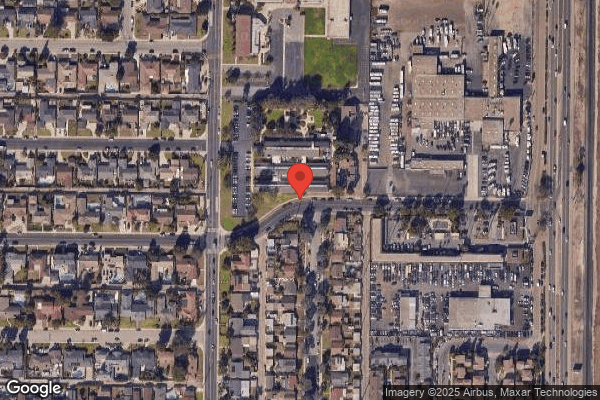
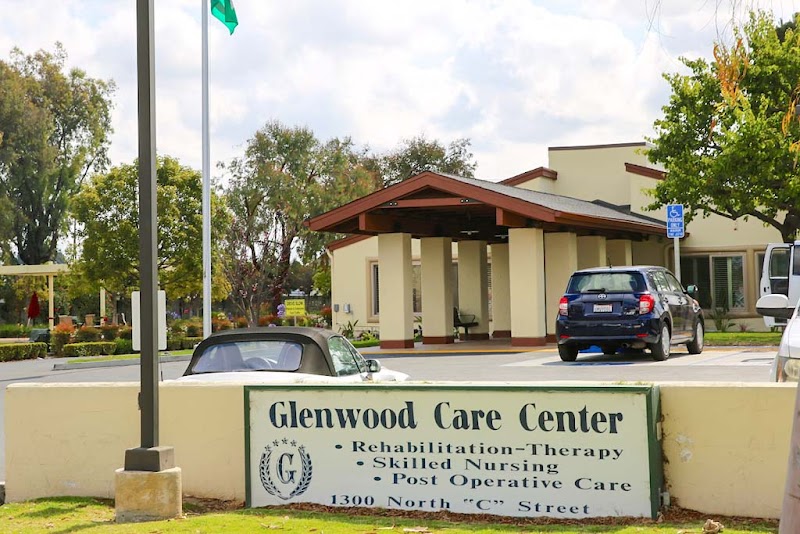
1300 North C Street, Oxnard, CA 93030 (805) 983-0305
For profit - Limited Liability company 99 Beds THE ENSIGN GROUP Data: November 2025
Trust Grade
88/100
#90 of 1155 in CA
Last Inspection: May 2025

Inspected within the last 6 months. Data reflects current conditions.

Overview

Glenwood Care Center in Oxnard, California, has a Trust Grade of B+, which means it is above average and generally recommended for families considering care options. It ranks #90 out of 1,155 facilities in California, placing it in the top half, and #2 out of 19 in Ventura County, indicating only one nearby facility performs better. However, the trend is concerning as the number of issues reported has worsened from 2 in 2024 to 7 in 2025. Staffing is a strength with a 4/5 star rating and a turnover rate of just 25%, significantly lower than the state average, ensuring continuity of care. Despite these strengths, the facility has faced significant concerns, including expired N95 masks in isolation areas, which risk infection control, and instances where residents did not receive the correct dietary options, potentially jeopardizing their health.

Trust Score
B+
88/100
In California
#90/1155
Top 7%
Safety Record
Low Risk
No red flags
Inspections
Getting Worse
2 → 7 violations
Staff Stability
✓ Good
25% annual turnover. Excellent stability, 23 points below California's 48% average. Staff who stay learn residents' needs.
Penalties
✓ Good
No fines on record. Clean compliance history, better than most California facilities.
Skilled Nurses
✓ Good
Each resident gets 43 minutes of Registered Nurse (RN) attention daily — more than average for California. RNs are trained to catch health problems early.
Violations
⚠ Watch
16 deficiencies on record. Higher than average. Multiple issues found across inspections.
★★★★★
5.0
Overall Rating
★★★★☆
4.0
Staff Levels
★★★★★
5.0
Care Quality
★★★★★
5.0
Inspection Score
Stable
2024: 2 issues
2025: 7 issues

The Good

  • 4-Star Staffing Rating · Above-average nurse staffing levels
  • 5-Star Quality Measures · Strong clinical quality outcomes
  • Low Staff Turnover (25%) · Staff stability means consistent care
  • Full Sprinkler Coverage · Fire safety systems throughout facility
  • No fines on record
  • Staff turnover is low (25%)

    23 points below California average of 48%

Facility shows strength in staffing levels, quality measures, staff retention, fire safety.

The Bad

Chain: THE ENSIGN GROUP

Part of a multi-facility chain

Ask about local staffing decisions and management

The Ugly 16 deficiencies on record

May 2025 7 deficiencies
CONCERN (D)

Potential for Harm - no one hurt, but risky conditions existed

Comprehensive Care Plan (Tag F0656)

Could have caused harm · This affected 1 resident

**NOTE- TERMS IN BRACKETS HAVE BEEN EDITED TO PROTECT CONFIDENTIALITY** 2. During a review of Resident 5's admission Record (AR), dated 5/29/25, the AR indicated in part Resident 5 was a [AGE] year-ol...

Read full inspector narrative →
**NOTE- TERMS IN BRACKETS HAVE BEEN EDITED TO PROTECT CONFIDENTIALITY** 2. During a review of Resident 5's admission Record (AR), dated 5/29/25, the AR indicated in part Resident 5 was a [AGE] year-old female who was admitted to the facility on [DATE], with admission diagnoses including supraventricular tachycardia (a heart rhythm disorder that causes a very fast or erratic heartbeat), diverticulitis (inflammation of irregular bulging pouches in the wall of the large intestines) and restless leg syndrome (a condition that causes a very strong urge to move the legs). During a concurrent interview and record review with the facility's MDS (Minimum Data Set - a standardized assessment tool that measures health status in nursing home residents) Coordinator (MDSC), on 5/29/25 at 3:38 p.m., Resident 5's clinical record was reviewed. MDSC verified in Resident 5's Order Summary Report (OSR), Care Plan Report (CPR), and Medication Administration Record (MAR), that the resident is currently taking the medication, Apixaban oral tablet 5 mg (milligram), give one tablet by mouth two times a day for NSTEMI (Non-ST-elevation myocardial infarction [a type of heart attack where there is a partial of complete blockage of a coronary artery, leading to a reduced blood flow and oxygen to the heart muscle]) prophylaxis. The CPR also indicated the intervention, Monitor/document/report to MD PRN (as needed) s/sx (signs and symptoms) of anticoagulant complications: blood-tinged or frank blood in urine, black tarry stools . bruising, bleeding There was no monitoring documentation found in the resident's medical record. MDSC acknowledged that staff should have entered the monitoring intervention in the resident's order summary so it can be signed off. During an interview with the facility's Administrator (ADM) on 5/29/25 at 4:44 p.m., ADM was informed that a care plan intervention to monitor for bleeding complications for Resident 5 who is currently taking the medication Apixaban was not implemented. ADM acknowledged the finding. During a review of the facility's policy and procedures (P&P) titled, Management of Anticoagulant Therapy, dated 11/2024, the P&P indicated in part, POLICY: It is the policy of this facility that management of anticoagulant therapy involves use of laboratory results, physician orders, the MAR and monitoring of adverse side effects. The P&P also indicated, PROCEDURES: 1) Residents on anticoagulant/antiplatelet therapy will be monitored for possible side effects which include: a) Passing blood in the urine, b) Passing blood when the resident is having a bowel movement, c) Severe bruising, d) Prolonged nosebleeds Based on record review and interview, the facility failed to ensure interventions in the comprehensive care plan for two of 10 sampled residents (Residents 70 and 5) were implemented when: 1. Monitoring of Resident 70's intake and output (process of tracking the amount of fluid) was not completed. 2. Monitoring for bleeding complications was not implemented and documented in the clinical record of Resident 5 who is taking the anticoagulant medication Apixaban (a medication used to prevent and treat blood clots). These failures had the potential to result in the inappropriate delivery of care and services for these residents and their needs not being met. Findings: 1. During a review of Resident 70's Order Summary dated 05/29/25, indicated, a physician order was placed 05/05/25, Intake [the amount of fluid a person drinks or receives via gastrostomy tube(GT)] and output [the amount of fluid that exits the body] monitoring d/t gastrostomy tube [a tube surgically inserted into the stomach for a person to receive food, liquids and medications] use every shift [AM - morning shift, PM - afternoon shift, NOC - night shift] . and Intake and output monitoring d/t gastrostomy tube use every evening shift PM shift to tally all intake and output within 24 hours. During a review of Resident 70's Medication Administration Record (MAR) dated 05/01/25 - 05/31/25, indicated Intake and output monitoring d/t gastrostomy tube use every shift on 05/06/25 NOC shift and on 05/27/25 PM shift there was no documentation of intake and output. During a review of Resident 70's MAR dated 05/01/25 - 05/31/25, indicated, Intake and output monitoring d/t gastrostomy tube use every shift PM to tally all intake and output in 24 hours, there was no documentation of 24-hour input and output on dates 05/07/25, 05/14/25 and 05/27/25. During a concurrent interview and record review on 05/29/25 at 3:20 p.m. with Director of Nursing (DON), the Order Summary dated 05/29/25 was reviewed. The Order summary indicated that two orders for intake and output monitoring were ordered 05/05/25. DON acknowledged that the orders should be carried out and documented on the MAR. During a concurrent interview and record review on 05/29/25 at 3:20 p.m. with Director of Nursing (DON), the [DATE]/01/25 - 05/31/25 dated was reviewed. The MAR indicated that Intake and output monitoring d/t gastrostomy tube use every shift on 05/06/25 NOC shift and on 05/27/25 PM shift was missing documentation of intake and output and the Intake and output monitoring d/t gastrostomy tube use every shift PM to tally all intake and output in 24 hours, was missing documentation of 24-hour input and output totals on dates 05/07/25, 05/14/25 and 05/27/25. The DON confirmed that the interventions were not completed for the dates listed and acknowledged that these should have been completed. During a review of the facility 's policy and procedure titled, MAR and TAR Documentation, dated 10/2010, indicated in part, POLICY: It is the policy of this facility that medication and treatment records shall reflect the administration as prescribed by the physician.
CONCERN (D)

Potential for Harm - no one hurt, but risky conditions existed

Deficiency F0657 (Tag F0657)

Could have caused harm · This affected 1 resident

**NOTE- TERMS IN BRACKETS HAVE BEEN EDITED TO PROTECT CONFIDENTIALITY** Based on interviews, record review and facility policy and procedure, the facility failed to ensure one of five sampled resident...

Read full inspector narrative →
**NOTE- TERMS IN BRACKETS HAVE BEEN EDITED TO PROTECT CONFIDENTIALITY** Based on interviews, record review and facility policy and procedure, the facility failed to ensure one of five sampled residents (Residents 55), care plan (CP - written document that outlines the specific nursing interventions and goals for a patient's care, based on their assessed needs and diagnoses) was revised after a fall. This failure had the potential for Resident 55's evolving needs for fall prevention to go unmet and potentially leading to preventable fall. Findings: During an interview on 05/28/25 at 3:30 p.m. with Resident 55, Resident 55 stated, that he had a fall this morning when he stood up from the wheelchair to put his jacket on and the wheelchair slid back. Resident 55 stated that he did not sustain injury but that this was his 3rd fall in the facility. During a review of Resident 55's Care Plan (CP) dated 05/29/25, the CP indicated that a CP was created and initiated for Has had an actual fall on 5/29/25 by the Director of Staff Development (DSD). During a concurrent interview and record review on 05/29/25 at 4:50 p.m. with Director of Nursing (DON), Resident 55's CP was reviewed. The DON stated that when a resident sustains a fall in the facility the CP should be updated on day of the event and acknowledged that Resident 55's CP was not updated to include the actual fall that occurred 5/28/25 stating that the CP should have been updated. During a concurrent interview and record review on 05/30/25 at 10:19 a.m. with Director of Staff Development (DSD), Resident 55's Progress Notes (PN) dated 04/30/25 - 05/31/25 and CP dated 05/29/25 were reviewed. The PN indicated, Resident 55 was a [AGE] year-old male, with history including but not limited to, Type 2 Diabetes (a chronic condition leading to elevated blood sugar), Paroxysmal Atrial Fibrillation (an irregular heart rhythm), anemia (the body does not have enough healthy red blood cells) and difficulty in walking. DSD stated on 5/28/25 at approximately 10:30 a.m. Resident 55 had an unwitnessed fall. DSD stated that he was the nurse that completed the post fall assessment of Resident 55 on 05/28/25. DSD stated that the post fall assessment and CP were not entered into the electronic health record (EHR) until 05/29/25 at 11:23 p.m., 36 hours after the fall. DSD acknowledges that the Post Fall Assessment and CP should have been completed in EHR when the incident happens. During a review of the facility's policy and procedure (P&P) titled, Fall Prevention, dated 05/2025, indicated in part, PROCEDURES: . 3. If a resident sustains a fall, a post fall assessment, including recommendations and care plan changes will be completed . 8. Care plans will be revised and/or updated to reflect changes in interventions.
CONCERN (D)

Potential for Harm - no one hurt, but risky conditions existed

Deficiency F0726 (Tag F0726)

Could have caused harm · This affected 1 resident

**NOTE- TERMS IN BRACKETS HAVE BEEN EDITED TO PROTECT CONFIDENTIALITY** 2. During a review of Resident 9's admission Record (AR), dated 5/30/25, the AR indicated in part Resident 9 was a [AGE] year ol...

Read full inspector narrative →
**NOTE- TERMS IN BRACKETS HAVE BEEN EDITED TO PROTECT CONFIDENTIALITY** 2. During a review of Resident 9's admission Record (AR), dated 5/30/25, the AR indicated in part Resident 9 was a [AGE] year old male who was initially admitted to the facility on [DATE] with admission diagnoses including essential hypertension (high blood pressure), Type II Diabetes Mellitus (a chronic disease where the body either doesn't produce enough insulin or can't properly use the insulin it produces leading to high blood sugar levels) and Chronic Kidney Disease (a condition where the kidneys are damaged and cannot function properly over a prolonged period). During a review of Resident 9's Order Summary Report (OSR), dated 5/30/25, the OSR indicated the medication order, Hydralazine HCl tablet 25 mg (milligram) give one table by mouth four times a day for hypertension, hold if SBP (systolic blood pressure) less than 110, (Order Date: 2/28/25). During a review of Resident 9's Medication Administration Record (MAR), dated 5/1/25 - 5/31/25, the MAR, under the medication Hydralazine HCl tablet 25 mg ., indicated that the BP parameter set by the physician when to hold the medication was not followed when: On 5/18/25 for the 2100 (9 p.m.) dose, Resident 9 received the medication with a BP reading of 108/79; on 5/22/25 for the 1300 (1 p.m.) dose, Resident 9 received the medication with a BP reading of 108/68; and on 5/23/25 for the 1300 (1 p.m.) dose, Resident 9 received the medication with a BP reading of 105/68. During a concurrent interview and record review on 5/30/25 at 10:54 a.m., with the Director of Nursing (DON), Resident 9's MAR, dated 5/1/25 - 5/31/25 was reviewed. The section of the MAR under the medication order, Hydralazine HCl tablet 25 mg . was reviewed and DON acknowledged that staff did not follow the blood pressure parameter prescribed by the physician on the specific administration dates and times noted above. DON stated, Nurses should follow professional standards when administering the medication. During a review of the facility's P&P titled, MAR (Medication Administration Record) and TAR (Treatment Administration Record), dated 10/2010, the P&P indicated in part, POLICY: It is the policy of this facility that medication and treatment records shall reflect the administration as prescribed by the physician. During a review of the facility's P&P titled, Medication Administration, dated 5/2025, the P&P indicated in part, Essential Points . 13) Hold medication based on parameter as ordered by physician Based on observation, interview, and record review, the facility failed to ensure care and services were delivered according to policies and procedures (P&P) for three of 15 sampled residents (Residents 9, 55 and 8) when: 1. The Change of Condition (COC) after the fall was not documented in a timely manner as required by facility policy for Resident 55. 2. The blood pressure (BP) parameter set by the physician when to hold the medication Hydralazine HCl (medication used to lower blood pressure) was not followed for Resident 9. 3. The call light was not placed within reach for Resident 8. These failures had the potential to result in unsafe nursing practices and compromise the health and safety of the affected residents. Findings: 1. During a concurrent interview and record review on 05/30/25 at 10:19 a.m. with Director of Staff Development (DSD), Resident 55's Progress Notes (PN) dated 04/30/25 - 05/31/25 was reviewed. The PN indicated, Resident 55 was a [AGE] year-old male, with history including but not limited to, Type 2 Diabetes (a chronic condition leading to elevated blood sugar) Paroxysmal Atrial Fibrillation (an irregular heart rhythm), anemia (the body does not have enough healthy red blood cells) and difficulty in walking. DSD stated on 5/28/25 at approximately 10:30 a.m. Resident 55 had an unwitnessed fall. DSD stated that the Change of Condition (COC - any incident or change from a residents norm) were not entered into the electronic health record (EHR) until 05/29/25 at 11:23 p.m., 36 hours after the fall. DSD acknowledges that the COC should be done when the incident happens [05/28/25]. During a concurrent interview and record review on 05/30/25 at 10:19 p.m. with DSD, the facility's policy and procedure (P&P) titled Change of Condition Reporting, dated 05/2025 was reviewed. The P&P indicated in part, . 4. All nursing actions will be documented in the licensed progress notes as soon as possible after the resident needs have been met. The DSD acknowledges that Resident 55 needs were met immediately after the fall and that the COC should have been documented at that time per facility policy. 3. During a review of Resident 8's admission Record (AR), dated 5/29/25, the AR indicated Resident 8 was admitted on [DATE] with diagnoses that include legal blindness (severe vision loss), generalized muscle weakness, and need for assistance with personal care. During a concurrent observation and interview on 5/27/25 at 4:02 p.m., with Licensed Nurse (LN) 1 in Resident 8's room, Resident 8 was observed sitting in a wheelchair by the window. The call light was observed pinned to the top of the bed, out of Resident 8's reach. LN 1 stated Resident 8 is blind, confirmed the call light is not within reach, and it should be. During a review of the facility's policy and procedure (P&P) titled Call Light/Bell, dated 11/2024, the P&P indicated 5. Place the call device within resident's reach before leaving the room.
CONCERN (D)

Potential for Harm - no one hurt, but risky conditions existed

Pharmacy Services (Tag F0755)

Could have caused harm · This affected 1 resident

Based on observation, interview and record review, the facility failed to ensure the controlled drug record for Lorazepam (a prescription medication to treat anxiety that has a potential for abuse, mi...

Read full inspector narrative →
Based on observation, interview and record review, the facility failed to ensure the controlled drug record for Lorazepam (a prescription medication to treat anxiety that has a potential for abuse, misuse, and can lead to dependence) was accurate for Resident 547. This failure resulted in an inaccurate count and had the potential for drug diversion (the illegal distribution or abuse of controlled prescription drugs) of controlled medications. Findings: During a review of the facility's policy and procedure (P&P) titled Narcotic Count dated 11/2024, the P&P indicated 2. After the supply is counted and justified, each nurse must record the date and his/her signature verifying that the count is correct. During a concurrent interview and record review on 5/27/25 at 3:00 p.m., with Licensed Nurse (LN) 3, the Controlled Drug Record - Liquids (CDRL) was reviewed for Resident 547's medication Lorazepam. The CDRL indicated that there was a balance of 22.0 milliliter (mL) of liquid Lorazepam. During a concurrent observation and interview on 5/27/25 at 3:00 p.m., with Licensed Nurse (LN) 3 in the Medication Room at Station 1, a bottle of liquid Lorazepam 2 milligrams (mg) per mL for Resident 547 was observed in the refrigerator. The bottle of Lorazepam showed 21mL of liquid remaining in the bottle. LN 3 confirmed the count sheet is incorrect and stated no, it isn't at 22mL and it should be.
CONCERN (D)

Potential for Harm - no one hurt, but risky conditions existed

Deficiency F0761 (Tag F0761)

Could have caused harm · This affected 1 resident

**NOTE- TERMS IN BRACKETS HAVE BEEN EDITED TO PROTECT CONFIDENTIALITY** Based on observation, interview, and record review, the facility failed to ensure: 1. Expired medications were discarded and not...

Read full inspector narrative →
**NOTE- TERMS IN BRACKETS HAVE BEEN EDITED TO PROTECT CONFIDENTIALITY** Based on observation, interview, and record review, the facility failed to ensure: 1. Expired medications were discarded and not available for use for one sampled resident (Resident 5) and two unsampled residents (Resident 1 and Resident 79). 2. The medication refrigerator temperature was monitored twice a day per facility policy when storing vaccines. These failures had the potential for residents to receive expired and ineffective medications. Findings: 1. During a concurrent observation and interview on 5/29/25 at 3:05 p.m., with the Assistant Director of Nursing (ADON) in the nurses' station two, the following medication were observed to be expired in the medication cart 2: Two bubble packs of Trazodone (a medication used to treat depression) for Resident 79. One packet of DuoNeb (a medication that helps breathing) for Resident 5. Two boxes of Hydrocortisone Suppository (a medication used to treat inflammation) for Resident 1. One box of Bisacodyl Suppository (a medication that loosen stools and increase bowel movements) for all residents to use. ADON stated all the above-mentioned medications are expired and should have been discarded. During a review of the facility's policy and procedure (P&P) titled Storage of Medications dated May 2022, the P&P indicated Expiration Dating (beyond-use dating): G. All expired medications will be removed from the active supply and destroyed in the facility, regardless of amount remaining. 2. During a review of the facility's policy and procedure (P&P) titled Storage of Medications dated May 2022, the P&P indicates, Temperature . F. The Facility should check the refrigerator or freezer in which vaccines are stored, at least two times a day, per CDC guidelines. During a concurrent observation and interview on 5/29/25 at 2:31 p.m., with the Assistant Director of Nursing (ADON), in the medication storage room [ROOM NUMBER], a bottle of Prevnar 20 (a vaccine that helps protect against pneumonia- an infection of the lungs) for Resident 35 was observed stored in the refrigerator. ADON confirmed vaccines are stored in the medication refrigerator. During a concurrent interview and record review on 5/29/25 3:46 p.m., with ADON, the Refrigerator Temperature Log (RTL) dated May 2025 for Medication room [ROOM NUMBER] was reviewed. The RTL indicated the refrigerator temperature is checked once a day. The ADON confirmed the temperatures of the refrigerator are monitored once a day during the night shift. ADON acknowledged the refrigerator temperatures should have been checked twice a day and they were not.
CONCERN (D)

Potential for Harm - no one hurt, but risky conditions existed

Food Safety (Tag F0812)

Could have caused harm · This affected 1 resident

Based on observation, interview, and record review, the facility failed to ensure temperature and humidity levels in the dry food storage room were properly monitored and documented. This failure had ...

Read full inspector narrative →
Based on observation, interview, and record review, the facility failed to ensure temperature and humidity levels in the dry food storage room were properly monitored and documented. This failure had the potential to result in inaccuracies of information which can affect interventions to increase the shelf-life (the length of time that a commodity may be stored without becoming unfit for use , consumption or sale) of the stored food items. Findings: During a concurrent observation and interview, on 5/24/25 at 9:20 a.m., with the facility's Dietary Supervisor (DS) in the kitchen's dry food storage room, an installed analog indoor thermometer with hygrometer (a device that measures indoor temperature and humidity levels) was observed. The temperature and humidity levels read 70 F (degrees Fahrenheit) and 68% (percent) respectively. When asked to review the temperature and humidity log for the current month, DS stated, We only create a log when the temperature inside the room feels warmer than normal . when the temperature reads over 80 F. During an interview with the facility Administrator (ADM) and DS on 5/28/25 at 11:43 a.m., ADM and DS acknowledged that the dry food storage room and humidity level readings should be properly monitored, and the readings documented and/or logged by staff so that accurate information is available in case a corrective action is required. During a review of the facility's policy and procedures (P&P) titled, Storage of Food and Supplies, dated 2023, the P&P indicated in part, PROCEDURES FOR DRY STORAGE . 1) The storeroom should be well-lighted, well-ventilated, cool, dry, and clean at all times. Thermometer should be placed in all storage areas and checked frequently. Recommended temperature is 50 F - 85 F, if dry food storage goes above 85 F, take corrective action
CONCERN (E)

Potential for Harm - no one hurt, but risky conditions existed

Infection Control (Tag F0880)

Could have caused harm · This affected multiple residents

**NOTE- TERMS IN BRACKETS HAVE BEEN EDITED TO PROTECT CONFIDENTIALITY** Based on observation, interview, and record review, the facility failed to: 1. Ensure N95 masks provided for use to staff and v...

Read full inspector narrative →
**NOTE- TERMS IN BRACKETS HAVE BEEN EDITED TO PROTECT CONFIDENTIALITY** Based on observation, interview, and record review, the facility failed to: 1. Ensure N95 masks provided for use to staff and visitors were not expired; and 2. Ensure staff followed proper infection control procedures when Licensed Nurse (LN) 2 did not remove personal protective equipment (PPE - clothing and equipment that is worn or used to provide protection against infectious agents) before exiting Resident 101's room. This failure had the potential to significantly reduce the effectiveness of PPE and compromise infection prevention practices. Findings: During an observation on [DATE], starting at 7:46 a.m., the following were observed: Isolation carts containing N-95 (type of mask) PPE located at the front entrances of the following Covid-19 designated rooms 124, 126, 201, 202, 203, 204, 206, 208, 212, 214, 219, and the lobby receptionist area. All had expired N95 face masks. There were 21 positive Covid-19 residents in the facility. All facility staff assigned to the designated rooms were observed wearing N-95 masks. Visitors were encouraged to wear a face mask by the receptionist. There were two different brands of N-95 masks observed. The brand 3M N-95 masks had an expiration date of [DATE], and brand BYD N-95 mask, had an expiration date of [DATE]. During an interview with the Administrator (ADM), on [DATE], at 9 a.m., the ADM stated, he has a memo from CDC (Centers for Disease Control and Prevention - a U.S Federal agency. The leading national public health institute in the United States) regarding extended use from shelf life of N-95 masks. ADM also added that Public Health said the same thing. During a review of the documents received from the ADM, the documents indicated the following. The memo from CDC, dated [DATE], titled Strategies for Conserving the Supply of N-95 Filtering Facepiece Respirators, indicated in part, Crisis Capacity Strategies .use of respirators beyond the designated shelf life for healthcare delivery .Consider using NIOSH (National Institute for Occupational Safety - a Federal Agency responsible conducting research and making recommendations for prevention of work-related injury, illness, disability, and death) approved N-95 respirators beyond the designated shelf life for care of patients with diseases for which a respirator is recommended during their care (e.g. Covid-19, Tuberculosis, Measles, Varicella). During record review of the document/email from Public Health, dated [DATE] the document indicated in part, The strategies for conserving the supply of N-95 filtering facepiece respirators/healthcare workers/CDC designate this intervention for crisis situations. The facility should communicate to licensing that they have reached this point. During an interview with the ADM, on [DATE], at 2 p.m., in the reception area, explained that the CDC memo and the Public Health email specified the approved extended use of N-95 masks past their shelf life only during the declared emergency. ADM agreed that current use was not supported. 2. During a review of Resident 101's Clinical Record (CR), the CR indicated Resident 101 had a diagnosis of COVID-19 (a contagious viral infection that affects breathing) and was on transmission-based precautions (precautions involve using PPE to prevent the spread of infections). During a concurrent observation and interview on [DATE] at 8:55 a.m., with LN 2, LN 2 was observed wearing an isolation gown, mask and face shield while preparing medication outside of Resident 101's room. LN 2 stated Resident 101 was on transmission-based precautions for COVID-19. LN 2 confirmed the PPE was not removed before exiting Resident 101's room and it should have been removed. During an interview with the Infection Preventionist (IPN) on [DATE] at 9:02 a.m., IPN acknowledged LN 2 did not remove PPE before exiting Resident 101's room and should have. During a review of the facility's policy and procedure titled, IPCP Standard and Transmission-Based Precautions, dated 11/2024, the P&P indicated Procedure b. Personal protective equipment (PPE): ii. [NAME] (put on) PPE upon room entry, then doff (remove) and properly discard PPE and perform hand hygiene before exiting the patient room to contain pathogens.
May 2024 1 deficiency
CONCERN (D)

Potential for Harm - no one hurt, but risky conditions existed

Assessment Accuracy (Tag F0641)

Could have caused harm · This affected 1 resident

Based on interviews, record reviews, and facility policy review the facility failed to ensure the Minimum Data Set (MDS) was accurate for 2 (Resident #15 and Resident #18)) of 19 sampled residents. F...

Read full inspector narrative →
Based on interviews, record reviews, and facility policy review the facility failed to ensure the Minimum Data Set (MDS) was accurate for 2 (Resident #15 and Resident #18)) of 19 sampled residents. Findings included: A facility policy titled, Resident Assessment Instruments/MDS [Minimum Data Set], updated in November 2023, revealed 7. Each person completing a section of the MDS attests to its accuracy by affixing his/her electronic signature to that section of the MDS. 1. An admission Record revealed the facility admitted Resident #15 on 03/18/2024, with diagnoses to include urinary calculus (kidney stone), obstructive and reflux uropathy (urine accumulation in the kidney), and benign prostatic hyperplasia (overgrowth of prostate tissue) with lower urinary tract symptoms. An admission MDS, with an Assessment Reference Date (ARD) of 03/25/2024, revealed Resident #15 had a Brief Interview for Mental Status (BIMS) score of 2, which indicated the resident had severe cognitive impairment. The MDS indicated Resident #15 did not have an indwelling catheter. Resident #15's Physician Orders, with active orders as of 05/23/2024, revealed an order dated 03/19/2024, for an indwelling catheter for h a diagnosis benign prostatic hyperplasia with obstructive uropathy. During an interview on 05/23/2024 at 10:49 AM, the MDS Coordinator stated the MDS was not accurate as the MDS indicated Resident #15 did not have an indwelling catheter. 2. An admission Record revealed the facility admitted Resident #18 on 10/22/2021, with a diagnosis to include need for assistance with personal care. An annual MDS, with an Assessment Reference Date (ARD) of 10/25/2023 revealed Resident #18 had a Brief Interview for Mental Status (BIMS) score of 12, which indicated the resident had moderate cognitive impairment. The MDS indicated Resident #18 did not use tobacco. During an interview on 05/23/2024 at 10:49 AM, the MDS Coordinator stated the MDS was not accurate as it indicated Resident #18 did not use tobacco. During an interview on 05/23/2024 at 11:18, the Administrator and the Director of Nursing both stated the MDS should be accurate.
Apr 2024 1 deficiency
CONCERN (D) 📢 Someone Reported This

A family member, employee, or ombudsman was alarmed enough to file a formal complaint

Potential for Harm - no one hurt, but risky conditions existed

Assessment Accuracy (Tag F0641)

Could have caused harm · This affected 1 resident

**NOTE- TERMS IN BRACKETS HAVE BEEN EDITED TO PROTECT CONFIDENTIALITY** Based on interview and record review, the facility failed to ensure two of two sampled residents (Resident 1 and 2), had their h...

Read full inspector narrative →
**NOTE- TERMS IN BRACKETS HAVE BEEN EDITED TO PROTECT CONFIDENTIALITY** Based on interview and record review, the facility failed to ensure two of two sampled residents (Resident 1 and 2), had their health status accurately assessed using the Minimum Data Set ((MDS) a comprehensive assessment that helps nursing home staff identify health problems and track the improvement or decline of those problems). This facility failure had the potential to result in staff providing inappropriate care and the residents not achieving or maintaining their highest practical level of well-being. Findings: During a review of Resident 1's admission Record (AR), dated 2/29/24, the AR indicated, Resident 1 was a [AGE] year-old male admitted to the facility on [DATE] from an acute care hospital. During a review of Resident 1's Physician Progress Note (PPN), dated 10/31/2023, the PPN indicated, Resident 1 had surgery on 10/25/23 for debridement of right posterior (back side) thoracolumbar (region of the spine) paramedian (close to the midline) wound with reconstruction with paraspinal muscle (muscles that support the back) flap and thoracolumbar spinal hardware exchange. Resident 1 also had impaired range of motion ((ROM) how much a body part can be moved) and weakness of bilateral lower extremities (legs), paraparesis (partial paralysis of the legs) with some muscle atrophy (muscle wasting) and a history of chronic right foot drop (difficulty lifting the front part of the foot). Resident 1 was receiving intravenous ((IV) directly into a vein) meropenem (antibiotic). During a review of Resident 1's MDS, dated 11/6/23, the MDS indicated: a. Section A2300 the assessment observation end date was 11/6/23, b. Section GG0115 no impairment in functional (the required amount to maintain maximal independence) ROM of lower extremities that interfered with daily functions or placed the resident at risk of injury, c. Section J2000 no major surgery in the 100 days prior to admission, d. Section J2100 no major surgical procedure during the prior hospital stay that requires active care (skilled nurses provide medical assistance with medication, wound care, and other medical needs) during the skilled nursing facility (SNF) stay, e. Section J2300-5000 no surgical procedure identified, f. Section M1040 has an infection of the foot and other open lesions on the foot; has surgical wounds, g. Section M1200 gets surgical wound care treatments, application of nonsurgical dressings, and application of dressings to feet. During a review of Resident 1's Progress Note (PN): - Dated 2/2/24 at 4:04 p.m., Patient requires one person assist with transfer, personal hygiene, adl's and bed mobility. Patient uses wheelchair for locomotion. - Dated 2/3/24 at 9:12 p.m., Requires one person extensive assist with transfer, personal hygiene, adl's and bed mobility. - Dated 2/4/24 at 10:07 a.m., the PN indicated, Pt requires one person ext assist w/ transfer, personal hygiene, ADL's and bed mobility pt uses wheelchair for locomotion. - Dated 2/5/24 at 2:12 p.m., the PN indicated, Resident needs 1person extensive assist w/ bed mobility transfer toileting and ADL's . Uses wheelchair for locomotion. During a review of Resident 1's MDS, dated 2/6/24, the MDS indicated: a. Section A2300 the assessment observation end date was 2/6/24, b. Section GG0115 no impairment in functional ROM of lower extremities that interfered with daily functions or placed the resident at risk of injury, c. Section GG0120 walker and wheelchair were not normally used, d. Section GG0170 required helper to provide verbal cues and/or touching/steadying and/or contact guard assistance to complete walking 10 feet, walking 50 feet with two turns and walking 150 feet. Required helper to provide set up or clean up prior to or following moving fromsitting to standing, transferring from chair/bed to chair, transferring to a toilet, and transferring to tub/shower. Does not use a wheelchair or scooter, e. Section I8000 has left and right foot drop During a concurrent interview and record review on 3/27/24 at 4:20 p.m., with the Assistant Director of Nursing (ADON) and the Director of Rehabilitation (DOR), Resident 1's: - PPN dated 10/31/23, - MDS, dated [DATE], - PN's dated 2/2/24 at 4:04 p.m., 2/3/24 at 9:12 p.m., 2/4/24 at 10:07 a.m., and 2/5/24 at 2:12 p.m., and - MDS, dated [DATE] were reviewed. ADON stated Resident 1 had major surgery just prior to admission and if section J2000 and J2100 were answered correctly, then J2300-5000 would have identified the surgery. ADON also stated Resident 1 did use a wheelchair and had right foot drop, not left foot drop. ADON further stated the NN and PN don't match the MDS. DOR stated their assessment of Resident 1 was limited to their time during therapy. During a review of Resident 2's AR, dated 2/29/24, the AR indicated, Resident 2 was a [AGE] year-old male admitted to the facility on [DATE] from an acute care hospital. During a review of Resident 2's PPN, dated 1/30/24 at 12:35 p.m., the PPN indicated, Resident 2 was admitted 3/2024 after falling off his scooter and fracturing his right hip. Resident 2 had a history of an amputation (surgically cutting off) of his right leg through tibia (larger shin bone) and fibula (smaller shin bone) and had a history of amputation of his left great toe. Resident 2 continued to be wheelchair bound with weakness of both lower extremities. During a review of Resident 2's MDS, dated 12/20/23, the MDS indicated, a. Section A2300 the observation end date was 12/20/23 b. Section GG0115 no impairment in functional ROM of lower extremities that interfered with daily functions or placed the resident at risk of injury, c. Section GG0120 wheelchair was not normally used, and d. Section GG170 uses a wheelchair. During a concurrent interview and record review on 3/27/24 at 4:20 p.m., with the ADON and the DOR, Resident 2's PPN dated 1/30/24 and MDS dated [DATE] were reviewed. ADON and DOR stated, the MDS sections don't match, have conflicting information, and don't match the information on the PPN. DOR further stated their assessment of Resident 2 was limited to their time during therapy. During a review of the Centers for Medicare & Medicaid (CMS) Services Long-Term Care Facility Resident Assessment Instrument 3.0 User's Manual (User's Manual), dated October 2023, the User's Manual indicated, GG0115 . Steps for Assessment 1. Review the medical record for references to functional range-of-motion limitation during the 7-day observation period. 2. Talk with staff members who work with the resident as well as family/significant others about any impairment in functional ROM . GG0120 . Steps for Assessment 1. Review the medical record for references to locomotion during the 7-day observation period. 2. Talk with staff members who work with the resident as well as family/significant others about devices the resident used for mobility during the observation period . GG0170 . Steps for Assessment 1. Assess the resident's mobility performance based on direct observation, incorporating resident self-reports and reports from qualified clinicians, care staff, or family documented in the resident's medical record during the assessment period . If the resident's functional status varies, record the resident's usual ability to perform each activity. Do not record the resident's best performance and do not record the resident's worst performance, but rather record the resident's usual performance . I8000 . There may be specific documentation in the medical record by a physician . J2100 . Major Surgery Refers to a procedure that meets the following criteria: 1. The resident was an inpatient in an acute care hospital for at least 1 day in the 100 days prior to admission to the skilled nursing facility (SNF), and 2. The surgery carried some degree of risk to the resident's life or the potential for severe disability . J2000 . Steps for Assessment . 2. Review the resident's medical record to determine whether the resident had major surgery during the inpatient hospital stay that immediately preceded the resident's Part A admission . J2300-5000 . Code surgeries that are documented to have occurred in the last 30 days, and during the inpatient stay that immediately preceded the resident's Part A admission, that have a direct relationship to the resident's primary SNF diagnosis.
Dec 2023 1 deficiency
CONCERN (D) 📢 Someone Reported This

A family member, employee, or ombudsman was alarmed enough to file a formal complaint

Potential for Harm - no one hurt, but risky conditions existed

Deficiency F0728 (Tag F0728)

Could have caused harm · This affected 1 resident

**NOTE- TERMS IN BRACKETS HAVE BEEN EDITED TO PROTECT CONFIDENTIALITY** Based on record review and interview the facility failed to monitor and verify one of five sampled certified nursing assistants ...

Read full inspector narrative →
**NOTE- TERMS IN BRACKETS HAVE BEEN EDITED TO PROTECT CONFIDENTIALITY** Based on record review and interview the facility failed to monitor and verify one of five sampled certified nursing assistants (CNA) certification credentials prior to expiration dates. This failure risks residents being cared for by individuals who lack valid authorization to practice as a CNA. Findings: During a review of facility policy and procedure titled, Verification of Licenses, dated 4/2004, indicated in part . It is the policy of the company to verify all employees in positions which require licensure or certification, have a current license or other authorization to practice in the state(s) in which they work. Under facility policy titled Procedure indicated in part . 6. The Department manager or designee should monitor expiration dates of all licenses and credentials and notify employees in advance of such dates. The Department manager or designee should contact the appropriate agency to verify the license or certification. When renewed the copy of the valid license/certification and or a verification form will be added to the personnel file by the Department manager or a designee . During a concurrent interview and record review on [DATE], starting at 10:30 a.m., with assistant director of nursing (ADON) and director of staff development (DSD), while reviewing Sample CNA1 personnel file, file revealed that CNA1 has been employed by facility as a CNA since [DATE]. Further records revealed that CNA 1 State certification expired on [DATE]. The ADON acknowledged the expiration date, occurred over 10 months ago, and stated, Not sure when the lapse occurred, we asked the employee and she believed everything was OK. When management went into the State data base the system indicated some problem with training but we have been unable to clarity. During a review of monthly attendance record, indicated employee CNA1 was removed from the schedule effective [DATE], and last day worked had been [DATE].
Jun 2023 1 deficiency
CONCERN (D) 📢 Someone Reported This

A family member, employee, or ombudsman was alarmed enough to file a formal complaint

Potential for Harm - no one hurt, but risky conditions existed

Deficiency F0625 (Tag F0625)

Could have caused harm · This affected 1 resident

Based on interview and record review, the facility failed to ensure one of two sampled Residents (Resident 2) was provided a written bed-hold (holding or reserving a resident's bed while the resident ...

Read full inspector narrative →
Based on interview and record review, the facility failed to ensure one of two sampled Residents (Resident 2) was provided a written bed-hold (holding or reserving a resident's bed while the resident is absent from the facility for therapeutic leave or hospitalization) notice when transferred to the hospital. This failure had the potential to result in Resident 2 and their representative not being aware of the facility's bed-hold and reserve bed payment (payments made by the State to the facility to hold a bed during a resident ' s temporary absence from a nursing facility) policy. Findings: During a review of the facility's policy and procedure (P&P) titled, Bed Hold, dated 10/2020, the P&P indicated, It is the policy of this facility that the facility shall inform the resident, or the resident's representative, in writing of the right to exercise the bed hold provision of seven (7) days . This information shall be provided upon . Transfer to general acute hospital. During a review of Resident 2' s Nursing Home to Hospital Discharge Form (NHTHDF), dated 4/30/23, at 4:55 p.m., the NHTHDF indicated, Resident 2 was transferred to the hospital. During an interview on 5/2/23, at 5 p.m., with the Director of Admissions (DOA), DOA stated he spoke with Resident 2' s Representative (RR) by phone today and they, Refused bed-hold. During a review of Resident 2' s Progress Note (PN), dated 5/2/23, at 5:41 p.m., authored by DOA, the PN indicated, Spoke with [family name] (son) and informed him that the patient is on a Medi-Cal bed hold and is on day 3 of 7. Per son, he no longer wants to continue on holing the bed for [Resident 2 name] as of today. During an interview on 5/31/23, at 12:45 p.m., with the Director of Nursing (DON), DON stated Res 2 and their RR were not notified in writing of the facility bed-hold policy. DON further stated, They are notified by phone. DON added the facility does not have a process in place for notifying the resident or their representative in writing after they have been transferred to the hospital.
May 2023 1 deficiency
CONCERN (D) 📢 Someone Reported This

A family member, employee, or ombudsman was alarmed enough to file a formal complaint

Potential for Harm - no one hurt, but risky conditions existed

Resident Rights (Tag F0550)

Could have caused harm · This affected 1 resident

Based on interview and record review, the facility failed to treat one of two sampled residents (Resident 1) in a dignified manner when a Certified Nurse Assistant (CNA 1) responded to Resident 1's re...

Read full inspector narrative →
Based on interview and record review, the facility failed to treat one of two sampled residents (Resident 1) in a dignified manner when a Certified Nurse Assistant (CNA 1) responded to Resident 1's request for care with a statement that was rude, inconsiderate and disrespectful. This facility failure resulted in emotional distress for Resident 1 when Resident 1 reported she experienced feeling sad and had the potential to result in other residents not being treated with dignity and respect. Findings: During a review of facility policy and procedure (P&P) titled Residents Rights dated 11/2020, the P&P indicated, The resident has the right to be treated with consideration, respect, and full recognition of his or her dignity and individuality. During an interview on 4/20/2023, at 12:30 p.m., with Resident 1's daughter, daughter stated, When I arrived at the facility on April, 19 (4/19/23), my mom's roommate (Resident 2) told me that the nurse was rude the previous night (4/19/23). She (Resident 2) explained to me that my mom was screaming for help and the nurse (CNA 1) told her to stop screaming. When my mom continued to scream, the nurse (CNA 1) told her if she (Resident 1) didn't listen to her, then she (CNA 1) was not going to listen to her (Resident 1). My mom told me what happened, and that it made her upset. My mom (Resident 1) was upset the whole day. I reported the incident to the Administrator on 4/19/23 at 18:30. During an interview on 4/20/2023, at 12:30 p.m., with Resident 1, Resident 1 stated, I was screaming because I needed help. The nurse came in and told me to stop screaming. The nurse told me if I didn't listen to her and stop then she wouldn't listen to me. She was rude to me and made me feel sad. During a review of Resident 1's medical record on 4/20/23, the medial record indicated, Resident 1 requires two-person assist for transfers, toileting and ADL's (Activities of daily living). Resident is Spanish speaking, alert, oriented and able to make needs known. During an interview on 4/20/23, at 13:42 p.m., with the Director of Staff Development (DSD), DSD stated, The nurse should never speak to a resident like she (CNA 1) spoke to her (Resident 1). It is not acceptable no matter what. During an interview on 4/20/23, at 14:00 p.m., with the Director of Nurses (DON), DON stated, We are currently investigating the incident and the nurse has been suspended pending the investigation. This is a customer service issue that must be addressed. IDT met and determined this was poor customer service and the nurse will be re-educated on tone of voice to be used when speaking to our customers. During an interview on 4/20/23, at 13:15 p.m. with the Administrator (ADM), ADM stated, The daughter reported that she (Resident 1) was screaming because she needed help and CNA (CNA 1) stated if you don't listen to me, then I won't listen to you. We immediately initiated an investigation and suspended the employee pending investigation. It is not acceptable to speak to our residents like that, the nurse will receive corrective action and possibly termination.
Jun 2021 4 deficiencies
CONCERN (D)

Potential for Harm - no one hurt, but risky conditions existed

Resident Rights (Tag F0550)

Could have caused harm · This affected 1 resident

Based on observation, interview, and record review, the facility failed to protect residents' right to be treated with dignity when it posted personal care instructions in a viewable area above the he...

Read full inspector narrative →
Based on observation, interview, and record review, the facility failed to protect residents' right to be treated with dignity when it posted personal care instructions in a viewable area above the head of the bed (HOB) for four of five sampled residents (Residents 9, 26, 28, 78). This facility failure had the potential to result in a loss of dignity. Findings: During an observation on 6/21/21, at 3:44 p.m., in Resident 28's room, a Caregiver Guide (CG) was observed posted above the HOB, with Resident 28's name and room listed at the bottom of the page. The CG indicated specific bed mobility, transfer, ambulation, devices, and precautions required when caring for Resident 28. During an observation on 6/21/21, at 4:12 p.m., in Resident 78's room, a CG was observed posted above the HOB. During an observation on 6/22/21, at 9:38 a.m., in Resident 26's room, a CG was observed posted above the HOB. During an observation on 6/22/21, at 9:49 a.m., in Resident 9's room, a CG was observed posted above the HOB. During a concurrent observation and interview on 6/23/21, at 11:37 a.m., with a licensed nurse (LN 4), in Resident 9's room, the CG was observed above the HOB. LN 4 confirmed the CG displayed specific medical information about Resident 9. LN 4 also stated, the CG should be covered in order to protect the resident's dignity. During a review of the facility's policy and procedure (P&P) titled, Dignity and Respect, dated 1/2020, the P&P indicated, Information regarding safety care needs of residents are coded in a Caregiver Guide for staff to follow for resident's safety. During an interview on 6/23/21, at 2:37 p.m., with a director of nursing (DON), the DON stated, the P&P does not indicate the CG can be displayed, uncovered, on the resident's wall.
CONCERN (D)

Potential for Harm - no one hurt, but risky conditions existed

Deficiency F0655 (Tag F0655)

Could have caused harm · This affected 1 resident

Based on observation, interview, and record review, the facility failed to initiate baseline care plans for one of 20 sampled residents (Resident 431), for (1) The use of an anticoagulant medication (...

Read full inspector narrative →
Based on observation, interview, and record review, the facility failed to initiate baseline care plans for one of 20 sampled residents (Resident 431), for (1) The use of an anticoagulant medication (medication that helps prevent blood clots); and (2) The presence of a left chest Automatic Implantable Cardioverter-Defibrillator device ([AICD] - a small, electronic device implanted into the chest to monitor and correct abnormal heart rhythm). These failures had the potential for Resident 431 to have complications of abnormal bleeding from the anticoagulant use, and possible unrecognized AICD device compliations. Findings: 1. During a concurrent observation and interview, on 6/21/21 at 9:15 a.m., Resident 431 was observed lying in bed and watching TV. Resident 431 stated, I've been here a few weeks. I'm a diabetic (a group of diseases that result in too much sugar in the blood) and am on insulin (a medication used to lower blood sugar level) therapy and blood thinners. During a review of Resident 431's medical record, dated 6/18/21, the record indicated Resident 431 was admitted with diagnoses including, Congestive Heart Failure (weakness of the heart that leads to a buildup of fluid in the lungs and surrounding body tissues), Type 2 Diabetes Mellitus, Atrial Fibrillation (quivering or irregular heartbeat that leads to blood clots, stroke, heart failure or other heart-related complications) and presence of an Automatic (Implantable) Cardiac Defibrillator, etc. During a review of Resident 431's, Medication Administration Record (MAR), the MAR dated 6/2021, indicated, Resident 431 is currently on the anticoagulant medication, Apixaban Tablet 2.5 mg, Give one tablet by mouth two times a day for AFIB (Atrial Fibrillation). During a concurrent interview and review of Resident 431's care plans on 6/24/21 at 9 a.m., with a Licensed Nurse (LN 1), LN 1 stated, Yes, (a care plan is required for anticoagulant therapy) but, it usually goes together with a cardiac (relating to the heart) care plan. LN 1 was unable to locate a care plan for anticoagulant therapy and stated, He should have one. 2. During a review of Resident 431's, History and Physical, dated 6/21/21, indicated, Chest Physical Examination: AICD in left chest. During a concurrent interview and clinical record review, on 6/23/21 at 9:05 a.m., with LN 2, Resident 431's assessment notes and care plans were reviewed, LN 2 stated, she was not aware of Resident 431's AICD device. LN 2 was unable to locate a care plan regarding Resident 431's AICD in the medical record. During a review of the facility's Policy and Procedure (P&P) titled, Care Planning, dated 11/2019, the P&P indicated, in part, A baseline care plan is initiated and reviewed with resident or resident's representative within 48 hours. Documentation of the Care Plan process will be electronic through the 'Interdisciplinary Care Plan Review' document, as well as in paper form (i.e. Care Plan attendance form, schedule, etc.) as needed.
CONCERN (D)

Potential for Harm - no one hurt, but risky conditions existed

Medical Records (Tag F0842)

Could have caused harm · This affected 1 resident

Based on observation, interview, and record review, the facility failed to accurately document in the clinical records for one of 20 sampled residents (Resident 430). Resident 430's high blood sugar l...

Read full inspector narrative →
Based on observation, interview, and record review, the facility failed to accurately document in the clinical records for one of 20 sampled residents (Resident 430). Resident 430's high blood sugar level and subsequent physician telephone order were not documented in the resident's medical record. This failure had the potential for Resident 430 not to receive appropriate care and treatment interventions which could result in health complications. Findings: According to ANA's (American Nurses' Association) book titled, Principles for Nursing Documentation (Guidance for Registered Nurses), copyright 2010, the nursing book indicated, in part, Clear, accurate, and accessible documentation is an essential element of safe, quality, evidence-based nursing practice. Documentation of nurses' work is critical as well for effective communication with each other and with other disciplines .Nurses document their work and outcomes for a number of reasons: the most important is for communicating within the health care team and providing information for other professionals .to support the ability of the health care team to ensure informed decisions and high quality care in the continuity of patient care. During a concurrent observation and interview on 6/21/21, at 9:15 a.m., with Resident 430, the resident was observed lying in bed and watching TV. Resident 430 stated, I've been here a few weeks. I'm a diabetic (a group of diseases that result in too much sugar in the blood) and am on insulin (a medication used to lower blood sugar level) therapy. During a review of Resident 430's Medication Administration Record (MAR), the MAR dated 6/21, indicated, Blood sugar check two times a day for DM (Diabetes Mellitus). NOTIFY MD (Medical Doctor) IF BS (Blood Sugar) < 70 or > 250 (less than 70 or more than 250). On 6/12/21 at 9 p.m., the MAR indicated, Resident 430 had a blood sugar level of 285. Review of Progress Notes (Nursing), dated 6/12/21 through 6/15/21, there was no documented physician notification of Resident 430's high blood sugar reading during this timeframe. During a concurrent interview and clinical record review of Resident 430's MAR, dated 6/2021, and Progress Notes on 6/24/21 at 9:05 a.m., with a licensed nurse (LN 1). LN 1 reviewed Resident 430's clinical record and was unable to locate any documentation the MD was notified of the high blood sugar level on 6/12/21 and stated, It should have been documented. During a telephone interview with LN 3 on 6/24/21, at 4:35 p.m., LN 3 confirmed she notified MD 1 of Resident 430's high blood sugar level on 6/12/21 but forgot to document MD 1 was notified. LN 3 stated she also received a physician order to continue Resident 430's current treatment but did not document the order.
CONCERN (E)

Potential for Harm - no one hurt, but risky conditions existed

Menu Adequacy (Tag F0803)

Could have caused harm · This affected multiple residents

Based on observation, interview and record review, the facility failed to follow the menu as planned when: 1. Sherbet was placed on the lunch meal plate for one of 20 sampled residents (Resident 280)...

Read full inspector narrative →
Based on observation, interview and record review, the facility failed to follow the menu as planned when: 1. Sherbet was placed on the lunch meal plate for one of 20 sampled residents (Resident 280) on a Renal (diet for kidney disease) CCHO diet (controlled carbohydrate/diabetic diet), instead of diet pineapple as planned. This had the potential to not meet the resident's nutritional needs per the planned menu. 2. Whole parsley, with stems, was placed on the lunch meal plate for one of 20 sampled residents (Resident 71) and 27 non-sampled residents (Resident's 71, 37, 7, 3, 13, 53, 23, 25 , 2, 48, 70, 27, 1, 26, 69, 56, 21, 5, 35, 74, 284, 282, 433, 432, 285, 281, and 179) on a mechanical soft diet, instead of parsley flakes as planned for a garnish. This facility failure had the potential to place residents at increased risk for choking who received a mechanical soft diet order. Findings: 1. During an observation on 6/22/21 at 11:54 a.m., of the lunch trayline meal service in the kitchen, sherbet was observed on a lunch meal plate for Resident 280. Resident 280's meal tray card indicated, Diet: Renal, CCHO. During a concurrent interview and menu review on 6/22/21 at 11:54 a.m., with the Dietary Manager (DM), the DM confirmed sherbet was on the plate for Resident 280. The DM reviewed the facility's therapeutic diet spreadsheet that indicated, Diet Pineapple was the dessert item for a Renal, CCHO diet. The DM stated, it meant that pineapple flavored sherbet should be served. The DM reviewed the therapeutic diet spreadsheet with the facility's Registered Dietitian (RD 1) by telephone. The DM then confirmed the Renal, CCHO menu was not followed for Resident 280, when sherbet was on the meal plate, instead of diet pineapple. During a review of the facility's P&P titled, Menu Planning, dated 2018, the P&P indicated, The menus are planned to meet nutritional needs of residents in accordance with established national guidelines, Physician's orders and, to the extent medically possible, in accordance with the most recent recommended dietary allowances of the Food and Nutrition Board of the National Research Council National Academy of Sciences. Menus are to be approved by the facility Registered Dietitian . 2. During a concurrent observation and interview on 6/22/21 at 12:01 p.m., with the DM, observation of the lunch trayline meal service in the kitchen, a cook (Cook 1) placed an intact parsley garnish, with stems, on Resident 71's lunch plate. A dietary aid (DA 2) then placed Resident 71's lunch meal plate on a meal delivery cart. Resident 71's meal tray card indicated, Diet: CCHO (controlled carbohydrate/diabetic diet) Consistency: M/S (mechanical soft). According to the planned menu, a mechanical soft diet was to be served parsley flakes as a garnish. The DM removed Resident 71's meal tray from the meal delivery cart and observed the intact parsley with stems on Resident 71's meal tray. The DM confirmed parsley flakes were to be served for mechanical soft diet orders, and proceeded to remove five meal trays from the same meal delivery cart for residents who had a mechanical soft diet, in order to remove the whole parsley with stems. During a review of the facility's diet manual, dated 2020, the diet manual indicated, Regular Mechanical Soft Diet; Description: The Mechanical Soft diet is designed for residents who experience chewing or swallowing limitations. The regular diet is modified in texture to a soft, chopped or ground consistency ., Allowed .parsley flakes, Avoid .Parsley sprigs . During a review of the facility's P & P titled, Menu Planning, dated 2018, the P & P indicated, The menus are planned to meet nutritional needs of residents in accordance with established national guidelines, Physician's orders .Menus are written for regular and modified diets in compliance with the diet manual .
Understanding Severity Codes (click to expand)
Life-Threatening (Immediate Jeopardy)
J - Isolated K - Pattern L - Widespread
Actual Harm
G - Isolated H - Pattern I - Widespread
Potential for Harm
D - Isolated E - Pattern F - Widespread
No Harm (Minor)
A - Isolated B - Pattern C - Widespread

Questions to Ask on Your Visit

  • "Can I speak with families of current residents?"
  • "What's your RN coverage like on weekends and overnight?"

Our Honest Assessment

Strengths
  • • Grade B+ (88/100). Above average facility, better than most options in California.
  • • No major safety red flags. No abuse findings, life-threatening violations, or SFF status.
  • • No fines on record. Clean compliance history, better than most California facilities.
  • • 25% annual turnover. Excellent stability, 23 points below California's 48% average. Staff who stay learn residents' needs.
Concerns
  • • 16 deficiencies on record. Higher than average. Multiple issues found across inspections.
Bottom line: Generally positive indicators. Standard due diligence and a personal visit recommended.

About This Facility

What is Glenwood Care Center's CMS Rating?

CMS assigns Glenwood Care Center an overall rating of 5 out of 5 stars, which is considered much above average nationally. Within California, this rating places the facility higher than 99% of the state's 100 nursing homes. This rating reflects solid performance across the metrics CMS uses to evaluate nursing home quality.
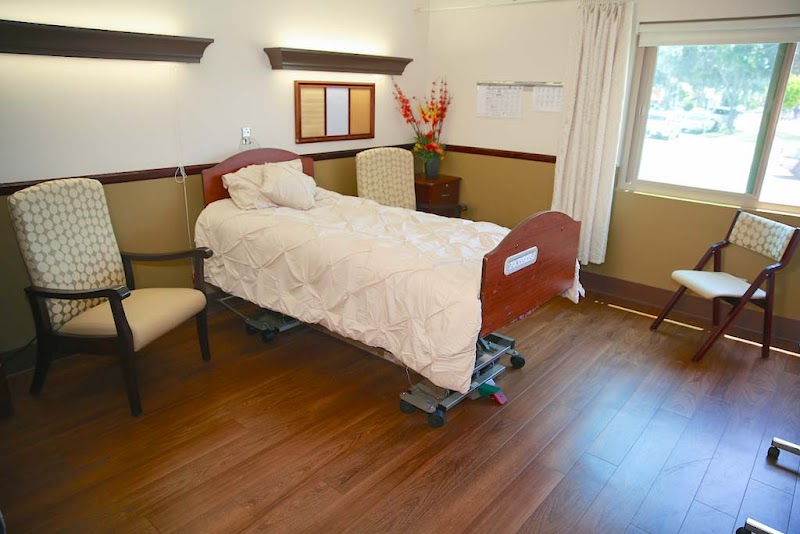
How is Glenwood Care Center Staffed?
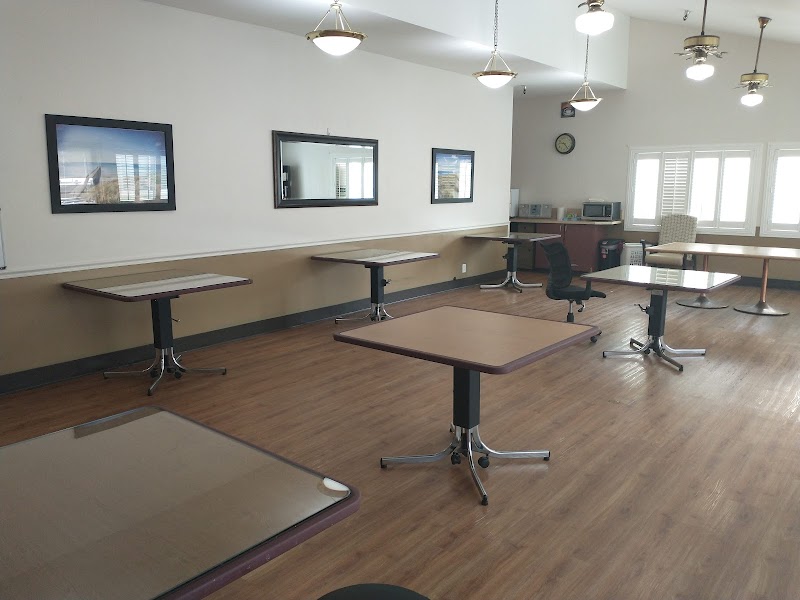
CMS rates Glenwood Care Center's staffing level at 4 out of 5 stars, which is above average compared to other nursing homes. Staff turnover is 25%, compared to the California average of 46%. This relatively stable workforce can support continuity of care.

What Have Inspectors Found at Glenwood Care Center?

State health inspectors documented 16 deficiencies at Glenwood Care Center during 2021 to 2025. These included: 16 with potential for harm.

Who Owns and Operates Glenwood Care Center?

Glenwood Care Center is owned by a for-profit company. For-profit facilities operate as businesses with obligations to shareholders or private owners. The facility is operated by THE ENSIGN GROUP, a chain that manages multiple nursing homes. With 99 certified beds and approximately 91 residents (about 92% occupancy), it is a smaller facility located in Oxnard, California.

How Does Glenwood Care Center Compare to Other California Nursing Homes?

Compared to the 100 nursing homes in California, Glenwood Care Center's overall rating (5 stars) is above the state average of 3.2, staff turnover (25%) is significantly lower than the state average of 46%, and health inspection rating (5 stars) is much above the national benchmark.

What Should Families Ask When Visiting Glenwood Care Center?

Based on this facility's data, families visiting should ask: "Can I visit during a mealtime to observe dining assistance and food quality?" "How do you handle medical emergencies, and what is your hospital transfer rate?" "Can I speak with family members of current residents about their experience?"

Is Glenwood Care Center Safe?

Based on CMS inspection data, Glenwood Care Center has a clean safety record: no substantiated abuse findings (meaning no confirmed cases of resident harm), no Immediate Jeopardy citations (the most serious violation level indicating risk of serious injury or death), and is not on the Special Focus Facility watch list (a federal program monitoring the lowest-performing 1% of nursing homes). The facility has a 5-star overall rating and ranks #1 of 100 nursing homes in California. While no facility is perfect, families should still ask about staff-to-resident ratios and recent inspection results during their visit.

Do Nurses at Glenwood Care Center Stick Around?

Staff at Glenwood Care Center tend to stick around. With a turnover rate of 25%, the facility is 20 percentage points below the California average of 46%. Low turnover is a positive sign. It means caregivers have time to learn each resident's needs, medications, and personal preferences. Consistent staff also notice subtle changes in a resident's condition more quickly. Registered Nurse turnover is also low at 25%, meaning experienced RNs are available to handle complex medical needs.

Was Glenwood Care Center Ever Fined?

Glenwood Care Center has no federal fines on record. CMS issues fines when nursing homes fail to meet care standards or don't correct problems found during inspections. The absence of fines suggests the facility has either maintained compliance or corrected any issues before penalties were assessed. This is a positive indicator, though families should still review recent inspection reports for the full picture.

Is Glenwood Care Center on Any Federal Watch List?

Glenwood Care Center is not on any federal watch list. The most significant is the Special Focus Facility (SFF) program, which identifies the bottom 1% of nursing homes nationally based on persistent, serious quality problems. Not being on this list means the facility has avoided the pattern of deficiencies that triggers enhanced federal oversight. This is a positive indicator, though families should still review the facility's inspection history directly.