Maywood Acres Healthcare
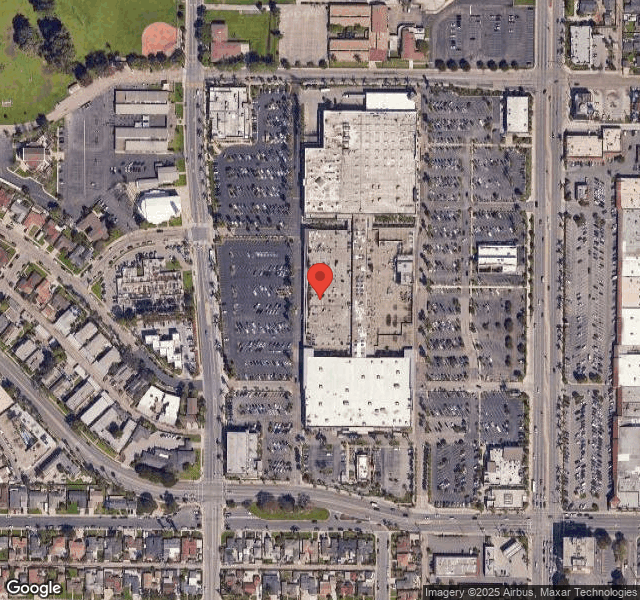
2641 South C Street, Oxnard, CA 93033 (805) 487-7840
For profit - Limited Liability company 98 Beds Independent Data: November 2025
Trust Grade
80/100
#141 of 1155 in CA
Last Inspection: August 2025

Inspected within the last 6 months. Data reflects current conditions.

Overview

Maywood Acres Healthcare in Oxnard, California, has a Trust Grade of B+, indicating it is above average and recommended for families considering care options. The facility ranks #141 out of 1,155 nursing homes in California, placing it in the top half of the state, and #4 out of 19 in Ventura County, showing that only three local facilities are better. The trend is improving, with issues decreasing from 11 in 2024 to 5 in 2025, demonstrating a commitment to addressing past concerns. Staffing is rated average with a 3/5 star rating and a 39% turnover rate, which is close to the state average, suggesting some stability but room for improvement. Notably, there have been no fines recorded, which is a positive sign, and the facility has average RN coverage, ensuring that nurses are available to catch potential issues. However, there are some weaknesses, including concerns from inspections where the ice machine was not properly sanitized, a refrigerator door that could lead to food spoilage, and failures in documenting pain medication administration, which could result in medication errors. Overall, while the facility has strengths, families should be aware of these specific incidents and the need for continued improvements.
Trust Score
B+
80/100
In California
#141/1155
Top 12%
Safety Record
Low Risk
No red flags
Inspections
Getting Better
11 → 5 violations
Staff Stability
○ Average
39% turnover. Near California's 48% average. Typical for the industry.
Penalties
✓ Good
No fines on record. Clean compliance history, better than most California facilities.
Skilled Nurses
⚠ Watch
Each resident gets only 26 minutes of Registered Nurse (RN) attention daily — below average for California. Fewer RN minutes means fewer trained eyes watching for problems.
Violations
⚠ Watch
27 deficiencies on record. Higher than average. Multiple issues found across inspections.
★★★★★
5.0
Overall Rating
★★★☆☆
3.0
Staff Levels
★★★☆☆
3.0
Care Quality
★★★★★
5.0
Inspection Score
Stable
2024: 11 issues
2025: 5 issues

The Good

  • Full Sprinkler Coverage · Fire safety systems throughout facility
  • No fines on record
  • Staff turnover below average (39%)

    9 points below California average of 48%

Facility shows strength in fire safety.

The Bad

Staff Turnover: 39%

Near California avg (46%)

Typical for the industry

The Ugly 27 deficiencies on record

Aug 2024 9 deficiencies
CONCERN (D)

Potential for Harm - no one hurt, but risky conditions existed

Safe Environment (Tag F0584)

Could have caused harm · This affected 1 resident

**NOTE- TERMS IN BRACKETS HAVE BEEN EDITED TO PROTECT CONFIDENTIALITY** Based on observation, interview, and record review, the facility failed to ensure the policy on checking resident room temperatu...

Read full inspector narrative →
**NOTE- TERMS IN BRACKETS HAVE BEEN EDITED TO PROTECT CONFIDENTIALITY** Based on observation, interview, and record review, the facility failed to ensure the policy on checking resident room temperatures was implemented for three of nine sampled residents (Resident 45, 50 and 78). This failure placed residents at risk to have an environment were the room temperatures were not regulatred and folloiwed for a comfortable daily living . Findings: During a concurrent observation and interview on 8/19/24, at 10:28 a.m., in room [ROOM NUMBER], Resident 50 was observed lying in bed with no clothes on and a bed sheet that covered the legs. Resident 50 stated, It's too hot in here. I don't want to wear any clothes. During a concurrent observation and interview on 8/19/24, at 03:37 p.m., in room [ROOM NUMBER], Resident 78 had two small fans blowing towards her. Resident 78 stated, It gets hot in here, so I have two fans to blow air on me and I still get hot because it's just hot air blowing on me. During a concurrent observation and interview on 8/20/24, at 09:55 a.m., in room [ROOM NUMBER], Resident 45 was observed using a fan that was attached to the siderail of the bed. Resident 45 stated, The room is too hot. During a concurrent interview and record review on 08/21/24, at 10:10 a.m., with the Maintenance Supervisor (MS), MS stated the room temperatures are checked and recorded daily at 10:00 a.m. A review of the Resident Room Daily Temperature Monitoring Log (RRDTML), dated August 2024, was conducted. The RRDTML did not have a time indication of when the temperature was taken. MS stated that there would be no way to know what time the temperature checks were done because there is no time written on the log. MS further stated that he was not aware if the policy had a specific time to check the temperature of the rooms. During a concurrent interview and record review on 08/21/24 at 02:03 p.m. with MS, the facility's policy and procedure (P&P) titled, Heating, Ventilation and Room Temperatures, dated 10/3/2016 was reviewed. The P&P indicated, Maintenance Supervisor to check and record room temperatures between 12 noon and 4pm daily where temperature normally peaks. MS stated, Oh I didn't know, he has been using the same form that was given to him when he started working as an MS in January 2023. MS further stated he will start taking room temperatures at the time indicated per policy and develop a log with a place to record the time.
CONCERN (D)

Potential for Harm - no one hurt, but risky conditions existed

Comprehensive Assessments (Tag F0636)

Could have caused harm · This affected 1 resident

**NOTE- TERMS IN BRACKETS HAVE BEEN EDITED TO PROTECT CONFIDENTIALITY** Based on record review and interview, the facility failed to complete a CMS (Centers for Medicare & Medicaid Services) required ...

Read full inspector narrative →
**NOTE- TERMS IN BRACKETS HAVE BEEN EDITED TO PROTECT CONFIDENTIALITY** Based on record review and interview, the facility failed to complete a CMS (Centers for Medicare & Medicaid Services) required discharged Minimum Data Set (MDS - an assessment tool and plan of care for residents in a nursing facility) assessment for one discharged resident (Resident 74). This failure resulted in an MDS discharge assessment not completed timely. Findings: During a review of the facility's policy and procedure (P&P) titled, Minimum Data Set (MDS) Assessment Schedule, dated May 2016, the P&P indicated in part, The facility shall adhere to Resident Assessment Instrument (RAI) Manual Assessment schedules as required by federal and state agencies .Resident Assessment Coordinator (RAC) is an RN (Registered Nurse) who is responsible for the effective and efficient interdisciplinary care coordination .and completion of a comprehensive plan of care from admission to discharge . During a review of Resident 74's admission Record (AR), dated 8/21/24, the AR indicated, Resident 74 was admitted to the facility on [DATE] with diagnoses that included orthopedic aftercare of surgical amputation (surgical removal of a body part). During a review of Order Summary Report (OSR), dated 3/21/24, the OSR indicated, Resident 74 is to be discharged home on 3/23/23. During a review of the Nursing Progress Notes (NPN), dated 3/23/24, the NPN indicated, that Resident 74 was discharged home, and left the facility in a private car. During a concurrent record review and interview with the RAC/MDS Coordinator (MDSC), dated 8/21/24, at 9:50 a.m. Resident 74's MDS electronic record was reviewed. The MDS record indicated, an entry tracking, and admission was completed and accepted by CMS, and a Discharge Assessment was 137 days overdue. The MDSC acknowledged being responsible for completion of the Resident 74's missed discharged assessment. MDSC further acknowledged, that she could have opened the assessment prior to resident's discharge and completed the assessment on time.
CONCERN (D)

Potential for Harm - no one hurt, but risky conditions existed

Assessment Accuracy (Tag F0641)

Could have caused harm · This affected 1 resident

**NOTE- TERMS IN BRACKETS HAVE BEEN EDITED TO PROTECT CONFIDENTIALITY** Based on observation, interview, and record review, the facility failed to ensure an accurate assessment, reflective of the resi...

Read full inspector narrative →
**NOTE- TERMS IN BRACKETS HAVE BEEN EDITED TO PROTECT CONFIDENTIALITY** Based on observation, interview, and record review, the facility failed to ensure an accurate assessment, reflective of the resident's status at the time of the assessment, was done for one of five (Resident 86) sampled residents. This failure resulted in an inaccurate assessment and had the potential to result in life threatening consequences for Resident 86. Findings: During an observation on 8/19/24, at 9:12 a.m., in room [ROOM NUMBER], Resident 86 was observed in bed, watching TV. Resident 86's left upper arm had an AV shunt (Arteriovenous [AV] shunt or fistula is a surgically created connection between an artery and a vein for dialysis [a medical procedure that removes waste and excess fluid from the blood when the kidneys are unable to do so] access/use). The left upper arm AV shunt/fistula was clean, had thrill (vibration/pulse caused by blood flowing through the shunt/fistula), skin over the AV shunt/fistula was clean and well moisturized. Resident 86 stated, I go for dialysis every Monday, Wednesday, and Friday at 12 noon. During a concurrent record review and interview with a registered nurse (RN1), on 8/20/24, at 9:18 a.m., in the nursing station, Resident 86's scheduled dialysis was Monday, Wednesday, and Friday at 12:40 p.m. The Dialysis Communication Record (record of pre, post dialysis [in dialysis clinic], and post dialysis [in facility upon arrival vital signs] dated 8/2/24, was missing Facility Pre and Post Dialysis Assessment vital signs. The Dialysis Communication Record dated 8/7/24, was missing Facility Pre-Dialysis Assessment vital signs. The Dialysis Communication Record dated 8/14/24, was missing Facility Post Dialysis Assessment vital signs. RN1 reviewed the records and confirmed that the vital signs were missing on the following dates and stated, It wasn't done. The MRD (Medical Records Director) reviewed the records and confirmed the vital signs were missing on the following dates. The MRD stated, It was missed. Record review of the facility Policy and Procedure (P&P), titled Hemodialysis Care, dated 5/22/13, indicated in part, While at the skilled facility: This facility has direct responsibility for the care of the resident, including the customary standard of care provided by the facility and the following resident assessment and dialysis management process, including: a. Conducting pre and post-dialysis assessment per facility protocol.
CONCERN (D)

Potential for Harm - no one hurt, but risky conditions existed

Comprehensive Care Plan (Tag F0656)

Could have caused harm · This affected 1 resident

**NOTE- TERMS IN BRACKETS HAVE BEEN EDITED TO PROTECT CONFIDENTIALITY** 2. During a review of the admission Record (AR) of Resident 54, the AR indicated in part a diagnosis of Hepatitis C (a viral inf...

Read full inspector narrative →
**NOTE- TERMS IN BRACKETS HAVE BEEN EDITED TO PROTECT CONFIDENTIALITY** 2. During a review of the admission Record (AR) of Resident 54, the AR indicated in part a diagnosis of Hepatitis C (a viral infection that causes liver swelling, called inflammation). During a review of clinical record of Resident 54, there was no documented evidence of a care plan regarding Hepatitis C. During an interview with Licensed Vocational Nurse (LVN) 3 on 8/20/24 at 12:30 p.m., LVN 3 validates that there is no care plan for Hepatitis C. During a review of the Policy and Procedure (P&P) titled, Care Plans, undated, the Care Plans indicated in part, 1. Assess the resident upon admission and initiate a care plan for the key problems or possible problems identifies. The care plan will be completed within seven days. Review of the facility Policy and Procedure (P&P) titled, Care Plans, undated, indicated in part, It is the policy of this facility to assure that all disciplines coordinate the care of each resident .6. After the Resident Assessment Protocol is completed, the care plan will be updated to include any additional information gained within seven days of completion . 7. Any changes in the resident's status will be put on the care plan as they occur. Based on observation, interview and record review, the facility failed to develop a care plan for three of three residents (Resident 49, 86 and 54) related to: 1. A pad alarm that was considered as a restraint for Residents 49 and 86 2. A diagnosis of Hepatitis C (a liver disease caused by the hepatitis C virus, which is primarily transmitted through exposure to infectious blood or body fluids that contain blood) for Resident 54. These failures had the potential for Resident 49, 86 and 54 not to receive the appropriate care and services, based on problem areas identified. Findings: 1. During an observation on 8/19/24 at 9:18 a.m. and at 9:28 a.m., in Resident 86 and Resident 49 rooms respectively (room [ROOM NUMBER] B and room [ROOM NUMBER] A). Resident 86 was observed in bed, watching TV with a pad alarm (a pressure sensitive pad positioned beneath resident attached to a control unit that emits a loud alarm) attached to a control unit on the bed. Resident 49 was observed seated on a wheelchair, with a pad alarm attached to a control unit on her wheelchair. During a concurrent record review and interview with RN1 (Registered Nurse), on 8/20/24, at 9:18 a.m., in the nursing station, Residents 86 and 49 were missing care plans for their pad alarm restraints. Both RN1 and MRD (Medical records Director) reviewed Resident 86 and 49's medical records and concurred with the finding. RN1 stated, It was missed, while MRD stated, It was an oversight.
CONCERN (D)

Potential for Harm - no one hurt, but risky conditions existed

Deficiency F0726 (Tag F0726)

Could have caused harm · This affected 1 resident

**NOTE- TERMS IN BRACKETS HAVE BEEN EDITED TO PROTECT CONFIDENTIALITY** 2. During a review of Resident 68's, AR, dated 8/22/24, the AR indicated in part, Resident 68 was a [AGE] year-old, male who was...

Read full inspector narrative →
**NOTE- TERMS IN BRACKETS HAVE BEEN EDITED TO PROTECT CONFIDENTIALITY** 2. During a review of Resident 68's, AR, dated 8/22/24, the AR indicated in part, Resident 68 was a [AGE] year-old, male who was initially admitted to the facility on [DATE] with admission diagnoses including chronic kidney disease, chronic atrial fibrillation (irregular heart rhythm) and presence of a pacemaker (a small, battery-powered device that prevents the heart from beating slowly). During a review of Resident 68's, OSR, dated 8/22/24, the OSR indicated the medication order, Carvedilol oral tablet 6.25 milligrams (mg), Give one (1) tablet by mouth two times a day for HTN (hypertension - high blood pressure). Hold if SPB (systolic blood pressure - the top number in a blood pressure reading that measures the pressures in the arteries when the heart beats) is below 108 mmHg (millimeters of mercury - unit of measure for blood pressure) or HR (heart rate) below 55 bpm (number of beats per minute) with a start date of 7/27/24. During a concurrent interview and record review, on 8/21/24 at 2:20 p.m., with LVN1, Resident 68's, Medication Administration Record (MAR), for the month of 8/2024, was reviewed. When reviewing the administration record for Resident 68's Carvedilol, only four (4) blood pressure readings and no heart rate readings were documented. LVN1 verbalized that staff should have checked Resident 68's blood pressure and heart rate prior to administering Carvedilol and documented the readings in Resident 68's MAR. During a concurrent interview and record review, on 8/21/24 at 3 p.m., with DON, Resident 68's MAR, dated 8/2024, was reviewed. DON was informed that staff failed to accurately document Resident 68's blood pressure and heart rate readings prior to the resident receiving the medication Carvedilol and confirmed the finding after reviewing the resident's MAR. 3. During a review of Resident 344's, AR, dated 8/22/24, the AR indicated in part, Resident 344 was a [AGE] year-old, male who was admitted to the facility on [DATE] with admitting diagnoses including type 2 diabetes mellitus (a group of diseases that affect how the body uses blood sugar), end stage renal disease (a condition where the kidney reaches advanced state of loss of function), and chronic atrial fibrillation. During a review of Resident 344's, OSR, dated 8/22/24, the OSR indicated the medication order, Apixaban oral tablet , give one (1) tablet by mouth two times a day for AFIB (atrial fibrillation) with a start date of 8/14/24. During a concurrent interview and record review, on 8/21/24 at 2:35 p.m., with LVN 1, Resident 344's MAR, for the month of 8/2024, was reviewed. When reviewing the administration record for Resident 344's Apixaban, the MAR failed to indicate accompanying monitoring orders for medication side effects and bleeding complications. LVN1 verbalized that there should have been monitoring orders entered while the resident is on this medication. During a concurrent interview and record review, on 8/21/24 at 3:05 p.m. with DON, Resident 344's MAR, dated 8/2024, was reviewed. DON was informed that no monitoring order for medication side effects and bleeding complications was entered for Resident 344's use of the medication Apixaban. DON confirmed the finding and verbalized that staff should have entered an accompanying monitoring order for this medication. During a review of the facility's policy and procedures (P&P), titled, Medication Administration General Guidelines, dated 2019, the P&P indicated in part, Procedures: Medication Preparation .3) Prior to administration, the medication and dosage schedule on the resident's MAR is compared in the medication label. If the label and MAR are different and the container is not flagged indicating a change in directions, or there is any other reason to question the dosage or directions, the physician's orders are checked for the correct dosage schedule. The P&P indicated further, Medication Administration .2) Obtain and record any vital signs necessary prior to medication administration . Documentation .8) Observe resident for medication actions/reactions and record on the PRN (as needed) effectiveness sheet as appropriate. Based on observation, interview, and record review, the facility failed to ensure nursing staff demonstrated competency in medication administration when: 1. A licensed vocational nurse (LVN) 1 administered the wrong laxative (medication that treats constipation) to one unsampled resident (Resident 53). 2. Blood pressure and heart rate readings were not accurately documented for one of five sampled residents (Resident 68) prior to receiving the medication Carvedilol (medication to treat heart failure and high blood pressure after a heart attack). 3. Monitoring for medication side effects and bleeding complications was not implemented for one of five sampled residents (Resident 344) receiving the medication Apixaban (medication that prevents blood clots). These failures had the potential to harm these residents as a result of unsafe medication administration. Findings: 1. During a review of Resident 53's admission Record (AR), dated 8/21/24, the AR indicated in part, Resident 53 was an [AGE] year-old male, who was admitted to the facility on [DATE], with admission diagnoses including history of seizures (a sudden, uncontrolled burst of electrical activity in the brain), and age-related physical debility. On 08/20/24 at 09:10 AM, an observation of the Medical Administration Task, with LVN1 was performed. LVN1 was observed to give Resident 53 a medication called Senna Plus (A medication used to treat constipation). Upon inspection of the bottle, the ingredients indicated Senna Plus contains Senna (a laxative) 8.6 mg (miligram) plus Docusate sodium (a stool softener) 50 mg. On 8/20/24 at 3:00 PM, a record review was performed for Resident 53 in the Electronic Medical Record (EMR), for the Order Summary Report (OSR), dated 8/20/24. The OSR indicated a medication order for Senna Oral Tablet 8.6 mg (Sennosides [also known as Senna]). On 8/20/24 at 3:30 PM, an interview and record review was conducted with LVN1. LVN1 logged into the EMR and pulled up the medication orders for Resident 53. LVN1 verified that the order was for Senna 8.6 mg PO (by mouth) QD (every day). LVN1 acknowledged that he gave the resident Senna plus. LVN1 stated that it was the correct medication. LVN1 was made aware that it is not the same medication because Senna plus also has docusate sodium 50 mg. LVN1 stated he believes this was the correct medication to give the resident. On 08/20/24 at 3:45 PM, an interview and observation was conducted with LVN1. LVN1 brought a bottle of Senna plus. LVN1 stated he went to his cart and verified that it was Senna plus that he gave Resident 53. LVN1 stated that Senna plus was the medication he gave Resident 53. On 08/20/24 at 04:25 PM an interview was conducted with the DON (Director of Nursing). The DON was made aware of the medication administration error of Senna Plus given to Resident 53 by LVN1. The DON acknowledged the medication administration error by LVN1. On 08/21/24 at 2:00 PM, an interview was conducted with LVN1. LVN1 stated he is aware he made a medication administration error. LVN1 stated, he should have taken his time and asked for clarification of the order and brought it to the attention of his DON for assistance.
CONCERN (D)

Potential for Harm - no one hurt, but risky conditions existed

Deficiency F0757 (Tag F0757)

Could have caused harm · This affected 1 resident

Based on interview and record review, the facility failed to ensure monitoring for side effects and manifestation of behaviors was done for Mirtazapine (a drug used to treat depression) for one Reside...

Read full inspector narrative →
Based on interview and record review, the facility failed to ensure monitoring for side effects and manifestation of behaviors was done for Mirtazapine (a drug used to treat depression) for one Resident (Resident 54). This failure had the potential for unrecognized side effects of the Mirtazapine and occurrence of manifested of behaviors. Findings: During a review of the admission Record (AR) of Resident 54, the AR indicated a diagnosis of Major Depressive Disorder (a serious mental disorder that affects how a person feels, thinks, and act). During a review of the Order Summary Report (OSR) dated 8/20/24 for Resident 54, the OSR indicated in part, Mirtazapine Oral Tablet was prescribed on 4/24/24 for Depression manifested by lack of interest in food. During a review of the Resident 54's care plans dated 5/2/24, this indicated in part, interventions monitor for occurrences of depressive behavior every shift and update MD as needed and monitor/document side effects and effectiveness every shift. During a review of Resident 54's Medication Administration Record (MAR), for the month of August 2024, the MAR indicated, monitoring episodes of depression manifested by: lack of interest in food and/or poor meal intake every meals and record meal intake order and monitoring of side effects of the anti-depressant; however, this was initiated on 8/20/24. There was no other documentation that showed the facility staff had monitored the side effects and manifestation of behaviors for Resident 54 from 4/24/24 to 8/19/24. During an interview with 8/20/24 at 12:30 pm, Licensed Vocational Nurse (LVN) 3 confirmed there was no monitoring for behavior occurrences or side effects for Mirtazapine. During a review of Policy and Procedure (P&P) titled, Psychotropic Medications and Behavior Management, the Psychotropic Medications and Behavioral Management indicated in part D. Documentation Requirements: 4. Occurrences of behaviors for which psychotropic medications are in use will be entered with hash/hatch marks on the Monthly Behavior Monitoring Sheet and/or Medication Administration Record every shift.
CONCERN (D)

Potential for Harm - no one hurt, but risky conditions existed

Menu Adequacy (Tag F0803)

Could have caused harm · This affected 1 resident

Based on observation, interview, and record review, the facility failed to ensure two of two sampled resident's (Resident 19, Resident 1) therapeutic mechanical soft, chopped diet order was plated cor...

Read full inspector narrative →
Based on observation, interview, and record review, the facility failed to ensure two of two sampled resident's (Resident 19, Resident 1) therapeutic mechanical soft, chopped diet order was plated correctly in the kitchen in accordance with the physician's order and facility's planned menu/diet manual. As a result, of not implementing the chopped diet safely residents were at an increased risk of choking. Findings: 1. During a concurrent observation and interview on 8/19/24 at 11:12 a.m. with Registered Dietitian (RD), Resident 19's lunch meal was plated with chopped pieces of baked chicken that appeared larger than 1/2 [half inch] in size. Resident 19's lunch meal tray ticket indicated mechanical soft, chopped, renal [diet for kidney disease] diet order. Resident 19's meal tray was observed placed on the meal delivery cart for distribution by dietary aide (DA) 3. RD was asked to remove Resident 19's meal tray from the meal delivery cart and check it for accuracy. RD observed the size of the pieces of chopped chicken, and RD stated, The chopped diet is okay. RD was asked to review the facility's diet manual for direction on what size of food constitutes chopped. RD then informed DA 3 to place Resident 19's lunch meal tray back onto the meal delivery cart for distribution to Resident 19. During a concurrent interview and record review on 8/19/24 at 11:23 a.m. with the RD, in the presence of the Certified Dietary Manager (CDM), the facility's diet manual (DM), dated 1/9/24, was reviewed. The DM indicated, Mechanical Soft [diet] intended use: To provide a nutritionally adequate diet that requires a reduced amount of mastication [chewing]. Normally this order is for residents who have a limited chewing ability and intact swallowing ability., As with all diets, .mechanical soft diet should be individualized according to the resident's ability to masticate and swallow. If residents are experiencing swallowing issues, they should be assessed by Speech-Language Pathologist (SLP).Recommendations: All meat (such as beef, fish, poultry, and pork) should be ground or chopped.Definitions of Menu Terms: Chopped: ¼ - ½ pieces. RD stated, Resident 19 pieces of chopped baked chicken were larger than ½ in size. RD stated the mechanical soft, chopped diet was not followed for Resident 19. During a review of Resident 19's Speech Therapy Treatment Encounter Note(s) (ST), dated 7/9/2024, the ST notes indicated, Pt [patient] was seen for Dysphagia tx [treatment for difficulty with swallowing]. Response to session interventions: d/c [discontinue] pureed [texture].and advance to Mech [mechanical] Soft/chopped.diet. MAX [maximum] instruct is needed to use swallow safety guidelines and decrease bit size. During a review of Resident 19's diet order (DO), dated 8/16/2024, the DO indicated, Order Summary: Double portion of mechanical soft/chopped renal diet. During a review of Resident 19's meal tray card (MTC) (individualized direction on how to plate/serve patient's meals), dated 8/19/24, the MTC indicated Consistency: Mechanical Soft, Chopped, Renal. There was no direction to dietary staff preparing Resident 19's meal tray in the kitchen to provide double portions to ensure the physician ordered diet was implemented. . 2. During an observation on 8/19/24 at 11:53 a.m., in the facility's dining room, Resident 1 was observed eating lunch. The lunch menu included chicken chow mein, spring roll, and scalloped cinnamon peaches. Resident 1's meal tray ticket indicated the resident was on an NAS (no added salt), CCHO (controlled carbohydrates) diet with mechanical soft, chopped consistency. The food served to Resident 1 was not chopped. During a concurrent observation and interview, on 8/19/24 at 11:58 a.m., with a licensed nurse (LN) 5, LN 5 verbalized that prior to serving the resident meals, nursing staff ensured the food served to the residents matched their prescribed diet and food consistency. After inspecting Resident 1's meal tray, LN 5 verified that the food was not chopped as indicated on the prescribed diet. During a review of Resident 1's RD Nutrition Assessment readmission Note, dated 6/12/24, the note indicated in part Resident 1 was on a CCHO NAS mechanical soft chopped meat thin liquids diet. During a review of Resident 1's Minimum Data Set (MDS - a federally mandated process for clinical assessment of residents in nursing homes) Assessment, dated 6/15/24, Section K - Swallowing/Nutritional Status . Nutritional Approaches of the assessment indicated in part Resident 1 is on a mechanically altered diet - require change in texture. During a concurrent interview and record review on 8/19/24 at 11:26 a.m. with the CDM, in the presence of the RD, the facility's Utilization Review Committee Quarterly Meeting Attendance signature page, dated 1/9/24, was reviewed. CDM stated during that meeting was when the facility's diet manual was reviewed and approved. The signature page contained the signature for the CDM next to Dietary Supervisor. There was no RD signature nor line designated on the form with the title of RD to indicate the RD reviewed and approved the facility's diet manual. CDM stated, that was the approval signature page for the facility's diet manual. During a review of the facility's policy and procedure (P&P) titled, Section D: Food Production (FP), the P&P indicated, II. Food Preparation (Basic Guidelines); Policy: The preparation of food will be done following standard food handling techniques. Standardized recipes, quantity cookbooks, safe food handling procedures and an approved diet manual will be made available to assist Nutrition Services Employees. During a review of the facility's policy and procedure (P&P) titled, Tray Service Protocol, dated 2014, the P&P indicated, Policy: Food will be served in a manner that meets the individual needs of each resident. During a review of the facility's policy and procedure (P&P) titled, Section D: Food Production (FP), the P&P indicated, II. Food Preparation (Basic Guidelines); Policy: The preparation of food will be done following standard food handling techniques. Standardized recipes, quantity cookbooks, safe food handling procedures and an approved diet manual will be made available to assist Nutrition Services Employees. During a review of the facility's policy and procedure (P&P) titled, Tray Service Protocol, dated 2014, the P&P indicated, Policy: Food will be served in a manner that meets the individual needs of each resident.
CONCERN (D)

Potential for Harm - no one hurt, but risky conditions existed

Deficiency F0804 (Tag F0804)

Could have caused harm · This affected 1 resident

Based on observation, interview, and record review, the facility failed to ensure resident's lunch was served in an attractive manner when the food items on the plate were similar color (brown) and th...

Read full inspector narrative →
Based on observation, interview, and record review, the facility failed to ensure resident's lunch was served in an attractive manner when the food items on the plate were similar color (brown) and the noodles were mushy when the food was hot held for a prolonged period of time prior to the lunch meal service. Three residents expressed dissatisfaction with the facility's food during the survey(Resident 48, Resident 43, Resident 2). As a result, hot holding food for a prolonged period of time was not a method of food preparation that conserves nutritive value or appearance. In addition, food that was served lacked a variety of color creating an unappetizing appearance and could cause less food intake and weight loss. Findings: .During a concurrent observation and interview on 8/19/24 at 08:37 a.m. with [NAME] 1 upon entrance into the kitchen to begin survey, steamtable was observed empty as breakfast meal had been completed. [NAME] 1 was observed cooking at the stove range, and [NAME] 1 stated she was preparing lunch for residents. During a concurrent observation and interview on 08/19/24 at 9:40 a.m. with [NAME] 1, in the kitchen, [NAME] 1 was observed stirring chow mein noodles in a large pot over the stove range. The chow mein noodles appeared to have cooked vegetables and the noodles appeared done. [NAME] 1 stated it was chicken chow mein. [NAME] 1 stated she had already cooked the chicken and the vegetables earlier that morning, and they were already added to the chow mein that she was stirring. During an interview on 8/19/24 at 9:50 a.m. with Resident 48, Resident 48 stated vegetables were mushy at lunch and dinner. Resident 48 stated he wished the kitchen staff would use more fresh vegetables, as he thought they primarily used frozen vegetables. During a review of Resident 48's Order Summary (OS), dated 5/9/24, the OS indicated, Regular Renal [for kidney disease] NAS [no added salt] CCHO [consistent carbohydrate] Diet. During a concurrent observation and interview on 08/19/24 at 011:14 a.m., in the kitchen, during trayline a lunch plate was plated with pureed texture food. There were only two items located on the white plate which was a round scoop size of a brown colored food, and another round scoop size of a brown colored food. No additional food/items were placed on the plate. RD stated it was a standard of practice in menu planning to include a variety of color to present the food in an appetizing manner. RD stated the chow mein had vegetables with color but they were pureed so the color was not visible. RD stated, the other pureed scoop of brown colored food was pureed Asian blend vegetables. RD acknowledged there was lack of color from the food located on the plate, as they were both brownish in color, as RD stated they had a little difference in the shade of brown. From observing the pureed food the two circled portions of food appeared brown in color and one could not distinguish what type of food it was without a menu in front of them detailing what it was. During a review of the facility's Spring/Summer - Week III menu, dated 8/19/24, the planned menu for puree texture indicated Pu [pureed] chicken chowmein, Pu Asian Blend Vegetables, Pu Scalloped cinnamon peaches. The pureed peaches were served in a small dessert dish that was placed on the tray, and not on the plate that only contained two round portions of brown colored food that had not appeared appetizing. During a concurrent observation and interview on 08/19/24 at 012:20 p.m., in the South hall way, with the RD, the test tray with a regular diet was observed. The chicken chow mein appeared mushy and the vegetables had small thin slices of carrots that appeared dull in color and overcooked. Overall, the regular diet appeared with slim amount of color and overall brown colored foods with mushy appearing noodles. The peaches were served in a dessert cup that was placed to the side and located on the meal tray, not on the meal plate. RD verified the noodles appeared mushy. One the two brown scoops of food on the pureed texture test tray appeared to resemble refried beans, but RD stated it was a pureed Asian vegetable blend. RD acknowledged the lunch meal was not varied in color which was a standards of practice in menu planning. During a review of an article published by Association of Nutrition & Foodservice Professionals (ANFP) titled Menu Planning Thinking Beyond Color, Flavor & Texture, dated February 2013, the article indicated, Everyone knows the basics - provide good-tasting, attractive dishes that feature a variety of colors and flavors. But think of other considerations when you develop your spring cycle menus. Appealing combinations, pleasant aromas, varied textures. During an interview on 8/19/24 at 3:40 p.m. with [NAME] 1 and [NAME] 2, [NAME] 1 stated she placed the cooked chicken chow mein noodles in the oven to hot hold them at about 9:45 a.m. Both [NAME] 1 and [NAME] 2 stated they were hot held in the oven at 350 degrees F until about 10:30 a.m. when they were then placed in the steam table to hot hold until lunch trayline began at about 11:00 a.m. During an interview on 8/19/24 at 3:45 p.m. with RD, in the presence of Certified Dietary Manager (CDM), the above interview was shared with RD and CDM and they were asked if there was a reason why staff had to prepare noodles and vegetables so early as they were done by 9:40 a.m. at the latest, on hot held at 350 degrees F in the oven, and RD stated, That's too early. I will talk to them. CDM stated that was still a cooking temperature, not hold holding. During a review of the facility's policy and procedure (P&P) titled, VII. Menu Posting, dated 2014, the P&P indicated, The [name of menu company] provides attractive daily and weekly menus for posting including non-select and select menu styles. During a review of the facility's policy and procedure (P&P) titled, Section D: Food Production (FP), the P&P indicated, II. Food Preparation (Basic Guidelines); Policy: The preparation of food will be done following standard food handling techniques. Standardized recipes, quantity cookbooks, safe food handling procedures and an approved diet manual will be made available to assist Nutrition Services Employees. During a review of the facility's recipe titled, Chicken Chow Mein (CCM), dated 3/13/24, the recipe indicated, Slice chicken into strips. Saute' chicken in oil until meat is browned. Add chicken stock to meat and simmer for 15-30 minutes, or until done. (The chicken was already cooked prior to 9:40 a.m.) The CCM recipe indicated when the chicken chow mein was done to Hold or serve hot at or above 140 degrees F. During a review of the facility's policy and procedure (P&P) titled, II. Food Preparation (Basic Guidelines), dated 2014, the P&P indicated, Saute'/Pan Fry:.In preparing meat, the finished product should be tender, juicy, tasty, and have a minimum of shrinkage. This is achieved by cooking or roasting slowly at low to moderate temperatures (275 - 350 degrees F).Vegetable Preparation; Vegetables should be prepared as close to serving time as possible.Vegetables are high in nutritive value and contribute to the attractiveness and acceptability of the meal. Care should always be taken to prevent destroying their nutritive value.Be careful not to overcook.
CONCERN (E)

Potential for Harm - no one hurt, but risky conditions existed

Room Equipment (Tag F0908)

Could have caused harm · This affected multiple residents

Based on observation, interview, and record review, the facility failed to: 1. Ensure the door for one of one walk-in refrigerators in the kitchen was maintained in safe, operating condition when the ...

Read full inspector narrative →
Based on observation, interview, and record review, the facility failed to: 1. Ensure the door for one of one walk-in refrigerators in the kitchen was maintained in safe, operating condition when the door would not remain closed after being pushed shut. As a result, temperature abuse (lack of adherence to strict temperature control) could occur which could lead to food spoilage and/or growth of pathogens that placed the residents at an increased risk for foodborne illness. 2. Ensure there was an appropriate air gap between the dish machine drain and the floor sink drain to prevent contaminated water from backing up into the dish machine should a problem arise with the floor drain. Findings: 1. During a concurrent observation and interview on 08/19/24 at 8:59 a.m. with Registered Dietitian (RD) in the kitchen, inside a walk-in refrigerator was a large wall thermometer, and RD stated, it read 50 degrees F (Fahrenheit). During a concurrent observation and interview on 8/19/24 at 8:41 a.m. with RD and dietary aide (DA) 1, the RD obtained an individual sized milk carton from the walk-in refrigerator and took the internal temperature using the facility's digital thermometer, and RD stated, It's 53 degrees F. DA 1 stated the facility had not had a food delivery that morning. DA 1 showed the refrigerator temperature monitoring log that showed the refrigerator was at 41 degrees F or less, with not out of compliance days per the August 2024 log. DA 1 stated the dietary staff utilized the external thermometer that was affixed to the walk-in refrigerator to record the temperatures on the log. During a concurrent observation and interview on 8/19/24 at 09:16 a.m. with RD and DA 1, DA 1 stated the external thermometer to the walk-in refrigerator indicated 53 degrees F. RD and DA 1 observed the door not completely shut at that time, as the door was on the outside of the latch/hinge although dietary staff were observed shutting the refrigerator door completely when exiting the refrigerator earlier. DA 1 pointed to a sign on the wall next to the walk-in refrigerator that reminded staff to shut the door to the refrigerator. RD acknowledged there was a problem with the door that prompted dietary staff to put up a sign for dietary staff to always check to make sure the door was shut. During an interview on 08/19/24 at 9:15 a.m. with the Dietary Manager (DM), DM stated she put the sign up for staff reminding them to shut the door to the walk-in refrigerator because it tended to not shut easily. DM stated if the door could remain closed the refrigeration unit was able to maintain appropriate temperature for food safety. During a concurrent observation and interview on 08/19/24 at 9:40 a.m. with maintenance supervisor (MS) in the kitchen, MS observed the door to the walk-in refrigerator. MS stated about two months ago he put a strip at the bottom of the door hoping that would get the door to have a tighter seal and stay shut. MS stated he had not been back to follow up to ensure the strip fixed the problem. MS was asked if he thinks there was anything that could be done for the door to get it to function properly. MS stated he might be able to work on the door hinges to help or he might need to call a refrigeration company. During an observation on 08/19/24 at 11:12 a.m. in the kitchen, all dietary staff were observed working at trayline (assembly of resident lunch meal trays). During a concurrent observation and interview on 08/19/24 at 12:10 p.m. with DA 1 in the kitchen, while the dietary staff continued to work on trayline, DA 1 was available to go observe the refrigerator to see who the manufacturer was. Concurrently, the refrigerator door was observed not shut all the way, as the door was observed outside of the latch, and there was a visible gap in which you could see inside the walk-in refrigerator. DA 1 stated dietary staff would shut the door and upon return the door could be found not completely shut, again. In addition, from a distance, such as from trayline, the door appeared to be shut because it was a dark brown/blackish colored door and was not visible from a short distance that the door was not closed. During a concurrent interview and record review on 8/19/24 at 3:45 p.m. with MS, invoices (Inv) from an outside service for refrigeration, air conditioning and heating were reviewed. An Inv, dated 4/15/24 indicated, Other-Labor/Service PM [preventative maintenance] service on refrigeration and ice machine equipment.clean out condenser coils, check door gaskets. An Inv, dated 8/7/24, indicated, Other-Labor/Service PM service on refrigeration., clean out condenser coils, check door gaskets. MS was asked what check door gaskets written on the invoice meant. MS stated that the outside vendor had not left recommendations related to the door of the walk-in refrigerator. MS 1 stated there were no manufacturer labels on the refrigerator, and he did not know who the manufacturer was, as it was a very old refrigerator. The refrigerator's manufacturer's guidelines were unable to be obtained for review. During an interview on 08/19/24 at 04:07 p.m. with Administrator (Admin), Admin was informed of the observations above starting with the internal thermometer indicated 50 degrees F and the refrigerator door observed to be outside of the latch after observing dietary staff shutting the door, as if the door gradually opens on its own. Admin was informed due to the door not functioning properly the concern was temperature abuse occurring throughout the day, had the potential to accumulate to four hours in the danger zone which could place the residents at risk for foodborne illness. The Admin stated he understood and did not have any questions. During a review of the facility's policy and procedure (P&P) titled, Interior Maintenance, undated, the P&P indicated, Dietary Inspection Procedures:.a) Vacuum (or blow out) coils on large refrigerators quarterly to prevent dangerous collection of dirt and dust, b) Clean condenser and lubricate motors as designated in manufacturer's instructions, c) Check door gaskets, d) Refrigerator temperature should be 36 degrees F - 40 degrees F. During a review of the Food and Drug Administration Food Code Annex (FDAFCA), dated 2022, the FDAFCA indicated, Proper maintenance of equipment to manufacturer specifications helps ensure that it will continue to operate as designed. Failure to properly maintain equipment could lead to violations of the associated requirements of the Code that place the health of the consumer at risk. For example, refrigeration units in disrepair may no longer be capable of properly cooling or holding time/temperature control for safety foods at safe temperatures. (4-501.11 Good Repair and Proper Adjustment) 2. During an observation on 8/19/24 at 8:39 a.m. in the kitchen, observed dietary aide (DA) 2 operating the low temperature (temp) dishmachine. A black plastic pipe was observed draining wastewater from the low temp dishmachine. The outlet end of the black plastic pipe was near the floor of the floor sink drain. There was not an appropriate air gap observed between the outlet end of the waste pipe and the flood-level rim of the floor sink drain. During a concurrent observation and interview on 08/19/24 at 09:29 a.m. with maintenance supervisor (MS), MS observed the low temp dishmachine in use. MS stated the copper pipe, and the black plastic pipe was connected to the dish machine. MS stated the black pipe was primarily used to drain water from the dish machine. MS was asked if the drainpipes had an appropriate air gap. MS stated he did not know what an appropriate air gap should be per a plumbing code nor the FDA food code. During a concurrent observation and interview on 8/19/24 at 9:31 a.m., with Registered Dietitian (RD), RD observed the black pipe connected to the dishmachine and RD stated, there was not an appropriate air gap in accordance with the FDA food code and there was potential for backflow of contaminated water to go back up through the pipe and contaminate dishes. During a review of the facility's policy and procedure (P&P) titled, Interior Maintenance, undated, the P&P indicated, Dietary Inspection Procedures: .Check major kitchen equipment, and plumbing connections and drains. Service per manufacturer's recommendations. During a review of the Food and Drug Administration (FDA) Food Code (FDAFC), dated 2022, the FDAFC indicated, An air gap between the water supply inlet and the flood level rim of the plumbing fixture, equipment, or nonfood equipment shall be at least twice the diameter of the water supply inlet and may not be less than 25 mm (1 inch). (FDA Food Code 5-202.13 Backflow Prevention, Air Gap.) During a review of the FDA Food Code Annex (FDAFCA), dated 2022, the FDAFCA indicated, Providing an air gap between the water supply outlet and the flood level rim of a plumbing fixture or equipment prevents contamination that may be caused by backflow. (FDA Food Code Annex 5-202.13)
Jul 2024 1 deficiency
CONCERN (D) 📢 Someone Reported This

A family member, employee, or ombudsman was alarmed enough to file a formal complaint

Potential for Harm - no one hurt, but risky conditions existed

Notification of Changes (Tag F0580)

Could have caused harm · This affected 1 resident

Based on record review and interview, the facility failed to demonstrate it notified a physician of a change in condition in a timely manner and per policy and procedure, for one of two sampled reside...

Read full inspector narrative →
Based on record review and interview, the facility failed to demonstrate it notified a physician of a change in condition in a timely manner and per policy and procedure, for one of two sampled residents (Resident 1). This facility failure had the potential for emergency medical care to be delayed for Resident 1. Findings: During a review of Resident 1's Change In Condition form dated 6/7/24, indicated in part, Resident 1 had a change in condition when experiencing Hypoxia (a potentially life-threatening situation which results in low levels of oxygen in a person's tissues and cells) during PT (physical therapy). The Change In Condition form indicated this event started on 6/7/24, in the morning. The Change In Condition form indicated in part Resident (Resident 1) noted with hypoxia and diaphoresis (excessive sweating) during PT, resident (Resident 1) was fluctuating between 88%-95% RA (room air). Resident (Resident 1) moaning when transferred back to bed. The Change In Condition form indicated in part Resident 1's physician was notified at 12:00 p.m. on 6/7/24 of Resident 1's change in condition, wherein physician orders were given to transfer Resident 1 To the ER (emergency room) for hypoxia. During a review of Resident 1's Physical Therapy Treatment Encounter Note dated 6/7/24, indicated in part During rest break while seated in Wheel Chair patient (Resident 1) appeared to be increasingly fatigued and became diaphoretic. We immediately notified charge nurse and returned patient back .over to nursing. During an interview on 6/24/24, starting at 12:36 p.m., with the physical therapy assistant (PTA 1), the PTA 1 verbalized Resident 1 became diaphoretic and lethargic (decreased, or lack of energy) during a physical therapy session on 6/7/24. The PTA 1 verbalized a belief this occurred between 10:30 a.m. to 11:00 a.m. During an interview on 6/4/24, starting at 1:00 p.m., with licensed nurse (LN 1), the LN 1 verbalized at around 11:00 a.m., Resident 1 was returned to bed due to becoming hypoxic and diaphoretic during a physical therapy session on 6/7/24. The LN 1 verbalized Resident 1 was placed on two liters of oxygen due to hypoxia at around 11:00 a.m. The LN 1 was asked why two liters of oxygen was administered to Resident 1, as Resident 1 had no physician orders for oxygen. The LN 1 stated We just did it because it was an emergency. During a review of the facility's policy and procedure titled REPORTING CHANGES IN RESIDENT CONDITION undated, indicated in part Report changes in condition to MD immediately and follow up on necessary interventions.
May 2024 1 deficiency
CONCERN (D) 📢 Someone Reported This

A family member, employee, or ombudsman was alarmed enough to file a formal complaint

Potential for Harm - no one hurt, but risky conditions existed

Accident Prevention (Tag F0689)

Could have caused harm · This affected 1 resident

Based on record review and interview, the facility failed to follow their policy and procedures pertaining to Residents going out on a leave of absence, for two of two sampled Residents (Resident 1 an...

Read full inspector narrative →
Based on record review and interview, the facility failed to follow their policy and procedures pertaining to Residents going out on a leave of absence, for two of two sampled Residents (Resident 1 and Resident 2). This failure had the potential for the facility not to know where residents were going, while out on pass from the facility or when they returned. Findings: During a review of the facility's policy and procedure titled POLICY AND PROCEDURE FOR RESIDENT'S LEAVE OF ABSENCE/OUT ON PASS dated 3/13/24, indicated in part Residents before leaving the facility shall fill out the Release of Responsibility for Leave of Absence Form. This form shall record the name/signature of the person accompanying the resident. If self-responsible, resident will sign out for himself. The time the resident left the facility and the place/location the resident is going to must also be written in the form. Once the resident is back, License nurse or facility representative shall confirm that the resident came back by filling out the time they came back and by placing his/her signature. During a review of Resident 1's Release Of Responsibility For Leave Of Absence form, undated, indicated in part, Resident 1 left the facility a total of 14 times from 4/24/24, though 5/2/24, to go out on pass. Out of the 14 times Resident 1 left the facility, on 13 occasions, a licensed nurse or facility representative, failed to document when Resident 1 returned to the facility, by signing their name and noting the date and time Resident 1 returned. During a review of Resident 2's Release Of Responsibility For Leave Of Absence form, undated, indicated in part, Resident 2 left the facility a total of 22 times from 5/7/24, through 5/19/24. Out of the 22 times Resident 2 left the facility, on 21 occasions the form did not indicate where Resident 2's destination was. The form also indicated on two occasions on 5/8/24, and once each on 5/15/24, and 5/16/24, a licensed nurse or facility representative, failed to document when Resident 2 returned to the facility, by signing their name and noting the date and time Resident 2 returned. During a concurrent record review and interview, on 5/20/24, starting at 4:24 p.m., with the Director of Nursing (DON 1), both Resident 1 and Resident 2's Release Of Responsibility For Leave Of Absence forms were reviewed. The DON 1 acknowledged both Resident 1 and Resident 2's forms were incomplete and were missing information, as indicated in the facility policy on those specified dates. During a concurrent record review and interview, on 5/22/24, with the Director of Staff Development (DSD 1), both Resident 1 and Resident 2's Release Of Responsibility For Leave Of Absence forms were reviewed. The DSD 1 verbalized for both Resident 1 and Resident 2, the forms were filled out incorrectly as indicated in the facility policy on those specified dates.
Aug 2023 1 deficiency
CONCERN (D) 📢 Someone Reported This

A family member, employee, or ombudsman was alarmed enough to file a formal complaint

Potential for Harm - no one hurt, but risky conditions existed

Medical Records (Tag F0842)

Could have caused harm · This affected 1 resident

Based on record review and interview, the facility failed to ensure turning and repositioning as stated in the resident's care plan for one of three sampled residents (Resident 2) was documented to re...

Read full inspector narrative →
Based on record review and interview, the facility failed to ensure turning and repositioning as stated in the resident's care plan for one of three sampled residents (Resident 2) was documented to reflect the care plan was implemented. This failure had the potential for pressure ulcer development or skin breakage on the resident. Findings: During a review of Resident 2's admission Record, dated 5/12/22, the admission Record indicated, upon admission to the facility, Resident 2 had a diagnosis of dementia (memory loss that disrupts daily life). During a review of Resident 2's Care Plan, dated 4/20/23, the Care Plan indicated, Resident 2 had a problem with actual pressure ulcer (injury to skin and underlying tissue resulting from prolonged pressure on the skin) related to right heel, with a facility intervention of Turn and repositioning (moving a resident into a different position to redistribute pressure from a particular part of the body) at least q (every) 2-3 hours . During a review of Resident 2's Wound Evaluation and Treatment Progress Notes, dated 4/13/23, 4/20/23, 4/27/23, 5/4/23, 5/11/23, 5/18/23, 5/25/23, the notes indicated, Resident 2's treatment plan for the pressure ulcer included, Every 2 hours turning and Turn patient (Resident 2) every two hours. During a review of Resident 2's Documentation Survey Report, dated 4/23 and 5/23, the reports indicated, Resident 2 was not turned/repositioned every 2-3 hours multiple times. During an interview on 7/27/23 at 2:47 p.m. with licensed nurse (LN) 1, LN 1 verbalized, I do the training for CNA ' s on repositioning residents but I don ' t know how they document it, let me get a CNA and they can explain it. During an interview on 7/27/23 at 2:55 p.m. with certified nursing assistant (CNA) 1, CNA 1 verbalized, we are supposed to document every time we reposition the resident and if it wasn ' t documented then it wasn ' t done.
Mar 2023 1 deficiency
CONCERN (D) 📢 Someone Reported This

A family member, employee, or ombudsman was alarmed enough to file a formal complaint

Potential for Harm - no one hurt, but risky conditions existed

Comprehensive Care Plan (Tag F0656)

Could have caused harm · This affected 1 resident

Based on record review and interview, the facility failed to implement care planned interventions for turning/repositioning, for one of two sampled residents (Resident 1). This facility failure had th...

Read full inspector narrative →
Based on record review and interview, the facility failed to implement care planned interventions for turning/repositioning, for one of two sampled residents (Resident 1). This facility failure had the potential for Resident 1 to experience negative outcomes related to skin care. Findings: During a review of Resident 1's admission Record, dated 12/28/22, the record indicated in part, upon admission to the facility, Resident 1 had a diagnosis of a pressure ulcer (injury to skin and underlying tissue resulting from prolonged pressure on the skin) of the sacral region (lower back), stage one (reddened, painful area on the skin that does not turn white when pressed). Resident 1's admission Record, further indicated, Resident 1 developed a stage three (the sore gets worse and extends into the tissue beneath the skin, forming a small crater) pressure ulcer on 1/10/23. During a review of Resident 1's Care Plan, dated 1/2/23, the Care Plan indicated in part, Resident 1 had a problem with repositioning (moving a resident into a different position to redistribute pressure from a particular part of the body), with a facility intervention of Repositioning at least q (every) 1-2 hours. Resident 1's Care Plan further indicated, Resident 1 had a problem with Redness location sacrococcygeal (lower back), with an intervention to Reposition every 2 hours or often if needed. During a review of Resident 1's Wound Evaluation and Treatment Progress Notes, dated 1/12/23, and 1/19/23, the notes indicated in part, Resident 1's treatment plan for the pressure ulcer included, Every 2 hours turning and Turn patient (Resident 1) every two hours. During a review of Resident 1's Documentation Survey Report, dated 1/23, the report indicated in part, Resident 1 was turned/repositioned a total of three times on 1/1/23 and 1/2/23, two times on 1/3/23, 1/4/23 and 1/5/23, one time on 1/6/23, two times on 1/7/23, 1/8/23 and 1/9/23, three times on 1/10/23, two times on 1/11/23, three times on 1/14/23 and 1/15/23, two times on 1/16/23 and 1/17/23, three times on 1/18/23, two times on 1/19/23, one time on 1/20/23, two times on 1/21/23, and three times on 1/22/23. During an interview on 3/7/23, at 1:00 p.m., with the director of nursing (DON 1), the DON 1 verbalized, the facility could not produce further documentation, indicating Resident 1 was turned/repositioned every two hours, as per Resident 1's care plan, and wound evaluation and treatment recommendations. During a review of the facility policy and procedure P&P titled Wound Management/Skin Integrity Process, undated, the P&P indicated in part, Care plan implementation of a preventative program to maintain skin integrity will be implemented at the time of admission for at risk residents.
Jan 2023 2 deficiencies
CONCERN (D) 📢 Someone Reported This

A family member, employee, or ombudsman was alarmed enough to file a formal complaint

Potential for Harm - no one hurt, but risky conditions existed

Deficiency F0658 (Tag F0658)

Could have caused harm · This affected 1 resident

Based on interview and record review, the facility failed to ensure professional standards of practice were implemented, by the nursing staff, when licensed vocational nurse (LVN) performed one of two...

Read full inspector narrative →
Based on interview and record review, the facility failed to ensure professional standards of practice were implemented, by the nursing staff, when licensed vocational nurse (LVN) performed one of two sampled Residents (Resident 1's), admission comprehensive assessment, initiated, and re-evaluated a skin condition care plan, without having the data collection validated by a registered nurses (RN). This facility failure resulted in Resident 1's coccyx (tailbone) and left buttock's redness, not being assessed and re-evaluated appropriately, thus progressing to a deep tissue pressure injury (DTPI) without being treated properly. Findings: According to the Nursing Practice Act, Business & Professions Code, Chapter 6, Nursing Section 2725, indicates, (b) The practice of nursing within the meaning of this chapter means those functions, including basic health care, that help people cope with difficulties in daily living that are associated with their actual or potential health or illness problems or the treatment thereof, and that require a substantial amount of scientific knowledge or technical skill, including all of the following: RN is accountable for an ongoing comprehensive assessment that includes data collection (LVN data collection contribution), analysis, and drawing conclusions/making judgments in order to: formulate diagnoses and update diagnoses, formulate or change the plan of care, decide on specific activities to implement the plan of care (immediate and long-term), prioritize and coordinate delivery of care, delegate to nursing care competent staff to deliver required care . RN uses scientific knowledge and experience to make clinical judgments/assessments about observed abnormalities and changes based on a series of complex, independent and collaborative decision-making activities. According to the Standards Of Competent Performance, California Code Of Regulations, Title 16, Section 1443.5, indicates, A registered nurse . consistently demonstrates the ability to transfer scientific knowledge from social, biological and physical sciences in applying the nursing process, as follows: formulates a care plan in collaboration with the client, which ensures that direct and indirect nursing care services provide for the client ' s safety, comfort, hygiene, and protection, and for the disease prevention and restorative measures. RN role necessitates rapid information processing and application of scientific knowledge to coordinate, delegate and supervise the delivery of safe, timely care. This includes knowledge, skill, and ability to: Check accuracy/reliability of information (LVN data collection); Identify patterns by case type, standards of treatment, familiar circumstances, and relevance of data (LVN data collection); Recognize inconsistencies and missing information; Search for additional information; Generate a hypothesis about disease conditions, health problems, patient needs; Make predictions about findings, needs, use of interventions, outcomes; Set priorities for implementation of nursing care, priorities regarding urgency of patient concerns. Evaluate and revise based on review of new information; LVN is not prepared by formal education to make RN level nursing judgments/assessments that include independent analysis, synthesis, and decision-making. RN is responsible for collecting (LVN data collection), analyzing, and collaborating with all information sources to ensure a comprehensive written plan of care that is based on current standards of safe practice. According to the Scope of Vocational Nursing Practice, section 518.5, indicates, The licensed vocational nurse performs services requiring technical and manual skills which include the following: (a) Uses and practices basic assessment (data collection), participates in planning, executes interventions in accordance with the care plan or treatment plan, and contributes to evaluation of individualized interventions related to the care plan or treatment plan. The data collection performed by the LVN is integrated to the data collection the RN collects to analyzed, synthesized, and make decisions regarding patient/residents care as outlined above. During a review of Resident 1's clinical record, the clinical record indicated, Resident 1's admission comprehensive resident assessment was performed by a licensed vocational nurse (LVN). Resident 1's Care Plan for Minor Skin Conditions, initiated on 11/16/22, and re-evaluated on 11/30/22, was performed by the treatment nurse (TN) who is an LVN. During a concurrent interview and record review, on 12/16/22, at 1:05 p.m., Resident 1's Care Plan for Minor Skin Conditions, dated 11/16/22, was reviewed with the TN. The care plan indicated, the TN initiated and revised the care plan, without validation by an RN. The TN confirmed, initiating and revising, or re-evaluating this care plan, without the collaboration on a registered nurse (RN). During a concurrent interview and record review, on 12/16/22, at 2:26 p.m., Resident 1's admission assessment, minor skin conditions care plan,was reviewed with the director of nursing (DON). The admission assessment and care plan indicated, LVN performed the assessments. The DON confirmed, Resident 1's admission comprehensive assessment, and skin conditions care plan, were performed by an LVN.
CONCERN (D) 📢 Someone Reported This

A family member, employee, or ombudsman was alarmed enough to file a formal complaint

Potential for Harm - no one hurt, but risky conditions existed

Pressure Ulcer Prevention (Tag F0686)

Could have caused harm · This affected 1 resident

Based on interview and record review, the facility failed to follow their policy and procedure (P&P), for pressure injury prevention on one of two sampled residents (Resident 1), when Resident 1's coc...

Read full inspector narrative →
Based on interview and record review, the facility failed to follow their policy and procedure (P&P), for pressure injury prevention on one of two sampled residents (Resident 1), when Resident 1's coccyx (tailbone) and left buttocks redness did not heal. The facility ' s failure resulted in Resident 1's coccyx and left buttocks redness progressing to a deep tissue pressure injury (DTPI). Findings: During a review of the facility's P&P titled, Pressure Injury Prevention/Management, dated 1/9/18, the P&P indicated, The nursing staff will implement interventions identified in the care plan based on the individual risk factors, which may include, but not limited to: a. Pressure distribution devices when in bed and chair. b. Repositioning and turning. V. Nursing staff will observe for any signs of potential or active pressure injury daily while providing nursing care. V11. Licensed nurses will document effectiveness of pressure injury prevention techniques in the resident ' s medical record on the weekly basis. b. The weekly skin assessments an admission, weekly for four (4) weeks, then quarterly for updates will be documented in the resident ' s medical record. During a review of the facility's P&P titled, Best Practices for Skin Integrity Process, undated, indicated, Licensed nurse/treatment nurse will photograph all residents pressure ulcer on admission, readmission and when a resident with a pressure ulcer is discharge to the acute hospital or other setting . Identified risk factors will be addressed by the IDT team in the resident ' s plan of care. The treatment nurse on a weekly basis will conduct head to toe body skin assessment on the resident . The treatment nurse will assess pressure ulcer and non-pressure ulcers on a daily basis, any deterioration or increase in stage will be communicated with the MD, treatment changes, nutritional interventions and labs will be done as ordered. Family will be informed, and plan of care will be updated to reflect the current condition of the resident ' s skin. During a review of Resident 1's clinical record, the record indicated Resident 1 was admitted to facility on 11/16/22, with coccyx redness. The admission Wound Risk Assessment (WRA), on 11/16/22, was 18. The WRA is scored as the following: 0-2=low risk. 3-7= moderate risk. 8 and above =high risk for skin breakdown. The Resident 1's WRA score remained 18 for four weeks. Resident 1's Care plan for Minor Skin Conditions, dated 11/16/22, indicated, redness on coccyx area. Interventions: Report lack of progress to MD. Reposition every 2 hours and as needed. Wash with warm water and soap, rinse well, pat dry, apply A & D ointment on x 14 days. This care plan was re-evaluated on 11/30/22 however no new interventions were added. The Discharge Body/Skin-Check form dated, 12/9/22 indicated, resident had sacral/coccyx redness. Resident 1 was transfered from facility and admitted to a general acute care hospital (GACH) on 12/9/22. The GACH Wound Care Note, dated 12/9/22, at 6:30 p.m., indicated, Resident 1 had a deep tissue pressure injury (DTPI) on sacrococcygeal (low back/tail bone) area measuring 4x8 centimeters (cm), 100% dark hyperpigmentation (darkening of the skin) with petechial (broken blood vessels) red rash mixed, extends across ischia (hip bone), intact, no drainage. Left to Right. Left ischial unable to stage (UTS) pressure injury (PI) 1.8 cm X 3 cm. 100 % pink mixed with yellow fibrin vs slough (dead tissue). Minimal serosanginous (blood tinged) drainage. During a concurrent record review and interview, on 12/16/22, at 1:05 p.m., Resident 1's clinical record was reviewed with the treatment nurse (TN). TN explained, Resident 1 was admitted with coccyx and left buttocks redness, and treatment was provided. TN was asked if s/he taken pictures of the coccyx and left buttocks, and measured the redness. TN stated, No, I did not take pictures of the buttocks (coccyx) and did not measure. TN was asked to provide coccyx treatment records, as per care plan interventions. TN spent a lot of time looking through the Resident 1's record then stated, I cannot find the resident ' s treatment record for the coccyx. Facility was not able to provide documentation that the coccyx redness area was treated, while resident was in the facility. TN was asked if s/he reported the lack of coccyx and left buttocks redness progress to the MD, or wound specialist, so they could evaluate the resident ' s redness, since it was not healing (4 weeks). TN stated, No, I did not. The coccyx redness care plan (CP) was reviewed with TN who confirmed, initiating the care plan on 11/16/22 and re-evaluating it on 11/30/22. The TN was asked if the resident ' s coccyx redness was not improving when the CP was revised on 11/30/22, what was the reason for not changing the treatment, and updating the CP with new interventions. TN stated, I don ' t know. I see there is not new interventions or treatment with the revision of the CP. During a concurrent interview and record review, on 12/16/22, at 2:29 p.m., Resident 1's clinical record was reviewed with the director of nursing (DON). The DON acknowledged, and confirmed, no documentation indicating Resident 1 was on pressure distribution devices, when in bed and chair, repositioning and turning every 2 hours, and as needed; TN weekly skin assessments; TN assessing coccyx (non-pressure ulcers) on a daily basis; TN reporting to MD coccyx and left buttocks redness not healing; and any coccyx treatment changes. DON verblized, Resident 1's coccyx and left buttocks redness not healing, should have been reported to the MD, so a wound specialist could have evaluated Resident 1's persistent redness, and initiate, or change treatment to promote the healing of coccyx and left buttocks.
Jul 2021 12 deficiencies
CONCERN (D)

Potential for Harm - no one hurt, but risky conditions existed

Deficiency F0578 (Tag F0578)

Could have caused harm · This affected 1 resident

Based on interview and record review the facility failed to ensure a medical physician sign the Physicians Orders for Life-Sustaining Treament (POLST) for one of 18 sampled residents (Resident 54). T...

Read full inspector narrative →
Based on interview and record review the facility failed to ensure a medical physician sign the Physicians Orders for Life-Sustaining Treament (POLST) for one of 18 sampled residents (Resident 54). This failure had the potential for life sustaining orders to be not authorized or authenticated by the resident's physician which can result in the delay of medical interventions during an emergency. Findings: During a review of the clinical record for Resident 54, the POLST dated 4/7/21 was not signed by the resident's physician . The facility policy and procedure titled Physicain's and Telephone orders dated 3/2/16 indicated, physicain's orders are to be counter signed within 5 days the order was received. During and interview on 7/28/2021 at 1 PM the medical records (MR) acknowledged the document was not signed by the physician.
CONCERN (D)

Potential for Harm - no one hurt, but risky conditions existed

MDS Data Transmission (Tag F0640)

Could have caused harm · This affected 1 resident

**NOTE- TERMS IN BRACKETS HAVE BEEN EDITED TO PROTECT CONFIDENTIALITY** Based on interview and record review the facility failed to ensure a discharge Minimum Data Set (MD- assessment data of resident...

Read full inspector narrative →
**NOTE- TERMS IN BRACKETS HAVE BEEN EDITED TO PROTECT CONFIDENTIALITY** Based on interview and record review the facility failed to ensure a discharge Minimum Data Set (MD- assessment data of resident ) was timely done for one resident (Resident 1) This facility failure had the potential to result in wrong entry to the federal data base . Findings: Review of Resident 1's overall assessment history indicated a discharge occurence . During an interview and concurrent record review with licensed nurse (LN 6) on 07/30/21, at 02:54 PM, LN 6 stated Resident 1 was discharged home on 3/25/21 and it was a planned discharge. LN 6 further stated a planned discharged assessment should be opened on the last covered day of skilled services ( physical , occupational, and nursing). Further review of the clinical record of Resident 1, no discharge assessment dated [DATE] was noted on record review. LN 6 acknowledged she missed opening and closing the discharge MDS on time.
CONCERN (D)

Potential for Harm - no one hurt, but risky conditions existed

Deficiency F0657 (Tag F0657)

Could have caused harm · This affected 1 resident

Based on interview and record review the facility failed to ensure a resident's careplan ( planned measures, interventions to direct care) was updated after a fall occurence for one out of 18 sampled ...

Read full inspector narrative →
Based on interview and record review the facility failed to ensure a resident's careplan ( planned measures, interventions to direct care) was updated after a fall occurence for one out of 18 sampled residents (Resident 54). This failure has the potential for interventions and measures in place that won't be effective to prevent a fall recurrence . Findings: Review of the clinical record for Resident 54 indicated the resident had a fall incident on 6/7/21. The careplan in place for fall showed no review of interventions to address the fall on 6/7/21. During an interview on 7/27/2021 at 4 PM , licensed nurse (LN7) indicated she was on duty when the resident fell on 6/7/21. LN7 acknowledged Resident 54's care plan was not updated after the fall. The facility policy and procedure titled Fall Incidents Management and Prevention dated 4/22/15 indicates a care plan will be initiated or updated with interventions to prevent further falls.
CONCERN (D)

Potential for Harm - no one hurt, but risky conditions existed

Deficiency F0692 (Tag F0692)

Could have caused harm · This affected 1 resident

Based on observation, interview, and record review, the facility failed to ensure consumption of therapeutic (to cure or restore to health) nutritional supplements was accurately documented and monito...

Read full inspector narrative →
Based on observation, interview, and record review, the facility failed to ensure consumption of therapeutic (to cure or restore to health) nutritional supplements was accurately documented and monitored in two of 18 sampled residents (Resident 6 and Resident 18). This failure had the potential to ineffectively evaluate and delay timely revision of interventions needed to meet residents' nutrition needs. Findings: 1. During a review of Resident 6's admission Record, with printed date of 7/27/21, indicated an admission date of 1/18/19, with medical diagnoses, including, Unspecified Sequelae of Other Cerebrovascular Disease (a range of conditions that affect the blood flow through the brain), Difficulty in Walking, Abnormal Posture, Essential Hypertension (high blood pressure), Allergic Rhinitis (an allergic reaction that causes sneezing, itchy and stuffy nose, and sore throat), Dry Eye Syndrome (a condition where the eyes don't make enough tears), History of Falling, and Personal History of COVID-19 (a severe, respiratory infection caused by the Corona Virus 2). During a review of Resident 6's Mini Nutritional Assessment (MNA - questionnaire with a response-based scoring system/points of nutrition status, categorized as: 0-7 = Malnutrition, 8-11 = At risk for Malnutrition, and 12-14 = Normal nutritional status, dated 12/23/20, the MNA indicated Resident 6 had a moderate decrease in food intake, a weight loss greater than three kg (kilogram or 6.6 lbs. (pounds) in the last three months and a total score of nine (- At Risk for Malnutrition ) while the MNA dated 1/22/21 documented a total score of eight indicating the resident remained at risk for malnutrition. During a review of Resident 6's Weight Change Note (WCN) dated 11/12/20, the WCN indicated, the resident was on a Regular -NAS (No Added Salt) Diet. The WCN further indicated Resident 6 was started on a three-day trial of downgrading diet to Mechanical Soft (a diet for chewing or swallowing issues- includes chopped, ground, or pureed foods) to see if oral (PO) intake improves resident was displaying some difficulty chewing meats with recommendation of Ensure ( liquid nutritional drink for adults) three times a day (TID) with meals and daily (QD) at 2 PM. During a review of Resident 6's Order Audit Report- (OAR) dated 11/12/20, indicated a physician telephone order for Ensure 237 cc (cubic centimeter) QD at 2 PM and TID with meals per resident's request. The OAR orders for Ensure were confirmed by the Director of Nursing (DON). During a lunch observation and concurrent interview with a Certified Nursing Assistant (CNA 1), on 7/27/21 at 12:05 PM at the facility's North Side Hall, Resident 6's lunch tray card (LTC) was requested. The LTC presented by CNA 1 indicated for Diet: NAS, Consistency: Mechanical Soft, Beverage: 8 oz. (ounce) Water, Sherbet, and Ensure. Observed on Resident 6's lunch tray was one carton (237 ml) of Ensure. When CNA 1 was asked about the resident's Ensure consumption during mealtimes a facility logbook, titled,Resident Meal Intake Log (RMIL) was presented. CNA 1 stated, We write down the resident's daily meal intake in this book, referring to the RMIL. During another interview and concurrent record review with CNA 1, on 7/27/21 at 12:30 PM, Resident 6's RMIL dated 6/27/21 to 7/24/21 was reviewed. The RMIL indicated the following instruction: a. For the resident meal intake calculation (expressed in % (percentage). b. Record supplements on Medication Administration Record (MAR) c. Or other designated form per facility's practice Alternate: T=Taken, R=Refused. CNA 1 stated, We record the amount (of Ensure consumed) below the percentage of meal intake underAlt -for alternate foods offered to residents eating less than 75 percent. CNA 1 indicated Alt stands for the Ensure order. CNA stated, That is what it meant. The RMIL dated 6/27/21 to 7/24/21 indicated no entries pertaining to Resident 6's Ensure consumption on the following dates for Breakfast (B) and Lunch (L) 6/27, 6/29, 6/30/21, 7/1, 7/2, 7/4, 7/5, 7/7, 7/10, 7/11, 7/12, 7/13, 7/14, 7/17, 7/19, 7/21, 7/22, and 7/23/21. For Dinner (D) the following dates were with no entries for Ensure consumption by the resident, 7/2, 7/3, 7/6, 7/8, 7/9, 7/10, 7/12, 7/13, 7/15, 7/16, 7/17, 7/18, 7/19, 7/21, 7/22, and 7/24/21. CNA 1 verified the missing entries and stated, I'm not sure why the rest are blanks. During a concurrent interview and record review with a Licensed Nurse (LN 1) on 7/27/21 at 12:40 PM, Resident 6's MAR dated 6/2021 and 7/2021 were reviewed. The MAR indicated from 6/27/21 through 7/24/21, Resident 6 received and consumed 237 cc (or ml) of the Ensure drink daily during mealtimes (7:15 AM, 12:15 PM and 5:15 PM) and 2 PM. LN 1 indicated the documentation on the MAR was retrieved from the RMIL. LN 1 stated, We usually get verbal confirmation of the amount from the CNA's, and we rely heavily on the logbook (referring to the RMIL) for information. LN 1 was not able to provide an explanation on the no entries in the RMIL for Resident 6's Ensure consumption for Breakfast (B) and Lunch (L) on 6/27, 6/29, 6/30/21, 7/1, 7/2, 7/4, 7/5, 7/7, 7/10, 7/11, 7/12, 7/13, 7/14, 7/17, 7/19, 7/21, 7/22, and 7/23/21 and Dinner (D) on 7/2, 7/3, 7/6, 7/8, 7/9, 7/10, 7/12, 7/13, 7/15, 7/16, 7/17, 7/18, 7/19, 7/21, 7/22, and 7/24/21 During an interview and concurrent record review on 7/29/21 at 3:50 PM with DON, Resident 6's MAR Ensure documentation from 6/27/21 to 7/24/21 was reviewed and cross check with the blank entries in the RMIL from 6/27/21 to 7/24/21 . The DON confirmed the discrepancies. 2. During a review of Resident 18's admission Record, date printed 7/29/21, indicated and admission date of 7/3/2010, with the medical diagnoses, including, Type 2 Diabetes Mellitus (inability of the body to absorb insulin-resulting to high blood sugar levels), Gastroesophageal Reflux Disease (GERD - stomach acid reflux- flows back), Irritable Bowel Syndrome ( IBS disorder of large intestine, with belly pain, gas, diarrhea and constipation), Colostomy Status (an operation that creates an opening for the large intestine through the abdomen), and Partial Intestinal Obstruction (a blockage that keeps food or fluid from passing through the small or large intestine). During an observation, and concurrent interview with Resident 18 on 7/27/21 at 12:05 PM, resident was eating lunch by self lunch inside the room. Resident 18 stated, I can manage. The LTC on the resident's lunch tray indicated a diet of Puree (blended) NAS ,LCS (Low Concentrated Sweets) . During a review of Resident 18's Nutrition/Dietary Note-(NDN), dated 3/27/20, indicated, the resident is receiving Glucerna (a nutritional shake for Type 2 Diabetes) BID (twice a day). The MAR dated 7/2021 indicated an order of Glucerna 1 can PO BID for High Cal/Pro (Calorie/Protein) Nourishment at 9 AM and 5 PM. The MAR did not indicate the amount of Glucena consumption of Resident 18. During an interview on 7/29/21 at 3:50 PM the DON verbally acknowledged the missing documentation and indicated the importance of documentation to evaluate effectiveness when an alternative nutrition approach may be warranted. During a review of Resident 18's Health Status Note -HSN, dated 10/10/20, the note indicated, in part 8-lbs. weight loss in one month from, 149 to 141 lbs., Attending Physician notified, no new orders at this time, responsible party (RP) was notified, aware, while the HSN dated 11/10/20, indicated Resident 18 had a 9 lbs. weight loss in a month, RP informed of weight loss, resident at times does not want to be assisted by staff when eating, pushing staff away at mealtime and resident making statement of ' I'm not hungry. During a review of Resident 18's NDN dated 5/18/21, indicated an order for House Supp (HS- healthshake a-liquid nutrition supplement with calories and protein) BID with lunch and dinner. Resident refusing the HS, eating yogurt and agrees to try yogurt for dinner too with recommendation to discontinue HS and will add extra foods to trays as requested by resident. The NDN further indicated no documentation by CNA's regarding the resident's consumption of the HS. During a review of the facility's undated, Policy and Procedure (P&P), titled, Policy and Procedure Nutrition Care, the P&P indicated in part, C.Residents at nutritional risk are identified and monitored closely to prevent or minimize deterioration ., .5. Nutrition interventions (actions taken to improve a situation) to prevent deterioration (the process of becoming worse) are selected based on resident's individual needs. The P&P further indicated, E.Supplements are used to promote adequacy (the state of being sufficient for the purpose concerned) of the diet as a nutrition intervention for at risk or nutritionally impaired residents to prevent or reduce deterioration of nutritional status., .4. Regular documentation of the amount of supplement consumed and tolerance is completed by designed personnel to monitor effectiveness of supplement use., F.Food and fluid intake is documented for all residents to screen for inadequate nutrient intake., .2. Supplements offered at meals are clearly designated on the meal observation form separate from their meal items., and .3. Trained staff record intake on the appropriate forms.
CONCERN (D)

Potential for Harm - no one hurt, but risky conditions existed

Medication Errors (Tag F0758)

Could have caused harm · This affected 1 resident

Based on interview and recored review the facility failed to ensure the use of PRN (as needed) psychotropic (medication that can affect a person's mental state) medication does not exceed 14 days for ...

Read full inspector narrative →
Based on interview and recored review the facility failed to ensure the use of PRN (as needed) psychotropic (medication that can affect a person's mental state) medication does not exceed 14 days for 2 out of 18 sampled residents ( Residents 23 and 60). This facility failure had the potential for unneccessary use of medication with no evaluation and assessment of need. Findings: During a review of the clinical record for Resident 23 indicated a physician order for PRN Temazepam 15 mg. one capsule at night (sleep aid) with a start of 5/21/2021. A pharmacist's recommendation located in the resident's clinical record dated 6/28/2021 indicated for facility to ask the physician to renew or discontinue the Temazepam order and document the rationale on the resident's clinical record. No documentation in the clinical record was located the resident's attending physician was contacted or notified of the pharmacist's recommendation dated 6/28/21. During an interview on 7/30/2021 at 3:30 PM the infection preventionist (IP) acknowledged no discontinue or renew orders from the physician was obtained . Review of the clinical record for Resident 60's indicated a physician order for PRN Trazodone (anti depressant) dated 7/4/2021 with no stop date. No documentation in the clinical record was located of the attending physician being notifued regarding the missing stop date of the PRN medication order for Trazadone. During an inteview on 7/30/2021 at 4:30 PM the IP acknowledged no discontinue of renew orders from the physician was obtained. The facility policy and procedure titled Psychotropics Medication and Behavior Management dated 3/2/16 indicates for evaluation the facility may use additional resources such as CDPH survey tool for Antipsychotic Drug Use, pharmacy-provided guidelines, black box warnings.
CONCERN (D)

Potential for Harm - no one hurt, but risky conditions existed

Medical Records (Tag F0842)

Could have caused harm · This affected 1 resident

Based on observation, interview, and record review, the facility failed to ensure one of 18 sampled residents (Resident 13's), Foley catheter (FC) [a tube that drains urine from the bladder], was docu...

Read full inspector narrative →
Based on observation, interview, and record review, the facility failed to ensure one of 18 sampled residents (Resident 13's), Foley catheter (FC) [a tube that drains urine from the bladder], was documented in the medical record. This failure resulted in inaccurate documentation that can affect the delivery of safe care and treatments. Findings : During a review of the facilities policy & procedure (P&P) titled, Completion and Correction of Resident Records, dated 2/25/2016, the P&P indicated, To ensure that medical records are complete and accurate .in part . Entries will be complete, legible, descriptive, and accurate. During an observation on 07/28/21, 9:19 a.m., in Resident 13' room, Resident 13 was sleeping, FC bag was attached to the bed. During a review of Resident 13's Medical Doctor's Orders (MDO), dated 7/29/21, the MDO indicated, an order for FC. During a concurrent interview and record review, on 07/29/21, at 3:02 p.m., with Licensed Nurse (LN) 2, Resident 13's Licensed Nurse Record Weekly Summary (LNRWS), dated 7/27/21, was reviewed. The LNRWS indicated, no documentation of FC. LN 2 stated, Oh, I missed that one. The patient does have a catheter. During a concurrent interview and record review, on 07/29/21, at 3:21 p.m., with LN 3, Resident 13's LNRWS, dated 7/20/21, was reviewed. The LNRWS indicated, no documentation of FC. LN 3 stated, She has a Foley, I did not check the right box. During a concurrent interview and record review, on 07/29/21, at 3:27 p.m. with the Director of Nursing (DON), Resident 13's LNRWS, dated 7/20/21 and 7/27/21, was reviewed. The LNRWS indicated no FC documentation. DON stated, the documentation was not accurate.
CONCERN (D)

Potential for Harm - no one hurt, but risky conditions existed

Deficiency F0883 (Tag F0883)

Could have caused harm · This affected 1 resident

Based on interview and record review the facility failed to provide Pneumococcal (bacterial infection) immunizations for one resident (Resident 16). This facility failure had the potential to result i...

Read full inspector narrative →
Based on interview and record review the facility failed to provide Pneumococcal (bacterial infection) immunizations for one resident (Resident 16). This facility failure had the potential to result in Resident 16 acquiring complications from Pneumococcal disease. Findings: Review of the facility policy and procedure titled, Influenza and Pneumonia Vaccinations, dated 10/1/2018, indicated in part . A physician's order for pneumococci shall be obtained .Nursing Care Duties (Licensed Nurse) Administer vaccination to resident. During an interview and concurrent record review on 07/30/21, at 10:22 AM, with the infection preventionist (IP), Resident 16's Pneumococcal Immunization informed consent dated 5/14/21 indicated Resident gave consent to get vaccine, IP confirmed to date Resident 16 has not received vaccine. IP stated, I admitted Resident 16 and haven't given vaccine I can't keep track. MD order was not obtained until today. During an interview with IP on 07/30/21, at 10:37 AM, IP confirmed the MD order should have been obtained and pneumococcal vaccine should have been given to Resident 16.
CONCERN (E)

Potential for Harm - no one hurt, but risky conditions existed

Deficiency F0658 (Tag F0658)

Could have caused harm · This affected multiple residents

**NOTE- TERMS IN BRACKETS HAVE BEEN EDITED TO PROTECT CONFIDENTIALITY** Based on interview and record review the facility failed to ensure care services provided to residents met professional standard...

Read full inspector narrative →
**NOTE- TERMS IN BRACKETS HAVE BEEN EDITED TO PROTECT CONFIDENTIALITY** Based on interview and record review the facility failed to ensure care services provided to residents met professional standards when: 1. Pain medications given for three residents (Resident 34, 51, and 414) were not documented as administered on the facility's Medication Administration Record ( MAR). 2. The pre (before) and post (after) pain assessments for two residents (Resident 34 and 51) were not documented on the Pain Assessment Flow Sheet (PAFS) after pain medication administration. These failures had the potential to unknowingly administer additional doses of pain medications to residents resulting to double dosing which is a medication error. Findings: Review of [NAME] and [NAME], 6th Edition, Mosby's Fundamentals of Nursing, page 847 in the section titled, Medication Administration indicated, After administering a medication, the nurse records it immediately on the appropriate record form. The nurse never charts a medication before administering it. Recording immediately after administration prevents errors. Review of Fuller,J & Schaller-Ayers Health Assessment - Nursing Approach 3rd edition, Philadelphia:[NAME] (2000) stated, Health Assessment is an essential nursing function which provides foundation for quality nursing care and intervention. It helps to identify the strengths of the clients in promoting health. Health assessment also helps to identify client's needs, clinical problems or nursing diagnoses to evaluate responses to health problems and intervention. An accurate and thorough health assessment reflects the knowledge and skills of a professional nurse. During a review of the Controlled Drug Record (CDR- count form of controlled medication) for Resident 51's indicated on 7/24/21 at 5 PM, Norco 10-325 mg. 1 tablet was administered to the resident for pain. Review of the MAR for 7/24/21 indicated no documentation Norco was administered. The PAFS dated 7/24/21 indicated no pre or post pain assessment was performed for Resident 51. Review of the CDR for Resident 34 indicated on 7/2/21 at 6 PM, Tylenol with Codeine #3 300-30 mg. tablet was administered to the resident. The MAR for 7/2/21 did not have any documentation or notation Tylenol with Codeine #3 was administered. The PAFS of 7/2/21 for Resident 34 had no documentation of pre or post pain assessment. During an interview and concurrent record review with the infection preventionist (IP) on 07/28/21, at 12:05 PM, the IP confirmed the MAR and PAFS for Residents 51 and 34 did not indicate pain medication administration and pain assessment when Norco and Tylenol with Codeine # 3 were counted out from the CDR. The IP further confirmed documentation should have been done. Review of the CDR for Resident 414 indicated on 7/28/21 art 8:50 AM , Oxycodone 10 mg. one tablet was administered to the resident for pain. The MAR for 7/28/21 indicated no documentation and not initialed to signify Oxycodone 10 mg. was administered to Resident 414. During an interview and concurrent record review on 07/28/21, at 12:58 PM, LN 5 indicated administering the Oxycodone 10 mg. one tablet to Resident 414 but forgot to document the administration in the MAR. Review of the facility policy and procedure titled, Medication Administration General Guidelines, dated 2019, indicated in part . The individual who administers the medication dose records the administration on the resident's MAR directly after the medication is given . complaints or symptoms for which the medication was given . results achieved from giving the dose and the time results were noted. Review of the facility policy and procedure titled, Pain Management, undated, indicated in part . Pain assessment on each resident shall be done every shift and as needed if a resident complains of pain using the following scale and this will be documented on the Medication Administration Record (MAR).
CONCERN (E)

Potential for Harm - no one hurt, but risky conditions existed

Deficiency F0802 (Tag F0802)

Could have caused harm · This affected multiple residents

**NOTE- TERMS IN BRACKETS HAVE BEEN EDITED TO PROTECT CONFIDENTIALITY** Based on observation, interview, and record review, the facility failed to ensure dietary staff had the competency and skills to...

Read full inspector narrative →
**NOTE- TERMS IN BRACKETS HAVE BEEN EDITED TO PROTECT CONFIDENTIALITY** Based on observation, interview, and record review, the facility failed to ensure dietary staff had the competency and skills to keep and maintained food contact surfaces were sanitized effectively. This failure had the potential to spread food borne diseases to residents and occupants of the facility. Findings: During an observation and concurrent interview with the facility's [NAME] and Assistant [NAME] (AC), on 7/28/21 at 8:50 AM, the [NAME] and AC indicated food contact surface countertops were sanitized by using a cloth soaked in sanitizer from the red bucket (red container with sanitizing solution). The [NAME] return demonstrated the sanitizing process in the prsence of the facility's Registered Dietician (RD), Dietary Services Supervisor (DSS), Department's RD and surveyor by filing up the red bucket with sanitizing solution and checking the solution concentration (parts per million -PPM) with a chemistry test strip (CTS- [NAME] QAC 2951) via a colored coded graph chart (color indicates amount of concentration with 200 as the gauge).The [NAME] indicated the test strip result by stating It's 200 (PPM) and further stated for the requirement, It should be at least 100 PPM and we change it every two hours. During another observation and concurrent interview in the kitchen on 7/28/21 at 9:20 AM, with the AC, RD, DSS, the facility's AC demonstrated the process of testing the sanitizing solution for the right concentration by dumping the contents of the red bucket and refilling it back with the sanitizing solution. The AC then dipped a CTS in the red bucket in the presence of the RD and DSS, and compared the color of the CTS to the graph chart. The color did not match any colors indicated in the graph chart and was verified by the RD. The RD mixed the sanitizing solution with a mixing spoon and re-tested the sanitizing solution with a new chem strip, and stated, It's 200 PPM. The RD indicated the sanitizing solution might need to be stirred a bit before testing. The RD further inidicated the Cook's response of 100 PPM is wrong and the correct concentration to effectively sanitize is 200 PPM. During another observation on 7/28/21 at 9:40 AM in the kitchen with the facility's RD, DSS, the AC checked the temperature of the sanitizing solution in the red bucket by using a digital probe thermometer (a thermometer with a pointy metal stem). The AC dipped the metal stem of the thermometer into the solution and timed it approximately 10-15 seconds, post dipping the sanitizing solution temperature read at 133.7 degrees Fahrenheit. The AC was not able to respond back when asked about the temperature requirement. During a telephone interview with a [NAME] Company Customer Representative (Rep), on 7/28/21 at 9:58 AM, the Rep indicated the [NAME] QAC Test Strips, Code 2951, is temperature sensitive.The sanitizing solution must be brought to room temperature prior to testing due to false readings. The Rep further indicated safe sample temperature range is from 65 degrees Fahrenheit to 85 degrees Fahrenheit. During a review of the facility's undated Policy and Procedure (P&P), titled, Use and Storage of Wiping Cloths, and Sanitizing Bucket Solution, the P&P indicated, in part, The sanitizing solution must be tested before using it. Should it not meet the required ppm, it will be replaced with a new solution, and test it again until it meets the required ppm before using it .Quaternary Solution (or Quat - chemicals used for disinfection) - 200 ppm. During a review of FDA (Food & Drug Administration) Food Code, 2017, the FDA Food Code indicated, After the surface is clean to sight and touch, a sanitizing solution of adequate temperature with the correct chemical concentration should then be applied to the surface. (3-304.14) During a review of FDA (Food & Drug Administration) Food Code, 2017, the FDA Food Code indicated, Pathogens can be transferred to food from utensils that have been stored in surfaces which have not been cleaned and sanitized. (3-304.11)
CONCERN (E)

Potential for Harm - no one hurt, but risky conditions existed

Infection Control (Tag F0880)

Could have caused harm · This affected multiple residents

Based on interview and record review the facility failed to clean glucometers (machine used to measure blood sugar) per manufacturer's instructions for use. This failure had the potential to result in...

Read full inspector narrative →
Based on interview and record review the facility failed to clean glucometers (machine used to measure blood sugar) per manufacturer's instructions for use. This failure had the potential to result in cross contamination and spreading of infectious disease to the residents. Findings: Review of the manufacturer's instructions for use titled, Maintenance, undated indicated in part . it is ARKRAY's policy to advise healthcare professionals to clean and disinfect blood glucose meters between each resident test to avoid cross contamination issues . Cleaning and disinfecting can be completed by using a commercially available EPA-registered disinfectant detergent or germicide wipe . To use a wipe, remove from container and follow product label instructions to disinfect the meter. Review of the label for wipes, Sani-Cloth Bleach Germicidal, Disposable Wipe, undated indicated in part . Bactericidal, Fungicidal, Tuberculocidal, and Virucidal in 4 minutes . Disinfects in 4 minutes . 4 minute wet time. During an observation of Med Cart 1 and a concurrent interview with licensed nurse (LN 4) on 07/28/21, at 11:55 AM, LN 4 stated, I clean the glucometer with orange wipes (Sani-Cloth Bleach Germicidal, Disposable Wipes). I clean after every use and the wet time (time that disinfectant must remain wet) is 3-5. During an observation of Med Cart 3 and a concurrent interview with LN 5 on 07/28/21, at 12:45 PM, LN 5 stated, I clean the glucometer with orange top wipes and the wet time is 1 minute. Confirmed with LN 5 the wet time for orange top wipes is 4 minutes. During an interview on 07/28/21, at 3:17 PM, with LN 2, LN 2 stated, I use alcohol pads between residents and then at the end of the shift I use the orange top wipes to clean the glucometer. During an interview and concurrent record review on 07/28/21, at 3:50 PM, with the director of nursing (DON) and infection preventionist (IP), the DON and IP confirmed that the wet time is 4 minutes for orange top wipes and alcohol can only be used for outside of glucometer per MFUs meter must be disinfected with appropriate wipes - facility is not following MFUs for cleaning and disinfecting glucometer between residents.
CONCERN (E)

Potential for Harm - no one hurt, but risky conditions existed

Deficiency F0912 (Tag F0912)

Could have caused harm · This affected multiple residents

**NOTE- TERMS IN BRACKETS HAVE BEEN EDITED TO PROTECT CONFIDENTIALITY** Based on observation, and interview, the facility had 31 resident rooms that do not meet the required square footage of 80 squar...

Read full inspector narrative →
**NOTE- TERMS IN BRACKETS HAVE BEEN EDITED TO PROTECT CONFIDENTIALITY** Based on observation, and interview, the facility had 31 resident rooms that do not meet the required square footage of 80 square feet per resident . These rooms are: Two resident rooms: (Required 160 square footage). rooms [ROOM NUMBERS] are 148 square footage. rooms [ROOM NUMBERS] are 139 square feet. Three resident rooms with three beds occupancy: (Required 240 square footage). Rooms 3, 4, - 217 square feet. Rooms 6,7,8,9 -212 square feet. Rooms 10,11,12 -221 square feet. Rooms 14,15 -221 square feet. Rooms 16,17 -218 square feet. Rooms 20,21,22,23,24,25,26,27 -224 square feet. Rooms 28,29 -234 square feet. Rooms 30,31,32,33 -215 square feet. Findings: Observations made during initial facility tour, on 7/27/2021 thru 7/30/2021, revealed the facility had 31 residents rooms (two to three residents per room) with less square footage than the required 80 square feet per resident. Observations revealed the 31 rooms had sufficient space in each room for the provision of nursing services, placement of resident's equipment, (walkers, feeding pumps, oxygen machines and wheelchairs), residents furniture (chairs, and bedside tables), and space to ambulate in. The existing square footage of the rooms had in no way affected the health, safety, and provision of health services of the residents. It is recommended that the room size waiver of these 31 rooms be continued.
CONCERN (F)

Potential for Harm - no one hurt, but risky conditions existed

Food Safety (Tag F0812)

Could have caused harm · This affected most or all residents

Based on observation, interview, and record review, the facility failed to ensure the ice machine was sanitized according to manufacturer's guidelines. This failure have the potential to placed the re...

Read full inspector narrative →
Based on observation, interview, and record review, the facility failed to ensure the ice machine was sanitized according to manufacturer's guidelines. This failure have the potential to placed the residents at risk for gastrointestinal illnesses and other water borned illnesses. Findings: During a concurrent observation, and interview on 7/27/21, at 10:25 AM with Maintenance Supervisor (MS), in a room adjacent to the kitchen housing the facility's Ice Machine, the inside lower panel that goes over the Ice Machine bin was observed with white-colored substance and small, black-colored spots. The MS indicated the white spots were calcium deposit build-up, was unsure what the black spots were, but it can be wiped off. The MS further indicated an outside company cleans the Ice Machine and the MS was not sure when was the last time it was cleaned . The MS stated, I don't like to be in here when they spray. During a review of the facility's service agreement with the outside company, titled, Proposal, dated 8/20/19, indicated, . Scope of Work - bid price on the preventive maintenance on refrigeration units and ice machine. This will include the following work: clean out condenser coils (a part of the ice machine that maintains its cooling properties), check temperatures on units, flush out ice machine with approved ice machine fluid cleaner, check door gaskets (a seal between two flat surfaces), and check general operation of equipment. This service will be performed every three months. Reviewed the facility copies of [name of outside company] HVAC (Heating, Ventilation, and Air Conditioning) Service Order Invoice, dated 1/26/21 and 4/29/21. The invoices indicated, in part . Description of work performed - performed PM service to refrigeration. Cleaned out condenser coils, checked temps. (temperatures), fans, meters, gaskets, etc . Ran cleaner through the unit .working good . The invoices did not indicate the ice machine was sanitized after it was cleaned. During a telephone interview on 7/27/21, at 4:03 p.m.,with a service technician (ST) of the outside company who cleaned the Ice Machine at the facility, in the presence of MS, the ST stated, I used the Nickel-Safe Ice Machine Cleaner to clean the internal components of the ice-making apparatus, it cleans and sanitizes the Ice Machine. When the ST was asked if there was a sanitizing step after the use of the Nickel-Safe Ice Machine Cleaner, the ST stated, The Nickel-Safe Ice Machine Cleaner is the product that cleans and sanitizes the Ice Machine, the cleaner gets circulated in the system for a set period and gets flushed out multiple times until cleared then the Ice Machine is returned to service to make ice. During a review of the Ice Machine manufacturer's guidelines, revised 3/2018, indicated, Ice machine cleaner is used to remove lime scale and mineral deposits. Ice machine sanitizer disinfects and removes algae and slime ., use only approved Ice Machine Cleaner and Sanitizer for this application .Do not mix Cleaner and Sanitizer solutions together. It is a violation of Federal law to use these solutions in a manner inconsistent with their labeling. During further review of the Ice Machine's manufacturer's guidelines, the guidelines also indicated, separate and specific procedures for cleaning and sanitizing the Ice Machine. After the cleaning step, the guidelines indicated a sanitizing step that included, Step 14. Reapply power to the ice machine and place the toggle switch in the CLEAN position. Step 15. Wait until the water trough refills, then add the proper amount of Manitowc Ice Machine Sanitizer to the water trough. Step 16. After the sanitize cycle is complete (approximately 24 minutes), move the toggle switch to the ICE position to start ice making. During a review of FDA (Food & Drug Administration) Food Code and Food Code Annex, 2017, the FDA Food Code indicated, Equipment food-contact surfaces .shall be clean to sight and touch, and nonfood-contact surfaces of equipment shall be kept free of an accumulation of dust, dirt, food residue, and other debris ., and nonfood-contact surfaces shall be cleaned at a frequency necessary to preclude accumulation of soil residues ., The presence of food debris or dirt on nonfood-contact surfaces may provide a suitable environment for the growth of microorganisms which employees may inadvertently transfer to food. (4-601.11, 4-602.13, 4-602.13 Annex) During a review of FDA (Food & Drug Administration) Food Code Annex, 2017, the FDA Food Code indicated, Ice that has been in contact with unsanitized surfaces .may contain pathogens and other contaminants. (3-303.11)
Understanding Severity Codes (click to expand)
Life-Threatening (Immediate Jeopardy)
J - Isolated K - Pattern L - Widespread
Actual Harm
G - Isolated H - Pattern I - Widespread
Potential for Harm
D - Isolated E - Pattern F - Widespread
No Harm (Minor)
A - Isolated B - Pattern C - Widespread

Questions to Ask on Your Visit

  • "Can I speak with families of current residents?"
  • "What's your RN coverage like on weekends and overnight?"

Our Honest Assessment

Strengths
  • • Grade B+ (80/100). Above average facility, better than most options in California.
  • • No major safety red flags. No abuse findings, life-threatening violations, or SFF status.
  • • No fines on record. Clean compliance history, better than most California facilities.
  • • 39% turnover. Below California's 48% average. Good staff retention means consistent care.
Concerns
  • • 27 deficiencies on record. Higher than average. Multiple issues found across inspections.
Bottom line: Generally positive indicators. Standard due diligence and a personal visit recommended.

About This Facility

What is Maywood Acres Healthcare's CMS Rating?

CMS assigns Maywood Acres Healthcare an overall rating of 5 out of 5 stars, which is considered much above average nationally. Within California, this rating places the facility higher than 99% of the state's 100 nursing homes. This rating reflects solid performance across the metrics CMS uses to evaluate nursing home quality.
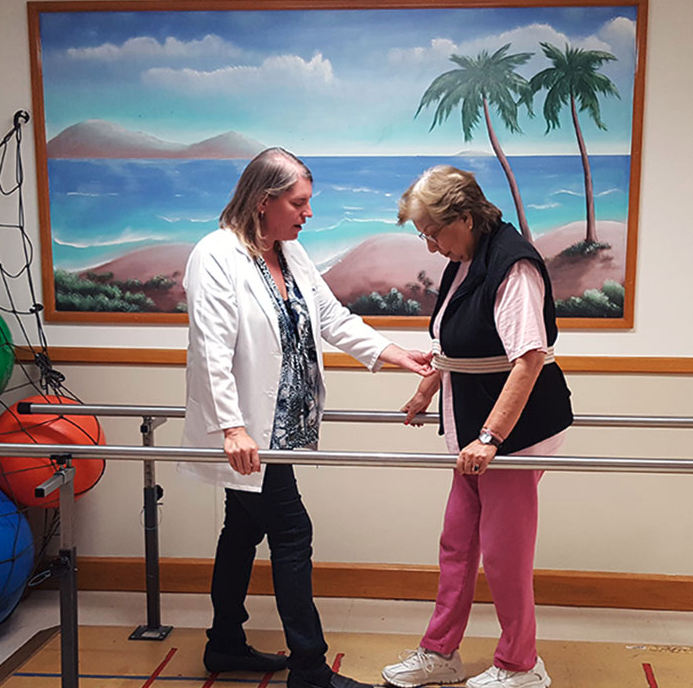
How is Maywood Acres Healthcare Staffed?

CMS rates Maywood Acres Healthcare's staffing level at 3 out of 5 stars, which is average compared to other nursing homes. Staff turnover is 39%, compared to the California average of 46%. This relatively stable workforce can support continuity of care.

What Have Inspectors Found at Maywood Acres Healthcare?

State health inspectors documented 27 deficiencies at Maywood Acres Healthcare during 2021 to 2024. These included: 27 with potential for harm.

Who Owns and Operates Maywood Acres Healthcare?

Maywood Acres Healthcare is owned by a for-profit company. For-profit facilities operate as businesses with obligations to shareholders or private owners. The facility operates independently rather than as part of a larger chain. With 98 certified beds and approximately 96 residents (about 98% occupancy), it is a smaller facility located in Oxnard, California.

How Does Maywood Acres Healthcare Compare to Other California Nursing Homes?

Compared to the 100 nursing homes in California, Maywood Acres Healthcare's overall rating (5 stars) is above the state average of 3.2, staff turnover (39%) is near the state average of 46%, and health inspection rating (5 stars) is much above the national benchmark.

What Should Families Ask When Visiting Maywood Acres Healthcare?

Based on this facility's data, families visiting should ask: "Can I visit during a mealtime to observe dining assistance and food quality?" "How do you handle medical emergencies, and what is your hospital transfer rate?" "Can I speak with family members of current residents about their experience?"

Is Maywood Acres Healthcare Safe?

Based on CMS inspection data, Maywood Acres Healthcare has a clean safety record: no substantiated abuse findings (meaning no confirmed cases of resident harm), no Immediate Jeopardy citations (the most serious violation level indicating risk of serious injury or death), and is not on the Special Focus Facility watch list (a federal program monitoring the lowest-performing 1% of nursing homes). The facility has a 5-star overall rating and ranks #1 of 100 nursing homes in California. While no facility is perfect, families should still ask about staff-to-resident ratios and recent inspection results during their visit.

Do Nurses at Maywood Acres Healthcare Stick Around?

Maywood Acres Healthcare has a staff turnover rate of 39%, which is about average for California nursing homes (state average: 46%). Moderate turnover is common in nursing homes, but families should still ask about staff tenure and how the facility maintains care continuity when employees leave.

Was Maywood Acres Healthcare Ever Fined?

Maywood Acres Healthcare has no federal fines on record. CMS issues fines when nursing homes fail to meet care standards or don't correct problems found during inspections. The absence of fines suggests the facility has either maintained compliance or corrected any issues before penalties were assessed. This is a positive indicator, though families should still review recent inspection reports for the full picture.

Is Maywood Acres Healthcare on Any Federal Watch List?

Maywood Acres Healthcare is not on any federal watch list. The most significant is the Special Focus Facility (SFF) program, which identifies the bottom 1% of nursing homes nationally based on persistent, serious quality problems. Not being on this list means the facility has avoided the pattern of deficiencies that triggers enhanced federal oversight. This is a positive indicator, though families should still review the facility's inspection history directly.