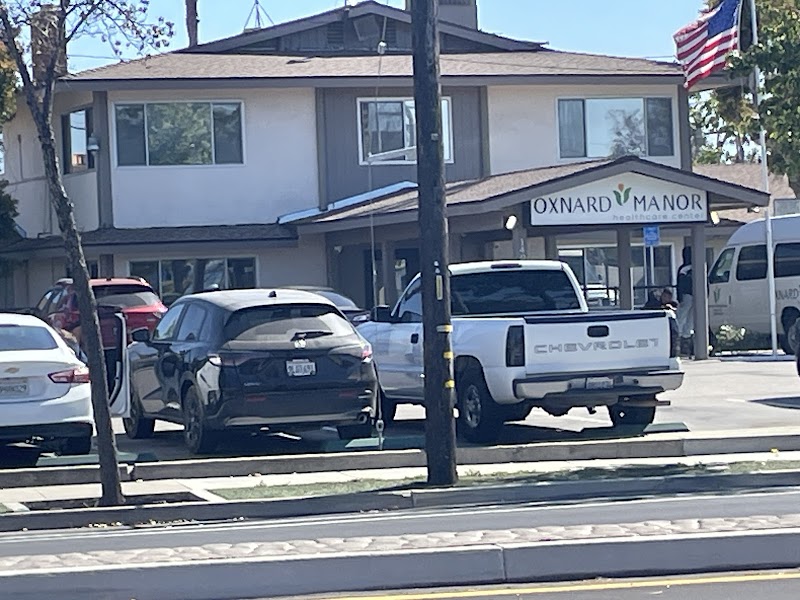
Oxnard Manor Healthcare Center
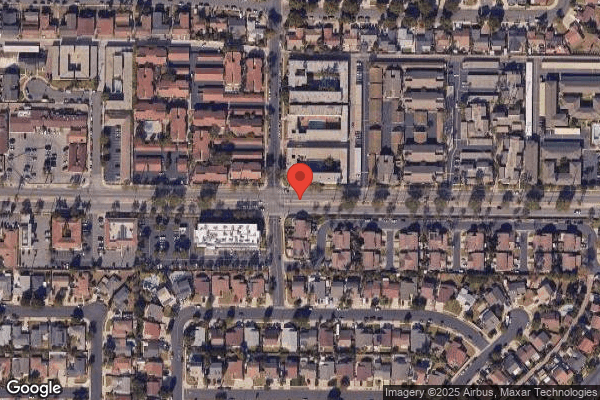
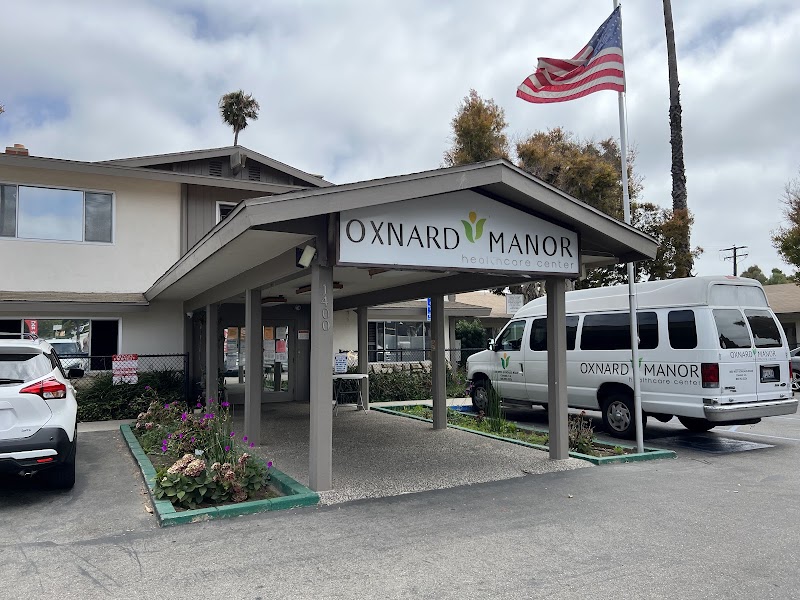
1400 West Gonzales Road, Oxnard, CA 93036 (805) 983-0324
For profit - Corporation 82 Beds Independent Data: November 2025
Trust Grade
70/100
#427 of 1155 in CA
Last Inspection: October 2024

Within standard 12-15 month inspection cycle. Federal law requires annual inspections.

Overview

Oxnard Manor Healthcare Center has a Trust Grade of B, indicating it is a solid choice for care, though not without its flaws. It ranks #427 out of 1,155 facilities in California, placing it in the top half statewide, but only #13 out of 19 in Ventura County, suggesting there are better local options available. The facility is improving, with the number of issues decreasing from 13 in 2024 to 6 in 2025. Staffing is average, with a rating of 3 out of 5 stars and a turnover rate of 40%, which is close to the state average. Notably, there have been no fines, which is a positive sign, but specific incidents, such as improper handling of clean linen and dietary errors that could impact residents' health, raise concerns about quality and adherence to standards. Overall, while there are strengths such as good overall ratings and no fines, the facility must address its compliance issues to ensure resident safety.
Trust Score
B
70/100
In California
#427/1155
Top 36%
Safety Record
Low Risk
No red flags
Inspections
Getting Better
13 → 6 violations
Staff Stability
○ Average
40% turnover. Near California's 48% average. Typical for the industry.
Penalties
✓ Good
No fines on record. Clean compliance history, better than most California facilities.
Skilled Nurses
○ Average
Each resident gets 33 minutes of Registered Nurse (RN) attention daily — about average for California. RNs are the most trained staff who monitor for health changes.
Violations
⚠ Watch
45 deficiencies on record. Higher than average. Multiple issues found across inspections.
★★★★☆
4.0
Overall Rating
★★★☆☆
3.0
Staff Levels
★★★★★
5.0
Care Quality
★★★☆☆
3.0
Inspection Score
Stable
2024: 13 issues
2025: 6 issues

The Good

  • 5-Star Quality Measures · Strong clinical quality outcomes
  • Full Sprinkler Coverage · Fire safety systems throughout facility
  • No fines on record
  • Staff turnover below average (40%)

    8 points below California average of 48%

Facility shows strength in quality measures, fire safety.

The Bad

Staff Turnover: 40%

Near California avg (46%)

Typical for the industry

The Ugly 45 deficiencies on record

Jul 2025 1 deficiency
CONCERN (D) 📢 Someone Reported This

A family member, employee, or ombudsman was alarmed enough to file a formal complaint

Potential for Harm - no one hurt, but risky conditions existed

Safe Environment (Tag F0584)

Could have caused harm · This affected 1 resident

**NOTE- TERMS IN BRACKETS HAVE BEEN EDITED TO PROTECT CONFIDENTIALITY** Based on interview and record review, the facility failed to ensure the electrical outlet was in good repair and was safe for us...

Read full inspector narrative →
**NOTE- TERMS IN BRACKETS HAVE BEEN EDITED TO PROTECT CONFIDENTIALITY** Based on interview and record review, the facility failed to ensure the electrical outlet was in good repair and was safe for use in one of the resident's rooms (room [ROOM NUMBER]), when the socket was left opened without a protective plate.This failure had the potential to affect resident safety and increase the risk of injury. During the observation on 7/8/25 inside room [ROOM NUMBER], the wall electrical outlet outside of the bathroom in room [ROOM NUMBER] did not have a cover plate exposing some electrical wiring inside the socket. The maintenance logbook did not have the requisition for the repair of the open electrical outlet. During the interview on 7/8/25 at 3:00 p.m. with the maintenance supervisor (MS), MS stated that the matter was not brought to his attention neither it was entered in the maintenance logbook by any staff, so no repair was done on the issue.During the review of facility's policy and procedure (P&P), titled Maintenance Service, dated 1/1/2012, P&P indicated, The Maintenance Department is responsible for maintaining the buildings, grounds, andequipment in a safe and operable manner at all times, and functions of the maintenance department include maintaining the building in good repair and free from hazards.
Feb 2025 1 deficiency
CONCERN (D) 📢 Someone Reported This

A family member, employee, or ombudsman was alarmed enough to file a formal complaint

Potential for Harm - no one hurt, but risky conditions existed

Medical Records (Tag F0842)

Could have caused harm · This affected 1 resident

**NOTE- TERMS IN BRACKETS HAVE BEEN EDITED TO PROTECT CONFIDENTIALITY** Based on interview and record review, the facility failed to ensure staff accurately documented why a medication dose was not gi...

Read full inspector narrative →
**NOTE- TERMS IN BRACKETS HAVE BEEN EDITED TO PROTECT CONFIDENTIALITY** Based on interview and record review, the facility failed to ensure staff accurately documented why a medication dose was not given, or that the physician was notified of the missed dose for one of two sampled residents (Resident 1) per their policy and procedure. This failure resulted in an incomplete medical record and had the potential for inaccurrate and delayed medical interventions for Resident 1. Findings: During a review of the admission Record for Resident 1, dated 2/4/25, the admission Record indicated Resident 1 was admitted on [DATE] and had a diagnosis including but not limited to Type 2 Diabetes Mellitus (a chronic disease that causes high blood sugar levels when the body doesn't produce enough insulin, or when the body cannot use insulin properly). During a review of the Medication Administration Record (MAR) for Resident 1, dated 1/1/25-1/31/25, the MAR indicated an order by the physician for Insulin Glargine Solution 100 UNIT/ML Inject subcutaneously two times a day for diabetes. The MAR further indicates on 1/19/25 at 5:00 PM the medication was not given, hold, see progress note is coded on the MAR. During review of the facility's policy and procedure titled, Medication Administration, revised January 01, 2012, indicates in part . III. Holding Medications . B. The licensed Nurse will document on the back of the MAR, noting the time and the reason the medication was held. During a concurrent interview and record review on 2/4/25 at 12:03 PM with the Director of Nursing (DON), the medical record for Resident 1 was reviewed and the DON was unable to locate any documentation of why the medication for Resident 1 was held on 1/19/25, or that the physician was notified. The DON agreed that documentation and notification should have been done and were not.
Jan 2025 1 deficiency
CONCERN (D) 📢 Someone Reported This

A family member, employee, or ombudsman was alarmed enough to file a formal complaint

Potential for Harm - no one hurt, but risky conditions existed

Deficiency F0658 (Tag F0658)

Could have caused harm · This affected 1 resident

Based on record review and interview, the facility failed to follow physician orders and adhere to its medication administration policy and procedures for one of two sampled residents (Resident 1) whe...

Read full inspector narrative →
Based on record review and interview, the facility failed to follow physician orders and adhere to its medication administration policy and procedures for one of two sampled residents (Resident 1) when: 1. Staff did not seek physician clarification for a potential frequency change for a Lactulose (a medication which can be used to reduce the amount of ammonia in the blood of residents with liver disease) order when Resident 1 did not have four bowel movements in a day. 2. Staff did not notify Resident 1's physician of their continued inability to obtain an ordered medication of Rifaximin (An antibiotic that is used to treat and prevent complications in patients with cirrhosis). 3. Staff did not check Resident 1's blood pressure or heartrate prior to the administration of Propranolol (a medication used to treat high blood pressure). These failures had the potential to lead to negative outcomes for Resident 1. Findings: 1.During a review of Resident 1's admission Record undated, indicated in part, Resident 1 had diagnoses including cirrhosis of the liver (a chronic liver disease characterized by the formation of scar tissue that replaces healthy liver tissue), hepatic encephalopathy (a brain dysfunction that occurs when a damaged liver fails to filter toxins from the blood), ascites (a condition where excess fluid accumulates in the abdominal cavity), and hypertension (a condition where the blood vessels have consistently elevated blood pressure). During a concurrent record review and interview, on 1/24/25, starting at 2:12 p.m., with Certified Nursing Assistant (CNA 1) and the Director of Nursing (DON 1), Resident 1's medical record was reviewed. Resident 1 had a physician order for Lactulose Oral Solution 10 GM (grams)/15ML (milliliters) (Lactulose) give 30 ml by mouth every four hours for liver disease increase or decrease frequency toward goal of four bowel movements per day. The CNA 1 confirmed Resident 1 had two bowel movements on 12/22/24, two bowel movements on 12/23/24, and two bowel movements on 12/24/24. The DON 1 verbalized Resident 1's physician should have been notified on those dates when Resident 1 had less than 4 bowel movements a day to inquire if a frequency change in the order was needed. The DON 1 could not provide documentation indicting this was done. 2. During a concurrent record review and interview, on 1/24/25, with Licensed nurse (LN 1) and DON 1, Resident 1's Medication Administration Record (MAR) was reviewed. Resident 1's MAR indicated in part, a physician order for Rifaximin Oral Tablet 200 MG (Rifaximin) Give two tablet by mouth three times a day for Cirrhosis of Liver. The medication start date was 12/20/24. The LN 1 verbalized that this medication was placed on hold due to the pharmacy not having the medication and that Resident 1's physician was notified of it on 12/20/24. The LN 1 verbalzied the oncoming nurses should have followed up with the pharmacy and kept Resident 1's physician informed of the continued unavailability of the medication. The DON 1 confirmed there was no documentation indicating from 12/21/24 through 12/25/24, staff had informed Resident 1's physician of the continued absence of the Rifaximin or had followed up with the pharmacy about obtaining the Rifaximin for Resident 1. 3. During a concurrent record review and interview, on 1/24/25, at 2:56 p.m., with the DON 1, Resident 1's MAR was reviewed. Resident 1 had a physician order for Propranolol HCL Oral Tablet 10MG (Propranolol HCL) Give one tablet by mouth two times a day for HTN (Hypertension) hold for SBP (Systolic Blood Pressure) less than 110mmhg (millimeters of mercury) or HR (Heart rate) less than 60 (60 beats per minute). The medication start date was 12/20/24. On eight occasions from 12/20/24 to 12/24/24, facility records indicated the medication was administered without checking Resident 1's heartrate or blood pressure prior to the administration of the medication. The DON 1 verbalzied there was no documentation on those occasions indicating Resident 1's blood pressure or heartrate was checked shortly before the administration of the medication as was ordered by the physician. During a review of the facility's policy and procedure titled Medication-Administration dated 1/12, indicated its purpose was To ensure the accurate administration of medications for residents in the facility. The policy further indicated,Medications and treatments will be administered as prescribed to ensure compliance with dose guidelines .Tests and taking of vital signs, upon which administration of medications or treatments are conditioned, will be performed as required and the results recorded .When administration of the drug is dependent upon vital signs or testing, the vital signs/testing will be completed prior to administration of the medication and recorded in the medical record.
Jan 2025 2 deficiencies
CONCERN (D) 📢 Someone Reported This

A family member, employee, or ombudsman was alarmed enough to file a formal complaint

Potential for Harm - no one hurt, but risky conditions existed

Quality of Care (Tag F0684)

Could have caused harm · This affected 1 resident

Based on record review and interview, the facility failed to capture/be aware of, a resident diagnosis of cataracts (a clouding of the lens of the eye) for one of two sampled residents (Resident 1). T...

Read full inspector narrative →
Based on record review and interview, the facility failed to capture/be aware of, a resident diagnosis of cataracts (a clouding of the lens of the eye) for one of two sampled residents (Resident 1). This facility failure had the potential for Resident 1 to experience negative outcomes in care. Findings: During a concurrent interview and record review, on 1/23/25, at 11:28 a.m., with the Director of Nursing (DON 1), the DON 1 was asked if facility records indicated Resident 1 had a diagnosis of Cataracts. The DON 1 verbalized Resident 1 did not have a diagnosis of Cataracts after examining Resident 1's medical records including but not limited to, the current list of Resident 1's diagnoses, care plan and physician orders. During a review of Resident 1's Eye Health Consult form dated 2/5/24, indicated in part, Resident 1 had a diagnosis of cataracts to both eyes. During a review of Resident 1's Complete Exam/Visit-Office form, dated 7/3/24, from an offsite eye specialty clinic, indicated in part, Resident 1 had an ocular history of OU (oculus uterque [both eyes]) Cataract. The form indicated in part Resident 1's medical doctor at the clinic Discussed indications for cataract surgery. Monitoring recommended. During a concurrent interview and record review, on 1/23/25, at 12:07 p.m., with the Director of Nursing (DON 1) and Administrator (Admin 1), the Admin 1 and DON 1 could not confirm how long Resident 1 had been at the facility with the diagnosis of cataracts. The DON 1 verbalized facility records should have indicated Resident 1 had a diagnosis of cataracts and that should have been reflected in Resident 1's care plan but was not.
CONCERN (D) 📢 Someone Reported This

A family member, employee, or ombudsman was alarmed enough to file a formal complaint

Potential for Harm - no one hurt, but risky conditions existed

Food Safety (Tag F0812)

Could have caused harm · This affected 1 resident

Based on observation, interview and record review, the facility failed to label and discard perishable food items, from the resident refrigerator, per policy and procedure. This facility failure had t...

Read full inspector narrative →
Based on observation, interview and record review, the facility failed to label and discard perishable food items, from the resident refrigerator, per policy and procedure. This facility failure had the potential for residents to experience negative outcomes, including foodborne illness. Findings: During a review of the facility's policy and procedure titled Food Brought in by Visitors dated 6/18, indicated in part When food is brought into a nursing home prepared by others, the nursing home is responsible for ensuring that the food container is clearly labeled with the resident's name and date received and stored in a refrigerator designated for this purpose. The policy further indicated Perishable food requiring refrigeration will be discarded after two hours at bedside, and if refrigerated it will then be labeled, dated, and discarded after 48 hours. During a concurrent observation and interview, on 1/21/25, starting at 1:44 p.m., with the Director of Nursing (DON 1) and Administrator (Admin 1), the resident refrigerator was inspected. Inside the resident refrigerator was one undated container of frozen stew and one undated plastic bag containing three rolls. Both Admin 1 and DON 1 verbalized the container of stew and the plastic bag containing the rolls should have been dated when put in the resident refrigerator but were not.
Jan 2025 1 deficiency
CONCERN (D) 📢 Someone Reported This

A family member, employee, or ombudsman was alarmed enough to file a formal complaint

Potential for Harm - no one hurt, but risky conditions existed

Comprehensive Care Plan (Tag F0656)

Could have caused harm · This affected 1 resident

Based on record review and interview, the facility failed to implement fall care planned interventions for one of two sampled Residents (Resident 1). This failure had the potential to lead to negative...

Read full inspector narrative →
Based on record review and interview, the facility failed to implement fall care planned interventions for one of two sampled Residents (Resident 1). This failure had the potential to lead to negative outcomes for Resident 1. Findings: During a review of Resident 1's Change in Condition Evaluation form, dated 12/2/24, indicated in part on 12/2/24, Resident 1 sustained a fall. The form indicated in part Heard loud noise in [Resident 1's] room. And nurse went to check, [Resident 1] was found lying on the floor, head by the door of the bathroom. During a review of Resident 1's Care Plan undated, indicated in part, Resident 1 was At risk for further falls due to decreased physical mobility, decreased endurance and weakness. Resident 1's Care Plan further indicated an intervention chosen for Q1H (Every one hour) rounding for anticipation of needs. During a concurrent interview and record review on 1/16/25, at 3:51 p.m., with the Director of Nursing (DON 1) and the Administrator (Admin 1), both the DON 1 and the Admin 1 were asked if the facility could provide documentation indicating staff were performing Q1H rounding for anticipation of needs for Resident 1 throughout 12/24. Both the DON 1 and Admin 1 verbalized the facility was unable to provide documentation indicating this care planned intervention was carried out for the entire month of 12/24. During a review of the facility's policy and procedure titled Comprehensive Person-Centered Care Planning dated 11/18, indicated in part It is the policy of this facility to provide person-centered, comprehensive and interdisciplinary care that reflects best practice standards for meeting health, safety, psychosocial, behavioral, and environmental needs of residents in order to obtain or maintain the highest physical, mental, and psychosocial well-being. Based on record review and interview, the facility failed to implement fall care planned interventions for one of two sampled Residents (Resident 1). This failure had the potential to lead to negative outcomes for Resident 1. Findings: During a review of Resident 1's Change in Condition Evaluation form, dated 12/2/24, indicated in part on 12/2/24, Resident 1 sustained a fall. The form indicated in part Heard loud noise in [Resident 1's] room. And nurse went to check, [Resident 1] was found lying on the floor, head by the door of the bathroom. During a review of Resident 1's Care Plan undated, indicated in part, Resident 1 was At risk for further falls due to decreased physical mobility, decreased endurance and weakness. Resident 1's Care Plan further indicated an intervention chosen for Q1H (Every one hour) rounding for anticipation of needs. During a concurrent interview and record review on 1/16/25, at 3:51 p.m., with the Director of Nursing (DON 1) and the Administrator (Admin 1), both the DON 1 and the Admin 1 were asked if the facility could provide documentation indicating staff were performing Q1H rounding for anticipation of needs for Resident 1 throughout 12/24. Both the DON 1 and Admin 1 verbalzied the facility was unable to provide documentation indicating this care planned intervention was carried out for the entire month of 12/24. During a review of the facility's policy and procedure titled Comprehensive Person-Centered Care Planning dated 11/18, indicated in part It is the policy of this facility to provide person-centered, comprehensive and interdisciplinary care that reflects best practice standards for meeting health, safety, psychosocial, behavioral, and environmental needs of residents in order to obtain or maintain the highest physical, mental, and psychosocial well-being.
Oct 2024 11 deficiencies
CONCERN (D)

Potential for Harm - no one hurt, but risky conditions existed

Safe Environment (Tag F0584)

Could have caused harm · This affected 1 resident

**NOTE- TERMS IN BRACKETS HAVE BEEN EDITED TO PROTECT CONFIDENTIALITY** Based on observation, interview, and record review, the facility failed to maintain a homelike environment in one resident room ...

Read full inspector narrative →
**NOTE- TERMS IN BRACKETS HAVE BEEN EDITED TO PROTECT CONFIDENTIALITY** Based on observation, interview, and record review, the facility failed to maintain a homelike environment in one resident room and two shower rooms. This failure had the potential to negatively impact residents. Findings: During an interview 10/30/24, at 10:40 a.m., with the maintenance assistant (MS 1), the MS 1 was asked if the facility was up to date with repairs. The MS 1 verbalzied yes. During an observation on 10/30/24, starting at 10:45 a.m., the facility was toured. During the tour one unoccupied room (room [ROOM NUMBER]) had wall damage with peeling paint and a damaged bathroom door frame. During an interview on 10/30/24, at 10:50 a.m., with MS 1, the MS 1 confirmed the wall damage and door frame damage in room [ROOM NUMBER]. During a concurrent observation and interview, on 10/30/24, starting at 4:09 p.m., with Environmental Services Director (ES 1), the facility's two shower rooms were toured. The east side shower room had a door frame in disrepair while the west side shower room had broken tiles along the wall's baseboards. The ES 1 confirmed the items in disrepair for both shower rooms and verbalzied they would need to be fixed. During a review of the facility policy titled Resident Rooms and Environment dated 1/1/12, indicated in part The facility provides residents with a safe, clean, comfortable, and homelike environment.
CONCERN (D)

Potential for Harm - no one hurt, but risky conditions existed

Comprehensive Care Plan (Tag F0656)

Could have caused harm · This affected 1 resident

**NOTE- TERMS IN BRACKETS HAVE BEEN EDITED TO PROTECT CONFIDENTIALITY** Based on observation, interview, and record review, the facility failed to develop and implement a comprehensive person focused ...

Read full inspector narrative →
**NOTE- TERMS IN BRACKETS HAVE BEEN EDITED TO PROTECT CONFIDENTIALITY** Based on observation, interview, and record review, the facility failed to develop and implement a comprehensive person focused care plan for 2 of 5 sampled residents when: 1. Resident 65's preference for warm drinking water was not identified in the resident's careplan. This failure resulted in the resident storing warm water via water [NAME] at the bedside by self , with no facility assessment if ok with medications and other dietary intake /food/meal. 2. Resident 40's interdisciplinary team (IDT) nutrition care plan (detailed plans of care created by representatives from several medical disciplines or specialties) did not contain clear and resident specific measurable objectives with the input of the resident and/or responsible party (RP) on their goals and desired outcomes related to Resident 40's weight and 2b. Ensure risks of refusal of a renal diet (for kidney disease) were explained to the RP for informed decision making. This failure resulted in unclear, weight maintenance goal and could impede the IDT from effectively monitoring, evaluating, and revising the care plan, as appropriate, to ensure care needs would not go unrecognized and unmet. Failure to discuss risks of refusal of a therapeutic diet with the RP to support informed decision making was not implementing person-centered care planning. Findings: 1. During initial observation tour and concurrent interview, on 10/29/24, at 7:36 a.m., in room [ROOM NUMBER]-1, Resident 65 had no water pitcher on her bedside table. However, a 20 oz. (ounce) metal [NAME] with a lid was observed on the bedside table. Resident 65 said she prefers to drink only warm water and has requested staff for warm water instead of the cold water served in the water pitchers. Staff said they do not serve warm water, only cold water. Resident 65 indicated , wheeling self via wheelchair to the water dispenser to get the warm water. In an interview with the Dietary Supervisor (DS 1), on 10/30/24, at 11:50 a.m., regarding Resident 65's preference for warm water, being told warm water was not served, and resident having to get the warm water herself from the water dispenser, DS 1 said he was not aware of any of it. Review of Resident 65's Care Plan for Dehydration intervention indicated, Educate the resident/family/caregivers on importance of fluid intake. The comprehensive care plan did not include resident's preference for warm water. Review of the facility Policy and Procedure titled Resident Rights, dated 1/1/12, indicated in part, IV. In order to facilitate resident choices, Facility staff will: B. Gather information about the resident's personal preferences on initial assessment and periodically thereafter, and document these preferences in the medical record; and C. Include information gathered about the resident's preferences in the care planning process. 2. During a concurrent interview and record review on 10/30/24 at 09:57 a.m. with Licensed Nurse (LN) 1, Resident 40's Nutrition Long Term Care Plan (NCP), initiated on 4/17/23 and last revised on 5/3/24 was reviewed. The NCP indicated, Focus .Admit Wt [weight] 139.6 lbs [pounds].Hx [history] of large weight trend fluctuations.Weight loss of 6.9 lbs in 1 month (as of 8/3/23), 10/5/23 weight loss 12.7 in 1 month, 10/16/23 - [loss of] 8.2 lb/[within] 30 days, -17 lb/10.7%/90 days, November 2023 -13.4 weight gain in a month, December 2023 weight loss 7.9 lb in one month.Goal: The resident will maintain adequate nutritional status as evidenced by maintaining weight.through review date.12/29/2024. LN 1 stated the goal was to maintain weight, maintain her ideal weight. LN 1 was asked what the resident's ideal weight was, and LN 1 stated from the NCP, I can't tell. LN 1 stated the NCP was unclear as she was unsure of what weight the facility was trying to maintain for Resident 40. During a concurrent interview and record review on 10/30/24 at 02:48 p.m. with Director of Nursing (DON), Resident 40's NCP initiated on 4/17/23 and last revised on 5/3/24 was reviewed. The NCP indicated, Goal: The resident will maintain adequate nutritional status as evidenced by maintaining weight.through review date.12/29/2024. DON stated the goal for Resident 40 was to maintain weight. DON was asked what weight was to be maintained? DON stated, Maybe it's the weight before, or maybe it's the base line weight goal upon admission. DON confirmed the NCP had not contained clear direction to IDT members related to weight maintenance goal when there was no resident specific weight or weight range goal documented on the NCP. DON verified lack of clear weight maintenance goal could impede effective monitoring and evaluating as to whether the weight goal was being maintained or not. During a concurrent interview and record review on 10/30/24 at 02:48 p.m. with DON, DON was asked to review Resident 40's nutrition assessment (NA), dated 4/29/24, completed by the Registered Dietitian (RD). After the DON reviewed the NA, DON stated, The weight to be maintained is 141 -157 lbs. DON verified the NCP was not clear on the specific weight maintenance goal for Resident 40 and should have been to be person-centered care with measurable objectives. During a review of CMS (Centers for Medicare & Medicaid Services) the comprehensive care plan should include measurable objectives defined as the ability to be evaluated or quantified. During a review of Resident 40's Multidisciplinary Care Conference (MCC), dated 10/13/23, the MCC indicated, .Current Weight: 141.1 lbs, Goal Body Weight (lbs.): maintain weight. During a review of Resident 40's Multidisciplinary Care Conference (MCC), dated 10/16/24, the MCC indicated, Resident 40 weighed 160.9 lbs. and the Goal Body Weight category listed on the form was blank. The category titled Current goals indicated to maintain weight. During a concurrent interview and record review on 10/31/24 at 11:02 a.m. with RD, RD stated it was the nursing responsibility to document the goals on the NCP. RD reviewed Resident 40's NCP, last revised on 5/3/24, and verified the goal of maintain weight was general and not detailed sufficiently to be resident specific to effectively monitor. RD reviewed Resident 40's NA, dated 4/29/24, and verified Goal Weight indicated n/a, and Usual Weight indicated 141 - 157 lbs. RD stated she usually does not assess, nor document, a goal weight for residents residing at the facility out of concern a facility may be cited if the goal weight was not maintained or achieved. In addition, RD stated she does not involve the resident and/or RP to obtain resident and/or RP's goals and preferences related to a resident's weight goal for person-centered care. However, in this case, Resident 40's NA, dated 4/29/24, indicated, Nutritional Goal: No significant, unplanned weight changes outside of UBW [usual body weight] range. During a review of the facility's policy and procedure (P&P) titled, Evaluation of Weight Nutritional Status, dated 11/16/22, the P&P indicated, The facility will work to maintain an acceptable nutritional status for residents by: c. Defining and implementing interventions for maintaining, or improving nutritional status that are consistent with resident needs, goals, and recognized standards of practice. Review of the facility Policy and Procedure titled Resident Rights, dated 1/1/12, indicated in part, IV. In order to facilitate resident choices, Facility staff will: B. Gather information about the resident's personal preferences on initial assessment and periodically thereafter, and document these preferences in the medical record; and C. Include information gathered about the resident's preferences in the care planning process. During a review of the facility's P&P titled, Comprehensive Person-Centered Care Planning, dated 8/24/23, the P&P indicated, Policy: The Facility will provide person-centered, comprehensive, and interdisciplinary care that reflects best practice standards for meeting health, safety, psychosocial, behavioral, and environmental needs of residents in order to obtain or maintain the highest physical, mental, and psychosocial well-being.the comprehensive care plan will also be reviewed and revised.as appropriate or necessary. 2b. During an observation on 10/28/24 at 12:30 p.m. in Resident 40's room, Resident 40's meal tray card was located on her meal tray that was on her bedside table positioned in front of her. Resident 40's meal tray card indicated her diet order was CCHO (consistent carbohydrate diet for diabetes) mechanical soft (to make it easier to chew and swallow foods, reducing the risk of choking). During a review of Resident 40's admission Record (AR), the AR indicated Resident 40 was re-admitted to the facility on [DATE]. During a review of Resident 40's Order Summary Report (OSR), dated 4/17/23, the OSR indicated, Hemodialysis [a treatment that filters waste and excess fluid from your blood when your kidneys can no longer perform that function] every Tues [Tuesday]-Thurs [Thursday]-Sat [Saturday]., Diet: CCHO mechanical soft texture. During a concurrent interview and record review on 10/31/24 at 10:12 a.m. with RD, Resident 40's Nutrition Review (NR), dated 10/11/23 was reviewed. The NR indicated, .Her diet was liberalized to CCHO mech [mechanical] soft due to her preference and refusal to follow more restrictive diet [a renal diet]. Risks have been explained but she prefers to continue current plan. Dx [diagnosis] moderate dementia but she states that she understands risks. Therapeutic diet (CCHO mech soft) . RD stated Resident 40's RP was not involved in decision making, to include informing RP of risks and benefits, of omitting a therapeutic renal diet. RD stated she was not aware there was a requirement to involve the resident and/or RP in the decision- making process related to therapeutic diet recommendations and/or weight goals for a resident. During a review of Resident 40's History and Physical (H&P), dated 4/20/23, the H&P indicated, This resident can make needs known but can not make medical decisions. Surrogate decisionmaker: Family. During a review of Resident 40's Multidisciplinary Care Conference (MCC), dated 10/13/23, the MCC indicated, Current Diet: Mechanical Soft CCHO.Attendance in review/meeting.k. Family was left blank indicating family was not present. The facility's MCC were reviewed from 10/13/23 through 10/16/24. The MCC, dated 10/16/24, indicated the family was present as evidenced by a check mark under k. Family. The MCC, dated 10/16/24, indicated, Current Diet: Mechanical Soft CCHO.9a. Resident/Family: a. Expectation/Concerns: Daughter states she is familiar with Res. [resident] diet and has no questions. This documentation was at least a year later after Resident 40's most recent re-admission to the facility and lacked documentation that risks and benefits of lack of a therapeutic renal diet were specifically explained. During a review of Resident 40's Nutrition Long Term Care Plan (NCP), initiated on 4/17/23, revised on 12/1/23 and last revised on 5/3/24, was reviewed. The NCP indicated, Focus: .Risk for malnutrition related to: On therapeutic diet, on mechanically altered diet.Interventions: .Provide education to resident, responsible party.regarding special care needs, .explain consequences of refusal, CCHO-Standard portion diet Mechanical Soft. During a review of the facility's policy and procedure (P&P) titled, Comprehensive Person-Centered Care Planning, dated 8/24/23, the P&P indicated, .Interdisciplinary Team (IDT) a. The IDT team may include but is not limited to the following individuals: v. To the extent practicable, the resident and the resident's representative(s).f. Each resident and/or resident representative will actively remain engaged in his or her care planning process through the resident's rights to participate in the development of, and be informed in advance of changes in the plan of care.
CONCERN (D)

Potential for Harm - no one hurt, but risky conditions existed

Deficiency F0658 (Tag F0658)

Could have caused harm · This affected 1 resident

**NOTE- TERMS IN BRACKETS HAVE BEEN EDITED TO PROTECT CONFIDENTIALITY** Based on record review and interview, the facility failed to ensure a resident 's ( Resident 127) electronic medical record (eMA...

Read full inspector narrative →
**NOTE- TERMS IN BRACKETS HAVE BEEN EDITED TO PROTECT CONFIDENTIALITY** Based on record review and interview, the facility failed to ensure a resident 's ( Resident 127) electronic medical record (eMAR - a digital version of a resident's medication administration) was accurately signed or accurate documentations were entered when a medication was administered or not administered as ordered by the physician . This failure has the potential for resident not to received the medications as ordered essential for quality of life and well being . Findings: According to Nursing Fundamentals by [NAME], [NAME] and [NAME], second edition, 2010 p. 322, Documentation is the professional responsibility of all health care practitioners. It provides written evidence of the practitioner's accountability to the client, the institution, the profession, and society. Review of [NAME] and [NAME], 6th Edition, Mosby's Fundamentals of Nursing, page 847 in the section titled, Medication Administration indicated, After administering a medication, the nurse records it immediately on the appropriate record form. The nurse never charts a medication before administering it. Recording immediately after administration prevents errors. Review of [NAME] and [NAME], seventh Edition, Mosby's Fundamentals of Nursing, page 336 in the section titled, Physician's Orders indicates, Nurses follow physician orders unless they believe the orders are in error or harm clients. Therefore you need to assess all orders, and if you find one to be erroneous or harmful, clarification from the physician is necessary. During a review of Resident 127s medical record (MR), the MR indicated the resident is undergoing dialysis treatments (procedure that removes waste products and excess fluids from the body when kidneys are unable to function) every Tuesday, Thursday, and Saturday with a contracted dialysis center. Pick up time from the facility was at 2:15 p.m. and resident arrives back at 7 p.m. Review of the resident's eMAR for the month of October 2024, revealed the following: - On 10/22/24 (Tuesday), an order for Lidocaine - Prilocaine External Cream 2.5 - 2.5% for 1 p.m. (an anesthetic cream used on the skin to cause numbness or loss of feeling before certain medical procedures) was to be applied to the dialysis access site (right upper arm AV fistula [a surgical connection between an artery and a vein that provides access to the bloodstream for dialysis]) topically ( skin) prior to dialysis in preparation for dialysis needle cannulation ( large needle insertion into the arytery) . The eMAR had no indication lidocaine was administered on 10/22/24 prior to 2:15 p.m. when Resident 127 was picked up for dialysis treatment. On 10/24/24 (Thursday), a scheduled medication Clonidine HCl (hydrochloride) 0.1 mg. (milligram [medication for hypertension]), for 5 p.m. was signed as given/administered with blood pressure and pulse reading listed. Record review indicated, Resident 127 was out of the facility on 10/24/24 at 5 pm and was at the dialysis clinic for dialysis treatment . On 10/24/24 (Thursday), a scheduled medication Miralax Oral Powder 17 GM/scoop (for bowel management), for 5 p.m. was signed as given/administered. Resident 127 was out of the facility and in the dialysis clinic on 10/24/24 at 5 pm. On 10/24/24 (Thursday), a scheduled medication Calcium Acetate 667 mg. (a medication used to control phosphate [type of salt/electrolyte] levels to get them from going too high in dialysis patients) for 5:30 p.m., was signed as given/administered. On 10/24/24 (Thursday), a scheduled medication Hydralizine HCl 100 mg. (for hypertension) for 5 p.m. was signed as given/administered with blood pressure and pulse reading listed. Resident 127 was in dialysis at this time. Record review of the facility's P&P (Policy and Procedure), titled Medication-Administration, dated 1/1/12, indicated in part . Purpose: To ensure the accurate administration of medications for residents in the Facility .Policy: Medication will be administered directed by a Licensed Nurse and upon the order of a physician or licensed independent contractor . and Administration Of Medications: A. ii. Medications and treatments will be administered as prescribed to ensure compliance with dose regulations. During an interview with the director of nursing (DON), on 10/31/24 at 9:36 a.m., the DON concurred with the findings. The DON was not able to offer additional information about the lidocaine nor administered prior to dialysis pick up of Resident 127 on 10/22/24 at 2:15 p.m., and why was the eMAR signed on 10/24/24 at 5 p.m. stating the following medications were administered : Clonidine HCl (hydrochloride) 0.1 mg. (milligram [medication for hypertension]), for 5 p.m. Miralax Oral Powder 17 GM/scoop (for bowel management), for 5 p.m. Calcium Acetate 667 mg. (a medication used to control phosphate [type of salt/electrolyte] levels to get them from going too high in dialysis patients) for 5:30 p.m. Hydralizine HCl 100 mg. (for hypertension) for 5 p.m., when the resident was out of the facility for a dialysis treatment .
CONCERN (D)

Potential for Harm - no one hurt, but risky conditions existed

Deficiency F0685 (Tag F0685)

Could have caused harm · This affected 1 resident

**NOTE- TERMS IN BRACKETS HAVE BEEN EDITED TO PROTECT CONFIDENTIALITY** Based on observation, interview, and record review, the facility failed to ensure 1 of 4 sampled residents (Resident 65) who was...

Read full inspector narrative →
**NOTE- TERMS IN BRACKETS HAVE BEEN EDITED TO PROTECT CONFIDENTIALITY** Based on observation, interview, and record review, the facility failed to ensure 1 of 4 sampled residents (Resident 65) who was hard of hearing, was assessed and assisted in obtaining a hearing device while admitted in the facility to facilitate adequate communication. This failure has the potential for the resident's needs to be not attended and understood by staff . Findings: During an observation and interview on 10/29/24, at 7:39 a.m., in room [ROOM NUMBER]-1, Resident 65 was observed seated in a wheelchair at the bedside. Resident 65 stated, You have to come nearer and speak louder, I can't hear very well, I left my hearting aids at home as , I don't want it to be lost. Review of the medical record for Resident 65 indicated the following : - facility care plan initiated 6/12/24 indicated At risk for miscommunication r/t: Impaired hearing. Interventions included Discuss with resident/family concerns of feelings regarding communication difficulty. Monitor/document for physical/nonverbal indicators of discomfort or distress and follow up as needed. Monitor/document/report PRN any changes in: Ability to communicate, Potential contributing factors for communication problems, Potential for improvement. - appointment for Audiology consult was scheduled on 10/29/24 at 11:45 a.m., recommendation was to return after 6 months for follow up appointment. No other documentations were noted in Resident's 127 medical record indicating any actions/ plans in place to address the resident's hard of hearing condition . No documentation was noted regarding the existence of a hearing aid at home . Review of the facility Policy and Procedure titled Care of Deaf or Hearing Impaired Resident, dated 1/1/12, indicated in part . B. Hearing aid (when indicated) i. Ask resident if they have a hearing aid. If so, ask family member to bring it. During an interview on 10/29/24 around 10 a.m. the social worker said, There is an ongoing audio consult. The Socual worker was not able to add more information regarding resident's hearing aids at home.
CONCERN (D)

Potential for Harm - no one hurt, but risky conditions existed

Deficiency F0698 (Tag F0698)

Could have caused harm · This affected 1 resident

**NOTE- TERMS IN BRACKETS HAVE BEEN EDITED TO PROTECT CONFIDENTIALITY** Based on observation, interview, and record review, the facility failed to ensure post dialysis assessment and ongoing communica...

Read full inspector narrative →
**NOTE- TERMS IN BRACKETS HAVE BEEN EDITED TO PROTECT CONFIDENTIALITY** Based on observation, interview, and record review, the facility failed to ensure post dialysis assessment and ongoing communication between the facility was completed after 1 of 4 sampled residents (Resident 127), returned from dialysis and failing to communicate with the contracted dialysis company when Resident 127 was sent from the dialysis clinic to the hospital. This failure had the potential to result in undetected complication(s) of dialysis and compromise the safety and well being of the resident. Findings: During an observation on 10/28/24, at 11:25 a.m., inside room [ROOM NUMBER]-1, the dialysis binder book (binder book residents bring to and from dialysis containing forms and information from facility to dialysis clinic and vice versa) of Resident 127 was on the bedside table. Resident 127 indicated the binder book has been in the room since 10/26/24 (Saturday) when resident arrived back from dialysis. The dialysis form inside the binder dated 10/26/24 indicated, 11. Comments or special instructions post dialysis: Give Tylenol 650 mg. d/t pain to right leg. Post dialysis note indicated resident received pain medication from the dialysis clinic. No other documentations were noted if the resident's pain on the right leg was relieved by Tylenol or not . No post dialysis vital signs were also noted documented post dialysis . Review of the facility's Policy and Procedure, titled Dialysis Management, dated 3/27/24, indicated in part .3. A pre and post dialysis evaluation will be completed by the licensed nurse. Further review of Resident 127's dialysis record, indicated on 10/19/24, Resident 127 while at dialysis treatment , had a change of condition and was sent to the hospital . The facility had no record of any follow up, regarding the resident's hospitalization . During an interview with the administrator, on 10/29/24, at 10 a.m.,the administrator concurred that no documentation was received by the facility from the dialysis clinic nor was documentation requested by the facility from the dialysis clinic regarding Resident 127's transfer to the hospital. Review of the facility's contract with the dialysis clinic titled, SNF OUT PATIENT DIALYSIS SERVICES AGREEMENT, signed by the facility on 11/19/12 and signed by the dialysis company on 11/27/12, indicated in part, B. Obligations of the ESRD Dialysis Unit and/Company, D. To provide to the Nursing Facility information on all aspects of the management of the ESRD Resident's care related to the provision of Services, including direction on management of medical and non-medical emergencies, including, but not limited to, bleeding, infection, and care of dialysis site.
CONCERN (D)

Potential for Harm - no one hurt, but risky conditions existed

Deficiency F0805 (Tag F0805)

Could have caused harm · This affected 1 resident

Based on observation, interview, and record review, the facility failed to ensure the pureed recipe for spaghetti with meat sauce was followed when the consistency was not a smooth, pudding or soft ma...

Read full inspector narrative →
Based on observation, interview, and record review, the facility failed to ensure the pureed recipe for spaghetti with meat sauce was followed when the consistency was not a smooth, pudding or soft mashed potato consistency as directed in the recipe. Dietary Supervisor (DS) 1 verified there were eight residents (Resident 31, 11, 8, 6, 62, 72, 56, 3) with a puree diet order that had the potential to receive an inappropriate texture. This failure had the potential to result in choking and aspiration (food or liquid is breathed into the lungs, instead of being swallowed) in residents who experience difficulty swallowing. There was a total of 75 residents receiving meals from the main kitchen. Findings: During a concurrent observation and interview on 10/28/24, at 10:30 a.m., with the Head [NAME] (HC), HC was observed in the kitchen preparing pureed spaghetti with meat sauce for resident's lunch meal for those with a pureed diet order. HC placed the mixed spaghetti and meat into the food processor and added 1 cup of red sauce. After blending the food, HC transferred the processed spaghetti with meat sauce into a clean pan. HC stated that it was ready to be served. During a concurrent observation and interview on 10/28/24 at 10:36 a.m., with DS 1, DS 1 was asked to observe the texture of the pureed spaghetti and meat located in the clean pan. DS 1 stood a distance away from the pan of pureed spaghetti with meat sauce and stated it looked fine. DS 1 was asked to take a closer look and DS 1 verified there were still small noodle particles. DS 1 confirmed that the consistency was not like mashed potatoes and instructed HC to further puree the spaghetti and meat. HC returned the spaghetti and meat to the food processor for further blending, and HC 1 stated, Oh yeah, way better. DS 1 was asked to observe the texture of HC's second attempt to puree the spaghetti and meat. DS 1 requested the corporate Certified Dietary Manager (CDM), who was in the kitchen, to observe the spaghetti and meat texture. CDM stated that the consistency was still too textured and directed HC to continue blending until the spaghetti and meat was of a mashed potato consistency. During a review of the facility's recipe titled Pureed Spaghetti w/ [with] Meat Sauce, dated 2024, the recipe indicated, .achieve a smooth, pudding or soft mashed potato consistency. During a review of the facility ' s policy and procedure (P&P) titled, Therapeutic Diets, dated 6/1/2014, the P&P indicated, Purpose: To ensure that the facility provides therapeutic diets to residents that meet nutritional guidelines and physician orders.The Dietary Manager and Dietitian will observe meal preparation and serving to ensure that A. Each food item, served separately in the regular diet, is pureed and served separately for a pureed diet according to the menu spreadsheet and puree recipes. During a review of the facility's diet manual (DM) titled, Pureed Diet, dated 2022, the DM indicated, The pureed diet is designed for individuals who cannot chew foods of the Dental Soft consistency and /or difficulty swallowing.
CONCERN (D)

Potential for Harm - no one hurt, but risky conditions existed

Food Safety (Tag F0812)

Could have caused harm · This affected 1 resident

Based on observation, interview, and record review, the facility failed to ensure sanitary practices when a dietary aide failed perform hand washing after touching dirty dishes and before handling cle...

Read full inspector narrative →
Based on observation, interview, and record review, the facility failed to ensure sanitary practices when a dietary aide failed perform hand washing after touching dirty dishes and before handling clean dishes. This failure had the potential to result in cross contamination and foodborne illness to residents. Findings: During a concurrent observation and interview on 10/28/2024 at 8:58 a.m., with Dietary Aide (DA), DA 1 was observed in the kitchen on the dirty side of dish machine wearing gloves while scraping dirty dishes, using a high- pressure water sprayer to spray food debris off from the plate. Without changing gloves or washing hands, DA 1 moved to the clean side of the dish machine and handled clean dishes. The Dietary Aide (DA) 2 then informed DA 1 in Spanish that she had been observed moving from dirty side to the clean side of the dish machine without performing hand washing. DA 1 acknowledged that she did not wash her hands. DA 1 was asked if she had been trained to wash her hands after handling dirty dishes prior to handling clean dishes, DA 1 responded, no. During a concurrent interview and record review on 10/28/2024 at 9:10 a.m., with Dietary Supervisor (DS) 1, DS 1 stated that DA 1 should have washed her hands after handling dirty dishes and before handling clean dishes. When asked for DA 1's competency documentation, DS 1 reviewed DA 1's dietary employee file and stated, I do not have one done for DA 1 and I should have. During a review of the facility's policy and procedure (P&P) titled, Dietary Department -Infection Control, dated 6/4/2024, the P&P indicated, Proper hand washing: after handling soiled equipment or utensils . after engaging in any activities that contaminate the hands. During a review of the facility's policy and procedure (P&P) titled, Staff Competency Assessment, dated 3/17/2022, the P&P indicated, The purpose of completing assessment is to determine knowledge and /or performance of assigned responsibilities based on standard of practice .each department manager or supervisor will be responsible to see that staff have competency assessment performed for their respective staff.
CONCERN (D)

Potential for Harm - no one hurt, but risky conditions existed

Medical Records (Tag F0842)

Could have caused harm · This affected 1 resident

Based on interview and record review, the facility failed to ensure a medical record for one of 18 sampled residents (Resident 12) was updated to reflect the changes in a Physician Orders for Life-Sus...

Read full inspector narrative →
Based on interview and record review, the facility failed to ensure a medical record for one of 18 sampled residents (Resident 12) was updated to reflect the changes in a Physician Orders for Life-Sustaining Treatment (POLST). This failure had the potential to result in a life saving measure or preference of the resident, to be not carried out as ordered by the physician. Findings: During a concurrent interview and record review of Resident 12's Electronic Health Record ( EHR) with the Minimum Data Set Nurse (MDS 1) on 10/29/24 at 12:29 p.m., Resident 12's EHR indicated that the POLST dated 07/11/23, indicated Resident had a POLST for a Full Code (to receive all resuscitative treatment). Another physician order dated 09/19/23 stated Resident 12 is a Do Not Resuscitate (DNR - no life sustaining resuscitation). MDS 1 indicated Resident 12's POLST should have been updated from 7/11/23 of Fullcode to 9/19/23 of DNR and entered into the resident's EHR. During a review of the facility Policy and Procedure (P&P) titled Physicians Orders for Life-Sustaining Treatment (POLST) Nursing Manual - General (no date), indicated, Purpose: To help ensure that the facility honors residents' treatment wishes concerning resuscitation and life-sustaining treatment . POLICY: VI. The facility . is required to treat an individual who has a POLST form according to the instructions in the POLST form . III.H. If the facility has electronic health records, the POLST form will be scanned and placed in the appropriate section of the health care record per facility policy. During a concurrent interview and record review with MDS 1 on 10/29/24 at 3:22 p.m. MDS 1 stated that there was an updated POLST form dated 09/19/23 that was completed indicating Resident 12's wishes be changed to DNR. MDS 1 acknowledged that this POLST form was not uploaded into the EHR record and confirmed that the facility did not follow their policy of the 09/19/23 form was not scanned into their EHR system.
CONCERN (D)

Potential for Harm - no one hurt, but risky conditions existed

Deficiency F0847 (Tag F0847)

Could have caused harm · This affected 1 resident

Based on record review and interview, the facility failed to provide an arbitration agreement (a legal contract that requires the parties in a dispute to resolve it through arbitration, rather than a ...

Read full inspector narrative →
Based on record review and interview, the facility failed to provide an arbitration agreement (a legal contract that requires the parties in a dispute to resolve it through arbitration, rather than a lawsuit) to one resident (Resident 1), in a form and manner the resident or resident representative understood. This failure had the potential to violate Resident 1's rights. Findings: During a review of Resident 1's Minimum Data Set (MDS - a tool used to assess the health needs and functional capabilities of residents in nursing homes) indicated in part, Resident 1 preferred Spanish and needed/wanted an interpreter to communicate with health care staff. During a review of Resident 1's Arbitration Agreement dated 10/5/20, indicated in part, Resident 1's responsible party signed the arbitration agreement on 10/8/24. The agreement was entirely in English. During an interview on 10/29/24, at 12:16 p.m., with the Director of Admissions (DOA 1), the DOA 1 verbalized Resident 1's representative, who signed Resident 1's arbitration agreement, could not communicate in English. When asked if the arbitration agreement was provided to Resident 1's responsible party in Spanish, the DOA 1 verbalized the facility only provides the arbitration agreement in English. During an interview on 10/31/24, at 10:21 a.m., with the Administrator (Admin 1), the Admin 1 verbalized the arbitration agreement form should be provided in a language the resident or their representative can understand.
CONCERN (E)

Potential for Harm - no one hurt, but risky conditions existed

Deficiency F0801 (Tag F0801)

Could have caused harm · This affected multiple residents

**NOTE- TERMS IN BRACKETS HAVE BEEN EDITED TO PROTECT CONFIDENTIALITY** Based on observation, interview, and record review, the Registered Dietitian (RD) failed to ensure her skill set related to nutr...

Read full inspector narrative →
**NOTE- TERMS IN BRACKETS HAVE BEEN EDITED TO PROTECT CONFIDENTIALITY** Based on observation, interview, and record review, the Registered Dietitian (RD) failed to ensure her skill set related to nutrition assessments was current when standards of practice were not implemented as follows: 1. The RD utilized a method to assess the nutritional needs for elderly residents classified as obese that had the potential to promote weight loss, and was not in accordance with professional standards of practice, without obtaining and/or discussing Resident 53's and/or responsible party (RP) weight goal or preference and potential risks of weight loss for informed decision making for one of one sampled residents (Resident 53). 2. The RD was unaware an unstageable (a full-thickness skin and tissue loss where the extent of damage is not clear because the wound is covered by eschar [a hardened, dead tissue that forms a scab-like covering over wounds] or slough [yellow/white material in the wound bed] pressure injury (a localized area of skin and tissue damage caused by prolonged or severe pressure) was treated as a Stage 3 (Stage 3 pressure injuries extend through the skin into deeper tissue and fat ) or Stage 4 pressure injury (A full-thickness tissue loss that exposes bone, tendon, or muscle) per professional standards of which had the potential for a delay in an accurate nutrition assessment and timely nutrition interventions to meet the increased nutritional needs for residents referred to her as an unstageable pressure injury, in general. 3. The RD did not inform the RD at the dialysis center that one of one sampled resident's (Resident 40) did not have a diet order for a renal diet (for kidney disease). As a result, the RD failed to ensure the development of resident care policies and procedures to ensure that the facility provides care and services in accordance with current standards of practice that provide clinical and technical direction to meet the nutritional needs of residents for quality of care. Lack of implementing standards of practice for nutritional assessments for residents categorized as obese, and for those presenting with an unstageable pressure injury had the potential to impact a pattern of residents residing at the facility. Findings: 1. During a review of Resident 53's admission Record (AR), the AR indicated an original admission date of 9/16/22 and a re-admission date of 2/3/24, and Resident 53 was [AGE] years old. During an interview on 10/31/24 at 10:27 a.m., with RD, RD stated it was her usual practice to assess the daily calorie needs for obese residents based off of an adjusted body weight for resident's with a BMI (Body Mass Index -a calculated value that estimates body fat based on a person's height and weight.) greater than 30 and who were 150% (percent) of their ideal body weight (IBW), including for elderly residents with limited mobility. RD stated, otherwise she used a resident's actual body weight with a predictive equation titled The Mifflin-St Jeor equation to assess daily energy (calorie) needs for residents, including for elderly residents. During a concurrent interview and record review on 10/31/24 at 11:10 a.m. with RD, Resident 53's Nutritional Risk Assessment (NA), dated 9/30/24 was reviewed. The NA indicated, on 9/5/24, Resident 53 weighed 181.2 pounds (lbs.), BMI was 34.2, Goal Weight was listed as N/A, and Usual Weight was listed as unknown. RD stated she does not typically put a goal weight thus N/A meant not available, and Usual Weight was typically based on the resident's history of weights at the facility but was left blank. The NA indicated Estimated Nutritional Needs Weight - AdjBW [adjusted body weight] 136 lbs. obese BMI above IBWR (ideal body weight range) 90-132 lbs. 172.6% IBW AdjBW 136 lbs. used for needs r/t [related to] obesity and >150% IBW. Rt [resident] unable to report UBW [usual body weight] and trends since admit are inconsistent. RD noted the resident had recent weight gain as compared to Resident 53's previous admission, however RD stated her goal for Resident 53 was to maintain weight. The NA indicated Nutritional Goal: No significant, unplanned weight changes and maintain.for weight maintenance. RD stated she assessed Resident 53's calorie needs based on 136 lbs., which was 45 lbs. less than her actual body weight (a 25% significantly less difference than her current body weight), and that had the potential to promote unplanned weight loss. RD confirmed assessing nutritional needs based on a weight that was 45 lbs less than Resident 53's actual weight could be contradictory to Resident 53's nutrition plan of care to promote weight maintenance. RD stated that was her usual practice for performing nutrition assessments for residents who were 150% of their IBW without considering the residents goals and preferences, and without discussing with the MD in which it could promote weight loss. During a review of American Academy of Nutrition And Dietetics, Nutrition Care Manual 2023, under category of, Unintended Weight Loss for the Older Adult, the reference indicated, Unintended weight loss often results in protein-energy undernutrition as the older adult loses critical lean body mass and is more prone to pressure ulcers, infections, immune dysfunction, anemia, falls resulting in hip fractures, and other conditions . During an interview on 10/31/24 at 11:20 a.m. with RD, RD stated that if she had a consult referral for an elderly resident who had a 5% weight loss in one month, 7.5% weight loss in 7 months or 10% weight loss in 6 months for unplanned weight loss she would be concerned. RD stated it was standards of practice for geriatric nutrition to strive to prevent unplanned weight loss to prevent a loss of lean body mass that could lead to functional decline, and increased risk for pressure injuries, for example. During a review of AND's Nutrition Care Manual (NCM), dated 2024, under the heading of Determination of Energy Needs in Obese Individuals indicated the Mifflin-St Jeor equation was found to be the most reliable, predicting equation for both nonobese and obese individuals when used with a person's actual body weight [not adjusted body weight]. During a review of AND's NCM, dated 2024, under the heading What body weight is the proper one to use in resting metabolic rate equations?, indicated, When calculating resting metabolic rate in overweight or obese people, actual body weight should be used.Use of adjusted body weight will result in underestimation [of energy needs]. During an interview on 10/31/24 at 11:10 a.m. with the RD, RD verified standards of practice was not implemented when performing nutrition assessments for the obese elderly which could affect the accuracy of assessments and had the potential to promote unintended weight loss for elderly resident's residing at the facility who were nutritionally assessed based on an adjusted body weight when considered obese. During a review of the facility's policy and procedure (P&P) titled, Evaluation of Weight Nutritional Status, dated 11/16/22, the P&P indicated, The facility will work to maintain an acceptable nutritional status for residents by: a. Assessing the resident's nutritional status and the factors that put the resident at risk of not maintaining acceptable parameters of nutritional status.c. Defining and implementing interventions for maintaining, or improving nutritional status that are consistent with resident needs, goals, and recognized standards of practice.Significant weight loss (2% in one week, 5% &/or 5 lb. in one month, 7.5% in three months, or 10% in six months).Weight Variance Committee will: 1. Identify and implement appropriate interventions. During a review of the facility's policy and procedure (P&P) titled, Nutritional Evaluation, dated 5/19/22, the P&P indicated, Purpose: To assess a Resident's food and nutritional needs.The registered dietitian will provide recommendations in narrative and identify any risk factors for weight loss. The P&P lacked adequate directives and criteria based on professional standards of quality to ensure nutrition assessments were performed within accepted standards of clinical practice and regulations. During a review of the contract between the contracted RD and the facility, dated 9/20/16, the contract indicated, Appendix A: Dietary Consultant Services, 1. Assess dietary policies and procedures and assist in the development and/or revision of such policies and procedures as needed. 2. During a review of Resident 28's admission record (AR), the AR indicated Resident 28 was admitted to the facility on [DATE], after a stroke (blood vessel ruptured in the brain) and had a diagnosis of type 2 Diabetes (a chronic disease that occurs when the body does not produce enough insulin or does not use insulin properly). During an interview on 10/31/24 at 9:48 a.m. with RD, RD stated the facility refers all pressure ulcers Stage 1 through Stage 4 including unstageable pressure injuries to the RD. RD stated it was her usual practice to perform a nutrition assessment for an unstageable pressure injury the same way she would for a Stage 1 pressure injury. RD stated Resident 28 was already assessed for daily protein needs at 1 - 1.2 g per kg of body weight for her multiple small diabetic ulcers and therefore she did not need to-reassess her daily protein needs at that time, after a unstageable pressure injury was referred to her. During a concurrent interview and record review on 10/31/24 at 9:52 a.m. with RD, Resident 28's Note Text: Skin review (NSR), dated 8/7/22 was reviewed. The NSR indicated Right ischium [large bone in the lower part of the hip] stage 4.Rt's [resident's] average po intake > [greater than] 75% [consumption of meals], likely meeting estimated needs for wound healing (140 [error noted]-1715 kcals/day (30-35 kcals [calories]/kg) and 60-73 g PRO [protein]/ [per] day (1.25-1.5 g/kg) and 1225-1470 cc/day [water needs for hydration] (25-30 cc/kg)). During an interview on 10/31/24 at 9:54 a.m. with RD, RD stated that her practice for a nutrition assessment, and nutrition plan of care, would differ from an unstageable pressure ulcer that she considers the same as a Stage 1 pressure injury in terms of assessing daily calories and protein needs from a Stage 3 or 4 pressure injury which she would assess daily calorie needs at 35 kcal/kg and protein usually at 1.5 g protein/kg or more, dependent on a resident's condition/labs/diagnosis that may dictate otherwise. During a review of professional standards of practice according to the American Academy of Nutrition & Dietetics's (AND) Nutrition Care Manual (NCM), the NCM indicated .the provision of medical nutrition therapy with the goal of optimizing nutritional intakes and preventing or correcting malnutrition is an important role of the RDN [registered dietitian nutritionist/interchangeable with RD].The EPUAP/NPIAP/PPPIA [The European Pressure Ulcer Advisory Panel, National Pressure Injury Advisory Panel and Pan Pacific Pressure Injury Alliance] (EPUAP/NPIAP/PPPIA) Clinical Practice Guideline [CPG] recommends the completion of a comprehensive nutrition assessment for adults at risk of pressure injuries and malnutrition, as well as for all adults with a pressure injury. These professional standards of practice organization's defines unstageable pressure injury as a pressure ulcer [injury] with a full-thickness skin and tissue loss in which the extent of tissue damage within the ulcer cannot be confirmed because it is obscured by slough or eschar. If slough or eschar is removed, a Stage 3 or Stage 4 pressure injury will be revealed. During a review of the facility's policy and procedure (P&P) titled, Skin Integrity Management, dated 6/27/24, the P&P indicated, 2. Skin Integrity Treatments: d. The dietary needs of the Resident will be evaluated by the registered dietitian upon any significant change in skin condition and any recommendations will be reviewed by the physician and orders obtained if appropriate. During a review of the facility's job description (JD) for Registered Dietitian, dated 10/9/23, the JD indicated, Summary: Provide Medical Nutrition Therapy.to ensure.that quality food service and nutritional care are being provided to residents by performing the following duties. Essential Duties and Responsibilities: Evaluates the Medical Nutrition Therapy needs of the residents and implements appropriate interventions to improve their nutritional status. During a review of the facility's policy and procedure (P&P) titled, Nutritional Evaluation, dated 5/19/22, the P&P indicated, Purpose: To assess a Resident's food and nutritional needs.The Dietitian will use information from the Resident's medical record to complete the nutritional evaluation upon admission, readmission, annually and upon significant change of condition, including but not limited to: E. Skin condition.O. Estimated nutritional needs range.Q. Any other information that will help to address the nutritional concerns of the resident. The P&P lacked adequate directives and criteria based on professional standards of quality to ensure nutrition assessments related to unstageable pressure injuries were performed within accepted standards of clinical practice and regulations in a timely manner, as evidenced by RD was unaware an unstageable pressure injury should be nutritionally assessed with a nutrition plan of care as if it was a Stage 3 or Stage 4 pressure injury, until the specific stage of pressure injury could be established by the wound nurse. During a review of the contract between the contracted RD and the facility, dated 9/20/16, the contract indicated, Appendix A: Dietary Consultant Services, 1. Assess dietary policies and procedures and assist in the development and/or revision of such policies and procedures as needed. 3. During a concurrent interview and record review on 10/31/24 at 10:23 a.m. with RD, Resident 40's Nutrition Review (NR), dated 10/11/23 was reviewed. The NR indicated, .Her diet was liberalized to CCHO mech [mechanical] soft due to her preference and refusal to follow more restrictive diet. Risks have been explained but she prefers to continue current plan. Dx [diagnosis] moderate dementia but she states that she understands risks. Therapeutic diet (CCHO mech soft) . RD reviewed her notes she conducted for Resident 40 related to Resident 40's attendance at the dialysis center, and RD stated she did not see any documentation in her notes with the Dialysis center RD (RD 2) of notification that Resident 40 was not on a renal diet (for kidney disease). During a telephone interview on 10/31/24 at 10:28 a.m. with RD 2, in presence of RD, RD 2 stated she was not aware that Resident 40 was not receiving a renal diet at the facility she resides. RD 2 stated it was important for the collaboration of nutrition care plan so dialysis center could ensure diet orders were followed, and so the resident was receiving the same coordinated plan of care for clear, and consistent direction to the resident and/or RP (responsible party), as at times RD 2 would provide renal diet instruction to the residents who attend the dialysis center, when appropriate. Facility RD reviewed documentation that reflected RD had ongoing communication with RD 2 but stated, I missed that. RD stated she should have communicated Resident 40's diet order did not include a renal diet, per resident preference, to RD 2 to promote continuity of care. During a review of the facility's policy and procedure (P&P) titled, Dialysis Management, dated 1/25/24, the P&P indicated, The facility will arrange.a method of communication between the dialysis provider and the Facility.a. Diet and fluid restrictions will be followed as ordered.
CONCERN (E)

Potential for Harm - no one hurt, but risky conditions existed

Menu Adequacy (Tag F0803)

Could have caused harm · This affected multiple residents

**NOTE- TERMS IN BRACKETS HAVE BEEN EDITED TO PROTECT CONFIDENTIALITY** Based on observation, interview, and record review, the facility failed to follow the planned menu for therapeutic diets (part o...

Read full inspector narrative →
**NOTE- TERMS IN BRACKETS HAVE BEEN EDITED TO PROTECT CONFIDENTIALITY** Based on observation, interview, and record review, the facility failed to follow the planned menu for therapeutic diets (part of the treatment for a disease or clinical condition, to eliminate, decrease, or increase certain substances in the diet or to provide mechanically altered food) when: 1. Resident 9, Resident 40 and Resident 26 received salad when prescribed a mechanical soft diet (to make it easier to chew and swallow foods, reducing the risk of choking) that was not on the mechanical soft diet menu. The Dietary Supervisor (DS) 1 confirmed the error had the potential to affect the following resident's prescribed a mechanical soft diet: Resident's 378, 54, 233, 4, 67, 21, 53, 14, 52, 42, 70, 129, 41, 127, 60, 49, 24, 349, 10, 27, 28, 30). 2. Resident 59's meal tray card (MTC) (MTC provided resident specific menu directions to staff on what to serve for a meal) was not followed for a lunch meal related to Resident 59's therapeutic renal diet (for kidney disease). These facility failures had the potential to place the resident's at increased risk of choking and or diminished nutrient intake for those on a mechanical soft diet, and to impede the health status of Resident 59. There were a total of 75 residents receiving meals from the main kitchen. Findings: 1. During an observation on 10/28/24 at 12:30 p.m. in Resident 40's room, Resident 40's MTC was located on her meal tray that was on her bedside table positioned in front of her. Resident 40's MTC indicated her diet order was CCHO (consistent carbohydrate diet for diabetes) mechanical soft (to make it easier to chew and swallow foods, reducing the risk of choking). Resident 40 lunch meal tray contained a bowl of salad (not finely chopped). During a review of the facility's planned menu for mechanical soft diet (MSD), the MSD indicated soft chopped vegetables. During a concurrent observation and interview on 10/28/24 at 12:47 p.m. with DS 1 in the dining room, Resident 9's lunch meal tray was located on the meal delivery cart for distribution. DS 1 was asked to check Resident 9's lunch meal tray for accuracy after LN 3 and LN 1 had checked Resident 9's lunch meal tray with no concerns. DS 1 removed the lid to the bowl that contained intact salad, and DS 1 stated the salad should not have been served and returned it to the kitchen. During a concurrent observation and interview on 10/28/24 at 12:50 p.m. DS 1 had a dietary aide go to the dining room to place a bowl of finely chopped salad onto Resident 9's meal tray. Concurrently, DS 1 was located in the kitchen and he was asked what soft chopped vegetables meant that was listed on the facility's planned menu under mechanical soft diet for lunch on 10/28/24. DS 1 stated the soft chopped vegetables for the mechanical soft diet meant finely chopped salad. During an observation on 10/28/24 at 12:52 p.m. in the dining room, Resident 26 MTC indicated mechanical soft diet. Resident 26 had a bowl of intact salad (not finely chopped) on her lunch meal tray. During an interview on 10/28/24 at 3:55 p.m., with DS 1, in the presence of corporate Certified Dietary Manager (CDM), DS 1 stated he called the company who wrote the facility's menus to ask what should have been served for the mechanical soft diet when the menu indicated soft chopped vegetables. DS 1 stated he was informed the planned menu for mechanical soft diet should have been cooked chopped carrots cooked so it's soft, and not raw lettuce salad even if finely chopped. During a review of the facility's dining manager menu (DMM), provided by DS 1, titled, Soft Chopped Vegetables, dated 2024, the DMM indicated, Ingredients, carrots .variations: may substitute other soft, chopped, cooked vegetables for carrots. During a review of the facility's diet manual (DM) titled, Dental Soft (Mechanical Soft) Diet, dated 2022, the DM indicated, The Dental Soft (Mechanical Soft) Diet is for individuals with limited or difficulty in chewing regular consistency foods .Food Guide: Not allowed raw or cooked vegetables difficult to chew. During a review of The International Dysphagia Diet Standardization Initiative (IDDSI), IDDSI diets are the only texture-modified diets professionally recognized such as with the American Academy of Nutrition and Dietetics and the American Speech-Language & Hearing Association ([NAME]). (https://cms.iddsi.org/media/aroundtheworld/usa/what-every-administrator-should-know-about-iddsi.pdf). These professional standards of practice organizations indicate the National Dysphagia Diet (NDD) which had the mechanical soft diets utilized at the facility are now obsolete. IDDSI Level 6 Soft & Bite Sized (SB6) diet is the current standards of practice for the no longer professionally recognized NDD mechanical soft diet (IDDSI (https://www.dysphagia-diet.com/Images/ComparisonChart-NDD_IDDSI.pdf). During a review of SB6 diet, SB6 diet included Soft, tender and moist.Bite-sized ' pieces no bigger than 1.5cm [centimeter] x [by] 1.5cm in size,.Vegetables steamed or boiled with final cooked size no bigger than 1.5cm x 1.5cm.Examples of foods to avoid.lettuce. (https://cms.iddsi.org/media/publications-iddsi/patienthandouts/english/adults/6_soft_bite_sized_adult_consumer_handout_30jan2019.pdf) 2. During a concurrent observation and interview on 10/28/24, at 12:10 p.m., with Licensed Nurse (LN), in the main dining, Resident 59's lunch meal tray was observed by the LN 1 on the meal delivery cart. LN 1 observed a carton of milk on Resident 59's meal tray. Resident 59's meal ticket indicated, Renal diet: wants 4oz regular Milk for breakfast only. LN 1 further verbalized that the carton of regular milk should not have been in Resident 59's meal tray. During a concurrent observation and interview on 10/28/24, at 12:12 p.m., with Dietary Supervisor (DS) 1, DS 1 reviewed the meal ticket in Resident 59's lunch meal tray. DS 1 removed the regular milk and replaced it with fruit drinks. DS 1 stated that the milk should not have been in Resident 59's lunch tray. During a review of the facility's menu, [NAME] Diet Spreadsheet (DS) the menu for renal diet indicated fruit drink. During a review of the facility's policy and procedure (P&P) titled, Menu, 4/1/2014, the P&P indicated, To ensure that the Facility provides meals to residents that meet the requirements of the Food and Nutrition Board of the National Research Council of the National Academy of Science .Food served should adhere to the written menu.
Oct 2024 1 deficiency
CONCERN (D) 📢 Someone Reported This

A family member, employee, or ombudsman was alarmed enough to file a formal complaint

Potential for Harm - no one hurt, but risky conditions existed

Accident Prevention (Tag F0689)

Could have caused harm · This affected 1 resident

**NOTE- TERMS IN BRACKETS HAVE BEEN EDITED TO PROTECT CONFIDENTIALITY** Based on interview and record review, the facility failed to ensure there was adequate supervision for one of two sampled reside...

Read full inspector narrative →
**NOTE- TERMS IN BRACKETS HAVE BEEN EDITED TO PROTECT CONFIDENTIALITY** Based on interview and record review, the facility failed to ensure there was adequate supervision for one of two sampled residents (Resident 1). This failure resulted to Resident 1 leaving the facility without staff knowledge and had the potential for an accident while away and without supervision. Findings: During a review of Resident 1's admission record, Resident 1 was admitted to the facility on [DATE] for after surgery care (removal of uterus [body part in human female's reproductive system]), with both parents listed as responsible parties. A review of History and Physical by the physician, dated 9/29/24, indicated Resident 1 can make needs known but can not make medical decisions due to developmental delay with BIMS (Brief Interview for Mental Status- a tool used by caregivers in long term care facilities to screen and identify cognitive condition of a resident upon admission) score of 8 indicating moderate cognitive impairment. admission baseline care plan dated 9/29/24 indicated Resident 1 had no elopement risk but has cognitive impairment (delayed milestone in childhood). During an interview on 10/14/24 at 4:50 p.m. with a certified nurse assistant (CNA1), CNA1 confirmed at around 10:00 p.m. Resident 1 was nowhere to be found in the facility prompted her to report to the charge nurse (CN). During the interview on 10/14/24 at 5:05 p.m., CN stated that on 10/8/24 between 9:30 and 10:00 p.m., CNA1 reported to him about Resident 1 being missing and was nowhere to be found in and around the facility. CN further stated Resident 1 was found alone and safe at a local fast-food restaurant in [NAME]. During an interview on 10/14/24 at 5:30 p.m. with nurse supervisor (NS), NS stated that Resident 1 was evaluated physically and mentally upon returning to the facility on [DATE] and was found without any injuries. During a review of facility's policy and procedure (P&P) titled Wandering and Elopement, dated 2/10/23, P&P indicated the IDT will develop a plan of care considering the individual risk factors of the resident.
Aug 2024 1 deficiency
CONCERN (D) 📢 Someone Reported This

A family member, employee, or ombudsman was alarmed enough to file a formal complaint

Potential for Harm - no one hurt, but risky conditions existed

Quality of Care (Tag F0684)

Could have caused harm · This affected 1 resident

Based on record review and interview, the facility failed to implement care planned interventions and physician orders, for one of two sampled Residents (Resident 2). This facility failure had the pot...

Read full inspector narrative →
Based on record review and interview, the facility failed to implement care planned interventions and physician orders, for one of two sampled Residents (Resident 2). This facility failure had the potential to lead to negative outcomes for Resident 2. Findings: During a concurrent record review and interview, on 8/7/24, starting at 3:45 p.m., with the Director of Nursing (DON 1) and Director of Rehab (DOR 1), Resident 2's medical record was reviewed. Resident 2's Order Summary Report undated, indicated in part, Resident 2 had an Order for skilled OT (occupational therapy [a form of therapy for those recovering from physical or mental illness that encourages rehabilitation through the performance of activities required in daily life]) for 3x (times)/week for 4 weeks.Resident 2's Treatment Encounter Note(s) dated 5/16/24 through 5/22/24, indicated Resident 2 only received two of the ordered three treatments. The DOR 1 verbalized it was a missed visit. The DON 1 and the DOR 1 could not provide any documentation as to why Resident 2 did not receive the ordered three OT treatment sessions, the week of 5/16/24 to 5/22/24. During a concurrent record review and interview, on 8/7/24, starting at 4:00 p.m., with the DON 1, Resident 2's medical record was reviewed. Resident 2's Care Plan undated, indicated in part, Resident 2 was At risk for injury/decline in condition due to refusal of showers. The care plan further indicated facility chosen interventions of When resident (Resident 2) refuses any procedure, return and try again in another time, and Reaffirm resident's (Resident 2) rights to refuse, explain risks and benefits involved. Resident 2's Documentation Survey Report indicated in part, Resident 2 refused to be bathed on 6/13/24. The DON 1 was asked if there was documentation indicating Resident 2 had been explained the risks involved of refusing the shower/bath, or if Resident 1 had been approached later in the day to be showered/bathed, the DON 1 verbalized there was no documentation of either being done.
Dec 2023 2 deficiencies
CONCERN (D) 📢 Someone Reported This

A family member, employee, or ombudsman was alarmed enough to file a formal complaint

Potential for Harm - no one hurt, but risky conditions existed

Deficiency F0660 (Tag F0660)

Could have caused harm · This affected 1 resident

**NOTE- TERMS IN BRACKETS HAVE BEEN EDITED TO PROTECT CONFIDENTIALITY** Based on interview and record review, the facility failed to ensure one of two residents (Resident 1) was discharged to an appro...

Read full inspector narrative →
**NOTE- TERMS IN BRACKETS HAVE BEEN EDITED TO PROTECT CONFIDENTIALITY** Based on interview and record review, the facility failed to ensure one of two residents (Resident 1) was discharged to an appropriate level of care when the resident was discharged to an independent living facility (ILF-a place where residents need no assistance with activities of daily living such as mobility, dressing, eating, toileting, and medication management), instead of a board and care home (homes that provide room, board and 24-hour staffing assistance and care for the seniors with things like dressing, bathing and medication management) or an assisted living facility (ALF -a variety of facilities that provide both housing and personal care). In addition, the facility did not verify the receiving ILF was licensed and fully capable of providing care and supervision to Resident 1. This failure put Resident 1 at risk for harm and not having her basic needs met at the ILF. Findings: During a review of Resident 1's Hospitalist History & Physical (HHP), dated 04/04/23, Resident 1 was admitted to the facility on [DATE] with diagnoses that included multiple fractures. During a review of Resident 1's social worker notes dated 07/02/23, Resident 1 wanted to be discharged home when rehabilitation goals were met. During a review of Resident 1's Progress Notes dated 09/19/23, Resident 1 was to be discharged to an assisted living facility. Resident 1 was transported by [name of transport] that provided wheelchair transport and an unnamed home health agency that will provide a registered nurse and physical therapy. A review of Resident 1's Post Discharge Evaluation dated 09/22/23, Resident 1 was discharged on 09/19/23. There was no documentation found on what the name of the facility and the contact person where Resident 1 was discharged to. In addition, there was no information on the name of the home health agency that would be providing ongoing services to Resident 1. A review of Resident 1's Interdisciplinary Notes dated 09/14/23, this indicated in part Resident 1 required limited and extensive assistance with activities of daily living and walking only a few steps with therapy and requiring therapy services and skin maintenance and resident will discharge to an assisted living facility when arrangements are made. Further review of this note indicated, Resident 1 with current problems and needs are physical therapy, occupational therapy and required assistance with transfers from sitting to standing and to and from bed. During a concurrent interview and record review on 11/09/23 at 2:30 P.M., with the facility case manager (CM), the director of nursing (DON), and the social worker (SW), the CM stated she spoke to the owner of [name of assisted living facility] prior to Resident 1's discharge. The SW stated she called the facility during post discharge and followed up on Resident 1's care needs, and that Resident 1 was doing well. Resident 1's Post Discharge Evaluation dated 09/22/23 was reviewed, the SW acknowledged there was no name of the person who confirmed accepting Resident 1 in the facility, no name of the person who stated Resident 1 was doing well in the new facility post discharge. In addition, the phone number written was a non-working number. During an interview on 11/20/23 at 3:30 P.M., with the owner of the [name of assisted living facility], the owner stated the home was not a board and care facility or an assisted living but an independent home (ILF). The owner also stated she received a call from the facility's social services person requesting to receive Resident 1. The owner further stated ILFs required all residents to be independent for self-care as there was no staff present to assist them. During a review of the facility's policy and procedure (P&P) titled, Transfer and Discharge Operational Manual-Social Services, indicated, Social Services Staff will participate in assisting the resident with transfers and discharges and preparing the Discharge Summary and post discharge plan of care/discharge instructions. Social Services Staff will develop a post discharge plan of care and orient the resident to the impending discharge.
CONCERN (D) 📢 Someone Reported This

A family member, employee, or ombudsman was alarmed enough to file a formal complaint

Potential for Harm - no one hurt, but risky conditions existed

Deficiency F0661 (Tag F0661)

Could have caused harm · This affected 1 resident

Based on interview and record review, the facility failed to accurately complete a discharge summary (a review of a residents stay) for one of 2 residents (Resident 1). This failure had the potential...

Read full inspector narrative →
Based on interview and record review, the facility failed to accurately complete a discharge summary (a review of a residents stay) for one of 2 residents (Resident 1). This failure had the potential for the receiving facility to not have accurate medical information regarding Resident 1's status and her required needs. Findings: During a review of Resident 1's undated Discharge Evaluation Summary this indicated Resident 1 was discharged to an assisted living facility and to have home health nurse and therapy services. This document also indicated Resident 1 used a walker in the facility. There was no evidence of documentation of assessments including Resident 1's mobility status like walking, wheelchair use, transfers, bathing, dressing, using the restroom, preparing meals, eating, transportation, scheduling medical appointments, and taking medications. In addition, this document did not include an accurate and current description of Resident 1's learning needs, skin evaluation, and individualized care instructions. During an interview on 11/06/2023 at 3:48 p.m. with licensed nurse (LN 1), LN 1 stated she initiated and completed the discharge instructions, medications with Resident 1 or representative and completed the resident discharge assessment. During a concurrent interview and record review on 11/09/2023 at 2:30 P.M with the Director of Nursing, Case Manager and Social worker of the facility. The DON stated she was involved in the discharges and the preparations required to ensure a safe and appropriate discharge. DON stated it is important for nurses to complete all documentation. DON confirmed the discharge evaluation summary for Resident 1 had incomplete assessments, evaluation, dates and signatures of staff who conducted the evaluation. The DON stated the discharge nurse should have documented all the missing elements of Resident 's discharge evaluation summary. During a concurrent interview and record review on 11/09/2023 at 2:40 P.M., with SW stated she spoke to the owner of [name of the assisted living home] prior to and during the post discharge follow up regarding Resident 1's care needs. SW acknowledged the post discharge follow up note did not contain the name and phone number of the receiving facility and that it should. During a review of the facility's undated policy and procedure (P&P) titled Transfer and Discharge, indicated in part, adequate preparation and assistance is provided to residents prior to transfer or discharge from the facility and that staff will document the discharge planning, preparation and the residents post discharge needs.
Nov 2023 1 deficiency
CONCERN (D) 📢 Someone Reported This

A family member, employee, or ombudsman was alarmed enough to file a formal complaint

Potential for Harm - no one hurt, but risky conditions existed

Comprehensive Care Plan (Tag F0656)

Could have caused harm · This affected 1 resident

**NOTE- TERMS IN BRACKETS HAVE BEEN EDITED TO PROTECT CONFIDENTIALITY** Based on interview and record review, the facility failed to implement the plan of care for one of two sampled resident's (Resid...

Read full inspector narrative →
**NOTE- TERMS IN BRACKETS HAVE BEEN EDITED TO PROTECT CONFIDENTIALITY** Based on interview and record review, the facility failed to implement the plan of care for one of two sampled resident's (Resident 1) related to Resident 1's dietary restrictions due to dental needs. This failure had the potential for Resident 1 to experience pain and choking with no assistance. Findings: During a review of the facility's admission Record, Resident 1 was admitted on [DATE]. Resident 1's Care Plan initiated on 12/2/22, indicated in part .Resident 1 has oral and dental health problems likely cavity and broken natural teeth . During a review of Resident 1's Care Plan, revised 8/2/23, indicated in part . 8/2/23 S/P (status post) TEETH EXTRACTION (ORAL SURGERY) and, .Regular-small portion diet, Mechanical Soft Chopped texture, Regular/Thin consistency. TAKE COLD, SOFT DIET. AVOID HOT, SPICY FOODS. During a review of the Resident 1's Order Summary Report dated 10/5/23, indicated in part .Dietary-Diet, Regular-standard portion diet Regular texture . During a review of Resident 1's Dietary Menu Card, undated, indicated in part .Food Portion Size Regular and Diet Regular. During an interview on 10/5/23, at 11:54 AM, with the Director of Nursing (DON), the DON agreed that dietary staff served meals based on orders and the menu card and were not following the dietary needs for Resident 1 as stated in the care plan revised on 8/2/23 when Resident 1 had all of her teeth extracted. During a review of the facility's policy and procedure titled, Comprehensive Person-Centered Care Planning, revised November 2018, indicated in part .It is the policy of this Facility to provide person centered, comprehensive and interdisciplinary care that reflects best practice standards for meeting health, safety, psychosocial, behavioral, and environmental needs of residents in order to obtain or maintain the highest physical, mental, and psychosocial well-being.
Aug 2023 1 deficiency
CONCERN (D) 📢 Someone Reported This

A family member, employee, or ombudsman was alarmed enough to file a formal complaint

Potential for Harm - no one hurt, but risky conditions existed

Safe Environment (Tag F0921)

Could have caused harm · This affected 1 resident

**NOTE- TERMS IN BRACKETS HAVE BEEN EDITED TO PROTECT CONFIDENTIALITY** Based on observation, interview and record review, the facility failed to keep air vents clean in four of four sampled residents...

Read full inspector narrative →
**NOTE- TERMS IN BRACKETS HAVE BEEN EDITED TO PROTECT CONFIDENTIALITY** Based on observation, interview and record review, the facility failed to keep air vents clean in four of four sampled residents' rooms (room [ROOM NUMBER], 26, 27, and 28). This facility failure had the potential for airborne diseases to spread in the facility. Findings: During an observation on 7/11/23, at 10:40 a.m. with the Director of Nursing (DON), resident room [ROOM NUMBER] was observed. The air vent had brown particles covering the air vents grills. The DON acknowledged the dirty vent. During a concurrent interview and observation on 7/11/23, at 10:44 a.m., with the Maintenance Director (MD), resident rooms 25, 26, 27, and 28 were observed. All the rooms' vents had brown particles covering the air vent grills. The MD acknowledged the air vents are in need of cleaning. The MD indicated, housekeeping is the one in-charge of cleaning the vent grills. During a concurrent interview and observation on 7/11/23, at 11:22 am., with Housekeeping (HK), resident rooms 25, 26, 27, and 28 were observed. All the rooms' vents had brown particles covering the air vent grills. The HK acknowledged, the rooms' air vents are in need of cleaning. During a review of the facility's policy and procedure (P&P) titled, Resident Rooms and Environment, dated 1/1/2012, the P&P indicated in part, .to provide residents with a safe, clean, comfortable and homelike environment.
May 2023 1 deficiency
CONCERN (D) 📢 Someone Reported This

A family member, employee, or ombudsman was alarmed enough to file a formal complaint

Potential for Harm - no one hurt, but risky conditions existed

Deficiency F0563 (Tag F0563)

Could have caused harm · This affected 1 resident

Based on interview and record review, the facility failed to ensure resident visitation rights were honored for one of two sampled Residents (Resident 1), when the facility limited the amount of time ...

Read full inspector narrative →
Based on interview and record review, the facility failed to ensure resident visitation rights were honored for one of two sampled Residents (Resident 1), when the facility limited the amount of time Resident 1 could spend with Resident 1's son. This facility failure violated Resident 1's rights. Findings: During a review of Resident 1's Progress Notes dated 4/26/23, indicated in part, Son [first name] showed up and wanted to see and visit [Resident 1] even in the lobby. Conservator (a person appointed by a court, which allows that person to make health care decisions on a resident ' s behalf) [first name] notified and said that [Conservator] will allow supervised visitation in limited amount of time. Son informed and let him talk to [Resident 1] with staff supervision for about 15 minutes and left. Resident (Resident 1) calm and cooperative at this time. No s/sx (signs or symptoms) of distress after son's visit. During an interview on 5/2/23, at 3:15 p.m., with Certified Nursing Assistant (CNA 1), the CNA 1 verbalized Resident 1's son arrived at the facility on 4/26/23, to visit Resident 1. The CNA 1 verbalized Licensed Nurse (LN 1) told CNA 1 that Resident 1's son was not allowed to be in the facility per Resident 1's Conservator and had to get permission from Resident 1's Conservator in order to visit with Resident 1. The CNA 1 further verbalized the CNA 1 was instructed by LN 1 to limit the visitation to 15 to 20 minutes, per the Conservators instructions. The CNA 1 verbalized after about 15 to 20 minutes the CNA 1 told Resident 1's son that the visit with Resident 1 was over, and that Resident 1's son would have to leave the facility. During a review of the facility's policy and procedure titled Visitation Rights dated 1/16/20, indicated in part the policy's purpose was To ensure that residents are able to exercise their rights with regard to visitation. The policy further indicated in part A visitor who is subjected to abusing, exploiting or coercing a resident will be denied access or provided limited and supervised access to the resident until an investigation has cleared the visitor of all allegations. During an interview on 5/24/23, at 2:02 p.m., with the Administrator (Admin 1), the Admin 1 was asked if the facility had conducted or was in the process of conducting an investigation regarding Resident 1's sons history of alleged behavior towards Resident 1. The Admin 1 verbalized no. The Admin 1 further verbalized there was no restraining order in place prohibiting Resident 1 son to visit with Resident 1 inside the facility. During a review of the Centers for Medicare & Medicaid Services (CMS), Quality, Safety, and Oversight Group (QSO) 20-39-NH, revised 5/8/23, regarding visitation guidance-indoor visitation, the QSO indicated in part .Facilities must allow indoor visitation, at all times and for all residents as permitted under the regulations. While previously acceptable during the PHE (public health emergency), facilities can no longer limit the frequency and length of visits for residents, the number of visitors, or require advance scheduling of visits.
May 2023 1 deficiency
CONCERN (D) 📢 Someone Reported This

A family member, employee, or ombudsman was alarmed enough to file a formal complaint

Potential for Harm - no one hurt, but risky conditions existed

Comprehensive Care Plan (Tag F0656)

Could have caused harm · This affected 1 resident

Based on observation, interview, and record review, the facility failed to follow care plan interventions for one of two sampled residents (Resident 1), when Resident 1's arm sling (a device used to s...

Read full inspector narrative →
Based on observation, interview, and record review, the facility failed to follow care plan interventions for one of two sampled residents (Resident 1), when Resident 1's arm sling (a device used to support and keep still [immobilize] an injured part of the body) was not applied to keep the right shoulder immobile. This failure resulted in Resident 1's right shoulder not being supported by the sling and caused a lot of movement of the right arm which contributed to increased right shoulder pain for Resident 1. Findings: During a review of Resident 1's History and Physical (H&P), dated 3/7/23, indicated right humeral (upper arm bone) fracture .continue shoulder sling immobilization, pain management, and ice for pain. During a review of Resident 1's Consultation Note, dated 3/31/23, indicated Resident 1 presents to the emergency department with chief complaint of right arm pain which has become increasingly severe overnight .Resident 1 has humeral head fracture and arrives in arm sling .Resident 1 on ibuprofen and tramadol for pain control and feels it is not effective .no new injury .there is extensive swelling and bruising noted to the right shoulder region .Assessment/Plan .fracture of right humerus .recommended closed treatment in sling .nonoperative treatment is recommended. During a review of Resident 1's Physician Orders, updated 4/19/23, indicated right upper extremity sling at all times-monitor placement every shift. During a concurrent observation and interview on 4/19/23, at 11:00 a.m., with Resident 1, in Resident 1's room, Resident 1 was observed to have a right arm sling. The sling was observed to be loose. The shoulder strap was not adjusted properly through the sleeve of the sling and sitting loose, on Resident 1's upper left side of chest. Resident 1 verbalized having increased pain and would like the nurse to be called for more pain medication. During a concurrent observation and interview on 4/19/23, at 11:15 a.m., with Resident 1 and the licensed nurse (LN 1), in Resident 1's room, LN 1 observed Resident 1's right arm sling, acknowledged it was loose, and would call the physical therapist to come and evaluate. LN 1 verbalized she would also call Resident 1's physician for more pain medication. Resident 1 stated, My arm is like a loose cannon, this sling is not holding my arm at all. Resident 1 was observed to be wincing in pain and holding her right hand with her left hand. Resident 1 further stated, I need to hold my right hand for my right shoulder not to move. I'm in so much pain. During a concurrent interview and record review on 4/19/23, at 11:30 a.m., with LN 1, Resident 1's Care Plan, updated on 4/5/23 was reviewed. The Care Plan indicated Resident 1 had an alteration in musculoskeletal status related to right shoulder fracture after having a fall at home. Care plan interventions included .monitor for signs and symptoms of pain and intervene accordingly .right upper extremity in sling at all times-monitor placement every shift. LN 1 acknowledged Resident 1's Care Plan and acknowledged the arm sling was loose and not adjusted properly. During a concurrent observation and interview on 4/19/23, at 12:00 p.m., with the director of nursing (DON) and the physical therapist (PT 1), in Resident 1's room, PT 1 observed Resident 1's right arm sling, it was loose, and the strap needed to be adjusted. The DON and PT 1 both acknowledged the arm sling was not properly adjusted and was not immobilizing Resident 1's shoulder. During a review of the facility's policy and procedure (P&P) titled, Comprehensive Person-Centered Care Planning, revised 11/18, the P&P indicated in part .It is the policy of this facility to provide person-centered, comprehensive and interdisciplinary care that reflects best practice standards for meeting health, safety, psychosocial, behavioral, and environmental needs of residents in order to obtain or maintain the highest physical, mental, and psychosocial well-being .Comprehensive Care Plan within 7 days from the completion of the comprehensive MDS (minimum data set) assessment, the comprehensive care plan will be developed .all goals, objectives, interventions, etc. from the current baseline care plan will be included in the resident's comprehensive care plan .additional changes or updates to the resident's comprehensive care plan will be based on the assessed needs of the resident .
Feb 2023 1 deficiency
CONCERN (D) 📢 Someone Reported This

A family member, employee, or ombudsman was alarmed enough to file a formal complaint

Potential for Harm - no one hurt, but risky conditions existed

Deficiency F0840 (Tag F0840)

Could have caused harm · This affected 1 resident

Based on observation, interview, and record review, the facility failed to ensure one resident (Res 1) was transported to a dialysis (process of removing waste products and excess fluid from the body)...

Read full inspector narrative →
Based on observation, interview, and record review, the facility failed to ensure one resident (Res 1) was transported to a dialysis (process of removing waste products and excess fluid from the body) appointment. This failure resulted in Res 1 being transferred to the emergency room with signs and symptoms of fluid overload. Findings: During a review of the facility's policy and procedure titled, Appointment Procedure, [undated], indicated in part .,Social services will give confirmation to nursing about transportation arrangements- that they have been made and nursing will input the scheduled appointment and pick up time, on the appointment calendar. During a concurrent interview and record review, on 01/03/23, at 4:05 p.m., with Social Service Director (SSD), Resident Transport Worksheet, dated 12/16/22, was reviewed. The Resident Transport Worksheet indicated in part ., on 12/15/22-SSD called MD office, MD had urgent surgery- rescheduled. Rescheduled date: Dec. 20th @ 3:30 .a copy had been given to nursing. SSD stated, I think it was (Licensed Nurse, LN 1) I mentioned the cancellation to. The SSD further stated, No, I didn't make a copy of the updated one on 12/15. During an interview on 01/03/23, at 4:20 p.m., with Director of Nursing (DON), when asked who scheduled transport for the 11:30 a.m. dialysis appointment, DON stated, LN 2 said that transport wasn't going to come to take Res 1. When asked what is done in that case? DON was unable to answer and held her head down in her hand. During an interview on 01/03/23, at 4:45 p.m., with LN 2, LN 2 stated, I called (contracted transport company) to ask about the pickup for 11:30 a.m. dialysis appointment and they said they couldn't accommodate Res 1. I called dialysis center to let them know and asked if there was anything we could do. The nurse put me on hold and came back and told me Res 1 should be ok over the weekend until Monday and to monitor for fluid overload and other signs and symptoms. During an interview on 01/04/23, at 10:05 a.m., with LN 3, LN 3 stated in part ., The nurse from 11p.m.- 7 a.m. said they came to take Res 1 to dialysis at 5 a.m. but sent Res 1 back because he had a vascular appointment at 9:30. Around 9 a.m., no transport yet SSD lets us know when appointments are canceled but I wasn't aware. During a concurrent observation and interview on 01/19/23, at 4:50 p.m., with Res 1, observed Res 1 in the room sitting up in a wheelchair, when asked about the transportation error, Res 1 stated, Oh yeah, that was bad. During an interview on 01/19/23, at 5:15 p.m., with DON, DON stated, Yes, I can see where the information can get missed. It didn't get passed to the nurses. During an interview on 01/26/23, at 4:33 p.m., with LN 1, when asked about being informed about the vascular appointment being canceled for 12/16 and changed to 12/20, LN 1 stated, No, SSD never endorsed that information to me. During an interview on 02/02/23, at 7:55 a.m., with LN 4, LN 4 stated in part .,We have an appointment book .I get the paperwork ready for all. Res 1 has a dialysis chair time of 5 a.m. so I thought he still had that one scheduled and then would go to the vascular appointment. I wasn't aware of the 11:30 a.m. chair time. So he was picked up at 4 a.m. and returned .I believe SSD arranges transportation. I'm not sure. The change in dates .was not in the appointment book or the 11:30 a.m. chair time. During a review of Progress Notes, dated 12/18/22 at 19:45, the progress Notes indicated in part ., The Change of Condition reported . Altered mental status shortness of breath seems different than usual. O2 sat 86% at room air. Outcomes of Physical Assessment: Altered level of consciousness, general weakness, shortness of breath. Missed dialysis on 12/16/22, and was on change of condition (COC) monitoring for potential fluid overload. Noted with chest congestion and MD was notified and he prescribed Lasix 80 mg X 1 dose which was given at 6:15 p.m. Resident then became less responsive, and began having labored respirations and O2 saturations were 86% on room air. Doctor contacted and sent out 911 .
Dec 2021 10 deficiencies
CONCERN (D)

Potential for Harm - no one hurt, but risky conditions existed

Grievances (Tag F0585)

Could have caused harm · This affected 1 resident

Based on interview and record review, the facility failed to investigate, document, and update missing eyeglasses in a resident's medical record (MR) on timely manner for one of 24 sampled residents (...

Read full inspector narrative →
Based on interview and record review, the facility failed to investigate, document, and update missing eyeglasses in a resident's medical record (MR) on timely manner for one of 24 sampled residents (Resident 11). This failure resulted in the lack of follow -up by the facility's Social Services Director (SSD) in obtaining replacement eyeglasses for Resident 11 which can potentially affect the resident's overall visual fucntion. Findings: During an interview on 12/14/21, at 11:14 a.m., with Resident 11's family member (FM) the FM verbalized two pairs of Resident 11's eyeglasses were lost a month ago at the facility and the SSD was notified. During a concurrent interview and record review, on 12/16/21, at 8:24 a.m., with the SSD, Resident 11's MR /inventory log did not indicate missing eyeglasses or if the missing personal items were replaced. The SSD acknowledged Resident 11's FM reported the 2 missing eyeglasses but it was not documented in the resident's MR /inventory log. The SSD further acknowledged the inventory log should also have been updated when the resident's FM brought in the replacement eyeglasses. A review of facility's policy and procedure (P&P) titled Personal Property, dated July 14, 2017, the P&P indicated, During the admission process, the admission Staff will inform the Resident/Resident Representative of the need to mark the resident's belongings with the resident's name and to notify nursing when additional items are brought to the facility so that they can be added to the resident's inventory list. The Facility will inform residents of the facility's theft and loss policies and will provide the resident with a copy of the policies upon admission. A review of facility's P&P titled, Resident Rights, dated January 1. 2012, the P&P indicated, State and federal laws guarantee certain basic rights to all residents of the facility. These rights include, but are not limited to, to a resident's right to: voice grievances and have the Facility respond to those grievances in a prompt manner .
CONCERN (D)

Potential for Harm - no one hurt, but risky conditions existed

Assessment Accuracy (Tag F0641)

Could have caused harm · This affected 1 resident

Based on interview and record review, the facility failed to ensure the Minimum Data Set (MDS-Resident Assessment and Care Screening tool used to guide care) was accurate for one of 24 sampled residen...

Read full inspector narrative →
Based on interview and record review, the facility failed to ensure the Minimum Data Set (MDS-Resident Assessment and Care Screening tool used to guide care) was accurate for one of 24 sampled residents (Resident 59) when Resident 59's special treatments, procedures, and programs under section O, for dialysis, was left blank. This failure had the potential to result in Resident 59's identified care needs to go unmet and for the resident's medical record to be inaccurate. Findings: During a concurrent interview and record review on 12/15/21, at 1:55 p.m., with the director of nursing (DON), Resident 59's admission Record, dated 7/26/21 was reviewed. The record indicated Resident 59 had end stage renal disease and was dependent on renal dialysis. During a review of Resident 59's MDS Assessments Section O dated 8/2/21 and 11/1/21, the box under dialysis was blank, indicating Resident 59 was not receiving dialysis. During a concurrent interview and record review on 12/15/21, at 2:04 p.m., with the DON, Resident 59's MDS Assessments for Section O were reviewed. The DON acknowledged the MDS Assessments should have documented Resident 59 was receiving dialysis. During a concurrent interview and record review on 12/17/21, at 11:00 a.m., with the MDS nurse (MDS), Resident 59's MDS Assessments for Section O were reviewed. The MDS acknowledged Resident 59's MDS Assessments were not accurate, and the treatment of dialysis should have been marked. The MDS stated, I missed it. Review of the CMS (Centers for Medicare & Medicaid Services) website, https://www.cms.gov > Minimum Data Set 3.0 Public Reports | CMS accessed on 12/22/21, indicated in part . The Minimum Data Set (MDS) is part of the federally mandated process for clinical assessment of all residents in Medicare and Medicaid certified nursing homes this process provides a comprehensive assessment of each resident's functional capabilities and helps nursing home staff identify health problems .Care Area Assessments (CAAs) are part of this process, and provide the foundation upon which a resident's individual care plan is formulated .MDS assessments are completed for all residents in certified nursing homes, regardless of source of payment for the individual resident .MDS assessments are required for residents on admission to the nursing facility, periodically, and on discharge .all assessments are completed within specific guidelines and time frames .in most cases, participants in the assessment process are licensed health care professionals employed by the nursing home . MDS information is transmitted electronically by nursing homes to the national MDS database at CMS.
CONCERN (D)

Potential for Harm - no one hurt, but risky conditions existed

Comprehensive Care Plan (Tag F0656)

Could have caused harm · This affected 1 resident

Based on interview and record review the facility failed to follow and implement the comprehensive care plan for one of 24 sampled residents, (Resident 59), with weight loss when the facility failed t...

Read full inspector narrative →
Based on interview and record review the facility failed to follow and implement the comprehensive care plan for one of 24 sampled residents, (Resident 59), with weight loss when the facility failed to: 1. Weigh Resident 59 weekly. 2. Monitor Resident 59's meal intake daily. 3. Provide RNA (restorative nursing assistants provide range of motion exercises that are vital for health and well-being of residents) with dining every breakfast and lunch as care planned. These failures placed Resident 59 more at risk for continued weight loss. Findings: 1. During a review of Resident 59's Care Plan for altered nutrition/hydration related to weight loss, the care plan interventions indicated to do weekly weights times four starting on 11/11/21. During a concurrent interview and record review, on 12/16/21, at 5:01 p.m., with the infection preventionist (IP) and the director of nursing (DON), Resident 59's Weight Summary was reviewed. Resident 59's weight on 11/3/21 was 129.8 pounds, on 11/23/21 was 126.06 pounds, on 11/30/21 was 120.4 pounds, and on 12/2/21 was 120.4 pounds. When asked about the week of 11/15/21 and the documentation of Resident 59's weight, the DON and IP both acknowledged the weight was missing. Both the DON and IP further acknowledged Resident 59 should be weighed weekly and the care plan was not followed. 2. During a review of Resident 59's Care Plan for altered nutrition/hydration related to weight loss, the care plan interventions indicated to monitor resident's daily meal intake. During a concurrent interview and record review, on 12/12/21, at 8:16 a.m., with the director of staff development (DSD/IP), Resident 59's Meal Intakes were reviewed. On 11/21/21 and 11/28/21, no meal intake was documented for breakfast or lunch. On 11/29/21 no meal intake was documented for lunch. The DSD/IP acknowledged the meal intakes were missing and they should have been documented. The DSD/IP further acknowledged the care plan was not being followed. During a concurrent interview and record review, on 12/17/21, at 10:13 a.m., with the registered dietician (RD), Resident 59's Meal intakes were reviewed. The RD verbalized she relies on the meal intake documentation to calculate the number of calories the resident is eating daily. The RD acknowledged the missing meal intakes on 11/21/21, 11/28/21, and 11/29/21, and verbalized the meal intakes should be documented. During a review of the facility's policy and procedure (P&P) titled, Evaluation of Weight & Nutritional Status, dated 1/19, indicated in part . To ensure that residents maintain acceptable parameters of nutritional status through evaluation of weight and diet .the facility will work to maintain acceptable nutritional status for residents by: C .defining and implementing interventions for maintain or improving nutritional status that are consistent with resident needs, goals, and recognized standards of practice .D .monitoring and evaluating the resident's response, or lack of response to the interventions. 3. During a review of Resident 59's Care Plan for altered nutrition/hydration related to weight loss, the care plan interventions indicated to provide RNA with dining during breakfast and lunch. During a concurrent interview and record review, on 12/12/21, at 8:56 a.m., with the DSD/IP, Resident 59's RNA documentation was reviewed. On 11/21/21, 11/28/21, and 11/29/21, during breakfast and lunch, there was no RNA documentation. The DSD/IP acknowledged the RNA documentation were missing and the care plan was not being followed. During a review of the facility's policy and procedure (P&P) titled, Comprehensive Person-Centered Care Planning, dated 11/18, indicated in part . It is the policy of this facility to provide person-centered, comprehensive and interdisciplinary care that reflects best practice standards for meeting health, safety, psychosocial, behavioral, and environmental needs of residents in order to obtain or maintain the highest physical, mental, and psychosocial well-being .the baseline care plan must reflect the resident's stated goals and objectives, and include interventions that address his or her needs .all goals, objectives, interventions, from the current baseline care plan will be included in the resident's comprehensive care plan.
CONCERN (D)

Potential for Harm - no one hurt, but risky conditions existed

Deficiency F0658 (Tag F0658)

Could have caused harm · This affected 1 resident

**NOTE- TERMS IN BRACKETS HAVE BEEN EDITED TO PROTECT CONFIDENTIALITY** Based on interview and record review, the facility failed to administer insulin (a medication to lower blood sugar [BS] levels) ...

Read full inspector narrative →
**NOTE- TERMS IN BRACKETS HAVE BEEN EDITED TO PROTECT CONFIDENTIALITY** Based on interview and record review, the facility failed to administer insulin (a medication to lower blood sugar [BS] levels) as ordered by the physician for one of nine sampled residents (Resident 36). This failure had the potential for Resident 36 to develop unstable BS, which could have led to a high or low BS level affecting the resident's already compromised condition. Findings: According to Fundamental of Nursing, by [NAME] and [NAME], Eighth Edition, on page 336, under the section, Physicians' Orders indicated, Nurses follow physician orders unless they believe the orders are in error or harm patients. Review of the facility policy titled, Medication - Administration, revised 1/1/12, indicated in part . Medications and treatments will be administered as prescribed to ensure compliance with dose guidelines. During a concurrent interview and record review, on 12/14/21, at 4:20 p.m., with Licensed Nurse (LN 3), reviewed Resident 36's medication administration record (MAR), dated 10/21 and 11/21 indicated, Lispro Insulin (a short acting insulin with onset of action within 15 minutes and lasts 5 hours), to be administered as per sliding scale according to the resident's BS levels. If the BS is 141 - 160 give two units of Lispro. On 10/23/21,at 6:30 a.m., Resident 36 had a BS recorded as 144 - no insulin amount was documented as administered . On 10/28/21, at 6:30 a.m., Resident 36 had a BS recorded as 148 - no insulin amount was documented as administered . On 10/31/21 at 4:30 p.m., Resident 36 had a BS recorded as 148- insulin documented administered was four units instead of two. On 11/16/21 at 11:30 a.m., Resident 36 had a BS recorded as 143, insulin amount documented was zero instead of two units. LN 3 confirmed Resident 36 was not receiving the correct amount of insulin per sliding scale and physician orders. During a concurrent interview and record review, on 12/16/21, at 4:44 p.m., with the director of nursing (DON), DON reviewed Resident 36's MAR dated 10/21 and 11/21. The DON confirmed the MD order for insulin sliding scale was not followed and it should have been. During a concurrent interview and record review, on 12/17/21, at 5:22 p.m., with the Director of Medical Records (DMR), DMR confirmed that an audit of MARs for insulin is performed at least weekly by DMR. DMR stated when I (DMR) audit, I (DMR) look at the sliding scale to make sure the units of insulin given match what is ordered by MD per sliding scale. DMR acknowledged Resident 36 did not received the amount of insulin as ordered and stated I (DMR) missed it.
CONCERN (D)

Potential for Harm - no one hurt, but risky conditions existed

Room Equipment (Tag F0908)

Could have caused harm · This affected 1 resident

**NOTE- TERMS IN BRACKETS HAVE BEEN EDITED TO PROTECT CONFIDENTIALITY** Based on observation, interview, and record review, the facility failed to ensure residents electrical care equipment was mainta...

Read full inspector narrative →
**NOTE- TERMS IN BRACKETS HAVE BEEN EDITED TO PROTECT CONFIDENTIALITY** Based on observation, interview, and record review, the facility failed to ensure residents electrical care equipment was maintained in a safe operating condition for one of 24 sampled residents (Resident 25) when the phone jack wires inside the resident's room was open and exposed . This failure had the potential to result in electrical injury to the resident. Findings: During an observation on 12/14/21, at 11:20 a.m., in room [ROOM NUMBER], Resident 25 was lying in bed next to the wall where exposed wires were hanging out of a broken outlet. During a concurrent observation and interview on 12/14/21, at 11:34 a.m., with the maintenance supervisor (MS), MS acknowledged the exposed wires and verbalized they were from the phone jack. MS further verbalized the wires should not be exposed like that and stated, I need to fix the phone jack. During a review of the facility's policy and procedure titled Maintenance Service dated 1/12, indicated in part . The maintenance department is responsible for maintaining the buildings, grounds, and equipment in a safe and operable manner at all times .maintaining the building in good repair and free from hazards .maintaining the heat/cooling system, plumbing fixtures, wiring, etc., in good working order.
CONCERN (E)

Potential for Harm - no one hurt, but risky conditions existed

Safe Environment (Tag F0584)

Could have caused harm · This affected multiple residents

**NOTE- TERMS IN BRACKETS HAVE BEEN EDITED TO PROTECT CONFIDENTIALITY** Based on observation, interview, and record review, the facility failed to provide a safe, sanitary, and homelike environment fo...

Read full inspector narrative →
**NOTE- TERMS IN BRACKETS HAVE BEEN EDITED TO PROTECT CONFIDENTIALITY** Based on observation, interview, and record review, the facility failed to provide a safe, sanitary, and homelike environment for residents when: 1. [NAME] Patio exit door could not be shut, as posted, Keep closed at all times. 2. [NAME] medication storage room was dirty and in disrepair. 3. Three medication carts were visibly soiled. 4. Resident 4's wall was damaged with a large area of missing plaster, and Resident 4's bed frame was covered with a sticky substance. 5. Resident 63 and Resident 39's room had scratches, peeling paint, and holes in the walls. 6. Windows in the kitchen and dining room had no screens on the windows and a broken window was observed in the dining room. 7. Resident 8's wall was damaged. 8. Outside trash dumpster lid was not closed, and trash was scattered on the ground. 9. Resident 26's room had a large area of drywall scraped away with peeling paint. 10. Resident 60's bathroom had dried crusty brown stains around the toilet and sink. These failures resulted in an unsafe and non-homelike environment for residents at the facility. Findings: 1.) During a review of the facility's policy and procedure (P&P) titled, Resident Rooms and Environment, dated, 1/12, the P&P indicated, The Facility provides residents with a safe, clean, comfortable, and homelike environment .Facility Staff aim to create a personalized, homelike atmosphere, paying close attention to the following: A. Cleanliness and order . During a review of the facility's policy and procedure (P&P) titled, Housekeeping-General, dated, 1/12, the P&P indicated, Purpose: To ensure that the facility is clean, sanitary, and in good repair at all times so as to promote the health and safety of residents, staff, and visitors. During an observation on 12/14/21, at 12:20 p.m., the west patio door in the dining room was observed. The west patio door was marked with a sign that indicated Keep closed at all times. The west patio door was not aligned in the frame and unable to be closed. It was raining outside, and the wind was blowing into the dining room, close to Resident 11, who was wrapped up in a blanket who reported being cold. During a concurrent observation and interview on 12/14/21, at 12:25 p.m., with the Activity Director (AD), the AD viewed the west patio door and tried to close it. AD was unable to close the door. AD verbalized, the west patio door should be closed, and would call maintenance to come fix the west patio door. During a concurrent observation and interview on 12/14/21, at 12:25 p.m., with the Maintenance Supervisor (MS), the MS viewed the west patio door and attempted to close the door. The MS verbalized the door needed a new bolt and that the door should be closed. 2.) During a review of the facility's policy and procedure (P&P) titled, Resident Rooms and Environment, dated, 1/12, the P&P indicated, The Facility provides residents with a safe, clean, comfortable, and homelike environment .Facility Staff aim to create a personalized, homelike atmosphere, paying close attention to the following: A. Cleanliness and order . During a review of facility's policy and procedure (P&P), titled Consultant Pharmacist Services Provider Requirements, dated 8/10, the P&P indicated, .Checking the medication storage areas quarterly or upon request, and the medication carts quarterly or upon request, for proper storage and labeling of medications, cleanliness . During an observation on 12/15/21, at 3:11 p.m., the medication storage room (MSR) on the west side of the building was inspected. The MSR shelf surfaces were covered with a thick layer of dust, white pieces of sediment, and dirt. The floor of the MSR was dirty with multiple broken zip ties, a ketchup packet, and white sediment on the ground. The ceiling of the MSR had areas with missing ceiling plaster and was dirty. During a concurrent observation and interview on 12/15/21, at 3:25 p.m., with Registered Nurse Supervisor 1 (RNS 1), the MSR was observed. RNS 1 viewed the MSR and MSR verbalized that the shelves and floor were dirty. MSR further verbalized, that it was nursing staff's responsibility to keep the MSR clean. During a concurrent observation and interview on 12/15/21, at 3:30 p.m., with Licensed Nurse 15 (LN 15), the MSR was observed. LN 15 observed the MSR. LN 15 verbalized the MSR's shelves and floor were dirty with a ketchup packet, dust, dirt and old zip ties on ground. LN 15 further verbalized the ceiling was missing plaster in a few areas and was dirty. During an interview on 12/17/21, at 8:31 a.m., with the Director of Nursing (DON), the DON stated, It is ultimately nursing's responsibility to clean the inside and outside of the medication carts, as well as medication storage rooms. 3.) During a review of the facility's policy and procedure (P&P) titled, Resident Rooms and Environment, dated, 1/12, the P&P indicated, The Facility provides residents with a safe, clean, comfortable, and homelike environment .Facility Staff aim to create a personalized, homelike atmosphere, paying close attention to the following: A. Cleanliness and order . During a review of facility's policy and procedure (P&P), titled Consultant Pharmacist Services Provider Requirements, dated 8/10, the P&P indicated, .Checking the medication storage areas quarterly or upon request, and the medication carts quarterly or upon request, for proper storage and labeling of medications, cleanliness . During an observation on 12/17/21, at 7:28 a.m., the facility's west side medication cart (WSMC) was inspected. During the inspection of the WSMC, the following findings were noted: 1. Top left drawer containing bottles of medications was visibly dirty containing dust and debris particles. 2. The top left drawer bin, containing insulin (medication used to control blood sugar) and sterile needles used for injecting insulin, was dirty and had visible dust and debris particles. 3. The outside of the cart was visibly dirty and had dried, sticky substance on all sides. During a concurrent observation and interview on 12/17/21, at 7:51 a.m., with Licensed Nurse 5 (LN 5), LN 5 viewed the WSMC drawers. LN 5 verbalized, the WSMC'S top left inside drawers were dirty, the bin holding insulin and needles was dirty, and the outside of the WSMC was also dirty. During an observation on 12/17/21, at 10:03 a.m., the facility's east side medication cart (ESMC) was inspected. During the inspection of the ESMC, the following findings were noted: 1. Top left drawer had a dirty bin, with dust built up in corners, containing insulin needles. 2. Top right drawer, containing medications, was visibly dirty, with built up dust in the corners. 3. Third drawer on left was dirty and contained a metal bin with visible dirt and dust. During a concurrent observation and interview on 12/17/21, at 10:35 a.m., with LN 3, the ESMC was inspected. LN 3 observed the top right and left drawers, as well as the third drawer on the left. LN 3 verbalized, the drawers were visibly dirty, and that the medication cart should be clean. 4.) During a review of the facility's policy and procedure (P&P) titled, Resident Rooms and Environment, dated, 1/12, the P&P indicated, The Facility provides residents with a safe, clean, comfortable, and homelike environment .Facility Staff aim to create a personalized, homelike atmosphere, paying close attention to the following: A. Cleanliness and order . During a review of the facility's policy and procedure (P&P) titled, Housekeeping-General, dated, 1/12, the P&P indicated, Purpose: To ensure that the facility is clean, sanitary, and in good repair at all times so as to promote the health and safety of residents, staff, and visitors. During an observation on 12/17/21, at 8:58 a.m., in Resident 4's room, Resident 4's living space was inspected. The following observations were made: 1. Large area of the wall behind the headboard was dirty, scraped up, and missing top layers of wall surface. 2. Large area of bed frame covered with dried, sticky unknown substance. During a concurrent observation and interview on 12/17/21, at 9:00 a.m., with Resident 4, a photograph of the wall and bed frame was shown to Resident 4. Resident 4 stated, That looks bad. During a concurrent observation and interview on 12/17/21, at 9:03 a.m., with housekeeper 1(HK 1), Resident 4's wall and bed frame were viewed. HK 1 verbalized, Resident 4's wall and bed frame were dirty. HK 1 further verbalized, HK 1 will clean the bed frame and maintenance should clean the wall. During a concurrent observation and interview, on 12/17/21, at 9:17 a.m., with the Environmental Services Supervisor (EVSS), Resident 4's wall and bedframe were viewed. The EVSS verbalized, it is housekeeping's responsibility to clean it and housekeeping should clean the wall and maintenance should repair and paint it. 9.) During a review of the facility's policy and procedure (P&P) titled, Resident Rooms and Environment, dated, 1/12, the P&P indicated, The Facility provides residents with a safe, clean, comfortable, and homelike environment .Facility Staff aim to create a personalized, homelike atmosphere, paying close attention to the following: A. Cleanliness and order . During an observation on 12/14/21, at 11:30 a.m., in room [ROOM NUMBER], a large area of Resident 26's wall was scraped with peeling paint. During an interview with Resident 26 on 12/14/21, at 11:40 a.m., Resident 26 stated, It's been like that since I've been here. It's ok with me, but I hope they fix it. During an interview with LN6 on 12/16/21 4:01 p.m., LN 6 verified the dry wall at Resident 26's room had a large deep scraped area with peeling paint on the right side of the bed, and at the head part of bed . LN 6 further verbalized that the building needed repairs. 10.) During a review of the facility's policy and procedure (P&P) titled, Housekeeping-General, dated, 1/12, the P&P indicated, Purpose: To ensure that the facility is clean, sanitary, and in good repair at all times so as to promote the health and safety of residents, staff, and visitors. During an observation on 12/17/21, at 9:20 a.m., in room [ROOM NUMBER], a dried crusty brown stain around and down the pipe underneath the toilet sink was observed. During an interview on 12/17/21 9:57 a.m., with the Infection Preventionist (IP), the IP confirmed the brownish discoloration, dried rust substance under the toilet sink in room [ROOM NUMBER]. The IP further stated, It doesn't look good, I will have our maintenance fix it. 6. Review of the facility policy and procedure titled Pest Control dated revised 1/12 indicated in part, To ensure the Facility is free of insects, .Windows are screened at all times . Also, the facility policy and procedure titled Housekeeping-General dated revised 1/2012 indicated in part, The purpose of the policy is to ensure that the facility is . in good repair at all times so as to promote the health and safety of resident, staff and visitors. During an observation and concurrent interview on 12/14/21 at 9:52 a.m., the screen on an open window in the kitchen above the sink was separated from the frame and allowed entry of unfiltered outside air (with potential for pests to enter) onto adjacent pots and pans. The dietary supervisor (DS) observed and confirmed the kitchen open window with the screen off from the frame and stated Yes the screen is separated from the open window frame. It shouldn't be open like that. That's not right. During an observation in the dining room and concurrent interview on 12/16/21 at 1:13 p.m., one window had broken glass and a different window had a screen halfway off the frame. Certified nursing assistant (CNA 8) observed the above and stated, We report immediately any broken window or screen not on right to supervisor in charge or to maintenance. During a follow-up observation and concurrent interview on 12/17/21 at 7:56 a.m., the same dining room window glass remained broken, and a different window screen was noted bot connected to the frame. LN 16 observed and confirmed the broken window glass and screen not attached to frame. LN 16 stated, Yes the window is broken, it shouldn't be and the screen is off that other window. 7. During an observation and concurrent interview on 12/14/21 at 3:17 p.m., Resident 8's wall at the head of the bed had a damaged area (a rounded area of approximately 5 inches across) in wall extending approximately into 1/4 inch of porous dry wall beneath painted surface. The exposed porous dry wall surface was not able to be sanitized. The director of nursing (DON) observed and confirmed the wall was damaged and verbalized. The wall is damaged, I see that. 8. During an observation and concurrent interview on 12/16/21 at 11:00 a.m., the outside trash dumpster bin lids were open showing accumulated bags of trash exposed to the air with potential to be access by pests and vermin. The dietary supervisor (DS) observed the open trash dumpster bin lids and unsuccessfully attempted to close the lids. The excessive amount of trash bags inside of trash dumpster bin prevented lids from being securely closed. Also observed were used food lids, empty beverage cans, and empty milk cartons on the ground below trash dumpster bins. The DS observed, confirmed and indicated The trash dumpster bin lids were open showing trash inside of bins. The trash dumpster bin lids should be securely closed and not open and able to permit trash or be accessible to vermin or pests. There was empty used food containers, lids, and beverage cans on ground in front of and under the trash dumpster bins. DS further verbalized there should not be any trash on the ground and outside of the trash dumpster bins. DS further verbalized the facility was not following policy and procedure for trash disposal. The facility policy and procedure titled Pest Control dated revised 1/2012 indicated in part, Procedure .Garbage and trash are not permitted to accumulate in any part of the Facility. 5. During an observation and concurrent interview with Resident 63 on 12/14/21, at 9:30 a.m., in room [ROOM NUMBER], multiple scrapes and peeling paint was observed on the bedroom wall, next to the head of the resident's bed. Resident 63 stated, The paint is peeling, this place is old, and is in need of a lot of repairs. During an observation on 12/14/21, at 9:32 a.m., in room [ROOM NUMBER], the hand washing sink had peeling paint, wall damage, and a golf-ball sized hole, behind both water faucet knobs. During an observation on 12/14/21, at 9:34 a.m., in room [ROOM NUMBER], at the head of Resident 39's bed, had two-baseball sized holes through the wall, which extended through the drywall, and had multiple layers of peeling paint. During a concurrent observation and interview on 12/14/21, at 11:36 a.m., with maintenance supervisor (MS), in room [ROOM NUMBER], MS acknowledged the wall damage behind Resident 63 and Resident 39's bed, and behind the handwashing sink. MS verbalized the walls should not be like that and stated, I will patch it up right away. During a concurrent observation and interview on 12/14/21, at 11:40 a.m., with the director of nursing (DON), the DON acknowledged the wall damage behind the beds, and sink, and verbalized the walls needed repairs. During a review of the facility's policy and procedure titled Maintenance Service dated 1/12, indicated in part . The maintenance department is responsible for maintaining the buildings, grounds, and equipment in a safe and operable manner at all times .maintaining the building in good repair and free from hazards.
CONCERN (E)

Potential for Harm - no one hurt, but risky conditions existed

Deficiency F0761 (Tag F0761)

Could have caused harm · This affected multiple residents

Based on observation, interview, and record review, the facility failed to ensure: 1. Three medications were contained in labeled bottles in two of two sampled medication carts (east nurses' station c...

Read full inspector narrative →
Based on observation, interview, and record review, the facility failed to ensure: 1. Three medications were contained in labeled bottles in two of two sampled medication carts (east nurses' station cart - C1 and west nurses' station cart- C2). 2. A medication was labeled for individual use in one of two sampled medication carts -C2. 3. A medication was labeled with an open date in one of two sampled medication carts - C1. This failure had the potential for residents to receive expired, ineffective, and contaminated medications. Findings: During a review of the facility's policy and procedure (P&P), titled Consultant Pharmacist Services Provider Requirements, dated 8/10, the P&P indicated, .Checking the medication storage areas quarterly or upon request, and the medication carts quarterly or upon request, for proper storage and labeling of medications, cleanliness, and removal of expired medications. During a review of the facility's policy and procedure (P&P), titled Storage of Medications, dated 8/10, the P&P indicated, Medications and Biologicals (drugs that are not made from chemicals) are stored safely, securely, and properly, following manufacturer's recommendations or those of the supplier . During an observation on 12/17/21, at 7:28 a.m., the facility's west side medication cart (WSMC) was inspected. During the inspection, one peach-colored drug tablet and one green-colored drug tablet were seen outside of a container, lying inside the WSMC's top drawer. During a concurrent observation and interview, on 12/17/21, at 7:51 a.m., with Licensed Nurse (LN 5), the WSMC's top drawer was observed. LN 5 verbalized, there was one peach-colored tablet and one green-colored tablet lying inside the drawer, not in a labeled container and that medications should be in labeled containers. During an observation on 12/17/21, at 10:03 a.m., the facility's east side medication cart (ESMC) was inspected. During the inspection, a white drug tablet was seen sitting in a metal bin in left bottom drawer of ESMC. During a concurrent observation and interview, on 12/17/21, at 10:35 a.m., with Licensed Nurse (LN 3), the ESMC's left bottom drawer was inspected. LN 3 verbalized, a white tablet was sitting in the bottom of a dirty metal bin. LN 3 further verbalized not knowing what drug it was, but verbalized medications should be in individual labeled containers. During a concurrent observation and interview, on 12/17/21, at 8:04 a.m., of WSMC, the WSMC's third drawer on the left was inspected with LN 5. The WSMC's third drawer on the left, contained an opened bottle of sore throat spray, that was not labeled with a resident's name. In addition, a bottle of Vimpat (medication used to treat seizures) for Resident 42 had no label showing when the bottle was opened date. LN 5 verbalized, the sore throat spray was used and was not labeled with a resident's name. LN 5 further verbalized the sore throat spray should have been labeled for an individual resident. LN 5 further verbalized, the Vimpat medication bottle had no open date marked. LN 5 verbalized, the facility policy is to label medications with individual resident's name and label medications with the date opened. During an interview on 12/17/21, at 5:21 p.m., with the Nurse Consultant (NC), the NC verbalized, it is nursing's responsibility to check the medication carts, but pharmacy is also responsible.
CONCERN (E)

Potential for Harm - no one hurt, but risky conditions existed

Deficiency F0802 (Tag F0802)

Could have caused harm · This affected multiple residents

Based on observation, interview and record review, the facility failed to ensure the cook followed the therapeutic puree diet menu as planned on 12/14/21 for residents on puree diet. These failure ha...

Read full inspector narrative →
Based on observation, interview and record review, the facility failed to ensure the cook followed the therapeutic puree diet menu as planned on 12/14/21 for residents on puree diet. These failure had the potential for resident's on puree food not to get the calculated nutirional amount their bodies need from each meal. Findings: The facility policy and procedure titled Therapeutic Diets dated revised 6/14 indicated in part, Each food item, served separately in the regular diet, is pureed and served separately for a pureed diet according to the menu spreadsheet and puree recipes. During a record review and interview with cook 1 (CK 1) on 12/14/21 at 10:52 a.m., the Good For Your Health Menus lunch menu for 12/14/21 indicated Mexicali [NAME] and Enchiladas to be served for lunch . CK 1 stated, We have seven patients on the Puree Diet. I will substitute ingredients in the regular diet recipes then puree it to make the puree diet meals. For the Mexicali Rice- one cup of Cream of [NAME] will be used instead of raw brown rice to make seven servings and will not include the 1/2 cup of corn. CK 1 then poured one cup (8 ounces) of Cream of [NAME] powder into a cooking pot ,containing two cups of hot water, margarine, and spices. CK 1 placed a tray of cooked enchiladas (approximately 1 and 1/2 dozen enchiladas) into the blender and added two large (8 oz capacity) ladles of red enchilada sauce. CK 1 stated, We get the sauce from the can. No, it's not protein, it's from vegetable. CK 1 then pureed the enchiladas and added (approximately 1/4 of an 8 ounce ladle) more enchilada sauce to make a puree consistency for serving at lunch for rresidents on puree diet. On 12/14/21 after 10:52 a.m., the dietary supervisor (DS) reviewed and compared the regular diet Recipe: Mexicali Rice to the puree diet Recipe: Pureed Starch (RICE, PASTA, POTATOES) and the Cream of Rice box directions indicating Use 1/4 cup of cream of rice per serving. The DS confirmed and stated The puree recipe calls for the addition of warm milk and the cream of rice box directions say to use ¼ cup per serving. The substitution of cream of rice for brown rice and using water instead of warm milk doesn't have the same nutritive value. The cream of rice amount should have been measured at 1 and ¾ cups not one cup for seven servings. The DS further reviewed and compared the regular diet Recipe: Cheese Enchiladas . to the puree diet Recipe: Pureed Casserole The DS confirmed and stated The puree diet recipe calls for the addition of warm fluid such as milk, gravy or low sodium broth. We are doing it wrong. The puree recipes /menu should have been followed and it was not. We're not following the policy and procedure for the Therapeutic Diets and we should be. During a concurrent record review and interview on 12/17/21, at 1:29 p.m., the registered dietician (RD) reviewed the lunch menu, regular diet, and puree diet recipes for rice and enchiladas served on 12/14/21. The RD confirmed the puree diet recipe for rice was not followed, water was used instead of milk. The RD further confirmed CK 1 was not competently preparing the puree diet according to the puree diet recipes and not following the policy and procedure for the therapeutic diets.
CONCERN (E)

Potential for Harm - no one hurt, but risky conditions existed

Food Safety (Tag F0812)

Could have caused harm · This affected multiple residents

Based on observation, interview, and record review the facility failed to ensure safe food handling and storage when lids on containers of dry foods (flour, sugar, parboiled rice, and spices) were lef...

Read full inspector narrative →
Based on observation, interview, and record review the facility failed to ensure safe food handling and storage when lids on containers of dry foods (flour, sugar, parboiled rice, and spices) were left open. This failure had the potential to decrease food quality, cause food contamination and foodborne illnesses due to unsafe food handling practices. Findings: During an observation and concurrent interview with the dietary supervisor (DS) on 12/14/21 at 9:56 a.m., in the kitchen dry storage area, separate container lids of oatmeal, sugar, and parboiled rice used as ingredients for resident meals were not securely closed and open to air. Further observed the lids on containers of Thyme Leaves Spanish Ground, Ground Black Pepper, Ground Cinnamon, Oregano, and Paprika used in flavoring cooked meals for residents are not securely closed and are open to air. The DS observed the open container lids and stated There are three canister containers of oatmeal, sugar, and parboiled rice with the canister container lids open and not securely closed. The Thyme, Ground Black Pepper, Ground Cinnamon, Oregano, and Paprika spice bottle lids are not securely closed are open to air and should not be open. Yes, our policy and procedure says the lids are supposed to be securely closed, they are not, and should be securely closed. The facility policy and procedure titled Food Storage dated revised 7/2019 indicated in part, Food items will be stored, thawed, and prepared in accordance with good sanitary practice. Any opened products should be placed in storage containers with tight fitting lids.
CONCERN (E)

Potential for Harm - no one hurt, but risky conditions existed

Infection Control (Tag F0880)

Could have caused harm · This affected multiple residents

Based on observation, interview, and record review the facility failed to implement interventions to prevent and control the spread of COVID-19 (Coronavirus disease, a severe respiratory illness cause...

Read full inspector narrative →
Based on observation, interview, and record review the facility failed to implement interventions to prevent and control the spread of COVID-19 (Coronavirus disease, a severe respiratory illness caused by virus and spread from person to person) and other infectious diseases in accordance with Centers for Disease Control (CDC) and the facility's policies and procedures when: 1. Staff did not wear proper (PPE) personal protective equipment before entering a resident's room on transmission - based precautions. 2. Staff were cleaning PPE, a reusable gown with disinfectant wipes that did not contain bleach. These facility failures had the potential to spread COVID-19 and/or other infectious diseases to staff and residents. Findings: 1. Review of the facility policy titled, Resident Isolation - Initiating Transmission - Based Precautions, revised 4/22/2016, indicated in part . Transmission-based precautions are initiated when there is reason to believe that a resident has a communicable infectious disease . protective equipment (i.e., gloves, gowns, masks, etc.) is maintained near the resident's room so that everyone entering the room can access what they need. Review of the facility policy titled, Infection Control - Policies & Procedures, revised 1/1/12, indicated in part . The Facility's infection control policies and procedures are intended to facilitate maintaining a safe, sanitary, and comfortable environment and to help prevent and manage transmission of disease and infections. The Administrator, through the Infection Control Committees, adopts the infection control policies and practices to reflect the Facility's needs and operational requirements for preventing transmission of infectious and communicable diseases as set forth in current OBRA, OSHA, and CDC guidelines and recommendations. Review of the CDC website, https://www.cdc.gov/coronavirus/2019-ncov/hcp/infection-control-recommendations.html, accessed on 12/21/2021, indicated HCP who enter the room of a patient with suspected or confirmed SARS-CoV-2 infection should adhere to Standard Precautions and use a NIOSH-approved N95 or equivalent or higher-level respirator, gown, gloves, and eye protection (i.e., goggles or a face shield that covers the front and sides of the face). During an observation and concurrent interview on 12/14/21, at 1:10 p.m., with certified nursing assistant (CNA 1), CNA 1 entered the room of Resident 172 without an N95 mask. Resident 172 was on transmission-based precautions for COVID-19 observation which requires staff to wear appropriate PPE including an N95 mask. CNA 1 stated Yes, I should have put on an N95 but I didn't. During an observation and concurrent interview on 12/14/21, at 3:41 p.m., with CNA 2, CNA 2 entered the room of Resident 172 without an N95 mask. Resident 172 was on transmission-based precautions for COVID-19 observation which requires staff to wear appropriate PPE including an N95 mask. CNA 2 stated I should be wearing an N95. During an observation on 12/15/21, at 1:33 p.m., the Maintenance Supervisor (MS), MS entered the room of Resident 172 without an N95 mask. Resident 172 was on transmission-based precautions for COVID-19 observation which requires staff to wear appropriate PPE including an N95 mask. Licensed Vocational Nurse (LN 3) confirmed MS should have been wearing an N95 mask. During an interview on 12/16/21, at 12:44 p.m., with the Director of Staff Development/Infection Preventionist (DSD/IP), the DSD/IP confirmed all staff entering Resident 172's room should be wearing an N95 mask. 2. Review of the CDC (Centers for disease Control and Prevention) website, https://www.cdc.gov/cdiff/clinicians/faq.html, accessed on 12/21/21, indicated in part . Implement an environmental cleaning and disinfection strategy .ensure adequate cleaning and disinfection of environmental surfaces and reusable devices, especially items likely to be contaminated with feces and surfaces that are touched frequently .use an environmental protection agency (EPA) registered disinfectant with a sporicidal (agent that destroys bacterial and fungal spores) claim for environmental surface disinfection after cleaning in accordance with label instructions. During a concurrent observation and interview on 12/16/21, at 8:25 a.m., with the laundry staff (LS 1) during a tour of the laundry room, LS 1 verbalized when separating dirty laundry, wears personal protective equipment (PPE) consisting of a reusable gown, gloves, facemask, and face shield. LS 1 verbalized the gown gets cleaned after each use. LS 1 verbalized the Clorox Disinfecting Wipes are used for cleaning the gown. During a review of the manufacturer's instructions for use (MFU's) for the Clorox disinfecting wipes, The MFU's indicated the disinfecting wipes are effective in killing 99.9% of viruses and bacteria and does not contain bleach. Does not indicate killing bacterial spores. During a concurrent observation and interview on 12/16/21, at 10:52 a.m. with the administrator (ADM) during a second tour of the laundry room, ADM acknowledged laundry staff are using reusable gowns and cleaning the gowns after use. When asked if the Clorox disinfecting wipes were the correct disinfecting product, ADM verbalized these were the wrong wipes and stated, I thought we were using the purple wipes. ADM acknowledged the Clorox disinfecting wipes did not contain bleach and acknowledged the disinfecting wipes should contain bleach to kill C-diff (clostridium difficile spores-a bacterial infection in the colon, causes diarrhea, can be passed person to person). ADM verbalized moving forward that the gowns will not be reused and discarded after use. During a review of the facility's policy and procedure titled Infection Control dated 1/12, indicated in part . Maintain a safe, sanitary, and comfortable environment for personnel, residents, visitors, and the public .provide guidelines for the safe cleaning and reprocessing of reusable resident care equipment.
Jan 2020 9 deficiencies
CONCERN (D)

Potential for Harm - no one hurt, but risky conditions existed

Deficiency F0578 (Tag F0578)

Could have caused harm · This affected 1 resident

Based on interview and record review, the facility failed to ensure one of 20 sampled residents (Resident #47) had a signed physician order in the resident's record to convey the residents wishes rega...

Read full inspector narrative →
Based on interview and record review, the facility failed to ensure one of 20 sampled residents (Resident #47) had a signed physician order in the resident's record to convey the residents wishes regarding resuscitation and life sustaining treatment. This failure had the potential for the resident's wishes regarding resuscitation to not be known and followed by care providers. Findings: During a review of the facility's policy and procedure titled, Physician Orders for Life Sustaining Treatment (POLST), dated March 2018, indicated the POLST form must be signed by a Physician, Physician Assistant or Nurse Practitioner, acting under the supervision of the physician and within their scope of practice authorized by law, in order to be legally effective. During a review of the POLST for resident #47, dated 11/14/19, a signature was present in the space designated on the POLST for signature of patient or legally recognized decision maker. The section titled, Signature of Physician/Nurse Practitioner/Physician Assistant, did not include any signatures. Additionally, during a review of the current physician orders, there was no documentation of the resident wishes regarding resuscitation. During an interview, on 01/14/20, at 9:03 a.m., a licensed nurse (LN 3), acknowledged the POLST form did not include the signature of a physician, physician assistant, or nurse practitioner. During an interview, on 01/14/20, at 9:15 a.m., the medical records director (MRD), indicated the POLST form must be signed by the physician. If not, the information must be included in the physician's orders in the resident's clinical record. The MRD acknowledged the information was not in either location in the clinical record.
CONCERN (D)

Potential for Harm - no one hurt, but risky conditions existed

Safe Environment (Tag F0584)

Could have caused harm · This affected 1 resident

Based on observation and interview, the facility failed to ensure shower tile was intact in the East Station shower. This facility failure had the potential for mold growth, with dry wall being expose...

Read full inspector narrative →
Based on observation and interview, the facility failed to ensure shower tile was intact in the East Station shower. This facility failure had the potential for mold growth, with dry wall being exposed to water, moisture, and heat. Findings: A review of the facility's policy and procedure titled, Maintenance Service, dated January 2012, indicated in part, Maintenance Department is responsible for maintaining the building in a safe and operable manner at all times, maintaining the building in good repair and free from hazards. During a concurrent observation and interview, on 01/15/2020, at 8:30 a.m., with the Maintenance Manager (MM), in the East shower room, a 6 X 4 inch ceramic tile was observed missing at floor level, with dry wall exposed to water, moisture, and heat. The MM acknowledged the missing tile, and indicated it needed to be replaced.
CONCERN (D)

Potential for Harm - no one hurt, but risky conditions existed

Deficiency F0657 (Tag F0657)

Could have caused harm · This affected 1 resident

Based on interview and record review, the facility failed to ensure comprehensive care plans were updated when a gastrointestinal feeding tube (GT) (a medical device placed into the stomach, and is us...

Read full inspector narrative →
Based on interview and record review, the facility failed to ensure comprehensive care plans were updated when a gastrointestinal feeding tube (GT) (a medical device placed into the stomach, and is used to provide nutrition to people who cannot obtain nutrition by mouth, are unable to swallow safely, or need nutritional supplements), was discontinued, for one of 20 sampled residents (Resident 44). This facility failure had the potential for staff to become confused regarding appropriate care for Resident 44. Findings: A review of the facility's policy and procedure titled, Comprehensive Person- Centered Care Planning, dated November 2018, indicated the comprehensive care plan will be periodically reviewed and revised by the IDT (Interdisciplinary team) after each assessment and will also be reviewed and revised for changes of condition. During a concurrent interview and record review, on 01/14/2020, at 3:25 p.m., with the Director of Nursing (DON), the care plans for potential weight problems, dated 9/03/19, and risk for aspiration, dated 9/02/19, were reviewed. Both care plans for Resident 44 did not indicate the GT had been discontinued on 11/18/19. The DON confirmed the care plans should have been updated and the GT portion be discontinued from the interventions.
CONCERN (D)

Potential for Harm - no one hurt, but risky conditions existed

Deficiency F0658 (Tag F0658)

Could have caused harm · This affected 1 resident

**NOTE- TERMS IN BRACKETS HAVE BEEN EDITED TO PROTECT CONFIDENTIALITY** Based on observation, interview, and record review, the facility failed to ensure physician orders for oxygen (O2) therapy were ...

Read full inspector narrative →
**NOTE- TERMS IN BRACKETS HAVE BEEN EDITED TO PROTECT CONFIDENTIALITY** Based on observation, interview, and record review, the facility failed to ensure physician orders for oxygen (O2) therapy were followed for one of 20 sampled residents (Resident 64). This facility failure had the potential for Resident 64 to develop respiratory problems related to the oxygen in use. Findings: Review of Fundamentals of Nursing, [NAME] and [NAME], 8th Edition, page 419 (in the section titled, Legal Implications of Nursing Practice) indicates Nurses are obligated to follow physician order unless they believe the orders are in error or would harm clients. During a review of the facility's policy and procedure titled Oxygen Therapy, dated November 2017, indicated administer oxygen per physician orders. Oxygen titration orders will have parameters specified by the physician (Example: O2 at 2-4L/min (liters per minute - LPM) to maintain O2 saturation at or above 92%). During a concurrent observation and interview on 01/13/2020, at 9:10 a.m., with a licensed nurse (LN 5), in Resident 64's room, the oxygen was being administered via nasal cannula (a device used to deliver increased airflow to a patient through light weight plastic tubing split into two prongs which are placed in the nostrils and the other end is attached to an oxygen supply), set at 4 LPM. LN 5 confirmed oxygen was set at 4 LPM. The physician orders for Resident 64 dated 7/18/19, indicated Oxygen at 2 LPM via nasal cannula (NC) PRN (as needed) for diagnosis of COPD (chronic obstructive pulmonary disease - a lung condition that blocks airflow and make it difficult to breath. Too much oxygen can cause a build up of carbon dioxide the blood leading to drowsiness or imbalance). May titrate oxygen to maintain O2 saturation above 92%. During a review of the medication administration record for Resident 64 dated 01/13/2020, indicated 1/13/20 9 a.m. resident request O2 @ 2L/min via NC. O2 sat 97%.
CONCERN (D)

Potential for Harm - no one hurt, but risky conditions existed

Deficiency F0688 (Tag F0688)

Could have caused harm · This affected 1 resident

Based on observation, interview, and record review, the facility failed to ensure one of 20 sampled residents (Resident 68), received restorative nurse assistant (RNA) treatments per physician orders....

Read full inspector narrative →
Based on observation, interview, and record review, the facility failed to ensure one of 20 sampled residents (Resident 68), received restorative nurse assistant (RNA) treatments per physician orders. This facility failure put Resident 68 at risk for decreased muscular strength and decreased range of motion (the movement potential of a joint). Findings: During a concurrent observation and interview on 1/13/2020, at 11:55 a.m., Resident 68 indicated that he is supposed to receive RNA treatment two or three times a week, and indicated they only come in once a week. Resident 68 further indicated he wished he could walk better, use his right arm more, and get stronger. Resident 68 was observed raising his right arm up, and could not lift his right arm up fully to his head. During a concurrent interview and record review, on 1/16/2020, at 9:09 a.m., with the director of nursing (DON), Resident 68's, Physician Orders, dated January 2020 were reviewed. The Physician orders indicated, RNA for AAROM (active assisted range of motion-resident uses the muscles surrounding the joint to perform the exercises but requires some help from therapist or equipment) to bilateral lower extremities five times a week as tolerated. RNA for multi-directional trunk weight shifts five times a week as tolerated. RNA for AROM (active range of motion-resident performs the exercise to move the joint without any assistance) to bilateral upper extremities five times a week as tolerated. The DON indicated the RNA's chart the treatment on a daily flowsheet. During a concurrent interview and record review, on 1/16/2020, at 9:00 a.m., with RNA 1, Resident 68's, RNA treatment flowsheet, was reviewed. The RNA 1 acknowledged Resident 68 was missing treatments on 12/26/19,12/27/19, 12/30/19,12/31/19, 1/2/2020, and 1/13/2020. The RNA 1 indicated she did not know why Resident 68's treatments were missing and they should have been documented. The facility policy and procedure titled, Documentation-Restorative Nursing Program, dated 1/2012, indicated in part, To ensure that the resident progress in the restorative nursing program is documented accurately and timely, physician's orders are to be obtained prior to the resident's participation in the restorative nursing program for ambulation and range of motion restorative programs. Daily and weekly documentation will be done on the RNA flowsheet. Refusal or withholding treatment requires a narrative note explanation .
CONCERN (D)

Potential for Harm - no one hurt, but risky conditions existed

Deficiency F0692 (Tag F0692)

Could have caused harm · This affected 1 resident

Based on observation, interview and record review, the facility failed to ensure physician orders were followed for one of 20 sampled residents related to a nutrition supplement (Resident 68), and ful...

Read full inspector narrative →
Based on observation, interview and record review, the facility failed to ensure physician orders were followed for one of 20 sampled residents related to a nutrition supplement (Resident 68), and full time supervision at meals was not implemented to increase safe oral intake per the order for one of 20 sampled residents (Resident 44). This facility failure had the potential to lead to over hydration for one resident who had an order for a 1,000 cc (cubic centimeter) fluid restriction (Resident 68), and risk of choking for one resident (Resident 44). Findings: During a review of the facility's policy and procedure titled Physician Orders, undated, indicated the Licensed Nurse receiving the order will be responsible for documenting and implementing the order. 1. During a review of Resident 68's physician orders, a fluid restriction order dated 7/20/19 was written to not exceed 1,000 cc's of fluid per day. An order dated 1/10/20 indicated give Nepro 4 oz [ounces] po [by mouth] daily with lunch. During a concurrent record review, observation and interview, on 01/14/20 at 01:04 PM, with the Registered Dietitian (RD), the RD verified Resident 68's order for 4 oz. of Nepro with lunch, dated 1/10/20. The RD went into the resident's room and observed Resident 68 was given an 8 oz carton of Nepro with lunch. Concurrently, the Director of Nursing (DON) verified the order for 4 oz. of Nepro with lunch, dated 1/10/20. The DON went into the resident's room and verified that an 8 oz. carton of Nepro was given to the resident with lunch. The DON acknowledged the physician's order to give 4 oz. of Nepro with lunch was not followed. 2. During a dining observation on 1/13/20, at 01:17 PM, Resident 44 received his lunch meal tray in his room. Concurrent observation was conducted from 1:17 PM to 1:36 PM, in which Resident 44 was observed to drink a beverage independently, without supervision. During a concurrent interview and record review, on 1/13/20, at 01:36 PM, with a licensed nurse (LN 2), Resident 44's diet order, located on the January 2020 recapitulated orders, indicated full time supervision at meals to increase safe oral intake. LN 2 verified that Resident 44's order for full time supervision at meals was not implemented. During a review of Resident 44's Risk for aspiration [food entering the air way] care plan, dated 9/2/19, a goal was to have zero signs or symptoms of aspiration for thirty days with an intervention of diet as ordered.
CONCERN (D)

Potential for Harm - no one hurt, but risky conditions existed

Menu Adequacy (Tag F0803)

Could have caused harm · This affected 1 resident

Based on observation, interview, and record review the facility failed to follow the planned menu for large portions for one of 20 sampled residents (Resident 22). This facility failure had the potent...

Read full inspector narrative →
Based on observation, interview, and record review the facility failed to follow the planned menu for large portions for one of 20 sampled residents (Resident 22). This facility failure had the potential to lead to inadequate nutrition for Resident 22. Findings: During a review of the facility's policy and procedure titled Therapeutic diet policy, undated, indicated, Food portions served are equal to the written portion sizes. During a concurrent tray line observation and menu review on 01/14/20, at 12:28 PM, Resident 22's lunch meal tray ticket indicated large portions. Resident 22's lunch meal tray was placed on the meal delivery cart by a dietary aide. Concurrently, the Dietary Manager (DM) was asked to review Resident 22's meal tray for accuracy. The DM verified that 4 ounces (oz) of milk was placed on the lunch meal tray. The DM verified that the planned menu for a large portion diet indicated 8 oz. of milk was to be served. The DM verified the planned menu for Resident 22 related to large portions was not followed.
CONCERN (D)

Potential for Harm - no one hurt, but risky conditions existed

Deficiency F0808 (Tag F0808)

Could have caused harm · This affected 1 resident

Based on observation, interview and record review the facility failed to honor a renal diet order for one of 20 sampled residents (Resident 123). This facility failure had the potential for excessive...

Read full inspector narrative →
Based on observation, interview and record review the facility failed to honor a renal diet order for one of 20 sampled residents (Resident 123). This facility failure had the potential for excessive phosphorus (a mineral in which chronic kidney disease cannot remove well) consumption which can cause damage to the body. Findings: During a review of the facility's policy and procedure titled Therapeutic Diet Policy, undated, indicated therapeutic diets are diets that deviate from regular diet and require a physician order. Per the physician order, therapeutic diets are planned, prepared, and served in consultation with the Dietitian. During a concurrent dining observation and meal ticket review, on 01/13/20, at 01:20 PM, with a certified nursing assistant (CNA 1), located in Resident 123's room, Resident 123 was observed in bed eating lunch. Concurrently, CNA 1 brought in a 12-ounce can of Coke (soda). CNA 1 stated the resident requested a Coke so she got him one from activities. CNA 1 was asked how she knew it was okay to give the resident a Coke. CNA 1 stated it was okay because he frequently gets a Coke. CNA 1 was asked if she spoke to any staff about the frequent request for a Coke, and she repeated the resident frequently receives Coke per his request. A review of Resident's 123 meal tray ticket indicated the diet order was a mechanical soft, renal diet (which limits intake of phosphorus, sodium and potassium in order to protect kidney function). During an interview on 01/14/20, at 10:45 AM, with the Registered Dietitian (RD), the RD indicated she was not aware Resident 123 had been requesting and receiving Coke. The RD indicated the expectation is for staff to check with the RD or the MD to see if special requests were appropriate for the resident on a therapeutic renal diet, since Coke is high in phosphorous. During an interview on 01/14/20, at 10:57 AM, with the Director of Nursing (DON), the DON stated that the CNA's should check with the charge nurse before giving Coke to the resident when on a therapeutic renal diet. Concurrently, the DON reviewed Resident 123's medical record for notes or care plans regarding his frequent receiving of Coke in which there was no documentation that it was communicated, or care planned. During a review of the facility's diet manual, approved on 12/16/19, indicated Renal Diet Description: This diet is used for the resident with renal insufficiency or for residents with renal failure not on dialysis. This diet regulates the dietary intake of sodium, potassium, and protein to lighten the work of the diseased kidney. This diet is also low in phosphorus.
CONCERN (F)

Potential for Harm - no one hurt, but risky conditions existed

Infection Control (Tag F0880)

Could have caused harm · This affected most or all residents

Based on observation, interview, and record review, the facility failed to handle soiled linen and clean linen in a safe and sanitary manner when: 1. Laundry Staff not wearing proper PPE (personal pro...

Read full inspector narrative →
Based on observation, interview, and record review, the facility failed to handle soiled linen and clean linen in a safe and sanitary manner when: 1. Laundry Staff not wearing proper PPE (personal protective equipment that helps prevent the spread of germs) when cleaning out the dryer lint trap, and left clean linen uncovered and exposed to lint and dust. 2. Clean laundry was stored on the dirty side of the laundry room. 3. Laundry Staff cleaning PPE with the incorrect disinfectant wipe. These facility failures had the potential for cross contamination of potentially infectious microorganisms to staff and residents. Findings: 1. During a concurrent observation and interview, on 1/15/2020, at 8:36 a.m., with a laundry staff member (LS 1), in the laundry room, The LS 1 was observed bending down in an unprotected uniform, and proceeded to clean out the lint trap with a duster. The lint and dust were flying through the air. There was a laundry cart of clean linen next to the dryer, and clean linen on a folding table next to the dryer that were uncovered and exposed. The LS 1 acknowledged the uniform was exposed to dust and lint, and further acknowledged the linen should be protected and covered. A review of the facility's policy and procedure titled, Laundry - Route & Process, dated 1/2012, indicated in part, Protective gloves are worn when handling soiled laundry, if necessary, a gown is worn. Linens are sorted, washed, and dried. Clean, folded linen is placed in laundry cart and covered with a protective sheet. The clean linen on the cart is taken to the clean linen storage/ supply room. A clean and safe environment is always maintained. Sorted laundry to be covered at all times. All clean personal clothes are to be covered when transported at all times within the facility. 2. During a concurrent observation and interview, on 1/15/2020, at 8:40 a.m., with the LS 1 and the housekeeping supervisor (HS) in the laundry room, residents clean personal clothes were observed hanging in a covered cart, and stored on the dirty side of the laundry room. The LS 1 and the HS both acknowledged the resident's clean clothes should be stored on the clean side of the laundry room. A review of the guidelines from the Centers for Disease Control and Prevention (CDC) titled, Laundry and Bedding-Guidelines for Environmental Infection Control in Health-Care Facilities, dated 2003, indicated, A laundry facility is usually portioned into two separate areas-a 'dirty' area for receiving and handling the soiled laundry and a 'clean' area for processing the washed items to minimize the potential for recontaminating cleaned laundry. 3. During a concurrent observation and interview, on 1/15/2020, at 8:42 a.m., with the LS 1 in the laundry room, the LS 1 indicated the aprons used for PPE to cover her uniform are reusable. The LS 1 indicated the apron is cleaned after handling the soiled linen.The LS 1 indicated the red top germicidal wipes are used for cleaning the apron. During a review of the manufacturer's instructions for use (MFU's) for the germicidal wipe, the MFU's indicated the red top wipe is effective in killing bacteria and viruses. The red wipes are an alcohol based product. During a concurrent interview and review of the manufactures instructions on 1/15/2020, at 11:57 a.m., with the Infection Preventionist (IP), the IP acknowledged the red top germicidal wipes do not contain bleach. The IP indicated the reusable aprons for PPE needed to be cleaned with a germicidal wipe that contains bleach. The IP further acknowledged the facility has an orange top germicidal wipes that contains bleach, and are effective in killing bacteria, fungi, tuberculosis (a dangerous bacterial infection that affects the lungs), viruses and clostridium difficile spores (a bacterial infection in the colon, causes diarrhea, and can be passed person to person) and the orange wipes should be used to clean the reusable aprons.
Understanding Severity Codes (click to expand)
Life-Threatening (Immediate Jeopardy)
J - Isolated K - Pattern L - Widespread
Actual Harm
G - Isolated H - Pattern I - Widespread
Potential for Harm
D - Isolated E - Pattern F - Widespread
No Harm (Minor)
A - Isolated B - Pattern C - Widespread

Questions to Ask on Your Visit

  • "Can I speak with families of current residents?"
  • "What's your RN coverage like on weekends and overnight?"

Our Honest Assessment

Strengths
  • • No major safety red flags. No abuse findings, life-threatening violations, or SFF status.
  • • No fines on record. Clean compliance history, better than most California facilities.
  • • 40% turnover. Below California's 48% average. Good staff retention means consistent care.
Concerns
  • • 45 deficiencies on record. Higher than average. Multiple issues found across inspections.
Bottom line: Mixed indicators with Trust Score of 70/100. Visit in person and ask pointed questions.

About This Facility

What is Oxnard Manor Healthcare Center's CMS Rating?

CMS assigns Oxnard Manor Healthcare Center an overall rating of 4 out of 5 stars, which is considered above average nationally. Within California, this rating places the facility higher than 99% of the state's 100 nursing homes. This rating reflects solid performance across the metrics CMS uses to evaluate nursing home quality.
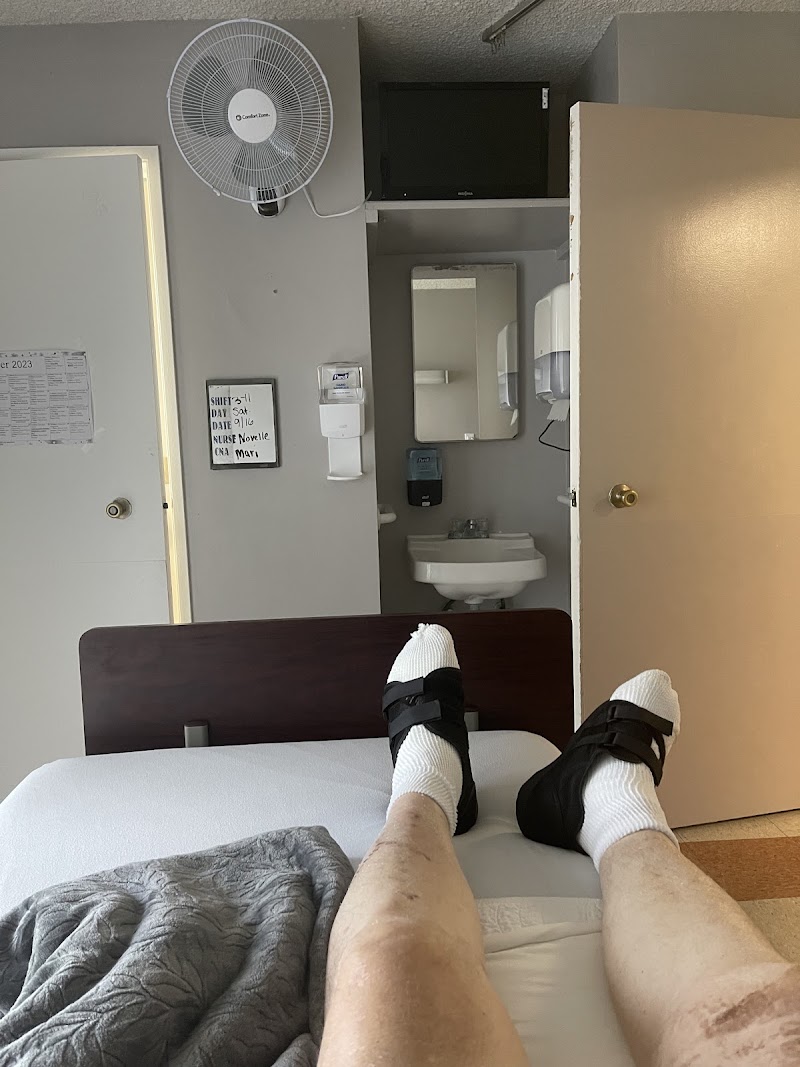
How is Oxnard Manor Healthcare Center Staffed?

CMS rates Oxnard Manor Healthcare Center's staffing level at 3 out of 5 stars, which is average compared to other nursing homes. Staff turnover is 40%, compared to the California average of 46%. This relatively stable workforce can support continuity of care.

What Have Inspectors Found at Oxnard Manor Healthcare Center?

State health inspectors documented 45 deficiencies at Oxnard Manor Healthcare Center during 2020 to 2025. These included: 45 with potential for harm.

Who Owns and Operates Oxnard Manor Healthcare Center?

Oxnard Manor Healthcare Center is owned by a for-profit company. For-profit facilities operate as businesses with obligations to shareholders or private owners. The facility operates independently rather than as part of a larger chain. With 82 certified beds and approximately 77 residents (about 94% occupancy), it is a smaller facility located in Oxnard, California.

How Does Oxnard Manor Healthcare Center Compare to Other California Nursing Homes?

Compared to the 100 nursing homes in California, Oxnard Manor Healthcare Center's overall rating (4 stars) is above the state average of 3.2, staff turnover (40%) is near the state average of 46%, and health inspection rating (3 stars) is at the national benchmark.

What Should Families Ask When Visiting Oxnard Manor Healthcare Center?

Based on this facility's data, families visiting should ask: "Can I visit during a mealtime to observe dining assistance and food quality?" "How do you handle medical emergencies, and what is your hospital transfer rate?" "Can I speak with family members of current residents about their experience?"

Is Oxnard Manor Healthcare Center Safe?

Based on CMS inspection data, Oxnard Manor Healthcare Center has a clean safety record: no substantiated abuse findings (meaning no confirmed cases of resident harm), no Immediate Jeopardy citations (the most serious violation level indicating risk of serious injury or death), and is not on the Special Focus Facility watch list (a federal program monitoring the lowest-performing 1% of nursing homes). The facility has a 4-star overall rating and ranks #1 of 100 nursing homes in California. While no facility is perfect, families should still ask about staff-to-resident ratios and recent inspection results during their visit.

Do Nurses at Oxnard Manor Healthcare Center Stick Around?

Oxnard Manor Healthcare Center has a staff turnover rate of 40%, which is about average for California nursing homes (state average: 46%). Moderate turnover is common in nursing homes, but families should still ask about staff tenure and how the facility maintains care continuity when employees leave.

Was Oxnard Manor Healthcare Center Ever Fined?

Oxnard Manor Healthcare Center has no federal fines on record. CMS issues fines when nursing homes fail to meet care standards or don't correct problems found during inspections. The absence of fines suggests the facility has either maintained compliance or corrected any issues before penalties were assessed. This is a positive indicator, though families should still review recent inspection reports for the full picture.

Is Oxnard Manor Healthcare Center on Any Federal Watch List?

Oxnard Manor Healthcare Center is not on any federal watch list. The most significant is the Special Focus Facility (SFF) program, which identifies the bottom 1% of nursing homes nationally based on persistent, serious quality problems. Not being on this list means the facility has avoided the pattern of deficiencies that triggers enhanced federal oversight. This is a positive indicator, though families should still review the facility's inspection history directly.