THE MEADOWS POST ACUTE
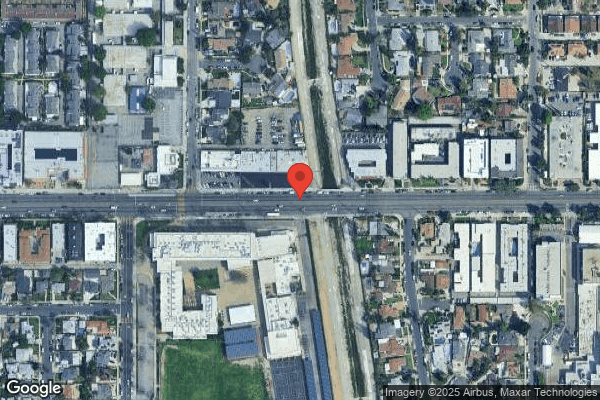
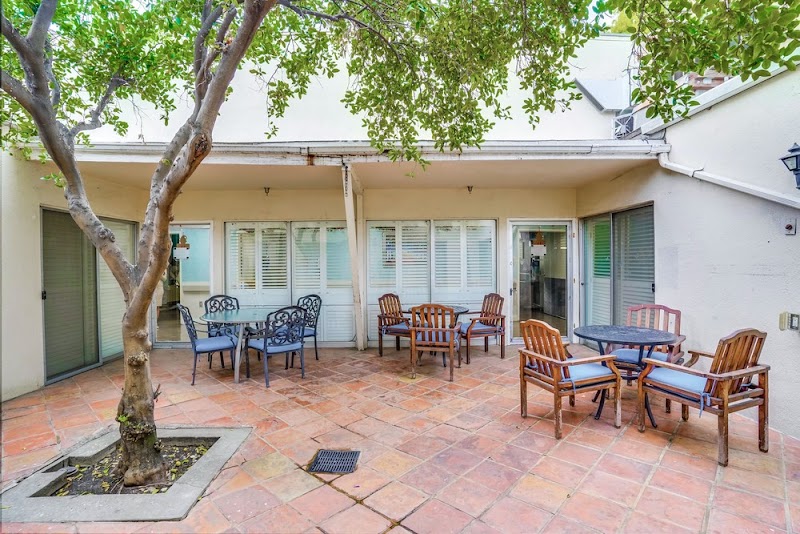
14857 ROSCOE BOULEVARD, PANORAMA CITY, CA 91402 (818) 894-5707
For profit - Limited Liability company 98 Beds ABRAHAM BAK & MENACHEM GASTWIRTH Data: November 2025
Trust Grade
65/100
#477 of 1155 in CA
Last Inspection: November 2024

Within standard 12-15 month inspection cycle. Federal law requires annual inspections.

Overview

The Meadows Post Acute has a Trust Grade of C+, indicating it is slightly above average but not without concerns. It ranks #477 out of 1155 facilities in California and #76 out of 369 in Los Angeles County, placing it in the top half for both state and county rankings. The facility is currently improving, with reported issues decreasing from 12 in 2024 to just 3 in 2025. Staffing is a strength, earning 4 out of 5 stars, with a turnover rate of 32%, lower than the California average, suggesting that staff are more likely to stay long-term. However, there have been specific incidents of concern, including a serious case of physical abuse where one resident harmed another, and failures in providing adequate hospice services, which could affect the quality of care for residents needing these specialized services. Overall, while there are strengths in staffing and a positive trend in issues, families should be aware of the serious incidents and ensure that their loved ones’ care needs are met.

Trust Score
C+
65/100
In California
#477/1155
Top 41%
Safety Record
Moderate
Needs review
Inspections
Getting Better
12 → 3 violations
Staff Stability
○ Average
32% turnover. Near California's 48% average. Typical for the industry.
Penalties
✓ Good
No fines on record. Clean compliance history, better than most California facilities.
Skilled Nurses
○ Average
Each resident gets 36 minutes of Registered Nurse (RN) attention daily — about average for California. RNs are the most trained staff who monitor for health changes.
Violations
⚠ Watch
42 deficiencies on record. Higher than average. Multiple issues found across inspections.
★★★★☆
4.0
Overall Rating
★★★★☆
4.0
Staff Levels
★★★★★
5.0
Care Quality
★★★☆☆
3.0
Inspection Score
Stable
2024: 12 issues
2025: 3 issues

The Good

  • 4-Star Staffing Rating · Above-average nurse staffing levels
  • 5-Star Quality Measures · Strong clinical quality outcomes
  • Full Sprinkler Coverage · Fire safety systems throughout facility
  • No fines on record
  • Staff turnover below average (32%)

    16 points below California average of 48%

Facility shows strength in staffing levels, quality measures, fire safety.

The Bad

Staff Turnover: 32%

14pts below California avg (46%)

Typical for the industry

Chain: ABRAHAM BAK & MENACHEM GASTWIRTH

Part of a multi-facility chain

Ask about local staffing decisions and management

The Ugly 42 deficiencies on record

1 actual harm
Jun 2025 2 deficiencies
CONCERN (D) 📢 Someone Reported This

A family member, employee, or ombudsman was alarmed enough to file a formal complaint

Potential for Harm - no one hurt, but risky conditions existed

Deficiency F0552 (Tag F0552)

Could have caused harm · This affected 1 resident

**NOTE- TERMS IN BRACKETS HAVE BEEN EDITED TO PROTECT CONFIDENTIALITY** Based on interview and record review the facility failed to ensure one of three sampled residents (Resident 1) responsible party...

Read full inspector narrative →
**NOTE- TERMS IN BRACKETS HAVE BEEN EDITED TO PROTECT CONFIDENTIALITY** Based on interview and record review the facility failed to ensure one of three sampled residents (Resident 1) responsible party (RP) was informed of the Interdisciplinary Team (IDT - a group of professionals from different fields who collaborate to achieve a common goal for the resident) Care Conference on 4/8/2025. This deficient practice violated Resident 1's RP right to participate in decisions regarding Resident 1's care, treatment and services. Findings: During a review of Resident 1's admission Record, the admission Record indicated that Resident 1 was originally admitted to the facility on [DATE] and readmitted on [DATE] with diagnoses that included Parkinson's Disease (a brain condition that causes problems with movement, mental health, sleep, pain and other health issues), rheumatoid arthritis (a chronic progressive disease causing inflammation in the joints and resulting in painful deformity and immobility especially in the fingers, wrists, feet and ankles) and type 2 diabetes mellitus (a chronic condition characterized by high blood sugar levels). During a review of Resident 1's Physician Progress Notes dated 4/7/2025, the Physician Progress Notes indicated Resident 1 can make needs known but can not make medical decisions. During a review of Resident 1's Minimum Data Set (MDS- a resident assessment tool) dated 4/11/2025, the MDS indicated that Resident 1 had moderately impaired cognition (the mental action or process of acquiring knowledge and understanding through thought, experience, and the senses) and was dependent on staff with toileting hygiene, shower or bathing, dressing, personal hygiene, and mobility (movement). During a review of Resident 1's IDT Care Conference Note dated 4/8/2025, the IDT Care Conference Note indicated Resident 1 attended the conference however there was no documented evidence found indicating Resident 1's RP was informed or invited to participate in the Resident 1's IDT Care Conference. During an interview on 6/3/2025 at 10:43 a.m., with Resident 1's RP, Resident 1's RP stated that the facility should have notified him of Resident 1's Care Conference and provided him an opportunity to be informed of Resident 1's health status, care and treatment received, and to be an advocate for Resident 1's needs and inform the facility of any unaddressed concerns regarding Resident 1's care. During a concurrent interview and record review on 6/3/2025 at 12:05 p.m., with the Social Services Director (SSD), Resident 1's Physician Progress Notes dated 4/7/2025 and IDT Care Conference Note dated 4/8/2025 were reviewed. The SSD stated that Resident 1's RP should have been informed of the IDT Care Conference prior to the meeting scheduled on 4/8/2025, as it is the RP's right to be notified and involved in the resident's plan of care and treatment decisions. During an interview on 6/5/2025 at 2:45 p.m., with the Director of Nursing (DON), the DON stated that the facility should have notified Resident 1's RP prior to the meeting scheduled on 4/8/2025, as Resident 1 is able to express needs but lacks the capacity to make medical decisions. The DON stated notifying the RP is essential to uphold the resident's right to be informed and involved in their plan of care and treatment. The DON stated failure to notify the RP could result in delays in care planning and implementation of appropriate treatment interventions. During a review of the facility`s policy and procedure (P&P), titled Resident Rights last reviewed on 11/6/2024, the policy indicated federal and state laws guarantee certain basic rights to all residents of this facility. These rights include the resident's rights to be informed of, and participate in, his or her care planning and treatment. During a review of the facility's P&P titled Care Planning - Interdisciplinary Team, last reviewed on 11/6/2024, the P&P indicated the resident, the resident's family and/or the resident's legal representative or guardian are encouraged to participate in the development of and revisions to the resident's care plan. Care plan meetings are scheduled at the best time of the day for the resident and family when possible.
CONCERN (D) 📢 Someone Reported This

A family member, employee, or ombudsman was alarmed enough to file a formal complaint

Potential for Harm - no one hurt, but risky conditions existed

Quality of Care (Tag F0684)

Could have caused harm · This affected 1 resident

**NOTE- TERMS IN BRACKETS HAVE BEEN EDITED TO PROTECT CONFIDENTIALITY** Based on interview and record review, the facility failed to provide timely intervention following notification from an outpatie...

Read full inspector narrative →
**NOTE- TERMS IN BRACKETS HAVE BEEN EDITED TO PROTECT CONFIDENTIALITY** Based on interview and record review, the facility failed to provide timely intervention following notification from an outpatient infusion clinic (a medical facility where residents receive medications and fluids through intravenous [IV - administered into a vein] without being admitted to the hospital) regarding Remicade (with the generic name infliximab, a medication used to treat a range of inflammatory medical conditions including rheumatoid arthritis [RA - a condition causing joint pain and inflammation]) treatment for one of six sampled residents (Resident 1) after Registered Nurse 1 (RN 1) received notification from the outpatient infusion clinic on 5/5/2025 at 12:15 p.m. that the outpatient clinic could not administer the Remicade IV due to Resident 1 being admitted to the facility. This deficient practice resulted in Resident 1 not receiving the Remicade IV treatment resulting in a delay of the treatment and placed Resident 1 at increased risk for joint inflammation, pain and deterioration in functional status. Findings: During a review of Resident 1's admission Record, the admission Record indicated that Resident 1 was originally admitted to the facility on [DATE] and readmitted on [DATE] with diagnoses that included Parkinson's Disease (a brain condition that causes problems with movement, mental health, sleep, pain and other health issues), rheumatoid arthritis (a chronic progressive disease causing inflammation in the joints and resulting in painful deformity and immobility especially in the fingers, wrists, feet and ankles) and type 2 diabetes mellitus (a chronic condition characterized by high blood sugar levels). During a review of Resident 1's Minimum Data Set (MDS- a resident assessment tool) dated 4/11/2025, the MDS indicated that Resident 1 had moderately impaired cognition (the mental action or process of acquiring knowledge and understanding through thought, experience, and the senses) and was dependent on staff with toileting hygiene, shower or bathing, dressing, personal hygiene, and mobility (movement). During a review of Resident 1's Progress Notes dated 5/5/2025, timed at 12:15 p.m., the Progress Notes indicated RN 1 received notification from the outpatient infusion clinic on 5/5/2025 that they (outpatient infusion clinic) could not administer the Remicade IV infusion due to Resident 1 being admitted to the facility. During an interview on 6/3/2025 at 10:30 a.m., with Resident 1, Resident 1 stated that he mentioned to RN 1 on multiple occasions his concern about when he would be receiving his Remicade IV therapy. Resident 1 stated that the Remicade IV treatment helps improve his mobility and makes it easier for him to move around. During an interview on 6/3/2025 at 1:10 p.m., with RN 1, RN 1 stated that she (RN 1) should have informed the Director of Nursing (DON) about the call received on 5/5/2025 regarding the Remicade IV infusion for Resident 1. RN 1 stated she believed notifying Resident 1's physician on 5/5/2025 was sufficient and assumed Resident 1 would receive the infusion after returning to his (Resident 1's) assisted living facility. RN 1 stated she (RN 1) did not inform the DON of the situation until 6/2/2025 after Resident 1 inquired again when he would be receiving his Remicade IV therapy. During interview with the DON on 6/5/2025 at 2:50 p.m., the DON stated that RN 1 should have notified her on 5/5/2025 that the outpatient infusion clinic was unable to administer the Remicade IV infusion treatment for Resident 1. The DON stated that timely notification would have allowed the facility to coordinate and provide the treatment while Resident 1 was admitted . The DON stated that RN 1's failure to communicate this information resulted in a delay in treatment, which could have led to increased joint pain, increased knee swelling and decreased mobility for Resident 1. During a review of the facility`s policy and procedure, titled Quality of Care, last revised on 3/20/2025, the policy indicated each resident shall be cared for in a manner that promotes and enhances quality care. To realize the benefits of quality health care, health services must be timely - reducing waiting times and sometimes harmful delays, equitable, integrated and efficient.
Apr 2025 1 deficiency
CONCERN (D) 📢 Someone Reported This

A family member, employee, or ombudsman was alarmed enough to file a formal complaint

Potential for Harm - no one hurt, but risky conditions existed

Respiratory Care (Tag F0695)

Could have caused harm · This affected 1 resident

Based on observation, interview, and record review, the facility staff failed to ensure one of three sampled residents (Resident 1) received two (2) liters (a unit of measurement) of oxygen continuous...

Read full inspector narrative →
Based on observation, interview, and record review, the facility staff failed to ensure one of three sampled residents (Resident 1) received two (2) liters (a unit of measurement) of oxygen continuously according to the physician's order. This deficient practice had the potential to result in Resident 1 not receiving sufficient oxygen levels in the body, shortness of breath, difficulty with speaking, confusion, and decreased quality of life. Findings: During a review of Resident 1's admission Record, the admission Record indicated the facility admitted the resident on 4/7/2025 with diagnoses that included cerebral palsy (a group of conditions that affect movement and posture), chronic pulmonary edema (an abnormal buildup of fluid in the lungs), and bronchopneumonia (infection in the upper part of the airway). During a review of Resident 1's History and Physical (H&P- a formal assessment by a healthcare provider that involves a resident interview, physical exam, and documentation of findings) dated 4/10/2025, the H&P indicated Resident 1 had the capacity to understand and make decisions. During a review of Resident 1's Minimum Data Set (MDS - a resident assessment tool) dated 4/14/2025, the MDS indicated Resident 1's cognition (the mental action or process of acquiring knowledge and understanding through thought, experience, and senses) was severely cognitively impaired. Resident 1 required maximum assistance from staff with eating and dependent on staff for activity of daily living (ADL-routine tasks/activities such as bathing, dressing, and toileting a person performs daily to care for themselves). During a review of Resident 1's physician orders dated 4/7/2025, physician orders indicated an order to administer oxygen at two (2) liters per minute via nasal cannula (a medical device used to deliver additional oxygen or increased airflow to a person) continuously. During a review of Resident 1's Care Plan (a document that summarizes a resident's needs, goals, and care/treatment) titled, Oxygen Therapy, dated 4/8/2025, the care plan indicated a goal that Resident 1 will have no signs or symptoms of poor oxygen absorption. Interventions included to explain the importance of keeping oxygen at the prescribed setting .give medications as ordered by physician. During a concurrent observation and interview on 4/29/2025 at 11:00 a.m., with Resident 1 in the activities room, observed Resident 1 sitting in a chair without oxygen in place and no oxygen administration supplies located near Resident 1. Resident 1 stated that he was unsure why he did not have his oxygen on. During a concurrent observation and interview on 4/29/2025 at 11:10 a.m., with Licensed Vocational Nurse 1 (LVN 1), observed Resident 1 in the activity room. LVN 1 confirmed by stating that Resident 1 did not have oxygen being administered at that time. LVN 1 stated that Resident 1 did have a physician order for oxygen at two (2) liters per minute via nasal cannula. During an interview on 4/30/2025 at 11:00 a.m., with the Director of Nursing (DON), the DON stated that Resident 1 did have a physician order for continuous oxygen at two (2) liters per minute via nasal cannula at the time of the observation (4/29/2025). The DON stated that the correct process for Resident 1 at the time of observation was to have two (2) liters of continuous oxygen being administered via nasal cannula. During a review of the facility's policy and procedure (P&P) titled, Oxygen Administration, with a review date of 11/6/2024, the P&P indicated, The purpose of this procedure is to provide guidelines for safe oxygen administration. Verify that there is a physician's order for this procedure. Review the physician's orders or facility protocol for oxygen administration. Review the resident's care plan to assess for any special needs of the resident. Assemble the equipment and supplies as needed .Place the appropriate oxygen device on the resident. Adjust the oxygen delivery device so that it is comfortable for the resident and the proper flow of oxygen is being administered.
Nov 2024 9 deficiencies
CONCERN (D)

Potential for Harm - no one hurt, but risky conditions existed

Deficiency F0638 (Tag F0638)

Could have caused harm · This affected 1 resident

**NOTE- TERMS IN BRACKETS HAVE BEEN EDITED TO PROTECT CONFIDENTIALITY** Based on interview and record review, the facility failed to ensure a resident's Quarterly Minimum Data Set (MDS - a standardize...

Read full inspector narrative →
**NOTE- TERMS IN BRACKETS HAVE BEEN EDITED TO PROTECT CONFIDENTIALITY** Based on interview and record review, the facility failed to ensure a resident's Quarterly Minimum Data Set (MDS - a standardized assessment and care screening tool) was completed timely for one (Resident 63) out of 21 sampled residents. This deficient practice had the potential to negatively affect the provision of necessary care and services for this resident. Findings: During a review of Resident 63's admission Record, the admission Record indicated the facility originally admitted the resident on 5/27/2021 and readmitted the resident on 5/24/2022 with diagnoses including neuropathy (a disease that occurs when nerves are damaged, resulting in pain, numbness, tingling, weakness, or swelling in various parts of the body) and difficulty in walking. During a review of Resident 63's History and Physical (H&P - a formal assessment by a healthcare provider that involves a patient interview, physical exam, and documentation of findings), dated 11/7/2024, the H&P indicated the resident has the capacity to understand and make decisions. During a review of Resident 63's MDS, dated [DATE], the MDS indicated the resident had intact cognition (thought processes) and required supervision from staff for most activities of daily living (ADLs - fundamental skills that people need to care for themselves independently). On 11/23/2024 at 5:58 p.m., during a concurrent interview and record review, reviewed the Centers for Medicare and Medicaid Services (CMS - a federal agency that manages Medicare, Medicaid, the Children's Health Insurance Program [CHIP], and the Affordable Care Act [ACA] health insurance marketplaces) Submission Report, dated 11/23/2024, with Minimum Data Set Nurse 1 (MDS Nurse 1). The record indicated that the assessment was completed more than 14 days after assessment reference date (ARD). MDS Nurse 1 stated the ARD was 10/18/2024, so the assessment should have been completed by 11/1/2024. On 11/24/2024 at 11:37 a.m., during a concurrent interview and record review, reviewed the Resident Assessment Instrument (RAI - a public document that provides guidance on how to use the RAI to assess residents in long-term care facilities) Omnibus Budget Reconciliation Act of 1987 (OBRA - a federal law that reformed nursing homes and improved the quality of care for residents) required Assessment Summary with MDS Nurse 1. MDS Nurse 1 stated that, according to the guidelines, the Quarterly MDS completion date was supposed to be 14 days from the ARD. When asked what date Resident 63's Quarterly MDS assessment was actually completed, MDS Nurse 1 stated it was completed on 11/20/2024. MDS Nurse 1 stated it should have been completed on 11/1/2024. During a review of the facility's policy and procedure titled, Resident Assessments, last reviewed and revised on 11/6/2024, the policy indicated that the resident assessment coordinator is responsible for ensuring that the interdisciplinary team conducts timely and appropriate resident assessments and reviews according to the following requirements .Quarterly Assessment is not conducted less frequently than three (3) months following the most recent OBRA assessment of any type.
CONCERN (D)

Potential for Harm - no one hurt, but risky conditions existed

Deficiency F0697 (Tag F0697)

Could have caused harm · This affected 1 resident

**NOTE- TERMS IN BRACKETS HAVE BEEN EDITED TO PROTECT CONFIDENTIALITY** Based on interview and record review, the facility failed to ensure licensed nurses provided non-pharmacological interventions h...

Read full inspector narrative →
**NOTE- TERMS IN BRACKETS HAVE BEEN EDITED TO PROTECT CONFIDENTIALITY** Based on interview and record review, the facility failed to ensure licensed nurses provided non-pharmacological interventions healthcare treatments that are not primarily based on medication) prior to administering as needed (PRN) opioid pain medication (powerful pain-reducing medications) on multiple dates for two (Residents 7 & 8) out of three sample residents investigated under the care area of pain management. This deficient practice had the potential to place the resident at increased risk of experiencing adverse side effects such as drowsiness, constipation, and decrease in respiration. Findings: a. During a review of Resident 7's admission Record, the admission Record indicated the facility admitted the resident on 10/29/2024 with diagnoses including chronic obstructive pulmonary disease (COPD - a chronic lung disease causing difficulty in breathing) and a history of falling. During a review of Resident 7's History and Physical (H&P - a comprehensive assessment of a patient that includes taking a detailed medical history from the patient and then performing a physical examination to gather objective data), dated 10/31/2024, the H&P indicated that the resident has the capacity to understand and make medical decisions. During a review of Resident 7's Minimum Data Set (MDS - a resident assessment tool), dated 11/5/2024, the MDS indicated the resident had moderately impaired cognition (thought processes) and required maximal assistance from staff for most activities of daily living (ADLs - activities such as bathing, dressing, and toileting a person performs daily). During a review of Resident 7's care plan (a document that outlines a person's specific healthcare needs, including their current health conditions, medications, treatments, and goals, created to ensure coordinated care delivery by a healthcare team and to facilitate communication between all involved parties) for potential for pain/discomfort, initiated on 10/29/2024, the care plan indicated to assist the resident with positions of comfort. On 11/24/2024 at 11:04 a.m., during a concurrent interview and record review, reviewed Resident 7's physician's orders with Registered Nurse 1 (RN 1). RN 1 stated the resident had a physician's order for hydrocodone-acetaminophen (medication used to relieve severe pain) 5-325 milligrams (mg - metric unit of measurement, used for medication dosage and/or amount) by mouth (PO) PRN for pain 4-10 for moderate to severe pain, ordered on 10/29/2024. Reviewed the resident's 11/2024 Medication Administration Record (MAR - a daily documentation record used by a licensed nurse to document medications and treatments given to a resident). RN 1 stated the resident was given hydrocodone/acetaminophen almost daily in November. The following was indicated: 1. On 11/1/2024 at 2:35 a.m., the licensed nurse administered hydrocodone-acetaminophen 5-325 mg but did not document that non-pharmacological interventions were attempted first. 2. On 11/1/2024 at 9:16 a.m., the licensed nurse administered hydrocodone-acetaminophen 5-325 mg but did not document that non-pharmacological interventions were attempted first. 3. On 11/1/2024 at 1:59 p.m., the licensed nurse administered hydrocodone-acetaminophen 5-325 mg but did not document that non-pharmacological interventions were attempted first. 4. On 11/2/2024 at 2:32 a.m., the licensed nurse administered hydrocodone-acetaminophen 5-325 mg but did not document that non-pharmacological interventions were attempted first. 5. On 11/2/2024 at 8:56 a.m., the licensed nurse administered hydrocodone-acetaminophen 5-325 mg but did not document that non-pharmacological interventions were attempted first. 6. On 11/2/2024 at 8:39 p.m., the licensed nurse administered hydrocodone-acetaminophen 5-325 mg but did not document that non-pharmacological interventions were attempted first. 7. On 11/3/2024 at 2:38 a.m., the licensed nurse administered hydrocodone-acetaminophen 5-325 mg but did not document that non-pharmacological interventions were attempted first. 8. On 11/4/2024 at 12:37 a.m., the licensed nurse administered hydrocodone-acetaminophen 5-325 mg but did not document that non-pharmacological interventions were attempted first. 9. On 11/4/2024 at 8:10 a.m., the licensed nurse administered hydrocodone-acetaminophen 5-325 mg but did not document that non-pharmacological interventions were attempted first. 10. On 11/5/2024 at 3:40 a.m., the licensed nurse administered hydrocodone-acetaminophen 5-325 mg but did not document that non-pharmacological interventions were attempted first. 11. On 11/5/2024 at 8:14 a.m., the licensed nurse administered hydrocodone-acetaminophen 5-325 mg but did not document that non-pharmacological interventions were attempted first. 12. On 11/5/2024 at 10:44 p.m., the licensed nurse administered hydrocodone-acetaminophen 5-325 mg but did not document that non-pharmacological interventions were attempted first. 13. On 11/6/2024 at 4:34 p.m., the licensed nurse administered hydrocodone-acetaminophen 5-325 mg but did not document that non-pharmacological interventions were attempted first. 14. On 11/6/2024 at 9:35 p.m., the licensed nurse administered hydrocodone-acetaminophen 5-325 mg but did not document that non-pharmacological interventions were attempted first. 15. On 11/7/2024 at 3:47 a.m., the licensed nurse administered hydrocodone-acetaminophen 5-325 mg but did not document that non-pharmacological interventions were attempted first. 16. On 11/7/2024 at 9:18 a.m., the licensed nurse administered hydrocodone-acetaminophen 5-325 mg but did not document that non-pharmacological interventions were attempted first. 17. On 11/7/2024 at 9:01 p.m., the licensed nurse administered hydrocodone-acetaminophen 5-325 mg but did not document that non-pharmacological interventions were attempted first. 18. On 11/8/2024 at 8:37 a.m., the licensed nurse administered hydrocodone-acetaminophen 5-325 mg but did not document that non-pharmacological interventions were attempted first. 19. On 11/8/2024 at 12:42 p.m., the licensed nurse administered hydrocodone-acetaminophen 5-325 mg but did not document that non-pharmacological interventions were attempted first. 20. On 11/8/2024 at 11:30 p.m., the licensed nurse administered hydrocodone-acetaminophen 5-325 mg but did not document that non-pharmacological interventions were attempted first. 21. On 11/9/2024 at 8:49 a.m., the licensed nurse administered hydrocodone-acetaminophen 5-325 mg but did not document that non-pharmacological interventions were attempted first. 22. On 11/9/2024 at 4:16 p.m., the licensed nurse administered hydrocodone-acetaminophen 5-325 mg but did not document that non-pharmacological interventions were attempted first. 23. On 11/9/2024 at 9:31 p.m., the licensed nurse administered hydrocodone-acetaminophen 5-325 mg but did not document that non-pharmacological interventions were attempted first. 24. On 11/11/2024 at 9:22 p.m., the licensed nurse administered hydrocodone-acetaminophen 5-325 mg but did not document that non-pharmacological interventions were attempted first. 25. On 11/12/2024 at 11:09 a.m., the licensed nurse administered hydrocodone-acetaminophen 5-325 mg but did not document that non-pharmacological interventions were attempted first. 26. On 11/13/2024 at 4:32 a.m., the licensed nurse administered hydrocodone-acetaminophen 5-325 mg but did not document that non-pharmacological interventions were attempted first. 27. On 11/14/2024 at 12:45 a.m., the licensed nurse administered hydrocodone-acetaminophen 5-325 mg but did not document that non-pharmacological interventions were attempted first. 28. On 11/14/2024 at 9:04 a.m., the licensed nurse administered hydrocodone-acetaminophen 5-325 mg but did not document that non-pharmacological interventions were attempted first. 29. On 11/14/2024 at 8:52 p.m., the licensed nurse administered hydrocodone-acetaminophen 5-325 mg but did not document that non-pharmacological interventions were attempted first. 30. On 11/15/2024 at 8:53 a.m., the licensed nurse administered hydrocodone-acetaminophen 5-325 mg but did not document that non-pharmacological interventions were attempted first. 31. On 11/15/2024 at 9:05 p.m., the licensed nurse administered hydrocodone-acetaminophen 5-325 mg but did not document that non-pharmacological interventions were attempted first. 32. On 11/17/2024 at 5:18 p.m., the licensed nurse administered hydrocodone-acetaminophen 5-325 mg but did not document that non-pharmacological interventions were attempted first. 33. On 11/17/2024 at 9:19 p.m., the licensed nurse administered hydrocodone-acetaminophen 5-325 mg but did not document that non-pharmacological interventions were attempted first. 34. On 11/18/2024 at 4:09 p.m., the licensed nurse administered hydrocodone-acetaminophen 5-325 mg but did not document that non-pharmacological interventions were attempted first. 35. On 11/19/2024 at 6:30 a.m., the licensed nurse administered hydrocodone-acetaminophen 5-325 mg but did not document that non-pharmacological interventions were attempted first. 36. On 11/20/2024 at 5:19 p.m., the licensed nurse administered hydrocodone-acetaminophen 5-325 mg but did not document that non-pharmacological interventions were attempted first. 37. On 11/20/2024 at 10:44 p.m., the licensed nurse administered hydrocodone-acetaminophen 5-325 mg but did not document that non-pharmacological interventions were attempted first. 38. On 11/21/2024 at 8:40 a.m., the licensed nurse administered hydrocodone-acetaminophen 5-325 mg but did not document that non-pharmacological interventions were attempted first. 39. On 11/21/2024 at 8:15 p.m., the licensed nurse administered hydrocodone-acetaminophen 5-325 mg but did not document that non-pharmacological interventions were attempted first. 40. On 11/22/2024 at 9:13 a.m., the licensed nurse administered hydrocodone-acetaminophen 5-325 mg but did not document that non-pharmacological interventions were attempted first. 41. On 11/22/2024 at 2:22 p.m., the licensed nurse administered hydrocodone-acetaminophen 5-325 mg but did not document that non-pharmacological interventions were attempted first. 42. On 11/22/2024 at 7:44 p.m., the licensed nurse administered hydrocodone-acetaminophen 5-325 mg but did not document that non-pharmacological interventions were attempted first. 43. On 11/23/2024 at 4:22 p.m., the licensed nurse administered hydrocodone-acetaminophen 5-325 mg but did not document that non-pharmacological interventions were attempted first. RN 1 stated she could not find any documented evidence that non-pharmacological interventions were provided prior to administering hydrocodone-acetaminophen on those dates. On 11/24/2024 at 4:59 p.m., during an interview with the Director of Nursing (DON), the DON stated it was important to attempt non-pharmacological interventions prior to administering PRN opioid medications to ensure that everything possible was done to try to alleviate the resident's pain without the use of any medications because medications have a tendency to have side effects such as sedation, dizziness, or a change in level of consciousness. During a review of the facility's policy and procedure titled, Pain - Clinical Protocol, last reviewed and revised on 11/6/2024, the policy indicated the physician will order appropriate non-pharmacologic and medication interventions to address the individual's pain .Staff will provide the elements of a comforting environment and appropriate physical and complementary interventions; for example, local heat or ice, repositioning, massage, and the opportunity to talk about chronic pain. b. During a review of Resident 8's admission Record, the admission Record indicated the facility originally admitted the resident on 7/21/2023 and readmitted the resident on 5/11/2024 with diagnoses including bilateral (both sides) osteoarthritis (a progressive disorder of the joints, caused by a gradual loss of cartilage) of the knees. During of review of Resident 8's H&P, dated 5/14/2024, the H&P indicated that the resident has the capacity to understand and make decisions. During a review of Resident 8's MDS, dated [DATE], the MDS indicated the resident had intact cognition and required setup or clean-up assistance from staff for most ADLs. During a review of Resident 8's care plan for potential for alteration in comfort secondary to pain related to bilateral knee osteoarthritis, initiated on 5/13/2024, the care plan indicated to implement non-pharmacological interventions of: repositioning, dim lighting/quiet environment, reassurance, and relaxation technique. On 11/24/2024 at 11:25 a.m., during a concurrent interview and record review, reviewed Resident 8's physician's orders with RN 1. RN 1 stated the resident had an order for hydrocodone-acetaminophen 5-325 mg by mouth every 6 hours as needed for moderate to severe pain 4-10/10, ordered on 5/11/2024. Reviewed the resident's 10/2024 MAR with RN 1. The following was indicated: 1. On 10/4/2024 at 10:50 p.m., the licensed nurse administered hydrocodone-acetaminophen 5-325 mg but did not document that non-pharmacological interventions were attempted first. 2. On 10/5/2024 at 4:34 p.m., the licensed nurse administered hydrocodone-acetaminophen 5-325 mg but did not document that non-pharmacological interventions were attempted first. 3. On 10/9/2024 at 11:04 a.m., the licensed nurse administered hydrocodone-acetaminophen 5-325 mg but did not document that non-pharmacological interventions were attempted first. 4. On 10/11/2024 at 3:44 p.m., the licensed nurse administered hydrocodone-acetaminophen 5-325 mg but did not document that non-pharmacological interventions were attempted first. 5. On 10/13/2024 at 8:58 a.m., the licensed nurse administered hydrocodone-acetaminophen 5-325 mg but did not document that non-pharmacological interventions were attempted first. 6. On 10/14/2024 at 11:33 a.m., the licensed nurse administered hydrocodone-acetaminophen 5-325 mg but did not document that non-pharmacological interventions were attempted first. 7. On 10/15/2024 at 12:23 p.m., the licensed nurse administered hydrocodone-acetaminophen 5-325 mg but did not document that non-pharmacological interventions were attempted first. 8. On 10/18/2024 at 5:39 p.m., the licensed nurse administered hydrocodone-acetaminophen 5-325 mg but did not document that non-pharmacological interventions were attempted first. 9. On 10/20/2024 at 5:52 a.m., the licensed nurse administered hydrocodone-acetaminophen 5-325 mg but did not document that non-pharmacological interventions were attempted first. 10. On 10/23/2024 at 8:40 a.m., the licensed nurse administered hydrocodone-acetaminophen 5-325 mg but did not document that non-pharmacological interventions were attempted first. RN 1 stated she could not find any documented evidence that non-pharmacological interventions were provided prior to administering hydrocodone-acetaminophen on those dates. On 11/24/2024 at 4:59 p.m., during an interview, the Director of Nursing (DON) stated it was important to attempt non-pharmacological interventions prior to administering PRN opioid medications to ensure that everything possible was done to try to alleviate the resident's pain without the use of any medications because medications have a tendency to have side effects such as sedation, dizziness, or a change in level of consciousness. During a review of the facility's policy and procedure titled, Pain - Clinical Protocol, last reviewed and revised on 11/6/2024, the policy indicated the physician will order appropriate non-pharmacologic and medication interventions to address the individual's pain .Staff will provide the elements of a comforting environment and appropriate physical and complementary interventions; for example, local heat or ice, repositioning, massage, and the opportunity to talk about chronic pain.
CONCERN (D)

Potential for Harm - no one hurt, but risky conditions existed

Food Safety (Tag F0812)

Could have caused harm · This affected 1 resident

Based on observation, interview, and record review, the facility failed to ensure safe and sanitary food storage and food preparation practices in the kitchen when: a. A bag of wheat bread and English...

Read full inspector narrative →
Based on observation, interview, and record review, the facility failed to ensure safe and sanitary food storage and food preparation practices in the kitchen when: a. A bag of wheat bread and English muffin were not labeled with an open date. b. A resident's food from home in the resident's refrigerator had no label and no received date. These deficient practices had the potential to place 83 out of 92 residents living in the facility at risk for foodborne illnesses (refers to illness caused by the ingestion of contaminated food or beverages). Findings: During a concurrent kitchen observation and interview on 11/22/2024 at 07:45 p.m., with Dietary Manager 1 (DM 1) in the facility`s kitchen, observed a bag containing eight (8) slices of wheat bread and a bag containing three English muffins, without an open date label. DM 1 stated when a bag of bread is opened, the bag must be labeled with the open date so the kitchen staff would know when to discard the bread. DM 1 stated that labeling will ensure that food items are still safe for residents to consume. DM 1 stated there is a potential for expired food items to cause foodborne illnesses to the residents. During a concurrent observation of the residents' refrigerator and interview with DM 1 on 11/22/2024 at 8:15 p.m. in the presence of DM 1, a container of food with no name and no label. DM 1 stated the container should have been labeled with the resident's name and use by date to ensure the food is safe to eat and to prevent food borne illnesses to the resident. During an interview with Registered Nurse 1 (RN 1) on 11/23/24 04:33 p.m., RN 1 stated leftover food brought by visitors are kept in the resident`s refrigerator. RN 1 stated the leftover food should be labeled with the resident`s name and the date received to ensure it will be discarded after 72 hours. RN 1 stated that it is important to date the food item because consuming the food beyond 72 hours could potentially cause foodborne illnesses. During a review of the facility`s policy and procedure, titled Food Receiving and Storage, last reviewed on 11/06/2024, indicated that Foods shall be received and stored in a manner that complies with safe food handling practices .dry foods and goods are stored in a manner that maintains the integrity of the packaging until they are ready to use . During a review of the facility`s policy and procedure, titled Food Brought by Family/Visitors, Receiving and Storage, last reviewed on 11/06/2024, indicated that Food brought by family/visitors that is left with the resident to consume later is labeled and stored in a manner that it is clearly distinguishable from facility-prepared food .perishable foods are stored in a re-sealable containers with tightly fitting lids in a refrigerator. Containers are labeled with the resident`s name and the use by date.
CONCERN (D)

Potential for Harm - no one hurt, but risky conditions existed

Deficiency F0825 (Tag F0825)

Could have caused harm · This affected 1 resident

**NOTE- TERMS IN BRACKETS HAVE BEEN EDITED TO PROTECT CONFIDENTIALITY** Based on interview and record review the facility failed to implement their policy on rehabilitation screening as evidenced by t...

Read full inspector narrative →
**NOTE- TERMS IN BRACKETS HAVE BEEN EDITED TO PROTECT CONFIDENTIALITY** Based on interview and record review the facility failed to implement their policy on rehabilitation screening as evidenced by the facility failing to conduct a quarterly rehabilitation screen for one of three sampled residents (Resident 68). This deficient practice placed Resident 68 at risk for not maintaining, improving or restoring the resident's functional abilities. Findings: During a review of Resident 68's admission Record, the admission Record indicated the facility originally admitted the resident on 9/6/2022, with diagnoses including vascular dementia (group of thinking and social symptoms that interferes with daily functioning) without behavioral disturbance, psychotic disturbance (disconnection from reality), and cerebral palsy (a group of movement disorders that can cause problems with posture, manner of walking, muscle tone, and coordination). During a review of Resident 68's Minimum Data Set (a resident assessment tool), the MDS dated [DATE], indicated Resident 68's cognition skills required for daily decision making was severely impaired. The MDS indicated Resident 68 was dependent (helper does all of the effort) with eating, oral hygiene, toileting, and personal hygiene. During a review of Resident 68's order summary report, the order summary report indicated an order dated 9/6/2022: -May have rehab screen upon admission and quarterly as needed. During a review of Resident 68's Rehabilitation Screening Form dated 5/30/2024 at 9:45 a.m., the form indicated the reason for the screen as: Quarterly. During an interview and concurrent record review with the Director of Rehabilitation (DOR) on 11/24/2024 at 11:28 a.m., the DOR stated that residents are screened quarterly (every 3 months). The DOR reviewed Resident 68's Rehabilitation Screening Forms from 5/30/2024- 11/24/2024. The DOR stated that there was no documented evidence that the rehabilitation department conducted a quarterly rehabilitation screen for Resident 68. The DOR stated that Resident 68 should have had a rehabilitation screen conducted in the month of August 2024. When asked why Resident 68's quarterly rehab screen was not conducted, the DOR did not answer. During a follow up interview on 11/24/2024 at 12:20 p.m., the DOR stated that quarterly screens are important to be conducted because rehabilitation screens will briefly assess residents to see if rehabilitation services will be appropriate for the resident or if the resident will benefit from rehabilitation services. During a review of the facility's policy titled Request for Rehabilitation Screen/Consultation, with review date of 11/6/2024, the policy indicated routine screening programs are dictated by facility practice. The purpose of a consultation/screen is to determine the need for skilled evaluation. During a review of the facility's policy titled PCC-UDA (User-Defined Assessments) Schedule Guide, with review date of 11/6/2024, the policy indicated the electronic medical record (EMR) is a legal document which chronicles the resident's diagnoses, medications, treatments, self-care deficits, and over all progress through the course of their stay. Entries in the Electronic Medical Record shall be accurate, complete, and timely. The following UDAs are completed quarterly: Rehab Screening Form.
CONCERN (D)

Potential for Harm - no one hurt, but risky conditions existed

Deficiency F0837 (Tag F0837)

Could have caused harm · This affected 1 resident

Based on interview and review the failed to develop a facility policy and procedure (P&P) specific for a Physician Orders for Life-Sustaining Treatment (POLST- a medical order that outlines a resident...

Read full inspector narrative →
Based on interview and review the failed to develop a facility policy and procedure (P&P) specific for a Physician Orders for Life-Sustaining Treatment (POLST- a medical order that outlines a resident's end of-life care preferences, a physician, nurse practitioner (an advanced practice registered nurse and a type of mid-level practitioner), or physician's assistant (a licensed health care professional who works with physicians to provide care) must sign the form, along with the resident; or their legally recognized health care decision maker). This deficient practice had the potential to bring confusion to facility staff or a delay of care in an event a resident becomes unresponsive. Findings: During a review of Resident 101's admission Record, the admission Record indicated the facility originally admitted the resident on 10/19/2024, with diagnoses that included hyponatremia (low sodium levels), lung disease, and metabolic encephalopathy (a brain dysfunction caused by a chemical imbalance in the blood that affects the brain). During a review of Resident 101's History and Physical (H&P) dated 10/22/2024, the H&P indicated Resident 101 does not have capacity to understand and make decisions. During a review of Resident 101's POLST form, the form indicated a signature of the nurse practitioner, however there was no signature of Resident 101 or Resident 101's legal recognized health care decision maker. During an interview and concurrent record review with Registered Nurse 1 (RN 1) on 11/23/2024 at 6:56 p.m., reviewed Resident 101's POLST form. RN 1 stated that Resident 101's POLST is not complete because there is no signature of Resident 101 or Resident 101's legal recognized health care decision maker. RN 1 stated that Resident 101's POLST form should have been completed as soon as possible to be able to implement Resident 101's end of life care preferences. RN 1 stated that a completed POLST from requires a provider's signature and a resident or resident's legal health care decision maker. RN 1 stated it is important for a POLST form to be completed as soon as possible for the resident's safety. During an interview with the Administrator (ADM) on 11/24/2024 at 6:06 p.m., the ADM stated that the facility does not have a policy specific for a POLST form. The ADM that the facility should have a policy specific to a POLST form because the POLST form will be able to help the facility to identify residents' wishes without confusion and without delaying care. During a review of the facility policy titled Administrative Management (Governing Board), with review date 11/6/2024, the policy indicated the governing board is responsible for, but not limited to: f. establishment and annual review of policies and procedures governing facility operations; During a review of the facility's job description titled Job Title: Administrator, undated, the policy indicated the primary purpose of the position is to direct the overall operations of the facility's activities in accordance with Federal, State, and Local Standards, guidelines, and regulations, and as directed by the governing board, to assure the highest degree of quality care is maintained at all times. Establish and direct the implementation of written policies and procedure that reflect the goals of the facility. Assist in the development and implementation of departmental policies.
CONCERN (D)

Potential for Harm - no one hurt, but risky conditions existed

Deficiency F0887 (Tag F0887)

Could have caused harm · This affected 1 resident

**NOTE- TERMS IN BRACKETS HAVE BEEN EDITED TO PROTECT CONFIDENTIALITY** Based on interview and record review, the facility failed to implement the facility's Coronavirus Disease (COVID-19- a mild to s...

Read full inspector narrative →
**NOTE- TERMS IN BRACKETS HAVE BEEN EDITED TO PROTECT CONFIDENTIALITY** Based on interview and record review, the facility failed to implement the facility's Coronavirus Disease (COVID-19- a mild to severe respiratory illness that is caused by coronavirus [a family of viruses that can cause respiratory illness in humans]) vaccine (prevents infection) policy by failing to ensure residents were screened for eligibility prior to the administration of the vaccine for two of five sampled residents (Resident 30 and Resident 68). This deficient practice had the potential for residents to receive vaccines that he/she is not eligible for or contraindicated, resulting in adverse (an undesirable or harmful effect) events. Findings: a. During a review of Resident 30's admission Record, the admission Record indicated the facility originally admitted the resident on 10/9/2014, with diagnoses including dementia (group of thinking and social symptoms that interferes with daily functioning) without behavioral disturbance, psychotic disturbance (disconnection from reality), and Parkinson's disease (a progressive disease of the nervous system marked by tremor, muscular rigidity, and slow, imprecise movements) without dyskinesia (uncontrolled, involuntary muscle movement). During a review of Resident 30's Minimum Data Set (MDS- an assessment and care screening tool), dated 11/4/2024, the MDS indicated Resident 30's cognition (the mental action or process of acquiring knowledge and understanding through thought, experience, and the senses) with skills required for daily decision making was severely impaired. The MDS indicated Resident 30 was dependent (helper does all of the effort) with eating, oral hygiene, toileting, and personal hygiene. During a review of Resident 30's Immunization Record for the COVID-19 vaccine dated 10/16/2024, the record indicated the COVID-19 vaccine was administered on 10/16/2024. During an interview and concurrent record review with the Infection Preventionist (IP) on 11/24/2024 at 4:54 p.m., the IP reviewed Resident 30's Immunization Record for the COVID-19 vaccine dated 10/24/2024. The IP stated that prior to the administration of any vaccine the IP screens for vaccine eligibility by reviewing residents' previous vaccine records to check if resident has received the vaccine and will follow vaccine guidelines. The IP reviewed Resident 30's COVID-19 Vaccine Consent & Declination form, screening for vaccine eligibility. The IP stated that the screening for vaccine eligibility portion of the COVID-19 Vaccine Consent & Declination form is blank. The IP stated that there is no documented evidence that the IP conducted a COVID-19 screening for vaccine eligibility for Resident 30. The IP stated that he (IP) is supposed to document vaccine eligibility but did not. The IP further stated that documenting the COVID-19 screening for vaccine eligibility is important because the facility has to make sure that the resident is appropriate for the COVID-19 vaccine and to ensure there are no contraindications. b. During a review of Resident 68's admission Record, the admission Record indicated the facility originally admitted the resident on 9/6/2022, with diagnoses including vascular dementia (group of thinking and social symptoms that interferes with daily functioning) without behavioral disturbance, psychotic disturbance (disconnection from reality), and cerebral palsy (a group of movement disorders that can cause problems with posture, manner of walking, muscle tone, and coordination.). During a review of Resident 68's MDS dated [DATE], the MDS indicated Resident 68's cognition skills required for daily decision making was severely impaired. The MDS indicated Resident 68 was dependent (helper does all of the effort) with eating, oral hygiene, toileting, and personal hygiene. During a review of Resident 68's Immunization Record for the COVID-19 vaccine dated 10/16/2024, the record indicated the COVID-19 vaccine was administered on 10/16/2024. During an interview and concurrent record review with the IP on 11/24/2024 at 5:10 p.m., the IP reviewed Resident 68's Immunization Record for the COVID-19 vaccine dated 10/24/2024. The IP reviewed Resident 68's COVID-19 Vaccine Consent & Declination form, screening for vaccine eligibility. The IP stated that the screening for vaccine eligibility portion of Resident 68's COVID-19 Vaccine Consent & Declination form is blank. The IP stated that there is no documented evidence that the IP conducted a COVID-19 screening for vaccine eligibility for Resident 68. The IP stated that documenting the COVID-19 screening for vaccine eligibility is important to ensure resident safety. During a review of the facility's policy and procedure (P&P) titled, Coronavirus Disease (COVID-19)- Vaccination of Residents, with review date of 11/6/2024, the P&P indicated residents are screened for contraindications to the vaccine, medical precautions, and prior vaccination before being offered the vaccine.
CONCERN (E)

Potential for Harm - no one hurt, but risky conditions existed

Pharmacy Services (Tag F0755)

Could have caused harm · This affected multiple residents

**NOTE- TERMS IN BRACKETS HAVE BEEN EDITED TO PROTECT CONFIDENTIALITY** 2. a. During a review of Resident 30's admission Record, the admission Record indicated the facility originally admitted the res...

Read full inspector narrative →
**NOTE- TERMS IN BRACKETS HAVE BEEN EDITED TO PROTECT CONFIDENTIALITY** 2. a. During a review of Resident 30's admission Record, the admission Record indicated the facility originally admitted the resident on 10/9/2014, with diagnoses including dementia (group of thinking and social symptoms that interferes with daily functioning) without behavioral disturbance, psychotic disturbance (disconnection from reality), and Parkinson's disease (a progressive disease of the nervous system marked by tremor, muscular rigidity, and slow, imprecise movements) without dyskinesia (uncontrolled, involuntary muscle movement During a review of Resident 30's Minimum Data Set (MDS- an assessment and care screening tool), dated 11/4/2024, the MDS indicated Resident 30's cognition (the mental action or process of acquiring knowledge and understanding through thought, experience, and the senses) with skills required for daily decision making was severely impaired. The MDS indicated Resident 30 was dependent (helper does all of the effort) with eating, oral hygiene, toileting, and personal hygiene. During a review of Resident 30's Immunization Record for the COVID-19 vaccine dated 10/16/2024, the record indicated the COVID-19 vaccine was administered on 10/16/2024. During an interview and concurrent record review with the Infection Preventionist (IP) on 11/24/2024 at 5:31 p.m., the IP reviewed Resident 30's immunization record and stated that Resident 30 received the COVID-19 vaccine on 10/16/2024. The IP reviewed Resident 30's physician's orders from 10/1/2024 to 11/24/2024 and stated that there was no documented evidence of a physician's order to administer the COVID-19 vaccine. The IP stated that facility used an outside pharmacy to administer the COVID-19 vaccine and the IP did not obtain physician's order. The IP stated that he did not obtain a physician's order because if he received a physician's order, the order would appear on Resident 30's medication administration record (MAR). The IP continued to state that he did not think it was correct because the facility would not be administering the vaccine. The IP further stated that a vaccine is a type of medication, and all vaccines and medication should have a physician's order prior to administration. b. During a review of Resident 68's admission Record, the admission Record indicated the facility originally admitted the resident on 9/6/2022, with diagnoses including vascular dementia (group of thinking and social symptoms that interferes with daily functioning) without behavioral disturbance, psychotic disturbance (disconnection from reality), and cerebral palsy (a group of movement disorders that can cause problems with posture, manner of walking , muscle tone, and coordination.). During a review of Resident 68's MDS dated [DATE], the MDS indicated Resident 68's cognition skills required for daily decision making was severely impaired. The MDS indicated Resident 68 was dependent (helper does all of the effort) with eating, oral hygiene, toileting, and personal hygiene. During a review of Resident 68's Immunization Record for the COVID-19 vaccine dated 10/16/2024, the record indicated the COVID-19 vaccine was administered on 10/16/2024. During an interview and concurrent record review with the IP on 11/24/2024 at 5:40 p.m., the IP reviewed Resident 68's immunization record and stated that Resident 68 received the COVID-19 vaccine on 10/16/2024. The IP reviewed Resident 68's physician's orders from 10/1/2024 to 11/24/2024 and stated that there was no documented evidence of a physician's order to administer the COVID-19 vaccine. The IP stated he should have obtained a physician's order prior to the outside pharmacy administering the COVID-19 vaccine in their facility for residents' safety. The IP stated that the facility does not have a policy on outside pharmacies administering vaccine. During an interview with the Director of Nursing (DON) on 11/24/2024 at 6:09 p.m., the DON stated that an outside pharmacy came to the facility to administer the COVID-19 vaccine to the facility residents. The DON stated that the facility did not obtain physician's orders because the physician's order would trigger on the residents MAR. The DON continued to state that the facility should have informed physicians of the residents' wishes to receive the COVID-19 vaccine and obtained a physicians' order for the administration of the COVID-19 vaccine because a vaccine is a medication, and all medications and vaccines require a physician's order prior to administering. During a review of the facility policy titled Administering Medications, review date 11/6/2024, the policy indicated medications are administered in a safe and timely manner, as and as per prescribed. Medications are administered in accordance with prescribers orders, including any required time frames. Based on interview and record review, the facility: 1. Failed to administer a physician prescribed medication for itchiness for one of one (Resident 43) resident investigated under pharmacy services. This deficient practice had the potential to cause the resident to have unrelieved itchiness which could result to prolonged itching and scratching possibly leading to skin injury, infection, and scarring. 2. Failed to implement the facility's medication administration policy by failing to obtain a physician's order prior to the administration of the COVID-19 (a mild to severe respiratory illness that is caused by the coronavirus [a family of viruses that can cause respiratory illness in humans]) vaccine (shots that one take to teach the body's immune system to recognize and defend against harmful germs) for two out of five sampled residents. (Resident 30 and Resident 68) This deficient practice had the potential to place the residents at increased risk of experiencing adverse side effects due to not receiving a physician's order. Findings: 1. During a review of Resident 43`s admission Record, the admission Record indicated the facility originally admitted the resident on 06/12/2023 and readmitted on [DATE], with diagnoses including muscle weakness and prurigo nodularis (a chronic skin condition that causes hard, itchy bumps called nodules to appear on the body). During a review of Resident 43's Minimum Data Set (MDS - an assessment and care screening tool), dated 05/29/2024, the MDS indicated the resident cognitive skills (cognition refers to conscious mental activities, and include thinking, reasoning, understanding, learning, and remembering) for daily decision-making was moderately impaired. The MDS further indicated Resident 43 was totally dependent on staff for toileting hygiene, shower, personal hygiene and putting on/taking off footwear. During and observation and interview on 11/22/2024 at 8:04 p.m., observed Resident 43 awake in bed. Resident 43 stated that she used to have a very beautiful skin but now it is always itchy. Resident 43 stated the blanket makes her itch and that the itching is worst at night. During a review of Resident 43`s physician`s orders dated 10/30/2024, the physician orders indicated an order to apply Triamcinolone (used to treat the itching, redness, dryness, crusting, scaling, inflammation, and discomfort of various skin conditions) 0.1% cream to affected areas and leave open to air every day and evening shift for four weeks. During a review of Resident 43`s Medication Administration Record (MAR- is where medications given to a client are documented), the MAR indicated Triamcinolone was not administered on the evening shift of 11/3/24 and 11/11/2024. During an interview and record review on 11/23/2024 at 06:10 p.m. with Registered Nurse 1 (RN 1), reviewed Resident 43' MAR for 11/2024 and physician orders. RN 1 stated Resident 43 has a medical condition that causes generalized itchiness. RN 1 confirmed that Triamcinolone was not administered to the resident on 11/3/2024 and 11/11/2024 during the evening shift (3 pm-11 pm). RN 1 stated not giving Resident 43 the treatment had the potential for the resident to have disrupted sleep and discomfort and skin breakdown leading to infection. During a review of the facility`s policy and procedure, titled Administering Medications, last reviewed on 11/6/2024, indicated that medications are administered in accordance with prescribed orders .
CONCERN (E)

Potential for Harm - no one hurt, but risky conditions existed

Deficiency F0849 (Tag F0849)

Could have caused harm · This affected multiple residents

Based on interview and record review, the facility failed to provide appropriate hospice services (specialized care designed to give supportive care to people in the final phase of a terminal illness ...

Read full inspector narrative →
Based on interview and record review, the facility failed to provide appropriate hospice services (specialized care designed to give supportive care to people in the final phase of a terminal illness with a focus on comfort, quality of life rather than cure, and free of pain to live each day as fully as possible) by failing to: 1. Ensure there was documented evidence in the resident's medical record indicating a hospice staff was physically in the facility to provide hospice related services to one of three sampled residents (Resident 30) 2. Ensure there is a designated facility staff to coordinate care and services provided by the hospice provider and the facility. These failures that the potential to prevent Resident 30 from receiving well-coordinated and comprehensive hospice services. Findings: 1. During a review of Resident 30's admission Record, the admission Record indicated the facility originally admitted the resident on 10/9/2014, with diagnoses including dementia (group of thinking and social symptoms that interferes with daily functioning) without behavioral disturbance, psychotic disturbance (disconnection from reality), mood disturbance (disorder in which you experience long periods of extreme happiness, extreme sadness or both), and Parkinson's disease ((a progressive disease of the nervous system marked by tremor, muscular rigidity, and slow, imprecise movements) without dyskinesia (uncontrolled, involuntary muscle movement), and heart failure (condition in which the heart doesn't pump blood as well as it should). During a review of Resident 30's Minimum Data Set (MDS- an assessment and care screening tool), dated 11/4/2024, the MDS indicated Resident 30's cognition (the mental action or process of acquiring knowledge and understanding through thought, experience, and the senses) with skills required for daily decision making was severely impaired. The MDS indicated Resident 30 was dependent (helper does all of the effort) with eating, oral hygiene, toileting, and personal hygiene. During a review of Resident 30's Order Summary Report, the Order Summary Report indicated an order dated 10/23/2024 to admit the resident to hospice. During a review of Resident 30's care plan for hospice care, initiated 10/23/2024, the care plan indicated an intervention to consult with physician to have hospice care for the resident in the facility. During an interview and concurrent record review with the MDS Nurse (MDSN) on 11/23/2024 at 5:50 p.m., the MDSN stated when hospice staff arrive in the facility, hospice staff are to sign-in, on the hospice sign-in sheet located in the residents' hospice binder. The MDSN stated that signing in in the hospice sign-in sheet ensures that hospice staff was physically in the facility to provide hospice care to the resident. During an interview and concurrent record review with the MDSN on 11/23/2024 at 5:51 p.m., the MDSN reviewed Resident 30's hospice admission orders and stated that Resident 30 was admitted under hospice care on 10/23/2024. The MDSN then reviewed Resident 30's hospice sign-in sheet titled Hospice Sign-in Sheet that was located inside Resident 30's hospice binder. The MDSN stated that there was no documented evidence that the hospice physician was in the facility on 10/23/2024 when Resident 30 was admitted to hospice. During a review of the facility's policy and procedure titled, Hospice Program, reviewed on 11/6/2024, indicated hospice providers who contract with this facility are held responsible for meeting the same professional standards and timeliness of service as any contracted individual or agency associated with the facility. b.During an interview with the MDSN on 11/23/2024 at 6:02 p.m., the MDSN stated that the facility does not have a hospice coordinator. The MDSN stated that if the facility needs anything from the hospice agency, any nursing staff will call hospice directly or will wait for the hospice nurse to come to the facility. 2. During an interview with the Social Services Director (SSD) on 11/23/2024 at 6:05 p.m., when asked who the facility's hospice coordinator was, the SSD stated that there was no specific point person that the SSD was aware of. The SSD stated that there is no specific contact person in the facility that coordinates hospice care. The SSD further stated that if the facility needed something related to hospice care she would call the hospice directly or anyone from the facility can call the hospice agency directly. During an interview with the MDSN on 11/23/2024 at 6:09 p.m., the MDSN stated that the facility should have a hospice coordinator to ensure proper coordination of care and communication between the facility and the hospice agency. During a review of the facility's policy and procedure (P&P) titled, Hospice Program, reviewed on 11/6/2024, the P&P indicated the facility has designated Social Service and/or Nursing Designee to coordinate care provided to the resident by our facility staff and the hospice staff. He or she is responsible for the following: a. Collaborating with hospice representatives and coordinating facility staff participation in the hospice care planning process for residents receiving these services; b. Communicating with hospice representatives and other healthcare providers participating in the provision of care for the terminal illness, related conditions, and other conditions to ensure quality of care for the residents and family; c. ensuring that the LTC facility communicates with the hospice medical director, the resident's attending physician, and other practitioners participating in the provision of care to the residents as needed to coordinate the hospice care with the medical care provided by other physicians; e. Ensuring that facility staff provides orientation on the policies and procedures of the facility, including resident rights, appropriate forms, and record keeping requirements, to hospice staff furnishing care to the residents.
CONCERN (E)

Potential for Harm - no one hurt, but risky conditions existed

Infection Control (Tag F0880)

Could have caused harm · This affected multiple residents

**NOTE- TERMS IN BRACKETS HAVE BEEN EDITED TO PROTECT CONFIDENTIALITY** 2. During an observation on 11/22/2024 at 6:21 p.m., observed laundry staff walking in the hallway transporting a cart of clothe...

Read full inspector narrative →
**NOTE- TERMS IN BRACKETS HAVE BEEN EDITED TO PROTECT CONFIDENTIALITY** 2. During an observation on 11/22/2024 at 6:21 p.m., observed laundry staff walking in the hallway transporting a cart of clothes uncovered. During an observation and concurrent interview with Laundry Staff 1 (LS 1) on 11/22/2024 at 6:22 p.m., observed LS 1 transporting a cart of laundry uncovered. LS 1 stated that the cart of clothes are residents' clean clothes from the laundry. LS 1 stated that when transporting clean clothes and linen the clean laundry should be covered so that the clean clothes and linen do not get dirty and contaminated. LVN 1 further stated that the clean laundry cart should have been covered but she forgot to cover the clean laundry cart prior to transport. During an interview with the Infection Preventionist (IP) on 11/24/2024 at 3:58 p.m., the IP stated that clean laundry and linen should always be transported covered to prevent clean laundry and linen from getting dirty, contaminated, and for infection control. During a review of the facility's policy titled Laundry and Bedding, Soiled, with review date 11/6/2024, the policy indicated under transport: 6. Clean linen is protected from dust and soiling during transport and storage to ensure cleanliness. Based on observation, interview, and record review, the facility failed to implement its infection control and prevention program by failing to: 1. Ensure a resident's nasal cannula (a medical device that delivers supplemental oxygen therapy to people with low oxygen levels) oxygen tubing was labeled and was not touching the floor for one of one sampled resident (Resident 15) investigated for infection control. This deficient practice had the potential to result in contamination of the resident's care equipment and risk of transmission of bacteria that can lead to infection. 2. Ensure laundry staff transported residents' clean laundry per facility policy. This deficient practice had the potential to spread infection and cross contamination (the physical movement or transfer of harmful bacteria [germs] from one person, object, or place to another) among staff and other residents. Findings: 1. During a review of Resident 15's admission Record, the admission Record indicated the facility originally admitted the resident on 4/04/2023 and readmitted on [DATE] with diagnoses including chronic pulmonary disease edema (a long-term condition that occurs when fluid builds up in the lungs, making it difficult to breathe) and respiratory failure (when the lungs cannot release enough oxygen into the blood). During a review of Resident 15's Minimum Data Set (MDS-standardized assessment and screening tool) dated 9/04/2024, the MDS indicated the resident`s cognitive skills for daily decision making was moderately impaired. The MDS further indicated that Resident 15 required maximal assistance with oral hygiene, toileting hygiene, and upper body dressing. During a review of Resident 15`s physician`s orders dated 11/20/2024, the physician order indicated an order to administer oxygen at 2-5 liters per minute (LPM) via nasal cannula to maintain oxygen saturation (the amount of oxygen that's circulating in the blood) above 90 percent as needed. During a concurrent observation and interview with the Director of Nursing (DON) on 11/22/24 at 07:38 p.m., in Resident 15's room, observed Resident 15 lying in bed sleeping. Observed a portion of the resident's oxygen tubing touching the floor. The oxygen tubing was not dated. The DON stated oxygen tubings are changed every Sundays and should be labeled with the date the tubing was changed so the staff would know when the next tubing change is due. The DON stated the oxygen tubing should not be touching the floor to prevent complications including infection from contaminated tubing. During a review of the facility`s policy and procedure (P&P), titled Departmental (Respiratory Therapy-Prevention of Infection), last reviewed on 11/6/2024, the P&P indicated that The purpose of this procedure is to guide prevention infection associated with respiratory therapy tasks and equipment, including ventilators, among residents and staff .change the oxygen cannula and tubing every seven (7) days, or as needed . During a review of the Centers for Disease Control (CDC) source material, Guidelines for Environmental Infection Control in Health-Care Facilities, 2003, indicated floors can become rapidly contaminated from airborne microorganisms and those transferred from shoes, equipment wheels, and body substances.
Oct 2024 1 deficiency
CONCERN (D) 📢 Someone Reported This

A family member, employee, or ombudsman was alarmed enough to file a formal complaint

Potential for Harm - no one hurt, but risky conditions existed

Resident Rights (Tag F0550)

Could have caused harm · This affected 1 resident

**NOTE- TERMS IN BRACKETS HAVE BEEN EDITED TO PROTECT CONFIDENTIALITY** Based on observation, interview and record review, the facility failed to ensure facility staff (Certified Nurse Assistant 1 [CN...

Read full inspector narrative →
**NOTE- TERMS IN BRACKETS HAVE BEEN EDITED TO PROTECT CONFIDENTIALITY** Based on observation, interview and record review, the facility failed to ensure facility staff (Certified Nurse Assistant 1 [CNA 1]) knocked on a resident's door before entering the resident's room for one of three sampled residents (Resident 3). This deficient practice violated the resident`s rights to be treated with respect and dignity which had the potential to affect the resident`s sense of self-worth and self-esteem. Findings: During a review of Resident 3's admission Record, indicated that the facility originally admitted Resident 3 on 3/26/2024 and readmitted on [DATE], with diagnoses including muscle weakness, dementia (a general term for loss of memory, language, problem-solving and other thinking abilities that are severe enough to interfere with daily life), and pneumonia (infection that inflames air sacs in one or both lungs). During a review of Resident 3`s History and Physical dated 7/13/2024, indicated Resident 3 does not have the capacity to understand and make decisions. During a concurrent observation and interview on 9/30/2024 at 3:20 p.m. with CNA 1, observed CNA 1 hurriedly entered Resident 3`s room without first knocking on the door and asking permission to enter the room. CNA1 then took a chair from the Resident 3's room and left Resident 3's room. When CNA 1 was asked what he was doing, CNA 1 stated that he had to take the chair from Resident 3's room. CNA1 then stated he (CNA 1) should have knocked prior to entering Resident 3's room and asked permission if he can take the chair. CNA1 stated that knocking on the resident`s room prior to entering is a sign of respect for the resident`s privacy and space and to treat residents with dignity. During a review of the facility`s policy and procedures titled Dignity, last revised on 2/2021, indicated that Each resident shall be cared for in a manner that promotes and enhances his or her sense of well-being, level of satisfaction with life, feeling of self-worth and self-esteem . residents' private space and property are respected at all times. Staff do not handle or move a resident's personal belongings without the resident's permission . Staff are expected to knock and request permission before entering residents` rooms .
Aug 2024 1 deficiency
CONCERN (D) 📢 Someone Reported This

A family member, employee, or ombudsman was alarmed enough to file a formal complaint

Potential for Harm - no one hurt, but risky conditions existed

Infection Control (Tag F0880)

Could have caused harm · This affected 1 resident

Based on observation, interview, and record review, the facility failed to implement infection control practices by failing to ensure one of nine sampled staff (Licensed Vocational Nurse 1 [LVN 1]) wo...

Read full inspector narrative →
Based on observation, interview, and record review, the facility failed to implement infection control practices by failing to ensure one of nine sampled staff (Licensed Vocational Nurse 1 [LVN 1]) wore an isolation gown (protective apparel, used to protect the wearer from the spread of infection or illness if the wearer comes in contact with potentially infectious liquid and solid material) and a face shield (a protective covering for all or part of the face that is commonly made of clear plastic and is worn especially to reduce the spread of transmissible disease) before entering Resident 2's room which was placed on novel respiratory precautions (NRP - precautions should be used for residents known or suspected to be infected with {Coronavirus Disease 2019 [COVID-19 - a highly contagious respiratory illness in humans capable of producing severe symptoms]}). These deficient practices had the potential to result in the spread of infection placing residents, staff, and visitors at risk to be infected with COVID-19. Findings: During a review of Resident 2's admission Record, indicated the facility admitted Resident 2 on 5/9/2024 with diagnoses that included hemiplegia (a medical condition that causes a person to lose strength or experience paralysis [loss of muscle function] on one side of their body) and hemiparesis (weakness or the inability to move on one side of the body) following cerebral infarction (a type of stroke that occurs when blood flow to the brain is blocked, causing brain tissue to die) affecting left dominant (powerful) side and atrial fibrillation (an irregular and often very rapid heart rhythm). During a review of Resident 2's Minimum Data Set (MDS - a standardized resident assessment and care screening tool) dated 5/16/2024, indicated Resident 2's cognition (the mental action or process of acquiring knowledge and understanding through thought, experience, and the senses) was moderately impaired. The MDS further indicated that Resident 2 required moderate assistance with eating, oral hygiene, toileting hygiene, shower/bathing, personal hygiene, and bed mobility (movement). During a review of Resident 2's Physician's Order dated 8/9/2024, indicated, to place Resident 2 on contact isolation (an infection prevention method that involves healthcare staff and visitors following precautions to prevent the spread of germs from residents to others; used for residents who have germs that can spread through touching the resident or objects in their room) and droplet isolation (a set of steps that healthcare staff and visitors take to prevent the spread of germs from residents who have infections that can be spread through coughing, sneezing, or talking) every shift for ten days. During a review of Resident 2's Care Plan (untitled) initiated date 8/9/2024, indicated that Resident 2 had episodes of respiratory or flu (an infection of the nose, throat, and lungs, which are part of the respiratory system) like symptoms of non-productive cough (dry cough). The intervention included was to place Resident 2 under contact and droplet precautions for seven (7) to ten (10) days. During a concurrent observation and interview on 8/12/2024, at 6:00 a.m., observed an NRP signage posted outside of Resident 2's room, indicated to wear a gown, an N-95 (a respiratory protective device designed to achieve a very close facial fit and very efficient filtration of airborne particles) and face shield or goggles on room entry (prior to entering the room). Observed Licensed Vocational Nurse 1 (LVN 1) enter Resident 2's room after preparing Resident 2's medication, wearing only an N-95 and gloves. LVN 1 entered Resident 2's room without wearing an isolation gown or a face shield. Observed LVN 1 assisted Resident 2 to sit up and take medication. When LVN 1 exited Resident 2's room, LVN 1 was asked if LVN 1 was aware of the NRP sign posted before entering Resident 2's room. LVN 1 confirmed the finding and stated that she should have worn an isolation gown and a face shield prior to entering Resident 2's room. During an interview on 8/12/2024 at 8:35 a.m. with the Director of Nursing (DON), the DON stated that staff should follow the NRP signage posted at the door before entering the resident rooms. The DON stated that the NRP signage is a way of communicating to the staff and visitors what type of isolation precautions should be observed and followed while providing care and services to the residents. The DON stated LVN 1 should have worn an isolation gown and a face shield along with an N95 and gloves before entering Resident 2's room. During a review of the facility policy and procedure (P&P) titled Infection Prevention Quality Control Plan last reviewed on 2/1/2024, indicated To provide guidelines for general infection control while caring for residents Transmission-based Precaution will be used to whenever measures more stringent than Standard Precautions are needed to prevent spread of infection Wear personal protective equipment (PPE - protective items worn to protect the body or clothing from hazards that can cause injury and to protect residents from cross-transmission [the transfer of germs from one area to another]) as necessary to prevent exposure to spills or splashes of blood or body fluids or other potentially infectious materials.
May 2024 1 deficiency
CONCERN (D) 📢 Someone Reported This

A family member, employee, or ombudsman was alarmed enough to file a formal complaint

Potential for Harm - no one hurt, but risky conditions existed

Deficiency F0558 (Tag F0558)

Could have caused harm · This affected 1 resident

**NOTE- TERMS IN BRACKETS HAVE BEEN EDITED TO PROTECT CONFIDENTIALITY** Based on observation, interview, and record review, the facility failed to ensure a resident's call light (device used by reside...

Read full inspector narrative →
**NOTE- TERMS IN BRACKETS HAVE BEEN EDITED TO PROTECT CONFIDENTIALITY** Based on observation, interview, and record review, the facility failed to ensure a resident's call light (device used by residents that when pressed informs facility staff that assistance is being requested) was within reach for one of seven sampled residents (Resident 2). On 5/23/2024, observed Resident 2's call light hanging behind Resident 2's headboard frame. Resident 2's call light was out of Resident 2's reach. This deficient practice had the potential to result in a delay with resident care, and residents not receiving assistance with activities of daily living (ADL- fundamental skills required to independently care for oneself, such as eating, dressing, getting into or out of a bed or chair, taking a bath or shower, and using the toilet). Findings: A review of Resident 2's admission Record indicated the facility originally admitted the resident on 10/15/2022 and readmitted on [DATE] with diagnoses including cerebral infarction (also known as a stroke, refers to damage to tissues in the brain due to a loss of oxygen to the area). A review of Resident 2's Minimum Data Set (MDS -a standardized assessment and care screening tool) dated 3/23/2024, indicated, the resident was able to understand others, and was able to make self-understood. The MDS further indicated that Resident 2 required maximum assistance from staff with oral hygiene, toileting hygiene, shower, personal hygiene, and chair/bed-to-chair transfer. A review of Resident 2's Care Plan (untitled) with an initiated date of 9/12/2023 indicated Resident 2 has an ADL self-care performance deficit. The goal was for Resident 2 to maintain current level of function. The interventions included to encourage the resident to use the call light to call for assistance. During a concurrent observation and interview with Resident 2, inside Resident 2's room, on 5/23/2024 at 9:05 a.m., Resident 2 was lying in the bed and observed that Resident 2 was not able to reach the call light. Resident 2 was looking for the call light and stated he was unable to find it. Resident 2 further stated he could not call staff for help. During a concurrent observation and interview with Certified Nursing Assistant 1 (CNA 1), inside Resident 2's room, on 5/23/2024 at 9:12 a.m., CNA 1 stated that Resident 2's call light cord was hanging to the wall and stuck behind Resident 2's headboard frame. CNA 1 further stated Resident 2 was not able to use the call light if Resident 2 needed help at that time. CNA 1 stated that she did not check Resident 2's call light placement since she started her shift (at 7:00 a.m.) in the morning. CNA 1 stated residents' call lights should be always within reach to assist the residents when in need, especially during an emergency. During an interview with the Director of Nursing (DON) on 5/23/2024 at 12:29 p.m., the DON stated that the call lights should be placed within reach to provide the residents' need and assistance promptly. A review of the facility's policy and procedure titled, Call System, Residents, last reviewed on 2/1/2024, indicated, Residents are provided with a means to call staff for assistance through a communication system that directly calls a staff member or a centralized workstation Each resident is provided with a means to call staff directly for assistance from his/her bed, from toileting/bathing facilities and from the floor The resident call system remains functional at all times .
Nov 2023 11 deficiencies
CONCERN (D)

Potential for Harm - no one hurt, but risky conditions existed

Resident Rights (Tag F0550)

Could have caused harm · This affected 1 resident

**NOTE- TERMS IN BRACKETS HAVE BEEN EDITED TO PROTECT CONFIDENTIALITY** Based on observation, interview, and record review, the facility failed to ensure two of three sampled residents (Residents 42 a...

Read full inspector narrative →
**NOTE- TERMS IN BRACKETS HAVE BEEN EDITED TO PROTECT CONFIDENTIALITY** Based on observation, interview, and record review, the facility failed to ensure two of three sampled residents (Residents 42 and 32) investigated for dignity were treated with respect and dignity by: 1. Failing to ensure Resident 42 was addressed by their preferred name during a medication pass observation. 2. Failing to ensure Certified Nursing Assistant 5 (CNA 5) provided Resident 32 with full bodily privacy by failing to ensure the resident's entire right side of her body was not fully exposed while taking the resident from the shower room back to her room. These deficient practices had the potential to negatively affect the resident's sense of self-esteem and self-worth. Findings: 1. A review of Resident 42's admission Record indicated the facility admitted the resident on 11/26/2021 with diagnoses that included hereditary and idiopathic neuropathy (condition that causes numbness, tingling and muscle weakness in the limbs), chronic kidney disease (condition in which the organs that filter blood are damaged and cannot filter blood as well as they should), bipolar disorder (a mental health disorder that causes extreme mood swings), and depression (a mood disorder that causes a persistent feeling of sadness and loss of interest and can interfere with daily life). A review of Resident 42's Minimum Data Set (MDS - an assessment and screening too) dated 10/13/2023, indicated the resident had the ability to understand others and had the ability to make himself understood. During a concurrent medication administration pass observation and interview on 11/14/2023 at 8:50 a.m. with Licensed Vocational Nurse 2 (LVN 2) at Station Two Medication Cart, LVN 2 entered Resident 42's room and Resident 42 requested to be called by his first name and not his last name. The following was observed during the medication pass observation: -LVN 2 briefly exited and re-entered Resident 42's room and addressed Resident 42 by his last name. Resident 42 responded, What's my name?. - LVN 2 measured Resident 42's blood pressure (the pressure in the arteries when the heart beats) and addressed Resident 42 by his last name. Resident 42 responded What's my name?. - LVN 2 administered Resident 42's medications and addressed Resident 42 by his last name. - LVN 2 stated Thank you (Resident 42's last name) and Resident 42 stated his first name as LVN 2 walked towards the medication cart. -Resident 42 requested pain medication, LVN 2 removed the pain medication from the cart, re-entered the room, and addressed Resident 42 by his last name. -LVN 2 completed the medication pass and stated, All done (Resident 42's last name) . (Resident 42's last name), thank you. LVN 2 exited Resident 42's room. LVN 2 stated she knows Resident 42 well and he requested for her to use his first name. LVN 2 stated she should have used Resident 42's first name. LVN 2 stated it is a resident's right to be respected and to be called by their preferred name. LVN 2 stated she was sorry for calling Resident 42 by his last name so many times. During an interview on 11/16/2023 at 7:40 a.m. with the Director of Nursing (DON), the DON stated Resident 42 can change his preference for how to be addressed at any time. The DON stated it was Resident 42's right to change his preference and staff should respect his wishes. The DON stated respecting a resident's request to use their preferred name is a resident's right and when the right is not respected it becomes an issue of dignity. A review of the facility's policy and procedure titled, Resident Rights, last reviewed 11/1/2023, indicated employees shall treat residents with kindness, respect, and dignity. These rights include the right resident's right to a dignified existence. A review of the facility's policy and procedure titled, Dignity, last reviewed 11/1/2023, indicated each resident shall be cared for in a manner that promotes and enhances his or her sense of well-being, level of satisfaction with life, and feelings of self-worth and self-esteem. Residents are treated with dignity and respect at all times. Staff speak respectfully to residents at all times, including addressing the resident by his or her name of choice. 2. A review of Resident 32's admission Record indicated the facility originally admitted the resident on 7/2/2021 and readmitted the resident on 10/3/2022 with diagnoses including cognitive communication deficit (difficulty with thinking and how someone uses language). A review of Resident 32's MDS dated [DATE], indicated the resident had severely impaired cognition (the mental action or process of acquiring knowledge and understanding through thought, experience, and the senses) and required extensive assistance from staff for bed mobility, transfers, walking in the room and in the corridor, locomotion (movement or the ability to move from one place to another) on and off the unit, dressing, toilet use, and personal hygiene. During a concurrent observation and interview on 11/16/2023 at 10:55 a.m., observed Certified Nursing Assistant 5 (CNA 5) wheeling Resident 32 down the hallway in a shower chair (a water-resistant seat that goes in a shower or tub) from the shower room back to the resident's room. Observed Resident 32's front and back sides covered with a linen, but Resident 32's entire right side of her body was fully exposed. During an interview, CNA 5 stated she should have fully covered Resident 32's body. During an interview on 11/16/2023 at 11:04 a.m., with the Director of Staff Development (DSD), the DSD stated that CNAs should make sure that residents are fully covered when taking them to and from the shower room in order to preserve their dignity. The DSD stated that residents can possibly made to feel embarrassed if their body is exposed while out in the hallway. A review of the facility's policy and procedure titled, Dignity, last reviewed on 11/1/2023, indicated that each resident shall be cared for in a manner that promotes and enhances his or her sense of well-being, level of satisfaction with life, and feelings of self-worth and self-esteem. Residents are treated with dignity and respect at all times.
CONCERN (D)

Potential for Harm - no one hurt, but risky conditions existed

Deficiency F0655 (Tag F0655)

Could have caused harm · This affected 1 resident

**NOTE- TERMS IN BRACKETS HAVE BEEN EDITED TO PROTECT CONFIDENTIALITY** Based on interview and record review, the facility failed to develop and implement a baseline care plan within 48 hours of admis...

Read full inspector narrative →
**NOTE- TERMS IN BRACKETS HAVE BEEN EDITED TO PROTECT CONFIDENTIALITY** Based on interview and record review, the facility failed to develop and implement a baseline care plan within 48 hours of admission for one of two sampled residents (Resident 198). This deficient practice had the potential to negatively affect the delivery of care and services to Resident 198. Findings: A review of Resident 198's admission Record indicated the facility admitted the resident on 11/5/2023 with diagnoses that included muscle weakness, anxiety disorder (intense, excessive, and persistent worry and fear about everyday situations), presence of right artificial knee joint. A review of Resident 198's History and Physical (H&P- the most formal and complete assessment of the patient and the problem) indicated the resident had the capacity to understand and make decisions. During a concurrent interview and record review on 11/15/2023 at 9:11 a.m., with Registered Nurse 1 (RN1), reviewed Resident 198's care plans dated 11/5/2023-11/15/2023. RN 1 stated that Resident 198 was admitted on [DATE] with multiple diagnoses including anxiety disorder. RN 1 stated that Resident 198 had an order for Ativan (medication for anxiety disorder) 0.5 milligram (mg- a unit of measurement) every 24 hours as needed for 14 days dated 11/5/2023, for Resident 198's anxiety disorder. RN 1 stated there was no baseline care plan in regards to Resident 198's diagnosis of anxiety disorder and the use of the medication Ativan. RN 1 stated that with Resident 198's diagnosis of anxiety disorder and the use of the medication Ativan, the licensed nurses should have developed a care plan for Resident 198's anxiety disorder. According to RN 1, the care plan will outline the problem, the goals, the interventions and have an evaluation date. RN 1 stated the care plan will serve as a roadmap on how to care for the patient and as a communication tool for continuity of care. RN 1 stated that without a care plan, they would not know what interventions to provide and what and when to evaluate if the resident`s condition has improved or if the problem had been resolved. A review of the facility's policy and procedure titled, Care Plans-Baseline, last reviewed 11/1/2023, indicated that a baseline plan of care to meet the resident`s immediate health and safety needs is developed for each resident within forty-eight (48) hours of admission.
CONCERN (D)

Potential for Harm - no one hurt, but risky conditions existed

Comprehensive Care Plan (Tag F0656)

Could have caused harm · This affected 1 resident

**NOTE- TERMS IN BRACKETS HAVE BEEN EDITED TO PROTECT CONFIDENTIALITY** Based on interview, and record review, the facility failed to develop and implement a care plan (a care plan is a form where you...

Read full inspector narrative →
**NOTE- TERMS IN BRACKETS HAVE BEEN EDITED TO PROTECT CONFIDENTIALITY** Based on interview, and record review, the facility failed to develop and implement a care plan (a care plan is a form where you can summarize a person's health conditions, specific care needs, and current treatments) for two of five sampled residents (Resident 9 and 23) by failing to: 1. Develop a care plan for the use of heparin (anticoagulant [medication that helps prevent blood clots]) for Resident 9. 2. Develop a care plan for the use of Eliquis (anticoagulant) for Resident 23. These deficient practices had the potential for Resident 9 and 23 to not receive the necessary care and services to prevent complications of the anticoagulant therapy such as bleeding. Findings: a. A review of Resident 9's admission Record indicated the facility admitted the resident on 7/24/2023 with diagnoses that included muscle weakness, anxiety disorder (a mental health disorder characterized by feelings of worry or fear that are strong enough to interfere with one's daily activities), acute kidney failure (a condition in which the kidneys suddenly cannot filter waste from the blood), and diverticulosis (a condition in which small, bulging pouches develop in the digestive tract). A review of Resident 9's Minimum Data Set (MDS - a standardized assessment and care screening tool), dated 7/29/2023, indicated that the resident's cognitive (thought processes) skills for daily decision making was intact and required partial assistance on staff for shower and dressing. A review of Resident 9's physician's order dated 7/24/2023, indicated an order for heparin sodium injection solution 5,000 unit/milliliter (U/mL- a unit of measurement), inject one ml subcutaneously (SQ - administering medication where a short needle is used to inject a medication into the tissue layer between the skin and the muscle) every 12 hours for deep vein thrombosis (DVT- a medical condition that occurs when a blood clot forms in a deep vein) prophylaxis (action taken to prevent disease). During a concurrent interview and record review on 11/16/2023 at 8:19 a.m., with the Director of Nursing (DON), reviewed Resident 9's physician's order for heparin 5,000 unit/mL and care plans dated from 7/24/2023-11/16/2023. The DON verified by stating that there was no care plan developed for the use of heparin. The DON stated that heparin is an anticoagulant and poses a high risk for bleeding when on this medication. The DON stated that care plan for anticoagulant therapy would identify the problem of potential risk for bleeding with a goal on how to mitigate this risk. The DON stated that the care plan for risk for bleeding would outline the interventions including monitoring the resident for signs and symptoms of bleeding. The DON stated that without a care plan, there would be no outlined interventions in the event the resident is bleeding which could have serious consequences. A review of the facility's policy and procedures titled, Care Plans, Comprehensive Person-Centered, last reviewed on 11/1/2023, indicated that a comprehensive care plan that includes measurable objectives and timetables to meet the resident's physical, psychosocial and functional needs is developed and implemented for each resident. b. A review of Resident 23's admission Record indicated the facility originally admitted the resident on 8/4/2022 and readmitted on [DATE] with diagnoses that included syncope (a temporary loss of consciousness with a quick recovery), type 2 diabetes mellitus (a chronic condition that affects the way the body processes blood sugar), and hypertension (high blood pressure). A review of Resident 23's MDS dated [DATE], indicated that the resident's cognitive skills for daily decision making was intact and required limited assistance on staff for dressing, personal hygiene, and bathing. A review of Resident 23's physician's order dated 10/31/2023, indicated an order for Eliquis (an anticoagulant) oral tablet five (5) mg one tablet by mouth two times a day for DVT prophylaxis. During a concurrent interview and record review on 11/15/2023 at 11:39 a.m., with Registered Nurse 1 (RN 1), reviewed Resident 23's physician order for Eliquis oral tablet 5 mg for DVT prophylaxis. RN 1 stated that this medication has a black box warning (warnings required for certain medications that carry serious safety risks). RN 1 stated there was no care plan for Resident 23's use of Eliquis. RN 1 stated that anticoagulant medications should have a care plan for risk for bleeding. RN 1 stated that one of the interventions to be put in place for the use of Eliquis is to monitor for bleeding and other adverse effect (unwanted undesirable effects related to a medication) of the medications. RN 1 stated that the care plan would identify the problem, set a goal, outline the interventions to meet the goal and set an evaluation date to determine if the interventions are effective or needs to be revised and if the goal has been met. RN 1 stated that without the care plan, the nurses would not know what interventions to provide to reduce the risk of potential bleeding if such problem was identified with the use of Eliquis. RN 1 stated that a care plan should be resident centered and must address the problem of at risk for bleeding. A review of the facility's policy and procedures titled, Care Plans, Comprehensive Person-Centered, last reviewed on 11/1/2023, indicated that a comprehensive care plan that includes measurable objectives and timetables to meet the resident's physical, psychosocial and functional needs is developed and implemented for each resident.
CONCERN (D)

Potential for Harm - no one hurt, but risky conditions existed

Accident Prevention (Tag F0689)

Could have caused harm · This affected 1 resident

Based on observation, interview, and record review, the facility failed to ensure the resident environment remained as free of accident hazards as is possible and residents received adequate supervisi...

Read full inspector narrative →
Based on observation, interview, and record review, the facility failed to ensure the resident environment remained as free of accident hazards as is possible and residents received adequate supervision to prevent accidents by failing to ensure staff did not leave residents unattended with the bed in the high position for one of eight sampled residents (Resident 2). This deficient practice had the potential to result in Resident 2 sustaining an injury from a fall. Findings: A review of Resident 2's admission Record indicated the facility admitted the resident on 1/18/2019 and readmitted the resident on 11/1/2021 with diagnoses that included dementia (a group of symptoms that affects memory, thinking, and behavior), restlessness and agitation, muscle weakness, difficulty walking, and history of falling. A review of Resident 2's Minimum Data Set (MDS - an assessment and screening tool) dated 10/17/2023, indicated the resident had the ability to understand others and had the ability to make herself understood. The MDS further indicated the resident was dependent on staff for transfers, toileting, bathing, dressing, and personal hygiene. A review of Resident 2's Care Plan (CP) regarding risk for falls, initiated 9/12/2023, indicated the resident was at risk for falls and injury related to a history of falls, weakness, and poor strength and endurance. The CP further indicated the resident had a history of ambulating to the restroom and attempting to self-reposition and transfer without asking for assistance. The CP indicated Resident 2 had actual falls on 4/5/2020, 6/8/2020, 8/29/2020, 12/26/2021, and 1/22/2023. The CP indicated an intervention for bed in lowest position. During a concurrent observation and interview on 11/15/2023 at 7:10 a.m., observed Resident 2 lying in bed, unattended by staff, with the bed in the high position. Resident 2 stated she did not know how to raise and lower the bed. During a concurrent observation and interview on 11/15/2023 at 7:15 a.m., with Certified Nursing Assistant 1 (CNA 1), CNA 1 stated Resident 2's bed was in the high position and observed CNA 1 lower Resident 2's bed to the lowest position. CNA 1 stated Resident 2's bed was raised when she arrived at 7 a.m. and she left the resident unattended with the bed in the high position. CNA 1 stated Resident 2 was a fall risk, and the bed should be in the low position, but the resident sometimes gets upset if she lowers the bed. CNA 1 stated she always keeps Resident 2's bed in the high position. During an interview on 11/15/2023 at 10:28 a.m., with Licensed Vocational Nurse 2 (LVN 2), LVN 2 stated Resident 2 was a high risk for falls and her bed should be in the low position. LVN 2 stated it was important to keep the resident's bed in the low position because a fall from the bed at a higher position could result in a more severe injury like hitting her head or a fracture (break) of a bone. During an interview on 11/16/2023 at 7:40 a.m., with the Director of Nursing (DON), the DON stated Resident 2 was a high risk for falls and had fallen while in the facility. The DON stated CNAs should not have left the resident's bed in the high position because it can place the resident at risk for injury. The DON stated the height of the resident's bed mattered because the higher the bed, the greater the potential for injury from a fall. The DON stated when Resident 2's bed was left in the high position the facility's policy and procedure for accident and fall prevention were not followed. A review of the facility's policy and procedure titled, Safety and Supervision of Residents, last reviewed 11/1/2023, indicated the facility strives to make the environment as free from accident hazards as possible. Residents' safety and supervision and assistance to prevent accidents are facility wide priorities. A review of the facility's policy and procedure titled, Falls and Fall Risk, Managing, last reviewed 11/1/2023 indicated based on previous evaluations and current data, the staff will identify interventions related to the resident's specific risks and causes to try to prevent the resident from falling and to try to minimize complications from falling. Environmental factors that contribute to the risk of falls include incorrect bed height.
CONCERN (D)

Potential for Harm - no one hurt, but risky conditions existed

Antibiotic Stewardship (Tag F0881)

Could have caused harm · This affected 1 resident

**NOTE- TERMS IN BRACKETS HAVE BEEN EDITED TO PROTECT CONFIDENTIALITY** Based on interview and record review, the facility failed to implement its antibiotic stewardship (actions designed to use antib...

Read full inspector narrative →
**NOTE- TERMS IN BRACKETS HAVE BEEN EDITED TO PROTECT CONFIDENTIALITY** Based on interview and record review, the facility failed to implement its antibiotic stewardship (actions designed to use antibiotic [medications that fight bacterial infections] medications effectively while reducing the possibility of being prescribed an unnecessary medication) program by failing to conduct infection surveillance and complete the infection control reporting form once signs and symptoms of infection were identified and antibiotics were initiated for two of five sampled residents (Resident 299 and Resident 300). This deficient practice had the potential for Resident 299 and 300 to develop antibiotic resistance (not effective to treat infection) from unnecessary or inappropriate antibiotic use for future infections. Findings: a. A review of Resident 299's admission Record indicated the facility admitted the resident on 11/6/2023 with diagnoses including acute pancreatitis (condition where the pancreas [small organ, located behind the stomach, that helps with digestion] becomes inflamed over a short period of time), muscle weakness, and diverticulosis (small, bulging pouches that develop in the digestive tract) of the intestine. A review of Resident 299's History and Physical (H&P) dated 11/9/2023, indicated resident had the capacity to understand and make decisions. A review of Resident 299's physician's order dated 11/6/2023, indicated the resident had an order for amoxicillin-pot clavulanate (an antibiotic) tablet 875-125 milligram (mg-unit of measurement), give one tablet by mouth every 12 hours for pancreatitis for seven days. A review of Resident 299's SBAR (situation, background, assessment and recommendations, a technique both verbal and written communication tool that helps provide essential, concise information about the resident) form dated 11/6/2023, indicated Resident 299 was receiving an antibiotic. During a concurrent interview and record review on 11/14/2023 at 12:30 p.m., with the Infection Preventionist Nurse (IPN), reviewed Resident 299's SBAR form dated 11/6/2023. The IPN stated that there was no infection surveillance form done for Resident 299's antibiotic order. The IPN stated that the Infection Tracker with McGreer's Criteria (standardized guidance for infection surveillance activities in long term care [LTC] facilities) form needs to be filled out to make sure that the resident meets the criteria for an infection. The IPN also stated that if the infection criteria were not met, the nurse should notify the doctor that the resident does not meet the criteria for an infection. b. A review of Resident 300's admission Record indicated the facility admitted the resident on 6/3/2023 with diagnoses including fibromyalgia (muscle pain and tenderness), amputation (removal of a limb), and type two diabetes mellitus (chronic condition that affects the way the body processes blood sugar). A review of Resident 300's MDS dated [DATE], indicated the resident had intact cognition (ability to think and make decisions). A review of Resident 300's physician's order dated 6/11/2023, indicated the resident had an order for Macrobid (an antibiotic) tablet 100 mg by mouth four times a day for 10 days for right foot cellulitis (infection of the skin). A review of Resident 300's physician's order dated 6/29/2023, indicate the resident had an order for cephalexin (an antibiotic) tablet 500 mg by mouth four times a day for 10 days for wound infection. A review of Resident 300's physician's order dated 6/29/2023, indicated the resident had an order for Macrobid 100 mg by mouth twice a day for 10 days for wound infection. During a concurrent interview and record review on 11/14/2023 at 12:16 p.m., with the IPN, reviewed Resident 300's Infection Tracker with McGreer's Criteria form dated 6/11/2023. The form indicated that Resident 300 had a new antibiotic order for right foot cellulitis. The IPN stated that the form was not filled out completely and did not indicate if Resident 300 met the criteria for an infection. The IPN stated that the Infection Tracker with McGreer's Criteria form should be filled out to check if the resident met the criteria for an infection and antibiotic use. The IPN also stated that according to the form, Resident 300 did not meet McGreer's criteria. During a concurrent interview and record review on 11/14/2023 at 12:20 p.m. with the IPN, reviewed Resident 300's Infection Tracker with McGreer's Criteria form dated 6/29/2023. The form indicated that Resident 300 came back from their doctor's appointment with new orders for two antibiotics, Macrobid and cephalexin, for wound infection. The IPN stated that the form was not filled out completely and did not indicate if Resident 300 met the criteria for an infection. The IPN stated that the Infection Tracker with McGreer's Criteria form should be filled out by the licensed nurse once the antibiotic was ordered. The IPN also stated that the form indicated that Resident 300 did not meet the McGreer's criteria. During an interview on 11/14/2023 at 12:16 p.m., with the IPN, the IPN stated that the facility had an antibiotic stewardship program. The IPN stated that all residents with antibiotic orders should be screened for antibiotics using the Infection Tracker with McGreer's Criteria form. The IPN stated that the licensed nurses should fill out the Infection Tracker with McGreer's Criteria form as soon as there is an order for an antibiotic because it will let the nurses know if the criteria for an infection was met or not met. The IPN stated that if the criteria was not met, the physician should be notified to determine whether they still wanted to prescribe the antibiotic or not. The IPN stated that the antibiotic stewardship program is important to make sure that the antibiotic is prescribed only if needed and to prevent unnecessary medication use. A review of the facility's policy and procedure titled, Antibiotic Stewardship- Orders for Antibiotics reviewed on 11/1/2023, indicated that the antibiotics will be prescribed and administered to residents under the guidance of the facility's antibiotic stewardship program and in conjunction with the facility's policy for medication utilization and prescribing. It also indicated appropriate indications for use of antibiotic include: Criteria met for clinical definition of active infection or suspected sepsis (life-threatening complication of an infection); and pathogens (microorganism that causes, or can cause, disease) susceptibility, based on culture and sensitivity (test done to find germs that can cause an infection), to antimicrobial (or therapy begun while culture is pending).
CONCERN (D)

Potential for Harm - no one hurt, but risky conditions existed

Deficiency F0883 (Tag F0883)

Could have caused harm · This affected 1 resident

**NOTE- TERMS IN BRACKETS HAVE BEEN EDITED TO PROTECT CONFIDENTIALITY** Based on interview and record review, the facility failed to ensure there was documented evidence that the pneumococcal (prevent...

Read full inspector narrative →
**NOTE- TERMS IN BRACKETS HAVE BEEN EDITED TO PROTECT CONFIDENTIALITY** Based on interview and record review, the facility failed to ensure there was documented evidence that the pneumococcal (prevents infection from pneumonia [infection that infects one of both lungs]) and/or the influenza (contagious respiratory illness caused by viruses) vaccinations were offered and residents and/or their representatives were educated about the benefits and side effects of the vaccinations for two of five sampled residents (Resident 198 and 298). This deficient practice placed Resident 198 and 298 at a higher risk of acquiring and transmitting pneumonia and influenza to other residents in the facility. Findings: a. A review of Resident 198's admission Record indicated the facility admitted the resident on 11/5/2023, with diagnoses including joint replacement surgery (procedure to remove damaged joint and replace with a new artificial part), difficulty walking, and muscle weakness. A review of Resident 198's History and Physical (H&P) dated 11/7/2023, indicated resident had the capacity to understand and make decisions. A review of Resident 198's Immunization Record dated 11/5/2023 until 11/14/2023, indicated, there were no immunizations recorded in the electronic file. During an interview on 11/14/2023 at 9:52 am., with the Infection Preventionist Nurse (IPN), the IPN stated that he started offering the influenza vaccination to all residents and employees in 10/2023. During a concurrent interview and record review on 11/14/2023 at 10:00 a.m., with the IPN, reviewed Resident 198's Immunization Record dated 11/5/2023 until 11/14/2023 and the facility's influenza and pneumococcal vaccination consent binder. The IPN stated that he did not screen Resident 198's yet for influenza vaccination. The IPN also stated that since Resident 198 was a new admission, he would need to check the California Immunization Registry (CAIR- a secure, confidential, statewide computerized immunization information system for California residents) for the immunization history. The IPN stated that he couldn't find Resident 198's immunization history and should have offered the influenza vaccination within five days of admission. b. A review of Resident 298's admission Record indicated the facility admitted the resident on 10/20/2023, with diagnoses including urinary tract infection (UTI, an infection in the urinary system), hypertension (high blood pressure), and hyperlipidemia (abnormally high concentration of fats in the blood). A review of Resident 298's MDS dated [DATE], indicated the resident had moderately impaired cognition (ability to think and make decisions). A review of Resident 298's Immunization Record dated 10/26/2023 until 11/14/2023, indicated there were no immunizations recorded in the electronic file. During a concurrent interview and record review on 11/14/2023 at 9:42 a.m. with the IPN, reviewed Resident 298's immunization record dated 10/20/2023 until 11/14/2023 and the facility's influenza and pneumococcal vaccination consent. The IPN stated that he did not have time to screen Resident 298's for the pneumococcal and influenza vaccination. The IPN stated that he did not have time to check Resident 298's immunizations in CAIR. The IPN stated that he should have checked the CAIR for Resident 298's immunization record and if the resident did not have any pneumococcal and influenza vaccine, then he should have offered and educated the resident and the resident's representative regarding both the pneumococcal and influenza vaccine. A review of the facility's policy and procedure titled, Pneumococcal Vaccine, reviewed on 11/1/2023, indicated that all residents will be offered pneumococcal vaccines to aid in preventing pneumonia infections. Assessments of pneumococcal vaccination status will be conducted within five to seven working days of the resident's admission if not conducted prior to admission. A review of the facility's policy and procedure titled, Influenza Vaccine, reviewed on 11/1/2023, indicated that all residents and employees who have no medical contraindications to the vaccine will be offered the influenza vaccine annually and all year round to encourage and promote the benefits associated with vaccinations against influenza. It also indicated that prior to the vaccination, the resident or representative will be provided information and education regarding the benefits and potential side effects of the influenza vaccine. Provision of such education shall be documented in the resident's medical record.
CONCERN (D)

Potential for Harm - no one hurt, but risky conditions existed

Deficiency F0887 (Tag F0887)

Could have caused harm · This affected 1 resident

**NOTE- TERMS IN BRACKETS HAVE BEEN EDITED TO PROTECT CONFIDENTIALITY** Based on interview and record review, the facility failed to screen, educate, and offer the Coronavirus disease-2019 [COVID-19, ...

Read full inspector narrative →
**NOTE- TERMS IN BRACKETS HAVE BEEN EDITED TO PROTECT CONFIDENTIALITY** Based on interview and record review, the facility failed to screen, educate, and offer the Coronavirus disease-2019 [COVID-19, a highly contagious viral infection that can trigger respiratory tract infection]) vaccine for two of five sampled residents (Resident 198 and 298). This deficient practice placed Resident 198 and 298 at a higher risk of acquiring and transmitting COVID-19 to other residents in the facility. Findings: a. A review of Resident 198's admission Record indicated the facility admitted the resident on 11/5/2023, with diagnoses including joint replacement surgery (procedure to remove damaged joint and replace with new artificial part), difficulty walking, and muscle weakness. A review of Resident 198's History and Physical (H&P) dated 11/7/2023, indicated resident had the capacity to understand and make decisions. A review of Resident 198's Immunization Record dated 11/5/2023 until 11/14/2023, indicated there were no immunizations recorded in the electronic file. During an interview on 11/14/2023 at 11:58 a.m., with the Infection Preventionist Nurse (IPN), the IPN stated there was a new updated COVID-19 vaccine for 2023-2024 formulation. The IPN stated that all residents need to be screened for the new and updated COVID-19 vaccination upon admission by the admitting nurse. During a concurrent interview and record review on 11/14/2023 at 12:00 p.m., with the IPN, reviewed Resident 198's Immunization Record dated 11/5/2023 until 11/14/2023 and the facility's COVID-19 immunization consent binder. The IPN stated that Resident 198 did not have any immunization record for COVID-19 in the electronic file. The IPN also stated that there was no consent form for COVID-19 immunization in the binder. The IPN stated that he did not have time to screen Resident 198 using the California Immunization Registry (CAIR- a secure, confidential, statewide computerized immunization information system for California residents) system and did not offer Resident 198 the COVID-19 vaccine. The IPN stated that he should have screened Resident 198 and if the resident was unvaccinated, then he would offer the resident the COVID-19 vaccination. b. A review of Resident 298's admission Record indicated the facility admitted the resident on 10/20/2023, with diagnoses including urinary tract infection (UTI, an infection in the urinary system), hypertension (high blood pressure), and hyperlipidemia (abnormally high concentration of fats in the blood). A review of Resident 298's MDS dated [DATE], indicated the resident had moderately impaired cognition (ability to think and make decisions). A review of Resident 298's Immunization Record dated 10/26/2023 until 11/14/2023, indicated there were no immunizations recorded in the electronic file. During a concurrent interview and record review on 11/14/2023 at 12:10 p.m., with the IPN, reviewed Resident 298's immunization record dated 10/20/2023 until 11/14/2023 and the facility's COVID-19 immunization consent binder. The IPN stated that there was no immunization record for Resident 298 and the IPN didn't have time to screen Resident 298 for the COVID-19 vaccination. The IPN stated that all residents should be offer and educated regarding COVID-19 vaccination upon admission. A review of the facility's policy and procedure titled, Vaccination of Residents, revised on 11/8/2023, indicated that all residents will be offered vaccines (including the COVID-19 vaccine) that aid in preventing infectious diseases unless the vaccine is medically contraindicated, the resident declined, or the resident has already been vaccinated. It also indicated that all new residents shall be assessed for current vaccination status upon admission. It also indicated that the facility will utilize the California Immunization Registry (CAIR) to help look up verification of vaccination status for residents. It also indicated that prior to receiving vaccinations, the resident or legal representative will be provided information and education regarding the benefits and potential side effects of the vaccination. Provision of such education shall be documented in the resident's medical record.
CONCERN (E) 📢 Someone Reported This

A family member, employee, or ombudsman was alarmed enough to file a formal complaint

Potential for Harm - no one hurt, but risky conditions existed

Deficiency F0558 (Tag F0558)

Could have caused harm · This affected multiple residents

**NOTE- TERMS IN BRACKETS HAVE BEEN EDITED TO PROTECT CONFIDENTIALITY** Based on observation, interview, and record review, the facility failed to ensure the residents right to reside and receive serv...

Read full inspector narrative →
**NOTE- TERMS IN BRACKETS HAVE BEEN EDITED TO PROTECT CONFIDENTIALITY** Based on observation, interview, and record review, the facility failed to ensure the residents right to reside and receive services in the facility with reasonable accommodation of resident needs and preferences for three of eight sampled residents (Resident 32, 2, and 20) by failing to: 1. Ensure Resident 32 and 2 were given a manual (operated by hand) call bell (a tool placed on a hard surface that rings and is used to get attention) to facilitate communication with staff when the facility call light system (a system consisting of a hand held button connected by a cord to a wall plate; when the button is pressed a light on the wall plate, a light above the resident's door, and a light at the nurse's station alert staff) was not functioning. 2. Ensure Resident 20's call light (device used by residents that when pressed informs facility staff that assistance is being requested) was within reach. This deficient practice had the potential to result in a delay with resident care, and residents not receiving assistance with activities of daily living (ADL- fundamental skills required to independently care for oneself, such as eating, dressing, getting into or out of a bed or chair, taking a bath or shower, and using the toilet). Findings: 1a. A review of Resident 32's admission Record indicated the facility admitted the resident on 7/2/2021 and readmitted the resident on 10/3/2022 with diagnoses that included chronic obstructive pulmonary disease (COPD, is a chronic inflammatory lung disease that causes obstructed airflow from the lungs), cognitive communication deficit (difficulty in thinking, reasoning, or remembering resulting in a difficulty with communicating), and history of falling. A review of Resident 32's Minimum Data Set (MDS - an assessment and screening too) dated 9/18/2023, indicated the resident had the ability to understand others and had the ability to make herself understood. The MDS further indicated the resident required extensive assistance with mobility, transfer, walking, toilet use, dressing, and personal hygiene. During a concurrent observation and interview on 11/13/2023 at 10:10 a.m., observed Resident 32 laying in bed. Resident 32 stated that she wanted to ask her assigned certified nursing assistant (CNA) a question. Observed Resident 32 repeatedly press the call light button and observed call light not lighting up above the resident's door or on the wall plate at the head of the bed. During a concurrent observation and interview on 11/13/2023 at 10:20 a.m., with Certified Nursing Assistant 4 (CNA 4), Certified Nursing Assistant 5 (CNA 5), and Resident 32, observed CNA 4 entered Resident 32's room. CNA 4 stated Resident 32's call light was not lighting up above the door or on the wall plate. CNA 4 stated the call light system had not been functioning since 11/10/2023 and Resident 32 should have been given a manual call bell. CNA 4 stated that Resident 32 did not have a manual call bell. Observed CNA 5 entered Resident 32's room and stated she was Resident 32's assigned CNA. CNA 5 stated she was not notified and was not aware that Resident 32's call light was not functioning. CNA 5 stated it was important for residents to have a functioning call light to get help or anything else they need. During an interview on 11/13/2023 at 11:51 a.m., with Certified Nursing Assistant 6 (CNA 6), CNA 6 stated she was working on the morning of 11/12/2023 and identified the call lights were not lighting up or functioning for Resident 32's room. During an interview on 11/13/2023 at 3:32 p.m., with the Administrator (ADM), the ADM stated that on 11/10/2023 a technician came to service the call light system and identified the call light for Resident 32's room was partially not functioning. The ADM stated the call lights should turn on above the door to a resident's room and at the nursing station. During an interview on 11/16/2023 at 7:40 a.m., with the Director of Nursing (DON), the DON stated the importance of a functioning call light system is to ensure the residents needs are attended to. The DON stated Resident 32's call light was not functioning, and the resident should have had a manual call bell to call for assistance with her needs like going to the restroom or to get food if she was hungry. The DON stated a functioning call light system is very important to every resident. The DON stated the facility's policy and procedure was not followed because the call light system was not working, and Resident 32 was not given a manual call bell. 1b. A review of Resident 2's admission Record indicated the facility admitted the resident on 1/18/2019 and readmitted the resident on 11/1/2021 with diagnoses that included dementia (a group of symptoms that affects memory, thinking, and behavior), restlessness and agitation, muscle weakness, difficulty walking, and history of falling. A review of Resident 2's MDS dated [DATE], indicated the resident had the ability to understand others and had the ability to make herself understood. The MDS further indicated the resident was dependent on staff for transfers, toileting, bathing, dressing, and personal hygiene. During a concurrent observation and interview on 11/13/2023 at 10:34 a.m., observed Resident 2 laying in bed. Resident 2 stated that her call light had not been working for a few days. Observed no manual call bell in Resident 2's room. During a concurrent observation and interview on 11/13/2023 at 10:45 a.m., observed CNA 1 and CNA 2 entered Resident 2's room. CNA 1 stated she was the assigned CNA for Resident 2. Observed CNA 1 pressed Resident 2's call light, observed that the call light did not light up above the door or at the wall plate. CNA 1 and CNA 2 stated they were not aware the call light system was not functioning. CNA 1 stated Resident 2 did not have a manual call bell. CNA 2 stated the importance of the call light or manual call bell is for staff to get to the resident when resident's need help. During a concurrent observation and interview on 11/13/2023 at 11:05 a.m., with the DSD, observed Resident 2 laying in bed with no manual call bell. The DSD stated some resident room call lights were not functioning. The DSD confirmed Resident 2 did not have a manual call bell. Observed the DSD leave and return to the room with manual call bells and placed one with Resident 2. During an interview on 11/16/2023 at 7:40 a.m., with the DON, the DON stated the importance of a functioning call light system is to ensure the residents needs are attended to. The DON stated a functioning call light system is very important to every resident and Resident 2's call light was not functioning and should have been identified, but it was not. The DON stated Resident 2 had a history of falling in the facility and if she was not able to communicate with staff for her needs to be met, she could potentially have had a fall with injury like hitting her head. The DON stated the facility's policy and procedure was not followed because the call light system was not working, and Resident 2 was not given a manual call bell. A review of the facility's policy and procedure titled, Call System, Residents, last reviewed 11/1/2023, indicated residents are provided with a means to call staff for assistance through a communication system that directly calls a staff member or a centralized workstation. Each resident is provided with a means to call staff directly for assistance from his/her bed, from toileting/bathing facilities and from the floor. The resident call system remains functional at all times. If audible communication is used, the volume is maintained at an audible level that can be easily heard. If visual communication is used, the lights remain functional. Calls for assistance are answered as soon as possible, but no later than five minutes. A review of the facility's policy and procedure titled, Accommodation of Needs, last reviewed 11/1/2023, indicated the facility's environment and staff behaviors are directed toward assisting the resident in maintaining and/or achieving safe independent functioning, dignity, and wellbeing. 2. A review of Resident 20's admission Record indicated the facility originally admitted the resident on 9/8/2022 and readmitted the resident on 2/27/2023 with diagnoses including chronic obstructive pulmonary disease. A review of Resident 20's History and Physical Examination (a formal assessment of a resident's health), dated 3/1/2023, indicated the resident can make needs known but cannot make medical decisions. A review of Resident 20's MDS dated [DATE], indicated the resident required extensive assistance from staff for bed mobility, transfers, locomotion on and off the unit, dressing, eating, toilet use, and personal hygiene. A review of Resident 20's Care Plan (a written document that details a resident's needs, goals, and treatment), initiated on 11/10/2023, indicated the resident was at risk for falls secondary to cognitive impairment, poor safety awareness, limited mobility, bowel and bladder incontinence (a problem holding in urine or stool), hypertension (high blood pressure) with hypertensive medications .The goal indicated that the resident will have reduced risk of falls and/or injury through appropriate interventions for three months. An intervention included to keep the call light and bed controls within easy reach. During an observation on 11/13/2023 at 8:48 a.m., observed Resident 20 awake in bed. Observed Resident 20 ask where her call light was because the resident needed to call someone to clean up a spill in the room. Resident 20 stated she could not find her call light. Observed Resident 20's call light on the floor. During an interview on 11/13/2023 at 8:55 a.m., with Registered Nurse 2 (RN 2), RN 2 verified by stating that Resident 20's call light was on the floor and stated it should be within the resident's reach. During an interview on 11/16/2023 at 11:04 a.m., with the Director of Staff Development (DSD), the DSD stated that staff should ensure that residents' call lights are within reach because it was the resident's way of communicating their needs to the staff. The DSD stated that if residents' call lights were not within reach, then they cannot call staff when they needed help, and it was possible that their needs would not be met. A review of the facility's policy and procedure titled, Answering the Call Light, last reviewed on 11/1/2023, indicated that the purpose of the procedure is to respond to the resident's requests and needs. When the resident is in bed or confined to a chair, be sure the call light is within easy reach of the resident.
CONCERN (E)

Potential for Harm - no one hurt, but risky conditions existed

Pharmacy Services (Tag F0755)

Could have caused harm · This affected multiple residents

**NOTE- TERMS IN BRACKETS HAVE BEEN EDITED TO PROTECT CONFIDENTIALITY** Based on interview and record review, the facility failed to: 1. Ensure the Controlled Drug Record (CDR- accountability record ...

Read full inspector narrative →
**NOTE- TERMS IN BRACKETS HAVE BEEN EDITED TO PROTECT CONFIDENTIALITY** Based on interview and record review, the facility failed to: 1. Ensure the Controlled Drug Record (CDR- accountability record of medications that are considered to have a strong potential for abuse) coincided with the Medication Administration Record (MAR) for three of five sampled residents (Resident 48, 54, 198). This deficient practice had the potential to result in medication error and/or drug diversion (illegal distribution or abuse of prescription drug). 2. Ensure to take Resident 49's blood pressure (BP-measurement of the pressure of the blood pushing against the walls of the arteries) and heart rate (HR) prior to administering metoprolol, lisinopril, and losartan (medications that treat high blood pressure). This deficient practice had the potential to result in unintended complications including hypotension (low blood pressure) and bradycardia (low heart rate). Findings: 1.a. A review of Resident 48's admission Record indicated the facility originally admitted the resident on 5/8/2018 and recently readmitted on [DATE], with diagnoses including sepsis (life-threatening complication of an infection), type two diabetes mellitus (chronic condition that affects the way the body processes blood sugar), and morbid obesity (weight is more than 80 to 100 pounds above ideal body weight). A review of Resident 48's Minimum Data Set (MDS-standardized assessment and screening tool) dated 10/6/2023, indicated the resident had intact cognition (ability to think and make decisions). A review of Resident 48's physician's order dated 8/5/2023, indicated the resident had an order for hydrocodone-acetaminophen (medication used to treat moderate to severe pain) tablet 5-325 milligram (mg-unit of measurement), give one tablet by mouth every six hours as needed for moderate to severe pain. A review of Resident 48's CDR record for hydrocodone-acetaminophen 5-325 mg tablet start date of 11/9/2023, indicated that hydrocodone-acetaminophen 5-325 mg was removed on 11/11/2023 at 4:00 p.m. During a concurrent interview and record review on 11/13/2023 at 11:25 a.m., with Licensed Vocational Nurse 2 (LVN 2), reviewed Resident 48's CDR dated 11/9/2023 and Resident 48's MAR for the month of 11/2023. LVN 2 stated that there was one tablet of hydrocodone-acetaminophen 5-325 mg removed from the medication cart on 11/11/2023 at 4:00 p.m. LVN 2 stated that there was no record of hydrocodone-acetaminophen 5-325 mg medication administration on 11/11/2023 at 4:00 p.m. LVN 2 stated that CDR and MAR should match. 1.b. A review of Resident 54's admission Record indicated the facility admitted the resident on 10/4/2023, with diagnoses including polyneuropathy (a decreased ability to move and feel because of the nerve damage), difficulty walking, and heart failure (a chronic condition in which the heart doesn't pump blood as well as it should). A review of Resident 54's MDS dated [DATE], indicated the resident had moderately impaired cognition. A review of Resident 54's physician's order dated 11/7/2023, indicated an order for oxycodone hydrochloride (HCL, medication used to treat moderate to severe pain) 15 mg, give one tablet by mouth every six hours as needed for severe pain. A review of Resident 54's CDR for oxycodone HCL 15 mg tablet started on 11/10/2023, indicated that the medication was removed on the following days: - 11/10/203 at 7:00 p.m. - 11/11/2023 at 8:30 p.m. - 11/12/2023 at 8:30 p.m. During a concurrent interview and record on 11/14/2023 at 11:18 a.m., with LVN 2, reviewed Resident 54's CDR dated 11/10/2023 and Resident 54's MAR for the month of 11/2023. LVN 2 stated that there was no medication administration record for the oxycodone HCL tablets removed on the following days: - 11/10/203 at 7:00 p.m. - 11/11/2023 at 8:30 p.m. - 11/12/2023 at 8:30 p.m. LVN 2 stated that the CDR should match the MAR. 1.c. A review of Resident 198's admission record indicated the facility admitted the resident on 11/5/2023, with diagnoses including joint replacement surgery (procedure to remove damaged joint and replace with new artificial part), difficulty walking, and muscle weakness. A review of Resident 198's History and Physical (H&P) dated 11/7/2023, indicated the resident had the capacity to understand and make decisions. A review of Resident 198's physician's order dated 11/7/2023, indicated the resident had an order for oxycodone-acetaminophen (medication used to treat moderate to severe pain) tablet 10-325 mg, give one tablet by mouth every four hours as needed for moderate to severe pain. A review of Resident 198's CDR for oxycodone-acetaminophen 10-325 mg tablet with the start date of 11/6/2023, indicated that the medication was removed on the following days: - 11/7/2023 at 6 a.m. - 11/7/2023 at 10 p.m. - 11/8/2023 at 9:20 p.m. - 11/12/2023 at 9:00 p.m. During a concurrent interview and record 11/14/2023 at 10:58 a.m., with LVN 2, reviewed Resident 198's CDR dated 11/6/2023 and Resident 198's MAR for the month of 11/2023. LVN 2 stated that there was no medication administration record for the oxycodone-acetaminophen tablets removed on the following days: - 11/7/2023 at 6 a.m. - 11/7/2023 at 10 p.m. - 11/8/2023 at 9:20 p.m. - 11/12/2023 at 9:00 p.m. During an interview on 11/16/2023 at 10:13 a.m., with the Assistant Director of Nursing (ADON), the ADON stated that the CDR form should match the resident's MAR. The ADON stated that the licensed nurse that removed the medication from the locked drawer of the medication cart should document the medication removed in the CDR form and then document in the MAR after the medication was administered. A review of the facility's policy and procedure titled, Controlled Substances, reviewed on 11/1/2023, indicated that the facility complies with all laws, regulations and other requirements related to handling, storage, disposal and documentation of controlled medications. It also indicated that the nurse administering the medication is responsible for recording: Name of the resident receiving the medication Name, strength, and dose of the medication Time of administration Method of administration Quantity of the medication remaining; and Signature of nurse administering the medication. A review of the facility's policy and procedure titled, Documentation of Medication Administration, reviewed on 11/1/2023, indicated administration of medication is documented immediately after it is given. 2. A review of Resident 49's admission Record indicated the facility originally admitted the resident on 2/12/2022 and readmitted on [DATE], with diagnoses including hemiplegia (muscle weakness or paralysis on one side of the body) following stroke (damage to the brain from interruption of its blood supply), pneumonia (infection of the lungs), and hypertension (high blood pressure). A review of Resident 49's MDS dated [DATE], indicated the resident had severely impaired cognition. A review of Resident 49's physician's order dated 11/7/2023, indicated the resident had the following orders: - Losartan potassium 25 mg, give one tablet by mouth one time a day for hypertension, hold if systolic blood pressure (SBP- the top number, measures the force your heart exerts on the walls of your arteries each time it beats) is less than 110 millimeters of mercury (mmHg - unit of measurement). - Metoprolol tartrate 25 mg, give one tablet by mouth two times a day for hypertension, hold for SBP less than 110 mmHg. - Lisinopril 20 mg, give one tablet by mouth two times a day for hypertension, hold for SBP less than 110 mmHg. A review of Resident 49's MAR dated 10/21/2023 at 9:00 a.m. indicated the following: - Losartan potassium 25 mg administration indicated a blood pressure of 90/60 mmHg. - Metoprolol tartrate 25 mg administration indicated a blood pressure of 90/60 mmHg and heart rate of 58 beats per minute (bpm). A review of Resident 49's Weight and Vital Signs Summary for the month of 10/2023 was reviewed. It indicated that on 10/20/2023 at 8:17 p.m., Resident 49 had a blood pressure of 90/60 and a heart rate of 58 bpm. During a telephone interview on 11/16/2023 at 11:09 a.m., with Licensed Vocational Nurse 1 (LVN 1), LVN 1 stated that the licensed nurses should get a new set of blood pressure and heart rate before giving blood pressure medications. During a concurrent interview and record review on 11/16/2023 at 9:18 a.m., with MDS Coordinator 2 (MDSC 2), reviewed Resident 49's vital signs record dated 10/20/2023 and 10/21/2023. MDSC 2 stated that the blood pressure and heart rate used on 10/21/2023 at 9:00 a.m. was from the blood pressure and heart rate taken on 10/20/2023 at 8:17 p.m. MDSC 2 stated that nursing staff need to get a new set of blood pressure and heart rate for the 9:00 a.m. medications. MDSC 2 stated that the blood pressure and heart rate from the night before should not be used because it will be inaccurate. MDSC 2 stated that if the blood pressure and heart rate was not taken before giving blood pressure medications, it can potentially cause resident to have hypotension and bradycardia. A review of the facility's policy and procedure titled, Administering Medications, reviewed on 11/1/2023, indicated that medications are administered in a safe and timely manner, and as prescribed. It also indicated that the following information is checked/verified for each resident prior to administering medications: Allergies to medications; and Vital signs, if necessary A review of the facility's policy and procedure titled, Measuring Vital Signs, reviewed on 11/1/2023, indicated that the purpose of the procedure is to measure the resident's vital signs (temperature, pulse, respiratory rate and blood pressure). It also indicated that a resident must have respiratory rate, pulse rate, blood pressure, and temperature recorded each time vital signs procedures are performed.
CONCERN (E)

Potential for Harm - no one hurt, but risky conditions existed

Deficiency F0760 (Tag F0760)

Could have caused harm · This affected multiple residents

**NOTE- TERMS IN BRACKETS HAVE BEEN EDITED TO PROTECT CONFIDENTIALITY** 2. A review of Resident 11's admission Record indicated the facility admitted the resident on 1/19/2023 and readmitted the resid...

Read full inspector narrative →
**NOTE- TERMS IN BRACKETS HAVE BEEN EDITED TO PROTECT CONFIDENTIALITY** 2. A review of Resident 11's admission Record indicated the facility admitted the resident on 1/19/2023 and readmitted the resident on 6/24/2023 with diagnoses including hypertension (high blood pressure), diabetes mellitus (DM, a chronic condition that affects the way the body processes blood glucose [sugar]), and osteoarthritis (a degenerative joint disease that worsens over time resulting in chronic pain). A review of Resident 11's MDS dated [DATE] indicated that resident had the ability to understand others and had the ability to be understood. A review of Resident 11's physician's order indicated an order for enoxaparin sodium 0.4 milliliters (mL, a unit of measurement), inject 0.4 mL subcutaneously (beneath or under all layers of the skin) one time a day for deep vein thrombosis (when a blood clot forms in one or more of the deep veins in the body) prevention, rotate sites, dated 6/24/2023. During a concurrent interview and record review on 11/14/2023 at 3:27 p.m. with Minimum Data Set Coordinator 2 (MDSC 2), reviewed Resident 11's physician's orders and MAR dated 10/2023 and 11/2023. MDSC 2 stated Resident 11 is administered enoxaparin daily and the order indicated to rotate injection sites with each administration. The MDSC 2 stated enoxaparin can be administered in the following areas of the body: -the left lower quadrant (LLQ) of the abdomen -the right lower quadrant (RLQ) of the abdomen -the left upper quadrant (LUQ) of the abdomen -the right upper quadrant (RUQ) of the abdomen -the right arm -the left arm MDSC 2 stated it was important to change the administration location of the injections so the tissue is not damaged resulting in bruising. MDSC 2 reviewed Resident 11's MAR dated 10/2023 and 11/2023 for enoxaparin injection sites and noted the following: -On 10/6/2023 at 9 a.m., enoxaparin was administered in the RLQ. -On 10/7/2023 at 9 a.m., enoxaparin was administered in the RLQ. MDSC 2 stated the injection site was not rotated from the previous site of administration. -On 10/22/2023 at 9 a.m., enoxaparin was administered in the LLQ. -On 10/23/2023 at 9 a.m., enoxaparin was administered in the LLQ. MDSC 2 stated the injection site was not rotated from the previous site of administration. -On 10/26/2023 at 9 a.m., enoxaparin was administered in the LUQ. -On 10/27/2023 at 9 a.m., enoxaparin was administered in the LUQ. MDSC 2 stated the injection site was not rotated from the previous site of administration. -On 11/3/2023 at 9 a.m., enoxaparin was administered in the LLQ. -On 11/4/2023 at 9 a.m., enoxaparin was administered in the LLQ. MDSC 2 stated the injection site was not rotated from the previous site of administration. MDSC 2 stated if the same site is injected repeatedly, it could cause trauma (physical injury) and irritation resulting in discomfort to the resident. During a concurrent interview and record review on 11/14/2023 at 4:36 p.m., with Licensed Vocational Nurse 2 (LVN 2), reviewed Resident 11's MAR dated 10/2023. LVN 2 confirmed by stating she did not rotate injection sites on 10/23/2023 at 9 a.m. LVN 2 stated she generally rotates injection sites. LVN 2 stated there was no documented evidence that the resident refused to have the injection site rotated. LVN 2 stated it was important to rotate the injection site so that it didn't bruise the resident. During a concurrent interview and record review on 11/16/2023 at 7:40 a.m., with the DON, reviewed Resident 11's physician's orders and MAR dated 10/2023 and 11/2023. The DON stated enoxaparin should be injected in a different site then the previous site injected to prevent injury to the tissue resulting in bruising and discomfort. The DON stated the facility's medication pass policy was not followed because the physician's order to rotate sites was not followed. A review of the facility's policy and procedure titled, Administering Medications, last reviewed 11/1/2023 indicated medications are administered in a safe and timely manner, and as prescribed. Based on interview and record review, the facility failed to: 1. Ensure licensed nurses did not administer midodrine (used to treat low blood pressure [BP - the force of blood pushing against the walls of your arteries]) outside of the physician's prescribed parameters (specific instructions that can be measured) on multiple dates for one of three sampled residents (Resident 3). This deficient practice had the potential to place Resident 3 at increased risk of experiencing adverse effects (unwanted undesirable effects related to a medication), such as uncontrolled blood pressure. 2. Ensure enoxaparin sodium (a medication that helps prevent the formation of blood clots [clumps that occur when blood hardens from a liquid to a solid]) was administered per physician's order to rotate injection (the act of administering a liquid drug into a person's body using a needle) sites (location of injection on the body) for one of three sampled residents (Resident 11). This deficient practice had the potential to result in skin irritation, excessive bruising, discomfort, and malabsorption of the medication. Findings: 1. A review of Resident 3's admission Record indicated the facility admitted the resident on 5/2/2022 with diagnoses including chronic kidney disease (a condition where the kidneys are damaged and can't filter blood properly). A review of Resident 3's Minimum Data Set (MDS - a standardized assessment and care screening tool), dated 10/16/2023, indicated the resident had severely impaired cognitive (the mental process of gaining knowledge and understanding through thought, experience, and the senses) skills for daily decision making and was dependent on staff for personal hygiene, dressing, bed mobility, and transfers. A review of Resident 3's physician's order, dated 5/2/2022, indicated to give midodrine hydrochloride (HCl) 10 milligrams (mg - unit of measurement) enterally (involves putting food substance or medicine into someone's digestive system) every eight (8) hours for hypotension (low blood pressure), hold if systolic blood pressure (SBP - measures the pressure in the arteries when the heart beats) is greater than 110 millimeters of mercury (mmHg - unit of measurement). A review of Resident 3's Medication Administration Record (MAR - a report detailing the drugs administered to a patient by a healthcare provider) dated 9/2023, indicated the following: - On 9/8/2023 at 0600, the nurse administered midodrine when Resident 3's BP was 118/76 mmHg. - On 9/12/2023 at 1400, the nurse administered midodrine when Resident 3's BP was 111/69 mmHg. - On 9/18/2023 at 0600, the nurse administered midodrine when Resident 3's BP was 113/68 mmHg. - On 9/24/2023 at 0600, the nurse administered midodrine when Resident 3's BP was 128/72 mmHg. A review of Resident 3's MAR dated 10/2023, indicated the following: - On 10/1/2023 at 0600, the nurse administered midodrine when Resident 3's BP was 118/87 mmHg. - On 10/5/2023 at 2200, the nurse administered midodrine when Resident 3's BP was 115/70 mmHg. - On 10/6/2023 at 1400, the nurse administered midodrine when Resident 3's BP was 122/68 mmHg. - On 10/12/2023 at 2200, the nurse administered midodrine when Resident 3's BP was 114/68 mmHg. - On 10/13/2023 at 0600, the nurse administered midodrine when Resident 3's BP was 118/70 mmHg. - On 10/13/2023 at 1400, the nurse administered midodrine when Resident 3's BP was 112/66 mmHg. - On 10/23/2023 at 1400, the nurse administered midodrine when Resident 3's BP was 122/72 mmHg. - On 10/23/2023 at 2200, the nurse administered midodrine when Resident 3's BP was 122/72 mmHg. - On 10/27/2023 at 0600, the nurse administered midodrine when Resident 3's BP was 116/76 mmHg. - On 10/28/2023 at 2200, the nurse administered midodrine when Resident 3's BP was 122/68 mmHg. - On 10/31/2023 at 2200, the nurse administered midodrine when Resident 3's BP was 118/70 mmHg. A review of Resident 3's MAR dated 11/2023, indicated the following: - On 11/4/2023 at 0600, the nurse administered midodrine when Resident 3's BP was 122/72 mmHg. - On 11/4/2023 at 2200, the nurse administered midodrine when Resident 3's BP was 116/72 mmHg. - On 11/7/2023 at 2200, the nurse administered midodrine when Resident 3's BP was 122/76 mmHg. During a concurrent interview and record review on 11/16/2023 at 8:09 a.m., with Registered Nurse 1 (RN 1), reviewed Resident 3's MAR dated 9/2023, 10/2023, and 11/2023. RN 1 verified by stating the dates in which Resident 3's SBP was greater than 110 mmHg and midodrine was administered. RN 1 stated that a check mark indicated that the nurse had administered the medication. RN 1 stated that midodrine is used to treat low blood pressure and works by increasing the blood pressure, which is why it should be held when the resident's blood pressure is above the prescribed parameters. During a concurrent interview and record review on 11/16/2023 at 10:13 a.m., with the Director of Nursing (DON), reviewed Resident 3's MAR dated 9/2023, 10/2023, and 11/2023. The DON verified by stating the dates in which Resident 3's SBP was greater than 110 mmHg and midodrine was administered. The DON stated that a check mark indicated that the nurse had administered the medication. The DON stated midodrine should have been held on all the dates in which Resident 3's SBP was greater than 110 mmHg. The DON stated if the nurses do not follow the physician's order for midodrine, then the resident's blood pressure can increase even further. A review of the facility's policy and procedure titled, Administering Medications, last reviewed on 11/1/2023, indicated that medications are administered in a safe and timely manner, and as prescribed. Medications are administered in accordance with prescriber orders, including any required time.
CONCERN (E)

Potential for Harm - no one hurt, but risky conditions existed

Medical Records (Tag F0842)

Could have caused harm · This affected multiple residents

**NOTE- TERMS IN BRACKETS HAVE BEEN EDITED TO PROTECT CONFIDENTIALITY** 2c. A review of Resident 11's admission Record indicated the facility admitted the resident on 1/19/2023 and readmitted the resi...

Read full inspector narrative →
**NOTE- TERMS IN BRACKETS HAVE BEEN EDITED TO PROTECT CONFIDENTIALITY** 2c. A review of Resident 11's admission Record indicated the facility admitted the resident on 1/19/2023 and readmitted the resident on 6/24/2023 with diagnoses including hypertension (high blood pressure [the force of the blood pushing on the blood vessel walls is too high]), type two diabetes mellitus (DM, a chronic condition that affects the way the body processes blood glucose [sugar]), depression (a mood disorder that causes a persistent feeling of sadness and loss of interest and can interfere with daily life), and schizoaffective disorder (mental health condition including schizophrenia [a serious mental illness that affects how a person thinks, feels, and behaves] and mood disorder [mental health condition that mainly affects your emotional state] symptoms). A review of Resident 11's Minimum Data Set (MDS-a standardized assessment and screening tool) dated 10/6/2023, indicated the resident had the ability to understand others and had the ability to be understood. A review of Resident 11's physician's order indicated the resident had the following orders: 1. Prozac (a medication to treat depression) oral capsule 20 milligrams (mg- a unit of measurement) give one capsule by mouth one time a day for depression manifested by verbalization of feeling hopelessness, dated 6/27/2023. 2. Lithium carbonate (a medication used to treat mood disorders) oral capsule 300 mg, give 300 mg by mouth one time a day for schizoaffective disorder manifested by sudden mood changes, dated 6/24/2023. 3. Ferrous Sulfate (an iron supplement) tablet 325 mg, give one tablet by mouth two times a day for supplement, dated 6/24/2023. 4. Docusate Sodium (a medication to soften stool) capsule 100 mg, give one capsule by mouth two times a day for bowel management, dated 6/24/2023. 5. Enoxaparin sodium (a medication used to thin blood) injection (medicine given by way of a syringe and a needle) 0.4 milliliters (mL- a unit of measurement), inject 0.4 mL subcutaneously (under the skin) one time a day for deep vein thrombosis (when a blood clot forms in one or more of the deep veins in the body) prevention, rotate sites, dated 6/24/2023. 6. Ascorbic acid (vitamin C, a supplement) tablet 500 mg, give one tablet by mouth one time a day for supplement, dated 6/24/2023. 7. Finesteride (medication used for urinary retention [difficulty urinating and completely emptying the bladder]) oral tablet 5 mg, give one tablet by mouth one time a day for benign prostatic hyperplasia (BPH, enlarged prostrate [a gland] that makes it difficult to urinate), dated 6/24/2023. 8. Loratadine (a medication to treat allergies) oral tablet 10 mg, give one tablet by mouth one time a day for allergy symptoms, dated 6/24/2023. 9. Basaglar Kwikpen (a medication used to treat high blood sugar) subcutaneous (under the skin) solution pen injector (a device for injecting oneself with a single, preloaded dose of a drug) 100 unit/mL, inject 45 units subcutaneously one time a day for DM, dated 6/24/2023. 10. Insulin lispro (a medication used to treat high blood sugar) [NAME] quick pen subcutaneous solution, inject per sliding scale (the amount of insulin to be administered changes based on the measured blood sugar) before meals and at bedtime for DM, dated 6/24/2023. 11. Ariprozole oral tablet (a medication used to treat mood disorders), give 2.5 mg by mouth one time a day for schizophrenia manifested by angry outbursts, dated 6/24/2023. During a concurrent interview and record review on 11/14/2023 at 3:27 p.m., with Minimum Data Set Coordinator 2 (MDSC 2), reviewed Resident 11's physician's orders, MAR for 11/2023, and Medication Administration Audit Report (a report that indicates medication scheduled date and time, medication administration time, and time of documentation) for 11/2023. MDSC 2 stated medication is scheduled per the physician's order and can be administered one hour before and one hour after the scheduled time. MDSC 2 stated medication should be documented right after it is administered. MDSC 2 noted the following: - On 11/3/2023, Prozac was scheduled for administration at 9 a.m. and was documented as administered at 11 a.m. MDSC 2 stated the medication was documented as administered 60 minutes late. - On 11/3/2023, lithium carbonate was scheduled for administration at 9 a.m. and was documented as administered at 10:59 a.m. MDSC 2 stated the medication was documented as administered 59 minutes late. - On 11/3/2023, ferrous sulfate was scheduled for administration at 9 a.m. and was documented as administered at 10:59 a.m. MDSC 2 stated the medication was documented as administered 59 minutes late. - On 11/3/2023 docusate sodium was scheduled for administration at 9 a.m. and was documented as administered at 10:59 a.m. MDSC 2 stated the medication was documented as administered 59 minutes late. - On 11/3/2023 enoxaparin was scheduled for administration at 9 a.m. and was documented as administered at 10:59 a.m. MDSC 2 stated the medication was documented as administered 59 minutes late. - On 11/3/2023 ascorbic acid was scheduled for administration at 9 a.m. and was documented as administered at 10:59 a.m. MDSC 2 stated the medication was documented as administered 59 minutes late. - On 11/3/2023 finasteride was scheduled for administration at 9 a.m. and was documented as administered at 10:59 a.m. MDSC 2 stated the medication was documented as administered 59 minutes late. - On 11/3/2023 loratadine was scheduled for administration at 9 a.m. and was documented as administered at 11 a.m. MDSC 2 stated the medication was documented as administered 60 minutes late. -On 11/3/2023 basaglar solution was scheduled for administration at 9 a.m. and was documented as administered at 11 a.m. MDSC 2 stated the medication was documented as administered 60 minutes late. - On 11/3/2023 ariprazole was scheduled for administration at 9 a.m. and was documented as administered at 10:59 a.m. MDSC 2 stated the medication was documented as administered 59 minutes late. MDSC 2 stated it was important to document right after administering medication to ensure the medication that was given was properly documented. During a concurrent interview and record review on 11/16/2023 at 7:16 a.m., with Licensed Vocational Nurse 5 (LVN 5), reviewed Resident 11's MAR for 11/2023 and Medication Admin Audit Report for November 2023 and stated he worked on 11/3/2023 and administered medications to Resident 11 at the scheduled time because the resident likes his medications at a certain time and will call for them. LVN 5 stated he was busy and did not document the medications at the time they were administered. LVN 5 stated the importance of documenting medication administration right after the medication was given is to ensure there is not an error in documentation. During an interview and record review on 11/16/2023 at 7:40 a.m. with the Director of Nursing (DON), the DON reviewed Resident 11's MAR for 11/2023, Medication Administration Audit Report for 11/2023, and Progress Notes dated 11/3/2023-11/16/2023. The DON stated the facility's policy was routine medications should be given between one hour before and one hour after the scheduled time. The DON stated the facility's policy indicates to document in a timely manner and there was no documentation to indicate a late entry in Resident 11's MAR or progress notes. The DON stated the facility's policy was not followed and it was important to document immediately after administration for accuracy of documentation. The DON stated if nurses are documenting from memory it could lead to inaccurate documentation because the nurse did not accurately remember what was administered. During an interview on 11/16/2023 at 12:15 p.m., with the DON, the DON stated the importance of accurate documentation is to get an accurate picture of what a resident needs and has received and it is communicated to all facility staff so the plan of care is appropriately implemented. A review of the facility's policy and procedure titled, Documentation of Medication Administration, last reviewed 11/1/2023, indicated a medication administration record is used to document all medications administered. A nurse documents all medications administered to each resident on the resident's MAR. Administration of medication is documented immediately after it is given. 3. A review of Resident 11's admission Record indicated the facility admitted the resident on 1/19/2023 and readmitted the resident on 6/24/2023 with diagnoses including hypertension, diabetes mellitus, depression, and schizoaffective disorder. A review of Resident 11's MDS dated [DATE], indicated the resident had the ability to understand others and had the ability to be understood. A review of Resident 11's physician's orders indicated the resident had an order for Fioricet oral capsule 50-300-40 mg (butalbital-acetaminophen-caffeine), give one capsule by mouth every four hours as needed (PRN) for pain scale four to six (4-6), dated 6/24/2023. During a concurrent observation and interview on 11/13/2023 at 9:50 a.m., observed Resident 11 lay in bed and stated he often gets pain medication for neuropathy (a nerve condition that can lead to pain) and migraines (a recurrent throbbing headache). During a concurrent interview and record review on 11/15/2023 at 3:56 p.m., with MDSC 2, reviewed Resident 11's physician's orders and MAR for 11/2023. MDSC 2 stated Resident 11 receives pain medication routinely and as needed based on the resident's pain scale (numerical scale used to measure pain with zero being no pain and 10 being the worst pain). MDSC 2 stated Resident 11 receives Fioricet for a pain level of four to six. MDSC 2 noted the following for the administration of Resident 11's PRN Fioricet in the MAR: -On 10/7/2023 at 7:55 p.m., Fioricet was administered for a pain level of zero. - On 10/10/2023 at 4:03 p.m., Fioricet was administered for a pain level of zero. - On 10/10/2023 at 9:22 p.m., Fioricet was administered for a pain level of one. - On 10/28/2023 at 3:59 p.m., Fioricet was administered for a pain level of zero. - On 11/4/2023 at 10:04 a.m., Fioricet was administered for a pain level of zero. - On 11/4/2023 at 4:37 p.m., Fioricet was administered for a pain level of zero. - On 11/7/2023 at 3:22 p.m., Fioricet was administered for a pain level of zero. - On 11/7/2023 at 10:49 p.m., Fioricet was administered for a pain level of zero. - On 11/8/2023 at 8:30 a.m., Fioricet was administered for a pain level of zero. - On 11/9/2023 at 9:21 p.m., Fioricet was administered for a pain level of zero. MDSC 2 stated PRN pain medication is never given for a pain level of zero and it was important to document an accurate pain level to ensure there was a need for the medication and the correct medication was given based on the pain scale. During a concurrent interview and record review on 11/15/2023 at 4:22 p.m., with LVN 6, reviewed Resident 11's MAR for 11/2023. LVN 6 stated he administered Fioricet to Resident 11 on 11/4/2023 at 4:37 p.m. and asked the resident his pain level. LVN 6 stated the MAR indicated a pain level of zero and it was a mistype. LVN 6 stated the importance of documenting the correct pain level was to ensure the medication was given for the correct pain level. During a concurrent interview and record review on 11/16/2023 at 11:10 a.m., with LVN 1, LVN 1 stated he cares for Resident 11 and the resident requests Fioricet and indicates a pain level. LVN 1 stated he was not paying attention when he documented Resident 11's level of zero on 10/7/2023 at 7:55 p.m., 10/10/2023 at 4:03 p.m., and 11/9/2023 at 9:21 p.m. LVN 1 stated pain medication would not be given for a pain level of zero because zero indicates the resident did not have pain. LVN 1 stated he did no know why he documented a pain level of zero. During an interview on 11/16/2023 at 12:15 p.m., with the DON, the DON stated the importance of accurate documentation is to get an accurate picture of what a resident needs and has received and it is communicated to all facility staff so the plan of care is appropriately implemented. A review of the facility's policy and procedure titled, Charting and Documentation, last reviewed 11/1/2023, indicated all services provided to the resident, progress toward the care plan goals, or any changes in the resident's medical, physical, functional, or psychosocial condition, shall be documented in the resident's medical record. The medical record should facilitate communication between the interdisciplinary team regarding the resident's condition and response to care. Documentation in the medical record will be objective (not opinionated or speculative), complete, and accurate. Based on interview and record review, the facility failed to maintain complete and accurate medical records for one of three sampled residents (Resident 49, 54, 198, and 11), by failing to: 1. Ensure Resident 49's vital signs (measurements of the body's most basic functions) were done every shift in accordance with the physician's order. 2. Failing to ensure routine medications were documented in the Medication Administration Record (MAR- a flow sheet where nursing documents medications and services provided to a resident daily) immediately after administration per the facility's policy for Residents 54, 198, and 11. 3. Failing to ensure Fioricet (a combination of the medications butalbital [a medication that causes relaxation], acetaminophen [a medication to treat pain], and caffeine [a stimulant] used to treat pain) was accurately documented for a pain level within the physician's ordered parameters (a guideline for when to administer medication) for Resident 11. These deficient practices placed the residents at risk of not receiving appropriate care due to inaccurate resident medical care information and the potential to result in confusion in the care and services for Resident 49, 54, 198, and 11. Findings: 1. A review of Resident 49's admission Record indicated the facility originally admitted the resident on 2/12/2022 and readmitted on [DATE], with diagnoses including hemiplegia (muscle weakness or paralysis on one side of the body) following stroke (damage to the brain from interruption of its blood supply), pneumonia (infection of the lungs), and hypertension (high blood pressure [the force of the blood pushing on the blood vessel walls is too high]). A review of Resident 49's Minimum Data Set (MDS-standardized assessment and screening tool) dated 8/23/2023, indicated the resident had severely impaired cognition (ability to think and make decisions). A review of Resident 49's physician's order dated 3/23/2023, indicated the resident had an order to monitor vital signs every shift. A review of Resident 49's MAR for the month of 10/2023, indicated the following blood pressure (BP), temperature (Temp), heart rate (HR), respiration (RR), and oxygen saturation (O2 sat, amount of oxygen that's circulating in the blood): - 10/1/2023 evening shift: BP: 114/62 millimeters of mercury (mmHg - unit of measurement), HR: 78 beats per minute (bpm), RR: 18, O2 sat: 97%, Temp: 98.1 Fahrenheit (° F, a measurement of temperature). - 10/1/2023 night shift: BP: 114/62 mmHg, HR: 78 bpm, RR: 18, O2 sat: 97%, Temp: 98.1 ? - 10/5/2023 evening shift: BP: 132/67 mmHg, HR: 66 bpm, RR: 16, O2 sat: 98%, Temp: 97.4 ? - 10/5/2023 night shift: BP: 132/67 mmHg, HR: 66 bpm, RR: 16, O2 sat: 98%, Temp: 97.4 ? - 10/6/2023 evening shift: BP: 101/64 mmHg, HR: 54 bpm, RR: 17, O2 sat: 98%, Temp: 97.3 ? - 10/6/2023 night shift: BP: 101/64 mmHg, HR: 54 bpm, RR: 17, O2 sat: 98%, Temp: 97.3 ? - 10/7/2023 evening shift: BP: 126/74 mmHg, HR: 76 bpm, RR: 18, O2 sat: 97%, Temp: 97.8 ? - 10/7/2023 night shift: BP: 126/74 mmHg, HR: 76 bpm, RR: 18, O2 sat: 97%, Temp: 97.8 ? - 10/8/2023 evening shift: BP: 118/70 mmHg, HR: 74 bpm, RR: 18, O2 sat: 97%, Temp: 97.8 ? - 10/8/2023 night shift: BP: 118/70 mmHg, HR: 74 bpm, RR: 18, O2 sat: 97%, Temp: 97.8 ? - 10/9/2023 evening shift: BP: 124/76 mmHg, HR: 76 bpm, RR: 18, O2 sat: 97%, Temp: 97.7 ? - 10/9/2023 night shift: BP: 124/76 mmHg, HR: 76 bpm, RR: 18, O2 sat: 97%, Temp: 97.7 ? - 10/10/2023 evening shift: BP: 128/76 mmHg, HR: 78 bpm, RR: 18, O2 sat: 97%, Temp: 97.8 ? - 10/10/2023 night shift: BP: 128/76 mmHg, HR: 78 bpm, RR: 18, O2 sat: 97%, Temp: 97.8 ? - 10/12/2023 evening shift: BP: 122/68 mmHg, HR: 74 bpm, RR: 17, O2 sat: 97%, Temp: 97.8 ? - 10/12/2023 night shift: BP: 122/68 mmHg, HR: 74 bpm, RR: 17, O2 sat: 97%, Temp: 97.8 ? - 10/13/2023 evening shift: BP: 156/88 mmHg, HR: 50 bpm, RR: 18, O2 sat: 98%, Temp: 97.7 ? - 10/13/2023 night shift: BP: 156/88 mmHg, HR: 50 bpm, RR: 18, O2 sat: 98%, Temp: 97.7 ? - 10/14/2023 evening shift: BP: 128/74 mmHg, HR: 74 bpm, RR: 17, O2 sat: 97%, Temp: 97.7 ? - 10/14/2023 night shift: BP: 128/74 mmHg, HR: 74 bpm, RR: 17, O2 sat: 97%, Temp: 97.7 ? - 10/15/2023 evening shift: BP: 132/76 mmHg, HR: 68 bpm, RR: 18, O2 sat: 97%, Temp: 78 ? - 10/15/2023 night shift: BP: 132/76 mmHg, HR: 68 bpm, RR: 18, O2 sat: 97%, Temp: 78 ? - 10/16/2023 evening shift: BP: 124/68 mmHg, HR: 76 bpm, RR: 18, O2 sat: 97%, Temp: 97.8 ? - 10/16/2023 night shift: BP: 124/68 mmHg, HR: 76 bpm, RR: 18, O2 sat: 97%, Temp: 97.8 ? During a telephone interview on 11/16/2023 at 11:09 a.m., with Licensed Vocational Nurse 1 (LVN 1), LVN 1 stated Resident 49 should have a new set of vital signs every shift if there was an order from the physician. LVN 1 stated that new set of vital signs should be documented for each shift. During a concurrent interview and record review on 11/16/2023 at 9:18 a.m., with MDS Coordinator 2 (MDSC 2), reviewed Resident 49's MAR for the month of 10/2023. MDSC stated that it is the facility's policy to obtain new set of vital signs every shift. MDSC also stated that the previous shift vital signs should not be used because it will not be accurate. MDSC 2 stated that the vital signs on 10/1/2023, 10/5/2023, 10/6/2023, 10/7/2023, 10/8/2023, 10/9/2023, 10/10/2023, 10/12/2023, 10/13/2023, 10/14/2023, 10/15/2023, and 10/16/2023 for both evening shift and night shift were the same. During a concurrent interview and record review on 11/16/2023 at 12:18 p.m., with the Director of Nursing, reviewed Resident 49's MAR and vital signs for the month of 10/2023. The DON stated that vital signs on 10/1/2023, 10/5/2023, 10/6/2023, 10/7/2023, 10/8/2023, 10/9/2023, 10/10/2023, 10/12/2023, 10/13/2023, 10/14/2023, 10/15/2023, and 10/16/2023 for both evening shift and night shift were the same. The DON stated that according to the vital signs record for the month of 10/2023, there were no vital signs taken on 10/1/2023, 10/5/2023, 10/6/2023, 10/7/2023, 10/8/2023, 10/9/2023, 10/10/2023, 10/12/2023, 10/13/2023, 10/14/2023, 10/15/2023, and 10/16/2023 for the night shift. The DON stated that the licensed nurses should not use the same vital signs for each shift. The DON also stated that the physician's order for vital signs per shift was to make sure that the resident was being monitored and catch if there were any changes in the vital signs that need to be addressed right away. A review of the facility's policy and procedure titled, Measuring Vital Signs, reviewed on 11/1/2023, indicated that the purpose of the procedure is to measure the resident's vital signs (Temperature, Pulse, Respiratory rate and blood pressure). It also indicated that a resident must have respiratory rate, pulse rate, blood pressure, and temperature recorded each time vital signs procedures are performed. It also indicated all routine vital signs are to be measured when indicated. The following information should be recorded in the resident's medical record: The date and time the vital signs were measured The name and title of the individual who measured the temperature The vital signs readings If the resident refused the procedure, the reason why and the intervention taken. The signature and title of the person recording the data. 2a. A review of Resident 54's admission Record indicated the facility admitted the resident on 10/4/2023, with diagnoses including polyneuropathy (a decreased ability to move and feel because of the nerve damage), difficulty walking, and heart failure (a chronic condition in which the heart doesn't pump blood as well as it should). A review of Resident 54's MDS dated [DATE], indicated the resident had moderately impaired cognition. A review of Resident 54's physician's order dated 11/7/2023, indicated an order for oxycodone hydrochloride (HCL, medication used for moderate to severe pain), 15 milligrams (mg- a unit of measurement), give one tablet by mouth every six hours as needed for severe pain. A review of Resident 54's Medication Administration Audit Report for 11/2023, indicated the following documentation of the administration of oxycodone HCL 15 mg: - Oxycodone HCL 15 mg was administered on 11/3/2023 at 11:00 p.m. and documented on 11/11/2023 at 11:09 a.m. - Oxycodone HCL 15 mg was administered on 11/4/2023 5:00 p.m. and documented on 11/11/2023 at 11:25 a.m. - Oxycodone HCL 15 mg was administered on 11/5/2023 4:30 p.m. and documented on 11/11/2023 at 8:53 a.m. - Oxycodone HCL 15 mg was administered on 11/5/2023 10:30 p.m. and documented on 11/11/2023 at 11:32 a.m. - Oxycodone HCL 15 mg was administered on 11/6/2023 4:50 a.m. and documented on 11/11/2023 at 8:59 a.m. - Oxycodone HCL 15 mg was administered on 11/6/2023 11:00 p.m. and documented on 11/11/2023 at 9:18 a.m. - Oxycodone HCL 15 mg was administered on 11/8/202312:20 p.m. and documented on 11/11/2023 at 12:43 p.m. - Oxycodone HCL 15 mg was administered on 11/9/2023 5:00 a.m. and documented on 11/11/2023 at 12:52 p.m. - Oxycodone HCL 15 mg was administered on 11/9/2023 11:30 p.m. and documented on 11/11/2023 at 12:58 p.m. During a concurrent interview and record review on 11/16/2023 at 10:13 a.m., with the Assistant Director of Nursing (ADON), reviewed Resident 54's Medication Administration Audit Report for the month of 11/2023. The ADON stated that the medication administration entries for oxycodone HCL 15 mg on 11/3/2023, 11/4/2023, 11/5/2023, 11/6/2023, 11/8/2023 and 11/9/2023 was documented on 11/11/2023. The ADON stated that all medication, including narcotic pain medications, administration should be documented in the MAR as soon as the medication was administered to the resident. 2b. A review of Resident 198's admission Record indicated the facility admitted the resident on 11/5/2023, with diagnoses including joint replacement surgery (procedure to remove damaged joint and replaced with new artificial part), difficulty walking, and muscle weakness. A review of Resident 198's History and Physical (H&P) dated 11/7/2023, indicated the resident had the capacity to understand and make decisions. A review of Resident 198's physician's order dated 11/7/2023, indicated resident had an order for oxycodone-acetaminophen (medication used to treat moderate to severe pain) tablet 10-325 mg, give one tablet by mouth every four hours as needed for moderate to severe pain. A review of Resident 198's Medication Administration Audit Report dated 11/2023, indicated the following documentation of the administration of oxycodone-acetaminophen 10-325 mg: - Oxycodone-acetaminophen 10-325 mg was administered on 11/8/2023 6:00 a.m. and documented on 11/11/2023 at 10:50 a.m. - Oxycodone-acetaminophen 10-325 mg was administered on 11/9/2023 at 5:00 a.m. and documented on 11/11/2023 at 10:56 a.m. During a concurrent interview and record review on 11/16/2023 at 10:13 a.m., with the Assistant Director of Nursing (ADON), reviewed Resident 198's Medication Administration Audit report for the month of 11/2023. The ADON stated that the medication administration on 11/8/2023 and 11/9/2023 for oxycodone-acetaminophen 10-325 mg was documented on 11/11/2023. The ADON stated that all medication, including narcotic pain medication administration should be documented in the MAR as soon as the medication was administered to the resident. The ADON also stated that according to the facility's policy, the medication should be documented in the MAR as soon as the medication was administered. During an interview on 11/16/2023 at 10:20 a.m., with the ADON, the ADON stated that if medication administration was not documented timely, it can cause an inaccurate medical record and can cause a medication error because the oncoming nurse will not see that the medication was administered on the previous shift. A review of the facility's policy and procedure titled, Controlled Substances, reviewed on 11/1/2023, indicated that the facility complies with all laws, regulations and other requirements related to handling, storage, disposal and documentation of controlled medications. It also indicated that the nurse administering the medication is responsible for recording: Name of the resident receiving the medication Name, strength and dose of the medication Time of administration Method of administration Quantity of the medication remaining; and Signature of nurse administering the medication. A review of the facility's policy and procedure titled, Documentation of Medication Administration, reviewed on 11/1/2023, indicated administration of medication is documented immediately after it is given.
Sept 2023 1 deficiency 1 Harm
SERIOUS (G) 📢 Someone Reported This

A family member, employee, or ombudsman was alarmed enough to file a formal complaint

Actual Harm - a resident was hurt due to facility failures

Free from Abuse/Neglect (Tag F0600)

A resident was harmed · This affected 1 resident

**NOTE- TERMS IN BRACKETS HAVE BEEN EDITED TO PROTECT CONFIDENTIALITY** Based on interview and record review, the facility failed to protect the resident ' s right to be free from physical abuse (deli...

Read full inspector narrative →
**NOTE- TERMS IN BRACKETS HAVE BEEN EDITED TO PROTECT CONFIDENTIALITY** Based on interview and record review, the facility failed to protect the resident ' s right to be free from physical abuse (deliberately aggressive or violent behavior with the intention to cause harm by one resident towards another) by Resident 2 for one of four sampled residents (Resident 1). On 9/5/2023, Resident 2 threw a plastic trash bin at Resident 1 causing skin discoloration (change in natural skin color) and a one centimeter (cm - unit of measurement) long skin tear (a wound that happens when the layers of skin separate) to Resident 1 ' s right upper eye that needed first aid (immediate care given to an injured or suddenly ill person) and daily wound treatments. This deficient practice resulted in Resident 1 being subjected to physical abuse by Resident 2 while under the care of the facility and had the potential to cause emotional harm which could result to a feeling of low self-esteem and self-worth. Based on the reasonable person concept (hypothetical [suggested], average person's reaction to the actual circumstances of alleged illegal activities) due to Resident 1 ' s moderately impaired cognition (ability to think and make decisions), an individual subjected to physical abuse has lifetime physical pain and psychological (mental or emotional) effects including feelings of embarrassment and humiliation. Findings: A review of Resident 1 ' s admission Record indicated Resident 1 was admitted on [DATE] with diagnoses that included dementia (group of symptoms affecting memory, thinking and social abilities severely enough to interfere with daily life), schizophrenia (serious mental illness that interferes with a person's ability to think clearly, manage emotions, make decisions and relate to others) and hypertension (high blood pressure). A review of Resident 1 ' s Minimum Data Set (MDS, a standardized assessment and care planning tool) dated 3/5/2023 indicated Resident 1 had moderately impaired cognition. A review of Resident 1 ' s Interdisciplinary Team (IDT - a group of members from different disciplines working collaboratively, with a common purpose, to set goals, make decisions and share resources and responsibilities) Progress Note dated 9/7/2023 indicated on 9/5/2023, at around 7:35 a.m. Resident 1 was observed by Certified Nurse Assistant 1 (CNA 1) sitting on his bed with a skin tear on his right eye. Resident 1 ' s IDT Progress Note further indicated Resident 1 told Registered Nurse 1 (RN 1) that he was by his closet when he heard Resident 2 yell and as he turned to face him, he felt a trash can hit him. A review of Resident 1 ' s Situation-Background-Assessment-Recommendation (SBAR) Communication Form (a form used to facilitate prompt communication regarding a change in a resident ' s health condition), dated 9/5/2023, indicated at around 7:35 a.m. CNA 1 observed Resident 1 sitting on his bed with a skin tear on his right upper eye socket (the two hollow parts on either side of your face, where your eyeballs are) with minimal bleeding. Resident 1 complained of pain and Acetaminophen (a medication used to relieve pain) was administered as ordered. A review of Resident 1 ' s Order Summary Report indicated a physician ' s order dated 9/5/2023 for treatment for Resident 1 ' s Right Upper Socket Skin Tear: cleanse with Normal Saline (NS - sterile solution composed of salt and water), pat dry, cover with dry dressing (used to protect a wound from infection and absorb wound drainage), daily for 21 days. Further review of Resident 1 ' s SBAR Communication Form dated 9/7/2023 indicated Resident 1 ' s right periorbital (pertaining to or surrounding the orbit of the eyes) discoloration was bigger with an order from Resident 1 ' s physician to monitor the skin discoloration every shift for further skin breakdown. A review of Resident 2 ' s admission Record indicated Resident 2 was admitted on [DATE] with diagnoses that included cerebral infarction (stroke, occurs because of disrupted blood flow to brain) and hypertensive emergency (when a person ' s blood pressure surges to an unusually high level). A review of Resident 2 ' s MDS dated [DATE] indicated Resident 2 had fully intact cognition. A review of Resident 2 ' s SBAR Communication Form dated 9/5/2023 indicated Resident 2 displayed aggressive behavior towards another resident (Resident 1). Resident 2 ' s SBAR Communication Form further indicated Resident 2 told RN 1 that he lifted the trash can and threw it towards Resident 1. A review of Resident 2 ' s Individual Psychotherapy Progress Notes dated 9/6/2023 indicated Resident 2 presented with paranoid delusions (unfounded feelings that someone or some group is out to mistreat, harm and sabotage you or someone close to you), poor impulse control (ability to control oneself, especially one ' s emotions and desires) and poor coping skills (activities used to reduce a stressful or emotional situation). Resident 2 ' s Individual Psychotherapy Progress Notes further indicated that Resident 2 admitted to acting on his impulses during the physical altercation with his roommate (Resident 1). During an interview with Resident 1 on 9/18/2023 at 9:43 a.m., Resident 1 was unable to recall the incident with Resident 2 on 9/5/2023. During an interview with CNA 1 on 9/18/2023 at 1:44 p.m., CNA 1 stated on 9/5/2023 she was about to start passing out breakfast trays at around 7:30 a.m. when she heard screaming coming from Resident 1 and Resident 2 ' s room. CNA 1 stated that when she ran into Resident 1 and Resident 2 ' s room, CNA 1 found Resident 2 standing at the foot of his bed yelling at Resident 1. CNA 1 stated that Resident 1 was sitting on his bed. CNA 1 stated that she immediately got in between both Resident 1 and Resident 2 as she called out for help. CNA 1 stated that she noticed that Resident 1 had blood around his right eye. CNA 1 stated that Licensed Vocational Nurse 1 (LVN 1) came in right away to assist and removed Resident 2 from the room. During an interview with LVN 1 on 9/18/2023 at 2:02 p.m., LVN 1 stated she was setting up her medicine cart at around 7:35 a.m. when she heard yelling coming from Resident 1 and Resident 2 ' s room. LVN 1 stated when she arrived in Resident 1 and Resident 2 ' s room, she found Resident 1 sitting on his bed with blood around his right eye. LVN 1 stated that Resident 2 was standing at the foot of his bed and yelling at Resident 1 to stay out of his closet. LVN 1 stated that CNA 1 was standing in between Resident 1 and Resident 2. LVN 1 stated she immediately removed Resident 2 from the room. LVN 1 stated Resident 2 explained to her that Resident 1 was standing by his closet, so he threw his trash bin towards Resident 1 to get him away from his closet. LVN 1 stated that Resident 2 told her that he never meant to hit Resident 1, he just wanted to stop him from going into his closet. LVN 1 stated that when she went to check on Resident 2 a few minutes later, Licensed Vocational Nurse 2 (LVN 2) was already tending to Resident 1 ' s right eye skin tear. During an interview with LVN 2 on 9/18/2023 at 2:33 p.m., LVN 2 stated on 9/5/2023 at around 7:30 a.m., LVN 2 was stocking his treatment cart when he heard yelling coming from Resident 1 and Resident 2 ' s room. LVN 2 stated when he arrived in Resident 1 and Resident 2 ' s room, he saw that Resident 1 was bleeding around his right eye. LVN 2 stated he had Resident 1 hold a tissue to his right eye skin tear and apply pressure while he gathered some wound care supplies. LVN 2 stated he provided first aid care to Resident 1 ' s right eye skin tear. LVN 2 stated that he cleaned off Resident 1 ' s right eye skin tear that had minimal bleeding and placed a clean, dry dressing on the skin tear. LVN 2 stated the skin tear was about one cm long. LVN 2 stated after a few days, on 9/7/2023, he noticed Resident 1 was starting to have right periorbital discoloration. LVN 2 stated the discoloration was purple in color and around the outer corner of Resident 1 ' s right eye. LVN 2 stated he informed Resident 1 ' s physician who ordered for the discoloration to be monitored. During an interview with the Administrator (ADM) on 9/21/2023 at 3:40 p.m., the ADM stated during her investigation of the altercation between Resident 1 and Resident 2, she found that Resident 2 admitted ly threw his trash bin towards Resident 1. The ADM stated that Resident 2 expressed remorse after the incident. The ADM stated that Resident 2 ' s action of throwing his trash bin at Resident 1 was deliberate and therefore willful and the action of Resident 2 deliberately throwing the trash bin at Resident 1 fits the criteria of abuse. A review of the facility ' s policy and procedure (P&P) titled, Abuse Prevention Program, last revised on 12/2016, indicated residents have the right to be free from abuse. The policy and procedure further indicated that the facility is to protect its residents from abuse by anyone.
May 2023 1 deficiency
CONCERN (D) 📢 Someone Reported This

A family member, employee, or ombudsman was alarmed enough to file a formal complaint

Potential for Harm - no one hurt, but risky conditions existed

Safe Environment (Tag F0921)

Could have caused harm · This affected 1 resident

**NOTE- TERMS IN BRACKETS HAVE BEEN EDITED TO PROTECT CONFIDENTIALITY** Based on observation, interview and record review, the facility failed to ensure one of 10 sampled residents (Resident 2) was pr...

Read full inspector narrative →
**NOTE- TERMS IN BRACKETS HAVE BEEN EDITED TO PROTECT CONFIDENTIALITY** Based on observation, interview and record review, the facility failed to ensure one of 10 sampled residents (Resident 2) was provided with a safe and comfortable environment when Resident 2 was able to use a space heater inside her room. This deficient practice placed the residents, staff, and public at risk of injury associated with the use of a space heater including burns and fire. Findings: A review of Resident 2's admission Record indicated the facility admitted the resident on 5/14/2021 and readmitted on [DATE] with diagnoses including hemiplegia (a severe or complete loss of strength on one side of the body) and hemiparesis (one-sided weakness) following a cerebral infarction (damage to tissues in the brain due to a loss of oxygen to the area). A review of Resident 2's Minimum Data Set (MDS - a standardized assessment and care-screening tool) dated on 4/14/2023 indicated the resident understood others and was understood by others; and required total assistance from staff for activities of daily living (ADL - bed mobility, transfer, dressing, eating, toilet use, and personal hygiene). During a concurrent observation and interview on 5/9/2023, at 2:55 p.m. with Resident 2 in the resident ' s room, observed a small portable space heater placed on the top of the resident ' s nightstand table. When Resident 2 was asked how often the resident needed to use the portable heater, Resident 2 stated that he uses the space heater whenever he feels cold. Resident 2 stated he last used the heater during the morning on 5/9/2023 because he is sensitive to the cold air. During a concurrent observation and interview on 5/9/2023, at 3:00 p.m. with the Maintenance Supervisor (MS) inside Resident 2 ' s room, MS observed Resident 2 ' s space heater placed on top of the resident ' s nightstand. MS stated that portable space heaters were not allowed to be kept by residents in the facility due to safety reasons. The MS stated that he did not receive a report that Resident 2 had a portable heater at bedside. MS stated that the nursing staff should have reported Resident 2 ' s space heater to the maintenance department. During an interview on 5/9/2023, at 3:33 p.m. with Certified Nursing Assistant 1 (CNA 1), CNA 1 stated that Resident 2 has had the portable space heater for several weeks, but unable to recall since when precisely. CNA 1 stated that she did not inform management personnel of the portable space heater because she was under the impression that everyone in the facility was aware of Resident 2 ' s space heater. During an interview on 5/10/2023, at 4:20 p.m., the Director of Nursing (DON) stated she did not know that Resident 2 had the portable heater at his bedside. DON stated that nursing staff should report to the maintenance department any portable heaters found at bedside due to safety concerns. DON stated that portable space heaters place the resident at risk for burns and fire. A review of the facility policy and procedure titled, Electrical Safety for Residents, revised January 2011, indicated, The resident will be protected from injury with the use of electrical devices, including electrocution, burns and fire Portable space heaters are not permitted in the facility.
Apr 2023 1 deficiency
CONCERN (D) 📢 Someone Reported This

A family member, employee, or ombudsman was alarmed enough to file a formal complaint

Potential for Harm - no one hurt, but risky conditions existed

Free from Abuse/Neglect (Tag F0600)

Could have caused harm · This affected 1 resident

**NOTE- TERMS IN BRACKETS HAVE BEEN EDITED TO PROTECT CONFIDENTIALITY** Based on interview and record review, the facility failed to protect the resident ' s right to be free from resident-to-resident...

Read full inspector narrative →
**NOTE- TERMS IN BRACKETS HAVE BEEN EDITED TO PROTECT CONFIDENTIALITY** Based on interview and record review, the facility failed to protect the resident ' s right to be free from resident-to-resident physical abuse for one of five sampled residents (Resident 2). On 3/22/2023, Resident 1 hit Resident 2 causing Resident 2 to fall to the ground placing him at risk for bone fracture (break). Findings: A review of Resident 2 ' s admission Record (Face Sheet) indicated the facility originally admitted the resident on 3/17/2023 with diagnoses including facial weakness following cerebral infarction (stroke) and age-related osteoporosis (bone loss that occurs due to aging). A review of Resident 2 ' s Minimum Data Set (MDS, a standardized assessment and care-screening tool), dated 3/24/2023, indicated the resident was able to understand and make decisions. Resident 2 required one-person limited assistance (resident involved in activity, staff provide weight-bearing support) with walking, eating, and dressing. A review of the Safety Event Note, dated 3/22/2023, indicated Resident 2 stated he stopped to help Resident 1 but Resident 1 spit on him, noticed Resident 1 was going to punch him, and tried to dodge his hand. The note indicated Resident 2 stated he stepped backwards, lost his balance, and fell to the floor, but he did notice that Resident 1 touched his face. A review of Resident 1 ' s admission Record indicated the facility originally admitted the resident on 7/01/2022 with diagnoses including depression (a mental health disorder characterized by persistently depressed mood or loss of interest in activities, causing significant impairment in daily life) and schizophrenia (a mental condition involving a breakdown in thought, emotion, and behavior, leading to inappropriate actions and feelings). A review of Resident 1 ' s MDS dated [DATE], indicated the resident had moderately impaired cognition (the process of acquiring knowledge and understanding through thought, experience, and the senses) for daily decision-making. The MDS indicated Resident 1 required supervision (oversight, encouragement, or cueing) with walking, eating, and toilet use. A review of Resident 1 ' s Behavior and Mood Events – Aggressive/Combative Behavior Note, dated 3/22/2023, indicated Resident 1 stated he thought Resident 2 spit at him, and he spit back. The note indicated Residents 1 and 2 were separated immediately. The note indicated Resident 1 ' s physician was informed and ordered to transfer Resident 1 to a general acute care hospital (GACH) for evaluation of aggressive behavior. A review of Certified Nursing Assistant 1 ' s (CNA 1) written statement indicated she was by Nursing Station 2 when she saw Resident 1 about to hit Resident 2. CNA 1 ran to both residents but Resident 1 had already hit Resident 2. On 4/04/2023 at 1:05 p.m., during an interview, Licensed Vocational Nurse 1 (LVN 1) stated he observed that Resident 2 had a small scratch on his right forearm. On 4/5/2023 at 12:50 p.m., during an interview, CNA 1 stated she saw Resident 1 push Resident 2 and that Resident 2 fell to the floor. A review of the facility ' s policy and procedure titled, Abuse Prevention Program, reviewed 1/04/2023, indicated the resident have the right to be free from abuse which includes physical abuse. The policy and procedure indicated administration will protect residents from abuse by anyone including other residents.
Dec 2022 13 deficiencies
CONCERN (D)

Potential for Harm - no one hurt, but risky conditions existed

Resident Rights (Tag F0550)

Could have caused harm · This affected 1 resident

**NOTE- TERMS IN BRACKETS HAVE BEEN EDITED TO PROTECT CONFIDENTIALITY** b. A review of Resident 61's Face Sheet indicated the facility admitted the resident on [DATE] with diagnoses that included righ...

Read full inspector narrative →
**NOTE- TERMS IN BRACKETS HAVE BEEN EDITED TO PROTECT CONFIDENTIALITY** b. A review of Resident 61's Face Sheet indicated the facility admitted the resident on [DATE] with diagnoses that included right femur fracture (broken bone on the long thigh bone), right humerus fracture (a broken bone on the upper arm), and type 2 diabetes mellitus (a chronic condition characterized by high levels of blood sugar). A review of Resident 61's History and Physical, dated [DATE], indicated the resident had the capacity to understand and make decisions. A review of the Resident 61's Minimum Data Set (MDS - a standardized assessment and care screening tool), dated [DATE], indicated the resident had intact cognition (mental action or process of acquiring knowledge and understanding). The MDS indicated Resident 61 needing supervision with eating and needing extensive two person assist with all other activities of daily living (ADLs - basic tasks that must be accomplished every day for an individual to thrive). A review of Resident 61's Physician Orders for Life-Sustaining Treatment (POLST - a portable medical order form that records patient's treatment wishes so that emergency personnel know what treatments the patient wants in the event of a medical emergency taking the patient's current medical condition into consideration), prepared on [DATE], indicated not to attempt resuscitation (DNR - medical order that directs healthcare providers not to administer cardiopulmonary resuscitation [CPR] in the event of cardiac or respiratory arrest. CPR is any medical intervention used to restore circulatory and/or respiratory function that has ceased) if the resident had no pulse and was not breathing. A review of Resident 61 Physician's Order Report indicated a physician's order, dated [DATE], to attempt resuscitation. During a concurrent interview and record review on [DATE] at 4:07 p.m., the MDS Nurse 1 (MDSN 1) stated Resident 61's code status should have been clarified with the physician according to Resident 61's health care decision and it is important to follow Resident 61's wishes in case of emergency. During an interview on [DATE] at 2:50 p.m., the Director of Nursing (DON) stated Resident 61's code status should have been clarified with the physician to be able to fulfill Resident 61's wishes in case of emergency. A review of the facility`s policy and procedure dated [DATE], titled Resident Rights, indicated that employees shall treat all residents with kindness, respect, and dignity. Under Policy Interpretation and Implementation, indicated that, Federal and state laws guarantee certain basic rights to all residents of this facility. These rights include the resident's right to: a. a dignified existence; a. be treated with respect, kindness, and dignity; b. be free from abuse, neglect, misappropriation of property, and exploitation; c. be free from corporal punishment or involuntary seclusion, and physical or chemical restraints not required to treat the resident's symptoms; d. self-determination; e. communication with and access to people and services, both inside and outside the facility; f. exercise his or her rights as a resident of the facility and as a resident or citizen of the United States; g. be supported by the facility in exercising his or her rights; h. exercise his or her rights without interference, coercion, discrimination or reprisal from the facility; i. be informed about his or her rights and responsibilities; j. appoint a legal representative of his or her choice, in accordance with state law; k. revoke the delegation of a legal representative, in accordance with state law; l. exercise rights not delegated to a legal representative; m. have his or her same-sex spouse (if applicable) afforded treatment equal to that of an opposite-sex spouse1; n. be notified of his or her medical condition and of any changes in his or her condition; o. be informed of, and participate in, his or her care planning and treatment; p. access personal and medical records pertaining to him or herself; q. manage his or her personal funds, or have the facility manage his or her funds (if he or she wishes); r. choose an attending physician and participate in decision-making regarding his or her care; s. privacy and confidentiality; t. voice grievances to the facility, or other agency that hears grievances, without discrimination or reprisal and without fear of discrimination or reprisal; u. have the facility respond to his or her grievances; v. examine survey results; w. communicate with outside agencies (e.g., local, state, or federal officials, state and federal surveyors, state long-term care ombudsman, protection or advocacy organizations, etc.) regarding any matter; x. work or not work; y. perform services for the facility if he or she chooses, or refuse to perform services for the facility; z. visit and be visited by others from outside the facility . Based on interview and record review, the facility: 1. Failed to ensure one of one resident (Resident 29) was informed of the status and outcome of her request for transfer to another facility of her choosing. This deficient practice violated the resident`s right to self-determination and had the potential to affect the resident`s sense of self-worth and self-esteem. 2. Failed for one of three sampled residents (Resident 61) to clarify with the physician regarding Resident 61's code status (level of medical interventions a person wishes to have started if their heart or breathing stops) based on the resident's health care decision. Resident 61's medical records indicated inconsistent information regarding provision of CPR-cardiopulmonary resuscitation (CPR - any medical intervention used to restore circulatory and/or respiratory function that has ceased). This deficient practice had the potential to result in conflict with Resident 61's health care wishes and had the potential to cause a delay in provision of emergency services for Resident 61. Findings: a. A review of Resident 29's Face Sheet indicated that the facility originally admitted the resident on [DATE] and readmitted the resident on [DATE], with diagnoses including schizophrenia (a serious mental disorder in which people interpret reality abnormally), gastro-esophageal reflux disease (occurs when stomach acid repeatedly flows back into the tube connecting your mouth and stomach) and Type 2 diabetes mellitus (an impairment in the way the body regulates and uses sugar). A review of Resident 29's Minimum Data Set (MDS - a standardized assessment and care screening tool), dated [DATE], indicated the resident had intact cognition (thought process). The MDS indicated that the resident required extensive assistance with bed mobility, transfer, dressing, toilet use, personal hygiene, and bathing. During a concurrent observation and interview on [DATE] at 11:36 a.m., observed Resident 29 sitting in the wheelchair in her room. The resident stated she wants to be transferred to another facility that has much better rehabilitation equipment. According to the resident, she has been requesting since [DATE] but has not heard from the Social Services staff on the status of her request. The resident further stated that she is frustrated because the facility has not acted on her request for transfer. During a concurrent interview and record review on [DATE] at 2:40 p.m., the Social Services Director (SSD) confirmed that the resident had made a request to be transferred to a facility wherein a relative had once lived. According to the SSD, the facility where the resident wanted to be transferred to, declined the request because the facility will not be able to meet her needs. The SSD stated that there was no documented evidence that she had spoken and explained to the resident regarding the status of her request and the reason why the facility will be unable to meet her needs. The SSD further stated that she should have provided the resident information on the status of her request because it is the resident's right to be informed of what is going on with her concerns and requests. A review of the facility`s policy and procedure dated [DATE], titled Resident Rights, indicated that employees shall treat all residents with kindness, respect, and dignity. Under Policy Interpretation and Implementation, indicated that, Federal and state laws guarantee certain basic rights to all residents of this facility. These rights include the resident's right to: a. a dignified existence; a. be treated with respect, kindness, and dignity; b. be free from abuse, neglect, misappropriation of property, and exploitation; c. be free from corporal punishment or involuntary seclusion, and physical or chemical restraints not required to treat the resident's symptoms; d. self-determination; e. communication with and access to people and services, both inside and outside the facility; f. exercise his or her rights as a resident of the facility and as a resident or citizen of the United States; g. be supported by the facility in exercising his or her rights; h. exercise his or her rights without interference, coercion, discrimination or reprisal from the facility; i. be informed about his or her rights and responsibilities; j. appoint a legal representative of his or her choice, in accordance with state law; k. revoke the delegation of a legal representative, in accordance with state law; l. exercise rights not delegated to a legal representative; m. have his or her same-sex spouse (if applicable) afforded treatment equal to that of an opposite-sex spouse1; n. be notified of his or her medical condition and of any changes in his or her condition; o. be informed of, and participate in, his or her care planning and treatment; p. access personal and medical records pertaining to him or herself; q. manage his or her personal funds, or have the facility manage his or her funds (if he or she wishes); r. choose an attending physician and participate in decision-making regarding his or her care; s. privacy and confidentiality; t. voice grievances to the facility, or other agency that hears grievances, without discrimination or reprisal and without fear of discrimination or reprisal; u. have the facility respond to his or her grievances; v. examine survey results; w. communicate with outside agencies (e.g., local, state, or federal officials, state and federal surveyors, state long-term care ombudsman, protection or advocacy organizations, etc.) regarding any matter; x. work or not work; y. perform services for the facility if he or she chooses, or refuse to perform services for the facility; z. visit and be visited by others from outside the facility .
CONCERN (D)

Potential for Harm - no one hurt, but risky conditions existed

Deficiency F0557 (Tag F0557)

Could have caused harm · This affected 1 resident

Based on observation, interview, and record review, the facility failed to treat one of one sampled resident (Resident 48) with respect and dignity by failing to ensure the Restorative Nursing Assista...

Read full inspector narrative →
Based on observation, interview, and record review, the facility failed to treat one of one sampled resident (Resident 48) with respect and dignity by failing to ensure the Restorative Nursing Assistant 1 (RNA 1) would not stand over Resident 48 while assisting with his meal. This deficient practice had the potential to negatively impact on Resident 48's psychosocial well-being. Findings: A review of Resident 48's Face Sheet indicated the facility admitted the resident on 3/14/2020 with diagnoses including chronic obstructive pulmonary disease (COPD-a chronic inflammatory lung disease that causes obstructed airflow from the lungs) and dementia (memory disorders, personality changes, and impaired reasoning that interferes with daily functioning). A review of Resident 48's History and Physical, dated 11/9/2022, indicated the resident did not have the capacity to understand and make decisions. A review of Resident 48's Physician Order Report, dated 10/12/2022, indicated an order for full liquid, honey thickened (liquids that pour slowly, like honey) diet. A review of Resident 48's Minimum Data Set (MDS - a standardized assessment and care screening tool), dated 10/31/2022, indicated the resident rarely/never had the ability to make self usually understood and rarely/never had the ability to understand others. The MDS indicated Resident 48 required total dependence with one-person physical assistance with bed mobility, dressing, transfer, eating, toilet use, and personal hygiene. A review of Resident 48's Nutritional Status Care Plan, with problem start date on 3/14/2020, indicated interventions including nursing to supervise resident during mealtimes to prevent choking and providing feeding assistant/encouragement with meals to prevent weight loss and to monitor tolerance. During a concurrent observation and interview on 12/6/2022 at 12:50 p.m., Resident 48 was lying in bed with meal tray at bedside. RNA 1, who was at bedside, stated Resident 48 required full assistance with eating. RNA 1 stated Resident 48's diet was honey thickened liquid. Observed RNA 1 standing over Resident 48 while assisting him with his meal. Observed no chair at Resident 48's bedside. During a concurrent observation and interview on 12/6/2022 at 1:11 p.m., RNA 1 was sitting down on a chair while assisting Resident 48 with eating. RNA 1 stated she did not have chair and had another facility staff brought her the chair. RNA 1 stated she is supposed to sit down while assisting Resident 48. RNA 1 stated when she is sitting down this helps the resident not feel rushed to eat and she can take her time to assist the resident with eating. During an interview on 12/9/2022 at 11:57 a.m., the Director of Nursing (DON) stated if the resident requires total assistance the RNA or the Certified Nursing Assistant (CNA) will position the resident, check the diet if appropriate, and once comfortable the RNA/CNA will sit down at the level of the resident. The DON stated sitting at the eye level of the resident while aiding with feeding for Resident 48's safety, comfort, and dignity. A review of the facility's policy and procedure titled, Dignity, reviewed and approved on 10/5/2022, indicated that each resident shall be cared for in a manner that promotes and enhances his or her sense of well-being, level of satisfaction with life, and feelings of self-worth and self-esteem. The policy indicated residents are treated with dignity and respect at all times and when assisting with care residents are supported in exercising their rights including providing residents with a dignified dining experience. A review of the facility's policy and procedure titled, Assisting the Impaired Resident with In-Room Meals, reviewed and approved on 10/5/2022, indicated that it is the facility's policy to provide appropriate support for resident who need assistance with eating. The procedures indicated that facility staff do not stand over resident while assisting them with meal.
CONCERN (D)

Potential for Harm - no one hurt, but risky conditions existed

Deficiency F0558 (Tag F0558)

Could have caused harm · This affected 1 resident

**NOTE- TERMS IN BRACKETS HAVE BEEN EDITED TO PROTECT CONFIDENTIALITY** Based on observation, interview, and record review, the facility failed to ensure that a call light (a device used by a patient ...

Read full inspector narrative →
**NOTE- TERMS IN BRACKETS HAVE BEEN EDITED TO PROTECT CONFIDENTIALITY** Based on observation, interview, and record review, the facility failed to ensure that a call light (a device used by a patient to signal his or her need for assistance from a professional staff) was within reach for one of one resident (Resident 10). This deficient practice had placed Resident 10 at risk for injury for not having a way to reach staff when help was needed. Findings: A review of Resident 10's Face Sheet indicated the facility originally admitted the resident on 2/23/2020 and readmitted on [DATE] with diagnoses including unspecified convulsions (a shaking movement of the body that cannot be controlled) and type 2 diabetes mellitus (a condition that affects the way the body regulates and uses blood sugar). A review of Resident 10's Minimum Data Set (MDS - a standardized assessment and care screening tool), dated 10/31/2022, indicated the resident had a severe cognitive (relating to thinking, reasoning, or remembering) impairment (loss or damage). The MDS indicated Resident 10 required supervision with transfer, bed mobility, eating, and toilet use; required oner-person limited assistance with dressing and personal hygiene. A review of Resident 10's Care Plan, dated 2/23/2020, indicated the resident was at risk for fall related to poor safety awareness, decreased strength or endurance, medications, and diagnoses including convulsions and type 2 diabetes mellitus. The Care Plan indicated a call light always be kept within the Resident 10's reach. The Care Plan also indicated Resident had a fall on 4/15/2022 while trying to pick up his identification band from the floor. During an observation on 12/5/2022 at 9:55 a.m., in Resident 10's room, observed the resident's call light hanging off the resident's left side of the bed near the floor. During a concurrent observation and interview on 12/5/2022 at 9:57 a.m., in Resident 10's room, observed with Registered Nurse 1 (RN 1) the resident's call light hanging off the resident's left side of the bed near the floor. RN 1 stated the call light was by the floor and not within the resident's reach. RN 1 stated the call light should always be within the resident's reach. RN 1 stated the resident would not be able to call for help or assistance because the call light was not within their reach and could get up unassisted; RN 1 stated the worst case would be the resident could fall and injure himself. During an interview on 12/7/2022 at 4:06 p.m., the Director of Nursing (DON) stated the call light should be within Resident 10's reach or the resident's preference. The DON stated the purpose of the call light being placed within the resident's reach was to make it easy for the resident to call for help. The DON stated when the call light was not within the resident's reach, the resident may not be able to call for assistance right away and the resident could feel frustrated. A review of the facility's policy and procedure (P&P) titled, Answering the Call Light, dated 10/5/2022, indicated, The purpose of this procedure is to respond to the resident's requests and needs . 4. When the resident is in bed or confined to a chair be sure the call light is within easy reach of the resident .
CONCERN (D)

Potential for Harm - no one hurt, but risky conditions existed

Deficiency F0578 (Tag F0578)

Could have caused harm · This affected 1 resident

Based on interview and record review, the facility failed to offer assistance to one of three sampled residents (Resident 61) with formulating an Advance Directive (AD - a written statement of a perso...

Read full inspector narrative →
Based on interview and record review, the facility failed to offer assistance to one of three sampled residents (Resident 61) with formulating an Advance Directive (AD - a written statement of a person's wishes regarding medical treatment, often including a living will, made to ensure those wishes are carried out should the person be unable to communicate them to a doctor) upon admission. This deficient practice had the potential to violate Resident 61's right to be fully informed of the option to formulate an AD and to result in a missed opportunity for the resident to opt for changes in provision of health care. Findings: A review of Resident 61's Face Sheet indicated the facility admitted the resident on 10/21/2022 with diagnoses that included right femur fracture (broken bone on the long thigh bone), right humerus fracture (a broken bone on the upper arm), and type 2 diabetes mellitus (a chronic condition characterized by high levels of blood sugar). A review of Resident 61's History and Physical, dated 11/7/2022, indicated the resident had the capacity to understand and make decisions. A review of the Resident 61's Minimum Data Set (MDS - a standardized assessment and care screening tool), dated 10/31/2022, indicated the resident had intact cognition (mental action or process of acquiring knowledge and understanding). The MDS indicated Resident 61 needing supervision with eating and needing extensive two person assist with all other activities of daily living (ADLs - basic tasks that must be accomplished every day for an individual to thrive). During a concurrent interview and record review on 12/7/2022 at 3:54 p.m., the Admissions Coordinator stated there was no documented evidence that the AD was discussed with Resident 61 or Resident 61's representative. The AC stated that she was primarily responsible for providing information regarding formulation of AD upon admission and supposed to be completed within seventy-two hours. The AC stated Resident 61 should have been offered assistance in formulating an AD to fulfill Resident 61's wishes. During a concurrent interview and record review on 12/7/2022 at 4:07 p.m., the MDS Nurse 1 (MDSN 1) stated there was no documented evidence that the formulation of AD was offered to the Resident 61. During an interview on 12/8/2022 at 2:50 p.m., the Director of Nursing (DON) stated the licensed nurse will ask the resident or their representative if an AD has been formulated. The AC will follow up the following day with the resident or their representative. The DON stated assistance in formulation of the AD can be discussed during the Interdisciplinary Team (IDT - a group of people with different functional expertise working toward a common goal) care plan meeting within seven days. The AD formulation assistance should have been offered to the resident. A review of the facility's policy and procedure titled, Advance Directives, last reviewed on 10/5/2022, indicated the following: 1. If the resident has not established an AD, the facility will offer assistance, will be given an option to accept or decline the assistance, and document in the medical record the offer to assist and the resident's decision to accept or decline assistance 2. The DON or designee will notify the attending physician of AD so that appropriate orders can be documented in the resident's medical record.
CONCERN (D)

Potential for Harm - no one hurt, but risky conditions existed

ADL Care (Tag F0677)

Could have caused harm · This affected 1 resident

Based on observation, interview, and record review, the facility failed to ensure one of one sampled resident (Resident 39) who required assistance with nail trimming was provided care and services to...

Read full inspector narrative →
Based on observation, interview, and record review, the facility failed to ensure one of one sampled resident (Resident 39) who required assistance with nail trimming was provided care and services to maintain good personal hygiene investigated under activities of daily living (ADL- activities related to personal care). This deficient practice had the potential to result in a negative impact on Resident 39`s self- esteem. Findings: A review of Resident 39`s Face Sheet indicated the facility admitted the resident on 11/23/2022 with diagnoses that included pneumonia (an infection that affects one or both lungs), depression (a mood disorder that causes a persistent feeling of sadness and loss of interest), and gastro-esophageal reflux disease (GERD - is a common condition in which the stomach contents move up into the esophagus). A review of Resident 39's Minimum Data Set (MDS - a standardized assessment and screening tool), dated 11/10/2022, indicated Resident 39 's cognitive skills (cognition refers to conscious mental activities, and include thinking, reasoning, understanding, learning, and remembering) for daily decision making was intact. The MDS indicated Resident 39 required extensive assistance with transfer, dressing, toilet use, personal hygiene, and bathing. During an observation on 12/6/2022 at 11:25 a.m., accompanied by Licensed Vocational Nurse 3 (LVN3), Resident 39 was lying in bed, awake, alert and verbally responsive. Observed Resident 39 to have long and untrimmed fingernails with black substances under the nailbed. In a concurrent interview, LVN3 stated ADL care included bathing, feeding, showering, and trimming of the Resident 39's fingernails. LVN3 stated the certified nurse assistants (CNAs) should have trimmed Resident 39`s fingernails and washed the hands to remove the dirt under the nail bed. LVN 3 stated it did not look dignified for Resident 39 to have untrimmed and dirty fingernails. A review of Resident 39`s Nursing Care Plan (NCP- is a formal process that correctly identifies existing needs and recognizes potential needs or risks) on ADLs, indicated a problem of ADL self-care performance deficit related to disease process indicated an intervention that included providing assistance with grooming and trimming of fingernails. A review of the facility`s policy and procedure titled, Fingernails/Toenails, Care of, dated 10/5/2022, indicated that the purpose of this policy and procedure is to clean the nail bed, to keep nails trimmed, and to prevent infections. Nail care includes daily cleaning and regular trimming. A review of the facility`s policy and procedure titled, Activities of Daily Living, dated 10/5/2022, indicated the residents who are unable to carry out activities of daily living independently will receive the services necessary to maintain good nutrition, grooming, and personal hygiene.
CONCERN (D)

Potential for Harm - no one hurt, but risky conditions existed

Deficiency F0692 (Tag F0692)

Could have caused harm · This affected 1 resident

Based on observation, interview, and record review, the facility failed to implement the facility's policy on Weight Assessment and Intervention by failing to consider resident choice and preferences ...

Read full inspector narrative →
Based on observation, interview, and record review, the facility failed to implement the facility's policy on Weight Assessment and Intervention by failing to consider resident choice and preferences as part of the interventions for undesirable weight loss for one of one sampled resident (Resident 48) who has had 16 pounds (lbs, a unit of measure for weight) weight loss in the past six months. This deficient practice placed the resident at risk for continued undesirable weight loss. Findings: A review of Resident 48's Face Sheet indicated the facility admitted the resident on 3/14/2020 with diagnoses including chronic obstructive pulmonary disease (COPD, a chronic inflammatory lung disease that causes obstructed airflow from the lungs) and dementia (memory disorders, personality changes, and impaired reasoning that interferes with daily functioning). A review of Resident 48's History and Physical, dated 11/9/2022, indicated the resident did not have the capacity to understand and make decisions. A review of Resident 48's Physician Order Report, dated 10/12/2022, indicated an order for full liquid, honey thickened (liquids that pour slowly, like honey) diet. A review of Resident 48's Minimum Data Set (MDS, a standardized assessment and care screening tool), dated 10/31/2022, indicated the resident rarely/never had the ability to make self usually understood and rarely/never had the ability to understand others. The MDS further indicated Resident 48 required total dependence with one-person physical assistance with bed mobility, dressing, transfer, eating, toilet use, and personal hygiene. A review of Resident 48's Nutritional Status Care Plan, start date 3/14/2020, included interventions for nursing staff to supervise resident during mealtimes to prevent choking, to provide feeding assistance/encouragement with meals to prevent weight loss, and to monitor tolerance. During an interview on 12/6/2022 at 10:28 a.m., Family Member 1 (FM 1) stated he has been involved with Resident 48's care planning conference. FM 1 stated he was informed of Resident 48's weight loss but was not specifically told on what the facility has done to address the resident's weight loss. FM 1 stated he would like to know how much meal resident was eating and if the facility has ruled out the reason for Resident 48's weight loss such as addressing if the resident is taking too long to finish eating. FM 1 also wanted to know if the facility addresses small and frequent meals and how else the family could be involved in helping Resident 48 from further weight loss. FM 1 stated he visits Resident 48 every Sundays while his other family members visit about twice a week. FM 1 stated the facility recently discussed Resident 48's dining in the dining room but as he could remember, Resident 48 eats in his room. FM 1 stated Resident 48 has a hard time swallowing and his diet has been changed to puree or full liquid diet and was told that resident has been losing appetite. During a concurrent interview and record review of Resident 48's clinical record on 12/8/2022 at 10:43 a.m., Registered Nurse 1 (RN 1) confirmed the most recent interdisciplinary team (IDT - a group of health care professionals from different fields who coordinate resident care) notes for hospice (a program designed to provide a caring environment for meeting the physical and emotional needs of the terminally ill), dated 11/21/2022, indicated Resident 48's family members to have meals with the resident in the dining room. RN 1 confirmed Resident 48's Nutritional Status: At Nutritional Risk Care Plan, start date of 3/14/2020 and Nutritional Status: Weight Change Care Plan, start date of 11/9/2022, did not indicate to include Resident 48's family members to have meals with the resident in the dining room. During an interview on 12/8/2022 at 10:55 a.m., RN 1 stated the licensed nurse either licensed vocational nurse (LVN) or RN, will update the resident's care plan if there were any changes in condition or orders and confirm with the resident's responsible party. During a concurrent interview and record review of Resident 48's IDT - Weight Change on 12/8/2022 at 11 a.m., RN 1 confirmed the IDT-Weight Change, dated 11/7/2022, indicated the facility did not have weight goals for the resident because the resident was on hospice care. The notes also indicated Resident 48 required extensive assistance with meals. The IDT notes indicated Resident 48's current weight was 116 lbs. with 16 lb weight loss in the past six months. RN 1 stated the IDT may also consider small frequent meals based on their assessment. During an interview on 12/9/2022 at 11:59 a.m., the Director of Nursing (DON) stated resident care planning is initiated upon admission and afterwards reviewed quarterly and annually and in between can update if any changes with the care. The DON stated for hospice residents, before the plan of care is developed, they try and honor what the resident's wishes are, then coordinate and discuss with the responsible party and hospice care team. The DON stated during quarterly meetings or as needed IDT care conference meetings, if the responsible party expresses any concerns or suggestions regarding the resident's care, for example nutrition, the IDT team will inform the dietary department with the schedule and nursing department with the Director of Staff Development to coordinate with the restorative nursing assistant/certified nursing assistant (RNA/CNA) that family member will be present during mealtime/s. A review of the facility's policy and procedure titled, Weight Assessment and Intervention, reviewed and approved 10/5/2022, indicated that the multidisciplinary team will strive to prevent, monitor, and intervene for undesirable weight loss for their residents. The procedure indicated interventions for undesirable weight loss shall be based on careful consideration of the following including resident choice and preferences.
CONCERN (D)

Potential for Harm - no one hurt, but risky conditions existed

Pharmacy Services (Tag F0755)

Could have caused harm · This affected 1 resident

Based on observation, interview, and record review, the facility failed to ensure the availability of Sertraline HCL (antidepressant) 100 milligram (mg - unit of measurement) tablet for one of three s...

Read full inspector narrative →
Based on observation, interview, and record review, the facility failed to ensure the availability of Sertraline HCL (antidepressant) 100 milligram (mg - unit of measurement) tablet for one of three sampled resident (Resident 57). This deficient practice had the potential to result in unintended complications related to the management of depression (a mood disorder that causes a persistent feeling of sadness and loss of interest) for Resident 57. Findings: A review of Resident 57's Face Sheet indicated the facility admitted the resident on 9/7/2022 with diagnoses that included chronic kidney disease (a condition characterized by a gradual loss of kidney function over time), diabetes mellitus (a group of diseases that affect how the body uses blood sugar), and depression. A review of Resident 57's Minimum Data Set (MDS - a standardized assessment and care screening tool), dated 9/13/2022, indicated that the resident had intact cognition (thought process). The MDS indicated that Resident 57 required extensive assistance with bed mobility, transfer, dressing, toilet use, and personal hygiene. On 12/07/22 at 5:16 p.m., during an observation of a medication pass, Licensed Vocational Nurse 1 (LVN 1) was preparing Resident 57`s medications for administration. LVN 1 was going over all the medications ordered for 5 p.m. and upon removing the medication blister pack (a card that packages doses of medication within small, clear, or light-resistant amber-colored plastic bubbles) for Sertraline from the medication cart cabinet, LVN 1 noted that the bubble pack was empty. During a concurrent interview, LVN1 stated she cannot give the Sertraline since they ran out of the medication. LVN1 stated they should have ordered three days in advance to have ample supply, otherwise the dose will be missed. A review of Resident 57`s physician orders, dated 9/7/2022, indicated an order for Sertraline HCL tablet 100 mg 1 tablet by mouth once a day at 5 p.m. On 12/9/2022 at 8:30 p.m., during a concurrent record review and interview with the Director of Nursing (DON), reviewed with the DON an untitled document that indicated that Sertraline HCL 100 mg tablet was ordered only on the day that the medication had ran out (12/7/2022) with no documentation that there was a refill order prior to this date. According to the DON basing on this document the refill order was only done on this date which should have been done when there are only 3 days worth of medication. On 12/09/2022 at 8:52 p.m., during a follow up interview, the Director of Nursing (DON) stated that medication refills must be ordered at least 72 hours before the last dose. The DON stated the process of ordering is that the nurses` will send a refill request via fax (telephonic transmission of scanned printed material) and will then call the pharmacy to confirm if the fax transmission was received. The DON stated that if the medication requires an authorization, the pharmacist will then call the physician to obtain the authorization. The DON stated it is important in the management of depression to have a consistent administration of antidepressant to maintain the therapeutic level of the medication. A review of the facility`s policy and procedure titled, Medication Ordering and Receiving, dated 10/5/2022, indicated that in the procedure on ordering medications from the dispensing pharmacy, and if not automatically refilled by the pharmacy, repeat medications (refills) are written on a medication order form, which may be performed by peeling the top label from the physician order sheet and placing it in the appropriate area on the order from provided by the pharmacy for that purpose and ordered as follows: a. Reorder medication three days in advance of need to assure an adequate supply is on hand. b. The nurse who reorders the medications is responsible for notifying the pharmacy of changes in directions for use or previous labeling errors. c. The refill order is called in, faxed, or otherwise transmitted to the pharmacy.
CONCERN (E)

Potential for Harm - no one hurt, but risky conditions existed

Safe Environment (Tag F0584)

Could have caused harm · This affected multiple residents

b. A review of Resident 17's Face Sheet indicated the facility originally admitted the resident on 12/9/2020 and readmitted the resident on 5/15/2021 with diagnoses including anemia (a condition that ...

Read full inspector narrative →
b. A review of Resident 17's Face Sheet indicated the facility originally admitted the resident on 12/9/2020 and readmitted the resident on 5/15/2021 with diagnoses including anemia (a condition that develops when your blood produces lower than normal amount of healthy red blood cells where you may experience weakness, tiredness, and chills) and chronic (long-term) pain syndrome. A review of Resident 17's History and Physical (H&P), dated 8/31/2022, indicated the resident can make needs known, but cannot make medical decisions. A review of Resident 17's Minimum Data Set (MDS - a standardized assessment and care screening tool), dated 9/9/2022, indicated the resident required one-person extensive assistance with bed mobility, dressing, toilet use, and personal hygiene; required one-person limited assistance with transfer; and required one-person physical assist with eating. During a concurrent observation and interview on 12/5/2022 at 10:22 a.m., observed Resident 17 in bed calling out for blankets. Resident 17 stated she wanted more blankets because she was cold. Observed the resident with one layer of top sheet (flat sheet that lies between you and your comforter or blanket). During a concurrent observation and interview on 12/5/2022 at 10:46 a.m., with Minimum Data Set Nurse 1 (MDSN 1), observed Resident 17 with one layer of top sheet. MDSN 1 stated the resident was only covered with a flat sheet. MDSN 1 stated the bed making process included the following: placing a draw sheet (a sheet placed under a patient's buttocks that can easily be removed) on the bottom of the resident, placing a flat sheet on top of the resident then covering the resident with a blanket. MDSN 1 stated the flat sheet was not sufficient covering for the current weather. MDSN 1 stated the resident was left uncomfortable when the resident was not provided with a blanket. A review of the facility's policies and procedures (P&P), titled, Homelike Environment, dated 10/5/2022, indicated, Residents are provided with a safe, clean, comfortable, and homelike environment and encouraged to use their personal belongings to the extent possible . h. comfortable and safe temperatures . Based on observation, interview, and record review, the facility failed to: a. Maintain residents' room temperature level between 71 and 81degree Fahrenheit (° F-a temperature scale) as required by the Federal regulation for 11 of 11 rooms checked for temperature during review of the environment. b. Provide a comfortable and homelike environment for three of three sampled residents (Resident 1, 17, and 41). These deficient practices resulted in the residents' increased level of discomfort and had the potential to negatively impact the residents' quality of life. Findings: a. A review of Resident 1's Face Sheet indicated the facility admitted the resident on 10/19/2022, with diagnoses including chronic kidney disease (gradual loss of kidney function- to remove wastes and excess water from the body) and hypertension (a condition in which the blood vessels have persistently raised pressure). A review of Resident 1's History and Physical, dated 1/7/2022, indicated the resident can make needs known but cannot make medical decisions. A review of Resident 1's Activities of Daily Living (ADL-daily self-care activities) Functional/Rehabilitation Care Plan, problem start date 1/8/2021, indicated the resident with goals of minimizing risk of decline in ADL function included interventions providing a safe environment and . respecting resident's rights. During a concurrent observation and interview on 12/6/2022 at 9:48 a.m., observed Resident 1 lying in bed with layers of blanket on. Resident 1 stated her room was freezing last night and it still was freezing that day, and she felt tired of feeling cold. The resident stated she had three layers of blanket over her. Resident 1 stated she told her charge nurse yesterday and the charge nurse told her they will adjust the temperature in her room, but her room remained freezing. During a concurrent observation and interview on 12/7/2022 at 11:39 a.m., the Maintenance Supervisor (MS) confirmed Resident 1's room temperature at 67.5 Fahrenheit (° F - a unit of measure for temperature). During an interview on 12/9/2022 at 8:52 a.m., the Director of Nursing (DON) stated resident's rooms should be homelike environment. The DON stated if the room temperatures are low, they immediately check if the residents are affected and immediately inform maintenance to help regulate the temperature in the room. The DON stated the room temperature depends on the resident's comfort, if it is uncomfortable for the resident then it must be adjusted. A review of the facility's policy and procedure titled, Homelike Environment, reviewed and approved on 10/5/2022, indicated that it is the facility's policy that residents are provided with a safe, clean, comfortable, and highlight environment and encourage to use their personal belongings to the extent possible. The facility staff and management maximize, to the extent possible, the characteristics of the facility that reflect their personalized, homelike setting including comfortable and safe temperatures (71°F to 81°F). c. A review of Resident 41's Face Sheet indicated the facility admitted the resident on 04/15/2021, with diagnoses including epilepsy (a disorder in which nerve cell activity in the brain is disturbed, causing seizures) and hypothyroidism (a condition in which the thyroid gland doesn't produce enough thyroid hormone). A review of Resident 41's Minimum Data Set (MDS - a standardized assessment and care screening tool), dated 10/05/2022, indicated the resident had intact cognition (thought process). The MDS indicated that the resident required supervision with bed mobility, transfer, dressing, eating, toilet use, and personal hygiene. On 12/05/2022 at 9:47 a.m., during a room observation and concurrent interview, observed Resident 41 in Room G sitting on a chair beside his bed. Resident 41 stated that he has been in the facility for over a year and a half. Resident 41 stated that it is cold in his room, and he would use four blankets to keep him warm at night. Resident 41 stated that the temperature in the room should be set at 72ºF, but the maintenance people do not know how to maintain a comfortable temperature. Resident 41 further explained that he is concerned for his roommate and other residents who are not able to verbalize feeling cold because they will be unable to complain or request for more blankets. On 12/05/2022 at 1:30 p.m., during a room inspection in the presence of the Maintenance Supervisor (MS), the MS indicated that in Room G the temperature was 64.8 ºF using the facility`s temperature gun. According to the MS, they will make adjustment and set the thermostat at 71º F. On 12/07/22 at 11:39 a.m., during a second room inspection in the presence of the MS, the MS indicated that eleven of the rooms inspected have the following temperatures in Fahrenheit: 1. Room A: 67.5 2.Room B: 68.5 3.Room C: 68 4.Room D: 69 5. Room E: 69.5 6. Room F: 69 7. Room G: 68 8. Room H: 70 9. Room I: 67 10. Room J: 69.5 11. Room K: 68.5 According to the MS, room temperature range should be between 70º F to 74º F for it to be comfortable because if it is too low it will be uncomfortable for the residents and may cause respiratory problems like colds and cough. The MS added that they do a monthly maintenance of the heating and air-conditioning system and will adjust room temperatures if a resident complains that it's too cold or too hot. On 12/9/2022 at 8:52 a.m., during an interview, the Director of Nursing (DON) stated that a homelike environment is patient centered and will ensure room temperatures are comfortable and are within the range as indicated in the regulation. The DON added that if the room temperature drops below 71º F, they will then notify the maintenance department to adjust the temperature to a comfortable level. A review of the facility`s policy and procedure dated 10/05/2022, titled Homelike Environment, indicated that in the policy statement that residents are provided with a safe, clean, comfortable and homelike environment and encouraged to use their personal belongings to the extent possible. The Policy Interpretation and Implementation indicated that the facility staff and management maximizes, to the extent possible, the characteristics of the facility that reflect a personalized, homelike setting that includes comfortable and safe temperatures of 71 to 81º F.
CONCERN (E)

Potential for Harm - no one hurt, but risky conditions existed

Deficiency F0645 (Tag F0645)

Could have caused harm · This affected multiple residents

Based on interview and record review, the facility failed to accurately code on three of three sampled residents' (Resident 33, 77, and 58) Preadmission Screening and Resident Review (PASARR - a feder...

Read full inspector narrative →
Based on interview and record review, the facility failed to accurately code on three of three sampled residents' (Resident 33, 77, and 58) Preadmission Screening and Resident Review (PASARR - a federal requirement to help ensure that individuals are not inappropriately placed in nursing homes for long term care). This deficient practice had the potential to result in residents' medical and nursing care needs not being met. Findings: a. 1. A review of Resident 33's Face Sheet indicated the facility admitted the resident on 8/24/2022 with diagnoses including bipolar disorder (a disorder associated with episodes of mood swings ranging from depressive lows to manic highs) and pleural effusion (an unusual amount of fluid around the lung). A review of Resident 33's History and Physical dated 8/24/2022, indicated the resident had fluctuating capacity and unable to make decisions. A review of Resident 33's PASARR, date started 8/22/2022, indicated that the resident did not have diagnoses of mental disorder . and/or mood disorder. a. 2. A review of Resident 77's Face Sheet indicated the facility admitted the resident on 9/6/2022 with diagnoses including unspecified lack of expected normal physiological development in childhood - developmental delay (delay in reaching language, thinking, social, or motor skills milestones [a stage in development]) and acute kidney failure (kidneys lose the ability to filter waste from your blood sufficiently over a period of days). A review of Resident 77's PASARR, date started 9/20/2022, indicated that the resident did not have or was not suspected of having a primary diagnosis of intellectual disability (a term used when there are limits to a person's ability to learn at an expected level and function in daily life), development disability, or related condition. a.3. A review of Resident 58's Face Sheet indicated the facility admitted the resident on 10/9/2022 with diagnoses including schizoaffective disorder (a mental health disorder a condition where symptoms of both psychotic and mood disorders are present together during one episode [or within a two-week period of each other]), anxiety disorder (a mental health disorder characterized by feelings of worry, anxiety, or fear that are strong enough to interfere with one's daily activities), and post-traumatic stress disorder (a condition of persistent mental and emotional stress occurring because of injury or severe psychological shock, typically involving disturbance of sleep and constant vivid recall of the experience, with dulled responses to others and to the outside world). A review of Resident 58's History and Physical, dated 11/11/2022, indicated the resident had the capacity to understand and make decisions. A review of Resident 58's PASARR, start date 9/5/2020, indicated that the resident did not have a diagnosed mental disorder such as schizoaffective disorder . mood disorder . anxiety. During a concurrent interview and record review of Residents 33, 77, and 58's clinical records on 12/8/2022 at 8:25 a.m., Minimum Data Set Nurse 1 (MDSN 1) confirmed that the PASARR assessments were completed inaccurately for the residents. MDSN 1 stated she will submit an amended PASARR for Residents 33, 77, and 58. MDSN 1 stated PASARR is done prior to admission or if the resident has a significant change of condition. MDSN 1 stated the PASARR should be coded accurately to reflect a resident's current medical condition such as diagnosis, behavioral issues, mental illness, or mood disorder. MDSN 1 stated admission Coordinator and/or admissions admitting nurse received the inquiries and the PASARR should be done that day. MDSN 1 stated if Level I is positive, this means the residents would require a Level II evaluation (the in-depth evaluation and determination by a state-designated authority after a positive Level I PASARR is identified) to be scheduled by the social services staff prior to in-person visit. During an interview on 12/09/2022 at 11:56 a.m., the Director of Nursing (DON) stated the PASARR screening is initiated upon admission and completed by the admitting nurse or the admission personnel. The DON stated the purpose of PASARR screening is if it triggers a Level II evaluation, the State can coordinate with the facility about the residents' specific needs. A review of the facility's policy and procedure titled admission Criteria, reviewed and approved on 10/5/2022, indicated the facility admits only residents who's medical and nursing care needs can be met. The policy indicated the facility conducts a Level I PASRR screen for all potential admissions to determine if the individual meets the criteria for mental disorders (MD), intellectual disabilities (ID) or related disorders (RD) and if the individual meets the criteria, he or she is referred to the state PASRR representative for the Level II (evaluation and determination) screening process. The admitting nurse notifies the social services department when a resident is identified as having a possible MD, ID, or RD. The social worker is responsible for making referrals to the appropriate state-designated authority.
CONCERN (E)

Potential for Harm - no one hurt, but risky conditions existed

Administration (Tag F0835)

Could have caused harm · This affected multiple residents

Based on interview and record review, the facility failed to oversee and evaluate the implementation of the facility's water management plan (identify hazardous conditions and take steps to minimize t...

Read full inspector narrative →
Based on interview and record review, the facility failed to oversee and evaluate the implementation of the facility's water management plan (identify hazardous conditions and take steps to minimize the growth and transmission of Legionella [a bacteria that can cause Legionnaire's disease (a serious type of pneumonia [an infection that inflames the air sacs in one or both lungs]) and Pontiac Fever (a mild flu-like illness caused by exposure to Legionella bacteria)] and other waterborne pathogens in building water system) for six out of six months (6/1/2022 to 12/8/2022). This deficient practice had the potential to spread infectious microorganisms and placed the residents and staff at risk for Legionella exposure and other water borne pathogens resulting in serious illnesses including, severe pneumonia requiring hospitalization. Findings: During an interview on 12/7/2022 at 3:06 p.m., the Infection Control Preventionist (ICP) stated he does not know what their facility's water management plan is and who the team members are involved in the implementation of the plan. During a concurrent interview and record review on 12/8/2022 at 2 p.m., reviewed the facility's document titled Water Management Plan, dated 3/11/2022, with the Maintenance Supervisor (MS). The MS stated the date on the plan indicated on when it was reviewed by the program team. The plan indicated the program team included the MS, the Administrator (ADM), and the Director of Nursing (DON). The MS stated he began working in the facility on 06/2022 and has not yet reviewed the water management plan. During an interview on 12/9/22 at 12:26 p.m., the ADM provided an updated Water Management Plan, dated 12/8/2022. The ADM stated she was made aware that the MS has not fully implemented their facility's water management plan and has reviewed with the program team yesterday, 12/8/2022. During an interview on 12/9/22 at 3:47 p.m., the ADM stated the facility uses electronic documentation to keep track of the maintenance department's Work History Report and she gets alerted electronically by email when a task is overdue or not done. The ADM stated she did not check the work history report because there were no alerts in the last six months. The ADM stated she should have known that the tasks related to water management were not completed. A review of the Job Description: Administrator, dated 5/16/2022, indicated that the purpose of this job position is to direct the overall operation of the facilities activities in accordance with federal, state, and local standards, guidelines, and regulations, and as directed by the governing board, to usher the highest degree of quality care is maintained at all times. A review of the Job Description: Maintenance Director, dated 6/28/2022, indicated that the purpose of this job position is to supervise, schedule, and perform skilled technical and preventive maintenance functions in building and grounds maintenance, alteration, repair of the facility, daily maintenance checklist functions, and equipment repairs. A review of the facility's policy and procedure titled, Administrator, reviewed and approved on 10/5/2022, indicated that a licensed administrator is responsible for the day-to-day functions of the facility and implementing established resident care
CONCERN (E)

Potential for Harm - no one hurt, but risky conditions existed

Infection Control (Tag F0880)

Could have caused harm · This affected multiple residents

**NOTE- TERMS IN BRACKETS HAVE BEEN EDITED TO PROTECT CONFIDENTIALITY** Based on observation, interview, and record review, the facility failed to implement infection control policy and procedures by ...

Read full inspector narrative →
**NOTE- TERMS IN BRACKETS HAVE BEEN EDITED TO PROTECT CONFIDENTIALITY** Based on observation, interview, and record review, the facility failed to implement infection control policy and procedures by failing to: 1. Follow proper personal protective equipment (PPE - equipment such as gloves, gowns, masks, face shields or goggles that are used to protect healthcare workers and prevent the spread of germs [tiny living things that can cause disease] to others) for one of one sampled resident (Resident 78) by not wearing gloves before entering the resident's room. 2. Ensure fruit was not left in one of two observed medication carts (Med Cart 2). 3. Ensure a partially eaten bowl of yogurt (a popular dairy product made by the bacterial fermentation [ a process in which microorganisms' activity creates a desirable change in food and beverage] of milk) was stored in the refrigerator and not left by the resident`s bedside for one of seven sampled residents (Resident 34) investigated under Infection Control task. 4. Label the dressing for the peripheral catheter (vascular access device placed into a peripheral vein) with the date and initials of the licensed nurse performing the dressing change for one of three sampled residents (Resident 298). 5. Label the oxygen tubing with the date when it was last changed for one of one sampled resident (Resident 294). 6. Ensure Sitter 1 (STR 1) performed hand hygiene and donned (to put on) the appropriate PPE prior to entry and prior to providing care for two out of the three residents (Residents 296 and 297) in the room. 7. Implement and monitor the measures the facility had in place for water testing and monitoring of water management plan (identify hazardous conditions and take steps to minimize the growth and transmission of Legionella [a bacteria that can cause Legionnaire's disease (a serious type of pneumonia [an infection that inflames the air sacs in one or both lungs]) and Pontiac Fever (a mild flu-like illness caused by exposure to Legionella bacteria)] and other waterborne pathogens in building water system) for six out of six months (6/1/2022 to 12/8/2022). These deficient practices had the potential to spread infectious microorganisms and placed the residents and staff at risk for foodborne illness (also called food poisoning, illness caused by eating contaminated food) and for Legionella exposure and other waterborne pathogens which may result in serious illnesses such as severe pneumonia requiring hospitalization. Findings: a.1. A review of Resident 78's Face Sheet indicated the facility admitted the resident on 10/30/2022 with diagnoses including extended spectrum beta lactamase (ESBL - a type of chemical produced by some bacteria that may make them resistant to some antibiotics [a drug used to treat infections]) and type 2 diabetes mellitus (a condition that affects the way the body regulates and uses blood sugar). A review of Resident 78's Minimum Data Set (MDS - a standardized assessment and care screening tool), dated 11/9/2022, indicated the resident had the ability to make self understood and understand others. The MDS indicated Resident 78 required one-person extensive assistance with bed mobility, transfer, dressing, toilet use, and personal hygiene; and required setup and supervision with eating. During an observation on 12/5/2022 at 12:35 p.m., observed Certified Nursing Assistant 1 (CNA 1) walked inside Resident 78's room with a meal tray without gloves. Observed CNA 1 placed the meal tray on the resident's table then observed CNA reached down to his right pants' pocket and took out gloves and donned (put on) those gloves. During an interview on 12/5/2022 at 12:45 p.m., CNA 1 stated he forgot to put on gloves before going inside Resident 78's room when he delivered a meal tray to the resident. CNA 1 stated he put on gloves that he got from his pocket when he was already inside the resident's room. CNA 1 stated not putting on gloves before going inside the resident's room had the potential for spread of infection. During an interview on 12/7/2022 at 11:08 a.m., the Infection Control Preventionist (ICP) stated staff should don PPE at the door before entering Resident 78's room. IP stated it was not a proper procedure to use gloves that came from the CNA's pocket. IP stated staff were not encouraged to keep gloves in their pocket because it was not guaranteed that the gloves would be clean; IP stated CNA could have potentially brought germs inside the room to Resident 78 and could get the resident sick. A review of the facility's policies and procedures titled, Coronavirus Disease (COVID-19) - Infection Prevention and Control Measures, dated 10/5/2022, indicated, This facility follows infection prevention and control (IPC) practices recommended by the Centers for Disease Control and Prevention (CDC) to prevent the transmission of COVID-19 within the facility . f. Implementing universal use of PPE for staff . a.2. During a concurrent observation and interview on 12/8/2022 at 11:08 a.m., observed fruit on the right bottom Med Cart 2 drawer. Licensed Vocational Nurse 1 (LVN 1) stated the fruit was a persimmon. LVN 1 stated persimmon was not supposed to be stored in Med Cart 2 drawer because the fruit could go bad and attract insects and could become an infection control problem. During an interview on 12/8/2022 at 4:24 p.m., the DON stated medication cart stored medications and devices needed for medication pass. The DON stated fruits would be stored in the medication cart if a resident needed a particular fruit with their medications. DON stated she did not know of any residents who required fruit with their medications. The DON stated it was not an appropriate practice when fruit was stored in a medication cart that was not part of medication pass. The DON stated that if it was her who found a fruit in the medication cart, she would ask the nurse what the purpose of the fruit was. The DON stated if the fruit did not have a purpose, then she would educate the nurse that the fruit could rot and could harbor bacteria and could potentially get in contact with the medications and could potentially infect residents. A review of the facility's policy and procedure titled, Storage of Medications, dated, 10/5/2022, indicated, The facility stores all drugs and biologicals in a safe, secure, and orderly manner . 3. The nursing staff is responsible for maintaining medication storage and preparation areas in clean, safe, and sanitary manner . c.A review of Resident 298's Face Sheet indicated the facility admitted the resident on 11/12/2022 and readmitted the resident on 11/30/2022 with diagnoses including acute respiratory failure with hypoxia (a condition that results impairment of gas exchange between the lungs and the blood), pneumonia (an infection that inflames one or both of the lungs). A review of Resident 298's History and Physical, dated 12/2/2022, indicated the resident can make needs known but cannot make decisions. A review of Resident 298's MDS, dated [DATE], indicated that the resident had an intact cognition (mental action or process of acquiring knowledge and understanding). The MDS also indicated Resident 298 required supervision with eating and required limited assistance with all other activities of daily living (ADLs - basic tasks that must be accomplished every day for an individual to thrive). During an observation on 12/5/2022 at 4:45 p.m., observed Resident 298 with a peripheral catheter on the left hand. Observed peripheral line dressing unlabeled with no date and no initials of the licensed nurse. During a concurrent observation and interview, on 12/5/2022 at 4:45 p.m., the Registered Nurse 2 (RN 2) observed Resident 298's peripheral line dressing and verified there was no date and initials labeled on the dressing. RN 2 explained the registered nurse (RN) is responsible for changing the dressing every three days and as needed (PRN) and confirmed there should be a date of when the dressing was changed and the initials of the RN who changed it labeled visibly on the dressing. RN 2 stated the peripheral line dressing should have been labeled with the change date and initials for licensed nurses to know when to change the dressing again based on the date of the last dressing change and to ensure the dressing is changed at least every three days to prevent infection. During an interview, on 12/8/2022 at 3:14 p.m., the DON stated peripheral line dressings should be labeled with the date and staff initials whenever the dressing is changed every three days or as needed. The DON stated the RN supervisors are usually the ones to change the dressings and confirmed the RN changing the dressing should have labeled the peripheral line dressing with the change date and their initials. The DON further stated the importance of labeling with the date for the RN was to know when the next dressing change is due, to ensure the dressing is changed every three days to prevent infection at the insertion site. A review of the facility's policy and procedure titled, Peripheral Catheter Dressing Change, last reviewed on 10/5/2022, indicated that the peripheral catheter insertion site is a potential entry site for bacteria that can produce a catheter-related infection. The policy also indicated to document date of procedure on the appropriate nursing document. d. A review of Resident 274's Face Sheet indicated the facility admitted the resident on 11/28/2022 with diagnoses including cerebral infarction (also known as a stroke- refers to damage to tissues in the brain due to a loss of oxygen to the area), acute respiratory failure with hypoxia (a condition that results impairment of gas exchange between the lungs and the blood), pneumonia (an infection that inflames one or both of the lungs). A review of Resident 294's History and Physical, dated 12/1/2022, indicated the resident is on palliative care (medical care that relieves pain, symptoms and stress caused by serious illnesses) and cannot make decisions. A review of Resident 294's Physician Order Report, indicated the following orders dated 11/28/2022: 1. Oxygen: Change nasal cannula/mask every seven days once a day; night (Noc) shift 2. Oxygen: Change oxygen tubing every seven days once a day; Noc shift 3. Oxygen: Change nasal cannula/mask as needed (PRN) when soiled 4. Oxygen: Change oxygen tubing PRN when soiled During an observation on 12/6/2022 at 10:38 a.m., observed Resident 294 receiving oxygen at three and a half liters (L - a unit of measurement for volume) per minute via nasal cannula (a medical device to provide supplemental oxygen therapy to people who have lower oxygen levels). Observed oxygen tubing unlabeled with no date. During a concurrent observation and interview, on 12/5/2022 at 4:30 p.m., Licensed Vocational Nurse 5 (LVN 5) observed Resident 294's oxygen tubing and verified there was no date on the tubing. LVN 5 explained the night shift licensed nurses are responsible for changing the oxygen tubing every week on Sundays and as needed and confirmed there should be a date of when the tubing was changes. LVN 5 stated the tubing should have been labeled with the change date to know when to change again at least every Sunday to prevent infection. During an interview on 12/7/2022 at 11:44 a.m., RN 1 stated that licensed nurses are responsible change the tubing upon admission and label with the date. RN 1 stated oxygen tubing are changed every week on Sundays by the night shift staff and as needed if soiled. RN 1 stated the oxygen tubing should have been labeled with the date it was changed for the nurses to know when it's due to be changed and it has the potential for infection. During an interview on 12/8/2022 at 3:13 p.m., the DON stated oxygen tubings are changed upon admission and dated every week thereafter, on Sundays by the night shift licensed nurses and as needed. The DON stated the importance of labeling with the date for the licensed nurses to know when the tubing was last changed, to prevent infection. The DON stated it is important to label the tubing with the date it was last changed as it has the potential to harbor bacteria if not changed after a while. A review of the facility's policy and procedure titled, Departmental (Respiratory Therapy) Prevention of Infection, last reviewed on 10/5/2022, indicated to change the oxygen canula and tubing every seven days and as needed. The policy indicated that the purpose of the procedure is to prevent infection associated with respiratory therapy tasks and equipment. e.1. A review of Resident 296's Face Sheet indicated that the facility admitted the resident on 11/20/2022 and readmitted on [DATE] with diagnoses including neuropathy (a condition that affects the nerves outside your brain or spinal cord), acute respiratory failure with hypoxia (a condition that results impairment of gas exchange between the lungs and the blood), aspiration pneumonia (a lung infection caused by inhaled oral or gastric contents). A review of Resident 296's History and Physical, dated 11/28/2022, indicated the resident can make their needs known but cannot make a medical decision. A review of Resident 296's MDS, dated [DATE], indicated that the resident was usually able to understand others and make themselves understood. The MDS indicated the resident was unable to ambulate, required extensive assistance with bed mobility, transfers, and bathing, and limited assistance with all other activities of daily living. A review of Resident 296's fall risk care plan indicated the resident is at risk for falling related to poor safety awareness, visual deficits (a condition that a person's eyesight cannot be corrected to a normal level), decreased strength/endurance initiated on 11/20/2022. The care plan indicated a goal of a reduced risk of fall and/or injury through appropriate interventions for three months. The care plan indicated interventions to give resident verbal reminders not to ambulate or transfer without assistance, and cohort in a room with a sitter (a person who look after an elderly person) for close supervision. e.2. A review of Resident 297's Face Sheet indicated that the facility admitted the resident on 8/4/2022 and readmitted on [DATE] with diagnoses including neuropathy (a condition that affects the nerves outside your brain or spinal cord), epilepsy (a brain disorder that causes recurring, unprovoked seizures), schizophrenia (a disorder that affects a person's ability to think, feel, and behave clearly). A review of Resident 297's History and Physical, dated 8/5/2022, indicated that the resident was able to make their needs known but unable to make medical decisions. A review of Resident 297's MDS, dated [DATE], indicated that the resident had moderately impaired cognition (mental action or process of acquiring knowledge and understanding). The MDS indicated the resident required supervision with eating and required extensive assistance with all other activities of daily living. A review of Resident 297's Physician Order Report, dated 9/20/2022, indicated to place resident on one-on-one supervision due to angry outburst for no apparent reason and spitting at staff. During an observation on 12/5/2022 at 11:27 a.m., observed a staff member entered Residents 296 and 297's room without performing hand hygiene and donning the appropriate PPEs prior to entry. Observed a sign on the door indicating what PPEs to wear prior to entry and a PPE cart outside the door. During an interview on 12/5/2022 at 11:28 a.m., observed Sitter (STR 1) wearing a KN95 mask (a type of respirator used for filtration of airborne particles). STR 1 stated she performed hand hygiene using an alcohol-based hand rub and donned the protective gown inside the room. STR 1 stated that she should have performed hand hygiene and donned the gown prior to entry to the room to prevent spread of infection to the other residents and the staff. During an interview on 12/5/2022 at 11:48 a.m., the Director of Staff Development (DSD) stated that all staff are required to wear N95 masks and eye protection or face shield while in the facility. The DSD stated that all staff are included on the in-services provided at least every month on donning and doffing of appropriate PPEs while in the facility and while within six feet of the residents. The DSD stated that STR1 should have been wearing an N95 mask and should have donned the appropriate PPEs prior to entering the residents' room. During an interview on 12/8/2022 at 11:15 a.m., the Infection Control Preventionist (ICP) stated that the required PPEs for all staff are N95 mask and eye protection or face shield while in the facility and the appropriate PPEs while in Residents 296 and 297's room. The ICP stated that STR 1 should have been performed hand hygiene and donned the appropriate PPE prior to entry and providing care to Residents 296 and 297. A review of the facility's policy and procedure titled, Coronavirus 2019 (COVID-19) Guidance/Mitigation Plan, last reviewed 12/6/2022, indicated healthcare personnel will continue to wear N95 respirator while in the healthcare facility and/or appropriate PPE . A review of the facility's policy and procedure titled, Coronavirus Disease (COVID-19) - Infection Prevention and Control Measures, last reviewed 12/6/2022, indicated the facility follows infection prevention and control practices recommended by the Centers for Disease Control and Prevention to prevent the transmission of COVID-19 within the facility. These measures include .implementing universal use of PPE for staff. f. During an interview on 12/7/2022 at 3:06 p.m., the ICP stated he does not know what their facility's water management plan is and who the team members are involved in the implementation of the plan. During a concurrent interview and record review on 12/7/2022 at 4:06 p.m., the Maintenance Supervisor (MS) stated his responsibilities include implementing water management program. MS stated the purpose of the water management program is to minimize the growth and spread of Legionella and water borne pathogens in the facility's water systems. MS stated the water management program includes procedures such as: - weekly cleaning and checking of water heater temperatures and water impurities, - changing the sink aerators every one to two weeks and when needed, - weekly checking for residual (free) disinfectant (chlorine) levels, - water sampling testing for Legionella to be sent to a microbiology laboratory. - Water samples sent for Legionella testing are collected from different areas of the building including kitchen, water coolers, residents' bathrooms, shower rooms, laundry, and from water heaters. During a concurrent interview and record review of the facility's document titled Water Management Plan, dated 3/11/2022, on 12/8/2022 at 2:00 p.m., the Maintenance Supervisor (MS) MS stated the date on the plan indicates on when it was reviewed by the program team. The plan indicated the program team included the MS, the Administrator (ADM), and the Director of Nursing (DON). The MS confirmed he started on 6/2022. The MS confirmed he was not employed at the facility yet on 3/11/2022 and has not reviewed the water management plan. During a concurrent interview and record review of Work History Report on 12/8/2022 at 2:03 p.m., the MS confirmed that the 22 completed tasks with the description of Water Systems: Testing and Monitoring of Water Management Plan for Legionella were not done from 7/23/2022 to 12/7/2022. MS stated there were no available Legionella testing and sampling kits in the facility and he did not order any testing from their contracted company until yesterday, 12/7/2022. During a concurrent interview and record review of the facility's Water Management Plan, dated 12/8/2022, at 2:38 p.m., the MS confirmed he was not aware he was supposed to do a residual chlorine testing and has not performed this testing since he started. During an interview on 12/9/22 at 12:26 p.m., the ADM provided an updated Water Management Plan, dated 12/8/2022. ADM stated she was made aware that the MS has not fully implemented their facility's water management plan and has reviewed with the program team yesterday, 12/8/2022. During an interview on 12/9/22 at 3:47 p.m., the ADM stated regarding the maintenance department's Work History Report, their facility uses electronic documentation and when a task is not done, she is alerted electronically by email for any overdue task. ADM stated in the last six months there were no alerts, and she did not check the work history report. ADM stated she should have known that the tasks were not completed. ADM stated besides the quality assurance meetings their facility has daily stand-up meetings where every department meets daily and are assigned different areas of the building and would include daily inspection of the residents and the building for any issues. ADM stated she has not reviewed MS's Work History Reports since she started 5/2022. A review of the facility's policy and procedure titled, Infection Prevention and Control Program (IPCP), reviewed and approved on 10/5/2022, indicated that an IPCP this is established and maintained to provide a safe, any [NAME] and comfortable environment and to help prevent the development and transmission of communicable diseases and infections. The infection prevention and control program are coordinated and overseen by an infection preventionist. The infection prevention and control committee this responsible for reviewing and providing feedback on the overall program. Surveillance data and reporting information is used to inform the committee of potential issues and trends. A review of the CDC reference material titled, Legionnaire's disease Prevention and Control: Legionella Water Management Program Fact Sheet, last reviewed 4/30/2018, indicated the program monitoring includes: water quality parameters such as disinfectant and temperature levels should be monitored regularly to ensure that building water systems are operating in a way to minimize hazardous conditions that can promote growth of Legionella and other germs that grow well in drinking water distribution systems. The fact sheet further indicated the facility's team may determine how to validate the effectiveness of their program (confirm that the program is working as intended) one option is to perform environmental sampling for Legionella. b. A review of Resident 34's Face Sheet indicated the facility admitted the resident on 7/28/2022 with diagnoses that included dementia (a group of thinking and social symptoms that interferes with daily functioning), depression (a mood disorder that causes a persistent feeling of sadness and loss of interest), and diabetes mellitus (a group of diseases that result in too much sugar in the blood). A review of Resident 34's Minimum Data Set (MDS- a standardized assessment and screening tool), dated 08/03/2022, indicated Resident 34 's cognitive skills (cognition refers to conscious mental activities, and include thinking, reasoning, understanding, learning, and remembering) for daily decision making was intact. The MDS indicated Resident 34 required extensive assistance with transfer, dressing, toilet use, personal hygiene, and bathing. During an observation and interview on 12/5/2022 at 11:31 a.m., during a facility tour, observed Resident 34 sitting on her wheelchair watching television in her room. Resident 34 stated she was nauseous and had gas on her stomach. Observed a bowl of partially eaten yogurt in a plastic container on top of Resident 34's overbed table. Resident 34 stated that the yogurt was brought by her daughter the day before yesterday. Resident 34 stated that the nurse gave her Tums (used to treat symptoms caused by too much stomach acid) earlier that morning. During an interview on 12/5/2022 at 11:42 a.m., the DON stated that family members are allowed to bring outside food for the resident if it is within the guidelines of the resident`s diet order. According to the DON, if there are any leftovers, the leftovers should be refrigerated and labeled with the resident`s name. Per the DON, any leftover food that are not refrigerated after a certain time could possibly cause stomach illness. The DON added that staff should be mindful to make sure leftover foods are immediately refrigerated. A review of the facility's policy and procedure titled, Foods Brought by Family/Visitors, reviewed and approved on 10/5/2022, indicated that perishable food must be stored in re-sealable containers with tightly fitting lids in a refrigerator. Containers will be labeled with the resident's name, the item and the use by date. Potentially hazardous foods that are left out for the resident without a source of heat or refrigeration longer than two hours will be discarded.
CONCERN (E)

Potential for Harm - no one hurt, but risky conditions existed

Deficiency F0919 (Tag F0919)

Could have caused harm · This affected multiple residents

**NOTE- TERMS IN BRACKETS HAVE BEEN EDITED TO PROTECT CONFIDENTIALITY** Based on observation, interview, and record review, the facility failed to ensure five of five sampled residents (Residents 56, ...

Read full inspector narrative →
**NOTE- TERMS IN BRACKETS HAVE BEEN EDITED TO PROTECT CONFIDENTIALITY** Based on observation, interview, and record review, the facility failed to ensure five of five sampled residents (Residents 56, 47, 17, 65, and 21) had a working call light. This deficient practice had placed Residents 56, 47, 17, 65, and 21 at risk for unmet needs, delay of care, injury, or falls. Findings: a. 1. A review of Resident 56's Face Sheet indicated the facility originally admitted the resident on 1/21/2022 and readmitted the resident on 4/10/2022 with diagnosis including anxiety disorder (a mental disorder characterized by feelings of excessive uneasiness and apprehension). A review of Resident 56's Minimum Data Set (MDS - a standardized assessment and care screening tool), dated 10/10/2022, indicated the resident had a severe cognitive (relating to thinking, reasoning, or remembering) impairment (loss or damage). The MDS indicated Resident 56 required one-person extensive assistance with bed mobility, dressing, toilet use, and personal hygiene; required two-person extensive assistance with transfer; and one-person limited assistance with eating. A review of Resident 56's Care Plan, dated 1/21/2022, indicated the following: - The resident was at risk for falls related to poor safety awareness, decreased strength or endurance, unsteady gait (a manner of walking or moving on foot), medications, bowel and bladder (B&B - bowel [intestine or gut] and bladder [the organ that stores urine]) dysfunction, cognitive impairment, and neuromuscular dysfunction (affects the function of muscles due to problems with nerves and muscles in the body). - The resident was at risk for self-care deficit related to medical diagnoses. The Care Plan indicated to keep call light within the resident's reach and attend to the resident's needs promptly. a. 2. A review of Resident 47's Face Sheet indicated the facility admitted the resident on 4/12/2022 with diagnoses including hemiplegia (one-sided paralysis or inability to move or control the muscles in the affected body part) and hemiparesis (one-sided weakness or loss of strength) following cerebrovascular accident (CVA - a stroke or brain attack where blood flow to cells in the brain have been interrupted or blocked). A review of Resident 47's MDS, dated [DATE], indicated the resident had severe cognitive skills for daily decision making. The MDS indicated Resident 47 required one-person extensive assistance with bed mobility, transfer, dressing, toilet use, and personal hygiene; and required setup and supervision with eating. A review of Resident 47's Care Plan, dated 4/12/2022, indicated the following: - The resident was at risk for falls related to poor safety awareness, decreased strength or endurance, medications, B&B dysfunction, and cognitive impairment. - The resident was at risk for self-care deficit related to medical diagnoses. The Care Plan indicated to keep the resident's call light within reach and attend to the resident's needs promptly. a. 3. A review of Resident 17's Face Sheet indicated the facility originally admitted the resident on 12/9/2020 and readmitted the resident on 5/15/2021 with diagnoses including anemia (a condition that develops when your blood produces lower than normal amount of healthy red blood cells where you may experience weakness, tiredness, and chills) and chronic (long-term) pain syndrome. A review of Resident 17's MDS, dated [DATE], indicated the resident required one-person extensive assistance with bed mobility, dressing, toilet use, and personal hygiene; required one-person limited assistance with transfer; and required one-person physical assist with eating. A review of Resident 17's Care Plan, dated 12/10/2020, indicated the following: - The resident was at risk for falls related to poor safety awareness, decreased strength or endurance, unsteady gait, medications, B&B dysfunction, and history of falls. - The resident was at risk for self-care deficit related to medical diagnoses. The Care Plan indicated to keep the resident's call light within reach and attend to the resident's needs promptly. During a concurrent observation and interview on 12/5/2022 at 10:40 a.m., observed with Minimum Data Set Nurse 1 (MDSN 1) Residents 56, 47, and 17's call lights did not turn on at the door when pressed. MDSN 1 stated she tested the residents' call lights, and the call lights did not trigger at the door; MDSN 1 stated did not trigger meant the lights did not turn on. MDSN 1 stated a broken call light system would not alert staff when the residents called for help. MDSN 1 stated if the residents did not get the help they needed, the residents could feel worried and placed the residents at risk for injury. During a concurrent interview and observation on 12/5/2022 at 10:57 a.m., MDSN 1 stated she pressed the call lights in Residents 56, 47, and 17's room. Observed with MDSN 1 that there were no call light triggers at the nurse's station. During an interview on 12/7/2022 at 9:25 a.m., the Maintenance Supervisor (MS) stated every resident had a call light; some residents have a pad for residents who were unable to push a button and some residents have a push button. The MS stated when a resident used or pressed a call light, the light inside the resident's room, the light outside the room above the door, and the light at the nurse's station a resident belonged to would turn on. The MS stated the light that turned on outside the resident's room above the door and at the nurse's station alert staff that a resident needed help. The MS stated if the light did not turn on at the door, at the nurses, or both then the call light could be broken. During an interview on 12/7/2022 at 3:57 p.m., the Director of Nursing (DON) stated the ways for the residents to call for help were by calling out verbally and by pressing the call light. The DON stated when a resident used a call light, the light at the door and light at the nurse's station would turn on. The DON stated one of the ways for residents to get help had become compromised when the call light broke; the DON stated this meant that when a resident needed assistance, the resident's needs may be delayed. The DON stated the effects of delay of care because of a broken call light depended on the type of assistance the resident needed. The DON stated if the resident needed assistance to the bathroom but had to wait, the resident could attempt to go to the bathroom unassisted, which placed the resident at risk for falls. The DON stated delay of care could have a potential for psychosocial effect to the resident such as feeling of frustration. A review of the facility's policies and procedure (P&P), titled, Call Lights, dated 10/5/2022, indicated, To assure residents receive prompt assistance. All staff shall know how to place the call light for a resident and how to use the call light system . 3. Monitoring the lights and making sure that lights are answered promptly, regardless of who is assigned to each resident . b.1. A review of Resident 65's Face Sheet indicated the facility admitted the resident on 7/1/2022 with diagnoses including depression (a mood disorder that causes a persistent feeling of sadness and loss of interest) and schizophrenia (a serious mental disorder in which people interpret reality abnormally). A review of Resident 65's MDS, dated [DATE], indicated the resident had a severe cognitive impairment. The MDS indicated Resident 65 required one-person limited assistance with bed mobility, dressing, toilet use, and personal hygiene; required one-person limited assistance with transfer; and required setup and supervision with eating. A review of Resident 65's Care Plan, dated 7/2/2022, indicated the following: - The resident was at risk for fall and injury related to poor safety awareness, decreased strength or endurance, unsteady gait, medications, B&B dysfunction, and cognitive impairment. - The resident was at risk for self-care deficit related to requiring limited assistance with activities of daily living (bathing or showering, dressing, getting in and out of bed or chair, walking, using the toilet, and eating). - Included in the approaches was to place the call light within reach and to attend needs promptly. During a concurrent observation and interview on 12/7/2022 at 9:34 a.m., observed the MS tested Resident 65's call light; observed the call light for Resident 65 did not turn on at the nurse's station (Station 1). The MS stated the nurse's station call light monitor did not turn on for Resident 65 when he tested it. The MS stated the call light at the nurse's station for Resident 65 could be broken. The MS stated the distance from Resident 65's room to the nurse's station was 65 feet. During an interview on 12/7/2022 at 10:27 a.m., Certified Nursing Assistant 2 (CNA 2) stated the call light lets her know when the resident called for help. CNA 2 stated when Resident 65 pressed the call light, the light above the door and at the nurse's station would turn on. CNA 2 stated a broken call light would not let her know that the resident needed help unless she checked the resident. CNA 2 stated the resident would have a hard time getting help when he used a broken call light because it would not show at the door or at the nurse's station. During an interview on 12/7/2022 at 11:40 a.m., Licensed Vocational Nurse 2 (LVN 2) stated residents call for help through their call light. LVN 2 stated Resident 65 belonged to Station 1 and not visible from the nurse's station. LVN 2 stated if she was at the nurse's station and the call light monitor was broken, she would not know if the resident called unless she made her rounds. LVN 2 stated the resident could fall or get injured when a call for help was not answered. b.2. A review of Resident 21's Face Sheet indicated the facility admitted the resident on 1/4/2016 with diagnoses including muscle wasting and atrophy (thinning of muscle mass caused by disuse of muscles). A review of Resident 21's MDS, dated [DATE], indicated the resident had the ability to make self understood and understand others. The MDS indicated Resident 21 required one-person extensive assistance with transfer, dressing, toilet use and personal hygiene; required one-person limited assistance with bed mobility; and required setup and supervision with eating. During a concurrent observation and interview on 12/7/2022 at 9:52 a.m., observed the MS tested Resident 21's call light; observed the call light for Resident 21 did not turn on at the nurse's station (Station 1). The MS stated the nurse's station call light monitor did not turn on for Resident 21 when he tested it. The MS stated the call light at the nurse's station for Resident 21 could be broken. The MS stated the distance from Resident 21's room to the nurse's station was 65 to 70 feet. During an interview on 12/7/2022 at 11:32 a.m., LVN 4 stated the residents call for help such as diaper change, bathroom assistance, or medications by using the call light. LVN 4 stated if she was at the nurse's station, she would know that Resident 21 called for help through the call light monitor because a light would turn on. LVN 4 stated if the call light was broken and the resident called, she would not know. LVN 4 stated the resident could attempt to get up on their own and could fall if the call was not answered. During an interview on 12/7/2022 at 3:57 p.m., the Director of Nursing (DON) stated the ways for the residents to call for help were by calling out verbally and by pressing the call light. The DON stated when a resident used a call light, the light at the door and light at the nurse's station would turn on. The DON stated one of the ways for residents to get help had become compromised when the call light broke; the DON stated this meant that when a resident needed assistance, the resident's needs may be delayed. The DON stated the effects of delay of care because of a broken call light depended on the type of assistance the resident needed. The DON stated if the resident needed assistance to the bathroom but had to wait, the resident could attempt to go to the bathroom unassisted, which placed the resident at risk for falls. The DON stated delay of care could have a potential for psychosocial effect to the resident such as feeling of frustration. A review of the facility's policies and procedure (P&P), titled, Call Lights, dated 10/5/2022, indicated, To assure residents receive prompt assistance. All staff shall know how to place the call light for a resident and how to use the call light system . 3. Monitoring the lights and making sure that lights are answered promptly, regardless of who is assigned to each resident .
MINOR (B)

Minor Issue - procedural, no safety impact

Assessment Accuracy (Tag F0641)

Minor procedural issue · This affected multiple residents

**NOTE- TERMS IN BRACKETS HAVE BEEN EDITED TO PROTECT CONFIDENTIALITY** Based on interview and record review, the facility failed to accurately code the Minimum Data Set (MDS-a standardized assessment...

Read full inspector narrative →
**NOTE- TERMS IN BRACKETS HAVE BEEN EDITED TO PROTECT CONFIDENTIALITY** Based on interview and record review, the facility failed to accurately code the Minimum Data Set (MDS-a standardized assessment and care screening tool) Assessment for one of one sampled resident (Resident 90) investigated under Hospitalization Care Area. Resident 90 was discharged to the community (refers to private home/apt., board/care, assisted living, or group home) but the MDS indicated the resident was discharged to acute hospital. This deficient practice had the potential to negatively affect Resident 90's plan of care and delivery of necessary care and services upon the resident's discharge to home. Findings: A review of Resident 90's Face Sheet indicated the facility admitted the resident on 08/5/2022, with diagnoses including diabetes mellitus (a chronic condition that affects the way the body processes blood sugar), dementia (the loss of thinking, remembering, and reasoning that interferes with a person's daily life), Alzheimer's disease (the most common type of dementia). A review of Resident 90's Physician Discharge summary dated [DATE] indicated the resident was discharged to an assisted living facility (ALF-a senior living option for those with minimal needs for assistance with daily living and care). A review of Resident 90's MDS Discharge Assessment (a required assessment when the resident is discharged from the facility) dated 09/22/2022 indicated Resident 90 was discharged to acute hospital. During a concurrent interview and record review on 12/8/2022 at 8:30 a.m., reviewed Resident 90's clinical record with MDS Nurse 1 (MDSN 1). MDSN 1 confirmed the MDS Discharge assessment dated [DATE], was coded inaccurately and a modified MDS Discharge Assessment has been submitted. MDSN 1 stated that the MDS Discharge Assessment should have been coded correctly to ensure the resident receives the necessary services in accordance with the resident's needs. During a concurrent interview and record review on 12/8/2022 at 3:38 p.m., reviewed Resident 90's MDS Discharge assessment dated [DATE] with the Director of Nursing (DON). The DON stated the MDS Assessment should have been coded accurately in order for the facility to track the resident and address any issues; and provide the necessary care and services the resident may need after discharge. The DON confirmed Resident 90's MDS Discharge assessment dated [DATE] indicated the resident was discharged to acute hospital. The DON confirmed Resident 90 went home to an assisted living facility. A review of the facility's policy and procedure titled Certifying accuracy of the Resident Assessment, reviewed and approved on 10/5/2022, indicated that each resident's assessment will be coordinated by and certified as complete by a registered nurse, and any person completing a portion of the MDS Assessment must sign and certify the accuracy of that portion of the assessment.
Understanding Severity Codes (click to expand)
Life-Threatening (Immediate Jeopardy)
J - Isolated K - Pattern L - Widespread
Actual Harm
G - Isolated H - Pattern I - Widespread
Potential for Harm
D - Isolated E - Pattern F - Widespread
No Harm (Minor)
A - Isolated B - Pattern C - Widespread

Questions to Ask on Your Visit

  • "Can I speak with families of current residents?"
  • "What's your RN coverage like on weekends and overnight?"

Our Honest Assessment

Strengths
  • • No fines on record. Clean compliance history, better than most California facilities.
  • • 32% turnover. Below California's 48% average. Good staff retention means consistent care.
Concerns
  • • 42 deficiencies on record, including 1 serious (caused harm) violation. Ask about corrective actions taken.
Bottom line: Mixed indicators with Trust Score of 65/100. Visit in person and ask pointed questions.

About This Facility

What is The Meadows Post Acute's CMS Rating?

CMS assigns THE MEADOWS POST ACUTE an overall rating of 4 out of 5 stars, which is considered above average nationally. Within California, this rating places the facility higher than 99% of the state's 100 nursing homes. This rating reflects solid performance across the metrics CMS uses to evaluate nursing home quality.
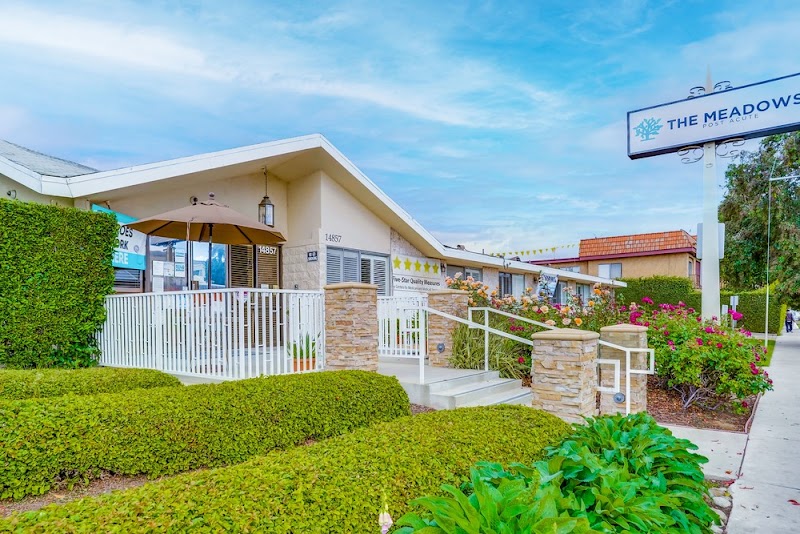
How is The Meadows Post Acute Staffed?

CMS rates THE MEADOWS POST ACUTE's staffing level at 4 out of 5 stars, which is above average compared to other nursing homes. Staff turnover is 32%, compared to the California average of 46%. This relatively stable workforce can support continuity of care.

What Have Inspectors Found at The Meadows Post Acute?

State health inspectors documented 42 deficiencies at THE MEADOWS POST ACUTE during 2022 to 2025. These included: 1 that caused actual resident harm, 40 with potential for harm, and 1 minor or isolated issues. Deficiencies causing actual harm indicate documented cases where residents experienced negative health consequences.
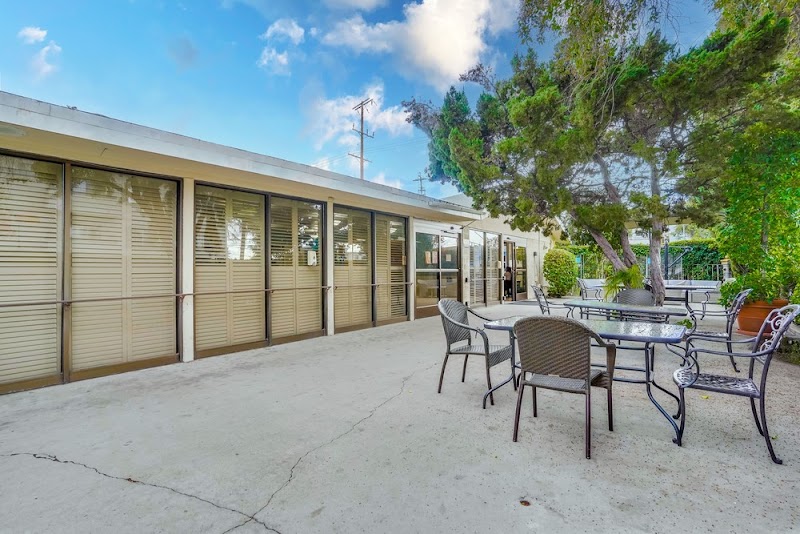
Who Owns and Operates The Meadows Post Acute?

THE MEADOWS POST ACUTE is owned by a for-profit company. For-profit facilities operate as businesses with obligations to shareholders or private owners. The facility is operated by ABRAHAM BAK & MENACHEM GASTWIRTH, a chain that manages multiple nursing homes. With 98 certified beds and approximately 91 residents (about 93% occupancy), it is a smaller facility located in PANORAMA CITY, California.
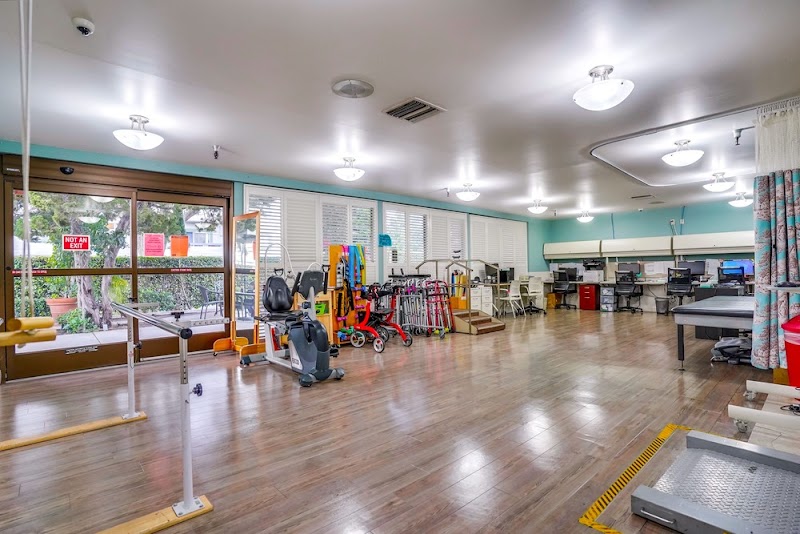
How Does The Meadows Post Acute Compare to Other California Nursing Homes?

Compared to the 100 nursing homes in California, THE MEADOWS POST ACUTE's overall rating (4 stars) is above the state average of 3.2, staff turnover (32%) is significantly lower than the state average of 46%, and health inspection rating (3 stars) is at the national benchmark.

What Should Families Ask When Visiting The Meadows Post Acute?

Based on this facility's data, families visiting should ask: "Can I visit during a mealtime to observe dining assistance and food quality?" "How do you handle medical emergencies, and what is your hospital transfer rate?" "Can I speak with family members of current residents about their experience?"

Is The Meadows Post Acute Safe?

Based on CMS inspection data, THE MEADOWS POST ACUTE has a clean safety record: no substantiated abuse findings (meaning no confirmed cases of resident harm), no Immediate Jeopardy citations (the most serious violation level indicating risk of serious injury or death), and is not on the Special Focus Facility watch list (a federal program monitoring the lowest-performing 1% of nursing homes). The facility has a 4-star overall rating and ranks #1 of 100 nursing homes in California. While no facility is perfect, families should still ask about staff-to-resident ratios and recent inspection results during their visit.

Do Nurses at The Meadows Post Acute Stick Around?

THE MEADOWS POST ACUTE has a staff turnover rate of 32%, which is about average for California nursing homes (state average: 46%). Moderate turnover is common in nursing homes, but families should still ask about staff tenure and how the facility maintains care continuity when employees leave.

Was The Meadows Post Acute Ever Fined?

THE MEADOWS POST ACUTE has no federal fines on record. CMS issues fines when nursing homes fail to meet care standards or don't correct problems found during inspections. The absence of fines suggests the facility has either maintained compliance or corrected any issues before penalties were assessed. This is a positive indicator, though families should still review recent inspection reports for the full picture.

Is The Meadows Post Acute on Any Federal Watch List?

THE MEADOWS POST ACUTE is not on any federal watch list. The most significant is the Special Focus Facility (SFF) program, which identifies the bottom 1% of nursing homes nationally based on persistent, serious quality problems. Not being on this list means the facility has avoided the pattern of deficiencies that triggers enhanced federal oversight. This is a positive indicator, though families should still review the facility's inspection history directly.