LA PAZ GEROPSYCHIATRIC CENTER
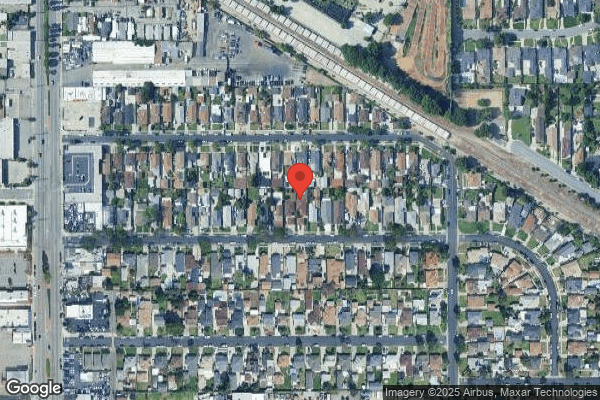

8835 VANS STREET, PARAMOUNT, CA 90723 (562) 633-5111
For profit - Corporation 173 Beds Independent Data: November 2025
Trust Grade
50/100
#611 of 1155 in CA
Last Inspection: October 2024

Within standard 12-15 month inspection cycle. Federal law requires annual inspections.

Overview

La Paz Geropsychiatric Center has a Trust Grade of C, which means it is average and in the middle of the pack when compared to other facilities. It ranks #611 out of 1,155 in California, placing it in the bottom half, and #117 out of 369 in Los Angeles County, indicating there are only a few local options that rate better. The facility is improving, having reduced its issues from 16 in 2024 to 7 in 2025. Staffing is a strength with a 4/5 star rating and a low turnover rate of 21%, which is well below the state average, suggesting that staff members are experienced and familiar with the residents. While there have been no fines, which is a positive sign, there were notable concerns such as expired food potentially being served to residents, and failures in implementing a non-smoking policy, which could violate residents' rights. Overall, while there are strengths in staffing and a good trend of improvement, families should be aware of the facility's recent concerns regarding food safety and policy enforcement.

Trust Score
C
50/100
In California
#611/1155
Bottom 48%
Safety Record
High Risk
Review needed
Inspections
Getting Better
16 → 7 violations
Staff Stability
✓ Good
21% annual turnover. Excellent stability, 27 points below California's 48% average. Staff who stay learn residents' needs.
Penalties
✓ Good
No fines on record. Clean compliance history, better than most California facilities.
Skilled Nurses
⚠ Watch
Each resident gets only 22 minutes of Registered Nurse (RN) attention daily — below average for California. Fewer RN minutes means fewer trained eyes watching for problems.
Violations
⚠ Watch
65 deficiencies on record. Higher than average. Multiple issues found across inspections.
★★★☆☆
3.0
Overall Rating
★★★★☆
4.0
Staff Levels
★★★★★
5.0
Care Quality
★★☆☆☆
2.0
Inspection Score
Stable
2024: 16 issues
2025: 7 issues

The Good

  • 4-Star Staffing Rating · Above-average nurse staffing levels
  • 5-Star Quality Measures · Strong clinical quality outcomes
  • Low Staff Turnover (21%) · Staff stability means consistent care
  • Full Sprinkler Coverage · Fire safety systems throughout facility
  • No fines on record
  • Staff turnover is low (21%)

    27 points below California average of 48%

Facility shows strength in staffing levels, quality measures, staff retention, fire safety.

The Bad

3-Star Overall Rating

Near California average (3.1)

Meets federal standards, typical of most facilities

The Ugly 65 deficiencies on record

May 2025 3 deficiencies
CONCERN (D) 📢 Someone Reported This

A family member, employee, or ombudsman was alarmed enough to file a formal complaint

Potential for Harm - no one hurt, but risky conditions existed

Resident Rights (Tag F0550)

Could have caused harm · This affected 1 resident

Based on observation, interview, and record review, the facility failed to ensure one of one sampled resident ' s (Resident 1) privacy when Resident 2 walked into the restroom while Resident 1 had her...

Read full inspector narrative →
Based on observation, interview, and record review, the facility failed to ensure one of one sampled resident ' s (Resident 1) privacy when Resident 2 walked into the restroom while Resident 1 had her pants down while urinating. This failure resulted in Resident 1 feeling embarrassed, bad, and nasty. Findings: During a review of Resident 1's admission Record (Face Sheet), the admission Record indicated the facility admitted Resident 1 on 6/15/2024 with diagnoses including major depressive disorder (a mood disorder that causes a persistent feeling of sadness and loss of interest) and schizophrenia (a mental illness that is characterized by disturbance in thought). During a review of Resident 1 ' s Minimum Data Set (MDS-a resident assessment tool) dated 3/28/2025, the MDS indicated Resident 1 was cognitively intact (ability to think and understand). During a review of Resident 2 ' s admission Record (Face Sheet), the admission Record indicated the facility admitted Resident 2 on 5/28/2022 with diagnoses including schizoaffective disorder (a mental health problem where you experience psychosis as well as mood symptoms). During a review of Resident 2 ' s Minimum Data Set (MDS- a resident assessment tool) dated 3/7/2025, the MDS indicated Resident 2 had diagnoses including severe cognitive impairment (a significant decline in thinking, memory, and other mental abilities). During a review of Resident 2 ' s Psychiatric Progress Notes, dated 4/9/2025, the progress notes indicated Resident 2 was resistant to being redirected (shifting focus from distressing thoughts or emotions) and had episodes of poor impulse control (sudden, forceful, irresistible urges to do something that may violate the rights of others or conflict with social norms). During a review of Resident 2 ' s Care Plan dated 12/5/2024, the care plan indicated to implement a safety plan to closely monitor and minimize any triggers for aggression and reassess and revise treatment plan as needed. During an interview on 5/2/2025 at 1:33 p.m. with Resident 1, Resident 1 stated she was in the restroom when Resident 2 opened the door while Resident 1 was peeing and had my pants down. Resident 1 stated she felt bad, nasty and embarrassed because it was a man in a female restroom. During an interview on 5/2/2025 at 1:39 p.m. with the Director of Nursing (DON), DON stated if a male resident goes into a female resident ' s restroom, the female may not feel safe, traumatized or re-traumatized. The DON stated Resident 1 ' s dignity was compromised because she was seen with her pants down. During a review of the facility's policy and procedure (P&P) titled, Resident ' s Rights, undated, the P&P indicated, This facility shall treat each resident with respect and dignity and care for each resident in a manner and in an environment that promotes, maintains or enhances their quality of life . Resident ' s rights include the resident ' s right to the following: be treated with respect, kindness, and dignity .be free from abuse.
CONCERN (D) 📢 Someone Reported This

A family member, employee, or ombudsman was alarmed enough to file a formal complaint

Potential for Harm - no one hurt, but risky conditions existed

Free from Abuse/Neglect (Tag F0600)

Could have caused harm · This affected 1 resident

**NOTE- TERMS IN BRACKETS HAVE BEEN EDITED TO PROTECT CONFIDENTIALITY** Based on observation, interview, and record review the facility failed to ensure one out of four sampled residents (Resident 1) ...

Read full inspector narrative →
**NOTE- TERMS IN BRACKETS HAVE BEEN EDITED TO PROTECT CONFIDENTIALITY** Based on observation, interview, and record review the facility failed to ensure one out of four sampled residents (Resident 1) was free from physical abuse (any intentional act causing injury or trauma to another person or animal by way of bodily contact) by Resident 2. As a result, Resident 2 entered Resident 1 ' s bathroom as Resident 1 was sitting on the toilet with her pants down around her ankles and Resident 2 punched Resident 1 on the right cheek, leaving a red mark on Resident 1 ' s right cheek. Resident 1 felt stated she felt mad, nasty, and embarrassed a man (Resident 2) was in her (Resident 1 ' s) female bathroom while her pants were down during the physical altercation. Findings: During a review of Resident 2 ' s admission Record, the admission Record indicated Resident 2 was admitted to the facility on [DATE] with diagnoses of schizoaffective disorder (a mental health problem where you experience psychosis as well as mood symptoms), benign prostatic hyperplasia (BPH, enlarged prostate [a small, walnut-shaped organ in the urinary system]), and overactive bladder. During a review of Resident 2 ' s undated care plan titled Mental Health Recovery: Resident 2 presented with a history of multiple psychiatric hospitalizations with a diagnosis of schizoaffective disorder, as evidenced by (AEB) disorganized thought process (a state where thinking is scattered, illogical, and difficult to follow), aggressive behavior, and paranoid (a mental disorder in which a person has an extreme fear and distrust of others) delusions (misconceptions or beliefs that are firmly held, contrary to reality). The care plan goal was Resident 2 would demonstrate a reduction in aggressive behavior AEB utilization of adaptive coping strategies. The care plan interventions included implementing a safety plan (unspecified plan) to closely monitor and minimize any triggers for aggression. During a review of Resident 1 ' s admission Record, the admission Record indicated Resident 1 was admitted to the facility on [DATE] with diagnoses of schizophrenia (a disorder that affects a person's ability to think, feel, and behave clearly) and major depressive disorder (a mood disorder that causes a persistent feeling of sadness and loss of interest and can interfere with your daily life). During a review of Resident 2 ' s Minimum Data Set (MDS, a resident assessment tool) dated 3/7/2025, the MDS indicated Resident 2 had severe cognitive impairment (problems remembering things, concentrating, making decisions and solving problems). The MDS indicated Resident 2 experienced hallucinations (to see, hear, feel, or smell something that does not exist) and delusions. The MDS indicated Resident 2 had verbal behavioral symptoms directed towards others (e.g., threatening others, screaming at others, cursing at others). During a review of Resident 1 ' s MDS dated [DATE], the MDS indicated Resident 1 was cognitively intact and had no behavioral symptoms. During a review of Resident 2 ' s Psychiatric (related to mental illness and its treatment) Progress Notes dated 3/5/2025, the Progress Notes indicated Resident 2 was resistant to being redirected, had episodes of agitation, poor impulse (the ability to resist a drive to perform an action) control, and yelling and screaming when his needs were not met immediately. The progress note indicated Resident 2 ' s mood was irritable with angry outbursts. During a review of Resident 1 ' s Post Event Assessment Form dated 4/19/2025, the Post Event Assessment Form indicated Resident 1 went to the nurses ' station on 4/19/2025 at 2 p.m. and reported she had been hit by a male resident (Resident 2). Resident 1 was assessed and was noted to have slight redness on her right cheek. The Post Event Assessment Form indicated Resident 2 reported he had not realized he was in the wrong room and when he realized the restroom was occupied, he tried to use the trash can in the restroom to urinate but Resident 1 did not allow him to take the trash can. Resident 2 expressed remorse for the incident with Resident 1 (although Resident 2 did not admit to hitting Resident 1). The assessment indicated Resident 1 had pain in her left cheek. During a review of Resident 1 ' s Interdisciplinary (brings together knowledge from different health care disciplines to help people receive the care they need) Team Note dated 4/21/2025, the IDT note indicated on 4/19/2025, Resident 1 was struck in the face by a male peer (Resident 2) while Resident 1 was using the restroom. Resident 1 reported the male (Resident 2) entered the restroom, attempted to remove a trash can, and upon Resident 1 intervening to stop Resident 2 from removing the trash can, Resident 2 hit Resident 1 in the face. The IDT Note indicated Resident 1 had complained of pain to the left cheek and an ice pack was provided. During an observation on 5/2/2025 at 10:31 a.m., outside of Resident 1 ' s room, the hallway was empty with no staff in the hallway. During an interview on 5/2/2025 at 11:36 a.m., certified nursing assistant (CNA) 2 stated Resident 2 had a history of getting very upset if things did not go his way. CNA 2 stated Resident 2 became explosive at times. CNA 2 stated Resident 2 frequently threatened facility staff. CNA 2 stated Resident 2 was ambulatory and walked around freely in the facility. CNA 2 stated Resident 2 used to go into other patient ' s rooms (both male and female) in the past and take their clothes. During an observation on 5/2/2025 at 12:19 p.m., Resident 2 was pacing (walking back and forth) in the hallway in front of Resident 1 ' s room and there was no staff present in the hallway. The nurse ' s station could not be seen from Resident 1 ' s hallway. During an interview on 5/2/2025 at 12:33 p.m., Resident 2 stated he did not remember an incident occurring with Resident 1. During an interview on 5/2/2025 at 12:25 p.m., housekeeper (HK) 1 stated Resident 2 did not stay in his room much. HK 1 stated Resident 2 liked to walk around a lot, Resident 2 screamed a lot and threatened to hit staff. During an interview on 5/2/2025 at 12:45 p.m., licensed vocational nurse (LVN) 1 stated Resident 2 became agitated easily. During an interview on 5/2/2025 at 12:58 p.m., social worker (SW) 1 stated Resident 2 was one of the lower functioning (having difficulties in areas like communication, social interaction, and self-care, which can impact his ability to participate fully in society ) residents on her case load and Resident 2 was forgetful and needed frequent redirection. SW 1 stated Resident 2 had a history of aggression and altercations with other residents in the past (unknown date or situation) but nothing recently until the altercation with Resident 1 (4/19/2025). During an interview on 5/2/2025 at 1:20 p.m., SW 2 stated Resident 1 was fixated and upset a male (Resident 2) went into her (Resident 1 ' s) restroom. SW 2 stated Resident 2 informed her (SW 2) Resident 2 entered the restroom and tried to take Resident 1 ' s trash can from the restroom but when Resident 1 grabbed the trash can from Resident 2, he struck Resident 1 in the face. During an interview on 5/2/205 at 1:33 p.m., Resident 1 stated on 4/19/2025 she was in the restroom with the door closed sitting on the toilet with her pants down when Resident 2 opened the door of the restroom while she was peeing. Resident 1 stated they got into a struggle over her trash can and Resident 2 punched her in the face causing her glasses to fall off her face and then he (Resident 1) ran away. Resident 2 stated the punch in the face was painful and after she was finished using the restroom she went to the nurse ' s station and told a nurse (registered nurse (RN) 1) what occurred. Resident 1 stated RN 1 took a picture of her right cheek and then gave her an ice pack for the pain. Resident 1 stated she felt, bad, nasty and embarrassed that a man (Resident 2) was in her restroom. During an interview on 5/2/2025 at 2:38 p.m., the director of nursing (DON) stated Resident 2 acted on impulse and became agitated easily. The DON stated in March of 2024 there was another unprovoked incident where Resident 2 hit another resident (unknown) in the cheek when the resident would not move out of Resident 2 ' s doorway. The DON stated during this incident on 4/19/2025, Resident 2 punched Resident 1 after he entered Resident 1 ' s restroom and tried taking her trash can. The DON stated the potential outcome of residents entering other residents ' rooms (uninvited) was altercations occurring such as the one on 4/19/2025 between Resident 1 and Resident 2. The DON stated the potential outcome of a male entering a female restroom was the female resident could feel unsafe, victimized and her dignity could be compromised. The DON stated staff had to make frequent rounds (every 1 hour during the day and every 30 minutes between midnight and 6:30 a.m.) to ensure resident safety. During an interview on 5/2/2025 at 3:31 p.m., RN 1 stated on 4/19/2025, Resident 1 came to the nurse ' s station reporting a male came into her restroom and hit her. Resident 1 pointed out Resident 2 in the hallway. RN 1 stated Resident 1 ' s right cheek was slightly red when she assessed her following the incident. RN 1 stated Resident 1 reported pain on her right cheek so an ice pack was given but Resident 1 was mostly upset a male was in her restroom. During a review of the facility ' s policy and procedure (P/P) titled Abuse Prevention and Reporting dated 11/15/2024, the P/P indicated Resident to Resident abuse was aggressive or inappropriate behavior by one resident towards another comprised resident-to-resident abuse. The P/P indicated physical abuse included hitting, grabbing, and threatening gestures.
CONCERN (D) 📢 Someone Reported This

A family member, employee, or ombudsman was alarmed enough to file a formal complaint

Potential for Harm - no one hurt, but risky conditions existed

Accident Prevention (Tag F0689)

Could have caused harm · This affected 1 resident

Based on observation, interview, and record review, the facility failed to provide supervision for one of one male resident (Resident 2) with history of wandering from entering an occupied female ' s ...

Read full inspector narrative →
Based on observation, interview, and record review, the facility failed to provide supervision for one of one male resident (Resident 2) with history of wandering from entering an occupied female ' s restroom (Resident 1). This failure resulted in Resident 1 being exposed with her pants down and punched in the right cheek. Findings: During a review of Resident 1's admission Record (Face Sheet), the admission Record indicated the facility admitted Resident 1 on 6/15/2024 with diagnoses including major depressive disorder (a mood disorder that causes a persistent feeling of sadness and loss of interest) and schizophrenia (a mental illness that is characterized by disturbance in thought). During a review of Resident 1 ' s Minimum Data Set (MDS-a resident assessment tool) dated 3/28/2025, the MDS indicated Resident 1 was cognitively intact (ability to think and understand). During a review of Resident 2 ' s admission Record (Face Sheet), the admission Record indicated the facility admitted Resident 2 on 5/28/2022 with diagnoses including schizoaffective disorder (a mental health problem where you experience psychosis as well as mood symptoms). During a review of Resident 2 ' s Minimum Data Set (MDS- a resident assessment tool) dated 3/7/2025, the MDS indicated Resident 2 had diagnoses including severe cognitive impairment (a significant decline in thinking, memory, and other mental abilities). During a review of Resident 2 ' s Psychiatric Progress Notes, dated 4/9/2025, the progress notes indicated Resident 2 was resistant to being redirected (shifting focus from distressing thoughts or emotions) and had episodes of poor impulse control (sudden, forceful, irresistible urges to do something that may violate the rights of others or conflict with social norms). During a review of Resident 2 ' s Care Plan dated 12/5/2024, the care plan indicated to implement a safety plan to closely monitor and minimize any triggers for aggression and reassess and revise treatment plan as needed. During observations on 5/2/2025 at 10:38 a.m.,12:19 p.m., and 1:37 p.m., no facility staff were observed in the resident hallways between resident rooms 14 through19, and resident rooms 4 through 11. During an interview on 5/2/2025 at 11:35 a.m. with Certified Nursing Assistant (CNA) 2, CNA 2 stated Resident 2 had previous history of wandering into other resident ' s rooms whether male or female. During an interview on 5/2/2025 at 1:33 p.m. with Resident 1, Resident 1 stated she was in the restroom when Resident 2 opened the door while Resident 1 was peeing and had my pants down. Resident 1 stated she felt bad, nasty and embarrassed because it was a man in a female restroom. During an interview on 5/2/2025 at 1:39 p.m. with the Director of Nursing (DON), DON stated if a male resident goes into a female resident ' s restroom, the female may not feel safe, traumatized or re-traumatized. The DON stated Resident 2 had poor impulse control. The DON stated if staff were in the hallway, they could have prevented Resident 2 from going into Resident 1 ' s room. During a review of the facility ' s policy and procedure (P&P) titled, Levels of Observation, undated, the P&P indicated, To identify the minimum requirements for levels of observation and observation rounds (Safety Rounds) .supports engagement adequate to assess and address the risk of harm to an individual and/or others .Those who demonstrate increased behavior and/or presenting risk will be assessed and placed on the appropriate level of observation. Elevated risks may include danger to self, danger to others, assault . Rounding focuses on the whereabouts/location of the person served, behavior and activities as determined necessary for safety.
Jan 2025 4 deficiencies
CONCERN (E) 📢 Someone Reported This

A family member, employee, or ombudsman was alarmed enough to file a formal complaint

Potential for Harm - no one hurt, but risky conditions existed

Notification of Changes (Tag F0580)

Could have caused harm · This affected multiple residents

**NOTE- TERMS IN BRACKETS HAVE BEEN EDITED TO PROTECT CONFIDENTIALITY** Based on interview and record review, the facility staff members failed to notify the physician when Tamiflu (medication used to...

Read full inspector narrative →
**NOTE- TERMS IN BRACKETS HAVE BEEN EDITED TO PROTECT CONFIDENTIALITY** Based on interview and record review, the facility staff members failed to notify the physician when Tamiflu (medication used to prevent and treat infections caused by the flu virus) was not available immediately when residents were symptomatic for two of seven sampled residents (Resident 5 and 4). This deficient practice had the potential to delay medical interventions. Findings: a. During a review of Resident 5's admission Record (Face Sheet), the Face Sheet indicated Resident 5 was originally admitted to the facility on [DATE] with diagnoses including respiratory syncytial virus (a virus that causes infections of the respiratory tract), acute lower respiratory infection (a sudden infection that affects the lower airways of the lungs), and hypertension (high blood pressure). During a review of Resident 5's Minimum Data Set (MDSresident assessment, dated 11/11/2024, the MDS indicated Resident 5's cognitive skills (the mental action or process of acquiring knowledge and understanding through thought, experience, and the senses) were mildly impaired. During a review of the Medical Administration Record (MAR: a document that indicates the medications taken by each individual) for December 2024, the MAR indicated Resident 5 started receiving Tamiflu Oral Capsule 75mg by mouth two times a day for influenza exposure and symptomatic for influenza for five (5) days on 12/30/2024. It is indicated on 12/28/2024, the medication is unavailable. During a review of the Progress Notes, the progress notes indicated on 12/28/2024, per facility pharmacy, Tamiflu oral capsule 75mg will be delivered on Monday. . During a concurrent interview and record review on 1/7/2025 at 1:36p.m. with Licensed Vocational Nurse 2 (LVN 2), LVN 2 stated on the progress note dated 12/28/2024 at 3:00p.m. indicated per facility pharmacy, Tamiflu will be delivered on Monday 12/30/2024. During a concurrent interview and record review on 1/7/2025 at 3:40p.m. with Assistant Director of Nursing (ADON), ADON stated the order for Resident 5 indicated Tamiflu Oral Capsule 75 MG (Oseltamivir Phosphate) was ordered on 12/27/2024 at 9:29p.m. and was to start the following morning on 12/28/2024. for 5 days. ADON stated the medication was discontinued since the medication was not available and could not start the medication on 12/28/2024 and was started on 12/30/2024. ADON stated there is no note indicated the doctor was notified that the medication was not available. b. During a review of Resident 4's Face Sheet, the Face Sheet indicated Resident 4 was originally admitted to the facility on [DATE] with diagnoses including acute lower respiratory infection, Type II Diabetes Mellitus (DM: a disorder characterized by difficulty in blood sugar control and poor wound healing), and hypertension. During a review of Resident 4's MDS dated [DATE], the MDS indicated Resident 4's cognitive skills were intact. The MDS indicated Resident 4 is independent and required setup for oral hygiene, bathing, and personal hygiene. The MDS indicated Resident 4 does not have any impairments on both the upper (arms/shoulders) and lower extremities. During a review of the MAR for December 2024, the MAR indicated Resident 4 started receiving Tamiflu Oral Capsule 75mg by mouth two times a day for influenza exposure and symptomatic for influenza for 5 days on 12/30/2024. It is indicated on 12/28/2024, the medication is unavailable. During a review of the Progress Notes, the progress notes indicated on 12/28/2024, per facility pharmacy, Tamiflu oral capsule 75mg will be delivered on Monday. During an interview on 1/6/2025 at 1:46p.m. with ADON, ADON stated on 12/27/2024, the pharmacy ran out of Tamiflu on 12/27/2024 and there were some residents who received Tamiflu on 12/27/2024, but most of the residents did not start Tamiflu until 12/30/2024 and 12/31/2024. ADON stated pharmacy was not able to provide additional Tamiflu until 12/30/2024. ADON stated if Tamiflu was available on 12/28/2024, the residents would have been less symptomatic. During an interview on 1/6/2024 at 4:48p.m. with Director of Nursing (DON), DON stated Resident 4 had an order for Tamiflu to be given on 12/27/2024 but was given on 12/30/2024 due to medication shortage . DON stated if treatment is delayed, there would have been more positive cases for the flu. DON stated when the medication is not available, they would notify the doctor. During an interview on 1/7/2025 at 4:29p.m. with Registered Nurse Supervisor 2 (RNS 2), RNS 2 stated if Tamiflu was not available, he would call pharmacy, ask if there are any alternative that can be provided, and if it is not available, call the doctor and relay the information. RNS 2 stated it should be documented in the progress notes when the doctor is notified since no one would know unless it was documented. During an interview on 1/7/2025 at 4:50p.m. with ADON, ADON stated Resident 5 and Resident 4 had an order for Tamiflu on 12/27/2024 but was cancelled on 12/28/2024 since the medication was not received. ADON stated they should have documented that the doctor was called and indicated if it was not documented, it did not happen. ADON stated if the residents were symptomatic and did not receive the medication, the doctor would have said to wait or possibly give a different order. ADON stated the residents would have been monitored for signs and symptoms while they did not have the medication. During a review of the facility's policy and procedure (P&P), titled Medication Administration, dated 12/30/2024, the P&P indicated resolve any concerns about the medication with the provider, Prescriber, and or staff involved with the person served care. During a review of the facility's policy and procedure (P&P), titled Medication Orders, dated 12/3/2024, the P&P indicated if a licensed nurse has questions about an order the licensed nurse shall contact the prescribing provider.
CONCERN (E) 📢 Someone Reported This

A family member, employee, or ombudsman was alarmed enough to file a formal complaint

Potential for Harm - no one hurt, but risky conditions existed

Deficiency F0657 (Tag F0657)

Could have caused harm · This affected multiple residents

**NOTE- TERMS IN BRACKETS HAVE BEEN EDITED TO PROTECT CONFIDENTIALITY** Based on interview and record review, the facility failed to implement their careplan for four of seven residents (Resident 5, 4...

Read full inspector narrative →
**NOTE- TERMS IN BRACKETS HAVE BEEN EDITED TO PROTECT CONFIDENTIALITY** Based on interview and record review, the facility failed to implement their careplan for four of seven residents (Resident 5, 4, and 3) and did not monitor the vital signs every four hours as indicated. This deficient practice had the potential to compromise other resident's wellbeing. Findings: a. During a review of Resident 5's admission Record (Face Sheet) the Face Sheet indicated Resident 5 was originally admitted to the facility on [DATE] with diagnoses including respiratory syncytial virus (a virus that causes infections of the respiratory tract), acute lower respiratory infection (a sudden infection that affects the lower airways of the lungs), and hypertension (high blood pressure). During a review of Resident 5's Minimum Data Set [(MDS) a standardized assessment and care screening tool], dated 11/11/2024, the MDS indicated Resident 5's cognitive skills (the mental action or process of acquiring knowledge and understanding through thought, experience, and the senses) were mildly impaired. The MDS indicated Resident 5 required moderate assistance for dressing and personal hygiene, required supervision for toilet transfer, and bathing, and required set up for toilet and oral hygiene and eating. The MDS indicated Resident 5 utilized a wheelchair for mobility and had impairments on the lower extremities (arms and legs) bilaterally. During a review of Resident 5's Care Plan (CP) initiated on 12/30/2024, the CP indicated Resident 5 is currently on antiviral medication (medication that helps the body fight off viruses) due to testing positive for Influenza virus (also known as the flu which is a highly contagious respiratory illness that infects the nose, throat and lungs). The CP intervention indicated to monitor vital signs and oxygen saturation every four hours, report abnormal values and any unusual observation to medical doctor (MD) promptly dated 12/30/2024. During a review of Resident 5's temperature indicated the following: 1/1/2025 9:42a.m. 97.2 Fahrenheit (°F: temperature scale) on the forehead 12/31/2024 8:37p.m. 97.4 °F on the forehead 12/31/2024 4:24p.m. 97.9 °F on the forehead 12/31/2024 10:29a.m. 98.2 °F on the forehead 12/30/2024 6:40p.m. 97.9 °F on the forehead 12/30/2024 8:33a.m. 97.7 °F on the forehead During an interview on 1/8/2025 at 1:13p.m. with Director of Nursing (DON), DON stated vital signs include blood pressure, temperature, pain assessment, oxygen, respiration, and pulse. DON stated vital signs are taken to monitor the residents condition to identify if there are any changes. DON stated vital signs are reflected in the vital sign portal. DON stated care plans are initiated upon admission and the Minimum Data Set Coordinator (MDSC) will revise or discontinue the care plan on a quarterly basis. DON stated care plans are updated continuously and when there is a change of condition (COC) or when there is a new medication. DON stated the purpose of a care plan is to provide proper plan of care and would have to follow care plans as that is how they take care of the residents. During a concurrent interview and record review on 1/8/2025 at 1:16p.m. with DON, DON stated Resident 5's care plan indicated to monitor the residents every four hours. DON stated the temperature from 12/27/2024 to 1/8/2025 does not reflect that the temperature was taken every four hours. DON stated they did not implement the monitoring every four hours, for the temperature, pulse, respiration, and oxygen. b. During a review of Resident 4's Face Sheet, the Face Sheet indicated Resident 4 was originally admitted to the facility on [DATE] with diagnoses including acute lower respiratory infection, Type II Diabetes Mellitus (DM: a disorder characterized by difficulty in blood sugar control and poor wound healing), and hypertension. During a review of Resident 4's MDS dated [DATE], the MDS indicated Resident 5's cognitive skills were intact. The MDS indicated Resident 4 is independent and required setup for oral hygiene, bathing, and personal hygiene. The MDS indicated Resident 4 does not have any impairments on both the upper (arms/shoulders) and lower extremities. During a review of Resident 4's CP initiated on 12/30/2024, the CP indicated Resident 4 is currently on antiviral medication due to testing positive for Influenza virus. The CP intervention indicated to monitor vital signs and oxygen saturation every four hours, report abnormal values and any unusual observation to medical doctor (MD) promptly dated 12/30/2024. During a review of Resident 4's oxygen indicated the following: 1/2/2025 9:54a.m. 92.0% Room Air 1/2/2025 3:20a.m. 94.0% 2 liters per minute (L/Min: a low-flow device that delivers oxygen to the resident's lower airways. 1/1/2025 8:51p.m. 98.0% Room Air 1/1/2025 4:32p.m. 97.0% Room Air 1/1/2025 9:50a.m. 92.0% Room Air 12/31/2024 8:51p.m. 96.0% Room Air During a concurrent interview and record review on 1/8/2025 at 1:19p.m. with DON, DON stated Resident 4's CP indicated to monitor vital signs every four hours. DON stated they monitor the temperature and other vital signs to ensure the residents are stabilizing. DON stated the date of the CP initiation is 12/30/2024 and will be implemented until the resident finish the Tamiflu (medicine used to treat Influenza). During a concurrent interview and record review on 1/8/2025 at 1:21p.m. with DON, DON stated the staffs were doing vitals, but it was not consistently every four hours. c. During a review of Resident 3's Face Sheet, the Face Sheet indicated Resident 3 was originally admitted to the facility on [DATE] with diagnoses including acute lower respiratory infection, hypertension, and schizophrenia (a mental illness that is characterized by disturbances in thought). During a review of Resident 3's MDS dated [DATE], the MDS indicated Resident 3's cognitive skills were intact. The MDS indicated Resident 3 is independent and required setup for eating and bathing. The MDS indicated Resident 4 does not have any impairments on both the upper and lower extremities. During a review of Resident 3's CP initiated on 12/30/2024, the CP indicated Resident 3 is currently on antiviral medication due to testing positive for Influenza virus. The CP intervention indicated to monitor vital signs and oxygen saturation every four hours, report abnormal values and any unusual observation to medical doctor (MD) promptly dated 12/31/2024. During a review of Resident 3's temperature indicated the following: 01/02/2025 1:52p.m. 97.7 °F on the forehead 01/02/2025 9:31a.m. 98.3 °F on the forehead 01/02/2025 3:27a.m. 97.6 °F on the forehead 01/01/2025 4:53p.m. 97.4 °F on the forehead 01/01/2025 9:42a.m. 97.2 °F on the forehead 12/31/2024 10:05a.m. 97.7 °F on the forehead 12/30/2024 6:40p.m. 97.7 °F on the forehead 12/30/2024 8:35a.m. 97.3 °F on the forehead During a concurrent interview and record review on 1/8/2025 at 1:23p.m. with DON, DON stated Resident 3 also had the same CP to monitor the vital signs and oxygen every four hours. DON acknowledged the interventions were not implemented. During a review of the facility's policy and procedure (P&P), titled Resident Treatment Care Plan/Baseline Care Plan Resident Treatment/Baseline Care Plan - Long Term Problems (SNF), dated 8/15/2024, the P&P indicated the comprehensive care plan is an individualized written care plan based upon an initial and continuing assessment of resident needs with input, as appropriate, from the health professionals involved in the care of the resident. The care plan indicates the care to be given, the goals to be accomplished, the interventions to be used, and the professional discipline responsible for each element of care. The goal(s) will be measurable/achievable and resident-centered or resident specific.
CONCERN (E) 📢 Someone Reported This

A family member, employee, or ombudsman was alarmed enough to file a formal complaint

Potential for Harm - no one hurt, but risky conditions existed

Pharmacy Services (Tag F0755)

Could have caused harm · This affected multiple residents

**NOTE- TERMS IN BRACKETS HAVE BEEN EDITED TO PROTECT CONFIDENTIALITY** Based on interview, and record review, the facility failed to ensure Tamiflu (Oseltamivir Phosphate: prevents and treats infecti...

Read full inspector narrative →
**NOTE- TERMS IN BRACKETS HAVE BEEN EDITED TO PROTECT CONFIDENTIALITY** Based on interview, and record review, the facility failed to ensure Tamiflu (Oseltamivir Phosphate: prevents and treats infections caused by the flu virus) medications was administered to meet the needs for two of seven sampled residents (Resident 5 and Resident 4). This deficient practice had the potential to result in a delay in administration of necessary medication for the residents. Findings: a. During a review of Resident 5's admission Record (Face Sheet), the Face Sheet indicated Resident 5 was originally admitted to the facility on [DATE] with diagnoses including respiratory syncytial virus (a virus that causes infections of the respiratory tract), acute lower respiratory infection (a sudden infection that affects the lower airways of the lungs), and hypertension (high blood pressure). During a review of Resident 5's Minimum Data Set (MDS- a resident assessment), dated 11/11/2024, the MDS indicated Resident 5's cognitive skills (the mental action or process of acquiring knowledge and understanding through thought, experience, and the senses) were mildly impaired. The MDS indicated Resident 5 required moderate assistance for dressing and personal hygiene, required supervision for toilet transfer, and bathing, and required set up for toilet and oral hygiene and eating. The MDS indicated Resident 5 utilized a wheelchair for mobility and had impairments on the lower extremities (arms and legs) bilaterally. During a review of Resident 5's Order Summary Report, the order summary report indicated Tamiflu (Oseltamivir Phosphate: prevents and treats infections caused by the flu virus) Oral Capsule 75 milligram(mg: a unit of measurement): Give 1 capsule by mouth two times a day for influenza (contagious respiratory illness caused by the influenza virus) exposure and symptomatic (having the characteristics of a particular disease) for influenza for five (5) days was ordered on 12/27/2024 and discontinued on 12/28/2024. During a review of the Medical Administration Record (MAR: a document that indicates the medications taken by each individual) for December 2024, the MAR indicated Resident 5 started receiving Tamiflu Oral Capsule 75mg by mouth two times a day for influenza exposure and symptomatic for influenza for five (5) days on 12/30/2024. The MAR indicated on 12/28/2024, the medication is unavailable. During an interview on 1/6/2025 at 9:19a.m. with Resident 5, Resident 5 stated he had gotten the flu shot and had symptoms of fever and coughing. During a review of the Progress Notes, the progress notes indicated on 12/28/2024, per facility pharmacy, Tamiflu oral capsule 75mg will be delivered on Monday. During a review of the Pharmaceuticals Shipping Manifest (pharmacy shipping order), the pharmaceutical shipping manifest indicated Resident 5 had received an order for Tamiflu 75mg on 12/30/2024. There were no shipments for Tamiflu prior to 12/30/2024 for Resident 5. During an interview on 1/7/2024 at 1:17p.m. with Licensed Vocational Nurse 2 (LVN 2), LVN 2 stated she was assigned for Resident 5 on 12/28/2024 and was not endorsed any information for Tamiflu. LVN 2 stated if the medication was available, it should be given as soon as possible within 4 hours . LVN 2 stated if the medication was not available and ordered, LVN should follow up and document to show the facility did something . During a concurrent interview and record review of the MAR on 1/7/2025 at 1:31p.m. with LVN 2, LVN 2 stated the December MAR for Resident 5 regarding Tamiflu indicated on 12/28/2024, a number 10 was documented and indicated it means that the medication was ordered but was not available and Tamiflu was started on 12/30/2024. During a concurrent interview and record review on 1/7/2025 at 1:36p.m. with LVN 2, LVN 2 stated on the progress note dated 12/28/2024 at 3:00p.m. indicated per facility pharmacy, Tamiflu will be delivered on Monday 12/30/2024. LVN 2 stated it would have made a difference if Tamiflu was started right away since it is effective when the symptoms are present and had spread to the facility by 12/30/2024, but it could have been minimized. b. During a review of Resident 4's Face Sheet, the Face Sheet indicated Resident 4 was originally admitted to the facility on [DATE] with diagnoses including acute lower respiratory infection, Type II Diabetes Mellitus (DM: a disorder characterized by difficulty in blood sugar control and poor wound healing), and hypertension. During a review of Resident 4's MDS dated [DATE], the MDS indicated Resident 4's cognitive skills were intact. The MDS indicated Resident 4 is independent and required setup for oral hygiene, bathing, and personal hygiene. The MDS indicated Resident 4 does not have any impairments on both the upper (arms/shoulders) and lower extremities. During a review of Resident 4's Order Summary Report, the order summary report indicated Tamiflu Oral Capsule 75 milligram: Give 1 capsule by mouth two times a day for influenza exposure and symptomatic for influenza for 5days was ordered on 12/27/2024 and discontinued on 12/28/2024. During a review of the MAR for December 2024, the MAR indicated Resident 4 started receiving Tamiflu Oral Capsule 75mg by mouth two times a day for influenza exposure and symptomatic for influenza for 5 days on 12/30/2024. The MAR indicated on 12/28/2024, the medication is unavailable. During a review of the Progress Notes, the progress notes indicated on 12/28/2024, per facility pharmacy, Tamiflu oral capsule 75mg will be delivered on Monday. During an interview on 1/6/2025 at 8:59a.m. with Resident 4, Resident 4 stated she had gotten the Coronavirus disease (COVID-19: a virus that is highly contagious that causes respiratory illness) and flu (common but sometimes deadly viral infection of the nose, throat, and lungs) shot together three weeks ago. Resident 4 stated she usually go out and walk and was around other residents coughing outside and in the dining room. During an interview on 1/6/2025 at 1:46p.m. with Assistant Director of Nursing (ADON), ADON stated on 12/27/2024, the hospital called the facility stating one of the residents that was sent to the hospital had tested positive for the Influenza. ADON stated the doctor came in around 3:30p.m. on 12/27/2024 and prescribed all of the residents Tamiflu since there was one confirmed case. ADON stated residents who were positive or symptomatic would receive Tamiflu twice a day for five days and residents who were exposed/tested negative/asymptomatic (no symptoms) would receive Tamiflu once a day for 10 days as a prophylaxis. ADON stated the pharmacy ran out of Tamiflu on 12/27/2024 and there were some residents who received Tamiflu on 12/27/2024, but most of the residents did not start Tamiflu until 12/30/2024 and 12/31/2024. ADON stated pharmacy was not able to provide additional Tamiflu until 12/30/2024. ADON stated if Tamiflu was not available on 12/28/2024, During an interview on 1/6/2024 at 4:48p.m. with DON, DON stated Resident 4 had an order for Tamiflu to be given on 12/27/2024 but was given on 12/30/2024 due to medication shortage. DON stated Tamiflu should have been received and given as soon as possible as the residents would have felt better. DON stated if treatment is delayed, there would have been more positive cases for the flu. During an interview on 1/7/2025 at 9:49a.m. with Pharmacist 2 (PharmD 2), PharmD 2 stated they did not receive any orders or requests for Tamiflu from the facility on 12/27/2024. PharmD 2 stated if a medication is needed, they will try to call other pharmacies to see if they have the medication, and worse comes to worse, will provide an alternative. PharmD 2 stated if on 12/27/2024 the facility needed 16 boxes of Tamiflu, they would have shipped out whatever they had in stock, and if more medication is needed, they would expedite the order. PharmD 2 stated they do not receive orders on the weekends but will call different pharmacies if the facility needed the medication to fill the orders and do receive stat orders on the weekends. During an interview on 1/7/2025 at 4:50p.m. with ADON, ADON stated Resident 5 and Resident 4 had an order for Tamiflu on 12/27/2024 but was cancelled on 12/28/2024 since the medication was not received. ADON stated the residents would have been monitored for signs and symptoms while they did not have the medication. ADON stated the facility does not keep Tamiflu in stock and would have to receive an order first and then would be ordered to the pharmacy. During a review of the facility's policy and procedure (P&P), titled Medication Orders, dated 12/3/2024, the P&P indicated if a licensed nurse has questions about an order the licensed nurse shall contact the prescribing provider. During a review of the facility's policy and procedure (P&P), titled Influenza Disease Surveillance and Outbreak Management, undated, the P&P indicated even if it's not influenza season, influenza testing should occur when any resident has signs and symptoms that could be due to influenza, and especially when two residents or more develop respiratory illness within 72 hours of each other. Antivirals should be started as soon as possible for persons with suspected or confirmed influenza who are at higher risk for influenza complications on the basis of their age or underlying medical conditions; Clinical judgment should be an important component of client treatment decisions. Maximum benefit occurs when started within 48 hours of symptom onset. Do not hold antivirals if symptoms began more than 48 hours prior and person meets criteria for antiviral treatment. Antiviral treatment works best when started within the first 2 days of symptoms. However, these medications can still help when given after 48 hours to those that are very sick, such as those who are hospitalized , or those who have progressive illness. All long-term care facility persons served who have confirmed or suspected influenza should receive antiviral treatment immediately. Treatment should not wait for laboratory confirmation of influenza.
CONCERN (E) 📢 Someone Reported This

A family member, employee, or ombudsman was alarmed enough to file a formal complaint

Potential for Harm - no one hurt, but risky conditions existed

Infection Control (Tag F0880)

Could have caused harm · This affected multiple residents

**NOTE- TERMS IN BRACKETS HAVE BEEN EDITED TO PROTECT CONFIDENTIALITY** Based on interview and record review, the facility failed to enforce its own policy related to Influenza (contagious respiratory...

Read full inspector narrative →
**NOTE- TERMS IN BRACKETS HAVE BEEN EDITED TO PROTECT CONFIDENTIALITY** Based on interview and record review, the facility failed to enforce its own policy related to Influenza (contagious respiratory illness caused by the influenza virus) outbreak by not retesting contaminated samples collected on 12/27/2024 and reordering test kits on a timely manner for two out of 12 residents (Resident 5 and Resident 4) that were symptomatic. These deficient practices had placed all residents, staff, vendors, visitors, and the surrounding community at risk for spread of the influenza virus. Finding: a. During a review of Resident 5's admission Record (Face Sheet), the Face Sheet indicated Resident 5 was originally admitted to the facility on [DATE] with diagnoses including respiratory syncytial virus (a virus that causes infections of the respiratory tract), acute lower respiratory infection (a sudden infection that affects the lower airways of the lungs), and hypertension (high blood pressure). During a review of Resident 5's Minimum Data Set [(MDS) a standardized assessment and care screening tool], dated 11/11/2024, the MDS indicated Resident 5's cognitive skills (the mental action or process of acquiring knowledge and understanding through thought, experience, and the senses) were mildly impaired. The MDS indicated Resident 5 required moderate assistance for dressing and personal hygiene, required supervision for toilet transfer, and bathing, and required set up for toilet and oral hygiene and eating. During a review of Resident 5's Lab Results Report, the lab results report indicated the specimen (sample of blood or body tissue taken for medical testing) collected to check whether Resident 5 had the influenza or not was collected on 12/27/2024 at 7:00p.m., reported on 12/27/2024 at 9:27p.m., and was received on 12/28/2024 at 12:27a.m. The status of the lab report result was invalid due to the specimen being contaminated. During a review of Resident 5's Lab Results Report, the lab results report indicated the specimen collected to check whether Resident 5 had the influenza or not was collected on 12/30/2024 at 8:00a.m., reported on 12/30/2024 at 4:28p.m., and was received on 12/30/2024 at 1:01p.m. The lab report indicated Resident 5 had tested positive for Influenza A (most common type of flu virus that causes symptoms like fever, cough, and fatigue). During a review of the line list (document that contains key information about each case in an outbreak) dated 12/30/2024, the line list indicated out of the 29 residents that were swabbed, 16 residents tested positive for the flu (another way to say influenza). Resident 5 was tested on [DATE] and is one of the 16 residents that tested positive. Five staff members had signs and symptoms of the flu (cough, body aches) but were not confirmed with the flu. During a review of the Residents with s/s tested on [DATE] document, the residents with s/s tested on [DATE] indicated 12 residents were tested and four residents who did not have s/s but were exposed to a resident that had tested positive on 12/27/2024. The document indicated all the results on 12/27/2024 came back contaminated and thus did not have a result. On the document, Resident 5 was listed as one of the residents who had s/s on 12/27/2024. b. During a review of Resident 4's Face Sheet, the Face Sheet indicated Resident 4 was originally admitted to the facility on [DATE] with diagnoses including acute lower respiratory infection, Type II Diabetes Mellitus (DM: a disorder characterized by difficulty in blood sugar control and poor wound healing), and hypertension. During a review of Resident 4's MDS dated [DATE], the MDS indicated Resident 4's cognitive skills were intact. The MDS indicated Resident 4 is independent and required setup for oral hygiene, bathing, and personal hygiene. The MDS indicated Resident 4 does not have any impairments on both the upper (arms/shoulders) and lower extremities. During a review of the Residents with s/s tested on [DATE] document, the residents with s/s tested on [DATE] indicated 12 residents were tested and four residents who did not have s/s but were exposed to a resident that had tested positive on 12/27/2024. The document indicated all of the results on 12/27/2024 came back contaminated and thus did not have a result. On the document, Resident 4 was listed as one of the residents who had s/s on 12/27/2024. During a review of Resident 4's Lab Results Report, the lab results report indicated the specimen collected to check whether Resident 4 had the influenza or not was collected on 12/27/2024 at 6:50p.m., reported on 12/27/2024 at 9:23p.m., and was received on 12/28/2024 at 12:23a.m. The status of the lab report result was invalid due to the specimen being contaminated. During a review of Resident 4's Lab Results Report, the lab results report indicated the specimen collected to check whether Resident 4 had the influenza or not was collected on 12/30/2024 at 9:00a.m., reported on 12/30/2024 at 4:59p.m., and was received on 12/30/2024 at 12:47p.m. The lab report indicated Resident 4 had tested positive for Influenza A. During a review of the line list dated 12/30/2024, the line list indicated out of the 29 residents that were swabbed, 16 residents tested positive for the flu. Resident 4 was tested on [DATE] and is one of the 16 residents that tested positive. Five staff members had signs and symptoms of the flu (cough, body aches) but were not confirmed with the flu. During an interview on 1/6/2025 at 9:23a.m. with Infection Preventionist Nurse (IPN), IPN stated when a resident has a flu like symptom, they will test the resident if they have the Coronavirus disease (COVID-19: a virus that is highly contagious that causes respiratory illness) first, and if the result for Covid-19 comes back negative, they will do a flu test. IPN stated the 29 residents listed on the line list were tested on [DATE] and lab had collected the samples. IPN stated the residents that were tested on [DATE] had to be retested. IPN stated residents who were symptomatic were tested first on 12/27/2024 and residents that were exposed to symptomatic residents were tested and contacted Public Health (PH: department that focuses on disease prevention) on 12/30/2024. IPN stated when the residents tested positive for the flu, the doctor was notified, family was called, and the resident would be monitored for 72 hours. IPN stated Tamiflu (Oseltamivir Phosphate: prevents and treats infections caused by the flu virus) were given to residents who had symptoms and tested positive to treat the flu and to residents that were exposed to these symptomatic residents prophylactically. IPN stated on 1/3/2025, 25 residents were tested and as of 1/6/2025, there were no new cases. IPN stated the purpose of a line list is to document the residents who have symptoms and keep track of the outbreak. IPN stated without a line list, the information may not be accurate and will not be able to keep track of all the residents. During an interview on 1/6/2025 at 1:46p.m. with Assistant Director of Nursing (ADON), ADON stated if a resident has any signs and symptoms (s/s: shortness of breath, coughing, congestion, fever), they will do a covid-19 rapid test, but if the resident has multiple s/s, they will do a respiratory panel. ADON stated when a resident was confirmed with the influenza on 12/27/2024, the doctor came and assessed the residents at the facility and decided to have all of the residents tested, including the residents that were exposed. ADON stated on 12/27/2024, 14 samples of symptomatic and exposed residents were collected, however they were contaminated, and the residents were retested on [DATE]. ADON stated on 12/30/2024, more residents were showing s/s, so more residents were tested. ADON stated the facility started wearing N95's (disposable filtering facepiece respirator that filters at least 95% of airborne particles (tiny solid or liquid substance in the air) on 12/26/2024 due to an increase in flu in the community. ADON stated lab is open from Monday to Friday, and if they require stat (right now) labs, they will call lab. ADON stated since they did not have enough test kits, they could have called lab on 12/28/2024. ADON stated lab is the one that provides the test kits as they are not readily available in the facility. ADON stated the test kits were ordered on 12/27/2024, tested the residents, but the samples were contaminated and had to retest the residents that were initially tested on [DATE] on 12/30/2024 and identified additional residents that were symptomatic or that were exposed. ADON stated she is not sure why they did not retest the residents on 12/27/2024 or 12/28/2024. ADON stated they can call lab and do stat order to get the test kits on the same day and could have retested them on 12/28/2024. ADON stated testing the residents is important to know right away what is going on and whether the resident has an infection or virus so the appropriate treatment can be provided. During an interview on 1/6/2025 at 4:07p.m. with UCI Lab 1 (UCIL 1), UCIL 1 stated if the facility called on 12/28/2024 and ordered the test kits as a stat order, they would have been able to deliver the kits on the weekend. UCIL 1 stated on 12/27/2024, the facility requested 70 test kits, but sent 50 test kits as it was a lot, however if more test kits were required, they would have sent more. UCIL 1 stated orders are usually from Monday to Friday with the exception of emergencies and have a grace period of two to three days. UCIL 1 stated they did not have any shortages for the respiratory panel test kits. UCIL 1 stated they received another order on 12/30/2024 for another 50 test kits, however they were unable to deliver the kits between 12/31/2024 to 1/1/2025 and dropped off the test kits on 1/2/2025 at 4:42p.m. During an interview on 1/6/2025 at 5:02p.m. with Director of Nursing (DON), DON stated they ordered the test kits for the symptomatic residents on 12/27/2024, however they were contaminated and had to reorder more test kits DON stated they are not sure why they did not reorder the test kits on the same day and does not remember what happened DON stated they never had to request supplies over the weekend, but it was a stat order, they would have ordered it. DON stated they do not keep the test kits in stock at the facility, and if the residents were retested on [DATE], it would not have made a difference when the residents were tested 12/28/2024 or 12/30/2024 as the residents would have been given Tamiflu. During an interview on 1/7/2025 at 1:17p.m. with Licensed Vocational Nurse 2 (LVN 2), LVN 2 stated she would normally swab the residents for Covid, but the Registered Nurse Supervisor (RNS) would swab the residents for the flu, but the licensed nurses can also swab the residents for the flu if needed. LVN 2 stated they could have retested the residents on 12/28/2024 but it was not done. During an interview on 1/7/2025 at 4:29p.m. with Registered Nurse Supervisor 2 (RNS 2), RNS 2 stated the residents were supposed to be tested during the day on 12/27/2024, but the test kits did not arrive. RNS 2 stated he does not remember how many test kits were received, but the samples collected were labeled and timed and was endorsed to the following shift of the situation. RNS 2 stated if labs were contaminated, they would retest the residents and call lab to bring more test kits so it can be done right away. RNS 2 stated if samples were collected and contaminated, recollect and send it out as soon as possible since it can spread to other residents and can expose family members as well. During a review of the facility's policy and procedure (P&P), titled Influenza Disease Surveillance and Outbreak Management, undated, the P&P indicated while unusual, an influenza outbreak can occur outside of the normal influenza season; therefore, testing for influenza viruses and other respiratory pathogens should also be performed during non-influenza season periods. Even if it's not influenza season, influenza testing should occur when any resident has signs and symptoms that could be due to influenz, and especially when two residents or more develop respiratory illness within 72 hours of each other.Influenza testing may be used to inform decisions on use of antiviral treatment, antibiotic treatment, need for further diagnostic tests, and other considerations. Test for influenza under the following circumstances: a. Ill persons who are in the affected unit as well as previously unaffected units in the facility b. Persons who develop acute respiratory illness symptoms more than 72 hours after beginning antiviral chemoprophylaxis. Ensure that the laboratory performing the tests notifies the facility of tests results promptly.
Oct 2024 13 deficiencies
CONCERN (D)

Potential for Harm - no one hurt, but risky conditions existed

Comprehensive Care Plan (Tag F0656)

Could have caused harm · This affected 1 resident

**NOTE- TERMS IN BRACKETS HAVE BEEN EDITED TO PROTECT CONFIDENTIALITY** Based on interview and record review the facility failed to ensure one of 33 sampled residents (Resident 139) had a comprehensiv...

Read full inspector narrative →
**NOTE- TERMS IN BRACKETS HAVE BEEN EDITED TO PROTECT CONFIDENTIALITY** Based on interview and record review the facility failed to ensure one of 33 sampled residents (Resident 139) had a comprehensive care plan developed and implemented for diagnosis of schizoaffective disorder (a mental illness that can affect thoughts, mood, and behavior). This failure had the potential to result in a delay of the delivery of care and services. Findings: During a review of Resident 139's admission Record, the admission Record indicated, Resident 139 was admitted to the facility on [DATE] with diagnoses including schizoaffective disorder, anxiety (intense, excessive, and persistent worry and fear about everyday situations), and major depressive disorder (a mental health disorder characterized by persistently depressed mood or loss of interest in activities). During a review of Resident 139's Minimum Data Set (MDS- federally mandated resident assessment tool), dated 9/13/2024, the MDS indicated, Resident 139 had the ability to understand and express ideas and wants. The MDS indicated Resident 139 had the ability to understand others. The MDS indicated Resident 139 needed partial to moderate assistance from nursing staff with showering and lower body dressing. The MDS indicated Resident 139 needed nursing staff supervision or touching assistance with oral hygiene, toileting, upper body dressing, putting on and taking off footwear, and personal hygiene. The MDS indicated Resident 139 needed nursing staff supervision or touching assistance with rolling from left to right, sitting, standing, transferring, and walking. The MDS indicated Resident 139 had an active diagnosis of schizoaffective disorder. During a concurrent interview and record review on 10/17/2024 at 9:58 a.m., with the Assistant Director of Nursing/ Infection Preventionist Nurse (ADON/ IPN), reviewed Resident 139's care plan. The ADON/ IPN stated Resident 139 had a diagnosis of schizoaffective disorder. The ADON/ IPN stated Resident 139 did not have a care plan for schizoaffective disorder. The ADON/IPN stated care plans were reviewed by the licensed nurses to ensure plan of care were developed, implemented, and updated to see the progress of the resident and to monitor if interventions were working. The ADON/IPN stated licensed staff did not address Resident 139's history of schizoaffective disorder in the care plan. The ADON/IPN stated schizoaffective disorder should have been addressed in Resident 139's care plan to ensure Resident 139 will received needed care and services. The ADON/IPN stated licensed nursing staff should have noticed the care plan for diagnosis of schizoaffective disorder was missing during a review. During an interview on 10/18/2024 at 5:18 p.m., with the Director of Nursing (DON), the DON stated Resident 139's needs a care plan for schizoaffective disorder, so the nursing staff know how to take care of the resident and to know the interventions and goals of the resident. The DON stated we must follow the care plan. During a review of the facility's policy and procedure (P&P), titled, Individual Plan, dated 3/22/2024, the P&P indicated, An Individual Plan will be developed with the active participation of the individual served and the program staff after the enrollment and initial assessment is completed, or as outlined by regulatory/contractual guidelines . When the individual served has co-occurring disorders and/or significant risk factors, the Individual Plan specifically addresses those issues in an integrated manner.
CONCERN (D)

Potential for Harm - no one hurt, but risky conditions existed

Deficiency F0657 (Tag F0657)

Could have caused harm · This affected 1 resident

**NOTE- TERMS IN BRACKETS HAVE BEEN EDITED TO PROTECT CONFIDENTIALITY** Based on interview, and record review, the facility failed to ensure a care plan for vision was revised and updated for one of 3...

Read full inspector narrative →
**NOTE- TERMS IN BRACKETS HAVE BEEN EDITED TO PROTECT CONFIDENTIALITY** Based on interview, and record review, the facility failed to ensure a care plan for vision was revised and updated for one of 33 sampled residents (Resident 108). This failure had the potential to put Resident 108 at risk for not receiving the care and services needed to meet her individualized needs. Findings: During a review of Resident 108's admission Record, the admission Record indicated Resident 108 was admitted to the facility on [DATE] with diagnoses including bipolar disorder (a mental health condition that causes extreme mood swings that include emotional highs [mania] and lows[depression] that make it difficult to carry out day-to-day tasks and activities),tremor (involuntary rhythmic shaking or twitching of one or more body parts) pre glaucoma ( also called glaucoma suspect where a person had elevated pressure within the eyes but no detectable visual damage), and age related bilateral nuclear cataract (opacity or clouding that develops in the center of the eyes which is related to aging). During a review of Resident 108's Minimum Data Set (MDS- a federally mandated assessment tool), dated 8/8/2024, the MDS indicated Resident 108 had intact cognition and was independent with bed mobility, transfer, bathing, toileting hygiene, ambulation (ability to walk from place to place without the need for any kind of assistance), and personal hygiene. During a review of Resident 108's Consultation for Ophthalmology report dated 1/4/2023, the Consultation for Ophthalmology report indicated Resident 108 had suspected glaucoma and the resident will come for a follow check up within six to eight weeks for eye pressures check. During a review of Resident 108's Consultation for Ophthalmology report dated 10/4/2024, the Consultation for Ophthalmology report indicated Resident 108 was seen by an ophthalmologist (eye care specialist) and had bilateral cataracts. The Consultation for Ophthalmology report indicated the resident had no evidence of glaucoma. During a review of Resident 108's Care Plan titled Resident 108 with altered vision secondary to suspected glaucoma and at risk for eye pain/ pressure, headaches, blurred vision, and red eyes initiated on 4/28/2022 and revised 11/21/2023 with interventions included observing, checking for eye pain, discomfort and increased visual disturbances. During an interview on 10/15/2024, at 1:12 p.m., with Resident 108, Resident 108 stated she has no glaucoma but had cataracts on both eyes from her recent visit with the ophthalmologist. Resident 108 stated she used to get eye drops for her glaucoma. During a concurrent interview and record review on 10/18/2024, at 3:06 p.m., with Registered Nurse Supervisor (RNS1), reviewed Resident 108's Care Plan. RNS 1 stated care plan for vision was referring to glaucoma and did not include Resident 108's cataract. RNS 1 stated the Care Plan for vision should be updated so the staff would know the actual problem and interventions needed for the specific identified problem. During a concurrent interview and record review on 10/18/2024, at 10:10 a.m., with Assistant Director of Nursing (ADON), reviewed Resident 108's Care Plan. ADON stated Resident 108's Care Plan for vision was not updated after the resident was diagnosed with cataract. ADON stated Care Plan for vision needs to be updated and revised so it will be specific to the resident's diagnosis. ADON stated it could worsen the condition and caused delay of care or treatment if the care plan was not revised. During an interview on 10/18/2024, at 4:45 p.m., with the Director of Nursing (DON), the DON stated licensed nurses were responsible in revising and developing care plan for residents. The DON stated care plans were updated and revised to ensure any change in residents' condition was identified. The DON stated Care Plan not updated and revised will not provide the best care for the resident. During a review of facility's policy and procedure (P&P) titled Individual Plan undated, the P&P indicated the Individual Plan included interventions that are specific and reflect the services provided by the staff. The P&P indicated individual plans are to be reviewed, updated, and revised according to regulatory / contractual guidelines and/ or as an individual treatment needs change.
CONCERN (D)

Potential for Harm - no one hurt, but risky conditions existed

Deficiency F0726 (Tag F0726)

Could have caused harm · This affected 1 resident

Based on interview and record review the facility failed to ensure the Director of Staff Development (DSD- plans, directs, or coordinates the training for staff) was competent in obtaining report of f...

Read full inspector narrative →
Based on interview and record review the facility failed to ensure the Director of Staff Development (DSD- plans, directs, or coordinates the training for staff) was competent in obtaining report of facility staff's annual mandatory training with the use online education program. This failure had the potential for the facility not be able to assess the skills necessary to provide nursing services to assure resident safety. Findings: During a concurrent interview and record review on 10/18/24 at 9:16 a.m. with the DSD, reviewed on-line education program. The DSD stated the facility uses an online education program and was responsible for operating and maintaining the system. The DSD stated upon hire, the DSD assigns staff to the online learning program. The program automatically sends staff emails regarding what training needs to be completed and when. When asked to retrieve a report on mandatory in-services for participation and competency, the DSD was unable to provide the requested data. The DSD stated that she had never received training on how to generate reports to verify staff completion and competency on mandatory in-services in the online education program. DSD was asked to retrieve data on the yearly mandatory in-services for CNA 1, CNA 2, and CNA 3. DSD stated CNA 1 CNA 2 and CNA 3 were missing four out of five hours of the required yearly dementia ((loss of memory, language, problem-solving and other thinking abilities) training. CNA 2 and CNA 3 were also missing one hour of the yearly mandatory sexual harassment training. The DSD stated that she does not have an effective tracking system in place and that she checks each staff member individually to verify completion of mandatory training. The DSD stated that it was her responsibility to monitor mandatory training and she should have identified the incomplete training. The DSD stated failing to complete the mandatory training could potentially put resident safety at risk. During an interview on 10/18/24 at 3:50 p.m. with the Administrator (ADM), the ADM stated that the DSD was responsible for providing and maintaining the education department in the facility. ADM stated the DSD was responsible for providing in-person education and responsible for running and maintaining the facilities on-line education program. ADM stated the DSD was not utilizing the tools and does not have an effective tracking system in place when she did not ensure mandatory annual dementia education requirements were completed for CNA 1, CNA2, and CNA3, and CNA 2 and CNA 3 completed the annual sexual harassment training requirements. ADM stated the DSD was not ensuring the competencies of the staff when not tracking who completed them. ADM stated there was a potential that staff will not be adequately equipped to care for the residents. During a review of the facilities policy and procedures (P&P) titled Role of the Director of Staff Development dated no date, indicated The purpose of the staff development at the skilled nursing facility is to assess, plan, implement and coordinate the continued education and professional development of all staff employed by this facility. The facility may also provide clinical experience to varies healthcare disciplines. Essential Functions: A. Develop, design, and deliver in person trainings that are learner-centered and performance based. B. Evaluate and assess the educational needs of facility personnel. C. Conduct an annual need assessment. D. Maintain records and reports of all staff education. E. Provide an organized and systematic orientation for all new employees. F. Provide ongoing in-service and professional development to all employees based on periodic needs assessment. G. Provide mandatory education required by regulatory agencies. H. Serve as liaison for affiliated clinical experience programs. I. Assist in planning, preparing, and presenting, when applicable, major educational programs throughout the year. J. Consult and share with other Telecare facilities on a regular basis. K. Offer a minimum of 24 hours of in-service education for certified nurse assistants. L. Provide certification training in compliance with state and federal regulations.
CONCERN (D)

Potential for Harm - no one hurt, but risky conditions existed

Antibiotic Stewardship (Tag F0881)

Could have caused harm · This affected 1 resident

**NOTE- TERMS IN BRACKETS HAVE BEEN EDITED TO PROTECT CONFIDENTIALITY** Based on interview and record review, the facility failed to implement their protocol for Antibiotic Stewardship (refers to a se...

Read full inspector narrative →
**NOTE- TERMS IN BRACKETS HAVE BEEN EDITED TO PROTECT CONFIDENTIALITY** Based on interview and record review, the facility failed to implement their protocol for Antibiotic Stewardship (refers to a set of commitments and actions designed to optimize the treatment of infections while reducing the adverse events associated with antibiotic use) for one of 33 sampled residents (Resident 139) by obtaining culture ( a laboratory test that analyzes a sample of body fluid or tissue to identify harmful bacteria, fungus, or viruses that may be causing an infection ) or blood tests prior to prescribing antibiotic medication (a substance used to kill bacteria and to treat infections) after being screened for cellulitis (bacterial skin infection that may appear as a red, swollen area, feeling hot and tender to the touch). This failure had the potential for Resident 139 to develop antibiotic resistance (not effective to treat infection) from inappropriate antibiotic use. Findings: During a review of Resident 139's admission Record, the admission Record indicated, Resident 139 was admitted to the facility on [DATE] with diagnoses including schizoaffective disorder, anxiety (intense, excessive, and persistent worry and fear about everyday situations), and major depressive disorder (a mental health disorder characterized by persistently depressed mood or loss of interest in activities). During a review of Resident 139's Minimum Data Set (MDS- federally mandated resident assessment tool), dated 9/13/2024, the MDS indicated, Resident 139 had the ability to understand and express ideas and wants. The MDS indicated Resident 139 had the ability to understand others. The MDS indicated Resident 139 needed partial to moderate assistance from nursing staff with showering and lower body dressing. The MDS indicated Resident 139 needed nursing staff supervision or touching assistance with oral hygiene, toileting, upper body dressing, putting on and taking off footwear, and personal hygiene. The MDS indicated Resident 139 needed nursing staff supervision or touching assistance with rolling from left to right, sitting, standing, transferring, and walking. During a concurrent interview and record review on 10/17/2024 at 9:58 a.m., with the Assistant Director of Nursing /Infection Preventionist Nurse, reviewed Resident 139's Healthcare-associated Infections ([HAI] an infection that develops in a patient while receiving care in a healthcare facility) in Skilled Nursing Facilities (SNF) Suggested Definitions of Infections for Surveillance Purposes, dated 3/28/2024 and the Infection Surveillance document dated 9/23/2024. The HAI in Skilled Nursing Facilities (SNF) Suggested Definitions of Infections for Surveillance Purposes indicated Resident 139 did not have at least four signs and symptoms to meet the criteria for a cellulitis skin infection. The ADON/IPN stated on 3/28/2024 Resident 139 received Bactrim (medication used to treat or prevent infections) 800-160 milligrams (mg unit of measurement) twice a day for seven days, for cellulitis on the back of the head and stopped on 4/4/2024 and started back again on 4/4/2024 for open skin abscess at the back of the head for seven days. The Infection Surveillance document indicated on 9/22/2024 Resident 139 had a skin infection and was treated with doxycycline (medication used to treat and prevent infection) 100 mg for seven days. The Infection Surveillance document indicated there was no diagnostic procedures done and the skin infection was a HAI. ADON/IPN stated on 9/22/2024 Resident 139 received doxycycline 100 mg twice a day for seven days for a right knee infection and stopped on 9/29/2024. ADON/IPN stated a culture should be done for any skin issue or possible infection or wound drainage. ADON/IPN stated a culture was not done for Resident 139 to determine the actual bacteria being treated. The ADON/IPN stated she do the review of resident on antibiotic to ensure resident receiving antibiotics meets the McGreer Criteria (a set of guidelines for identifying infections in long-term care facilities). During an interview on 10/18/2024 at 5:25 PM with the Director of Nursing (DON), the DON stated the goal of Antibiotic Stewardship was not to provide unnecessary antibiotics and to follow the guidelines. The DON stated Resident 139 should not have been started on antibiotics based on the McGreer's Criteria. During a review of the facility's policy and procedure (P&P), titled, Antibiotic Stewardship Committee, dated 7/9/2024 , the P&P indicated, To comply with evidence-based guidelines or best practices regarding antimicrobial prescribing and promote rational and appropriate antimicrobial therapy while improving clinical outcomes while minimizing unintentional side-effects of antimicrobial use, including toxicity and emergence of resistant organisms . Committee shall: Review Culture & Sensitivity reports of selected person served for potential adjustments to antimicrobials regimens (i.e. de-escalation or combination therapy).
CONCERN (E)

Potential for Harm - no one hurt, but risky conditions existed

Deficiency F0558 (Tag F0558)

Could have caused harm · This affected multiple residents

**NOTE- TERMS IN BRACKETS HAVE BEEN EDITED TO PROTECT CONFIDENTIALITY** Based on observation, interview, and record review, the facility staff failed to ensure call light was within reach for three of...

Read full inspector narrative →
**NOTE- TERMS IN BRACKETS HAVE BEEN EDITED TO PROTECT CONFIDENTIALITY** Based on observation, interview, and record review, the facility staff failed to ensure call light was within reach for three of three sampled residents (Resident 132, 140 and Resident 141). This deficient practice had the potential for Resident 132, 140 and 141 not to receive necessary assistance when needed, and experienced loss of self-esteem. Findings: During a review of Resident 132's admission Order, the admission Record indicated Resident 132 was admitted to the facility on [DATE], with diagnoses including schizoaffective disorder (a mental illness that can affect thoughts, mood, and behavior), essential hypertension (high blood pressure) and hyperlipidemia (an excess of fats in your blood). During a review of Resident 132's Minimum Data Sheet (MDS - a federally mandated resident assessment tool) dated 07/19/2024 indicated Resident 132 had no cognitive (ability to think, understand, learn, and remember) impairment and requires assistance for some activities of daily living. During an observation on 10/15/2024 at 10:41 a.m., observed Resident 132's call light was on the floor. During an observation on 10/16/2024 at 12:34 p.m., observed Resident 132's call light was on the floor. During a review of Resident 140's admission Order, the admission Record indicated Resident 140 was admitted to the facility on [DATE], with diagnoses including essential hypertension, hyperlipidemia, and schizoaffective disorder. During a review of Resident 140's MDS dated [DATE], the MDS indicated Resident 140 had no cognitive impairment and requires assistance for some activities of daily living. During an observation on 10/15/2024 at 10:37 a.m., observed Resident 140's call light was on the floor behind the bed. During an observation on 10/16/2024 at 12:09 p.m., observed Resident 140's call light was on the floor behind the bed. During a review of Resident 141's admission Order, the admission Record indicated Resident 141 was admitted to the facility on [DATE], with diagnosis of schizophrenia (a mental illness that is characterized by disturbances in thought). During a review of Resident 141's MDS dated [DATE], the MDS indicated Resident 141 had no cognitive impairment and requires assistance for some activities of daily living. During an observation on 10/15/2024 at 10:56 a.m., observed Resident 141's call light was on the floor. During an observation on 10/16/2024 at 12:40 p.m., observed Resident 141's call light was on the floor between the bed and the bedside drawer. Resident 141 cannot reach the call light to call for assistance. During an interview on 10/16/2024 at 12:11 p.m., Certified Nursing Assistant (CNA 6) stated that if any resident cannot reach the call light it will cause frustration and affects their psychosocial being and can make them feel less of a person. During an interview on 10/16/2024 at 12:22 p.m., CNA 5 stated that if a resident cannot reach the call light it puts the resident high risk for fall and injury and will cause frustration as resident cannot reach it to call for assistance. During a review of facility's policy and procedure (P&P) titled Nursing Call Light System (undated) the P&P indicated, Facilities will have a nursing call light system and will ensure that all staff and persons served are oriented to the system's functions and operation. The nursing call light system provides the resident with a remote method by which to notify any staff at the nurse' station from their bedside, toilet or shower when they need attention or assistance from staff.
CONCERN (E)

Potential for Harm - no one hurt, but risky conditions existed

Notification of Changes (Tag F0580)

Could have caused harm · This affected multiple residents

**NOTE- TERMS IN BRACKETS HAVE BEEN EDITED TO PROTECT CONFIDENTIALITY** Based on observation, interview and record review, the facility failed to notify resident physician for two of six sampled resid...

Read full inspector narrative →
**NOTE- TERMS IN BRACKETS HAVE BEEN EDITED TO PROTECT CONFIDENTIALITY** Based on observation, interview and record review, the facility failed to notify resident physician for two of six sampled residents (Resident 14 and Resident 108) who were manifesting tremors (involuntary , rhythmic shaking and trembling of one or more parts of the body) on their hands and arms that affected their activities of daily (ADL- routine tasks/activities such as bathing, dressing and toileting a person performs daily to care for themselves). This failure had the potential to affect Resident 14 and Resident 108 daily functioning and quality of life. This failure had the potential for Resident 14 and 108 to feel frustrated and helpless. Findings: During a review of Resident 14's admission Record, the admission Record indicated Resident 14 was admitted to the facility on [DATE] with diagnoses including schizophrenia(a mental illness that is characterized by disturbances in thought), extrapyramidal and movement disorder( EPS-involuntary movement and are caused by certain medicines especially antipsychotic [(a type of medication prescribed to treat mental health problem ]), Parkinson's Disease (progressive disease of the nervous system marked by tremor, muscular rigidity, and slow, imprecise movements) without dyskinesia (involuntary movement disorder that appear as uncontrolled shakes and tremors of the face, arms and legs) and chronic diastolic congestive heart failure a heart disorder which causes the heart to not pump the blood efficiently, sometimes resulting in leg swelling). During a review of Resident 14's Minimum Data Set (MDS- federally mandated resident assessment tool) dated 10/10/2024, the MDS indicated Resident 14 had intact cognition (ability to think, understand, learn, and remember) and was independent in toileting hygiene, dressing, bed mobility and walking. During a review of Resident 14's Physician Order Summary Report dated 10/8/2024, the Physician Order Summary Report indicated an order for Amantadine Hydrochloride (medicine used to treat Parkinson's disease related uncontrolled and involuntary movement) tablet 100 milligrams (mg- unit of measurement) one tablet by mouth 2 times a day for extrapyramidal and movement disorder. During a review of Resident 14's Medication Administration Record (MAR) for 10/2024, the MAR indicated Resident 14 was monitored every shift for episodes of EPS manifested by hand tremors. The MAR indicated Resident 14 did not have any episodes of hand tremors from 10/1/2024 to 10/14/2024.The MAR indicated on 10/15 to 10/17/2024 Resident 14 was manifesting hand tremors. During a review of Resident 14's Care Plan, titled Resident had an altered neurological status related to extrapyramidal symptoms (EPS-a group of side effects that cause involuntary movements and muscle stiffness) and at risk for increasing tremors in arms and hands initiated on 1/23/2024, the Care Plan goal indicated Resident 14 will be able to function at her potential level secondary to tremors. The Care plan's interventions included assessing the effects of psychotropic medicines (any drug that affects brain activities associated with mental processes and behavior) like tremors, give medications as ordered, monitoring and documenting for side effects and effectiveness. During a concurrent observation and interview on 10/15/2023 at 10:47 a.m., in Resident 14's room and a subsequent observation on 10/16/2024, at 12:03 p.m., observed Resident 14 right arm was shaking and stated she needed something right away to relieve the tremors. Resident 14 stated her right arm was shaking a lot and was a right-handed person. Resident 14 stated she could not eat well because her right arm would shake so much. Resident 14 was observed on 10/15/2024 sitting in the dining area eating with her right hand moving and shaking a lot during lunch time. Observed Resident 14 was having difficulty scooping food items from the plates and placing the food to her mouth and was slowly feeding herself. During an interview on 10/18/2024, at 3:06 p.m., with Registered Nurse Supervisor 1(RNS1), RNS 1 stated the licensed nurses watch the residents for tremors while they carry out activities of daily living. RNS 1 stated Resident 14 had tremors and it could slow down the way she eats and caused frustration to the resident. RNS 1 stated we notify the physician if there was an impact on their ADL. RNS 1 stated Resident 14's tremors affect her eating and it was important to notify the physician so the treatment plan could be changed, and Resident 14's medications should be reviewed. During a concurrent interview and record review on 10/18/2024, at 10:10 a.m. with Assistant Director of Nursing (ADON), ADON stated licensed nurses were responsible for monitoring and assessing residents for EPS. Reviewed Resident 14's electronic health record (EHR collection of a resident's health information that is stored electronically), ADON stated through record review Resident 14 was having episode of EPS on the Medication Administration Record (MAR) and no documentation on the progress notes resident was having episodes of EPS. ADON stated if the licensed nurse observed presence of EPS on a resident, the licensed nurse would document it also in the progress notes. ADON was aware resident was having tremors during eating and the physician should have been notified about the presence of EPS on Resident 14 to obtain treatment or review Resident 14's medications. ADON stated not notifying the physician could cause a decline in physical activities, weight loss and frustration. During a review of Resident 108's admission Record, the admission Record indicated Resident 108 was admitted to the facility on [DATE] with diagnoses including bipolar disorder (a mental health condition that causes extreme mood swings that include emotional highs [mania] and lows[depression] that make it difficult to carry out day-to-day tasks and activities), and tremor (involuntary rhythmic shaking or twitching of one or more body parts. During a review of Resident 108's MDS dated [DATE], the MDS indicated Resident 108 had intact cognition and was independent with bed mobility, transfer, bathing, toileting hygiene, ambulation (ability to walk from place to place without the need for any kind of assistance), and personal hygiene. During a review of Resident 108's Physician Order Summary Report, the Physician Order Summary Report dated 10/15/2024 indicated to monitor episodes of EPS manifested by involuntary movements every shift. During a review of Resident 108's Care Plan titled Resident had an altered neurological (relating to nerves, brain, and spinal cord) function secondary to severe /chronic arms and hands tremors even at resting initiated 4/28/2022 and revised 11/21/2023. The Care Plan's goals indicated Resident 108's tremors will decrease gradually and will not have an impact in limiting her physical activities. The Care Plan's interventions included to observe side effects and notify the physician as indicated. During an observation on 10/15/2024, at 1:12 p.m., in Resident 108's room, and subsequent observation on 10/17/2024, at 11:23 a.m. Resident hands and arms were shaking while holding the bedside table in her room and when resident was walking down the hall. During an interview on 10/17/2024, at 11:23 a.m. with Resident 108, Resident 108 stated she asked the nurse practitioner (a registered nurse with advanced training who provides primary and specialty care to patients) to lower the dose of lithium (medication used to treat bipolar disorder) because she was shaking her arms and hands too much. Resident 108 stated she did not like what was happening because she liked to write but now, she could not write well because of the shaking on her arms and hands. During a concurrent interview and record review on 10/18/2024, at 10:02 a.m. with ADON, reviewed Resident 108's MAR. ADON stated if Resident 108 had a significant change, and the tremors were affecting her ADL like writing that should have been communicated to the physician. ADON stated Resident 108 should be monitored for episodes of EPS at rest and during activity to ensure presence of tremors. ADON stated Resident 108 could have a decline in ADL including writing and eating if not monitored and communicated to the physician. During a concurrent interview and record review on 10/18/2024 with Director of Nursing (DON), reviewed Resident 108 HER, the DON stated licensed nurses should monitor EPS even the residents had been manifesting them to see if there was an improvement or the symptoms were getting worse. The DON stated Resident 108 had always had tremors on her arms and hands because of lithium. The DON stated the staff nurses were not monitoring properly because episode of EPS was not being documented in the charts. The DON stated she did not know why the licensed staff was not documenting the episodes of EPS. The DON stated licensed nurses should have notified the physician, so the medications of the residents were reviewed and obtained necessary treatments. The DON stated if these episodes of EPS were not monitored the physician would assume everything was fine based on the assessment of licensed nurses not documenting episode of EPS that could lead to no improvement of symptoms or worsening of the symptoms. During a review of facility's policy and procedure (P&P) titled Monitoring Possible Side effects from Psychotropic Medications, the P&P indicated the licensed nurse will monitor the residents every shift for possible psychotropic medication side effects and notify the physician of any positive findings. The P&P indicated The licensed nurse will assess new onset or increased extrapyramidal symptoms including worsened hand tremor, document their findings in the progress notes and notify the physician.
CONCERN (E) 📢 Someone Reported This

A family member, employee, or ombudsman was alarmed enough to file a formal complaint

Potential for Harm - no one hurt, but risky conditions existed

Free from Abuse/Neglect (Tag F0600)

Could have caused harm · This affected multiple residents

**NOTE- TERMS IN BRACKETS HAVE BEEN EDITED TO PROTECT CONFIDENTIALITY** Based on observation, interview and record review, the facility failed to ensure two of four sampled residents (Resident 65 and ...

Read full inspector narrative →
**NOTE- TERMS IN BRACKETS HAVE BEEN EDITED TO PROTECT CONFIDENTIALITY** Based on observation, interview and record review, the facility failed to ensure two of four sampled residents (Resident 65 and Resident 89) was free from physical abuse by failing to: 1. To protect Resident 65 from Resident 37 who hit a staff member on the way to their room, and then hit Resident 65 with a table who was her roommate. This failure resulted Resident 65 getting hit by the table sustaining a small cut to right forehead. Findings: During a review of Resident 65's admission Record, the admission Record indicated the resident was admitted on [DATE] to the facility with diagnoses that included paranoid schizophrenia (mental illness characterized by a pattern of behavior where a person feels distrustful and suspicious of other people and surroundings) and unspecified dementia (a progressive stated of decline in mental abilities) without behavioral disturbance. During a review of Resident 65's Minimum Data Set (MDS- a federally mandated resident assessment tool) dated 8/30/2024, the MDS indicated the resident had an intact cognition (thought process) and was independent with bed mobility, walking and transfer to and from a bed to a chair. During a review of Resident 65's Post Event Assessment Form dated 10/11/2024, the Post Event Assessment Form indicated on 10/11/2024, at 3:00 p.m., Resident 65 came to the nursing station seeking help and staff observed the resident was bleeding on her right forehead. During a review of Resident 65's Progress Notes dated 10/11/2024, at 3:00 p.m., the Progress Notes indicated the resident came to the nursing station seeking help and was bleeding from the right side of the forehead, The Progress Notes indicated Resident 65 Resident 37 had thrown a table while she was passing by which caused the table to hit her. During a review of Resident 65's Care Plan, the Care Plan initiated on 10/11/2024 indicated the resident is at risk for psychosocial distress related to unintended occurrence (small cut to right forehead). The Care Plan's interventions included notification of the physician for any changes and the staff will check the resident and allow the resident to express feelings. During a review of Resident 37's admission Record, the admission Record indicated the resident was admitted on [DATE] to the facility with diagnoses that included schizoaffective disorder (a mental illness that can affect thoughts, mood, and behavior), and schizophrenia ((a mental illness that is characterized by disturbances in thought). During a review of Resident 37's MDS dated [DATE], the MDS indicated the resident was able to make herself understood and able to understand others. The MDS indicated the resident had moderately impaired cognitive skill (difficulty in thinking, learning, remembering, and using judgements) and was independent with bed mobility, walking and transferring to and from a bed to a chair. During a review of Resident 37's Post Assessment Event Form dated 10/11/2024, at 6:11 p.m. , the Post Assessment Event Form indicated on 10/11/2024, at 3:00 p.m. the resident was exhibiting delusional ( having false or unrealistic beliefs) thinking and stated Love, I was asleep and the two ladies came up to me and one of them put her thumb up my butt and with her other hand took out my fetus, it's still there outside you can see it, then the other one came with razor blades and cut my face, see all this blood and look at my back they did a number on me. Ms. [NAME] expressed remorse for inadvertently harming Resident 65, stating, I am so sorry hunny, you should not be getting in people's way when they are upset, I did not mean to hit you. During a review of Resident 37's Psychiatric Notes dated 10/11/2024, at 3:48 p.m., the Psychiatric Notes indicated resident was seen in her room with paranoid delusional (a type of delusion that involve intense fear and anxiety and the belief that others are persecuting or threatening) content and accusing roommate to have caused her to have miscarriage. The Psychiatric Notes indicated the resident was involved in two physical incidents on 10/11/2024, first one was a staff who was hit on the right arm and the second incident was resident's roommate whom the resident hit on the right side of the forehead. During a review of Resident 37's Care Plan initiated 10/11/2024, the Care Plan indicated the resident is at risk for further escalating behavior related to bizarre delusions. The Care plan goals included the resident will have no episodes of escalating (worsening) aggressive behavior. The Care Plan interventions included the staff will anticipate escalating behavior, monitor for increased agitation and to notify the psychiatrist if observed. During a concurrent observation and interview on 10/15/2024, at 10:43 a.m. on Resident 65's room, Resident 65 was counting with her fingers and had a band aid on the right side of her forehead. During an interview on 10/16/2024, at 9:31 a.m. with Resident 37, Resident 37 stated she got in a fight with her roommate and hit her with a table. Resident 37 stated Resident 65 had a little bruise and cut on her head. During an interview on 10/16/2024, 1:14 p.m. with Certified Nursing Assistant (CNA 8), CNA 8 stated Resident 37 had behavioral issue like slamming door, talking loudly, stating to get out of the room because her sister is on the way and throwing things on the floor. CNA 8 stated on Resident 37 liked to strip the bed then toss the beddings or clothes on the floor. During an interview on 10/16/2024, at 3:24 p.m. with RN Supervisor (RNS 1), RNS 1 stated Restorative Nursing Assistant (RNA1) told him that Resident 37 hit her while Resident 37 was walking back to her room. RNS 1 stated Resident 37 slammed the door after entering and shortly after that Resident 65 came out of the room and asking for help. RNS 1 stated Resident 65 was holding her head and was bleeding on the right side of the forehead. RNS 1 stated Resident 65 was not manifesting any behavioral problem that day and Resident 37 was seen talking to herself but was in good mood. RNS 1 stated someone should have gone to check Resident 37 after hitting RNA 1 and slamming the door to ensure Resident 37 is not a threat to anyone and ideally someone should have observed that her behavior is escalating. During an interview on 10/18/2024, at 10:44 a.m. with Assistant Director of Nursing (ADON), ADON stated the incident between Resident 65 and Resident 37 was preventable if someone had come to the room when Resident 37 hit a staff on her way to her room and slammed the door to deescalate the situation. ADON stated someone should have talked to Resident 37 when she was manifesting this kind of behavior. During an interview on 10/18/2024, at 12:22 p.m. with Social Service (SS1), SS 1 stated Resident 37 was upset and threw a table to Resident 65 who was passing by. SS 1 stated Resident 37's behavioral symptoms are physical aggression, verbal aggression, auditory hallucinations, paranoid delusions, and disorganized thoughts. SS 1 stated paranoia triggered the aggression of Resident 37. SW 1 stated the nursing staff should have come to Resident 37's room to address the issue to prevent escalation of behavior and harm to herself others or others. During an interview on 10/18/2024, at 12:54 p.m. with SS 2, SS 2 stated Resident 65 had no history of aggression towards other residents. SS 2 stated Resident 65 used to go out in the patio but lately she's just staying in her room. During an interview on 10/18/2024, at 5:07 p.m. with Director of Nursing (DON), DON stated Resident 37's behavior was unpredictable, and a staff member should have immediately entered the room to see what was going on and defuse Resident 37's delusions. DON stated the staff should have assessed Resident 37, calmed her down and redirected her behavior to prevent Resident 65 from getting hurt. During a review of facility's policy and procedure (P/P) titled Abuse Prevention and Reporting approved on 1/30/2024, the P/P indicated the facility is committed in protecting the physical and emotional well-being of every resident. The P/P indicated the staff is required to intervene, identify, and correct situations where any type of abuse or suspected crimes may occur.
CONCERN (E)

Potential for Harm - no one hurt, but risky conditions existed

Deficiency F0679 (Tag F0679)

Could have caused harm · This affected multiple residents

**NOTE- TERMS IN BRACKETS HAVE BEEN EDITED TO PROTECT CONFIDENTIALITY** Based on observation, interview and record review, the facility failed to provide individualized activities that meets the inter...

Read full inspector narrative →
**NOTE- TERMS IN BRACKETS HAVE BEEN EDITED TO PROTECT CONFIDENTIALITY** Based on observation, interview and record review, the facility failed to provide individualized activities that meets the interest of the resident's for three of three sampled residents, (Resident 3, 21 and 104). This failure had the potential to impact the mental and psychosocial wellbeing of Resident 3, 21 and 104, exacerbating feelings of depression that could impact residents' quality of life. Findings: During a review of Resident 3's admission Record, the admission Record indicated Resident 3 was admitted to the facility on [DATE] with diagnoses including paranoid schizophrenia (a mental illness that is characterized by disturbances in thought), type II diabetes mellitus (DM-a disorder characterized by difficulty in blood sugar control and poor wound healing) and essential hypertension (high blood pressure). During a review of Resident 3's Minimum Data Set (MDS - a federally mandated resident assessment tool) dated 9/5/2024, the MDS indicated Resident 3 had no cognitive (ability to think, understand, learn, and remember) impairment and requires supervision for personal hygiene. During a review of Resident 3's Care Plan titled For leaving a meaningful life recovery plan revised on 10/13/2023, indicated interventions to encourage Resident 3 to engage in a group activity with therapeutic interventions. During an observation for Resident 3 on the following occasions: On 10/15/2024 11:11 a.m., and 1:13 p.m., observed Resident 3 in bed sleeping. On 10/16/2024 1:04 p.m., 2:47 p.m., and 4:02 p.m., observed Resident 3 in bed sleeping. On 10/17/2024 9 a.m., and 3:05 p.m., observed Resident 3 in bed sleeping. On 10/18/2024 9:17 a.m., observed Resident 3 in bed sleeping. During a review of Resident 21's admission Record, the admission Record indicated Resident 21 was admitted to the facility on [DATE] with diagnoses including schizoaffective (a mental illness that can affect thoughts, mood, and behavior), seizures (a sudden, uncontrolled electrical disturbance in the brain which can cause uncontrolled jerking, blank stares, and loss of consciousness), and hypotension (a low blood pressure). During a review of Resident 21's MDS dated [DATE], the MDS indicated Resident 21 had no cognitive impairment and requires assistance for all activities of daily living. During a review of Resident 21's Care Plan titled For leaving a meaningful life recovery plan revised on 10/02/2024, indicated interventions to encourage Resident 21 to engage in a group activity with therapeutic interventions. During an observation for Resident 21 on the following occasions: On 10/15/2024 10:47 a.m.,1:11 p.m., 2:49 p.m., and 4:05 p.m., observed Resident 21 in bed sleeping. On 10/16/2024 9:53 a.m., 2:49 p.m., 4:49 p.m., observed Resident 21 in bed sleeping. On 10/17/2024 8:58 a.m., observed Resident 21 in bed sleeping. During a review of Resident 104's admission Record, the admission Record indicated Resident 104 was admitted to the facility on [DATE] with diagnosis including schizophrenia, insomnia (inability to sleep) and major depressive disorder (a mental health condition that causes a persistently low or depressed mood and a loss of interest in activities that once brought joy). During a review of Resident 104's MDS dated [DATE], the MDS indicated Resident 104 had no cognitive impairment and dependent for all activities of daily living. During an observation for Resident 104 on the following occasions: On 10/15/2024 1:13 p.m., and 2:47 p.m., observed Resident 104 in bed sleeping. On 10/16/2024 1:47 p.m., 2:49 p.m.,4:02 p.m., observed Resident 104 in bed sleeping. On 10/17/2024 9:00 a.m., and 3:05 p.m., observed Resident 104 in bed sleeping. On 10/18/2024 9:17 a.m., observed Resident 104 in bed sleeping. During an interview on 10/17/2024 at 10:50 a.m., Certified Nursing Assistant (CNA 6) stated when a resident was involved with daily activity, it takes the resident mind from engaging in a negative mood from their delusional (false beliefs) thinking and helps the resident clear their mind while participating in the activity. During an interview on 10/17/2024 at 10:58 a.m., Registered Nurse (RN 2) stated that activity provides residents something to do and enhances their routine activity and memory and makes their mind busy and take away their minds that are unpredictable with disharmony of thoughts and feelings. During an interview on 10/18/2024 at 9:52 a.m., the RN 1 stated the importance of engaging in activities as it can improve the overall psychological well being of the resident. RN 1 stated activities help clear the mind and assist in coping with depression. During an interview on 10/18/2024 at 10:35 a.m., the Rehabilitation Director stated the staff make efforts to motivate residents, but engaging in activities was crucial as it encourages residents to leave their rooms, allowing them to better manage their mental health challenges. Rehabilitation Director stated being active and not spending all their time in bed sleeping can help residents live more fully. Rehabilitation Director stated participating in activities can also increase residents' involvement and distract them from feelings of depression and distorted thinking. During a record review of Resident 3, 21 and 104 Activity Notes, there was no documentation of resident activities being done during these dates and times (10/15/2024 to 10/18/2024) resident were just found sleeping on their beds. During a review of facility's policy and procedures (P&P) titled Program Activities approved 09/17/2024, indicated: The program leadership and staff shall develop an activity schedule with persons served. These activities will address current needs, skills, abilities, and preferences of those served. The program encourages participation in group, individual, and recreational activities. Community activities that include cultural, spiritual, employment/volunteer, and self-help groups. Independent living, social, emotional, and personal growth activities.
CONCERN (E)

Potential for Harm - no one hurt, but risky conditions existed

Deficiency F0947 (Tag F0947)

Could have caused harm · This affected multiple residents

Based on interview and record the facility failed to ensure 3 out of 3 Certified Nursing Assists (CNA) had completed their facility assigned mandatory on-line continuing education requirements with fa...

Read full inspector narrative →
Based on interview and record the facility failed to ensure 3 out of 3 Certified Nursing Assists (CNA) had completed their facility assigned mandatory on-line continuing education requirements with facility on-line continuing education program. Facility failed to: 1. Ensure Certified Nursing Assistant (CNA) 1, CNA 2 and CNA 3 had yearly mandatory dementia (loss of memory, language, problem-solving and other thinking abilities) training 2.Ensure CNA 2 and CNA 3 had completed one hour of mandatory yearly sexual harassment training. This failure had the potential to put the resident's safety at risk when training requirements were not completed. Findings: During a concurrent interview and record review on 10/18/24 at 9:16 a.m. with the Director of Staff Development (DSD plan, directs, or coordinates the training for staff (DSD), DSD was asked to retrieve data on the yearly mandatory in-services for CNA 1, CNA 2, and CNA 3. DSD stated CNA 1 CNA 2 and CNA 3 were missing four out of five hours of the required yearly dementia training. CNA 2 and CNA 3 were also missing one hour of the yearly mandatory sexual harassment training. The DSD stated that she does not have an effective tracking system in place and that she checks each staff member individually to verify completion of mandatory training. The DSD stated that it was her responsibility to monitor mandatory training and she should have identified the incomplete training. The DSD stated failing to complete the mandatory training could potentially put resident safety at risk. During an interview on 10/18/24 at 3:50 p.m. with the Administrator (ADM), the ADM stated that the DSD was responsible for providing and maintaining the education department in the facility. ADM stated the DSD was responsible for providing in-person education and responsible for running and maintaining the facilities on-line education program. ADM stated the DSD was not utilizing the tools and does not have an effective tracking system in place when she did not ensure mandatory annual dementia education requirements were completed for CNA 1, CNA2, and CNA3, and CNA 2 and CNA 3 completed the annual sexual harassment training requirements. ADM stated the DSD was not ensuring the competencies of the staff when not tracking who completed them. ADM stated there was a potential that staff will not be adequately equipped to care for the residents. During a review of the facilities policy and procedures (P&P) titled Role of the Director of Staff Development dated no date, indicated The purpose of the staff development at the skilled nursing facility is to assess, plan, implement and coordinate the continued education and professional development of all staff employed by this facility. The facility may also provide clinical experience to varies healthcare disciplines. Essential Functions: A. Develop, design, and deliver in person trainings that are learner-centered and performance based. B. Evaluate and assess the educational needs of facility personnel. C. Conduct an annual need assessment. D. Maintain records and reports of all staff education. E. Provide an organized and systematic orientation for all new employees. F. Provide ongoing in-service and professional development to all employees based on periodic needs assessment. G. Provide mandatory education required by regulatory agencies. H. Serve as liaison for affiliated clinical experience programs. I. Assist in planning, preparing, and presenting, when applicable, major educational programs throughout the year. J. Consult and share with other Telecare facilities on a regular basis. K. Offer a minimum of 24 hours of in-service education for certified nurse assistants. L. Provide certification training in compliance with state and federal regulations. Cross Reference F726
CONCERN (F)

Potential for Harm - no one hurt, but risky conditions existed

Deficiency F0561 (Tag F0561)

Could have caused harm · This affected most or all residents

**NOTE- TERMS IN BRACKETS HAVE BEEN EDITED TO PROTECT CONFIDENTIALITY** b. During a review of Resident 7's admission Record, the admission Record indicated Resident 7 was admitted to the facility 6/11...

Read full inspector narrative →
**NOTE- TERMS IN BRACKETS HAVE BEEN EDITED TO PROTECT CONFIDENTIALITY** b. During a review of Resident 7's admission Record, the admission Record indicated Resident 7 was admitted to the facility 6/11/2021 with diagnoses that included schizophrenia and insomnia (trouble falling and/or staying asleep). During a review of Resident 7's MDS dated [DATE], the MDS indicated Resident 7 had intact cognition. During a review of Resident 7's care plan, titled Resident 7 had nicotine dependence initiated 10/12/2022, interventions included assessing for complications related to smoking during assessment of weekly nursing summary and periodic evaluation/assessment for tobacco use and smoking safely. During a review of Resident 7's Physician Order Summary Report, the Physician Order Summary Report indicated an order was placed on 1/4/2024 stating resident may not smoke due to medical conditions. During an interview on 10/15/2024, at 10:00 a.m., with Resident 7, Resident 7 stated the facility just became a non-smoking facility a year ago and he wished he could smoke. During an interview on 10/17/2024, at 8:10 p.m., with Resident 7, Resident 7 stated when he was first admitted to the facility on [DATE], he was allowed to smoke but at the beginning of this year (2024), his doctor told him smoking was bad for his health and has not been allowed to smoke. Resident 7 stated it would make him happy to be able to smoke again. Stated when he stopped smoking, he began feeling sick, upset, and mad. During an interview on 10/17/2024, at 11:09 a.m., with the Social Services (SS) 1, SS 1 stated resident can smoke if they want if there was no doctors order or court order stating they cannot. SS 1 stated as of December of 2023, they had newly admitted residents sign a no smoking agreement form and for current residents, they were given nicotine patches (small transdermal patch that delivers nicotine through the skin into the bloodstream to help people stop smoking)) or nicotine gum (a chewing gum that contains nicotine). SS 1 stated the facility started offering nicotine patch or nicotine gum to current smokers and newly admitted residents will sign the no smoking agreement. During a review of the Resident Council/Community Meeting, dated 1/12/2024, the Resident Council/Community Meeting notes indicated No more smoke breaks effective 1/2024.c.During a review of Resident 14's admission Record, admission Record indicated Resident 14 was admitted to the facility on [DATE] with diagnoses including schizophrenia(a mental illness that is characterized by disturbances in thought), extrapyramidal and movement disorder( involuntary movement and are caused by certain medicines especially antipsychotic [a type of medication prescribed to treat mental health problem] ) , Parkinson's Disease (progressive disease of the nervous system marked by tremor, muscular rigidity, and slow, imprecise movements) without dyskinesia( involuntary movement disorder that appear as uncontrolled shakes and tremors of the face, arms and legs) and chronic diastolic congestive heart failure (CHF-a heart disorder which causes the heart to not pump the blood efficiently, sometimes resulting in leg swelling). During a review of Resident 14's Minimum Data Set (MDS- federally mandated resident assessment tool) dated 10/10/2024, the MDS indicated Resident 14 had intact cognition and was independent in toileting hygiene, dressing, bed mobility and walking. During a review of Resident 14's Smoking Agreement dated 10/9/2024, the Smoking agreement indicated Resident 14 agreed to not smoke while residing in the facility. The Smoking Agreement indicated the conservator, and the resident signed the form electronically. During a review of Resident 14's Nursing admission Screening dated 1/2/2024, the Nursing admission Screening indicated Resident 14 was a smoker. During a review of Resident 14's Physician Order Summary Report dated 10/16/2024, the Physician Order Summary Report indicated the resident may not smoke due to medical condition of chronic diastolic congestive heart failure. During a review of Resident 14's Care Plan titled Resident May Not Smoke due to Medical Condition of chronic diastolic / congestive heart failure per physician's order on 1/5/2024, initiated on 1/3/2024, the care plan's goal indicated Resident 14 will not smoke trough the review date per doctor's order (2/2024). The Care Plan's interventions included as of 1/4/2024, the resident will be offered a choice of nicotine replacement therapy such us gum, nicotine patch if requested by resident and will be ordered by the physician, social worker and rehab therapist will meet with resident weekly to address healthy coping skills when having cravings and periodic evaluation/ assessment of tobacco use. During a review of Resident 14's Physician Order Summary Report, the Physician Order Summary indicated there was no order for nicotine gum or patch. During an interview on 10/17/2024, at 8:44 a.m., and a subsequent interview on 10/18/2024, at 3:32 p.m. with Resident 14, Resident 14 stated she had been smoking all her life and was asked to stopped smoking last December 2023. Resident 14 stated one of the nurses (unnamed) in the facility told her smoking was not good for her. Resident 14 stated she was not provided any gums or nicotine patch. Resident 14 stated it was just a cold turkey (to stop using an addictive substance abruptly and completely) and it made her feel angry when facility stopped providing cigarettes to her and was not allowed to smoke. d. During a review of Resident 15's admission Record, the admission Record indicated Resident 15 was admitted to the facility on [DATE] with diagnoses including schizophrenia, unspecified cataract (condition where the lens of the eyes becomes cloudy resulting in vision problems), hypothyroidism (thyroid gland does not produce enough thyroid hormones which regulate how the body uses energy), ataxia following cerebrovascular disease (lack of muscle coordination following a stroke [(damage to the brain from interruption of its blood supply]) and hyperparathyroidism( a condition that occurs when the parathyroid gland produce too much parathyroid hormone leading to high levels of calcium in the blood which can affect the bones, blood and other organs of the body). During a review of resident 15's MDS dated [DATE], the MDS indicated Resident 15 had an intact cognition and was independent with bed mobility, ambulation (ability to walk or move around independently), dressing, toileting hygiene and transfer to and from a bed to a chair. During a review of Resident 15's Physician Order Summary Report dated 1/4/2024, the Physician Order Summary Report indicated Resident 15 may not smoke due to medical condition of ataxia following a cerebrovascular disease, hyperparathyroidism, and hypothyroidism. During a review of Resident 15's Nursing admission Screening dated 6/14/2017, the Nursing admission Screening indicated Resident 15 was a smoker. During a review of Resident 15's Care Plan initiated 10/13/2022, the Care Plan indicated the resident may not smoke due to contraindication with medical condition of ataxia following cerebrovascular disease, hyperparathyroidism, and hypothyroidism. The Care plan's goal indicated Resident 15 will verbalize smoking cessation readiness and will not smoke thru review date 2/12/2024. The Care Plan's intervention included as of 1/4/2024, Resident 15 will be offered nicotine gums or patch if resident requested and will be ordered by the physician, periodic evaluation or assessment of tobacco use and safety. During a record review of Resident 15's smoking agreement indicated there was no documented smoking agreement found on resident's electronic chart. During an interview on 10/17/2024, at 8:35 a.m. with Resident 15, Resident 15 stated the Administrator told her she could not smoke which made her hate everyone in the facility and not smoking made her feel bad. Resident 15 stated the facility was a smoking facility and not allowing residents to smoke was illegal and disregard resident rights. During an interview on 10/172024, at 12:23 p.m. with Licensed Vocational Nurse (LVN2), LVN 2 stated smoking was an issue during the last Covid 19 (a highly contagious respiratory disease caused by the SARS-CoV-2 virus) outbreak last year (2023). LVN 2 stated all the residents who previously smoke, stopped smoking based on their health reasons. During a concurrent interview and record review of Resident 15 's electronic health record (EHR a digital version of a resident's medical history that can be accessed by all healthcare providers involved in a resident's care) on 10/17/2024 at 1:45 p.m., and a subsequent interview on 10/18/2024, at 4:44 p.m. with the Director of Nursing (DON), the DON stated residents stopped smoking around January 2024. The DON stated the facility was not a non-smoking facility and residents who had chronic medical condition could not smoke. The DON stated no resident was smoking right now in the facility. Reviewed Resident 15 HER, the DON stated Resident 15 had an order for no smoking due to medical condition, but no nicotine patch was provided to the resident. The DON stated residents who stopped smoking could be at risk for aggression (hostile or violent behavior), anxiety (a feeling of fear, dread, or uneasiness that can be a reaction to stress) and could lead to physical aggression like striking or hitting another person. The DON stated smoking agreement was provided to newly admitted residents after the facility stopped the smoking privileges for smoker residents. The DON stated there was no documented assessment or monitoring of nicotine withdrawal symptoms on any of the residents who smoked.e.During a review of Resident 107's admission Record. admission Record indicated Resident 107 was admitted to the facility on [DATE] with diagnoses including hyperlipidemia (high levels of fat particles in the blood), age-related osteoporosis without pathological fracture (a bone disorder that causes a decrease in bone mass and strength), and schizophrenia (a mental illness that is characterized by disturbances in thought). During a review of Resident 107's Tobacco Use/Smoking Safety Assessment, dated 11/27/2023, the Tobacco Use/Smoking Safety Assessment indicated, Resident 107 did not have interest in quitting or cutting down tobacco use and did not want nicotine replacement. The Tobacco Use/Smoking Safety Assessment indicated Resident 107 did not have a medical condition such as chronic obstructive pulmonary disease, chronic bronchitis([COPD]-a chronic lung disease causing difficulty in breathing), asthma, emphysema (the destruction of air sacs in the lungs) for which smoking was medically contraindicated by a physician. During a review of Resident 107's Nurses Progress Notes, dated 1/5/2024 timed at 2:54 p.m., the Nurses Progress Notes indicated Resident 107 may not smoke due to medical condition of hyperlipidemia, age-related osteoporosis without pathological fracture order noted and carried out, resident and conservator made aware. During a review of Resident 107's Nurses Progress Notes, dated 1/5/2024 timed at 3:41 p.m., the Nurses Progress Notes indicated Resident 107 stated, I want my cigarette. During a review of Resident 107's MDS, dated [DATE], the MDS indicated Resident 107 had the ability to express ideas and wants. Resident 107 had the ability to understand others. The MDS indicated Resident 107 needed supervision or touching assistance with showering and transferring in and out of the shower. The MDS indicated Resident 107 needed setup or clean-up assistance with eating, oral hygiene, and personal hygiene. The MDS indicated Resident 107 was independent with toileting, dressing, sitting, lying, standing, and walking. During an interview on 10/17/2024 at 8:51 a.m., with Resident 107, resident 107 stated she was told no more cigarettes are allowed at the facility. Resident 107 stated she would like to smoke again. f.During a review of Resident 81's admission Record, the admission Record indicated Resident 81 was admitted to the facility on [DATE] with diagnoses including schizoaffective disorder, COPD, and hypertension (HTN-high blood pressure). During a review of Resident 81's MDS, dated [DATE], the MDS indicated Resident 81 had the ability to express ideas and wants. Resident 81 had the ability to understand others. The MDS indicated Resident 81 needed supervision or touching assistance with showering and transferring in and out of the shower. The MDS indicated Resident 81 needed setup or clean-up assistance with eating, oral hygiene, and personal hygiene. The MDS indicated Resident 81 was independent with toileting, dressing, sitting, standing, walking, and transferring. During a review of Resident 81's Physician Order Summary, dated 1/4/2024, the Physician Order Summary indicated, Resident 81 may not smoke due to medical condition of COPD. During an interview on 10/17/2024 at 8:55 a.m., with Resident 81, Resident 81 stated he was told he could not smoke cigarettes. Resident 81 stated he would like to smoke again. Resident 81 stated he felt like his right to smoke was taken away from him and his right to make choices was violated. g.During a review of Resident 16's admission Record, the admission Record indicated Resident 16 was admitted to the facility on [DATE] with diagnoses including schizophrenia, anxiety, hypothyroidism (a condition in which the thyroid gland does not produce enough thyroid hormone), and hyperlipidemia. During a review of Resident 16's MDS, dated [DATE], the MDS indicated Resident 16 had the ability to express ideas and wants. Resident 16 had the ability to understand others. The MDS indicated Resident 16 needed setup or clean-up assistance with eating, showering, and personal hygiene. The MDS indicated Resident 16 was independent with oral hygiene, toileting, dressing, sitting, standing, walking, and transferring. During a review of Resident 16's Medication Administration Record (MAR), dated January 2024, the MAR indicated on 1/1/2024, 1/2/2024, 1/3/2024, and 1/4/2024 Resident 16 refused the nicotine patch. During a review of Resident 16's Nurses Progress Notes, dated 1/6/2024, the Nurses Progress Notes indicated, Resident 16 hit a peer advocate staff (a professional who uses their lived experience to support others in recovery or treatment) on the right ear because he cannot smoke. During a review of Resident 16's Nurses Progress Notes, dated 1/9/2024, the Nurses Progress Notes indicated, Resident 16 was agitated and demanding the facility return his money back since he was not allowed to smoke. During a review of Resident 16's Nurse Progress Notes, dated 1/10/2024, the Nurses Progress Notes indicated, Resident 16 was upset that he cannot smoke. During a review of Resident 16's Physician Order Summary, dated 1/4/2024, the Physician Order Summary indicated Resident 16 may not smoke due to medical condition of hypothyroidism, hypertension, and disorder of urea cycle metabolism (a disease that affects how the body removes the waste that is made from breaking down protein). During an interview on 10/17/2024 at 8:59 a.m., with Resident 16, Resident 16 stated he used to smokes cigarettes and the facility does not allow him to smoke. Resident 16 stated somebody took his cigarettes without warning. Resident 16 stated when his cigarettes were taken away it made him feel bad, because he still wants to smoke and feel his rights was violated. h.During a review of Resident 128's admission Record, the admission Record indicated Resident 128 was admitted to the facility on [DATE] with diagnoses including schizophrenia, disorder of urea cycle metabolism, cataracts (clouding of the normally clear lens of the eye), hypothyroidism, and hyperlipidemia. During a review of Resident 128's Physician Order Summary, dated 1/4/2024, the Physician Order Summary indicated Resident 128 may not smoke due to medical condition of hyperlipidemia and hypothyroidism. During a review of Resident 128''s MDS, dated [DATE], the MDS indicated Resident 128 had the ability to express ideas and wants. Resident 128 had the ability to understand others. The MDS indicated Resident 128 needed setup or clean-up assistance with eating, showering, and personal hygiene. The MDS indicated Resident 128 was independent with oral hygiene, toileting, dressing, sitting, standing, walking, and transferring. During an interview 10/17/2024 at 9:06 a.m., with Resident 128, Resident 128 stated she has been smoking cigarettes since she was [AGE] years old. Resident 128 stated she stopped when she came to this facility because of Covid-19. Resident 128 stated she thought it was lousy (very poor or bad) that she was not allowed to smoke. Resident 128 stated the facility gradually decreased giving cigarettes and offered nicotine patch, but she did not want it. Resident 128 stated she would like to smoke again if the facility allows it. During a review of facility's policy and procedure (P&P) titled Smoking Policy for Skilled Nursing Facilities approved on 1/31/2024, the P&P indicated smoking is recognized as a privilege and the facility will adhere to all city, state, and federal regulations. The P&P indicated if the facility changes its policy to prohibit smoking, the facility will allow current residents who smoked to continue smoking in an area that maintains the quality of life for these residents. The P&P indicated for residents for whom smoking cessation is recommended, appropriate care plan will be established like providing counseling, offering low calorie snacks, 1:1 or group activity, offer incentives and providing nicotine patch or gum. During a review of the facility's policy and procedure (P&P) titled, Smoking Policy for Skilled Nursing Facilities, dated 1/31/2024, the P&P indicated, Smoking and other uses of tobacco are permitted in designated areas as permitted by the facility. Based on interview and record review, the facility failed to ensure 9 out of 62 residents (Resident 3, Resident 7, Resident 14, Resident 15, Resident 16, Resident 21, Resident 81, Resident 107, and Resident 128) who were a smokers continue to smoke in an area that maintains the quality of life for these residents. The facility failed to: 1. Follow facility's policy and procedure (P&P) titled Smoking Policy for Skilled Nursing Facilities approved on 1/31/2024, which indicated Smoking is recognized as a privilege and the facility will adhere to all city, state, and federal regulations. If the facility changes its policy to prohibit smoking, the facility will allow current residents who smoked to continue smoking in an area that maintains the quality of life for these residents. These failures resulted in not honoring residents' choice and disregard to Resident 3, Resident 7, Resident 14, Resident 15, Resident 16, Resident 21, Resident 81, Resident 107, and Resident 128's resident rights and affect residents' quality of life. Findings: a. During a review of Resident 3's admission Record, the admission Record indicated Resident 3 was admitted to the facility on [DATE] with diagnoses including paranoid schizophrenia (a mental illness that is characterized by disturbances in thought), type II diabetes mellitus (DM-a disorder characterized by difficulty in blood sugar control and poor wound healing) and essential hypertension (high blood pressure). During a review of Resident 3's Minimum Data Set ([MDS] a federally mandated resident assessment tool) dated 9/5/2024, the MDS indicated Resident 3 had no cognitive (ability to think, understand, learn, and remember) impairment and requires supervision for personal hygiene. During a review of Resident 21's admission Record, the admission Record indicated Resident 21 was admitted to the facility on [DATE] with diagnoses including schizoaffective disorder (a mental illness that can affect thoughts, mood, and behavior), seizures (a sudden, uncontrolled electrical disturbance in the brain which can cause uncontrolled jerking, blank stares, and loss of consciousness), and hypotension (low blood pressure). During a review of Resident 21's MDS dated [DATE], the MDS indicated Resident 21 had no cognitive impairment and requires assistance for all activities of daily living. During an interview on 10/17/2024 at 8:58 a.m., Resident 21 stated he wished he can smoke cigarette occasionally. During an interview on 10/17/2024 at 9:00 a.m., Resident 3 stated he wished he can smoke cigarettes as it helps his mood and makes him relax and gives him pleasure and enjoyment.
CONCERN (F)

Potential for Harm - no one hurt, but risky conditions existed

Food Safety (Tag F0812)

Could have caused harm · This affected most or all residents

Based on observation interview and record review the facility failed to: a. Ensure expired bagels were removed from shelfs. b. Ensure the floor in the kitchen all along the walls and in the corners wa...

Read full inspector narrative →
Based on observation interview and record review the facility failed to: a. Ensure expired bagels were removed from shelfs. b. Ensure the floor in the kitchen all along the walls and in the corners was free from food crumbs and dirt build up. c.Ensure the drain face plate used for multiple kitchen equipment (ice machine, freezer, and coffee machine) was clean and free from blackish greenish slimy substance. These failures had the potential to expose residents to food-borne illnesses (any illness resulting from ingestion of food contaminated with bacteria, viruses, or parasites) and put residents at risk for cross contamination (unintentional transfer of harmful bacteria from one object to another). Findings: a. During a concurrent observation and interview on 10/15/24 at 8:26 a.m., with Dietary Supervisor (DS), DS stated that he had checked the bread rack this morning after they received the bread delivery and did not see the expired bag of bagels. DS stated that expired food should never be served to residents. DS stated serving expired foods to the residents has the potential to put the resident's health at risk. During an interview on 10/18/24 at 11:14 a.m. with Infection Preventionist (IP), IP stated expired food should not be served to the residents. IP stated residents were at risk for food borne illness. During an interview on 10/18/24 at 8:00 a.m., with the Administrator (ADM), ADM stated expired food should never be served to residents. ADM stated that serving expired food poses a risk for foodborne illnesses. b. During a concurrent observation and interview on 10/15/24. at 8:26 a.m., with DS, DS stated that there was food crumbs and dirt in the corners and in the grout on the kitchen floor. DS stated it was important to keep the floor clean and sanitary to prevent ants and roaches. During an interview on 10/18/24 at 11:14 a.m. with Infection Preventionist (IP), IP stated that the floors in the kitchen must be clean and sanitary to prevent pests like roaches, and bacteria build up. There could be a possibility of a foodborne illnesses being passed to the residents. During an interview on 10/18/24 at 8:00 a.m., with the Administrator (ADM), ADM stated that the floor in the kitchen did appear to have some dirt and food particles. The floor in the kitchen needs to be clean and sanitary to prevent any foodborne illness. c. During a concurrent observation and interview on 10/15/24. at 8:26 a.m., with DS, observed the drain for multiple pipes (freezer, coffee machine, ice machine) face plate had a slimy black stuff. DS stated drain needs to be clean and sanitary to prevent ants and roaches. During an interview on 10/18/24 at 11:14 a.m. with Infection preventionist (IP), IP stated that the face plate from the water drain appeared to have grime and had a slimy black stuff. IP stated there could be a possibility of bacteria on the drains face plate. IP stated the floors and drains need to be free from grime and food crumbs to prevent the spread of bacteria, pests like roaches and food born illnesses. During a review of the facilities policy and procedure (P&P) titled Sanitation and infection Prevention/Control dated 5/1995 revised 2/2024 indicated To prevent the contamination of food with infectious microorganisms, Food and Nutrition Services associates are expected to observe the following Infection Prevention and Control Practices. Written procedures are available, detailing daily and weekly (as needed) cleaning for all areas and equipment in the department. The facility/community's Maintenance Department is scheduled to clean equipment that requires special training and equipment, such as the ice maker, refrigeration coils and exhaust hood. During a review of the facilities P&P titled Food and Supply storage dated 5/95, revised 1/24, indicated, All food, non-food items and supplies used in food preparation shall be stored in such a manner as to prevent contamination to maintain the safety and wholesomeness of the food for human consumption. Most but not all products contain an expiration date.
CONCERN (F)

Potential for Harm - no one hurt, but risky conditions existed

QAPI Program (Tag F0867)

Could have caused harm · This affected most or all residents

Based on interview and record review, the facility's Quality Assurance Performance Improvement (QAPI, a data driven proactive approach to improvement used to ensure services are meeting quality standa...

Read full inspector narrative →
Based on interview and record review, the facility's Quality Assurance Performance Improvement (QAPI, a data driven proactive approach to improvement used to ensure services are meeting quality standards) failed to maintain and develop an effective plan of action to correct an identified and potential problems by failing: 1. To provide an effective oversight of the facility and implementation of the facility's plan of correction (POC) of the deficient practice regarding abuse reporting and call lights accessibility for residents from the previous recertification survey. 2. To identify and address problems with the implementation of no smoking among the residents who are smokers. These failures had the potential to violate residents' rights and resulted into repeated deficiencies which could lead to abuse not being identified or investigated and individualized needs of residents not being met. Findings: 1.During a review of facility's Center of Medicare and Medicaid 2567 (CMS-survey report that documents and justifies a nursing home's compliance with federal health requirements) Recertification Survey dated 10/20/2023, the CMS 2567 indicated the facility failed to report an allegation of abuse occurred between two residents. The CMS 2567 's plan of corrections (POC- actions or interventions of the facility to correct a deficient practice) included Registered Nurse Supervisors would ensure all reports of alleged abuse will be reported. The CMS 2567's POC indicated the facility would conduct a daily audit to ensure all reports of alleged abuse was reported according to their policy and procedure for six months which begun on 11/16/2023, findings would be incorporated into the monthly QAPI meetings, and audits would be reviewed by the Administrator (ADM). The CMS 2567 indicated a resident's call light was hanging against the wall behind the bed frame and was touching the bed frame. The CMS 2567 indicated the resident was legally blind and was a high risk for fall. During an interview on 10/16/2024, at 1:35 p.m., Resident 108 stated Resident 26 hit her on her left heel approximately three to six months ago and Resident 108 told Licensed Vocational Nurse (LVN 2) when it happened. During an interview on 10/17/2024, at 11:44 a.m. and a subsequent interview, at 3:25 p.m. with LVN 2, LVN 2 stated Resident 108 disliked Resident 26 and she was administering medications to residents when she heard Resident 108 screamed. LVN 2 stated Resident 108 told her Resident 26 hit her foot. LVN 2 stated it was not reported because she did not believe the alleged incident happened. LVN 2 stated she could not remember the details of the incident because it happened six months ago and agreed it should have been reported to the supervisors and investigated to prevent abuse among the residents. 2. During a review of QAPI Minutes for October 2024, the QAPI Minutes indicated issues addressed included influenza (flu) vaccines (medication that protects residents from diseases), Covid-19 ( highly contagious respiratory illness spread through droplets and virus particles released into the air when an infected person breathes, talks, laugh, sneeze or cough) vaccines, radiology, freedom from physical abuse by any object deemed as contraband in the environment, and call lights within reach of residents. During an interview on 10/17/2024, at 2:01 p.m. with Administrator (ADM), ADM stated the facility had an outbreak of Covid -19 that affected a lot of residents. ADM stated the residents were intermingling and sharing cigarettes during smoke break which made it harder to manage the outbreak. ADM stated currently, no residents in the facility were smoking. The ADM stated resident physician had the right to intervene by writing an order that residents may not smoke for residents' health. ADM stated if the resident would like to smoke the physician needed to evaluate resident's condition or the request to smoke will be brought to court because majority of the residents were conserved (a judge appoints another person to act or make decisions for the person who needs help) in the facility. During an interview on 10/17/2024, at 1:45 p.m. and a subsequent interview on 10/18/2024, at 4:44 p.m. with the Director of Nursing (DON), the DON stated the facility stopped residents from smoking after their last big outbreak of Covid last December 2023. The DON stated around January 2024, residents were not smoking. The DON stated no residents were smoking at this time. The DON stated residents could develop withdrawal from nicotine (the physical and psychological symptoms that occur when you stop or reduce your use of nicotine) and this could lead to anxiety (a feeling of fear, dread, or uneasiness), aggression (violent behavior) like striking or hitting someone in the facility. The DON stated stopping residents from smoking was not included in the QAPI Program and confirmed there was no documented assessment, monitoring of potential residents' withdrawal symptoms from nicotine, and smoking cessation (the process of stopping smoking tobacco), education of affected residents who used to smoke. During a review of facility's policy and procedure (P&P) titled Smoking Policy for Skilled Nursing facilities approved on 1/31/2024, the P&P indicated if the facility changes its policy to prohibit smoking, the facility will allow current residents who smoke to continue smoking in an area that maintains the quality of life for these residents and considers non-smoking residents. The P&P indicated for residents for whom smoking cessation was recommended, appropriate care plan will be established. During a review of facility's P&P titled SNF Quality Assurance Performance Improvement Program approved on 2/20/2024, the P&P indicated the facility must develop, implement, and maintain an effective, comprehensive, data driven QAPI Program that will focus on the indicators of care and quality of life. The P/P indicated QAPI Program will be ongoing, comprehensive, and capable of addressing the full range of care and services the facility provided. The P/P indicated the facility must address all systems of care including clinical care, quality of care, quality of life and resident's choice. Cross reference F561 and F600 and F609.
MINOR (B)

Minor Issue - procedural, no safety impact

Deficiency F0911 (Tag F0911)

Minor procedural issue · This affected multiple residents

**NOTE- TERMS IN BRACKETS HAVE BEEN EDITED TO PROTECT CONFIDENTIALITY** Based on observation, interview, and record review, the facility failed to accommodate no more than four residents by failing to...

Read full inspector narrative →
**NOTE- TERMS IN BRACKETS HAVE BEEN EDITED TO PROTECT CONFIDENTIALITY** Based on observation, interview, and record review, the facility failed to accommodate no more than four residents by failing to ensure rooms 12,13,20 and 21 did not accommodate six residents, and room [ROOM NUMBER],47 and 48 did not accommodate five residents. This failure had the potential to decrease the resident's privacy, quality of care and quality of life. Findings: During a review of the Client Accommodations Analysis Form completed by the facility on 10/15/2024, the Client Accommodations Analysis Form indicated rooms 12, 13, 20, 21 accommodated 6 residents in each room, and room [ROOM NUMBER],47,48 accommodated a total of 5 residents. During an observation made to the requested rooms during the annual recertification survey at the facility from 10/15/2024 to 10/18/2024 indicated no concerns or problems with privacy, safety, and residents' care. During an interview on 10/18/2024, at 3:42 p.m. with the Administrator (ADM), ADM stated residents' care were not affected and no one was complaining that their room was crowded or affected their mobility and safety. During a review of the facility's policy and procedure (P&P) titled Safe and Comfortable Environment undated , the (P&P) indicated no more than four residents shall be accommodated in one room within the facility.
Aug 2024 1 deficiency
CONCERN (D) 📢 Someone Reported This

A family member, employee, or ombudsman was alarmed enough to file a formal complaint

Potential for Harm - no one hurt, but risky conditions existed

Free from Abuse/Neglect (Tag F0600)

Could have caused harm · This affected 1 resident

**NOTE- TERMS IN BRACKETS HAVE BEEN EDITED TO PROTECT CONFIDENTIALITY** Based on observation, interview, and record review the facility failed to protect the resident rights to be free from physical a...

Read full inspector narrative →
**NOTE- TERMS IN BRACKETS HAVE BEEN EDITED TO PROTECT CONFIDENTIALITY** Based on observation, interview, and record review the facility failed to protect the resident rights to be free from physical abuse for one of two sampled residents (Resident 1) by a resident. This failure resulted in Resident 2 stabbed Resident 1 on his right index finger repeatedly with a pen. Resident 1 sustained a one inch cut on the right index finger. Findings: During a review of Resident 1 ' s admission Record (Face Sheet), the admission Record indicated, Resident 1 was admitted to the facility on [DATE], with diagnoses including schizophrenia (a mental condition characterized by abnormal thought processes and unstable mood), anxiety (emotion characterized by feelings of tension, worried thoughts) andhypertension (high blood pressure). During a review of Resident 1 ' s History and Physical (H&P) dated 7/2/2024 the H&P indicated Resident 1 was alert and oriented to name only. During a review of Resident 1 ' s Minimum Data Set (MDS- a standardized assessment and care screening tool) dated 7/10/2024, the MDS indicated Resident 1 did not require assistance from staff with toileting, dressing, putting on and taking off footwear, repositioning, sitting, standing, and walking. The MDS indicated Resident 1 needed setup or clean up assistance from staff with getting in and out of the shower, eating, and oral hygiene. The MDS indicated Resident 1 required supervision or touching assistance from staff with bathing, and personal hygiene. During a review of Resident 2 ' s admission Record (Face Sheet), the admission Record indicated, Resident 2 was admitted to the facility on [DATE] with diagnoses including to schizophrenia, hearing loss and hypertension. During a review of Resident 2 ' s H&P dated 8/31/2023 the H&P indicated Resident 2 was alert and oriented to name, place, and time. During a review of Resident 2 ' s MDS, dated [DATE], the MDS indicated Resident 2 did not require assistance from staff with oral hygiene, toileting hygiene, dressing, putting on and taking off footwear, personal hygiene, repositioning, standing, sitting, transferring to a chair, and transferring to a toilet. The MDS indicated Resident 2 setup or clean up assistance from staff with eating. The MDS indicated Resident 2 needed supervision or touching assistance transferring to the shower, and walking. During a concurrent observation and interview on 8/1/2024 at 10:15 a.m. with Resident 1 in Resident 1 ' s room, observed Resident 1 had a one inch cut on his right index finger. Resident 1 stated that Resident 2 had stabbed him with a pen using a downward motion. During an interview on 8/1/2024 at 10:20 am with Resident 2, Resident 2 stated he stabbed Resident 1 three times with a pen in his right index finger. During an interview on 8/1/2024 at 10:25 a.m. with the Director of Nursing (DON), the DON stated on 7/17/2024 at 4:35 p.m. Resident 1 had sustained a cut on his right index finger. The DON stated Resident 2 had alleged that Resident 1 was threatening him, leading him to respond aggressively as a dare. Following the incident, Resident 1 received treatment consisting of a triple antibiotic, and the affected area was covered with gauze dressing. The DON also stated that Resident 2 was transferred to a psychiatric hospital for ongoing observation. The DON stated Resident 2 returned to the facility on 7/22/2024 and his medications for schizophrenia were adjusted. During an interview on 8/1/2024 at 10:42 a.m. with the Administrator (ADM), ADM stated it was reported to him that during rounding Certified Nursing Assistant (CNA) noticed blood on Resident 1 ' s bed and Resident 1 showed the CNA his hand. ADM stated Resident 2 stab Resident 1 with a pen on his right index finger. ADM stated that he concluded that the abuse did happen but could not establish why the abuse occurred. ADM stated the residents were separated and placed in different rooms. The ADM stated Resident 2 was transferred to the psychiatric General Acute Care Hospital. During an interview on 8/1/2024 at12:10 pm with the ADM, ADM stated residents were allowed to have pens depending on their history. ADM stated Resident 2 does not have a pen at this time it was taken away. ADM stated Resident 2 will need supervision if he wants a pen again. ADM stated a resident will not be allowed to have a pen if they present a danger. ADM stated the pen will be taken away from the resident because they pose a danger to someone else. During a review of facility ' s policy and procedure (P&P) titled Abuse Prevention and Reporting, dated 1/30/2024, the P&P indicated, Any form of mistreatment of residents including but not limited to abuse, neglect, exploitation, involuntary seclusion, misappropriation of property or any crime are strictly prohibited .Abuse - means infliction of injury, unreasonable confinement, intimidation, or punishment with resulting physical harm, pain, or mental anguish. Abuse also includes the deprivation by an individual, including a caretaker, of goods or services that are necessary to attain or maintain physical, mental, and psychosocial well -being. Willful means that the individual's action was deliberate (not inadvertent or accidental), regardless of whether the individual intended to inflict injury or harm. Instances of abuse of all residents, irrespective of any mental or physical condition, cause physical harm, pain, or mental anguish. It includes verbal abuse, sexual abuse, physical abuse, and mental abuse including abuse facilitated or enabled through the use of technology.
Jul 2024 1 deficiency
CONCERN (D) 📢 Someone Reported This

A family member, employee, or ombudsman was alarmed enough to file a formal complaint

Potential for Harm - no one hurt, but risky conditions existed

Free from Abuse/Neglect (Tag F0600)

Could have caused harm · This affected 1 resident

**NOTE- TERMS IN BRACKETS HAVE BEEN EDITED TO PROTECT CONFIDENTIALITY** Based on observation, interview, and record review the facility failed to protect the residents' right to be free from physical ...

Read full inspector narrative →
**NOTE- TERMS IN BRACKETS HAVE BEEN EDITED TO PROTECT CONFIDENTIALITY** Based on observation, interview, and record review the facility failed to protect the residents' right to be free from physical abuse by another resident for two of four sampled residents (Resident 2 and 4). The facility failed to: a. Ensure Resident 1's physician was informed when he was exhibiting behaviors such as auditory hallucination ([AH] hear voices or noises that are not there), paranoid delusion ([PD] a type of serious mental illness where patient cannot tell what is real from what is imagined.), and visual hallucination([VH] perception of an external visual stimulus where none exists). b. Ensure Resident 3's physician was informed when he was exhibiting behaviors such as agitation ([AG] manifested by striking out), anxiety ([AX] persistent and excessive worry) and mood swings ([MS] extreme of sudden change of mood). These failures resulted in Resident 1 going to Resident 2's room and hit him in the face on 6/24/2024. Resident 3 hit Resident 4 in the face while she was sitting in the wheelchair on the hallway on 6/28/2024. Findings: a. During a review of Resident 1 ' s admission Record, indicated Resident was admitted to the facility on [DATE], with diagnoses including schizophrenia (a disorder that affects a person's ability to think, feel, and behave clearly), and anxiety disorder (persistent and excessive worry that interferes with daily activities). During a review of Resident 1 ' s Minimum Data Set ([MDS], a standardized assessment and care screening tool), dated 3/28/2024, The MDS indicated, Resident 1 had intact cognitive (ability to learn, remember, understand, and make decision) ability in daily decision making. The MDS indicated Resident 1 had delusions (misconception or beliefs that are firmly held, contrary to reality). Resident 1 was independent for toileting, personal hygiene, and supervision with upper and lower body dressing. During a review of Resident 1 ' s Psychiatric Progress Notes dated 6/25/2024, the Psychiatric Progress Notes indicated, Resident 1 went to Resident 2's room on 6/24/2024 at nighttime and started to hit the resident on the face. The progress notes indicated Resident 1 reported he had a dream about being raped by Resident 2. The progress notes indicated Resident 1 has No understanding to his condition, poor coping skills, appears to have preoccupies aggressive content with command hallucinations, unwilling to have meaningful conversation. The progress notes indicated Resident 1 was put on 1:1 monitoring (health care staff whose role was to provide one to one observation to an individual patient for a period of time) for safety precautions. During a review of Resident 1 ' s Psychiatric Progress Notes dated 7/2/2024, the Psychiatric Progress Notes indicated, Resident 1 was seen in room for annual psychiatric evaluation (assessment of a resident ' s mental health). The progress notes indicated Resident 1 continue to have delusional beliefs about the altercation incident between Resident 2. The progress notes indicated Resident 1 keeps saying he was molested (sexual assault or abuse), and Resident 2 came to him multiple times when in fact Resident 1 had no contact with Resident 2. During a review of Resident 1 ' s Nursing Progress Notes dated 6/24/2024 timed at 8:30 p.m., the Nursing Progress Notes indicated, staff heard a commotion coming from Resident 2's room. The staff heard Resident 2's voice saying, He is hitting me. Staff saw Resident 1 leaving Resident 2's room. Staff interviewed Resident 1 and stated he had a dream that Resident 2 raped him. The Nursing progress notes indicated physician was informed and ordered medications and put Resident 1 on 1:1 monitoring fore assaultive behavior. During a review of Resident 1's Physician Order Summary Report dated 5/23/2024, indicated to Monitor for behavior: auditory hallucination (AH), labile mood (LM), paranoid delusion (PD), visual hallucination (VH). Place a positive (+) sign if behavior is present or a (-) if the behavior is absent. During a review of Resident 1's Medication Administration (MAR) for the month of 6/2024, the MAR indicated a positive (+) sign for AH on 6/10/2024, 6/11/2024, 6/12/2024, 6/13/2024, 6/19/2023, 6/20/2024, and 6/21/2024. The MAR indicated a positive (+) sign for PD on 6/12/2024, 6/13/2024, 6/16/2024, 6/19/2024, 6/20/2024, and 6/21/2024 and VH 6/10/2024, 6/11/2024, 6/12/2024, 6/16/2024, 6/19/2023, and 6/20/2024. During a review of Resident 2 ' s admission Record, indicated Resident 2 was admitted to the facility on [DATE], with diagnoses including schizoaffective disorder (a serious mental illness that affects how a person thinks, feels, and behaves), and type 2 diabetes mellitus (a condition in which the body fails to metabolize (process) glucose (sugar) correctly). During a review of Resident 2's Nursing Progress Notes dated 6/24/2024 at 8:20 p.m., indicated Certified Nursing Assistant (CNA- unknown) heard a commotion on Resident 2's room. CNA went to the room and heard Resident 2 saying He hit me. Resident 2 was assessed and observed a slight left cheek swelling. During a review of Resident 2's Nursing Progress Notes dated 6/25/2024 at 1:09 p.m. indicated to continue to monitor Resident 2 for safety related to being hit by Resident 1 on the face, sustained left face swelling. During an interview on 7/5/2024 at 11:07 p.m. with Resident 2, inside Resident 2's room, Resident 2 stated he had an altercation with a young man who walked into his room and started to hit in in his face. Resident 2 stated he was not doing anything, and Resident 1 started hitting him in his face. Resident 2 stated he had a headache, but it stopped. During an interview on 7/5/2024 at 11:15 a.m., with Resident 1, Resident 1 stated he was raped by a guy that is why I beat him up. During a concurrent interview and record review on 7/8/024 at 10:28 a.m., with the Director of Nursing (DON), the DON stated Resident 1 went to Resident 2's room (opposite to his room) and hit Resident 2 and accused him of raping him. Resident 1's MAR indicated Resident 1 have been exhibiting behaviors (AH, PD and VH). The DON stated the facility did not do anything to control his behavior until it escalated. The DON stated if staff sees resident (in general) to be more aggressive or delusional more than usual, staff should inform resident's physician. The DON it was important to inform resident physician with any change in behavior. b. During a review of Resident 3 ' s admission Record, indicated Resident was admitted to the facility on [DATE], with diagnosis including schizophrenia (a disorder that affects a person's ability to think, feel, and behave clearly). During a review of Resident 3 ' s Minimum Data Set ([MDS], a standardized assessment and care screening tool), dated 6/21/2024, The MDS indicated, Resident 3 had severe cognitive ability in daily decision making. The MDS indicated Resident 3 had delusions. Resident 3 was moderate assistance for toileting, personal hygiene, and upper and lower body dressing. During a review of Resident 3's Physician Order Summary Report dated 5/23/2024, indicated to Monitor for behavior: agitation (AG manifested by striking out), anxiety (AX) and mood swings (MS), paranoid delusions (PD). Place a positive (+) sign if behavior is present or a (-) if the behavior is absent. During a review of Resident 3's Medication Administration (MAR) for the month of 6/2024, the MAR indicated a positive (+) sign for AG, AX, and MS on 6/28/2024 (morning, afternoon and shift). During a review of Resident 3's Nursing Progress Notes dated 6/28/2024 at 3:32 p.m., indicated Resident 4 hit Resident 3 multiple times. Resident 4 had shown symptoms of increased agitation. During a review of Resident 4 ' s admission Record, indicated Resident was admitted to the facility on [DATE], with diagnoses including schizoaffective disorder (a disorder that affects a person's ability to think, feel, and behave clearly) and anxiety disorder. During a review of Resident 4 ' s Minimum Data Set ([MDS], a standardized assessment and care screening tool), dated 4/19/2024, The MDS indicated, Resident 4 had mild cognitive ability in daily decision making. The MDS indicated Resident 4 had delusions. Resident 4 was independent for toileting, personal hygiene, and upper body dressing. During a review of Resident 4's Nursing Progress Notes dated 6/28/2024 at 12:30 p.m., indicated at 11:40 a.m., Resident 4 was sitting up against the wall in her wheelchair when Resident 3 was observed hitting her in the forehead area with Resident 3'd fist (closed) while Resident 4 cover her face. The Director of Rehab (DOR) intervene and wheeled Resident 3 away form Resident 4. The progress notes indicated no injuries for Resident 4. During an interview on 7/8/2024 at 12:40 p.m., with the DOR, the DOR stated she was walking down the hallway when she noticed Resident 3 hitting Resident 4. The Dor stated Resident 4 was covering her face while Resident 3 was hitting her. The DOR stated there was nobody around and Resident 4 cannot scream loud. The DOR stated she does not know how long Resident 3 was hitting Resident 4. The DOR stated the incident happened before lunch. The DOR stated Resident 3 gets agitated easily with no apparent reason and Resident 4 was very quiet. During a review of the facility ' s policy and procedure (P&P) titled Abuse Prevention and Reporting, dated 1/30/2024, the P&P indicated . Is committed to protecting the physical and emotional wellbeing and personal possession of every resident. Any form of mistreatment of residents including but not limited to abuse, neglect, exploitation .are strictly prohibited. During a review of the facility ' s P&P titled, Notification of Physician/Prescriber, dated 2023, the P&P indicated, It is the policy of Telecare to provide evidence-based best practices including that the licensed nurse is responsible to inform the physician or other prescriber responsible for the medical or psychiatric care of the person served of any changes in the person served ' s emotional, behavioral, physical condition, and/or involvement in adverse events.
Mar 2024 1 deficiency
CONCERN (D) 📢 Someone Reported This

A family member, employee, or ombudsman was alarmed enough to file a formal complaint

Potential for Harm - no one hurt, but risky conditions existed

Free from Abuse/Neglect (Tag F0600)

Could have caused harm · This affected 1 resident

**NOTE- TERMS IN BRACKETS HAVE BEEN EDITED TO PROTECT CONFIDENTIALITY** Based on observation, interviews, and record review, the facility failed to ensure the resident, who had a history of physical a...

Read full inspector narrative →
**NOTE- TERMS IN BRACKETS HAVE BEEN EDITED TO PROTECT CONFIDENTIALITY** Based on observation, interviews, and record review, the facility failed to ensure the resident, who had a history of physical aggressive behavior towards staff and resident did not physically abuse another resident and facility staff for one of two residents sampled residents (Resident 1). The facility failed to: 1. Ensure Resident 1 was assessed and supervised for aggressive behavior towards staff and residents to prevent the resident from physically attacking Resident 1 and Registered Nurse Supervisor (RNS) 1 on 2/17/2024. 2. Inform Resident 1 ' s psychiatrist (a specialist who specializes in the study of mind and behavior or in the treatment of mental, emotional, and behavioral disorders) of Resident 2 ' s increasing agitation, threatening spitting at towards staff on 2/8/2024, refusing care, and refusing medications per facility ' s P&P titled, Change in a Resident ' s Condition or Status. These failures resulted in Resident 2 chasing Resident 1 and kicked Resident 1 in the face when he fell on the floor while running away from Resident 2 and hit Registered Nurse Supervisor in the face on 2/17/2024. Findings: During a review of Resident 1 ' s admission Record, indicated Resident was admitted to the facility on [DATE], with diagnoses including schizophrenia (a disorder that affects a person's ability to think, feel, and behave clearly), and seizures (sudden, uncontrolled body movements and changes in behavior that occur because of abnormal electrical activity in the brain). During a review of Resident 1 ' s Minimum Data Set ([MDS], a standardized assessment and care screening tool), dated 12/8/23, The MDS indicated, Resident 1 had moderate cognitive (ability to learn, remember, understand, and make decision) impairment in daily decision making. The MDS indicated Resident 1 was independent for toileting, personal hygiene, and supervision with upper and lower body dressing. During a review of Resident 1 ' s Facial Bones Xray dated 2/17/24, the Facial Bone Xray indicated nasal bone fracture. During a review of Resident 2 ' s admission Record, indicated Resident 2 was admitted to the facility on [DATE], with diagnoses including paranoid schizophrenia (a serious mental illness that affects how a person thinks, feels, and behaves), anxiety disorder (mental illness causing persistent fear and/or worry) and hypertension (high blood pressure). During a review of Resident 2 ' s MDS, dated [DATE], The MDS indicated, Resident 2 was independent for toileting, showering, personal hygiene, and did not utilize a wheelchair or scooter for mobility. During a review of Resident 2 ' s Annual Psychiatric Evaluation Progress Notes dated 9/16/23, the Annual Psychiatric Evaluation Progress Notes indicated, Resident 2 was seen in room for annual psychiatric evaluation (assessment of a resident ' s mental health). The progress notes indicated Resident 2 with long history paranoid schizophrenia .on admission on [DATE] reported to have aggressive behavior, on 5150 ( which allows an adult who is experiencing a mental health crisis to be involuntarily detained for a 72- hour psychiatric hospitalization when evaluated to be a danger to others, or to himself or herself, or gravely disabled) for danger to others, attempted to use a weapon on unknown staff, increasingly paranoid delusional (reflect profound fear and anxiety along with the loss of the ability to tell what's real and what's not real) as a result of medication non-compliant. During a review of Resident 2 ' s Medication Administration Record (MAR) dated 2/2024, the MAR indicated Resident 2 ' s medications including: 1.Ativan (used to treat anxiety) 1milligram (mg-unit of measurement) intramuscularly (IM-injection to the muscle) every 6 hours as needed for increased agitation and delusions for 14 days administer with Haldol (medication used to treat mental disorders) 10 mg IM and Benadryl (used in mental health, as a sedative [induce sleep] and hypnotic {sleep inducing drug}) 50 mg IM 2.Benadryl 50 mg IM every 6 hours as needed for agitation manifested by verbal aggression increased delusions for 14 days Give with Haldol 10 mg and Ativan 1 mg IM (start date 2/3/24 timed at 4:30 p.m.) During a review of Resident 2 ' s Social Service Progress Note dated 2/5/24, the Social Service Progress Note indicated, Resident 2 was encouraged to take his medications and respect the boundaries of others. The Social Service Progress Notes indicated Resident 2 was following the laboratory technician around the building and would not stop even after laboratory technician asked Resident 2 to stop. The Social Worker (SW) attempted to ask Resident 2 about the incident with the laboratory technician, but became extremely agitated, got up stood in front of the SW, yelling, cursing, and threatened to kill SW. The Social Service progress notes indicated SW informed the staff of Resident 2 ' s aggressive behavior and threats. The Social Service progress notes indicated she will inform to nurse practitioner (a nurse with advances clinical education and training) regarding Resident 2 ' s aggressive behavior and refusal of his medication. During a review of Resident 2 ' s Care Plan titled The resident is/has potential to be physically aggressive/at risk for altercations with other(s) due to anger, poor impulse control dated 2/5/24 indicated interventions including when the resident becomes agitated: Intervene before agitation escalates, guide away from source of distress, engage calmly in conversation, and if response is aggressive, staff to walk calmly away, and approach later. During a review of Resident 2 ' s Psychiatric Progress Notes dated 2/6/24, the Psychiatric Progress Notes indicated, Resident 1 reported to have been refusing his oral medications, becoming more bizarre, paranoid delusion ( profound fear and anxiety along with the loss of the ability to tell what was real and what was not real) as needed medication (PRN) IM had to be given due to non-compliant, resisting cares/laboratory tests. The Psychiatric Progress Notes indicated resident verbalized Once in a while I stop taking meds because I want them flush out of my system. The progress notes indicated psychiatrist (define) spoke with Resident 2 ' s family member on the phone, FM stated that Resident 2 ' s behavior happened when he stopped taking his medications. During a review of Resident 2 ' s Nursing Progress Notes dated 2/8/24 timed at 6:57 a.m., the Nursing Progress Notes indicated, Resident 2 was approached and was offered his morning medication, Resident 2 spit at staff, took the medication cup and threw it on the floor. When licensed staff informed Resident 2 of needing to administer his Haldol per IM, Resident 2 with increased agitation run away from the licensed staff. And went to the patio. The nurse progress notes indicated Resident 2 was threatening, spitting at staff, running, and trying to climb the fence. Staff was able to give the medication to Resident 2. The nurses ' notes indicated after administration of IM medicat9iopn Resident 2 spit on the Registered Nurse Assistant Director of Nursing (RN ADON) then pushed Mental Health Worker (MHW) to the ground and kicked him. Resident then sat in the garden patio and was monitored every 15 minutes by staff. Resident 2 Refused vital signs ([V/S] clinical measurements, specifically pulse rate, temperature, respiration rate, and blood pressure, that indicate the state of a patient's essential body functions). During an interview on 2/28/24 at 11:00 am with Registered Nurse Supervisor (RNS) 1, RNS 1 stated on 2/17/2024, she was walking towards station 1 when she saw Resident 1 running while Resident 2 was chasing him. RNS stated, she yelled stop and called a code green (tells the team that an agitated individual needs help de-escalating). RNS 1 stated Resident 1 fell on the ground and Resident 2 kicked Resident 1 in the face. Resident 2 then hit RNS 2 in her face. RNS 1 stated, she does not remember anything after Resident 2 hit her as she became dizzy and was traumatized with the incident. RNS 1 stated she had pain and swelling after the incident and was seen in the hospital and released the same night. RNS 1 stated Resident 2 was arrested (does not recall date of arrest) by the police and no longer a resident the facility. RNS 1 stated when residents (in general) have aggressive behaviors such as cursing, yelling, throwing objects, and verbally threatening others it should be reported to the physician immediately to avoid further escalation. During an interview on 3/4/24 at 9:18 a.m. with License Vocational Nurse (LVN) 1, LVN 1 stated when residents refuse psychiatric medication or exhibits aggressive behaviors the psychiatrist was supposed to be notified. LVN 1 stated Resident 2 normally takes his medications but on 2/17/2024 Resident 2 refused to take his medications. LVN 1 stated, he did not notify Resident 2 ' s psychiatrist because he went to lunch and when he returned from lunch the incident occurred. LVN 1 stated, all the staff are responsible for notifying the physician when residents refuse psychiatric medications or exhibit aggressive behaviors. LVN 1 stated it was important to notify the physician because Resident 2 ' s medications may need to be adjusted, increased or another medication may need to be added to help with the aggressive behaviors and refusal of care. LVN 1 stated refusal of medication could lead to increase aggression, became violent and could harm other resident and staff. During a review of Resident 2 ' s Medication Administration Record (MAR),, for the month of 2/2024, the MAR indicated to monitor for behavior, paranoid delusions, place a + if the behavior was present. The MAR indicated a + were documented on the [DATE]/3/2024, 2/4/2024 and 2/5/2024 with staff initials in the box indicating Resident 2 had paranoid delusions. During an interview on 3/9/24 at 9:05 a.m. with Certified Nurse Assistant (CNA) 1, CNA 1 stated Resident 2 would refuse care, and would refuse his medications from the LVN and would become verbally aggressive towards LVN ' s. CNA 1 stated Resident 2 would yell a lot and become aggressive towards the staff. CNA 1 stated she witnessed Resident 2 cursing and yelling on 2/8/24 and it should have been reported to the LVN or nursing supervisor. CNA 1 stated it was important to report those aggressive behaviors because the residents (in general) aggression could increase, and they could harm themselves, other residents, or staff. CNA 1 stated she did not report the behaviors at the time she observed it. During an interview on 3/11/24 at 3:50 p.m. with RNS 2, RNS 2 stated Resident 2 does not socialize with other residents. RNS 2 stated when residents (in general) have negative behaviors such as cursing, yelling, and throwing objects it should be reported to the doctor immediately before the behaviors escalates. RNS 2 stated Resident 2 started to become more agitated and refusing to take his medications prior to 2/17/2024. RNS 2 stated when residents (in general) are on 24-hour observations every 15 minutes and a resident (in general) are noted to have aggressive behaviors during the observation they should be placed on 1:1 monitoring (terms used for a registered nurse or health care support worker whose role it is to provide one to one nursing or observation care to an individual patient for a period of time), and the doctor should be notified immediately. RNS 2 stated the doctor should be notified immediately to ensure the other residents and staff remain safe. RNS 2 stated if a resident (in general) has one episode of aggressive behavior or on episode of paranoid delusions the doctor should be notified. During an interview on 3/13/24 at 9:32 a.m. with the Clinical Director (CD), CD stated Resident 2 had no prior aggressive behavior towards other resident , and that he only exhibited aggressive behavior toward the staff when he had to take his monthly injection of Haldol (used to treat a certain mental/mood disorder (schizophrenia) because he was paranoid and believed that the staff were trying to poison him. CD stated Resident 2 was placed on 24-hour observation for danger to others on 2/5/24 because the social worker had an incident regarding Resident 2 becoming aggressive and threatening to kill her when she was trying to speak to him regarding an incident that occurred over the weekend with the laboratory technician being followed by Resident 2 throughout the facility. CD stated when residents (in general) exhibit negative behaviors during the 24-hour observation such as property destruction/throwing objects the doctor should be notified because the resident might need a different level of observation such as 1:1 monitoring (staff that are immediately at hand can help prevent a fall or redirect a patient from engaging in a harmful act) , a higher level of care, or as needed medication may need to be ordered by the doctor. During an interview 3/14/24 at 11:54 am with License Vocational Nurse (LVN) 1, LVN 1 stated Resident 2 would become aggressive towards staff when it was time to administer medications. LVN 1 stated on the day of the incident (2/17/2024) Resident 2 refused his medications, which was typical, however Resident 2 would eventually take his medications if offered again. LVN 1 stated Resident 2 continued to refuse his medications on the day of incident (2/17/2024), and he eventually discarded the medications because of Resident 2 ' s continued refusal to take the medications. LVN 1 stated, the physician should be notified and documented when Resident 1 refuse to take his medications. LVN 1 stated when residents (in general), are monitored for behaviors for paranoid delusions (profound fear and anxiety along with the loss of the ability to tell what's real and what's not real), the nurses were monitoring residents who exhibit talking to themselves, hearing voices inside of their head and responding to the internal stimuli (looking around the room when no one is present, carrying on a conversation alone, or behaving or interacting as if someone or something else is present). LVN 1 stated behaviors for paranoid delusions are documented on the MAR and if the behaviors are present a plus sign (+) and the nurses initials should be documented. LVN 1 stated it was important to notify the physician if residents (in general) were having paranoid delusions because it could escalate to physical aggression and could cause injury to themselves, other residents, and staff. During a review of Resident 2 ' s Nursing Progress Notes dated 2/3/24 timed at 10:22 a.m., the Nursing Progress Notes indicated, physician was notified of Resident 2 ' s increased delusions and paranoia. Resident 2 was observed with increased oral movements anxious and agitated, when asked why he refused his morning medicine Resident 2 got anxious and loud stated because that mother----- (explicit) has given me nine doses of enzymes . do you know what that is that is poison! I belong to the presidency you guys already know that! The nurses progress notes indicated a new order received to give Haldol 10 mg together with Benadryl 50 mg, Ativan 1mg oral /IM every 6 hours. Not to exceed three doses in 24 hours. During a review of Resident 2 ' s MAR dated 2/3/24 and 2/4/224, the MAR indicated, no staff initials in the box indicating Resident 2 received Haldol 10mg IM, Benadryl 50 mg IM, Ativan 1 mg IM as needed for increased agitation and delusions. The MAR indicated on 2/5/24 Resident 2 received the first dose of Haldol 10 mg IM, Benadryl 50 mg, Ativan 1mg IM ordered on 2/3/24 timed at 5 p.m. During a review of the facility ' s policy and procedure (P&P) titled Abuse Prevention and Reporting, the P&P indicated . Is committed to protecting the physical and emotional wellbeing and personal possession of every resident. During a review of the facility ' s P&P titled, Notification of Physician/Prescriber, dated 2023, the P&P indicated, It is the policy of Telecare to provide evidence-based best practices including that the licensed nurse is responsible to inform the physician or other prescriber responsible for the medical or psychiatric care of the person served of any changes in the person served ' s emotional, behavioral, physical condition, and/or involvement in adverse events. During a review of the facility ' s P&P titled, Medication Administration, dated 2023, the P&P indicated If a person served refuses a medication, the nurse educates the person served on the reasons the medication has been ordered and the benefits of taking the medication. Standing medications are not given against the person served will except in cases in which the person served has been determined by the court to be incompetent to refuse medication. If the person served continues to refuse the medication after three attempts by the nurse, the practitioner is to be notified, the notification as well as the person served refusal of the medication is documented in the interdisciplinary progress notes.
Dec 2023 2 deficiencies
CONCERN (D) 📢 Someone Reported This

A family member, employee, or ombudsman was alarmed enough to file a formal complaint

Potential for Harm - no one hurt, but risky conditions existed

Infection Control (Tag F0880)

Could have caused harm · This affected 1 resident

**NOTE- TERMS IN BRACKETS HAVE BEEN EDITED TO PROTECT CONFIDENTIALITY** Based on interview and record review, the facility failed to implement infection control practices to prevent the development an...

Read full inspector narrative →
**NOTE- TERMS IN BRACKETS HAVE BEEN EDITED TO PROTECT CONFIDENTIALITY** Based on interview and record review, the facility failed to implement infection control practices to prevent the development and transmission of communicable diseases and infections. The facility failed to: 1. Monitor and document the vital signs (clinical measurements, specifically pulse rate, temperature, respiration rate, and blood pressure, that indicate the state of a patient's essential body functions) for five of five sampled residents (Resident 4, 5, 6,7, and 8) who were tested positive of COVID-19 infection (a highly contagious infection, caused by a virus that can easily spread from person to person). 2. Ensure three of five sampled residents (Resident 4,7, and 8) received Paxlovid (a medication to treat Covid 19 infection) within five days of symptom onset and documenting a reason for contraindication if it was not given. 3. Initiate or update (as needed), a care plan for Covid 19 positive residents and document a Post Event Assessment (same as Change of Condition) when the residents were tested positive with Covid 19 infection for five of five sampled residents (Resident 4,5,6,7, and 8) . 4. Provide additional training, education, and in-service for infection control to staff after the Covid-19 outbreak (urgent emergencies accompanied by rapid efforts to save lives and prevent further cases). This failure had the potential for spreading of the COVID-19 infection throughout the facility, placing residents, staff, and visitors at risk for acquiring the COVID-19 infection. Findings: 1. During a review of Resident 4 ' s admission record, the admission record indicated Resident 4 was admitted to the facility on [DATE]. Resident 4 ' s diagnoses included diabetes mellitus (a disorder in which the amount of sugar in the blood is not regulated), chronic viral hepatitis C (a long-term liver infection), essential hypertension (persistently raised blood pressure with no secondary cause identified), and schizoaffective disorder (a mental health problem where a person experiences a break with reality, as well as mood symptoms). During a review of Resident 4 ' s History and Physical (H&P), dated 4/20/2023, the H&P indicated, Resident 4 had no capacity to understand and make medical decisions because of limited judgement and insight (the power or act of seeing into a situation). During a review of Resident 4 ' s Minimum Data Set (MDS), a standardized assessment and care planning tool, dated 9/24/2023, the MDS indicated Resident 4 required no help from staff for bed mobility, transfer, toilet use, eating, and supervision or set up help for dressing, personal hygiene. During a review of Resident 4 ' s Order Summary Report dated 12/18/2023, the Order Summary Report indicated, monitor vital signs every four hours for Covid- 19 infection. During a review of Resident 4 ' s Medication Administration Record (MAR), dated from 12/13/2023 to 12/21/2023, the MAR indicated, temperature and oxygen level were documented every four hours from 12/14/2023 to 12/20/2023. The MAR indicated; Resident 4's blood pressure was documented at 8:00 a.m. only and there was no respiration rate documented from 12/13/2023 to 12/20/2023. During a review of Resident 5 ' s admission record, the admission record indicated Resident 5 was admitted to the facility on [DATE]. Resident 5 ' s diagnoses included schizophrenia (a serious mental illness that affects how a person thinks, feels, and behaves), Covid-19 infection on 11/9/2022, and hyperlipidemia (abnormally high levels of fats in the blood). During a review of Resident 5 ' s H&P, dated 12/4/2022, the H&P indicated, Resident 5 had no capacity to understand and make medical decisions because of limited judgement and insight. During a review of Resident 5 ' s MDS, dated [DATE], the MDS indicated Resident 5 required maximal assistance (helper does more than half the effort) from the staff for showers, dressing, personal hygiene, moderate assistance (Helper does less than half the effort) from the staff for toilet hygiene and set up assistance for eating. During a review of Resident 5 ' s Order Summary Report, dated 12/18/2023, the Order Summary Report indicated, monitor vital signs every four hours for Covid- 19 infection. During a review of Resident 5 ' s Medication Administration Record (MAR), dated from 12/13/2023 to 12/21/2023, the MAR indicated, temperature and oxygen level were documented every four hours from 12/14/2023 to 12/20/2023. The MAR indicated; the blood pressure was documented at 7:00 a.m. on 12/10/2023 and 12/17/2023 and there was no respiration rate documented from 12/13/2023 to 12/20/2023. During a review of Resident 6 ' s admission record, the admission record indicated Resident 6 was admitted to the facility on [DATE]. Resident 6 ' s diagnoses included schizophrenia (a serious mental illness that affects how a person thinks, feels, and behaves), dementia (loss of memory, language, problem-solving and other thinking abilities that are severe enough to interfere with daily life), and chronic obstructive pulmonary disease (a group of diseases that cause airflow blockage and breathing-related problems). During a review of Resident 6 ' s History and Physical (H&P), dated 9/19/2023, the H&P indicated, Resident 6 had no capacity to understand and make medical decisions because of limited judgement and insight. During a review of Resident 6 ' s MDS, dated [DATE], the MDS indicated Resident 6 required set up assistance for eating, personal hygiene, and was independent for toileting hygiene, bathing , and dressing. During a review of Resident 6 ' s Order Summary Report, dated 12/18/2023, the Order Summary Report indicated, monitor vital signs every four hours for Covid- 19 infection. During a review of Resident 6 ' s Medication Administration Record (MAR), dated from 12/13/2023 to 12/21/2023, the MAR indicated, temperature and oxygen level were documented every four hours from 12/14/2023 to 12/20/2021. The MAR indicated; the blood pressure was documented at 7:00 a.m. on 12/10/2023 and 12/17/2023 and there was no respiration rate documented from 12/13/2023 to 12/20/2023. During a review of Resident 7 ' s admission record, the admission record indicated Resident 7 was admitted to the facility on [DATE]. Resident 7 ' s diagnoses included diabetes mellitus, dementia (loss of memory, language, problem-solving and other thinking abilities that are severe enough to interfere with daily life), essential hypertension, and schizoaffective disorder (a mental health problem where person experience a break with reality and severe moods). During a review of Resident 7 ' s History and Physical (H&P), dated 4/20/2023, the H&P indicated, Resident 7 had no capacity to understand and make medical decisions because of limited judgement and insight. During a review of Resident 7 ' s MDS, dated [DATE], the MDS indicated Resident 7 required moderate assistance (Helper does less than half) for bathe self, dressing, personal hygiene, supervision for eating, and independent for toileting hygiene, sit to stand. During a review of Resident 7 ' s Order Summary Report (OSR), dated 12/18/2023, the OSR indicated, monitor vital signs every four hours for Covid- 19 infection. During a review of Resident 7 ' s Medication Administration Record (MAR), dated from 12/13/2023 to 12/21/2023, the MAR indicated, temperature and oxygen level were documented every four hours from 12/14/2023 to 12/20/2021. The MAR indicated, there was no blood pressure documented and no respiration rate documented from 12/13/2023 to 12/20/2023. During a review of Resident 8 ' s admission record, the admission record indicated Resident 8 was admitted to the facility on [DATE]. Resident 8 ' s diagnosis included schizophrenia and essential hypertension. During a review of Resident 8 ' s History and Physical (H&P), dated 12/1/2023, the H&P indicated, Resident 8 had no capacity to understand and make medical decisions because of limited judgement and insight. During a review of Resident 8 ' s MDS, dated [DATE], the MDS indicated Resident 8 required supervision for personal hygiene, andwas independent for bed mobility, eating, transfer, dressing, toilet use. During a review of Resident 8 ' s Order Summary Report (OSR), dated 12/18/2023, the OSR indicated, monitor vital signs every four hours for Covid- 19 infection. During a review of Resident 8 ' s Medication Administration Record (MAR), dated from 12/13/2023 to 12/21/2023, the MAR indicated, temperature and oxygen level were documented every four hours from 12/14/2023 to 12/20/2023. The MAR indicated; the blood pressure was documented at 3:00 p.m. on 12/15/2023 and there was no respiration rate documented from 12/13/2023 to 12/20/2023. During an interview on 12/20/2023, at 11:20 a.m., with Registered Nurse Supervisor (RNS)1, RNS 1 stated, when the resident tested positive with Covid 19 infection, monitoring for symptoms and vital signs should be increased to every four hours (from every 8 hours). RNS 1 stated, Resident 4, 5, 6,7, and 8 tested positive on 12/13/2023 and the vital signs which consisted of measuring the blood pressure, oxygen level, respiratory rate, temperature,and pain level should be assessed every four hours as ordered. RNS 1 stated, Residents 4,5,6,7, and 8 ' s vital signs were not measured and documented every four hours as ordered. RNS 1 stated, it was important to monitor the resident ' s vital signs frequently to prevent deterioration as quickly as possible. During a concurrent interview and record review on 12/20/2023, at 11:55 a.m. with Infection Preventionist (IP), Resident 4,5,6,7, and 8 ' s Weight and Vitals Summary (WVS) and MAR, dated from 12/13/2023 to 12/20/2023 were reviewed. The WVS and MAR indicated, the residents ' vital signs were not documented every four hours as ordered. The IP stated, she noticed temperature and oxygen levels were documented every four hours, but respiration rate, blood pressure, and pain were not documented every four hours.The IP stated the purpose of monitoring the Covid 19 positive residents vital signs frequently was to prevent emergencies and hospitalization, or death for the vulnerable residents of the facilty. During a concurrent interview and record review on 12/21/2023, at 11:30 a.m., with Director of Nursing (DON), the facility ' s policy and procedure (P&P) titled, Covid-19 Management Mitigation Plan for California Department of Public Health, dated 12/13/2023 was reviewed. The P&P indicated, Resident Screening .2) Vital signs and respiratory symptoms are assessed for residents who are close contacts (of an infected person) and residents who are confirmed. DON stated, those residents (Resident 4,5,6,7, and 8) should have monitored every four hours to prevent further declines. During a review of the facility ' s policy and procedure (P&P) titled, Vital Signs, approved on 3/22/2023, the P&P indicated, Procedure: 1. Persons served have their vital signs measured and documented upon admission and at appropriate frequencies based on the program ' s requirements and/or provider ' s orders. 2. Vitals signs include: temperature, pulse, respiration, blood pressure, and pain assessment . 5. Vital signs are recorded in the individual ' s electronic health records and/or appropriate chart document. During a review of the facility ' s P&P titled, General Documentation Guidelines, approved on 9/7/2023, the P&P indicated, Policy Purpose . 1. Documenting information in persons served clinical record provides . c. Documented evidence of monitors and the course of development of person served illness along with planning of treatment and services provided. 2. During a concurrent interview and record review on 12/20/2023, at 1:30 p.m., with the IP, Resident 4, 7, and 8 ' s MAR, dated from 12/13/2023 to 12/20/2023, were reviewed. The MAR indicated, Resident 4, 7, and 8 did not receive Paxlovid. The IP stated, she did not know why Residents 4,7, and 8 did not receive Paxlovid. The IP stated, licensed staff should have documented the reason why the residents did not receive Paxlovid. IP stated, it was important to offer it within five days of when symptoms were presented because it could reduce hospitalization and possible death due to Covid-19. During a concurrent interview and record review on 12/20/2023, at 2:25 p.m., with Assistant Director of Nursing (ADON), Resident 4,7, and 8 ' s Nursing Progress Notes (NPN), dated from 12/13/2023 to 12/20/2023 were reviewed. The NPN indicated, there was no documentation regarding Paxlovid. The ADON stated, nursing staff should have documented the reason why it was not offered or if it was not recommended for the particular resident. The ADON stated, offering Paxlovid was important because it was a life-saving measure for Covid 19 infectionif offered in timely manner. During a review of All Facility Letter (AFL) 23-29, dated 9/26/2023, the AFL 23-29 indicated, All Skilled Nursing Facilities (SNF) residents with symptomatic COVID-19 be evaluated by a prescribing clinician to be considered for COVID-19 therapeutics (treatment or drug) . Paxlovid is oral pills that should be given within five days of symptom onset for adults and children 12 years and older. It is highly effective in reducing deaths and hospitalizations. 3. During an interview on 12/20/2023, at 11:20 a.m., with RNS 1, RNS 1 stated, licensed staff should update care plans and document Post Event Assessment (Change of Condition) when a resident tested positive with Covid 19. RNS 1 stated, it was important to update the care plan to ensure and to provide proper care according to the plan of care. RNS 1 stated, it was important to document Post Event Assessment (COC) to accommodate the resident who was having sudden changes to prevent further decline. During a concurrent interview and record review on 12/20/2023, at 1:30 p.m., with the IP, Resident 4,5,6,7, and 8 ' s Post Event Assessment Form (PEAF), dated from 12/13/2023 to 12/20/2023, was reviewed. The PEAF indicated, there was no documentation regarding Covid 19 infection as a change of condition. The IP stated, if the resident tested positive with Covid 19 infection, it should be considered as change of condition and should be documented on PEAF. The IP stated, PEAF should have documented on 12/13/2023 because all residents were tested positive on 12/13/2023. During a concurrent interview and record review on 12/20/2023, at 3:20 p.m., with the IP, Resident 4,5,6,7, and 8 ' s medical recoreds were reviewed. There was no care plan for Covid 19 infection intitated in the residents' medical records. The IP stated, it was important to update or initiatea CP because a CP was the resident ' s plan of care and interventions for specific issues. During an interview on 12/21/2023, at 11:30 a.m., with the DON,the DON stated, it was licensed staff ' s responsibility to update or initiate care plans and document on the Post Event Assessment Form (PEAF) when the residents were tested positive with Covid 19 infection. The DON stated, nursing staff followed interventions indictated on the care plans and revised them when a change of condition happened. The DON stated, PEAF was the facility ' s evidence that notifications to physician and responsible party, assessment of situation or condition, and proper treatments or interventions were done in a timely manner. During a review of the facility ' s policy and procedure (P&P) titled, Change in Person Served Medical Condition, approved on 2/15/2023, the P&P indicated, Procedure . Communication, Notification, and Documentation . 7. Licensed nurse initiates documentation on the Change in Medical Condition Record.8. Licensed nurse/designee completes the Adverse Event Report.9. Licensed nurse contacts and notify practitioner regarding client ' s sudden or marked adverse change in condition. During a review of the facility ' s policy and procedure (P&P) titled, Resident Treatment Care Plan/Baseline Care Plan Resident Treatment/Baseline Care Plan - Long Term Problems, approved on 9/26/2023, the P&P indicated, PROCEDURE: A. The comprehensive care plan is an individualized written care plan based upon an initial and continuing assessment of resident needs with input, as appropriate, from the health professionals involved in the care of the resident:1. The care plan indicates the care to be given, the goals to be accomplished, the interventions to be used, and the professional discipline responsible for each element of care . K. Staff witnessing or identifying a problem or a change in condition must create a care plan to address those occurrences. L. All care plan problems will be identified as Priority (P), Active (A) or I Information only . c) Any change of a known medical condition, or stabilized condition that has deteriorated, d) Any new illness . Q. STAFF RESPONSIBILITY . Each discipline will assume responsibility for entering their discipline specific problems, goals, and plans . S. Documentation: Frequent charting is needed to reflect progress, regression or lack of change as related to the identified problems. Charting responsibilities are as follows . 2. Licensed Nurse will write a weekly progress note on each resident and these notes will be specific to the resident ' s need, the resident care plan and the resident ' s response to care and treatment. 4. During an interview on 12/20/2023, at 2:25 p.m., with Certified Nurse Assistant (CNA)1, CNA 1 stated, she did not receive any in-service (staff education) regarding infection control since the Covid-19 outbreak on 12/13/2023 in the facility. CNA 1 stated, it was important to get in-service for infection control frequently as a reminder to deal with current outbreak situation for herself and the residents. During an interview on 12/20/2023, at 3:30 p.m., with IP, IP stated, she did not provide in-service for infection control related topics since the outbreak on 12/13/2023. IP stated, it was important to provide in-service and follow up with staff during and after the outbreak to prevent further spreading of Covid 19 infection. IP stated, she was overwhelmed with the number of residents and staff who tested positive. During an interview on 12/21/2023, at 11:55 a.m., with Administrator (ADM), ADM stated, IP and Director of Staff Development (DSD) should have provided in-service for infection control during and after outbreak to prevent further spreading of communicable disease. During a review of the facility ' s P&P titled, Covid-19 Management Mitigation Plan for California Department of Public Health, dated 12/13/2023, the P&P indicated, Infection Prevention and Control .The infection Preventionist will be responsible for .10) Additional training, education, and follow up with staff. During a review of the facility ' s P&P titled, Infection Prevention and Control: Plan and Program, undated, the P&P indicated, Procedure .The infection Control Nurse will .h. staff Development and the Infection Control Nurse will offer personal health in-service education related to infection prevention and control practices to ensure a safe environment. During a review of the facility ' s P&P titled, Covid 19 Pandemic/Public Health Emergency Policy and Procedure, approved on 12/6/2023, the P&P indicated, Procedure .Nursing Considerations during a Covid-19 .8. Staff In-Service: a. infection control policies, b. hand hygiene .c. PPE t
CONCERN (D) 📢 Someone Reported This

A family member, employee, or ombudsman was alarmed enough to file a formal complaint

Potential for Harm - no one hurt, but risky conditions existed

Deficiency F0883 (Tag F0883)

Could have caused harm · This affected 1 resident

**NOTE- TERMS IN BRACKETS HAVE BEEN EDITED TO PROTECT CONFIDENTIALITY** Based on interview and record review, the facility failed to assess the residents for eligibility and failed to ensure residents...

Read full inspector narrative →
**NOTE- TERMS IN BRACKETS HAVE BEEN EDITED TO PROTECT CONFIDENTIALITY** Based on interview and record review, the facility failed to assess the residents for eligibility and failed to ensure residents were offered the pneumonia (an infection of the lungs) vaccination (medication to prevent a particular disease) and influenza (contagious respiratory disease that can cause mild to severe illness) vaccination for one of five sampled residents (Resident 5). This failure had the potential to result in Resident 5 being at a higher risk of acquiring and transmitting pneumonia and influenza to other vulnerable and immunocompromised residents in the facility. Findings: During a review of Resident 5 ' s admission record, the admission record indicated Resident 5 was admitted to the facility on [DATE]. Resident 5 ' s diagnoses included schizophrenia (a serious mental illness that affects how a person thinks, feels, and behaves), Covid-19 infection on 11/9/2022, and hyperlipidemia (abnormally high levels of fats in the blood). During a review of Resident 5 ' s History and Physical (H&P), dated 12/4/2022, the H&P indicated, Resident 5 had no capacity to understand and make medical decisions because of limited judgement and insight. During a review of Resident 5 ' s Minimum Data Set (MDS), a standardized assessment and care planning tool, dated 11/3/2023, the MDS indicated Resident 5 required maximal assistance (helper does more than half the effort) from the staff for showering, dressing, personal hygiene, moderate assistance (Helper does less than half the effort) from the staff for toileting, hygiene, and set up assistance for eating. During a review of Resident 5 ' s Resident Pneumococcal Vaccination Status (RPVS), undated, the RPVS indicated, there was no documentation regarding the Pneumococcal vaccination status. During a review of Resident 5 ' s Resident Flu Vaccination Status (RFVS), dated from 2023 to 2024, the RFVS indicated, Resident 5 declined. During a review of Resident 5 ' s medical record, undated, there was no documentation regarding a care plan for vaccinations and education. During a review of Resident 5 ' s Immunization Report (IR), dated 10/6/2023, the IR indicated, that Resident 5 was educated on risks and benefits of getting the Influenza vaccine. the IR indicated Resident 5 refused the vaccine and refused to sign the declination. During an interview on 12/20/2023, at 1:45 p.m., with Infection Preventionist (IP), the IP stated, she believed Resident 5 declined the Pneumococcal vaccine, but she did not have any declination form documented. The IP stated, she had no evidence or documentation to prove Resident 5 received the Pneumococcal vaccine information and education. The IP stated, Resident 5 declined the flu vaccine, but she had no documentation to prove she had contacted the responsible party (conservator- a judge appoints another person to act or make decisions for the person who needs help) and provided them with the information. The IP stated, she had no evidence or documentation to prove Resident 5 and responsible party received the flu vaccine information and education.The IP stated, it was important to offer the vaccines and to provide education to protect the vulnerable residents. During an interview on 12/21/2023, at 11:30 a.m., with the Director of Nursing (DON), the DON stated, education should be provided to the residents and responsible party before and after offering the vaccination. The DON stated, a declination form would be documented, and the reason of declination would be documented if the resident or responsible party refused. It was important to offer and to educate the residents and responsible parties to prevent Pneumonia and Influenza. During a review of the facility ' s policy and procedure (P&P) titled, Influenza and Pneumococcal Vaccination Administration, approved on 1/9/2023, the P&P indicated, Influenza vaccination is the primary method for preventing influenza and its severe complications. Therefore, vaccination against influenza shall be offered to persons served at the facility .Influenza Vaccinations . Annual influenza vaccination is the most effective method for preventing influenza virus infection and its complications .Procedure: All persons, upon admission to acute inpatient facilities, sub-acute and long-term care programs, shall be assessed for recent and past flu vaccinations.2. The influenza vaccine shall be administered to person served annually . 8. Persons served or guardians shall receive information regarding potential reactions to the influenza vaccine. A copy of the most current Vaccination Information Statement (VIS) for the influenza vaccine shall be given to the person served or family. During a review of the facility ' s policy and procedure (P&P) titled, Pneumococcal Disease, approved on 10/20/2023, the P&P indicated, POLICY STATEMENT: Pneumococcal disease refers to any illness caused by pneumococcal bacteria. These bacteria can cause many types of illnesses, including pneumonia, which is an infection of the lungs. Pneumococcal bacteria are one of the most common causes of pneumonia. Procedure . G. Facility Practice and Procedure: 1. All persons, upon admission to inpatient facilities shall be assessed for recent and past pneumococcal vaccinations .7. Persons served or guardians shall receive information regarding potential reactions to the pneumococcal vaccine. A copy of the most current Vaccination Information Statement (VIS) for the pneumococcal vaccine shall be given to the person served or family.
Oct 2023 16 deficiencies
CONCERN (D)

Potential for Harm - no one hurt, but risky conditions existed

Deficiency F0558 (Tag F0558)

Could have caused harm · This affected 1 resident

**NOTE- TERMS IN BRACKETS HAVE BEEN EDITED TO PROTECT CONFIDENTIALITY** Based on observation, interview, and record review, the facility failed to ensure the call light device was within reach for one...

Read full inspector narrative →
**NOTE- TERMS IN BRACKETS HAVE BEEN EDITED TO PROTECT CONFIDENTIALITY** Based on observation, interview, and record review, the facility failed to ensure the call light device was within reach for one of eight sampled residents (Resident 68). This failure had the potential to prevent Resident 68 from receiving necessary care and services. Findings: During a review of Resident 68's admission record indicated the Resident 68 was originally admitted to the facility on [DATE] with diagnoses including paranoid schizophrenia (mental health disorder with characteristics such as delusions [false belief] and hallucinations {perception of something not present}), muscle weakness, and unspecified vision loss. During a review of Resident 68's Minimum Data Set (MDS, a comprehensive assessment and care-screening tool) dated 9/16/2023 indicated Resident 68 was able to make decisions for daily life tasks and had severely impaired vision. The MDS indicated Resident 68 required two-person extensive assistance for bed mobility (moving in bed to and from different positions such as side to side), transfers (moving from one surface to another such as bed to chair), locomotion (moving between locations), dressing, eating, toilet use and personal hygiene. The MDS indicated Resident 68 had no functional limitations in range of motion (full movement potential of a joint) of both arms (shoulder, elbow, wrist, hand) and both legs (hip, knee, ankle, foot). During a review of Resident 68's Fall Risk Evaluation dated 9/14/2023 indicated Resident 68 was legally blind, chair bound (dependent on wheelchair for mobility), and received a total score of 22, indicating high fall risk. During an observation on 10/19/2023 at 10:06 am, in the Resident 68's room, observed Resident 68 lying in bed. Resident 68's call light cord was hanging against the wall behind the bed frame and nearly touching the floor. Resident 68 could not see or reach overhead with both arms to obtain the call light device when asked. During an interview on 10/19/2023 at 10:12 am, in the resident's room, with Registered Nurse Supervisor (RN) 3, RNS 3 stated Resident 68's call light was out of reach and the resident would not be able to call for nursing assistance if needed. RNS 3 stated Resident 68's call light should have been clipped onto the bed sheet and always placed within reach. During an interview on 10/19/2023 at 1:51 pm, with the Director of Nursing (DON) stated call lights should always be accessible and within the resident's reach. The DON stated that if the call light was not within the resident's reach, the resident would be unable to call for assistance to get his or her needs met. During a review of the facility's policy and procedure (P&) titled, Nursing Call Light System sated 12/12/2022, indicated non-ambulatory residents would be provided access to a push button call light which would be accessible to them at all times while in their room.
CONCERN (D)

Potential for Harm - no one hurt, but risky conditions existed

Report Alleged Abuse (Tag F0609)

Could have caused harm · This affected 1 resident

**NOTE- TERMS IN BRACKETS HAVE BEEN EDITED TO PROTECT CONFIDENTIALITY** Based on interview and record review, the facility failed to report an allegation of suspected resident to resident altercation ...

Read full inspector narrative →
**NOTE- TERMS IN BRACKETS HAVE BEEN EDITED TO PROTECT CONFIDENTIALITY** Based on interview and record review, the facility failed to report an allegation of suspected resident to resident altercation in a timely manner for one of three residents (Resident 105) after the allegation was reported to the Administrator (ADM)by the California Department of Public Health (DPH works to protect the public's health in California) on 10/17/2023. This failure had the potential to result in psychosocial and emotional harm on Resident 105. Findings: During a review of Resident 105's admission Record (facesheet), indicated Resident 105 was admitted to the facility on [DATE] with diagnoses including schizophrenia( disorder that affects a person's ability to think, feel and behave clearly, hypertension (high blood pressure) and muscle weakness. During a review of Resident 105's Minimum Data Set ([MDS] standardized screening tool) dated 7/1/2023, the MDS indicated resident has an intact cognition(thought process) and was independent with bed mobility, transfer, toilet use and personal hygiene. During an interview on 10/17/2023, at 11:43 a.m. with Resident 105, Resident 105 stated she was beaten up on her arms and shoulder by another resident while walking past the dining area two or four days ago at around 6:00 p.m.Resident 105 stated she told Licensed Vocational Nurse (LVN 2) about the incident. Resident 105 stated the resident was on a wheelchair with shifty eyes (involuntary movement of eyes), about 5 feet and 8 inches tall and with dark complexion. During an interview on 10/17/2023, at 12: 48 p.m. with Administrator(ADM), ADM stated he was not aware about Resident 105's alleged incident of being hit by another resident. During an interview on 10/17/2023, at 12:50 p.m. with Clinical Director (CD), CD stated surveyors could encounter fifty allegations of abuse because of the facility's patients' population who had delusions and mental disorder during residents' screening. During an interview on 10/19/2023, at 3:01 p.m. with Social Worker (SW 1), SW 1 stated allegation of abuse should be reported as soon as possible or within 24 hours to ensure resident's safety and the alleged incident would be investigated in a timely manner. SW 1 stated allegations of abuse should be reported to California Department of Public Health, Ombudsman, and the Sheriff Department. During an interview on 10/19/2023, at 9:03 a.m. with ADM, ADM stated alleged resident to resident altercation between Resident 105 and an unknown resident was not reported to CDPH because the CDPH Surveyor reported the alleged incident to them. ADM stated he did not call the police because the perpetrator was unknown. During a subsequent interview on 10/19/2023, at 9:32 a.m. and 10/20/2023, at 10:52 a.m. with CD, CD stated she did not send SOC 341(statement acknowledging report of suspected dependent adult/ elder abuse) because it was reported to them by the CDPH Surveyor and did not call the Sheriff Department because they did not know who had hit Resident 105. CD stated she got confused and thought the facility did not have to report to CDPH because they were in the facility. During an interview on 10/20/2023, at 3:38 p.m. with RN Supervisor (RNS1), RNS 1 stated Resident 105 told her on 10/17/2023 there was a resident on a wheelchair with shifty eyes hit her arms and there were bruises on the arm and shoulder before but now they had disappeared. RNS 1 stated she did not document a change of condition (deviation from a normal condition of a resident) or SOC 341 and thought Resident 105's actions were a part of her delusions( strongly held or fixed false belief). RNS 1 stated allegations of abuse had to be reported to California Department of Public Health (CDPH) within two hours because it was the law and there was a potential the resident could be hurt again. RNS 1 acknowledged there was a delay in reporting to CDPH and their policy stated they must report within two hours. During an interview on 10/20/2023, at 1:45 p.m. with Director of Nursing(DON), DON stated allegation of abuse should be reported to CDPH within two hours because it must be investigated right away so the facility can do their due diligence. During a review of facility's policy and procedure (P&P) titled Abuse Prevention and Reporting undated, the P&P indicated the facility will report all alleged violations of abuse, neglect, exploitation, or mistreatment including injuries of unknown source and misappropriations of resident property to the facility administrator and to other officials on accordance to State Agency, adult protective services, and Ombudsman. The P/P indicated all alleged violations will be reported immediately but not later than two hours if the alleged violation results in serious bodily injury and not later than 24 hours if the alleged violation does not result in serious bodily injury.
CONCERN (D)

Potential for Harm - no one hurt, but risky conditions existed

Comprehensive Care Plan (Tag F0656)

Could have caused harm · This affected 1 resident

**NOTE- TERMS IN BRACKETS HAVE BEEN EDITED TO PROTECT CONFIDENTIALITY** Based on interview, and record review, the facility failed to develop and implement a resident-centered care plan with measurabl...

Read full inspector narrative →
**NOTE- TERMS IN BRACKETS HAVE BEEN EDITED TO PROTECT CONFIDENTIALITY** Based on interview, and record review, the facility failed to develop and implement a resident-centered care plan with measurable objectives, timeframes, and interventions for one of five sampled residents (Resident 22) who was admitted to the facility with pressure ulcer (injuries to skin and underlying tissue resulting from prolonged pressure on the skin). This deficient practice had the potential to negatively affect the delivery of necessary care and services for Resident 22. Findings: During a record review of Resident 22's admission Record (face sheet), the face sheet indicated, Resident 22 was originally admitted on [DATE] and re-admitted on [DATE] to the facility with diagnoses including schizophrenia (serious mental disorder in which people interpret reality abnormally), type 2 diabetes mellitus (a condition that happens because of a problem in the way the body regulates and uses sugar as a fuel), and Parkinson's disease (a brain disorder that causes unintended or uncontrollable movements, such as shaking, stiffness, and difficulty with balance and coordination). During a review of Resident 22's Minimum Data Set ([MDS], a standardized resident assessment and care screening tool), dated 8/25/2023, the MDS indicated Resident 22's cognitive (mental process by which knowledge is acquired, including perception, intuition, and reasoning) skills for daily decision making was severely impaired. The MDS indicated Resident 22 required extensive assistance with bed mobility, transfer, dressing, toilet use, and personal hygiene with one-person physical assist. During a record review of physician order dated 10/10/2023, indicated Resident 22 had an order for sacrococcygeal (tail bone) stage 2 pressure sore (shallow open ulcer with a red or pink wound bed ) on admission: Cleanse with normal saline, pat dry then cover with duoderm (moisture-retentive wound dressing) During a record review of Resident 22' Nurse Progress Note (NPN) dated on 10/09/2023 at 10:01 p.m., the NPN indicated Resident 22 had pressure sore stage 2 to sacrococcygeal area measuring approximately 1.0 centimeter (cm-unit of measurement) x 0.5 cm noted during skin assessment. During a concurrent interview and record review on 10/20/2023, at 11:28 a.m., with Registered Nurse Supervisor 2 (RNS 2), the RNS 2 stated, she remembers that she assessed, and measured Resident 22's pressure ulcer to sacrococcygeal area upon the re-admission on [DATE], and it was pressure sore 2. The RNS 2 stated, she confirmed there was no care plan developed to indicate that Resident 129 was admitted with pressure sore and specific intervention. RNS stated, it was important to develop measurable and resident-centered care plan to help the resident's progress and ongoing needs. During an interview on 10/20/2023 at 12:27 p.m., with Director of Nursing (DON), the DON stated, residents' who were admitted with pressure ulcer should have individualized person-centered care plan related to the stage of pressure ulcer to track the skin progress and prevent further skin injury. During a review facility's policy and procedure (P&P) titled, Resident Treatment Care Plan/Baseline Care Plan Resident Treatment/Baseline Care Plan-Long Term Problems, (undated) the P&P indicated, the facility develops and implements a baseline care plan within 48 hours of admission. This is a minimum healthcare information necessary to properly care for the resident and will include, but not limit to physician's orders.
CONCERN (D)

Potential for Harm - no one hurt, but risky conditions existed

Deficiency F0676 (Tag F0676)

Could have caused harm · This affected 1 resident

**NOTE- TERMS IN BRACKETS HAVE BEEN EDITED TO PROTECT CONFIDENTIALITY** Based on observation, interview, and record review, the facility failed to ensure one of eight sampled residents (Resident 68) r...

Read full inspector narrative →
**NOTE- TERMS IN BRACKETS HAVE BEEN EDITED TO PROTECT CONFIDENTIALITY** Based on observation, interview, and record review, the facility failed to ensure one of eight sampled residents (Resident 68) received the services to maintain or improve the ability to perform activities of daily living (ADLs, basic activities such as eating, dressing, toileting) This deficient practice had the potential to place Resident 68 at high risk for further ADL decline, generalized deconditioning (decline in physical function of the body because of physical inactivity), decreased joint mobility (movement around a joint), and decreased quality of life. Findings: During a review of Resident 68's admission Record (face sheet) indicated Resident 68 was originally admitted to the facility on [DATE] with diagnoses including paranoid schizophrenia (mental health disorder with characteristics such as delusions [false belief] and hallucinations {perception of something not present}), muscle weakness, and unspecified vision loss. During a review of Resident 68's Minimum Data Set (MDS, a comprehensive assessment and care-screening tool) dated 9/16/2023 indicated Resident 68 was able to make decisions for daily life tasks and had severely impaired vision. The MDS indicated Resident 68 required two-person extensive assistance for bed mobility (moving in bed to and from different positions such as side to side), transfers (moving from one surface to another such as bed to chair), locomotion (moving between locations), dressing, eating, toilet use and personal hygiene. The MDS indicated Resident 68 had no functional limitations in range of motion (full movement potential of a joint) of both arms (shoulder, elbow, wrist, hand) and both legs (hip, knee, ankle, foot). During an observation on 10/19/2023 at 10:28 am, in Resident 68's room during a restorative nursing assistant (RNA, nursing aide program that helps residents maintain their function and joint mobility) session, Restorative Nursing Assistant 3 (RNA 3) helped Resident 68 sat at the edge of the bed by assisting with Resident 68 torso (central part of the body) and both legs. RNA 3 placed both of Resident 68's hands on the front wheeled walker (FWW, mobility device with two wheels in the front used for support when standing or walking) and helped Resident 68 stand. Resident 68 was hunched (leaning) forward with both knees bent and walked slowly with RNA 3's assistance. Resident 68 walked a total of about 30 feet (measurement of distance) and returned to the edge of bed and sat down. Resident 68 raised both arms to less than shoulder height and was unable to reach forward to grab a bottle of liquid on a table in front of her. RNA 3 placed a nutritional drink in Resident 68's right hand. Resident 68 right hand was very shaky. Resident 68 was able to bring the drink to her mouth and drink from the bottle with minimal spillage dripping down on right side of the face. Resident 68 was able to slightly point toes upwards and downwards and was unable to straighten both knees. RNA 3 helped Resident 68 back to bed with extensive assistance by supporting and guiding the torso and both legs. During an observation on 10/20/2023 at 1:02 pm, in the dining room, Resident 68 was sitting in a wheelchair at a table with three other residents. Observed Resident 68's arms were propped on the wheelchair arm rests shaking. CNA (name unknown) placed a drink in Resident 68's left hand and Resident 68 was able to slowly drink by herself. CNA (name unknown) provided total assistance for feeding Resident 68 the pureed food (food has been ground, pressed, and/or strained to a soft, smooth consistency) During an interview on 10/17/2023 at 2:30 am, with Restorative Nursing Assistant 1 (RNA 1), stated the RNAs at the facility did not addressed Resident 68's ADLs (basic activities such as eating, dressing, toileting) during RNA treatments. During an interview on 10/19/2023 at 9:54 am, Restorative Nursing Assistant 2 (RNA 2) stated she did not address ADLs during Resident 68's RNA treatments. During an interview on 10/19/2023 at 10:59 am, Restorative Nursing Assistant 3 (RNA 3) stated RNAs did not address ADLs (basic activities such as eating, dressing, toileting) during RNA sessions. RNA 3 stated the RNAs at the facility only assisted with feeding during the RNA feeding program, walking, and range of motion exercises. During an interview on 10/19/2023 at 1:05 pm, Physical Therapist 1 (PT 1) stated he did not address Resident 68's ADLs during therapy. PT 1 stated the facility did not have an occupational therapist (OT, profession that provides services to increase and/or maintain a person's capability to participate in everyday life activities) who provided therapy services in house at the facility. PT 1 stated Resident 68 could benefit from OT services to address and improve Resident 68's ADL status. During an interview on 10/20/2023 at 8:08 am, with Registered Nurse Supervisor 1 (RN Supervisor 1) stated Resident 68 had the potential to be more independent in ADLs if the facility offered OT services that provided ADL evaluation and training to RNA. During an interview on 10/20/2023 at 9:00 am, Certified Nursing Assistant 1 (CNA 1) stated Resident 68 required extensive assistance in all ADLs. CNA 1 stated Resident 68 always helped and participated in ADLs if nursing asked or encouraged her to engage in self-care. During a concurrent interview and record review of Resident 68's clinical record (MDS dated [DATE], 3/28/2023,6/18,2023 and 9/16/2023) on 10/20/2023 at 11:01 am, the Director of Nursing (DON) stated Resident 68 required extensive assistance in all ADLs. The DON stated the facility should have had PT, OT, and RNA services in place to improve or prevent a further ADL decline. The DON confirmed PT and RNA did not address ADLs at the facility. The DON stated there was no OT services in the facility that addressed Resident 68's ADLs to improve, maintain, or prevent a further decline. The DON stated it was important to have services and interventions in place at the facility to address ADLs to preserve the resident's quality of life and prevent a further decline or loss of function. The DON stated the facility did not have a policy to improve or maintain ADLs. During a review of the facility's Policy and Procedure (P&P), dated 3/22/2023, titled Rehabilitative Nursing Care indicated the facility's RNA program provided direct restorative care and delegated therapy tasks including ADLs and was designed to assist each resident to achieve and maintain an optimal level of self-care and independence. During a review of the facility's P&P, dated 3/1/2023, titled Residents' Rights indicated the facility shall care for each resident in a manner and in an environment that promotes maintenance or enhancement of their quality of life.
CONCERN (D)

Potential for Harm - no one hurt, but risky conditions existed

Deficiency F0685 (Tag F0685)

Could have caused harm · This affected 1 resident

Based on interview, and record review, the facility failed to ensure resident that has visual impairment was assisted to get new eyeglasses for one of 5 sampled residents, (Resident 73). This deficie...

Read full inspector narrative →
Based on interview, and record review, the facility failed to ensure resident that has visual impairment was assisted to get new eyeglasses for one of 5 sampled residents, (Resident 73). This deficient practice has a potential for Resident 73 to have a decrease in preferred activities of daily living (ADLS [ability to care for yourself without assistance]) and had the potential for injury, falls and decrease in overall quality of life. Findings: During a review of Resident 73's initial admission record (AR) dated 11/27/2019, the AR indicated Resident 73 was admitted to the facility with diagnoses of schizophrenia (a serious mental illness that affects how a person thinks, feels, and behaves), unspecified visual loss right eye ( Blindness and low vision), cataract in the left eye (a clouding of the lens of the eye, which is typically clear ) and optic atrophy (damage to your optic nerve, which carries impulses from your eye). During a review of Resident 73's Minimum Data Set (MDS [a standardized assessment and care screening tool]) dated 7/10/2023, MDS Section B indicated that Resident 73 vision was moderately impaired (limited vision), and he needed to wear glasses. MDS Section C indicated Resident 73 cognition was severely impaired (a very hard time remembering things, making decisions, concentrating, or learning) for activities of daily living. During a review of Resident 73's history and physical (H&P) dated 11/28/2022, the H&P indicated Resident had reduced visual acuity (the eye does not see objects as clearly as usual). During a review of Resident 73's physician orders (PO) dated 5/20/2020, the PO indicated Resident 73 has a PO to have ophthalmology (diagnosis and treatment of disorders of the eye) and optometry (the practice or profession of examining the eyes for visual defects and prescribing corrective lenses) consultations (appointments) as needed. During a review of Resident 73's care plan (CP) initiated on 11/27/2019, the CP indicated Resident 73 was a high risk for fall due to right eye blindness. The CP intervention indicated the staff will anticipate the needs of Resident 73 and help as needed. The CP initiated on 12/2/2019 indicated Resident 73 had right eye blindness, poor vision and cataract of the left eye and was at risk for fall or injury. The CP goal was to have Resident 73 maintain optimal quality of life imposed by his vision loss. The CP interventions were to provide visual related appliance when needed and use current eyeglasses. The CP also indicated to refer Resident 73 to the optometry and ophthalmologist (a specialist who can treat complex medical issues related to your eyes and can perform corrective procedures or surgeries) as needed. During a review of Resident 73's nursing admission screening (NAS) dated 7/3/2023, the Nursing admission Screening indicated Resident 73 had visual problems, right eye blindness and needs to wear eyeglasses. During a review of Resident 73's optometric consultation (OC) dated 10/5/2023, the OC indicated Resident 73 had glaucoma of the left eye and the recommendation was to continue with his current glasses. Resident 73 did not currently have glasses to wear. During a review of Resident 73's optometric consultation (OC) dated 10/14/2023, the OC indicated Resident 73 recommendations were to obtain new glasses. During an interview on 10/18/2023 at 9:02 a.m. with Resident 73, Resident 73 stated his vision is blurry in his left eye and he needed eyeglasses. Resident 73 stated he had eyeglasses before but does not know where they are. Resident 73 stated he needed eyeglasses to see far distances. During an interview on 10/19/2023 at 11:13 a.m. with Licensed Vocational Nurse (LVN 5), LVN 5 stated she has never seen Resident 73 wearing glasses. During an interview on 10/19/2023 at 12:25 p.m. with LVN 3, LVN 3 stated she has not seen Resident 73 wearing his glasses. LVN 3 stated Resident 73 is blind in one eye but not sure which one. LVN 3 stated Resident 73 fell about 3 months ago, and he needs his glasses so he can see and be safe. During an interview on 10/19/2023 at 2:22 p.m. with Registered Nurse (RN 1), RN 1 stated Resident 73 saw the optometrist on 10/5/2023 and the recommendation was to continue with his current glasses. RN 1 stated Resident 73 has been asking for new glasses because he lost his glasses a long time ago. RN 1 stated Resident 73 wore glasses because he has glaucoma in the left eye. RN 1 stated it was important for Resident 73 to wear his glasses, so he doesn't fall and has his own dignity. RN 1 stated she doesn't know how long Resident 73 has been without his glasses, but he first received them in January 2022. RN 1 stated she knows Resident 73 is blind in the right eye and has poor vision in the left eye. During an interview on 10/20/2023 at 12:52 p.m. with the Director of Nurses (DON), the DON stated according to Resident 73 last optometry evaluation, he needed glasses. The DON stated she is unaware that Resident 73 is blind in the right eye. The DON stated Resident 73 is at risk for accidents without wearing his glasses. During a review of the facility policy and procedure (P&P) titled Healthcare undated, the P&P indicated the facility will ensure the resident has access to vision care. During a review of the facility policy and procedure (P&P) titled Hearing, Visual Impairment, Physical Disabilities, and Other Disabilities of Individuals Served undated, the P&P indicated for any resident recognized with disabilities, the facility will make reasonable accommodations to serve them in compliance with Federal, State, and other applicable laws.
CONCERN (D)

Potential for Harm - no one hurt, but risky conditions existed

Deficiency F0697 (Tag F0697)

Could have caused harm · This affected 1 resident

**NOTE- TERMS IN BRACKETS HAVE BEEN EDITED TO PROTECT CONFIDENTIALITY** Based on observation, interview and record review, the facility failed to: 1.Assessed and provide intervention when Resident 65'...

Read full inspector narrative →
**NOTE- TERMS IN BRACKETS HAVE BEEN EDITED TO PROTECT CONFIDENTIALITY** Based on observation, interview and record review, the facility failed to: 1.Assessed and provide intervention when Resident 65's persistent complained of pain to right and left hip and does not want to get out of bed and attend social activities outside her room. 2. Informed Resident 65's physician of her complained of right and left hip pain with pain level of 10/10 (a numerical tool to measure the severity of pain, with 0- as no pain and 10 represents the most severe or worst pain you have ever experienced). 3. Implement Resident 65's care plan (CP) goal to be free from pain and interventions including observe and report pain to the physician and will be able to maintain her activities of daily living. These deficient practices had the potential for Resident 65 to continuously suffer from right and left hip pain, prefers to stay in bed, doesn't want to participate in activities of daily living (ADL's) and walks sideways if she gets up from bed. Findings: A. During an observation the on 10/17/2023 at 10:15 a.m., in Resident 65's room, Resident 65 was observed lying in bed with her head covered by a sheet. Resident 65 stated she was in so much pain. Resident 65 further stated that her pain level was 10/10 (a numerical tool to measure the severity of pain, with 0- as no pain and 10 represents the most severe or worst pain you have ever experienced). Resident 65 stated the pain medication for pain she receives does not help relieved her pain. Resident 65 stated both of her right and left hip joints are non-functioning and are painful when she moves her right and left hip Resident 65 stated she was scheduled to get surgery on her left hip on 11/ 2023. During a review of Resident 65's admission Record (facesheet), indicated Resident 65 was admitted to the facility on [DATE] with diagnoses including schizophrenia (a serious mental illness that affects how a person thinks, feels, and behaves), osteoarthritis (a degenerative joint disease, in which the tissues in the joint break down over time) of both hips and restless leg syndrome (a movement condition that causes a strong urge to move your legs when you're resting). During a review of Resident 65's Minimum Data Set (MDS [a standardized assessment and care screening tool]) dated 9/1/2023, the MDS indicated Resident 65 was alert, oriented and cognitively intact (has sufficient judgment, planning, organization, self-control, and the persistence needed to manage the normal demands of the participant's environment) to make decisions regarding daily activities of living. During a review of Resident 65's history and physical (H&P) dated 6/15/2023, the H&P indicated Resident 65 has a history of osteoarthritis and will have a left hip replacement (surgical procedure in which a damaged hip joint is replaced) by the orthopedic surgeon (doctor who specializes in the diagnosis and treatment of disorders of the bones, joints, ligaments) on11/27/2023. During a review of Resident 65's care plan (CP) titled At risk for bone injury, fracture (break in bone) and pain due to osteoarthritis, revised on 9/7/2023, The CP goal was Resident 65 will be free from pain and will be able to maintain her activities of daily living. The CP interventions included observe and report pain to the physician and give PRN (as needed) pain medication as ordered and notify the physician if it was not effective. The CP indicated Resident 65 pain will be controlled and tolerable as per resident pain threshold (tolerance). The CP interventions also indicated to assess and monitor Resident 65 pain scale every shift and inform the physician as needed. During a record review of Resident's 65 Physician's order (PO) dated 10/19/2023, the PO indicate to administer Neurontin (medication for nerve pain) 100 milligram ( mg-unit of measurement). During a record review of Resident 65's Nursing Note dated 10/19/2023 at 3:45 p.m., the Nursing Note indicated Resident 65 informed Registered Nurse (RN 1) of her pain level of 8/10 to both hip (intense pain, limiting physical activity and even making conversation difficult). During a record review of Resident 65's Nurses Progress Notes, indicated there was no documentation from licensed nursing staff regarding Resident 65's complained of pain to both hips with a pain scale of 8-10/10 and was not relived by Neurontin during the month of 10/2023. During an interview on10/19/2023 at 2:22 p.m. with the Registered Nurse (RN), the RN 1 stated Resident 65 needs left hip surgery. The RN1 stated the Licensed Vocational Nurse (LVN 5) reported to her that on 10/19/2023 Resident 65 was complaining of pain in both left and right hips. RN1 stated Resident 65 didn't have any pain medication ordered. RN1 further added that no non- pharmacological interventions (treatment or interventions that do not involve the use of medications or drugs) were being offered to Resident 65 when she complained of pain to her right and left hips ( pain scale of 8-10/10) RN 1 stated Resident 65 does not get up from her bed because of pain, RN 1 also added when Resident 65 gets out of bed, she walks slow and sideways due to pain on her both hips. RN1 stated Resident 65 was very uncomfortable when she ambulates (walk). During a concurrent interview and record review on 10/19/2023 at 2:22 p.m. with RN 1, Resident 65's Nurses Progress Notes indicated Resident 65 was assessed of her pain level once in the month of October. RN 1 stated if Resident 65 complained of right and left hip pain of 10/10 (10 represents the most severe or worst pain you have ever experienced) then the Resident 65's pain was not addressed and managed by the facility During an interview on 10/19/2023 at 3:29 p.m. with LVN 5, LVN 5 stated Resident 65 was complaining of severe pain in her bilateral (both) hip, and it was 6/10 (moderate pain). LVN 5 stated Resident 65 pain persisted at night. LVN 5 also stated that Resident 65 can suffer sleep deprivation if pain was not addressed. LVN 5 stated she did not ask Resident 65 what her pain level was this morning (10/19/2023) during medication administration . LVN 5 stated Resident 65 does not have an order for pain medication. During an interview on 10/20/2023 at 12:25 p.m. with LVN 3, LVN 3 stated that Resident 65 does not move around the facility and refused to participate in any activities, LVN 3 stated Resident 65 verbalize the reason she does not want to get out of bed was that she was in so much pain and does not want to move at all. During an interview on 10/20/2023 at 12:52 p.m. with the Director of Nursing (DON), the DON stated that if Resident 65 has persistent severe pain to her right and left hip and does not respond to treatment (Neurontin), it could affect Resident 65's physical and emotional wellbeing. The DON stated it could also keep Resident 65 from attending any social activities outside her room. During a review of the facility's policy and procedure (P&P) undated, the P&P indicated , the resident has the right to be free of pain while staff also promote pain relief using a pain management plan during their stay. The P&P indicated the licensed nurse will communicate the adequacy (effective) of pain management and or changes in pain significance to the physician. The P&P indicated pain evaluation is done when assessing vital signs, when a resident served complains of pain and after an analgesic (medication to relieve pain) is given to determine effectiveness of the analgesic. The P&P indicated the physician must be updated as to inadequacy (not effective) of pain management. The P&P indicated that persistent pain may have symptoms of depression, sleep changes, decreased social interaction and affects quality of life. During a review of the facility policy and procedure (P&P) undated, the P&P indicated staff will be trained to evaluate pain using standardized pain rating scale. The P&P indicated that pain assessment and evaluation is performed throughout the residents' length of stay in the facility.
CONCERN (D)

Potential for Harm - no one hurt, but risky conditions existed

Pharmacy Services (Tag F0755)

Could have caused harm · This affected 1 resident

Based on interview and record review, the facility failed to: 1.to follow physician order for administering pain medication for moderate pain (pain level of 4-7)for one of five sampled resident (Resid...

Read full inspector narrative →
Based on interview and record review, the facility failed to: 1.to follow physician order for administering pain medication for moderate pain (pain level of 4-7)for one of five sampled resident (Resident 70). 2.to administer Naprosyn( used to relieve pain and reduces inflammation) every twelve hours for a pain level of zero (indicating no pain). These deficient practices had the potential to place Resident 70 at risk for a heart attack, stomach ulcers (bleeding in your stomach) and stroke (when blood flow to the brain is blocked or there is sudden bleeding in the brain) that could lead to death. Findings: During a review of Resident 70's admission record (AR) dated 6/4/2021, the AR indicated Resident 70 was admitted to the facility with diagnoses of schizophrenia (a mental disorder marked by hallucinations, delusions, and disintegration of the thought processes), low back pain and gastritis (redness and swelling [inflammation] of the stomach lining.) During a review of Resident 70's Minimum Data Set (MDS- a comprehensive assessment and screening tool) dated 9/13/2023, the MDS indicated that Resident 70 was alert, oriented and cognitively intact (has sufficient judgment, planning, organization, self-control, and the persistence needed to manage the normal demands of the participant's environment) to make decisions regarding daily activities of living. During a review of Resident 70's care plan (CP) revised on 8/18/2023, indicated Resident 70 had the potential for pain and discomfort to both legs, knees, and right hip. The CP interventions indicated to assess Resident 70 for pain, administer medications as ordered and monitor for effectiveness in relieving pain. During a review of Resident 70's physician order dated 8/21/2023, the pysician order indicated Resident 70 had an order for Naprosyn 250 mg (medication used to relieve pain) by mouth every 12 hours for moderate pain. During a review of Resident 70's Medication Administration Record (MAR) dated October 1-31, 2023, the MAR indicated Resident 70 received Naprosyn for moderate pain on the following dates that Resident 70 had a pain level of zero (no pain): 10/2/2023 at 9 p.m. 10/3/2023 at 9 p.m. 10/4//2023 at 9 a.m. and 9 p.m. 10/5/2023 at 9 p.m. 10/6/2023 at 9 p.m. 10/8/2023 at 9 a.m. 10/9/2023 at 9 p.m. 10/10/2023 at 9 p.m. 10/11/2023 at 9 p.m. 10/12/2023 at 9 p.m. 10/14/2023 at 9 p.m. 10/15/2023 at 9 p.m. 10/18/2023 at 9 p.m. 10/19/2023 at 9 p.m. During an interview and record review on 10/19/2023 at 2:22 p.m. with the Registered Nurse (RN 1), RN 1 stated the physician order for Naprosyn indicated to give 250 miligram (mg-unit of measurement) one tablet every 12 hours as needed for moderate pain. RN 1 stated moderate pain level was 4-7/10 (a numerical tool to measure the severity of pain, with 0- as no pain and 10 represents the most severe or worst pain you have ever experienced). . RN 1 stated Resident 70 pain level on 10/5/2023, 10/8/2023 and 10/12/2023 was zero, meaning no pain. RN 1 stated the nurse shouldn't have given the pain medication and should have called to clarify the order to give or hold medication with the physician. During a concurrent interview and record review on 10/20/2023 at 12:52 p.m. with the Director of Nursing (DON), the DON stated the PO for Resident 70 was Naprosyn 250 mg by mouth twice a day for moderate pain. The DON stated on 10/4/2023, 10/8/2023 and, 10/12/2023 Resident 70 pain level was zero and the pain medication should not have been given because the resident was not in pain. The DON stated the nurse should have held the medication because of zero pain and notified the physician. During a review of the facility's policy and procedure (P&P) undated, the P&P indicated staff will be trained to evaluate pain using standardized pain rating scale. The P&P indicated that pain assessment and evaluation is performed throughout the residents' length of stay in the facility. During a review of the facility's P&P undated, the P&P indicated nursing personnel will ensure the safe and effective administration of medications. The P&P indicated to monitor the person served response to the medication. The P&P indicated that licensed nursing staff are responsible to know the medication given to ensure that all medications are administered in a safe manner.
CONCERN (D)

Potential for Harm - no one hurt, but risky conditions existed

Deficiency F0757 (Tag F0757)

Could have caused harm · This affected 1 resident

**NOTE- TERMS IN BRACKETS HAVE BEEN EDITED TO PROTECT CONFIDENTIALITY** Based on observation, interview, and record review the facility failed to monitor the side effects (undesirable effect of medica...

Read full inspector narrative →
**NOTE- TERMS IN BRACKETS HAVE BEEN EDITED TO PROTECT CONFIDENTIALITY** Based on observation, interview, and record review the facility failed to monitor the side effects (undesirable effect of medication ) of Depakote (medication used to treat conditions that affect the brain) and properly monitor the extrapyramidal symptoms (EPS-movement disorders that can occur as a side effect of antipsychotic medications (class of drugs used to treat various mental health conditions) of olanzapine (antipsychotic medication) , benztropine (medication used to treat tremors or stiffness), and amantadine (medication used to treat tremors, shaking ) for one of 31 sampled Residents (Resident 85) This deficient practice resulted in the misidentification of side effects and extrapyramidal symptoms of Resident 85. Findings: During a review of Resident 85's admission Record (face sheet), indicated Resident 85 was admitted to the facility on [DATE] with diagnoses including schizophrenia (a serious mental disorder that affects how a person thinks, feels, and behaves), dementia (a decline in cognitive abilities that impact a person's ability to perform everyday activities) with anxiety (feeling of unease, worry, or fear) bipolar (a mental health condition that causes extreme mood swings that include emotional highs and lows) and diabetes (high blood sugar levels). During a review of Resident 85's annual History and Physical (H&P), dated 9/19/2023, indicated, Resident 85 was alert and oriented to name and place and had limited judgement and insight (deep understanding of person or thing). The H&P indicated Resident 85 had a history of essential tremors (neurological condition that causes involuntary and rhythmic shaking). During a review of Resident 85's Minimum Data Set ([MDS], a standardized assessment and care screening tool), dated 7/25/2023, indicated Resident 85 was able to express ideas and wants and required supervision with dressing eating and personal hygiene. The MDS also indicated Resident 85 was independent with bed mobility, transferring, walking, locomotion on and off the unit, and toilet use. The MDS indicated, Resident 85 was taking an antipsychotic medication on a routine basis. During an observation on 10/17/2023 at 10:35 am in Resident 85's room, Resident 85 was sitting up in bed and their hands were shaking. During a concurrent interview and record review on 10/19/2023 at 9:28 am with Licensed Vocational Nurse (LVN 3), Resident 85's Medication Administration Record (MAR), dated 10/2023 was reviewed. The MAR indicated, on 10/9/2023 for the 3 pm to 11 pm(afternoon shift) and 11 pm to 7 am shift ( night shift) administration times, a letter y was documented in the box for Resident 85's Depakote to indicate Resident 85 was free from side effects which may include tremors, anxiety, nausea, diarrhea ( loose stool), weight loss, and sleep changes. The MAR indicated, on 10/9/2023 for the 3 pm to 11pm and the 11 pm to 7 am shift administration times a letter y was documented in the box for Resident 85's olanzapine to indicate Resident 85 was free from side effects which may include tremors, restlessness, involuntary facial movements, seizures (medical condition that happens due to uncontrolled electrical activity in the brain). The MAR indicated, on 10/9/2023 for the 7 am to 3 pm, and 3 pm to 11 pm shift administration times a letter y was documented in the box for Resident 85's benztropine and amantadine to indicate Resident 85 had episodes of EPS manifested by hand tremors. On 10/9/2023 for the 11 pm to 7 am shift administration times a letter n was documented in the box for Resident 85's olanzapine to indicate Resident 85 did not have hand tremors. The MAR indicated, on 10/10/2023 for the 3 pm to 11 pm and the 11 pm to 7 am shift administration times a letter y was documented in the box for Resident 85's Depakote to indicate Resident 85 was free from side effects which may include tremors, anxiety, nausea, diarrhea, weight loss, and sleep changes. LVN 3 stated Resident 85 has hand tremors and agreed that documentation on the MAR for Depakote side effects monitoring indicates Resident 85 does not have hand tremors. LVN 3 stated the documentation on the MAR was conflicting and confusing. During an interview on 10/19/23 at 11:52 am with the Registered Nurse Supervisor (RNS 1), RNS 1 stated, the physician would be confused as to whether Resident 85 was experiencing side effects of medications or not due to the contradictory nursing documentation on the MAR. During an interview on 10/20/2023 at 1:15 pm with the Director of Nursing, the DON stated hand tremors can occur if a Resident was receiving Depakote. The DON stated on the MAR y means the resident was free of side effects and n means the resident was not free from side effects of the medications. The DON stated that the documentation on the MAR regarding the side effects of the medication for Resident 85 was confusing. The DON also stated that it does not accurately reflect the actual side effects (tremors/shaking) that Resident 85 was experiencing. During a review of the facility's policy and procedure (P&P) titled, Use of Antipsychotic Medication in Skilled Nursing Facility, dated 5/31/2023, the P&P indicated, The nursing staff will initiate a behavior monitoring sheet with the specific behavior(s) for which the antipsychotic medication was prescribed. Incidents of behavior occurrence will be recorded in the Medication Administration Record (MAR). The record of behavior monitoring will be reviewed monthly by the psychiatrist (medical doctor who specializes in mental health) and determine the appropriateness or efficacy of the medication. Nursing staff will closely monitor the resident's response to the medication adjustment and document the resident's response in the clinical record.
CONCERN (D)

Potential for Harm - no one hurt, but risky conditions existed

Deficiency F0773 (Tag F0773)

Could have caused harm · This affected 1 resident

**NOTE- TERMS IN BRACKETS HAVE BEEN EDITED TO PROTECT CONFIDENTIALITY** Based on interview and record review the facility failed to obtain laboratory testing per physician order and report an abnormal...

Read full inspector narrative →
**NOTE- TERMS IN BRACKETS HAVE BEEN EDITED TO PROTECT CONFIDENTIALITY** Based on interview and record review the facility failed to obtain laboratory testing per physician order and report an abnormal laboratory result to Resident 85's physician. This deficient practice had the potential for Resident 85 to receive inadequate medications and delayed treatment. Findings: During a review of Resident 85's admission Record (face sheet), indicated Resident 85 was admitted to the facility on [DATE] with diagnoses including schizophrenia (a serious mental disorder that affects how a person thinks, feels, and behaves), dementia (a decline in cognitive abilities that impact a person's ability to perform everyday activities) with anxiety (feeling of unease, worry, or fear) bipolar (a mental health condition that causes extreme mood swings that include emotional highs and lows) and diabetes (high blood sugar levels). During a review of Resident 85's annual History and Physical (H&P), dated 9/19/2023, indicated, Resident 85 was alert and oriented to name and place and had limited judgement and insight (deep understanding of person or thing). The H&P indicated Resident 85 had a history of essential tremors (neurological condition that causes involuntary and rhythmic shaking). During a review of Resident 85's Minimum Data Set ([MDS], a standardized assessment and care screening tool), dated 7/25/2023, indicated Resident 85 was able to express ideas and wants and required supervision with dressing eating and personal hygiene. The MDS also indicated Resident 85 was independent with bed mobility, transferring, walking, locomotion on and off the unit, and toilet use. The MDS indicated, Resident 85 was taking an antipsychotic medication on a routine basis. During a review of Resident 85's Order Summary Report dated on 4/5/2022 a physician orders for a Depakote level (measurement of the concentration of the medication in the blood), and ammonia level. ([ NH3] a blood test that measures the amount of ammonia {a waste product of protein digestion in the body}) every three months on the first week of the month on Wednesday. During a review of Resident 85's Care Plan revised on 5/16/2023, indicated, Resident 85 had an altered hematological (involving the blood) status related to the use of psychotropic medications (Depakote) and a history of elevated ammonia levels placing Resident 85 at risk for confusion, tiredness, and liver disease. The interventions included laboratory blood draws as ordered by the physician and report results to the MD (medical doctor). During a concurrent interview and record review on 10/19/2023 at 11:52 am with Registered Nurse Supervisor (RNS 1), Resident 85's laboratory results, dated 10/4/2024, were reviewed. The laboratory results indicated, Resident 85's valproic acid (Depakote) level was 47 microgram per milliliter ([µg/mL] therapeutic range for valproic acid was 50-125 µg/mL). RNS 1 stated Resident 85's physician was not notified of the result. RNS 1 stated, Resident 85 could have an exacerbation (worsening or flare up) of aggressive behavior and the valproic (Depakote) levels were monitored to make sure there was no affects on the liver which can cause the ammonia level to increase which can cause altered mental status, lethargy, confusion or comatose. RNS 1 stated the last ammonia level was done on 7/3/2023 and an ammonia level was not done on 10/4/2023 as ordered by Resident 85's physician. During an interview on 10/20/2023 at 1:15 pm with the Director of Nursing (DON), the DON stated, valproic acid (Depakote) levels are monitored and if there was a decreased level the physician should have been notified. The DON stated if Resident 85 was not at a therapeutic level (concentration of a medication in the body that was considered to be effective and safe) he could experience a decline, and the medication may not be effective for its intended purpose. During a review of the facility's policy and procedure (P&P) titled, Notifying Clinicians of Diagnostic Test Results dated 5/3/2023, the P&P indicated, It was the policy of the facility to provide or obtain laboratory and other diagnostic services, only when ordered by the attending physician/other provider/prescriber, to meet the medical needs of the persons served. The facility was responsible for the quality and timeliness of the services, as well as the timely and appropriate notification of the ordering physician/provider of the findings. Results will be relayed as follows: Unless ordered by a physician, abnormal laboratory results that are not in panic range and persons served clinical presentation do not need immediate attention/intervention, physician/other provider/prescriber may be notified of result(s) on next visit. For abnormal laboratory results with accompanying clinical presentation that needs attention or intervention, panic result(s) and results of STAT (immediate) orders, physician/other provider/prescriber was notified immediately by the licensed nurse upon receipt of result(s).
CONCERN (D)

Potential for Harm - no one hurt, but risky conditions existed

Dental Services (Tag F0791)

Could have caused harm · This affected 1 resident

**NOTE- TERMS IN BRACKETS HAVE BEEN EDITED TO PROTECT CONFIDENTIALITY** Based on observation, interview and record review the facility failed to follow up necessary dental services for one of two samp...

Read full inspector narrative →
**NOTE- TERMS IN BRACKETS HAVE BEEN EDITED TO PROTECT CONFIDENTIALITY** Based on observation, interview and record review the facility failed to follow up necessary dental services for one of two sampled residents (Resident 43). This deficient practice had the potential to cause a delay in treatment and place Resident 43 at risk for infection. Findings: During a review of Resident 43's admission Record (facesheet), indicated the Resident 43 was admitted to the facility on [DATE] with diagnoses including paranoid schizophrenia (characterized by hallucinations, delusions and disturbances in thoughts, perception and behavior),diabetes mellitus ( high blood sugar), and anemia (not enough red blood cell to carry oxygen to the body's organs). During a review of Resident 43's Minimum Data Set ([MDS] standardized screening tool) dated 4/14/2023, the MDS indicated Resident 4 had moderately impaired cognition( when a person has trouble remembering, learning new things, concentrating, or making decisions that affect everyday life) and was independent with bed mobility, transfer , toilet use but required set up with eating. The MDS indicated resident's teeth likely had cavity or broken natural teeth. During a concurrent observation and interview on 10/17/2023, at 11:29 a.m. with Resident 43, Resident 43 's mouth had missing teeth and the remaining teeth were broken and had cavities (a hole in a tooth that develops from tooth decay). Resident 43 denied pain while eating a bun (bread). During a review of Resident 43's Medical Order Request from a mobile dental office dated 8/3/2023 indicated medical clearance was needed for teeth extractions. During a review of Resident 43's Physician Order dated 9/28/23 indicated an order to hold Aspirin ( blood thinner medicine) 5 days prior to dental procedure and Resident 43 may have local anesthesia (injection of medicine that numbs a small area of the body). During a review of Resident 43's Care Plan revised 5/11/2023, the Care plan indicated Resident 43 had an oral/ dental health problem likely due to cavity and broken natural teeth. The Care Plan's goal indicated Resident 43 will be free of infection, pain or bleeding in the oral cavity. The Care Plan's intervention included periodic dental exams/services and as needed. During an interview on 10/18/2023, at 2:10 p.m. with Registered Nurse Supervisor (RNS 1), RNS 1 stated Resident 43's dental work up for extractions (removal) should have been done long time ago when the problem was identified on 5/17/2023. RNS 1 stated the ward clerk was responsible in following up dental appointments of residents. RNS 1 stated Resident 43 could develop an infection from his teeth and could affect his ability to eat. RNS 1 stated she did not know the answer why the appointment was not followed up in a timely manner. During an interview on 10/20/2023, at 8:28 a.m. with the [NAME] Clerk (WC), WC stated she faxed the facility's Physician Order to the dentist on 9/29/2023 but was not able to follow it up because had to take a medical leave for a week. WC stated RNS 1 took over when she was on leave and should have followed up the dental appointment for Resident 43. WC stated and acknowledged Resident 43's teeth was not in a good condition, and this could lead to infection and prevent him from eating well. During a review of facility's policy and procedure (P&P) undated titled Dental, the P/P indicated the facility will ensure dental needs of persons served are met in an appropriate and timely manner. The P&P indicated the facility will arrange routine dental care upon admission, quarterly and as needed.
CONCERN (D)

Potential for Harm - no one hurt, but risky conditions existed

Deficiency F0883 (Tag F0883)

Could have caused harm · This affected 1 resident

**NOTE- TERMS IN BRACKETS HAVE BEEN EDITED TO PROTECT CONFIDENTIALITY** Based on interview and record review, the facility failed to offer and administer pneumococcal vaccine (vaccine which helps prev...

Read full inspector narrative →
**NOTE- TERMS IN BRACKETS HAVE BEEN EDITED TO PROTECT CONFIDENTIALITY** Based on interview and record review, the facility failed to offer and administer pneumococcal vaccine (vaccine which helps prevent infection by Streptococcus [bacterium that causes one of the most common and severe forms of pneumonia (infection of the lungs)]) upon admission and with 30 days of admission to the facility for one of five sampled residents (Resident 126). This deficient practice had the potential on increased risk for Resident 126 of acquiring and transmitting pneumonia to other resident and staff in the facility. Findings: During a record review of Resident 126's admission Record (face sheet), indicated Resident 126 was admitted to the facility on [DATE] with diagnoses including schizophrenia (serious mental disorder in which people interpret reality abnormally), latent tuberculosis (when a person is infected with tuberculosis [infectious disease caused by Mycobacterium tuberculosis {bacterium that causes tuberculosis}], but does not have symptoms), hepatitis C (infectious disease caused by the hepatitis C virus that primarily affects the liver), and type 2 diabetes mellitus (a condition that happens because of a problem in the way the body regulates and uses sugar as a fuel). During a review of Resident 126's Minimum Data Set ([MDS], a standardized resident assessment and care screening tool), dated 8/28/2023, the MDS indicated Resident 126's cognitive (mental process by which knowledge is acquired, including perception, intuition, and reasoning) skills for daily decision making was intact. The MDS indicated Resident 126 was independent (no help or staff oversight at any time) with bed mobility, transfer, dressing, toilet use, and personal hygiene. During an interview on 10/20/2023 at 9:50 a.m., with the Infection Prevention Nurse (IPN), the IPN stated the pneumococcal vaccine should be offered to the residents within a week from their admission to the facility and the residents are usually vaccinated within a month of admission. The IPN stated, she did not offer the pneumococcal vaccine to Resident 126 and did not follow up with the resident. The IPN stated, it was important to offer and administer the pneumococcal vaccine to protect the resident from pneumonia. During an interview on 10/20/2023 at 12:27 p.m., with Director of Nursing (DON), the DON stated the IPN was responsible to offer the pneumococcal vaccine to every resident in the facility, except those with medical contraindication, upon admission or if not as soon as possible. The DON stated, it was important to offer and administer the pneumococcal vaccine to protect resident from pneumonia. During a review of the undated, facility's policy and procedure (P&P) titled, Pneumococcal Disease, the P&P indicated, all persons, upon admission to inpatient facilities shall be assessed for recent and past pneumococcal vaccinations. The P&P indicated that all persons served shall be offered except those with medical contraindication.
CONCERN (E)

Potential for Harm - no one hurt, but risky conditions existed

Deficiency F0688 (Tag F0688)

Could have caused harm · This affected multiple residents

**NOTE- TERMS IN BRACKETS HAVE BEEN EDITED TO PROTECT CONFIDENTIALITY** Based on observation, interview, and record review, the facility failed to ensure four of eight sampled residents (Residents 43,...

Read full inspector narrative →
**NOTE- TERMS IN BRACKETS HAVE BEEN EDITED TO PROTECT CONFIDENTIALITY** Based on observation, interview, and record review, the facility failed to ensure four of eight sampled residents (Residents 43, 73, 98, and 115) received treatment and services to prevent a decline in range of motion (ROM, full movement potential of a joint) and mobility by failing to: 1.Ensure Resident 43's Restorative Nursing Aide (RNA, nursing aide program that helps residents maintain their function and joint mobility) order dated 6/15/2023 included the distance to walk to maintain the distance of 400 feet of ambulation (walking ability) after discharge from Physical therapy (PT, profession aimed in the restoration, maintenance, and promotion of optimal physical function) on 1/3/2023 2. Ensure the RNA order included the specific type of exercises for RNA to perform during RNA treatment to maintain mobility and ROM for Resident 73. 3.Ensure the RNA order included the specific type of exercises for RNA to perform during RNA treatment to maintain mobility and range of motion (ROM- extent or limit to which a part of the body can be moved around a joint) for Resident 115. 4.Ensure RNA ambulation (walking) exercises were provided five times a week per physician's order for Residents 43. 5.Ensure RNA ambulation and exercises were provided five times a week per physician's order for Resident 73. 6.Ensure RNA ambulation exercises were provided five times a week per physician's order for Resident 98. These failures had the potential to place the residents at risk for contracture (a condition of shortening and hardening of muscles, tendons, or other tissue, often leading to deformity and rigidity of joints) development, risk for injury, and an overall decline in functional mobility and quality of life. Findings: 1.During an observation on 10/19/23 at 9:38 am, in the outside patio, Resident 43 was observed sitting on a chair with FWW in front of him. Resident 43 stood up using a FWW with Restorative Nursing Assistant 3 (RNA 3) assistance, walked into the facility, walked one lap around the ward, and returned to Resident 43's room. During a review of Resident 43's admission Record (face sheet), indicated the facility admitted Resident 43 on 4/6//2022 with diagnoses including paranoid schizophrenia (mental health disorder with characteristics such as delusions, hallucinations), difficulty walking, and unsteadiness on feet. During a review of Resident 43's Minimum Data Set (MDS, a standardized assessment and care-screening tool), dated 7/15/2023, indicated Resident 43 had moderately impaired cognition (ability to think, understand, learn, and remember). The MDS indicated Resident 43 required supervision with ambulation (walking) using a walker (mobility device with wheels used for support when standing or walking), locomotion (moving from one place to another), dressing, personal hygiene, and bathing. The MDS indicated Resident 43 had functional ROM limitations (limited ability to move a joint that interferes with daily functioning, including activities of daily living, or places the resident at risk of injury) on one leg (hip, knee, ankle, foot). During a review of Resident 43's Physical Therapy Discharge summary dated [DATE] indicated Resident 43 walked 400 feet with a seated front wheeled walker (FWW, mobility device with two wheels in the front and a seat that allows the user to take rest breaks as needed when walking) with stand by assistance (the presence of another person in close proximity to the person walking to maintain safety or to provide assistance in the event of loss of balance). The PT discharge recommendations included a referral to RNA services for daily ambulation to maintain Resident 43's functional mobility. During a review of Resident 43's RNA Order Summary Report indicated RNA orders dated 1/3/2023 and 6/15/2023 for RNA for ambulation daily, Monday to Friday. During a review of Resident 43's Weekly Summary for September 2023, dated 9/5/2023, indicated RNAs walked Resident 43 an average of 250-300 feet that week. During review of Resident 43's Weekly Summary for September 2023, dated 9/26/2023, indicated RNAs walked Resident 43 an average of 200-300 feet that week. During an interview on 10/17/2023 at 2:30 pm, Restorative Nursing Assistant 1 (RNA 1) stated the RNAs did not know how far they are supposed to walk a resident because it did not specify the distance to walk a resident in the RNA order. RNA 1 stated she walked a resident based on his or her tolerance for walking each day. During an interview on 10/18/2023 at 2:23 pm, the Physical Therapist (PT 1) stated he did not write how far RNA should walk a resident in the RNA order. PT 1 stated the RNAs would not know how far to walk a resident to maintain his or her level of function at the time of discharge from PT because it was not in the RNA order. PT 1 stated it was the role of the PT to determine the distance the RNA should walk the resident during treatment to maintain his/her maximal functional level rather than have the RNA determine the distance since they did not have the training or expertise to change a prescribed RNA order. PT 1 stated not indicating distance in the RNA order could cause a potential for decline in a resident's function if RNA walked them too little or a potential for harm if RNA walked them too much. During an interview on 10/18/2023 at 3:10 pm, RNA 3 stated Resident 43 walked 200 feet during the observed RNA session on 10/19/23 at 9:38 am. RNA 3 stated she did not know how far she was supposed to walk with Resident 43 because the distance was not in the RNA order. During a follow up interview and record review of Resident 43's PT Discharge Summary and RNA flowsheets for September 2023 on 10/19/2023 at 1:05 pm, PT 1 stated Resident 43 walked 400 feet with a seated FWW at time of discharge from PT on 1/3/2023. PT 1 stated the RNAs were walking Resident 43 an average of 200 feet to 300 feet daily - which was less than the distance Resident 43 was walking upon discharge from PT. PT 1 stated the RNA order should have included the distance the RNAs should walk with a resident to ensure mobility was being maintained and/or to detect any declines. During an interview and record review of Resident 43's physician's orders on 10/19/2023 at 1:51 pm, the Director of Nursing (DON) stated Resident 43's RNA order did not include the distance RNA was supposed to walk the resident. The DON stated the RNAs provided treatment solely on what the RNA order said and did not have the training or expertise to determine how far a resident should walk. The DON stated the RNAs would not know how far to walk a resident to maintain his/her mobility from the time of discharge from PT and/or be able to detect a decline if the distance was not written in the RNA order. The DON stated there was a potential for injury and/or decline in a resident's functional mobility if distance parameters were not indicated in the RNA order. The DON stated the facility did not have a policy for maintaining mobility. 2.During a review of Resident 73's admission Record (face sheet), indicated the facility re-admitted Resident 73 on 7/3/2023 with diagnoses including schizophrenia, unspecified vision loss, and unsteadiness on feet. During a review of Resident 73's MDS, dated [DATE], indicated Resident 73 had severely impaired cognition. The MDS indicated Resident 73 required limited assistance for bed mobility, transfers, locomotion in a wheelchair, dressing, toilet use, and personal hygiene and had functional ROM limitations of both legs. During a review of Resident 73's RNA Order Summary Report indicated an RNA order dated 6/13/2023 for RNA for exercises daily, Monday to Friday for up to 26 weeks. During an observation on 10/19/2023 at 9:15 am, in the hallway, Resident 73 was seated in a wheelchair in the hallway facing the handrail on the wall. Restorative Nursing Assistant 2 (RNA 2) assisted Resident 73 with sit to stand exercises five times. RNA 2 then assisted Resident 73 with leg exercises seated in chair (kicking both legs out, marching exercises to both legs). After 10 repetitions of alternating leg exercise to both legs, Resident 73 stated he did not want to do anymore. During an interview on 10/17/2023 at 2:30 pm, Restorative Nursing Assistant 1 (RNA 1) stated RNA orders did not indicate what type of exercise to do with the residents and did not indicate if exercises should be done for the arms and/or legs. During an interview on 10/18/2023 at 9:43 am, RNA 2 stated Resident 73's RNA order stated to exercise the resident. RNA 2 stated she often created her own exercise plan for the Resident 73 since the order did not specify what exercises to perform with Resident 73. During an interview on 10/18/2023 at 3:10 pm, Restorative Nursing Assistant 3 (RNA 3) stated RNA orders did not specify what type of exercises to perform with a resident. RNA 3 stated she did not know if she was supposed to do ROM exercises, sit to stand exercises, and/or walking exercises with the resident, but would attempt all three types of exercises each session because the RNA order did not specify what she was supposed to do during RNA treatment. During a concurrent interview and record review on 10/18/23 at 2:23 pm with PT 1 of Resident 73's physician's orders, PT 1, stated the RNA order did not specify the type of exercises to do with Resident 73. PT 1 stated exercises generally meant for the RNA to perform sit to stand exercises with the resident. PT 1 stated RNA should only be doing sit to stand exercises with Resident 73 and should not be doing leg ROM exercises. PT 1 stated the RNAs would not know what exercises to do based on the RNA order alone because the order did not specify what type of exercises to do with the residents. PT 1 stated RNAs did not have the training and/or expertise to prescribe exercises and/or modify an RNA treatment program. PT 1 stated that there was a potential for contracture development, injury, and a decline in functional mobility if the RNA order did not specify what type of exercises to do. During a concurrent interview and record review on 10/19/2023 at 1:51 pm with DON the Resident 73's physician's order was reviewed. The DON stated the RNA order did not specify what type of exercises to do during RNA treatment. The DON stated the therapist was responsible for directing the RNA order. The DON stated the RNAs perform treatments based solely on what the RNA order says. The DON stated RNAs did not have the authority to modify or prescribe an exercise program. 3.During a review of Resident 115's admission Record (face sheet), indicated the facility admitted Resident 115 on 1/26/2023 with diagnoses including schizophrenia and Coronavirus Disease 2019 (COVID-19, a new infectious viral disease that can cause respiratory illness). During a review of Resident 115's MDS, dated [DATE], indicated Resident 115 had moderately impaired cognition. The MDS indicated Resident 115 required limited assistance for transfers, ambulation, locomotion, and toilet use and required extensive assistance for personal hygiene and dressing. The MDS indicated Resident 115 had no functional ROM limitations of both arms and both legs. During a review of Resident 115's RNA Order Summary Report indicated an RNA order dated 8/1/2023 for RNA for ambulation and exercises with a FWW daily, Monday to Friday for up to 26 weeks. During an observation on 10/18/2023 at 9:30 am, in the resident's room, Resident 115 was lying in bed. RNA 2 attempted to ambulate with Resident 115, but the resident refused. Resident 115 agreed to perform exercises in bed only. RNA 2 instructed and assisted Resident 115 with exercises to both legs, both hands, and both shoulders. During an interview on 10/17/2023 at 2:30 pm, with Restorative Nursing Assistant 1 (RNA 1) stated RNA orders did not indicate what type of exercise to do with the residents and did not indicate if exercises should be done for the arms and/or legs. During an interview on 10/18/2023 at 9:43 am, with RNA 2, stated Resident 115's RNA order stated to exercise the resident. RNA 2 stated she often created her own exercise plan for the residents since the order did not specify what exercises to perform with the residents. During an interview on 10/18/2023 at 3:10 pm, with RNA 3 stated RNA orders did not specify what type of exercises to perform with a resident. RNA 3 stated she did not know if she was supposed to do ROM exercises, sit to stand exercises, and/or walking exercises with the resident, but would attempt all three types of exercises each session because the RNA order did not specify what she was supposed to do during RNA treatment. During a concurrent interview and record review on 10/18/2023 at 2:23 pm with PT 1, of Resident 115's physician orders was reviewed. PT 1 stated the RNA order did not specify the type of exercises to do with Resident 115. PT 1 stated RNA should only be doing sit to stand and ambulation exercises with Resident 115 and should not be doing arm and leg ROM exercises. PT 1 stated the RNAs would not know what exercises to do based on the RNA order alone because the order did not specify what type of exercises to do with Resident 115. PT 1 stated RNAs did not have the training and/or expertise to prescribe exercises and/or modify an RNA treatment program. PT 1 stated that there was a potential for contracture development, injury, and a decline in functional mobility if the RNA order did not specify what type of exercises to do. During a concurrent interview and record review on 10/19/2023 at 1:51 pm with DON the Resident 73's physician's order was reviewed. The DON stated the RNA order did not specify what type of exercises to do during RNA treatment with Resident 115. The DON stated the therapist was responsible for dictating the RNA order. The DON stated the RNAs perform treatments based solely on what the RNA order says. The DON stated RNAs did not have the authority to modify or prescribe an exercise program. 4.During a review of Resident 43's admission Record (face sheet), indicated the facility admitted Resident 43 on 4/6//2022 with diagnoses including paranoid schizophrenia, difficulty walking, and unsteadiness on feet. During a review of Resident 43's MDS, dated [DATE], indicated Resident 43 had moderately impaired cognition. The MDS indicated Resident 43 required supervision with ambulation using a walker, locomotion, dressing, personal hygiene, and bathing. The MDS indicated Resident 43 had functional ROM limitations on one leg (hip, knee, ankle, foot). During a review of Resident 43's care plan dated 6/15/2023 titled Resident 43 was a high fall risk, had mild weakness to the left side of the body, and had increased risk for loss of balance during ambulation. The care plan interventions indicated for RNA to ambulate with Resident 73 daily, Monday to Friday for 26 weeks. During a review of Resident 43's RNA Order Summary Report indicated an RNA order dated 6/15/2023 for RNA for ambulation daily, Monday to Friday for 26 weeks. During a review of Resident 43's RNA flowsheets for June 2023 indicated for the RNA to ambulate with Resident 43 Monday to Friday. The square on the RNA flowsheet was blank on 6/23/2023. During a review of Resident 43's RNA flowsheets for July 2023 indicated for the RNA to ambulate with Resident 43 Monday to Friday. The squares on the RNA flowsheet were blank on the following days: 7/11/2023, 7/12/2023, 7/14/2023, 7/17/2023, 7/19/2023, 7/20/2023, 7/24/2023, and 7/25/2023. During a review of Resident 43's RNA flowsheets for August 2023 indicated for the RNA to ambulate with Resident 43 Monday to Friday. The squares on the RNA flowsheet were blank on 8/11/2023, 8/14/2023, and 8/15/2023. During a review of Resident 43's RNA flowsheets for September 2023 indicated for the RNA to ambulate with Resident 43 Monday to Friday. The square on the RNA flowsheet was blank on 9/6/2023. During a concurrent interview and record review on 10/19/2023 at 1:51 pm with DON, Resident 43's RNA flowsheets (June, July, August, and September 2023) and Resident 43's physician's order was reviewed. The DON stated Resident 43 had a physician order for RNA services for five times a week, Monday to Friday. The DON stated that a blank square on the RNA flowsheet grid indicated Resident 43 was not seen for RNA treatment that day. During a review of the RNA Flowsheet for June 2023, the DON stated Resident 43 missed one day of scheduled RNA services. During a review of the RNA Flowsheet for July 2023, the DON stated Resident 43 missed eight days of RNA services. During a review of the RNA Flowsheet for August 2023, the DON stated Resident 43 missed three days of RNA services. During a review of the RNA Flowsheet for September 2023, the DON stated Resident 43 missed one day of RNA services. The DON stated Resident 43 did not receive his RNA treatments as ordered by the physician. The DON stated it was important for RNA to provide services as prescribed by the physician because missed treatments could place residents at risk for a functional decline. 5.During a review of Resident 73's admission Record (face sheet), indicated the facility re-admitted Resident 73 on 7/3/2023 with diagnoses including schizophrenia, unspecified vision loss, and unsteadiness on feet. During a review of Resident 73's MDS, dated [DATE], indicated Resident 73 had severely impaired cognition. The MDS indicated Resident 73 required limited assistance for bed mobility, transfers, locomotion in a wheelchair, dressing, toilet use, and personal hygiene and had functional ROM limitations of both legs. During a review of Resident 73's care plan dated 10/18/2023 titled Resident 73 was a high fall risk, due to unsteady gait (manner of walking) and was in a wheelchair most of the time due to fear of walking. The care plan interventions indicated for RNA to exercise with Resident 73 daily for up to 26 weeks. During a review of Resident 73's RNA Order Summary Report indicated an RNA order dated 6/13/2023 for RNA for exercises daily, Monday to Friday for up to 26 weeks. During a review of Resident 73's RNA flowsheets for June 2023 indicated for the RNA to ambulate and complete exercises with Resident 73. The square on the RNA flowsheet for exercises was blank on 6/23/2023. The squares on the RNA flowsheet for ambulation were blank on 6/22/2023 and 6/23/2023. During a review of Resident 73's RNA flowsheets for July 2023 indicated for the RNA to ambulate and exercise with Resident 43. The squares on the RNA flowsheet for both ambulation and exercises were blank on the following days: 7/7/2023, 7/10/2023, 7/11/2023, 7/12/2023, 7/14/2023, 7/17/2023, 7/19/2023, 7/24/2023, and 7/25/2023. During a review of Resident 73's RNA flowsheets for August 2023 indicated for the RNA to ambulate and exercise with Resident 43. The squares on the RNA flowsheet for both ambulation and exercises were blank on 8/3/2023, 8/9/2023, 8/11/2023, 8/14/2023, 8/15/2023, 8/16/2023, and 8/18/2023. During a review of Resident 73's RNA flowsheets for September 2023 indicated for the RNA to exercise with Resident 43 Monday to Friday. The square on the RNA flowsheet was blank on 9/6/2023. During a concurrent interview and record review on 10/19/2023 at 1:51 pm with DON, Resident 73's RNA flowsheets (June, July, August, and September 2023) and Resident 73's physician's order was reviewed. The DON stated Resident 73 had a physician order for RNA services for five times a week, Monday to Friday. The DON stated that a blank square on the RNA flowsheet grid indicated Resident 73 was not seen for RNA treatment that day. During a review of the RNA Flowsheet for June 2023, the DON stated Resident 73 missed one day of exercises and two days of ambulation with RNA. During a review of the RNA Flowsheet for July 2023, the DON stated Resident 73 missed nine days of RNA services. During a review of the RNA Flowsheet for August 2023, the DON stated Resident 73 missed seven days of RNA services. During a review of the RNA Flowsheet for September 2023, the DON stated Resident 73 missed one day of RNA services. The DON stated Resident 73 did not receive his RNA treatments as ordered by the physician. The DON stated it was important for RNA to provide services as prescribed by the physician because missed treatments could place residents at risk for a functional decline. 6.During a review of Resident 98's admission Record (face sheet), indicated the facility admitted Resident 98 on 2/27/2020 with diagnoses including schizophrenia and muscle weakness. During a review of Resident 98's MDS, dated [DATE], indicated Resident 98 was able to make daily decisions with some difficulty in new situations. The MDS indicated Resident 98 required supervision for ambulation and eating, required extensive assistance for bathing, and limited assistance for toilet use and personal hygiene. The MDS indicated Resident 98 had no functional ROM limitations of both arms and both legs. During a review of Resident 98's care plan dated 5/3/2022 titled Resident 98 was a fall risk and had muscle weakness. The care plan interventions indicated for RNA to exercise with Resident 98 daily, Monday to Friday, for 26 weeks. During a review of Resident 98's RNA Order Summary Report indicated an RNA order dated 6/15//2023 for RNA for ambulation daily, Monday to Friday for 26 weeks. During a review of Resident 98's RNA flowsheets for June 2023 indicated for the RNA to ambulate with Resident 98. The squares on the RNA flowsheet were blank on 6/22/2023 and 6/23/2023. During a review of Resident 98's RNA flowsheets for July 2023 indicated for the RNA to ambulate with Resident 98, Monday to Friday. The squares on the RNA flowsheet were blank on the following days: 7/11/2023, 7/12/2023, 7/14/2023, 7/17/2023, 7/19/2023, 7/24/2023, and 7/25/2023. During a review of Resident 98's RNA flowsheets for August 2023 indicated for the RNA to ambulate Resident 98, Monday to Friday. The squares on the RNA flowsheet were blank on 8/3/2023, 8/9/2023, 8/11/2023, 8/14/2023, 8/15/2023, and 8/23/2023. During a concurrent interview and record review on 10/19/2023 at 1:51 pm with DON, Resident 98's RNA flowsheets (June, July, and August 2023) and Resident 98's physician's order was reviewed. The DON stated Resident 98 had a physician order for RNA services for five times a week, Monday to Friday. The DON stated that a blank square on the RNA flowsheet grid indicated Resident 98 was not seen for RNA treatment that day. During a review of the RNA Flowsheet for June 2023, the DON stated Resident 98 missed two days of scheduled RNA services. During a review of the RNA Flowsheet for July 2023, the DON stated Resident 98 missed seven days of RNA services. During a review of the RNA Flowsheet for August 2023, the DON stated Resident 98 missed six days of RNA services. The DON stated Resident 98 did not receive his RNA treatments as ordered by the physician. The DON stated it was important for RNA to provide services as prescribed by the physician because missed treatments could place residents at risk for a functional decline. During a review of the Restorative Nurse Aide Job Description, dated 12/1/2023, indicated the essential functions of an RNA was to carry out restorative exercises and treatment as assigned, including ROM exercises, positioning, transfers, and ambulation. During a review of the facility's Policy and Procedure (P&P), dated 5/2/2023, titled Range of Motion indicated the facility would ensure that residents with limited ROM or confined to the bed received appropriate treatment and services to increase ROM and/or to prevent further decrease in ROM. During a review of the facility's P&P, dated 3/22/2023, titled Rehabilitative Nursing Care, indicated RNAs would provide direct restorative care and delegated therapy tasks including ambulation and range of motion exercises daily, at least five times per week for residents requiring RNA services. The P&P indicated RNAs assisted residents to carry out prescribed therapy exercises between visits by the therapists or active exercise program. The P&P indicated the RNA program was designed to assist each resident to achieve and maintain an optimal level of self-care and independence.
CONCERN (E) 📢 Someone Reported This

A family member, employee, or ombudsman was alarmed enough to file a formal complaint

Potential for Harm - no one hurt, but risky conditions existed

Deficiency F0692 (Tag F0692)

Could have caused harm · This affected multiple residents

**NOTE- TERMS IN BRACKETS HAVE BEEN EDITED TO PROTECT CONFIDENTIALITY** Based on observation, interview, and record review, the facility failed to address significant (resident loses five percent [%] ...

Read full inspector narrative →
**NOTE- TERMS IN BRACKETS HAVE BEEN EDITED TO PROTECT CONFIDENTIALITY** Based on observation, interview, and record review, the facility failed to address significant (resident loses five percent [%] of total weight in one month, or 7.5% in three months, or 10% in 6 months) weight loss for two of 31 sampled residents with weight loss (Resident 5 and Resident 120). The facility failed to: 1. Ensure the cause of Resident 5's decreased food intake and 25 lbs weight loss in six months was evaluated and interventions implemented to prevent the resident's further weight loss by assessing the resident's food likes and dislikes, honoring Resident 5's food preferences, and/or offering alternative food items. 2. Ensure nursing staff evaluated, monitored, and had interventions in place to prevent Resident 120's weight loss of 23 pounds (lbs), in 6 months. 3. Ensure the registered dietitian ([RD]- health professional who has special training in diet and nutrition) assessed Resident 5's and Resident 120's weight loss and made dietary recommendations for necessary nutritional supplements and diet to prevent the residents from losing weight. 4. Ensure Resident 5's and 120's significant weight loss was planned and addressed during weight variance (unplanned weight loss or gain) committee meetings. Ensure Resident 120's physician (MD) was notified of the resident significant weight loss. 5. Ensure a care plan for Resident 5's and Resident 120's weight loss and nutritional needs was developed, re-evaluated, and implemented to prevent the residents weight loss. 6. Ensure RD assessed and monitored, Resident 120's decreased oral intake and 23 lbs. weight loss in five months and made dietary recommendations to prevent Resident 120's further weight loss. 7. Ensure Resident 120's refusal of food intake was evaluated, and the resident's food likes and dislikes were assessed, food preferences were honored, and alternative food items were offered. 8. Ensure the RD followed facility's policy and procedure titled, Job description for Nutrition Service Dietitian, by providing high quality nutritional service to Resident 5 and Resident 120, and by establishing goals and overseeing interventions implementation. These deficient practices resulted in Resident 5's unplanned significant weight loss of 25 lbs. in six months and Resident 120's unplanned significant weight loss of 23 lbs. in five months. These deficient practices placed Residents 5 and 120 at risk for continuous weight loss leading to possible malnutrition and changes associated with malnutrition including changes in mood, depression, poor concentration, lethargy (diminished energy, mental capacity, and motivation) and an increased risk of infection, loss of muscle mass, tissue loss, and possible death. Findings: A. During a review of Resident 5's admission Record (AD), the AD indicated Resident 5 was admitted to the facility on [DATE], with diagnoses including schizophrenia (a serious mental illness causes a break with reality and affects how a person thinks, feels, and behaves), insomnia (trouble falling and/or staying asleep), anemia (a problem of not having enough healthy red blood cells or hemoglobin to carry oxygen to the body's tissues) and vitamin D deficiency (inadequate levels of vitamin D in the body). During a review of Resident 5's History and Physical (H&P), dated 10/30/2022, the H&P indicated, Resident 5 had impaired judgement (a medical condition that results in a person not being able to make good decisions) and impaired insight (lack of self-awareness, occurs in a mentally ill person). During a review of Resident 5's Minimum Data Set ([MDS] a standardized assessment and care-screening tool), dated 7/30/2023, the MDS indicated Resident 5 required supervision (oversight, encouragement or cueing) staff oversight with dressing, eating, personal hygiene, and was independent (no help or staff assistance at any time) with bed mobility, transfers, and toilet use. The MDS indicated Resident 5 had a weight loss of five percent (%) or more in the last month and a weight loss of 10 % or more in the last six months. The MDS indicated Resident 5 was not on a physician-prescribed weight loss regimen. During a review of Resident 5's Physician's Order Summary Report (OSR), dated from 10/20/2022 to 10/20/2023, the OSR indicated the following orders: 1. A physician's order dated 10/20/2022, for a consistent carbohydrate diet (food nutrient) diet ([CCHO] a person eats the same number of carb choices at each meal or snack), with mechanical soft (soft, and easy to chew and swallow) texture, and thin liquid consistency. The physical's order did not indicate any supplements and snacks between meals. 2. A physician's order dated 10/20/2022, to weigh Resident 5 every month and notify physician of five lbs. or 5% of weight loss or gain. 3. A physician's order dated 6/1/2023, to weigh Resident 5 weekly for four weeks. During a review of the Dietary Progress Note, dated 10/19/2023, the note indicated Resident 5's ideal body weight range was 128 to 156 lbs. During a review of Resident 5's Weight and Vitals Summary, dated from 1/1/2023 to 7/15/2023, indicated Resident 5's weight was as follows: 1. On 10/20/2022, upon admission, the resident's weight was 183 lbs. 2. On 1/1/2023 the resident's weight was 179 lbs. 3. On 1/7/2023 the resident's weight was 178 lbs. 4. On 1/24/2023 the resident's weight was 174 lbs., a total of five lbs. weight loss in 23 days from 1/1/2023 to 1/23/2023. 5. On 2/26/2023 the resident's weight was 172 lbs., an additional two lbs weight loss from 1/24/2023. 6. On 3/31/2023 the resident's weight was 168 lbs., an additional four 4 lbs weight loss from 2/26/2023. 7. On 4/29/2023 the resident's weight was 164 lbs., an additional four lbs. weight loss from 3/31/2023. 8. On 5/30/2023 the resident's weight was 160 lbs., an additional four lbs. weight loss from 4/29/2023. 9. On 6/11/2023 the resident's weight was 155 lbs. 10. On 6/21/2023 the resident's weight was 156 lbs. 11. On 6/25/2023 the resident's weight was 155.5 lbs, additional 4.5 lbs weight loss from 5/30/2023. 12. On 7/1/2023 the resident's weight was 155 lbs. 13. On 7/15/2023 the resident's weight was 154 lbs. The Weights and Vitals Summary indicated Resident 5 had a total of 25 pounds weight loss in six months from 01/01/2023 to 07/15/2023, which was a 14 % weight loss in six months. According to State Operation Manual (SOM Revision 211 dated 02/03/23) a significant weigh loss is 5% of a total weight loss in one month, or 7.5% in three months, or 10% in 6 months. On 10/18/2023, at 2:11 p.m., during a concurrent interview and review of the Nutrition/ Dietary Note, completed by the RD, and dated 1/31/2023, the note indicated Resident 5's current weight was 179 lbs, and the resident had no significant weight change, no nutritional support or nourishment provided, and no food preferences was assessed at that time. The RD stated, he was only aware of Resident 5's current weight of 179 lbs, which was taken on 1/1/2023, and he did not realize another weight was taken on 1/24/2023 which was 174 lbs (a weight loss of five lbs. in three weeks). The Nutrition/ Dietary Note indicated Resident 5's estimated needed for calories were 1717 calories, 81 grams ([gm] a unit of weight measurement) of protein, and 2442 milliliters ([ml] a unit of fluid volume measurement) of fluid per day. The RD stated Resident 5 had a significant weight loss of five pounds in three weeks, and the licensed nursing staff should have notified the physician per the facility's policy. The RD stated the estimated daily calories, protein, and amount of fluid he documented in the Nutrition/ Dietary Note were to maintain Resident 5's weight of 179 lbs., and not for Resident 5 to gain weight back to his baseline (183 lbs). The RD stated the goal was to maintain a weight of 179 lbs. with a gain or a loss 3% of weight for next 90 days. On 10/18/2023, at 2:13 p.m., during a concurrent interview with RD and review of the Nutrition/ Dietary Note, dated 5/3/2023, the Nutrition/ Dietary Note indicated Resident 5's current weight was 164 lbs. with significant weight changes of 2.4% weight loss in one month and 5.7 % weigh loss in three months. There was no RD documentation with recommendation for nutritional supplements and/or nourishment, and no documentation of Resident 5's food preferences, food likes and dislikes. There was no documentation indicating Resident 5's appetite and other possible contributing factors to the resident's weigh loss were evaluated. The Nutrition/ Dietary Note indicated the RD documented Resident 5 needed 1621 calories, 75 gm of protein, and 2435 ml of fluid per day. During a concurrent interview and record review, on 10/18/2023, at 2:15 p.m., with the RD, the Nutrition/ Dietary Note, dated 7/27/2023, was reviewed. The Nutrition/ Dietary Note indicated Resident 5's current weight was 155 lbs. (according to Weight and Vitals Summary, dated from 1/1/2023 to 7/15/2023, the summary indicated Resident 5's weight was 154) with the significant weight changes of 3.1% weight loss in one month and 7.7 % weight loss in three months, and 14 % weight loss in six months. There was no documentation by RD with recommendations for nutrition supplements and/or nourishment to provide Resident 5 at that time and no food preferences evaluated. There was no documentation indicating Resident 5's appetite and other possible contributing factors to the resident's weigh loss were evaluated. The Nutrition/ Dietary Note, indicated, the RD documented Resident 5 needed 1569 calories, 71 gm of protein, and 2115 ml of fluid per day to maintain current weight of 154 lbs. The RD stated Resident 5 needed an extra 500 calories to gain one pound of weight per week. The RD stated Resident 5's estimated daily calories intake did not include needed extra 500 calories. The RD stated, there was a Weight Variance committee meeting every week to discuss Resident 5's continued weight loss, possible reasons for the resident's weight loss, and recommend interventions to help Resident 5 to stop losing weight and help him gain weight, but there was no documented evidence of this committee meetings. On 10/18/2023 at 2:25 p.m. during a concurrent review of Resident 5's Nutrition/Dietary Note, dated 7/27/2023, and interview with RD, the RD stated Resident 5 was getting snacks twice a day, but he did not know if Resident 5 was actually eating the snacks. The RD stated he would have to recommend a fortified (addition of nutrients and calories to food) diet, add supplements, and extra snack due to Resident 5's significant weight loss. The RD stated he spoke to Resident 5 regarding supplements but Resident 5 refused. The RD stated, he did not document that Resident 5 refused the supplements. The RD stated evaluating Resident 5's food preference was important to enhance food intake and to prevent weight loss. The RD stated he did not evaluate and did not document Resident 5's food preferences. The RD stated, If it was not documented, it was not done. The RD stated the weight loss possible complications are malnutrition, loss of muscle mass, weakness and could be life threatening to vulnerable residents. During a review of Resident 5's care plans, the (CP) indicated the following: 1. A review of the untitled CP initiated on 10/27/2022, had a goal for Resident 5 to maintain weight of 180.5 lbs. within gain or loss 3% for the next 90 days. The CP interventions included to continue with the current diet (CCHO), honor the resident's food preferences, monthly weight monitoring. 2. A review of the untitled CP, revised on 1/31/2023, indicated Resident 5's weight loss was not addressed and no physical, functional, medical, and dehydration risk factors have been identified as possible cause for weight loss. In the CP was documented the resident had a stable weight since admission. This CP goal for Resident 5 was to maintain weight of 179 lbs with a gain or loss of 3% weight for the next 90 days. The CP intervention included to continue with current CCHO diet, honor food preferences, continue monthly weight. 3. A review the untitled CP, revised on 7/28/2023, indicated there were no documented interventions for Resident 5's weight loss. The CP indicated Resident 5 had a significant weight change of 3.1% weight loss in one month and 7.7 % of weight loss in three months, and 13.4% weight loss in six months (from 1/1/2023 to 7/15/2023) and no physical, functional, medical, or dehydration risk factors have been identified as a possible contributing factor to Resident 5's weight loss. The CP had documentation the resident's food intake was meeting little less than estimated daily nutritional needs for both calories and protein. The CP goal for Resident 5 was to maintain weight of 155 lbs. with a gain or loss of 3% weight for the next 90 days. The CP intervention included to continue with current CCHO diet, honor food preferences, continue monthly weight monitoring, and continue laboratory tests value monitoring. During a review of Resident 5's Physician Progress Note (PPN), dated from 2/17/2023 to 10/12/2023, the PPN indicated as follows: 1. On 2/17/2023, Resident 5 appeared to have good appetite and no weight loss. 2. On 3/4/ 2023 Resident 5 appeared to have good appetite and no weight loss (According to the Weights and Vitals Summary dated 1/1/2023-7/15/2023 Resident 5 had lost 7 lbs. from 1/1/23 through 2/26/2023). 3. On 6/1/2023, staff reported that Resident 5 lost about 20 lbs. in six months. Plan to monitor weight weekly for four weeks and consult with dietician. 4. On 7/3/2023, Resident 5 had involuntary (not made or done willingly or by choice) weight loss of 20 lbs in the last six months. A review of Resident 5's physician's order dated 6/1/2023 indicated the order for the following tests: 1. Complete Blood Count ([CBC] a blood test that provides information about the cell [basic building block of the human body]). 2. Comprehensive Metabolic Panel ([CMP] blood test for information of the body's fluid and electrolyte [substances in our bodies that conduct electric current]. 3. Hemoglobin A1C (a blood test that shows the average amount of blood sugar level over the previous three months). During a review of Resident 5's Nurses Notes (NN), dated from 2/3/2023 to 10/19/2023, the NN did not indicate the physician was notified of Resident 5's weight loss from 2/2023 to 5/2023 of 12 lbs. (6.9% of weight loss in three months). The NN, dated 6/1/2023, indicated Registered Nurse Supervisor (RNS) received an order for measuring Resident 5's weight weekly for four weeks and run laboratory blood tests. During a review of Resident 5's laboratory tests result of CMP and CBC, dated 6/2/2023, indicated the following: 1. Blood glucose (blood sugar level) low level of 58 milligrams per deciliter ([mg] unit of measurement per [dL] unit of measurement). The blood glucose reference range (RR) is 65-99 mg/dL. 2. Sodium (electrolyte which plays a critical role in helping the cells maintain the right balance of fluid and used to help cells absorb nutrients in the body) low level of 134 millimoles per liter ([mmol/L] unit of measurement). RR is 136-145 mmol/L. 3. Total Protein (test measures the amount of protein in the blood, which are important for the health and growth of the body's cells and tissues) low level of 5.8 grams ([gm/dL] unit of measurement). RR is 6.4-8.4 g/dL. During a concurrent interview and record review, on 10/18/2023, at 4:25 p.m., with RNS, Resident 5's Nursing Weekly Summaries dated from 2/3/2023 to 10/20/2023, were reviewed. The Nursing Weekly Summaries (NWS) indicated as follows: 1. On 2/3/2023, there was three lbs. or more weight loss in a week and there was no nourishment (snack) intake documented. 2. On 4/5/2023, there was three lbs. or more weight loss in a week and there was no nourishment (snack) intake documented. 3. On 4/29/2023 the resident had no weight change and there was no nourishment (snack) intake documented., 4. On 6/13/2023, there was no documentation regarding Resident 5's weight changes, the NWS indicated Resident 5 had a 100% nourishment intake in the past seven days. RNS 1 stated, the physician should have been notified of Resident 5's weight loss 25 lbs. weight loss in six months from 01/01/2023 to 07/15/2023, because nursing staff notifies the physician right away if the resident had a weight loss of greater than five pounds per week per facility's policy. RNS 1 stated, nursing staff should notify RD if Resident 5 did not eat any snack or nourishment recommended by RD. RNS1 stated there was no RD recommendation for nourishment or dietary supplements for Resident 5. RNS 1 stated Resident 5 was not on weight loss program and Resident 5's weight loss was unintentional and unplanned. During a concurrent observation and interview, on 10/19/2023, at 12:45 p.m., with Resident 5 and a certified nursing assistant (CNA 2), in the dining room, Resident 5 was observed sitting at table 1 with the lunch tray on the table. The meal ticket (a summary of Resident 5's meal orders, food preferences, and allergies) indicated Resident 5 had to have a double portion of steamed vegetables and ice cream with lunch. Resident 5's lunch tray was observed to have a double portion of steamed vegetables, chocolate ice cream, grilled cubed chicken, seasoned potatoes, one cup of Jell-O, a small cup of water and a cup of coffee. Resident 5 was observed consuming 50% of the grilled chicken cubes, 50% of the potatoes, Jell-O, and ice cream. Resident 5 stated he did not like steamed vegetables and the coffee. CNA 2 did not offer Resident 5 a substitute for the steamed vegetables and coffee. During an interview on 10/19/2023, at 1:42 p.m., CNA 2 stated she should have offered a substitute to Resident 5. CNA 2 stated, if the resident ate less than 50 % of meals for three consecutive (in a row) meals, she would report it to the charge nurse. CNA 2 stated, she did not supervise Resident 5 while he was eating and no one resident, in this dining room, was supervised for eating. During a review of Resident 5's Weight and Vitals Summary, dated from 1/1/2023 to 7/15/2023, the summary indicated on 1/23/2023 Resident 5 had lost five lbs., on 2/26/2023 Resident 5 had lost two lbs., on 3/31/2023 Resident 5 had lost four lbs. and on 5/30/2025 Resident 5 had lost four lbs. During a review of the physician's progress notes dated 2/17/2023 - 10/12/2023 the physician notes did not indicate the physician was informed of Resident 5's weight loss before 6/1/2023. During a concurrent interview and record review, on 10/20/2023, at 9:01 a.m., with LVN 1, Resident 5's Post Event Assessment Forms (change of condition - sudden physical or mental change from baseline), dated from 2/2023 to 7/2023 were reviewed. There were no Post Event Assessment forms with documentation regarding Resident 5's weight loss. LVN 1 stated, there should be a Post Event Assessment Form for weight loss, but she did not see it. LVN 1 stated, Resident 5 did not like vegetables especially steamed vegetables. LVN 1 stated, all communication with physician should be documented on nursing notes. LVN 1 stated, the physician and the RD should be notified of any significant weight change of three lbs. or more in one week as soon as possible. LVN 1 stated the RD should have assessed the residents' nutritional status and recommended dietary supplements/interventions. (LVN 1 stated there were no recommendations given to nursing staff from the RD regarding Resident 5's weight loss. LVN 1 stated it was important to follow up and reevaluate interventions to adjust as needed. LVN 1 stated she should monitor the residents' food and fluid daily intake, the resident's weight and notify the RD and the physician of Resident's weight loss right away, and document. LVN 1 stated unintentional weight loss should be prevented because the weight loss would lead to a resident's physical decline. During an interview on 10/20/2023, at 12:12 p.m., with the Director of Nursing (DON) stated, there were weekly weight variance meetings for residents who lost weight or were under weight. The DON stated, she did not have any documented proof of the weekly Weight Variance committee meetings for Resident 5's weight loss. The DON stated RD should assess and screen the resident upon admission and when there is a change of condition. The DON stated it was the nursing staff's responsibility to notify the physician regarding the resident's change of condition including weight loss of three lbs or more in one week. The DON stated, it was important to monitor, assess, and intervene weight loss as soon as possible to prevent further weight loss for vulnerable residents. During a review of Resident 5's Nutritional Screen (NS), dated on 5/3/2023 and 7/27/2023, the NS indicated, Resident 5's food preference under Section L was not completed and left blank. The NS indicated, nutrition supplements under Section D was not completed and left blank. During a review of Resident 5's Weight Variance Assessment (WVA), initiated on 7/13/2023, the WVA indicated, there was 0.5 pounds weight loss since 7/1/2023. The WVA indicated 50% of average meal intake for the past seven days and 50 ml of average fluid intake per day for the past seven days. The WVA indicated recommendation (interventions) by the RD as follows: continue current diet, continue snacks three times daily, and continue weekly weight monitoring as per protocol (During a review of the facility's P&P titled, Weight Variance Reporting and Committee, undated, the P&P indicated Licensed Nurse will include the individual on the list for weekly weight measurement). There were WVA done on 7/25/2023, 8/1/2023, and last WVA was done on 8/28/2023. B. During a review of Resident 120's admission record, the admission record indicated Resident 120 was admitted to the facility on [DATE] with diagnoses including schizophrenia (a serious mental illness causes a break with reality and affects how a person thinks, feels, and behaves),, hyperlipidemia (abnormally high levels of fats in the blood), anemia(a problem of not having enough healthy red blood cells or hemoglobin to carry oxygen to the body's tissues) and anxiety disorder (normal feelings of nervousness or anxiousness and involve excessive fear or anxiety). During a review of Resident 120's H&P, dated 12/1/2022, the H&P indicated, Resident 120 had limited judgement and limited insight. During a review of Resident 120's Minimum Data Set ([MDS] a standardized assessment and care-screening tool), dated 7/22/2023, the MDS indicated Resident 120 required supervision with personal hygiene, and was independent with bed mobility, transfers, toilet use, dressing, and eating. The MDS indicated Resident 120 had weight loss of 5% in the last one month or a weight loss of 10 % or more in the last six months. The MDS indicated Resident 120 was not on a physician-prescribed weight loss regimen. During a review of the Nutrition/Dietary Note, dated 7/21/2023, the Nutrition/Dietary note indicated Resident 120's ideal body weight range was 128-156 lbs. During a review of Resident 120's Weight and Vitals Summary, for the period of time from 3/31/2023 to 8/30/2023, the summary indicated Resident 120's weight was as follows: On 10/16/2018 Resident 120 admission weight was 189.4 lbs. 1.On 3/31/2023 the resident weight was182 lbs. 2. On 4/29/2023 the resident weight was169.5 lbs. (12.5 lbs. weight loss from 3/31/2023) 3. On 5/30/2023 the resident weight was 162 lbs. (7.5 lbs. weight loss from 4/29/2023). 4. On 6/11/2023 the resident weight was 163 lbs. 5. On 6/21/2023 the resident weight was 165 lbs. 6. On 6/25/2023 the resident weight was 165 lbs. (3 lbs. weight gain from 5/30/2023) 7. On 7/1/2023 the resident weight was 161.5 lbs. (3.5 lbs. weight loss from 6/25/2023). 8. On 8/30/2023 the resident weight was159 lbs. (2.5 lbs. weight loss from 7/1/2023). According to the Weight and Vitals Summary Resident 120 lost 23 lbs. which was a 12.6 % weight loss from 3/31/2023 to 8/30/2023, in five months. On 10/18/2023, at 2:17 p.m., during an interview with the RD and concurrent record review of the Nutrition/ Dietary Note, dated 7/21/2023, the Nutrition/ Dietary Note indicated Resident 120's significant weight loss. The Nutrition/ Dietary Note indicated to continue existing interventions including consistent CCHO diet with mechanical soft texture. There were no new interventions documented to evaluate or prevent Resident 120's further weight loss. The Nutrition/Dietary note indicated Resident 120's current weight was 162 lbs. with a significant weight change of 0.3% in one month, 11.3% in three months, and 13.6% in six months), no nutrition support or nourishment provided at this time and no food preferences at this time. The Nutrition/Dietary note indicated Resident 120 needed 1603 calories, 73-91 gm of protein, and 2178 ml of fluid per day. The RD stated it was a significant weight loss and the licensed nursing staff should have notified the physician per the facility's policy. The RD stated the daily calories, protein, and amount of fluid he (RD) mentioned in the Nutrition/Dietary note were to maintain the resident's current weight of 162 lbs. not to help Resident 120 gain back the weight he had lost (23 lbs. which was a 12.6 % weight loss from 3/31/2023 to 8/30/2023, in five months). The RD stated the goal for Resident 120 was to maintain weight of 162 lbs. within 3% weight gain or loss for 90 days. There was no RD's Nutrition/Dietary note documentation for 5/2023, 6/2023, 8/2023, and 9/2023 for Resident 120's weight loss. During a concurrent interview and record review, on 10/19/2023, at 4:07 p.m., with the RD, Resident 120's Care Plans (CP), dated from 4/1/2023 to 10/19/2023, was reviewed. The untitled CP did not include documented interventions (assessment of cause of weight loss, food preferences, or fortified diet or supplements, etc.) to implement for Resident 120's significant weight loss. The CP revised on 7/21/2023, indicated, significant weight change of 0.3% in one month, 11.3 % in three months, and 13.6% in six months. In the CP was documented, no physical/functional/medical/dehydration risk factors have been identified. In the care plan was documented the resident's food intake was meeting little less than estimated daily nutritional needs for both calories and protein. The CP goal for Resident 120 was to maintain weight of 162 lbs. within gain or loss of 3 % weight for 90 days. The CP intervention included to continue with assessment, monitor food preferences, monitor weight as ordered/per facility protocol, offer snacks if indicated, monitor laboratory value as ordered, and provide Omega- 3 (a nutrient from food such as nuts, spinach or Brussel sprouts or supplements that help build and maintain a healthy body) and Vitamin D supplement. During a review of Resident 120's Physician's Order Summary Report (OSR), dated from 10/16/2018 to 10/19/2023, the OSR indicated as follows: 1. On 2/16/2022, there was a physician's order for CCHO with mechanical soft texture, Lactose-controlled (eliminates or restricts lactose, a type of sugar in milk) diet and thin liquid consistency. 2. The OSR did not indicate there was a physician's order for supplements and/or snacks between meal. 3. On 5/20/2020, there a was a physician's order to weigh Resident 120 every month and notify physician of 5 lbs. or 5% weight loss or gain. During a review of Resident 120's Physician's Progress Note (PPN), dated from 3/16/2023 to 9/1/2023, the PPN notes indicated the following physician's documentation: 1. On 5/11/2023, Resident 120 denied change of appetite and gained 7.0 lbs. last month. (According to Resident 120's Weight and Vitals Summary, dated from 3/31/2023 to 8/30/2023, Resident 120 had lost 12.5 lbs. during the month of April). 2. On 7/3/ 2023, Resident 120 denied change of appetite and there was no indication of weight gain or loss. (According to Resident 120's Weight and Vitals Summary, dated from 3/31/2023 to 8/30/2023, Resident 120 had gained 3.5 lbs. during the month of June) 3. On 9/1/2023, denied change of appetite and there was no indication of weight gain or loss. (According to Resident 120's Weight and Vitals Summary, dated from 3/31/2023 to 8/30/2023, Resident 120 had lost 2.5 lbs. during the month of July.) During a review of Resident 120's Nurses Notes (NN), dated from 4/5/2023 to 10/16/2023, the NN indicated the resident's physician was not notified of the resident's weight loss from 4/2023 to 8/2023. The NN, dated 6/1/2023, indicated the Registered Nurse Supervisor (RNS) received an order for measuring Resident 120's weight weekly for four weeks. During a concurrent interview and record review, on 10/18/2023, at 4:35 p.m., with RNS 1, Nursing Weekly Summary, dated from 4/24/2023 to 10/16/2023, were reviewed. The Nursing Weekly Summary, indicated the following: 1. On 5/1/2023, weight was stable (no weight change) and there was no average nourishment (snack) intake documented. (According to the facility Weight and Vitals Summary, dated from 3/31/2023 to 8/30/2023, Resident 120 had lost 12.5 lbs. during the month of April 2023) 2. On 6/5/2023, weight was stable (no weight change) and there was no average nourishment intake documented. 3. On 7/3/2023, there was no documentation regarding weight changes and the weekly nurse summary indicated Resident 120 had consumed over 70% average nourishment intake in the past seven days. (According to the facility Weight and Vitals Summary, dated from 3/31/2023 to 8/30/2023, Resident 120 had lost 3.5 lbs. during the month of June 2023). 4. On 9/4/2023, weight was stable (no weight change) and 51%-100% average nourishment intake in the past seven days. (According to the facility Weight and Vitals Summary, dated from 3/31/2023 to 8/30/2023, Resident 120 had lost 6 lbs. during the months of July and August 2023). During an interview on 10/18/2023, at 4:35 p.m., RNS 1 stated, there was no RD's recommendation form for Resident 120. RNS 1 stated Resident 120 had unplanned weight loss and was not on weight loss program. During a concurrent observation and interview, on 10/19/2023, at 12:40 p.m., with Resident 120, in the dining room, Resident 120 was observed sitting at the table 1 eating lunch. The meal ticket, on the lunch tray, indicated lactose controlled (no milk) and one cup of chicken noodle soup for lunch. On the tray there were steamed vegetables, chicken noodle soup (not chicken noodle soup as indicated on the tray), seasoned potatoes, Jell-O, a small cup of water and a cup of coffee. Resident was observed to consume 50% of chicken noodle soup, 50% of potatoes, and Jell-O. Resident 120 stated he did not like chicken noodle soup. Resident 120 stated, he preferred ramen noodles. CNA 2, who was present during lunch, did not offer Resident 120 substitute for the chicken noodle soup. During an interview on 10/19/2023, at 1:45 p.m., CNA 2 stated, she should have offered a substitute for the chicken noodle soup, since Resident 120 said he did not like it. During a concurrent interview and record review, on 10/20/2023, at 9:05 a.m., with the licensed vocational nurse (LVN 1), Resident 120's Post Event Assessment Form ([PEAF] a change of condition form), dated from 4/2023 to 8/2023 was reviewed. There were no PEAF available for review with documentation addressing Resident 120's significant weight loss of 23 lbs. in five months. LVN 1 stated there should have been PEAF for weight loss, however, LVN 1 was not able to provide with it. LVN 1 stated, all communication with Resident 120's physician should be documented in nurses' notes. LVN 1 stated the physician should immediately be notified of any significant weight change of 3 lbs. in one week. LVN 1 stated, there was no recommendation given to nursing staff from the RD regarding Resident 120 weight loss. LVN 1 stated, it was important to follow up and reevaluate CP interventi[TRUNCATED]
CONCERN (F)

Potential for Harm - no one hurt, but risky conditions existed

Food Safety (Tag F0812)

Could have caused harm · This affected most or all residents

Based on observation, interview, and record review the facility failed to: a.Ensure open plastic package of liquid eggs waswith open dates and expiration dates. b.Ensure employees' rotisserie chickens...

Read full inspector narrative →
Based on observation, interview, and record review the facility failed to: a.Ensure open plastic package of liquid eggs waswith open dates and expiration dates. b.Ensure employees' rotisserie chickens were not stored in the residents' refrigerator. c.Ensure the cook performed hand washing after removal of gloves during lunch food plating and preparation. These failure had the potential to place residents at risk for food borne illness (any illness resulting from ingestion of food contaminated with bacteria, viruses, or parasites). Findings: a.During an observation on 10/17/2023, at 8:20 a.m. a plastic package of liquid eggs that was open and half full was not labeled with the date when it was opened and date of expiry. During a subsequent interview on 10/17/2023, at 8:20 a.m. and on 10/19/2023, at 8:50 a.m. with Director of Food and Nutrition Services (DFNS), DFNS stated the liquid eggs were used for breakfast in the morning and the kitchen staff forgot to label it. DFNS stated liquid eggs should be labeled with open date and by use date to prevent food borne illness among residents. b. During a concurrent observation and interview on 10/17/2023, at 8:15 a.m. with DFNS, 2 open containers of store-bought cooked rotisserie chicken were found in the walk-in refrigerator. DFNS stated he was cooling down the chicken and had placed them in the refrigerator yesterday (10/16/2023) in preparation for a catering event for the employees of the facility. During an interview on 10/19/2023, at 8:50 a.m. with DFNS, DFNS stated food items that do not belong to the residents should not be in the walk-in refrigerator. c.During an observation on 10/19/2023, at 12:10 p.m. with [NAME] (CK1), CK 1 was plating food items for lunch tray line with gloves on, proceeded to place a new food tray on the steam table using a pair of rubber gloves to hold the hot food tray. Observed the pair of rubber gloves were dropped on the floor and then CK 1 picked up the rubber gloves on the kitchen floor with same gloves used on meal preparation. CK 1 removed and threw the used gloves in the trash can without washing hands. CK1 put on a new pair of gloves and proceeded with the lunch preparation. During an interview on 10/19/2023, at 2:12 p.m. with CK 1, CK 1 acknowledged she did not wash her hands after picking up the rubber gloves on the floor and after removal of gloves because she was in a hurry and was late in plating the food items for lunch. CK1 stated that she should have washed her hands after removal of gloves and before putting on a new pair of gloves because of the risk of food contamination which can cause food borne illness. During an interview on 10/20/2023, at 9:05 a.m. with Registered Dietician(RD) , RD stated during tray line kitchen staff should put gloves when serving cooked meal and hand washing should be practiced every time gloves are being changed because of cross contamination and food safety. RD stated liquid eggs should be labeled with open date and by use date when there are remaining contents to prevent food borne illness among the residents. During a review of the 2022 U.S. Food and Drug Administration Food Code, Code 2-301.14 When to Wash indicated, Food employees shall clean their hands and exposed portions of their arms .immediately before engaging in food preparation including working with exposed food, clean equipment and utensils, and unwrapped single service, and single-used articles. After handling soiled equipment or utemsils. During foood preparation, as often as necessary to remove soil and contamination and to prevent cross contamination when changing tasks. When switching between working with raw food and working with ready to eat food. Before donning gloves to initiate a task that involves working with food. During a review of facility's policy and procedure titled Food and Supply Storage revised 1/2022, the P/P indicated all food, non-food items and supplies used in food preparation will be stored in a manner that will prevent contamination and maintain the wholesomeness and safety of food for human consumption. The P/P indicated unused portions and open packages of food should be labeled and dated. During a review of facility's P/P titled Hand Hygiene undated, the P/P indicated healthcare workers use soap and water to clean their hands before donning ( nonsterile after removing gloves. or sterile) . The P/P indicated staff members should remove gloves after completing care for the person served or leaving the work activity requiring use of gloves and perform hand hygiene immediately after glove removal. During a review of facility's P/P titled Procurement and Storage of Food Supplies undated, the P/P indicated personal food for staff is stored in a separate refrigerator.
CONCERN (F)

Potential for Harm - no one hurt, but risky conditions existed

Infection Control (Tag F0880)

Could have caused harm · This affected most or all residents

**NOTE- TERMS IN BRACKETS HAVE BEEN EDITED TO PROTECT CONFIDENTIALITY** Based on observation, interview, and record review, the facility failed to implement and maintain infection control procedures ...

Read full inspector narrative →
**NOTE- TERMS IN BRACKETS HAVE BEEN EDITED TO PROTECT CONFIDENTIALITY** Based on observation, interview, and record review, the facility failed to implement and maintain infection control procedures when: A.Restorative Nursing Aide 2 (RNA 2) did not clean and disinfect shared resident equipment in between resident use for 3 of 8 sampled residents (Residents 73, 98, and 115). RNA 2 did not clean and disinfect a gait belt (safety device worn around the waist that can be used to help safely transfer a person from one surface to another) in between use for Resident 73 and Resident 98. RNA 2 did not clean and disinfect a front wheeled walker (FWW, mobility device with two wheels in the front used for support when standing or walking) in between use for Resident 98 and Resident 115 B. RNA 2 did not use the appropriate cleaning agent to effectively clean and disinfect a cloth gait belt after providing Restorative Nursing Aide services (RNA, nursing aide program that helps residents maintain their function and joint mobility) services to Resident 73. C. Facility failed to implement and monitor dryer temperature logs in the laundry room. These deficient practices placed the residents at risk for potential infections that could cause decline in resident health and quality of life. Findings: A.During a review of Resident 73's admission Record (face sheet) indicated Resident 73 was re-admitted on [DATE] with diagnoses including schizophrenia (mental health disorder with characteristics such as delusions, hallucinations, and thought disorders), unspecified vision loss, and unsteadiness on feet. During a review of Resident 98's admission Record (face sheet) indicated the Resident 98 was admitted on [DATE] with diagnoses including schizophrenia and muscle weakness. During a review of Resident 115's face sheet indicated Resident 115 was admitted on [DATE] with diagnoses including schizophrenia and Coronavirus Disease 2019 (COVID-19, an infectious viral disease that can cause respiratory illness). During an observation on 10/18/2023 at 9:02 am, in the hallway, RNA 2 was observed completing walking exercises with Resident 98. Resident 98 was walking around the hallway using a FWW and had a cloth gait belt around the waist. At the end of the session, RNA 2 removed the cloth gait belt from Resident 98's waist and placed it into her left pant pocket. RNA 2 did not clean and disinfect the cloth gait belt and FWW. RNA 2 folded the FWW, walked to Resident 115's room, and rested the FWW against the wall in the hallway as Resident 115 was unavailable for treatment. RNA 2 performed hand hygiene, walked to Resident 73's room, brought Resident 73 into the hallway, placed the same cloth gait belt previously used on Resident 98 onto Resident 73's waist, and then proceeded to complete sit to stand exercises with Resident 73. At the end of the session, RNA 2 performed hand hygiene, removed the cloth gait belt from Resident 73's waist, and placed it into her left pant pocket. RNA 2 did not clean and disinfect the cloth gait belt. RNA 2 then grabbed the FWW previously used with Resident 98 from the hallway and walked into Resident 115's room. RNA 2 attempted to use the FWW with Resident 115 for walking exercises, however Resident 115 refused to walk and was only agreeable to arm and leg exercises in bed. At the end of the session, RNA 2 performed hand hygiene and wiped down the cloth gait belt with disinfecting wipes. During an interview on 10/18/2023 at 9:43 am, RNA 2 stated she did not clean and disinfect the cloth gait belt after she used it with Resident 98 and before she used it again with Resident 73. RNA 2 stated she did not clean and disinfect the FWW after she used it with Resident 98 and before attempting to use it again with Resident 115. RNA 2 stated she should have cleaned and disinfected all shared equipment in between resident use but did not. RNA 2 stated it was important to disinfect shared equipment between residents to prevent the spread of infection. During an interview on 10/18/2022 at 2:03 pm, the Infection Preventionist Nurse (IPN) stated all shared resident equipment must be cleaned and disinfected in between and after each resident use. The IP stated it was important to clean and disinfect shared equipment properly to prevent the spread of infection and avoid cross contamination. During an interview on 10/20/23 at 12:30 pm, the Director of Nursing (DON) stated staff must clean and disinfect all shared equipment after each resident use. The DON sated it was important to clean and disinfect shared equipment to prevent the spread of infection. B.During an interview on 10/18/2023 at 9:43 am, RNA 2 stated she cleaned and disinfected the cloth gait belt with Sani-Cloth Germicidal Disposable Wipes (Sani-Cloth wipes, disposable wipes used to disinfect surfaces) after Resident 73's RNA session. RNA 2 stated cloth gait belts were made of fabric, a porous material. During an interview on 10/18/2023 at 2:03 pm, with the IPN, stated cloth gait belts were made of porous material and could only be properly disinfected with Oxivir Tb spray (spray used to disinfect surfaces) or laundered after each resident use. The IPN stated cloth gait belts should not be cleaned and disinfected with Sani-Cloth wipes after resident use because it was not the appropriate cleaning agent to use on porous material. The IPN reviewed the manufacturer instructions for both the Sani-Cloth wipes and Oxivir Tb spray which indicated both cleaners were to be used on non-porous, hard surfaces only for disinfection. The IPN stated Sani-Cloth wipes and Oxivir Tb spray were ineffective for disinfecting cloth gait belts because they were made of soft, porous materials. The IPN stated the only way to properly clean and disinfect cloth gait belts was to launder them after each resident use. The IPN stated it was important to clean and disinfect shared equipment properly and according to manufacturer's recommendations to maximize infection control, ensure the cleaning was effective, and to prevent the spread of infection. During a review of the facility's Policy and Procedures (P&P), dated 11/9/22, titled, Cleaning of Non-Critical, Reusable Equipment Used by Persons Served, indicated the facility would ensure all non-critical, reusable equipment would be routinely cleaned and disinfected after use in accordance with existing infection prevention and control policies and manufacturers recommendations. The P/P indicated reusable equipment was to be cleaned and disinfected between resident use. A review of the facility's P/P, dated 5/2/2023, titled Cleaning and Maintenance of Equipment and Supplies - Nursing (SNF) indicated all equipment and supplies would be cleaned and decontaminated immediately after use and according to manufacturer's recommendations. C.During a concurrent observation and interview on 10/19/2023, at 4:08 p.m. with Housekeeping and Laundry Supervisor (HLS), dryer number 1 and 2 had digital readings of 180 degrees Fahrenheit ([F] unit of measurement) but dryer number 3 had no temperature reading visible on the dryer machine. HLS stated the facility did not have a log of dryers' temperature. During an interview on 10/19/2023, at 4:22 p.m. with Facilities Manager (FM), FM stated the facility did not track or maintain a log of temperatures for the dryers. FM stated the laundry staff members would touch the glass lid of the dryers to ensure the dryer was drying the clothes properly. FM stated if the glass lids are cold, it would mean the dryers are not drying the residents' clothes completely and he would be called to check or troubleshoot the dryer machines. During an interview on 10/19/2023, at 4:26 p.m. with Laundry Aide (LA 1), LA 1 stated they did not track and maintain a temperature logs for the dryers. LA 1 stated they would call FM to check the dryers if the glass lid was cold. She stated she would touch the glass lid of the dryer to check the temperature, and cold glass lid would mean the dryer was not drying the residents' clothes properly. During an interview on 10/20/23, at 11:48 a.m. with Housekeeping and Laundry Supervisor (HLS), stated the facility did not have a log to monitor the temperature of the dryers. HLS stated the minimum temperature for the dryer was 140 degrees F, moderate temperature is 160 degrees F, and the maximum temperature is 180 degrees °F. HLS stated it was important to maintain the recommended temperature to dry clothes and linens, ensure residents would not be at risk for infection, and bacteria will be killed during the drying process. During a review of facility's policy and procedure (P&P) titled Laundry, the P&P indicated the facility will monitor and log dryer temperature during use at least 3-4 times a day and will report immediately if temperature is below 120 degrees F or above 190 degrees °F.
MINOR (B)

Minor Issue - procedural, no safety impact

Deficiency F0911 (Tag F0911)

Minor procedural issue · This affected multiple residents

**NOTE- TERMS IN BRACKETS HAVE BEEN EDITED TO PROTECT CONFIDENTIALITY** Based on observation, interview, and record review, the facility failed to accommodate no more than four residents by failing to...

Read full inspector narrative →
**NOTE- TERMS IN BRACKETS HAVE BEEN EDITED TO PROTECT CONFIDENTIALITY** Based on observation, interview, and record review, the facility failed to accommodate no more than four residents by failing to ensure rooms 12,13,20 and 21 did not accommodate six residents, and room [ROOM NUMBER] and 47 did not accommodate five residents. This deficient practice had the potential to decrease the resident's privacy, quality of care and quality of life. Findings: During an interview with the facility administrator (ADM) on 10/20/2023 at 10:37 a.m., the ADM the facility has rooms with more than four residents in the room. The ADM stated he applied for a room waiver with California Department of Public Health (CDPH [California Department of Public Health is the state department responsible for public health in California ]) on October 11, 2023. During a review of the client accommodations analysis form (CAAF) completed by the facility on October 18, 2023, the CAAF indicated five (4) rooms were room [ROOM NUMBER], 13, 20 and 21, which accommodated 6 residents in each room, and room [ROOM NUMBER] and 47 accommodated a total of 5 residents. The observation made to the requested rooms during the annual recertification survey at the facility from 10/17/2023-10/20/2023, revealed there were no noted concerns with privacy, care issues and/or safety to the residents. The facility's administrator was instructed that as residents are transferred or discharged from rooms 12, 20, 21, and 42, the beds should be removed from the variance until the number of residents occupying the room does not exceed four. During a review of the facility's policy and procedure (P&P) titled, Safe and Comfortable Environment undated, the P&P indicated no more than four (4) residents shall be accommodated in one room within the facility.
Jun 2023 1 deficiency
CONCERN (D) 📢 Someone Reported This

A family member, employee, or ombudsman was alarmed enough to file a formal complaint

Potential for Harm - no one hurt, but risky conditions existed

Deficiency F0678 (Tag F0678)

Could have caused harm · This affected 1 resident

**NOTE- TERMS IN BRACKETS HAVE BEEN EDITED TO PROTECT CONFIDENTIALITY** Based on interview and record review, the facility failed to follow its policy and procedure (P/P) for one of 2 sampled resident...

Read full inspector narrative →
**NOTE- TERMS IN BRACKETS HAVE BEEN EDITED TO PROTECT CONFIDENTIALITY** Based on interview and record review, the facility failed to follow its policy and procedure (P/P) for one of 2 sampled residents (Resident 1) by failing to ensure staff utilized the automated external defibrillator (AED - portable device used to help those experiencing sudden cardiac arrest) during a medical emergency. Resident 1 was found unresponsive and required basic life support (a level of medical care which is used for victims of life-threatening illnesses or injuries) prior to his demise (death) at the facility. This failure had the potential of delay in administering defibrillation ( controlled electrical shock) during a cardiac arrest ( loss of all heart activity) for 146 residents who wishes to have full treatment in a medical emergency or life-threatening situation. Findings: During a review of the facility ' s list of active residents and residents code status, undated, the document indicated there were 146 residents in the facility who are full code (all medical measures will be taken to maintain and resuscitate (revive) life. During a review of Resident 1's admission Record (face sheet), the face sheet indicated, Resident 1 was admitted to the facility on [DATE], with diagnoses that included schizophrenia (a mental disorder that affects a person ' s ability to think, feel, and behave clearly), hypertension (HTN- high blood pressure), and aortic aneurysm (balloon-like bulge in the aorta, the large artery that carries blood from the heart through the chest and abdomen). During a review of Resident 1 ' s History and Physical (H&P), dated [DATE], the H&P indicated, Resident 1 was alert and oriented (aware of) to three (3) out of four (4) categories (person, place, time, and event), had limited judgement and insight, and had constricted mood and affect (outward expression of emotion). During a review of Resident 1 ' s Minimum Data Set ([MDS], a standardized assessment and care-screening tool), dated [DATE], the MDS indicated, Resident 1 had the ability to express ideas and wants, had clear comprehension (capability of understanding something), independent with transfers, bed mobility, walking, eating, and required supervision with dressing, bathing, and personal hygiene. During a review of Resident 1 ' s Order Review Report (ORR), dated [DATE] to [DATE], the ORR indicated, Resident 1was a full code. During an interview on [DATE], at 3:35 p.m., with Licensed Vocational Nurse (LVN) 1, LVN 1 stated, on [DATE] at 6 p.m. he went to Resident 1 ' s room to administer evening medication and resident (Resident 1) was found in bed unresponsive. LVN 1 stated, he checked for pulse and respiration, called out for code blue (medical emergency), and started CPR. LVN 1 stated, the automated external defibrillator was not brought to resident room so he could not utilize the AED during the medical emergency. LVN 1 stated, it was important to use an AED during medical emergency to help detect abnormal heartbeat and determine if the residents heart need to be shocked. During an interview on [DATE], at 3:50 p.m., with the Registered Nurse (RN), the RN stated she called 911 when she heard staff called out code blue (cardiac or respiratory arrest). The RN stated, a staff member brought the emergency crash cart (a wheeled container carrying medicine and equipment for use in an emergency) to Resident 1 ' s room during the code blue but the AED was not brought into the room. The RN stated, the AED was located at the nursing station and was stored separately from the crash cart. The RN stated it was the RN ' s responsibility to run a code blue and she should have instructed staff to bring the AED to Resident 1 ' s room. The RN stated, it was importantto have an AED during a medical emergency to monitor a person ' s heart rhythm and determine if the rhythm was a shockable rhythm. The RN stated, an AED can be a life saving measure for a person experiencing a cardiac arrest. During an interview on [DATE], at 2:05 p.m. with the Director of Nursing (DON), the DON stated, she was aware the nursing staff did not use the AED during Resident 1 ' s medical emergency and by not using the AED, the staff did not follow the facility ' s written policy for emergency care. The DON stated, the facility does not have a written protocol for running a code blue/medical emergency. The DON stated the expectation was the Nursing Supervisor was responsible for delegating task to staff during a code blue such as bringing the AED to the residents ' room. The DON stated, it was important to use an AED during a code blue because the AED can detect if a person ' s heart rhythm was a shockable rhythm, and the AED can be a beneficial life saving measure for a person having a medical emergency. During a review of the facility ' s policy and procedure (P/P) titled, Death of a Person Served), undated, the P/P indicated, when a person served was found in a medical emergency, all measures are to be taken to ensure emergency care including use of the facility AED and calling 911 (an emergency number for any police, fire or medical.)
May 2023 1 deficiency
CONCERN (D) 📢 Someone Reported This

A family member, employee, or ombudsman was alarmed enough to file a formal complaint

Potential for Harm - no one hurt, but risky conditions existed

Deficiency F0687 (Tag F0687)

Could have caused harm · This affected 1 resident

**NOTE- TERMS IN BRACKETS HAVE BEEN EDITED TO PROTECT CONFIDENTIALITY** Based on observation, interview, and record review, the facility staff failed to ensure the toenails of one of 2 sampled residen...

Read full inspector narrative →
**NOTE- TERMS IN BRACKETS HAVE BEEN EDITED TO PROTECT CONFIDENTIALITY** Based on observation, interview, and record review, the facility staff failed to ensure the toenails of one of 2 sampled resident (Resident 1) were clean and trimmed. This deficient practice resulted in Resident 1's toenail having accumulation of yellow, brownish substances under the toenails and broken right greater toenail and can cause impaired skin integrity and infection. Findings: During a record review of Resident 1's admission Record (AR), the AR indicated Resident 1 was admitted at the facility on 2/28/2019 with diagnoses with schizoaffective disorder [mental disorder that is characterized by symptoms such as hallucinations (false perception of objects not present), and depression (persistent feeling of sadness and loss of interest) or mania (abnormally elevated, extreme changes in your emotions)], low back pain, and generalized muscle weakness. During a record review of Resident 1's Minimum Data Set [MDS)- a standardized assessment and care-screening tool], dated 3/1/2023, the MDS indicated Resident 1's cognitive (thought process) skills for daily decision-making were moderately impaired and needed supervision to complete his activity of daily living (ADLs) tasks including eating and personal hygiene. During a record review of Resident 1's care plan (C/P) titled, At risk for self-care participation deficit related to disease process, initiated 2/28/2019, the C/P indicated a goal that Resident 1 will maintain good personal hygiene and dressing habits to enhance overall health through next review date (6/06/2023). The C/P intervention includes personal hygiene: supervision, set up by staff. During an interview on 5/18/2023 at 1:10 p.m., with Certified Nurse Assistant 2(CNA 2), the CNA 2 stated, Resident 1 prefers taking a shower during the evening shift. The CNA 2 stated CNA gives assigned residents a shower every other day and trim their nails after taking a shower. The CNA 2 stated, because Resident 1 has been getting shower during the evening shift (3-11 pm), I have not really seen his toenail and I do not know if it needs to be trimmed. CNA 2 stated nail care and trimming is important and is part of personal hygiene. During a concurrent observation and interview on 5/19/2023 at 2:05 p.m., with Registered Nurse 2 (RN 2), the RN 2 stated Resident 1's toenails on both feet were unclean (with yellow, brown substance under toenails), and untrimmed. The RN 2 confirmed, Resident 1 had the broken right greater toenail. RN 2 stated, they have shower day for residents twice a week. After taking shower, nurses should assess residents for skin including fingernail and toenail, and then document the skin inspection in the chart. RN 2 stated, if CNA found any residents needed to trim their toenail, they will report them to her, and she schedules an appointment with a podiatrist (medical specialists who help with your feet or lower legs) to refer those residents. During a record review titled Podiatric La [NAME] Geropsychiatric Station 2 Endorsement, date of visited on 3/29/2023, 4/17/2023, and 5/15/2023, indicated Resident 1 was not seen by podiatrist. During a record review of Resident 1's Shower Day Skin Inspection Sheet (SDSIS), the SDSIS indicated documentation as follows: 4/21/2023: Toenails: clean and no need clipping 4/25/2023: Toenails: clean and no need clipping 5/2/2023: Toenails: clean and no need clipping 5/16/2023: Toenails: clean and no need clipping During an interview on 5/18/2023 at 3:09 p.m. with the Director of Nursing Services (DON), the DON stated ADLs includes grooming, shaving, showering, and nail care. The DON stated resident's toenail care is typically done by podiatrist and RN 2 makes a referral appointment to podiatrist after she received list of residents needed the nail care. The DON stated, care of nail is important because it is part of resident right, dignity purpose, and if we do not have proper nail care, residents can scratch themselves or others and it can cause possible infection. During a record review of the facility's policy and procedure (P/P) titled, Consulting Services Podiatry (SNF), undated, the P/P indicated The Podiatric consultant on contract will visit residents on at least a quarterly basis to provide care or more frequently as needed. Thy will care for those clients whom the nursing staff has indicated need care. During a record review of the facility's policy and procedure (P/P) titled Foot Care undated, the P/P indicated Hygiene and foot care shall be performed with the resident's shower/whirlpool/bed bath. Staff will observe and care for the resident's feet while bathing and carefully drying their feet. The following shall be performed: A. Resident's feet will be cleansed, moisturized, and massaged. Toenails will be trimmed. B. Feet will be examined for pain, sores, bunions, ingrown toenails, pressure injuries, blisters, bruising, and skin tears.
Mar 2023 3 deficiencies
CONCERN (D) 📢 Someone Reported This

A family member, employee, or ombudsman was alarmed enough to file a formal complaint

Potential for Harm - no one hurt, but risky conditions existed

Notification of Changes (Tag F0580)

Could have caused harm · This affected 1 resident

**NOTE- TERMS IN BRACKETS HAVE BEEN EDITED TO PROTECT CONFIDENTIALITY** Based on observation, interview, and record review, the facility failed to notify the physician when one of three sampled reside...

Read full inspector narrative →
**NOTE- TERMS IN BRACKETS HAVE BEEN EDITED TO PROTECT CONFIDENTIALITY** Based on observation, interview, and record review, the facility failed to notify the physician when one of three sampled residents (Resident 1) complained of pain to both of his feet legs. This deficient practice resulted in a delay in treatment and continued pain to Resident 1's feet and the development of cellulitis (a deep infection of the skin caused by bacteria) going unnoticed. This deficient practice had the potential for Resident 1's pain to increase and worsening of his cellulitis. Findings: During a review of Resident 1's admission Record (Face sheet), the Face Sheet indicated Resident 1 was admitted to the facility on [DATE] with a diagnosis including but not limited to schizoaffective disorder (a mental disease characterized by abnormal thought processes and unstable mood). During a review of Resident 1's History and Physical (H&P), dated 4/19/2022, the H&P indicated, Resident 1 was alert and oriented to name, place, time. During a review of Resident 1's Minimum Data Set ([MDS] a standardized assessment and care planning tool) dated 2/8/2023, the MDS indicated, Resident 1 was able to make independent decisions that were reasonable and consistent. The MDS indicated, Resident 1 had a functional limitation in range of motion ([ROM] task such as eating, bathing, dressing, grooming and toileting) to both of his lower extremities (legs). During a review of the facility's Medical Communication Book (MCB), dated 3/24/2023 with no time documented, the MCB indicated Resident 1 had bilateral foot pain/podiatry (a person who treats the feet and their ailments) consult. During a review of Resident 1's Nursing Progress Notes (NPN) dated 3/25/2023 and timed at 12:04 a.m., the NPNs indicated, Resident 1 approached the nursing station complaining of pain on the ball of his feet and toes and requested to see a podiatrist. During a review of the facility's MCB, dated 3/28/2023 with no time documented, the MCB indicated Resident 1 complained of shoulder and leg pain and wanted to see a doctor. During an interview and concurrent observation on 3/29/2023 at 11:20 a.m., with Resident 1, Resident 1 stated he was having pain on the balls of his feet and in-between his toes. Resident 1 stated the pain was a 10 out of 10 (on a pain scale from 0-10, 0= no pain and 10= severe pain) and was unbearable. Resident 1 stated he told the nursing staff about the pain in his feet on Saturday (3/25/2023) and he also told the [NAME] Clerk (WC) (date unknown). Resident 1 stated he was offered Tylenol but refused it because he wanted something stronger for the pain. The skin on Resident 1's feet was noted to be dry, cracked with redness and swelling. During an interview on 3/29/2023 at 11:59 a.m., and a subsequent interview on 4/27/2023 at 3:37 p.m., with the WC, the WC stated her primary responsibilities at the facility were to schedule resident appointments. The WC stated, Resident 1 called her at the beginning of 3/2023 (not sure of the exact date) and complained that both of his legs and his feet were hurting and requested to see a doctor. The WC stated she told Resident 1 he had an upcoming appointment scheduled on 3/31/2023 with a urologist (a doctor who specializes in the study or treatment of the function and disorders of the urinary system) and he (Resident 1) could address the problems with his legs and feet at that time. The WC stated she did not notify any nursing staff about Resident 1's complaints of pain because sometimes things just slip through the cracks, and she thought the nursing staff were already aware of Resident 1's pain. The WC acknowledged having Resident 1 wait for almost a month to have his pain addressed by his urologist was too long. The WC stated she should have made a referral for Resident 1 to see a podiatrist but thought the appointment with the urologist was sufficient. During an interview on 3/29/2023 at 2:15 p.m., and a subsequent interview on 4/27/2023 at 2:16 p.m., with the Director of Nursing (DON), the DON stated the WC not reporting Resident 1's complaint of pain to the nursing staff was neglect. The DON stated, the WC was not a nurse and her responsibilities at the facility consisted of assisting resident's with and accompanying them to appointments. The DON stated the WC should have reported Resident 1's complaint of pain to the nursing staff right away so he could be assessed and referred to a physician for orders and treatment. During a telephone interview on 4/28/2023 at 11:56 p.m. with LVN 3, LVN 3 stated Resident 1 came to her and reported he was having pain in his feet and lower legs (3/24/2023), she stated, she asked Resident 1 to let her see what was going on but Resident 1 stated no, he wanted to see a doctor. LVN 1 stated she documented that exchange with Resident 1 but did not document what she thought was his refusal to have his feet assessed nor did she notify Resident 1's physician. During a review of Resident 1's NPNs dated 3/29/2023 (five days after documentation indicating Resident 1 was in pain) at 6:09 p.m., the NPNs indicated, Resident 1 was seen by a podiatrist with orders for Augmentin (a medication used to treat bacterial infections) and to apply Mupirocin 2% ointment (an ointment used to treat bacterial skin infections) directly on his feet twice a day. During a review of Resident 1's Post Event Assessment form (PEA) dated 3/29/2023 (five days after documentation indicating Resident 1 was in pain) and timed at 6:33 p.m., the PEA indicated Resident 1 was seen by a Podiatrist. The PEA indicated Resident 1 had cellulitis to the bilateral plantar aspect (the part of the foot contacting the ground) of his feet and the skin of his feet was cracked, red, swollen, and warm to touch. During a review of Resident 1's Order Summary Report ([OSR] Physician's Orders), dated 3/29/2023 (five days after documentation that Resident 1 complained of pain), the OSR indicated to start Resident 1 on the following medications: 1. Augmentin ([Amoxicillin and Potassium [Pot] Clavulanate] an antibiotic used to treat bacterial infections) 875-125 milligrams ([mg] a unit of measurement) (give one tablet every 12 hours for foot cellulitis (a deep infection of the skin caused by bacteria) for seven days. 2. Naproxen (a medication used to treat pain and inflammation) 250 mg every 12 hours as needed for foot and leg pain for one month. 3. Mupirocin External Ointment 2% apply to the plantar aspect of the right and left feet topically every day and evening shift for changes in skin texture for 21 days directly on the cracked skin, cover the feet with a dry dressing until healed then reassess. During a review of the facility's undated Policy and Procedure (P&P), titled, Notification of physician/other Prescriber or. The P&P indicated the licensed nurse is responsible to inform the physician or other prescriber responsible for the medical or psychiatric care of the person served of any changes in the person served emotional, behavioral, physical condition, and/or involvement in adverse events. The medical provider/prescriber is called for medical problems. Notify the appropriate provider promptly of: any sudden an or marked adverse change in signs, symptoms of medical condition or behavior exhibited by an individual. During a review of the facility's undated policy and procedure titled, Foot Care, the P&P indicated, feet shall be examined for pain, sores, bunions, ingrown toenails, pressure injuries, blisters, and skin tears. Upon request of any resident, a responsible family member and/or a legal representative, the charge nurse shall obtain orders for podiatry care from the resident's attending physician and shall contact a podiatrist. During a review of the facility's undated Policy and Procedure, titled, Pain Management, Assessment and Reassessment, the P&P indicated a person served has the right to be free of pain while staff also promote pain relief through the use of a pain management plan during the stay. Pain evaluation is done when a person served complains of pain and after an analgesic is given to determine effectiveness of the analgesic. Onset, location, frequency, duration, character of the pain, what makes it better or worse are also explored and documented.
CONCERN (E) 📢 Someone Reported This

A family member, employee, or ombudsman was alarmed enough to file a formal complaint

Potential for Harm - no one hurt, but risky conditions existed

Deficiency F0687 (Tag F0687)

Could have caused harm · This affected multiple residents

**NOTE- TERMS IN BRACKETS HAVE BEEN EDITED TO PROTECT CONFIDENTIALITY** Based on observation, interview, and record review, the facility failed to ensure 1 of 3 sampled residents (Resident 1) was asse...

Read full inspector narrative →
**NOTE- TERMS IN BRACKETS HAVE BEEN EDITED TO PROTECT CONFIDENTIALITY** Based on observation, interview, and record review, the facility failed to ensure 1 of 3 sampled residents (Resident 1) was assessed when he complained of pain to both of his feet. This deficient practice resulted in a delay in treatment to Resident 1's feet and the development of cellulitis (a deep infection of the skin caused by bacteria) going unnoticed, causing unbearable pain, redness, swelling and dry/cracked skin on both of Resident 1's feet. This deficient practice had the potential for pain to increase and worsening of his cellulitis. Findings: During a review of Resident 1's admission Record (Face sheet) the Face Sheet indicated Resident 1 was admitted to the facility on [DATE] with a diagnosis including but not limited to schizoaffective disorder (a mental disease characterized by abnormal thought processes and unstable mood). During a review of Resident 1's History and Physical (H&P), dated 4/19/2022, the H&P indicated, Resident 1 was alert and oriented to name, place, time. During a review of Resident 1's Minimum Data Set ([MDS] a standardized assessment and care planning tool) dated 2/8/2023, the MDS indicated, Resident 1 was able to make independent decisions that were reasonable and consistent. The MDS indicated, Resident 1 had a functional limitation in range of motion ([ROM] task such as eating, bathing, dressing, grooming and toileting) to both of his lower extremities (legs). During a review of the facility's Medical Communication Book (MCB), dated 3/24/2023 with no time documented, the MCB indicated Resident 1 had bilateral foot pain/podiatry (a person who treats the feet and their ailments) consult. During a review of Resident 1's Nursing Progress Notes (NPN) dated 3/25/2023 and timed at 12:04 a.m., the NPNs indicated, Resident 1 approached the nursing station complaining of pain on the ball of his feet and toes and requested to see a podiatrist. During a review of the facility's MCB, dated 3/28/2023 with no time documented, the MCB indicated Resident 1 complained of shoulder and leg pain and wanted to see a doctor. During an interview and concurrent observation on 3/29/2023 at 11:20 a.m., with Resident 1, Resident 1 stated he was having pain on the balls of his feet and in-between his toes. Resident 1 stated the pain was a 10 out of 10 (on a pain scale from 0-10, 0= no pain and 10= severe pain) and was unbearable. Resident 1 stated he told the nursing staff about the pain in his feet on Saturday (3/25/2023) and he also told the [NAME] Clerk (WC) (date unknown). Resident 1 stated he was offered Tylenol but refused it because he wanted something stronger for the pain. The skin on Resident 1's feet was noted to be dry, cracked with redness and swelling. During an interview on 3/29/2023 at 11:27 a.m., and a subsequent interview on 4/27/2023 at 3:36 p.m., with Licensed Vocational Nurse 1 (LVN) 1, LVN 1 stated, this was the first time (3/29/2023) she was made aware that Resident 1 was complaining of pain. LVN 1 stated she approached Resident 1 (3/29/2023) to ask him why he had not told her he was having pain, but she did not think at that time to assess his feet to see if there was any injury to them. During an interview on 3/29/2023 at 11:41 a.m., and a subsequent interview on 4/27/2023 at 2:56 p.m., with RNS 1, RNS 1 stated she spoke with Resident 1's FM on 3/29/2023 and was told Resident 1 had pain in his lower legs and shoulder and he (Resident 1) wanted to see a doctor. RNS 1 stated she was not aware at that time of Resident 1's complaint of pain from the nursing staff and after the phone call with Resident 1's FM she followed up with the physician's assistant (PA) and the podiatrist, but she did not assess Resident 1's feet. During an interview on 3/29/2023 at 11:59 a.m., and a subsequent interview on 4/27/2023 at 3:37 p.m., with the WC, the WC stated her primary responsibilities at the facility were to schedule resident appointments. The WC stated, Resident 1 called her at the beginning of 3/2023 (not sure of the exact date) and complained that both of his legs and his feet were hurting and requested to see a doctor. The WC stated she told Resident 1 he had an upcoming appointment scheduled on 3/31/2023 with a urologist (a doctor who specializes in the study or treatment of the function and disorders of the urinary system) and he (Resident 1) could address the problems with his legs and feet at that time. The WC stated she did not notify any nursing staff about Resident 1's complaints of pain because sometimes things just slip through the cracks, and she thought the nursing staff were already aware of Resident 1's pain. The WC acknowledged having Resident 1 wait for almost a month to have his pain addressed by his urologist was too long. The WC stated she should have made a referral for Resident 1 to see a podiatrist but thought the appointment with the urologist was sufficient. During an interview on 3/29/2023 at 2:15 p.m., and a subsequent interview on 4/27/2023 at 2:16 p.m., with the Director of Nursing (DON), the DON stated the WC not reporting Resident 1's complaint of pain to the nursing staff was neglect. The DON stated, the WC was not a nurse and her responsibilities at the facility consisted of assisting resident's with and accompanying them to appointments. The DON stated the WC should have reported Resident 1's complaint of pain to the nursing staff right away so he could be assessed and referred to a physician for orders and treatment. The DON stated when Resident 1 complained of pain to his feet the nursing staff should have assessed him by looking at his feet, asking Resident 1 more detailed questions and documenting his response and what was observed. During a telephone interview on 4/28/2023 at 11:56 p.m. with LVN 3, LVN 3 stated Resident 1 came to her and reported he was having pain in his feet and lower legs, she stated, she asked Resident 1 to let her see what was going on but Resident 1 stated no, he wanted to see a doctor. LVN 1 stated she documented that exchange with Resident 1 but did not document what she thought was his refusal to have his feet checked. During a review of Resident 1's NPNs dated 3/29/2023 (five days after documentation indicating Resident 1 was in pain) at 6:09 p.m., the NPNs indicated, Resident 1 was seen by a podiatrist with orders for Augmentin (a medication used to treat bacterial infections) and to apply Mupirocin 2% ointment (an ointment used to treat bacterial skin infections) directly on his feet twice a day. During a review of Resident 1's Post Event Assessment form (PEA) dated 3/29/2023 (five days after documentation indicating Resident 1 was in pain) and timed at 6:33 p.m., the PEA indicated Resident 1 was seen by a Podiatrist. The PEA indicated Resident 1 had cellulitis to the bilateral plantar aspect (the part of the foot contacting the ground) of his feet and the skin of his feet was cracked, red, swollen, and warm to touch. During a review of Resident 1's Order Summary Report ([OSR] Physician's Orders), dated 3/29/2023 (five days after documentation that Resident 1 complained of pain), the OSR indicated to start Resident 1 on the following: 1. Augmentin ([Amoxicillin and Potassium [Pot] Clavulanate] an antibiotic used to treat bacterial infections) 875-125 milligrams ([mg] a unit of measurement) (give one tablet every 12 hours for foot cellulitis (a deep infection of the skin caused by bacteria) for seven days. 2. Naproxen (a medication used to treat pain and inflammation) 250 mg every 12 hours as needed for foot and leg pain for one month. 3. Mupirocin External Ointment 2% apply to the plantar aspect of the right and left feet topically every day and evening shift for changes in skin texture for 21 days directly on the cracked skin, cover the feet with a dry dressing until healed then reassess During a review of the facility's undated policy and procedure titled, Foot Care, the P&P indicated, feet shall be examined for pain, sores, bunions, ingrown toenails, pressure injuries, blisters, and skin tears. Upon request of any resident, a responsible family member and/or a legal representative, the charge nurse shall obtain orders for podiatry care from the resident's attending physician and shall contact a podiatrist.
CONCERN (E) 📢 Someone Reported This

A family member, employee, or ombudsman was alarmed enough to file a formal complaint

Potential for Harm - no one hurt, but risky conditions existed

Deficiency F0697 (Tag F0697)

Could have caused harm · This affected multiple residents

**NOTE- TERMS IN BRACKETS HAVE BEEN EDITED TO PROTECT CONFIDENTIALITY** Based on observation, interview, and record review, the facility failed to ensure 1 of 3 sampled residents (Resident 1) was asse...

Read full inspector narrative →
**NOTE- TERMS IN BRACKETS HAVE BEEN EDITED TO PROTECT CONFIDENTIALITY** Based on observation, interview, and record review, the facility failed to ensure 1 of 3 sampled residents (Resident 1) was assessed and provided pain management when he complained of bilateral foot and leg pain. This deficient practice resulted in a delay in the relief of Resident 1 ' s pain and a delay in the diagnosis of cellulitis (a deep infection of the skin caused by bacteria). Resident 1 complained of pain to both his feet and legs on 3/24/2023, but no pain assessment was conducted, no referral or notification was made to Resident 1 ' s physician This deficient practice had the potential for Resident 1 ' s pain to increase and his diagnosis of cellulitis to worsen. Findings: During a review of Resident 1 ' s admission Record (Face sheet), the Face Sheet indicated Resident 1 was admitted to the facility on [DATE] with a diagnosis including schizoaffective disorder (a mental disease characterized by abnormal thought processes and unstable mood). During a review of Resident 1 ' s History and Physical (H&P), dated 4/19/2022, the H&P indicated, Resident 1 was alert and oriented to name, place, time. During a review of Resident 1 ' s Minimum Data Set ([MDS] a standardized assessment and care screening tool) dated 2/8/2023, the MDS indicated, Resident 1 was able to make independent decisions that were reasonable and consistent. The MDS indicated, Resident 1 had a functional limitation in range of motion ([ROM] task such as eating, bathing, dressing, grooming and toileting) to bilateral (both) of his lower extremities (legs). During a review of the facility ' s Medical Communication Book (MCB), dated 3/24/2023 with no time documented, the MCB indicated Resident 1 had bilateral foot pain/podiatry (a segment of medicine dedicated to the treatment of the feet and their ailments) consult. During a review of Resident 1 ' s Nursing Progress Notes (NPN) dated 3/25/2023 and timed at 12:04 a.m., the NPNs indicated, Resident 1 approached the nursing station complaining of pain on the balls (the slightly padded areas under the foot just further down from the toes) of his feet and toes and requested to see a podiatrist(a medical doctor who treats the feet and their ailments). During a review of the facility ' s MCB, dated 3/28/2023 with no time documented, the MCB indicated Resident 1 complained of shoulder and leg pain and wanted to see a doctor. During an interview and concurrent observation on 3/29/2023 at 11:20 a.m., with Resident 1, Resident 1 stated he was having pain on the balls of his feet and in-between his toes. Resident 1 stated the pain was a 10 out of 10 (on a pain scale from 0-10, 0 represents zero pain and 10 represents the worst pain possible) and was unbearable. Resident 1 stated he told the nursing staff about the pain in his feet on Saturday (3/25/2023) and he also told the [NAME] Clerk (WC) (date unknown). Resident 1 stated he was offered Tylenol but refused it because he wanted something stronger for the pain. The skin on Resident 1 ' s feet was noted to be dry, cracked with redness and swelling. During an interview on 3/29/2023 at 11:27 a.m., and a subsequent interview on 4/27/2023 at 3:36 p.m., with the Licensed Vocational Nurse 1 (LVN) 1, LVN 1 stated, this was the first time (3/29/2023) she was made aware that Resident 1 was complaining of pain. LVN 1 stated she approached Resident 1 (3/29/2023) to ask him why he had not told her he was having pain, but she did not think at that time to assess his feet to see if there was any injury. During an interview on 3/29/2023 at 11:41 a.m., and a subsequent interview on 4/27/2023 at 2:56 p.m., with Registered Nurse 1 (RNS 1), RNS 1 stated she spoke with Resident 1 ' s FM on 3/29/2023 and was told Resident 1 had pain in his lower legs and shoulder and he (Resident 1) wanted to see a doctor. RNS 1 stated she was not aware at that time of Resident 1 ' s complaint of pain from the nursing staff and after the phone call with Resident 1 ' s family member (FM) she followed up with the physician ' s assistant (PA) and the podiatrist, but she did not assess Resident 1 ' s feet. During an interview on 3/29/2023 at 11:59 a.m., and a subsequent interview on 4/27/2023 at 3:37 p.m., with the WC, the WC stated her primary responsibilities at the facility were to schedule resident appointments. The WC stated, Resident 1 called her at the beginning of 3/2023 (not sure of the exact date) and complained that both of his legs and his feet were hurting and requested to see a doctor. The WC stated she told Resident 1 he had an upcoming appointment scheduled on 3/31/2023 with a urologist (a doctor who specializes in the study or treatment of the function and disorders of the urinary system) and he (Resident 1) could address the problems with his legs and feet at that time. The WC stated she did not notify any nursing staff about Resident 1 ' s complaints of pain because sometimes things just slip through the cracks, and she thought the nursing staff were already aware of Resident 1 ' s pain. The WC acknowledged having Resident 1 wait for almost a month to have his pain addressed by his urologist was too long. The WC stated she should have made a referral for Resident 1 to see a podiatrist but thought the appointment with the urologist was sufficient. During an interview on 3/29/2023 at 2:15 p.m., and a subsequent interview on 4/27/2023 at 2:16 p.m., with the Director of Nursing (DON), the DON stated the WC not reporting Resident 1 ' s complaint of pain to the nursing staff was a neglect. The DON stated, the WC was not a nurse and her responsibilities at the facility consisted of assisting resident ' s with and accompanying them to appointments. The DON stated the WC should have reported Resident 1 ' s complaint of pain to the nursing staff right away so the resident would be assessed and referred to a physician for orders and treatment. The DON stated when Resident 1 complained of pain to his feet the nursing staff should have assessed him by looking at his feet, asking Resident 1 more detailed questions and documenting his response and what was observed. During a telephone interview on 4/28/2023 at 11:56 p.m. with LVN 3, LVN 3 stated Resident 1 came to her and reported he was having pain in his feet and lower legs. LVN 3 stated, she asked Resident 1 to let her see what was going on but Resident 1 stated, No, he wanted to see a doctor. LVN 1 stated she documented that Resident 1 was having pain in his feet but neglected to document his refusal to be assessed. During a review of Resident 1 ' s NPNs dated 3/29/2023 (five days after documentation indicating Resident 1 was in pain) at 6:09 p.m., the NPNs indicated, Resident 1 was seen by a podiatrist with orders for Augmentin (a medication used to treat bacterial infections) and to apply Mupirocin 2% ointment (an ointment used to treat bacterial skin infections) directly on his feet twice a day. During a review of Resident 1 ' s Post Event Assessment form (PEA) dated 3/29/2023 (five days after documentation indicating Resident 1 was in pain) and timed at 6:33 p.m., the PEA indicated Resident 1 was seen by a podiatrist. The PEA indicated Resident 1 had cellulitis (a deep infection of the skin caused by bacteria) to the bilateral plantar aspect (the part of the foot contacting the ground) of his feet and the skin of his feet was cracked, red, swollen, and warm to touch. During a review of Resident 1 ' s Order Summary Report ([OSR] Physician ' s Orders), dated 3/29/2023 (five days after documentation that Resident 1 complained of pain), the OSR indicated to start Resident 1 on the following: 1. Augmentin ([Amoxicillin and Potassium [Pot] Clavulanate] an antibiotic used to treat bacterial infections) 875-125 milligrams ([mg] a unit of measurement) give one tablet every 12 hours for foot cellulitis for seven days. 2. Naproxen (a medication used to treat pain and inflammation) 250 mg every 12 hours as needed for foot and leg pain for one month. 3. Mupirocin External Ointment 2% apply to the plantar aspect of the right and left feet topically every day and evening shift for changes in skin texture for 21 days directly on the cracked skin, cover the feet with a dry dressing until healed then reassess. During a review of the facility ' s undated policy and procedure titled, Foot Care, the P&P indicated, feet shall be examined for pain, sores, bunions, ingrown toenails, pressure injuries, blisters, and skin tears. Upon request of any resident, a responsible family member and/or a legal representative, the charge nurse shall obtain orders for podiatry care from the resident ' s attending physician and shall contact a podiatrist. During a review of the facility ' s undated Policy and Procedure, titled, Pain Management, Assessment and Reassessment, the P&P indicated a person served has the right to be free of pain while staff also promote pain relief through the use of a pain management plan during the stay. Pain evaluation is done when a person served complains of pain and after an analgesic is given to determine effectiveness of the analgesic. Onset, location, frequency, duration, character of the pain, what makes it better or worse are also explored and documented.
Feb 2023 1 deficiency
CONCERN (D) 📢 Someone Reported This

A family member, employee, or ombudsman was alarmed enough to file a formal complaint

Potential for Harm - no one hurt, but risky conditions existed

Deficiency F0576 (Tag F0576)

Could have caused harm · This affected 1 resident

Based on observation, interview and record review, the facility failed to protect and facilitate the resident's right to communicate with individuals and entities within and external to the facility, ...

Read full inspector narrative →
Based on observation, interview and record review, the facility failed to protect and facilitate the resident's right to communicate with individuals and entities within and external to the facility, including reasonable access to the use of a telephone and a place in the facility where calls can be private without being overheard throughout the facility for three (3) of 3 residents (Residents 1, 2 and 3). This deficient practice denied the residents' right to private communication and had the potential to affect all residents in the facility, the right for private communication. Findings: During an observation on 2/10/23 at 12:30 p.m. of hallway 1 and 2 in the facility, it was observed that both pay phone receivers had been removed and there was no access to use the telephone in private. A. During a record review of the admission Record dated 4/30/2021 for Resident 1, it indicated, Resident 1 was admitted to the facility for schizoaffective disorder (a combination of schizophrenia and a mood disorder like depression) and insomnia (inability to sleep). During a record review of the Minimum Data Set (MDS – a comprehensive assessment and care-planning tool), it indicated that Resident 1 was alert, oriented and able to make decisions regarding daily activities of life. During an interview on 2/10/23 at 12:45 p.m. with Resident 1, Resident 1 stated, the facility Social Worker (SW) had to make all calls for him and he was not completely comfortable with it. Resident 1 stated, when he was on the phone, he didn't know if anyone else was eavesdropping on his conversation. Lastly, Resident 1 stated, the facility took away my phone privileges. During a record review of the admission record dated 5/15/2018 for Resident 2, it indicated, Resident 2 was admitted to the facility for paranoid schizophrenia (symptoms of delusions, hallucinations, and depression episodes) and hypertension (high blood pressure). During a record review of the Minimum Data Set (MDS – a comprehensive assessment and care-planning tool), it indicated that Resident 2 was alert, oriented and able to make decisions regarding daily activities of life. During an interview on 2/10/23 at 1:07 p.m. with Resident 2, Resident 2 stated, the facility took the pay phones out months ago and if anyone needs to use the phone, they must go to the nursing station and have the conservation in front of everyone. Resident 2 stated, the payphone should be available for anyone who wants to use it in private. C. During a record review of the admission record dated 7/15/2019, it indicated that Resident 3 was admitted to the facility for paranoid schizophrenia and low back pain. During a record review of the Minimum Data Set (MDS – a comprehensive assessment and care-planning tool), it indicated that Resident 3 was alert, oriented and able to make decisions regarding daily activities of life. During an interview on 2/10/23 at 12:57 p.m. with Resident 3, Resident 3 stated that when she wants to use the phone, the staff will dial the number for her. Resident 3 stated, the staff stands in the room while she is on the phone having a conversation with her conservator and she doesn't like it. During an interview on 2/10/23 at 1:15 p.m. with the Social Worker (SW), the SW stated, the facility took both pay phones out about a month ago and the residents may use the phone at the nursing station. The SW stated, the nurses dial the numbers for the residents. The SW stated the phones were removed because Resident 1 phone privileges were suspended by his conservator and psychiatrist. The SW stated, all the other residents need to go to the nursing station to use the phone because of the Resident 1 and she think that it was appropriate for this situation. SW stated, there is a sign posted at the pay phone to request the phone at the nursing station if the residents needed to use the phone. During a concurrent observation and interview on 2/10/23 at 1:20 p.m. with the Clinical Director (CD), the CD confirmed there was no sign over the pay phone to direct residents to go to the nursing station to use the phone. During a record review of the facility Policy and Procedure (P&P) titled Telephone Use undated, the P&P indicated that: 1. A phone will be made available in common areas for use by persons served. 2. Phones will be located to allow for private conversation or able to be taken to a private area. 3. Persons served are encouraged to use telephones a part of their treatment plan. During a record review of the facility P&P titled Residents Rights undated, the P&P indicated, the resident has the right to access to a telephone, mail, and email. It further indicated the resident has the right to communicated in person and telephone in privacy.
Feb 2023 1 deficiency
CONCERN (D) 📢 Someone Reported This

A family member, employee, or ombudsman was alarmed enough to file a formal complaint

Potential for Harm - no one hurt, but risky conditions existed

Safe Transfer (Tag F0626)

Could have caused harm · This affected 1 resident

**NOTE- TERMS IN BRACKETS HAVE BEEN EDITED TO PROTECT CONFIDENTIALITY** Based on interview and record review, the facility failed to re-admit one of one sampled resident (Resident 1) who was hospitali...

Read full inspector narrative →
**NOTE- TERMS IN BRACKETS HAVE BEEN EDITED TO PROTECT CONFIDENTIALITY** Based on interview and record review, the facility failed to re-admit one of one sampled resident (Resident 1) who was hospitalized to a general acute care hospital (GACH). This deficient practice had the potential to result in prolonged hospitalization and psychosocial harm from not being in a familiar area. Findings: During a review of Resident 1 ' s admission record (face sheet) dated 1/11/2023, the face sheet indicated Resident 1 was admitted to the facility on [DATE] with diagnoses of schizophrenia (a disorder that affects a person's ability to think, feel, and behave clearly) and volvulus (abnormal twisting of a part of the large or small intestine). During a review of Resident 1 ' s history and physical (H&P) dated 8/13/2022, the H&P indicated Resident 1 ' s judgement was impaired. During a review of Resident 1 ' s Minimum Data Set ([MDS]), a standardized assessment and care screening tool, dated 11/14/2022, the MDS indicated Resident 1 was able to understand and be understood by others. The MDS indicated Resident 1 required a toe-person assist transferring from a chair, bed or wheelchair, bed mobility and walking between locations in his room. The MDS indicated Resident required a one person assist for toileting, dressing and personal hygiene. During a review of the facility ' s Post Event Assessment Form (PEAF), dated 12/14/2022, the PEAF indicated resident had a change of condition and was transferred to a GACH, on 12/14/2022 due to paralytic ileus (a condition in which the intestines are not moving correctly and cannot push food through the digestive system) and distal colon obstruction (a blockage in the colon) and Resident 1 ' s physician and conservator (a court appointed person who is responsible for managing the financial and personal affairs of a person who is unable to make decisions for themselves) were made aware of the transfer. During a review of the GACH Emergency Department note, dated 12/14/2022, the note indicated Resident 1 was brought to the GACH by ambulance from the facility complaining of abdominal pain, diarrhea, and abdominal distension for three days. During a review of the GACH physician progress notes, dated 12/29/2022, the notes indicated Resident 1 recovered well, with no concerning clinical findings, and the resident was cleared for discharge back to facility. During a review of the GACH case management notes, dated 12/29/2022, the notes indicated the GACH faxed over Resident 1 ' s documents to the facility and the facility confirmed receipt on 12/29/2022. During a review of the GACH case management notes, dated 1/4/2023, the notes indicated the GACH's case manager (HCM) called the facility ' s ATL regarding the ATL informed the HCM that the Resident 1 ' s case was under review. The notes indicated the ATL stated that Resident 1 would not assigned the next available bed in the facility because the facility ' s medical team had to determine if the facility could provide the care the resident needed. The notes indicated the HCM offered to have the GACH physician talk to the facility, but the ATL declined. During an interview with the facility ' s admissions coordinator (ADCO) on 1/6/2023 at 4:11 p.m., the ADCO stated the facility had a seven-day behold (when a nursing home reserves a resident ' s bed while the resident is absent from the facility for therapeutic leave or hospitalization) and if a resident was out of the facility for more the seven days, the facility released the bed, and the resident was discharged from the system. The ADCO stated for a resident to be readmitted after the seven day bed hold, the, the resident would need a referral from the Department of Mental Health (DMH) and then the facility would have to review the referral, and if there was an available, bd, then the resident would be readmitted . The ADCO stated if a bed was not available, the resident would be put on a wait list. During a review of the facility ' s map and census (the number of people in the facility) and concurrent interview with the Administrator (ADM) on 1/6/2023 at 4:12 p.m., the map indicated there were 163 beds in the facility and the census was 148. The census indicated there were 148 occupied beds and there were 15 empty beds and there were several vacant rooms available for a male resident (room [ROOM NUMBER]A, 6B, 19A, 19B, 20B, 33A, 34C, 50C and 50E). The ADM stated the facility was full and they were licensed for 148 beds. The ADM stated the extra beds were reserved for corona virus ([COVID-19] deadly virus that causes difficult breathing) residents. The ADM stated the facility did not have residents with COVID-19. The ADM did not have documentation of the license for 148 beds. During an interview with the Admissions team lead (ATL) on 1/6/2023 at 4:15 p.m., the ATL stated Resident 1 was discharged for medical reasons and the facility and DMH had to review Resident 1 ' s case to see if the facility could take care of the resident. The ATL stated the facility received the package from the GACH and was in the process of reviewing the package to determine if the facility could meet the resident ' s needs, upon readmission. During an interview with the hospital ' s Licensed Clinical Social Worker (LCSW) on 1/9/2023 at 9:49 a.m., the LCSW stated the facility told the LCSW that Resident 1 could not be readmitted because the resident having open wounds, and the facility was not able to care for residents with open wounds. LCSW stated Resident 1 had no open wounds and Resident 1 ' s medical issues were resolved. LCSW Resident 1 medically cleared by a GACH physician to return to the facility on [DATE]. During a phone interview with the facility ' s ADM and Clinical Director (CD) on 1/11/2023 at 11:53 a.m., the ADM and CD stated since Resident 1 had been out of the facility for more than seven days, his bed was released to another resident. The CD stated for Resident 1 to be readmitted , the facility needed a referral and an admission packet from DMH. The CD stated and the facility had not received any paperwork from DMH. The CD stated once the facility received the packet, the medical team would review the resident ' s medical problems and see if it was appropriate for the resident to return to the facility because the facility only accepted residents with mental health problems. The ADM stated DMH needed to clear the resident before the facility could take the resident back. During a review of the GACH case management notes, dated 1/4/2023, the notes indicated the hospital ' s case manager (HCM) called the facility ' s ATL regarding the case. The notes indicated the ATL informed the HCM that the resident ' s case was still being reviewed and the resident would not get the next available bed because the facility ' s medical team needs to review to see if the facility could provide the care the resident needs. The notes indicated the HCM offered to have the hospital ' s doctor talk to them but the ATL declined because there was no verdict if the resident could come back. During a review of the facility ' s admission packet, signed on 4/10/2020 by Resident 1 ' s conservator, the packet indicated under the section titled VII. Bedholds and Readmission that if the Resident was away from the facility for more than seven days due to hospitalization, the facility would readmit the resident to the first available bed in a semi-private room if the resident needed the care of the facility and wished to be readmitted .
Dec 2022 1 deficiency
CONCERN (D) 📢 Someone Reported This

A family member, employee, or ombudsman was alarmed enough to file a formal complaint

Potential for Harm - no one hurt, but risky conditions existed

Deficiency F0760 (Tag F0760)

Could have caused harm · This affected 1 resident

**NOTE- TERMS IN BRACKETS HAVE BEEN EDITED TO PROTECT CONFIDENTIALITY** Based on interview and record review, the facility failed to ensure a resident who had a physician's order for insulin (used to ...

Read full inspector narrative →
**NOTE- TERMS IN BRACKETS HAVE BEEN EDITED TO PROTECT CONFIDENTIALITY** Based on interview and record review, the facility failed to ensure a resident who had a physician's order for insulin (used to control the level of the sugar-glucose in the blood) was given the correct dose of insulin sliding scale (a dosing regimen that prescribes how much insulin to give for different levels of blood sugar) as ordered by the physician for Resident 1. This deficient practice resulted in Resident 1 being transfer to General Acute Care Hospital (GACH) for treatment of hypoglycemia (low blood sugar) and had the potential for serious injury including insulin shock (severe hypoglycemia, blood sugar fall to dangerously low levels). Findings: During a review of Resident 1 ' s admission record (face sheet), the face sheet indicated Resident 1 was admitted to the facility on [DATE]. Resident 1 diagnoses included schizophrenia (a mental disorder characterized by delusions, hallucinations, disorganized thoughts, speech, and behavior), type two diabetes mellitus (a condition that results from insufficient production of insulin, causing high blood sugar), and hypertension (high blood pressure). During a review of Resident 1 ' s History and Physical (H&P), dated 12/8/2021 indicated, Resident 1 had limited judgement and insight (a deep understanding of a person or thing). During a review of Resident 1 ' s Minimum Data Set (MDS, a resident assessment and care-screening tool), dated 7/24/22, the MDS indicated, Resident 1 was independent and required no help or staff oversight at any time for eating, toilet use, personal hygiene, and transferring and locomotion on and off the unit. During a review of Resident 1 ' s Order Summary Report, dated 10/23/2020, the Order Summary Report indicated, to administer 16 units of insulin glargine (type of insulin) subcutaneously at bedtime. During a review of Resident 1 ' s Nursing Progress Notes dated 9/18/2022 at 8:40 p.m., the Nursing Progress Notes indicated, Registered Nurse (RN) 1 administered 100 units of insulin glargine to Resident 1 and the order was for 16 units to be administered. RN 1 realized the medication error was made when she went to document in the Medication Administration Record (MAR). Resident 1 was alert and verbally responsive. Resident 1 ' s conservator was notified. The on-call doctor was notified, and Resident 1 was transferred to the emergency room on 9/18/2022 at 9:20 p.m. During a review of Resident 1 ' s Hospital Records dated 9/19/2022, the Hospital Records indicated, Resident 1's blood glucose level dropped to 54 mg/dl (milligrams per deciliters, a unit of measure that shows the concentration of a substance in specific amount of fluid) and the resident experienced tremors and received a continuous intravenous infusion of five percent dextrose (sugar, used to treat very low blood sugar) in water (D5) while in the emergency room. During an interview on 9/21/22 at 3:00 p.m., with Registered Nurse Supervisor (RNS), the RNS stated, RN 1 reported immediately that she had given an excessive dose of 100 units of insulin to Resident 1, because she read the physician ' s order wrong. RNS stated RN 1 immediately called 911. Resident 1 was transferred to the hospital by the paramedics. RNS stated, two licensed nurses must check and verify the dose before administering insulin to the residents. RNS stated it was important that residents receive the correct dose of insulin because the blood sugar could drop, and the resident could become comatose (unconscious and not able to wake up, usually because of illness or injury). During an interview on 9/21/22 at 3:21 p.m., with Licensed Vocational Nurse (LVN) 1, LVN 1 stated when he administers insulin to residents, he verifies the dose to be given with another licensed nurse. LVN 1 stated he double checks with another licensed nurse so mistakes will not be made. During an interview on 9/21/22 at 3:33 p.m., with RN 1, RN 1 stated she read the physician order incorrectly and gave too much insulin. RN 1 stated she was supposed to administer 16 units of insulin and administer 100 units of insulin glargine to Resident 1. RN 1 stated when she administered the insulin to residents, she never checks the dose to be given with another licensed nurse. RN 1 stated she no longer worked in the facility. During an interview on 9/21/22 at 3:35 p.m. with the Director of Nursing (DON), the DON stated, RN 1 said she was rushing and did not read the entire order. The DON stated RN 1 should have another licensed nurse to validate the insulin dose prior to administering the insulin to Resident 1. The DON stated, RN 1 missed so many steps of medication administration policy prior to administering insulin to Resident 1. The DON stated it was in the Medication Administration policy that high risk medications like insulin should be checked by two licensed nurses or the wrong dose could cause harm or death. The DON stated double checking insulin dosage with another licensed staff adds an extra layer of safety for the resident. During a review of the facility ' s policy and procedure (P&P) titled, Medication Administration, (undated), the P&P indicated, Prior to administration, the nursing staff member administering the medication shall ensure that the following steps are accomplished. Follow the 6 Rights on Medication Administration (recommendations to reduce medication errors and harm): Right person served, Right Medication, Right Dose, Right Route, Right Time or Frequency and Right Documentation. Verify the medication is being administered at the proper time, in the prescribed dose, and by the correct route. Two licensed nurses must verify all insulin doses prior to administration. The administering nurse shall add a comment on the Medication Administration Record, including the initials of the verifying nurse. The insulin doses shall be drawn up in the medication area from the multi-dose vial assigned to a single patient with the verifying nurse present. Both licensed nurses sign the Insulin log. During a review of the facility ' s policy and procedure (P&P) titled, Insulin Administration, (undated), the P&P indicated, Staff must determine correct amount of insulin to be withdrawn based on the prescriber ' s order. If the insulin order is a sliding scale (dose of insulin based on blood glucose level), verify the fasting blood sugar ([FBS] measurement of blood sugar after an overnight fast (not eating) result and cross check it with the appropriate insulin dose based on the FBS results. Two licensed nurses must verify all insulin doses prior to administration. The administering nurse shall add a comment on the Medication Administration Record (MAR), including the initials of the verifying nurse. The insulin doses shall be drawn up in the medication area from the multi-dose vial assigned to a single person served with the verifying nurse present. Both licensed nurses sign the insulin log.
Oct 2022 16 deficiencies
CONCERN (D)

Potential for Harm - no one hurt, but risky conditions existed

Deficiency F0558 (Tag F0558)

Could have caused harm · This affected 1 resident

Based on observation, interview, and record review, the facility failed to ensure call light unit was installed at residents' bedside, call light within easy reach, and able to call for assistance to ...

Read full inspector narrative →
Based on observation, interview, and record review, the facility failed to ensure call light unit was installed at residents' bedside, call light within easy reach, and able to call for assistance to go to the bathroom for one of three sampled residents (Resident 134). These deficient practices have resulted in Resident 134 not being able to summon facility staff for help as needed and resulted in Resident 134 falling and had the potential for lack of dignity and not meeting Resident 134's needs. Findings: During a review of the admission Record of Resident 134 dated 11/27/2019, the admission record indicated Resident 134 was admitted to the facility for tremors (involuntary, rhythmic muscle contraction leading to shaking movements in one or more parts of the body), unsteadiness on feet and visual loss. During a review of the Minimum Data Set ([MDS] a comprehensive assessment and care screening tool) dated 9/7/2022, indicated Resident 134 was able to understand others, made himself understood and required supervision for walking and limited assistance with one-person physical assistance to use the toilet and transfers. During a review of the Resident 134's care plan (CP), initiated on 11/27/2019 and re-evaluated on 11/04/2020, the care plan indicated Resident 134 was at risk for falls due to unsteady gait, tremors and right eye blindness. CP indicated under interventions: to keep call light within reach and encourage resident to use it as needed., had an unwitnessed fall on 9/17/22 and ADL's (Activities of Daily Living) need to be supervised by staff related to impaired mobility, unsteady gait and impaired vision. During an observation on 9/28/22 at 11:30 a.m. in Resident 134 bedside, observed no call light unit installed or no call light within reach for Resident 134 use. During a concurrent observation and interview on 9/28/22 at 2:43 p.m. with Resident 134 in his room. Resident 134 was observed sitting in his wheelchair. Resident 134 stated he had not walk for months to a year. Resident 134 stated he was not able to go to the bathroom by himself. He also stated that he uses a urinal (a bottle for urination), and the staff helps him to shower and get dressed. During an interview on 9/29/22 at 10:04 a.m. with Certified Nurse Assistant (CNA) 5, CNA 5 stated, it is important for residents to have a call light in case something happens, they can call and ask for help. She also stated that the residents usually yell out if they need help. During an interview on 9/29/22 at 10:15 a.m. with Licensed Vocational Nurse (LVN) 1, LVN 1 stated, it is important to have a call light in an emergency. LVN 1 also stated that she never knew there were no call lights in some of the resident's rooms because the residents come to the door or nursing station for their medications or snacks, she never really had to come inside resident rooms. During an interview on 9/29/22 at 11:01 a.m. with Resident 134 roommate, the roommate stated Resident 134 has trouble getting to the bathroom in his wheelchair and usually has an accident and does not make it. He stated that the staff then comes in to clean him up. He stated that he usually puts on his call light to call for help for Resident 134 since Resident 134 does not have a call light or he will yell out for help. During a concurrent interview and record review on 10/3/22 at 1:10 p.m. with Registered Nurse (RN) 5, RN 5 confirmed Resident 134 fell on 9/17/22 while trying to get to the bathroom. She also stated that Resident 134 did not have a call light at his bedside. RN 5 stated Resident 134 is a fall risk and all residents that are a fall risk should have a call light within reach. During a concurrent interview and observation on 10/3/22 at 1:50 p.m. with Registered Nurse (RN) 4 and Resident 134 at the bedside, RN 4 stated that the facility put a call light at Resident 134 bedside on 10/2/22 and that he didn't have one before. Resident 134 stated that he felt safer now with a call light at his bedside and he could call for help when he wants to go to the bathroom, especially at night. During a record review of the facility Physical Therapy progress notes dated 9/10/22 at 3:35 p.m., the progress notes indicated Resident 134 was stand by assistance with transfers from his wheelchair and he was unable to fully extend his knee or stand straight due to a knee contracture (permanent tightening of the muscles, tendons, skin, and nearby tissues that cause the joints to become very stiff). During a record review of the facility Nurse Progress Notes dated 9/17/22 at 3:17 a.m., the progress note indicated Resident 134 was heard around 2:35 a.m., calling for help and was found on the floor next to his wheelchair trying to go to the bathroom. During a record review of the facility Post Fall Assessment (PFA)dated 9/17/22 at 2:47 a.m., PFA indicated Resident 134 had an unwitnessed fall, and was found kneeling on the floor against his wheelchair by his bedside. PFA indicated Resident 134 was wheelchair bound and needed limited assistance. It also indicated Resident 134 was reminded to always call if he needs help but there was no call light available at the resident's bedside. During a record review of the facility's Policy and Procedure (P&P) titled, Rights of the Persons Served, (undated), the P&P indicated that the person's served rights included, but are not limited to communicate, privacy, and freedom from humiliation and neglect. The P&P further indicated persons served are to be treated with dignity and respect. During a review of the facility's Policy and Procedure (P&P) titled, Call Light System, (undated), the P&P indicated that non-ambulatory individuals will be provided with access to a push button call cord, accessible at all times while in their room. P&P also indicated, the facility utilizes a nursing call light system and all persons served are oriented to the system's functions and operation.
CONCERN (D)

Potential for Harm - no one hurt, but risky conditions existed

Notification of Changes (Tag F0580)

Could have caused harm · This affected 1 resident

**NOTE- TERMS IN BRACKETS HAVE BEEN EDITED TO PROTECT CONFIDENTIALITY** Based on interview and record review the facility failed to ensure the primary physician was informed after a significant change...

Read full inspector narrative →
**NOTE- TERMS IN BRACKETS HAVE BEEN EDITED TO PROTECT CONFIDENTIALITY** Based on interview and record review the facility failed to ensure the primary physician was informed after a significant change of condition occurred for a resident who sustained a fall and broken tooth resulting from a seizure for one (1) of two (2) sampled residents (Resident 139). This deficient practice had the potential in delay of immediate interventions for Resident 139. Findings: During a review of Resident 34's admission Record (AR), the AR indicated Resident 139 was admitted to the facility on [DATE] with diagnosis including paranoid schizophrenia (a person to falsely believe that they are being harassed, conspired against, or monitored against their will), and seizures (a sudden, uncontrolled electrical disturbance in the brain). During a review of Resident 34's MDS, dated [DATE], the MDS indicated Resident 139 can make self-understood and had the ability to understand others. The MDS indicated Resident 139 required supervision (oversight, encouragement, or cueing) for personal hygiene. During a review of Resident 34's Risk for Falls Care Plan (CP), dated 6/11/2021, the CP indicated Resident 34 is at risk for falls related to psychoactive drug use (drug or other substance that affects how the brain works and causes changes in mood, awareness, thoughts, feelings, or behavior) /side effects, seizure disorder, history of fall and vertigo (spinning sensation). The CP interventions included: monitor for side effects of psychotropic (relating to drugs that affect a person's mental state) medications and other medications potential for fall and report to Medical Doctor, place resident's call light within reach and encourage resident to use it for assistance as needed. During a concurrent interview and record review on 10/3/2022 at 12:49 p.m., with Social Worker (SW 1), Resident 139's Dental Sheet (DS), dated 8/26/2022 was reviewed. The DS indicated per social worker see resident. The DS indicated Resident 139 reported he sustained a fall and broken tooth following a seizure. SW 1 stated she was not aware of this resident falling anytime around 8/26/2022 nor was it reported to her by any of her staff. SW 1 stated she did not see a Post Event Assessment ([SBAR], an acronym for Situation, Background, Assessment, Recommendation; a technique that can be used to facilitate prompt and appropriate communication), nursing notes, or change of condition (COC) around the time of the dental consult. SW stated the last Post Event Assessment that was done was on 1/27/2022, which did not indicate resident had a fall. During an interview on 10/4/2022 at 1:56 p.m., with the Director of Nursing (DON), DON stated a COC should have been completed after knowledge of Resident 139's fall and broken tooth resulting from a seizure as indicated on Resident 139's dental exam notes, so facility will have a complete investigation of the incident and appropriate interventions will be given to Resident 139. During a review of the facility's Policy and Procedure (P/P) titled, Change in Person Served Medical Condition, undated, the P/P indicated to notify the practitioner if there is acute change in person's baseline neurological status as in a seizure (new, repeated, or prolonged). The P/P further indicated licensed nurse contacts and notifies the practitioner regarding the client's sudden or marked adverse change in condition and documents in the nursing progress notes section of the person's medical record.
CONCERN (D)

Potential for Harm - no one hurt, but risky conditions existed

Deficiency F0583 (Tag F0583)

Could have caused harm · This affected 1 resident

Based on observation, interview, and record review, the Social Worker (SW3) failed to maintain one of three sampled residents (Resident 11) right to privacy by failing to: 1. Pull the privacy curtain ...

Read full inspector narrative →
Based on observation, interview, and record review, the Social Worker (SW3) failed to maintain one of three sampled residents (Resident 11) right to privacy by failing to: 1. Pull the privacy curtain during private phone conversation in room with his conservator. 2. Ensure privacy curtain provided full covered and covered the entire bed space from end to end. This deficient practice violated Resident 11's right to privacy. Findings: During a review of Resident 11 admission record dated March 12, 2021, the admission record indicated Resident 11 was admitted to the facility for Schizo-affective disorder (a mental health disorder where symptoms of psychotic and mood disorders are present together) and Hepatitis B (liver infection caused by a virus). The admission record also indicated that Resident 11 was under conservatorship ( a person appointed by the court to manage the financial, medical and personal issues of an incapacitated person). During a review of Resident 11 Minimum Data Set (MDS - a standardized comprehensive assessment and care planning tool) dated September 20, 2022, it indicated that Resident 11 was cognitively intact with no memory impairment. It also indicated Resident 11 was able to walk with no limitations. During a review of the facility care plan Mental Health Recovery Focus dated 3/2/22, it indicated by the SW3 that the facility will provide a safe space for Resident 11 to express his thoughts, feelings and concerns and the facility will provide support and positive feedback. During an observation on 9/29/22 at 2:10 p.m. with the Social Worker (SW3) was observed handing the phone to Resident 11 at his bedside while 2 other residents were in the room so he could talk to his conservator about his care and medications on speaker. The SW3 did not initially pull the privacy curtain to allow Resident 11 full privacy while talking on the phone. Once observed, the SW3 then pulled the curtain to allow for privacy. The privacy curtain in the room did not go from end to end and Resident 11 was exposed on his left side. During an interview on 9/29/22 at 2:33 p.m. with SW3, SW3 confirmed that she pulled the privacy curtain for Resident 11 after the call started. She stated that she usually asks the residents if they want to get up to move to have a private conversation. She stated she didn't ask Resident 11 if he wanted to leave the room to have a private conversation about his personal medical business or ask the other roommates if they would mind leaving the room. She also stated that she could imagine the resident could be internally uncomfortable with that situation. Lastly, she stated that she guessed the privacy is limited because of Covid (an acute respiratory illness in humans caused by the coronavirus). During a concurrent observation and interview on 9/30/22 at 10:56 a.m. with the Maintenance Director (MD), the MD was observed installing new privacy curtains in Resident 11's room. The MD stated the curtains were new and they were installing them today. He stated he was told that the other curtains did not cover the residents completely and provide privacy. During a concurrent observation and interview on 9/30/22 at 4:28 p.m. with Resident 11, Resident 11 was observed with new curtains at his bedside that provided full privacy and covered his area from end to end. Resident 11 stated that the facility changed his curtains in his room today and they have never been changed before since he has been here. Resident 11 stated that he liked the privacy. During concurrent observation and interviews on 10/4/22 at 12:27 p.m. with Residents 105 and 106, both stated that they are happy the curtains in their room are clean and changed. They both stated that they like that the curtains go all the way around their bed and offer more privacy. Resident 105 and 106 both said they feel like no one can look at them now while they are in bed. During an interview on 10/4/22 at 1:48 p.m. with the Director of Nurses (DON), the DON stated that residents should have privacy during their conservator calls. The DON said, the residents should be taken away from their peers to make the calls in privacy and that the privacy curtain should go wall to wall in a horseshoe fashion. The DON stated that the curtains were not replaced and that is why they did not fully cover the resident's space. She stated that she feels the residents could lose their dignity without privacy. The DON stated that the administrator instructed housekeeping to change the curtains today so the residents can have privacy. During a review of the facility's Policy and Procedure titled, Rights of the Persons Served, undated, the policy indicated the person's served rights included, but are not limited to communicate, privacy, and freedom from humiliation and neglect. The Policy further indicated persons served are to be treated with dignity and respect. During a review of the facility's Policy and Procedure titled, Designation of Room Space, undated, the policy indicated resident rooms must be designed or equipped to ensure full visual privacy for each resident and each bed must have ceiling suspended curtains that extend around the bed to provide total visual privacy with adjacent walls and curtains. During a record review of the facility's Policy and Procedure titled, Rights of the Persons Served, undated, the policy indicated that the person's served rights included, but are not limited to communicate, privacy, and freedom from humiliation and neglect. The P/P further indicated persons served are to be treated with dignity and respect.
CONCERN (D)

Potential for Harm - no one hurt, but risky conditions existed

Comprehensive Assessments (Tag F0636)

Could have caused harm · This affected 1 resident

**NOTE- TERMS IN BRACKETS HAVE BEEN EDITED TO PROTECT CONFIDENTIALITY** Based on observation, interview and record review, the facility failed to ensure a resident's bilateral breast fold rash with re...

Read full inspector narrative →
**NOTE- TERMS IN BRACKETS HAVE BEEN EDITED TO PROTECT CONFIDENTIALITY** Based on observation, interview and record review, the facility failed to ensure a resident's bilateral breast fold rash with redness and itching was assessed for one out of 29 sampled residents (Resident 46). This failure had the potential to result in the inability to determine the progression or worsening of the rash and could lead to the resident not receiving proper treatment. Findings: During a review of Resident 46 admission Record, the admission Record indicated, Resident 46 was admitted to the facility on [DATE], with diagnoses which included but not limited to schizoaffective disorder, right leg pain, hypothyroidism, hyperlipidemia and HIV. During a review of Resident 46's Minimum Data Set (MDS - an assessment and care planning tool), dated 7/7/22, the MDS indicated Resident 46 was independent with her cognitive skills for daily decision-making and independently performed tasks for the activities of daily living including movement on and off the unit, dressing, toilet use, bathing and personal hygiene. During an observation on 09/29/22 at 10:11 a.m., in Resident 46's room, Resident 46 laid in bed and raised her breast fold to show a red discolored skin rash. During an interview on 10/3/22 at 1:55 p.m., with Licensed Vocational Nurse (LVN) 5, LVN 5 stated Resident 46 did not have any skin issues. LVN 5 stated skin assessments are done every time a Resident takes a shower. LVN 5 stated he did a skin assessment on Resident 46 on 9/27/22 and on 10/3/22 when Resident 46 was showering. LVN 5 stated during the skin assessment he checked Resident 46's back, asked her to lift her breast to check under the breast and did not see any skin issues. LVN 5 stated skin assessment are done to check for rashes and redness and if a Resident had any skin issues, he would notify the doctor and document in the Resident's care plan. During an interview on 10/4/22 at 12:19 p.m., with Registered Nurse (RN) 2, RN 2 stated any licensed nurse can perform a skin assessment on a Resident. RN 2 stated skin assessments are done when the Residents are in the shower and the entire body is checked, in between the toes and fingers, behind the ears, abdominal folds, and breast folds. LVN stated if a Resident has skin issues the doctor is called for treatment. During an interview on 10/4/22 at 1:57 p.m., with the Director of Nursing (DON), the DON stated if a Resident's skin issue goes unnoticed further skin breakdown could happen and the Resident could develop an infection. During a concurrent observation and interview on 10/4/22 at 2:39 p.m., with the DON, in Resident 46's room, Resident 46 was observed to have a rash to the bilateral breast folds. Resident 46 stated the rash was itching and the DON instructed Resident 46 to keep the area clean and dry and assured Resident 46 she would get medication ordered for her skin condition. During a record review of Resident 46's Shower Day Skin Inspection Sheet dated 10/3/22, the Shower Day Skin Inspection Sheet, indicated, Resident 46's skin was intact, no rash and no reddened area to the skin. During a review of Resident 46's nursing notes and care plan from September to October 2022 indicated, no documented evidence the resident's rash to the bilateral breast folds was assessed. During a review of the facility's policy and procedure (P&P) titled, Skin Assessment and Care, dated 9/30/22, the P&P indicated, each person served is evaluated for risk of developing skin breakdown or weakened skin integrity. Care and prevention are implemented as appropriate. The P&P further indicated; nursing staff will perform a head-to-toe skin assessment/evaluation under the following conditions to include documentation in a weekly summary note.
CONCERN (D)

Potential for Harm - no one hurt, but risky conditions existed

Deficiency F0685 (Tag F0685)

Could have caused harm · This affected 1 resident

**NOTE- TERMS IN BRACKETS HAVE BEEN EDITED TO PROTECT CONFIDENTIALITY** Based on observation, interview and record review the facility failed to ensure one out of 29 sampled residents (Resident 19) re...

Read full inspector narrative →
**NOTE- TERMS IN BRACKETS HAVE BEEN EDITED TO PROTECT CONFIDENTIALITY** Based on observation, interview and record review the facility failed to ensure one out of 29 sampled residents (Resident 19) received prescription glasses to maintain vision by not assisting in arranging provisions for eyeglasses. Resident 19 was prescribed eyeglasses on 4/22/22 and by 10/4/22 no one had followed up in the delay of the eyeglasses. This failure resulted in Resident 19 not having eyeglasses to maintain vision. Findings: During a review of Resident 19's admission Record, the admission Record indicated, Resident 19 was admitted to the facility on [DATE], with diagnoses which included but not limited to paranoid schizophrenia (a chronic mental illness in which a person loses touch with reality), blindness in one eye, glaucoma (a group of eye diseases that can cause vision loss and blindness by damaging a nerve in the back of the eye called the optic nerve.), and type 2 diabetes (a disease that occurs when the blood sugar is too high). During a review of Resident 19's of Minimum Data Set (MDS - standardized assessment and care screening tool) dated 6/5/22 indicated, Resident 19's used glasses. The MDS also indicated Resident 19 was alert and oriented, able to make decisions independently, and able to communicate his needs. During a concurrent observation and interview on 9/28/22 at 3:26 p.m. with Resident 19, in the hallway Resident 19 was ambulating without wearing glasses. Resident 19 stated he needed eyeglasses because he was blind in his right eye and had poor vision in the left eye. During an interview on 10/3/22 at 12:49 p.m., with Licensed Vocational Nurse (LVN) 2, LVN 2 stated Resident 19 is supposed to have eyeglasses and was seen by ophthalmology on 4/22/22 and has a prescription for glasses. LVN 2 stated the [NAME] Clerk (WC) is responsible for ordering eyeglasses and to follow up on eyeglasses. LVN 2 stated the WC orders the eyeglasses. LVN 2 stated three weeks ago she told the WC Resident 19 is still waiting for the eyeglasses but does not remember the WC's response. During an interview on 10/3/22 at 2:38 p.m., with the WC, the WC stated it usually takes two weeks for residents to receive eyeglasses. The WC stated Resident 19 was seen in April 2022 and still had not received eyeglasses. The WC stated she is responsible for calling the optometrist, following up with the insurance company and scheduling appointments. The WC stated she had not followed up on Resident 19's eyeglasses due to negligence. The WC stated I have neglected Resident 19. During a record review of Resident 19's Care Plan dated 3/9/22, the Care Plan indicated, Resident 19 had impaired visual function related to glaucoma, right eye blindness and at risk for fall and injury. The Care Plan further stated to arrange consultations with the eye care practitioner as required and to remind the resident to wear glasses when up. During a record review of Resident 19's Ophthalmology Exam/Consult & Report dated 3/9/22, the Ophthalmology Exam/Consult & Report indicated, Resident 19 desired new glasses and had difficulty with reading and watching television. During a record review of Resident 19's Optometry Service report dated 4/21/22 indicated Resident 19 was seen by the eye doctor. During a review of Resident 19's Optometric Consultation dated 4/22/22 indicated Resident 19 had a prescription for eyeglasses. During a record review of Resident 19's Social Service Progress Notes, dated 5/17/22 indicated the Clinical Director met with Resident 19 outside his room. Resident 19 inquired about his new glasses. The Clinical Director explained to Resident 19 that he recently had his eye exam and his new prescription glasses were ordered by the doctor and will be coming to the facility when ready. During a record review of Resident 19's Resident Mental Health Assessment Interview Interdisciplinary Treatment Team (IDT - a group of health care professionals from diverse fields who work in a coordinated fashion toward a common goal for the resident) Summary dated 6/14/22 indicated, Resident 19 stated I need a brand-new pair of reading glasses, I cannot see. During a record review of Residnt19's Resident Mental Health Assessment Interview Interdisciplinary Treatment Team Summary dated 9/21/22, indicated Resident 19 reported his medical needs are being met because he needed glasses. The Resident Mental Health Assessment Interview Interdisciplinary Treatment Team Summary also indicated follow up plans for an optometrist appointment for glasses. The IDT did not make plans to assist Resident 19 in obtaining needed eyeglasses. During a review of the facility's policy and procedure (P&P) titled, Hearing, Visual Impairment, Physical Disabilities, and Other Disabilities of Individuals Served, dated 10/3/22, the P&P indicated, For persons served who are determined to have a visual impairment, designated staff obtain as much information as possible regarding the impairment and, when applicable, request that the admitting prescriber write any appropriate orders related to this impairment. During a review of the facility's policy and procedure (P&P) titled, Healthcare, dated 9/30/22, the P&P indicated, The program will ensure that the person served has access to and is linked to medical, dental and vision care, as necessary and whenever possible, as indicated, Telecare program will facilitate coordination with physicians, dentist and other medical professionals on behalf of the person served.
CONCERN (D)

Potential for Harm - no one hurt, but risky conditions existed

Deficiency F0697 (Tag F0697)

Could have caused harm · This affected 1 resident

**NOTE- TERMS IN BRACKETS HAVE BEEN EDITED TO PROTECT CONFIDENTIALITY** Based on interview and record review the facility failed to ensure pain medication was provided for one out of 29 residents (Res...

Read full inspector narrative →
**NOTE- TERMS IN BRACKETS HAVE BEEN EDITED TO PROTECT CONFIDENTIALITY** Based on interview and record review the facility failed to ensure pain medication was provided for one out of 29 residents (Resident 19) who was experiencing severe back pain. This failure caused a delay in effective pain management and psychosocial harm. Findings: During a review of Resident 19's admission Record, the admission Record indicated, Resident 19 was admitted to the facility on [DATE], with diagnoses which included but not limited to paranoid schizophrenia (a chronic mental illness in which a person loses touch with reality), blindness in one eye, glaucoma (a group of eye diseases that can cause vision loss and blindness by damaging a nerve in the back of the eye called the optic nerve.), and type 2 diabetes (a disease that occurs when the blood sugar is too high). During a review of Resident 19's of Minimum Data Set (MDS - standardized assessment and care screening tool) dated 6/5/22 indicated, Resident 19's used glasses. The MDS also indicated Resident 19 was alert and oriented, able to make decisions independently, and able to communicate his needs. During an interview on 9/28/22 at 3:26 p.m., with Resident 19, Resident 19 stated he has lower back pain. During an interview on 10/3/22 at 1:09 p.m., with Licensed Vocational Nurse (LVN) 2, LVN 2 stated Resident 19 sometimes complains of lower back pain. LVN 2 stated Tylenol 650 mg was ordered on 5/24/22 for back pain. LVN stated there is no documentation of Resident 19 being offered Tylenol or refusing Tylenol. LVN 2 stated Resident 19 never received Tylenol for pain. LVN 2 stated it is unusual for a resident to complain of pain and have medication ordered for pain and not receive the pain medication as ordered. LVN 2 stated a reassess should have been done to make sure the pain had not gotten worse or if there was any improvement. LVN 2 stated if pain meds are not given the resident could be miserable. LVN 2 stated it is very important that a follow up is done or the resident will not come to us when they have pain. During an interview on 10/4/22 at 2:12 p.m. with the Director of Nursing (DON), the DON stated pain management has a long way to go at this facility. The DON stated residents with behavioral health issues already experience psychological pain and we do not want to compound it with physical pain. During a review of Resident 19's Order Summary Report, dated 5/24/22, The Order Summary Report, indicated Resident 19 had an order for Tylenol 650 mg to be given by mouth every eight hours as needed for generalized body pain. During a review of Resident 19's Nursing Progress Notes, dated 5/24/22 at 14:19 p.m., the Nursing Progress Notes indicated, Resident 19 had a new order for Tylenol 650 mg by mouth every eight hours as needed for generalized body pain for thirty days and the order was carried out and the responsible party was made aware. During a review of Resident 19's Medication Administration Record (MAR) dated 5/24/2022 to 6/23/2022, the MAR indicated, Resident 19 did not receive Tylenol 650 mg for pain. During a review of Resident 19's Medication Administration Record (MAR) dated 6/24/2022 to 10/3/2022, indicated Resident 19 experienced pain that ranged from 0-5. During a review of Resident 19's Care Plan date initiated was 4/2/22 and revised on 9/14/22, indicated Resident 19 is at risk for pain and discomfort and to administer pain medication as ordered. During a record review of the facility's policy and procedure (P&P) titled Pain Management, Assessment and Reassessment dated 10/4/22, the P&P indicated, Pain evaluation is done when assessing vital signs, when a person served complains of pain and after an analgesic is given to determine effectiveness of the analgesic.
CONCERN (E)

Potential for Harm - no one hurt, but risky conditions existed

Resident Rights (Tag F0550)

Could have caused harm · This affected multiple residents

**NOTE- TERMS IN BRACKETS HAVE BEEN EDITED TO PROTECT CONFIDENTIALITY** Based on observation, interview, and record review, the facility failed to protect the rights of the residents to be treated wit...

Read full inspector narrative →
**NOTE- TERMS IN BRACKETS HAVE BEEN EDITED TO PROTECT CONFIDENTIALITY** Based on observation, interview, and record review, the facility failed to protect the rights of the residents to be treated with dignity and respect and provide care in a manner that promotes the resident's quality of life for eleven (11) of eleven (11) sampled residents (Resident 11, 28, 34, 51, 53, 82, 83, 105, 106, 133, and Resident 542): 1.by not ensuring call lights were available at each resident's bedside for Resident's 28, 34, 51, 82, 542. 2.by not ensuring Resident 83's call light was within easy reach. 3.by not ensuring privacy curtains extended around the bed to provide total visual privacy for Resident's 11, 53, 105, 106, 133, 542. These deficient practices had the potential to cause embarrassment, feelings of unworthiness, unimportance, helplessness and had a potential for psychosocial harm to Resident 11, 28, 34, 51, 53, 82, 83, 105, 106, 133, and Resident 542. Findings: a. During a review of Resident 28's admission Record (AR), the AR indicated Resident 28 was admitted to the facility on [DATE] with diagnosis including schizophrenia (disorder that affects a person's ability to think, feel, and behave clearly), weakness (the state or condition of lacking strength) and essential hypertension (occurs when you have abnormally high blood pressure that's not the result of a medical condition). During a review of Resident 28's Minimum Data Set ([MDS], a standardized assessment and care planning tool), dated 6/28/2022, the MDS indicated, Resident 28 can make self-understood and had the ability to understand others. The MDS indicated Resident 28 required supervision (oversight, encouragement, or cueing) for waking in room, walking in corridor (how resident walks in corridor on unit) locomotion off unit (how resident moves to and from distant areas on the floor), dressing, eating, and personal hygiene. During a review of Resident 28's Potential Risk for Falls Care Plan (CP), dated 8/27/2019, the CP indicated, under interventions was to provide a working and reachable call light for Resident 28. During a concurrent observation and interview on 9/28/2022 at 11:21 a.m., with Resident 28 in Resident 28's room, Resident 28 was observed laying in bed, no call light button was at his bedside. Resident 28 stated he must get out of bed and find a nurse in the hallway whenever he needs help because he does not have any other way to call the for help. Resident 28 stated there was a call light button on the wall to his right side of his bed, but he must get out of bed, reach past the privacy curtain that separates him and his roommate to access the call light button. Resident 28 stated he does not know what to do other than yell for help if he has an emergency and will feel helpless when unable to reach the call light button during emergency. During a review of Resident 34's AR, the AR indicated Resident 34 was admitted to the facility on [DATE] with diagnosis including schizophrenia, and essential hypertension. During a review of Resident 34's MDS, dated [DATE], the MDS indicated Resident 34 can make self-understood and had the ability to understand others. The MDS indicated Resident 34 was independent (no help or staff oversight at any time) for waking in room, walking in corridor, locomotion off unit, dressing, eating, and personal hygiene. During a review of Resident 34's Risk for Falls Care Plan (CP), dated 9/20/2021, the CP indicated under interventions, Resident 34 needs a safe environment with a working and reachable call light. During a concurrent observation and interview on 9/30/2022 at 11:32 a.m., with Resident 34, in Resident 34's room, Resident 34 was observed laying in bed with no call light button at his bedside. Resident 34 stated, he had no way to call the nurses when needed. Resident 34 stated he must get up out of bed to look for a nurse if he needs help. Resident 34 stated the other day he needed help from a nurse, his roommate on the left side of his bed, helped him by pushing his own call light button so the nurse could come. Resident 34 stated, he does not know what he would do during emergency. Resident 34 stated he would ask his roommate to push his call light button for him. During an interview on 9/30/2022 at 11:33 a.m., with Resident 122, Resident 122 stated he pushed his own call light button whenever his roommates needed help from the nurse. Resident 122 stated, he was the only residents with an easily accessible and reachable call light button in the room. Resident 122 stated when his roommates needed help or when he saw his roommates needed help, Resident 122 pushed his call light button so facility staff can come and help them. During a review of Resident 51's AR, the AR indicated Resident 51 was admitted to the facility on [DATE] with diagnosis including schizophrenia, and fatigue (a feeling of constant tiredness or weakness). During a review of Resident 51's MDS dated [DATE], the MDS indicated Resident 34 can make self-understood and had the ability to understand others. The MDS indicated Resident 34 required supervision for waking in room, walking in corridor, locomotion off unit, dressing, eating, toilet use, and personal hygiene. During a review of Resident 51's Risk for Falls Care Plan (CP), dated 2/27/2017, the CP indicated under interventions includes: Resident 51's call light was within reach and encouraged Resident 51 to use call light for assistance as needed. The CP further indicated Resident 51 needs prompt response to all requests for assistance. During a concurrent observation and interview on 9/30/2022 at 11:19 a.m., with Registered Nurse (RN) 1, in Resident 51's room, observed Resident 51 had no call light button at the bedside. RN 1 verified there was no call light button next to Resident 51. RN 1 stated there should be a call light button within easy reach for Resident 51. RN 1 stated, there was a call light button on the wall closer to Resident 51's roommate. RN 1 stated per Resident 51's Fall Risk CP, there should be a call light easily accessible to resident due to high risk of fall. RN 1 stated resident will have no way for Resident 51 to call staff in case of emergency. During a review of Resident 82's AR, the AR indicated Resident 82 was admitted to the facility on [DATE] with diagnosis including schizophrenia, and overactive bladder (a problem with bladder function that causes the sudden need to urinate). During a review of Resident 82's MDS dated [DATE], the MDS indicated Resident 82 can make self-understood and had the ability to understand others. The MDS indicated Resident 82 required supervision for eating, toilet use, and personal hygiene. During a review of Resident 82's Risk for Falls Care Plan (CP), dated 5/14/2018, the CP indicated under interventions includes: Resident 82's call light was within reach and encouraged Resident 82 to use call light for assistance as needed. The CP further indicated Resident 82 needs prompt response to all requests for assistance. During an observation on 9/28/2022 at 2:54 p.m., in Resident 82's room, observed no call light button within easy reach for Resident 82. During a review of Resident 542's AR, the AR indicated Resident 542 was admitted to the facility on [DATE] with diagnosis including schizoaffective disorder (mental health condition including schizophrenia and mood disorder symptoms), overactive bladder, and chronic pain (persistent pain that lasts weeks to years). During a review of Resident 542's MDS dated [DATE], the MDS indicated Resident 542 can make self-understood and had the ability to understand others. The MDS indicated Resident 542 required supervision for walking in room, walking in corridor, eating, and toilet use. During a review of Resident 542's Fall Risk Assessment, dated 9/24/2022, the Fall Risk Assessment indicated Resident 542 was considered a high risk for potential falls. During a concurrent observation and interview on 9/28/2022 at 2:29 p.m., with Resident 542, in Resident 542's room, observed no call light button within easy reach for Resident 542. Resident 542 stated, there was a black button and an orange button to his right side on the wall behind me, but it was on the other side of the privacy curtain which was hard to see. Resident 542 stated, if he needs to call the nurse for help, he will need to walk outside his room, in the hallway, walked to the call light button on the wall near his roommate, or yell for help. Resident 542 stated, he hates that he must get up and walk outside his room to look for a nurse or must get out of his bed to push the call light when he needs assistance, especially he used a walker to ambulate (walk). Resident 542 stated there should be a call light cord within his reach. During a concurrent observation and interview on 9/29/2022 at 9:34 a.m., with Certified Nursing Assistant (CNA) 1, in Resident 542's room, observed Resident 542 had no call light button near the resident. CNA 1 confirmed there was no call light button next to Resident 542 bed, and within Resident 542's reached. CNA 1 stated, Resident 542's room was close to the nurse's station, facility staff can hear when Resident 542 yells for help. CNA stated in an emergency Resident 542's roommates can call for help on his behalf. CNA 1 stated facility was in the process of installing call light buttons on each resident's room who have problems with mobility and risk for fall. CNA 1 stated, Resident 542 should not have to yell when he needs assistance, and his roommate should not be responsible for calling staff on his behalf. During an interview on 9/29/2022 at 10:11 a.m., with Maintenance Supervisor (MS), MS stated the facility were aware of the call light button issues. MS stated they were trying to install call light buttons on residents who have problems with ambulation and high risk for falls. MS stated until facility finished installing call light button on each residents' room, resident must get out of bed a walk to access and push the call button on the wall. b. During a review of Resident 83's AR, the AR indicated Resident 83 was admitted to the facility on [DATE] with diagnosis including schizoaffective disorder, type 2 diabetes (a chronic condition that affects the way the body processes blood sugar), and functional urinary incontinence (when the person's bladder and/or bowel is working normally but they are unable to access the toilet). During a review of Resident 83's MDS dated [DATE], the MDS indicated Resident 83 can make self-understood and had the ability to understand others. The MDS indicated Resident 83 required extensive assistance (resident involved in activity, staff provide weight-bearing support) supervision for toilet use. During a review of Resident 83's Fall Risk Assessment, dated 7/29/2022, the Fall Risk Assessment indicated Resident 83 was considered a high risk for potential falls. During a concurrent observation and interview on 9/29/2022 at 12:10 p.m., with Resident 83, in Resident 83's room, the call light button was to the right of her head on the wall behind her. Resident 83 stated she has a hard time holding her urine and requires assistance going to the bathroom. Resident 83 stated she must get out of her bed or crawl off her bed to access call light button to call the nurse to assist her. Resident 83 stated, there were instances where she was unable to control her urine and ended up urinating on her bed. Resident 83 stated she should not have to get out of her bed to get help from staff. Resident 83 further stated what would happen if she had an emergency or she fell and she was not unable to reach her call light button. c. During a review of Resident 11's AR, the AR indicated Resident 11 was admitted to the facility on [DATE] with diagnosis including schizoaffective disorder. During a review of Resident 11's MDS dated [DATE], the MDS indicated Resident 11 can make self-understood and had the ability to understand others. During a concurrent observation and interview on 9/29/2022 at 2:33 p.m., with the Administrator (ADMIN), in room [ROOM NUMBER] and room [ROOM NUMBER], privacy curtains for Resident 11, 53, 105, 106, 133, and Resident 542 does not extend around the bed to provide total visual privacy. When ADMIN was asked on how facility can ensure privacy when resident's privacy curtains don't completely extend around the resident's bed, ADMIN did not respond to the question. During an interview on 9/30/2022 at 4:28 p.m., with Resident 11, in Resident 11's room, Resident 11 stated the facility changed the privacy curtains in the room for all beds 9/30/2022. Resident 11stated privacy curtains have never been changed since he has been living at the facility. During a review of Resident 53's AR, the AR indicated Resident 53 was admitted to the facility on [DATE] with diagnosis including schizoaffective disorder. During a review of Resident 53's MDS dated [DATE], the MDS indicated Resident 53 can make self-understood and had the ability to understand others. The MDS indicated Resident 53 required supervision with personal hygiene. During a review of Resident 105's AR, the AR indicated Resident 105 was admitted to the facility on [DATE] with diagnosis including schizophrenia. During a review of Resident 105's MDS dated [DATE], the MDS indicated Resident 105 can make self-understood and had the ability to understand others. The MDS indicated Resident 105 required supervision with personal hygiene. During a review of Resident 106's AR, the AR indicated Resident 106 was admitted to the facility on [DATE] with diagnosis including schizophrenia, dementia (impaired ability to remember, think, or make decisions that interferes with doing everyday activities), and muscle weakness. During a review of Resident 106's MDS dated [DATE], the MDS indicated Resident 106 can make self-understood and had the ability to understand others. The MDS indicated Resident 106 required extensive assistance for transfer (how resident moves between surfaces including to or from: bed, chair, wheelchair, standing position), dressing, toilet use, and personal hygiene. During a review of Resident 133's AR, the AR indicated Resident 133 was admitted to the facility on [DATE] with diagnosis including schizophrenia. During a review of Resident 133's MDS dated [DATE], the MDS indicated Resident 133 can make self-understood and had the ability to understand others. The MDS indicated Resident 133 required limited assistance with toilet use and supervision for personal hygiene. During a review of Resident 542's AR, the AR indicated Resident 542 was admitted to the facility on [DATE] with diagnosis including schizoaffective disorder, overactive bladder, and chronic pain. During a review of Resident 542's MDS dated [DATE], the MDS indicated Resident 542 can make self-understood and had the ability to understand others. The MDS indicated Resident 542 required supervision for walking in room, walking in corridor, eating, and toilet use. During a concurrent observation and interview on 9/28/2022 at 2:29 p.m., in Resident 542's room, with Resident 542, observed Resident 542's privacy curtain did not completely extend around Resident 542's bed. Resident 542 stated, she can pull her curtain so nobody can see her from the hallway, but her roommates can still see her from the foot of her bed since the curtain does not reach all the way around her bed. Resident 542 stated, she must constantly look while she's changing to see if anyone can see her. Resident 542 stated she does not want anyone to see her exposed, it would be embarrassing, and she would feel humiliated if someone were to see her changing her clothes. Resident 542 stated, if I want total visual privacy, she will have to walk to the bathroom and change, but it was hard for her to walk to the bathroom because used a walker to ambulate (walk). During an interview on 9/30/2022 at 10:56 a.m., with Maintenance Assistant (MA), MA stated, he installed privacy curtains in room [ROOM NUMBER] earlier this morning. MA stated, MS told him to install new privacy curtains in room [ROOM NUMBER], because the curtains in that room does not extend around the bed to provide complete privacy. During an interview on 9/30/2022 at 2:44 p.m., with MS, MS stated new privacy curtains were installed in room [ROOM NUMBER] and room [ROOM NUMBER]'s privacy curtains were going to be changed next. MS stated privacy curtains were being changed because the residents didn't have complete visual privacy with the previous curtains. During a review of the facility's Policy and Procedure (P/P) titled, Rights of the Persons Served, undated, the P/P indicated the person's served rights included, but are not limited to communicate, privacy, and freedom from humiliation and neglect. The P/P further indicated persons served are to be treated with dignity and respect. During a review of the facility's P/P titled, Call Light System, undated, the P/P indicated to activate the system, a client pushes the call button at the bedside. The P/P further indicated each call cord will be long enough for client to reach. During a review of the facility' P/P titled, Designation of Room Space, undated, the P/P indicated resident rooms must be designed or equipped to ensure full visual privacy for each resident and each bed must have ceiling suspended curtains that extend around the bed to provide total visual privacy with adjacent walls and curtains.
CONCERN (E)

Potential for Harm - no one hurt, but risky conditions existed

Deficiency F0578 (Tag F0578)

Could have caused harm · This affected multiple residents

**NOTE- TERMS IN BRACKETS HAVE BEEN EDITED TO PROTECT CONFIDENTIALITY** b. During a review of Resident 103's face sheet (admission Record) indicated the resident was admitted to the facility on [DATE]...

Read full inspector narrative →
**NOTE- TERMS IN BRACKETS HAVE BEEN EDITED TO PROTECT CONFIDENTIALITY** b. During a review of Resident 103's face sheet (admission Record) indicated the resident was admitted to the facility on [DATE] with diagnoses that included schizophrenia, right lower leg fracture ( broken bone of the right leg), hyperlipidemia( excessive fats in the blood), blindness on one eye, abnormality of gait and mobility and bilateral osteoarthritis (tissues in the joint break down over time) of right knee, and atrial fibrillation( irregular, often rapid heart rate that can cause poor blood flow). The face sheet indicated the resident was under a conservator. During a review of Resident 103's MDS dated [DATE] indicated the resident had schizophrenia, severely impaired cognition (trouble remembering, learning new things, concentrating and making decisions that affect everyday life) and required extensive assistance from the staff with bed mobility, transfer, dressing, toilet use, and personal hygiene. During a review of Resident 103's Advance Directive Acknowledgement Form indicated that it was not dated, and choices were not checked off. During a review of Resident 111's face sheet indicated the resident was admitted to the facility on [DATE] with diagnoses that included schizoaffective disorder (mental health condition including schizophrenia and mood disorder), hypothyroidism, hypertension (high blood pressure), and gastro-esophageal reflux (stomach acid flows into the food pipe and irritates its lining). During a review of Resident 111's MDS dated [DATE] indicated the resident had moderately impaired cognition and required limited assistance with dressing, toilet use, and personal hygiene from the staff. During a review of Resident 111's Advance Directive Acknowledgement Form indicated that it was signed by resident but no choices on how to execute resident's wishes and was not dated. During a review of Resident 117's face sheet indicated the resident was admitted to the facility on [DATE] with diagnoses that included schizophrenia, overweight, hyperlipidemia, partial loss of teeth, hypothyroidism (when the thyroid gland does not make enough hormones to meet your body's needs), and osteoporosis (condition in which bones become weak and brittle). During a review of Resident 117's MDS dated [DATE] indicated the resident had moderately severe cognition and was independent with bed mobility, transfer, eating, and toilet use. During a review of Resident 117's Advance Directive Acknowledgement Form indicated the resident was under Los Angeles County Office of the Public Guardian and was signed by Resident 117 without a date and choices were not checked off. During an interview on 10/3/22, at 9:55 a.m. with Social Worker 1(SW1), SW 1 stated that when a resident is admitted advance directive is done but advance directive was not a part of her assignment as a social worker. SW1 stated that an advance directive was an explicit direction on what a resident would want regarding their end-of-life care. She stated that it was important for residents to have advance directive for self-determination and direction on their care especially during end of life. SW 1 stated the clinical secretary was supposed to oversee advance directive completion. During an interview on 10/3/22, at 10:51 am with Clinical Secretary (CS), CS stated that following up letters of conservatorship and acted as a buffer to social workers. CS stated that an advance directive is a legal document to determine which direction to pursue on resident's care during end of life and also important for residents who are unable to make decisions or when the facility is unable to reach the conservator during emergency or end of life. During a record review of Resident 26's, Resident 103's, Resident 111's, Resident 117's Advance Directive Acknowledgement Forms with CS, CS stated that the forms were not completed. During a review of facility's policy and procedure (P/P) titled Advance Directive dated 9/30/22 indicated the facility will ensure persons-served are afforded the opportunity to create an Advance Directive congruent with their health care. The P/P indicated admission documentation in the medical record will reflect whether the individual served had completed an advance directive and information concerning advance directive was given to the individual served/ significant other during admission process. The P/P also indicated if the Individual served or significant others requests additional information about advance directive and Patient Self-Determination Act, referrals will be made to Social Service for follow up interaction with individual served/ significant others. Based on interview and record review, the facility failed to ensure residents' medical records were updated to show documentation that advance directives (written statement of a person's wishes regarding medical treatment made to ensure those wishes are carried out should the person be unable to communicate them to a doctor) were discussed and written information were provided to the residents and/or responsible parties for four of 12 residents (Residents 26,103,111,117). These deficient practices had the potential to cause conflict with the residents' wishes regarding alternatives in the provision of health care. Findings: a. During a review of Resident 26's face sheet (admission Record) indicated the resident was admitted to the facility on [DATE] with diagnoses that included schizophrenia (serious mental disorder that affects how a person thinks, feels and behaves), chronic idiopathic constipation( chronic constipation which had no underlying cause), hypertension (high blood pressure), anemia( a condition in which the blood does not have enough healthy red blood cells to carry adequate oxygen to the body's tissues), and human immunodeficiency virus ( HIV- a virus that attacks the cells that help the body fight infection). During a review of Resident 26's Minimum Data Set (MDS-a standardized assessment and screening tool) dated 6/28/22 indicated the resident had the ability to understand and had an intact cognition (mental action or process of acquiring knowledge and understanding through thought, experience and the senses). The MDS indicated the resident was independent with bed mobility, transfer, eating, and toilet use but required supervision with personal hygiene and dressing. During a review of Resident 26's Advance Directive Acknowledgement on 9/30/22, at 9:58 a.m. indicated no advance directive found in the electronic health record. During a concurrent interview and review of Resident 26's copy of Advance Directive Acknowledgement Form provided by medical records on 10/3/22, at 8:54 a.m. indicated the form was not dated and Resident 26's initials were documented which was a proof that the resident understood and acknowledged the form. The form also indicated a stamp of LA County Conservatorship. During an interview with Resident 26, Resident 26 stated that he did not know what an advance directive acknowledgement form was.
CONCERN (E)

Potential for Harm - no one hurt, but risky conditions existed

Comprehensive Care Plan (Tag F0656)

Could have caused harm · This affected multiple residents

**NOTE- TERMS IN BRACKETS HAVE BEEN EDITED TO PROTECT CONFIDENTIALITY** b. During a record review of Resident 38's admission Record, the admission record, indicated resident was admitted to the facili...

Read full inspector narrative →
**NOTE- TERMS IN BRACKETS HAVE BEEN EDITED TO PROTECT CONFIDENTIALITY** b. During a record review of Resident 38's admission Record, the admission record, indicated resident was admitted to the facility on [DATE] with diagnoses that included schizophrenia (serious mental disorder that affects how a person thinks, feels and behaves), diabetes (high blood sugar), and dementia with behavioral disturbance (chronic or persistent disorder of the mental processes marked by memory disorder, personality changes and impaired reasoning). During a record review of Resident 38's Minimum Data Set (MDS- standardized screening tool) dated 7/2/22 indicated resident had moderately impaired cognition (when a person had trouble remembering, learning new things, concentrating, or making decisions in everyday life) and required supervision with locomotion off unit (how resident moves to and returns from off unit locations like dining, activities, or treatments), dressing, eating, and personal hygiene. During a record review of Resident 38's Care Plan (a presentation of information that describes the services and support being given to a resident) indicated that there was no care plan implemented and developed when resident was exposed to a resident who developed Covid 19 infection. During a record review of Resident 123's admission Record, admission record indicated resident was admitted to the facility on [DATE] with diagnoses that included schizoaffective disorder (mental health condition including schizophrenia and mood disorders), Covid-19, diabetes,and hypertension (high blood pressure). During a record review of Resident 123's MDS dated [DATE] indicated the resident had moderately impaired cognition and independent with activities of daily living (ADLs- basic life tasks that people need to manage everyday life). During an interview on 10/4/22, at 9:39 a.m. with Infection Preventionist Nurse (IPN), IPN stated there was no care plan implemented regarding Covid 19 exposure for Resident 38 and Resident 123. IPN stated it was important to develop a care plan so other staff would be aware of what was happening on the residents and would be able to monitor residents for Covid 19 symptoms. 3. During a record review of Resident 86's admission Record, admission record indicated the resident was admitted to the facility on [DATE] with diagnoses that included schizophrenia, muscle weakness, and hypertension. During a record review of Resident 86's MDS dated [DATE] indicated the resident had moderately impaired cognition and required supervision with bed mobility, walking in the corridor, locomotion off unit, personal hygiene, and eating. The MDS indicated resident required limited assistance with dressing and toilet use and had a history of fall. During a record review of Resident 86's medical records (documentation regarding a patient's active and past medical history, including immunizations, medical conditions, acute and chronic diseases, testing results, treatments, and more.) on 9/29/22, at 3:44 p.m. indicated a Post Event Assessment (documentation of resident's changes in condition) was done on 9/16/22 for a fall. During a record review of Resident 86's care plan on 9/29/22, at 3:44 p.m. indicated the care plan for the fall was not developed and implemented after the incident. During a concurrent interview and record review on 10/3/22, at 3:43 p.m. with Licensed Vocational Nurse 4 (LVN4), LVN 4 stated Resident 86 had a recent fall. LVN 4 stated the fall happened on 9/16/22 and care plan was not done. LVN 4 stated that it was important to update the care plan of Resident 86 to prevent falls in the future. During an interview with Director of Nursing (DON) on 10/4/22, at 1:54 p.m., DON stated the facility should have a short-term care plan when something happened on a resident like falls. DON stated because of staffing issues, care plan was not updated, and was not able to follow it up. c. During a record review of Resident 56's admission Record, admission record indicated the resident was admitted to the facility on [DATE] with diagnoses that included schizophrenia, seizures, (sudden, temporary bursts of electrical activity in the brain causing involuntary changes in body movement or function) psoriasis. During a record review of Resident 56's MDS dated [DATE], indicated the resident had an intact cognition (mental action or process of acquiring knowledge and understanding through thought and the senses) and independent with activities of daily living. During a concurrent record review and interview on 10/03/22, at 12:18 pm with Licensed Vocational Nurse (LVN) 2, LVN 2 stated care plan of Resident 56 regarding psoriasis was not individualized. She stated that it was important modify the care plan according to the needs of the resident. d. During a concurrent observation and interview on 9/29/2022 at 9:09 a.m., with Resident 82, in hallway, Resident 82 was observed wearing white socks while ambulating in the hallway to the back patio. Resident 82 stated she did not have shoes. During a review of Resident 82's admission Record, the admission record indicated Resident 82 was admitted to the facility on [DATE] with diagnosis including paranoid schizophrenia (disorder that includes delusions and hallucinations with belief others are out to harm them) and overactive bladder (a frequent and sudden urge to urinate that may be difficult to control). During a review of Resident 82's Minimum Data Set ([MDS], a standardized assessment and care planning tool), dated 8/7/2022, the MDS indicated Resident 82 can make self-understood and had the ability to understand others. The MDS indicated Resident 82 required supervision (oversight, encouragement, or cueing) for personal hygiene. During a review of Resident 82's History and Physical (H/P), dated 12/8/2021, the H/P indicated Resident 28's insight and judgement are impaired. During a review of Resident 82's Risk for Falls Care Plan (CP), dated 5/14/2018, the CP indicated under interventions: to ensure that the resident was wearing appropriate footwear. During a review of Resident 82's Fall Risk Evaluation (FRE), dated 8/2/2022, the FRE indicated Resident 28 had a fall score of fifteen (15). According to the FRE, a total score of ten (10) or greater, the resident was considered a high-risk for potential falls. During an interview on 9/29/2022 at 9:11 a.m., with Licensed Vocational Nurse (LVN 3), LVN 3 confirmed Resident 82 was only wearing white regular socks. LVN 3 stated Resident 82 should have non- skid socks on to prevent Resident 82 from falling. LVN 3 stated all residents should wear appropriate footwear because residents receiving antipsychotic medications (type of medication which is used to treat people with impaired thoughts and emotions) were high risk for fall. LVN 3 stated she will inform Certified Nursing Assistant (CNA) to get Resident 82 non- skid socks. During a review of the facility's policy and procedure (P&P) titled, Individual Plan, (undated), the P&P indicated, services are driven by a written treatment plan that meets the unique needs of the individuals served and contain goals and objectives that incorporate the unique strengths, needs, abilities, and preferences and are person centered. Based on observation, interview and record review, the facility failed to develop and implement an individualized, person-centered, comprehensive care plan with measurable objectives, timeframe, and interventions for nine out of 21 residents (Residents 38, 56, 83, 86, 87, 92, 96, 107, and 123 by failing to: 1. initiate/develop a care plan for smoking for residents 87, 92, 96, and 107. 2. develops a resident -centered care plan regarding Covid 19 (highly contagious viral infection that attacks the lungs and other parts of your body ) for Resident 38 and Resident 123 after their roommate had tested positive for Covid 19. 3.develops a care plan for fall after Resident 86's fall. 4. develops a comprehensive and resident centered care plan for Resident 56's psoriasis (skin disease that causes a rash with itchy, scaly patches). 5. implement Resident 82's care plan for Risk for Falls. This deficient practice had the potential to negatively affect the delivery of necessary care, delay in interventions and services for Resident 38, 56, 83, 86, 87, 92, 96, 107, and 123. a. During a review of Resident 87's admission Record, the admission record indicated Resident 87 was admitted to the facility on [DATE], with diagnoses that included schizophrenia (a mental disorder that affects a person's ability to think, feel, and behave clearly), dementia (a decline in memory, language, problem-solving and other thinking skills that affect a person's ability to perform everyday activities). During a review of Resident 87's Minimum Data Set (comprehensive screening tool [MDS]), dated 8/11/22, the MDS indicated Resident 87 was unable to complete Brief Interview for Mental Status ([BIMS] evaluation aimed at evaluating aspects of cognition {process of acquiring knowledge and understanding] in elderly patients.], had some difficulties in new situation, required supervision with personal hygiene, and limited assistance with dressing. MDS indicated on section J1300: Current Tobacco Use was not assessed. During a review of Resident 87's Care plan (a presentation of information that describes the services and support being given to a resident) dated, 2/6/19, and revised on 7/30/22, there was no smoking care plan. During a review of Resident 87's Smoking Safety assessment dated [DATE], the Smoking assessment indicated based on current assessment Resident 87 was able to smoke safely. During a review of Resident 92's admission Record, the admission record indicated Resident 92 was admitted to the facility on [DATE], with diagnoses that included schizophrenia, hypothyroidism (underactive thyroid),and ataxia (impaired coordination). During a review of Resident 92's MDS, MDS indicated Resident 92 had severe cognitive (ability to learn remember, understand and make decisions) impairment for daily decision making, had some difficulties in new situation, required supervision with walking, eating, and personal hygiene. MDS indicated on section J1300: Current Tobacco Use was not assessed. During a review of Resident 92's Care plan dated, 6/15/17, and revised on 8/8/22, there was no smoking care plan. During a review of Resident 92's Activity Progress Note dated 3/16/22, the progress note indicated on 3/16/22 Resident 92 was on the smoking patio and was heard yelling. Rehabilitation Therapist (RT) observed Resident 92 attempting to brush ashes off her blouse and stated the ashes put a hole in her blouse. RT assessed resident and confirmed holes in resident's blouse. It was indicated resident 92 would be reassessed for smoking at next smoke break. During a review of Resident 92's Smoking Safety assessment dated [DATE], the Smoking assessment indicated during the morning smoke break on 3/16/22, on the smoke patio RT observed Resident 92 burnt clothing with ashes. Smoking safety assessment was completed at 1:30 p.m. and resident 92 was cleared and safe to smoke. During a review of Resident 96's admission Record, the admission record indicated Resident 96 was admitted to the facility on [DATE], with diagnoses that included Schizophrenia, chronic obstructive pulmonary disease ([COPD] a lung disease that causes airflow obstruction and breathing-related problems). During a review of Resident 96's MDS, MDS indicated, Resident 96 had intact cognitive skills for daily decision making, required supervision with eating and personal hygiene. MDS indicated on section J1300: Current Tobacco Use was not assessed. During a review of Resident 96's Care plan dated, 8/2/18, and revised on 7/28/22, there was no smoking care plan. During a review of Resident 96's Smoking Safety assessment dated [DATE], the Smoking assessment indicated based on current assessment Resident 96 was able to smoke safely During a review of Resident 107's admission Record, the admission record indicated Resident 107 was admitted to the facility on [DATE], with diagnoses that included schizophrenia, congestive heart failure ([CHF] a condition in which the heart cannot pump enough blood to meet the body's needs). During a review of Resident 107's MDS, MDS indicated Resident 107 had intact cognitive skills for daily decision making, required supervision with personal hygiene, limited assistance with dressing MDS indicated on section J1300: Current Tobacco Use was not assessed. During a review of Resident 107's Care plan dated, 5/12/20, and revised on 7/7/22, there was no smoking care plan. During a review of Resident 107's Smoking Safety assessment dated [DATE], the Smoking assessment indicated based on current assessment Resident 107 was able to smoke safely. During an observation on 9/29/22 at 8:45 a.m. and 10/3/22 8:45 a.m. on the smoking patio, Resident 87, 92, 96, and 107 was observed smoking. Residents 87, 92, 96, and 107 were not wearing a smoking apron or smoke guard. During an interview on 10/3/2022 at 1:57 p.m., with Minimum Data Set Coordinator (MDSC), MDSC stated the MDS is an assessment to identify any area in which a resident need care and to coordinate residents care concerns with the care team. MDS is completed on admission, quarterly, and for a change of condition. MDSC stated, smoking care plans are not triggered from the MDS and she is not aware of section J1300 on the MDS. MDSC stated, smoking can be manually triggered on the MDS, but she does not know how to trigger smoking for the care plan. During a concurrent interview and record review on 10/4/2022 at 10:26 p.m., with Licensed Vocation Nurse (LVN) 2, LVN 2 stated there were no smoking care plans in the charts of residents 96 and 107. LVN 2 stated smoking care plan should include risk factors, potential for accidents, intervention, education on smoking, risk factors, smoking cessation, and goals. LVN 2 stated all Licensed Nurses can initiate short term care plans, and MDSC completes long term care plan. LVN 2 stated it was important to have a care plan for resident centered care, provide guidelines to care for the residents, and update goals, and interventions. During an interview on 10/4/22 at 10:39 a.m. with Registered Nurse (RN) 1, RN 1 stated, there were no smoking care plans in the charts for residents 87 and 92. RN 1stated care plans were initiated on admission, were updated, and revised quarterly and whenever a change of condition. RN 1 stated all licensed nurses were responsible for initiating and updating the care plan and must include safety interventions such as: no access to flames or matches, and daily monitoring of oxygen levels. RN 1 stated it was important to have resident specific care plan to give direction of residents' care, concerns, and things to look out for during a residents' care by providing a road map for recovery. During an interview on 10/4/22 at 12:05 p.m. with Director of Nursing (DON), DON stated, in the past smoking was not looked on as an issue for resident if they smoke and refuse smoking cessation. DON stated moving forward she will work with Clinical Director, to ensure all residents' that smoke will be care planned for smoking along with risk factors and accidents.
CONCERN (E)

Potential for Harm - no one hurt, but risky conditions existed

Deficiency F0658 (Tag F0658)

Could have caused harm · This affected multiple residents

**NOTE- TERMS IN BRACKETS HAVE BEEN EDITED TO PROTECT CONFIDENTIALITY** j. During a record review of Resident 56's admission Record ( AR), indicated the resident was admitted to the facility on [DATE]...

Read full inspector narrative →
**NOTE- TERMS IN BRACKETS HAVE BEEN EDITED TO PROTECT CONFIDENTIALITY** j. During a record review of Resident 56's admission Record ( AR), indicated the resident was admitted to the facility on [DATE] with diagnoses that included schizophrenia( (a mental disorder that affects a person's ability to think, feel, and behave clearly), seizures,(sudden, temporary bursts of electrical activity in the brain causing involuntary changes in body movement or function) psoriasis(skin disease that causes a rash with itchy, scaly patches) anemia( low red blood cells count causing reduced oxygen delivered to the body), and hypertension ( high blood pressure). During a record review of Resident 56's Minimum Data Sheet ([MDS] a comprehensive assessment and care screening tool) dated 7/14/22, indicated the resident had an intact cognition (mental action or process of acquiring knowledge and understanding through thought and the senses) and independent with activities of daily living ([ADL] activities related to personal care ). During an interview on 9/28/22, at 2:32 p.m. with Resident 56, Resident 56 stated, the psoriasis bothered him because of the itchiness. During a concurrent interview and record review on 10/3/22, at 12:17 pm with Licensed Vocational Nurse (LVN) 2, LVN 2 stated, there was an order for Skyrizi (a prescription medicine to treat psoriasis) dated 9/27/22 and consultation note from dermatologist was signed by Registered Nurse (RN) 3 on 9/27/22. LVN 2 stated it was important to call the doctor and follow up for the new physician's order of Skyrizi to prevent delay of care and to make the resident feel better. During an interview on 10/3/22, at 5:00 p.m. with RN 3, RN 3 stated that she told the [NAME] Clerk (WC) about the dose of Skyrizi was not written on the dermatologist ( medical practitioner qualified to diagnose and treat skin disorders), consultation note. She stated WC should have followed up with Resident 56's dermatologist on 9/28/22 and prescription should be given to the nurse when dosage was obtained. During a concurrent interview and record review of Resident 56's medical records on 10/3/22, at 5:00 p.m. with RN 3, RN 3 stated, there was no documentation of follow up with Resident 56's dermatologist regarding dosage for Skyrizi by the licensed staff or notification of Resident 56's physician that the medicine was delayed. RN 3 stated, it was the responsibility of all licensed nurses to follow up an incomplete prescribed medication. During an interview on 10/4/22, at 1:54 p.m. with Director of Nursing (DON), DON stated when a resident comes back from a visit with specialist like a dermatologist residents come back with a consultation note and a stand-alone prescription. DON stated [NAME] Clerk supposed to give it to the RN Supervisor. She stated RN Supervisor should sign the consultation note and enter the prescription order in the electronic chart. DON stated it was the responsibility of the licensed nurses to follow up an incomplete prescription of Skyrizi. During a record review of facility's policy and procedure (P/P) titled Medication Management dated 9/30/22, indicated all new practitioner orders are audited by the licensed staff on the night shift. During a record review of facility's P/P titledTranscription of Physician's Orders dated 10/4/22 indicated if orders are illegible, unclear, or erroneous, the licensed nurse or pharmacist should, in an expedient manner and before filling the prescription, consult the provider who wrote the order for clarification. During a review of an online article https://www.ncbi.nlm.nih.gov/books/NBK560654/ titled Nursing Rights of Medication Administration dated 9/12/21, indicated nurses have a unique role and responsibility in medication administration, in that they are frequently the final person to check to see that the medication is correctly prescribed and dispensed before administration. Based on observation, interview, and record review the facility failed to provide care that meets standards of quality of care for nine of nine residents (Resident 5, 8, 55, 56, 69, 95, 99, 109, 127) by failing to follow the facility's Medication Administration policy and procedure that licensed nurses are to verify each resident's identity prior to medication administration. The facility's deficient practice increased the risk of medication errors and had the potential for unsafe medication administration to an incorrect resident. Findings: a. During medication pass observation on 9/28/2022 between 8:37 a.m. to 9:07 a.m., on Nursing Station 1, Medication Cart 1 with Licensed Vocational Nurse (LVN) 1, LVN 1 was not observed verifying the residents' identity before administering the morning medications to four residents (Resident 99, Resident 127, Resident 109, and Resident 5). LVN 1 did not ask Resident 99, Resident 127, Resident 109, or Resident 5 to state their name or date of birth , and there was no name band observed on the residents. During a record review of Resident 99's face sheet indicated the resident was admitted to the facility on [DATE] with diagnoses that included schizophrenia (a serious mental illness that affects how a person thinks, feels, and behaves). During a record review of Resident 99's Minimum Data Set ([MDS], a standardized assessment tool that measures health status in nursing home residents) dated 8/16/22, indicated the resident had an intact cognition (mental action or process of acquiring knowledge and understanding through thought and the senses) and independent with activities of daily living (getting in and out of bed, dressing, walking, and toileting) and required supervision for eating and bathing. During an observation on 9/28/2022 at 8:37 a.m., with LVN 1, LVN 1 prepared and administered Resident 99's morning medications, Citalopram (used to treat depression), Clonazepam (used to treat seizures, panic disorder, and anxiety), and Oxcarbazepine (used to treat seizures) without verifying the resident's identity before administering the medication. b. During a record review of Resident 127's face sheet indicated the resident was admitted to the facility on [DATE] with diagnoses that included schizophrenia and syncope and collapse (fainting or passing out). During a record review of Resident 127's MDS dated [DATE], indicated the resident had an intact cognition and independent with activities of daily living. During an observation on 9/28/2022 at 8:45 a.m., with LVN 1, LVN 1 prepared and administered Resident 127's morning medications, One Daily Multivitamin (Supplement) and Aripiprazole (used to treat certain mental/mood disorders) without verifying the resident's identity before administering the medication to the resident. c. During a record review of Resident 109's face sheet indicated the resident was admitted to the facility on [DATE] with diagnoses that included Schizophreniform disorder (like schizophrenia, is a psychotic disorder that affects how you act, think, relate to others, express emotions, and perceive reality. Unlike schizophrenia, it lasts one to six months instead of the rest of your life) and epilepsy (seizures, a sudden, temporary bursts of electrical activity in the brain causing involuntary changes in body movement or function) During a record review of Resident 109's MDS dated [DATE], indicated the resident had an intact cognition and independent with activities of daily living. During an observation on 9/28/2022 at 8:50 a.m., with LVN 1, LVN 1 prepared and administered Resident 109's morning medications, Folic Acid, Levetiracetam ER (Extended Release), One Daily Multivitamin, Olanzapine (treat mental disorders) Carbamazepine (treat seizures) without verifying the resident's identity before administering the medications to the resident. During an interview on 9/28/2022 at 8:58 a.m., with LVN 1, LVN 1 stated Resident 109's name was not on the outside of the resident's door and that it should have been on the door to indicate which residents resided in the room. d. During a record review of Resident 5's face sheet indicated the resident was admitted to the facility on [DATE] with diagnoses that included Schizoaffective disorder (is a combination of symptoms of schizophrenia and mood disorder, such as depression or bipolar disorder [episodes of mood swings ranging from depressive lows to manic highs]) bipolar type. During a record review of Resident 5's MDS dated [DATE], indicated the resident short- and long-term memory was okay and the resident's cognition skills for daily decision making was not indicated on the MDS. Resident 5's MDS indicated the resident was independent with activities of daily living. During an observation on 9/28/2022 at 9:02 a.m., with LVN 1, LVN 1 prepared the following medications for Resident 5, Benztropine (use to improve muscle control and reducing stiffness), Olanzapine, and Vitamin D3 (supplement). e. During a concurrent observation and interview on 9/28/2022 at 9:07 a.m., with LVN 1, LVN 1 entered Resident 5's room and stated, Here are your medicines. LVN 1 was not observed explaining the medications to Resident 5 or verifying the resident's identity before administering the medications to the resident. During an interview on 9/28/2022 at 9:09 a.m., with LVN 1, LVN 1 stated that residents (Resident 99, Resident 127, Resident 109, and Resident 5) do not have name bands and she did not know how long the residents have been without name bands. LVN 1 stated she knows her residents and confirmed that she did not use identifiers to verify Resident 99, Resident 127, Resident 109, or Resident 5's identity before administering medications to each resident. f. During medication pass observation on 9/28/2022 between 9:18 a.m. to 9:30 a.m., on Nursing Station 2, Medication Cart 4 with LVN 2, LVN 2 was not observed verifying the residents' identity before administering the morning medications to two residents (Resident 8, Resident 69). LVN 2 did not ask Resident 8 or Resident 69 to state their name or date of birth , and there was no name band observed on the residents. During a record review of Resident 8's face sheet indicated the resident was admitted to the facility on [DATE] with diagnoses that included schizophrenia, Vitamin D Deficiency, anxiety (feeling nervous, restless, or tense), and major depressive disorder (a persistent feeling of sadness and loss of interest). During a record review of Resident 8's MDS dated [DATE], indicated the resident short- and long-term memory was okay and the resident's cognition skills for daily decision making was modified independence, some difficulty in new situations only. Resident 5's MDS indicated the resident was independent with activities of daily living. During an observation on 9/28/2022 at 9:23 a.m., with LVN 2, LVN 2 prepared and administered Resident 8's morning medications, Vitamin D3, Divalproex Sodium Delayed Release (used to treat seizure disorders, certain psychiatric conditions), Bupropion HCL (treat depression), Docusate Sodium (stool softener), and Lorazepam (treat anxiety). During a concurrent observation and interview on 9/28/2022 at 9:24 a.m., with LVN 2, LVN 2 entered Resident 8's room and stated, Medicine time. LVN 2 was not observed explaining the medications to Resident 8 or verifying the resident's identity before administering the medications to the resident. g. During a record review of Resident 69's face sheet indicated the resident was admitted to the facility on [DATE] with diagnoses that included schizophrenia, Vitamin D Deficiency, and major depressive disorder. During a record review of Resident 69's MDS dated [DATE], indicated the resident had an intact cognition and independent with activities of daily living. During an observation on 9/28/2022 at 9:27 a.m., with LVN 2, LVN 2 prepared and administered Resident 69's morning medications, Aripiprazole, Cyanocobalamin (Vitamin B-12), and Escitalopram (treat depression), without verifying the resident's identity before administering the medications to the resident. During an interview on 9/28/2022 at 9:34 a.m., with LVN 2, LVN 2 stated, she knows the residents by the picture on the electronic Medication Administration Record (eMAR) in the computer. LVN 2's computer was located on the medication cart in the hallway and was not in view to compare to the resident. LVN 2 stated, the residents (Resident 8 and Resident 69) do not wear name bands and she did use identifiers to verify the resident's identity before administering the medications to each resident. LVN 2 stated some resident may look similar to each other. LVN 2 stated, Generally, I do not tell the residents what medications I am giving them unless they ask. I just say here are your medications. h. During medication pass observation on 9/28/2022 between 9:43 a.m. to 10:07 a.m., on Nursing Station 2 Medication Cart 3 with LVN 3, LVN 3 prepared and administered medication to two residents (Resident 55, Resident 95) without verifying the residents' identity prior to medication administration. During a record review of Resident 55's face sheet indicated the resident was admitted to the facility on [DATE] with diagnoses that included schizophrenia, Vitamin D Deficiency, and hypertension (high blood pressure). During a record review of Resident 55's MDS dated [DATE], indicated the resident short- and long-term memory was okay and the resident's cognition skills for daily decision making was independent, decisions consistent/reasonable. Resident 55's MDS indicated the resident was independent with activities of daily living. During an observation on 9/28/2022 at 9:50 a.m., with LVN 3, LVN 3 prepared and administered Resident 55's morning medications, Amlodipine Besylate (treat high blood pressure), Docusate Sodium, Vitamin D. LVN 3 stated, Here are your medicines, without explaining the medications to the resident or verifying the resident's identity before administering the medications to Resident 55. During an interview on 9/28/2022 at 9:54 a.m., with Resident 55, Resident 55 was asked her name and if she knew what medications she was taking by surveyor. Resident 55 stated, I am on a stool softener. I would like to know. Resident 55 asked the surveyor to tell her what medications she was administered. i. During a concurrent observation and interview on 9/28/2022 at 9:59 a.m. on Nursing Station 2 in the hallway at Medication Cart 3 with LVN 3, a resident was observed moving independently in a wheelchair in the hallway. LVN 3 was observed removing from the medication cart a medication cup filled with medications and stopped the resident in the hallway next to her medication cart and administered the medications to the resident without identifying the resident before administering the medications. LVN 3 stated, the resident had refused his medications earlier. LVN 3 stated the medications she administered included, hydroxyzine (treat anxiety), chlorpromazine (treat mental illness, behavioral disorders), Vitamin D, and Levothyroxine (used to treat an underactive thyroid gland [makes thyroid hormones which help to control energy levels and growth]) and was for Resident 95. During a record review of Resident 95's face sheet indicated the resident was admitted to the facility on [DATE] with diagnoses that included schizophrenia, Vitamin D Deficiency, and hypothyroidism (underactive thyroid gland). During a record review of Resident 95's MDS dated [DATE], indicated the resident's cognitive skills for daily decision making was modified independence with some difficulty in situations only. Resident 95's MDS indicated the resident was independent with activities of daily living and required a wheelchair to move between locations in the facility. During an interview on 9/28/2022 at 10:15 a.m., with LVN 3, LVN 3 stated, the residents do not have any name bands. LVN 3 stated, I am pretty sure I am giving the right resident the medications. Sometimes their pictures may look different from when you look at them. If I am not sure I can ask another staff to help to identify the resident or ask the resident their name. I do not ask them to state their names because I know them. LVN 3 stated she did not ask Resident 95 to identify himself or look at his picture in the eMAR before administering the medications to the resident when he was in the hallway. LVN 3 stated, I do not tell the residents what medicines I am giving them unless they ask me to tell them. During an interview on 9/28/2022 at 10:26 a.m., with Resident 95, Resident 95 stated, They (licensed nurse) do not ask my name before giving the medications. They give me a cup and I just take the medicine they give me. During an interview on 9/28/2022 at 2:18 p.m., with facility's Clinical Director (MD 1), MD 1 stated, the resident's picture is on the eMAR, and the licensed nurse is supposed to match the resident's picture in the computer with the resident in front of them or ask the resident their name or date of birth . MD 1 stated some residents may look similar and the nurse must be 100 % (percent) sure who the resident is before giving the medications. MD 1 stated, even if you must look at the resident and then go back and compare the resident to the picture in the computer. During an interview on 9/28/2022 at 3:18 p.m., with the Director of Nursing (DON), the DON stated, the residents will not wear name bands and the facility's process is to use two person identifiers to identify the resident before administering medication. The DON stated using two-identifiers to verify the resident's identity is the standard of care and best practice that helps to eliminate medication errors by having the right person. The DON stated the practice is for the licensed nurse to always tell the resident what medications they are receiving and what it is for. DON stated, Sometimes the residents may even alert the nurse if the dose or medications order was changed. This would allow the nurse to contact the doctor to verify the dose. Sometimes the medications are updated by the doctor, and he/she communicated that to the resident. DON stated, it does not matter if the resident has been at the facility for 5, 10, or 15 years, the nurses still must follow the facility's policy and procedures (P&P). DON stated the picture alone is not enough and still requires a second identifier as indicated in the facility's P&P titled, Medication Administration. A review of the facility's undated P&P, titled, Medication Administration, indicated, Nursing personnel will ensure the safe and effective administration of medications. All medications will be administered by licensed staff in accordance with their professional standards of practice. Follow the 6 Rights on Medication Administration: Right person served, Right Medication, prior to administering any medication, the licensed nurse verifies the person served identity using two identifiers. The identifiers will be the person served picture and name band. If the person served refuses to have their picture taken, the identifiers will be the person served name band and date of birth .
CONCERN (E)

Potential for Harm - no one hurt, but risky conditions existed

Pharmacy Services (Tag F0755)

Could have caused harm · This affected multiple residents

**NOTE- TERMS IN BRACKETS HAVE BEEN EDITED TO PROTECT CONFIDENTIALITY** Based on interviews and record reviews, the facility failed to: 1. Ensure the new physician order given on 5/28/2022 to decreas...

Read full inspector narrative →
**NOTE- TERMS IN BRACKETS HAVE BEEN EDITED TO PROTECT CONFIDENTIALITY** Based on interviews and record reviews, the facility failed to: 1. Ensure the new physician order given on 5/28/2022 to decrease Resident 50's Klonopin (clonazepam, used to treat anxiety [a mental disorder characterized by persistent feelings of worry, nervousness, or unease strong enough to interfere with daily activities]) from three times a day to two times a day was communicated to the facility's pharmacy. The facility's pharmacy did not capture the change and continued to send Resident 50's Klonopin medication with incorrect administration directions and quantity for four months, from 5/28/2022 through 9/29/20222. 2. Ensure for Resident 50 and Resident 83 there was no discrepancy between the prescribed administration time and the documented administration time for Resident 50 and Resident 83's narcotic medications Klonopin and Ativan (lorazepam, used to treat anxiety) respectively. 3. Ensure that the change of shift narcotics reconciliation records for one of four Medication Carts (MedCart) 3AM, on Nursing Station 2, was conducted each shift change and not missing licensed nurse signatures. This deficient practice increased the risk that medications may not be administered as prescribed to Resident 50 and 83 to treat their condition, which could adversely affect the resident's health and well-being. Failure to reconcile narcotic medication each shift change increased the risk for the facility to not readily identify narcotic medication misuse, abuse, or diversion. Findings: a. During a record review of Resident 50's face sheet indicated the resident was admitted to the facility on [DATE] with diagnoses that included schizoaffective disorder (is a mental illness that can affect your thoughts, mood, and behavior), bipolar disorder (episodes of mood swings ranging from depressive lows to manic highs). During a record review of Resident 50's Minimum Data Set ([MDS], a standardized assessment tool that measures health status in nursing home residents) dated 7/7/22, indicated the resident had an intact cognition (mental action or process of acquiring knowledge and understanding through thought and the senses) and independent for eating and transferring from bed to wheelchair and required extensive assistance of one-person for dressing, toileting, and personal hygiene. During a review of Resident 50's physician order dated 5/28/2022 timed at 21:00 (9:00 p.m.) indicated, decrease Klonopin 1 milligram ([mg] - unit of measure of weight) by mouth two times a day (risk of falls), quantity 60, with two refills. During a review of Resident 50's prescription label and Narcotic Count Sheet indicated, Klonopin 1 mg, give one tablet by mouth three times daily for anxiety, quantity 90, with a fill date of 8/31/2022. Which was different from the physician's current order to decrease the dose from three times a day to two times a day and different from the authorized quantity of 60 tablets and not 90 tablets dispensed to the facility. During a concurrent record review and interview 9/29/22 at 12:04 p.m., with RN, Resident 50's Klonopin prescription order was reviewed. Resident 50's physician order indicated to administer Klonopin 1 mg administer twice a day. However, the medication received from the pharmacy was labeled as Klonopin 1 mg administer three times a day. RN 2 stated Resident 50's order for Klonopin was changed by the physician on 5/28/2022 to Klonopin 1 mg ordered to administer to the resident twice a day. During an interview 9/29/22 at 12:09 p.m., with RN 2, RN 2 stated Resident 50's Klonopin prescription from the pharmacy stills indicates to administer to the resident three times, but the physician order was changed to two times a day. During an interview on 9/29/22 12:15 p.m., with RN 2, RN 2 stated, We have to call the pharmacy to correct the order and direction changes. The order was changed since May 2022. We should have already notified the pharmacy that there was a direction change and the change should have already been corrected. We should have placed a sticker on the bubble pack to indicate a direction change. With the discrepancy there could have been a medication error or over medicated the resident. When we give the medication, we are looking at the order on the card (bubble pack) and the order on the eMAR and they both have to match. RN 2 stated there was no direction change sticker on the bubble packs. RN 2 stated the facility's pharmacy has not updated their reorder system and they should have also caught it when they were doing their recap as well. During a review of Resident 50's Controlled Drug Record, documentation indicated the resident was administered Klonopin 1 mg three times a day after the order was decreased to twice a day on: 5/30/2022 at 8 a.m., 1 p.m., and 5 p.m. 6/1/2022 at 8 a.m., 1 p.m., and 5 p.m. 9/1/2022 at 8 a.m., 1 p.m., and 5 p.m. During an interview on 9/29/2022 at 3:12 p.m., with the Director of Nursing (DON), DON stated after the physician order for Resident 50 was changed the resident continued to be administered Klonopin three times a day on some days. DON stated the licensed nurses must follow the physician order once it was changed on 5/28/2022 for Resident 50 from Klonopin 1 mg three times a day to Klonopin 1 mg twice a day. During an interview on 9/29/2022 at 3:59 p.m., the DON called the facility's Pharmacist Director (DOP), DOP stated for Resident 50's Klonopin, there was no request for a direction change. DOP stated the pharmacy never received an order for a direction change for Resident 50 to twice a day dosing. DOP stated she would call the doctor today to obtain a direction change for Resident 50's Klonopin. During a concurrent record review and interview on 9/29/2022 at 4:17 p.m., the DON provided a copy of the facility's refill request from faxed to the pharmacy to refill Resident 50's Klonopin. DON stated the nurse did not indicate a new order. DON stated the only thing the pharmacist received was a sticker request to refill and the sticker did not indicate the direction was decreased to twice a day. DON stated the new order should have been transmitted to the pharmacy directly through the facility's electronic computer system and that did not happen. During an interview on 9/29/2022 at 4:23 p.m., DON confirmed there was no documentation in the Resident 50's chart to verify or confirm the pharmacy was notified of the change/new order for Resident 50's Klonopin. A review of the facility's undated Policy and Procedures (P&P) titled, Medication Orders, indicated, Orders shall be faxed or phoned in to pharmacy. Non formulary or non-stocked medication orders shall be transmitted via electronic prescribing programs . b. During a record review of Resident 83's face sheet indicated the resident was admitted to the facility on [DATE] with diagnoses that included schizoaffective disorder, hypertension (high blood pressure), and Type 2 Diabetes (a group of disease that result in too much sugar in the blood). During a record review of Resident 83's MDS dated [DATE], indicated the resident had a moderately impaired cognition (mental action or process of acquiring knowledge and understanding through thought and the senses) and independent with activities of daily living (getting in and out of bed, dressing, and walking) and required supervision for eating and personal hygiene and extensive assistance of one-person for toileting. During a during a concurrent record review and interview on 9/29/2022 at 11:59 a.m., with RN 2, at MedCart 3AM on Nursing Station 2, Resident 83's September 2022 Medication Administration Record (MAR, a written record of all medications given to a resident), and Narcotic Count Sheet was reviewed for Ativan. There was discrepancy between the scheduled time of administration and the documented administration time for Resident 83's Ativan. RN 2 stated Resident 83's Ativan administration time does not match the Narcotic Count Sheet documentation time on 9/15/2022, 9/16/2022, 9/17/2022, 9/24/2022, 9/25/2022, or 9/27/2022. RN 2 stated there was a one-to-three-hour time difference between time documented on the narcotic count sheet and administration time of resident's medication. During a review of Resident 83's physician order indicated Ativan 0.5 mg, one tablet by mouth in the evening for anxiety with agitation manifested by screaming, with an order date 3/5/2022. During a review of Resident 83's September 2022 MAR indicated the resident's Ativan 0.5 mg was scheduled for administration at 5 p.m., nightly. During a review of Resident 83's Ativan Controlled Drug (medication) Record dated between 9/2/2022 through 9/28/2022 documented that the resident was administered Ativan 0.5 mg every night at 5:00 p.m. During a review of the facility's electronic MAR - Resident Details indicated a discrepancy between Resident 83's Ativan Controlled Drug Record and the documented administration time recorded in the facility's eMAR. Resident 83's eMAR documentation indicated Resident 83's was administered Ativan between one to five hours after the scheduled administration time of 5:00 p.m. Resident 83 eMAR documented administration of Ativan 0.5 mg was as follow: 9/1/2022 Scheduled for 1700 (5 p.m.) documented administered at 20:05 (8:05 p.m.) 9/5/2022 Scheduled for 1700 (5 p.m.) documented administered at 22:23 (10:23 p.m.) 9/8/2022 Scheduled for 1700 (5 p.m.) documented administered at 20:49 (8:49 p.m.) 9/14/2022 Scheduled for 1700 (5 p.m.) documented administered at 18:14 (6:14 p.m.) 9/15/2022 Scheduled for 1700 (5 p.m.) documented administered at 18:26 (6:26 p.m.) 9/16/2022 Scheduled for 1700 (5 p.m.) documented administered at 20:04 (8:04 p.m.) 9/17/2022 Scheduled for 1700 (5 p.m.) documented administered at 19:37 (7:37 p.m.) 9/21/2022 Scheduled for 1700 (5 p.m.) documented administered at 22:23 (10:23 p.m.) 9/24/2022 Scheduled for 1700 (5 p.m.) documented administered at 18:02 (6:02 p.m.) 9/25/2022 Scheduled for 1700 (5 p.m.) documented administered at 21:55 (9:55 p.m.) 9/27/2022 Scheduled for 1700 (5 p.m.) documented administered at 20:50 (8:50 p.m.) During an interview on 9/29/2022 at 11:59 a.m., with RN, RN 2 stated the narcotic count sheet, and the MAR should be documented at the time the medication was administered to Resident 83. RN 2 stated the administration and documentation time does not match and we would not know when Resident 83 was administered the Ativan medication. RN 2 stated the doctor should have been notified to find out if it is okay to administer the medication at a later time or if the doctor wants to give a new order. c. During a during a concurrent record review and interview on 9/29/2022 at 12:04 p.m., with RN 2, Resident 50's September 2022 eMAR-Resident Details and Narcotic Count Sheet for the resident's Klonopin administration was reviewed. RN 2 stated for Resident 50's Klonopin, the administration and documentation times were not accurate at all. RN 2 stated the administration and documentation times differed between one hour to four hours. During a review of Resident 50's physician order dated 5/28/2022 timed at 21:00 (9:00 p.m.) indicated, decrease Klonopin 1 milligram ([mg] - unit of measure of weight) by mouth two times a day (risk of falls), quantity 60, with two refills. During a review of Resident 50's September 2022 MAR indicated the resident's Klonopin 1 mg was scheduled for administration twice a day at 8 a.m. and 5 p.m. During a review of Resident 50's September 2022 Controlled Drug Record and the documented administration time recorded in the facility's eMAR-Resident Details for Klonopin indicated there were discrepancies. Resident 50's eMAR documentation indicated Resident 50's was administered Klonopin between one to five hours after the scheduled administration time of 8 a.m. and 5:00 p.m. Resident 83 eMAR documented administration of Klonopin 1 mg was as follow: 9/1/2022 Scheduled for 1700 (5 p.m.) documented administered at 18:07 (6:07 p.m.) 9/2/2022 Scheduled for 1700 (5 p.m.) documented administered at 19:23 (7:23 p.m.) 9/3/2022 Scheduled for 0800 (8 a.m.) documented administered at 10:40 (10:40 a.m.) 9/4/2022 Scheduled for 1700 (5 p.m.) documented administered at 20:17 (8:17 p.m.) 9/10/2022 Scheduled for 1700 (5 p.m.) documented administered at 22:49 (10:49 p.m.) 9/15/2022 Scheduled for 1700 (5 p.m.) documented administered at 21:41 (9:41 p.m.) 9/16/2022 Scheduled for 1700 (5 p.m.) documented administered at 22:42 (10:42 p.m.) 9/19/2022 Scheduled for 0800 (8 a.m.) documented administered at 10:58 (10:58 a.m.) 9/20/2022 Scheduled for 0800 (8 a.m.) documented administered at 9:54 (9:54 a.m.) 9/25/2022 Scheduled for 0800 (8 a.m.) documented administered at 10:58 (10:58 a.m.) 9/28/2022 Scheduled for 0800 (8 a.m.) documented administered at 12:28 (12:28 p.m.) During a review of the facility undated P&P titled, Administration of Controlled Drugs, indicated, Removal of a controlled substance must be recorded at the time it is removed from inventory by the nurse who will administer the medication. i. Once the appropriate dose of controlled substance has been retrieved and signed out it is to be immediately administered to the person served. ii. The nurse will follow normal procedures for the administration of the controlled drug. iii. Documentation of the administered/applied dose will be made on the MAR immediately after administration During a concurrent medication storage inspection, interview, and record review on 9/29/22 at 11:39 a.m., of MedCart 3AM on Nursing Station 2 with a Registered Nurse (RN) 2, a review of facility's narcotic shift change log titled, Narcotic Audit Record, for June 2022, July 2022, August 2022, and September 2022 were reviewed. The Narcotic Audit Record showed licensed nurse signatures were missing for multiple shifts on the Narcotic Audit Record between June 2022 through September 2022. RN 2 stated the Narcotic Audit Record was missing signatures to indicate the narcotic medications was counted each shift by the outgoing nurse and the oncoming nurse. RN 2 stated, That means the medication cart is not secure and we would not know who was responsible if the counts are not accurate. The nurse's signature means the receiving nurse has counted the narcotic medications with the outgoing nurse, the count is complete, and everything is accurate. The signatures are missing we do not know if they counted the narcotic medications are not or if the count is correct. This can lead to mismanagement of the narcotics. RN 2 stated the nurse that accepted the keys to the MedCart should have noticed the nurse before had not signed and notified the person that did not sign and the RN supervisor or DON and should not have accepted the keys before verifying the accuracy of the narcotic count in the medication cart. A review of the facility undated P&P titled, Administration of Controlled Drugs, indicated under Record Keeping/ Narcotic Count, a. Two licensed nurses, (the outgoing and oncoming shift), will conduct a controlled drug (medication) inventory at each shift change. The oncoming nurse performs the count, and the off-going nurse confirms and records the count . b. The two authorized nurses must visually count each scheduled drug and verify that the quantity matches the record. c. Both nurses must sign, time, and date the record. Record thereby indicating that the count was made and that the records are accurate. If any discrepancy is identified, staff must remain on duty until the discrepancy is resolved. d. Any discrepancy must be reported to the Nursing Supervisor or Administrator and investigated immediately.
CONCERN (E)

Potential for Harm - no one hurt, but risky conditions existed

Deficiency F0761 (Tag F0761)

Could have caused harm · This affected multiple residents

**NOTE- TERMS IN BRACKETS HAVE BEEN EDITED TO PROTECT CONFIDENTIALITY** Based on observations, interviews, and record reviews, the facility failed to ensure inhalation medications stored in Nursing St...

Read full inspector narrative →
**NOTE- TERMS IN BRACKETS HAVE BEEN EDITED TO PROTECT CONFIDENTIALITY** Based on observations, interviews, and record reviews, the facility failed to ensure inhalation medications stored in Nursing Station 2, Medication Cart (MedCart) 3AM and MedCart 4AM for residents (Resident 35, Resident 79, and Resident 102) were not deteriorated, outdated, or administered to the residents after expiration based on manufacturer's guidelines. This deficient practice had the potential for Resident 35, 79 and 102 to be administered medication with decreased potency or ineffective. Findings: a. During a medication storage inspection on 9/29/22 at 10:52 a.m., of MedCart 4AM on Nursing Station 2 with a Licensed Vocational Nurse (LVN) 2, LVN 2 opened MedCart 4AM and observed inside was Advair Diskus 250 micrograms (mcg - unit of measure)/50 mcg (contains fluticasone propionate, an anti-inflammatory and salmeterol a long-acting bronchodilator [a type of medication that make breathing easier by relaxing the muscles in the lungs and widening the airways]) labeled for Resident 35. The package had a date written on the outside that indicated an open date of 8/24/2022. During a review of Resident 35's admission Record indicated the resident was admitted to the facility on [DATE] and readmitted on [DATE] with diagnoses that included chronic obstructive pulmonary disease. During a review of Resident 35's Minimum Data Set ([MDS], a standardized assessment tool that measures health status in nursing home residents) dated 7/1/2022, indicated the resident had severe cognitive (mental action or process of acquiring knowledge and understanding through thought and the senses) impairment, was independent with activities of daily living (getting in and out of bed, dressing, bathing, and toileting), and required supervision for movement on and off the unit. During a review of Resident 35's Advair prescription label indicated, Advair Diskus 250/50, inhale 1 (one) puff by mouth twice a day. Rinse mouth after use. Expire 30 days after opened, for COPD (chronic obstructive pulmonary disease, a group of lung diseases that block airflow and make it difficult to breathe) disease, physician order date was 4/12/2021. During an in interview on 9/29/2022 at 10:52 a.m. with LVN 2, LVN2 stated Resident 35's Advair was opened on 8/24/2022 and was good for 30 days once opened. LVN 2 checked the medication cart and medication room and stated the pharmacy has not sent a new Advair for the resident. LVN 2 stated Resident 35's Advair medication expired on 9/24/2022. LVN 2 stated after 30 days the medication should have been removed from the medication cart and replaced. During a concurrent interview and record review on 9/29/2022 at 11:10 a.m., with LVN 2, Resident 35's September 2022 Medication Administration Record (MAR, a written record of all medications given to a resident) was reviewed. Resident 35's September 2022 MAR indicated the resident was administered Advair twice a day at 8 a.m., and 5 p.m., on 9/25/2022, 9/26/2022, 9/27/2022, 9/28/2022, and 8 a.m., on 9/29/2022. LVN 2 stated Resident 35 was administered nine doses of Advair after the medication had expired. During an interview on 9/29/2022 at 11:13 a.m., with LVN 2, LVN 2 stated Resident 35, Is not getting the full dose, because the effectiveness is compromised. The strength might be weaker, and she (Resident 35) could have an adverse reaction. We should have made sure the medication was not expired and up to date. A review of the manufacturer's storage instructions on the opened foil pouch of Advair Diskus 250/50 indicated, Discard the DISKUS 1 (one) month after removal from overwrap. Fill in the dates on the DISKUS appropriately. b. During a concurrent medication storage inspection and interview on 9/29/22 at 11:23 a.m., of MedCart 3AM on Nursing Station 2 with a Registered Nurse (RN) 2, RN 2 opened MedCart 3AM and observed inside was Advair Diskus 100/50 mcg labeled for Resident 79 with an open date of 8/13/2022 and Spiriva Respimat (tiotropium bromide, a once-daily, prescription maintenance medicine used to control symptoms of COPD, by relaxing the airways and keeping them open) 2.5 mcg/actuation (inhalation dose) labeled for Resident 102, with no open date. RN 2 stated the Advair had expired for Resident 79 and Resident 102's Spiriva Respimat should have an open date and did not. During a review of Resident 79's admission Record indicated the resident was admitted to the facility on [DATE] and readmitted on [DATE] with diagnoses that included COPD and Asthma (a lung disease that can cause breathing problems). During a review of Resident 79's MDS dated [DATE], indicated the resident had severe cognitive impairment. Resident 79's MDS indicated the resident was independent for walking, required one-person extensive assistance for dressing, limited assistance for toileting and personal hygiene, and supervision for eating and movement on the unit. A review of Resident 79's Advair Diskus physician order indicated, Advair Diskus 100/50 mcg/dose, inhale 1 (one) puff orally two times a day for COPD. Rinse mouth with water and spit back into cup after use, physician order date was 3/5/2022. During a concurrent interview and record review on 9/29/2022 at 11:23 a.m., with RN 2, Resident 79's September 2022 MAR was reviewed. RN 2 stated Resident 79's September 2022 MAR indicated the resident was administered Advair after expiration. RN 2 confirmed Resident 79's Advair's open date was marked as 8/13/2022 and expired on 9/13/2022. Resident 79's September 2022 MAR indicated the resident was administer a total of 31 doses, between 9/14/2022 through 9/29/2022 of Advair medication after it had expired on 9/13/2022. A review of the manufacturer's storage instructions on the opened foil pouch of Advair Diskus 100/50 mcg/dose indicated, Discard the DISKUS 1 (one) month after removal from overwrap. Fill in the dates on the DISKUS appropriately. c. During a review of Resident 102's admission Record indicated the resident was admitted to the facility on [DATE] with diagnoses that included COPD and Asthma. During a review of Resident 102's MDS dated [DATE], indicated the resident had an intact cognition and independent with activities of daily living (getting in and out of bed, dressing, walking, and toileting) and required supervision for dressing and personal hygiene. During a review of Resident 102's Spiriva Respimat physician order indicated, Spiriva Respimat Aerosol Solution 2.5 mcg/dose, inhale two (2) puffs orally one time a day for COPD, with an order date 2/21/2022. During a concurrent interview and record review on 9/29/2022 at 11:23 a.m., with RN 2, Resident 102's prescription label for Spiriva Respimat was reviewed. Resident 102's package containing Spiriva was opened and the label indicated the medication was issued to the facility on 9/4/2022 and there was no open date observed on the box or the medication cartridge inside the inhaler. The manufacturer's label indicated, Discard 3 months after insertion of the cartridge into inhaler. RN 2 stated Resident 102's Spiriva was opened without a first open date and there should be an open date. During a review of the facility's undated policy titled, Medication Storage, indicated, No contaminated or deteriorated medications are made available for use. Do Not Use Expired Medications. Expired medications are removed from the current medication supply and sealed in containers for storage until they have been disposed.
CONCERN (E)

Potential for Harm - no one hurt, but risky conditions existed

Deficiency F0883 (Tag F0883)

Could have caused harm · This affected multiple residents

**NOTE- TERMS IN BRACKETS HAVE BEEN EDITED TO PROTECT CONFIDENTIALITY** Based on interview and record review, the facility failed to screen five (5) out of five (5) sampled residents (Resident 28, 34,...

Read full inspector narrative →
**NOTE- TERMS IN BRACKETS HAVE BEEN EDITED TO PROTECT CONFIDENTIALITY** Based on interview and record review, the facility failed to screen five (5) out of five (5) sampled residents (Resident 28, 34, 47, 122, and Resident 542) to determine eligibility to receive the pneumococcal (bacteria causing blood, lung, and ear infections) vaccine (medication to prevent a particular disease), provide education (benefits of side effects), and administer the vaccines in accordance with current Centers for Disease Control and Prevention ([CDC], federal agencies that develop and regulate best practice standards for immunizations), and Advisory Committee on Immunization Practices recommendations. This deficient practice had the potential of increasing the risk for Resident 28, 34, 47, 122 and Resident 542 of acquiring and transmitting pneumonia to other residents and staff in the facility. Findings: During a concurrent interview and record review on 10/4/2022 at 3:21 p.m., with Infection Prevention Nurse (IP), Medical Records ([MR] documentation regarding a patient's active and past medical history, including immunizations, medical conditions, acute and chronic diseases, testing results, treatments, and more.) for Resident 28, 34, 47, 122, and Resident 542 was reviewed. The MR indicated Resident 28, 34, 47, 122 and Resident 542 were not screened upon for eligibility to receive the pneumococcal vaccine or provided education regarding the pneumococcal vaccines. IP stated, she was aware Residents 28, 34, 47.122 and 542 were long overdue on receiving the pneumococcal vaccine. IP stated pneumococcal vaccines should be offered to all residents upon admission to the facility. IP stated because of the recent Coronavirus ([COVID-19], an infectious disease caused by a coronavirus called SARS-CoV-2) outbreaks in the facility, she had to put offering pneumococcal vaccines on hold and focus on the COVID-19 outbreaks. IP stated the residents who are not vaccinated for the pneumococcal vaccine are at risk for getting pneumonia and spreading pneumonia to other residents in the facility. a. During a review of Resident 28's admission Record (AR), the AR indicated Resident 28 was admitted to the facility on [DATE] with diagnosis including schizophrenia (disorder that affects a person's ability to think, feel, and behave clearly), weakness (the state or condition of lacking strength) and essential hypertension (occurs when you have abnormally high blood pressure that's not the result of a medical condition). During a review of Resident 28's Minimum Data Set ([MDS], a standardized assessment and care planning tool), dated 6/28/2022, the MDS indicated Resident 28 can make self understood and had the ability to understand others. During a review of Resident 34's AR, the AR indicated Resident 34 was admitted to the facility on [DATE] with diagnosis including schizophrenia, and essential hypertension. b. During a review of Resident 34's MDS, dated [DATE], the MDS indicated Resident 34 can make self understood and had the ability to understand others. c. During a review of Resident 47's admission Record (AR), the AR indicated Resident 47 was admitted to the facility on [DATE] with diagnosis including paranoid schizophrenia (a person to falsely believe that they are being harassed, conspired against, or monitored against their will) and essential hypertension. During a review of Resident 47's MDS, dated [DATE], the MDS indicated Resident 47 can make self understood and had the ability to understand others. d. During a review of Resident 122's admission Record (AR), the AR indicated Resident 122 was admitted to the facility on [DATE] with diagnosis including schizoaffective disorder (mental health condition including schizophrenia and mood disorder symptoms) and essential hypertension. During a review of Resident 122's MDS, dated [DATE], the MDS indicated Resident 122 can make self understood and had the ability to understand others. e. During a review of Resident 542's AR, the AR indicated Resident 542 was admitted to the facility on [DATE] with diagnosis including schizoaffective disorder and chronic pain (persistent pain that lasts weeks to years). During a review of Resident 542's MDS dated [DATE], the MDS indicated Resident 542 can make self understood and had the ability to understand others. The MDS indicated Resident 542 required supervision for walking in room, walking in corridor, eating, and toilet use. During a review of the facility's Policy and Procedure (P/P) titled, Influenza and Pneumococcal Vaccination Administration, undated, the P/P indicated successful vaccination programs combine publicity and education for staff and other potential vaccine recipients, a plan for identifying persons at high-risk, use of reminder or recall systems, assessment of practice-level vaccination rates with feedback to staff, and efforts to remove administrative and financial barriers that prevent persons from receiving the vaccine. The P/P indicated all persons upon admission to long term care programs shall be assessed for recent and past vaccinations. The P/P further indicated all person served shall be routinely vaccinated. According to the Centers for Disease Control and Prevention (CDC) Advisory Committee on Immunization Practices (ACIP) recommendations for Adult Pneumococcal vaccines, routine vaccination for person age [AGE] years or older is recommended and persons ages 19-[AGE] years of age with chronic medical conditions such as heart, lung, or liver disease, diabetes, alcoholism, cigarette smoking or with immunocompromising conditions (disorder of infection that prevents the body from fighting diseases), should receive the vaccine. Accessed on 10/4/2022 at: https://www.cdc.gov/vaccines/acip/recommendations.html
CONCERN (E)

Potential for Harm - no one hurt, but risky conditions existed

Deficiency F0919 (Tag F0919)

Could have caused harm · This affected multiple residents

**NOTE- TERMS IN BRACKETS HAVE BEEN EDITED TO PROTECT CONFIDENTIALITY** Based on observation, interview, and record review the facility failed to ensure a call system that was functional, including an...

Read full inspector narrative →
**NOTE- TERMS IN BRACKETS HAVE BEEN EDITED TO PROTECT CONFIDENTIALITY** Based on observation, interview, and record review the facility failed to ensure a call system that was functional, including an audible sound to alert staff was at the bedside for 9 of 29 sampled residents (residents 1, 16, 50, 52, 85, 87, 92, 97, and 127) who were at risk for falls. The facility failed to: 1. ensure resident 16 had a call system that was operational and did not have to walk to the nursing station for assistance. 2. ensure residents 1, 50, 52, 85, 87, 92, 97, and 127 had a call system at their bedside and was functional including the audible sounds to alert staff so residents did not have to scream for help or walk to the nursing station for assistance. These deficient practices had a potential for a delay in meeting the resident's needs for assistance and can lead to frustration, falls and accidents. Findings: a. During a review of Resident 16's admission Record, the admission record indicated Resident 16 was admitted to the facility on [DATE], with diagnoses that included schizophrenia (a mental disorder that affects a person's ability to think, feel, and behave clearly), and osteoporosis (weak and brittle bones). During a review of Resident 16's Minimum Data Set (comprehensive screening tool [MDS]), dated 6/14/22, the MDS indicated Resident 16 had intact cognitive (ability to learn remember, understand, and make decisions) skills for daily decision making and was independent in all Activity of Daily Living (ADL's). During a review of Resident 16's Care plan ([CP] contain information about a patient's diagnosis, goals of treatment, specific nursing interventions, and an evaluation plan) dated, 6/14/19, and revised on 7/1/22, indicated resident 16 was at risk for falls and injury related to possible psychotropic medication (drug that affects behavior, mood, and thoughts) side effects, osteoporosis, and history of falls. CP interventions include keep call light within reach and encourage resident to use it as needed. b. During a review of Resident 1's admission Record, the admission record indicated Resident 1 was admitted to the facility on [DATE], with diagnoses that included schizophrenia (a mental disorder that affects a person's ability to think, feel, and behave clearly), and osteoporosis (weak and brittle bones). During a review of Resident 1's Minimum Data Set (comprehensive screening tool [MDS]), dated 9/12/22, the MDS indicated Resident 1 had intact cognitive (ability to learn remember, understand and decisions) skills for daily decision making and was independent in all Activity of Daily Living During a review of Resident 1's Care plan dated, 6/30/22, indicated resident 1 had potential for complication of psychotropic medication related to schizophrenia secondary to depressed mood, withdrawals, sadness, delusions and falls. c. During a review of Resident 50's admission Record, the admission record indicated Resident 50 was admitted to the facility on [DATE], with diagnoses that included schizophrenia (a mental disorder that affects a person's ability to think, feel, and behave clearly) and hypertension (HTN - high blood pressure). During a review of Resident 50's Minimum Data Set (comprehensive screening tool [MDS]), dated 7/7/22, the MDS indicated Resident 50 had intact cognitive (ability to learn remember, understand and make decisions) skills for daily decision making, required extensive assistance with dressing, toileting, personal hygiene, limited assistance with bed mobility, was not steady with moving from sitting to standing, moving on and off the toilet, and used a wheelchair for mobility. During a review of Resident 50's CP dated, 4/12/18, and revised on 5/4/22, indicated resident 50 was at risk for falls and injury related to poor safety awareness, and left lower extremity deformity. CP interventions included provide a safe environment with a working and reachable call light. d. During a review of Resident 52's admission Record, the admission record indicated Resident 52 was admitted to the facility on [DATE], with diagnoses that included schizophrenia (a mental disorder that affects a person's ability to think, feel, and behave clearly) encephalopathy (disease in which the functioning of the brain is affected by some agent or condition), and pulmonary hypertension (type of high blood pressure that affects arteries in the lungs and in the heart). During a review of Resident 52's Minimum Data Set (comprehensive screening tool [MDS]), dated 7/11/22, the MDS indicated Resident 52 had intact cognitive (ability to learn remember, understand, and make decisions) skills for daily decision making and was independent in all ADL's. During a review of Resident 52's Care plan dated, 10/9/18, and revised on 8/10/22, indicated resident 52 had potential for falls and injury related to use of psychotropic medication. CP interventions included call light within reach if needed. e. During a review of Resident 85's admission Record, the admission record indicated Resident 85 was admitted to the facility on [DATE], with diagnoses that included schizophrenia (a mental disorder that affects a person's ability to think, feel, and behave clearly), drug induced dyskinesia (voluntary movement), unsteadiness on feet, and hypertension (HTN - high blood pressure). During a review of Resident 85's Minimum Data Set (comprehensive screening tool [MDS]), dated 8/12/22, the MDS indicated Resident 85 had moderately intact cognitive (ability to learn remember, understand and make decisions) skills for daily decision making and required supervisor with walking, dressing, eating, and personal hygiene. During a review of Resident 85's Care plan dated, 8/8/22, indicated resident 85 was at risk for falls related to use of psychotropic medication. CP interventions included resident need a safe environment with a working and reachable call light. f. During a review of Resident 87's admission Record, the admission record indicated Resident 87 was admitted to the facility on [DATE], with diagnoses that included Schizophrenia (a mental disorder that affects a person's ability to think, feel, and behave clearly), Dementia (a decline in memory, language, problem-solving and other thinking skills that affect a person's ability to perform everyday activities), Diabetes (chronic condition that affects how the body processes sugar), Monoplegia of right upper arm (paralysis restricted to one limb or region of the body), and hypertension (HTN - high blood pressure). During a review of Resident 87's Minimum Data Set (comprehensive screening tool [MDS]), dated 8/11/22, the MDS indicated Resident 87 was unable to complete Brief Interview for Mental Status, had some difficulties in new situation, required supervision with personal hygiene, and limited assistance with dressing. During a review of Resident 87's Care plan dated, 2/6/19, and revised on 7/30/22, indicated resident 87 was at risk for falls impaired safety awareness, and decision-making skills, medication side effects, and physical limitation. CP interventions included keep call light within reach and encourage resident to use it as needed. g. During a review of Resident 92's admission Record, the admission record indicated Resident 92 was admitted to the facility on [DATE], with diagnoses that included schizophrenia (a mental disorder that affects a person's ability to think, feel, and behave clearly), hypothyroidism (underactive thyroid), hyperparathyroidism (an excess of the hormone made by glands in the neck), and ataxia (impaired coordination). During a review of Resident 92's Minimum Data Set (comprehensive screening tool [MDS]), dated 8/6/22, the MDS indicated Resident 92 had severe cognitive (ability to learn remember, understand and make decisions) impairment for daily decision making, had some difficulties in new situation, required supervision with walking, eating, and personal hygiene. During a review of Resident 92's Care plan dated, 6/15/17, and revised on 8/8/22, indicated resident 92 was at risk for falls related to low blood pressure, abnormal walking (dragging left foot) and possible side effects of psychotropic medication. CP intervention included the resident need a safe environment, a working and reachable call light. h. During a review of Resident 97's admission Record, the admission record indicated Resident 97 was admitted to the facility on [DATE], with diagnoses that included schizophrenia (a mental disorder that affects a person's ability to think, feel, and behave clearly), hypothyroidism (underactive thyroid), and hypertension (HTN - high blood pressure). During a review of Resident 97's Minimum Data Set (comprehensive screening tool [MDS]), dated 8/12/22, the MDS indicated Resident 97 used a wheelchair for mobility and was independent with all ADL's. During a review of Resident 97's Care plan dated, 11/4/19, and revised on 8/29/22, indicated resident 97 had potential for falls and injury related to use of psychotropic medication. CP interventions included the resident need a safe environment, a working and reachable call light. i. During a review of Resident 127's admission Record, the admission record indicated Resident 127 was admitted to the facility on [DATE], with diagnoses that included schizophrenia (a mental disorder that affects a person's ability to think, feel, and behave clearly), and hyperlipidemia (high level of fat in the blood). During a review of Resident 127's Minimum Data Set (comprehensive screening tool [MDS]), dated 9/1/22, the MDS indicated Resident 127 had intact cognitive (ability to learn remember, understand, and make decisions) skills for daily decision making and was independent in all Activity of Daily Living. During a review of Resident 127's Care plan dated, 5/24/21, and revised on 6/22/22, indicated resident 127 was at risk for falls related to use of psychotropic medication. CP interventions included keep call light within reach and encourage resident to use it as needed. During a concurrent observation and interview on 9/28/22 at 10:24 a.m. in resident 16's room, a white cordless button was observed on Resident 16's nightstand. Resident 16 stated she was not sure what the button was for. Resident 16 pushed the button; no audible sound or alarm was heard. Resident 16 stated when she needs help, she walks to the nursing station. During a concurrent observation and interview on 9/28/22 at 2:46 p.m. in residents 1 room, there was no call light or call system at bedside. Resident 1 stated if she needs help, she walks to the nursing station or stop one of the staff when they pass her room. During a concurrent observation and interview on 9/29/22 at 10:10 a.m. in room [ROOM NUMBER], Certified Nurse Assistant (CNA) 2, CNA 2 stated the button on the nightstand in 47b was used by residents to alert staff when she need assistance. Observed CNA 2 pushed the button and there was no sound. CNA 2 stated the alert, sounds at the nursing station. Surveyor and CNA 2 walked to the nursing station, there were no audible sounds or lights. RNA 1 was asked to go to room [ROOM NUMBER]b and push the button, surveyor and CNA 1 waited at the nursing station to hear or see a notification the button was pushed; there was no audible alarm. CNA 1 stated the button is not working and it is important for residents to have a way to call for staff if they need help or assistance especially if they are at risk for falls. During an observation on 9/29/22 at 10:30 a.m., surveyor toured the rooms of all assigned residents and observed there were no call system and no accessible call light at the bedside for residents 1, 50, 52, 85, 87, 92, 97, and 127. During an interview on 9/29/22 at 01:58 p.m., with ADM, ADM stated since he started working at the facility 16 years ago the call lights have been on the wall with no cord and resident that did not have a call light at their bedside shared the button on the wall with their roommate. ADM stated the facility was implementing CMS guidelines that take effect 10/25/22 indicating a call light must be at the bedside of every resident. ADM stated in the resident rooms where there were no unit at all, at the bedside a call system with a split cord can be installed. ADM stated the facility was working with an outside vendor and they will be installing resident's call lights for the rest of the facility. ADM was asked to review and read the implementation of phase 3 in the State Operational Manual. During a concurrent observation and interview on 09/29/22 at 2:13 p.m. surveying team and ADM toured resident 16's room. ADM was asked what the purpose of the button on resident 16's nightstand. ADM stated it serves as a call light for the resident to notify staff when they need assistance. ADM demonstrated how to press the button on resident 16's nightstand, a bell alarmed. Resident 16 stated the button did not work yesterday when she pressed it with the surveyor. Resident 16 stated the bottom work today because ADM put a battery in it today. Resident 16 stated she did not know the title of the person who changed the battery but proceeded to pointed at ADM and stated that's who changed the battery. ADM stated CNA 2 notified him yesterday the call light for resident 16 did not work. During an interview on 9/30/22 at 1:25 p.m., Resident 97 stated she now have a call light, she can call for help and she no longer need to go to the nursing station for help. Resident 97 stated having a call light make her feel safe. During an interview on 10/04/22 at 1:55 p.m. with Director of Nursing (DON), DON stated every resident must have an accessible call light at their bedside and all staff are responsible for answering a residents call light. DON stated the nursing team is responsible for assuring the call light was within a resident's reach. Potential outcome for not having call lights are falls, injury, incontinent, delay in care, frustration, and possible psychosocial harm. During a review of the facility's Policy and Procedure ( P&P) titled, Call Light System, undated, the P&P indicated to activate the system, a client pushes the call button at the bedside. The P&P further indicated each call cord will be long enough for client to reach.
CONCERN (F)

Potential for Harm - no one hurt, but risky conditions existed

Food Safety (Tag F0812)

Could have caused harm · This affected most or all residents

Based on observation, interview, and record review, the facility failed to: a. ensures four trays of facility prepared individual serving jell-o cups, three trays of facility prepared individual cups ...

Read full inspector narrative →
Based on observation, interview, and record review, the facility failed to: a. ensures four trays of facility prepared individual serving jell-o cups, three trays of facility prepared individual cups of iced tea, five containers of facility prepared self-served punch, and a jar of minced garlic stored in the walk-in refrigerator were labeled and dated. b. ensures the freezer temperature was within a normal and recommended range. c. ensures four trays of facility prepared individual serving jell-o cups and five large containers of facility prepared self-served fruit punch were stored appropriately in the kitchen. These deficient practices placed all the facility residents at risk for foodborne illness (any illness resulting from the food spoilage of contaminated food, pathogenic bacteria, viruses, or parasites). Findings: a. During a concurrent observation and interview on 9/28/22 at 8:30 a.m., in the facility kitchens' walk-in refrigerator with the Food Service Director (FSD), four trays of facility prepared individual serving jell-o cups and three trays of facility prepared individual cups of iced tea were not labeled with date and time of preparation, and an open jar of minced garlic was not labeled with date and time opened, and expiration date. FSD stated, all prepared and opened items in the refrigerator must be labeled with the date and time of preparation and opening, initials of staff who prepared and opened the items. During an interview on 9/30/22 at 2:46 p.m. with FSD stated, every opened item in the refrigerator must be labeled with the date and time opened, staff initials, and the expiration date. FSD stated, for trays of individual serving items, one label can be used for the entire tray. FSD stated, the unlabeled Jell-O and iced tea was prepared and placed in the refrigerator the night before and the Jell-O was left uncovered to set. FSD stated, the incoming kitchen staff should have removed the Jell-O from refrigerator this morning, added whip cream, and covered each cup of jell-o with a lid. FSD stated food items must be labeled to ensure the item was used by the expiration date and food borne illness is a concern when food was uncovered and left exposed in the refrigerator. b. During a concurrent observation and interview on 9/28/22 at 8:30 a.m., with FSD in the kitchen, freezer #1's built-in outside thermostat read 8-degree Fahrenheit (a scale for measuring temperature) and the thermostat inside the freezer read 12-degree Fahrenheit. Freezer #2's built-in, outside thermostat and thermostat in the freezer both read 8-degree Fahrenheit. FSD confirmed the freezer temperatures by verbally stating the thermostat reading. FSD stated freezer temp must be 0 degrees or below and he will put in a work order with maintenance to have freezers serviced. During an interview on 9/30/22 at 2:46 p.m. with FSD, FSD stated, the freezer temperature was checked two times a day, at the beginning of shift and end of day. FSD stated freezer temperature was monitored to ensure quality and food safety. FSD stated it was important to maintain safe and recommended freezer temperature because out of range temperatures can cause food to thaw and spoil and can make residents sick from food borne illnesses. c. During an observation on 10/4/22 at 8:20 a.m. in the dining room, five large self-serve containers of prepared fruit punch was stored unattended by staff and unlabeled. During a concurrent observation and interview on 10/04/22 at 8:24 a.m. with [NAME] (CK), in the dining room CK stated, Kitchen Aide (KA) 1 made the fruit punch this morning and left the fruit punch in the dining room because there was no space in the kitchen to store the fruit punch. CK stated when food and drinks are prepared the item must be label with the date, time, and expiration date and stored in the kitchen. During an interview on 10/04/22 at 8:28 a.m. with KA 1, KA 1 stated he prepared the fruit punch this morning for it to be served to residents today. KA 1 stated he put the fruit punch in the dining room because there was no space in the kitchen to store it. KA 1 stated he should have labeled the containers of fruit punch with date and time. During a concurrent observation and interview on 10/04/22 at 8:30 a.m. with FSD in the dining room, FSD stated fruit punch and other food items should be stored in the kitchen and not in the dining room to ensure the safety of all food items and to prevent contamination. FSD stated, all prepared food items must be labeled with date, time, and expiration date. During a review of the facility's policy and procedure (P&P) titled, Food and Supply Storage, revised 2022, the P&P indicated all food and nonfood items used in food preparation shall be stored in such a manner as to prevent contamination and staff must cover, label, and date unused portions on open packages. During a review of the facility's P&P titled, Food Handling Guidelines, revised 2022, the P&P indicated all food must be identified with a company label. During a review of the facility's P&P titled, Cold Storage Temperatures, revised 2020, the P&P indicated, Temperatures of food storage areas and cold food vendors are monitored, and action is taken to maintain temperatures within ranges recommended by licensing and surveying agencies. California Code of Regulations Title 22 - 72343 Dietetic Services, Food Storage, indicated, frozen foods shall be always stored at minus 18 degrees Celsius (0 degrees Fahrenheit) or below.
MINOR (B)

Minor Issue - procedural, no safety impact

Deficiency F0911 (Tag F0911)

Minor procedural issue · This affected multiple residents

**NOTE- TERMS IN BRACKETS HAVE BEEN EDITED TO PROTECT CONFIDENTIALITY** Based on observation, interview, and record review, the facility failed to provide privacy and respect for residents, by failing...

Read full inspector narrative →
**NOTE- TERMS IN BRACKETS HAVE BEEN EDITED TO PROTECT CONFIDENTIALITY** Based on observation, interview, and record review, the facility failed to provide privacy and respect for residents, by failing to ensure rooms 12, 13, 20, 21, 48, 50, and 52 did not accommodate six residents in each room and room [ROOM NUMBER] and 47 did not accommodate five residents in each room. This deficient practice had the potential to decrease the resident's privacy, quality of care and quality of life. Findings: During a review of document 37 (List of rooms with more than four residents) of the entrance conference work sheet, indicated the facility has nine rooms with more than four residents occupying the room. During initial pool process on 9/28/22 and 9/29/22 an observation of rooms [ROOM NUMBERS] verified five resident occupied rooms and observation of rooms 12, 13, 20, 21, 48, 50, and 52 verified six residents occupied rooms. During a review of the Client Accommodations Analysis Form completed by the facility on 10/3/22, the form indicated the facility had nine resident rooms which accommodated more than four residents. Rooms 12, 13, 20, 21, 48, 50, and 52 accommodate six residents and room [ROOM NUMBER] and 47 accommodate five residents. During an interview on 10/4/22 at 12:10 p.m., with Administrator (ADM), ADM stated the facility does not have any room waivers. ADM stated he is aware there are several rooms with more than four residents per room which is against federal regulation. ADM stated the room capacity had been the same since he became ADM, and he will be requesting a room waiver for more than 4 residents in a room. During an interview on 10/04/22 at 4:27p.m. with Medical Records (MR), MR stated, the facility does not have a policy that is specific for room occupancy.
Understanding Severity Codes (click to expand)
Life-Threatening (Immediate Jeopardy)
J - Isolated K - Pattern L - Widespread
Actual Harm
G - Isolated H - Pattern I - Widespread
Potential for Harm
D - Isolated E - Pattern F - Widespread
No Harm (Minor)
A - Isolated B - Pattern C - Widespread

Questions to Ask on Your Visit

  • "What safeguards are in place to prevent abuse and neglect?"
  • "Can I speak with families of current residents?"
  • "What's your RN coverage like on weekends and overnight?"

Our Honest Assessment

Strengths
  • • No fines on record. Clean compliance history, better than most California facilities.
  • • 21% annual turnover. Excellent stability, 27 points below California's 48% average. Staff who stay learn residents' needs.
Concerns
  • • Multiple safety concerns identified: Federal abuse finding. Review inspection reports carefully.
  • • 65 deficiencies on record. Higher than average. Multiple issues found across inspections.
  • • Grade C (50/100). Below average facility with significant concerns.
Bottom line: This facility has a substantiated abuse finding. Extreme caution advised. Explore alternatives.

About This Facility

What is La Paz Geropsychiatric Center's CMS Rating?

CMS assigns LA PAZ GEROPSYCHIATRIC CENTER an overall rating of 3 out of 5 stars, which is considered average nationally. Within California, this rating places the facility higher than 0% of the state's 100 nursing homes. This mid-range rating indicates the facility meets federal standards but may have areas for improvement.

How is La Paz Geropsychiatric Center Staffed?

CMS rates LA PAZ GEROPSYCHIATRIC CENTER's staffing level at 4 out of 5 stars, which is above average compared to other nursing homes. Staff turnover is 21%, compared to the California average of 46%. This relatively stable workforce can support continuity of care.

What Have Inspectors Found at La Paz Geropsychiatric Center?

State health inspectors documented 65 deficiencies at LA PAZ GEROPSYCHIATRIC CENTER during 2022 to 2025. These included: 62 with potential for harm and 3 minor or isolated issues. While no single deficiency reached the most serious levels, the total volume warrants attention from prospective families.

Who Owns and Operates La Paz Geropsychiatric Center?

LA PAZ GEROPSYCHIATRIC CENTER is owned by a for-profit company. For-profit facilities operate as businesses with obligations to shareholders or private owners. The facility operates independently rather than as part of a larger chain. With 173 certified beds and approximately 148 residents (about 86% occupancy), it is a mid-sized facility located in PARAMOUNT, California.

How Does La Paz Geropsychiatric Center Compare to Other California Nursing Homes?

Compared to the 100 nursing homes in California, LA PAZ GEROPSYCHIATRIC CENTER's overall rating (3 stars) is below the state average of 3.1, staff turnover (21%) is significantly lower than the state average of 46%, and health inspection rating (2 stars) is below the national benchmark.

What Should Families Ask When Visiting La Paz Geropsychiatric Center?

Based on this facility's data, families visiting should ask: "What safeguards and monitoring systems are in place to protect residents from abuse or neglect?" "Can I visit during a mealtime to observe dining assistance and food quality?" "How do you handle medical emergencies, and what is your hospital transfer rate?" "Can I speak with family members of current residents about their experience?" These questions are particularly relevant given the substantiated abuse finding on record.

Is La Paz Geropsychiatric Center Safe?

Based on CMS inspection data, LA PAZ GEROPSYCHIATRIC CENTER has documented safety concerns. The facility has 1 substantiated abuse finding (meaning confirmed case of resident harm by staff or other residents). The facility has a 3-star overall rating and ranks #100 of 100 nursing homes in California. Families considering this facility should ask detailed questions about what corrective actions have been taken since these incidents.

Do Nurses at La Paz Geropsychiatric Center Stick Around?

Staff at LA PAZ GEROPSYCHIATRIC CENTER tend to stick around. With a turnover rate of 21%, the facility is 25 percentage points below the California average of 46%. Low turnover is a positive sign. It means caregivers have time to learn each resident's needs, medications, and personal preferences. Consistent staff also notice subtle changes in a resident's condition more quickly. Registered Nurse turnover is also low at 8%, meaning experienced RNs are available to handle complex medical needs.

Was La Paz Geropsychiatric Center Ever Fined?

LA PAZ GEROPSYCHIATRIC CENTER has no federal fines on record. CMS issues fines when nursing homes fail to meet care standards or don't correct problems found during inspections. The absence of fines suggests the facility has either maintained compliance or corrected any issues before penalties were assessed. This is a positive indicator, though families should still review recent inspection reports for the full picture.

Is La Paz Geropsychiatric Center on Any Federal Watch List?

LA PAZ GEROPSYCHIATRIC CENTER is not on any federal watch list. The most significant is the Special Focus Facility (SFF) program, which identifies the bottom 1% of nursing homes nationally based on persistent, serious quality problems. Not being on this list means the facility has avoided the pattern of deficiencies that triggers enhanced federal oversight. This is a positive indicator, though families should still review the facility's inspection history directly.