BRIGHTON CARE CENTER
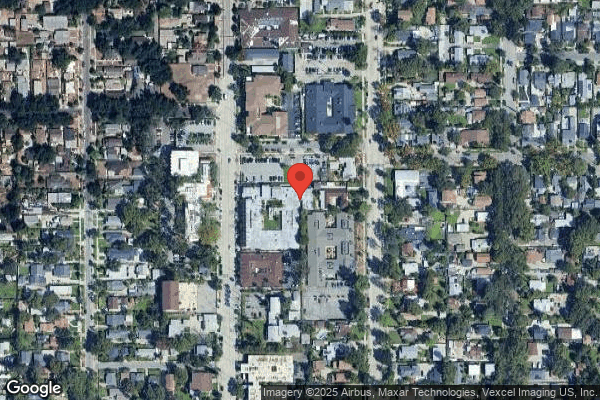
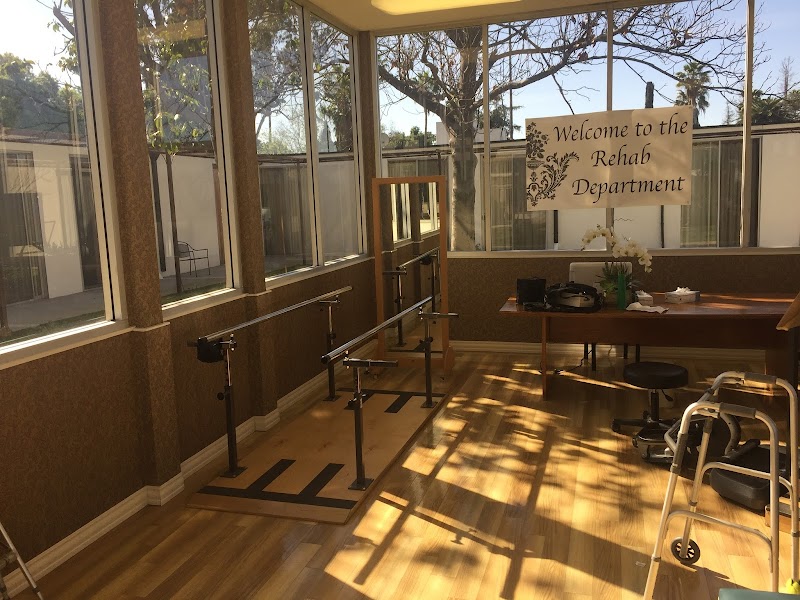
1836 N. FAIR OAKS AVE, PASADENA, CA 91103 (626) 798-9125
For profit - Partnership 99 Beds Independent Data: November 2025
Trust Grade
45/100
#756 of 1155 in CA
Last Inspection: December 2024

Within standard 12-15 month inspection cycle. Federal law requires annual inspections.

Overview

Brighton Care Center has received a Trust Grade of D, indicating below-average performance and some concerns regarding care quality. It ranks #756 out of 1155 nursing facilities in California, placing it in the bottom half, and #164 out of 369 in Los Angeles County, suggesting that only a handful of local options are better. The facility is improving, with a decrease in reported issues from 39 in 2024 to 13 in 2025, but staffing turnover is concerning at 52%, which is higher than the state average of 38%. While there are no fines on record, which is a positive sign, there have been specific incidents where residents were not adequately supervised, leading to potential fall risks. Overall, while there are some strengths, such as the trend of improvement, families should weigh these against the staffing concerns and past incidents when considering this facility for their loved ones.

Trust Score
D
45/100
In California
#756/1155
Bottom 35%
Safety Record
Moderate
Needs review
Inspections
Getting Better
39 → 13 violations
Staff Stability
⚠ Watch
52% turnover. Above average. Higher turnover means staff may not know residents' routines.
Penalties
✓ Good
No fines on record. Clean compliance history, better than most California facilities.
Skilled Nurses
⚠ Watch
Each resident gets only 28 minutes of Registered Nurse (RN) attention daily — below average for California. Fewer RN minutes means fewer trained eyes watching for problems.
Violations
⚠ Watch
63 deficiencies on record. Higher than average. Multiple issues found across inspections.
★★☆☆☆
2.0
Overall Rating
★★★☆☆
3.0
Staff Levels
★★★☆☆
3.0
Care Quality
★★☆☆☆
2.0
Inspection Score
Stable
2024: 39 issues
2025: 13 issues

The Good

  • Full Sprinkler Coverage · Fire safety systems throughout facility
  • No fines on record

Facility shows strength in fire safety.

The Bad

2-Star Overall Rating

Below California average (3.1)

Below average - review inspection findings carefully

Staff Turnover: 52%

Near California avg (46%)

Higher turnover may affect care consistency

The Ugly 63 deficiencies on record

1 actual harm
Aug 2025 1 deficiency
CONCERN (D) 📢 Someone Reported This

A family member, employee, or ombudsman was alarmed enough to file a formal complaint

Potential for Harm - no one hurt, but risky conditions existed

Deficiency F0558 (Tag F0558)

Could have caused harm · This affected 1 resident

**NOTE- TERMS IN BRACKETS HAVE BEEN EDITED TO PROTECT CONFIDENTIALITY** Based on observation, interview, and record review, the facility failed to ensure a resident's call light (an alerting device fo...

Read full inspector narrative →
**NOTE- TERMS IN BRACKETS HAVE BEEN EDITED TO PROTECT CONFIDENTIALITY** Based on observation, interview, and record review, the facility failed to ensure a resident's call light (an alerting device for nurses or other nursing personnel to assist a patient when in need) was within easy reach for one of three (3) sampled residents, (Resident 2). This deficient practice had the potential to cause delay or not able to provide care and services for Resident 2's requests and needs to maintain Resident 2's safety and highest wellbeing.During a review of Resident 2's admission Record indicated Resident 2 was admitted to the facility on [DATE], and readmitted on [DATE], with diagnoses that included but not limit to type II diabetes mellitus (a chronic condition that happens when you have persistently high blood sugar levels. Insulin resistance is the main cause, and it has resulted in a condition where the kidneys are damaged and can't function properly), rheumatoid arthritis (a chronic progressive disease causing inflammation in the joints and resulting in painful deformity and immobility, especially in the fingers, wrists, feet, and ankles), and spinal stenosis lumbar region without neurogenic claudication [refers to the narrowing of the spinal canal in the lower back, which compresses the spinal nerves but does not cause the characteristic symptom of neurogenic claudication (pain and cramping in the legs with walking or standing, relieved by bending forward.) Instead, patients may experience other symptoms like back pain, leg pain, or numbness and tingling in the legs]. During a review of Resident 2's Minimum Data Set (MDS- a mandated resident assessment tool), dated 6/13/2025, indicated Resident 2 had moderate impairment for cognitive skills (the function of the brain uses to think, pay attention, process information, and remember things), she can make her own daily decision. Resident 2 was able to follow commands. Resident 2 needs partial/moderate assistance (helper does less than half the effort. Helper lifts, holds, or supports trunk or limbs, but provides less than half the effort) to complete the activity for oral hygiene, toileting hygiene, personal hygiene, shower/bathe self, upper and lower body dressing, change of position, and transfer. During a concurrent observation and interview in Resident 2's room on 8/12/2025 at 10:19 AM with Resident 2, observed Resident 2's call device was tied to her right-side rail and the call device was hanging below her bed frame. During an interview with Resident 2, Resident 2 stated she did not know where her call device was, she would rather stay in bed instead of trying to reach out for her call device, Resident 2 stated she was afraid of fall. During a concurrent observation in Resident 2's room and interview on 8/12/2025 at 10:25 AM with CNA 1, CNA 1 stated Resident 2's call device was supposed to be within Resident 2 reach near her hands area, so the resident can receive the care and services she needs timely and to ensure her safety. During an interview on 8/12/2025 at 10:50 AM with Registered Nurse Supervisor (RNS), RNS stated the call light was supposed to be placed within Resident 2's reach for easy access so that residents can get their services in a timely manner and for safety monitoring. During an interview on 8/12/2025 at 10:55 AM with Director of Nurses (DON), DON stated the call light was supposed to be placed within Resident 2's reach for easy access, and the call light is to ensure timely responses to the resident's requests, needs, and for safety monitoring.During a review of the facility's Policy and Procedure titled, Answering the Call Light, revised September 2022, indicated, the purpose of this procedure is to ensure timely responses to the resident's requests and needs. Ensure that the call light is accessible to the resident when in bed, from the toilet, from the shower or bathing facility and from the floor.
Aug 2025 1 deficiency
CONCERN (D) 📢 Someone Reported This

A family member, employee, or ombudsman was alarmed enough to file a formal complaint

Potential for Harm - no one hurt, but risky conditions existed

Report Alleged Abuse (Tag F0609)

Could have caused harm · This affected 1 resident

**NOTE- TERMS IN BRACKETS HAVE BEEN EDITED TO PROTECT CONFIDENTIALITY** Based on interview and record review the facility failed to report an allegation of abuse (the willful infliction of injury, unr...

Read full inspector narrative →
**NOTE- TERMS IN BRACKETS HAVE BEEN EDITED TO PROTECT CONFIDENTIALITY** Based on interview and record review the facility failed to report an allegation of abuse (the willful infliction of injury, unreasonable confinement, intimidation, or punishment with resulting physical harm, pain or mental anguish) on 8/4/2025 for one (1) of two (2) sampled residents (Residents 1) within two (2) hour timeframe to the State Survey Agency (SA, where state law provides for jurisdiction in long-term care facilities), the state ombudsman (advocates for residents of nursing homes, board and care homes and assisted living facilities), and local law enforcement. This deficient practice had the potential to compromise or impede the protection of Resident 1, which could affect the resident's emotional and mental wellbeing.Findings:During a review of Resident 1's admission Record, the admission record indicated Resident 1 was admitted to the facility on [DATE]. Resident 1's diagnoses included right hip fracture (a partial or complete break in the upper part of the thigh bone [femur] where it meets the pelvic bone), right hip hemiarthroplasty (a surgical procedure that replaces the femoral head of the hip with metal component), history of falling, major depressive disorder (a mood disorder that causes a persistent feeling of sadness and loss of interest), and insomnia (trouble falling asleep or staying asleep) During a review of Resident 1's Minimum Data Set (MDS, a resident assessment tool), dated 7/26/2025, the MDS indicated Resident 1 had intact cognitive (mental action or process of acquiring knowledge and understanding) skills for daily decision making. The MDS indicated Resident 1 required supervision or touching assistance (helper provides verbal cues and/or touching/ steadying and/or contact guard assistance as resident completes activity) in toileting hygiene, lower body dressing, putting on and taking off footwear, roll left and right, sit to lying, sit to stand, chair/ bed-to-chair transfer, toilet transfer, walk 10, and 50 feet. During an observation and interview on 8/6/2025 at 6:42 AM, Resident 1 was observed sitting on her bed. Resident 1 stated someone came to her room, came close to her and stared at her on Saturday (8/2/2025) at 6:30 AM. The curtain was surrounding her bed, then one man came in and she was completely nude, and the man saw her nude. Resident 1 stated she should have called the police. Resident 1 was very upset and clenched her fists while telling the story. During an interview on 8/6/2025 at 6:54 AM, with Certified Nursing Assistant 1 (CNA 1), CNA 1 stated Resident 1 stated a man came into her room and looked at her while she was naked. We should report abuse within 2 hours because we have to make sure that nothing happened to her or someone abused her. We have to prove it to make things clear, because she can be psychologically affected by the incident. During an interview on 8/6/2025 at 7:08 AM, with Licensed Vocational Nurse 2 (LVN2), LVN 2 stated, on Monday night (8/4/2025) Resident 1 said somebody came inside her room and she was naked, and a man looked at her. It was endorsed to me by the previous shift that night. If something was mentioned like that, it should be reported right away to the Registered Nurse Supervisor (RNS) and to the Abuse coordinator. It can be traumatizing to Resident 1. She can suffer and can affect her well-being. During an interview on 8/6/2025 at 7:19 AM, with LVN 2, LVN 2 stated, there was no abuse monitoring that was done on my shift. I did not report allegations of abuse. Resident 1 can continue feeling scared, feeling not safe in the facility. I am not sure if the previous shift reported abuse. I thought they did the report, because when they endorsed it to me, I thought it was being handled. During an interview on 8/6/2025 at 7:54 AM with Director of Nursing (DON), DON stated, Resident 1 went to her appointment on Monday 8/4/2025. We received a call from the medical office. Resident 1 told the Doctor that she does not want to go back to the facility because a man was staring at her in her room. Resident 1 stating a man was staring at her while she was naked Saturday morning (8/2/2025). I did not report it to the survey agency, police department and ombudsman. During a concurrent interview and record review on 8/6/2025 at 8:08 with Administrator (ADM), the facility's policy and procedure (P&P) titled, Elder/ Dependent Adult Abuse, revised 3/22/2024 was reviewed. The P&P indicated the facility will report any reasonable suspicion of a crime against a resident and all alleged violations involving abuse. ADM stated, we did not report it because there was no physical interaction with Resident 1. We did not report the incident to the CDPH, police and Ombudsman. We should have reported it within 2 hours when we were made aware on Monday (8/4/2025). During a concurrent interview and record review on 8/6/2025 at 8:17 AM with DON, the facility's P&P titled, Elder/ Dependent Adult Abuse, revised 3/22/2024 was reviewed. The P&P indicated Report to the State Agency and one or more law enforcement entities for the political subdivision in which the facility is located any reasonable suspicion of a crime against any individual who is a resident of, or is receiving care from, the facility. DON stated, we did not report to the CDPH, police and Ombudsman. During my interview with Resident 1, she was telling stories, and I cannot say which one is real. we did not monitor Resident 1 for abuse allegation and no care plan for abuse allegation. During an interview on 8/6/2025 at 10:38 AM with LVN 1, LVN 1 stated, Monday (8/4/2025) Resident 1 went to her appointment. Resident 1 does not want to go back to the facility. There was a delay for her because they had to wait for the police. There was an alleged abuse complaint. I am not sure when it happened but Resident 1 stated that somebody went to her room and she was naked, the male staff went too close to her. I informed RNS 1. During an interview on 8/6/2025 at 10:45 AM with LVN 1, LVN 1 stated, Resident 1 was saying, she was naked, and somebody just walked in her room and stare at her. I will be embarrassed if someone stares at me, will feel violated or abused. It can affect Resident 1 mentally or psychologically. It is suspicion of abuse because we are not sure, but we should have reported it right away. We should always report abuse to protect the Resident's rights. During an interview on 8/6/2025 at 11:50 AM with RNS 1, RNS 1 stated, I was aware of the abuse allegation from the appointment last Monday (8/4/2025). Resident 1 refused to go back to the facility. Resident 1 told me she does not want any male staff in her room. She wants to call the police, and she wants to go home at that time. During an interview on 8/6/2025 at 11:58 AM with RNS 1, RNS 1 stated, If suspected allegation of abuse was not reported, the Resident might be neglected because the issue was not addressed. We should report to make sure we can protect Resident's Rights. She will not be monitored for allegation of abuse. During a review of the facility's Policy and Procedure (P&P) titled, Elder/ Dependent Adult Abuse, revised 3/22/2024, the P&P indicated the facility will report any reasonable suspicion of a crime against a resident and all alleged violations involving abuse, neglect, exploitation or mistreatment, including injuries of unknown source and misappropriation of resident property. The P&P also indicated,5. The facility will annually notify covered individuals of their obligations to comply with requirements to ensure reporting of crimes. Each covered individual will:a. Report to the State Agency and one or more law enforcement entities for the political subdivision in which the facility is located any reasonable suspicion of a crime against any individual who is a resident of, or is receiving care from, the facility.b. Report immediately, but not later than 2 hours after forming the suspicion, if the events that cause the suspicion result in serious bodily injury, or not later than 24 hours if the events that cause the suspicion do not result in serious bodily injury.10. Reporting/Responsea. A mandated reporter who, in his or her professional capacity, or within the scope of his employment, has observed or has knowledge of an incident that reasonably appears to be abuse or is told by an cider or dependent adult they have experienced behavior, including an act or omission, constituting abuse or reasonably suspects that abuse, will report known or suspected instance of abuse and any reasonable suspicion of a crime to the Administrator.
Jun 2025 1 deficiency
CONCERN (D) 📢 Someone Reported This

A family member, employee, or ombudsman was alarmed enough to file a formal complaint

Potential for Harm - no one hurt, but risky conditions existed

Comprehensive Care Plan (Tag F0656)

Could have caused harm · This affected 1 resident

**NOTE- TERMS IN BRACKETS HAVE BEEN EDITED TO PROTECT CONFIDENTIALITY** Based on observation, interview and record review, the facility failed to develop an individualized resident-centered care plan ...

Read full inspector narrative →
**NOTE- TERMS IN BRACKETS HAVE BEEN EDITED TO PROTECT CONFIDENTIALITY** Based on observation, interview and record review, the facility failed to develop an individualized resident-centered care plan (a care plan that prioritizes the unique health needs and desired outcomes of the resident) with measurable objectives, timeframe, and interventions when a resident was wrapping the bed remote cord around his arms for one (1) of two (2) sampled residents (Resident 1). This deficient practice has the potential to delay in the necessary care and services for Resident 1 which resulted in skin discoloration on both arms. Findings: During a review of Resident 1's admission Record, the admission Record indicated the resident was originally admitted to the facility on [DATE] and was readmitted on [DATE] with the following diagnoses of dementia (a progressive state of decline in mental abilities), anxiety (a feeling of worry, nervousness, or unease, typically about an imminent event or something with an uncertain outcome), depression (a mental health condition characterized by a persistent feeling of sadness and loss of interest in activities), and peripheral vascular disease (PVD - a slow progressive narrowing of the blood flow to the arms and legs). During a review of Resident 1's Minimum Data Set (MDS - a resident assessment tool), dated 5/16/2025, the MDS indicated the resident is moderately impaired in cognitive (the ability to understand and make decisions) skills for daily decision making. The MDS also indicated the resident required partial/moderate assistance (helper does less than half the effort. Helper lifts, holds, or supports trunk and limbs, but provides less than half the effort) with eating, oral hygiene, upper body dressing and personal hygiene but required substantial/maximal assistance (helper does more than half the effort. Helper lifts or holds trunk or limbs and provides more than half the effort) with toileting hygiene, shower/bathe self, and lower body dressing. During a concurrent observation and interview on 6/11/2025 at 11 AM in Resident 1's room, Resident 1 was observed with purple skin discolorations on his right forearm. Resident 1 stated he got the skin discolorations because of the bed remote and because he would hit his arm on the bed side rail. During a concurrent observation and interview on 6/11/2025 at 11:14 AM in Resident 1's room, Resident 1 was observed with skin discolorations on both arms. Licensed Vocational Nurse 1 (LVN 1) stated Resident 1 has a tendency to wrap the bed remote cord around his arm. LVN 1 also stated that LVN 1 have observed Resident 1 wrap the bed remote cord around the resident's arm. During an interview on 6/11/2025 at 11:39 AM in Resident 1's room, Certified Nursing Assistant 2 (CNA 2) stated Resident 1 tends to wrap the bed remote cord around the resident's arm. CNA 2 also stated Resident 1 started wrapping the bed remote cord around his arm on 5/3/2025. CNA 2 stated the skin discoloration is only on the resident's arms. During a concurrent record review and interview on 6/11/2025 at 11:45 AM with the Director of Nursing (DON), Resident 1's care plans dated 5/3/2023 to 6/11/2025 were reviewed. Resident 1 care plan did not indicate care plan to address Resident 1's behavior of wrapping the bed remote cord around the resident's arms. The DON stated Resident 1 does not and should have a care plan regarding the bed remote cord wrapping around the resident's arm. The DON also stated LVN 1 should have but did not make a care plan for Resident 1 when the behavior was initially noted. The DON also stated having a care plan is important because it tells the staff how to care for the resident and for the continuity of care. During a concurrent observation and interview on 6/11/2025 at 2 PM in Resident 1's room, Treatment Nurse (TN) stated Resident 1's right forearm has three (3) skin discolorations that measure 4.5centimeters (cm - unit of measure) x 2.5cm, 2cm x 2cm, and 3.5cm x 2cm. TN also stated Resident 1's left forearm has 3 skin discolorations that all measure at 1cm x 1cm. TN stated, these discoloration could have been a result of Resident 1 wrapping the bed remote cord around the resident's arms. During a review of the facility' s Policy and Procedure (P&P), revised 12/2016, the P&P indicated the care planning process will incorporate identified problem areas, incorporate risk factors associated with identified problems. The P&P also indicated areas of concern that are identified during the resident assessment will be evaluated and interventions are added to the care plan.
May 2025 1 deficiency
CONCERN (D) 📢 Someone Reported This

A family member, employee, or ombudsman was alarmed enough to file a formal complaint

Potential for Harm - no one hurt, but risky conditions existed

Report Alleged Abuse (Tag F0609)

Could have caused harm · This affected 1 resident

**NOTE- TERMS IN BRACKETS HAVE BEEN EDITED TO PROTECT CONFIDENTIALITY** Based on interview and record review, the facility failed to report a fall accident that happened on 5/15/2025 accordance of fac...

Read full inspector narrative →
**NOTE- TERMS IN BRACKETS HAVE BEEN EDITED TO PROTECT CONFIDENTIALITY** Based on interview and record review, the facility failed to report a fall accident that happened on 5/15/2025 accordance of facility ' s policy for one (1) of 2 (two) sampled residents (Resident 1). This failure not only resulted in a delay of an onsite inspection by the California Department of Public Health (CDPH) to investigate incident of fall, but also lead to delay of prevent further falls to ensure safety of Resident 1 and other residents in the facility. Findings: During a review of Resident 1's admission Record indicated Resident 1 was initially admitted to the facility on [DATE], and readmitted to the facility on [DATE], with diagnoses that included but not limit to fracture of nasal bones subsequent encounter for fracture with routine healing (the patient is receiving aftercare and follow-up visits for the injury after initial active treatment and the fracture is healing normally), history of falling, chronic obstructive pulmonary disease [(COPD), a progressive lung disease that makes it difficult to breathe] and type II diabetes (a chronic disease where the body either doesn't produce enough insulin or can't effectively use the insulin it produces, leading to high blood sugar levels). During a review of the Minimum Data Set, [(MDS)- (a resident assessment tool)] dated 5/15 /2025, indicated Resident 1 had moderate impairment (decisions poor, cues/supervision required) for cognitive skills (the mental processes that allow people to think, learn, and solve problems) for daily decision making. Resident 1 need partial or moderate assistant, (helper does less than half the effort) with the eating, oral hygiene, personal hygiene, toileting, upper and lower body dressing. Resident 1 needs supervision or touching assistance, (helper provides verbal cues and /or touching/steadying and/or contact guard assistance as resident completes activity) for shower/bathe self, change of position, and transfer. During an interview on 5/29/2025 at 11:25 AM with Resident 1 at Resident 1 ' s room, Resident 1 stated she was trying to grab her wheelchair, and she was going to go to the activity room, she then lost her balance and landed face down and Resident 1 ' s nose got injured. Resident 1 stated it was early morning, her nose got injured, she did not remember she was sent to the hospital for further care after her nose injury from her fall. During an telephone interview on 5/29/2025 at 3:29 PM with Licensed Vocational Nurse 1(LVN1), LVN1 stated Resident 1 had an accident of unwitnessed fall on 5/15/2025 near 5:00 AM. LVN 1 stated he was the nurse for Resident 1 for that shift, he called physician, notified her conservator and he had obtained an order for x-ray for Resident 1 ' s nose (a type of radiation called electromagnetic waves) from her physician. I had also notified the Director of Nurses (DON) by following the chain of command of reporting to the DON and the administrator (ADM). During an interview on 5/30/2025 at 10:40 AM with Registered Nurse Supervisor (RNS), RNS stated she did the risk management, post fall assessment, neuro check was ordered, and transferring order had obtained for Resident 1 to go to the hospital for further care. RNS stated she had reported the accident to DON & ADM. RNS stated she did not know that the facility must report this fall accident to the department of public health. During an interview on 5/30/2025 at 10:30 AM with Director of Staff Development (DSD), DSD stated, Resident 1 ' s fall with nose fracture on 5/15/2025 was reportable. The facility ' s staffs included herself should have reported the accident to the department of public health and the appropriate agencies as required by the federal and state regulations. During an interview on 5/30/2025 at 11:10 AM with the ADM(administrator), ADM stated he did not report the accident to the department of public health as he thought Resident 1 ' s fall on 5/15/2025 AM was from a known origin. ADM stated he should have reported the accident to reinforce the facility ' s policy of reporting the unusual occurrence events so that staffs and employees will know they have to report to the appropriate agencies as required by the federal and state regulations within the required time intervals. During a concurrent interview and record review on 5/30/2025 at 11:15 AM with ADM, the facility ' s policy and procedure (P&P) titled, Unusual Occurrence Reporting, undated, revised December 2007 was reviewed. The P&P statement indicated, As required by federal or state regulations, our facility reports unusual occurrences or other reportable events which affect the health, safety, or welfare of our residents, employees or visitors. 1. Our facility will report the following events to appropriate agencies: a. Other occurrences that interfere with facility operations and affect the welfare, safety, or health of residents, employees or visitors. 2. Unusual occurrences shall be reported via telephone to appropriate agencies as required by current law and/or regulations within twenty-four (24) hours of such incident or as otherwise required by federal and state regulations. 3. A written report detailing the incident and actions taken by the facility after the event shall be sent or delivered to the state agency (and other appropriate agencies as required by law) within forty-eight (48) hours of reporting the event or as required by federal and state regulations. 4. The administration will keep a copy of written reports on file.
Apr 2025 3 deficiencies
CONCERN (D) 📢 Someone Reported This

A family member, employee, or ombudsman was alarmed enough to file a formal complaint

Potential for Harm - no one hurt, but risky conditions existed

Comprehensive Care Plan (Tag F0656)

Could have caused harm · This affected 1 resident

**NOTE- TERMS IN BRACKETS HAVE BEEN EDITED TO PROTECT CONFIDENTIALITY** Based on interview and record review, the facility failed to develop a colostomy (a surgical procedure that brings one end of th...

Read full inspector narrative →
**NOTE- TERMS IN BRACKETS HAVE BEEN EDITED TO PROTECT CONFIDENTIALITY** Based on interview and record review, the facility failed to develop a colostomy (a surgical procedure that brings one end of the large intestine out through the abdominal wall to allow waste to leave the body) care plan (a document that outlines the facility ' s plan to provide personalized care to a resident based on the resident ' s needs) per facility policy, for one of four sampled residents (Resident 2). These failures had the potential for Resident 2 to receive colostomy care that is not personalized to meet the specific needs identified above, which could result in decreased quality of care and quality of life. Findings: During a review of Resident 2 ' s admission Record, the admission Record indicated Resident 2 was admitted to the facility on [DATE] and readmitted on [DATE] with diagnoses that included colostomy status, malignant neoplasm of colon and abscess (a collection of pus) of intestine. During a review of Resident 2 ' s discharge Minimum Data Set (MDS- a resident assessment tool), dated 3/17/2025, the MDS indicated Resident 2 has intact cognitive skills. The MDS indicated Resident 2 was partial moderate assistance for toileting hygiene, bathing, lower body dressing and setup or clean-up assistance (helper helps only prior to or following the activity completion) with eating, oral and personal hygiene. During a review of Resident 2 ' s Body/Skin Assessment, dated 3/26/2025, the Assessment indicated Resident 2 had a colostomy site on the abdomen. During a review of Resident 2 ' s Order Summary Report, dated 4/3/2025, the Order Summary Report indicated an order for colostomy placement on 3/17/2025. The Order Summary Report also indicated a treatment order to cleanse the colostomy site with normal saline (NS- a saltwater solution), pat dry and apply colostomy bag every dayshift, ordered on 3/26/2025. During a concurrent interview and record review on 4/3/2025 at 1:53PM with Treatment Nurse 1 (TN 1), Resident 2 ' s medical chart dated from 3/25/2025 to 4/3/2025 was reviewed. Resident 2 ' s chart did not indicate a care plan for Resident 2 ' s colostomy. TN 1 states there is no developed care plan to address Resident 2 ' s colostomy and there should have been. TN 1 stated there should be a care plan so that staff know what nursing interventions to provide including monitoring the stoma site for signs/symptoms of infection, the treatments to provide and the need to monitor any pain during treatment and the goals of care. TN 1 also stated a care plan was needed for staff to follow and know how to provide care to the colostomy. During an interview of 4/3/2025 at 3:54PM with Registered Nurse Supervisor (RNS), RNS stated care plans are a way to individualize each resident ' s needs, any interventions and accommodations to the resident needs and their goals. RNS stated care plans provide a way for staff to see the goals and needed interventions for residents and that there should have been a care plan created for Resident 2 ' s colostomy. RNS also stated Resident 2 needed a care plan because the colostomy needs interventions such as monitoring for any signs and symptoms of draining, vital signs, stool consistency. RNS stated not having a care plan could slow down his progress to healing and discharging home. During an interview on 4/4/2025 at 2:43PM with the DON, the DON stated care plans are necessary for the delivery of care to ensure everyone knows the resident ' s goals and care interventions. The DON stated not having a care plan for the residents means there may be a lapse in the continuity of care being given and the overall care and picture of the resident may not be accurate without a care plan. During a review of the facility ' s Policy & Procedure (P&P) titled Care Plans, Comprehensive Person-Centered, revised 12/2016, the P&P indicated the comprehensive, person-centered care plan: > Includes measurable objectives and timetables to meet the resident's physical, psychosocial and functional needs is developed and implemented for each resident. > Describes the services that are to be furnished to attain or maintain the resident's highest practicable physical, mental, and psychosocial well-being, care plans are revised as information about the residents and the residents' conditions change. > Assessments of residents are ongoing, and care plans are revised as information about the residents and the residents' conditions change. > Include the Resident ' s stated goals upon admission and desired outcomes.
CONCERN (D) 📢 Someone Reported This

A family member, employee, or ombudsman was alarmed enough to file a formal complaint

Potential for Harm - no one hurt, but risky conditions existed

Deficiency F0691 (Tag F0691)

Could have caused harm · This affected 1 resident

**NOTE- TERMS IN BRACKETS HAVE BEEN EDITED TO PROTECT CONFIDENTIALITY** Based on observation, interview and record review, the facility failed to provide colostomy (a surgical procedure that brings on...

Read full inspector narrative →
**NOTE- TERMS IN BRACKETS HAVE BEEN EDITED TO PROTECT CONFIDENTIALITY** Based on observation, interview and record review, the facility failed to provide colostomy (a surgical procedure that brings one end of the large intestine out through the abdominal wall to allow waste to leave the body) care for one of four sampled residents (Resident 2) as ordered by the physician. This failure had the potential to result in colostomy complications including discomfort, stool leakage or decreased quality of life for Resident 2. Findings: During a review of Resident 2 ' s admission Record, the admission Record indicated Resident 2 was admitted to the facility on [DATE] and readmitted on [DATE] with diagnoses that included colostomy status, malignant neoplasm (a cancerous tumor) of colon (the large intestine) and abscess (a collection of pus) of intestine. During a review of Resident 2 ' s Discharge Minimum Data Set (MDS- a resident assessment tool), dated 3/17/2025, the MDS indicated Resident 2 has intact cognitive skills. The MDS indicated Resident 2 was partial moderate assistance for toileting hygiene, bathing, lower body dressing and setup or clean-up assistance (helper helps only prior to or following the activity completion) with eating, oral and personal hygiene. During a review of Resident 2 ' s Body/Skin Assessment, dated 3/26/2025, the Assessment indicated Resident 2 had a colostomy site on the abdomen. During a review of Resident 2 ' s Order Summary Report, dated 4/3/2025, the Order Summary Report indicated an order to cleanse the colostomy site with normal saline (NS- a saltwater solution), pat dry and apply colostomy bag (a pouch that collects waste from the body) every dayshift, ordered 3/26/2025. During an observation and interview on 4/3/2025 at 11:23 AM with Treatment Nurse 1 (TN 1) at Resident 2 ' s bedside, TN 2 was observed emptying Resident 2 ' s colostomy bag. TN 2 failed to cleanse the colostomy site with NS, pat dry and apply a colostomy bag. TN 1 stated she emptied Resident 2 ' s colostomy bag only. During a concurrent interview and record review on 4/3/2025 and 1:53 PM with TN 1, Resident 2 ' s medical chart dated from 3/25/2025 to 4/3/2025 was reviewed. The medical record failed to indicate any refusal colostomy care and/or physician notification of treatment refusal regarding colostomy care. TN 1 stated the last time Resident 2 ' s colostomy care was given as ordered was on 4/2/2025 and the care was not provided because Resident 2 ' s Family Member (FM) instructed her to empty the colostomy bag only. TN 2 stated she did not document the refusal of colostomy care because she forgot. TN 2 stated it is important to give treatments as ordered because the orders tell what care the resident needs. During a concurrent interview and record review on 4/4/2025 at 2:08PM with the Director of Nursing (DON), the DON stated per the current physician order for Resident 2, the colostomy site is to be cleaned, pat dried and colostomy bag changed every day and if resident refuses, there should be documentation in the medical record indicating the resident refused, the physician was notified and a care plan created regarding the resident ' s refusal of treatment. During an interview on 4/4/2025 at 2:43PM with the DON, the DON stated it is important to give treatments as ordered because it is a need for the patient and staff are to make sure that every treatment is provided to the residents. During a review of the facility ' s Policy & Procedure (P&P) titled, Colostomy and Ileostomy (a surgical procedure that brings one end of the small intestine out through the abdominal wall to allow waste to leave the body) Care, (undated), the P&P indicated: The policy purpose is for providing safe, effective and compassionate care for residents with colostomies or ileostomies at the facility. a. Proper care of colostomies and ileostomies is essential for the well-being and comfort of the resident, minimizing complications, promoting independence and improving quality of life. b. Colostomy and ileostomy care will be provided to residents requiring ostomy care unless contraindicated by the physician. c. Licensed Vocational Nurses (LVNs) perform colostomy/ostomy care including pouch changing, cleaning the stoma and evaluating the surrounding skin for any irritation. d. Report any concerns related to ostomy care to attending physician or specialist.
CONCERN (D) 📢 Someone Reported This

A family member, employee, or ombudsman was alarmed enough to file a formal complaint

Potential for Harm - no one hurt, but risky conditions existed

Medical Records (Tag F0842)

Could have caused harm · This affected 1 resident

**NOTE- TERMS IN BRACKETS HAVE BEEN EDITED TO PROTECT CONFIDENTIALITY** Based on observation, interview and record review, the facility failed to ensure the colostomy (a surgical procedure that brings...

Read full inspector narrative →
**NOTE- TERMS IN BRACKETS HAVE BEEN EDITED TO PROTECT CONFIDENTIALITY** Based on observation, interview and record review, the facility failed to ensure the colostomy (a surgical procedure that brings one end of the large intestine out through the abdominal wall to allow waste to leave the body) care was documented accurately and completely for one of two sampled residents (Resident 2), as indicated in the facility's policy titled, Charting and Documentation,. This failure had the potential to negatively impact the delivery of treatments and care for Resident 2's colostomy. FINDINGS: During a review of Resident 2's admission Record, the admission Record indicated Resident 2 was admitted to the facility on [DATE] and readmitted on [DATE] with diagnoses that included colostomy status, malignant neoplasm (a cancerous tumor) of colon (the large intestine) and abscess (a collection of pus) of intestine. During a review of Resident 2's Minimum Data Set (MDS -a resident assessment tool), dated 3/17/2025, the MDS indicated Resident 2 has intact cognitive skills (ability to understand and make decisions). The MDS indicated Resident 2 was partial moderate assistance (helper does less than half the effort needed to complete the activity) for toileting hygiene (includes wiping the opening of an ostomy (an artificial opening in an organ of the body) bathing, lower body dressing and setup or clean-up assistance (helper helps only prior to or following the activity completion) with eating, oral and personal hygiene. During a review of Resident 2's Body/Skin Assessment, dated 3/26/2025, the Assessment indicated Resident 2 had a colostomy site on the abdomen. During a review of Resident 2's Order Summary Report, dated 3/13/2025, the Order Summary Report indicated an order to cleanse the colostomy site with normal saline (NS- a saltwater solution), pat dry and apply colostomy bag (a pouch that collects waste from the body) every dayshift, ordered on 3/26/2025. During a review of Resident 2's Treatment Administration Record (TAR), dated 4/1/2025 to 4/30/2025, the TAR indicated a treatment to Resident 2's colostomy site: cleanse with NS, pat dry, apply colostomy bag ever dayshift. During an observation on 4/3/2025 at 11:23AM with Treatment Nurse 1 (TN 1) at Resident 2's bedside, TN 1 was observed emptying the colostomy bag for Resident 2. TN 1 was not observed providing colostomy site cleansing with NS, and/ or replacing Reisdent 1's the colostomy bag. During an interview on 4/3/2025 at 1:53PM with Treatment Nurse 1 (TN 1), TN 1 stated she did not change Resident 2's colostomy bag, and did not clean the colostomy site during the shift because Family Member 1 told TN 1 to only empty the colostomy bag. TN 1 also stated she did not document or sign Resident 2's TAR for 4/3/2025 indicating the care had been administered. During a concurrent interview and record review on 4/3/2025 at 2:44PM at with TN 2, Resident 2's Treatment Administration Record (TAR), dated 4/3/2025, was reviewed. The TAR indicated a treatment to Resident 2's colostomy site: cleanse with NS, pat dry, apply colostomy bag was signed and administered by TN 2. TN 2 stated he did not provide treatment/ cleaning of Resident 2's colostomy site or replacing Resident 2's colostomy bag but documented it was administered. TN 2 stated he should have not documented on Resident 2's TAR colostomy site care was done because he did not provide the care and was not present to ensure it was provided to Resident 2 before signing the TAR. TN 2 stated the documentation was not accurate and it is important to make sure only provided treatments are documented as done and documented by the staff that administered the care or treatment. During an interview on 4/3/2025 at 3:54PM with the Registered Nurse Supervisor (RNS), RNS stated per facility policy, whichever staff provides the treatment or providing medications, that nurse should be logging into their own name and documenting it. The RNS also stated that documentation needs to be accurate to prevent any further errors and/or any further decline and progress of his overall health. During an interview on 4/4/2025 at 2:08PM with the Director of Nursing (DON), the DON stated per the facility's policy, the treatment should be provided and once completed, the nurse that rendered the care then documents and signs on the TAR, unless care not provided and then a progress note would be required. During a review of the facility's Policy & Procedure (P&P) titled, Charting and Documentation, revised 7/2017, the P&P indicated: 1. All services provided to the resident, progress toward the care plan goal, or changes in the resident's medical, physical, functional or psychosocial condition, shall be documented in the resident's medical record. 2. Documentation in the medical record will be objective, complete and accurate. 3. Documentation of procedures and treatments will include care specific details including the date and time the procedure/treatment was provided, the name and title of the individual(s) who provided care, whether the resident refused the procedure/treatment.
Mar 2025 2 deficiencies 1 Harm
SERIOUS (G) 📢 Someone Reported This

A family member, employee, or ombudsman was alarmed enough to file a formal complaint

Actual Harm - a resident was hurt due to facility failures

Accident Prevention (Tag F0689)

A resident was harmed · This affected 1 resident

**NOTE- TERMS IN BRACKETS HAVE BEEN EDITED TO PROTECT CONFIDENTIALITY** Based on interview and record review, the facility failed to ensure two of two sampled residents (Residents 1 and 2) were free f...

Read full inspector narrative →
**NOTE- TERMS IN BRACKETS HAVE BEEN EDITED TO PROTECT CONFIDENTIALITY** Based on interview and record review, the facility failed to ensure two of two sampled residents (Residents 1 and 2) were free from falls and injury by failing to: 1.a Ensure Certified Nursing Assistant 2 (CNA 2) did not leave Resident 1 who was assessed to require increased assistance to perform tasks and the resident would benefit from caregiver (facility staff) supervision to decrease fall risk, without facility staff to supervise Resident 1 in the resident's room while the resident is sitting in a wheelchair during breakfast on 3/11/2025 in accordance with Resident 1's Physical Therapy (PT - healthcare profession that focuses on promoting, maintaining, or restoring health through patient education, physical intervention, disease prevention, and health promotion) Recertification (PTR - documentation to ensure continued PT is necessary by documenting progress, justifying medical necessity). 1.b Ensure facility staff provided supervision to Resident 1 while the resident is eating breakfast on 3/11/2025 in accordance with the resident's Minimum Data Set (MDS - a resident assessment tool). 1.c Ensure Resident 1's Care Plan for high risk for fall was resident centered and was revised on 3/4/2025 to reflect the PTR's note to increase assistance to the resident to perform task and caregiver supervision to decrease fall risk. 2.a Ensure Licensed Vocational Nurse 1 (LVN 1) did not leave Resident 2 who was assessed to have poor (unable to maintain a sitting balance) static sitting balance (body remains stationary while sitting) and required supervision, without facility staff to supervise Resident 2 in his room while the resident is sitting on the side of the bed during dinner ( while eating) on 3/10/2025 in accordance with Resident 2's Physical Therapy Certification (PTC - documentation to justify medical necessity for PT services) and Physical Therapy Recertification). 2.b Ensure facility staff provided supervision to Resident 2 while the resident is eating dinner on 3/10/2025 in accordance with the resident's (MDS - a resident assessment tool). 2.c Ensure Resident 2's Care Plan for At risk for falls was resident centered care plan to include the intervention to supervise the resident while in a sitting position per resident's PTC. These deficient practices resulted in Resident 1 being found on the floor pad (a piece of thick, soft material designed to cushion the impact of a fall) on 3/11/2025 around 7:30 AM and was complaining of pain on the right side of the rib cage (a bony structure in the chest that protects vital organs like the heart and lungs and facilitates breathing). Resident 1 had an X-ray (used to generate images of tissues and structures inside the body) of the right ribs on 3/11/2025 due to chest pain and result indicated an acute hairline fracture (tiny cracks in the bone) at fourth and fifth ribs near rib angle (the part where the rib takes a sharp bend, also known as the costal angle, which allows for rib expansion and contraction during breathing). Resident 1 was sent to General Acute Care Hospital (GACH) 2 on 3/11/2025 and was discharged to home from GACH 2 on 3/14/2025 with hospice care services (specialized medical care focused on providing comfort, no treatment of injuries or disease, and support for individuals with a life expectancy of six months or less). In addition, these deficient practices resulted in Resident 2 being found on the floor pad, unable to move his right lower extremity (right leg) on 3/10/2025 around 6:50 PM. Findings: 1. During a review of Resident 1's admission Record, the admission Record indicated resident was admitted on [DATE] with the following diagnoses of dizziness and giddiness, muscle wasting and difficulty walking. During a review of Resident 1's Fall Risk Assessment, dated 1/30/2025, the assessment indicated resident was at high risk for falls. During a review of Resident 1's MDS, dated [DATE], the MDS indicated resident was moderately impaired in cognitive skills (the ability to understand and make decisions) for daily decision making. The MDS also indicated resident required supervision/touching assistance with eating and substantial/maximal assistance with oral hygiene, toileting hygiene, lower body dressing, putting on/taking off footwear, sit to stand, chair/bed to chair transfer and walk 10 feet. During a review of Resident 1's SBAR (Situation, Background, Assessment, Recommendation - a communication tool used by healthcare workers when there is a change of condition among the residents), dated 2/13/2025, the SBAR indicated resident had an unwitnessed fall (first fall in the facility). During a review of Resident 1's SBAR, dated 2/28/2025, the SBAR indicated Resident 1 had an unwitnessed fall (second fall in the facility). The SBAR indicated Registered Nurse Supervisor (not specified who) assisted the resident to the room, locked Resident 1's wheelchair and exited the room. The SBAR also indicated when the Registered Nurse Supervisor came back, the resident was on the floor near the bedside. During a review of Resident 1's Care Plan with focus High risk for falls, initiated on 2/28/2025, the Care Plan indicated goals of the resident will be free of falls and the resident will not sustain serious injury. The Care Plan also indicated interventions included: educate the resident about safety reminders. The Care Plan did not indicate it was revised from 3/4/2025 to 3/11/2025 to reflect that the resident required increased assistance to perform tasks and would benefit from supervision in order to decrease fall risk. During a review of Resident 1's Care Plan with focus on Resident had an actual fall on 2/28/2025, initiated on 2/28/2025, indicated the resident had an actual fall on 2/28/2025 due to confusion, generalized weakness and poor safety awareness. The Care Plan did not indicate it was revised from 3/4/2025 to 3/11/2025 to reflect that the resident required increased assistance to perform tasks and would benefit from supervision in order to decrease fall risk. During a review of Resident 1's PTR dated 3/4/2025, the PTR indicated, the resident required increased assistance to perform tasks and would benefit from supervision in order to decrease fall risk. During a review of Resident 1's SBAR, dated 3/11/2025, the SBAR indicated Resident 1 had an unwitnessed fall (third fall in the facility). During a review of Resident 1's Progress Notes, dated 3/11/2025 at 8 AM, the Progress Notes indicated resident had an unwitnessed fall and was found on top of a floor pad and resident had pain on the right rib cage. The Progress Notes indicated doctor ordered stat (immediately) X-ray of the right rib cage. During a review of Resident 1's Progress Notes, dated 3/11/2025 at 10:38 PM, the notes indicated a call was made to Resident 1's emergency contact to inform of the resident's X-ray result and doctor ordered for resident to be transferred to GACH. During a review of Resident 1's Radiology (branch of medicine that uses imaging technology to diagnose and treat disease. Example is X-ray) Result Report (done in the facility), dated 3/12/2025, the report indicated Resident 1 had an X-ray of the right rib cage on 3/11/2025 and the result showed acute hairline fractures at fourth and fifth right ribs near rib angle. During a review of Resident 1's Progress Notes, dated 3/12/20205 at 10:51 AM, the notes indicated transportation arrived at facility to transfer resident to GACH 2. During a review of Resident 1's MAR, dated 3/2025, the MAR indicated Resident 1 was given acetaminophen on 3/11/2025 at 8:42 AM resident's pain level of 3/10 and on 3/12/2025 at 9:01 AM for resident's pain level of 3/10. During a review of Resident 1's GACH 2's Physician Daily Progress Notes, dated 3/15/2025 at 7:41 AM, the GACH 2's Physician Daily Progress Notes indicated resident was discharged home with hospice care. During an interview on 3/24/2025 at 11:44 AM, CNA 2 stated on 3/11/2025 at 7:15 AM, CNA 2 placed resident in a wheelchair and gave the resident her breakfast tray on top of the resident's bedside table. CNA 2 also stated after CNA 2 gave the resident the breakfast tray, CNA 2 left the resident's room without other facility staff to supervise the resident while the resident is eating (unable to recall what time). In addition, CNA 2 stated when CNA 2 came back to the resident's room around 7:30 AM, Resident 1 was found on the floor. During an interview on 3/24/2025 at 12:41 PM, LVN 2 stated on 3/11/2025 after Resident 1's fall, the resident told LVN 2 that the resident's rib was hurting. During an interview on 3/24/2025 at 1:08 PM, RN 2 stated on 3/11/2025 around 7:45 AM, she was called to Resident 1's room when the resident was found sitting on the floor pad. During a concurrent record review and interview on 3/25/2024 at 10:38 AM, Resident 1's MDS, dated [DATE] was reviewed. The MDS indicated Resident 1 required supervision/touching assistance with eating. MDS Nurse stated Resident 1 required supervision/touching assistance when eating and facility staff should be present while Resident 1 is eating. During an interview on 3/25/2025 at 3 PM, the Director of Nursing (DON) stated it is not okay to have Resident 1 sit by herself because the resident required supervision while in a sitting position and during mealtime/ while the resident is eating. The DON also stated supervision/touching assistance means facility staff need to be present and supervise Resident 1 while eating. During the same interview and record review with the DON on 3/25/2025 at 3pm, Resident 1's Care Plan for high risk for fall, dated 2/28/2025, and Care Plan for Actual Fall dated 2/28/2025 were reviewed. The Care Plan did not indicate it was revised from 3/4/2025 to 3/11/2025 to reflect that the resident required increased assistance to perform tasks and would benefit from supervision in order to decrease fall risk. The DON stated the care plan was not revised on 3/4/2025 to reflect that the resident required increased assistance to perform tasks and would benefit from supervision in order to decrease fall risk per PTR notes. The DON also stated the care plan should focus on the issues which would be addressed in the interventions, such as the resident requiring supervision while eating due to poor safety judgment. During a concurrent record review and interview on 3/26/2026 at 11:02 AM, Resident 1's PTR, dated 3/4/2025 was reviewed. The PTR indicated Resident 1 has poor safety awareness resulting in falls and required increased assistance to perform tasks and would benefit from supervision in order to decrease fall risk. DOR stated poor safety, and judgment was the number one cause to Resident 1's fall. DOR also stated if Resident 1 had supervision last 3/11/2025 during breakfast, the resident's fall could have been prevented. DOR stated Resident 1 would always require assistance. During a concurrent record review and interview on 3/26/2025 at 11:02 PM, Resident 1's Occupational Therapy (OT - a branch of health care that helps people of all ages who have physical, sensory, or cognitive problems) Recertification (OTR), dated 3/4/2025 was reviewed. OTR indicated the resident has poor safety awareness, continued problems in functional mobility, continued problems in Activities of Daily Living (ADL- includes eating) and continued problems in weakness. DOR stated, per Resident 1's OTR the resident's safety is a concern while the resident is in wheelchair and the resident would need supervision to prevent falls. DOR also stated Resident 1 needs moderate assistance in the wheelchair. 2. During a review of Resident 2's admission Record, the admission Record indicated resident was originally admitted on [DATE] and was readmitted on [DATE] with diagnosis of muscle weakness. During a review of Resident 2's Fall Risk Assessment, dated 2/10/2025, the assessment indicated Resident 2 was at low risk for falls. During a review of Resident 2's MDS, dated [DATE], the MDS indicated resident was severely impaired in cognitive skills for daily decision making. The MDS also indicated Resident 2 required supervision or touching assistance (Helper provides verbal cues and/or touching/steadying and/or contact guard assistance as resident completes activity. Assistance may be provided throughout the activity or intermittently) with eating. Resident 2 also required substantial/maximal assistance (Helper does more than half the effort. Helper lifts or holds trunk or limbs and provides more than half the effort) with roll left and right, sit to lying, lying to sitting on side of bed, sit to stand, chair/bed to chair transfer, toilet transfer, and tub/shower transfer. During a review of Resident 2's Care Plan with focus, At risk for falls, initiated 2/18/2025, indicated resident has cognitive impairment, poor safety judgement, awareness, confusion and forgetfulness. The Care Plan also indicated the goal to minimize risk of fall and injury, and interventions included: bed or chair alarm (a device used in health care setting to warn caregivers when residents leave or attempt to leave their bed/chair) and remind the resident to call for assistance and not to get out of bed without assistance. During a review of Resident 2's SBAR, dated 3/10/2025, the SBAR indicated unwitnessed fall due to overestimating (overcalculating or doing more than he can/ or is able to) his (Resident 2's) capacity. During a review of Resident 2's Progress Notes, dated 3/10/2025 at 6:50 PM, the Progress Notes indicated Resident 2 was on the floor mat (floor pad). The Progress Notes also indicated Resident 2 was unable to move his right lower extremity. During a review of Resident 2's Medication Administration Record (MAR - a daily documentation record used by a licensed nurse to document medications and treatments given to a resident), dated 3/2025, the MAR indicated on 3/10/2025 at 7:50 PM Resident 2 was given acetaminophen (pain medication) as needed for the resident's pain level of 3/10 (10 as the most painful). During a review of Resident 2's Progress Notes, dated 3/10/2025 11:27 PM, indicated Resident 2's right hip X-ray was done and awaiting results. During a review of Resident 2's Progress Notes, dated 3/11/2025 at 8:31 AM, indicated resident X-ray result showed an acute (sudden), mildly displaced fracture (the bone has broken into two or more pieces, but the broken ends are slightly out of alignment, requiring medical intervention to realign them for proper healing, but not necessarily surgery) of the neck (the narrow, flattened part of the femur [the long bone located in the thigh, extending from the hip to the knee, and is the longest and strongest bone in the human body] bone that connects the femoral head (ball of the hip joint) to the femoral shaft) of the right femur. The Progress Notes also indicated the doctor ordered to transfer Resident 2 to GACH 1 for further evaluation. During a review of Resident 2's Resident Transfer Record, dated 3/11/2025, the record indicated Resident 2 will be transferred to GACH for abnormal right hip X-ray result. During a review of Resident 2's GACH 's 1 discharge summary note, dated 3/21/2025, the GACH discharge summary note indicated Resident 2 was admitted at the GACH 2 on 3/11/2025 and the resident had a right femoral neck fracture. The GACH 2 discharge summary note also indicated Resident 2 was discharged back to the facility on 3/14/2025 with instruction to outpatient follow up for elective hemiarthroplasty (partial hip replacement, involves replacing only the femoral head (the ball of the hip joint) with a prosthetic (artificial body part), leaving the acetabulum (the hip socket) intact, and is often used to treat hip fractures, especially in elderly patients). During an interview on 3/24/2025 at 3:04 PM, Licensed Vocational Nurse 1 (LVN 1) stated when Resident 2 came back from dialysis (a procedure to remove waste products and excess fluid from the blood when the kidneys stop working properly), and LVN 1 assisted Resident 2 to sit on the side of Resident 2's bed, gave the resident his dinner and left the resident unsupervised by facility staff on 3/10/2025 at 5:20 PM inside the resident's room. During a concurrent record review of Resident 2's MDS, dated [DATE], and interview on 3/25/2025 at 10:38 AM, the MDS indicated Resident 2 required supervision or touching assistance with eating. The MDS nurse stated Resident 2 required someone to be present based on the resident needing to be supervised eating and, in the event, the resident gets up on his own. During a concurrent record review and interview on 3/25/2025 at 3 PM, Resident 2's Fall Care Plan for At Risk for fall, dated 2/18/2025 to 3/10/2025, the Care Plan indicated intervention is to place bed or chair alarm and remind the resident to call for assistance and not to get out of bed without assistance. The DON stated the care plan was not resident centered as the intervention included to remind the resident to call for assistance and not to get out of bed without assistance. The DON stated this intervention would not be effective for Resident 2 as the resident is severely impaired with his cognitive skills. The DON also stated, the care plan did not indicate intervention to supervise the resident while in a sitting position to reflect what was the recommendation in Resident 1's PTC note done on 2/11/2025. During an interview on 3/25/2025 at 3 PM, the Director of Nursing (DON) stated it is not okay to have Resident 2 sit by himself on the edge of the bed because Resident 2 required supervision while eating per the resident's MDS. The DON also stated supervision/touching assistance means a person had to be there and a staff cannot give Resident 2 his food and leave the resident unsupervised while the resident is eating. During a concurrent interview and record review of Resident 2's PTC, dated 2/11/2025, the PTC indicated resident has poor safety awareness and judgment noted and required supervision. The PTC indicated static sitting balance was poor and is not able to be corrected. The PTC indicated dynamic sitting balance (the ability to maintain stability and control while sitting) was poor (able to sit unsupported with moderate assistance). DOR stated, per Resident 2's PTC, the resident needs to be supervised and cannot be left alone by facility staff when in a sitting position because the resident can lose balance and fall. DOR stated if Resident 2 has someone there to assist/ supervise the resident on 3/10/2025 then the fall could have been prevented. During a review of the facility's Policy and Procedure (P&P), titled Safety and Supervision of Residents, revised 7/2017, the P&P indicated resident safety and supervision and assistance to prevent accidents are facility wide priorities. The P&P also indicated resident supervision is a core component of the systems approach to safety and the type and frequency of resident supervision is determined by the individual resident assessed needs and identified hazards in the environment. During a review of the facility's P&P, titled Accident and Resident Safety Reporting, revised 11/21/17, the P&P indicated each resident receives adequate supervision and assistive devices to prevent accidents. The P&P also indicated to provide an environment that is free as possible from accident hazards over which the facility has control and provides supervision and assistive devices to each resident to prevent avoidable accidents. During a review of the facility's P&P, titled Falls and Fall Risk, Managing, revised 3/2018, the P&P indicated based on previous evaluations and current data, the staff will identify interventions related to the resident's specific risks and causes to try to prevent the resident from falling and to try to minimize complications from falling.
CONCERN (D) 📢 Someone Reported This

A family member, employee, or ombudsman was alarmed enough to file a formal complaint

Potential for Harm - no one hurt, but risky conditions existed

Deficiency F0657 (Tag F0657)

Could have caused harm · This affected 1 resident

**NOTE- TERMS IN BRACKETS HAVE BEEN EDITED TO PROTECT CONFIDENTIALITY** Based on interview and record review, the facility failed to revise the care plan (a care plan that prioritizes the unique healt...

Read full inspector narrative →
**NOTE- TERMS IN BRACKETS HAVE BEEN EDITED TO PROTECT CONFIDENTIALITY** Based on interview and record review, the facility failed to revise the care plan (a care plan that prioritizes the unique health needs and desired outcomes of the resident) for one (1) of two sampled residents (Resident 1) who was at risk for falls by failing to ensure Resident 1's Care Plan for High risk for falls was revised on 3/4/2025 to reflect the Physical Therapy (PT - healthcare profession that focuses on promoting, maintaining, or restoring health through patient education, physical intervention, disease prevention, and health promotion) Recertification (PTR - documentation to ensure continued PT is necessary by documenting progress, justifying medical necessity) note to increase assistance to the resident to perform task and caregiver supervision to decrease fall risk. This deficient practice has the potential for Resident 1 to have further falls, which could result in harm, hospitalization, and/or death. Findings: During a review of Resident 1's admission Record, the admission Record indicated resident was admitted on [DATE] with the following diagnoses of dizziness and giddiness, muscle wasting and difficulty walking. During a review of Resident 1's Fall Risk Assessment, dated 1/30/2025, the assessment indicated resident was at high risk for falls. During a review of Resident 1's MDS, dated [DATE], the MDS indicated resident was moderately impaired in cognitive (the ability to understand and make decisions) skills for daily decision making. The MDS also indicated resident required supervision/touching assistance (Helper provides verbal cues and/or touching/steadying and/or contact guard assistance as resident completes activity. Assistance may be provided throughout the activity or intermittently) with eating and substantial/maximal assistance (Helper does more than half the effort. Helper lifts or holds trunk or limbs and provides more than half the effort) with oral hygiene, toileting hygiene, lower body dressing, putting on/taking off footwear, sit to stand, chair/bed to chair transfer and walk 10 feet. During a review of Resident 1's SBAR (situation, background, assessment, recommendation - a communication tool used by healthcare workers when there is a change of condition among the residents), dated 2/13/2025, the SBAR indicated resident had an unwitnessed fall (first fall in the facility). During a review of Resident 1's SBAR, dated 2/28/2025, the SBAR indicated Resident 1 had an unwitnessed fall (second fall in the facility). The SBAR indicated Registered Nurse Supervisor (not specified who) assisted the resident to the room, locked the wheelchair and exited the room. The SBAR also indicated when the Registered Nurse Supervisor came back, the resident was on the floor near the bedside. During a review of Resident 1's Care Plan with focus High risk for falls, initiated on 2/28/2025, the Care Plan indicated goals of the resident will be free of falls and the resident will not sustain serious injury. The Care Plan also indicated interventions included: educate the resident about safety reminders. The Care Plan did not indicate it was revised from 3/4/2025 to 3/11/2025 to reflect that the resident required increased assistance to perform tasks and would benefit from supervision in order to decrease fall risk. During a review of Resident 1's Care Plan with focus on Resident had an actual fall on 2/28/2025, initiated on 2/28/2025, indicated the resident had an actual fall on 2/28/2025 due to confusion, generalized weakness and poor safety awareness. The Care Plan did not indicate it was revised from 3/4/2025 to 3/11/2025 to reflect that the resident required increased assistance to perform tasks and would benefit from supervision in order to decrease fall risk. During a review of Resident 1's PTR dated 3/4/2025, the PTR indicated, the resident required increased assistance to perform tasks and would benefit from supervision in order to decrease fall risk. During a review of Resident 1's SBAR, dated 3/11/2025, the SBAR indicated Resident 1 had an unwitnessed fall (third fall in the facility). The SBAR indicated Certified Nursing Assistant (CNA) assisted and setup Resident 1's breakfast tray, then proceeded to another resident while leaving Resident 1 unsupervised. During the same interview and record review with the DON on 3/25/2025 at 3pm, Resident 1's Care Plan for high risk for fall, dated 2/28/2025, and Care Plan for Actual Fall dated 2/28/2025 were reviewed. The Care Plan did not indicate it was revised from 3/4/2025 to 3/11/2025 to reflect that the resident required increased assistance to perform tasks and would benefit from supervision in order to decrease fall risk. The DON stated the care plan was not revised on 3/4/2025 to reflect that the resident required increased assistance to perform tasks and would benefit from supervision in order to decrease fall risk per PTR notes. The DON also stated the care plan should focus on the issues which would be addressed in the interventions, such as the resident requiring supervision while eating due to poor safety judgment. During a concurrent record review and interview on 3/26/2026 at 11:02 AM, Resident 1's PTR, dated 3/4/2025 was reviewed. The PTR indicated Resident 1 has poor safety awareness resulting in falls and required increased assistance to perform tasks and would benefit from supervision in order to decrease fall risk. DOR stated poor safety, and judgment was the number one cause to Resident 1's fall. DOR also stated if Resident 1 had supervision last 3/11/2025 during breakfast, the resident's fall could have been prevented. DOR stated the resident's care plan should have been revised to reflect the supervision the resident needed. During a review of the facility's Policy and Procedure (P&P) titled, Falls and Fall Risk, Managing, revised March 2018, the P&P indicated the facility will implement a resident-centered fall prevention plan to reduce the specific risk factor(s) of falls. During a review of the facility's P&P titled, Comprehensive Person-Centered Care Plans, revised March 2022, the P&P indicated a comprehensive, person-centered care plan that includes measurable objectives and timetables to meet the resident's physical, psychosocial and functional needs is developed and implemented for each resident. The P&P also indicated the care plan interventions are derived from a thorough analysis of the information gathered as part of the comprehensive assessment.
Mar 2025 4 deficiencies
CONCERN (D) 📢 Someone Reported This

A family member, employee, or ombudsman was alarmed enough to file a formal complaint

Potential for Harm - no one hurt, but risky conditions existed

Deficiency F0558 (Tag F0558)

Could have caused harm · This affected 1 resident

**NOTE- TERMS IN BRACKETS HAVE BEEN EDITED TO PROTECT CONFIDENTIALITY** Based on observation, interview, and record review the facility failed to ensure the call light was addressed in a timely manner...

Read full inspector narrative →
**NOTE- TERMS IN BRACKETS HAVE BEEN EDITED TO PROTECT CONFIDENTIALITY** Based on observation, interview, and record review the facility failed to ensure the call light was addressed in a timely manner (one of the major communication technologies that link nursing home staff to the needs of residents) for one (1) of 3 sampled residents (Resident 2). This deficient practice had the potential to result in a delay in care and services for Resident 2. Findings: During a review of Resident 2's admission Record, the admission Record indicated Resident 2 was initially admitted to the facility on [DATE] with diagnosis which included dysphagia (swallowing difficulties), muscle weakness, hypothyroidism (thyroid gland does not produce enough thyroid hormones). During a review of Resident 2's Minimum Data Set (MDS, a resident assessment tool), dated 1/21/2025, the MDS indicated Resident 2 ' s cognitive skills (processes of thinking and reasoning) for daily decision making was severely impaired. The MDS also indicated Resident 2 was dependent (helper does all the effort) on toilet hygiene, shower /bathe self, upper and lower body dressing, personal hygiene. During a concurrentobservation and interview on 3/7/2025 at 3:32 PM with certified nursing assistant (CNA 1), in the facility hallway, in front of nursing station 2, Resident 2 ' s call light was observed on. CNA 1 stated Resident 2 ' s call light was turned on and could hear Resident 2 speaking loudly and asking for assistance. LVN 5 was observed in nursing station 2. During a concurrent observation and interview on 3/7/2025 at 3:33 PM in Resident 2 ' s room, Resident 2 was observed calling for help, and Resident 2 ' s call light was observed on. Resident 2 stated needing her nurse, that was why her call light was on, and why she was calling for help. During a concurrent observation and interview on 3/7/2025 at 3:35 PM, with LVN 5 in nursing station 2, LVN 5 stated she was not the charge nurse for Resident 2, therefore did not address Resident 2 ' call light, or calls for help. During an interview on 3/8/2025 at 3:50 PM with LVN 3, LVN 3 stated addressing call lights and residents ' calls for help must be addressed as soon as possible. LVN 3 stated if we do not answer the call light, or check on the resident calling for help, the resident would feel helpless. During an interview on 3/8/2025 at 6:31 PM with the Director of Nursing (DON), the DON stated we have to work as a team, and that everybody (facility staff) must help each other, especially if a resident was heard calling for help. The DON stated there was a potential for accidents, such as falls. During a review of facility ' s Policies and Procedures (P&P) titled, Call Light Resident dated 9/2022, indicated Residents are provided with means to call staff for assistance through a communication system that directly calls a staff member or a centralized workstation. Calls for assistance are answered as soon as possible, but not later than 5 minutes. Urgent request for assistance is addressed immediately.
CONCERN (D) 📢 Someone Reported This

A family member, employee, or ombudsman was alarmed enough to file a formal complaint

Potential for Harm - no one hurt, but risky conditions existed

ADL Care (Tag F0677)

Could have caused harm · This affected 1 resident

**NOTE- TERMS IN BRACKETS HAVE BEEN EDITED TO PROTECT CONFIDENTIALITY** Based on observation, interview, and record review, the facility failed to provide grooming services to one (1) of three (3) sam...

Read full inspector narrative →
**NOTE- TERMS IN BRACKETS HAVE BEEN EDITED TO PROTECT CONFIDENTIALITY** Based on observation, interview, and record review, the facility failed to provide grooming services to one (1) of three (3) sampled residents (Resident 1) who were dependent with activities of daily living (ADLs- are activities related to personal care that include bathing or showering, dressing, getting in and out of bed or a chair, walking, using the toilet, and eating), in accordance with the facility ' s policy. This deficient practice resulted in Resident 1 ' s unkempt and dirty fingernails and toenails potentially leading to skin injury, infection, and scarring. Findings: During a review of Resident 1's admission Record, the admission Record indicated Resident 1 was initially admitted to the facility on [DATE] with diagnosis which included sepsis (a serious condition in which the body responds improperly to an infection), dysphagia (swallowing difficulties) and depression. During a review of Resident 1's Minimum Data Set (MDS, a resident assessment tool), dated 2/8/2025, the MDS indicated Resident 1 ' s cognitive skills (processes of thinking and reasoning) for daily decision making was intact. The MDS also indicated Resident 1 was dependent on personal hygiene. The ability to maintain personal hygiene, including combing hair, shaving, applying makeup, washing /drying face and hands. During a review of Resident 1 ' s care plan initiated on 2/4/2025, the care plan indicated Resident requires assistance with ADL ' s ambulation, bathing, bed mobility, dressing, eating, locomotion, personal hygiene, toilet use, transfer. The care plan also indicated goal: will be clean, dry, odor free daily through review date. Interventions: assist with all ADL ' s as needed. During a concurrent observation and interview on 3/7/2025 at 9:06 AM in Resident 1 ' s room, with the Treatment Nurses (TN1), TN 1 stated that Resident 1 ' s fingernails and toenails were long, jagged (a rough, uneven shape or edge with lots of sharp points), and dirty with black stuff on it. During an interview on 3/8/2025 at 3:50 PM with license vocational nurse (LVN3), LVN 3 stated it was important for residents to have short, smooth and clean nails. LVN 3 stated long, and jagged nails could cause skin tears, scratches, and for older residents ' fragile skin, could cause bleeding. During a review of facility ' s Policies and Procedures (P&P) titled, Activities of Daily Living (ADL ' s), Supporting dated 3/2018, the P&P indicated A resident who are unable to carry out activities of daily living independently will receive the service to maintain good nutrition, grooming and personal and oral hygiene. During a review of facility ' s Policies and Procedures (P&P) titled, Fingernails/ Toenails, Care of dated 2/2018, the P&P indicated the purpose of this procedure was to clean the nail bed, to keep nails trimmed, and to prevent infections. The P&P indicated General Guidelines which included daily cleaning and regular [NAME]
CONCERN (D) 📢 Someone Reported This

A family member, employee, or ombudsman was alarmed enough to file a formal complaint

Potential for Harm - no one hurt, but risky conditions existed

Staffing Information (Tag F0732)

Could have caused harm · This affected 1 resident

Based on observation, interview, and record review, the facility failed to ensure the Direct Care Service Hours Per Patient Day (DHPPD, refers to the actual hours of work performed per patient day by ...

Read full inspector narrative →
Based on observation, interview, and record review, the facility failed to ensure the Direct Care Service Hours Per Patient Day (DHPPD, refers to the actual hours of work performed per patient day by a direct caregiver) was updated in accordance with the facility's policy and procedure titled Posting Direct Care Daily Staffing Numbers. This deficient practice had the potential for residents and visitors to not be informed of the facility's census and staffing. Findings: During a concurrent observation and interview on 3/7/2025 at 8:38 AM with license vocational nurse (LVN 1), the DHPPD was observed in nursing station 1. LVN1 stated the DHPPD was not updated since the date observed indicated 3/4/25. During an interview on 3/7/2025 at 2:51 PM with LVN 2, LVN 2 stated nursing hours was posted in every station to indicate the number of Registered Nurse (RN), LVN, and Certified Nursing Assistants on that specific shift, based on the resident census. LVN 2 stated the DHPPD should be updated, and when the DHPPD was not updated, it would provide wrong information to the residents and staff. During a concurrent interview and record review on 3/82025 at 6:35 PM with the Director of Nursing (DON), the DON stated the facility ' s policy and procedure (P&P) titled Posting Direct Care Daily Staffing Numbers dated 1/2021, the indicated our facility will post on a daily basis for each shift nurse staffing data, including the number of nursing personnel responsible for providing direct care to residents. The P&P also indicated within two hours of the beginning of each shift, the number of license nurses and the number of unlicensed nursing personnel directly responsible for resident care is posted in a prominent location (accessible to resident and visitors) and in a clean readable format. The DON also stated the information recorded on the form shall include the following: a. The name of the facility b. The current date (the date for which the information is posted) c. The resident census at the beginning of the shift for which the information is posted d. Twenty-four (24) hour shift schedule operated by the facility.
CONCERN (D) 📢 Someone Reported This

A family member, employee, or ombudsman was alarmed enough to file a formal complaint

Potential for Harm - no one hurt, but risky conditions existed

Deficiency F0761 (Tag F0761)

Could have caused harm · This affected 1 resident

**NOTE- TERMS IN BRACKETS HAVE BEEN EDITED TO PROTECT CONFIDENTIALITY** Based on observation, interview, and record review, the facility failed to: 1. Ensure Resident 1's Santyl ointment (ointment use...

Read full inspector narrative →
**NOTE- TERMS IN BRACKETS HAVE BEEN EDITED TO PROTECT CONFIDENTIALITY** Based on observation, interview, and record review, the facility failed to: 1. Ensure Resident 1's Santyl ointment (ointment used to remove damaged or burned skin) was labeled indicating the Resident 1 ' s name, the route of administration, the medication dose, and the frequency of administration in accordance to the facility ' s policy and procedure titled, Labeling of Medication Containers. This deficient practice had the potential for Resident 1 to not receive medications as ordered or as directed. 2. Ensure medication cart 1 (med cart 1- a movable piece of equipment used in healthcare facilities to store, transport, and dispense medicines, medical supplies, and emergency equipment) was kept locked when unattended to prevent unauthorized access in accordance with the facility ' s P&P titled Security of Medication Cart. This deficient practice had the potential to result in unauthorized access of medications by residents, visitors and staff and predisposing them to possible medication overdose (taking a toxic or poisonous amount of a drug or medicine), unauthorized use of medications, adverse reactions (any unexpected or dangerous reaction to a drug), and drug-to-drug interactions (a reaction between two or more drugs or between a drug, and a food, beverage, or supplement). Findings: 1. During a review of Resident 1's admission Record, the admission Record indicated Resident 1 was initially admitted to the facility on [DATE] with diagnosis which included sepsis (a serious condition in which the body responds improperly to an infection), dysphagia (swallowing difficulties) and depression. During a review of Resident 1's Minimum Data Set (MDS, a resident assessment tool), dated 2/8/2025, the MDS indicated Resident 1 ' s cognitive skills (processes of thinking and reasoning) for daily decision making was intact. The MDS also indicated Resident 1 was dependent on personal hygiene. The ability to maintain personal hygiene, including combing hair, shaving, applying makeup, washing /drying face and hands. During a review of Resident 1 ' s Order Summary Report, dated 1/20/2025, indicated a physician order, with a start date of 2/25/2025, for Santyl External Ointment 250 unit per gram (unit/gm, a metric unit for a small amount of mass or weight). Apply to sacrum (a large, triangular bone at the base of the spine) topically everyday shift for pressure injury (sores [ulcers] that happen on areas of the skin that are under pressure). During an observation on 3/7/2025 at 9:06 AM in front of Resident 1 ' s room, treatment nurse (TN 2) was observed preparing medications for Resident 1. The Santyl ointment was observed without a label to indicate who the medication was for, how to administer the medication, the amount of medication to administer, and when the medication should be administered. During an interview on 3/7/2025 at 9:28 AM with TN1, TN 1 stated Resident 1 ' s Santyl ointment label fell off, which was why the Santyl ointment was unlabeled. TN 1 also stated it was important for residents ' medication to be labeled to ensure it was intended for that specific resident and to indicate the directions for use for that specific resident ' s medication. 2. During a concurrent observation and interview on 3/7/2025 at 4:05 PM with license vocational nurse (LVN 4), LVN 4 stated med cart 1 was unlocked, and that the medication cart was left unattended. During an interview on 3/8/2025 at 3:52 PM with LVN 3, LVN 3 stated med carts were supposed to be locked for safety, to prevent residents from opening the med cart and ingesting other residents medications. During an interview on 3/8/2025 at 6:31 PM with the Director of Nursing (DON), the DON stated all medications should be labeled, to indicate which resident the medication was prescribed to. The DON also stated med carts should be locked all the time, and when the med cart was unlocked, any unauthorized individual could have access to the med cart. During a review of facility ' s Policies and Procedures (P&P) titled, Labeling of Medication Containers dated 4/2019, the P&P indicated All medications maintained in the facility are properly labeled in accordance with current state and federal guidelines and regulations. P&P also indicated labels for individual resident medications include all necessary information such as: a. The resident ' s name b. The prescribing physicians name c. The name, address and telephone number of the issuing pharmacy d. The name strength and quality of the drug e. Prescription # if applicable. f. The date the medication was dispense g. Appropriate accessory and cautionary statements h. The expiration date and when applicable i. Direction for use. During a review of facility ' s P&P titled, Security of Medication Cart dated 4/2007, the P&P indicated the medication cart shall be secure during medication passes. The P&P also indicated the nurse must secure the medication cart during the medication pass to prevent unauthorized entry. Medication cart must be securely locked at all times when out of nurses ' view.
Dec 2024 14 deficiencies
CONCERN (D)

Potential for Harm - no one hurt, but risky conditions existed

Deficiency F0558 (Tag F0558)

Could have caused harm · This affected 1 resident

**NOTE- TERMS IN BRACKETS HAVE BEEN EDITED TO PROTECT CONFIDENTIALITY** Based on observation, interview and record review, the facility failed to accommodate the needs of two of 21 (Residents 39 and 2...

Read full inspector narrative →
**NOTE- TERMS IN BRACKETS HAVE BEEN EDITED TO PROTECT CONFIDENTIALITY** Based on observation, interview and record review, the facility failed to accommodate the needs of two of 21 (Residents 39 and 29) residents, by failing: 1. To ensure the call light (initial communication between staff and residents) was within reach of Resident 39 when the resident needed to call for help to ask for water on 12/11/2024. 2. To provide Resident 29 with a touch pad call light (with a gentle touch, it will signal to notify a caregiver that assistance is needed) which is appropriate for the resident condition/needs. This deficient practice has the potential to delay in the necessary care and services and/ or needs not being met for Resident 39 and 29. Findings: 1. During a review of Resident 39's admission Record indicated resident was originally admitted on [DATE] and was readmitted on [DATE] with the following diagnoses of dementia (a progressive state of decline in mental abilities) and depression (elevation or lowering of a person's mood). During a review of Resident 39's History and Physical (H&P), dated 3/1/2024, indicated resident is alert and orient to person and place. The H&P also indicated resident needs assistance with everything apart from feeding. During a review of Resident 39's Minimum Data Set (MDS - a resident assessment tool), dated 11/18/2024, indicated resident is severely impaired in cognitive (the ability to understand and make decisions) skills for daily decision making. The MDS also indicated resident is dependent (helper does all the effort. Resident does none of the effort to complete the activity. Or, the assistance of 2 or more helpers is required for the resident to complete the activity) with toileting hygiene, shower/bathe self, lower body dressing, and putting on/taking off footwear. In addition, the MDS indicated, Resident 39 required substantial/maximal assistance (helper does more than half the effort. Helper lifts or holds trunk or limbs and provides more than half the effort) with oral hygiene, upper body dressing and personal hygiene and needs assistance (helper does less than half the effort. Helper lifts, holds, or supports trunk or limbs, but provides less than half the effort) with eating. During a review of Resident 39's care plan with focus on assistance with Activities of Daily Living (ADLs - activities such as bathing, dressing, and toileting a person performs daily) , revised 10/7/2021, indicated to assist with ADL's as needed and have call light within resident's reach. During an observation inside Resident 39's room on 12/11/2024 at 3:25 PM, Resident 39 was observed yelling and stating he needs water. Call light was observed to be placed behind the resident. During a concurrent observation in Resident 39 room and interview on 12/11/2024 at 3:30 PM, Certified Nursing Assistant 7 (CNA 7) stated Resident 39's call light is not within the resident's reach, and it should be within reach of the resident. CNA 7 also stated the call light was placed behi nd the head of the bed the resident. During an interview on 12/11/2024 at 4:12 PM, Director of Nursing (DON) stated the call light should be within reach so the resident can call the staff when the resident needs assistance. 2. During a review of Resident 29's admission record indicated resident was originally admitted on [DATE] and was readmitted on [DATE] with the following diagnoses of functional quadriplegia (complete immobility due to severe physical disability or frailty) and bullous pemphigoid (a rare skin condition that mainly affects older people). During a review of Resident 29's H&P, dated 11/14/2024, indicated resident is awake and would make eye contact. During a review of Resident 29's MDS, dated [DATE], indicated resident is severely impaired in cognitive skills for daily decision making. The MDS also indicated resident is dependent with toileting hygiene, shower/bathe self, upper body dressing, lower body dressing, putting on/taking off footwear and personal hygiene. Resident required substantial/maximal assistance with eating and oral hygiene. During a review of Resident 29's care plan with focus ADL self-care performance deficit and limited physical mobility, revised 6/1/2023, indicated to encourage the resident to use bell to call for assistance. During an observation in Resident 29's room on 12/9/2024 at 10:49 AM, Resident 29 was observed with contracted hands and a call light that required a push of a button. During a concurrent observation and interview on 12/11/2024 at 8:48 AM, the DON stated it is not the right call light for Resident 29 because his hands are contracted, and the resident is unable to push the call light button when resident needs assistance or help. The DON stated Resident 29 needs a call light that is a touch pad call light so resident can use it to call for staff. During a review of the facility's Policy and Procedure titled, Resident Call System, dated 9/2022, indicated residents are provided with a means to call staff for assistance through a communication system that directly calls a staff member or a centralized workstation. The P&P also indicated if the resident has a disability that prevents him/her from making use of the call system, an alternative means of communication that is usable for the resident is provided and documented in the care plan.
CONCERN (D)

Potential for Harm - no one hurt, but risky conditions existed

Quality of Care (Tag F0684)

Could have caused harm · This affected 1 resident

**NOTE- TERMS IN BRACKETS HAVE BEEN EDITED TO PROTECT CONFIDENTIALITY** Based on observation, interview, and record review, the facility failed to coordinate with the primary physician and IDT and to ...

Read full inspector narrative →
**NOTE- TERMS IN BRACKETS HAVE BEEN EDITED TO PROTECT CONFIDENTIALITY** Based on observation, interview, and record review, the facility failed to coordinate with the primary physician and IDT and to collaborate with Hospice 1 regarding Resident 1's Responsible Party's (RP 1) request to place Resident 1 under hospice care (a program that gives special care to residents who are near the end of life and have stopped treatment to cure or control their disease) for one of 21 sampled residents (Resident 1). This deficient practice resulted in a delay or lack of coordination in delivery of hospice care and services to Resident 1. Findings: During a record review of Resident 1's admission Record, the admission Record indicated Resident 1 was initially admitted to the facility on [DATE] and readmitted on [DATE], with diagnoses of quadriplegia (paralysis of all four limbs), metabolic encephalopathy (abnormalities of water, electrolytes, vitamins, and other chemicals that adversely affect the brain function), and multiple sclerosis (an autoimmune disease that affects the brain and spinal cord with symptoms ranging from numbness and tingling to blindness and paralysis). During a record review of Resident 1's Minimum Data Set (MDS, a federally mandated resident assessment and tool), dated 11/8/2024, the MDS indicated the resident's cognitive (mental action or process of acquiring knowledge and understanding) skills for daily decision making was intact. The MDS indicated Resident 1 had impairment on both sides of the upper extremity. The MDS indicated Resident 1 was dependent (helper does all of the effort, resident does none of the effort to complete the activity) for toileting hygiene, shower/bathe self, upper and lower body dressing, personal hygiene, and rolling to the left and right of the bed. During a record review of Resident 1's Hospice Informed Consent and Treatment Authorization, dated 10/11/2024, the Hospice Consent indicated RP 1 signed the consent for hospice care. During a record review of Resident 1's Skilled Nursing Facility and General In-Patient Agreement, dated 10/29/2024, the agreement indicated the Administrator has signed the hospice agreement with Hospice 1. The agreement indicated this was a legally binding agreement for the provision of arranged services. During a record review of Resident 1's Physician Order Summary Report for the month of November and December 2024, the order did not indicate for Resident 1 to receive hospice services. During a concurrent interview and record review on 12/12/2024 at 10:02 AM, Resident 1's hospice documents and physician's orders dated 10/29/2024 To 12/12/2024 was reviewed. RN 2 stated Resident 1 did not have any physician orders indicating to place Resident 1 on hospice. RN 2 stated, RN 2 was not aware what happened after residents signed a consent for hospice. During an interview on 12/12/2024 at 10:13 AM with the Director of Nursing (DON), the DON stated an Interdisciplinary Team (IDT, group of healthcare professionals from diverse fields who work in a coordinated manner toward a common goal for the resident) Meeting should have been conducted to discuss the resident's condition with the responsible party/family when a resident signed a hospice agreement. The DON stated it had been over a month and a half after RP signed the agreement on 10/11/2024 and Resident 1 was not placed on hospice care. The DON stated she did not follow up with RP 1's hospice request for Resident 1, it was not coordinated with the IDT including Resident 1's primary physician so the physician's order was not obtained and the facility did not collaborate with Hospice 1. During the same concurrent interview and record review on 12/12/2024 at 10:26 AM with the DON, Resident 1's progress notes, IDT notes, care plans, and social service notes from October to December 2024 were reviewed. The DON stated there were no documented evidence that follow up was made with RP 1's request for hospice for Resident 1. The DON also stated, there was no documented evidence that the hospice care request was coordinated with IDT, Resident 1's primary physician and that the facility collaborated with Hospice 1. The DON stated hospice care services were for the resident and family by providing emotional and spiritual support and provision of additional care to the resident. The DON stated the facility did not and should have coordinated with the IDT including the resident's primary physician regarding RP 1's request for hospice care to ensure Resident 1's needs are being met. During an interview on 12/12/2024 at 11:10 AM with RP 1, RP 1 stated RP 1 signed the hospice contract and spoke with the DON and was under the impression that the hospice did not accept the contract. RP 1 stated RP 1 wanted Resident 1 placed in hospice in order to receive additional care. During a record review of the facility's Policy and Procedure titled, Hospice Program, revised 7/2020, the policy indicated the facility staff will collaborate with hospice representatives and coordinate facility staff participation in the hospice care planning process for residents receiving theses services.
CONCERN (D)

Potential for Harm - no one hurt, but risky conditions existed

Deficiency F0688 (Tag F0688)

Could have caused harm · This affected 1 resident

**NOTE- TERMS IN BRACKETS HAVE BEEN EDITED TO PROTECT CONFIDENTIALITY** Based on interview and record review, the facility failed to provide Restorative Nursing Services (a program available in nursin...

Read full inspector narrative →
**NOTE- TERMS IN BRACKETS HAVE BEEN EDITED TO PROTECT CONFIDENTIALITY** Based on interview and record review, the facility failed to provide Restorative Nursing Services (a program available in nursing homes to help residents maintain any progress made during therapy treatments, enabling them to achieve their highest practicable level of functioning) as ordered by the physician to increase, prevent, or maintain range of motion (ROM, full movement potential of a joint) for one of three sampled residents (Resident 1). This deficient practice placed Resident 1 at risk for decline in physical functions and developing contractures (condition of shortening and hardening of muscles, tendons, or other tissue, often leading to deformity and rigidity of joints) in the extremities (a limb of the body, such as the arm or leg) for not receiving the ordered exercises. Findings: During a record review of Resident 1's admission Record, the admission Record indicated Resident 1 was initially admitted to the facility on [DATE] and readmitted on [DATE], with diagnoses of metabolic encephalopathy (abnormalities of water, electrolytes, vitamins, and other chemicals that adversely affect the brain function), multiple sclerosis (an autoimmune disease that affects the brain and spinal cord with symptoms ranging from numbness and tingling to blindness and paralysis), and contracture (a condition of shortening and hardening of muscles, tendons, or other tissue, often leading to deformity and rigidity of joints) of right hand. During a record review of Resident 1's Minimum Data Set (MDS, a federally mandated resident assessment and tool), dated 11/8/2024, the MDS indicated the resident's cognitive (mental action or process of acquiring knowledge and understanding) skills for daily decision making was intact. The MDS indicated Resident 1 had impairment on both sides of the upper extremity. The MDS indicated Resident 1 was dependent (helper does all of the effort, resident does none of the effort to complete the activity) for toileting hygiene, shower/bathe self, upper and lower body dressing, personal hygiene, and rolling to the left and right of the bed. During a record review of Resident 1's Physician Order Summary Report, dated 11/11/2024, the order indicated Restorative Nursing Assistant (RNA) for passive range of motion (PROM, the range that can be achieved by external means such as another person or a device) to bilateral upper extremities (BUE, both arms from shoulder to hands) three sets of ten (10) all planes every day, five (5) times per week as tolerated every day shift. During a record review of Resident 1's Joint Mobility Assessment, dated 1/5/2024, the assessment indicated Resident 1's left wrist had minimal (25% - 50%) mobility. During a record review of Resident 1's Joint Mobility Assessment, dated 11/11/2024, the assessment indicated Resident 1's left wrist had moderate (50% - 75%) mobility. During a record review of Resident 1's Rehab Progress Notes, dated 11/11/2024, the note indicated deterioration was noted in Resident 1's bilateral upper extremities contractions. During a record review of Resident 1's Restorative Orders (a medical record used by healthcare providers to document the RNA interventions that help residents maintain their independence and safety) for the month of November 2024, the Restorative Orders did not include RNA services for the BUE. During a record review of Resident 1's Restorative Orders for the month of December 2024, the Restorative Orders did not include RNA services for the BUE. During a record review of Resident 1's risk for functional decline and decline of range of motion, revised on 11/2/2024, the care plan interventions did not include to provide PROM to the BUE. During an interview on 12/9/2024 at 9:27 AM in Resident 1's room, Resident 1 stated he did not receive RNA services to his upper extremities since November During an interview on 12/11/2024 at 2:52 PM with RNA 1, RNA 1 stated Resident 1 did not have physician orders for PROM on the upper extremities. RNA 1 stated Resident 1 right arm was positioned straight, and his left arm was contracted with his hand positioned on his chest. RNA 1 stated ROM was only performed on Resident 1's bilateral lower extremities (BLE, both legs from hip to foot) and non for BUE. RNA 1 stated Resident 1 needed range of motion (ROM, full movement potential of a joint) to be performed on the BLEs. RNA 1 stated Resident 1 never refused RNA services. During a concurrent interview and record review of Resident 1's Physician Order Summary Report on 12/11/2024 at 3:34 PM with Physical Therapist (PT 1), PT 1 stated on 11/12/2024 Resident 1 was started on PROM for BUE to be completed five times per week and was still ongoing. PT 1 stated when RNA services were not carried out for Resident 1, then his contractures could get worse and affect his mobility. During a concurrent interview and record review of Resident 1's physician orders dated 11/11/2024, on 12/12/2024 at 9:32 AM with Registered Nurse (RN 2), RN 2 stated Resident 1 had RNA orders for his upper extremities to be done 5 times per week. During a review of Resident 1's Restorative Orders for the month of November and December 2024, RN 2 stated there were no RNA services done for Resident 1's upper extremities for November and December. During a review of Resident 1's RNA weekly notes for November and December 2024 with RN 2, RN 2 stated RNA weekly notes were also not done and should have been completed weekly. RN 2 stated RNA weekly notes were done to review all the services that were provided and to review for any changes in condition for Resident 1. RN 2 stated muscular atrophy (wasting or thinning of muscle mass), decrease in quality of life, and depression could result if RNA services were not provided to Resident 1. During a record review of the facility's Policy and Procedure (P&P) titled, Restorative Nursing Services, revised 7/2022, the policy indicated restorative goals may include, but are not limited to supporting and assisting the resident in developing, maintaining, or strengthening his/her physiological and psychological resources and participating in the development and implementation of his/her plan of care.
CONCERN (D)

Potential for Harm - no one hurt, but risky conditions existed

Deficiency F0761 (Tag F0761)

Could have caused harm · This affected 1 resident

**NOTE- TERMS IN BRACKETS HAVE BEEN EDITED TO PROTECT CONFIDENTIALITY** Based on observation, interview, and record review, the facility failed to ensure safe provision of pharmaceutical services for ...

Read full inspector narrative →
**NOTE- TERMS IN BRACKETS HAVE BEEN EDITED TO PROTECT CONFIDENTIALITY** Based on observation, interview, and record review, the facility failed to ensure safe provision of pharmaceutical services for one (1) of two (2) medication carts (Medication Cart 2) as indicated in the facility policy by failing to ensure Resident 47's: a. open vial of Humalog (brand name for insulin lispro a fast-acting insulin [a hormone that helps regulate blood sugar levels and metabolism]) was labeled with an open date. b. 2 unopened Humulin N (brand name for NPH insulin which is an intermediate-acting insulin) KwikPens (brand name for a prefilled, disposable insulin pen that can be used to deliver insulin) were stored in the refrigerator. This deficient practice had the potential for adverse reaction in the event that these medications were administered to Resident 47. Findings: During a review of Resident 47's admission Record, admission Record indicated the resident was initially admitted to the facility on [DATE] with diagnoses of chronic kidney disease (CKD; a condition where the kidneys are damaged and can't filter blood properly) stage three (moderate loss of kidney function that occurs when your kidneys are working at 45-59% of their normal capacity) and type 2 diabetes mellitus (a chronic condition in which the body does not use insulin [a hormone produced by the pancreas (organ in the abdomen that regulates hormone production) that regulates blood sugar levels] properly or does not produce enough insulin) with diabetic chronic kidney disease (a type of chronic kidney disease (CKD) that occurs when diabetes damages the kidneys). During a review of Resident 47's Minimum Data Set (MDS - resident assessment tool), dated 11/13/2024, MDS indicated the resident was cognitively intact (ability to think, remember, and reason). Resident 47 was dependent (helper does all of the effort) for tub/shower transfers (the ability to get in and out of a tub/shower) and chair/bed-to-chair transfers (the ability to transfer to and from a bed to a chair or wheelchair), needed substantial/maximal assistance (helper does more than half the effort) with lying to sitting on the side of the bed, rolling left and right in bed, and lower body dressing (the ability to dress and undress below the waist) and needed partial/moderate assistance (helper does less than half the effort) with personal hygiene and eating. During a review of Resident 47's Order Summary Report, dated December 2024, the Order Summary Report indicated an order for the following medication: a. Humulin N subcutaneous (beneath the skin) suspension (a liquid with small particles of medicine) 100/unit (unit of measurement)/milliliters (ml) inject 10 unit subcutaneously two times a day for type 2 Diabetes Mellitus. b. Insulin Lispro Injection 100 unit/ml inject as per sliding scale: if 70-150 = 0; 151-200 = 2; 201-250 = 4; 2511-300 = 6; 301-350 = 8; 351-400 = 10; 401-450 = 12 and call MD, subcutaneously before meals for Diabetes Mellitus. During a concurrent observation and interview at 12/12/2024 at 10:52 AM with Registered Nurse 2 (RN 2) in the facility hallway in front of Medication Cart 2, the following were observed inside Medication Cart 2: a. Resident 47's Humalog was observed to be opened and had no label indicating opened date. b. 2 of Resident 47's Humulin N KwikPens were observed unopened and stored in the cart drawer. The label on the Humulin N Kwikpen indicated the medication needed to be refrigerated. RN 2 stated Resident 47's Humalog was opened and had no label indicating opened date. RN 2 stated that she opened the vial yesterday but did not write it down. RN 2 also stated Resident 47's 2 Humulin N KiwkPens were in the cart drawer unopened and unopened insulin needs to be stored in the refrigerator. During an interview on 12/12/2024 at 12:25 PM with RN 2, RN 2 stated insulin needs to be dated with an open date because it is only good for a certain amount of time, about 2 - three (3) weeks and if it goes past the open date then a new insulin vial would be needed. RN 2 also stated that she should have dated the Humalog vial should have been dated when she first opened it. RN 2 further stated that unopened insulin needs to be stored in the refrigerator per instructions. During an interview on 12/12/2024 at 2:12 PM with Director of Nursing (DON) DON stated that once a medication is opened, it needs to be dated with the open date so that it could be easily communicated to the rest of the staff when the medication was opened, and the expiration date needs to be checked prior to administration. DON stated insulin is only good for 28 days and if it goes past its expiration date it could affect its efficacy (the ability to produce the maximal response for a particular drug) and if given to the resident after 28 days it might not work effectively. DON further stated that unopened insulin should be stored in the refrigerator and not in the medication cart. During a review of the facility's policy and procedure (P&P) titled Drug Storage and Labeling (undated), the P&P indicated: a. Drugs and biologicals (substances made from living organisms or their products that are used in medicine to prevent, diagnose, treat, or relieve symptoms of disease) will be stored in a safe, secure, and orderly fashion, and will be accessible only to licensed nursing or pharmacy personnel. a. Drugs stored under refrigeration will be stored between 36 degrees Fahrenheit (a temperature scale used to measure how hot or cold something is) and 46 degrees Fahrenheit. b. Medications Requiring Notation of Date Opened - All medications requiring an open date will be dated immediately upon opening. Date will be applied using a Date Open label OR written directly on the packaging by the charge nurse. a. The following expiration periods are based on currently accepted standards of practice and/or the manufacturer's recommendations. i. Expires 28 days after opening: All insulins, purified protein derivative (PPD; a solution used in the tuberculin skin test [TST; a simple and safe way to determine if someone has tuberculosis] to diagnose tuberculosis [TB]) solutions.
CONCERN (D)

Potential for Harm - no one hurt, but risky conditions existed

Deficiency F0804 (Tag F0804)

Could have caused harm · This affected 1 resident

**NOTE- TERMS IN BRACKETS HAVE BEEN EDITED TO PROTECT CONFIDENTIALITY** Based on observation, interview, and record review, the facility failed to ensure residents' meals were palatable (refers to the...

Read full inspector narrative →
**NOTE- TERMS IN BRACKETS HAVE BEEN EDITED TO PROTECT CONFIDENTIALITY** Based on observation, interview, and record review, the facility failed to ensure residents' meals were palatable (refers to the taste and/or flavor of the food) for one of two sampled residents (Resident 34) in accordance with the facility policy. This failure had the potential to result in dissatisfaction, decreased food intake and place Resident 34 at risk for unplanned weight loss. Findings: During a review of Resident 34's admission Record, the admission Record indicated the resident was initially admitted to the facility on [DATE] and readmitted [DATE] with diagnoses of type two (2) diabetes mellitus (a chronic condition in which the body does not use insulin [a hormone produced by the pancreas (organ in the abdomen that regulates hormone production) that regulates blood sugar levels] properly or does not produce enough insulin) with diabetic neuropathy (a complication of diabetes that occurs when high blood sugar levels damage nerves throughout the body) and gastroesophageal reflux disease (GERD; a digestive disorder that occurs when stomach contents flow backward into the esophagus). During a review of Resident 34's History and Physical Examination (H&P), dated 9/16/2024, H&P indicated resident has the capacity to understand and make decisions. During a review of Resident 34's Minimum Data Set (MDS - a federally mandated resident assessment tool), dated 12/6/2024, MDS indicated the resident was independent with cognitive (ability to think, remember, and reason) skills for daily decision making. Resident 34 needed supervision or touching assistance (helper provides verbal cues and/or touching/steadying and/or contact guard assistance as resident completes activity) with walking 10 feet, transfers (how resident moves to and from bed, chair, wheelchair, standing position), and lower body dressing (the ability to dress and undress below the waist) and needed setup or clean-up assistance (helper sets up or cleans up; resident completes activity) with upper body dressing (the ability to dress and undress above the waist), personal hygiene and eating. Resident 34 also needed a therapeutic (a meal plan that is customized to meet a resident's nutritional needs and address a medical condition) diet. During a review of Resident 34's Order Summary Report, dated December 2024, the Order Summary Report indicated a diet order on 9/15/2024 for Controlled Carbohydrate (a small sugar molecules) diet (CCHO), regular texture (no modifications), thin liquids consistency. During a review of Resident 34's Care Plan dated 12/7/2024, the Care Plan focus indicated resident is at risk for nutritional imbalance due to medical diagnoses with interventions including to honor resident's reasonable food preferences. During an interview on 12/10/2024 at 9:15 AM with Resident 34, Resident 34 stated he does not like the food and stated, It is really crummy and that the alternatives were not any better. During the test tray on 12/11/2024 at 12:45 PM with Dietary Supervisor (DS), a CCHO tray was sampled with a baked fish filet, mashed potatoes, and chopped carrots. The mashed potatoes were tasted and were very bland with no flavor. DS also tasted the sample tray & stated the mashed potatoes tasted bland and dehydrated and that the mashed potatoes were served to all the residents in the facility. DS also stated the chopped carrots tasted bland and needed flavor. DS further stated that he prefers the food that he serves to have flavor and that the menu for today was not that great. During an interview on 12/11/2024 at 4:40 PM with Resident 34, Resident 34 stated the lunch was okay and that the fish on the tray was alright but did not bother trying the mashed potatoes or carrots on the tray because he never liked the vegetables that the facility serves since they were always bland. During a review of the facility's policy and procedure (P&P) titled, Food and Nutrition Services Staff, revised October 2017, the P&P indicated food will be palatable, attractive, and served in a timely manner at proper temperature.
CONCERN (E)

Potential for Harm - no one hurt, but risky conditions existed

Resident Rights (Tag F0550)

Could have caused harm · This affected multiple residents

**NOTE- TERMS IN BRACKETS HAVE BEEN EDITED TO PROTECT CONFIDENTIALITY** 2. During a record review of Resident 1's admission Record, the admission Record indicated Resident 1 was initially admitted to ...

Read full inspector narrative →
**NOTE- TERMS IN BRACKETS HAVE BEEN EDITED TO PROTECT CONFIDENTIALITY** 2. During a record review of Resident 1's admission Record, the admission Record indicated Resident 1 was initially admitted to the facility on [DATE] and readmitted on [DATE], with diagnoses of metabolic encephalopathy (abnormalities of water, electrolytes, vitamins, and other chemicals that adversely affect the brain function), multiple sclerosis (an autoimmune disease that affects the brain and spinal cord with symptoms ranging from numbness and tingling to blindness and paralysis), and contracture (a condition of shortening and hardening of muscles, tendons, or other tissue, often leading to deformity and rigidity of joints) of right hand. During a record review of Resident 1's Minimum Data Set (MDS, a federally mandated resident assessment and tool), dated 11/8/2024, the MDS indicated the resident's cognitive (mental action or process of acquiring knowledge and understanding) skills for daily decision making was intact. The MDS indicated Resident 1 had impairment on both sides of the upper extremity (shoulder, elbow, wrist, and hand). The MDS indicated Resident 1 required partial/moderate assistance (helper does less than half the effort) for eating. During a concurrent observation and interview on 12/9/2024 at 12:41 PM in Resident 1's room, Certified Nursing Assistant (CNA 5) was standing and feeding Resident 1's on the resident's right-hand side while resident is in bed. CNA 5 stated she was standing and forgot to sit down to feed Resident 1. During an interview on 12/12/2024 at 10:47 AM with the Director of Nursing (DON), the DON stated staff should be sitting down while feeding the residents. The DON stated when staff stood while feeding residents, it showed authority and can make the resident feel disrespected and feel not being treated with dignity. The DON stated it was more comfortable for the resident to see staff at an eye level while feeding. The DON also stated the residents would have to raise their heads while being feed which could also result in discomfort. During a record review of the facility's Policy and Procedure titled, Resident Rights, revised 2/2021, the policy indicated employees shall treat all residents with kindness, respect, and dignity. Based on interview and record review, the facility failed to ensure two (2) of 2 sampled residents were treated with dignity and respect by failing to: 1. Ensure Resident 22's clothes and linen are clean and no food stains and debris on 12/9/2024 and 12/10/2024. 2. Ensure Resident 1 was assisted with feeding at an eye level. This deficient practice has the potential to affect the resident's self-worth and self-esteem. Findings: 1. During a review of Resident 22's admission Record indicated resident was originally admitted on [DATE] and was readmitted on [DATE] with the following diagnoses of muscle wasting (weakening, shrinking, and loss of muscle) and dementia (a progressive state of decline in mental abilities). During a review of Resident 22's History and Physical (H&P), dated 10/30/2024, indicated resident has the capacity to understand and make decisions. During a review of Resident 22's Minimum Data Set (MDS - a resident assessment tool), dated 11/11/2024, indicated resident is independent in cognitive (the functions your brain uses to think, pay attention, process information, and remember things) skills for daily decision making. The MDS also indicated resident required substantial/maximal assistance (helper does more than half the effort. Helper lifts or holds trunk or limbs and provides more than half the effort) with toileting hygiene, lower body dressing, putting on/taking off footwear and required partial/moderate assistance (helper does less than half the effort. Helper lifts, holds, or supports trunk or limbs, but provides less than half the effort) with upper body dressing. The MDS indicated, Resident 22 also required supervision or touching assistance (helper provides verbal cues and/or touching/steadying and/or contact guard assistance as resident completes activity. Assistance may be provided throughout the activity or intermittently) with eating, oral hygiene, and personal hygiene. During a review of Resident 22's Care Plan with focus on resident requires assistance with Activities of Daily Living (ADL - activities such as bathing, dressing and toileting a person performs daily), dated 3/4/2022, indicated to assist with all ADL as needed and assist with dressing daily as needed. During a concurrent observation in Resident 22's room and interview on 12/9/2024 at 9:16 AM, Resident 22 was observed with orange stains on his shirt and bed linens. Certified Nursing Assistant 6 (CNA 6) stated it was food stains. During an interview on 12/10/2024 at 3:53 PM, Resident 22 stated the food stain on his shirt bothers him. During an interview on 12/11/2024 at 11:29 AM, Director of Staff Development (DSD) stated if a resident is alert, then the CNA would need to ask if the resident would want to be changed (clothes and bed linen) and provide some encouragement. DSD also stated keeping the resident with clean clothes and bed linen is for the resident's dignity. During an interview on 12/11/2024 at 12:58 PM, the Director of Nursing (DON) stated the CNAs should offer to change the resident and not wait for the resident to ask to be changed. The DON also stated it is a dignity issue if resident was left with soiled clothes and bed linen. During a review of the facility's Policy and Procedure (P&P) titled, Resident Rights, revised 2/2021, indicated employees shall treat all residents with kindness, respect, and dignity. The P&P also indicated resident right to a dignified existence.
CONCERN (E)

Potential for Harm - no one hurt, but risky conditions existed

Comprehensive Care Plan (Tag F0656)

Could have caused harm · This affected multiple residents

**NOTE- TERMS IN BRACKETS HAVE BEEN EDITED TO PROTECT CONFIDENTIALITY** 5. During a review of Resident 2's admission Record, the admission Record indicated the resident was initially admitted to the f...

Read full inspector narrative →
**NOTE- TERMS IN BRACKETS HAVE BEEN EDITED TO PROTECT CONFIDENTIALITY** 5. During a review of Resident 2's admission Record, the admission Record indicated the resident was initially admitted to the facility on [DATE] and readmitted on [DATE] with diagnoses of Parkinson's disease (a progressive nervous system disorder that causes nerve cells in the brain to deteriorate, leading to movement problems) without dyskinesia (a movement disorder that involves involuntary muscle movements such as tics, tremors, shakes, or full-body movements) and schizophrenia (a chronic mental disorder that affects how a person things, feels and behaves). During a review of Resident 2's MDS, dated [DATE], the MDS indicated Resident 2 had severe impairment (difficulty with or unable to make decisions, learn, remember things) with cognitive (ability to think, remember, and reason) skills for daily decision making. Resident 2 needed substantial/maximal assistance (helper does more than half the effort) with transfers (how resident moves to and from bed, chair, wheelchair, standing position), and rolling left and right in bed and needed partial/moderate assistance (helper does less than half the effort) with upper and lower body dressing (the ability to dress and undress above and below the waist) and personal hygiene. Resident 2 was assessed with an indwelling catheter. During a review of Resident 2's Treatment Administration Record (TAR) dated December 2024, the TAR indicated an order for urinary catheter care every shift from 11/28/2024 to 12/11/2024 and another order to monitor for signs and symptoms (s/s) of infection: fever, sediments (the presence of specks, cells, or debris in urine that make it look cloudy), foul odor, change in color, hematuria (blood in urine) every shift for foley catheter care if present indicate letter. If not present not applicable (NA) from 11/28/2024 - 12/11/2024. During an observation on 12/9/2024 at 9:53 AM in Resident 2's room, Resident 2 was observed to have a Foley catheter hanging on the side of the bed in a dignity bag with thick cream-colored sediment in the Foley catheter tubing. During an observation on 12/10/2024 at 8:18 AM in Resident 2's room, Resident 2 was observed asleep in bed with a Foley catheter hanging on the side of the bed in a dignity bag with thick, cloudy cream-colored sediment in the Foley catheter tubing. During a concurrent interview and record review on 12/10/2024 at 4:29 PM with Registered Nurse 1 (RN 1), Resident 2's Care Plan dated December 2024 was reviewed. Resident 2 did not have a care plan for Foley catheter use. RN 1 stated the last Foley care plan Resident 2 had was on 7/10/2024 and was resolved and stated Resident 2 was discharged at that time from the facility and was recently readmitted . RN 1 stated there is no current Foley catheter care plan for the resident and that there should have been one initiated especially since a care plan's purpose is to help indicate and meet the goal for the resident by ensuring interventions are carried out. During an interview on 12/11/2024 at 12:34 PM with MDS Nurse, MDS Nurse stated the care plan ensures the facility staff and nurses are aware about the resident and are able to anticipate the resident's needs for continuity of care. MDS Nurse stated Resident 2's Foley catheter care plan should have been initiated the same day her Foley catheter was first put in or upon admission if she was admitted to the facility with a Foley catheter. MDS further stated, If there is no care plan for the resident having a Foley catheter then how will the staff know what care to provide for that specific resident? During an interview on 12/12/2024 at 2:04 PM with the Director of Nursing (DON), the DON stated there should be a care plan initiated for a resident with a Foley catheter so that facility staff are able to communicate the resident's plan of care and know the interventions that need to be done to care for that specific resident. The DON stated that if there is no care plan, the facility staff will not be able to know the problem the resident has or what kind of care they need or the interventions they need to implement to help eventually resolve the problem. 4. During a review of Resident 59's admission Record, the admission Record indicated Resident 59 was admitted to the facility on [DATE] with diagnoses that included contractures (stiffening/shortening at any joint, that reduces the joint's range of motion) of the left and right ankles, contractures of the left and right hands and Parkinson's disease (a progressive disease of the nervous system marked by tremor, muscular rigidity, and slow, imprecise movements). During a review of Resident 59's MDS, dated [DATE], the MDS indicated Resident 59 with severely impaired cognitive skills (ability to understand and make decisions) for daily decision making. The MDS indicated Resident 59 needed substantial/maximal assistance (helper does more than half the effort needed to complete the activity) for oral and personal hygiene, rolling left and right and moving from lying to sitting or sitting to lying. The MDS also indicated Resident 59 was assessed as at risk for developing pressure ulcers/injuries with a treatment of pressure reducing device for bed. During a review of Resident 59's Order Summary, dated 12/12/2024, the Order Summary indicated an order for LAL mattress setting according to weight and comfort of the resident every shift. During a review of Resident 59's Treatment Administration Record (TAR), dated 12/2024, the TAR indicated may have LAL mattress for skin management & fragile skin, monitor for proper LAL Mattress setting every shift, ordered 11/5/2024. During an observation on 12/10/2024 at 8:15 AM at Resident 59's bedside, Resident 59 was observed lying in bed on LAL mattress therapy. During a concurrent observation, interview, and record review on 12/10/2024 at 4:23 PM with Treatment Nurse 1 (TN1), Resident 59 observed in bed on a LAL mattress therapy. Resident 59's medical chart including all care plans were reviewed. The medical chart did not indicate a care plan for Resident 59's LAL therapy. LVN 1 stated she was unable to locate a care plan that included Resident59's LAL therapy. LVN 1 stated it is required for Resident 59 to have a care plan for the LAL therapy because it is the plan that will be done by staff. LVN 1 stated this will ensure the care plan interventions are being followed as indicated to achieve the care plan goals for Resident 59. During a concurrent interview and record review on 12/10/2024 at 4:44PM with Registered Nurse 1 (RN1), Resident 59's medical chart including all care plans were reviewed. The medical chart did not indicate a care plan for Resident 59's LAL therapy. RN1 stated Resident 59 did not and should have a care plan for LAL therapy to ensure that there are specific goals set and that staff are monitoring the effectiveness of the LAL therapy. 2. During a record review of Resident 1's admission Record, the admission Record indicated Resident 1 was initially admitted to the facility on [DATE] and readmitted on [DATE], with diagnoses of metabolic encephalopathy (abnormalities of water, electrolytes, vitamins, and other chemicals that adversely affect the brain function), multiple sclerosis (an autoimmune disease that affects the brain and spinal cord with symptoms ranging from numbness and tingling to blindness and paralysis), and contracture (a condition of shortening and hardening of muscles, tendons, or other tissue, often leading to deformity and rigidity of joints) of right hand. During a record review of Resident 1's MDS, dated [DATE], the MDS indicated the resident's cognitive skills for daily decision making was intact. The MDS indicated Resident 1 had impairment on both sides of the upper extremity. The MDS indicated Resident 1 was dependent (helper does all of the effort, resident does none of the effort to complete the activity) for toileting hygiene, shower/bathe self, upper and lower body dressing, personal hygiene, and rolling to the left and right of the bed. During a record review of Resident 1's Physician Order Summary Report, dated 11/11/2024, the order indicated RNA for passive range of motion (PROM, the range that can be achieved by external means such as another person or a device) to bilateral upper extremities (BUE, both arms from shoulder to hands) three (3) sets of ten (10) all planes every day 5 times per week as tolerated every day shift. During a review of Resident 1's care plan indicating risk for functional decline and decline of range of motion, revised on 11/2/2024, did not include care plan interventions for PROM to Resident 1's BUE as indicated on the Physician Order Summary Report, dated 11/11/2024. During an interview on 12/9/2024 at 9:27 AM in Resident 1's room with Resident 1, Resident 1 stated he did not receive RNA services for upper extremities and only received RNA services for his lower extremities. During an interview on 12/11/2024 at 12:34 PM with MDS Nurse, MDS Nurse stated the care plans were interventions staff needed to do for the residents for continuity of care. MDS Nurse stated the care plans would allow nurses to anticipate what the residents' needs were while they were in the facility. During a concurrent interview and review of Resident 1's care plan on 12/11/2024 at 3:57 PM with Physical Therapist 1 (PT 1), PT 1 stated Resident 1 did not have care plan for RNA services for BUE. PT 1 stated there should be a care plan to make sure staff knew what services was to be provided for Resident 1 to make sure there was not decline in range of motion. During a concurrent interview and review of Resident 1's care plan on 12/12/2024 at 9:32 AM with Registered Nurse (RN 2), RN 2 stated Resident 1 did not have care plan for RNA services for BUE. 3. During a record review of Resident 37's admission Record, the admission Record indicated Resident 1 was initially admitted to the facility on [DATE] and readmitted on [DATE], with diagnoses of encounter for surgical aftercare following surgery on the digestive system, ventral hernia (protrusion of intestine or other tissue through a weakness or gap in the abdominal wall), and metabolic encephalopathy. During a record review of Resident 37's MDS, dated [DATE], the MDS indicated the resident's cognitive skills for daily decision making was intact. The MDS indicated Resident 37 had impairment on one side of the upper extremity and used a walker and wheelchair for mobility devices. The MDS indicated required partial/moderate assistance (helper does less than half the effort for toileting hygiene, shower/bathe self, lower body dressing, chair/bed-to-chair transfer, toilet transfer, walking 10 feet, and walking 50 feet with two turns. During a record review of Resident 37's Physician Order Summary Report, dated 6/11/2024, the orders indicated as follows: - RNA order for ambulation with front wheeled walker (FWW, a mobility aid designed to assist individuals with limited mobility by providing stability and support while walking) 50 to 150 feet or as tolerated every day five times per week or as tolerated, every day shift every Monday, Tuesday, Wednesday, Thursday, and Friday. - RNA Program: Active assisted range of motion (AAROM, therapeutic exercises used to increase joint flexibility, muscular strength, and joint mobility) to BUE for every day 5 times per week for 3 sets of 10 reps or as tolerated in all available planes of motion within pain-free ROM, to maintain functional movement, every day shift every Monday, Tuesday, Wednesday, Thursday, and Friday. During a record review of Resident 37's Restorative Orders, the orders indicated: - In October: Resident 37 refused RNA services seven times. - In November: Resident 37 refused RNA services 11 times. - In December: Resident 37 refused RNA services six times. During a record review of Resident 37's care plans, there were no care plan for Resident 37's refusal of RNA services. During an interview on 12/11/2024 at 12:34 PM with MDS Nurse, MDS Nurse stated the care plans were interventions staff needed to do for the residents for continuity of care. MDS Nurse stated the care plans would allow nurses to anticipate what the residents' needs were while they were in the facility. During a concurrent interview of record review of Resident 37's medical records on 12/12/2024 at 9:45 AM with RN 2, RN 2 stated Resident 37's RNA notes indicated Resident 37 had episodes of refusals for RNA services and were mostly due to discomfort and pain. RN2 stated Resident 37's refusals of RNA services since October 2024 was concerning. RN 2 stated in accordance with the Resident 37's SBAR (an acronym for Situation-Background-Assessment-Recommendation is a technique used to provide a framework for communication between members of the health care team) and care plans, Resident 37's physician had not been notified and an updated care plan had not been done. RN 2 stated a care plan should have been developed for Resident 37's refusals of RNA services. RN 2 stated with updated care plan comes interventions and goals which could allow other nurses to monitor the refusals more closely. RN 2 stated refusals could indicate other complications such as pain and depression. Based on interview and record review, the facility failed to ensure a comprehensive, resident-centered care plan was developed for five (5) of 21 sampled residents (Resident 126, 1, 37, 2, and 59) as indicated on the facility's policy: 1. Resident 126 did not have a care plan for the use of oxygen. 2. Resident 1 did not have a care plan for Restorative Nursing Assistant (RNA) services (provided by certified nursing assistants [CNAs] who specialize in rehabilitation and restorative care for residents with limited mobility.) 3. Resident 37 did not have a care plan for the refusal of RNA services. 4. Resident 59 did not have a care plan for Low Air Loss (LAL) mattress (operates using a blower-based pump that is designed to circulate a constant flow of air through the mattress, commonly used to heal pressure ulcers [localized, pressure-related damage to the skin and/or underlying tissue usually over a bony prominence]). 5. Resident 2 did not have a care plan for the use of an indwelling catheter (Foley catheter; a thin, flexible tube that is inserted into the bladder to drain urine). These deficient practices have the potential for a delay in the necessary care and services for Residents 126, 1, 37, 59, and 2, which could cause harm and complications resulting to negatively affecting the residents' overall wellbeing. Findings: 1. During a review of Resident 126's admission Record, the admission Record indicated resident was originally admitted to the facility on [DATE] and was readmitted on [DATE] with diagnoses of trigeminal neuralgia (a type of chronic pain disorder that involves sudden attacks of severe facial pain) and repeated falls. During a review of Resident 126's Minimum Data Set (MDS - a resident assessment tool), dated 11/26/2024, the MDS indicated resident was independent with cognitive (the ability to understand and make decisions) skills for daily decision making. MDS also indicated Resident 126 required substantial/maximal assistance (Helper does more than half the effort. Helper lifts or holds trunk or limbs and provides more than half the effort) with toileting hygiene, shower/bath self, upper body dressing, lower body dressing and putting on/taking off footwear. Resident required supervision or touching assistance (helper provides verbal cures and/or touching/steadying and/or contract guard assistance as resident completes activity. Assistance may be provided throughout the activity or intermittently.) with eating, oral hygiene, and personal hygiene. During a review of Resident 126's Physician Orders, dated 12/8/2024, the Physician's order indicated oxygen at two (2) to four (4) liters per minute (LPM, volume of oxygen supplied over a period of time) via nasal cannula (a small plastic tube, which fits into the person's nostrils for providing supplemental oxygen) as needed for shortness of breath/ wheezing keep oxygen saturation (SpO2, amount of oxygen in the blood or how well a resident is breathing) above 95%. During an observation on 12/9/2024 at 9:39 AM, Resident 126 was observed with oxygen via nasal cannula. During a concurrent review of Resident 126's care plans and interview with MDS Nurse on 12/11/2024 at 9:35 AM, MDS Nurse stated the resident did not but should have a care plan for the use of oxygen per physician's order. MDS Nurse also stated it was important to have a care plan for continuity of care and for the staff to follow interventions for the resident. During an interview on 12/11/2024 at 12:50 PM, Director of Nursing (DON) stated a resident who uses oxygen is required to have a care plan because the staff needs to follow the plan of care for the resident. DON also stated it is for the continuity of care and for the nurses to implement the interventions for the resident. During a review of the facility's Policy and Procedure (P&P) titled, Oxygen Administration, revised 10/2010, the P&P indicated for preparation of oxygen administration to review the resident's care plan to assess for any special needs of the resident. During a review of the facility's P&P titled, Comprehensive Person-Centered Care Plans, revised December 2016, the P&P indicated a comprehensive person-centered care plan that includes measurable objectives and timetables to meet the resident's physical, psychosocial and functional needs is developed and implemented for each resident. P&P also indicated the care plan describe the services that are provided.
CONCERN (E)

Potential for Harm - no one hurt, but risky conditions existed

Pressure Ulcer Prevention (Tag F0686)

Could have caused harm · This affected multiple residents

**NOTE- TERMS IN BRACKETS HAVE BEEN EDITED TO PROTECT CONFIDENTIALITY** 2. During a review of Resident 59's admission Record, the admission Record indicated Resident 59 was admitted to the facility on...

Read full inspector narrative →
**NOTE- TERMS IN BRACKETS HAVE BEEN EDITED TO PROTECT CONFIDENTIALITY** 2. During a review of Resident 59's admission Record, the admission Record indicated Resident 59 was admitted to the facility on [DATE] with diagnoses that included contractures of the left and right ankles, contractures of the left and right hands and Parkinson's disease (a progressive disease of the nervous system marked by tremor, muscular rigidity, and slow, imprecise movements). During a review of Resident 59's MDS dated [DATE], the MDS indicated Resident 59 with severely impaired cognitive skills for daily decision making. The MDS indicated Resident 59 needed substantial/maximal assistance (helper does more than half the effort needed to complete the activity) for oral and personal hygiene, rolling left and right and moving from lying to sitting or sitting to lying. The MDS also indicated Resident 59 with a risk for developing pressure ulcers/injuries with a treatment of pressure reducing device for bed. During a review of Resident 59's Physician's Order date 11/5/2025, indicated may have LAL mattress for skin management and fragile skin. The order also indicated monitor for proper LAL mattress setting every shift. During an observation on 12/10/2024 at 8:15 AM at Resident 59's bedside, Resident 59 was observed lying in bed with LAL mattress weight setting of 130lbs - 180 pounds (lbs). During an observation on 12/10/2024 at 10:59 AM at Resident 59's bedside, Resident 59's LAL mattress was observed with a weight setting of 130lbs - 180 lbs. During an observation on 12/10/2024 at 3:30 PM at Resident 59's bedside, Resident 59 observed lying in bed with the LAL mattress weight setting of 130lbs - 180lbs. During a concurrent observation, interview and record review on 12/10/2024 at 4:23 PM with TN1, Resident 59 observed in bed with LAL mattress weight set at 130lbs - 180lbs. Resident 59's Weight Summary, dated, was reviewed. The weight summary indicated Resident 59 with a weight of 93lbs as of 12/4/2024 .TN 1 stated according to Resident 59's weight of 93lbs, the LAL mattress is on the wrong weight setting and needs to be set at 80lbs - 130 lbs. TN 1 stated 130lbs - 180lbs is not an appropriate setting because her weight is not in that range, the pressure is not appropriate for the resident and it may be too firm. TN1 stated the wrong weight setting could affect Resident 59 making the resident uncomfortable and may not effectively prevent pressure ulcers. During a concurrent interview and record review on 12/10/2024 with Registered Nurse 1 (RN1), Resident 59's Treatment Administration Record (TAR), dated 12/2024 was reviewed. The TAR indicated may have LAL mattress for skin management & fragile skin, monitor for proper LAL mattress setting every shift, ordered 11/5/2024. RN1 stated the proper setting for Resident 59 means the mattress setting is set according to Resident 59's weight of 93lbs and would need to be set between the 80lbs and 130lbs. RN1 stated the proper setting is important for Resident 59 to prevent skin issues and recurrence of pressure ulcers and if the LAL mattress is on the wrong setting the mattress will be too hard [firm] and create a risk for pressure ulcers instead of preventing them. During a review of the facility's Policy and Procedure (P&P) titled Low Air Loss Therapy, (undated), the P&P indicated it is the policy of the facility to utilize the low air loss therapy under the direction of the physician's order. During a review of the operation manual titled, Brand 1 4000DX/4600DX/5000DX system, (undated), the operation manual indicated: A. The system [pump unit, mattress, and optional cover sheet] intended to reduce the incidence of pressure ulcers while optimizing patient comfort. B. The product function of the press weight range is to press minus or plus buttons to select the correct patient weight [setting]. C. Users can adjust air mattress to a desired firmness according to patient's weight or the suggestion from a health care professional. Based on observation, interview, and record review, the facility failed to ensure two of three sampled residents (Residents 1 and 59) were provided necessary treatment and services to prevent formation of and promote healing of pressure injury (pressure ulcers, injury to the skin and underlying tissue resulting from prolonged pressure on the skin) in accordance with the facility's policy and procedure and physician's order by failing to ensure Resident 1 and 59's low air loss mattress (LAL, mattress used for residents who are at risk for developing sores or already have pressure sores designed to circulate a constant flow of air for the management of pressure sores) was on the correct settings. This deficient practice had the potential to place Residents 1 and 59 at risk for skin integrity complications and to have worsening or recurrence of a pressure sore. Findings: 1. During a record review of Resident 1's admission Record, the admission Record indicated Resident 1 was initially admitted to the facility on [DATE] and readmitted on [DATE], with diagnoses of quadriplegia (paralysis of all four limbs), pressure ulcer of sacral (bone at the end of the spine) region stage 4 (deep pressure injury, reaching into muscle and bone and causing extensive damage), multiple sclerosis (an autoimmune disease that affects the brain and spinal cord with symptoms ranging from numbness and tingling to blindness and paralysis), and contracture (a condition of shortening and hardening of muscles, tendons, or other tissue, often leading to deformity and rigidity of joints) of the right hand, right ankle, and left ankle. During a record review of Resident 1's Minimum Data Set (MDS, a federally mandated resident assessment and tool), dated 11/8/2024, the MDS indicated the resident's cognitive (mental action or process of acquiring knowledge and understanding) skills for daily decision making was intact. The MDS indicated Resident 1 had impairment on both sides of the upper (shoulder, elbow, wrist, and hand) and lower extremity (hip, knee, ankle, foot). The MDS indicated Resident 1 was dependent (helper does all of the effort, resident does none of the effort to complete the activity) for toileting hygiene, shower/bathe self, upper and lower body dressing, personal hygiene, and rolling to the left and right of the bed. The MDS also indicated Resident 1 had a stage 4 pressure ulcer/injury. During a record review of Resident 1's Physician Order Summary Report, the order indicated as follows: - On 10/31/2024: Sacrum (a triangular bone at the base of the spinal column that connects with or forms a part of the pelvis) pressure injury: cleanse with normal saline (NS, mixture of salt and water used to replenish fluid and electrolyte), pat dry, apply Collagen particles (used in wound treatment to stimulate new tissue growth), cover with bordered foam dressing (a soft absorbent foam pad surrounded by a waterproof or semi-permeable adhesive border) every day shift. - On 11/5/2024: May have LAL mattress for skin management, pressure injury, and fragile skin. Monitor for proper LAL mattress setting every shift. - On 12/10/2024: LAL mattress setting according to weight and comfort of the resident every shift. During a record review of Resident 1's care plan for pressure injury stage 4, dated 11/4/2024, the care plan did not indicate LAL mattress for skin management. During a record review of Resident 1's Braden Scale Assessment, dated 11/11/2024, the assessment indicated Resident 1 was at high risk for developing pressure ulcers. During a record review of Resident 1's Weights and Vital Summary, dated 12/4/2024, the weight summary indicated Resident 1's weight was 107 pounds (lbs., unit of measurement). During an observation on 12/9/2024 at 9:29 AM in Resident 1's room, Resident 1 was lying in bed with the LAL mattress setting at 5 (210 lbs.). Observed that there was a sticky note on the LAL machine with a red arrow pointing HERE to level three (3). During a concurrent observation and interview on 12/10/2024 at 3:35 PM in Resident 1's room with Resident 1, Resident 1 was lying on his back with the LAL mattress setting at 5. Resident 1 stated, My bed is hard, it is not comfortable, my back hurts. During a concurrent observation in Resident 1's room and interview on 12/10/2024 at 3:43 PM with Licensed Vocation Nurse (LVN 3), observed Resident 1's LAL mattress setting was set at 5. LVN 3 stated the LAL mattress setting should be set based on the resident's weight. LVN 3 stated Resident 1's LAL mattress setting was set at 5 for a weight of 210 lbs. LVN 3 stated Resident 1 complained about the resident's back hurting and the LAL setting needed to be adjusted because the resident's weight is 107 lbs. During an interview on 12/11/2024 at 9:18 AM with Treatment Nurse (TN 1), TN 1 stated Resident 1's LAL mattress should be set based on the resident's weight. TN 1 stated if the setting was higher than Resident 1's weight it would not be comfortable for the resident. TN 1 stated having a higher setting for the LAL mattress could cause pressure ulcer. TN 1 stated the mattress would not be effective to help with wound management since the mattress was too hard. During a record review of the facility's Policy and Procedure (P&P) titled, Care Plans, Comprehensive Person-Centered, revised 12/2016, the policy indicated the comprehensive, person-centered care plan will aid in preventing or reducing decline in the resident's functional status and/or functional levels and reflect currently recognized standards of practice for problem areas and conditions.
CONCERN (E)

Potential for Harm - no one hurt, but risky conditions existed

Incontinence Care (Tag F0690)

Could have caused harm · This affected multiple residents

**NOTE- TERMS IN BRACKETS HAVE BEEN EDITED TO PROTECT CONFIDENTIALITY** 2. During a review of Resident 2's admission Record, the admission Record indicated the resident was initially admitted to the f...

Read full inspector narrative →
**NOTE- TERMS IN BRACKETS HAVE BEEN EDITED TO PROTECT CONFIDENTIALITY** 2. During a review of Resident 2's admission Record, the admission Record indicated the resident was initially admitted to the facility on [DATE] and readmitted on [DATE] with diagnoses of Parkinson's disease (a progressive nervous system disorder that causes nerve cells in the brain to deteriorate, leading to movement problems) without dyskinesia (a movement disorder that involves involuntary muscle movements such as tics, tremors, shakes, or full-body movements) and schizophrenia (a chronic mental disorder that affects how a person things, feels and behaves). During a review of Resident 2's MDS, dated [DATE], the MDS indicated Resident 2 had severe impairment with cognitive skills for daily decision making. Resident 2 needed substantial/maximal assistance (helper does more than half the effort) with transfers (how resident moves to and from bed, chair, wheelchair, standing position), and rolling left and right in bed and needed partial/moderate assistance (helper does less than half the effort) with upper and lower body dressing (the ability to dress and undress above and below the waist) and personal hygiene. Resident 2 also needed an indwelling catheter. During a review of Resident 2's Treatment Administration Record (TAR), dated December 2024, the TAR indicated the following orders 11/28/2024 to 12/11/2024: A. Urinary catheter care every shift. B. Monitor for s/sx of infection: fever, sediments (the presence of specks, cells, or debris in urine that make it look cloudy), foul odor, change in color, hematuria (blood in urine) every shift for Foley Catheter care if present indicate letter. If not present not applicable (NA). During a concurrent observation and interview on 12/9/2024 at 9:53 AM with RN 1 in Resident 2's room, Resident 2 was observed to have a Foley Catheter hanging on the side of the bed in a dignity bag draining yellow urine with thick cream-colored sediment in the Foley Catheter tubing with the tubing touching the floor. RN 1 stated that Resident's 2's Foley Catheter was draining clear yellow urine with sediment in the Foley Catheter tubing and stated the tubing was also touching the floor. RN 1 stated that the Foley Catheter tubing should not be touching the floor due to infection control. During an observation on 12/10/2024 at 8:18 AM in Resident 2's room, Resident 2 wads observed asleep in bed with a Foley Catheter hanging on the side of the bed in a dignity bag draining yellow urine with thick, cloudy cream-colored sediment in the Foley Catheter tubing. During an observation on 12/10/2024 at 3:58 PM, Resident 2's Foley Catheter was observed hanging on the side of the bed draining clear yellow urine with beige colored cloudy sediment observed in the Foley Catheter tubing. During an interview on 12/10/2024 at 4:20 PM with Licensed Vocational Nurse 1 (LVN 1), LVN 1 stated when a resident has a Foley Catheter, they look to see if there is any sediment, hematuria (blood in urine) or foul odor in the urine as well as checking for any kinks in the tubing and making sure the urine is flowing correctly. LVN 1 stated depending on the order, they might have to flush the Foley Catheter if it's not flowing right. LVN stated that sediment looks like little rocks that look like sand that build up in the urine and if there is a lot of it observed in the tubing, they need to notify the resident's physician (MD). LVN 1 also stated that their documentation of monitoring of the resident's Foley Catheter can be found in the resident's treatment administration record (TAR) and further stated that it's important to notify the MD about sediments in the resident's Foley Catheter since it could be an indication of something wrong with the resident' kidneys such as the resident not getting enough fluid. During an interview on 12/10/2024 at 4:26 PM with RN 1, RN 1 stated when doing rounds, facility staff need to make sure that the resident's Foley Catheter has a date, order and tubing is not kinked. RN 1 stated facility staff need to check for the color and if there are sediments in the urine. RN 1 stated if they find any changes, they need to inform the MD since the resident could possibly have a UTI or is dehydrated. RN 1 also stated that sediments in the urine look like a white mucus plug (a thick jelly-like collection of mucus [clear, sticky, or slimy fluid that lines and protects many parts of the body]) in the Foley Catheter tubing which can indicate an infection or blockage. During a concurrent interview and record review on 12/10/2024 at 4:36 PM with RN 1, Resident 2's TAR and progress notes dated December 2024 were reviewed. Resident 2's progress notes indicated no documentation of Resident 2 having sediments in the urine and Resident 2's TAR indicated documentation for monitoring for signs and symptoms of infection for the resident's Foley Catheter on 12/9/2024 for all shifts (day, evening, and night) as NA meaning nothing was seen. RN 1 stated that for 12/9/2024 it should have been documented to indicate that there were sediments found in the urine. RN 1 also stated that the MD should have been notified to potentially receive an order to flush the resident's Foley Catheter and also because sediments in the urine could potentially indicate an infection and since Resident 2 is only alert to herself, she is unable to inform the staff if she is having discomfort. During an interview on 12/11/2024 with Infection Preventionist (IP), IP stated that a resident's Foley Catheter should not be touching the floor since anything on the floor could potentially enter the resident's open site which is where the Foley Catheter enters the urethra and is a risk for infection. During an interview on 12/12/2024 at 2:04 PM with Director of Nursing (DON), the DON stated it is expected of the facility nurses to check the urine in the resident's Foley Catheter for any sediments, color and consistency. DON stated sediments are the white stuff in the Foley Catheter tubing and if it is found, the MD should be notified and from there the MD could potentially order a urinalysis (UA; a simple examination of a urine sample that involves checking its appearance, concentration and content) or other laboratory tests and to continue monitoring the resident for s/s of UTI. DON also stated that the Foley Catheter tubing should not be touching the floor for infection control. During a review of the facility's policy and procedure (P&P) titled Catheter Care, Urinary revised August 2022, the P&P indicated its purpose to prevent urinary catheter-associated complications, including urinary tract infections. The P&P also indicated: C. Infection Control a. Be sure the catheter tubing and drainage bag are kept off the floor. D. Complications a. Observe the resident for complications associated with urinary catheters. Report unusual findings to the physician or supervisor immediately: i. If urine has an unusual appearance (in example (i.e.), color, blood, etc.). ii. If signs and symptoms of urinary tract infection or urinary retention occur. E. Documentation a. The following information should be recorded in the resident's medical record: i. All assessment data obtained when giving catheter care. ii. Character of urine such as color (straw-colored, dark, or red), clarity (cloudy, solid particles, or blood), and odor Based on observation, interview, and record review, the facility failed to ensure two of four sampled residents (Resident 1 and 2) who had an indwelling urinary catheter (Foley Catheter, tube inserted into the bladder to drain urine into a drainage bag) received appropriate care and services as indicated in the physician's orders by failing to appropriately assess and document signs and symptoms (s/sx) of urinary tract infection (UTI, an infection in any part of the urinary system, the kidneys, bladder [organ that stores urine] or urethra [the tube through which urine leave the body]). These deficient practices resulted in delayed UTI identification, delayed treatment, and had the potential to lead to worsening infection. Findings: 1. During a record review of Resident 1's admission Record, the admission Record indicated Resident 1 was initially admitted to the facility on [DATE] and readmitted on [DATE], with diagnoses of benign prostatic hyperplasia (BPH, non-cancerous prostate gland enlargement that can cause urination difficulty), acute kidney failure (when the kidneys suddenly become unable to filter waste products from the body), calculus of kidney (kidney stone). During a record review of Resident 1's Minimum Data Set (MDS, a resident assessment and tool), dated 11/8/2024, the MDS indicated the resident's cognitive (mental action or process of acquiring knowledge and understanding) skills for daily decision making was intact. The MDS indicated Resident 1 was dependent (helper does all of the effort, resident does none of the effort to complete the activity) for toileting hygiene, shower/bathe self, upper and lower body dressing, personal hygiene, and rolling to the left and right of the bed. The MDS also indicated Resident 1 had an indwelling catheter. During a record review of Resident 1's Physician Order Summary Report, dated 10/27/2024, the order indicated to monitor for s/sx of infection: [F] fever, [S] sediments (crystals, bacteria, or blood exit through the urine), [FO] foul odor, [C] change in color, [H] hematuria (blood in the urine) every shift for foley catheter care if present indicate letter. If not present, NA. During a record review of Resident 1's care plan, revised 11/2/2024, the care plan indicated Resident 1 was at risk for decline in bowel and bladder status related to calculus of kidney, nephrolithiasis (kidney stones), constipation, BPH, chronic kidney disease (CKD, long-term condition where kidneys gradually lose function and unable to filter blood properly). The care plan interventions for staff were to clean/change resident after each episode of incontinence and monitor for s/sx of UTI and report to physician. During a record review of Resident 1's care plan, revised 7/28/2023, the care plan indicated Resident 1 was at risk for urinary elimination problem, urinary retention (condition that makes it difficult to empty the bladder, either partially or completely), acute pain, fluid volume deficit (body loses more fluids than it takes in), BPH. The care plan interventions for staff were to monitor for signs and symptoms of UTI such as hematuria, cloudy urine, burning sensation, foul smelling urine, flank pain (pain in the upper back, abdomen, or sides of the body), elevated temperature and notify the physician if present. During a record review of Resident 1's care plan, revised 10/27/2024, the care plan indicated Resident 1 had an indwelling catheter and was at risk for UTI, urethral irritation, discomfort/pain related to urinary retention. The care plan interventions for staff were to provide indwelling foley catheter care every shift and observe for s/sx of infection such as foul odor, blood in urine, sediments, etc. and refer to the physician accordingly. During a record review of Resident 1's Medication Administration Record (MAR, a medical record used by healthcare providers to document the administration of a medication or treatment) for the month of December 2024, the MAR indicated there were no s/sx of infection present in the foley catheter and urinary catheter care was done. There was no indication the indwelling catheter contained sediments. During an observation on 12/9/2024 at 9:29 AM in Resident 1's room, Resident 1's indwelling catheter tubing had small reddish sediment. During an observation on 12/10/2024 at 3:34 PM in Resident 1's room, Resident 1's indwelling catheter tubing had a moderate amount of cloudy sediment. During an observation on 12/11/2024 at 11:26 AM in Resident 1's room, Resident 1's indwelling catheter tubing had a moderate amount of whitish sediment. During an interview on 12/11/2024 at 11:36 AM with Registered Nurse (RN 2), RN 2 stated staff needed to monitor urine for UTI by assessing the urine for color, amount, sediments, and hematuria. RN 2 stated the physician would need to be notified of the change of condition within the shift and followed up with the next shift if the physician did not respond. RN 2 stated UTIs could be life threatening for the residents and could be prevented by use of antibiotics. During an observation on 12/11/2024 at 11:49 AM in Resident 1's room with RN 2, RN 2 stated Resident 1 had a moderate amount of sediment noted in the indwelling catheter tube and the physician needed to be contacted. During a concurrent interview and record review on 12/11/2024 at 3:12 PM of Resident 1's Change of Condition/Situation, Background, Assessment, Request/Recommendation (COC/SBAR, tool used by health care professionals when communicating about critical changes in a resident's status) and Treatment Administration Record (TAR, a medical record used by healthcare providers to document the administration of a medication or treatment) with RN 2, RN 2 stated the physician had not been contacted regarding Resident 1's sediment in the indwelling catheter. RN 2 stated Resident 1's TAR was documented as N/A which meant there no were s/sx of infection present and it should have been documented as being present since Resident 1 had sediment in the indwelling catheter. During a record review of the facility's policy and procedure titled, Catheter Care, Urinary, revised 8/2022, the policy indicated to observe the resident for complications associated with urinary catheters. Report unusual findings to the physician or supervisor immediately: if urine has an unusual appearance (i.e., color, blood, etc.); if signs and symptoms of urinary tract infection or urinary retention occur.
CONCERN (E)

Potential for Harm - no one hurt, but risky conditions existed

Respiratory Care (Tag F0695)

Could have caused harm · This affected multiple residents

**NOTE- TERMS IN BRACKETS HAVE BEEN EDITED TO PROTECT CONFIDENTIALITY** 4. During a review of Resident 279's admission Record, admission Record indicated the resident was initially admitted to the fac...

Read full inspector narrative →
**NOTE- TERMS IN BRACKETS HAVE BEEN EDITED TO PROTECT CONFIDENTIALITY** 4. During a review of Resident 279's admission Record, admission Record indicated the resident was initially admitted to the facility on [DATE] with diagnoses of peripheral vascular disease (a circulatory condition that occurs when blood vessels outside of the brain and heart narrow, spasm, or become blocked) and muscle weakness (a condition where your muscles lack strength, making it difficult to move normally). During a review of Resident 279's Minimum Data Set (MDS - a federally mandated resident assessment tool), dated 11/29/2024, MDS indicated the resident was cognitively intact (ability to think, remember, and reason). Resident 279 was dependent (helper does all of the effort) with going from lying to sitting on the side of the bed, rolling left and right in bed and putting on and taking off footwear, needed substantial/maximal assistance (helper does more than half the effort) with lower body dressing (the ability to dress and undress below the waist), needed partial/moderate assistance (helper does less than half the effort) with upper body dressing (the ability to dress and undress above the waist) and personal hygiene and needed setup or clean-up assistance (helper sets up or cleans up; resident completes activity) with eating. Resident 279 was on oxygen therapy. During a review of Resident 279's Order Summary Report, dated December 2024, the Order Summary Report indicated an order on 11/23/2024 for resident to be on oxygen 2 liters (a unit of measurement) / minute (min) via (by) nasal cannula every shift for shortness of breath (SOB) and wheezing (a high pitched whistling or rattling sound that occurs when the airways in the lungs are narrowed or blocked) keep oxygen (O2) saturation (the percentage of hemoglobin [a protein in red blood that carries oxygen from the lungs to the body's tissues and organs) in the blood that carries oxygen) above 95% (percent). During a review of Resident 279's Care Plan, dated 11/23/2024, the Care Plan indicated resident is at risk for shortness of breath with interventions including oxygen at 2-4 liters/min via nasal cannula as needed for SOB and wheezing keep O2 saturation above 95%. During a review of Resident 279's Order Summary Report dated December 2024, the Order Summary Report indicated an order from 11/23/2024 to monitor oxygen saturation every shift for as needed (PRN) oxygen use. During a concurrent observation and interview with Infection Preventionist (IP) on 12/9/2024 at 10:45 AM in Resident 279's room, Resident 279's tubing connector from the oxygen concentrator to the humidified water container was observed with a label dated 11/28/2024. Resident 279's oxygen nasal prongs were sitting on top of the wheelchair seat. IP verified that Resident 279's oxygen nasal prongs were sitting on top of the wheelchair seat and the tubing connector from the oxygen concentrator to the humidified water was dated 11/28/2024. IP stated when oxygen NC tubing is not in use, it should be stored in a plastic bag labeled with the resident's name and date it was changed and since Resident 279's oxygen connector tubing was dated for 11/28/2024, it was not changed as scheduled (12/5/2024) since the connector tubing should be changed weekly. IP further stated not properly storing the NC tubing and not changing the oxygen connector tubing weekly can pose a risk for infection. During an observation on 12/10/2024 at 9:10 AM in Resident 279's room, Resident 279 was observed lying down with oxygen being administered to him via NC. During an interview on 12/12/2024 with Director of Nursing (DON), the DON stated that oxygen NC tubing should be stored in a plastic bag when not in use to prevent contamination and that the connector tubing from the oxygen concentrator to the humidified water should be dated properly and changed every 7 days as needed due to infection control. During a review of the facility's policy and procedure (P&P) titled Departmental (Respiratory Therapy) - Prevention of Infection revised November 2011, the P&P indicated, The purpose of this procedure is to guides prevention of infection associated with respiratory therapy tasks and equipment, including ventilators, among residents and staff, and under the Infection Control Considerations Related to Oxygen Administration, the P&P indicated to: change the oxygen cannula and tubing every seven (7) days, or as needed, and to, keep the oxygen cannula and tubing used PRN in a plastic bag when not in use. 3. During a review of Resident 231's admission Record, the admission Record indicated Resident 231 was admitted to the facility on [DATE] with diagnoses that included dependence on supplemental oxygen (a treatment that provides extra oxygen), pneumonia (PNA- an infection/inflammation in the lungs) and bacteriemia (infection of the blood). During a review of Resident 213's MDS, dated [DATE], the MDS indicated Resident 231 with intact cognitive skills for daily decision making. The MDS indicated Resident 231 needed supervision or touching assistance (helper provides verbal cues, touching/steadying and/or contact guard assistance during activity) with eating, oral and personal hygiene, and partial/moderate assistance (helper does less than half the effort needed to complete the activity) with toileting. The MDS also indicated Resident 231 with a continuous oxygen therapy treatment. During a review of Resident 231's care plan care plan (a document that outlines the facility's plan to provide personalized care to a resident that includes measurable objectives and timeframes to meet a resident's medical, nursing, and mental and psychosocial needs) titled, Resident at Risk of Shortness of Breath, dated 12/4/2024, the staff intervention included was for medications to be given as ordered. During a concurrent observation and interview with Resident 231 on 12/9/2024 at 10:55AM at Resident 231's bedside, Resident 231 was observed sitting on the wheelchair while receiving 2.5 liters (L- a unit of measurement) of oxygen through a nasal cannula (a small plastic tube, which fits into the person's nostrils for providing supplemental oxygen). Resident 231 stated he gets oxygen therapy all the time at the facility and needs to receive it because of his PNA. During a concurrent observation and interview on 12/9/2024 at 11:16 AM with Infection Preventionist Nurse (IP) at Resident 231's bedside, Resident 231 was observed receiving 2.5L oxygen therapy through a nasal cannula. IPN stated Resident 231 is receiving oxygen because of his PNA diagnosis. During a concurrent interview and record review on 12/12/2024 at 4:10 PM with the DON, Resident 231's medical chart was reviewed. The chart did not indicate a physician's order for oxygen therapy from 12/4/2024 to 12/12/2024. DON stated there was no order for oxygen administration and per facility policy, there needs to be on order before oxygen therapy is administered to the resident. DON stated oxygen is a medication and Resident 231 should not receive oxygen without a physician's order because the oxygen therapy can have a negative effect on the resident. During a review of the facility's P&P titled Oxygen Administration, revised 10/2010, the P&P indicated the purpose is to provide guidelines for safe oxygen administration and staff are to verify there is a physician's order for oxygen administration. During a review of the facility undated P&P titled, Medication Administration, the P&P indicated medications are administered in accordance with the written orders of the attending physician. Based on observation, interview, and record review, the facility failed to provide necessary respiratory care services for four (4) or six (6) sampled residents (Residents 1, 16, 231, and 279) in accordance with the facility policy by failing to ensure: 1. a. Resident 1's nasal cannula (NC, device used to deliver supplemental oxygen placed directly on a resident's nostril) was properly placed in the nostrils. b. Resident 1's nebulizer (a drug delivery device used to deliver drugs in the form of inhalation into the lungs) face mask and tubing were changed weekly and stored in a bag when not in use. c. Resident 1's NC tubing was changed weekly. 2. Resident 16 was not provided with a new humidifier (a device for keeping the oxygen moist) when it was empty. 3. Resident 231 had an oxygen order priro to oxygen therapy administration. 4. Resident 279's oxygen nasal cannula (NC; a small flexible tube with two prongs that fit into your nostrils, used to deliver supplemental oxygen directly into your nose, allowing one to breathe in additional oxygen when needed) tubing was properly stored in a plastic bag and the tubing connector from the oxygen concentrator (a medical device that provides supplemental oxygen) to the humidified water container was changed within seven (7) days per the facility's policy and procedure. These deficient practices have the potential for delay in the necessary respiratory care and services for Residents1, 16, 231, and 279 and for the residents to develop a respiratory infection, cause complications, associated with oxygen therapy, and result in the spread of diseases and infection. Findings: 1. During a record review of Resident 1's admission Record, the admission Record indicated Resident 1 was initially admitted to the facility on [DATE] and readmitted on [DATE], with diagnoses of chronic obstructive pulmonary disease (COPD, disease that causes obstructed airflow from the lungs), multiple sclerosis (an autoimmune disease that affects the brain and spinal cord with symptoms ranging from numbness and tingling to blindness and paralysis), and metabolic encephalopathy (abnormalities of water, electrolytes, vitamins, and other chemicals that adversely affect the brain function). During a record review of Resident 1's Minimum Data Set (MDS, a federally mandated resident assessment and tool), dated 11/8/2024, the MDS indicated the resident's cognitive (mental action or process of acquiring knowledge and understanding) skills for daily decision making was intact. The MDS indicated Resident 1 was dependent (helper does all of the effort, resident does none of the effort to complete the activity) for toileting hygiene, shower/bathe self, upper and lower body dressing, personal hygiene, and rolling to the left and right of the bed. The MDS also indicated Resident 1 received oxygen therapy. During a record review of Resident 1's Physician Order Summary Report, dated 10/27/2024, the order indicated as follows: - Oxygen at two (2) to 4 liters per minute (LPM, volume of oxygen supplied over a period of time) via nasal cannula every shift for shortness of breath and wheezing (a high-pitched, lung sound produced by airflow through an abnormally narrowed or compressed airway), keep oxygen saturation (SpO2, amount of oxygen in the blood or how well a resident is breathing) above 95%. - Albuterol Sulfate Nebulization Solution (medication administered by oral inhalation with the aid of a nebulizer to open the airways in lung diseases where spasm may cause breathing problems) 2.5 milligram (mg, unit of measurement)/three (3) milliliter (ml, unit of volume) 0.083%: 3 ml inhale orally via nebulizer every 6 hours as needed for shortness of breath and congestion. During a record review of Resident 1's care plan, revised 1/27/2024, the care plan indicated Resident 1 was at risk for shortness of breath for oxygen desaturation (a decrease in the amount of oxygen in the blood) and having crackles (abnormal breath sounds that are discontinuous, explosive, and nonmusical) in the lungs. The staff interventions included were to administer Albuterol Sulfate Nebulization Solution 3 ml inhale orally via nebulizer every 6 hours as needed for shortness of breath and congestion, monitor for episodes of shortness of breath, and administer oxygen as ordered 2 LPM via nasal cannula as needed to keep O2 saturation greater than 92%. During an observation on 12/9/2024 at 9:29 AM in Resident 1's room, Resident 1's NC was on the resident's left cheek while the oxygen was on at 2 LPM. The NC tubing was observed not labeled. Resident 1's nebulizer was placed on top of a shampoo bottle lying on the nightstand. Resident 1's nebulizer tubing was observed not labeled. During a concurrent observation and interview on 12/9/2024 at 9:33 AM with Treatment Nurse (TN 1), TN 1 stated Resident 1's NC was placed on the resident's left cheek. TN 1 stated Resident 1 was not able to readjust the NC and the NC needed to be positioned in the nostrils to receive the ordered oxygen. TN 1 stated there was no label and there should be a label with a date on the NC tubing. TN 1 stated Resident 1's nebulizer was placed on top of the shampoo bottle on the nightstand and was not and should have been stored in a plastic bag. TN 1 stated the nebulizer tubing was also not labeled with the date and should be labeled. During an interview on 12/12/2024 at 10:50 AM with the Director of Nursing (DON), the DON stated the NC tubing and nebulizer tubing were supposed to be changed once a week. The DON stated the tubing and storage bags were supposed to be dated to ensure they were being changed weekly. The DON stated the NC and nebulizer were supposed to be stored in a plastic storage bag when not in use to prevent infection. The DON stated there were virus and bacteria that could cause an infection to the residents when the NC and nebulizer were not stored in the plastic bags. 2. During a review of Resident 16's admission Record, the admission Record indicated Resident 16 was originally admitted on [DATE] and was readmitted on [DATE] with the following diagnoses of dementia (a progressive state of decline in mental abilities) and anxiety (a feeling of fear, dread, and uneasiness). During a review of Resident 16's Minimum Data Set (MDS - a resident assessment tool), dated 9/19/2024, the MDS indicated resident was moderately impaired with cognitive (the ability to understand and make decisions) skills for daily decision making. MDS also indicated Resident 16 required partial/moderate assistance (helper does less than half the effort. Helper lifts, holds or supports trunk or limbs, but provides less than half the effort) with toileting hygiene, shower/bathe self, and putting on/taking off footwear. Resident 16 also required supervision or touching assistance (helper provides verbal cues and/or touching/steadying and/or contact guard assistance as resident completes activity. Assistance may be provided throughout the activity or intermittently) with eating, oral hygiene, upper body dressing and personal hygiene. During a review of Resident 16's physician orders, dated 2/8/2024, the physician's order indicated may administer oxygen at 2 LPM via nasal cannula as needed for oxygen less than 92% in room air. May titrate to 5l/min via mask to maintain oxygen saturation at more than 92%. During a concurrent observation and interview on 12/9/2024 at 9:54 AM, Restorative Nursing Assistant 1 (RNA 1) stated there is no water in humidifier bottle and it needs to be replaced. During an interview on 12/11/2024 at 3:33 PM, Licensed Vocational Nurse 4 (LVN 4) stated there should be water in the humidifier bottle and if not, it needs to be replaced with a new one. LVN 4 also stated it was to keep the oxygen moist when the resident receives it. During an interview on 12/11/2024 at 4:11 PM, Director of Nursing (DON) stated there should be water in the humidifier bottle and the purpose was to moisten the oxygen for the resident. During a review of the facility's Policy and Procedure (P&P) titled, Oxygen Administration, revised 10/2010, the P&P indicated to check the humidifying jar and that the water level is high enough that the water bubbles as oxygen flows through. During a review of the facility's P&P titled, Departmental (Respiratory Therapy) - Prevention of Infection, revised 11/2011, the P&P indicated to check water levels of any pre-filled reservoir every 48 hours and to change the pre-filled humidifier when the water level becomes low. P&P also indicated to use distilled water for humidification per facility protocol.
CONCERN (E)

Potential for Harm - no one hurt, but risky conditions existed

Pharmacy Services (Tag F0755)

Could have caused harm · This affected multiple residents

**NOTE- TERMS IN BRACKETS HAVE BEEN EDITED TO PROTECT CONFIDENTIALITY** Based on observation, interview and record review, the facility failed to administer medications per facility policy for two (2)...

Read full inspector narrative →
**NOTE- TERMS IN BRACKETS HAVE BEEN EDITED TO PROTECT CONFIDENTIALITY** Based on observation, interview and record review, the facility failed to administer medications per facility policy for two (2) of four (4) sampled residents (Resident 228 and 223) observed during medication administration by failing to: 1. Administer Resident 228's aspirin (a type of nonsteroidal anti-inflammatory drug [NSAID] that can treat pain, inflammation, and lowers risk of stroke or blood clots) with food as indicated on the physician's order. 2. Administer Resident 223's Simbrinza Ophthalmic Suspension 1-0.2 percent (%) (Brinzolamide - Brimonidine Tartrate- used to treat increased pressure in the eye) between 8AM and 10AM. These failures had the potential risk of adverse effects (an undesired harmful effect resulting from a medication or other intervention) for Residents 228 and 223. Findings: 1. During a review of Resident 228's admission Record, the admission Record indicated Resident 228 was admitted to the facility on [DATE], with diagnoses that included anemia (a condition where the body does not have enough healthy red blood cells), atherosclerosis of aorta (a condition where plaque builds up in the walls of the aorta [the main artery that carries oxygenated blood from the heart to the body]) and generalized muscle weakness. During a review of Resident 228's Minimum Data Set (MDS, a resident assessment tool), dated 11/28/2024, the MDS indicated Resident 228 with intact cognitive skills for daily decision making. The MDS indicated Resident 228 needed supervision or touching assistance (helper provides verbal cues, touching/steadying and/or contact guard assistance during activity) with oral and personal hygiene and setup or clean-up assistance (helper helps only prior to or following the activity completion) with eating. During a review of Resident 228's Order Summary Report, dated 12/12/2024, the Order Summary Report indicated aspirin oral tablet 325 milligrams (mg, unit of mass) give one (1) tablet by mouth two (2) times a day for cerebrovascular accident (CVA - stroke; damage to the brain from interruption of its blood supply) prophylaxis (PPX- to prevent or control the spread of a disease or infection) take with food. During an observation on 12/11/2024 at 9:48 AM at Resident 228's bedside, Licensed Vocational Nurse 2 (LVN 2) was observed administering 325 mg of aspirin to Resident 228 without offering and giving Resident 228 food prior to or with medication administration. During a concurrent interview and record review on 12/11/24 at 10:56 AM with LVN 2, Resident 228's Medication Administration Record (MAR), dated 12/1/2024 to 12/31/2024, the MAR indicated Aspirin oral tablet 325 mg, give 1 tablet by mouth 2 times a day for CVA PPX take with food. LVN 2 stated they did not and should have offered any food or check to see when Resident 228 last ate before administering the aspirin medication because it is indicated in the physician's order to give with food. LVN 2 stated it is important to follow the order and administer aspirin with food because aspirin is an NSAID that can cause stomach irritation and taking it with food can help prevent the stomach irritation for Resident 228. 2. During a review of Resident 223's admission Record, the admission Record indicated Resident 223 was admitted to the facility on [DATE] with diagnoses that included glaucoma (damage to the optic nerve leads to progressive, irreversible vision loss), anemia, neuralgia (a sharp, shocking pain that follows the path of a nerve and is due to irritation or damage to the nerve) and neuritis (inflammation of one or more nerves). During a review of Resident 223's Order Summary Report, dated 12/10/2024, the Order Summary Report indicated Simbrinza Ophthalmic Suspension 1-0.2 percent (%) (Brinzolamide - Brimonidine Tartrate) instill one drop in both eyes 2 times a day for glaucoma. During an observation on 12/11/2024 at 10:35 AM with LVN 2 at Resident 223's bedside, LVN 2 administered Brinzolamide - Brimonidine Tartrate 1 drop in both of Resident 223's eyes. During a concurrent interview and record review on 12/11/24 at 10:56 AM with LVN 2, Resident 228's Medication Administration Record (MAR), dated 12/1/2024 - 12/31/2024, the MAR indicated Simbrinza Ophthalmic Suspension 1-0.2 percent (%) (Brinzolamide - Brimonidine Tartrate) instill 1 drop in both eyes 2 times a day for glaucoma at 9 AM and 5 PM. LVN 2 stated the medication was given late and should have been given between 8 AM and 10 AM. LVN 2 stated the facility policy for medication administration time is to administer up to an hour before and an hour after the prescribed time. LVN 2 stated it is important to administer medications within the indicated time to prevent any adverse effects and to ensure the medication does what it is intended to do. During an interview on 12/12/2024 at 1:02 PM with Director of Nursing (DON), the DON stated per facility policy, all medications should be given as ordered and during the indicated administration time. DON stated when giving medications, staff need to ensure the right resident, time, route, medication, and indication before administering. The DON stated it is important to follow the physician's order and facility policy when administering medications to prevent the residents from having adverse reactions. During a review of the facility's undated Policy & Procedure (P&P) titled, Medication Administration, the P&P indicated medications are administered in accordance with the written orders of the attending physician, medications are to be administered within 1 hour before or one 1 hour after the prescribed time and to give NSAIDs with food or antacids and fluids.
CONCERN (E)

Potential for Harm - no one hurt, but risky conditions existed

Unnecessary Medications (Tag F0759)

Could have caused harm · This affected multiple residents

**NOTE- TERMS IN BRACKETS HAVE BEEN EDITED TO PROTECT CONFIDENTIALITY** Based on observation, interview, and record review, the facility failed to ensure its medication error rate was less than five (...

Read full inspector narrative →
**NOTE- TERMS IN BRACKETS HAVE BEEN EDITED TO PROTECT CONFIDENTIALITY** Based on observation, interview, and record review, the facility failed to ensure its medication error rate was less than five (5) percent (%). Two (2) medication errors (the observed or identified preparation or administration of medications or biologicals which is not in accordance with the prescriber's order/ manufacturer's specifications / accepted professional standards and principles) out of 25 opportunities (observed administered medications) for error, yielded a facility medication rate of 8% for two (2) of four (4) sampled residents (Resident 228 and Resident 223) observed during medication administration (med pass). The medication errors were as follows: 1. Administer Resident 228's aspirin (a type of nonsteroidal anti-inflammatory drug [NSAID] that can treat pain, inflammation, and lowers risk of stroke or blood clots) with food as indicated on the physician's order. 2. Administer Resident 223's Simbrinza Ophthalmic Suspension 1-0.2 percent (%) (Brinzolamide - Brimonidine Tartrate- used to treat increased pressure in the eye) between 8AM and 10AM. These failures had the potential risk of adverse effects (an undesired harmful effect resulting from a medication or other intervention) for Residents 228 and 223. Findings: 1. During a review of Resident 228's admission Record, the admission Record indicated Resident 228 was admitted to the facility on [DATE], with diagnoses that included anemia (a condition where the body does not have enough healthy red blood cells), atherosclerosis of aorta (a condition where plaque builds up in the walls of the aorta [the main artery that carries oxygenated blood from the heart to the body]) and generalized muscle weakness. During a review of Resident 228's Minimum Data Set (MDS, a resident assessment tool), dated 11/28/2024, the MDS indicated Resident 228 with intact cognitive skills for daily decision making. The MDS indicated Resident 228 needed supervision or touching assistance (helper provides verbal cues, touching/steadying and/or contact guard assistance during activity) with oral and personal hygiene and setup or clean-up assistance (helper helps only prior to or following the activity completion) with eating. During a review of Resident 228's Order Summary Report, dated 12/12/2024, the Order Summary Report indicated aspirin oral tablet 325 milligrams (mg, unit of mass) give one (1) tablet by mouth two (2) times a day for cerebrovascular accident (CVA - stroke; damage to the brain from interruption of its blood supply) prophylaxis (PPX- to prevent or control the spread of a disease or infection) take with food. During an observation on 12/11/2024 at 9:48 AM at Resident 228's bedside, Licensed Vocational Nurse 2 (LVN 2) was observed administering 325 mg of aspirin to Resident 228 without offering and giving Resident 228 food prior to or with medication administration. During a concurrent interview and record review on 12/11/24 at 10:56 AM with LVN 2, Resident 228's Medication Administration Record (MAR), dated 12/1/2024 to 12/31/2024, the MAR indicated Aspirin oral tablet 325 mg, give 1 tablet by mouth 2 times a day for CVA PPX take with food. LVN 2 stated they did not and should have offered any food or check to see when Resident 228 last ate before administering the aspirin medication because it is indicated in the physician's order to give with food. LVN 2 stated it is important to follow the order and administer aspirin with food because aspirin is an NSAID that can cause stomach irritation and taking it with food can help prevent the stomach irritation for Resident 228. 2. During a review of Resident 223's admission Record, the admission Record indicated Resident 223 was admitted to the facility on [DATE] with diagnoses that included glaucoma (damage to the optic nerve leads to progressive, irreversible vision loss), anemia, neuralgia (a sharp, shocking pain that follows the path of a nerve and is due to irritation or damage to the nerve) and neuritis (inflammation of one or more nerves). During a review of Resident 223's Order Summary Report, dated 12/10/2024, the Order Summary Report indicated Simbrinza Ophthalmic Suspension 1-0.2 percent (%) (Brinzolamide - Brimonidine Tartrate) instill one drop in both eyes 2 times a day for glaucoma. During an observation on 12/11/2024 at 10:35 AM with LVN 2 at Resident 223's bedside, LVN 2 administered Brinzolamide - Brimonidine Tartrate 1 drop in both of Resident 223's eyes. During a concurrent interview and record review on 12/11/24 at 10:56 AM with LVN 2, Resident 228's Medication Administration Record (MAR), dated 12/1/2024 - 12/31/2024, the MAR indicated Simbrinza Ophthalmic Suspension 1-0.2 percent (%) (Brinzolamide - Brimonidine Tartrate) instill 1 drop in both eyes 2 times a day for glaucoma at 9 AM and 5 PM. LVN 2 stated the medication was given late and should have been given between 8 AM and 10 AM. LVN 2 stated the facility policy for medication administration time is to administer up to an hour before and an hour after the prescribed time. LVN 2 stated it is important to administer medications within the indicated time to prevent any adverse effects and to ensure the medication does what it is intended to do. During an interview on 12/12/2024 at 1:02 PM with Director of Nursing (DON), the DON stated per facility policy, all medications should be given as ordered and during the indicated administration time. DON stated when giving medications, staff need to ensure the right resident, time, route, medication, and indication before administering. The DON stated it is important to follow the physician's order and facility policy when administering medications to prevent the residents from having adverse reactions. During a review of the facility's undated Policy & Procedure (P&P) titled, Medication Administration, the P&P indicated medications are administered in accordance with the written orders of the attending physician, medications are to be administered within 1 hour before or one 1 hour after the prescribed time and to give NSAIDs with food or antacids and fluids.
CONCERN (E)

Potential for Harm - no one hurt, but risky conditions existed

Food Safety (Tag F0812)

Could have caused harm · This affected multiple residents

Based on observation, interview, and record review, the facility failed to follow proper food handling practices in accordance with its policy and procedure by failing to: a. Label foods in the kitche...

Read full inspector narrative →
Based on observation, interview, and record review, the facility failed to follow proper food handling practices in accordance with its policy and procedure by failing to: a. Label foods in the kitchen with item name and 'use by' date (the last date recommended for the use of the product) and/ or open date. b. Discard expired food items in the kitchen. These deficient practices had the potential to result in pathogen (germ) exposure to residents and placed residents at risk for developing foodborne illness (food poisoning) with symptoms including upset stomach, stomach cramps, nausea, vomiting, diarrhea, and fever and can lead to other serious medical complications and hospitalization. Findings: During a concurrent observation in the kitchen and interview with the Dietary Supervisor (DS) on 12/9/2024 at 7:40 AM, the kitchen was observed with food items not labeled to indicate the food item names and use by date. The DS stated all food items were supposed to be labeled with food item name, use by date, and food must be discarded when expired. DS stated. the following were found in the kitchen's cooking station, dry storage, refrigerator and/or freezer: a. One (1) gallon bottle of teriyaki sauce with mold noted inside with no open and/ or use by date. b. A chunk of ham in a clear container not labeled with item name and/ or use by date. c. A clear pitcher of dark juice not labeled with item name and/ or use by date. d. Six (6) peanut butter sandwiches with expiration date of 12/7/2024. e. Twenty- nine (29) cups of prepared Jello with expiration date of 12/7/2024. f. An open bag of double acting baking powder with expiration date of 12/8/2024. g. One (1) gallon bottle of salad oil with no open and use by date. h. One (1) gallon bottle of sesame oil with no open and use by date. i. Three and a half (3.5) L clear container with white powder (instant potato flakes) with no item name or use by date. j. One (1) pound clove ground with expiration date of 5/10/2024. k. A large frozen bag of meat not labeled with item name and/ or use by date. DS stated the teriyaki sauce, ham, juice, salad oil, sesame oil, and instant potato flakes items were opened but was not and should have been labeled with the name of the food item and dated the item with an open or use by date. DS stated all expired food items and moldy items should have been thrown away. DS stated all food items should have been labeled with the item name along with a use by date to know when the food items were going to expire. DS stated the importance of having an expiration date on the food items was to prevent serving expired foods to the residents. DS stated serving expired food items to the residents would get the residents sick by causing food poisoning. During a review of the facility's Policy and Procedure (P&P) titled Labeling and Dating of Foods, dated 2023, the policy indicated all food items in the storeroom, refrigerator, and freezer need to be labeled and dated. During a review of the facility's P&P titled, Freezer Storage, dated 2023, the policy indicated all frozen food should be labeled and dated. A review of the 2022 FDA 2022 Food Code 2022, 3-501.18 titled, Ready-to-Eat, Time/Temperature Control for Safety Food, Disposition, indicated time/temperature control safety refrigerated foods must be consumed, sold, or discarded by the expiration date. https://www.fda.gov/media/164194/download?attachment
CONCERN (E)

Potential for Harm - no one hurt, but risky conditions existed

Infection Control (Tag F0880)

Could have caused harm · This affected multiple residents

**NOTE- TERMS IN BRACKETS HAVE BEEN EDITED TO PROTECT CONFIDENTIALITY** Based on observation, interview and record review, the facility failed to observe infection control measures as indicated on the...

Read full inspector narrative →
**NOTE- TERMS IN BRACKETS HAVE BEEN EDITED TO PROTECT CONFIDENTIALITY** Based on observation, interview and record review, the facility failed to observe infection control measures as indicated on the facility policy and procedure (P&P) when the facility failed to ensure: 1. Facility staff changed their N95 respirator (a respiratory protective device designated to achieve a very close facial fit and very efficient filtration of airborne particles) after leaving Resident 280's room which was a respiratory isolation room (known as an airborne infection isolation room [AIIR] that isolates residents with airborne infectious diseases [bacteria or viruses that are most commonly transmitted through small respiratory droplets]) due to Resident 280's positive (+) Coronavirus (COVID, a disease caused by coronavirus characterized mainly by fever and cough and can progress to severe symptoms) test. 2. Five (5) linen carts in the hallway were not contaminated by Resident 33 taking linen on their own. 3. Facility staff wore N95 masks while in the hallways while the facility was under COVID outbreak (a sudden increase in the number of cases of a disease or medical condition in a specific location or population over a given time period). 4. Resident 126's nasal cannula was not on the floor 5. Resident 59's suction equipment was clean, labeled, and stored. 6. Facility Staff did not use required personal protective equipment (PPE, equipment worn to minimize exposure to hazards) before entering Resident 47's room, which was a droplet isolation (used to prevent the spread of illnesses from residents to others through respiratory droplets) room. These failures had the potential to result in the spread of bacteria and virus to other residents in the facility. Findings: 1. During a review of Resident 280's admission Record, the admission Record indicated the resident was initially admitted to the facility on [DATE] with diagnoses of ulcerative chronic (long-term) pancolitis (a type of inflammatory bowel disease [IBD, a chronic disease that occurs when the body's immune system attacks healthy cells in the intestines, causing inflammation and damage] that causes chronic inflammation and ulcers throughout the entire colon [the longest part of the large intestine: a tube-shaped organ in the digestive system that removes water and nutrients from food]) and enterocolitis (a condition that involves inflammation of both the small intestine [a long, tube-like organ in the digestive system that connects the stomach to the large intestine] and the colon) due to Clostridium Difficile (C.diff; a type of bacteria that can cause diarrhea and inflammation of the colon). During a review of Resident 280's Minimum Data Set (MDS - resident assessment tool), dated 12/7/2024, MDS indicated the resident had intact cognitive (ability to think, remember, and reason) skills for daily decision making. Resident 280 needed substantial/maximal assistance (helper does more than half the effort) with going from a sitting to a standing position, putting on/taking off footwear, and lower body dressing (the ability to dress and undress under the waist). Resident 280 needed partial/moderate assistance (helper does less than half the effort) with walking 10 feet, chair/bed-to-chair transfers (the ability to transfer to and from a bed to a chair or wheelchair), going from lying down to sitting on the side of the bed, upper body dressing (the ability to dress and undress above the waist including fasteners, and personal hygiene. Resident 280 also needed setup or clean-up assistance (helper sets up or cleans up; resident completes activity) with eating. During a review of Resident 280's Order Summary Report dated December 2024, the Order Summary Report indicated resident on novel respiratory isolation due to + COVID test. During a review of Resident 280's COVID Symptoms Care Plan, dated 12/5/2024, the COVID Symptoms Care Plan indicated Resident 280 had COVID like symptoms present including chills and cough and was positive for COVID on 12/4/24. The Care Plan also indicated an intervention to observe COVID isolation precaution as indicated by Centers for Disease Control and Prevention (CDC; the nation's leading science-based, data-drive, service organization that protects the public's health) guideline. During an observation on 12/9/2024 at 9:06 AM outside of Resident 280's room. A Novel Respiratory Isolation sign was observed outside of their door. During an observation on 12/10/2024 at 4:10 PM in the hallway outside of Resident 280's room, Registered Nurse 1 (RN 1) was observed stepping out of Resident 280's room and did not change her N95 mask. During an observation on 12/11/2024 at 8:17 AM in the hallway outside of Resident 280's room, Certified Nursing Assistant 1 (CNA 1) was observed rolling a bin of dirty linen out of Resident 280's room, doffed (to take off) her PPE. During a concurrent observation and interview on 12/11/2024 at 8:20 AM with CNA 1 in the hallway outside of Resident 280's room, CNA 1 was observed leaving Resident 280's room. CNA1 doffed her PPE but did not change her mask. CNA 1 stated she did not change her mask when she left Resident 280's room. During a review of the facility's daily assignment dated 12/11/2024 for the 7AM to 3 PM shift, the facility's daily assignment indicated CNA 1's assignment of three rooms with three residents. Two of the residents were on Novel Respiratory Isolation precautions for confirmed COVID and one resident was on Airborne precautions for shingles (a painful rash caused by the same virus that causes chickenpox [highly contagious viral disease that causes an itchy rash or fluid-filled blisters that eventually scab over]). During an interview on 12/11/2024 at 3:20 PM with Infection Preventionist (IP), IP stated any staff leaving a COVID isolation room should doff all his/her PPEs inside the room before exiting. IP stated the N95 mask also needs to be changed since the isolation resident's bacteria could get onto the mask while caring for the resident. IP added if the staff member continues to wear the same mask, then there's a risk of transferring the infection to another resident. During an interview on 12/12/2024 at 2:09 PM with Director of Nursing (DON), the DON stated the expectation of staff leaving a COVID isolation room is that they remove all PPE, perform hand hygiene and need to change their mask since the mask could be contaminated and is a risk for spreading infection to other residents if it is not changed. During a review of the facility's policy and procedure (P&P) titled, Coronavirus Disease (COVID-19) - Using Personal Protective Equipment, revised September 2022, the P&P indicated, When caring for a resident with suspected or confirmed SARS-COV-2 infection: Disposable respirators are removed and discarded after exiting the resident's room or care area and closing the door. During a review of the facility P&P titled Isolation - Categories of Transmission-Based Precautions (a set of guidelines that healthcare workers use to prevent the spread of infection to patients who may be infected with certain infection agents) revised September 2022, the P&P indicated, Transmission-based precautions are initiated when a resident develops signs and symptoms of transmissible infection; arrives for admission with symptoms of an infection; or has a laboratory confirmed infection; and is at risk of transmitting the infection to other residents. The P&P further indicated, Transmission-based precautions are additional measures that protect staff, visitors, and other residents from becoming infected. These measures are determined by the specific pathogen and how it is spread from person to person. 2. During a review of Resident 33's admission Record, admission Record indicated the resident was initially admitted to the facility on [DATE] and readmitted [DATE] with diagnoses of chronic obstructive pulmonary disease (a long-term lung disease that makes it difficult to breathe) and unspecified hearing loss (a general term for hearing loss that occurs when there is no clear cause). During a review of Resident 33's MDS, dated [DATE], MDS indicated the resident had intact cognitive skills for daily decision making. Resident 33 needed partial/moderate assistance with walking 10 feet and putting on and taking off footwear, needed supervision or touching assistance (helper provides verbal cues and/or touching/steadying and/or contact guard assistance with resident) with chair/bed-to-chair transfers, upper body dressing and personal hygiene and needed setup or clean-up assistance with eating. During a concurrent observation and interview on 12/11/2024 at 9:32 AM with CNA 2 in the hallway, Resident 33 was observed going down the hallway in her wheelchair and grabbed linen from 5 different linen carts. CNA 2 stated that Resident 33 always does that and that they know it is wrong but that is what the resident likes. CNA 2 also stated that Resident 33 always goes around grabbing linens, gowns, and towels from the carts. During a concurrent observation and interview on 12/11/2024 at 9:40 AM with Restorative Nursing Assistant 1 (RNA 1), Resident 33 was observed going down the hallway in her wheelchair and grabbed linen from 5 different linen carts. RNA 1 stated that Resident 33 does it when she needs it especially when staff are too busy to help her. During an interview on 12/12/2024 at 8:55 AM with IP, IP stated residents should not be going to the linen carts and grabbing linen from them themselves because their hands might be dirty and could potentially contaminate the clean linen. IP also stated that she was not aware of Resident 33's behavior of grabbing linen herself from the clean linen carts in the hallways. During an interview on 12/12/2024 at 2:09 PM with DON, the DON stated that residents should not be taking linen out of the linen carts themselves due to possibly contaminating the clean linen. During a review of the facility's P&P titled Departmental (Environmental Services) - Laundry and Linen revised January 2019, the P&P indicated it's purpose of this procedure is to provide a process for the safe and aseptic handling, washing, and storage of linen, with the general guidelines under standard precautions indicating to, wash hands after handling soiled linen and before handling clean linen. During a review of the facility's P&P titled Policies and Practices - Infection Control revised July 2014, the P&P indicated, This facility's infection control policies and practices are intended to facilitate maintaining a safe, sanitary and comfortable environment and to help prevent and manage transmission of disease and infections. The P&P also indicated: a. The facility's infection control policies and practices apply equally to all personnel, consultants, contractors, residents, visitors, volunteer workers, and the general public alike, regardless of race, color, creed, national origin, religion, age, sex, handicap, [NAME] or veteran status, or payor source. b. The objectives of our infection control policies and practices are to maintain a safe, sanitary, and comfortable environment for personnel, residents, visitors, and the general public. 3. During an observation on 12/9/2024 at 9:45 AM at the front entrance of the facility, a sign was observed indicating that the facility currently had COVID positive residents who were currently residing within the facility. During an observation on 12/9/2024 at 2:22 PM by Nurses' Station 1, CNA 8 and CNA 9 were observed walking down the hallway to Nurses' Station 1 then proceeded to Nurses' Station 2 without wearing a mask. During an interview on 12/11/2024 at 3:20 PM with IP, IP stated staff should be putting on N95 once they enter the facility and walking through the facility hallways because if they walk in without wearing a mask, they are then susceptible to infection especially since the facility was in a COVID outbreak. During an interview on 12/12/2024 at 2:09 PM with DON, the DON stated staff should be wearing an N95 mask from the entrance of the building especially since the facility was under COVID outbreak and that staff could potentially be asymptomatic (showing no symptoms) and could be carrying COVID and possibly further spread the infection. During an observation on 12/12/2024 at 3:39 PM in the hallway next to Nurses' Station 1, CNA 3 and CNA 4 were observed sitting in the charting area across from the COVID isolation rooms not wearing their N95 masks which were observed hanging around their necks. During a concurrent observation and interview on 12/12/2024 at 3:55 PM with CNA 3 and CNA 4 in the hallway next to Nurses' Station 1, CNA 3 and CNA 4 were observed sitting in the charting area across from the COVID isolation rooms not wearing their N95 masks which were observed hanging around their necks. CNA 3 and CNA 4 both stated they should have been wearing their masks for infection control. During a review of the P&P titled Coronavirus Disease (COVID-19) - Using Personal Protective Equipment revised September 2022, the P&P indicated, Alternatively if community transmission is high the facility may implement: a. Universal use of NIOSH-approved particulate respirators with N95 filters or higher for staff during all resident care encounters or in specific units or areas of the facility at higher risk for SARS-COV-2 transmission. During a review of the facility's P&P titled Coronavirus Disease (COVID-19) - Infection Prevention and Control Measures revised September 2022, the P&P indicated, This facility follows infection prevention and control (IPC) practices recommended by the Centers for Diseases Control and Prevention to prevent the transmission of COVID-10 within the facility, by implementing universal use of PPE for staff and following current environment and infection prevention and control recommendations. During a review of the facility's P&P titled Coronavirus Disease (COVID-19) - Occupational Health revised September 2021, the P&P indicated, Facility practices are in place to protect healthcare personnel from exposure to COVID-19 to the extent possible in accordance with Occupational Health and Safety Administration (OSHA) and Center for Disease Control and Prevention (CDC) recommendations. The P&P also indicated, Safe work practices are measures that staff are asked to comply with in order to reduce their exposure, for example, hand hygiene, proper donning (putting on) and removal of PPE, handling waste and potentially infection material, and complying with all infection prevention and control practices. During a review of the facility's P&P titled, Coronavirus Disease (COVID-19) - Education and Training revised December 2021, the P&P indicated information is provided to staff, presented in a language and at a literary level that the employee understands includes: a. Reinformed of standard and transmission-based precaution procedures (including hand hygiene, respiratory hygiene, and proper use and disposal of personal protective equipment). b. Policies and procedures implemented to prevent the spread of COVID-19 in the workplace (proper use of PPE, cleaning, and disinfection, etc.) 5. During a review of Resident 59's admission Record, the admission Record indicated Resident 59 was admitted to the facility on [DATE] with diagnoses that included dysphagia (difficulty swallowing), gastro-esophageal reflux disease (GERD- chronic digestive disease where the contents of the stomach refluxes and irritates the esophagus), Parkinson's disease (a progressive disease of the nervous system marked by tremor, muscular rigidity, and slow, imprecise movements). During a review of Resident 59's MDS, dated [DATE], the MDS indicated Resident 59 with severely impaired cognitive skills for daily decision making. The MDS indicated Resident 59 needed substantial/maximal assistance with oral and personal hygiene, eating assessment was not attempted due to medical condition or safety concerns and Resident 59 was dependent (helper does all effort needed to complete activity) with toileting and bathing. During a concurrent observation and interview on 12/10/2024 at 9:16 AM with Licensed Vocational Nurse 2 (LVN 2) and IP, at Resident 59's bedside, a suction machine, yankauer (a suction device used to maintain an open airway and improve oxygenation by removing secretions and foreign material from the mouth and throat) with connection tubing labeled with a date of 9/4/2024 and suction collecting canister labeled with a date of 9/3/2024 was filled with approximately 150 cubic centimeter (cc, unit of volume) of fluid was observed. The suction collecting canister and suction machine were also observed with dried brown spots. LVN 2 stated the suction machine is dirty and should have been cleaned once it became dirty. LVN 2 stated the suction equipment was dated 9/3/2024 and 9/4/2024 and should have been discarded and changed weekly or when needed per facility protocol. LVN 2 also stated it is important to make sure staff are changing and cleaning the suction tubing and canister to prevent Resident 59 from respiratory infections caused by bacteria from the dirty equipment. During an interview with IP on 12/12/2024 at 11:12 AM, IP stated the suction collection canister is changed as needed, when full or visibly soiled. IP stated all [suction] equipment should be changed weekly and labeled with the date it was changed. IP also stated it is important to make sure the suction equipment is changed because it can get contaminated over time, and if it is used on a resident, it can cause respiratory infections. During an interview with DON on 12/12/2024 at 3:12 PM, the DON stated the suction equipment including tubing and collection canister are changed every seven (7) days, as needed or daily after use. The DON stated after equipment is changed, it needs to be labeled with the date of first use. The DON also stated it is important to ensure the suction tubing and canister are being changed per policy because mold and bacteria that can develop in the equipment, causing the risk of infections to the residents. During a review of the facility's P&P titled, Suctioning, revised 8/2014, the P&P indicated to discard suction connecting tubing between resident's use and to discard disposable collecting canisters after single resident use. The P&P also indicated when suction equipment is designated for extended use, the suction collecting canister should be cleaned and flushed as necessary when secretions are present, emptied and cleaned daily and changed as necessary. 6. During a review of Resident 47's admission Record, the admission Record indicated Resident 47 was originally readmitted to the facility on [DATE] with diagnoses that included pneumonia (PNA- an infection in your lungs caused by bacteria, viruses or fungi), chronic kidney disease (CKD - longstanding disease of the kidneys leading to renal failure) and type 2 diabetes mellitus (DM2 - a chronic metabolic disease that occurs when the body doesn't produce enough insulin or can't use it properly). During a review of Resident 47's MDS, dated [DATE], the MDS indicated Resident 47 with intact cognitive skills for daily decision making. The MDS indicated Resident 47 needed partial/moderate assistance with eating, oral and personal hygiene, and substantial/maximal assistance with toileting and bathing. During a review of Resident 47's Order Summary Report, dated 12/12/2024, the order summary indicated resident is placed on droplet isolation for pneumonia. During an observation on 12/12/2024 at 9:32 AM, CNA 10 observed donning a gown and gloves before entering Resident 47's room. CNA 10 did not apply a face shield or goggles prior to entering the room. During a continuous observation on 12/12/2024 from 9:32 AM through 9:46 AM inside Resident 47's room, CNA 10 observed without wearing required face shield or goggles. CNA 10 was observed next to the head of the bed (right side), repositioning Resident 47 and assisting Resident 47 with putting on socks. Resident 47 observed talking to CNA 10 throughout the entire observation. During an interview with Infection Preventionist Nurse (IP) on 12/12/2024 at 11:02 AM with, IP stated droplet precautions are used for residents with PNA and other certain respiratory viruses. IPN stated staff and visitors who enter droplet isolation rooms must wear the required PPE of a face shield or goggles and gloves. IP stated CNA 10 should have been wearing a face shield or goggles while in the Resident 47's room, assisting with care. IP stated it is important to follow PPE protocols to prevent cross contamination and transmission of infectious microorganisms from that resident to other residents, visitors and/or staff. During an interview with CNA 10 on 12/12/2024 at 12:55 PM, CNA 10 stated when she was assisting Resident 47 earlier in the day [12/12/2024 from 9:32 AM through 9:46 AM], she did not wear the required PPE of a face shield or goggles because she did not see the signage that Resident 47 was on droplet precautions. CNA 10 stated she saw the PPE cart at the door but did not use the PPE. CNA 10 stated it is important to wear all required PPE to protect the residents from the spread of infections. During a review of the facility's Policy and Procedure (P&P) titled, Isolation- Categories of Transmission-Based Precautions, revised 9/2022, the P&P indicated droplet precautions are implemented for residents with microorganisms transmitted by droplets, generated by the individual coughing, sneezing, or talking. The P&P also indicated masks are worn when entering the room, gloves, gown, and goggles are worn if there is risk of spraying of respiratory secretions. 4. During a review of Resident 126's admission Record, the admission Record indicated Resident 126 was originally admitted to the facility on [DATE] and was readmitted on [DATE] with diagnoses of trigeminal neuralgia (a type of chronic pain disorder that involves sudden attacks of severe facial pain) and repeated falls. During a review of Resident 126's MDS, dated [DATE], the MDS indicated resident had an intact cognitive skill for daily decision making. MDS also indicated Resident 126 required substantial/maximal assistance with toileting hygiene, shower/bath self, upper body dressing, lower body dressing and putting on/taking off footwear. Resident 126 required supervision or touching assistance (helper provides verbal cures and/or touching/steadying and/or contract guard assistance as resident completes activity. Assistance may be provided throughout the activity or intermittently) with eating, oral hygiene, and personal hygiene. During an observation on 12/9/2024 at 9:39 AM, Resident 126 was observed with oxygen via nasal cannula. During an observation on 12/9/2024 at 11 AM, Resident 126's nasal prongs (part that enters the nose) of the nasal cannula tubing was observed on the floor. During an observation on 12/9/2024 at 11:10 AM, Physical Therapy Assistant (PTA) was observed picking up Resident 126's nasal cannula off the floor and set it on Resident 126's bed. During an observation on 12/9/2024 at 11:20 AM, PTA was observed putting Resident 126's nasal cannula behind the wheelchair without a bag. During a concurrent observation and interview on 12/9/2024 at 11:25 AM, PTA was observed to give oxygen to Resident 126 as needed. PTA stated he was about to administer the oxygen as needed. PTA also stated it was on the floor and the nasal cannula should have been discarded and replaced with a new one and put in a bag. During an interview on 12/11/2024 at 12:21 PM, Infection Preventionist Nurse (IP) stated if the nasal cannula was on the floor, it should be discarded and replaced because it has been contaminated and can lead to the resident having an infection. IP also stated the nasal cannula should be placed in a bag when it is not in use. During a review of the facility's Policy and Procedure (P&P) titled, Departmental (Respiratory Therapy) - Prevention of infection, revised 11/2011, the P&P indicated the purpose is to prevent infection associated with respiratory therapy tasks and equipment. P&P also indicated keep the oxygen cannula and tubing used PRN in a plastic bag when not in use. During a review of the facility's P&P titled, Infection Control, revised 7/2014, the P&P indicated to prevent infections in the facility. P&P also indicated to maintain a safe, sanitary, and comfortable environment for personnel, residents, visitors, and the general public. During a review of the facility P&P titled, Cleaning and Disinfection of Resident-Care Equipment, revised 5/15/2022, indicated semi-critical items such as respiratory therapy equipment are free from all microorganisms.
Nov 2024 1 deficiency
CONCERN (D) 📢 Someone Reported This

A family member, employee, or ombudsman was alarmed enough to file a formal complaint

Potential for Harm - no one hurt, but risky conditions existed

Deficiency F0572 (Tag F0572)

Could have caused harm · This affected 1 resident

**NOTE- TERMS IN BRACKETS HAVE BEEN EDITED TO PROTECT CONFIDENTIALITY** Based on interview and record review, the facility failed to ensure that one of two sampled residents (Resident 1) and Resident ...

Read full inspector narrative →
**NOTE- TERMS IN BRACKETS HAVE BEEN EDITED TO PROTECT CONFIDENTIALITY** Based on interview and record review, the facility failed to ensure that one of two sampled residents (Resident 1) and Resident 1's Responsible Party (RP 1) were informed of the resident's rights and services upon admission at the facility. Resident 1 was admitted to the facility on [DATE] at 8:40 PM, Resident 1 and RP 1's did not receive the facility's admission packet (an admission agreement that explains the resident's rights and responsibilities in the nursing home) until 10/25/2024. This deficient practice had the potential to negatively impact Resident 1's rights to be informed. Findings: During a review of Resident 1's admission Record indicated resident was originally admitted on [DATE] and was readmitted on [DATE] with the following diagnosis of dementia (a progressive state of decline mental abilities) and depression (a group of conditions associated with the elevation or lowering of a person's mood, such as depression or bipolar disorder). During a review of Resident 1's History and Physical (H&P), dated 3/1/2024, indicated resident is alert and oriented to person, time and is able to follow simple commands. During a review of Resident 1's Discharge Summary (an accurate and current description of the clinical status of the resident and sufficiently detailed, individualized care instructions, to ensure the care is coordinated and the resident transitions safety), dated 11/10/2021, indicated resident was discharged to a general acute care hospital (GACH). During a review of Resident 1's admission Assessment, dated 11/15/2021, indicated resident was admitted back to the facility from GACH. During a review of Resident 1's Minimum Data Set (MDS - a federally mandated resident assessment tool), dated 9/1/2024, indicated resident is severely impaired in cognitive (ability to understand and make decisions) skills for daily decision making. MDS also indicated resident is dependent (helper does all of the effort. Resident does none of the effort to complete the activity. Or, the assistance of 2 or more helpers is required for the resident to complete the activity) with shower/bathe self. Resident also required substantial/maximal assistance (helper does more than half the effort. Helper lifts or holds trunk or limbs and provides more than half the effort) with toileting hygiene, lower body dressing and putting on/taking off footwear. During a review of Resident 1's admission packet, dated 11/15/2021, indicated the facility's representative obtained Resident 1's Responsible Party's signature for the admission packet with signature dated on 10/25/2024 (2 years 11 months and 10 days after Resident 1 was admitted at the facility. The admission packet included: 1. Identification of Parties to this Agreement 2. Consent to treatment 3. Your rights as a resident 4. Financial Arrangements 5. Personal Property and Funds 6. Photographs 7. Confidentiality of your medical information 8. Facility rules and grievance (a real or imagined wrong or other cause for complaint or protest, especially unfair treatment.) procedure 9. Entire agreement and signature page 10. Facility owner and licensee identification 11. Supplies and services not included in the basic daily rate for private pay and privately insured residents 12. Optional supplies and services not included in the basic daily rate for private pay and privately insured residents. 13. Supplies and services included in the basic daily rate for Medi-Cal residents 14. Supplies and services not included in the Medi-Cal basic daily Rate that Medi-Cal will pay the Dispensing Provider for separately 15. Optional supplies and services not covered by Medi-Cal that may be purchased by Medi-Cal residents 16. Supplies and services covered by the Medicare program for Medicare residents 17. Optional supplies and services not covered by Medicare that may be purchased by Medicare residents 18. Authorization for disclosure of medical information 19. Resident bill of rights During an interview on 11/7/2024 at 11:50 AM, admission Coordinator (AC) stated if a resident is admitted back to the facility after 3 days of hospitalization, it would be considered as a new admission. AC also stated the admission packet would need to be signed within 48 to 72 hours from the resident's admission. During a concurrent record review of the facility's Policy and Procedure titled Health Information Record Manual, revised 2/15/2024, and interview on 11/8/2024 at 11:28 AM with the Director of Nursing (DON), the DON stated if the resident was admitted to the facility after 3 days from hospitalization, it would be considered a new admission, and an admission assessment and admission packet would need to be initiated at the time. During an interview on 11/8/2024 at 1:05 PM, Receptionist (RC) stated there were missing and/ or incomplete admission packets. RC also stated medical records staff sent Resident 1's incomplete admission packet (missing the reisdent or resident's representative's signature) dated 11/15/2021 to her on 10/25/2024 so she can forward to RP1. During an interview on 11/8/2024 at 2:34 PM, the DON stated the admission packet for Resident 1 was not presented to RP 1 until October 2024 and that was almost years after Resident 1's admission at the facility on 11/15/2021. During a review of the facility's P&P titled Health Information Record Manual, revised 2/15/2024, indicated the record of a resident transferred/discharged to an acute care facility will be closed and completed as a discharge record if the resident does not return to the facility within 72 hours/3 days. The P&P also indicated a new record will be initiated at the time the resident returns to the facility if the time elapsed is over 72 hours/ 3 days. During a review of the facility's P&P titled Administrative Manual -Resident Rights, revised 4/28/2024, indicated each resident shall be informed of his/her rights in a language that the resident understands, and of the facility rules and regulations governing resident conduct and responsibilities.
Oct 2024 1 deficiency
CONCERN (D) 📢 Someone Reported This

A family member, employee, or ombudsman was alarmed enough to file a formal complaint

Potential for Harm - no one hurt, but risky conditions existed

Accident Prevention (Tag F0689)

Could have caused harm · This affected 1 resident

**NOTE- TERMS IN BRACKETS HAVE BEEN EDITED TO PROTECT CONFIDENTIALITY** Based on observation, interview, and record review the facility failed to prevent elopement (leaving the facility without the st...

Read full inspector narrative →
**NOTE- TERMS IN BRACKETS HAVE BEEN EDITED TO PROTECT CONFIDENTIALITY** Based on observation, interview, and record review the facility failed to prevent elopement (leaving the facility without the staff's knowledge and/or supervision) for one (1) of two (2) sampled residents (Resident 1) when Resident 1 left the facility through his room's sliding door and to the facility's emergency exit door located near the laundry room (Exit Door 1) and the alarm did not go on. This failure resulted in Resident 1 eloped on 10/28/2024 between 1:38 AM to 1:48 AM and Resident 1 was found on 10/29/2024 around 3:40 PM along Street 1 and 2 chatting with unknown individuals and the reisdent refusing to return to the facility. Findings: During a review of Resident 1's admission Record indicated Resident 1 was admitted to the facility on [DATE] with diagnoses that included hemiplegia (a severe or complete loss of strength or paralysis on one side of the body) and hemiparesis (a mild loss of strength in a leg, arm, or face) following cerebral infarction (a damage to tissues in the brain due to a loss of oxygen to the area) affecting left nondominant side, alcohol abuse (a pattern of drinking too much alcohol too often), and traumatic pneumothorax (condition that occurs when air builds up in the pleural space, the area between the lungs and chest wall, due to an injury). During a review of Resident 1's History and Physical Examination (H&P), dated 10/9/2024, indicated the resident has the capacity to understand his medical condition or his bill of rights (a patient's rights and responsibilities). During a review of Resident 1's Minimum Data Set (MDS- a comprehensive assessment and screening tool) dated 10/14/2024, the MDS indicated Resident 1 was able to follow commands, his cognition skills (process of thinking and reasoning) was moderate impaired for decision making. The MDS indicated Resident 1 required helper to do less than half of the effort for resident for the toilet, and personal hygiene. The MDS also indicated Resident 1 required less than half of the effort for change of position and transfer. During a review of Resident 1's risk for elopement care plan dated 10/8/2024, the risk for elopement care plan indicated Resident 1 was a low risk for elopement. During a telephone interview on 10/29/2024 at 12:10 PM with Certified Nursing Assistant 1 (CNA1). CNA1 stated, they noticed on 10/28/2024 around 4 AM to 5 AM, Resident 1 was not in his bed, not in his own room nor restroom. CNA1 stated CNA1 saw after Reisdent 1 went missing on 10/28/2024 that the sliding door next to Resident 1's bed was wide open, and facility staff cannot locate the Resident 1 inside the facility. CNA1 stated he went out of the facility to search for Resident 1 in the facility's parking lot and he also searched Resident 1 on the nearby streets next to the facility's parking lot but was unable to find Resident 1. CNA1 also stated Resident 1 can be in danger if the resident cannot be found. During a telephone interview on 10/29/2024 at 2:10 PM with Licensed Vocational Nurse 1 (LVN 1), LVN 1 stated she got a report from CNA1 on 10/28/2024 between 4 AM to 5 AM that Resident 1 was missing, they then started the search of Resident 1, and they were not able to find Resident 1 inside the facility nor the facility's parking lot or the nearby streets. LVN1 stated the sliding door next to Resident 1's bed was wide open on 10/28/2024 after Resident 1 went missing. LVN1 also stated, the sliding door lead to the alleyway that leads to Exit Door 1. LVN 1 stated Exit Door 1 leads to the open facility's back parking lot. LVN1 stated Exit Door 1's alarm was broken, and it was not alarming when it is opened. LVN1 stated there was no other guarding tools to prevent Resident 1 from walking away from the facility by himself without notice of the facility staff. LVN1 stated Resident 1 could have walked away through the sliding door next to his bed to the alleyway towards Exit Door 1 early morning on 10/28/2024. LVN 1 stated, the Exit Door 1's alarm not working breached the monitoring system of residents' safety. The Exit Door 1 alarm is the only guarding tool to prevent residents from eloping from the facility. LVN1 stated Resident 1 can be in danger if the resident is not found as soon as possible. Resident 1's eloping from the facility can increase his risk of injury or accident to the resident. During a concurrent interview and review of facility's surveillance camera footage on 10/29/2024 at 9:20 AM with Administrator (ADM) and the Director of Nursing (DON), ADM and the DON verified, Resident 1 was last seen in the facility's surveillance video time stamped on 10/28/2024 between 1:38 AM to 1:48 AM and showed Resident 1 was seen in front of the laundry room walking towards Exit Door 1. ADM and the DON confirmed that the resident in the surveillance video who was walking toward Exit Door 1 was Resident 1 and that Resident 1 could have left the facility using Exit Door 1. ADM and the DON both stated Resident 1 is now listed in national missing person system by Local Police Department. During a concurrent observation and interview on 10/29/2024 at 10:02 AM with the DON in Resident 1's room, observed the sliding door in Resident 1's room was open and leads to the alleyway which leads to the facility's Exit Door 1. The DON confirmed Resident 1's room sliding door was open to the alleyway and this alleyway leads to Exit Door 1. During an observation on 10/29/2024 at 10:08 AM by the Exit Door 1, observed the Exit Door 1 can be opened from inside of the facility, without any lock and leads to the facility's back parking lot. The Exit Door 1 alarm did not turn on when the Exit Door 1 was opened. During a concurrent interview and observation on 10/29/2024 at 10:46 AM with Maintenance Supervisor (MS) in front of Exit Door 1, MS stated the Exit Door 1's alarm did not turn on then the door was opened and it was not working since last year (2023) and he was not able to fix the alarm. MS stated he did not notify the administrator about the door alarm malfunction. MS stated residents can walk away from the facility through Exit Door 1 without the facility's staff's knowledge and this can create a safety issue to the resident. During a concurrent interview and record review on 10/30/2024 at 9:29 AM with Maintenance Consultant (MC), MC confirmed, Exit Door 1's alarm was not working since last year, and he did not notify ADM regarding the alarm malfunction. MC also stated the maintenance log did not include checking of the alarm of Exit Door 1 was functioning or not. MC stated residents can use the Exit Door 1 to leave the facility without alarming the facility staff. MC stated this can be a risk to residents' safety and could cause serious harm to the residents if residents left the facility as a result of no proper monitoring and/ or the Exit Door 1 alarm is not working. During an interview on 10/30/2024 at 11:40 AM with the DON, the DON stated resident's safety and supervision to prevent accidents are facility-wide priorities. The DON stated resident supervision is a core component of the systems approach to safety and the malfunction of Exit Door 1 alarm can be a breach of the resident's supervision system. The DON stated, as a result of the Exit Door 1's alarm not working, Resident 1 eloped from the facility without supervision or staff's knowledge on 10/28/2024. During an interview on 10/30/2024 at 12:10 AM with ADM, ADM stated emergency exit door's alarm need to be in a good working condition to function as a supervision and monitoring system to prevent Resident 1 and other resident from eloping the facility. During a review of the facility's policy and procedure (P&P) titled, Safety and Supervision of Residents revised July 2017, the P&P indicated: o Resident safety and supervision and assistance to prevent accidents are facility-wide priorities. o Resident supervision is a core component of the systems approach to safety. The type and frequency of resident supervision is determined by the individual resident's assessed needs and identified hazards in the environment. During a review of the facility's policy and procedure (P&P) titled Physical Environment Policy revised October 2021, the P&P indicated, maintain electrical power system for lighting all entrances and exits, fire detection, alarm and extinguishing systems and life support systems in good working condition. i.e. exits, alarm, fire doors and emergency generator. (not all conclusive) During a review of the facility's policy and procedure (P&P) titled Interior Maintenance Miscellaneous revised 10/18/2021, the P&P indicated door inspection procedures included check door alarms to ensure they are in good working order. E.g. exit door alarm.
Sept 2024 1 deficiency
CONCERN (E) 📢 Someone Reported This

A family member, employee, or ombudsman was alarmed enough to file a formal complaint

Potential for Harm - no one hurt, but risky conditions existed

Staffing Information (Tag F0732)

Could have caused harm · This affected multiple residents

Based on observation, interview and record review, the facility failed to follow the facility ' s policy and procedure titled Administrative Manual under Nursing Services, Nurse staffing: (NHPPD) (NHP...

Read full inspector narrative →
Based on observation, interview and record review, the facility failed to follow the facility ' s policy and procedure titled Administrative Manual under Nursing Services, Nurse staffing: (NHPPD) (NHPPD-form indicating projected and actual daily nursing hours) by: 1. Failing to indicate in the posted NHPPD form the actual hours worked by licensed and unlicensed nursing staff directly responsible for resident care on 9/4/2024, 9/6/2024, 9/9/2024, and 9/11/2024. 2. Failing to ensure the NHPPD form is posted in a prominent location readily accessible to resident and/ or visitors for viewing. 3. Failing to ensure the NHPPD form for the following dates 8/30/2024 to 9/1/2024 were completed and available for review when requested on 9/10/2024. This deficient practice resulted in inaccessibility of the accurate daily number of clinical staff giving direct care to the residents. Findings: During an observation on 9/10/2024 at 2:00 PM at the Facility ' s reception area, NHPPD form to reflect the nurse staffing information for 9/10/2024 was not posted. During an observation on 9/10/2024 at 2:17 PM by the door of the Administrator ' s office, the NHPPD forms dated 9/4/2024, 9/6/2024, and 9/9/2024 were observed posted by the door of the Administrator ' s office and indicated the projected resident census for the day was 76 on 9/4/2024, 76 on 9/6/2024, and 85 on 9/9/2024. The NHPPD forms did not indicate actual resident census and actual nursing hours. During an observation on 9/10/2024 at 2:20 to 2:22 PM, at Nursing Station two (2) and two (1), there were no NHPPD posted to reflect the nurse staffing information for 9/10/2024. During a concurrent interview and record review on 9/10/2024 at 3:25 PM with the Director of Nursing (DON), the NHPPD forms dated 9/4/2024, 9/6/2024, and 9/9/2024 were reviewed. The DON stated, the NHPPD forms posted by the Administrator ' s office were incomplete, forms did not include the actual hours the nursing staff (both licensed and unlicensed) worked, only the projected hours and the actual resident census. The DON further stated, the NHPPD forms from the past days (8/30/2024 to 9/1/2024) and months of 2024 were missing, the facility was only able to find the NHPPD forms for the month of May. The DON also stated since NHPPD forms (8/30/2024 to 9/1/2024 and months of 2024 were missing, the facility was only able to find the NHPPD forms for the month of May) cannot be found, meaning the NHPPD forms were not done and posted. During a concurrent observation of the reception area to Nursing Stations two and one and interview on 9/10/2024 at 3:35 PM to 3:40 PM with the DON, the DON stated and confirmed that there were no posted NHPPD forms to reflect the nurse staffing information for 9/10/2024. During a concurrent interview and record review on 9/11/2024 at 11:40 AM with the DON, the NHPPD forms dated 9/4/2024, 9/6/2024, 9/9/2024, 9/11/2024 and the Policy and Procedure (P&P) titled Administrative Manual under Nursing Services, Nurse staffing: NHPPD revised on 9/12/2019 were reviewed. The DON stated, she is aware that the NHPPD should have been posted daily at the beginning of each shift and should indicate the projected and actual hours for direct patient care (licensed and unlicensed nursing staff directly responsible for resident care). The DON also stated there was no Director of Staff Development (DSD) for the facility at present to work on the projected hours and nobody was tasked to compute the actual hours and post the NHPPD form. During the same interview on 9/11/2024 at 11:40 with the DON, the DON stated the NHPPD forms should have been posted at areas where residents and visitors could readily view them, and the posted NHPPD should be kept in the facility records for 18 months as indicated in the facility ' s policy and procedure. The DON further stated, it was important to complete, post and keep a record of daily NHPPD forms to ensure the required direct patient care hours were met and staffing was sufficient to be able to provide quality care and safety for the residents. During a review of the Facility ' s policy, titled Administrative Manual under Nursing Services, Nurse Staffing: (NHPPD), revised on 9/12/2019, indicated NHPPD will be posted on a daily basis at the beginning of each shift, data must be posted in a clear and readable format, in a prominent place readily accessible to resident and visitors and include the total number and the actual hours worked by the following categories of licensed and licensed nursing staff directly responsible for the care per shift: Registered Nurses (RNs), Licensed Practical Nurses or licensed vocational nurses (LPNs or LVNs) and Certified Nurse Assistants (CNAs). The facility will maintain the posted daily nurse staffing data for a minimum of 18 months.
Sept 2024 2 deficiencies
CONCERN (D) 📢 Someone Reported This

A family member, employee, or ombudsman was alarmed enough to file a formal complaint

Potential for Harm - no one hurt, but risky conditions existed

Transfer Requirements (Tag F0622)

Could have caused harm · This affected 1 resident

**NOTE- TERMS IN BRACKETS HAVE BEEN EDITED TO PROTECT CONFIDENTIALITY** Based on interview and record review, the facility failed to follow its Facility Initiated Transfer /Discharge policy for (1) of...

Read full inspector narrative →
**NOTE- TERMS IN BRACKETS HAVE BEEN EDITED TO PROTECT CONFIDENTIALITY** Based on interview and record review, the facility failed to follow its Facility Initiated Transfer /Discharge policy for (1) of three (3) sampled residents (Resident 1) by failing to: 1. Complete the Transfer Assessment form before transferring Resident 1 to Facility 2. 2. Complete a Discharge Summary to include documentation of Resident 1's basis for transfer to Facility 2. 3. Obtain a Physician's order for Resident 1 to be transferred to Facility 2. 4. Inform Resident 1 of which facility he was being transferred to. This deficient practice has the potential for an unsafe and inappropriate discharge. Findings: During a review of Resident 1's admission Record, the admission Record indicated the resident was admitted to the facility on [DATE] and re-admitted on [DATE]. Resident 1's diagnoses included seizures (a sudden, uncontrolled burst of electrical activity in the brain), acute respiratory failure (occurs when you do not have enough oxygen in your blood) with hypoxia (a dangerous condition that happens when your body doesn't get enough oxygen), and hypertension (high blood pressure). During a review of Resident 1's History and Physical (H&P) Examination, dated 8/5/2024, the H&P indicated Resident 1 has fluctuating capacity to understand and make decision due to dementia (impaired ability to remember, think, or make decisions that interferes with doing everyday activities) During a review of Resident 1's Minimum Data Set (MDS, a standardized assessment and care screening tool), dated 7/17/2024, the MDS indicated Resident 1 had severe impairment in cognitive skills (mental action or process of acquiring knowledge and understanding) for daily decision making. Resident 1 needed supervision or touching assistance (helper provides verbal cues, touching and contact guard assistance as resident completes the activity) in chair/bed-to-chair transfer, toilet transfer, walk 50 feet with two turns, and walk 10-150 feet. During a review of Resident 1's Care Plan (CP), dated 4/15/2024, the CP indicated a goal for Resident 1 to be discharged to Facility 3 (lower level of care) when rehabilitation goals are met and when Resident 1 is medically stable. During a review of Resident 1's Interdisciplinary Team (IDT, a group of professional and direct care staff that have primary responsibility for the development of a plan for the care and treatment of a resident) Care Plan Conference (CPC), dated 8/29/2024 at 10:10 AM, the IDT CPC indicated due to Resident 1's recent elopement episode, Resident 1 was being transitioned /discharged to Facility 2's (Skilled Nursing Facility) secured unit (a specialized area that provides a safe environment for people with dementia (loss of memory and other mental abilities severe enough to interfere with daily life) or Alzheimer's disease (a brain disorder that disables a person from performing everyday activities) as proper placement. During a review of Resident 1's Nurses' Progress Notes, dated 8/29/2024 at 2:17 PM, the Nurses' Progress Note indicated, at 11:20 AM, Resident 1 was discharged to Facility 2. During an interview with Administrator (ADM) on 9/4/2024 at 11:31 AM, ADM 1 stated on 8/28/24, he picked Resident 1 up where the local law enforcement found him after eloping. ADM stated he spoke to Resident 1 and told him that it was unsafe outside and does not want Resident 1 to get hurt. ADM 1 stated that he went straight to Facility 2 to drop Resident 1 off. ADM 1 stated he informed Resident 1 that he was transferring him to Facility 2 for his safety. ADM 1 stated he did not follow the discharge process and he did not know if there was a consent for discharge or if Resident 1 had to sign any discharge documents. During an interview with Resident 1 on 9/4/2024 at 2:11 PM, Resident 1 stated the Administrator 1 asked him if he wanted to be transferred to another facility. Resident 1 stated he was not made aware where would he be discharged . During a concurrent record review of Resident 1's Physician's order and medical record and interview with DON 1 on 9/4/2024 at 3:50 PM, DON 1 stated she cannot find a written or telephone order for Resident 1 to be transferred or to be discharged to Facility 2. DON 1 also stated, there was no discharge summary completed for Resident 1. DON 1 stated a discharge summary should have been completed because it ensures that care is coordinated and the resident transitions safely from one setting to another. DON 1 stated, Discharge Summary should include the discharge plan including the new facility's location, follow-up care including follow-up appointments and contact information for the continuing care provider, a post-discharge medications, information on their diagnosis, cognitive status, advance directives, and code status, coordination of care if the resident is being discharged to a different level of service, the reason for the resident's discharge and appeal rights. During a concurrent record review of Resident 1's Physician's order and interview with the Medical Records (MRD) on 9/5/2024 at 11:15 AM, MRD stated, Resident 1 did not have a discharge summary and a discharge order from the Physician. MRD stated, The licensed staff did the Discharge Comprehensive Form, which is only used when a resident was transferred at home. The staff completed the wrong form. The staff should have done a transfer assessment and discharge summary. MRD also stated, The ADM took the resident (Resident 1) straight to the other facility. Nobody did proper discharge documentation for the resident because there was no physician's order and discharge summary. During a review of facility's policy and procedure (P&P) titled, Transfer or Discharge, Facility- initiated, revised 10/2022, the P&P indicated once admitted to the facility, Residents have the right to remain in the facility. Facility initiated transfers and discharges, when necessary, must meet specific criteria and require resident/ representative notification and orientation, and documentation as specific in this policy. Facility - initiated transfer or discharge means a transfer or discharge which the resident objects to or did not originate through a resident's verbal or written request, and/or is not in alignment with the Resident's stated goals for care and preferences.
CONCERN (D) 📢 Someone Reported This

A family member, employee, or ombudsman was alarmed enough to file a formal complaint

Potential for Harm - no one hurt, but risky conditions existed

Accident Prevention (Tag F0689)

Could have caused harm · This affected 1 resident

**NOTE- TERMS IN BRACKETS HAVE BEEN EDITED TO PROTECT CONFIDENTIALITY** Based on observation, interview, and record review, the facility failed to ensure one (1) of three (3) sampled residents (Reside...

Read full inspector narrative →
**NOTE- TERMS IN BRACKETS HAVE BEEN EDITED TO PROTECT CONFIDENTIALITY** Based on observation, interview, and record review, the facility failed to ensure one (1) of three (3) sampled residents (Residents 1) did not elope from the facility as indicated in the facility's policy and procedure by failing to: 1. Provide adequate supervision on 8/28/2024 at 7PM. 2. Accurately assess Resident 1 for Risk for elopement (a form of unsupervised wandering that leads to the resident leaving the facility) 3. Develop a resident centered care plan to include specific interventions such as supervision to prevent elopement and implement use of wander guard (a bracelet that can be integrated with a resident's security system to alert staff when residents have wandered). This deficient practice resulted in Resident 1 from eloping the facility on 8/28/2024, which placed the resident at risk for injury, harm, and death. Findings: During a review of Resident 1's admission Record, the admission Record indicated the resident was admitted to the facility on [DATE] and re-admitted on [DATE]. Resident 1's diagnoses included seizures (a sudden, uncontrolled burst of electrical activity in the brain), acute respiratory failure (occurs when you do not have enough oxygen in your blood) with hypoxia (a dangerous condition that happens when your body doesn't get enough oxygen), and hypertension (high blood pressure). During a review of Resident 1's History and Physical (H&P) Examination, dated 8/5/2024, the H&P indicated Resident 1 has fluctuating capacity to understand and make decision due to dementia (impaired ability to remember, think, or make decisions that interferes with doing everyday activities). During a review of Resident 1's Minimum Data Set (MDS, a standardized assessment and care screening tool), dated 7/17/2024, the MDS indicated Resident 1 had severe impairment in cognitive skills (mental action or process of acquiring knowledge and understanding) for daily decision making. Resident 1 needed supervision or touching assistance (helper provides verbal cues, touching and contact guard assistance as resident completes the activity) in chair/bed-to-chair transfer, toilet transfer, walk 50 feet with two turns, and walk 10-150 feet. During a review of Resident 1's Care Plan (CP), dated 4/15/2024, the CP indicated Resident 1 is at risk for elopement, propels self in wheelchair independently, and with wandering and exit seeking behavior. CP Goal indicated Resident 1 will not leave the facility unsupervised. Interventions includes the following: · Encourage participation in activities. · Frequent rounds by staff. · ID band on Resident at all times · Remind/ assist Resident that they need to remain inside the facility/patio. · Resident is to be signed out by responsible party when leave of absence. · Resident picture in clinical record. · Wander guard device in place. Check for placement and functionality every shift. During a review of Resident 1's Elopement/Wandering Risk Assessment (EWRA) dated: 1. On 4/15/2024, the EWRA indicated Resident 1 has a score of 1 which indicated low risk. 2. On 8/4/2024, indicated Resident 1 has a score of 1 which indicated low risk. During an interview with the ADM 1 on 9/4/2024 at 11:55 AM, ADM 1 stated, to prevent elopement, the facility should identify residents who are at risk for elopement, perform elopement assessment, take a photo of the resident, make sure the residents have arm bands for identification, and frequent resident monitoring to establish whereabouts. The ADM stated Resident 1 was not monitored. During an interview with the Social Services Director (SSD) on 9/4/2024 at 1:10 PM, SSD stated, To prevent elopement, the staff should have monitored the resident (Resident 1) when there was no one in the lobby. The staff should have done rounds. During a concurrent record review of Resident 1's MDS and interview with the MDS Nurse (MDSN) on 9/4/2024 at 1:20PM, Resident 1's MDS Functional Abilities indicated Resident 1 needed supervision while Resident 1 was propelling his wheelchair. MDSN stated supervision means that the staff should always visually check on Resident 1. During a concurrent record review of Resident 1's Care Plan (CP) for Wandering and interview with the MDSN on 9/4/2024 at 1:27 PM, MDSN stated the Care plan should have been updated when Resident 1 was readmitted [DATE] to prevent the elopement incident. MDSN added, the CP was incomplete and was not resident specific because there was not enough intervention to address Resident 1's wandering behavior. During a concurrent record review of Resident 1's Elopement/Wandering Risk assessment dated [DATE] and interview with MDSN on 9/4/2024 at 1:32PM, MDSN stated, the Elopement Assessment was done incorrectly because it was not accurate. MDSN stated Resident 1 has a diagnosis of dementia (loss of memory and other mental abilities severe enough to interfere with daily life) and had a history of elopement, in accordance with Resident 1's MDS and Elopement/Wandering Risk assessment dated [DATE]. MDSN stated, The nurse who did the elopement assessment must have overlooked this. The MDSN stated, Resident 1 should have been assessed as at risk for elopement. MDSN stated, Resident 1 did not and should have been provided with a wander guard as indicated in Resident 1's CP to alert the staff if Resident 1 leaves the facility. During an interview with Resident 1 on 9/4/2024 at 2:11 PM, Resident 1 stated he left the facility through the front door which was unlocked. Resident 1 stated there was no one in the lobby except for himself. Resident 1 stated he propelled his wheelchair out of the facility onto the sidewalk. During a concurrent record review of Resident 1's Nurses Progress Notes / Situation, Background, Assessment, Recommendation (SBAR, a verbal or written communication tool that helps provide essential, concise information, usually during crucial situation) and interview with Licensed Vocational Nurse 1 (LVN 1) on 9/4/2024 at 2:59 PM, LVN 1 stated, there was no documentation during the 3-11 shift of Resident 1 eloping. LVN 1 stated they had a fire drill on 8/28/2024 at 7 PM, so there was no supervision at the front door. LVN 1 stated Resident 1 had the opportunity to leave the facility unsupervised from the front door. LVN 1 stated the staff figured out that Resident 1 was missing during the shift change endorsement because Resident 1 was not inside his room. During a concurrent record review of Resident 1's Elopement/Wandering Risk Assessment, dated 8/4/2024 and interview with the Director of Nursing on 9/4/2024, at 3:23PM, the DON stated, Resident 1's elopement assessment score indicated 1 which was considered as low risk. The DON stated it was a wrong/ inaccurate assessment which led to the facility staff not being able to provide Resident 1 the care that he specifically needed. The DON stated the facility could have prevented the elopement incident if the assessment was accurate. The score should have been 9 which would indicate Resident 1 was at risk to wander, which also meant Resident 1 was at risk for elopement. During a concurrent record review of Resident 1's Care plan for Wandering and interview with the DON on 9/4/2024 at 3:29 PM, the DON stated, Care plan dated on 4/15/2024 should have been updated when Resident 1 was readmitted on [DATE]. The licensed staff should have re- assessed Resident 1 during readmission and revised the care plan. The DON stated a complete and resident centered care plan was important because it assists the staff to provide the proper care for residents. During a review of facility's policy and procedure (P&P) titled, Safety and Supervision of Residents revised 07/201, the P&P indicated Resident supervision is a core component of the systems approach to safety. The type and frequency of resident supervision is determined by the individual resident's needs and identified hazards in the environment. During a review of facility's P&P titled, Wandering and Elopements revised 03/2019, the P&P indicated if identified as at risk for wandering, elopement or other safety issue, the Resident's care plan will include strategies and interventions to maintain the resident's safety.
Aug 2024 5 deficiencies
CONCERN (D) 📢 Someone Reported This

A family member, employee, or ombudsman was alarmed enough to file a formal complaint

Potential for Harm - no one hurt, but risky conditions existed

Deficiency F0558 (Tag F0558)

Could have caused harm · This affected 1 resident

**NOTE- TERMS IN BRACKETS HAVE BEEN EDITED TO PROTECT CONFIDENTIALITY** Based on observation, interview and record review, the facility failed to ensure that the call light (a device found near a pati...

Read full inspector narrative →
**NOTE- TERMS IN BRACKETS HAVE BEEN EDITED TO PROTECT CONFIDENTIALITY** Based on observation, interview and record review, the facility failed to ensure that the call light (a device found near a patient's bed or within reach that consists of a button that, when pressed, sends a signal to the nursing station or a centralized system, alerting healthcare providers that assistance is required in the patient's room) was within the resident's reach while in bed for one out of four sampled residents (Resident 3). This deficient practice had the potential to cause a safety issue such as fall and prevent Resident 3 from receiving medical attention when necessary. Findings: During a review of Resident 3's admission Record indicated the resident was admitted to the facility on [DATE] with diagnoses that included type 2 diabetes (a disease in which your body does not produce enough insulin needed to control sugar levels in the blood) and dementia (loss of memory, language, problem-solving and other thinking abilities that are severe enough to interfere with daily life). During a review of Resident 3's Minimum Data Set (MDS; a care assessment and screening tool) dated 8/11/24, indicated the resident did not have intact cognition (capable of remembering, learning new things, concentrating, or making decisions that affect everyday life) and required substantial assistance (helper does more than half the effort) for toileting, dressing lower body and putting on footwear. During an observation in Resident 3's room on 8/21/24 at 3:21 PM Resident 3 was observed yelling out for help while in bed and his call light was on the floor away from the resident, four minutes after, LVN 5 entered the room. During an interview on 8/21/24 at 3:25 PM with Licensed Vocational Nurse (LVN) 5, LVN 5 stated, the call light was on the floor and the resident was not able to reach it. It can be dangerous because the resident may need medical assistance and not be able to get help. During a concurrent interview and record review on 8/21/24 at 4:48 PM with the Director of Nursing (DON), the facility's policy and procedure (P&P) titled, Answering the Call Light, dated 9/22 was reviewed. The P&P indicated, The purpose of this procedure is to ensure timely responses to the resident's requests and needs. Ensure that the call light is accessible to the resident when in bed. The DON stated, if a call light is not within the resident's reach, it can be a safety issue, and lead to a fall. The DON also stated, if the call light is not within the resident's and if residents need medical help, they will not be able to call for the facility staff and will not be able to get any help.
CONCERN (D) 📢 Someone Reported This

A family member, employee, or ombudsman was alarmed enough to file a formal complaint

Potential for Harm - no one hurt, but risky conditions existed

Comprehensive Care Plan (Tag F0656)

Could have caused harm · This affected 1 resident

**NOTE- TERMS IN BRACKETS HAVE BEEN EDITED TO PROTECT CONFIDENTIALITY** Based on observation, interview and record review, the facility failed to develop a comprehensive and resident-centered care pla...

Read full inspector narrative →
**NOTE- TERMS IN BRACKETS HAVE BEEN EDITED TO PROTECT CONFIDENTIALITY** Based on observation, interview and record review, the facility failed to develop a comprehensive and resident-centered care plan to address the Peripherally Inserted Central Catheter (PICC; a thin, flexible tube that's inserted into a vein in the upper arm and threaded into a large vein near the heart) line for one out of four sampled residents (Resident 1). This deficient practice had the potential to cause inappropriate care of Resident 1's PICC line which can potentially result in PICC line infection and hospitalization. Findings: During a review of Resident 1's admission Record indicated the resident was admitted to the facility on [DATE] with diagnoses that included sepsis (a life-threatening medical emergency that occurs when the body's immune system has an extreme response to an infection), and Coronavirus 2019 (COVID 19,a highly contagious respiratory disease caused by the SARS-CoV-2 virus). During a review of Resident 1's Minimum Data Set (MDS; a care assessment and screening tool) dated 8/11/24, indicated the resident had intact cognition (capable of remembering, learning new things, concentrating, or making decisions that affect everyday life) and required partial assistance (helper does less than half the effort) for toileting, showering, dressing, and putting on footwear. Resident 1 only required supervision for eating, and hygiene. During a review of Resident 1's Order Summary Report dated 8/5/24 indicated, Resident 1 had a PICC line and required PICC line flushes every 24 hours and PICC dressing change every Monday. During a concurrent interview and record review on 8/21/24 at 10:24 AM with Licensed Vocational Nurse (LVN) 1, Resident 1's Care Plan History (CPH; all care plans created for resident since admission) dated from 8/5/24 to 8/21/2024 were reviewed. CPH did not indicated any care plan that addressed Resident 1's PICC line care. LVN 1 stated, Resident 1 does not have a care plan for PICC. He (Resident 1) should have a care plan so that staff know what the care interventions and goals are. The resident can get inappropriate treatment and staff may be unaware he has a PICC line if he does not have a care plan. During a concurrent interview and record review on 8/21/24 at 4:48 PM with the Director of Nursing (DON), the facility's policy and procedure (P&P) titled, Goals and Objectives, Care Plans, dated 4/09 was reviewed. The P&P indicated, Care plans shall incorporate goals and objectives that lead to the resident's highest obtainable level of independence. Care plan goals and objectives are derived from resident's needs in accordance with comprehensive assessment. The DON stated, Resident 1 should have a care plan that includes monitoring and care for the resident's PICC line. The DON also stated, It (PICC line) is a port that can cause infection, staff should have goals and interventions to properly care for it and staff should be aware of the care needs of residents. Residents with a PICC can get fever, complications and go to the hospital.
CONCERN (D) 📢 Someone Reported This

A family member, employee, or ombudsman was alarmed enough to file a formal complaint

Potential for Harm - no one hurt, but risky conditions existed

Infection Control (Tag F0880)

Could have caused harm · This affected 1 resident

**NOTE- TERMS IN BRACKETS HAVE BEEN EDITED TO PROTECT CONFIDENTIALITY** Based on observation, interview, and record review, the facility failed to observe infection control measures for 2 of 4 sampled...

Read full inspector narrative →
**NOTE- TERMS IN BRACKETS HAVE BEEN EDITED TO PROTECT CONFIDENTIALITY** Based on observation, interview, and record review, the facility failed to observe infection control measures for 2 of 4 sampled residents (Residents 1 and 2) by failing to: 1. Ensure that trash can was emptied when full in a Coronavirus 2019 (COVID 19; a highly contagious respiratory disease caused by the SARS-CoV-2 virus) isolation room (hospital room that keep patients separate from others to prevent the spread of infections) for Resident 1. 2. Ensure that Intravenous (IV) tubing (a flexible plastic tube that delivers fluids, medications, and other therapies into the body through a vein) was dated and labeled for Resident 2. These deficient practices had the potential to cause and spread infection within the facility among staff and residents. Findings: 1. During a review of Resident 1's admission Record indicated the resident was admitted to the facility on [DATE] with diagnoses that included sepsis (a life-threatening medical emergency that occurs when the body's immune system has an extreme response to an infection), and COVID 19. During a review of Resident 1's Minimum Data Set (MDS; a care assessment and screening tool) dated 8/11/24, indicated the resident had intact cognition (capable of remembering, learning new things, concentrating, or making decisions that affect everyday life) and required partial assistance (helper does less than half the effort) for toileting, showering, dressing, and putting on footwear. Resident 1 only required supervision for eating, and hygiene. During a concurrent observation and interview on 8/21/24 at 9:33 AM with Licensed Vocational Nurse (LVN) 2, a sign was observed on Resident 1's door indicating that Resident 1 was on COVID 19 isolation and Resident 1's trash can inside of his room was observed to be overflowing with used gowns, trash, and gloves. LVN 2 stated, the consequences of having the trash can overflowing in a COVID 19 room are that: it is an infection control problem, and infectious diseases can spread more easily. 2. During a review of Resident 2's admission Record indicated the resident was admitted to the facility on [DATE] with diagnoses that included sepsis (a life-threatening medical emergency that occurs when the body's immune system has an extreme response to an infection), and urinary tract infection (UTI; an infection in the urinary system, which includes the kidneys, ureters, bladder, and urethra). During a review of Resident 2's History and Physical Examination dated 8/16/24 indicated, Resident 2 has the capacity to understand and make decisions. During a review of Resident 2's MDS dated [DATE], indicated the resident had intact cognition and required partial assistance for dressing, toileting and putting on footwear. Resident 2 only required supervision for oral hygiene. During a review of Resident 2's Order Summary Report (OSR) dated 8/21/24, OSR indicated Resident 2 was ordered Vancomycin (medication to treat infections caused by bacteria) 500 milligrams (mg, unit of measurement for weight)/100 milliliter (ml, unit of measurement) to be administered via IV every eight hours. During a concurrent observation and interview on 8/21/24 at 1:33 PM with Registered Nurse (RN) 1, Resident 2's IV tubing was observed to be not labeled with a date and time it was started/ hanged. RN 1 stated the IV tubing should have been labeled with the date and time it was started or hanged but it is not. During an interview on 8/21/24 at 1:57 PM with RN 1, RN 1 stated, the IV tubing should be dated and labeled. If it is not labeled, we do not know how old it is and it can cause an infection to the pt. During a concurrent interview and record review on 8/21/24 at 4:48 PM with the Director of Nursing (DON), the facility's policy and procedure (P&P) titled, Infection Prevention and Control, dated 12/23 was reviewed. The P&P indicated, The facility adopted infection prevention and control policies and procedures are intended to help maintain a safe, sanitary, and comfortable environment and to help prevent and manage transmission of diseases and infections. The objectives of the infection prevention and control policies are to: 1. Monitor, prevent, detect, and control infections in the facility. 2. Maintain a safe, sanitary environment. The DON stated, An overflowing trash can create a viral infection hazard. The trash stacked so high is unsafe and it is not appropriate. It is a safety hazard because it can spread disease. The DON also stated, IV tubing should be labeled because we would not know how old an IV tubing is if it was not labeled and we would not know when we need to replace/ change it with a new one. It can be an infection prevention issue and it puts the resident at risk of getting sick with an infection.
CONCERN (E) 📢 Someone Reported This

A family member, employee, or ombudsman was alarmed enough to file a formal complaint

Potential for Harm - no one hurt, but risky conditions existed

Deficiency F0726 (Tag F0726)

Could have caused harm · This affected multiple residents

Based on interview and record review, the facility failed to ensure that three (3) of 4 sampled licensed nursing staff were competent to provide the necessary nursing services and care for the residen...

Read full inspector narrative →
Based on interview and record review, the facility failed to ensure that three (3) of 4 sampled licensed nursing staff were competent to provide the necessary nursing services and care for the residents in accordance with the facility ' s policy and procedure (P&P) by: 1. Failing to evaluate and ensure that Registered Nurse 1 (RN 1) was competent and had the skill sets necessary before providing care to the residents in the facility. 2. Failing to evaluate and ensure that Licensed Vocational Nurse 1 (LVN 1) and LVN 2 were competent and had the skills sets necessary before providing care to residents in the facility. These deficient practices had the potential for residents not to receive appropriate and safe nursing care and services from facility licensed nurses, placing the residents at risk for injury or harm. Findings: During an interview with the Infection Preventionist Nurse (IPN), on 8/21/24, at 2:10 PM, IPN stated the facility used the Competency Training Validation (the process of assessing, verifying, and documenting an individual's competencies in a specific area) form to document and evaluate the skills of licensed nurses. During an interview with the Administrator (ADM), on 8/21/24, at 4:38 PM, the ADM stated licensed nurses must have their skills evaluated upon hire to show evidence of knowledge and ability to perform the skills and tasks at hand. The ADM stated it was the responsibility of the Director of Staff Development (DSD) and the Director of Nursing (DON) to orient and assess the licensed nurse ' s skilled competency (a combination of knowledge, skills, attitudes, and behaviors that allow someone to perform a task efficiently or successfully) upon hire and annually. During an interview with the Director of Nursing (DON), on 8/21/24, at 5:04 PM, the DON stated a skilled competency evaluation was done upon hire to determine the licensed nurses ' skills. The DON stated it was not expected for a licensed nurse to be familiar or know a specific nursing skill since not all nursing skills are utilized at work. The DON stated upon hire, licensed nurses were trained and presented an in-service by the DON or DSD during the skills competency evaluation if the licensed nurse required additional training. The DON stated a resident could become sick or admitted to the hospital if the resident was provided incorrect care by a licensed nurse whose skill was not assessed upon hire. The DON stated it was important to evaluate the skills of a licensed nurse upon hire to ensure the safety of the residents in the facility. During a concurrent interview and record review with the DON and IPN on 8/21/24, at 5:30 PM, the employee records of Registered Nurse 2 (RN 2), Licensed Vocational Nurse 3 (LVN 3) and LVN 4 were reviewed. The DON and IPN stated the following: 1. RN 2 did not have a Competency Training Validation Worksheet completed and filed in the employee record upon hire. The IPN stated RN 2 was hired 3/27/23 and began providing resident care in the facility on 4/4/23. 2. LVN 3 did not have a Competency Training Validation Worksheet completed and filed in the employee record upon hire. The IPN stated LVN 3 was hired on 8/2/2024 and began providing resident care in the facility on 8/10/24. 3. LVN 4 did not have a Competency Training Validation Worksheet completed and filed in the employee record upon hire. The IPN stated LVN 4 was hired on 7/3/2024 and began providing resident care in the facility on 7/11/24. A review of the facility ' s P&P, titled, Competency of Nursing Staff, revised on 5/2019, indicated the following: · All nursing staff must meet the specific competency requirement of their respective licensure and certification requirements defined by State law. · Licensed nurses employed by the facility will demonstrate specific competencies and skill sets deemed necessary to care for the needs of residents, as identified through resident assessments and described in the plans of care. · Facility and resident-specific competency evaluation will be conducted upon hire, annually, and as deemed necessary based on the facility assessment. A review of the facility ' s Facility Assessment, from 5/1/22 to 10/1/23 for RN under Competency Criteria, indicated completion of orientation and competency skills list (RN Specific). The Facility Assessment for LVN under Competency Criteria indicated completion of orientation and competency skills (LVN specific).
CONCERN (E) 📢 Someone Reported This

A family member, employee, or ombudsman was alarmed enough to file a formal complaint

Potential for Harm - no one hurt, but risky conditions existed

Safe Environment (Tag F0921)

Could have caused harm · This affected multiple residents

Based on interview and document review, the facility failed to ensure a safe environment for residents, staff, and the public by failing to provide: 1. Documented evidence of HCAI permit and approvals...

Read full inspector narrative →
Based on interview and document review, the facility failed to ensure a safe environment for residents, staff, and the public by failing to provide: 1. Documented evidence of HCAI permit and approvals for roofing work. 2. Documented evidence of HCAI permit and approvals for installation of one of six Heating, Ventilation, and Air Conditioning (HVAC) units (HVAC unit #3). The California Department of Healthcare Access and Information (HCAI) monitors the construction, renovation, and seismic safety of California ' s skilled nursing facilities. Findings: During an interview on 8/21/2024 at 9:35 a.m., the Facility Administrator (FA) stated the facility had almost an entirely new roof about one year before he work at the facility. The FA stated he didn ' t know how much of the roof was replaced. The FA also stated that the roof work was done because it was raining around two years ago January of 2023. The FA further stated he believes the facility went through HCAI for the roof replacement project. The FA stated during the year 2022 rainstorm season, ¾ of the roof was affected with leaks. A record review of work invoices from the roofing company revealed the following: 1. Invoice #2502 dated 04/20/2023 for roof contract #23093. 2. Invoice #2503 dated 04/20/2023 for roof contract #23093. 3. Invoice #2504 dated 07/04/2023 for roof contract #23093. A record review of payment records for roofing work revealed the following: 1. Payment record #13103 dated 05/21/2023 to roofing company for 04/20/2023 bill reference 2502. 2. Payment record #13128 dated 05/23/2023 to roofing company for 04/20/2023 bill reference 2502-2. 3. Payment record #13404 dated 08/30/2023 to roofing company for 08/17/2024 bill reference 2504. The FA was unable to provide documented evidence of HCAI permits and approvals for roofing work at the time of investigation. During an interview on 8/21/2024 at 9:50 a.m., the Facility Administrator (FA) stated one month ago, HVAC unit #3 was replaced and it ' s all fully documented with permits. A record review of documents from various agencies revealed the following: 1. City of Pasadena Building & Safety approval dated 06/24/2024 for HVAC change out. Proposal for HVAC change out, dated 07/20/2024 and signed 07/25/2024. 2. State of California Energy Commission Alteration to Space Conditioning Systems documentation. 3. Payment record #14544 dated 07/31/2024 to a HVAC company for 07/31/2024 bill reference 07/31/2024. The FA was unable to provide documented evidence of HCAI permits and approvals for HVAC Unit #3 replacement change out at the time of investigation.
May 2024 1 deficiency
CONCERN (D) 📢 Someone Reported This

A family member, employee, or ombudsman was alarmed enough to file a formal complaint

Potential for Harm - no one hurt, but risky conditions existed

Comprehensive Care Plan (Tag F0656)

Could have caused harm · This affected 1 resident

**NOTE- TERMS IN BRACKETS HAVE BEEN EDITED TO PROTECT CONFIDENTIALITY** Based on observation, interview and record review, the facility failed to develop a care plan (a document that outlines the faci...

Read full inspector narrative →
**NOTE- TERMS IN BRACKETS HAVE BEEN EDITED TO PROTECT CONFIDENTIALITY** Based on observation, interview and record review, the facility failed to develop a care plan (a document that outlines the facility ' s plan to provide personalized care to a resident that includes measurable objectives and timeframes to meet a resident's medical, nursing, and mental and psychosocial needs) to provide interventions swollen (enlargement caused by a buildup of fluid in the tissues) left hand for one of one sampled resident (Resident 1) in accordance with the facility policy. This failure resulted in the lack specific care interventions for Resident 1 ' s left hand swelling, with the potential to worsen Resident 1 ' s left hand condition and function. Findings: A review of Resident 1 ' s admission Record, indicated Resident was readmitted to the facility on [DATE] with diagnoses that included dementia (a condition characterized by progressive or persistent loss of intellectual functioning), repeated falls, muscle wasting (deterioration of muscle tissue) and atrophy (decrease in size), and acute kidney failure (the sudden and rapid loss of kidney ' s ability to filter waste and balance fluid in blood). A review of Resident 1 ' s Minimum Data Set (MDS – a standardized resident assessment care screening tool), dated 3/8/2024, indicated Resident 1 had a moderately impaired cognitive ( ability to think, remember, and reason) skills for daly decision making. Resident 1 required maximal assistance (staff does more than the effort to complete the task) with standing, transfers from bed to chair/chair to bed, bathing, dressing, toileting and personal hygiene and moderate assistance (staff does less than half the effort to complete the task) with eating and oral hygiene. A review of Resident 1 ' s X-Ray (an imaging study that takes pictures of bones and soft tissues) Results, dated 5/21/2024, indicated an Xray of Resident 1 ' s left hand was completed on 5/21/2024 due to Resident 1 having pain and swelling in the left hand. During a concurrent record review of Resident 1 ' s medical chart and interview on 5/30/2024 at 12:45 PM with the Director of Nursing (DON). The DON stated a care plan was not and should have been developed to address Resident 1 ' s left hand swelling. The DON stated there a care plan was important because it is a guide for staff to render care for Resident 1 ' s left hand pain and swelling. The DON also stated without a care plan for Resident 1 ' s left hand swelling, there was a risk for worsening of the swelling, increased pain and Resident 1 ' s ability to do things and function will be negatively affected. During a concurrent observation and interview on 5/30/2024 at 1:19 PM with DON and Resident 1, Resident 1 ' s left hand was observed with swelling. Resident 1 stated she was having pain in her left hand. The DON stated there was swelling in Resident 1 ' s left hand and that Resident 1 will be given pain medicine. A review of the facility ' s Policy & Procedure (P&P) titled, Change of Condition, revised 8/2017, indicated a care plan will be developed for any change of condition. A review of the facility ' s P&P titled, Comprehensive Care Plan, revised 12/2016, indicated comprehensive care plans must include services that are provided to attain or maintain the resident ' s highest practicable physical, mental and psychosocial well-being. The P&P also indicated the care plans will be modified as changes in the resident ' s care and treatment occur and are to include interventions to prevent avoidable decline in function.
Jan 2024 14 deficiencies
CONCERN (D)

Potential for Harm - no one hurt, but risky conditions existed

Resident Rights (Tag F0550)

Could have caused harm · This affected 1 resident

**NOTE- TERMS IN BRACKETS HAVE BEEN EDITED TO PROTECT CONFIDENTIALITY** Based on observation, interview and record review the facility failed to provide dignity to one (1) of 2 sampled residents (Resi...

Read full inspector narrative →
**NOTE- TERMS IN BRACKETS HAVE BEEN EDITED TO PROTECT CONFIDENTIALITY** Based on observation, interview and record review the facility failed to provide dignity to one (1) of 2 sampled residents (Resident 41) for dignity care area, in accordance with facility's policy when Resident 41 was referred and called by staff a feeder. This deficient practice had a potential to affect Resident 41's emotional and mental well-being. Findings: A review of Resident 41's admission Record indicated the resident was admitted to the facility on [DATE]. Resident 41's diagnoses included spondylosis (osteoarthritis of the spine, a condition that usually develops with age, and is the result of normal wear and tear on both the soft structures and bones that make up the spine), dementia (impaired ability to remember, think, or make decisions that interferes with doing everyday activities), and depression (a mood disorder that causes a persistent feeling of sadness and loss of interest) A review of Resident 41's Minimum Data Set (MDS, a standardized assessment and care-screening tool), dated 10/13/2023, indicated Resident 41 has severe cognitive impairment (mental action or process of acquiring knowledge and understanding) for daily decision making. The MDS indicated Resident 41 was dependent (helper does all the effort. Resident does none of the effort to complete the activity or holds trunk or, the assistance of two (2) or more helpers is required to complete the activity) in toilet hygiene, shower/bathe self, upper and lower body dressing, putting on/ taking off footwear and chair /bed-to-chair transfer. A review of Resident 41's Care Plan (CP) for Activities of Daily Living (ADLs, activities related to personal care including bathing or showering, dressing, getting in and out of bed or a chair, walking, using the toilet, and eating), revised on 7/19/2023, indicated the staff intervention included were to provide diet as ordered and assist with feedings as needed. During an interview with Restorative Nursing Assistant 2 (RNA 2) on 1/10/2024 at 12:45 PM, RNA 2 stated, The feeders, usually, they cannot move their hands because they are post-stroke (occurs when a blood vessel that carries oxygen and nutrients to the brain is either blocked by a clot or bursts [or ruptures]) residents. They have limited movement and they shake their hands. The feeders will become a little bit sad if they will hear that they are called feeders because they cannot feed themselves. During an interview with RNA 1 on 1/10/2024 at 12:55 PM, RNA 1 stated, The feeders are the residents we assist with feeding. Their cognition is not intact. They have problems with mobility of their hands. Resident 41 was 1 of the two (2) feeders in the dining room earlier. The residents may have a dignity issue when we call them feeders because they cannot help themselves. During an observation on 1/10/2024 at 12:57 PM, RNA 1 and RNA 2 repeatedly used the word Feeder instead of referring to the Resident's name. During a concurrent observation and interview with Resident 41 on 1/12/2024 at 8:41 AM, Resident 41 stated she does not remember if somebody did assist her eating her breakfast. Resident 41's roommate stated, I heard the staff calling my (Resident 41) roommate feeder and it kind of bothers her. During an interview with the Director of Nursing (DON) on 1/12/2024 at 12:25 PM, the DON stated, The feeders should be addressed by their names. We only call residents who needs feeding assistance feeders internally with the staff. If the residents heard it, there will be a dignity issue. The staff should address the resident by their names. Even though the resident was not alert, we still need to consider their feelings, because they may not feel good about it. A review of facility's policy and procedure (P&P) titled, Assistance with Meals, revised 7/2017, P&P indicated, Residents who cannot feed themselves will be fed with attention to safety, comfort, and dignity. Avoid the use of labels when referring to residents (feeders).
CONCERN (D)

Potential for Harm - no one hurt, but risky conditions existed

Deficiency F0578 (Tag F0578)

Could have caused harm · This affected 1 resident

**NOTE- TERMS IN BRACKETS HAVE BEEN EDITED TO PROTECT CONFIDENTIALITY** Based on interview and record review, the facility failed to ensure the advance directive (written statement of a person's wishe...

Read full inspector narrative →
**NOTE- TERMS IN BRACKETS HAVE BEEN EDITED TO PROTECT CONFIDENTIALITY** Based on interview and record review, the facility failed to ensure the advance directive (written statement of a person's wishes regarding medical treatment which were made to ensure those wishes are carried out should the person be unable to communicate them to a doctor) were placed in the resident's chart with the Physician Orders for Life-Sustaining Treatment (POLST, a portable medical order form that records patients' treatment wishes so that emergency personnel know what treatments the resident wants in the event of a medical emergency, taking the patient's current medical condition into consideration) for one (1) of two (2) sampled residents (Resident 77) for advance directive care area, as indicated on the facility policy. This deficient practice had the potential to cause conflict in carrying out Resident 77's wishes for medical treatment and resident's health care decisions. Findings: A review of Resident 77's admission Record indicated the resident was admitted to the facility on [DATE] with a diagnosis that included arthropathy (a joint disease which could be associated with a blood disorder) and rheumatoid arthritis (the immune system [the body's defense against infection] attacks healthy cells in the body by mistake, causing inflammation in the affected parts of the body). A review of Resident 77's History and Physical (H&P), dated 7/22/2023, indicated Resident 77 had the capacity to understand and make decisions. A review of Resident 77's Minimum Data Set (MDS, standardized assessment and care screening tool), dated 12/6/2023, indicated Resident 77 had an intact cognitive (mental action or process of acquiring knowledge and understanding) skills for daily decision making. The MDS also indicated Resident 77 required partial/moderate assistance (helper does less than half the effort) with eating, oral, toileting and personal hygiene, upper and lower body dressing, and substantial/ maximal assistance (helper does more than half the effort) with shower and putting on/taking off footwear. A review of the Physician's Order dated 12/6/2023 at 1:30 PM indicated a Do not Resuscitate (DNR)/comfort measure (do not attempt to resuscitate with primary goal of maximizing comfort) order for Resident 77. During a concurrent interview and record review on 1/10/2024 at 9:51 AM, the Medical Records Director (MRD) verified and confirmed Resident 77 had executed an advanced directive, dated 1/28/2023, but was not in the chart. The MRD stated Resident 77's advanced directive was supposed to be in the chart together with the POLST. During an interview on 1/10/2024 at 4:30 PM, the Director of Nursing (DON) stated Resident 77's advanced directive should be in the resident's chart together with the POLST so the facility could follow the wishes and treatment preferences of Resident 77 in case of medical emergencies. The DON further stated Social Services was responsible for scanning Resident 77's advanced directive and was responsible in filing them in the chart. A review of the facility's policy and procedure titled, Advanced Directives, dated February 2017, indicated the facility's copy of the advanced directive must be filed in the resident's clinical record. A review of the facility's policy and procedure titled, POLST Policy, dated December 2016, indicated that once POLST was reviewed, a copy should be made, and the current original form placed in the front of the chart along with the residents' advance directive if he/she has one.
CONCERN (D)

Potential for Harm - no one hurt, but risky conditions existed

Comprehensive Care Plan (Tag F0656)

Could have caused harm · This affected 1 resident

**NOTE- TERMS IN BRACKETS HAVE BEEN EDITED TO PROTECT CONFIDENTIALITY** Based on observation, interview and record review, the facility failed to develop a comprehensive resident-centered care plan fo...

Read full inspector narrative →
**NOTE- TERMS IN BRACKETS HAVE BEEN EDITED TO PROTECT CONFIDENTIALITY** Based on observation, interview and record review, the facility failed to develop a comprehensive resident-centered care plan for two (2) of 22 sampled residents (Resident 36 and 22) per facility's policy. 1. Resident 36 did not have a have a care plan to include interventions for the use of low air loss mattress (LAL, mattress used for residents who are at risk for developing sores or already have pressure sores designed to circulate a constant flow of air for the management of pressure sores) as indicated on the physician's order. 2. Resident 22 did not have a care plan to include interventions for the use of communication board. This deficient practice had the potential for residents' to not receive specific interventions to prevent decline in the resident's functional ability and may result in injury and harm. Findings: 1. A review of Resident 36's admission Record indicated the resident was admitted to the facility on [DATE] and was re-admitted on [DATE]. Resident 36's diagnoses included chronic right heart failure (is a long-term condition in which your heart cannot pump blood well enough to meet your body needs), lymphedema (a chronic disease marked by the increased collection of lymphatic fluid in the body, causing swelling, which can lead to skin and tissue changes) of the scrotum (a sac of skin that hangs from the body at the front of the pelvis, between the legs), and morbid obesity (weight more than 100 pounds over your ideal body weight and experiencing severe health effects). A review of Resident 36's Minimum Data Set (MDS, a standardized assessment and care-screening tool) dated 11/30/2023, indicated Resident 36 had intact cognitive skills (mental action or process of acquiring knowledge and understanding) for daily decision making. The MDS indicated Resident 36 needed partial/moderate assistance (helper does less than half the effort. Helper lifts, holds, or supports trunk or limbs, but provides [NAME] than half the effort) in oral hygiene, upper body dressing, personal hygiene, chair/bed-to-chair transfer and walk 10 feet (ft, unit of measurement). Resident 10 needed substantial /maximal assistance (Helper lifts or holds trunk or limbs and provides more than half the effort assistance as resident completes activity) in toileting hygiene, lower body dressing, putting on / taking off footwear and toilet transfer. A review of Resident 36's Physician's Order, dated 9/6/2023, indicated Low Air Loss Mattress for Skin Maintenance to be calibrated by the resident's weight. Monitor for accurate setting every shift for wound management. During a concurrent interview and record review of Resident 36's care plan on 1/12/2024 at 11:54 AM, the Director of Nursing (DON) stated Resident 36's care plan indicating posterior scrotum moisture associated skin damage (MASD, he general term for inflammation or skin erosion caused by prolonged exposure to a source of moisture such as urine, stool, sweat, wound drainage, saliva, or mucus), easy bruising / discoloration, skin tears, or skin breakdown, revised on 7/31/2023, did not and should have included intervention for the use of the low air loss mattress for wound management, as indicated on the physician order. During an interview with the DON on 1/12/2024 at 12:11 PM, the DON stated, The care plan should have been initiated upon ordering the LAL mattress by the licensed nurse on 9/6/2023. 2. A review of Resident 22's admission Record indicated the resident was admitted to the facility on [DATE] and was re-admitted on [DATE]. Resident 22's diagnoses included atherosclerosis (hardening and narrowing of the arteries where plaque builds up inside your arteries [are muscular and elastic tubes that must transport blood under a high pressure exerted by the pumping action of the heart]) of the aorta (is the main artery that carries blood away from your heart to the rest of your body), diabetes mellitus (DM, a metabolic disease, involving inappropriately elevated blood glucose levels), and peripheral vascular disease (reduced circulation of blood to a body part other than the brain or heart caused by a narrowed or blocked blood vessel) A review of Resident 22's Minimum Data Set (MDS, a standardized assessment and care-screening tool), dated 12/8/2023, indicated Resident 22 had intact cognitive skills (mental action or process of acquiring knowledge and understanding) for daily decision making. The MDS indicated Resident 22 needed partial/moderate assistance (helper does less than half the effort. Helper lifts, holds, or supports trunk or limbs, but provides [NAME] than half the effort) in shower/bathe self, lower body dressing, and putting on/ taking off footwear. Resident 22 needed supervision or touching assistance (helper provides verbal cues and /or touching/steadying and / or contact guard assistance as resident completes activity. Assistance may be provided throughout the activity or intermittently) in eating, toilet hygiene, oral hygiene, upper and lower body dressing, personal hygiene, lying to sitting on the side of the bed and toilet transfer. A review of the Resident 22's Care Plan, revised on 12/13/2022, indicated resident had a communication problem related to minimal difficulty in hearing (foreign language) only. The care plan interventions did not indicate the use of communication board for Resident 22. During a concurrent interview and record review on 1/12/2024 at 11:49 AM, the DON stated Resident 22's care plan, dated 12/13/2022, for Communication did not include communication board in the interventions. The DON stated, The care plan was incomplete, it was not person centered because there was missing data. We need to revise and update the care plan for communication. A review of facility's policy and procedure (P&P) titled, Comprehensive Plan of Care, dated 12/2016, indicated ensure that interventions specify the frequency of service provided. The comprehensive plan of care will include interventions to prevent avoidable decline in function or functional level.
CONCERN (D)

Potential for Harm - no one hurt, but risky conditions existed

Accident Prevention (Tag F0689)

Could have caused harm · This affected 1 resident

**NOTE- TERMS IN BRACKETS HAVE BEEN EDITED TO PROTECT CONFIDENTIALITY** Based on observation, interview, and record review, the facility failed to ensure one (1) of two (2) sampled residents (Resident...

Read full inspector narrative →
**NOTE- TERMS IN BRACKETS HAVE BEEN EDITED TO PROTECT CONFIDENTIALITY** Based on observation, interview, and record review, the facility failed to ensure one (1) of two (2) sampled residents (Resident 21) for accident care area, was free of accident hazard by not providing padding to resident's bed side rails. This deficient practice may result in injuries during a seizure (a disorder in which nerve cell activity in the brain is disturbed). Findings: A review of Resident 21's admission Record indicated the resident was admitted to the facility on [DATE] with diagnoses including hypotension (low blood pressure), epilepsy (seizure disorder - an electrical brain disorder marked by episodes of loss of consciousness, or convulsions [uncontrolled shaking]), and difficulty in walking. A review of Resident 21's Minimum Data Set (MDS - a standardized assessment and screening tool), dated 12/16/2023, indicated Resident 21's cognitive (relating to the process of acquiring knowledge and understanding) skills for daily decision-making skills were intact. The MDS indicated Resident 21 required partial/moderate assistance (helper does less than half the effort) with toileting hygiene, shower/bath self, and lower body dressing. A review of Resident 21's plan of care developed on 12/11/2023, for seizure disorder, indicated staff interventions were to pad side rails as ordered and to monitor side rails and positioning for possible injuries. During an observation on 1/9/2024 at 8:24 AM, Resident 21 was observed lying in a bed with two half side rails up, which were not padded. During a concurrent observation in Resident 21's room and interview on 1/10/2024 at 11:24 AM, the Licensed Vocational Nurse 2 (LVN 2) confirmed the half side rails were made of metal and were unpadded with blankets or soft material. LVN 2 stated, It was dangerous for Resident 21 because we did not know when Resident 21 would have a seizure episode. During an interview on 1/11/2024 at 2:26 PM, the Director of Nursing (DON) stated Resident 21's half bed side rails should have been padded. A review of the facility's policy titled, Seizure Precautions, revised on 11/1/2017, indicated residents who were considered at high risk for seizure activity will have seizure precautions initiated and seizure pads will be placed on the resident's side rails.
CONCERN (D)

Potential for Harm - no one hurt, but risky conditions existed

Unnecessary Medications (Tag F0759)

Could have caused harm · This affected 1 resident

**NOTE- TERMS IN BRACKETS HAVE BEEN EDITED TO PROTECT CONFIDENTIALITY** Based on observation, interview, and record review, the facility failed to ensure there was no medication error (any preventable...

Read full inspector narrative →
**NOTE- TERMS IN BRACKETS HAVE BEEN EDITED TO PROTECT CONFIDENTIALITY** Based on observation, interview, and record review, the facility failed to ensure there was no medication error (any preventable event that may cause or lead to inappropriate medication use or patient harm while the medication is in the control of the healthcare professional, patient, or consumer) rate of greater than five percent (5%) for one (1) of two (2) residents (Resident 21). The facility had cumulative error rate of 7.69% with 26 opportunities observed during medication pass. Two medications (Flonase [medication used to treat allergy] and Dorzolamide HCL[Hydrochloride]-timolol [medication used to decrease pressure in the eye]) were omitted by Licensed Vocational Nurse 4 (LVN 4) on 1/12/2024. These deficient practices had the potential to result in the Resident 21's eye pressure to increase which could result in blindness. It also had the potential to increase Resident 21's allergic symptoms will could affect the resident's wellbeing. Findings: A review of Resident 21's admission Record indicated the resident was admitted to the facility on [DATE] with diagnoses including hypotension (low blood pressure), epilepsy (an electrical brain disorder marked by episodes of loss of consciousness, or convulsions [uncontrolled shaking]) and difficulty in walking. A review of Resident 21's Minimum Data Set (MDS - a standardized assessment and screening tool) dated 12/16/2023 indicated the resident 21's cognitive (relating to the process of acquiring knowledge and understanding) and decision- making skills were intact. The MDS indicated Resident 21 required partial/moderate assistance (helper does less than half the effort) with toileting hygiene, shower/bath self, and lower body dressing. A review of Resident 21's 01/2023 Order Summary Report, indicated the resident was ordered with the following medications: a. Flonase allergy nasal suspension 50 microgram per actuation (microgram [mcg] / actuation [act] -a unit of measurement) 1 spray in each nostril one time a day for stuffy nose, itching, and sneezing. b. Dorzolamide HCL-timolol ophthalmic. 2-0.5% instill 1 drop in both eyes two times a day for Glaucoma (a condition resulting high pressure in the eye). During a medication pass observation on 1/12/2024 at 8:59 AM, LVN 4 was observed preparing 13 medications for Resident 21. LVN 4 prepared and administered 13 out of 15 medications scheduled to be given at 9 AM to Resident 21. During a record review on 1/12/2024 at 9:15 AM, after medication pass, Resident 21's Medication Administration Record (MAR) dated 1/2024 was reviewed with LVN 4, the MAR indicated Resident was to receive Flonase nasal spray and Dorzolamide HCL eyedrop to be administered at 9 AM. LVN 4 stated, the MAR was not marked as given at 9 AM and she confirmed she did not administer Flonase nasal spray and Dorzolamide HCL eyedrop to Resident 21. LVN 4 stated, she thought Resident 21 only have artificial tear eye drop medication ordered by the physician and missed to administer Dorzolamide HCL. LVN 4 stated, she did not verify the physician order and compare with MAR to prevent medication error. During an interview on 1/12/2024 at 1:20 PM, the director of nursing (DON) stated medications should be administered as ordered by the physician. The DON stated missing a dose of any medication may not receive the treatment that the residents needed. A review of the facility's policy and procedure titled, Medication Administration, with revision date on 12/2012, indicated medication must be administered in accordance with the orders, including any required time frame. The policy also indicated the individual administering the medication must check the label three (3) times to verify the right resident, right medication, right dosage, right time, and right method (route) of administration before giving the medication.
CONCERN (D)

Potential for Harm - no one hurt, but risky conditions existed

Medical Records (Tag F0842)

Could have caused harm · This affected 1 resident

**NOTE- TERMS IN BRACKETS HAVE BEEN EDITED TO PROTECT CONFIDENTIALITY** Based on interview and record review, the facility failed to accurately document the resident's medical record for one (1) of 22...

Read full inspector narrative →
**NOTE- TERMS IN BRACKETS HAVE BEEN EDITED TO PROTECT CONFIDENTIALITY** Based on interview and record review, the facility failed to accurately document the resident's medical record for one (1) of 22 sampled residents (Resident 45) by failing to ensure the facility has the correct physician's order in the resident's electronic health records (eHR) of the resident's code status (describes the type of resuscitation procedures the resident would like the health team to conduct if the resident's heart stopped beating and/or the resident stopped breathing). This deficient practice had the potential to result in improper delivery of care and services during a medical emergency. Findings: A review of Resident 45's admission Record indicated Resident 45 was admitted to the facility on [DATE] and readmitted on [DATE] with diagnoses that included pneumonia (an infection that affects one or both lungs), bullous pemphigoid (a rare skin condition that causes large, fluid-filled blisters in older people), and acute ischemic heart disease (weakening of the heart caused by reduction or blockage of blood flow to the heart). A review of Resident 45's Minimum Data Set (MDS, a standardized assessment and care planning tool), dated [DATE] indicated Resident 45 was assessed being severely impaired in cognition (thought process and ability to reason or make decisions) for daily decision making and required partial/moderate assistance (helper does less than half the effort) with eating. Resident 45 was also assessed on being dependent (helper does all of the effort) with toileting hygiene, shower, upper/lower body dressing, personal hygiene, and toilet transfer. A record review of Resident 45's Physician Orders for Life-Sustaining Treatment (POLST - a portable medical order form that records patients' treatment wishes so that emergency personnel know what treatments the patient wants in the event of a medical emergency, taking the patient's current medical condition into consideration. A POLST form is not an advance directive) signed on [DATE], indicated the following: a. Box A: Cardiopulmonary Resuscitation ([CPR]- an emergency life-saving procedure that is done when someone's breathing, or heartbeat has stopped): Do Not Attempt Resuscitation/DNR (do-not-resuscitate- instructs health care providers not to do CPR if a resident's breathing stops of if the resident's heart stops breathing). b. Box B: Medical Interventions (an activity performed on an individual to improve health or treat disease or injury): Comfort Focused Treatment- primary goal of maximizing effort. Relieve pain and suffering with medication by any route as needed; use oxygen, suctioning, and manual treatment or airway obstruction. Do not use treatments listed in Full and Selective Treatment unless consistent with comfort goal. Request transfer to hospital only if comfort needs cannot be met in current location. A record review of Resident 45's Care Plan, dated [DATE], indicated Resident 45 was Do Not Resuscitate. The Care Plan intervention indicated to respect and follow resident wishes and to review POLST with resident and resident representative quarterly and as needed. The Care Plan goal indicated to adhere and follow resident wishes. A record review of Resident 45's Order Summary Report, dated [DATE], indicated a physician order, with an order date of [DATE], for CPR/trial period of full treatment (primary goal of prolonging life by all medically effective means)/trial period of artificial nutrition (treatment intervention that delivers fluids and/or nutrition by means other than a person taking something in his/her mouth and swallowing it). During a concurrent interview and record review on [DATE], at 10:53 AM, with Licensed Vocational Nurse 1 (LVN 1), Resident 45's physician's orders in the eHR and POLST, signed on [DATE], was reviewed. LVN 1 stated Resident 45's code status in the physician order in the eHR indicated CPR/trial period of full treatment/trial period of artificial nutrition, ordered on [DATE], while Resident 45's POLST indicated Do Not Attempt Resuscitation/DNR and Comfort-Focused Treatment. LVN 1 confirmed Resident 45's code status in the physician's order and POLST did not match. LVN 1 stated staff and paramedics can look at the wrong code status during an emergency. LVN 1 stated the discrepancy can cause an error in saving Resident 45's life and can lead to the facility not granting Resident 45 his end-of-life wish. During a concurrent interview and record review on [DATE], at 10:21 AM, with Social Services Director (SSD), SSD confirmed that Resident 45 was DNR with Comfort-Focused Treatment since [DATE]. SSD verified that Resident 45's code status in the physician's order in the eHR did not match the code status order on the POLST. SSD stated Resident 45's code status was discussed during IDT and care plan meetings. SSD stated Resident 45's code status in the eHR should have been updated. SSD stated Resident 45 can get CPR during an emergency which is not the wish of the resident and his family. A record review of the facility's policy and procedure titled, Charting and Documentation, revised on 7/2017, indicated All services provided to the resident, progress toward the care plan goals, or any changes in the resident's medical, physical, functional, or psychosocial condition, shall be documented in the resident's medical record. The policy also indicated, Documentation in the medical record will be objective (not opinionated or speculative), complete, and accurate.
CONCERN (D)

Potential for Harm - no one hurt, but risky conditions existed

Room Equipment (Tag F0908)

Could have caused harm · This affected 1 resident

**NOTE- TERMS IN BRACKETS HAVE BEEN EDITED TO PROTECT CONFIDENTIALITY** Based on observation, interview, and record review, the facility failed to maintain one (1) of two (2) clothes dryer in safe ope...

Read full inspector narrative →
**NOTE- TERMS IN BRACKETS HAVE BEEN EDITED TO PROTECT CONFIDENTIALITY** Based on observation, interview, and record review, the facility failed to maintain one (1) of two (2) clothes dryer in safe operating condition, as indicated on the facility policy. This deficient practice had the potential to result to inability to get an accurate dryer temperature reading required to eliminate disease causing bacteria's, germs, and viruses on clothes and fabrics. Findings: During an observation in the laundry room on 1/11/2024 at 3:30 PM, dryer 1 was drying loads of residents' clothes. Dryer 1's temperature gauge was observed at the back of the dryer reading at 145 degrees Fahrenheit. During a concurrent record review of the Dryer Temperature Log, observation, and interview on 1/11/2024 at 3:43 PM, the Laundry Supervisor (LS) confirmed the temperature log indicated dryer 1's reading was 180 degrees Fahrenheit at 12 noon on 1/11/2024. The LS also confirmed that the dryer 1's temperature gauge indicated 145 degrees Fahrenheit. The LS stated he did not know what happened why it was reading lower than the noontime reading of 180 degrees Fahrenheit. During a concurrent observation in the laundry room and interview on 1/12/2024 at 9AM, the Laundry Aide (LA) stated, the temperature gauge located in front of dryer 1 was reading at 40 degrees Fahrenheit while the back thermostat was reading at 125 degrees Fahrenheit. The LA stated the temperature gauge in front of dryer 1 was working the day before but not that morning. During a concurrent observation in the laundry room and interview on 1/12/2024 at 9:15 AM, the Maintenance Consultant (MC) verified and confirmed the temperature inside dryer 1 was reading at 165 degrees Fahrenheit and was not correlating with the temperature gauge outside the dryer. The MC stated the dryer's temperature should be at 180 degrees Fahrenheit to kill bacteria and germs on the residents' clothes. During an interview on 1/12/2024 at 9:20 AM, the LS confirmed and acknowledged the temperature gauge on Dryer 1 was not in good working condition. During an interview on 1/12/2024 at 10:33 AM, the Infection Prevention Nurse (IPN) stated the dryer's temperature gauge should be in good operating condition since it has to be at a required heat settings (180 degrees Fahrenheit) in order to kill and destroy the germs and bacteria on fabrics and residents' clothes. A review of the facility's policy and procedure titled, Equipment Repair and Maintenance, dated December 2016, indicated the facility was to ensure the proper functioning, safety, and reliability of all equipment used within the nursing home. A review of the facility's undated policy and procedure titled, Laundry Dryer Temperature, indicated a recommended heat setting temperature range of 180 - 190 degrees Fahrenheit for [NAME] (pile of fabric when left uncut).
CONCERN (D)

Potential for Harm - no one hurt, but risky conditions existed

Safe Environment (Tag F0921)

Could have caused harm · This affected 1 resident

**NOTE- TERMS IN BRACKETS HAVE BEEN EDITED TO PROTECT CONFIDENTIALITY** Based on observation, interview, and record review, the facility failed to provide a safe and sanitary environment for one (1) o...

Read full inspector narrative →
**NOTE- TERMS IN BRACKETS HAVE BEEN EDITED TO PROTECT CONFIDENTIALITY** Based on observation, interview, and record review, the facility failed to provide a safe and sanitary environment for one (1) of 22 sampled residents (Resident 9) by: 1. Leaving a used blood-stained alcohol pad on the floor 2. Leaving a used pair of clear gloves on the floor next to the trash can 3. Disposing two used chemstrips (a small, plastic strip that help test and measure the resident's blood sugar level) in the regular trash can. These deficient practices had the potential to result in the spread of diseases and infection. Findings: A review of Resident 9's admission record indicated Resident 9 was admitted to the facility on [DATE] and readmitted on [DATE] with diagnoses that included chronic obstructive pulmonary disease (COPD - a lung disease characterized by long term poor airflow), type 2 diabetes mellitus (a disease that occurs when the blood sugar is too high), and dysphagia (difficulty of discomfort in swallowing). A review of Resident 9's History and Physical (H&P), dated 9/28/2023, indicated Resident 9 did not have the capacity to understand and make decisions. A review of Resident 9's Minimum Data Set (MDS, a standardized assessment and care planning tool), dated 11/8/2023 indicated Resident 9 was assessed being severely impaired in cognition (thought process and ability to reason or make decisions) for daily decision making and was assessed being dependent (helper does all of the effort) with toileting hygiene, shower, lower body dressing, toilet transfer, and rolling left and right on the bed. Resident 9 required partial/moderate assistance (helper does less than half the effort) with eating, oral hygiene, and personal hygiene. During an observation of Resident 9's room on 1/9/2024, at 10:18 AM, an alcohol pad with three brown stains and a pair of gloves were on the floor next to the trash can. During a concurrent observation and interview with Certified Nursing Assistant (CNA 1), on 1/9/2024, at 10:20 AM, CNA 1 stated the brown stain on the alcohol wipe was blood. CNA 1 stated the stained alcohol pad, and the pair of gloves should not be left on the floor. CNA stated the stained alcohol wipe should be disposed in a biohazard container because it was stained with blood. During a concurrent observation and interview with CNA 1, on 1/9/2024, at 10:20 AM, CNA donned gloves and picked up the stained alcohol pad and pair of gloves and threw them in the trash can. CNA 1 and Surveyor observed two chemstrips inside the trash can. CNA 1 stated chemstrips are used to check a resident's blood sugar. CNA 1 stated he is unsure where the chemstrips should be disposed. During an interview with Treatment Nurse (TXN) on 1/9/2024, at 10:30 AM, TXN stated used gloves should be thrown in the trash and not left on the floor. TXN stated blood-stained alcohol pads should be placed in a plastic bag and taken out of the resident's room. TXN stated used chemstrips should be placed in a separate trash bag or sharps container (a specially designed container into which used needles and other medical-waste sharps are discarded) after use. TXN stated chemstrips should not be disposed in a regular trash because of contamination and possible exposure to infections. During an interview with Infection Preventionist Nurse (IPN) on 1/11/2024, at 10:56 AM, IPN stated used gloves must be disposed in the trash. IPN stated used alcohol pads are placed in a small plastic bag. TXN stated used chemstrips should be disposed in the same plastic bag as the used alcohol pads. TXN stated once the used alcohol pads and chemstrips are placed in the small plastic bags then it can be disposed in a regular trash can. TXN stated it is not standard practice to have used gloves and a used alcohol pad on the floor. TXN stated it is important to dispose used gloves, alcohol pad, and chemstrips to prevent the spread of infection. A record review of the facility's policy and procedure titled, Obtaining a Fingerstick Glucose Level, revised on 10/2011, indicated to, Discard disposable supplies in the designated containers. The Policy also indicate to, Remove gloves and discard into designated container. A record review of the facility's policy and procedure titled, Standard Precautions, revised on 10/2018, indicated Standard Precautions presume that all blood, body fluids, secretions, and excretions (except sweat), non-intact skin and mucous membranes may contain transmissible infectious agents.
CONCERN (E)

Potential for Harm - no one hurt, but risky conditions existed

Safe Environment (Tag F0584)

Could have caused harm · This affected multiple residents

**NOTE- TERMS IN BRACKETS HAVE BEEN EDITED TO PROTECT CONFIDENTIALITY** During an observation, interview, and record review the facility failed to provide a safe, clean, and homelike environment for t...

Read full inspector narrative →
**NOTE- TERMS IN BRACKETS HAVE BEEN EDITED TO PROTECT CONFIDENTIALITY** During an observation, interview, and record review the facility failed to provide a safe, clean, and homelike environment for two (2) of four (4) sampled residents (Resident 10 and Resident 81) for environment care area, as indicated on the facility policy when the residents' room wall paint were observed peeling, discolored, and patchy. This deficient practice can potentially affect the resident's mental and psychosocial well-being. Findings: 1. A review of Resident 10's admission Record indicated the resident was admitted to the facility on [DATE] and re-admitted on [DATE]. Resident 10's diagnoses included chronic obstructive pulmonary disease (COPD, a chronic inflammatory lung disease that causes obstructed airflow from the lungs), diabetes mellitus (a condition that happens when your blood sugar [glucose] is too high) and hypertension (high blood pressure). A review of Resident 10's Minimum Data Set (MDS, a standardized assessment and care-screening tool), dated 12/16/2023, indicated Resident 10 had intact cognitive skills (mental action or process of acquiring knowledge and understanding) for daily decision making. The MDS indicated, Resident 10 needed partial/moderate assistance (helper does less than half the effort. Helper lifts, holds, or supports trunk or limbs, but provides [NAME] than half the effort) in toilet hygiene, shower/bathe self, lower body dressing, putting on/ taking off footwear and personal hygiene. Resident 10 needed supervision or touching assistance (helper provides verbal cues and /or touching/steadying and / or contact guard assistance as resident completes activity. Assistance may be provided throughout the activity or intermittently) in oral hygiene, upper body dressing and lying to sitting on the side of the bed. During an observation in Resident 10's room on 1/12/2024 at 8:56 AM, Resident 10's paint on the wall was peeling, discolored, and patchy. During concurrent observation in Resident 10's room and interview with Resident 10 on 1/12/2024 at 8:57 AM, Resident 10's room has scratch marks on the walls. Resident 10 stated, The paint next to my bed had scratches and it looks ugly. The facility needs to repaint, do a better job, and fix it. During concurrent observation in Resident 10's room and interview with the Maintenance Supervisor (MTS) on 1/12/2024 at 8:58 AM, MTS observed and touched the scratches on the wall and stated, The wall paint was bad and need to be repainted. During a concurrent observation and interview with the Director of Nursing on 1/12/2024 at 12:28 PM, the DON stated, The wall paint in Resident 10's room was ugly, the floor is crooked, the paint is peeling, and the room was not homelike for the residents. Residents' rooms should be presentable. 2. A review of Resident 81's admission Record indicated the resident was admitted to the facility on [DATE]. Resident 81's diagnoses included myocardial infarction (a heart attack which happens when a part of the heart muscle doesn't get enough blood), obesity (a condition marked by excess accumulation of body fat), and hypertension (high blood pressure). A review of Resident 81's Minimum Data Set (MDS, a standardized assessment and care-screening tool), dated 12/4/2023, indicated Resident 81 had intact cognitive skills (mental action or process of acquiring knowledge and understanding) for daily decision making. The MDS indicated Resident 81 needed supervision or touching assistance (helper provides verbal cues and /or touching/steadying and / or contact guard assistance as resident completes activity. Assistance may be provided throughout the activity or intermittently) in eating, oral hygiene, and personal hygiene. Resident 81 was dependent (helper does all the effort. Resident does none of the effort to complete the activity or needs the assistance of 2 or more helpers is required for the resident to complete the activity) in toileting hygiene, shower/bathe self, lower body dressing, putting on/ taking off footwear, chair/bed-to-chair transfer, and toilet transfer. During an observation in Resident 81's room on 1/12/2024 at 8:59 AM, Resident 81's wall had scratch marks. During a concurrent observation in Resident 81's room and interview with the MTS on 1/12/2024 at 9:00 AM, MTS observed the scratch marks on the wall next to the bed Resident 81's room. MTS stated, We need to repaint the walls. During concurrent observation in Resident 81's room and interview with the Licensed Vocational Nurse (LVN) 1 on 1/12/2024 at 9:01 AM, LVN 1 stated, The paints on the wall were patchy and discolored. The walls should be re-patched and repainted because it was not homelike for the residents. During concurrent observation in Resident 81's room and interview with Resident 81 on 1/12/2024 at 9:11 AM, Resident 81 stated, I did not notice that the paint was peeling off and had scratches on the wall. The bedrail must have been rubbing on the wall. During concurrent observation in Resident 81's room and interview with the DON on 1/12/2024 at 12:30 PM, DON stated, The wall paint in Resident 81's room was peeling off and was chipped. Resident 81's room was not homelike. The Residents' room should be presentable. A review of facility's policy and procedure (P&P) titled, Resident's Homelike Environment, dated 12/2017, P&P indicated, Residents were provided with a safe, clean, comfortable, and homelike environment and encouraged to use their personal belongings to the extent possible. The facility staff and management shall maximize, to the extent possible the characteristics include cleanliness, and order, inviting colors and décor.
CONCERN (E)

Potential for Harm - no one hurt, but risky conditions existed

Deficiency F0676 (Tag F0676)

Could have caused harm · This affected multiple residents

**NOTE- TERMS IN BRACKETS HAVE BEEN EDITED TO PROTECT CONFIDENTIALITY** 2. A review of Resident 22's admission Record indicated the resident was admitted to the facility on [DATE] and was re-admitted ...

Read full inspector narrative →
**NOTE- TERMS IN BRACKETS HAVE BEEN EDITED TO PROTECT CONFIDENTIALITY** 2. A review of Resident 22's admission Record indicated the resident was admitted to the facility on [DATE] and was re-admitted on [DATE] with diagnoses which included atherosclerosis (is hardening and narrowing of the arteries where plaque builds up inside your arteries [are muscular and elastic tubes that must transport blood under a high pressure exerted by the pumping action of the heart]) of the aorta (is the main artery that carries blood away from your heart to the rest of your body), diabetes mellitus (DM, is a metabolic disease, involving inappropriately elevated blood glucose levels) and peripheral vascular disease (is the reduced circulation of blood to a body part other than the brain or heart caused by a narrowed or blocked blood vessel) A review of Resident 22's Minimum Data Set (MDS, a standardized assessment and care-screening tool), dated 12/8/2023, indicated Resident 22 has intact cognitive skills (mental action or process of acquiring knowledge and understanding) for daily decision making. The MDS indicated Resident 22 has moderate difficulty with hearing. Resident 22 was able to make herself understood and was able to understand others. Resident 22 needed partial/moderate assistance (helper does less than half the effort. Helper lifts, holds, or supports trunk or limbs, but provides [NAME] than half the effort) in shower/bathe self, lower body dressing, and putting on/ taking off footwear. Resident 22 needed supervision or touching assistance (helper provides verbal cues and /or touching/steadying and / or contact guard assistance as resident completes activity. Assistance may be provided throughout the activity or intermittently) in eating, toilet hygiene, oral hygiene, upper and lower body dressing, personal hygiene, lying to sitting on the side of the bed and toilet transfer. A review of the Resident 22's Care Plan, revised 12/13/2022, the resident has a communication problem related to minimal difficulty in hearing, speaking a foreign language only. The care plan interventions did not indicate the use of communication board for Resident 22. During an observation in Resident 22's room on 1/9/2024 at 11:30 AM, Resident 22 was propelling her wheelchair. There were colored pictures for coloring activity laid out on her bed. Resident 22 was speaking a foreign language. During an observation in Resident 22's room on 1/9/2024 at 3:51 PM, Resident 22 was coloring pictures on her bedside while sitting in a wheelchair. Resident was speaking a foreign language. No communication board observed on her bedside. During an interview with Certified Nursing Assistant 5 (CNA5) on 1/9/2024 at 3:52 PM, CNA 5 stated, Resident 22 speaks a foreign language. I have not seen a communication board in her room. CNA 5 stated he does not speak Resident 22's language and he can call for a translator to help him translate for the Resident 22. CNA 5 stated he just use gestures or body language for communicating with Resident 22. During an observation in Resident 22's room and interview with license Vocational Nurse (LVN)1 on 1/9/2024 at 4:13 PM, LVN 1 stated, Resident 22 speaks a foreign language. There was no communication board found inside Resident 22's room. Resident 22 should have communication board inside her room so she can easily communicate her needs with the staff. A review of facility's policy and procedure (P&P) titled, Comprehensive Plan of Care, dated 12/2019, indicated to ensure that person with Limited English Proficiency (LEP) are identified, and the facility is capable of communicating information to such persons efficiently. The facility may use a language identification card (or I speak cards) or a poster to determine the language of communication for the LEP person. Based on observation, interview, and record review, facility failed to provide a communication board (a sheet of symbols, pictures, or photos that individual will point to, to communicate with those around them.) for two (2) of three (3) sampled residents (Resident 341 and 22) for activities of daily living (ADL) care area, in accordance with the facility policy. This deficient practice had the potential for unmet residents' needs, which can result to a decline in physical and emotional well-being. Cross reference with F656 Findings: 1. A review of the admission Record indicated Resident 341 was admitted to the facility on [DATE], with diagnoses that included hypertension (high blood pressure) and cellulitis (bacterial skin infection) of left lower leg. A review of the Minimum Data Set (MDS- a standardized assessment and care screening tool), dated 1/2/2024, indicated Resident 341's cognitive (relating to the process of acquiring knowledge and understanding) skills for daily decision-making skills were intact. The MDS indicated Resident 341 required partial/moderate assistance (helper does less than half the effort) with toileting hygiene, shower/bathe self, and lower body dressing. A review of Resident 341's Care Plan indicated resident was at risk for alteration in communication status related to language barrier, initiated 12/27/2023. Staff intervention included was to provide communication board or translator. During an observation in Resident 341's room and interview on 1/9/2024 at 12:28 PM, Resident 341 was observed not using the dominant language of the facility. Resident 341 stated he could not make the needs known verbally because he could not speak the language used in the facility. Resident 341 stated the facility did not provide him a communication board in his language. During a concurrent observation and interview on 1/9/2024 at 12:30 PM, Certified Nursing Assistant 6 (CNA 6) confirmed that Resident 341 did not speak the language spoken in the facility. CNA 6 validated there was not a communication board accessible in the Resident 341's room. During an interview on 1/12/2024 at 8:12 AM, the Director of Nursing (DON) stated the facility would post the communication board beside the resident and ensure easy access to the resident. The DON further stated the facility did not have a specific policy for communication board.
CONCERN (E)

Potential for Harm - no one hurt, but risky conditions existed

ADL Care (Tag F0677)

Could have caused harm · This affected multiple residents

**NOTE- TERMS IN BRACKETS HAVE BEEN EDITED TO PROTECT CONFIDENTIALITY** 2. A review of Resident 77's admission Record indicated the resident was admitted to the facility on [DATE] with a diagnosis tha...

Read full inspector narrative →
**NOTE- TERMS IN BRACKETS HAVE BEEN EDITED TO PROTECT CONFIDENTIALITY** 2. A review of Resident 77's admission Record indicated the resident was admitted to the facility on [DATE] with a diagnosis that included arthropathy (a joint disease which could be associated with a blood disorder) and rheumatoid arthritis (the immune system [the body's defense against infection] attacks healthy cells in the body by mistake, causing inflammation in the affected parts of the body). A review of Resident 77's History and Physical (H&P), dated 7/22/2023, indicated Resident 77 had the capacity to understand and make decisions. A review of Resident 77's Minimum Data Set (MDS, standardized assessment and care screening tool), dated 12/6/2023, indicated Resident 77 had intact cognitive (mental action or process of acquiring knowledge and understanding) skills for daily decision making. The MDS also indicated Resident 77 required partial/moderate assistance (helper does less than half the effort) with eating, oral, toileting and personal hygiene, upper and lower body dressing, and substantial/maximal assistance (helper does more than half the effort) with shower and putting on/taking off footwear. During a concurrent observation and interview on 1/9/2024 at 9:20 AM, Resident 77 was seen with a thick overgrown yellowish-brown untrimmed fingernail on his left thumb which curved towards the tip of the fingers. The remaining of Resident 77's nails on both hands were also observed as thick, with brownish discolorations and few untrimmed ones. Resident 77 stated he was told the facility cannot do anything about it. During an interview on 1/11/2024 at 2:54 PM, Registered Nurse Supervisor 1 (RNS 1) stated the Certified Nursing Assistant (CNA) assigned to Resident 77 was to check the nails every day and cut them if needed. Resident 77 stated he did not think his nails had ever been cut. During a concurrent interview and record review of the facility's policy on 1/11/2024 at 3:50 PM, the Director of Nursing (DON) verified nail care was part of the activities of daily living (ADL, skills required to manage one's basic physical needs, including personal hygiene, dressing, toileting, eating, transfers, and ambulation) care. The DON stated checking and cutting the residents nails was part of the CNA's daily tasks and residents grooming. The DON further stated nail care is essential for residents' self-esteem, cleanliness, and appearance. During an interview on 1/11/2024 at 4:46 PM, CNA 6 stated checking the residents nails during showers and cutting them if they are too long were also part of the body checks during showers. CNA 6 also stated the facility did not have a nail cutter capable of cutting Resident 77's nail on the left thumb. CNA 6 further stated Resident 77's nails were a hygiene issue, especially if he touched his food when eating. A review of the facility`s policy titled, Standards for Care Activities of Daily Living, dated February 2017, indicated to assist the resident to keep clean, neat, and well-groomed including nail care and shaving. A review of the facility`s policy titled, Routine Nursing Care, dated February 2017, indicated that residents are to receive the necessary assistance to maintain good grooming and personal/oral hygiene. Based on observation, interview, and record review, the facility failed to ensure two (2) out of three (3) sampled residents (Resident 77 and 340) for activities of daily living (ADL) care area were provided care and services to maintain good grooming and personal hygiene. 1. Resident 340 who was dependent with staff for ADLs was observed with incontinent brief, soaked with urine and soiled with stool. This deficient practice had the potential for Resident 340 to develop infection and skin breakdown which could result in the decline of the resident's wellbeing. 2. Resident 77's nails on both hands were observed as thick, with brownish discolorations and untrimmed. This deficient practice had the potential to result in a negative impact on Resident 77 quality of life and self-esteem. Findings: 1. A review of Resident 340's admission Record indicated the resident admitted to the facility on [DATE]. Resident 340's diagnoses included encephalopathy (a general term that describes a disease that damages your brain) and depression (a common and serious medical illness that negatively affects how the person feels, the way they think and how they act). A review of Resident 340's Minimum Data Set (MDS, standardized assessment and care-screening tool), dated 1/27/22, indicated Resident 340 had intact cognitive (relating to the process of acquiring knowledge and understanding) skills for daily decision making. Resident 340 required total dependence (full staff performance every time) for personal hygiene. A review of Resident 340's Plan of Care titled, Alteration in skin integrity/risk for development of pressure injury, dated 12/28/2023, indicated the resident was at risk for developing pressure ulcer due to fragile skin. The interventions included, the nursing staff will always keep the resident's skin clean and dry. During an observation and interview on 1/9/2024 at 10:19 AM, Resident 340 was observed lying in his bed, resident 340 stated he had a bowel movement after breakfast. Resident 340 stated he used call light to get assistance. Resident 340 stated a Certified Nursing Assistant (CNA) came into the room, turned off the call light, brought him a cup of water, and left the room. During a concurrent observation on 1/9/2024 at 11:46 AM, Resident 340 used call light to get someone to change him. Restorative Nursing Assistant 3 (RNA 3) was observed turning off resident's call light at 12:01 PM and left the room to call the assigned CNA to assist Resident 340. During an interview and observation in Resident 340's room on 1/9/2024 at 12:07 PM, CNA 6 was observed cleaning and changing Resident 340's incontinent brief. CNA 6 stated she answered Resident 340's call light around 10 AM and brought him a cup of water. CNA 6 stated she should have checked if Resident 340's brief was wet and soiled so she could change resident to prevent skin damage. During an interview on 1/9/2024 at 12:21 PM, Registered Nurse Supervisor 1 (RNS 1) stated Resident 340's was at risk for skin breakdown due to limited mobility and bowel and bladder incontinence. During an interview on 1/11/2024 at 3:31 PM, the Director of Nursing (DON) stated resident left in wet incontinent brief for long period of time could put resident at risk for skin break down. The DON stated, it was CNA's duty to make rounds every hour and help residents changed. A review of the facility's policy and procedure titled, Supporting Activities of Daily Living (ADLs), revised 3/2018, indicated Residents who are unable to carry out activities of daily living independently will receive the services necessary to maintain good nutrition, grooming and personal and oral hygiene.
CONCERN (E)

Potential for Harm - no one hurt, but risky conditions existed

Pressure Ulcer Prevention (Tag F0686)

Could have caused harm · This affected multiple residents

**NOTE- TERMS IN BRACKETS HAVE BEEN EDITED TO PROTECT CONFIDENTIALITY** 3. A review of Resident 76's admission Record indicated Resident 76 was admitted to the facility on [DATE] and readmitted on [DA...

Read full inspector narrative →
**NOTE- TERMS IN BRACKETS HAVE BEEN EDITED TO PROTECT CONFIDENTIALITY** 3. A review of Resident 76's admission Record indicated Resident 76 was admitted to the facility on [DATE] and readmitted on [DATE] with diagnoses that included type 2 diabetes mellitus (a disease that occurs when the blood sugar is too high), metabolic encephalopathy (problem in the brain caused by a chemical imbalance in the blood), and hypertension (high blood pressure). A review of Resident 76's History and Physical (H&P), dated 1/5/2024, indicated Resident 76 had the capacity to understand and make decisions. A review of Resident 76's Minimum Data Set (MDS, a standardized assessment and care planning tool), dated 10/6/2023, indicated Resident 76 was assessed being moderately impaired in cognitive (thought process and ability to reason or make decisions) skills for daily decision making and required partial/moderate assistance (helper does less than half the effort) with toileting hygiene, shower, and toilet transfer. Resident 76 was also assessed as needing supervision/touching assistance (helper provides verbal cues and/or touching assistance as resident completes activity) with upper/lower body dressing, oral hygiene, personal hygiene, and rolling left and right on the bed. A review of Resident 76's Weight and Vitals Summary, dated 1/5/2024, indicated Resident 76 weighed 95 pounds ([lbs], unit of measurement) (sitting). A review of Resident 76's Body/Skin Assessment, dated 1/5/2024, indicated Resident 76 had a Grade 2 pressure ulcer located on her right buttock, left buttock, and sacrum on admission, dated 1/4/2024. During an observation of Resident 76, in her room, on 1/9/2024, at 12:46 PM, Resident was observed in bed with the LALM set at six (6) (245 lbs/115 kilograms ([kg] unit of measurement). During a concurrent observation and interview with Treatment Nurse (TXN), on 1/10/2024, at 11:18 AM, inside Resident 76's room, TXN stated resident weighed less than 245 lbs and her LALM was set at the wrong weight on 1/9/2024. TXN stated Resident 76 was on a LALM because she had three stage 2 pressure ulcers. TXN stated it was important for the LALM to be in the correct setting to help manage the resident's wound and to keep the resident's skin intact. TXN stated a wrong LALM setting could cause skin breakdown due to the unnecessary pressure. TXN stated the manufacturers guidelines should be followed for the LALM setting. During an interview with the Director of Nursing (DON) on 1/12/2024, at 12:35 PM, the DON stated Resident 76's LALM setting at 245 lbs was not the correct setting. The DON stated it was important for the LALM to be set correctly for Resident 76 to get the most therapeutic treatment to the skin and to prevent injury and harm to the skin. A record review of the facility's policy and procedure titled, Pressure Reducing Mattress, released on 4/2022, indicated, For setting the pressure reducing mattress according to resident's height and weight, consider referring to manufacturer's guide. A review of the manufacturer's manual Micro Air MA65 Series Alternating Pressure Low Air Loss Mattress User Manual, dated 5/2/2017, indicated, the comfort control LED display the resident comfort pressure levels from 0-9 and provides a guide to the staff to set approximate comfort pressure level depending on the resident's weight. Based on observation, interview, and record review, the facility failed to implement treatment for the prevention of pressure ulcer (painful wound caused as a result of pressure or friction) by failing to ensure the low air loss mattress (LAL, mattress used for residents who are at risk for developing sores or already have pressure ulcer designed to circulate a constant flow of air for the management of pressure sores) was on the correct setting for three (3) of five (5) sampled residents (Residents 1, 36 and 76) for pressure ulcer care area, in accordance with the facility's policy and procedure. This deficient practice had the potential to place the residents at risk for skin integrity complications and pressure injury. Findings: 1. A review of Resident 1's admission Record indicated the resident was admitted to the facility on [DATE] and was re-admitted on [DATE]. Resident 1's diagnoses included chronic obstructive pulmonary disease (COPD, a chronic inflammatory lung disease that causes obstructed airflow from the lungs), amyotrophic lateral sclerosis (ALS, formerly known as Lou Gehrigsdisease, a neurological disorder that affects motor neurons, the nerve cells in the brain and spinal cord that control voluntary muscle movement and breathing), and metabolic encephalopathy (an alteration of brain function or consciousness due to failure of other internal organs) A review of Resident 1's Minimum Data Set (MDS, a standardized assessment and care-screening tool), dated 1/2/2024, indicated Resident 1 was moderately impaired with cognitive skills for daily decision making. The MDS indicated, Resident 1 was dependent (helper does all the effort. Resident does none of the effort to complete the activity or holds trunk or, the assistance of two [2] or more helpers is required to complete the activity) in oral hygiene, toilet hygiene, shower/bathe self, upper and lower body dressing, putting on/ taking off footwear, personal hygiene, roll left and right, and chair /bed-to-chair transfer. A review of Resident 1's Physician's Order, dated 9/6/2023, indicated Low Air Loss Mattress for skin maintenance to be calibrated by the Resident's weight. Monitor for accurate setting every shift. During a concurrent observation Resident 1's room and interview with the Director of Nursing (DON) on 1/9/2024 at 12:03 PM, the DON verified the LAL setting was at nine (9) which indicated resident's weight of 350 pounds (lbs., unit of measure). The DON was unable to verbalize why Resident 1's LAL was set at 350 lbs. The DON stated, I have to ask the Treatment Nurse in regard to the setting of the LAL. During a concurrent observation Resident 1's room and interview with the Treatment nurse (TXN), on 1/09/2024 at 12:06 PM, TXN stated, This is the wrong setting because Resident 1's weight was 115 lbs. We check the LAL every day and every shift, by the charge nurse. It is important to have correct setting to prevent unnecessary pressure. During an interview with the DON on 1/10/2024 at 9:54 AM, the DON stated, Resident 1's LAL was set at number 9 which indicated the resident's weight was 350 lbs. Resident 1 did not weigh 350 lbs. LAL setting should be based on the weight of the resident. It is important to have the correct setting on the LAL to prevent further injury or skin breakdown. 2. A review of Resident 36's admission Record indicated the resident was admitted to the facility on [DATE] and was re-admitted on [DATE]. Resident 36's diagnoses included chronic right heart failure ( a long-term condition in which your heart cannot pump blood well enough to meet your body needs), obstructive sleep apnea (OSA, a disorder in which a person frequently stops breathing during his or her sleep) and morbid obesity (weight more than 100 pounds over your ideal body weight and experiencing severe health effects). A review of Resident 36's Minimum Data Set (MDS, a standardized assessment and care-screening tool), dated 11/30/2023, indicated Resident 36 had intact cognitive skills (mental action or process of acquiring knowledge and understanding) for daily decision making. The MDS indicated, Resident 36 needed partial/moderate assistance (helper does less than half the effort. Helper lifts, holds, or supports trunk or limbs, but provides [NAME] than half the effort) in oral hygiene, upper body dressing, personal hygiene, chair/bed-to-chair transfer and walk 10 feet (ft, unit of measurement). Resident 10 needed substantial /maximal assistance (Helper lifts or holds trunk or limbs and provides more than half the effort assistance as resident completes activity) in toileting hygiene, lower body dressing, putting on / taking off footwear and toilet transfer. A review of Resident 36's Physician's Order, dated 9/6/2023, indicated Low Air Loss Mattress for Skin Maintenance to be calibrated by the resident's weight. Monitor for accurate setting every shift for wound management. During a concurrent observation Resident 36's room and interview with the TXN on 1/9/2024 at 12:21 PM, TXN Nurse, LVN observed Resident 36's LAL machine. TXN stated, The LAL setting was incorrect. It is set at 450 lbs. Resident 36's weight was only 245 lbs. It is important to have the correct settings on the LAL because if the LAL was on the higher setting, it creates an unnecessary pressure on Resident 36's lymphedema (a chronic disease marked by the increased collection of lymphatic fluid in the body, causing swelling, which can lead to skin and tissue changes) of the scrotum. Resident 36's wound will not heal because it applies more pressure on the area. During a concurrent observation Resident 36's room and interview with the DON on 1/10/2024 at 10:06 AM, DON stated, Resident 36's LAL was set at 450 lbs. and it was on the wrong setting. Resident 36 will be risk for further skin injury than a therapeutic treatment. Resident 36's weight was 246 lbs, the LAL should be set between 230-280 lbs.
CONCERN (E)

Potential for Harm - no one hurt, but risky conditions existed

Respiratory Care (Tag F0695)

Could have caused harm · This affected multiple residents

**NOTE- TERMS IN BRACKETS HAVE BEEN EDITED TO PROTECT CONFIDENTIALITY** 5. A review of Resident 23's admission Record indicated Resident 23 was admitted to the facility on [DATE] and readmitted on [DA...

Read full inspector narrative →
**NOTE- TERMS IN BRACKETS HAVE BEEN EDITED TO PROTECT CONFIDENTIALITY** 5. A review of Resident 23's admission Record indicated Resident 23 was admitted to the facility on [DATE] and readmitted on [DATE] with diagnoses that included chronic kidney disease (a condition in which the kidneys are damaged and cannot filter the blood as well as they should), benign prostatic hyperplasia (when the prostate and the surrounding tissue expands), and presence of cardiac pacemaker (a device that sends electrical pulsed to help the heart beat at a normal rate and rhythm). A review of Resident 23's Minimum Data Set (MDS, a standardized assessment and care planning tool), dated 12/22/2023, indicated Resident 23 was assessed as being moderately impaired with cognitive (thought process and ability to reason or make decisions) skills for daily decision making and required substantial/maximal assistance (helper does more than half the effort) with lower body dressing and toilet transfer. Resident 23 required partial/moderate assistance (helper does less than half the effort) with oral hygiene, shower/bathe self, upper body dressing, personal hygiene, walk 10-50 feet with two turns. During an observation in Resident 23's room, on 1/9/2024, at 11:49 AM, Resident 23 was observed in bed with the head of the bed elevated. Resident 23 was on 4.5 LPM of oxygen via nasal cannula. Resident 23 did not have an Oxygen in Use sign posted outside his door. During a concurrent observation and interview with Treatment Nurse (TXN), on 1/9/2024, at 3:43 PM, inside Resident 23's room, TXN stated Resident 23 was on 4.5 LPM of oxygen via nasal cannula. TXN confirmed Resident 23 did not have an Oxygen in Use sign outside Resident 23's door. TXN stated, It is important to have the sign outside Resident 23's door to inform staff there is a resident with an oxygen in the room and to prevent fire. During a concurrent interview and record review of Resident 23's Order Summary Report with Licensed Vocational Nurse (LVN 1) and TXN, on 1/9/2024, at 3:54 PM, LVN 1 and TXN both verified Resident 23 did not have an order for oxygen. TXN stated it is the responsibility of facility staff to verify the physician's order before administering oxygen. TXN stated Resident 23 should not be given oxygen without a physician's order. TXN stated Resident 23 can get sick from oxygen poisoning (lung damage that happens from breathing in too much extra oxygen) and can end up in the hospital. 6. A review of Resident 45's admission Record indicated Resident 45 was admitted to the facility on [DATE] and readmitted on [DATE] with diagnoses that included pneumonia (an infection that affects one or both lungs), bullous pemphigoid (a rare skin condition that causes large, fluid-filled blisters in older people), and acute ischemic heart disease (weakening of the heart caused by reduction or blockage of blood flow to the heart). A review of Resident 45's Minimum Data Set (MDS, a standardized assessment and care planning tool), dated 11/3/2023, indicated Resident 45 was assessed as being severely impaired with cognitive (thought process and ability to reason or make decisions) skills for daily decision making and required partial/moderate assistance (helper does less than half the effort) with eating. Resident 45 was also assessed as being dependent (helper does all of the effort) with toileting hygiene, shower, upper/lower body dressing, personal hygiene, and toilet transfer. A record review of Resident 45's Order Summary Report, dated 1/11/2024, indicated a physician order, with an order date of 1/1/2024, to suction as needed due to excess secretions as needed for excessive saliva excretions. During an observation in Resident 45's room on 1/9/2024, at 11:25 AM, Resident was asleep in bed. Resident 45's Yankauer suction catheter was behind the suction machine on top of the bedside table. Resident 45's Yankauer suction was not labeled and was inserted inside a packaging sleeve. Resident 45's suction canister was not dated and had a small amount of clear secretion inside. During a concurrent observation and interview with TXN on 1/9/2024, at 11:33 AM, inside Resident 45's room, TXN confirmed the suction canister was not labeled with a date. TXN stated the Yankauer suction catheter should be placed in a labeled plastic bag after use. TXN stated it is the responsibility of the charge nurse to change the suction canister and Yankauer suction catheter every week. TXN stated he is not familiar with the facility's suction policy. During an interview with the Director of Nursing (DON) on 1/11/2024, at 3:59 PM, the DON stated the used Yankauer suction catheter should not be stored in the packaging sleeve because the sleeve can easily slide off. The DON stated Resident 45's used Yankauer suction catheter should be stored in a plastic bag with Resident 45's name and date to prevent the spread of infection. During a concurrent interview and record review of the facility's policy and procedure titled, Suctioning the Upper Airways (Oral Pharyngeal Suctioning) with the DON on 1/11/2024, at 4:05 PM, the DON verified the policy did not include the proper storage and handling of suction tubings and catheters. The DON stated the facility's policy for suctioning is old and needs to be updated. A record review of the facility's policy and procedure titled, Oxygen Administration, revised on 10/2010, indicated to verify that there is a physician's order for this procedure. It also indicated to review the physician's orders or facility protocol for oxygen administration. The policy also indicated to, Place an 'Oxygen in Use' sign on the outside of the room entrance door. 2. A review of Resident 36's admission Record indicated the resident was admitted to the facility on [DATE] and was re-admitted on [DATE]. Resident 36's diagnoses included chronic right heart failure (a long-term condition in which the heart cannot pump blood well enough to meet your body needs), obstructive sleep apnea (OSA, is a disorder in which a person frequently stops breathing during his or her sleep) and morbid obesity (weight more than 100 pounds over your ideal body weight and experiencing severe health effects). A review of Resident 36's Physician's Order, dated 3/4/2022, indicated oxygen at 2 lpm per nasal cannula as needed for shortness of breath/wheezing to keep oxygen saturation more than 92%. A review of Resident 36's Minimum Data Set (MDS, a standardized assessment and care-screening tool), dated 11/30/2023, indicated Resident 36 had intact cognitive skills (mental action or process of acquiring knowledge and understanding) for daily decision making. The MDS indicated, Resident 36 needed partial/moderate assistance (helper does less than half the effort. Helper lifts, holds, or supports trunk or limbs, but provides [NAME] than half the effort) in oral hygiene, upper body dressing, personal hygiene, chair/bed-to-chair transfer and walk 10 feet (ft, unit of measurement). Resident 36 needed substantial /maximal assistance (Helper lifts or holds trunk or limbs and provides more than half the effort assistance as resident completes activity) in toileting hygiene, lower body dressing, putting on / taking off footwear and toilet transfer. During an observation in Resident 36's room on 1/9/2024 at 8:49 AM, Resident 36's nasal cannula was tied on his overhead trapeze. The humidifier was observed empty and was dated 12/26/2023. During a concurrent observation in Resident 36's room and interview with Restorative Nursing Assistant 1 (RNA 1) on 1/9/2024 at 12:16 PM, RNA 1 stated the humidifier was empty when she changed it this morning. RNA 1 stated, The licensed nursing staff should also have monitored, checked, and changed the humidifier. The humidifier was important because it gives the resident humidity to prevent nasal dryness. During a concurrent observation and interview with the Director of Nursing (DON) on 1/10/2024 at 9:52 AM, the DON stated, Resident 36's nasal cannula should not be tied on the overhead trapeze because of infection control, he can be prone to respiratory infection. The humidifier should be labeled and changed as needed. 3. A review of Resident 1's admission Record indicated the resident was admitted to the facility on [DATE] and was re-admitted on [DATE]. Resident 1's diagnoses included chronic obstructive pulmonary disease (COPD, a chronic inflammatory lung disease that causes obstructed airflow from the lungs), amyotrophic lateral sclerosis (ALS, formerly known as Lou Gehrigsdisease, a neurological disorder that affects motor neurons, the nerve cells in the brain and spinal cord that control voluntary muscle movement and breathing), and metabolic encephalopathy (an alteration of brain function or consciousness due to failure of other internal organs) A review of Resident 1's Minimum Data Set (MDS, a standardized assessment and care-screening tool), dated 1/2/2024, indicated Resident 1 was moderately impaired with cognitive skills for daily decision making. The MDS indicated, Resident 1 was dependent (helper does all the effort. Resident does none of the effort to complete the activity or holds trunk or, the assistance of 2 or more helpers is required to complete the activity) in oral hygiene, toilet hygiene, shower/bathe self, upper and lower body dressing, putting on/ taking off footwear, personal hygiene, roll left and right, and chair /bed-to-chair transfer. A review of Resident 1's Physician's order dated 1/2/2024, indicated Oxygen at 2 LPM via nasal cannula every shift to keep oxygen saturation above 95%. During an observation in Resident 1's room on 1/9/2024 at 8:53 AM, Resident 1's nasal cannula was observed on the resident's cheek and not in his nostrils. The humidifier was almost empty. The oxygen setting was on 2.5 LPM. During a concurrent observation in Resident 1's room and interview with the DON on 1/9/2024 at 12:01 PM, Resident 1's oxygen cannula was observed on the resident's cheeks and not in his nostrils. The DON stated, Resident 1's nasal cannula has to be placed in the resident's nostrils. During an interview with the Infection Preventionist Nurse at 1/9/2024 at 12:08 PM, IPN stated, The Restorative Nursing Assistant has to check the bags, apparatus, oxygen tubing weekly, every Tuesday. During interview with the IPN on 1/9/2024 at 12:09 PM, IPN stated, It is important to have humidifier because if the container was empty, the oxygen can cause harm due to dryness. During an interview and record review on 1/10/2024 at 9:56 AM, the DON stated, Resident 1 tends to move his head a lot that is why the nasal cannula gets misplaced. The care plan interventions for shortness of breath did not include assessment, monitoring and proper placement of the nasal cannula to make sure Resident 1 receives maximum oxygen therapy. During an observation and interview with the DON on 1/10/2024 at 9:57 AM, the DON stated, There was no date on the humidifier. It must have a date to monitor how long it has been used. The humidifier has to be replaced right away by the Licensed Nurses or RNA when it is almost empty. 4. A review of Resident 47's admission Record indicated the resident was admitted to the facility on [DATE]. Resident 47's diagnoses included COPD, Alzheimer's disease (a brain disorder that slowly destroys memory and thinking skills and, eventually, the ability to carry out the simplest tasks), and hypertension (high blood pressure) A review of Resident 47's Minimum Data Set (MDS, a standardized assessment and care-screening tool), dated 12/1/2023, indicated Resident 47 was moderately impaired with cognitive skills for daily decision making. The MDS indicated Resident 47 was dependent in oral hygiene, toilet hygiene, shower/bathe self, lower body dressing, putting on/ taking off footwear, personal hygiene, roll left and right, toilet transfer and chair /bed-to-chair transfer. A review of Resident 47's Physician's Order, dated 9/21/2023, indicated oxygen at 2 LPM via nasal cannula as needed for shortness of breath, hypoxia (low levels of oxygen in the body tissues) to keep oxygen saturation above 90%. During an observation in Resident 47's room on 1/9/2024 at 8:56 AM, Resident 47's nasal cannula was not in the resident's nose and was hanging on the bedside. The oxygen was observed at 3 lpm. The humidifier was almost empty and was dated 12/30/2023. The oxygen tubing was not dated. During an observation and interview with the DON on 1/10/2024 at 9:58 AM, the DON stated the nasal cannula should not be at bed side because of infection control. The DON stated Resident 47's nasal cannula should be in resident's nostrils so the resident will be administered the oxygen at 2 LPM as ordered. During an observation in Resident 47's room and interview with the DON on 1/10/2024 at 10:01 AM, the DON stated, Resident 47's humidifier should not be empty, it should be replaced before it gets empty. If there's no humidity, the oxygen will dry Resident 47's mucus membrane. A review of facility's policy and procedure (P&P) titled, Oxygen Administration, dated 10/2010, indicated the purpose of this procedure is to provide guidelines for safe oxygen administration. Place appropriate oxygen device on the resident. Adjust the oxygen delivery device so that it is comfortable for the resident and the proper flow of oxygen is being administered. Observe the resident upon set up and periodically thereafter to be sure oxygen is being tolerated. A review of the facility's policy and procedure titled, Oxygen Humidifiers, dated August 2017, indicated that the intact system shall be used for seven days and changed as needed or as ordered by the physician. The policy also indicated to label the container and oxygen tubing with date change. Based on observation, interview, and record review, the facility failed to provide oxygen therapy (treatment that provides supplemental, or extra oxygen) and necessary respiratory care services for six (6) of seven (7) sampled residents (Resident 1, 23, 36, 45, 47, 68, and 83) for respiratory care area, in accordance with the facility's policy and procedure when: 1. Resident 83's oxygen humidifier was not dated. This deficient practice had the potential for the humidifier not to be changed timely that could lead to respiratory discomfort. 2. Resident 36's oxygen tubing was tied on the overhead trapeze (a triangle-shaped metal bar that hangs above the resident's bed, used to facilitate movement and positioning of a resident). In addition, the facility failed to ensure Resident 36's oxygen humidifier was not empty and had sterile water (water free of any microbes [tiny living things that are found all around us and are too small to be seen by a naked eye], used to prevent growth of organisms and bacteria in the water).This deficient practice had the potential to create discomfort or dryness to Resident 36's nasal passages and put Resident at risk of getting infection which can lead to serious complications. 3. Resident 1's nasal cannula (a device that delivers extra oxygen through a tube and into your nose) was not properly placed on the resident's nostrils (two openings in the nose through which air moves when you breathe). This deficient practice placed Resident 1 at risk of not getting enough oxygen, which could result in respiratory complications. 4. Resident 47's nasal cannula was not placed on the resident's nostrils and was hanging on the bedside. In addition, the facility failed to ensure Resident 47's oxygen humidifier was dated. This deficient practice placed Resident 47 at risk of not getting enough oxygen, which can affect resident's respiratory status. This deficient practice also had the potential to put Resident 47 at risk for infection, which can lead to serious complications. 5. Resident 23 did not have a physician order to receive 4.5 liters per minute (LPM) of oxygen via nasal cannula (device used to deliver supplemental oxygen placed directly on a resident's nostrils). Facility also failed to follow the facility policy and procedure to display a precaution sign on the door. This deficient practice had the potential to cause complications associated with oxygen therapy for Resident 23 and placed residents at risk for injury due to a fire hazard. 6. Resident 45's Yankauer suction catheter (a tool used to suction oral secretions in order to prevent it from accidentally going into the airway) was not properly stored after use. The facility also failed to ensure the suction canister (a temporary storage container for secretions or fluids removed from the body) and suction tubing were labeled. These deficient practices had the potential for Resident 45 to develop a respiratory infection. Findings: 1. A review of Resident 83's admission Record indicated Resident 83 was admitted on [DATE] with acute respiratory failure with hypoxia (a condition that occurs when the lungs cannot get enough oxygen to the blood or eliminate enough carbon dioxide from the body). A review of the Physician's Order, dated 12/31/2023, timed at 8:29 PM indicated to administer O2 (oxygen) at 2.5 liters per minute (LPM - unit of flow rate) via nasal cannula (a medical device used to provide supplemental oxygen therapy to people who have lower oxygen levels) every shift and to keep oxygen saturation (the amount of oxygen circulating in the blood) above 95 percent. A review of Resident 83's History and Physical (H&P), dated 1/1/2024, indicated Resident 83 did not have the capacity to understand and make decisions. A review of Resident 83's Minimum Data Set (MDS, standardized assessment and care screening tool), dated 1/4/2024, indicated Resident 83 had an intact cognitive (mental action or process of acquiring knowledge and understanding) skills for daily decision making. The MDS also indicated Resident 83 required supervision (helper provides verbal cues) with eating and partial/moderate assistance (helper does less than half the effort) with oral, toileting, and personal hygiene, shower, upper and lower body dressing, and putting on/taking off footwear. During a concurrent observation in Resident 83's room and interview on 1/9/2024 at 9:10 AM, Resident 83 was seen receiving 2.5 LPM humidified (moistened) oxygen via nasal cannula with the oxygen humidifier (a medical device used to increase the amount of moisture on supplemental oxygen to provide comfort where oxygen being delivered might be too dry to breath) observed undated. Licensed Vocational Nurse 2 (LVN 2) verified and confirmed Resident 83's oxygen humidifier did not have a date. LVN 2 stated the oxygen humidifier should be changed every week and as needed. LVN 2 also stated the humidifier should be labeled with the date when the humidifier was changed. During an interview on 1/11/2024 at 9:53 AM, the Infection Prevention Nurse (IPN) stated the oxygen humidifier should be changed every week and as needed. The IPN also stated the oxygen humidifier should be labeled with the date when the humidifier was changed. IPN further stated the oxygen humidifier should be dated to make sure it is still ok to use and for the staff to be reminded when it is time to change them. A review of the facility's policy and procedure titled, Oxygen Humidifiers, dated August 2017, indicated that the intact system shall be used for seven days and changed as needed or as ordered by the physician. The policy also indicated to label the container and oxygen tubing with date change.
CONCERN (E)

Potential for Harm - no one hurt, but risky conditions existed

Food Safety (Tag F0812)

Could have caused harm · This affected multiple residents

Based on observation, interview, and record review, the facility failed to store food and prepare food in sanitary manner to prevent growth of microorganisms that could cause food borne illness (food ...

Read full inspector narrative →
Based on observation, interview, and record review, the facility failed to store food and prepare food in sanitary manner to prevent growth of microorganisms that could cause food borne illness (food poisoning: any illness resulting from the food spoilage of contaminated food, pathogenic bacteria, viruses, or parasites that contaminate food, as well as toxins) by failing to ensure: 1. Kitchen equipment and surfaces are free from dirt, dust, and debris 2. Proper storage of kitchen equipment to prevent contact with dirt 3. Dry storage room was free from boxes 4. Two bottles of food release spray (an aerosol spray used to release baked goods from pans) were dated and properly stored. 5. Expired food was not stored in the dry storage room and kitchen 6. Food items stored in the refrigerator were labeled 7. Food items stored in two of two freezers were dated and labeled 8. The Dietary Assistant 1 (DA 1) practiced proper hand washing and wear a hairnet and beard restraint (used to contain facial hair) before entering the kitchen These deficient practices have the potential to result in the residents ingesting expired food and harmful bacteria growth and cross contamination (transfer of harmful bacteria from one place to another) that can lead to foodborne illnesses, and can lead to symptoms such as nausea, vomiting, stomach cramps, and diarrhea. Findings: During a concurrent observation of the kitchen and interview with the Dietary Supervisor (DTS) on 1/9/2024, at 8:50 AM, the following were observed: 1. Black and white debris on the bottom of the steam table 2. Dust and debris on top of the steam table 3. Debris on one (1) of eight (8) beige divided plastic plates 4. Yellow particles inside the microwave oven 5. Opened cardboard boxes inside the dry storage room 6. One metal stock pot stored right side up (when the upper and lower parts are in their usual position and not reversed) 7. Dirt and stains on the kitchen pots and kitchen equipment storage area 8. Dried grease and stains on the right side of the kitchen oven 9. Black residue on the bottom part of the kitchen oven 10. 2 uncapped and unlabeled bottles of [NAME] Cap Grilling Food Release Spray 11. 1 opened box of Cream of [NAME] with a use by date of 12/30/2023 12. 1 can of Cimmaron Premium Pork & Beans with a handwritten date of 11/10/2023 13. 1 can of La Choy Chow Mein Noodles with a used by date of 12/10/2023 14. Unlabeled bags of pastry in the refrigerator 15. 1 unlabeled opened bag of frozen French toast in Freezer 2 16. 2 unlabeled bags of frozen waffles in Freezer 2 17. 2 unlabeled and undated bags of frozen chopped spinach in Freezer 1 18. 1 unlabeled and undated bag of frozen bag of chopped broccoli in Freezer 1 19. 1 undated opened container of salt DTS stated he does not know what the yellow particles are inside the microwave. DTS stated the inside of the microwave should be cleaned every night and as needed. DTS confirmed the storage area for the kitchen pots and kitchen equipment are dusty and should be cleaned every night. DTS confirmed the bottom part of the kitchen oven was dirty and had dried grease. DTS stated it is the Maintenance's responsibility to clean the bottom of the stove. DTS stated it is the responsibility of the kitchen staff to clean the sides of the stove regularly. During an interview with the DTS on 1/9/2024, at 9:04 AM, DTS confirmed that the can of La Choy Chow Mein Noodles and the opened box of Cream of [NAME] were expired and should have been disposed. DTS stated staff can use the expired food items without checking the date and the residents can end up eating expired food. DTS stated if the residents eat expired food they can get sick and end up in the hospital. During an interview with the DTS, on 1/11/2024, at 4:20 PM, the DTS stated the black and white debris came from the metal parts and pipes underneath the steam table. DTS stated the whole steam table should be cleaned every day and as needed to prevent the debris from getting to the residents' food. DTS stated the residents can get sick if they accidentally eat the debris. DTS stated the cardboard boxes should not be in the dry storage area because pests and roaches can hide inside. DTS confirmed that one stock pot was not stored properly. DTS stated the pots and pans should be stored upside down to prevent dust and dirt from getting inside. DTS stated residents can get sick is a dirty pot is used to cook the food. DTS stated spray bottles should always be covered after every use to keep the spray nozzle clean and prevent contamination. DTS stated food items should be labeled so staff know when the food was received and when it will expire. DTS stated labeling the food will prevent the staff from serving food with expired ingredients. DTS stated food items should be labeled with the received or opened date and used by date. During an observation on 1/12/2024, at 9 AM, Dietary Assistant (DTA) was observed walking into the kitchen without washing his hands and putting on a hairnet and a beard restraint. During an interview with DTS on 1/12/2024, at 9:01 AM, DTS confirmed that DTA walked in the kitchen without washing his hands and putting on a hairnet and beard restraint. DTS stated DTA walked straight to the side entrance where schedule is located. During an interview with DTA, on 1/12/2024, at 9:06 AM, DTA confirmed he did not wash his hands and wear a hairnet before he entered the kitchen. DTA stated he was on his way to the side of the kitchen to check the schedule. DTA stated the purpose of handwashing and wearing a hairnet was to prevent the spread of diseases and germs and to prevent the hair from getting on the food. DTA stated he was not aware that he needed to cover his beard before entering the kitchen. During a follow up interview with the DTS on 1/12/2024, at 9:11 AM, DTS stated it is important for staff to wash their hands and wear a hairnet before entering the kitchen to prevent the spread of infection and to prevent the food from getting on the food. DTS stated no one is allowed to cross the red line by the kitchen door without a hairnet or washing their hands. During and interview on 1/12/2024, at 12:50 PM, with Registered Dietitian (RD), RD stated the can Cimmaron Premium Pork & Beans had a handwritten date of 11/10/2023. RD was unable to state if this was the received date or the use by date. A record review of the facility's undated policy and procedure titled, Storage of Food and Supplies, indicated the following: 1. Food and supplies will be stored properly and in a safe manner. 2. All food and food containers are to be stored off the floor and on clean surfaces in a manner that protects it from contamination. 3. Routine cleaning and pest control procedures should be developed and followed. 4. Remove food from the packing boxes upon delivery. 5. All food will be dated-month, day, year. 6. No food will be kept longer than the expiration date on the product. 7. Open, non-food items are to be tightly closed to prevent exposure to pests. A record review of the facility's policy and procedure titled, Preventing Foodborne Illness-Food Handling, revised on July 2014, indicated Food will be stored, prepared, handled and served so that the risk of foodborne illness is minimized. The policy further indicated, This facility recognizes that the critical factors implicated in foodborne illness are poor personal hygiene of food service employees; contaminated equipment .with these factors as the primary focus of preventative measures, this facility strives to minimize the risk of foodborne illness to our residents. A record review of the facility's policy and procedure titled, Preventing Foodborne Illness-Employee Hygiene and Sanitary Practices, revised on October 2017, indicated Food and nutrition services employees will follow appropriate hygiene and sanitary procedures to prevent the spread of foodborne illness. The policy also indicated, Employees must wash their hands whenever entering or re-entering kitchen. The policy further indicated, Hair nets or caps and/or beard restraints must be work to keep hair from contacting exposed food, clean equipment, utensils, and linens.
Nov 2023 1 deficiency
CONCERN (D) 📢 Someone Reported This

A family member, employee, or ombudsman was alarmed enough to file a formal complaint

Potential for Harm - no one hurt, but risky conditions existed

Medical Records (Tag F0842)

Could have caused harm · This affected 1 resident

**NOTE- TERMS IN BRACKETS HAVE BEEN EDITED TO PROTECT CONFIDENTIALITY** Based on interview and record review, the facility failed to maintain a complete and accurate record of bed hold notification fo...

Read full inspector narrative →
**NOTE- TERMS IN BRACKETS HAVE BEEN EDITED TO PROTECT CONFIDENTIALITY** Based on interview and record review, the facility failed to maintain a complete and accurate record of bed hold notification form (whenever a resident is transferred to a General Acute Care Hospital [GACH], the nursing home must allow the resident or family member to hold the residents bed for up to seven [7] days) and notice of proposed transfer/discharge for one (1) of 1 sampled Resident (Resident 1) in accordance with the facility's policy and procedure. This deficient practice had the potential for Resident 1/Responsible Party not to be aware of Resident 1's reason for transfer to GACH on 10/24/23 and had the potential to violate Resident 1's rights for proper discharge placement and treatment choice. Findings: A review of the resident admission Record indicated Resident 1 was admitted to the facility on [DATE] with diagnoses which included dementia (a mental disorder in which a person loses the ability to think, remember, learn, make decisions, and solve problems) and bipolar disorder (a mental illness that causes unusual shifts in a person's mood, energy, activity levels, and concentration). A review of Resident 1's Minimum Data Set (MDS, a standardized assessment and care-screening tool) dated 9/27/23, indicated the resident had moderately impaired cognitive skills (mental action or process of acquiring knowledge and understanding). The MDS also indicated Resident 1 required extensive assistance (resident involved in activity, staff provide weight bearing support) on bed mobility, transfer, eating and walking inside the room and corridors, locomotion on and off the unit, dressing, eating, toilet use, and personal hygiene. A review of the Physicians Order, dated 10/24/23, indicated Resident 1 may transfer out to GACH urgent care for further evaluation. A review of the Discharge Summary, documented by Licensed Vocational Nurse 1 (LVN 1), dated 10/24/23, indicated Resident 1 was transferred to GACH emergency room for psychiatric evaluation. A review of Resident 1's Bed Hold Notification Form indicated Resident 1 was transferred to home on 6/1/22. It also indicated that a verbal consent was obtained by phone on 10/24/23. During a concurrent record review of Resident 1's Bed Hold Notification Form and interview on 11/7/23 at 12:18 PM, the DON stated Resident 1's Bed Hold Notification Form did not indicate who was the staff who took the verbal consent for the bed hold over the phone. The DON added the Bed Hold Notification form also did not and should have included who did the staff spoke with and received the consent from. The DON also stated the Bed Hold Notification Form indicated Resident 1 was transferred to home on 6/1/22. The DON stated Resident 1 was never discharged home since admission to the facility. During a concurrent record review of Resident 1's Notice of Proposed Transfer/Discharge and interview on 11/7/23 at 1 PM, the DON stated the Notice of Proposed Transfer/Discharge, dated 10/24/23, did not show a checked mark indicating reason/s for Resident 1's transfer/ discharge to GACH. The DON stated the reason/s for Resident 1's transfer/ discharge to GACH on the Notice of Proposed Transfer/Discharge form should have been checked off so it could be documented, and the Responsible Party would be made aware. A review of the facility's policy and procedure titled, Notice of Transfer and/or Discharge, dated December 2016, indicated that in case of emergency, the notice of transfer may be given the same day and the same time the resident is transferring. The policy also indicated that the notice shall contain reason for discharge. The policy further indicated that the decision to transfer to a particular location will be determined by the needs, choices, and best interest of the resident.
Sept 2023 1 deficiency
CONCERN (D) 📢 Someone Reported This

A family member, employee, or ombudsman was alarmed enough to file a formal complaint

Potential for Harm - no one hurt, but risky conditions existed

Report Alleged Abuse (Tag F0609)

Could have caused harm · This affected 1 resident

**NOTE- TERMS IN BRACKETS HAVE BEEN EDITED TO PROTECT CONFIDENTIALITY** Based on interview and record review, the facility failed to identify and report an unobserved/unexplained injury requiring tran...

Read full inspector narrative →
**NOTE- TERMS IN BRACKETS HAVE BEEN EDITED TO PROTECT CONFIDENTIALITY** Based on interview and record review, the facility failed to identify and report an unobserved/unexplained injury requiring transfer to a hospital for examination and/or treatment to the California Department of Public Health (CDPH), law enforcement agency, and Ombudsman (an official appointed to investigate individuals' complaints against the facility) for one (1) of three (3) sampled residents (Resident 1) in accordance to the facility ' s policy and procedure. This deficient practice had the potential to result in unidentified abuse in the facility and failure to protect residents from abuse. Findings: A review of Resident 1's admission Record indicated the resident was originally admitted to the facility on [DATE] and readmitted on [DATE] and 8/11/23 with diagnoses which included fracture of fifth metacarpal bone on the left hand, osteoporosis (a bone diseased that occurs when the body loses too much bone, makes too little bone or both which result to bones becoming weak, and osteoarthritis (is a degenerative joint disease, in which the tissues in the joint break down over time). A review of Resident 1's Minimum Data Set (MDS, a standardized assessment and care-screening tool), dated 8/24/23, indicated the resident had severe cognitive impairment (mental action or process of acquiring knowledge and understanding). The MDS also indicated Resident 1 required total dependence (full staff performance every time during entire seven-day period) for bed mobility, transfer, dressing, toilet use, and personal hygiene and extensive assistance (resident involved in activity; staff provide weight-bearing support) for toilet use. A review of the facility document titled, Progress Notes, dated 8/11/23 with an entry time of 9:20 p.m., indicated Registered Nurse (RN) body check assessment noted Resident 1 with left hand discoloration. The document also indicated Resident 1 retracted her hand immediately when the RN attempted to assess residents left hand closer. A review of the report dated 8/12/23 on the Xray of Resident 1 ' s left hand done on 8/11/23 indicated, acute (sudden) mildly displaced fracture (pieces of the bone moved so much that a gap formed around the fracture when the bone broke) base of proximal phalanx of fifth digit (first bone from the hand of the little finger). During an interview on 9/12/23 at 1:45 p.m., the Licensed Vocational Nurse (LVN) stated incidents where the residents developed a fracture and injury is of unknown origin needs to be reported right away to CDPH, Ombudsman, and the Police since someone might have abused the resident that the facility was not aware of. The LVN also stated, an injury of unknown origin should have been reported and an investigation should have been done to prevent potential abuse from happening again. During an interview on 9/12/23 at 2:20 p.m., the Director of Nursing (DON) stated if the resident sustained a fracture with unknown origin or cause, it is reportable to CDPH, Ombudsman, and to the law enforcement since it could have been a result of an abuse situation. The DON also stated, a report should be made to prevent further incidents of potential abuse. The DON further stated, the facility did not report to CDPH, Ombudsman, and law enforcement agency Resident 1 ' s fracture on the left hand with an unknown origin from 8/12/23 to 9/12/23. A review of the facility's policy and procedure titled, Reportable Injuries of Unknown Source, revised June 2022, indicated that the facility is to comply with reportable suspicions of abuse. The policy also indicated, reportable injuries of unknown source included unobserved/unexplained fractures, unobserved/unexplained injury requiring transfer to a hospital for examination and/or treatment. The policy further indicated that the facility is responsible for reporting occurrences involving injuries of unknown source.
Jan 2023 9 deficiencies
CONCERN (D)

Potential for Harm - no one hurt, but risky conditions existed

Deficiency F0558 (Tag F0558)

Could have caused harm · This affected 1 resident

**NOTE- TERMS IN BRACKETS HAVE BEEN EDITED TO PROTECT CONFIDENTIALITY** b. A review of Resident 53's admission Record indicated Resident 53 was initially admitted on [DATE] and readmitted on [DATE] wi...

Read full inspector narrative →
**NOTE- TERMS IN BRACKETS HAVE BEEN EDITED TO PROTECT CONFIDENTIALITY** b. A review of Resident 53's admission Record indicated Resident 53 was initially admitted on [DATE] and readmitted on [DATE] with diagnoses that included, bacterial pneumonia (infection of the lungs caused by a certain bacteria), acute respiratory failure with hypoxia (a condition when the lungs cannot release enough oxygen into the blood), shortness of breath, essential hypertension (high blood pressure), dementia (a brain disorder that results in memory loss, poor judgment, and confusion), and muscle weakness. A review of Resident 53's MDS, dated [DATE], indicated Resident 53 was mentally and cognitively intact. Resident 53 required extensive assistance with two persons physical assistance with transfer and one person physical assistance with bed mobility, dressing, toilet use, and personal hygiene. Resident 53 required limited assistance (resident involved in activity; staff guided maneuvering of limbs or other non-weight-bearing assistance) with one person physical assistance with eating. During an observation in Resident 53's room on 1/10/23, at 8:47 AM, Resident 53 was awake and alert, lying in bed with the call light hanging on the right side of the bed and not within the resident's reach. In a concurrent interview, Resident 53 stated (as translated by Restorative Nursing Assistant [RNA]) she did not know where her call light was and did not know why it was hanging off the bed. During an observation in Resident 53's room and concurrent interview on 1/10/23, at 8:52 AM, LVN 3 stated Resident 53's call light was hanging off the side of the bed which Resident 53 could not reach. LVN 3 stated resident's call light should be placed where the resident could reach. LVN 3 explained if resident needs something, she will not have access to call light and won't be able to call staff if she needed to be changed or needed assistance. A review of the facility's policy and procedure titled, Answering Call Lights, revised in August 2017, indicated when the resident is in bed and/or confined to a chair, the call light will be placed within easy reach of the resident. Based on observation, interview, and record review, the facility failed to accommodate the needs for two of three sampled residents (Resident 214 and 53) by failing to ensure the call light (a device used by a resident to signal his or her need for assistance) system switch was within reach in accordance with the facility's policy and procedure. This deficient practice had the potential for Resident 53, Resident 214 and other residents not to be able to call the facility staff for help or assistance especially during an emergency. a. A review of Resident 214's admission Record indicated Resident 214 was initially admitted on [DATE] and readmitted on [DATE] with diagnoses that included urinary tract infection (an infection that affects part of the urinary tract), dementia (a brain disorder that results in memory loss, poor judgment, and confusion). A review of Resident 214's Minimum Data Set (MDS, a standardized assessment and care planning tool), dated 1/12/23, indicated Resident 214 was mentally and cognitively (thought process) intact and required extensive assistance (resident involved in activity, staff prove weight-bearing support) with one-person physical assistance in dressing, toilet use, bed mobility, transfer, personal hygiene, and supervision (oversight, encouragement, or cueing) of eating. During an observation on 1/10/23, at 9:15 AM, Resident 214 was awake, alert, and sitting in the wheelchair in his room between bed A and B. Resident 214's bed was in bed A. In a concurrent interview Resident 214 stated he could not find his call light, but it was somewhere in his room. Resident 214 continued to look for the call light and was found on top of his tabletop which the resident could not reach. During an observation in Resident 214's room and concurrent interview on 1/10/23, at 9:18 AM Licensed Vocational Nurse 1 (LVN 1) stated Resident 214 should be able to reach his call light, I will give it to him. LVN 1 stated Resident 214's call light should be closer to the resident for safety, that way if he needed to call the staff, he will not get hurt.
CONCERN (D)

Potential for Harm - no one hurt, but risky conditions existed

Safe Environment (Tag F0584)

Could have caused harm · This affected 1 resident

**NOTE- TERMS IN BRACKETS HAVE BEEN EDITED TO PROTECT CONFIDENTIALITY** Based on observation, interview, and record review, the facility failed to provide adequate and comfortable lighting level for o...

Read full inspector narrative →
**NOTE- TERMS IN BRACKETS HAVE BEEN EDITED TO PROTECT CONFIDENTIALITY** Based on observation, interview, and record review, the facility failed to provide adequate and comfortable lighting level for one of four (4) sampled residents (Resident 28). This deficient practice had the potential for Resident 28 and other residents to be at risk for accident, hazard and injury when performing activities of daily living. Findings: A review of Resident 28's admission Record indicated the resident was admitted on [DATE] with diagnoses that included syncope (temporary loss of consciousness), and epilepsy (brain activity that cause sudden uncontrollable electrical disturbance in the brain and sometimes loss of awareness. A review of Resident 28's Minimum Data Set (MDS, a standardized assessment and care planning tool), dated 11/20/22, indicated Resident 28 was mentally and cognitively (thought process) intact and vision was impaired (sees large print, but not regular print in newspaper/books) to see in adequate light. During an interview on 1/10/23, at 1:55 PM, Resident 28 stated he informed Maintenance Assistant (MA) on 1/6/23 the overhead light bulb (hospital bed light mounted to the wall above the bed) that was not turning on. Resident 28 stated the MA informed him that he will return on 1/7/23 to replace the light bulb. Resident 28 stated MA did not return to replace the light bulb. Resident 28 stated he refused to turn on the light for fear that the only working light bulb will bust and he could not see clearly see at night because there is insufficient light in the room. Resident 28 stated the light bulb had been broken since 12/20/22. During an observation and concurrent interview on 1/10/23, at 2:40 PM, the Certified Nursing Assistant 1 (CNA 1) turned on both overhead lights in Resident 28's room and stated Resident 28's light was not as bright compared to his roommate. CNA 1 stated he will inform maintenance today. During a concurrent observation and interview on 1/10/23, at 2:43 PM, the Maintenance Supervisor (MS) stated he was unaware that one of two overhead light bulbs was not working. MS turned on both overhead lights in Resident 28's room and confirmed insufficient lighting on Resident 28's bedside. During an interview on 1/11/23, at 9:26 AM, the MA stated, Resident 28 informed him of the broken overhead light on 1/6/23. MA confirmed he did not replace the light bulb until 1/10/23 due to the water leaks in the facility. A review of the facility's Maintenance Repair Log, on 01/12/23, did not document Resident 28's overhead light bulb needing replacement on 1/6/23. A review of the facility's policy and procedure, dated 12/2017, titled, Resident's Homelike Environment, indicated the facility will provide comfortable and adequate lighting in all areas of the facility to promote a safe, comfortable and homelike environment. The lighting design emphasized sufficient general lighting in resident-used areas, task lighting as needed, even light levels, and night lighting to promote safety and independence. A review of the facility's policy and procedure titled, Building Systems General Maintenance Inspection, dated 1/1/10, indicated the facility will maintain building systems in good working order, inspecting them at intervals which comply with state, federal, and company standards to repair as necessary. Weekly inspections are conducted by maintenance staff on the condition of physical plant permanent or portable fixtures or equipment within the facility. Staff members report any broken, loose, or otherwise defective safety equipment of fixtures to their immediate supervisor and/or the Administrator and document their findings on the Maintenance request Log.
CONCERN (D)

Potential for Harm - no one hurt, but risky conditions existed

Comprehensive Care Plan (Tag F0656)

Could have caused harm · This affected 1 resident

**NOTE- TERMS IN BRACKETS HAVE BEEN EDITED TO PROTECT CONFIDENTIALITY** Based on interview and record review, the facility failed to implement an intervention on the comprehensive care plan to keep re...

Read full inspector narrative →
**NOTE- TERMS IN BRACKETS HAVE BEEN EDITED TO PROTECT CONFIDENTIALITY** Based on interview and record review, the facility failed to implement an intervention on the comprehensive care plan to keep resident's environment free of hazard and injury to prevent recurrence of injury for one of 19 residents (Resident 58). Resident 58 sustained a skin tear and bruising after brushing his arm on the (a metal plate attached to the doorframe that holds the door closed and protects the doorframe against friction from the bolt) that was protruding on the side of the wall. This failure had the potential to result in the recurrence of injury whenever Resident 58 enters and exits the bathroom. Findings: A review of Resident 58's admission Record indicated resident was originally admitted on [DATE] and readmitted on [DATE] with diagnoses including nonrheumatic aortic valve stenosis (condition where the valve between the lower left chamber and the body's main artery is narrowed and doesn't open fully), muscle wasting and atrophy (loss of muscle tissue), abnormality of gait and mobility (abnormal pattern of walking or movement), and glaucoma (nerve damage of the eye that can cause vision loss or blindness) of right eye. A review of Resident 58's Minimum Data Set (MDS, a standardized assessment and care planning tool), dated 12/23/22, indicated the resident had no memory and cognitive impairment (ability to think and reason). The MDS indicated Resident 58 required limited assistance (resident highly involved in activity; staff provide guided maneuvering of limbs of other non-weight-bearing assistance) for walking in room, corridor, and locomotion (movement or the ability to move from one place to another) on and off unit. A review of Resident 58's Care Plan indicated Resident 58 with alteration in cognition related to multiple medical conditions and the aging process, which was initiated on 7/10/22. The care plan intervention indicated to maintain safe environment. A review of Resident 58's Care Plan indicated Resident 58 was at risk for physical deterioration, spontaneous/pathological fractures (complete or partial break in a bone), injury due to weakness (initiated on 7/10/22). The care plan intervention indicated to keep environment hazard free. A review of Resident 58's Care Plan indicated Resident 58 had impaired visual function, at risk for further visual decline, falls/injury, decline in functional status related to glaucoma (condition of increased pressure within the eyeball causing gradual loss of sight) (initiated and revised on 11/30/22). The care plan intervention indicated to keep environment free of small objects in floor and safety hazards. During an interview on 1/10/23 at 10:57 AM, Resident 58 stated his left arm obtained a skin tear after brushing against the bathroom door strike plate in the morning of 1/9/23. Resident 58 was observed to have a white dressing on top of a large bruise on his left arm. During an observation, Resident 58's bathroom door had strike plate protruding away from the wall. During an interview 1/11/23 at 9:23 AM, with Maintenance Supervisor (MS), MS stated Resident 58 informed and showed him the protruding door strike plate on 1/10/23. MS stated he immediately filed and hammered the strike plate against the door frame on 1/10/23. MS stated he was unaware the strike plate needed to be fixed. During an interview on 1/11/23 at 9:30 AM, with Maintenance Assistant (MA), MA stated he was unaware of the strike plate protruding out. MA stated when something needs to be fixed in the facility it needs to be done immediately depending on the situation. During an interview on 1/12/23 at 10:46 AM, Licensed Vocational Nurse 2 (LVN2) stated the staff who observed the protruding bathroom door strike plate should have reported it to maintenance immediately. LVN 2 stated the bathroom strike plate should be fixed right away to prevent recurrent injury to Resident 58 and maintenance should ensure all door strike plates were safe to prevent staff and resident injury. LVN 2 stated the plan of care should have been implemented to prevent the recurrence of injury from the metal strike plate. During an interview on 1/12/23 at 10:46 AM, the Director of Nursing (DON) stated the bathroom door strike plate was repaired on 1/10/23 but unsure why it took that long to be fixed. During a review of Resident 58's SBAR (Situation, Background, Assessment, Recommendation- a communication tool that provides important information during critical situations) Assessment and Progress Notes, dated 1/9/23 at 6:45 AM, indicated Resident 58 was noted with open ecchymosis (discoloration of the skin resulting from bleeding underneath) on left forearm during medication administration. Resident 58 stated I was going into the restroom, and I bumped my left arm on the door latch. A review of the facility's policy and procedure titled, Care Plans, Comprehensive Person-Centered, with a revision date of December 2016, indicated that the comprehensive, person-centered care plan will include measurable objectives and timeframes, incorporate problem areas, incorporate risk factors associated with identified problems, reflect treatment goals, timetables, and objectives in measurable outcomes, identify the professional services that are responsible for each element of care. A review of the facility's policy and procedure titled, Building Systems General Maintenance Inspection, effective 1/01/10 indicated it is the policy of the facility to maintain building systems in good working order, inspecting them at intervals which comply with state, federal, and company standards to repair as necessary.
CONCERN (D)

Potential for Harm - no one hurt, but risky conditions existed

Deficiency F0688 (Tag F0688)

Could have caused harm · This affected 1 resident

**NOTE- TERMS IN BRACKETS HAVE BEEN EDITED TO PROTECT CONFIDENTIALITY** Based on interview and record review, the facility failed to provide restorative services (services provided to an individual wh...

Read full inspector narrative →
**NOTE- TERMS IN BRACKETS HAVE BEEN EDITED TO PROTECT CONFIDENTIALITY** Based on interview and record review, the facility failed to provide restorative services (services provided to an individual who has had a functional loss and has a specific rehabilitative goal toward regaining function) for one of two sampled residents (Resident 1) on 12/26/22 in accordance with the physicians order. This deficient practice had the potential for Resident 1 to develop further contractures (permanent tightening or shortening of a muscle or joint). Findings: A review of Resident 1's admission Record indicated the resident admitted to the facility on [DATE] and readmitted on [DATE] with diagnoses that included multiple sclerosis (nerve damage disrupts communication between the brain and the body, impairing coordination of the body), demyelinated disease of central nervous system (inflammation and injury to the nerve sheath and ultimately to the nerve fibers that it surrounds), and contracture of right hand, right and left ankle. A review of Resident 1's Minimum Data Set (MDS, a standardized assessment and care-screening tool), dated 10/27/22, indicated the resident had intact cognitive skills (mental action or process of acquiring knowledge and understanding). The MDS indicated Resident 1 required total dependence (full staff performance every time during entire seven-day period) for bed mobility, transfer, dressing, toilet use, and personal hygiene. The MDS indicated Resident 1 had a functional limitation in range of motion (ROM, extent of movement of a joint) to bilateral upper and lower extremities. A review of Resident 1's Care Plan, dated 1/31/22, indicated Resident 1 has Activities of Daily Living (ADL- daily self- care activities) performance deficit and limited physical mobility related to multiple sclerosis, demyelinating disease of the central nervous system (CNS), contracture of muscle of right hand, right and left lower leg, and right and left ankle. A review of Resident 1's monthly physician's order for December 2022, indicated the following: a. Apply orthotic (medical device for support) to right hand/wrist for two (2) hours (hrs). Monitor for signs and symptoms (s/s) of skin breakdown daily, five times (5x) /week (wk) or as tolerated, daily (QD) shift Monday, Tuesday, Wednesday, Thursday, Friday (M-F), dated, 2/15/22. b. Restorative Nursing Aide (RNA- responsible for providing restorative and rehabilitation care for residents/patients to maintain or regain physical, mental and emotional well-being) for passive range of motion (PROM) for right upper extremity (RUE) and active assisted range of motion (AAROM) for left upper extremity (LUE). Three (3) sets of 10 all planes or as tolerated. QD for 5x/wk QD shift M-F, dated 2/15/22. c. RNA to apply bilateral ankle foot orthosis (AFO- support to control ankle position & motion, compensate for weakness, or correct deformities): two (2) to four (4) hrs daily 5x/wk or as tolerated, QD shift every M-F, dated 2/14/22. On 1/12/23 at 9:45 a.m., during a concurrent interview with Registered Nurse 1 (RN 1) and record review of Restorative Order (RO- RNA Flowsheet), RN 1 stated Resident 1's RO for dates 12/1/22 to 12/31/22, indicated no documentation (empty box) for the following orders, dated 12/26/22: a. Apply orthotic to right hand/wrist for 2 hours. Monitor for s/s of skin breakdown daily, 5x/wk or as tolerated, QD shift M-F. b. RNA for PROM for RUE and AAROM LUE. 3 sets of 10 all planes or as tolerated. QD for 5x/wk QD shift M-F. c. RNA to apply bilateral AFO: 2-4 hrs daily 5x/wk or as tolerated, QD shift every M-F. RN 1 stated RNA assigned to Resident 1 on 12/26/22 should have provided treatment to the resident and document immediately. RN 1 stated, based on the empty box, treatment was not given and should have indicated the reason why treatment was not given on either the RO flowsheet or Resident 1's Progress Note. RN 1 stated Resident 1's treatment documentation was not complete and accurate. RN 1 stated Resident 1 did not have any documentation for missed treatment on 12/26/22 which meant Resident 1 did not receive treatment resulting in the potential for further contracture decline. On 1/12/23 at 10:01 a.m., during an interview, RNA 2 stated responsibilities of RNA's are to provide restorative treatment and document immediately in the RO to indicate therapy was provided. A review of the facility's policy and procedure titled, Standard for Restorative Nursing Program, dated 9/2016, indicated daily and weekly documentation will be done on the RNA Flowsheet and if the treatment is refused or withheld. It will be documented, and licensed nurse will be made aware.
CONCERN (E)

Potential for Harm - no one hurt, but risky conditions existed

Accident Prevention (Tag F0689)

Could have caused harm · This affected multiple residents

**NOTE- TERMS IN BRACKETS HAVE BEEN EDITED TO PROTECT CONFIDENTIALITY** b. A review of Resident 58's admission Record indicated the resident was originally admitted on [DATE] and readmitted on [DATE] ...

Read full inspector narrative →
**NOTE- TERMS IN BRACKETS HAVE BEEN EDITED TO PROTECT CONFIDENTIALITY** b. A review of Resident 58's admission Record indicated the resident was originally admitted on [DATE] and readmitted on [DATE] with diagnoses including nonrheumatic aortic valve stenosis (condition where the valve between the lower left chamber and the body's main artery is narrowed and doesn't open fully), muscle wasting and atrophy (loss of muscle tissue), abnormality of gait and mobility (abnormal pattern of walking or movement), benign prostatic hyperplasia (enlarged prostate gland that slows or blocks the urine stream), and glaucoma (nerve damage of the eye that can cause vision loss or blindness) of right eye. A review of Resident 58's Minimum Data Set, dated [DATE], indicated Resident 58's Brief Interview of Mental Status (BIMS, screening that aids in detecting cognitive impairment) score was 15 (mentally intact). The MDS indicated Resident 58 required limited assistance (resident highly involved in activity; staff provide guided maneuvering of limbs of other non-weight-bearing assistance) for walking in room, corridor, and locomotion on and off unit. During an observation in Resident 58's room on 1/10/23, at 10:57 AM, Resident 58 was observed to have a white dressing on top of a large bruise on his left arm. In a concurrent interview, Resident 58 stated he sustained a skin tear after brushing against the bathroom door strike plate (a mental on the side of the door lock) on 1/9/2023. The bathroom door strike plate was observed to be protruding out (sticking out) from the wall. During an interview on 1/11/23, at 9:23 AM, the Maintenance Supervisor (MS) stated Resident 58 informed and showed him the protruding door strike plate on 1/10/23. MS stated he immediately filed and hammered the strike plate against the door frame on 1/10/23. MS stated was unaware the strike plate needed to be fixed. During an interview on 1/11/23, at 11:48 AM, LVN 2 stated she saw Resident 58's left forearm on 1/9/23 covered with gauze. Resident 58 informed LVN 2 he sustained the skin tear that resulted in brushing from hitting his left forearm against bathroom door strike plate. LVN 2 stated Resident 58 has fragile skin and can tear easily. During a telephone interview on 1/12/23, at 8:37 AM, the Certified Nursing Assistant 3 (CNA 3) stated Resident 58 reported on the day of the incident (1/9/2023) that he walked to the bathroom unassisted and sustained a skin tear on his left forearm from the bathroom door strike plate. CNA 3 checked the strike plate after Resident 58's accident and he observed that the curved part was protruding from the door jamb. During a review of Resident 58's Situation, Background, Assessment, Recommendation (SBAR, a communication tool that provides important information during critical situations) Assessment and Progress Notes, dated 1/9/23 at 6:45 AM, indicated Resident 58 was noted with open ecchymosis on L forearm during medication administration. A review of the facility's Incident Investigation Report, dated 1/10/23, stated Resident 58 bumped his arm against door latch on 1/09/23 at 6:30 AM and steps taken to prevent injury from recurring included maintenance filing down door latch. A review of Resident 58's care plan indicated Resident 58 with poor safety judgment/awareness/ confusion/forgetfulness /sensory impairment, which was initiated on 7/8/22 and revised on 11/22/22. Care plan intervention indicated to maintain a safe & hazard free environment such as no wet floor, adequate lighting, no items that may cause tripping. Care plan indicated Resident 58 was at risk for physical deterioration, injury due to (d/t) weakness, potential falls d/t weakness/history of falls, which was initiated on 7/10/22. Care plan intervention indicated to keep environment hazard free. A review of the facility's policy and procedure titled, Safety and Supervision of Residents, revised on July 2017, indicated that safety risks and environmental hazards are identified on an ongoing basis through a combination of employee training, employee monitoring, and reporting processes and employees shall be trained on potential accident hazards and demonstrate competency on how to identify and report accident hazards, and try to prevent avoidable accidents. Based on observation, interview, and record review the facility failed to provide an environment free of accident hazards for two of two sampled residents (Residents 7 and 58) by failing to: a. Implement the falling star policy by not having Red Star sticker on the Resident's headboard to indicate Resident 7 was at high risk for falls. b. Identify and eliminate all foreseeable accident hazards in Resident 58's environment. These deficient practices had the potential to cause injury in an event of a fall to Resident 7 and resulted in Resident 58 sustaining a left forearm skin tear after hitting the bathroom door strike plate (a metal plate attached to the doorframe that holds the door closed and protects the doorframe against friction from the bolt) on his way to the bathroom on 1/9/23. Findings: a. A review of Resident 7's admission Record indicated the resident admitted to the facility on [DATE] with diagnoses that included fracture of right femur (broken thigh bone) and repeated falls. A review of Resident 7's Fall Risk Assessment, dated 11/23/2022, indicated a Morse Fall Risk Scale (MFS- tool that predicts the likelihood a Resident will fall. A score of 45 or higher indicated high risk for falls) score was 75. A review of Resident 7's Minimum Data Set (MDS, a standardized assessment and care-screening tool), dated 11/28/22, indicated the resident had severe cognitive skills (ability to make daily decisions). The MDS indicated Resident 7 required extensive assistance (resident involved in activity; staff guided maneuvering of limbs or other non-weight-bearing assistance) for bed mobility, transfer, dressing, eating, toilet use, and personal hygiene. A review of Resident 7's Care Plan, dated 11/29/2022, indicated the resident was at risk for falls related to (r/t) fracture of right femur, osteoarthritis (breakdown of tissues in joints), hypertension (HTN- high blood pressure), hyperlipidemia (high concentration of fats or lipids in the blood), history of falls, and dementia (memory loss, poor judgment and confusion). Care Plan interventions indicated to follow facility fall protocol. On 1/10/23 at 2:36 PM, during a concurrent observation and interview, Licensed Vocational Nurse 2 (LVN 2) stated Resident 7 did not have a Red Star sticker next to the resident's name outside Resident 7's door. LVN 2 stated Resident 7 had a history of falls prior to admission and was at risk for falls. LVN 2 stated residents who were at risk for falls need a Red Star sticker which was used as a communication tool to staff of fall risk residents. On 1/13/23 at 1:43 PM, during an interview, Quality Assurance Nurse (QA) stated her job was to ensure policies and procedures were followed by staff. QA stated residents at risk for falls required a Red Star sticker, including Resident 7. QA stated on an unknown date, Resident 7 moved from one room to the current room and the name card with the Red Star sticker should have been transferred with the resident and applied to the outside of Resident 7's door. QA stated self or the admitting nurse were responsible for implementing the use of the Red Star. QA nurse stated policy and procedure for the Falling Star Program was not followed which can potentially result in injury. A review of the facility's policy and procedure titled, Fall Prevention Program, dated 12/2016, indicated medium and high risk fall prevention inventions for the Falling Star Program include implementation of the Red Star for high risk (score >50) residents. It indicated Red star should be placed and/or located at the head of the bed.
CONCERN (E)

Potential for Harm - no one hurt, but risky conditions existed

Food Safety (Tag F0812)

Could have caused harm · This affected multiple residents

Based on observation, interview, and record review, the facility failed to store and prepare food in safe and sanitary manner in the facility kitchen by failing to ensure: a. One (1) of the three Diet...

Read full inspector narrative →
Based on observation, interview, and record review, the facility failed to store and prepare food in safe and sanitary manner in the facility kitchen by failing to ensure: a. One (1) of the three Dietary Assistant 1 (DA 1) practice proper hand washing and wear a hairnet before entering the kitchen. b. To designate a food refrigerator for residents use only. c. The water filter for the coffee machine was labeled and dated of when it was cleaned. d. 1 of three (3) freezer (Freezer 2-meat storage) had an internal thermometer. These deficient practices had the potential to result in harmful bacteria growth and cross contamination (transfer of harmful bacteria from one place to another) that could lead to foodborne illness to medically compromised residents who received food from the kitchen. Findings: a. During an observation on 1/11/23 at 11:33 AM, (Dietary Assistant) DA 1 was observed walking into the kitchen without putting on a hairnet and washing her hands. During an interview on 1/11/23 at 11:34 AM, DA 1 stated that she was late and rushing to clock in so she walked in without washing her hands and putting on a hairnet. During an interview on 1/11/23 at 11:34 AM, the district manager of the contract company (DM) stated if a hairnet was not worn, hair can get in contact with the food tray and clean dishes. DM also stated without proper hand hygiene, hands can contaminate other things. b. During an observation of the nourishment refrigerator (a refrigerator used to store snacks, food from home of the residents) on 1/11/23 at 3:54 PM, the following were observed: a. two (2) milk cartons were unlabeled with 1 unsealed b. a bag of tortillas and a can of soda were unlabeled c. a half eaten pastry was unlabeled d. packets of individual Jell-O packs were unlabeled e. neither a thermometer inside the refrigerator nor a thermometer attached to the freezer was observed f. there was no log of temperatures or refrigerator maintenance when requested During a concurrent interview on 1/11/23 at 3:54 PM, the Director of Nursing (DON) stated that the nourishment storage was shared with the staff refrigerator in the staff lounge. The DON stated the staff do not label and date their food, but resident food was sealed and labeled with their name and date of when it was brought in. The DON stated food was only kept for twenty four hours and Housekeeping Supervisor (HKS) was responsible to dispose of the food. During a concurrent interview on 1/11/23 at 4:09 PM, HKS stated the refrigerator in the staff lounge was only for staff and not for residents. HKS stated he did not know where food for the residents were kept, and only knew food came from the kitchen. During a follow-up interview and observation on 1/13/23 at 12:00 PM, facility RD located one microwave for residents at nurse station 1. No cleaning or maintenance log for the microwave was observed. RD also stated she did not see a cleaning or maintenance log. During a review of the facility's policy and procedure titled, Use and Storage of Food & Beverage Brought in for Resident, updated December 2016, indicated that designated areas includes the snack refrigerator or food refrigerator for residents. All refrigeration units will have internal thermometers to monitor for safe food temperatures, in accordance with state and federal standards. Designated staff will monitor and document unit refrigerator temperatures daily. Separated food storage and preparation areas are designated for use for food brought in from outside sources. Safe and sanitary microwave oven and food thermometer use will be posted in each area where food from the outside will be stored or prepared. c. During an observation on 1/11/23 at 1:21 PM, the water filter for the coffee machine did not have a date or a label. During an interview on 1/11/23 at 1:21 PM, the Registered Dietitian (RD) stated that she did not see a date or label for the water filter. During a follow-up interview on 1/13/23 at 11:08 AM, the RD and Dietary Services Supervisor (DSS) stated the water filter for the coffee machine should have been labeled and dated of when it was cleaned. The RD and DSS added that the manufacturer services the coffee machine and show up per their schedule. The RD and DSS stated the facility does not have the manufacturer's guidelines for the filter onsite, they would have to request it. d. During an observation on 1/10/23 at 8:36 AM, Freezer 2 did not have an internal thermometer. During a concurrent observation and interview on 1/10/23 at 8:36 AM, DSS verified there was no internal thermometer in freeze 2. DSS stated the staff based the temperature on the external thermometer. During a follow-up interview on 1/11/23 at 1:18 PM, DSS stated that all freezers should have a thermometer inside. Freezer 2 does not have an internal thermometer. During a review of the facility's policy and procedure titled, Food Storage: Cold Foods, revised April 2018, indicated that An accurate thermometer will be kept in each refrigerator and freezer. A review of the facility's policy and procedure titled, Hand Hygiene, dated August 2017, indicated hand hygiene is essential to reduce transmission of pathogenic microorganisms to residents and personnel in the facility.
CONCERN (E)

Potential for Harm - no one hurt, but risky conditions existed

QAPI Program (Tag F0867)

Could have caused harm · This affected multiple residents

Cross reference to F921 Based on observation, interview and record review, the facility failed to implement its Quality Assurance and Performance Improvement Program (QAPI, a program that is focused o...

Read full inspector narrative →
Cross reference to F921 Based on observation, interview and record review, the facility failed to implement its Quality Assurance and Performance Improvement Program (QAPI, a program that is focused on action plan to correct identified quality deficiencies (a deviation in performance resulting in an actual or potential undesirable outcome, or an opportunity for improvement) to address environmental safety for four (4) of 4 sampled residents (Residents 20, 22, 31, and 55) who remained in their rooms while water was leaking from the ceiling from 1/10/23 and 1/12/23. This deficient practice resulted in placing the residents at risk for accident, injuries and hazard from wet slippery floors, wet ceiling, collapsed ceiling and a breeding ground for mold that could compromised the well-being of the residents, staff, and the visitors. Findings: During an interview on 1/13/23 at 3:29 PM, the Administrator (ADM) stated he noticed a leak in one of the ceilings prior to the recertifcition survey with a small drip but did not remember exactly when and where in the facility. ADM stated a roofing company repaired the roof last year and he thought it was fixed. During an observation on multiple occasions on 1/10/2023 and 1/11/2023, Residents 20, 22, 31, and 55 rooms were observed with water leaking from the ceiling. During an interview on 1/13/23 at 3:30 PM, the ADM stated there was no QAPI plan to ensure the building was reassessed for water leak from the ceiling. The ADM stated there was no QAPI plan to investigate rooms that were leaking and remove and/or provide safety to the residents in their rooms immediately when their rooms were observed with water leak from the ceiling during a heavy rainy weather. A review of the facility's policy and procedure titled, Quality Assurance and performance Improvement Program Governance and Leadership, dated August 2017, indicated the facility leadership is to provide oversight of the program. It also indicated the governing board and/or facility administration with the help of QAPI committee is responsible and accountable for ensuring that an ongoing QAPI program addresses identified priorities, corrective actions address gaps in systems and are evaluated for effectiveness.
CONCERN (E)

Potential for Harm - no one hurt, but risky conditions existed

Room Equipment (Tag F0908)

Could have caused harm · This affected multiple residents

Based on observation, interview and record review, the facility failed to ensure one of three freezers (Freezer 3-ice cream freezer) was maintained in a good operating condition to ensure proper food ...

Read full inspector narrative →
Based on observation, interview and record review, the facility failed to ensure one of three freezers (Freezer 3-ice cream freezer) was maintained in a good operating condition to ensure proper food storage and maintained proper temperature. The facility failed to ensure: 1. no excess ice buildup inside the walls of the freezer. 2. the refrigerator door gasket (a rubber or other materials sealing a refrigerator door) was aligned to allow the freezer door to close all the way to maintain cold temperature. These deficient practices resulted in the inappropriate storage of food that could potentially affect food quality, taste and/or increase growth of microorganism that could cause food borne illness (Illness caused by food contaminated with bacteria, viruses, parasites, or toxins). Findings: During an initial kitchen observation on 1/10/22 at 9:01 AM, the Freezer 3, used to store ice cream, had ice crystals build up along the wall. The freezer lid gaskets of Freezer 3 were not aligned to allow the freezer door to close tightly all the way and fully seal the door to maintain cold temperature. During a follow-up interview on 1/10/22 at 1:24 PM, the Dietary Services Supervisor (DSS) stated he does not know why there was ice crystals build up in the freezer, and that there was no cleaning schedule for the freezer. The Dietary Servises Supervisor (DSS) stated that sometimes the cover was not closed all the way, and that either maintenance or the manufacturer checked the freezer. During a follow-up interview on 1/13/23 at 9:39 AM, the DSS stated the maintenance supervisor (MS) checks all refrigerators and freezers monthly for gasket condition. During a follow up interview on 1/13/22 at 9:51 AM, MS stated, the kitchen staff cleans the freezer. MS stated he did not fill out the log for the refrigerator/freezer temperature. The DSS stated that the outside of freezer 3 was cleaned, but the staff have not done internal cleaning of the freezer. During an interview on 1/13/22 at 9:53 AM, the MS stated the ice crystal build-up was normal because it happens to freezers when they are left open for a long time. The MS stated, he did not know for how long the freezer was left open for the ice to build up. MS stated that the picture showed to him by the surveyor on 1/ 11/23 was an indication that the ice crystal buildup in freezer 3, accumulated over time. MS stated he did notice the buildup and the freezer was old and has never been changed for 18 years. MS stated the facility need a new freezer. During an interview on 1/13/22 at 10:53 AM, ADM stated that there was no record for any service or maintenance done to the freezer for the past three years. A review of the facility's policy and procedure titled, Refrigerators and Freezers, revised 2014, indicated, the supervisor will inspect refrigerators and freezers monthly for excess condensation and necessary repairs will be initiated immediately.
CONCERN (E)

Potential for Harm - no one hurt, but risky conditions existed

Safe Environment (Tag F0921)

Could have caused harm · This affected multiple residents

**NOTE- TERMS IN BRACKETS HAVE BEEN EDITED TO PROTECT CONFIDENTIALITY** 2. During a review of Resident 20's admission Record indicated the facility admitted the resident on 5/4/12 and readmitted on [D...

Read full inspector narrative →
**NOTE- TERMS IN BRACKETS HAVE BEEN EDITED TO PROTECT CONFIDENTIALITY** 2. During a review of Resident 20's admission Record indicated the facility admitted the resident on 5/4/12 and readmitted on [DATE] with diagnoses of type II diabetes mellitus (a diseases that affect how the body uses blood sugar), hyperlipidemia (a condition in which there are high levels of fat particles in the blood), and chronic obstructive pulmonary disease (COPD, a group of diseases that cause airflow blockage and breathing-related problems). During a review of Resident 20's MDS, dated [DATE], indicated Resident 20 had intact memory and cognition (ability to think and reason). Resident 20 required supervision (oversight, encouragement, and cuing) with eating, limited assistance (resident highly involved in activity, staff provide guided maneuvering of limbs or other non-weight-bearing assistance) with bed mobility and transfer, and extensive assistance with dressing, toilet use and personal hygiene. During a concurrent observation and interview on 1/10/23, at 11:02 AM, in Resident 20's room, Resident 20 was calm and clean, sitting on his wheelchair watching television (TV). The bed in Resident 20's room close to the door was unoccupied and was observed with water dripping down from the ceiling above. A plastic trash bucket was placed on the top of the unoccupied bed to collect the dripping water. Resident 20 stated, I noticed the leaking on the ceiling when the rain started yesterday (1/19/23) and the staff knew about it. Resident 20 further stated the staff put that trash bucket on the top of the bed to collect water, but he did not know what the facility was going to do about it. During an interview with LVN 4 on 01/10/23 at 11:05 AM, LVN 4 stated the facility knew about the water leaking from the rain in Resident 20's room and it had been reported to the maintenance already. LVN 4 stated he did not know when it would be fixed. 3. During a review of Resident 22's admission Record indicated the facility admitted the resident on 4/2/22 and readmitted on [DATE] with diagnoses of end stage renal disease (ESRD, the final, permanent stage of chronic kidney disease, where kidney function has declined to the point that the kidneys can no longer function on their own) and type II diabetes mellitus . During a review of Resident 22's History and Physical (H&P) dated on 10/30/22, indicated Resident 22 has the capacity to understand and make decisions. During a review of Resident 22's MDS, dated [DATE], indicated Resident 22 had intact memory and cognition. Resient 22 required supervision with eating, limited assistance with bed mobility and transfer, and extensive assistance with dressing, toilet use and personal hygiene. During an observation on 1/12/23, at 10:09 AM, in room [ROOM NUMBER], a puddle of water was on the floor close to Resident 22's foot of the bed with water dripping down from the ceiling where the privacy curtain track was. Multiple water marks were observed around the privacy curtain track on the ceiling. Resident 22 and the roommate, Resident 31, were in the room. During a concurrent observation and interview on 1/12/23, at 10:11 AM, Certified Nursing Assistant 2 (CNA 2) stated the water leak in Resident 22's room started when it rained last week. CNA 2 stated Resident 22 complained to her, and she reported to the maintenance Supervisor (MS) and the Charge Nurse last week when the leak started. CNA 2 stated she wiped and dried the floor, then, put a trash bucket on the floor to collect water. CNA 2 stated people could fall on the wet floor. During an interview on 1/12/23, at 10:58 AM, Resident 22 stated the water leak from the ceiling started one week ago when the rain came. Resident 22 stated the water dripped down from the ceiling to the floor and it was close to the foot of Resident 22's bed. Resident 22 stated she complained to the staff about the water leak from the ceiling one week ago and that was when the facility put a bucket to collect the water. 4. During a review of Resident 31's admission Record indicated the facility admitted the resident on 10/15 with diagnoses of type II diabetes mellitus, congestive heart failure (CHF, a chronic condition in which the heart doesn't pump blood as well as it should), and history of fall. During a review of Resident 31's MDS, dated [DATE], indicated Resident 31 had moderately impaired memory and cognition. Resident 31 required supervision with eating, limited assistance with locomotion on and off unit, and extensive assistance with bed mobility, transfer, dressing, toilet use and personal hygiene. During an observation on 1/12/23, at 10:10 AM, Resident 31 was sitting on a wheelchair and could not wheel the wheelchair. A puddle of water was observed leaking from the ceiling and was one and half arm length away from Resident 31. During an interview on 1/12/23, at 10:55 AM, Resident 31 stated she noticed the water leaking from the ceiling yesterday and staff knew about t. Resident 31 stated she could not walk and was depending on staff to move her, and she was worried that the ceiling might fall. A review of The Weather Channel's Monthly Weather-Pasadena for 1/2023 indicated Pasadena was raining from 1/1/23 to 1/5/23 and from 1/9/23 to 1/10/23. https://weather.com/weather/monthly/l/5a48f617db8997fd0da61a6ca87bc17d20d17e19c07d11f7971ab17a402c8f51 A review of facility Policy and Procedure titled, Building Systems Maintenance Inspection, effective 1/1/20 indicated it is the policy of this facility to maintain building system in good working order, inspecting them at intervals which comply to state, federal and company standards to repair as necessary. Cross reference F867 Based on observation and interview, the facility staff failed to provide a safe environment for four (4) out of 19 sampled residents (Resident 20, 22, 31 and 55) who remained in their rooms with water leak from the ceiling on 1/10/23 to 1/11/23, due to the rain, which started on 1/1/23. The following were observed: 1. Resident 55 was in a room that had water leak from the ceiling and with visible water stain on the ceiling tile until 1/11/23. 2. Resident 20 remained in the room that had water leak from the ceiling until 1/11/23. 3-4. Residents 22 and 31 remained in the room that had water leak from the ceiling until 1/12/23. These deficient practices resulted in placing the residents at risk for accident, injuries and hazard from wet slippery floors, wet ceiling, collapsed ceiling and a breeding ground for mold that could compromised the wellbeing of the residents and staffs and the visitors. Findings: 1. A review of the admission Record indicated Resident 55 was admitted to the facility on [DATE] with diagnoses that included diabetes mellitus (high blood sugar), muscle wasting and atrophy (muscle shrinking), and hypertension (high blood pressure). A review of the History and Physical report completed on 9/14/22, indicated Resident 55 have the capacity to understand and make decision. A review of the Minimum Data Set (MDS, a standardized assessment and care planning tool), dated on 9/19/22 indicated the resident made self-understood and understood others. Resident 55 had intact memory and cognition (ability to think and reason) and required extensive assistance (resident involved in activity, staff prove weight-bearing support) with bed mobility, walking with a walker, dressing, toilet use and personal hygiene. During an initial tour observation on 1/10/23 at 8:50 AM, Resident 55 was observed in the room with trash can placed on top of the nightstand, which was used to catch the water leak from the ceiling. There was water stain from the ceiling on the right side of Resident 55's bed. During an interview with Resident 55 on 1/10/23 at 8:50 AM, Resident 55 stated there was water leaking from the ceiling when it was raining, but cannot remember the date. Resident 55 stated staff were aware of it, which was the reason they placed the trash can on top of the nightstand to catch the water. During an interview with the Administrator (ADM) on 1/12/23 at 4:20 PM, ADM stated he was made aware of the water leak in Resident 55's room on 1/11/23 and had moved Resident 55 to another room on 1/11/23. ADM stated the water leak from the roof might cause the resident to slip and fall if resident gets out of the bed and steps on the water. ADM stated, it was important to keep the building in working condition for residents' safety. ADM stated, he is currently working with the roof company on fixing the roof. During an interview with Licensed Vocational Nurse 5 (LVN 5) on 1/13/23 at 8:30 AM, LVN 5 stated she noticed the leak in Resident 55's room on Friday 1/6/23. LVN 5 stated, maintenance personnel was aware of the water leak and was trying to fix the roof. LVN 5 stated, it was important to maintain a safe environment for residents' safety and to prevent accident such as slip and fall. During an interview with the Maintenance Supervisor (MS) on 1/13/23 at 9:41 AM, MS stated he was aware of the water leak during the rain on Monday 1/9/23 and was working on fixing the roof.
Understanding Severity Codes (click to expand)
Life-Threatening (Immediate Jeopardy)
J - Isolated K - Pattern L - Widespread
Actual Harm
G - Isolated H - Pattern I - Widespread
Potential for Harm
D - Isolated E - Pattern F - Widespread
No Harm (Minor)
A - Isolated B - Pattern C - Widespread

Questions to Ask on Your Visit

  • "Can I speak with families of current residents?"
  • "What's your RN coverage like on weekends and overnight?"

Our Honest Assessment

Strengths
  • • No fines on record. Clean compliance history, better than most California facilities.
Concerns
  • • 63 deficiencies on record, including 1 serious (caused harm) violation. Ask about corrective actions taken.
  • • Grade D (45/100). Below average facility with significant concerns.
Bottom line: Trust Score of 45/100 indicates significant concerns. Thoroughly evaluate alternatives.

About This Facility

What is Brighton's CMS Rating?

CMS assigns BRIGHTON CARE CENTER an overall rating of 2 out of 5 stars, which is considered below average nationally. Within California, this rating places the facility higher than 0% of the state's 100 nursing homes. A rating at this level reflects concerns identified through health inspections, staffing assessments, or quality measures that families should carefully consider.

How is Brighton Staffed?

CMS rates BRIGHTON CARE CENTER's staffing level at 3 out of 5 stars, which is average compared to other nursing homes. Staff turnover is 52%, compared to the California average of 46%. RN turnover specifically is 67%, which is notably high. RNs provide skilled clinical oversight, so turnover in this role can affect medical care quality.

What Have Inspectors Found at Brighton?

State health inspectors documented 63 deficiencies at BRIGHTON CARE CENTER during 2023 to 2025. These included: 1 that caused actual resident harm and 62 with potential for harm. Deficiencies causing actual harm indicate documented cases where residents experienced negative health consequences.
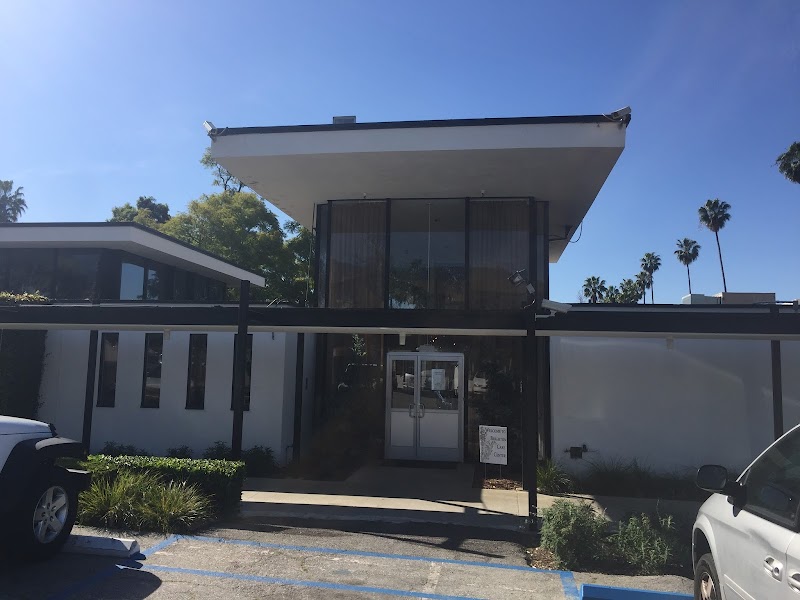
Who Owns and Operates Brighton?

BRIGHTON CARE CENTER is owned by a for-profit company. For-profit facilities operate as businesses with obligations to shareholders or private owners. The facility operates independently rather than as part of a larger chain. With 99 certified beds and approximately 88 residents (about 89% occupancy), it is a smaller facility located in PASADENA, California.
How Does Brighton Compare to Other California Nursing Homes?

Compared to the 100 nursing homes in California, BRIGHTON CARE CENTER's overall rating (2 stars) is below the state average of 3.1, staff turnover (52%) is near the state average of 46%, and health inspection rating (2 stars) is below the national benchmark.

What Should Families Ask When Visiting Brighton?

Based on this facility's data, families visiting should ask: "Can I visit during a mealtime to observe dining assistance and food quality?" "How do you handle medical emergencies, and what is your hospital transfer rate?" "Can I speak with family members of current residents about their experience?"

Is Brighton Safe?

Based on CMS inspection data, BRIGHTON CARE CENTER has a clean safety record: no substantiated abuse findings (meaning no confirmed cases of resident harm), no Immediate Jeopardy citations (the most serious violation level indicating risk of serious injury or death), and is not on the Special Focus Facility watch list (a federal program monitoring the lowest-performing 1% of nursing homes). The facility has a 2-star overall rating and ranks #100 of 100 nursing homes in California. While no facility is perfect, families should still ask about staff-to-resident ratios and recent inspection results during their visit.

Do Nurses at Brighton Stick Around?

BRIGHTON CARE CENTER has a staff turnover rate of 52%, which is 6 percentage points above the California average of 46%. Moderate turnover is common in nursing homes, but families should still ask about staff tenure and how the facility maintains care continuity when employees leave.

Was Brighton Ever Fined?

BRIGHTON CARE CENTER has no federal fines on record. CMS issues fines when nursing homes fail to meet care standards or don't correct problems found during inspections. The absence of fines suggests the facility has either maintained compliance or corrected any issues before penalties were assessed. This is a positive indicator, though families should still review recent inspection reports for the full picture.

Is Brighton on Any Federal Watch List?

BRIGHTON CARE CENTER is not on any federal watch list. The most significant is the Special Focus Facility (SFF) program, which identifies the bottom 1% of nursing homes nationally based on persistent, serious quality problems. Not being on this list means the facility has avoided the pattern of deficiencies that triggers enhanced federal oversight. This is a positive indicator, though families should still review the facility's inspection history directly.