CAMELLIA GARDENS CARE CENTER
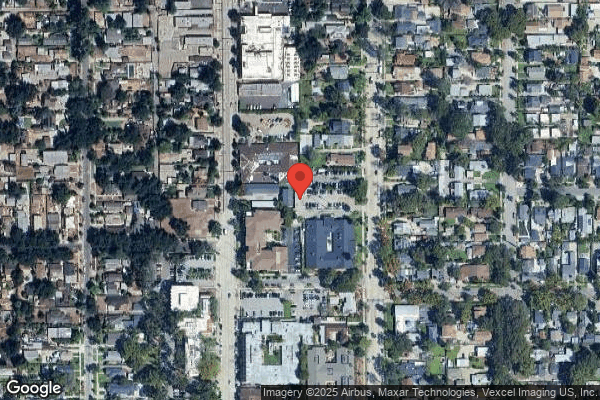
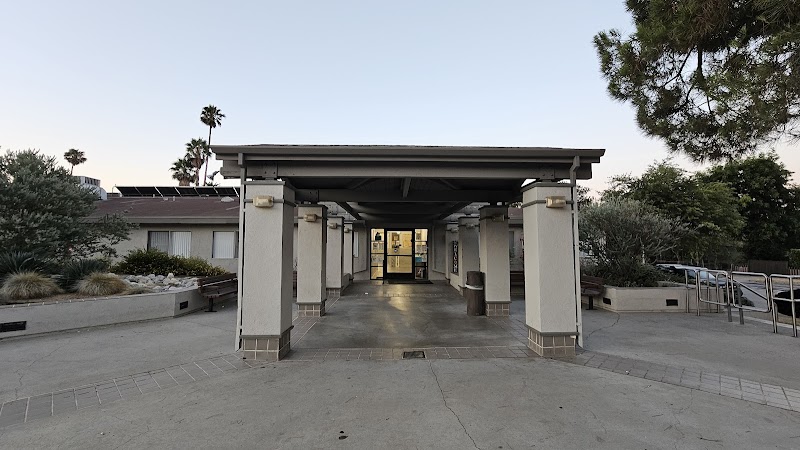
1920 N. FAIR OAKS AVENUE, PASADENA, CA 91103 (626) 798-6777
For profit - Limited Liability company 80 Beds Independent Data: November 2025
Trust Grade
48/100
#761 of 1155 in CA
Last Inspection: March 2025

Within standard 12-15 month inspection cycle. Federal law requires annual inspections.

Overview

Camellia Gardens Care Center has a Trust Grade of D, indicating below-average quality and raising some concerns for families considering this facility. The center ranks #761 out of 1155 nursing homes in California, placing it in the bottom half of facilities statewide, and #167 out of 369 in Los Angeles County, meaning there are only a few better options nearby. While the facility is showing improvement in its trend, with issues decreasing from 23 in 2024 to 20 in 2025, there are still significant concerns, including a failure to follow infection control measures that could put residents at risk for severe respiratory infections. Staffing is relatively strong, rated at 4 out of 5 stars, and with a turnover rate of 38%, which is good, but the facility has faced some issues such as unsanitary conditions in resident rooms, including used gloves and overflowing trash, which could lead to infections. Overall, while there are some positive aspects like good staffing and improvements in compliance, families should weigh these against the facility's serious concerns regarding cleanliness and infection control.

Trust Score
D
48/100
In California
#761/1155
Bottom 35%
Safety Record
Low Risk
No red flags
Inspections
Getting Better
23 → 20 violations
Staff Stability
○ Average
38% turnover. Near California's 48% average. Typical for the industry.
Penalties
✓ Good
$1,747 in fines. Lower than most California facilities. Relatively clean record.
Skilled Nurses
✓ Good
Each resident gets 54 minutes of Registered Nurse (RN) attention daily — more than average for California. RNs are trained to catch health problems early.
Violations
⚠ Watch
61 deficiencies on record. Higher than average. Multiple issues found across inspections.
★★☆☆☆
2.0
Overall Rating
★★★★☆
4.0
Staff Levels
★★★★☆
4.0
Care Quality
★★☆☆☆
2.0
Inspection Score
Stable
2024: 23 issues
2025: 20 issues

The Good

  • 4-Star Staffing Rating · Above-average nurse staffing levels
  • 4-Star Quality Measures · Strong clinical quality outcomes
  • Full Sprinkler Coverage · Fire safety systems throughout facility
  • No fines on record
  • Staff turnover below average (38%)

    10 points below California average of 48%

Facility shows strength in staffing levels, quality measures, fire safety.

The Bad

2-Star Overall Rating

Below California average (3.1)

Below average - review inspection findings carefully

Staff Turnover: 38%

Near California avg (46%)

Typical for the industry

Federal Fines: $1,747

Below median ($33,413)

Minor penalties assessed

The Ugly 61 deficiencies on record

May 2025 1 deficiency
CONCERN (D) 📢 Someone Reported This

A family member, employee, or ombudsman was alarmed enough to file a formal complaint

Potential for Harm - no one hurt, but risky conditions existed

Pressure Ulcer Prevention (Tag F0686)

Could have caused harm · This affected 1 resident

**NOTE- TERMS IN BRACKETS HAVE BEEN EDITED TO PROTECT CONFIDENTIALITY** The facility failed to provide care consistent with the professional standards of practice (the set of guidelines, principles, a...

Read full inspector narrative →
**NOTE- TERMS IN BRACKETS HAVE BEEN EDITED TO PROTECT CONFIDENTIALITY** The facility failed to provide care consistent with the professional standards of practice (the set of guidelines, principles, and expectations that govern the conduct and performance of nursing professionals) to prevent worsening of the pressure ulcer (PU, a localized area of skin damage caused by prolonged pressure on the skin) for one of two sampled residents (Resident 1) by failing to: 1. Assess and document detailed observations in SBAR (situation, background, assessment, recommendation-a communication tool used by healthcare workers when there is a change of condition among the residents) of Resident 1's change with skin condition and/ or wound condition on the resident's left trochanter area (a small, conical projection located on the medial side of the upper femur, specifically at the junction of the femoral neck and shaft) on 4/10/2025, 4/17/2025 and 4/24/2025. 2. Resident 1's change of skin condition and/ or wound condition on the resident's sacral area (lower back region specifically triangular- shaped bone called the sacrum) on 4/24/2025. These failures placed Resident 1 at risk for worsening of the PUthat can lead to serious illness and/ or hospitalization. Findings: A review of Resident 1's admission Record, the admission Record indicated Resident is a 84- years- old- female who was admitted to the facility on [DATE] with diagnoses that included encephalopathy (damage or disease that affects the brain, essential hypertension (high blood pressure that doesn't have a known underlying cause), and other pulmonary embolism without acute core pulmonale (pulmonary embolism, blood clot, that is not severe enough to immediately cause damage to the right side of the heart). During a review of Resident 1's History and Physical (H&P), dated 2/16/2025, the H&P indicated Resident 1 has no capacity to understand and make decisions. During a review of Resident 1's MDS (a resident assessment tool) dated 2/11/2025, indicated Resident 1 was independent, (helper does more than half the effort) with roll on the left and right, sit to lying, and personal hygiene. The MDS also indicated Resident 1 was assessed to be dependent (helper does all of the effort to complete the activity) on sit to stand, chair/bed-to-chair transfer and toilet hygiene. The MDS indicated Resident 1 was assessed to be at risk of developing pressure ulcer and the resident has one or more unhealed pressure ulcers/injuries (location not specified). During a review of the GACH records with an admission date of 4/27/2025 and discharge date of 5/4/2025, the GACH records indicated Resident 1 was admitted with altered mental status ( a change in a person's mental functioning, ranging from mild confusion to severe disorientation, and can be caused by various factors like illness, injury, or substance use ) , numerous pressure ulcers, hypotensive, and concerns for septic shock ( a life-threatening condition that occurs when the body's immune system overreacts to an infection, leading to widespread inflammation and organ damage.) The GACH records indicated discharge diagnoses which included the following: a) Volume depletion (decrease in blood volume and can lead to symptoms like low blood pressure and dehydration). b) G-tube (a thin, flexible tube inserted through the abdominal wall directly into the stomach) site cellulitis (a common bacterial infection of the skin and underlying tissues. It occurs when bacteria enter the skin through a cut, scratch, or other break in the skin). c) Pressure injury of skin, During an interview on 5/12/2025 at 12:12 PM with wound treatment nurse (WTN), WTN stated she is new to the wound treatment nurse position, she was working as a wound treatment nurse for just two weeks, she did not know anything about Resident 1's wounds, but WTN stated it is WTN, charge nurse, registered nurse supervisor's (RNS) responsibility to create SBAR communication for significant wound changes to promote immediate attention and actions to the teams for preventing residents wounds getting worse, infections and hospitalization. During an interview on 5/13/2025 at 2:16 PM with Registered Nurse Supervisor (RNS) at nursing station 1, RNS stated certified nursing aid (CNAs) will report residents' skin change to charge nurse, medication passing nurse and supervisors. RNS stated it is licensed nurse's responsibility to start SBAR/COC and report to physician, obtain physician orders and WTN will start wound treatment per physician order. During a concurrent interview and record review with infection preventionist nurse (IPN) on 5/13/2025 at 1:45 PM, Resident 1's Weekly Observation Tool Pressure Injury & IDT Review (WOTPI) dated 2/19/2025 to 4/24/2025 were reviewed, indicated the following: a. On 4/2/2025, Resident 1's stage (classifies the severity of skin and tissue damage) 4 left trochanter [a bony prominence located on the posterior (back) and medial (toward the center) surface of the proximal femur (thigh bone)] wound size L:5.1 cm x W: 5.0cm D: 0.7cm b. On 4/10/2025, Resident 1's stage 4 left trochanter [a bony prominence located on the posterior (back) and medial (toward the center) surface of the proximal femur (thigh bone)] wound size changed to L:6.4 cm x W: 4.5cm x D: 0.7cm c. On 4/17/2025, Resident 1's stage 4 left trochanter wound size changed to L:4.3 cm x W: 5.4cm x D: 0.4cm d. On 4/24/2025, Resident 1's stage 4 left trochanter wound size changed to L:5.3 cm x W: 5.7cm x D: 0.5cm. e. On 4/17/2025, Resident 1's stage 4 sacrococcyx (the junction point where the sacrum and coccyx (tailbone) connect wound size was L: 4.4cm, x W:7.7cm, D, no depth measurement f. On 4/24/2025, Resident 1's stage 4 sacrococcyx wound size changed to L:8.8 cm x W: 8.0cm x D 1.4cm worsening condition. IPN stated there were no SBAR (Situation, Background, Assessment, and Recommendation. It's designed to improve communication between healthcare professionals, particularly when notifying a physician about a patient's change in condition) / change of condition form (COC) documentation had been established for the left trochanter wound size changes noted on 4/10/2025, 4/17/2025, and 4/24/2025. IPN also stated there was no SBAR/COC for sacrococcyx area on 4/24/2025 for Resident 1. IPN stated the above wound size changes of left trochanter 4/10/2025, 4/17/2025, and 4/24/2025, sacrococcyx area wound size change on 4/24/25 are significant changes that need to implement a SBAR communication form for a purpose of communications, the care team's immediate attention and action for care plan revision between physicians and all healthcare professionals to promote wound healings and to prevent further wound infection. Infection Preventionist Nurse stated wound care nurse should have created SBAR communication forms for Resident 1's left trochanter and sacrococcyx wounds to prevent wounds worsening than hospitalized due to wounds infections. During a concurrent interview and record review with director of nurses (DON) on 5/13/2025 at 3:48 PM, Resident 1's Weekly Observation Tool Pressure Injury & IDT Review (WOTPI) dated 4/10/2025, 4/17/2025, and 4/24/2025 for left trochanter wound; and WOTPI dated 4/24/2025 for Resident 1's stage 4 sacrococcyx were significantly changed per Resident 1's WOTPI listed on the above dates for left trochanter and sacrococcyx wounds. DON stated Resident 1's wound size did change from good to bad, these changes were change of conditions. DON stated she would have started the SBAR. DON stated the wound care nurses should have started the SBAR communication form to facilitate the team's immediate attention and action for Resident's wounds to prevent further wounds worsening, infections and hospitalizations. During a concurrent interview and record review on 5/13/2025 at 3:48 PM with DON, the facility's policy and procedure (P&P) titled, Change in a Resident's Condition or Status, undated, revised February 2021 was reviewed. The P&P indicated 1. A significant change of condition is a major decline or improvement in the resident's status that: a. wil1 not normally resolve itself without intervention by staff or by implementing standard disease- related clinical interventions (is not self-limiting); b. impacts more than one area of the resident's health status. c. requires interdisciplinary review and/or revision to the care plan; and ultimately is based on the judgment of the clinical staff and the guidelines outlined in the Resident Assessment Instrument. 2. Prior to notifying the physician or healthcare provider, the nurse will make detailed observations and gather relevant and pertinent information for the provider, including (for example) information prompted by the Interact SBAR Communication Form. 3. Regardless of the resident's current mental or physical condition, a nurse or healthcare provider will inform the resident of any changes in his/her medical care or nursing treatments.
Apr 2025 1 deficiency
CONCERN (D) 📢 Someone Reported This

A family member, employee, or ombudsman was alarmed enough to file a formal complaint

Potential for Harm - no one hurt, but risky conditions existed

Deficiency F0694 (Tag F0694)

Could have caused harm · This affected 1 resident

**NOTE- TERMS IN BRACKETS HAVE BEEN EDITED TO PROTECT CONFIDENTIALITY** Based on observation, interview and record review, the facility failed to monitor the intravenous (IV, a small flexible tube pla...

Read full inspector narrative →
**NOTE- TERMS IN BRACKETS HAVE BEEN EDITED TO PROTECT CONFIDENTIALITY** Based on observation, interview and record review, the facility failed to monitor the intravenous (IV, a small flexible tube placed into a small vein for intravenous therapy such as medication fluids) site and change the heplock (a type of IV device for the administration of solution or medication) dressing for two (2) of 3 sampled residents (Resident 1 and Resident 2) in accordance with the facility policy. This deficient practice had the potential to result in Resident 1 and Resident 2 to develop IV complications which can lead to infection and possible hospitalization. Findings: 1. During a review of Resident 1's admission Record, the admission Record indicated Resident 1 was originally admitted to the facility on [DATE]. Resident 1's diagnoses included vancomycin-resistant enterococci (VRE, a type of bacteria that is resistant to vancomycin [a common antibiotic]) of permacath (a long-term catheter used for dialysis [a treatment to cleanse the blood of wastes and extra fluids artificially through a machine when the kidney(s) have failed] treatment), and diabetes mellitus (DM-a disorder characterized by difficulty in blood sugar control and poor wound healing). During a review of Resident 1's Minimum Data Set (MDS, resident assessment tool), dated 4/16/2025, the MDS indicated Resident 1 was moderately impaired with cognitive skills (ability to think, understand, and reason) for daily decision making. The MDS indicated Resident 1 was dependent (helper does all of the effort, resident does none of the effort to complete the activity) with oral hygiene, toileting hygiene, shower/ bathe self, upper and lower body dressing, putting on/ taking off footwear, personal hygiene, roll left and right, sit to lying, lying to sitting on side of bed, sit to stand and chair/bed-to -chair transfer. During a review of Resident 1's Physician's Order Summary, with an order date of 4/9/2025, the Physician's Order Summary indicated Daptomycin (used to treat certain blood infections) Intravenous Solution 500 milligram (mg, unit of measurement) every 48 hours for VRE of the permacath until 4/13/2025. During an observation on 4/11/2025 at 9:30 AM in Resident 1's room, Resident 1 was awake and laying on his bed. Resident 1 was observed with a peripheral IV site on her right hand. The IV site had a grayish colored and blood-stained bandage dressing. There was a dried blood on the paper tape on her hand that was placed next to the IV access port. During a concurrent observation and interview on 4/11/2025 at 9:35 AM with Registered Nurse 2 (RN 2) in Resident 1's room, Resident 1's IV site was observed with blood stains. RN 2 stated, Resident 1's IV site was not clean and well secured. RN 2 stated, We should always secure the IV site to prevent dislodgment and always keep it clean to prevent infection. During an interview on 4/11/2025 at 9: 55 AM with Infection Preventionist Nurse (IPN), IPN stated, Resident (Resident 1)'s IV site was visibly soiled because there is blood on the tape that was attached on the gauze. The licensed staff should have changed the IV dressing because the area was visibly soiled. We need to always keep the IV site clean because of infection control. During a concurrent interview and record review on 4/11/2025 at 11:58 AM with IPN, Resident 1's Physician's order dated 4/9/2025 was reviewed. The physician's order indicated Daptomycin every 2 days (48 hours) via intravenous. IPN stated Resident 1 did not and should have a physician's order to monitoring the IV site to include changing the dressing every seven days or as needed when compromised. During a concurrent interview and record review on 4/11/2025 at 12PM with IPN, Resident 1's Medication Administration Record dated 4/1/2025 to 4/30/2025 was reviewed. IPN stated Resident 1 had no IV site monitoring from 4/9/2025 to 4/10/2025. IV monitoring was not initiated until today (4/11/2025). During a concurrent interview and record review on 4/11/2025 at 12:02 PM with IPN, Resident 1's Care Plan IV dated 4/11/2025 was reviewed. IPN stated the Care Plan indicated PICC line. IPN stated, Care plan had incorrect information because Resident 1 did not have a PICC line and only had peripheral IV line. IPN also stated the care plan intervention was incomplete because there was no monitoring indicated. During an interview on 4/11/2025 at 12:06 PM with IPN, IPN stated If there was no monitoring of IV site for Resident 1, the licensed nurses will not be able to assess if there were signs and symptoms of infiltration, or any complications on the IV site. During a concurrent interview and record review on 4/23/2025 at 12:08 PM, Resident 1's Nurses' Progress notes dated 4/9/2025 to 4/10/2025 were reviewed. There was no record of assessment on the IV site for Resident 1 during 7AM to 3PM shift on 4/10/2025. IPN stated there was no IV site assessment done for Resident1 in the morning shift. IPN stated the Charge nurse missed assessing and documenting Resident 1's IV site. IPN stated, if the nursing staff did not conduct an IV site assessment, there is a possibility of delayed treatment if complication such as infection and infiltration occurs. During a concurrent observation and interview on 4/11/2025 at 12:15PM with MDS Nurse (MDSN), MDSN stated Resident 1's peripheral IV site looks dirty because there was dry blood on the site. MDSN stated, The nursing staff should have changed the IV dressing right away because it was compromised. During a concurrent interview and record review on 4/11/2025 at 12:17 PM with MDSN, Resident 1's Care Plan IV dated 4/11/2025 was reviewed. MDSN stated Care Plan indicated Resident 1 had a PICC line. MDSN stated it should have indicated an IV access of a peripheral line and not a PICC line. MDSN also stated the care plan should have included interventions to monitoring signs of infection of the peripheral IV site. During a concurrent interview and record review on 4/23/2025 at 12:20PM with MDSN, Resident 2's progress notes were reviewed. MDSN stated there was no documentation that Resident 1's IV site was assessed and if IV site care was done such as flushing the site or dressing change. MDSN stated these should have been documented on the progress notes to indicate IV site assessment and care have been done for Resident 1. During a concurrent interview and record review on 4/11/2025 at 12:21 PM with IPN, Resident 1's Medication Administration Record (MAR) dated 4/1/2025 to 4/30/2025 was reviewed. IPN stated MAR did not indicated IV monitoring from 4/9/2025 to 4/10/2025. MDSN stated there was no IV monitoring in Resident 1's MAR until 4/11/2025. IPN stated the licensed staff should have documented it in the progress notes if it is not in the MAR. IPN stated the staff has to make sure they check the IV site daily. During an interview on 4/11/2025 at 12:23 PM with MDSN, MDSN stated, the licensed staff should have documented any signs and symptoms of infection of Resident 1's IV site and adverse effect of medications, if there was any. MDSN stated if licensed staff did not monitor, the IV site can get infected, possible bleeding or infiltrate. 2. During a review of Resident 2's admission Record, the admission Record indicated Resident 1 was originally admitted to the facility on [DATE]. Resident 1's diagnoses included sepsis (a life-threatening blood infection), pneumonia (an infection/inflammation in the lungs), and chronic obstructive pulmonary disease (COPD, a chronic lung disease causing difficulty in breathing). During a review of Resident 2's MDS, dated [DATE], the MDS indicated Resident 1 was moderately impaired with cognitive skills for daily decision making. The MDS indicated Resident 1 needs substantial/ maximal assistance (helper does more than half the effort. helper lifts, holds trunk or limbs, and provides more than half the effort) in toileting hygiene, shower/ bathe self, lower body dressing, putting on/ taking off footwear, sit to lying, lying to sitting on side of bed, sit to stand chair/bed-to -chair transfer, and tub/shower transfer. During a review of Resident 2's physician's order dated 3/16/2025, the physician's order did not indicate IV site monitoring and discontinue the IV site if not in use for Resident 2. During a review of Resident 2's nurses' progress notes dated 3/16/2025 to 3/22/2025. The nurses' progress notes did not indicate any IV site monitoring for Resident 2. During an interview on 4/11/2025 at 3:08 PM with RN 2, RN 2 stated, We do not give medications via IV push. We usually call the physician and have the order changed to oral, but we also need to get an order to discontinue the IV site and remove the IV. If a resident has an IV site, we need to monitor the IV site to make sure the site has no signs of infection, bleeding or inflammation. During an interview on 4/11/2025 at 3:10PM with IPN, IPN stated, If a resident was admitted with IV medications, it will be changed to oral route, and we should also get an order to discontinue the IV line. But if the resident has IV access and staff were not using it, we need to monitor the IV site to prevent IV site complications. During an interview on 4/11/2025 at 3:14 PM with the Director of Nursing, the DON stated, The licensed staff should have a physician's order to monitor the IV site. If IV medications were changed to oral, we have to make sure to obtain an order to discontinue the Resident's IV access if resident was not using it for a specific number of days. During an interview on 4/11/2025 at 3:16 PM with RN 1, RN 1 stated Resident 2 had two peripheral IV lines on the bilateral hands upon admission. RN 1 stated, We removed the IV line on the right hand but Resident 2 was left with the peripheral IV on his left hand. The physician changed the prednisone IV medication order to oral route. We did not discontinue the IV site because we might still need to use it. I forgot to ask the physician for IV site monitoring order. We were not able to monitor Resident 2's IV site. During an interview on 4/11/2025 at 3:18 PM with RN 1, RN 1 stated, If Resident (Resident 2)'s IV site was not monitored, there is a possibility that the Resident can have an infection on the IV site. During an interview on 4/23/2025 at 3:59 PM with the DON, the DON stated, If there was no monitoring and care plan for Resident (Resident 2)'s IV site, it means the licensed staff did not properly assess the resident. The Licensed staff were not able to document and implement proper interventions and address any issues and inform the physician. During a concurrent interview and record review on 4/11/2025 at 4:03 PM with the DON, Resident 2's Nurse's progress notes dated 3/16/2025 to 3/22/2025 were reviewed. The DON stated, The licensed staff did not document any assessment regarding Resident 2's IV site in their progress notes, it means the licensed staff were not checking Resident 2's IV site for signs and symptoms of IV complications from 3/16/2025 to 3/22/2025. During an interview on 4/11/2025 at 4:06 PM with the DON, the DON stated, If a resident has an IV access and the licensed staff were not monitoring it, it can be a source of infection to the resident, because it can develop cellulitis and phlebitis. During a review of the facility's policy and procedure (P&P) titled, Peripheral and Midline IV Dressing Change, revised 3/2022, the P&P indicated Change the dressing if it becomes damp, loosened or visibly soiled and: c. immediately if the dressing or site appears compromised. 6.Assess the peripheral/midline access device at least every 4 hours (every 1-2 hours for residents with cognitive impairment. a. Visually inspect the entire infusion system (solution, administration set and dressing). b. Check expiration dates of the infusion, dressing and administration set. c. Assess the patency of the vascular access device. d. Palpate and inspect the skin, dressing and securement device for signs of complications, including: (I) dislodgement. (2) redness. (3) tenderness. (4) swelling. (5) infiltration. (6) induration. (7) elevated body temperature; or (8) drainage. Documentation 1. The following should be documented in the resident's medical record: a. Date, time, type of dressing, and reason for dressing change. b. Any complications/intervention related to insertion site or surrounding area.
Mar 2025 1 deficiency
CONCERN (D) 📢 Someone Reported This

A family member, employee, or ombudsman was alarmed enough to file a formal complaint

Potential for Harm - no one hurt, but risky conditions existed

ADL Care (Tag F0677)

Could have caused harm · This affected 1 resident

**NOTE- TERMS IN BRACKETS HAVE BEEN EDITED TO PROTECT CONFIDENTIALITY** Based on interview and record review the facility failed to activities of daily living care assistance were provided for one of ...

Read full inspector narrative →
**NOTE- TERMS IN BRACKETS HAVE BEEN EDITED TO PROTECT CONFIDENTIALITY** Based on interview and record review the facility failed to activities of daily living care assistance were provided for one of two sampled residents (Resident 1) by failing to ensure: a. Resident 1 was assessed for incontinence (involuntary loss of urine or stool) care in accordance with the plan of care. b. Resident 1 received tongue scraping (the practice of using a tool such as metal tongue scraper to gently remove bacteria, food particles, and other debris from the surface of the tongue, promoting better oral hygiene and potentially reducing bad breath) in accordance with the physician order. These deficient practices had the potential to lead to skin breakdown, poor hygiene, and diminished quality of life. Findings: During a review of Resident 1's admission Record, the admission Record indicated Resident 1 was admitted to the facility on [DATE], with diagnoses of hemiplegia (a condition caused by brain damage or spinal cord injury that leads to paralysis [loss of motor function in one or more muscles] on one side of the body) and hemiparesis (weakness on one side of the body) following cerebral infarction (a stroke, damage to tissue in the brain due to loss of oxygen to the area) affecting left non-dominant side, benign prostatic hyperplasia (age-associated prostate gland enlargement that can cause urination difficulty), and encounter for attention to tracheostomy (a surgically created hole in the windpipe that provides an alternative airway for breathing). During a record review of Resident 1's care plan, revised 1/27/2025, the care plan indicated Resident 1 had an ADL self-care performance deficit related to late effects cerebrovascular accident (CVA - stroke; damage to the brain from interruption of its blood supply) and hemiplegia. The care plan interventions were to provide personal hygiene/oral care since Resident 1 was totally dependent (helper does all the effort and resident does none of the effort to complete the activity) on staff for personal hygiene and oral care. During a record review of Resident 1's Minimum Data Set (MDS, a resident assessment and tool), dated 1/29/2025, the MDS indicated the resident's cognitive (mental action or process of acquiring knowledge and understanding) skills for daily decision making was severely impaired. The MDS indicated Resident 1 had impairment to both sides of the upper extremities (shoulders, elbows, wrists, and hands) and lower extremities (hips, knees, ankles, feet). The MDS indicated Resident 1 was dependent for oral hygiene, toileting hygiene, shower/bathing self, personal hygiene, rolling left and right, lying to sitting on side of bed, and tub/shower transferring. During a record review of Resident 1's Nursing Note, dated 3/9/2025 at 8:15 PM, the record indicated found Resident 1 soaking wet. The record indicated per Certified Nursing Assistant 1 (CNA 1), CNA 1 stated Resident 1 was last checked around 4 PM to 4:30 PM. During a record review of Resident 1's Physician Order Summary Report, dated 3/12/2025, the order indicated metal tongue scraper once a day best to do after dinner, scrape the tongue gently with metal tongue scraper. During a record review of Resident 1's Medication Administration Record (MAR, a medical record used by healthcare providers to document the administration of a medication or treatment) for the month of March 2025, the record did not indicate the order for tongue scraping was transcribed in the MAR and it was done for Resident 1. During a record review of Resident 1's care plan, revised 3/25/2025, the care plan indicated Resident 1 had bowel and bladder incontinence related to impaired mobility and cognitive deficit. The care plan interventions for staff were to check every two (2) hours and as required for incontinence; wash, rinse, and dry perineum; and change clothing as needed after incontinence episodes. a. During an interview on 3/25/2025 at 8:59 AM with Responsible Party 1 (RP 1), RP 1 stated on 3/9/2025 RP 1 arrived in Resident 1's room and found Resident 1's gown was completely soaked in urine. RP 1 stated Resident 1's brief (protective underwear to prevent leakage) was huge, and the mattress sheets and the side pillows were also soaked in urine. During an interview on 3/26/2025 at 1:54 PM with Registered Nurse Supervisor 1 (RNS 1), RNS 1 stated RP 1 called RNS 1 into Resident 1's room on 3/9/2025 around 8 PM. RNS 1 stated Resident 1 was really soaked with urine. RNS 1 stated Resident 1's brief was filled with urine and there was urine on the bedsheet and gown. RNS 1 stated CNA 1 told RNS 1 on 3/9/2025 that CNA 1 last checked on Resident 1 around 4 PM to 4:30 PM. RNS 1 stated CNA 1 was supposed to check Resident 1 every 2 hours. RNS 1 stated Resident 1 was prone to an infection since the resident was taking antibiotics (a medication used to kill bacteria and to treat infections) for a urinary tract infection (UTI, an infection of the bladder and urinary system). During an interview on 3/26/2025 at 3:25 PM with the Director of Nursing (DON), the DON stated staff should be reassessing residents every 2 hours. During a concurrent record review of Resident 1's Nursing Notes dated 3/9/2025 at 8:15 PM, the record indicated found Resident 1 soaking wet and CNA 1 last checked the resident between 4 PM to 4:30 PM. The DON stated Resident 1 had not been assessed for three (3) hours and 45 minutes. During a concurrent record review of Resident 1's Care Plan revised 3/25/2025, the care plan indicated for the staff to check Resident 1 every two hours or as needed for incontinence. The DON stated, staff did not and were supposed to check Resident 1 every 2 hours and as required for incontinence care. b. During a concurrent interview and record review with Licensed Vocational Nurse 1 (LVN 1) on 3/25/2025 at 2:54 PM, Resident 1's MAR for the month of March 2025 was reviewed. The MAR did not indicated tongue scraping was provided for Resident 1. LVN 1 stated there was an order for Resident 1's tongue scraping to be done in the evening. LVN 1 stated the license nurses needed to document in the MAR to indicate the tongue scraping was done. LVN 1 stated the tongue scrapping should have been logged if it was done and it was not in the MAR. During a concurrent interview and record review with RNS 2 on 3/25/2025 at 3:17 PM, Resident 1's MAR for the month of March 2025 was reviewed. The MAR did not indicate the order for tongue scraping was transcribed in the MAR and it was done for Resident 1. RNS 2 stated Resident 1 required total care with ADLs. RNS 2 stated the physician placed an order for Resident 1's tongue scraping on 3/12/2025 and it was not transcribed/ reflected in Resident 1's MAR. RNS 2 stated the licensed nurses needed to document in the MAR once the procedure was done. RNS 2 stated the documentation in the MAR was to confirm that the order was done. RNS 2 stated if the tongue scraping was not documented, then the licensed nurse did not complete the order and did not provide the tongue scraping to Resident 1. A concurrent record review of Resident 1's Nursing Notes with RNS 2, RNS 2 stated the Nursing Notes did not indicate the tongue scraping was done. During an interview on 3/26/2025 at 3:32 PM with the DON, the DON stated the physician's order needed to be acknowledged, transcribed in the MAR, and signed in the MAR once treatment is done. The DON stated the licensed nurses did not and should have documented in Resident 1's medical records the tongue scraping once the procedure was done. The DON stated documentation was needed for the justification that the license nurses performed the tongue scraping per physician's order. During a record review of the facility's policy and procedure titled, Activities of Daily Living (ADLs), Supporting, revised 3/2018, the policy indicated appropriate care and services will be provided for residents who are unable to carry out ADLs independently, with the consent of the resident and in accordance with the plan of care, including appropriate support and assistance with hygiene (bathing, dressing, grooming, and oral care) and elimination (toileting).
Mar 2025 13 deficiencies
CONCERN (D)

Potential for Harm - no one hurt, but risky conditions existed

Resident Rights (Tag F0550)

Could have caused harm · This affected 1 resident

**NOTE- TERMS IN BRACKETS HAVE BEEN EDITED TO PROTECT CONFIDENTIALITY** Based on observation, interview and record review, the facility failed to treat the resident with respect and dignity and mainta...

Read full inspector narrative →
**NOTE- TERMS IN BRACKETS HAVE BEEN EDITED TO PROTECT CONFIDENTIALITY** Based on observation, interview and record review, the facility failed to treat the resident with respect and dignity and maintain privacy for one (1) of 17 sampled residents (Resident 37) in accordance with the facility policy. This deficient practice had the potential to negatively affect Resident 37's self-worth, self-esteem and psychosocial (pertaining to the influence of social factors on an individual's mind or behavior) well-being. Findings: During a review of Resident 37's admission Record, the admission Record indicated Resident 37 was admitted to the facility on [DATE] and re-admitted on [DATE], with diagnoses that included chronic respiratory failure (a condition in which your blood doesn't have enough oxygen or has too much carbon dioxide), quadriplegia (is the condition in which both the arms and legs are paralyzed and lose normal motor function) and Stage 4 pressure ulcer (Full-thickness skin and tissue loss with exposed or directly palpable fascia [a thin, fibrous connective tissue that surrounds and supports all the structures in the body, including muscles, organs, bones, and nerves], muscle, tendon, ligament, cartilage or bone in the ulcer. Slough [moist, yellow or white, and stringy or thick necrotic tissue] and/or eschar [dry, hard, leathery, and often black or brown necrotic tissue] may be visible on some parts of the wound bed. epibole [rolled edges], undermining [tissue destruction beneath the wound edges, creating a pocket-like space] and/or tunneling [a narrow, track-like passageway extending from the wound into deeper tissues] often occur. Depth varies by anatomical location) of the sacral region sacral region (it is a triangular-shaped bone at the base of the spine just superior to the coccyx[tailbone]. During a review of Resident 37's Minimum Data Set (MDS- resident assessment tool) dated 1/31/2025, the MDS indicated the resident's cognitive skills (ability to understand and make decisions) for daily decision making was severely impaired. The MDS indicated Resident 37 was dependent (helper does all of the effort, resident does none of the effort to complete the activity) for oral hygiene, toileting hygiene, shower/bathe self, upper and lower body dressing, putting on/ taking off footwear, personal hygiene, roll left and right, and tub/shower transfer. During a record review of Resident 37's undated care plan (CP), Resident 37 has limited physical mobility related to weakness, intervention indicated, provide privacy and dignity during care at all times. During an observation in Resident 37's room on 3/4/2025 at 9:42 AM, Certified Nursing Assistant 3 (CNA 3) was observed performing sponge bath (a bath in which someone or something is not placed in water but is cleaned with a wet, soapy sponge or cloth) to Resident 37. Resident 37 was laying naked on the bed with the privacy curtain (used in healthcare setting is a curtain/ dividing cloth that provides private enclosure for residents ensuring confidentiality and a comfortable environment) opened. Resident 37 was visible to the resident's roommate on the right side (Bed B) and the resident's door was left open. During an interview with CNA 3 on 3/5/2025 at 2:37 PM, CNA 3 stated, CNA 3 forgot to close Resident 37's privacy curtain all the way to cover Resident 37 during bed bath when the CNA 3 was proving care for the resident today around 9:42 AM. CNA 3 stated the curtain must be closed to all the way, because we have to respect the Resident 37's privacy and dignity During a review of the facility's Policy & Procedure (P&P) titled, Dignity, revised 2/2021, the P&P indicated staff will promote, maintain, and protect resident privacy, including bodily privacy during assistance with personal care and during treatment procedures.
CONCERN (D)

Potential for Harm - no one hurt, but risky conditions existed

Deficiency F0582 (Tag F0582)

Could have caused harm · This affected 1 resident

**NOTE- TERMS IN BRACKETS HAVE BEEN EDITED TO PROTECT CONFIDENTIALITY** Based on interview and record review, the facility failed to ensure one of 17 sampled residents (Residents 12) were given suffic...

Read full inspector narrative →
**NOTE- TERMS IN BRACKETS HAVE BEEN EDITED TO PROTECT CONFIDENTIALITY** Based on interview and record review, the facility failed to ensure one of 17 sampled residents (Residents 12) were given sufficient notice prior to the last coverage day for Medicare Part A (hospital insurance) services. This deficient practice had the potential to cause stress to the residents and not be able to make adequate arrangements for charges that may incur. Findings: During a review of Resident 12's admission Record, indicated the resident was admitted to the facility on [DATE] with diagnoses that included muscle weakness, dementia (loss of memory, language, problem-solving and other thinking abilities that are severe enough to interfere with daily life), and hypothyroidism (a condition in which the thyroid gland doesn't produce enough thyroid hormone). During a review of Resident 12's Minimum Data Set (MDS- resident assessment tool), dated 1/9/2025, indicated Resident 12's cognitive skill (mental action or process of acquiring knowledge and understanding for daily decision-making) was moderately impaired. The MDS indicated Resident 12 required substantial/maximal assistance (helper does more than half the effort) from staff for toileting hygiene, lower body dressing, and putting on/taking off footwear. During a review of Resident 12's Notice of Medicare Non-coverage (NOMNC- a notice that indicates when your care is set to end from skill nursing facility [SNF].) dated 11/29/2024 indicated that the effective date coverage of the current services would end on 12/2/2024. The NOMNC did not indicate Resident 12's or the resident's representative's signature. During a review of Resident 12's Skilled Nursing Facility Advance Beneficiary Notice, a Centers for Medicare & Medicaid Services (CMS) form regarding the Medicare Part A services (SNFABN) dated on 11/29/2024, indicated that the resident would be responsible for out-of-pocket care if they did not have other insurance that would cover the costs beginning on 12/3/2024. The form did not indicate an estimated cost and signature of Resident 12 or the resident's authorized representative was left blank. During an interview and review Resident 12's SNFABN with the Social Services Director (SSD) and the Business Office Manager (BOM) on 3/7/2025 at 12:09 PM, Resident 12's SNFABN dated 11/29/2024 was reviewed. the BOM stated she did not know that she had to complete the SNFABN to include the estimated cost. The BOM also stated that Resident 12's NOMNC was not signed and there was the SSD's documentation indicating the SNFABN was sent via phone to resident's representative. The BOM stated that the resident or resident's representative would be notified in writing why the services may not be covered. The BOM stated that it was not facility's practice to send SNFABN via phone. A review of the facility's undated Policy and Procedure (P&P) titled, Medicare Advance Beneficiary Notice, indicated that upon admission or during the resident's stay, Medicare (Part A of the fee for Service Medicare Program) will not pay for an otherwise covered skilled services, the resident (or representative) is notified in writing why the services may not be covered and of the resident's potential liability for payment of the non-covered services. The P&P indicated if the resident's Medicare Part A benefits are terminating for coverage reasons, the director of admissions or benefits coordinator issues the Notice of Medicare Non-Service (CMS form 10123) to the resident at least two calendar days before Medicare covered services end (for coverage reasons) A review of the facility's adopted guideline titled, Form Instructions SNFABN Form CMS-1055 (2018), indicated that the facility must use the SNFABN when applicable for SNF Prospective Payment System services (Medicare Part A). Under the Estimated Cost section, the facility should enter an estimated total cost or a daily, per item, or per service cost estimate. The guideline also indicated the facility must make a good faith effort to insert a reasonable cost estimate for the care.
CONCERN (D)

Potential for Harm - no one hurt, but risky conditions existed

Deficiency F0583 (Tag F0583)

Could have caused harm · This affected 1 resident

**NOTE- TERMS IN BRACKETS HAVE BEEN EDITED TO PROTECT CONFIDENTIALITY** Based on observation, interview, and record review, the facility staff failed to provide privacy and confidentiality (safeguardi...

Read full inspector narrative →
**NOTE- TERMS IN BRACKETS HAVE BEEN EDITED TO PROTECT CONFIDENTIALITY** Based on observation, interview, and record review, the facility staff failed to provide privacy and confidentiality (safeguarding the content of information including video, audio, or other computer stored information from unauthorized disclosure without the consent of the resident and/or the individual's surrogate or representative) for one of 17 sampled residents (Resident 219) when Resident 219's medical records were left exposed by leaving the computer unattended and not turning off the computer screen on 3/5/2025. This deficient practice violated Resident 219's right to privacy and confidentiality. Findings: During a review of Resident 219's admission Record, the admission Record indicated Resident 219 was admitted to the facility on [DATE] with diagnoses that included sepsis (a life-threatening blood infection), degeneration of nervous system due to alcohol (damage to the nerves and brain caused by too much alcohol consumption, potentially leading to memory loss and motor skill difficulties), and essential hypertension (HTN- high blood pressure). During a review of Resident 219's admission Assessment, dated 3/4/2025, the admission Assessment indicated Resident 219 was alert and oriented to person, place, time, and situation. Resident 219 was verbally appropriate (words spoken in a way that is suitable, respectful, and effective for the context, audience, and purpose of the communication) and able to make needs known. During a concurrent observation in the Nurse Station 1 (NS 1), and interview on 3/5/2025, at 8:53 AM, with Registered Nurse Supervisor 1 (RNS 1), Computer 1 (COM 1) was observed unattended with Resident 219's information on the computer screen. RNS 1 stated she did not know who left the computer screen on. RNS 1 stated the computer screen should not have been left on exposing resident's medical records and unattended. During an interview with Minimum Data Set Nurse 1 (MDSN 1), on 3/6/2025, at 9:47 AM, MDSN 1 stated Resident 219's records are confidential (intended for or restricted to the use of a particular person or group) and anyone in the facility would be able to read and/ or access Resident 219's medical records if the computer was left on and unattended. MDSN 1 stated, facility staff are required to turn off or log out (to disconnect or stop using the computer system or program so no other individual can access it) of the computer before walking away from the computer. During an interview with the Director of Nursing (DON) on 3/7/2025, at 12:29 PM, the DON stated Resident 219's medical records were confidential. The DON stated anyone could access Resident 219's information if the computer screen is left on and unattended. The DON stated facility staff need to log off the computer or turn off the screen before walking away from the computer. During a review of the facility's policy and procedure (P&P), titled, Confidentiality of Information and Personal Privacy, revised on 10/2017, the P&P indicated the facility will safeguard the personal privacy and confidentiality of all resident personal and medical records. The P&P indicated access to resident personal and medical records will be limited to authorized staff and business associates.
CONCERN (D)

Potential for Harm - no one hurt, but risky conditions existed

Comprehensive Care Plan (Tag F0656)

Could have caused harm · This affected 1 resident

**NOTE- TERMS IN BRACKETS HAVE BEEN EDITED TO PROTECT CONFIDENTIALITY** Based on observation, interview, and record review, the facility failed to develop a care plan (a document that outlines the fac...

Read full inspector narrative →
**NOTE- TERMS IN BRACKETS HAVE BEEN EDITED TO PROTECT CONFIDENTIALITY** Based on observation, interview, and record review, the facility failed to develop a care plan (a document that outlines the facility's plan to provide personalized care to a resident that includes measurable objectives and timeframes to meet a resident's medical, nursing, and mental and psychosocial needs) with individualized approaches for communicating for one of 17 sampled residents (Resident 52). This deficient practice had the potential to result in a delay or lack of delivery of care and services for Resident 52. Findings: During a review of Resident 52's admission Record, the admission Record indicated Resident 52 was admitted to the facility on [DATE] with diagnoses that included dysphagia (difficulty swallowing), cognitive (mental action or process of acquiring knowledge and understanding) communication deficit (impairment in the ability to communicate), and unspecified bilateral (affecting both sides) hearing loss. During a review of Resident 52's Interdisciplinary Team (IDT- a group of healthcare professionals who work together to help people receive the care they need) Care Conference Record, dated 8/19/2024, the IDT Care Conference Record under Activity: Resident preference and response indicated Resident 52 was hard of hearing and notes (written notes) and physical signs (pictures) were ineffective. During a review of Resident 52's Minimum Data Set (MDS- a resident assessment tool), dated 2/21/2025, the MDS indicated Resident 52 was assessed having moderately impaired cognitive skills for daily decision making. Resident 52 had highly impaired (absence of useful hearing) hearing. Resident 52 required partial/moderate assistance (helper does less than half the effort) with oral/toileting hygiene, shower/bathe self, personal hygiene, sit to lying, and sit to stand. During an observation on 3/4/2025, at 11:59 AM, in Resident 52's room, Resident 52 sat on her wheelchair next to the door. Resident 52 made eye contact with the Surveyor but did not answer the questions she was asked. Resident 52's roommate (unable to identify) yelled, she cannot hear you after numerous attempts were made to speak with Resident 52. During an interview on 3/5/2025, at 3:10 PM, with Social Services Director (SSD), SSD stated Resident 52 was admitted with unspecified hearing loss. SSD stated Resident 52's hearing loss got worst after the resident's cancer treatment in 2024. During an interview on 3/5/2025, at 3:20 PM, with Activities Director (AD), AD stated Resident 52 liked to participate in activities in the Activity Room. AD stated Resident 52 was hard of hearing and facility staff had to speak louder to Resident 52. AD stated the activity staff also wrote on a piece of paper or notebook to communicate with Resident 52. AD stated she did not know which ear Resident 52 could hear more from. During a concurrent interview and record review on 3/6/2025, at 9:43 AM, with Minimum Data Set Nurse 1 (MDSN 1), Resident 52's care plan with focus on Resident 52's communication problem related to (r/t) hearing deficit, dated 8/23/2024 was reviewed. The care plan interventions were reviewed and did not specifically indicate how to be able to effectively communicate with Resident 52. MDSN 1 stated Resident 52's care plan for communication was created on 8/23/2024 and it should be resident-centered (patient-centered - an approach to providing health care where the treatment plan is driven by the needs, preferences, and life-long habits of the resident) and comprehensive (complete). MDSN 1 stated interventions regarding the specific ways Resident 52 communicated should be included in Resident 52's care plan for communication. MDSN 1 stated Resident 52's care plan for communication was not resident-centered and comprehensive because Resident 52's care plan did not indicate that facility staff was able to effectively communicate with Resident 52 by writing on a piece of paper or notebook and/ or must speak to the resident louder until MDSN 1 learned about it on 3/5/2025. During an interview on 3/6/2025, at 10:04 AM, with Registered Nurse Supervisor 2 (RNS 2), RNS 2 stated a care plan for communication was used to inform staff how to effectively communicate with a resident. RNS 2 stated it was important for the care plan to include specific interventions for communication/ communication style that the resident prefers' is effective for the resident so the staff could provide better care. During a review of the facility's policy and procedure (P&P), titled, Care Plans, Comprehensive Person-Centered, revised on 12/2016, the P&P indicated the following: A comprehensive, person-centered care plan that includes measurable objectives and timetables to meet the resident's physical, psychosocial (having to do with mental, emotional, social, and spiritual effects of a disease) and functional needs is developed and implemented for each resident. The comprehensive, person-centered care plan will describe the services that are to be furnished to attain or maintain the resident's highest practicable physical, mental, and psychosocial well-being. Identify problem areas and their causes and develop interventions that are targeted and meaningful to the resident. Care plan interventions are chosen only after careful data gathering, proper sequencing of events, careful consideration of the relationship between the resident's problem areas and their causes, and relevant clinical decision making. The comprehensive, person-centered care plan is developed within seven (7) days of the completion of the required comprehensive assessment.
CONCERN (D)

Potential for Harm - no one hurt, but risky conditions existed

Pressure Ulcer Prevention (Tag F0686)

Could have caused harm · This affected 1 resident

**NOTE- TERMS IN BRACKETS HAVE BEEN EDITED TO PROTECT CONFIDENTIALITY** Based on observation, interview, and record review, the facility failed to implement treatment for the prevention of pressure ul...

Read full inspector narrative →
**NOTE- TERMS IN BRACKETS HAVE BEEN EDITED TO PROTECT CONFIDENTIALITY** Based on observation, interview, and record review, the facility failed to implement treatment for the prevention of pressure ulcer (painful wound caused as a result of pressure or friction) by failing to ensure that the low air loss mattress (LAL, mattress used for residents who are at risk for developing sores or already have pressure ulcer designed to circulate a constant flow of air for the management of pressure sores) was on the correct settings for one (1) of two sampled residents (Residents 37), reviewed for pressure ulcer in accordance with the facility's policy and procedure. This deficient practice had the potential for Resident 37 to have worsening Stage 4 pressure ulcer (Full-thickness skin and tissue loss with exposed or directly palpable fascia [a thin, fibrous connective tissue that surrounds and supports all the structures in the body, including muscles, organs, bones, and nerves], muscle, tendon, ligament, cartilage or bone in the ulcer. Slough [moist, yellow or white, and stringy or thick necrotic tissue] and/or eschar [dry, hard, leathery, and often black or brown necrotic tissue] may be visible on some parts of the wound bed. epibole [rolled edges], undermining [tissue destruction beneath the wound edges, creating a pocket-like space] and/or tunneling [a narrow, track-like passageway extending from the wound into deeper tissues] often occur. Depth varies by anatomical location) of the sacral region (it is a triangular-shaped bone at the base of the spine just superior to the coccyx[tailbone]) Findings: During a review of Resident 37's admission Record, the admission Record indicated Resident 37 was admitted to the facility on [DATE] and re-admitted on [DATE], chronic respiratory failure (a condition in which your blood doesn't have enough oxygen or has too much carbon dioxide), quadriplegia (is the condition in which both the arms and legs are paralyzed and lose normal motor function) and Stage 4 pressure ulcer of the sacral region. During a review of Resident 37's Braden Scale (is a standardized, evidence-based assessment tool commonly used in health care to assess and document a client's risk for developing pressure injuries), dated 11/1/2024, indicated Resident 37 has total score of 13, (Scoring 13-14= moderate risk) which indicated Resident 37 was at risk for skin breakdown. During a review of Resident 37's Minimum Data Set (MDS- resident assessment tool), dated 1/31/2025, the MDS indicated the resident's cognitive skills (ability to understand and make decisions) for daily decision making was severely impaired. The MDS indicated Resident 37 was dependent (helper does all of the effort, resident does none of the effort to complete the activity) for oral hygiene, toileting hygiene, shower/bathe self, upper and lower body dressing, putting on/ taking off footwear, personal hygiene, roll left and right, and tub/shower transfer. During a review of Resident 37's Monthly Weights dated on 3/3/2025, the monthly weight indicated, Resident 37's weight was 132 pounds (lbs., unit of measurement). During a review of Resident 37's Physician's Order dated 3/4/2025, indicated the following: 1. Low Air Loss bed setting for skin management ever day shift. 2. Low Air Loss bed setting for skin management ever shift. During a record review of Resident 37's undated care plan (CP), Resident 37 has sacrococcyx pressure ulcer during admission; at risk for complication, intervention indicated, low air loss mattress for skin integrity management. During an observation on 3/4/2025 at 9:51 AM, in Resident 37's room, Resident 37 was observed in bed with the LAL set on 120 millimeters of mercury (mmHg, unit of pressure). During an observation on 3/05/2025 at 2:24 PM, in Resident 37's room, Resident 37 was observed in bed with the LAL set on 80 mmHg. During a concurrent observation and interview on 3/5/2025 at 02:28 PM with Licensed Vocational Nurse 2 (LVN 2) in Resident 37's room, Resident 37's LAL was set on 80 mmHg. LVN 2 stated that LAL was supposed to be on 132 mmHg based on Resident 37's weight. LVN 2 stated, We use the LAL to prevent pressure ulcer. Resident 37's LAL was used for decubitus (a skin wound caused by sustained pressure on an area of the body) management. If the LAL was in the incorrect setting, we are not providing the correct setting, Resident 37's pressure ulcers might get worse. We should be checking the LAL setting every shift. During a review of the facility's Policy and Procedure (P&P) titled, Support Surfaces Guidelines, revise date 9/2013, indicated, to provide guidelines for the assessment of appropriate pressure reducing and relieving devices for resident at risk for skin breakdown. The P&P indicated interventions indicated, monitor for other pressure ulcer risk factors and provide interventions as indicated. During a review of the Operation Manual titled, Brand 1 Alternating Pressure Low Air Loss Mattress Replacement System, revised date 3/22/2021, indicated, in the operating instructions, determine the resident's weight and set the control knob to that weight setting on the control unit.
CONCERN (D)

Potential for Harm - no one hurt, but risky conditions existed

Deficiency F0688 (Tag F0688)

Could have caused harm · This affected 1 resident

**NOTE- TERMS IN BRACKETS HAVE BEEN EDITED TO PROTECT CONFIDENTIALITY** Based on observation, interview, and record review, the facility failed to provide appropriate treatment and services to one of ...

Read full inspector narrative →
**NOTE- TERMS IN BRACKETS HAVE BEEN EDITED TO PROTECT CONFIDENTIALITY** Based on observation, interview, and record review, the facility failed to provide appropriate treatment and services to one of four sampled residents (Resident 218) with limited range of motion (ROM- the extent of movement of a joint) and limited mobility to prevent further decrease in ROM and maintain or improve mobility as indicated in the facility's policy and procedure (P&P). This deficient practice had the potential to place Resident 218 at risk for further ROM decline and contracture (a condition of shortening and hardening of muscles, tendons, or other tissues, often leading to deformity or rigidity of joints). Findings: During a review of Resident 218's admission Record, the admission Record indicated Resident 218 was initially admitted to the facility on [DATE] and was readmitted on [DATE] with diagnoses that included hemiplegia unspecified affecting right dominant side (paralysis or severe weakness on one side of the body, specifically the right side, that is the dominant side for the resident), aphasia (a disorder that makes it difficult to speak), and essential hypertension (HTN- high blood pressure). During a review of Resident 218's Minimum Data Set (MDS- a resident assessment tool), dated 2/10/2025, the MDS indicated Resident 218 was assessed with moderately impaired (decisions poor, cues/supervision required) cognitive (mental action or process of acquiring knowledge and understanding) skills for daily decision making. Resident 218 had functional limitation in ROM on both sides of his upper extremities (shoulder, elbow, wrist, hand) and lower extremities (hip, knee, ankle, foot). Resident 218 was dependent (helper does all of the effort) with oral hygiene, toileting hygiene, upper/lower body dressing, personal hygiene, sit to lying, and tub/shower transfer. During a review of the Order Summary Report, dated 2/1/2025, the Order Summary Report indicated a physician order on hold with a start date of 11/9/2023, for RNA (nursing interventions focused on helping individuals maintain of regain their highest level of function and independence, often after a period of illness or injury, through ongoing care and activities) for passive range of motion (PROM- when someone else, or a machine moves a joint through its range of motion, without the patient actively contracting the muscle) to right upper extremity (RUE- right upper body parts) and right lower extremity (RLE- right lower body parts) every day (qd) five times a week as tolerated every day shift was on hold. During an observation on 3/4/2025, at 11 AM, in Resident 218's room, Resident 218 was observed awake in bed. Resident 218 moved his head from left to right when asked if he was able to move his right hand. Resident 218 moved his head from left to right and mumbled, No when asked if facility staff assisted him with exercises. During a concurrent interview and record review on 3/6/2025, at 9:37 AM, with Restorative Nurse Assistant 1 (RNA 1), RNA 1 stated Resident 218 received RNA services before he was admitted to the General Acute Care Hospital (GACH) last month. RNA 1 stated Resident 218 was not ordered RNA services when he returned from the GACH. RNA 1 stated it was important for Resident 218 to continue with RNA exercises to improve his mobility (ability to move or be moved freely and easily) and prevent contractions (when a muscle becomes shorter and tighter). During an interview on 3/6/2025, at 12:06 PM, with Registered Nurse Supervisor 4 (RNS 4), RNS 4 stated Resident 218 had right sided weakness. RNS 4 stated Resident 218 received RNA services prior to his hospitalization last month. RNS 4 stated Resident 218 should have been evaluated by the physical therapist for RNA services after his readmission from GACH last month and should have continued RNA services. RNS 4 stated RNA services was important for Resident 218 to maintain muscle strength, exercise, gain movement, and prevent decline. RNS 4 stated Resident 218 last received RNA services on 2/17/2025. During an interview on 3/6/2025, at 12:20 PM, with the Director of Nursing (DON), the DON stated Resident 218 should have been assessed by the Rehab Department within 24 hours of re-admission. The DON stated RNA services were started after the Rehab Department assesses the Resident. The DON stated RNA services was important to prevent contractures and improve mobility. During an interview on 3/6/2025, at 1:52 PM with the Director of Rehabilitation (DOR), the DOR stated Resident 218 was on RNA services for a long time before he was admitted to GACH. The DOR stated Resident 218 should have been evaluated to determine if therapy or RNA services was needed after his readmission to the facility. The DOR stated a physician's order for therapy or RNA services was written based on the evaluation of the physical therapist. The DOR stated Resident 218 was not screened by the physical therapist after his readmission back to the facility last month. The DOR stated Resident 218 did not have an active order for RNA services. The DOR stated Resident 218 had not received RNA services for three weeks. During a review of the facility's policy and procedure (P&P), titled, Resident Mobility and Range of Motion, revised on 7/2017, the P&P indicated, Residents with limited range of motion will receive treatment and services to increase and/or prevent a further decrease in ROM. The P&P further indicated, Residents with limited mobility will receive appropriate services, equipment and assistance to maintain or improve mobility unless reduction in mobility is unavoidable. During a review of the facility's P&P, titled, Restorative Nursing Services, revised on 7/2017, the P&P indicated, residents will receive restorative nursing care as needed to help promote optimal safety and independence. The P&P further indicated, residents may be started on a restorative nursing program upon admission, during the course of stay or when discharged from rehabilitative care.
CONCERN (D)

Potential for Harm - no one hurt, but risky conditions existed

Deficiency F0847 (Tag F0847)

Could have caused harm · This affected 1 resident

**NOTE- TERMS IN BRACKETS HAVE BEEN EDITED TO PROTECT CONFIDENTIALITY** Based on interview and record review, the facility failed to ensure one of three sampled Residents (Resident 46) was informed an...

Read full inspector narrative →
**NOTE- TERMS IN BRACKETS HAVE BEEN EDITED TO PROTECT CONFIDENTIALITY** Based on interview and record review, the facility failed to ensure one of three sampled Residents (Resident 46) was informed and understood the concept of the proposed binding arbitration (Arbitration is a procedure in which a dispute is submitted, by agreement of the parties) and the right to rescind (take back or cancel) the agreement within 30 calendar days of signing the agreement, before having Resident 46 enter into a binding arbitration agreement. The deficient practice had the potential resulted in Resident 46 unknowingly giving up their right to resolve any disputes with the facility through a court of law before a jury. Findings: A review of Resident 46's admission Record indicated the resident was admitted to the facility on [DATE], indicated diagnoses including hemiplegia and hemiparesis (loss of strength on one side of the body) following cerebral infarction (a condition in which a disrupted blood flow to the brain due to problems with the blood vessels that supply it), transient cerebral ischemia (a condition in which a blockage in an artery restricts the delivery of oxygen-rich blood to the brain resulting in damage to brain tissue.), and hyperlipidemia (a condition in which there are high levels of fat particles (lipids) in the blood). A review of Resident 46's Minimum Data Set (MDS-a federally mandated assessment tool), dated 3/5/2025, indicated Resident 46 had cognitively (a mental process of acquiring knowledge and understanding) intact. The MDS indicated Resident 46 was assessed needing walker/ wheelchair for mobility device and has no impairment on his functional limitation in range of motion on his upper and lower extremities. During a concurrent interview and record review of Resident 46's arbitration agreement signed on 12/1/2024, the Resident 46 stated, facility staff left a stack of papers on Resident 46's nightstand and asked Resident 46 to sign the documents. Resident 46 stated not remembering all that entails on the documents since all the documents were not all explained to Resident 46. Resident 46 stated he did not know one of the papers he signed was the arbitration agreement. Resident 46 stated, facility staff did not explain the what the arbitration agreement was, or that Resident 46 had 30 days to make changes to the agreement. During an interview with the admission Coordinator (AC) on 3/7/2025 at 3:26 PM, AC stated, in the event of a malpractice, (Malpractice occurs when a hospital, doctor or other health care professional, through a negligent act or omission, causes an injury to a patient) or if a resident would have a case filed against the facility, the case could be resolved faster through an arbitration. AC stated that during admission the admission coordinator was responsible for explaining the arbitration agreement to the resident and this would be the time for the resident to review and sign the agreement. AC stated the facility was responsible for explaining to the resident/ responsible party the arbitration agreement. The facility was also responsible for informing the residents/responsible party that they can rescind their request for arbitration before 30 days upon signing the arbitration agreement. A review of the facility's Arbitration Agreement Form revised 10/5/2020, indicated BY SIGNING THIS CONTRACT YOU ARE AGREEING TO HAVE ANY ISSUE OF MEDICAL MALPRACTICE DECIDED BY NEUTRAL ARBITRATION AND YOU ARE GIVING UP YOUR RIGHT TO A JURY OR COURT TRIAL. Rescission indicated, this arbitration agreement may be rescinded by written notice from either party, including the Resident's Legal Representative and/or Agent, if any, and as appropriate, to the other party within thirty (30) days of signature. Execution indicated, The parties to the Arbitration Agreement hereby acknowledge and agree that, upon execution, any and all disputes or claims as to medical malpractice (that is, whether any medical services rendered during the Resident's admission were unnecessary or unauthorized or were improperly, negligently or incompetently rendered or not rendered) will be determined by submission to neutral arbitration, and not by a lawsuit or court process, except as California law provides for judicial review of arbitration proceedings. Such arbitration will be governed by this Arbitration Agreement. By signing this arbitration agreement below, the parties agree to be bound by the provisions of this Arbitration Agreement. Further the Resident ( or Resident's Legal Representative and/or Agent on behalf of Resident) acknowledges that: (A) the agreement has been explained to the Resident (or Resident's Legal Representative and/or Agent on behalf of Resident) by a representative of the Facility in a form and manner that the Resident understands, including in a language that the Resident (or Resident's Legal Representative and/or Agent on behalf of Resident) understands; and (B) the Resident (or Resident's Legal Representative or Agent on behalf of Resident) understands this agreement.
CONCERN (D)

Potential for Harm - no one hurt, but risky conditions existed

Antibiotic Stewardship (Tag F0881)

Could have caused harm · This affected 1 resident

**NOTE- TERMS IN BRACKETS HAVE BEEN EDITED TO PROTECT CONFIDENTIALITY** Based on interview and record review, the facility failed to ensure the antibiotic stewardship program protocols for prescribing...

Read full inspector narrative →
**NOTE- TERMS IN BRACKETS HAVE BEEN EDITED TO PROTECT CONFIDENTIALITY** Based on interview and record review, the facility failed to ensure the antibiotic stewardship program protocols for prescribing the appropriate antibiotics (medication used to treat or prevent some types of bacterial infection) was completed in its entirety for two (2) of three (3) sampled residents (Resident 6 and Resident 218) prior to the administration of their antibiotic therapy. This deficient practice had the potential to result in the development of antibiotic-resistant organisms (not effective to treat infection), from unnecessary or inappropriate use. Findings: During a review of Resident 6's admission Records, the admission Record indicated Resident 6 was initially admitted to the facility on [DATE] and readmitted on [DATE], with diagnoses including chronic obstructive pulmonary disease (a group of lung diseases that block airflow and make it difficult to breathe), type 2 diabetes mellitus (a disease that occurs when the blood sugar is too high), and muscle weakness. During a review of Resident 6's Minimum Data Set (MDS- resident assessment tool), dated 12/12/2024, the MDS indicated Resident 6's cognitive skill (mental action or process of acquiring knowledge and understanding for daily decision-making) was moderately impaired. The MDS indicated Resident 6 was partial/moderate assistant (helper does less than half the effort. Helper lifts, holds, or supports trunk or limbs, but provides less than half the effort) on staff for toileting hygiene, lower body dressing, and putting on/taking off footwear. During a review of Resident 6's Physician Order, dated 2/12/2025, the order indicated Resident 6 was prescribed Ciprofloxacin HCL (used to treat bacterial infections in many different parts of the body) oral tablet 500 milligram (mg, a unit of measurement), give 1 tablet (tab) by mouth (PO) two times a day for pneumonia (infection that inflames air sacs in one or both lungs) for 10 days. During a review of Resident 6's Surveillance Data Collection Form, the form indicated the onset of symptoms was on 2/11/2025, and the McGeer Criteria (provides specific criteria for infection surveillance [the ongoing and systematic collection of routine data which are then analyzed, interpreted, and acted upon.]) was incomplete since the symptoms were left blank (unchecked). During a review of Resident 218's admission Records, the admission Record indicated Resident 218 was initially admitted to the facility on [DATE], and readmitted on [DATE], with diagnoses including hemiplegia (severe or complete loss of strength on one side of the body) affecting right dominant side, hypertension (high blood pressure), and hyperlipidemia (a condition in which there are high levels of fat particles (lipids) in the blood). During a review of Resident 218's MDS, dated [DATE], the MDS indicated Resident 218 was cognitively impairment. The MDS indicated Resident 218 was totally dependent on staff for transfer, dressing, toilet use, and personal hygiene. During a review of Resident 218's Physician Order, dated 2/17/2025, the Order indicated Resident 218 was prescribed Amoxicillin-Pot Clavulanate (used to treat bacterial infection.) tablet 875-125 mg, give 1 tab via G-tube (a medical device that delivers liquid nutrition directly to stomach or small intestine through a surgically created opening in the abdominal wall) every 12 hours for pneumonia for 7 days. During a review of Resident 218's Surveillance Data Collection Form, the Form indicated the onset of symptoms was on 2/12/2025, and the McGeer Criteria was incomplete since the symptoms were left blank. During a concurrent interview and record review with Infection Preventive Nurse (IPN) on 3/7/2025 at 3:13 PM, IPN stated the Mc Geer's surveillance criteria was incomplete, since the criteria did not indicate any symptoms checked off for Resident 6 and Resident 218, prior to them receiving antibiotics, in the month of February 2025. The IPN stated, the Mc Greer's surveillance criteria should have been completed. IPN stated it was important to complete the criteria to indicate whether a resident truly requires antibiotics. A review of facility's policy and procedure (P&P) titled, Antibiotic Stewardship revised on December 2016, indicated that antibiotics would be prescribed and administered to residents under the guidance of the facility's antibiotic stewardship program. The P&P indicated that the purpose of antibiotic stewardship program was to monitor the use of antibiotics in facility's residents. The P&P also indicated that when a nurse calls a physician/prescriber to communicate a suspected infection, he or she will have the signs and symptoms available and when symptoms were first observed. According to the Centers for Disease Control and Prevention (CDC), there are identified core elements/actions a nursing home should ensure to prevent antibiotic resistance (occurs when bacteria develop the ability to evade the effects of antibiotics, making it difficult or impossible to treat infections.). Among them are: 1. Educate their providers on the potential harm of antibiotics. 2. Document the dose, duration, and indication of the antibiotics, making this information accessible helps ensure that antibiotics can be modified as needed based on additional laboratory and clinical data and/or discontinued in a timely manner to reduce unnecessary antibiotic exposure and improve resident outcomes. https://www.cdc.gov/longtermcare/pdfs/core-elements-antibiotic-stewardship-appendix-a.pdf
CONCERN (E)

Potential for Harm - no one hurt, but risky conditions existed

Safe Environment (Tag F0584)

Could have caused harm · This affected multiple residents

**NOTE- TERMS IN BRACKETS HAVE BEEN EDITED TO PROTECT CONFIDENTIALITY** Based on observation, interview and record review, the facility failed to provide a safe, clean, and homelike environment for tw...

Read full inspector narrative →
**NOTE- TERMS IN BRACKETS HAVE BEEN EDITED TO PROTECT CONFIDENTIALITY** Based on observation, interview and record review, the facility failed to provide a safe, clean, and homelike environment for two (2) of 17 sampled residents (Resident 36 and 37) when facility failed to: 1. Ensure Resident 36 and Resident 37's room did not have used gloves left on the floor. 2. Ensure Resident 36 and Resident 37's trashcan in the room was not overflowing with used disposable gowns. These deficient practices resulted in unsanitary conditions placing Resident 36 and 37 at risk for infection and uncomfortable living. Findings 1. a) During a review of Resident 36's admission Record, the admission Record indicated Resident 36 was admitted to the facility on [DATE] and re-admitted on [DATE], chronic respiratory failure (a condition in which your blood doesn't have enough oxygen or has too much carbon dioxide), traumatic brain injury (results from a violent blow or jolt to the head) and pneumonia (a lung infection). During a review of Resident 36's Minimum Data Set (MDS, a resident assessment tool) dated 1/31/2025, the MDS indicated the resident's cognitive skills for daily decision making was severely impaired. The MDS indicated Resident 36 was dependent (helper does all of the effort, resident does none of the effort to complete the activity) for oral hygiene, toileting hygiene, shower/bathe self, upper and lower body dressing, putting on/ taking off footwear, personal hygiene, roll left and right, and tub/shower transfer. 1. b) During a review of Resident 37's admission Record, the admission Record indicated Resident 37 was admitted to the facility on [DATE] and re-admitted on [DATE], chronic respiratory failure, quadriplegia (is the condition in which both the arms and legs are paralyzed and lose normal motor function) and Stage 4 pressure ulcer of the sacral region sacral region (it is a triangular-shaped bone at the base of the spine just superior to the coccyx[tailbone]) During a review of Resident 37's MDS, dated [DATE], the MDS indicated the resident's cognitive skills for daily decision making was severely impaired. The MDS indicated Resident 37 was dependent for oral hygiene, toileting hygiene, shower/bathe self, upper and lower body dressing, putting on/ taking off footwear, personal hygiene, roll left and right, and tub/shower transfer. During an observation on 3/5/2025 at 2:25 PM inside Resident 36 and 37's room, the small trashcan in the room was overflowing with a used gown, and used glove on the floor. During a concurrent observation and interview on 3/5/2025 at 2:31 PM with Housekeeping Manager (HKM) inside Resident 36 and 37's room, HKM stated it was not appropriate to have resident's trashcan overflowing. HKM stated that staff should dispose used items, such as gown and gloves, properly for infection control. During an interview on 3/7/2025 at 11:18 AM with Infection Prevention Nurse (IPN), IPN stated the staff should not use the small trashcan in the residents' room, and should use the bigger trash can with a lid for proper disposal of used Personal Protective Equipment (PPE, is specialized clothing or equipment worn by an employee for protection against infectious materials, such as gowns, gloves, masks, and goggles). IPN stated if the staff were not disposing the PPE properly, they can spread germs or bacteria that was attached onto the PPE, and could potentially transfer germs/bacteria to the residents in the room. During a review of the facility's Policy and Procedure (P&P) titled, Cleaning and Disinfection of Environmental Surfaces, revised 8/2019, the P&P indicated, Housekeeping Surfaces (e.g., floors, tabletops) will be cleaned on a regular basis, when spills occur, and when these surfaces are visibly soiled. During a review of the facility's P&P titled, Homelike Environment, revised 2/2021, the P&P indicated, Residents are provided with a safe, clean, comfortable and homelike environment. The facility staff and management maximize, to the extent possible, the characteristics of the facility that reflects a personalized, homelike setting. The characteristics include a) clean, sanitary, and orderly environment.
CONCERN (E)

Potential for Harm - no one hurt, but risky conditions existed

Deficiency F0604 (Tag F0604)

Could have caused harm · This affected multiple residents

**NOTE- TERMS IN BRACKETS HAVE BEEN EDITED TO PROTECT CONFIDENTIALITY** 2. During a review of Resident 49's admission Record, the admission Record indicated Resident 49 was initially admitted to the f...

Read full inspector narrative →
**NOTE- TERMS IN BRACKETS HAVE BEEN EDITED TO PROTECT CONFIDENTIALITY** 2. During a review of Resident 49's admission Record, the admission Record indicated Resident 49 was initially admitted to the facility on [DATE] and was readmitted on [DATE] with diagnoses that included chronic respiratory failure, anemia (a condition where the body does not have enough health red blood cells), and type 2 diabetes mellitus (DM-a disorder characterized by difficulty in blood sugar control and poor wound healing). During a review of Resident 49's MDS, dated [DATE], the MDS indicated Resident 49 was assessed having severely impaired (never/rarely made decisions) cognitive skills for daily decision making. Resident 49 was dependent with oral hygiene, shoer/bathe self, upper/lower body dressing, putting on/taking off footwear, and personal hygiene. Resident 49 was dependent with sit to lying, chair/bed-to-chair transfer, and tub/shower transfer. During a review of Resident 49's physician's order dated 11/24/2024, the physician's order indicated an order for left hand mitten secondary to pulling out invasive lines/tracheostomy tubes (a curved tube inserted into a surgically created opening in the windpipe to maintain an open airway an facilitate breathing) or G-tube, release every two hours and reapply after 15 minutes to check for skin integrity and circulation. During a review of Resident 49's physician's order dated 11/24/2024, the physician's order indicated an order for left soft elbow splint secondary to pulling out invasive lines/tracheostomy tube, release every two hours and reapply after 15 minutes to check for skin integrity and circulation. During a review of Resident 49's care plan, dated 11/24/2024, the care plan indicated Resident 49 had a hand mitten on the left hand due to risk for injury secondary to tendency to pull out life sustaining tubes tracheostomy tube, G-tube, trach tie). Resident 49's care plan intervention included to assess for proper placement and adequate circulation of upper extremities during care time and to assess skin condition during care and notify physician for any skin condition or breakdown. During a review of Resident 49's care plan, dated 11/24/2024, the care plan indicated Resident 49 uses physical restraints left soft elbow secondary to pulling out invasive lines/tracheostomy tube. Resident 49's care plan intervention included to monitor/document/report as needed (PRN) any changes regarding effectiveness of restraint, less restrictive device, if appropriate; any negative or adverse effects noted, including decline in mood, change in behavior, decrease in activities of daily living (adl- basic self-care tasks essential for daily life such as bathing, dressing, eating, toileting) self-performance, decline in cognitive ability or communication, contracture (fixed tightening of muscle, tendons, ligaments, or skin) formation, skin breakdown, signs and symptoms (s/sx) of delirium (confused thinking and a lack of awareness of someone's surroundings, falls/accidents/injuries, agitation, weakness. During an observation on 3/4/2025 at 11:28 AM, in Resident 49's room, Resident 49 was observed asleep in bed. Resident 49 had a hand mitten on his left hand and a soft elbow splint on his left arm. During an interview on 3/5/2025 at 9:34 AM, with Registered Nurse Supervisor 3 (RNS 3), RNS 3 stated Resident 49 had a left hand mitten and left arm soft elbow splint to prevent him from pulling his tracheostomy tube. During a concurrent interview and record review on 3/6/2025 at 2:08 PM, with Licensed Vocational Nurse 4 (LVN 4), LVN 4 stated it was important that Resident 49's left soft elbow splint and left hand mitten restraints were released every 2 hours to check Resident 49's arm circulation and skin integrity. LVN 4 stated she released Resident 49's left elbow splint and hand mitten during her shift, but did not document the removal onto the MAR. LVN 4 stated there was no documentation in Resident 49's chart or MAR indicating Resident 49's left elbow splint and left hand mitten were released and monitored since 11/24/2024. During an interview on 3/7/2025 at 12:21 PM, the DON stated it was important to monitor Resident 49's left arm for circulation since restraints, such as Resident 49's left elbow splint and left hand mitten can impede the circulation and cause cyanosis (a bluish discoloration of the skin resulting from poor circulation), skin breakdown, and harm. The DON stated the release and reapplication of Resident 49's left soft elbow splint and left hand mitten every two hours, to assess the left arm circulation should be documented in Resident 49's MAR. The DON stated the licensed nurses did not document the monitoring. The DON stated if the release and reapplication of Resident 49's left soft elbow and left hand mitten restraints were documented then it was considered not done. The DON stated Resident 49's physician order for restraint and the facility's policy and procedure (P&P) for use of restraints were not followed. During a review of the facility's P&P, titled, Use of Restraints, revised on 4/2017, the P&P indicated when the use of restraints is indicated, The following safety guidelines shall be implemented and documented while a resident is in restraints: a resident placed in a restraint will be observed at least every thirty (30) minutes by nursing personnel and an account of the resident's condition shall be recorded in the resident's medical record. The P&P further indicated, documentation regarding the use of restraints shall include observation, range of motion and repositioning flow sheets. During a review of the facility's P&P, titled, Physical Restraint Application, revised on 10/2010, the P&P indicated: The following information should be recorded in the resident's medical record: each time the device is released for resident exercise, toileting, and position change; Each time the resident is monitored, per facility policy; and all assessment date (bruises, rashes, sores, etc.) observed during the procedure. Based on interview and record review the facility failed to ensure that two (2) out of 4 sampled residents (Resident 28 and 49) were reviewed for the use of physical restraints (any manual method, physical or mechanical device, equipment, or material that is attached or adjacent to the resident's body, cannot be removed easily by the resident and restricts the resident's freedom of movement or normal access to his body) by failing to: 1. Document the monitoring of Resident 28's hand mittens (a soft, padded glove-like device used to prevent patients from pulling out medical lines or tubes, or from self-harm, when they are restless, confused, or unaware of the need to keep tubes in place) every 2 hours according to the physician's orders dated 1/18/2025. 2. Implement Physician orders to release Resident 28's hand mitten every 2 hours to check for skin integrity (state of the skin and its ability to function properly) and circulation (the continuous movement of blood throughout the body). 3. Document the monitoring of Resident 49's hand mittens and soft elbow splint (a medical device used to prevent of limit elbow flexion [bending] while allowing some arm movement, typically made of soft, padded materials, and secured with straps or Velcro) every 2 hours and re-apply after 15 minutes to check for skin integrity (state of the skin and its ability to function properly) and circulation (the continuous movement of blood throughout the body) according to physician ordered dated 11/24/2024. 4. Implement Physician orders to release Resident 49's hand mitten and soft elbow splint every 2 hours to check for skin integrity and circulation This deficient practice had the potential for Resident 28 and 49 to not be monitored adequately and inhibiting the freedom of movement while using physical restraints. Findings: 1. During a review of Resident 28's admission Record, the admission Record indicated Resident 28 was admitted to the facility on [DATE] and re-admitted on [DATE], with diagnosis of chronic respiratory failure (a condition in which your blood doesn't have enough oxygen or has too much carbon dioxide), seizure (a sudden, uncontrolled burst of electrical activity in the brain) and quadriplegia (is the condition in which both the arms and legs are paralyzed and lose normal motor function) During a review of Resident 28's Minimum Data Set (MDS, a resident assessment tool) dated 1/24/2025, the MDS indicated the resident's cognitive (mental action or process of acquiring knowledge and understanding) skills for daily decision making was severely impaired. The MDS indicated Resident 28 was dependent (helper does all of the effort, resident does none of the effort to complete the activity) for eating, oral hygiene, toileting hygiene, shower/bathe self, upper and lower body dressing, putting on/ taking off footwear, personal hygiene, roll left and right, and tub/shower transfer. During a review of Resident 28's physician's order dated 1/18/2025, the physician's orders indicated, Bilateral hand mittens secondary to pulling out invasive tubing. Release every 2 hours and reapply after 15 minutes to check for skin integrity and circulation every shift. During an observation on 3/4/2025 at 9:08 AM, in Resident 28's room, Resident 28 was observed lying in bed and wearing bilateral hand mittens (cover the hands to prevent pulling out any lines or tubes that are being used to give them medication, fluids or nutrition). During a concurrent interview and record review on 3/6/2025 at 2:15 PM, with Registered Nurse 3, Resident 28's physician's order dated 1/18/2025 was reviewed. The physician's order indicated Bilateral hand mitten secondary to pulling out invasive tubing's. Release every 2 hours and reapply after 15 minutes to check for skin integrity and circulation every shift. RNS 3 stated, the charge nurses were the ones to releases the hand mittens and wait 15 minutes to watch Resident 28, because Resident 28 pulls the tube for the ventilator (a type of breathing apparatus), and gastrotomy tube (G-tube, is a tube inserted through the belly that brings nutrition directly to the stomach). The staff should be charting the release time in the MAR by the nurses. During a concurrent interview and record review on 3/6/2025 at 2:17 PM, with RNS 3, Resident 28's informed consent dated 1/18/2025 was reviewed. The informed consent did not indicate the following information: 1. Resident or Resident's Responsible party information. 2. Date when the medical provider signed the consent. 3. Resident or Resident's Responsible party signature 4. Verification that consent was obtained via verbal, person, telephone, fax or email RNS 3 stated the informed consent was incomplete since there was no date indicated of when the physician signed the consent form RNS 3 stated ff a consent was obtained via telephone, 2 nurses were required to sign and date the consent form. RNS 3 stated there was no indication on the consent form indicating when which responsible party (RP) was notified, when the RP was notified, and which RP consented for Resident 28's bilateral hand mittens. During a concurrent interview and record review on 3/6/2025 at 2:20 PM, with RNS 3, Resident 28's informed consent dated 1/18/2025 was reviewed. RNS 3 stated the informed consent was incomplete since the consent did not indicate the resident/RP information, the date the physician signed the consent, a signature from the resident/RP, and did not indicate how the consent form was obtained (verbal, fax, in person, phone or electronic mail). RNS 3 stated, the consent form was incomplete. RNS 3 stated if the informed consent was incomplete, it means it is not valid and we do not have informed consent for the use of hand mittens for Resident 28. During a concurrent interview and record review on 3/6/2025 at 2:24 PM, with Registered Nurse 1 (RN 1), Resident 28's Medication Administration Record (MAR) dated 3/1//2025-3/6/2025 was reviewed. RN 1 stated, the physician's order was not transferred correctly in the MAR, there was no other form of documentation for monitoring the use of hand mittens for Resident 28. But we are aware about the release of Resident 28's hand mittens, we follow the doctor's order to release it. We do it visually, we just do not document. During a concurrent interview and record review on 3/7/2025 at 2:24PM, with Minimum Data Set Nurse 1 (MDSN 1), Resident 28's informed consent dated 1/18/2025 was reviewed. MDSN 1 stated the informed consent for Resident 28's hand mittens were incomplete. MDSN 1 stated incomplete consent forms indicated there was no consent for using the hand mittens for Resident 28. During a concurrent interview and record review on 3/7/2025 at 12:31 PM, with MDSN 1, Resident 28's MAR dated 1/1/2025-1/31/2025 was reviewed. MDSN 1 stated the nursing staff were only documenting the hand mittens monitoring every shift and not every 2 hours as ordered. MDSN 1 stated, Resident 28's hand mittens should be documented in the MAR for the nurses to monitor and that the MAR was the only place for licensed nurses to document Resident 28's hand mitten monitoring. During a concurrent interview and record review on 3/7/2025 at 12:37 PM, with MDSN 1, Resident 28's MAR dated 2/1/2025-2/28/2025 was reviewed. MDSN 1 stated, the nurses documented every shift and not every 2 hours in the MAR as indicated on Resident 28's physician orders. MDSN 1 stated there was no way to know if Resident 28's hand mittens were released every 2 hours because it was not documented in the MAR. During a concurrent interview and record review on 3/7/2025 at 12:38 PM, with MDSN 1, Resident 28's MAR dated 3/1//2025-3/6/2025 was reviewed. Resident 28's MAR indicated nurses did not document that Resident 28's hand mittens were release every 2 hours. MDSN 1 stated, we should have document in the MAR that Resident 28's hand mittens were released every 2 hours. If there was no documentation, it means it was not done. During a concurrent interview and record review on 3/7/2025 at 12:43 PM with MDSN, the facility's Policy and Procedure (P&P) titled Physical Restraint Application revised 10/2010 were reviewed. The P&P indicated, document each time the device is released for resident exercise, toileting, and position change. MDSN stated, we did not follow the hand mitten monitoring documentation based on the policy. During a review of the facility's Policy and Procedure (P&P) titled, Physical Restraint Application revised 10/2010, the P&P indicated, the following information should be recorded in the resident's medical record: 1. The date and time the restraint was applied. 5. The length of time the restraint will be used. 6. Each time the device is released for Resident exercise, toileting, and position change. 7. Each time the resident is monitored, facility policy. 8. All assessment data (e.g., bruises, rashes, sores, etc.) observed during the procedure. During a review of the undated facility's P&P titled, Informed Consent Policy, the P&P indicated, all consents must be properly documented, including the date and signatures of the resident or their representative, and the healthcare provider. If a resident lacks capacity, a legally authorized representative (e.g., guardian, conservator, or health proxy) can make decisions on their behalf. Procedures for Obtaining Informed Consent indicated under Documentation to obtain the resident's signature or the signature of their authorized representative on the consent form, along with the date and signatures of witnesses. The P&P indicated under Ongoing Review to regularly review the consent to ensure it remains valid and appropriate.
CONCERN (E)

Potential for Harm - no one hurt, but risky conditions existed

Assessment Accuracy (Tag F0641)

Could have caused harm · This affected multiple residents

**NOTE- TERMS IN BRACKETS HAVE BEEN EDITED TO PROTECT CONFIDENTIALITY** Based on observation, interview, and record review, the facility failed to ensure the assessment entry on the Minimum Data Set (...

Read full inspector narrative →
**NOTE- TERMS IN BRACKETS HAVE BEEN EDITED TO PROTECT CONFIDENTIALITY** Based on observation, interview, and record review, the facility failed to ensure the assessment entry on the Minimum Data Set (MDS- a resident assessment tool) was accurately documented to reflect the restraint (any manual method, physical or mechanical device, equipment, or material that is attached or adjacent to the resident's body, cannot be removed easily by the resident and restricts the resident's freedom of movement or normal access to his body) that was used one of four sampled residents (Resident 49) assessed for restraints. This deficient practice had the potential to negatively affect Resident 49's plan of care and deliver of necessary care and services. Findings: During a review of Resident 49's admission Record, the admission Record indicated Resident 49 was initially admitted to the facility on [DATE] and was readmitted on [DATE] with diagnoses that included chronic respiratory failure (a condition that occurs when the lungs cannot get enough oxygen into the blood or eliminate enough carbon dioxide from the body), anemia (a condition where the body does not have enough health red blood cells), and type 2 diabetes mellitus (DM-a disorder characterized by difficulty in blood sugar control and poor wound healing). During a review of Resident 49's Minimum Data Set (MDS- a resident assessment tool), dated 2/4/2025, the MDS indicated Resident 49 was assessed having severely impaired (never/rarely made decisions) cognitive skills for daily decision making. Resident 49 was dependent (helper does all of the effort) with oral hygiene, shoer/bathe self, upper/lower body dressing, putting on/taking off footwear, and personal hygiene. Resident 49 was dependent with sit to lying, chair/bed-to-chair transfer, and tub/shower transfer. During a review of Resident 49's Order Summary Report, dated 3/6/2025, the Order Summary Report indicated a physician order, with a start date of 11/24/2024 for left hand mitten secondary to pulling out invasive lines/tracheostomy tubes (a curved tube inserted into a surgically created opening in the windpipe to maintain an open airway an facilitate breathing) or gastrostomy tube (G-tube -a surgical opening fitted with a device to allow feedings to be administered directly to the stomach common for people with swallowing problems), release every (q) two hours and reapply after 15 minutes to check for skin integrity and circulation. During a review of Resident 49's Order Summary Report, dated 3/6/2025, the Order Summary Report indicated a physician order, with a start date of 11/24/2024 for left soft elbow splint secondary to pulling out invasive lines/tracheostomy tube, release every (q) two hours and reapply after 15 minutes to check for skin integrity and circulation. During an observation on 3/4/2025, at 11:28 AM, in Resident 49's room, Resident 49 was observed asleep in bed. Resident 49 had a left-hand mitten on his left hand and a soft elbow splint on the resident's left arm. During an interview on 3/5/2025, at 9:34 AM, with Registered Nurse Supervisor 3 (RNS 3), RNS 3 stated Resident 49 wore a left- hand mitten and left arm soft elbow splint to prevent the resident from pulling out the resident's tracheostomy tube. During a concurrent interview and record review on 3/7/2025, at 12:03 PM, with Minimum Data Set Nurse 1 (MDSN 1), Resident 49's MDS, dated [DATE] was reviewed. MDSN 1 stated Resident 49's MDS assessment, dated 2/4/2025, indicated Resident 49 did not use a limb restraint in bed, in chair, of out of bed. MDSN 1 stated Resident 49 was ordered for left hand mitten and left arm soft elbow splint on 11/24/2024. MDSN 1 stated Resident 49's restraints (left hand mitten and left arm soft elbow splint) were not included in the Resident 49's MDS and MDSN1 stated he was not able to include it when he completed Resident 49's MDS on 2/4/2025. MDSN 1 stated it was important to capture Resident 49's well-being including the use of restraints during the assessment and to document it in the resident's MDS to be able to provide the right care to the resident. During an interview on 3/7/2025, at 12:32 PM, with the Director of Nursing (DON), the DON stated the MDS needed to be accurate because it was an assessment of the resident. The DON stated the resident's plan of care was based on the MDS assessment. The DON stated Resident's plan of care will not have a holistic approach if the MDS assessment was inaccurate or incomplete. During a record review of the facility's undated MDS Coordinator Job Description, the Job Description indicated the following essential functions of the MDS Coordinator: Facilitates the accurate completion and timeliness of MDS 3.0/Resident Assessment Instrument (RAI- a standardized comprehensive assessment and care planning process used in long term care facilities to ensure residents receive quality care and maintain their highest level of well-being) process as required by law. Assures that MDS/RAI and all support documentation is an accurate representation of the Resident and meets regulatory requirements. During a record review of the facility's policy and procedure (P&P), titled, Resident Assessments revised on 11/2019, the P&P indicated a comprehensive assessment of every resident's needs is made at intervals designated by Omnibus Budget Reconciliation Act (OBRA-Nursing Home reform Act of 1987) and PPS (a method of reimbursement in which Medicare payment is made based on a predetermined, fixed amount) requirements.
CONCERN (E)

Potential for Harm - no one hurt, but risky conditions existed

ADL Care (Tag F0677)

Could have caused harm · This affected multiple residents

**NOTE- TERMS IN BRACKETS HAVE BEEN EDITED TO PROTECT CONFIDENTIALITY** Based on observation, interview, and record review, the facility failed to ensure three (3) out of 3 residents (Resident 27, 36 ...

Read full inspector narrative →
**NOTE- TERMS IN BRACKETS HAVE BEEN EDITED TO PROTECT CONFIDENTIALITY** Based on observation, interview, and record review, the facility failed to ensure three (3) out of 3 residents (Resident 27, 36 and 37) reviewed for Activities of Daily Living (ADLs, are activities related to personal care including bathing or showering, dressing, getting in and out of bed or a chair, walking, using the toilet, and eating) were provided care and services to maintain good grooming and personal hygiene. 1. Resident 27's fingernails on both contracted hands (a condition where the fingers or palm of the hand become permanently bent or curled) were long and untrimmed. 2. Resident 36's nails on both hands were long and had brownish discolorations. 3. Resident 37's nails on both contracted hands were long and untrimmed. These deficient practices had the potential for Resident 27, 36 and 37 to develop infection and skin breakdown which could result in the decline of the residents' wellbeing. Findings: 1. During a review of Resident 27's admission Record, the admission Record indicated Resident 27 was admitted to the facility on [DATE], seizure (uncontrolled jerking, loss of consciousness, bank stare, or other symptoms caused by abnormal electrical activity in the brain), traumatic brain injury (results from a violent blow or jolt to the head) and hypertension (high blood pressure). During a review of Resident 27's Minimum Data Set (MDS, a resident assessment tool) dated 2/14/2025, the MDS indicated the resident's cognitive skills (ability to understand and make decisions) for daily decision making was severely impaired. The MDS indicated Resident 27 was dependent (helper does all of the effort, resident does none of the effort to complete the activity) for oral hygiene, toileting hygiene, shower/bathe self, upper and lower body dressing. During an observation on 3/4/2025 at 10:32 AM inside Resident 27'S room, Resident 27 was awake and laying on his bed. Resident 27's both hands are contracted. Resident 27's fingernails on both hands were long, untrimmed and were pressing on the resident's palms. During an observation and interview with Certified Nursing Assistant 1 (CNA 1) on 3/5/2025 at 10:44 AM in Resident 27's room, Resident 27 was laying on his bed. CNA 1 confirmed Resident 27's fingernails on both hands were long, untrimmed, and pressing on the resident's skin/ palms. CNA 1 stated fingernails care is part of resident's daily grooming/ hygiene. CNA 1 stated long fingernails touching/ pressing on Resident 27's palm could cause skin tear, and long fingernails could harbor bacteria. 2. During a review of Resident 36's admission Record, the admission Record indicated Resident 36 was admitted to the facility on [DATE] and re-admitted on [DATE], chronic respiratory failure (a condition in which your blood doesn't have enough oxygen or has too much carbon dioxide), traumatic brain injury (results from a violent blow or jolt to the head) and pneumonia (a lung infection). During a review of Resident 36's MDS dated [DATE], the MDS indicated the resident's cognitive skills for daily decision making was severely impaired. The MDS indicated Resident 36 was dependent for oral hygiene, toileting hygiene, shower/bathe self, upper and lower body dressing, putting on/ taking off footwear, personal hygiene, roll left and right, and tub/shower transfer. During an observation on 3/4/2025 at 9:46 AM inside Resident 36'S room, Resident 36 was awake and laying on his bed. Resident 36 both hands were positioned across on his chest, all the fingernails on the resident's both hands were long and untrimmed. During an observation on 3/6/2025 at 9:58 AM inside Resident 36'S room, Resident 36 was sleeping on his bed. Resident 36 both hands were positioned across on his chest, all the fingernails on the resident's both hands were long and untrimmed. During a concurrent observation and interview on 3/6/2025 at 10:04 AM with Certified Nurse Assistant 1 (CNA 1) inside Resident 36's room, Resident 36 fingernails on both his hands were long. CNA 1 stated the facility staff should cut Resident 36's fingernails as needed, or usually every 2 to 3 weeks. CNA 1 stated the nursing staff cuts the fingernails to maintain cleanliness, so residents' do not catch infection with the dirty fingernails. 3. During a review of Resident 37's admission Record, the admission Record indicated Resident 37 was admitted to the facility on [DATE] and re-admitted on [DATE], chronic respiratory failure, quadriplegia (is the condition in which both the arms and legs are paralyzed and lose normal motor function) and Stage 4 pressure ulcer of the sacral region sacral region (it is a triangular-shaped bone at the base of the spine just superior to the coccyx[tailbone]) During a review of Resident 37's MDS, dated [DATE], the MDS indicated the resident's cognitive skills for daily decision making was severely impaired. The MDS indicated Resident 37 was dependent for oral hygiene, toileting hygiene, shower/bathe self, upper and lower body dressing, putting on/ taking off footwear, personal hygiene, roll left and right, and tub/shower transfer. During an observation on 3/4/2025 at 9:51 AM in Resident 37's room, Resident 37 was laying on his bed. Resident 37's both hands are contracted on the chest and all the fingernails were long and untrimmed. During an observation on 3/6/2025 at 9:44 AM in Resident 37's room, Resident 37 was laying on his bed. Resident 37's both hands are contracted on the chest and all the fingernails were long and untrimmed. During a concurrent observation and interview on 3/6/2025 at 10:06 AM with Treatment Nurse 1 (TN 1) inside Resident 37's room. Resident 37's fingernails were long and both hands were contracted. TN 1 stated, we should cut Resident 37's fingernails. It was necessary to keep the fingernails short because we do not want the residents to scratch themselves and we want to prevent injuries because Resident 37 was contracted, and he can develop wounds in his hands. During an interview on 3/7/2025 at 11:21 AM with Infection Prevention Nurse (IPN), IPN stated the staff should keep all the residents' fingernails clean, and short, especially for the residents with hand contractures because it can cause skin breakdown. IPN stated long nails were habitat for germs/bacteria that can introduce infection to the residents. During a review of the facility's Policy and Procedure (P&P) titled, Activities of Daily Living (ADLs), Supporting, revised 8/2019, the P&P indicated, appropriate care and services will be provided for residents who are unable to carry out ADLS independently, with the consent of the resident and in accordance with the plan of care, including appropriate support and assistance with hygiene (bathing, dressing, grooming, and oral care).
CONCERN (E)

Potential for Harm - no one hurt, but risky conditions existed

Infection Control (Tag F0880)

Could have caused harm · This affected multiple residents

**NOTE- TERMS IN BRACKETS HAVE BEEN EDITED TO PROTECT CONFIDENTIALITY** 5. During a review of Resident 120's admission Record, the admission Record indicated Resident 120 was admitted to the facility ...

Read full inspector narrative →
**NOTE- TERMS IN BRACKETS HAVE BEEN EDITED TO PROTECT CONFIDENTIALITY** 5. During a review of Resident 120's admission Record, the admission Record indicated Resident 120 was admitted to the facility on [DATE], with diagnosis including encounter for attention to gastrostomy (an opening into the stomach from the abdominal wall, made surgically for the introduction of food.), encephalopathy (a condition where the brain does not function properly.), and sepsis (infection of the blood) During a review of Resident 120's MDS dated [DATE], the MDS indicated the resident's cognitive skills for daily decision making was impaired. The MDS indicated Resident 120 was dependent (helper does all of the effort, resident does none of the effort to complete the activity) for oral hygiene, toileting hygiene, shower/bathe self, upper and lower body dressing, putting on/ taking off footwear, personal hygiene, roll left and right, and tub/shower transfer. The MDS also indicated that Resident 120 had feeding tube (a flexible plastic tube placed into your stomach or bowel to help you get nutrition when you're unable to eat.) During an observation in Resident 120's room on 3/4/2025 at 9:45 AM, Resident 120's feeding pump was observed with brown/yellow substance on the pump. During a concurrent observation and interview on 3/5/2025 at 1 PM with Certified Nursing Assistant 1 (CNA 1) in Resident 120's room, CNA 1 stated the feeding pump was dirty and stained with brown/yellow substance/ dried up milk (formula from the feeding tube). CNA 1 stated she did not know when it was last cleaned. During an interview with the Infection Preventive Nurse (IPN) on 3/5/2025 at 11:12 AM, the IPN stated cleaning and disinfection of medical equipment/devices were essential for preventing the spread of infections and ensuring safety of the residents. A review of Facility's policy and procedure (P&P) titled, Cleaning & Disinfection of Resident Care Equipment, revised dated on 6/1/2017, indicated that reusable items (equipment that is designed reusable by more than one resident) are cleaned and disinfected or sterilized between residents. Based on observation, interview, and record review, the facility failed to ensure standard infection prevention control practices (a set of practices that prevent or stop the spread of infections and or diseases in the healthcare setting) were followed for four (5) of 8 sampled resident (Resident 57, 122, 9, 11 and 120 ) for the infection control care areas in accordance with the facility's policy and procedure when: 1. Resident 57's foley catheter drainage bag (a urine collection bag) was observed touching the floor on 3/6/2025. 2. Licensed Vocational Nurse 3 (LVN 3) failed to change gloves and perform hand hygiene in between task during medication administration to Resident 122. 3. LVN 4 failed to change gloves and perform hand hygiene in between task during medication administration to Resident 9. 4. Registered Nurse 1 (RN 1) failed to change gloves and perform hand hygiene in between task during medication administration to Resident 11. 5. Facility failed to ensure Resident 120's feeding pump (a device that delivers liquid nutrition and/or medications to a patient's digestive tract via a feeding tube) was clean without any visible stains. These deficient practices have a potential to contaminate clean items and can place the residents at risk for infection. Findings: 1. During a review of Resident 57's admission Record, the admission Record indicated Resident 57 was admitted to the facility on [DATE], with diagnosis of cirrhosis of the liver (is permanent scarring that damages your liver and interferes with its functioning), urinary tract infection (UTI, occurs when bacteria enter the urinary tract and multiply, causing inflammation and infection) and hypertension (high blood pressure) During a review of Resident 57's Minimum Data Set (MDS, a resident assessment tool) dated 11/29/2024, the MDS indicated the resident's cognitive (mental action or process of acquiring knowledge and understanding) skills for daily decision making was severely impaired. The MDS indicated Resident 57 needs substantial/ maximal assistance (helper does more than half the effort. helper lifts, holds trunk or limbs, and provides more than half the effort) for toileting hygiene, shower/bathe self, lower body dressing, putting on/ taking off footwear, personal hygiene, roll left and right, and chair/ bed- to -chair transfer. During an observation on 3/6/2025 at 11:07 AM in Resident 57's room, Resident 57 was laying on his bed and foley catheter drainage bag hanging on the side of the bed was touching the floor. During a concurrent observation and interview on 3/6/2025 at 11:15 AM, with Registered Nurse Supervisor 2 (RNS 2) in Resident 57's room, Resident 57's foley catheter drainage bag was touching the floor. RNS 2 stated, Resident 57's foley catheter drainage bag was touching floor, it was not supposed to touch the floor. Resident 57's foley catheter drainage bag can get contaminated with bacteria and the resident can get sick. During an interview on 3/7/2025 at 11:15 AM with Infection Prevention Nurse (IPN), IPN stated the foley catheter drainage bag should not be touching the floor because it was a break of infection control, and it can become a nosocomial infection (an infection that develops while a person is in a healthcare facility) because it can contaminate Resident 57's foley catheter. During a review of the facility's policy and procedure (P&P) titled, Catheter Care, Urinary revised on 4/2019, the P&P indicated infection control includes ensuring the catheter tubing and drainage bag are kept off the floor. 2.) During a review of Resident 122's admission Record, the admission Record indicated Resident 122 was admitted to the facility on [DATE], with diagnosis of acute respiratory failure (occurs when you do not have enough oxygen in your blood) with hypoxia (a dangerous condition that happens when your body doesn't get enough oxygen), chronic obstructive pulmonary disease (COPD, is a chronic inflammatory lung disease that causes obstructed airflow from the lungs) and hypertension. During a review of Resident 122's MDS dated [DATE], the MDS indicated Resident 122 has intact cognitive skills for daily decision making. The MDS indicated Resident 122 needed partial/ moderate assistance (helper does less than half the effort, helper lifts, hold, or supports trunk or limbs but provides less than half the effort) for toileting hygiene, lower body dressing, putting on/ taking off footwear, lying to sitting, sit to stand, chair/ bed- to -chair transfer and walk 10 feet. During an observation on 3/6/2025 at 8:33 AM with LVN 3 inside Resident's 122's room, LVN 3 assisted Resident 122 from the restroom back to the resident's bed. LVN 3 did not remove her gloves, and did not perform hand hygiene before putting the oxygen cannula on Resident 122's nostrils. LVN 3 did not remove her gloves and did not perform hand hygiene after fixing Resident 122's oxygen cannula. During a concurrent observation and interview on 3/6/2025 at 8:34 AM with LVN 3 in Resident 122's room, LVN 3 did not change her gloves (same gloves from when LVN 3 assisted the resident from the restroom) and started administering medications to Resident 122. LVN 3 stated, LVN 3 should have changed my gloves and performed hand hygiene after putting and fixing the oxygen cannula on Resident 122 nostrils, and before administering Resident 122's medications. LVN 3 stated Resident 122 might get infected with bacterial or viral infection thru her respiratory system (organs/ structures in the body that allows you to breath such as lungs) 3. During a review of Resident 9's admission Record, the admission Record indicated Resident 9 was admitted to the facility on [DATE] and re-admitted [DATE] with diagnosis of acute respiratory failure with hypoxia, chronic obstructive pulmonary disease and Parkinson's disease (a brain disorder that causes unintended or uncontrollable movements, such as shaking, stiffness, and difficulty with balance and coordination). During a review of Resident 9's MDS dated [DATE], the MDS indicated Resident 9 has severely impaired cognitive skills for daily decision making. The MDS indicated Resident 9 was dependent (helper does all of the effort, resident does none of the effort to complete the activity) for oral hygiene, toileting hygiene, shower/ bathe self, upper and lower body dressing, putting on/ taking off footwear, personal hygiene, roll left and right, sit to lying, lying to sitting on the side of the bed, sit to stand, chair/ bed- to -chair transfer, toilet transfer and tub/ shower transfer. During an observation during medication administration on 3/6/2025 at 1:28 PM with LVN 4 in Resident 9's room, LVN 4 was donning Personal Protective Equipment (PPE, is specialized clothing or equipment worn by an employee for protection against infectious materials, such as gowns, gloves, masks, and goggles) then pulled Resident 9's privacy curtains with her gloved hand then touched Resident 9's gown and then connected the flush syringe (a cylindrical, hollow tube, or barrel of a syringe which is medical devise used to inject or withdraw fluids) on Resident 9's gastrostomy tube (GT, is a tube inserted through the belly that brings nutrition directly to the stomach) without changing LVN 4's gloves. During an observation during medication administration on 3/6/2025 at 1:33 PM with LVN 4 in Resident 9's room, LVN 4 with gloved hand (same gloves observed on 3/6/2025 at 1:28 PM) checked the patency (to check if there is any obstruction) of Resident 9's GT by auscultation (listening to the internal sounds of the body, usually using a stethoscope [a medical instrument for detecting sounds produced in the body that are conveyed to the ears of the listener through rubber tubing connected with a piece placed upon the area to be examined]) using LVN 4's stethoscope. LVN 4 then stirred the crushed Reisdent 9's medications in the medicine cup with plastic spoon without removing LVN 4's r gloves and performing hand hygiene. During an observation during medication administration and interview on 3/6/2025 at 1:38 PM with LVN 4 in Resident 9's room, LVN 4 touched Resident 9's linens using the same gloves LVN 4 was using since 1:28 PM (when LVN 4 closed the privacy curtain), LVN 4 then started administering medications to Resident 9 via GT. LVN 4 stated, LVN 4 should be changing her gloves in between tasks from when touching the privacy curtain, up to administering Resident 9's medications. because of infection control. 4. During a review of Resident 11's admission Record, the admission Record indicated Resident 11 was admitted to the facility on [DATE], and re-admitted on [DATE], with diagnosis of acute respiratory failure with hypoxia, quadriplegia (is the condition in which both the arms and legs are paralyzed and lose normal motor function) and epilepsy (a chronic brain disorder characterized by recurrent, unprovoked seizures[are brief episodes of abnormal electrical activity in the brain that can cause a variety of symptoms, including involuntary movements, loss of consciousness, and changes in behavior]) During a review of Resident 11's MDS dated [DATE], the MDS indicated Resident 11 has severely impaired cognitive skills for daily decision making. The MDS indicated Resident 11 was dependent for oral hygiene, toileting hygiene, shower/ bathe self, upper and lower body dressing, putting on/ taking off footwear, personal hygiene, roll left and right, chair/ bed- to -chair transfer, and tub/ shower transfer. During an observation on medication administration on 3/6/2025 at 1:58 PM with RN 1 in Resident 11's room, RN 1 pulled the privacy curtain with her gloved hands and touched Resident11's linen and removed Resident 11's gown to uncover the resident's GT and connected the flushed syringe while wearing the same gloves. During the same observation on medication administration on 3/6/2025 2:01 PM with RN 1, RN 1 checked the patency of Resident 11's GT by auscultation with RN 1's stethoscope. RN 1 used her gloved hand and removed the stethoscope and put it on her neck then checked the residual by aspirating the flush syringe without changing her gloves then started administering Resident 11's medications via GT. During an observation on medication administration on 3/6/2025 2:04 PM with RN 1, RN 1 after administering Resident 11's medications via G-tube with her gloves on, RN 1 touched Resident 11's gown and linens without changing RN 1's gloves and without performing hand hygiene. During an interview on 3/6/2025 at 2:09 PM with RN 1, RN 1 stated, I should be changing gloves when I touched the privacy curtain or linen and after I removed my stethoscope because I could have touched my hair. Resident 11 has a GT, there is possibility of cross contamination while doing the medication administration. During a review of the facility's P&P titled Administering Medications revised on 4/2019, the P&P indicated Staff follows established facility infection control procedures (e.g., handwashing, antiseptic technique, gloves, isolation precautions, etc.) for the administration of medications, as applicable.
Jan 2025 4 deficiencies
CONCERN (D) 📢 Someone Reported This

A family member, employee, or ombudsman was alarmed enough to file a formal complaint

Potential for Harm - no one hurt, but risky conditions existed

ADL Care (Tag F0677)

Could have caused harm · This affected 1 resident

**NOTE- TERMS IN BRACKETS HAVE BEEN EDITED TO PROTECT CONFIDENTIALITY** Based on observation, interview and record review, the facility failed to ensure two of three sampled residents (Resident 1 and ...

Read full inspector narrative →
**NOTE- TERMS IN BRACKETS HAVE BEEN EDITED TO PROTECT CONFIDENTIALITY** Based on observation, interview and record review, the facility failed to ensure two of three sampled residents (Resident 1 and 2), were kept clean and provided appropriate care for Activities of Daily Living (ADLs- routine tasks/activities such as bathing, dressing and toileting a person performs daily to care for themselves) per facility protocol and policy. These failures resulted in delayed services to maintain good grooming and personal hygiene for Residents 1 and 2. Findings: During a review of Resident 1 ' s admission Record, the admission Record indicated Resident 1 was admitted to the facility on [DATE] with diagnoses that included benign prostatic hyperplasia (BPH - age-associated prostate gland enlargement that can cause urination difficulty), hemiplegia (paralysis of one side of the body) and hemiparesis (inability to move one side of the body). During a review of Resident 1 ' s Minimum Data Set (MDS- resident assessment tool), dated 10/29/2024, the MDS indicated Resident 1 with severely impaired cognitive skills (ability to understand and make decisions). The MDS also indicated Resident 1 was dependent (helper does all effort needed to complete activity) with oral, personal and toileting hygiene, bathing and dressing. The MDS also indicated Resident 1 is always incontinent (lacking control) of urine and bowel. During a review of Resident 1 ' s History & Physical (H&P) dated 10/22/2024, the H&P indicated Resident 1 could make needs known but could not make medical decisions. During a review of Resident 1 ' s Activities of Daily Life Self-Care Performance Deficit care plan (a document that outlines the facility ' s plan to provide personalized care to a resident that includes measurable objectives and timeframes to meet a resident's medical, nursing, and mental and psychosocial needs), dated 10/29/2024, the care plan indicated the resident was totally dependent on staff for bathing, showering, dressing, bed mobility, personal hygiene and oral care. During a concurrent observation and interview on 1/23/2025 at 2:58PM with Certified Nurse Assistant 1 (CNA 1) at Resident 2 ' s bedside, CNA 1 was observed opening the incontinence brief (diaper) of Resident 2 which had yellow urine observed in the diaper. CNA 1 stated Resident 2 urinated, but only a little bit, and would clean the resident when it is time for resident 2 ' s repositioning. During a review of Resident 2 ' s admission Record, the admission Record indicated Resident 2 was admitted to the facility on [DATE] with diagnoses that included cerebral ischemia (blood flow to the brain is reduced or blocked, leading to a lack of oxygen and nutrients) , encephalopathy (impairment of brain function), dysphasia ( difficulty swallowing) and cognitive communication deficit (difficulty with communication caused by an impairment in cognitive processes). During a review of Resident 2 ' s MDS dated [DATE], the MDS indicated Resident 2 had severe impaired cognitive skills. The MDS also indicated Resident 1 was dependent (helper does all effort needed to complete activity) with oral and personal hygiene and dressing while toileting hygiene and bathing was not attempted due to a medical condition or safety concern. The MDS also indicated Resident 2 was always incontinent (lacking control) of urine and bowel. During a review of Resident 2 ' s H&P dated 8/4/2024, the H&P indicated Resident 2 could make needs known but could not make medical decisions. During a review of Resident 2 ' s Total Care on ADL care plan, dated 8/4/2024, the care plan indicated the resident was totally dependent on staff for bathing, showering, dressing, bed mobility, personal hygiene and oral care. During an observation on 1/23/2025 at 3:27PM, at Resident 2 ' s bedside CNA 1 and CNA 2 were observed cleaning and changing Resident 2 ' s diaper. During a concurrent observation and interview on 1/24/2025 at 8:10AM with CNA 1 at Resident 1 ' s bedside, Resident 1 was observed with a wet towel, placed over Resident 1 ' s pelvic area, (lower part of the trunk, situated between the thighs and abdomen) that was soiled with urine. There was a chuck (an absorbent pad used to protect surfaces from moisture and stains), observed underneath Resident 1, which was also soiled with urine. CNA 1 stated this was the first time Resident 1 was being cleaned during the day shift, which started at 7am because she arrived to work late. CNA 1 could not state the last time Resident 1 was cleaned or changed. During an interview on 1/24/2025 at 9:32AM with CNA 2, CNA 2 stated the facility protocol was to round residents every two hours and as needed for cleaning and repositioning, and to clean residents at the same time they see the residents have urinated or had a bowel movement. During a review of the facility ' s Policy & Procedure (P&P) titled Activities of Daily Living (ADLs), Supporting, revised 3/2018, the P&P indicated residents who are unable to carry out ADLs independently will receive the services necessary to maintain good nutrition, grooming and personal and oral hygiene. The P&P also indicated appropriate care and services will be provided for residents unable to carry out ADLs independently including appropriate support and assistance with hygiene (bathing, dressing, grooming and oral care) and elimination (toileting).
CONCERN (D) 📢 Someone Reported This

A family member, employee, or ombudsman was alarmed enough to file a formal complaint

Potential for Harm - no one hurt, but risky conditions existed

Respiratory Care (Tag F0695)

Could have caused harm · This affected 1 resident

**NOTE- TERMS IN BRACKETS HAVE BEEN EDITED TO PROTECT CONFIDENTIALITY** Based on observation, interview and record review, the facility failed to maintain appropriate respiratory care for one of three...

Read full inspector narrative →
**NOTE- TERMS IN BRACKETS HAVE BEEN EDITED TO PROTECT CONFIDENTIALITY** Based on observation, interview and record review, the facility failed to maintain appropriate respiratory care for one of three sampled residents (Resident 1), by failing to: 1. Administer 2 liters of continuous (without interruption) oxygen therapy (a treatment that provides extra oxygen to people who have breathing problems or low oxygen levels in their blood) as ordered. 2. Maintain infection control when oxygen tubing (a flexible, clear hose that carries oxygen from a source to a delivery device), became contaminated (the presence of an infectious agents- bacteria, viruses, microbes) and was not discarded per facility protocol. These failures resulted in Resident 1 not receiving the accurately prescribed amount of oxygen and had the potential to result in respiratory complication and/or infection. Findings: During a review of Resident 1 ' s admission Record, the admission Record indicated Resident 1 was admitted to the facility on [DATE] with diagnoses that included chronic respiratory failure (a long term condition that occurs when the lungs cannot get enough oxygen into the blood or eliminate enough carbon dioxide from the body), encounter for attention to tracheostomy (an artificial opening through the neck usually for the relief of difficulty in breathing), hemiplegia (paralysis of one side of the body) and hemiparesis (inability to move one side of the body). During a review of Resident 1 ' s Minimum Data Set (MDS- resident assessment tool), dated 10/29/2024, the MDS indicated Resident 1 with severely impaired cognitive skills (ability to understand and make decisions). The MDS also indicated Resident 1 was dependent (helper does all effort needed to complete activity) with oral, personal and toileting hygiene, bathing and dressing. The MDS also indicated Resident 1 receiving oxygen therapy while a resident at the facility. During a review of Resident 1 ' s History & Physical (H&P) dated 10/22/2024, the H&P indicated Resident 1 could make needs known but cannot make medical decisions. During a review of Resident 1 ' s Order Summary Report, dated 1/24/2025, the Order Summary Report indicated an order for continuous T-Bar (a T-shaped piece of tubing used to deliver oxygen to patients) at 28% FiO2 (fraction of inspired oxygen- the percentage or concentration of oxygen that a person inhales) at 2 liters per minute (LPM) every 12 hour. During a review of Resident 1 ' s Risk for Shortness of Breath (SOB) Related To Chronic Respiratory Failure care plan (a document that outlines the facility ' s plan to provide personalized care to a resident that includes measurable objectives and timeframes to meet a resident's medical, nursing, and mental and psychosocial needs), dated 10/25/2024, the care plan indicated Resident 1 was on continuous T-Bar at 28% FIO2 at 2 LPM. During a continuous observation on 1/24/2025 from 8:10AM to 8:33AM at Resident 1 ' s bedside with Certified Nurse Assistant 1 (CNA 1), Resident 1 ' s T-bar was observed disconnected from the oxygen tubing and the opened end of oxygen tubing was observed on the floor while still connected to the oxygen concentrator (a medical device that produces a higher concentration of oxygen from the room air). CNA 1 was observed picking up the exposed end the oxygen tubing from the floor and placing it inside of Resident 1 ' s nightstand drawer. During an observation on 1/24/2025 at 8:33AM at Resident 1 ' s bedside with CNA 1 and Licensed Vocational Nurse 1 (LVN 1), LVN 1 observed Resident 1 with no oxygen therapy administration and requested tubing from Resident 1 ' s nightstand drawer. CNA 1 was observed handing LVN 1 the [contaminated] tubing for reconnection. During an interview on 1/24/2025 on 1/24/2025 at 9:16AM with the Respiratory Therapist (RT), RT stated Resident 1 was receiving continuous oxygen therapy due to having a stroke (a serious life-threatening medical condition that happens when the blood supply to part of the brain is cut off). During an interview on 1/24/2025 at 10:56AM with LVN 1, LVN 1 stated CNA 1 did not inform LVN 1 that Resident 1 ' s oxygen tubing had become disconnected or contaminated by being on the floor and per facility protocol, CNA 1 should have made him aware immediately so that the tubing could be replaced and reconnected to ensure Resident 1 received the prescribed necessary oxygen. LVN 1 stated Resident 1 was on continuous oxygen therapy due to respiratory failure and required continuous oxygen to keep breathing. LVN 1 also stated Resident 1 was immunocompromised (a weakened immune system) and could be at risk for an infection and worsening health condition if a contaminated oxygen tubing was used. During an interview on 1/24/2025 at 11:38AM with the Infection Preventionist Nurse (IPN), IPN stated per the facility protocol, when an oxygen tubing falls on the floor, the tubing must be changed and not given to the resident for use because it was already considered contaminated. The IPN stated the contaminated tubing placed the resident at risk for infection. During an interview on 1/24/2025 at 11:48AM with the Director of Nursing (DON), the DON stated per the facility protocol, CAN ' s s was to report to the LVN ' s immediately when oxygen tubing disconnects from the resident and/or falls on the floor so that oxygen tubing could be reconnected and replaced to ensure the resident ' s safety and maintain infection control. The DON also stated residents could experience respiratory distress, hospital transfers, respiratory infections and sepsis (a life-threatening blood infection) if continuous oxygen therapy and infection control are not maintained. During a concurrent interview and record review on 1/24/2025 at 11:57AM with IPN, the facility ' s P&P titled Cleaning and Disinfection of Resident-Care Items and Equipment revised 10/2018, was reviewed. The P&P indicated resident-care equipment including respiratory therapy equipment should be free from all microorganisms. IPN stated oxygen cannulas become contaminated [with microorganisms] when on the floor, visibly soiled and/or when placed on top of any surface without being in a respiratory bag. IPN also stated the oxygen cannula used for Resident 1 is disposable and staff are to dispose and replace the cannula to maintain prevention of microorganism development on the oxygen cannula. During a review of the facility ' s Policy and Procedure (P&P) titled, Oxygen Administration revised 10/2010, the P&P indicated the purpose is to provide guidelines for safe oxygen administration, staff are to verify that there is a physician's order for this procedure, review the physician's orders or facility protocol for oxygen administration, adjust oxygen delivery so that it is the proper flow being administered and periodically observe the resident after set up to ensure oxygen is being tolerated.
CONCERN (D) 📢 Someone Reported This

A family member, employee, or ombudsman was alarmed enough to file a formal complaint

Potential for Harm - no one hurt, but risky conditions existed

Deficiency F0790 (Tag F0790)

Could have caused harm · This affected 1 resident

**NOTE- TERMS IN BRACKETS HAVE BEEN EDITED TO PROTECT CONFIDENTIALITY** Based on observation, interview and record review, the facility failed to follow up and ensure dental services were provided for...

Read full inspector narrative →
**NOTE- TERMS IN BRACKETS HAVE BEEN EDITED TO PROTECT CONFIDENTIALITY** Based on observation, interview and record review, the facility failed to follow up and ensure dental services were provided for one of three residents (Resident 1), as indicated in the physician ' s order and facility policy. This failure resulted in Resident 1 receiving delayed dental services with the potential risk for a decline in his oral health. Findings: During a review of Resident 1 ' s admission Record, the admission Record indicated Resident 1 was admitted to the facility on [DATE] with diagnoses that included gastro-esophageal reflux disease (GERD - chronic digestive disease where the contents of the stomach refluxes and irritates the esophagus), encounter attention for gastrostomy (a surgical opening fitted with a device to allow feedings to be administered directly to the stomach common for people with swallowing problems), hemiplegia (paralysis of one side of the body) and hemiparesis (inability to move one side of the body). During a review of Resident 1 ' s Minimum Data Set (MDS- a resident assessment tool), dated 10/29/2024, the MDS indicated Resident 1 had severely impaired cognitive skills (ability to understand and make decisions). The MDS also indicated Resident 1 was dependent (helper does all effort needed to complete activity) with oral, personal and toileting hygiene, bathing and dressing. The MDS also indicated Resident 1 receiving oxygen therapy while a resident at the facility. During a review of Resident 1 ' s History & Physical (H&P) dated 10/22/2024, the H&P indicated Resident 1 could make needs known but could not make medical decisions. During a review of Resident 1 ' s Order Summary Report dated 10/22/2024, the Order Summary Report indicated dental consult and treatment as needed. During a review of Resident 1 ' s Activities of Daily Life (ADL- routine tasks/activities such as bathing, dressing and toileting a person performs daily to care for themselves) Self-Care Performance Deficit care plan (a document that outlines the facility ' s plan to provide personalized care to a resident that includes measurable objectives and timeframes to meet a resident's medical, nursing, and mental and psychosocial needs), dated 10/29/2024, the care plan indicated the resident was personally dependent on staff for personal hygiene and oral care. During a record review of Resident 1 ' s Dental Note, dated 10/24/2024, the note indicated a dental exam was done by Doctor of Dental Medicine 1 (DDM 1) and Resident 1 needed a deep cleaning by facility ' s in-house hygienist. During a concurrent observation and interview on 1/24/2025 at 2:04PM with Licensed Vocational Nurse 1 (LVN 1), at Resident 1 ' s bedside, resident 1 ' s oral condition was observed. LVN 1 stated Resident 1 had missing teeth, some teeth had plaque (a soft sticky film of bacteria that constantly forms on your teeth and hardens when not removed) and white stuff on the tongue. LVN 1 stated he was not aware until 1/24/2025 that Resident 1 had a referral for a deep cleaning of his teeth. LVN 1 stated when referrals are note after consultations, Social Services Director (SSD) should communicate recommendations, pending referrals and all required follow ups to the licensed staff. LVN 1 stated he was unaware that Resident 1 had a referral to see a dental hygienist for deep cleaning, and could not state if a deep cleaning was conducted on Resident 1 ' s teeth. During a concurrent interview on 1/24/2025 at 2:29PM with the Social Services Director (SSD), SSD ' s dental hygienist referral email, dated 11/18/2024 was reviewed. The email indicated the request for a dental hygienist consult for Resident 1. SSD stated 11/18/2024 was the first follow up the SSD conducted after Resident 1 ' s dental exam on 10/24/2024 and could not remember what caused the delay from 10/24/2024 to 11/18/2024. SSD stated once Family Member 1 requested a dental exam, SSD went through Resident 1 ' s chart to discover an exam had been completed with the note for hygienist referral. SSD stated he should have sent the referral for the hygienist once the exam was completed because it was a service that was supposed to be provided to Resident 1 and the facility policy to follow up and assist with all referrals. During a review of the facility ' s Policy & Procedure (P&P) titled Dental Services, revised 12/2026, the P&P indicated routine, and emergency dental services are available to meet the resident ' s oral health services in accordance with the resident ' s assessment and plan of care and that social services representatives will assist residents with appointments. During a review of the facility ' s P&P titled Ancillary Services, (undated), the P&P indicated it is the facility ' s policy to refer each resident to any ancillary services including dental and that the SSD will coordinate with nursing department the resident ' s needs for ancillary services, the SSD will document the arrangement made on his/her social service notes with other pertinent information and the SSD will coordinate with nursing department for any future visit(s), noting frequency may vary according to the resident ' s needs.
CONCERN (D) 📢 Someone Reported This

A family member, employee, or ombudsman was alarmed enough to file a formal complaint

Potential for Harm - no one hurt, but risky conditions existed

Deficiency F0825 (Tag F0825)

Could have caused harm · This affected 1 resident

**NOTE- TERMS IN BRACKETS HAVE BEEN EDITED TO PROTECT CONFIDENTIALITY** Based on observation, interview and record review, the facility failed to ensure there would not be a delay in physical therapy ...

Read full inspector narrative →
**NOTE- TERMS IN BRACKETS HAVE BEEN EDITED TO PROTECT CONFIDENTIALITY** Based on observation, interview and record review, the facility failed to ensure there would not be a delay in physical therapy (PT- treatment that helps improve how the body performs physical movements) and occupational therapy (OT- treatment that helps improve a person ' s ability to perform daily tasks) services provided for one of three sampled residents (Resident 1), after ordered by the physician. This failure resulted in delayed PT and OT therapy treatment and services for Resident 1, and placed Resident 1 at higher risk for further range of motion (ROM-the full movement potential of a joint, usually its range of flexion and extension) decline. Findings: During a review of Resident 1 ' s admission Record, the admission Record indicated Resident 1 was admitted to the facility on [DATE] with diagnoses that included hemiplegia (paralysis of one side of the body) and hemiparesis (inability to move one side of the body) following cerebral infarction (also known as a stroke; refers to damage to the tissues in the brain due to a loss of oxygen to the area) affecting left non-dominant side. During a review of Resident 1 ' s Minimum Data Set (MDS- resident assessment tool), dated 10/29/2024, the MDS indicated Resident 1 with severely impaired cognitive skills (ability to understand and make decisions). The MDS also indicated Resident 1 was dependent (helper does all effort needed to complete activity) with oral, personal and toileting hygiene, bathing and dressing. The MDS also indicated Resident 1 had an impairment on both sides of the upper extremities (shoulders, elbows, wrists, hands), lower extremities (hips, knees, ankles, feet). During a review of Resident 1 ' s History & Physical (H&P) dated 10/22/2024, the H&P indicated Resident 1 could make needs known but could not make medical decisions. During a review of Resident 1 ' s Physician ' s Order, dated 10/24/2024, the order indicated for PT and OT evaluation and treatment. During a review of Resident 1 ' s faxed Notice of Authorization of Services report dated 11/13/2024, the notice indicated Resident 1 was approved to receive OT and PT services beginning 11/12/2024 to 2/12/2025, and the fax was received from the facility on 11/13/2024. During a review of Resident 1 ' s PT Evaluation & Plan of Treatment (undated), the evaluation and treatment plan indicated 12/2/2024 as the PT services start of care date with a certification period from 12/2/2024 - 12/29/2024. The PT evaluation and treatment plan also indicated Resident 1 required skilled PT services to facilitate with all functional mobility to enhance Resident 1 ' s quality of life. During a review of Resident 1 ' s OT Evaluation & Plan of Treatment (undated), the evaluation and treatment plan indicated 12/3/2024 as the start of care [OT services] with a certification period from 12/3/2024 - 12/30/2024. The OT evaluation and treatment plan also indicated Resident 1 required OT services to assess safety and independence with self-care and functional tasks of choice and increase functional activity tolerance. During a review of Resident 1 ' s Joint Mobility Assessments dated 10/23/2024 and 12/3/2024, the assessments indicated during the period of 10/23/2024 to 12/3/2024, Resident 1 had the following joint mobility changes: Right shoulder mobility from minimal to moderate. Right hand/fingers mobility from minimal to moderate. Left and right hip mobility from WFL (within functional limits) to minimal. Left and right knee from WFL to minimal. The assessments also indicated WFL: a limitation up to 25%, minimal: a limitation of 25-50%, moderate: a limitation of 50-75% and severe: a limitation of 70-100%. During a review of Resident 1 ' s medical chart, the chart did not indicate any documentation that PT/OT services were conducted on Resident 1 between 11/13/2024 to 12/2/2024. During an interview on 1/24/2025 at 2:44PM with the Director of Rehab (DOR), the DOR stated Resident 1 did not receive rehab services upon approval on 11/13/24, because the rehab department did not know how many sessions Resident 1 required and was authorized to have. During an interview 1/24/2025 at 4:14PM with the Administrator, the Administrator stated it was the facility ' s process that once therapy services have been authorized and cleared, rehab services would complete their evaluations and rehab services would be initiated either the same day or the next day. During an interview on 1/24/2025 at 4:20PM with the Director of Nursing (DON), the DON stated Resident 1 should have started receiving PT and OT services once the authorization was approved on 11/13/2024. During a review of the facility ' s Policy & Procedure (P&P) titled, Specialized Rehabilitative Services revised 12/2009, the P&P indicated therapeutic services are provided upon the written order of the resident ' s attending physician. During a review of the facility ' s P&P titled, Resident Mobility and Range of Motion, revised 7/2017, the P&P indicated Residents with limited range of motion will receive treatment and services to increase and/or prevent a further decrease in ROM. The P&P also indicated Residents with limited mobility will receive appropriate services, equipment and assistance to maintain or improve mobility unless reduction in mobility is unavoidable.
Oct 2024 1 deficiency
CONCERN (E) 📢 Someone Reported This

A family member, employee, or ombudsman was alarmed enough to file a formal complaint

Potential for Harm - no one hurt, but risky conditions existed

Food Safety (Tag F0812)

Could have caused harm · This affected multiple residents

Based on observation and interview, the facility failed to store food in accordance with professional standards for food service safety by: 1. Failing to ensure three (3) opened/used packages of eigh...

Read full inspector narrative →
Based on observation and interview, the facility failed to store food in accordance with professional standards for food service safety by: 1. Failing to ensure three (3) opened/used packages of eight (8) ounces (oz - unit of measurement of volume) ground coffee was labeled with open date. 2. Failing to discard expired 3 food items found in the facility's walk- in refrigerator. The deficient practice had the potential to result in growth of bacteria and transmission of foodborne illness (food poisoning) with symptoms including upset stomach, stomach cramps, nausea, vomiting, and diarrhea and could lead to other serious medical complications and hospitalization of the residents in the facility. Findings: During a concurrent observation in the facility's kitchen and interview on 10/2/24 at 11:20 PM, with the Dietary Manager (DM), observed three 8-oz packages of ground coffee in the rolling cart without label of open date. DM stated all items that were being opened in the kitchen should have a label of the date when it was opened. DM also stated items without a label of open date were not safe to consume because of uncertainty of when it was opened and if it was still good to consume or not. During a concurrent observation in the walk- in refrigerator and interview on 10/2/24 at 1:36 PM with the DM, several expired items were observed: a. One bottle of one (1) gallon apple cider vinegar with used by date of 9/1/24. b. Two (2) boxes of oatmeal cookies with used by date of 9/24/24. c. One container of fried bean with used by date of 9/28/24. DM stated expired items were no good and should not have been stored in the walk-in refrigerator because the facility could serve them to the residents and residents could get sick. During an interview with Director of Nursing (DON) on 10/2/24 at 2:40 PM, the DON stated the safe food handling practices were to discard expired food items and labeled items with open date and used by date upon opening the items to prevent foodborne illness. A review of facility's policy and procedure (P&P) titled Food Receiving and Storage dated October 2017, indicated foods shall be received and stored in a manner that complies with safe food handling practices and all food stored in the refrigerator or freezer will be covered, labeled, and dated (use by date).
Aug 2024 1 deficiency
CONCERN (D) 📢 Someone Reported This

A family member, employee, or ombudsman was alarmed enough to file a formal complaint

Potential for Harm - no one hurt, but risky conditions existed

Infection Control (Tag F0880)

Could have caused harm · This affected 1 resident

**NOTE- TERMS IN BRACKETS HAVE BEEN EDITED TO PROTECT CONFIDENTIALITY** Based on observation, interview and record review, the facility failed to observe proper infection control practices per the fac...

Read full inspector narrative →
**NOTE- TERMS IN BRACKETS HAVE BEEN EDITED TO PROTECT CONFIDENTIALITY** Based on observation, interview and record review, the facility failed to observe proper infection control practices per the facility ' s policy and procedure for 2 of 2 sampled residents (Residents 1 and 2) when Certified Nursing Assistant 1 (CNA 1) entered a contact isolation precautions (isolation precautions taken by staff for residents with diseases caused by microorganisms [bacteria, viruses and parasites] that are spread through direct and indirect contact) room without putting on personal protective equipment (PPE; equipment such as gowns, gloves, face mask and/or face shield worn to minimize exposure to hazards that cause serious workplace injuries and illnesses). This failure had the potential to result in the spread of infection by bacteria, viruses and/or parasites to other residents at the facility. Findings: 1. During a review of Resident 1 ' s admission Record, admission Record indicated the resident was initially admitted to the facility on [DATE] with diagnoses of cerebral infarction (damage to tissues in the brain due to a loss of oxygen to the area) and metabolic (having to do with metabolism [the total of all chemical changes that take place in a cell or an organism to produce energy) encephalopathy (damage or disease that affects the brain). During a review of Resident 1 ' s History and Physical Examination (H&P), dated 5/13/2023, H&P indicated the resident has the capacity to understand and make decisions. During a review of Resident 1 ' s Minimum Data Set (MDS – a standardized resident assessment care screening tool), dated 5/15/2024, MDS indicated the resident was moderately impaired with cognitive (ability to think, remember, and reason) skills for daily decision making. Resident 1 was dependent (helper does all of the effort; resident does none of the effort to complete activity) with bed-to-chair transfers, lying to sitting on side of bed, rolling left and right in bed, putting on/taking off footwear and lower body dressing. Resident 1 needed substantial/maximal assistance (helper does more than half the effort) with upper body dressing, needed partial/moderate assistance (helper does less than half the effort) with personal hygiene and needed setup or clean-up assistance (helper sets up or cleans up; resident completes activity) with eating. 2. During a review of Resident 2 ' s admission Record, admission Record indicated the resident was initially admitted to the facility on [DATE] with diagnoses of hemiplegia (one-sided muscle paralysis [complete or partial loss of function especially when involving the motion or sensation in a part of the body] or weakness) affecting the right dominant side and cerebral infarction. During a review of Resident 2 ' s H&P, dated 3/31/2024, H&P indicated the resident does not have the capacity to understand or make decisions. During a review of Resident 2 ' s MDS, dated [DATE], MDS indicated the resident was severely impaired with cognitive skills for daily decision making. Resident 2 was dependent with bed-to-chair transfers, lying to sitting on side of bed, rolling left and right in bed, putting on/taking off footwear, lower and upper body dressing, and personal hygiene. During an observation on 8/8/2024 at 9:35 AM in the hallway, a contact isolation precautions sign was observed outside of Resident 1 and 2 ' s room. The contact isolation sign indicated that everyone must clean hands when entering and leaving the room and wear gloves and gown prior to entering the room of Resident 1 and Resident 2. During an observation on 8/8/2024 at 9:46 AM in the hallway outside of Resident 1 and 2 ' s room, CNA 1 was observed entering the room without putting on any PPE. During an interview on 8/8/2024 at 9:47 AM with CNA 1, CNA 1 stated that they entered Resident 1 and 2 ' s room without putting on PPE since they were only leaving the linen in the room and will be back to assist the resident. During an interview on 8/8/2024 at 9:54 AM with Licensed Vocational Nurse 1 (LVN 1), stated that Resident 1 and Resident 2 ' s room was a contact isolation precaution room and that all staff must wear PPE prior to entering the room to prevent the spread of infection. During a concurrent interview and record review on 8/8/2024 at 9:58 AM with Medical Records (MR), Resident 1 and 2 ' s Order Summary Report both dated 8/8/2024 were reviewed. The Order Summary Report for both Resident 1 and 2 did not indicate any order for contact isolation precautions. During an interview on 8/8/2024 at 10:05 AM with Infection Preventionist (IP), IP stated that both Residents 1 and 2 were on contact isolation precautions for unspecified dermatitis (inflammation of the skin) and that for a contact isolation precautions room, all staff must wear PPE whenever they enter the room regardless of what they are doing to protect both the residents and staff and prevent the spread of infections. During an interview on 8/8/2024 at 11:47 AM with Director of Nursing (DON), DON stated for any contact isolation precaution room, staff were expected for to perform hand hygiene and wear PPE prior to entering residents rooms who were contact precaution, regardless of what they are doing. During an interview on 8/9/2024 at 8:52 AM with IP, IP stated that both Resident 1 and 2 were placed on contact isolation precautions on 8/2/2024. During an interview on 8/9/2024 at 9:20 AM with IP, IP stated that Residents 1 and 2 were placed under contact isolation precautions on 8/2/2024. The IP stated the physician order to place both Resident 1 and Resident 2 was not indicated until 8/8/2024. IP stated that an order was a form of communication to let the healthcare team know of the isolation. During a review of the facility ' s policy and procedure (P&P) titled Policies and Practices – Infection Control revised October 2018, the P&P indicated, This facility ' s infection control policies and practices are intended to facilitate maintaining a safe, sanitary and comfortable environment and to help prevent and manage transmission of diseases and infections. During a review of the facility ' s P&P titled Isolation – Categories of Transmission-Based Precautions revised October 2018, the P&P indicated transmission-based precautions are additional measures that protect staff, visitors and other residents from becoming infected. These measures are determined by the specific pathogen and how it is spread from person to person. The three types of transmission-based precautions are contact, droplet and airborne. The P&P further indicated under Contact Precautions: · Staff and visitors will wear gloves (clean, non-sterile) when entering the room. · Staff and visitors will wear a disposable gown upon entering the room and remove before leaving the room and avoid touching potentially contaminated surfaces with clothing after gown is removed.
Apr 2024 2 deficiencies
CONCERN (D) 📢 Someone Reported This

A family member, employee, or ombudsman was alarmed enough to file a formal complaint

Potential for Harm - no one hurt, but risky conditions existed

Safe Environment (Tag F0584)

Could have caused harm · This affected 1 resident

**NOTE- TERMS IN BRACKETS HAVE BEEN EDITED TO PROTECT CONFIDENTIALITY** Based on observation, interview and record review, the facility failed to ensure one of three sampled residents (Resident 1), ha...

Read full inspector narrative →
**NOTE- TERMS IN BRACKETS HAVE BEEN EDITED TO PROTECT CONFIDENTIALITY** Based on observation, interview and record review, the facility failed to ensure one of three sampled residents (Resident 1), had a safe and homelike environment by inserting two pillows and a wedge (triangular piece of foam cushion used to add elevation [to a portion of the body part]) between Resident 1's mattress and bedframe. These failures had the potential to result in an unsafe, and uncomfortable environment for Resident 1's and violation of right to a dignified existence. Cross reference with F689. Findings: A review of Resident 1's admission Record indicated Resident 1 was admitted to the facility on [DATE] with diagnoses that include seizures (a sudden disruption of the brain's normal electrical activity accompanied by altered consciousness and/or other neurological and behavioral manifestations), Parkinson's disease (a disorder of the central nervous system that affects movement, often including involuntary shaking or movements and slowing of voluntary movements) without dyskinesia (impairment of voluntary movement, bipolar (a mental illness that causes unusual shifts in mood, energy, and concentration) and schizophrenia (a severe mental illness that causes disturbed or unusual thinking, loss of interest in life, and strong or inappropriate emotions). A review of Resident 1's Minimum Data Set (MDS - a standardized resident assessment care screening tool) dated 4/2/2024, indicates Resident 1 has a severe impairment (difficulty with or unable) to make decisions, learn, remember things. The MDS also indicated Resident 1 dependent (staff does all the effort) for showering, transferring from bed to chair/chair to bed and standing and maximal assistance (staff does more than half the effort) for oral hygiene, toileting and rolling left to right in bed. A review of Resident 1's History & Physical (H&P) indicated Resident one has a changing ability to understand and make decisions. During an observation on 4/3/2024 at 12:29PM at Resident 1's bedside, Resident 1 was observed lying in bed and two pillows (one on the left side and right side of the foot of the bed) and a wedge inserted between the mattress and bed frame. During a concurrent observation and interview on 4/3/2024 at 12:41 PM, at Resident 1's bedside with Certified Nurse Assistant (CNA) 1, Resident 1 was observed lying in bed two pillows (one on the left side and right side of the foot of the bed) and wedge inserted between the mattress and bed frame. CNA 1 also stated when he started his shift and assisted Resident 1 with care at 7:10 AM (on 4/3/2024), the two pillows and wedge were already placed between Resident 1's mattress and bedframe and he did not remove the pillows and wedge. During a concurrent observation and interview on 4/3/2024 at 1 PM with the DON at Resident 1's bedside, Resident 1's was observed lying in bed with two pillows (one on the left side and right side of the foot of the bed) and wedge inserted between the foam mattress and bed frame at the foot of the bed. The DON stated the 2 pillows and wedge should not be there between the mattress and bedframe because it is causing an elevation of the feet that limits him from moving and creates a safety risk of aspirating (a condition in which food, liquids, saliva, or vomit is breathed into the airways). The DON also stated having the pillows and wedge under the mattress can be unsafe and uncomfortable for the resident. During a concurrent interview and record review on 4/4/2024 at 11:59AM with the DON, the DON Resident 1's medical chart (electronic and physical) was reviewed. The DON stated, there was no documented evidence that: a. An assessment was completed to ensure the safety of Resident 1 prior to during the use of pillows and wedge between Resident 1's mattress and bedframe. b. An interdisciplinary (IDT) team meeting was completed for the use of pillows/wedge between Resident 1's mattress and bedframe. c. Nursing assessments and monitoring were completed prior to and during the use two pillows/wedge between Resident 1's mattress and bedframe. During a review of facility's P&P titled Resident's Rights revised 12/2016, indicated staff are to treat all residents with kindness, respect and dignity and residents have the basic rights to a dignified existence and to be treated with respect, kindness, and dignity. During a review of facility's policy and procedure (P&P) titled Homelike Environment revised 2/2021, indicated facility is to provide residents with a safe, clean, comfortable, and homelike environment and to minimize (to extent possible) characteristics of the facility that reflect a depersonalized setting such as bed alarms.
CONCERN (D) 📢 Someone Reported This

A family member, employee, or ombudsman was alarmed enough to file a formal complaint

Potential for Harm - no one hurt, but risky conditions existed

Accident Prevention (Tag F0689)

Could have caused harm · This affected 1 resident

**NOTE- TERMS IN BRACKETS HAVE BEEN EDITED TO PROTECT CONFIDENTIALITY** Based on observation, interview, and record review, the facility failed to provide an environment free of accident hazards for o...

Read full inspector narrative →
**NOTE- TERMS IN BRACKETS HAVE BEEN EDITED TO PROTECT CONFIDENTIALITY** Based on observation, interview, and record review, the facility failed to provide an environment free of accident hazards for one of three sampled residents (Resident 1), when facility: 1. Failed to provide padded bilateral (left and right side) siderails (a barrier attached to side of the bed [ can be head of bed, or food of the bed or full length of the bed) while Resident 1 was in bed on as indicated in Resident 1's care plan and doctor's order. 2. Failed to follow the correct use of mattress for Resident 1's as indicated in manufacturer's manual. Resident 1 lying in bed with two pillows and a wedge (triangular piece of foam cushion used to add elevation [to a portion of the body part]) in between the mattress and bed frame. These failures placed Resident 1 at risk for physical harm and injury due to safety hazards. Findings: A review of Resident 1's admission Record indicated Resident 1 was admitted to the facility on [DATE] with diagnoses that include seizures (a sudden disruption of the brain's normal electrical activity accompanied by altered consciousness and/or other neurological and behavioral manifestations), Parkinson's disease (a disorder of the central nervous system that affects movement, often including involuntary shaking or movements and slowing of voluntary movements) without dyskinesia (impairment of voluntary movement, bipolar (a mental illness that causes unusual shifts in mood, energy, and concentration) and schizophrenia (a severe mental illness that causes disturbed or unusual thinking, loss of interest in life, and strong or inappropriate emotions). A review of Resident 1's Minimum Data Set (MDS - a standardized resident assessment care screening tool) dated 4/2/2024, indicates Resident 1 has a severe impairment (difficulty with or unable) to make decisions, learn, remember things. The MDS also indicated Resident 1 dependent (staff does all the effort) for showering, transferring from bed to chair/ chair to bed and standing and maximal assistance (staff does more than half the effort) for oral hygiene, toileting and rolling left to right in bed. A review of Resident 1's History & Physical (H&P) dated 3/27/2024, indicated Resident one has a changing ability to understand and make decisions. A review of Resident 1's Seizure Disorder Care Plan revised 3/29/2024, indicated staff are to have bilateral upper padded side rails up and locked while Resident 1 is in bed for mobility, positioning, and for safety. A review of Resident 1's Medication Administration Record (MAR) dated 4/1/2024 - 4/2/2024, indicated staff are to monitor of use of bilateral upper padded side rails three times a day, during every shift. 1. During an observation on 4/3/2024 at 12:29 PM at Resident 1's bedside, Resident 1's bed was observed with bilateral upper siderails in up position, unpadded. During a concurrent observation and interview on 4/3/2024 at 1 PM with the Director of Nursing (DON), at Resident 1's bedside, Resident 1's bed was observed with bilateral upper siderails in up position, unpadded. The DON stated there was no padding on either side of the upper side rail. During a concurrent interview and record review on 4/3/2024 at 1:10PM with DON, Resident 1's Order Summary Report dated 4/4/2024 was reviewed. The order summary indicated an order for bilateral upper padded side rails to Resident 1's bed for seizure precaution (safety measure). DON stated there should be padding on the upper side rails as indicated in the order and not having the padding puts Resident 1 at risk for bumping his head and limbs and experience [negative] neurological changes (symptoms include paralysis, muscle weakness, poor coordination, loss of sensation, seizures, confusion, pain and altered levels of consciousness). 2. During an observation 4/3/2024 at 12:29 PM at Resident 1's bedside, Resident 1 was observed lying in bed with two pillows (one on the left side and right side of the foot of the bed) and a wedge cushion between the mattress and bed frame. During a concurrent observation and interview at 4/3/2024 at 12:41 PM with Certified Nurse Assistant (CNA) 1 at Resident 1's bedside, Resident 1 was observed lying in bed with two pillows (one on the left side and right side of the foot of the bed) and a wedge cushion between the mattress and bed frame. CNA 1 stated there were two pillows and cushion between Resident 1's mattress and bedframe. CNA 1 stated when he started his shift and assisted Resident 1 with care at 7:10AM (on 4/3/2024), the two pillows and wedge were already placed between Resident 1's mattress and bedframe and he did not remove them. During a concurrent observation and interview on 4/3/2024 at 1 PM with DON at Resident 1's bedside, Resident 1's bed was observed with two pillows and a wedge cushion inserted between the foam mattress and bed frame at the foot of the bed. The DON stated the wedge and pillows should not be under the mattress for safety purposes. During a concurrent observation and interview on 4/3/2024 at 4:05 PM with Maintenance Director (MD), at Resident 1's bed, the mattress tag was observed. MD stated Resident 1's current mattress on the bed is a prime mattress from Mattress Company 1. A review of the Mattress Company 1 Owner's Manual (undated) indicated improper use of this product or not following warnings and/or directions of use can result in damage, injury or even death. The manual also indicated for the mattress to be placed on the bed frame and secured as necessary. A review of the facility's policy and procedure (P&P) titled Safety Precautions, Nursing Services revised 12/2009, indicated staff shall follow safety precautions established by the facility when providing nursing care and services including reporting all unsafe conditions to supervisor as soon as possible. A review of the facility's P&P titled Hazardous Areas, Devices and Equipment, revised 7/2017, defined a hazard as anything in the environment that has the potential to cause injury including devices and equipment that are improperly used. The P&P also indicated all hazardous devices and equipment in the facility will be identified and addressed appropriately to ensure resident safety and mitigate (lessen) accident hazards to the extent possible.
Mar 2024 19 deficiencies
CONCERN (D)

Potential for Harm - no one hurt, but risky conditions existed

Deficiency F0558 (Tag F0558)

Could have caused harm · This affected 1 resident

Based on observation, interview, and record review, the facility failed to ensure the call light device (one of the major communication technologies that link nursing home staff to the needs of reside...

Read full inspector narrative →
Based on observation, interview, and record review, the facility failed to ensure the call light device (one of the major communication technologies that link nursing home staff to the needs of residents) was within reach for one of 21 sampled residents (Resident 31). This had the potential to result in a delay in care for Resident 31 not to receive the necessary care and services which can lead to illness or serious injury. Findings: A review of Resident 31's admission Record indicated the facility admitted Resident 31 on 1/20/2021 with diagnoses which include history of falling, lack of coordination, and anxiety disorder (involves persistent and excessive worry that interferes with daily activities). During a review of Resident 31's care plan, date initiated 1/21/2024, indicated the resident was high risk for fall related to confusion, gait balance problems, incontinence, poor communication, comprehension, unaware of safety needs. The care plan also indicated interventions, be sure the residents call light was within reach and encourage the resident to use it for assistance as needed. The resident needs prompt response to all request for assistance. A review of Resident 31's Minimum Data Set (MDS, standardized care and screening tool), dated 1/25/2024, indicated Resident 31 was severely impaired with cognitive (processes of thinking and reasoning) skills for daily decision making. The MDS indicated Resident 31 required partial/ moderate assistance (helper does less than half the effort, Helper lifts, hold or supports trunk or limb, but provide less than half the effort) on eating, and substantial / maximal assistance (helper does more than half the effort, Helper lifts, or hold trunk or limbs and provides more than half the effort) on oral hygiene, toileting hygiene, shower, upper body dressing, lower body dressing, putting on and taking off footwear and personal hygiene. During an observation on 2/27/2024 at 8:38 AM at Resident 31's room, the resident's call light was hanging on the right side of the side bed rails (a rail along the side of the bed that aids in turning and repositioning residents within the bed) facing down far from Resident 31's reach. During a concurrent observation in Resident 31's room and interview on 2/27/2024 at 4:00 PM with the Certified Nursing Assistant 5 (CNA 5), CNA 5 stated Resident 31's call light (a remote patients use to call for assistance) was not within Resident 31's reach, and the call light was on the floor. CNA 5 stated call lights are important for residents to easily and readily access so they can use it to call for the facility's staff help. CNA 5 further stated, this may cause possible delay of care if not within the resident's reach. During a record review of the facility's policies and procedures (P&P) titled,Answering the Call light, revised date 3/2023, indicated the purpose of this procedure is to ensure timely responses to the resident's requests and needs. The policy also indicated general guidelines that when resident is in the bed or confined to a chair be sure the call light is within easy reach of the resident.
CONCERN (D)

Potential for Harm - no one hurt, but risky conditions existed

Deficiency F0604 (Tag F0604)

Could have caused harm · This affected 1 resident

**NOTE- TERMS IN BRACKETS HAVE BEEN EDITED TO PROTECT CONFIDENTIALITY** Based on observation, interview, and record review, the facility failed to follow physician's order for the use of physical rest...

Read full inspector narrative →
**NOTE- TERMS IN BRACKETS HAVE BEEN EDITED TO PROTECT CONFIDENTIALITY** Based on observation, interview, and record review, the facility failed to follow physician's order for the use of physical restraints (means of purposely limiting or obstructing the freedom of a person's bodily movement) for one of one sampled resident (Resident 28) for restraint care area. This deficient practice had the potential to place the resident at risk for unnecessary prolonged use of restraints and could lead to further decline in physical functioning and skin injuries. Findings: A review of the Resident 28's admission Record indicated Resident 28 was admitted to the facility on [DATE], with diagnoses of cognitive (mental action or process of acquiring knowledge and understanding) communication deficit, functional quadriplegia complete immobility due to severe disability or frailty from another medical condition without injury to the brain or spinal cord, and dependence on a respirator (ventilator - a machine that helps you breathe or breathes for you). A review of Resident 28's History and Physical (H&P, the initial clinical evaluation and examination of the resident), dated 7/2/2023, indicated Resident 28 did not have the capacity to understand and make decisions. A review of Resident 28's Minimum Data Set (MDS- an assessment and care screening tool) dated 1/24/2024, indicated Resident 28's cognitive (mental action or process of acquiring knowledge and understanding) patterns were severely impaired. The MDS indicated Resident 28 was dependent (helper does all the effort, resident does none of the effort to complete the activity) with oral hygiene, toileting hygiene, shower/bathe self, upper and lower body dressing, personal hygiene (the ability to maintain personal hygiene including combing hair, shaving, washing/drying face and hands), roll left and right, sit to lying, and chair/bed-to-chair transfer. The MDS also indicated Resident 28 had a limb restraint. A review of Resident 28's Physician Order Summary, dated 2/13/2024, indicated hand mittens (soft mittens, similar to boxing gloves, that cover the hands and prevent patients from pulling out any lines or tubes that are being used to give them medication, fluids or nutrition) on both hands to prevent rubbing/touching eyes and check for circulation (the movement of blood through the vessels of the body induced by the pumping action of the heart), on (placed on) for two (2) hours then off (removed) for 2 hours every shift. A review of Resident 28's Medication Administration Record (MAR, a medical record used by healthcare providers to document the administration of a medication or treatment) for February 2024, indicated start date of 2/13/2024, hand mittens on both hands to prevent rubbing/touching eyes, check for circulation, on for two hours then off for 2 hours every shift. A review of Resident 28's care plan, dated 2/12/2023, indicated use of hand mittens: resident is high risk for self-decannulation (the removal of a tracheostomy tube [a surgically created hole in the windpipe that provides an alternative airway for breathing]) tends to pull tracheostomy tube. Interventions included hand mittens on both hands, check for circulation, on for 2 hours then off for 2 hours every shift. During observations on the following dates and times, Resident 28 was observed lying in bed with mittens on both hands: 2/28/2024 at 9:35 AM 2/28/2024 at 12 PM 2/28/2024 at 1:08 PM 2/28/2024 at 3:02 PM 2/28/2024 at 3:28 PM 2/28/2024 at 4:19 PM 2/29/2024 at 7:35 AM 2/29/2024 at 10:30 AM 2/29/2024 at 1:07 PM During an interview on 2/29/2024 at 1:12 PM with Licensed Vocational Nurse 6 (LVN), LVN 6 stated Resident 28 was placed on hand mitten restraints due to her behavior of decannulating herself. LVN 6 stated, From the time I started working here June 2023, the mittens were implemented. LVN 6 stated she checked Resident 28's circulation every 2 hours and made sure the mittens were not loose. LVN 6 stated checking for circulation and mittens being in place were the only things that were done for Resident 28 while she was on restraints. During the same concurrent review of Resident 28's physician orders dated 2/13/2024 and interview with LVN 6 on 2/29/2024 at 1:12 PM, LVN 6 stated the physician order indicated hand mittens on both hands to prevent rubbing/touching eyes and check for circulation, on for two (2) hours then off for 2 hours every shift. LVN 6 stated she had never removed Resident 28's hand mittens while she worked with and took care of Resident 28 since June 2023. A concurrent review of Resident 28's MAR for February 2024, LVN 6 stated she would document on the MAR Resident 28's mittens were off for 2 hours and on for 2 hours every shift, but she was not removing the mittens for two hours. During an interview on 2/29/2024 at 1:51 PM with the Director of Nursing (DON), the DON stated Resident 28's hand mittens were restraints. The DON stated nurses were restraining Resident 28 when her mittens were on longer than what the doctor had ordered. The DON stated, the nurses needed to notify the doctor and clarify the order with the doctor if based on the nurse's assessment the 2 hours off for the mitten time frame was too much for the resident. A review of the facility's policy and procedure titled, Use of Restraints, revised 4/2017, indicated restraints shall only be used upon the written order of a physician and include the type of restraint and period of time for the use of the restraint.
CONCERN (D)

Potential for Harm - no one hurt, but risky conditions existed

Assessment Accuracy (Tag F0641)

Could have caused harm · This affected 1 resident

**NOTE- TERMS IN BRACKETS HAVE BEEN EDITED TO PROTECT CONFIDENTIALITY** Based on observation, interview, and record review, the facility failed to ensure resident's tracheostomy (a surgically created ...

Read full inspector narrative →
**NOTE- TERMS IN BRACKETS HAVE BEEN EDITED TO PROTECT CONFIDENTIALITY** Based on observation, interview, and record review, the facility failed to ensure resident's tracheostomy (a surgically created hole [stoma] in the windpipe (trachea) that provides an alternative airway for breathing) was reflected on the Minimum Data Set (MDS, an assessment and care screening tool) care for one of two residents (Resident 33) for Resident Assessment care area. This deficient practice had the potential to not develop and implement an individualized care plan, which could negatively affect the Resident 33's overall wellbeing. Findings: A review of Resident 33's admission Record indicated the facility admitted Resident 33 on 12/18/2023 with diagnoses which include chronic respiratory failure (condition that occurs when the lungs cannot get enough oxygen into the blood or eliminate enough carbon dioxide from the body), sepsis (serious condition in which the body responds improperly to an infection), and anemia (condition in which the body does not have enough healthy red blood cells). A review of Resident 33's dated 12/25/2023, indicated Resident 33 was severely impaired with cognitive (processes of thinking and reasoning) skills for daily decision making. The MDS indicated Resident 33 was dependent (helper does all the effort) for oral hygiene toileting shower bath self, upper body dressing, and personal hygiene. Resident does none of the effort to complete the activity). The MDS indicated check all the following treatment and procedure that were perform. Cancer treatment, respiratory therapy, tracheostomy care, IV medication, transfusion, non was checked on this section. During a concurrent record review of Resident 33's MDS, dated [DATE] and interview with the MDS Coordinator (MDSC) on 3/1/2024 at 8:03 AM, MDSC stated, Resident's MDS, dated [DATE] was inaccurate because Section O was for special treatments, procedures and programs specifically for tracheostomy care while Resident 33 was in the facility was not reflected on the MDS, MDSC stated the box for tracheostomy care under b. while a resident is at the facility should have been checked to ensure this is reflected on Resident 33's care plan, so resident gets the proper care. The MDSC stated the facility does not have an MDS policy, but the facility uses Centers for Medicare & Medicaid Services (CMS, serves the public as a trusted partner and steward, dedicated to advancing health equity, expanding coverage, and improving health outcomes) Resident Assessment Instrument (RAI) Version 3.0 manual as their guideline. MDSC stated, Section O: Special treatments, procedures and programs indicated the intent of the items in this section is to identify a special treatment, procedures, and programs that the resident receives or perform during the specified time period. The CMS' RAI Version 3.0 manual titled Item rationale. Health - related quality of life o treatment procedure program listed in item O0110, special treatments, procedures and programs, can have profound effect on an individual's health status. Planning for care o Reevaluation of special treatment and procedure the resident received or performed, or programs that the resident was involved during the 14 days look back period was important to ensure the continued appropriateness of treatment, procedures, or programs. o Residents who performs any of the treatment, programs, and /or procedures below should be educated by the facility on the proper performance of these task, safety and use of any equipment needed, and be monitored for appropriate use and continued ability to perform task. During concurrent interview and record review on 3/1/2024 at 8:57 AM with the Director of Nursing (DON), the DON stated it was important to have an accurate MDS to ensure a resident centered plan is developed and implemented.
CONCERN (D)

Potential for Harm - no one hurt, but risky conditions existed

Deficiency F0645 (Tag F0645)

Could have caused harm · This affected 1 resident

**NOTE- TERMS IN BRACKETS HAVE BEEN EDITED TO PROTECT CONFIDENTIALITY** Based on interview and record review, the facility failed to ensure the preadmission screening assessment (PASRR, Preadmission S...

Read full inspector narrative →
**NOTE- TERMS IN BRACKETS HAVE BEEN EDITED TO PROTECT CONFIDENTIALITY** Based on interview and record review, the facility failed to ensure the preadmission screening assessment (PASRR, Preadmission Screening and Resident Review [a federal requirement to ensure that every person entering a Medicaid Certified Nursing Facility [NF] receive a Level I screening and if necessary a Level II evaluation to ensure that resident's NF stay is appropriate and to identity what specialized services the resident may need]) form was fully completed for one of two sampled residents (Resident 13) for PASRR care area, when resident's diagnosis of mental illness was not reflected on the PASRR. This deficient practice had the potential for Resident 13 not to receive the necessary and appropriate treatment and evaluation in the facility or the risk for inappropriate placement if the facility is unable to provide the treatment and services necessary for the resident's wellbeing. Findings: A review of the Resident 13's admission Record indicated Resident 13 was initially admitted to the facility on [DATE] and readmitted to the facility on [DATE], with diagnoses of intellectual disabilities, schizophrenia (a chronic and severe mental disorder that affects how a person thinks, feels, and behaves), and hydrocephalus (a condition characterized by excess fluid build-up in fluid-containing cavities of the brain, which results in developmental, physical, and intellectual impairments). A review of Resident 13's History and Physical (H&P, the initial clinical evaluation and examination of the resident), dated 1/28/2023, indicated Resident 13 had fluctuating capacity to understand and make decisions. A review of the Minimum Data Set (MDS, an assessment and care screening tool) dated 11/23/2023, indicated Resident 13's cognitive (mental action or process of acquiring knowledge and understanding) skills for daily decision making were severely impaired. The MDS indicated Resident 13 was dependent (helper does all the effort, resident does none of the effort to complete the activity) with toileting hygiene, shower/bathe self, upper and lower body dressing, personal hygiene (the ability to maintain personal hygiene including combing hair, shaving, washing/drying face and hands). A review of Resident 13's Care Plan, dated 1/1/2018, indicated resident with diagnosis of Schizophrenia manifested by aggressive behavior demonstrated verbally abusive language towards staff by using derogatory(intended to lower the reputation of the resident) language. The interventions included to attempt to refocus behavior to something positive when resident was exhibiting verbally abusive behavior and calmly explain why the behavior was not acceptable when resident was demonstrating an abusive outburst. A review of Resident 13's PASRR Level I Screening Document, dated 1/28/2019, indicated there was a current (less than 18 months) PASRR on file for the resident. The PASRR Level I was negative. Sections three to eight were not completed on the PASRR Level I Screening Document. During a concurrent record review of Resident 13's PASRR, dated 1/28/2019 and interview on 2/28/2024 at 12:40 PM with Licensed Vocational Nurse 4 (LVN 4), LVN 4 stated resident PASRR form was completed upon admission. LVN 4 stated Resident 13's PASSR was completed on 1/28/2019 and was missing Sections three to eight. During a record review of Resident 13's clinical record on 2/29/2024 at 2:19 PM with the Medical Record Designee (MR) indicated Resident 13 did not have a PASRR on file less than 18 months prior to 1/28/2019. During a concurrent and record review of Resident 13's PASRR, dated 1/28/2019 and interview on 2/29/2024 at 2:19 PM with the MR, the MR stated Resident 13's PASRR was done when the resident was readmitted to the facility on [DATE]. The MR stated Resident 13's PASRR form sections three through eight were not and should had been filled out. The MR stated Registered Nurse 1 (RN) did not correctly fill out the PASRR document. The MR stated sections three to eight were left blank. The MR stated RN 1 did not include Resident 13's diagnosis of schizophrenia on the PASRR. The MR stated the facility did not have a system in place to review the PASRRs that were submitted. The MR stated once a PASRR was submitted with a mental disorder diagnosis, it would be reviewed to determine if the resident was negative for Level I or needed a Level II evaluation. The MR stated the PASRR submitted for Resident 13 on 1/28/2019 was not correctly completed. A review of the facility's undated policy and procedure titled, Preadmission Screening and Annual Resident Review (PASARR) Policy, indicated the facility participates in the PASRR screening process (Level I) for all new and readmissions per requirement to determine if the individual meets the criterion for mental disorder (SMI, serious mental illness/SMD [severe mental disorder], disorders such as bipolar disorder [mental disorder characterized by episodes of mania and depression], major depressive disorder [a mental health disorder characterized by persistently depressed mood or loss of interest in activities, causing significant impairment in daily life], schizophrenia, and schizoaffective [a mental illness that causes loss of contact with reality] disorder), intellectual disability (ID), or related condition. This ensures that individuals with mental illness and intellectual disabilities receive the care and services that they need in the most appropriate setting. The PASARR will be evaluated annually and upon any significant change for those individuals identified.
CONCERN (D)

Potential for Harm - no one hurt, but risky conditions existed

Comprehensive Care Plan (Tag F0656)

Could have caused harm · This affected 1 resident

**NOTE- TERMS IN BRACKETS HAVE BEEN EDITED TO PROTECT CONFIDENTIALITY** Based on interview and record review, the facility did not develop a care plan for isolation precautions (measures to prevent tr...

Read full inspector narrative →
**NOTE- TERMS IN BRACKETS HAVE BEEN EDITED TO PROTECT CONFIDENTIALITY** Based on interview and record review, the facility did not develop a care plan for isolation precautions (measures to prevent transmission of infectious agents which are spread by direct or indirect contact with the resident or the resident's environment) for one of 21 sampled residents (Resident 121) who had a history of Klebsiella Pneumonia (a gram-negative bacteria that can cause different types of healthcare-associated infections including pneumonia [lung inflammation caused by bacterial or viral infection], bloodstream infections, wound or surgical site infections and meningitis [a disease caused by the inflammation of the protective membranes covering the brain and spinal cord]) and Methicillin-resistant Staphylococcus aureus (MRSA, staph [a type of bacteria found on people's skin] infection that is difficult to treat because of resistance to some antibiotics). This deficient practice had the potential to result in lack of delivery of care and services for infection control. Findings: A review of the Resident 121's admission Record indicated Resident 121 was initially admitted to the facility on [DATE] and readmitted to the facility on [DATE], with diagnoses of pneumonia (lung inflammation caused by bacterial or viral infection), chronic respiratory failure (a long-term condition in which the respiratory system is unable to adequately exchange oxygen and carbon dioxide [waste product made by the body] in the body), and dependence on a respirator (ventilator, a machine that helps you breathe or breathes for you). A review of the Minimum Data Set (MDS, an assessment and care screening tool), dated 2/9/2024, indicated Resident 121's cognitive (mental action or process of acquiring knowledge and understanding) skills for daily decision making were severely impaired. A review of Resident 121's Physician Order Summary Report, dated 2/9/2024, indicated enhanced standard precaution (an infection control intervention designed to reduce transmission of multidrug-resistant organisms [MDROs]) due to history of Klebsiella Pneumonia and MRSA. A record review of Resident 121's care plans did not indicate a care plan for isolation precautions. During a concurrent interview and record review of Resident 121's care plan on 3/1/2024 at 11:05 AM with the Infection Prevention Nurse (IPN), the IPN stated Resident 121 was on contact isolation. The IPN stated Resident 121 did not and should have a care plan created by the licensed nurse for contact isolation once there was an order placed for isolation precautions. During a concurrent interview and record review of Resident 121's care plan on 3/1/2024 at 11:19 AM with the MDS Nurse (MDSN), the MDSN stated Resident 121 had MRSA in the sputum (a mixture of saliva and mucus coughed up from the respiratory tract) and nares (openings of the nose) and was placed on contact isolation. The MDSN stated care plans are created so the nurses could provide care to observe and follow the resident's plan of care. The MDSN stated Resident 121 did not and should have a care plan for isolation precautions initiated as soon as Resident 121 was admitted to the facility with isolation precautions. A review of the facility's policy and procedure titled, Comprehensive Person-Centered Care Plans, revised 12/2016, indicated comprehensive, person-centered care plans are developed and implemented to include measurable objectives and timetables to meet the resident's physical, psychosocial and functional needs. The comprehensive, person-centered care plan will incorporate identified problem areas and incorporate risk factors associated with identified problems.
CONCERN (D)

Potential for Harm - no one hurt, but risky conditions existed

ADL Care (Tag F0677)

Could have caused harm · This affected 1 resident

**NOTE- TERMS IN BRACKETS HAVE BEEN EDITED TO PROTECT CONFIDENTIALITY** Based on observation, interview and record review the facility failed to maintain good grooming by failing to keep the resident'...

Read full inspector narrative →
**NOTE- TERMS IN BRACKETS HAVE BEEN EDITED TO PROTECT CONFIDENTIALITY** Based on observation, interview and record review the facility failed to maintain good grooming by failing to keep the resident's toenails short for one of 21 sampled residents (Resident 21) for Activities of Daily Living (ADL, activities related to personal care) care area. This failure had the potential to result in Resident 21 experiencing pain or discomfort from potentially scratching himself with his toenails and negatively impacting his self esteem by causing him embarrassment. Findings: During a review of Resident 21's admission Record, admission Record indicated the resident was initially admitted to the facility on [DATE] with diagnoses of functional quadriplegia (complete immobility due to severe disability or frailty from another medical condition without injury to the brain or spinal cord) and type two (2) diabetes mellitus (a disease that occurs when the blood sugar is too high). During a review of Resident 21's History and Physical Examination (H&P), dated 10/6/2023, H&P indicated the resident has fluctuating capacity to understand and make decisions. During a review of Resident 21's Minimum Data Set (MDS, a standardized resident assessment care screening tool), dated 11/15/2023, MDS indicated the resident was moderately impaired with cognitive (ability to think, remember, and reason) skills for daily decision making. Resident 21 was dependent (helper does all of the effort and resident does none of the effort to complete the activity) with transfers (how resident moves to and from bed, chair and wheelchair), eating, dressing and personal hygiene. During an observation on 2/29/2024 at 11:43 AM in Resident 21's room, Resident 21 was observed to have very long toenails that extended approximately a half inch past the tips of his toes on his bilateral feet. During an interview on 2/29/2024 at 11:35 AM with Resident 21, Resident 21 denied having toenails clipped recently and verbalized desire for his toenails to be clipped. During a concurrent observation and interview on 2/29/2024 at 11:43 AM with Licensed Vocational Nurse 1 (LVN 1) in Resident 21's room, LVN 1 verified Resident 21's toenails were very long. LVN 1 stated that Resident 21's toenails have not been clipped recently and stated that it was not acceptable. LVN 1 further stated that the resident could potentially cut himself if he were to scratch his leg with his toenails. During an interview on 2/29/2024 at 3:22 PM with Certified Nursing Assistant 1 (CNA 1), CNA 1 stated she did not notice that Resident 21's toenails were so long and if she had known, she would have told her charge nurse and supervisor right away so that they could contact a podiatrist (a medical profession devoted to the treatment of disorders of the foot, ankle and related structures of the leg) to come and clip them. During a review of the facility's policy and procedure (P&P) titled ADLs, Supporting revised March 2018, the P&P indicated, Residents who are unable to carry out activities of daily living independently will receive the services necessary to maintain good nutrition, grooming and personal and oral hygiene. The P&P also indicated, Appropriate care and services will be provided for residents who are unable to carry out ADLs independently, with the consent of the resident and in accordance with the plan of care, including appropriate support and assistance with: hygiene (bathing, dressing, grooming, and oral care).
CONCERN (D)

Potential for Harm - no one hurt, but risky conditions existed

Accident Prevention (Tag F0689)

Could have caused harm · This affected 1 resident

Based on observation, interview, and record review, the nursing staff failed to ensure the safety of one (1) of four (4) sampled resident (Resident 54) for the accidents care area by not ensuring that...

Read full inspector narrative →
Based on observation, interview, and record review, the nursing staff failed to ensure the safety of one (1) of four (4) sampled resident (Resident 54) for the accidents care area by not ensuring that Resident 54's bed alarm (used to alert nursing staff when at-risk patients attempt to get up without assistance in order to prevent falls) was in place. This failure placed Resident 54 to have accident such as fall (suddenly go down onto the ground or toward the ground without intending to) which can lead to serious injury or illness. Findings: A review of Resident 54's admission record indicated the facility admitted Resident 54 on 5/2/2023 with diagnosis which include history of falling, anxiety (feeling of unease, such as worry or fear, that can be mild or severe), and hyperlipidemia (high levels of fats [lipids] in your blood). A review of Resident 54's Minimum Data Set (MDS, standardized care and screening tool), dated 2/6/2024, indicated Resident 54 was severely impaired with cognitive (processes of thinking and reasoning) skills for daily decision making. The MDS indicated Resident 54 requires substantial/ maximal assistance (helper does more than half the effort. Helper lifts or hold trunks or limbs and provide more than half the effort) on oral hygiene, toilet hygiene, shower / bathe self, upper body dressing, lower body dressing and personal hygiene. During a review of Resident 54's order summary report, dated 11/9/2023 indicated Bed alarm while in bed to remind resident not to get out of bed without assistance. During a review of Resident 54's care plan, date initiated 5/6/2023, revised 11/14/2023 indicated 'the resident is at risk for fall, related to history of falling prior to admission. Intervention indicated bed alarm while in bed to remind resident not to get out without assistance. During observation on 2/28/2024 at 9:44 AM Resident 54 was in bed and did not have bed alarm placed in bed or in the resident's room. During concurrent observation, interview, and record review on 2/29/2024 at 8 AM with the License Vocational Nurse (LVN 3), LVN 3 stated there was no bed alarm on Resident 54's bed. LVN 3 also stated bed alarm was on the MD's order (medical doctor's order means one or more diagnostic or treatment directives generated by a physician or physician assistant that commands the execution of specific activities to be performed or delivered as part of a diagnostic or therapeutic regimen of a patient.) LVN 3 also stated it was important implement MD's order and resident's care plan to provide proper care for Resident 54. In addition, LVN3 stated, the bed alarm was used to minimize the risk of accident or fall. During concurrent interview and record review on 2/29/2024 at 4:25 PM with the Director of Nursing the DON stated, care plan and MD's order are supposed to be followed and implemented for the safety of the resident. The DON also stated the facility policy and procedure (P&P) titled Care Plan, Comprehensive Person Centered revised date 12/2016 indicated a comprehensive, person- centered care plan that includes measurable objectives and time tables to meet the resident's physical, psychosocial and functional needs is developed and implemented for each residents .
CONCERN (D)

Potential for Harm - no one hurt, but risky conditions existed

Respiratory Care (Tag F0695)

Could have caused harm · This affected 1 resident

**NOTE- TERMS IN BRACKETS HAVE BEEN EDITED TO PROTECT CONFIDENTIALITY** Based on observation, interview and record review the facility failed to ensure a resident's tracheostomy tube (a surgical openi...

Read full inspector narrative →
**NOTE- TERMS IN BRACKETS HAVE BEEN EDITED TO PROTECT CONFIDENTIALITY** Based on observation, interview and record review the facility failed to ensure a resident's tracheostomy tube (a surgical opening creating through the neck into the trachea [windpipe] to allow air to fill the lungs with a tube inserted through it to provide an airway and to remove substances such as saliva and mucus from the lungs) was free of visible debris for one of one sampled resident (Resident 43) for tracheostomy care area. This failure had the potential to lead to respiratory infection if the debris entered the Resident 43's airway. Findings: During a review of Resident 43's admission Record, admission Record indicated the resident was initially admitted to the facility on [DATE] and readmitted [DATE] with diagnoses of chronic respiratory failure (a condition that occurs when the lungs cannot get enough oxygen into the blood or eliminate enough carbon dioxide from the body) and traumatic brain injury (brain dysfunction caused by an outside force, usually a violent blow to the head). During a review of Resident 43's History and Physical Examination (H&P), dated 11/9/2023, H&P indicated the resident can make needs known but cannot make medical decisions. During a review of Resident 43'S Minimum Data Set (MDS - a standardized resident assessment care screening tool), dated 12/27/2023, MDS indicated the resident had a short-term and long-term memory problem, is severely impaired (difficulty with or unable to make decisions, learn, remember things) with making decisions regarding tasks of daily life, has no speech (absence of spoken words), is unable to make self-understood (ability to express ideas and wants) and rarely/never understands others. The resident is also dependent (helper does all of the effort, resident does none of effort to complete the activity) with dressing (how a resident puts on, fastens and takes off all items of clothing), personal hygiene, chair/bed-to-chair transfers (the ability to transfer to and from a bed to a chair or wheelchair) and rolling left and right in the bed. During a review of Resident 43's Order Summary Report for February 2024, the Order Summary Report indicated that Respiratory Therapy (RT) was to provide tracheostomy care every shift and as needed every day and night shift. During a review of Resident 43's Ventilation Monitor Record, dated 2/29/24 at 8:40 AM, the Ventilation Monitor Record indicated that tracheostomy care was not done. During an observation on 2/28/2024 at 9:13 AM in Resident 43's room, Resident 43's tracheostomy tube appeared to have visible brown colored residue around it near his tracheostomy plate (a plate that sits around the tracheostomy tube and against the neck). During a concurrent observation and interview on 2/29/2024 at 2:27 PM Respiratory Therapist 1 (RT 1) in Resident 43's room, Resident 43's tracheostomy tube had visible brown colored residue around his tracheostomy tube near his neck. RT 1 stated that the residue should be cleaned that she would perform tracheostomy care for the resident. RT 1 further stated that tracheostomy care should be done once a shift and as needed and that it's important to ensure that the tracheostomy are is clean and changed per schedule and as needed so that the resident is clean and to prevent infection. During an interview on 2/29/2024 at 4:53 PM with Director of Nursing (DON), the DON stated that the resident's tracheostomy area should be kept clean for infection control purposes and for the resident's dignity. During a review of the facility's policy and procedure (P&P) titled, Tracheostomy Care, revised August 2013, the P&P indicated that tracheostomy tubes should be changed as ordered and as needed (at least monthly) and tracheostomy care should be provided as often as needed, at least once daily for old, established tracheostomies, and at least every eight hours for residents with unhealed tracheostomies.
CONCERN (E)

Potential for Harm - no one hurt, but risky conditions existed

Resident Rights (Tag F0550)

Could have caused harm · This affected multiple residents

**NOTE- TERMS IN BRACKETS HAVE BEEN EDITED TO PROTECT CONFIDENTIALITY** 3. During a review of Resident 21's admission Record, admission Record indicated the resident was initially admitted to the faci...

Read full inspector narrative →
**NOTE- TERMS IN BRACKETS HAVE BEEN EDITED TO PROTECT CONFIDENTIALITY** 3. During a review of Resident 21's admission Record, admission Record indicated the resident was initially admitted to the facility on [DATE] with diagnoses of functional quadriplegia (complete immobility due to severe disability or frailty from another medical condition without injury to the brain or spinal cord) and type two (2) diabetes mellitus (a disease that occurs when your blood sugar is too high). During a review of Resident 21's H&P, dated 10/6/2023, H&P indicated the resident has fluctuating capacity to understand and make decisions. During a review of Resident 21's MDS, dated [DATE], MDS indicated the resident was moderately impaired with cognitive skills for daily decision making. Resident 21 was dependent (helper does all of the effort and resident does none of the effort to complete the activity) with transfers (how resident moves to and from bed, chair and wheelchair), eating, dressing and personal hygiene. During an observation on 2/29/2024 at 9:08 AM in Resident 21's room, LVN 1 was observed administering Resident 21's medications by gastronomy tube (g-tube; a tube inserted through the belly that brings nutrition and medications directly to the stomach) but did not describe or explain each medication to Resident 21 prior to giving them. 4. During a review of Resident 171's admission Record, admission Record indicated the resident was initially admitted to the facility on [DATE] with diagnoses of cerebral infarction (disrupted blood flow to the brain) and type 2 diabetes mellitus. During a review of Resident 171's H&P, dated 2/7/2024, H&P indicated the resident has fluctuating capacity to understand and make decisions. During a review of Resident 171'S MDS, dated [DATE], MDS indicated the resident had intact cognitive skills for daily decision making. Resident 171 needed supervision or touching assistance (helper provides verbal cues and/or touching/steadying and/or contact guard assistance as resident completes activity) with transfers (how resident moves to and from bed, chair, wheelchair, standing position), ambulation (walking), personal hygiene and upper body dressing, needed partial/moderate assistance (helper does less than half the effort) with lower body dressing and was independent with eating. During an observation on 2/29/2024 at 9:30 AM in Resident 171's room, LVN 1 was observed giving Resident 171 her medications without explaining what the medications were to the resident. During an interview on 2/29/2024 at 9:34 AM with Resident 171, Resident 171 stated she did not know what medications she took. During an interview on 2/29/2024 at 9:35 AM with LVN 1, LVN 1 stated he should have explained what the medications were to Residents 21 and 171 prior to giving their medications to them. LVN 1 sated it was important to explain to the resident what medications were being given because it is the residents' rights to be informed of what medications they are taking and allowing them to refuse the medication if they want to and shows them respect. During an interview on 2/29/2024 at 4:35 PM with the DON, the DON stated staff need to let residents know and explain what medications the residents are taking before giving it to them because it shows them dignity and respect by also allowing them to be informed and make decisions whether to take the medications or refuse the medications. During a concurrent interview and record review on 3/1/2024 at 9:30 AM with the DON, the facility's policies and procedures titled, Dignity, revised February 2021 and Resident Rights, revised December 2016 were reviewed. The Dignity policy and procedure indicated, Procedures are explained before they are performed, and the Resident Rights policy indicated residents have the right to, Be informed of, and participate in, his or her care planning and treatment. The DON stated both policies pertain to staff needing to inform residents of what medication they are going to take prior to them being administered. Based on observation, interview, and record review the facility failed to promote respect and dignity for four (4) of 4 sampled residents (Residents 25, 55, 21 and 171) for the dignity care area, by not ensuring: 1. Resident 25's indwelling catheter (soft, plastic or rubber tube that is inserted into the bladder to drain the urine) urine collection bag was inside the dignity bag (a bag used to the cover and hold the catheter drainage/collection bag, so it is not visible). 2. Resident 55's indwelling catheter urine collection bag was not fully covered by the dignity bag. 3. Licensed Vocational Nurse 1 (LVN 1) did not explain the what the medications were before administering to Resident 21 and 171. This deficient practice had the potential for Resident 25 and Resident 55 to experience loss of dignity and self-esteem. In addition, this deficient practice violated Resident 21 and 171's right to be informed and participate in the resident's treatment (medication). Findings: 1. A review of Resident 25's admission Record indicated the facility admitted Resident 25 on 10/5/20 23 with the diagnoses that included chronic osteomyelitis (bone infection that doesn't go away with treatments), muscle spasm, urinary tract infection (common infections that happen when bacteria, often from the skin or rectum, enter the urethra, and infect the urinary tract). A review of Resident 25's Minimum Data Set (MDS, standardized care and screening tool), dated 12/20/2023, indicated Resident 25's cognitive (processes of thinking and reasoning) skills for daily decision making was intact. The MDS indicated Resident 25 required setup or clean up assistance moderate assistance (helper set up or clean up; resident completes activity. Helper assists only prior to or following the activity) on eating and oral hygiene and personal hygiene. The MDS also indicated the resident is dependent (helper does all the effort. Resident goes none of the effort to complete the activity) on toilet hygiene. The MDS also indicated Resident 25 needs partial moderate assistance (helper does less than half the effort. Helper lifts, holds, or support trunk or limbs, but provides less than half the effort) on shower/ bathe self, lower body dressing and putting on/ taking off footwear. During concurrent observation of Resident 25's indwelling catheter urine collection bag and interview on 2/28/2024 at 9:01 AM with the LVN 7 stated Resident 25's urine collection bag was hanging on Resident 25 's bed side rails and urine was exposed. LVN 7 stated the indwelling catheter urine collection bag was not placed inside the dignity bag. 2. A review of Resident 55's admission Record indicated the facility admitted Resident 55 on 5/12/2023 with diagnoses that included hypertension (when the pressure in your blood vessels is too high (140/90 mmHg or higher), neuro muscular dysfunction of bladder (bladder may not fill or empty correctly. Bladder muscles may be overactive and squeeze more often than normal and before the bladder is full of urine) metabolic encephalopathy (a problem in the brain). A review of Resident 55's MDS, dated [DATE], indicated Resident 55 cognitive skills for daily decision making was intact. The MDS indicated Resident 55 required supervision or touching assistance (helper provide verbal cues and or touching steadying and or contact guard assistance as residents' complete activity. Assistance may be provided throughout the activity or intermittently) on eating. The MDS also indicated Resident 55 needs partial moderate assistance for oral hygiene and personal hygiene, and the resident is dependent on toileting hygiene, shower / bath self, lower body dressing, putting on taking off footwear. During observation on 2/27/2024 at 9 AM, observed indwelling catheter urine collection bag was not fully covered with the dignity bag. During concurrent observation and interview on 2/29/2024 at 12:35 PM with LVN 3, LVN 3 stated indwelling catheter urine collection bag was not fully covered, and it should be covered all the way. LVN 3 also stated, it is important that the resident's urine is not exposed because the resident might feel embarrassed, and this violates their rights to be treated with respect and dignity. During concurrent interview and record review on 2/29/24 at 3:04 PM with the Director of Nursing (DON), the DON stated the indwelling catheter urine collection bag should be covered fully with the dignity bag to provide respect and dignity to the resident. The DON also stated on the facility policy and procedure (P&P) titled Dignity revised date 2/2024 indicated each resident shall be cared for in a manner that promotes and enhances his or her sense of well-being, level of satisfaction with life and feeling of self-worth and self-esteem. The DON also stated the residents are treated with dignity and respect all the times.
CONCERN (E)

Potential for Harm - no one hurt, but risky conditions existed

Deficiency F0578 (Tag F0578)

Could have caused harm · This affected multiple residents

**NOTE- TERMS IN BRACKETS HAVE BEEN EDITED TO PROTECT CONFIDENTIALITY** Based on interview and record review the facility failed to ensure the Advance Health Care Directive (a written statement of a p...

Read full inspector narrative →
**NOTE- TERMS IN BRACKETS HAVE BEEN EDITED TO PROTECT CONFIDENTIALITY** Based on interview and record review the facility failed to ensure the Advance Health Care Directive (a written statement of a person's wishes regarding medical treatment, often including a living will, made to ensure those wishes are carried out should the person be unable to communicate them) Acknowledgement Form was either fully filled out and witnessed or readily available in the residents' medical chart for 10 of 21 sampled residents (Residents 43, 37, 21, 24, 53, 52, 54, 55, 38, and 35) for advance directive care area, in accordance with the facility's Advance Directives policy and procedure. This failure had the potential to result in nursing staff not knowing if Residents 43, 37, 21, 24, 53, 52, 54, 55, 38 and 35 had specific resident wishes to follow in case of an emergency. Findings: 1. During a review of Resident 43's admission Record, admission Record indicated the resident was initially admitted to the facility on [DATE] and readmitted [DATE] with diagnoses of chronic respiratory failure (a condition that occurs when the lungs cannot get enough oxygen into the blood or eliminate enough carbon dioxide from the body) and traumatic brain injury (brain dysfunction caused by an outside force, usually a violent blow to the head). During a review of Resident 43's History and Physical Examination (H&P), dated 11/9/2023, H&P indicated the resident can make needs known but cannot make medical decisions. During a review of Resident 43's Minimum Data Set (MDS - a standardized resident assessment care screening tool), dated 12/27/2023, MDS indicated the resident had a short-term and long-term memory problem, is severely impaired (difficulty with or unable to make decisions, learn, remember things) with making decisions regarding tasks of daily life, has no speech (absence of spoken words), is unable to make self-understood (ability to express ideas and wants) and rarely/never understands others. The resident is also dependent (helper does all of the effort, resident does none of effort to complete the activity) with dressing (how a resident puts on, fastens and takes off all items of clothing), personal hygiene, chair/bed-to-chair transfers (the ability to transfer to and from a bed to a chair or wheelchair) and rolling left and right in the bed. During a concurrent interview and record review on 2/28/2024 at 12:46 PM with the Medical Records Director (MRD), Resident 43's medical chart dated from 11/8/2023 to 2/28/2024 was reviewed. MRD stated no, Advance Care Directive Acknowledgement Form or advanced directive could be found in Resident 43's medical chart. 2. During a review of Resident 37's admission Record, admission Record indicated the resident was initially admitted to the facility on [DATE] and readmitted [DATE] with diagnoses of chronic respiratory failure (a condition in which your lungs have a hard time loading your blood with oxygen or removing carbon dioxide) and end stage renal disease (a medical condition in which a person's kidneys cease functioning on a permanent basis leading to the need for a regular course of long-term dialysis [the process of removing excess water, solutes and toxins from the blood whose kidneys can no longer perform this function] or kidney transplant to maintain life). During a review of Resident 37's H&P, dated 1/22/2024, H&P indicated the resident has fluctuating capacity to understand and make decisions. During a review of Resident 37'S MDS, dated [DATE], MDS indicated the resident had adequate hearing (no difficulty in normal conversation, social interaction, listening to TV), had no speech (absence of spoken words), rarely/never made himself understood (ability to express ideas and wants), rarely/never understood others (ability to understand verbal contact), had a short-term and long-term memory problem and was severely impaired (difficulty with or unable to make decisions, learn, remember things) with making decisions regarding tasks of daily life. Resident was also dependent with transfers, eating, dressing and personal hygiene. During a concurrent interview and record review on 2/28/2024 at 12:46 PM with MRD, Resident 37's Advance Care Directive Acknowledgement Form dated 12/14/2023 was reviewed. The Advance Care Directive Acknowledgement Form indicated a check mark stating Resident 37 did not have an advanced directive. MRD stated the form was missing the resident's name to indicate it was Resident 37's form and although signed by a family member, it was missing a witness signature from facility staff. 3. During a review of Resident 21's admission Record, admission Record indicated the resident was initially admitted to the facility on [DATE] with diagnoses of functional quadriplegia (complete immobility due to severe disability or frailty from another medical condition without injury to the brain or spinal cord) and type two (2) diabetes mellitus (a disease that occurs when your blood sugar is too high). During a review of Resident 21's H&P, dated 10/6/2023, H&P indicated the resident has fluctuating capacity to understand and make decisions. During a review of Resident 21'S MDS, dated [DATE], MDS indicated the resident was moderately impaired in cognition (ability to think, remember, and reason), but was dependent with transfers, eating, dressing and personal hygiene. During a concurrent interview and record review on 2/28/2024 at 12:46 PM with MRD, Resident 21's medical chart dated from 10/5/2023 to 2/28/2024 was reviewed. MRD stated no Advance Care Directive Acknowledgement Form or advanced directive could be found in Resident 21's medical chart. 4. During a review of Resident 24's admission Record, admission Record indicated the resident was initially admitted to the facility on [DATE] with diagnoses of heart failure (a lifelong condition in which the heart muscle can't pump enough blood to meet the body's needs for blood and oxygen) and type 2 diabetes mellitus. During a review of Resident 24's H&P, dated 10/15/2023, H&P indicated the resident has fluctuating capacity to understand and make decisions. During a review of Resident 24'S MDS, dated [DATE], MDS indicated the resident had severe impairment in cognition (difficulty with or unable to make decisions, learn, remember things) and needed substantial/maximal assistance (helper does more than half the effort) with transfers and personal hygiene, needed partial/moderate assistance (helper does less than half the effort) with dressing and needed supervision or touching assistance (helper provides verbal cues and/or touch/steadying and/or contact guard assistance as resident completes activity) with eating. During a concurrent interview and record review on 2/28/2024 at 12:46 PM with MRD, Resident 24's Advance Care Directive Acknowledgement Form (undated) was reviewed. The Advance Care Directive Acknowledgement Form was blank. MRD stated the form was not filled out at all and had no resident name or label to indicate it belonged to Resident 24, did not indicate whether Resident 24 had an advanced directive or not and had no signature from the resident or family member or a facility staff witness signature. 5. During a review of Resident 53's admission Record, admission Record indicated the resident was initially admitted to the facility on [DATE] and readmitted [DATE] with diagnoses of chronic respiratory failure and end stage renal disease. During a review of Resident 53's H&P, dated 10/24/2023, H&P indicated the resident can make needs known but can not make medical decisions. During a review of Resident 53'S MDS, dated [DATE], MDS indicated the resident was moderately impaired in cognition but was dependent (helper does all of the effort, resident does none of the effort to complete the activity) with transfers (how resident moves to and from bed, chair and wheelchair), dressing, eating and personal hygiene. During a concurrent interview and record review on 2/28/2024 at 12:46 PM with MRD, Resident 53's Advance Care Directive Acknowledgement Form (undated) was reviewed. The Advance Care Directive Acknowledgement Form was blank. MRD stated that the form was not filled out at all and had no resident name or label to indicate it belonged to Resident 53, did not indicate whether Resident 53 had an advanced directive or not and had no signature from the resident or family member or a facility staff witness signature. During a concurrent interview and record review on 2/29/24 at 2:38 PM with Social Services Director (SSD), the facility's policy and procedure (P&P) titled, Advance Directives revised April 2013, was reviewed. The P&P indicated, Prior to or upon admission of a resident, the Social Services Director or designee will inquire of the resident, and/or his/her family members, about the existence of any written advanced directives, and Information about whether or not the resident has executed an advance directive shall be displayed prominently in the medical record. SSD stated he agrees with the policy and that he should be filling out the form in its entirety, that it should be readily available in the medical chart. SSD further stated that he had not been signing any of the forms as a witness because he forgot. 6. During a review of Resident 52's admission Record, admission Record indicated the resident was initially admitted to the facility on [DATE] with diagnoses of hemiplegia (refers to severe or complete loss of strength leading to paralysis on one side of the body), aphasia (disorder that affects how you communicate), hyperlipidemia (high levels of fats (lipids) in your blood). During a review of Resident 52's H&P, dated 3/31/2023, H&P indicated the resident has fluctuating capacity to understand and make decisions. During a review of Resident 52's MDS, dated [DATE], the MDS indicated the resident had a short-term and long-term memory problem, was severely impaired (difficulty with or unable to make decisions, learn, remember things) with cognitive skills for daily decision making. The MDS also indicated the resident is dependent (helper does all the effort, resident does none of effort to complete the activity) with oral hygiene, toilet hygiene, upper body dressing, lower body dressing and personal hygiene. During a concurrent interview and record review on 2/28/2024 at 12:24 PM with Medical Records Director (MRD), Resident 52's medical chart was reviewed dated from 3/30/023 to 2/28/2024. MRD stated, There was no Advance Care Directive Acknowledgement Form or advanced directive in the resident's medical chart which meant it was not done. 7. During a review of Resident 54's admission Record indicated the facility admitted Resident 54 on 5/2/2023 with diagnosis which include history of falling, anxiety (feeling of unease, such as worry or fear, that can be mild or severe), hyperlipidemia (high levels of fats [lipids] in your blood). During a review of Resident 54's H&P, dated 5/3/2023, the H&P indicated the resident does not have the capacity to understand and make decisions. During a review of Resident 54's MDS, dated [DATE], indicated Resident 54 was severely impaired with cognitive skills for daily decision making. The MDS indicated Resident 54 was substantial/ maximal assistance (helper does more than half the effort. Helper lifts or hold trunks or limbs and provide more than half the effort) on oral hygiene, toilet hygiene, shower / bathe self, upper body dressing, lower body dressing and personal hygiene. During a concurrent interview and record review on 2/28/2024 at 12:32 PM with Medical Records Director (MRD), Resident 54's medical chart was reviewed dated from 5/2/2023 to 2/28/2024. MRD stated, There was no Advance Care Directive Acknowledgement Form or advanced directive in the resident's medical chart. 8. During a review of Resident 35's admission Record indicated the facility admitted Resident 35 on 1/15/2024. Resident 35's diagnoses included sepsis (when your body has a severe response to an infection), morbid obesity (weight is more than 80 to 100 pounds above resident's ideal body weight), hemiplegia (refers to a severe or complete loss of strength), and hemiparesis (refers to a relatively mild loss of strength). During a review of Resident 35's H&P, dated 1/16/2024, H&P indicated the resident has fluctuating capacity to understand and make decisions. During a review of Resident 35's MDS, dated [DATE], indicated Resident 35's cognitive skills for daily decision making was intact. The MDS indicated Resident 35 required setup or clean up assistance (Helper set up or clean up; resident completes activity. Helper assists only prior to or following the activity) for oral hygiene. Resident 35 was dependent (helper does all the effort. Resident goes none of the effort to complete the activity) for toilet hygiene, shower/bath self, lower body dressing. During a concurrent interview and record review on 2/28/2024 at 1:05 PM with MRD, Resident 35's Advance Care Directive Acknowledgement Form dated 1/17/2024 was reviewed. The Advance Care Directive Acknowledgement Form indicated a check mark indicating Resident 35 did not have an advanced directive and signed by Resident 35. MRD also stated the form was missing a witness signature from facility staff. 9. During a review of Resident 55's admission Record indicated the facility admitted Resident 55 on 5/12/2023 with diagnoses that included hypertension (when the pressure in your blood vessels is too high (140/90 mmHg or higher), neuro muscular dysfunction of bladder (bladder may not fill or empty correctly. Bladder muscles may be overactive and squeeze more often than normal and before the bladder is full of urine) metabolic encephalopathy (a problem in the brain). During a review of Resident 55's H&P, dated 5/13/2024, H&P indicated the resident has the capacity to understand and make decisions. During a review of Resident 55's MDS, dated [DATE], indicated Resident 55 cognition was intact skills for daily decision making. The MDS indicated Resident 55 required supervision or touching assistance (helper provide verbal ques and or touching steadying and or contact guard assistance as residents' complete activity. Assistance may be provided throughout the activity or intermittently) on eating. The MDS also indicated Resident 55 needs partial moderate assistance for oral hygiene and personal hygiene, and the resident is dependent on toileting hygiene, shower / bath self, lower body dressing, putting on taking off footwear. During a concurrent interview and record review on 2/28/2024 at 12:27 PM with Medical Records Director (MRD), Resident 55's medical chart was reviewed dated from 5/12/2023 to 2/28/2024. MRD stated, There was no Advance Care Directive Acknowledgement Form or advanced directive in the resident's medical chart. 10. During a review of Resident 38's admission Record indicated the facility admitted Resident 38 on 11/4/2021 with diagnoses that included seizure (uncontrolled body movements and changes in behavior that occur because of abnormal electrical activity in the brain), fracture of the facial bones, diffuse traumatic brain injury (from a blunt injury to the brain). During a review of Resident 38's H&P, dated 11/4/2023, H&P indicated the resident does not have the capacity to understand and make decisions. During a review of Resident 38's MDS, dated [DATE], indicated Resident 38's cognitive skills for daily decision making was intact. The MDS indicated Resident 38 required supervision or touching assistance (helper provide verbal ques and or touching steadying and or contact guard assistance as residents' complete activity. Assistance may be provided throughout the activity or intermittently) toileting hygiene, shower / bath self, lower body dressing, putting on taking off footwear. The MDS also indicated the resident needs set up or clean up assistance (helper sets up or cleans up; resident completes activity) on eating, oral hygiene, and personal hygiene. During a concurrent interview and record review on 2/28/2024 at 12:25 PM with MRD, Resident 38's medical chart was reviewed dated from 11/4/2021 to 2/28/2024. MRD stated, There was no Advance Care Directive Acknowledgement Form or advanced directive in the resident's medical chart. MRD also stated advance directive was important at the time of critical incident someone can decide for the resident. During concurrent interview and record review on 2/29/2024 at 2:57 PM with the Director of Nursing (DON), the DON stated advance directive was important to know the wishes of the residents in case of emergency, it was supposed to be accessible on the resident's chart all the time.
CONCERN (E)

Potential for Harm - no one hurt, but risky conditions existed

Pressure Ulcer Prevention (Tag F0686)

Could have caused harm · This affected multiple residents

**NOTE- TERMS IN BRACKETS HAVE BEEN EDITED TO PROTECT CONFIDENTIALITY** Based on observation, interview and record review, the facility failed to ensure the low air loss mattress (operates using a blo...

Read full inspector narrative →
**NOTE- TERMS IN BRACKETS HAVE BEEN EDITED TO PROTECT CONFIDENTIALITY** Based on observation, interview and record review, the facility failed to ensure the low air loss mattress (operates using a blower based pump that is designed to circulate a constant flow of air through the mattress, commonly used to heal pressure ulcers [localized damage to the skin and underlying soft tissue caused by prolonged pressure]) was correctly set up for two (2) of three (3) sampled residents (Resident 35 and Resident 55) for pressure ulcer care area. This deficient practice had the potential for Resident 35 to develop a pressure ulcer and delayed healing for Resident 55's sacrococcyx (tail bone) pressure ulcer, which could affect the resident's over all wellbeing. Findings: 1. A review of Resident 35's admission Record indicated the facility admitted Resident 35 on 1/15/2024. Resident 35's diagnoses included sepsis (when your body has a severe response to an infection), morbid obesity (weight is more than 80 to 100 pounds above resident's ideal body weight), hemiplegia (refers to a severe or complete loss of strength), and hemiparesis (refers to a relatively mild loss of strength). A review of Resident 35's Order Summary Report, dated 11/9/2023, indicated may have low air loss mattress for wound management/ skin maintenance and to monitor placement and function every shift. A review of Resident 35's Minimum Data Set (MDS, standardized care and screening tool), dated 11/23/2023, indicated Resident 35's cognitive (processes of thinking and reasoning) skills for daily decision making was intact. The MDS indicated Resident 35 required setup or clean up assistance (Helper set up or clean up; resident completes activity. Helper assists only prior to or following the activity) for oral hygiene. Resident 35 was dependent (helper does all the effort. Resident goes none of the effort to complete the activity) for toilet hygiene, shower/bath self, lower body dressing. The MDS also indicated Resident 35 was at risk for developing pressure ulcer/ injuries. The MDS indicated Resident 35 did not have any unhealed pressure ulcer/ injuries. The MDS also indicated Resident 35 received skin and ulcer treatments, applications of ointments/ medications and application of dressings to feet and was assessed as having a pressure reducing device for bed. A review of the Braden Scale (developed to foster early identification of residents at risk for forming pressure sores), dated 1/15/2024 indicated a score of 14 (a score of 14 indicated moderate risk.) During concurrent observation in Resident 35's room and interview on 2/27/2024 at 1 PM with Resident 35, Resident 35 was observed on the LAL mattress, which was set at 350 pounds (lbs., written abbreviation for pound, when it refers to weight) Resident 35 also stated his bed was hard and not comfortable. During concurrent observation interview and record review of Resident 35's weight on 2/28/2024 at 9:12 AM with the Licensed Vocational Nurse 7 (LVN 7), LVN 7 verified the LAL mattress was set at 350 lbs. Resident 35's most recent weight, dated 2/13/2024, was 235 lbs. During concurrent observation interview and record review of Resident 35's Order Summary Report on 2/29/2024 at 8:07 AM with LVN 3, LVN 3 stated LAL mattress was for wound management, and is set in accordance with resident's weight unless resident prefers a certain firmness. LVN 3 verified Resident 35's LAL mattress setting was at 350 lbs. LVN 3 stated Resident 35's Order Summary Report, dated 11/9/2023, indicated may have low air loss mattress for wound management/ skin maintenance. Monitor placement and function every shift. LVN 3 further stated that there was no documentation found on Resident 35's chart indicating that Resident 35 prefers the 350 lbs. setting. LVN 3 stated, If setting was not correct, it defeats the function of the LAL mattress to relieve pressure and may possibly cause injury or redness. 2. A review of Resident 55's admission Record indicated the facility admitted Resident 55 on 5/12/2023 with diagnoses that included hypertension (when the pressure in the blood vessels is too high (140/90 mmHg (millimeters of mercury, and it's a measurement of pressure ) or higher), neuro muscular dysfunction of bladder (bladder may not fill or empty correctly; bladder muscles may be overactive and squeeze more often than normal and before the bladder is full of urine), metabolic encephalopathy (a problem in the brain caused by a chemical imbalance in the blood). A review of Resident 55's Order Summary Report, dated 11/9/2023, indicated may have low air loss mattress for wound management/ skin maintenance and to monitor placement and function every shift. A review of Resident 55's MDS, dated [DATE], indicated Resident 55 cognitive skills for daily decision making was intact. The MDS indicated Resident 55 required supervision or touching assistance (helper provide verbal ques and or touching steadying and or contact guard assistance as residents' complete activity. Assistance may be provided throughout the activity or intermittently) on eating. The MDS also indicated Resident 55 needs partial moderate assistance for oral hygiene and personal hygiene, and the resident is dependent on toileting hygiene, shower / bath self, lower body dressing, putting on taking off footwear. The MDS indicated Resident 55 was at risk for developing pressure ulcer/ injuries and has unhealed pressure ulcer / injury. The MDS also indicated Resident 55 received skin and ulcer treatments, applications of ointments/ medications, and was assessed as having a pressure reducing device for bed. A review of the Braden Scale (developed to foster early identification of residents at risk for forming pressure sores), dated 11/17/2023 indicated a score of 12, it indicated high risk. A review of Resident 55's Order Summary Report, reevaluated 2/29/2023, indicated to cleanse sacrococcyx pressure ulcer with 0.25% quarter strength Dakin's solution (used to kill germs and prevent germ growth in wounds). During a concurrent observation in Resident 55's room and interview on 2/27/2024 at 9:00 AM with LVN 7, LVN 7 stated Resident 55 was on the LAL mattress, which was set at 350 lbs. LVN 7 stated the LAL mattress was not set correctly since according to Resident 55's most recent weight obtained on 2/5/2024, Resident 55 weighed 258 lbs. During concurrent observation, interview, and record review on 2/29/2024 at 8:18 AM with LVN 3, LVN 3 stated Resident 55's Order Summary Report, dated 11/9/2023, indicated may have low air loss mattress for wound management/ skin maintenance. Monitor placement and function every shift. LVN 3 further stated that there was no documentation found on Resident 55's chart indicating that Resident 55 prefers the 350 lbs. setting. The LVN 3 stated, If setting was not correct, it defeats the function of the LAL mattress to relieve pressure may possibly cause injury or redness. During concurrent interview and record review on 2/29/2024 at 3:33 PM with the director of nursing (DON), the DON stated the LAL mattress should be set on the proper setting, which is in accordance with the resident's weight. The DON added, If not, the use of LAL mattress will not be of benefit the resident. The facility policy and procedure (P&P) titled Support Surface Guidelines revised date 9/2013 indicated the purpose of this procedure was to provide guidelines for the assessment of appropriate pressure reducing and relieving devices for resident at risk of skin breakdown. Redistributing support surface are to promote comfort for all bed or chair bound residents, prevent skin breakdown, promote circulation, and provide pressure relief or reduction. A review of the LAL mattress procedure guide titled, Dyna rest Air float 100 air mattress with pump, indicated pressure adjusted knob (adjustable by residents' weight). It indicated to turn the pressure adjustable knob to set comfortable pressure level by using the weight scale as a guide.
CONCERN (E)

Potential for Harm - no one hurt, but risky conditions existed

Incontinence Care (Tag F0690)

Could have caused harm · This affected multiple residents

**NOTE- TERMS IN BRACKETS HAVE BEEN EDITED TO PROTECT CONFIDENTIALITY** 2. During a review of Resident 21's admission Record, admission Record indicated the resident was initially admitted to the faci...

Read full inspector narrative →
**NOTE- TERMS IN BRACKETS HAVE BEEN EDITED TO PROTECT CONFIDENTIALITY** 2. During a review of Resident 21's admission Record, admission Record indicated the resident was initially admitted to the facility on [DATE] with diagnoses of functional quadriplegia (complete immobility due to severe disability or frailty from another medical condition without injury to the brain or spinal cord) and type two (2) diabetes mellitus (a disease that occurs when your blood sugar is too high). During a review of Resident 21's History and Physical Examination (H&P), dated 10/6/2023, H&P indicated the resident has fluctuating capacity to understand and make decisions. During a review of Resident 21's Minimum Data Set (MDS, a standardized resident assessment care screening tool), dated 11/15/2023, MDS indicated the resident was moderately impaired with cognitive (ability to think, remember, and reason) skills for daily decision making. Resident 21 was dependent (helper does all of the effort and resident does none of the effort to complete the activity) with transfers (how resident moves to and from bed, chair and wheelchair), eating, dressing, and personal hygiene. During a review of Resident 21's Order Summary Report for February 2024, the Order Summary Report indicated to change the foley catheter and bag as needed if leaking, plugged, or pulled out, obstruction, excessive sedimentation or when the closed system is compromised. During an observation on 2/27/2024 at 9:17 AM in Resident 21's room, Resident 21's foley catheter was observed to have excessive sediment that was thick, cloudy and cream colored with brown spots along the tube. During an observation on 2/28/2024 at 8:41 AM in Resident 21's room, Resident 21's foley catheter was observed to still have excessive sediment that appeared thick in consistency, cloudy and cream colored with scattered brown spots along the tube. During a concurrent observation and interview on 2/29/2024 at 11:43 AM with Licensed Vocational Nurse 1 (LVN 1) in Resident 21's room, Resident 21's foley catheter was observed to continue to have excessive sediment that appeared thick, cloudy, and cream colored with scattered brown spots along the tube. LVN 1 stated, The amount of sediments found in Resident's foley catheter was not okay. LVN 1 stated he would follow the resident's physician's orders to change the foley catheter and do a change in condition note. LVN 1 further stated that it is important to address excessive sediment in the foley catheter since it can cause the resident to have bladder spasms and puts him at risk for a UTI. During an interview on 2/29/2024 at 4:53 PM with the Director of Nursing (DON), the DON stated that excessive sediment in the foley catheter can be an indication of an infection and should be addressed. The DON also stated that the physician should be contacted and a change in condition should be done to prevent delay of treatment. During a review of the facility's policy and procedure (P&P) titled, Urinary Catheter Care, revised September 2014, the P&P indicated its purpose is to prevent catheter-associated urinary tract infections. The P&P also indicated to check the urine for unusual appearance (i.e., color, blood, etc.) and to observe for other signs and symptoms of urinary tract infections or urinary retention and to report findings to the physician or supervisor immediately. Based on observation, interview, and record review, the facility failed to provide services and treatment to prevent urinary tract infection (UTI, an infection in any part of the urinary system, the kidneys, bladder [organ that stores urine] or urethra [the tube through which urine leave the body]) for two of four sampled residents (Resident 16 and 21) for catheter (a flexible tube inserted through a narrow opening into a body cavity, particularly the bladder, for removing fluid) UTI care area by failing to: 1. Monitor and document signs and symptoms of UTI for Resident 16 who had an indwelling catheter (foley catheter, tube that drains urine from the bladder into a drainage bag). 2. Address excessive sediment (matter that settles to the bottom of a liquid) in Resident 21's indwelling catheter by changing the catheter per physician's order. These deficient practices resulted in delayed UTI identification, delayed treatment, and had the potential to lead to worsening infection, which could result in harm and hospitalization to Residents 16 and 21. Findings: 1. A review of the Resident 16's admission Record indicated Resident 16 was initially admitted to the facility on [DATE] and readmitted to the facility on [DATE], with diagnoses of neuromuscular dysfunction of the bladder (lack bladder control due to a brain, spinal cord or nerve problem), unspecified organism for sepsis (the body's overwhelming and life-threatening response to an infection that can lead to tissue damage, organ failure, and death), and dependence on a respirator (ventilator, a machine that helps you breathe or breathes for you). A review of Resident 16's History and Physical (H&P, the initial clinical evaluation and examination of the resident), dated 1/12/2023, indicated Resident 16 did not have the capacity to understand and make decisions. A review of Resident 16's Minimum Data Set (MDS- an assessment and care screening tool) dated 1/4/2024, indicated Resident 16's cognitive (mental action or process of acquiring knowledge and understanding) skills for daily decision making were severely impaired. The MDS indicated Resident 16 was dependent (helper does all the effort, resident does none of the effort to complete the activity) with toileting hygiene, shower/bathe self, upper and lower body dressing, personal hygiene (the ability to maintain personal hygiene including combing hair, shaving, washing/drying face and hands), roll left and right, sit to lying, and chair/bed-to-chair transfer. A review of Resident 16's Physician's Order Summary Report dated 5/23/2023, indicated to monitor foley catheter urinary drainage bag and document the following every shift: color, consistency, odor, hematuria (blood in the urine), bladder distention, burning sensation, (+) = presence of signs and symptoms of UTI and (0) = absence of signs and symptoms of UTI every shift. A review of Resident 16's Care Plan, dated 10/2/2022, indicated resident had a foley catheter. The interventions included were to monitor/record/report to the doctor for signs and symptoms of UTI: pain, burning, blood-tinged urine, cloudiness, no output, deepening urine color, increased pulse, increased temperature, urinary frequency, foul smelling urine, fever, chills, altered mental status, change in behavior, and change in eating patterns. A review of Resident 16's Situation-Background-Assessment-Recommendation (SBAR, a technique used to provide a framework for communication between members of the health care team), dated 2/29/2024 at 11:59 AM, indicated Resident 16 had an elevated white blood cell (WBC, circulate around the blood and help the immune system fight off infections) of 27.04 (normal range between 4,000 and 11,000 WBCs per microliter). A record review of Resident 16's Treatment Administration Record (TAR, a medical record used by healthcare providers to document the administration of a medication or treatment) for February 2024, indicated to monitor foley catheter drainage bag and document the following every shift: color, consistency, odor, hematuria, bladder distension, burning sensation (+) = presence of signs and symptoms UTI and (0) = absence of signs and symptoms of UTI indicated as follows: a. On 2/27/2024, shifts 7 AM - 3 PM, 3 PM - 11 PM, and 11 PM - 7 AM, there was an absence of signs and symptoms of UTI. b. On 2/28/2024, shifts 7 AM - 3 PM, 3 PM - 11 PM, and 11 PM - 7 AM, there was an absence of signs and symptoms of UTI. c. On 2/29/2024 for shift 7 AM - 3 PM and 3 PM - 11 PM, there was an absence of signs and symptoms of UTI. During an observation on 2/27/2024 at 11:15 AM in Resident 16's room, Resident 16 was lying in bed and the foley catheter tubing contained a cloudy sediment along the tubing with minimal amount of red tinged sediment. During an observation on 2/28/2024 at 9:28 AM in Resident 16's room, Resident 16 was lying in bed and the foley catheter tubing contained cloudy sediment. During an observation on 2/29/2024 at 3:43 PM in Resident 16's room, Resident 16's foley catheter tubing had amber colored urine with cloudy sediment and a small amount of red tinged sediment. During an interview on 2/29/2024 at 3:50 PM with Certified Nursing Assistant 4 (CNA), CNA 4 stated she emptied Resident 13's foley catheter and saw that everything was normal. CNA 4 stated she checked the urine color and amount in the foley catheter. CNA 4 stated she would notify the supervisor right away if she saw any difference in color or if she noticed anything different about the urine. CNA 4 stated there were no problem when she checked Resident 13's foley catheter today. During an interview on 2/29/2024 at 3:56 PM with Licensed Vocational Nurse 5 (LVN), LVN 5 stated as soon as the start of the shift residents' foley catheters were assessed. LVN 5 stated the residents with foley catheters were assessed for urine output, cloudy urine, hematuria, or sedimentation. LVN 5 stated if she observed the signs above, she needed to call the doctor and obtain any orders the doctor may have. LVN 5 stated she had been monitoring Resident 16's urine in his foley catheter. LVN 5 stated there were no concerns when she assessed Resident 16's foley catheter. During a concurrent observation and interview on 2/29/2024 at 4:05 PM of Resident's 16's foley catheter with LVN 5, LVN 5 stated there was hematuria and sediment in Resident 16's foley catheter tubing. LVN 5 stated the foley catheter bag was empty and she was unsure when CNA 4 emptied the foley catheter bag. LVN 5 stated Resident's urine color was dark yellow with hematuria and sediment. LVN 5 stated the urine characteristics were abnormal and she needed to contact the doctor to inform him. During an interview on 2/29/2024 at 5:30 PM with the Director of Nursing (DON), the DON stated nurses should be monitoring for any sediment, amount of output, hematuria, or any significant issues for residents who have a foley catheter. The DON stated the nurses needed to notify the doctor if they observed any of these signs in the urine. The DON stated the resident might be showing a sign of infection and could possibly go into sepsis (the body's overwhelming and life-threatening response to infection that can lead to tissue damage, organ failure, and death). The DON stated the nurses need to notify the doctor once the signs of UTI were observed. The DON stated the nurses should continue to observe the resident for any further changes. A review the facility's policy and procedure titled, Catheter Care, Urinary, revised 9/2014, indicated to observe the resident for complications associated with urinary catheters. Check the urine for unusual appearance (i.e., color, blood, etc.). Observe for other signs and symptoms of urinary tract infection or urinary retention. Report findings to the physician or supervisor immediately.
CONCERN (E)

Potential for Harm - no one hurt, but risky conditions existed

Tube Feeding (Tag F0693)

Could have caused harm · This affected multiple residents

**NOTE- TERMS IN BRACKETS HAVE BEEN EDITED TO PROTECT CONFIDENTIALITY** Based on observation, interview, and record review the facility failed to stop the gastronomy tube feeding (g-tube, a tube inser...

Read full inspector narrative →
**NOTE- TERMS IN BRACKETS HAVE BEEN EDITED TO PROTECT CONFIDENTIALITY** Based on observation, interview, and record review the facility failed to stop the gastronomy tube feeding (g-tube, a tube inserted through the belly that brings nutrition directly to the stomach) in accordance with the physician's ordered dose for two of three sampled residents (Residents 21 and 37) for tube feeding care area. This failure had the potential to result in Residents 21 and 37 experiencing fluid overload (when your body has too much water which can raise your blood pressure, force your heart to work harder and make it hard to breathe) which could then also lead to aspiration (when food, liquid or other material enters a person's airway and eventually the lungs by accident which can happen as a person swallows or when food comes back up from the stomach). Findings: 1. During a review of Resident 21's admission Record, the admission Record indicated the resident was initially admitted to the facility on [DATE] with diagnoses of functional quadriplegia (complete immobility due to severe disability or frailty from another medical condition without injury to the brain or spinal cord) and type two (2) diabetes mellitus (a disease that occurs when your blood sugar is too high). During a review of Resident 21's History and Physical Examination (H&P), dated 10/6/2023, H&P indicated the resident has fluctuating capacity to understand and make decisions. During a review of Resident 21's Minimum Data Set (MDS, a standardized resident assessment care screening tool), dated 11/15/2023, MDS indicated the resident was moderately impaired in cognition (ability to think, remember, and reason), but was dependent (helper does all of the effort and resident does none of the effort to complete the activity) with transfers (how resident moves to and from bed, chair and wheelchair), eating, dressing and personal hygiene. During a review of Resident 21's Order Summary Report for February 2024, the Order Summary Reported indicated Resident 21's enteral feed (a feeding tube such as a g-tube) order to be every shift g-tube feeding of Diabeticsource AC (a type of feeding formula) at 60 cubic centimeters (cc; a measure of volume in the metric system)/hour (hr) for 12 hours to provide 720 cc/864 kilocalories (kcal; equal to one calorie which is a unit of food energy) via (by way of) feeding pump (a pump that moves fluid at a controlled rate), to start at 2:00 PM until dose completed then disconnect tube and flush tube with 50 cc water. During a concurrent observation and interview on 2/28/2024 at 8:52 AM with Licensed Vocational Nurse 1 (LVN 1) in Resident 21's room, Resident 21's feeding pump was observed to be running at 60 cc/hr with a current total infusion of 1139 cc (419 cc more than the ordered amount). LVN 1 stated that the total infusion was over Resident 21's desired dose and stopped the feeding. 2. During a review of Resident 37's admission Record, admission Record indicated the resident was initially admitted to the facility on [DATE] and readmitted on [DATE] with diagnoses of chronic respiratory failure (a condition in which your lungs have a hard time loading your blood with oxygen or removing carbon dioxide) and end stage renal disease (a medical condition in which a person's kidneys cease functioning on a permanent basis leading to the need for a regular course of long-term dialysis [the process of removing excess water, solutes and toxins from the blood whose kidneys can no longer perform this function] or kidney transplant to maintain life). During a review of Resident 37's H&P, dated 1/22/2024, H&P indicated the resident has fluctuating capacity to understand and make decisions. During a review of Resident 37'S MDS, dated [DATE], MDS indicated the resident had adequate hearing (no difficulty in normal conversation, social interaction, listening to TV), had no speech (absence of spoken words), rarely/never made himself understood (ability to express ideas and wants), rarely/never understood others (ability to understand verbal contact). The MDS also indicated the resident was severely impaired (difficulty with or unable to make decisions, learn, remember things) with making decisions regarding tasks of daily life. Resident was also dependent with transfers, eating, dressing and personal hygiene. During a review of Resident 37's Order Summary Report for February 2024, the Order Summary Report indicated Resident 37's enteral feed order to be every shift g-tube feeding of Diabeticsource at 85 milliliters (ml; a measure of volume in the metric system, also called cubic centimeter [cc])/hr for 16 hours to provide 1360 ml/1632 kcal in 16 hours via enteral feeding pump, start at 2:00 PM until dose completed then disconnect tube and flush tube with 50 cc water. During a concurrent observation and interview on 2/28/24 at 8:48 AM with LVN 1 in Resident 37's room, Resident 37's feeding pump was observed to be running at 85 cc/hr with a current total infusion of 1619 cc. LVN 1 stated that his total infusion was supposed to be 1320 cc and that the resident was over his desired dose (259 cc more). During an interview on 2/28/24 at 9:00 AM with LVN 1, LVN 1 stated it is important for residents receiving enteral feedings to get the correct rate and infusion dose to prevent them from gaining or losing weight. During an interview on 2/29/24 at 4:53 PM with Director of Nursing (DON), the DON stated it is important to stop the tube feeding once the resident meets their dose because it ensures that the resident meets their caloric dose/ requirement and because if it is not stopped the resident can get fluid overload. The DON also stated that not stopping the feeding can put the resident at risk for aspiration. During a review of the facility's policy and procedure (P&P) titled, Enteral Feedings - Safety Precautions, revised November 2018, the P&P indicated, Feeding pumps must be calibrated periodically to ensure the pump delivers the prescribed volume within 10 percent accuracy.
CONCERN (E)

Potential for Harm - no one hurt, but risky conditions existed

Food Safety (Tag F0812)

Could have caused harm · This affected multiple residents

Based on observation, interview, and record review, the facility failed to label food in the kitchen with item names, open date, and used by date and failed to discard expired food as indicated in the...

Read full inspector narrative →
Based on observation, interview, and record review, the facility failed to label food in the kitchen with item names, open date, and used by date and failed to discard expired food as indicated in the facility's policy and procedure. These deficient practices had the potential to result in pathogen (germ) exposure to residents and placed residents at risk for developing foodborne illness (food poisoning) with symptoms including upset stomach, stomach cramps, nausea, vomiting, diarrhea, and fever and can lead to other serious medical complications and hospitalization. Findings: During a concurrent observation in the kitchen and interview on 2/27/2024 at 8:40 AM with the Dietary Supervisor (DS), the DS stated all food items were supposed to be labeled with item name, date opened and used by date. The DS stated the following items we're found in the kitchen: a. A 12 ounce (oz, unit of measurement of weight) of poultry seasoning with no open date and used by date of 11/7/2023. b. 12 oz crushed chilies with open date of 6/30/2022 and used by date of 3/6/2021. c. A 12 oz container of baking powder with no open date and used by date of 11/9/2021. d. A large container of Ground Paprika and silicor (reactive colorless compound) with open date 6/30/2022 with no used by date. e. A gallon of Teriyaki sauce with no open date and no used by date. f. A gallon of Soy sauce with no open date and no used by date. g. A five (5) pound (lbs., unit of measurement for weight) whole black pepper with open date of 6/15/2021 and no used by date. During the same interview on 2/27/2024 at 8:40 AM, the DS stated the seasonings (black pepper and paprika) and sauces (teriyaki and soy sauce) were being used in the kitchen. The DS stated she did not check the dates for these items since the shelf life (the period of time which an item may be stored and remain suitable for use) for spices were one year. The DS stated all the seven (7) food items were incompletely labeled since they were either missing the item received, opened date, or used by date. The DS stated all items should have an expiration date and expired food items should be discarded. The DS stated food items can spoil and could contain bacteria and could make the residents sicker than they already were if we give them expired foods. During a concurrent observation in the kitchen and interview on 2/27/2024 at 8:50 AM with the DS in the refrigerator were the following: a. Two (2) bags of hot dog buns with a used by date of 2/26/2024. b. Mandarin oranges in a clear container with label dated open on 2/24/2024 with no used by date. c. A clear container with small butter packets with received date of 12/28/2023 with no used by date. d. A piece of ham in a metal container dated 2/21/2024 with no used by date. e. Stuff mushrooms in container with open date 2/21/2024 and no used by date. f. A clear container of Parmesan with open date 1/16/2024 and no used by date. g. Four crates of 30-cell pasteurized eggs not labeled with name, received, or used by date. During the same interview with the DS on 2/27/2024 at 8:50 AM, the DS stated food items should be labeled with item name, open date and used by date. The DS stated expired food items should be thrown away. The DS also stated she did not label the pasteurized eggs. The DS stated the used by date was not known when food items were not labeled with a used by date. During a concurrent observation in the kitchen and interview on 2/27/2024 at 8:57 AM with the DS, the DS stated the freezer contained the following: a. One zip lock bag of biscuits with a used by date of 2/17/2024. b. Four (4) patties in a zip lock bag not labeled with item name, open date of 1/30/24, and no used by date. c. One zip lock bag of Cheese Enchiladas open date 9/7/23 with no used by date. d. One large piece of uncooked turkey with date delivered of 2/13/2024 with no used by date. During a concurrent observation in the kitchen and interview on 2/27/2024 at 9:32 AM with the DS, the DS stated, in the dry storage were the following: a. A bag of 1 pound (lb., unit of measurement for weight) Whole Thyme Spanish with no used by date. b. A clear container of sugar with no used by date. c. Two (2) cans of Cream of Celery Soup labeled with used by date 12/21/2023. d. A large container of potato flakes with no label of used by date. e. Four (4) Instant Pudding artificial flavor lemon bags with no used by date. The DS stated the food items should be dated to know the use by date and to know when to discard if expired. During an interview on 3/1/2024 at 9:29 AM with the DS, the DS stated the facility did not have a policy and procedure for discarding expired food items. The DS stated any food item that was expired needed to be discarded. The DS stated expired food items were not to be used. A review of the facility's policy and procedure titled, Food Receiving and Storage, revised 10/2017, indicated dry foods will be labeled and dated (use by date). All foods stored in the refrigerator or freezer will be covered, labeled, and dated (use by date). Dry foods that are stored in bins will be removed from original packaging, labeled, and dated (use by date). Such foods will be rotated using a first in - first out system.
CONCERN (E)

Potential for Harm - no one hurt, but risky conditions existed

Garbage Disposal (Tag F0814)

Could have caused harm · This affected multiple residents

Based on observation, interview, and record review, the facility failed to ensure garbage were properly disposed and trash bins were not overflowing and were properly covered. This deficient practice...

Read full inspector narrative →
Based on observation, interview, and record review, the facility failed to ensure garbage were properly disposed and trash bins were not overflowing and were properly covered. This deficient practice had the potential to attract pests (a destructive insect or other animal that attacks crops, food, livestock, etc.) and rodents. Findings: During an observation of the facility's trash bin (dumpster located outside the facility building near the kitchen's back door) on 2/27/2024 at 9:04 AM and concurrent interview with the Dietary Supervisor (DS), there were three (3) large trash bags, two (2) cardboard boxes filled with trash, and one (1) blue plastic bin was lying on the floor next to the trash bin. The two trash bins were overfilled with trash and the lids were not closed. Both trash bins were filled, stacked with bags of trash high above the brim of the receptacle. DS stated the trash should be placed inside the trash bin and cannot be left on the floor. The DS stated the lids to the trash bins need to be closed and not left open. The DS stated proper trash disposal was needed to prevent pest control, smelliness, infection, and sanitation (the promotion of hygiene and prevention of disease maintenance of sanitary conditions [as by removal of sewage and trash]). During an interview on 2/29/2024 at 5:37 PM with the Director of Nursing (DON), the DON stated trash placed on the ground next to the trash bin was not allowed and was not acceptable. The DON stated trash placed on the ground was a hazard since someone could potentially trip over the trash. The DON also stated trash bins should not be overfilled with trash. The DON stated the trash bins should be securely covered with a lid without any opening. The DON stated trash on the ground and uncovered trash bins could attract insects and pests. During the same interview with the DON, the DON stated the facility was in an area where people could dig into the trash. The DON stated the facility did not have a policy and procedure for trash and that the facility should have a policy and procedure for trash, so there could be a guidance of what needed to be done. The DON stated the policy would indicate the importance of the risks and benefits and the prevention of infection control in making sure proper garbage disposal. A review of the U.S. Food and Drug Administration (FDA, responsible for protecting the public health by ensuring the safety, efficacy, and security of human and veterinary drugs, biological products, and medical devices; and by ensuring the safety of our nation's food supply, cosmetics, and products that emit radiation) Food Code 2022, dated 1/18/2023, indicated proper storage and disposal of garbage and refuse are necessary to minimize the development of odors, prevent such waste from becoming an attractant and harborage or breeding place for insects and rodents. Outside receptacles must be constructed with tight-fitting lids or covers to prevent the scattering of the garbage or refuse by birds, the breeding of flies, or the entry of rodents.
CONCERN (E)

Potential for Harm - no one hurt, but risky conditions existed

Deficiency F0883 (Tag F0883)

Could have caused harm · This affected multiple residents

**NOTE- TERMS IN BRACKETS HAVE BEEN EDITED TO PROTECT CONFIDENTIALITY** Based on interview and record review, the facility failed to follow their policy on influenza vaccination (flu shots, vaccine th...

Read full inspector narrative →
**NOTE- TERMS IN BRACKETS HAVE BEEN EDITED TO PROTECT CONFIDENTIALITY** Based on interview and record review, the facility failed to follow their policy on influenza vaccination (flu shots, vaccine that protect against infection by the flu virus) and pneumococcal vaccination (vaccine that protect against bacteria that cause illnesses such as pneumonia [infection of the lungs], ear infections, sinus infections, meningitis [infection of the tissue covering the brain and spinal cord], and bacteremia [infection of the blood]) for three of five residents (Residents 13, 40 and 53) by failing to: 1. and 2. Provide education, offer, and document influenza vaccination to Residents 13 and 40. 3. Provide education, offer, and document pneumococcal vaccination to Resident 53. This deficient practice placed the residents at higher risk of acquiring and transmitting complications from the influenza and pneumococcal disease. Findings: 1. A review of the Resident 13's admission Record indicated Resident 13 was initially admitted to the facility on [DATE] and readmitted on [DATE], with diagnoses of chronic respiratory failure (a long-term condition in which the respiratory system is unable to adequately exchange oxygen and carbon dioxide in the body), methicillin resistant staphylococcus aureus (MRSA, infections caused by specific bacteria that are resistant to commonly used antibiotics) infection, epilepsy (an electrical brain disorder marked by episodes of loss of consciousness, or convulsions [uncontrolled shaking]), and quadriplegia (paralysis of all four limbs) . A review of Resident 13's Minimum Data Set (MDS, an assessment and care screening tool) dated 11/23/2023, indicated Resident 13's cognitive (mental action or process of acquiring knowledge and understanding) patterns were severely impaired. The MDS indicated Resident 13 was dependent (helper does all the effort, resident does none of the effort to complete the activity) with oral hygiene, toileting hygiene, shower/bathe self, upper and lower body dressing, personal hygiene (the ability to maintain personal hygiene including combing hair, shaving, washing/drying face and hands), roll left and right, and chair/bed-to-chair transfer. A review of Resident 13's Immunization Report did not indicate a consent, refusal, or administration for the influenza vaccination. 2. A review of the Resident 40's admission Record indicated Resident 40 was initially admitted to the facility on [DATE] and readmitted on [DATE], with diagnoses of chronic respiratory failure, dependence on a respirator (ventilator - a machine that helps you breathe or breathes for you), and anoxic (a total depletion in the level of oxygen) brain damage. A review of Resident 40's Minimum Data Set, dated [DATE], indicated Resident 40's cognitive patterns were severely impaired. The MDS indicated Resident 40 was dependent with oral hygiene, toileting hygiene, shower/bathe self, upper and lower body dressing, personal hygiene, and roll left and right. A review of Resident 40's Immunization Report indicated Influenza consent status as refused (not dated). 3. A review of the Resident 53's admission Record indicated Resident 33 was initially admitted to the facility on [DATE] and readmitted on [DATE], with diagnoses of chronic respiratory failure, end stage renal disease (advanced stage kidney failure), and personal history of Covid-19 (Coronavirus Disease 19, a respiratory viral infection that affects primarily the lungs and result in cough and difficulty breathing). A review of Resident 53's Minimum Data Set, dated [DATE], indicated Resident 53's cognitive patterns were moderately impaired. The MDS indicated Resident 53 was dependent with oral hygiene, toileting hygiene, shower/bathe self, upper and lower body dressing, personal hygiene, roll left and right, lying to sitting on side of bed, and chair/bed-to-chair transfer. A review of Resident 53's Immunization Report did not indicate a consent, refusal, or administration for the pneumococcal vaccine. During an interview with the Infection Prevention Nurse 1 (IPN) on 2/29/2024 at 8:06 AM, the IPN 1 stated residents are offered the influenza vaccine yearly. The IPN 1 stated a documentation was completed in the electronic system once the resident accepted or refused the vaccine. The IPN 1 stated there would also be a refusal consent signed by the resident or responsible party if the resident or responsible party refused the vaccine. The IPN 1 stated she had not offered Resident 13 the influenza vaccination. A concurrent record review of the Nurses Notes dated 10/12/2023 with the IPN 1, the IPN 1 stated the note indicated IPN 2 spoke with Resident 13's responsible party and offered and was consented to administer the influenza vaccine. The IPN 1 stated Resident 13 should had received the influenza vaccine since the responsible party consented to the vaccine. The IPN 1 stated she had not offered Resident 40 the influenza vaccine. A concurrent record review of Resident 53's medical record with IPN 1, indicated the last time Resident 53 was offered was on 3/10/2022 and the vaccine was refused. The IPN 1 stated there was not any documentation the influenza vaccine was offered this season. The IPN 1 stated the new influenza vaccine contained new formulas and protected against the new strain (a genetic variant or subtype of a microorganism (e.g. virus, bacterium or fungus). During the same interview with the IPN 1, the IPN 1 stated pneumococcal vaccines were supposed to be offered by the licensed nurses during admission and the IPN 1 would follow up. The IPN 1 stated residents who were [AGE] years old and older or who had certain health issues were offered the pneumococcal vaccine. A concurrent record review of Resident 53's medical record with the IPN 1, indicated there were no documentation Resident 53 was offered or received the pneumococcal vaccine. During a concurrent interview and record review of Resident 40 and 53's medical chart on 3/1/2024 at 1:22 PM with the IPN 1, IPN 1 stated Residents 40 and 53 did not have any vaccination refusal consents in their charts. The IPN 1 stated a refusal consent was needed when residents refused vaccinations. A review of the facility's policy and procedure titled, Vaccination of Residents, revised 8/2016, indicated all residents will be offered vaccines that aid in preventing infectious diseases unless the vaccine is medically contraindicated, or the resident has already been vaccinated. Prior to receiving vaccinations, the resident or legal representative will be provided information and education regarding the benefits and potential side effects of the vaccinations. Provisions of such education shall be documented in the resident's medical record. A review of the facility's policy and procedure titled, Influenza Vaccine, revised 8/2016, indicated between October 1st and March 31st each year, the influenza vaccine shall be offered to residents, unless the vaccine is medically contraindicated, or the resident has already been immunized. Prior to the vaccination, the resident (or resident's legal representative) will be provided information and education regarding the benefits and potential side effects of influenza vaccine. Provision of such education shall be documented in the resident's medical record. A resident's refusal of the vaccine shall be documented on the Informed Consent for Influenza Vaccine and placed in the resident's medical record. A review of the facility's policy and procedure titled, Pneumococcal Vaccine, revised 8/2016, indicated prior to or upon admission, residents will be assessed for eligibility to receive the pneumococcal vaccine series, and when indicated, will be offered the vaccine series within thirty (30) days of admission to the facility unless medically contraindicated or the resident has already been vaccinated. Assessments of pneumococcal vaccination status will be conducted within five (5) working days of the resident's admission if not conducted prior to admission. Before receiving a pneumococcal vaccine, the resident or legal representative shall receive information and education regarding the benefits and potential side effects of the pneumococcal vaccine. Provision of such education shall be documented in the resident's medical record. Pneumococcal vaccines will be administered to residents (unless medically contraindicated, already given, or refused) per our facility's physician-approved pneumococcal vaccination protocol. If residents/representatives refused, appropriate entries will be documented in each resident's medical record indicating the date of the refusal of the pneumococcal vaccination.
CONCERN (E)

Potential for Harm - no one hurt, but risky conditions existed

Deficiency F0887 (Tag F0887)

Could have caused harm · This affected multiple residents

**NOTE- TERMS IN BRACKETS HAVE BEEN EDITED TO PROTECT CONFIDENTIALITY** Based on interview and record review, the facility failed to follow their policy on Covid-19 (Coronavirus Disease 19, a respirat...

Read full inspector narrative →
**NOTE- TERMS IN BRACKETS HAVE BEEN EDITED TO PROTECT CONFIDENTIALITY** Based on interview and record review, the facility failed to follow their policy on Covid-19 (Coronavirus Disease 19, a respiratory viral infection that affects primarily the lungs and result in cough and difficulty breathing) for five of five sampled residents (Residents 13, 33, 40, 42, and 53) and 86 of 98 facility staff by failing to: 1. Provide education, offer, and document Covid-19 vaccinations for (Residents 13, 33, 40, 42, and 53). 2. Provide education, offer, and/or document Covid-19 vaccinations for 86 of 98 staff. This deficient practice place residents and staff at risk for possible Covid-19 infection due to missed vaccination dosage. Findings: 1a. A review of the Resident 13's admission Record indicated Resident 13 was initially admitted to the facility on [DATE] and readmitted on [DATE], with diagnoses of chronic respiratory failure (a long-term condition in which the respiratory system is unable to adequately exchange oxygen and carbon dioxide in the body), methicillin resistant staphylococcus aureus (MRSA, infections caused by specific bacteria that are resistant to commonly used antibiotics) infection, epilepsy (an electrical brain disorder marked by episodes of loss of consciousness, or convulsions [uncontrolled shaking]), and quadriplegia (paralysis of all four limbs) . A review of Resident 13's Minimum Data Set (MDS, an assessment and care screening tool) dated 11/23/2023, indicated Resident 13's cognitive (mental action or process of acquiring knowledge and understanding) skills for daily decision making were severely impaired. were severely impaired. The MDS indicated Resident 13 was dependent (helper does all the effort, resident does none of the effort to complete the activity) with oral hygiene, toileting hygiene, shower/bathe self, upper and lower body dressing, personal hygiene (the ability to maintain personal hygiene including combing hair, shaving, washing/drying face and hands), roll left and right, and chair/bed-to-chair transfer. A review of Resident 13's Immunization Report did not indicate a consent, refusal, or administration for the 2023-2024 updated Covid-19 vaccination. b. A review of the Resident 33's admission Record indicated Resident 33 was admitted to the facility on [DATE], with diagnoses of chronic respiratory failure with hypoxia (lack of oxygen in the tissues to sustain bodily function), MRSA infection, and pneumonia (lung inflammation caused by bacterial or viral infection). A review of Resident 33's MDS, dated [DATE], indicated Resident 33's cognitive skills for daily decision making were severely impaired. The MDS indicated Resident 33 was dependent with oral hygiene, toileting hygiene, shower/bathe self, upper and lower body dressing, personal hygiene, roll left and right, lying to sitting on side of bed, sit to lying, and chair/bed-to-chair transfer. A review of Resident 33's Immunization Report did not indicate a consent, refusal, or administration for the 2023-2024 updated Covid-19 vaccination. c. A review of the Resident 40's admission Record indicated Resident 40 was initially admitted to the facility on [DATE] and readmitted on [DATE], with diagnoses of chronic respiratory failure, dependence on a respirator (ventilator - a machine that helps you breathe or breathes for you), and anoxic (a total depletion in the level of oxygen) brain damage. A review of Resident 40's MDS, dated [DATE], indicated Resident 40's cognitive skills for daily decision making were severely impaired. The MDS indicated Resident 40 was dependent with oral hygiene, toileting hygiene, shower/bathe self, upper and lower body dressing, personal hygiene, and roll left and right. A review of Resident 40's Immunization Report did not indicate a consent, refusal, or administration for the 2023-2024 updated Covid-19 vaccination. d. A review of the Resident 42's admission Record indicated Resident 42 was initially admitted to the facility on [DATE] and readmitted on [DATE], with diagnoses of chronic respiratory failure, anoxic brain damage, and type 2 diabetes mellitus (a disease that occurs when there is a problem in the way the body regulates and uses sugar as fuel). A review of Resident 42's MDS, dated [DATE], indicated Resident 42's cognitive skills for daily decision making were moderately impaired. The MDS indicated Resident 42 was dependent with oral hygiene, toileting hygiene, shower/bathe self, upper and lower body dressing, personal hygiene, and roll left and right. A review of Resident 42's Immunization Report did not indicate a consent, refusal, or administration for the 2023-2024 updated Covid-19 vaccination. e. A review of the Resident 53's admission Record indicated Resident 53 was initially admitted to the facility on [DATE] and readmitted on [DATE], with diagnoses of chronic respiratory failure, end stage renal disease (advanced stage kidney failure), and personal history of Covid-19. A review of Resident 53's MDS, dated [DATE], indicated Resident 53's cognitive skills for daily decision making were moderately impaired. The MDS indicated Resident 53 was dependent with oral hygiene, toileting hygiene, shower/bathe self, upper and lower body dressing, personal hygiene, roll left and right, lying to sitting on side of bed, and chair/bed-to-chair transfer. A review of Resident 53's Immunization Report did not indicate a consent, refusal, or administration for the 2023-2024 updated Covid-19 vaccination. During a concurrent interview and record review of the residents' electronic medical records with the Infection Prevention Nurse 1 (IPN) on 2/29/2024 at 8:06 AM, the IPN 1 stated, updated covid vaccinations were offered to all staff and residents. The IPN 1 stated a documentation was completed in the electronic system once the resident accepted or refused the vaccine. The IPN 1 stated there would also be a refusal consent signed by the resident or responsible party if the resident or responsible party refused the vaccine. The IPN 1 stated she had not offered Resident 13 the updated Covid-19 2023-2024 vaccination. A concurrent record review of the Nurses Notes dated 10/12/2023 with the IPN 1, the IPN 1 stated the note indicated IPN 2 spoke with Resident 13's responsible party and offered and was consented to administer the updated Covid-19 2023-2024 vaccine. The IPN 1 stated Resident 13 should had received the Covid-19 vaccine since the responsible party consented to the vaccine. The IPN 1 stated Resident 33 had not received the updated Covid-19 2023-2024 vaccination. The IPN 1 stated she had not offered Resident 33 the updated Covid-19 2023-2024 vaccination. The IPN 1 stated Resident 33 did not receive the updated Covid-19 2023-2024 vaccination. The IPN 1 stated there was no documentation indicating Resident 33 was offered or educated about the updated Covid-19 2023-2024 vaccination. The IPN 1 stated she had not offered Resident 40 the updated Covid-19 2023-2024 vaccination. The IPN 1 stated Resident 40 did not receive the updated Covid-19 2023-2024 vaccination. The IPN 1 stated there was no documentation indicating Resident 40 was offered or educated about the updated Covid-19 2023-2024 vaccination. The IPN 1 stated she had not offered Resident 42 the updated Covid-19 2023-2024 vaccination. The IPN 1 stated Resident 42 did not receive the updated Covid-19 2023-2024 vaccination. The IPN 1 stated there was no documentation indicating Resident 42 was offered or educated about the updated Covid-19 2023-2024 vaccination. The IPN 1 stated she had not offered Resident 53 the updated Covid-19 2023-2024 vaccination. The IPN 1 stated Resident 53 did not receive the updated Covid-19 2023-2024 vaccination. The IPN 1 stated there was no documentation indicating Resident 53 was offered or educated about the updated Covid-19 2023-2024 vaccination. The IPN 1 stated the residents should be offered and given the vaccine, if the resident or responsible party consented to the Covid-19 vaccination. The IPN 1 stated if the residents were covid positive, then their symptoms would not be as severe if the residents had received the updated Covid-19 2023-2024 vaccination. The IPN 1 stated the updated Covid-19 vaccination contained new formulas and protected against the new strain (a genetic variant or subtype of a microorganism (e.g. virus, bacterium or fungus). 2. A review of the staff vaccination for 2023-2024 indicated 11 staff members received the Covid-19 2023-2024 vaccine and one (1) staff member refused the Covid-19 2023-2024 vaccine. During an interview on 2/29/2024 at 9:10 AM with the IPN 1, IPN 1 stated there was a vaccination log to keep track of staff vaccinations. The IPN 1 stated the updated Covid-19 2023-2024 vaccine became available in September 2023 for staff and residents. A concurrent record review of the staff vaccination log with the IPN 1, indicated 11 out of 98 staff were offered and given the updated Covid-19 2023-2024 vaccine and 1 staff refused the vaccine. The IPN 1 stated there was no documentation which indicated the 86 staff were offered or given the updated Covid-19 2023-2024 vaccine. The IPN 1 stated staff members needed to be educated and offered the updated Covid-19 2023-2024 vaccine to protect themselves since they go out in public and are exposed, then return to the facility. The IPN 1 stated the updated vaccination would protect the staff member and provide protection to the residents in the facility when the staff member provided care for the resident. A concurrent review of the facility's policy and procedure with the IPN 1, IPN 1 stated where there's a new covid vaccination it should be offered. During an interview on 2/29/2024 at 9:34 AM with the IPN 1, the IPN 1 stated the facility had the Covid-19 2023-2024 vaccine and there was no shortage. During an interview on 2/29/2024 at 10:54 AM with the Housekeeper (HK), HK stated HK had not been offered the updated Covid-19 2023-2024 vaccine. During an interview on 2/29/2024 at 11:15 AM with Certified Nursing Assistant 2 (CNA), CNA 2 stated IPN 2 had offered the Covid-19 2023-2024 vaccine about two months ago (does not recall exact date). CNA 2 stated CNA 2 had informed IPN 2 she wanted to receive the Covid-19 2023-2024 vaccine, but there was no follow up and still had not received the vaccine. During an interview on 3/1/2024 a 1:54 PM with Licensed Vocational Nurse 3 (LVN), LVN 3 stated he was offered the updated Covid-19 2023-2024 vaccine by IPN 2 around December 2023 (does not recall exact date). LVN 3 stated LVN 3 wanted to receive the vaccine but has not been administered with the updated Covid-19 2023-2024 vaccine. A review of the facility's policy and procedure titled, Coronavirus Disease (COVID-19) - Vaccination of Residents and Staff, dated 2/2021, indicated residents and staff who are eligible to receive the COVID-19 vaccine are strongly encouraged to do so. A review of the facility's policy and procedure titled, Vaccination of Residents, revised 8/2016, indicated all residents will be offered vaccines that aid in preventing infectious diseases unless the vaccine is medically contraindicated, or the resident has already been vaccinated. Prior to receiving vaccinations, the resident or legal representative will be provided information and education regarding the benefits and potential side effects of the vaccinations. Provisions of such education shall be documented in the resident's medical record. A review of the facility's policy and procedure titled, Coronavirus (COVID-19) - Vaccination of Staff, revised 1/2022, indicated before offered the COVID-19 vaccine, the staff member is provided with education regarding benefits and risks, and potential side effects associated with the vaccine. Staff must sign a consent to vaccinate form prior to receiving the vaccine. The COVID-19 vaccine may be offered and provided directly by the facility or indirectly, such as through an arrangement with a pharmacy partner, local health department, or other appropriate health entity. A review of the Centers for Disease Control and Prevention (CDC) website titled, Updated Covid-19 Vaccine Recommendations are Now Available, dated 9/12/2023, indicated on 9/12/2023, CDC recommended a Covid-19 vaccine updated for 2023-2024 for everyone aged six (6) months and older to protect against serious illness. Older adults and people with weakened immune systems are at highest risk for severe Covid-19 illness and should make sure they get the updated Covid-19 vaccine. At present, most Covid-19 deaths are in these groups. Older adults often also have underlying medical conditions that put them at greater risk for hospitalization and death from Covid-19. https://www.cdc.gov/ncird/whats-new/covid-vaccine-recommendations-9-12-2023.html
CONCERN (E)

Potential for Harm - no one hurt, but risky conditions existed

Safe Environment (Tag F0921)

Could have caused harm · This affected multiple residents

**NOTE- TERMS IN BRACKETS HAVE BEEN EDITED TO PROTECT CONFIDENTIALITY** Based on observation, interview, and record review the facility failed to maintain safe, clean, comfortable sanitary and home li...

Read full inspector narrative →
**NOTE- TERMS IN BRACKETS HAVE BEEN EDITED TO PROTECT CONFIDENTIALITY** Based on observation, interview, and record review the facility failed to maintain safe, clean, comfortable sanitary and home like environment for four of 27 rooms (Room E, F, G and H). 1. Facility failed to ensure the window frame in Room G, the top part of the frame was not damaged and the paint and [NAME] (a construction material that coats and protects the inside walls and ceilings) was not peeling off from the wall. 2. Facility failed to ensure there was hand soap in Room G's bathroom. 3. Facility failed to ensure that there was no used urinal on top of the bathroom sink in Room H. 4. Facility failed to ensure that the cabinet in Room E was not chipped off and free of sharp edges. 5. Facility failed to ensure that the corner of the linoleum on Room F floor has missing portion exposing the cement base. These deficient practices caused an unsanitary and had a potential for residents to be placed at risk for injury. Findings: 1. During observation on 2/27/2024 at 8:40 AM at Room G, observed window frame top was damaged the paint and [NAME] were falling on top of bed C. 2. During observation in Room G's bathroom on 2/27/2024 at 9:33 AM with the License Vocational Nurse (LVN8), LVN 8 stated the bathroom did not have hand soap. LVN 8 also stated Resident 63 and 25 uses the bathroom that is why it is important to have hand soap in the bathroom for handwashing, especially if resident used the toilet for infection control. 3. During observation on 2/27/2024 at 9:19 AM in Room H's bathroom with the LVN 8, LVN 8 stated there was used urinal with no label on top of Room H's bathroom sink. 4. During observation on 2/27/2024 at 8:58 AM in Room E, Resident 38 stated the side of the cabinet was feeling off exposing the wood underneath which might cause scratches on his leg. 5. During observation on 2/27/2024 at 8:52 AM in Room F, the corner of the linoleum on Room F floor has missing portion exposing the cement base. During concurrent interview and record review of the facility's policy and procedure (P&P) titled Hand washing / Hand Hygiene revised date 8/2019, on 2/29/2024 at 3:47 PM with the Director of Nursing (DON) the DON stated, the used urinals should be labeled and not left on the sink, hand soap should be available to all bathrooms all the time for handwashing. The DON also stated the facility policy and procedure titled Hand washing / Hand Hygiene revised date 10/2019 indicated this facility consider hand hygiene primary means to prevent the spread of infection and primary equipment / supply was soap (liquid or bar; anti-microbial or non- anti microbials). During concurrent interview and record review of the facility's P&P titled Homelike Environment revised date 2/2021, indicated Residents are provided with safe, clean, comfortable, and homelike environment and encourage to use their personal belongings to the extent possible. The P&P also indicated interpretation and implementation also indicated the facility staff and management maximizes to the extent possible, the characteristics of the facility that reflect a personalized homelike setting. These characteristics include clean, sanitary, and orderly environment.
CONCERN (F)

Potential for Harm - no one hurt, but risky conditions existed

Infection Control (Tag F0880)

Could have caused harm · This affected most or all residents

**NOTE- TERMS IN BRACKETS HAVE BEEN EDITED TO PROTECT CONFIDENTIALITY** Based on observation, interview, and record review, the facility failed to observe infection control measures as indicated on th...

Read full inspector narrative →
**NOTE- TERMS IN BRACKETS HAVE BEEN EDITED TO PROTECT CONFIDENTIALITY** Based on observation, interview, and record review, the facility failed to observe infection control measures as indicated on the facility policy when facility failed to: 1. Establish and maintain an effective water management program to prevent the development and transmission of Legionnaire's disease (LD, a serious and often deadly form of lung infection [pneumonia], acquired by breathing in water droplets caused by the bacteria, legionella [the bacteria that causes LD]). This deficient practice placed 70 of 70 residents in the facility at risk for developing severe respiratory infection (pneumonia). 2. Place an isolation signage for contact precautions (special precautionary measures, practices, and procedures used in the care of residents with contagious or communicable diseases) for Room A, which was occupied by Residents 6, 33, 120, and 121. 3. Ensure Housekeeper 1 (HK 1) don (put on) personal protective equipment (PPE) prior to entering Room C, which was occupied by Residents 43, 220, 66 and 7. These deficient practices could result in the spread of bacteria and virus to other residents. Findings: 1. During a concurrent record review of the Water System Monitoring/Management Plan for Legionella log and interview on 2/29/2024 at 9:03 AM with the Infection Prevention Nurse 1 (IPN 1), the IPN 1 stated the water system was checked every month by the Maintenance Supervisor (MS). IPN stated the Water System Monitoring/Management Plan for Legionella log, indicated the MS checked water management for Legionella monthly with the last check done on 2/14/2024. During a concurrent record review of the Water System Monitoring/Management Plan for Legionella log and interview with the MS on 2/29/2024 at 9:54 AM with the MS, the MS stated he checked the water monthly for legionella. The MS stated he would check the four large blue buckets containing water and ensure the buckets were sealed and water treatment pack was present on top of the buckets. The MS stated when the water buckets are confirmed sealed with the water treatment pack on top, then he would date, and comment checked water management for Legionella on the Water System Monitoring/ Management Plan for Legionella. The MS stated he also changes the filters for the ice machine, kitchen, and supply water quarterly. A concurrent record review of the filter changes with the MS, indicated the last filter change was done on 1/24/2024 for the Ice Machine. The MS stated he did not have a form that keep a record when the water supply and kitchen filters were changed. The MS stated there was no documentation indicating the water supply and kitchen filters where changed. The MS stated there were no other measures, other than the filter changes, being done to identify the water for Legionella in the facility. During an interview on 2/29/2024 at 10:37 AM with the Administrator (ADM), the ADM stated the management for Legionella was to change the water filters. The ADM stated based on observation, if there was an outbreak, then the facility would test the water. The ADM stated as far as controlling the water, the filters were changed quarterly and as needed. The ADM stated the 4 blue buckets of water was the emergency water supply. A review of the facility's policy and procedure titled, Legionella Water Management Program, revised 7/2017, indicated the water management program used by the facility is based on the Centers for Disease Control and Prevention (CDC) and American Society of Heating, Refrigerating and Air-Conditioning Engineers (ASHRAE) recommendations for developing a Legionella water management program. The water management program included the following elements: 5.h. The identification of situations that can lead to Legionella growth such as construction; water main breaks; changes in municipal water quality; the presence of biofilm, scale, or sediment; water temperature fluctuations; water pressure changes; water stagnation; and inadequate disinfection. i. Specific measures used to control the introduction and/or spread of legionella (e.g. temperature, disinfectants); j. The control limits or parameters that are acceptable and that are monitored; k. A diagram of where control measures are applied; l. A system to monitor control limits and the effectiveness of control measures; m. A plan for when control limits are not met and/or control measures are not effective; and n. Documentation of the program. 6. The water management program will be reviewed at least once a year, or sooner if the control limits are consistently not met. A review of the CDC's toolkit titled, Developing a Water Management Program to Reduce Legionella Growth & Spread in Buildings, dated 6/24/2021, indicated control measures and limits should be established for each control point. You will need to monitor to ensure your control measures are performing as designed. Control limits, in which a chemical or physical parameter must be maintained, should include a minimum and a maximum value. Examples of chemical and physical control measures and limits to reduce the risk of Legionella growth: Water quality should be measured throughout the system to ensure that changes that may lead to Legionella growth (such as a drop in chlorine levels) are not occurring. Water heaters should be maintained at appropriate temperatures. Decorative fountains should be kept free of debris and visible biofilm. Disinfectant and other chemical levels in cooling towers and hot tubs should be continuously maintained and regularly monitored. Surfaces with any visible biofilm (i.e., slime) should be cleaned. A review of ASHRAE Addendum to ASHRAE Standard [PHONE NUMBER] (defines types of buildings and devices that need a water management program) titled, Legionellosis: Risk Management for Building Water Systems, dated 6/23/2018, indicated the Program Team shall establish procedures to confirm, both initially and on an ongoing basis, that the Program is being implemented as designed. The resulting process is verification. The Program Team shall establish procedures to confirm, both initially and on an ongoing basis, that the Program, when implemented as designed, controls the hazardous conditions throughout the building water systems. The resulting process is validation. The Program Team shall determine whether testing for Legionella shall be performed and if so, how test results will be used to validate the Program. If the Program Team determines that testing is to be performed, the testing approach, including sampling frequency, number of samples, locations, sampling methods, and test methods, shall be specified and documented. The Program Team shall consider include the following as part of the determination of whether to test for Legionella: a. Program control limits are not maintained in the building water systems, including in water systems with supplemental disinfection. b. A health care facility provides in-patient services to at risk or immunocompromised populations. c. A prior history of legionellosis is associated with the building water system. 2. a. A review of the Resident 6's admission Record indicated Resident 6 was initially admitted to the facility on [DATE] and readmitted on [DATE], with diagnoses of acute respiratory failure (an inability to maintain adequate oxygenation for tissues or adequate removal of carbon dioxide [a gas formed when carbon is burned, or when people or animals breathe out] from tissues), resistance to other specified beta lactam (a diverse class of enzymes produced by bacteria that break open the beta-lactam ring, inactivating the beta-lactam antibiotic) antibiotics, and dementia (progressive brain disorder that slowly destroys memory and thinking skills). A review of Resident 6's Minimum Data Set (MDS, a standardized resident assessment care screening tool), dated 2/8/2024, indicated Resident 6's cognitive (mental action or process of acquiring knowledge and understanding) skills for daily decision making were severely impaired. The MDS indicated Resident 6 was dependent (helper does all the effort, resident does none of the effort to complete the activity) with oral hygiene, toileting hygiene, shower/bathe self, upper and lower body dressing, personal hygiene (the ability to maintain personal hygiene including combing hair, shaving, washing/drying face and hands), roll left and right, lying to sitting on side of bed, sit to lying, and chair/bed-to-chair transfer. A review of Resident 6's Physician Order Summary Report, dated 8/30/2023, indicated contact isolation due to Carbapenem-resistant Enterobacterales (CRE, certain kinds of bacteria that carbapenems [commonly used antibiotics] aren't effective against) positive. b. A review of the Resident 33's admission Record indicated Resident 33 was admitted to the facility on [DATE], with diagnoses of chronic respiratory failure with hypoxia (lack of oxygen in the tissues to sustain bodily function), methicillin resistant staphylococcus aureus (MRSA, infections caused by specific bacteria that are resistant to commonly used antibiotics) infection, and pneumonia. A review of Resident 33's MDS, dated [DATE], indicated Resident 33's cognitive (mental action or process of acquiring knowledge and understanding) skills for daily decision making were severely impaired. The MDS indicated Resident 33 was dependent with oral hygiene, toileting hygiene, shower/bathe self, upper and lower body dressing, personal hygiene, roll left and right, lying to sitting on side of bed, sit to lying, and chair/bed-to-chair transfer. A review of Resident 33's Physician Order Summary Report, dated 12/18/2023, indicated contact isolation for MRSA of sputum (a mixture of saliva and mucus produced by the lungs as a result of viral or bacterial infections). c. A review of the Resident 120's admission Record indicated Resident 120 was initially admitted to the facility on [DATE] and readmitted on [DATE], with diagnoses of chronic respiratory failure with hypoxia, resistance to multiple antibiotics, and pneumonia. A review of Resident 120's MDS, dated [DATE], indicated Resident 120's cognitive skills for daily decision making were moderately impaired. The MDS indicated Resident 120 was dependent with oral hygiene, toileting hygiene, shower/bathe self, upper and lower body dressing, and personal hygiene. A review of Resident 120's Physician Order Summary Report, dated 2/13/2024, indicated contact isolation for Vancomycin-resistant enterococcus (VRE, an infection with bacteria that are resistant to the antibiotic vancomycin), CRE and multidrug-resistant organisms (MDRO, organisms or microbes that have become resistant to multiple types of drugs that are normally used to treat them) Pseudomonas (a bacterium that is found commonly in the environment, like in soil and in water) or urinary tract infection (UTI, an infection of the bladder and urinary system). Multi Drug Resistant (MDR, term used to describe bacteria or other microorganisms that are resistant to multiple antibiotics or drugs) Pseudomonas Aeruginosa Serratia Marcescens (a bacterium) in sputum/pneumonia. d. A review of the Resident 121's admission Record indicated Resident 12a was initially admitted to the facility on [DATE] and readmitted on [DATE], with diagnoses of chronic respiratory failure, asthma (a chronic condition that affects the airways in the lungs and makes it harder to breathe), and pneumonia. A review of Resident 121's MDS, dated [DATE], indicated Resident 121's cognitive skills for daily decision making were intact. The MDS indicated Resident 121 was dependent with shower/bathe self and required substantial/maximal assistance (helper does more than half the effort) for eating, toileting hygiene, upper and lower body dressing, and personal hygiene. A review of the Physician Order Summary Report, dated 2/9/2024, indicated enhanced standard precaution (an infection control intervention designed to reduce transmission of MDROs) due to history of Klebsiella Pneumonia (a bacterium that normally lives in the intestines and feces) and MRSA. During on observation on 2/27/2024 at 10:03 AM, Room A had a Personal Protective Equipment (PPE, used to protective clothing, helmets, gloves, face shields, goggles, face masks and/or respirators or other equipment designed to protect the wearer from injury or the spread of infection or illness) cart placed next to door. There was no signage for contact precautions observed by Room A's door. During a concurrent observation and interview on 2/27/2024 at 10:04 AM with the Respiratory Therapist 2 (RT) in front of Room A, the RT 2 stated Room A was an isolation room. The RT 2 stated there was no signage placed in front of Room A. The RT 2 stated the residents in Room A were on isolation and there should be a signage placed on the door of Room A which notifies staff, visitors and residents that the residents in Room A were on isolation. During a concurrent observation and interview on 2/27/2024 at 10:14 AM with the Infection Prevention Nurse 1 (IPN) in front of Room A, the IPN 1 stated there was no signage placed on Room A. The IPN 1 stated the signage should be placed in front so people entering the room could know what the issue was and put on the appropriate PPE. The IPN 1 stated when there is no signage, residents and staff may enter the room without wearing the PPE. The IPN 1 stated this could result in the spread of bacteria and virus from the residents. A review of the facility's policy and procedure titled, Isolation - Categories of Transmission-Based Precautions, revised 9/2022, indicated when a resident is placed on transmission-based precautions, appropriate notification is placed on the room entrance door and on the front of the chart so that personnel and visitors are aware of the need for and the type of precaution. The signage informs the staff of the type of Centers for Disease Control and Prevention (CDC) precaution(s), instructions for use of PPE, and/or instructions to see a nurse before entering the room. 3.a. During a review of Resident 43's admission Record, admission Record indicated the resident was initially admitted to the facility on [DATE] and readmitted [DATE] with diagnoses of chronic (long-term) respiratory failure (a condition that occurs when the lungs cannot get enough oxygen into the blood or eliminate enough carbon dioxide from the body) and traumatic brain injury (brain dysfunction caused by an outside force, usually a violent blow to the head). During a review of Resident 43's History and Physical Examination (H&P), dated 11/9/2023, H&P indicated the resident can make needs known but cannot make medical decisions. During a review of Resident 43'S MDS, dated [DATE], MDS indicated the resident was severely impaired with cognitive skills for daily decision making. Resident 43 was assessed as being dependent (helper does all of the effort, resident does none of effort to complete the activity) with dressing (how a resident puts on, fastens and takes off all items of clothing), personal hygiene, chair/bed-to-chair transfers (the ability to transfer to and from a bed to a chair or wheelchair) and rolling left and right in the bed. b. During a review of Resident 220's admission Record, admission Record indicated the resident was initially admitted to the facility on [DATE] with diagnoses of chronic respiratory failure and type two (2) diabetes mellitus (a disease that occurs when your blood sugar is too high). During a review of Resident 220's H&P, dated 2/17/2024, H&P indicated the resident can make needs known but cannot make medical decisions. c. During a review of Resident 7's admission Record, admission Record indicated the resident was initially admitted to the facility on [DATE] and readmitted [DATE] with diagnoses of acute (recent onset) respiratory failure with hypoxia (low levels of oxygen in your body tissues) and dementia (the loss of memory, language, problem-solving and other thinking abilities that are severe enough to interfere with daily life). During a review of Resident 7's H&P, dated 1/31/2024, H&P indicated the resident can make needs known but cannot make medical decisions. During a review of Resident 7's MDS, dated [DATE], MDS indicated the resident was severely impaired with cognitive skills for daily decision making. Resident 7 was also assessed as being dependent with rolling left to right in bed, transferring from bed to a chair, dressing and personal hygiene. During a review of Resident 7's Order Summary Report for February 2024, the Order Summary Report indicated the resident was on Contact Isolation (isolation used for patients with diseases caused by microorganisms [bacteria and viruses] that are spread through direct and indirect contact) Precaution: Escheria coli ([E.coli; a bacteria] and Klebsiella [a bacteria] produce an enzyme called extended spectrum beta lactamase [ESBL, which makes the germ harder to treat with antibiotics [medicines that fight bacterial infections in people and animals] and can cause a variety of illnesses including urinary tract infection [UTI; a condition in which bacteria invade and grow in any of the organs that make urine and remove it from the body]) urine. d. During a review of Resident 66's admission Record, admission Record indicated the resident was initially admitted to the facility on [DATE] with diagnoses of chronic respiratory failure and traumatic (tissue injury that occurs suddenly due to violence or an accident) subdural hemorrhage (bleeding near your brain that happens after a head injury) without loss of consciousness. During a review of Resident 66's H&P, dated 1/12/2024, H&P indicated the resident has fluctuating capacity to understand and make decisions. During a review of Resident 66's MDS, dated [DATE], MDS indicated the resident was severely impaired was severely impaired with cognitive skills for daily decision making. Resident 66 was assessed as being dependent with transfers, dressing and personal hygiene. During a concurrent observation and interview on 2/27/2024 at 8:44 AM with Licensed Vocational Nurse 2 (LVN 2) and Housekeeper 1 (HK 1) in front of Room C, a Contact Precautions (a transmission-based precaution intended to prevent transmission of infectious agents which are spread by direct or indirect contact with the resident or the resident's environment) signage was observed outside of the room next to the door. HK 1 was observed entering Room C without donning PPE and after a minute, exited the room & re-entered without donning PPE. LVN 1 stated that HK 1 did not gown up because she was not performing any resident care. HK 1 stated that she did not gown up prior to entering the room because she was not going to come into contact with the residents. During an observation on 2/27/24 at 8:51 AM in Room C, Residents 43, 220, 7 and 66 were observed inside the room. During an interview on 2/27/2024 at 10:27 AM with Infection Preventionist (IP), IP stated that all staff need to gown up for Contact Isolation rooms prior to entering whether they are going to do any direct resident care or not. IP further stated that once staff pass the threshold (a strip of wood, metal or stone forming the bottom of a doorway and crossed in entering a house or room) of the door, they must be wearing PPE. IP stated that it's important for these precautions to be followed to mitigate (lessen) the spread of infection. During an interview on 2/29/2024 at 4:53 PM with the Director of Nursing (DON), the DON stated that it's important for staff to follow the room's transmission-based precautions and don proper PPE to prevent the spread of infection. During a review of the facility's policy and procedure (P&P) titled Isolation - Categories of Transmission-Based Precautions revised October 2018, the P&P indicated that staff and visitors will wear gloves (clean, non-sterile) when entering the room, while caring for the resident, that gloves will be removed and hand hygiene performed before leaving the room and that staff will avoid touching potentially contaminated environmental surfaces or items in the resident's room after gloves are removed. The P&P further indicated that staff and visitors will wear a disposable gown upon entering the room and remove before leaving the room and avoid touching potentially contaminated surfaces with clothing after gown is removed.
Oct 2023 1 deficiency
CONCERN (D) 📢 Someone Reported This

A family member, employee, or ombudsman was alarmed enough to file a formal complaint

Potential for Harm - no one hurt, but risky conditions existed

Deficiency F0657 (Tag F0657)

Could have caused harm · This affected 1 resident

**NOTE- TERMS IN BRACKETS HAVE BEEN EDITED TO PROTECT CONFIDENTIALITY** Based on interview and record review the facility failed to revise and update the care plan addressing the ventilator (vent-a ma...

Read full inspector narrative →
**NOTE- TERMS IN BRACKETS HAVE BEEN EDITED TO PROTECT CONFIDENTIALITY** Based on interview and record review the facility failed to revise and update the care plan addressing the ventilator (vent-a machine that helps with breathing) settings to reflect the new ventilator settings for one (1) of four (4) sampled residents (Resident 4) in accordance with the resident's physician order. This deficient practice had the potential in Resident 4 to not receive the correct ventilator setting and had the potential to negatively affect Resident 4's physical well-being by not receiving the required amount of oxygen. Findings: During a review of Resident 4's admission Record indicated Resident 4 was originally admitted on [DATE] and readmitted on [DATE] with diagnoses that included sepsis (infection of the blood), pneumonia (an infection that affects one or both lungs), chronic respiratory failure (a condition that occurs when the lungs cannot get enough oxygen into the blood or eliminate enough carbon dioxide from the body), and dependence on ventilator status. During a review of Resident 4's Minimum Data Set (MDS, a standardized assessment and care planning tool), dated 8/17/23, indicated Resident 4 had moderately impaired cognition (thought process and ability to reason or make decisions) for daily decision making and had total dependence (full staff performance) with one-person assist with locomotion (movement or the ability to move from one place to another) on unit, dressing, eating, and personal hygiene and two-person assist with transfer. Resident 4 also required extensive assistance (Resident involved in activity, staff provides weight bearing support) with bed mobility and toilet use with one-person assist. During a record review of Resident 4's Order Listing Report dated 10/2/23, the Order Listing Report indicated Resident 4's active vent setting, revised on 9/22/23, was assist control (AC, assist control- the number of breaths a resident is receiving from the vent) 18, tidal volume (VT, the set amount of volume that will be delivered with each breath) 450, positive end-expiratory pressure (PEEP,- the positive pressure that will remain in the airways at the end of exhalation) +5, 40% fraction of inspired oxygen (FIO2 ,, the percentage of oxygen delivered) every shift. During a concurrent interview and record review, on 10/2/23, at 2:53 PM, with Respiratory Therapist (RT 1), Resident 4's Care Plan for Resident 4's tracheostomy (a hole created through the neck into the windpipe to help with breathing) revised on 6/2/23was reviewed, the Care Plan indicated Resident 4 had a tracheostomy related to impaired breathing mechanics. The care plan intervention indicated Resident 4's ventilator setting was daytime- continuous positive airway pressure (CPAP, constant pressure maintained at the airway opening throughout the breathing cycle), +3 PEEP, pressure support 16, 2.5L (liters) oxygen (O2), Nighttime-AC, back-up ventilation rate (BUR) 10, 400 VT, +3 PEEP, 2.5L O2 every shift for weaning (process of gradually withdrawing from ventilator support). Respiratory Therapist (RT 1) stated the vent setting on the care plan was not revised after Resident 4 returned from the hospital on 9/21/23 RT 1 stated the vent settings on the Order Listing should match the vent setting on the care plan. RT 1 stated both the Minimum Data Set Nurse (MDS nurse), licensed nurses and respiratory therapists are responsible for revising the care plan. RRT 1 stated it is important that the care plan is up to date so the staff know how to care for the resident specially during highly problematic situations. During an interview on 10/2/23, at 3:20 PM, with MDS nurse, MDS nurse stated he updates the care plan every quarter and when there is a significant change in the resident's condition. MDS stated Resident 4's baseline care plan was her care plan from her initial admission on [DATE] MDS also stated, Resident 4's care plan has not been updated since she was readmitted on [DATE]. MDS stated, Resident 4's care plan for tracheostomy related to impaired breathing mechanics had the previous vent setting from 6/22/23 as an intervention so it was incorrect. During an interview on 10/23/23, at 4:13 PM, with the Director of Nursing (DON), the DON stated the care plan should be updated when there are changes in the resident's care. The DON stated the facility had 14 days to update Resident 4's care plan because she was readmitted on [DATE]. The DON confirmed the vent setting on Resident 4's care plan was not revised to reflect the changes in Resident 4's vent setting based on the Order Listing Report dated on 9/22/23. During a review of the facility's policy and procedure titled, Care Plans- Baseline, revised on 03/2022, the policy and procedure indicated, The baseline care plan is used until the staff can conduct the comprehensive assessment and develop an interdisciplinary person-centered comprehensive care plan (no later than 21 days after admission). The baseline care plan is updated as needed to meet the Resident needs until the comprehensive care plan is developed. During a review of the facility's policy and procedure titled, Care Plans, Comprehensive Person-Centered, revised in December 2016, the policy and procedure indicated, Assessments of residents are ongoing and care plans are revised as information about the residents and the residents' conditions change.
Aug 2023 1 deficiency
CONCERN (D) 📢 Someone Reported This

A family member, employee, or ombudsman was alarmed enough to file a formal complaint

Potential for Harm - no one hurt, but risky conditions existed

Medical Records (Tag F0842)

Could have caused harm · This affected 1 resident

**NOTE- TERMS IN BRACKETS HAVE BEEN EDITED TO PROTECT CONFIDENTIALITY** Amended: Based on observation, interview, and record review, the facility failed to maintain an accurate documentation of wound...

Read full inspector narrative →
**NOTE- TERMS IN BRACKETS HAVE BEEN EDITED TO PROTECT CONFIDENTIALITY** Amended: Based on observation, interview, and record review, the facility failed to maintain an accurate documentation of wound care treatment for one (1) of four (4) sampled residents (Resident 4) on the Treatment Administration Record (TAR) on 8/23/23 as indicated on the facility policy and procedure. This deficient practice had the potential for Resident 4 not to receive wound care treatment, which could result in delayed wound healing and cause deterioration of Resident 4 ' s pressure ulcer (wound that occurs as a result of prolonged pressure on a specific area of the body) on the left buttocks. Findings: A review of Resident 4 ' s admission Record indicated the resident was initially admitted to the facility on [DATE] and readmitted on [DATE]. Resident 1 ' s diagnoses included sepsis (the body ' s extreme response to infection) and stage 4 pressure ulcer (most severe form of tissue damage caused when an area of the skin is placed under pressure) on the left buttock. A review of Resident 4 ' s History and Physical (H&P), dated 3/8/23, indicated Resident 4 had the capacity to understand and make decisions. A review of Resident 4 ' s Minimum Data Set (MDS, a standardized assessment and care screening tool), dated 6/12/23, indicated Resident 4 had an intact cognitive status (mental action or process of acquiring knowledge and understanding). Resident 4 required total dependence (full staff performance every time during the entire 7-day period) with bed mobility, transfer, dressing, eating, toilet use, and personal hygiene. A review of Resident 1 ' s Physician ' s Order Summary, revised 8/23/23, indicated daily dressing changes to Resident 4 ' s left buttock pressure ulcer for 14 days. The order included cleansing the wound with 0.125 % Dakin ' s solution (a fraction of antiseptic solution containing sodium hypochlorite that was developed to treat infected wounds), pat dry, apply collagen (a protein that is abundant in the skin, tissues, and tendons), apply alginate (a light, nonwoven fabrics derived from algae or seaweed) and then cover with a bordered dressing. During an interview on 8/23/23 at 11:25 am, the Treatment Nurse (TN) stated he had completed the wound care dressing on all 4 residents (Resident 1, 2, 3, and 4). A review of Resident 4 ' s TAR for the month of August 2023, reflected an initial entered on 8/23/23 for Resident 4 ' s wound care treatment using Dakin ' s solution, collagen, and alginate. During an interview on 8/23/23 at 12:55 pm, Resident 4 stated the TN nurse has not done his wound care or changed the dressing to his left buttock pressure ulcer wound. Resident 4 stated TN came to his room earlier and stated will come back to do his wound care treatment. During an interview on 8/23/23 at 1:18 pm, TN stated he hasnot done the wound care dressing for Resident 4 yet but acknowledged that he already signed the TAR. The TN stated he was going to do Resident 4 ' s wound care dressing after signing the TAR. The TN further stated he should not have signed the TAR before the wound care dressing was done. During an observation of Resident 4 ' s wound care in Resident 4 ' s room with TN on 8/23/23 at 1:30 pm, Resident 4 ' s dressing to the left buttock pressure ulcer was noticed to be undated and soiled with one end folded toward the middle of the dressing. A concurrent record review of the facility wound care policy and interview with the Director of Nursing (DON) on 8/23/23 at 4 pm, the DON stated the facility ' s wound care policy indicated documentation of the wound care treatment is recorded in the residents ' medical records after the wound care treatment was provided. The DON also stated it is not an acceptable practice to sign the TAR before providing the treatment. The DON further stated documenting wound care treatment before being provided is not considered an accurate documentation.
Feb 2023 2 deficiencies
CONCERN (D) 📢 Someone Reported This

A family member, employee, or ombudsman was alarmed enough to file a formal complaint

Potential for Harm - no one hurt, but risky conditions existed

Quality of Care (Tag F0684)

Could have caused harm · This affected 1 resident

**NOTE- TERMS IN BRACKETS HAVE BEEN EDITED TO PROTECT CONFIDENTIALITY** Based on observation, interview, and record review, the facility failed to provide wound care treatment on 2/6/2023 for one (1) ...

Read full inspector narrative →
**NOTE- TERMS IN BRACKETS HAVE BEEN EDITED TO PROTECT CONFIDENTIALITY** Based on observation, interview, and record review, the facility failed to provide wound care treatment on 2/6/2023 for one (1) of three (3) sampled residents (Resident 2) with a right heel diabetic ulcer (slow-healing wound that commonly appears on the feet, which is a complication of diabetes [chronic condition that affects the way the body processes blood sugar]) as indicated on the physician ' s order and facility policy. This deficient practice had the potential to result in the worsening of Resident 2's right heel diabetic ulcer, which could lead to infection, pain and hospitalization. Findings: A review of the admission Record indicated Resident 2 was initially admitted to the facility on [DATE] with diagnoses of non-pressure chronic ulcer (result from an inadequate blood supply due to peripheral vascular disease [circulatory condition in which narrowed blood vessels reduce blood flow to the limbs], diabetes mellitus, trauma, or advanced age) of right heel and midfoot with necrosis (death of cells or tissue through disease or injury) of muscle and type 2 diabetes. A review of Resident 2's Physician's Order, dated 10/4/2022, indicated to cleanse right heel pressure ulcer with Dakins (an antiseptic solution), pat dry, apply Santyl Ointment (prescription medicine that removes dead tissue from wounds so they can start to heal) 250 unit/ gram (gm, unit of mass) topically , cover with Abdominal Pads, (ABD Pads, used for large wounds or for wounds requiring high absorbency) wrap with Kerlix (a woven gauze) one time a day. A review of Resident 2's Minimum Data Set (MDS, care screening tool), dated 12/13/2022, indicated Resident 2's cognitive skills (mental action or process of acquiring knowledge and understanding) for daily decision making was severely impaired. Resident 2 required extensive assistance (resident involved in activity, staff provide weight-bearing support) with bed mobility (moves to and from lying position, turns side to side, and positions body while in bed or alternate sleep furniture), transfer (moves between surfaces including to or from: bed, chair, wheelchair, or standing position), dressing (puts on, fastens and takes off all items of clothing) on toilet use; and personal hygiene (maintains personal hygiene, including combing hair, brushing teeth, etc). Resident 2 was totally dependent (full staff performance) with locomotion on unit (how resident moves between locations in his/her room and adjacent corridors on same floor). During an observation of Resident 2 in his room and interview on 2/8/2023 at 1:15 pm, Resident 2 was sitting on a wheelchair. Resident 2 stated he does have a wound on his right foot and buttocks and was getting his treatment every day on those areas, but a few days ago, he did miss two days of treatment because the Treatment Nurse was not available. Resident 2 stated no one came to do his treatment on either a Monday or Tuesday of this week. Resident 2 stated he was really upset because he was not sure if they had stopped his treatment completely or if it was just for the two days. Resident 2 stated those two days were the only times when he missed his treatment. Resident 2 stated they did resume his treatment today on his right foot and buttock. Resident 2 stated he does want his treatments to be done every day because his skin feels irritated when treatments are not done. A review of Resident 2's Care Plan, dated 9/11/2022, indicated resident had a right heel diabetic ulcer. The staff interventions included to follow facility protocols for treatment of injury, evaluate and treat wound per physician's orders. During interview on 2/8/2023 at 2:11 pm, Licensed Vocational Nurse (LVN 1) stated he is the designated treatment nurse at the facility. LVN 1 stated all the nurses who provided the treatment to the residents would have to document on the Treatment Administration Records (TAR). LVN 1 stated he did not come to work on Monday, 2/6/2023 because he called off. During a concurrent record review of Resident 2's TAR and interview on 2/8/2023 at 2:13 pm, LVN 1 stated there was no documentation that the treatment for Resident 2's right heel diabetic ulcer was completed on Monday, 2/6/2023. LVN 1 stated the TAR was the only area where wound treatments would be documented and if there was no check mark or initials in the box, this indicated the treatment was not done for that day. During interview on 2/8/2023 at 2:20 pm, LVN 3 stated she was assigned to Resident 2 on 2/6/2023. LVN 3 stated she did not do the wound treatment for the residents on Monday, 2/6/2023 because she did not have time due to medication administration pass. During a concurrent record review of Resident 2's TAR and interview on 2/8/2023 at 2:44 pm, the Direct of Staff development (DSD) stated there was no documentation in the TAR that wound treatment was completed on Monday, 2/6/2023 for Residents 2. DSD stated the treatments were not done because there was no check mark or initials present in the box for that date. During interview on 2/8/2023 at 2:45 pm, the DSD stated on Monday, 2/6/2023, LVN 1 had called in sick and another treatment nurse was supposed to do the treatment but for some reason, he might have missed the treatment. The DSD stated according to the facility policy, wound treatment should be completed per physician ' s order. DSD stated per physician ' s order, resident should have wound care every day during the day shift. The DSD stated according to the facility policy, the wound treatment is completed daily according to physician ' s orders and once the treatment is completed, the nurses chart in the TAR. The DSD stated since there was no documentation in the TAR, it can be assumed no treatment was completed for that day. A review of the facility's policy and procedures titled, Wound Care, revised 10/2010, indicated the purpose of wound care procedure is to provide guidelines for care of wounds to promote healing. The procedures include verifying of physician's order, reviewing the care plan, and documenting the type of wound care given with the signature and title of person recording the data in resident ' s medical records.
CONCERN (D) 📢 Someone Reported This

A family member, employee, or ombudsman was alarmed enough to file a formal complaint

Potential for Harm - no one hurt, but risky conditions existed

Pressure Ulcer Prevention (Tag F0686)

Could have caused harm · This affected 1 resident

**NOTE- TERMS IN BRACKETS HAVE BEEN EDITED TO PROTECT CONFIDENTIALITY** Based on observation, interview, and record review, the facility failed to provide necessary pressure ulcer (localized injury to...

Read full inspector narrative →
**NOTE- TERMS IN BRACKETS HAVE BEEN EDITED TO PROTECT CONFIDENTIALITY** Based on observation, interview, and record review, the facility failed to provide necessary pressure ulcer (localized injury to the skin and or underlying tissue usually over a bony prominence as a result of pressure or pressure in combination with shear and/or friction) treatment on 2/6/2023 for two (2) of three (3) sampled residents (Resident 2 and 3) as indicated on the physician's order and facility policy by failing to: 1. Provide wound care treatment for Resident 2's Stage II (Partial thickness loss of dermis presenting as a shallow open ulcer with a red or pink wound bed, without slough or bruising) pressure ulcer on the sacrum. 2. Provide wound care treatment for Resident 3's Stage IV pressure ulcer on the left buttock. This deficient practice had the potential to result in the worsening of Resident 2 and Resident 3's pressure ulcers, which could lead to infection, pain and hospitalization. Findings: 1. A review of the admission Record indicated Resident 2 was initially admitted to the facility on [DATE] with diagnoses of non-pressure chronic ulcer (result from an inadequate blood supply due to peripheral vascular disease (circulatory condition in which narrowed blood vessels reduce blood flow to the limbs), diabetes mellitus [chronic condition that affects the way the body processes blood sugar], trauma, or advanced age) of right heel and midfoot with necrosis (death of cells or tissue through disease or injury) of muscle and type 2 diabetes. A review of Resident 2's Physician's Order, dated 10/4/2022, indicated to cleanse Stage II closed sacrum pressure ulcer with normal saline, pat dry and apply barrier cream and leave open to air every day shift. A review of Resident 2's Minimum Data Set (MDS, care screening tool), dated 12/13/2022, indicated Resident 2's cognitive skills for daily decision making was severely impaired. Resident 2 required extensive assistance (resident involved in activity, staff provide weight-bearing support) with bed mobility (moves to and from lying position, turns side to side, and positions body while in bed or alternate sleep furniture), transfer (moves between surfaces including to or from: bed, chair, wheelchair, or standing position), dressing (puts on, fastens and takes off all items of clothing), toilet use and personal hygiene (maintains personal hygiene, including combing hair, brushing teeth, etc). Resident 2 was totally dependent (full staff performance) with locomotion on unit (how resident moves between locations in his/her room and adjacent corridors on same floor). During an observation of Resident 2 in his room and interview on 2/8/2023 at 1:15 pm, Resident 2 was sitting on a wheelchair. Resident 2 stated he does have a wound on his right foot and buttocks and was getting his treatment every day on those areas, but a few days ago, he did miss two days of treatment because the Treatment Nurse was not available. Resident 2 stated no one came to do his treatment on either a Monday or Tuesday of this week. Resident 2 stated he was really upset because he was not sure if they had stopped his treatment completely or if it was just for the two days. Resident 2 stated those two days were the only times when he missed his treatment. Resident 2 stated they did resume his treatment today on his right foot and buttock. Resident 2 stated he does want his treatments to be done every day because his skin feels irritated when treatments are not done. A review of Resident 2's care plan dated 9/11/2022, indicated resident had a sacrum coccyx pressure ulcer Stage 2. The staff interventions included to follow facility protocols for treatment of injury; evaluate and treat wound per physician ' s orders. 2. A review of the admission Record indicated Resident 3 was initially admitted on [DATE] with diagnoses of hemiplegia (severe or complete loss of strength or paralysis on one side of the body ) and hemiparesis (mild or partial weakness or loss of strength on one side of the body) following cerebral infarction (occurs as a result of disrupted blood flow to the brain due to problems with the blood vessels that supply it) affecting right dominant side and type 2 diabetes. A review of Resident 3's Care Plan, dated 9/16/2022, indicated resident has a left buttock Stage IV pressure ulcer from pressure injury related to immobility. The staff interventions included were to administer treatment as ordered and monitor for effectiveness. A review of Resident 3's MDS, dated [DATE], indicated Resident 3 was moderately impaired with cognitive skills for daily decision making. Resident 3 required total dependence with bed mobility, transfer, locomotion on unit, toilet use, and personal hygiene. Resident 3 required extensive assistance with dressing and eating. A review of Resident 3's Wound Physician Consult Progress Notes, dated 1/26/2023, indicated resident has wounds on both lateral lower legs and left gluteal (buttock muscles) buttocks, with recommendations to change dressing daily or sooner if soiled or loss of integrity. A review of Resident 3's Physician's Order, 1/30/2023, indicated to cleanse left gluteal, buttock, with 0.125% Dakin ' s solution, apply Silvadene cream (used with other treatments to help prevent and treat wound infections in residents with serious burns), then sprinkle nystatin powder (treats fungal or yeast infections of the skin), then cover with composite dressing (dressings that combine the advantages of multiple layers, providing more than one function in wound care management) every day and as needed for 14 days. During interview on 2/8/2023 at 1:20 pm, Resident 3 stated he does have wounds on his buttocks and has been receiving treatment for them at the facility, but stated there have been a few days when he did not receive his wound treatment because there was no one at the facility to came to do it for him. Resident 3 stated it was sometime this week on Monday and it did bother him because it caused his skin to itch. During interview on 2/8/2023 at 1:31 pm, Resident 3's private caregiver (CG) stated she has been the resident's caregiver for the past 2 weeks. CG stated Resident 3 has wounds on his sacrum and has been getting treatment from a nurse for his wounds. CG stated in the past 2 weeks, there have been 2 days when the resident did not receive his treatment during a Monday and one day on a weekend as well. During interview on 2/8/2023 at 2:11 pm, Licensed Vocational Nurse (LVN 1) stated he is the designated treatment nurse at the facility. LVN 1 stated all the nurses who provided the treatment to the residents would have to document on the Treatment Administration Records (TAR). LVN 1 stated he did not come to work on Monday, 2/6/2023 because he called off. During a concurrent record review of Resident 2 and 3's TAR and interview on 2/8/2023 at 2:13 pm, LVN 1 stated there was no documentation that the treatment for Resident 2 ' s sacral Stage 2 pressure ulcer and Resident 3 ' s sacral Stage IV pressure ulcer was completed on Monday, 2/6/2023. LVN 1 stated the TAR was the only area where wound treatments would be documented and if there was no check mark or initials in the box, this indicated the treatment was not done for that day. During interview on 2/8/2023 at 2:20 pm, LVN 3 stated she was assigned to Resident 2 and Resident 3 on 2/6/2023. LVN 3 stated she did not do the wound treatment for the residents on Monday, 2/6/2023 because she did not have time due to medication administration pass. During a concurrent record review of Resident 2 and 3's TAR TAR and interview on 2/8/2023 at 2:44 pm, the Direct of Staff development (DSD) stated there was no documentation in the TAR that wound treatment was completed on Monday, 2/6/2023 for Residents 2 and 3. DSD stated the treatments were not done because there was no check mark or initials present in the box for that date. During interview on 2/8/2023 at 2:45 pm, the DSD stated on Monday, 2/6/2023, LVN 1 had called in sick and another treatment nurse was supposed to do the treatment but for some reason, he might have missed the treatment. The DSD stated according to the facility policy, wound treatment should be completed per physician's order. DSD stated per physician ' s order, resident should have wound care every day during the day shift. The DSD stated according to the facility policy, the treatment for pressure ulcers are completed daily according to physician's orders and once the treatment is completed, the nurses chart in the TAR. The DSD stated since there was no documentation in the TAR, it can be assumed no treatment was completed for that day. A review of the facility ' s policy and procedures titled, Wound Care, revised 10/2010, indicated the purpose of wound care procedure is to provide guidelines for care of wounds to promote healing. The procedures include verifying of physician ' s order, reviewing the care plan, and documenting the type of wound care given with the signature and title of person recording the data in resident ' s medical record.
Jun 2021 14 deficiencies
CONCERN (D)

Potential for Harm - no one hurt, but risky conditions existed

Resident Rights (Tag F0550)

Could have caused harm · This affected 1 resident

Based on observation, interview. and record the facility staff failed to sit at eye level when feeding while feeding one resident out of one sampled resident (Resident 51) according to facility's poli...

Read full inspector narrative →
Based on observation, interview. and record the facility staff failed to sit at eye level when feeding while feeding one resident out of one sampled resident (Resident 51) according to facility's policy and procedure. A staff was observed standing over Resident 51 while feeding resident's lunch. This deficient practice would not promote resident's dignity, would not allow for social interaction and better observation of the resident if any swallowing difficulty arises. Findings: During a dining observation and concurrent interview with Certified Nursing Assistant 1 (CNA 1), on 6/23/21 at 12:20 p.m., Resident 51 was observed in his room sitting up in bed and was being fed by CNA 1. CNA 1 was observed standing next on the Resident 51's left side. CNA 1 stated, Why can't I feed the resident standing up? Resident 51 was observed alert but did not want to be interviewed. CNA 1 stated she should be sitting next to the resident as a, Sign of respect. During an interview, on 6/23/21 at 4 p.m., the Director of Nursing (DON) stated the all staff should be seated while assisting residents with meals at eye level. During an interview, on 6/28/21 at 10:21 a.m., the Director of Staff Developer (DSD) stated staffs were supposed to be seated while feeding a resident. The DSD stated It's a dignity issue, when sitting while feeding a resident and having eye contact encourages social interaction. A review of the Resident 51's admission Record indicated Resident 51 was admitted to the facility, on 2/20/20, with diagnoses that included encephalopathy (damage or disease that affects the brain), dementia (general term for loss of memory, language, problem-solving and other thinking abilities that are severe enough to interfere with daily life) and lack of coordination. A review of Resident 51's Minimum Data Set (MDS, a resident assessment and care-screening tool), dated 5/3/21, indicated Resident 51 had the ability to express ideas and wants and usually able to understand others. The MDS indicated Resident 51 required supervision and one facility staff physical assistance with feeding. A review of the facility's undated policy and procedure for Assistive with Meals, revised 7/2017, indicated, Residents who cannot feed themselves will be fed with attention to safety, comfort and dignity, for example: a. Not standing over residents while assisting them with meals.
CONCERN (D)

Potential for Harm - no one hurt, but risky conditions existed

Deficiency F0558 (Tag F0558)

Could have caused harm · This affected 1 resident

Based on observation, Interview, and record review the facility failed to ensure one out of six sampled resident's (Resident 262) call light was always within reach. This failure had the potential to...

Read full inspector narrative →
Based on observation, Interview, and record review the facility failed to ensure one out of six sampled resident's (Resident 262) call light was always within reach. This failure had the potential to result in Resident 262 not being able to call staff for assistance and suffering an injury secondary to a fall. Findings: During a concurrent observation and interview on 6/23/21, at 11:25 AM, in Resident 262's room, Resident 262's call light was observed tied to the side rail of the opposite bed in the room, out of reach for Resident 262. Resident 262 stated he did not know where to find his call light. When asked how he would call nurse for assistance, Resident 262 stated, I don't know. During an Interview on 6/23/21, at 11:28 AM, in Resident 262's room, with the Director of Staff Development (DSD), the DSD moved the call light over to Resident 262's bed and stated, the call light should not have been placed on the opposite bed. The DSD stated the call light should have been next to Resident 262 so he could call for help and prevent a fall. A review of Resident 262's Minimum Data set (MDS; a care assessment and screening tool) dated 6/11/21, indicated Resident 262's balance for moving from seated to standing was not steady, and only able to stabilize with staff assistance. A review of Resident 262's Care Plan titled, Fall, dated 6/8/21, indicated that Resident 262 was at risk for falls related to diagnoses of intraspinal abscess (a swollen are on the spine containing pus), malnutrition (lack of proper nutrition), anemia (lack of health red blood cells), and history of falls. The intervention indicated to help prevent falls was to be sure the resident's call light is within reach and encourage the resident to use it. A review of Resident 262's Care Plan, dated 6/11/21, indicated Resident 262 had history of falls on 6/11/21 and 6/19/21. A review of the facility's policy and procedure (P&P) titled, Answering the Call Light, dated March 2021, indicated, When the resident is in bed or confined to a chair be sure the call light is within easy reach to the resident.
CONCERN (D)

Potential for Harm - no one hurt, but risky conditions existed

Accident Prevention (Tag F0689)

Could have caused harm · This affected 1 resident

**NOTE- TERMS IN BRACKETS HAVE BEEN EDITED TO PROTECT CONFIDENTIALITY** Based on observation, interview, and record review, the facility failed to identify hazards in the environment (the hand sanitiz...

Read full inspector narrative →
**NOTE- TERMS IN BRACKETS HAVE BEEN EDITED TO PROTECT CONFIDENTIALITY** Based on observation, interview, and record review, the facility failed to identify hazards in the environment (the hand sanitizers, an alcohol based liquid used to minimize the spread of infection) and eliminate them to provide a safe environment and provide adequate supervision (an intervention to mitigate the risk of an accident) for one of 8 sampled residents with a behavior of grabbing items (Resident 159) in accordance with the facility's policies and procedures by failing to: 1. Provide visual monitoring as recommended and documented on the Situation-Background-Assessment-Recommendation (SBAR, a communication tool), dated 6/21/2021, due to Resident 159's behavior of grabbing staff and other people's belongings. 2. Implement interventions for Resident 159's behavior of grabbing items and specify how the staff will monitor the resident in the hallways or the resident's whereabouts. 3. Place or store the liquid Alcohol-Based Hand Sanitizer (ABHS, used to minimize the spread of infection) in a safe area and away from Resident 159's reach to prevent Resident 159, who had a behavior of grabbing items and impulse control disorder (having trouble controlling emotions or behaviors), from grabbing the hand sanitizer. Resident 159 ingested (eat or drink) some (unknown amount) of the hand sanitizer. These deficient practices had the potential for Resident 159 and other residents to sustain gastrointestinal (stomach), respiratory (lungs) and cardiac (heart) distress and altered level of consciousness from ingesting (swallowing) the liquid hand sanitizer that was not meant for consumption (eating or drinking). Findings: During an observation, on 6/23/2021 at 11:30 a.m., Resident 159 was at the East and [NAME] Nursing Station sitting in her wheelchair. Resident 159 placed an open bottle of hand sanitizer on top of the counter while grimacing. Resident 159 wheeled herself back to her room. There was no staff present in the nursing station. During a review of the facility's video footage, on 6/23/2021 at 11:37 a.m., with the DON and Dietary Supervisor, the video showed that Resident 159 ingested some (unknown amount) of the hand sanitizer. The video showed there was no staff at the nursing station. Resident 159 place the bottle of hand sanitizer on top of the counter at the East and [NAME] Nursing Station. A review of the manufacturer's alcohol-based hand sanitizer label on 6/23/2021 at 12:15 p.m., indicated our gel formula consists of 70% (percent) alcohol. The manufacturer's label indicated, For external use only and If swallowed, get medical help or contact a Poison Control Center right away. During an interview, on 6/23/2021 at 12:41p.m., Licensed Vocational Nurse 1 (LVN 1) stated she heard a resident (Resident 159) swallowed hand sanitizer. LVN 1 stated the bottle of hand sanitizer was usually placed on the desk (at the nursing station) and not at the counter so that the residents would not have access. LVN 1 stated the facility did not give an in-service on where to place or store hand sanitizers. LVN 1 stated that if hand sanitizer was swallowed, the resident could have nausea, throw up, be lethargic, and have a change of condition. LVN 1 stated hand sanitizer is a chemical only meant for external use. During an interview, on 6/23/2021 at 12:46 p.m., Registered Nurse 1 (RN 1) stated a person should not drink a hand sanitizer because it is poisonous. During an interview, on 6/23/2021 at 12:47 p.m., the DON stated when a person consumes a hand sanitizer, the person would have tachycardia (fast heartbeat), shortness of breath, gastrointestinal (stomach) distress, and severe reaction. During an interview with the assistance of LVN 1, on 6/23/2021 at 12:50 p.m., who helped to translate for Resident 159, Resident 159 stated she drank the hand sanitizer that was on top of the counter at the East and [NAME] Nursing Station because she thought it was water . During an interview, on 6/23/2021 at 3:30 p.m., the DON stated it is the facility's protocol to place the hand sanitizer bottle on top of each isolation cart (a cart used to keep isolation precaution supplies, such as gowns and gloves). The DON stated that when the hand sanitizer is placed in the nursing station, the hand sanitizer should be placed below the counter, away and out of reach of the residents. A review of the admission record indicated Resident 159 was originally admitted to the facility on [DATE] and then readmitted on [DATE] with diagnoses of unspecified dementia (memory loss and impaired judgement) without behavioral disturbance, unspecified schizophrenia (a disorder that affects a person's ability to think, feel, and behave clearly), unspecified mood affective disorder (illness that affects the way you think and feel), anxiety disorder unspecified (feelings of worry or fear that are strong enough to interfere with one's daily activities), unspecified psychosis (a mental disorder in which thought an emotions are impaired that contact is lost with external reality) not due to a substance or known physiological (normal function of a living organism or bodily parts) condition. A review of a care plan dated 1/9/2015 last revised on 4/9/2015 indicated Resident 159 had severely impaired decision making. The approach plan (intervention) indicated staff to keep environment free of hazards. A review of a care plan dated 1/9/2015 last revised on 4/9/15 indicated Resident 159's alteration in communication due to impaired cognition. The approach plan indicated frequent visual checks to assess for needs and to ensure safety. A review of the History and Physical report completed on 6/4/2021, indicated Resident 159 had fluctuating capacity to understand and make decisions. A review of the Social Service Assessment, dated 6/4/2021, indicated Resident 159 had no capacity to understand and make decisions. The Social Service Assessment indicated Resident 159 was re-admitted yesterday, on 6/3/2021, awake, alert with confusion and disorientation. A review of the Minimum Data Set (MDS, a standardized assessment and care planning tool), dated 6/10/2021, indicated Resident 159 has severe cognitive impairment based on the Brief Interview for Mental Status (BIMS, an assessment tool used to assist with identifying a resident's current cognition and help determine if any interventions need to occur). A review of the Situation-Background-Assessment-Recommendation (SBAR, a communication tool), dated 6/21/2021, indicated Resident 159 was seen with increased behavior of impulse control manifested by (m/b) grabbing at staff and grabbing other people's or her roommates' belongings leading to the resident (Resident 159) being upset and agitated. The recommendations include monitoring Resident 159's impulse control behavior manifested by grabbing at staff, grabbing at her roommate's belongings, sliding down from her bed and crawling on the floor opening roommates drawer; providing therapeutic communication as needed; intervening as necessary to protect the rights and safety of others; approaching and speaking with the resident in a calm manner; diverting the resident's attention; removing the resident from the situation; safety measures in place; and providing frequent visual monitoring. A review of a care plan on Point Click Care online on 6/24/2021 last revised on 6/3/2021 indicated Resident 159 has a behavior problem manifested by grabbing at staff related to impulse control (having trouble controlling emotions or behaviors). Resident 159's care plan indicated the resident has a behavior problem manifested by grabbing roommate's belongings, sliding down from bed, crawling on the floor, opening her roommate's drawer or closet. The interventions are to administer medication as ordered, monitor and document for side effects and effectiveness of the medications, administer valproic acid (a medication used to treat mental or mood conditions) 250 milligrams per milliliter orally every eight hours for impulse control disorder (having trouble controlling emotions or behaviors) manifested by striking at staff, and approach the resident in a calm and unhurriedly, friendly manner. During an interview, on 6/25/21 at 8:15 a.m., the DON stated to ensure safety of Resident 159 and other facility residents, the facility has removed all the hand sanitizer bottles from the counters of all stations. The hand sanitizers in the hallways were stored in the drawers to keep them away for facility residents. A review of the facility's Hazardous Areas, Devices and Equipment policy, revised on 7/2017, the policy indicated, All hazardous areas, devices and equipment in the facility will be identified and addressed appropriately to ensure resident safety and mitigate accident hazards to the extent possible. Under section Identification of Hazards 1. A hazard is defined as anything in the environment that has the potential to cause injury or illness. Examples of environmental hazards include but are not limited to: g. Access to toxic chemicals. Assessment and Analysis of Hazards 1. Assessment and analysis of hazardous areas and equipment will include resident-specific information including identification of vulnerable residents. 2. Any element of the resident environment that has the potential to cause injury and that is accessible to a vulnerable resident is considered hazardous. 3. Resident vulnerability is based on risk factors including the individual resident's functional status, medical condition, cognitive abilities, mood, and health treatments (e.g., medications). 4. Resident vulnerability to hazards may change over time. Ongoing assessment helps identify when elements in the environment pose hazards to a particular resident.
CONCERN (D)

Potential for Harm - no one hurt, but risky conditions existed

Medication Errors (Tag F0758)

Could have caused harm · This affected 1 resident

**NOTE- TERMS IN BRACKETS HAVE BEEN EDITED TO PROTECT CONFIDENTIALITY** Based on observation, interview, and record review, the facility failed to ensure a resident was free from unnecessary drugs for...

Read full inspector narrative →
**NOTE- TERMS IN BRACKETS HAVE BEEN EDITED TO PROTECT CONFIDENTIALITY** Based on observation, interview, and record review, the facility failed to ensure a resident was free from unnecessary drugs for one of three residents (Resident 53) reviewed for the use antipsychotic drugs (medications work by changing brain chemistry to help reduce psychotic symptoms like hallucinations, delusions and disordered thinking). There was no documentation that a gradual drug reduction, and behavioral interventions were done in effort to discontinue the drug. This deficient practice had a potential to result in failing to identify the need for drug reductions that are necessary that can result in adverse consequences associated with medication such as impairment or decline in an individual's mental or physical condition or functional and psychosocial status. Findings: During an observation on 6/22/21, at 10:30 a.m., Resident 53 was observed lying quietly in bed. On 6/23/21, at 10 a.m., Resident 53 was observed awake, alert and cooperative during the provision of care by facility staff. On 6/23/21, at 4:30pm., a review of the admission Record indicated Resident 53 was admitted to the facility on [DATE], with diagnoses that included acute and chronic respiratory failure (acute respiratory failure means short-term condition that typically occurs suddenly and is often treated as a medical emergency; chronic respiratory failure means gradually develops over time and requires long-term treatment), attention to tracheostomy (surgical procedures on the neck to open a direct airway through an incision in the trachea or windpipe) and gastrostomy tube (G tube-surgical opening into the stomach for nutritional support) Resident 2's diagnoses included diabetes mellitus (high sugar). A review of Resident 53's Minimum Data Set (MDS, a standardized assessment and care planning tool ), dated 5/26/21, indicated Resident 53 was assessed with the ability to understand others and make self understood. Resident 53 had a BIMS (Brief Interview for Mental Status, a screening used to assist with identifying a resident's current cognition and to help determine if any interventions need to occur) score of 13. (A BIMS score of 13-15 indicated a person was cognitively [mental] intact). Resident 53 required extensive to total dependence from staff in performing activities of daily living and displayed no indications of depression, hallucinations, anxiety, sad mood, and had been given antipsychotic medications daily. A review of the physician's order dated 5/20/21, indicated an order to administer Quetiapine Fumarate (Seroquel) 25 milligrams (mg) one tablet via G tube two times a day for psychosis manifested by (m/b) easy irritability and yelling. A review of the Psychiatrist progress notes dated 5/25/21, indicated, Resident denied any schizophrenia, depression or bipolar disease and had anxiety, hates small room. The report also stated that resident had episodes of agitation, irritability with screaming and yelling as reported by staff. On 6/23/21, at 4:30 pm, during an interview, Resident 53 stated he refused Seroquel since the medication was ordered. Resident 53 stated that he knew all along what was going on. Resident 53 denied being depressed and that he was happy with the staff and the care being provided. A review of the medication administration record (MAR) from 5/20/21 to 6/24/21, indicated zero (0) episodes of irritability and yelling every shift. During an interview with the RN 1 on 6/23/21, at 4:30 pm, she stated that the physician and the psychiatrist were informed by the nursing staff to discontinue Seroquel, but both had refused to consider discontinuing the medication. RN 1 further stated she will inform them again to discontinue the medication immediately. A review of the resident's care plan dated 5/21/21, titled, The resident uses psychotropic medications Quetiapine Fumarate tablet 25 mg via G tube two times a day for psychosis manifested by easy irritability and yelling, indicated to consult with pharmacy, MD (doctor) to consider reduction (reduce) when clinically appropriate at least quarterly. Record review indicated that an attempt for dose reduction since resident had not displayed any behaviors was not done.
CONCERN (D)

Potential for Harm - no one hurt, but risky conditions existed

Deficiency F0773 (Tag F0773)

Could have caused harm · This affected 1 resident

Based on interview and record review, the facility failed to follow up regarding a laboratory test and notify a resident's physician regarding the laboratory test result as ordered for 1 of 18 sampled...

Read full inspector narrative →
Based on interview and record review, the facility failed to follow up regarding a laboratory test and notify a resident's physician regarding the laboratory test result as ordered for 1 of 18 sampled (Residents 8). Resident 8 had a physician order for theophylline level (a chemical similar to caffeine and sometimes used as a medicine to treat lung conditions such as asthma and chronic COPD to reduce inflammation or irritation in lungs and airways, relaxes smooth muscles in the airways) on 4/12/21. The facility's deficient practice resulted to Resident 8 not having any information regarding theophylline level being done as ordered. The deficient practice also had the potential for other residents not getting their laboratory test and get result as ordered by their physician that can cause delay of necessary interventions for the care of Resident 8 and other residents. Findings: A review of Resident 8's admission Record indicated was admitted to the facility, on 11/17/20, with diagnoses that included abnormal involuntary movements, chronic obstructive pulmonary disease (COPD, a chronic disease of the lungs creating difficulty with breathing that slowly gets worse over time) and schizophrenia disorder (brain disorder that affects the way a person acts, thinks, and sees the world). A review of Resident 8's Minimum Data Set (MDS, ), a resident assessment and care-screening tool) dated 5/9/21, indicated Resident 8 was severely impaired in his cognitive (relating to, being, or involving conscious intellectual activity (such as thinking, reasoning, or remembering) skills for daily decision-making, and required total assistance from the staff with activities of daily living. A review of Resident 8's physician order, dated 4/12/21, indicated to draw theophylline level (a chemical similar to caffeine and sometimes used as a medicine to treat lung conditions such as asthma and chronic COPD to reduce inflammation or irritation in lungs and airways, relaxes smooth muscles in the airways). A review of Resident 8's clinical records, on 6/23/21 at 4:30 p.m., indicated that there was no information in resident's clinical record to indicate that the laboratory test was performed, the staff notified, or followed up with the physician order regarding the level results. During an interview, on 6/24/21, at 10 am, the Director of Nursing (DON) stated the result was not in Resident 8's clinical records. The DON stated that there was no information in the record that indicated the physician was notified of the laboratory results. The DON further stated the lab results were to be given to the physician. The DON continued that it was the nursing staff 's responsibility to notify the physician of the laboratory results and to place the results in the resident's clinical records. A review of the facility's undated policy and procedure for Laboratory and Routine Labs Ordering, indicated, After the licensed nurse review the report, licensed nurse will be responsible for reporting with their signature and date, and at the same time will fax result to MD's office. Licensed nurse will document on the licensed progress note.
CONCERN (D)

Potential for Harm - no one hurt, but risky conditions existed

Deficiency F0776 (Tag F0776)

Could have caused harm · This affected 1 resident

Based on observation, interview, and record review, the facility failed to obtain X-ray (image of the internal body, produced by X-rays being passed through it and being absorbed to different degrees ...

Read full inspector narrative →
Based on observation, interview, and record review, the facility failed to obtain X-ray (image of the internal body, produced by X-rays being passed through it and being absorbed to different degrees by different materials) results for one of 18 sampled residents (Resident 53) in a timely manner. The deficient practice had the potential to delay diagnosis and treatment for Resident 53's complaints of pain. Findings: A review of Resident 53's admission Record indicated the resident admitted to the facility, on 5/20/21, with diagnoses that included acute and chronic respiratory failure (any condition that affects breathing function and result in lungs not functioning properly) and dysphagia (difficulty swallowing). A review of the resident's Minimum Data Set (MDS, a standardized assessment and care-screening tool) dated 5/26/21 indicated the resident was cognitively intact and required extensive assistance with bed mobility, dressing, and hygiene. A review of Resident 53's active orders indicated an order, dated 6/18/21, for an X-ray of the left hip to be completed on 6/21/21. During an interview with the Director of Nursing (DON) and concurrent record review of Resident 53's medical records, on 6/25/21 at 10:22 a.m., the DON stated after a review of Resident 53's medical records, there were no diagnostic results received for the X-ray of the left hip performed on 6/21/21. DON stated the results should have been received and followed-up, on 6/21/21 or 6/22/21, but it (the follow up) was not completed. DON stated the nursing supervisor should have endorsed to the next nursing supervisor to obtain the results of the X-ray and called the diagnostic company to receive the results. DON stated it was important for the facility to obtain results from X-rays immediately so that the physician could be notified immediately of any abnormalities and start any treatment. DON stated if the information was not obtained, then treatment could have been delayed. The facility indicated there were no facility policies and procedures related to facility staff following up on diagnostic results in a timely manner.
CONCERN (E)

Potential for Harm - no one hurt, but risky conditions existed

Deficiency F0582 (Tag F0582)

Could have caused harm · This affected multiple residents

Based on interview and record review, the facility failed to ensure that the three residents or their representatives out of three sampled residents (Residents 57 and 74) reviewed for the SNF Benefici...

Read full inspector narrative →
Based on interview and record review, the facility failed to ensure that the three residents or their representatives out of three sampled residents (Residents 57 and 74) reviewed for the SNF Beneficiary Protection Notification Review received written copies of the Skilled Nursing Facility Advance Beneficiary Notice (SNFABN, a notice that explains Medicaid eligibility) upon admission to the facility and Notice of Medicare Non-Coverage (NOMNOC) at least two days before the termination Medicare Part A services. These deficient practices had the potential to violate residents' rights to be aware of their Medicaid and Medicare eligibility and rights. Findings: 1. A review of Resident 30's admission Record indicated the facility admitted the resident, on 6/11/20, with diagnoses that included polyosteoarthritis (a type of arthritis (joint inflammation) that involves 5 or more joints simultaneously). A review of Resident 30's medical record indicated the facility did not issue a Skilled Nursing Facility Advance Beneficiary Notice to the resident upon admission. 2. A review of Resident 48's admission Record indicated the facility admitted the resident, on 11/12/2020, with diagnoses that include pneumonia (an infection that inflames the air sacs in one or both lungs). A review of Resident 48's medical record indicated the facility did not issue a SNFABN to the resident upon admission. The records showed that the facility issued the Notice of Medicare Non-Coverage (NOMNC, Medicare coverage end-date) to the resident on 2/19/21, one day prior to the expiration of the Medicare coverage. 3. A review of Resident 58's admission Record indicated the facility admitted the resident, on 5/1/21, with diagnoses that included end stage renal disease (ESRD, a medical condition in which the kidney/s stops functioning). A review of Resident 58's medical record indicated the facility failed to issue a SNFABN to the resident upon admission. The records showed the facility transferred Resident 58 to the acute hospital due to a change of condition and had not returned to the facility. During an interview on 6/24/21 at 11:55 AM, the Administrator (ADM) stated the facility should provide the new resident or representative written information regarding Medicare and Medicaid benefits upon admission. The ADM stated the facility should notify the resident or representative in writing at least two days in advance when Medicare Part A is about to expire. The ADM stated the Business Office Manager was responsible for providing such information to the resident or representative. The ADM stated the Business Office Manager is currently on medical leave and unavailable for interview. A review of the facility's undated policy titled, Medicare and Medicaid Benefits, indicated that prior to or upon admission, a representative of the business office would review information verbally and in writing with residents on the requirements and procedures for establishing eligibility for Medicaid benefits. The policy also indicated that the Notice of Medicare Non-Coverage (NOMNC) must be delivered to the resident at least 2 calendar days before Medicare covered services end.
CONCERN (E)

Potential for Harm - no one hurt, but risky conditions existed

Comprehensive Care Plan (Tag F0656)

Could have caused harm · This affected multiple residents

**NOTE- TERMS IN BRACKETS HAVE BEEN EDITED TO PROTECT CONFIDENTIALITY** Based on observation, interview, and record review, the facility failed to develop an individualized comprehensive care plan acc...

Read full inspector narrative →
**NOTE- TERMS IN BRACKETS HAVE BEEN EDITED TO PROTECT CONFIDENTIALITY** Based on observation, interview, and record review, the facility failed to develop an individualized comprehensive care plan according to facility's policy and procedure for 8 of 8 sampled residents (Residents 53, 7, 34, 25, 9, 27, 12, 37) for Restorative Nursing Assistant (RNA) program, 2 of 2 sampled residents (Resident 9 and 32) on oxygen therapy, and 1 of 1 sampled resident (Resident 39) on an anticoagulant therapy (the use of blood thinner medication to avoid blood clot formation). The facility failed to have an individualized comprehensive care plan for the following residents: A. Resident 53, 7, 34, 25, 9, 27, 12, and 37, who had physician order for RNA program (a nursing aide program to help residents maintain their function and joint mobility) B. Resident 9 and 32, who had physician order for oxygen therapy. C. Resident 39, who had a physician order an anticoagulant therapy (the use of blood thinner medication to avoid blood clot formation). The deficient practice had the potential for the residents to not received care interventions that included monitoring and evaluating the effectiveness of the treatments (therapy) as ordered by the residents' physician. Findings: A. (1) A review of Resident 53's admission Record indicated the resident was admitted to the facility, on 5/20/21, with diagnoses including acute and chronic respiratory failure (any condition that affects breathing function and result in lungs not functioning properly), and dysphagia (difficulty swallowing). A review of Resident 53's Order Summary Report indicated an order, dated 5/24/21, for RNA for both lower extremities (BLE, hip, knee, ankle, foot) once a day five times a week as tolerated and an order, dated 5/24/21, for RNA program once a day five times a week as tolerated for right upper extremity ([RUE], shoulder, elbow, wrist, hand) active assistive range of motion (AAROM, movement at a given joint with a person's own effort and assistance from an external force or another person). (2) A review of Resident 7's admission Record indicated the resident was admitted to the facility, on 12/13/19, with diagnoses including osteoarthritis (loss of protective cartilage that cushions the ends of your bones) of left shoulder, and legal blindness. A review of Resident 7's Order Summary Report indicated an order, dated 11/30/20, for RNA program for active range of motion (AROM, movement at a given joint when the person moves voluntarily) to BLE once a day five times a week as tolerated and an order, dated 1/18/21, for RNA program once a day five times a week for gentle passive range of motion (PROM, movement at a given joint with full assistance from another person) for bilateral upper extremities (BUE). (3) A review of Resident 34's admission Record indicated the resident was admitted to the facility, on 1/20/21, with diagnoses including Alzheimer's disease (a type of disease that affects memory, thinking, and behavior) and Type 2 Diabetes Mellitus (a chronic disease that affects how the body processes sugar). A review of Resident 34's Order Summary Report indicated an order, dated 4/7/21, for RNA program for BLE AAROM once a day five times a week as tolerated and an order, dated 4/7/21, for RNA program once a day five times a week for gentle AAROM BUE. (4) A review of Resident 25's admission Record indicated the resident was originally admitted to the facility, on 4/20/21, with diagnoses including acute respiratory failure, dependence on ventilator status (requires a machine for artificial breathing), end stage renal disease (chronic kidney disease that causes gradual loss of kidney function). A review of Resident 25's Order Summary Report indicated an order, dated 6/7/21, for RNA for ambulation with front-wheeled walker (FWW, type of mobility aid with wide base of support) once a day five times a week as tolerated and an order, dated 6/7/21, for RNA program once a day five times a week for AAROM BUE and BLE. (5) A review of Resident 9's admission Record indicated the resident was originally admitted to the facility, on 3/16/15, with diagnoses including Parkinson's disease (progressive disease of the nervous system marked by tremor, muscular rigidity, and slow, imprecise movement) and major depressive disorder (mood disorder that causes persistent feeling of sadness and loss of interest). A review of Resident 9's Order Summary Report indicated an order, dated 10/28/20, for RNA program once a day five times a week for gentle BUE AROM and an order, dated 1/26/21, for RNA program for AAROM to BLE once a day five times a week. (6) A review of Resident 27's admission Record indicated the resident was admitted to the facility, on 1/21/20, with diagnoses including chronic respiratory failure and emphysema (condition in which air sacs of the lungs are damaged, causing breathlessness). A review of Resident 27's Order Summary Report indicated an order, dated 5/4/20, for RNA for AROM to BLE once a day five times a week and an order, dated 5/10/21, for RNA for gentle AROM to BUE once a day five times a week. (7) A review of Resident 12's admission Record indicated the resident was admitted to the facility, on 3/28/21, with diagnoses including chronic respiratory failure, right leg above knee amputation (surgical removal of a limb). A review of Resident 12's Order Summary Report indicated an order, dated 6/15/21, for RNA for BLE PROM once a day five times a week and an order dated 6/16/21 for RNA program once a day five times a week for gentle PROM BUE. (8) A review of Resident 37's admission Record indicated the resident was originally admitted to the facility, on 9/30/19, with diagnoses including acute respiratory failure, fibromyalgia (chronic disorder characterized by widespread pain, fatigue, and tenderness in localized areas). A review of Resident 37's Order Summary Report indicated an order, dated 6/7/21, for RNA for ambulation with FWW once a day five times a week and an order, dated 6/7/21 for RNA program once a day five times a week for BUE and BLE exercises daily. During an interview with the assistant Director of Nursing (ADON) and concurrent record review of the medical records for Residents 53, 9, 27, 12, 37, 34, 7, and 25, on 6/24/21 at 4:01 p.m., ADON verified the residents had orders for RNA services, and the residents' medical records had no RNA care plans for each resident. ADON stated for Residents 9 and 27, the RNA services were included in a care plan as an intervention for other problems, but there were no goals or objectives to evaluate the RNA services. In the same interview and record review, the ADON stated that the facility's policy indicated that residents on RNA should have a care plan with restorative goals and objectives. ADON stated that if the RNA program for the resident was not care planned, then the goals and objectives would not be individualized. ADON stated that other staff members, the resident and family members would not be aware of what the goals and objectives were for RNA and the RNA program would not be properly reviewed and assessed. ADON stated that reviewing residents weekly during the RNA meeting with an herself, two RNAs, and the director of rehabilitation was not adequate to formally establish an individualized care plan for the RNA program because it was missing those components of a comprehensive care plan. A review of the facility's policy revised 7/17, titled, Restorative Nursing Services, indicated, Restorative goals and objectives are individualized and resident-centered, and are outlined in the residents' plan of care. The resident or representative will be included in determining goals and the plan of care. B. (1) During an observation, on 6/22/21 at 11:19 AM, in Resident 9's room, Resident 9 was observed in bed using an oxygen concentrator via nasal cannula(a device used to deliver supplemental oxygen). A review of Resident 9's admission Record indicated the facility admitted the resident on 3/16/15 and readmitted on [DATE] with diagnoses that included Covid-19 (a highly contagious respiratory disease caused by the SARS-CoV-2 virus). A review of Resident 9's Minimum Data Set (MDS, a resident assessment and care-screening tool), dated 3/24/21, indicated that Resident 9's cognition was intact. A review of the Resident 9's physician orders dated 4/28/2020, indicated to administer oxygen at 2 liters per minute via nasal cannula. There was no documented evidence in the resident's medical record that a care plan was developed for oxygen administration. During an observation on 6/22/21 at 11:19 AM, in Resident 32's room, Resident 32 was observed in bed using an oxygen concentrator via nasal cannula. (2.) A review of Resident 32's admission Record indicated the facility admitted the resident, on 4/20/21, with diagnoses that included urinary tract infection (UTI, an infection in any part of the urinary system such as kidneys, ureters, bladder and urethra). A review of Resident 32's MDS dated [DATE] indicated that her cognition was severely impaired. A review of Resident 32's physician orders dated 4/20/21 indicated to administer oxygen between 2 to 5 liters per minute via nasal cannula for comfort breathing. There was no documented evidence in the resident's medical record that a care plan was developed for oxygen administration. During an interview on 6/29/21 at 07:50 AM, the Director of Staff Development (DSD) stated a resident care plan should be developed for oxygen administration. The DSD stated the resident care plan should have interventions that include the monitoring of oxygen saturation to see the effectiveness of the treatment. During an interview on 6/29/21 at 08:07 AM the Director of Nursing (DON) stated a care plan should be developed for the administration of oxygen. The DON stated the resident care plan should have interventions that included the monitoring for shortness of breath, oxygen saturation, and the replacement of the oxygen tubing every 7 days to prevent infection. During a subsequent and concurrent review of Resident 9 and 32's medical records, the DON stated she could not find a care plan developed for Resident 9 and 32 for oxygen administration. C. A review of Resident 39's admission Record indicated resident was admitted to the facility, on 2/18/21, with diagnoses that included acute respiratory failure with hypoxia (a condition in which the lungs have a hard time loading the blood with oxygen), tracheostomy (surgical procedures on the neck to open a direct airway through an incision in the trachea or windpipe) and gastrostomy (surgical opening into the stomach for nutritional support) status. A review of Resident 39's MDS, dated [DATE], indicated Resident 39 was non-verbal, was severely impaired in his cognitive skills for daily decision-making, and required total assistance from the staff with activities of daily living. A review of the Resident 39's physician order, dated 2/18/21, indicated an order for the resident to receive Heparin (anticoagulant therapy, blood thinner medication) 5000 unit/milliliters (ml, unit of measurement) subcutaneously (SQ, injection administered under the skin) every 12 hours for deep vein thrombosis (DVT, blood clot). On 6/23/21 at 4:30 PM, during an interview with Registered Nurse 1 (RN 1) and concurrent record review of Resident 39's care plans, Resident 39 had no care plan for anticoagulant therapy. RN 1 stated a care plan for Residents 39's anticoagulant therapy should have been developed that will include goals of the treatment, interventions and monitoring of side effects such as observing for bleeding or increased bruising. A review of the facility's policy and procedure, titled, Care Planning - Interdisciplinary Team, version 1.1, revised 9/2013, indicated that the facility's Care Planning/Interdisciplinary Team (IDT, different types of staff work together to residents) was responsible for the development of an individualized comprehensive care plan for each resident. A review of the facility's policy and procedure, revised 12/16, titled, Care Plans, Comprehensive Person-Centered, indicated, Each resident's comprehensive person-centered care plan will be consistent with the resident's rights to participate in the development and implementation of his or her place of care, including the right to: a. participate in the planning process .e. participate in establishing the expected goals and outcomes of care .g. receive the services and/or items included in the plan of care.
CONCERN (E)

Potential for Harm - no one hurt, but risky conditions existed

Pharmacy Services (Tag F0755)

Could have caused harm · This affected multiple residents

**NOTE- TERMS IN BRACKETS HAVE BEEN EDITED TO PROTECT CONFIDENTIALITY** Based on observation, interview, and record review, the facility failed to provide pharmaceutical services including procedures ...

Read full inspector narrative →
**NOTE- TERMS IN BRACKETS HAVE BEEN EDITED TO PROTECT CONFIDENTIALITY** Based on observation, interview, and record review, the facility failed to provide pharmaceutical services including procedures that assure the accurate acquiring, and administration of all drugs and biologicals to meet the needs of one of five sampled residents (Resident 11) by failing to ensure eyedrops were available for administration to Resident 11. This failure had the potential to ineffectively manage Resident 11's chronic eye disease. Findings: A review of Resident 11's admission Record, indicated Resident 11 was admitted on [DATE] with a diagnosis that included Pre-glaucoma (elevated inner eye pressure that causes vision loss) of both eyes. A review of Resident 11's Minimum Data Set (MDS; a care area assessment and screening tool) dated 3/31/21, indicated Resident 11's vision is mildly impaired, having limited vision; not able to see newspaper headlines, but can identify objects. During a medication pass observation on 6/23/21, at 8:45 AM, Licensed Vocational Nurse 1 (LVN 1) was administering medications to Resident 11. LVN 1 did not administer Resident 11's Alphagan P Solution 0.1% eyedrops (an eyedrop medication used to reduce elevated inner eye pressure in patients with glaucoma). During an interview on 6/23/21, at 9 AM, with LVN 1, LVN 1 stated that she could not find Resident 11's eye drops. LVN 1 stated the eyedrops was not in medication cart and could not find them in the medication storage room. LVN 1 stated the eyedrops probably ran out and would need a refill with pharmacy. A review of Resident 11's Physician Orders, dated 5/24/21, indicated to instill 1 drop of Alphagan P Solution 0.1% in Resident 11's left eye three times a day for Glaucoma. A review of Resident 11's Medication Administration Record (MAR), from 6/1/21 to 6/30/21, indicated Resident 11 did not receive his eyedrops on 6/23/21 at 9 AM, 1 PM, and 5 PM. A nursing note written on the back of the MAR stated that medication was put on hold by the Resident 11's physician because the eyedrop medication was unavailable. A review of the facility's policy and procedure (P&P) titled, Medication Ordering and Receiving From Pharmacy, dated April 2008, the P&P indicated to reorder medication five days in advance of need to assure an adequate supply is on hand. According to Glaucomapatients.org, dated 2021, eyedrops are usually prescribed as the first line therapy for most types of glaucoma. It is essential to understand that glaucoma does not have a cure, so these drops should be taken on a regular basis, every day, for your entire life. One of the most important factors in using eye drops for glaucoma is regularity over a long period of time. Consistent/Repetitive failure to comply with eyedrop treatment may result in poor glaucoma control and vision loss.
CONCERN (E)

Potential for Harm - no one hurt, but risky conditions existed

Unnecessary Medications (Tag F0759)

Could have caused harm · This affected multiple residents

**NOTE- TERMS IN BRACKETS HAVE BEEN EDITED TO PROTECT CONFIDENTIALITY** Based on observation, interview, and record review, the facility failed to ensure the medication error rate was not 5 percent or...

Read full inspector narrative →
**NOTE- TERMS IN BRACKETS HAVE BEEN EDITED TO PROTECT CONFIDENTIALITY** Based on observation, interview, and record review, the facility failed to ensure the medication error rate was not 5 percent or greater for two out 5 sampled residents (Resident 11 and Resident 39). There were 2 medication errors observed during medication pass with 35 opportunities which yielded a 5.71 % medication error rate. 1. Resident 11 did not receive Alphagan P Solution 0.1% eyedrops (an eyedrop medication used to reduce elevated inner eye pressure in patients with glaucoma). 2. Resident 39 did not receive Prostat SF (nutritional food that can be used for patients with pressure ulcers, malnutrition, involuntary weight loss, dialysis, low serum proteins, and more and can be ingested orally or used for tube feeding) 30 milliliter (ml, unit of measurement) via PEG tube (a flexible feeding tube, also used to administer medication, is placed through the abdominal wall and into the stomach) 30 ml two times a day for supplement). This failure had the potential to ineffectively manage Resident 11's chronic eye disease called Glaucoma (elevated inner eye pressure that causes vision loss) and Resident 39's nutritional needs to promote wound healing and prevent weight loss. Findings: 1. A review of Resident 11's admission Record, indicated Resident 11 was admitted to the facility on [DATE] with a diagnosis that included Pre-glaucoma (elevated inner eye pressure, but no detectable visual damage yet) of both eyes. A review of Resident 11's Minimum Data Set (MDS a care area assessment and screening tool) dated 3/31/21, indicated Resident 11's vision is mildly impaired, having limited vision; not able to see newspaper headlines, but can identify objects. During a medication pass observation on 6/23/21, at 8:45 AM, Licensed Vocational Nurse 1 (LVN 1) was administering medications to Resident 11. LVN 1 did not administer Resident 11's Alphagan P Solution 0.1% eyedrops (an eyedrop medication used to reduce elevated inner eye pressure in patients with glaucoma). During an interview on 6/23/21, at 9 AM, LVN 1 stated she could not find the eye drops. LVN 1 stated the eyedrops was not in the medication cart and could not find them in the medication storage room. LVN 1 stated the eyedrop medication probably ran out and would need to follow up with pharmacy. A review of Resident 11's Physician Orders, dated 5/24/21, the physician orders indicated to instill 1 drop of Alphagan P Solution 0.1% in Resident 11's left eye three times a day for Glaucoma. A review of Resident 11's Medication Administration Record (MAR) from 6/1/21 to 6/30/21, the MAR indicated Resident 11 did not receive his eyedrops on 6/23/21 at 9 AM, 1 PM, and 5 PM. A nursing note written on the back of the MAR stated that medication was put on hold by the Resident 11's physician because the eyedrop medication was unavailable. A review of the facility's policy and procedure (P&P) titled Administering Medication, dated December 2012, the P&P indicated, medications must be administered in accordance with the orders, including any required time frame. 2. A review of Resident 39's admission Record indicated resident was admitted to the facility, on 2/18/21, with diagnoses that included acute respiratory failure with hypoxia (a condition in which the lungs have a hard time loading the blood with oxygen), tracheostomy (surgical procedures on the neck to open a direct airway through an incision in the trachea or windpipe) and gastrostomy (surgical opening into the stomach for nutritional support) status. A review of Resident 39's MDS, dated [DATE], indicated Resident 39 was non-verbal, was severely impaired in his cognitive skills (the mental action or process of acquiring knowledge and understanding ) for daily decision-making, and required total assistance from the staff with activities of daily living. On 6/23/21 at 10 AM, during a medication pass observation, LVN 3 administered via Resident 39's PEG tube the following medications: 1. Tylenol (pain medication) 500 milligram (mg, unit of measurement). 2. Vitamin B12 (a nutrient that helps keep your body's blood and nerve cells healthy) 100 microgram (mcg, unit of measurement). 3. Vitamin D 3- 25 mcg. 4. Docusate liquid (stool softener medication) 50 mg/5 ml. 5. Amlodipine (blood pressure medication) 10 mg. 6. [NAME]-Vit ( a prescription dietary prescribed to patients with or at risk for vitamin deficiencies due to poor diet and malnutrition) 1 tablet. 7. Zinc Sulfate (a nutrient to help the body's immune system and metabolism function) 50 mg. 8. Vitamin C (a vitamin necessary for the growth, development and repair of all body tissues) 500 mg. 9. Heparin (blood thinner medication) 5000 units/ml subcutaneously (SQ, injection administered under the skin). 10. Metoprolol (blood pressure medication) 25 mg. Upon reconciliation with Resident 39's physician's orders, on 6/23/21 at 11:30 AM, a physician's orders, dated 4/1/21, indicated to administer Prostat SF 30 ml via PEG tube 30 ml two times a day for supplement. On 6/23/21, at 4:30 PM, Registered Nurse 1 (RN 1) was informed that LVN 3 did not administer Prostat SF 30 ml during the morning medication pass observation. RN 1 stated that she will inform LVN 3 and the DON regarding the missed morning medication. During a review of the facility's policy and procedure (P&P) titled, Administering Medication, dated December 2012, the P&P indicated, medications must be administered in accordance with the orders, including any required time frame.
CONCERN (E)

Potential for Harm - no one hurt, but risky conditions existed

Deficiency F0790 (Tag F0790)

Could have caused harm · This affected multiple residents

**NOTE- TERMS IN BRACKETS HAVE BEEN EDITED TO PROTECT CONFIDENTIALITY** Based on observation, interview, and record review, the facility failed to a dental consult and treatment in a timely manner for...

Read full inspector narrative →
**NOTE- TERMS IN BRACKETS HAVE BEEN EDITED TO PROTECT CONFIDENTIALITY** Based on observation, interview, and record review, the facility failed to a dental consult and treatment in a timely manner for one (Resident 8) of 18 sampled residents. This deficient practice could potentially delay the assessment, identification, and treatment of dental problems and affect the general health and quality of life of the resident. Findings: During the surveyor's initial tour on 6/22/21, at 10:25 a.m., Resident 8 was observed sitting on the wheelchair inside the resident's room watching TV. Resident 8 observed with missing and yellow colored front teeth. Resident 8 was not alert and unable to participate with the interview process due to mental capacity. A review of Resident 8's admission Record indicated Resident 8 was re-admitted to the facility on [DATE], with diagnoses that included abnormal involuntary movements, chronic obstructive pulmonary disease (COPD, a chronic, ongoing disease of the lungs creating difficulty with breathing that slowly gets worse over time) and schizophrenia disorder (brain disorder that affects the way a person acts, thinks, and sees the world). A review of Resident 8's Minimum Data Set (MDS, a standardized assessment and care planning tool), dated 5/9/21, indicated Resident 8 was severely impaired in his cognitive skills for daily decision-making, and required total assistance from the staff with activities of daily living. A review of Resident 8's Order Summary Report indicated a physician's order indicated an order, dated 7/3/14, for a, Dental consult as needed. A review of Resident 8's care plan with the focus of the resident has oral/dental health problems due to some teeth missing and with carious teeth (teeth decay or cavities), initiated on 1/14/16 and revised on 2/20/18, indicated interventions that included to, Coordinate arrangements for dental care, transportation as needed/as ordered, monitor, document, and report prn (as needed) any signs and symptoms of oral/dental problems needing attention such as pain (gums, toothache, palate), abscess, debris in mouth, lips cracked or bleeding, teeth missing, loose, broken, eroded, decayed. During a concurrent interview with the Social Service Designee (SSD) and record review of Resident 8's medical records, on 6/23/21 at 6:03 p.m., indicated that the last dental consult was performed on 8/9/17. The dental note also indicated to follow up in 12 months. The SSD confirmed that a follow up was not done. SSD stated that he will reach out to the responsible party (RP) immediately. A review of the facility's policy and procedure for Dental Services, revised on 12/2016, indicated, Routine and emergency dental services are available to meet the resident's oral health services in accordance with the resident's assessment and plan of care.
CONCERN (E)

Potential for Harm - no one hurt, but risky conditions existed

Food Safety (Tag F0812)

Could have caused harm · This affected multiple residents

Based on observation, interview, and record review, the facility failed to store and prepare food in a safe and sanitary manner The walk-in freezer had unlabeled and undated food items and frozen vege...

Read full inspector narrative →
Based on observation, interview, and record review, the facility failed to store and prepare food in a safe and sanitary manner The walk-in freezer had unlabeled and undated food items and frozen vegetable bags stored in the walk- in freezer had ice crystal, and fruits in the facility dry pantry had dark stains on the skin, and a wooden board was used to support the garbage disposal. This deficient practice placed the resident at risk for food borne illnesses (illnesses caused by food contaminated with bacteria, viruses, parasites, or toxins) and could affect the quality and taste of the food for the facility residents. Findings: During the initial kitchen tour, on 6/22/21 from 9:15 a.m. to 10:45 a.m. the following were observed with the Dietary Staff 1 (DS 1) and Dietary Supervisor (DS): a. 3 opened and unlabeled cups of unidentified food items stored in the walk- in freezer. b. 5 bags of 5 gallon size ziploc bags (a brand of reusable, re-sealable zipper storage bags) of frozen vegetables (1 brussels sprouts, 2 mixed vegetables and 2 green beans) with ice crystals and discoloration. c. Inside the dry pantry, found 5 bananas and 1 cantaloupe, dated 6/15, had dark stains on the skin. d. A wooden board measuring 2 inched by 4 inches that was 36 inches long supported the garbage disposal under the dishwasher sink. The wooded board was not securely attached. During the initial kitchen tour, on 6/22/21 from 9:15 a.m. to 10:45 a.m., DS 1 was interviewed and stated the 3 opened and unlabeled cups were leftover ice cream and should have been thrown out. DS 1 stated the frozen vegetables came from a box and were repacked in the ziplock bags, and the frozen vegetables should have been thrown out. The DS verified the 5 banana had black and cantaloupe had dark stains and dated 6/15. During the initial kitchen tour, on 6/22/21 from 9:15 a.m. to 10:45 a.m., DS stated she was not aware of the wooded board because she was more concern about the food service provided by the staff. The DS stated she have it replaced immediately. A review of the facility's policy and procedure for Sanitation and Infection Control, dated 2018, indicated, All foods should be stored in airtight moisture wrapper such as plastic bag or freezer paper to prevent freezer burn. Frozen food should be labeled with the date it was placed in the freezer. A review of the Director of Food and Nutrition Services Job Description dated 2018, indicated that one of the responsibilities was to, Ensures sanitation and safety standards are maintained according to Federal, State and local regulations.
CONCERN (E)

Potential for Harm - no one hurt, but risky conditions existed

Infection Control (Tag F0880)

Could have caused harm · This affected multiple residents

**NOTE- TERMS IN BRACKETS HAVE BEEN EDITED TO PROTECT CONFIDENTIALITY** Based on observation, interview, and record review, the facility failed to implement infection control practices to prevent the ...

Read full inspector narrative →
**NOTE- TERMS IN BRACKETS HAVE BEEN EDITED TO PROTECT CONFIDENTIALITY** Based on observation, interview, and record review, the facility failed to implement infection control practices to prevent the spread of a disease by ensuring: 1. Two staff members wore N95 respirator when entering a yellow observation room with contact and droplet transmission-based precautions to minimize risk of spread of Coronavirus-19 (COVID-19, a new infectious viral disease that can cause respiratory illness). 2. A staff member with cleaning responsibilities was aware of the contact time (amount of time required for a cleaning solution to stay wet and reduce germs on a surface) for the disinfecting product used to disinfect shared, reusable resident equipment. 3. Resident 9 and 32 had dates labeled on the oxygen tubing that they were using to indicate when it was replaced. These deficient practices had the potential to spread COVID-19 and other transmissible diseases to the facility staff, residents, and visitors. Findings: 1. During an observation on 6/22/21 at 10:04 a.m., signage outside of room [ROOM NUMBER] indicated the room was a yellow observation room with contact precautions (procedures to reduce risk of spread of infections through direct or indirect contact) and droplet precautions (procedures to reduce risk of spread of infections transmitted by respiratory droplets generated by coughing, sneezing, talking). The door to room [ROOM NUMBER] was closed. The Activities Assistant (ACTA) was observed entering the room wearing the following personal protective equipment (PPE, equipment worn to minimize exposure to hazards that can cause serious injuries and illnesses): face shield, procedural face mask, cloth gown, and gloves. During an observation and interview on 6/22/21 at 10:14 a.m., ACTA exited room [ROOM NUMBER] and stated she wore a procedural face mask when she entered and exited the room. ACTA stated room [ROOM NUMBER] was a yellow zone room which was for residents under quarantine and surveillance for COVID-19. ACTA stated that she did not wear a N95 respirator because she did not know she had to wear an N95 respirator when entering a yellow zone room. During an observation and interview on 6/22/21 at 10:19 a.m., Restorative Nursing Aide 1 (RNA 1) entered room [ROOM NUMBER] wearing a face shield, procedural face mask, cloth gown, and gloves. RNA 1 stated she was supposed to wear anN95 respirator when she entered room [ROOM NUMBER], but she did not wear a N95 respirator. During an interview on 6/22/21 at 2:18 p.m., the Director of Nursing (DON) stated room [ROOM NUMBER] was a yellow zone room with contact and droplet transmission-based precautions for COVID-19. Staff were required to wear N95 respirator, face shield, gown, and gloves when entering a yellow zone room to protect everyone from the transmission of the COVID-19 virus. A record review of the facility's COVID-19 Mitigation Plan Manual indicated, All staff will wear recommended PPE while in the building per current [California Department of Public Health] CDPH PPE guidance. A record review of the Pasadena Public Health Department Guidance for Preventing and Managing COVID-19 in Long-term Care Facilities dated 6/3/21 indicated, In Yellow and Red Cohorts, N95 respirators should be worn. 2. During an interview on 6/23/21 at 10:32 a.m., Physical Therapist 1 (PT 1) stated that all rehabilitation department staff members were responsible for cleaning and disinfecting shared resident equipment such as gait belts (safety device worn around the waist that can be used help safely transfer a person from one surface to another), front-wheeled walkers (type of mobility aid with wide base of support), and exercise equipment. When asked what was the contact time for the disinfectant product used to clean the equipment, PT 1 stated he did not know what the contact time was or how long the disinfectant product was required to stay wet or on the surface before it was used again with another resident. During an interview on 6/24/21 at 3:28 p.m., the Infection Prevention Nurse (IPN) stated that contact time was the time the disinfectant was required to stay wet on a surface in order to remove the bacteria and viruses the disinfectant was meant to remove. IPN stated it was important for all staff who have cleaning responsibilities to know the contact time because if a staff member did not follow the contact time, then the surface was not properly disinfected and could cause transmission of bacteria and viruses from everyone in contact with that surface or item. A record review of the facility's policy and procedure revised 8/19, titled, Cleaning and Disinfection of Environmental Surfaces, indicated non-critical [items that come in contact with intact skin] surfaces will be disinfected .according to the label's safety precautions and use directions. Most EPA-registered hospital disinfectants have a label contact time of 10 minutes. By law, all applicable label instructions on EPA-registered products must be followed. A record review of the Pasadena Public Health Department Guidance for Preventing and Managing COVID-19 in Long-term Care Facilities dated 6/3/21 indicated, All staff with cleaning responsibilities must understand the contact time for the cleaning and disinfection products used in the facility. It also indicated, ensure shared or non-dedicated equipment is cleaned and disinfected after use according to the manufacturer's recommendations. 3. During an observation on 6/22/21 at 11:19 AM in Room [NAME] 1-D, Resident 32 was observed lying in bed using an oxygen concentrator via nasal cannula. The tube that was used to deliver the oxygen to the resident did not have a date or a label on it. During a subsequent observation in Room [NAME] 3-B, Resident 9 was also observed lying in bed using an oxygen concentrator via nasal cannula without a date and label on the oxygen tubing. During a subsequent interview with Registered Nurse 2 (RN 2), she confirmed there was no date or label on the oxygen tubing on both residents. She stated that a date needed to be placed on the tubing whenever it is replaced to ensure that the tube is replaced weekly to prevent infection. During an interview on 06/29/21 at 07:50 AM, the Director of Staff Development (DSD) stated that the oxygen tubing should be labeled with a date to determine when the tube was replaced. She stated that the oxygen tubing should be replaced every 7 days to prevent infection. During an interview on 06/29/21 at 08:07 AM, the Director of Nursing (DON) stated the oxygen tubing should be replaced every 7 days and labeled with a date to prevent infection. A review of Resident 9's Face Sheet (admission record) indicated that the facility initially admitted the resident on 3/16/15 and readmitted her last on 3/8/18 with diagnoses that include Covid-19 (a highly contagious respiratory disease caused by the SARS-CoV-2 virus). A review of Resident 9's Minimum Data Set (MDS), a resident assessment and care-screening tool, dated 3/24/21, indicated that her cognition was intact. A review of the Resident 9's Physician's Orders dated 6/29/21 indicated that on 4/28/2020, an order was made to administer oxygen at 2 liters per minute via nasal cannula. A review of Resident 32's Face Sheet indicated that the facility admitted the resident on 4/20/21 with diagnoses that include urinary tract infection (UTI, an infection in any part of the urinary system such as kidneys, ureters, bladder and urethra). A review of Resident 32's MDS dated [DATE], indicated that her cognition was severely impaired. A review of the Resident 32's Physician's Orders dated 6/29/21 indicated that on 4/20/21 an order was made to administer oxygen between 2-5 liters per minute via nasal cannula for comfort breathing. A review of the facility's undated policy titled, Procedure for Administering Oxygen by Cannula indicated that the cannula must be changed, dated, and labeled if use has exceeded seven days.
CONCERN (E)

Potential for Harm - no one hurt, but risky conditions existed

Safe Environment (Tag F0921)

Could have caused harm · This affected multiple residents

**NOTE- TERMS IN BRACKETS HAVE BEEN EDITED TO PROTECT CONFIDENTIALITY** Based on observation, interview and record review, the facility failed to ensure a sanitary and safe environment for facility re...

Read full inspector narrative →
**NOTE- TERMS IN BRACKETS HAVE BEEN EDITED TO PROTECT CONFIDENTIALITY** Based on observation, interview and record review, the facility failed to ensure a sanitary and safe environment for facility residents by failing to: 1. Maintain the kitchen ceiling above the kitchen's dishwashing area in good condition. A piece of cardboard was placed over an opening in the ceiling which was hanging down with white debris falling onto the kitchen's dishwasher and utensils used for facility residents. 2. Ensure the facility's two janitor (a person who keeps a building clean) closets located at the [NAME] station hallway and used to store chemical solutions for cleaning and cleaning supplies equipment were locked. This deficient practice placed the facility residents at risk for foodborne illnesses (diseases caused by consuming contaminated food or drink) when eating their meals using the utensils that were exposed from the white debris falling from the kitchen ceiling, and had the potential for the facility residents to be exposed to hazardous chemicals that may result to injury. Findings: 1. During the initial kitchen tour observation, on 6/22/21 at 9 a.m., a piece of cardboard was placed over an opening (not measured) in the ceiling which was hanging down with white debris falling onto the kitchen dishwasher and utensils used by facility residents such as drinking cups, pans, and other utensils. During an interview, on 6/22/21 at 9:30 a.m., the Dietary Staff 1 (DS 1) stated the Maintenance Staff 1 (MS 1) had started working to repair the ceiling on the evening of 6/21/21, and MS 1 would complete the work after the kitchen closed in the evening (6/22/21). DS 1 stated there was a leaking pipe above the dishwashing area. During an interview, on 6/23/21 at 9:32 a.m., the Dietary Supervisor (DS) stated not being aware that there was a hole in the ceiling or anything about the repair. During an interview on 6/22/21 at 10:41 a.m., the Administrator stated that it (area of the ceiling opening) was noted, on 6/15/21, that there was, Moisture around the area. The Administrator added that the Maintenance Supervisor went on medical leave so a part time maintenance personnel was called to start the repair. During this interview, on 6/22/21 at 10:41 a.m., the Administrator stated the facility did not notify this Department or the Office of Statewide Health Planning & Development (OSHPD, a state agency that reviews and approves plans of construction/remodeling, made to the building to comply with State codes) of repairs being done to the leaking pipe. The Administrator stated, We didn't have to notify the Department or OSHPD because it was an easy fix. During a telephone interview with MS 1, on 6/22/21, at 11:45 am, MS 1 confirmed patching a leaking pipe, added some brackets, and covered the ceiling with a piece of cardboard. MS 1 stated he would complete the repair when the kitchen closed for the night. The MS 1 also stated that it (the repair) was, An easy fix and that there was no need to notify the Department or get a contract. During a telephone interview, on 6/22/21 at 03:04 p.m., the Administrator stated the facility will call OSHPD and will get a contractor to repair the plumbing issue. A review of the Office of Statewide Health Planning and Development onsite report dated 6/23/21, indicated the following: -The pipe was repaired with a metal clamp at two locations. The pipe appears to be a metal (not copper) domestic water line that services the kitchen. - No inspection of the repair was performed by a Certified Hospital Inspector. - Appears that the clamps used are not listed, as detailed in CPC 301.2 - Additionally the repair of the pipe is prohibited per CPC 309.2 Concealing Imperfections: It is unlawful to conceal cracks, holes, or other imperfections in materials by [NAME], brazing, or soldering or by using therein or thereon paint, wax, tar, solvent cement, or other leak-sealing or repair agent. - As this appears to be a leak/repair made in the domestic water line, chlorination is to be performed per CPC 609.9 and a water potability sample is advised to be taken after the work is inspected & performed. - Repair of drywall in the ceiling is pending. A review of the OSHPD report also recommended the following: -Facility to apply for a project, submit plans and commence the plan review, approval and building permit process, in compliance with the California Administrative Code, Section 7-113. Section 7-128 specifies that construction or alteration of any health care facility performed without the benefit of approval and/or observation by the Office shall be subject to examination by the Office to assess relevant code. Compliance that may include: 1. Review of existing plans; 2. Site visit(s) as necessary to assess the extent of unpermitted work; 3. Inspection of work for the purpose of determining compliance; and 4. Participation in a predesign conference with architects/engineers to resolve code issues relevant to the corrective or remedial work necessary. 5. Fee. 2. During an observation of the facility's first of two janitor closet and concurrent interview with Licensed Vocational Nurse 2 (LVN 2), on 6/23/21 at 5:30 p.m., the first janitor closet door located at the [NAME] Station hallway was able to be pulled and opened. The janitor closet was near several residents' rooms. Several containers with cleaning chemicals and cleaning equipments were observed inside the janitor closet. LVN 2 stated the janitor closet door should always remain locked. During an observation the second janitor closet with the Director of Nursing (DON), on 6/23/21 at 5:35 p.m., the second janitor closet door located adjacent to the first janitor closet in the [NAME] station hallway was able to be pulled and opened. The janitor closet was near several residents' rooms. Several containers with cleaning chemicals and equipments were observed inside the second janitor close Several containers with cleaning chemicals and cleaning equipment were observed inside the janitor closet. During an observation and concurrent interview, on 6/23/21 at 5:40 p.m., Housekeeping Supervisor (HKS) confirmed and stated the two closet doors were unlocked and must always remain locked for residents' safety. HKS further stated he had the key to the janitor closets and that Housekeeper 1 (HK 1) did not have the key to two janitor closets. The HKS stated HK 1 must make sure the janitor closets remain locked always. During a concurrent observation and interview on 6/23/21, at 5:44 p.m., HK 1 stated the janitor closet doors should always be locked. HK 1 confirmed and further stated, she did not have a key to the janitor closet doors. A review of the facility's in-service training report, dated 5/17/21, titled, Infection Control/Cont. Maintenance/Safety, the in-service training report indicated, Department: Housekeeping. Contents: 1. Bucket should always be covered, not left open especially when going inside rooms and leaving carts in hallways. 2. No chemicals left open, always keep inside locked cart, and Housekeeping Staff attended the in-service. A review of the facility's policy and procedures, titled Hazardous Areas, Devices and Equipment, revised July 2017, indicate, A hazard is defined as anything in the environment that has the potential to cause injury or illness, and Any element of the resident environment that has the potential to cause injury and that is accessible to a vulnerable resident is considered hazardous. Resident vulnerability is based on risk factors including the individual resident's functional status, medical condition, cognitive abilities, mood, and health treatments (e.g., medications). The policy and procedure also indicated, the facility's Safety Committee will recommend measures to ensure that vulnerable residents cannot access hazardous areas in the facility (locks, alarms, supervision, etc.), and the Safety Committee will periodically check for the implementation and integrity of measures intended to prevent residents from accessing hazardous areas.
Understanding Severity Codes (click to expand)
Life-Threatening (Immediate Jeopardy)
J - Isolated K - Pattern L - Widespread
Actual Harm
G - Isolated H - Pattern I - Widespread
Potential for Harm
D - Isolated E - Pattern F - Widespread
No Harm (Minor)
A - Isolated B - Pattern C - Widespread

Questions to Ask on Your Visit

  • "Can I speak with families of current residents?"
  • "What's your RN coverage like on weekends and overnight?"

Our Honest Assessment

Strengths
  • • No major safety red flags. No abuse findings, life-threatening violations, or SFF status.
  • • $1,747 in fines. Lower than most California facilities. Relatively clean record.
  • • 38% turnover. Below California's 48% average. Good staff retention means consistent care.
Concerns
  • • 61 deficiencies on record. Higher than average. Multiple issues found across inspections.
  • • Grade D (48/100). Below average facility with significant concerns.
Bottom line: Trust Score of 48/100 indicates significant concerns. Thoroughly evaluate alternatives.

About This Facility

What is Camellia Gardens's CMS Rating?

CMS assigns CAMELLIA GARDENS CARE CENTER an overall rating of 2 out of 5 stars, which is considered below average nationally. Within California, this rating places the facility higher than 0% of the state's 100 nursing homes. A rating at this level reflects concerns identified through health inspections, staffing assessments, or quality measures that families should carefully consider.
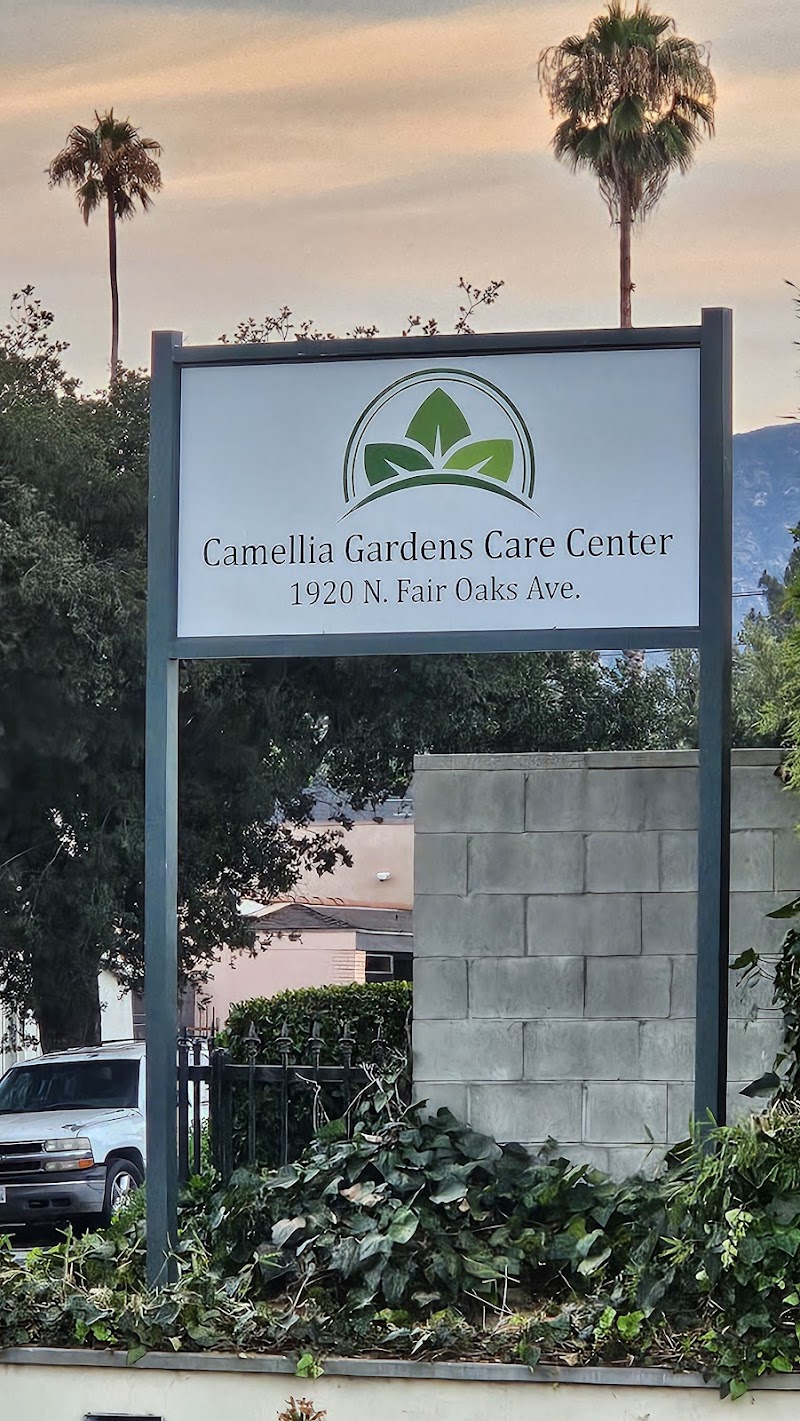
How is Camellia Gardens Staffed?

CMS rates CAMELLIA GARDENS CARE CENTER's staffing level at 4 out of 5 stars, which is above average compared to other nursing homes. Staff turnover is 38%, compared to the California average of 46%. This relatively stable workforce can support continuity of care.

What Have Inspectors Found at Camellia Gardens?

State health inspectors documented 61 deficiencies at CAMELLIA GARDENS CARE CENTER during 2021 to 2025. These included: 61 with potential for harm. While no single deficiency reached the most serious levels, the total volume warrants attention from prospective families.

Who Owns and Operates Camellia Gardens?

CAMELLIA GARDENS CARE CENTER is owned by a for-profit company. For-profit facilities operate as businesses with obligations to shareholders or private owners. The facility operates independently rather than as part of a larger chain. With 80 certified beds and approximately 70 residents (about 88% occupancy), it is a smaller facility located in PASADENA, California.
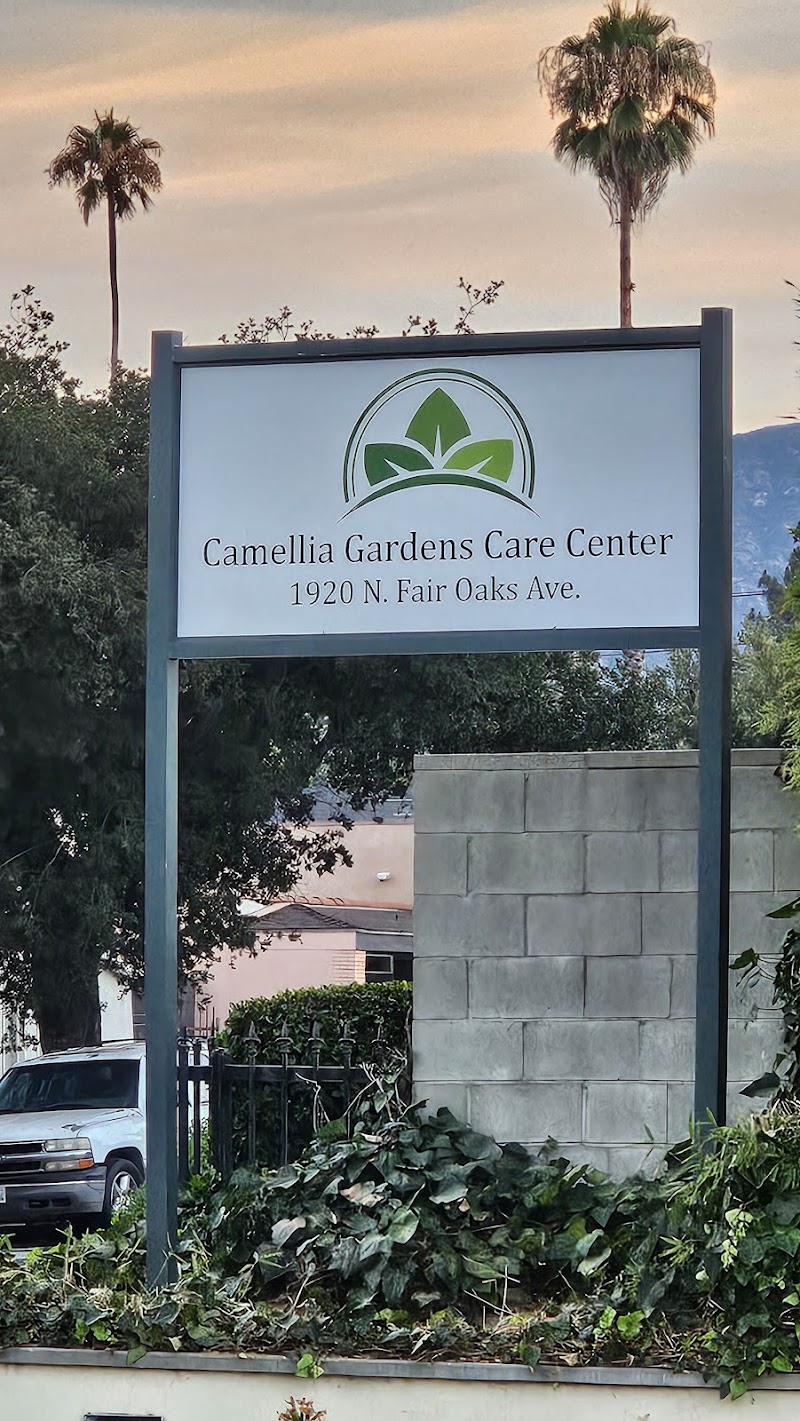
How Does Camellia Gardens Compare to Other California Nursing Homes?

Compared to the 100 nursing homes in California, CAMELLIA GARDENS CARE CENTER's overall rating (2 stars) is below the state average of 3.1, staff turnover (38%) is near the state average of 46%, and health inspection rating (2 stars) is below the national benchmark.

What Should Families Ask When Visiting Camellia Gardens?

Based on this facility's data, families visiting should ask: "Can I visit during a mealtime to observe dining assistance and food quality?" "How do you handle medical emergencies, and what is your hospital transfer rate?" "Can I speak with family members of current residents about their experience?"

Is Camellia Gardens Safe?

Based on CMS inspection data, CAMELLIA GARDENS CARE CENTER has a clean safety record: no substantiated abuse findings (meaning no confirmed cases of resident harm), no Immediate Jeopardy citations (the most serious violation level indicating risk of serious injury or death), and is not on the Special Focus Facility watch list (a federal program monitoring the lowest-performing 1% of nursing homes). The facility has a 2-star overall rating and ranks #100 of 100 nursing homes in California. While no facility is perfect, families should still ask about staff-to-resident ratios and recent inspection results during their visit.

Do Nurses at Camellia Gardens Stick Around?

CAMELLIA GARDENS CARE CENTER has a staff turnover rate of 38%, which is about average for California nursing homes (state average: 46%). Moderate turnover is common in nursing homes, but families should still ask about staff tenure and how the facility maintains care continuity when employees leave.

Was Camellia Gardens Ever Fined?

CAMELLIA GARDENS CARE CENTER has been fined $1,747 across 1 penalty action. This is below the California average of $33,096. While any fine indicates a compliance issue, fines under $50,000 are relatively common and typically reflect isolated problems that were subsequently corrected. Families should ask what specific issues led to these fines and confirm they've been resolved.

Is Camellia Gardens on Any Federal Watch List?

CAMELLIA GARDENS CARE CENTER is not on any federal watch list. The most significant is the Special Focus Facility (SFF) program, which identifies the bottom 1% of nursing homes nationally based on persistent, serious quality problems. Not being on this list means the facility has avoided the pattern of deficiencies that triggers enhanced federal oversight. This is a positive indicator, though families should still review the facility's inspection history directly.