GOLDEN ROSE CARE CENTER
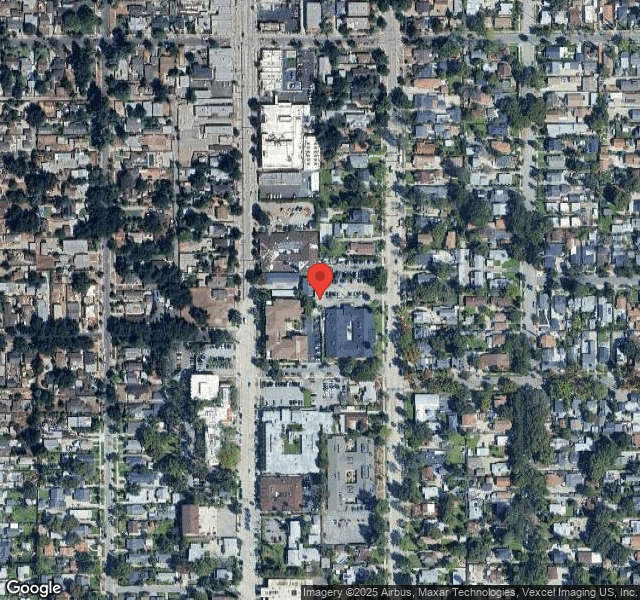

1899 N RAYMOND AVE, PASADENA, CA 91103 (626) 797-2120
For profit - Corporation 99 Beds Independent Data: November 2025 3 Immediate Jeopardy citations
Trust Grade
0/100
#1030 of 1155 in CA
Last Inspection: June 2025

Inspected within the last 6 months. Data reflects current conditions.

Overview

Golden Rose Care Center has a Trust Grade of F, indicating significant concerns about the facility's care quality. It ranks #1030 out of 1155 nursing homes in California, placing it in the bottom half of all facilities in the state. While the facility is reportedly improving-reducing issues from 64 in 2024 to 40 in 2025-its staffing situation is troubling, with a 66% turnover rate, far exceeding the state's average of 38%. The facility has faced $175,941 in fines, which is higher than 96% of California facilities, pointing to ongoing compliance issues. Specific incidents include failures to control a scabies outbreak, inadequate respiratory care for residents, and not administering prescribed medications, which highlight serious risks to resident safety alongside some improvements in overall issues.

Trust Score
F
0/100
In California
#1030/1155
Bottom 11%
Safety Record
High Risk
Review needed
Inspections
Getting Better
64 → 40 violations
Staff Stability
⚠ Watch
66% turnover. Above average. Higher turnover means staff may not know residents' routines.
Penalties
✓ Good
$175,941 in fines. Lower than most California facilities. Relatively clean record.
Skilled Nurses
○ Average
Each resident gets 38 minutes of Registered Nurse (RN) attention daily — about average for California. RNs are the most trained staff who monitor for health changes.
Violations
⚠ Watch
128 deficiencies on record. Higher than average. Multiple issues found across inspections.
★☆☆☆☆
1.0
Overall Rating
★☆☆☆☆
1.0
Staff Levels
★★☆☆☆
2.0
Care Quality
★☆☆☆☆
1.0
Inspection Score
Stable
2024: 64 issues
2025: 40 issues

The Good

  • Full Sprinkler Coverage · Fire safety systems throughout facility
  • No fines on record

Facility shows strength in fire safety.

The Bad

1-Star Overall Rating

Below California average (3.1)

Significant quality concerns identified by CMS

Staff Turnover: 66%

20pts above California avg (46%)

Frequent staff changes - ask about care continuity

Federal Fines: $175,941

Well above median ($33,413)

Significant penalties indicating serious issues

Staff turnover is elevated (66%)

18 points above California average of 48%

The Ugly 128 deficiencies on record

3 life-threatening 1 actual harm
Sept 2025 1 deficiency
CONCERN (D) 📢 Someone Reported This

A family member, employee, or ombudsman was alarmed enough to file a formal complaint

Potential for Harm - no one hurt, but risky conditions existed

Deficiency F0627 (Tag F0627)

Could have caused harm · This affected 1 resident

**NOTE- TERMS IN BRACKETS HAVE BEEN EDITED TO PROTECT CONFIDENTIALITY** Based on interview and record review, the facility failed to follow its Bed Hold (holding or reserving a resident's bed while th...

Read full inspector narrative →
**NOTE- TERMS IN BRACKETS HAVE BEEN EDITED TO PROTECT CONFIDENTIALITY** Based on interview and record review, the facility failed to follow its Bed Hold (holding or reserving a resident's bed while the resident is absent from the facility for therapeutic leave or hospitalization) policy for one of two sampled residents (Resident 1) by failing to hold Resident 1's bed for up to seven (7) days while the resident was transferred to the General Acute Care Hospital (GACH) on 9/2/2025. This deficient practice resulted in Resident 1 not being readmitted back when the resident was ready to return to the facility from GACH on 9/7/2025. This had the potential to cause psychosocial harm from displacement and incurred unnecessary hospital days (12 days) at the GACH (from 9/6/2025 to 9/18/2025). During a review of Resident 1's admission Record, the admission Record indicated Resident 1 was initially admitted to the facility on [DATE] with diagnosis which included respiratory failure (condition where there's not enough oxygen or too much carbon dioxide in your body) , dependence on respirator /ventilator (patient cannot breathe sufficiently on their own and requires mechanical assistance for daily respiration ), and persistent vegetative state (individual with severe brain damage appears to be awake but shows no evidence of awareness of their surroundings). During a review of Resident 1's Bed Hold Consent, dated 8/14/2025, the Bed Hold Consent indicated Resident 1 has the option of requesting a 7- day bed hold to keep a bed vacant and available for return to the facility. The Bed Hold Consent was signed by Resident 1's Responsible Party on 8/14/2025. The Bed Hold Consent also indicated confirmation of Resident 1's bed hold provision and GACH transfer on 9/2/2025 at 10:30PM. During a review of Resident 1's Order Summary Report, dated 9/3/2025, the Order Summary Report indicated to transfer Resident 1 to GACH via 911 (the number to call to contact the emergency services) due to tachycardia (a rapid heart rate), and hypertension (high blood pressure) for further evaluation and treatment. The Order Summary Report also indicated Bed hold x (for) 7days. During a review of Resident 1's Progress Notes, initiated 9/2/2025, and timed at 10:55 PM, the Progress Notes indicated Resident 1's heart rate increased to 180 beats per minute (BPM) to 190 BPM and Resident 1's blood pressure was 150/80 millimeters of mercury (mmHg, a unit of pressure). The paramedics (medical professional who specializes in emergency treatment) arrived at the facility on 9/2/2025 at 10:25 PM and transferred Resident 1 to GACH. During a concurrent record review of the facility's census from 9/1/2025 to 9/10/2025 and interview with Licensed Vocational Nurse 1 (LVN 1) on 9/11/2025 at 9:55 AM, LVN 1 stated that according to the census, Resident 1 was occupying a bed on 9/1/2025. LVN 1 added that from 9/2/2025 to 9/4/2025, the census indicated Resident 1 was on bed hold. LVN 1 stated Resident 1's bed was occupied by a new resident on 9/5/2025. LVN 1 stated there was no available bed for Resident 1 on 9/6/2025. During an interview on 9/11/2025 at 10:29 AM with the facility's Marketing admission Staff (MA), MA stated she received a call from the GACH Case Manager on 9/6/2025 stating that Resident 1 was ready to return to the facility. MA stated there was no available bed for Resident 1 on 9/6/2025 since another resident was now occupying Resident 1's previous bed. During an interview on 9/11/2025 at 11:33 PM, the GACH Social Worker (GSW) stated Resident 1 was ready for discharge on [DATE]. GSW stated GACH Case Manager called the facility on 9/6/2025 and informed the MA that Resident 1 was ready to return to the facility on 9/6/2025 but was made aware that the facility does not have an available bed for Resident 1. During a concurrent record review of the facility form titled, admission / Discharge to/ from Report, from 9/1/2025 to 9/10/2025 and interview with Registered Nurse (RN1) on 9/11/2025 at 1:39 PM, RN 1 stated the admission / Discharge to/ from Report indicated Resident 1 was discharged to GACH on 9/2/2025. RN1 also stated the facility did not follow the physician's order for 7-day bed hold because the facility had admitted a new resident in Resident 1's bed. RN 1 stated this was the reason Resident 1 was still in GACH and could not be readmitted back to the facility. During an interview on 9/11/2025 at 2 PM with the Administrator (ADM), the ADM stated the bed reserved for Resident 1 was no longer available because it was given to a new resident on 9/5/2025. ADM also stated that Resident 1's bed should have been reserved for Resident 1 for 7 days, which was from 9/3/2025 to 9/9/2025. The ADM also stated the purpose of the bed hold was to reserve the same bed for 7 days to ensure the residents would have a homelike environment when ready to return to the facility anytime within that period. The ADM further stated if the facility had saved Resident 1's bed, Resident 1 would have gone back to the same room on the day the resident was ready to return to the facility. During a record review of the facility's Policy & Procedure (P&P) titled, Bed Hold, revised 9/1/2023, the P&P indicated, upon admission, the facility advises residents/ resident's representative in writing that the facility has a bed hold policy and will hold the resident's bed for up to 7 days if the resident is transferred to a general acute hospital.
Aug 2025 2 deficiencies
CONCERN (D) 📢 Someone Reported This

A family member, employee, or ombudsman was alarmed enough to file a formal complaint

Potential for Harm - no one hurt, but risky conditions existed

ADL Care (Tag F0677)

Could have caused harm · This affected 1 resident

**NOTE- TERMS IN BRACKETS HAVE BEEN EDITED TO PROTECT CONFIDENTIALITY** Based on observation, interview, and record review, the facility failed to ensure one of three sampled residents (Resident 1) wa...

Read full inspector narrative →
**NOTE- TERMS IN BRACKETS HAVE BEEN EDITED TO PROTECT CONFIDENTIALITY** Based on observation, interview, and record review, the facility failed to ensure one of three sampled residents (Resident 1) was provided care and services to maintain good grooming and personal hygiene. This deficient practice resulted in Resident 1 not receiving nail care and had the potential to cause an infection and impact Resident 1's self-esteem (confidence in one's worth or abilities, self-respect).Findings: During a review of Resident 1's admission Record, the admission Record indicated Resident 1 was initially admitted to the facility on [DATE] and was readmitted on [DATE] with diagnoses that included chronic respiratory failure with hypoxia (a condition where the lungs are unable to adequately oxygenate the blood over an extended period), encounter for attention to tracheostomy (a surgically created opening in the windpipe for breathing), and muscle wasting and atrophy (the decrease in muscle mass and strength resulting in weakness and reduced physical function). During a review of Resident 1's Minimum Data Set (MDS- a resident assessment tool), dated 6/10/2025, the MDS indicated Resident 1 was assessed having intact memory and cognitive (mental action or process of acquiring knowledge and understanding) skills for daily decision making. Resident 1 was dependent (helper does all of the effort) with oral/toileting/personal hygiene, shower/bathe self, upper/lower body dressing, roll left and right and sit to lying. During a review of Resident 1's Care Plan, dated 6/4/2025, the care plan indicated Resident 1 had an activities of daily living (ADL) self-care performance deficit related to (r/t) activity intolerance, respiratory failure, intracranial hemorrhage (bleeding within the skull), type 2 diabetes mellitus (DM2- a disorder characterized by difficulty in blood sugar control and poor wound healing), seizure disorder (abnormal electrical activity in the brain that happens quickly), tracheostomy, gastrostomy (a flexible tube surgically inserted through the wall of the abdomen directly into the stomach for feeding, fluid, and medication administration), hypertension (HTN- high blood pressure), congestive heart failure (CHF- a serious condition in which the heart does not pump blood as efficiently as it should), and psychosis (a mental disorder characterized by a disconnection from reality). Resident 1's care plan intervention included to check nail length and trim and clean on bath day and as necessary. Report any changes to the nurse. During an observation on 8/15/2025, at 10:35 AM, in Resident 1's room, Resident 1's right and left fingernails were observed to be painted with dark gray nail polish that only covered the top half of her nail beds. Resident 1's left index (the finger next to the thumb) fingernail was long, and with stain brownish in color. Resident 1's right thumb and index fingernails were also long and stained brown. Resident 1 shook her head from side to side (typically to indicate disagreement, denial, or disapproval) when asked if staff has attempted to provide nail care. Resident 1 frowned and did not answer when asked how it made her feel to have long dirty nails and old nail polish. During an interview on 8/15/2025, at 11:57 AM, with the Director of Rehabilitation (DOR), the DOR stated Resident 1's nails should not be long and dirty. The DOR stated long fingernails can dig into the resident's skin which can cause an infection. The DOR stated Resident 1 was young and having ungroomed nails can cause Resident 1 to feel bad and lower the resident's self- esteem. During a concurrent observation and interview of Resident 1's fingernails, on 8/15/2025, at 1:28 PM, with Certified Nursing Assistant 1 (CNA 1), CNA 1 stated some of Resident 1's fingernails were long and dirty. CNA 1 stated the gray nail polish on Resident 1's fingernails were old and should be removed. CNA 1 stated CNAs were responsible for checking the residents' nails during their shower days and for providing nail care to residents in the facility. CNA 1 stated Resident 1's fingernails should have been cleaned, trimmed, and the resident's nail polish should have been removed as soon as it started looking outgrown. CNA 1 stated long fingernails can cut the skin and cause an infection. CNA 1 stated Resident 1 was alert and young and having long and dirty fingernails can make her feel bad and sad about her condition. During an interview on 8/19/2025, at 11:36 AM, with the Director of Nursing (DON), the DON stated the CNAs were responsible for ensuring that the residents' fingernails are groomed and trimmed. The DON stated the residents can accidentally scratch themselves and get a skin infection if their fingernails are long. The DON stated CNAs should check the Residents' nails daily during ADLs. The DON stated having long and ungroomed fingernails can affect the resident's dignity. During a review of the facility's policy and procedure (P&P) titled, Grooming Care of the Fingernails and Toenails, revised on 6/1/2017, the P&P indicated, nail care is given to clean and keep the nails trimmed.
CONCERN (D) 📢 Someone Reported This

A family member, employee, or ombudsman was alarmed enough to file a formal complaint

Potential for Harm - no one hurt, but risky conditions existed

Quality of Care (Tag F0684)

Could have caused harm · This affected 1 resident

**NOTE- TERMS IN BRACKETS HAVE BEEN EDITED TO PROTECT CONFIDENTIALITY** Based on interview and record review, the facility failed to ensure one of three sampled residents (Resident 2) received treatme...

Read full inspector narrative →
**NOTE- TERMS IN BRACKETS HAVE BEEN EDITED TO PROTECT CONFIDENTIALITY** Based on interview and record review, the facility failed to ensure one of three sampled residents (Resident 2) received treatment and care in accordance with professional standards of practice by failing to notify the physician after Resident 2 refused the resident's Advair (an inhaled medication used daily to prevent and control shortness of breath, chest tightness, and wheezing [a high-pitched, whistling, or raspy sound produced during breathing, usually when air moves through narrowed or blocked airways in the lungs]) on three separate occasions as indicated in the facility's policy and procedure (P&P). This deficient practice placed Resident 2 at risk for experiencing respiratory distress (a condition where a person experienced difficulty breathing, often accompanied by other signs like shortness of breath, rapid breathing, and a pale or bluish tinge to the skin) which could lead to hospitalization. Findings: During a review of Resident 2's admission Record, the admission Record indicated Resident 2 was initially admitted to the facility on [DATE] and was readmitted on [DATE] with diagnoses that included respiratory failure (a serious condition that makes it difficult to breathe on your own), chronic obstructive pulmonary disease with acute exacerbation (COPD- a long term lung disease causing difficulty breathing), and acute combined systolic and diastolic heart failure (CHF- a serious condition in which the heart does not pump blood as efficiently as it should). During a review of Resident 2's Minimum Data Set (MDS- a resident assessment tool), dated 6/27/2025, the MDS indicated Resident 2 was assessed having moderately impaired cognitive (mental action or process of acquiring knowledge and understanding) skills for daily decision making. Resident 2 was dependent (helper does all of the effort) with shower/bathe self, lower body dressing, putting on/taking off footwear, and chair/bed-to-chair transfer. Resident 2 required partial/moderate assistance (helper does less than half the effort) with oral/personal hygiene, toileting hygiene, upper body dressing, sitting to lying, and lying to sitting on side of bed. During a review of Resident 2's Order Summary Report, dated 8/15/2025, the Order Summary Report indicated a physician's order, with a start date or 6/13/2025 for Advair Diskus Inhalation Aerosol Powder Breath Activated 500-50 micrograms (mcg- unit of measurement) 1 puff inhale orally two times a day for COPD, rinse mouth with water (H2O) after use. During a review of Resident 2's Medication Administration Record (MAR) dated 7/1/2025 to 7/31/2025 and 8/1/2025 to 8/31/2025, the MAR indicated Resident 1 refused his Advair on 7/31/2025 at 6 PM, 8/1/2025 at 9 AM, and 8/6/2025 at 6 PM. During a review or Resident 2's Progress Note, dated 7/31/2025, at 7:51 PM, the Progress Note indicated Advair Diskus Inhalation Aerosol Powder Breath Activated 500-50 mcg 1 puff inhale orally two times a day for COPD, rinse mouth with H2O after use, refused three times, risks and benefits explained. The progress note did not indicate Resident 2's primary physician was notified. During an interview on 8/15/2025, at 2:39 PM, with Licensed Vocational Nurse 1 (LVN 1), LVN 1 stated Resident 2 refused to take his Advair on 8/1/2025 at 9 AM and 8/6/2025 at 6 PM. LVN 1 stated she did not notify Resident 2's physician when the resident refused his Advair on 8/1/2025 at 9 AM and 8/6/2025 at 6 PM. LVN 1 stated Resident 2's physician should have been notified when he refused his Advair on 8/1/2025 and 8/6/2025. LVN 1 stated it was important to notify the physician about the refusal to see if the physician wanted to change the medication or monitor Resident 2 closely. During an interview on 8/15/2025, at 3:08 PM, with LVN 2, LVN 2 stated Resident 2 refused to take his Advair on 7/31/2025 at 6 PM. LVN 2 stated she forgot to notify Resident 2's physician after Resident 2 refused to take his Advair on 7/31/2025. LVN 2 stated she did not know what the facility's policy was regarding residents who refuse to take their medications. During an interview on 8/15/2025, at 3:30 PM, with the Director of Nursing (DON), the DON stated she was not notified and aware that Resident 2 refused to take his Advair on 7/31/2025, 8/1/2025, at 8/6/2025. During a follow up interview on 8/19/2025, at 11:36 AM, with the DON, the DON stated Resident 2's physician should have been notified after Resident 2 refused to take his Advair on 7/31/2025 at 6 PM, 8/1/2025 at 9 AM and 8/6/2025 at 6 PM. The DON stated it was important to notify Resident 2's physician to see if the physician wanted order a new medication for Resident 2. The DON stated Resident 2 had the potential to have respiratory distress from not getting his Advair. The DON stated the facility's P&P for medication administration was not followed by LVN 1 and LVN 2. During a review of the facility's P&P, titled, Medication-Administration, revised on 6/1/2017, the P&P indicated the following: The Licensed Nurse will re-approach the resident and attempt to give the medications at a later time, but if resident continues to refuse after one hour, the refused medications will be destroyed. Licensed Nurse will notify the attending Physician and document in the medical record. If the resident repeatedly refused medication, the Licensed Nurse will contact the physician to discuss alternative measures for medication administration.
Jul 2025 1 deficiency
CONCERN (E) 📢 Someone Reported This

A family member, employee, or ombudsman was alarmed enough to file a formal complaint

Potential for Harm - no one hurt, but risky conditions existed

Deficiency F0919 (Tag F0919)

Could have caused harm · This affected multiple residents

**NOTE- TERMS IN BRACKETS HAVE BEEN EDITED TO PROTECT CONFIDENTIALITY** Based on observation, interview, and record review, the facility failed to ensure the call light (used in healthcare facilities ...

Read full inspector narrative →
**NOTE- TERMS IN BRACKETS HAVE BEEN EDITED TO PROTECT CONFIDENTIALITY** Based on observation, interview, and record review, the facility failed to ensure the call light (used in healthcare facilities as an alerting device for nurses or other nursing personnel to assist a resident when in need) system was functional to alert the staff for three (3) of 3 nursing stations (Stations 1, 2 and 3) from 7/10/2025 until 7/18/2025 based on the facility policy titled, Communication- Call System,. This deficient practice had potential for the delay in care and/or not to meet the residents' needs for assistance and can lead to frustration, falls and accidents.Findings:During a record review of the Maintenance Report (MTR) dated 7/14/2025, the Maintenance Report indicated, on 7/10/2025 at 8 PM, Maintenance Director (MTD) was notified that the call light system at (Stations 1, 2 and 3) was not operational and the troubleshoot was unsuccessful. The MTR also indicated on 7/11/2025 at 4 PM, 7/12/2025 at 2:30 PM, and 7/13/2025 at 3 PM call light system at (Stations 1, 2 and 3) was not operational. During a record review of the Maintenance Logbook Documentation dated 7/2025. The Logbook Documentation did not indicate a test was conducted of the nurse call system from 7/8/2025-7/17/2025. During an observation on 7/14/2025 at 8:45 AM in the Station 1 hallways, the facility's call light system was not working. During an observation on 7/14/2025 at 9:05 AM in Station 3, the facility's call light system was not working. During an observation on 7/14/2025 at 9:15 AM in Station 2, the facility's call light system was not working. During an interview on 7/14/2025 at 9:53 AM with MTD, MTD stated Stations 1, 2 and 3 do not have a functional call light since 7/10/2025. During an interview on 7/14/2025 at 10AM with Environmental Health Consultant (EHC), EHC stated the technicians are having a hard time fixing the call light system. During an observation and interview on 7/15/2025 at 10:05 AM with MTD in Station 2, MTD showed the power supply of the call light system and the transformer (a static electrical machine which transforms electrical power from one circuit to another circuit, without changing the frequency) was disconnected. MTD stated the transformer box was in place inside of the box, but it was already damaged. During an interview on 7/15/2025 at 4:17 PM with the Administrator (ADM), ADM the call light system is not working as of 7/15/2025. During an interview on 7/17/2025 at 4:38 PM with ADM, ADM stated Technician 3 from Company 2 came to the facility at 11AM the call light system was fixed for Rooms 21 through 37 and half of the building is operational and problems with the call lights system are still apparent in Rooms 19 through 20 and room [ROOM NUMBER] that keep causing system to trip. ADM also stated, Rooms 1- to 10 call light system were still not working. During an interview on 7/18/2025 at 3:24 PM with the Director of Staff Development (DSD), DSD stated, call lights are important to the residents because the residents need to use the call light to ask for help from the facility staff and/or something important about their care so they can relay to the staff when the residents have urgent need. DSD stated, if the call light is not working, there will be a delay of care to the residents. During an interview on 7/18/2025 at 3:44 PM with Registered Nurse Supervisor 1 (RNS 1), RNS 1 stated if the residents do not have functional call lights, the residents are not able to get help and/ or assistance they need, and it placed the residents at risk for accidents/ falls. During an interview on 7/18/2025 at 3:45 PM with RNS 2, RNS 2 stated if the Residents call lights were not working, there is a possibility that the residents cannot get help, and they can fall. During an interview on 7/18/2025 at 3:47 PM with the Director of Nursing (DON), the DON stated if the residents did not have a functional call light, there is a possibility that the residents' needs will not be met. The DON also stated the staff will not be able to know if the residents need immediate assistance. During a concurrent interview and record review on 7/18/2025 at 3:50 PM with the DON, the facility's policy and procedure (P&P) titled, Communication- Call System, revised date 10/24/2022 was reviewed. The P&P indicated the resident safety check rounds shall be conducted at least hourly and documented until the primary call system is operable again. During a concurrent interview and record review on 7/18/2025 at 3:51 PM with DON, the facility's P&P titled, Communication- Call System, revised date 10/24/2022 was reviewed. The P&P indicated if the call bell is defective, it will be reported immediately to maintenance and replaced immediately. The DON stated the facility did not have a functional call light for 7 days from 7/11/2025 to 7/18/2025. The policy also indicated call light to be replaced immediately. The DON stated it means the call light should have been fixed right away and did not take 7 days before it was fully functional.
Jun 2025 24 deficiencies
CONCERN (D)

Potential for Harm - no one hurt, but risky conditions existed

Deficiency F0645 (Tag F0645)

Could have caused harm · This affected 1 resident

**NOTE- TERMS IN BRACKETS HAVE BEEN EDITED TO PROTECT CONFIDENTIALITY** Based on interview and record review, the facility did not ensure the Preadmission Screening and Resident Review (PASARR - a fed...

Read full inspector narrative →
**NOTE- TERMS IN BRACKETS HAVE BEEN EDITED TO PROTECT CONFIDENTIALITY** Based on interview and record review, the facility did not ensure the Preadmission Screening and Resident Review (PASARR - a federal assessment requirement to help ensure that individuals who have a mental disorder [MD] or intellectual disabilities [ID] are placed in facilities that can provide the appropriate care) Level II was completed for one (1) of three (3) sampled residents (Resident 40), as indicated in facility policy. This deficient practice had the potential to result in inappropriate placement and unidentified specialized services for Resident 40. Findings: During a review of Resident 40's admission Record, the admission Record indicated Resident 40 was admitted to the facility on [DATE], with diagnoses that included anxiety disorder (a mental disorder that involves persistent and excessive worry that can interfere with daily activities), unspecified psychosis (a severe mental condition in which thought, and emotions are so affected that contact is lost with reality) and End Stage Renal Disease (ESRD- irreversible kidney failure). During a review of Resident 40's Minimum Data Set (MDS - a resident assessment tool), dated 3/31/2025, the MDS indicated Resident 40 with moderately impaired cognitive skills (ability to understand and make decisions) for daily decision making. The MDS indicated Resident 40 was partial/moderate assistance (helper does less than half the effort needed to complete the activity) with oral, toileting and personal hygiene, bathing, dressing and setup or clean-up assistance (helper helps only prior to or following the activity completion) with eating. The MDS also indicated Resident 40 was taking antipsychotic (used to manage psychosis) and antianxiety (used to reduce or treat the symptoms of anxiety) medications. During a review of Resident 40's Subject: Notice of PASRR Level I Screening Results letter, dated 3/26/2025, the letter indicated a serious mental illness (SMI) Level II Mental Health Evaluation was required for Resident 40. The letter also indicated the facility will be contacted within two (2) to four (4) days to set up an appointment for an evaluator to conduct the Level II Mental Health Evaluation for Resident 40. During a concurrent interview and record review on 6/4/2025 at 2:51 PM with Medical Records (MR), Resident 40's Subject: Notice of Attempted Evaluation letter, dated 3/29/2025, the letter indicated Resident 40's SMI Level II Mental Health Evaluation was not scheduled because facility staff were unresponsive to 2 or more separate attempts of communication within 48 hours of the Level I Screening. The letter also indicated the case is closed and the facility must submit a new Level I Screening to reopen the case. MR stated she is responsible for completing the PASARR follow ups for the residents and did not know Resident 40's case was closed because they were unable to reach the facility. MR stated she did not submit for a new Level I Screening and should have. During an interview on 6/5/2025 at 12:07 PM with MR, MR stated PASARR is a prescreen of the residents so facility staff can know their cognitive level and mental health. MS stated not having the PASARR II Evaluation completed could affect the residents because they could have been seen by psychiatrist and/or psychologist to help with their medications or prescribe any medications that are needed. MS also stated a PASARR Level II is a concrete answer and will tell us more and what extra services may be needed. During a review of the facility's policy and procedure (P&P) titled, Preadmission Screening and Resident Review (PASRR), revised 7/1/2023, the P&P indicated: A. The P&P purpose is to ensure all facility applicants are screened for mental illness and/or intellectual disability and to ensure coordination with the appropriate state agencies, if indicated. B. The PASRR Level II (an in-depth evaluation of the individual by a Level II Contractor) must be completed prior to admission. C. Recommendations from the PASRR Level II screening will be incorporated into the residents' care plan.
CONCERN (D)

Potential for Harm - no one hurt, but risky conditions existed

Comprehensive Care Plan (Tag F0656)

Could have caused harm · This affected 1 resident

**NOTE- TERMS IN BRACKETS HAVE BEEN EDITED TO PROTECT CONFIDENTIALITY** Based on observation, interview and record review, the facility failed to develop individualized resident-centered care plans (a...

Read full inspector narrative →
**NOTE- TERMS IN BRACKETS HAVE BEEN EDITED TO PROTECT CONFIDENTIALITY** Based on observation, interview and record review, the facility failed to develop individualized resident-centered care plans (a care plan that prioritizes the unique health needs and desired outcomes of the resident) with measurable objectives, timeframe, and interventions for two (2) of 18 sampled residents (Resident 72, and 40): 1. Resident 72 did not have a care plan to address resident's incontinence (the inability to control the flow of urine or the passage of stool) needs. 2. Resident 40 did not have a care plan to address resident's fluid restriction diet and episode of significant weight loss of eight (8) pounds from 2/1/2025 to 3/2/2025. This deficient practice had the potential to result in delayed necessary care and services for Residents 72 and 40 which could result in harm and affect the residents' overall wellbeing. Findings: 1. During a review of Resident 72's admission Record, the admission Record indicated the resident was admitted to the facility on [DATE] with the following diagnoses of tracheostomy (a surgical procedure where an opening is created in the neck to directly access the trachea [windpipe] for breathing), gastrostomy (a surgical opening fitted with a device to allow feedings to be administered directly to the stomach common for people with swallowing problems), pressure injury (localized damage to the skin and/or underlying tissue usually over a bony prominence) and candidiasis (a fungal infection caused by a yeast). During a review of Resident 72's Minimum Data Set (MDS - a resident assessment tool), dated 3/19/2025, the MDS indicated the resident was severely impaired in cognitive (the ability to understand and make decisions) skills for daily decision making. The MDS also indicated the resident was dependent (helper does all of the effort, resident does none of the effort to complete the activity, or, the assistance of 2 or more helps is required for the resident to complete the activity) on oral hygiene, toileting hygiene, shower/bathe self, upper body dressing, lower body dressing, putting on/taking off footwear and personal hygiene. During an observation on 6/2/2025 at 12:16 PM with Certified Nursing Assistant 4 (CNA 4), CNA 4 was observed providing incontinence care to Resident 72. During a concurrent interview and record review on 6/4/2025 at 12:29 PM with Registered Nurse 1 (RN 1), Resident 72's care plans, dated 3/11/2025 to 4/15/2025 were reviewed. RN 1 stated the resident should have but does not have a care plan on bowel/bladder incontinence. RN 1 also stated the care plan is to ensure the staff meets the resident's incontinence needs since the resident is dependent on toileting needs. During a concurrent interview and record review on 6/5/2025 at 11:35 AM with the Director of Nursing (DON), Resident 72's care plans, dated 3/11/2025 to 4/15/2025 were reviewed. The DON stated Resident 72 should have but does not have a care plan on bowel/bladder incontinence. The DON also stated it is important to have a care plan for the continuity of care and the implementation of the plan of care. 2. During a review of Resident 40's admission Record, the admission Record indicated the resident was admitted to the facility on [DATE], with diagnoses that included anxiety disorder (a mental disorder that involves persistent and excessive worry that can interfere with daily activities), End Stage Renal Disease (ESRD- irreversible kidney failure) and dependence on renal dialysis (a treatment to cleanse the blood of wastes and extra fluids artificially through a machine when the kidney[s] have failed). During a review of Resident 40's MDS dated 3/31/2025, the MDS indicated Resident 40 with moderately impaired cognitive skills for daily decision making. The MDS indicated Resident 40 was partial/moderate assistance (helper does less than half the effort needed to complete the activity) with oral, toileting and personal hygiene, bathing, dressing and setup or clean-up assistance (helper helps only prior to or following the activity completion) with eating. The MDS also indicated Resident 40 with a significant weight loss of 5% or more in the last month or loss of 10% or more in the last 6 months and is not on a physician-prescribed weight-loss regimen. During a review of Resident 40's Weights and Vitals Summary, the Weights and Vitals Summary indicated Resident 40 with the weights of 127.9 pounds on 2/1/2025 and 119.9 pounds on 3/2/2025, which indicated a weight loss of 8.9 pounds equaling 6.96%. During a review of Resident 40's Order Summary Report, dated 5/19/2025, the Order Summary Report indicated an order for fluid restrictions: 1000 milliliters (ml - a measurement of volume) per day; dietary 600 cubic centimeters (cc-unit of measurement), nursing 400cc. During a concurrent interview and record review on 6/5/2025 at 8:20 AM and 8:52 AM with Registered Nurse 1 (RN 1), Resident 40's medical chart was reviewed. The medical chart did not indicate a care plan for Resident 40's 1000ml fluid restriction and/or significant weight loss. RN 1 stated Resident 40 should have a care plan for his fluid restriction order and significant weight loss. During an interview on 6/5/2025 at 11:38 AM with the DON, the DON stated care plans are important because it lets staff know what interventions are ordered and in place for staff to follow and provide to the residents. During a review of the facility's Policy and Procedure (P&P) titled, Dialysis Care, revised 11/1/2017, the P&P indicated the interdisciplinary team (IDT- a coordinated group of experts from several different fields) will ensure that the resident's care plan includes documentation of the resident's renal condition and necessary precautions and will be updated as needed. During a review of the facility's P&P titled, Assessment and Management of Resident Weights, revised 6/1/2017, the P&P indicated the IDT care plan will be updated to reflect individualized goals and approaches for managing the [significant] weight change (weight change of 5% in one (1) month, 7.5 % in three (3) months or 10% in six (6) months. During a review of the facility's P&P titled, Care Planning, revised 10/24/2022, the care plan indicated each resident is to have a comprehensive person-centered care plan developed based on their individual assessed needs. The P&P also indicated each resident's comprehensive care plan will describe services that are to be furnished to attain or maintain the resident's highest practicable physical, mental and psychosocial well-being, any services that would be required, but not provided due to resident's right to refuse. The P&P also indicated a licensed nurse will initiate the care plan, and the plan will be finalized in accordance with resolution of current problems.
CONCERN (D)

Potential for Harm - no one hurt, but risky conditions existed

Deficiency F0657 (Tag F0657)

Could have caused harm · This affected 1 resident

**NOTE- TERMS IN BRACKETS HAVE BEEN EDITED TO PROTECT CONFIDENTIALITY** Based on observation, interview and record review, the facility failed to revise the care plan for one (1) of 18 sampled residen...

Read full inspector narrative →
**NOTE- TERMS IN BRACKETS HAVE BEEN EDITED TO PROTECT CONFIDENTIALITY** Based on observation, interview and record review, the facility failed to revise the care plan for one (1) of 18 sampled residents (Resident 24) to address Resident 24's respiratory status for the discontinuance of ventilator (a medical device that provides mechanical ventilation, assisting or replacing a person's breathing when they are unable to do so adequately on their own) and current use of oxygen (a chemical element that is needed to survive) via tracheostomy (a surgical procedure where an opening is created in the neck to directly access the trachea [windpipe] for breathing). This deficient practice has the potential for a delay in the respiratory care and can cause complications associated with oxygen therapy for Resident 24. Findings: During a review of Resident 24's admission Record, the admission Record indicated the resident was originally admitted to the facility on [DATE] and was readmitted on [DATE] with the following diagnoses of sepsis (a life-threatening blood infection), urinary tract infection (UTI- an infection in the bladder/urinary tract), Extended-Spectrum Beta-Lactamase (ESBL - It's an enzyme produced by some bacteria that makes them resistant to certain types of antibiotics), tracheostomy and gastrostomy (a surgical opening fitted with a device to allow feedings to be administered directly to the stomach common for people with swallowing problems). During a review of Resident 24's Physician Orders, dated 5/15/2025, the Physician Orders indicated four (4) liters (l - unit of measure) per minute of humidified oxygen (oxygen that has moisture) via oxygen concentrator (medical device that extracts oxygen from ambient air and delivers it to a resident) to tracheostomy continuously every shift. During a review of Resident 24's Minimum Data Set (MDS- a resident assessment tool), dated 5/20/2025, the MDS indicated the resident was severely impaired in cognitive (the ability to understand and make decisions) skills for daily decision making. The MDS also indicated the resident was dependent (helper does all of the effort. Resident does none of the effort to complete the activity. Or, the assistance of 2 or more helps is required for the resident to complete the activity) with toileting hygiene, shower/bathe self, lower body dressing, and putting on/taking off footwear but required partial/moderate assistance (helper does less than half the effort. Helper lifts, holds, or supports trunk or limbs, but provides less than half the effort) with upper body dressing and required supervision/touching assistance (helper provides verbal cues and/or touching/steadying and/or contact guard assistance as resident completes activity. Assistance may be provided throughout the activity or intermittently) with oral hygiene. During a concurrent observation and interview on 6/4/2025 at 8:22 AM, the Respiratory Therapist (RT) was observed doing trach care (the procedures involved in maintaining a tracheostomy tube and the surrounding area to ensure proper breathing and prevent complications) for Resident 24. The RT stated Resident 24 is no longer on a ventilator because the resident was weaned off the ventilator while in the General Acute Care Hospital (GACH). During a concurrent record review of Resident 24's care plans, dated 2/28/2025 to 5/30/2025, and interview on 6/5/2025 at 11:18 AM, the Director of Nursing (DON) stated Resident 24's care plan with focus on Dependent on Ventilator, revised 4/2/2025, needs to be revised and updated. The DON stated Resident 24 is no longer on a ventilator and is currently on oxygen via tracheostomy. The DON also stated it is important to revise the care plan so the resident may receive the proper care, and the staff may implement the appropriate care. During a review of the facility's Policy and Procedure (P&P) titled Care Planning, revised 10/24/2025, the P&P indicated in the event the comprehensive care plan identified a change in the resident's goals or functioning, these changes will be incorporated into an updated summary. The P&P also indicated changes may be made to the comprehensive care plan on an ongoing basis for the duration of the resident's stay.
CONCERN (D) 📢 Someone Reported This

A family member, employee, or ombudsman was alarmed enough to file a formal complaint

Potential for Harm - no one hurt, but risky conditions existed

ADL Care (Tag F0677)

Could have caused harm · This affected 1 resident

**NOTE- TERMS IN BRACKETS HAVE BEEN EDITED TO PROTECT CONFIDENTIALITY** Based on observation, interview, and record review, the facility failed to provide incontinent care for one (1) of three (3) sam...

Read full inspector narrative →
**NOTE- TERMS IN BRACKETS HAVE BEEN EDITED TO PROTECT CONFIDENTIALITY** Based on observation, interview, and record review, the facility failed to provide incontinent care for one (1) of three (3) sampled residents (Resident 69) who was dependent on activities of daily living (ADLs- are activities related to personal care that include bathing or showering, dressing, getting in and out of bed or a chair, walking, using the toilet, and eating), in accordance with the facility's policy. This deficient practice had the potential for Resident 69 to develop skin issues/ complications. Findings: During a review of Resident 69's admission Record, the admission Record indicated the resident was originally admitted to the facility on [DATE] and was readmitted on [DATE] with the following diagnoses of anemia (a condition where the body does not have enough healthy red blood cells), gastrostomy (a surgical opening fitted with a device to allow feedings to be administered directly to the stomach common for people with swallowing problems), tracheostomy (a surgical procedure where an opening is created in the neck to directly access the trachea (windpipe) for breathing), and toxic encephalopathy (a neurological disorder caused by exposure to toxic substances, leading to brain dysfunction). During a review of Resident 69's Minimum Data Set (MDS - a resident assessment tool), dated 3/7/2025, the MDS indicated Resident 69 was severely impaired in cognitive (the ability to understand and make decisions) skills for daily decision making. The MDS also indicated Resident 69 was dependent (helper does all of the effort. Resident does none of the effort to complete the activity, or, the assistance of 2 or more helpers is required for the resident to complete the activity) with oral hygiene, toileting hygiene, shower/bathe self, upper body dressing, lower body dressing, putting on/taking off footwear and personal hygiene. During an observation on 6/2/2025 at 8:24 AM, Resident 69 was observed sleeping in bed with a sign on the wall indicating two (2) changes per day. During an interview on 6/3/2025 at 2:10 PM, Certified Nurse Assistant 4 (CNA4) stated she would change the resident 2 times per shift. CNA 4 also stated every time she would change Resident 69, the resident's brief would be full of urine and the gown and bed linen would also be wet with urine. During an observation and interview on 6/4/2024 at 1:05 PM, CNA 4 was observed providing incontinence care for Resident 69. Resident 69 was observed with a brief full of urine, and the gown and bed linen were wet with urine as well. CNA 4 confirmed Resident 69's brief was full, and his gown and bed linen were also wet with urine. During a concurrent interview and record review on 6/5/2025 at 10:58 AM with the Director of Nursing (DON), the facility's Policy & Procedure (P&P) titled, Continence Management Guideline, revised 7/2017, was reviewed. The P&P indicated residents' incontinence pad/brief change every 2 to 4 hours. The DON stated the policy indicated pad/brief change every 2 to 4 hours, but it should also indicate as needed to ensure the resident was kept clean and dry. The DON stated Resident 69 needs to be changed more than twice a day to avoid issues on Resident 69's skin. During a review of the facility's P&P titled, Perineal Care, revised 6/1/2017, the P&P indicated to maintain cleanliness of the genital area, to reduce odor, and to prevent infection or skin breakdown.
CONCERN (D) 📢 Someone Reported This

A family member, employee, or ombudsman was alarmed enough to file a formal complaint

Potential for Harm - no one hurt, but risky conditions existed

Quality of Care (Tag F0684)

Could have caused harm · This affected 1 resident

**NOTE- TERMS IN BRACKETS HAVE BEEN EDITED TO PROTECT CONFIDENTIALITY** Based on observation, interview, and record review, the facility failed to provide the necessary care and treatment for two (2) ...

Read full inspector narrative →
**NOTE- TERMS IN BRACKETS HAVE BEEN EDITED TO PROTECT CONFIDENTIALITY** Based on observation, interview, and record review, the facility failed to provide the necessary care and treatment for two (2) of 18 sampled residents (Resident 6 and 346) by failing to: 1. Reevaluate and treat Resident 6's wounds on her arms and legs. 2. Provide interventions after report of Resident 346'scomplaint of pain and episodes of confusion. These deficient practices had the potential to result to delay in the necessary care and treatment of Resident 6 and 346's which could negatively affect the residents' overall wellbeing. Findings: 1. During a review of Resident 6's admission Record, the admission Record indicated the resident was admitted to the facility on [DATE] with the following diagnoses of anxiety (common emotion characterized by feelings of fear, worry, unease, and apprehension), and schizoaffective disorder (a mental illness that can affect thoughts, mood, and behavior), bipolar (sometimes called manic-depressive disorder; mood swings that range from the lows of depression to elevated periods of emotional highs) type. During a review of Resident 6's care plan with focus on Self-Inflicted Scratch, dated 4/16/2025, the care plan indicated if skin tear occurs, treat per facility protocol and notify attending physician. During a review of Resident 6's Minimum Data Set (MDS - a resident assessment tool), dated 4/28/2025, the MDS indicated the resident was severely impaired in cognitive (the ability to understand and make decisions) skills for daily decision making. The MDS also indicated the resident was dependent (helper does all of the effort. Resident does none of the effort to complete the activity. Or, the assistance of 2 or more helps is required for the resident to complete the activity) with oral hygiene, toileting hygiene, shower/bathe self, upper body dressing, lower body dressing, putting on/taking off footwear, and personal hygiene. During an observation on 6/2/2025 at 9:33 AM, Resident 6 was observed moving around, scratching herself and stating she was itchy. Resident 6 was also observed with open wounds on her arms and legs that were bleeding. During an observation on 6/4/2025 at 10 AM, Resident 6 was observed scratching her open wounds on her arms and legs, which were bleeding. During a concurrent observation and interview on 6/4/2025 at 10:20 AM, Registered Nurse 1 (RN 1) stated if Resident 6's skin treatment was ineffective, the attending physician should have been notified. Resident 6 was observed scratching her wounds and was observed with bleeding wounds on her arms and legs. RN 1 stated Resident 6's treatment was ineffective because the resident was still scratching, and the scratching is causing the wounds to get deeper. During an interview on 6/2/2025 at 10:31 AM, Treatment Nurse (TN) stated resident has 2 ointments for her skin condition which were Clotrimazole (started on 5/9/2025) and Ketoconazole (started 4/2025). During a concurrent interview and record review of Resident 6's care plans, dated 1/24/2025 to 5/21/2025, RN 1 stated resident did not and should have had a care plan for her clotrimazole treatment order. RN 1 stated it is important to have a care plan to know what interventions to implement to help the resident reach their goal and for continuity of care. During an interview on 6/5/2025 at 11:25 AM, the Director of Nursing (DON) stated the bleeding and deepening of the wounds is considered a Change of Condition (COC) and the doctor would need to be notified. The DON also stated if the treatment is ineffective, the doctor should be updated. The DON stated Resident 6 did not and should have had a care plan for Clotrimazole. The DON stated having a care plan will ensure implementation and continuity of care for the resident. During a review of the facility's Policy and Procedure (P&P) titled, Change of Condition, revised 6/1/2017, the P&P indicated the licensed nurse will notify the resident's attending physician when there is a need to alter treatment. P&P also indicated a licensed nurse will communicate any changes in required interventions to the Interdisciplinary Team (IDT - a group of professionals from different disciplines who collaborate to achieve a shared goal, often in fields like healthcare or research) members involved in the resident's care. During a review of the facility's P&P titled, Care Planning, revised 10/24/2022, the P&P indicated a culturally and trauma-informed care plan will be developed for each resident. The P&P also indicated the care plan includes measurable objectives and timetables to meet a resident medical, nursing, mental and psychological needs in the event when an identified change in the resident's goals or functioning. 2. During a review of Resident 346's admission Record, the admission Record indicated Resident 346 was admitted to the facility on [DATE] and re-admitted on [DATE], with the diagnoses including but not limited to left shoulder dislocation (an injury in which the upper arm bone pops out of the cup-shaped socket that's part of the shoulder blade), chronic obstructive pulmonary disease (COPD, a chronic lung disease causing difficulty in breathing), chronic respiratory failure (a condition in which your blood doesn't have enough oxygen or has too much carbon dioxide), and urinary tract infection (UTI, an infection in the bladder/urinary tract) During a record review of Resident 346's MDS, dated [DATE], the MDS indicated the resident's cognitive skills for daily decision making were severely impaired. The MDS indicated Resident 346 was dependent (helper does all of the effort, resident does none of the effort to complete the activity) for toileting hygiene, shower/bathe self, lower body dressing, and putting on/ taking off footwear. The MDS also indicated Resident 346 needed supervision or touching assistance (helper provides verbal cues and/or touching/ steadying and/or contact guard assistance as resident completes activity) for oral hygiene, and personal hygiene. During a record review of Resident 346's Care Plan (CP) for impaired cognitive function or impaired thought process related to dementia and impaired decision making, dated 4/19/2025, the CP indicated the staff interventions included were to monitor / document /report to MD any changes in cognitive function, specifically changes in: decision making ability, memory, recall and general awareness, difficulty expressing self, difficulty understanding others, level of consciousness and mental status. During a record review of Resident 346's 15:45 Nurses' Progress Notes (NPN) dated 5/8/2025 at 3:45PM, the NPN indicated, LVN 2 received a call from Resident 346's FM 1 and FM 2. FM 1 and FM 2 expressed concerns that Resident 346 reported that she had fallen sometime in April 2024 and had complained of shoulder pain due to it. LVN 2 informed FM 1 and FM 2 that there was no fall incident that had occurred, but Resident 346 was observed to have episodes of confusion and had noticed Resident 346 dangling her legs over the bed and attempting to get out of bed. LVN 2 informed FM 1 and FM 2 that doctor will be notified per family request. During a concurrent observation and interview on 6/5/2025 at 12:36 PM with Resident 346, Resident 346 was lying on her bed with the head of the bed elevated 90 degrees and she was not wearing her sling on her left shoulder. Resident 346 stated her left shoulder hurts a little bit. Resident 346 stated, I remember that I had a fall then I passed out and I could not get up. It was during daytime, and it happened last year. My left shoulder hurt after that. There was a male person that helped me. I was going to the hospital, I do not remember if the nurses checked on me after falling. During an interview on 6/5/2025 at 2:43 PM with LVN 3, LVN 3 stated, If resident (Resident 346) had an altered mental status, we should have done neuro checks and 72-hour monitoring. We should also call the family. The family needs to know what was going on with the resident. LVN 3 also stated, We also need to do change of condition (COC, is a sudden clinically important deviation from a resident's baseline in physical, cognitive, behavioral, or functional domains) and developed a care plan. If these steps were not done for a resident's COC, the resident can have complications since we were not able to provide the appropriate care needed by the resident immediately. During a concurrent interview and record review on 6/5/2025 at 2:51 PM with LVN 3, the NPN dated 5/8/2025 was reviewed. LVN 3 stated, We should have done an assessment on Resident 346, called the doctor, do a COC, formulate or update the care plan and monitor the resident for risk of falling. During a concurrent interview and record review of Resident 346's medical records on 6/5/2025 at 2:56 PM with LVN 3, LVN 3 stated there was no COC formulated for an episode of confusion for Resident 346. LVN 3 stated there was no documentation that the staff called the doctor and assessed or monitored Resident 346. During an interview on 6/5/2025 at 2:57 PM with LVN3, LVN 3 stated if there was no COC, it means there were no interventions done by the nurses and the resident's condition could get worse. During a concurrent interview and record review on 6/5/2025 at 3:51 PM, with LVN 2, the NPN dated 5/8/2024 was reviewed. The NPN indicated Resident 346 claimed she had a fall incident earlier part of the week during her conversation with FM 2. LVN 2 stated, I called the MD (Medical Doctor), but I do not remember if the MD called us back. LVN 2 stated, I do not know what happened. LVN 2 stated she did not follow up the following day and she did not follow up with the other shifts. During a concurrent interview and record review on 6/5/2025 at 3:53 PM, with LVN 2, the COC dated 5/8/2024 to 5/9/2024 was reviewed. LVN 2 stated there was no COC for Resident 346 after complaining of left shoulder pain from falling that was reported by the family members on 5/8/2024. During a concurrent interview and record review on 6/5/2025 at 3:54 PM, with LVN 2, the NPN dated 5/8/2024 to 5/11/2024 was reviewed. The NPN did not indicate monitoring for fall or episodes of confusion for Resident 346. LVN 2 stated there was no documentation for 72-hour monitoring for Resident 346 for fall risk or episodes of confusion. During a concurrent interview and record review on 6/5/2025 at 3:56 PM, with LVN 2, the COC dated 5/8/2024 was reviewed. LVN 2 stated, It appears that I did not do COC for the resident (Resident 346)'s fall and episode of confusion. Not having a COC meant we did not assess the resident (Resident 346) which could delay the care needed by the resident. During a review of the facility's policy and procedure (P&P) titled, Change of Condition Notification revised 6/1/2017, The P&P indicated, I. The Licensed Nurse will notify the resident's Attending Physician when there is an: A. Incident/accident involving the resident. B. An accident involving the resident which results injury and has the potential for requiring physician intervention. C. A significant change in the resident's physical, mental or psychosocial status, e.g., deterioration in health, mental or psychosocial status, life-threatening conditions or clinical complications. II. The Licensed Nurse will assess the resident's change of condition and document the observations and symptoms. VI. Documentation A. A Licensed Nurse will document the following: i. Date, time, and pertinent details of the incident and the subsequent assessment in the Nursing Notes. ii. The time the Attending Physician was contacted, the method by which he was contacted, the response time, and whether or not orders were received. iii. The time the family/responsible person was contacted. iv. Update the Care Plan to reflect the resident's current status. v. The incident and brief details in the 24-Hour Report. vi. If the resident is transferred to an acute care hospital, complete an inter-facility transfer form. vii. Complete an incident report per Facility policy. B. A Licensed Nurse will communicate any changes in required interventions to the IDT members involved in the resident's care. C. A Licensed Nurse will document each shift for at least seventy-two (72) hours. D. Documentation pertaining to a change in the resident's condition will be maintained in the resident's medical record and on the 24-Hour Report.
CONCERN (D)

Potential for Harm - no one hurt, but risky conditions existed

Pressure Ulcer Prevention (Tag F0686)

Could have caused harm · This affected 1 resident

**NOTE- TERMS IN BRACKETS HAVE BEEN EDITED TO PROTECT CONFIDENTIALITY** Based on observation, interview, and record review, the facility failed to implement an intervention to prevent pressure ulcer (...

Read full inspector narrative →
**NOTE- TERMS IN BRACKETS HAVE BEEN EDITED TO PROTECT CONFIDENTIALITY** Based on observation, interview, and record review, the facility failed to implement an intervention to prevent pressure ulcer (localized damage to the skin and/or underlying tissue usually over a bony prominence) for one (1) of 1 resident sampled for pressure ulcer care area (Resident 64) in accordance with the facility's policy and procedure by failing to: 1. Ensure Resident 64's low air loss mattress (LAL, mattress used for residents who are at risk for developing sores or already have pressure ulcer designed to circulate a constant flow of air for the management of pressure sores) was at a correct setting. 2. Develop a care plan to indicate Resident 64's risk for development of pressure ulcer. These deficient practices placed Residents 64 at risk for development of pressure ulcer. Findings: During a review of Resident 64's admission Record, the admission Record indicated the resident was admitted to the facility on [DATE] with diagnoses that included hemiplegia and hemiparesis (a condition caused by brain injury that results in a varying degree of weakness, stiffness, and a lack of control in one side of the body) following cerebral infarction (a medical condition that occurs when brain tissue dies due to a lack of blood flow and oxygen) and muscle wasting (weakening, shrinking, and loss of muscle) and atrophy (a decrease in muscle mass, often due to an extended period of immobility). During a review of Resident 64's Braden Scale (a tool that predicts the risk for developing pressure ulcers) dated 12/12/2024, the Braden Scale indicated Resident 64 was very high risk for developing pressure ulcer. During a review of the Resident 64's Physicians order dated 12/14/2024 at 1:03 PM, the Physicians order indicated daily monitoring of function and proper setting (according to the residents' weight) of LAL mattress. During a review of the Resident 64's Physician's order dated 12/14/2024 at 1:05 PM, the Physicians order indicated daily use of LAL as treatment for skin management. During a review of Resident 64's Minimum Data Set (MDS- a resident assessment tool), dated 3/19/2025, the MDS indicated Resident 64 had moderate impairment in cognitive (mental action or process of acquiring knowledge and understanding) skills for daily decision making. The MDS also indicated Resident 64 was dependent (helper does all the effort) oral, toileting, and personal hygiene, shower, upper and lower body dressing and putting on/taking off footwear. During a review of Resident 64's weight summary, the weight summary indicated Resident 64's weight was 144.4 pounds taken on 5/2/2025. During an observation on 6/2/2025 at 9:39 AM, Resident 64 was asleep in bed with the LAL Mattress set at 350 pounds. During an interview on 6/4/2025 at 4:32 PM, Licensed Vocational Nurse 1 (LVN 1) stated LAL mattress was used for management and prevention of pressure ulcer. LVN 1 also stated Resident 64's mattress would be too hard, and the resident could develop pressure ulcer. During a review of Resident 64's medical record, the medical record did not indicate a care plan was developed on the resident's risk for the development of pressure ulcers. During a concurrent interview and record review with the Director of Nursing (DON) on 6/05/2025 at 9:56 AM, the DON stated Resident 64's LAL mattress should be set correctly based on the resident's weight to ensure the resident would not develop pressure ulcer and other skin issues. The DON also confirmed Resident 64 did not have a care plan on risk for the development of pressure ulcer. The DON stated Resident 64 should have a care plan to guide staff on what interventions to follow to prevent the resident from developing pressure ulcers. During a review of the facility's Policy and Procedure (P&P) titled, Support Surface Guidelines, revised 7/1/2017, the P&P indicated its purpose was to provide guidelines for the assessment of appropriate pressure reducing and relieving devices for residents at risk of skin breakdown. The P&P also indicated that the facility would implement measures to reduce tissue pressure that may include the use of support surfaces such as LAL mattresses. The P&P further stated that any individual at risk for developing pressure ulcers will be placed on a pressure reducing device as recommended. During a review of the facility's P&P titled, Care Planning, revised 10/24/2022, the care plan indicated each resident is to have a comprehensive person-centered care plan developed based on their individual assessed needs. The P&P also indicated each resident's comprehensive care plan will describe services that are to be furnished to attain or maintain the resident's highest practicable physical, mental and psychosocial well-being, any services that would be required, but not provided due to resident's right to refuse. The P&P also indicated a licensed nurse will initiate the care plan, and the plan will be finalized in accordance with resolution of current problems.
CONCERN (D)

Potential for Harm - no one hurt, but risky conditions existed

Deficiency F0688 (Tag F0688)

Could have caused harm · This affected 1 resident

**NOTE- TERMS IN BRACKETS HAVE BEEN EDITED TO PROTECT CONFIDENTIALITY** Based on observation, interview, and record review, the facility failed to ensure the correct foot orthosis (brace or support wo...

Read full inspector narrative →
**NOTE- TERMS IN BRACKETS HAVE BEEN EDITED TO PROTECT CONFIDENTIALITY** Based on observation, interview, and record review, the facility failed to ensure the correct foot orthosis (brace or support worn outside the body) was used to support, align, and protect the right foot for one (1) of two (2) residents (Resident 86) in accordance with the physician's order. This deficient practice had the potential for Resident 86 to develop right foot contractures (occurs when the muscles, tendons, joints, or tissues tighten or shorten causing a deformity) and increases the resident's risk of developing a pressure ulcer ( injury to skin and underlying tissue resulting from prolonged pressure on the skin) on the right heel due to improper foot support. Findings: During a review of Resident 86's admission Record, the admission Record indicated the resident was initially admitted to the facility on [DATE] and was readmitted on [DATE] with diagnoses that included muscle wasting (weakening, shrinking, and loss of muscle) and atrophy (a decrease in muscle mass, often due to an extended period of immobility). During a review of Resident 86's History and Physical (H&P, a formal and complete assessment of the patients and their problems) dated 12/11/2024, the H&P indicated the resident had a hemorrhagic intraparenchymal stroke (a type of stroke where a blood vessel inside the brain leaks or bursts, causing bleeding into the brain tissues) with right sided weakness. During a review of Resident 86's Minimum Data Set (MDS, a resident assessment tool), dated 12/17/2024, the MDS indicated Resident 86 had moderate impairment in cognitive (mental action or process of acquiring knowledge and understanding) skills for daily decision making. The MDS also indicated Resident 86 was dependent (helper does all the effort) with oral, toileting and personal hygiene, shower, upper and lower body dressing and putting on/taking off footwear. During a review of Resident 86's physicians order summary report dated 5/24/2025, the order summary report indicated an order for Restorative Nursing Aide (RNA- responsible for providing restorative and rehabilitation care for residents/patients to maintain or regain physical, mental, and emotional well-being) program for the resident's right lower extremity (RLE) using Pressure Relief Ankle Foot Orthosis (PRAFO, a medical device used to support and protect the foot and ankle) boot for 2 hours, three (3) times a week as tolerated. During a concurrent observation and interview on 6/4/2025 at 8:45 AM, Restorative Nursing Assistant 1 (RNA 1) checked the Physical Therapy (PT) cabinet outside the rehabilitation room where he stated they store the rest of the residents PRAFO boots but did not see one for Resident 86. RNA 1 stated Resident 86 PRAFO boot would be in the resident's closet. During a concurrent observation and interview on 6/4/2025 at 9:00 AM, Resident 86's did not have a PRAFO boot on her RLE and the resident gestured she had not been provided with the boot. During a concurrent observation and interview on 6/4/2025 at 9:28 AM, RNA 1 confirmed Resident 86 did not have the PRAFO boot in her room after checking the resident's closet and bedside. RNA 1 stated he used the soft heel protector for Residents 86's right foot for the week of 5/25/2025 to 5/31/2025 since he could not find the residents PRAFO boot. RNA 1 also stated Resident 86 could end up with a foot drop (inability to lift the front part of the foot, leading to the foot hanging down) if they are not using the correct foot orthosis. During a review of Resident 86's Care Plan dated 5/26/2025, the Care Plan indicated the resident was on RNA services using RLE PRAFO for 2 hours, daily 3 times a week as tolerated with an approach plan to monitor for pain and discomfort while in use. During another interview with RNA 1 on 6/4/2025 at 2:25 PM, RNA 1 stated he should have looked for Resident 86's RLE PRAFO boot or ordered another one for the resident. RNA 1 also stated his RNA evaluation on the use of the RLE PRAFO boot for Resident 86 would be inaccurate because the resident was using the soft heel protector instead of the PRAFO boot. During an interview on 6/5/2025 at 10:10 AM, the Director of Nursing (DON) stated RNA 1 should have notified nursing and rehabilitation unit so they could look for Resident 86's RLE PRAFO boot and should have ordered a replacement if unable to find them. DON also stated Resident 86 should be provided with the PRAFO boot because the resident had the potential to develop contractures on the right foot. During a review of the facility's Policy and Procedure (P&P) titled, Splinting, revised 6/1/2017, the P&P indicated the facility uses splints (supportive device used to hold still an injured part of the body helping it to heal properly) to prevent contractures or decreased tone and to protect joint alignment. During a review of the manufacturers guide for PRAFO boot also known as Comfy Splints C-Boot Orthosis indicated that the splint is to be used to position the lower leg and support and position the ankle and foot. The manufacturers guide also indicated that the well-padded boot minimizes pressure areas, especially in the heel and is useful in treating immobility and neuromuscular impairment (a condition that affects the ability of your nerves to communicate with your muscle).
CONCERN (D)

Potential for Harm - no one hurt, but risky conditions existed

Deficiency F0698 (Tag F0698)

Could have caused harm · This affected 1 resident

**NOTE- TERMS IN BRACKETS HAVE BEEN EDITED TO PROTECT CONFIDENTIALITY** Based on observation, interview and record review, the facility failed to follow the fluid restriction (a diet which limits the...

Read full inspector narrative →
**NOTE- TERMS IN BRACKETS HAVE BEEN EDITED TO PROTECT CONFIDENTIALITY** Based on observation, interview and record review, the facility failed to follow the fluid restriction (a diet which limits the amount of daily fluid consumption) order for one of one resident (Resident 40) who was dependent on renal dialysis (a treatment to cleanse the blood of wastes and extra fluids artificially through a machine when the kidney[s] have failed) as indicated on the physician's order. This failure resulted in Resident 40 not receiving fluid restrictions from 5/19/2025 through 6/3/2025, with the potential to cause fluid overload (having too much fluid in the body), or preventable health complications for Resident 40. Findings: During a review of Resident 40's admission Record, the admission Record indicated Resident 40 was admitted to the facility on [DATE], with diagnoses that included anxiety disorder (a mental disorder that involves persistent and excessive worry that can interfere with daily activities), End Stage Renal Disease (ESRD- irreversible kidney failure) and dependence on renal dialysis. During a review of Resident 40's Minimum Data Set (MDS - a resident assessment tool), dated 3/31/2025, the MDS indicated Resident 40 with moderately impaired cognitive skills (ability to understand and make decisions) for daily decision making. The MDS indicated Resident 40 was partial/moderate assistance (helper does less than half the effort needed to complete the activity) with oral, toileting and personal hygiene, bathing, dressing and setup or clean-up assistance (helper helps only prior to or following the activity completion) with eating. During a review of Resident 40's medical chart, the medical chart indicated a telephone order dated 5/19/2025, for dialysis fluid restrictions: 1000 milliliters (ml - a measurement of volume) per day; dietary 600 cubic centimeter (cc-unit of measurement) and nursing 400cc. During an observation on 6/2/2025 at 12:32 PM at Resident 40's bedside, Resident 40's Resident 40 was observed receiving a lunch tray with 1 cup of red liquid and 1 additional cup of liquid. During a record review of Resident 40's Dietary Lunch Tray Card, dated 6/2/2025, the tray card indicated Resident 40 with a diet order of mechanical soft, no added salt and standing orders to receive 4 ounces (oz- a unit of measurement) of fruit juice and 1 cup of hot tea with lunch. The tray card did not indicate any ordered fluid restrictions for Resident 40. During an interview on 6/4/2025 at 9:58 AM with Licensed Vocational Nurse 6 (LVN 6), LVN 6 stated she was assigned to Resident 40 and is aware that Resident 40 is on fluid restriction but unable to recall the fluid restriction limit. LVN 6 stated Resident 40 receives fluids from the kitchen, and she encourages Resident 40 to drink 4 to 8 oz of water with medication administration. During a concurrent interview and record review on 6/5/2025 at 8:20 AM Registered Nurse 1 (RN 1), Resident 40's Physician's Orders were reviewed. The Physician Orders indicated an order of fluid restriction of 1000ml per day, ordered 5/19/2025. RN 1 stated Resident 40's fluid restriction was not started until 6/4/2025, and there were no active fluid restrictions being done for Resident 40 from 5/19/2025 to 6/3/2025. RN 1 stated Resident 40 needs to have the fluid restrictions order followed because he has kidneys (a pair of organs that filter waste materials and extra water out of the blood) that are not functioning properly and is at risk for fluid overload, possibly causing respiratory (relating to breathing) or heart issues including increased blood pressure and edema (swelling caused by excess fluid trapped in your body's tissues). During an interview on 6/5/2025 at 10:19 AM with the Dietary Supervisory (DS), DS stated nursing did not give her a fluid restriction order for Resident 40 until 6/4/2025 and there was no fluid restriction in place for Resident 40 until 6/4/2025. During an interview on 6/5/2025 at 11:38 AM with the director of Nursing (DON), DON stated Resident 40's fluid restriction of 1000ml was ordered 5/19/2025 but was not started by staff until 6/4/2025 because facility staff failed to activate the order in Resident 40's electronic chart. DON stated the order should have been started and followed on 5/19/2025 to prevent Resident 40 from having negative outcomes like fluid overload. During a review of the facility's policy and procedure (P&P) titled, Dialysis Care, revised 11/1/2017, the P&P indicated dialysis residents will have fluid restrictions as ordered by the physician, nursing and dietary staff will carefully organize the division and distribution of fluid. During a review of the facility's P&P titled, Diet Record Maintenance, revised 6/1/2017, the P&P indicated the facility will provide residents with meals that meet the nutritional and consistency requirements per physician orders. The P&P also indicated the dietary record system will contain and reflect the diet order on the resident's tray card.
CONCERN (D)

Potential for Harm - no one hurt, but risky conditions existed

Deficiency F0699 (Tag F0699)

Could have caused harm · This affected 1 resident

**NOTE- TERMS IN BRACKETS HAVE BEEN EDITED TO PROTECT CONFIDENTIALITY** Based on interview and record review, the facility failed to provide trauma-informed care (TIC, an approach to delivering care t...

Read full inspector narrative →
**NOTE- TERMS IN BRACKETS HAVE BEEN EDITED TO PROTECT CONFIDENTIALITY** Based on interview and record review, the facility failed to provide trauma-informed care (TIC, an approach to delivering care that involves understanding, recognizing, and responding to the effects of all types of traumas) for one (1) of 1 sampled resident (Resident 83) who was diagnosed with post-traumatic stress disorder (PTSD, a disorder in which a person has difficulty recovering after experiencing or witnessing a terrifying event) in accordance with the facility's policy. This deficient practice had the potential for Resident 83 to experience re-traumatization, (unintentionally causing harm through practices, policies, and/or activities that are insensitive to the needs of the residents) that could lead to severe psychosocial harm and negatively affecting Resident 83's quality of life. Findings: During a review of Resident 83's admission Record, the admission Record indicated the resident was admitted to the facility on [DATE] with diagnoses that included post traumatic PTSD and major depressive disorder (a mood disorder that causes a persistent feeling of sadness and loss of interest). During a review of Resident 83's Social Service Assessment (a process where a social worker evaluates an individual's needs to determine the best support and resources to help them) dated 4/7/2025 timed at 12:48 PM, the Social Service Assessment indicated Resident 83 claimed to have PTSD with triggers that included being touched, loud noise and yelling. During a review of Resident 83's Minimum Data Set (MDS - a resident assessment tool) dated 4/13/2025, the MDS indicated Resident 83 had an intact cognitive (mental action or process of acquiring knowledge and understanding) skills for daily decision making. The MDS also indicated Resident 83 required partial assistance (helper does less than half the effort) with toileting, shower, lower body dressing, and putting on/taking off footwear and required supervision (helper provides verbal cues) with oral and personal hygiene, and upper body dressing. The MDS further indicated Resident 83 had an active diagnosis of PTSD. During an interview on 6/3/2025 at 9:00 AM, Resident 83 stated she has PTSD that is triggered by loud noises and when someone stands over her. Resident 83 also stated she had witnessed robbery in the past which resulted to the PTSD. Resident 83 further stated she never had sat down with anyone in the facility to discuss about developing a care plan for her PTSD. During an interview on 6/3/2025 at 4:19 PM, Certified Nursing Assistant (CNA 6) stated she was unaware of Resident 83's PTSD diagnosis and its triggers. During an interview on 6/3/2025 at 4:27 PM, Registered Nurse 1 (RN 1) stated all the facility staff taking care of Resident 83 should know the residents PTSD triggers to prevent associated symptoms. During an interview on 6/4/2025 at 3:11 PM, Licensed Vocational Nurse 6 (LVN 6) stated the staff should know Resident 83's PTSD triggers to prevent anxiety behaviors. LVN 6 also stated she did not receive an in-service related to PTSD. During an observation on 6/4/2025 at 10:50 AM, multiple residents were transported by facility staffs around the facility's hallway by wheelchair accompanied by loud music playing in the background. Same activity was observed daily since 6/2/2025 around the same time. During another interview with Resident 83 on 6/5/2025 at 8:50 AM, Resident 83 stated that the loud music coming from outside her room everyday was too much and it triggers her PTSD and caused her migraine headaches. Resident 83 also stated she wanted to close her door each time they have this particular activity, but the social worker (resident unable to recall the name of the social worker) told her to keep the door open. During a concurrent interview and record review on 6/5/2025 at 10:21 AM, the Director of Nursing (DON) confirmed Resident 83 did not have a comprehensive care plan developed that addressed the residents PTSD and its triggers. The DON stated Resident 83 should have a care plan developed so the facility can come up with a plan to avoid PTSD triggers that could potentially cause repeat trauma to the resident. The DON confirmed the facility was doing Happy Feet activity everyday by letting the residents' go around the hall and allowed them to enjoy the music but also acknowledged that the loud music could trigger Resident 83's PTSD. During an interview on 6/5/2025 at 11:29 AM, the Director of Staff Development (DSD) confirmed LVN 6 did not receive an in-service on TIC/PTSD. The DSD stated training the facility staff on Trauma Informed Care was important for the staff to be aware of how to handle residents with PTSD. During a review of the facility's Policy and Procedure (P&P) titled Trauma Informed Care, dated June 4, 2025, indicated its purpose was to effectively address client's psychosocial issues, as it pertains to history of trauma and to treat the whole person, with histories of trauma, that recognizes the presence of trauma symptoms and acknowledges the role trauma played in their lives. The P&P also indicated that the facility shall identify triggers that can negatively affect residents' well-being and implement resources, activities, environment adjustments and plan of care in an attempt to reduce any unnecessary feelings/emotions related to past trauma with present interaction/situations in an attempt to maintain the resident's quality of life while a resident of the facility. The P&P further indicated that the facility will provide trauma informed training to employees upon hire and annually and Inter Disciplinary Team (IDT, comprised of team members from different disciplines working together, with a common purpose, to set goals, make decisions, and share resources and responsibilities) to develop a trauma informed plan of care to address issues surrounding past trauma as a way to prevent retraumatizing resident and creating a safe environment.
CONCERN (D)

Potential for Harm - no one hurt, but risky conditions existed

Drug Regimen Review (Tag F0756)

Could have caused harm · This affected 1 resident

**NOTE- TERMS IN BRACKETS HAVE BEEN EDITED TO PROTECT CONFIDENTIALITY** Based on interview and record review the facility failed to ensure the Medication Regimen Review (MRR, consists of a thorough ev...

Read full inspector narrative →
**NOTE- TERMS IN BRACKETS HAVE BEEN EDITED TO PROTECT CONFIDENTIALITY** Based on interview and record review the facility failed to ensure the Medication Regimen Review (MRR, consists of a thorough evaluation of the medication regimen of a resident with the goal of promoting positive outcomes and minimizing adverse consequences and potential risks associated with medication) for one (1) of five (5) residents (Resident 48) was conducted monthly for the months of February 2025 and March 2025. This deficient practice had the potential for Resident 48 to experience adverse effects (unwanted, uncomfortable, or dangerous effects that a drug may have) related to their medication therapy possibly leading to impairment or decline in their mental or physical condition or functional or psychosocial status. Findings: During a review of Resident 48's admission Record, the admission Record indicated Resident 48 was initially admitted to the facility on [DATE] and readmitted on [DATE], with the diagnoses including but not limited to encephalopathy (brain disease, damage, or malfunction that results in an altered mental state), schizophrenia (a chronic and severe mental disorder that affects how a person thinks, feels, and behaves), and major depressive disorder (a mental health disorder characterized by persistently depressed mood or loss of interest in activities, causing significant impairment in daily life). During a record review of Resident 48's Minimum Data Set (MDS, a resident assessment and tool), dated 5/5/2025, the MDS indicated the resident's cognitive skills (mental action or process of acquiring knowledge and understanding) for daily decision making were severely impaired. The MDS indicated Resident 48 was dependent (helper does all of the effort, resident does none of the effort to complete the activity) for eating, toileting hygiene, sit to lying, lying to sitting on side of bed and chair/bed-to-chair transfer. The MDS also indicated Resident 48 was taking high risk drug medications such as antipsychotic (medication that work by altering brain chemistry to help reduce psychotic symptoms like hallucinations, delusions, and disordered thinking), antianxiety (medication used to treat symptoms such as feelings of fear, dread, uneasiness, and muscle tightness), antidepressant (medication primarily used to treat depression and other mental health conditions), and an anticoagulant (medicine that help prevent blood clots). During a record review of the MRR for the month of February 2025, the MMR failed to indicate a review was done for Resident 48's medication regimen. During a record review of the MRR for the month of March 2025, the MMR failed to indicate a review was done for Resident 48's medication regimen. During an interview on 6/5/2025 at 8:46 AM with the Director of Nursing (DON), the DON stated all residents in the facility should be included in the MRR. The DON stated the importance of conducting MRR for residents were identify potential medication interactions, ensure medications were appropriate for residents' diagnosis and treatments, determine if any medications should be discontinued and assess whether any adjustments or recommendations were needed. During a concurrent interview and record review on 6/5/2025 at 9:01 AM with the DON, the monthly MRRs for February and March 2025 were reviewed. The DON stated Resident 48's medications were not and should have been included in the February 2025 and March 2025 MRRs. The DON stated the consultant pharmacist would send the MRR via email with all the medications reviewed. The DON stated she did not check to make sure all residents in the facility were included in the MRR. The DON stated the facility missed 2 months of MRR for Resident 48. During a review of the facility's policy and procedure titled, Drug Regimen Review, revised 11/1/2017, the policy indicated the pharmacist will review each resident's medication regimen at least once a month to identify irregularities and to identify clinically significant risks and/or actual or potential adverse consequences which may result from or be associated with medications.
CONCERN (D)

Potential for Harm - no one hurt, but risky conditions existed

Deficiency F0757 (Tag F0757)

Could have caused harm · This affected 1 resident

**NOTE- TERMS IN BRACKETS HAVE BEEN EDITED TO PROTECT CONFIDENTIALITY** Based on interview and record review the facility failed to ensure one (1) of five (5) residents (Resident 48), was free of unne...

Read full inspector narrative →
**NOTE- TERMS IN BRACKETS HAVE BEEN EDITED TO PROTECT CONFIDENTIALITY** Based on interview and record review the facility failed to ensure one (1) of five (5) residents (Resident 48), was free of unnecessary medication by failing to clarify the order indication (a specific reason or medical condition that justifies the use) for Marinol (a cannabinoid, a man-made form of cannabis [marijuana is an herbal form of cannabis] used to treat loss of appetite in people with acquired immunodeficiency syndrome [disease in which there is a severe loss of the body's immunity, greatly lowering the resistance to infection and malignancy] and to treat severe nausea and vomiting caused by cancer chemotherapy). This deficient practice had the potential to result in a lack of monitoring the intended indication for Marinol use. Findings: During a review of Resident 48's admission Record, the admission Record indicated Resident 48 was initially admitted to the facility on [DATE] and readmitted on [DATE], with the diagnoses including but not limited to encephalopathy (brain disease, damage, or malfunction that results in an altered mental state), schizophrenia (a chronic and severe mental disorder that affects how a person thinks, feels, and behaves), and recurrent major depressive disorder (a mental health disorder characterized by persistently depressed mood or loss of interest in activities, causing significant impairment in daily life). During a review of Resident 48's Medication Regimen Review (MRR, consists of a thorough evaluation of the medication regimen of a resident with the goal of promoting positive outcomes and minimizing adverse consequences and potential risks associated with medication) recommendation titled, Note to Attending Physician/Prescriber, dated 4/25/2025, the Note to Attending Physician/Prescriber indicated Resident 48 was currently on Megestrol (Megace, a medication used to treat serious weight loss caused by certain health conditions). The MRR recommendation was to discontinue Megace and start Marinol 2.5 milligram (mg, unit of measurement) twice a day with meals due to an increased risk for thromboembolic phenomena (a situation where a blood clot breaks off travels through the bloodstream and block a blood vessel which can lead to tissue damage, organ damage, or death), edema (swelling caused by too much fluid trapped in the body's tissues), hyperglycemia (high blood sugar), and adrenal suppression (occurs when the adrenal glands [glands located on top of kidneys] don't make enough of certain hormones) for continued Megace usage. During a record review of Resident 48's Minimum Data Set (MDS, a resident assessment and tool), dated 5/5/2025, the MDS indicated the resident's cognitive skills (mental action or process of acquiring knowledge and understanding) for daily decision making were severely impaired. The MDS indicated Resident 48 was dependent (helper does all of the effort, resident does none of the effort to complete the activity) for eating, toileting hygiene, sit to lying, lying to sitting on side of bed and chair/bed-to-chair transfer. The MDS also indicated Resident 48's mood interview had poor appetite or overeating for seven (7) to 11 days (half or more of the days). During a record review of Resident 48's Order Summary Report, dated 5/6/2025, the report indicated Marinol oral capsule 2.5 milligrams (mg, unit of measurement): Give one capsule by mouth two (2) times a day for vomiting give with meals. During a concurrent interview and record review on 6/5/2025 at 9:23 AM with the Director of Nursing (DON), Resident 48's MRR and Order Summary Report were reviewed. The DON stated Resident 48 was taking Megace for poor appetite. The DON stated Megace was discontinued and replaced with Marinol after the MRR. The DON stated the current order indicated Resident 48 was taking Marinol for vomiting, however the indication was incorrect and should have indicated for poor appetite. DON stated Resident 48 was not vomiting. The DON stated the licensed nurse needed to clarify Resident 48's order for Marinol. The DON stated Resident 48's Marinol needed to include the proper indication for her diagnosis, so staff were aware of what the medication's indication. During the same interview on 6/5/2025 at 9:48 AM with the DON, the DON stated Marinol's indication was vomiting, and Resident 48 was not vomiting. The DON stated the licensed nurse should have and did not notify the doctor either to add parameters to hold the medication since resident was not vomiting based on the indication for the medication. The DON stated the licensed nurses should have clarified the indication of the Marinol based on Resident 48's diagnosis. During a record review of the facility's policy and procedure titled, Physician Orders, revised 5/1/2019, the policy indicated medication orders will include the condition/diagnosis for which the medication is ordered.
CONCERN (D) 📢 Someone Reported This

A family member, employee, or ombudsman was alarmed enough to file a formal complaint

Potential for Harm - no one hurt, but risky conditions existed

Unnecessary Medications (Tag F0759)

Could have caused harm · This affected 1 resident

**NOTE- TERMS IN BRACKETS HAVE BEEN EDITED TO PROTECT CONFIDENTIALITY** Based on observation, interview, and record review, the facility failed to ensure its medication error rate was less than five (...

Read full inspector narrative →
**NOTE- TERMS IN BRACKETS HAVE BEEN EDITED TO PROTECT CONFIDENTIALITY** Based on observation, interview, and record review, the facility failed to ensure its medication error rate was less than five (5) percent (%). Four (4) medications errors (the observed or identified preparation or administration of medications or biologicals which is not in accordance with the prescriber's order/ manufacturer's specifications / accepted professional standards and principles) out of 33 opportunities (observed administered medications) for error and yielded a facility medication rate of 12.12% for one (1) of five (5) sampled residents (Resident 73) observed during medication administration (med pass):. Resident 73 did not receive the following medications timely in accordance with the physician's order: a. Apixaban (a medication used to help prevent strokes or blood clots in people who have atrial fibrillation [a condition in which the heart beats irregularly, increasing the chance of clots forming in the body and possibly causing strokes]) twice daily. b. Spironolactone (a medication used to treat build-up of fluid in your body) twice daily. c. Finasteride (a medication that treats the symptoms of an enlarged prostate) d. Bethanechol (a medication that stimulates your bladder to help you urinate) twice daily. This deficient practice had the potential to result in harm to Resident 73 by not administering medications as prescribed by the physician in order to meet the resident's medication needs. Findings: During a review of Resident 73's admission Record, the admission Record indicated Resident 73 was admitted to the facility on [DATE], with the diagnoses including but not limited to chronic obstructive pulmonary disease (COPD, a chronic lung disease causing difficulty in breathing), chronic respiratory failure (a condition in which your blood doesn't have enough oxygen or has too much carbon dioxide), atrial fibrillation, and urinary retention (a condition in which you cannot empty all the urine from your bladder) During a record review of Resident 73's Minimum Data Set (MDS, a resident assessment and tool), dated 4/25/2025, the MDS indicated the resident's cognitive skills (ability to understand and make decisions) for daily decision making were severely impaired. The MDS indicated Resident 73 was dependent (helper does all of the effort, resident does none of the effort to complete the activity) for oral hygiene, toileting hygiene, shower/bathe self, upper and lower body dressing, putting on/ taking off footwear, personal hygiene, roll left and right, sit to lying, lying to sitting on side of the bed and chair/ bed - to chair transfer. During a record review of Resident 73's Order Summary Report OSR, the OSR indicated the following medications: a) Apixaban 5 milligrams (mg, unit of weight), give 1 tablet via gastrostomy tube (G-tube, is a tube inserted through the belly that brings nutrition directly to the stomach) two (2) times a day for atrial fibrillation, dated 7/18/2024. b) Bethanechol 50 mg, give 1 tablet via G-tube 2 times a day for urinary retention, dated 7/18/2024. c) Finasteride 5 mg, give 1 tablet via G-tube 1 time a day for urinary retention, dated 1/2/2025. d) Spironolactone 25 mg, give 1 tablet via G-tube 2 times a day for COPD, dated 5/12/2025. During a record review of Resident 73's Medication Administration Record (MAR), dated from 6/1/2025 to 6/30/2025, the MAR indicated Resident 73 was scheduled to receive four medications at 9 AM: 1. Spironolactone 25 mg 2. Finasteride 5 mg 3. Apixaban 5 mg 4. Bethanechol 50 mg During an observation of the medication administration on 6/5/2025 at 10:18 AM with Licensed Vocational Nurse 4 (LVN 4), LVN 4 administered the following medications: a) Apixaban 5 mg, give 1 tablet via G-tube 2 times a day for atrial fibrillation. b) Bethanechol 50 mg, give 1 tablet via G-tube 2 times a day for urinary retention. c) Finasteride 5 mg, give 1 tablet via G-tube 1 time a day for urinary retention. d) Spironolactone 25 mg, give 1 tablet via G-tube 2 times a day for COPD. During an interview on 6/5/2025 at 10:26 AM with LVN 4, LVN 4 stated, all the medications she administered were scheduled at 9 AM. the medications can be given 1 hour before and 1 hour after 9AM. LVN 4 administered Resident 73's medications at 10:18 AM and finished at 10:24 AM. During an interview on 6/5/2025 at 10:26 AM with LVN 4, LVN 4 stated, The medications for urinary retention were administered late, it means resident (Resident 73) may not be able to urinate on normal schedule. The spironolactone was also late, resident may have fluid retention and the apixaban was also late which may affect resident's heartbeat and blood clotting. During a review of the facility's P&P, titled, Administering Medications, revised on 6/1/2017, the P&P indicated the following: I. Medication will be administered by a Licensed Nurse per the order of an Attending Physician or licensed independent practitioner. V. Medications may be administered one hour before or after the scheduled medication administration time. Nursing Staff will keep in mind the seven rights of medication when administering medication: A. The right medication B. The right amount C. The right resident D. The right time E. The right route F. Right indication G. Right outcome
CONCERN (D)

Potential for Harm - no one hurt, but risky conditions existed

Deficiency F0806 (Tag F0806)

Could have caused harm · This affected 1 resident

**NOTE- TERMS IN BRACKETS HAVE BEEN EDITED TO PROTECT CONFIDENTIALITY** Based on observation, interview and record review, the facility failed to provide one (1) of two (2) sampled residents (Resident...

Read full inspector narrative →
**NOTE- TERMS IN BRACKETS HAVE BEEN EDITED TO PROTECT CONFIDENTIALITY** Based on observation, interview and record review, the facility failed to provide one (1) of two (2) sampled residents (Resident 21) with meals that accommodated the resident's food preferences. This deficient practice had the potential to result in decreased meal intake and can lead to weight loss and malnutrition (a condition that occurs when a person's body doesn't get the right amount of nutrients it needs to function properly). Findings: During a review of Resident 21's admission Record, the admission Record indicated the resident was admitted to the facility on [DATE] with diagnoses that included severe protein calorie malnutrition and muscle wasting and atrophy (a decrease in muscle mass, often due to an extended period of immobility). During a review of Resident 21's Minimum Data Set (MDS, a resident assessment tool), dated 4/15/2025, the MDS indicated Resident 21 had moderate impairment in cognitive (mental action or process of acquiring knowledge and understanding) skills for daily decision making. The MDS also indicated Resident 21 was dependent (helper does all the effort) with toileting and personal hygiene, shower, upper and lower body dressing. During a review of Resident 21's progress notes dated 5/27/2025, the progress notes indicated Resident 21 was changed to dysphagia mechanical soft, thin liquids diet and did not indicate what was Resident 21's food preferences. During a review of Resident 21's medical record, the medical record did not indicate a Nutritional Quarterly Progress Evaluation (method used to assess a person's nutritional status and progress towards their nutrition-related goals) which included the food preferences of Resident 21 after the resident was started on oral diet on 5/27/2025. During an interview on 6/3/2025 at 9:50 AM, Resident 21 stated she did not like the food being served because they did not look good, and they tasted bad and terrible. Resident 21 also stated she had told everyone (resident unable to name the staffs she spoke to) she wanted three (3) hashbrowns, a tomato sauce, and eggs for breakfast but nothing was ever done, and dietary people never came to ask for her food preferences. During a concurrent interview and record review on 6/03/25 at 3:12 PM, the Dietary Director (DD) confirmed Resident 21's did not have a Nutritional Quarterly Progress Evaluation done after 4/10/2025. The DD stated Residents 21's food preferences should be honored to prevent weight loss and to ensure the resident was happy. During an interview on 6/05/25 at 10:41 AM, the Director of Nursing (DON) stated the facility should provide whatever food preference Resident 21 likes because that was one of the resident's rights. During an interview on 6/5/2025 at 11:14 AM, Licensed Vocational Nurse 5 (LVN 5) the facility staff should have told the dietician, speech therapist and notify Resident 21's physician about her food choices and preferences. LVN 5 also stated the facility should honor Resident 21's choices but still ensure residents safety. During a review of the facility's Policy and Procedure (P&P) titled Resident Preference Interview revised June 1, 2017, indicated that the dietary manager or designee will utilize the dietary questionnaire to determine food preferences for residents consuming oral diets. The P&P also indicated that the dietary department would provide residents with meals consistent with their preferences.
CONCERN (D)

Potential for Harm - no one hurt, but risky conditions existed

Antibiotic Stewardship (Tag F0881)

Could have caused harm · This affected 1 resident

**NOTE- TERMS IN BRACKETS HAVE BEEN EDITED TO PROTECT CONFIDENTIALITY** Based on interview and record review, the facility failed to ensure the antibiotic stewardship program protocols for prescribing...

Read full inspector narrative →
**NOTE- TERMS IN BRACKETS HAVE BEEN EDITED TO PROTECT CONFIDENTIALITY** Based on interview and record review, the facility failed to ensure the antibiotic stewardship program protocols for prescribing the appropriate antibiotics (medication used to treat or prevent some types of bacterial infection) was followed for one (1) of two (2) sampled residents (Resident 25) prior to the administration of the resident's antibiotic therapy. This deficient practice had the potential for Resident 25 to be prescribed inappropriate antibiotics and increased the risk for developing antibiotic-resistant organisms (bacteria that are not controlled or killed by antibiotics). Findings: During a review of Resident 25's admission Record, the admission Record indicated the resident was originally admitted to the facility on [DATE] and was readmitted on [DATE] with the following diagnoses of pneumonia (an infection/inflammation in the lungs), sepsis (a life-threatening blood infection), urinary tract infection (UTI- an infection in the bladder/urinary tract), Extended Spectrum Beta Lactamase (ESBL - It's an enzyme produced by some bacteria that makes them resistant to certain types of antibiotics) Resistance. During a review of Resident 25's Minimum Data Set (MDS - a resident assessment tool), dated 6/3/2025, the MDS indicated the resident was severely impaired in cognitive (the ability to understand and make decisions) skills for daily decision making. The MDS also indicated Resident 25 was dependent (helper does all of the effort. Resident does none of the effort to complete the activity. Or, the assistance of 2 or more helpers is required for the resident to complete the activity) with oral hygiene, toileting hygiene, shower/bathe self, upper body dressing, lower body dressing and putting on/taking off footwear. During a review of Resident 25's Physician's Order, dated 5/28/2025, the Physician's Order indicated meropenem (an antibiotic used to treat a variety of infections) intravenous (IV - administered into the vein) solution reconstituted 1 gram (g - unit of measure), use 1 gram IV every eight (8) hours for pneumonia until 6/5/2025. During a review of Resident 25's Surveillance Data Collection Form, dated 5/28/25, indicated Resident 25 only met criteria 1. There was no indication for Resident 25 to receive antibiotic since resident only met one criterion. During a concurrent interview and record review on 6/5/2025 at 12:45 PM with the Infection Preventionist Nurse (IPN), the surveillance data collection form, dated 5/28/2025, was reviewed. The IP Nurse stated all three (3) criteria must be met for antibiotic therapy to be initiated. The IP Nurse also stated there was no documentation that indicated the doctor was notified, after Resident 25 only met criteria 1 on the surveillance data form. During a review of the facility's Policy and Procedure (P&P) titled, Infection Prevention and control, revised 12/1/2021, the P&P indicated the IPN will review the infection control surveillance form and surveillance data collection form initiated by licensed nurse and determine if the infection meet the associated infection. .
CONCERN (D)

Potential for Harm - no one hurt, but risky conditions existed

Deficiency F0919 (Tag F0919)

Could have caused harm · This affected 1 resident

**NOTE- TERMS IN BRACKETS HAVE BEEN EDITED TO PROTECT CONFIDENTIALITY** 2. During a review of Resident 86's admission Record, the admission Record indicated the resident was initially admitted to the ...

Read full inspector narrative →
**NOTE- TERMS IN BRACKETS HAVE BEEN EDITED TO PROTECT CONFIDENTIALITY** 2. During a review of Resident 86's admission Record, the admission Record indicated the resident was initially admitted to the facility on [DATE] and was readmitted on [DATE] with diagnoses that included dependence on supplemental oxygen, tracheostomy (plastic tube inserted into a hole made in the neck to help a person breath), and aphonia (loss of voice). During a review of Resident 86's MDS, dated 12/17/2024, the MDS indicated Resident 86 had moderate impairment in cognitive skills for daily decision making. The MDS also indicated Resident 86 was dependent with oral, toileting and personal hygiene, shower, upper and lower body dressing and putting on/taking off footwear. During an observation on 6/2/2025 at 9:32 AM, Resident 86 was in bed sleeping with her call pad on the left side hanging by the side of the bed away from the resident. During an interview on 6/4/2025 at 9 AM, Resident 86 gestures and nods that she uses the call pads to call the staff for help. During an interview on 6/5/2025 at 9:59 AM, RN 1 stated the call pad is used by Resident 86 to call for help. RN 1 also stated residents in the subacute unit (a specialized unit within the skilled nursing facility that provides care to residents who are not acutely ill but require more intensive care than is typically offered in a regular nursing home) are mostly non-verbal (inability to use words to communicate) because of the tracheostomy tube and they need to have that call pad within reach to inform staff when they needed help. RN 1 further stated Certified Nursing Assistants (CNAs), Licensed Vocational Nurses (LVNs) and Registered Nurses (RNs) in subacute should make rounds and ensure the residents call lights are within the residents' reach. During a review of the facility's Policy and Procedure (P&P) titled, Communication - Call System, revised 10/24/2022, the P&P indicated the facility will provide a call system to enable residents to alert the nursing staff from their beds and call cords will be placed within the resident's reach in the resident's room with a purpose to provide a mechanism for residents to promptly communicate with nursing staff. The P&P further stated that an adaptive call bell (flat pad, call cord, hand bell, etc.) will be provided to a resident per the resident's needs. Based on observation, interview, and record review, the facility failed to ensure the call light (an alerting device for nurses or other nursing personnel to assist a resident when in need) was within the resident's reach (arm's length) for two (2) of 18 sampled residents (Resident 23 and 86) as indicated on the facility's call system policy. This deficient practice had the potential for Residents 23 and 86 to be unable to call the facility staff for assistance especially during an emergency, which could lead to an injury or harm. Findings: 1. During a review of Resident 23's admission Record, the admission Record indicated Resident 23 was admitted to the facility on [DATE] with diagnoses that included dysphagia (difficulty swallowing), dementia (a progressive state of decline in mental abilities) and muscle wasting (weakening, shrinking, and loss of muscle). During a review of Resident 23's Minimum Data Set (MDS - a resident assessment tool), dated 5/21/2025, the MDS indicated Resident 23 with severely impaired cognitive skills (ability to understand and make decisions) for daily decision making but he was usually understood in his ability to express ideas and wants and understood verbal content from others. The MDS also indicated Resident 23 was dependent (helper does all effort needed to complete activity) with toileting, bathing, dressing and partial/moderate assistance (helper does less than half the effort needed to complete the activity) with eating, oral and personal hygiene. The MDS also indicated Resident 23 is dependent for rolling left to right in bed, moving from a lying to sitting position, sitting to lying position and was unsafe with walking and picking up objects from the floor. During a concurrent observation and interview on 6/2/2025 at 10:55 AM with Certified Nursing Assistant 2 (CNA 2) at Resident 23's bedside, Resident 23's call light was observed on the floor, on the right side of the resident's bed. CNA 2 stated Resident 2's call light should have been clipped to the bed and in reach for Resident 23. CNA 2 also stated the call light is supposed to be accessible to the residents because it is their first line of help when needed. During an interview on 6/5/2025 at 9:07 AM with the Registered Nurse 1 (RN1), RN 1 stated staff are to make sure call lights are in reach of residents, especially for nonverbal and residents who cannot walk. RN 1 also stated it was important to make sure call lights are in reach because to prevent falls, address their needs and staff are unable to ensure needs are being met if call lights are not within their reach or working. During an interview on 6/5/2025 at 11:38 AM the Director of Nursing (DON), [NAME] stated it is important that call lights are within the reach of residents when they need help and assistance, they can press that button and staff become aware. DON also stated if residents do not have a call light in reach, staff does not know what they need and will not be able to give the proper care.
CONCERN (E) 📢 Someone Reported This

A family member, employee, or ombudsman was alarmed enough to file a formal complaint

Potential for Harm - no one hurt, but risky conditions existed

Resident Rights (Tag F0550)

Could have caused harm · This affected multiple residents

**NOTE- TERMS IN BRACKETS HAVE BEEN EDITED TO PROTECT CONFIDENTIALITY** Based on observation, interview, and record review, the facility failed to treat resident with respect and dignity, and maintain...

Read full inspector narrative →
**NOTE- TERMS IN BRACKETS HAVE BEEN EDITED TO PROTECT CONFIDENTIALITY** Based on observation, interview, and record review, the facility failed to treat resident with respect and dignity, and maintain privacy for three (3) of 18 sampled residents (Residents 1, 62, and 73) in accordance with the facility policy by failing to ensure: 1. Resident 1 was fed by Certified Nursing Assistant 1 (CNA 1) at the resident's eye level on 6/3/2025. 2. Licensed Vocational Nurse 4 (LVN 4) failed to knock on the door before entering Resident 62's room. 3. LVN 4 failed to knock on the door before entering Resident 73's room. Findings: 1. During a review of Resident 1's admission Record, the admission Record indicated Resident 1 was admitted to the facility on [DATE], with the diagnoses including but not limited to metabolic encephalopathy (abnormalities of water, electrolytes, vitamins, and other chemicals that adversely affect the brain function), dementia (progressive brain disorder that slowly destroys memory and thinking skills), and type 2 diabetes mellitus (a disease that occurs when there is a problem in the way the body regulates and uses sugar as fuel). During a record review of Resident 1's Minimum Data Set (MDS, a resident assessment and tool), dated 4/24/2025, the MDS indicated the resident's cognitive (mental action or process of acquiring knowledge and understanding) skills for daily decision making were severely impaired. The MDS indicated Resident 1 required supervision or touching assistance (helper provides verbal cues and/or touching/steadying and/or contact guard assistance as resident completes activity) for eating. During a review of Resident 1's care plan, revised 6/2/2025, the care plan indicated Resident 1 had an activity of daily living self-care performance deficit related to diagnosis Parkinson (progressive disease of the nervous system marked by tremor, muscular rigidity, and slow, imprecise movement), respiratory failure, muscle wasting, repeated falls, and osteoporosis (weakening of bones, leading to a decrease in bone density and an increased risk for fractures). The care plan interventions indicated Resident 1 required extensive assistance from one staff to eat. During a concurrent observation and interview on 6/3/2025 at 8:22 AM in Resident 1's room with CNA 1, observed CNA 1 was standing at the bedside and feeding Resident 1 while the resident is in bed. CNA 1 stated Resident 1 needed assistance with feeding she was standing above Resident 1's eye level while feeding Resident 1. CNA 1 stated she was not supposed to stand above the resident's eye level and was supposed to sit while feeding Resident 1. During an interview on 6/5/2025 at 9:45 AM with the Director of Nursing (DON), the DON stated staff should be sitting down at the resident's eye level during feeding the residents. The DON stated at the resident's eye level, staff would be able to see if the resident was pocketing food or choking. The DON also stated being at eye level with the resident ensured residents did not feel intimidated by the staff and ensures residents feels they are treated with dignity and respect. 2. During a review of Resident 63's admission Record, the admission Record indicated Resident 63 was admitted to the facility on [DATE] and re-admitted on [DATE], with the diagnoses including but not limited to anoxic brain injury (occurs when the brain receives no oxygen at all), chronic respiratory failure (a condition in which your blood doesn't have enough oxygen or has too much carbon dioxide), and type 2 diabetes mellitus. During a record review of Resident 62's MDS dated [DATE], the MDS indicated the resident's cognitive skills for daily decision making were severely impaired. The MDS indicated Resident 62 was dependent (helper does all of the effort, resident does none of the effort to complete the activity) for oral hygiene, toileting hygiene, shower/bathe self, upper and lower body dressing, putting on/ taking off footwear, personal hygiene, roll left and right, sit to lying, and lying to sitting on side of the bed. During an observation on 6/5/2025 at 9:28 AM, with LVN 4 in front of Resident 62's room, LVN 4 entered Resident 62's room without knocking on the resident's door. During an interview on 6/5/2025 at 10:32 AM, with LVN 4, LVN 4 stated, facility staff need to knock on Resident 62's door before entering the resident's room to provide privacy just in case they are doing something inside the room and for their dignity. 3. During a review of Resident 73's admission Record, the admission Record indicated Resident 73 was admitted to the facility on [DATE], with the diagnoses including but not limited to chronic obstructive pulmonary disease (COPD, a chronic lung disease causing difficulty in breathing), chronic respiratory failure and type 2 diabetes mellitus. During a record review of Resident 73's MDS dated [DATE], the MDS indicated the resident's cognitive skills for daily decision making were severely impaired. The MDS indicated Resident 73 was dependent for oral hygiene, toileting hygiene, shower/bathe self, upper and lower body dressing, putting on/ taking off footwear, personal hygiene, roll left and right, sit to lying, lying to sitting on side of the bed and chair/ bed - to chair transfer. During an observation on 6/5/2025 at 10:05 AM, with LVN 4 in front of Resident 73's room, LVN 4 entered Resident 73's room without knocking on the resident's door. During an interview on 6/5/2025 at 10:33 AM, with LVN 4, LVN 4 stated, to knock on Resident 72's door to respect their privacy and provide dignity on the residents. During an interview on 6/5/2025 at 4:08 PM with Registered Nurse 2 (RN 2), RN 2 stated, It is important that staff knocks on the door before entering the resident's room to provide privacy to the residents, especially if they have visitors or they were doing something. It is also courtesy. If resident was not alert, we still have to knock on the door before entering because we still need to provide the residents' some privacy, and for their dignity. During a review of the facility's Policy and Procedure titled, Resident Rights, revised 10/1/2017, the policy indicated the facility must treat each resident with respect and dignity and care for each resident in a manner recognizing each resident's individuality.
CONCERN (E)

Potential for Harm - no one hurt, but risky conditions existed

Deficiency F0558 (Tag F0558)

Could have caused harm · This affected multiple residents

**NOTE- TERMS IN BRACKETS HAVE BEEN EDITED TO PROTECT CONFIDENTIALITY** Based on observation, interview and record review, the facility failed to accommodate the needs of five (5) of 18 sampled reside...

Read full inspector narrative →
**NOTE- TERMS IN BRACKETS HAVE BEEN EDITED TO PROTECT CONFIDENTIALITY** Based on observation, interview and record review, the facility failed to accommodate the needs of five (5) of 18 sampled residents (Residents 24, 69, 6, 42 and 72) by failing to ensure: 1. Resident 24's call light was answered timely. 2. Resident 69's call light was placed on the resident's side that did not have a contracture (a stiffening/shortening at any joint, that reduces the joint's range of motion). 3. and 4. Residents 6 and 42's call light was within reach. 5. Resident 72 had a tap call light (specialized nurse call device that is activated by pressure or touch on a soft pad) when the resident has a mitten restraint (a type of physical restraint, specifically a soft, large glove that covers a resident's hand, often used to prevent them from interfering with medical equipment). Findings: 1. During a review of Resident 24's admission Record, the admission Record indicated the resident was originally admitted to the facility on [DATE] and was readmitted on [DATE] with the following diagnoses of sepsis (a life-threatening blood infection), urinary tract infection (UTI- an infection in the bladder/urinary tract), Extended-Spectrum Beta-Lactamase (ESBL - It's an enzyme produced by some bacteria that makes them resistant to certain types of antibiotics), tracheostomy (a surgical procedure where an opening is created in the neck to directly access the trachea [windpipe] for breathing) and gastrostomy (a surgical opening fitted with a device to allow feedings to be administered directly to the stomach common for people with swallowing problems). During a review of Resident 24's care plan (a document that outlines the facility's plan to provide personalized care to a resident based on the resident's needs) with focus on Risk for Falls, initiated 3/3/2025, the care plan indicated to attach call light within reach and encourage resident to use it for assistance as needed. During a review of Resident 24's Minimum Data Set (MDS- a resident assessment tool), dated 5/20/2025, the MDS indicated the resident was severely impaired in cognitive (the ability to understand and make decisions) skills for daily decision making. The MDS also indicated Resident 24 was dependent (helper does all of the effort. Resident does none of the effort to complete the activity, or, the assistance of 2 or more helps is required for the resident to complete the activity) with toileting hygiene, shower/bathe self, lower body dressing, and putting on/taking off footwear but required partial/moderate assistance (helper does less than half the effort, helper lifts, holds, or supports trunk or limbs, but provides less than half the effort) with upper body dressing and required supervision/touching assistance (helper provides verbal cues and/or touching/steadying and/or contact guard assistance as resident completes activity, assistance may be provided throughout the activity or intermittently) with oral hygiene. During a concurrent observation and interview on 6/2/2025 at 8:56 AM, Resident 1 was observed in bed with call light within reach and watching television. Resident 1 stated the nurses would not answer her call light. During a concurrent observation and interview on 6/4/2025 at 8:28 AM, Resident 1 was observed activating the call light when the resident was coughing, turning red and was unable to talk. Certified Nursing Assistant 4 (CNA 4) came into the resident's room at 8:35 AM. During a concurrent interview and record review on 6/4/2025 at 3:10 PM with the Director of Nursing (DON), the facility's Policy and Procedure (P&P) titled, Call System Communication, revised 10/24/2022, was reviewed. The DON stated nursing staff will answer call bells promptly, in a courteous manner and promptly means within 5 minutes. The DON also stated, It was not ok for the resident (Resident 24) to wait that long especially when she is coughing and turning red because in case of an emergency, the resident would need the facility's assistance. 2. During a review of Resident 69's admission Record, the admission Record indicated the resident was originally admitted to the facility on [DATE] and was readmitted on [DATE] with the following diagnoses of anemia (a condition where the body does not have enough healthy red blood cells), gastrostomy, tracheostomy, and toxic encephalopathy (a neurological disorder caused by exposure to toxic substances, leading to brain dysfunction). During a review of Resident 69's MDS, dated 3/7/2025, the MDS indicated Resident 69 was severely impaired in cognitive skills for daily decision making. The MDS also indicated Resident 69 was dependent with oral hygiene, toileting hygiene, shower/bathe self, upper body dressing, lower body dressing, putting on/taking off footwear and personal hygiene. During a review of Resident 69's care plan with focus on Moderate Risk for falls, revised 4/26/2024, the care plan indicated interventions included were to attach call light within reach and encourage resident to use it for assistance as needed. During an observation on 6/2/2025 at 8:24 AM in Resident 69's room, Resident 69 was observed sleeping in bed. Resident 69's right arm and hand were observed contracted. Resident 69's call light was observed on the side of the resident's right shoulder. During an interview on 6/5/2025 at 9:44 AM with Registered Nurse 2 (RN 2), RN 2 stated the call light should be on the resident's strong side and not the weak side. RN 2 added, Resident 69's right arm and hand was contracted so the call light should have been placed on the the left side. RN2 stated in case Resident 69 needs assistance, the resident can move and activate the call light so the staff can come and assist the resident. 3. During a review of Resident 6's admission Record, the admission Record indicated the resident was admitted to the facility on [DATE] with the following diagnoses of anxiety (common emotion characterized by feelings of fear, worry, unease, and apprehension), and schizoaffective disorder (a mental illness that can affect thoughts, mood, and behavior), bipolar (sometimes called manic-depressive disorder; mood swings that range from the lows of depression to elevated periods of emotional highs) type. During a review of Resident 6's care plan with focus on Bowel and Bladder Incontinence, revised 2/13/2025, the care plan indicated to keep call light within reach and answer promptly. During a review of Resident 6's care plan with focus on Activities of Daily Living (ADLs- activities such as bathing, dressing and toileting a person performs daily) Self-Care, revised 2/13/2025, the care plan indicated to encourage the resident to use bell to call for assistance. During a review of Resident 6's care plan with focus on Risk for falls, revised 2/13/2025, the care plan indicated to ensure the resident call light is within reach and encourage the resident to use it for assistance as needed. During a review of Resident 6's Minimum Data Set MDS - a resident assessment tool), dated 4/28/2025, the MDS indicated the resident was severely impaired in cognitive skills for daily decision making. The MDS also indicated the resident was dependent with oral hygiene, toileting hygiene, shower/bathe self, upper body dressing, lower body dressing, putting on/taking off footwear, and personal hygiene. During a concurrent observation and interview on 6/2/2025 at 9:33 AM with Licensed Vocational Nurse 3 (LVN 3), Resident 6's call light was observed on her roommate's bed. Resident 6 was observed yelling in bed stating she was itchy. Licensed Vocational Nurse 3 (LVN 3) stated Resident 6's call light was in her roommate's bed, and it was not within Resident 6's reach. During an interview on 6/5/2025 at 9:44 AM, RN 2 stated the call light should always be within reach of the resident. 4. During a review of Resident 42's admission Record, the admission Record indicated the resident was admitted to the facility on [DATE] with the following diagnoses of muscle wasting and atrophy (the thinning, shrinking, or loss of muscle mass), depression (a common mental health condition characterized by a persistent feeling of sadness and loss of interest in activities) and anxiety. During a review of Resident 42's care plan with focus on ADL self-care, revised 5/12/2025, the care plan indicated to encourage the resident to use bell to call for assistance. During a review of Resident 42's MDS, dated [DATE], the MDS indicated the Resident 42was independent in cognitive skills for daily decision making, The MDS also indicated the resident required partial/moderate assistance with oral hygiene, toileting hygiene, shower/bathe self, upper body dressing, lower body dressing, putting on/taking off footwear, personal hygiene and chair/bed to chair transfer (the ability to transfer to and from bed to a chair (or wheelchair). During a concurrent observation and interview on 6/2/2025 at 10:03 AM, Resident 42 was observed sitting in a wheelchair in the resident's room. Resident 42 stated she wants to go to bed. Resident 42 also stated she cannot call for assistance because her call light was not within reach. Resident 42 stated the Certified Nursing Assistant (not identified) left her there. IPN walked into the resident's room and stated Resident 42's call light was not and should be within reach of the resident. During an interview on 6/25/2025 at 9:44 AM, RN 2 stated the staff needs to ensure when a resident is in a wheelchair that her call light is within reach so she would be able to call for assistance when needed. 5. During a review of Resident 72's admission Record, the admission Record indicated the resident was admitted to the facility on [DATE] with the following diagnoses of tracheostomy, gastrostomy, pressure injury (localized damage to the skin and/or underlying tissue usually over a bony prominence) and candidiasis (a fungal infection caused by a yeast). During a review of Resident 72's Order Summary, dated 3/14/2025, the order summary indicated apply bilateral hand mittens 24 hours due to pulling out medical devices. During a review of Resident 72's care plan with focus on bilateral hand mittens, revised 3/14/2025, the care plan indicated the resident needs a safe environment with adequate call light. During a review of Resident 72's MDS, dated [DATE], the MDS indicated the resident was severely impaired in cognitive skills for daily decision making. The MDS also indicated the resident was dependent on oral hygiene, toileting hygiene, shower/bathe self, upper body dressing, lower body dressing, putting on/taking off footwear and personal hygiene. During a concurrent observation and interview on 6/2/2025 at 8:40 AM, Resident 72 was observed with a mitten (restraint) on her right hand and a push button call light. Respiratory Therapist Director (RTD) stated the call light is not appropriate for the resident because she has a mitten on and would not be able to press the button to call for assistance. During an interview on 6/5/2025 at 9:44 AM, RN 2 stated a resident with a mitten should have a touch pad call light to call for assistance. RN 2 also stated the resident would be able to tap on the call light when calling for assistance. During a review of the facility's P&P titled Call System Communication, revised 10/24/2022, the P&P indicated the facility will provide a call system to enable residents to alert the nursing staff and should be accessible to the resident. The P&P also stated the call cords will be placed within resident's reach. During a review of the facility's P&P titled, Quality of Life Resident Rights, dated 5/1/2023, the P&P indicated the facility will provide care and services that ensure the resident's abilities in ADL do not diminish. The P&P also indicated each resident shall be care for in a manner that promotes and enhances the quality of life, dignity, respect and individuality.
CONCERN (E) 📢 Someone Reported This

A family member, employee, or ombudsman was alarmed enough to file a formal complaint

Potential for Harm - no one hurt, but risky conditions existed

Safe Environment (Tag F0584)

Could have caused harm · This affected multiple residents

**NOTE- TERMS IN BRACKETS HAVE BEEN EDITED TO PROTECT CONFIDENTIALITY** Based on observation, interview, and record review, the facility failed to ensure a clean, comfortable and homelike (a place tha...

Read full inspector narrative →
**NOTE- TERMS IN BRACKETS HAVE BEEN EDITED TO PROTECT CONFIDENTIALITY** Based on observation, interview, and record review, the facility failed to ensure a clean, comfortable and homelike (a place that feels like home) environment for five (5) of 11 sampled residents (Residents 26, 15, 78, 90 and 43) per facility policy by failing to ensure: 1. Resident 26's floor was clean and sanitary without any visible trash, dried brown smears by the commode, and brown clumps under the right side of the bed. 2. to 5. The facility's hot water temperatures were pleasurable and comfortable for Residents 15, 78, 90 and 43 for activities of daily living (ADLs- routine tasks/activities such as bathing, dressing and toileting a person performs daily to care for themselves). These deficiencies had the potential to negatively impact the quality of care, life and psychosocial well-being for Residents 26, 15, 78, 90 and 43. Findings: 1. During a review of Resident 26's admission Record, the admission Record indicated the resident was admitted to the facility on [DATE] with diagnoses that included anxiety disorder (a mental health disorder characterized by feeling of worry, or fear that are strong enough to interfere with one's daily activities) and dementia (a progressive state of decline in mental abilities). During a review of Resident 26's Minimum Data Set (MDS, a resident assessment tool), dated 3/9/2025, the MDS indicated Resident 26 had severe impairment in cognitive (mental action or process of acquiring knowledge and understanding) skills for daily decision making. The MDS also indicated Resident 26 was dependent (helper does all the effort) with toileting and required substantial/maximal assistance (helper does more than half the effort) with shower, lower body dressing and putting on/taking off footwear, and personal hygiene. The MDS further indicated Resident 26 required partial/moderate assistance (helper does less than half the effort) with oral hygiene and upper body dressing and required supervision (helper provides cues) with eating. During an observation on 6/2/2025 at 8:51 AM in Resident 26's room, Resident 26 was seen lying in bed asleep with the following waste and trash on the floor: a) Crushed crackers b) Used plastic glove c) Dried brown smear beside the commode inside the room d) [NAME] clumps under the right side of the resident's bed During an interview on 6/5/2025 at 10:31 AM, the Director of Nursing (DON) stated the facility had to make sure the residents' floors were kept clean and free of trash. The DON also stated leaving wastes and trash on the floor would be unsanitary for the residents in that room and the facility staff should have notified housekeeping to clean Resident 26's room. During an interview on 6/5/2025 at 11:16 AM, Licensed Vocational Nurse 5 (LVN 5) stated housekeeping should have been notified right away to clean and sanitize Resident 26's floor. LVN 5 also stated it would be unsanitary and not good for residents' mental and physical well-being when you leave wastes and trash on the resident's floor. LVN 5 further stated that the facility should provide a homelike environment for the residents. During a review of the facility's Policy and Procedure (P&P) titled, Resident Rooms and Environment, revised November 1, 2017, indicated the facility was to provide residents with a safe, clean, and homelike environment. The P&P also indicated that the facility staff will provide residents with a pleasant environment and person-centered care that emphasizes the residents comfort, independence, and personal needs and preferences. 2.During a review of Resident 15's admission Record, the admission Record indicated Resident 15 was admitted to the facility on [DATE] with diagnoses that included acute respiratory failure (a sudden condition in which not enough oxygen passes from the lungs into the blood), muscle wasting (weakening, shrinking, and loss of muscle) and acute kidney failure (the sudden and rapid loss of kidney's ability to filter waste and balance fluid in blood). The admission Record also indicated Resident 15 was self-responsible (individual takes ownership of their health and well-being, making decisions and to maintain or improve their health status). During a review of Resident 15's MDS, dated 4/8/2025, the MDS indicated Resident 15 had moderately impaired cognitive skills. The MDS indicated Resident 15 was dependent with bathing, dressing, toileting hygiene and partial/moderate assistance with oral hygiene. During an interview on 6/2/2025 at 9:59 AM with Resident 15, Resident 15 stated there was no hot water available in the sink and shower for one week. Resident 15 also stated she has not showered in one week due to no hot water being available. 3. During a review of Resident 78's admission Record, the admission Record indicated Resident 78 was admitted to the facility on [DATE] with diagnoses that included paraplegia (loss of movement and/or sensation, to some degree, of the legs), anxiety disorder and chronic obstructive pulmonary disease (COPD-a chronic lung disease causing difficulty in breathing). During a review of Resident 78's MDS dated 3/17/2025, the MDS indicated Resident 78 had moderately impaired cognitive skills. The MDS indicated Resident 78 required substantial/maximal assistance with bathing, toileting, personal and oral hygiene and partial/moderate assistance with eating. During an interview on 6/2/2025 at 10:05 AM with Resident 78, Resident 78 stated on 5/31/2025, he was offered to take a shower but was told by facility staff the water is cold and hot water is not available. Resident 78 also stated that same day, while receiving incontinence care, the nursing staff used cold water to clean him, causing him to shake. 4. During a review of Resident 90's admission Record, the admission Record indicated Resident 90 was admitted to the facility on [DATE] with diagnoses that included difficulty in walking, muscle wasting and left hip pain. During a review of Resident 90's MDS, dated 4/6/2025, the MDS indicated Resident 90 had intact cognitive skills for daily decision making. The MDS indicated Resident 90 required partial/moderate assistance with showering/bathing, toileting hygiene and independent (no help needed to complete activity) with eating, oral and personal hygiene. During an interview on 6/2/2025 at 10:12 AM with Resident 90, Resident 90 stated during her shower on 6/1/2025, she got into the shower with the cold water but thought it would heat up during the shower and never did. Resident 90 also stated when she washed up this morning, the water was cold. During a concurrent observation on 6/2/2025 at 10:19 AM to 10:22 AM with the Maintenance Supervisor (MS), in the facility Shower room [ROOM NUMBER], the shower water temperature was 85.0 degrees Fahrenheit, after running for 4 minutes. During an observation on 6/2/2025 at 10:23 AM with MS in Room A, the sink water temperature reached the highest temperature of 72.5 degrees F. During a concurrent observation and interview on 6/2/2025 at 10:25 AM with MS in the facility Shower room [ROOM NUMBER], the temperatures for the water in two showers were both 71.6 degrees F. MS stated the water temperatures should be at 112 to 120 degrees F, with the lowest temperature at 110 degrees F. 5. During a review of Resident 43's admission Record, the admission Record indicated Resident 43 was originally admitted to the facility on [DATE] with diagnoses that included respiratory failure, COPD and type 2 diabetes mellitus (DM-a disorder characterized by difficulty in blood sugar control and poor wound healing). During a review of Resident 43's MDS, dated 4/2/2025, the MDS indicated Resident 43 had intact cognitive skills. The MDS also indicated Resident 43 was dependent with bathing and partial/moderate assistance with oral, toileting and personal hygiene. During an interview on 6/3/2025 at 8:12 AM with Resident 43, Resident 43 stated on 6/1/2025, he wanted to shave but there was no hot water available and was told by facility staff the water is cold. Resident 43 stated during his bed bath on 6/2/2025, the water was cold. Resident 43 stated there were more occasions of not having comfortable water temperatures for bathing and hygiene care. During an interview on 6/5/2025 at 11:21AM with MS, MS stated it is important to make sure the water stays at the appropriate temperatures to make sure hot water is available for the residents to keep residents happy, comfortable and feel like they're at home. During a review of the facility's P&P titled, Water Temperatures, revised 6/1/2017, the P&P indicated the facility will ensure water is maintained at temperatures suitable to meet residents' needs. During a review of the facility's Policy and Procedure (P&P) titled Resident Rooms and Environment, revised 11/1/2017, the P&P indicated the facility staff will provide residents with a pleasant environment and person-centered care that emphasizes the resident's comfort, independence, and personal needs and preferences. The P&P indicated the facility provides residents with a safe, clean, comfortable and homelike environment. The P&P also indicated facility staff aim to create a personalized, homelike atmosphere, paying close attention to comfortable temperatures.
CONCERN (E)

Potential for Harm - no one hurt, but risky conditions existed

Deficiency F0692 (Tag F0692)

Could have caused harm · This affected multiple residents

**NOTE- TERMS IN BRACKETS HAVE BEEN EDITED TO PROTECT CONFIDENTIALITY** Based on observation, interview and record review, the facility failed to ensure proper hydration and nutrition maintenance for ...

Read full inspector narrative →
**NOTE- TERMS IN BRACKETS HAVE BEEN EDITED TO PROTECT CONFIDENTIALITY** Based on observation, interview and record review, the facility failed to ensure proper hydration and nutrition maintenance for two (2) of 2 sampled residents (Residents 11 and 40) by failing to: 1. Provide a water pitcher and fluid at bedside for Resident 11. 2. Follow the significant weight loss policy for Resident 40, after an episode of significant weight loss. These failures had the potential to place Resident 11 at risk for dehydration (harmful reduction in the amount of water or fluids in the body) and Resident 40 for continued preventable weight loss, which could affect the residents' overall physical and psychosocial well-being. Findings: 1. During a review of Resident 11's admission Record, the admission Record indicated Resident 11 was readmitted to the facility on [DATE], with the diagnoses including but not limited to metabolic encephalopathy (abnormalities of water, electrolytes, vitamins, and other chemicals that adversely affect the brain function), type 2 diabetes mellitus (a disease that occurs when there is a problem in the way the body regulates and uses sugar as fuel), and acute kidney failure (when the kidneys suddenly become unable to filter waste products from the body). During a record review of Resident 11's Minimum Data Set (MDS, a resident assessment and tool), dated 5/5/2025, the MDS indicated the resident's cognitive (mental action or process of acquiring knowledge and understanding) skills for daily decision making were severely impaired. The MDS indicated Resident 11 was required partial/moderate assistance (helper does less than half the effort) for eating, oral hygiene, and personal hygiene. During a record review of Resident 11's care plan, revised 6/2/2025, the care plan indicated Resident 11 had a sacrococcyx (the fused sacrum and coccyx, or tailbone) stage 4 pressure injury (pressure injury is very deep, reaching into muscle and bone and causing extensive damage). The care plan intervention for staff was to encourage/offer fluids in between meals. During a record review of Resident 11's care plan, revised 6/2/2025, the care plan indicated Resident 11 had hypotension (low blood pressure) with an increased risk for confusion, dizziness, nausea/vomiting, and fainting. The care plan interventions for staff were to encourage adequate fluid intake and a healthy diet. During a record review of Resident 11's care plan, revised 6/2/2025, the care plan indicated Resident 11 required mechanical/manual chest wall oscillation therapy delivered by a respiratory therapist to aid in mobilizing and expelling mucus from the airway walls, improving respiratory function and reducing the risk of respiratory infections. The care plan intervention for staff was to ensure adequate hydration, as increased fluid intake helps thin mucus and aids in easier clearance during therapy sessions. During a concurrent observation and interview on 6/2/2025 at 9:22 AM in Resident 11's room, Resident 11 was lying in bed with no water pitcher or fluid at bedside. There was also a note above Resident 11's bed Please keep resident hydrated and reposition every 2 to 4 hours, thank you. Resident 11 stated there was no water and she needed water. Resident 11 lips appeared dry. During an observation on 6/2/2025 at 1:03 PM in Resident 11's room, a Certified Nursing Assistant (CNA) unidentified came out of Resident 1's room after assisting Resident 11 with feeding. There was no water or fluid left at the bedside. During an observation on 6/2/2025 at 3:22 PM in Resident 11's room, Resident 11 was sleeping in bed and there was no water pitcher or fluid at the bedside. During an observation on 6/3/2025 at 9:20 AM in Resident 11's room, there was no water pitcher or fluid at the bedside. During an observation on 6/3/2025 at 2:18 PM in Resident 11's room, there was no water pitcher or fluid at the bedside. During a concurrent observation and interview on 6/3/2025 at 3:01 PM in Resident 11's room with CNA 3, CNA 3 stated there was no water at Resident 11's bedside. CNA 3 stated water pitchers were left at the residents' bedside and staff needed to make sure the pitcher was filled with water. During a concurrent observation and interview on 6/3/2025 at 3:05 PM in Resident 11's room with the Director of Staff Development (DSD), DSD stated Resident 11's lips look a little bit dry. DSD stated there was not water at the bedside. During a concurrent interview and record review on 6/3/2025 at 3:14 PM of Resident 11's Physician Orders with Licensed Vocational Nurse 5 (LVN 5), LVN 5 stated Resident 11 was not placed on any fluid restrictions. LVN 5 stated Resident 11 should have a water pitcher with water at the bedside. LVN 5 stated there was a sign placed above Resident 11's bed to hydrate the resident. LVN 5 stated Resident 11's family came to the facility a few months ago and wanted the staff to ensure Resident 11 was getting water. During the same interview and record review on 6/3/2025 at 3:14 PM of Resident 11's care plan with LVN 5, LVN 5 stated Resident 11 had a stage 4 pressure injury, and an intervention was to encourage fluids between meals. LVN 5 stated Resident 11 had another care plan for respiratory issues and hypotension and both interventions included to encourage fluid intake. LVN 5 stated keeping Resident 11 hydrated was important for wound healing, to prevent hypotension and make sure Resident 11 had water. LVN 5 stated CNAs get busy, and they forget to bring water for Resident 11. LVN 5 stated this can lead to Resident 11 becoming dehydrated leading to poor wound healing, hyponatremia (abnormally low sodium levels in the blood), increased thirst, and seizures (burst of uncontrolled electrical activity between brain cells that can cause the body to shake uncontrollably). During an interview on 6/4/2025 at 4:49 PM with the Director of Nursing (DON), the DON stated residents with no fluid restrictions should have water at the bedside. The DON stated the facility wanted to ensure all residents had fluids and drank water. The DON stated when residents did not have water at the bedside the residents could get dehydrated. The DON stated dehydration could result in confusion and having dry lips, and dry skin. The DON stated nurses needed to check residents at least every two hours as needed for water at the bedside. During a record review of the facility's policy and procedure titled, Bedside Water Containers, dated 2023, the policy indicated each resident should have two complete water container sets for water at the bedside. Night shift staff will be responsible for collecting used water containers and replacing clean water containers, filled with fresh water and ice on a daily basis. 2. During a review of Resident 40's admission Record, the admission Record indicated Resident 40 was admitted to the facility on [DATE], with diagnoses that included anxiety disorder (a mental disorder that involves persistent and excessive worry that can interfere with daily activities), End Stage Renal Disease (ESRD- irreversible kidney failure) and dependence on renal dialysis (a treatment to cleanse the blood of wastes and extra fluids artificially through a machine when the kidney[s] have failed). During a review of Resident 40's MDS, dated 3/31/2025, the MDS indicated Resident 40 with moderately impaired cognitive skills for daily decision making. The MDS indicated Resident 40 was partial/moderate assistance with oral, toileting and personal hygiene, bathing, dressing and setup or clean-up assistance (helper helps only prior to or following the activity completion) with eating. The MDS also indicated Resident 40 with a significant weight loss of 5% or more in the last month or loss of 10% or more in the last 6 months and is not on a physician-prescribed weight-loss regimen. During a review of Resident 40's Weights and Vitals Summary, the Summary indicated Resident 40 with the weights of 127.9 pounds on 2/1/2025 and 119.9 pounds on 3/2/2025, which indicated a weight loss of 6.96 %. During a concurrent interview and record review on 6/5/2025 at 8:52 AM with the Registered Nurse 1 (RN 1), Resident 40's medical chart was reviewed. Resident 40's medical record failed to indicate the completion of a change of condition (COC) assessment, medical doctor (MD) notification, registered dietician (RD) notification, a nutritional assessment and/or weekly weights for his significant weight loss on 3/2/2025. RN 1 stated there should have been a COC done, nursing progress notes that indicated the MD and RD were notified and a nutritional assessment completed because that is the facility's policy. RN 1 stated the policy was not followed because nursing and dietary were not made aware of the significant weight loss by the restorative nursing assistant once found. RN 1 also stated nursing staff were not able to ensure Resident 40's significant weight loss was monitored and treated effectively because they were not aware. During an interview on 6/5/2025 at 10:19 AM with the Dietary Supervisor (DS), the DS stated when a resident has a weight loss is 5% or more, DS should have interviewed the resident, for possible reasons for the weight loss, update any food preferences, and document in dietary progress notes for RD to review. DS stated it is important to complete an interview with the residents to make sure the residents are eating and that they like the food to prevent continued weight loss. During an interview on 6/5/2025 at 11:38 AM the DON, DON stated when a resident experiences significant weight loss, nursing staff are to notify the doctor, complete a change of condition assessment, notify the dialysis center and inform the RD to assess the resident within 72 hours. DON stated these things were not done for Resident 40's significant weight loss and should have been done. DON also stated it is important to notify the doctor for new orders and interventions to be given, and ensure RD sees the resident so staff can follow the recommendations to prevent further weight loss. During a review of the facility's P&P titled Assessment and Management of Resident Weights, revised 6/1/2017, the P&P indicated with significant weight change management included: a. Significant weight change includes 5% in one (1) month b. The designated nurse supervisor or licensed nurse will report the weight change in the medical record and on the 24-hour Report, notify the physician and dietician of the significant weight changes and document the notification in the nurses' notes. c. The registered dietician will complete a nutritional assessment on all residents with a significant weight change and document the nutritional assessment and weight management recommendations in the medical record. d. The licensed nurse will notify the physician of the dietician's recommendations and notify the family, as indicated. e. Residents will be weighed at least weekly.
CONCERN (E) 📢 Someone Reported This

A family member, employee, or ombudsman was alarmed enough to file a formal complaint

Potential for Harm - no one hurt, but risky conditions existed

Pharmacy Services (Tag F0755)

Could have caused harm · This affected multiple residents

**NOTE- TERMS IN BRACKETS HAVE BEEN EDITED TO PROTECT CONFIDENTIALITY** Based on observation, interview, and record review, the facility failed to provide pharmaceutical services for three (3) of 11 s...

Read full inspector narrative →
**NOTE- TERMS IN BRACKETS HAVE BEEN EDITED TO PROTECT CONFIDENTIALITY** Based on observation, interview, and record review, the facility failed to provide pharmaceutical services for three (3) of 11 sampled Residents (Residents 48, 73, and 76) by failing to ensure: 1. Resident 48 received Marinol (a cannabinoid, a man-made form of cannabis [marijuana is an herbal form of cannabis] used to treat loss of appetite in people with acquired immunodeficiency syndrome [disease in which there is a severe loss of the body's immunity, greatly lowering the resistance to infection and malignancy] and to treat severe nausea and vomiting caused by cancer chemotherapy) medication two times daily from 5/6/2025 to 5/13/2025 (8 days, total of 15 missed doses). 2. Resident 73's medications were administered timely in accordance with the physician's order. a. Apixaban (a medication used to help prevent strokes or blood clots in people who have atrial fibrillation [a condition in which the heart beats irregularly, increasing the chance of clots forming in the body and possibly causing strokes]) twice daily. b. Spironolactone (a medication used to treat build-up of fluid in your body) twice daily. c. Finasteride (a medication that treats the symptoms of an enlarged prostate) twice daily. d. Bethanechol (a medication that stimulates your bladder to help you urinate) twice daily. This deficient practice had the potential to result in Resident 48 to experience a decrease in appetite and possible weight loss due to poor appetite and for Resident 73 to experience irregular heartbeat, fluid retention, urinary retention, and decline in overall health status. 3. Resident 76 medications were not left at the resident's bedside table. This deficient practice had the potential for medication errors and accidental administration of the medications to another resident. Findings: 1. During a review of Resident 48's admission Record, the admission Record indicated Resident 48 was initially admitted to the facility on [DATE] and readmitted on [DATE], with the diagnoses including but not limited to encephalopathy (brain disease, damage, or malfunction that results in an altered mental state), schizophrenia (a chronic and severe mental disorder that affects how a person thinks, feels, and behaves), and recurrent major depressive disorder (a mental health disorder characterized by persistently depressed mood or loss of interest in activities, causing significant impairment in daily life). During a record review of Resident 48's Minimum Data Set (MDS, a resident assessment and tool), dated 5/5/2025, the MDS indicated the resident's cognitive skills (mental action or process of acquiring knowledge and understanding) for daily decision making were severely impaired. The MDS indicated Resident 48 was dependent (helper does all of the effort, resident does none of the effort to complete the activity) for eating, toileting hygiene, sit to lying, lying to sitting on side of bed and chair/bed-to-chair transfer. The MDS also indicated Resident 48's mood interview had poor appetite or overeating for seven (7) to 11 days (half or more of the days). During a record review of Resident 48's Order Summary Report (OSR), dated 2/15/2025, the order Summary Report indicated Megestrol Acetate (Megace, a medication used to treat serious weight loss caused by certain health conditions) Oral Suspension 400 milligrams (mg, unit of measurement)/milliliter (ml, unit of volume): Give ten ml by mouth two (2) times a day for poor appetite. During a review of Resident 48's Medication Regimen Review (MRR, consists of a thorough evaluation of the medication regimen of a resident with the goal of promoting positive outcomes and minimizing adverse consequences and potential risks associated with medication) recommendation titled, Note to Attending Physician/Prescriber, dated 4/25/2025, the MRR Note to Attending Physician/Prescriber indicated Resident 48 was currently on Megestrol (Megace, a medication used to treat serious weight loss caused by certain health conditions). The MRR recommendation was to discontinue Megace and start Marinol 2.5 mg twice a day with meals due to an increased risk for thromboembolic phenomena (a situation where a blood clot breaks off travels through the bloodstream and block a blood vessel which can lead to tissue damage, organ damage, or death), edema (swelling caused by too much fluid trapped in the body's tissues), hyperglycemia (high blood sugar), and adrenal suppression (occurs when the adrenal glands [glands located on top of kidneys] don't make enough of certain hormones) for continued Megace usage. During a record review of Resident 48's OSR, dated 5/6/2025, the OSR indicated Marinol oral capsule 2.5 mg: Give one (1) capsule by mouth 2 times a day for vomiting give with meals. During a record review of Resident 48's Medication Administration Record (MAR, a medical record used by healthcare providers to document the administration of a medication or treatment) for the month of May 2025, the MAR indicated Marinol oral capsule 2.5 mg: Give one capsule by mouth two times a day for vomiting give with meals start date 5/6/2025 at 5:15 PM. The MAR indicated Resident 48 missed one dose on 5/6/2025 and missed 2 doses on days 5/7/2025 through 5/13/2025. During a record review of Resident 48's Nursing Notes, dated 5/6/2025 to 5/13/2025, the Nursing Notes indicated Marinol oral capsule 2.5 mg medication was not available and was waiting delivery from the pharmacy. During a concurrent interview and record review of Resident 48's Nursing Notes, Physician Order Summary Report, and MAR on 6/5/2025 at 9:39 AM with the Director of Nursing (DON), the DON stated from 5/6/2025 through 5/13/2025 Resident 48 did not and should have received the Marinol medication. The DON stated the nursing notes indicated licensed nurses were awaiting the pharmacy to deliver the medication. The DON stated the pharmacy delivered medications within a 24-hour period. The DON stated when the medication was not available for delivery the licensed nurses should have and did not notify the doctor within a 24-hour period. The DON stated Resident 48 was not administered Marinol for a total of 8 days. The DON stated Resident 48 needed the ordered medication Marinol to increase her appetite due to her poor appetite. During a record review of the facility's policy and procedure (P&P) titled, Medication - Administration, revised 6/1/2017, the policy indicated medication will be administered by a Licensed Nurse per the order of an Attending Physician or licensed independent practitioner. During a record review of the facility's P&P titled, Provider Pharmacy Requirements, dated 1/2022, the policy indicated the provider pharmacy agrees to perform the following pharmaceutical services including but not limited to providing routine and timely pharmacy service as contracted and emergency pharmacy service 24 hours per day, seven days per week. All other new medication orders are received and available for administration as soon as possible on the next routine delivery, unless indicated otherwise by facility staff 2. During a review of Resident 73's admission Record, the admission Record indicated Resident 73 was admitted to the facility on [DATE], with the diagnoses including but not limited to chronic obstructive pulmonary disease (COPD, a chronic lung disease causing difficulty in breathing), chronic respiratory failure (a condition in which your blood doesn't have enough oxygen or has too much carbon dioxide), atrial fibrillation, and urinary retention (a condition in which you cannot empty all the urine from your bladder) During a record review of Resident 73's MDS, dated [DATE], the MDS indicated the resident's cognitive skills for daily decision making were severely impaired. The MDS indicated Resident 73 was dependent (helper does all of the effort, resident does none of the effort to complete the activity) for oral hygiene, toileting hygiene, shower/bathe self, upper and lower body dressing, putting on/ taking off footwear, personal hygiene, roll left and right, sit to lying, lying to sitting on side of the bed and chair/ bed - to chair transfer. During a record review of Resident 73's Order Summary Report OSR, the OSR indicated the following medications: a) Apixaban 5 milligrams (mg, unit of weight), give 1 tablet via gastrostomy tube (G-tube, is a tube inserted through the belly that brings nutrition directly to the stomach) two (2) times a day for atrial fibrillation, dated 7/18/2024. b) Bethanechol 50 mg, give 1 tablet via G-tube 2 times a day for urinary retention, dated 7/18/2024. c) Finasteride 5 mg, give 1 tablet via G-tube 1 time a day for urinary retention, dated 1/2/2025. d) Spironolactone 25 mg, give 1 tablet via G-tube 2 times a day for COPD, dated 5/12/2025. During a record review of Resident 73's Medication Administration Record (MAR), dated from 6/1/2025 to 6/30/2025, the MAR indicated Resident 73 was scheduled to receive four medications at 9 AM: 1. Spironolactone 25 mg 2. Finasteride 5 mg 3. Apixaban 5 mg 4. Bethanechol 50 mg During an observation of the medication administration on 6/5/2025 at 10:18 AM with Licensed Vocational Nurse 4 (LVN 4), LVN 4 administered the following medications: a) Apixaban 5 mg, give 1 tablet via G-tube 2 times a day for atrial fibrillation. b) Bethanechol 50 mg, give 1 tablet via G-tube 2 times a day for urinary retention. c) Finasteride 5 mg, give 1 tablet via G-tube 1 time a day for urinary retention. d) Spironolactone 25 mg, give 1 tablet via G-tube 2 times a day for COPD. During an interview on 6/5/2025 at 10:26 AM with LVN 4, LVN 4 stated, all the medications she administered were scheduled at 9 AM. the medications can be given 1 hour before and 1 hour after 9AM. LVN 4 administered Resident 73's medications at 10:18 AM and finished at 10:24 AM. During an interview on 6/5/2025 at 10:26 AM with LVN 4, LVN 4 stated, The medications for urinary retention were administered late, it means resident (Resident 73) may not be able to urinate on normal schedule. The spironolactone was also late, resident may have fluid retention and the apixaban was also late which may affect resident's heartbeat and blood clotting. During a review of the facility's P&P, titled, Administering Medications, revised on 6/1/2017, the P&P indicated the following: I. Medication will be administered by a Licensed Nurse per the order of an Attending Physician or licensed independent practitioner. V. Medications may be administered one hour before or after the scheduled medication administration time. Nursing Staff will keep in mind the seven rights of medication when administering medication: A. The right medication B. The right amount C. The right resident D. The right time E. The right route F. Right indication G. Right outcome 3. During a review of Resident 76's admission Record, the admission Record indicated the resident was initially admitted to the facility on [DATE] and readmitted on [DATE] with diagnoses that included congestive heart failure (CHF, a heart disorder which causes the heart to not pump the blood efficiently, sometimes resulting in leg swelling) and chronic kidney disease (a condition in which the kidneys are damaged and cannot filter blood as well as they should). During a review of Resident 76's MDS, dated [DATE], the MDS indicated Resident 76 had intact cognitive skills for daily decision making. The MDS also indicated Resident 76 was dependent) with lower body dressing and putting on/taking off footwear and required substantial/maximal assistance (helper does more than half the effort) with toileting, shower, and upper body dressing. The MDS further indicated Resident 76 required setup assistance (helper sets up; resident completes activity) with eating and oral hygiene. During a concurrent observation and interview on 6/2/2025 at 8:07 AM, Resident 76 was lying in bed with a medication cup containing 2 white round medications left on top of the bedside table. Resident 76 stated she told the nurse providing the medications (unable to remember the name of the nurse) that she was refusing to take them. During a review of Resident 76's Nursing admission Assessment, dated 5/30/2025, and signed by Registered Nurse 1 (RN 1), the Nursing admission Assessment indicated Resident 76 did not request to self-administer her medications. During an interview on 6/5/2025 at 10:35 AM, the DON stated no medications should be left at the residents' bedside to ensure the medications would not be accidentally taken by another resident. The DON also stated the licensed staff should have taken the medications back and documented Resident 76 refusal in the MAR. During an interview on 6/5/2025 at 11:18 AM, Licensed Vocational Nurse 5 (LVN 5) stated it was not acceptable to leave Resident 76's medications at the bedside table. LVN 5 also stated the licensed staff should witness the resident take the medications instead of leaving them at the bedside since the resident could take the medications later which could potentially cause an overdose if not spaced out. LVN 5 further stated, the licensed staff should have labeled Resident 76's medication cup, kept it in a locked medication cart, offer the medications 3 times to the resident and then discard the medications safely in the medication room if the resident still refused to take them. During a review of the facility's P&P titled, Medication - Administration, revised June 1, 2017, indicated that the facility provides practice standards for safe administration of medications for residents in the facility. The policy also indicated that medications will not be left at the bedside.
CONCERN (E)

Potential for Harm - no one hurt, but risky conditions existed

Food Safety (Tag F0812)

Could have caused harm · This affected multiple residents

Based on observation, interview, and record review, the facility failed to follow proper food handling practices in accordance with its policy and procedure by failing to: a. Label open foods in the k...

Read full inspector narrative →
Based on observation, interview, and record review, the facility failed to follow proper food handling practices in accordance with its policy and procedure by failing to: a. Label open foods in the kitchen with item name and 'use by' date (the last date recommended for the use of the product) or open date. b. Discard expired foods in the kitchen. These deficient practices had the potential to result in pathogen (germ) exposure to residents and placed residents at risk for developing foodborne illness (food poisoning) with symptoms including upset stomach, stomach cramps, nausea, vomiting, diarrhea, and fever and can lead to other serious medical complications and hospitalization. Findings: During a concurrent observation in the kitchen and interview with the Dietary Supervisor (DS) on 6/2/2025 at 7:50 AM, the kitchen was observed with food items not labeled to indicate the food item names, open date, and use by date. The DS stated all food items were supposed to be labeled with food item name, use by date, and food must be discarded when expired. DS stated. the following were found in the kitchen's cooking station, dry storage, refrigerator and/or freezer: a. Clear container of beets in refrigerator labelled use by date of 6/1/2025. b. One opened tub of cottage cheese with use by date of 5/30/2025. c. One opened gallon container of buttermilk ranch dressing with no open and use by date. d. Four bags of corn tortillas with use by dates of 4/29/2025, 4/29/2025, 5/12/2025, and 5/28/2025. e. One opened four-pound jar of peanut butter with no open and use by date. DS stated the cottage cheese, buttermilk ranch dressing, and peanut butter were opened but was not and should have been labeled with the name of the food item and dated the item with an open or use by date in order to know when to discard the food. DS stated all expired food items should have been thrown away. DS stated all food items should have been labeled with the item name along with a use by date to know when the food items were going to expire. DS stated the importance of having an expiration date on the food items was to prevent serving expired foods to the residents. DS stated serving expired food items to the residents would get the residents sick by causing food poisoning. During a record review of the facility's policy and procedure titled, Food Storage, revised 6/1/2017, the policy indicated label and date all food items. During a review of the 2022 FDA 2022 Food Code 2022, 3-501.18 titled, Ready-to-Eat, Time/Temperature Control for Safety Food, Disposition, indicated time/temperature control safety refrigerated foods must be consumed, sold, or discarded by the expiration date. https://www.fda.gov/media/164194/download?attachment
CONCERN (E)

Potential for Harm - no one hurt, but risky conditions existed

Garbage Disposal (Tag F0814)

Could have caused harm · This affected multiple residents

Based on observation, interview, and record review, the facility failed to ensure garbage were properly disposed and contained. This deficient practice had the potential to attract pests and rodents....

Read full inspector narrative →
Based on observation, interview, and record review, the facility failed to ensure garbage were properly disposed and contained. This deficient practice had the potential to attract pests and rodents. Findings: During an observation on 6/2/2025 at 8:28 AM with the Dietary Supervisor (DS), there were four (4) trash dumpsters overfilled with trash and the lids were not closed. All 4 trash dumpsters were filled, stacked with bags of trash high above the brim of the receptacle. A concurrent interview with the DS, the DS stated the lids to the trash cans need to be closed and not left open. DS attempted to close the lid of the trash dumpster however the lid could not be fully close due to the bags of trash in the dumpster. During a follow up interview on 6/5/2025 at 12:37 PM with DS, DS stated proper trash disposal was needed to prevent pest infestation (a destructive insect or other animal that attacks crops, food, livestock, etc.) and contamination. During a review of the U.S. Food and Drug Administration (FDA) Food Code 2022, dated 1/18/2023, indicated proper storage and disposal of garbage and refuse are necessary to minimize the development of odors, prevent such waste from becoming an attractant and harborage or breeding place for insects and rodents. Outside receptacles must be constructed with tight-fitting lids or covers to prevent the scattering of the garbage or refuse by birds, the breeding of flies, or the entry of rodents. During a review of the facility's policy and procedure titled, Garbage and Trash Can Use and Cleaning, revised 11/1/2017, the policy indicated food waste will be placed in covered garbage and trash cans.
CONCERN (E) 📢 Someone Reported This

A family member, employee, or ombudsman was alarmed enough to file a formal complaint

Potential for Harm - no one hurt, but risky conditions existed

Infection Control (Tag F0880)

Could have caused harm · This affected multiple residents

**NOTE- TERMS IN BRACKETS HAVE BEEN EDITED TO PROTECT CONFIDENTIALITY** Based on observation, interview, and record review, the facility failed to ensure standard infection prevention control practice...

Read full inspector narrative →
**NOTE- TERMS IN BRACKETS HAVE BEEN EDITED TO PROTECT CONFIDENTIALITY** Based on observation, interview, and record review, the facility failed to ensure standard infection prevention control practices (a set of practices that prevent or stop the spread of infections and or diseases in the healthcare setting) were followed for six (6) of 18 sampled residents (Residents 72, 69, 24, 62, and 73) in accordance with the facility's policy and procedure when: 1. and 2. Certified Nursing Assistant 4 (CNA 4) failed to change gloves and perform hand hygiene (cleaning hands with the use of alcohol-based hand rubs containing 60%-95% alcohol or hand washing with soap and water) after providing incontinence care (assistance provided due to the inability to control the release of urine or stool) to Residents 72 and 69. 3. Respiratory Therapist Director (RTD) failed to change gloves and perform hand hygiene after touching Resident 24's personal items during tracheostomy (a surgical procedure where an opening is created in the neck to directly access the trachea [windpipe] for breathing) care (cleaning the trach the site, changing dressings, suctioning the tube to remove secretions, and potentially replacing or cleaning the inner cannula). 4. CNA 5 failed to doff (take off) Personal Protective Equipment (PPE- protective clothing, goggles, or other garments to prevent or minimize exposure to and spread of infection or illness) and perform hand hygiene before exiting Room B. 5. Licensed Vocational Nurse 4 (LVN 4) failed to change gloves and perform hand hygiene in between task during Resident 62's medication administration. 6. LVN 4 failed to change gloves and perform hand hygiene in between task during medication administration to Resident 73. These deficient practices had the potential to result in the spread of bacteria, viruses and pathogens (harmful microorganisms) to Residents, visitors and staff with the potential to negatively affect Residents 72, 69, 24, 62 and 73's physical and/or psychosocial well-being. Findings: 1. During a review of Resident 72's admission Record, the admission Record indicated the resident was admitted to the facility on [DATE] with the following diagnoses of tracheostomy (a surgical procedure where an opening is created in the neck to directly access the trachea [windpipe] for breathing), gastrostomy (a surgical opening fitted with a device to allow feedings to be administered directly to the stomach common for people with swallowing problems), pressure injury (localized damage to the skin and/or underlying tissue usually over a bony prominence) and candidiasis (a fungal infection caused by a yeast). During a review of Resident 72's Minimum Data Set (MDS - a resident assessment tool), dated 3/19/2025, the MDS indicated Resident 72 was severely impaired in cognitive (the ability to understand and make decisions) skills for daily decision making. The MDS also indicated the resident was dependent (helper does all of the effort. Resident does none of the effort to complete the activity, or the assistance of 2 or more helpers is required for the resident to complete the activity) on oral hygiene, toileting hygiene, shower/bathe self, upper body dressing, lower body dressing, putting on/taking off footwear and personal hygiene. During an observation on 6/3/2025 at 2:16 PM, CNA 4 was observed providing incontinence care to Resident 72. CNA 4 did not change gloves and did not perform hand hygiene after providing peri-care (involves cleaning the genital and anal areas) to Resident 72. CNA 4 was then observed using the same set of gloves when CNA4 touched Resident 72's bed sheets and the Resident 72's body. 2. During a review of Resident 69's admission Record, the admission Record indicated the resident was originally admitted to the facility on [DATE] and was readmitted on [DATE] with the following diagnoses of anemia (a condition where the body does not have enough healthy red blood cells), gastrostomy, tracheostomy, and toxic encephalopathy (a neurological disorder caused by exposure to toxic substances, leading to brain dysfunction). During a review of Resident 69's MDS, dated 3/7/2025, the MDS indicated Resident 69 was severely impaired in cognitive skills for daily decision making. The MDS also indicated Resident 69 was dependent with oral hygiene, toileting hygiene, shower/bathe self, upper body dressing, lower body dressing, putting on/taking off footwear and personal hygiene. During an observation on 6/4/2025 at 1:05 PM, CNA 4 was observed providing incontinence care to Resident 69. CNA 4 did not change gloves and did not perform hand hygiene after providing peri-care to Resident 69. CNA 4, was then observed using the same set of gloves when CNA4 touched Resident 69's bed sheets, bed remote, and the resident's body. During an interview on 6/4/2025 at 1:27 PM, CNA 4 stated she should have removed her gloves, performed hand hygiene and changed gloves prior to touching Resident 69's bed sheets, bed remote, and body to prevent the spread of infection. During an interview on 6/4/2025 at 2:57 PM, the Infection Preventionist Nurse (IPN) stated CNAs are supposed to change their gloves and perform hand hygiene after gloves are soiled with urine and feces because it can be transmitted (spread) to the resident's body and surfaces. 3. During a review of Resident 24's admission Record, the admission Record indicated the resident was originally admitted to the facility on [DATE] and was readmitted on [DATE] with the following diagnoses of sepsis (a life-threatening blood infection), urinary tract infection (UTI- an infection in the bladder/urinary tract), Extended-Spectrum Beta-Lactamase (ESBL - It's an enzyme produced by some bacteria that makes them resistant to certain types of antibiotics), tracheostomy and gastrostomy. During a review of Resident 24's MDS, dated 5/20/2025, the MDS indicated Resident 24 was severely impaired in cognitive skills for daily decision making. The MDS also indicated Resident 24 was dependent on toileting hygiene, shower/bathe self, lower body dressing, and putting on/taking off footwear but required partial/moderate assistance (helper does less than half the effort. Helper lifts, holds, or supports trunk or limbs, but provides less than half the effort) with upper body dressing and required supervision/touching assistance (helper provides verbal cues and/or touching/steadying and/or contact guard assistance as resident completes activity, assistance may be provided throughout the activity or intermittently) with oral hygiene. During a concurrent observation and interview on 6/4/2025 at 3:20 PM, RTD was observed providing trach care to Resident 24. RTD was then observed touching Resident 24's cell phone and television remote. RTD was then observed using the same set of gloves when RTD prepared a drape (a sterile sheet used to create a sterile field during surgical procedures with the purpose of preventing the spread of infection) on the bedside table and touched the surface of the drape. RTD (using the same set of gloves) was then observed putting the speaking valve on top of the drape and was about to put it back on the resident. RTD stated he was not supposed to touch Resident 24's cell phone and television remote and then use the same set of gloves to prepare and set up the drape. RTD also stated that can spread infection to the resident. During an interview on 6/4/2025 at 3:48 PM, IPN stated RTD should have changed his gloves and performed hand hygiene after touching the resident's phone and television remote because it can transmit microorganisms to the trach area. 4. During a concurrent observation and interview on 6/3/2025 at 10:35 AM, CNA 5 was observed coming out of Room B with PPEs on and putting dirty linen into the linen cart across the hallway. CNA 5 stated she should not have worn her PPEs in the hallway because it can spread infection. During an interview on 6/4/2025 at 2:57 PM, IPN stated the CNA cannot come out of the resident's room with PPE's on because it can contaminate the hallway. IPN also stated the CNAs are supposed to doff PPE's and perform hand hygiene prior to exiting resident's room. 5. During a review of Resident 62's admission Record, the admission Record indicated Resident 62 was admitted to the facility on [DATE] and re-admitted on [DATE], with the diagnoses including but not limited to anoxic brain injury (occurs when the brain receives no oxygen at all), chronic respiratory failure (a condition in which your blood does not have enough oxygen or has too much carbon dioxide), and type 2 diabetes mellitus (DM-a disorder characterized by difficulty in blood sugar control and poor wound healing). During a record review of Resident 62's MDS dated 4/24/2025, the MDS indicated Resident 62's cognitive skills for daily decision making were severely impaired. The MDS indicated Resident 62 was dependent for oral hygiene, toileting hygiene, shower/bathe self, upper and lower body dressing, putting on/ taking off footwear, personal hygiene, roll left and right, sit to lying, and lying to sitting on side of the bed. During an observation on 6/5/2025 at 9:30 AM, with LVN 4 inside Resident 62's room, LVN 4 pulled the curtain, touched Resident 62's bed sheets, gown then disconnected Resident 62's gastrostomy tube (G-tube, is a tube inserted through the belly that brings nutrition directly to the stomach) feeding connection to the Tube Feeding machine while wearing the same gloves. During an observation on 6/5/2025 at 9:32 AM, with LVN 4 inside Resident 62's room, LVN 4 touched the tube feeding machine, put on her stethoscope, then injected 5 cubic centimeters (cc- unit of measurement) of air in the flush syringe while auscultating (listening to the internal sounds of the body, usually using a stethoscope [a medical instrument for detecting sounds produced in the body that are conveyed to the ears of the listener through rubber tubing connected with a piece placed upon the area to be examined]) Resident 62's abdomen then checked the gastric residual volume (GRV, refers to the amount of fluid remaining in the stomach after a meal or during tube feeding) on Resident 62's G-Tube then started medication administration using same gloves. During an interview on 6/5/2025 at 10:29 AM with LVN 4, LVN 4 stated, I should have changed gloves for infection control. There was an increased risk of introducing bacteria to the Resident's G-Tube. The Resident might not have signs and symptoms right away but within a couple of days, he might have infection. 6. During a review of Resident 73's admission Record, the admission Record indicated Resident 73 was admitted to the facility on [DATE], with the diagnoses including but not limited to chronic obstructive pulmonary disease (COPD, a chronic lung disease causing difficulty in breathing), chronic respiratory failure and type 2 diabetes mellitus. During a record review of Resident 73's MDS dated 4/25/2025, the MDS indicated the resident's cognitive skills for daily decision making were severely impaired. The MDS indicated Resident 73 was dependent for oral hygiene, toileting hygiene, shower/bathe self, upper and lower body dressing, putting on/ taking off footwear, personal hygiene, roll left and right, sit to lying, lying to sitting on side of the bed and chair/ bed - to chair transfer. During an observation on 6/5/2025 at 10:06 AM with LVN 4, inside Resident 73's room, LVN 4 pulled the curtain, arranged the bed sheets, then disconnected Resident 73's tube feeding machine without changing gloves. During an observation on 6/5/2025 at 10:07 AM with LVN 4 inside Resident 73's room, LVN 4 injected 5 cubic centimeters (cc- a unit of measurement) of air on the flush syringe, put on her stethoscope then auscultated Resident 73's abdomen then checked the G-tube residual using the same gloves. During an observation on 6/5/2025 at 10:08 AM, with LVN 4 inside Resident 73's room, LVN 4 connected the flush syringe on Resident 73's G-Tube then flush 30 milliliters (ml- a unit of measurement) of water without changing her gloves. During an interview on 6/5/2025 at 10:31 AM with LVN 4, LVN 4 stated, I forgot to change my gloves. I should have changed gloves because of infection control. During an interview on 6/5/2025 at 3:59 PM with the Infection Preventionist Nurse (IPN), IPN stated, It is not okay that staff did not change their gloves when they touched the curtains and then do the medication administration. The staff should have set up their area and then changed gloves because they can introduce bacteria to the residents and resident can have infection. During a review of the facility's Policy and Procedure (P&P) titled, Personal Protective Equipment, revised 7/1/2023, the policy indicated Facility staff wear gloves whenever blood, body fluids, secretions, excretions, mucous membranes, and/ or non- intact skin are touching. The P&P also indicated gloves are used only once and are discarded into the appropriate receptacle located in the room in which the procedure is being performed, and hands are washed before and after the removing of gloves. During a review of the Policy and Procedure (P&P) titled Infection Prevention and Control Program, revised 10/24/2022, the P&P indicated to maintain a safe, sanitary, and comfortable environment for personnel, residents, visitors, and the general public. During a review of the facility's P&P titled Hand Hygiene revised 2/20/2025, the P&P indicated to perform hand hygiene after contact with the resident and/or body fluids and environmental surfaces. The P&P also indicated the use of gloves does not replace hand hygiene procedures and hand hygiene is always the final step after removing and disposing of personal protective equipment.
MINOR (B)

Minor Issue - procedural, no safety impact

Staffing Information (Tag F0732)

Minor procedural issue · This affected multiple residents

Based on observation, interview, and record review, the facility failed to ensure the Posted Nursing Hours for Direct Care Staff (Nurse Staffing Information) on 5/30/2025, 6/2/2025, 6/3/2025 and 6/4/2...

Read full inspector narrative →
Based on observation, interview, and record review, the facility failed to ensure the Posted Nursing Hours for Direct Care Staff (Nurse Staffing Information) on 5/30/2025, 6/2/2025, 6/3/2025 and 6/4/2025 were accurate in accordance with the facility's policy and procedure. This deficient practice had the potential for residents and visitors to not be informed of the actual number of nurses providing direct care to the residents. Findings: During an observation on 6/2/2025 at 7:39 AM, the Nurse Staffing Information posted by the front lobby of the facility was dated 5/30/2025. During an observation on 6/3/2025 at 8:05 AM, the Nurse Staffing Information posted by the front lobby of the facility was dated 6/2/2025. During an interview on 6/4/25 at 4:46 PM, the Director of Staff Development (DSD) stated the Nurse Staffing Information should have the correct date, so the visitors, staff, and residents know how many staff per patient ratio are working that day. The DSD also stated before the assistant DSD leaves for the day she should have already anticipated how many staff they have for the next day. During an interview on 6/5/25 at 10:46 AM, the Director of Nursing (DON) stated the Nurse Staffing Information posted should be accurate so that the staff, visitors, residents or anyone who walks in the facility would know how many staff should be in the facility to provide care to the residents based on how many residents are in house. During a review of the Nurse Staffing Information, Nursing Staffing Assignment and Sign-in Sheet on 6/5/25 at 3:50 PM with the DSD, the DSD confirmed the Nurse Staffing Information posted did not accurately reflect the number of staff on the Nursing Staffing Assignment and Sign-in Sheet that were working for the following dates: 5/30/2025 - 11 PM to 7 AM shift in Subacute (a specialized unit within the skilled nursing facility that provides care to residents who are not acutely ill but require more intensive care than is typically offered in a regular nursing home) 6/2/2025 - 3 PM to 11 PM shift in Skilled Nursing Facility (SNF, a type of nursing home that provides specialized medical and rehabilitation care that is temporary and short term for people to recover and regain independence before returning home). 6/3/2025 - 7 AM to 3 PM shift for SNF 6/4/2025 - 7 AM to 3 PM shift for SNF During an interview on 6/5/25 at 4:15PM, the Administrator (ADM) stated the Nurse Staffing Information posted should be accurate to make sure we have the actual count of staff working and to ensure residents are being cared for appropriately depending on the census and acuity. During a review of the facility Policy and Procedure (P&P) titled, Nursing Department - Staffing, Scheduling, and Postings, revised October 24, 2022, the P&P indicated that the nurse staffing information will be posted daily and will include the total number and actual hours worked by the following categories of licensed and unlicensed nursing staff directly responsible for residents' care per shift. The policy also indicated that the information posted will be in a prominent place readily accessible to staff, residents, and visitors.
May 2025 1 deficiency
CONCERN (D) 📢 Someone Reported This

A family member, employee, or ombudsman was alarmed enough to file a formal complaint

Potential for Harm - no one hurt, but risky conditions existed

Medical Records (Tag F0842)

Could have caused harm · This affected 1 resident

**NOTE- TERMS IN BRACKETS HAVE BEEN EDITED TO PROTECT CONFIDENTIALITY** Based on interview and record review, the facility failed to accurately document records for one (1) of two (2) sampled resident...

Read full inspector narrative →
**NOTE- TERMS IN BRACKETS HAVE BEEN EDITED TO PROTECT CONFIDENTIALITY** Based on interview and record review, the facility failed to accurately document records for one (1) of two (2) sampled residents (Resident 2) in accordance with professional standards and practices by failing to document Resident 2's wound treatment in Resident 2's medical record from 5/14/2025 to 5/27/2025. These deficient practices had the potential to affect the accuracy of clinical assessments and medical management for Resident 2. Findings: During a review of Resident 2's admission Record, the admission Record indicated Resident 2 was initially admitted to the facility on [DATE] and readmitted on [DATE] with the diagnoses including but not limited to stage 4 (pressure injury/ ulcer is very deep, reaching into muscle and bone and causing extensive damage) pressure ulcer of right buttock, paraplegia (partial or complete paralysis [loss of voluntary muscle function] of the lower half of the body with involvement of both legs), and neuromuscular dysfunction of bladder (lack bladder control due to a brain, spinal cord or nerve problem). During a record review of Resident 2's Physician Order Summary Report, dated 2/13/2025, the report indicated treatment: right buttock pressure injury (pressure ulcer). Cleanse with normal saline (NS, mixture of salt and water used to replenish fluid and electrolyte), apply collagen powder (used in wound treatment to stimulate new tissue growth), alginate (highly absorbent wound care product from natural seaweed extracts), and cover with foam dressing every day shift for 90 days with end date 5/14/2025. During a record review of Resident 2's Minimum Data Set (MDS, a resident assessment tool), dated 3/3/2025, the MDS indicated the resident's cognitive (mental action or process of acquiring knowledge and understanding) skills for daily decision making were intact. The MDS indicated Resident 2 was dependent (helper does all the effort, resident does none of the effort to complete the activity) for toileting hygiene, showering/bathing self, lower body dressing, and chair/bed-to-chair transferring. The MDS also indicated Resident 2 had a stage 4 pressure ulcer (location not indicated). During a record review of Resident 2's Physician Order Summary Report for the month of May 2025, there was no order for Resident 2's stage 4 pressure ulcer. During a record review of Resident 2's TAR for the month of May 2025, the TAR indicated Resident 2's right buttock pressure injury treatment was last done on 5/13/2025. During a record review of Resident 2's Wound Assessment by the Wound Consultant, dated 5/11/2025, the assessment indicated Resident 2 had a re-evaluation of the right buttock Stage 4 pressure injury. The wound measurements were length 4.0 centimeters (cm, unit of measurement), width 0.2 cm, and depth 0.1 cm. During a record review of Resident 2's Skin Wound Note, dated 5/15/2025, the note indicated treatment to be continued as cleanse with NS, pat dry, apply collagen powder, alginate, cover with foam dressing. During a concurrent interview and record review on 5/27/2025 at 2:50 PM Resident 2's medical records dated from 5/14/2025 to 5/27/2025 were reviewed. Resident 2's medical records dated from 5/14/2025 to 5/27/2025 did not indicate the wound care treatment done from 5/14/2025 to 5/27/2025 on Resident 2's stage 4 pressure ulcer. Treatment Nurse (TXN) stated, TXN provided the wound care to Resident 2 from 5/14/2025 to 5/27/2025 and once Resident 2's treatment was completed, TXN should have documented in Resident 2's medical records to confirm the treatment was provided. TXN stated there was no documentation to indicate treatment was provided for Resident 2's stage 4 pressure ulcer from 5/14/2025 to 5/27/2025 (14 days). During an interview on 5/27/2025 at 3:55 PM with the Director of Nursing (DON), the DON stated licensed nurse who provided the wound care treatment to Resident 2's stage 4 pressure ulcer did not and should have documented in Resident 2's medical records once the treatment was completed as a proof the treatment was done. During a record review of the facility's policy and procedure titled, Documentation - Nursing, revised 6/1/2017, the policy indicated treatment records are completed with each treatment completed. The P7P indicated treatments completed and documented as per physician's order.
May 2025 1 deficiency
CONCERN (D) 📢 Someone Reported This

A family member, employee, or ombudsman was alarmed enough to file a formal complaint

Potential for Harm - no one hurt, but risky conditions existed

Deficiency F0578 (Tag F0578)

Could have caused harm · This affected 1 resident

**NOTE- TERMS IN BRACKETS HAVE BEEN EDITED TO PROTECT CONFIDENTIALITY** Based on interview and record review, the facility failed to implement its facility's advance directive (AD, a legal document in...

Read full inspector narrative →
**NOTE- TERMS IN BRACKETS HAVE BEEN EDITED TO PROTECT CONFIDENTIALITY** Based on interview and record review, the facility failed to implement its facility's advance directive (AD, a legal document indicating resident preference on end-of-life treatment decisions) policy for one of two sampled residents (Resident 1) by failing to honor resident's decision to not prolong his life in accordance with the resident's AD and failing to follow the Physician's do not resuscitate (DNR- a medical order written by a doctor to instruct health care providers NOT to do cardiopulmonary resuscitation [CPR- an emergency procedure that combines chest compressions and artificial ventilation] if breathing or the heart stops) order. This failure resulted in Resident 1 receiving CPR against Resident 1's wishes which had the potential to result in broken ribs and sternum (breastbone), and potential complications like internal bleeding, damaged airways and neurological damage from lack of oxygen. Findings: During a review of Resident 1's admission Record, the admission Record indicated Resident 1 was admitted to the facility on [DATE], with diagnoses that included cerebral infarction (also known as a stroke; refers to damage to the tissues in the brain due to a loss of oxygen to the area), endocarditis (an infection of the heart's inner lining, usually involving the heart valves), hypertensive heart disease (heart complications caused by high blood pressure that is present over a long time) and ulcerative colitis (a chronic condition in which ulcers occur on the mucous membrane lining of the colon [large intestine] and the rectum). During a review of Resident 1's Minimum Data Set (MDS- a federally mandated resident assessment tool), dated [DATE], the MDS indicated Resident 1 had intact cognitive skills (ability to understand and make decisions) for daily decision making. The MDS also indicated Resident 1 was supervision or touching assistance (helper provides verbal cues, touching/steadying and/or contact guard assistance during activity) with eating, partial/moderate assistance (helper does less than half the effort needed to complete the activity) with oral and toileting hygiene, and substantial/maximal assistance (helper does more than half the effort needed to complete the activity) with bathing. During a review of Resident 1's Order Summary Report, the Order Summary Report indicated an order of DNR, ordered [DATE]. During a review of Resident 1's Advance Health Care Directive, dated [DATE], the Advance Health Care Directive indicated Resident 1 made an end-of-life decision to not to prolong his life. During a review of Resident 1's Advance Directive Acknowledgment, dated [DATE], the Advance Directive Acknowledgment indicated facility staff signed the acknowledgement indicating Resident 1 had an executed an advance directive. During a review of Resident 1's Nurses Notes, dated [DATE], the Nurses Notes indicted Resident 1 received CPR in the facility, from 12:42 AM until 1:18 AM. During an interview on [DATE] at 10:42 AM with Family Member 1, FM 1 stated she was informed by facility staff that Resident 1 received CPR on [DATE], after being found on the floor by staff. FM 1 stated Resident 1 should not have received CPR because the facility was provided a copy of the advance health care directive before [DATE], that indicated DNR status. During an interview on [DATE] at 4:07 PM with the Director of Nursing (DON), DON stated on [DATE], Resident 1 was found by staff on the floor with shallow breaths and CPR was then started by facility staff. DON stated CPR should have not been done because Resident 1 had an advance healthcare directive and an order for no CPR to be given. DON stated it is important to follow the doctor's orders because the orders are what indicates the type of care residents should be provided, and not following the doctor's order can negatively affect the residents and their well-being. DON also stated facility should follow the advance directive for residents because that is the wishes and preferences of the resident. During a review of the facility's Policy and Procedure (P&P) titled, Do Not Resuscitate Orders and the Withholding or Withdrawal of Life Support and Life Sustaining Treatment, revised [DATE], the P&P indicated the facility will follow federal, state law, resident preferences and DNR orders. The P&P indicated a DNR order is a physician order that authorizes the withholding of life sustaining procedures and the resident's advance directive may serve as a guiding document of the resident's preferences. During a review of the facility's P&P titled, Advance Directives, revised [DATE], the P&P indicated the facility will follow a resident's advance directive. The P&P also indicated do not resuscitate indicates that in case of respiratory or cardiac failure, the resident, legal guardian, health care proxy or representative has directed that no CPR or other life-saving methods are to be used.
May 2025 1 deficiency
CONCERN (E) 📢 Someone Reported This

A family member, employee, or ombudsman was alarmed enough to file a formal complaint

Potential for Harm - no one hurt, but risky conditions existed

Report Alleged Abuse (Tag F0609)

Could have caused harm · This affected multiple residents

**NOTE- TERMS IN BRACKETS HAVE BEEN EDITED TO PROTECT CONFIDENTIALITY** Based on interview and record review the facility failed to report an allegation of physical abuse (the willful infliction of in...

Read full inspector narrative →
**NOTE- TERMS IN BRACKETS HAVE BEEN EDITED TO PROTECT CONFIDENTIALITY** Based on interview and record review the facility failed to report an allegation of physical abuse (the willful infliction of injury or trauma to another person resulting physical harm, pain or mental anguish) and verbal abuse (type of psychological/mental abuse that involves the use of oral or written language directed to a victim) on 4/5/2025 for two (2) of 2 sampled residents (Residents 1 and 2) within 2-hour timeframe to the State Survey Agency (SA, where state law provides for jurisdiction in long-term care facilities) and the state ombudsman (advocates for residents of nursing homes, board and care homes and assisted living facilities), in accordance with the facility's abuse policy. This deficient practice had the potential to compromise or impede the protection of Resident 1 and 2 from further abuse, which could affect the residents' emotional and mental wellbeing. Findings: 1. During a review of Resident 1's admission Record, the admission Record indicated Resident 1 was originally admitted to the facility on [DATE]. Resident 1's diagnoses included acute respiratory failure (occurs when there is not enough oxygen in the blood) with hypoxia (a dangerous condition that happens when your body does not get enough oxygen), anxiety disorder (a disorder characterized by nervousness characterized by a state of excessive uneasiness and apprehension, typically with compulsive behavior [repetitive, persistent, and often uncontrollable actions that a person feels driven to perform] or panic attacks), and hypertension (high blood pressure) During a review of Resident 1's Minimum Data Set (MDS, resident assessment tool), dated 3/5/2025, the MDS indicated Resident 1 had moderately impaired cognitive skills (ability to think, understand, and reason) for daily decision making. The MDS indicated Resident 1 needed supervision or touching assistance (helper provides verbal cues and/or touching/ steadying and/or contact guard assistance as resident completes activity) with eating, oral hygiene, and personal hygiene. The MDS also indicated Resident 1 needed substantial/ maximal assistance (helper does more than half the effort. helper lifts, holds trunk or limbs, and provides more than half the effort) with toileting hygiene, shower, lower body dressing, putting on/ taking off footwear, roll left and right, sit to lying, lying to sitting on side of the bed, sit to stand, chair/bed-to-chair transfer and tub/ shower transfer, and walk 10 to 50 feet. The MDS indicated Resident 1 had coughing or choking during meals or when swallowing medications and had complaints of difficulty or pain in swallowing. During a review of Resident 1's Nurses Progress Notes (NPN), dated 4/5/2025 at 5:05 PM, the NPN indicated Certified Nursing Assistant 1 (CNA 1) reported to Licensed Vocational Nurse 1 (LVN 1) that while CNA 1 was walking past Resident 1's room, she saw Resident 1's FM (FM 1) hit Resident 1 on the head. NPN indicated LVN 1 went to check on Resident 1 in her room and saw FM1 upset talking to CNA1 regarding the incident that occurred. NPN indicated at 5:45 PM on 4/5/2025, police officers arrived at the facility to make a report. The NPN indicated Resident 1 was placed on 72-hour monitoring for potential emotional distress and was given pain medication. During a review of Resident 1's NPN, dated 4/5/2025 at 5:50 PM, the NPN indicated CNA1 reported to Registered Nurse Supervisor 1 (RNS 1) that FM 1 grabbed Resident 1's hair while he was brushing her teeth. NPN indicated RNS 1 had asked CNA 1 to make a full report for RNS1 to send to the Director of Nursing (DON). RNS 1 informed FM 1 that the DON will meet with him on 4/7/2025 but FM 1 refused and stated he will not come back to the facility until he finds a new skilled nursing facility for Resident 1. The NPN also indicated that the DON was made aware. During a review of Resident 1's NPN, dated 4/5/2025 at 6:18 PM, the NPN indicated two policemen came to the facility and spoke with CNA 1 and Resident 1. The NPN indicated Resident 1 declined the policemen's offer to call paramedics (a person trained to give emergency medical care to people who are injured or ill, typically in a setting outside of a hospital) claiming, She's alright. During an interview on 5/2/2025 at 3:40 PM, CNA 1 stated she observed Resident 1 brushing her teeth and vomiting. CNA1 stated Resident 1 threw up in a plastic container but spilled her vomit on the overbed table. CNA 1 stated she saw FM 1 yelling at Resident 1. CNA1 also stated FM1 pulled Resident 1's hair then pushed the resident's head down towards the over bed table while FM 1 was saying, Look what you did! CNA 1 stated, I told FM 1 to leave Resident 1 alone and that was abuse. FM 1 responded that he was not abusing Resident 1 and told CNA1 to leave them (FM1 and Resident 1) alone. CNA 1 told FM 1 that Resident 1 was under her care, and she would not leave Resident 1 alone with him. During an interview on 5/2/2025 at 3:44 PM, with CNA 1, CNA 1 stated she called the Administrator (ADM) to report the incident, but the ADM did not call back. CNA 1 stated that since RNS 1 did not do an intervention regarding the situation, she decided to call the police department because she does not want Resident 1 to be abused by FM 1. During an interview on 5/2/2025 at 4:05 PM with RNS 1, RNS 1 stated, at 5PM on 4/5/2025, CNA 1 reported an incident about Resident 1's family member. CNA 1 stated, according to the report, FM 1 was assisting Resident 1 to brush her teeth and was spitting in the plastic container, but Resident 1 spilled on the overbed table. RNS 1 stated FM 1 got mad and grabbed Resident 1's hair and screamed at Resident 1. During an interview on 5/2/2025 at 4:16 PM with RNS 1, RNS 1 stated it was not acceptable for a resident to have her hair pulled or be yelled at because these had the potential to cause distress and affect the resident emotionally. During an interview on 5/2/2025 at 4:25 PM with RNS 1, RNS 1 stated she reported the incident to the DON and no further instructions were given. During an interview on 5/2/2025 at 4:28 PM with RNS 1, RNS 1 stated she should have called and reported to the Department of Public Health (CDPH). RNS1 stated it was important to call CDPH, so the survey agency can check the resident and investigate the allegation of abuse. During a concurrent interview and record view on 5/2/2025 at 4:32 PM with RNS 1, the facility's policy and procedure (P&P) titled, Abuse Prevention and Prohibition Program, dated 8/1/2023 was reviewed. The P&P indicated, facility will report allegations of abuse, neglect, mistreatment; immediately, but no later than 2 hours after forming the suspicion if the alleged violation involves abuse. RNS 1 stated, it is important to immediately report abuse to protect the residents from abuse and to prevent further abuse. During an interview on 5/2/2025 at 4:54 PM, the DON stated the facility should have reported the incident with Resident 1 to CDPH because it was an allegation of abuse. The DON added that any allegation of abuse, including physical and verbal abuse, should have been reported to CDPH to protect the residents from any type of abuse. The DON stated, I forgot to report it. During an interview on 5/2/2025 at 4:56 PM, the DON stated, pulling the Resident's hair is physical abuse. The DON stated, FM 1 is always rude, and he always yell at Resident 1. He was always loud. During a concurrent interview and record view on 5/2/2025 at 4:57 PM with DON, the facility's P&P titled, Abuse Prevention and Prohibition Program, dated 8/1/2023 was reviewed. The P&P indicated, facility is committed to protecting residents from abuse by anyone, including but not limited to Facility Staff, other residents, consultants, volunteers, staff from other agencies providing services under arrangement, family members, legal guardians, surrogates, sponsors, friends, and visitors. The DON stated anyone means including family members and visitors should be investigated. During an interview on 5/2/2025 at 5:17 PM with Resident 2, Resident 2 stated Resident 1 was brushing her teeth then vomited on the overbed table. Resident 2 stated she saw FM 1 push Resident 1's head down, almost hitting the overbed table. Resident 2 stated Resident 1 was crying. 2. During a review of Resident 2's admission Record, the admission Record indicated Resident 2 was originally admitted to the facility on [DATE] with diagnoses which included a history of falling, fracture (broken bones) of left tibia and fibula (two long bones in the lower leg) and left calcaneus (heel bone). During a review of Resident 2's MDS, resident assessment tool), dated 3/5/2025, the MDS indicated Resident 1 had intact cognitive skills for daily decision making. The MDS indicated Resident 2 needed substantial/ maximal assistance (helper does more than half the effort. helper lifts, holds trunk, or limbs, and provides more than half the effort) in toileting hygiene, shower, and lower body dressing. The MDS also indicated Resident 2 needed partial/ moderate assistance (helper does less than half the effort, helper lifts, holds, or supports trunk or limbs but provides less than half the effort) in oral hygiene, upper body dressing, sit to lying, lying to sitting on side of the bed, and chair/bed-to-chair transfer. During an interview on 5/2/2025 at 3:48 PM with CNA 1, CNA 1 stated observed FM 1 yell at Resident 2. CNA 1 stated she reported to the police officer that FM 1 was yelling at her, Resident 1, and Resident 2. During an interview on 5/2/2025 at 5:23 PM with Resident 2, Resident 2 stated, On 4/22/25, FM 1 told me to shut up three times. I felt bad for Resident 1 and myself because I never experienced anyone screaming at me. I get very anxious when I know that FM 1 is coming. I want to go use the bathroom right before he comes in because it makes him upset when I use it when he is here. I get very anxious when FM 1 comes inside the room. During a review of the facility's policy and procedure (P&P) titled, Abuse Prevention and Prohibition Program, revised date 8/1/2023, The P&P indicated, i. Each resident has the right to be free from abuse, neglect, mistreatment, and/or misappropriation of property. The Facility has zero-tolerance for abuse, neglect, mistreatment, and/or misappropriation of resident property. Staff must not permit anyone to engage in verbal, mental, sexual, or physical abuse, neglect, mistreatment, or misappropriation of resident property. ii. The Facility is committed to protecting residents from abuse by anyone, including but not limited to Facility Staff, other residents, consultants, volunteers, staff from other agencies providing services under arrangement, family members, legal guardians, surrogates, sponsors, friends, and visitors. VI. Protection C. If the allegation involves a resident's family member or visitor, such person is not permitted to have unsupervised visits with the resident until the allegation is fully investigated and resolved as unsubstantiated. Reporting / Response D. The Facility will report allegations of abuse, neglect, mistreatment, injuries of unknown source, misappropriation of resident property, or other incidents that qualify as a crime supplementing with the report with Facility Reported Incidents. I. Immediately, but no later than 2 hours after forming suspicion -if the alleged violation involves abuse or results in serious bodily injury to the state survey agency, adult protective services, law enforcement, and the Ombudsman. See AN- 01 -Form G -Crosswalk of abuse Reporting Requirements. iii. No later than 24 hours after forming the suspicion -if the alleged violation (e.g., misappropriation of property, neglect) does not involve abuse and does not result in serious bodily injury to the state survey agency, adult protective services, law enforcement, and the Ombudsman. See AN -01-Form G -Crosswalk of Abuse Reporting Requirements.
May 2025 1 deficiency
CONCERN (D) 📢 Someone Reported This

A family member, employee, or ombudsman was alarmed enough to file a formal complaint

Potential for Harm - no one hurt, but risky conditions existed

Deficiency F0919 (Tag F0919)

Could have caused harm · This affected 1 resident

**NOTE- TERMS IN BRACKETS HAVE BEEN EDITED TO PROTECT CONFIDENTIALITY** Based on observation, interview and record review, the facility failed to provide functioning communication system for one of fo...

Read full inspector narrative →
**NOTE- TERMS IN BRACKETS HAVE BEEN EDITED TO PROTECT CONFIDENTIALITY** Based on observation, interview and record review, the facility failed to provide functioning communication system for one of four sampled residents (Resident 1), by failing to ensure the resident's call light (a string that allows patients in healthcare settings to remotely call for help from a nurse or other medical staff) was working properly. This deficient practice resulted in delayed incontinence care for Resident 1 on 5/2/2025, with the potential to negatively impact the psychosocial well-being. FINDINGS: During a review of Resident 1's admission Record, the admission Record indicated Resident 1 was admitted to the facility on [DATE] with diagnoses that included respiratory failure (condition in which not enough oxygen passes from the lungs into the blood), encounter for attention to tracheostomy (a surgically created hole through the front of the neck and into the windpipe) and muscle wasting (deterioration of muscle) and atrophy (decrease in size of muscle). During a review of Resident 1's Minimum Data Set (MDS - a resident assessment tool), dated 4/15/2025, the MDS indicated Resident 1 with moderately impaired cognitive skills (ability to understand and make decisions). The MDS indicated Resident 1 as dependent (helper does all effort needed to complete activity) with oral, personal and toileting hygiene, bathing and dressing. During a concurrent observation and interview on 5/2/2025 from 10:02 AM - 10:10 AM, with Resident 1 at Resident 1's bedside, Resident 1 was observed pushing her call light button to call staff for assistance, and no staff answered the call light to assist Resident 1. Resident 1 stated she needed assistance with incontinence care, to be cleaned and changed. Resident 1 also stated she needed assistance because her perineal area was burning. During a concurrent observation and interview on 5/2/2025 at 10:11 AM with Licensed Vocational Nurse 1 (LVN 1), at Resident 1's bedside, the call light cord was observed partially disconnected from the wall. LVN 1 stated Resident 1's call light was not completely connected to the wall, causing it not to work. LVN 1 also stated since Resident's 1 call light was not working, it would not activate, allowing staff to know Resident 1 is calling and needed assistance. During an interview on 5/2/2025 at 2:27 PM with the Director of Staff Development (DSD), the DSD stated call lights are important so the needs of the residents can be addressed immediately or in a timely manner. DSD also stated if the call light is not working, it is possible for the residents' needs to not be met because the resident cannot call staff to verbalize their needs. During an interview on 5/2/2025 at 2:51 PM with LVN 1, LVN 1 stated the facility policy is to ensure the call lights are plugged in, working, and within reach of the residents. LVN 1 also stated it is important to make sure the call lights are working because some residents are unable to communicate by voice and the call light is the only way to communicate with staff, and without a working or accessible call light, the residents would not be able to get needed help from staff. During an interview on 5/2/2024 at 4:49 PM with the Director of Nursing (DON), the DON stated the residents' call light must be within reach for the residents and working properly to ensure they receive assistance when needed. The DON also stated residents may not get the help or assistance they need if the call light does not work. During a review of the facility's Policy & Procedure (P&P) titled, Communication - Call System, revised 10/22/2022, the P&P indicated the facility will provide a call system to enable residents to alert the nursing staff from their beds with the purpose of providing residents a mechanism to promptly communicate with nursing staff.
Apr 2025 5 deficiencies
CONCERN (D) 📢 Someone Reported This

A family member, employee, or ombudsman was alarmed enough to file a formal complaint

Potential for Harm - no one hurt, but risky conditions existed

Resident Rights (Tag F0550)

Could have caused harm · This affected 1 resident

**NOTE- TERMS IN BRACKETS HAVE BEEN EDITED TO PROTECT CONFIDENTIALITY** Based on interview and record review, the facility failed to ensure one of three sampled residents (Resident 1) was treated with...

Read full inspector narrative →
**NOTE- TERMS IN BRACKETS HAVE BEEN EDITED TO PROTECT CONFIDENTIALITY** Based on interview and record review, the facility failed to ensure one of three sampled residents (Resident 1) was treated with dignity and respect when Resident 1 alleged Certified Nursing Assistant 1(CNA1) of throwing the resident's legs on the bed and tossed a pillow at her face on 4/11/2025. This deficient practice resulted in Resident 1 verbalizing feeling humiliated and emotionally distressed. Findings: During a review of Resident 1's admission Record, the admission Record indicated Resident 1 was admitted to the facility on [DATE] with diagnosis of left breast cancer (a disease where cells in the breast tissue grow out of control, forming tumors). During a review of Resident 1's Minimum Data Set (MDS- resident assessment tool) dated 4/13/2025, the MDS indicated Resident 1 was independent (resident completes the activity by themself with so assistance from a helper) for cognitive (ability to think, reason, and make decisions) skills for daily decision making. The MDS indicated Resident 1 required partial assistance (helper does less than half the effort to lift, hold, or support trunk or arms and legs, but provides less than half the effort) for eating. The MDS indicated Resident 1 required maximal assistance (helper does more than half the effort to lift or hold trunk or limbs and provides more than half the effort) for oral hygiene, upper body dressing, personal hygiene, rolling left and right, sit to lying, and lying to sitting on side of bed. The MDS indicated Resident 1 was dependent (helper does all of the effort, resident does none of the effort to complete the activity) on staff for toileting, showering, and lower body dressing. During a review of Resident 1's Care Plan, dated 4/14/2025, the care plan indicated Resident 1 had the potential for emotional distress, skin discoloration and pain on bilateral lower legs related to rough handling by CNA1 during activities of daily living (ADL) care. During an interview on 4/15/2025 at 1:40 PM, with Resident 1 in Resident 1's room, Resident 1 stated that on the night of 4/11/2025, she needed assistance getting perineal hygiene, so she called a staff member to help her. Resident 1 stated CNA1 came in and told her he would come back to help her. Resident 1 stated CNA1 walked in the room and picked up both of her legs and purposely threw them on the bed. Resident 1 stated she thought it was very rude and asked CNA1 if she could have a pillow or a towel, and CNA1 purposely and roughly tossed a pillow at her face. Resident 1 stated she felt helpless and humiliated at the moment and began to cry. Resident 1 stated she did not report this to anyone on that night because she was shocked, however the next day she thought this could happen to someone else, so she decided to report this on 4/14/2025 to the Social Services (SS) staff. During an interview on 4/15/2025 at 2 PM with the Director of Nursing (DON), the DON stated CNA1 was a registry (outside agency contracted by the facility that connects licensed nurses or CNAs with individuals, families, or health care facilities that need nursing care) staff hired by an outside agency by the facility. The DON acknowledged the incident and stated that all staff are expected to provide care in a respectful and dignified manner, and that this behavior does not align with facility standards. During an interview on 4/16/2025 with the Administrator, the Administrator stated the SS staff reported Resident 1's allegation of abuse on 4/14/2025 and that Resident 1 had been experiencing a lot psychological distress due to various factors such as the allegation of rough handling and her current health placement in hospice (compassionate care for people who are near the end of life provided at the person's home or within a health care facility). During a review of the facility's policy and procedure (P&P), titled Resident Rights, dated April 2025, indicated employees are to treat all residents with kindness, respect and dignity and honor the exercise of resident's rights. The facility must promote, maintain, or enhance residents' quality of life regardless of diagnosis, severity of condition or payment source.
CONCERN (D) 📢 Someone Reported This

A family member, employee, or ombudsman was alarmed enough to file a formal complaint

Potential for Harm - no one hurt, but risky conditions existed

Deficiency F0806 (Tag F0806)

Could have caused harm · This affected 1 resident

**NOTE- TERMS IN BRACKETS HAVE BEEN EDITED TO PROTECT CONFIDENTIALITY** Based on observation, interview, and record review, the facility failed to ensure one of two sampled residents (Resident 3) alle...

Read full inspector narrative →
**NOTE- TERMS IN BRACKETS HAVE BEEN EDITED TO PROTECT CONFIDENTIALITY** Based on observation, interview, and record review, the facility failed to ensure one of two sampled residents (Resident 3) allergy to eggs was clearly communicated and accommodated during meal service. This deficient practice had a potential for Resident 3 to suffer complications and to get hospitalized as a result of being served a lunch tray containing mayonnaise (an egg-based product), which potentially caused allergic reaction to Resident 3 on 4/15/2025 and being served breakfast on 4/16/2025 without a lunch tray ticket indicating resident's allergies to eggs. Findings: During a review of Resident 3's admission Record, the admission Record indicated Resident 3 was admitted to the facility on [DATE] with diagnosis of right leg fracture (a break in a bone) following surgery. During a review of Resident 3's Minimum Data Set (MDS- resident assessment tool) dated 4/13/2025, the MDS indicated Resident 3 was independent (resident completes the activity by themself with so assistance from a helper) for cognitive skills for daily decision making. The MDS indicated Resident 3 was independent for eating, required supervision (helper provides verbal cues and or touching as resident competes activity. Assistance may be provided throughout the activity or intermittently) assistance to perform oral hygiene, upper body dressing, personal hygiene, rolling left and right, sit to lying, and lying to sitting on side of bed. The MDS indicated Resident 3 required partial (helper does less than half the effort to lift, hold, or support trunk or arms and legs, but provides less than half the effort) assistance for toileting, showring, lower body dressing, putting on footwear and socks, sit to stand, chair to bed transfer, and toilet transfer. During a review of Resident 3's Allergy Report dated 4/4/2025, the report indicated Resident 3 had allergies to eggs and latex (natural rubber used in various medical devices and products). During a review of Resident 3's Order Summary, the order summary indicated Resident 3 had a regular diet, regular texture, regular consistency. During an interview on 4/15/2025 at 2:05 PM with Resident 3 in Resident 3's room, Resident 3 stated she is allergic to eggs, yet she keeps getting served eggs. Resident 3 stated she was served potato salad at lunch on 4/15/2025 at around 12 PM. Resident 3 added she believes it had egg-containing ingredients, maybe mayonnaise, because after she had a couple bites of her food, she felt itchiness in her throat, shortness of breath (sob), and her throat felt constricted. Resident 3 stated she wheeled herself on her wheelchair to the nurse's station and told the charge nurse she was having itchiness in her throat. During an interview on 4/15/2025 at 2:12 PM with licensed vocational nurse 1 (LVN1), the LVN1 stated the diet order should reflect Resident 3's allergies to eggs, and the current order failed to indicate Resident 3's allergies. The LVN1 stated it was important to indicate allergies to food items to prevent Resident 3 from being affected by mistakes and allergic reactions. During an interview on 4/15/2025 at 2:17 PM with licensed vocational nurse 2 (LVN2), the LVN2 stated she was charge nurse on 4/15/2025 when Resident 3 came to the nurse's station to report itchiness on her throat due to having egg-containing products. LVN2 stated she notified the facility doctor who ordered one time Benadryl (medication to treat allergic symptoms) 25 milligram (Mg- a unit of mass), and to call the paramedics for hospital transfer. During an interview on 4/15/2025 with Certified Nursing Assistant 2 (CNA2), CNA2 stated she served Resident 3's lunch tray on 4/15/2025 and noticed the potato salad on the tray but it didn't seem to have mayonnaise or eggs in it. CNA2 stated she did not verify the ingredients with the kitchen staff and gave it to Resident 3. During an interview on 4/15/2025 at 2:44 PM with Dietary Kitchen Assistant (DKA), DKA stated the dietary supervisor was on vacation and he had been left in charge on 4/15/2025. DKA stated potato salad was scheduled to be served for lunch on 4/15/2025 and that mayonnaise contains eggs. DKA failed to provide a recipe for the potato salad because he stated he did not have one. DKA stated the kitchen [NAME] follow the recipes listed for each food item served to the residents. DKA stated even though he was in charge that day, he had no way of accessing or modifying any lunch preferences for residents. The DKA stated the process for serving lunch trays is to read the card and serve accordingly. During an interview on 4/16/2025 at 10:26 AM with the DKA, DKA stated on the morning of 4/16/2025 for breakfast, Resident 3's lunch ticket did not indicate she was allergic to eggs, but it should indicate her allergies to eggs because that is what the kitchen staff use as a guidance to serve food to residents. During an observation on 4/16/2025 at 7:38 AM in Resident 3's room, Resident 3 was served a breakfast tray with a preference card that indicated allergies to latex. No allergies to eggs were noted on the food ticket. During an interview on 4/16/2025 with the Director of Nursing (DON), the DON stated Resident 3 had a documented allergy to eggs and this should be reflected on the tray ticket, and all food service staff should be aware of it. The DON stated Resident 3 should not have been served any items containing eggs including mayonnaise since this would place Resident 3 at risk of a severe allergic reaction. During a review of the facility's policy and procedure titled, Diet Record Maintenance, the P&P indicated the diet record system will contain the following information to be reflected on the resident's tray card: allergies, and resident food preferences. During a review of the facility's P&P titled, Menus, indicated the Dietary Manager will collaborate with the Registered Dietician to develop menus at least a week in advance and food served should adhere to the written menu. Substitutions should be reviewed by the dietary manager and registered dietitian for appropriateness per the diet order.
CONCERN (D) 📢 Someone Reported This

A family member, employee, or ombudsman was alarmed enough to file a formal complaint

Potential for Harm - no one hurt, but risky conditions existed

Food Safety (Tag F0812)

Could have caused harm · This affected 1 resident

Based on observation, interview, and record review, the Kitchen Aid (KA) failed to perform hand hygiene after opening the trash lid and prior to food preparation. This deficient practice had the poten...

Read full inspector narrative →
Based on observation, interview, and record review, the Kitchen Aid (KA) failed to perform hand hygiene after opening the trash lid and prior to food preparation. This deficient practice had the potential for the residents to suffer from food borne illness (food poisoning caused by consuming food or beverages that are contaminated with certain infectious or noninfectious agents) which could lead to hospitalization. Findings: During an observation on 4/14/2025 at 10:15 AM in the kitchen, the KA was observed opening the trash lid and proceeded to cut the zucchini squash on the cutting board without performing proper hand hygiene. During an interview on 4/14/25 at 10:16 AM with KA, KA stated she did not perform hand hygiene after touching the trash lid. KA stated staff must always perform hand hygiene before handling food for safety to prevent spread of infections. During an interview on 4/14/2025 at 1:12 PM with Administrator (ADM), ADM stated the kitchen staff should perform hand hygiene thoroughly with soap and water before, during, and after food preparation. The ADM stated preparing food without proper hand hygiene increase the risk of foodborne illness to contamination with harmful bacteria and viruses. During a review of the facility's policy and procedure (P&P) titled, Hand Hygiene, revised 2/20/2025, the P&P indicated hand hygiene was considered the primary means to prevent the spread of infection and to ensure that all individuals use appropriate hand hygiene while at the facility. During a review of the facility's undated P&P titled, Infection Prevention and Control Program, the P&P indicated the purpose of the policy was to ensure the facility established and maintained an Infection Control Program designed to provide a safe, sanitary, and comfortable environment and to help prevent the development and transmission of disease and infection in accordance with Federal and State requirements.
CONCERN (E) 📢 Someone Reported This

A family member, employee, or ombudsman was alarmed enough to file a formal complaint

Potential for Harm - no one hurt, but risky conditions existed

Deficiency F0583 (Tag F0583)

Could have caused harm · This affected multiple residents

**NOTE- TERMS IN BRACKETS HAVE BEEN EDITED TO PROTECT CONFIDENTIALITY** Based on observation, interview, and record review, the facility staff failed to protect the medical records for six (6) of 14 s...

Read full inspector narrative →
**NOTE- TERMS IN BRACKETS HAVE BEEN EDITED TO PROTECT CONFIDENTIALITY** Based on observation, interview, and record review, the facility staff failed to protect the medical records for six (6) of 14 sampled residents (Resident 4, 5, 6, 7, 8, and 9) when Respiratory Therapist 1 (RT 1, healthcare professional trained to evaluate and treat people who have breathing problems or other lung disorders) left the respiratory therapy (healthcare specialty that focuses in the diagnosis, treatment of breathing disorders) notes unattended on top of the therapy cart located in the hallway where other staff, residents, and visitors walk by. This deficient practice had the potential to expose Resident 4, 5, 6, 7,8 and 9's medical records to others and violate the resident's right for privacy and confidentiality (safeguarding the content of information including video, audio, or other computer stored information from unauthorized disclosure without the consent of the resident and/or the individual's surrogate or representative). Findings: 1. During a review of Resident 4's admission Record, the admission Record indicated Resident 4 was admitted to the facility on [DATE] with diagnoses that included gastrostomy (a surgical opening fitted with a device to allow feedings to be administered directly to the stomach common for people with swallowing problems), dementia (a progressive state of decline in mental abilities), and major depressive disorder (a mood disorder that causes a persistent feeling of sadness and loss of interest). 2. During a review of Resident 5's admission Record, the admission Record indicated Resident 5 was admitted to the facility on [DATE] with diagnoses that included acute respiratory failure (when lungs cannot release enough oxygen into your blood), interstitial pulmonary disease (an umbrella term used for a large group of diseases that cause scarring of the lungs), and shortness of breath. 3. During a review of Resident 6's admission Record, the admission Record indicated Resident 6 was admitted to the facility on [DATE] with diagnoses that included chronic obstructive pulmonary disease (COPD-a chronic lung disease causing difficulty in breathing), gastrostomy and dysphagia (difficulty swallowing). 4. During a review of Resident 7's admission Record, the admission Record indicated Resident 7 was admitted to the facility on [DATE] with diagnoses that included respiratory conditions due to smoke inhalation, bipolar disorder (sometimes called manic-depressive disorder; mood swings that range from the lows of depression to elevated periods of emotional highs) and abnormal posture. 5. During a review of Resident 8's admission Record, the admission Record indicated Resident 8 was admitted to the facility on [DATE] with diagnoses that included shortness of breath, obesity (having too much body fat), and anemia (a condition where the body does not have enough healthy red blood cells). 6. During a review of Resident 9's admission Record, the admission Record indicated Resident 9 was admitted to the facility on [DATE] with diagnoses that included COPD, schizophrenia (a mental illness that is characterized by disturbances in thought), and major depressive disorder (a mood disorder that causes a persistent feeling of sadness and loss of interest). During an observation on 4/15/2025 at 3:45 PM, a therapy cart located in the hallway was observed. A paper on top of the therapy cart that included Residents 4,5,6,7,8, and 9's name, room number, medication, oxygen, diagnosis and vital signs that included oxygen saturation (level of oxygen found in a person's blood), heart rate, respiratory rate, breath sounds were documented. During a concurrent observation, interview, and record review on 4/15/2025 at 3:46 PM with Licensed Vocational Nurse 2 (LVN 2), the therapy cart was observed and the paper on top of the therapy cart was reviewed. LVN 2 stated the therapy cart was being used by RT 1. LVN 2 stated the paper on top of the therapy cart contained the name of Residents 4,5,6,7,8, and 9. LVN 2 stated the paper with the residents' name was left open and unattended. There were other residents and family members walking in the hallway where the therapy cart was located. LVN 2 stated, Anyone walking by can see the resident's medical information. It is the resident's private information and it's HIPAA (Health Insurance Portability and Accountability Act - a federal law that protects resident's health information and gives them more control over how their information is used). LVN 2 stated, We know we are not supposed to leave any paper with resident's information open, It's HIPAA violation that RT 1 walked away from the therapy cart. During an interview on 4/16/2025 at 12:33 PM with RT 2, RT 2 stated the paper that contained resident's name should be placed inside the first drawer of the therapy cart and shouldn't be left on top of the cart. RT 2 stated the therapy cart drawer has a lock where in the drawers can't be accessed by unauthorized personnel. RT 2 stated it was important to protect residents' confidentiality and privacy. During an interview on 4/16/2025 at 1:05 PM with the Director of Nursing (DON), the DON stated having a paper with resident's name and other information open, where anybody can see it if the staff walk away, is a HIPAA violation. The DON added that all staff are responsible to keep the resident's privacy including keeping papers with resident's information in secure place. During a review of Facility's undated Policy and Procedure (P&P) titled, Disclosure of Protected Health Information (PHI), indicated the following: · Facility Staff should be mindful not to divulge clinical information, such as diagnoses or other personal information in waiting rooms, halls, elevators, the lunchroom, common areas and other public areas. · Facility Staff will keep medical records secure and confidential. · Care should be taken to keep a medical record shielded and inaccessible to other residents or to the general public.
CONCERN (E) 📢 Someone Reported This

A family member, employee, or ombudsman was alarmed enough to file a formal complaint

Potential for Harm - no one hurt, but risky conditions existed

Pharmacy Services (Tag F0755)

Could have caused harm · This affected multiple residents

**NOTE- TERMS IN BRACKETS HAVE BEEN EDITED TO PROTECT CONFIDENTIALITY** Based on observation, interview, and record review, the facility failed to provide pharmaceutical services to meet the needs of ...

Read full inspector narrative →
**NOTE- TERMS IN BRACKETS HAVE BEEN EDITED TO PROTECT CONFIDENTIALITY** Based on observation, interview, and record review, the facility failed to provide pharmaceutical services to meet the needs of three (3) of 3 sampled residents (Resident 9, 10 and 11) as indicated on the facility policy when Licensed Vocational Nurse 3 (LVN 3) failed to administer Residents 9, 10 and 11's medications within 60 minutes of scheduled time of 9 AM on 4/16/2025. This deficient practice had the potential for Residents 9, 10 and 11's health and well-being to be negatively impacted due to unintended consequences, such as decreased effectiveness of the medications and adverse reactions (an unwanted effect caused by the administration of a drug) from the medications. Findings: 1. During a review of Resident 10's admission Record, the admission Record indicated Resident 10 was admitted to the facility on [DATE] with diagnoses that included Huntington's disease (a genetic disorder that causes progressive damage to nerve cells in the brain, leading to problems with movement, thinking, and mental health), dementia (a progressive state of decline in mental abilities), and anxiety disorder (a common emotion characterized by feelings of fear, worry, and unease). During a review of Resident 10's Minimum Data Set (MDS, a resident assessment tool), dated 1/28/2025, the MDS indicated Resident 10's cognitive skills for daily decision making was modified independence. The MDS indicated Resident 10 required setup or clean-up assistance (helper sets up or cleans up; resident completes activity) with eating. The MDS indicated Resident 10 required partial/moderate assistance (helper does less than half the effort) with oral hygiene, upper body dressing and personal hygiene. The MDS also indicated Resident 10 required substantial/maximal assistance with toileting hygiene, shower/bath, lower body dressing, and putting on/taking off footwear. During a review of Resident 10's order summary report, dated 4/16/2025, the report indicated the following active orders: a.Buspirone hydrochloride (used to treat certain anxiety disorders) oral tablet 5 milligrams (mg, unit of measurement), give 1 tablet by mouth in the morning for anxiety manifested by worrying thoughts. b. Cholecalciferol (a dietary supplement that is used to treat vitamin D [nutrient in maintaining bone health] deficiency) oral tablet, give 2000 international unit (IU, unit of measurement) by mouth one time a day for supplement. c. Tetrabenazine (medication to treat chorea [a movement disorder] that is caused by Huntington disease) tablet 12.5 mg, give 1 tablet by mouth two times a day for Huntington's Chorea related to uncontrollable/involuntary jerking (moving abruptly) and twitching (a sudden, involuntary movement). d. Zoloft (a drug used to treat depression) tablet 50 mg, give 2 tablets by mouth one time a day for major depressive disorder manifested by verbalization of feeling sad. e. Zyprexa (a drug to treat several mental health conditions) oral tablet 5 mg, give 1 tablet by mouth one time a day for psychosis (a state where someone's thinking and perception of reality are significantly distorted, making it difficult to distinguish what is real from what is not) related to Huntington disease manifested by verbalizing thoughts of being hurt by others during activities of daily living (ADLs- activities such as bathing, dressing and toileting a person performs daily). During a medication administration observation on 4/16/2025 at 10:02 AM with LVN 3, LVN 3 prepared the following medications: · Zoloft Tablet 50 MG, 2 tablets · Zyprexa Oral Tablet 5 MG, 1 tablet · Tetrabenazine Tablet 12.5 MG 1 tablet · Buspirone HCl Oral Tablet 5 MG During a concurrent interview and observation on 4/16/2025 at 10:05 AM with LVN 3 and Resident 10, LVN 3 stated she will administer the prepared medications to Resident 10 before Resident 10 leaves the room. LVN 5 was observed pushing Resident 10's wheelchair out of the room after administering the medications. LVN 3 stated she will bring Resident 10 to the therapy room. 2. During a review of Resident 11's admission Record, the admission Record indicated Resident 11 was admitted to the facility on [DATE] with diagnoses that included diabetes mellitus (DM-a disorder characterized by difficulty in blood sugar control and poor wound healing), autistic disorder (a condition that affects how people interact with others, communicate, learn, and behave), and dementia. During a review of Resident 11's MDS dated [DATE], the MDS indicated Resident 11's cognitive skills for daily decision making was modified independence. The MDS indicated Resident 11 required setup or clean-up assistance eating. The MDS indicated Resident 11 required partial/moderate assistance with oral hygiene, upper body dressing and personal hygiene. The MDS also indicated Resident 11 required substantial/maximal assistance with toileting hygiene, shower/bath, lower body dressing, and putting on/taking off footwear. During a review of Resident 11's medication administration record (MAR, a daily documentation record used by a licensed nurse to document medications and treatments given to a resident) dated 4/16/2025, timed 10:30 AM, the box to indicate medication was administered remained blank for the following medications due at 9 AM: a. Aspirin (a medication used to reduce pain, fever, and inflammation) oral tablet chewable 81 mg, give 1 tablet by mouth one time a day for prophylaxis relating to cerebrovascular accident (CVA-stroke, loss of blood flow to a part of the brain). b. Cholecalciferol Oral Tablet 25 micrograms (mcg, unit of measurement), give 1 tablet by mouth one time a day for low Vitamin D. c. Finasteride (a drug used to reduce the amount of male hormone produced by the body) oral tablet 5 mg, give 1 tablet by mouth one time a day for benign prostatic hyperplasia (BPH, an enlarged prostate gland). d. Gabapentin (a muscle relaxant) oral capsule 100 mg, give 1 capsule by mouth one time a day for neuropathy (a condition where nerves are damaged). e. Glipizide (a drug to lowers blood sugar) oral tablet 5 mg, give 1 tablet by mouth one time a day for DM. f. Multiple vitamin (a supplement) oral tablet, give 1 tablet by mouth one time a day for supplement. g. Senna (a drug to treat constipation [having hard, dry stools]) oral tablet 8.6 mg, give 2 tablets by mouth one time a day for constipation. h.Docusate sodium (a drug that helps soften the stool) oral capsule 100 mg, give 1 capsule by mouth every morning and at bedtime for bowel management hold for loose stools. During a medication administration observation on 4/16/2025 at 10:31 AM with LVN 3, LVN 3 prepared the following medications for Resident 11: o Finasteride Oral Tablet 5 MG. o Gabapentin Oral Capsule 100 MG. o Glipizide Oral Tablet 5 MG. o Multiple Vitamin Oral Tablet. o Senna Oral Tablet 8.6 MG, 2 tablets. o Docusate Sodium Oral Capsule 100 MG. During an interview on 4/16/2025 at 10:32 AM with LVN 3, LVN 3 stated she cannot find a bottle of chewable aspirin in medication cart. 3. During a review of Resident 9's admission Record, the admission Record indicated Resident 9 was admitted to the facility on [DATE] with diagnoses that included chronic obstructive pulmonary disease (COPD-a chronic lung disease causing difficulty in breathing), schizophrenia (a mental illness that is characterized by disturbances in thought), and major depressive disorder (a mood disorder that causes a persistent feeling of sadness and loss of interest). During a review of Resident 9's MDS, dated [DATE], the MDS indicated Resident 9's cognitive (ability to think and reason) skills for daily decision making was modified independence (some difficulty in new situations only). The MDS indicated Resident 9 required substantial/maximal assistance (helper does more than half the effort) with upper body dressing and personal hygiene. The MDS indicated Resident 9 is dependent (helper does all the effort) with eating, oral hygiene, toileting hygiene, shower/bath, lower body dressing, and putting on/taking off footwear. During a review of Resident 9's MAR dated 4/16/2025, timed 10:18 AM, the box to indicate medication was administered remained blank for the following medications due at 9 AM: a. Cholecalciferol oral tablet 125 mcg, give 1 tablet by mouth one time a day for supplement. b.Cranberry extract oral tablet 250 mg, give 2 capsules by mouth, one time a day for supplement. c. Culturelle (a supplement) oral capsule, 1 capsule by mouth one time a day for digestive (organs that take in food and liquids) health. d. D-Mannose (a supplement) oral capsule 500 mg, give 1 capsule by mouth one time a day for supplement. e. Docusate Sodium oral tablet 100 mg, give 1 tablet by mouth one time a day for bowel management. f. Folic acid (a supplement) oral tablet 1 mg, give 1 tablet by mouth one time a day for supplement. g. Multivitamin-Minerals oral tablet, give 1 tablet by mouth one time a day for wound supplement. h. Tamsulosin hydrochloride (a drug used to treat urinary problems) oral capsule 0.4 mg, give 1 capsule orally one time a day for urinating dysfunction. Capsule should be swallowed whole, give 30mins after meals. i. Zetia (to treat certain forms of high cholesterol) oral tablet 10 mg, give 1 tablet by mouth one time a day for hyperlipidemia (high cholesterol). j. Buspirone hydrochloride (a drug that is used to treat certain anxiety disorders) oral tablet 7.5 mg, give 7.5 mg by mouth two times a day for anxiety manifested by worrying thoughts and hyperventilating (a condition where a person breathes rapidly and deeply) related to anxiety. k. Ferrous Sulfate (a supplement) oral solution, give 5 milliliters (ml, unit of measurement) by mouth two times a day for supplement. l. Megestrol acetate (a drug to manage weight loss) oral, give 10 ml by mouth two times a day for poor appetite. m. Risperidone (a drug used to treat certain mental disorders, such as schizophrenia) oral tablet 1 mg, give 1 tablet by mouth two times a day for schizophrenia. During an interview on 4/16/2025 at 10:35 AM with LVN 3, LVN 3 stated she has not given the 9 AM medications to Resident 9 because the electronic MAR keeps signing her out. LVN 3 stated, There's a technical problem. During an interview on 4/16/2025 at 12:26 PM with LVN 4, LVN 4 stated failing to administer medication to a resident per the physician's order can lead to medical complications possibly resulting in hospitalization. During an interview on 4/16/2025 at 12:50 PM with Registered Nurse (RN), RN stated administering medications can be given one hour early and one hour later than the scheduled time of administration. RN stated if administering medications late or early, the physician should be notified and the justification for the delay should be documented int the progress notes. RN stated medications that are scheduled to be given with food or after meals should be followed because the medication will work better with food or after eating a meal. During an interview on 4/16/2025 at 1 PM with the Director of Nursing (DON), the DON confirmed LVN 5 administered Residents 9, 10 and 11's 9 AM medications late on 4/16/2025. The DON stated medications may be administered one hour before or after the scheduled time and should not go beyond that time. The DON stated, it is important to give the medication on time and as ordered by the physician to ensure efficacy of the medications and to avoid possible adverse reactions or side effects that resident can experience. The DON stated when there is a problem in electronic charting, like MAR, the other way to administer medications safely is to have a printed MAR. The DON also added that when LVN 3 is having hard time administering medications on the allotted time, LVN 3 should have asked for help, so another licensed nurse helped her administer the medications. During a review of Facility's Policy and Procedure (P&P) titled, Medication Administration-General Guidelines, revised on 12/2029, the P&P indicated the following: · Medications are administered in accordance with written orders of the prescriber. · Medications are administered within 60 minutes of scheduled time, except before, with or after meal orders, which are administered based on mealtimes
Mar 2025 1 deficiency
CONCERN (E) 📢 Someone Reported This

A family member, employee, or ombudsman was alarmed enough to file a formal complaint

Potential for Harm - no one hurt, but risky conditions existed

Accident Prevention (Tag F0689)

Could have caused harm · This affected multiple residents

**NOTE- TERMS IN BRACKETS HAVE BEEN EDITED TO PROTECT CONFIDENTIALITY** Based on observation, interview and record review, the facility failed to provide supervision and a safe environment to prevent ...

Read full inspector narrative →
**NOTE- TERMS IN BRACKETS HAVE BEEN EDITED TO PROTECT CONFIDENTIALITY** Based on observation, interview and record review, the facility failed to provide supervision and a safe environment to prevent accidents for three (3) of 3 sampled residents (Residents 1, 2 and 3) by failing to: 1. Ensure Resident 1 did not obtain and consume alcohol on facility grounds on 3/9/2025. 2. Ensure Residents 1, 2 and 3 were supervised while spending time outside by the parking lot and in the smoking area to either smoke or relax on 3/9/2025 and 3/12/2025. 3. Implement their facility's policy and procedure (P&P) titled, Smoking regarding non-compliance and Resident 1's interdisciplinary team meeting (IDT; a group of professionals from different disciplines who collaborate to achieve a common goal, often focusing on a patient's needs or a complex problem) interventions on 10/8/2024 to have an IDT meeting every Friday regarding Resident 1's smoking related violations and on 1/20/2025 that smoking materials will be continued to be kept in a secure place by facility staff and that no smoking materials is allowed to be kept in the resident's possession and all will be kept in a smoking cart with the activities department. 4. Ensure Resident 1's Care Plan for Risk of Injury Related to Smoking was updated on 1/20/2025 to reflect the Resident 1 not keeping his smoking materials with him. These failures placed Residents 1, 2 and 3 and other residents in the facility at risk for accidents such as burn from smoking and serious injury due to medication reactions due to alcohol consumption. Findings: 1. 1.a. During a review of Resident 1's admission Record, the admission Record indicated the resident was initially admitted to the facility on [DATE] and readmitted [DATE] with diagnoses of encephalopathy (a general condition where the brain does not function properly), chronic obstructive pulmonary disease (COPD; a lung condition that causes long-term damage to the airways and air sacs in the lungs leading to difficulty breathing) and schizophrenia (a chronic mental health condition characterized by significant disruptions in though, perception and behavior). During a review of Resident 1's Minimum Data Set (MDS - a resident assessment tool), dated 12/19/2024, the MDS indicated the resident was cognitively intact (ability to think, remember, and reason). Resident 1 was dependent (helper does all of the effort) with chair-to-bed transfers, putting on/taking off footwear, needed partial/moderate assistance (helper does less than half the effort) with rolling left and right in bed, going from a sitting position on the edge of the bed to lying down, and upper body dressing (the ability to dress and undress above the waist) and needed set up/clean-up assistance (helper sets up or cleans up while resident completes activity) with eating. During a review of Resident 1's Order Summary Report dated March 2025, Resident 1's Order Summary Report indicated medication orders for: a. Abilify (brand name for an Aripiprazole - an antipsychotic [medication primarily used to treat psychosis - a mental state characterized by symptoms like hallucinations and delusions] medication used to manage and treat schizophrenia) prefilled syringe (a medical device used to inject medication) 400 milligrams (mg; a unit of measurement) inject 400 mg intramuscularly (into the muscle) every 28 days related to schizophrenia. b. Seroquel (brand name for Quetiapine Fumarate - an antipsychotic medication that treats several kinds of mental health conditions including schizophrenia) 300 mg give 1 tablet by mouth two times a day for schizophrenia. 1.b. During a review of Resident 2's admission Record, the admission Record indicated the resident was initially admitted to the facility on [DATE] and readmitted [DATE] with diagnoses of paraplegia (a type of paralysis [a condition where a person loses the ability to move or feel in part of all of their body] that affects the lower half of the body) and type two (2) diabetes mellitus (DM2; a chronic [long-term] condition that happens when one has persistently high blood sugar levels). During a review of Resident 2's MDS, dated [DATE], the MDS indicated the resident was cognitively intact. Resident 2 was dependent with chair-to-bed transfers, putting on/taking off footwear and lower body dressing (the ability to dress and undress below the waist), needed partial/moderate assistance with going from a sitting position to lying down in bed, rolling left and right in bed, upper body dressing and needed setup or clean-up assistance with eating. 1.c. During a review of Resident 3's admission Record, the admission Record indicated the resident was initially admitted to the facility on [DATE] with diagnoses of systemic lupus erythematosus (a chronic autoimmune disease where the body's immune system mistakenly attacks its own tissues and organs causing inflammation and potentially damage) and DM2. During a review of Resident 3's MDS, dated [DATE], the MDS indicated the resident was cognitively intact. Resident 3 needed substantial/maximal assistance (helper does more than half the effort) with lower body dressing, needed partial/moderate assistance with transfers (how resident moves to and from bed, chair, wheelchair, standing position), walking 10 feet, and personal hygiene and needed setup or clean-up assistance with eating. During a review of Resident 1's Situation, Background, Assessment and Recommendation (SBAR; a structured communication tool used to convey information in a concise and effective manner, particularly in healthcare settings, to ensure clear and efficient communication, especially during critical situations) Communication Form dated 3/9/2025, the SBAR Communication Form indicated Resident 1 was observed in the parking lot drinking an alcoholic beverage. During an interview on 3/12/2025 at 1:51 PM with the Director of Nursing (DON), the DON stated on 3/9/2025 it was reported to her by the Maintenance Assistant (MA) that Resident 1 was drinking alcohol in the facility's parking lot. The DON stated on 3/10/2025 during an IDT meeting with Resident 1, Resident 1 admitted to drinking alcohol but did not disclose how it was obtained. During an interview on 3/12/2025 with Resident 2, Resident 2 stated on 3/9/2025, both he and Resident 3 were outside and saw Resident 1 who was in the smoking area drop a small round bottle of Brand 1 vodka (clear distilled alcoholic beverage typically made from grains or potatoes known for its high alcohol content [15%]) alcohol on the floor. During an interview on 3/12/2025 at 2:37 PM with Resident 3, Resident 3 stated on 3/9/2025, he and Resident 2 were outside by the parking lot and observed Resident 1 in the smoking area holding a small round bottle of Brand 1 vodka while another bottle of the same brand alcohol fell to the ground by Resident 1's wheelchair. Resident 3 stated after Resident 1 went back inside the facility, Resident 2 spoke to the MA who took pictures of the bottles of alcohol and asked MA to report it to the facility's upper management. During an interview on 3/12/2025 at 2:53 PM with Resident 1, Resident 1 stated on 3/9/2025 he went out on pass (OOP; a special permit or permission to temporarily leave a facility for a certain duration and expected to return to the facility) and bought a couple bottles of Brand 1 vodka. Resident 1 stated he drank one and realized his mistake and threw both bottles away stating one was empty and the other was still unopened. During an interview on 3/12/2025 at 3:28 PM with the DON, the DON stated it is not normal for a resident to have liquor in their possession while at the facility unless the resident is cleared and has an order from their physician. The DON stated Resident 1 did not have a physician's order to consume alcohol and stated Resident 1 consuming alcohol is contraindicated (a specific treatment, procedure or medication that is not recommended or should be avoided due to the potential to be harmful or dangerous for a particular individual or situation) since the medications (Abilify and Seroquel) he takes cannot be mixed with alcohol. During an interview on 3/12/2025 at 4:43 PM with MA, MA stated on 3/9/2025 in the facility's parking lot around 2:30 PM, he was asked by Residents 2 and 3 to pick up a drink container that was on the floor. MA stated it was an unopened alcoholic drink round bottle and labeled with Brand 1 vodka and found another empty bottle of Brand 1 vodka that was empty in the trash can in the smoking area. MA stated Residents 2 and 3 stated the alcohol belonged to Resident 1. During a review of the facility's P&P titled Resident Drug & Alcohol Abuse revised 10/24/2022, the P&P indicated its purpose, To provide a safe and drug-free environment for residents while at the facility. The P&P further indicated, The facility has a zero-tolerance policy for the use of alcohol in the Facility or on the grounds of the Facility without a physician order. 2. During an interview on 3/12/2025 at 3:54 PM with Housekeeping (HK), HK stated on 3/9/2025 after accompanying Resident 1 to the store, Resident 1 requested to stay outside the facility in the smoking area by the parking lot to smoke a cigarette. HK stated she situated Resident 1 in the smoking area of the facility and left him there to go inside the facility and there was no specific staff member outside to supervise Resident 1. During an interview on 3/12/2025 at 4:19 PM with Residents 2 and 3, Residents 2 and 3 both stated on 3/9/2025 while they were outside by the parking lot, no staff member was out there with them to supervise the residents and Resident 1 whom Resident 3 observed drinking from a round bottle of alcoholic beverage (Brand 1 vodka). During an interview on 3/12/2025 with MA, MA stated on 3/9/2025 he saw Residents 2 and 3 outside in the parking lot with no staff member outside to supervise the residents. During an interview on 3/12/2025 at 4:55 PM with Kitchen Staff (KS), KS stated on 3/9/2025 around 2:00 PM, she saw HK wheeling Resident 1 over to the smoking area and HK left the reisdent and walked away. KS stated shortly after, she went back inside since she was on her break but did not observe any staff member outside to supervise Resident 1. During a concurrent observation and interview on 3/12/2025 at 6:35 PM with Resident 1 outside by the facility's parking lot, Resident 1 was observed smoking a cigarette by himself with no staff member outside to supervise the resident. Resident 1 stated that it was just him outside and no facility staff was present to supervise him. During an interview on 3/13/2025 at 11:44 AM with the Activities Director (AD), the AD stated regardless of what time Resident 1 goes out to smoke, there should be a staff member outside and present the whole time to monitor Resident 1 for the resident's safety and to prevent any accidents from happening. During an interview on 3/13/2025 at 12:01 PM with the DON, the DON stated a staff member should always be outside to monitor Resident 1 while he's smoking regardless of the time to ensure Resident 1 is safe while outside smoking and/ or doing what he needs to do. During an interview on 3/13/2025 at 2:57 PM with the DON, the DON stated when residents are outside by the facility parking lot or smoking area, whether they are smoking or not, the residents should be monitored by facility staff the whole time to ensure the resident/s' safety and to prevent any issues from arising such as potentially obtaining alcohol. During a review of the facility's P&P titled Smoking revised 3/24/2023, the P&P indicated, all smoking sessions will be supervised by Facility Staff members. 3. During a review of Resident 1's Smoking assessment dated [DATE], Resident 1's Smoking Assessment indicated Resident 1 is non-compliant with the smoking schedule, prefers to not wear a smoking apron (a cover worn over the chest and lap to prevent users from being burned by a lit cigarette, cigar or match) and does not follow the smoking policy. During a concurrent observation and interview on 3/12/2025 at 4:27 PM with Resident 1 in the hallway, Resident 1 was observed to have a key around his neck. Resident 1 stated that he keeps his own lighter and cigarettes in his room in a locked drawer and that the key around his neck is the key to the locked drawer. During a concurrent interview and record review on 3/12/2025 at 5:27 PM with the DON, the facility's policy and procedure (P&P) titled Smoking revised 3/24/2023 was reviewed. The P&P indicated, All smoking materials will be stored in a secure area to ensure they are kept safe. Based on the individual resident's Smoking Assessment, facility staff shall determine the most appropriate method of secure storage. The DON stated whoever is supervising Resident 1 during his smoking time should also ensure that the resident locks his smoking paraphernalia in his drawer. The DON further stated that she has seen Resident 1 wheel around the facility and sometimes sees his cigarettes and lighter in the resident's pocket t. During an interview on 3/13/2025 at 11:44 AM with the AD, the AD stated Resident 1 is noncompliant with the facility's smoking policy regarding not following the smoking schedule, refusing to wear a smoking apron and not staying in the designated smoking area. AD also stated Resident 1 keeps his own smoking paraphernalia in a locked drawer in his room. The AD further stated facility staff should be the one to handle the smoking paraphernalia such as giving the resident the cigarettes when the resident plan on smoking as well as lighting the resident's cigarette for them. During a concurrent interview and record review on 3/13/2025 at 1:12 PM with the DON, Resident 1's IDT notes dated 10/8/2024 was reviewed. The IDT notes indicated a discussion with Resident 1 regarding their smoking-related violation including Resident 1 providing smoking materials to other residents who are not permitted to smoke in violation of facility policies and the resident consistently disregarding the designated smoking schedule set by the facility. The IDT notes also indicated a follow-up IDT meeting will be scheduled every Friday to assess the resident's compliance with the action plan and determine any further steps. The DON stated the intervention of having a follow-up IDT meeting regarding Resident 1's smoking- related violation every Friday with Resident 1 was not followed. During a concurrent interview and record review on 3/13/2025 at 2:57 PM with the DON, Resident 1's IDT note dated 1/20/2025 was reviewed. The IDT note indicated the team met with Resident 1 to explain the smoking policy and process to ensure safety and supervision is provided. The IDT notes also indicated it was discussed with Resident 1 that the smoking schedule times were established to respect the residents need with smoking and that smoking materials will be continued to be kept in a secure place by facility staff and that no smoking materials are allowed to be kept in the resident's possession, and all will be kept in a smoking cart with the activities department and that Resident 1 agreed to what was discussed. The DON stated Resident 1 is not deemed a safe smoker due to Resident 1's history of noncompliance with the smoking policy and Resident 1 should not keep the resident's own smoking materials in a locked drawer in the resident's room or keep the key and the smoking schedule should be followed, and staff are to monitor those residents to ensure their safety. During a concurrent interview and record review on 3/13/2025 at 3:38 PM with the DON, Resident 1's Resident Smoking Policy Acknowledgement Form dated 4/14/2023 and the facility's P&P titled Smoking revised 3/24/2023 were reviewed. Resident 1's Resident Smoking Policy Acknowledgement Form indicated Resident 1 signed the form indicating Resident 1 acknowledges receiving and understanding the facility smoking policy and agrees to abide by the terms of the policy throughout their stay at the facility. The facility Smoking P&P indicated the response to resident non-compliance with the smoking rules included a first, second and third offense which ultimately would result in the resident losing their smoking privileges. The DON stated since Resident 1 signed their Smoking Policy Acknowledgement Form, the facility's Smoking policy regarding noncompliance should have been followed and that Resident 1's smoking material should not be kept in a locked drawer in the Resident 1's room and the key should be kept by facility staff (did not specify who). 4. During a concurrent interview and record review on 3/13/2025 at 2:57 PM with the DON, Resident 1's Risk of Injury Related to Smoking Care Plan dated 2/20/2024 was reviewed. Resident 1's Risk of Injury Related to Smoking Care Plan did not indicated intervention for Resident 1 to stop keeping the resident's smoking materials with the resident. The DON stated the care plan did not reflect the intervention of Resident 1 no longer keeping the resident's smoking materials in a locked boxed in Resident 1's room as discussed in Resident 1's 1/20/2025 IDT note. During an interview on 3/13/2025 at 4:42 PM with the DON, the DON stated Resident 1's Risk for Injury Related to Smoking Care Plan dated 2/20/2024 should have been updated to indicate Resident 1 should not keep his own smoking materials with the resident as discussed in the IDT last 1/20/2025 and since a care plan indicated interventions to ensure the resident is provided with the proper care to ensure their safety. During a review of the facility's P&P titled Care Planning revised 10/24/2022, the P&P indicated, The IDT will revise the Comprehensive Care Plan as needed at the following intervals: To address changes in behavior and care. During a review of the facility's P&P titled Safety of Residents revised 5/1/2023, the P&P indicated, Residents exhibiting unsafe behavior will be reassessed by the IDT when the immediate episode is resolved to determine whether changes to the resident's Care Plan are indicated or if the resident should be transferred to a more appropriate care setting.
Mar 2025 2 deficiencies
CONCERN (D) 📢 Someone Reported This

A family member, employee, or ombudsman was alarmed enough to file a formal complaint

Potential for Harm - no one hurt, but risky conditions existed

Deficiency F0578 (Tag F0578)

Could have caused harm · This affected 1 resident

**NOTE- TERMS IN BRACKETS HAVE BEEN EDITED TO PROTECT CONFIDENTIALITY** Based on interview and record review, the facility failed to ensure a current copy of the advance directives (a legal document i...

Read full inspector narrative →
**NOTE- TERMS IN BRACKETS HAVE BEEN EDITED TO PROTECT CONFIDENTIALITY** Based on interview and record review, the facility failed to ensure a current copy of the advance directives (a legal document indicating resident preference on end-of-life treatment decisions) were placed in the resident's chart with the Physician Orders for Life-Sustaining Treatment (POLST, a portable medical order form that records patients' treatment wishes so that emergency personnel know what treatments the resident wants in the event of a medical emergency, taking the patient's current medical condition into consideration) and failed implement the resident's advance directives for one (1) of two (2) sampled residents (Resident 1). This deficient practice resulted to conflict in carrying out Resident 1's wishes for medical treatment and resident's health care decisions when the resident went into respiratory arrest (a person has completely stopped breathing) with no pulse being detected on [DATE] and CPR was provided by facility staff. Findings: During a review of Resident 1's admission Record, the admission Record indicated the resident was admitted to the facility on [DATE] with diagnoses of acute embolism and thrombosis of right internal jugular vein (a sudden, serious blood clot has formed in the major vein in the neck where a piece of that clot could potentially travel to other parts of the body) and paroxysmal atrial fibrillation (a type of irregular heartbeat where the hearts upper chambers beat irregularly and rapidly). During a review of Resident 1's Minimum Data Set (MDS- a resident assessment tool), dated [DATE], the MDS indicated Resident 1 had an intact cognitive (mental action or process of acquiring knowledge and understanding) skills for daily decision making. The MDS also indicated Resident 1 was dependent (helper does all the effort) on lower body dressing and putting on/taking off footwear and required substantial/ maximal assistance (helper does more than half the effort) with shower and upper body dressing. The MDS further indicated Resident 1 required partial/moderate assistance (helper does less than half the effort) with oral, and toileting hygiene and required supervision (helper provides cues) with eating. During a review of Resident 1's nurses' progress notes dated [DATE], the nurses progress notes indicated LVN 1 called 911 (a universal emergency number) at 12:32 AM and CPR, began at 12:42 AM when Resident 1 went into respiratory arrest with no pulse being detected. During an interview on [DATE] at 10:06 AM, FAM 1 stated the facility did not follow the instructions in the Advanced Directive. FAM 1 also stated she provided the facility with a notarized copy of Resident 1's Advance Directive (unable to recall when) which indicated do not resuscitate [DNR, a medical order written by a doctor to instruct healthcare providers NOT to do cardiopulmonary resuscitation {CPR- a lifesaving technique used when someone's heart stops beating, or they stopped breathing}] Resident 1 if breathing stops or the heart stops beating. During a concurrent interview and record review on [DATE] at 10:40 AM, Resident 1's medical records dated from [DATE] to [DATE] were reviewed. There were no Advance Directives attached or included in Resident 1's medical records. The Social Services Director (SSD) confirmed Resident 1's Advanced Directive was not in the resident's chart. The SSD stated the Advanced Directive should be in Resident 1's medical records/ chart as part of Resident 1's decision making for life sustaining treatment during emergencies. The SSD further stated the Advanced Directive should also be in the residents' chart so the staff would know who the responsible person and decision maker for the resident. During a concurrent interview and record review on [DATE] at 10:55 AM, the Director of Nursing (DON) stated Advanced Directives should be in the chart so the facility would be aware of the resident/responsible party's wishes in case of emergencies. The DON also stated during emergencies the facility should follow the residents Advanced Directive and Resident 1's wishes was not followed to not provide CPR to the resident when the resident stopped breathing and did not have a pulse since the Advanced Directive was not in the resident's chart prior to providing CPR on [DATE]. During a concurrent interview and record review on [DATE] at 12:02 PM with the DON, Resident 1's Advanced Directive dated [DATE] was reviewed. The Advanced Directive indicated it was signed by Resident 1 on [DATE] and indicated the resident's choice not to prolong his life (No CPR) under End-of-Life Decision (directions to the health care providers and others involved in your care to provide, withhold, or withdraw treatment in accordance with your choice). The DON stated the facility was able to find Resident 1's advance directive after the surveyor exited the facility on [DATE] mixed with Resident 1's General Acute Care Hospital Records and it should have been placed with Resident 1's POLST when the resident was admitted at the facility. During a review of the facility's policy and procedure titled, Advanced Directives, revised [DATE], indicated its purpose was to provide residents the opportunity to make decisions regarding their health care. The policy also indicated that a copy of the Advanced Directive is maintained as part of the resident's medical record.
CONCERN (D) 📢 Someone Reported This

A family member, employee, or ombudsman was alarmed enough to file a formal complaint

Potential for Harm - no one hurt, but risky conditions existed

Medical Records (Tag F0842)

Could have caused harm · This affected 1 resident

**NOTE- TERMS IN BRACKETS HAVE BEEN EDITED TO PROTECT CONFIDENTIALITY** Based on interview and record review, the facility failed to ensure resident's Physician Orders for Life-Sustaining Treatment (P...

Read full inspector narrative →
**NOTE- TERMS IN BRACKETS HAVE BEEN EDITED TO PROTECT CONFIDENTIALITY** Based on interview and record review, the facility failed to ensure resident's Physician Orders for Life-Sustaining Treatment (POLST, a portable medical order form that records patients' treatment wishes so that emergency personnel know what treatments the resident wants in the event of a medical emergency, taking the patient's current medical condition into consideration) that confirmed the residents/resident's representatives wishes for do not resuscitate [DNR, a medical order written by a doctor to instruct healthcare providers NOT to do cardiopulmonary resuscitation {CPR- a lifesaving technique used when someone's heart stops beating, or they stopped breathing}] if breathing stops or the heart stops beating) for 1 of 2 sampled residents (Resident 1) was complete with the doctor's signature This deficient practice resulted in conflict in carrying out Resident 1's wishes for medical treatment and health care decisions when the resident went into respiratory arrest (a person has completely stopped breathing) with no pulse being detected on [DATE] and CPR was provided by facility staff. Findings: During a review of Resident 1's admission Record, the admission Record indicated the resident was admitted to the facility on [DATE] with diagnoses of acute embolism (occurs when a substance that travels through the blood stream lodges in a blood vessel, obstructing blood flow) thrombosis of right internal jugular vein (a sudden, serious blood clot has formed in the major vein in the neck where a piece of that clot could potentially travel to other parts of the body) and paroxysmal atrial fibrillation (a type of irregular heartbeat where the hearts upper chambers beat irregularly and rapidly). During a review of Resident 1's Minimum Data Set (MDS- a resident assessment tool), dated [DATE], the MDS indicated Resident 1 had an intact cognitive (mental action or process of acquiring knowledge and understanding) skills for daily decision making. The MDS also indicated Resident 1 was dependent (helper does all the effort) on lower body dressing and putting on/taking off footwear and required substantial/ maximal assistance (helper does more than half the effort) with shower and upper body dressing. The MDS further indicated Resident 1 required partial/moderate assistance (helper does less than half the effort) with oral, and toileting hygiene and required supervision (helper provides cues) with eating. During a review of Resident 1's nurses' progress notes dated [DATE], the nurses progress notes indicated LVN 1 called 911 (a universal emergency number) at 12:32 AM and CPR, began at 12:42 AM when Resident 1 went into respiratory arrest with no pulse being detected. During an interview on [DATE] at 7:15 AM, Licensed Vocational Nurse 1 (LVN 1) stated it should be licensed nurses and/ or Social Services Director (SSD) responsibility to ensure the POLST is completed including a signature from the physician. During a concurrent interview and record review with the Director of Nursing (DON), on [DATE] at 10:55 AM, Resident 1's POLST dated [DATE] was reviewed. The POLST indicated the following: a) Section A - DNR b) Section B - Comfort focused treatment (prioritizing a person's comfort and well-being, during illness or end-of life, by managing symptoms and providing support, rather than focusing solely on curing the illness). c) Section C - No artificial means of nutrition, including feeding tubes (a tube inserted into the stomach to provide nutrition when a person is unable to eat adequately through their mouth). d) Section D - Advanced Directive dated [DATE] was available and reviewed with the health care agent signed by FAM 1 who was the legally recognized decisionmaker. The POLST was left blank under physician's signature. The DON stated Advanced Directives should be in Resident 1's chart so the facility would be aware of the resident/responsible party's wishes in case of emergencies. The DON also stated during emergencies the facility should follow the residents Advanced Directive/ POLST. The DON further stated the physician had to sign the POLST to confirm the DNR status of the resident. During an interview on [DATE] at 12:38 PM, Resident 1's Medical Doctor (MD/Physician) stated he was unaware and did not recall anyone telling him Resident 1 was a DNR. The Physician also stated POLST should be signed by the physician because it becomes a legal document that nurses could follow in case residents goes into cardiac arrest (when the heart suddenly stops beating). During a review of the facility's policy and procedure titled, Physician Orders for Life Sustaining Treatment (POLST), revised [DATE], indicated its purpose was to ensure that the facility honors residents' treatment wishes concerning resuscitation and life-sustaining treatment. The policy also indicated that the POLST must be signed by a physician or a nurse practitioner or a physician assistant acting under the supervision of the physician and within the scope of practice authorized by law, to be legally effective. During a review of the facility's policy and procedure titled, Completion and Correction, revised [DATE], indicated its purpose was to ensure that medical records are complete and accurate. The policy also indicated that the facility would work to complete and correct medical records in a standardized manner to provide highest quality and accuracy in documentation.
Dec 2024 1 deficiency
CONCERN (D) 📢 Someone Reported This

A family member, employee, or ombudsman was alarmed enough to file a formal complaint

Potential for Harm - no one hurt, but risky conditions existed

Comprehensive Care Plan (Tag F0656)

Could have caused harm · This affected 1 resident

**NOTE- TERMS IN BRACKETS HAVE BEEN EDITED TO PROTECT CONFIDENTIALITY** Based on observation, interview and record review, the facility failed to develop an individualized resident-centered care plan ...

Read full inspector narrative →
**NOTE- TERMS IN BRACKETS HAVE BEEN EDITED TO PROTECT CONFIDENTIALITY** Based on observation, interview and record review, the facility failed to develop an individualized resident-centered care plan (a care plan that prioritizes the unique health needs and desired outcomes of the resident) with measurable objectives, timeframe, and interventions to meet the Resident 1's risk of elopment (the act of leaving a facility unsupervised and without prior authorization). This deficient practice has put Resident 1 at risk of elop from safe enviroment without supervision and care and may result in injury. Findings: During a review of Resident 1 ' s admission Record indicated resident was admitted to the facility on [DATE] with the following diagnoses of seizures (a sudden, uncontrolled electrical disturbance in the brain which can cause uncontrolled jerking, blank stares, and loss of consciousness), diabetes (a disorder characterized by difficulty in blood sugar control and poor wound healing) and muscle wasting. During a review of Resident 1 ' s History and Physical (H&P), dated 9/11/2024, indicated the resident has fluctuated capacity to understand and making decisions. During a review of Resident 1 ' s Minimum Data Set (MDS – a resident assessment tool), dated 12/18/2024, indicated resident is independent in cognitive (the ability to understand and make decisions) skills for daily decision making. During a record review of Resident 1 ' s IDT meeting, dated 12/16/2024, indicated Resident 1 expresses that he wants to be discharge to home. During a record review of Resident 1 ' s progress notes, dated 12/26/2024 at 5:33 AM, indicated Resident 1 stated he did not need to be in the facility. Progress notes also indicated resident ambulated out of the facility. During an interview on 12/30/2024 at 2:02 PM, Director of Rehab (DOR) stated Resident 1 can walk on his own. During an interview on 12/30/2024 at 2:15 PM, Director of Nursing (DON) stated in the 12/16/2024 IDT meeting she stated that Resident 1 was at risk for elopement. DON also stated Resident 1 do not but should have a care plan for the risk of elopement. During a review of the facility ' s Policy and Procedure (P&P) titled, Wandering and Elopement, revised 6/1/2017, indicated the facility will identify residents at risk for elopement and minimize any possible injury as a result of elopement. P&P also indicated the resident ' s risk for elopement and preventive interventions will be documented in the resident ' s medical record. During a review of the facility ' s P&P titled, Care Planning, revised 10/24/2022, indicated to ensure that a comprehensive person-centered care plan is developed for each resident based on their individual assessed needs. P&P also indicated services that are to be furnished to attain or maintain the resident ' s highest practicable physical, mental, and psychosocial well-being.
Dec 2024 3 deficiencies
CONCERN (D) 📢 Someone Reported This

A family member, employee, or ombudsman was alarmed enough to file a formal complaint

Potential for Harm - no one hurt, but risky conditions existed

Drug Regimen Review (Tag F0756)

Could have caused harm · This affected 1 resident

Based on interview and record review, the facility failed to note, document and report to the resident's primary physician the irregularities ( includes, but is not limited to, use of medications with...

Read full inspector narrative →
Based on interview and record review, the facility failed to note, document and report to the resident's primary physician the irregularities ( includes, but is not limited to, use of medications without adequate indication, without adequate monitoring, in excessive doses, and/or in the presence of adverse consequences, as well as the identification of conditions that may warrant initiation of medication therapy) with regards to the Lorazepam order, on the medication regimen review (MRR, or Drug Regimen Review, a thorough evaluation of the medication regimen of a resident, with the goal of promoting positive outcomes and minimizing adverse consequences and potential risks associated with medication) done on 11/29/2024 to 11/30/2024 for one of two sampled Residents (Resident 1) in accordance with the facility policy titled Psychotherapeutic (the practice of prescribing, monitoring, and adjusting medications used to treat mental health conditions) Drug Management,. This deficient practice had the potential for unnecessary medication administration to Resident 1, which could result to serious harm. Corss reference with 758. Findings: During a review of Resident 1's admission Record indicated the facility admitted Resident 1 on 9/6/2024. Resident 1's diagnoses included history of falling, anxiety (persistent and excessive worry that interferes with daily activities), and muscle wasting (weakening, shrinking, and loss of muscle). During a review of Resident 1's Minimum Data Set (MDS - a resident assessment tool) dated 9/14/2024, indicated Resident 1 was severely impaired with cognitive (processes of thinking and reasoning) skills for daily decision making. The MDS indicated Resident 1 required partial/moderate assistance (helper does less than half the effort) with eating. The MDS indicated Resident 1 required substantial/ maximal assistance (helper does more than half the effort) with oral hygiene, upper body dressing and personal hygiene. The MDS also indicated Resident 1 was dependent (helper does all the effort) with toileting hygiene, shower / bathe self, lower body dressing and putting on/taking off footwear. During a review of Resident 1's Order Summary Report dated 12/24/2024, indicated the following orders: o Lorazepam oral tablet 0.5 milligrams (mg, unit of measurement), 1 tablet by mouth every eight (8) hours as needed (PRN) for restlessness, with order date of 11/28/2024. o Lorazepam oral tablet 0.5 mg, 1 tablet by mouth every six (6) hours as needed for restlessness, with order date of 12/23/2024. During a concurrent interview and record review on 12/24/2024 at 1:55 PM with Registered Nurse 2 (RN 2), Resident 1's physician order summary dated 12/24/2024 was reviewed. RN 2 stated Resident 1's Lorazepam order on 11/28/2024 and 12/23/2024 were incomplete because it did not have a diagnosis and specific target behavior. RN 2 stated Resident 1 did not have and should have an order for monitoring of specific target behavior for the use of Lorazepam and an order to monitor adverse reaction for the use of Lorazepam. RN 2 stated this was necessary, so the staff know what the medication is for and specific behavior/ manifestation to monitor so the facility would know if the behavioral management was effective or not. During a concurrent telephone interview and record review on 12/24/2024 at 2:27 PM with Pharmacy Consultant (PC), Consultant Pharmacist's Medication Regimen Review dated 11/29/2024 and 11/30/2024 were reviewed. PC stated Lorazepam is usually ordered for diagnosis of anxiety and to manage behaviors. PC stated Resident 1's Lorazepam order of 0.5 mg tablet as needed for restlessness since 11/28/2024 should have been reviewed for clarification of order wherein Resident 1's diagnosis such as anxiety and manifested by specific type of behavior such as getting up from bed without assistance and fidgeting (small movements especially of hands and feet when a person is nervous) Resident 1 is presenting should have been indicated in the Lorazepam order. PC stated she missed Resident 1's Lorazepam order that is why there was no report to the attending physician and no recommendation for the Lorazepam to indicate diagnosis, specific behavior, to order monitoring or specific behavior for Lorazepam use and to order monitoring of adverse reaction to anti-anxiety medication on the MRR report for Resident 1 since November 2024. During a concurrent interview and record review on 12/24/2024 at 3:35 PM with Quality Assurance Nurse (QAN), Resident 1's medical records was reviewed. QAN stated Resident 1's monthly MRR created between 11/29/2024 and 11/30/2024 did not indicate any recommendation (clarifying order with prescribing Doctor, to indicate diagnosis and specific target behavior for the ordered medication) from PC for Resident 1's Lorazepam order. QAN stated if the PC had documented the irregularity and recommendation to add Resident 1's diagnosis, specific target behavior, monitoring of specific target behavior and to monitor adverse reaction for Lorazepam use, then it could have been discussed with Resident 1's Psychiatrist (medical doctor who specializes in mental health). QAN added monitoring of adverse reaction to Lorazepam use is important to know if medication is suitable for the resident, and adverse reactions can potentially harm the resident that can lead to hospitalization. During a review of facility's P&P, titled Psychotherapeutic (the practice of prescribing, monitoring, and adjusting medications used to treat mental health conditions) Drug Management, revised on 10/24/2022, P&P indicated Pharmacist (a person who is professionally qualified to prepare and dispense medicinal drugs) responsibility as follows: The consulting Pharmacist will review the monthly psychotherapeutic summary and make recommendations as appropriate. The consulting Pharmacist will note in the resident's medical record that the pharmacy medication review regimen was completed. The consulting Pharmacist will report any irregularities such as unnecessary drugs (which include but are not limited to excessive
CONCERN (D) 📢 Someone Reported This

A family member, employee, or ombudsman was alarmed enough to file a formal complaint

Potential for Harm - no one hurt, but risky conditions existed

Medication Errors (Tag F0758)

Could have caused harm · This affected 1 resident

Based on observation, interview, and record review, the facility failed to ensure one (1) of two (2) sampled residents (Resident 1) was free from an unnecessary psychotropic drug (any medication capab...

Read full inspector narrative →
Based on observation, interview, and record review, the facility failed to ensure one (1) of two (2) sampled residents (Resident 1) was free from an unnecessary psychotropic drug (any medication capable of affecting the mind, emotions, and behavior) in accordance with the facility policy and procedure (P&P) titled Psychotherapeutic Drug Management, by failing to ensure: A. Resident 1 have a specific indication for a specific diagnosis in the physician's order for the use of Lorazepam (medication used to treat anxiety [persistent and excessive worry that interferes with daily activities]). B. Resident 1 have indication for a specific target behavior such as trying to get up of bed without assistance and fidgeting (small movements especially of hands and feet when a person is nervous) indicated in the physician's order for the use of Lorazepam. C. Resident 1's Lorazepam as needed order was discontinued after 14 days from the order start date. D. Resident 1 have an order to monitor/document/report any adverse (harmful) reactions to anti-anxiety therapy. E. Resident 1 have an order to monitor/record occurrence of target behavior for the use of Lorazepam. These deficient practices had the potential to place Resident 1 at risk for significant adverse consequences from the use of unnecessary psychotropic drug, which could result to impairment or decline in the residents' mental, physical condition, functional, and psychosocial status. Findings: During a review of Resident 1's admission Record indicated the facility admitted Resident 1 on 9/6/2024. Resident 1's diagnoses included history of falling, anxiety, and muscle wasting (weakening, shrinking, and loss of muscle). During a review of Resident 1's Minimum Data Set (MDS - a resident assessment tool) dated 9/14/2024, indicated Resident 1 was severely impaired with cognitive (processes of thinking and reasoning) skills for daily decision making. The MDS indicated Resident 1 required partial/moderate assistance (helper does less than half the effort) with eating. The MDS indicated Resident 1 required substantial/ maximal assistance (helper does more than half the effort) with oral hygiene, upper body dressing and personal hygiene. The MDS also indicated Resident 1 was dependent (helper does all the effort) with toileting hygiene, shower / bathe self, lower body dressing and putting on/taking off footwear. During a review of Resident 1's Order Summary Report dated 12/24/2024, indicated the following orders: Lorazepam oral tablet 0.5 milligrams (mg, unit of measurement), 1 tablet by mouth every eight (8) hours as needed (PRN) for restlessness, with order date of 11/28/2024. Lorazepam oral tablet 0.5 mg, 1 tablet by mouth every six (6) hours as needed for restlessness, with order date of 12/23/2024. During a review of Resident 1's care plan regarding Resident 1's anti-anxiety medications related to restlessness, revised on 11/7/2024, it indicated the following interventions: Administer anti-anxiety medications as ordered by physician. Monitor for side effects and effectiveness every shift. Monitor/document/report as needed adverse reactions to anti-anxiety therapy: Drowsiness, lack of energy, clumsiness, slow reflexes, slurred speech, confusion and disorientation, depression, dizziness, lightheadedness, impaired thinking and judgment, memory loss, forgetfulness, nausea, stomach upset, blurred or double vision. Monitor/record occurrence of target behavior symptoms (restlessness) and document per facility protocol. During a concurrent interview and record review on 12/24/2024 at 1:25 PM with Quality Assurance Nurse (QAN), Resident 1's medication administration record for the month of December 2024 was reviewed. QAN verified Resident 1 received Lorazepam 0.5 mg on 12/1/2024, 12/5/2024, 12/9/2024, 12/13/2024, 12/14/2024, 12/16/2024, 12/17/2024, 12/19/2024, 12/20/2024, 12/21/2024. QAN stated the Lorazepam order was incomplete because it did not have a diagnosis and specific target behavior such as resident getting up from bed without assistance and fidgeting. QAN stated the Lorazepam order should indicate for which diagnosis it was indicated for the resident which is for the resident's anxiety. QAN added PRN Lorazepam ordered on 11/28/2024 should have been discontinued after 14 days from order date. QAN was unable to provide a written documentation from Resident 1's Physician's regarding extending the PRN Lorazepam order beyond 14 days. QAN stated Resident 1 anxiety is usually manifested by episodes of restlessness and trying to get up from bed without assistance and it should be indicated in the Lorazepam order the specific behavior (restlessness and trying to get up from bed without assistance) the Lorazepam was supposed to be given for. QAN stated it was important to have a complete physician order before administering medication to ensure the resident receives the correct medication for the correct indication. During a concurrent interview and record review on 12/24/2024 at 1:50 PM with Registered Nurse 2 (RN 2), Resident 1's physician order dated 12/24/2024 was reviewed. RN 2 stated Resident 1's Lorazepam order dated on 11/28/2024 and 12/23/2024 did not and should have a specific behavior to be monitored for its use. RN 2 stated it was important to include the specific target behavior so the licensed nurses would know when to administer Lorazepam. RN 2 stated specific behavior manifestation for anxiety such as fidgeting (the act of moving about restlessly in a way that is not essential to ongoing tasks or events) and attempting to get up without assistance, should have been included in the physician's order for the Lorazepam to ensure the PRN medication is given as indicated to prevent adverse reactions. RN 2 stated Resident 1 did not have and should have an order to monitor adverse reaction to anti-anxiety medication (Lorazepam). RN 2 stated that antianxiety medication needs monitoring of specific target behavior so the facility would know if the medication was effective to manage the behavior or not. RN 2 stated specific behavior manifestation such as screaming, resident's verbalization of having anxiety, breathing fast should have been in the order, and an order of behavior monitoring that to be tallied by hashmark should be active to have validation for the effectiveness or the need of medication adjustment. During a review of facility's P&P, titled Psychotherapeutic Drug Management, revised on 10/24/2022, its purpose is to ensure the resident receives only those medications, in doses and for the duration clinically indicated to treat the resident's assessed condition(s). The procedure indicated the psychotherapeutic medication order will include the following information: Diagnosis for the medication. Indications and manifestations of the disorder treated. The procedure also indicated residents should not receive psychotropic drugs pursuant to a PRN order unless that medication is necessary to treat a diagnosed specific condition that is documented in the clinical record. PRN orders for psychotropic drugs are limited to 14 days. If the Attending Physician believes that it is appropriate for the PRN order to be extended beyond 14 days, he or she should document their rationale in the resident's medical record and indicate the duration for the PRN order.
CONCERN (E) 📢 Someone Reported This

A family member, employee, or ombudsman was alarmed enough to file a formal complaint

Potential for Harm - no one hurt, but risky conditions existed

Quality of Care (Tag F0684)

Could have caused harm · This affected multiple residents

Based on interview and record review, the facility failed to provide ensure a neurological assessment (neuro check, a group of questions and tests to check for disorders of the nervous system [sends m...

Read full inspector narrative →
Based on interview and record review, the facility failed to provide ensure a neurological assessment (neuro check, a group of questions and tests to check for disorders of the nervous system [sends messages back and forth between the brain and the body]) was completed for one (1) of two (2) sampled residents (Resident 1) who had an unwitnessed fall, in accordance with the facility's policy and procedure (P&P) titled, Neurological Assessment,. This deficient practice had the potential to result in a delay of care and services, which could negatively affect Residents 1's overall wellbeing. Findings: During a review of Resident 1's admission Record indicated the facility admitted Resident 1 on 9/6/2024. Resident 1's diagnoses included history of falling, anxiety (persistent and excessive worry that interferes with daily activities), and muscle wasting (weakening, shrinking, and loss of muscle). During a review of Resident 1's Minimum Data Set (MDS - a resident assessment tool) dated 9/14/2024, indicated Resident 1 was severely impaired with cognitive (processes of thinking and reasoning) skills for daily decision making. The MDS indicated Resident 1 required partial/moderate assistance (helper does less than half the effort) with eating. The MDS indicated Resident 1 required substantial/ maximal assistance (helper does more than half the effort) with oral hygiene, upper body dressing and personal hygiene. The MDS also indicated Resident 1 was dependent (helper does all the effort) with toileting hygiene, shower / bathe self, lower body dressing and putting on/taking off footwear. During a review of Resident 1's Change in Condition (COC) Evaluation, dated 12/22/2024 timed at 1:50 PM, indicated Resident 1 was found sitting on the floor next to her bed. The COC evaluation indicated 72 hours neuro check was a recommendation of primary clinician. During a review of Resident 1's Care Plan regarding Resident 1 had an unwitnessed fall related to balance problems, initiated 12/22/2024, indicated the following interventions: Monitor/document/report as needed for 72 hours to Medical Doctor (MD) for signs and symptoms of pain, bruises, change in mental status. Neuro-check per policy and procedure. During a review of Resident 1's Neurological assessment flowsheet (tool used to assess, monitor, and record specific neurological signs/status following an injury resulting in suspected or actual head trauma), initiated on 12/22/2024 at 1:50 PM, instructions indicated to document the date and time of each assessment. The flowsheet indicated the following assessments: Level of consciousness Pupil response (the change in pupil [the black hole seen at the center of the eye) size in response to light. It reflects the brain activity or response and possibly detect brain problems) Motor functions Pain response Vital signs (measurements of the body's most basic functions) Observations Signature (of the person completing the form) The flowsheet indicated the following neuro check schedule: Every 15 minutes, times four (4) Every 30 minutes, times 2 Every 1 hour, times 2 Every 2 hours, times 2 Every 4 hours, times 4 Every eight (8) hours, times 6 The flowsheet indicated the last neuro check documented was on 12/22/2024 at 3:05 PM. The flowsheet indicated the following dates and time were left blank: 12/22/2024 at 3:35 PM (1 hour and 45 minutes from the time of unwitnessed fall and 30 minutes from the last neuro check documented) 12/22/2024 at 4:35 PM 12/22/2024 at 5:35 PM 12/22/2024 at 7:35 PM 12/22/2024 at 9:35 PM 12/23/2024 at 5:35 AM 12/23/2024 at 9:35 AM 12/23/2024 at 1:35 PM 12/24/2024 at 5:35 AM 12/24/2024 at 1:35 PM During a concurrent interview and record review on 12/20/2024 at 1:25 PM with Quality Assurance Nurse (QAN), Resident 1's Neurological assessment flowsheet, initiated on 12/22/2024 was reviewed. QAN verified the flowsheet for Resident 1 has incomplete documentation. QAN stated the following dates and time has no documentation/ left blank: 12/22/2024 at 3:35 PM 12/22/2024 at 4:35 PM 12/22/2024 at 5:35 PM 12/22/2024 at 7:35 PM 12/22/2024 at 9:35 PM 12/23/2024 at 5:35 AM 12/23/2024 at 9:35 AM 12/23/2024 at 1:35 PM 12/24/2024 at 5:35 AM 12/24/2024 at 1:35 PM (total of 10 missed assessments) QAN added it is important to follow the Neurological assessment flowsheet and the frequency of assessment to ensure resident's safety. QAN also stated, if form is not followed, it places resident at risk for developing complications due to the unwitnessed fall and delay in care and/or treatment. During a concurrent interview and record review on 12/24/2024 at 2:20 PM with Licensed Vocational Nurse 1 (LVN 1), Resident 1's Neurological assessment flowsheet, initiated on 12/22/2024 was reviewed. LVN 1 stated he is aware that Resident 1 had an unwitnessed fall on 12/22/2024. LVN 1 stated Neurological assessment flowsheet for Resident 1 was not endorsed to him this morning by the outgoing LVN. LVN 1 stated he did not do neuro check to Resident 1 when he started his shift today (12/24/2024 at 7 AM). LVN 1 verified Resident 1's neurological assessment flowsheet indicated multiple dates and time, with total of 10 with missing assessment. LVN 1 stated Resident 1 is scheduled to have a neuro check at 1:35 PM, but LVN 1 did not do it. LVN 1 stated it is important to check and follow time indicated in the neurological assessment flow sheet to check if there is change of condition or complications from the unwitnessed fall and to ensure the facility provides timely care and treatment to Reisdent 1. During an interview on 12/24/2024 at 2:52 PM with Registered Nurse (RN 1), RN 1 stated she was in the facility when Resident 1 had an unwitnessed fall incident on 12/22/2024. RN 1 stated neuro check assessment can be done by Resident 1's assigned licensed nurse or registered nurse. RN 1 stated neurological assessment flowsheet indicated the scheduled times of assessment and licensed nurses must follow it. RN 1 stated it is their practice and policy to do 72 hours neuro check to residents after the resident's unwitnessed fall. During an interview on 12/24/2024 at 3:05 PM with RN 2, RN 2 stated when conducting neuro check, Pupils Equal, Round, Reactive to Light and Accommodation (PERRLA, pupillary response test), vital signs, extremities, and resident responsiveness are assessed. RN 2 stated a neuro check is performed if there were no witnesses following a resident's fall. RN 2 stated when a neuro check was refused, interventions include to call for another nurse to conduct the neuro check assessment, and if the resident still refused, the physician (MD) was notified. RN 2 stated refusals must be documented. RN 2 verified Resident 1 has no documentation of neuro check refusal. RN 2 stated a neuro check must be done to monitor any head injury, bleeding, or swelling to the brain or the change in a resident's level of consciousness. RN 2 stated residents could 'pass out' and lose consciousness after an unwitnessed fall because of a potential head/ brain injury. RN 2 added neuro check assessment was important to detect early change in condition and level of consciousness in the resident. During a review of facility's P&P titled, Neurological Assessment, revised 6/1/2017, indicated the purpose of this procedure is to provide guidelines for neurological assessment: 1) Upon physician order 2) Following an unwitnessed fall 3) Following a fall or other accident/injury involving head trauma 4) When indicated by resident's condition The P&P also indicated the neurological checks will be performed as follows or otherwise ordered by the Physician: a. Every 15 minutes for 1 hour, then; b. Every 30 minutes for 1 hour, then; c. Every hour for 2 hours, then; d. Every 4 hours for a combined total of 72 hours. It also indicated the following information will be documented in the resident's medical record: The date and time the procedure was performed. The name and title of the individual who performed the procedure. All assessment data obtained during the procedure, including eye opening, verbal response, motor response, pupillary response, and limb response. If the resident refused the procedure, the reason(s) why and the intervention taken. The signature and title of the person recording the data.
Dec 2024 1 deficiency
CONCERN (E) 📢 Someone Reported This

A family member, employee, or ombudsman was alarmed enough to file a formal complaint

Potential for Harm - no one hurt, but risky conditions existed

Pressure Ulcer Prevention (Tag F0686)

Could have caused harm · This affected multiple residents

**NOTE- TERMS IN BRACKETS HAVE BEEN EDITED TO PROTECT CONFIDENTIALITY** Based on observation, interview, and record review the facility failed to provide services to promote healing of pressure ulcers...

Read full inspector narrative →
**NOTE- TERMS IN BRACKETS HAVE BEEN EDITED TO PROTECT CONFIDENTIALITY** Based on observation, interview, and record review the facility failed to provide services to promote healing of pressure ulcers (damage to an area of the skin caused by constant pressure on the area for a long time) and deep tissue injury (DTI, purple or maroon localized area of discolored intact skin or blood-filled painful swelling on the surface of the skin due to damage of underlying soft tissue from pressure) for two (2) of three (3) sampled residents (Resident 1 and 2) in accordance with the facility ' s policy when: 1. Resident 1, facility did not implement a consistent wound care treatment as ordered by physician and develop a care plan for care and management of resident 1 ' s pressure ulcers and DTI. 2. Resident 2, faility did not set low air loss mattress (LAL, mattress used for residents who are at risk for developing sores or already have pressure ulcer designed to circulate a constant flow of air for the management of pressure sores) correctly according to Resident 2's weight and did not implemented turning and repositioning every two hours (q2hr) to prevent and facilitate healing of pressure ulcer. These deficient practices placed Resident 1 and 2 at risk for development of new pressure ulcer and progression of current pressure ulcers. Findings: 1. During a review of Resident 1's admission Record, the admission Record indicated the resident was admitted to the facility on [DATE] with diagnoses that included dysphagia (difficulty swallowing), quadriplegia (paralysis from the neck down, including legs, and arms, usually due to a spinal cord injury), and traumatic brain injury (TBI-a disruption in the normal function of the brain that can be caused by a bump, blow, or jolt to the head). During a review of Resident 1's Minimum Data Set (MDS- a federally mandated assessment tool), dated 10/20/2024, the MDS indicated Resident 1 had severely impaired cognitive (mental action or process of acquiring knowledge and understanding) skills for daily decision making. The MDS also indicated Resident 1 was dependent (helper does all the effort) with eating, oral, personal and toileting hygiene, shower, upper and lower body dressing, and putting on/taking off footwear. The MDS further indicated Resident 1 had one (1) unhealed pressure ulcer, 1 unstageable pressure ulcer present upon admission, and 2 unstageable DTI ' s. During a review of Resident 1 ' s Care Plan, the Care Plan did not indicate care and management for Resident 1 ' s unstageable pressure ulcer on the Sacro coccyx area, and DTIs on the left heel, left dorsalis pedis (on top of the foot), and left malleolus (bony protrusion on the side of the ankle). During a review of Resident 1 ' s physicians order dated 10/13/2024, the physician ' s order indicated the following: a) Unstageable pressure ulcer (a wound with an undetermined level of tissue injury because the entire base of the wound is covered by dead tissue separating from living tissue and/or dead tissue that falls off from healthy skin) on Sacro-coccyx (pertains to both large triangular shaped bone in the lower spine that forms part of the pelvis and the tailbone) area – cleanse with dakins solution (a fraction of antiseptic solution containing sodium hypochlorite that was developed to treat infected wounds) 0.125 %, pat dry, apply Santyl ointment (a medicine that removes dead tissue from the wounds so they can start to heal) then cover with bordered dressing as needed for dislodgement/soilage and every day shift. b) Left heel DTI – cleanse with Normal Saline (NS, a saltwater solution) pat dry, paint with betadine solution (a chemical agent that prevents or slows the growth of microorganisms on the body ' s external surfaces) then cover with bordered dressing daily on day shift. c) Left Malleolus DTI – cleanse with NS, pat dry, paint with betadine solution then covered with bordered dressing daily on day shift. d) Left dorsalis pedis DTI – cleanse with NS, pat dry, paint with betadine solution then covered with bordered dressing daily on day shift for 14 days and re-assess. During a review of Resident 1 ' s Treatment Administration Record (TAR) for the month of October 2024, the TAR had missing wound care treatments on 11/14/2024, 11/15/2024, 11/18/2024, and 11/19/2024 for the following: a) Unstageable pressure ulcer on the Sacro coccyx b) Left heel DTI c) Left malleolus DTI d) Left dorsalis pedis DTI During an interview on 12/12/2024 at 5:11 PM, Registered Nurse 1 (RN 1) stated, the Treatment Nurse (TN) should sign the TAR if they provided the wound care treatment. RN 1 also stated if the TAR is not signed it is not done. A review of the facility's policy and procedure titled, Documentation – Nursing, revised June 1, 2017, indicated its purpose was to provide documentation of resident ' s status and care given by nursing staff. The policy also indicated that medication administration and treatment administration records are completed with each medication or treatment completed. The policy further indicated that treatments are to be completed and documented as per physician ' s order and will be completed by the end of the assigned shift. 2. During a review of Resident 2's admission Record, the admission Record indicated the resident was admitted to the facility on [DATE] with muscle wasting (weakening, shrinking, and loss of muscle) and atrophy (a decrease in muscle mass, often due to an extended period of immobility). During a review of Resident 2 ' s physicians order dated 11/16/2024, the physician ' s order indicated LAL mattress for wound management. The physician ' s order also indicated to monitor for function and proper settings (based on Resident 2 ' s weight) of the LAL mattress. During a review of Resident 2 ' s MDS dated [DATE], the MDS indicated Resident 2 had 1 stage 2 pressure ulcer (shallow sore that looks like a blister or abrasion with visible damage to the deeper layers of the skin) and 1 stage 3 pressure ulcer (a full thickness skin loss that has gone through all layers of skin and into the fat tissue) that were present on admission. During a review of Resident 2's MDS dated [DATE], the MDS indicated Resident 2 had an intact cognitive skill for daily decision making. The MDS also indicated Resident 2 was dependent with oral, personal and toileting hygiene, shower, upper and lower body dressing, and putting on/taking off footwear. During a review of Resident 2 ' s weekly skin assessment dated [DATE], the weekly skin assessment indicated Resident 2 had a stage 2 pressure ulcer on the resident ' s sacrum (a large, flat, triangular shaped bone nested between the hip bones and positioned below the last lumbar vertebra). During a review of Resident 2 ' s weekly skin assessment dated [DATE], the weekly skin assessment indicated Resident 2 had a stage 3 pressure ulcer on the resident ' s sacrum (a large triangular bone at the base of the spine that forms part of the bony structure in the hips, buttocks, and pubic region). During a review of Resident 2 ' s Care Plan initiated on 11/16/2024, the Care Plan indicated a concern/problem related to stage 3 pressure ulcer located in the sacrum with an approach/plan that the resident required LAL mattress for wound management. The care plan approach also indicated to ensure LAL mattress was functioning and in proper settings (according to the resident ' s weight) every shift. During a review of Resident 2 ' s Care Plan initiated on 11/27/2024, the Care Plan indicated a concern/problem related to wound healing and skin maintenance with an approach/plan to ensure LAL mattress was functioning and in proper settings (according to the resident ' s weight) every shift. During an observation on 12/12/2024 at 10:28 AM, Resident 2 was observed lying on his back on a LAL mattress set between 360 to 400 pounds (LBS). During an interview on 12/12/2024 at 1:13 PM, RN 1 confirmed Resident 2 ' s LAL was set at 380 lbs. RN 1 stated Resident 2 ' s weight was 166 pounds on 12/4/2024. RN 1 also stated there is going to be more pressure on Resident 2 ' s back if the LAL mattress is not correctly set based on the resident ' s weight. During another observation on 12/12/2024 at 1:14 PM, Resident 2 was observed still lying on his back. During an interview on 12/12/2024 at 1:44 PM, RN 1 confirmed Resident 2 RN was not turned to his side. RN 1 also stated Resident 2 ' s pressure ulcer could get worse if the resident was not getting turned every 2 hours. During an interview on 12/12/2024 at 2:39 PM, Certified Nursing Assistant 1 (CNA 1) stated Resident 2 was turned at 1:25 PM using only a pillow but could not keep the resident turned. Stated Resident 2 would need a turn wedge (a body positioning aid that allows users to comfortably position at precisely the desired angle) to keep him on his side. CNA 1 also stated if Resident 2 is not turned correctly, the resident could develop more pressure ulcers. During an interview on 12/12/2024 at 4:25 PM, the Director of Nursing (DON) Resident 2 ' s LAL was not at the correct setting. The DON also stated the staff defeated the purpose of the LAL mattress because it was supposed to prevent further skin breakdown and help with the healing process. The DON further stated Resident 2 should be properly turned to prevent pressure ulcer from getting worse and prevent new ulcer from developing. A review of the facility's policy and procedure titled, Pressure Ulcer Prevention, revised June 1, 2017, indicated its purpose was to identify residents at risk for skin breakdown, implement measures to prevent and/or manage pressure ulcers and minimize complications. The policy also indicated that the licensed nurse would develop a care plan specific to the resident ' s risk factors. A review of the facility's Med-Aire 8-inch Alternating Pressure Mattress Replacement System with LAL manufacturers manual, the manufacturers manual on pressure range selection indicated users can adjust the pressure level of the air mattress using the analog pressure dial, to a desired firmness based on personal comfort or weight setting.
Dec 2024 2 deficiencies
CONCERN (D) 📢 Someone Reported This

A family member, employee, or ombudsman was alarmed enough to file a formal complaint

Potential for Harm - no one hurt, but risky conditions existed

Pharmacy Services (Tag F0755)

Could have caused harm · This affected 1 resident

**NOTE- TERMS IN BRACKETS HAVE BEEN EDITED TO PROTECT CONFIDENTIALITY** Based on observation, interview, and record review, the facility failed to: 1. Ensure safe and secure method of disposal of lora...

Read full inspector narrative →
**NOTE- TERMS IN BRACKETS HAVE BEEN EDITED TO PROTECT CONFIDENTIALITY** Based on observation, interview, and record review, the facility failed to: 1. Ensure safe and secure method of disposal of lorazepam (a controlled [a medication with high potential for abuse] medication used to treat anxiety [a feeling of fear, dread, or uneasiness]) one milliliters (mL - a unit of measurement for volume) vial and other discontinued medications in one of two inspected medication rooms (East Station Medication Room) 2. Ensure availability of Protonix (a medication used to reduce acid in the stomach and prevent and/or treat acid-reflux) packet for Resident 3 in one of four sampled residents. This deficient practice placed the facility and residents at risk for unintended use, accidental exposure, misuse and diversion of Lorazepam and other discontinued medications, and increased the risk for Resident 3 to experience acid reflux with the potential to cause health complications and hospitalization. Findings: 1. During a concurrent observation and interview on 12/7/2024 at 11:25 a.m. with Registered Nurse (RN) 1 and Licensed Vocational Nurse (LVN) 1 in East Station Medication Room, the medication room cabinet contained several resident specific non-controlled medications and an opened Lorazepam 2 (two) milligrams (mg - a unit of measurement for weight) / milliliters (mL - a unit of measurement for volume) injection vial with no resident specific label. The medication packages (bubble pack, bottles, and other containers) in medication room cabinet were not labeled to specify discontinued medications. RN 1 stated the medications were either discontinued or for discharged residents. RN 1 stated the lorazepam vial was opened and still contained an approximate volume of one mL. RN 1 and LVN 1 stated lorazepam should have been removed from East State Medication Room and given to the Director of Nursing (DON) for secure and safe storage and disposal. RN 1 stated the lorazepam did not have resident specific label and it was difficult to track which resident it belonged to. RN 1 stated since the discontinued medications including a controlled medication such as lorazepam were not disposed of, they increased the risk of misuse, abuse, and diversion. During a review of the facility's policy and procedure (P&P) titled, Controlled Substance Disposal, dated 01/2022, the P&P indicated, A. The director of nursing, in collaboration with the consultant pharmacist, is responsible for the facility's compliance with federal and state laws and regulations in the handling of controlled medications. Only authorized licensed nursing and .medications. B. When a dose of controlled medication is removed from the container .is not placed back in the container. It is destroyed in the presence of [two licensed nurses], and the disposal .representing that dose. The same process applies to the disposal of unused partial tablets and unused portions of single dose ampules and doses of controlled substances wasted for any reason. During a review of the facility's P&P titled, Discontinued Medications, undated, the P&P indicated, When medications are discontinued by the prescriber or the resident is discharged and medications are not sent with the resident, the medications are marked as discontinued and stored .marked 'discontinued' and securely until destroyed. The P&P also indicated discontinued medications not returned to the pharmacy are destroyed in accordance with the Medication Destruction policy (See IE5: Medication Destruction for Non-Controlled Medications. During a review of the facility's P&P titled, Medication Destruction for Non-Controlled Medications, dated, 01/2022, the P&P indicated, Discontinued medications and medications left in the facility after a resident's discharge, which do not qualify for return to the pharmacy for credit or are donated are destroyed should be removed from their storage area and secured until destroyed. 2. During a review of Resident 3's admission Record (a document containing demographic and diagnostic information), dated 12/7/2024, the admission record indicated Resident 3 was originally admitted to the facility on [DATE] and readmitted on [DATE] with a diagnosis including, but not limited to dysphagia (difficulty swallowing) following cerebral infarction (a condition when blood flow to the brain is blocked) and pharyngeal phase (pharynx - the area behind the nose and mouth, connecting them to the esophagus). During a review of Resident 3's Minimum Data Set (MDS - a resident assessment tool), dated 10/28/2024, the MDS indicated Resident 3's cognition (mental action or process of acquiring knowledge and understanding through thought and the senses) was severely impaired. The MDS indicated Resident 3 was dependent on facility staff for some activities of daily living (ADLs - routine tasks/activities such as bathing, dressing and toileting a person performs daily to care for themselves) such as toileting, showering and dressing, and required maximal assistance for eating, oral and personal hygiene. During a review of Resident 3's Order Summary Report (a list of all currently active medical orders), dated 12/7/2024, the order summary report indicated the following medication: Protonix oral packet 40 mg (Pantoprazole Sodium) give 40 mg by mouth one time a day for GERD (gastro-esophageal reflux disease - a condition that occurs when stomach contents flow back up into the esophagus [a muscular tube that moves food and liquids from the mouth to the stomach]), order date 10/24/2024, start date 10/25/2024. During a concurrent observation, inspection, and interview on 12/7/2024 at 3:13 p.m. with LVN 2 of the [NAME] Station Medication Cart 2, Resident 3's Protonix oral packet 40 mg was not available in stock. LVN 2 stated Protonix packets were ordered electronically from the pharmacy two times. LVN 2 stated the facility should have followed up with the pharmacy via phone call and inform the physician if Resident 3 missed a dose. LVN 2 stated Resident 3 could suffer from acid reflux if medication were not available.
CONCERN (D) 📢 Someone Reported This

A family member, employee, or ombudsman was alarmed enough to file a formal complaint

Potential for Harm - no one hurt, but risky conditions existed

Deficiency F0761 (Tag F0761)

Could have caused harm · This affected 1 resident

**NOTE- TERMS IN BRACKETS HAVE BEEN EDITED TO PROTECT CONFIDENTIALITY** Based on observation, interview, and record review, the facility failed to ensure two single dose unopened vials of Retacrit (a ...

Read full inspector narrative →
**NOTE- TERMS IN BRACKETS HAVE BEEN EDITED TO PROTECT CONFIDENTIALITY** Based on observation, interview, and record review, the facility failed to ensure two single dose unopened vials of Retacrit (a medication used to treat anemia [a condition where the body does not have enough healthy red blood cells] were labeled with expiration date, and stored in accordance with manufacturer's specifications and facility's policy and procedure (P&P) titled, Storage of Medications, dated 01/2022 affecting one resident (Resident 3) in one of three sampled medication carts (West Station Medication Cart 2). This deficient practice had the potential to result in Resident 3 receiving medication that had become ineffective or toxic due to improper storage and labeling possibly leading to anemia. Findings: During a review of Resident 3's admission Record (a document containing demographic and diagnostic information), dated 12/7/2024, the admission record indicated Resident 3 was originally admitted to the facility on [DATE] and readmitted on [DATE] with a diagnosis including, but not limited to unspecified anemia. During a review of Resident 3's Minimum Data Set (MDS - a resident assessment tool), dated 10/28/2024, the MDS indicated Resident 3's cognition (mental action or process of acquiring knowledge and understanding through thought and the senses) was severely impaired. The MDS indicated Resident 3 was dependent on facility staff for some activities of daily living (ADLs - routine tasks/activities such as bathing, dressing and toileting a person performs daily to care for themselves) such as toileting, showering and dressing, and required maximal assistance for eating, oral and personal hygiene. During a concurrent observation and interview on 12/7/2024 at 3:13 p.m. with Licensed Vocational Nurse (LVN) 2, the [NAME] Station Medication Cart 2 was inspected for Resident 3's medications. The medication cart contained two unopened single dose vials of Retacrit 10,000 units (a unit of measurement for insulin) / milliliters (mL - a unit of measure for volume) for Resident 3 and was not labeled with expiration date documented on the vials after being removed from the refrigerator. During the same concurrent interview with LVN 2 and record review of Retacrit's manufacturer's product labeling on 12/7/2024 at 3:13 p.m., the label indicated Retacrit 10,000 units/mL single dose vial should be stored refrigerated at 2-degree Celsius [(°C) is a unit of temperature] to 8°C (36° Fahrenheit [(°F) is a unit of temperature] to 46°F). LVN 2 stated Resident 3's Retacrit was not properly stored and should have been refrigerated because it was unopened. LVN 2 stated Retacrit vials that were stored in medication cart would not be effective or safe to be administered to Resident 3 because of improper storage. During a review of the facility's P&P titled, Storage of Medications, dated 01/2022, the P&P indicated, Medications and biologicals are stored safely, securely, and properly, following manufacturer's recommendations or those of the supplier. The P&P indicated, Medications requiring refrigeration are kept in a refrigerator at temperatures between 36°F (2°C) and 46°F (8°C) with a thermometer to allow temperature monitoring. During a review of the facility's P&P titled, Medication Storage in the Facility, dated 01/2022, the P&P indicated, Certain medications or package types, such as intravenous (IV) solutions .once opened (not in the original box), require an expiration date shorter than the manufacturer's expiration date to insure medication purity and potency. The P&P also indicated drugs dispensed in the manufacturer's original container . expiration date. Once opened, these will be good to use until the manufacturer's expiration date is reached unless the medication is an item for which the manufacturer has specified a usable life after opening.
Nov 2024 2 deficiencies 1 Harm
SERIOUS (G) 📢 Someone Reported This

A family member, employee, or ombudsman was alarmed enough to file a formal complaint

Actual Harm - a resident was hurt due to facility failures

Free from Abuse/Neglect (Tag F0600)

A resident was harmed · This affected 1 resident

**NOTE- TERMS IN BRACKETS HAVE BEEN EDITED TO PROTECT CONFIDENTIALITY** Based on observation, interview, and record review, the facility failed to protect the resident's right to be free from sexual a...

Read full inspector narrative →
**NOTE- TERMS IN BRACKETS HAVE BEEN EDITED TO PROTECT CONFIDENTIALITY** Based on observation, interview, and record review, the facility failed to protect the resident's right to be free from sexual abuse (non-consensual sexual contact of any type with a resident) for one of two sampled residents (Resident 1) who has a diagnoses of aphasia (a disorder that makes it difficult to speak), hemiplegia (total paralysis of the arm, leg, and trunk on the same side of the body) and hemiparesis (a condition that causes weakness or an inability to move on one side of the body) was free from sexual abuse (non-consensual sexual contact of any time with a resident) by Certified Nurse Assistant 1 (CNA 1). This deficient practice resulted in Resident 1 subjected to sexual abuse by CNA 1 on 7/20/2024. Based on psychiatric evaluation conducted on 7/24/2024, the resident was assessed being anxious, irritable, making intermittent (not happening regularly or continuously) eye contact, withdrawn (not wanting to communicate with other people), and affect (a response to some event) was tearful and cried unconsolably (in a state of extreme sadness or disappointment where no one can make you feel better). Findings: During a review of Resident 1 ' s admission Record, the admission Record indicated the facility admitted the resident on 9/30/2021 with diagnoses including aphasia, hemiplegia and hemiparesis following cerebral affecting right dominant side, and major depressive disorder (a mood disorder that causes a persistent feeling of sadness and loss of interest). During a review of Resident 1's Minimum Data Set (MDS - a resident assessment tool), dated 5/3/2024, indicated Resident 1 had severe impairment of cognitive (capable of remembering, learning new things, concentrating, or making decisions that affect everyday life) skills for daily decision making. The MDS indicated Resident 1 required supervision with eating and required maximal assistance (helper does more than half the effort) from staff with oral hygiene, toileting, showering, dressing and personal hygiene. The MDS indicated Resident 1 required maximal assistance (helper does more than half the effort) for rolling from lying on back to left and right side, transfers, and wheeling herself at least 150 feet. During a review of Resident 1's Care Plan (CP), dated 4/2/2024, the CP indicated Resident 1 has a communication problem related to aphasia. The staff interventions included were to anticipate and meet resident's needs and to monitor/document resident's ability to express and comprehend language. During a review of Resident 1's CP, dated 4/1/2024, the CP indicated Resident 1 has an Activities of Daily Living (ADLs- activities such as bathing, dressing and toileting a person performs daily) performance deficit (loss/lacking) related to hemiplegia. The staff interventions included were to check the resident at least every two hours and as needed for soiling (to make something dirty) and wetness, encourage resident to complete tasks, and provide reinforcement for activities attempted and/or partially achieved. During an interview on 11/22/2024 at 1 PM, Resident 1 stated that there was an incident when a male staff abused her. Resident 1 stated she cannot remember the exact date and time, but she remembered that it was after dinner. Resident 1 stated that while she was in bed, a male CNA (no name, unable to remember) repositioned her in bed and Resident 1 felt pain on her hip. Resident 1 stated she does not want to talk about it further. During a review of a facility form titled, Change in Condition (COC) Evaluation, dated 7/20/2024, timed 7:38 PM, indicated at 6:50 PM on 7/20/2024, Resident 1 reported to Licensed Nurse that a male CNA touched her private area (part of the body that is usually covered by clothing) when CNA was assisting her with incontinent (involuntary loss of bladder or bowel control) diaper change. During a review of the Staffing Assignment on dated 7/20/2024, indicated CNA 1 worked in the facility during the 3 PM to 11 PM shift and was assigned to care for Resident 1. During a review of the facility's Final Investigation and verification report summary, dated 7/25/2024, the report indicated at approximately 6:50 PM, Saturday 7/20/2024, the Director of Nurses (DON) was notified about Resident 1's allegation of sexual abuse from CNA1. The report indicated Resident 1 was noted to be visibly upset and claimed assigned male CNA (CNA 1) touched her private area while CNA 1 was assisting her during incontinent brief change. Resident 1 motioned to brief and repeated [NAME], Sangre, Sangre (Spanish for: look, blood, blood). Scant serosanguineous (a combination of blood and clear fluid) fluid noted on Resident 1's incontinent brief (diaper) as assessed by LVN 1 and Registered Nurse 1 (RN 1). Resident noted with facial grimacing and continued to motion towards perineal area, but ultimately unable to describe any pain. Upon genitourinary (the urinary and genital organs) assessment, Resident 1 was noted with light pinkish fluid from vaginal area. There were no new skin injuries or discoloration noted to perineal area. During an interview on 7/24/2024 at 10:17 AM, the Director of Nursing (DON) stated Director of Staff Development (DSD) contacted the Registry agency where CNA1 was employed and reported the abuse allegation. The DON stated the Registry agency was made aware that the facility will no longer utilize the services of CNA1. During an interview on 11/22/2024 at 3 PM, DSD stated CNA 1 had not been back to the facility to work since 7/20/2024. The DSD stated CNA 1 was detained in jail on 7/20/2024. The DSD added facility made sure CNA 1 was not on the list of registry CNAs that were being sent to the facility. During a review of the General Acute Care Hospital (GACH) Emergency Department History and Physical (H&P), dated 7/21/2024, timed 12:27 AM, the H&P indicated Resident 1 was brought in from nursing facility who reported Resident 1 had accused a male nursing staff of sexually assaulting (an act of sexual abuse in which one intentionally sexually touches another person without that person's consent) her earlier that day. The H&P also indicated Resident 1 stated that CNA 1 digitally penetrated (to move into or through something) his penis into the resident's vagina. During a review of the GACH Sexual Assault Response Team (SART), dated 7/21/2024, timed at 2:45 AM, the report indicated findings included bruising bilaterally on the inner labia minora (a pair of small, hairless folds of skin that form the inner lips of the vulva [female genital]). During a review of the GACH SART amended report, dated 7/23/2024, the report indicated Upon review of the genital photos, the patient had vaginal bleeding which makes it difficult to fully visualize the genitalia. Therefore, examiner is not able to confirm the bruising documented on the 923 report (Forensic Medical Report [a report to clearly convey what has or has not happened to a victim based on evidence]: Acute Adult Sexual Assault Examination) as a genital finding. The examiner was not able to also confirm the source of vaginal bleeding. Patient (Resident 1) disclosed to examiner that she does not have menstrual cycles, however due to patient's history of stroke [damage to the brain from interruption of its blood supply] and verbal impairment as patient was struggling to articulate, examiner is unsure if the bleeding is from a menstrual cycle, or a medical condition and/or from injury. It also indicated GACH performed a pregnancy test, and results were negative. During a review of the Nurse's Progress Notes, dated 7/21/2024, the notes indicated Resident 1 returned from GACH via stretcher accompanied by 2 Emergency Medical Technician (EMT, provide emergency medical care). During a review of Resident 1's Psychiatric evaluation (a clinical assessment of a person's mental health that can help diagnose and treat mental health conditions) report, dated 7/24/2024, the report indicated Resident 1 was anxious and irritable, making intermittent (not happening regularly or continuously) eye contact. Resident 1's mood was withdrawn (not wanting to communicate with other people), and affect (a response to some event) was tearful. The report indicated that according to staff, Resident 1 had mood instability (when there is no control over moods resulting in difficulty managing behaviors), cried unconsolably (in a state of extreme sadness or disappointment where no one can make you feel better), and had difficulty being redirected. The report also indicated Resident 1 accused CNA1 of sexually assaulting her. During a review of the local law enforcement reports released on 11/27/2024, the reports indicated the following: 1. The Police Department (PD) Patrol Report, dated 7/21/2024, indicated Police Officer 1 (PO1) requested local Fire Department to respond to the location with an ambulance to transport Resident 1 to General Acute Care Hospital (GACH). 2. The PD Patrol Investigation Report, dated 7/21/2024, indicated on Saturday, 7/20/2024, at approximately 6 PM, while Resident 1 was lying down on her bed, a male nurse exited the bathroom door and walked over to Resident 1's bedside. The nurse raised Resident 1's bed upwards and lifted both of her legs up. The nurse then pulled down his pants and penetrated her with his penis, which caused pain. Resident 1 could not state how many times she was penetrated or how long he penetrated her for. As Resident 1 was explaining what occurred to the Police Officers, Resident 1 kept gesturing with her left hand inward and outward and pointing towards her vagina. Resident 1 also stated, There is proof inside, and again pointed towards her vagina. Resident 1 described the suspect as a male, white, young, wearing a black hat. 3. The PD Patrol Supplemental report, dated 7/21/2024, indicated CNA 1, CNA 2, and Licensed Vocational Nurse 1 (LVN 1) were interviewed by PO 2. The PD Patrol Supplemental report indicated the following: a. CNA 1 stated he picked up a registry (agency that offers healthcare related contracts for nurses) shift at the facility, which started at 3:20 PM on 7/20/2024. b. CNA 1 stated Resident 1 asked him to have her diaper changed after dinner. CNA 1 stated, at approximately 6:15 PM, Resident 1 was sitting in her wheelchair beside the bed. CNA 1 assisted Resident 1 to her bed and had her lie down on her back. CNA 1 stated he prepared warm wash cloths to conduct the diaper change. CNA 1 stated he had gloves covering his hands and proceeded to wrap the washcloth around his pointer and middle finger and wipe Resident 1's vagina in a downward action toward her anus. CNA 1 stated he noticed some pus on the washcloth as well as a small amount of blood. CNA 1 stated he showed Resident 1 that she was bleeding, and Resident 1 said Sí, Sí (Spanish for: yes, yes). c. LVN 1 stated on 7/20/2024, approximately 6:30 PM, she entered Resident 1's room and provided her medication. Approximately 30 minutes after, Resident 1 arrived in the nursing station and began telling the nurses that she had been sexually assaulted. d. CNA 2 stated that on 7/20/2024, she was at the nursing station with LVN 1 when Resident 1 rolled toward them in her wheelchair. CNA 2 stated although Resident 1 spoke Spanish, she had a hard time understanding what Resident 1 was saying. CNA 2 stated she began looking at Resident 1's gestures and believed she was telling them that a man had had intercourse (sexual activity involving insertion and thrusting of the male penis inside the female vagina) with her. 4. The Forensic Medical Report, dated 7/21/2024, indicated Resident 1 was examined for Adult Sexual Assault examination (a full body examination, including internal examinations of the mouth, vagina, and/or anus). The forensic medical report indicated Resident 1 stated, The suspect (CNA1) held her legs up and entered her five (5) or six (6) times. The report indicated Resident 1 had vaginal bleeding and was crying when describing the attack. It also indicated genital examination was done and specimens (dried and moist secretions, stains, and foreign materials) were collected. 5. The Detective investigation Report, dated 11/19/2024, indicated semen was detected in Resident 1's vagina and perianal area (the area of the body surrounding the anus [butthole]), and that suspect CNA 1 was the contributor. Detective 1 conducted an interview with CNA 1 and the Detective investigation report indicated the following: a. CNA 1 was asked about what happened on 7/20/2024, CNA 1 answered, He went in resident's (Resident 1) room after dinner to change the residents. CNA 1 said Resident 1 kept tapping her hand on her vagina (over her diaper and gown) and he believed she wanted me to, like, do stuff with her. CNA1 stated he declined and proceeded to change Resident 1 like normal. b. CNA 1 stated Resident 1 went to the nurse's station and told them (CNA2 LVN 1) in Spanish that he (CNA1) stuck his penis inside her and made her bleed. c. CNA 1 was asked about the tapping motion he described Resident 1 did, CNA 1 answered Resident 1 wanted him to touch her vagina because of how she was touching it. d. CNA 1 was asked what made him believe Resident 1 was telling him she wanted him to touch her sexually rather than change her diaper, CNA 1 responded, I don't know what she wanted me to do and I don't know what she was trying to say, like I said, it's a different language, you know what I mean, I don't know what she was trying to say. e. CNA 1 stated he heard Resident 1 claimed CNA 1's big fat penis made her bleed. I asked him if it did, and he responded, I don't know, did it? f. CNA 1 was asked why his semen would be in Resident 1's vagina, and he denied putting any semen in her vagina. g. DNA report (a document detailing the results of a DNA analysis, which compares an individual's DNA profile to another sample) was showed to CNA 1, and CNA1 changed his story to having consensual (with consent) sex with Resident 1. h. CNA 1 stated Resident 1 put her fingers in her vagina and then grabbed his hand and put it in her vagina because she was horny (feeling or arousing sexual excitement). CNA 1 said he denied having sex with her because, It's embarrassing to say you had sex with a 60 something year old woman. He added he is messed up and he did not use good judgment. He repeatedly said he did not rape Resident 1 and that she wanted it. During a concurrent observation and interview on 11/26/2024 at 4:21 PM, with Resident 1 in the conference room, in the presence of Social Service Director (SSD), Resident 1 was observed to have difficulty communicating and agreed to have the SSD help and translate her statement in English. Resident 1 stated there was a time when she told a male CNA (no name, unable to remember) to change her diaper after dinner time. Resident 1 stated that she was in bed when the male CNA came to her room. Resident 1 stated she saw the CNA's penis in her vagina, and she felt it was inserted twice. Resident 1 stated CNA 1 grabbed and held her leg up and repositioned her that was why she could not reach the call light. Resident 1 stated all she remembered was the male CNA was bald, tall, and was wearing a head gear, black top, and pants. During a phone interview on 11/27/2024 at 2:54 PM, LVN 1 stated, on 7/20/2024, Resident 1 was upset and reported to her while at nursing station 1 that CNA 1 took off his pants in front of her and proceed to touching her inappropriately. Resident 1 stated CNA1 had a sexual intercourse with her. During an interview on 11/27/2024 at 4:20 PM, LVN 2 stated, on 7/20/2024, Resident 1 wheeled herself to nursing station 2. Resident 1 was crying and was trying to say something, [NAME], [NAME]. Resident 1 was trying to remove her diaper to show the blood on the diaper. LVN 2 stated Resident 1 wanted to show evidence of blood stain as result of CNA1 sexually assaulting Resident 1. LVN 2 stated seeing a stain on the wheelchair pad where Resident 1 was sitting on. LVN 2 stated she assisted Resident 1 back to her room while RN 1 also came to the room and informed LVN 2 that Resident 1 had also reported to LVN 1 the allegation that she was touched inappropriately by CNA 1. LVN 2 stated she observed a pinkish stain on the towel after wiping Resident 1's vaginal area. LVN 2 stated any kind of abuse was not acceptable. LVN 2 stated residents needed their care and should be free from abuse of any kind. During an interview on 11/27/2024 at 5 PM, the Interim DON stated staff to resident relationship, including sexual intercourse was not acceptable in the facility. The Interim DON stated, We're here to care for the residents and not to assault (the act of causing or attempting to cause physical harm or unwanted physical contact to another person) or rape (a type of sexual assault involving sexual intercourse, or other forms of sexual penetration, carried out against a person without their consent) them. The Interim DON stated based on resident 1's cognition, sexual intercourse between her and another individual would not be consensual (made by mutual consent without an act of writing). During a review of the facility's policy and procedure (P&P) titled, Abuse Prevention and Prohibition Program, dated 8/1/2023, the P&P indicated, Each resident has the right to be free from abuse, neglect, mistreatment, and/or misappropriation of property. The Facility has zero-tolerance for abuse, neglect, mistreatment, and/or misappropriation of resident property. Staff must not permit anyone to engage in verbal, mental, sexual, or physical abuse, neglect, mistreatment, or misappropriation of resident property. The following were the facility's corrective actions: 1. The facility immediately initiated their abuse protocol which included immediately removing Resident 1 and other residents from the care of CNA 1 on 7/20/2024, after Resident 1 reported the allegation of sexual abuse to the Licensed Nurses. 2. Resident 1 was assessed by the licensed staff and provided psychosocial support on 7/20/2024. 3. Resident 1's physician and responsible party were notified of the allegation of sexual abuse on 7/20/2024. 4. Local law enforcement was notified of the sexual abuse incident and was immediately dispatched to the facility on 7/20/2024. Local law enforcement conducted an interview with the resident and requested Local Fire Department for an ambulance to transport Resident 1 to GACH on 7/20/2024 for further evaluation. 5. Local Law enforcement placed CNA 1 into properly adjusted double locked handcuff and placed him in the back of patrol vehicle and was transported to GACH on 7/20/2024 for SART exam. CNA 1 was transported to local police jail where he was booked for rape. 6. The facility contacted the Registry agency where CNA1 was employed and reported the abuse allegation on 7/20/2024. 7. The facility did not utilize CNA 1 since after the reported allegation of sexual abuse. 8. The facility initiated and completed an investigation on the sexual abuse allegation. 9. Psychiatry evaluation for Resident was completed on 7/24/2024.
CONCERN (E) 📢 Someone Reported This

A family member, employee, or ombudsman was alarmed enough to file a formal complaint

Potential for Harm - no one hurt, but risky conditions existed

Comprehensive Care Plan (Tag F0656)

Could have caused harm · This affected multiple residents

Based on interview and record review, the facility failed to implement the comprehensive care plan related to menstruation cycle (a term to describe the sequence of events that occur in a female body ...

Read full inspector narrative →
Based on interview and record review, the facility failed to implement the comprehensive care plan related to menstruation cycle (a term to describe the sequence of events that occur in a female body as it prepares for the possibility of pregnancy each month) for one of one sampled resident (Resident 1). This deficient practice had the potential to result in inconsistent implementation of the care plan that may lead to delay or lack of delivery of care and services and had the potential to missed diagnosed pregnancy for Resident 1 who was a victim of sexual abuse on 7/20/2024. Findings: During a review of Resident 1 ' s admission Record, the admission Record indicated the facility admitted the resident on 9/30/2021 with diagnoses including aphasia (a disorder that makes it difficult to speak), hemiplegia (total paralysis of the arm, leg, and trunk on the same side of the body) and hemiparesis (a condition that causes weakness or an inability to move on one side of the body), and major depressive disorder (a mood disorder that causes a persistent feeling of sadness and loss of interest). During a review of Resident 1's Minimum Data Set (MDS - a resident assessment tool), dated 8/27/2024, indicated Resident 1 had severe impairment of cognitive (capable of remembering, learning new things, concentrating, or making decisions that affect everyday life) skills for daily decision making. The MDS indicated Resident 1 required supervision with eating and required maximal assistance (helper does more than half the effort) with oral hygiene, toileting, showering, dressing and personal hygiene. The MDS indicated Resident 1 was dependent during shower and putting on and taking off footwear. The MDS indicated Resident 1 required moderate assistance (helper does less than half the effort) for rolling from lying on back to left and right side, transfers, and wheeling herself at least 150 feet. During a review of Resident 1's Care Plan (CP), initiated on 7/24/2024, the CP indicated Resident 1 has a behavior of making false stories, regarding to not having menstrual cycle. The staff intervention included to monitor resident for menstrual cycle monthly. During a review of Resident 1's CP, initiated on 8/14/2024, the CP indicated Resident 1 was having a monthly menstrual period. The staff intervention included to monitor for signs of heavy menstrual bleeding, abdominal or pelvic cramping, increase lower back pain, diarrhea or constipation, headache, and fatigue. During an interview on 11/22/2024 at 1:05 PM, with Resident 1, Resident 1 stated it has been a while since her last menstruation. Resident 1 cannot remember the month of her last menstruation. During an interview on 11/26/2024 at 4:48 PM with Certified Nurse Assistant 2 (CNA 2), CNA 2 stated it was her first time being assigned to Resident 1 and was not made aware of Resident 1 needing monitoring for menstruation. CNA 2 added menstruation documentation was important to know Resident 1's status and pattern if resident gets it every month or not. During a concurrent interview and record review on 11/27/2024 at 1 PM with Director of staff Development (DSD), CNA documentation survey report that included Monitor for monthly menstrual period for the month of August, September, October, and November of 2024 was reviewed. DSD stated CNAs were supposed to document Resident 1's menstrual period, type of incontinence and toileting program every shift. DSD verified that there were gaps (missing documentation) in Resident 1's record to monitor monthly menstrual period. DSD also added that Resident 1 was not on a menopausal (a natural part of aging for women that occurs when a woman's menstrual periods permanently stop, and she can no longer get pregnant) stage yet. DSD stated CNAs should monitor Resident 1 for presence of menstruation every shift. During a concurrent interview and record review on 11/27/2024 at 3:30 PM, with Registered Nurse 1 (RN 1), Resident 1's medical records were reviewed. RN 1 stated Resident 1 was not yet on menopausal stage yet. RN 1 stated Resident 1 was seen by obstetrician gynecologist (OB-GYN, a doctor who specializes in pregnancy, birth, and diseases affecting women's reproductive organs) on 8/8/2024 and OB-GYN visit records did not indicate menopause. RN 1 verified Resident 1 has an active care plan since 8/14/2024 to monitor for signs of heavy menstrual bleeding, abdominal or pelvic cramping, increase lower back pain, diarrhea or constipation, headache, and fatigue. RN 1 was unable to provide licensed nurse documentation from August to November 2024 of Resident 1 being monitored for menstruation. RN 1 stated following and implementing CP was important to promote the resident's well-being. RN 1 stated it was important to monitor Resident 1's menstrual bleeding to make sure resident was not losing too much blood that can lead to a change of condition. RN 1 added it was important for licensed nurses to know when Resident 1 has menstruation to properly assess and treat the pain or discomfort that she might be having during menstrual cycle. During a concurrent interview and record review on 11/27/2024 at 3:43 PM, with Interim Director of Nursing (DON), Resident 1's medical records were reviewed. The DON stated Resident 1 has a CP to monitor for signs of heavy menstrual bleeding, abdominal or pelvic cramping, increase lower back pain, diarrhea or constipation, headache, and fatigue. The DON verified Resident 1 did not have a documentation from licensed nurse regarding monitoring for menstruation from August to November 2024. The DON stated it was important for Resident 1's care plan to be implemented so the staff would know how to care for Resident 1 during menstruation. The DON added it was important to monitor Resident 1's menstrual cycle to know if resident was pregnant since there was an allegation of sexual assault (an act of sexual abuse in which one intentionally sexually touches another person without that person's consent) in July 2024. During a review of the facility's policy and procedure (P&P) titled, Care Planning, revised on 10/24/2022, the P&P indicated The Care Plan serves as a course of action where the resident (resident's family and/or guardian or other legally authorized representative), resident's Attending Physician, and Interdisciplinary Care Team (IDT, brings together knowledge from different health care disciplines to help people receive the care they need) Work to help the resident move toward resident-specific goals that address the resident's medical, nursing, mental and psychosocial (relating to the interrelation of social factors and individual thought and behavior) needs. It also indicated The resident has the right to receive the services and/or items included in the plan of care.
Nov 2024 1 deficiency
CONCERN (D) 📢 Someone Reported This

A family member, employee, or ombudsman was alarmed enough to file a formal complaint

Potential for Harm - no one hurt, but risky conditions existed

Deficiency F0883 (Tag F0883)

Could have caused harm · This affected 1 resident

**NOTE- TERMS IN BRACKETS HAVE BEEN EDITED TO PROTECT CONFIDENTIALITY** Based on observation, interview, and record review the facility: 1. Failed to provide education and informed consent regarding t...

Read full inspector narrative →
**NOTE- TERMS IN BRACKETS HAVE BEEN EDITED TO PROTECT CONFIDENTIALITY** Based on observation, interview, and record review the facility: 1. Failed to provide education and informed consent regarding the benefits and risks of immunization of influenza (Flu; a contagious respiratory illness) vaccine (medications used to prevent diseases usually given by injection or by mouth) prior to administration flu vaccine for one (1) of two (2) sampled residents (Resident 1). 2. Did not administer the flu vaccine on the day it was delivered (10/30/2024) until 11/5/2024. These deficient practices resulted in violated Resident 1 ' s rights to make an informed decision before received vaccine, delayed administration of the flu vaccine and incompletion of Resident 1 ' s medical record. Findings: During a review of Resident 1 ' s admission Record indicated the resident was admitted to the facility on [DATE] with diagnoses that included paraplegia (paralysis of the legs and lower body), type 2 Diabetes (a disease in which your body does not produce enough insulin needed to control sugar levels in the blood), morbid obesity (when a person ' s weight is more than 80 to 100 pounds above their ideal body weight) and chronic obstructive pulmonary disease (COPD; a chronic inflammatory lung disease that causes obstructed airflow from the lungs). During a review of Resident 1 ' s Order Summary Report dated 10/30/24 indicated Resident 1 had an order for Influenza Vaccine. During a review of Resident 1 ' s Minimum Data Set (MDS; a resident assessment tool) dated 10/4/24, indicated the resident was assessed to have intact cognition (capable of remembering, learning new things, concentrating, or making decisions that affect everyday life) and was dependent (helper does all effort) when showering, lower body dressing, putting on footwear. The MDS also indicated Resident 1 was assessed to require partial assistance (helper does half the effort) for oral hygiene, toileting, upper body dressing and personal hygiene. During a review of Resident 1 ' s Pharmacy Packing Slip (PPS) dated 10/30/2024, the PPS indicated Resident 1 ' s flu vaccine was delivered on 10/30/2024. During a review of Resident 1 ' s Medication Administration Record (MAR) for the month of November 2024, the MAR indicated a flu vaccine was ordered for Resident 1 on 10/30/2024 and was administered on 11/5/2024 at 12:23 PM. During a review of Resident 1 ' s Progress Notes dated 10/30/2024 to 11/5/2024, Progress Notes indicated that there was no documented evidence of attempting to give Resident 1 ' s flu vaccine or providing education of the risks and benefits of the flu vaccine. During a concurrent interview and record review on 11/18/2024 at 11:42 AM with Registered Nurse (RN) 1, Resident 1 ' s Physical Chart was reviewed. Resident 1 ' s Physical Chart indicated that there was no documentation of informed consent for a flu vaccine. RN 1 stated that an informed consent is needed to ensure a resident understands the risks and benefits of a vaccine so that they may make an informed decision. If the informed consent is not in the chart the resident did not consent to receive the vaccine. During an interview on 11/18/2024 at 12:21 PM with Resident 1, Resident 1 stated, The nurse did not explain to me the risks or benefits of the flu vaccine before administering it. I was not given a consent form to sign before getting the vaccine. During a concurrent interview and record review on 11/18/2024 at 12:42 PM with Licensed Vocational Nurse (LVN) 1, Resident 1 ' s Physical Chart was reviewed. Resident 1 ' s Physical Chart indicatedthat there was no documentation of informed consent for a flu vaccine. LVN 1 stated, I gave Resident 1 the flu vaccine. I don ' t remember giving him an informed consent to sign but an informed consent should be in his chart. There is no signed consent for the flu vaccine in Resident 1 ' s chart but it should be there. During a concurrent interview and record review on 11/18/2024 at 2:50 PM with Medical Records Director (MRD), Resident 1 ' s Physical Chart and Immunization Record was reviewed. MRD stated that Resident 1 does not have an informed consent for flu vaccine documented. During a review of the facility ' s policy and procedure (P&P) titled, Influenza Prevention and Control dated 3/6/2023 was reviewed. The P&P indicated: 1. The Facility will offer training to Facility Staff upon hire and inform resident on precautions and best practices to control the infection and spread of influenza in the Facility. 2. Before offering the influenza vaccine, each resident receives education regarding the benefits and potential side effects of the vaccination. 3. The resident ' s medical record includes documentation that includes, at a minimum, the following: a. That the resident was provided education regarding the benefits and potential side effects of influenza vaccination b. That the resident was given a copy of an informed consent which is placed in the resident ' s medical record.
Oct 2024 2 deficiencies
CONCERN (D) 📢 Someone Reported This

A family member, employee, or ombudsman was alarmed enough to file a formal complaint

Potential for Harm - no one hurt, but risky conditions existed

Free from Abuse/Neglect (Tag F0600)

Could have caused harm · This affected 1 resident

**NOTE- TERMS IN BRACKETS HAVE BEEN EDITED TO PROTECT CONFIDENTIALITY** Based on observation, interview, and record review, the facility failed to protect one of three sampled residents (Resident 1), ...

Read full inspector narrative →
**NOTE- TERMS IN BRACKETS HAVE BEEN EDITED TO PROTECT CONFIDENTIALITY** Based on observation, interview, and record review, the facility failed to protect one of three sampled residents (Resident 1), from physical abuse (intentional act causing injury or trauma to another person) by Resident 2. On 10/25/2024, Resident 2 hit Resident 1 with a cane. This deficient practice resulted in pain, redness and swelling to Resident 1's left wrist, as well as anxiety (anticipation of future danger accompanied by a feeling of distress, sadness, hype-vigilance, and tension). Findings: During a review of Resident 1's admission Record, the admission Record indicated Resident 1 was admitted to the facility on [DATE] with diagnosis of paraplegia (paralysis of the legs and lower body, typically caused by spinal injury or disease) following a motor-vehicle accident. During a review of Resident 1's History and Physical (H&P- a term used to describe a physician's examination of a resident) dated 10/5/2024 indicated Resident 1 can understand and make own medical decisions and is bed bound (unable to move around independently, safely, or comfortably due to illness or injury). During a review of Resident 1's Minimum Data Set (MDS- a standardized resident assessment and care screening tool) dated 9/2/2024 indicated Resident 1 is dependent (helper does all of the effort, resident does none of the effort to complete the activity) on staff to transfer to and from a bed to a chair, toileting, showering, and requires partial assistance (helper does less than half the effort to lift, hold, or support trunk or arms and legs, but provides less than half the effort) to roll from lying on back to left and right side, and return to lying on back on the bed. During a review of Resident 2's admission Record indicated the resident was admitted to the facility on [DATE] with diagnosis of encephalopathy (disease of the brain that alters brain function or structure) and bipolar disorder (a serious mental illness that causes extreme mood swings, from mania or hypomania to depression). During a review of Resident 2's H&P dated 9/6/2024 indicated Resident 2 has the capacity to understand and make decisions. During a review of Resident 2's MDS dated [DATE] indicated Resident 2 required partial assistance (helper does less than half the effort to lift, hold, or support trunk or arms and legs, but provides less than half the effort) to walk at least ten feet in a room, sit up in a chair, and transfer from a bed to a chair. During a concurrent observation in Resident 2's room and interview on 10/29/2024 at 9:00 AM with Resident 2, Resident 2 was laying down in his bed, and stated that on 10/25/2024 he intentionally hit Resident 1 with his cane because Resident 1 refused to turn off the television (T.V.) in the room they shared. Resident 2 spoke loud and aggressively to the state surveyor and repeatedly stated the staff at the facility is st*pid. During an interview on 10/29/2024 at 9:16AM with Resident 1, Resident1 stated on the day of 10/25/2024 at approximately 10:30 AM, he was watching T.V. as is his usual routine while in his bed, meanwhile Resident 2 (Resident 1's roommate at the time of incident) was in their room complaining out loud about staff and the facility. Resident 1 stated Resident 2 kept yelling at Resident 1 to turn off the T.V., but Resident 1 refused to turn off the T.V. because he wanted to watch T.V. Resident 1 stated Resident 2 kept yelling at Resident 1 making threats that Resident 2 would send Resident 1 to the hospital, and Resident 2 got up to close the door to the room and walked over to Resident 1's bed, raised his cane and Resident 2 hit Resident 1 with the cane. Resident 1 also stated he raised his arms to block the cane from hitting his face and head. Resident 1 stated Resident 2 continued yelling at him until a facility staff came (Licensed Vocational Nurse [LVN] 1). Resident 1 stated after the incident on 10/25/2024 occurred with Resident 2, Reisdent 1 has seen Resident 2 walk outside of Resident 1's room and stand in the corner outside of Resident 1's room just watching Resident 1 looking into his room. Resident 1 feels intimidated by Resident 2 because R1 cannot walk and defend himself. Resident 1 stated the times he has seen Resident 2 stand outside his room, there is no facility staff directly supervising Resident 2 they are just passing by down the hallway. Resident 1 stated later that day (10/25/2024) he had an Xray (a type of radiation called electromagnetic waves. X-ray imaging creates pictures of the inside of your body) of his left wrist, and his left wrist was red and swollen. Resident 1 stated he had pain on his left wrist when he touches it during the interview. Resident 1 stated no one is safe in the facility while Resident 2 is in the facility. During an interview on 10/29/2024 at 12:00 PM with the Administrator, the Administrator stated, prior to the incident on 10/25/2024, Administrator asked Resident 1 if it would be okay to move Resident 2 to Resident 1's room after Resident 2 had an incident in the resident's previous room with a different resident. The Administrator stated she was aware of the nurse's notes about Resident 2 making threats about killing people and blowing up this place. During an interview on 10/29/2024 at 12:05 PM with the Director of Nursing (DON), the DON stated they (the facility staff) were relying on 1:1 monitoring/ sitter in the meantime to keep other residents safe from Resident 2. The DON stated because of Resident 2's past behavior which included verbal and physical threats to other residents, and because Resident 2 is unpredictable, residents were at risk for being hurt by Resident 2. The DON stated the incident between Resident 1 and 2 on 10/25/2024 could have been prevented by providing a 1:1 sitter to Resident 2. During an interview on 10/29/2024 at 12:46 PM with Registered Nurse (RN) supervisor, after the incident occurred on 10/25/2024 between Resident 1 and 2, Resident 1 had left lateral (side) wrist erythema (reddening of the skin as a result of injury or irritation), raised skin, and it was painful to touch. During an interview on 10/29/2024 at 2:00 PM with LVN1, the LVN1 stated, on 10/25/2024, she went to answer the call light Resident 1 and 2's room, and when she opened the door, Resident 1 1 told her that Resident 2 had hit him with a cane. The LVN1 stated she saw Resident 2 standing over Resident 1's bed holding a cane and asked Resident 2 why he hit Resident 1 with his cane. LVN1 stated Resident 2 told her that he hit Resident 1 with his cane because the TV was too loud. LVN1 stated she received orders(unable to recall when) to put Resident 2 on 1:1 supervision/ sitter which means having an assigned certified nursing assistant (CNA) solely watching Resident 2 to ensure the resident is not a threat to others, and the CNA watching Resident 2 should not have any other tasks at the same time such as attending to other residents or responsibilities while sitting (watching) Resident 2. During a review of the facility's policy titled Abuse Prevention and Prohibition Program dated 8/1/2023, indicated the Facility is committed to protecting residents from abuse by anyone. Staff must not permit anyone to engage in verbal, or physical abuse. The presence of a mental disorder or cognitive impairment does not automatically preclude a resident from engaging in deliberate non-accidental behavior. During a review of the facility's policy titled Resident to Resident Altercations dated 8/1/2023 indicated, if after carefully evaluating the situation, it is determined that care cannot be readily given within the Facility, transfer the resident to a more appropriate facility.
CONCERN (D) 📢 Someone Reported This

A family member, employee, or ombudsman was alarmed enough to file a formal complaint

Potential for Harm - no one hurt, but risky conditions existed

Accident Prevention (Tag F0689)

Could have caused harm · This affected 1 resident

**NOTE- TERMS IN BRACKETS HAVE BEEN EDITED TO PROTECT CONFIDENTIALITY** Based on observation, interview, and record review, the facility failed to ensure that one of one sampled resident (Resident 2) ...

Read full inspector narrative →
**NOTE- TERMS IN BRACKETS HAVE BEEN EDITED TO PROTECT CONFIDENTIALITY** Based on observation, interview, and record review, the facility failed to ensure that one of one sampled resident (Resident 2) was supervised by a one to one (1:1) sitter (is a trained caregiver who provides supervision and support to patients who need close monitoring) as ordered by the physician. This deficient practice had the potential to result in Resident 2 verbally and/or physically abusing (intentional act causing injury or trauma to another person) other residents in the facility while he was under a 5150 hold (is the number of the section of the Welfare and Institutions Code, which allows an adult who is experiencing a mental health crisis to be involuntarily detained for a 72- hour psychiatric hospitalization when evaluated to be a danger to others, or to himself or herself, or gravely disabled). Findings: During a review of Resident 2's admission Record indicated Resident 2, a [AGE] year-old male was admitted to the facility on [DATE] with diagnosis of encephalopathy (disease of the brain that alters brain function or structure) and bipolar disorder (a serious mental illness that causes extreme mood swings, from mania or hypomania to depression). During a review of Resident 2's History and Physical (H&P- a term used to describe a physician's examination of a resident) dated 9/6/2024 indicated Resident 2's has the capacity to understand and make decisions. During a review of Resident 2's Minimum Data Set (MDS- a standardized resident assessment and care screening tool) dated 9/13/2024 indicated Resident 2 required partial assistance (helper does less than half the effort to lift, hold, or support trunk or arms and legs, but provides less than half the effort) to walk at least ten feet in a room, sit up in a chair, and transfer from a bed to a chair. During a review of Resident 2's Physician's Orders dated 10/28/2024 indicated Resident 2 was on a 5150 hold and required 1:1 supervision by a sitter. During a review of Resident 2's Care Plan dated 9/13/2024, indicated Resident 2 had a history of being verbally abusive to another resident. During an observation on 10/29/2024 at 8:46 AM, the state surveyor entered the facility and walked over to the conference room located across from the nurse's station. The state surveyor observed Registered Nurse (RN) on the phone, facing the nurse's station, and Licensed Vocational Nurse (LVN) 1 was at nurse's station two, sitting down in front of a computer. Resident 2 was observed in his room (across the nurse's station two) without facility staff present in the resident's room and no staff providing 1:1 supervision to the resident. During a concurrent observation in Resident 2's room and interview on 10/29/2024 at 9:00 AM with Resident 2, Resident 2 was laying down in his bed and that on 10/25/2024 he intentionally hit Resident 1 with his cane because Resident 1 refused to turn off the television (T.V.) in the room they shared. Resident 2 spoke loud and aggressively to the state surveyor and repeatedly stated the staff at the facility is st*pid During an interview on 10/29/2024 at 9:08 AM with CNA1, CNA1 stated his main responsibilities and role for the day was just a regular CNA for the day and was in charge of delivering breakfast, clean and change Resident 2, and answer call lights for him and other residents. CNA1 also stated, he was not assigned as 1:1 sitter for Resident 2 I and have not seen a sitter assigned to Resident 2 this morning. CNA 1 stated he was aware Resident 2 needed 1:1 supervision, but he was not appointed as a 1:1 sitter for Resident 2. During an interview on 10/29/2024 at 9:54 AM with registered nurse (RN) supervisor, RN stated Resident 2 had an active order starting 10/25/2024 for 1:1 supervision following the incident with Resident 1 on 10/25/2024. The RN stated since Resident 2's room was directly in front of the nurse's station two, her and the licensed vocational nurse 1 (LVN1) were monitoring Resident 2 from the nurse's station two. RN stated there was no facility staff assigned as 1:1 sitter to Resident 2 the morning shift of 10/29/2024. RN stated 1:1 sitter meant a sitter would be assigned to watch a resident directly, but CNA 2 (assigned as sitter to Resident 2 on 10/29/2024 for the morning shift) was running late, so there was no one placed as a sitter for Resident 2. During an interview on 10/29/2024 at 12:10 PM with the Director of Nursing (DON), the DON stated 1:1 sitter can be provided by anyone (RN or LVN), charge nurse, and CNA. The DON stated 1:1 sitter means the staff is observing the resident 24/7 and no other assigned residents to take care as ordered by the physician. The DON stated because of Resident 2's aggressive behavior, the staff do not get too close to Resident 2, but they have to stay within Resident 2's personal space (any range within four feet [measure of distance]). The DON stated it is important that Resident 2 is monitored at all times, and someone should have been there this morning (10/29/2024) doing 1:1 supervision for Resident 2. The DON stated RN and LVN 1 should not be doing other activities or taking on other responsibilities if they are providing 1:1 sitter to Resident 2. The DON stated, Resident 2 was not being supervised the morning of 10/29/2024 and the DON stated because of this other resident were at risk for getting hurt by Resident 2. During an interview on 10/29/2024 at 2:00 PM with LVN1, the LVN1 stated that on 10/25/2024, she went to answer the call light in Resident 2 and 1's room, and when she opened the door, Resident 1 told her that Resident 2 had hit Resident 1 with a cane. LVN1 asked Resident 2 why the resident hit Resident 1 with his cane, and Resident 2 told LVN 1 that Resident 2 hit Resident 1 with his cane because the T.V. was too loud, and Resident 1 would not turn it down. LVN1 stated she received orders on 10/25/2024 to put Resident 2 on 1:1 sitter which means having an assigned CNA solely watching Resident 2 to ensure he is not a threat to others, and the CNA watching Resident 2 should not have any other tasks at the same time such as attending to other residents or responsibilities. During a review of the facility's policy and procedure titled Sitters dated 8/1/2023 indicated, Sitters may provide services only within their scope of practice. Sitters may not perform the duties of a facility employee or substitute for a facility employee. A sitter's sole responsibility is to provide companionship to a resident, including: Sitting at the bedside and conversing with resident, Notifying Facility Staff if and/or when resident attempts to get out of bed unassisted, Accompanying the resident to the bathroom if the resident is able to ambulate by him/herself; and the sitter will notify the Facility staff when taking a break or when the sitter will be away from the resident during his/her work shift.
Oct 2024 2 deficiencies
CONCERN (D) 📢 Someone Reported This

A family member, employee, or ombudsman was alarmed enough to file a formal complaint

Potential for Harm - no one hurt, but risky conditions existed

Resident Rights (Tag F0550)

Could have caused harm · This affected 1 resident

Base on interview and record review the facility failed to provide dignity to one (1) of three (3) sampled residents (Resident 1) by letting Resident 1 wait for transportation from 12:20 PM to 8:20 PM...

Read full inspector narrative →
Base on interview and record review the facility failed to provide dignity to one (1) of three (3) sampled residents (Resident 1) by letting Resident 1 wait for transportation from 12:20 PM to 8:20 PM (8 hours). This failure had resulted to Resident 1's to experience loss of dignity and self-esteem. Findings: During a review of Resident 1's admission Record indicated the facility admitted Resident 1 on 6/1/2024 with the diagnoses that included seizure (sudden, uncontrolled body movements and changes in behavior that occur because of abnormal electrical activity in the brain), paraplegia (paralysis that affects your legs, making it impossible to stand or walk), diabetes mellitus (blood sugar [glucose] is too high). During a review of Resident 1's Minimum Data Set (MDS, standardized care and screening tool), dated 10/4/2024, indicated Resident 1 cognition was intact (processes of thinking and reasoning) skills for daily decision making. The MDS indicated Resident 1 partial / moderate assistance (helper does less than half the effort. Helper lifts, holds or support trunk or limbs, but provides more than half the effort) on toileting hygiene, personal hygiene, and oral hygiene. During concurrent interview and record review on 10/25/2024 at 1:17 PM with Registered Nurse (RN) 1, Resident 1's Telephone Order (T.O.- doctor's order via phone), dated 9/9/2024 entered at 2:11 PM was reviewed. RN1 stated the TO indicated Resident 1 had an order for pulmonologist appointment on 9/25/2024 (Wednesday) at General Acute Hospital (GACH 1) and duration of 1 hour. During the same concurrent interview and record review on 10/25/2024 at 1:17 PM with the RN 1, Resident 1's Progress Notes dated 9/18/2024 entered at 7:56 AM was reviewed. Rn 1 stated, the progress notes indicated Transportation Details: Pulmonologist, 9/25/2024 at 11:20 AM. Pick up: 10:20 AM. Return:12:20 PM. Wheelchair transport. During concurrent interview and record review on 10/25/2024 at 1:30 PM with the RN 1, Resident 1's Progress Notes dated 9/25/2024 entered at 8:20 PM was reviewed. The progress notes indicated at 8:20 PM, Resident 1 returned from doctor's appointment (pulmonologist). The progress notes also indicated that Resident 1 was upset due to transportation arriving late to pick him up and return to facility. RN 1 stated Resident 1 was back at the facility after 8 hours of waiting for transportation. RN 1 further stated it was not acceptable. During concurrent interview and record review on 10/25/2024 at 1:35 PM with the RN 1, Resident 1's Progress Notes dated 9/25/2024 at 1:41 PM was reviewed. The progress notes indicated Resident 1 and Recreational Nurse Assistant (RNA 1- facility escort) waiting for transportation (in GACH 1) due to transportation was cancelled. During interview on 10/24/2024 at 1:40 PM with Recreational Nurse Assistant (RNA1), RNA1 stated accompanied Resident 1 to the resident's appointment on 9/25/2024 to pulmonologist appointment at GACH 1. RNA 1 also stated estimated waiting time at GACH 1 parking was seven hours and travel time one hour to go back to the facility, it took them about 8 hours to get back to the facility around 8:20 PM. RNA 1 stated it was not acceptable for Resident 1 to wait that long. During interview on 10/24/2024 at 1:53 PM with Resident 1, Resident 1 stated the transportation that was arranged to pick him up from GACH 1 on 9/25/2024 left them. Resident 1 and RNA 1 waited at the parking lot for about 6 to 7 hours and travel time going back to the facility was about 1 to 2 hours because the third transportation that came, needed to drop off another resident to another facility before Resident 1 was dropped at the facility. Resident 1 also stated I feel humiliated for waiting that long at the parking lot. I held my urine and poop for too long. During concurrent interview and record review with the Interim Director of Nursing (IDON) on 10/25/2024 at 11:30 PM. IDON stated, the facility should have tried to find a transportation or ambulance service to pick up Resident 1 right away especially for Resident 1 who was incontinent and is receiving pain medicine in the facility. The IDON also stated based on the progress notes on 9/25/2024, Resident 1 waited from 12:20 PM to 8:20 PM total of 8 hours before he was sent back to the facility. During concurrent interview and record review on 10/25/2024 at 3:08 PM with IDON, the facility's Policies and Procedure (P&P) titled Privacy and Dignity revised date 6/1/2017 was reviewed. IDON stated the P&P indicated to ensure that care and services provided by the facility promotes and / or enhance privacy, dignity and overall quality of life. IDON stated, Resident 1 felt disrespected and was upset when he waited for 8 hours for the transportation last 9/25/2024. During the same concurrent interview and record review on 10/25/2024 at 3:08 PM with the IDON, the facility's P&P titled Residents Rights - Quality of Life revised date 5/1/2023 was reviewed. The P&P indicated To ensure that all residents are treated with the level of dignity they are entitled to while residing at the facility. The IDON stated the facility did not maintain the self-esteem, and dignity of the resident. The facility should have provided transportation right away.
CONCERN (D) 📢 Someone Reported This

A family member, employee, or ombudsman was alarmed enough to file a formal complaint

Potential for Harm - no one hurt, but risky conditions existed

Medical Records (Tag F0842)

Could have caused harm · This affected 1 resident

Base on interview and record review the facility failed to document one of three sample residents (Resident 1), regarding Resident 1 leaving the facility to go to pulmonologist (healthcare provider th...

Read full inspector narrative →
Base on interview and record review the facility failed to document one of three sample residents (Resident 1), regarding Resident 1 leaving the facility to go to pulmonologist (healthcare provider that specializes in conditions that affect your respiratory system, including your airways and lungs) appointment and failed to ensure there was no inconsistency with the documentation when Resident 1 returned to the facility from his appointment on 9/25/2024. This deficient practice can prohibit appropriate communication between the staff and can result in a lack of or delay in provision of care/intervention to the resident. Findings: A review of Resident 1's admission Record indicated the facility admitted Resident 1 on 6/1/2024 with the diagnoses that included seizure (sudden, uncontrolled body movements and changes in behavior that occur because of abnormal electrical activity in the brain), paraplegia (paralysis that affects your legs, making it impossible to stand or walk), diabetes mellitus (blood sugar (glucose) is too high). A review of Resident 1's Minimum Data Set (MDS, standardized care and screening tool), dated 10/4/2024, indicated Resident 1 cognition was intact (processes of thinking and reasoning) skills for daily decision making. The MDS indicated Resident 1 partial / moderate assistance (helper does less than half the effort. Helper lifts, holds or support trunk or limbs, but provides more than half the effort) on toileting hygiene, personal hygiene, and oral hygiene. During concurrent interview and record review on 10/25/2024 at 1:17 PM with the Registered Nurse (RN 1) of Resident 1's Telephone Order (T.O. - doctor's order via phone), RN 1 stated T.O. dated 9/9/2024 entered at 2:11 PM, indicated order summary: pulmonologist appointment for 9/25/2024 at General Acute Hospital (GACH 1) with duration of 1 hour. During a concurrent interview and record review on 10/25/2024 at 1:17 PM with RN 1, Resident 1's medical records dated from 9/25/2024 to 10/25/2025 was reviewed. RN 1stated there was no documentation on nurse's notes or the resident's medical records indicating what time and with whom did Resident 1 left the faciity on 9/25/2024 for his pulmonologist appointment. RN 1 also stated all documentations are supposed to be accurate, any event needs to be documented such as what time resident left, where he went, and condition of the resident prior to leaving the facility. During a concurrent interview and record review on 10/25/2024 at 3:08 PM with the Interim Director of Nursing (IDON), Resident 1's nurses notes dated 9/25/2024 entered at 8:12 PM and 8:20 PM were reviewed. IDON stated Resident 1's nurses notes indicated on 9/25/2024 at 8:20 PM, Resident 1 returned from doctor's appointment. IDON also stated, Resident 1's nurses notes dated 9/25/2024 entered at 8:12 PM indicated, Resident 1 returned from doctor's appointment at 5:58 PM. IDON stated the nursing documentation in Resident 1's nurse's notes on 9/25/2024 was inconsistent and the nurse's notes on 9/25/2024 entered at 8:12 PM should be accurate as to what time Resident 1 returned to the facility which is at 8:20 PM. During a review of facility's policies and procedure (P&P) titled Documentation -Nursing date revised 6/1/2017 indicated, the purpose is to provide documentation of resident status and care given by nursing staff. The P&P also indicated, nursing documentation will be concise, clear, pertinent, and accurate. In addition, the P&P indicated nurse's notes addressing the resident leaving the facility will document when and with whom and the time of return, along with any medication sent.
Oct 2024 2 deficiencies 2 IJ
CRITICAL (J) 📢 Someone Reported This

A family member, employee, or ombudsman was alarmed enough to file a formal complaint

Immediate Jeopardy (IJ) - the most serious Medicare violation

Respiratory Care (Tag F0695)

Someone could have died · This affected 1 resident

**NOTE- TERMS IN BRACKETS HAVE BEEN EDITED TO PROTECT CONFIDENTIALITY** Based on interview and record review, the facility failed to provide continuity of respiratory care and treatment to three (3) o...

Read full inspector narrative →
**NOTE- TERMS IN BRACKETS HAVE BEEN EDITED TO PROTECT CONFIDENTIALITY** Based on interview and record review, the facility failed to provide continuity of respiratory care and treatment to three (3) of 38 sampled residents (Residents 1, 2 and 3). 1. Resident 1, who was diagnosed with chronic respiratory failure (a long term condition that makes it difficult to breathe because the lungs cannot exchange air properly), chronic obstructive pulmonary disease (COPD; a common lung disease that makes it hard to breathe) and asthma (a chronic lung disease that causes the airways in the lungs to narrow and swell making it difficult to breathe), and on continuous oxygen (colorless, tasteless and odorless gas) therapy (treatment that provides oxygen to people who have breathing problems or lung disease) was transferred from the Long-Term Acute Care Hospital (LTACH, a facility whose specialty is treating patients who require a longer period of closely monitored healthcare) to the facility. Upon admission to the facility, facility staff failed to: A. Obtain an order for Resident 1's continuous oxygen therapy by (via) nasal cannula (NC; a medical device that provides supplemental oxygen to patients through their nose) at five (5) liters per minute (LPM; a unit of measurement for flow rate) in accordance with the LTACH's transfer packet (document/s that summarizes a resident's hospital care and provides instructions for their post- hospital care for continuity of care). B. Obtain an order to administer Resident 1's bilevel positive airway pressure (BIPAP; a medical device that helps people breathe by delivering pressurized air into the airways) at night and as needed (PRN) in accordance with the LTACH's transfer packet. C. Administer Resident 1's respiratory treatments of albuterol sulfate (medication for breathing) 1.25 milligram (mg, unit of measurement) inhalation via nebulizer (a device for producing a fine spray of liquid, used for inhaling a medicinal drug) every 6 hours and budesonide (medication for breathing) 0.5 mg inhalation via nebulizer twice a day from [DATE] at 11:17 PM until Resident 1 was found unresponsive on [DATE] before 3:20 PM (approximately 16 hours from admission) in accordance with the LTACH's transfer packet. As a result of these deficient practices, Resident 1 was found unresponsive by facility staff on [DATE] (time not specified). Facility staff started Cardiopulmonary resuscitation (CPR; an emergency procedure that is used to restart a person's breathing and heartbeat when they've stopped) and called 911 (phone number used to contact emergency services). Paramedics (person trained to give emergency medical care to people who are injured or ill) arrived at the facility at 3:30 PM, continued CPR and pronounced Resident 1 dead at 4:28 PM. 2. Facility failed to ensure Resident 2 had an MD order before administering oxygen via NC at 5 LPM since admission to the facility. 3. Facility failed to ensure Resident 3's oxygen via NC was on the correct ordered setting of three (3) LPM. These deficient practices placed Resident 2 and Resident 3 at risk for experiencing shortness of breath (SOB; also known as dyspnea, is an uncomfortable feeling of being unable to breathe normally or deeply enough) or respiratory distress (a condition that occurs when the body needs more oxygen, resulting in difficulty breathing and low oxygen levels in the blood). On [DATE] at 6:52 PM, while onsite at the facility, the California Department of Public Health (CDPH) identified an Immediate Jeopardy (IJ; a situation in which the facility's noncompliance with one or more requirements of participation has caused, or is likely to cause, serious injury, harm, impairment, or death to a resident) situation regarding the facility's failure to provide continuity of respiratory care and treatment for Resident 1. The survey team notified the facility's Administrator (ADM) and the Director of Nursing (DON) of the IJ situation due to: failing to obtain an order for Resident 1's continuous oxygen therapy via NC at 5 LPM; failing to obtain an order to administer Resident 1's BIPAP at night and PRN; and failing to administer Resident 1's respiratory treatments of albuterol sulfate 1.25 mg inhalation via nebulizer every 6 hours and budesonide 0.5 mg inhalation via nebulizer twice a day from [DATE] at 11:17 PM until Resident 1 was found unresponsive on [DATE] before 3:20 PM in accordance with the LTACH's transfer packet. On [DATE] at 2:06 PM the IJ was removed in the presence of ADM, Clinical Director (CD), Administrator in Training (AIT) and Activities Director (AD) after the facility submitted an acceptable IJ Removal Plan (interventions to correct the deficient practices) and the surveyor verified and confirmed onsite the facility's implementation of the IJ Removal Plan and the IJ situation was no longer present. The acceptable IJ Removal Plan dated [DATE], included the following: a. On [DATE], Resident 1 was found unresponsive. CPR was initiated, and paramedics were called. Paramedics arrived at 3:30 PM, and Resident 1 was pronounced dead at 4:28 PM. b. On [DATE], the DON initiated an investigation into the failure to administer proper respiratory care, interviewed all staff involved and reviewed Resident 1's medical record and the hospital (LTACH's) transfer packet to identify gaps in care. c. On [DATE], the DON provided a one-on-one in-service (training) for the Licensed Vocational Nurse (LVN) who worked on [DATE] during the 3 PM to 11 PM shift regarding immediate physician notification, obtaining orders for oxygen for residents requiring oxygen therapy and obtaining orders for BIPAP therapy and respiratory treatment. d. On [DATE], the DON provided a one-on-one in-service to the LVN who worked during the night shift (11 PM to 7 AM) on [DATE], which focused on timely physician notification, oxygen therapy management, and respiratory treatment protocols. The nurse was re-educated on the facility's policies regarding obtaining and following respiratory care orders for residents requiring oxygen and BIPAP therapy. e. On [DATE], the DON provided a one-on-one in-service to the LVN who worked during the day shift (7 AM to 3 PM) on [DATE], which covered the importance of ensuring proper respiratory care, including timely administration of oxygen therapy and respiratory treatments. The nurse was re-educated on protocols for managing respiratory illnesses and promptly reporting changes in a resident's condition to the physician. f. On [DATE] and [DATE], Resource Nurse Consultant provided in-services to licensed nurses on immediate physician notification, obtaining orders for oxygen for residents requiring oxygen therapy and obtaining orders for BIPAP therapy and respiratory treatment. g. On [DATE], the DON and Medical Records Director/Designee reviewed the respiratory care orders for all residents requiring oxygen therapy and respiratory treatments to ensure that all orders were accurate and being followed. h. On [DATE], the DON and Medical Records Director/Designee audited all residents on continuous oxygen therapy or receiving respiratory treatments to ensure that proper orders were in place and that treatments were being administered as prescribed. i. On [DATE], the DON and Medical Records Director/Designee audited care plans for all residents on continuous oxygen therapy or receiving respiratory treatments to ensure that proper orders were in place and that treatments were being administered as prescribed. j. On [DATE], all licensed nurses were required to review the care plans of residents with respiratory diagnoses to confirm the correct therapy settings and timely treatments were provided to the resident. k. On [DATE], total of two (2) residents on continuous oxygen therapy, 38 residents receiving respiratory treatments, zero (0) residents on BIPAP were audited to ensure proper care for oxygen and respiratory therapy were in place and followed. l. On [DATE], the DON and Medical Records Director/Designee audited 38 residents with a respiratory diagnosis. Specifically, they (DON and Medical Records Director/ Designee) checked the care plans of 38 residents to ensure that the correct therapy settings were in place and that all respiratory treatments were being administered timely. m. On [DATE], the DON and Medical Records Director/Designee reviewed oxygen flow rates for 2 residents on continuous oxygen, BIPAP settings and 38 nebulizer treatments. n. On [DATE], the DON and Medical Records Director/Designee reviewed 38 residents receiving respiratory treatments including albuterol sulfate, budesonide, and other prescribed inhalation treatments. o. Starting [DATE], all newly admitted residents requiring oxygen therapy or respiratory treatments will have their physician orders reviewed and verified by a Charge Nurse within 2 hours of admission to ensure accuracy and timely implementation. p. Effective [DATE], the DON implemented a protocol requiring nurses to immediately notify the primary physician for any new admission from the hospital or any resident requiring oxygen therapy. Failure to notify physician within 1 hour will result in escalation to the DON and Medical Director. For late hours and weekends, the Charge Nurse on duty will be responsible for verifying physician orders and ensuring that oxygen therapy and respiratory care treatments are administered within one hour from verification of physician's orders. Once the physician orders are verified, routine medications and treatments will be the responsibility of the Charge Nurse on duty. For weekend admissions, the Charge Nurse will be responsible for following the same verification process and will notify the DON within one hour if any discrepancies or issues arise that require attention. All the new licensed staff will be oriented on the current processes including verification of physician orders, administering medications without delay, and utilizing STATSAFE (secure medication system ensuring that critical medications, including respiratory treatments, are readily available for immediate use). In case of emergencies or off-hours, medications will be made available through STATSAFE to ensure that critical medications like albuterol sulfate, budesonide, ipratropium bromide (medication for breathing) and prednisone (medication to help with swelling), are readily accessible and can be administered without delay. The updated list of medications included in STATSAFE was reviewed and finalized in consultation with the pharmacy on [DATE]. The contents of STATSAFE will include, but are not limited to albuterol sulfate, budesonide, ipratropium bromide, prednisone (oral) and Epinephrine (emergency medication used to treat life threatening conditions). The implementation of the updated STATSAFE list and contents took place on [DATE]. q. Effective [DATE], the Resource Nurse Consultant provided in-services to the DON and all Licensed Nurses and all licensed nurses in serviced on [DATE]. The focus was regarding respiratory care management, ensuring that the nursing team is updated on best practices for oxygen therapy, documentation, physician communication, the updated list of critical medications available in STATSAFE, how to access and administer these medications during off-hours, and proper documentation procedures for emergency and critical medication use. r. Effective [DATE], the Resource Nurse Consultant provided in-services to the DON and all licensed nurses which focused on respiratory care management, ensuring that the nursing team is updated on best practices for oxygen therapy, documentation, and physician communication. s. Effective [DATE], the facility educated all licensed nurses on the updated process for handling new admissions, off-hours protocols, and STATSAFE access during weekends and after office hours. This training was conducted by the Resource Nurse Consultant and the DON. The training covered the updated process for verifying and implementing physician orders during late hours and weekends, how to access STATSAFE and administer medications promptly and documentation protocols for respiratory treatments and critical medication administration. t. On [DATE], the Pharmacy Consultant conducted Medication Regimen Review (MRR; a systematic evaluation of a patient's mediation to ensure they are safe, effective, and appropriate) for all residents receiving respiratory treatments. The MRR reviewed all residents with the respiratory diagnosis and residents receiving oxygen therapy and reviewed if their medications were reconciled (process of identifying the most accurate list of all medications that the patient is taking, including name, dosage, frequency, and route, by comparing the medical record to an external list of medications obtained from a patient, hospital, or other provider) and all orders were being followed as prescribed. No residents were affected by this deficient practice. u. Effective [DATE], the DON will provide monthly in-services for all licensed nurses and certified nurse assistants (CNAs), focusing on respiratory care management, proper documentation, and timely physician notification for residents with respiratory conditions. The monthly in-service will be ongoing and will continue for the next 6 months to ensure continued compliance. The initial in-service was completed on [DATE]. v. On [DATE], the DON provided an in-service to all licensed nurses, emphasizing that they must document the time of administration of all respiratory treatments, including oxygen therapy, nebulizer treatments (e.g., albuterol sulfate, budesonide), and BIPAP therapy, and notify the Charge Nurse immediately if there are any delays in treatment of oxygen therapy, nebulizer treatments and BIPAP therapy. w. Effective [DATE], any resident requiring continuous oxygen therapy will have their oxygen settings and respiratory treatments verified during daily rounds utilizing room rounds audit form by the Charge Nurse. Effective [DATE], any resident requiring continuous oxygen therapy will have their oxygen settings and respiratory treatments verified during daily rounds by the Charge Nurse. These rounds will be documented in the huddle form (tool that helps a team prepare for a day of patient care by reviewing charts and identifying tasks and concerns) will be completed to track compliance with oxygen therapy protocols. Any discrepancies will be corrected immediately. x. On [DATE], the DON/Designee started to monitor compliance with respiratory care protocols and ensure that all corrective actions are effectively implemented for all current residents requiring oxygen therapy or respiratory treatments. y. On[DATE], the DON/Designee started to oversee the administration of respiratory-related medications and ensure that physician orders are being followed daily. A respiratory care monitoring tool will be utilized to track the accuracy of oxygen therapy, respiratory treatments, and BIPAP usage. z. On [DATE], the charge nurses started to review and oversee all new admissions, ensuring that respiratory therapy orders are in place and that admission assessments are completed on the same day as admission. If a resident is admitted without a transfer medication list, a charge nurse will contact the discharging hospital to obtain, review, and reconcile the resident's hospital discharge medication list with the resident's primary care provider. The facility is emphasizing the importance of consistently following the existing policy, and staff will be re-educated as necessary to ensure compliance with the current policy. On[DATE], the facility ensured that all staff are reminded of this existing policy and will re-educate staff as needed to ensure continued compliance. aa. Starting [DATE], licensed nurse will also contact the primary care provider to clarify all orders for newly admitted residents and ensure that oxygen and respiratory treatments are initiated correctly. bb. Starting [DATE], the Charge Nurse will discuss non-compliance and necessary corrections during the facility's daily (Monday to Friday) clinical meeting to Interdisciplinary Team (IDT; a group of people from different disciplines who work together to achieve a common goal) team members. This will include any findings or non-compliance identified over the weekend, ensuring that weekend issues are addressed in the following Monday's clinical meeting. cc. Starting [DATE], the results of respiratory care audits and compliance with oxygen and treatment orders will be discussed monthly for three months or until 100% compliance is maintained during quality assurance (a systematic process to ensure that a product or service meets specified requirements) meetings and reviewed by the Quality Assurance Committee. This review will also include any findings or non-compliance identified during the weekends to ensure a comprehensive evaluation of all care provided throughout the week. dd. Starting [DATE], the Resource Nurse Consultant will provide in-services to the DON and all licensed nurses to enhance staff knowledge of respiratory care management, including oxygen therapy, physician notification, medication administration policy, admission assessment, and respiratory treatments. ee. Starting [DATE], the Pharmacy Consultant will complete Medication Regimen Review (MRR) for all residents requiring respiratory treatments, ensuring that the correct medications are ordered and administered appropriately. Any MRR discrepancies will be addressed promptly by the DON. The DON will provide in-services to licensed nurses if there are any MRR discrepancies or any non- compliance. ff. Starting [DATE], the DON/Designee will conduct ongoing monthly in-services for three months with the facility's primary care providers to reinforce the correct procedures for respiratory care, timely physician notification, and oxygen therapy management. gg. Starting [DATE], the DON or designee will conduct daily audits (a review) of all residents on oxygen therapy or respiratory treatments to ensure orders are being followed, and that physician notification is documented for new admissions. Findings will be reviewed during daily stand-up meetings. hh. On [DATE], the Pharmacy Consultant will review all residents' medication regimens and respiratory orders monthly to ensure that all treatments are being administered according to physician orders and any gaps in care are addressed immediately. ii. Beginning [DATE], the DON will hold daily clinical meeting from Monday to Friday to review audit results, discuss any ongoing concerns with respiratory care, and provide additional support or training as needed. jj. Effective [DATE], the facility's Quality Assurance Committee will review, monitor, and audit findings weekly for the first two weeks, and then monthly for three months, to ensure sustained compliance with respiratory care protocols. Cross Reference with F755. Findings: 1. During a review of Resident 1's LTACH transfer packet dated [DATE], the LTACH transfer packet indicated the following under Discharge (DC) Plan: Oxygen at 5 LPM via NC or oxymizer (a nasal cannula that delivers oxygen during inhalation and exhalation and is designed to increase oxygenation) BIPAP: 18/8 (BIPAP inspiratory pressure [breathing in air into the lungs] and expiratory [breathing out air from the lungs] pressure setting) FIO2 (fraction [percentage of air the person inhales into the lungs] of inspired oxygen; BIPAP setting) 45% at night and as needed. During a review of Resident 1's Reconciled and Needing Reconciliation Report from LTACH dated [DATE] at 4:29 PM, the Reconciled and Needing Reconciliation Report indicated Resident 1's medications included: Albuterol sulfate, 1.25 mg, inhalation, medical nebulizer (med neb), solution, every 6 hours (q6h) with Resident 1's last dose being given on [DATE] at 12:38 PM. Budesonide, 0.5 mg, inhalation, med neb, suspension (susp; a liquid with small pieces of drug), twice a day (bid) with Resident 1's last dose being on [DATE] at 7:52 AM. During a review of Resident 1's admission Record, the admission Record indicated the resident was admitted to the facility on [DATE] with diagnoses of chronic respiratory failure, COPD, asthma, sleep apnea (a common sleep disorder that causes breathing to repeatedly stop or become very shallow during sleep) and shortness of breath (SOB). During a review of Resident 1's Progress Notes, dated [DATE], indicated Resident 1 was admitted to the facility on [DATE] at 11:17 PM. The Progress Notes indicated Resident 1 was receiving oxygen via NC at 2 LPM and the oxygen saturation was at 93% (oxygen saturation is a measurement of the amount of oxygen in a person's blood, which is a key indicator of how well the lungs are working, and a healthy level is between 95 percent [%] and 100%). During further review of Resident 1's Progress Notes and Order Summary upon the resident's admission, it did not indicate documented evidence an order was placed to administer oxygen to the resident. During a review of Resident 1's Baseline Care Plan Summary dated [DATE], the Baseline Care Plan Summary indicated under therapy and nursing services that Resident 1 needed oxygen. During further review of the Baseline Care Plan Summary, it did not indicate documented evidence Resident 1 was received oxygen therapy. During a review of Resident 1's Physician's Order, dated [DATE], transcribed at 1:04 AM (approximately 1 hour and 45 minutes from admission) by Registered Nurse 2 (RN 2), it indicated an order to give albuterol sulfate 1.25 mg by nebulizer every six (6) hours. During a review of Resident 1's Physician's Order, dated [DATE], transcribed at 1:27 AM (approximately 2 hours and 10 minutes from admission on [DATE]) by RN 2, it indicated an order to give budesonide 0.5 mg orally two times a day (BID). During a review of Resident 1's Pharmacy Fax Form (PFF) dated, [DATE], the PFF indicated the facility faxed the following orders to the pharmacy and were concurrently received by the pharmacy on [DATE] at 4:34 AM (Approximately 3 hours after RN 2 transcribed the physician's orders [[DATE] at 1:04 AM]): a. Albuterol 1.25 mg every 6 hours for wheezing (a high-pitched whistling sound that occurs when the airways in the lungs are narrowed or blocked) and SOB. b. Budesonide 0.5 mg BID for wheezing and SOB During a review of the Pharmacy Packing Slip Proof of Delivery (POD), dated [DATE], the POD indicated Resident 1's medications including albuterol and budesonide were delivered at the facility and received by RN 1 on [DATE] at 10:15 AM. The POD indicated RN 1 signed receipt of the medications from the POD. During a review of Resident 1's Progress Notes dated [DATE] at 3:20 PM entered by LVN 3, the Progress Notes indicated LVN 3 was notified by a staff member (unidentified) that Resident 1 was found unresponsive (specific time not indicted), CPR was initiated immediately with backboard (a deice that is flat and with firm surface used during CPR to ensure effectivity of CPR) to the resident's back and 911 was called. The Progress Notes also indicated paramedics arrived at 3:30 PM (on [DATE]) and attempted to revive the resident. During a review of Resident 1's Progress Notes dated [DATE] at 5:20 PM entered by the DON, the Progress Notes indicated the primary physician (MD) was made aware of the resident's condition (did not indicate specific condition) and paramedics pronounced Resident 1's time of death at 4:28 PM (on [DATE]). During a review of Resident 1's Paramedic Record dated [DATE], the Paramedic Record indicated when the paramedics arrived on scene (at the facility), Resident 1 was lying supine (lying on the back with face up) in bed and found pulseless and apneic (when one stops breathing). The report also indicated, paramedics immediately began CPR with advanced life support (ALS; a set of life-saving skills and protocols that extend beyond basic life support) interventions and continued treatment for 40 minutes. Resident 1 had no improvement throughout treatment and CPR was discontinued. The report indicated Resident 1's time of death was at 4:28 PM per MD 2. During a concurrent interview and record review on [DATE] at 10:40 AM with Registered Nurse (RN) 2, Resident 1's Order Summary Report and Medication Administration Record (MAR) dated [DATE] was reviewed. Resident 1's Orders Summary Report and MAR did not indicate an order to administer oxygen therapy. RN 2 stated the Order Summary Report and MAR for Resident 1 did not have documented evidence that the oxygen therapy was ordered to administer oxygen of 5 LPM was administered to the resident. RN 2 also stated, upon a resident's admission to the facility, the facility's policy and procedure is for licensed staff to notify the resident's MD to obtain medication and treatment orders and review discharge orders from the acute hospital to ensure continuity of care. RN 2 also stated the resident's admitting nurse needs to review the transfer orders from where the resident was admitted from and ensure the MD orders were carried out (complete the MD order) and notify the MD if the resident needed oxygen therapy, so they can obtain the order for the oxygen therapy and administer it to the resident. RN 2 further stated if a resident that needs oxygen does not receive it, they could have a medical emergency and be sent to the hospital or die. During a concurrent review and interview with Licensed Vocational Nurse 3 (LVN 3) on [DATE] at 11:19 AM, Resident 1's Medication Administration Record (MAR), for the month of 9/2024 was reviewed. LVN 3 stated, the MAR indicated 9 in the MAR box (area which is initialed by the licensed nurse to indicate the medication was administered), which meant to check the documentation in the progress notes for the following medications: a. Budesonide 0.5 mg on [DATE] at 9 AM b. Albuterol sulfate 1.25 mg on [DATE] at 12 PM During the same concurrent review and interview with LVN 3 on [DATE] at 11:19 AM, Resident 1's Progress Notes dated [DATE] timed at 9:41 AM was reviewed. The progress notes indicated, awaiting pharmacy to deliver budesonide. LVN 3 verified budesonide was not administered to Resident 1. LVN 3 stated Resident 1's progress notes dated [DATE] timed at 12:58 PM indicated, awaiting pharmacy to deliver albuterol sulfate. LVN 3 also verified albuterol sulfate was not administered to Resident 1. During an interview on [DATE] at 4:01 PM with LVN 1, LVN 1 stated he was the nurse in charge during Resident 1's admission to the facility on the night of [DATE]. LVN 1 also stated when Resident 1 was admitted to the facility, he called the resident's family member and texted the MD stating the resident had arrived and admitted to the facility. LVN 1 further stated he endorsed the resident's admission to LVN 2 (night shift nurse on [DATE]). During an interview on [DATE] at 1:28 PM with LVN 2, LVN 2 stated on the night of [DATE], she worked the 11 PM - 7 AM shift and that Resident 1 was admitted by LVN 1 during the 3 PM - 11 PM shift. LVN 2 stated she did not call or text the MD on her shift to verify the resident's admission orders and that LVN 1 should have been the one to contact the MD regarding Resident 1's admission. LVN 2 also stated, once a resident is admitted to the facility, the admitting licensed nurse notify the MD to verify and obtain the resident's medications and orders to see what to continue, change or discontinue and that ideally it is best to get MD verification and orders right away within an hour or two hours. LVN 2 also stated Resident 1 did not have an order for the BIPAP and that the resident's BIPAP was not administered during the 11 PM to 7 AM shift (on [DATE]) since they were still waiting for the admission orders and BIPAP settings to be clarified with the MD. LVN 2 further stated the order for BIPAP should have been clarified with the MD because the resident could have sleep apnea and SOB while asleep. LVN 2 stated if a resident who was being admitted from LTACH had an order for continuous oxygen, LVN 2 would contact the MD to obtain oxygen therapy orders. LVN 2 further stated the resident could have SOB or go into respiratory distress if the oxygen therapy order was not verified and obtained from the MD and was not carried out. During an interview on [DATE] at 2:44 PM with the DON, the DON stated before a resident is admitted to the facility, they get report from the LTACH to know what equipment the resident need such as oxygen or BIPAP and to ensure the facility or the resident has one. The DON stated once the resident comes in and is assessed, the licensed nurses in charge of admitting the resident should review the resident's medication list from the transferring facility and contact the MD to obtain orders and treatment to ensure continuity of care. The DON also stated if a resident comes in with oxygen and BIPAP, staff are required to ask the MD for clarification and obtain an order for the oxygen and the BIPAP and should be administered the same night the resident was admitted preventing complications such as resident experiencing SOB and/ or respiratory distress which can lead into resident's death. During an interview on [DATE] at 2:52 PM with the DON, the DON stated the BIPAP order should have been ordered or clarify transfer orders as soon as possible. The DON stated it is very important to verify the order because it affects the resident's breathing and to ensure the resident will not experience any respiratory distress especially at night. During an interview on [DATE] at 5:36 PM with LVN 1, LVN 1 stated when Resident 1 was admitted on [DATE], LVN 1 just entered the nurse notes, texted (a written message, often containing short forms of words, sent from one cell phone or pager to another) the MD to notify them that the resident had arrived at the facility and took a photo of Resident 1's medication reconciliation form and sent it to the MD on [DATE] at approximately 12:00 AM or 1:00 AM. LVN 1 stated, LVN 1 did not verify any orders from Resident 1's LTACH's transfer packet to the MD. LVN 1 stated he did not see the resident's order for oxygen therapy or BIPAP and was unable to recall if it was included in the text he sent to the MD. In addition, LVN 1 stated every resident's discharge order or transfer packet list from LTACH should have been sent to the MD to verify with the MD so licensed nurse know what orders to continue for the resident's safety and to address the resident's needs. LVN 1 also stated he had asked LVN 2 if they could please continue completing the admission orders including medication orders, BIPAP and oxygen therapy. During an interview on [DATE] at 11:06 AM with Medical Director (MD 1), MD 1 stated, as soon as a resident who is a new admission arrives to the facility, staff need to verify orders with the MD/ attending physician within the first hour of the resident's admission. MD 1 stated every discharge order needs a corresponding MD's order so that it can be carried out and the MD should also be informed if the resident comes with a BIPAP and/or oxygen. MD 1 also stated, if it is something that the resident is on, it needs to be communicated to the MD so that the MD can confirm the order and the MD in turn needs to reply within 30 minutes to an hour that they have received the order. MD 1 further stated he had informed staff if they are not able to reach the resident's MD, they need to notify MD1 if the MD did not respond right away. During a review of the facility's P&P titled admission Assessment revised [DATE], the P&P indicated the Licensed Nurse will complete a drug regimen review upon admission or as close to the actual time of admission as possible to identify any potential or actual clinically significant medication issues. The P&P also indicated; the Licensed Nurse will contact the physician to communicate any identified medication issues. 2. During a review of Resident 2's admission Record,[TRUNCATED]
CRITICAL (J) 📢 Someone Reported This

A family member, employee, or ombudsman was alarmed enough to file a formal complaint

Immediate Jeopardy (IJ) - the most serious Medicare violation

Pharmacy Services (Tag F0755)

Someone could have died · This affected 1 resident

**NOTE- TERMS IN BRACKETS HAVE BEEN EDITED TO PROTECT CONFIDENTIALITY** Based on observation, interview, and record review, the facility failed to ensure pharmaceutical services were provided to one o...

Read full inspector narrative →
**NOTE- TERMS IN BRACKETS HAVE BEEN EDITED TO PROTECT CONFIDENTIALITY** Based on observation, interview, and record review, the facility failed to ensure pharmaceutical services were provided to one of 36 sampled residents (Resident 1) who had a diagnoses of chronic obstructive pulmonary disease (COPD, a chronic lung disease causing difficulty in breathing), asthma (a chronic inflammatory disease of the lungs), sleep apnea (a sleep disorder that causes breathing to repeatedly stop or become very shallow during sleep), and shortness of breath (SOB) by failing to: 1. Administer albuterol sulfate (medication used to prevent and treat wheezing [a high-pitched whistling sound made while breathing often associated with difficulty breathing] and difficulty of breathing caused by lung diseases, such as COPD) 1.25 milligrams (mg, unit of measurement) inhalation via nebulizer (a device for producing a fine spray of liquid, used for inhaling a medicinal drug) every six (6) hours for wheezing and SOB as indicated on the physician's order. 2. Administer budesonide (medication used to prevent difficulty breathing, chest tightness, wheezing, and coughing caused by asthma and reduce COPD exacerbations) 0.5 mg inhalation via nebulizer twice a day for wheezing and SOB as indicated on the physician's order. 3. Have a system in place to receive medications that have been delivered by the pharmacy to ensure timely administration to the residents. 4. Ensure Licensed Vocational Nurse 3 (LVN 3) followed up with Pharmacy on the delivery of medication and checked the STATSAFE (emergency medication kit to secure medication system ensuring that critical medications, including respiratory treatments, were readily available for immediate use) for availability and timely administration of Resident 1's respiratory medications (albuterol sulfate and budesonide). As a result of these deficient practices, LVN 3 did not administer albuterol sulfate on [DATE] at 6 AM and 12 PM and budesonide on [DATE] at 9 AM to Resident 1. Resident 1 was found unresponsive by the facility staff (not identified) on [DATE] at 3:20 PM (approximately 16 hours after admission). Facility staff started Cardiopulmonary resuscitation (CPR, an emergency procedure that is used to restart a person's breathing and heartbeat when they've stopped) and called 911 (phone number used to contact emergency services). Paramedics (person trained to give emergency medical care to people who are injured or ill) arrived at the facility at 3:30 PM, continued CPR, and pronounced Resident 1 dead at 4:28 PM. On [DATE] at 6:55 PM, while onsite at the facility, the California Department of Public Health (CDPH) identified an Immediate Jeopardy (IJ, a situation in which the facility's noncompliance with one or more requirements of participation has caused, or is likely to cause, serious injury, harm, impairment, or death to a resident) situation regarding the facility's failure to ensure pharmaceutical services for Resident 1. The survey team notified the facility's Administrator (ADM) and the Director of Nursing (DON) of the IJ situation due to: failing to administer Resident 1's respiratory medications (albuterol sulfate and budesonide) for SOB and wheezing as indicated on the physician's order on [DATE]; failing to have a system in place to receive medications that have been delivered by the pharmacy to ensure timely administration to the residents; and failing to follow up with Pharmacy on the delivery of medication and check the STATSAFE for availability and timely administration of Resident 1's respiratory medications (albuterol sulfate and budesonide). On [DATE] at 2:06 PM the IJ was removed in the presence of ADM, Clinical Director (CD), Administrator in Training (AIT) and Activities Director (AD) after the facility submitted an acceptable IJ Removal Plan (interventions to correct the deficient practices) and the surveyor verified and confirmed onsite the facility's implementation of the IJ Removal Plan and the IJ situation was no longer present. The acceptable IJ Removal Plan, dated [DATE], included the following: 1. On [DATE], the Director of Nursing (DON) initiated an immediate investigation into why Resident 1's respiratory medications were not administered on time. Staff involved were interviewed, and the Medication Administration Record (MAR) was reviewed for errors. 2. On [DATE], the DON provided a one-on-one in-service to the Licensed Vocational Nurse (LVN) who worked on [DATE] during the three (3) PM to 11 PM shift (LVN 1), focusing on timely medication administration, especially for critical medications such as respiratory treatments. The nurse was re-educated on the facility's medication administration policies. 3. On [DATE], the DON provided a one-on-one in-service to the LVN who worked on [DATE] during the seven (7) AM to 3 PM shift (LVN 3) and the LVN who worked on [DATE] during the 11 PM-7 AM shift (LVN 2). Both nurses were similarly re-educated on timely medication administration, with a particular focus on critical medications such as respiratory treatments and were reminded of the facility's medication administration policies to ensure timely and accurate care. 4. On [DATE], the DON conducted an audit of residents receiving critical medications: including respiratory treatments for 36 residents and 11 residents receiving oxygen therapy to ensure proper orders are in place and being followed. No other residents were affected by this deficient practice. 5. On [DATE], the DON in serviced licensed nurses on timely medication administration and checking medication availability to ensure all medications are administered as ordered. All licensed nurses are anticipated to complete in-service by Tuesday, [DATE]. 6. The availability of medications will be checked through STATSAFE upon receipt of any physician's medication order for medications that are not yet processed by the pharmacy, such as for residents who are admitted to the facility after hours or during weekends. This ensures that critical medications are immediately accessible when the pharmacy is unable to fulfill the order on time. 7. As part of a routine process, the Charge Nurse on each shift will be responsible for checking the availability of critical medications in STATSAFE. This will be done?once per shift to ensure that all required medications are always stocked and accessible. 8. The Charge Nurse on duty will be responsible for verifying the availability of medications in STATSAFE during these routine checks and ensuring that any missing or low-stock items are reported to the pharmacy for restocking. The pharmacy will be notified within 1 hour if a medication is found to be depleted. 9. Staff communication regarding medication processes and updates will be handled through the Point Click Care (PCC, an electronic MAR system used by facility to document and review resident records) Dashboard and shift endorsements, ensuring that all nurses are aware of medication availability and any pertinent updates. The charge nurse receiving the medication will add the time of medication received in the pharmacy delivery binder and will also endorse it on PCC Dashboard. Staff communication regarding medication processes and updates will be handled through the PCC Dashboard and shift endorsements, ensuring that all nurses are aware of medication availability and any pertinent updates. 10. Once medications are delivered by the pharmacy, the?Charge Nurse?or?Medication Nurse?will confirm receipt of the medication by signing as an acknowledgement. The medication will be stored appropriately (e.g., refrigerated or secured in the medication cart) according to its requirements. The Charge Nurse will document the receipt of the medication on the pharmacy receipt. The charge nurse will update the?PCC Dashboard?to reflect that the medication has been delivered and is available for administration. 11. The availability of the medication will be communicated to the next shift through shift endorsements, where the incoming staff will be informed of the availability of the medication. All nurses will be required to review the updates on the?PCC Dashboard, at the start of their shift. The charge nurse responsible for medication administration will administer the medication according to the physician's order and document the time and dosage in the?Medication Administration Record (MAR). For late admissions or when the pharmacy is unable to process medications (example: after hours or weekends), the Charge Nurse will check?STATSAFE?for the availability of the prescribed medications. If the medications are available in STATSAFE, the Charge Nurse will retrieve and administer the medication per the physician's order. If the medications are?not available in STATSAFE, the Charge Nurse will contact the?on-call pharmacist to obtain the necessary medications as quickly as possible. If obtaining the medication immediately is not possible, the Charge Nurse will notify the?physician?to determine an alternative treatment plan until the medication is available. The process and any adjustments made will be communicated via?shift endorsements, ensuring that all staff are aware of the status of the resident's medication. Updates will also be reflected in the?PCC Dashboard?and?MAR?so that the next shifts can continue to monitor and administer medications as ordered once they are available. Once the pharmacy processes the late admission's medications, Charge Nurse will ensure that the medication is received and follows the same process as above (delivery confirmation, documentation, storage, and communication to staff). 12. On [DATE],?the DON and Medical Records Director/Designee conducted a facility-wide audit to identify other residents receiving critical medications, particularly for 25 residents requiring respiratory treatments and 11 residents requiring oxygen therapy in which two (2) residents are on continuous oxygen therapy. The MAR and physician orders were reviewed for each resident, for any missed or delayed doses. No other residents were affected by this deficient practice. 13. On [DATE], 36 residents with respiratory diagnoses were reassessed to ensure that their medication regimens were accurate and that medications were being administered according to the physician's orders. The DON/Designee updated care plans where necessary to prevent future issues. 14. Effective [DATE], the nursing staff will immediately clarify new orders with physicians, input the physicians' orders and fax all the orders to pharmacy within 2 hours to ensure timely processing and availability of medications. The respiratory medications will be available to be administrator immediately using STATSAFE supply. The pharmacy will deliver medications within four (4) hours. After hours and weekend medications will be delivered within 2 hours for STAT medications and 4 hours for regular medications. The critical/respiratory medications will be available in STATSAFE supply for immediate use. 15. On [DATE], the DON in serviced all Licensed Nurses on the importance of clarifying physician's orders, administering medications promptly, with a focus on residents with critical care needs such as respiratory failure, COPD, and asthma. The in-service also emphasized the escalation process for any missed or delayed doses, check availability of medications and ensuring that the DON or Registered Nurse (RN) Supervisor is immediately informed. Completion of all in-services to licensed nurses will be done by [DATE]. 16. When medication is received from the pharmacy, Charge Nurse will confirm receipt of the medication and cross-check it with the physician's orders for accuracy. The PCC Dashboard will be updated to reflect that the medication has been received and is ready for administration. Shift endorsements will be used to communicate the availability of the medication to all incoming nursing staff. 17. All staff will be required to review the PCC Dashboard at the start of each shift to ensure they are aware of the availability of medications. The importance of promptly checking and administering medications after pharmacy delivery will be emphasized during shift endorsements and daily clinical meetings. If a dose is missed or delayed, the nurse must immediately escalate the issue to the DON/ RN Supervisor and Medical Director. An investigation will be initiated to identify the cause of the delay, and corrective actions will be taken to prevent recurrence. 18. The DON/Designee or Medical Records Director/Designee will conduct?weekly audits?of MAR to ensure that medications are being administered on time. Results of these audits will be discussed during?monthly quality assurance meetings?to identify trends and further reinforce best practices. 19. Beginning [DATE], all respiratory medications will be reviewed in the MAR by DON on Monday to Friday and charge nurse on weekends, requiring documentation within 30 minutes of administration to ensure timely care by charge nurses. Nurses will be responsible for logging the exact time of medication administration to maintain compliance. 20. On [DATE], the DON initiated monthly in-services for licensed nurses focusing on medication administration for tracking and ensuring timely administration of high-priority medications, medication delivery process, adding it in delivery binder and adding on PCC Dashboard System and shift endorsements on PCC Dashboard. In-service included managing potential delays, including communication with the pharmacy, ensuring immediate availability of medications through STATSAFE, and escalating any issues to the DON or Charge Nurse. 21. All updates regarding the new protocols and medication processes will be communicated to staff via the PCC Communication Dashboard and daily shift endorsements. This will ensure that every licensed nurse in every shift is aware of the updated procedures and any immediate needs related to medication administration regarding the availability of medications from the pharmacy or STATSAFE, and any immediate needs related to medication administration. 22. When medications are delivered from the pharmacy, the Charge Nurse will ensure the medication is handed over directly to the assigned nurse responsible for administering it. The charge nurse will document the time of delivery on the receipt and add it PCC dashboard to shift endorsement to ensure administration occurs promptly. If a critical medication, such as a respiratory treatment, is not delivered on time, the Charge Nurse will contact the pharmacy immediately, and the situation will be escalated to the DON if the delay exceeds 30 minutes. 23. When medications are delivered from the pharmacy, the Charge Nurse will verify the receipt of the medication and ensure it matches the physician's order. The medication will be handed directly to the assigned nurse responsible for administering it. The Medical Records and DON will be doing daily random room rounds utilizing audit tool on weekly basis to ensure compliance. 24. The assigned nurse will immediately document the time of delivery on the pharmacy receipt and will be filed in the binder and add information to PCC Dashboard to ensure medications are delivered. The charge nurse will ensure the medication is administered according to the physician's order. If a critical medication, such as a respiratory treatment, is not delivered on time, the Charge Nurse will contact the pharmacy immediately to expedite delivery. If the delay exceeds 30 minutes, the Charge Nurse will escalate the issue to the DON for immediate action. 25. The Charge Nurse will monitor the process to ensure that medications are delivered and administered promptly by checking the PCC Dashboard at the start and end of each shift to verify if all medication orders have been fulfilled. 26. The DON or designated MR will conduct weekly audits of MAR to ensure the handover and timely administration process is being followed consistently. 27. The DON/Designee will conduct weekly audit using an audit log for medication delivery times and medication administration times. 28. Any recurring issues with delayed medication deliveries will be addressed directly with the pharmacy. The pharmacy's performance will be evaluated during monthly?Quality Assurance and Performance Improvement (QAPI)?meetings to ensure ongoing compliance and timely delivery of medications. 29. Starting [DATE], the?DON?will oversee the administration of respiratory medications, ensuring that any physician or pharmacy recommendations are implemented immediately. All respiratory medications, including those for residents with?chronic respiratory failure, COPD, and asthma, will be prioritized for timely administration. 30. Starting [DATE], the?DON/Designee/Medical Records Director (MRD)?will conduct daily audits utilizing audit log MAR?(Monday to Friday) to ensure compliance with physician orders for all respiratory treatments, including?albuterol sulfate?and?budesonide. Any discrepancies will be discussed during?daily clinical meetings, and the audit results will be reviewed in?monthly quality assurance meetings?by the?QAA Committee. On weekends, the?Charge Nurse on duty?will be responsible for ensuring the timely administration of all respiratory medications. The?Charge Nurse?will review the?MAR?for scheduled respiratory treatments and verify that all high-priority medications are administered within the required timeframes. This verification will be conducted before the end of each Charge Nurse's shift?to ensure that any issues are addressed promptly and passed on to the incoming shift if necessary. 31. Any delays or issues with medication administration over the weekend will be escalated to the RN Supervisor and documented in the PCC Communication Dashboard for immediate resolution. The weekend Charge Nurse will also ensure that any missed or delayed medications are reported to the DON/Designee and Medical Director/ PCP for follow-up on the next business day. The MD will be notified immediately if the missed or delayed medication involves a critical treatment, such as respiratory therapies, to ensure timely adjustments to the treatment plan if necessary. 32. Starting [DATE], the Quality Assurance Committee will monitor this process weekly for the first two weeks, then once a month for the next three months, to ensure compliance and the effectiveness of implemented changes. The DON/Designee will oversee this monitoring process, ensuring timely administration of all critical respiratory medications. Cross Reference with F695 Findings: During a review of Resident 1's Reconciled and Needing Reconciliation Report from Long-Term Acute Care Hospital (LTACH, a facility whose specialty is treating patients who require a longer period of closely monitored healthcare) LTACH, dated [DATE] at 4:29 PM, it indicated Resident 1's medications included: a. Albuterol Sulfate, 1.25 mg, inhalation, medical nebulizer (med neb), solution, every 6 hours with Resident 1's last dose being given on [DATE] at 12:38 PM. b. Budesonide, 0.5 mg, inhalation, med neb, suspension (susp, a liquid with small pieces of drug), twice a day with Resident 1's last dose being on [DATE] at 7:52 AM. During a review of Resident 1's admission Record, it indicated the resident was admitted to the facility on [DATE] with diagnoses that included COPD, asthma, sleep apnea, and SOB. During a review of Resident 1's Physician's Order, dated [DATE], transcribed at 1:04 AM (approximately 1 hour and 45 minutes from admission) by Registered Nurse 2 (RN 2), it indicated an order to administer albuterol sulfate 1.25 mg by nebulizer every 6 hours for wheezing and SOB as indicated on the physician's order. During a review of Resident 1's Physician's Order, dated [DATE], transcribed at 1:27 AM (approximately 2 hours and 10 minutes from admission) by RN 2, it indicated an order to administer budesonide 0.5 mg orally two times a day (BID) for wheezing and SOB. During a review of Resident 1's Pharmacy Fax Form (PFF), dated [DATE], it indicated the facility faxed the following orders to the pharmacy and were concurrently received by the pharmacy on [DATE] at 4:34 AM (approximately three hours after RN 2 transcribed the physician's orders on [DATE] at 1:04 AM and 1:27 AM respectively): a. Albuterol Sulfate 1.25 mg every 6 hours for wheezing and SOB b. Budesonide 0.5 mg BID for wheezing and SOB During a review of the Pharmacy Packing Slip Proof of Delivery (POD), dated [DATE], it indicated Resident 1's medications including albuterol and budesonide were delivered to the facility on [DATE] at 10:15 AM. The POD indicated RN 1 signed receipt of the medications for Resident 1 on [DATE] at 10:15 AM. During a review of Resident 1's Progress Notes, dated [DATE] at 3:20 PM entered by LVN 3, it indicated LVN 3 was notified by a staff member (unidentified) that Resident 1 was found unresponsive. CPR was initiated immediately with backboard to the resident's back and 911 was called. The Progress Notes also indicated paramedics arrived on [DATE] at 3:30 PM and attempted to revive the resident. During a review of Resident 1's Progress Notes, dated [DATE] at 5:20 PM entered by the DON, it indicated the Medical Doctor (MD) was made aware of the resident's condition (did not indicate specific condition) and paramedics pronounced Resident 1's time of death at 4:28 PM. During a review of Resident 1's Paramedic Record, dated [DATE], it indicated when paramedics arrived on scene, Resident 1 was lying supine in bed and found pulseless and apneic (when one stops breathing). Paramedic immediately began CPR with advanced life support (ALS, a set of life-saving skills and protocols that extend beyond basic life support) interventions and continued treatment for 40 minutes. Resident 1 had no improvement throughout treatment and CPR was discontinued. The record indicated Resident 1 was pronounced dead at 4:28 PM by the paramedics. During a concurrent review of Resident 1's MAR, for the month of [DATE] and interview with LVN 3 on [DATE] at 11:19 AM, LVN 3 stated, he entered 9 in the MAR box (area which is initialed by the licensed nurse to indicate the medication was administered), which meant to check the documentation in the progress notes for the following medications: a. Albuterol sulfate 1.25 mg on [DATE] at 12 PM b. Budesonide 0.5 mg on [DATE] at 9 AM During the same concurrent review of Resident 1's Progress Notes, dated [DATE] timed at 9:41 AM and interview with LVN 3 on [DATE] at 11:19 AM, LVN 3 stated the progress notes indicated, awaiting pharmacy to deliver budesonide. LVN 3 verified budesonide was not administered to Resident 1 as ordered. LVN 3 stated Resident 1's Progress Notes, dated [DATE] timed at 12:58 PM indicated, awaiting pharmacy to deliver albuterol sulfate. LVN 3 also verified albuterol sulfate was not administered to Resident 1 as ordered. LVN 3 stated he did not check the STATSAFE for the availability of Resident 1's respiratory medications and he also did not call the pharmacy to follow up on the delivery of medications. LVN 3 stated that he did not call the doctor to notify him of the medications that were not administered to Resident 1. During an interview on [DATE] at 12:47 PM with RN 1, RN 1 stated she signed the Pharmacy Packing Slip POD and confirmed Resident 1's medications which included albuterol sulfate and budesonide were delivered on [DATE] at 10:15 AM. During an interview on [DATE] at 3:07 PM with RN 3, RN 3 stated if the medication was not available at administration time, the nurse should have called the pharmacy to follow up on the delivery of the medication and obtain the medication if available from the STATSAFE so it can be administered to the resident timely. During an observation and interview on [DATE] at 2:29 PM, RN 2 was observed logging into the STATSAFE and confirmed availability of albuterol sulfate. RN 2 stated if a resident was scheduled to receive albuterol sulfate and if the pharmacy has not delivered it, the LVN could have logged into the STATSAFE to obtain the medication and administer the medication as ordered. During a review of the facility's policy and procedure (P&P) titled, Medication Administration, dated [DATE], it indicated: 1. Medication will be administered by a licensed nurse per the order of an attending physician. 2. Purpose is to provide practice standards for safe administration of medications for residents. 3. Medications may be administered one hour before or after the scheduled medication administration time. 4. If a medication is held the licensed nurse will document the reason a medication was held in the MAR. During a review of the P&P titled, Provider Pharmacy Requirements, dated 1/2022, it indicated the provider pharmacy agrees to perform the following pharmaceutical services, including but not limited to 2. Medication orders will be delivered by the primary pharmacy as soon as possible the next routine delivery or are available from the emergency medication kit.
Oct 2024 1 deficiency
CONCERN (D) 📢 Someone Reported This

A family member, employee, or ombudsman was alarmed enough to file a formal complaint

Potential for Harm - no one hurt, but risky conditions existed

Accident Prevention (Tag F0689)

Could have caused harm · This affected 1 resident

**NOTE- TERMS IN BRACKETS HAVE BEEN EDITED TO PROTECT CONFIDENTIALITY** Based on interview and record review, the facility failed to implement interventions to prevent an accident for one of two sampl...

Read full inspector narrative →
**NOTE- TERMS IN BRACKETS HAVE BEEN EDITED TO PROTECT CONFIDENTIALITY** Based on interview and record review, the facility failed to implement interventions to prevent an accident for one of two sampled residents (Resident 1) in accordance with the facility's policy by failing to: 1. Provide proper assistance during incontinent/toileting care, keep the resident's bed in low position, and ensuring side rails were up before leaving the resident in bed on 9/19/2024. 2. Complete a Fall risk assessment in April 2024 and July 2024. 3. Develop a care plan specific to resident's need with interventions to reduce the risk of falls. These deficient practices resulted in Resident 1 falling off the bed during a brief (protective underwear to prevent leakage) change (incontinent/toileting care) and resulted in Resident 1 sustaining multiple open areas on the body from the fall and a broken left thigh bone. Findings: During a review of Resident 1's admission Record, the admission Record indicated Resident 1 was initially admitted to the facility on [DATE] and readmitted on [DATE], with diagnoses of schizophrenia (a chronic and severe mental disorder that affects how a resident thinks, feels, and behaves), functional quadriplegia (complete immobility due to severe disability or frailty from another medical condition without injury to the brain or spinal cord), and epilepsy (a brain disorder that causes unprovoked, recurrent seizures [burst of uncontrolled electrical activity between brain cells that can cause the body to shake uncontrollably]). During a review of Resident 1's Care Plan, dated 1/25/2024, the care plan indicated the resident was a high risk for fall and/or injuries. The staff interventions were to keep adjustable bed in low position for safe transfers, low bed, and floor mat. During a review of Resident 1's Nursing admission Assessment, dated 1/24/2024, the Nursing admission Assessment indicated Resident 1's Morse Fall Risk Score (a fall risk assessment tool that predicts the likelihood of a fall for the resident) was at high risk for falls. During a review of Resident 1's Minimum Data Set (MDS, a federally mandated resident assessment and tool), dated 7/9/2024, the MDS indicated the resident's cognitive (mental action or process of acquiring knowledge and understanding) skills for daily decision making were severely impaired. The MDS indicated Resident 1 was dependent (helper does all of the effort, resident does none of the effort to complete the activity, or the assistance of two or more helpers is required for the resident to complete the activity) with toileting hygiene, shower/bathe self, and rolling to the left and right. During a review of Resident 1's Nurses Notes, dated 9/19/2024, the Nurses Notes indicated around 5:15 AM Resident 1 needed a brief/diaper change with two Certified Nursing Assistants (CNAs) assisting. While turning Resident 1, CNA 1 was holding the resident while CNA 2 left the room to retrieve some supplies. The Nurses Notes indicated this was when Resident 1 slid out of the bed. During a review of Resident 1's Skin Observation Checks, dated 9/19/2024, the Skin Observation Checks indicated open areas (no measurements included), on the left elbow, front right knee, front left knee, front right lower leg, right toe(s), left toe(s), left inner thigh, left top of foot, and right forearm. During a review of Resident 1's General Acute Care Hospital (GACH) record, dated 9/19/2024, the GACH record indicated there was an acute fracture (break in the bone) of the distal left femoral diaphysis (broken thigh bone near the knee) with minimal displacement of a fracture fragment. During a review of Resident 1's Interdisciplinary Team (IDT, group of healthcare professionals from diverse fields who work in a coordinated manner toward a common goal for the resident) meeting, dated 9/26/2024, the IDT indicated the resident required total dependence with two persons assist for bed mobility. During an interview on 10/8/2024 at 12:53 PM with CNA 3, CNA 3 stated Resident 1 had weakness on his right side. CNA 3 stated, The charge nurses would tell us that Resident (Resident 1) needed two people to assist during changing since he was really tall and heavy. CNA 3 stated all supplies for changing the resident should be placed on the side table prior to changing the resident. During an interview on 10/8/2024 at 1:24 PM with Registered Nurse (RN 1), RN 1 stated Resident 1's mobility was very limited and required total care. RN 1 stated Resident 1 was bedbound (confined to bed, bedridden) and was incontinent (inability to control) for bowel (the long tube that carries solid waste from the stomach out of the body) and bladder (organ that collects and stores urine). RN 1 stated Resident 1 required total care and needed two people to assist during toileting care. RN 1 stated the two CNAs needed to have everything ready since they were gowned up and, in the event, they needed something they needed to call for help. RN 1 stated the CNAs should not leave the resident. RN 1 stated the CNAs needed to stay with the resident to ensure resident was safe since they already started changing the resident. During an interview on 10/8/2024 at 1:52 PM with CNA 1, CNA 1 stated CNA 1 and CNA 2 was changing Resident 1's diaper. CNA 1 stated the bed was elevated and both side rails were down. CNA 1 stated when she turned Resident 1 on his left side, CNA 2 left the bedside and went outside the room to get more supplies. CNA 1 stated Resident 1 turned and slid down on the right side of bed and fell onto the floor. During an interview on 10/8/2024 at 2:01 PM with the Director of Nursing (DON), the DON stated Resident 1 slid down on the right side of the bed. The DON stated CNA 2 stepped out of the room to acquire something for the resident and Resident 1 slid down. The DON stated Resident 1 was a quadriplegic, so he needed two persons to assist him during the change. The DON stated the two CNAs needed to be present to assist Resident 1 to prevent him from sliding down the bed. The DON stated Resident 1 acquired some abrasions and a fracture of the distal left femoral diaphysis with minimal displacement of a fracture fragment. During a concurrent review of Resident 1's Morse Fall Risk Score on 10/8/2024 at 2:15 PM with the DON, the DON stated Resident 1 was at high risk for falls. The DON stated Resident 1's Morse Fall Risk Score, dated 1/24/2024, indicated he was at high risk for falls. The DON stated fall risk assessments were done on admission, quarterly, and as needed. The DON stated quarterly fall risk assessments were not done for Resident 1. The DON stated the last fall risk assessment prior to the fall was on 1/24/2024 (eight months prior to the fall). The DON stated fall risks assessments were done to know the fall risk status of the residents in order to plan interventions to monitor them from falling. During a concurrent review of Resident 1's Care Plans on 10/8/024 at 2:18 PM with the DON, the DON stated Resident 1's care plan did not and should have indicated how much assistance Resident 1 needed. During an interview on 10/8/2024 at 3:03 PM with the DON, the DON stated there was no policy when assisting a resident with toileting. The DON stated the policy should include the care for when staff provides toileting care to a resident. The DON stated the care plan should include the process for how to perform resident care. The DON stated staff should not leave the residents during the time they were changing the resident for the resident's safety. The DON stated if staff needed to leave the bedside, the staff should lower the bed and place the side rails up to prevent the resident from sliding or falling. During a review of the facility's Policy and Procedure (P&P) titled, Care and Services, revised 6/1/2017, the P&P indicated the facility will have sufficient staff to provide services to residents with the appropriate competencies and skill sets to provide nursing and related services to assure resident safety and attain or maintain the highest practicable psychosocial mental and psychosocial well-being as determined by individualized resident assessments and plans of care. During a review of the facility's P&P titled, Fall Management Program, revised 6/1/2017, the P&P indicated: 1. The Licensed Nurse will assess each resident for their risk of falling upon admission, quarterly, and with a significant change in condition. 2. The Nursing Staff will develop a plan of care specific to the resident's needs with interventions to reduce the risk of falls. 3. Universal fall prevention measures for all residents: place bed in lowest position with brakes locks, assist patient with toileting as appropriate, and determine the safest use of side rails.
Sept 2024 2 deficiencies
CONCERN (D) 📢 Someone Reported This

A family member, employee, or ombudsman was alarmed enough to file a formal complaint

Potential for Harm - no one hurt, but risky conditions existed

Free from Abuse/Neglect (Tag F0600)

Could have caused harm · This affected 1 resident

**NOTE- TERMS IN BRACKETS HAVE BEEN EDITED TO PROTECT CONFIDENTIALITY** Based on observation, interview, and record review, the facility failed to ensure resident was free from verbal abuse (using wor...

Read full inspector narrative →
**NOTE- TERMS IN BRACKETS HAVE BEEN EDITED TO PROTECT CONFIDENTIALITY** Based on observation, interview, and record review, the facility failed to ensure resident was free from verbal abuse (using words to name call, bully, demean, frighten, intimidate, or control another person) for one of two sampled residents (Resident 2). On 9/12/2024, Resident 1 had verbal aggression towards roommate (Resident 2). This deficient practice violated Resident 2's right to be free from abuse and can cause emotional trauma to Resident 2. Cross reference with F740. Findings: 1. During a review of Resident 1's admission Record, the record indicated Resident 1 was admitted to the facility on [DATE], with diagnoses of restlessness and agitation, bipolar disorder (mental disorder characterized by episodes of mania [extreme highs] and depression [extreme lows]), and recurrent major depressive disorder (a mental health disorder characterized by persistently depressed mood or loss of interest in activities, causing significant impairment in daily life). During a review of Resident 1's General Acute Care Hospital (GACH, dated 9/3/2024, the record indicated based on Resident 1's assessment, Resident 1 had seizure disorder (burst of uncontrolled electrical activity between brain cells that can cause the body to shake uncontrollably), bipolar disorder, depression, and hepatic encephalopathy (a spectrum of neuropsychiatric abnormalities in patients with liver dysfunction after exclusion of brain disease). During a review of Resident 1's Nurses Notes, dated 9/8/2024, the record indicated Resident 1 expressed he wanted to be transferred out to a different facility because he was asked to lower down his television (TV) volume by Resident 2 who had wanted to go to bed. There was no documented evidence that this has been addressed and/ or any follow up notes regarding the incident. During a review of Reisdent 1's Social Services Notes dated 9/10/2024 entered at 5:40 PM, indicated will observe for mood and behavior (no specific behavior indicated) and will refer as indicated. During a review of the SOC 341 (Report of Suspected Dependent Adult/Elder Abuse form) by Licensed Vocational Nurse (LVN 1), dated 9/12/2024, the report indicated aggressor (Resident 1) was noted with agitation and pulling at curtain violently and stating, I am going to f . him up. The SOC 341 also indicated, the aggressor (Resident 1) returned to bed and stated, He (Reisdent 2) is annoying. I am going to f . him up, it is a promise. During a review of Resident 1's Care Plan, dated 9/12/2024, the care plan indicated Resident 1 had verbal aggression initiated towards other resident (Resident 2) using F words and other words of profanity. During a review of Resident 1's Care Plans dated from 9/4/2024 to 9/12/2024, there were no care plan to address Resident 1's restlessness and agitation. During a review of Resident 1's Change in Condition Evaluation (COC, tool used by health care professionals when communicating about critical changes in a resident's status), dated 9/12/2024, indicated Resident 1 was noted to be agitated and verbally aggressive towards roommate, making threats towards roommate (Resident 2). During a review of Resident 1's Minimum Data Set (MDS, a federally mandated resident assessment and tool), dated 9/13/2024, the record indicated Resident 1's cognitive (mental action or process of acquiring knowledge and understanding) skills for daily decision making were intact. The MDS indicated Resident 1 had physical behavioral symptoms directed toward others (e.g., hitting, kicking, pushing, scratching, grabbing, abusing others sexually) which placed others at significant risk for physical injury. During a review of Resident 1's Interdisciplinary Team (IDT, group of healthcare professionals from diverse fields who work in a coordinated manner toward a common goal for the resident), dated 9/13/2024, the record indicated late evening (on 9/12/2024), Resident 1 had the TV on at a high volume. Resident 1 responded with threatening language, stating, I will f*** you up (addressing to Resident 2). During a review of Resident 1's Electronic Medication Administration Record (EMAR, a medical record used by healthcare providers to document the administration of a medication) and Treatment Administration Record (TAR, a medical record used by healthcare providers to document the administration of a treatment) for the month of September 2024, indicated there were no behavior monitoring of Resident 1's restlessness, agitation and/ or irritability done for the month of September. 2. During a review of Resident 2's admission Record, the record indicated Resident 2 was initially admitted to the facility on [DATE] and readmitted on [DATE], with diagnoses of end stage renal disease (advanced stage kidney failure), dependence on renal dialysis(a lifesaving treatment for residents with kidney failure or end stage renal disease, and type 2 diabetes mellitus (a disease that occurs when there is a problem in the way the body regulates and uses sugar as fuel). During a review of Resident 2's MDS, dated [DATE], the record indicated Resident 2's cognitive skills for daily decision making were intact. The MDS indicated Resident 2 required partial/moderate assistance (helper does less than half the effort) for sit to lying, lying to sitting on side of bed, sit to stand, and walking ten feet. During a review of Resident 2's COC, dated 9/12/2024, the record indicated Resident 2 received verbal threats from roommate (Resident 1) while Resident 2 was resting in bed. During a review of Resident 2's care plan, dated 9/13/2024, the care plan indicated Resident 2 was at risk for emotional distress due to verbal aggression received. The care plan interventions for staff were to monitor for any sign or symptoms of emotional distress, psychiatric evaluation and treatment as needed, and 72-hour monitoring for any further change in condition. During a review of Resident 2's Social Services Note, dated 9/13/2024, the record indicated Resident 2 stated, I do not know why he (Resident 1) got so upset I just asked him to lower the volume on the TV. During a review of the facility's Final Investigation Report, dated 9/16/2024, the record indicated one resident (Resident 1) raised his voice and used inappropriate language due to a concern about the loud volume of the television. The final investigation report also indicated the situation escalated when the roommate (Resident 2), feeling disturbed by the noise, pushed the privacy curtain and began using inappropriate language. During an interview on 9/26/2024 at 3:06 PM with Resident 1 in Resident 1's room, Resident 1 stated, Just did not like my roommate (Resident 2). During a concurrent observation and interview on 9/26/2024 at 3:09 PM in the patio with Resident 2, Resident 2 stated every night Resident 1 talked too much, turned on the lights, and turned on the TV. Resident 2 stated he was not able to sleep because of the things Resident 1 did. Resident 2 stated on 9/12/2024, he requested Resident 1 to lower down the TV volume. Resident 2 stated Resident 1 started cursing at him and said F-U. Resident 2 stated while they were roommates he did not want to go inside of his room and stayed outside in the patio to avoid Resident 1. During an interview on 9/26/2024 at 3:32 PM with Certified Nursing Assistant (CNA 1), CNA 1 stated Residents 1 and 2 were roommates for about a month and CNA 1 witnessed Resident 1 being verbally abusive against Resident 2 on 9/12/2024. CNA 1 stated she heard Resident 1 was saying F-U to Resident 2. CNA 1 stated Resident 2 was quiet during the incident and told CNA 1 he did not want any problems. During an interview on 9/26/2024 at 4:08 PM with the Activities Director (AD), the AD stated Resident 1 and Resident 2's incident on 9/12/2024 was because of the TV. AD stated Resident 1's TV was loud, and Resident 2 wanted to sleep and told Resident 1 to please lower the TV. AD stated that when the nurses heard yelling on 9/12/2024, they came into Reisdent 1 and 2'sroom. During an interview on 9/26/2024 at 5:16 PM with the Director of Nursing (DON), the DON stated the incident between Resident 1 and Resident 2 on 9/12/2024 was verbal abuse. The DON stated Resident 1 was admitted at the facility with diagnoses of restlessness, agitation, bipolar, and depressive disorder. During the same concurrent interview with the DON on 9/26/2024 at 5:16 PM, Resident 1's EMAR and TAR for the month of September 2024 was reviewed. The DON stated there were no documented evidence that Resident 1's behavior of restlessness, agitation and/ or irritability was monitored and documented, and staff should had monitored Resident 1's behavior to ensure we're able to address, intervene and avoid consequence of the Resident 1's behavior such as placing self and other residents at risk of verbal abuse. During a review of the facility's policy and procedure titled, Abuse Prevention and Prohibition Program, revised 8/1/2023, the record indicated each resident has the right to be free from abuse, neglect, mistreatment, and/or misappropriation of property. For abuse prevention, staff are instructed to report any signs of stress from family and other individuals involved with the resident that may lead to abuse and intervene as appropriate.
CONCERN (D) 📢 Someone Reported This

A family member, employee, or ombudsman was alarmed enough to file a formal complaint

Potential for Harm - no one hurt, but risky conditions existed

Deficiency F0740 (Tag F0740)

Could have caused harm · This affected 1 resident

**NOTE- TERMS IN BRACKETS HAVE BEEN EDITED TO PROTECT CONFIDENTIALITY** Based on interview and record review, the facility failed provide necessary behavioral care services for one of two sampled resi...

Read full inspector narrative →
**NOTE- TERMS IN BRACKETS HAVE BEEN EDITED TO PROTECT CONFIDENTIALITY** Based on interview and record review, the facility failed provide necessary behavioral care services for one of two sampled residents (Resident 1) by: 1. Failing to monitor and document Resident 1's behavior of restlessness and agitation after admission at the facility on 9/4/2024. 2. Failing to monitor and/ or document for side effects and effectiveness of Reisdent 1's medication (Caplyta [lumateperone tosylate] antipsychotic medication used to manage and treat schizophrenia [a chronic and severe mental disorder that affects how a person thinks, feels, and behaves] and other neuropsychiatric disorders [condition that affects both the nervous system and mental health]), and to monitor behaviors and document observed behavior as indicated in the resident's care plan dated 9/13/2024. This deficient practice resulted in delay of care and/ or treatment for Reisdent 1's restlessness and agitation and placed Resident 1 at risk for worsening of condition and/ or serious injury. Cross reference with F600. Findings: During a review of Resident 1's admission Record, the record indicated Resident 1 was admitted to the facility on [DATE], with diagnoses of restlessness and agitation, bipolar disorder (mental disorder characterized by episodes of mania [extreme highs] and depression [extreme lows]), and recurrent major depressive disorder (a mental health disorder characterized by persistently depressed mood or loss of interest in activities, causing significant impairment in daily life). During a review of Resident 1's General Acute Care Hospital (GACH, dated 9/3/2024, the record indicated based on Resident 1's assessment, Resident 1 had seizure disorder (burst of uncontrolled electrical activity between brain cells that can cause the body to shake uncontrollably), bipolar disorder, depression, and hepatic encephalopathy (a spectrum of neuropsychiatric abnormalities in patients with liver dysfunction after exclusion of brain disease). During a review of Reisdent 1's Social Services Notes dated 9/10/2024 entered at 5:40 PM, indicated will observe for mood and behavior (no specific behavior indicated) and will refer as indicated. During a review of the SOC 341 (Report of Suspected Dependent Adult/Elder Abuse form) by Licensed Vocational Nurse (LVN 1), dated 9/12/2024, the report indicated aggressor (Resident 1) was noted with agitation and pulling at curtain violently and stating, I am going to f . him up. The SOC 341 indicated the aggressor (Resident 1) returned to bed and stated, He is annoying. I am going to f . him up, it is a promise. During a review of Resident 1's Care Plan, dated 9/12/2024, the care plan indicated Resident 1 had verbal aggression initiated towards other resident (Resident 2) using F words and other words of profanity. The care plan interventions included for staff to monitor Resident 1 for 72 hours for any further change of condition, monitor for any further episodes of verbal aggression, and treatment as indicated. During a review of Resident 1's Change in Condition Evaluation (COC, tool used by health care professionals when communicating about critical changes in a resident's status), dated 9/12/2024, indicated Resident 1 was noted to be agitated and verbally aggressive towards roommate, making threats towards roommate. During a review of Resident 1's Minimum Data Set (MDS, a federally mandated resident assessment and tool), dated 9/13/2024, the record indicated Resident 1's cognitive (mental action or process of acquiring knowledge and understanding) skills for daily decision making were intact. The MDS indicated Resident 1 had physical behavioral symptoms directed toward others (e.g., hitting, kicking, pushing, scratching, grabbing, abusing others sexually) which placed others at significant risk for physical injury. During a review of Resident 1's Incident Note, dated 9/13/2024, the record indicated at around 8:46 PM Resident 1 was noted to be agitated and verbally aggressive towards another resident. The incident note also indicated, Psychiatry (branch of medicine concerned with the study, diagnosis, and treatment of mental illness) Nurse Practitioner recommended to discontinue Lexapro (drug used to treat anxiety and major depressive disorder) 10 milligram (mg, unit of measurement) and start Latuda 40 mg (antipsychotic drug used to treat mental health conditions such as schizophrenia or bipolar disorder). During a review of Resident 1's Care Plans, dated 9/13/2024, the care plan indicated Resident 1 had the potential to be verbally aggressive related to ineffective coping skills, mental/emotional illness, and poor impulse control. The care plan interventions for staff were to administer medications as ordered and monitor/document for side effects and effectiveness, monitor behaviors and document observed behavior and attempted interventions, and assess resident's coping skills and support system. During a review of Resident 1's Psychiatric Consultation, dated 9/14/2024, the record indicated Resident 1 was anxious, irritable, had very labile mood (unpredictable, uncontrollable, and rapid shifts in emotion), and made intermittent eye contact. The Psychiatric Evaluation indicated staff reported Resident 1 had mood lability (constantly changing) and was aggressive towards staff and other residents. The record also indicated Resident 1 reported many prior psych hospitalizations and was incarcerated (confined/ imprisoned) three times. During a review of Resident 1's Physician's Order Summary Report, dated 9/16/2024, the record indicated Caplyta oral capsule 42 mg: Give one capsule by mouth one time a day for bipolar disorder manifested by irritability. During a review of Resident 1's Electronic Medication Administration Record (EMAR, a medical record used by healthcare providers to document the administration of a medication) and Treatment Administration Record (TAR, a medical record used by healthcare providers to document the administration of a treatment) for the month of September 2024, indicated there were no behavior monitoring for the resident's episodes of restlessness, agitation, irritability, verbal aggression, and/ or poor impulse for the month of September 2024. During an interview on 9/26/2024 at 5:16 PM with the Director of Nursing (DON), the DON stated Resident 1 had a diagnosis of bipolar and depressive disorder and was ordered Caplyta for his bipolar disorder. The DON stated staff should have monitored Resident 1's behavior of irritability and/ or restlessness and monitored the side effects of the resident's medication (Caplyta). During a concurrent interview with the DON on 9/26/204 at 5:16 PM, Resident 1's EMAR and TAR for the month of September 2024 was reviewed. The DON stated there was no behavior monitoring done for Resident 1's behavior of irritability and to monitor the resident's verbal aggression as indicated in the care plan dated 9/12/2024. The DON stated the staff needed to monitor Resident 1's behavior to see if his medication (Calypta) was effective or needed to have a higher dose of the medication to get the full effect to manage Resident 1's bipolar disorder. The DON stated the monitoring should be ongoing to view the hashmark tallying of Resident 1's behaviors to determine whether the resident is improving or not/ if the medication is effective or not. The DON also stated there was no data for Resident's total episodes of behaviors of restlessness, agitation, irritability, and/ or verbal aggression since monitoring was not done. During a review of the facility's policy and procedure titled, Psychotherapeutic Drug Management, revised 10/24/2022, the record indicated the purpose was: - To implement the most desirable and effective interventions to change, modify, decrease, or eliminate behaviors that are distressing to the resident, and/or are decreasing or negatively impacting the residents' quality of life. - To help promote or maintain the resident's highest practicable mental, physical, and psychosocial well-being, promote resident safety and security, and to enhance the resident's ability to interact positively with his/her environment. - To ensure that any potential contribution the medication regimen has to an unanticipated decline or newly emerging or worsening symptoms is recognized and evaluated and the regimen is modified when appropriate. -The policy indicated nursing responsibilities were to include monitoring psychotropic drug use daily noting any adverse effects. The monitoring should also include evaluation of the effectiveness of non-pharmacological approaches prior to administering as needed medications. Nursing responsibility will be to monitor the presence of target behaviors on a daily basis charting by exception (i.e., charting only when the behaviors are present).
Sept 2024 1 deficiency
CONCERN (E) 📢 Someone Reported This

A family member, employee, or ombudsman was alarmed enough to file a formal complaint

Potential for Harm - no one hurt, but risky conditions existed

Pharmacy Services (Tag F0755)

Could have caused harm · This affected multiple residents

Based on interview and record review, the facility failed to ensure the Narcotics (drug that produces analgesia [pain relief] count sheet contained two Licensed Nurses' signatures for one (1) of four ...

Read full inspector narrative →
Based on interview and record review, the facility failed to ensure the Narcotics (drug that produces analgesia [pain relief] count sheet contained two Licensed Nurses' signatures for one (1) of four (4) medication carts (Station 1 Medication [Med] Cart) in accordance with the facility's policy and procedure. This deficient practice had the potential for the diversion (illegal distribution or abuse of prescription drugs or their use for unintended purposes) of controlled substance (medications with a likelihood for physical and mental dependence) medications. Findings: During a concurrent record review and interview on 9/10/24 at 3:25 PM with License Vocational Nurse 1 (LVN 1), the facility's Station 1 Med Cart's Narcotic Count Sheet, for the month of August and September 2024 was reviewed, it did not indicate Licensed Nurse's signature on the following dates: 1. Incoming (starting the shift) Licensed Nurse on 8/6/24 who worked the 11 PM to 7 AM (NOC) shift. 2. Outgoing (going off duty-leaving the shift) License Nurse on 8/7/24 who worked the 7 AM to 3 PM (day) shift. 3. Incoming License Nurse on 8/10/24 who worked at NOC shift. 4. Outgoing Licensed Nurse on 8/11/24 who worked day shift. 5. Incoming Licensed Nurse on 8/15/25 who worked the 3 PM to 11 PM (evening) shift. 6. Outgoing Licensed Nurse on 8/15/24 who worked NOC shift. 7. Incoming Licensed Nurse on 8/16/24 who worked day shift. 8. Outgoing Licensed Nurse on 8/16/24 who worked evening shift. 9. Incoming Licensed Nurse on 8/26/24 who worked day shift. 10. Outgoing Licensed Nurse on 8/26/24 who worked evening shift. 11. Outgoing Licensed Nurse on 8/30/24 who worked day shift. 12. Incoming Licensed Nurse on 9/6/24 who worked day shift. 13. Outgoing Licensed Nurse on 9/6/24 who worked evening shift. LVN 1stated there were missing signatures of the incoming and/ or outgoing licensed nurses on different shifts on 8/6/24, 8/7/24, 8/10/24, 8/11/24, 8/15/24, 8/16/24, 8/26/24, 8/30/24, and 9/6/24. LVN1 stated incoming and outgoing Licensed Nurses count the controlled medications together and should sign the Narcotic Count Sheet after they counted the controlled medications to verify that the count was accurate. LVN 1 stated it was very important to have two Licensed Nurses' signature on the Narcotic Count Sheet to know who conducted the count, to know who is accountable of the controlled medications and to prevent the loss and or misuse of the controlled drugs. During a concurrent record review of the Narcotic Count Sheet and interview with the Clinical Director (CD) on 9/10/24 at 4:28 PM, the CD stated the facility's policy required two Licensed Nurses to sign on the Narcotic Count Sheet after conducting the reconciliation/ count during change of shift to ensure the count of controlled medications was done and there were no missing medications. During review of the facility's policy and procedure titled, Medication Storage in the Facility, dated January 2022, indicated, at each shift change, or when keys are transferred, a physical inventory of all controlled substances, including refrigerated items is conducted by two licensed nurses and is documented on Shift Verification of Controlled Substances Count form (Narcotic Count Sheet). During a concurrent record review of facility's policy titled, the Medication Storage in the Facility with the CD on 9/10/24 at 4:50 PM, the CD stated both forms Narcotic Count Sheet and Shift Verification of Controlled Substances Count were the same.
Aug 2024 1 deficiency
CONCERN (D) 📢 Someone Reported This

A family member, employee, or ombudsman was alarmed enough to file a formal complaint

Potential for Harm - no one hurt, but risky conditions existed

Accident Prevention (Tag F0689)

Could have caused harm · This affected 1 resident

**NOTE- TERMS IN BRACKETS HAVE BEEN EDITED TO PROTECT CONFIDENTIALITY** Based on observation, interview, and record review, the facility staff failed to prevent an accident for one (1) of three sample...

Read full inspector narrative →
**NOTE- TERMS IN BRACKETS HAVE BEEN EDITED TO PROTECT CONFIDENTIALITY** Based on observation, interview, and record review, the facility staff failed to prevent an accident for one (1) of three sampled residents (Resident 1) by failing to perform a Fall Risk Assessment (a procedure that helps determine how likely someone is to fall which includes a series of questions about overall health, balance, standing, and walking, and whether there have been any previous falls) in accordance with the facility's policy and procedure (P&P). These deficient practices resulted in Resident 1's unwitnessed fall on 8/22/2024 which resulted in a two (2) centimeter (cm- unit of measurement) x 0.2 cm laceration (a cut or break in the skin's surface to expose underlying soft tissue) at the back of Resident 1's head and transferred to General Acute Care Hospital (GACH). Findings: During a review of Resident 1's admission Record indicated Resident 1 was admitted to the facility on [DATE] diagnoses that included urinary tract infection (UTI- an infection in any part of the urinary system), unspecified dementia (a brain disorder that results in memory loss, poor judgment, and confusion), and unspecified fall (unintentionally coming to rest on the ground, floor, or other lower level but not as a result of an external force). During a review of the Nursing admission Assessment (the first step in a nurse's evaluation of a patient, and it involves gathering information about the patient's needs and health with includes the physical, psychological, sociological, and spiritual needs), with an effective date of 8/21/2024 at 6:28 PM, indicated Resident 1 was admitted to the facility on [DATE], at 5:45 PM. The Nursing admission Assessment was signed by Registered Nurse Supervisor 1 (RNS 1) on 8/22/2024. During a review of Resident 1's Progress Note, dated 8/22/2024, at 4:01 PM, the Progress Note indicated at 4:20 PM both RNS and Medical Records heard loud noise coming from Resident 1's room following with an ouch sound. The progress note indicated, upon entering the room, both RN Supervisors found Resident 1 on floor on the side of the resident's bed, lying flat on his back, with head resting on the bottom of the table stand. The progress note indicated small amount of blood noted on floor upon removing table stand and Resident 1 was noted with a small head laceration. During a review of Resident 1's Change in Condition Evaluation, dated 8/22/2024, indicated Resident 1 had a laceration on the back of the head measuring 2 cm x 0.2 cm status post (s/p) unwitnessed fall. During a concurrent observation and interview with Resident 1 on 8/28/2024, at 10:01 AM, Resident 1 stated on 8/22/2024, he fell in his room and cannot remember what or how it happened. Resident 1 stated he had a cut on the back of his head. During an interview with RNS 1 on 8/28/2024, at 10:43 AM, RNS 1 stated Resident 1 fell in his room on 8/22/2024 at approximately 5 PM. RNS 1 stated she was with RNS 2 and the Medical Records Director (MRD) when they heard Resident 1 say ouch in his room. RNS 1 stated she went to Resident 1's room with RNS 1 with MRD and found Resident 1 on the floor on his back next to the bedside table with blood coming from the back of the resident's head. RNS 1 stated Resident 1's possibly hit his head on the bedside table. RNS 1 stated Resident 1 was alone in his room when he fell. RNS 1 stated Resident 1 stated he tried to stand up to fix his blanket before he fell. RNS 1 stated 911 (a phone number used to contact the emergency services) and Resident 1 was transferred to the hospital on the same day. During the same interview with RNS 1 on 8/28/2024, at 10:43 AM, Resident 1's Nursing admission Assessment, dated 8/21/2024 was reviewed. RNS 1 stated Resident 1 was admitted to the facility on [DATE]. RNS 1 stated she was not in the facility when Resident 1 was admitted . RNS 1 stated an admission assessment was a head-to toe assessment which included the resident's fall risk and functional ability assessment. RNS 1 stated an admission assessment should be done within an hour upon admission. RNS 1 stated the admission assessment was not done for Resident 1 upon admission because the facility did not have a RNS working the 3 PM to 11 PM and 11PM to 7 AM shift. RNS 1 stated Resident 1's Nursing admission Assessment was initiated by Licensed Vocational Nurse 1 (LVN 1) on 8/21/2024 but it was just the form and not the assessment itself. RNS 1 stated she did not start Resident 1's admission assessment until the morning of 8/22/2024 when her shift started at 7 AM. RNS 1 stated she completed Resident 1's admission assessment on 8/22/2024 at 4:18 PM. RNS 1 stated Resident 1's fall risk was not assessed upon admission on [DATE]. RNS 1 stated Resident 1 did not have a care plan initiated that included fall prevention interventions in place prior to Resident 1's fall on 8/22/2024. RNS 1 stated Resident 1's basic needs for safety should have been addressed right away the same day as admission to prevent fall. During a concurrent interview and record review with the Administrator (ADM) and Interim Director of Nursing (IDON), on 8/28/2024, at 1 PM, Resident 1's Nursing admission Assessment was reviewed. The IDON stated Resident 1's Nursing admission Assessment included an assessment of Resident 1's mobility and risk for falls. The IDON stated the Resident 1's Nursing admission Assessment should have been done immediately upon admission to know what intervention and care the facility needed to provide Resident 1. The IDON stated Resident 1's Nursing admission Assessment was initiated on 8/21/2024 at 6:28 PM by a LVN and the assessment itself was not done and completed by RNS 1 until 8/22/2024 at 4:18 PM. The IDON stated Resident 1's Fall Risk Assessment was not done upon admission. The IDON stated Resident 1's fall could have been prevented if Resident 1 was assessed for fall risk and a care plan for safety/ prevention of fall was initiated and implemented when Resident 1 was admitted on [DATE]. A review of the facility's P&P, titled, Fall Risk Assessment, revised on 6/1/2017, indicated the following: The facility will ensure that the resident's environment remains as free of accident hazards as is possible, and that each Resident receives adequate supervision and assistance to prevent accidents. The Facility assesses all residents upon admission and periodically for their risk of falling. The Facility uses this information to develop both individualized plans of care and Facility-wide fall prevention measures. The Licensed Nurse will use the Fall Risk Assessment Form to help identify individuals with a history of falls and risk factors with subsequent falling. The assessment will be completed upon admission, quarterly, and with a significant change in condition. A review of the facility's P&P, titled, Fall Management Program, revised on 6/1/2017, indicated, it is the policy of this facility to provide the highest quality care in the safest environment for the residents residing in the facility. The P&P also indicated The facility has developed a Fall Management Program that strives to prevent Resident falls through meaningful assessments, interventions, education, and re-evaluation. The P&P indicated, the Licensed Nurse will assess each Resident for their risk of falling upon admission, quarterly, and with a significant change in condition. A review of the facility's P&P, titled, admission Assessment, revised on 8/30/2019, indicated the following: The purpose of the policy was to ensure that residents' needs, strengths, goals, and life history and preferences are identified, and a Plan of Care and a Discharge Plan is developed accordingly. Upon admission, a Licensed Nurse will conduct an admission assessment of the Resident using NP-102-Form A- Resident admission Assessment or alternate form available on the electronic health record platform. The comprehensive assessment will consider factors pertaining to medical, behavioral, and social needs of the Resident. The assessment process must include direct and indirect observation and communication with the Resident, as well as communication with licensed and non-licensed direct care staff members on all shifts.
Aug 2024 2 deficiencies
CONCERN (D) 📢 Someone Reported This

A family member, employee, or ombudsman was alarmed enough to file a formal complaint

Potential for Harm - no one hurt, but risky conditions existed

Comprehensive Care Plan (Tag F0656)

Could have caused harm · This affected 1 resident

**NOTE- TERMS IN BRACKETS HAVE BEEN EDITED TO PROTECT CONFIDENTIALITY** Based on observation, interview and record review, the facility failed to develop a comprehensive and resident-centered care pla...

Read full inspector narrative →
**NOTE- TERMS IN BRACKETS HAVE BEEN EDITED TO PROTECT CONFIDENTIALITY** Based on observation, interview and record review, the facility failed to develop a comprehensive and resident-centered care plan (a plan of care that summarizes a resident's health conditions, specific care needs, and current treatments) to monitor the side effects of prescribed narcotics (a drug that produces numbness and reduces pain) for one out of three sampled residents (Resident 1). This deficient practice had the potential to cause inappropriate care of Resident 1's which can potentially result in adverse reaction (harmful effect) of narcotics such as respiratory depression, lethargy (state of sleepiness or deep unresponsiveness) and can lead to the resident's hospitalization. Findings: During a review of Resident 1's admission Record indicated the resident was admitted to the facility on [DATE] with diagnoses that included paraplegia (paralysis of the legs and lower body), Type 2 Diabetes (a disease in which your body does not produce enough insulin needed to control sugar levels in the blood), morbid obesity (when a person's weight is more than 80 to 100 pounds above their ideal body weight) and chronic obstructive pulmonary disease (COPD; a chronic inflammatory lung disease that causes obstructed airflow from the lungs). During a review of Resident 1's Minimum Data Set (MDS; a care assessment and screening tool) dated 7/4/24, indicated the resident was assessed to have intact cognition (capable of remembering, learning new things, concentrating, or making decisions that affect everyday life) and was dependent (helper does all effort) when showering, lower body dressing, putting on footwear. The MDS also indicated Resident 1 was assessed to require partial assistance (helper does half the effort) for oral hygiene, toileting, upper body dressing and personal hygiene. During a review of Resident 1's Order Summary Report dated 8/22/24 indicated, Resident 1 had an order for Norco (a medication used to reduce moderate to severe pain) Tablet 10/325 milligram (mg, unit of measurement) every 6 hours as needed for severe pain. During a concurrent interview and record review on 8/24/24 at 10:00 AM with Licensed Vocational Nurse (LVN) 1, Resident 1's Care Plan History (CPH; all care plans created for resident since admission) dated from 4/20/22 to 8/24/24, were reviewed. CPH indicated, a narcotics side effects monitoring care plan was not created for Resident 1. LVN 1 stated, Resident 1 does not have a care plan for narcotics such as the Norco side effects monitoring. LVN 1 stated, narcotics can cause depressed respiration, lethargy, and altered level of consciousness especially since Resident 1 has COPD, has DM, obesity, he has multiple health problems. LVN added the side effect of Norco should be monitored and should be reflected in the care plan to prevent complications/ adverse effects that can lead to hospitalization. During a concurrent interview and record review on 8/24/24 at 11:54 AM with the Director of Nursing (DON), the facility's policy and procedure (P&P) titled, Care Planning dated 10/24/22 was reviewed. The P&P indicated; purpose is to ensure that a comprehensive person-centered care plan is developed for each resident based on their individual assessed needs. The P&P also indicated each resident's comprehensive care plan will describe the following: services that are to be furnished to attain or maintain the resident's highest practicable physical, mental, and psychosocial (having to do with the mental, emotional, social, and spiritual effects of something) well-being. The DON stated, narcotics side effects include constipation, respiratory depression, and lethargy. and there was no narcotic monitoring in Resident 1's CPH. The DON added, Resident 1 should have a care plan for narcotics and the side effects of narcotics should be monitored in the MAR (Medication Administration Record; a record of medications and monitoring for resident) because Consequences are you will not be able to recognize if Resident 1 is having a side effect such as respiratory distress and lethargy which can lead to resident's hospitalization.
CONCERN (D) 📢 Someone Reported This

A family member, employee, or ombudsman was alarmed enough to file a formal complaint

Potential for Harm - no one hurt, but risky conditions existed

Deficiency F0697 (Tag F0697)

Could have caused harm · This affected 1 resident

**NOTE- TERMS IN BRACKETS HAVE BEEN EDITED TO PROTECT CONFIDENTIALITY** Based on interview and record review, the facility failed to provide effective pain management that met professional standards o...

Read full inspector narrative →
**NOTE- TERMS IN BRACKETS HAVE BEEN EDITED TO PROTECT CONFIDENTIALITY** Based on interview and record review, the facility failed to provide effective pain management that met professional standards of practice for one out of three sampled residents (Resident 1) as evidenced by: 1. Failing to do follow up call to Resident 1's attending doctor (MD 1) after the first the first call on 8/21/24 at 4:34 PM until 8/22/2024 at 7 AM to obtain an order for Norco (a controlled medication [A drug or other substance that is tightly controlled by the government because it may be abused or cause addiction] used to reduce moderate to severe pain) authorized. 2. Failing to give Resident 1 appropriate pain medication (Norco) for a pain level of 8/10 (very strong pain/ severe pain; based on a 0 to 10 numerical scale where 0 means no pain and 10 is the worst pain ever felt) when Resident 1 requested for Norco on 8/22/24 at 1:30 AM. 3. Failing to provide documented evidence that Resident 1's pain level was reassessed for effectiveness one (1) hour after giving the resident Naproxen (a medication used to treat pain) on 8/22/24 at 3 AM. 4. Failing to provide documented evidence that Resident 1's pain level was assessed before giving as needed (PRN) Tylenol (a medication used to treat pain and/ or fever) on 8/22/24 at 3:16 AM. This deficient practice resulted in Resident 1 experiencing excruciating pain (severe pain that is disabling and significantly limits the ability to perform normal activities and interferes with sleep) on 8/22/24 at 1:30 AM until 3:16 AM. Findings: During a review of Resident 1's admission Record indicated the resident was admitted to the facility on [DATE] with diagnoses that included paraplegia (paralysis of the legs and lower body), type 2 Diabetes (a disease in which your body does not produce enough insulin needed to control sugar levels in the blood), morbid obesity (when a person's weight is more than 80 to 100 pounds above their ideal body weight) and chronic obstructive pulmonary disease (COPD; a chronic inflammatory lung disease that causes obstructed airflow from the lungs). During a review of Resident 1's Care Plan titled Resident 1 has chronic pain related to history of neck and back surgeries and type 2 Diabetes revised on 1/22/24, indicated the following interventions: 1. Administer medications as ordered and monitor for their effectiveness and side effects. 2. Anticipate need for pain relief and respond immediately to any complaint of pain. 3. Assess and document the resident's pain. 4. Evaluate the effectiveness of pain interventions. 5. Notify physician if interventions are unsuccessful. During a review of Resident 1's Order Summary Report dated 4/3/24 indicated Resident 1 had an order for Naproxen 500 mg by mouth every 12 hours as needed for moderate pain (pain level of 4 to 6/10). During a review of Resident 1's Order Summary Report dated 4/7/24 indicated, Resident 1 had an order for Tylenol 325 mg by mouth every four hours as needed for moderate pain (pain level of 4 to 6/10). During a review of Resident 1's Minimum Data Set (MDS; a care assessment and screening tool) dated 7/4/24, indicated the resident was assessed to have intact cognition (capable of remembering, learning new things, concentrating, or making decisions that affect everyday life) and was dependent (helper does all effort) when showering, lower body dressing, putting on footwear. The MDS also indicated Resident 1 was assessed to require partial assistance (helper does half the effort) for oral hygiene, toileting, upper body dressing and personal hygiene. During a review of Resident 1's Medication Administration Record (MAR) for the month of August 2024, the MAR indicated Resident 1 was ordered Norco 10/325 mg by mouth every six hours as needed for severe pain (pain level of 7 to 10/10) on 3/29/24. During a review of Resident 1's Progress Notes dated 8/21/24 at 4:13 PM, indicated Registered Nurse (RN) supervisor changed Resident 1's primary doctor and doctor's name on Norco order and faxed it to pharmacy, notified MD 1 of medication authorization form to be signed. During a review of Resident 1's Progress Notes dated 8/22/24 at 2:35 AM, indicated Resident 1 was agitated and wanted his Norco to be given, supply at facility was depleted. The progress notes also indicated; Resident 1 recently changed primary doctor as such order for controlled medication (Norco) was pending authorization. During a review of Resident 1's Progress Notes dated 8/22/24 at 3 AM, indicated Resident 1 requested Norco, awaiting authorization from doctor's (MD 1) office so Resident 1 was given Naproxen oral tablet 500 mg for pain (did not indicated Resident 1's pain level). During a review of Resident 1's Progress Notes dated 8/22/24 at 3:16 AM, indicated Resident 1 was given two (2) tablets of Tylenol tablet 325 mg. The notes did not indicate Resident 1's pain level. During a review of Resident 1's Medication Administration Record (MAR) for the month of August 2024, the MAR indicated the following: a. Resident 1 received Norco 10/325 mg by mouth on 8/21/24 at 7:41 PM and on 8/22/24 at 8:58 AM (13 hours and 17 minutes apart). The notes indicated the follow up code for both dates were effective. b. Resident 1 was given Naproxen oral tablet 500 mg at 3 AM and the follow up code indicated unknown for the effectiveness. c. Resident 1 was given 2 tablets of Tylenol 325 mg at 3:16 AM and the follow up code indicated effective. During a review of Resident 1's Progress Notes dated 8/22/24 at 07:36 am, indicated placed Norco10mg order under the care of new attending primary doctor, MD 2, received the signed authorization form and faxed it to the pharmacy. The notes also indicated, at 8:58 AM assigned licensed nurse administered medication to Resident 1 for the resident's rated pain level of 10/10. During a review of Resident 1's Progress Notes dated 8/22/24 at 9:30 AM (8 hours from 1:30 AM when Resident 1 complained of pain level of 8/10), indicated Resident 1's Norco effectively relieved Resident 1's pain. The progress notes did not indicate Resident 1's pain level at the time of the evaluation. During an interview on 8/23/24 at 4:26 PM with Resident 1, Resident 1 stated, at 1:30 AM on 8/22/24, Resident 1 asked for his Norco 10 mg for excruciating pain with pain level of 8/10 and did not get it until approximately around 9 AM (approximately 7.5 hours). Resident 1 stated I was in excruciating pain during that time. The Licensed Vocational Nurse (LVN) 1 told me he did not have the combination to the safe to get the medication. He gave me a Naproxen at 3 AM hours and a Tylenol after. During an interview on 8/23/24 at 4:47 PM with LVN 1, LVN 1 stated, he could not give Resident 1's Norco on 8/22/24 around 1:30 AM because Resident 1 had recently changed his primary doctor to MD 1 and MD 1 had to sign an authorization form for the Norco on 8/21/24 at 4:13 PM. LVN 1 stated without the signed authorization form he was unable to obtain the passcode required to get the Norco from the Stat Safe (medication storage safe that needed a code to be able to access). LVN 1 stated Resident 1 reported a pain level of 8 to 9/10 and that he called the Director of Nursing (DON) on 8/22/24 after 1:30 AM to report that he could not get an access code from the pharmacy to get the medication and he could not get in contact with the DON. During a concurrent interview and record review on 8/24/24 at 7:49 AM with LVN 1, Resident 1's MAR dated 8/1/24 to 8/31/24 was reviewed. The MAR indicated Resident 1 received Naproxen 500 mg by mouth on 8/22/24 at 3 AM for a reported pain level of 8/10. LVN 1 stated, LVN 1 was not able to contact the DON during LVN 1's shift (night shift; 11 PM to 7 AM) on 8/22/24. LVN 1 also stated LVN 1 did not try to call MD 1 to try to get Resident 1's Norco order authorized and signed. LVN 1 stated, LVN 1 should have called MD 1 and LVN 1 gave Resident 1 Naproxen while Norco was not available. LVN 1 also stated the Naproxen medication was not appropriate for the reported pain level of 8/10 since the order was to give it for pain level of 4 to 6/10. During a concurrent interview and record review on 8/24/24 at 10 AM with LVN 2, Resident 1's Progress Notes dated 8/21/24 to 8/22/24 and MAR dated 8/1/24 to 8/31/24 were reviewed. The Progress Notes and MAR did not indicate documentation of pain level of Resident 1 when Tylenol 325 was given on 8/22/24 at 3:16 AM. LVN 2 stated, there was no documentation of what was Resident 1's pain level when Tylenol 325 mg was given on 8/22/24 at 3:16 AM. LVN 2 stated, Resident 1 should have been evaluated or reassessed after at least 1 hour after the medication was given to check effectivity before going to the next level of pain management if necessary/ pain was not resolved. During a concurrent interview and record review on 8/24/24 at 11:30 AM with the DON, Resident 1's Progress Notes dated 8/21/24 to 8/22/24 were reviewed. The Progress Notes indicated: 1. On 8/21/24 at 3:54 PM, Resident 1's attending doctor was changed to MD 1. 2. On 8/21/24 at 4:13 PM MD 1 was notified to get authorization form (for Norco) signed. The DON stated, the authorization form was for the order for Norco and when DON returned to work on 8/22/24, the DON found out that MD 1 did not return the call to sign the Norco authorization form. MD 1 should have been called every hour since Resident 1 requests this medication routinely, but MD 1 was not called. During a concurrent interview and record review on 8/24/24 at 11:54 AM with the DON, the facility's policy and procedure (P&P) titled, Pain Management dated 6/1/17 was reviewed. The P&P indicated, Purpose: to ensure accurate assessment and management of the resident's pain. The P&P also indicated, if a resident's pain has not been relieved with current medication, the Licensed Nurse will notify the attending physician for a review of medications and nursing staff will implement timely interventions to reduce the severity of pain. The DON stated the licensed nurse should have called MD 1 to get Resident 1's Norco authorized and the consequences of not notifying the MD about medication renewal is that Resident 1 experienced unrelieved pain for an extended period from 8/22/24 at 1:30 AM until 9 AM. The DON stated this is unacceptable. The DON also stated, the pain level needs to be reassessed after one hour if it is an oral medication and the doctor should be notified if the medication is not effective.
Aug 2024 3 deficiencies
CONCERN (D) 📢 Someone Reported This

A family member, employee, or ombudsman was alarmed enough to file a formal complaint

Potential for Harm - no one hurt, but risky conditions existed

Abuse Prevention Policies (Tag F0607)

Could have caused harm · This affected 1 resident

**NOTE- TERMS IN BRACKETS HAVE BEEN EDITED TO PROTECT CONFIDENTIALITY** Based on interview and record review, the facility failed to implement their facility's abuse policy for one of two sampled resi...

Read full inspector narrative →
**NOTE- TERMS IN BRACKETS HAVE BEEN EDITED TO PROTECT CONFIDENTIALITY** Based on interview and record review, the facility failed to implement their facility's abuse policy for one of two sampled resident (Resident 1) by: 1. Facility failed to report an alleged abuse (the willful infliction of injury, unreasonable confinement, intimidation, or punishment with resulting physical harm, pain, or mental anguish) to California Department of Public Health (CDPH), Law enforcement and Ombudsman (advocates for residents of nursing homes) within 2 hours from when the allegation of abuse was made by Resident 1 against Certified Nurse Assistant (CNA) on 7/28/2024 at 1:20 PM. 2. Facility failed to investigate the allegation of abuse made by Resident 1 against Certified Nurse Assistant (CNA) on 7/28/2024 at 1:20 PM These failures have the potential for Resident 1 to feel unprotected if the facility did not conduct an immediate investigation of the alleged abuse and prevent it from reoccurring. Cross reference F609 Findings: During a review of Resident 1's admission Record indicated Resident 1 was originally admitted on [DATE], with diagnoses including but not limited to hemiplegia (paralysis of one side of the body) and hemiparesis (muscle weakness or partial paralysis on one side of the body that can affect the arms, legs, and facial muscles) following cerebral infarction (stroke, a loss of blood flow to part of the brain) affecting left non-dominant side, muscle weakness, and hypertension (high blood pressure). During a review of Resident 1's Minimum Data Set (MDS, a standardized assessment and care screening tool), dated 4/26/2024, indicated Resident 1 had no impairment of cognitive skills (mental action or process of acquiring knowledge and understanding through thought and the senses) for daily decision making. The MDS indicated Resident 1 required setup or clean-up assistance (helper sets up or cleans up; resident completes activity. Helper assists only prior to or following the activity) with eating. The MDS indicated Resident 1 required partial/moderate assistance (helper does less than half the effort. Helper lifts, holds, or supports trunk or limbs, but provides less than half the effort) with oral hygiene, toileting hygiene, shower, upper and lower body dressing, putting on/taking off footwear and personal hygiene. During a review of Resident 1's progress note dated 7/28/2024, time indicated 1:20 PM, it indicated Resident 1 has an allegation of abuse. During an interview on 8/7/2024 at 3:50 PM, with Licensed Vocational Nurse 1 (LVN 1), LVN 1 stated, the alleged abuse should be reported to local agencies, which included California Department of Public Health, ombudsman, and local enforcement agency within two (2) hours form when the allegation was made. During a concurrent record review of Resident 1's progress notes dated 7/28/2024, timed 1:20 PM, and interview with LVN 1 on 8/7/2024 at 3:55 PM, LVN 1 stated, he documented the progress notes on 7/28/2024 at 1:20 PM, and he indicated in progress notes that Resident 1 stated of being abused by a Certified Nurse Assistant (CNA). LVN 1 stated he did not think of reporting it as an abuse because Resident 1 was just not happy with the CNA. During a concurrent record review of Resident 1's progress notes dated 7/28/2024, timed 1:20 PM, and interview with the Director of Nursing (DON) on 8/7/2024 at 3:58 PM, the DON stated it is her first time reading this (progress notes) documentation, she was not made aware about the Resident 1's allegation of abuse on 7/28/2024 by CNA. The DON verified the alleged abuse was not reported on 7/28/2024, and investigation was not initiated by the facility. The DON stated Resident 1's abuse allegation on 7/28/2024 should have been reported to local agencies, which included California Department of Public Health, ombudsman, and local enforcement agency within two hours from the allegation was made. The DON also added reporting to other local agencies is important so other agencies can conduct their investigation, for resident/s safety, so residents can be protected, to check if there's a pattern, and to stop it from happening again. During a review of the facility's policy and procedure titled, Abuse Prevention and Prohibition Program, revised on 8/1/2023, it indicated each resident has the right to be free from abuse, neglect (fail to care for properly), mistreatment, and/or misappropriation of property (the deliberate misplacement, exploitation, or wrongful, temporary, or. permanent use of a resident's belongings or money without the resident's consent). The Facility has zero-tolerance for abuse, neglect, mistreatment, and/or misappropriation of resident property. Staff must not permit anyone to engage in any type of abuse, neglect, mistreatment, or misappropriation of resident property. The policy also indicated, staff, residents, and families can report concerns, incidents, and grievances without fear of retribution or retaliation. Supervisors shall immediately intervene, correct, and report identified situations where abuse, neglect or misappropriation of resident property is at risk of occurring. The Facility conducts an ongoing review and analysis of abuse incidents and implements corrective actions to prevent future occurrences of abuse. It also indicated the Facility promptly and thoroughly investigates reports of resident abuse and will report allegations of abuse immediately, but no later than 2 hours after forming the suspicion.
CONCERN (D) 📢 Someone Reported This

A family member, employee, or ombudsman was alarmed enough to file a formal complaint

Potential for Harm - no one hurt, but risky conditions existed

Report Alleged Abuse (Tag F0609)

Could have caused harm · This affected 1 resident

**NOTE- TERMS IN BRACKETS HAVE BEEN EDITED TO PROTECT CONFIDENTIALITY** Based on interview and record review, the facility failed to report an alleged abuse (the willful infliction of injury, unreason...

Read full inspector narrative →
**NOTE- TERMS IN BRACKETS HAVE BEEN EDITED TO PROTECT CONFIDENTIALITY** Based on interview and record review, the facility failed to report an alleged abuse (the willful infliction of injury, unreasonable confinement, intimidation, or punishment with resulting physical harm, pain, or mental anguish) to California Department of Public Health (CDPH), Law enforcement and Ombudsman (advocates for residents of nursing homes) within 2 hours from when the allegation was made for one of two sampled resident (Resident 1). This deficient practice resulted in delay of an onsite investigation by the law enforcement. Cross reference F607 Findings: During a review of Resident 1's admission Record indicated Resident 1 was originally admitted on [DATE], with diagnoses including but not limited to hemiplegia (paralysis of one side of the body) and hemiparesis (muscle weakness or partial paralysis on one side of the body that can affect the arms, legs, and facial muscles) following cerebral infarction (stroke, a loss of blood flow to part of the brain) affecting left non-dominant side, muscle weakness, and hypertension (high blood pressure). During a review of Resident 1's Minimum Data Set (MDS, a standardized assessment and care screening tool), dated 4/26/2024, indicated Resident 1 had no impairment of cognitive skills (mental action or process of acquiring knowledge and understanding through thought and the senses) for daily decision making. The MDS indicated Resident 1 required setup or clean-up assistance (helper sets up or cleans up; resident completes activity. Helper assists only prior to or following the activity) with eating. The MDS indicated Resident 1 required partial/moderate assistance (helper does less than half the effort. Helper lifts, holds, or supports trunk or limbs, but provides less than half the effort) with oral hygiene, toileting hygiene, shower, upper and lower body dressing, putting on/taking off footwear and personal hygiene. During a review of Resident 1's progress note dated 7/28/2024, time indicated 1:20 PM, it indicated Resident 1 has an allegation of abuse. During an interview on 8/7/2024 at 3:50 PM, with Licensed Vocational Nurse 1 (LVN 1), LVN 1 stated, the alleged abuse should be reported to local agencies, which included California Department of Public Health, ombudsman, and local enforcement agency within two (2) hours form when the allegation was made. During a concurrent record review of Resident 1's progress notes dated 7/28/2024, timed 1:20 PM, and interview with LVN 1 on 8/7/2024 at 3:55 PM, LVN 1 stated, he documented the progress notes on 7/28/2024 at 1:20 PM, and he indicated in progress notes that Resident 1 stated of being abused by a Certified Nurse Assistant (CNA). LVN 1 stated he did not think of reporting it as an abuse because Resident 1 was just not happy with the CNA. During a concurrent record review of Resident 1's progress notes dated 7/28/2024, timed 1:20 PM, and interview with the Director of Nursing (DON) on 8/7/2024 at 3:58 PM, the DON stated it is her first time reading this documentation, she was not made aware about the Resident 1's allegation of abuse on 7/28/2024. The DON verified, alleged abuse by CNA to Resident 1 was not reported on 7/28/2024, and investigation was not initiated by the facility. The DON also stated Resident 1's abuse allegation on 7/28/2024 should have been reported to local agencies, which included California Department of Public Health, ombudsman, and local enforcement agency. The DON added reporting to other local agencies is important so other agencies can conduct their investigation, for resident/s safety, so residents can be protected, to check if there is a pattern, and to stop it from happening again. During a review of the facility's policy and procedure titled, Abuse Prevention and Prohibition Program, revised on 8/1/2023, it indicated, facility staff are mandatory reporters. It also indicated that the facility would report allegations of abuse, neglect (fail to care for properly), mistreatment, injuries of unknown source, misappropriation of resident property (the deliberate misplacement, exploitation, or wrongful, temporary, or. permanent use of a resident's belongings or money without the resident's consent), or other incidents that qualify as a crime. Immediately, but no later than 2 hours after forming the suspicion.
CONCERN (E) 📢 Someone Reported This

A family member, employee, or ombudsman was alarmed enough to file a formal complaint

Potential for Harm - no one hurt, but risky conditions existed

Deficiency F0688 (Tag F0688)

Could have caused harm · This affected multiple residents

**NOTE- TERMS IN BRACKETS HAVE BEEN EDITED TO PROTECT CONFIDENTIALITY** Based on interview, and record review, the facility failed to provide treatments and services to increase, prevent, or maintain ...

Read full inspector narrative →
**NOTE- TERMS IN BRACKETS HAVE BEEN EDITED TO PROTECT CONFIDENTIALITY** Based on interview, and record review, the facility failed to provide treatments and services to increase, prevent, or maintain range of motion (ROM, full movement potential of a joint) for two (2) of two (2) sampled residents (Residents 1, and 2) as ordered by the physician when: 1. Resident 1 was not provided restorative nursing services (a program available in nursing homes that helps residents maintain any progress made during therapy treatments, enabling them to achieve their highest practicable level of functioning) as ordered by the physician. 2. Resident 2 was not provided restorative nursing services as ordered by the physician. This deficient practice placed Residents 1 and 2 at risk for decline in physical functions and developing contractures (condition of shortening and hardening of muscles, tendons, or other tissue, often leading to deformity and rigidity of joints) in other extremities (a limb of the body, such as the arm or leg) for not receiving the needed exercises. Findings: 1. During a review of Resident 1's admission Record indicated Resident 1 was originally admitted on [DATE], with diagnoses including but not limited to hemiplegia (paralysis of one side of the body) and hemiparesis (muscle weakness or partial paralysis on one side of the body that can affect the arms, legs, and facial muscles) following cerebral infarction (stroke, a loss of blood flow to part of the brain) affecting left non-dominant side, muscle weakness, and hypertension (high blood pressure). During a review of Resident 1's Minimum Data Set (MDS, a standardized assessment and care screening tool), dated 4/26/2024, indicated Resident 1 had no impairment of cognitive skills (mental action or process of acquiring knowledge and understanding through thought and the senses) for daily decision making. The MDS indicated Resident 1 required setup or clean-up assistance (helper sets up or cleans up; resident completes activity. Helper assists only prior to or following the activity) with eating. The MDS indicated Resident 1 required partial/moderate assistance (helper does less than half the effort. Helper lifts, holds, or supports trunk or limbs, but provides less than half the effort) with oral hygiene, toileting hygiene, shower, upper and lower body dressing, putting on/taking off footwear and personal hygiene. The MDS also indicated Resident 1 was on the restorative nursing program requiring five (5) days a week for passive range of motion (the range that can be achieved by external means such as another person or a device) and 5 days on training and skill practice on walking. During a review of Resident 1's order summary report dated 8/7/2024, it indicated the following orders: a. Restorative Nursing Assistant (RNA, provides the restorative nursing services) order for ambulation using hallway siderails, 5 days a week as tolerated, ordered on 8/3/2023. b. RNA program to do left upper extremity passive (the manipulation of the body without voluntary effort) ROM (when a joint is moved by an outside force, such as a therapist or machine, instead of the patient themselves) exercise 5 days a week, ordered on 8/3/2023. c. RNA program to use passive assisted bike 5 days a week, ordered on 8/3/2023. 2. During a review of Resident 2's admission Record indicated Resident 1 was originally admitted on [DATE], with diagnoses including but not limited to Systemic lupus erythematosus (a chronic [long-lasting] autoimmune disease [a condition in which the body's immune system mistakes its own healthy tissues as foreign and attacks them] that can affect many parts of the body), diabetes mellitus (diseases that result in too much sugar in the blood), and hypertension (high blood pressure). During a review of Resident 2's MDS dated [DATE], indicated Resident 2 had moderate impairment of cognitive skills for daily decision making. The MDS indicated Resident 2 required setup or clean-up assistance with eating. The MDS indicated Resident 2 required partial/moderate assistance with oral hygiene, toileting hygiene, shower, upper body dressing, and personal hygiene. The MDS indicated Resident 2 was dependent to staff with lower body dressing and putting on/taking off footwear. The MDS did not indicate that Resident 2 is on restorative nursing program. During a review of Resident 2's order summary report dated 8/7/2024, it indicated the following orders: d. RNA for active ROM (person can achieve by using their muscles to move a body part without assistance) for both upper extremities, 5 times a week, as tolerated, ordered on 10/19/2023. e. RNA for passive ROM to both lower extremities, 5 times a week, ordered on 10/19/2023. f. RNA program for lower body ergometer bike (a stationary exercise bike that measures how much work a person does by pedaling), 5 times a week, ordered on 5/23/2024. g. RNA program for sit to stand in parallel bars with 2 RNA's, 3 times a week, every Monday, Wednesday, and Friday, ordered on 5/23/2024. During an interview on 8/7/2024 at 2:05 PM with Resident 1, Resident 1 stated, sometimes she was not getting the RNA service because there is no RNA staff to conduct the exercise with her. During an interview on 8/7/2024 at 3:40 PM with Resident 2, Resident 2 stated exercises was not given to him daily and RNA staff explained to him that RNA had to take Certified Nurse Assistant (CNA) assignment. During an interview on 8/7/2024 at 4:20 PM with RNA 1, RNA 1 stated, at times he would work as a CNA when the facility did not have enough CNAs to take care of the residents. During a concurrent record review of Resident 1 and 2's Restorative Nursing Record for the month of July 2024, and interview with RNA 1 on 8/7/2024 at 4:30 PM, RNA 1 verified, there were a lot of days with no signature. RNA 1 stated, if there were no signature, it meant RNA service was not provided to Resident 1 and2. RNA 1 stated for Resident 1's July 2024's Restorative Nursing Record, from 7/21/2024 to 7/31/2024, which is a 10-day period, Resident 1 only had 4 days of RNA service on the following dates: a. 7/24/2024 b. 7/25/2024 c. 7/26/2024 d. 7/29/2024 RNA 1 verified for Resident 2's July 2024's Restorative Nursing Record, from 7/21/2024 to 7/31/2024, which is a 10-day period, Resident 2 only had 2 days of RNA service on the following dates: a. 7/25/2024 b. 7/26/2024 RNA 1 stated the dates were left blank or not sign because the RNAs (general) were working as CNAs and did not provide the restorative nursing services for the resident. RNA 1 stated Resident 1 needed to receive the RNA services in accordance with the physician's order to prevent getting contractions. RNA 1 stated the need to prevent more contractions by performing exercises and ROM to prevent further decline. RNA 1 stated residents would decline when they were not provided with the RNA services. During a concurrent record review of Resident 1 and 2's Restorative Nursing Record for the month of July 2024, and interview with the Director of Nursing (DON) on 8/7/2024 at 4:45 PM, the DON verified there were days with no RNA signature. The DON stated, missed signature meant that RNA service was not provided to Resident 1 and 2. The DON stated the RNA services should be done per the physician's order because it was important for residents to receive RNA services to prevent or minimize a decline of ROM, ambulation, promote the highest level of functioning, and prevent contractures. The DON is unable to provide Joint Mobility Screening (composite flexibility test measures multiple joint movements in a non-functional pattern) for Resident 1 and 2, DON stated that Resident 1 and Resident 2 should have Joint Mobility Screening and assessment to determine if Residents 1 and 2 have decline in function and to identify the areas to improve. The DON stated, she is still adapting the facility's process since she is a new staff. The DON added the only time nursing department would communicate to rehabilitation department was when nursing noticed and assessed resident with decline, and that is the only time when rehabilitation department would do rehabilitation screening and assessment, but we need to have a better process. During a review of the facility's Policy and Procedure titled, Performing Range of Motion Exercises, revised on 6/1/2017, it indicated the facility will provide Range of Motion exercises per an order from the Attending Physician (Doctor). During a review of the facility's Policy and Procedure titled, Restorative Nursing Program Guidelines, revised on 6/1/2017, indicated the Restorative Nursing Program provides nursing interventions that promote the resident's ability to adapt and adjust to living as independently and safely as possible. This program actively focuses on achieving and maintaining optimal physical, mental, and psychosocial functioning.
Aug 2024 2 deficiencies
CONCERN (E) 📢 Someone Reported This

A family member, employee, or ombudsman was alarmed enough to file a formal complaint

Potential for Harm - no one hurt, but risky conditions existed

Deficiency F0658 (Tag F0658)

Could have caused harm · This affected multiple residents

**NOTE- TERMS IN BRACKETS HAVE BEEN EDITED TO PROTECT CONFIDENTIALITY** Based on observation, interview and record review, the facility failed to meet professional standards of quality for three (3) o...

Read full inspector narrative →
**NOTE- TERMS IN BRACKETS HAVE BEEN EDITED TO PROTECT CONFIDENTIALITY** Based on observation, interview and record review, the facility failed to meet professional standards of quality for three (3) of four (4) sampled residents (Resident 1, 3 and 4) by: 1. Failing to follow their policy when Resident 1 had a Change of Condition (COC; a sudden, clinically important deviation from a patient's baseline in physical, cognitive, behavioral, or functional domains) of coughing which started on 7/21/2024. 2. Failed to develop a Care Plan and implement interventions when resident was non-compliant with Coronavirus Disease 2019 (Covid- 19; a contagious respiratory virus caused by SARS-CoV-2) interventions and when Resident 1 refused to be tested for Covid- 19. This deficient practice had the potential to result in a delay in the necessary care and services for Resident 1 and could have contributed to Resident 1's roommates (Resident 3 and 4) tested positive for Covid- 19 on 7/29/2024. Findings: During a review of Resident 1's admission Record indicated resident was originally admitted on [DATE] and is readmitted on [DATE] with the following diagnoses of respiratory failure (a serious condition that makes it difficult to breathe on your own) and myocardial infraction (heart attack, a blockage of blood flow to the heart muscle), During a review of Resident 1's History and Physical (H&P), dated 4/1/2024, indicated resident is alert and oriented to person, place, and time. The H&P also indicated resident has appropriate mood and affect with good judgement and insight. During a review of Resident 1's Minimum Data Set (MDS; a standardized care screening and assessment tool), dated 7/4/2024, indicated resident is independent in cognitive (the functions your brain uses to think, pay attention, process information, and remember things) skills for daily decision making. The MDS also indicated Resident 1 required partial/moderate assistance (helper does less than half the effort. Helper lifts, holds, or supports trunk or limbs, but provides less than half the effort) with oral hygiene, toileting hygiene, upper body dressing and personal hygiene. The MDS indicated resident is dependent (helper does all of the effort. Resident does none of the effort to complete the activity. Or, the assistance of 2 or more helpers is required for the resident to complete the activity) with shower/bathe self, lower body dressing and putting on/taking off footwear. During a concurrent observation outside Resident 1's room and interview with the Director of Nursing (DON) on 7/31/2021 at 11:10 AM, Resident 1 was observed coming out from his Covid- 19 isolation room with no face mask, coughing, and interacting with other residents. The DON stated when the resident comes out of a Covid- 19 isolation room, they are required to put a face mask on to prevent the spread of Covid- 19. During a concurrent record review of Resident 1's Care Plans dated from 6/1/2024 to 7/31/2024 and interview on 7/31/2024 at 4 PM, Infection Preventionist Nurse (IPN) stated Resident 1 is non-complaint with Covid- 19 interventions such as being tested for Covid- 19, being moved to another room for isolation, staying in the room, and putting on a face mask correctly. IPN also stated Resident 1 does not and should have a care plan regarding non-compliance with Covid- 19 precautions. During a concurrent record review of Resident 1's medical records dated from 6/1/2024 to 7/31/2024 and interview on 8/1/2024 at 11:58 AM, IPN stated the facility did not have documented evidence that a COC was done for Resident 1 when the resident started to show symptoms of coughing on 7/21/2024. IPN also stated there was no documented evidence that Resident 1's doctor was notified of Resident 1's cough. In addition, the IPM stated, education regarding Covid- 19 interventions were not and should have been provided to Resident 1 to ensure the resident's compliance. IPN stated Resident 1's roommates Resident 3 and r tested positive on 7/29/2024. During an interview on 8/1/2024 at 12:43 PM, Nurse Practitioner (NP) stated she was not made aware of Resident 1's COC of coughing that started on 7/21/2024. During an observation on 8/1/2024 at 1:10 PM, Resident 1 was observed coughing. During an interview on 8/1/2024 at 3:30 PM, the DON stated Resident 1's COC was not but should have been addressed and documented to ensure the resident's doctor was made aware. The DON also stated Resident 1 was not but should have been monitored and physician should have been notified because the resident's condition can get worse. During a review of Resident 3's admission Record indicated Resident was admitted on [DATE] with the following diagnoses lobar pneumonia (a type of pneumonia characterized by the infection and inflammation of one or more lobes of the lung) and hemiplegia (muscle weakness on one side of the body) and hemiparesis (weakness or the inability to move on one side of the body, making it hard to perform everyday activities like eating or dressing) following cerebral infraction (result of disrupted blood blow to the brain due to problems with the blood vessels that supply it) affecting the right dominant side. During a review of Resident 3's H&P, dated 2/26/2024, indicated Resident 2 can make needs known but cannot make medical decisions. During a review of Resident 3's MDS, dated [DATE], indicated resident is severely impaired in cognitive skills for daily decision making. The MDS also indicated the resident required partial/moderate assistance with oral hygiene, toileting hygiene, upper body dressing, lower body dressing, and personal hygiene. Resident required substantial/maximal assistance (helper does more than half the effort. Helper lifts or holds trunk or limbs and provides more than half the effort) with lower body dressing and is dependent with shower/bathe self. During a review of Resident 3's COC, dated 7/29/2024, indicated resident was tested positive for Covid- 19. During a review of Resident 4's admission Record, indicated resident was admitted on [DATE] with the following diagnoses of dementia (the loss of cognitive functioning -thinking, remembering, and reasoning- such an extent that it interferes with a person's daily life and activities) and muscle wasting. During a review of Resident 4's H&P, dated 5/19/2024, indicated the resident can make needs known but cannot make medical decisions. During a review of Resident 4's MDS, dated [DATE], indicate the resident is severely impaired in cognitive skills for daily decision making. The MDS also indicated that resident required partial/moderate assistance with oral hygiene, upper body dressing and personal hygiene. Resident required substantial/maximal assistance with toileting hygiene and shower/bathe self. During a review of Resident 4's COC, dated 7/29/2024, indicated resident was tested positive for Covid- 19. During a review of the facility's Policy and Procedure (P&P) titled Change of Condition Notification, revised 6/6/2017, indicated to ensure residents, family, legal representatives, and physicians are informed of changes in the resident's condition in a timely manner. The P&P also indicated a licensed nurse will document pertaining to the change in the resident's condition will be maintained in resident's medical record and 24-hour report, subsequent assessment in the nursing notes, document each shift for at least 72 hours, and communicate any changes to the IDT. During a review of the facility's P&P titled Infection Prevention and Control Program, revised 12/1/2021, indicated review isolation precaution techniques and procedures and helps ensure that facility staff and residents follow established procedures/ precautions. The P&P also indicated to maintain on premises current CDC guidelines and recommendations relative to infection control issues in healthcare facilities. During a review of the facility's P&P titled Care Planning, revised 10/24/2022, indicated to ensure that a comprehensive person-centered Care Plan is developed for each resident based on their individual assessed needs. The P&P also indicated changes may be made to the comprehensive care plan on an ongoing basis for the duration of the resident. During a review of the facility's P&P titled Personal Protective Equipment, revised 7/1/2023, indicated alternative face masks will be donned and doffed per standard Centers for Disease Control and Prevention (CDC; national public health agency of the United States.) Guidance. During a review of CDC Guidelines titled Interim Infection Prevention and Control Recommendation for Healthcare Personnel during the Covid- 19 Pandemic, updated 3/18/2024, indicated if a resident suspected of having Covid- 19 infection is never tested, the decision to discontinue Transmission Based Precautions can be made based on time from symptom onset and can be discontinued depending on the severity of symptoms. Guideline also stated residents should wear source control until symptoms resolve. https://www.cdc.gov/coronavirus/2019-ncov/hcp/infection-control-recommendations.html
CONCERN (E) 📢 Someone Reported This

A family member, employee, or ombudsman was alarmed enough to file a formal complaint

Potential for Harm - no one hurt, but risky conditions existed

Infection Control (Tag F0880)

Could have caused harm · This affected multiple residents

Based on observation, interview, and record review, the facility failed to observe infection control measures for Coronavirus 2019 (Covid- 19, a respiratory virus caused by SARS-CoV-2) by: 1. The fac...

Read full inspector narrative →
Based on observation, interview, and record review, the facility failed to observe infection control measures for Coronavirus 2019 (Covid- 19, a respiratory virus caused by SARS-CoV-2) by: 1. The facility did not post a signage indicating the facility was currently with Covid- 19 outbreak (the occurrence of cases of disease or condition above the expected or baseline level, usually over a given period, in a specific population group). 2. The facility did not report Covid- 19 outbreak to California Department of Public Health (CDPH). 3. The facility failed to ensure that the six (6) trashcans was not overflowing with used personal protective equipment (PPE, is equipment worn to minimize exposure to hazards that cause serious workplace injuries and illnesses) on six (6) of 35 rooms. 4. The facility failed to ensure Certified Nursing Assistant 1 (CNA 1) doff (taking off PPE) before exiting Room A (isolation room) and perform hand hygiene (primary method used by health care team members to reduce the spread of germs or infection between patients and health care team members can be through washing hands using soap and water or using hand sanitizer [a liquid or gel, typically one containing alcohol, that is used to clean the hands and kill bacteria, viruses, and other disease-causing agents on the skin]) according to the facility's policy. These deficient practices had the potential to further spread Covid-19 to non-infected residents and staff. Findings: 1.During observation on 3/31/2024 at 9:38 AM at the facility entrance, there was no signage/postage at the facility entrance door that the facility has Covid- 19 outbreak. During concurrent observation and interview on 3/31/2024 at 11:20 AM with the Infection Preventionist Nurse (IPN), IPN stated there was no Covid- 19 outbreak notification signage/postage at the facility door entrance. IPN also stated, it was important to have announcement to give warning to the visitors or whoever comes, to give the option to the visitor if they want to go in or not. During a concurrent interview and record review of facility's Covid 19 + Mitigation Attestation dated 7/19/2024, on 8/1/2024 at 10:30 AM with the IPN, IPN stated Mitigation Attestation indicated Facility has a communication plan for staff, residents, and families regarding the status of impact of Covid 19 in the facility. The facility will communicate using education and posting for the staff and patients. IPN stated, posting meant was the signage at the facility entrance door to alert people coming in regarding their Covid- 19 outbreak. During the same concurrent interview and record review on 8/1/2024 at 10:30AM of the facility's Policy and Procedure (P&P) titled Communicable Diseases- Outbreak revised date 3/6/2024 with the IPN, IPN stated P&P indicated Posting a notice at the entrance of the facility and limiting visitors if indicated. Updating the Department of Public Health as required. IPN also stated putting notification signage /postage is protocol that is why it is on the Communicable Diseases- Outbreak. During interview on 8/1/2024 at 12:39 PM with the Director of Nursing, the DON stated, there was no signage/ posting with regards to the facility announcing that there was a Covid 19 outbreak by the facility entrance door. The DON also stated the signage/ poster was supposed to be posted upon the beginning of the outbreak. 2. During concurrent interview and record review on 8/1/2024 at 10:35 AM with the IPN, IPN stated first staff member tested positive (+) for covid 19 was on 7/13/2024 at 6PM. IPN stated no records found that the incident was reported to the CDPH and Pasadena Public Health Department (PPHD) within 24 hours. During concurrent interview and record review on 8/1/2024 at 1:00 PM with the DON, the DON stated the outbreak was reported but not on timely manner. The DON also stated, on 7/23/2024 the facility faxed the report regarding their Covid- 19 outbreak to CDPH, and they should have reported it within 24 hours from the first Covid 19 positive case for resident which was on 7/19/2024. The DON also stated, it was important to inform the CDPH regarding the outbreak going on to help the building if the facility need something, and if they have enough testing kit. During a review of facility's P&P titled Communicable Diseases- Outbreak revised date 3/6/2023 indicated the purpose of the P&P was to ensure that the outbreaks of communicable disease are identified, handled, and reported as required. The P&P indicated procedure: the administrator will be responsible for: Reporting to the Department of Public Health and local public health officer. Facility outbreak of Covid -19, influenza (an infection of the nose, throat, and lungs, which are part of the respiratory system), pneumonia (an infection that inflames the air sacs in one or both lungs), other respiratory viral pathogen (a virus, bacteria, or other organism that causes an illness). The P&P also indicated, the threshold for reporting Covid- 19 outbreak if they have one or more probable or confirmed Covid- 19 case in a resident or healthcare provider (HCP). During concurrent interview and record review on 8/1/2024 at 10:37PM with the IPN of the facility's P&P titled Unusual Occurrence Reporting revised date 10/1/2017. IPN stated the P&P indicated to ensure that timely reports are made to designated agencies as required by state and federal law. IPN also stated P&P also indicated unusual occurrence should be reported within 24 hours and Covid -19 was considered unusual occurrence. 3.During concurrent observation of Rooms 14, 24, 29, 30, 34 and 35 and interview on 7/31/2024 at 9:45 AM with the DON, the DON stated six (6) rooms (Rooms 14, 24, 29, 30, 34 and 35) trashcan was overflowing with used PPE and was not sealed with a lid. During concurrent interview and record review on 8/1/2024 at 12:39 PM with the DON, the DON stated overflowing trashcan was not acceptable, and it can possibly spread infection. The DON also stated there was no P&P which indicates the trashcan should not be overflowing. During a record review of the facility's P&P titled Infection Prevention and Control Program revised date 12/1/2021, the P&P indicated purpose: to ensure the facility establishes and maintains an infection control program to provide a safe, sanitary, and comfortable environment and to help prevent the development and transmission of disease and infection in accordance with federal and state requirements. The P&P also indicated the facility's infection control policies and procedures are intended to facilitate maintaining a safe, sanitary, and comfortable environment and to help prevent and manage transmission of disease and infections. The P&P's objective was to maintain safe, sanitary, comfortable environment for personnel, residents, visitors, and general public. 4. During an observation on 7/31/2024 at 10:04 AM, CNA 1 was observed coming out of a Coronavirus Disease 2019 (COVID; a contagious disease caused by the coronavirus SARS-COV-2.) Room A (isolation room) with isolation gown and gloves. CNA 1 was observed taking off the gown and throwing it in the linen bin located by the hallway and did not perform hand hygiene. CNA 1 then went to the treatment cart (a movable piece of equipment used in healthcare facilities to store, transport, and dispense medicines, medical supplies) to get wound ointment and went back to Room A and did not perform hand hygiene prior to donning (putting on) a new set of PPEs. During a concurrent observation and interview on 7/31/2024 at 10:13 AM of the facility's camera footage with Maintenance (MT), the Director of Nursing (DON), Clinical Director (CD) and Interim Administrator (IADM), CNA 1 was observed coming out of a COVID Room A and was observed taking off PPEs outside the residents' room and not performing hand hygiene. The DON stated it is not right and the CNA was supposed to take the PPEs off inside the room prior to exiting and discard the soiled PPE in the appropriate trash bin. The DON also stated CNA 1 was supposed perform hand hygiene using hand sanitizer after doffing PPE. During an interview on 7/31/2024 at 10:39 AM, CNA 1 stated she was not supposed to take the PPEs off outside the room but inside the room and was supposed to perform hand hygiene after taking off the PPEs and before touching the treatment cart. CNA 1 stated that it was not okay because it can spread Covid- 19 infection to other staff and residents. During an interview on 7/31/2024 at 12:30 PM, Infection Preventionist Nurse (IPN) stated CNA 1 was supposed to take off the PPEs inside the room and perform hand hygiene using hand sanitize after doffing the PPEs. IPN also stated when CNA 1 touched the treatment cart, the infection can be spread to other residents that has wound cleaning supplies inside the treatment cart. A review of the facility's policy and procedure (P&P) titled Hand Hygiene, revised 6/1/2017, indicated hand hygiene is always the final step after removing and disposing of personal protective equipment. The P&P also indicated the use of gloves does not replace hand hygiene procedures.
Aug 2024 1 deficiency
CONCERN (D) 📢 Someone Reported This

A family member, employee, or ombudsman was alarmed enough to file a formal complaint

Potential for Harm - no one hurt, but risky conditions existed

Pressure Ulcer Prevention (Tag F0686)

Could have caused harm · This affected 1 resident

**NOTE- TERMS IN BRACKETS HAVE BEEN EDITED TO PROTECT CONFIDENTIALITY** Based on observation, interviews and record reviews, the facility failed to set one out of two sampled residents (Resident 1) lo...

Read full inspector narrative →
**NOTE- TERMS IN BRACKETS HAVE BEEN EDITED TO PROTECT CONFIDENTIALITY** Based on observation, interviews and record reviews, the facility failed to set one out of two sampled residents (Resident 1) low air loss mattress (LALM; pressure relieving mattress that is filled with air) at the correct weight setting. This deficient practice had the potential to result in Resident 1's pressure ulcers (injuries to the skin and the tissue below the skin that are due to pressure on the skin for a long time) to worsen and/ or develop new pressure ulcer. Findings: During a review of Resident 1's admission Record indicated the resident was admitted to the facility on [DATE] with diagnoses that included type 2 Diabetes (a disease that results in blood sugar being too high), morbid obesity (when a person's weight is more than 80 to 100 pounds above their ideal body weight), brain damage and quadriplegia (a symptom of paralysis that affects all a person's limbs and body from the neck down). During a review of Resident 1's Minimum Data Set (MDS; a care assessment and screening tool) dated 7/20/24, indicated the resident did not have intact cognition (capable of remembering, learning new things, concentrating, or making decisions that affect everyday life) and was dependent (staff does all the effort in tasks, resident does no effort in task, assistance of two or more helpers is sometimes required to complete a task) on staff for eating, hygiene (oral and physical), and toileting. The MDS indicated Resident 1 was dependent on rolling left and right while in bed. The MDS also indicated Resident 1 was admitted with pressure ulcers and was at risk of developing pressure ulcers. During a review of Resident 1's Weight Summary dated 6/25/24, the Weight Summary indicated Resident 1 weighed 276.4 lbs. During a review of Resident 1's History and Physical examination dated 7/20/24 indicated, Resident 1 does not respond to questions. During a review of Resident 1's Care Plan titled Resident 1 has LALM for wound management initiated and revised on 7/31/24, indicated interventions: 1. LALM is set according to residents' weight, comfort, and manufacture settings. 2. Monitor the air pressure settings and functionality of the mattress. 3. Monitor placement and function every shift. During a review of Resident 1's Clinical Physician Orders dated 8/1/24 indicated, Resident 1 may have LALM for wound management. During a concurrent observation and interview on 8/1/24 at 9:56 AM with Treatment Nurse (TN) 1, Resident 1's LALM settings were observed. Resident 1's LALM setting were observed to be at 420 pounds (lbs., unit of measurement for weight) TN 1 stated, Resident 1's weight is 286.6 lbs. The LALM is set to 420 lbs. TN 1 also stated, Resident 1 was readmitted yesterday and since yesterday Resident 1's LALM has been set to 420 lbs. TN 1 stated the LALM settings should have been set based on the weight of the patient because if the setting is too high, the wound will have too much pressure applied and it can get worse. During an interview on 8/1/24 at 11:00 AM with Registered Nurse (RN) 1. RN 1 stated, the facility uses LALM for residents that have wounds, and the settings are done by the weight of the resident. RN 1 also stated The treatment nurse sets the weight setting. If it is set at a higher weight the mattress will be too hard. The wound will have too much pressure on it, and it can get worse. The wound will not be able to heal well. During a concurrent interview and record review on 8/1/24 at 2:34 PM with the Director of Nursing (DON), the facility's policy and procedure (P&P) titled Support Surface Guidelines, dated 6/1/17 was reviewed. The P&P indicated, The facility will implement measures to reduce tissue pressure that includes the use of support surfaces. LALM are indicated for residents with pressure ulcers. DON stated, LALM is set according to the resident's weight. The policy of Support Surface Guidelines does not really say how you're going to set the LALM. If the resident is not going to receive the correct amount of pressure relief if the settings are incorrect. If it is too hard, the resident will not receive the therapeutic relief of the mattress. It will give more pressure to a wound if the setting is too high. It will delay healing and add more pressure to the wound which may cause problems. During a review of the facility's policy and procedure (P&P) titled, Wound Management dated 11/1/17, indicated, A resident who has a wound will receive necessary treatment and services to promote healing and prevent new pressure ulcers from developing. Wound Management Principles: Minimize tension/pressure on the wound.
Jul 2024 1 deficiency
CONCERN (E) 📢 Someone Reported This

A family member, employee, or ombudsman was alarmed enough to file a formal complaint

Potential for Harm - no one hurt, but risky conditions existed

Deficiency F0558 (Tag F0558)

Could have caused harm · This affected multiple residents

**NOTE- TERMS IN BRACKETS HAVE BEEN EDITED TO PROTECT CONFIDENTIALITY** Based observation, interview and record review, the facility failed to answer the call light (a device used by residents to call...

Read full inspector narrative →
**NOTE- TERMS IN BRACKETS HAVE BEEN EDITED TO PROTECT CONFIDENTIALITY** Based observation, interview and record review, the facility failed to answer the call light (a device used by residents to call for assistance from the facility staff) in a timely manner for two of three sampled residents (Residents 1 and 2) in accordance with the facility's policy and procedure. This deficient practice has the potential to delay in the necessary care and services for Resident 1 and 2. Findings: 1. During a review of Resident 1's admission Record indicated resident was originally admitted on [DATE] and is readmitted on [DATE] with the following diagnoses of respiratory failure (a serious condition that makes it difficult to breathe on your own) and myocardial infraction (heart attack, a blockage of blood flow to the heart muscle). During a review of Resident 1's History and Physical (H&P), dated 4/1/2024, indicated resident is alert and oriented to person, place, and time. The H&P also indicated resident has appropriate mood and affect with good judgement and insight. During a review of Resident 1's Minimum Data Set (MDS; a standardized care screening and assessment tool), dated 7/4/2024, indicated resident is independent in cognitive (the functions your brain uses to think, pay attention, process information, and remember things) skills for daily decision making. The MDS also indicated Resident 1 required partial/moderate assistance (Helper does less than half the effort. Helper lifts, holds, or supports trunk or limbs, but provides less than half the effort) with oral hygiene, toileting hygiene, upper body dressing and personal hygiene. The MDS indicated resident is dependent (Helper does all of the effort. Resident does none of the effort to complete the activity. Or the assistance of 2 or more helpers is required for the resident to complete the activity) with shower/bathe self, lower body dressing and putting on/taking off footwear. During a review of Resident 1's care plan with focus on high risk for falls, revised 4/2/2024, indicated to attach call light within reach and encourage resident to use it for assistance as needed. During a concurrent record review of Resident 1's Nurse call light activity, dated 7/31/2024, and interview on 7/31/2024 at 3 PM, the form indicated Resident 1's call light was answered after 13 minutes it was activated. Licensed Vocational Nurse 1 (LVN) 1 stated resident 1 wanted a bed bath. LVN 1 also stated she was unable to answer Resident 1's call light within 5 minutes. During a concurrent record review of Resident 1's Nurse call light activity, dated 7/31/2024, and interview on 7/31/2024 at 3:05 PM, Certified Nursing Assistant 1 (CNA 1) stated Resident 1 wanted a bed bath. CNA 1 also stated she was unable to answer Resident 1's call light within 5 minutes on 7/31/2024. 2. During a review of Resident 2's admission Record indicated resident was originally admitted on [DATE] and was readmitted on [DATE] with the following diagnoses of paraplegia (loss of ability to move that can affect all or part of the trunk, legs, and pelvic organs) and depression (a mood disorder that causes a persistent feeling of sadness and loss of interest). During a review of Resident 2's H&P, dated 3/20/2024, indicated resident has the capacity to understand and make decisions. During a review of Resident 2's MDS, dated [DATE], indicated resident independent in cognitive skills for daily decision making. The MDS also indicated resident required supervision or touching assistance (Helper provides verbal cues and/or touching/steadying and/or contact guard assistance as resident completes activity. Assistance may be provided throughout the activity or intermittently.) with eating, oral hygiene, upper body dressing and personal hygiene. The MDS indicated the resident required partial to moderate assistance with toileting hygiene, shower/bathe self, and required substantial/maximal assistance (Helper does more than half the effort. Helper lifts or holds trunk or limbs and provides more than half the effort) with lower body dressing. During a review of the facility's Nurse Call Light Activity, dated 7/31/2024, indicated Resident 2's call light was answered in 8 minutes. During an observation at the nursing station on 7/31/2024 at 12:36 PM, Resident 2's call light was observed to be on, and call light was observed to be answered at 12:44 PM. During an interview on 7/31/2024 at 12:50 PM in Resident 2's room, Resident 2 stated he wanted to ask for coffee when he pressed his call light around 12:36 PM today. Resident 2 also stated he looked outside his room and did not see anyone, so he went to get the coffee himself. During a concurrent record review of the facility's Policy and Procedure (P&P) titled Communication - Call System, revised 10/24/2022, and interview on 7/31/2024 at 1:11 PM, the P&P indicated to answer the call light promptly. The Director of Nursing (DON) stated promptly means within 5 minutes and the call light should be answered within 5 minutes. During an interview on 7/31/2024 at 3:10 PM, LVN 2 stated he was passing medications to another resident at the time, so he was not able to answer Resident 2's call light. During an interview on 7/31/2024 at 3:15 PM, CNA 2 stated she answered Resident 2's call light around 12:44 PM (8 minutes after 12:36 PM) today.
Jul 2024 2 deficiencies
CONCERN (D) 📢 Someone Reported This

A family member, employee, or ombudsman was alarmed enough to file a formal complaint

Potential for Harm - no one hurt, but risky conditions existed

Medical Records (Tag F0842)

Could have caused harm · This affected 1 resident

Based on observation, interview, and record review the facility failed to maintain complete medical records for one of three sampled residents (Resident 1) who was diagnosed with major depressive diso...

Read full inspector narrative →
Based on observation, interview, and record review the facility failed to maintain complete medical records for one of three sampled residents (Resident 1) who was diagnosed with major depressive disorder and anxiety disorder by failure to monitor and document Resident 1's menstruation cycle. This deficient practice resulted in staff not knowing if blood found on Resident 1's brief was from menstruation or sexual assault (when a person knowingly causes another person to engage in a sex act by threatening or placing the other person in fear, or if someone engages in a sexual act with a person who is incapable of or unable to give consent) when Resident 1 alleged Certified Nursing Attendant (CNA), CNA 1 of sexual abuse on 7/20/24 and delay in treatment. Findings: During a review of Resident 1's admission Record (Face Sheet) indicated Resident 1 was admitted to the facility, on 9/30/21, with diagnoses including aphasia (disorder that results from damage to portions of the brain that are responsible for language), cerebral infarction (damage to tissues in the brain due to a loss of oxygen to the area), major depressive disorder (a constant feeling of sadness and loss of interest, which stops you doing your normal activities) and anxiety disorder (persistent and excessive worry that interferes with daily activities). During a review of Resident 1's Minimum Data Set ([MDS] a standardized assessment and care screening tool) dated 5/3/24 indicated Resident 1 had severe impairment of cognitive (capable of remembering, learning new things, concentrating, or making decisions that affect everyday life) skills for daily decision making and required maximal assistance (the greatest amount of help) from staff with oral hygiene, toileting, showering, dressing and personal hygiene. MDS Section E (Behavior Assessment) indicated Resident 1 did not reject evaluation or care. During a review of Resident 1's History and Physical exam from the facility dated 7/22/24, indicated Resident 1 did not have the capacity to understand and make decisions. During a review of Resident 1's Care Plan (CP) titled Resident 1 has communication problem related to confusion, aphasia, dated 10/6/21, indicated Resident 1 has an increased risk for needs not being met. During a review of Resident 1's Care Plan (CP) titled Resident allegedly claimed CNA touched her private area, dated 7/20/24, indicated Resident 1 will have no further complication. The CP interventions included monitor for any trauma. During a review of Resident 1's SBAR (Situation, Background, Appearance, Review and Notify) dated 7/20/24 at 6:50 PM, indicated a male CNA touched her private area when he was changing her diaper. During a review of Progress Notes dated 7/20/24 at 8:38 PM, Progress Notes indicated, Resident is noted to be visibly upset and claimed assigned male CNA (CNA 1) touched her private area while CNA was assisting her during incontinent brief change. Resident 1 motions to brief and repeats Mira, sangre, sangre. (Spanish for: look, blood, blood) Scant serosanguineous (yellowish with small amounts of blood) fluid noted on brief. During a concurrent observation and interview on 7/23/24 at 8:18 AM with Resident 1 in Resident 1's room, Resident 1 was observed to have difficulty communicating and use a lot of gestures to communicate. Resident 1 stated, a tall man, pulled down his pants and inserted his penis into my vagina. I went out of the room in my wheelchair and reported it to someone. During an interview on 7/23/24 at 10:57 AM with Licensed Vocational Nurse (LVN) 1, LVN 1 stated, I know Resident 1 and can honestly say she is confused many times. She was telling the police that she was not on her period (on 7/20/24) but she was on her period when she accused CNA 1 of sexual assault. During a concurrent interview and record review on 7/23/24 at 1:38 PM with LVN 1, Resident 1's Medical Records dated 7/23/24 to 5/25/24 were reviewed. The Progress Notes did not have documented evidence of Resident 1's menstruation cycle was monitored and documented. was not documented. LVN 1 stated, There is no documentation of Resident 1's menstruation cycles. I know that she still gets her period because I have taken care of her for a long time. This can cause the resident to receive inappropriate care. During a concurrent interview and record review on 7/24/24 at 9:56 AM with Registered Nurse (RN) 1, Resident 1's Medical Records dated 7/23/24 to 5/25/24 was reviewed. The Medical Records indicated that there was no documentation of menstruation cycle for Resident 1. RN 1 stated, There is no documentation of menstruation for this resident. This can result in inappropriate care. During a concurrent interview and record review on 7/24/24 at 10:17 AM with the Director of Nursing (DON), Resident 1's Medical Records dated 7/23/24 to 5/25/24 were reviewed. Medical Records indicated there was no documentation of menstrual cycles for Resident 1. The DON stated, It is not documented anywhere when she has her periods. If it is not documented that resident has menstrual periods, they will not provide appropriate care to the resident or treatment, and it may cause confusion. The DON stated, Resident 1's menstruation cycle was not monitored and documented. During a review of the facility's P&P titled, Documentation-Nursing dated 6/1/17, indicated, Purpose: to provide documentation of resident status and care given by nursing staff. Nursing documentation will be concise, clear, pertinent, and accurate.
CONCERN (E) 📢 Someone Reported This

A family member, employee, or ombudsman was alarmed enough to file a formal complaint

Potential for Harm - no one hurt, but risky conditions existed

Deficiency F0740 (Tag F0740)

Could have caused harm · This affected multiple residents

Based on observation, interview, and record review the facility failed to identify and provide treatment and services to attain the highest practicable mental and psychosocial wellbeing for one of thr...

Read full inspector narrative →
Based on observation, interview, and record review the facility failed to identify and provide treatment and services to attain the highest practicable mental and psychosocial wellbeing for one of three sampled residents (Resident 1) who was diagnosed with major depressive disorder (a constant feeling of sadness and loss of interest, which stops you doing your normal activities) and anxiety disorder (persistent and excessive worry that interferes with daily activities) by facility staff failed to: 1. Identify, determine possible causal factors, monitor, and document Resident 1's behavior of falsely accusing staff members. 2. Contact the attending physician regarding Resident 1's new behavior of falsely accusing staff members. 3. Create a comprehensive resident centered care plan and implement interventions to address Resident 1's behavior of falsely accusing staff members. These deficient practices may result to delay in treatment and care to Resident 1. In addition, it placed Resident 1 at risk for not being treated in a manner that promotes mental and psychosocial well- being. Findings: During a review of Resident 1's admission Record (Face Sheet) indicated Resident 1 was admitted to the facility, on 9/30/21, with diagnoses including aphasia (disorder that results from damage to portions of the brain that are responsible for language), cerebral infarction (damage to tissues in the brain due to a loss of oxygen to the area), major depressive disorder and anxiety disorder. During a review of Resident 1's History and Physical exam from the facility dated 7/22/24, indicated Resident 1 did not have the capacity to understand and make decisions. During a review of Resident 1's Minimum Data Set ([MDS] a standardized assessment and care screening tool) dated 5/3/24, indicated Resident 1 had severe impairment of cognitive (capable of remembering, learning new things, concentrating, or making decisions that affect everyday life) skills for daily decision making and required maximal assistance (the greatest amount of help) from staff with oral hygiene, toileting, showering, dressing and personal hygiene. The MDS Section E (Behavior Assessment) indicated Resident 1 did not reject evaluation or care. During a review of Resident 1's Care Plan (CP) titled Resident 1 has communication problem related to confusion, aphasia, dated 10/6/21 and revised on 4/2/24, indicated Resident 1 has an increased risk for needs not being met. The CP interventions included Resident 1 would have her reasoning ability monitored and documented. During a review of Resident 1's Care Plan (CP) titled Resident allegedly claimed CNA touched her private area, dated 7/20/24, indicated Resident 1 will have no further complication. During a review of Resident 1's SBAR (Situation, Background, Appearance, Review and Notify) dated 7/20/24 at 6:50 PM, indicated a male CNA (CNA 1) touched the resident's private area when the male CNA was changing the resident's diaper. During a review of Progress Notes dated 7/20/24 at 8:38 PM, Progress Notes indicated, Resident is noted to be visibly upset and claimed assigned male CNA touched her private area while CNA was assisting her during incontinent brief change. Resident motions to brief and repeats Mira, sangre, sangre. (Spanish for: look, blood, blood) Scant serosanguineous (yellowish with small amounts of blood) fluid noted on brief. During a concurrent observation and interview on 7/23/24 at 8:18 AM with Resident 1 in her room, Resident 1 was observed to have difficulty communicating and used a lot of gestures to communicate. Resident 1 stated, a tall man, pulled down his pants and inserted his penis into my vagina. I went out of the room in my wheelchair and reported it to someone. During an interview on 7/23/24 at 10:57 AM with Licensed Vocational Nurse (LVN) 1, LVN 1 stated, I know Resident 1 and can honestly say she is confused many times. She (Resident 1) accuses CNAs of stealing her property. She makes accusations and her stories never match up (LVN 1 was unable to give a date of the said accusation). During an interview on 7/23/24 at 12:11 PM with CNA 2, CNA 2 stated, she (Resident 1) tends to make up stories when she wants attention. If she does not like a CNA she will refuse care. During an interview on 7/23/24 at 12:53 PM with the Activities Director (AD), AD stated, Resident 1 will make up drama or false story about the CNA if she does not like a CNA and wants a different CNA. During a concurrent interview and record review on 7/23/24 at 1:38 PM with LVN 1, Resident 1's Care Plan History (all care plans created for Resident 1 from admission) was reviewed. The Care Plan History did not have documented evidence that there was a care plan initiated to address Resident 1's behavior of making up false stories about facility staff. LVN 1 stated, there are no care plans for the resident making up stories about staff members, if she (Resident 1) does not like them and prefers a different CNA. There should be a care plan to address this behavior to prevent issues with care in the future. It is considered a change in condition (CoC) if a resident starts behaving like this and a CoC should be done. I do not know why it was not done. During an interview on 7/23/24 at 3:03 PM with CNA 3, CNA 3 stated, Resident 1 will accuse a CNA of not providing care if she does not like them. She (Resident 1) requests to have her genitals scrubbed very hard and if staff does not do it, Resident 1 will complain. She has said CNAs are rude to her (Resident 1) but it's not true. During a concurrent interview and record review on 7/24/24 at 9:56 AM with Registered Nurse (RN) 1, Resident 1's Care Plan History, CoC and Progress Notes dated 7/23/24 to 5/25/24 were reviewed. The Care Plan History did not indicate a care plan to address Resident 1's behavior of making up stories to falsely accuse staff. The Progress Notes and CoC (dated 7/23/24 to 5/25/24) did not indicate that Resident 1's behavior of false accusations was identified that the facility tried to determine possible causal factors and monitored the resident's behavior. In addition, there was no documented evidence that the attending physician was called regarding Resident 1's behavior of making false accusation. RN 1 stated, If a resident has been making up stories about staff, she (Resident 1) does not like it would be considered a CoC and it should have been documented. We would need to evaluate the reason for the complaints and monitor the behavior. We would also inform the doctor/ attending physician. A Care plan would also be necessary. There is no CoC, CP or monitoring found for this resident (Resident 1). The consequences of not monitoring this behavior are the resident would receive inappropriate care and could be deprived of care. During a concurrent interview and record review on 7/24/24 at 10:17 AM with the Director of Nursing (DON), Resident 1's Care Plan History, CoC and Progress Notes dated 7/23/24 to 5/25/24 were reviewed. The Care Plan History did not indicate that there was a care plan initiated to address Resident 1's behavior of making up stories to falsely accuse staff and there was no CoC done to assess and monitor Resident 1's behavior of making false accusation. The DON stated, the behavior of making up stories or complaining about staff should be care planed, a CoC should be done, behavior should have been identified, the facility should have tried to determine the causal factor, monitored, doctor should be notified, and psychology consult should be done. The DON also stated If it is not monitored, it will not be known how to manage this behavior or how often the resident does this. The patient will not be able to be referred to specialist like the psychologist. It will delay proper treatment if not monitored. During an interview on 7/24/24 at 10:56 AM with CNA 4, CNA 4 stated, Resident 1 has mental issues. If she (Resident 1) does not like a CNA, if you do not do exactly what the resident wants, Resident 1 will automatically not like the CNA. She had told me a CNA hit her (unable to recall when) but it was a false accusation. During a concurrent interview and record review on 7/24/24 at 2:50 PM with the Director of Nursing (DON), the facility's policy and procedure (P&P) titled Change of Condition Notification, dated 6/1/17 was reviewed. The P&P indicated, Members of the Interdisciplinary Team (IDT) are expected to report and document signs and symptoms that might represent a CoC. The DON stated, Resident 1 should have had an IDT meeting done to address accusing behavior and false accusations of CNA taking the resident's property. There was no IDT for this behavior. There should have been a change in condition done for this kind of behavior as well. The Change in Condition Policy indicates that an IDT should be done for CoC, but it was not done for Resident 1. The consequences of not doing this is the resident will have delayed care because problems will not be addressed in a timely manner and referrals will be delayed. During a review of the facility's P&P titled, Change of Condition Notification dated 6/1/17, indicated, The facility will promptly inform the resident, consult with the resident's attending physician and notify the resident's legal representative when the resident endures a significant change in their condition caused by, but not limited to cognitive and behavioral status. During a review of the facility's P&P titled, Behavior Management dated 11/1/17, indicated, When a resident displays adverse behavioral symptoms, Licensed Nursing Staff will assess the symptoms to determine possible causal factors, contact the attending physician, and implement nondrug interventions to alleviate the behavioral symptoms.
Jul 2024 24 deficiencies
CONCERN (D)

Potential for Harm - no one hurt, but risky conditions existed

Resident Rights (Tag F0550)

Could have caused harm · This affected 1 resident

**NOTE- TERMS IN BRACKETS HAVE BEEN EDITED TO PROTECT CONFIDENTIALITY** Based on observation, interview, and record review the facility failed to provide care in a manner that maintained or enhanced a...

Read full inspector narrative →
**NOTE- TERMS IN BRACKETS HAVE BEEN EDITED TO PROTECT CONFIDENTIALITY** Based on observation, interview, and record review the facility failed to provide care in a manner that maintained or enhanced a Resident's dignity and respect in full recognition of their individuality for one of 24 sampled residents (Resident 167) by failing to ensure Resident 167's indwelling catheter (foley - a tube inserted into the bladder to help drain urine) collection bag (designed to collect urine drained from the bladder via a catheter or sheath) was covered with a dignity bag (a bag used to cover and hold the catheter drainage/collection bag so the urine is not visible). This deficient practice violated Resident 167's right for privacy and had the potential to affect Resident 167's self-worth, self-esteem, and psychosocial well-being. Findings: A review of Resident 167's admission Record indicated Resident 167 was initially admitted to the facility on [DATE] and readmitted on [DATE] with diagnoses that included other seizures (abnormal electrical activity in the brain that happens quickly), type 2 diabetes mellitus (a disease that occurs when the blood sugar is too high), and encounter for attention to gastrostomy tube (G-Tube- a flexible tube surgically inserted through the wall of the abdomen directly into the stomach for feeding, fluid, and medication administration). A review of Resident 167's History and Physical Examination (H&P), dated 6/16/2024, indicated Resident 167 did not have the capacity to understand and make decisions. A review of Resident 167's Minimum Data Set (MDS, a standardized assessment and care planning tool), dated 5/4/2024, indicated Resident 167 was assessed having severely impaired cognitive (mental action or process of acquiring knowledge and understanding) skills for daily decision making and required substantial/maximal assistance (helper does more than half the effort) with toileting hygiene, shower/bathe self, lower body dressing, personal hygiene, and tub/shower transfer. A review of Resident 167's Order Summary report, dated 7/10/2024, indicated a physician order, with a start date of 6/5/2024, for indwelling catheter attached to urinary drainage bag. During an observation of Resident 167, on 7/8/2024, at 11:34 AM, Resident 167 was observed asleep in bed. Resident 167's indwelling catheter was placed on the left side of the bed. Resident 167's indwelling catheter collection bag did not have a dignity bag to cover the urine collected in the bag. During a concurrent observation of Resident 167's collection bag and interview with Certified Nursing Assistant 1 (CNA 1), on 7/8/2024, at 1:21 PM, CNA 1 stated Resident 167's indwelling catheter collection bag was not covered with a dignity bag. CNA 1 stated residents who have indwelling catheter collection bag should always be covered with a dignity bag. During an interview with Treatment Nurse 2 (TN 2), on 7/10/2024, at 2:59 PM, TN 2 stated a dignity bag is used to cover the indwelling catheter collection bag for the resident's privacy. TN 2 stated residents would not want anyone to see their urine in the collection bag. During an interview with the Director of Nursing (DON), on 7/11/2024, at 7:19 PM, the DON stated indwelling catheter collection bags should always be covered with a dignity bag. The DON stated a dignity bag is used to protect the resident's privacy. The DON stated it is important for facility staff to respect the resident's right to privacy. A review of the facility's policy and procedure (P&P), titled, Catheter-Care of, revised on 6/1/2017, indicated, The resident's privacy and dignity will be protected by placing cover over drainage bag when the resident is out of bed.
CONCERN (D)

Potential for Harm - no one hurt, but risky conditions existed

Deficiency F0558 (Tag F0558)

Could have caused harm · This affected 1 resident

**NOTE- TERMS IN BRACKETS HAVE BEEN EDITED TO PROTECT CONFIDENTIALITY** 2. A review of Resident 212's admission Record indicated Resident 212 was admitted to the facility on 11/04/ 2022, and readmitte...

Read full inspector narrative →
**NOTE- TERMS IN BRACKETS HAVE BEEN EDITED TO PROTECT CONFIDENTIALITY** 2. A review of Resident 212's admission Record indicated Resident 212 was admitted to the facility on 11/04/ 2022, and readmitted on [DATE], with diagnoses that included encephalopathy (a broad term for any brain disease that alters brain function or structure), anxiety disorder (persistent and excessive worry that interferes with daily activities), and hemiplegia and hemiparesis following cerebral infarction (condition that can occur after a stroke due to impaired communication between the brain and muscles that paralysis partial or total body function on one side of the body). A review of Resident 212's Minimum Data Set (MDS- a comprehensive assessment and screening tool), dated 4/21/2024, indicated Resident 212 had severe impairment for cognitive skills (the function of the brain uses to think, pay attention, process information, and remember things) for daily decision making, Resident 212 was unable to follow commands. Resident 212 required substantial and maximum assistance, helper does more than half the effort with the toilet, personal hygiene, change of position, and transfer. A review of Resident 212's Care Plan titled, The Resident has an ADL (activities of daily living) Self-Care Performance Deficit Related to Hemiplegia and Encephalopathy. The goal of the care plan was for Resident 212 to not develop any complications related to decreased mobility. The staff interventions included were to have Certified Nurse Assistant (CNA) to place call light within reach, encourage resident to use/press call light at all times, and for CNA to place personal items and assistive devices within reach. During an observation in the Resident 212's room on 7/8/2024 at 12:08 PM, Resident 212 was observed asking for his call light device. Resident 12 was not able to locate his call light device on his bed or nearby areas around his bed side table or nightstand next to his bed. During a concurrent observation in Resident 212's room and interview on 7/8/2024 at 12:30 PM with CNA 2, observed CNA 2 pull out Resident 212's call light from the wall nightstand behind Resident 212's room mate. CNA 2 stated the call light device was supposed to be within Resident 212 reach so the resident can receive the care and services timely and to ensure safety. During an interview on 7/10/2024 at 12:50 PM with Licensed Vocational Nurse 2 (LVN 2), LVN 2 stated call light was supposed to be placed within resident's reach. LVN 2 stated CNA and staff need to answer call lights in a timely manner. A review of the facility's Policy and Procedure titled, Communication - Call system, revised 10/24/2022, indicated the facility will provide a call system to enable residents to alert the nursing staff from their beds and toileting/bathing facilities. Call cords will be placed within the resident's reach in resident's room. Based on observation, interview, and record review, the facility failed to accommodate the needs of two (2) of 24 sampled residents (Resident 159 and 212) by failing to: 1. Provide Resident 159 with a fully functional wheelchair. This deficient practice resulted in Resident 159 having to use the wheelchair tire to wheel himself around the facility resulting in dirt accumulating on his hand and placing him at risk for infection. 2. Ensure Resident 212's call light device (an alerting device for nurses or other personnel to assist a resident when in need) was maintained within easy reach. This deficient practice had the potential to cause a delay in resident care and for Resident 212's needs to remain unmet. Findings: 1. A review of Resident 159's admission Record indicated Resident 159 was initially admitted to the facility on [DATE] and was readmitted on [DATE] with diagnoses that included bipolar disorder (a mental illness that causes unusual shifts in a person's mood, energy, activity levels, and concentration), hyperlipidemia (a condition in which there are high levels of fat particles in the blood), and muscle wasting and atrophy (the decrease in size and wasting of muscle tissue). A review of Resident 159's Minimum Data Set (MDS, a standardized assessment and care planning tool), dated 6/10/2024, indicated Resident 159 had intact memory and cognitive (mental action or process of acquiring knowledge and understanding) skills for daily decision making. Resident 159 required partial/moderate assistance (helper does less than half the effort) with toileting hygiene, personal hygiene, sit to lying, and lying to sitting on side of bed. Resident 159 was dependent (helper does all of the effort) with lower body dressing and chair/bed-to-chair transfer. Resident 159 required supervision or touching assistance with wheeling the manual wheelchair 50 feet (ft- unit of measurement) with two turns. During an observation of Resident 159 outside his room, on 7/8/2024 at 3:38 PM, Resident 159 was sitting on his wheelchair. Resident 159 did not have a push rim (a circular bar that surrounds the wheel of a manual wheelchair, used by residents to propel the wheel forward through pushing motions) attached to his wheelchair's left wheel. During a concurrent observation and interview with Resident 159 on 7/10/2024, at 10:03 AM, Resident 159's left palm was observed to be brown and dirty. Resident 159 stated his left palm was dirty because he uses the wheel of his wheelchair to propel his wheelchair when going around in the facility. Resident 159 stated the push rim was missing when he received the wheelchair. Resident 159 stated, It would be good if my wheelchair had a push rim because I do not like touching the wheel of my wheelchair. Resident 159 stated he felt like he did not have a choice but to use the wheelchair even if it was missing a part. During an interview with the Director of Rehabilitation (DOR) on 7/10/2024, at 2:25 PM, the DOR stated Resident 159 was currently using a wheelchair that was loaned to him by the facility. The DOR stated push rims were important because it allowed residents to push and wheel themselves on their wheelchair. The DOR stated push rims helped the residents turn and maneuver the chair. The DOR stated it was not ideal for a wheelchair to not have a push rim because the Resident's hands can get dirty. The DOR stated all facility staff were responsible in making sure all equipment in the facility were fully functional. The DOR stated any broken equipment should be reported to the Maintenance Department. During an interview with Central Supply Clerk 1 (CSC 1) on 7/10/2024, at 5:47 PM, CSC stated he was responsible for giving equipment to residents in the facility. CSC stated he inspects the equipment before giving it to residents. CSC stated he was unaware that Resident 159's wheelchair was missing a push rim when he gave the wheelchair to Resident 159. During an interview with Maintenance Supervisor (MS) on 7/11/2024, at 9:05 AM, MS stated equipment that needed to be fixed are reported by the facility staff to the Maintenance Department. MS stated he did not receive any report regarding Resident 159's missing push rim. MS stated did not notice that Resident 159's push rim was missing. During an interview with the Director of Nursing (DON) on 7/11/2024, at 12:40 PM, the DON stated it was the facility staff's responsibility to check and ensure that equipment provided to residents were safe and in good condition. The DON stated facility staff should immediately report broken equipment to the Maintenance Department. The DON stated it was unsafe and not advisable for Resident 159 to use his wheel to wheel himself around the facility because he can get a skin tear or skin infection. A review of the facility's Policy and Procedure (P&P) titled, Resident Rights-Accommodation of Needs, revised on 6/1/2017, indicated the facility will provide an environment and services that meet resident's individual needs. The P&P indicated, the Facility's environment is designed to assist the resident in achieving independent functioning and maintaining the resident's dignity and well-being. Facility Staff will assist residents in achieving these goals. The P&P further indicated, Residents' individual needs and preferences are accommodated to the extent possible, except when the health and safety of the individual or other residents would be endangered.
CONCERN (D)

Potential for Harm - no one hurt, but risky conditions existed

Deficiency F0604 (Tag F0604)

Could have caused harm · This affected 1 resident

**NOTE- TERMS IN BRACKETS HAVE BEEN EDITED TO PROTECT CONFIDENTIALITY** Based on observation, interview, and record review, the facility failed to ensure one of one sampled resident (Resident 110) was...

Read full inspector narrative →
**NOTE- TERMS IN BRACKETS HAVE BEEN EDITED TO PROTECT CONFIDENTIALITY** Based on observation, interview, and record review, the facility failed to ensure one of one sampled resident (Resident 110) was free from physical restraints (any manual method, physical or mechanical device, equipment, or material that is attached or adjacent to the resident's body; cannot be removed easily by the resident; and restricts the resident's freedom of movement or normal access to his/her body) when the facility failed to: a. Conduct an assessment for the use of geriatric chair (Geri chair, a large, padded, and mobile reclining chair that prevents a resident from rising). b. Obtain a physician's order for the use of Geri chair. This deficient practice had the potential to result in limiting Resident 110's mobility and cause injury. This also had the potential for Resident 110 not to be being treated with respect and dignity with the use of restraints. Findings: A review of Resident 110's admission Record indicated resident was admitted to the facility on [DATE] and readmitted on [DATE]. Resident 110's diagnoses included anxiety disorder (state of excessive uneasiness and apprehension), and epilepsy (a brain disorder that causes recurring, unprovoked seizures [sudden, uncontrolled body movements and changes in behavior that occur because of abnormal electrical activity in the brain]). A review of Resident 110's Minimum Data Set (MDS, a standardized assessment and care screening tool), dated 5/30/2024, indicated Resident 110's cognition cognitive skills (ability to think and reason) was severely impaired. The MDS indicated Resident 110 was dependent (Helper does all the effort. Resident does none of the effort to complete the activity, with eating, oral hygiene, toileting hygiene, shower, upper and lower body dressing, putting on/taking off footwear) and personal hygiene and had no use of restraints. The MDS indicated Resident 110 was dependent with rolling left and right (The ability to roll from lying on back to left and right side and return to lying on back on the bed), sit to lying, and lying to sitting on the side of bed. A review of Resident 110's care plan titled The resident has activities of daily living (ADL) self-care performance deficit, initiated on 4/30/2024, indicated a goal that Resident 110 will have no further increase in range of motion limitations. The care plan interventions indicated to provide quality of life program (specify wheelchair mobility). During an observation with Resident 110 on 7/8/2024 at 9:02 AM, in resident's room, Resident 110 was sitting in a Geri chair, while coloring a book for an activity. During an interview with Certified Nurse Assistant 8 (CNA 8) on 7/11/2024 at 12:35 PM, CNA 8 stated Resident 110 cannot get out of the Geri chair easily because the Geri chair limits the resident's movement. During a concurrent record review of Resident 110's physician's orders and interview with Director of Rehabilitation (DOR) on 7/11/2024 at 12:37 PM, DOR stated Resident 110 did not have a physician's order for the use of Geri chair. DOR was not able to provide documentation of the Gerichair assessment for Resident 110 from 6/15/2024 to 7/8/2024. DOR stated that she had seen Resident 110 in a Geri chair. During an interview on 7/11/2024 at 4:35 PM with Registered Nurse Supervisor 3 (RNS 3), RNS 3 stated that prior to use of Gerichair, the interdisciplinary team (IDT) should conduct an assessment for its use because it can be a form of restraint. RNS 3 stated a physician's order to include use and purpose of the Geri chair should be obtained prior to use. During a concurrent record review of Resident 110's medical record with RNS 3 on 7/11/2024 at 4:40 PM, RNS 3 stated Resident 110 did not and should have had a physician's order for the use of Geri chair. RNS 3 stated Resident 110 did not and should have an assessment for the use of Geri chair. RNS 3 stated that Resident 110 has unpredictable movements and putting her in Geri chair will limit her movements and prevent the resident from getting up. During an interview with the Director of Nursing (DON) on 7/11/2024 at 8:38 PM, the DON stated, she had seen Resident 110 in Geri Chair. The DON stated, rehabilitation department assesses and evaluates the use of Geri chair. The DON stated, the outcome will be coordinated to the nursing department. The DON added, if there is a need for the Geri chair, the Doctor (MD) will be notified, and MD's order will be carried out accordingly. The DON also stated that Gerichair is a device that limits movement, and that means it is considered as a restraint. During a concurrent record review of Resident 110's medical records and interview with the DON on 7/11/2024 at 8:40 PM, the DON stated, there was no physician's order, or an assessment conducted for Resident 110 to use Geri chair since 6/15/2024. The DON stated, Resident 110's ADL care plan indicated for resident to be in a wheelchair, and not in a Geri chair. During a concurrent record review of facility's Policy and Procedure (P&P) titled , Restraints, revised 11/1/2017, and interview with the DON on 7/11/2024 at 8:50 PM, the DON stated this P&P also pertains to use of Gerichair because at this point, it is considered a restraint because they did not complete an assessment or an order which could suggest that the use of Gerichair is for positioning only and not as a restraints. A review of facility's Policy and Procedure (P&P) titled, Restraints, revised 11/1/2017, it indicated that residents shall be provided an environment that is restraint-free, unless a restraint is necessary to treat a medical symptom in which case the least restrictive measures shall be used. The policy indicated a definition of Physical Restraint as any manual method or physical or mechanical device, material, or equipment attached or adjacent to the resident's body that the individual cannot remove easily which restricts freedom of movement or normal access to one's body. This may include bed rails (a rail or board along the side of a bed that connects the headboard with the footboard), beds against walls, restrictive clothing, etc. It also indicated that an assessment will be completed by a Licensed Nurse prior to the application of any device that restricts movement or access to one's body. The assessment will be repeated quarterly thereafter. If a resident is admitted with a restraint, the assessment will be completed upon admission.
CONCERN (D) 📢 Someone Reported This

A family member, employee, or ombudsman was alarmed enough to file a formal complaint

Potential for Harm - no one hurt, but risky conditions existed

Investigate Abuse (Tag F0610)

Could have caused harm · This affected 1 resident

**NOTE- TERMS IN BRACKETS HAVE BEEN EDITED TO PROTECT CONFIDENTIALITY** Based on interview and record review, the facility failed to implement the abuse policy and procedure by not thoroughly investig...

Read full inspector narrative →
**NOTE- TERMS IN BRACKETS HAVE BEEN EDITED TO PROTECT CONFIDENTIALITY** Based on interview and record review, the facility failed to implement the abuse policy and procedure by not thoroughly investigating an allegation of abuse and not providing a complete follow up report of the outcome of the investigation to California Department of Public Health (CDPH) for one of seven sampled resident (Resident 19's) who sustained a thigh bruise (injury of unknown origin). These deficient practices resulted in an incomplete investigation of an allegation of abuse from Resident 19 and the facility's lack in communicating the outcomes to appropriate agencies (CDPH) regarding abuse investigations. Findings: A review of Resident 19's admission Record indicated Resident 19 was readmitted to the facility on [DATE] with diagnoses that included dorsalgia (a group of disorders characterized by mild to moderate or intense pain that emerges from muscles nerves or joints associated with spine), anxiety disorder (mental disorder involves persistent and excessive worry that can interfere with daily activities), metabolic encephalopathy (an alteration in consciousness caused due to brain dysfunction caused by impaired cerebral metabolism) and hypothyroidism (condition when the thyroid gland doesn't make enough thyroid hormones to meet your body's needs). A review of Resident 19's History & Physical (H&P), dated 2/18/2024, indicated Resident 19 had the capacity to understand and make decisions. A review of Resident 19's Minimum Data Set (MDS - a standardized resident assessment care screening tool), dated 6/21/2024, indicated Resident 19 with intact cognitive skills (ability to think, reason and remember). The MDS also indicated Resident 19 needed moderate assistance (staff does less than half of the effort to complete activity) with toileting, bathing, lower body dressing and personal hygiene. A review of review of Resident 19's Change in Condition Evaluation, dated 4/13/2024, indicated Resident 19 reported an alleged abuse to an unnamed staff. The evaluation indicated a skin discoloration with Resident 19 reporting significant pain to her left thigh. A review of Resident 19's Progress Note, dated 4/13/2024, indicated Resident 19 informed an unnamed licensed staff that an unnamed male staff [allegedly] hit her on her left thigh on 4/12/2023. The Note indicated that the unnamed licensed staff observed a yellow/greenish bruise on Resident 19's left thigh. A review of the facility's five (5) Day Investigation Report (a report including the results of all investigations officials in accordance with State law, including to the State Survey Agency, within 5 working days of the incident occurring), dated 4/18/2024, indicated Resident 19 was observed with a bruise on her thigh (yellowish/greenish in color). The Report indicated Resident 19 stated the bruise resulted from physical abuse from an unnamed male staff. The report did not indicate the facility's outcome of the investigation findings pertaining to the cause of Resident 19's bruise to the left thigh. During an interview on 7/11/2024 at 9:13 PM with the Administrarot (ADM), the ADM stated the investigation findings and/or conclusion of Resident 19's bruise was not included on the 5-day facility investigation report submitted to CDPH. ADM stated facility investigation concluded that Resident 19's cause of bruise occurred from Resident 19 picking her skin and this finding should have been included on the facility's 5-day report sent to CDPH. A review of facility's policy and procedure (P&P) titled Abuse Prevention and Prohibition Program, revised 8/1/2023, indicated: 1 The Facility promptly and thoroughly investigates reports of resident abuse, neglect, mistreatment, misappropriation of property, injuries of an unknown source, 2. Unexplained injuries are promptly and thoroughly investigated to ensure that resident safety is not compromised, and action is taken whenever possible, to avoid future occurrences. 3. Documentation must include information relevant to risk factors and conditions that causes or predisposes someone to similar signs and symptoms (e.g., receiving anticoagulants, having osteoporosis, having a movement disorder that results in thrashing movement). i. Any descriptions in the medical record must be objective and sufficiently detailed (e.g., size and location of bruises), and should not speculate about causes. 4. The Nursing Staff will discuss the situation with the Attending Physician or Medical Director to consider whether medical conditions or other risk factors could account for the findings. i. The Medical Director or Attending Physician is responsible for reviewing and verifying conclusions about the possibility of a medical or other similar cause of the findings. 5. Based on the determinations of the Nursing Staff, Attending Physician, and/or Medical Director, the Administrator decides whether to undertake an investigation of the injury as potential abuse or mistreatment. 6. If the Administrator determines the injury should be investigated as potential abuse or mistreatment, he/she may designate a member of the Facility management team to serve as the incident Investigator. 7. The Administrator will submit initial and follow-up written reports of the results of abuse investigations and consequent actions to the appropriate agencies as outlined in Section IX [law enforcement, the Attending Physician, the resident's representative, the state survey agency, and adult protective services].
CONCERN (D)

Potential for Harm - no one hurt, but risky conditions existed

MDS Data Transmission (Tag F0640)

Could have caused harm · This affected 1 resident

**NOTE- TERMS IN BRACKETS HAVE BEEN EDITED TO PROTECT CONFIDENTIALITY** Based on interview and record review, the facility failed to transmit a Minimum Data Set (MDS, a standardized assessment and car...

Read full inspector narrative →
**NOTE- TERMS IN BRACKETS HAVE BEEN EDITED TO PROTECT CONFIDENTIALITY** Based on interview and record review, the facility failed to transmit a Minimum Data Set (MDS, a standardized assessment and care screening tool) Discharge Tracking Form (DTF, an assessment submitted when a resident has been discharged from the facility) within 14 days after completion for five (5) of 11 sampled residents (Residents 1, 14, 46, 47, and 48) in accordance with the facility policy. This failure had the potential to result in inaccurate information to identify and track the movement of residents in and out of the facility. Findings: 1. A review of Resident 1's admission Record indicated Resident 1 was admitted to the facility on [DATE]. A review of Resident 1's DTF indicated resident was discharged on 2/15/2024. 2. A review of Resident 14's admission Record indicated Resident 14 was admitted to the facility on [DATE]. A review of Resident 14's DTF indicated resident was discharged on 1/23/2024. 3. A review of Resident 46's admission Record indicated Resident 46 was admitted to the facility on [DATE]. A review of Resident 46's DTF indicated resident was discharged on 4/18/2024. 4. A review of Resident 47's admission Record indicated Resident 47 was admitted to the facility on [DATE]. A review of Resident 47's DTF indicated resident was discharged on 2/12/2024. 5. A review of Resident 48's admission Record indicated Resident 48 was admitted to the facility on [DATE]. A review of Resident 48's DTF indicated resident was discharged on 2/16/2024. During a concurrent review of Residents 1, 14, 46, 47, and 48's DTF and interview on 7/10/24 at 10 AM with the Nurse Consultant, the Nurse Consultant stated the DTF for the residents were completed as follows: 1. Resident 1's DTF was completed on 2/15/2024. 2. Resident 14's DTF was completed on 1/23/2024. 3. Resident 46's DTF was completed on 4/18/2024. 4. Resident 47's DTF was completed on 2/12/2024. 5. Resident 48's DTF was completed on 2/16/2024. The Nursing Consultant stated the DTFs for Residents 1, 14, 46, 47, and 48 were not and should have been transmitted to CMS according to Resident Assessment Instrument (RAI guidelines). During an interview on 7/10/24 at 10:16 AM, the Administrator stated the DTFs for Residents 1, 14, 46, 47, and 48 were not transmitted because the previous MDS coordinator who was responsible with the transmission of MDS assessments and DTF passed away. The Administrator stated the new MDS Coordinator was tasked to prioritize on the completion of Admission, Quarterly, and Annual MDS assessments. A review of the facility Policy and Procedure titled, RAI Process, dated 10/1/2019, indicated the facility uses the RAI Manual as a reference tool. It indicated that the facility will transmit MDS assessments in accordance with the transmission dates outline in the RAI. It also indicated that after transmission, to access the initial Feedback report online that indicates whether the submission was accepted or rejected. A review of CMS RAI V1.18.11, dated October 2023, indicated the Discharge and Reentry Tracking forms provide key information to identify and track the movement of residents in and out of the facility. The Manual indicated, A Discharge-return not anticipated (Discharge Tracking Form) is completed when it is determined that the resident is being discharged with no expectation of return after a comprehensive admission assessment has been completed. A discharge with return not anticipated can be a formal discharge to home, to another facility, or when the resident dies. The Manual indicated the Discharge Tracking Form was to be submitted no later than 14 days after its completion date.
CONCERN (D)

Potential for Harm - no one hurt, but risky conditions existed

Deficiency F0655 (Tag F0655)

Could have caused harm · This affected 1 resident

**NOTE- TERMS IN BRACKETS HAVE BEEN EDITED TO PROTECT CONFIDENTIALITY** Based on interview, and record review, the facility failed to complete resident-centered baseline care plan (a form that summari...

Read full inspector narrative →
**NOTE- TERMS IN BRACKETS HAVE BEEN EDITED TO PROTECT CONFIDENTIALITY** Based on interview, and record review, the facility failed to complete resident-centered baseline care plan (a form that summarizes a person's health conditions and current treatments for their care) with 48 hours of admission to meet the immediate needs that included interventions for safety and preferences for two of 24 sampled residents (Resident 108 and 110). This deficient practice had the potential to delay necessary care and services based on the specific needs of Resident 108 and 110. Findings: 1. A review of Resident 108's admission Record indicated Resident 108 was admitted to the facility on [DATE], and readmitted on [DATE], with diagnoses that included tracheostomy (a procedure to help air and oxygen reach the lungs by creating an opening into the trachea [windpipe] from outside the neck), gastrostomy (an opening into the stomach from the abdominal wall, made surgically for the introduction of food), and hypotension (low blood pressure). A review of Resident 108's Minimum Data Set (MDS, a standardized assessment and care planning tool), dated 4/26/2024, indicated Resident 108 had severely impaired cognition (thought process and ability to reason or make decisions) for daily decision making. The MDS indicated Resident 108 was dependent with eating, oral hygiene, toileting hygiene, shower, upper and lower body dressing, and personal hygiene. During a concurrent interview and record review on 7/11/2024, at 4:45 PM, with Registered Nurse Supervisor 3 (RNS 3), Resident 108's Baseline Care Plan Summary, dated 6/21/2024 was reviewed. RNS 3 stated Resident 108's baseline care plan summary was incomplete. RNS 3 stated that the following information are not completed: Name resident prefers to be called. Advance Directives (a written document that tells your health care providers who should speak for you and what medical decisions they should make if you become unable to speak for yourself) / Code Status (an instruction from you to your medical team about what the medical team should do if you have a cardiac or respiratory arrest). Baseline Care Plan Review and Signatures. RNS 3 stated a complete baseline care plan for Resident 108 was important so staff could be guided on delivering care to Resident 108. RNS 3 stated the admitting nurse was responsible for initiating the baseline care plan, and interdisciplinary team (IDT, brings together knowledge from different health care disciplines to help people receive the care they need) should complete and sign the baseline care plan in its entirety for it to be complete. During a concurrent interview and record review on 7/11/2024, at 8:50 PM, with Director of Nursing (DON), Resident 108's Baseline Care Plan Summary, dated 6/21/2024 was reviewed. DON confirmed that Resident 108's baseline care plan was incomplete. not complete. DON stated that baseline care plan must be completed within 48 hours after a resident was admitted to the facility. DON stated the following entries were missing from Resident 108's Baseline Care Plan: Name resident prefers to be called. Advance Directives / Code Status. Baseline Care Plan Review and Signatures. DON stated baseline care plans need to be completed in its entirety. DON stated that the portion of Baseline Care Plan Review and Signatures which included baseline summary care plan discussion, was not filled out in its entirety since it was missing a signature. The DON also stated the baseline care plan did not indicate whom the care plan was discussed with (resident or responsible party). DON stated it was important for Resident 108 to have a complete baseline care plan, so the resident, resident party and staff were aware of the resident's plan of care. 2. A review of Resident 110's admission Record indicated resident was admitted to the facility on [DATE] and readmitted on [DATE]. Resident 110's diagnoses included anxiety disorder (state of excessive uneasiness and apprehension), and epilepsy (a brain disorder that causes recurring, unprovoked seizures [sudden, uncontrolled body movements and changes in behavior that occur because of abnormal electrical activity in the brain]). A review of Resident 110's Minimum Data Set (MDS, a standardized assessment and care screening tool), dated 5/30/2024, indicated Resident 110's cognition (ability to think and reason) was severely impaired. The MDS indicated Resident 110 was dependent with eating, oral hygiene, toileting hygiene, shower, upper and lower body dressing, putting on/taking off footwear and personal hygiene. During a concurrent interview and record review on 7/11/2024, at 4:47 PM, with RNS 3, Resident 110's Baseline Care Plan Summary, dated 6/15/2024 was reviewed. RNS 3 stated Resident 110's baseline care plan summary was not complete. RNS 3 stated that the following information are not completed: o Activity Services. o Advance Directives / Code Status. o Special Training and Instructions. o Baseline Care Plan Review and Signatures. During a concurrent interview and record review on 7/11/2024, at 8:52 PM, with DON, Resident 110's Baseline Care Plan Summary, dated 6/15/2024 was reviewed. DON confirmed that Resident 110's baseline care plan was incomplete. DON stated that baseline care plan must be completed within 48 hours after a resident was admitted to the facility. DON verified that the following are not completed on Resident 110's Baseline Care Plan: o Activity Services. o Advance Directives / Code Status. o Special Training and Instructions. o Baseline Care Plan Review and Signatures. DON stated that baseline care plans were important since it was an indicator of the residents current, specific needs. The DON stated the interventions to those specific needs identified for each resident were then implemented to aid in improving the resident's health. DON stated that a completed baseline care plan was used as guidance for completing a comprehensive care plan. DON stated that baseline care plans are important to provide effective care to residents. A review of the facility's Policy and Procedure (P&P) titled, Care Planning, revised on 10/24/2022, policy indicated, The Facility will develop a person-centered Baseline Care Plan for each resident within 48 hours of admission. The Baseline Care Plan will include at least the following information: A. Initial goals based on admission orders. B. Physician orders. C. Dietary orders. D. Therapy services. E. Social services. F. Preadmission Screening and Resident Review (PASARR, a federal requirement to help ensure that individuals are not inappropriately placed in nursing homes for long term care) recommendations, if applicable. It also indicated that once the Baseline Care Plan is completed, the Facility must provide the resident and/or the resident's representative with a written summary of the Baseline Care Plan that includes: A. Initial goals of the resident B. Summary of medications and dietary instructions C. Services or treatments to be administered. D. Updated information based on completion of the Comprehensive Care Plan (a document describing agreed goals of care, and outlining planned medical, nursing and allied health activities for a resident), as indicated. E. The Facility may choose to provide a copy of the Baseline Care Plan instead of a summary as long as it includes the required information. The Baseline Care Plan will be updated to reflect changes in the resident's condition or needs occurring prior to the development of the Comprehensive Care Plan.
CONCERN (D)

Potential for Harm - no one hurt, but risky conditions existed

Comprehensive Care Plan (Tag F0656)

Could have caused harm · This affected 1 resident

**NOTE- TERMS IN BRACKETS HAVE BEEN EDITED TO PROTECT CONFIDENTIALITY** 2. A review of Resident 9's admission Record indicated the resident was admitted to the facility on [DATE], with diagnoses that ...

Read full inspector narrative →
**NOTE- TERMS IN BRACKETS HAVE BEEN EDITED TO PROTECT CONFIDENTIALITY** 2. A review of Resident 9's admission Record indicated the resident was admitted to the facility on [DATE], with diagnoses that included post traumatic PTSD, depression (mood disorder that causes a persistent feeling of sadness and loss of interest in life), bipolar disorder (a mental illness that causes unusual shifts in mood, energy, and concentration), hemiplegia (paralysis of one side of the body), and hemiparesis (inability to move one side of the body). A review of Resident 9's H&P, dated 4/13/2023, indicated Resident 9 had the capacity to understand and make decisions. A review of Resident 9's MDS, dated [DATE], indicated Resident 9 had: a. Intact cognitive skills (ability to think, remember and reason) for daily decision making. b. Several days (2-6 days) out of two (2) weeks with little interest and please in doing things. c. Maximal assistance (staff does more than half effort needed to complete activity) with eating and toileting. d. Dependent (staff does all effort needed to complete activity) with bathing, dressing, oral and personal hygiene. e. Active diagnoses of PTSD During a concurrent record review of Resident 9's electronic medical chart and interview on 7/11/24 at 2:12 PM with the Director of Nursing (DON), the DON stated Resident 9 did not and should have a care plan to address resident's diagnosis of PTSD and to include specific interventions and goals for the diagnosis. The DON stated having a care plan for PTSD will ensure that the staff will know what to do and what interventions to implement for Resident 9. The DON stated a care plan outlines the interventions currently in place for staff to follow and without a care plan, the resident will not be able to get appropriate care and interventions that are needed and for him to be safe in the facility. 3. A review of Resident 50's admission Record indicated resident 50 was admitted to the facility on [DATE] with diagnoses that included violent behavior, dementia (a condition characterized by progressive or persistent loss of intellectual functioning), paranoid (behavior where a person feels distrustful and suspicious of other people and acts accordingly) schizophrenia (a severe mental illness that causes disturbed or unusual thinking, loss of interest in life, and strong or inappropriate emotions), impulse disorder (a behavioral condition that make it difficult to control actions or reactions) and psychotic disorder (a severe mental disorder) with hallucinations (an experience involving the apparent perception of something not present). A review of Resident 50's MDS, dated [DATE], indicated Resident 50 had intact cognitive skills for daily decision making. MDS indicated Resident 50 was independent with eating, set up or clean up assistance with oral hygiene and supervision or touching assistance (staff provide verbal cues and/or touching assistance during activity) with toileting and bathing. During a concurrent record review of Resident 50's electronic medical chart and interview on 7/11/2024 at 2:20 PM with the DON, the DON stated Resident 50 did not and should have a care plan to address resident's diagnosis of violent behavior. The DON stated there should be a care plan for Resident 50 to include interventions such as monitoring episodes of violent behavior, redirecting the resident, informing the doctor and assigning staff if necessary. The DON also stated a care plan to address Resident 50's violent behavior will ensure Resident 50, other residents, and staff are safe. A review of facility's Policy and Procedure (P&P) titled, Care Planning, revised 10/24/2022, indicated: a. The purpose of the policy is to ensure that a comprehensive person-centered Care Plan is developed for each resident based on their individual assessed needs. b. A culturally competent and trauma-informed Comprehensive Care Plan will be developed for each resident. The Care Plan will include measurable objectives and timetables to meet a resident's medical, nursing, mental and psychosocial needs. c. Each resident's Comprehensive Care Plan will describe services that are to be furnished to attain or maintain the resident's highest practicable physical, mental and psychosocial well-being and the resident's goals for admission and desired outcomes. Based on observation, interview, and record review, the facility failed to develop a Resident-centered comprehensive care plan (a care plan developed and implemented to meet the resident's preferences, goals, and addressed the resident's medical, physical, mental, and psychosocial needs) for three (3) of 24 sampled residents (Resident 26, 9, and 50) as indicated on the care plan by failing: 1. Implement the care plan interventions for Resident 26, who was on contact isolation (used when a resident has an infectious disease that may be spread by touching either the resident or other objects the resident has handled) for Candida auris (C. auris- a type of yeast that can cause severe illness and spreads among residents with weakened immune systems in healthcare facilities). Facility also failed to develop a care plan for Resident 26 to include interventions to prevent spread while resident is outside of his room. This deficient practice placed all the residents, staff, and visitors at higher risk for cross-contamination, and increased spread of C. auris in the facility and the community. 2. To develop a care plan to address Resident 9's diagnosis of post-traumatic stress disorder (PTSD- a disorder in which a person has difficulty recovering after experiencing or witnessing a terrifying event). 3. To develop a care plan to address Resident 50's diagnosis of violent behavior. This deficient practice had the potential to not meet Resident 9 and 50's specific needs which could result to harm. Findings: 1. A review of Resident 26's admission Record indicated Resident 26 was initially admitted to the facility on [DATE] and was readmitted on [DATE] with diagnoses that included fusion of spine cervical region (surgery to connect two or more bones of the neck), urinary tract infection (UTI- an infection in any part of the urinary system), and type 2 diabetes mellitus with unspecified complications (a disease that occurs when the blood sugar is too high). A review of Resident 26's History and Physical (H&P), dated 6/15/2024, indicated Resident 26 had the capacity to understand and make decisions. A review of Resident 26's Minimum Data Set (MDS, a standardized assessment and care planning tool), dated 6/20/2024, indicated Resident 26 had intact memory and cognitive (mental action or process of acquiring knowledge and understanding) skills for daily decision making. Resident 26 required setup or clean-up assistance (helper sets up of cleans up) with eating and partial/moderate assistance (helper does less than half the effort) with oral hygiene, lying to sitting on side of bed, and chair/bed-to-chair transfer. Resident 26 required substantial/maximal assistance (helper does more than half the effort) with toileting hygiene and upper body dressing. A review of Resident 26's Care Plan, revised on 7/9/2024, indicated Resident 26 was on contact isolation for C. auris. The staff interventions indicated were to: Bring bedside activity to resident. Offer activities that can remain in isolation room Practice good infection control (proper hand hygiene) Educate Resident and family regarding isolation precautions Educate staff of how to handle residents on isolation During an observation of Resident 26, on 7/9/2024, at 10:40 AM, Resident 26 was observed sitting on his wheelchair in front of the Nurse's Station. Resident 26 wheeled himself from the Nurse's Station to the Director of Nursing's (DON) office. Resident 26 was supervised by Physical Therapist (a person qualified to treat disease, injury, or deformity by physical methods such as massage, heat treatment, and exercise rather than by drugs or surgery) 1 (PT 1). During an interview with Resident 26 on 7/10/2024, at 10:01 AM, Resident 26 stated he was bored and wanted to go outside his room. Resident 26 stated he was out in the hallway for approximately five (5) minutes on 7/9/2024. Resident 26 stated he was instructed by staff before leaving his room not to touch anything outside of his room. During a concurrent interview with Registered Nurse Supervisor 1 (RNS 1) and record review of Resident 26's Care Plan, on 7/10/2024, at 5:53 PM, RNS 1 stated C. auris can be transmitted to other residents in the facility if they touch an object or surface that was contaminated with the C. auris bacteria. RNS 1 stated Resident 26 was not allowed to leave his room because he was on contact isolation for C. auris. RNS 1 stated Resident 26's Care Plan interventions indicated to, Bring bedside activity to Resident 26 and offer activities that can remain in isolation room were not followed. RNS 1 stated Resident 26's care plan was not and should have been comprehensive. RNS 1 stated Resident 26 did not and should have had a care plan to reflect interventions to prevent spread of C. Auris while outside the resident's room to prevent spread of infection. During an interview with the Director of Nursing (DON) on 7/11/2024, at 12:58 PM, the DON stated facility staff verified with Infection Prevention Nurse (IPN 1) before Resident 26 was allowed to leave his room while on contact isolation. The DON stated Resident 26 was allowed to leave his room if he was educated on the importance of not touching anything outside of his room to prevent the spread of C. auris. The DON stated Resident 26 should have had a resident-centered care plan for leaving his room while on contact isolation that was in accordance with Resident 26's needs. The DON stated Resident 26's care plan for contact isolation looked generic (not specific) and was not individualized. The DON stated Resident 26's care plan should include interventions on how to prevent the spread of infection while Resident 26 was outside his room. A review of the facility's Policy and Procedure (P&P) titled, Care Planning, revised on 10/24/2022, indicated the facility will ensure that a comprehensive person-centered Care Plan is developed for each resident based on their individualized assessed need. The P&P indicated, The Care Plan serves as a course of action where the resident (resident's family and/or guardian or other legally authorized representative), resident's Attending Physician, and interdisciplinary team (IDT- a group of healthcare professionals who work together to help people receive the care they need) work to help the resident move toward resident-specific goals that address the resident's medical, nursing, mental and psychosocial needs. The P&P further indicated that each resident's Comprehensive Care Plan will describe the following: Services that are to be furnished to attain or maintain the resident's highest practicable physical, mental and psychosocial well-being: Any services that would be required, but are not provided due to the resident's exercise of rights, which included the right to refuse treatment; The resident's goals for admission and desired outcomes.
CONCERN (D)

Potential for Harm - no one hurt, but risky conditions existed

Deficiency F0657 (Tag F0657)

Could have caused harm · This affected 1 resident

**NOTE- TERMS IN BRACKETS HAVE BEEN EDITED TO PROTECT CONFIDENTIALITY** Based on observation, interview, and record review, the facility failed to review and revise the care plan for one (1) of 24 sam...

Read full inspector narrative →
**NOTE- TERMS IN BRACKETS HAVE BEEN EDITED TO PROTECT CONFIDENTIALITY** Based on observation, interview, and record review, the facility failed to review and revise the care plan for one (1) of 24 sampled residents (Resident 167) who had a history of pulling out the gastrostomy tube (g-tube - a flexible tube surgically inserted through the wall of the abdomen directly into the stomach for feeding, fluid, and medication administration). This deficient practice resulted in multiple incidences of Resident 167 pulling out her g-tube potentially causing further injury and/or pain to Resident 167's g-tube site. Findings: A review of Resident 167's admission Record indicated Resident 167 was initially admitted to the facility on [DATE] and readmitted on [DATE] with diagnoses that included other seizures (abnormal electrical activity in the brain that happens quickly), type 2 diabetes mellitus (a disease that occurs when the blood sugar is too high), and encounter for attention to gastrostomy (G-Tube- a flexible tube surgically inserted through the wall of the abdomen directly into the stomach for feeding, fluid, and medication administration). A review of Resident 167's History and Physical Examination (H&P), dated 6/16/2024, indicated Resident 167 did not have the capacity to understand and make decisions. A review of Resident 167's Minimum Data Set (MDS, a standardized assessment and care planning tool), dated 5/4/2024, indicated Resident 167 was assessed having severely impaired cognitive (mental action or process of acquiring knowledge and understanding) skills for daily decision making and required substantial/maximal assistance (helper does more than half the effort) with toileting hygiene, shower/bathe self, lower body dressing, personal hygiene, and tub/shower transfer. A review of Resident 167's Order Summary report, dated 7/10/2024, indicated a physician order, with a start date of 5/23/2024, for an enteral feed (a way of delivering nutrition directly to the stomach or small intestines) order every shift via enteral feeding pump. A review of Resident 167's Progress Note, dated 11/1/2023, at 11:27 AM, the Progress Note indicated, .Patient continues to pull g-tube and stated no more food,. G-tube has been held and patient has been instructed not to pull on g-tube as this can cause injury. A review of Resident 167's Progress Note, dated 12/30/2023, at 8:03 PM, the Progress Note indicated, During ADL (activities of daily living) care, Certified Nursing Assistant (CNA) noted Resident pulled off G-tube . A review of Resident 167's Progress Note, dated 2/24/2024, at 9:57 PM, the Progress Note indicated, At around 9:30 PM the CNA reported that the Resident was making attempts to remove their g-tube out of place. Immediately went to the room and resident was combative and aggressive. The Resident was questioning why the area of their g-tube was painful. The Resident was informed that the area was in pain due to their attempts to pull the tube out of place and educated the importance of keeping their tube in place . A review of Resident 167's Progress Note, dated 5/1/2024, at 2:36 PM, the Progress Note indicated, At approximately 2:15 PM, the Treatment Nurse (TN) and CNA reported patient had pulled out her g-tube. Upon entering the room, patient was observed to be laying in bed screaming .asked Patient what had happened, and she stated that she had pulled out the g-tube because she was tired of waiting for her cousin [NAME] to come and take her to the store . A review of Resident 167's Care Plan, initiated on 11/2/2023, indicated Resident 167 had a behavior problem f/t (related to) pulling on g-tube. Resident 167's Care Plan had no indication the Interdisciplinary Team (IDT- a group of healthcare professionals who work together to help people receive the care they need) reviewed the Care Plan since 11/2/23. During a concurrent observation and interview outside Resident 167's room with CNA 5 on 7/9/2024, at 8:41 AM, CNA 5 state to Central Supply Clerk (CSC 1) to call the charge nurse. Resident 167 was lying in bed while CNA 5 was holding Resident 167's hands. CNA 5 stated Resident 167 was trying to pull out her g-tube. CNA 5 stated Resident 167 had a previous incident of pulled out her g-tube. before. During a concurrent observation and interview of Resident 167 and interview with Treatment Nurse 1 (TN 1), on 7/9/2024, at 8:47 AM, TN 1 was observed entering Resident 167's room to assess Resident 167's g-tube site. Resident 167's g-tube was intact, but the g-tube dressing (piece of material such as a pad applied to a wound to promote healing and protect the wound from further harm) was off. Resident 167 continued to pull her g-tube while TN 1 replaced the dressing. TN 1 stated Resident 167 had a history of pulling out her g-tube. During a concurrent interview and record review with TN 1 and TN 2 on 7/10/2024, at 4:19 PM, Resident 167's Progress Notes and care plan for behavior problem related to pulling on g-tube were reviewed. TN 1 and TN 2 both stated Resident 167 pulled her g-tube on 11/1/2023 and 2/24/2024. TN 1 and TN 2 both stated Resident 167 pulled out her g-tube on 12/30/2023 and 5/1/2024. TN 2 stated Resident 167's Care Plan for pulling her g-tube should have been reviewed and revised after Resident 167 pulled out her g-tube on 12/30/2023, 2/24/2024, and 5/1/2024. TN 2 stated licensed nurses were responsible for updating Resident 167's care plan. TN 2 stated the Minimum Data Set Coordinator (MDSC) was responsible for reviewing and revising the care plans every 90 days. TN 2 stated it was important to revise and update care plans to know which interventions were effective and ineffective. TN 2 stated ineffective interventions were revised to prevent the problem from happening again. During an interview with Registered Nurse Supervisor (RNS 1), on 7/10/2024, at 4:59 PM, RNS 1 stated care plans need to be revised with new interventions and goals for any resident who has a change in condition. RNS 1 stated care plans also need to be revised if the interventions to reach a goal was ineffective. RNS 1 stated licensed nurses and MDSC were responsible for revising the care plans. During an interview with MDSC, on 7/10/2024, at 5:31 PM, MDSC stated Resident 167's behavior of pulling the g-tube should be mentioned in the IDT meetings. MDSC stated she was aware that Resident 167 pulled out her g-tube on 2/24/2024 but stated it had not been addressed in Resident 167's last IDT meeting. MDSC stated during IDT meetings, the resident care plans, concerns, and changes were discussed and care plans were reviewed, and revised. during the IDT meetings. During an interview with the Director of Nursing (DON), on 7/11/2024, at 12:44 PM, the DON stated Resident 167's care plan should have been revised with each incident of Resident 167 pulling out her g-tube. The DON stated care plans were important to provide guidance to staff on what specific care was required for each resident. A review of the facility's Policy and Procedure (P&P), titled, Care Planning, revised on 10/24/2022, indicated the facility will ensure that a comprehensive person-centered Care Plan is developed for each resident based on their individualized assessed need. The P&P indicated, The Comprehensive Care Plan must be completed within 7 days after completion of the Comprehensive admission Assessment and must be periodically reviewed and revised by a team of qualified persons after each assessment, including the comprehensive and quarterly (four times a year) review assessments. The P&P further indicated that the IDT will revise the Comprehensive Care Plan as needed at the following intervals: Per Resident Assessment Instrument (RAI- a tool that helps nursing home staff gather definitive information on a resident's strengths and needs) schedules; As dictated by changes in the resident's condition; To address changes in behavior and care; and Other times as appropriate or necessary.
CONCERN (D)

Potential for Harm - no one hurt, but risky conditions existed

ADL Care (Tag F0677)

Could have caused harm · This affected 1 resident

**NOTE- TERMS IN BRACKETS HAVE BEEN EDITED TO PROTECT CONFIDENTIALITY** Based on observation, interview and record review, the facility failed to ensure one of 24 sampled residents (Residents 207) was...

Read full inspector narrative →
**NOTE- TERMS IN BRACKETS HAVE BEEN EDITED TO PROTECT CONFIDENTIALITY** Based on observation, interview and record review, the facility failed to ensure one of 24 sampled residents (Residents 207) was provided one to one (1:1, one staff to one resident) feeding assistance (the action of a person feeding another person who cannot otherwise feed themselves) during mealtime (lunch) on 7/11/2024. This deficient practice had the potential to result in Resident 207 not being supervised during mealtime, with Resident 207 potentially experiencing a change in condition or weight loss. Findings: A review of Resident 207's admission Record indicated Resident 207 was admitted to the facility on 5/23/ 2024 and readmitted on [DATE] with diagnoses that included malignant neoplasm of sigmoid colon, (a cancerous tumor in the sigmoid colon, which is the part of the large intestine that connects to the rectum. It's also known as sigmoid colon cancer), schizophrenia, (a chronic, severe mental disorder that affects the way a person thinks, acts, expresses emotions, perceives reality, and relates to others.), and functional quadriplegia (a condition that causes complete immobility due to severe disability or frailty caused by another medical condition, without physical injury or damage to the brain or spinal cord. Patients with functional quadriplegia require full assistance with all activities of daily living, including feeding, elimination, and hygiene). During a review of Resident 207's Minimum Data Set (MDS- a comprehensive assessment and screening tool) dated 6/1/2024, the MDS indicated Resident 207 was unable to follow commands, severely impaired for decision making and required helper to do all of the effort for resident for the toilet, personal hygiene, change of position and transfer. Resident 207 is dependent. During a review of Special Needs list for Residents for assisted dining (list that developed by nurses assessments during admission indicated resident need helps for feeding) dated 7/11/2024, indicated Resident 207's required assistance during dining (mealtime). During an observation on 7/11/2024 at 12:42 PM, in Resident 207's room, Resident 207 was asleep, and her lunch tray was placed on top of sitting at her bed side table. There was no certified nurse assistant (CNA) observed in Resident 207's room to assist Resident 207 with her meal. During an interview on 7/11/2024 at 12:42 PM with CNA 7 in Resident 207's room, CNA 7 stated Resident 207 just finished her whole breakfast this morning, CNA 7 stated Resident 207 usually fall asleep after finishing her whole breakfast and Resident 207 will usually skip her lunch. CNA stated she should have at least tried to feed her to prevent her from missing all the nourishment and this may cause Resident 207 to have weight lost. During a concurrent observation and interview on 7/11/2024 at 1:19 PM, with Registered Nurse Supervisor (RNS) in Resident 207's room, Resident 207's meal tray was observed. RNS confirmed Resident 207's meal tray was untouched, and Resident 207 had not eaten lunch. RNS stated Resident 207 required assistance to be fed, and that the CNA should have assisted Resident 207 during mealtime once all the meal trays were passed out. During a review of the facility's Policy and Procedure titled, Restorative Dining Program, revised 6/1/2017, indicated the facility would: I. Based upon the admission Assessment or upon recognition of a resident need, residents may be referred to and assessed by an Occupational or Speech Therapist for possible assignment to the Restorative Dining Program. A. A resident may be included in the Restorative Dining Program if the resident is unable to feed themselves due to physical limitations which include but are not limited to decreased range of motion due to arthritis, hemiparesis, head trauma, multiple fractures, bursitis, shoulder dislocations and other neuromuscular skeletal problems. B. Staff member should sit while assisting or feeding resident. C. Staff member will offer help, utilize feeding techniques, use precaution, to provide the opportunity for residents to attain their highest level of independence in feeding, improve appropriate mealtime behavior, self-image and socialization skills.
CONCERN (D) 📢 Someone Reported This

A family member, employee, or ombudsman was alarmed enough to file a formal complaint

Potential for Harm - no one hurt, but risky conditions existed

Quality of Care (Tag F0684)

Could have caused harm · This affected 1 resident

**NOTE- TERMS IN BRACKETS HAVE BEEN EDITED TO PROTECT CONFIDENTIALITY** 2. A review of Resident 260 ' s admission Record indicated Resident 260 was readmitted to the facility on [DATE] with diagnoses ...

Read full inspector narrative →
**NOTE- TERMS IN BRACKETS HAVE BEEN EDITED TO PROTECT CONFIDENTIALITY** 2. A review of Resident 260 ' s admission Record indicated Resident 260 was readmitted to the facility on [DATE] with diagnoses that include acute respiratory failure (a sudden condition in which not enough oxygen passes from the lungs into the blood), end stage renal disease (ESRD – a stage where the kidneys can no longer support the body's needs for waste removal and fluid balance), hemiplegia (paralysis of one side of the body) and dysphagia (difficulty swallowing). A review of Resident 260 ' s MDS, dated [DATE], indicated Resident 260 with severely impaired cognitive skills (ability to think, remember and reason), supervision/touching assistance (staff provide verbal cues and/or touching steadying while completing the activity) while eating and dependent (staff does all effort needed to complete activity) for bathing, dressing, oral, personal and toileting hygiene. A review of Resident 260 ' s H&P, dated 10/5/2023, indicated Resident 260 could make needs known but could not make medical decisions. A review of Resident 260 ' s Order Summary, dated 7/10/2024, indicated an active order for fluid restriction 1,400 cubic centimeter (cc- a measure of volume) per day. a. Nursing: 400 cc [total] 2300/700 = 80cc 0700/1500 = 200 cc 1500/2300 = 120 cc b. Dietary: 520 cc [total] Breakfast = 240 cc Lunch = 120 cc Dinner = 160 cc During a concurrent observation and interview on 7/9/24 at 2:28 PM with Licensed Vocational Nurse 3 (LVN 3) at Resident 260 ' s bedside, a pink water pitcher was observed on the bedside table, within reach of Resident 260. LVN 3 stated Resident 260 was on fluid restriction. During an interview on 7/11/2024 at 12:50 PM with LVN 5, LVN 5 stated she was caring for Resident 260, and was aware of Resident ' s 260 ' s physician order for fluid restriction of 1400cc per day. LVN 5 stated Resident 260 should not have a water pitcher at bedside per facility protocol. LVN 5 also stated Resident 260 would drink the water from the water pitcher left at bedside which can cause fluid overload, heart failure (a lifelong condition in which the heart muscle can't pump enough blood to meet the body's needs for blood and oxygen), edema and negatively impact his health. During an interview on 7/11/2024 at 2:12 PM the Director of Nursing (DON), DON stated Resident 260 should not have a water pitcher at bedside because he was on fluid restrictions and the amount of fluids needs to be monitored to ensure Resident 260 does not have fluid overload because it can create a negative change in Resident 260 ' s condition. A review of facility ' s policy and procedure (P&P) titled Fluid Restrictions, revised 6/1/2017, indicated for residents on fluid restrictions, the licensed nurse will remove the water pitcher from resident and the purpose of the policy is to ensure the adequate provision of care for residents who are on fluid restriction. 3. A review of Resident 3's admission Record indicated Resident 3 was initially admitted to the facility on [DATE] and was readmitted on [DATE] with diagnoses that included quadriplegia (paralysis that affects all four limbs plus the torso), epilepsy (brain activity that causes sudden, uncontrolled electrical disturbance in the brain and sometimes loss of awareness), chronic obstructive pulmonary disease (COPD- a lung disease characterized by long term poor airflow) and hypothyroidism ( when the thyroid gland doesn't make enough thyroid hormone) A review of Resident 3's H&P, dated 12/23/23, indicated Resident 3 could make needs known but could not make medical decisions. A review of Resident 3's MDS, dated [DATE], indicated Resident 3 was assessed having severely impaired cognitive skills for daily decision making and was dependent with toileting hygiene, shower/bathe self, upper and lower body dressing, personally hygiene, roll left and right, and toilet transfer. During concurrent interview and record review of Resident 3's Order Summary Report on 7/11/2024 at 10:17 PM with the Regional Clinical Director (RCD), RCD stated STAT endocrinology consult was ordered 1/25/2024. RCD stated there was no documentation on Resident 3's chart indicating the endocrinology consult was done. RCD also stated STAT indicated that the consult should have been done within four hours. A review of the facility's Policy and Procedure (P&P) titled, Physician Order, revised 5/1/2019, the P&P indicated Purpose, this will ensure that all physician orders are complete and accurate. The Medical Records will verify that physician order are complete accurate and clarified as necessary. Whenever possible, the license nurse receiving the order will be responsible for documentation and implementing the order. 3. A review of Resident 3's admission Record indicated Resident 3 was initially admitted to the facility on [DATE] and was readmitted on [DATE] with diagnoses that included quadriplegia (paralysis that affects all four limbs plus the torso), epilepsy (brain activity that causes sudden, uncontrolled electrical disturbance in the brain and sometimes loss of awareness), chronic obstructive pulmonary disease (COPD- a lung disease characterized by long term poor airflow) and hypothyroidism ( when the thyroid gland doesn't make enough thyroid hormone) A review of Resident 3's H&P, dated 12/23/23, indicated Resident 3 could make needs known but could not make medical decisions. A review of Resident 3's MDS, dated [DATE], indicated Resident 3 was assessed having severely impaired cognitive skills for daily decision making and was dependent with toileting hygiene, shower/bathe self, upper and lower body dressing, personally hygiene, roll left and right, and toilet transfer. During concurrent interview and record review of Resident 3's Order Summary Report on 7/11/2024 at 10:17 PM with the Regional Clinical Director (RCD), RCD stated STAT endocrinology consult was ordered 1/25/2024. RCD stated there was no documentation on Resident 3's chart indicating the endocrinology consult was done. RCD also stated STAT indicated that the consult should have been done within four hours. A review of the facility's Policy and Procedure (P&P) titled, Physician Order, revised 5/1/2019, the P&P indicated Purpose, this will ensure that all physician orders are complete and accurate. The Medical Records will verify that physician order are complete accurate and clarified as necessary. Whenever possible, the license nurse receiving the order will be responsible for documentation and implementing the order. Based observation, interview, and record review, the facility failed to provide the necessary care and treatment for three (3) of 24 sampled residents (Residents 161, 260 and 3) by failing to: 1. Implement the physician's order for fluid restriction (limiting the amount of liquid consumed daily) for Resident 161who has diagnosis of congestive heart failure (CHF- a serious condition in which the heart does not pump blood as efficiently as it should). This deficient practice had the potential to place Resident 161 at risk for fluid overload (too much fluid in the body which can raise the blood pressure (the pressure of circulating blood against the walls of the blood vessels, cause swelling, and impact organ function), which can lead to health complications, harm, hospitalization, and death. 2. Implement the physician's order for fluid restriction for Resident 260 by providing Resident 260 a water pitcher at bedside. This failure had the potential for Resident 260 to consume more water than prescribed, placing him at risk for preventable fluid overload (too much fluid in the body) and edema (swelling in parts of your body because of fluid trapped in your tissues). 3. Implement a STAT (abbreviation of the Latin word statim, meaning immediately) order for endocrinology (branch of medicine that deals with the endocrine glands [an organ that makes hormones that are released directly into the blood and travel to tissues and organs all over the body, which control many body functions]) consult for Resident 3. This deficient practice had the potential to result in a delay of care for Resident 3. Findings: 1. A review of Resident 161's admission Record indicated Resident 161 was admitted on [DATE] with diagnoses that included chronic obstructive pulmonary disease unspecified (COPD- a lung disease characterized by long term poor airflow), pneumonia (an infection that affects one or both lungs), and heart failure. A review of Resident 161's History and Physical Examination (H&P), dated 6/8/2024, indicated Resident 161 had the capacity to understand and make decisions. A review of Resident 161's Minimum Data Set (MDS, a standardized assessment and care planning tool), dated 6/18/2024, indicated Resident 161 was assessed having intact memory and cognitive (mental action or process of acquiring knowledge and understanding) skills for daily decision making. Resident 161 required substantial/maximal assistance (helper does more than half the effort) with toileting hygiene, lower body dressing, and putting on/taking off footwear. Resident 161 required partial/moderate assistance (helper does less than half the effort) with shower/bathe self, upper body dressing, sit to stand, chair/bed-to-chair transfer, toilet transfer, and walking 10 feet (ft- unit of measurement). A review of Resident 161's Order Summary Report, dated 7/10/2024, indicated a physician order, with a start date of 6/11/2024, for fluid restriction 1200 cubic centimeter (cc- unit of measurement) per day. Nursing: 480 milliliters (ml- unit of measurement)/cc 11 PM to 7 AM= 80 cc 7 AM to 3 PM= 200cc 3 PM to 11 PM= 200 cc Dietary: 720 ml/cc Breakfast= 240 ml/cc Lunch= 240 ml/cc, Dinner= 240 ml/cc. During a concurrent observation in Resident 161's room and interview on 7/10/2024, at 9:36 AM, a pink, 32-ounce (oz- unit of measurement) water pitcher was observed on Resident 161's bedside table. The water pitcher was cold to touch and had half full of water inside. Resident 161 stated the pink water pitcher was brought in by facility staff in the morning. Resident 161 stated facility staff brings in fresh water every day. During an interview with Certified Nursing Assistant 3 (CNA 3), on 7/11/2024, at 9:54 AM, CNA 3 stated water in pink pitchers were delivered to the residents by the night shift staff and water in blue pitchers were delivered to the residents by the evening shift staff. CNA 3 stated Resident 161 drinks coffee and water and asks for more water after eating his meals. CNA 3 stated she did not know Resident 161 was on fluid restriction. CNA 3 stated facility staff does not record Resident 161's fluid intake. During an interview with CNA 4, on 7/11/2024, at 10:06 AM, CNA 4 stated she delivers water to the residents in the evening shift. CNA 4 stated residents on fluid restriction were not supposed to have water pitchers at the bedside. CNA 4 stated ice chips were given to residents who were on fluid restriction. CNA 4 stated Resident 161 gets water pitchers and sometimes asks for more water. CNA 4 stated not following a physician's order for fluid restriction can cause harm to Resident 161. CNA 4 stated she did not record Resident 161's fluid intake when she took care of him. CNA 4 stated she did not know Resident 161 was on fluid restriction. During a concurrent interview with Registered Nurse 1 (RN 1) and record review of Resident 161's fluid intake record, on 7/11/2024, at 10:34 AM, RN 1 stated facility staff and the resident should be informed of a fluid restriction order. RN 1 stated Resident 161 was ordered for fluid restriction of 1200 ml per day. RN 1 stated CNAs should monitor how much fluid the residents are being given. RN 1 stated CNAs should document every shift how much fluid residents consumed. RN 1 stated there was no documentation of Resident 161's fluid intake since it was ordered on 6/11/2024. RN 1 stated she did not know if residents on fluid restriction were allowed to have water pitchers at the bedside. RN 1 stated it was important to follow Resident 161's physician's order for fluid restriction to prevent fluid overload. RN 1 stated fluid overload can cause Resident 161 to go into respiratory distress which can cause resident to end up in the hospital. During an interview with the Director of Nursing (DON), on 7/11/2024, at 12:25 PM, the DON stated residents on fluid restriction were not allowed to have a water pitcher at the bedside because they can end up drinking more that they were allowed. The DON stated CNAs and Licensed Nurses need to monitor the resident's fluid intake and document it in the electronic medical record (EMAR). The DON stated CNAs and Licenses Nurses need to make sure residents only take the allowed allotted fluid for the ordered period of time. The DON stated if a resident gets fluid overloaded the resident can have chest pain, shortness of breath, and edema (swelling caused by too much fluid trapped in the body's tissues) which can drown the heart and cause the hospitalization or death. A review of the facility's Policy and Procedure (P&P), titled, Fluid Restrictions, revised on 6/1/2017, indicated the facility will ensure the adequate provision of care and comfort measures for residents who are on fluid restrictions. The P&P indicated, Residents on fluid restriction will be monitored for intake and will receive appropriate interventions to alleviate discomfort from the fluid restriction for the duration of the Attending Physician order. The P&P indicated that Licensed Nurse will: Initiate strict intake measurement per the Attending Physician order. Remove the water pitcher and notify care givers of the fluid restriction. Monitor for compliance with the fluid restriction and explain risks especially if resident is non-compliant. Record any fluids given on the Input and Output record. Total the amount of fluid each 24 hours and compare it against the Fluid Restriction Guidelines. Review Intake and Output summary weekly and address the adequacy of fluids and accuracy of documentation. Document fluid restriction outcomes, Intake and Output, and compliance in the resident's medical record. The P&P further indicated that CNAs will monitor all fluid intake and record on Intake and Output record.
CONCERN (D)

Potential for Harm - no one hurt, but risky conditions existed

Tube Feeding (Tag F0693)

Could have caused harm · This affected 1 resident

**NOTE- TERMS IN BRACKETS HAVE BEEN EDITED TO PROTECT CONFIDENTIALITY** Based on observation, interview, and record review, the facility failed to ensure the gastrostomy tube (GT - a flexible tube sur...

Read full inspector narrative →
**NOTE- TERMS IN BRACKETS HAVE BEEN EDITED TO PROTECT CONFIDENTIALITY** Based on observation, interview, and record review, the facility failed to ensure the gastrostomy tube (GT - a flexible tube surgically inserted through the abdomen into the stomach for feeding, fluid, and medication administration) feeding was labeled with a date and time for one of two residents (Resident 52) as indicated in the facility's policy. This failure had the potential for Resident 52 to be administered an expired GT feeding, causing preventable gastric complications like nausea, vomiting and/or diarrhea. Findings: A review of Resident 's admission Record indicated Resident 52 was readmitted [DATE] with diagnoses that included dysphagia (difficulty swallowing), protein-calorie malnutrition (PCM- a nutritional status in which reduced availability of nutrients leads to changes in body composition and function), respiratory failure (condition in which not enough oxygen passes from the lungs into the blood), and hypertensive heart disease (heart complications caused by high blood pressure that is present over a long time). A review of Resident 52's Minimum Data Set (MDS - a standardized resident assessment care screening tool), dated [DATE], indicated Resident 52 has unclear speech and was severely impaired with cognitive skills (ability to think, remember and reason) for daily decision making. Resident 52 was dependent (staff does all effort to complete activity) with bathing, toileting, oral and personal hygiene. A review of Resident 52's Physician's order, dated [DATE], indicated enteral feed order of Fibersource (a nutritionally complete tube feeding formula with fiber) 1.2 at 60 milliliters (ml- a unit of measurement) for 12 hours, turn on at 6 PM and turn off at 6 AM. During an observation on [DATE] at 9:25 AM at Resident 52's bedside, Resident 52's GT feeding bag did not have a label to indicate a date and time. During a concurrent review and interview on [DATE] at 2:39 PM with the Director of Nursing (DON), the DON verified that Resident 52's GT feeding was not labeled with date and time. The DON stated the facility policy is for the GT feeding formula to be labeled with the date and time the feeding was opened and administered to the resident. The DON stated, If the feeding is not labeled with the date and time, staff will not know when the feeding was first opened and will not be able to ensure residents are receiving unexpired feedings. The DON stated residents can experience diarrhea, vomiting, abdominal pain and other negative side effects if given expired GT feedings. A review of facility's Policy and Procedure (P&P) titled, Gastronomy Placement, revised [DATE], indicated all equipment and products are labeled with the date and time they were first used or opened.
CONCERN (D)

Potential for Harm - no one hurt, but risky conditions existed

Deficiency F0699 (Tag F0699)

Could have caused harm · This affected 1 resident

**NOTE- TERMS IN BRACKETS HAVE BEEN EDITED TO PROTECT CONFIDENTIALITY** Based on interview and record review, the facility failed to provide trauma-informed care (an approach to delivering care that i...

Read full inspector narrative →
**NOTE- TERMS IN BRACKETS HAVE BEEN EDITED TO PROTECT CONFIDENTIALITY** Based on interview and record review, the facility failed to provide trauma-informed care (an approach to delivering care that involves understanding, recognizing, and responding to the effects of all types of traumas) to one of 24 sampled resident (Resident 9) who was diagnosed with post-traumatic stress disorder (PTSD-a disorder in which a person has difficulty recovering after experiencing or witnessing a terrifying event). This deficient practice had the potential for Resident 9 to experience re-traumatization, (unintentionally causing harm through practices, policies, and/or activities that are insensitive to the needs of the residents) that could lead to severe psychosocial harm and negatively affecting his quality of life. Findings: A review of Resident 9's admission Record indicated the resident was admitted to the facility on [DATE], with diagnoses that included post traumatic PTSD, depression (mood disorder that causes a persistent feeling of sadness and loss of interest in life), bipolar disorder (a mental illness that causes unusual shifts in mood, energy, and concentration), hemiplegia(paralysis of one side of the body), and hemiparesis (inability to move one side of the body). A review of Resident 9's History and Physical (H&P), dated 4/13/2023, indicated Resident 9 had the capacity to understand and make decisions. A review of Resident 9's Minimum Data Set (MDS, a standardized resident assessment and care-screening tool), dated 5/1/2024, indicated Resident 9 had: a. Intact cognitive skills (ability to think, remember and reason) for daily decision making. b. Several days (2-6 days) out of 2 weeks with little interest and please in doing things. c. Maximal assistance (staff does more than half effort needed to complete activity) with eating and toileting. d. Dependent (staff does all effort needed to complete activity) with bathing, dressing, oral and personal hygiene. e. Active diagnoses of PTSD During an interview on 7/11/24 at 2:12 PM with the Director of Nursing (DON), DON stated PTSD was what a resident experienced due to something that has occurred in their past that presently causes stress to them. DON stated staff must ensure residents who have PTSD were safe, and to do that, staff must be aware of the triggers for that specific resident. During an interview on 7/11/2024 at 3:42 PM with Licensed Vocational Nurse 1 (LVN 1), LVN 1 stated caring for Resident 9 on more than one occasion. LVN 1 stated Resident 9 has a diagnosis of PTSD but did not know any triggers (anything including sound, sight, smell or thought that is a reminder of a traumatic event) for Resident 9's PTSD, the history related to Resident 9's PTSD or trauma informed care interventions for Resident 9's PTSD. LVN 1 stated it was important to know a resident's triggers to avoid them, so that the resident would not be triggered by staff while assisting and providing care. LVN 1 also stated not knowing a PTSD resident's triggers could be detrimental to their health. During an interview on 7/11/2024 at 3:51 PM with Treatment Nurse 1 (TN 1), TN 1 stated providing treatment care (wound, skin) for Resident 9. TN 1 stated she was unaware that Resident 9 had a diagnosis of PTSD. TN 1 was unable to state any of Resident 9's PTSD triggers or interventions to provide trauma informed care to Resident 9. During an interview on 7/11/2024 at 4:08 PM with Certified Nursing Assistant 9 (CNA 9), CNA9 stated she was not aware of Resident 9's PTSD diagnosis. CNA 9 stated she does not know any of Resident 9's PTSD triggers or specific PTSD trauma informed care interventions. A review of the facility's policy and procedure (P&P) titled Social Service Assessment and Documentation, revised 10/22/2024, indicated: a. The Facility will use a multi-pronged approach to identifying a resident's history of trauma as well as his or her cultural preferences. This includes asking the resident about triggers that may be stressors or may prompt recall of a previous traumatic event. b. The Facility will identify triggers which may re-traumatize residents with a history of trauma. A trigger is a psychological stimulus that prompts recall of a previous traumatic event, even if the stimulus itself is not traumatic or frightening. The facility should collaborate with resident trauma survivors, and as appropriate, the resident's family, friends, and any other health care professionals (such as psychologists, mental health professionals) to develop and implement individualized interventions.
CONCERN (D)

Potential for Harm - no one hurt, but risky conditions existed

Drug Regimen Review (Tag F0756)

Could have caused harm · This affected 1 resident

**NOTE- TERMS IN BRACKETS HAVE BEEN EDITED TO PROTECT CONFIDENTIALITY** Based on interview and record review, the facility failed to relay the recommendations of pharmacist in Medication Regimen Revie...

Read full inspector narrative →
**NOTE- TERMS IN BRACKETS HAVE BEEN EDITED TO PROTECT CONFIDENTIALITY** Based on interview and record review, the facility failed to relay the recommendations of pharmacist in Medication Regimen Review (MRR, a monthly thorough evaluation by the consulting pharmacist of a resident's medication regimen, with the goal of promoting positive outcomes and minimizing adverse consequences and potential risks associated with medication) to the doctor and to take action to address the recommendation/ irregularities for the month of June 2024's MRR for two of five sampled residents (Resident 11and 19) for unnecessary medications review. This deficient practice had the potential to result in adverse medication outcome for potential unnecessary medications to the resident. Findings: 1. A review of Resident 19's admission Record indicated Resident 19 was admitted to the facility on [DATE] and readmitted on [DATE], with diagnoses that included major depressive disorder (mental disorder characterized by a pervasive and persistent low mood that is accompanied by a loss of interest or pleasure in normally enjoyable activities), and schizoaffective disorder (a mental health disorder that is marked by a combination of schizophrenia symptoms, such as hallucinations or delusions, and mood disorder symptoms, such as depression or mania), anxiety disorder (a condition in which a person has excessive worry and feelings of fear, dread, and uneasiness), and metabolic encephalopathy (this comprise a series of neurological disorders not caused by primary structural abnormalities; rather, they result from systemic illness, such as diabetes, liver disease, renal failure and heart failure). A review of the Minimum Data Set (MDS- a comprehensive assessment and screening tool) dated 6/21/2024, indicated Resident 19 had some difficulty in new situations only for modified independence of cognitive skills for daily decision making. Resident 19 required substantial and maximum assistance, (helper does more than half the effort) with the toilet, personal hygiene, change of position, and transfer. The MDS also indicated Resident 19 was receiving antipsychotic (drug used to treat symptoms of psychosis. These include hallucinations (sights, sounds, smells, tastes, or touches that a person believes to be real but are not real), delusions (false beliefs), and dementia (loss of the ability to think, remember, learn, make decisions, and solve problems). and antidepression medications. A review of Resident 19's Physician Orders, dated 12/27/23, indicated Resident 19 to have remeron (increase the levels of the chemicals serotonin and norepinephrine in the brain, which helps improve mood) 15 milligrams (mg, a unit of measure) for depression for verbalization of sadness leading to poor oral intake, abilify (can treat schizophrenia, bipolar disorder (a serious mental illness that causes unusual shifts in mood, ranging from extreme highs, mania episodes, to lows, depression episode) and/ or depression) 5 mg for psychosis believing that staffs are out to get her. 2. A review of Resident 11's admission Record indicated Resident 11 was admitted to the facility on [DATE], and readmitted on [DATE], with diagnoses that included other seizures (sudden, uncontrolled body movements and changes in behavior that occur because of abnormal electrical activity in the brain), bipolar disorder, and dysphagia (difficulty swallowing). A review of Resident 11's MDS, dated [DATE], indicated Resident 11 has the capacity to understand and make decisions. Resident 11 required partial assistance from another person with the toilet, personal hygiene, change of position, and transfer. A review of Resident 11's Physician Orders, dated 4/8/24, indicated Resident 11 to have Keppra (medication for seizure) 750 mg for seizure. During a review of Consultant Pharmacist's Medication Regimen Review, dated 6/30/2024, the MRR indicated: a. For Resident 19 to decrease Remeron (mirtazapine) to 7.5 mg and to decrease Abilify (aripiprazole) to 2.5 mg daily (QD). b. For Resident 11, the resident is currently receiving: Keppra (levetiracetam) for seizure disorder. Please get an order from MD for a Keppra level on the next available lab day, so we can better assess the appropriateness of the current dose. During a concurrent interview and record review on 7/11/24 at 6:41 PM, with the Director of Nurses (DON), the DON confirmed that she has the copy of Medication Regiment Review (MRR) for the month of June 2024, but she has not started working and did not review the MRR that pharmacy sent to her for any irregularities/ pharmacist's recommendations. The DON stated if MRR result was not reviewed and if there's any irregularities or recommendation in the MRR were not relayed to the doctor and no action has been taken by the facility, it can cause medications overdose or medication misuse which can lead to resident harm serious illness and/ or worsening of condition. During an interview on 7/11/2024 at 7:29 PM, with the Administrator (ADM), ADM stated she still has the MRR of June 2024 in her computer, the MRR results were not reviewed for irregularities and/ or recommendations by the pharmacist therefore was not carried out. A review of the facility Policy and Procedure titled, Drug Regimen Review, revised 11/1/2017, indicated the I. The pharmacist will review each resident's medication regimen at least once a month to identify irregularities and to identify clinically significant risks and/or actual or potential adverse consequences which may result from or be associated with medications. II. The pharmacist will report any irregularities to the attending physician and the facility's medical director and director of nursing, and these reports must be acted upon. III. The Medical Director and DON will also review the pharmacist's report if any irregularities are identified. A. The DON is responsible for following up with the Attending Physician, as indicated.
CONCERN (D)

Potential for Harm - no one hurt, but risky conditions existed

Deficiency F0760 (Tag F0760)

Could have caused harm · This affected 1 resident

**NOTE- TERMS IN BRACKETS HAVE BEEN EDITED TO PROTECT CONFIDENTIALITY** Based on observation, interview, and record review, the facility failed to ensure for one of six (6) sampled residents (Resident...

Read full inspector narrative →
**NOTE- TERMS IN BRACKETS HAVE BEEN EDITED TO PROTECT CONFIDENTIALITY** Based on observation, interview, and record review, the facility failed to ensure for one of six (6) sampled residents (Residents 208) was free from significant medication error (the observed or identified preparation or administration of medications or biologicals which is not in accordance with the prescriber's order; manufacturer's specifications [not recommendations] regarding the preparation and administration of the medication or biological; or accepted professional standards and principles which apply to professionals providing services) by failing to administer two (2) medications due to be given at 7:30 AM with meals in accordance with the physician's order and four (4) medications due to be given at 9 AM in accordance with the physician's order. The following medications for Resident 208 were administered more than one (1) hour from the scheduled administration time: 1. Metoprolol Tartrate (used to treat high blood pressure) tablet 25 milligram (mg, unit of measurement). 2. Ranolazine (used to treat chronic angina [chest pain]) extended-release tablet 500 mg. 3. Benazepril (used to treat high blood pressure) 5 mg oral tablet. 4. Digoxin (used to improve the strength and efficiency of the heart, or to control the rate and rhythm of the heartbeat) 0.125 mg tablet. 5. Lacosamide (used to treat seizures [a sudden, uncontrolled burst of electrical activity in the brain]) oral tablet 200 mg. 6. Levetiracetam solution (used to treat seizures) 15 milliliters (ml, unit of measurement). This deficient practice had the potential to affect the efficacy and side effects of the medications, which could cause harm to Resident 208. Findings: A review of Resident 208's admission Record indicated Resident 208 was originally admitted on [DATE] and readmitted on [DATE], with diagnoses including but not limited to hemiplegia (paralysis of one side of the body) and hemiparesis (muscle weakness or partial paralysis on one side of the body that can affect the arms, legs, and facial muscles) following cerebral infarction (stroke, a loss of blood flow to part of the brain) affecting left dominant side, angina pectoris (chest pain or discomfort that keeps coming back), and hypertension (high blood pressure). A review of Resident 208's Minimum Data Set (MDS, a standardized assessment and care screening tool), dated 9/13/2023, indicated Resident 208 had moderately impaired (decisions poor; cues/supervision required) cognitive skills (mental action or process of acquiring knowledge and understanding through thought and the senses) for daily decision making. The MDS indicated Resident 208 required limited assistance (Resident highly involved in activity; staff provide guided maneuvering of limbs or other non-weight-bearing assistance) with eating and required extensive assistance (Resident involved in activity, staff provide weight-bearing support) with bed mobility (how resident moves to and from lying position, turns side to side, and positions body while in bed or alternate sleep furniture), dressing, toilet use and personal hygiene. The MDS also indicated that Resident 208 was total dependent from staff during transfer, locomotion on and off unit (how resident moves between locations in his/her room and adjacent corridor on same floor. If in wheelchair, self-sufficiency once in chair). A review of Resident 208's Physician's order, dated 7/11/2024, indicated the following orders: 1. Metoprolol Tartrate tablet 25 mg. Give 1 tablet by mouth once a day for hypertension (high blood pressure). Give with food at 7:30 AM. With order date of 2/17/2024. 2. Ranolazine extended-release tablet 500 mg. Every 12 hours, give 1 tablet by mouth two times a day for Angina Pectoris (chest pain or discomfort that keeps coming back). With Meals at 7:30 AM. With order date of 12/22/2022. 3. Benazepril oral tablet. Give 5 mg by mouth, once a day for hypertension. With order date of 2/17/2024. 4. Digoxin tablet. Give 0.125 mg by mouth once a day for Congestive heart failure (CHF, a long-term condition that happens when your heart can't pump blood well enough to give your body a normal supply). With order date of 12/22/2022. 5. Lacosamide oral tablet 200 mg. Give 200 mg by mouth two times a day for seizures. With order date of 12/22/2022. 6. Levetiracetam solution. Give 15 milliliters (ml, unit of measurement) by mouth every 12 hours related for seizures. With order date of 12/22/2022. During a concurrent observation of the medication administration for Resident 208 and interview with Licensed Vocational Nurse 3 (LVN 3) on 7/10/2024, at 10:20 AM, LVN 3 administered the following medications to Resident 208 with a cup of water: 1. Metoprolol Tartrate tablet 25 mg 2. Ranolazine extended-release tablet 500 mg. 3. Benazepril 5 mg oral tablet. 4. Digoxin 0.125 mg tablet. 5. Lacosamide oral tablet 200 mg. 6. Levetiracetam Solution 15 ml. During a concurrent record review of Resident 208's medication administration record (MAR) and interview with Registered Nurse Supervisor 1 (RNS 1) at 7/11/2024 at 8:54 AM, RNS 1 verified that LVN 3 administered Resident 208's 7:30 AM medication late on 7/10/2024 that the medication was given after 10 AM, which was outside the 1 hour window of medication administration. RNS 1 stated that medications can be administered one hour before or after the scheduled time. RNS 1 stated that medications that were given late might be close to next scheduled dose and might lead to overdosing. RNS 1 stated medications that were ordered to be given with meals should be followed because these medications might cause stomach upset if not given with food or medication might not be effective. RNS 1 stated Resident 208 did not receive Metoprolol Tartrate tablet 25 mg and Ranolazine extended-release tablet 500 mg with meals on 7/10/2024, since they were administered at 10:27 AM. RNS 1 stated the medications should have been given with meals during breakfast at 7:30 AM. RNs 1 stated there was no documentation that Resident 208's physician was called on 7/10/2024 since the medications were administered not in accordance with the physician's order. During an interview with RNS 2 on 7/11/2024 at 7:05 PM, RNS 2 stated medications may be administered one-hour before or after the scheduled time, but should not go beyond, as it can alter the medication's efficacy and resident could develop adverse reactions or side effects from the medication. During an interview with the Director of Nursing (DON) on 7/11/2024 at 8:26 PM, the DON stated that it was important to administer medication as ordered to get the full benefit of the medication and to prevent complications of inconsistent timing of medication administration. The DON stated, If medications were not administered on time, for example blood pressure medications, it can affect the blood pressure of the residents which can cause a change in the residents' condition. The DON stated, Resident 208's Metoprolol Tartrate order was to control the resident's blood pressure, and Resident 208's Ranolazine extended-release tablet 500 mg order was to prevent and treat chest pain, and if it was not given timely, Resident 208 can develop uncontrolled high blood pressure and chest pain that can cause complications such as death. A review of facility's Policy and Procedure titled, Medication-Administration, revised 6/1/2017, indicated medication will be administered by a Licensed Nurse per the order of an Attending Physician (Doctor). It also indicated medications may be administered one hour before or after the scheduled medication administration time.
CONCERN (D)

Potential for Harm - no one hurt, but risky conditions existed

Deficiency F0883 (Tag F0883)

Could have caused harm · This affected 1 resident

**NOTE- TERMS IN BRACKETS HAVE BEEN EDITED TO PROTECT CONFIDENTIALITY** Based on interview and record review, the facility staff failed to administer the influenza (flu- a common but sometimes deadly ...

Read full inspector narrative →
**NOTE- TERMS IN BRACKETS HAVE BEEN EDITED TO PROTECT CONFIDENTIALITY** Based on interview and record review, the facility staff failed to administer the influenza (flu- a common but sometimes deadly viral infection of the nose, throat, and lungs) vaccine (a preparation that used to stimulate the body's immune response against diseases) for one (1) of five (5) sampled residents (Resident 34) after the responsible party signed the consent form on 2/2/2024. This deficient practice placed Resident 34 at a higher risk of acquiring and transmitting the flu virus to other residents in the facility. Findings: A review of Resident 34's admission Record indicated Resident 34 was initially admitted to the facility on [DATE] and was readmitted on [DATE] with diagnoses that included nontraumatic intracerebral hemorrhage (bleeding in the substance in the brain in the absence of trauma or injury), chronic respiratory failure (a condition that occurs when the lungs cannot get enough oxygen into the blood or eliminate enough carbon dioxide from the body), and immunodeficiency (decrease ability of the body to fight infections and other diseases). A review of Resident 34's History and Physical Examination (H&P), dated 1/30/2024, indicated Resident 34 did not have the capacity to understand and make decisions. A review of Resident 34's Minimum Data Set (MDS, a standardized assessment and care planning tool), dated 5/8/2024, indicated Resident 34 was assessed having severely impaired (never/rarely makes decisions) cognitive (mental action or process of acquiring knowledge and understanding) skills for daily decision making. Resident 34 was dependent (helper does all of the effort) with eating, oral and toileting hygiene, upper/lower body dressing, personal hygiene, roll left to right, and chair/bed-to-chair transfer. A review of Resident 34's Pneumococcal (PNA- and infection of the lungs) and Influenza Vaccination Screening and Informed Consent Form (a form used to screen residents for contraindications and precautions before a vaccine is administered and is signed by the resident or the authorized representative agreeing to the vaccination) indicated Resident 34's authorized representative gave consent to receive the influenza vaccine now and annually. Vaccine will be given now and annually thereafter. The Pneumococcal and Influenza Vaccination Screening and Informed Consent Form was signed and dated by Resident 34's authorized representative on 2/2/2024. The Pneumococcal and Influenza Vaccination Screening and Informed Consent Form was signed by the facility's screening nurse on 2/7/2024. During an interview with Infection Prevention Nurse 1 (IPN 1), on 7/11/2024, at 4:47 PM, IPN 1 stated the flu vaccine was never given to Resident 34 because IPN 1 stated she did not find Resident 34's signed Pneumococcal and Influenza Vaccination Screening and Informed Consent Form not until this afternoon. IPN 1 stated Resident 34's consent form was signed by his authorized representative on 2/2/24 and by the screening nurse on 2/7/2024. IPN 1 stated she cannot distinguish the signature of the licensed nurse who screened and signed Resident 34's Pneumococcal and Influenza Vaccination Screening and Informed Consent Form. IPN 1 stated the facility informs the residents or their authorized representatives about the flu vaccine on admission. IPN 1 stated it was important to inform and give residents the flu vaccine to protect the residents from getting the flu virus. IPN 1 stated Resident 34 was at high risk for getting infections and should have received the flu vaccine on 2/2/24 when it was signed by his authorized representative. During an interview with the Director of Nursing (DON), on 7/11/2024, at 5:14 PM, the DON stated the facility offers the flu vaccines during the flu season which is from the month of October to March. The DON stated Resident 34 was a high risk for infections and should have received the flu vaccine after the consent was signed. The DON stated Resident 34 can get really sick and die if Resident 34 gets the flu. The DON stated IPN 1 was responsible for following up with the residents' vaccinations to make sure they were given during flu season. A review of the facility's Policy and Procedure (P&P) titled, Influenza Prevention & Control, revised on 3/6/2023, indicated, The facility will ensure that the Facility prevents and controls the spread of influenza in the Facility. The P&P indicated, The Residents are offered an influenza vaccine during flu season annually, unless the vaccination is medically contraindicated, or the resident has already been vaccinated during this time period.
CONCERN (D)

Potential for Harm - no one hurt, but risky conditions existed

Deficiency F0925 (Tag F0925)

Could have caused harm · This affected 1 resident

**NOTE- TERMS IN BRACKETS HAVE BEEN EDITED TO PROTECT CONFIDENTIALITY** Based on observation, interview, and record review, the facility failed to maintain an effective pest control program to ensure ...

Read full inspector narrative →
**NOTE- TERMS IN BRACKETS HAVE BEEN EDITED TO PROTECT CONFIDENTIALITY** Based on observation, interview, and record review, the facility failed to maintain an effective pest control program to ensure the facility remains free of pests (a general term for organisms [rats, insects, cockroaches, etc.] which may cause illnesses) for two (2) of 24 sampled residents (Resident 36 and Resident 165) in accordance with the facility's policy and procedure (P&P). This deficient practice had the potential to affect residents when the flies that carry bacteria land on the food that the residents eat, which could result to illness. Findings: 1. A review of Resident 36's admission Record indicated Resident 36 was initially admitted to the facility on [DATE] and was readmitted on [DATE] with diagnoses that included hemiplegia (paralysis on one side of the body) and hemiparesis (weakness of the inability to move one side of the body) following cerebral infarction affecting left non-dominant side (when the blood supply to part of the brain is blocked or reduced causing muscle weakness or partial paralysis on one side of the body) , type 2 diabetes mellitus with unspecified complications (a disease that occurs when the blood sugar is too high), and heart failure (CHF- a serious condition in which the heart doesn't' pump blood as efficiently as it should). A review of Resident 36's History and Physical Examination (H&P), dated 4/16/2024, indicated Resident 36 can make needs knows but cannot make medical decisions. A review of Resident 36's Minimum Data Set (MDS, a standardized assessment and care planning tool), dated 5/28/2024, indicated Resident 36 had intact memory and cognitive (mental action or process of acquiring knowledge and understanding) skills for daily decision making. Resident 36 required setup or clean-up assistance (helper sets up or cleans up, resident completes activity) with eating and required substantial/maximal assistance (helper does more than half the effort) with toileting hygiene, shower/bathe self, personal hygiene, roll left to right, and tub/shower transfer. Resident 36 was dependent (helper does all of the effort) with upper/lower body dressing and toilet transfer. During a concurrent observation in Resident 36's room and interview with Resident 36, on 7/8/2024, at 9:16 AM, a black fly was observed flying in Resident 36's room. Resident 36 stated he saw the fly in the room and stated the flies have been in his room the last couple of days. Resident 36 stated he informed facility staff about the flies when he first saw them. 2. A review of Resident 165's admission Record indicated Resident 165 was initially admitted to the facility on [DATE] and was readmitted on [DATE] with diagnoses that included end stage renal disease (a condition in which the kidneys lose the ability to remove waste and balance fluids), type 2 diabetes mellitus (a disease that occurs when the blood sugar is too high), and chronic obstructive pulmonary disease (COPD- a lung disease characterized by long term poor airflow) A review of Resident 165's H&P, dated 1/26/2024, indicated Resident 165 had the capacity to understand and make decisions. A review of Resident 165's MDS, dated [DATE], indicated Resident 165 had intact memory and cognitive skills for daily decision making. Resident 165 required supervision or touching assistance with eating, oral hygiene, upper and lower body dressing, personal hygiene, and toilet transfer. Resident 165 required partial/moderate assistance (helper does less than half the effort) with shower/bathe self and tub/shower transfer. During a concurrent observation in Resident 165's room and interview with the Director of Staff Development (DSD), on 7/8/2024, at 9:20 AM, a black fly was observed on Resident 165's uncovered corn on his bedside table. DSD confirmed the black fly on Resident 165's corn. During an interview with DSD on 7/10/2024, at 1 PM, DSD stated flies can transmit bacteria and infection because they land on things that are not clean. DSD stated Resident 165 can get sick if he ate corn that was touched by a fly. The DSD stated facility staff should clean the room and remove the resident's food if they see a fly in the resident's room. DSD stated if facility staff should immediately report to the charge nurse of housekeeping if they see a fly inside the facility. During an interview with the Laundry Supervisor (LS), on 7/10/2024, at 2:45 PM, the LS stated flies enter the facility when the doors are left open. LS stated Resident 36 and Resident 165's roommate uses the sliding door in the room and leaves the sliding door open when he goes to the patio. LS stated facility staff need to make sure the sliding doors are always closed. LS stated facility staff need to close the sliding door when facility staff sees it open. During an interview with Maintenance Supervisor (MS), on 7/11/2024, at 9:05 AM, MS stated the facility had a pest control company that came to the facility every month. MS stated flies should not be found inside the facility. MS stated flies enter the facility when residents leave the screen and sliding doors open when they go to the patio. MS stated it is not safe to eat food that was touched by a fly. MS stated facility staff should make sure sliding doors are always closed to prevent flies from entering the facility. During an interview with the Director of Nursing (DON), on 7/11/2024, at 12:16 PM, the DON stated it is important for facility staff to keep flies from entering the facility. The DON stated residents who eat food touched by flies can get diarrhea, stomach problems, or end up in the hospital. A review of the facility's Policy and Procedure (P&P) titled, Pest Control, revised on 11/1/2017, indicated the facility will ensure the Facility is free of insects, rodents, and other pests that could compromise the health, safety, and comfort of residents, Facility Staff, and visitors. The P&P indicated, The Facility maintains an ongoing pest control program to ensure the building and grounds are kept free of insects, rodents, and other pests. The P&P further indicated, Facility Staff will report to the Housekeeping Supervisor and sign of rodents or insects, including ants, in the Facility.
CONCERN (E) 📢 Someone Reported This

A family member, employee, or ombudsman was alarmed enough to file a formal complaint

Potential for Harm - no one hurt, but risky conditions existed

Free from Abuse/Neglect (Tag F0600)

Could have caused harm · This affected multiple residents

**NOTE- TERMS IN BRACKETS HAVE BEEN EDITED TO PROTECT CONFIDENTIALITY** 2. A review of Resident 260's admission Record indicated Resident 260 was readmitted to the facility on [DATE] with diagnoses th...

Read full inspector narrative →
**NOTE- TERMS IN BRACKETS HAVE BEEN EDITED TO PROTECT CONFIDENTIALITY** 2. A review of Resident 260's admission Record indicated Resident 260 was readmitted to the facility on [DATE] with diagnoses that included acute respiratory failure (a sudden condition in which not enough oxygen passes from the lungs into the blood), end stage renal disease (ESRD - a stage where the kidneys can no longer support the body's needs for waste removal and fluid balance), hemiplegia (paralysis of one side of the body), and dysphagia (difficulty swallowing). A review of Resident 260's H&P, dated 10/5/2023, indicated Resident 260 could make needs known but could not make medical decisions. A review of Resident 260's MDS, dated [DATE], indicated Resident 260 with severely impaired cognitive skills for daily decision making. Resident 260 required supervision/touching assistance while eating and was dependent (staff does all effort needed to complete activity) for bathing, dressing, oral, personal and toileting hygiene. A review of Resident 260's comprehensive care plan, initiated 7/8/2024, indicated Resident 260 received verbal aggression from roommate and increased risk for emotional distress. A review of Resident 50's admission Record indicated resident 50 was admitted to the facility on [DATE] with diagnoses that included violent behavior, dementia (a condition characterized by progressive or persistent loss of intellectual functioning), paranoid (behavior where a person feels distrustful and suspicious of other people and acts accordingly) schizophrenia (a severe mental illness that causes disturbed or unusual thinking, loss of interest in life, and strong or inappropriate emotions), impulse disorder (a behavioral condition that make it difficult to control actions or reactions) and psychotic disorder (a severe mental disorder) with hallucinations (an experience involving the apparent perception of something not present). A review of Resident 50's MDS, dated [DATE], indicated Resident 9 had intact cognitive skills (ability to think, remember and reason) for daily decision making. The MDS indicated Resident 50 is independent with eating, set up or clean up assistance with oral hygiene and supervision or touching assistance (staff provide verbal cues and/or touching assistance during activity) with toileting and bathing. A review of Resident 50's comprehensive care plan, initiated 7/8/2024, indicated Resident 51 noted with episode of verbal aggression towards roommate (Resident 260). A review of Resident 50s Change in Condition Evaluation, dated 7/8/2024, indicated [unnamed] staff reported that Resident 50 went to Resident 260 and stated Motherf***er, I will come to you and choked you, until you die. A review of Resident 50's Social Services Progress Note, dated 7/9/2024, indicated Resident 50 noted with an episode of verbal aggression on 7/8/2024 with Resident 260. During an interview on 7/09/24 at 9:10 AM with the Director of Nursing (DON), the DON stated there was an incident of verbal aggression between Residents 50 and 260. During an interview on 7/10/2024 at 10:22 AM with Certified Nursing Assistant 10 (CNA 10), CNA 10 stated on Monday (7/8/2024), while in Room A, she witnessed Resident 50 walk past the bed of Resident 260, turn to Resident 260 and stated Motherf***er, I will choke you until you die. CNA 10 stated she then stood between Resident 50 and Resident 260, while telling Resident 50 to stop and Resident 9 responded move, I am going to kill him. A review of the facility's Policy & Procedure (P&P), titled Abuse Prevention and Prohibition Program, 8/1/2023, indicated each resident has the right to be free from abuse [verbal] and the facility is committed to protecting residents from abuse by anyone, including but not limited to other residents. Based on observation, interview, and record review, the facility failed to prevent an abuse for two of seven sampled residents (Residents 162 and 260) by failing to: 1. Prevent physical (any intentional act causing injury or trauma to another person by way of bodily contact) and verbal abuse (a range of words or behaviors used to manipulate, intimidate, and maintain power and control over someone) to Resident 162 when Resident 53 hit Resident 162 on the face and threatened to kill Resident 162 on 6/23/2024. This deficient practice resulted in Resident 162 to get a cut on the bridge of his nose and a swollen bottom lip and with the potential for emotional and psychological (affecting the mind. Related to mental and emotional state of a person) trauma. 2. Ensure Resident 260 was free from verbal abuse from Resident 50. This failure resulted in Resident 260 being subject to verbal abuse with risk of a negative impact to Resident 26's psychosocial well-being and safety. Findings: 1. A review of Resident 162's admission Record indicated Resident 162 was admitted to the facility on [DATE] with diagnoses that included hemiplegia (paralysis on side of the body) and hemiparesis (weakness or the inability to move one side of the body) following cerebral infarction affecting right dominant side (when the blood supply to part of the brain is blocked or reduced causing muscle weakness or partial paralysis on one side of the body), type 2 diabetes mellitus (DM 2- a disease that occurs when the blood sugar is too high), and aphasia (a language disorder that affects a person's ability to communicate). A review of Resident 162's Minimum Data Set (MDS, a standardized assessment and care planning tool), dated 4/25/2024, indicated Resident 162 was assessed having severely impaired cognitive (mental action or process of acquiring knowledge and understanding) skills for daily decision making. Resident 162 required partial/moderate assistance (helper does less than half the effort) with oral/toileting hygiene, upper/lower body dressing, personal hygiene, sit to lying, and roll left and right. Resident 162 was dependent (helper does all of the effort) with shower/bathe self and chair/bed-to-chair transfer. A review of Resident 162's Physician's Order, dated 3/22/2024, indicated an order for behavior monitoring to document number of episodes per shift of impulse control disorder m/b (manifested by) uncontrollable, excessive screaming saying repetitive Hey. A review of Resident 162's Care Plan, dated 6/23/2024, indicated Resident 162 was hit by Resident 53. A review of Resident 162's Skin Observation Check, dated 6/24/2024 indicated Resident 162 had a skin cut on his upper nose bridge measuring 0.7 centimeters (cm- unit of measurement) in length, 0.1 cm in width, UTD (unable to determine) in depth (distance from the top or surface to the bottom). A review of the Psychiatric Evaluation, dated 4/13/2024, indicated under Present Psychiatric History that Resident 162 was observed repeatedly saying, Hey as this was his way of asking for attention. A review of Resident 162's Interdisciplinary Team (IDT, a group of healthcare professionals who work together to help people receive the care they need) Note, dated 6/25/2024, at 3:30 PM, indicated the following: a. At approximately 8 PM on 6/23/2024, Subacute (a specialized unit in the facility) Nurse (SN) reported to Licensed Nurse (LN) that Resident 162 got involved into an altercation with Resident 53. b. LN was notified that Resident 162 was allegedly hit by Resident 53. c. Resident 162 was noted with a swollen bottom lip and a scant amount of blood on top of his nose bridge. d. LN noted Resident 162 had pain by LN rating of 4/10 (moderate pain) and was administered Acetaminophen (a pain medication) 325 milligrams (mg- unit of measurement) 2 tablets. e. The Director of Nursing (DON) interviewed Resident 53 on 6/24/2024 who stated he hit Resident 162 because he (Resident 162) was loud. f. Resident 162 was transferred to the General Acute Care hospital (GACH) on 6/24/2024 for evaluation. g. Resident 53 was sent to the GACH on 6/24/2024 on 5150 hold (an involuntary psychiatric hold due to a mental illness if a person is determined to pose a danger to themselves or others) for evaluation of his behavior A review of Resident 53's admission Record indicated Resident 53 was initially admitted to the facility on [DATE] and was readmitted on [DATE] with diagnoses that included unspecified psychosis (a collection of symptoms that happen when a person has trouble telling the difference between what is real and what is not), chronic obstructive pulmonary disease (COPD - a lung disease characterized by long term poor airflow), and DM 2. A review of Resident 53's H&P, dated 7/2/2024, indicated Resident 53 had the capacity to make medical decisions. A review of Resident 53's MDS, dated [DATE], indicated Resident 53 was assessed having severely impaired cognitive (mental action or process of acquiring knowledge and understanding) skills for daily decision making. Resident 53 required supervision or touching assistance with oral/toileting hygiene, upper body dressing, sit to lying, sit to stand, and toilet transfer. A review of Resident 53's Care Plan dated 6/23/2024, indicated Resident 53 had a resident-to-resident altercation and claimed he hit Resident 162. A review of Resident 53's Progress Note, dated 6/23/2024, at 9 PM, indicated Resident 53 was involved in an incident with Resident 162. Resident 53 was in bed, agitated, and cursing in his primary language. A review of Resident 53's IDT Note, dated 6/25/2024, at 9 AM, indicated the following: a. At approximately 8 PM on 6/23/2024, Subacute (a specialized unit in the facility) Nurse (SN) reported to Licensed Nurse (LN) that Resident 162 got involved into an altercation with Resident 53. b. Resident 53 was noted with skin tear on the back side of Resident 53's right middle finger. During an interview with Resident 162 in the presence of Laundry Supervisor [LS]), on 7/8/2024, at 12:36 PM, Resident 162 was asked by Surveyor if another resident hit him in the facility. Resident 162 nodded his head and slapped his left side cheek with his left hand repeatedly while saying hey. During an interview with Resident 53, on 7/10/2024, at 10:42 AM, Resident 53 stated he hit Resident 162 because he was loud and screaming. Resident 53 stated he was admitted to GACH for a couple of days after the incident with Resident 162. During an interview with Registered Nurse Supervisor 2 (RNS 2), on 7/10/2024, at 6:15 PM, RNS 2 stated on 6/23/2024 at around 8 PM, RNS 2 was paged to go to Resident 162 and Resident 53's room. RNS 2 stated when she entered the room, Resident 53 was in bed laying on his side and Resident 162 was getting the cut on his nose treated by a LN. RNS 2 stated Resident 162's bottom lip was swollen. During an interview with Certified Nursing Assistant 1 (CNA 1) and CNA 6, on 7/11/2024, at 7:26 PM, CNA 6 stated in the evening of 6/23/2024, she heard rambling in a foreign language coming from Resident 162 and Resident 53's room. CNA 6 stated she went to Resident 162 and Resident 53's room and found Resident 162 in bed, pointing at his nose. CNA 6 stated Resident 53 was walking towards his bed and yelled at Resident 162 saying if Resident 162 kept yelling Resident 53 will hit him. CNA 1 stated Resident 53 told Resident 162 that he was going to kill Resident 162 because he was loud. CNA 1 stated Resident 53 used the word matar which meant to kill. During an interview with the Administrator (ADM), on 7/11/2024, at 8:34 PM, the ADM stated Resident 162 yells and makes a lot of noise. The ADM stated she was informed by RNS 2 that on 6/23/2024, at approximately 8 PM, Resident 53 approached Resident 162 because Resident 162 was making too much noise. The ADM stated Resident 53 admitted hitting Resident 162 to the DON because Resident 162 was too noisy. A review of the facility's Policy and Procedure (P&P), titled, Abuse Prevention and Prohibition Program, revised on 8/1/2023, indicated: The facility will ensure the Facility establishes, operationalizes, and maintains an Abuse Prevention and Prohibition Program designed to screen and train employees, protect residents, and to ensure a standardized methodology for the prevention, identification, investigation, and reporting of abuse, neglect, mistreatment, misappropriation of property, and crime in accordance with federal and state requirements. Each Resident has the right to be free from abuse, neglect, mistreatment, and/or misappropriation of property. Staff must not permit anyone to engage in verbal, mental, sexual, or physical abuse, neglect, mistreatment, or misappropriation of Resident property. The Facility is committed to protecting residents from abuse by anyone, including but not limited to other residents.
CONCERN (E)

Potential for Harm - no one hurt, but risky conditions existed

Incontinence Care (Tag F0690)

Could have caused harm · This affected multiple residents

**NOTE- TERMS IN BRACKETS HAVE BEEN EDITED TO PROTECT CONFIDENTIALITY** Based on observation, interview, and record review the facility failed to provide appropriate treatment and services for two of ...

Read full inspector narrative →
**NOTE- TERMS IN BRACKETS HAVE BEEN EDITED TO PROTECT CONFIDENTIALITY** Based on observation, interview, and record review the facility failed to provide appropriate treatment and services for two of three sampled residents (Resident 167 and 108) who were incontinent of bladder and/ or bowel in accordance with the facility's policy and procedure. 1. Facility failed to ensure Resident 167's indwelling catheter (foley - a tube inserted into the bladder to help drain urine) collection bag (designed to collect urine drained from the bladder via a catheter or sheath) was not touching the floor per facility policy for and to ensure Resident 167's indwelling catheter collection bag (designed to collect urine drained from the bladder via a catheter or sheath) was covered with a dignity bag (a bag used to cover and hold the catheter drainage/collection bag so the urine is not visible). This deficient practice resulted in contamination of Resident 167's indwelling catheter collection bag and placed Resident 167 at risk for infection. 2. Facility failed to ensure Resident 108 had a medical justification for the continuous use of a rectal tube (used as part of a fecal management system for patients experiencing fecal incontinence). This deficient practice had the potential to result in complications associated with prolonged use of rectal tube, these can include infection (the invasion and growth of germs in the body), abdominal distention, bowel obstruction and perforation (a hole that develops through the wall of a body), ulcers (an open sore), and rectal bleeding (when blood passes from the rectum or anus). Cross reference F550. Findings: 1. A review of Resident 167's admission Record indicated Resident 167 was initially admitted to the facility on [DATE] and readmitted on [DATE] with diagnoses that included other seizures (abnormal electrical activity in the brain that happens quickly), type 2 diabetes mellitus (a disease that occurs when the blood sugar is too high), and encounter for attention to gastrostomy tube(G-Tube- a flexible tube surgically inserted through the wall of the abdomen directly into the stomach for feeding, fluid, and medication administration). A review of Resident 167's History and Physical Examination (H&P), dated 6/16/2024, indicated Resident 167 did not have the capacity to understand and make decisions. A review of Resident 167's Minimum Data Set (MDS, a standardized assessment and care planning tool), dated 5/4/2024, indicated Resident 167 was assessed having severely impaired cognitive (mental action or process of acquiring knowledge and understanding) skills for daily decision making and required substantial/maximal assistance (helper does more than half the effort) with toileting hygiene, shower/bathe self, lower body dressing, personal hygiene, and tub/shower transfer. A review of Resident 167's Order Summary report, dated 7/10/2024, indicated a physician order, with a start date of 6/5/2024, for indwelling catheter attached to urinary drainage bag. During an observation of Resident 167, on 7/8/2024, at 11:34 AM, Resident 167 was observed asleep in bed. Resident 167's bed was on the lowest level and the foley catheter collection bag was placed on the left side of the bed. Resident 167's indwelling catheter collection bag did not have a dignity bag to cover the urine collected in the bag and it. was touching the floor. During a concurrent observation of Resident 167's collection bag and interview with Certified Nursing Assistant 1 (CNA 1), on 7/8/2024, at 1:21 PM, CNA 1 stated Resident 167's collection bag should not touch the floor. CNA 1 stated Resident 167's collection bag should be covered with a dignity bag and placed inside a bucket to prevent it from touching the floor. During an interview with Treatment Nurse 2 (TN 2), on 7/10/2024, at 2:59 PM, TN 2 stated the floor was dirty and Resident 167's indwelling catheter collection bag should not touch the floor for infection control purposes. TN 2 stated Resident 167 can get sick and end up in the hospital if she gets an infection. TN 2 stated facility staff are responsible for making sure Resident 167's indwelling catheter collection bag does not touch the floor. TN 2 also stated a dignity bag should have been used to cover the indwelling catheter collection bag for the resident's privacy. TN 2 stated residents would not want anyone to see their urine in the collection bag. During an interview with the Director of Nursing (DON), on 7/11/2024, at 7:19 PM, the DON stated the collection bag should not touch the floor. The DON stated facility staff should leave a space between the floor and the collection bag when hanging the collection bag on the bed. The DON stated an infection or bacteria can ascend up the foley catheter tubing and cause a urinary tract infection (UTI) when the indwelling catheter collection bag touches the floor. The DON stated residents with UTI can get sick and end up in the hospital. During the same interview with the DON on 7/11/2024, at 7:19 PM, the DON stated indwelling catheter collection bags should always be covered with a dignity bag. The DON stated a dignity bag is used to protect the resident's privacy. The DON stated it is important for facility staff to respect the resident's right to privacy. A review of the facility's policy and procedure (P&P), titled, Catheter-Care of, revised on 6/1/2017, indicated a purpose, to prevent catheter-associated urinary tract infections while ensuring that residents are not given in-dwelling catheters unless medically necessary. The P&P indicated to, take care to ensure the collection bag does not touch the floor at any time. The P&P also indicated, The resident's privacy and dignity will be protected by placing cover over drainage bag when the resident is out of bed. 2. A review of Resident 108's admission Record indicated Resident 108 was admitted to the facility on [DATE], readmitted on [DATE], with diagnoses that included tracheostomy (a procedure to help air and oxygen reach the lungs by creating an opening into the trachea [windpipe] from outside the neck), sepsis (a serious condition in which the body responds improperly to an infection) and pressure ulcer (an injury that breaks down the skin and underlying tissue) of sacral region. A review of Resident 108's MDS, a standardized assessment and care planning tool), dated 4/26/2024, indicated Resident 108 had severely impaired cognition (thought process and ability to reason or make decisions) for daily decision making. The MDS indicated Resident 108 was dependent with eating, oral hygiene, toileting hygiene, shower, upper and lower body dressing, and personal hygiene. The MDS indicated Resident 108 is always incontinent (lacking in restraint or control) of bowel. During an observation on 7/8/2024 at 9:07 AM in resident's room, Resident 108 was observed in bed, asleep, with rectal tube drainage bag, draining by gravity, on Resident 108's left side of the bed. During a concurrent record review of Resident 108's order summary report dated 7/11/2024 at 4:59 PM, and interview with Treatment Nurse 2 (TN2), the order summary report indicated on 6/22/2024 to measure the output TN2 stated, Resident 108 was admitted on [DATE] with a rectal tube from hospital. TN 2 verified that according to the order summary report Resident 108 only have an order to measure rectal tube output every shift on 6/22/2024 and did not have an order that Resident 108 may have rectal tube for wound management until 6/26/2024. TN 2 stated having an order that Resident 108 may have a rectal tube should have been ordered upon admission. During a concurrent record review of Resident 108's care plan for rectal tube for wound management initiated on 7/8/2024 and interview with Registered Nurse Supervisor 3 (RNS 3) on 7/11/2024 at 5:05 PM, RNS 3 stated the care plan was just made, and it should have been initiated when Resident 108 was admitted on [DATE]. RNS 3 stated that care plan should have been done so everyone taking care of Resident 108 would know and provide the necessary care for Resident 108's rectal tube. A review of facility's Policy and Procedure (P&P), titled Rectal tube, revised on 6/1/2017, policy indicated the Attending Physician must order the use of a rectal tube. A review of the facility's P&P titled, Care Planning, revised on 10/24/2022, policy indicated care plan serves as a course of action where the resident (resident's family and/or guardian or other legally authorized representative), resident's Attending Physician, and IDT work to help the resident move toward resident-specific goals that address the resident's medical, nursing, mental and psychosocial needs.
CONCERN (E)

Potential for Harm - no one hurt, but risky conditions existed

Respiratory Care (Tag F0695)

Could have caused harm · This affected multiple residents

**NOTE- TERMS IN BRACKETS HAVE BEEN EDITED TO PROTECT CONFIDENTIALITY** Based on observation, interview, and record review, the facility failed to provide necessary respiratory services for three (5) ...

Read full inspector narrative →
**NOTE- TERMS IN BRACKETS HAVE BEEN EDITED TO PROTECT CONFIDENTIALITY** Based on observation, interview, and record review, the facility failed to provide necessary respiratory services for three (5) of five (5) sampled residents (Residents 260, 161, and 54) as indicated in the facility's policy by failing to: 1. Obtain a doctor's order before administering oxygen therapy to Resident 260. 2. Ensure Resident 161 received the amount of oxygen as ordered by the physician. 3. Obtain a physician's order before administering oxygen therapy to Resident 54 This deficient practice had the potential to cause complications or adverse effects (an undesired harmful effect resulting from a medication or other intervention) to Residents 260, 161, and 54 associated with oxygen therapy. Findings: 1. A review of Resident 260's admission Record indicated Resident 260 was readmitted to the facility on [DATE] with diagnoses that included acute respiratory failure (a sudden condition in which not enough oxygen passes from the lungs into the blood), end stage renal disease (ESRD - a stage where the kidneys can no longer support the body's needs for waste removal and fluid balance), hemiplegia (paralysis of one side of the body), and dysphagia (difficulty swallowing). A review of Resident 260's Minimum Data Set (MDS, a standardized assessment and care planning tool), dated 6/18/2024, indicated Resident 260 with severely impaired cognitive skills (ability to think, remember and reason) for daily decision making. Resident 260 required supervision/touching assistance (staff provide verbal cues and/or touching steadying while completing the activity) while eating and was dependent (staff does all effort needed to complete activity) for bathing, dressing, oral, personal and toileting hygiene. A review of Resident 260's History & Physical (H&P), dated 10/5/2023, indicated Resident 260 could make needs known but could not make medical decisions. During an observation on 7/8/2024 at 9:34 AM, Resident 260 was observed in bed receiving oxygen via nasal cannula (NC - nasal cannula is a device that delivers extra oxygen through a tube and into your nose) at three (3) liters per minute. A review of Resident 260's Order Summary Report, dated 7/10/2024, did not indicate a physician's order for oxygen administration. During a concurrent record review of Resident 260's electronic chart from 8/1/2023 through 7/8/2024 and interview on 7/10/2024 at 2:16 PM with the Director of Nursing (DON), the DON stated Resident 260's electronic chart did not indicate a doctor's order for oxygen administration. The DON stated oxygen is considered a treatment and needs to have a doctor's order before it can be given. The DON stated giving oxygen without a doctor's order means treatment was not validated by the doctor and the resident can be given unnecessary or unmonitored treatments. A review of facility's Policy and Procedure (P&P) titled, Oxygen Administration, revised 6/1/2017, indicated a physician's order (including the rate, method of administration and usage) is required to initiate oxygen therapy and staff are to administer at the prescribed rate. 3. A review of Resident 54's admission Record indicated Resident 54 was admitted to the facility on [DATE] with diagnoses that included malignant neoplasm of anterior mediastinum (masses of cells that appear in the space between the lungs) with dysphagia (difficulty swallowing), neuralgia (refers to severe, sharp, often shock-like pain that follows the path of a nerve), and neuritis (an inflammation of the nerves). A review of Resident 54's MDS, dated [DATE], indicated Resident 54 was moderately impaired with cognitive skills (ability to think, remember and reason) for daily decision making. Resident 54 required partial, moderate assistance (helper does less than half the effort) with the toilet, personal hygiene, change of position, and transfer. A review of Resident 54's H&P, dated 7/5/2024, indicated Resident 54 has the capacity to understand and make decisions. During an observation on 7/10/2024 at 12:52 PM, in Resident 54's room, Resident 54 was observed being administered with oxygen at 3L (metric unit of capacity)/minute via a nasal cannula. During a concurrent observation and interview on 7/10/2024 at 2:02 PM with Licensed Vocational Nurse 3 (LVN 3), in Resident 54's room, LVN 3 checked the resident and stated Resident 54 is getting oxygen at 3 liters per minute. During a concurrent record review of Resident 54's electronic health record (EHR) and hospice (end of life care) binder and interview on 7/10/2024 at 2:20 PM with LVN 3, LVN 3 confirmed that she cannot find any physician's order for Resident 54's oxygen therapy. LVN 3 stated a physician's order should have been obtained before administering oxygen to Resident 54. LVN 3 stated this may cause harm to Resident 54 if oxygen was administered to resident 54 without a physician's order. During an interview on 7/10/2024 at 2:25 PM with Registered Nurse Supervisor 1(RNS 1), RNS 1 stated all oxygen administration were supposed to be administered to the resident with a physician's order. RNS 1 stated if oxygen was administered without physician's order, it had the potential to cause complications associated with oxygen therapy. A review of the facility's P&P titled, Oxygen Administration, revised dated 6/1/2017, indicated a physician's order is required to initiate oxygen therapy, except in an emergency situation. 2. A review of Resident 161's admission Record indicated Resident 161 was admitted on [DATE] with diagnoses that included chronic obstructive pulmonary disease unspecified (COPD- a lung disease characterized by long term poor airflow), pneumonia (an infection that affects one or both lungs), and heart failure (CHF- a serious condition in which the heart does not pump blood as efficiently as it should). A review of Resident 161's H&P, dated 6/8/2024, indicated Resident 161 had the capacity to understand and make decisions. A review of Resident 161's MDS, dated [DATE], indicated Resident 161 was assessed having intact memory and cognitive (mental action or process of acquiring knowledge and understanding) skills for daily decision making and required substantial/maximal assistance (helper does more than half the effort) with toileting hygiene, lower body dressing, and putting on/taking off footwear. The MDS also indicated Resident 161 required partial/moderate assistance (helper does less than half the effort) with shower/bathe self, upper body dressing, sit to stand, chair/bed-to-chair transfer, toilet transfer, and walking 10 feet (ft- unit of measurement). A review of Resident 161's Order Summary Report, dated 7/10/2024, indicated a physician order, with a start date of 6/12/2024, for oxygen at 5 liters of oxygen per minute (LPM, unit of measurement usually used to determine amount of oxygen given) via nasal cannula (oxygen tubing used to deliver supplemental oxygen that is placed directly on the nostrils) humidification (moistened oxygen) continuously for COPD. A review of Resident 161's Care Plan, revised on 6/12/2024, indicated Resident 161 had oxygen therapy related to COPD. The Care Plan interventions indicated an oxygen setting via nasal (nose) of 5 LPM continuous humidified. During a concurrent observation in Resident 161's room and interview on 7/8/2024, at 11:52 AM, Resident 161 was on 4.5 LPM of oxygen via nasal cannula. Resident 161 stated he was supposed to receive between 5 LPM and 6 LPM of oxygen. During a concurrent observation of Resident 161's oxygen and interview with Infection Prevention Nurse (IPN 1) on 7/9/2024, at 12:29 PM, IPN 1 stated Resident 161 was currently receiving 4.5 LPM of oxygen via nasal cannula. During the same concurrent observation of Resident 161's oxygen concentrator (a machine that uses the air in the atmosphere, filters it, and gives the resident air that is 90% to 95% oxygen) and interview with Resident 161 on 7/9/2024, at 12:29 PM, Resident 161 stated he cannot receive less than 5 LPM of oxygen at any time. Resident 161 stated oxygen was very important for him because he has periods of anxiety which causes him to have shortness of breath. During a concurrent observation of Resident 161's room and interview with Registered Nurse 1 (RN 1) on 7/10/2024, at 9:55 PM, RN 1 stated Resident 161 was currently receiving 4 LPM via nasal cannula. RN 1 stated Resident 161 was ordered to receive oxygen at 5 LPM. During an interview with RN 1 on, 7/10/2024, at 4:53 PM, RN 1 stated Resident 161 was diagnosed with COPD and received oxygen continuously for difficulty breathing. RN 1 stated Resident 161 can get sick, have difficulty breathing, desaturate (condition of low blood oxygen concentration in the body), and end up in the hospital for respiratory distress if he does not get enough oxygen. RN 1 stated licensed nurses are responsible in checking that Resident 161 gets the prescribed amount of oxygen. During an interview with the Director of Nursing (DON), on 7/11/2024, at 12:20 PM, the DON stated it was important for facility staff to follow Resident 161's oxygen order to receive 5 LPM of oxygen continuously because Resident 161 was diagnosed with COPD. The DON stated Resident 161 can have shortness of breath, oxygen desaturation, COPD exacerbation (sudden worsening of symptoms), and end up in the hospital if he does not get enough oxygen. The DON stated it is the responsibility of the licensed nurses to check Resident 161's oxygen rate every shift and during medication administration. A review of the facility's P&P titled, Oxygen Administration, revised on 6/1/2017, indicated the facility will prevent or reverse hypoxemia and provide oxygen to the tissues.
CONCERN (E) 📢 Someone Reported This

A family member, employee, or ombudsman was alarmed enough to file a formal complaint

Potential for Harm - no one hurt, but risky conditions existed

Pharmacy Services (Tag F0755)

Could have caused harm · This affected multiple residents

**NOTE- TERMS IN BRACKETS HAVE BEEN EDITED TO PROTECT CONFIDENTIALITY** 2. A review of Resident 3's admission Record indicated Resident 3 was initially admitted to the facility on [DATE] and was readm...

Read full inspector narrative →
**NOTE- TERMS IN BRACKETS HAVE BEEN EDITED TO PROTECT CONFIDENTIALITY** 2. A review of Resident 3's admission Record indicated Resident 3 was initially admitted to the facility on [DATE] and was readmitted on [DATE] with diagnoses that included quadriplegia (paralysis that affects all four limbs plus the torso), epilepsy (brain activity that causes sudden, uncontrolled electrical disturbance in the brain and sometimes loss of awareness), chronic obstructive pulmonary disease (COPD- a lung disease characterized by long term poor airflow) and hypothyroidism (when the thyroid gland doesn't make enough thyroid hormone) A review of Resident 3's History and Physical Examination (H&P), dated 12/23/2023, indicated Resident 3 can make needs known but cannot make medical decisions. A review of Resident 3's MDS, dated [DATE], indicated Resident 3 was assessed having severely impaired cognitive (mental action or process of acquiring knowledge and understanding) skills for daily decision making and was dependent with toileting hygiene, shower/bathe self, upper and lower body dressing, personally hygiene, roll left and right, and toilet transfer. During concurrent interview and record review of Resident 3's Order Summary Report for July 2024 and Medication Administration Record (MAR) for January 2024 , on 7/11/2024 at 8:00 PM with the Director of Nursing (DON). The DON stated levothyroxine sodium oral solution 175 microgram per milliliter (mcg/ml- weight-based measurement commonly used for vitamins and minerals) date ordered indicated start on 12/24/2023 at 6 AM. The DON stated according to the Resident 3's MAR, the levothyroxine 175mcg/ml was not given on 1/12/2024 and 1/16/2024 at 6 AM and the resident missed two dosed of levothyroxine 175mcg/ml. The DON further stated it is important to give medication in accordance with the physician's order to obtain the therapeutic thyroid level. A review of the facility's Policy and Procedure (P&P) titled, Physician Order, revised 5/1/2019, the P&P indicated Purpose, this will ensure that all physician orders are complete and accurate. The medical records will verify that physician order is complete accurate and clarified as necessary. Whenever possible, the license nurse receiving the order will be responsible for documentation and implementing the order. Cross reference: F759 Based on observation, interview, and record review, the facility failed to provide pharmaceutical services to meet the needs of two (2) of seven (7) sampled residents (Resident 208 and 3) as indicated on the facility policy by: 1. During a Medication Pass observation on 7/10/2024, Licensed Vocational Nurse 3 (LVN 3) failed to administer Resident 208's 12 medications within 60 minutes of scheduled time of 7:30 AM and 9 AM. LVN 3 did not indicate the actual time of medication administration in the medication administration record (MAR). This deficient practice had the potential for Resident 208's health and well-being to be negatively impacted due to unintended consequences, such as decreased effectiveness of the medications and adverse reactions (an unwanted effect caused by the administration of a drug) from the medications. 2. Facility failed to administer Resident 3's levothyroxine sodium (a medicine used to treat an underactive thyroid gland [produces hormones in the body and plays a major role in chemical reactions in the body such as metabolism]) as ordered by the physician. This deficient practice had the potential to result in Resident 3's not obtaining the therapeutic level of the medication. Findings: 1. A review of Resident 208's admission Record indicated Resident 208 was originally admitted on [DATE] and readmitted on [DATE], with diagnoses including but not limited to hemiplegia (paralysis of one side of the body) and hemiparesis (muscle weakness or partial paralysis on one side of the body that can affect the arms, legs, and facial muscles) following cerebral infarction (stroke, a loss of blood flow to part of the brain) affecting left dominant side, angina pectoris (chest pain or discomfort that keeps coming back), and hypertension (high blood pressure). A review of Resident 208's Minimum Data Set (MDS, a standardized assessment and care screening tool), dated 9/13/2023, indicated Resident 208 had moderately impaired (decisions poor; cues/supervision required) cognitive skills (mental action or process of acquiring knowledge and understanding through thought and the senses) for daily decision making. The MDS indicated Resident 208 required limited assistance (resident highly involved in activity; staff provide guided maneuvering of limbs or other non-weight-bearing assistance) with eating and required extensive assistance (resident involved in activity, staff provide weight-bearing support) with bed mobility (how resident moves to and from lying position, turns side to side, and positions body while in bed or alternate sleep furniture), dressing, toilet use and personal hygiene. The MDS also indicated that Resident 208 was total dependent from staff during transfer, locomotion on and off unit (how resident moves between locations in his/her room and adjacent corridor on same floor. If in wheelchair, self-sufficiency once in chair). A review of Resident 208's Physician's order, dated 7/11/2024, indicated the following orders: 1. Benazepril (used to treat high blood pressure) oral tablet. Give 5 milligram (mg, unit of measurement) by mouth, once a day for hypertension. With order date of 2/17/2024. 2. Cranberry tablet 450 mg. Give 1 tablet by mouth once a day, supplement. With order date of 12/22/2022. 3. Docusate Sodium (stool softener) tablet 100 mg. Give 1 tablet by mouth two times a day for bowel management. With order date of 6/21/2024. 4. Digoxin (used to improve the strength and efficiency of the heart, or to control the rate and rhythm of the heartbeat) tablet. Give 0.125 mg by mouth once a day for Congestive heart failure (CHF, a long-term condition that happens when your heart can't pump blood well enough to give your body a normal supply). With order date of 12/22/2022. 5. Eliquis (used to treat and prevent certain types of dangerous blood clots that can block blood vessels in your body) oral tablet 5 mg. Give 1 tablet by mouth two times a day for Deep vein thrombosis (DVT, a condition that occurs when a blood clot forms in a vein deep inside a part of the body) prophylaxis. With order date of 2/17/2024. 6. Finasteride (used to shrink an enlarged prostate) tablet 5 mg. Give 1 tablet by mouth one time a day for benign prostatic hyperplasia (BPH, a noncancerous enlargement of the prostate gland). With order date of 12/22/2022. 7. Lasix (used to treat fluid retention and swelling) oral tablet 20 mg. Give 20 mg by mouth once a day for CHF. With order date of 12/22/2022. 8. Lacosamide (used to treat seizures [a sudden, uncontrolled burst of electrical activity in the brain]) oral tablet 200 mg. Give 200 mg by mouth two times a day for seizures. With order date of 12/22/2022. 9. Levetiracetam solution (used to treat seizures). Give 15 milliliters (ml, unit of measurement) by mouth every 12 hours related for seizures. With order date of 12/22/2022. 10. Metoprolol Tartrate (used to treat high blood pressure) tablet 25 mg. Give 1 tablet by mouth once a day for HTN. Give with food at 7:30 AM. With order date of 2/17/2024. 11. Multivitamin Minerals tablet. Give 1 tablet by mouth once a day for supplement. With order date of 12/22/2022. 12. Ranolazine (used to treat chronic angina) extended-release tablet 500 mg. Every 12 hours, give 1 tablet by mouth two times a day for Angina Pectoris. With Meals at 7:30 AM. With order date of 12/22/2022. During a concurrent interview with LVN 3 and observation of the medication administration for Resident 208 on 7/10/2024, at 10:20 AM, LVN 3 were preparing Resident 208's medications. LVN 3 stated that the following 10 medications were Resident 208's scheduled medications to be given at 9 AM and should be not later than 10 AM: Benazepril 5 mg oral tablet. Cranberry tablet 450 mg. Docusate Sodium tablet 100 mg. Digoxin 0.125 mg tablet. Eliquis oral tablet 5 mg Finasteride tablet 5 mg. Lasix oral tablet 20 mg. Lacosamide oral tablet 200 mg. Levetiracetam Solution 15 ml. Multivitamin Minerals tablet. LVN 3 also stated, Ranolazine extended-release tablet 500 mg and Metoprolol Tartrate tablet 25 mg was scheduled to be given at 7:30 AM with meals and should be given no later than 8:30 AM During a concurrent record review of Resident 208's medication administration record and interview with Registered Nurse Supervisor 1 (RNS 1) at 7/11/2024 at 8:53 AM, RNS 1 verified that LVN 3 administered Resident 208's 7:30 AM and 9 AM medication late on 7/10/2024 because LVN 3 gave them after 10 AM which was outside the 1-hour window. RNS 1 stated that medications can be administered one hour before or after the scheduled time. RNS 1 stated that medications that were given late might be close to next scheduled dose and might lead to overdosing. RNS 1 stated medications that were ordered to be given with meals should be followed because these medications might cause stomach upset if not given with food or medication might not be effective. RNS 1 stated Resident 208 did not receive Metoprolol Tartrate tablet 25 mg and Ranolazine extended-release tablet 500 mg with meals on 7/10/2024, since they were administered at 10:27 AM. RNS 1 stated they should have been given with meals during breakfast at 7:30 AM. During an interview with the Director of Nursing (DON) on 7/11/2024 at 8:25 PM, the DON stated that it was important to administer medication as ordered to get the full benefit of the medication and to prevent complications of inconsistent timing of medication administration. The DON stated, If medications were not administered on time, for example blood pressure medications, it can affect the blood pressure of the residents which can cause a change in the residents' condition. The DON stated, Resident 208's Metoprolol Tartrate order was to control the resident's blood pressure and Resident 208's Ranolazine extended-release tablet 500 mg order was to prevent and treat chest pain. The DON stated if these medications were not given timely, Resident 208 can develop uncontrolled high blood pressure and chest pain that can cause complications such as death. A review of facility's Policy and Procedure titled, Medication-Administration, revised in 6/1/2017, indicated medication will be administered by a Licensed Nurse per the order of an Attending Physician (Doctor). It also indicated medications may be administered one hour before or after the scheduled medication administration time.
CONCERN (E)

Potential for Harm - no one hurt, but risky conditions existed

Unnecessary Medications (Tag F0759)

Could have caused harm · This affected multiple residents

**NOTE- TERMS IN BRACKETS HAVE BEEN EDITED TO PROTECT CONFIDENTIALITY** Based on observation, interview, and record review, the facility failed to ensure that its medication error rate was less than f...

Read full inspector narrative →
**NOTE- TERMS IN BRACKETS HAVE BEEN EDITED TO PROTECT CONFIDENTIALITY** Based on observation, interview, and record review, the facility failed to ensure that its medication error rate was less than five (5) percent (%). 12 medication errors out of 27 total opportunities for error, to yield an overall medication error rate of 44.44 % for on (1) of six (6) residents observed for medication administration (Resident 208). The medication errors were as follows: A. During a Medication Pass observation, Licensed Vocational Nurse 3 (LVN 3) failed to administer Resident 208's medications within 60 minutes of scheduled time of 7:30 AM on 7/10/2024. B. During a Medication Pass observation, LVN 3 failed to administer Resident 208's medications within 60 minutes of scheduled time of 9 AM on 7/10/2024. These deficient practices had the potential to result in Resident 208 to experience medication adverse effects (unwanted, uncomfortable, or dangerous effects that a medication may have) and the potential to result in Residents health and well-being to be negatively impacted. Findings: A review of Resident 208's admission Record indicated Resident 208 was originally admitted on [DATE] and readmitted on [DATE], with diagnoses including but not limited to hemiplegia (paralysis of one side of the body) and hemiparesis (muscle weakness or partial paralysis on one side of the body that can affect the arms, legs, and facial muscles) following cerebral infarction (stroke, a loss of blood flow to part of the brain) affecting left dominant side, Angina Pectoris (chest pain or discomfort that keeps coming back), and hypertension (high blood pressure). A review of Resident 208's Minimum Data Set (MDS, a standardized assessment and care screening tool), dated 9/13/2023, indicated Resident 208 had moderately impaired (decisions poor; cues/supervision required) cognitive skills (mental action or process of acquiring knowledge and understanding through thought and the senses) for daily decision making. The MDS indicated Resident 208 required limited assistance (Resident highly involved in activity; staff provide guided maneuvering of limbs or other non-weight-bearing assistance) with eating and required extensive assistance (Resident involved in activity, staff provide weight-bearing support) with bed mobility (how resident moves to and from lying position, turns side to side, and positions body while in bed or alternate sleep furniture), dressing, toilet use and personal hygiene. The MDS also indicated that Resident 208 was total dependent from staff during transfer, locomotion on and off unit (how resident moves between locations in his/her room and adjacent corridor on same floor. If in wheelchair, self-sufficiency once in chair). A review of Resident 208's Physician's order, dated 7/11/2024, indicated the following orders: 1. Benazepril (used to treat high blood pressure) oral tablet. Give 5 milligram (mg, unit of measurement) by mouth, once a day for hypertension. With order date of 2/17/2024. 2. Cranberry tablet 450 mg. Give 1 tablet by mouth once a day, supplement. With order date of 12/22/2022. 3. Docusate Sodium (stool softener) tablet 100 mg. Give 1 tablet by mouth two times a day for bowel management. With order date of 6/21/2024. 4. Digoxin (used to improve the strength and efficiency of the heart, or to control the rate and rhythm of the heartbeat) tablet. Give 0.125 mg by mouth once a day for Congestive heart failure (CHF, a long-term condition that happens when your heart can't pump blood well enough to give your body a normal supply). With order date of 12/22/2022. 5. Eliquis (used to treat and prevent certain types of dangerous blood clots that can block blood vessels in your body) oral tablet 5 mg. Give 1 tablet by mouth two times a day for Deep vein thrombosis (DVT, a condition that occurs when a blood clot forms in a vein deep inside a part of the body) prophylaxis. With order date of 2/17/2024. 6. Finasteride (used to shrink an enlarged prostate) tablet 5 mg. Give 1 tablet by mouth one time a day for Benign prostatic hyperplasia (BPH, a noncancerous enlargement of the prostate gland). With order date of 12/22/2022. 7. Lasix (used to treat fluid retention and swelling) oral tablet 20 mg. Give 20 mg by mouth once a day for CHF. With order date of 12/22/2022. 8. Lacosamide (used to treat seizures [a sudden, uncontrolled burst of electrical activity in the brain]) oral tablet 200 mg. Give 200 mg by mouth two times a day for seizures. With order date of 12/22/2022. 9. Levetiracetam Solution (used to treat seizures). Give 15 milliliters (ml, unit of measurement) by mouth every 12 hours related for seizures. With order date of 12/22/2022. 10. Metoprolol Tartrate (used to treat high blood pressure) tablet 25 mg. Give 1 tablet by mouth once a day for HTN. Give with food at 7:30 AM. With order date of 2/17/2024. 11. Multivitamin Minerals tablet. Give 1 tablet by mouth once a day for supplement. With order date of 12/22/2022. 12. Ranolazine (used to treat chronic angina [chest pain]) extended-release tablet 500 mg. Every 12 hours, give 1 tablet by mouth two times a day for Angina Pectoris. With Meals at 7:30 AM. With order date of 12/22/2022. During a concurrent interview with LVN 3 and observation of the medication administration for Resident 208 on 7/10/2024, at 10:20 AM, LVN 3 was observed preparing Resident 208's medications. LVN 3 stated that the following medications were Resident 208's scheduled medications for 9 AM: Benazepril 5 mg oral tablet. Cranberry tablet 450 mg. Docusate Sodium tablet 100 mg. Digoxin 0.125 mg tablet. Eliquis oral tablet 5 mg Finasteride tablet 5 mg. Lasix oral tablet 20 mg. Lacosamide oral tablet 200 mg. Levetiracetam Solution 15 ml. Metoprolol Tartrate tablet 25 mg. Multivitamin Minerals tablet. Ranolazine extended-release tablet 500 mg. During a concurrent record review of Resident 208's medication administration record and interview with Registered Nurse Supervisor 1 (RNS 1) at 7/11/2024 at 8:53 AM, RNS 1 verified that LVN 3 administered Resident 208's 7:30 AM and 9 AM medication late on 7/10/2024 because LVN 3 gave them after 10 AM which was outside the 1-hour window. RNS 1 stated that medications can be administered one hour before or after the scheduled time. RNS 1 stated that medications that were given late might be close to next scheduled dose and might lead to overdosing. RNS 1 stated medications that were ordered to be given with meals should be followed because these medications might cause stomach upset if not given with food or medication might not be effective. RNS 1 stated Resident 208 did not receive Metoprolol Tartrate tablet 25 mg and Ranolazine extended-release tablet 500 mg with meals on 7/10/2024, since they were administered at 10:27 AM. RNS 1 stated they should have been given with meals during breakfast at 7:30 AM. During an interview with the Director of Nursing (DON) on 7/11/2024 at 8:25 PM, the DON stated that it was important to administer medication as ordered to get the full benefit of the medication and to prevent complications of inconsistent timing of medication administration. The DON stated, If medications were not administered on time, for example blood pressure medications, it can affect the blood pressure of the residents which can cause a change in the residents' condition. The DON stated, Resident 208's Metoprolol Tartrate order was to control the resident's blood pressure and Resident 208's Ranolazine extended-release tablet 500 mg order was to prevent and treat chest pain. The DON stated if these medications were not given timely, Resident 208 can develop uncontrolled high blood pressure and chest pain that can cause complications such as death. A review of facility's Policy and Procedure (P&P) titled, Medication-Administration, revised 6/1/2017, indicated medication will be administered by a Licensed Nurse per the order of an Attending Physician (Doctor). It also indicated medications may be administered one hour before or after the scheduled medication administration time. A review of the facility's P&P titled, Charge Nurse, dated 2003, indicated duties and responsibilities to prepare and administer medications as ordered by the physician.
CONCERN (E)

Potential for Harm - no one hurt, but risky conditions existed

Deficiency F0761 (Tag F0761)

Could have caused harm · This affected multiple residents

**NOTE- TERMS IN BRACKETS HAVE BEEN EDITED TO PROTECT CONFIDENTIALITY** 3. A review of Resident 3's admission Record indicated Resident 3 was initially admitted to the facility on [DATE] and was readm...

Read full inspector narrative →
**NOTE- TERMS IN BRACKETS HAVE BEEN EDITED TO PROTECT CONFIDENTIALITY** 3. A review of Resident 3's admission Record indicated Resident 3 was initially admitted to the facility on [DATE] and was readmitted on [DATE] with diagnoses that included quadriplegia (paralysis that affects all four limbs plus the torso), epilepsy (brain activity that causes sudden, uncontrolled electrical disturbance in the brain and sometimes loss of awareness), and chronic obstructive pulmonary disease (COPD- a lung disease characterized by long term poor airflow). A review of Resident 3's History and Physical Examination (H&P), dated 12/23/23, indicated Resident 3 can make needs known but cannot make medical decisions. A review of Resident 3's Minimum Data Set (MDS, a standardized assessment and care planning tool), dated 5/22/2024, indicated Resident 3 was assessed having severely impaired cognitive (mental action or process of acquiring knowledge and understanding) skills for daily decision making and was dependent with toileting hygiene, shower/bathe self, upper and lower body dressing, personally hygiene, roll left and right, and toilet transfer. During an observation of the facility hallway in front of Resident 3's room, on 7/10/2024, at 10:10 AM, Medication Cart 1 (MC 1) was observed unattended in the middle of the hallway with the key attached to the lock next to the narcotic drawer. Facility staff were observed walking by the unlocked medication cart. During an interview with Licensed Vocational Nurse 1 (LVN 1), on 7/10/2024, at 10:12 AM, LVN 1 stated the medication cart was left unlocked and unattended with the key still in the lock because Resident 3 called and sounded distressed. LVN 1 stated the medication cart should be locked at all times and not left in the middle of the hallway. LVN 1 stated residents, staff, and visitors can open the medication cart and take the medications if the medication cart was left unlocked if they get access to the medication cart key. LVN 1 stated residents, staff, and visitors who would take medications that were not prescribed for them can get sick, have an allergic reaction, or have a drug overdose (an excessive and dangerous dose of a drug). During an interview with the Director of Nursing (DON), on 7/11/2024, at 12:35 PM, the DON stated facility staff should not leave the medication carts unlocked. The DON stated facility staff should always lock and take the medication cart key with them before administering medications or providing care to residents. The DON stated it was important to lock the medication cart to keep the residents safe and prevent them from taking medications inside the medication cart. The DON stated it was also important to lock the medication cart to prevent staff or visitors from stealing medications from the medication cart. The DON stated narcotics can be stolen from the medication cart if the key was left attached to the lock. The DON stated licensed staff were responsible for the narcotics and they can get reported to the Board of Nursing ( a government body that oversees nursing licenses) if a narcotic was missing. The DON stated residents, staff, or visitors can have an adverse reaction to the medication, overdose, get sick, or die if they take medications that were not prescribed to them. The DON stated medication carts should be placed on one side of the hallway and not in the middle of the hallway for the safety of the residents, staff, and visitors. A review of the undated facility Policy and Procedure (P&P) titled, Medication Storage in the Facility, indicated, Medications and biologicals are stored safely, securely, and properly, following manufacturer's recommendations or those of the supplier. The medication supply is accessible only to licensed nursing personnel, pharmacy personnel, or staff members lawfully authorized to administer medications. The P&P indicated, Medication rooms, carts, and medication supplies are locked or attended by persons with authorized access. Based on observation, interview, and record review the facility failed to follow its policy by failing to: 1. Remove six (6) vials of Epogen (drug used to treat anemia [lack of blood]) of a resident who has been discharged from Medication Refrigerator 3. This deficient practice had the potential for this medication to be mistakenly given to other residents that can lead to a medication error. 2. Defrost (become free of accumulated ice) Medication Refrigerator 1 and 2. This deficient practice had the potential to affect the temperature quality of Medication Refrigerator 1 and 2, which might affect the efficacy of the refrigerated medications for the residents. 3. Secure medications at all times to prevent unauthorized access of the medications in the facility and failed to not leave the narcotic (drug or other substance used to treat moderate to severe pain that affects mood or behavior) key attached to the narcotic drawer of the medication cart while attending to Resident 3. This deficient practice had the potential to result in unauthorized access to medications and narcotics by residents, visitors, and staff and predisposing them to possible medication overdose (taking a toxic or poisonous amount of a drug or medication, unauthorized use of medications, adverse reactions (any unexpected or dangerous reaction to a drug), and drug-to-drug interactions (a reaction between two or more drugs or between a drug, and a good, beverage, or supplement). Findings: 1. During a concurrent observation of Medication Refrigerator 3 and interview with the Infection Preventionist Nurse (IPN) on 7/11/2024 at 12:08 PM, a container with 6 vials of Epogen were observed inside Medication Refrigerator 3. IPN stated the the 6 vials of Epogen belonging to a resident who was no longer in the facility were still in the Medication Refrigerator 3. IPN stated the medications for the Residents who have already been discharged , should have been disposed. During an interview with Registered Nurse Supervisor 3 (RNS 3) on 7/11/2024 at 7:08 PM, RNS 3 stated ice build up inside the medication refrigerator might affect the medications that are stored inside the refrigerator and might not be beneficial to Residents when used. RNS 3 stated licensed nurses should discard the medications of discharged residents to avoid confusion. During an interview with the DON on 7/11/2024 at 8:15 PM, the DON stated storing medications of a resident who has already been discharged increases the risk to be mistakenly used and can cause possible harm and hospitalization to the residents. The DON stated that medication refrigerators should be defrosted and cleaned weekly. The DON stated, I don't know when the refrigerator was cleaned and defrosted by licensed nurses since there was no log. The DON stated having ice build up in the medication refrigerators was not a good practice, The DON stated If refrigerated medications were not stored properly, medications could be ineffective which could cause medical complication to the residents leading to harm and hospitalization. 2. During a concurrent observation of Medication Refrigerator 1 and interview with IPN on 7/11/2024 at 11:53 AM, IPN verified Refrigerator 1 has ice buildup. IPN stated that this was not a common practice because it may affect the temperature of the entire fridge affect the efficacy of the residents' refrigerated medications. During a concurrent observation of Medication Refrigerator 2 and interview with IPN on 7/11/2024 at 12:03 PM, IPN stated that half of the freezer space was accumulated with built up ice. IPN stated the refrigerator should have been defrosted because it can impact the temperature quality of refrigerator. IPN stated, It might damage and cause problem with preservation of efficacy of the stored refrigerated medication for the residents. IPN was unable to state and provide documented evidence when the last time Medication Refrigerator 1 was and 2 was defrosted. A review of facility's undated Policy and Procedure (P&P) titled, Medication Storage in the Facility, indicated medication storage areas are kept clean, well-lit, and free of clutter and extreme temperatures. A review of Facility's P&P titled, Maintenance Services, revised on 6/1/2017, indicated Maintenance Department maintains all areas of the building, grounds, and equipment. It also indicated that Maintenance Department maintains all mechanical, electrical, and patient care equipment in safe operating condition
CONCERN (E)

Potential for Harm - no one hurt, but risky conditions existed

Food Safety (Tag F0812)

Could have caused harm · This affected multiple residents

Based on observation, interview, and record review, the facility failed to follow proper food handling practices in accordance with the facility's policy and procedure by failing to: 1. Ensure a box o...

Read full inspector narrative →
Based on observation, interview, and record review, the facility failed to follow proper food handling practices in accordance with the facility's policy and procedure by failing to: 1. Ensure a box of raw porkchops were stored and labeled per protocol once opened. 2. Ensure plastic containers of flour and dry pasta were tightly sealed while in storage. 3. Boxed juice concentrates were labeled. 4. Walk in refrigerator temperature was below 41 degrees Fahrenheit (°F: a scale of temperature). These deficient practices had the potential to result in contaminated (the presence of unwanted substances, such as bacteria, viruses, parasites, and other microorganisms) food items being given or exposure to residents, with risk for residents to develop foodborne illness (food poisoning) with symptoms including upset stomach, stomach cramps, nausea, vomiting, diarrhea, and fever and can lead to other serious medical complications and hospitalization. Findings: 1. During a concurrent observation and interview on 7/8/2024 at 7:56 AM with DSS, in the kitchen walk in refrigerator, an unlabeled, undated opened cardboard box containing porkchops were observed. DSS stated the cardboard box contain porkchops was unlabeled and did not indicate an open date (date product was opened). DSS stated per policy, the meat (porkchops) should be in a sealed bag, labeled with an open date, receiving date and a discard date. 2. During a concurrent observation and interview on 7/8/2024 at 8:02 AM with Dietary Service Supervisor (DSS), in the facility dry storage room, the lids of one (1) plastic storage container containing dry pasta and 1 plastic storage containing flour were opened. DSS stated the containers were opened and should be tightly closed to prevent rodents, dust or anything from going inside the storage containers and also to prevent residents from getting sick if eating the [contaminated] foods. 3. During a concurrent observation and interview on 7/08/2024 at 8:07 AM with DSS, in the kitchen dry storage, a box of Nutri Juice (juice full of healthy vital substances such as Vitamins C, E and A as well as numerous micro-nutrients, minerals and enzymes) thickened water (a medical dietary adjustment that thickens the consistency of fluids in order to prevent choking) and a box of Nutri Juice pineapple blend were observed with no date indicating the receiving or 'best by 'date (when a product will be of best flavor or quality). DSS stated the items should be labeled with a receiving date and best by date. DSS also stated a label indicating dates, such as received date, best by date are required to ensure food items are not expired. The DSS stated if expired food items were served to residents, residents could become sick for consuming expired food items. 4. During a concurrent observation and interview on 7/9/2024 at 7:43 AM with [NAME] 1, in the kitchen walk in refrigerator, the thermometer [located inside refrigerator] indicated a temperature of 48°F. [NAME] 1 stated the refrigerator temperature should be between 40°F to 50°F per policy. During a concurrent observation and interview on 7/9/2024 at 7:50 AM with Dietary Aide 1 (DA 1), in the kitchen walk in refrigerator, the thermometer [located inside refrigerator] read a temperature of 48°F. DA 1 stated per policy, walk in fridge temp should be above 50°F. A review of facility's Refrigerator/Freezer Temperature Log, dated 7/1/2024, indicated the following dates with a refrigerator temperature less than 41°F: 1. 7/1/2024 PM shift at 42°F 2. 7/2/2024 PM shift at 42°F 3. 7/4/2024 PM shift at 42°F 4. 7/6 /2024 PM shift at 49°F 5. 7/8/2024 AM shift at 42°F 6. 7/8/2024 PM shift at 52°F 7. 7/9/2024 AM shift at 43°F 8. 7/9/2024 PM shift at 55°F During an interview on 7/10/24 at 8:48 AM with DSS, DSS stated the walk-in refrigerator temperature must be less than 41°F per the facility's policy. DSS stated the importance of maintaining the appropriate temperature of the refrigerators was to maintain the quality of the food and prevent food items from spoiling. DSS stated serving spoiled food items to residents could result in the residents becoming sick, such as the stomach flu (a viral infection that affects your stomach and intestines), diarrhea and/or vomiting. A review of the facility's policy & procedure (P&P) titled Food Storage, revised 6/1/2017, indicated: 1. Food items will be stored in accordance with good sanitary practices, 2. Raw meats, poultry, seafood, eggs, milk, cheese, and dairy products should be stored at a temperature below 41 degrees F, 3. Fresh fruits and fresh vegetables will be stored at a temperature of 41 degrees F or less 4. Any opened products should be placed in storage containers with tight fitting lids. 5. Label and date storage products and all food items 6. Date meats when taken out of freezer and with date of meal service
CONCERN (E)

Potential for Harm - no one hurt, but risky conditions existed

Deficiency F0813 (Tag F0813)

Could have caused harm · This affected multiple residents

Based on observation, interview, and record review, the facility failed to ensure food items placed in the resident refrigerator (used to store residents' perishable foods brought from outside the fac...

Read full inspector narrative →
Based on observation, interview, and record review, the facility failed to ensure food items placed in the resident refrigerator (used to store residents' perishable foods brought from outside the facility) were stored and labeled with resident's name and date as indicated in the facility policy. This failure had the potential for residents to consume expired and/or contaminated foods resulting in food-borne illnesses (food poisoning) with symptoms including stomach cramps, nausea, vomiting, diarrhea and fever. Findings: During a concurrent observation and interview on 7/8/2024 at 8:16 AM with Dietary Service Supervisor (DDS), the residents' refrigerator was observed with the following food items unlabeled with a resident room number and/or date: a. one bottle of creamer b. one two-liter bottle of soda c. one bottle of protein shake d. two uncontained heads of lettuce e. seven plastic containers of food f. one bag of bean sprouts g. two whole watermelons h. one bag of corn ears i. one bag of raw apples j. one carton of eggs DDS stated food and drinks in the residents' refrigerator were not and should have been labeled. DDS stated per facility policy, all food stored in the refrigerator must be labeled with the resident's room number, received date and should be discarded in 48 hours. DDS also stated it was important for food to be labeled and dated to make sure residents do not eat expired food which can cause the residents to get sick. A review of the facility's Policy and Procedure (P&P) titled, Food Brought in by Visitors, revised 6/1/2017, indicated food from outside should be stored in a sealable container with the resident's name and date when brought to the facility. Perishable [brought in by visitors] items requiring refrigeration will be labeled, dated, and discarded after 48 hours.
Jun 2024 1 deficiency
CONCERN (E) 📢 Someone Reported This

A family member, employee, or ombudsman was alarmed enough to file a formal complaint

Potential for Harm - no one hurt, but risky conditions existed

Infection Control (Tag F0880)

Could have caused harm · This affected multiple residents

**NOTE- TERMS IN BRACKETS HAVE BEEN EDITED TO PROTECT CONFIDENTIALITY** Based on observation, interview, and record review, the facility failed to ensure infection control practices were followed for ...

Read full inspector narrative →
**NOTE- TERMS IN BRACKETS HAVE BEEN EDITED TO PROTECT CONFIDENTIALITY** Based on observation, interview, and record review, the facility failed to ensure infection control practices were followed for three of eight sampled residents (Residents 1, 3, and 4) by Certified Nurse Assistant 1 (CNA 1) failed to: 1. a. Perform hand hygiene (action of hand cleansing, could be through hand washing with soap and water or hand sanitizing with and antibacterial sanitizer solution) after providing a brief (protective underwear to prevent leakage) change for Resident 1 who had signs and symptoms of diarrhea. b. Remove dirty gloves and perform hand hygiene before getting a clean gown from linen cart to bring to Resident 4 (resident without signs and symptoms of vomiting and diarrhea) in Room B. c. Properly discard Resident 1's trash and linen. 2. Perform hand hygiene prior to entering Rooms A (Resident 1 and 3's room, on contact isolation [measure used to reduce transmission of microorganisms]) and B. These deficient practices had the potential to transmit infectious microorganisms and increase the risk of infection for residents and staff. Findings: 1. A review of the Resident 1's admission Record indicated Resident 1 was admitted to the facility on [DATE], with diagnoses recurrent enterocolitis (inflammation throughout the intestines) due to clostridium difficile a highly contagious bacterial infection in the longest part of the large intestine), obstructive and reflux uropathy (a disorder of the urinary tract that occurs due to obstructed urinary flow caused by structural or functional hinderance), and acute respiratory failure (an inability to maintain adequate oxygenation for tissues or adequate removal of carbon dioxide from tissues) with hypoxia (lack of oxygen in the tissues to sustain bodily function). A review of Resident 1's Minimum Data Set (MDS, an assessment and care screening tool), dated 5/13/2024, indicated Resident 1's cognitive (mental action or process of acquiring knowledge and understanding) patterns were intact. The MDS indicated Resident 1 had impairment of both the upper extremity (shoulder, elbow, wrist, and) and lower extremity (hip, knee, ankle, foot). The MDS indicated Resident 1 was dependent (helper does all of the effort, resident does none of the effort to complete the activity) with shower/bathe self and toilet transfer. The MDS also indicated Resident 1 required substantial/maximal assistance (helper does more than half the effort, helper lifts or holds trunk or limbs and provides more than half the effort) for toileting hygiene, upper and lower body dressing, chair/bed-to-chair transfer, and tub/shower transfer. A review of Resident 1's History and Physical (H&P, the initial clinical evaluation and examination of the resident), dated 10/11/2023, indicated the resident had the capacity to understand and make decisions. A review of Resident 1's Physician Order Summary Report indicated the order on6/5/2024, to place resident on contact isolation (measure used to reduce transmission of microorganisms) related to vomiting and diarrhea episodes 6/5/2024. A review of Resident 1's Nursing Notes, dated 6/5/2024, indicated notified by CNA (unnamed) in the early hours of 6/5/2024 Resident 1 was vomiting accompanied with episodes of diarrhea. A review of Resident 1's Change of Condition, dated 6/5/2024, indicated Resident 1 had two episodes of vomiting and diarrhea. 2. A review of the Resident 3's admission Record indicated Resident 3 was initially admitted to the facility on [DATE] and readmitted on [DATE], with diagnoses urinary tract infection (UTI, an infection of the bladder and urinary system), metabolic encephalopathy (abnormalities of water, electrolytes, vitamins, and other chemicals that adversely affect the brain function), and methicillin resistant staphylococcus aureus infection (MRSA, infections caused by specific bacteria that are resistant to commonly used antibiotics). A review of Resident 3's MDS, dated [DATE], indicated Resident 3's cognitive patterns were severely impaired. The MDS indicated Resident 1 was dependent with eating, toileting hygiene, upper and lower body dressing, chair/bed-to-chair transfer, and tub/shower transfer. A review of Resident 3's H&P, dated 4/15/2024, indicated the resident did not have the capacity to make decisions or needs known. A review of Resident 3's Physician Order Summary Report, dated 6/6/2024, indicated on 6/6/2024, resident on contact isolation for diarrhea and monitoring for nausea, vomiting, and diarrhea every shift and as needed every shift for gastroenteritis (inflammation of the stomach and intestines, typically resulting from bacterial toxins or viral infection and causing vomiting and diarrhea) signs and symptoms. A record review of the Long-Term Care Acute Gastroenteritis Surveillance Line List (helps organize information during an outbreak investigation), dated 6/5/2024 and 6/6/2024, indicated a total of 12 residents (including Resident 1 and 3) were symptomatic. The line list did not include Resident 4. During an observation on 6/7/2024 at 8:47 AM in Room A, CNA 1 was observed assisting Resident 1. CNA 1 removed and discarded the gown and continued to wear the used glove. CNA 1 picked up Resident 1's used brief from Room A (unknown if Resident 1, 2 or 3's brief) and exited Room A into the hallway. CNA 1 lifted the lid of the blue bin with the unchanged glove, discarded the used brief, then discarded the used gloves. CNA 1 did not perform hand hygiene and walked to the nursing station to get a stack of new briefs. CNA 1 reentered Room A did not perform hand hygiene and placed the stack of briefs on Resident 3's bedside table. CNA 1 opened the PPE cart placed outside of Room A (no hand hygiene performed) and wore an isolation gown inside Room A. CNA 1 pulled out a pair of gloves and dropped one glove on the floor. CNA 1 then picked up the dropped glove from the floor and wore the same glove from the floor. CNA 1 walked out of Room A while still wearing the same isolation gown and gloves and entered Room B. CNA 1 removed and discarded the gown and continued wearing the same gloves (one glove which had dropped on the floor) and walked out of Room B. CNA 1 lifted the linen cart cover wearing the gloves and removed a new / clean blanket. CNA 1 returned to Room B, still wearing the same gloves, and assisted with placing the blanket over Resident 4. CNA 1 exited Room B, still wearing the same gloves, and lifted the linen cart cover and removed a clean patient gown. CNA 1 then returned to Room B, wearing the same gloves, and provided Resident 4 with the patient gown. CNA 1 removed and discarded the gloves and did not perform hand hygiene upon exiting Room B. CNA 1 walked to Room A, did not perform hand hygiene, opened the PPE cart and wore new isolation gown from the PPE cart. During an interview on 6/7/2024 at 8:54 AM with CNA 1, CNA 1 stated he was initially assisting Resident 1 in Room A with a brief change. CNA 1 stated he wore gloves to discard the Resident 1's brief in the hallway. CNA 1 stated he took off his gloves and got a new blanket for the resident who is asymptomatic (not showing signs and symptoms of gastroenteritis) in Room B. CNA 1 stated he was informed there was a virus and staff needed to wash their hands and wear PPE. CNA 1 stated he thought he had sanitized his hand across the hallway where the Health Facilities Evaluator Nurse was standing at. CNA 1 stated he had dropped a glove and used the same dropped glove. CNA 1 stated, I messed up. CNA 1 stated he should not had used the dropped glove. CNA 1 stated a glove on the floor could cause cross contamination (the process where bacteria or other microorganisms are unintentionally transferred from one substance or object to another with harmful effect). During the same interview on 6/7/2024 at 8:54 AM with CNA 1, CNA 1 stated he should have removed his isolation gown, and gloves, and washed his hands or performed hand hygiene. CNA 1 stated when he got the blanket from the linen in the hallway, he was still wearing used gloves when it was supposed to be discarded and he was not supposed to wear soiled/ used gloves to get clean blanket. CNA 1 stated gloves were not supposed to be worn when getting supplies. CNA 1 stated he did not think he had to perform hand hygiene when getting supplies for residents. CNA 1 stated after changing Resident 1's brief he needed to wash his hands with soap and water. CNA 1 stated he had not washed his hands with soap and water. CNA 1 stated he was told to take precautions when giving bedside care to the residents. During a concurrent observation and interview on 6/7/2024 at 9:26 AM, CNA 1 exited Room A wearing gloves and discarded the gloves in the trash/linen cart in the hallway. CNA 1 stated when he removed linen the resident's bed, he needed to throw away the linen in the trash/linen cart located inside Room A and not the hallway. During an interview on 6/7/2024 at 11:23 AM with the IPN, IPN stated the symptomatic residents' linens and trash needed to be bagged and separated. IPN stated isolation cart bins were placed in the symptomatic resident's rooms to separate trash and linen from the asymptomatic residents. IPN stated, Resident 4 did not show signs and symptoms of gastroenteritis. IPN stated the symptomatic residents' rooms contained clear bags and bins to discard the used briefs. IPN stated the staff should discard the symptomatic resident's trash and linen inside the room bins to contain the virus. IPN stated staff should not discard symptomatic resident's trash and linen in the blue bins located in the hallways. IPN stated the hallway was a clean area and symptomatic resident's trash and linen brought to the clean area could result in the outbreak to spread. IPN stated dirty gloves should not be used to open the blue bins in the hallway. IPN stated after changing a symptomatic resident's brief staff need to wash their hands with soap and water. During the same interview on 6/7/2024 at 1:23 AM with IPN, IPN also stated staff should not use gloves that had been dropped on the floor. IPN stated hand hygiene not performed could cause cross contamination and can spread the infection to the other residents. IPN stated CNA 1 went from assisting a symptomatic resident to an asymptomatic resident, which was the same as dirty to clean instead of clean to dirty). IPN stated the use of dirty gloves, even though there was a border, was not proper hand hygiene and proper etiquette in preventing the spread of the current outbreak. The IPN stated the use of a glove dropped on the floor could be contaminated, defective, and could result in the introduction of different possible bacteria and/or viruses to multiple surfaces that would be considered clean. The IPN stated the use of a dirty glove could possibly increase the number of residents in the outbreak. The IPN stated this could also introduce unknown pathogens not within the outbreak and result in other illnesses. IPN stated the residents could become sick and the residents were at a higher risk of getting sick because of their age group and diagnosis. A review of the facility's Certified Nursing Assistant Job Descriptions, dated 2003, indicated as follows: - Wash hands before and after performing any service for the resident. - Follow established isolation precautions and procedures. - Wash hands before entering and after leaving an isolation room/area. - Follow established procedures in the use and disposal of Personal Protective Equipment (PPE, protective clothing, gloves, face shields, goggles, face masks and/or respirators or other equipment designed to protect the wearer from injury or the spread of infection or illness) A review of the facility's Policy and Procedure (P&P) titled, Communicable Diseases - Outbreak, revised 3/6/2023, indicated the facility staff are responsible for practicing good hygiene and hand washing techniques. A review of the facility's P&P titled, Resident Isolation - Categories of Transmission-Based Precautions, revised 10/24/2022, indicated while caring for a resident, gloves are changed after having contact with infective material. Gloves are removed before leaving the room and hand hygiene is performed immediately. After gloves are removed and hands are washed, the potentially contaminated environmental surfaces or items in the resident's room are not touched. Linen transport and processing of used linen soiled with blood, body fluids, secretions, and excretions is handled in a manner that prevents skin and mucus membrane exposures, contamination of clothing and avoids transfer of microorganisms to other residents and environments. A review of the facility's P&P titled, Personal Protective Equipment, revised 4/28/2020, indicated when gowns are used, they are used only once and discarded into appropriate receptacles located in the room in which the procedure was performed. Hands are washed before and after the removing of gloves. A review of the facility's P&P titled, Hand Hygiene, revised 6/1/2017, indicated wash hands after contact with intact and non-intact skin, clothing, and environmental surfaces of residents with active diarrhea even if gloves are worn.
May 2024 1 deficiency
CONCERN (D) 📢 Someone Reported This

A family member, employee, or ombudsman was alarmed enough to file a formal complaint

Potential for Harm - no one hurt, but risky conditions existed

Accident Prevention (Tag F0689)

Could have caused harm · This affected 1 resident

**NOTE- TERMS IN BRACKETS HAVE BEEN EDITED TO PROTECT CONFIDENTIALITY** Based on interview and record review the facility failed to provide supervision for one of three sampled residents (Resident 1) ...

Read full inspector narrative →
**NOTE- TERMS IN BRACKETS HAVE BEEN EDITED TO PROTECT CONFIDENTIALITY** Based on interview and record review the facility failed to provide supervision for one of three sampled residents (Resident 1) in accordance with the facility policy when Certified Nursing Assistant 1 (CNA 1) left Resident 1, who was assessed as high risk for fall, sitting in a shower chair inside the resident's room unattended. This failure resulted in Resident 1 getting up out of his wheelchair to go to the restroom which resulted in Resident 1's fall on 5/17/2024. Findings: During a review of Resident 1's admission Record, the admission Record indicated the resident was initially admitted to the facility on [DATE] and readmitted on [DATE] with diagnoses of hemiplegia (muscle weakness or partial paralysis on one side of the body that can affect the arms, legs and facial muscles) and hemiparesis (one side muscle weakness) following cerebral infarction (damage to the tissues in the brain due to a loss of oxygen to the area) affecting the left non-dominant side. During a review of Resident 1's History and Physical Examination (H&P), dated 4/17/2024, the H&P indicated the resident does not have the capacity to understand and make decisions. During a review of Resident 1's Minimum Data Set (MDS - a standardized resident assessment care screening tool), dated 5/2/2024, the MDS indicated the resident had an intact cognitive (ability to think, remember, and reason) skills for daily decision making. Resident 1required partial/moderate assistance (helper does less than half the effort) with bed to chair transfers (the ability to transfer to and from a bed to a chair or wheelchair), going from a sitting to a standing position, personal hygiene and lower body dressing and was independent with upper body dressing and eating. During a review of Resident 1's Fall Risk Assessment, dated 3/9/2024, the Fall Risk Assessment indicated Resident 1 had a score of 75 which made the resident a high risk for fall. Resident 1's Fall Risk Assessment also indicated Resident 1's gait was impaired (difficulty rising from chair; person or aid when ambulating; cannot walk unassisted) and that the resident overestimates or forgets limits. During a review of Resident 1's Situation, Background, Assessment and Recommendation (SBAR) Communication Form dated, 5/17/2024, the SBAR Communication Form indicated Resident 1 had an unwitnessed fall due to Resident 1 wanting to go to the bathroom by himself and was found on the floor facing the bathroom door while trying to stand up from the shower chair. During a review of a facility form titled, Patient Report, dated 5/20/2024, it indicated Resident 1 had a Recent-appearing left hip fracture (broken bone). During a review of Resident 1's Nursing Home to Hospital Transfer Form, dated 5/21/2024, the Nursing Home to Hospital Transfer Form indicated that Resident 1 was transferred to the general acute care hospital (GACH) for abnormal x-ray (photographic or digital image of the internal composition of something, especially a part of the body) results, which indicated a left hip fracture. During an interview on 5/30/2024 at 9:47 AM with Physical Therapist (PT, health professional trained to evaluate and treat residents who have conditions or injuries that limit their ability to move and do physical activities). PT stated that prior to Resident 1's fall on 5/17/2024, Resident 1 was able to do leg exercises and walk with assistance with his hemi-walker (a side-style walker that is designed for residents who need more stability than a cane but do not require a traditional walker). PT then stated that after Resident 1's fall, Resident 1 was doing okay with standing but has trouble with weight bearing on the left side due to having some discomfort and was not able to walk yet. PT further stated Resident 1 has a history of impulsive behavior and that the PT and occupational therapy (OT, a health branch that helps residents improve their skills to live independently with physical, sensor or cognitive problems) staff constantly monitor the resident when he is in the gym and that the resident should not ever be left unattended because of it. During an interview on 5/30/2024 at 9:59 AM with Resident 1, Resident 1 stated that on 5/17/2024, he had just taken a shower & was sitting in a shower chair beside his bed when he suddenly had to use the restroom and decided to get up from the chair when his leg gave out and fell. Resident 1 stated that Certified Nursing Assistant 1 (CNA 1) was just with him but had stepped out of the room to grab something when the incident happened. Resident 1 further stated that initially he had no pain but did get a left wrist skin tear when he fell but a couple days later, he went to the hospital where he found out he had cracked his hip. During an interview on 5/30/2024 at 10:31 AM with Registered Nurse 1 (RN 1), RN 1 stated that on 5/17/2024, CNA 1 had given Resident 1 a shower and the resident was in a shower chair when CNA 1 was about to transfer the resident to the bed. However, at this time, another resident in the next room was asking for help and CNA 1 stepped out to assist that resident leaving Resident 1 in the shower chair at his bedside. RN 1 stated this was when Resident 1 attempted to get up to go to the restroom and was found on the floor facing the bathroom door. RN 1 further stated that after the fall, Resident 1 was found to have a skin tear on his left wrist and then complained of left knee pain later that day. Resident 1 had an x-ray of the left knee, which was negative for fracture. However, a few days later when Resident 1 was working with PT, Resident 1 started complaining of left hip pain. An x-ray was done, and result showed Resident 1 had a hip fracture. Resident 1 was transferred to the hospital for further evaluation. During an interview on 5/30/2024 at 12:01 PM with CNA 1, CNA 1 stated that on 5/17/2024, she was asked to give Resident 1 a shower and when she rolled him back to his room in the shower chair, the resident in the next room was yelling. CNA 1 also stated she realized that she did not have the supplies to fix Resident 1's bed and decided to step out of the room to check on the other resident and grab the linens leaving Resident 1 in the shower chair at his bedside. CNA 1 stated she stepped out of the room and went next door to help the other resident and when she returned to Resident 1's room, she found Resident 1 on the floor. CNA 1 further stated that she should have had prepared all her supplies prior to giving Resident 1 a shower and that she should not have gone out the door and left Resident 1 unsupervised in the room. During an interview on 5/20/2024 at 1:23 PM with the Director of Nursing (DON), the DON stated that when residents are taken for a shower, the CNA should have all linens prepared prior to resident being showered. The DON stated that Resident 1 should not have been left unsupervised especially since Resident 1 was weak and unable to get up on his own. The DON stated that after Resident 1's fall on 5/17/24, he was found to have a fracture on 5/21/2024 and was then transferred to GACH. The DON further stated that she was not sure if it is in a policy that staff members should not leave residents unattended but stated that it should be. During a review of the facility's policy and procedure (P&P) titled, Fall Management Program, revised 6/1/2017, the P&P indicated, It is the policy of this facility to provide the highest quality care in the safest environment for the residents residing in the facility. The Facility has developed a Fall Management Program that strives to prevent resident falls through meaningful assessments, interventions, education and reevaluation.
May 2024 1 deficiency
CONCERN (E) 📢 Someone Reported This

A family member, employee, or ombudsman was alarmed enough to file a formal complaint

Potential for Harm - no one hurt, but risky conditions existed

Free from Abuse/Neglect (Tag F0600)

Could have caused harm · This affected multiple residents

**NOTE- TERMS IN BRACKETS HAVE BEEN EDITED TO PROTECT CONFIDENTIALITY** Based on observation, interview, and record review, the facility failed to protect one of three residents (Resident 1) from furt...

Read full inspector narrative →
**NOTE- TERMS IN BRACKETS HAVE BEEN EDITED TO PROTECT CONFIDENTIALITY** Based on observation, interview, and record review, the facility failed to protect one of three residents (Resident 1) from further abuse (the willful infliction of injury, unreasonable confinement, intimidation, or punishment with resulting physical harm, pain, or mental anguish) after Resident 2 hit Resident 1 on 3/4/2024 and 5/8/2024, per facility's policy and procedure. This deficient practice resulted in two counts of physical abuse (intentional bodily injury such as pinching, slapping and hitting) and psychosocial (combined influence of psychological factors and the surrounding social environment on physical, emotional, and/or mental wellness) harm for Resident 1. Findings: A review of Resident 1's admission Record indicated Resident 1 was initially admitted to the facility on [DATE] and readmitted on [DATE], with diagnoses of recurrent major depressive disorder (a mental health disorder characterized by persistently depressed mood or loss of interest in activities, causing significant impairment in daily life), anxiety disorder (persistent and excessive worry that interferes with daily activities), insomnia (inability to sleep), impulse disorder (characterized by urges and behaviors that are excessive and/or harmful to oneself or others), and alcoholic cirrhosis (severe scarring) of liver with ascites (abnormal accumulation of fluid within the abdomen). A review of Resident 1's History and Physical (H&P, the initial clinical evaluation and examination of the resident), dated 10/12/2023, indicated Resident 1 had the capacity to understand and make decisions. A review of Resident 1's Minimum Data Set (MDS, a standardized assessment and care planning tool), dated 4/12/2024, indicated Resident 1's cognitive (mental action or process of acquiring knowledge and understanding) skills for daily decision making were intact. The MDS indicated Resident 1 required setup or clean-up assistance (helper sets up or cleans up; resident completes activity) for eating, toileting hygiene, personal hygiene, sit to stand, and walk 150 feet. A review of Resident 1's SBAR (an acronym for Situation-Background-Assessment-Recommendation is a technique used to provide a framework for communication between members of the health care team), dated 3/4/2024, indicated Resident 1 was hit near his ribs by Resident 2 while waiting for his medications at the nurses' station. A review of Resident 1's Interdisciplinary Team (IDT, group of healthcare professionals from diverse fields who work in a coordinated manner toward a common goal for the resident) Post Event Review, dated 3/5/2024, indicated on 3/4/2024 at approximately 2:30 PM Resident 1 was in the hallway waiting for medication at the nurses' station and Resident 2 walked up and hit Resident 1 on the left side of Resident 1's back. The IDT note indicated Resident 1 stated he was waiting for the charge nurse for medication and Resident 2 walked by and hit him near the ribs. The IDT note also indicated Ativan (medication used to treat anxiety disorders) 0.5 milligram (mg - unit of measurement) by mouth every 12 hours was ordered by the doctor for Resident 1 for 14 days for verbalization of anxiety. A review of Resident 1's Care Plan, dated 3/6/2024, indicated Resident 1 had a mood problem related to impulse disorder manifested by easy agitation with combative behavior. Staff interventions were to monitor/record/report to the doctor as need for changes in sleep patterns; mood patterns signs and symptoms of depression, anxiety, sad mood as per facility behavior monitoring protocols; and risks for harming others, increased anger, feels threatened by others or thoughts of harming someone. A review of Resident 1's Nurses Notes, dated 5/8/2024, indicated at 4:51 PM Resident 1 alleged while waiting for his food delivery order in the lobby, Resident 2 struck him. The Nurses Notes indicated Resident 1 stated while walking near the balloons at the lobby/reception desk, Resident 2 approached and blocked his way. The Nurses Notes also indicated Resident 2 hit Resident 1 on the middle to low back with Resident 2's elbow as Resident 1 went around to pass by Resident 2. A review of Resident 1's Care Plan, dated 5/8/2024, indicated Resident 1 received physical aggression from another resident. Staff interventions were to monitor for 72 hours for any further changes of condition, monitor for any complaints of or signs or symptoms of pain/discomfort, and monitor for any episodes of emotional distress. A review of Resident 1's IDT Post Event Review, dated 5/9/2024, indicated on 5/8/2024 at approximately 4:30 PM, Resident 1 stated he was in the lobby/receptionist desk ordering food and when he walked near the balloons, Resident 2 blocked his way. The IDT note indicated Resident 1 attempted to pass by Resident 2 and Resident 2 hit Resident 1 on the middle to low back. A review of Resident 1's Psychosocial Note, dated 5/10/2024, indicated the Social Worker (SW) met with Resident 1 to discuss a facility plan to avoid an altercation with Resident 2. The note indicated the facility plan was for Resident 1 to maintain at least six feet away from Resident 2. The note indicated SW explained to Resident 1, Resident 1 had the ability to walk without being close to Resident 2. The note also indicated Resident 1 stated he did not do anything but told Resident 2 to move. A review of Resident 1's Nurses Notes, dated 5/11/2024, indicated during shift Resident 1 was in the hallway and saw Resident 2. The note indicated Resident 1 said, He better stay away from me, I will sock him back. A review of Resident 1's Medication Administration Record (MAR, a medical record used by healthcare providers to document the administration of a medication or treatment) for the month of March 2024, indicated Resident 1 was administered two tablets of Melatonin (supplement used to ease sleep problems like insomnia) 5 mg at bedtime for supplement for the month of March (with two missed doses). The MAR also indicated Resident 1 had Zolpidem (sleeping pill used to treat insomnia) 5 mg every 24 hours as need for insomnia ordered, and the MAR indicated this medication was not administered to Resident 1 for the month of March. A review of Resident 1's MAR for the month of April 2024, indicated Resident 1 was administered two tablets of Melatonin 5 mg at bedtime for supplement from 4/1/2024 to 4/29/2024. The MAR indicated Melatonin 5 mg was discontinued on 4/30/2024. The MAR also indicated Resident 1 was started on and administered 0.5 tablet of Ambien (Zolpidem) 5 mg at bedtime for insomnia on 4/30/2024. A review of Resident 1's MAR for the month of May 2024, indicated Resident 1 was administered 0.5 tablet of Ambien 5 mg at bedtime for insomnia on 5/1/2024, 5/2/2024, 5/3/2024, 5/6/2024, 5/10/2024, and 5/12/2024. A review of Resident 2's admission Record indicated Resident 2 was initially admitted to the facility on [DATE] and readmitted on [DATE], with diagnoses of psychosis (a mental disorder characterized by a disconnection from reality), impulse disorder, bipolar disorder (mental disorder characterized by episodes of mania and depression), and dementia (progressive brain disorder that slowly destroys memory and thinking skills). A review of Resident 2's H&P, dated 2/25/2024, indicated Resident 2 could make needs known, but could not make medical decisions. A review of Resident 2's MDS, dated [DATE], indicated Resident 2's cognitive skills for daily decision making were moderately impaired. The MDS indicated Resident 2 required setup or clean-up assistance for eating, sit to stand, and walk 50 feet with two turns. A review of Resident 2's Nurses Notes, dated 3/4/2024, indicated at approximately 2:30 PM, Resident 1 was in the hallway waiting for the Charge Nurse for medication. The note indicated Resident 2 walked by and hit Resident 1 on the ribs. The note indicated Resident 2 stated Resident 1 called him crazy, so Resident 2 hit Resident 1. A review of Resident 2's Nurses Notes, dated 5/8/2024, indicated at 4:51 PM Resident 2 allegedly initiated physical aggression using his elbow to strike Resident 1 on the middle to low back area. The note indicated Resident 2 stated Resident 1 called him crazy. A review of Resident 2's Psychosocial Note, dated 5/10/2024, indicated the SW provided redirection to make sure Resident 1 would be six feet away from Resident 2. A review of Resident 2's Care Plan, dated 5/8/2024, indicated physical aggression initiated against another resident. Staff interventions were to monitor for 72 hours for any further change of condition, monitor for any behaviors of physical aggression, and residents were immediately separated. During an interview on 5/13/2024 at 12:23 PM with the Registered Nurse 1 (RN 1), RN 1 stated Resident 2 had the same issue with Resident 1 a couple of months ago. RN 1 stated during the first abuse, it happened in front of the nursing station and Resident 2 hit Resident 1 on the ribs. RN 1 stated she recalled Resident 1 asking, Why did you hit me? RN 1 stated during the first abuse Resident 2 thought Resident 1 had called Resident 2 crazy and hit Resident 1. RN 1 stated Resident 2 thought we called him by wrong names or called him crazy. RN 1 stated Resident 2 had also hit and/or and kicked two other staff members. During an interview on 5/13/2024 at 12:50 PM with Certified Nursing Assistant 1 (CNA 1), CNA 1 stated Resident 1 liked to walk all the time. During a concurrent observation in Resident 1's room and interview on 5/13/2024 at 2:38 PM with Resident 1, Resident 1 was in his room lying in bed awake. Resident 1 stated this (on 5/8/2024) was the second time Resident 2 had hit him. Resident 1 stated the first time Resident 2 hit him was in front of the nursing station. Resident 1 stated after the first abuse, the facility staff told him to stay away from Resident 2. Resident 1 stated he used to walk inside the facility, but now he walked outside to avoid Resident 2. During the same interview on 5/13/2024 at 2:38 PM with Resident 1, Resident 1 stated the second time Resident 2 hit him was on 5/8/2024 in front of the receptionist station. Resident 1 stated he waited for his food delivery and Resident 2 was on the phone. Resident 1 stated he walked back to his room and had crossed paths with Resident 2. Resident 1 stated Resident 2 ended up stopping in front of him. Resident 1 stated he told Resident 2 to move. Resident 1 stated he moved and walked away, then Resident 2 extended his left arm and hit him on his back. Resident 1 stated after the second incident, the facility had a meeting with him. Resident 1 stated during the meeting, the facility told Resident 1 he had to stay six feet away and not talk to Resident 2. Resident 1 stated, I feel like they are putting the blame on me. I was not the one who hit him. Now, I have to stay away from him, but he can walk around and get away with it. Resident 1 stated the Administrator (ADM), Director of Nursing (DON), and SW had told Resident 1 to stay six feet away and not to talk to Resident 2. Resident 1 stated he did not talk to Resident 2. Resident 1 also stated he goes to the nurses' station (located in front of Resident 2's room) to ask for medication. During the same interview on 5/13/2024 at 2:38 PM with Resident 1, Resident 1 stated he feared of getting into trouble. Resident 1 stated he had an anger problem. Resident 1 stated he was scared he might do something to Resident 2, the next time Resident 2 hit him. Resident 1 stated he did not want to get in trouble, and he feared what he might do to Resident 2. Resident 1 stated he did not feel safe at the facility. Resident 1 stated, It is like I have to sleep with one eye open because I do not know when he (Resident 2) will come and hit me again, it gives me anxiety. Resident 1 stated he could not sleep at night, and he was constantly thinking where Resident 2 was at. Resident 1 stated he was taking Ambien but was able to stop the Ambien and only needed to take Melatonin before the abuse. Resident 1 stated since Resident 2 hit him the Melatonin was not effective, and he had to go back on Ambien to help him sleep. During an observation on 5/13/2024 at 3:21 PM in the ADM's office with the ADM and Maintenance (MT), MT played the video surveillance recorded on 5/8/2024 (no time stamp indicated) of Resident 2 hitting Resident 1 with his left arm. Resident 2 was using the phone at the receptionist desk and stood in front of the receptionist desk. Resident 1 passed by Resident 2 in the front lobby and stood by the door. Resident 2 had glanced back at Resident 1 while on the phone. During this time Resident 1 looked outside and at his phone. Resident 2 hung up the phone and went and stayed in the receptionist desk. Resident 1 headed toward his room, walked in the hallway while holding and looking at his phone. Resident 2 had gotten up from the receptionist desk and walked in the hallway. Both residents were in the hallway and walked right in front of each other. Resident 1 then moved to the right to bypass Resident 2. Resident 2 used his left arm and swung his arm at Resident 1's back. A concurrent interview with the ADM, the ADM stated there was no audio heard from the video surveillance. During an interview on 5/13/2024 at 3:34 PM with the SW, SW stated Resident 1 was passing by and Resident 2 hit Resident 1 with his arm. SW stated prior to that incident he told Resident 1 to move away or stay away from Resident 2. SW stated after the first incident, they had a meeting with Resident 1, and they told Resident 1 since Resident 1 was more alert than Resident 2, to keep a distance from Resident 2 to prevent another altercation from happening again. SW stated the second incident, the only word mentioned to Resident 2 was move which may had triggered Resident 2 because Resident 2 thought Resident 1 called him crazy. SW stated Resident 2 had no right to hit Resident 1. SW stated he had not heard Resident 1 call Resident 2 crazy. SW stated the morning of 5/9/2024, SW spoke with Resident 1 and told Resident 1, Remember I told you; you have to find a way to get away from him. SW stated he had asked Resident 1 not to go to the area in which Resident 2 stayed at. During an interview on 5/13/2024 at 4:06 PM with the DON, the DON stated she watched the video surveillance recorded on 5/8/2024. The DON stated according to the video surveillance, Resident 1 and Resident 2 just passed each other when Resident 2 waited for Resident 1. The DON stated then Resident 2 hit Resident 1 on the resident's back. The DON stated Resident 2 did not have the right to hit Resident 1. The DON stated both residents were separated and were told to be at least six feet away from each other. The DON stated she kept telling Resident 1 not to go to Resident 2's area. During the same interview on 5/13/2024 at 4:06 PM with the DON, the DON stated Resident 2 liked to walk out of his room, to the nurses' station, and to the receptionist desk. The DON stated both residents have the same medication cart and nursing station so there will be a higher chance both residents will encounter each other. The DON stated regarding Resident 1 coming to the nursing station in front of Resident 2's room, she told Resident 1 to stay away and use his call light, so he does not have to come near Resident 2. In addition, the DON stated, both Resident 1 and 2 needed continuous supervision/ monitoring to avoid another altercation and the 72 hours monitoring that was indicated in the care plan was not enough. During an interview on 5/13/2024 at 6:09 PM with the DON, the DON stated after the second abuse both Residents 1 and 2 were asked to stay away from each other. The DON stated Resident 2 liked to walk in front of his room (across nurses' station) and to the lobby. The DON stated Resident 1 was asked to stay away from Resident 2. The DON stated staff were asked to separate the residents if they were close to each other since this was the second incident. The DON stated she was aware Resident 1 often came to the nurses' station which was right in front of Resident 2's room. The DON stated if the nurses were busy with other residents, there was no guarantee that something would not happen between Resident 1 and 2. The DON stated Resident 1 was young and could retaliate against Resident 2, if Resident 2 were to hit Resident 1 again. The DON stated Resident 1 had risk factors which placed Resident 1 at risk for not being able to control himself when triggered. A review of the facility's Policy and Procedure titled, Violence Between Residents, revised 6/1/2017, indicated the purpose was to protect the health and safety of residents by ensuring that altercations between residents are promptly reported, investigated, and addressed by the Facility. The response to an altercation was to review the events with the Charge Nurse and Director of Nursing Services, including interventions staff can take to prevent additional incidents. A review of the facility's Policy and Procedure titled, Abuse Prevention and Prohibition Program, revised 10/24/2022, indicated each resident has the right to be free from mistreatment, neglect, abuse, involuntary seclusion (separation of a resident from other residents or from her/his room or confinement to her/his room [with or without roommates] against the resident's will, or the will of the resident's legal representative), and misappropriation of property. The Facility protects residents from any harm that could result from abuse investigations.
May 2024 1 deficiency
CONCERN (D) 📢 Someone Reported This

A family member, employee, or ombudsman was alarmed enough to file a formal complaint

Potential for Harm - no one hurt, but risky conditions existed

ADL Care (Tag F0677)

Could have caused harm · This affected 1 resident

**NOTE- TERMS IN BRACKETS HAVE BEEN EDITED TO PROTECT CONFIDENTIALITY** Based on interview and record review, the facility failed to provide assistance with Activities of Daily Living (ADLs - activiti...

Read full inspector narrative →
**NOTE- TERMS IN BRACKETS HAVE BEEN EDITED TO PROTECT CONFIDENTIALITY** Based on interview and record review, the facility failed to provide assistance with Activities of Daily Living (ADLs - activities related to personal care which include bathing/showering, dressing, getting in and out of bed or a chair, walking, using the toilet, and eating) when Resident 1 requested to get ready to participate in a scheduled activity. This deficient practice placed Resident at risk for psychosocial harm such as feeling depressed or lonely. Findings: A review of Resident 1's admission Record indicated Resident 1 was initially admitted to the facility on [DATE] and readmitted on [DATE] with diagnoses of suicidal ideations (suicidal thoughts), major depressive disorder (a mental health disorder characterized by persistently depressed mood or loss of interest in activities, causing significant impairment in daily life), multiple sites of contracture (a condition of shortening and hardening of muscles, tendons, or other tissue, often leading to deformity and rigidity of joints)of muscle, and paraplegia (partial or complete paralysis [loss of voluntary muscle function] of the lower half of the body with involvement of both legs). A review of Resident 1's Minimum Data Set (MDS, a standardized assessment and care planning tool), dated 5/1/2024, indicated Resident 1's cognitive (mental action or process of acquiring knowledge and understanding) skills for daily decision making were intact. The MDS indicated Resident 1 had an impairment to one side of the upper extremity (shoulder, elbow, wrist, hand) and impairment on both sides of the lower extremities (hip, knee, ankle, foot). The MDS also indicated Resident 1 was dependent (helper does all the effort and resident does none of the effort or required the assistance of two or more helpers to complete the activity) for lower body dressing, personal hygiene (practices conducive to maintaining health and preventing disease, especially through cleanliness), sit to lying, and lying to sitting on side of bed. It also indicated Resident 1's activity for sit to stand, bed to chair (or wheelchair) transfer, and toilet transfer were not attempted due to medical condition or safety concerns. A review of Resident 1's Care Plan, dated 1/24/2024, indicated Resident 1 had an ADL self-care performance deficit. Staff interventions were to check and cleanse soiling and wetness every two hours and as needed for episodes, encourage decision making skills during ADL care, and need assistance to turn/reposition at least every two hours. A Review of Resident 1's Care Plan, dated 3/22/2024, indicated Resident 1 had a behavior problem and staff interventions included were to provide resident opportunity for involvement in her plan of care. A review of Resident 1's SBAR (an acronym for Situation-Background-Assessment-Recommendation is a technique used to provide a framework for communication between members of the health care team) dated 4/26/2024, indicated Resident 1 had self-inflicted strangulation attempt with bed remote cord. A review of Resident 1's Nurses Notes, dated 4/26/2024, indicated at 11:45 AM Resident 1 stated, I have not received care from nursing staff to get me up in wheelchair, I want privacy and I do not want to talk to anyone. The Nurses Note indicated RN and Certified Nurse Assistant (CNA) 1 gave Resident 1 privacy and closed the curtain. The Nurses Note indicated Registered Nurse (RN) and CNA 1 stood on the other side of the curtain and approximately after two minutes the RN opened the curtain. The Nurses Note indicated RN 1 observed Resident 1 with the bed cord wrapped around her neck. The Nurses Note also indicated Resident 1 stated, I wanted to get up, but they came late. and I do not have anything to live for. During an interview on 5/13/2024 at 12:23 PM with RN, RN stated Resident 1 had verbalized (unable to recall when) being frustrated and sad since she could not move one side of her body. RN stated Resident 1 was not able to move herself and always required two-person assistance. RN stated on 4/26/2024, CNA 1 had asked the Restorative Nursing Assistant (RNA) twice (does not know exact times) to assist with changing and transferring Resident 1 from the bed to the wheelchair. RN stated Resident 1 wanted to participate in an activity called Happy Feet (activity provided for the residents where music is played). During the same interview on 5/13/2024 at 12:23 PM, RN stated Resident 1 verbalized the resident was frustrated for about an hour prior to CNA 1 informing RN to go inside of Resident 1's room. RN stated when she went to Resident 1's room, Resident 1 yelled to give the resident privacy. RN stated she closed Resident 1's curtain and remained in Resident 1's room with CNA 1 behind the curtain. RN stated she opened the curtain after two minutes and saw the bed control cord wrapped tightly twice around Resident 1's neck with both her hands holding on the cord. RN stated Resident 1 told her the resident did not get the help she (Resident 1) needed, and everything got so frustrated. RN stated she was able to remove the cord from Resident 1's neck. During an interview on 5/13/2024 at 12:50 PM with CNA 2, CNA 2 stated Resident 1 required total care and required two people to transfer using the Hoyer lift (a mobility tool used to safely transfer residents). During an interview on 5/13/2024 at 2:30 PM with Resident 1, Resident 1 stated on 4/26/2024, she had asked for help from the facility staff, waited, and wanted to participate in Happy Feet. Resident 1 stated, Look at me, I cannot do anything. Resident 1 stated she had missed participating in Happy Feet and was at the end of her rope. During an interview on 5/13/2024 at 5:58 PM with the Director of Nursing (DON), the DON stated Resident 1 requires a two person assist. The DON stated a Hoyer lift was used to transfer Resident 1 with the assistance of two people and sometimes even required three people to assist. The DON stated Resident 1 had participated in Happy Feet and enjoyed participating in Happy Feet. The DON stated Happy Feet was from 11 AM to 11:30 AM. The DON stated on 4/26/2024, Resident 1 had asked CNA 1 to change her, but CNA 1 did not change her. The DON stated Resident 1 told her that it was frustrating to wait for CNA 1 to change the resident. The DON stated CNA 1 should had asked another CNA, Charge Nurse, RN, DON, or any licensed nurse to help change and transfer Resident 1 since the RNA was busy with the other residents. A review of the facility's Policy and Procedure titled, Certified Nursing Assistant, dated 5/2017, indicated to assists patient with or perform ADLs and assists patients with ambulation and transfers.
Feb 2024 2 deficiencies
CONCERN (E) 📢 Someone Reported This

A family member, employee, or ombudsman was alarmed enough to file a formal complaint

Potential for Harm - no one hurt, but risky conditions existed

Drug Regimen Review (Tag F0756)

Could have caused harm · This affected multiple residents

**NOTE- TERMS IN BRACKETS HAVE BEEN EDITED TO PROTECT CONFIDENTIALITY** Based on interview and record review, the facility failed to report to the resident's primary physician the irregularities ( inc...

Read full inspector narrative →
**NOTE- TERMS IN BRACKETS HAVE BEEN EDITED TO PROTECT CONFIDENTIALITY** Based on interview and record review, the facility failed to report to the resident's primary physician the irregularities ( includes, but is not limited to, use of medications without adequate indication, without adequate monitoring, in excessive doses, and/or in the presence of adverse consequences, as well as the identification of conditions that may warrant initiation of medication therapy) with regards to the Depakote (used to treat seizure [temporary abnormalities in muscle tone or movements {stiffness, twitching or limpness}] disorders) order, on the medication regimen review (MRR, or Drug Regimen Review, a thorough evaluation of the medication regimen of a resident, with the goal of promoting positive outcomes and minimizing adverse consequences and potential risks associated with medication) since October 2023 for one of two sampled Residents (Resident 1) in accordance with the facility policy. This deficient practice had the potential for unnecessary medication administration to Residents 1, which could result to serious harm. Findings: A review of Resident 1's admission Record indicated an initial admission to the facility on 8/4/2022, and readmission on [DATE] with diagnoses of dementia (a brain disorder that results in memory loss, poor judgment, and confusion), anxiety disorder (persistent and excessive worry that interferes with daily activities), and Huntington's disease (a progressive brain disorder that causes uncontrolled movements, emotional problems, and loss of thinking ability). A review of Resident 1's Minimum Data Set (MDS, a standardized assessment and care planning screening tool), dated 8/11/2023, indicated Resident 1 had moderate cognitive (person's ability to think, learn, remember, use judgement, and make decisions) impairment. The MDS indicated Resident 1 did not have any mood or behavior symptoms. The MDS indicated Resident 1 required limited assistance (resident highly involved in activity; staff provide guided maneuvering of limbs or other non-weight-bearing assistance) with dressing and personal hygiene. The MDS indicated Resident 1 required supervision (oversight, encouragement, or cueing) with bed mobility (how resident moves to and from lying position, turns side to side, and positions body while in bed or alternate sleep furniture), transfer, walk in room, walk in corridor, eating and toilet use. The MDS did not indicate an active diagnosis of depression. A review of Resident 1's 2/2024 Order Summary Report, indicated an order of Depakote Oral Tablet Extended Release 24 Hour Prescriber 500 milligram (mg, unit of measurement), give 1 tablet by mouth, one time a day for Impulsive control disorder, with order date of 9/11/2023, and start date of 9/12/2023. During a concurrent record review of Resident 1's medication administration record for the month of February 2024, and interview with licensed vocational nurse 1 (LVN1) on 2/22/2024 at 2:05 PM, LVN 1 stated, Resident 1 has an order of Depakote ER tablet 500 mg once a day for impulsive control since 9/12/2023. LVN 1 stated, Depakote order was incomplete because impulsive control disorder manifestations were not indicated in the order. LVN 1 added, Resident 1's specific target behavior of impulsive control disorder such as such as hitting self or involuntary movement should have been in the order, to know which resident's behavior to monitor for the effectiveness of Depakote. During a concurrent record review of Resident 1's MRR dated from October 2023 to January 2024, and telephone interview with Pharmacist Consultant 1 (PC 1) on 2/23/2024 at 2:56 PM, PC 1 stated Depakote is used for seizure disorder and to manage behaviors. PC 1 stated Resident 1's Depakote order of 500 mg ER tablet once a day for impulsive control disorder since 9/12/2023 should have been reviewed for clarification of order wherein specific type of behavior Resident 1 is presenting should have been indicated in the order. PC 1 stated she missed Resident 1's Depakote order that is why there was no report to the attending physician and no recommendation for the Depakote to indicate specific behavior/ manifestation of the impulsive control on the MRR report for Resident 1 since October 2023. During a concurrent record review of Resident 1's order summary report for the month of 2/2024, and interview with LVN 2 on 2/23/2024 at 4 PM, LVN 2 stated the Depakote order was incomplete because the specific target behavior was not included in the order. LVN 2 stated Resident 1's Depakote order, started on 9/12/2023, only indicated 500 mg by mouth one time a day. LVN 2 stated it was important to include the specific target behavior so the licensed nurses would know which behavior to monitor and what the medication is for. During an interview on 2/23/2024 at 4:55 PM, the Director of Nursing (DON) stated, Resident 1's monthly MRR dated from October 2023 to January 2024, did not indicate any recommendation (clarifying order with prescribing doctor, to indicate the specific target behavior for the ordered medication) from PC1 for Resident 1's Depakote order. The DON stated Resident 1's Depakote order was incomplete because it did not have a specific target behavior. The DON stated this was necessary, so the staff know what the medication is for and specific behavior/ manifestation to monitor so the facility would know if the behavioral management was effective or not. The DON stated if the PC1 had documented the irregularity and recommendation to add the specific target behavior then it could have been discussed during the monthly behavior meeting with Psychiatrist (medical doctor who specializes in mental health). The DON added during this meeting, the team would discuss the need of extending the psychotropic order, depending on the Resident's behavior. A review of facility's policy and procedure titled Psychotherapeutic drug (are drugs that affect brain activities associated with mental) processes and behavior management, with revised date of 10/24/2022, indicated Pharmacist responsibilities: The Consulting Pharmacist will review the Monthly psychotherapeutic Summary and make recommendations as appropriate. The consulting Pharmacist will report any irregularities such as unnecessary drugs (which include but are not limited to excessive dosage, excessive duration, inadequate monitoring, inadequate indications for use or adverse consequences of use) to the Facility's Medical Director, Director of Nursing, and the Attending Physician/ Licensed Healthcare Professional (LHP). i. The report will include the resident's name, the relevant drug, and the irregularity the pharmacist identified. ii. The report will be submitted within 3 business days of review, unless the irregularity is an emergent issue requiring immediate action.
CONCERN (E) 📢 Someone Reported This

A family member, employee, or ombudsman was alarmed enough to file a formal complaint

Potential for Harm - no one hurt, but risky conditions existed

Medication Errors (Tag F0758)

Could have caused harm · This affected multiple residents

**NOTE- TERMS IN BRACKETS HAVE BEEN EDITED TO PROTECT CONFIDENTIALITY** Based on interview, and record review, the facility failed to ensure one of two sampled resident (Residents 1) was free from an ...

Read full inspector narrative →
**NOTE- TERMS IN BRACKETS HAVE BEEN EDITED TO PROTECT CONFIDENTIALITY** Based on interview, and record review, the facility failed to ensure one of two sampled resident (Residents 1) was free from an unnecessary psychotropic drug (any medication capable of affecting the mind, emotions, and behavior) in accordance with the facility policy and procedure by failing to ensure: 1. Resident 1 have a specific indication for the use of Depakote (used to treat seizure disorders, extended release (ER) oral tablet once a day ordered on 9/12/2023. 2. Resident 1 have accurate indication for the use of Seroquel (antipsychotic medication used for the treatment of schizophrenia [mental illness that causes unusual shifts in a person's mood, energy, activity levels, and concentration, bipolar disorder, and major depressive disorder [ characterized by persistently depressed mood or loss of interest in activities, causing significant impairment in daily life]) that was started on 2/13/2024. These deficient practices had the potential to place Residents 1 at risk for significant adverse (harmful) consequences from the use of unnecessary psychotropic drug. Findings: A review of Resident 1's admission Record indicated an initial admission to the facility on 8/4/2022, and readmission on [DATE] with diagnoses of dementia (a brain disorder that results in memory loss, poor judgment, and confusion), anxiety disorder (persistent and excessive worry that interferes with daily activities), and Huntington's disease (a progressive brain disorder that causes uncontrolled movements, emotional problems, and loss of thinking ability). A review of Resident 1's Minimum Data Set (MDS, a standardized assessment and care planning screening tool), dated 8/11/2023, indicated Resident 1 had moderate cognitive (person's ability to think, learn, remember, use judgement, and make decisions) impairment. The MDS indicated Resident 1 did not have any mood or behavior symptoms. The MDS indicated Resident 1 required limited assistance (resident highly involved in activity; staff provide guided maneuvering of limbs or other non-weight-bearing assistance) with dressing and personal hygiene. The MDS indicated Resident 1 was independent with locomotion (how resident moves between locations in his/her room and adjacent corridor on same floor) on and off unit. The MDS did not indicate an active diagnosis of depression. During a concurrent record review of Resident 1's medication administration record for the month of February 2024, and interview with licensed vocational nurse 1 (LVN1) on 2/22/2024 at 2:05 PM, LVN 1 stated, Resident 1 has an order of Depakote ER tablet 500 milligram (mg, unit of measurement) once a day for impulsive control disorder (a group of behavioral conditions that make it difficult to control your actions or reactions ) and an order of Seroquel 100 mg every 9 AM and Seroquel 150 mg at bedtime both indicated for depression manifested by combative and aggressive behavior towards staff. LVN 1 stated Depakote order was incomplete because impulsive control disorder's specific target behavior such as hitting self or involuntary movement were not indicated in the order. LVN 1 added Resident 1's manifestation of impulsive control disorder should have been in the order, to know which resident's behavior to monitor for the effectiveness of Depakote. LVN 1 stated that Seroquel is not for depression, it's for anxiety. LVN 1 stated it was important to have a complete physician order before administering medication to ensure the resident receives the correct medication for the correct reason. During a concurrent record review of Resident 1's order summary report for the month of 2/2024, and interview with LVN 2 on 2/23/2024 at 4 PM, LVN 2 stated the Depakote order was incomplete because the specific target behavior was not included in the order. LVN 2 stated Resident 1's Depakote order, dated 9/12/2023, only indicated 500 mg by mouth one time a day. LVN 2 stated it was important to include the specific target behavior so the licensed nurses would know which behavior to monitor and what the medication is for. During an interview on 2/23/2024 at 4:55 PM, the Director of Nursing (DON) stated Resident 1's Depakote order was incomplete because it did not have a specific target behavior. The DON stated this was necessary, so the staff know what the medication is for and specific behavior/ manifestation to monitor so the facility would know if the behavioral management was effective or not. The DON stated if the PC1 had documented the irregularity and recommendation to add the specific target behavior then it could have been discussed during the monthly behavior meeting. The DON added during this meeting, the team would discuss the need of extending the psychotropic order, depending on the resident's behavior. During the same interview on 2/24/2024 at 4:55 PM, the DON state Resident 1's Seroquel order was changed recently and that is when the indication was changed and needs to be clarified with prescribing doctor. The DON stated, Resident 1's Seroquel order has been ordered for Huntington's disease manifested by involuntary and unpredictable muscle movements since 8/29/2023 and not for depression as manifested by combative and aggressive behavior towards staff. The DON stated the order did not make sense and the licensed nurses should have clarified the order with the prescribing doctor. A review of facility's policy and procedure titled Psychotherapeutic drug management, with revised date of 10/24/2022, purpose indicated the following: I. To implement the most desirable and effective interventions to change, modify, decrease, or eliminate behaviors that are distressing to the resident, and/or are decreasing or negatively impacting the residents' quality of life. II. To help promote or maintain the resident's highest practicable mental, physical, and psychosocial well-being, promote resident safety and security, and to enhance the resident's ability to interact positively with his/her environment. Ill. To ensure the resident receives only those medications, in doses and for the duration clinically indicated to treat the resident's assessed conditions. The policy also indicated the ff: I. The Facility supports the goal of determining the underlying cause of behavioral symptoms so the appropriate treatment of environmental, medical, and/or behavioral interventions, as well as psychopharmacological medications can be utilized to meet the needs of the individual resident. II. The Facility will make every effort to comply with state and federal regulations related to the use of psychopharmacological medications in the long-term care facility to include regular review for continued need, appropriate dosage, side effects, risks and/or benefits.
Feb 2024 1 deficiency
CONCERN (D) 📢 Someone Reported This

A family member, employee, or ombudsman was alarmed enough to file a formal complaint

Potential for Harm - no one hurt, but risky conditions existed

Accident Prevention (Tag F0689)

Could have caused harm · This affected 1 resident

**NOTE- TERMS IN BRACKETS HAVE BEEN EDITED TO PROTECT CONFIDENTIALITY** Based on observation, interview, and record review, the facility failed to prevent one of four sampled residents (Resident 1) fr...

Read full inspector narrative →
**NOTE- TERMS IN BRACKETS HAVE BEEN EDITED TO PROTECT CONFIDENTIALITY** Based on observation, interview, and record review, the facility failed to prevent one of four sampled residents (Resident 1) from falling by failing to provide adequate supervision when resident's care plan to move resident to a room closer to the nurse's station was not implemented. This deficient practice resulted in Resident's 1 fall (refers to unintentionally coming to rest on the ground, floor, or other lower level, but not as a result of an overwhelming external force ) and transfer to General Acute Care Hospital (GACH) on 2/14/24 for evaluation. Findings: A review of the admission Record indicated Resident 1 was admitted to the facility on [DATE] with diagnoses that included Parkinson's disease (a disorder of the central nervous system that affects movement, often including tremors), dementia (the loss of thinking, remembering, and reasoning), and glaucoma (eye diseases that can cause vision loss and blindness). A review of Resident 1's Fall Risk Assessment, dated 11/2/2023, indicated Resident 1 had a score of 35 which categorized Resident 1 to be moderately risk for falling. A review of Resident 1's Minimum Data Set (MDS, a standardized assessment and care screening tool), dated 2/1/2024, indicated Resident 1 had severely impaired cognitive (mental action or process of acquiring knowledge and understanding through thought and the senses) skills for daily decision making. Resident 1 required partial/moderate assistance from staff for oral and toileting hygiene, upper and lower body dressing and personal hygiene. MDS also indicated Resident 1 was dependent with eating. MDS did not indicate that Resident 1 had any episodes of falls. A review of Resident 1's Change in Condition Evaluation, dated 2/14/2024, timed at 8:40 AM, indicated that Resident 1 had a fall and will be sent to emergency room for further evaluation. During an observation on 2/22/2024 at 8 AM, Resident 1 was in bed, asleep. Resident 1's room was not close to the nurse's station. During an interview on 2/22/24 at 1:50 PM with Certified Nurse Assistant 1 (CNA1), CNA 1 stated that Resident 1 had a fall incident few days ago, but CNA 1 was unable to remember exact date. During a concurrent record review of Resident 1's medical record and interview with Licensed Vocational Nurse 1 (LVN1) on 2/22/24 at 3 PM, LVN 1 stated that Resident 1 was a fall risk because of a fall incident on 2/14/24. LVN 1 stated that Resident 1's fall care plan indicated an intervention dated 4/11/2023 to change the resident's room closer to the nurse's station. LVN 1 stated, Resident's current room has been her room for many months now, and it is not close to the nurse's station. LVN 1 stated, Maybe if we followed the intervention for resident to change room and be closer to the nurse's station, we could have prevented resident from falling because staff who were in the nurse's station would have a view of the resident. A review of Resident 1's Care Plan, initiated on 4/11/23 and revised 2/22/24, indicated resident is at risk for falls and injuries related to cognitive impairment, Parkinson's disease, encephalopathy (disease, damage, or malfunction of the brain manifested by an altered mental state sometimes accompanied by physical changes), and myasthenia gravis (a chronic autoimmune disorder in which antibodies destroy the communication between nerves and muscle, resulting in weakness of the skeletal muscles). The care plan goal was for Resident 1 to be free from falls and injury. Staff interventions included were to keep adjustable bed in low position, change room closer to the nurse's station, call light within reach, and encourage resident to use call light for assistance as needed. During a concurrent record review of Resident 1's care plan and interview with the Director of Nursing (DON) on 2/23/2024 at 4:30 PM, the DON stated that Resident 1's care plan interventions addressing resident's risk for falls were not followed because Resident 1's current room was not close to the nurses' station. During a concurrent observation and interview with Maintenance Supervisor on 2/23/2024 at 4:30 PM, Maintenance Supervisor measured the distance of Resident 1's room from the nurses' station and stated Resident 1's room was not close to the nurse's station because it was 55 feet away. Maintenance Supervisor stated that Resident 1's room is not close to the nurse's station since there are other rooms that is close to nurse's station. A review of facility's policy and procedure titled, Fall Management Program, revised on June 1, 2017, indicated its purpose is to prevent resident falls and minimize complications associated with falls through the development of a Fall Management Program. Procedure indicated that the Nursing Staff will develop a plan of care specific to the resident's needs with interventions to reduce the risk of falls.
Feb 2024 1 deficiency 1 IJ (1 affecting multiple)
CRITICAL (K) 📢 Someone Reported This

A family member, employee, or ombudsman was alarmed enough to file a formal complaint

Immediate Jeopardy (IJ) - the most serious Medicare violation

Infection Control (Tag F0880)

Someone could have died · This affected multiple residents

**NOTE- TERMS IN BRACKETS HAVE BEEN EDITED TO PROTECT CONFIDENTIALITY** Based on observation, interview, and record review the facility failed to practice infection control measures to prevent scabies...

Read full inspector narrative →
**NOTE- TERMS IN BRACKETS HAVE BEEN EDITED TO PROTECT CONFIDENTIALITY** Based on observation, interview, and record review the facility failed to practice infection control measures to prevent scabies (a contagious, intensely itchy skin condition marked by itching and small raised red spots caused by a tiny, burrowing [to make a hole or tunnel] mite) for two (2) of 2 residents (Residents 1 and 2) by failing to: 1. Detect symptoms of scabies (severe itching, pimple-like itchy rash) and provide treatment for Resident 1. 2. Respond to a scabies outbreak (2 or more confirmed cases or one (1) confirmed case and at least 2 suspected cases occurring among residents, healthcare workers (HCW), visitors, or volunteers during a 2 week period) by notifying California Department of Public Health (CDPH) and local health department on 1/27/2024 when four (4) Certified Nurses Assistants (CNAs 1, 2, 3, and 4) were identified as clinical suspected scabies cases on 1/24/2024 and one Resident (Resident 1) confirmed positive for scabies on 1/27/2024. 3. Control the spread of scabies when CNAs 1, 2, 3, 4, and 5, who were identified as clinically suspected scabies cases, continued to provide direct resident care and were not offered prophylactic (a medication or a treatment designed and used to prevent a disease from occurring) treatment. 4. Ensure symptomatic HCW were evaluated for scabies by employee/occupational health (an area of work in public health to promote and maintain highest degree of physical, mental and social well-being of workers in all occupations) or their private healthcare provider, in accordance with the facility's policy. 5. Offer prophylactic treatment to CNA 4 and 5 who were clinically suspected with scabies. 6. Develop a process to track and assess staff clinically suspected with scabies. 7. Prevent the spread of scabies infection when CNA 6 who had symptoms of scabies continued to work after CNA 6 was given an inservice on scabies on 2/7/2024. These deficient practices placed the residents, facility staff, and visitors at risk for contracting scabies and resulted to two residents (Residents 1 and 2) testing positive for scabies. On 2/6/2024 at 8:35 PM, the State Agency (SA) declared an Immediate Jeopardy (IJ, a situation in which the provider's non-compliance with one or more requirements of participation has caused, or is likely to cause, serious injury, harm, impairment, or death to a resident and the situation created a need for an immediate corrective action). The Administrator (ADM), the Director of Nursing (DON), and the Infection Prevention Nurse (IPN) were notified at this time of the immediate actions that needed to be taken and the seriousness of the residents' threatened health and safety due to the facility's failure to ensure infection control practices were implemented during scabies outbreak. The facility failed to recognize and report scabies outbreak, control the spread of scabies when 4 CNAs (CNA 1, 2, 3, and 4) who were exhibiting symptoms of scabies, develop and implement a policy for symptomatic HCWs to be evaluated for scabies, administer prophylactic treatment to CNAs 4 and 5 who were clinically suspected of scabies, and develop a process to track and assess staff clinically suspected with scabies. On 2/8/2024 at 4:15 PM, the ADM provided an acceptable IJ removal plan of action. The IJ removal plan included the following: 1. Resident 1 was treated for scabies with Permethrin External Cream (a medication used in the management and treatment of scabies) five (5) percent (%) on 1/24/2024, 1/29/2024 and 2/5/2024 and was also treated with Ivermectin (a medication that treats some parasitic [an organism that lives on or in a host and gets its food from or at the expense of its host] diseases) oral tablet 3 milligrams (mg, unit of measure), on 1/31/2024 until 2/19/2024. 2. Resident 2 was treated with Permethrin on 2/3/2024. 3. On 2/5/2024, the DON, IP Nurse, and Treatment Nurses re-assessed all 77 residents for any suspected rashes or sign and symptoms of scabies. No other residents were identified as having any signs of scabies. 4. Weekly skin sweep started on 2/5/2025 and shall be done by treatment nurses for one month and then monthly thereafter to assess any new skin rashes, with signs and symptoms of scabies, per protocol. Any changes shall be reported to healthcare practitioner. A thorough assessment for scabies shall be done upon admission and physical examination focusing on characteristics of scabies and shall be reported immediately to the health practitioner for proper treatment. 5. On 2/6/2024, CNAs 4 and 5 have been removed from the schedule and both have received scabies prophylactic treatment on 2/6/2024. Both CNAs 4 and 5 will not return to work until treatment has been completed. 6. On 2/6/2024, Facility ADM, DON, and IPN reviewed the Californian Long-Term Care Facilities publication March 2008 titled, Prevention and Role of Scabies, and understands that prompt notification or reporting of outbreaks to the local health officer and to CDPH, Licensing and Certification District Office. 2 or more confirmed cases or 1 confirmed case and at least 2 suspected cases occurring among residents, HCWs, visitors, or volunteers during a 2-week period should be considered an outbreak for reporting purposes. 7. On 2/6/2024, the ADM provided an in-service to IPN on ensuring that any staff and resident with suspected rashes consistent with scabies shall be treated prophylactically per guidelines to prevent any outbreaks. Staff will directly be sent out to urgent care/employee health or their own private healthcare provider. If employees decline to see employer's occupational health, a signature of declination shall be documented. Symptomatic HCW shall not be permitted to provide direct care until they are cleared by a healthcare provider or until treatment has been completed. 8. On 2/7/2024, the ADM initiated revisions to the facility's Scabies policy and procedure to include: a. Immediate removal from work of symptomatic HCW, who are clinically suspected of scabies until they received prophylactic treatment or have been evaluated to rule out scabies by facility occupational health or their own private healthcare provider. b. Facility reporting policy to include reporting within 24 hours to CDPH, Licensing and Certification District Office of 2 or more confirmed cases or 1 confirmed case and at least 2 suspected cases occurring among residents, healthcare works, visitors, or volunteers during a 2-week period should be considered an outbreak for reporting purposes. c. If an employee refuses treatment, the employee will be immediately removed from the schedule and will not be able to return to work until they are cleared by a healthcare provider. d. If a resident refuses treatment, the facility will follow it's Change of Condition and Infection Control policy and procedures to include notification of physician and place resident on contact isolation until medically cleared. 9. The Regional Clinical Director (RCD) provided in-service training on 2/7/2024 at 9:30 AM to the ADM, DON, and IPN on reporting guidelines of scabies outbreak to include notification and communication to licensed nurses. Licensed nurses will be notified immediately via facility communication process such as shift to shift report, in-service, facility leadership communication to licensed nurses via in-service or utilizing encrypted (a form of data security whereby electronic medical records [EMR] are disguised so that unauthorized users may not read or make sense of them) communication device. 10. The RCD provided an in-service training on 2/7/2024 at 9:30 AM to the ADM, DON, and IPN on the updated policy to ensure that symptomatic HCWs were offered to be evaluated by employee/occupational health or their private healthcare provider. 11. The RCD provided an in-service training on 2/7/2024 at 9:30 AM to the ADM, DON, and IPN on the updated policy to ensure that symptomatic HCW were offered to be evaluated by employee/occupational health or their private healthcare provider. If employees decline to see employer's occupational health, a signature of declination shall be documented. Symptomatic HCW shall not be permitted to provide direct care until they care cleared by a healthcare provider or until treatment has been completed. 12. The DON and IPN provided an in-service on 2/7/2024 to staff on the updated policy and procedure regarding reporting any signs and symptoms of scabies identified with both residents and HCWs to IPN or licensed nurse. Employees have the option to be evaluated by employee/occupational health or their private healthcare provider. If employees decline to see employer's occupational health, a signature of declination shall be documented. Symptomatic HCWs shall not be permitted to provide direct care until they are cleared by a healthcare provider or until treatment has been completed. Completion date to have all staff in-serviced by 2/23/2024. 13. The DON and IPN provided an in-service to licensed nurses starting 2/7/2024 regarding scabies notification. a. If an employee reports signs and symptoms of scabies identified with both resident and/or the HCWs, the licensed nurse will follow the policy and procedure to include providing the option to seek medical treatment or provide prophylactic medication treatment. It also included a notification to local government agencies in the absence of the administrative staff if 2 or more confirmed cases or 1 confirmed case and at least 2 suspected cases occurring among the residents, HCWs, visitors, or volunteers during a 2-week period should be considered an outbreak for reporting purposes. 14. On 2/8/2024, the facility has implemented a Scabies Screening form for all staff to complete prior to entering the facility. All staff who report signs and/or symptoms will be assessed and provided treatment options as indicated in the policy and documented on the screening form. On 2/8/2024 at 4:15 PM, while onsite, after the Removal Plan was verified as implemented through observation, interviews, and record review, the ADM was notified the IJ was lifted. Findings: 1. A record review of Resident 1's admission Record indicated Resident 1 was initially admitted to the facility on [DATE] and readmitted on [DATE]. Resident 1's diagnoses included were cerebral infarction (disrupted blood flow to the brain due to problems with the blood vessels that supply it), dysphagia (difficulty swallowing), and heart failure (a lifelong condition in which the heart muscle can't pump enough blood to meet the body's needs for blood and oxygen). A review of Resident 1's History and Physical (H&P, the initial clinical evaluation and examination of the resident), dated 2/5/2024, indicated Resident 1 was alert and oriented times 2 to three (3) (measures the extent of a person's awareness to person, place, time, and situation). A review of Resident 1's Minimum Data Set (MDS, a standardized assessment and care planning tool), dated 1/2/2024, indicated Resident 1 had severe cognitive (mental action or process of acquiring knowledge and understanding) impairment and did not have the capacity to understand and make decisions. The MDS indicated Resident 1 was dependent (helper does all the effort, resident does none of the effort to complete the activity, or the assistance of 2 or more helpers is required for the resident to complete the activity) on staff for shower/bathing and putting on/taking off footwear. Resident 1 required partial/moderate assistance (helper does less than half the effort, helper lifts, holds, or supports trunk or limbs, but provides less than half the effort) for eating, oral hygiene, toileting hygiene, upper body dressing and personal hygiene (the ability to main personal hygiene, including combing hair, shaving, washing/drying face and hands). A review of the Resident 1's Dermatology (branch of medicine dealing with the skin) Notes, dated 1/19/2024, indicated Resident 1 had intertrigo (a common inflammatory skin condition that is caused by skin-to skin friction [rubbing] that is intensified by heat and moisture) with morphology (the form and structure) of erythematous (superficial reddening of the skin, usually in patches, as a result of injury or irritation) macerated (the process of skin softening and breaking down due to prolonged contact with moisture that is usually not present on the skin) patches on the pelvis (the lower part of the abdomen located between the hip bones) on 6.9 % on the body surface area (BSA, the total surface area of the human body), atopic dermatitis (often referred to as eczema [a group of conditions in which the skin becomes inflamed, forms blisters, and becomes crusty, thick and scaly], a chronic [long-lasting] disease that causes inflammation, redness, and irritation of the skin) with morphology of pink erythematous scaly plaques (a small, abnormal patch of tissue on a body part) on the head, neck, chest, abdomen, back, pelvis, upper extremities, and lower extremities on 100% of the BSA, and pruritis (severe itching) of the skin with morphology of traumatic skin damage involving the epidermis (the outermost layer of the skin) due to excoriations (skin becomes painful, and often red, and so starts to come off) on the head, neck, chest, abdomen, back, pelvis, upper extremities, and lower extremities. The plan included scabies precaution for pruritis of skin. The doctor indicated the plan was to start Permethrin 5% cream topical (applied directly to a part of the body) with directions to apply from neck down tonight and repeat in one week. Ivermectin 3 milligrams (mg-unit of measurement) tablet with directions to take 4 tablets today and report in 1 week. A review of Resident 1's Clinical Record did not show documented evidence of communicating the dermatology consult with the physician to ensure earlier treatment of scabies for Resident 1. A review of Resident 1's Nurses Notes, dated 1/21/2024, indicated Resident 1 was bleeding from the left forearm due to a self-inflicted scratching. A review of Resident 1's Physician Order Summary Report, dated 1/23/2024, indicated an order for skin scraping (obtain a sample of skin to check for parasites or fungus under the microscope). There was no skin scraping performed from 1/23/2024 to 1/26/2024. A review of Resident 1's Nurses Notes, dated 1/25/2024, indicated Resident 1 was on monitoring for generalized itchy raised bumps. A review of Resident 1's Skin Weekly Assessment, dated 1/26/2024, indicated Resident 1 was noted with general body atopic dermatitis, severe erythematous scaly plaques noted. A review of Resident 1's Laboratory Report, dated 1/28/2024, indicated a collection date on 1/27/2024 (4 days after skin scraping order) and an abnormal summary for the scabies exam, reported on 1/28/2024. A review of Resident 1's Care Plan, dated 1/29/2024, indicated isolation (special precautionary measures, practices, and procedures used in the care of residents with contagious or communicable diseases) for testing positive for scabies. Staff interventions included were to educate staff on how to handle residents on isolation, use contact precautions (used for infections, diseases, or germs that are spread by touching the patient or items in the room), and practice good infection control (i.e., proper hand hygiene). Resident 1's care plan also indicated the resident has general body scabies. Staff interventions included were to administer treatment as ordered and to give anti-pruritic medication (anti-itch drugs that inhibit the itching) as ordered by the doctor. A review of Resident 1's Skin Weekly Assessment, dated 2/2/2024, indicated Resident 1 was noted with general body scabies with linear track burrows noted. A review of Resident 1's Physician Order Summary Report, dated 2/5/2024, indicated to give Ivermectin oral tablet 3 mg 4 tablets by mouth every Monday for pruritus (severe itching) of skin for seven (7) days. A review of Resident 1's Order Summary Report, dated 2/5/2024, indicated to apply Permethrin External Cream 5% to the resident's neck to toe topically (applied directly to a part of the body) 1 time a day every Monday for pruritus of skin for 14 days. A review of Resident 1's Medication Administration Record (MAR) for the month of January 2024, indicated Resident 1 received Ivermectin oral tablet 3 mg 4 tablets by mouth one time a day every Thursday for 14 days on dates 1/25/2024 and 1/31/2024 for pruritis skin. A review of Resident 1's Treatment Administration Record (TAR) for the month of January 2024, indicated Resident 1 received Permethrin External Cream 5% with directions to apply 1 time to neck to toe topically for raised itchy bumps. TAR indicated to leave for eight (8) to 12 hours and wash after 1/24/2024 and 1/29/2024. 2. A review of Resident 2's admission Record indicated Resident 2 was initially admitted to the facility on [DATE] and readmitted on [DATE]. Resident 2's diagnoses included unspecified psychosis (a mental disorder characterized by a disconnection from reality), dorsalgia (describes uncharacteristic, mostly chronic pain in the chest, shoulder, neck and arm regions due to changes to or false posture of the spine), and major depressive disorder (a mental health disorder characterized by persistently depressed mood or loss of interest in activities, causing significant impairment in daily life). A review of Resident 2's H&P, dated 1/14/2024, indicated Resident 2 had the capacity to understand and make decisions. A review of Resident 2's MDS, dated [DATE], indicated Resident 2 was independent with cognitive skills for daily decision making and had the capacity to understand and make decisions. The MDS indicated Resident 2 required partial/moderate assistance for toileting hygiene, shower/bathing, lower body dressing, and personal hygiene. A review of Resident 2's Skin Weekly Assessment, dated 1/29/2024, indicated Resident 2 was noted with general body atopic dermatitis, pink erythematous scaly plaques. A review of Resident 2's Physician Order Summary Report, dated 1/29/2024, indicated for a STAT (a common medical abbreviation for urgent or rush) skin scraping. A review of the Resident 2's Dermatology Notes, dated 1/30/2024, indicated Resident 2 had scabies on the medial chest sternal (relating to or near the sternum [the main bone at the center of the chest]) with the plan for a biopsy (a procedure to remove cells, tissue or fluid for examination). A review of Resident 2's Nurses Notes, dated 2/1/2024, indicated Resident 2 was on a 72-hour monitor for multiple raised bumps and status post (S/P, a term used in medicine to refer to a treatment, diagnosis or just an event, that a resident has experienced previously) bedside skin biopsy. A review of Resident 2's Care Plan, 2/2/2024, indicated Resident 2 had multiple red raised bumps. The staff interventions included were to monitor for itchiness and any warmth to affected area, and for skin scraping. Resident 2's care plan also indicated Resident 2 has general body scabies with staff interventions to administer treatment as ordered, place on contact isolation, and to monitor rashes for increased spread or signs of infection. A review of Resident 2's Change of Condition, dated 2/2/2024, indicated Resident 2 was diagnosed with scabies. A review of Resident 2's Physician's Order, dated 2/2/2024, indicated Ivermectin oral tablet 3 mg 4 tablets by mouth to start 2/3/2024, every Saturday for 14 days for scabies. A review of Resident 2's Physician's Order, dated 2/2/2024, indicated Permethrin External Cream 5% apply to neck to toe topically at bedtime every Friday for 14 days, leave for 8 to 12 hours then shower. A review of Resident 2's MAR for the month of February 2024 indicated Resident 2 received Ivermectin oral tablet 3 mg 4 tablets by mouth on 2/3/2024 in the morning. A review of Resident 2's TAR for the month of February 2024, indicated Resident 2 received Permethrin External Cream 5% to neck to toe topically on 2/2/2024. During an interview on 2/6/2024 at 11:13 AM, IPN stated the 4 CNAs (CNA 1, 2, 3, and 4) notified the IPN of their scabies symptoms on 1/29/2024. The IPN stated she observed all 4 CNAs with symptoms with scratches that looked alarming. The IPN stated staff continued to work and were allowed to work after the CNAs informed the IPN of their symptoms. The IPN stated the 4 CNAs were given the Permethrin cream and were treated on 1/30/2024 or 1/31/2024 (given after the 4 CNAs continued to work and provide direct resident care). The IPN stated CNA 5 was assigned to Resident 2 and complained she was itchy on 2/3/2024. The IPN stated CNA 5 continue to work with residents after reporting symptoms of scabies. The IPN stated CNA5 received treatment on 2/4/2024 (1 day after she reported symptoms of scabies). During a concurrent interview and record review of Resident 1's electronic medical records (EMR) on 2/6/2024 at 11:13 AM with the IPN, the IPN stated Resident 1 had a skin scraping done on 1/23/2024 and was confirmed positive for scabies on 1/27/2024. The IPN stated Resident 1 received both Ivermectin and Permethrin starting on 1/24/2024. The IPN stated Resident 2 was identified as a second scabies case on 2/2/2024. The IPN stated the facility had notified CDPH on 2/3/2024 of the scabies outbreak (7 days after Resident 1 was confirmed to have scabies). During a concurrent observation and interview on 2/6/2024 at 12:31 PM with CNA 4, CNA 4 was observed with pimple like rash on both arms. CNA 4 stated on 1/29/2024, both her arms were very itchy and saw pimple like rash on her arms. CNA 4 stated she informed Registered Nurse 1 (RN 1) about her scabies symptoms. CNA 4 stated RN 1 acknowledged but did not provide any instructions for her to leave work and stop providing direct resident care. CNA 4 stated RN 1 did not offer treatment for her symptoms. During an interview on 2/6/2024 at 1 PM, RN 1 stated she was not aware of any staff complaining about having itchy skin rashes. RN 1 stated, when and if a staff were to inform the DON and IPN of scabies symptoms, the staff would be sent home to prevent the spread of scabies. During a concurrent observation and interview on 2/6/2024 at 1:19 PM Resident 2 was observed lying in bed. Resident 2's upper chest had multiple red raised bumps. Resident 2 stated she had been itching and was diagnosed with scabies. During an interview on 2/6/2024 at 1:29 PM, IPN stated CNAs 1 and 2 came to notify her of scabies symptoms, sometime prior to 1/29/2024, but could not recall the exact date. The IPN stated the 4 CNAs (CNA 1, 2, 3, and 4) came in to complain to her about itching and pimple like rash to their skin. The IPN stated the 4 CNAs continued to provide direct resident care after they reported symptoms of scabies. The IPN stated the 4 CNAs were not given the Permethrin cream until 1/31/2024 and 2/1/2024 (7 to 8 days after complaint of itching or pimple like rash) During a concurrent record review of the facility's scabies policy and interview on 2/6/2024 at 1:35 PM, the IPN stated Licensed Vocational Nurse 1 (LVN 1) had notified her of CNA 5's complaint of itching on 2/3/2024 at 7:30 AM. The IPN stated CNA 5 continued to work her shift. The IPN stated, We had a scabies outbreak and we're aware of the situation on 2/3/2024. CNA 5 should had been advised not to continue working. The IPN stated CNA 5 could infect other staff and residents and cause the spread of scabies. During a concurrent observation and interview on 2/6/2024 at 2:05 PM, CNA 1 stated she was itching, and bumps started to flare on her arms, stomach, chest, areolas (the pigmented area on the breast around the nipple), thighs, butt, left side of back shoulder, both legs, and ears on 1/24/2024. There was a pimple like rash observed on CNA 1's arms and chest. CNA 1 stated the IPN said Resident 1 had a rash and it was not contagious on 1/24/2024. CNA 1 stated she was never informed that Resident 1 was positive for scabies. CNA 1 stated she had continued to work and received the prophylactic treatment for scabies on 1/29/2024 (5 days after onset of pimple like rash) and treated herself that night. CNA 1 stated during the time she had the symptoms and had not received treatment, she worked with residents who did not require staff to use Personal Protective Equipment (PPE, protective clothing, helmets, gloves, face shields, goggles, face masks and/or respirators or other equipment designed to protect the wearer from injury or the spread of infection or illness). CNA1 stated she worked with Resident 2 before the resident was diagnosed with scabies. CNA 1 stated she had not been informed to stay home. During an interview on 2/6/2024 at 2:55 PM, the IPN stated she did not have any documentation when the Permethrin cream was given to the CNAs. The IPN stated the pharmacy delivered the Permethrin cream on 1/31/2024. The IPN stated she personally handed the Permethrin cream to CNA 1 and CNA 2 on 1/31/2024. The IPN stated she did not recall giving the Permethrin cream to CNA3 and CNA 4. The IPN stated she did not and should have notified the 4 CNAs (CNA 1, 2, 3, and 4) right away when Resident 1 was confirmed positive for scabies since they had direct contact with Resident 1. The IPN also stated the symptomatic CNAs should not have been allowed to continue to work. The IPN stated the CNAs needed to undergo scabies treatment first prior to resuming with work to prevent the spread of scabies and a large outbreak. During a concurrent observation and interview on 2/6/2024 at 3:46 PM with CNA 3, CNA 3 stated she started itching about a month ago. CNA 3 informed the IPN about the itching and bumps on her arms 2 to 3 weeks ago (but does not remember exact date). CNA 3 stated she has multiple pimple like rashes located on her arm, breasts, and abdomen. CNA 3 stated she was not informed to stop working. CNA 3 stated she received treatment for her symptoms of itching about a week ago (but does not remember exact date. This is approximately 7 to 8 days after onset of itching). CNA 3 stated, Right now, I am still itchy and have new bumps on my breast and abdomen. CNA 3 stated she took care of residents who did not require use of PPE. During an interview on 2/6/2024 at 4:36 PM, CNA 2 stated she told the IPN on 1/24/2024 about having itchy symptoms. CNA 2 stated she had continued to work her regular schedule on 1/24/2024 and 1/25/2024. CNA 2 stated she received the treatment from 1 of the treatment nurses on 1/27/2024 (3 days after onset of CNA 3's itchy symptoms). During a concurrent interview and record review of the staff schedule on 2/6/2024 at 4:45 PM with the IPN, schedule indicated the following: a. CNA 1 worked on the following dates while she had symptoms of scabies prior to prophylactic treatment: 1/25/2024 from 3-11 PM 1/26/2024 from 3-11 PM 1/28/2024 from 7-3 PM 1/31/2024 from 3-11 PM b. CNA 2 worked on the following dates while she had symptoms of scabies prior to prophylactic treatment: 1/24/2024 from 3-11 PM 1/25/2024 from 3-11 PM 1/29/2024 from 3-11 PM 1/30/2024 from 3-11 PM c. CNA 3 worked on the following dates while she had symptoms of scabies prior to prophylactic treatment: 1/24/2024 from 3-11 PM 1/25/2024 from 3-11 PM 1/26/2024 from 3-11 PM 1/27/2024 from 3-11 PM 1/30/2023 from 3-11 PM 1/31/2024 from 3-11 PM d. CNA 4 worked on the following dates while she had symptoms of scabies prior to prophylactic treatment: 1/25/2024 from 7-3 PM 1/29/2024 from 7-3 PM and 3-11 PM 1/30/2024 from 7-3 PM and 3-11 PM 1/31/2024 from 7-3 PM e. CNA 5 worked on the following dates while she had symptoms of scabies prior to prophylactic treatment: 1/25/2024 from 7-3 PM 2/3/2024 from 7-3 PM 2/5/2024 from 7-3 PM During an interview on 2/6/2024 at 5:21 PM, CNA 5 stated on 2/3/2024 she started itching on her arms and all over her body. CNA 5 stated she had a pimple like rash on her right arm. CNA 5 stated she provided direct care to Resident 2 prior to Resident 2's diagnosis of scabies on 2/2/2024. CNA 5 stated she reported her symptoms to the supervisor on 2/3/2024 and no one told her anything about going home or getting treatment. During an interview on 2/6/2024 at 5:51 PM, the IPN stated Resident 1 tested positive on 1/27/2024 through skin scraping. The IPN stated the 4 CNAs had symptoms along with Resident 1. The IPN stated the scabies outbreak was not reported at this time and stated she could not answer as to when it was supposed to be reported. The IPN stated the ADM reported the outbreak on 2/3/2024 (7 days after the scabies outbreak). During a concurrent interview and record review of the Prevention and Control of Scabies in California Long-Term Care Facilities on 2/6/2024 at 6:29 PM with the ADM, the ADM stated when she was notified of the first positive scabies case, her interpretation was that it was not reportable unless there were 2 positive results. The ADM stated the facility should have reported the scabies outbreak on 1/27/2024 to local public health and to CDPH since an outbreak for scabies was also defined as 1 confirmed scabies and at least 2 clinically suspected cases identified in residents, HCWs, volunteers and/or visitors during a 2-week period of time. The ADM stated she was aware CNAs had symptoms of scabies and they continued to work before getting treatment. The ADM stated the facility should have offered the Permethrin cream, to the CNAs, and removed the CNAs from the work schedule until they received the treatment. During an interview on 2/6/2024 at 6;38 PM, the IPN stated the CNAs should have been referred to employee health or given the option to see their own primary doctor. The IPN stated the symptomatic CNAs were not and should have been referred to Employee Health for consultation. During a follow up interview on 2/6/2026 at 7:11 PM, the IPN stated CNA 5 had not received the Permethrin cream. During an interview on 2/7/2024 at 11:28 am, LVN 1 stated Resident 2 had developed small, itchy, raised red bumps to her body sometime January 2024. LVN 1 stated Resident 2's skin biopsy came back positive for scabies on 2/2/2024. During an interview on 2/7/2024 at 3:21 PM, the DON stated the facility had 2 confirmed cases on 2/2/2024. The DON stated the facility reported the scabies outbreak the following day on 2/3/2024. The DON stated the facility did not report to CDPH when there was 1 positive scabies case with at least 2 suspected cases. The DON stated they waited until they had 2 positive cases of scabies and reported to CDPH the following day. The DON stated the affected CNAs could expose other residents they were taking care of and transfer the scabies. The DON stated symptomatic staff should not work and be taken off from the schedule to receive treatment or be seen by a doctor. The DON stated the P&P for scabies was very general and it did not and should include what HCWs should do [TRUNCATED]
Dec 2023 1 deficiency
CONCERN (D) 📢 Someone Reported This

A family member, employee, or ombudsman was alarmed enough to file a formal complaint

Potential for Harm - no one hurt, but risky conditions existed

Medical Records (Tag F0842)

Could have caused harm · This affected 1 resident

**NOTE- TERMS IN BRACKETS HAVE BEEN EDITED TO PROTECT CONFIDENTIALITY** Based on observation, interviews, and record review, the facility failed to ensure inventory of all clothing, valuables were doc...

Read full inspector narrative →
**NOTE- TERMS IN BRACKETS HAVE BEEN EDITED TO PROTECT CONFIDENTIALITY** Based on observation, interviews, and record review, the facility failed to ensure inventory of all clothing, valuables were documented, signed and dated in the Inventory Form for one of four sampled residents (Resident 1). This deficient practice had the potential to cause misappropriation of property related to the lack of safekeeping of the residents' personal belongings. Findings: A review of Resident 1's admission Record indicated Resident 1 was admitted to the facility on [DATE]. Resident 1's diagnoses included end stage renal disease (also known as kidney failure - condition when the kidney function is gone) and major depression (a serious medical illness that negatively affects how you feel, the way you think and how you act.) A review of Resident 1's Minimum Data Set (MDS, a resident assessment and care screening tool), dated 10/13/23, indicated the resident did not have an impairment in cognitive (ability to un understand, reason, and remember) skills for daily decision making. The MDS indicated Resident 1 required total dependence (full staff performance every time) from staff for chair/bed-to-chair transfer and tub/shower transfer. A review of Resident 1's Inventory form, dated 10/6/23, indicated the form was not signed by staff on admission. The form indicated receipt of the following items: 1. four (4) shirts 2. two (2) sweaters 3. one (1) vest 4. one (1) blanket During a concurrent interview, observation of Resident 1's belongings, which were in the plastic bag and record review of the Inventory form with the Administrator (ADM) on 12/28/23 at 3:42 PM, Resident 1 had $17 and a California identification card in a wallet, 2 black cellular phones, a black watch, a silver chain, and a pair of sunglasses which were not listed on the Inventory form. The ADM stated it was a practice of the facility to document resident's belongings in the inventory form upon admission and signed by the nurse. The ADM stated the inventory list should be clearly described and quantified by the assigned nurse. The ADM further stated that the Inventory form, dated 10/6/23, did not list all of Resident 1's belongings that were observed in the plastic bag. The ADM also stated there was no signature of the staff who completed the Inventory form. During an interview and review of Resident 1's Inventory form on 12/29/23 at 9:53 AM, the Social Service Director (SSD) stated that all residents' personal items must be inventoried and should be documented at the time of admission by the assigned nurse and signed by the staff who completed the Inventory form. The SSD stated the Social Worker Designee (SWD) should follow up the next day. The SSD stated SWD should continue to monitor the resident's new personal items, add and remove them from the Inventory form as needed. A review of the facility's policy and procedure titled, Resident Rights - Personal Property, revised on 5/1/23, indicated the resident's personal belongings and clothing are inventoried and documented upon admission.
Dec 2023 3 deficiencies
CONCERN (D) 📢 Someone Reported This

A family member, employee, or ombudsman was alarmed enough to file a formal complaint

Potential for Harm - no one hurt, but risky conditions existed

Deficiency F0552 (Tag F0552)

Could have caused harm · This affected 1 resident

Based on interview, and record review, the licensed nursing staff failed to ensure one of two sampled residents (Resident 1), who has a diagnosis of neuromuscular dysfunction of the bladder unspecifie...

Read full inspector narrative →
Based on interview, and record review, the licensed nursing staff failed to ensure one of two sampled residents (Resident 1), who has a diagnosis of neuromuscular dysfunction of the bladder unspecified (when a resident lacks bladder control due to brain, spinal cord, or nerve problems) and/or responsible party (RP) were informed of the resident ' s treatment plan regarding the discontinuance of the use of foley catheter (a thin flexible tube to drain urine from the bladder) without foreknowledge of Residents 1 ' s physician, as indicated on the facility policy. This deficient practice violated the residents' right and/or RP to make an informed decision regarding change in resident ' s plan of care with the use of a foley catheter. Findings: A review of Resident 1 ' s admission Record indicated the facility admitted the resident on 5/12/2023 with diagnosis of epilepsy unspecified (repeated rhythmical jerking movements), quadriplegia unspecified (severe or complete loss of motor function in all four limbs), neuromuscular dysfunction of the bladder unspecified (when a person lacks bladder control due to brain, spinal cord, or nerve problems). A review of Resident 1 ' s Physician Order Summary, dated 10/12/2023 indicated, 18 French (a measurement of the external diameter of the catheter tube) foley catheter (fc) to be inserted with urinary drainage bag. A review of Resident 1 ' s Minimum Data Set (MDS, an assessment and care screening tool), dated 11/20/23, indicated Resident 1 had severe cognitive (mental action or process of acquiring knowledge and understanding) skills for daily decision making. Resident 1 was totally dependent for bed mobility, transfer, toileting hygiene, shower or bathing and personal hygiene. A review of Family 1 ' s (Fam 1) fax, dated 11/27/23, indicated Resident 1 ' s urinary catheter was removed twice without her knowledge and Residents 1 ' s Urology group. It also indicated that there was no report of an order to either restore the catheter or remove it, but no apparent notice of change of condition was made to either the doctor or the family. During record review of Resident 1 ' s Hospital Discharge Summary Notes, dated 12/23/23, indicated use of chronic foley due to neurologic bladder (the name given to a number of urinary conditions in residents who lack bladder control due to a brain, spinal cord, or nerve problem). It also indicated Resident 1 presented with chronic foley. A review of Resident 1 ' s Progress Notes, dated 12/28/23, indicated there was no current documentation of Resident 1 ' s foley catheter being removed or physician or RP notification. During a concurrent record review and interview with the Director of Nursing (DON) on 12/28/23 at 8:23 am, the DON stated, I cannot trace the nurse that discontinued the foley catheter and there ' s no documentation about it either. The DON stated there was no documentation that Family 1 was called to be informed about any of Resident 1 ' s change of condition and foley catheter being discontinued. The DON stated, Anytime there are changes, the RP and the doctor should be notified. The DON also stated, It was important to notify Family 1 in order for the family to know what ' s going on with Resident 1. It ' s protocol. It should be in the policy. During an interview with Registered Nurse Supervisor (RN Sup) on 12/28/23 at 10:43 am, RN Sup stated, If there is a resident with a fc that has been dislodged or removed, I notify the physician and get order to reinsert, if necessary. We must also notify the RP, that is protocol. RN Sup stated, It ' s very important to notify the RP since they are the ones in charge of making decisions for the resident. During an observation in Resident 1 ' s room on 12/28/23 at 12:16 pm, Resident 1 was in bed sleeping. Resident 1 was clean, groomed, and snoring. Resident 1 did not have a foley catheter. A review of the facility ' s policy and procedure (P&P) titled, Change of Condition Notification, revised 6/1/17 indicated, To ensure residents, family, legal representatives, and physicians are informed of changes in the resident ' s condition in a timely manner. c. The facility will promptly inform the resident, consult with the resident ' s attending physician, and notify the residents legal representative when the resident endures a significant change in their condition caused by but not limited to: A significant change in treatment. A review of the facility ' s P&P titled, Nursing Documentation, revised 6/1/17 indicated, Any communication with family, durable power of attorney (DPOA), or physician is to be noted in nurses ' notes. A review of the facilities P&P titled, Removal of Indwelling Catheter, revised 6/1/17 indicated, Indwelling catheters are removed under the direction of an attending Physicians order.
CONCERN (D) 📢 Someone Reported This

A family member, employee, or ombudsman was alarmed enough to file a formal complaint

Potential for Harm - no one hurt, but risky conditions existed

Notification of Changes (Tag F0580)

Could have caused harm · This affected 1 resident

Based on interview and record review, the facility failed to notify the physician of Resident 1's change of condition when resident's foley catheter (a thin flexible tube to drain urine from the bladd...

Read full inspector narrative →
Based on interview and record review, the facility failed to notify the physician of Resident 1's change of condition when resident's foley catheter (a thin flexible tube to drain urine from the bladder) was removed on unknown date for one of four sampled residents (Resident 1), as indicated on the facility policy. This deficient practice had the potential to not provide the necessary urinary care and services needed by Resident 1, which can affect resident's overall wellbeing. Findings: A review of Resident 1's admission Record indicated the facility admitted the resident on 5/12/2023 with diagnosis of epilepsy unspecified (repeated rhythmical jerking movements), quadriplegia unspecified (severe or complete loss of motor function in all four limbs), and neuromuscular dysfunction of the bladder unspecified (when a person lacks bladder control due to brain, spinal cord, or nerve problems). A review of Resident 1's Physician Order Summary, dated 10/12/2023 indicated, 18 French (a measurement of the external diameter of the catheter tube) Foley catheter (fc) to be inserted with urinary drainage bag. A review of Resident 1's Minimum Data Set (MDS, an assessment and care screening tool), dated 11/20/23, indicated Resident 1 had severe cognitive (mental action or process of acquiring knowledge and understanding) skills for daily decision making. Resident 1 was totally dependent for bed mobility, transfer, toileting hygiene, shower or bathing and personal hygiene. A review of Resident 1's Progress Notes, 12/28/23, indicated there was no documentation of Resident 1 ' s foley catheter being removed or physician or RP notification. During record review of Resident 1's General Acute Care Hospital (GACH) ' s Discharge Summary Notes, dated 12/23/23, indicated use of chronic foley due to neurologic bladder (the name given to a number of urinary conditions in people who lack bladder control due to a brain, spinal cord, or nerve problem). It also indicated Resident 1 presented with chronic foley. During a concurrent record review and interview with the Director of Nursing (DON) on 12/28/23 at 8:23am, the DON stated, I cannot trace the nurse that discontinued the foley catheter and there ' s no documentation about it either. The DON stated there was no documentation that Family 1 was called to be informed about any of Resident 1 ' s change of condition and foley catheter being discontinued. The DON stated, Anytime there are changes, the RP and the doctor should be notified. The DON also stated, It was important to notify Family 1 in order for the family to know what ' s going on with Resident 1. It ' s protocol. It should be in the policy. During an interview with Registered Nurse Supervisor (RN Sup) on 12/28/23 at 10:43 am, RN Sup stated, If there is a resident with a fc that has been dislodged or removed, I notify the physician and get an order to reinsert, if necessary. We must also notify the RP, that is protocol. RN Sup stated, It ' s very important to notify the RP since they are the ones in charge of making decisions for the resident. During an observation in Resident 1's room on 12/28/23 at 12:16 pm, Resident 1 was in bed sleeping. Resident 1 was clean, groomed, and snoring. Resident 1 did not have a foley catheter. A review of the facility's policy and procedure (P&P) titled, Change of Condition Notification, revised 6/1/17 indicated, To ensure residents, family, legal representatives, and physicians are informed of changes in the resident ' s condition in a timely manner. It also indicated, the facility will promptly inform the resident, consult with the resident ' s attending physician, and notify the residents legal representative when the resident endures a significant change in their condition caused by but not limited to: A significant change in treatment. A review of the facility's P&P titled, Nursing Documentation, revised 6/1/17 indicated, Any communication with family, durable power of attorney (DPOA), or physician is to be noted in nurses' notes. A review of the facilities P&P titled, Removal of Indwelling Catheter, revised 6/1/17 indicated, Indwelling catheters are removed under the direction of an attending Physicians order.
CONCERN (E) 📢 Someone Reported This

A family member, employee, or ombudsman was alarmed enough to file a formal complaint

Potential for Harm - no one hurt, but risky conditions existed

Pharmacy Services (Tag F0755)

Could have caused harm · This affected multiple residents

**NOTE- TERMS IN BRACKETS HAVE BEEN EDITED TO PROTECT CONFIDENTIALITY** Based on interview and record review, the facility failed to administer Vimpat ([Lacosamide] an antiepileptic [anti-seizure] med...

Read full inspector narrative →
**NOTE- TERMS IN BRACKETS HAVE BEEN EDITED TO PROTECT CONFIDENTIALITY** Based on interview and record review, the facility failed to administer Vimpat ([Lacosamide] an antiepileptic [anti-seizure] medication) 100 milligrams (mg - a unit of measure of mass) from 9/10/23 and 11/16/23 as ordered for one of three sampled residents (Resident 1). This deficient practice placed Resident 1 at increased risk for uncontrolled seizure activity, hospitalization, and decline in the resident's health. Findings: A review of Resident 1's admission Record indicated Resident 1 was originally admitted to the facility on [DATE] and readmitted on [DATE]. Resident 1's diagnosis included epilepsy (a neurological condition that causes unprovoked, recurrent seizures [sudden rush of abnormal electrical activity in your brain]), quadriplegia (a form of paralysis that affects all four limbs, plus the torso), and gastrostomy status (a surgical procedure used to insert a tube, often referred to as a G-tube, through the abdomen and into the stomach). A review of Resident 1's History and Physical (H&P), dated 12/23/23, indicated Resident 1 can make needs known but cannot make medical decisions. A review of Resident 1's Physician Orders indicated orders for Vimpat as follows: 1. Vimpat 10 mg per milliliter ([ml] - a unit of measure for volume) to give 10 ml (100 mg) via G-tube twice a day for epilepsy, ordered 5/18/2023. 2. Vimpat 10 mg/ml, to give 10 ml (100 mg) via G-tube twice a day for epilepsy, ordered 11/16/23. 3. Vimpat 10 mg/ml, to give 10 ml (100 mg) via G-tube every 12 hours for seizure, ordered 12/26/23. A review of Resident 1's Care Plan titled, The resident has a seizure, initiated 5/23/23 with revision on 12/14/23, indicated a care plan goal for the resident to remain free from injury related to seizure activity. Staff interventions included were to give medications as ordered and to monitor /document for effectiveness and side effects. A review of Resident Medication Administration Record (MAR, a written record of all medications given to a resident) from 5/2023 through 12/2023 indicated that Resident 1 was administered Vimpat 100 mg on 9/10/23 during the scheduled 9 am administration time and did not receive another dose of Vimpat until 11/16/23 at the scheduled 6 pm administration time. There were no licensed nursed initials documented on the MARs to indicate Resident 1 was administered Vimpat for 65 days between 9/11/23 through 11/15/23. During a telephone interview on 12/28/23 at 11:51 am in the presence of the Director of Nursing (DON) with the facility's dispensing pharmacy (DP), DP reviewed Resident 1's Vimpat dispensing records and stated the pharmacy dispensed to the facility Vimpat 10 mg/ml Liquid for Resident 1 on the following dates: 5/17/23 a seven day supply, quantity 140 ml with instructions to administer 10 ml twice a day 5/25/23 a 30 day supply, quantity 600 ml 6/22/23 a 30 day supply, quantity 600 ml 7/26/23 a 30 day supply, quantity 600 ml 11/21/23 a 30 day supply, quantity 600 ml DP stated there was a break in prescription sent to the facility for Resident 1 between 7/26/23 until 11/21/23. DP stated there was no other order for seizure medication prescribed for Resident 1 during the break between the orders. During a concurrent record review of Resident 1's physician orders, MARs, and nursing progress notes and interview with the DON on 12/28/23 at 12:45 pm, the DON stated Resident 1 was admitted to the facility in 5/12/23 and hospitalized on ce since admission on [DATE] for experiencing a seizure. The DON stated Resident 1 was on one seizure medication, Vimpat, to manage and control her seizures. The DON reviewed Resident 1's clinical records and stated there was no discontinued order for the resident's Vimpat medication. The DON stated there was no documentation that Resident 1 was administered Vimpat the evening of 9/10/23 until the medication was restarted in the evening of 11/16/23. The DON stated she did not know why Resident 1 was not administered her seizure medication, Vimpat between 9/10/23 to 11/16/23. The DON stated without the medication, the resident could experience seizures, be hospitalized , or cause a decline in the resident's health. A review of the facility's policy and procedure (P&P), dated 6/2017, titled Medication Administration, indicated medication will be administered by Licensed Nurse per the order of an Attending Physician or licensed independent practitioner.
Nov 2023 2 deficiencies
CONCERN (D) 📢 Someone Reported This

A family member, employee, or ombudsman was alarmed enough to file a formal complaint

Potential for Harm - no one hurt, but risky conditions existed

Medical Records (Tag F0842)

Could have caused harm · This affected 1 resident

**NOTE- TERMS IN BRACKETS HAVE BEEN EDITED TO PROTECT CONFIDENTIALITY** Based on interview and record review the facility failed to ensure and maintain: 1) Accurate Controlled Drug Record (documentat...

Read full inspector narrative →
**NOTE- TERMS IN BRACKETS HAVE BEEN EDITED TO PROTECT CONFIDENTIALITY** Based on interview and record review the facility failed to ensure and maintain: 1) Accurate Controlled Drug Record (documentation of the controlled medication [CM- medications which have a potential for abuse and may also lead to experiencing unpleasant physical symptoms when one stops the medication or get emotionally and mentally addicted]) for Resident 1's oxycodone (a CM used to treat pain) 10 milligrams ([mg]- a unit of measure of mass) was signed twice by Licensed Vocational Nurse (LVN) 1 on 7 different dates and time in one of four inspected medication carts (Medication Cart [NAME] Station). 2) Controlled Drug Record for oxycodone 5 mg dated from 8/16/23 to 8/31/23 were retained in the facility for Resident 1 in one of four inspected medication carts (Medication Cart [NAME] Station). This practice could result in creating staff confusion due to an inaccurate clinical record and increase the risk for Resident 1 not receiving appropriate care, being overdosed (receive more than the intended amount of medication) or underdosed (receive less than the intended amount of medication) and exposed to harmful medications, potentially leading to physical and psychological harm and hospitalization. Findings: During a review of Resident 1's admission Record (a document containing demographic and diagnostic information), dated 10/26/23, the admission Record indicated Resident 1 was originally admitted to the facility on [DATE], and readmitted on [DATE], with a diagnosis including paraplegia (inability to move legs and lower body caused by injury to the spine) and pressure ulcer (injury to the skin from constant pressure on the skin that may cause pain in the area) of sacral (area near the bottom of the spine close to the tailbone) region stage 4 (advanced stage of pressure ulcer). During a review of Resident 1's Minimum Data Set ([MDS] - process for clinically assessing residents' functional status), dated 7/8/23, the MDS indicated Resident 1's cognition (ability to understand and make decision) is intact. During a review of Resident 1's copy of prescription, the prescription indicated the physician ordered oxycodone 10 mg one tablet every four hours as needed for severe pain level between 7 and 10 on 8/21/23. During a review of Resident 1's the MAR for August 2023, the MAR indicated the following orders for oxycodone: 1. Oxycodone 5 mg give 1 tablet by mouth every 4 hours as needed for moderate pain (Pain level of 4 to 6) with start date of 8/31/23 and discontinue date of 10/14/23. 2. Oxycodone 5 mg give two tablets by mouth every four hours as needed for severe pain level of 7 to 10 with start date of 8/16/23 and discontinue date of 8/31/23. The MAR did not indicate the order for oxycodone 10 mg one tablet every four hours as needed for severe pain level between 7 and 10 on 8/21/23. During an interview on 11/3/23 at 12:35 PM, with Resident 1 who was alert and oriented, Resident 1 stated that Resident 1 currently takes oxycodone 10 mg for pain and was previously on 5 mg dose. During an interview on 11/3/23 at 12:48 PM with LVN 1, LVN 1 stated LVN 1 documented the administration of two oxycodone 5 mg tablets on the Controlled Drug Record (inventory and accountability record for CM) form indicated for the oxycodone 10 mg dose for Resident 1. LVN 1 stated, LVN 1 documented on the Controlled Drug Record form for the oxycodone 10 mg by signing off twice indicating Resident 1 received two oxycodone 10 mg tablets on the following 7 dates: 1. On 8/23/23 at 7 PM 2. On 8/24/23 at 5:15 PM 3. On 8/25/23 at 4 PM 4. On 8/29/23 at 4:30PM 5. On 8/30/23 at 5 PM 6. On 8/31/23 at 6:15 PM 7. On 9/1/23 at 7:30 PM During the same interview with LVN 1 on 11/3/23 at 12:48 PM, LVN 1 stated sometime on 9/1/23, LVN 1 was told by the Director of Nursing (DON) to alter the documentation of the dual signatures on the Controlled Drug Record form for the oxycodone 10 mg administrations on the above dates and times, to prevent the indication that Resident 1 received two oxycodone 10 mg doses. LVN 1 stated that LVN 1 altered the date and time on the original Controlled Drug Record form for the oxycodone 10 mg and changed the dual signature administrations to single administrations on the following dates and time even though LVN 1 knew it was not the correct thing to do: 1. On 8/23/23 at 6 PM and at 11 PM 2. On 8/24/23 at 5:15 PM and at 11:15 PM 3. On 8/25/23 at 4 PM and at 11 PM 4. On 8/29/23 at 4:30PM and at 11:30 PM 5. On 8/30/23 at 5 PM and at 11 PM 6. On 8/31/23 at 6:15 PM and at 11:15 PM 7. On 9/1/23 at 7:30 PM and at 9/1/23 at 11:30PM During an interview on 11/3/23 at 2:54 PM with ADM, ADM stated Resident 1's updated order for oxycodone 10 mg one tablet every four hours as needed for severe pain level between 7 and 10 written on 8/21/23 was not transcribed to Resident 1's MAR. ADM stated, several LVN's (not able to identify) failed to ensure to transcribe to the MAR the updated oxycodone 10 mg order for Resident 1 on 8/21/23. ADM stated failing to transcribe the updated oxycodone order possibly led to the confusion of LVN 1 documenting on the wrong oxycodone form on the Controlled Drug Record for oxycodone 10 mg instead of the Controlled Drug Record for oxycodone 5 mg. During the same interview with ADM, and record review of Resident 1's Controlled Drug Record form for oxycodone 10 mg dated from 8/23/23 to 9/1/23 LVN 1 documented two signatures on the Controlled Drug Record form for oxycodone 10 mg on 8/23/23 at 7 PM, 8/24/23 at 5:15 PM, 8/25/23 at 4 PM, 8/29/23 at 4:30PM, 8/30/23 at 5 PM, 8/31/23 at 6:15 PM, and 9/1/23 at 7:30 PM which means Resident 1 received two doses. ADM stated the oxycodone 10 mg administration and documentation is not accurate for Resident 1. ADM also stated (while showing a similar copy of the Controlled Drug Form for oxycodone 10 mg with the times superimposed), LVN 1 falsified the original oxycodone 10 mg Controlled Drug Record form from the above dates/time and altered the administrations to 8/23/23 at 6 PM, 8/23/23 at 11 PM, 8/24/23 at 5:15 PM, 8/24/23 at 11:15 PM, 8/25/23 at 4 PM, 8/25/23 at 11 PM, 8/29/23 at 4:30PM, 8/29/23 at 11:30 PM, 8/30/23 at 5 PM, 8/30/23 at 11 PM, 8/31/23 at 6:15 PM, 8/31/23 at 11:15 PM, and 9/1/23 at 7:30 PM, and 9/1/23 at 11:30PM. ADM also stated the facility is unable to locate the oxycodone 5 mg Controlled Drug Record form for Resident 1 for August 2023. A review of the facility's Policy and Procedures (P&P), titled Controlled Medications, [undated], the P&P indicated Medications included in the Drug Enforcement Administration (DEA) classification as controlled substances are subject to special handling, storage, disposal, and recordkeeping in the facility, in accordance with federal and state laws and regulations. The P&P also indicated The DON and the consultant pharmacist maintain the facility's compliance with federal and state laws and regulations in the handling of controlled medications. A review of the facility's P&P, titled Controlled Medication Storage, [undated], the P&P indicated Current CM accountability records are kept (in the MAR). When completed, accountability records are submitted to the DON and kept on file for (5) years in the facility.
CONCERN (E) 📢 Someone Reported This

A family member, employee, or ombudsman was alarmed enough to file a formal complaint

Potential for Harm - no one hurt, but risky conditions existed

Pharmacy Services (Tag F0755)

Could have caused harm · This affected multiple residents

**NOTE- TERMS IN BRACKETS HAVE BEEN EDITED TO PROTECT CONFIDENTIALITY** Based on interview and record review the facility failed to provide pharmacy services for one of two sampled residents (Resident...

Read full inspector narrative →
**NOTE- TERMS IN BRACKETS HAVE BEEN EDITED TO PROTECT CONFIDENTIALITY** Based on interview and record review the facility failed to provide pharmacy services for one of two sampled residents (Resident 1) by: 1. Failed to ensure accurate Controlled Drug Record (documentation of the controlled medication [CM- medications which have a potential for abuse and may also lead to experiencing unpleasant physical symptoms when one stops the medication or get emotionally and mentally addicted]) for Resident 1's oxycodone (a CM used to treat pain) 10 milligram (mg, unit of measurement) in one of four inspected medication carts (Medication Cart [NAME] Station). 2. Failed to transcribe oxycodone 10 mg one tablet via Jejunostomy tube (J- tube, a tube placed through the small intestine to deliver food and medications) every four hours as needed for severe pain level 7 and 10 (pain level of 10 as most painful) for one of three sampled resident orders (Resident 1) on 8/21/23 to Resident 1's Medication Administration Record ([MAR] - a record of medications administered to residents). 3. Failed to investigate CM documentation discrepancy for one of three sampled resident (Resident 1) when previous Administrator and Director of Nursing were made aware. These failures increased the risk that Residents 1 could have incorrect medication administration, accidental exposure to harmful medications, and serious adverse consequences (unwanted, uncomfortable, or dangerous effects that a drug may have) and health complications, possibly leading to physical harm, hospitalization, and/or death. Findings: During a review of Resident 1's admission Record (a document containing demographic and diagnostic information,) dated 10/26/23, the admission Record indicated Resident 1 was originally admitted to the facility on [DATE], and readmitted on [DATE], with a diagnosis including paraplegia (inability to move legs and lower body caused by injury to the spine) and pressure ulcer (injury to the skin from constant pressure on the skin that may cause pain in the area) of sacral (area near the bottom of the spine close to the tailbone) region stage 4 (advanced stage of pressure ulcer). During a review of Resident 1's Minimum Data Set ([MDS] - process for clinically assessing residents' functional status), dated 7/8/23, the MDS indicated Resident 1's cognition (ability to understand and make decision) is intact. During a review of Resident 1's copy of prescription, the prescription indicated the physician ordered oxycodone 10 mg one tablet every four hours as needed for severe pain level between 7 and 10 on 8/21/23. During a review of Resident 1's the MAR for August 2023, the MAR indicated the following orders for oxycodone: 1. Oxycodone 5 mg give 1 tablet by mouth every 4 hours as needed for moderate pain (Pain level of 4 to 6) with start date of 8/31/23 and discontinue date of 10/14/23. 2. Oxycodone 5 mg give two tablets by mouth every four hours as needed for severe pain level of 7 to 10 with start date of 8/16/23 and discontinue date of 8/31/23. The MAR did not indicate the order for oxycodone 10 mg one tablet every four hours as needed for severe pain level between 7 and 10 on 8/21/23. During an interview on 11/3/23 at 10:40 AM, with Licensed Vocational Nurse (LVN) 2, LVN 2 stated when residents have two medication orders each with specific pain scale (a scale indicating the level of pain between 1 to 10) levels only the medication matching the resident's pain level is administered in accordance with the physician's order. LVN 2 stated each medication order has a separate Controlled Drug Record (inventory and accountability record for CM) form to document the administration. During the same interview with LVN 2 on 11/3/23 at 10:40 AM and concurrent record review of Resident 1's Controlled Drug Record for oxycodone 10 mg dated 8/23/23 to 9/1/23, LVN 2 stated overdosing (giving more than the ordered amount of a medication) the resident may cause unresponsiveness, low blood pressure and low oxygen levels, lead to respiratory (related to the lungs) depression (suppression) and death. LVN 2 stated the Controlled Drug Record form for oxycodone 10 mg tablet contained two signatures which means double administration of the 10 mg dose for Resident 1 on the following dates and time: 1. On 8/23/23 at 7 PM 2. On 8/24/23 at 5:15 PM 3. On 8/25/23 at 4:05 AM 4. On 8/25/23 at 4 PM 5. On 8/28/23 at 5:15 PM 6. On 8/29/23 at 4:30PM 7. On 8/30/23 at 5 PM 8. On 8/31/23 at 6:15 PM 9. On 9/1/23 at 7:30 PM During an interview on 11/3/23 at 11 AM with LVN 3, LVN 3 stated when residents have two different pain medication orders with different pain scales, only one medication is administered based on the specific level of the resident's pain and the doctor's order. LVN 3 stated, each CM order for each resident has a separate Controlled Drug Record form for documentation. LVN 3 stated overdosing may cause respiratory depression. LVN 3 stated Resident 1's Controlled Drug Record form for oxycodone 10 mg tablet contains several two-signature documented which means double administration of the 10 mg dose for Resident 1 on the following dates and time: 1. On 8/23/23 at 7 PM 2. On 8/24/23 at 5:15 PM 3. On 8/25/23 at 4:05 AM 4. On 8/25/23 at 4 PM 5. On 8/28/23 at 5:15 PM 6. On 8/29/23 at 4:30PM 7. On 8/30/23 at 5 PM 8. On 8/31/23 at 6:15 PM 9. On 9/1/23 at 7:30 PM During an interview on 11/3/23 at 11:10 AM with LVN 4, LVN 4 stated if more than one pain medication is administered and not according to the physician's order, it leads to overdose to the resident causing drowsiness, low blood pressure, possibly stopping of breathing and death. During an interview on 11/3/23 at 11:40 AM with Human Resources (HR), HR stated the DON had informed HR that no investigation was initiated by the DON regarding the oxycodone 10 mg Controlled Drug Record form discrepancy from 8/23/23 to 9/1/23 for Resident 1 when it was brought to the DON's attention by several LVN's on or around 9/1/23. During an interview on 11/3/23 at 12 PM with ADM and HR, ADM and HR stated during their interview with the DON, the DON stated the DON had the intent to suspend LVN 1 and that the DON did not conduct any investigation regarding the oxycodone 10 mg Controlled Drug Record form discrepancy for Resident 1. ADM and HR stated no investigation was conducted by DON or CADM when it was brought to the DON and CADM's attention by several LVN's on or around 9/1/23. During an interview on 11/3/23 at 12:35 PM, with Resident 1 who was alert and oriented, Resident 1 stated that Resident 1 currently takes oxycodone 10 mg for pain and was previously on 5 mg dose. During an interview on 11/3/23 at 12:48 PM with LVN 1, LVN 1 stated, LVN 1 documented the administration of two oxycodone 5 mg tablets on the Controlled Drug Record form indicated for the oxycodone 10 mg dose for Resident 1. LVN 1 stated that LVN 1 failed to document the administration of the two oxycodone 5 mg tablets on the oxycodone 5 mg form since the form was not readily available. LVN 1 stated that LVN 1 documented on the Controlled Drug Record form indicated for the oxycodone 10 mg by signing off twice on 8/23/23 at 7 PM, 8/24/23 at 5:15 PM, 8/25/23 at 4 PM, 8/29/23 at 4:30PM, 8/30/23 at 5 PM, 8/31/23 at 6:15 PM, and 9/1/23 at 7:30 PM, indicating Resident 1 received two oxycodone 10 mg tablets. During an interview on 11/3/23 at 2:54 PM with ADM, ADM stated Resident 1's updated order for oxycodone 10 mg one tablet every four hours as needed for severe pain level between 7 and 10 written on 8/21/23 was not transcribed to Resident 1's MAR. ADM stated, several LVN's (not able to identify) failed to ensure to transcribe to the MAR the updated oxycodone 10 mg order for Resident 1 on 8/21/23. ADM stated failing to transcribe the updated oxycodone order possibly led to the confusion of LVN 1 documenting on the wrong oxycodone form on the Controlled Drug Record for oxycodone 10 mg instead of the Controlled Drug Record for oxycodone 5 mg. During the same interview with ADM, and record review of Resident 1's Controlled Drug Record form for oxycodone 10 mg dated from 8/23/23 to 9/1/23 LVN 1 documented two signatures on the Controlled Drug Record form for oxycodone 10 mg on 8/23/23 at 7 PM, 8/24/23 at 5:15 PM, 8/25/23 at 4 PM, 8/29/23 at 4:30PM, 8/30/23 at 5 PM, 8/31/23 at 6:15 PM, and 9/1/23 at 7:30 PM which means Resident 1 received two doses. ADM stated the oxycodone 10 mg administration and documentation is not accurate for Resident 1. ADM stated the facility is unable to locate the oxycodone 5 mg Controlled Drug Record form for Resident 1 for August 2023. The ADM also stated, the DON failed to investigate the oxycodone 10 mg documentation discrepancy for Resident 1. During a review of the facility's Policy and Procedures (P&P), titled Medication Administration - General Guidelines, (undated), the P&P indicated Medications are administered as prescribed in accordance with good nursing principles and practices. The P&P also indicated, prior to administration, the medication and dosage schedule on the resident's MAR is compared with the medication label. If the label and the MAR are different .if there is any other reason to question the dosage or directions the physician's order are checked for the correct dosage schedule. During a review of the facility's P&P, titled Controlled Medications, (undated), the P&P indicated Medications included in the Drug Enforcement Administration (DEA) classification as controlled substances are subject to special handling, storage, disposal, and recordkeeping in the facility, in accordance with federal and state laws and regulations. The P&P also indicated, the DON and the consultant pharmacist maintain the facility's compliance with federal and state laws and regulations in the handling of controlled medications. During a review of the facility's P&P, titled Controlled Medication Storage, (undated), the P&P indicated any discrepancy in controlled substance medication count is reported to the DON immediately. The director or designee investigates and makes every reasonable effort to reconcile all reported discrepancies. The P&P also indicated: > If a major discrepancy or a pattern of discrepancies occurs . the DON notifies the administrator and consultant pharmacist immediately > The medication regimen of residents using medications that have such discrepancies are reviewed to assure the resident has received all medications ordered and the goal of the therapy is met (example: a resident receiving a pain medication complains of unrelieved pain.) > Current CM accountability records are kept (in the MAR). When completed, accountability records are submitted to the DON and kept on file for five (5) years in the facility. During a review of the facility's P&P, titled Controlled Substances, dated 12/2012, the P&P indicated The Director of Nursing Services shall investigate any discrepancies in narcotics reconciliation to determine the cause and identify any responsibility parties, and shall give the Administrator a written report of such findings. During a review of the facility's P&P, titled Departmental Supervision, dated 4/2006, the P&P indicated the DON services and/or the nurse supervision/charge nurse, as a minimum, is responsible for reviewing medication cards for completeness of information, accuracy in the transcription of physician orders, and adherence to stop order policies.
Oct 2023 1 deficiency
CONCERN (E) 📢 Someone Reported This

A family member, employee, or ombudsman was alarmed enough to file a formal complaint

Potential for Harm - no one hurt, but risky conditions existed

Deficiency F0826 (Tag F0826)

Could have caused harm · This affected multiple residents

**NOTE- TERMS IN BRACKETS HAVE BEEN EDITED TO PROTECT CONFIDENTIALITY** Based on interview and record review, the facility failed to provide qualified personnel to assist seven of thirteen sampled res...

Read full inspector narrative →
**NOTE- TERMS IN BRACKETS HAVE BEEN EDITED TO PROTECT CONFIDENTIALITY** Based on interview and record review, the facility failed to provide qualified personnel to assist seven of thirteen sampled residents (Resident 1, 2, 3, 4, 5, 6, and 7) on mechanical ventilation (MV, a form of life support that helps you breathe [ventilate] when you cannot breathe on your own) on 10/14/2023 for the night shift (10 PM to 10/15/2023 at 6 AM). This deficient practice resulted to Resident 1 not attended by a qualified personal to assist with the resident ' s MV when the resident experienced breathing above the MV with rapid respirations and extensive use of accessory muscle (muscles of the shoulder girdle and chest wall) which resulted to transfer to general acute care hospital (GACH) on 10/15/2023 at 1:44 AM. In addition, this placed all the other six (6) residents (Resident 2, 3, 4, 5, 6 and 7) in the facility ' s subacute unit who are on MV of not getting timely care and treatment which could result to serious harm and/ or death. Findings: A review of the facility ' s census, dated 10/14/2023, indicated there were 13 residents in the Subacute (a level of care needed by a patient who does not require hospital acute care but who requires more intensive licensed skilled nursing care) level of care. A review of the facility ' s staff assignment on 10/14/2023 for the night shift, indicated there was no assigned Respiratory Therapist (RT) nor a RT signature (staff signs the form who work that shift). A review of Resident 1 ' s admission Record indicated the resident was admitted in the facility on 7/17/2023 with the following diagnosis of acute respiratory failure (ARF, disease or injury that affects the breathing) with hypoxia (an absence of enough oxygen in the tissues to sustain bodily functions) and dependence on respirator status (resident who is unable to wean off a ventilator and breathe independently). A review of Resident 1 ' sOrder Summary Report, dated 10/18/2023, indicated on 1/17/2023, Resident 1 ' s ventilatory settings with mode of Assist Control Ventilation (AC, when the ventilatory will assist the resident by delivering support for every breath the resident takes): Tidal Volume (VT; volume of air moved in and outside the lungs in each respiratory cycle) of 500; FiO2 (Percentage of oxygen in the air mixture that is delivered to the resident) of 30; Respiratory Rate (RR) of 16 per minute; Positive End Expiratory Pressure (PEEP, the positive pressure that will remain in the airway at the end of each respiratory cycle [end of exhalation] is greater than the atmosphere pressure in mechanically ventilated residents) of +5. Monitor every shift. A review of Resident 1 ' s Minimum Data Set (MDS; a standardized assessment and care screening tool), dated 7/28/2023, indicated Resident 1 ' s cognitive skills for daily decision making is moderately impaired (decisions poor; cues/supervision required). The MDS also indicated Resident 1 required two persons extensive assistance (resident involved in activity; staff provide weight-bearing support) with bed mobility, transfer, dressing, eating, toilet use and personal hygiene. A Review of Resident 1 ' s Nursing Home to Hospital Transfer form dated 10/15/2023, indicated had a respiratory rate of 35 breaths per minute. The form also indicated, Resident 1 was noted to be tachypneic, breathing above the MV with RR set AC at 16 breaths per minute and actual on MV is 40 to 55. A review of Resident 1 ' s physician orders, dated 10/15/2023, indicated Resident 1 transferred to GACH for further evaluation of respiratory distress (a serious lung condition that causes low blood oxygen). A review of Resident 1 ' s General Acute Care Hospital Emergency Department Provider Note Medical Decision Making, dated 10/15/2023 at 2:04 AM, indicated Resident 1 was in severe respiratory distress upon arrival and Resident 1 quickly turned around after deep suctioning (mechanical aspiration of lung secretions) was performed by Respiratory Therapist (RT) and treatment of his asthma (a condition in which a person ' s airways become inflamed, narrow and swell, and produce extra mucus, which makes it difficult to breathe). A review of Resident 1 ' s Nurse Notes, dated 10/15/2023 entered at 2:43 AM, indicated resident was found tachypneic, breathing above vent with rapid respirations and extensive use of accessory muscles. The nurse ' s notes also indicated Resident 1 was provided breathing treatment and suctioning, but resident was not relieved of respiratory distress. Resident 1 was discharged to GACH via 911 (emergency transport service) at 1:44 AM. A review of Resident 3 ' s admission Record, indicated resident was admitted on [DATE] with the following diagnosis of acute respiratory failure with hypoxia or hypercapnia (excessive carbon dioxide in the bloodstream) and encounter for attention to tracheostomy (an incision on the anterior aspect of the neck and opening a direct airway through an incision in the trachea). A review of Resident 3 ' s History and Physical (H&P), dated 7/17/2022, indicated the resident can make needs known but cannot make medical decisions. A review of Resident 3 ' s MDS, dated [DATE], indicated the resident is moderately cognitively impaired for daily decision making. The MDS indicated resident required one-person total dependence (full staff performance every time during entire 7-day period) with locomotion (the resident moves to and from) on and off unit, eating, toilet use and personal hygiene. Resident 3 also required two-person extensive assistance with bed mobility and dressing. During an interview on 10/18/2023 at 1:30 PM, Resident 3 stated there was no RT on 10/14/2023 during the night shift. Resident 3 stated her nurse came in and said they will not have an RT after 10 PM on 10/14/2023. During an interview on 10/18/2023 at 2:46 PM, Registered Nurse (RN) Supervisor stated Resident 1 went in respiratory distress and there was no RT on 10/14/2023 during the night shift. RN Supervisor also stated she does not know how to manage the MV. During an interview on 10/18/2023 at 3:06 PM, Certified Nursing Assistant (CNA) 5 stated there was no RT onsite on Saturday night 10/14/2023 night shift. During an interview on 10/18/2023 at 3:11 PM, the Director of Nursing (DON) stated there was no RT on 10/14/2023 during night shift and that was not okay because it is for the residents on MV ' s safety. The DON also stated if there is no RT, the RN should be competent to work in the subacute which included the management of mechanical ventilation but the RN Supervisor who worked on 10/14/2023 night shift did not know how to manage the MV. The DON also stated, the RNs should be competent to know how to care for the residents with MV in the subacute unit and there should be a policy on that. During the same interview on 10/18/2023 at 3:11 PM and concurrent record review of the facility ' s Subacute Staffing Guidelines release date on 08/2017, the DON stated the staffing guidelines did not indicate that RT should be working in the subacute 24/7. During a concurrent interview and record review on 10/18/2023 at 3:20 PM of the facility ' s census, dated 10/14/23, the DON stated there were 13 residents in the subacute level of care and 7 of those residents were on MV. During an interview on 10/18/2023 at 3:50 PM, the DON stated she was made aware on 10/14/23 that there was no RT on site on 10/14/2023 for the night shift. A review of the facility ' s undated RT Job Description, indicated set up, operates, and monitors ventilators when resident ' s respiratory system is incapable of adequate spontaneous ventilation. A review of the facility ' s undated policy and procedure titled Mechanical Ventilation, indicated to review resident ' s charts for possible complications. Ventilations changes are to be made only with a written physician order and by Respiratory Care Personnel. A review of the facility ' s undated policy and procedure titled Ventilator Alarm/ Corrective Action, indicated it is the responsibility of all respiratory care practitioners in the facility to respond immediately to all ventilator alarms. Personnel will perform corrective action to resolve the problem.
Sept 2023 1 deficiency
CONCERN (D) 📢 Someone Reported This

A family member, employee, or ombudsman was alarmed enough to file a formal complaint

Potential for Harm - no one hurt, but risky conditions existed

Comprehensive Care Plan (Tag F0656)

Could have caused harm · This affected 1 resident

**NOTE- TERMS IN BRACKETS HAVE BEEN EDITED TO PROTECT CONFIDENTIALITY** Based on observation, interview and record review, the facility failed to develop and implement a comprehensive resident-centere...

Read full inspector narrative →
**NOTE- TERMS IN BRACKETS HAVE BEEN EDITED TO PROTECT CONFIDENTIALITY** Based on observation, interview and record review, the facility failed to develop and implement a comprehensive resident-centered care plan (a written plan that focuses on the choices of the resident and outlines how the nursing home staff will help the resident) to monitor one of two sampled residents (Resident 1) for 72 hours after Resident 2 hit Resident 1 in the left leg with Resident 2's wheelchair leg rest on 9/14/23. This failure resulted in Resident 1 not receiving 72-hour nurse monitoring after a resident-to-resident altercation, which had the potential to cause a delay or lack of necessary care for Resident 1 following a resident-to-resident altercation. Findings: During a review of Resident 1's admission record, dated 9/28/23, the admission record indicated Resident 1 was admitted to the facility on [DATE] with the following diagnoses dementia (a loss of memory, language, problem-solving and other thinking abilities that are severe enough to interfere with daily life), hyperlipidemia (an abnormally high concentration of fat particles in the blood) and hypertension (high blood pressure). During a review of Resident 1's History and Physical (H&P) dated 5/12/23, the H&P indicated that Resident 1 was alert and had the ability to understand and make decisions. During a review of Resident 1's Minimum Data Set (MDS - a standardized resident assessment care screening tool), dated 8/18/23, the MDS indicated Resident 1 is severely impaired with cognitive skills (ability to understand and make decision) and required extensive assistance with transfers, bed mobility (ability to move around in bed), dressing, toileting, and personal hygiene. During a review of Resident 1's Situation-Background-Assessment-Recommendation (SBAR - a technique used to provide a framework for communication between members of the health care team) Communication/Change of Condition (COC) forms, dated 9/14/23, the SBAR/COC indicated that Resident 1 was a victim of resident-to-resident abuse on 9/14/23. During a review of the interdisciplinary team (IDT - a group of healthcare professionals from different disciplines who work together to treat a patient's injury or condition) meeting notes, dated 9/14/23, the IDT meeting notes indicated that nursing would continue to monitor Resident 1 and Resident 2. Resident 1's behavior would be monitored by staff. During a review of Resident 1's care plan (CP), date initiated 9/14/23, the CP indicated that Resident 1 was a victim of resident-to-resident altercation and interventions were to separate Resident 1 from the initial aggressor. The CP did not indicate intervention for 72-hour monitoring of Resident 1 after the resident-to-resident altercation between Resident 1 and 2 on 9/14/23. During an interview on 9/28/23 at 2:54 p.m. with the registered nurse supervisor (RN), RN stated it was not in Resident 1's care plan to monitor Resident 1 every shift for 72 hours after the altercation between Resident 1 and 2 on 9/14/23. RN stated there was no documented evidence in Resident 1's medical chart of the monitoring for Resident 1 every shift for 72 hours which meant it was not done. During a concurrent interview and record review on 9/28/23 at 3:09 p.m. with the Director of Nursing (DON), Resident 1's CP, dated 9/14/23 was reviewed, the DON stated the CP was incomplete for a resident-to-resident altercation (between Resident 1 and 2). The DON stated the CP did not indicate an intervention to monitor Resident 1 for 72 hours monitoring after the resident-to-resident altercation. The DON stated that if there was no CP to monitor the Resident 1 after the incident the staff could have missed something important. The DON stated the resident must be monitored for at least 72 hours to make sure Resident 1's condition did not become worse. During a concurrent interview and record review on 9/23/23 at 4:12 p.m. with the administrator (ADM), Resident 1's CP, dated 9/14/23 was reviewed. ADM stated the CP should be resident centered CP and should have intervention in addition to just separate residents after a resident-to-resident altercation. ADM stated Resident 1's CP did not indicate intervention to monitor Resident after altercation between Resident 2 on 9/14/23. ADM stated, Resident 1 did not receive 72-hour monitoring after the incident because it was not noted in Resident 1's CP or the nurse's notes. During a review of the facility's P&P titled, Violence Between Residents, revised 6/1/2017, the P&P indicated that in response to an altercation, CPs must be changed for all residents and interventions and their effectiveness documented in the resident's medical record. During a review of the facility's P&P titled, Documentation - Nursing, revised 6/1/2017, the P&P indicated that Alert Charting is documentation done to track a medical event for a period of 72 hours or longer. A resident-to-resident event is considered an alert charting event and must be completed by professional staff rather than non-professional staff.
Sept 2023 1 deficiency
CONCERN (E) 📢 Someone Reported This

A family member, employee, or ombudsman was alarmed enough to file a formal complaint

Potential for Harm - no one hurt, but risky conditions existed

Pharmacy Services (Tag F0755)

Could have caused harm · This affected multiple residents

**NOTE- TERMS IN BRACKETS HAVE BEEN EDITED TO PROTECT CONFIDENTIALITY** Based on interview, and record review the facility failed to ensure all controlled medications (CM, medications which have a pot...

Read full inspector narrative →
**NOTE- TERMS IN BRACKETS HAVE BEEN EDITED TO PROTECT CONFIDENTIALITY** Based on interview, and record review the facility failed to ensure all controlled medications (CM, medications which have a potential for abuse and may also lead to physical or psychological dependence) for three (3) of 3 medication carts (Medication Cart Subacute 1, East, and West) were properly accounted for as indicated on the facility policy and procedure when: 1. 117 Licensed Nurse signatures were missing on the Narcotic Count Sheets (NCS, document where two licensed nurses sign at each shift change verifying the CM inventory) from July 2023 to September 2023. 2. 14 doses of CM administrations documented on the Controlled Drug Record (CDR, inventory and accountability record for CM for each resident) were not reflected on the Medication Administration Record (MAR) for Resident 1. These deficient practices have the potential for CM diversion (the transfer of a controlled substance or other medication from a lawful to an unlawful channel of distribution or use) and increase risk for medication management discrepancy for Resident 1 and other residents which can affect the residents' overall wellbeing. Findings: 1. During a concurrent interview with Licensed Vocational Nurse 1 (LVN 1) and record review of the NCS on 9/7/23 at 12:34 PM, LVN 1 stated the Medication Cart Subacute 1 NCS for the month of September 2023 was missing licensed nurses' signatures for the following: a. Outgoing evening shift on 9/1/23 b. Incoming morning shift on 9/5/23 c. Outgoing evening shift on 9/5/23 LVN 1 stated sometimes other licensed nurses forget to sign the MAR after the CM was administered. LVN 1 stated she always signs the NCS to ensure accurate CM inventory. LVN 1 stated the facility policy and procedure indicated that at each shift change, the incoming and outgoing licensed nurse conduct a physical count of all the CMs in the medication cart and sign the NCS. LVN 1 stated the licensed nurses' signature would indicate that the CM count process was completed and there were no discrepancies. LVN 1 also stated once a CM is removed from the bubble pack (a medication packaging system that contains individual doses of medication per bubble) and administered to a resident, the CDR and MAR are immediately signed, dated, and timed. LVN 1 stated per facility policy, the NCS, CDR and the MAR must be documented to ensure accurate resident records and count of CMs. LVN 1 stated it was important to have accurate records to prevent potential overdose (giving more than the ordered dose of a medication) of residents, possible diversion of staff and exposure to harmful substances to other residents that can lead to health complications. LVN 1 stated the facility failed to follow the controlled medication policy due to missing signatures on the NCSs and failing to document the CM administration on the MAR. During an interview with LVN 6 on 9/7/23 at 1:10 PM, LVN 6 stated there was 1 missing licensed nurses' signature on the Medication Cart East NCS for the outgoing morning shift on 9/1/23. LVN 6 stated per facility policy, the NCS must be signed at each shift change. LVN 6 stated the licensed nurse failed to sign the NCS for the month of September for the outgoing morning shift on 9/1/23. A review of the Medication Cart East NCS from July 2023 to September 2023 indicated 36 missing licensed nurses' signatures: a. Incoming morning shift on: 7/29/23 b. Incoming evening shift on: 7/29/23 c. Incoming night shift on: 7/29/23 and 7/31/23 d. Outgoing morning shift on: 7/10/23 and 7/30/23 e. Outgoing evening shift on: 7/25/23 and 7/29/23 f. Outgoing night shift on: 7/2/23, 7/4/23, and 7/29/23 g. Incoming morning shift on: 8/3/23 h. Incoming evening shift on: 8/3/23, 8/11/23, 8/16/23, 8/24/23, 8/28/23, 8/29/23, and 8/31/23 i. Incoming night shift on: 8/29/23 j. Outgoing morning shift on: 8/9/23, 8/10/23, 8/16/23, and 8/30/23 k. Outgoing evening shift on: 8/3/23, 8/13/23, 8/16/23, and 8/24/23 l. Outgoing night shift on: 8/3/23, 8/11/23, 8/15/23, 8/16/23, 8/24/23, 8/28/23, and 8/29/23 m. Outgoing morning shift on: 9/1/23 LVN 6 also stated that after a CM is prepared, the CDR must be documented with the date, time, and nurses' signature, and documented on the MAR once the medication is administered. LVN 6 stated sometimes nurses forget to document the MAR which can potentially create concern of overdose to residents by giving them extra doses. LVN 6 stated it was important to have accurate records to make sure there was tight accountability on CM and that residents were not exposed to harmful substances, which can potentially cause severe health complications. A review of the Medication Cart Subacute 1 NCS from July 2023 to September 2023 indicated 21 missing licensed nurses' signatures: a. Incoming evening shift on: 7/12/23 b. Outgoing morning shift on: 7/1/23 c. Outgoing evening shift on: 7/4/23 d. Outgoing night shift on: 7/12/23 e. Incoming morning shift on: 8/3/23 f. Incoming evening shift on: 8/3/23 g. Incoming night shift on: 8/26/23 and 8/30/23 h. Outgoing morning shift on: 8/27/23 and 8/31/23 i. Outgoing evening shift on: 8/3/23, 8/19/23, 8/20/23, 8/24/23, and 8/30/23 j. Outgoing night shift on: 8/3/23, 8/28/23, and 8/31/23 k. Incoming morning shift on: 9/5/23 l. Outgoing evening shift on: 9/1/23 and 9/5/23 A review of the Medication Cart [NAME] NCS from July 2023 to August 2023 indicated 60 missing licensed nurses' signatures: a. Incoming evening shift on: 7/5/23, 7/12/23 b. Incoming night shift on: 7/31/23 c. Outgoing morning shift on: 7/27/23 d. Outgoing evening shift on: 7/9/23, 7/10/23 e. Outgoing night shift on: 7/5/23, 7/21/23, 7/23/23 and 7/29/23 f. Incoming morning shift on: 8/10/23, 8/14/23, 8/15/23, 8/18/23, 8/22/23, 8/24/23, 8/27/23, and 8/31/23 g. Incoming evening shift on: 8/7/23, 8/9/23, 8/10/23, 8/15/23, 8/18/23, 8/22/23, 8/23/23, 8/26/23, 8/27/23, 8/30/23, and 8/31/3 h. Incoming night shift on: 8/6/23, 8/10/23, 8/13/23, 8/21/23, 8/22/23, 8/23/23, and 8/31/23 i. Outgoing morning shift on: 8/7/23, 8/11/23, 8/14/23, 8/22/23, 8/23/23, 8/24/23, and 8/31/23 j. Outgoing evening shift on: 8/10/23, 8/13/23, 8/15/23, 8/18/23, 8/22/23, 8/27/23, and 8/31/23 k. Outgoing night shift on: 8/1/23, 8/2/23, 8/10/23, 8/13/23, 8/15/23, 8/22/23, 8/26/23, 8/27/23, 8/30/23, and 8/31/23 During an interview on 9/7/23 at 2:30 PM, LVN 7 stated it was important to have a signature on the NCS for accountability of CM at shift change to prevent any concern of diversion if the CM counts were not accurate. LVN 7 stated it is the policy of the facility to have 2 licensed nurses' signatures on the NCS at each shift change. LVN 7 stated missing signatures on the NCS indicate failure to follow the facility policy. During an interview on 9/7/23 at 3:44 PM, LVN 8 stated it is a requirement to sign the NCS at each shift and document on the CDR and MAR when handling CMs. LVN 8 stated it is the responsibility of licensed nurses to have accurate CM records, administer CMs to residents timely, ensure no loss of medications, no CM diversion, and exposure of harmful substances to residents. LVN 8 stated missing signatures on the MAR indicated failure of the licensed nurses to follow facility policy of documenting the administration of the CM on the MAR. During an interview on 9/7/23 at 4:20 PM, the Administrator (ADM) and Corporate ADM (CADM) confirmed, based on the CM facility policy, the NCS must be signed by 2 licensed nurses at shift change and administration of CM will be documented on the CDR and MAR. ADM and CADM stated the missing signatures on the NCS and MARs indicated failure to follow the CM policy and procedures. 2. A review of Resident 1's Face Sheet (a document containing demographic and diagnostic information) indicated Resident 1 was originally admitted to the facility on [DATE] with a diagnosis that included quadriplegia (paralysis below the neck.) A review of Resident 1's Physician Order, dated 7/19/23, indicated oxycodone (narcotic analgesic [relieves pain] that can treat moderate to severe pain) 7.5 mg (mg, measure of unit of mass) tablet every six hours through the gastrostomy tube (Gtube, tube inserted through the belly to provide food and medications) Pro Re Nata (PRN, as needed) for moderate to severe pain levels from four (4/10) to 10/10. A review of Resident 1's CDR for July 2023 indicated oxycodone 7.5 mg was prepared for Resident 1 on the following dates and times but was not reflected in Resident 1's July 2023 MAR. 7/24/23 at 8:45 AM 7/24/23 at 8:45 AM 7/31/23 at 7:30 AM A review of Resident 1's CDR for August 2023 indicated oxycodone 7.5 mg was prepared for Resident 1 on the following dates and times but was not reflected in Resident 1's August 2023 MAR, 8/3/23 at 3:24 PM 8/8/23 at 1:48 AM 8/8/23 at 8:52 AM 8/9/23 at 9:15 AM 8/10/23 at 8:58 AM 8/14/23 at 8:41 AM 8/16/23 at 8:34 AM 8/16/23 at 9:00 PM 8/23/23 at 9:39 AM 8/26/23 at 8:30 AM 8/28/23 at 9:20 AM During an interview on 9/7/23 at 1:28 PM, LVN 7 stated per policy, once the CM is prepared, the licensed nurse would sign the CDR. LVN 7 added that once CM is administered to the resident, the licensed nurse would then immediately sign the MAR. LVN 7 stated it was important to follow the CM process for accountability to prevent medication diversion, medication errors and avoid resident health complications. A review of facility's undated policy and procedure (P&P) titled, Controlled Medications, indicated that Medications included in the Drug Enforcement Administration (DA) classification as controlled substances are subject to special handling, storage, disposal, and recordkeeping in the facility, in accordance with federal and state laws and regulations. It also indicated that when a controlled medication is administered, the licensed nurse administering the medication immediately enters the following information on the accountability record and the MAR: 9) Date and time of administration 10) Amount administered 11) Signature of nurse administering the dose, completed after the medication is administered. A review of facility's undated P&P titled, Controlled Medication Storage, the P&P indicated that medications included in the DEA classification as controlled substances are subject to special handling, storage, disposal, and recordkeeping in the facility, in accordance with federal and state laws and regulations. It also indicated that at each shift change, a physical inventory of all controlled medications, including the emergency supply, is conducted by two licensed nurses, and is documented on the controlled medication accountability record. A review of facility's P&P titled, Medication Administration, dated 6/1/17, indicated that: XVI. The Licensed Nurse will chart the drug, time administered and initial his/her name with each medication administration and sign the full name and title on each page of the MAR. XVIII. A. When a PRN medication is given, it will be documented on the MAR. The Nurse will document the date, time, and reason for giving the medication. XIX. A. The time and dose of the drug and treatment administered to the resident will be recorded in the resident's individual medication record by the person who administers the drug or treatment. B. Recording will include the date, the time and the dosage of the medication or type of the treatment. C. Initials may be used, provided that the signature of the person administering the medication or treatment is also recorded on the medication or treatment record.
Aug 2023 1 deficiency
CONCERN (D) 📢 Someone Reported This

A family member, employee, or ombudsman was alarmed enough to file a formal complaint

Potential for Harm - no one hurt, but risky conditions existed

Accident Prevention (Tag F0689)

Could have caused harm · This affected 1 resident

**NOTE- TERMS IN BRACKETS HAVE BEEN EDITED TO PROTECT CONFIDENTIALITY** Based on observation, interview and record review, the facility failed to provide supervision for one of two sampled resident (R...

Read full inspector narrative →
**NOTE- TERMS IN BRACKETS HAVE BEEN EDITED TO PROTECT CONFIDENTIALITY** Based on observation, interview and record review, the facility failed to provide supervision for one of two sampled resident (Resident 1) when Resident 1 was able to exit the facility and eloped (when a resident who is not capable of protecting or caring for themselves leaves the facility without authorization) on 7/29/23. Resident 1 also did not have a timely wandering and elopement assessment completed as indicated on the facility policy. This failure had the potential for Resident 1 to sustain an accidental injury, exposure to harsh environmental conditions including excessive heat and or cold, and medical complications including malnutrition, dehydration, stroke, heat stroke and possible death. Findings: A review of Resident 1's admission Record indicated resident was admitted to the facility on [DATE]. Resident 1's diagnoses included end stage renal disease (a medical condition in which a resident's kidneys stop functioning on a permanent basis leading to the need for a regular course of long-term dialysis [a procedure to remove waste products and excess fluid from the blood when the kidneys stop working properly] or a kidney transplant to maintain life), dependence on renal dialysis, type 2 diabetes (body does not regulate glucose [sugar] properly), essential hypertension (high blood pressure), and bilateral below knee amputation (absence of legs below the knee). A review of a facility form titled, Wandering and Elopement Risk Assessment, dated 8/2/21, indicated Resident 1 had an episode of elopement. Resident 1 was assessed having a low probable risk of wandering and elopement. It also indicated IDT had reviewed Resident 1's use of wander guard (bracelets that residents wear, which is a tracking device to alert staff when a resident exits the facility) and since Resident 1 had reported that he only goes out to smoke at the smoking area and have not had episodes of wandering, the Interdisciplinary team (IDT, involving two or more disciplines or fields of study) recommended discontinuance of the wander guard, which was approved by the Physician. A review of Resident 1's Minimum Data Set (MDS, a standardized assessment and care screening tool), dated 6/9/23, indicated Resident 1's cognition (ability to think and reason) was impaired. The MDS indicated Resident 1 required supervision with bed mobility, transfer, locomotion on and off unit, eating, toilet use and personal hygiene. Resident 1 required limited assistance with one person assistance for dressing. A review of a facility form titled, Wandering and Elopement Risk Assessment, dated 7/29/23, indicated Resident 1 had an episode of elopement. Resident 1 was assessed having a serious actual risk of wandering and elopement. It also indicated the Registered Nurse Supervisor was notified that Resident 1 left approximately 45 minutes and headed to the liquor store on his wheelchair in an attempt to buy cigarettes. Staff found Resident 1 and was returned to the facility. During an interview on 8/14/23 at 2 PM, Resident 1 stated he needed to buy cigarettes on 7/29/23 so he left the facility. During a concurrent observation and interview with Activity Director (AD) on 8/15/23 at 2 PM, during an observation of Exit Door 2, AD stated Door 2 was the closest access to parking area and designated smoking area. AD stated Door 2 can be easily pushed to open leading outside the facility building. When Door 2 was pushed by AD, there were no alarms heard. AD stated a code was required to be punched in when opening the door from outside. AD also stated the exit door will only alarm for wander guards. AD stated that Door 2 was not being supervised, and the nursing station closest to Door 2 does not have a clear visual access to observe who were passing through the door. AD stated that anyone without a wander guard can exit Door 2 and leave the facility without anyone knowing. AD stated that there should be additional means of security to supervise Door 2 to avoid having another elopement incident. During a concurrent record review of Resident 1's MDS and Wandering and Elopement Risk and interview with MDS nurse (MDSN) on 8/15/23 at 4 PM, MDSN stated that Resident 1 required supervision with activities of daily living (ADL) according to his MDS, dated [DATE]. MDSN stated that staff members should know Resident 1's whereabouts. MDSN stated that supervision was not provided to Resident 1 since he was able to leave the building without anyone noticing it. MDSN stated that no one was assigned to monitor Door 2. MDSN stated Door 2 can be easily accessed by anyone who wanted to leave the building. MDSN stated that if any resident leaves without the knowledge of any staff, resident could be hit by any vehicle, could tip over while wheeling wheelchair and could be lost. MDSN stated Resident 1's wandering and elopement risk assessment tool, dated 8/2/21 and 7/29/23 had a big gap since the re-assessments should be done on admission, quarterly and with significant change in status. During an interview with Administrator 1 (ADMIN 1) on 8/15/23 at 5 PM, ADMIN 1 verified that Door 2 had no locks, no access code needed to go out of Door 2, and anyone who did not have a wander guard could leave the building through Door 2 without triggering the alarm sound. ADMIN 1 stated that no one was assigned to Door 2 and staff were only assigned to Door 1, which was in the front lobby. During a review of the facility's Policy and Procedure (P&P) titled, Wandering & Elopement, revised 6/1/17, indicated the Licensed Nurse, in collaboration with the Interdisciplinary Team (IDT), will assess residents upon admission, readmission, quarterly, and upon identification of significant change in condition according to the RAI guidelines to determine their risk of wandering/ elopement. The resident's risk for elopement and preventative interventions will be documented in the resident's medical record and will be reviewed and re-evaluated by the IDT upon admission, readmission, quarterly, and upon change in condition according to the RAI guidelines.
Aug 2023 1 deficiency
CONCERN (D) 📢 Someone Reported This

A family member, employee, or ombudsman was alarmed enough to file a formal complaint

Potential for Harm - no one hurt, but risky conditions existed

Comprehensive Care Plan (Tag F0656)

Could have caused harm · This affected 1 resident

**NOTE- TERMS IN BRACKETS HAVE BEEN EDITED TO PROTECT CONFIDENTIALITY** Based on interview, and record review, the facility failed to implement the resident ' s care plan to monitor episodes of wander...

Read full inspector narrative →
**NOTE- TERMS IN BRACKETS HAVE BEEN EDITED TO PROTECT CONFIDENTIALITY** Based on interview, and record review, the facility failed to implement the resident ' s care plan to monitor episodes of wandering every shift for one of two sampled residents (Resident 1). This deficient practice resulted in Resident 1 wandering to another resident ' s room and resulted in an altercation with another resident. Findings: A review of Resident 1's admission Record indicated an admission to the facility on 8/15/19 and a re-admission on [DATE]. Resident 1's diagnoses included dementia (a disorder of mental processes caused by brain disease or injury and marked by memory disorder, personality changes, and impaired reasoning), schizophrenia (a mental disorder marked by hallucinations, delusions, and disintegration of the thought processes), and insomnia (trouble falling sleep). A review of Resident 1's Minimum Data Set (MDS- a standardized comprehensive assessment and care planning tool), dated 8/23/22, indicated the resident had severe impairment to cognition (ability to learn, reason, remember, understand, and make decisions). Resident 1 did not exhibit behavior or mood symptoms. Resident 1 required supervision (oversight, encouragement or cueing) with set up help with bed mobility, transfer, walk in room, walk in corridor, and locomotion on and off unit. Resident 1 required limited assistance (resident highly involved in activity; staff provide guided maneuvering of limbs or other non-weight bearing assistance) with one-person physical assist with dressing and toilet use. Resident 1 required extensive assistance (resident involved in activity, staff provide weight bearing support) with one-person physical assist with personal hygiene. A review of Resident 1 ' s progress notes, dated 7/28/23, timed 6:30 PM, RN 1 documented that Resident 1 was at Resident 2 ' s room, Resident 1 was found sitting in Resident 2 ' s room, Resident 2 was kicking Resident 1. A review of the Resident 1 ' s Wandering & Elopement Risk Assessment form, dated 6/30/23, indicated Resident 1 was ambulatory with supervision and with wander guard in place (bracelets that residents wear, sensors that monitor doors and a technology platform that sends safety alerts). During an interview on 8/14/23 at 2:25 PM with Certified Nursing Assistant 1 (CNA 1), CNA 1 stated that Resident 1 wanders and goes to other residents ' rooms. During a concurrent record review of Resident 1 ' s care plan and interview with MDS Nurse (MDSN) on 8/15/23 at 3:30 PM, MDSN stated Resident 1 ' s care plan for wandering inside the facility, revised 12/4/2020, indicated staff interventions included were to monitor episodes of wandering every shift. MDSN stated there was no documentation on the MAR or in Resident 1 ' s nurses ' notes that indicated Resident 1 was being monitored for episodes of wandering every shift. The MDSN stated that if it was not documented, the monitoring was not done. MDSN stated that there was no physician order for Resident 1 ' s wandering behavior. The MDSN stated Resident 1 should have a physician ' s order for Resident 1 ' s wandering behavior so it could be monitored and documented on the MAR, tallied by hashmarks. MDSN stated this was important to prevent Resident 1 from wandering to other resident ' s rooms which could lead to altercation and harm. A review of Resident 1's Medication Administration Record (MAR) for the months of July and August 2023, did not indicate Resident 1 was being monitored for wandering. A review of the facility's policy and procedure titled, Care Planning, revised on 10/24/2022, indicated the Care Plan serves as a course of action where the resident (resident ' s family and/or guardian or other legally authorized representative), resident ' s Attending Physician, and IDT work to help the resident move toward resident-specific goals that address the resident ' s medical, nursing, mental and psychosocial needs. A review of the facility's policies and procedures titled, Behavior-Management, revised on 1/1/2017, indicated the facility is responsible for providing behavioral health care and services that create an environment that promotes emotional and psychosocial well-being meet each resident's needs and include individualized approaches to care.
Jul 2023 1 deficiency
CONCERN (D) 📢 Someone Reported This

A family member, employee, or ombudsman was alarmed enough to file a formal complaint

Potential for Harm - no one hurt, but risky conditions existed

Deficiency F0727 (Tag F0727)

Could have caused harm · This affected 1 resident

Based on observation, interview and record review the facility failed to employ a qualified Director of Nursing on a full-time basis that met the qualifications specified in the regulation. This defic...

Read full inspector narrative →
Based on observation, interview and record review the facility failed to employ a qualified Director of Nursing on a full-time basis that met the qualifications specified in the regulation. This deficient practice had the potential for 75 of 75 residents residing in the facility of not receiving the necessary care to attain the highest practicable well-being. Findings: During an interview on 7/19/2023 at 12:30 PM, Cooperate Administrator (CADM) stated the facility did not have a Director of Nursing (DON) nor a DON nor an Assistant Director of Nursing (ADON) since 7/12/2023. CADM also stated the facility did not have a RN (registered nurse) waiver (the state may waive specific requirements of having a registered nurse in a skilled nursing facility). During an interview on 7/19/2023 at 1:35 PM, Registered Nurse (RN) Supervisor stated she was a registry, and she did not perform or was asked to perform any roles of the DON job. During an interview on 7/19/2023 at 1:40 PM, Payroll (PR) stated the previous DON last day was on 7/11/2023. A review of the Nursing Staffing Assignment and Sign in Sheet, dated 7/19/2023, no one was assigned to the DON assignment from 8 AM to4:30 PM. A review of the previous DON ' s timesheet indicated the previous DON ' s last day to work in the facility was on 7/11/2023. A review of the facility ' s job description for Director of Nursing Services, dated 2023, indicated the purpose of the position is to plan, organize, develop and direct the overall operation of the Nursing Services Department in accordance with current federal, state, and local standards, guidelines, and regulations that govern the facility, and as may be directed by the Administrator and the Medical Director, to ensure that the highest degree of quality of care is maintained at all times. Job description also indicated the DON is on call 24 hours a day, 7 days a week.
Jun 2023 1 deficiency
CONCERN (D) 📢 Someone Reported This

A family member, employee, or ombudsman was alarmed enough to file a formal complaint

Potential for Harm - no one hurt, but risky conditions existed

Deficiency F0602 (Tag F0602)

Could have caused harm · This affected 1 resident

**NOTE- TERMS IN BRACKETS HAVE BEEN EDITED TO PROTECT CONFIDENTIALITY** Based on observation, interview and record review, the facility failed to ensure one of two sampled residents (Resident 1) nutri...

Read full inspector narrative →
**NOTE- TERMS IN BRACKETS HAVE BEEN EDITED TO PROTECT CONFIDENTIALITY** Based on observation, interview and record review, the facility failed to ensure one of two sampled residents (Resident 1) nutritional supplements were free from misappropriation of property by facility staff discarded the resident's nutritional supplements without the resident's or Family 1's knowledge. This deficient practice resulted in Resident 1 not receiving nutritional supplements for at least five days to a week which had the potential for Resident 1 not to receive the nutritional requirement value of supplements as prescribed by Resident 1's primary physician. Findings: A review of Resident 1's admission record indicated Resident was admitted to the facility on [DATE] with diagnoses of quadriplegia (paralysis caused by illness or injury that results in the partial or total loss of use of all four limbs and torso), pressure ulcer of sacral region (injury to skin and underlying tissue, near the lower back and spine), pressure ulcer of right heel stage 3 (full thickness tissue loss), pressure ulcer of other site stage 4 (full thickness skin loss with exposed bone, tendon, or muscle). A review of Resident 1's History and Physical (H&P) dated 5/14/23 indicated Resident 1 does not have the capacity to understand and make decisions. A review of the Minimum Data Set (MDS, a standardized assessment and care-screening tool), dated 5/21/23, indicated Resident 1's functional status was fully dependent for bed mobility, transfers, dressing, eating, toilet use and personal hygiene. A review of Resident 1's Care Plan dated 6/07/23, indicated as an intervention, administer treatment as ordered. A review of Resident 1's Care Conference IDT (interdisciplinary team) meeting dated 6/21/23 indicate, the Medical Director pointed out nutrition is the other key for healing. A review of Resident 1's Order Summary Report dated 6/23/23 indicated, Enteral Feed (Vital 1.5 calories [nutritional supplement that provides complete and balanced nutrition] at 55 milliliter per hour [mL/hr] formula) on at 2 pm and off at 10 om or until dose complete order to be given every shift. During an interview with Family 1 on 6/23/23 at 9:04 am, Family 1 stated, Resident 1 was on Vital 1.5 nutritional supplement. Resident 1 may recover with assistance of aggressive nutrition regime. The Director of Nursing (DON) did admit the supplements were thrown away, whether they were ever entered into the record I do not know. Family 1 stated, the nutrition formula was discarded by weekend staff people without our knowledge. During an interview with the facility's administrator on 6/23/23 at 10:26 am, the administrator stated, upon admitting a patient, the License Vocational Nurse (LVN) or Registered Nurse (RN) will do the initial assessment, the belongings is done by the Certified Nurse Assistant (CNA) goes over belongings and records inventory. The licensed nurse does medications and supplies, there should be a list of documents of what personal belongings the patient came with. During an interview with Social Service Director (SSD) on 6/23/23 at 12:23 pm, SSD stated, When it comes to belongings, we recommend logging it so the charge nurse (CN) can put in inventory. I was informed about that the nutrition supplements were endorsed to nursing. I found out when we were checking supplements that they were discarded (unable to identify by who). During an interview with LVN1 on 6/23/23 at 2:48 pm, LVN1 stated, the family brought a lot of supplements for Resident 1. They were not given to Resident 1. Family 1 brought them, and I believe they did check and log each bottle with the DON. The 3 pm-11 pm shift licensed nurse was supposed to put in the orders and log the nutritional supplement. The DON said 3 pm-11 pm were supposed to log them. It was our fault, the night shift nurse had miscommunication. The 11 pm-7 am shift destroyed or discarded the nutritional supplements that belonged to Resident 1. A review of the Facility's document titled Theft and Loss Report dated 6/21/23, indicated, Searched missing documents in both East and [NAME] stations, not found anymore. Per Charge Nurse (CN) those supplements (Resident 1's nutritional supplements) in the bag where inadvertently discarded. A review of the facility's revised policy and procedure (P&P) titled, Theft Prevention, dated 11/01/17 indicated, The facility is committed to preventing the misappropriation of resident property. The facility will exercise reasonable care for the protection of the resident's property from theft or loss. Items brought to the facility are marked, to the extent possible, identifying the owner of the item.
Jun 2023 2 deficiencies
CONCERN (D) 📢 Someone Reported This

A family member, employee, or ombudsman was alarmed enough to file a formal complaint

Potential for Harm - no one hurt, but risky conditions existed

Comprehensive Care Plan (Tag F0656)

Could have caused harm · This affected 1 resident

**NOTE- TERMS IN BRACKETS HAVE BEEN EDITED TO PROTECT CONFIDENTIALITY** Based on interviews, and record review, the facility failed to develop and implement a comprehensive person-centered care plan (...

Read full inspector narrative →
**NOTE- TERMS IN BRACKETS HAVE BEEN EDITED TO PROTECT CONFIDENTIALITY** Based on interviews, and record review, the facility failed to develop and implement a comprehensive person-centered care plan (CP, a presentation of information that easily describes the services and support being given to a person.) for one out of three sampled residents (Resident 1) when the facility did not initiate CP for Resident 1 eloped (leave the facility without staff supervision) on 5/6/2023 in accordance with the facility's policy and procedure. This deficient practice place Resident 1at risk for eloping and could lead into serious injury and or harm to the resident. Findings: A review of Resident 1's admission Record indicated the resident was initially admitted to the facility on [DATE] and re-admitted on [DATE] with diagnoses that included hypertension (high blood pressure), congestive heart failure (a long-term condition when your heart cannot pump enough blood to supply your body), and morbid obesity (weight is more than 80 to 100 pounds above their ideal body weight) A review of Resident 1's Minimum Data Set (MDS, a standardized resident assessment and care-screening tool), dated 5/12/2023, indicated Resident 1 has an intact cognition (ability to understand and reason). The MDS indicated Resident 1 was assessed needing extensive assistance of one person for bed mobility (ability to move easily), dressing, locomotion, toilet use and personal hygiene (practices conducive to maintaining health and preventing disease, especially through cleanliness). A review of Resident 1's Care Plan (CP) dated 1/17/2023, indicated, the resident is at risk for falls and /or injuries related to decreased strength/ endurance. Interventions indicated, educate/remind resident to request assistance prior to transfer/ambulation. A review of Resident 1's order summary report dated 3/17/2023, indicated, may go out on outing with activity director. A review of Resident 1's Change of Condition (COC) dated 5/6/2023 at 9:20 PM, indicated, Resident 1 left the facility without notifying staff. During a concurrent interview and record review on 6/14/2023 at 6:12 PM, with the Director of Nursing (DON), Resident 1's Release of responsibility for Leave of Absence (Out on Pass, resident can go out from the facility as per physician order), dated 5/6/2023 was reviewed. The out on pass log in sheet indicated on 5/6/2023 at 5 PM, Resident 1 signed out himself to go out to the store. The DON stated, Resident 1 signed himself out on this log without facility staff's supervision. The DON stated the facility's receptionist is at the front desk oversees individuals coming in and out of the facility, monitors the out on pass log sheet and works until 4 PM. During an interview on 6/14/2023 at 6:48 PM, with Licensed Vocational Nurse (LVN)1, LVN 1 stated, he did not know when Resident 1 signed out and they did not know when Resident 1 left the facility and came back. LVN 1 stated, Resident 1 was on his wheelchair, and it is a patient safety issue when resident leaves the facility without supervision of staff. During a concurrent interview and record review on 6/14/2023 at 6:22 PM, with the DON, Resident 1's care plan dated from 5/6/2023 to 6/14/2023 was reviewed. The DON stated, there was no care plan initiated to address Resident 1's elopement behavior on 5/6/2023 when Resident 1 signed himself out on pass without informing the facility staff. The DON stated, it was a safety issue for Resident 1 because he is on a wheelchair. The DON stated he should have done the care plan after the incident and provide education to the resident and staff. During a concurrent interview and record review on 6/15/2023 at 9:56 AM, with Resident 1, Resident 1's Release of responsibility for Leave of Absence (Out on Pass), dated 5/6/2023 was reviewed. The out on pass log in sheet indicated on 5/6/2023 at 5PM, Resident 1 signed himself out on pass. Resident 1 stated, I did not sign that. I did do it (left the facility without supervision of facility staff) once or maybe twice because I asked the staff, but nobody was available, that is why I did it. I went to the store and bought my cigarette. During a concurrent interview and record review on 6/15/2023 at 12:06 PM, with the DON, the facility's policy and procedure (P&P) titled, Care Planning revised 10/24/2022 was reviewed. The P&P indicated, the Interdisciplinary Team (IDT, a group of professional and direct care staff that have primary responsibility for the development of a plan for the care and treatment of a resident) will revise the Comprehensive Care Plan as needed at the following intervals: to address changes in behavior and care and other times as appropriate or necessary. The DON stated, I really admit, I missed it. Elopement care plan should have been done when Resident 1 came back to the facility. A review of the facility's policy and procedure titled, Care Planning, revised 10/24/2022, indicated, to ensure a comprehensive person-centered care plan is developed for each resident based on their individual assessed needs. A Licensed Nurse will initiate a Care Plan, and the plan will be finalized in accordance with MDS guidelines and updated as indicated for change in condition, onset of new problems, resolution of current problems, and as deemed appropriate by clinical assessment and judgement on an assessment needed bases. The Baseline Care Plan will be updated to reflect changes in the resident 's condition or needs occurring prior to the development of the Comprehensive Care Plan. The IDT will revise the Comprehensive Care Plan as needed at the following intervals: to address changes in behavior and care and other times as appropriate or necessary.
CONCERN (D) 📢 Someone Reported This

A family member, employee, or ombudsman was alarmed enough to file a formal complaint

Potential for Harm - no one hurt, but risky conditions existed

Accident Prevention (Tag F0689)

Could have caused harm · This affected 1 resident

**NOTE- TERMS IN BRACKETS HAVE BEEN EDITED TO PROTECT CONFIDENTIALITY** Based on interview, record review, the facility failed to provide adequate supervision and assistance to go out on pass (residen...

Read full inspector narrative →
**NOTE- TERMS IN BRACKETS HAVE BEEN EDITED TO PROTECT CONFIDENTIALITY** Based on interview, record review, the facility failed to provide adequate supervision and assistance to go out on pass (resident can go out from the facility as per physician order) for one out of three residents (Resident 1). This deficient practice has resulted in Resident 1 going out on pass without supervision that might put the resident in a potential risk for an accident while outside of the facility. Findings: A review of Resident 1's admission Record indicated the resident was initially admitted to the facility on [DATE] and re-admitted on [DATE] with diagnoses that included hypertension (high blood pressure), congestive heart failure (a long-term condition when your heart cannot pump enough blood to supply your body), and morbid obesity (weight is more than 80 to 100 pounds above their ideal body weight). A review of Resident 1's Minimum Data Set (MDS, a standardized resident assessment and care-screening tool), dated 5/12/2023, indicated Resident 1 has an intact cognition (ability to understand and reason). The MDS indicated Resident 1 was assessed needing extensive assistance of one person for bed mobility (ability to move easily), dressing, locomotion, toilet use and personal hygiene (practices conducive to maintaining health and preventing disease, especially through cleanliness). A review of Resident 1's Care Plan (CP) dated 1/17/2023, indicated, the resident is at risk for falls and /or injuries related to decreased strength/ endurance. The CP Interventions indicated, educate/remind resident to request assistance prior to transfer/ambulation (including moving around while in wheelchair). A review of Resident 1's order summary report dated 3/17/2023, indicated, may go out on outing with activity director. A review of Resident 1's Change of Condition (COC) dated 5/6/2023 at 9:20 PM, indicated, Resident 1 left the facility without notifying staff. During a concurrent interview and record review on 6/14/2023 at 6:12 PM, with the Director of Nursing (DON), Resident 1's Release of responsibility for Leave of Absence (Out on Pass, resident can go out from the facility as per physician order), dated 5/6/2023 was reviewed. The out on pass log in sheet indicated on 5/6/2023 at 5 PM, Resident 1 signed out himself to go out to the store. The DON stated, Resident 1 signed himself out on this log without facility staff's supervision. The DON stated the facility's receptionist is at the front desk oversees individuals coming in and out of the facility, monitors the out on pass log sheet and works until 4 PM. The DON stated, they should have someone by the front desk even after 4 PM to ensure no resident's cannot leave the facility without the staff's supervision. During an interview on 6/14/2023 at 6:48 PM, with Licensed Vocational Nurse (LVN)1, LVN 1 stated, he did not know when Resident 1 signed out and they did not know when Resident 1 left the facility and came back. LVN 1 stated, Resident 1 was on his wheelchair, and it is a patient safety issue when resident leaves the facility without supervision of staff. During a concurrent interview and record review on 6/14/2023 at 6:22 PM, with the DON, Resident 1's care plan dated from 5/6/2023 to 6/14/2023 was reviewed. The DON stated, there was no care plan initiated to address Resident 1's elopement behavior on 5/6/2023 when Resident 1 signed himself out on pass without informing the facility staff. The DON stated, it was a safety issue for Resident 1 because he is on a wheelchair. The DON stated he should have done the care plan after the incident and provide education to the resident and staff. During a concurrent interview and record review on 6/15/2023 at 9:56 AM, with Resident 1, Resident 1's Release of responsibility for Leave of Absence (Out on Pass), dated 5/6/2023 was reviewed. The out on pass log in sheet indicated on 5/6/2023 at 5PM, Resident 1 signed himself out on pass. Resident 1 stated, I did not sign that. I did do it (left the facility without supervision of facility staff) once or maybe twice because I asked the staff, but nobody was available, that is why I did it. I went to the store and bought my cigarette. Resident 1d, no one was present in the front desk, so he was able to go out on his own on 5/6/2023. A review of the facility's policy and procedure titled Out on Pass, revised 6/1/2017, indicated, it is the policy of the facility to meet residents' physical and psychosocial needs to go out on pass. The facility will make reasonable efforts to ensure the resident safety and uphold resident rights. When the resident returns to the facility, a licensed nurse will re-assess the resident to determine the resident's condition.
May 2023 2 deficiencies
CONCERN (E) 📢 Someone Reported This

A family member, employee, or ombudsman was alarmed enough to file a formal complaint

Potential for Harm - no one hurt, but risky conditions existed

Deficiency F0697 (Tag F0697)

Could have caused harm · This affected multiple residents

**NOTE- TERMS IN BRACKETS HAVE BEEN EDITED TO PROTECT CONFIDENTIALITY** Based on observation, interview, and record review, the facility failed to provide pain management by failing to administer pain...

Read full inspector narrative →
**NOTE- TERMS IN BRACKETS HAVE BEEN EDITED TO PROTECT CONFIDENTIALITY** Based on observation, interview, and record review, the facility failed to provide pain management by failing to administer pain medications per the physician's orders in two of three sampled residents receiving pain medications (Resident 1 and Resident 3). As a result of these deficient practices Resident 1 and Resident 3 experienced untreated severe pain (pain score of 10 on a scale of 0 to 10 where 0 is no pain and 10 is the worst pain possible) between 5/20/23 and 5/22/23 that could have resulted in a decline in their physical, mental, and psychosocial well-being. Findings: A review of Resident 1's admission Record (a document containing a resident's demographic information and medical diagnoses), indicated he was admitted to the facility on [DATE] and most recently readmitted on [DATE] with diagnoses including: polyneuropathy (pain of a burning, shooting, or stinging quality in many areas of the body). A review of Resident 1's Minimum Data Set (MDS - a comprehensive resident assessment tool) Section C (mental cognition), dated 2/9/23, indicated the resident is cognitively intact. A review of Resident 1's Order Summary Report (a monthly summary of all active physician orders), dated 5/24/23, indicated the following active orders for pain medications: 1. On 3/24/23 - hydrocodone/apap (pain medication) 5/325 milligram (mg, unit of measurement) by mouth every six hours as needed for moderate pain (pain score 1-6.) 2. 3/29/23 - hydrocodone/apap 10/325 mg by mouth every six hours as needed for severe pain (pain score 7-10). During an observation and concurrent interview on 5/23/23 at 2:49 PM of the Medication Cart 1 (Med Cart 1) with the Licensed Vocational Nurse (LVN 1), Resident 1's hydrocodone/apap 10/325 mg was observed to be present in the Med Cart 1 with a pharmacy fill date of 5/22/23. Observation of the corresponding Controlled Drug Record (a log signed by the nurse with the date and time each time a dose is given to a resident) indicated the first dose of hydrocodone 10/325 mg from this supply was administered on 5/23/23 at 6AM. During an interview with Resident 1 on 5/23/23 at 3:04 PM, Resident 1 stated he had two spinal cord surgeries to repair previous injuries and suffers from severe, chronic pain from those surgeries and other medical complications. Resident 1 stated he has had this pain for more than twenty years. Resident 1 stated he has orders for both the hydrocodone/apap 5/325 mg and 10/325 mg but never requests the 5/325 mg as it is ineffective at controlling his pain. Resident 1 stated he usually receives the 10/325 mg about three times daily on average. Resident 1 stated his pain is usually a 10 out of 10 or excruciating pain. Resident stated the hydrocodone/apap 10/325 mg will reduce his pain score from a pain level of 10 to a pain level of 7. Resident 1 stated he woke up around 5 AM on 5/22/23 and asked LVN 3 for a dose of hydrocodone/apap 10/325 mg. Resident 1 stated LVN 3 told him the hydrocodone/apap 10/325 mg was currently unavailable. Resident 1 stated he cannot recall whether LVN 3 assessed his pain at that time, but he described it as 10 out of 10 or excruciating pain. Resident 1 stated LVN 3 administered only acetaminophen (a medication used to treat mild pain) at that time, but it was ineffective at controlling his pain. Resident 1 stated his pain score was 10/10 since 5 AM and sometime after 11:15 AM before he was given a dose of the hydrocodone/apap 10/325 mg. A review of Resident 1's Medication Administration Record (MAR - the official record of medications administered to a resident), dated May 2023, indicated Resident 1 received doses of hydrocodone/apap 10/325 mg 5/22/23 at 11:16 AM (six hours and 15 minutes from when Resident 1 had 10/10 pain). A review of the pharmacy delivery receipt, dated 2/3/23, indicated the pharmacy delivered the last supply of Resident 1's hydrocodone/apap 5/325 mg for 30 tablets on 2/3/23. During a telephone interview with NP on 5/24/23 at 1:38 PM, NP stated she provides primary care for Resident 1 and is familiar with his use of hydrocodone/apap to treat pain. NP stated she prescribed both hydrocodone/apap 5/325 mg and 10/325 mg for Resident 1 to treat moderate pain (pain score 4-6) and severe pain (pain score 7-10), respectively. NP stated Resident 1 should never be without pain medications present because he has active orders for both dose NP stated she was surprised to learn the facility had neither strength available for him on 5/22/23 at 5 AM when Resident 1 was in 10/10 pain. NP stated she does not want the resident to experience any pain, so Resident 1 should always have both orders of Norco 5/325 mg and Norco 10/325 mg available to him. During an interview with LVN 3 on 5/24/23 at 3:35 PM, LVN 3 stated she has worked here a little over a month on the 11 PM to 7 AM overnight shift. LVN 3 stated the morning of 5/22/23, Resident 1 was in severe pain and resident stated my legs are on fire and requested a dose of his hydrocodone/apap 10/325 mg. LVN 3 stated she informed Resident 1 that that medication had still not arrived from the pharmacy. LVN 3 stated she gave Resident 1 acetaminophen at that time because it was the only medication for pain currently available for the resident. LVN 3 stated it did not help with Resident 1 's pain due to the severity of how the resident described it, but there was nothing else LVN 3 knew to give Resident 1 at that time. LVN 3 stated, because she administered acetaminophen for severe pain, she failed to follow Resident 1's physician's order for the management of severe pain. LVN 3 stated she did not follow up with the pharmacy or the resident's physician at that time. B. A review of Resident 3's admission Record, dated 5/24/23, indicated she was admitted to the facility on [DATE] with diagnoses including peripheral vascular disease (a medical condition characterized by poor blood flow to certain areas of the body, especially to the extremities) and acquired absence of left leg below knee (BKA - a below-knee amputation of the left leg). A review of Resident 3's MDS Section C (mental cognition), dated 5/21/23, indicated resident is cognitively intact. A review of Resident 3's Order Summary Report, dated 5/24/23, indicated Resident 3 had the following active physician orders: 1. On 5/17/23 - Left BKA apply negative pressure wound therapy (NPWT or wound vac - a type of wound dressing utilizing vacuum therapy to promote healing and vascularization to the wound area) and change every three days for 21 days. 2. On 5/13/23 - Hydrocodone/APAP 5/325 mg by mouth every 6 hours as needed for moderate pain (pain score 4 to 6.) 3. On 5/13/23 - Hydrocodone/APAP 10/325 mg by mouth every 6 hours as needed for severe pain (pain score 7 to 10) and one tablet by mouth 30 minutes prior to wound vac change. During a concurrent observation and interview on 5/24/23 at 10:46 AM of Med Cart 2, LVN 2, Resident 3's hydrocodone/APAP 10/325 mg was observed to be unavailable in the medication cart. LVN 2 stated the order for hydrocodone/apap 10/325 mg is still active so the medication should be on hand in the facility. LVN 2 stated if Resident 3 were experiencing severe pain (pain score 7 to 10), she would have to obtain authorization from the pharmacy to use a dose of hydrocodone/apap 10/325 mg from the emergency kit to be able to supply the medication. During an interview with Resident 3 on 5/24/23 at 10:50 AM, Resident 3 stated the facility staff is supposed to give her hydrocodone/apap 10/325 mg about 30 minutes before her wound vac dressing change, but the facility staff does not give it to her. Resident 3 stated she needs the hydrocodone/apap 10/325 mg before the wound treatment because it causes her severe pain. Resident 3 stated the last time they changed her wound, on Saturday 5/20/23, she was only given acetaminophen prior to the wound dressing change and the pain was so bad she was screaming and crying. Resident 3 stated she has only been here for less than two weeks, but the facility has never administered her hydrocodone/apap 10/325 mg before wound dressing change. Resident 3 stated her wound dressing is changed every two to three days. A review of Resident 3's clinical record indicated there was no record of the facility ever ordering hydrocodone/apap 10/325 mg for her between her admission on [DATE] to 5/24/23. During an interview with LVN 2 on 5/24/23 at 12:59 PM, LVN 2 stated she has worked here for about two months. LVN stated, she was the nurse responsible to pass medications for Resident 3 during the times when Resident 3 has a wound treatment or wound dressing change. LVN 2 stated she was supposed to be giving pain medication to Resident 3 prior to the resident's wound treatment. LVN 2 stated Resident 3's would dressing has been changed every two to three days for the last week or so. LVN 2 stated prior to today, she has never given Resident 3 any pain medication prior to her wound treatment because Resident 3 did not ask for it. LVN 2 stated today (5/24/23) she administered the hydrocodone/apap 5/325 mg because the treatment nurse asked her to administer pain medication prior to the procedure. LVN 2 stated she provided the hydrocodone/apap 5/325 mg prior to the wound treatment today (5/24/23) because the hydrocodone/apap 10/325 mg is not currently available. LVN 2 stated she failed to follow the physician's order for Resident 3's pain management because the order is for the hydrocodone/apap 10/325 mg to be administered 30 minutes prior to the wound treatment or wound dressing change. LVN stated giving hydrocodone/apap 5/325 mg, acetaminophen, or nothing at all instead of the hydrocodone/apap 10/325 mg would most likely result in Resident 3 experiencing more pain during the wound treatment or wound dressing change than expected. During a telephone interview with NP on 5/24/23 at 1:38 PM, NP stated she is familiar with Resident 3's pain management orders and prescribed the hydrocodone/apap 5/325 mg for moderate pain (pain score 4 to 6) and the hydrocodone/apap 10/325 mg for severe pain (pain score 7 to 10). NP stated she also prescribed the hydrocodone/apap 10/325 mg to be administered 30 minutes prior to the resident's wound treatment in anticipation of that procedure causing severe pain. NP stated the nurses cannot choose to not give the medication prior to the wound treatment or owund dressing change as it is a physician's order, and the resident should not have to ask for it. NP stated without the hydrocodone/apap 10/325 mg given prior to the wound treatment, Resident 3 would likely experience severe pain due to the wound treatment procedure. During an interview with Resident 3 on 5/24/23 at 2:40 PM, Resident 3 stated, prior to her previous wound treatment on 5/20/23, she was only given acetaminophen and her pain was 20 out of 10 during the treatment. Resident 3 stated she was in the hospital for over a month receiving wound treatment prior to her admission here and would receive much stronger medications before each treatment and did not experience as much pain. During an interview with the Director of Nursing (DON) on 5/24/23 at 3:03 PM, the DON stated the facility failed to ensure Residents 1 and 3 were given pain medications according to their physician's orders. The DON stated Resident 3 should have received hydrocodone/apap 10/325 mg 30 minutes prior to her wound treatment whether she asked for it or not because there is a physician order, and the wound treatment procedure is likely to cause pain and giving the medication could have significantly mitigated that. The DON stated Resident 3 likely endured more pain than expected because the hydrocodone/apap 10/325 mg was not administered. The DON stated the acetaminophen given to Resident 1 on 5/22/23 around 5 AM would not likely be sufficient to treat his level of pain. The DON stated he is not sure why LVN 3 did not administer a dose of hydrocodone/apap 10/325 mg from the emergency kit to Resident 1 on the morning of 5/22/23. The DON stated LVN 3 should be familiar with how to access the emergency kit and request approval from the pharmacy to use hydrocodone/apap 10/325 mg from it if needed. A review of the facility's policy Medication - Administration, revised 6/1/17, indicated Medication will be administered by a licensed nurse per the order of an attending physician or licensed independent practitioner. A review of the facility's policy Administration of Pain Medication, revised 6/1/17, indicated The licensed nurse will only administer pain medication according to the physician's order . A review of the facility's policy Pain Management, revised 6/1/17, indicated A licensed nurse will assess residents for pain . routinely as indicated by the resident's health and functional status. Facility staff is responsible for helping the resident attain or maintain their highest level of well-being while working to prevent or manage the resident's pain.
CONCERN (E) 📢 Someone Reported This

A family member, employee, or ombudsman was alarmed enough to file a formal complaint

Potential for Harm - no one hurt, but risky conditions existed

Pharmacy Services (Tag F0755)

Could have caused harm · This affected multiple residents

**NOTE- TERMS IN BRACKETS HAVE BEEN EDITED TO PROTECT CONFIDENTIALITY** Based on observation, interview, and record review, the facility failed to provide pharmaceutical services to two of three sampl...

Read full inspector narrative →
**NOTE- TERMS IN BRACKETS HAVE BEEN EDITED TO PROTECT CONFIDENTIALITY** Based on observation, interview, and record review, the facility failed to provide pharmaceutical services to two of three sample residents by: 1. Facility failed to reorder and ensure availability of Resident 1's hydrocodone/apap (a medication used to treat severe pain) 5/325 milligrams (mg - a unit of measure for mass) for an active physician's medication order between 3/20/23 and 5/24/23 and Resident 1's hydrocodone/apap 10/325 mg for an active physician's medication order sufficiently in advance to ensure a continuous supply between 5/21/23 and 5/23/23. 2. Facility failed to order Resident 3's hydrocodone/apap 10/325 mg for an active physician's medication order between 5/13/23 and 5/24/23 for one of three sampled residents receiving pain medications (Resident 3.) As a result of these deficient practices, Resident 1 and Resident 3 experienced untreated severe pain (pain score of 10 on a scale of 0 to 10 where 0 is no pain and 10 is the worst pain possible) between 5/20/23 and 5/22/23 that could have resulted in a decline in their physical, mental, and psychosocial well-being. Findings: 1. A review of Resident 1's admission Record (a document containing a resident's demographic information and medical diagnoses), dated 5/24/23, indicated the resident was admitted to the facility on [DATE] and most recently readmitted on [DATE] with diagnoses including: polyneuropathy (pain of a burning, shooting, or stinging quality in many areas of the body.) A review of Resident 1's Minimum Data Set (MDS - a comprehensive resident assessment tool) Section C (mental cognition), dated 2/9/23, indicated Resident 1 is cognitively intact (ability to understand and make decision). A review of Resident 1's Order Summary Report (a monthly summary of all active physician orders), dated 5/24/23, indicated the following active orders for pain medications: 1. On 3/24/23 - hydrocodone/apap (pain medication) 5/325 milligram (mg, unit of measurement) by mouth every six hours as needed for moderate pain (pain score 1-6.) 2. On 3/29/23 - hydrocodone/apap 10/325 mg by mouth every six hours as needed for severe pain (pain score 7-10.) During an observation and concurrent interview on 5/23/23 at 2:49 PM of the Medication Cart 1 (Med Cart 1) with the Licensed Vocational Nurse (LVN 1), Resident 1's hydrocodone/apap 10/325 mg was observed to be present in the Med Cart 1 with a pharmacy fill date of 5/22/23. Observation of the corresponding Controlled Drug Record (a log signed by the nurse with the date and time each time a dose is given to a resident) indicated the first dose of hydrocodone 10/325 mg from this supply was administered on 5/23/23 at 6 AM. Resident 1's supply of hydrocodone/apap 5/325 mg was not observed to be present in the medication cart. LVN 1 stated there is currently no supply of Resident 1's hydrocodone/apap 5/325 mg in the facility. LVN 1 stated he has seen the hydrocodone 5/325 mg strength for Resident 1 in the past but cannot remember the last time it was available. During an interview with Resident 1 on 5/23/23 at 3:04 PM, Resident 1 stated he had two spinal cord surgeries to repair previous injuries and suffers from severe, chronic pain from those surgeries and other medical complications. Resident 1 stated he has had this pain for more than twenty years. Resident 1 stated he has orders for both the hydrocodone/apap 5/325 mg and 10/325 mg. Resident 1 stated his pain is usually a 10 out of 10 or excruciating pain. Resident stated the hydrocodone/apap 10/325 mg will reduce his pain score from a 10 to a 7. Resident 1 stated he woke up around 5 AM on 5/22/23 and asked the nurse LVN 3 for a dose of hydrocodone/apap 10/325 mg. Resident 1 stated LVN 3 told him the hydrocodone/apap 10/325 mg was currently unavailable. Resident 1 stated he asked for a dose from the emergency kit (a kit containing medications for use in emergency situations) but the nurse replied that she did not know anything about an emergency kit. Resident 1 stated he cannot recall whether LVN 3 assessed his pain at that time, but he describes it as 10 out of 10 or excruciating pain. Resident 1 stated LVN 3 administered only acetaminophen (a medication used to treat mild pain) at that time, but it was ineffective at controlling his pain. Resident 1 stated his pain score was 10 out of between around 5 AM and sometime after 11:15 AM when he was provided with a dose of the hydrocodone/apap 10/325 mg. Resident 1 stated the facility did not offer anything from the emergency kit during that time even though he specifically requested it. During an interview with the pharmacy manager (RXM) on 5/23/23 at 3:44 PM, RXM stated she was unsure when the facility initially requested a refill for Resident 1's hydrocodone/apap 10/325 mg. RXM stated the prescribing Nurse Practitioner (NP) sent an approval for the refill on 5/21/23 with electronically stamped date. RXM stated the pharmacy requested NP to rewrite the prescription and requested a hand-written date to comply with pharmacy regulations. RXM stated NP provided the authorization for the refill with a hand-written date on 5/22/23. A review of Resident 1's Medication Administration Record (MAR - the official record of medications administered to a resident), dated May 2023, indicated Resident 1 received doses of hydrocodone/apap 10/325 mg on the following dates and times: 5/22/23 at 11:16 AM. Further review of Resident 1's MAR, dated May 2023, indicated LVN 3 administered acetaminophen to Resident 1 on 5/22/23 at 5:18 AM. A review of the pharmacy delivery receipt, dated 2/3/23, indicated the pharmacy delivered the last supply of Resident 1's hydrocodone/apap 5/325 mg for 30 tablets on 2/3/23. A review of Resident 1's last Controlled Drug Record for hydrocodone/apap 5/325 mg indicated the last dose was administered on 3/20/23 at 11:26 PM. A review of the pharmacy delivery receipt, dated 5/8/23, indicated the pharmacy delivered the previous supply of Resident 1's hydrocodone/apap 10/325 mg on 5/9/23. A review of Resident 1's previous Controlled Drug Record for hydrocodone 10/325 mg indicated the last dose and resident's supply was administered on 5/21/23 at 8:22 PM. During a telephone interview with NP on 5/24/23 at 1:38 PM, NP stated she provides primary care for Resident 1 and is familiar with his use of hydrocodone/apap to treat pain. NP stated she prescribed both hydrocodone/apap 5/325 mg and 10/325 mg for Resident 1 to treat moderate pain (pain score 4-6) and severe pain (pain score 7-10), respectively. NP stated she only got Resident 1's recent refill request for the hydrocodone/apap 10/325 mg tablets on 5/22/23. NP stated this resident should never be without pain medications present because he has active orders for both strengths. NP stated she was surprised to learn the facility had neither hydrocodone/apap 5/325 mg and 10/325 mg available for him on 5/22/23. NP stated she does not want the resident to experience any pain, so he should always have both orders available to him. During a telephone interview with LVN 3 on 5/24/23 at 3:35 PM, LVN 3 stated she has worked here a little over a month on the 11 PM to 7 AM overnight shift. LVN 3 stated the morning of 5/22/23, Resident 1 stated he was in severe pain stating that my legs are on fire and requested a dose of his hydrocodone/apap 10/325 mg. LVN 3 stated she informed Resident 1 that that medication had still not arrived from the pharmacy. LVN 3 stated Resident 1 asked her to borrow a dose from another resident or from the emergency kit. LVN 3 stated she replied that she was unable to use another resident's medication and she was unfamiliar with the emergency kit. LVN 3 stated she is not familiar with an emergency medication kit, how to access it, or how to get authorization from the pharmacy so she can get the hydrocodone/apap 10/325 mg for Resident 1. LVN 3 stated she asked another colleague (unable to recall who) at that time regarding the emergency kit, but her colleague was also unfamiliar with the emergency kit. LVN 3 stated she gave Resident 1 acetaminophen at that time because it was the only medication for pain currently available for him. LVN 3 stated it is unlikely that acetaminophen would have been very effective at controlling his pain due to the severity of how he described it, but there was nothing else she knew to give him at that time since there was no hydrocodone/apap 5/325 mg. LVN 3 stated, because she administered acetaminophen for severe pain, she failed to follow Resident 1's physician's order for the management of severe pain. LVN 3 stated she did not follow up with the pharmacy or the resident's physician at that time. 2. A review of Resident 3's admission Record, dated 5/24/23, indicated she was admitted to the facility on [DATE] with diagnoses including peripheral vascular disease (a medical condition characterized by poor blood flow to certain areas of the body, especially to the extremities) and acquired absence of left leg below knee (BKA - a below-knee amputation of the left leg.) A review of Resident 3's Minimum Data Set Section C (mental cognition), dated 5/21/23, indicated the resident is cognitively intact. A review of Resident 3's Order Summary Report, dated 5/24/23, indicated Resident 3 had the following active physician orders: 1. On 5/17/23 - Left BKA apply negative pressure wound therapy (NPWT or wound vac - a type of wound dressing utilizing vacuum therapy to promote healing and vascularization to the wound area) and change every three days for 21 days. 2. On 5/13/23 - Hydrocodone/APAP 5/325 mg by mouth every 6 hours as needed for moderate pain (pain score 4 to 6.) 3. On 5/13/23 - Hydrocodone/APAP 10/325 mg by mouth every 6 hours as needed for severe pain (pain score 7 to 10) and one tablet by mouth 30 minutes prior to wound vac change. During a concurrent observation and interview on 5/24/23 at 10:46AM of Med Cart 2 with LVN 2, Resident 3's hydrocodone/APAP 10/325 mg was observed to be unavailable in the medication cart. LVN 2 stated Resident 3's hydrocodone/apap 10/325 mg was unavailable in the medication cart. LVN 2 stated Resident 3 always requests the 5/325 mg. LVN 2 stated the order for hydrocodone/apap 10/325 mg is still active so the medication should be on hand in the facility. LVN 2 stated if Resident 3 were experiencing severe pain (pain score 7 to 10), she would have to obtain authorization from the pharmacy to use a dose of hydrocodone/apap 10/325 mg from the emergency kit to be able to supply the medication. During an interview with Resident 3 on 5/24/23 at 10:50 AM, Resident 3 stated the facility staff is supposed to give her hydrocodone/apap 10/325 mg about 30 minutes before her wound vac dressing change, but the facility staff does not give it to her. Resident 3 stated she needs the hydrocodone/apap 10/325 mg before the wound treatment because it causes severe pain. Resident 3 stated the last time they changed her wound, on Saturday 5/20/23, she was only given acetaminophen prior to the wound dressing change and the pain was so bad she was screaming and crying. Resident 3 stated she has only been here for less than two weeks, but the facility has never administered her hydrocodone/apap 10/325 mg. Resident 3 stated her wound dressing is changed every two to three days. Resident 3 stated the facility staff does not even administer the hydrocodone/apap 5/325 mg prior to her wound change because the wound dressing change happens on an irregular schedule since the facility contracts with an outside provider to perform it. A review of Resident 3's clinical record indicated there was no record of the facility ever ordering hydrocodone/apap 10/325 mg for Resident 3 between her admission on [DATE] to 5/24/23. During an interview with LVN 2 on 5/24/23 at 12:59 PM, LVN 2 stated she has worked here for about two months. LVN 2 stated her regular shift is 7 AM to 3 PM and [NAME] Station is her regular assignment for administering medications. LVN stated, due to this shift and assignment, she is the nurse responsible to pass medications for Resident 3 during the times when her wound treatment is performed and would be responsible for providing pain medication prior to her wound treatment. LVN 2 stated prior to today, she has never given Resident 3 any pain medication prior to her wound treatment because Reisdent 3 did not ask for it. LVN 2 stated today she administered the hydrocodone/apap 5/325 mg because the treatment nurse asked her to administer pain medication prior to the procedure. LVN 2 stated the resident should not have to ask for the medication prior to the wound treatment since there is a physician order to administer the medication 30 minutes prior to wound vac dressing change. LVN 2 stated she provided the hydrocodone/apap 5/325 mg prior to the wound treatment because the hydrocodone/apap 10/325 mg is not currently available. LVN 2 stated she failed to follow the physician's order for Resident 3's pain management because the order is for the hydrocodone/apap 10/325 mg to be administered 30 minutes prior to the wound vac dressing change. LVN stated giving hydrocodone/apap 5/325 mg, acetaminophen, or nothing at all instead of the hydrocodone/apap 10/325 mg would most likely result in Resident 3 experiencing more pain during the wound treatment than expected. During a telephone interview with NP on 5/24/23 at 1:38 PM, NP stated she is familiar with Resident 3's pain management orders and prescribed the hydrocodone/apap 5/325 mg for moderate pain (pain score 4 to 6) and the hydrocodone/apap 10/325 mg for severe pain (pain score 7 to 10). NP stated she also prescribed the hydrocodone/apap 10/325 mg to be administered 30 minutes prior to the resident's wound treatment in anticipation of that procedure causing severe pain. NP stated she was surprised to learn that the facility currently had no hydrocodone/apap 10/325 mg in stock for Resident 3 as it has been prescribed for a while. NP stated the nurses cannot choose to not give the medication prior to the wound treatment or wound dressing change as it is a physician's order and the resident should not have to ask for it. NP stated without the hydrocodone/apap 10/325 mg given prior to the wound treatment, Resident 3 would likely experience severe pain due to the wound treatment procedure. During an interview with Resident 3 on 5/24/23 at 2:40 PM, Resident 3 stated, prior to her previous wound treatment on 5/20/23, she was only given acetaminophen and her pain was 20 out of 10 during the treatment. Resident 3 stated she was in the hospital for over a month receiving wound treatment prior to her admission here and would receive much stronger medications before each treatment and did not experience as much pain. During an interview with the Director of Nursing (DON) on 5/24/23 at 3:03 PM, the DON stated the facility failed to ensure hydrocodone/apap 10/325 mg was reordered on time for Resident 1. The DON stated the facility failed to ensure hydrocodone/apap 5/325 mg was reordered since late March of 2023 for Resident 1. The DON stated the facility failed to order hydrocodone/apap 10/325 mg for Resident 3 entirely since admission. The DON stated the facility staff failed to ensure Residents 1 and 3 were given pain medications according to their physician's orders. The DON stated, each morning, licensed staff are supposed to check their medication carts to ensure medications are present for any of the residents' active orders and call the pharmacy or physician right away for anything that is missing or need to be refilled. The DON stated, when medications have three to four days of supply left, licensed staff are supposed to order refills from the pharmacy to ensure the next supply arrives before the current one is consumed. The DON stated any active medication for the resident, whether scheduled or as needed, should be present in the facility and available for the resident's use. The DON stated it is inappropriate for licensed staff decide not to order medications just because the resident did not use them frequently. The DON stated if PRN (as needed) medications are not used frequently, the physician should be contacted to see if it is appropriate to discontinue the medication altogether. The DON stated it is inappropriate for the licensed nursing staff to administer PRN medications only when the residents ask for them and not follow the physician order for Resident 3 to administer the hydrovodone/apap 10/325 mg to be given prior to the wound vac dressing change. During the same interview with the DON, stated the licensed nurses should assess the residents and offer a PRN medication if it is clinically appropriate as per the physician's order. The DON stated Resident 3 should have received hydrocodone/apap 10/325 mg 30 minutes prior to her wound treatment whether the resident asked for it or not because there is a physician order, and the wound treatment procedure is likely to cause pain and giving the medication could have significantly mitigated that. The DON stated Resident 3 likely endured more pain than expected because the hydrocodone/apap 10/325 mg was not administered. The DON stated the acetaminophen given to Resident 1 on 5/22/23 around 5 AM would not likely be sufficient to treat his level of pain. The DON stated he is not sure why LVN 3 did not administer a dose of hydrocodone/apap 10/325 mg from the emergency kit to Resident 1 on the morning of 5/22/23. The DON stated LVN 3 should be familiar with how to access the emergency kit and request approval from the pharmacy to use hydrocodone/apap 10/325 mg from it if needed. The DON stated the emergency kit is usually intended to bridge the gap for newly admitted residents whose medications have not yet arrived, and not to be used for supplementing medications for residents because they are unavailable or have run out. The DON stated he is unsure why Resident 1 and Resident 3's missing pain medications could have been missed by any of the ongoing audits meant to prevent that. A review of the facility's policy Medication - Administration, revised 6/1/17, indicated Mediation will be administered by a licensed nurse per the order of an attending physician or licensed independent practitioner. A review of the facility's policy Administration of Pain Medication, revised 6/1/17, indicated The licensed nurse will only administer pain medication according to the physician's order . A review of the facility's policy Pain Management, revised 6/1/17, indicated A licensed nurse will assess residents for pain . routinely as indicated by the resident's health and functional status. Facility staff is responsible for helping the resident attain or maintain their highest level of well-being while working to prevent or manage the resident's pain. A review of the facility's undated policy Medication Orders indicated The prescriber is contact for directions when delivery of a medication will be delayed or the medication is not or will not be available . and The following steps are initiated to complete documentation and receive the medications: . Call, fax, or electronically transfer the medication order to the pharmacy .
Oct 2021 7 deficiencies
CONCERN (D)

Potential for Harm - no one hurt, but risky conditions existed

Accident Prevention (Tag F0689)

Could have caused harm · This affected 1 resident

**NOTE- TERMS IN BRACKETS HAVE BEEN EDITED TO PROTECT CONFIDENTIALITY** Based on observation, interview, and record review, the facility failed to implement interventions to prevent injury for two of ...

Read full inspector narrative →
**NOTE- TERMS IN BRACKETS HAVE BEEN EDITED TO PROTECT CONFIDENTIALITY** Based on observation, interview, and record review, the facility failed to implement interventions to prevent injury for two of four sampled residents (Residents 8 and 207). The facility failed to place bilateral (both left and right side) siderail pads: a. According to Resident 8's physician order and care plan, who had a history of seizure (burst of uncontrolled electrical activity between brain cells that causes temporary abnormalities in muscle tone or movements and can cause the body to shake uncontrollably) episode. b. For Resident 207, who was on Keppra (a seizure medication) and was at risk for injuries from seizures. This deficient practice had the potential for the residents to sustain injuries to the body during a seizure episode. Findings: a. A review of Resident 8's admission Record indicated the resident admitted to the facility on [DATE], with a diagnosis that included convulsions (uncontrollable muscle contractions which cause the body to shake uncontrollably). A review of Resident 8's Minimum Data Set (MDS, a standardized assessment and care-screening tool), dated 7/27/21, indicated that Resident 8 required total dependence (full staff performance every time) from staff for transferring, dressing, toileting, and personal hygiene. A review of Resident 8's monthly Order Summary Report for October 2021, indicated Resident 8 had a physician order with start date 7/27/21 for bilateral half padded siderails up to prevent injury during a seizure episode. During an observation, on 10/26/21 at 10:11 a.m., Resident 8's bed was observed with bilateral side rails up and only the right-side rail was padded. During a concurrent observation and interview with a Registered Nurse Supervisor 1 (RNS 1), on 10/29/21 at 12:40 p.m., Resident 8's bed was observed with only the right bed side rail padded. RNS 1 stated Resident 8's bed should have both side rails padded because there was risk for injury if Resident 8 had a seizure. A review of Resident 8's care plan titled, At risk for falls/injury due to diagnosis (DX): seizure disorder, dated 1/20/20, indicated an intervention of providing padded siderails. b. A review of Resident 207's admission Record indicated the resident admitted to the facility on [DATE], with a diagnosis that included epilepsy (a brain disorder that causes people to have recurring seizures, burst of uncontrolled electrical activity between brain cells that causes temporary abnormalities in muscle tone or movements that can cause the body to shake uncontrollably). A review of Resident 207's monthly Order Summary Report for October 2021, indicated no physician orders for seizure precautions, and/or Resident 207 to have side rails padded. A review of Resident 207's monthly Order Summary Report for October 2021, indicated that Resident 207 was ordered to take Keppra 500 milligram (mg, a unit of measurement)/5 milliliter (ml, a unit of measurement) to be given via gastrostomy tube (G-tube, a tube inserted through the abdomen that delivers nutrition and medication directly to the stomach) every 12 hours for seizure prevention. During an observation, on 10/26/21 at 9:20 a.m., Resident 207 was observed asleep in bed with bilateral side rails up and no padding on both side rails. During an observation, on 10/29/21 at 12:43 p.m., Resident 207's both side rails were up, and both side rails had no padding. During an interview, on 10/29/21 at 12:45 p.m., the Interim Director of Nursing (IDON) stated that residents on seizure precautions should have side rails padded. IDON stated that there should be an order for side rails for Resident 207 and that Resident 207 should have side rails padded to prevent injury. A review of the facility's policy and procedure (P&P) titled, Seizure Precautions, dated 6/1/17, indicated that residents considered at high risk for seizure activity would have seizure precautions initiated, which included seizure pads to be placed on the residents' side rails. The P&P indicated to explain the reasons for the precautions to the resident. If the resident refused precautions, the facility staff would document the refusal on the resident's care plan and notify the resident's attending physician.
CONCERN (D)

Potential for Harm - no one hurt, but risky conditions existed

Respiratory Care (Tag F0695)

Could have caused harm · This affected 1 resident

**NOTE- TERMS IN BRACKETS HAVE BEEN EDITED TO PROTECT CONFIDENTIALITY** Based on interview and record review, the facility failed to ensure appropriate services/treatment for respiratory care for one ...

Read full inspector narrative →
**NOTE- TERMS IN BRACKETS HAVE BEEN EDITED TO PROTECT CONFIDENTIALITY** Based on interview and record review, the facility failed to ensure appropriate services/treatment for respiratory care for one of one sampled resident (Resident 2). The facility did not change Resident 2's water container used to provide humidification (a container of water used to add moisture to the oxygen being delivered to the resident) oxygen (O2, supplemental air for treatment of difficulty with breathing) or change Resident 2's nasal cannula (NC, a tube used to deliver O2) per facility's policy and procedure. This deficient practice had the potential to put the resident at risk for infection. Findings: A review of Resident 2's Face Sheet (admission record) indicated the resident admitted to the facility on [DATE] with diagnoses that included dysphagia (difficulty when swallowing) and adult failure to thrive (a decline seen in older adults, typically those with multiple chronic medical conditions which results in a downward spiral of poor nutrition, weight loss, inactivity, depression and decreasing functional ability). A review of Resident 2's Minimum Data Set (MDS, a standardized assessment and care-screening tool), dated 10/07/21, indicated the resident had moderate impairment of cognitive skills (ability to make daily decisions). The MDS indicated the resident required total dependence (full staff performance every time) from staff for activities of daily living (ADLs - term used in healthcare to refer to daily self-care activities). During an observation on 10/26/21 at 9:40 A.M., Resident 2's O2 concentrator (a machine used to deliver O2 to the resident) had a water humidifier container and tubing dated 9/30/21 (26 days not changed). During an interview on 10/26/21 at 9:46 A.M., the Director of Nursing (DON), stated that the water (humidifier) and tubing on the O2 concentrator should be changed once a week. The DON stated that not changing it in a timely manner (once a week) could put the resident at risk for infection. During an interview on 10/29/21 at 7:59 A.M, a Respiratory Therapist 1 (RT1) stated that the O2 concentrator water (humidified) and tubing should be labeled with a date and changed once a week and as needed if soiled. A review of the facility's policy and procedure titled, Oxygen Humidifiers, dated August 2017, indicated that the intact system shall be used for seven days.
CONCERN (D)

Potential for Harm - no one hurt, but risky conditions existed

Deficiency F0761 (Tag F0761)

Could have caused harm · This affected 1 resident

Based on observation, interview, and record review, the facility failed to remove and replace expired medications from the medication room in the subacute unit. Two influenza vaccine (medication used ...

Read full inspector narrative →
Based on observation, interview, and record review, the facility failed to remove and replace expired medications from the medication room in the subacute unit. Two influenza vaccine (medication used to treat respiratory infection caused by viruses, presented with symptoms of fever, headache, and chills) vials with an expiration date of 6/30/21 were found in a plastic bag. This deficient practice had the potential to result in the use of ineffective medications for the residents. Findings: On 10/29/21 at 12:13 P.M., during an inspection of the refrigerator located in medication room located in the subacute hall with a Registered Nurse (RN 1), two influenza vaccine vials with an expiration date of 6/30/21 were found in a plastic bag. During an interview on 10/29/21 at 1 P.M., the Interim Director of Nursing (IDON) stated that the all expired vaccines should have been disposed of so that residents would not get an old medication which may not be effective in treatment. IDON stated that it was all licensed nurses responsibility to go through medications to check for expired medications. IDON stated that the pharmacist comes to the facility at least once a month and goes through and checks all the medications. IDON stated that the pharmacists do not dispose of the medications. IDON stated that the pharmacist would tell the facility and documented what medications were expired. IDON stated that she has not received a report yet from the pharmacy with the list of any expired medications that needed to be disposed. A review of the facility's record titled, Statsafe Audit Log (a questionnaire form that the pharmacist fills outs after inspecting the facility's medication room), dated 10/25/21, indicated that Pharmacist 1 (Pharm 1) completed the inspection for any outdated medications, but did not indicate weather any were found. A review of the facility's undated policy and procedure titled, Medication Storage in the Facility, indicated that outdated medications were immediately removed from stock, disposed of according to procedures for medication disposal.
CONCERN (D)

Potential for Harm - no one hurt, but risky conditions existed

Deficiency F0919 (Tag F0919)

Could have caused harm · This affected 1 resident

**NOTE- TERMS IN BRACKETS HAVE BEEN EDITED TO PROTECT CONFIDENTIALITY** Based on observation, interview, and record review the facility failed to have a working call light for one sampled resident (Re...

Read full inspector narrative →
**NOTE- TERMS IN BRACKETS HAVE BEEN EDITED TO PROTECT CONFIDENTIALITY** Based on observation, interview, and record review the facility failed to have a working call light for one sampled resident (Resident 19). Resident 19's call light did not light up outside the resident's room and did not light up at the nursing station to notify the facility's staff that assistance was needed. This deficient practice had the potential for the resident not being able to get assistance when needed. Findings: A review of Resident 19's admission Record indicated the resident was originally admitted to the facility on [DATE] and then readmitted on [DATE], with a diagnoses that included schizoaffective disorder (a mental illness that is characterized by disturbance in thoughts), Glaucoma (an eye condition that can cause blindness), Hearing loss, and Dementia (a group of thinking and social symptoms that interferes with daily functioning). A review of Resident 19's Minimum Data Set (MDS, a standardized assessment and care-screening tool), dated 9/8/2021, indicated the resident had mild impairment of cognitive skills (ability to make daily decisions). The MDS indicated the resident required total dependence (full staff performance every time) from staff for activities of daily living (ADLs, term used in healthcare to refer to daily self-care activities). On 10/26/21 at 12:12 P.M., during and observation and concurrent interview with a Certified Nursing Assistant 1 (CNA 1), Resident 19's call light was pushed and was not working. The light to notify staff that assistance was needed did not light up outside Resident 19's door and did not light up at the nursing station to alert the facility staff. CNA 1 stated it was not working. On 10/26/21 at 12:23 P.M., during and observation and concurrent interview with a Staff 1, he tested Resident 19's call light and stated that the light was not functioning and that the cord needed to be replaced. Staff 1 stated that he would bring in a bell (manual device to alert staff) for the resident to use. On 10/29/21 at 11:14 A.M., during and interview, the Itermin Director of Nursing (IDON) stated that if the resident's call light was not working and it could mean that a resident would not get the help needed. A review of the facility's policy and procedure titled, Answering Call Lights, dated August 2017, indicated that the facility should report all defective call lights promptly and that the purpose of this procedure was to respond to the resident's requests and needs.
CONCERN (E)

Potential for Harm - no one hurt, but risky conditions existed

Deficiency F0578 (Tag F0578)

Could have caused harm · This affected multiple residents

**NOTE- TERMS IN BRACKETS HAVE BEEN EDITED TO PROTECT CONFIDENTIALITY** Based on interview and record review, the facility failed to ensure the resident's clinical records were updated about advance d...

Read full inspector narrative →
**NOTE- TERMS IN BRACKETS HAVE BEEN EDITED TO PROTECT CONFIDENTIALITY** Based on interview and record review, the facility failed to ensure the resident's clinical records were updated about advance directives (written statement of a person's wishes regarding medical treatment made to ensure those wishes are carried out should the person be unable to communicate them to a doctor) for four (4) out of the 13 sampled residents (Resident 8, 9, 46, and 212) by failing to maintain a current copy of the resident's advance directives in the resident's clinical record. This deficient practice had the potential to cause conflict with a resident's wishes regarding health care (Resident 8, 9, 46, and 212). Findings: a. A review of Resident 8's admission Record indicated the resident admitted to the facility on [DATE], with a diagnosis that included convulsions (uncontrollable muscle contractions which cause the body to shake uncontrollably). A review of Resident 8's admission Record indicated that his responsible party is his spouse. A review of Resident 8's Minimum Data Set (MDS, a standardized assessment and care-screening tool), dated 7/27/21, indicated the resident had severe impairment in cognitive skills (ability to make daily decisions) and required total dependence (full staff performance every time) from staff for transferring, dressing, toileting, and personal hygiene. A review of Resident 8's Advance Directive Acknowledgement form on 10/28/21, was found in Resident 8's medical chart unsigned. b. A review of Resident 9's admission Record indicated the resident admitted to the facility on [DATE], with diagnoses that included respiratory failure (condition in which your blood doesn't have enough oxygen) and Renal dialysis (a treatment for people whose kidneys are failing, dialysis does the work of your kidneys, removing waste products and excess fluid from the blood). A review of Resident 9's admission Record indicated that his responsible party was his spouse. A review of Resident 9's MDS, dated [DATE], indicated that Resident 9 had severe impairment in cognitive skills. A review of Resident 9's Advance Directive Acknowledgement form dated 12/3/20, indicated that a telephone acknowledgement was received, but the form did not specify from whom and the form did not indicate whether Resident 9 had an advanced directive or refused one. c. A review of Resident 46's admission Record indicated the resident admitted to the facility on [DATE], with diagnoses that included traumatic hemorrhage of cerebrum (brain bleed, bleeding between the brain tissue and skull or within the brain tissue itself which can cause brain damage and be life-threatening), and chronic respiratory failure (an ongoing breathing problem that can result from long-standing lung disease). A review of Resident 46's admission Record indicated that the resident's responsible party was a granddaughter. A review of Resident 46's MDS, dated [DATE], indicated that Resident 46 had severe impairment in cogntive skills and required total dependence from staff for transferring, toileting use, and personal hygiene. A review of Resident 46's Advance Directive Acknowledgement form indicated that it was not filled out (unsigned and undated). On 10/27/21 at 2 p.m., during an interview and record review of Resident 46's Advance Directive Acknowledgement form, the Interim Director of Nursing (IDON) stated that Resident 46's Advance Directive Acknowledgement form was not completed. d. A review of Resident 212's admission Record indicated the resident admitted to the facility on [DATE], with diagnoses that included respiratory failure, dependent of a respirator ventilator (a machine that helps you take breaths if you can't do it on your own), schizophrenia (a chronic brain disorder with symptoms that include delusions, hallucinations, disorganized speech, trouble with thinking), and epilepsy (a brain disorder that causes people to have recurring seizures, burst of uncontrolled electrical activity between brain cells that causes temporary abnormalities in muscle tone or movements). A review of Resident 212's admission record indicated that his responsible party was the Service Coordinator from the Regional Center. A review of Resident 212's MDS, dated [DATE], indicated that Resident 212 had severe impairment in cognitive skills. A review of Resident 212's Advance Directive Acknowledgement form indicated that it was not filled out (unsigned and undated). During an interview, on 10/29/21 at 12:30 p.m., the Medical Records (MR) stated that Residents 8, 9, and 212 did not have an Advanced Directive on file. During an interview, on 10/29/21 at 11:09 a.m., the Social Services Director (SSD) stated that all residents were supposed to have an advanced directive acknowledgment. If the resident cannot fill out the advanced directive acknowledgement, then it would be the responsible party who completed the form. SSD was unaware of the exact timeframe that the advance directive acknowledgement should be filled out, but stated that it should get signed as soon as possible. SSD stated if the form was not checked off and signed then the form was incomplete. A review of the facility's policy and procedure titled, Advance Directives, dated 2/2017, indicated that copies of any advance directives were maintained in the resident's clinical record, the facility must document in the prominent part of the resident's clinical record whether the resident had issued an advance directive. The facility would document provisions of information for advance directive and would be maintained in the clinical records.
CONCERN (E)

Potential for Harm - no one hurt, but risky conditions existed

Deficiency F0582 (Tag F0582)

Could have caused harm · This affected multiple residents

**NOTE- TERMS IN BRACKETS HAVE BEEN EDITED TO PROTECT CONFIDENTIALITY** Based on interview and record review, the facility failed to ensure two of three sampled residents (Residents 25 and 40) were pr...

Read full inspector narrative →
**NOTE- TERMS IN BRACKETS HAVE BEEN EDITED TO PROTECT CONFIDENTIALITY** Based on interview and record review, the facility failed to ensure two of three sampled residents (Residents 25 and 40) were provided with Medicare coverage information according to the facility's policy and procedure not later than two days before the termination. The facility failed to provide: a. Resident 25 with a Skilled Nursing Facility Advance Beneficiary Notice of Non-coverage (SNF ABN, Form CMS -10055, a notice of liability) and Notice of Medicare Non-Coverage (NOMNC, Form CMS 10123) forms. b. Resident 40 with a SNF ABN (Form CMS -10055) form. These deficient practices had the potential to result in the residents and/or the resident's responsible party to not be aware of possible charges for services rendered that were not covered after their last Medicare coverage day. Findings: a. A review of Resident 25's admission Record indicated the resident admitted to the facility on [DATE] and readmitted to the facility on [DATE], with diagnoses that included cardiac arrhythmias (irregular heartbeats), epilepsy (a central nervous system [neurological] disorder in which brain activity becomes abnormal, causing seizures or periods of unusual behavior, sensations and sometimes loss of awareness), and anemia (a condition in which you lack enough healthy red blood cells to carry adequate oxygen to your body's tissues). Resident 25 had one family member listed on the admission Record as the responsible party (RP). A review of Resident 25's Minimum Data Set (MDS, a standardized assessment and care-screening tool), dated 9/20/21, indicated Resident 25's cognition (the mental action or process of acquiring knowledge and understanding through thought, experience, and the senses) was severely impaired. On 10/28/21 at 11:25 a.m., during an interview and concurrent record review of Resident 25's medical records, the Director of Nursing (DON) stated the SNF ABN form and NOMNC form were not provided to Resident 25. The DON stated the forms should have been provided tor Resident 25 and/or RP. b. A review of Resident 40's admission Record indicated the resident admitted to the facility on [DATE] and readmitted to the facility on [DATE], with diagnoses that included amyloidosis ( an abnormal protein called amyloid builds up in your tissues and organs), depression (a medical illness that negatively affects how you feel, the way you think and how you act), and end stage renal disease (ESRD, the kidney failure due to the gradual loss of kidney function). A review of Resident 40's MDS, dated [DATE], indicated Resident 40 had no impairment in cogntive skills. On 10/28/21 at 11:25 a.m., during an interview and concurrent record review of Resident 40's medical records, the DON stated the SNF ABN form was not provided to Resident 40 and should have been. A review of the facility's policy and procedure titled, Pay Source Conversion, dated 12/2018, indicated that the facility ensure a viable pay source was determined and proper steps were taken when there was a conversion from one primary pay source to another. Conversion may be a result of either a clinical or financial change in status. Addressing pay source conversions immediately would prevent collection issues. In some cases, the secondary and tertiary pay source confirmed at admission may change due to the resident's clinical and/or financial status. A review of the facility's policy and procedure titled, Medicare Non-Coverage Notice, dated 4/2018l, indicated the facility was to issue a Medicare Non-Coverage Letter and notification to its beneficiary before termination of Medicare Skilled Coverage. The purpose was to provide enough time for resident and/or resident representative to appeal the termination decision. A Medicare provider or health plan must be given in an advance, a completed copy of NOMNC to beneficiaries/enrollees receiving skilled nursing services not later than two days before the termination of services.
CONCERN (E)

Potential for Harm - no one hurt, but risky conditions existed

Food Safety (Tag F0812)

Could have caused harm · This affected multiple residents

Based on observation, interview, and record review the facility failed to ensure safe storage of opened food items. During an observation of the kitchen, the following were observed: 1. On open, unsea...

Read full inspector narrative →
Based on observation, interview, and record review the facility failed to ensure safe storage of opened food items. During an observation of the kitchen, the following were observed: 1. On open, unsealed bag of sliced deli ham, 2. Two bags of open, unsealed tortillas, 3. Two bags of open, unsealed cheese, 4. One unsealed container of applesauce, 5. Open, unsealed bag of raisin bran cereal, and 6. Open, unsealed box of lentils. These deficient practices had the potential for food borne illnesses. Findings: 1. On 10/26/21 at 8:40 A.M., during the initial inspection of the kitchen with the Dietary Supervisor (DS), the following were observed: 1. Two bags of corn tortillas were not sealed and open to air. 2. Large clear container of applesauce had a lid that did not seal correctly. 3. A package of deli ham was open to air. 4. An open bag of Monterey [NAME] cheese. 5. An open bag of Cheddar Cheese. 6. A bag of raisin bran cereal was open and not sealed. 7. A box of lentils was open and in a cardboard box that could not be sealed. During in an interview and observation on 10/26/21 at 8:50 A.M., the DS stated that all the food items should be sealed. The DS stated that the lid to the applesauce container was broken and that the open containers were a risk for food contamination. A review of the facility's policy and procedures titled, Storing Dry Foods, dated April 2020, indicated to store foods in clean, dry containers with tight fitting lids to prevent contamination.
Understanding Severity Codes (click to expand)
Life-Threatening (Immediate Jeopardy)
J - Isolated K - Pattern L - Widespread
Actual Harm
G - Isolated H - Pattern I - Widespread
Potential for Harm
D - Isolated E - Pattern F - Widespread
No Harm (Minor)
A - Isolated B - Pattern C - Widespread

Questions to Ask on Your Visit

  • "What changes have you made since the serious inspection findings?"
  • "What safeguards are in place to prevent abuse and neglect?"
  • "Why is there high staff turnover? How do you retain staff?"
  • "Can I speak with families of current residents?"
  • "What's your RN coverage like on weekends and overnight?"

Our Honest Assessment

Strengths
  • • Licensed and certified facility. Meets minimum state requirements.
Concerns
  • • Multiple safety concerns identified: Federal abuse finding, 3 life-threatening violation(s), Special Focus Facility, 1 harm violation(s), $175,941 in fines, Payment denial on record. Review inspection reports carefully.
  • • 128 deficiencies on record, including 3 critical (life-threatening) violations. These warrant careful review before choosing this facility.
  • • $175,941 in fines. Extremely high, among the most fined facilities in California. Major compliance failures.
  • • Grade F (0/100). Below average facility with significant concerns.
Bottom line: This facility has a substantiated abuse finding. Extreme caution advised. Explore alternatives.

About This Facility

What is Golden Rose's CMS Rating?

CMS assigns GOLDEN ROSE CARE CENTER an overall rating of 1 out of 5 stars, which is considered much below average nationally. Within California, this rating places the facility higher than 0% of the state's 100 nursing homes. A rating at this level reflects concerns identified through health inspections, staffing assessments, or quality measures that families should carefully consider.

How is Golden Rose Staffed?

CMS rates GOLDEN ROSE CARE CENTER's staffing level at 1 out of 5 stars, which is much below average compared to other nursing homes. Staff turnover is 66%, which is 20 percentage points above the California average of 46%. High turnover can affect care consistency as new staff learn residents' individual needs. RN turnover specifically is 62%, which is notably high. RNs provide skilled clinical oversight, so turnover in this role can affect medical care quality.

What Have Inspectors Found at Golden Rose?

State health inspectors documented 128 deficiencies at GOLDEN ROSE CARE CENTER during 2021 to 2025. These included: 3 Immediate Jeopardy (the most serious level, indicating potential for serious harm or death), 1 that caused actual resident harm, 123 with potential for harm, and 1 minor or isolated issues. Immediate Jeopardy findings are rare and represent the most serious regulatory concerns. They require immediate corrective action.

Who Owns and Operates Golden Rose?

GOLDEN ROSE CARE CENTER is owned by a for-profit company. For-profit facilities operate as businesses with obligations to shareholders or private owners. The facility operates independently rather than as part of a larger chain. With 99 certified beds and approximately 89 residents (about 90% occupancy), it is a smaller facility located in PASADENA, California.

How Does Golden Rose Compare to Other California Nursing Homes?

Compared to the 100 nursing homes in California, GOLDEN ROSE CARE CENTER's overall rating (1 stars) is below the state average of 3.1, staff turnover (66%) is significantly higher than the state average of 46%, and health inspection rating (1 stars) is much below the national benchmark.

What Should Families Ask When Visiting Golden Rose?

Based on this facility's data, families visiting should ask: "What changes have been made since the serious inspection findings, and how are you preventing similar issues?" "What safeguards and monitoring systems are in place to protect residents from abuse or neglect?" "How do you ensure continuity of care given staff turnover, and what is your staff retention strategy?" "Can you walk me through typical staffing levels on day, evening, and night shifts?" These questions are particularly relevant given the facility's Immediate Jeopardy citations, the substantiated abuse finding on record, the facility's high staff turnover rate, and the below-average staffing rating.

Is Golden Rose Safe?

Based on CMS inspection data, GOLDEN ROSE CARE CENTER has documented safety concerns. The facility has 1 substantiated abuse finding (meaning confirmed case of resident harm by staff or other residents). Inspectors have issued 3 Immediate Jeopardy citations (the most serious violation level indicating risk of serious injury or death). The facility is currently on the Special Focus Facility watch list (a federal program monitoring the lowest-performing 1% of nursing homes nationwide). The facility has a 1-star overall rating and ranks #100 of 100 nursing homes in California. Families considering this facility should ask detailed questions about what corrective actions have been taken since these incidents.

Do Nurses at Golden Rose Stick Around?

Staff turnover at GOLDEN ROSE CARE CENTER is high. At 66%, the facility is 20 percentage points above the California average of 46%. Registered Nurse turnover is particularly concerning at 62%. RNs handle complex medical decisions and coordinate care — frequent RN changes can directly impact care quality. High turnover means new staff may not know residents' individual needs, medications, or preferences. It can also be disorienting for residents, especially those with dementia who rely on familiar faces. Families should ask: What is causing the turnover? What retention programs are in place? How do you ensure care continuity during staff transitions?

Was Golden Rose Ever Fined?

GOLDEN ROSE CARE CENTER has been fined $175,941 across 22 penalty actions. This is 5.1x the California average of $34,838. Fines at this level are uncommon and typically indicate a pattern of serious deficiencies, repeated violations, or failure to correct problems promptly. CMS reserves penalties of this magnitude for facilities that pose significant, documented risk to resident health or safety. Families should request specific documentation of what issues led to these fines and what systemic changes have been implemented.

Is Golden Rose on Any Federal Watch List?

GOLDEN ROSE CARE CENTER is currently an SFF Candidate, meaning CMS has identified it as potentially qualifying for the Special Focus Facility watch list. SFF Candidates have a history of serious deficiencies but haven't yet reached the threshold for full SFF designation. The facility is being monitored more closely — if problems continue, it may be added to the official watch list. Families should ask what the facility is doing to address the issues that led to this status.