PASADENA GROVE HEALTH CENTER
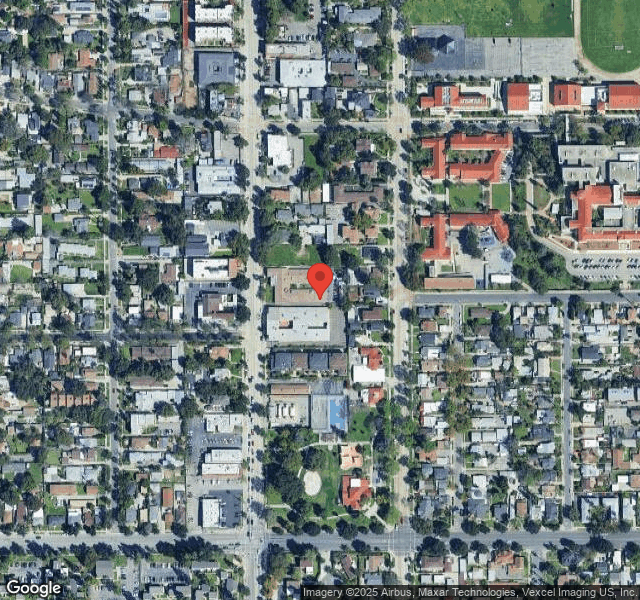
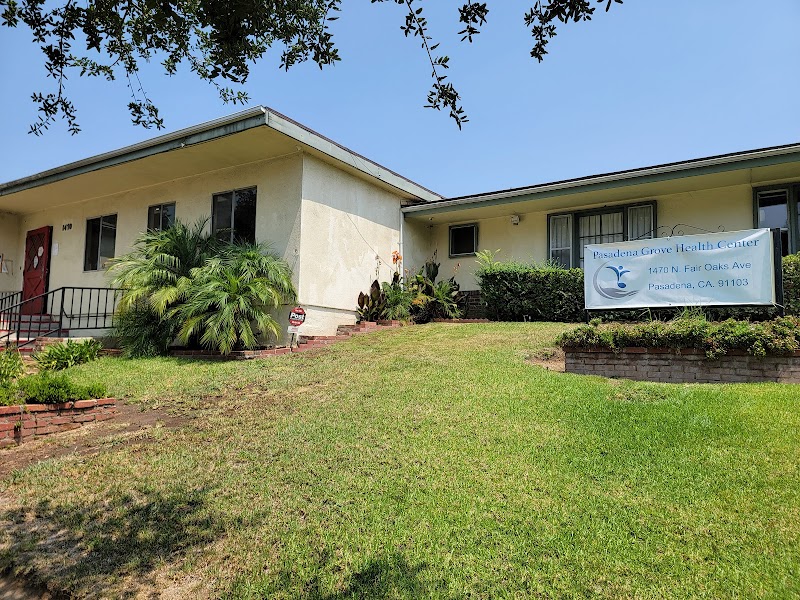
1470 N FAIR OAKS AVE, PASADENA, CA 91103 (626) 798-9133
For profit - Limited Liability company 71 Beds Independent Data: November 2025
Trust Grade
48/100
#875 of 1155 in CA
Last Inspection: February 2025

Within standard 12-15 month inspection cycle. Federal law requires annual inspections.

Overview

Pasadena Grove Health Center has a Trust Grade of D, indicating below-average performance with several concerns. They rank #875 out of 1155 facilities in California, placing them in the bottom half, and #224 out of 369 in Los Angeles County, meaning there are only a few local facilities performing worse. While the facility is improving, reducing issues from 29 in 2024 to 21 in 2025, staffing is a weak point with a 2/5 star rating and a turnover rate of 47%, which is average for the state. They have also faced some troubling incidents, such as failing to properly administer medications to a resident, which posed risks to their health, and not following food safety procedures, which could lead to foodborne illnesses. Despite these weaknesses, the facility has an average RN coverage, which is essential for monitoring and addressing residents' needs.

Trust Score
D
48/100
In California
#875/1155
Bottom 25%
Safety Record
Low Risk
No red flags
Inspections
Getting Better
29 → 21 violations
Staff Stability
⚠ Watch
47% turnover. Above average. Higher turnover means staff may not know residents' routines.
Penalties
✓ Good
$4,233 in fines. Lower than most California facilities. Relatively clean record.
Skilled Nurses
⚠ Watch
Each resident gets only 26 minutes of Registered Nurse (RN) attention daily — below average for California. Fewer RN minutes means fewer trained eyes watching for problems.
Violations
⚠ Watch
72 deficiencies on record. Higher than average. Multiple issues found across inspections.
★★☆☆☆
2.0
Overall Rating
★★☆☆☆
2.0
Staff Levels
★★★☆☆
3.0
Care Quality
★★☆☆☆
2.0
Inspection Score
Stable
2024: 29 issues
2025: 21 issues

The Good

  • Full Sprinkler Coverage · Fire safety systems throughout facility
  • No fines on record

Facility shows strength in fire safety.

The Bad

2-Star Overall Rating

Below California average (3.1)

Below average - review inspection findings carefully

Staff Turnover: 47%

Near California avg (46%)

Higher turnover may affect care consistency

Federal Fines: $4,233

Below median ($33,413)

Minor penalties assessed

The Ugly 72 deficiencies on record

Sept 2025 1 deficiency
CONCERN (E) 📢 Someone Reported This

A family member, employee, or ombudsman was alarmed enough to file a formal complaint

Potential for Harm - no one hurt, but risky conditions existed

Pharmacy Services (Tag F0755)

Could have caused harm · This affected multiple residents

**NOTE- TERMS IN BRACKETS HAVE BEEN EDITED TO PROTECT CONFIDENTIALITY** Based on interview and record review, the facility failed to ensure medications were administered to meet the needs of each resi...

Read full inspector narrative →
**NOTE- TERMS IN BRACKETS HAVE BEEN EDITED TO PROTECT CONFIDENTIALITY** Based on interview and record review, the facility failed to ensure medications were administered to meet the needs of each resident and in accordance with professional standards of practice for one of two sampled residents (Resident 1) and 3 of 4 medications (anticonvulsant, antipsychotic, and insulin). Resident 1 had three consecutive episodes of noncompliance behavior (refused medications, on 8/2, 8/3, 8/4/2025 [anticonvulsant], on 8/9, 8/10, 8/11/2025 [antipsychotic], and on 8/2, 8/3, 8/4/2025 [insulin]) for three different medications and the doctor was not notified, per the care plan interventions. In addition, Resident 1's blood glucose was not obtained prior to administration of insulin, in accordance with the policy and procedure titled, Medication - Administration, revised 11/1/2017. These deficient practices caused an increased risk in unsafe and inappropriate care of Resident 1, medication errors, and adverse outcomes to the resident. Findings: During a review of Resident 1's admission Record, the admission Record indicated Resident 1 was admitted to the facility on [DATE] with diagnoses including depression (severe feelings on sadness and hopelessness), schizoaffective disorder bipolar type (a mental illness that causes loss of contact with reality which features episodes of mania which can include feelings of euphoria, racing thoughts, and increased risky behavior as well as major depressive episodes), psychosis (a mental disorder characterized by a disconnection from reality), anxiety disorder, insomnia, and type 2 diabetes mellitus (a disease that occurs when there is a problem in the way the body regulates and uses sugar as fuel). During a review of Resident 1's Minimum Data Set (MDS, a resident assessment tool), dated 7/16/2025, the MDS indicated the resident had moderately impaired cognitive skills for daily decision making (problems with thinking, memory and judgement). The MDS indicated Resident 1 had verbal behavioral symptoms directed towards others which occurred one to three days and other behavioral symptoms not directed toward others which occurred daily. The MDS also indicated Resident 1 was taking high-risk drugs such as antipsychotic (drugs that work by altering brain chemistry to help reduce psychotic symptoms like hallucinations [an experience which a person sees, hears, feels, or smells something that does not exist], delusions [believed to be true or real but is actually false or unreal], and disordered thinking), antianxiety (drugs used to prevent or treat anxiety symptoms or disorders), antidepressant (drugs used to relieve symptoms of depressive disorders), hypoglycemic (low blood sugar) including insulin and anticonvulsant (drug used to prevent or reduce the severity of seizures or other convulsions). During a review of the Physician's Order Summary Report, the report indicated Resident 1 was ordered to receive: -On 7/10/2025, Insulin Glargine Solostar (a long-acting insulin [a hormone that plays a crucial role in regulating blood glucose levels] used to control hyperglycemia [high blood sugar]) Subcutaneous (applied under the skin) Solution Pen-Injector 100 unit/milliliter (ml, unit of volume), inject 17 unit subcutaneously two times a day for type 2 diabetes mellitus hold if blood sugar is less than 150. -On 7/10/2025, Trazodone HCl Oral Tablet (medication primarily used to treat major depressive disorder [a mental health disorder characterized by persistently low mood or loss of interest in activities, causing significant impairment in daily life], anxiety disorders [persistent and excessive worry that interferes with daily activities), and insomnia [sleep disorder characterized by difficulty failing asleep, staying asleep, or both]), give one tablet by mouth at bedtime for depression manifested by inability to sleep at night. -On 7/18/2025, Divalproex Sodium (an anticonvulsant medication used to treat certain types of seizures and the manic phase of bipolar disorder) Oral Tablet Delayed Release 500 milligrams (mg, unit of measurement), give one tablet by mouth every 12 hours for mood disorder manifested by mood swings as evidenced by irritable mood. -On 7/18/2025, Olanzapine Oral Tablet 10 mg (medication used in the treatment of schizophrenia), give one tablet by mouth two times a day for schizophrenia manifested by paranoid delusion (fixed, false beliefs that a resident insists ae true) as evidenced by saying people were poisoning Resident 1. During a review of Resident 1's care plan, dated 7/10/2025, the care plan indicated Resident 1 was at risk for clinical or social decline due to history of noncompliance or refusal of medication. The care plan interventions indicated to monitor episodes of noncompliance and notify doctor for three episodes of noncompliance behavior consecutively, encourage family of the risks and consequences of being noncompliant with the plan of care, and discuss with the IDT the resident's behavior of being noncompliant for any further recommendations. During a review of Resident 1's care plan, dated 8/8/2025, the care plan indicated Resident 1 was noncompliant with medications and diet. The care plan interventions indicated to administer medications as ordered, monitor/document for side effects and effectiveness, explain the importance of the prescribed medication and diet to the resident and the need for adequate nutritional intake, and obtain and monitor lab/diagnostic work as ordered and report results to doctor and follow up as indicated. During a review of Resident 1's Medication Administration Record for the month of August 2025, the MAR indicated as follows:- Divalproex Sodium refused doses: 8/2/2025 PM, 8/3/2025 PM, 8/4/2025 PM, 8/6/2025 PM, 8/9/2025 PM, 8/10/2025 PM, 8/11/2025 PM, and 8/13/2025 PM (eight refused doses). - Olanzapine refused doses: 8/2/2025 PM, 8/8/2025 AM, 8/9/2025 PM, 8/11/2025 PM (four refused doses).- Trazodone HCl refused doses: 8/2/2025 PM, 8/9/2025 PM, 8/10/2025 PM, and 8/11/2025 PM (four refused doses). - Insulin Glargine refused doses: 8/2/2025 AM and PM, 8/3/2025 AM and PM, 8/4/2025 PM, 8/5/2025 PM, 8/6/2025 PM, 8/8/2025 AM, 8/9/2025 AM, 8/10/2025 PM, 8/11/2025 PM, 8/12/2025 PM, 8/13/2025 PM, and 8/14/2025 AM (14 refused doses). - Insulin Glargine was administered, and blood glucose was not tested by licensed nurse prior to administration for the following doses: 8/1/2025 AM and PM, 8/4/2025 AM, 8/5/2025 AM, 8/6/2025 AM, 8/7/2025 AM and PM, 8/8/2025 PM, and 8/9/2025 PM (nine doses of insulin administered without obtaining blood glucose). During a concurrent interview and record review on 9/3/2025 at 8:10 AM with the Director of Nursing (DON), Resident 1's care plans, nursing notes, MAR, and SBAR (an acronym for Situation-Background-Assessment-Recommendation is a technique used to provide a framework for communication between members of the health care team) were reviewed. The DON stated the doctor should have been notified and was not notified of Resident 1's noncompliance and refusals with the medications. The DON stated the doctor needed to be informed to possibly adjust the medications or transfer Resident 1 to another hospital. The DON stated Resident 1 refused the medications used for mood disorder, schizophrenia, and depression. The DON stated noncompliance with medications could lead to a decline in Resident 1's behavior and inability to sleep. During a follow up interview and record review on 9/3/2025 at 9:25 AM with the DON, Resident 1's care plans, nursing notes, MAR, IDT and SBAR were reviewed. The DON stated licensed nurses did not document the education given to Resident 1 on the MAR progress notes for Resident 1's medication refusals. The DON stated licensed nurses did not check Resident 1's blood glucose prior to administering Insulin Glargine and the doctor was not notified of Resident 1's refusal of insulin doses. The DON stated hyperglycemia could result in Resident 1 going into a coma since her body was unable to produce enough insulin. The DON also stated the IDT should have addressed and did not address Resident 1's refusal for blood glucose checks and medication refusals. During a review of the facility's Policy and Procedure (P&P) titled, Refusal of Treatment, revised 5/1/2023, the policy indicated the Charge Nurse or DON would document information relating to the refusal in the resident's medication record. Documentation would include at least the following: a. The date and time a medication or treatment was attempted. b. The medication or treatment refused.c. The resident's reason(s) for refusal.d. The name of the person attempting to administer the treatment.e. That the resident was informed (to the extent of their ability to understand) of the purpose of the treatment and the consequences of not receiving the medication. f. The residents' condition and any adverse effects due to such refusal.g. The date and time the Attending Physician was notified and his or her response. The P&P indicated the IDT would assess the resident's needs and offer the resident alternative treatments while continuing to provide other services in the care plan. During a review of the facility's P&P titled, Medication - Administration, revised 11/1/2017, the policy indicated when administration of the drug was dependent upon vital signs or testing, the vital signs/testing would be completed prior to administration of the medication and recorded in the medical record (i.e., blood pressure, pulse, finger stick blood glucose monitoring etc.).
Aug 2025 1 deficiency
CONCERN (D) 📢 Someone Reported This

A family member, employee, or ombudsman was alarmed enough to file a formal complaint

Potential for Harm - no one hurt, but risky conditions existed

Report Alleged Abuse (Tag F0609)

Could have caused harm · This affected 1 resident

**NOTE- TERMS IN BRACKETS HAVE BEEN EDITED TO PROTECT CONFIDENTIALITY** Based on interview and record review, the facility failed to report an alleged incident of staff to resident abuse for one (1) o...

Read full inspector narrative →
**NOTE- TERMS IN BRACKETS HAVE BEEN EDITED TO PROTECT CONFIDENTIALITY** Based on interview and record review, the facility failed to report an alleged incident of staff to resident abuse for one (1) of four (4) sampled residents (Resident 1) within 2 hours to the state survey agency, adult protective services, law enforcement and the ombudsman (an advocate for residents of nursing homes, board and care centers, and assisted living facilities) according to federal and state regulations and facility policy.This deficiency resulted in the delay of onsite inspections and investigations which led to potential for Resident 1 to experience ongoing abuse from facility staff and/or other residents.Findings:During a review of Resident 1's admission Record, the admission Record indicated Resident 1 was admitted to the facility on [DATE] and readmitted to the facility on [DATE] with diagnoses that included End Stage Renal Disease (ESRD- irreversible kidney failure), dependence on dialysis (a treatment to cleanse the blood of wastes and extra fluids artificially through a machine when the kidney[s] have failed), diabetes mellitus (DM- body doesn't produce enough insulin or can't effectively use the insulin it produced leading to high blood sugar levels), depression (mood disorder that causes a persistent feeling of sadness and loss of interest in life) and peripheral vascular disease (PVD - a slow progressive narrowing of the blood flow to the arms and legs).During a review of Resident 1's Minimum Data Set (MDS - a resident assessment tool), dated 7/22/2025, the MDS indicated Resident 1 had moderately impaired cognitive skills (ability to understand and make decisions) for daily decision making. The MDS also indicated Resident 1 was dependent (helper does all effort needed to complete activity) for toileting, showering/bathing, partial/moderate assistance (helper does less than half the effort needed to complete the activity) with eating and substantial/maximal assistance (helper does more than half the effort needed to complete the activity) with oral hygiene.During a review of Resident 1's Situation, Background, Assessment, Recommendation (SBAR- a communication tool used by healthcare workers when there is a change of condition among the residents) Communication Form, dated 8/4/2025, timed 12:50 PM, the SBAR Communication Form indicated facility SSD was made aware of an allegation of physical abuse from Resident 1, stating he was punched and hit in the head with a broom. During a review of Resident 1's Social Services Progress Note, dated 8/4/2025, timed 13:10 PM, the Progress Note indicated Social Services Director (SSD) received a call from social worker at dialysis center Resident 1 stated to dialysis staff he was being physically abused by facility staff.During a review of Resident 1's Alleged Physical Abuse care plan (a document that outlines the facility's plan to provide personalized care to a resident based on the resident's needs), dated 8/4/2025, the care plan indicated that one of the interventions is for staff to report abuse to appropriate agencies.During an interview on 8/5/2025 at 12:47 PM with Resident 1, Resident 1 stated he was hit by facility staff on the head with a broom on Sunday (8/3/2025).During an interview on 8/5/2025 at 2:08 PM with the Director of Nursing (DON), DON stated he was made aware of Resident 1's alleged incident on 8/4/2025 after Resident 1 returned to the facility from dialysis but unable to state exact time. DON stated facility staff completed a change of condition (COC) form, but did not report the alleged incident to CDPH because the facility needed to complete an investigation first to ensure that the abuse did occur. DON also stated he thought the dialysis social worker would report to the appropriate agencies and did not need to. DON stated facility should have reported within two (2) hours of learning of the alleged abuse incident to the ombudsman (an advocate for residents of nursing homes, board and care centers, and assisted living facilities), police and CDPH. DON states facility should have reported because it is regarding an allegation of abuse, and it is mandatory for facility to report if it is alleged and/or confirmed.During a concurrent interview and record review on 8/5/2025 at 3:51 PM with the Administrator, the facility's policy and procedure (P&P) titled Abuse Prevention and prohibition Program, revised 8/1/2023, the P&P indicated:a. The P&P purpose is to ensure a standardized methodology for the prevention, identification, investigation, and reporting of abuse, neglect, mistreatment, misappropriation of property, and crime in accordance with federal and state requirements.b. Facility owners, operators, employees, managers, agents, and contractors are obligated by the Elder Justice Act and the California Elder Abuse and Dependent Adult Civil Protection Act to report known or suspected instances of abuse of elder or dependent adults.c. The facility will report allegations of abuse, neglect, mistreatment, injuries of unknown source, misappropriation of resident property, or other incidents that qualify as a crime. Immediately, but no later than 2 hours after forming the suspicion- if the alleged violation involves abuse or results in serious bodily injury to the state survey agency, adult protective services, law enforcement, and the ombudsman.The Administrator stated according to the facility's policy, state and federal regulations, the facility should have reported this alleged incident of abuse for Resident 1 to the appropriate agencies within 2 hours of incident. Administrator also stated, it is important to report alleged and confirmed allegations of abuse to ensure Residents feel safe and secure, to prevent any other instances of abuse and to have a third party that is not affiliated with the facility investigate allegations.
May 2025 2 deficiencies
CONCERN (D) 📢 Someone Reported This

A family member, employee, or ombudsman was alarmed enough to file a formal complaint

Potential for Harm - no one hurt, but risky conditions existed

Resident Rights (Tag F0550)

Could have caused harm · This affected 1 resident

**NOTE- TERMS IN BRACKETS HAVE BEEN EDITED TO PROTECT CONFIDENTIALITY** Based on observation, interview, and record review, the facility failed to treat residents with respect and dignity and maintain...

Read full inspector narrative →
**NOTE- TERMS IN BRACKETS HAVE BEEN EDITED TO PROTECT CONFIDENTIALITY** Based on observation, interview, and record review, the facility failed to treat residents with respect and dignity and maintain privacy for one of two sampled residents (Resident 1). This deficient practice had the potential to negatively affect Resident 1's self-worth and psychosocial wellbeing. Findings: During a review of Resident 1's admission Record, the admission Record indicated Resident 1 was admitted to the facility on [DATE] with the diagnoses including but not limited to type 2 diabetes mellitus (a disease that occurs when there is a problem in the way the body regulates and uses sugar as fuel), end stage renal disease (advanced stage kidney failure) and hypertension (high blood pressure). During a record review of Resident 1's Minimum Data Set (MDS, a resident assessment and tool), dated 4/15/2025, the MDS indicated the resident's cognitive (mental action or process of acquiring knowledge and understanding) skills for daily decision making was moderately impaired. The MDS indicated Resident 1 was dependent (helper does all the effort, resident does none of the effort to complete the activity) for toileting and shower/bathing self. The MDS also indicated Resident 1 required substantial/maximal assistance (helper does more than half the effort) for rolling left and right, sitting to lying, and lying to sitting on side of bed. During a record review of Resident 1's care plan, the care plan indicated Resident 1 stated male resident went into her room and touched her gown and leg. The care plan interventions for staff were to monitor resident for mood regarding male going into her room, keep resident safe and assign Certified Nurse Assistant (CNA) for 1:1 close monitoring. During a record review of Resident 1's SBAR (an acronym for Situation-Background-Assessment-Recommendation is a technique used to provide a framework for communication between members of the health care team), dated 5/10/2025, the SBAR indicated Resident 1 verbalized another resident went into her room and touched her leg and gown. During a record review of Resident 1's Nursing Note, dated 5/10/2025, the record indicated Resident 1 reported to CNA 1 that a male resident was in her room around 7:30 PM. CNA 1 pulled Resident 2 out of room and reported to charge nurse. During an interview on 5/13/2025 at 12:09 PM with Licensed Vocational Nurse 1 (LVN 1), LVN 1 stated CNA 1 reported that Resident 2 had gone into Resident 1's room around 7:30 PM. LVN 1 stated Resident 2 said he was looking for food. LVN 1 stated Resident 1 stated Resident 2 touched her leg and gown. During a concurrent observation and interview on 5/13/2025 at 12:30 PM with Resident 1 in Resident 1's room, Resident 1 stated Resident 1 was lying on her bed facing the wall when Resident 2 came in and started touching her right knee up to the midthigh. Resident 1 stated it made her feel really uncomfortable. Resident 1 stated she was not able to get up and feared Resident 2 would beat her up if she did something to Resident 2. During an interview on 5/13/2025 at 4:08 PM with Registered Nurse (RN), RN stated for the past week Resident 2 started going in front of other residents' rooms and was looking around their rooms. RN stated she needed to redirect and keep an eye on Resident 2. During an interview on 5/14/2025 at 4:35 PM with CNA 1, CNA 1 stated Resident 1 had her call light on and was screaming. CNA 1 stated when she entered Resident 1's room she saw Resident 2 touching the water and snacks on Resident 1's bedside table. CNA 1 stated Resident 1 told Resident 2 not to touch her stuff. CNA 1 stated Resident 2 tried to leave Resident 1's room with her snacks and CNA 1 had to tell Resident 2 to give them back. CNA 1 stated Resident 2 would go into other residents' rooms to take their stuff and eat their food. CNA 1 stated the residents were aware of his behavior and would tell Resident 2 not to go into their rooms. CNA 1 stated all the LVNs were also aware of Resident 2's behavior and always informed the CNAs Resident 2 needed to be checked on. CNA 1 stated Resident 2 would go inside other residents' room the whole time Resident 2 was in the facility. CNA 1 stated Resident 2 had a habit of touching and stealing things from other resident rooms. CNA 1 stated when residents in the facility reported missing items, the staff would go and check Resident 2's room first. During an interview on 5/15/2025 at 1:47 PM with the Director of Nursing (DON), the DON stated residents have that right to privacy which includes the right to restrict anyone's access to their rooms. The DON stated residents had the right to refuse entry to their rooms and to determine who may visit them. The DON stated the residents' rights were important for the residents' safety and their privacy. During a record review of the facility's policy and procedure (P&P) titled, Privacy and Dignity, revised 11/1/2017, the policy indicated residents' care and services provided by the facility promote and/or enhance privacy, dignity and overall quality of life. During a record review of the facility's P&P titled, Resident Rights, revised 11/1/2017, the policy indicated the facility must treat each resident with respect and dignity and care for each resident in a manner in an environment, that promotes maintenance or enhancement of his or her quality of life, recognizing each resident's individuality.
CONCERN (D) 📢 Someone Reported This

A family member, employee, or ombudsman was alarmed enough to file a formal complaint

Potential for Harm - no one hurt, but risky conditions existed

Report Alleged Abuse (Tag F0609)

Could have caused harm · This affected 1 resident

**NOTE- TERMS IN BRACKETS HAVE BEEN EDITED TO PROTECT CONFIDENTIALITY** Based on observation, interview, and record review, the facility failed to follow its policy and procedure to ensure an allegati...

Read full inspector narrative →
**NOTE- TERMS IN BRACKETS HAVE BEEN EDITED TO PROTECT CONFIDENTIALITY** Based on observation, interview, and record review, the facility failed to follow its policy and procedure to ensure an allegation of physical abuse (willful infliction of injury, unreasonable confinement, intimidation, or punishment with resulting physical harm, pain or mental anguish) was reported to California Department of Public Health (CDPH), local law enforcement, and Ombudsman within two (2) hours for two of two residents (Residents 1 and 2). This deficient practice had the potential to place Resident 1 and other residents in the facility at risk for further abuse and resulted in a delay in the investigation for the abuse allegation. Findings: During a review of Resident 1's admission Record, the admission Record indicated Resident 1 was admitted to the facility on [DATE] with the diagnoses including but not limited to type 2 diabetes mellitus (a disease that occurs when there is a problem in the way the body regulates and uses sugar as fuel), end stage renal disease (advanced stage kidney failure) and hypertension (high blood pressure). During a record review of Resident 1's Minimum Data Set (MDS, a resident assessment and tool), dated 4/15/2025, the MDS indicated the resident's cognitive (mental action or process of acquiring knowledge and understanding) skills for daily decision making were moderately impaired. The MDS indicated Resident 1 was dependent (helper does all the effort, resident does none of the effort to complete the activity) for toileting and shower/bathing self. The MDS also indicated Resident 1 required substantial/maximal assistance (helper does more than half the effort) for rolling left and right, sitting to lying, and lying to sitting on side of bed. During a record review of Resident 1's care plan, dated 5/10/2025, the care plan indicated Resident 1 stated male resident went into her room and touched her gown and leg. The care plan interventions for staff were to monitor resident for mood regarding male going into her room, keep resident safe and assign Certified Nurse Assistant (CNA) for 1:1 close monitoring. During a record review of Resident 1's SBAR (an acronym for Situation-Background-Assessment-Recommendation is a technique used to provide a framework for communication between members of the health care team), dated 5/10/2025, the SBAR indicated Resident 1 verbalized another resident went into her room and touched her leg and gown. During a record review of Resident 1's Nursing Note, dated 5/10/2025, the record indicated Resident 1 reported to CNA 1 that a male resident was in her room around 7:30 PM. CNA 1 pulled Resident 2 out of room and reported to charge nurse. During a record review of Resident 1's Nursing Note, dated 5/10/2025, the record indicated Resident 1's responsible party (RP) called the facility and verbalized there was a man that went inside Resident 1's room and touched her. During a review of Resident 2's admission Record, the admission Record indicated Resident 2 was admitted to the facility on [DATE] with the diagnoses including but not limited to encephalopathy (brain disease, damage, or malfunction that results in an altered mental state), schizophrenia (a chronic and severe mental disorder that affects how a person thinks, feels, and behaves), and bipolar disorder (mental disorder characterized by episodes of mania [extreme highs] and depression [extreme lows]). During a record review of Resident 2's MDS, dated [DATE], the MDS indicated the resident's cognitive skills for daily decision making were moderately impaired. The MDS indicated Resident 2 required partial/moderate assistance for toileting hygiene, shower/bathing self, personal hygiene, sit to lying, walking ten feet, and wheeling 50 feet with two turns using a manual wheelchair. During a record review of Resident 2's care plan, dated 5/11/2025, the care plan indicated Resident 2 was noted going into female room. The care plan interventions for staff were to explain/reinforce why behavior is inappropriate and/or unacceptable to the resident, physician made aware with order to transfer to hospital, and resident placed on 1:1 monitoring. During a record review of Resident 2's SBAR, dated 5/10/2025, the record indicated Resident 2 went into female room. Resident 2 was noted by CNA 1 to go into room, per Resident 1, Resident 2 touched her gown and leg. During an interview on 5/13/2025 at 12:09 PM with Licensed Vocational Nurse 1 (LVN 1), LVN 1 stated CNA 1 informed her CNA 1 pulled Resident 2 out of Resident 1's room via his wheelchair around 7:30 PM. LVN 1 stated Resident 1 said that Resident 2 had touched her leg and gown. LVN 1 stated she did not report the abuse at that time since LVN 1 was still passing medications to the residents. LVN 1 stated Resident 1's RP called to report Resident 1's allegation of abuse around 9:30 PM. LVN 1 stated LVN 2 had reported the allegation of abuse to the administrator (ADM) around 9:35 PM to 9:40 PM after receiving the call from RP. LVN 1 stated she should have informed LVN 2 to report the allegation of abuse to the ADM since she was busy with passing medications, but she did not. During a concurrent observation and interview on 5/13/2025 at 12:30 PM with Resident 1 in Resident 1's room, Resident 1 stated Resident 1 was lying on her bed facing the wall when Resident 2 came in and started touching her right knee up to the midthigh. Resident 1 stated it made her feel really uncomfortable. Resident 1 stated she was not able to get up and feared Resident 2 would beat her up if she did something to Resident 2. During an interview on 5/13/2025 at 1:32 PM with LVN 2, LVN 2 stated Resident 1's RP called and informed LVN 2 about the allegation at 9:30 PM. LVN 2 stated Resident 1 informed him Resident 1 was lying on the bed and felt someone touch her leg turned around and saw a man. LVN 2 stated after the investigation, he called and informed the ADM. LVN 2 stated an allegation when reported by the resident was supposed to be reported within two hours. During a concurrent interview and record review on 5/13/2025 at 2:49 PM with the Director of Nursing (DON) of Resident 1's Nursing Notes, the DON stated on 5/10/2025 Resident 1 report to CNA that a male resident was in her room around 7:30 PM. CNA 1 pulled Resident 2 out of room and reported to charge nurse. LVN 2 went to speak with Resident 1, Resident 1 verbalized that she was facing the wall and felt someone touch her leg and gown. The DON stated DON was aware of the incident around 10 PM on 5/10/2025. The DON stated reporting time was within 2 hours of when the resident made the claim Resident 2 touched Resident 1's leg. The DON stated staff needed to notify the administrator within 2 hours to ensure the residents were safe. The DON stated when Resident 2 touched Resident 1's leg this was considered sexual abuse. The DON stated this occurred at 7:30 PM, so the facility needed to report the abuse by 9:30 PM. The DON stated the abuse allegation was reported at 11:11 PM which was almost four hours later. During a concurrent record review of the facility's policy and procedure (P&P) with the DON, the DON stated the allegation should be reported immediately but no later than two hours after forming the suspicious of the alleged violation involving abuse to the state survey agency, law enforcement, and the ombudsman. During an interview on 5/13/2025 at 3:40 PM with the ADM, ADM stated LVN 1 and 2 spoke to him around 9:30 PM regarding the incident that had occurred. ADM stated LVN 1 did not and should have informed him the incident happened at 7:30 PM and made the report during this time. During a record review of the facility's P&P titled, Abuse Prevention and Prohibition Program, revised 8/1/2023, the policy indicated the facility will report allegations of abuse immediately, but no later than 2 hours after forming the suspicion - if the alleged violation involves abuse or results in serious bodily injury to the state survey agency, law enforcement, and the Ombudsman.
Feb 2025 17 deficiencies
CONCERN (D)

Potential for Harm - no one hurt, but risky conditions existed

Deficiency F0558 (Tag F0558)

Could have caused harm · This affected 1 resident

**NOTE- TERMS IN BRACKETS HAVE BEEN EDITED TO PROTECT CONFIDENTIALITY** Based on interview and record review, the facility failed to ensure resident received reasonable accommodation of needs for two ...

Read full inspector narrative →
**NOTE- TERMS IN BRACKETS HAVE BEEN EDITED TO PROTECT CONFIDENTIALITY** Based on interview and record review, the facility failed to ensure resident received reasonable accommodation of needs for two (2) of 18 sampled residents (Residents 17 and 28) by failing to ensure Residents 17 and 28's call lights were within reach. This deficient practice had the potential to result in the inability for Residents 17 and 28 to obtain necessary care and services. Findings: 1. During a review of the Resident 17's admission Record, the admission Record indicated Resident 17 was initially admitted to the facility on [DATE] and readmitted on [DATE], with diagnoses of dementia (progressive brain disorder that slowly destroys memory and thinking skills), depression (severe feelings on sadness and hopelessness), and hypothyroidism (condition in which the thyroid gland does not produce enough thyroid hormone). During a record review of Resident 17's Minimum Data Set (MDS, a resident assessment and tool), dated 2/7/2025, the MDS indicated the resident's cognitive (mental action or process of acquiring knowledge and understanding) skills for daily decision making was moderately impaired. The MDS indicated Resident 17 was dependent (helper does all the effort, resident does none of the effort to complete the activity) for toileting hygiene, shower/bathing self, and chair/bed-to-chair transfer. The MDS indicated Resident 17 required substantial/maximal assistance (helper does more than half the effort) for personal hygiene, rolling left to right, sit to lying, and lying to sitting on side of bed. During a record review of Resident 17's care plan, dated 5/21/2024, the care plan indicated Resident 17 was at moderate risk for falls related to poor balance and unsteady gait (a manner of walking or moving on foot). The care plan interventions for staff were to ensure Resident 17's call light was within reach and encourage the resident to use it for assistance as needed. During an observation on 2/25/2025 at 9:05 AM in Resident 17's room, Resident 17's call light was observed on the floor. During a concurrent interview with Resident 17, Resident 17 stated, I don't know where my call button is at. Resident 17 stated she wanted to call the nurse to ask for help to change the channel on the tv. During a concurrent observation and interview on 2/25/2025 at 9:25 AM in Resident 17's room with Certified Nursing Assistant 1 (CNA 1), CNA 1 stated Resident 17's call light was on the floor. CNA 1 stated Resident 17's call light was not supposed to be on the floor. CNA 1 stated Resident 17's call light was supposed to be near the resident and was not within Resident 17's reach. During an interview on 2/28/2025 at 2:13 PM with the Director of Nursing (DON), the DON stated residents' call light should be within reach of the residents. The DON stated call lights served as a way to contact the staff in case of an emergency and for residents to get help. 2. A review of Resident 28's admission Record indicated the facility admitted Resident 28 on 1/29/2025 with the diagnoses that included dysphagia (difficulty swallowing), depression (mood disorder that causes a persistent feeling of sadness and loss of interest), Diabetes mellitus (disorder in which the body does not produce enough or respond normally to insulin, causing blood sugar (glucose) levels to be abnormally high) A review of Resident 28's MDS, dated [DATE], indicated Resident 28 cognition was moderately impaired skills for daily decision making. The MDS indicated Resident 28 required substantial /maximal assistance on eating. The MDS also indicated the resident is dependent on oral hygiene, toilet hygiene, shower/ bathe self, lower body dressing and putting on/ taking off footwear. During a review of Resident 28's care plan,initiated 9/4/2020, revised on 12/10/2023 indicated moderate risk for fall/ injuries. Interventions/ task indicated to place call light and frequently use items within easily reach. During observation 2/25/2025 at 9:20 AM on Resident 28's room, call light was in-between the right upper side rails and the mattress. During interview on 2/25/2025 at 9:21 AM with Resident 28, resident stated does not know where the call light was. Resident 28 also stated she would yell out when she wants to call the nurse. During concurrent observation and interview on 2/27/2025 at 10:59 AM with the license vocational nurse (LVN 1), LVN 1 stated the call light for Resident 28 was out of reach. It was in-between the side rails and mattress. LVN 1 also stated call light was residents' way of communication it should be within reach. During an interview on 2/28/2025 at 10:52 AM with the director of nursing (DON) , the DON stated call lights were important for residents to access easily and readily so they can use it to call for help. The DON further stated, this may cause possible delay of care if not within the resident's reach and/ or places resident at risk for injury like falling when they get up or tried to reach for the call light. During a record review of the facility's policy and procedure titled, Communication - Call System, revised 11/1/2017, the policy indicated the call system provided a mechanism for residents to promptly communicate with nursing staff. Call cords will be placed within the resident's reach in the resident's room.
CONCERN (D)

Potential for Harm - no one hurt, but risky conditions existed

Deficiency F0645 (Tag F0645)

Could have caused harm · This affected 1 resident

**NOTE- TERMS IN BRACKETS HAVE BEEN EDITED TO PROTECT CONFIDENTIALITY** Based on interview and record review, the facility failed to ensure the preadmission screening and resident review assessment (P...

Read full inspector narrative →
**NOTE- TERMS IN BRACKETS HAVE BEEN EDITED TO PROTECT CONFIDENTIALITY** Based on interview and record review, the facility failed to ensure the preadmission screening and resident review assessment (PASRR, preventing individuals with mental illness, developmental disability, intellectual disability, or related conditions from being inappropriately placed in nursing homes for long term care) form was accurately completed for a resident who had a mental illness for one (1) of three (3) sampled residents (Resident 2). This deficient practice had the potential for Resident 2 to not receive the necessary and appropriate psychiatric (of or relating to the study of mental illness) treatment and evaluation. Findings: During a review of the Resident 2's admission Record, the admission Record indicated Resident 2 was initially admitted to the facility on [DATE] and readmitted on [DATE], with diagnoses of schizophrenia (a chronic and severe mental disorder that affects how a person thinks, feels, and behaves), depression (severe feelings on sadness and hopelessness), and dementia (progressive brain disorder that slowly destroys memory and thinking skills) with behavioral disturbance. During a record review of Resident 2's Minimum Data Set (MDS, a resident assessment and tool), dated 2/14/2025, the MDS indicated the resident's cognitive (mental action or process of acquiring knowledge and understanding) skills for daily decision making was moderately impaired. The MDS indicated Resident 2 had a psychiatric (relating to mental illness or its treatment)/mood disorder and was taking antipsychotic (drugs that work by altering brain chemistry to help reduce psychotic symptoms like hallucinations, delusions, and disordered thinking) and antidepressant (drugs used to treat depression) medications. The MDS also indicated Resident 2 did not have any mood and behaviors. During a review of Resident 2's Physician Order Summary Report, dated 5/28/2024 and 6/11/2024, the Physician Order Summary Report indicated the following order: - 6/11/2024: Invega Sustenna (antipsychotic medication) Intramuscular Suspension prefilled Syringe 156 mg/ml - Inject 1 ml intramuscularly every 30 days for schizophrenia manifested by agitation as evidenced by fighting with other residents. During a review of Resident 2's PASRR Level I Screening, dated 5/4/2024, the record indicated the PASRR Level I was negative (there was no suspected mental illness or intellectual/developmental disability or related condition). The PASRR Level I Screening also indicated under Section three Resident 2 did not have a serious diagnosis of mental disorder such as depressive disorder (depressed mood or loss of pleasure or interest in activities for long periods of time), anxiety disorder (persistent and excessive worry that interferes with daily activities), panic disorder (an anxiety disorder with sudden attacks of panic or fear), schizophrenia/schizoaffective disorder (a mental illness that causes loss of contact with reality), or symptoms of psychosis, delusions (believed to be true or real but is actually false or unreal), and/or mood disturbance. During an interview on 2/27/2025 at 11:44 AM with the Director of Nursing (DON), the DON stated the Registered Nurse Supervisor 3 (RNS 3) was responsible in completing or ensuring residents' PASRR was accurate. During an interview and review on 2/27/2025 at 11:45 AM of Resident 2's PASRR with RNS 3, RNS 3 stated Resident 2's PASRR Level I Screening indicated that Resident 2 did not have a serious mental illness but Resident 2 had a diagnosis of schizophrenia, dementia with behavioral disturbance, and depression upon admission which were not reflected on the PASRR. RNS 3 stated the MDS Nurse (MDSN) was responsible to ensuring accuracy of the residents' PASRR. RNS 3 stated the PASRR screening should be accurately completed to ensure correct placement of the residents in the facility. During an interview on 2/27/2025 at 3:37 PM with MDSN, MDSN stated MDSN was not responsible for reviewing Resident 2's PASRR. MDSN stated the Admissions Coordinator (AC) was responsible for Resident 2's PASRR. During a record review of the facility's policy and procedure titled, Pre-admission Screening and Resident Review (PASRR), revised 7/1/2023, the policy indicated all facility applicants are screened for mental illness and/or intellectual disability and ensure coordination with the appropriate state agencies. The facility ensures that PASRR Level I is completed either by the transferring general acute care hospital (GACH) or by the facility for applicants prior to admission to determine if they have a serious mental illness (SMI) and/or intellectual disability, developmental disability or related conditions(s).
CONCERN (D)

Potential for Harm - no one hurt, but risky conditions existed

Comprehensive Care Plan (Tag F0656)

Could have caused harm · This affected 1 resident

**NOTE- TERMS IN BRACKETS HAVE BEEN EDITED TO PROTECT CONFIDENTIALITY** Based on observation, interview, and record review, the facility failed to update and revise the fall care plan for one (1) of 1...

Read full inspector narrative →
**NOTE- TERMS IN BRACKETS HAVE BEEN EDITED TO PROTECT CONFIDENTIALITY** Based on observation, interview, and record review, the facility failed to update and revise the fall care plan for one (1) of 18 sampled residents (Resident 2) in accordance with the facility policy. This failure had the potential to place Resident 2 at risk for further falls, which could result in harm/injury to the resident. Findings: During a review of the Resident 2's admission Record, the admission Record indicated Resident 2 was initially admitted to the facility on [DATE] and readmitted on [DATE], with diagnoses of schizophrenia (a chronic and severe mental disorder that affects how a person thinks, feels, and behaves), dementia (progressive brain disorder that slowly destroys memory and thinking skills) with behavioral disturbance, Parkinsonism (progressive disease of the nervous system marked by tremor, muscular rigidity, and slow, imprecise movement), and difficulty in walking. During a record review of Resident 2's Minimum Data Set (MDS, a resident assessment and tool), dated 2/14/2025, the MDS indicated the resident's cognitive (mental action or process of acquiring knowledge and understanding) skills for daily decision making was moderately impaired. The MDS indicated Resident 2 required substantial/maximal assistance (helper does more than half the effort) for rolling left and right, sit to lying, lying to sitting on side of bed, sit to standing, and walking ten (10) feet. During a record review of Resident 2's Fall Risk Assessment, dated 8/2/2024, the assessment indicated Resident 2 was at moderate risk for falls. During a record review of Resident 2's Fall Risk Assessment, dated 10/6/2024, the assessment indicated Resident 2 was at high risk for falls. During a record review of Resident 2's SBAR (an acronym for Situation-Background-Assessment-Recommendation is a technique used to provide a framework for communication between members of the health care team), dated 10/6/2024, the record indicated Resident 2 had a fall. During a record review of Resident 2's Nursing Notes, dated 10/6/2024, the record indicated at 7:10 AM Resident 2 was seen sitting on the floor in between two wheelchairs facing the exit door. The nursing notes indicated Resident 2 stated, I have trouble seeing but I was trying to transfer from this chair to this chair, stood up and felt weak and I sat down on the floor. During a record review of Resident 2's Physician Order Summary Report, dated 10/7/2024, the order indicated Resident 2 was transferred to the hospital for further evaluation and treatment of status post (s/p, a term used in medicine to refer to a treatment, diagnosis or just an event, that a resident had experienced) fall and confusion. During a record review of Resident 2's fall care plan, revised 7/17/2024, the care plan indicated staff interventions were to encourage resident to call for assistance before attempting to transfer or ambulate, siderails up while in bed, and call light within reach and answered promptly. During a concurrent interview and review of Resident 2's care plans on 2/27/2025 at 3:39 PM with the Minimum Data Set Nurse (MDSN), MDSN stated another fall care plan needed to be done for Resident 2's unwitnessed fall. MDSN stated the care plans needed to be updated to carry out plans for interventions based on physician orders and nursing interventions. MDSN stated Resident 2's fall care plan was not revised after Resident 2's fall on 10/6/2024. MDSN stated a care plan was not and should have been revised after Resident 2's unwitnessed fall to address the underlying cause of fall. MDSN stated specific individualized care plans outlined what interventions should be done to prevent reoccurrence of having another fall. During an interview on 2/28/2025 at 1:53 PM with the Director of Nursing (DON), the DON stated residents care plans needed to be updated after a fall. The DON stated updated care plans were done since other interventions were no longer applicable. The DON stated staff needed to create new interventions to the resident's plan of care to ensure the resident's safety. During a record review of the facility's policy and procedure (P&P) titled, Fall Management Program, revised 11/1/2017, the P&P indicated the Licensed Nurse will review the circumstances of the fall, review the plan of care, implement new interventions as appropriate and revise the plan as indicated. During a review of the facility's P&P titled, Care Planning, revised 10/24/2022, the P&P indicated the Interdisciplinary Team (IDT, group of healthcare professionals from diverse fields who work in a coordinated manner toward a common goal for the resident) will revise the comprehensive care plan as needed as dictated by changes in the resident's condition, to address changes in care and other times as appropriate or necessary.
CONCERN (D)

Potential for Harm - no one hurt, but risky conditions existed

Deficiency F0688 (Tag F0688)

Could have caused harm · This affected 1 resident

**NOTE- TERMS IN BRACKETS HAVE BEEN EDITED TO PROTECT CONFIDENTIALITY** Based on observation, interview, and record review, the facility failed to provide Restorative Nursing Services (a program avail...

Read full inspector narrative →
**NOTE- TERMS IN BRACKETS HAVE BEEN EDITED TO PROTECT CONFIDENTIALITY** Based on observation, interview, and record review, the facility failed to provide Restorative Nursing Services (a program available in nursing homes to help residents maintain progress made during therapy treatments, enabling them to achieve their highest practicable level of functioning) as ordered by the physician to increase, prevent, or maintain range of motion (ROM, full movement potential of a joint) for one of three sampled residents (Resident 36). This deficient practice placed Resident 36 at risk for decline in physical functions and developing contractures (condition of shortening and hardening of muscles, tendons, or other tissue, often leading to deformity and rigidity of joints) in the extremities (a limb of the body, such as the arm or leg) for not receiving the ordered exercises. Findings: During a review of Resident 36's admission Record, the record indicated Resident 36 was initially admitted to the facility on [DATE] and readmitted on [DATE], with diagnoses of right hand contracture, hemiplegia (a condition caused by brain damage or spinal cord injury that leads to paralysis [loss of motor function in one or more muscles] on one side of the body) and hemiparesis (weakness on one side of the body) following cerebrovascular (condition affecting the brain's blood flow and blood vessels) disease affecting right dominant side, and chronic respiratory failure (a long-term condition in which the respiratory system is unable to adequately exchange oxygen and carbon dioxide in the body). During a review of Resident 36's Minimum Data Set (MDS, a resident assessment and tool), dated 1/3/2025, the record indicated the resident's cognitive (mental action or process of acquiring knowledge and understanding) skills for daily decision making was severely impaired. The MDS indicated Resident 36 had an impairment to one side of the upper extremity (shoulder, elbow, wrist, hand) and lower extremity (hip, knee, ankle, foot). The MDS indicated Resident 36 was dependent (helper does all of the effort) for toileting hygiene, shower/bathing self, lower body dressing, chair/bed-to-chair transferring. The MDS indicated Resident 36 required substantial/maximal assistance (helper does more than half the effort) for eating, oral hygiene, personal hygiene, rolling left and right, sit to lying, and lying to sitting on side of bed. The MDS also indicated Resident 36 had five (5) days of splint or brace assistance. During a review of Resident 36's Physician Order Summary, dated 12/28/2023, 9/6/2024, and 2/7/2025, the orders indicated as follows: - 12/28/2023: Restorative Nursing Assistant (RNA) for passive range of motion (PROM, the range that can be achieved by external means such as another person or a device) to right upper extremity (RUE) 10 repetitions for two (2) sets five (5) times a week every day or as tolerated. - 9/6/2024: RNA to apply Carrot hand splint (an orthotic device designed to position the finger away from the palm, protecting the skin from moisture, pressure, and potential nail punctures) on right hand for three to four hours after care daily. - 2/4/2025: RNA for PROM exercises on bilateral lower extremity (BLE) 10 repetitions for 2 sets every day 5 times per week or as tolerated. During a review of Resident 36's care plan, revised 9/25/2023, the care plan indicated Resident 36 had impaired physical mobility related to stiffness of right hand muscles secondary to contracture. The care plan interventions were for RNA to provide PROM to RUE 10 repetitions for 2 sets 5 times a week every day or as tolerated and RNA order to apply Carrot hand splint on right hand after care daily. There was no revised care plan for Resident 36's BLE RNA services. During a review of Resident 36's Restorative Nursing charting, the charting indicated Resident 36 received RNA for Carrot hand splint as follows for the month of February 2025: - Week 1: 2/6/2025, 2/7/2025 (missing 5 days) - Week 2: 2/10/2025, 2/11/2025, 2/12/2025, 2/13/2025, 2/14/2025 (missing 2 days) - Week 3: 2/17/2025, 2/19/2025, 2/20/2025, 2/21/2025 (missing 3 days) - Week 4: 2/24/2025, 2/25/2025, 2/26/2025 (missing 4 days) During a review of Resident 36's Restorative Nursing charting, the charting indicated Resident 36 received RNA for PROM to RUE 10 repetitions for 2 sets 5 times a week as follows for the month of February 2025: - Week 1: 2/6/2025, 2/7/2025 (missing 3 days) - Week 3: 2/17/2025, 2/19/2025, 2/20/2025, 2/21/2025 (missing 1 day) - Week 4: 2/24/2025, 2/25/2025, 2/26/2025 (missing 2 days) During a review of Resident 36's Restorative Nursing charting, the charting d indicated Resident 36 received RNA for PROM exercises to BLE 10 repetitions for 2 sets 5 times a week or as tolerated as follows for the month of February 2025: - Week 3: 2/17/2025, 2/21/2025 (missing 3 days) - Week 4: 2/24/2025 (missing 5 days) During an observation on 2/26/2025 at 8:51 AM in Resident 36's room, Resident 36's right hand was closed in a fist. During an interview on 2/28/2025 at 9:48 AM with RNA 1, RNA 1 stated he was in charge of RNA exercises for resident on the south station. RNA 1 stated Resident 36 had a hand splint and RNA exercises. RNA 1 stated Resident 36 never refused any RNA services provided to her. During a concurrent interview and review on 2/28/2025 at 9:52 AM with RNA 1 of Resident 36's Restorative Nursing charting, RNA 1 stated the physician's order for RNA services were not being done as ordered. RNA 1 stated the hand splints were supposed to be done daily, RNA for the RUE and BLE were supposed to be done 5 times per week and were not being done per order. RNA 1 stated Resident 36 was weak on the right side so the splint was to help loosen the right hand. RNA 1 stated Resident 36 was not able to walk, and her legs were stiff, therefore the PROM of the BLE would help loosen the lower extremities. RNA stated the RNA exercises and splint were needed for Resident 36 to prevent her from being contracted and prevent the areas from getting stiff. During a concurrent interview and review on 2/28/2025 at 11:04 AM with the MDS Nurse (MDSN) of Resident 36's care plan, MDSN stated Resident 36's care plan needed to be updated when there are new orders for RNA services for resident's BLE. MDSN stated once the orders for RNA services for the BLE were received, the licensed nurse should have also updated the care plan. MDSN stated there was no care plan revision for Resident 36's BLE RNA services. MDSN stated the care plan ensures that Resident 36's plan was executed, and the interventions done would prevent atrophy (decrease in size due to disuse) and improve Resident 36's range of motion for the exercises done. During an interview on 2/28/2025 at 2:17 PM with the Director of Nursing (DON), the DON stated RNA services were performed for the resident's mobility and to prevent contractures. The DON stated an order for RNA services also requires the care plan to be updated. The DON stated the plan of care would need to be monitored to see if the residents were getting better, getting worse, or getting contracted. The DON stated RNAs needed to make sure the doctor's orders were being followed to know if the resident's mobility and contractures were progressing or not. The DON stated by not following the physician's orders there could be a decrease in mobility and an increase in contractures for residents. During a review of the facility's policy and procedure titled, Restorative Nursing Program Guidelines, revised 11/1/2017, the policy indicated in conjunction with the Attending Physician and staff, therapists will propose a rehabilitation or restorative care plan that provides an appropriate intensity, frequency and duration of interventions to help achieve anticipated goals and expected outcomes. The Restorative Nurse's Aide carries out the restorative program according to the care plan and documents daily.
CONCERN (D)

Potential for Harm - no one hurt, but risky conditions existed

Respiratory Care (Tag F0695)

Could have caused harm · This affected 1 resident

**NOTE- TERMS IN BRACKETS HAVE BEEN EDITED TO PROTECT CONFIDENTIALITY** Based on observation, interview and record review, the facility failed to ensure one (1) of 1 sampled resident (Resident 16) rec...

Read full inspector narrative →
**NOTE- TERMS IN BRACKETS HAVE BEEN EDITED TO PROTECT CONFIDENTIALITY** Based on observation, interview and record review, the facility failed to ensure one (1) of 1 sampled resident (Resident 16) receiving 5 liters of oxygen therapy (the odorless gas that is present in the air and necessary to maintain life) had a physician's order. This deficient practice had the potential to result in negative outcome of Resident 16's breathing pattern. Findings: During a review of Resident 16's admission Record, the admission Record indicated Resident 16 was initially admitted to the facility on [DATE] with diagnosis which dysphagia (swallowing difficulties), pneumonia (an infection that affects one or both lungs), pleural effusion (occurs when fluid builds up in the space between the lung and the chest wall) During a review of Resident 16's Minimum Data Set (MDS, a resident assessment tool), dated 2/1/2025, the MDS indicated Resident 16's cognitive skills (processes of thinking and reasoning) for daily decision making was intact. The MDS also indicated Resident 16 was on oxygen therapy while a resident (performed while a resident of this facility and within the last 14 days). During observation on 2/25/2025 at 9:34 AM at Resident 16's room Resident 16 was observed in bed with the oxygen on via nasal canula (flexible tube that goes around your head and into your nose) at 5 LPM. During observation on 2/25/2025 at 9:41 AM at Resident 16's room Resident 16 was observed in bed with the oxygen on via nasal canula at 5 LPM. During observation on 2/25/2025 at 12:58 PM at Resident 16's room Resident 16 was observed in bed with the oxygen on via nasal canula at 5 LPM. During observation on 2/25/2025 at 3:42 PM at Resident 16's room Resident 16 was observed in bed with the oxygen on via nasal canula at 5 LPM. During concurrent observation and interview on 2/26/2025 at 11:14 AM in Resident 16's room with the Director of Nursing (DON), the DON stated the resident was able to place the nasal cannula connected to oxygen concentrator with setting of 5LM. During a concurrent interview and record review of Resident 16's medical records on 2/26/2025 at 3:15 PM with Minimum Data Set Nurse (MDSN), MDSN stated there was no order for oxygen on Resident 16's Order Summary Report, no order for 2LPM no order for 5LPM. During a concurrent interview and record review on 2/27/2025 at 11:07 AM with the license vocational nurse (LVN 1), LVN 1 stated there was no order for oxygen for Resident 16 found on Order Summary Report. LVN 1 also stated all medication, and treatment should have physicians order, to know the proper dosage and route (the location at which the drug/ treatment is administered). During an interview on 2/28/2025 at 10:59 AM with the Director of Nursing (DON), the DON stated upon admission all orders should be check and verified. During a record review of the facility's Policy and Procedure (P&P) titled Oxygen administration revised date 11/1/2017 indicated the physicians order is required to initiate oxygen therapy, except in an emergency. The order shall include: i. Oxygen flow rate ii. Method of administration iii. Usage of therapy (continuous or PRN (as needed) iv. Titration instructions v. Indication for use. The P&P also indicated under the Procedure: i. Explain the procedure to the resident ii. Check the physician's order. iii. Wash hands iv. Assist resident to semi- or high fowler's position (the head of the bed needs to be elevated as high as possible) , if tolerated.
CONCERN (D)

Potential for Harm - no one hurt, but risky conditions existed

Deficiency F0698 (Tag F0698)

Could have caused harm · This affected 1 resident

**NOTE- TERMS IN BRACKETS HAVE BEEN EDITED TO PROTECT CONFIDENTIALITY** Based on interview and record review, the facility failed to provide one of one sampled resident (Resident 30) safe and appropri...

Read full inspector narrative →
**NOTE- TERMS IN BRACKETS HAVE BEEN EDITED TO PROTECT CONFIDENTIALITY** Based on interview and record review, the facility failed to provide one of one sampled resident (Resident 30) safe and appropriate care for the provision of dialysis (a lifesaving treatment for residents with kidney failure) consistent with professional standards and in accordance with the facility's policy by failing to: 1. Ensure Resident 30 received 1800 milliliters (ml, unit of volume) of fluids per day as indicated on the care plan. 2. Monitor Resident 30's fistula (an abnormal opening or passage between two body structures that do not normally connect) for dialysis access. These deficient practices resulted in underloading Resident 30 with fluid and had the potential for dehydration ((harmful reduction in the amount of water in the body) and placed Resident 30 at risk for a delay in detecting a non-functioning arteriovenous shunt (AV, a connection or passageway between an artery and vein used for hemodialysis [(medical procedure that filters the blood of waste products when the kidneys are not able to)]) and complications such as infections and bleeding. Findings: During a review of the Resident 30's admission Record, the admission Record indicated Resident 30 was admitted to the facility on [DATE], with diagnoses of end stage renal disease (ESRD, advanced stage kidney failure), dependence on renal dialysis (a lifesaving treatment for residents with kidney failure or end stage renal disease), and arteriovenous fistula (AVF, an abnormal connection between an artery and a vein). During a record review of Resident 30's Minimum Data Set (MDS, a resident assessment and tool), dated 2/10/2025, the MDS indicated the resident's cognitive (mental action or process of acquiring knowledge and understanding) skills for daily decision making was moderately impaired. The MDS indicated Resident 30 was dependent (helper does all of the effort and resident does none of the effort to complete the activity) for sit to standing, chair/bed-to-bed transferring, and toilet transferring. The MDs indicated Resident 30 required substantial/maximal assistance (helper does more than half the effort) for toileting hygiene, shower/bathing self, sit to lying, and lying to sitting on side of bed. The MDS also indicated Resident 30 received hemodialysis. During a record review of Resident 30's Physician Order Summary, dated 2/5/2025, the order indicated as follows: - Fluid restriction 1800 ml per day Dietary 1200 ml: breakfast: 480 ml, lunch: 360 ml, dinner =360 ml, Nursing 600 ml: 11 pm to 7 am = 120 ml, 7 am to 3 pm = 240 ml, 3 pm to 11 pm = 240 ml. - Monitor intake and output every shift for 30 days intake: dietary: breakfast = 480 ml, lunch: 360 ml, dinner =360 ml, Nursing 600 ml: 11 pm to 7 am = 120 ml, 7 am to 3 pm = 240 ml, 3 pm to 11 pm = 240 ml. During a record review of Resident 30's care plan, revised 2/7/2025, the care plan indicated Resident 30 needed fluid restriction of 1800 ml/day secondary to diagnosis of ESRD. The care plan interventions for staff were to provide 1800 ml of fluids per day, record intake and output, monitor weights and report any loss or gain of five percent to the physician. During a record review of Resident 30's care plan, revised 2/7/2025, the care plan indicated Resident 30 was at risk for infection in shunt site. The care plan interventions for staff were to monitor shunt site for symptoms of infection, shunt care per order, monitor intake and output, and monitor access area for redness, swelling or pain, and report to physician promptly. During a record review of Resident 30's Medication Administration Record (MAR, a medical record used by healthcare providers to document the administration of a medication or treatment) for the month of February, the MAR indicated from 2/6/2025 to 2/27/2025 Resident 30's intake ranged from 240 ml to 960 ml per day, except on days 2/22/2025 and 2/23/2025 which were 1200 ml and 1680 ml, consecutively. During a record review of Resident 30's Medical Records for the month of February, the records did not indicate staff were monitoring Resident 30's shunt site every shift. During a concurrent interview and record review on 2/28/2025 at 8:24 AM with Registered Nurse 3 (RN 3) of Resident 30's physician orders and MAR, RN 3 stated monitoring for Resident 30's fistula was not and should have been completed to ensure it was functioning and there was no infection or deterioration such as failure or worsening of the fistula. During the same interview on 2/28/2028 at 8:24 AM with RN 3, RN 3 stated dehydration could occur if Resident 30 received too little fluids. RN 3 stated symptoms such as headache, confusion, and electrolyte (minerals in water or body fluids that support body functions) imbalance resulting in the body to start shutting down. RN 3 stated since the physician had an order for fluid restriction of 1800 ml, fluids below 1500 ml per day could be enough to affect Resident 30 and cause dehydration side effects. During a concurrent record review of Resident 30's MAR with RN 3, RN 3 stated Resident 30 had received less than 1500 ml per day for this month except for 1 day. During an interview on 2/28/2025 at 1:44 PM with the Director of Nursing (DON), the DON stated intake and output monitoring was done to monitor for dehydration or fluid overload. The DON stated an intake of less fluids could also result in weight loss. The DON stated the fistula should be monitored by staff to ensure that it was working by checking on the bruit (an audible swishing or whooshing sound associated with turbulent blood flow) and thrill (palpable vibration felt over a vessel where a bruit is heard) and to physically inspect the site for possible infection. The DON stated after monitoring the fistula, the licensed nurses would need to document the monitoring on the resident's Medication Administration Record (MAR, a medical record used by healthcare providers to document the administration of a medication or treatment). During a record review of the facility's policy and procedure (P&P) titled, Dialysis Care, revised 11/1/2017, the policy indicated staff were to inspect shunt site area for color, warmth, redness, tenderness, pain, edema, drainage, and bruit once per shift. During a record review of the facility's P&P titled, Intake and Output Recording, revised 11/1/2017, the policy indicated intake and output (I&O) of fluids is documented when indicated by an Attending physician order. Nursing staff will be responsible for completing the I&O record at the end of each shift. Information obtained from the I&O will be totaled daily and reviewed to ensure that resident's intake and output are sufficient to meet the resident's needs.
CONCERN (D)

Potential for Harm - no one hurt, but risky conditions existed

Pharmacy Services (Tag F0755)

Could have caused harm · This affected 1 resident

**NOTE- TERMS IN BRACKETS HAVE BEEN EDITED TO PROTECT CONFIDENTIALITY** Based on observation, interview, and record review, the facility failed to ensure a medication was administered per physician's ...

Read full inspector narrative →
**NOTE- TERMS IN BRACKETS HAVE BEEN EDITED TO PROTECT CONFIDENTIALITY** Based on observation, interview, and record review, the facility failed to ensure a medication was administered per physician's order for one of four sampled residents (Resident 21). This deficient practice had the potential for delayed absorption and decrease effectiveness of the medication, which could affect Resident 21's wellbeing. Findings: During a review of the Resident 21's admission Record, the admission Record indicated Resident 21 was initially admitted to the facility on [DATE] and readmitted on [DATE], with diagnoses of dementia (progressive brain disorder that slowly destroys memory and thinking skills) with agitation, metabolic encephalopathy (abnormalities of water, electrolytes, vitamins, and other chemicals that adversely affect the brain function), and hypertension (high blood pressure). During a record review of Resident 21's Minimum Data Set (MDS, a resident assessment and tool), dated 1/8/2025, the MDS indicated the resident's cognitive (mental action or process of acquiring knowledge and understanding) skills for daily decision making was moderately impaired. The MDS indicated Resident 21 was dependent (helper does all the effort, resident does none of the effort to complete the activity) for toileting hygiene, shower/bathing self, and chair/bed-to-chair transfer. The MDS indicated Resident 21 required substantial/maximal assistance (helper does more than half the effort) for personal hygiene, rolling left to right, sit to lying, and lying to sitting on side of bed. During a record review of Resident 21's Physician Order Summary Report, dated 1/31/2025, the order indicated Aspirin (drug used to treat or prevent heart attacks, strokes, and chest pain) tablet chewable 81 milligram (mg, unit of measurement) - Give one tablet by mouth one time a day for cerebrovascular accident (CVA - stroke; damage to the brain from interruption of its blood supply) prophylaxis (measures to preserve health and prevent the spread of disease). During a record review of Resident 21's care plan, dated 5/3/2021, the care plan indicated Resident 21 was at risk for bleeding related the use of anticoagulant medication. The care plan interventions for staff were to administer the medication as ordered and monitor for side effects of anticoagulant. During an observation on 2/27/2025 at 9:04 AM in Resident 21's room with Licensed Vocational Nurse 2 (LVN 2), LVN 2 gave Resident 21's eight medications in a medication cup. Resident 21 took the cup and swallowed all the medications. During an interview on 2/27/2025 at 9:06 AM with LVN 2, LVN 2 stated Resident 21 drank all her medications at the same time. LVN 2 stated Resident 21 had Aspirin 81 mg which was a chewable tablet, but Resident 21 swallowed the tablet instead of chewing the tablet. LVN 2 stated the Aspirin was supposed to be chewed and not swallowed. LVN 2 stated the purpose of chewing the Aspirin was for better absorption of the medication. During an interview on 2/28/2025 at 2:20 PM with the Director of Nursing (DON), the DON stated when the physician placed the order for Aspirin chewable, then the Aspirin should be separated from the rest of the medications to ensure the Resident chewed the Aspirin when taking. The DON stated the Aspirin needed to be crushed, then swallowed for the absorption of the medication. During a record review of the facility's policy and procedure titled, Medication Administration, revised 11/1/2017, the policy indicated medication will be administered by a Licensed Nurse per the order of an Attending Physician.
CONCERN (D)

Potential for Harm - no one hurt, but risky conditions existed

Drug Regimen Review (Tag F0756)

Could have caused harm · This affected 1 resident

**NOTE- TERMS IN BRACKETS HAVE BEEN EDITED TO PROTECT CONFIDENTIALITY** Based on interview and record review, the facility failed to act upon the facility's Pharmacy Consultant's recommendations durin...

Read full inspector narrative →
**NOTE- TERMS IN BRACKETS HAVE BEEN EDITED TO PROTECT CONFIDENTIALITY** Based on interview and record review, the facility failed to act upon the facility's Pharmacy Consultant's recommendations during the Medication Regimen Review (MRR, a monthly thorough evaluation by the consulting pharmacist of a resident's medication regimen, with the goal of promoting positive outcomes and minimizing adverse consequences and potential risks associated with medication) to address the recommendation/ irregularities for the month of January 2025's MRR for one (1) of five (5) sampled residents (Resident 4). This deficient practice had the potential to result in adverse medication outcome for potential unnecessary medications to Resident 4. Findings: During a review of Resident 4's admission Record, the admission record indicated Resident 4 was initially admitted to the facility on [DATE] and readmitted on [DATE], with diagnoses that included quadriplegia, (a condition characterized by the complete or partial loss of motor and sensory function in all four limbs, arms and legs), seizures (a sudden, uncontrolled burst of electrical activity in the brain that can cause temporary changes in behavior, movement, sensation, or consciousness), and encephalopathy (a group of conditions that cause brain dysfunction). During a review of the Minimum Data Set (MDS- resident assessment tool) dated 2/12/2025, indicated Resident 4 had severely impaired (never/ rarely made decisions) cognitive skills (the mental processes that allow people to think, learn, and solve problems) for daily decision making. Resident 4 was dependent and required helper does all the effort, (the assistance of 2 or more helpers is required for the resident to complete the activity) with the toilet, personal hygiene, change of position, and transfer. During a review of Consultant Pharmacist's Medication Regimen Review (MRR), dated 1/31/2025, the MRR indicated Resident 4's current order of Aspirin oral table 325 milligrams (mg, unit of measure) give 1 tablet by mouth one time a day for CVA (cerebrovascular accident, blood flow to the brain is interrupted, causing brain cells to die) prophylaxis (to prevent). The MRR indicated that aspirin 81 to 162 mg daily is the recommended dose; 325 mg is used for pain and using a higher daily dose of aspirin could lead to GI (gastrointestinal, the organs and system involved in digestion) side effects. MRR indicated MD clarification for the dose. During a review of Resident 4's February 2025's Medication Administration Record (MAR), indicated Aspirin 325 mg was given from 2/1/2025 to 2/28/2025. During a concurrent interview and record review on 2/28/2025 at 9:24 AM, with the Registered Nurse Supervisor (RNS 1), RNS 1 stated the Director of Nurses (DON) give assignments to all the licensed staff to review the January 2025 and February 2025 monthly MRR. RNS 1 stated the doctor was not made aware of the MRR which indicated the irregular and/ or recommendations by the pharmacist for Resident 4's January 2025 MRR. RNS 1 stated Resident 4's January 2025 MRR was not reviewed and followed up. RNS 1 stated not notifying the physician to follow up on the pharmacist recommendation can cause medication side effects to Resident' 4 digestive system, which can lead to resident harm, serious illness, and/ or worsening of condition. During an interview on 2/28/2025 at 3:27 PM, with the facility's pharmacist (PHAR), the PHAR stated pharmacist strongly recommended the facility to review the monthly MRR report and notify individual resident's physician for any irregularities and recommendations as indicated on the monthly MRR report. During an interview on 2/28/2025 at 4 PM with the Director of Nurses (DON), the DON stated the Quality Assurance (QA), and the nurses should have reviewed Resident 4's January 2025 MRR report. The DON stated review and follow up for the MRR can prevent medication overdose or misuse and it can prevent harm to the residents. During a review of the facility Policy and Procedure (P&P) titled, Drug Regimen Review, revised 11/1/2017, the P&P indicated: 1. The intent is that the facility maintains the resident's highest practicable level of physical, mental and psychosocial well-being and prevents or minimizes adverse consequences related to medication therapy to the extent possible, by providing oversight by a licensed pharmacist, attending physician, medical director, and the director of nursing. 2. The pharmacist will report any irregularities to the attending physician and the facility's medical director and director of nursing, and these reports must be acted upon. 3. The consulting Pharmacist will report any irregularities such as unnecessary drugs (which include but are not limited to excessive dosage, excessive duration, inadequate monitoring, inadequate indications for use or adverse consequences of use) to the Facility's Medical Director, Director of Nursing, and the Attending Physician. 4. The Attending physician will respond to any irregularities reported by the pharmacist by reviewing the irregularities and documenting in the resident's medical record that the irregularity has been reviewed, and what, if any, action has been taken to address it. a. If no action has been taken, the attending physician must document his/her rationale. b. Documentation by the Attending Physician must occur within 30 days of issuance of the pharmacist's report, unless the irregularity is an emergent issue requiring immediate action. 5. The Medical Director and DON will also review the pharmacist's report if any irregularities are identified. The DON is responsible for following up with the Attending Physician, as indicated.
CONCERN (D)

Potential for Harm - no one hurt, but risky conditions existed

Garbage Disposal (Tag F0814)

Could have caused harm · This affected 1 resident

Based on observation, interview, and record review, the facility failed to ensure the lids of one garbage container (dumpster) remained closed as indicated in the facility policy titled, Garbage and T...

Read full inspector narrative →
Based on observation, interview, and record review, the facility failed to ensure the lids of one garbage container (dumpster) remained closed as indicated in the facility policy titled, Garbage and Trash Can Use and Cleaning. This failure had the potential to result in the attraction and spread of vermin (animals that are believed to be harmful, or that carry diseases, such as rodent's parasitic worms or insects) that could potentially enter the facility and spread diseases to the residents. Findings: During an observation on 2/25/2025 at 12:08 PM in the facility's parking lot dumpster area, there was one dumpster with two (2) lids which were both left opened. The gate of the dumpster area was not closed. During an observation on 2/26/2025 at 2:50 PM in the facility's parking lot dumpster area, the dumpster was observed with one lid closed and one lid open exposing the contents inside the dumpster. The gate of the dumpster area was not closed. During an interview on 2/27/2025 at 3:32 PM with the Maintenance Supervisor (MS) and Dietary Supervisor (DSS), MS and DSS both stated per facility policy, the outside dumpster lids were supposed to be kept closed at all times and kept clean to keep out flies and rodents and to prevent transfer of disease. During a review of the facility's Policy and Procedure (P&P) titled, Garbage and Trash Can Use and Cleaning, revised 11/1/2017, the P&P indicated food waste will be placed in covered garbage and trash cans.
CONCERN (D)

Potential for Harm - no one hurt, but risky conditions existed

Deficiency F0849 (Tag F0849)

Could have caused harm · This affected 1 resident

**NOTE- TERMS IN BRACKETS HAVE BEEN EDITED TO PROTECT CONFIDENTIALITY** Based on interview and record review, the facility failed to ensure provision of hospice (specialized care providing physical co...

Read full inspector narrative →
**NOTE- TERMS IN BRACKETS HAVE BEEN EDITED TO PROTECT CONFIDENTIALITY** Based on interview and record review, the facility failed to ensure provision of hospice (specialized care providing physical comfort and emotional, social and spiritual support for people nearing the end of life) services for one of two sampled residents (Resident 36) by failing to ensure: 1. Hospice nurses (Skilled Nurses [licensed nurses] and Certified Home Health Aide [CHHA]) conducted a visit according to the hospice care summary order. 2. Hospice calendar for 2/2025 was completed to reflect frequency of hospice SN and CHHA visits according to the care summary order. These deficient practices had the potential to result in a delay or a lack of necessary care and services which could negatively affect Resident 36s' physical comfort, psychosocial well-being. Findings: During a record review of the Resident 36's admission Record, the admission Record indicated Resident 36 was initially admitted to the facility on [DATE] and readmitted on [DATE], with diagnoses of hemiplegia (a condition caused by brain damage or spinal cord injury that leads to paralysis [loss of motor function in one or more muscles] on one side of the body) and hemiparesis (weakness on one side of the body) following cerebral infarction (a stroke, damage to tissue in the brain due to loss of oxygen to the area) affecting right dominant side, sequelae of cerebral infarction (a stroke, damage to tissue in the brain due to loss of oxygen to the area), and chronic kidney disease (gradual loss of kidney damage where kidneys cannot filter the blood the way they should). During a record review of Resident 36's care plan, revised 1/20/2023, the care plan indicated Resident 36 was under hospice care related to terminal prognosis of end stage of cardiovascular accident (CVA, stroke - blood flow to part of the brain is blocked or a bleed in the brain). The care plan intervention for staff was to work cooperatively with hospice team to ensure the resident's spiritual, emotional, intellectual, physical and social needs are met. During a record review of Resident 36's Physician Order Summary Report, dated 12/21/2023, indicated admit to hospice care with diagnosis of end stage CVA. During a record review of Resident 36's Minimum Data Set (MDS, a resident assessment and tool), dated 1/3/2025, the MDS indicated the resident's cognitive (mental action or process of acquiring knowledge and understanding) skills for daily decision making was severely impaired. The MDS indicated Resident 36 was dependent (helper does all the effort, resident does none of the effort to complete the activity) for shower/bathing self, lower body dressing, and chair/bed-to-chair transferring, and toilet transferring. The MDS indicated Resident 36 required substantial/maximal assistance (helper does more than half the effort) for oral hygiene, personal hygiene, rolling left to right, and sit to lying. The MDS also indicated Resident 36 was on hospice care. During a record review of Resident 36's hospice plan of care summary orders, dated 12/11/2023, the record indicated as follows: - Certified Home Health Aide (CHHA) services two times a week. - Skilled Nurse (SN) visits one time a week to promote comfort and symptom management. During a record review of Resident 36's hospice monthly calendar for February 2025, indicated as follows: - Weeks 1 to 3: SN did not have weekly scheduled visits. - Week 4: CHHA was missing one scheduled visit. - Week 5: CHHA did not have two scheduled visits; Skilled Nurse did not have a weekly scheduled visit. During a record review of Resident 36's hospice flow sheet for January and February 2025, the record indicated date, time in, time out, and signature/title. There was no documentation that CHHA came to see Resident 36 for the month of January and February 2025. During a concurrent interview and review on 2/27/2025 at 4:06 PM with Registered Nurse 3 (RN 3) of Resident 36's hospice plan of care summary orders, RN 3 stated CHHAs were supposed to visit twice weekly, and SNs were supposed to visit once weekly. During a concurrent interview and review on 2/27/2025 at 4:19 PM with RN 3 of Resident 36's hospice monthly calendar for February 2025, RN 3 stated there was no schedule on the calendar for CHHA and SN visits after 2/19/2025. RN 3 stated there was no SN scheduled visits for weeks 1, 2, and 3. RN 3 stated hospice nurses signed in the flow sheet when they visited Resident 36. RN 3 stated there was no sign in or documentation that CHHA came to the facility to provide care for Resident 36. RN 3 also stated hospice calendars provided a schedule to ensure coordination of care between hospice and facility staff. RN 3 stated hospice staff did not and were supposed to sign in the flow sheet sign in sheet to indicate that they conducted a visit to Resident 36. During an interview on 2/28/2025 at 2:15 PM with the Director of Nursing (DON), the DON stated hospice calendars needed to be completed so the facility staff were aware of who (hospice staff) visited for the day. The DON stated if hospice staff did not come during the scheduled visits, then the facility staff could provide the needed care to Resident 36. The DON stated hospice staff had a binder which had sign in sheets for the hospice staff to sign in when they conduct their visit. During an interview on 2/28/2025 at 3:46 PM with Hospice Performance Improvement Coordinator (HPIC), HPIC stated all hospice staff who visited the hospice resident should sign in using the hospice binder. During a record review of the Contract Agreement Between Hospice and Provider, dated 10/25/2023, the contract indicated hospice retrains professional management responsibility of the hospice services provided to the resident in accordance with the hospice plan of care and makes any arrangements necessary for hospice-related inpatient care. Hospice furnishes the provider a copy of the resident's plan of care and specifies the inpatient services to be furnished. During a record review of the facility's policy and procedure titled, End of Life Care, revised 6/1/2021, the policy indicated the resident's Care Plan will reflect hospice interventions as ordered by the Attending Physician and elected by the resident or his/her representative.
CONCERN (D)

Potential for Harm - no one hurt, but risky conditions existed

Antibiotic Stewardship (Tag F0881)

Could have caused harm · This affected 1 resident

**NOTE- TERMS IN BRACKETS HAVE BEEN EDITED TO PROTECT CONFIDENTIALITY** Based on interview and record review, the facility failed to implement its protocol for Antibiotic Stewardship to reduce inappro...

Read full inspector narrative →
**NOTE- TERMS IN BRACKETS HAVE BEEN EDITED TO PROTECT CONFIDENTIALITY** Based on interview and record review, the facility failed to implement its protocol for Antibiotic Stewardship to reduce inappropriate antibiotic (medication used to kill bacteria and to treat infections) use by not administering antibiotic drug if the antibiotic drug use criteria (Loeb's, an Infection Screening Evaluation in facility's medical record, surveillance definitions of infections in Long-Term Care Facilities) was not met for one (1) of two (1) sampled residents (Resident 206). This deficient practice had the potential for Resident 206 to develop antibiotic resistance (when bacteria, viruses, fungi, and parasites no longer respond to antimicrobial medicine and become ineffective making infections difficult or impossible to treat increasing the risk of disease spread, severe illness, disability, and death) and suffer adverse side effects from unnecessary or inappropriate antibiotic use. Findings: During a review of the Resident 206's admission Record, the admission Record indicated Resident 17 was admitted to the facility on [DATE], with diagnoses of sepsis (a serious condition resulting from the presence of harmful microorganisms in the blood), urinary tract infection (UTI, an infection in any part of the urinary system, the kidneys, bladder [organ that stores urine] or urethra [the tube through which urine leave the body]), and extended spectrum beta lactamase (ESBL, bacteria) resistance (when bacteria produce enzymes that make antibiotics unable to treat infections). During a record review of Resident 206's Minimum Data Set (MDS, a resident assessment and tool), dated 2/23/2025, the MDS indicated the resident's cognitive (mental action or process of acquiring knowledge and understanding) skills for daily decision making was moderately impaired. The MDS indicated Resident 206 required substantial/maximal assistance (helper does more than half the effort) for sit to standing, chair/bed-to-chair transferring, and toilet transferring. The MDS also indicated Resident 206 was taking an antibiotic. During a record review of Resident 206's Physician Order Summary Report, dated 2/10/2025, the order indicated Invanz (type of antibiotic used to treat severe infections) Injection Solution Reconstituted 1 gram (gm, unit of measurement) - Use 1 gm intravenously (IV, administered into a vein) one time a day for septicemia (an infection that occurs when bacteria enter the bloodstream and spread) for six (6) days in 0.9 % sodium chloride (NaCl, salt) 50 milliliter (ml, unit of volume). During a record review of Resident 206's Medication Administration Record (MAR, a medical record used by healthcare providers to document the administration of a medication or treatment) for the month of February 2025, the MAR indicated Resident 206 received Invanz on the following days: 2/11/2025, 2/12/2025, 2/13/2025, 2/14/2025, 2/15/2025, and 2/16/2025. During a record review of Resident 206's Surveillance Data Collection Form, dated 2/10/2025, the record indicated the following Loeb's Minimum Criteria for initiating antibiotics needed to be met: - Temperature of greater 100 Fahrenheit (?) or 2.4 ? above baseline and - At least one of the following criteria: rigors (a sudden feeling of cold with shivering accompanied by a rise in temperature) or delirium (an altered state of consciousness). During a concurrent interview and review on 2/26/2025 at 4:07 PM of Resident 206's Surveillance Data Collection Form with the Infection Prevention Nurse (IPN), IPN stated Resident 206 was on Invanz for community acquired septicemia and status post (s/p, a term used in medicine to refer to a surgical procedure, diagnosis or just an event) surgery. IPN stated based on Loeb's Criteria Resident 206 did not have a temperature greater than 100 ?, temperature 2.4 ? above baseline, rigors, or delirium when admitted to the facility with the antibiotic. IPN stated Resident 206 did not meet the Loeb's criteria for antibiotic use. IPN stated Resident 206 completed the full 6 days of IV antibiotics. IPN stated the physician should have been notified when Resident 206 did not meet the Loeb's criteria which indicated Resident 206 was receiving an IV antibiotic that was not needed. IPN stated the purpose of the Antibiotic Stewardship Program was to monitor the usage of antibiotic and to avoid any resistance to antibiotics. During an interview on 2/28/2025 at 2:22 PM with the Director of Nursing (DON), the DON stated after three days, a time out (an active reassessment of an antibiotic prescription to offer the opportunity to modify therapy) for antibiotic use was done. The DON stated if the resident did not have any signs or symptoms of an infection, the licensed nurse would need to contact the physician and inform the physician the resident did not meet the criteria for antibiotic usage. The DON stated an antibiotic time was done to prevent residents from getting used to taking antibiotics and the continued usage of unnecessary antibiotics would create resistance. The DON stated the next time the resident was prescribed the antibiotic, the antibiotic would no longer be effective in treating the infection. During a record review of the facility's policy and procedure titled, Antibiotic Stewardship Program, revised 12/1/2021, the policy indicated the Antibiotic Stewardship Program (ASP) was designed to promote appropriate use of antibiotics while optimizing the treatment of infections, and simultaneously reducing the possible adverse events associated with antibiotic use. The IP will collect and analyze infection surveillance data and monitor the adherence to the ASP.
CONCERN (D)

Potential for Harm - no one hurt, but risky conditions existed

Deficiency F0883 (Tag F0883)

Could have caused harm · This affected 1 resident

**NOTE- TERMS IN BRACKETS HAVE BEEN EDITED TO PROTECT CONFIDENTIALITY** Based on interview and record review, the facility failed to administer pneumococcal vaccination (vaccine that protect against b...

Read full inspector narrative →
**NOTE- TERMS IN BRACKETS HAVE BEEN EDITED TO PROTECT CONFIDENTIALITY** Based on interview and record review, the facility failed to administer pneumococcal vaccination (vaccine that protect against bacteria that cause illnesses such as pneumonia [infection of the lungs], ear infections, sinus infections, meningitis [infection of the tissue covering the brain and spinal cord], and bacteremia [infection of the blood]) for one of five sampled residents (Resident 30) after obtaining a consent on 2/7/2025. This deficient practice placed Residents 30 at higher risk of acquiring and transmitting complications from the pneumococcal disease. Findings: During a review of the Resident 30's admission Record, the admission Record indicated Resident 30 was admitted to the facility on [DATE], with diagnoses of end stage renal disease (advanced stage kidney failure), type 2 diabetes mellitus (a disease that occurs when there is a problem in the way the body regulates and uses sugar as fuel), and myocardial infarction (heart attack). During a record review of Resident 30's Physician Order Summary, dated 2/5/2025, the order indicated Pneumococcal Polysaccharide Vaccine (PPV, vaccination that protects against pneumococcal infections [an infection that causes inflammation and fluid in the lungs]) 0.5 milliliters (ml, unit of volume) intramuscular (administered into the muscle) and every five years. Informed consent obtained from the resident/responsible party after explanation of risks and benefits. During a record review of Resident 30's Pneumonia Vaccine Consent, dated 2/7/2025, the consent indicated Resident 30 requested for the pneumonia vaccine be administered. During a record review of Resident 30's Minimum Data Set (MDS, a resident assessment and tool), dated 2/10/2025, the MDS indicated the resident's cognitive (mental action or process of acquiring knowledge and understanding) skills for daily decision making was moderately impaired. The MDS indicated Resident 30 was dependent (helper does all of the effort and resident does none of the effort to complete the activity) for sit to standing, chair/bed-to-bed transferring, and toilet transferring. The MDs indicated Resident 30 required substantial/maximal assistance (helper does more than half the effort) for toileting hygiene, shower/bathing self, sit to lying, and lying to sitting on side of bed. The MDS also indicated Resident 30's Pneumococcal Vaccine was not up to date. During a record review of Resident 30's Resident undated Immunization Record History, the record indicated there was no pneumococcal vaccine administered to Resident 30. During a record review of Resident 30's undated CAIR2 (a secure, statewide computerized system used to tract immunization), the record indicated Resident 30 was past due for the PneumoConjugate vaccine (vaccine that protects against pneumococcal disease). During a concurrent interview and record review on 2/26/2025 at 3:18 PM with the Infection Prevention Nurse (IPN) of Resident 30's consent, Immunization Record, and CAIR2, IPN stated Resident 30 requested to receive the pneumococcal vaccine on 2/7/2025. IPN stated the supervisor informed IPN Resident 30 had consented to receive the pneumococcal vaccination. IPN stated IPN was supposed to but did not review Resident 30's medical records for vaccinations. IPN stated IPN should have but did not administer the pneumococcal vaccine to Resident 30. IPN stated Resident 30 was due to receive the pneumococcal vaccine. IPN stated it was important for Resident 30 to receive the pneumococcal vaccination since Resident 30 was immunocompromised which placed Resident 30 at risk for respiratory complications and pneumonia. During an interview on 2/28/2025 at 2:25 PM with the Director of Nursing (DON), the DON stated all residents were offered and educated about the immunizations. The DON stated when residents consent to the immunization, the immunization should be administered to the residents. During a record review of the facility's policy and procedure titled, Pneumococcal Disease Prevention, 10/1/2024, the policy indicated the facility will provide education and offer the pneumococcal vaccine to residents to prevent and control the spread of pneumococcal disease in the facility. The resident's medical record includes documentation that the resident either received the pneumococcal vaccine or did not receive the vaccination due to medical contraindications or refusal.
CONCERN (E)

Potential for Harm - no one hurt, but risky conditions existed

ADL Care (Tag F0677)

Could have caused harm · This affected multiple residents

**NOTE- TERMS IN BRACKETS HAVE BEEN EDITED TO PROTECT CONFIDENTIALITY** 3. During a review of the Resident 38's admission Record, the admission Record indicated Resident 38 was initially admitted to t...

Read full inspector narrative →
**NOTE- TERMS IN BRACKETS HAVE BEEN EDITED TO PROTECT CONFIDENTIALITY** 3. During a review of the Resident 38's admission Record, the admission Record indicated Resident 38 was initially admitted to the facility on [DATE] and readmitted on [DATE], with diagnoses of encephalopathy (brain disease, damage, or malfunction that results in an altered mental state), dementia (progressive brain disorder that slowly destroys memory and thinking skills) with other behavioral disturbance, contracture (a condition of shortening and hardening of muscles, tendons, or other tissue, often leading to deformity and rigidity of joints) of the right and left knee, and muscle weakness. During a record review of Resident 38's MDS, dated [DATE], the MDS indicated the resident's cognitive (skills for daily decision making was moderately impaired. The MDS indicated Resident 38 had impairment to both sides of the upper extremities (shoulders, elbows, wrists, and hands) and lower extremities (hips, knees, ankles, feet). The MDS indicated Resident 38 was dependent (helper does all the effort and resident does none of the effort to complete the activity) for eating, shower/bathing self, lower body dressing, rolling left and right, lying to sitting on side of bed, and chair/bed-to-chair transferring. During a record review of Resident 38's care plan, revised 6/12/2024, the care plan indicated Resident 38 had self-care deficit and was unable to participate in any independent ADLs. The care plan interventions for staff were to inspect skin daily of skin breakdown, change gowns and clothing daily and as needed, and keep nails clean and trimmed. During an observation on 2/25/2025 at 3:57 PM in Resident 38's room, Resident 38 was lying in bed scratching his head with his left hand. Resident 38's left thumbnail was thick, yellowish in color, and partially detached from the nail bed. Resident 38's left thumbnail was angled at 45 degrees from nail bed. Resident 38's right hand was under the blanket and was not observed. During an interview on 2/28/2025 at 8:10 AM with Certified Nursing Assistant 3 (CNA 3), CNA 3 stated residents' nails were checked daily and clipped weekly and as needed. CNA 3 stated anything abnormal with nails needed to be reported right away to the charge nurse or treatment nurse. During a concurrent interview and observation on 2/28/2025 at 8:16 AM with CNA 3 in Resident 38's room, CNA 3 stated Resident 38's right hand fingernails were long, yellowish in color, and looked like there was fungus (common infection of the nail causing nail to discolor, thicken, and crumble at the edge) with thickened and discolored. CNA 3 stated Resident 38's left thumbnail looked yellowish on top and blackish in color at the bottom of the nail and was falling off. CNA 3 stated the thumbnail was pointing 90 degrees up from the nail base. CNA 3 stated the condition of Resident 38's nail needed to be reported to the charge nurse. CNA 3 stated Resident 38 was not able to verbalize his needs, and Resident 38 was dependent on staff for his care. During a concurrent observation of Resident 38's nail and interview on 2/28/2025 at 1:55 PM with the Director of Nursing (DON), the DON stated staff needed to do daily morning care which included checking on the residents' nails. During an observation of Resident 38's nail, Resident 38's right hand fingernails were long, yellowish in color, and looked like there was fungus with thickened and blackish discoloration on the left thumbnail. In addition, the left thumbnail looked black and was falling off from the nail bed. The DON stated licensed nurses needed to call the physician and the podiatrist (a specialist who treats nail issues). During a concurrent interview and review on 2/28/2025 at 2:11 PM of Resident 38's SBAR and care plans with the DON, the DON stated Resident 38's care plan indicated staff were to keep Resident 38's nails trimmed and cleaned. The DON stated there was no notification to the physician regarding Resident 38's left thumbnail. The DON stated the licensed nurses needed to report Resident 38's thumbnail to the physician. The DON stated Resident 38's nail could become infected. During a record review of the facility's policy and procedure titled, Grooming Care of the Fingernails and Toenails, revised 11/1/2017, the policy indicated nail care is given to clean and keep the nails trimmed. Residents with hypertrophic (abnormally thickened nails), mycotic (nail infected by a fungus) and keratotic (nails that have thickened from keratin buildup) nails will be referred to podiatrist. Based on observation, interview, and record review, the facility failed to provide the necessary services to maintain good grooming and personal hygiene for three (3) of 3 sampled residents (Resident 27, 28, 38) who was dependent with activities of daily living (ADLs- are activities related to personal care that include bathing or showering, dressing, getting in and out of bed or a chair, walking, using the toilet, and eating), by failing to ensure the residents' nail were kept trimmed and clean in accordance with the facility's policy. This deficient practice resulted in Resident 27, 28, and 38 having dirty, long and jagged (having rough, sharp points protruding) fingernails, potentially leading to skin injury, infection, and scarring. Findings: 1. A review of Resident 28's admission Record indicated the facility admitted Resident 28 on 1/29/2025 with the diagnoses that included dysphagia (difficulty swallowing), depression (mood disorder that causes a persistent feeling of sadness and loss of interest), diabetes mellitus (disorder in which the body does not produce enough or respond normally to insulin, causing blood sugar [glucose] levels to be abnormally high) A review of Resident 28's Minimum Data Set (MDS, resident assessment tool), dated 2/4/2025, indicated Resident 28 cognition was moderately impaired (processes of thinking and reasoning) skills for daily decision making. The MDS indicated Resident 28 required substantial /maximal assistance (helper does more than half of the effort) on eating. The MDS also indicated the resident is dependent (helper does all the effort. Resident does none of the effort to complete the activity) on oral hygiene, toilet hygiene, shower/ bathe self, lower body dressing and putting on/ taking off footwear. During a review of Resident 28's care plan date initiated 9/11/2020, revised on 9/25/2020 indicated problem: selfcare deficit: inability to participate in any independent Activities of Daily Living (ADLs), activities related to personal care. They include bathing or showering, dressing, getting in and out of bed or a chair, walking, using the toilet, and eating) requires extensive assist with bed mobility , locomotion(movement or the ability to move from one place to another), personal hygiene (regularly washing parts of the body and hair with soap and water (including washing your hands and feet), grooming nails, facial cleanliness, covering coughs and sneezes, and menstrual hygiene). The care plan goal indicated resident will have bathing and grooming needs met as evidence by lack of unpleasant odors and a neat and clean appearance on daily basis. The care plan intervention indicated keep nails clean and trimmed. During observation on 2/25/2025 at 9:20 AM at Resident 28's room, Resident 28's nails on both hands were dirty with color black to yellowish stuff under the long-jagged nails. During a concurrent observation and interview on 2/26/2025 at 3:44 PM with the Director of Nursing (DON) at Resident 28's room, DON stated resident's nail was long and dirty. The nails should be clean and smooth all the time. During a concurrent interview and record review on 2/26/2025 at 3:56 PM with the registered nurse supervisor (RNS 4), Resident 28's care plan for self- care deficit revised 9/25/2020 was reviewed. Resident's care plan indicated keep nails trim and clean. RNS 4 stated Resident 28 was dependent on ADL's, and it was important to provide proper hygiene to the resident because long and dirty nails can harbor bacteria and germs that can cause sickness and skin abrasion. During concurrent interview and record review on 2/28/2025 at 9:10 AM of Resident 28's medical records (chart) dated from 1/29/2025 to 2/282/2025 with minimum data set nurse (MDSN), MDSN stated no documentation on resident refusing nail care found on the chart. MDSN also stated Resident 28's nails were supposed to be kept clean, trimmed and smooth all the time to prevent possible skin tear, infection or sickness like stomachache or diarrhea. 2. A review of Resident 27's admission Record indicated the facility admitted Resident 27 on 11/14/2024 with the diagnoses that included dysphagia, diabetes mellitus, hemiplegia and hemiparesis (loss of strength in the arm, leg, and sometimes face on one side of the body) A review of Resident 27's MDS, dated [DATE], indicated Resident 27 cognition was moderately impaired skills for daily decision making. The MDS indicated Resident 27 required substantial /maximal assistance (helper does more than half of the effort) oral hygiene and personal hygiene. During a review of Resident 27's care plan date initiated 2/15/2024 indicated Problem: selfcare deficit: inability to participate in any ADLs. The care plan indicated the resident requires extensive assist with bed mobility, eating, transfer, locomotion, dressing, toilet use, personal hygiene. The care plan goal indicated resident will have bathing and grooming needs met as evidence by lack of unpleasant odors and a neat and clean appearance on daily basis. The care plan intervention indicated keep nails clean and trimmed. During an observation on 2/25/2025 at 3:46 PM at the activity room, Resident 27 was on a Geri chair (a large, padded chair that is designed to help seniors with limited mobility) scratching self with dirty, and jagged nails. Observed a [NAME] pillow with a smear of tiny amount of blood beside the resident and the Resident 27 with small amount of blood smear and Resident 27's head with multiple skin tear. During interview on 2/27/2025 at 11:20 AM with the License Vocational Nurse (LVN 1), LVN 1 stated Resident 27 always scratches self, it was possible to harm self from scratching, resident nails are jagged and dirty. During observation and interview on 2/27/2025 at 12:15 PM with the infection preventionist nurse (IP), IP stated Resident 27 nails were dirty, jagged/ not smooth. IP stated, Resident 27's nails were supposed to be clean and smooth to prevent scratches or skin tear. During concurrent interview with MDSN and record review on 2/28/2025 at 9:18 AM of Resident 27's medical records (chart) dated from 11/14/2024 to 2/28/2025 was reviewed. MDSN stated no documentation on Resident 27 was refusing nail care found on the resident's chart. MDSN also stated the residents' nails were supposed to be clean and smooth all the time to prevent possible skin tear, infection or sickness like stomachache or diarrhea. During a record review of the facility's Policy and Procedure (P&P) titled Grooming Care of the Fingernails and Toenails date revised 11/1/2027 indicated, purpose nail care is given to clean and keep the nails trimmed.
CONCERN (E)

Potential for Harm - no one hurt, but risky conditions existed

Food Safety (Tag F0812)

Could have caused harm · This affected multiple residents

**NOTE- TERMS IN BRACKETS HAVE BEEN EDITED TO PROTECT CONFIDENTIALITY** Based on observation, interview, and record review, the facility failed to follow proper food storage handling practices in acco...

Read full inspector narrative →
**NOTE- TERMS IN BRACKETS HAVE BEEN EDITED TO PROTECT CONFIDENTIALITY** Based on observation, interview, and record review, the facility failed to follow proper food storage handling practices in accordance with its policy and procedure by failing to label and discard expired food items stored in the facility's kitchen refrigerators, freezers, and dry storage. This deficient practice had the potential to result in food borne illness (any sickness that is caused by the consumption of foods or beverages that are contaminated with certain infectious or noninfectious agents) in a population of 50 residents consuming food by mouth. Findings: During a concurrent observation and interview on 2/25/2025 at 7:59 AM in the facility kitchen with the Dietary Aide (DA) and Kitchen Aide (KA), the following food items were observed: a. One cube of opened butter in the refrigerator with no open date and use by date b. One carton of Smithfield Pork sausage skinless links in the freezer without a label indicating received date and use by date. c. One Frozen bag of chopped spinach without a label indicating received date and use by date. d. 16 boxes of [NAME] Raisins with a label indicating received date of 11/5/2024 and a best before date of 2/9/2025. e. Four cans of Ready Care Instant Food thickener with a label indicating delivery date of 2/20/24 and use by date of 8/20/24. f. Unopened box of Golden Tip tea bags box with a label indicating received date of 9/20/23. There were no other labels to indicate use by date or expiration date. g. one opened box of [NAME] tea bags box with a label indicating delivery date of 9/25/23 and use by date of 9/24/2024. h. one bag of opened chicken gravy mix inside a zip log bag with a label indicating open date on 2/20/2023. There were no other labels to indicate use by date or expiration date. During an interview on 2/25/2025 at 3:48 PM with DSS, DSS stated per facility policy, all food items received should be labeled with a received date and a use by date once opened. DSS stated the use by date is the last day the item can be used and must be discarded after that date. DSS also stated it was important to label, store, and discard food items per policy to ensure that the food items were safe to eat for the residents. During a review of the facility's Policy and Procedure (P&P) titled, Food Storage and Handling, revised 11/1/2017, the P&P indicated to label and date all food items and storage products. Cans should be stored with labels exposed for easy identification. Dry Storage Guidelines, any opened products should be placed in storage containers with tight fitting lids, label, and date storage products.
CONCERN (E)

Potential for Harm - no one hurt, but risky conditions existed

Deficiency F0887 (Tag F0887)

Could have caused harm · This affected multiple residents

**NOTE- TERMS IN BRACKETS HAVE BEEN EDITED TO PROTECT CONFIDENTIALITY** Based on interview and record review, the facility failed to follow its policy on Covid-19 (Coronavirus Disease 19, a respirator...

Read full inspector narrative →
**NOTE- TERMS IN BRACKETS HAVE BEEN EDITED TO PROTECT CONFIDENTIALITY** Based on interview and record review, the facility failed to follow its policy on Covid-19 (Coronavirus Disease 19, a respiratory viral infection that affects primarily the lungs and result in cough and difficulty breathing) by failing to: 1. Provide education, offer, and document the 2024-2025 Covid-19 vaccinations for two of five sampled residents (Residents 2 and 17). 2. Provide education, offer, and/or document the 2024-2025 Covid-19 vaccination for staff. This deficient practice place residents and staff at risk for possible Covid-19 infection due to missed vaccination dosage. Findings: 1. During a review of the Resident 2's admission Record, the admission Record indicated Resident 2 was initially admitted to the facility on [DATE] and readmitted on [DATE], with diagnoses of schizophrenia (a chronic and severe mental disorder that affects how a person thinks, feels, and behaves), dementia (progressive brain disorder that slowly destroys memory and thinking skills) with behavioral disturbance, Parkinsonism (progressive disease of the nervous system marked by tremor, muscular rigidity, and slow, imprecise movement), and difficulty in walking. During a record review of Resident 2's Minimum Data Set (MDS, a resident assessment and tool), dated 2/14/2025, the MDS indicated the resident's cognitive (mental action or process of acquiring knowledge and understanding) skills for daily decision making was moderately impaired. The MDS indicated Resident 2 required substantial/maximal assistance (helper does more than half the effort) for rolling left and right, sit to lying, lying to sitting on side of bed, sit to standing, and walking ten (10) feet. The MDS also indicated Resident 2's Covid-19 vaccination was not up to date. During a review of Resident 2's undated Immunization Record History, the report indicated there was no record to indicate a consent, refusal, or administration for the 2024-2025 Covid-19 vaccination. During a concurrent interview and record review on 2/26/2025 at 3:33 PM with the Infection Prevention Nurse (IPN) of Resident 2's immunization record, IPN stated the staff did not and should have obtained a consent from Resident 2 for the 2024-2025 Covid-19 vaccination. IPN stated Resident 2 had not received the 2024-2025 Covid-19 vaccination. 2. During a review of the Resident 17's admission Record, the admission Record indicated Resident 17 was initially admitted to the facility on [DATE] and readmitted on [DATE], with diagnoses of dementia (progressive brain disorder that slowly destroys memory and thinking skills), depression (severe feelings on sadness and hopelessness), and hypothyroidism (condition in which the thyroid gland does not produce enough thyroid hormone). During a record review of Resident 17's MDS, dated [DATE], the MDS indicated the resident's cognitive skills for daily decision making was moderately impaired. The MDS indicated Resident 17 was dependent (helper does all the effort, resident does none of the effort to complete the activity) for toileting hygiene, shower/bathing self, and chair/bed-to-chair transfer. The MDS indicated Resident 17 required substantial/maximal assistance for personal hygiene, rolling left to right, sit to lying, and lying to sitting on side of bed. The MDS also indicated Resident 17's Covid-19 vaccination was not up to date. During a review of Resident 17's Immunization Report, dated 2/28/2025, the report indicated there was no record to indicate a consent, refusal, or administration for the 2024-2025 Covid-19 vaccination. During a concurrent interview and record review on 2/26/2025 at 3:51 PM with the IPN of Resident 17's immunization record, IPN stated Resident 17 did not have a consent form or declination form. IPN stated Resident 17 had not received the 2024-2025 Covid-19 vaccine. 3. During a record review of the employees' vaccination, there was no record to indicate which employees were offered, received, and/or declined the 2024-2025 Covid-19 vaccine. During an interview on 2/26/2025 at 3:56 PM with the IPN, IPN stated the previous Director of Staff Development (DSD) was in charge of the employee vaccinations. IPN stated the DSD left during the end of December 2024 and IPN was responsible for the employee immunizations. During a follow up interview on 2/27/2025 at 10:19 AM with the IPN, IPN stated IPN was able to locate DSD files for employee immunizations. During a concurrent record review of 78 staff members consents, declinations, and immunizations forms with IPN, IPN stated there were no employee documentation for the 2024-2025 Covid-19 vaccination. IPN stated the facility did not offer the 2024-2025 Covid-19 vaccination at the facility. IPN stated if staff were offered the 2024-2025 Covid-19 vaccination, staff needed to sign a consent or a declination form. IPN stated the 2024-2025 Covid-19 vaccine should have been offered and a consent should have been obtained from the staff starting October 2024. IPN stated covid vaccinations were supposed to help and minimize covid symptoms. IPN stated if one resident or staff were to get infected with covid, then the covid disease could spread to the rest of the residents and staff. During a record review of the facility's policy and procedure titled, COVID-19 Vaccination, dated 6/5/2023, the policy indicated the facility will educate and offer Covid-19 vaccinations to residents, facility staff, and consultants to reduce transmission of Covid-19 and may administer such vaccine upon consent. IV. Documentation A. The Infection Preventionist, or designee, will maintain documentation in the personnel file that each facility staff member was educated on the benefits and potential side effects of the Covid-19 vaccine and offered vaccination unless medically contraindicated or the facility staff member has already been immunized. i. If a facility staff member is not eligible for Covid-19 vaccination because of previous immunization at another location or outside of the facility, the facility should request vaccination documentation from the facility staff member to confirm vaccination status. B. The Infection Preventionist, or designee, will ensure that the resident's medical record includes documentation that, at a minimum, the resident and/or resident representative was provided education regarding the vaccine they were offered, if they accepted and received the vaccine or refused, and each dose of the Covid-19 vaccine if administered. i. Such documentation should include the date the education was offered; and ii. The name of the representative, if applicable. iii. If there is a contraindication to the resident having the vaccination, the appropriate documentation must be made in the resident's medical record.
MINOR (B)

Minor Issue - procedural, no safety impact

Staffing Information (Tag F0732)

Minor procedural issue · This affected multiple residents

Based on observation, interview, and record review, the facility failed to post the accurate and complete Census and Direct Care Service Hours Per Patient Day (DHPPD, refers to the actual hours of wor...

Read full inspector narrative →
Based on observation, interview, and record review, the facility failed to post the accurate and complete Census and Direct Care Service Hours Per Patient Day (DHPPD, refers to the actual hours of work performed per patient day by a direct caregiver) in accordance with the facility's policy and procedure by failing to ensure the Postage Nursing Hours for Direct Care Staff (nurse staffing information) posted on 2/25/2025 was accurate to reflect the correct date and total number of projected hours and the actual hours of licensed and unlicensed nursing staff directly responsible for resident care per shift. This deficient practice had the potential for residents and visitors not to be informed of the facility census and staffing. Findings: During observation on 2/25/2025 at 7:46 AM at the facility entrance lobby, a facility form titled, Posted Nursing Hours for Direct Care Staff, indicated the following: Census at beginning of today: 54 Todays average census: 54 Direct nursing hours/ day 219.50 (C.N.A.137.50) The Nursing Hours for Direct Care Staff also indicated a date of 2/24/2025 therefore the Posted Nursing Hours for Direct Care Staffing was inaccurate for the day. During a concurrent observation and interview on 2/27/2025 at 12:12 PM with the Infection Preventionist Nurse (IPN), IPN stated the posted nursing hours for direct care staff was not accurate on 2/25/2025 at 7:46 AM, it was dated 2/24/2025. During concurrent interview and record review of facility's Policy and Procedure (P&P) on 2/28/2025 at 10:43 AM with the Director of Nursing (DON), the DON stated the P&P titled, Nursing Department Staffing , Scheduling and Posting revised 10/24/2022 indicated its purpose was to ensure an adequate number of nursing personnel are available to meet resident needs. The P&P also indicated the facility will post the following information daily: i. facility name. ii. the current date, iii. the total number and actual hours worked by the following categories of licensed and unlicensed nursing staffing directly responsible for resident care per shift. The P&P, under Posting Requirements, also indicated: i. The facility will post the nurses staffing data specified above, daily at the beginning of each shift. ii. Data must be posted in a clear and readable format in a prominent place readily accessible to residents and visitors. The DON stated the facility did not comply with the P&P because the Nursing Hours for Direct Care Staffing posted on 2/25/2025 at 7:46 AM was dated 2/24/2025, making the information inaccurate.
MINOR (B)

Minor Issue - procedural, no safety impact

Deficiency F0912 (Tag F0912)

Minor procedural issue · This affected multiple residents

**NOTE- TERMS IN BRACKETS HAVE BEEN EDITED TO PROTECT CONFIDENTIALITY** Based on observation, interview, and record review, the facility failed to ensure 31 of 31 Resident rooms (Rooms 1, 2, 3, 4, 5, ...

Read full inspector narrative →
**NOTE- TERMS IN BRACKETS HAVE BEEN EDITED TO PROTECT CONFIDENTIALITY** Based on observation, interview, and record review, the facility failed to ensure 31 of 31 Resident rooms (Rooms 1, 2, 3, 4, 5, 6, 7, 8, 9, 10, 11, 12, 14, 15, 16, 17, 18, 19, 20, 21, 22, 23, 24, 25, 26, 27, 28, 29, 30, 31 and 32) met the 80 square feet (sq. ft.) per Resident in multiple resident rooms. This deficient practice had the potential to affect the residents' personal space, decrease freedom of mobility and could compromise the provision of care. Findings: During the initial tour observation of the facility on 2/25/2025 at 10:28 AM, Rooms 1, 2, 3, 4, 5, 6, 7, 8, 9, 10, 11, 12, 14, 15, 16, 17, 18, 19, 20, 21, 22, 23, 24, 25, 26, 27, 28, 29, 30, 31, and 32 did not meet the minimum requirement of 80 sq. ft. per resident in multiple residents' rooms. During an interview with Resident 45 on 2/25/2025, at 12:46 PM, Resident 45 stated was comfortable in his room and had enough space for his belongings and wheelchair. During an observation on 2/26/2025 at 10:48 AM in room [ROOM NUMBER], Resident 15 was observed assisted by Certified Nurse Assistant 2 (CNA 2) to the bed safely. CNA2 stated he has enough room to move residents around inside the room without any space concern. During an interview with the Licensed Vocational Nurse 3 (LVN 3), on 2/28/2025 at 11:12 AM, LVN 3 stated, There were no complaints from the staff regarding the room sizes. The staff were able to perform the task required for the residents. During a review of the facility's Client Accommodation Analysis Form, dated 2/25/2025, the form indicated there were resident rooms that did not meet the 80 square footage requirements. These rooms were 1, 2, 3, 4, 5, 6, 7, 8, 9, 10, 11, 12, 14, 15, 16, 17,18, 19, 20,21, 22,23,24,25, 26,27,28,29,30, 31 and 32. During a review of the facility's room waiver request, dated 2/25/2025, the waiver indicated the rooms measuring less than 80 sq. ft. per Resident were as follows: 1. room [ROOM NUMBER] has four beds and measured 300 sq. ft, to equal 75 sq. ft. per resident. 2. Rooms 2, 9, 11, 12, have two beds and measured 153 sq. ft., to equal 76.5 sq. ft. per resident. 3. Rooms 3, 4, 5, 6, 7, have two beds and measured 144 sq. ft, to equal 72 sq. ft per resident. 4. room [ROOM NUMBER], 10, 21 have two beds and measured 147 sq. ft, to equal 73.5 sq. ft per resident. 5. room [ROOM NUMBER] has two beds and measured 154 sq. ft., to equal 77 sq. ft per resident. 6. room [ROOM NUMBER] has four beds and measured 298 sq. ft., to equal 74.5 sq. ft per resident. 7. room [ROOM NUMBER] has two beds and measured 150 sq. ft., to equal 75 sq. ft. per resident. 8. Rooms 17, 19, 20 have two beds and measured 148 sq. ft, to equal 74 sq. ft. per resident. 9. room [ROOM NUMBER] has four beds and measured 296 sq. ft., to equal 74 sq. ft. per resident. 10. Rooms 22, 23, 24, 25, 26, 27, 28, 30 have two beds and measured 144 sq. ft., to equal 72 sq. ft. per resident. 11. room [ROOM NUMBER] has two beds and measured 143.9 sq. ft., to equal 71.9 sq. ft. per resident. 12. room [ROOM NUMBER] has four beds and measured 291.9 sq. ft., to equal 72.9 sq. ft per resident. 13. room [ROOM NUMBER] has three beds and measured 208 sq. ft., to equal 69.3 sq. ft per resident. The facility's room waiver request indicated there was sufficient room nursing care, comfort and privacy of the residents. The Department is recommending approval of the room waiver request for 31 of 31 rooms.
Nov 2024 1 deficiency
CONCERN (E) 📢 Someone Reported This

A family member, employee, or ombudsman was alarmed enough to file a formal complaint

Potential for Harm - no one hurt, but risky conditions existed

Incontinence Care (Tag F0690)

Could have caused harm · This affected multiple residents

**NOTE- TERMS IN BRACKETS HAVE BEEN EDITED TO PROTECT CONFIDENTIALITY** Based on interview and record review, the facility failed to monitor the intake and output for two (2) of 2 sampled residents (R...

Read full inspector narrative →
**NOTE- TERMS IN BRACKETS HAVE BEEN EDITED TO PROTECT CONFIDENTIALITY** Based on interview and record review, the facility failed to monitor the intake and output for two (2) of 2 sampled residents (Resident 1 and 3) who had an indwelling catheter (soft, plastic or rubber tube that is inserted into the bladder to drain the urine) according to facility's policy. This deficient practice had the potential to delay in the necessary care and services for Resident 1 and 3 which can lead to serious illness or injury. Findings: 1. During a review of Resident 1's admission Record, indicated the resident was originally admitted on [DATE] and was readmitted on [DATE] with the following diagnoses of urinary tract infection (UTI - an infection in the bladder/ urinary tract), chronic kidney disease (CKD; longstanding disease of the kidneys [filter waste and excess fluid in the body] leading to failure), and anemia (a condition where the body does not have enough healthy red blood cells) in CKD. During a review of Resident 1's History and Physical (H&P), dated 7/11/2024, indicated resident does not have the capacity to understand and make decisions. During a review of Resident 1's Minimum Data Set (MDS - a resident assessment tool), dated 9/23/2024, indicated resident is moderately impaired in cognitive (ability to understand and make decisions) skills in daily decision making. The MDS also indicated resident is dependent (helper does all of the effort. Resident does none of the effort to complete the activity. Or, the assistance of 2 or more helpers is required for the resident to complete the activity) with eating, oral hygiene, toileting hygiene, shower/bathe self, upper body dressing, lower body dressing, putting on/ taking off footwear and personal hygiene. The MDS indicated resident has an indwelling catheter. During a review of Resident 1's Care Plan with focus of the resident has indwelling catheter, revised 9/24/2024, indicated to monitor and document intake and output as per facility policy. During a review of Resident 1's Physician Orders, dated 9/25/2024, indicated indwelling catheter: 16 French (fr, unit of measurement) due to quadriplegia (paralysis of all four limbs) diagnosis one time a day. 2. During a review of Resident 3's admission Record, indicated resident was admitted on [DATE] with the following diagnoses of UTI and retention of urine. During a review of Resident 3's H&P, dated 10/10/2024, indicated resident is alert and oriented to person, place, and time. During a review of Resident 3's Physician's Order, dated 10/18/2024, indicated indwelling catheter 16fr 10cc due to urinary obstruction and retention diagnosis. During a review of Resident 3's Care Plan with focus of the resident has indwelling catheter 16fr 10cc for urinary obstruction, revised 10/22/2024, indicated to monitor and document intake and output as per facility policy. During a review of Resident 3's MDS, dated [DATE], indicated resident is moderately impaired in cognitive skills for daily decision making. The MDS also indicated resident is dependent in oral hygiene, toileting hygiene, shower/bathe self, upper body dressing, lower body dressing, putting on/ taking off footwear, and personal hygiene and required substantial/ maximal assistance (helper does more than half the effort. Helper lifts or holds trunk or limbs and provides more than half the effort) with eating. The MDS indicated resident has an indwelling catheter. During a concurrent record review of Resident 1 and 3's medical records and interview on 11/14/2024 at 10:07 AM, the Director of Nursing (DON) stated the facility cannot provide the documentation on intake and output for both Resident 1 and 3 because the facility does not have a physician's order to monitor the input and output. The DON also stated a physician's order is required to monitor the resident's intake and output. During a review of the facility's Policy and Procedure (P&P) titled Care Planning, revised 10/24/2022, indicated the resident has the right to receive the services and/or items included in the plan of care. During a review of the facility's P&P titled, Intake and Output (I&O) Recording, revised 11/1/2017, indicated I&O recording is required for residents with indwelling catheters. For such residents: A. The resident will be placed on I&O for 30 days, until the resident's output has been deemed stable by a Licensed Nurse. B. After 30 days, the resident must be reevaluated by the Licensed Nurse to determine further need for the recording of I&O.
Oct 2024 2 deficiencies
CONCERN (D) 📢 Someone Reported This

A family member, employee, or ombudsman was alarmed enough to file a formal complaint

Potential for Harm - no one hurt, but risky conditions existed

Resident Rights (Tag F0550)

Could have caused harm · This affected 1 resident

**NOTE- TERMS IN BRACKETS HAVE BEEN EDITED TO PROTECT CONFIDENTIALITY** Based on observation, interview and record review, the facility failed to honor the rights for one of two sampled residents (Res...

Read full inspector narrative →
**NOTE- TERMS IN BRACKETS HAVE BEEN EDITED TO PROTECT CONFIDENTIALITY** Based on observation, interview and record review, the facility failed to honor the rights for one of two sampled residents (Resident 1) as indicated in the facility policy by failing to honor Resident 1's request to keep his personal cellphone at bedside. This failure resulted in a violation of Resident 1's rights and had the potential to negatively impact his emotional and/ or mental well-being (the state of being comfortable, healthy, and/or happy). Findings: During a review of Resident 1's admission Record, the admission Record indicated Resident 1 was admitted to the facility on [DATE], with diagnoses that included quadriplegia (paralysis from the neck down, including legs, and arms, usually due to a spinal cord injury), depression (mood disorder that causes a persistent feeling of sadness and loss of interest in life) and anxiety (mental disorder involves persistent and excessive worry that can interfere with daily activities). The admission Record also indicated Resident 1 as a self-responsible party (controls, manages, or directs themselves and their funds and assets) and Family Member 1 (FM 1) as an emergency contact (a person designated to be contacted first in an emergency). During of review of Resident 1's Minimum Data Set (MDS- a federally mandated assessment tool), dated 10/23/2024, the MDS indicated Resident 1 had clear speech, able to express his ideas and wants, has clear comprehension and was moderately impaired with cognitive skills (ability to understand and make decisions) for daily decision making. The MDS also indicated Resident 1 was dependent (helper does all effort needed to complete activity) with oral and personal hygiene, toileting, bathing, and dressing. Resident 1 required substantial/maximal assistance (helper does more than half the effort needed to complete the activity) with eating. During a review of a facility form titled, Resident Personal Possessions Inventory, dated 10/17/2024, the form indicated Resident 1 brought into the facility one cellphone and one phone charger. During an interview on 10/29/2024 at 10:48 AM with Resident 1, Resident 1 stated facility staff took his phone a few days after being admitted to the facility on [DATE] because staff did not want him to make calls to 911 (a phone number used to contact emergency services). Resident 1 also stated facility has not returned his phone as of 10/29/2024. During a concurrent interview and observation of Medication Cart 1 on 10/29/2024 at 11:36 AM with Licensed Vocational Nurse 1 (LVN 1) and Registered Nurse Supervisor (RNS), a cellphone labeled with Resident 1's name was found in the narcotic (a drug or other substance that affects mood or behavior) drawer. LVN 1 stated she was aware the phone was in the medication cart and does not know why Resident 1's cellphone was being kept in the cart. LVN 1 stated since Resident 1 never asked her to return his cellphone, she did not return it to him. LVN 1 also stated she did not document Resident 1's cellphone being in the medication cart because I am not the one who took it from him. During a concurrent interview and review of Resident 1's medical chart on 10/29/2024 at 11:37 AM with RNS, RNS stated the medical record did not indicate Resident 1 was made aware, agreed to, or asked for his cellphone to be taken and kept with facility staff. RNS stated the chart did not indicate why Resident 1's cellphone was kept in the medication cart. RNS stated when facility keeps a resident's property and/or valuables, the resident should be informed and then documented by staff in either a progress note or on the resident's inventory list. During an interview on 10/29/2024 at 11:53 AM with Resident 1, Resident 1 stated that staff told him they were taking his cellphone so that he will not call 911, but he did not want the staff to take his cellphone. Resident 1 stated he would use his cellphone to call family, friends, and order door dash (an on-demand food delivery service) prior to it being taken. During an interview on 10/29/2024 at 12:21 PM with Family member 1 (FM 1), FM 1 stated the facility took Resident 1's cellphone because she told the staff to take it away from Resident 1 and keep with them. FM 1 stated she asked them to take his phone. FM 1 stated she does not have any legal authority to make decisions for Resident 1. During an interview on 10/29/2024 at 1:44 PM with Assistant Director of Nursing (ADON), ADON stated when FM 1 had requested for Resident 1's care, staff should check if FM 1 has power of attorney (POA - a legal document that gives someone the authority to make decisions on behalf of another person). ADON stated there were no documentation on Resident 1's medical record that indicated FM 1 as POA or decision maker for Resident 1, so staff must follow Resident 1's wants. ADON also stated, Resident (Resident 1) has the right to have his phone, we cannot just take it. During an interview on 10/29/2024 at 2:00 PM with the Director of Nursing (DON), the DON stated the facility needs to follow Resident 1's wants, as long as it was safe because resident was self-responsible. The DON stated staff should have checked with Resident 1 to see if he wanted staff to keep his cellphone before taking it. DON added, if Resident 1 did not agree, staff should not have removed his cellphone. DON also stated if Resident 1 agreed and was informed that his cellphone would be kept with staff, it should have been documented in a progress note. During an interview on 10/29/2024 at 2:09 PM with LVN 2, LVN 2 stated on 10/17/2024 (Resident 1's admission date), during the NOC shift (3 PM to 11 PM), FM 1 requested for staff to remove and keep Resident 1's cellphone, so she placed and kept Resident 1's cellphone at the nurses' station. During a concurrent interview and review of Resident 1's electronic medical chart on 10/29/2024 at 2:58 PM with DON, DON stated there was no documentation indicating why Resident 1's cellphone was taken and/or that he requested and wanted his cellphone removed. DON also stated the chart did not indicate why staff did not return Resident 1's cellphone. The DON stated even if FM 1 requested for cellphone removal, Resident 1 was self-responsible, and it was his right to have his cellphone to call whoever he wants. DON stated removing Resident 1's cellphone without his permission could have impacted his well-being negatively causing depression. During a review of the facility's Policy and Procedure (P&P) titled, Resident's Rights, revised 5/1/2023, the P&P indicated: 1. The purpose is to promote and protect the rights of all residents at the facility. 2. The facility must treat each resident with respect and dignity and care for each resident in a manner and environment that promotes maintenance or enhancement of his or her quality of life, recognizing each resident's individuality. 3. The facility will ensure that the resident can exercise his or her rights without interference, coercion, discrimination, or reprisal from the facility. 4. Residents have the right to retain and use personal possessions to the maximum extent that space and safety permit. During a review of the facility's P&P titled, Resident Rights- Accommodation of Needs, dated 5/1/2023, the P&P indicated to accommodate residents' individual needs and preferences, facility staff will assist residents in maintaining independence, dignity, and wellbeing to the extent possible according to residents' wishes.
CONCERN (E) 📢 Someone Reported This

A family member, employee, or ombudsman was alarmed enough to file a formal complaint

Potential for Harm - no one hurt, but risky conditions existed

Deficiency F0697 (Tag F0697)

Could have caused harm · This affected multiple residents

**NOTE- TERMS IN BRACKETS HAVE BEEN EDITED TO PROTECT CONFIDENTIALITY** Based on observation, interview, and record review, the facility failed to provide pain management to two (2) of 2 sampled resid...

Read full inspector narrative →
**NOTE- TERMS IN BRACKETS HAVE BEEN EDITED TO PROTECT CONFIDENTIALITY** Based on observation, interview, and record review, the facility failed to provide pain management to two (2) of 2 sampled residents (Resident 1 and 2) as indicated on the physician's order and facility policy by failing to: 1. Administer Acetaminophen (a medication used to treat minor aches, pains, and to reduce fevers) to Resident 1 as indicated in the physician's order and notify physician of increased onset of pain. Resident 1 received Acetaminophen 325 milligrams (mg, unit of measurement) 2 tablets which was indicated for mild pain (1-3/10) when Resident 1 complained of pain level of 7/10 on 10/29/2024. 2. Administer Acetaminophen to Resident 2 as indicated in the physician's order. Resident 2 received Acetaminophen 500 mg which was indicated for mild pain (1-3/10) when Resident 2 complained of pain level of 4/10 on 8/24/2024 and 9/29/2024. These failures had the potential for Residents 1 and 2 to experience unnecessary and preventable pain with the potential to result in a mental, physical and/or emotional health decline for Residents 1 and 2. Findings: 1. During a review of Resident 1's admission Record, the admission Record indicated Resident 1 was admitted to the facility on [DATE], with diagnoses that included quadriplegia (paralysis [loss of voluntary movement ] from the neck down, including legs, and arms, usually due to a spinal cord injury), depression (mood disorder that causes a persistent feeling of sadness and loss of interest in life) and anxiety (mental disorder involves persistent and excessive worry that can interfere with daily activities). During of review of Resident 1's Minimum Data Set (MDS- a federally mandated assessment tool), dated 10/23/2024, the MDS indicated Resident 1 had clear speech, ability to express his ideas and wants, clear comprehension and moderately impaired cognitive skills (ability to understand and make decisions) for daily decision making. The MDS also indicated Resident 1 dependent (helper does all effort needed to complete activity) with oral and personal hygiene, toileting, bathing, and dressing. Resident 1 required substantial/maximal assistance (helper does more than half the effort needed to complete the activity) with eating. During a review of Resident 1's Order Summary Report, dated 10/29/2024, the order summary report indicated to give acetaminophen tablet 325 milligrams (mg- metric unit of measurement, used for medication dosage and/or amount) 2 tablets by mouth every six (6) hours as needed for mild pain (1-3). During a review of Resident 1's Care Plan titled, At Risk for Pain, dated 10/21/2024, the care plan interventions included were for staff to administer medications as ordered and to administer acetaminophen for mild pain (1-3). During a concurrent observation in Resident 1's room on 10/29/2024 at 9:14 AM with Licensed Vocational Nurse 1 (LVN 1), Resident 1 stated to LVN 1 that he had a pain level of seven (7) out of 10 in his left shoulder. LVN 1 was then observed giving Resident 1 acetaminophen 650 mg for pain management. During a concurrent review of Resident 1's Medication Administration Record (MAR), dated 10/2024, and interview with LVN 1 on 10/29/2024 at 9:16 AM, LVN 1 confirmed MAR indicated acetaminophen 325 mg 2 tablets by mouth every 6 hours as needed for mild pain (1-3). LVN 1 stated she administered acetaminophen 650 mg indicated for pain level of 1-3 even though Resident 1's pain level was 7/10. LVN 1 stated she did not notify the doctor of Resident 1's 7/10 pain before administering the acetaminophen 650 mg to Resident 1. LVN 1 also stated, The doctor does not want to order anything stronger because he has a history of drug use. During a concurrent review Resident 1's electronic and physical [paper] chart and interview with Registered Nurse Supervisor (RNS) on 10/29/2024 at 11 AM, RNS stated the chart indicated Resident 1 received acetaminophen 650 mg for pain scale of 7/10. RNS stated the chart did not indicate Resident 1's physician was made aware of increased onset of pain. RNS stated the acetaminophen given to Resident 1 was indicated for mild pain only and should not be given for pain level of 7. RNS stated Resident 1's physician was not and should have been notified of Resident 1's pain level of 7. RNS stated Resident 1 should have been provided non-pharmacological interventions such as repositioning, while waiting for further pain management orders from the physician. RNS also stated it was important to notify the physician so he can be aware of the resident's change in condition to prevent Resident 1 from untreated pain which could lead to agitation, feeling neglected, and becoming uncooperative with care. During an interview on 10/29/2024 at 12:05 PM with the Assistant Director of Nursing (ADON), ADON stated if a resident asks for pain medication, staff need to ask for pain level according to the pain scale numbered 1-10, check which medication is appropriate to give and then administer the indicated pain medication according to physician's order. ADON stated when a resident has a pain level of 7, a pain medication ordered for pain level of 1-3 should not be given. ADON stated the resident's doctor should be notified right away to receive an appropriate order. ADON stated, if staff does not inform the physician, the physician will not be aware of the pain and the resident's pain will not be managed correctly. ADON also stated if the resident's pain is not treated, the resident may become agitated or aggressive because of the untreated pain. 2. During a review of Resident 2's admission Record, the admission Record indicated Resident 2 was admitted to the facility on [DATE], with diagnoses that included malignant neoplasm (a cancerous tumor, or abnormal tissue growth) of right breast, open wound of right breast, depression (mood disorder that causes a persistent feeling of sadness and loss of interest), and anxiety (fear characterized by behavioral disturbances). During a review of Resident 2's MDS, dated [DATE], the MDS indicated Resident 2 had moderately impaired cognitive skills for daily decision making. The MDS also indicated Resident 2 needed supervision or touching assistance (helper provides verbal cues, touching/steadying and/or contact guard assistance during activity) with eating. Resident 2 required partial/moderate assistance (helper does less than half the effort needed to complete the activity) with oral and personal hygiene. Resident 2 was dependent (helper does all effort needed to complete activity) with toileting and bathing. During a review of Resident 2's Care Plan titled, At Risk for Pain, revised 6/17/2024, the care plan interventions included were for staff to administer medication as ordered, administer pain medications as acetaminophen for mild pain (1-3) and ibuprofen for moderate pain (4-6). During a concurrent interview and review on 10/29/2024 at 2:58 PM with Director of Nursing (DON), Resident 2's MAR dated 8/2024 and 9/2024 were reviewed. The MARs indicated to give acetaminophen 500 mg every 6 hours as needed for mild pain (1-3), ordered 7/21/2024. The MARS indicated acetaminophen 500 mg was administered on 8/24/2024 and 9/29/2024, when Resident 2 experienced a pain level of 4. DON stated Resident 2 should not have been administered acetaminophen 500 mg on 8/24/2024 and 9/29/2024 because Resident 2's pain was a level of 4. DON stated according to the physician's order, the acetaminophen should have only been given to Resident 2 if her pain level was between 1 and 3. During a review of the facility's Policy and Procedure (P&P) titled, Pain Management, revised 11/1/2017, the P&P indicated the purpose is to ensure accurate assessment and management of the resident's pain and facility staff are responsible for helping the resident attain or maintain their highest level of well-being while working to prevent or manage the resident's pain. The P&P also indicated the licensed nurse will administer pain medication as ordered and notify the physician if there is a new onset of pain, if the pain has changed in nature, or the pain has not been relieved with current medication. During a review of the facility's P&P titled, Medication- Administration, revised 11/1/2017, the P&P indicated the purpose to provide practice standards for safe administration of medications for residents in the facility and medication will be administered by a licensed nurse according to the order of an attending physician or licensed independent practitioner. The P&P also indicated nursing staff will keep in mind the seven rights of medication when administering including the right indication (medical condition or situation the medication is approved to treat). During a review of the facility's P&P titled, Change of Condition Notification, revised 11/1/2017, the P&P indicated the purpose to ensure physicians are informed of changes in the resident's condition in a timely manner and defines an acute change of condition (ACOC) as a sudden, clinically important (without intervention, may result in complications or death) deviation from a patient's baseline (normal existing physiologic or functional state prior to an intervention) in physical, cognitive, behavioral, or functional domains. The P&P also indicated the physician will be notified timely, notification to the physician will include a summary of the condition change and the licensed nurse will document the time the physician was contacted, method of contact, response time and whether orders were received.
Oct 2024 1 deficiency
CONCERN (D) 📢 Someone Reported This

A family member, employee, or ombudsman was alarmed enough to file a formal complaint

Potential for Harm - no one hurt, but risky conditions existed

Laboratory Services (Tag F0770)

Could have caused harm · This affected 1 resident

**NOTE- TERMS IN BRACKETS HAVE BEEN EDITED TO PROTECT CONFIDENTIALITY** Based on interview and record review, the facility failed to obtain urine sample for urine analysis as indicated in the physicia...

Read full inspector narrative →
**NOTE- TERMS IN BRACKETS HAVE BEEN EDITED TO PROTECT CONFIDENTIALITY** Based on interview and record review, the facility failed to obtain urine sample for urine analysis as indicated in the physician's order for one of two sampled residents (Resident 1). This deficient practice had the potential to delay necessary care and services, not optimized for the best possible health outcomes and the potential to cause a negative impact on the resident's overall physical well-being. Findings: During a record review of Resident 1's admission Record indicated Resident 1 was initially admitted to the facility on [DATE] and readmitted on [DATE], with diagnoses of quadriplegia (paralysis of all four limbs), urinary tract infection (UTI, a common bacterial infection that affects the urinary tract, which includes the bladder, kidneys, and urethra), and chronic kidney disease (gradual loss of kidney damage where kidneys cannot filter the blood the way they should). During a review of Resident 1's care plan, dated 6/24/2024, the care plan indicated Resident 1 had an indwelling catheter (a flexible tube that's put into bladder to drain urine (pee) into a drainage bag). The care plan interventions were to monitor/record/report to physician for signs and symptoms of UTI: pain, burning, blood-tinged urine, cloudiness, no output, deepening of urine color, increased pulse, increased temperature, urinary frequency, foul smelling urine, fever, chills, altered mental status, change in behavior, and change in eating patterns. During a review of Resident 1's Minimum Data Set (MDS, a federally mandated resident assessment and tool), dated 9/23/2024, the record indicated the resident's cognitive (mental action or process of acquiring knowledge and understanding) skills for daily decision making were intact. The MDS indicated Resident 1 was dependent (helper does all of the effort, resident does none of the effort to complete the activity, or the assistance of two or more helpers is required for the resident to complete the activity) with toileting hygiene, shower/bathe self, and rolling to the left and right. The MDS also indicated Resident 1 had an indwelling catheter. During a review of Resident 1' s Physician Order Summary Report, dated 10/21/2024, the record indicated the physician ordered a urinalysis (UA, a physical, chemical, and microscopic examination of urine) with culture and sensitivity (C&S, a laboratory test used to identify the presence of bacteria in a sample and determine their susceptibility to antibiotics) for hematuria (blood in the urine). During a review of Resident 1's Change of Condition (COC, tool used by health care professionals when communicating about critical changes in a resident's status), dated 10/21/2024, the record indicated the indwelling catheter was noted with hematuria. The record indicated the physician ordered a UA with C&S for hematuria. During a review of Resident 1's Nurses Notes, dated 10/21/2024, the record indicated Resident 1 was on monitoring for hematuria and slight hematuria was still noted. During a review of Resident 1's Nurses Notes, dated 10/22/2024, the record indicated Resident 1 was on monitoring for hematuria and some hematuria was noted. During an interview on 10/28/2024 at 12:02 PM with Registered Nurse (RN), RN stated there was a COC on 10/21/2024 for hematuria. RN stated Resident 1 had recurrent UTIs. RN stated the COC indicated the physician ordered a UA and C&S for the hematuria on 10/21/2024. During an interview on 10/28/2024 at 12:47 PM with Licensed Vocational Nurse (LVN), LVN stated she completed a COC for hematuria on 10/21/2024. LVN stated the Treatment Nurse (TXN) had informed LVN that she noticed the physician of Resident 1's hematuria and the physician ordered a UA with C&S on 10/21/2024. LVN stated she did not obtain the UA from Resident 1. LVN stated she did not know if TXN obtained Resident 1's UA. LVN stated she did not follow up with Resident 1's physician's order for the UA the following day (10/22/2024). During an interview on 10/28/2024 at 1:48 PM with the Minimum Data Set Registered Nurse (MDSRN), MDSRN stated there were no UA laboratory results ordered by the physician on 10/21/2024. MDSRN stated there was an order for Resident 1's UA on 10/21/2024, but the UA was not sent out to the laboratory. MDSRN stated he did not know why the UA was not picked up by the laboratory technician. A concurrent record review of the requisition forms with MDSRN, MDSRN stated staff did not fill out a laboratory form for the UA. The MDSRN stated there was no form in the chart and there was no form next to the nursing station where specimens were collected and placed. MDSRN stated there was also no documentation that the laboratory was called to collect the UA. During an interview on 10/28/2024 at 2:36 pm with the Director of Nursing (DON), the DON stated the staff must carry out the physician order when staff received the order from the physician. The DON stated the staff who received the order from the physician needed to obtain the urine sample, complete the laboratory requisition form, and complete the documentation. The DON stated the requisition form was printed out and attached to the specimen. The DON stated once the laboratory requisition form was completed, the laboratory technician would collect the specimen the following morning. The DON stated the importance of carrying out the physician's order was to determine if Resident 1 had a UTI and what type of bacteria the resident had since Resident 1 had a change of condition. During a concurrent review record of the online order requisition forms and interview with the DON and RN on 10/28/2024 at 2:46 PM, RN stated there was no order placed for laboratory to pick up Resident 1's UA from 10/21/2024 to 10/28/2024. During a review of the facility's Policy and Procedure titled, Laboratory, Diagnostic and Radiology Services, revised 11/1/2017, the record indicated laboratory, diagnostic and radiology services will be coordinated pursuant to an order by a physician in accordance with the scope of practice under state law. The facility is responsible for the quality and timeliness of services provided by the laboratory, diagnostic or radiology provider. Laboratory services ordered will be documented on the 24-Hour Report or electronic health record, to ensure that services are coordinated and results are received timely.
Aug 2024 1 deficiency
CONCERN (D) 📢 Someone Reported This

A family member, employee, or ombudsman was alarmed enough to file a formal complaint

Potential for Harm - no one hurt, but risky conditions existed

Deficiency F0676 (Tag F0676)

Could have caused harm · This affected 1 resident

**NOTE- TERMS IN BRACKETS HAVE BEEN EDITED TO PROTECT CONFIDENTIALITY** Based on observation and interview, the facility failed to ensure one of five sampled residents (Resident 1) was provided a comm...

Read full inspector narrative →
**NOTE- TERMS IN BRACKETS HAVE BEEN EDITED TO PROTECT CONFIDENTIALITY** Based on observation and interview, the facility failed to ensure one of five sampled residents (Resident 1) was provided a communication board (a device displaying photos, symbols, or illustrations to help residents with limited language skills express themselves) that was readily accessible with the language Resident 1 was able to understand. This failure had the potential to result in Resident 1 experiencing a delay in receiving appropriate care and treatment, which could result in harm. Findings: During a review of Resident 1's admission Record, the admission Record indicated Resident 1 was admitted to the facility on [DATE] and was readmitted on [DATE] with diagnoses that included type 2 diabetes mellitus with chronic kidney disease (high blood sugar level in the blood stream that leads to a gradual loss of kidney function over time), schizophrenia (a chronic, severe mental disorder that affects the way a resident thinks, acts, expresses emotions, perceives reality, and relates to others), dysphagia (difficulty swallowing), and other abnormalities of gait and mobility (unusual walking pattern). During a review of Resident 1's History and Physical Examination (H&P), dated 6/18/24, the H&P indicated the resident has the capacity to understand his medical condition or his bill of rights (a resident's rights and responsibilities). During a review of Resident 1's Minimum Data Set (MDS- a comprehensive assessment and screening tool) dated 6/24/2024, the MDS indicated Resident 1 was moderately impaired with cognitive skills (process of thinking and reasoning) for daily decision making. Resident 1 required partial/ moderate assistance (helper does less than half the effort) for toileting hygiene, shower/self-bath, and upper body dressing. The MDS also indicated Resident 1 required substantial/maximal assistance (helper does more than half of the effort) for transfers. During a review of Resident 1's Communication Care Plan, dated 6/17/2024, the Communication Care Plan indicated Resident 1 had a communication problem related to language barrier with a goal to improve communication function by using a communication board for communication. During an interview on 8/22/2024 at 10:48 AM with Resident 1, Resident 1 stated English is not his primary language. Resident 1 stated he speaks a non-English language and only understands very minimal English. Resident 1 stated there is not much verbal communication between himself and the staff. Resident 1 also stated the staff do not use a communication board when conversing with him. During an observation on 8/22/2024 at 11:32 AM in Resident 1's room, there was no communication board observed near the bed, on the bedside table, or inside the drawer of the nightstand. During an interview on 8/22/2024 at 12:50 PM with Certified Nursing Assistant 1 (CNA 1), CNA 1 stated Resident 1 did not have a communication board with Resident 1's primary language. CNA 1 stated it was important to speak with the resident in a language that the resident understands so the staff can identify and attend to the resident's needs. During a concurrent observation and interview on 8/22/2024 at 1:43 PM with the Director of Staff Development (DSD) in Resident 1's room, the DSD confirmed that there was no communication board found around or near the resident's bed, or inside or on top of the resident's bedside nightstand. DSD also stated was not able to find a communication board in Resident 1's former room before Resident 1 moved the current room. DSD stated, it was important to have a communication board at the bedside so that staff could communicate with the resident when needed. During a review of the facility's policy and procedure (P&P) titled, Translation or Interpretation Services, revised June 1, 2021, the P&P indicated, residents with Limited English Proficiency (LEP) or who have hearing deficiencies, have the same access to facility services as other residents. The Facility aids residents with LEP and/or hearing deficiencies through translation and interpretation services. The Facility will notify residents in a format and language he or she understands of available language/communication services. Translation and interpretation services are provided in a way that is culturally relevant and appropriate to the LEP individual. In addition to the use of interpreters and translators, the Facility may use electronic devices, written materials, and communication boards to address language barriers. During a review of the facility's P&P titled, Resident Right- Quality of Life, revised 11/1/2017, the P&P indicated each resident shall be cared for in a manner that promotes and enhances the quality of life, dignity, respect, and individuality. Facility Staff provides care and services that ensure that resident's abilities in activities of daily living, including hygiene, mobility, elimination, dining, communication, speech, language, and other methods of communication do not diminish while in the care of the facility.
Aug 2024 3 deficiencies
CONCERN (D) 📢 Someone Reported This

A family member, employee, or ombudsman was alarmed enough to file a formal complaint

Potential for Harm - no one hurt, but risky conditions existed

Comprehensive Care Plan (Tag F0656)

Could have caused harm · This affected 1 resident

Based on observation, interview, and record review, the facility failed to develop and/or implement an individualized resident-centered care plan (a care plan that prioritizes the unique health needs ...

Read full inspector narrative →
Based on observation, interview, and record review, the facility failed to develop and/or implement an individualized resident-centered care plan (a care plan that prioritizes the unique health needs and desired outcomes of the resident) for one (1) of four (4) sampled residents (Residents 1) to address inappropriate behavior and wandering as indicated on the facility policy. This failure had the potential for Resident 1 not to receive interventions specific to the resident's needs, which could result in injury and harm to Resident 1 and other residents. Findings: During a review of Resident 1's admission Record, the admission Record indicated the resident was admitted to the facility on 8/14//2024. Resident 1 's diagnoses included adult failure to thrive (insufficient weight gain or inappropriate weight loss), chronic obstructive pulmonary disease (COPD, a chronic inflammatory lung disease that causes obstructed airflow from the lungs), and hypertension (high blood pressure). During a review of Resident 1's History and Physical (H&P), dated 7/8/2024, the H&P indicated Resident 1 has the capacity to understand and make decision. During a review of Resident 1's Admit/ Readmit Screener, dated 8/14//2024, the screener indicated Resident 1 had an intact cognitive skill (mental action or process of acquiring knowledge and understanding) for daily decision making. Resident 1 needed supervision or touching assistance (helper provides verbal cues, touching and contact guard assistance as resident completes the activity) in bed mobility, transfer, dressing, eating, toilet use, personal hygiene, walk in room and in corridor and locomotion on and off unit. During an interview with the Licensed Vocational Nurse 1 (LVN 1) on 8/16/2024 at 1:10 PM, LVN 1 stated she received the report from the transferring facility that Resident 1 displays inappropriate behavior. LVN 1 stated according to the report, Resident 1 likes to make inappropriate comments to female staff. During an interview with the MDS Nurse (MDSN) on 8/16/24 at 2:50 PM, MDSN stated Resident 1 was not observed with inappropriate behavior during admission to the facility so a care plan was not developed. MDSN stated Resident 1 was wandering in the morning of 8/15/2024 so a care plan for wandering should have been developed. During a concurrent record review of Resident 1's Elopement Risk Assessment, dated 8/14/2024 and interview with the Director of Nursing (DON) on 8/16/2024, at 3:08 PM, the DON stated, Resident 1's score was a six (6) which meant low risk because there were no episodes of wandering. The DON stated Resident 1 had episodes of wandering around the facility on 8/15/2024 so the Elopement Risk Assessment should have been redone to indicate Resident 1 as high risk for wandering. The DON stated since Resident 1 is high risk for wandering, Resident 1 should have been monitored and supervised according to policy. During a review of the facility's Policy and Procedure (P&P) titled, Care Planning, revised 10/24/2022, the P&P indicated a licensed nurse will initiate the care plan, and the plan will be finalized in accordance with Omnibus Budget Reconciliation Act (OBRA, also known as the Nursing Home Reform Act of 1987, has dramatically improved the quality of care in nursing homes over the last twenty years by setting federal standards of how care should be provided to residents) / MDS guidelines and updated as indicated for change in condition, onset of new problems, resolution of current problems, and as deemed appropriate by clinical assessment and judgement on an as needed bases. The Baseline Line Care Plan will be updated to reflect changes in the residents' condition or needs occurring prior to the development of the Comprehensive Care Plan.
CONCERN (D) 📢 Someone Reported This

A family member, employee, or ombudsman was alarmed enough to file a formal complaint

Potential for Harm - no one hurt, but risky conditions existed

Accident Prevention (Tag F0689)

Could have caused harm · This affected 1 resident

**NOTE- TERMS IN BRACKETS HAVE BEEN EDITED TO PROTECT CONFIDENTIALITY** Based on observation, interview, and record review, the facility failed to provide adequate supervision in accordance with the f...

Read full inspector narrative →
**NOTE- TERMS IN BRACKETS HAVE BEEN EDITED TO PROTECT CONFIDENTIALITY** Based on observation, interview, and record review, the facility failed to provide adequate supervision in accordance with the facility policy for one (1) of four (4) sampled residents (Resident 1) who was reported to exhibit inappropriate behavior and was observed with episodes of wandering. This deficient practice resulted to Resident 1 wandering into another resident's room with an allegation from the other resident (Resident 2) of inappropriate touching. This deficient practice also had the potential for Resident 1 to sustain injury and harm. Findings: During a review of Resident 1's admission Record indicated the resident was admitted to the facility on 8/14//2024. Resident 1 's diagnoses included adult failure to thrive (insufficient weight gain or inappropriate weight loss), chronic obstructive pulmonary disease (COPD, a chronic inflammatory lung disease that causes obstructed airflow from the lungs), and hypertension (high blood pressure). During a review of Resident 1's History and Physical (H&P), dated 7/8/2024, the H&P indicated Resident 1 has the capacity to understand and make decision. During a review of Resident 1's Admit/ Readmit Screener, dated 8/14//2024, the screener indicated Resident 1 had an intact cognitive skill (mental action or process of acquiring knowledge and understanding) for daily decision making. Resident 1 needed supervision or touching assistance (helper provides verbal cues, touching and contact guard assistance as resident completes the activity) in bed mobility, transfer, dressing, eating, toilet use, personal hygiene, walk in room and in corridor and locomotion on and off unit. During a review of Resident 2's admission Record, the admission Record indicated the resident was admitted to the facility on [DATE]. Resident 2's diagnoses included quadriplegia (condition in which both the arms and legs are paralyzed and lose normal motor function), anxiety disorder (a disorder characterized by nervousness characterized by a state of excessive uneasiness and apprehension, typically with compulsive behavior or panic attacks), and generalized muscle weakness. A review of Resident 2's Minimum Data Set (MDS, a standardized assessment and care-screening tool), dated 7/12/2024, indicated Resident 2 had an intact cognitive (mental action or process of acquiring knowledge and understanding) skill for daily decision making. The MDS indicated Resident 2 was dependent (helper does all of the effort, Resident does none of the effort to complete the activity) in eating, oral hygiene, toileting hygiene, shower/bathe self, upper/lower body dressing, putting on/ taking off footwear, roll left and right, sit to lying, and lying to sitting on side of bed. During an interview with Resident 2 on 8/16/2024 at 11:07 AM, Resident 2 stated, The facility does not watch these crazy residents. They run up and down the hallway by themselves. I can not blame the resident (Resident 1) because he is a crazy guy. Resident 2 stated the facility could have supervised Resident 1. During a review of Resident 1's Progress notes, dated 8/16/2024 timed at 12:20 AM, the progress notes indicated Resident 2 stated Resident 1 went inside her room and touched Resident 2's body inappropriately. It indicated Licensed Vocational Nurse 1 (LVN 1) noticed Resident 1 on 8/15/2024 at 9 PM come out of Resident 2's room with a box of tissue. It also indicated Resident 1 stated Resident 2 wiped her eyes with a tissue then touched her hair, and placed the tissue on her stomach and left the room. During an interview with the LVN 1 on 8/16/2024 at 12:49 PM, LVN 1 stated, after 9PM, I noticed Resident 1 was around the nurse station and he was just walking around by himself with his front wheel walker and then he went into Resident 2's room. It was not very long, about 2 minutes, and I saw him walking out of the room with a box of tissue. During an interview with the LVN 1 on 8/16/2024 at 1:10 PM, LVN 1 stated she received the report from the transferring facility that Resident 1 displays inappropriate behavior. LVN 1 stated according to the report, Resident 1 likes to make inappropriate comments to female staff. During an interview with the MDS Nurse (MDSN) on 8/16/24 at 2:50 PM, MDSN stated Resident 1 was not observed with inappropriate behavior during admission to the facility so a care plan was not developed. MDSN stated Resident 1 was wandering in the morning of 8/15/2024 so a care plan for wandering should have been developed. During a concurrent record review of Resident 1's Elopement Risk Assessment, dated 8/14/2024 and interview with the Director of Nursing (DON) on 8/16/2024, at 3:08 PM, the DON stated, Resident 1's score was a six (6) which meant low risk because there were no episodes of wandering. The DON stated Resident 1 had episodes of wandering around the facility on 8/15/2024 so the Elopement Risk Assessment should have been redone to indicate Resident 1 as high risk for wandering. The DON stated since Resident 1 is high risk for wandering, Resident 1 should have been monitored and supervised according to policy. During a review of the facility's policy and procedure (P&P) titled, Safety of Residents, revised on 11/1/2017, indicated to provide a safe environment for residents and facility staff. Upon admission, residents will be monitored for behavioral triggers including, but not limited to increased pacing or wandering. During a review of the facility's P&P titled, Elopement Risk Reduction Approaches, revised in 11/2017, indicated to ensure residents are able to move freely, are monitored and remain safe. Accompany wandering residents on their journey when supervision is required to ensure safety or encourage a meaningful, alternate activity.
CONCERN (D) 📢 Someone Reported This

A family member, employee, or ombudsman was alarmed enough to file a formal complaint

Potential for Harm - no one hurt, but risky conditions existed

Deficiency F0919 (Tag F0919)

Could have caused harm · This affected 1 resident

**NOTE- TERMS IN BRACKETS HAVE BEEN EDITED TO PROTECT CONFIDENTIALITY** Based on observation, interview and record review, the facility failed to ensure call light (used in healthcare facilities as an...

Read full inspector narrative →
**NOTE- TERMS IN BRACKETS HAVE BEEN EDITED TO PROTECT CONFIDENTIALITY** Based on observation, interview and record review, the facility failed to ensure call light (used in healthcare facilities as an alerting device for nurses or other nursing personnel to assist a resident when in need) was within reach and failed to provide an adaptive call light (specialty call light that will fit the resident's need if unable to use the regular call light with a call button) for one (1) of four (4) sampled residents (Resident 2) as indicated in the facility's policy and procedure and care plan. This deficient practice had the potential not to meet Resident 2's needs and preference. Findings: During a review of Resident 2's admission Record, the admission Record indicated the resident was admitted to the facility on [DATE]. Resident 2's diagnoses included quadriplegia (is the condition in which both the arms and legs are paralyzed and lose normal motor function), anxiety disorder (a disorder characterized by nervousness characterized by a state of excessive uneasiness and apprehension, typically with compulsive behavior or panic attacks), and generalized muscle weakness. During a review of Resident 2's Minimum Data Set (MDS, a standardized assessment and care-screening tool), dated 7/12/2024, the MDS indicated Resident 2 has intact cognitive (mental action or process of acquiring knowledge and understanding) skills for daily decision making. The MDS indicated Resident 2 was dependent (helper does all of the effort, Resident does none of the effort to complete the activity) in eating, oral hygiene, toileting hygiene, shower/bathe self, upper/lower body dressing, putting on/ taking off footwear, roll left and right, sit to lying, and lying to sitting on side of bed. During a review of Resident 2's Care Plan (CP) dated 6/24/2024, the Care Plan indicated the Resident 2 is at risk for limited physical mobility related to quadriplegia. The care plan interventions included using phone to call the facility tor RN Supervisor's phone to call for help in substitute for the use of call light. During a concurrent observation and interview with Resident 2 on 8/16/2024 at 11:17 AM, Resident 2's call light was tied on the left bed rail (rails or board attached to the side of the bed which is used to prevent a fall or help residents to pull themselves up or turn in bed), dangling on the side of the bed and not within Resident 2's reach. Observed Resident 2's call light has to be pressed on the call button to be activated. Resident 2 stated, I cannot use this call light because I am paralyzed, I cannot use my fingers. I need something that I can blow air (padcall, ideal for residents who have limited hand movement and can be activated by blowing air on it) to. To ask assistance from the staff, I have to yell just to call for help, but they usually never hear me, and they never check on me often. I do not have a direct number in the nurse station. During a concurrent observation in Resident 2's room and interview with the Director of Nursing (DON) on 8/16/2024, at 11:59 AM, Resident 2's call light was on the same position tied on the left bed rail, dangling on the side of the bed and not within Resident 2's reach. The DON removed the call light from being tied and placed it next to Resident 2 left hand. Resident 2 confirmed to the DON that she was not able to use the call light with call button and stated, I cannot use my hands. The DON stated, we will replace it with sensor. Resident 2 stated, I cannot use that sensor because I cannot turn my face because I have nerve damage. The DON asked Resident 2 how she calls for help. Resident 2 stated, I call 911 to call for help because I do not have the number for the nurse station to be able to call the facility. The DON stated, Resident 2 should have been provided with an adaptive call light to ensure resident can use it to call facility staff when she needs help. During an interview with Certified Nursing Assistant 2 (CNA 2) on 8/16/2024 at 3:37 AM, CNA 2 stated, Resident 2 calls for help by yelling Nurse! Nurse! We can hear her call for help and the charge nurse calls us. Call light is important because Resident 2 cannot help herself because she is total care and relying on us for help and needs. I will feel worthless on her situation if she cannot use the call light and ask for assistance because she cannot move all her extremities. During a review of the facility's Policy and Procedure (P&P) titled, Communication- Call System, revised 11/1/2017, the P&P indicated to provide a mechanism for Residents to promptly communicate with nursing staff. Call cords will be placed within the resident's reach in the resident's room. An adaptive call bell (call light) (e.g. flat pad (activated by slight pressure from the hand, arm or body and can be positioned under patient's chin) call cord, hand bell, etc. will be provided to a Resident per Resident's needs. During a review of the facility's P&P titled, Resident Rights- Accommodation of Needs revised 11/1/2017, the P&P indicated the facility's environment is designed to assist the Resident in achieving independent functioning and maintaining the resident's dignity and well-being. Residents' individual needs and preference, including the need for adaptive devices and modifications to the physical environment, are evaluated upon admission and reviewed on an ongoing basis.
Aug 2024 2 deficiencies
CONCERN (E) 📢 Someone Reported This

A family member, employee, or ombudsman was alarmed enough to file a formal complaint

Potential for Harm - no one hurt, but risky conditions existed

Deficiency F0558 (Tag F0558)

Could have caused harm · This affected multiple residents

**NOTE- TERMS IN BRACKETS HAVE BEEN EDITED TO PROTECT CONFIDENTIALITY** Based on observation, interview and record review, the facility failed to provide reasonable accommodation of needs for two of t...

Read full inspector narrative →
**NOTE- TERMS IN BRACKETS HAVE BEEN EDITED TO PROTECT CONFIDENTIALITY** Based on observation, interview and record review, the facility failed to provide reasonable accommodation of needs for two of two sampled residents (Residents 1 and 4) by failing to ensure Residents 1 and 4's call lights (a device with a button or touchpad a resident uses to set off an alarm that flashes/rings to alert the facility staff the resident needs assistance) were within the resident's reach and the call lights were answered promptly as indicated in the facility's policy and procedure. This deficient practice had the potential for Residents 1 and 4 not to receive emergency and/ or necessary care or have a delay in care and services that could result in an accident such as fall and/ or skin breakdown. Findings: 1. During a review of Resident 1's admission Record indicated the facility admitted the resident on 8/9/2024 with diagnoses that included complete atrioventricular block (a heart rhythm disorder that occurs when the heart's electrical conduction system can't transmit impulses from the atria to the ventricles causing the heart to beat more slowly than usual), presence of pacemaker (an artificial device for stimulating the heart muscle and regulating its contractions), right sided hemiplegia (severe or complete loss of strength or paralysis that makes it difficult or impossible to move the affected body parts) and hemiparesis (muscle weakness) due to cerebral infarction (stroke that occurs when an artery in the brain ruptures or becomes blocked, cutting off blood supply to the brain causing brain tissue to die), seizures (burst of uncontrolled electrical activity between brain cells that causes temporary abnormalities in muscle tone or movements [stiffness, twitching or limpness], behaviors, sensations or states of awareness), and abnormality of gait and mobility (a change in walking pattern caused by anything affecting the brain, spinal cord legs, or feet). During a review of Resident 1's History and Physical (H&P) dated 8/12/2024, indicated Resident 1 had the capacity to understand and make decisions. During a review of Resident 1's Minimum Data Set (MDS-a comprehensive assessment and care screening tool) dated 8/15/2024, indicated Resident 1 had moderate cognitive (ability to think, read, learn, remember, reason, express thoughts, and make decisions) impairment and required substantial or maximal assistance (helper lifts or holds trunk or limbs and provides more than half the effort) from facility staff with toileting hygiene. The MDS indicated the resident needed partial or moderate assistance (helper lifts, holds, or supports trunk or limbs but provides less than half the effort) from facility staff with shower/bathing, upper and lower body dressing and putting on/taking off footwear. During a review of Resident 1's care plan initiated on 8/15/2024, indicated resident had activities of daily living (ADL) self-care performance deficit. The care plan indicated to encourage resident to use bell to call for assistance. 2. During a review of Resident 4's admission Record indicated the facility admitted the resident on 8/2/2024 with diagnoses including multiple sclerosis (disease in which the immune system eats away at the protective covering of nerves, the resulting nerve damage disrupts communication between the brain and the body), chronic pain syndrome (pain lasting months or years and happens in all parts of the body), and neuromuscular dysfunction of the bladder (the nerves and muscles don't work together very well that results in bladder not filling or emptying correctly). During a review of Resident 4's H&P dated 2/12/2024, indicated resident has the capacity to understand and make decisions. During a review of Resident 4's MDS dated [DATE], indicated Resident 4 had moderate cognitive impairment and needed substantial/maximal assistance from facility staff with toileting, shower/bathing, lower body dressing and putting on/taking off footwear. The MDS indicated the resident needed partial/moderate assistance with upper body dressing and personal hygiene. During an interview on 08/14/2024 at 10:15 AM with Resident 1 in his room, Resident 1 stated when calling the nurses using the call light, it was not answered right away, and it was a longer wait at nighttime usually more than five (5) minutes. Resident 1 stated he tried calling for staff on 8/10/2024 or 8/11/2024 (unable to recall exact date) during the night shift (11 PM to 7 AM) but could not find and reach his call light and so he requested his roommate to call using roommate's call light. Resident 1 also stated since he was admitted in the facility, there were three to four times he could not find his call light and made him frustrated. During a concurrent observation and interview on 8/14/2024 at 1:20 PM with Resident 4 in her room, observed resident lying in her recliner and watching television, Resident 4 stated on 8/12/2024, she was unable to reach her call light to call for assistance for diaper change. Resident 4 also stated, she called the nurses' station using her cellular phone, but nobody answered for more than 5 minutes, and she had to wait for a long time for someone to come. During a concurrent observation and interview on 8/15/2024 at 1:15 PM in Resident 4's room, observed Resident 4 in her recliner and one of the staff moved Resident 4 close to her bed then left the room. Observed Resident 4's call light was located at the head of the resident's bed and not within the resident's reach. Resident 4 reached for her television remote and stated she could not find her call light. At 1:30 PM, CNA 5 came in the room. Resident 4 asked her to find her call light and place it close to her. During an interview on 8/14/2024 at 2:03 PM with Certified Nurse Assistant (CNA 1), CNA 1 stated the policy was to answer call lights right away, within five minutes and ten-minute wait is not acceptable. CNA 1 also stated, call lights should also be within residents' reach and it is important to ensure resident's can always use it when they need to call for facility staff's help. CNA 1 also stated it is important for facility staff to answer the call light right away (within 5 minutes), if not, residents could get up and fall and hurt themselves, and resident could be having emergency or need medication. During an interview on 8/14/2024 at 3:03 PM with Registered Nurse Supervisor (RNS) at the nurse's station, RNS stated call lights should be within the resident's reach and should be answered by the facility staff right away, within three to five minutes and everyone should and/ or can answer the call light. During an interview on 8/14/2024 at 4:00 PM with the Director of Staff Development (DSD) at the Nurses' station, DSD stated licensed nurses and CNAs were to check that call lights and ensure they are within reach of residents during their rounds. DSD also stated he remembered the policy, that the call light should be answered right away, in three to five minutes and it is important to answer right away to find out what residents need or if they were having some emergency or needed assistance. DSD stated, if call light is not answered within three (3) to 5 minutes, residents could fall and injure themselves. During a review of the facility's Policy and Procedure titled Communication - Call System revised on 11/1/2017, indicated to provide a mechanism for residents to promptly communicate with nursing staff, call cords will be placed within the resident's reach in the resident's room and nursing staff will answer call bells promptly.
CONCERN (E) 📢 Someone Reported This

A family member, employee, or ombudsman was alarmed enough to file a formal complaint

Potential for Harm - no one hurt, but risky conditions existed

Quality of Care (Tag F0684)

Could have caused harm · This affected multiple residents

**NOTE- TERMS IN BRACKETS HAVE BEEN EDITED TO PROTECT CONFIDENTIALITY** Based on observation, interview and record review, the facility failed to provide treatment and care for three of three sampled ...

Read full inspector narrative →
**NOTE- TERMS IN BRACKETS HAVE BEEN EDITED TO PROTECT CONFIDENTIALITY** Based on observation, interview and record review, the facility failed to provide treatment and care for three of three sampled residents (Residents 1, 4, and 6) in accordance with professional standards of practice and the facility's policy and procedure by: 1. Failed to assess, document, and notify Resident 1's Attending Physician regarding the resident's pacemaker's (an artificial device for stimulating the heart muscle and regulating its contractions) dressing status. 2. Failed to check Resident 4 and 6 every two hours if they needed diaper change and/ or as needed when residents called to request for diaper change. These deficient practices had the potential to result in a delay of provision of necessary care and services to Residents 1, 4, and 6 which can lead to infection of Resident 1's surgical site and for Resident 4 and 6 to develop skin breakdown due to being left wet and/ or soiled for a long period of time. Findings: 1. During a review of Resident 1's admission Record indicated the facility admitted the resident on 8/9/2024 with diagnoses that included complete atrioventricular block (a heart rhythm disorder that occurs when the heart's electrical conduction system can't transmit impulses from the atria to the ventricles causing the heart to beat more slowly than usual), presence of pacemaker, right sided hemiplegia (severe or complete loss of strength or paralysis that makes it difficult or impossible to move the affected body parts) and hemiparesis (muscle weakness) due to cerebral infarction (stroke that occurs when an artery in the brain ruptures or becomes blocked, cutting off blood supply to the brain causing brain tissue to die). During a record review of Resident 1's Order Summary Report as of 8/11/2024, indicated to monitor pacemaker site for swelling, redness, itching or pain every shift. During a review of Resident 1's History and Physical (H&P) dated 8/12/2024, indicated Resident 1 had the capacity to understand and make decisions. During a review of Resident 1's Minimum Data Set (MDS-a comprehensive assessment and care screening tool) dated 8/15/2024, indicated Resident 1 had moderate cognitive (ability to think, read, learn, remember, reason, express thoughts, and make decisions) impairment and required substantial or maximal assistance (helper lifts or holds trunk or limbs and provides more than half the effort) from facility staff with toileting hygiene. The MDS indicated the resident needed partial or moderate assistance (helper lifts, holds, or supports trunk or limbs but provides less than half the effort) from facility staff with shower/bathing, upper and lower body dressing and putting on/taking off footwear. During an interview on 8/14/2024 at 10:15 AM with Resident 1 in his room, Resident 1 stated he recalled calling the paramedics (highly trained health professionals who provide emergency medical care and transportation for patients) on 8/10/2024 or 8/11/2024 because he first needed assistance and wanted to call facility staff but unable to find his call light. Resident 1 stated he asked his roommate to call staff using too roommate's call button, but no one came (unable to recall for how long). Resident 1 also stated the reason he called the paramedics was due to his fear that when he accidentally removed the dressing (pad of gauze or cloth applied to a wound to promote healing and protect the wound from further harm such as infection) over his pacemaker, he had felt something hard like a small plate and thought that if sterile (free from bacteria or microorganisms) dressing needed to be replaced and if pacemaker was damaged, he would need to be taken to the emergency room. Resident 1 added the paramedics arrived (unable to recall exact date and time) in the room with the facility staff nurse and paramedics changed his dressing while facility staff nurse was present. During an interview on 8/14/2024 at 12:00 PM with Licensed Vocational Nurse/Charge Nurse (CLVN 1) at the south nurses' station, CLVN 1 stated she had not received endorsement that Resident 1 called the paramedics on 8/10/24 or 8/11/2024. During a concurrent interview and record review on 8/14/2024 at 12:24 PM with Registered Nurse Supervisor (RNS 1) at the North nurses' station, Resident 1's electronic chart and paper chart dated from 8/9/2024 to 8/14/2024 were reviewed. RNS 1 stated she cannot find documentation regarding paramedics responded to Resident 1's call and that Resident 1's pacemaker dressing was changed. RNS 1 stated she received verbal report of the paramedic call but did not know the reason, did not know if attending physician of Resident 1 was notified. RNS 1 stated there was no documentation that Resident 1 was assessed, treated, or evaluated by the facility staff. RNS 1 also stated it is important to document changes in condition, and to notify attending physician and resident representative so all members of the care team are aware. During an interview on 8/14/2024 at 3:05 PM with Minimum Data Set/Registered Nurse (MDS-RN), MDS-RN stated the facility did not have any documented evidence, there were no documentation in Resident 1's paper chart and none in the resident's electronic chart dated form 8/9/2024 to 8/14/2024 regarding the paramedic call incident, Resident 1's pacemaker dressing status and change, and that the resident's attending physician was notified. During a concurrent interview and record review on 8/15/2024 at 2:47 PM with the Administrator (ADM), the Interdisciplinary Team (IDT) meeting dated 8/12/2024 was reviewed. ADM stated the IDT meeting notes for Resident 1 did not include regarding when the paramedics came to respond to Resident 1's call, did not include regarding the resident's pacemaker dressing was changed and that the resident's attending physician was notified regarding the changes of condition. During a record review of the report from paramedics/ City Fire Department, dated 8/10/2024, indicated incident occurred on 8/10/2024 at 4:31 AM, paramedics arrived at the facility at 4:36 AM. The report also indicated Resident 1 had no medical complaint but was concerned that his bandage (pacemaker dressing) on his left upper chest had fallen off. The report indicated, paramedics reassured resident that his wound was not open, cleaned site of bandage with antiseptic wipe and asked staff to apply new bandage if needed. During a record review facility's Policy and Procedure (P&P) titled Documentation - Nursing revised on 11/1/2017, indicated its purpose was to provide documentation of resident status and care given by nursing staff, nursing documentation will be concise, clear, pertinent, and accurate. The P&P also indicated, treatments completed and documented as per physician's order and alert charting is documentation done to track a medical event for a period of 72 hours of longer, events may include suspected or actual change in condition. During a record review of facility's P&P titled Change of Condition Notification revised on 11/1/2017, indicated the licensed nurse will notify the resident's attending physician when there is an incident/accident involving the resident, will be notified timely, and document date, time, and pertinent details of the incident and the subsequent assessment in the nursing notes. The P&P also indicated the documentation should also include the time the attending physician was contacted, the method by which he was contacted, the response time, and whether orders were received. In addition, the P&P indicated the plan of care is to be updated to reflect the resident's current status, the incident and brief details in the 24-hour report and complete an incident report per facility policy. A review of the facility's P&P titled Care and Services, revised 11/1/2017, indicated the licensed nurse or designee documents and notifies the resident's physician and responsible party of: a. change in condition, including progress and/or decline in physical or mental function; b. unusual circumstances. 2. During a review of Resident 4's admission Record indicated the facility admitted the resident on 8/2/24 with diagnoses including multiple sclerosis (disease in which the immune system eats away at the protective covering of nerves, the resulting nerve damage disrupts communication between the brain and the body), chronic pain syndrome (pain lasting months or years and happens in all parts of the body), and neuromuscular dysfunction of the bladder (the nerves and muscles don't work together very well that results in bladder not filling or emptying correctly). During a review of Resident 4's H&P dated 2/12/24, indicated resident has the capacity to understand and make decisions. During a review of Resident 4's MDS dated [DATE], indicated Resident 4 had moderate cognitive impairment and needed substantial/maximal assistance from facility staff with toileting, shower/bathing, lower body dressing and putting on/taking off footwear. The MDS indicated the resident needed partial/moderate assistance with upper body dressing and personal hygiene. During a review of Resident 6's H&P dated 6/6/2024, indicated Resident 6 has the capacity to understand and make decisions. During a review of Resident 6's admission Record indicated the facility initially admitted the resident on 4/10/2019 and readmitted on [DATE] with diagnoses that included chronic obstructive pulmonary disease (COPD-a common lung disease that damages airways and makes its hard to breathe), abnormalities of gait and mobility, paranoid schizophrenia (a pattern of behavior where a person feels distrustful and suspicious of other people and acts accordingly), and osteoarthritis (degeneration of joint cartilage and the underlying bone, it causes pain and stiffness especially in the hip, knee and thumb joints). During a review of Resident 6's MDS dated [DATE], indicated resident had moderate cognitive impairment and needed substantial/maximal assistance with toileting, needed partial/moderate assistance with shower/bathing, dressing upper and lower body dressing and putting on and taking off footwear, and needed supervision with eating and oral hygiene. During a review of Resident 6's Care plan initiated on 2/27/2020 and revised 12/12/2023, indicated resident is at risk for impaired skin integrity related to bladder and bowel incontinence (lack of voluntary control over urination or defecation). The care plan indicated intervention to prevent skin breakdown included cleaning after each episode of incontinence and keeping resident clean, dry, and comfortable at all times. During an interview on 8/14/2024 at 1:20 PM with Resident 4 in her room, observed resident lying in her recliner and watching television, Resident 4 stated on 8/12/2024 at night shift (from 11:00 PM- 7:00 AM), she was unable to reach her call light to call for assistance for diaper change, she called the nurses' station using her cellular phone, but nobody answered so she waited until someone came (resident unable to recall how long she waited). Resident 4 also added on 8/9/2024 around evening shift (from 3:00 PM to 11:00 PM), and 8/12/2024 during the night shift, she did not get her diaper changed for 12 hours. During a record review of Resident 4's Documentation Survey Report for the month of August 2024, there was no documentation for personal hygiene was done on 8/9/2024 during the evening shift and toilet use on 8/12/2024 for night shift. During an interview on 8/14/2024 at 2:03 PM with Certified Nurse Assistant (CNA 1), CNA 1 stated she was unable to attend to other residents on several occasions because the residents assigned to her were more than the number of residents that should be assigned per CNA especially when other staff call off and nobody replaced the CNA. CNA added she was unable to change diapers or gowns right away or reposition the residents needed for repositioning every two hours or when a resident calls, it was important to change wet diapers right away to prevent skin irritation, reposition to prevent skin injury. During an interview on 8/14/2024 at 2:20 PM with CNA 2, CNA 2 stated they were short staffed four to five times in a week, they were assigned 11-13 residents per CNA. CNA 2 added it was difficult to take care of all her assigned residents such as answering their call lights, checking residents every 2 hours to ensure if they need diaper change, repositioning residents in bed, and getting residents out of bed and/ or back to bed. CNA 2 stated it was important to change diapers and/ or reposition residents every 2 hours to prevent skin irritation and injury and taking care of the resident's needs make the residents satisfied with the care. During an interview on 8/15/2024 at 11:54 AM with Resident 6 in her room, Resident 6 stated she used her call light to call staff to change her wet diaper, but it had happened several times that she needed to wait an hour to be changed. Resident 6 added she cannot recall the exact dates and times, but it happened most of the time, morning, afternoon, and late evening. Resident 6 further stated it had upset her, especially when she was in the activity room, and she had asked for diaper change and was told later after the activity. During a concurrent interview and record review on 8/15/2024 at 12:20 PM with Director of Staff Development (DSD), Staffing assignment for 8/11/2024 day shift was reviewed. DSD stated they were short staffed on 8/11/2024 and needed one to two more CNAs for day shift (7:00 AM to 3:00 PM). DSD also stated, on 8/11/2024 day shift, five CNAs each had 12 residents assigned, 1 CNA was assigned 4 residents occupying one room as one resident needed 1:1 (one-to-one) monitoring for elopement. DSD added that goals were to give the best care, prevent harm or injury to their residents and when they were short staffed, call lights were not answered right away, residents were not turned every two hours, residents' diapers were not changed when already soiled and those could lead to accidents, pressure, or skin breakdown respectively. During an interview on 8/15/2024 at 2:47 PM with the Administrator (ADM), ADM stated they were short staffed, and needed to fill for can positions especially for the weekend. ADM also stated he was not aware that they were short staffed of CNAs on 8/11/2024 during day shift and CNAs each had 12 residents. ADM also stated that it is important to have enough staff to ensure residents' needs are met. During a record review of the facility's P&P titled Positioning and Body Alignment revised 11/1/2017, indicated to change the resident's position every two hours or as otherwise indicated or ordered by the Attending Physician. During a review of the facility's P&P tilted Resident Rights - Quality of Life revised 11/01/2017, indicated facility staff provides care and services that ensure that resident's abilities in activities of daily living, including hygiene, mobility, elimination, dining, communication, speech, language and other methods of communication do not diminish while in the care of the facility, except when unavoidable as evidenced by clinical condition. The P&P also indicated that demeaning practices and standards of care that compromise dignity are prohibited. The P&P also indicated facility staff will promote dignity and assist residents as needed by promptly responding to resident's request for toileting assistance.
Jul 2024 1 deficiency
CONCERN (D) 📢 Someone Reported This

A family member, employee, or ombudsman was alarmed enough to file a formal complaint

Potential for Harm - no one hurt, but risky conditions existed

Deficiency F0697 (Tag F0697)

Could have caused harm · This affected 1 resident

**NOTE- TERMS IN BRACKETS HAVE BEEN EDITED TO PROTECT CONFIDENTIALITY** Based on observation, interview, and record review the facility failed to provide pain management (the process of alleviating pa...

Read full inspector narrative →
**NOTE- TERMS IN BRACKETS HAVE BEEN EDITED TO PROTECT CONFIDENTIALITY** Based on observation, interview, and record review the facility failed to provide pain management (the process of alleviating pain) for one of two sampled residents (Resident 2) by not implementing the facility policy and procedure on pain management. This deficient practice had the potential to result in Resident 2 to experience unrelieved pain. Findings: A review of Resident 2 ' s admission Record indicated resident was admitted on [DATE] with the following diagnoses of repeated falls and anxiety (a feeling of fear, dread, and uneasiness). A review of Resident 2 ' s History and Physical (H&P) indicated resident does not have the capacity to understand and make decisions. A review of Resident 2 ' s Minimum Data Set (MDS; a standardized care screening and assessment tool), dated 5/15/2024, indicated resident is moderately impaired in cognitive (the functions your brain uses to think, pay attention, process information, and remember things) skills for daily decision making. MDS indicated resident required partial/moderate assistance (helper does less than half the effort. Helper lifts, holds, or supports trunk or limbs, but provides less than half the effort) with eating, oral hygiene, upper body dressing, lower body dressing, putting on/taking off footwear and personal hygiene. Resident also required substantial/maximal assistance (helper does more than half the effort. Helper lifts or holds trunk or limbs and provides more than half the effort) with toileting hygiene and shower/bathe self. The MDS indicated under Pain, Resident 2 experienced occasional pain that was moderate. A review of Resident 2 ' active Physician Orders as of 7/12/24, indicated an order Acetaminophen (a non-opioid analgesic and antipyretic agent utilized for treating pain and fever) tablet 325 milligrams (mg; a unit of measurement) give two (2) tablets by mouth (PO) every 6 hours as needed (PRN) for mild pain (1-3 on a scale of 1 to 10. [1-3 mild pain, 4-6 moderate pain, 7-10 severe pain]. A review of Resident 2 ' active Physician Orders as of 7/12/24, indicated an order for Tramadol hydrochloride (tramadol HCL: pain relief medication, specifically indicated for moderate-to-severe pain) oral tablet 50 mg The order indicated to give one (1) tablet PO) for moderate to severe pain 4-6 pain. A review of Resident 2 ' s Medication Administration Record (MAR) for 7/1/24 to 7/31/24 indicated to monitor pain level every shift. The MAR indicated the following: 1. On 7/1/24 and 7/2/24 during the day shift (3PM-11PM), the MAR indicated Resident 2 ' s pain levels were 7. 2. On 7/9/24, during the day shift, the MAR indicated Resident 2 ' s pain level was 7. 3. On 7/9/24, during the night shift (11PM-7AM), the MAR indicated Resident 2 ' s pain level was 7. 4. On 7/10/24 during the morning shift (7AM-3PM), the MAR indicated Resident 2 ' s pain level was 7. A review of Resident 2 ' s MAR for 7/1/24 to 7/31/24 did not indicate any administration of Acetaminophen tablet 325 mg administered to Resident 2 on 7/1/24, 7/9/24 or 7/10/24. A review of Resident 2 ' s MAR for 7/1/24 to 7/31/24 did not indicate any administration of tramadol HCl 50mg on 7/1/24, 7/9/24, and 7/10/24. During an observation on 7/12/2024 at 1:28 PM, Resident 2 ' s call light was observed on. During an observation on 7/12/2024 at 1:47 PM, Resident 2 ' s call light was answered by Marketing Director (MKD). During a concurrent observation and interview in Resident 2 ' s room at 7/12/2024 at 1:50 PM, Resident was observed sitting on the side of the bed and stated he was upset. Resident 2 stated that he was upset since the licened nurse had not come after Resident 2 pressed the call light. Resident 2 stated neeeding his pain medication. During an interview on 7/12/2024 at 1:56 PM, Director of Nursing (DON) stated it was not facility ' s practice that Resident 2 ' s call light was not answered in a prompt (within 5 minutes) manner. The DON also stated the resident could have had an emergency and stated the call light should be answered within 5 minutes. During a follow up interview with the DON on 7/12/24 at 2:58PM, the DON stated Resident 2 should have received his pain medication timely, and if Resident 2 ' s pain medication was already administered, reassessment should be done to evaluate if a stronger pain medication was needed. The DON stated Resident 2 should have been given the prescribed tramadol (pain relief medication, specifically indicated for moderate-to-severe pain) for the breakthrough pain (a sudden increase in pain). The DON stated if pain was not addressed, pain could affect the resident. During an interview on 7/12/2024 at 2:58 PM, the DON stated Resident 2 should have received his pain medication when using the call light. A review of the facility ' s Policy and Procedure (P&P) titled Call System Communication, revised 11/1/2017, indicated nursing staff will answer call bells promptly, in a courteous manner. A review of the facility ' s P&P titled Resident Rights, revised 5/1/2023, indicated the facility must treat each resident with respect and dignity and care in a manner that promotes maintenance or enhancement of the resident ' s quality of life, recognizing each resident individually. A review of the facility ' s P&P titled Pain Management, revised 11/1/2017, indicated nursing staff will implement timely interventions to reduce the increase in severity of pain. Policy also indicated to ensure accurate assessment and management of the resident ' s pain.
Jun 2024 1 deficiency
CONCERN (D) 📢 Someone Reported This

A family member, employee, or ombudsman was alarmed enough to file a formal complaint

Potential for Harm - no one hurt, but risky conditions existed

Pharmacy Services (Tag F0755)

Could have caused harm · This affected 1 resident

**NOTE- TERMS IN BRACKETS HAVE BEEN EDITED TO PROTECT CONFIDENTIALITY** Based on interview and record review, the facility failed to administer prescribed medications to two of three sampled residents...

Read full inspector narrative →
**NOTE- TERMS IN BRACKETS HAVE BEEN EDITED TO PROTECT CONFIDENTIALITY** Based on interview and record review, the facility failed to administer prescribed medications to two of three sampled residents (Resident 2 and Resident 3) as ordered by the doctor. These failures resulted in Resident 2 and Resident 3 not receiving their prescribed medication as ordered according to their plan of care. Findings: A review of Resident 2 ' s admission Record indicated Resident 2 was admitted to facility on 9/23/2023 with diagnoses that include chronic obstructive pulmonary disease (COPD - a lung disease characterized by long-term poor airflow), hypothyroidism (condition when the thyroid gland doesn't make enough thyroid hormones to meet your body's needs), depression (mood disorder that causes a persistent feeling of sadness and loss of interest in life) and anxiety (an intense, excessive, and persistent worry and fear about everyday situations) and schizophrenia (a severe mental illness that causes disturbed or unusual thinking, loss of interest in life, and strong or inappropriate emotions). A review of Resident 2 ' s Minimum Data Set (MDS – a standardized resident assessment care screening tool), dated 4/1/2024, indicated Resident 2 with moderately impaired cognitive skills (the ability to think, remember and reason) and moderate assistance (staff does more than half the effort to complete the activity) with eating, oral and personal hygiene, toileting, dressing and bathing. A review of Resident 2 ' s History & Physical (H&P), dated 1/25/2024, indicated Resident 2 with the capacity to understand and make decisions. A review of Resident 2 ' s Order Summary Report, dated 6/26/2024, indicated the following active orders: a. Aspirin Oral Tablet Chewable 81 milligram (MG - a unit of measurement) (Aspirin) Give 1 tablet by mouth one time a day for cerebral vascular accident (CVA - an interruption in the flow of blood to cells in the brain) PROPHYLAXIS (action taken to prevent disease), start date 9/29/2023. b. Buspirone HCI (Hydrochloric acid- a compound of the elements hydrogen and chlorine) Oral Tablet 5 MG (Buspirone HCl) Give 1 tablet by mouth two times a day for ANXIETY manifested by (M/B) INABILITY TO STAY STILL, start date 9/27/2023. c. Colace Oral Capsule 100 MG (Docusate Sodium) Give 2 capsule by mouth two times a day for BOWEL MANAGEMENT DO NOT CRUSH. HOLD FOR DIARRHEA OR LOOSE STOOLS, start date 9/27/2023. d. Cymbalta Oral Capsule Delayed Release Particles 30 MG (Duloxetine HCI}. Give 1 capsule by mouth one time a day for DEPRESSION M/B VERBALIZATION OF HOPELESSNESS DO NOT CRUSH, start date 9/27/2023. f. Flonase Allergy Relief Nasal Suspension 50 microgram (MCG – a unit of measurement)/ACT (Fluticasone Propionate (Nasal)) 2 spray in each nostril one time a day for ALLERGY RELIEF. Start date 9/27/2023. g. MiraLAX Oral Packet 17 grams (GM- a unit of measurement) (Polyethylene Glycol 3350) Give 1 packet by mouth one time a day for BOWEL MANAGEMENT HOLD FOR LOOSE STOOLS. DISSOLVE POWDER WITH 4-8 OUNCES (oz- a unit of measurement) WATER PRIOR TO ADMINISTRATION, start date 10/23/2023. h. Pro-Stat Oral Liquid (Amino Acids-Protein Hydrolysate) Give 30 milliliters (ml- a unit of measurement) by mouth two times a day for wound healing, start date 10/8/2023. i. Seroquel Oral Tablet 50 MG (Quetiapine Fumarate) Give 1 tablet by mouth two times a day for SCHIZOPHRENIA M/B AGGRESSIVE BEHAVIOR, start date 9/27/2023. j. Synthroid Oral Tablet 100 MCG (Levothyroxine Sodium) Give 1 tablet by mouth in the morning for HYPOTHYROIDISM, start date 9/27/2023. k. ENSURE TETRAPK/CAN two times a day for supplement 8 ounces provided by nursing, start date 10/8/2023. During an interview on 6/26/2024 at 3:57 PM with Resident 2, Resident 2 stated that he did not receive all his prescribed medication during medication administration from the licensed nurses. During a concurrent record review and interview on 6/27/2024 at 1:43 PM with Registered Nurse Supervisor 1 (RNS 1), Resident 2 ' s Medication Administration Record June 2024, was reviewed and indicated blank entries (undocumented) for the following medication administrations on Saturday 6/15/2024 at 0900: a. Aspirin Oral Tablet Chewable 81 MG (Aspirin) Give 1 tablet by mouth one time a day for CVA PROPHYLAXIS -Order Date- 09/28/2023 2241. b, Buspirone HCI Oral Tablet 5 MG (Buspirone HCl) Give 1 tablet by mouth two times a day for ANXIETY M/B INABILITY TO STAY STILL -Order Date- 09/26/2023 1944. c. Colace Oral Capsule 100 MG (Docusate Sodium) Give 2 capsule by mouth two times a day for BOWEL MANAGEMENT DO NOT CRUSH. HOLD FOR DIARRHEA OR LOOSE STOOLS -Order Date- 09/26/2023 1947. d. Cymbalta Oral Capsule Delayed Release Particles 30 MG (Duloxetine HCI) Give 1 capsule by mouth one time a day for DEPRESSION M/B VERBALIZATION OF HOPELESSNESS DO NOT CRUSH -Order Date- 9/26/2023 1930. e. Depakote ER Oral Tablet Extended Release 24 Hour 250 MG (Divalproex Sodium) Give 1 tablet by mouth two times a day for MOOD DISORDER M/B MOOD SWINGS as evident by (AEB) IRRITABLE MOOD -Order Date- 9/26/2023 1955. f. Flonase Allergy Relief Nasal Suspension 50 MCG/ACT {Fluticasone Propionate (Nasal) 2 spray in each nostril one time a day for ALLERGY RELIEF -Order Date-09/26/2023 2018. g. MiraLAX Oral Packet 17 GM (Polyethylene Glycol 3350) Give 1 packet by mouth one time a day for BOWEL MANAGEMENT HOLD FOR LOOSE STOOLS. DISSOLVE POWDER WITH 4--8 OUNCES WATER PRIOR TO ADMINISTRATION -Order Date-10/19/2023 1216. h. Pro-Stat Oral Liquid (Amino Acids-Protein Hydrolysate) Give 30 ml by mouth two times a day for wound healing -Order Date- 10/7/2023 1832. i. Seroquel Oral Tablet 50 MG (Quetiapine Fumarate) Give 1 tablet by mouth two times a day for SCHIZOPHRENIA M/B AGGRESSIVE BEHAVIOR -Order Date-9/26/2023 2024. j. Synthroid Oral Tablet 100 MCG (Levothyroxine Sodium) Give 1 tablet by mouth in the morning for HYPOTHYROIDISM -Order Date- 9/26/2023 2106. k. ENSURE TETRAPK/CAN two times a day for supplement 8 oz provided by nursing -Order Date- 10/7/2023 1830. RNS 1 stated these entries were blank, with no documentation to indicate the 9:00 AM medications were administered to Resident 2 on 6/15/2024. A review of Resident 3 ' s admission Record indicated Resident 3 was readmitted to the facility on [DATE] with diagnoses that included seizures (a sudden disruption of the brain's normal electrical activity accompanied by altered consciousness and/or other neurological and behavioral manifestations), chronic kidney disease (CKD - longstanding disease of the kidneys leading to renal failure), bipolar disorder (a mental illness that causes unusual shifts in mood, energy, and concentration) and chronic obstructive pulmonary disease (COPD - a lung disease characterized by long-term poor airflow). A review of Resident 3 ' s MDS dated 4/8/2024, indicated Resident 3 has moderately impaired cognitive skills, moderate assistance with eating and oral hygiene and maximal assistance (staff does more than half the effort to complete the activity) with dressing, toileting, and personal hygiene. A review of Resident 3 ' s History & Physical (H&P), dated 1/19/2024, indicated Resident 3 had a fluctuating capacity to understand and make decisions. A review of Resident 3 ' s Order Summary Report, dated 6/26/2024, indicated the following active orders: a. Amlodipine Besylate Oral Tablet 5 MG (Amlodipine Phone Besylate) Give 1 tablet by mouth one time a day for hypertension (HTN- high blood pressure) Hold for (systolic blood pressure) (SBP) less than (<) 100, start date 1/15/2024. b. Carbamazepine Oral Tablet 200 MG (Carbamazepine) Give 1 tablet by mouth two times a day for SEIZURE DISORDER WITH MEALS, start date 1/24/2024. c. Depakote Oral Tablet Delayed Release 260 MG (Divalproex Sodium) Give 1 tablet by mouth two times a day for SEIZURE DISORDER, start date 1/15/2024. d. Eliquis Oral Tablet 5 MG (Apixaban) Give 1 tablet by mouth two times a day for deep vein thrombosis (DVT- blood clot) PROPHYLAXIS, start date 1/15/2024. e. Gabapentin Oral capsule 100 MG (Gabapentin) Give 1 capsule by mouth three times a day for neuropathy (weakness, numbness, and pain from nerve damage), start date 1/24/2024. f. Levetiracetam Oral Tablet 500 MG (Levetiracetam) Give 1 tablet by mouth two times a day for SEIZURE DISORDER DO NOT CRUSH, start date 1/15/2024. g. Olanzapine Oral Tablet 10 MG (Olanzapine) Give 1 tablet by mouth one time a day for SCHIZOPHRENIA M/B STRIKING OUT AT STAFF, start date 1/15/2024. h. Pro-Stat Sugar Free Oral Liquid (Amino Acids-Protein Hydrolysate) Give 30 ml by mouth one time a day for Protein repletion, start date 1/26/2024. i. Prozac Oral Capsule 10 MG (Fluoxetine HCl) Give 1 capsule by mouth one time a day for DEPRESSION M/B VERBALIZATION OF SADNESS, start date 1/15/2024. j. Risperidone Oral Tablet 2 MG (Risperidone) Give 1 tablet by mouth one time a day for SCHIZOPHRENIA M/B AGGRESSION TOWARDS OTHERS, start date 1/15/2024. During a concurrent record review and interview on 6/27/2024 at 1:55 PM with RNS 1, Resident 3 ' s Medication Administration Record June 2024, was reviewed and indicated blank entries for the following medication administrations on 6/15/2024 at 0900: a. Amlodipine Besylate Oral Tablet 5 MG (Amlodipine Besylate) Give 1 tablet by mouth one time a day for HTN Hold for SBP less than 100 -Order Date- 1/14/2024 1744. b. Carbamazepine Oral Tablet 200 MG (Carbamazepine} Give 1 tablet by mouth two times a day for SEIZURE DISORDER WITH MEALS -Order Date- 1/23/2024 2100. c. Depakote Oral Tablet Delayed Release 250 MG (Divalproex Sodium) Give 1 tablet by mouth two times a day for SEIZURE DISORDER -Order Date- 1/14/2024 1744. d. Eliquis Oral Tablet 5 MG (Apixaban) Give 1 tablet by mouth two times a day for DVT PROPHYLAXIS -Order Date- 1/14/2024 1744. e. Gabapentin Oral capsule 100 MG (Gabapentin) Give 1 capsule by mouth three times a day for neuropathy -Order Date-1/23/2024 2102. f. Levetiracetam Oral Tablet 500 MG (Levetiracetam) Give 1 tablet by mouth two times a day for SEIZURE DISORDER DO NOT CRUSH -Order Date- 1/14/2024 1744. g. Olanzapine Oral Tablet 10 MG (Olanzapine) Give 1 tablet by mouth one time a day for SCHIZOPHRENIA M/B STRIKING OUT AT STAFF -Order Date- 1/1412024 1744. h. Pro-Stat Sugar Free Oral Liquid (Amino Acids-Protein Hydrolysate) Give 30 ml by mouth one time a day for Protein repletion -Order Date- 1/25/2024 2350. i. Prozac Oral Capsule 10 MG (Fluoxetine HCl) Give 1 capsule by mouth one time a day for DEPRESSION M/B VERBALIZATION OF SADNESS -Order Date-1/14/2024 1744. j. Risperidone Oral Tablet 2 MG (Risperidone) Give 1 tablet by mouth one time a day for SCHIZOPHRENIA M/B AGGRESSION TOWARDS OTHERS -Order Date- 1/14/2024 1744. RNS 1 stated there was no documentation on the MAR to indicate 9:00 AM medications were administered to Resident 3 on 6/15/2024. RNS 1 stated licensed nurses should document on the MAR when the medications were administered to the resident. RNS 1 stated it is important for residents to receive their prescribed medications as ordered and if not, the residents ' health or needs would be negatively affected and compromised. During an interview on 6/28/2024 at 10:12 AM with RNS 2, RNS 2 stated he was assigned to Resident 2 and Resident 3 on 6/15/2024 and stated, it might be possible I didn ' t give the meds. RNS 2 stated per facility policy, MAR was not to be left blank, and that he was supposed to document on the MAR when the medications were administered. RNS 2 stated when a resident refuses a medication or a medication was held, a note should be documented indicating medication held or refused. RNS 2 also stated it was important for residents to receive medications as ordered to avoid [health] risks or hospitalizations with risks including [preventable] behavioral problems, high blood pressure or risks of stroke (a serious life-threatening medical condition that happens when the blood supply to part of the brain is cut off) or heart attack (a serious medical emergency in which the supply of blood to the heart is suddenly blocked). A review of facility ' s Policy & Procedure (P&P) titled Medication Administration, revised 11/1/2017, indicated medications are to be administered to the residents according to the physician ' s orders and licensed staff will chart the drug, time administered and initial their name with each medication administration.
May 2024 1 deficiency
CONCERN (D) 📢 Someone Reported This

A family member, employee, or ombudsman was alarmed enough to file a formal complaint

Potential for Harm - no one hurt, but risky conditions existed

Deficiency F0726 (Tag F0726)

Could have caused harm · This affected 1 resident

**NOTE- TERMS IN BRACKETS HAVE BEEN EDITED TO PROTECT CONFIDENTIALITY** Based on interview and record review, the facility failed to ensure one of seven sampled facility staff (Certified Nursing Assis...

Read full inspector narrative →
**NOTE- TERMS IN BRACKETS HAVE BEEN EDITED TO PROTECT CONFIDENTIALITY** Based on interview and record review, the facility failed to ensure one of seven sampled facility staff (Certified Nursing Assistant 1 - CNA 1) had the competency necessary to care and ensure resident safety as identified through resident assessments, plan of care, and facility policy. This deficient practice had the potential in resident falls. Findings: A review of the Resident 1's admission Record indicated Resident 1 was initially admitted to the facility on [DATE] and readmitted to the facility on [DATE], with diagnoses of dementia (progressive brain disorder that slowly destroys memory and thinking skills), repeated falls, superficial injury of other part of head, difficulty walking, and presence of bilateral (both) artificial hip joint. A review of Resident 1's Fall Risk Assessment, dated 5/14/2024, indicated Resident 1 was a moderate risk for falls. A review of Resident 1's Care Plan, initiated 5/20/2024, indicated Resident 1 was at high risk for falls related to history of falls. Staff interventions were to encourage, remind, and assist resident with using the bathroom at more frequent intervals; ensure resident was wearing appropriate-fitting clothing and footwear when ambulating or mobilizing in wheelchair; and frequent visual observation at least every 15 minutes and as needed to assure safety, provide close observation to resident. A review of Resident 1's Minimum Data Set (MDS, a standardized assessment and care planning tool), dated 5/23/2024, indicated Resident 1 required substantial/maximal assistance (helper does more than half the effort) for sit to stand, chair/bed to chair transfer, toilet transfer, and walking 10 feet. The MDS indicated Resident 1 had a behavior of wandering which occurred daily. The MDS also indicated Resident 1 had a fall with a major injury since admission/entry or reentry. During an interview on 5/30/2024 at 1:47 PM with CNA 1, CNA 1 stated she was assigned yesterday (5/29/2024) and today (5/30/2024) to be a sitter for Resident 1. CNA 1 stated she needed to monitor Resident 1. CNA 1 stated she did not know the reason why Resident 1 required a sitter. CNA 1 stated she was unaware if Resident 1 had fallen. CNA 1 stated she was only aware of two residents who were at risk for falls in the facility (who resided in a different room). CNA 1 stated she did not know what to do for residents who were at risk for falls. During an interview on 5/30/2024 at 4:35 PM with Registered Nurse (RN), RN stated the CNAs should know why Resident 1 needed to be monitored. RN stated the CNA assigned to Resident 1 should know the resident's history to be able to monitor and assist Resident 1. RN stated the CNA should also be aware of the interventions and know the type of assistance needed since Resident 1 had a fracture. During an interview on 5/31/2024 at 1:03 PM with the Director of Nursing (DON), the DON stated staff should know about the Falling Star Program (fall prevention program). The DON stated staff should be able to identify residents at moderate risk for fall with one star on the door, high risk fall with two stars on the door, and who wore a yellow wrist band. The DON stated the CNA assigned to Resident 1 should closely observe and monitor the resident every 15 minutes. The DON stated the CNA was expected to attend to Resident 1's need and prevent Resident 1 from further falls. The DON stated CNAs should know the resident's behavior, diagnosis, and medical history to provide better care, anticipate their needs, and prevent falls. The DON stated it was important for the CNA to know if the resident had a history of a fall, to properly care for and provide safety to the resident. The DON stated the expectation from staff after they received an in-service was to be able to apply the knowledge to their daily workflow. The DON stated it was anticipated that the CNA should be able to recognize residents who were at high risk for falls to prioritize, monitor, and prevent any/further injury from a fall. A review of the Fall Prevention Inservice, dated, 3/18/2024, indicated CNA 1 attended the in-service. The performance standards for staff were to be able to: - Know and gain additional knowledge on what to do and prevent falls when caring for residents with high risk for fall. - Know the importance and purpose of implementing fall star program with residents with high risk for fall. - Know the fall prevention policy. A review of the Falling Star Program Inservice, dated 5/15/2024, indicated CNA 1 attended the in-service. The performance standards for staff were to be able to: - Know and gain additional knowledge on how to identify residents in high, moderate, and low risk for fall. - Know the interventions to prevent falls. - Know how often fall star program was updated. - Know the falling star program policy. A review of the Falling Star Program, undated, indicated identify resident who will be in the failing star program with one star for moderate risk and two stars for high risk fall risk assessment. Supervision Protocol are as indicated below: - High fall risk residents: visual observation or monitoring at least one hour and as needed supervision. - Moderate fall risk residents: visual observation or monitoring at least two hours and as needed supervision. - Close observation residents (residents with behavior of attempting to get out of bed without assistance, rolling, sliding from bed): visual observation or monitoring at least fifteen minutes and as needed supervision. A review of the facility's Certified Nursing Assistant Job Description, undated, indicated a nursing assistant was responsible for providing routine nursing care in accordance with established policies and procedures. A review of the facility's policy and procedure titled, Fall Management Program, revised 11/1/2017, indicated to prevent resident falls through meaningful assessments, interventions, education, and reevaluation.
May 2024 1 deficiency
CONCERN (E) 📢 Someone Reported This

A family member, employee, or ombudsman was alarmed enough to file a formal complaint

Potential for Harm - no one hurt, but risky conditions existed

Accident Prevention (Tag F0689)

Could have caused harm · This affected multiple residents

**NOTE- TERMS IN BRACKETS HAVE BEEN EDITED TO PROTECT CONFIDENTIALITY** Based on observation, interview and record review, the facility failed to ensure: 1 and 2. Monitoring of placement and function ...

Read full inspector narrative →
**NOTE- TERMS IN BRACKETS HAVE BEEN EDITED TO PROTECT CONFIDENTIALITY** Based on observation, interview and record review, the facility failed to ensure: 1 and 2. Monitoring of placement and function of the WanderGuard (a monitoring device [bracelet] that alarms when a resident tries to exit out of the door) for two of two residents (Resident 1 and 2) as indicated in the physician's order and care plan (a document that outlines the facility's plan to provide personalized care to a resident that includes measurable objectives and timeframes to meet a resident's medical, nursing, and mental and psychosocial needs). 3. There was a system in place to test the WanderGuard bracelet for functionality as indicated in the WanderGuard manual. These failures placed Resident 1 and Resident 2 at risk for elopement (when a resident who is incapable of adequately protecting him/herself, departs the health care facility unsupervised and undetected) and risk of injury and harm. Findings: 1. A review of Resident 1's admission Record indicated Resident 1 was readmitted to the facility on [DATE] with diagnoses that included chronic obstructive pulmonary disease (COPD - a group of lung diseases that block airflow and make it difficult to breathe), schizophrenia (a severe mental illness that causes disturbed or unusual thinking, loss of interest in life, and strong or inappropriate emotions), major depressive disorder (MDD - a mental health disorder characterized by persistently depressed mood or loss of interest in activities, causing significant impairment in daily life), anxiety disorder (a group of mental disorders characterized by significant feelings of fear) and generalized muscle weakness (lack of muscle strength requiring extra effort to move) A review of Resident 1's Minimum Data Set (MDS - a standardized resident assessment care screening tool), dated 2/20/2024, indicated Resident 1 has an impaired cognitive (ability to think, remember, reason) skills for daily decision making. Resident 1 required moderate assistance (staff does less than half the effort to complete activity) with eating, oral hygiene and dressing and maximal assistance (staff does more than half the effort) with toileting, bathing and personal hygiene. The MDS also indicated a wander/elopement alarm was used daily for Resident 1. A review of Resident 1's History & Physical (H&P), dated 12/31/2023, indicated Resident 1 does not have the capacity to understand and make decisions. A review of Resident 1's Elopement Risk Assessment, dated 2/15/2024, indicated Resident 1 with an elopement score of 9 (at risk to wander). A review of Resident 1's Order Summary, dated 5/17/2024, indicated an order to monitor the placement and function of WanderGuard every shift started 3/8/2024. A review of Resident 1's Risk for Elopement care plan revised 11/22/2023, indicated for indicated monitoring for placement and function of the wanderguard (to ankle) every shift. During an observation on 5/17/2024 at 2:34 PM at Resident 1's bedside with Licensed Vocational Nurse (LVN), a WanderGuard was observed on Resident 1's right ankle. During a concurrent record review and interview on 5/17/2024 with the Director of Nursing (DON) at 3:27 PM, Resident 1's Medication Administration Records (MAR) for 3/2024 through 5/2024 were reviewed for Resident 1. The DON stated there was no documented evidence on the MAR from 3/2024 through 5/17/2024 of monitoring the placement and function of the WanderGuard as indicated in Resident 1's order summary and care plan. The DON stated there is no documentation to indicate staff have monitored the function and placement of Resident 1's WanderGuard every shift as indicated in the doctor's order. 2. A review of Resident 2's admission Record, indicated Resident 2 was admitted to the facility 7/28/2023 with diagnoses that included schizophrenia, bipolar disorder (a mental illness that causes unusual shifts in mood, energy, and concentration), depression (mood disorder that causes a persistent feeling of sadness and loss of interest in life), encephalopathy (a broad term for any brain disease that alters brain function or structure) and abnormalities of gait (walking) and mobility (movement). A review of Resident 2's MDS, dated 5/2/2024, indicated Resident 2 has an impaired cognitive skills for daily decision making. Resident 2 required moderate assistance with eating, oral hygiene, toileting, personal hygiene and dressing and maximal assistance (staff does more than half the effort) with bathing. The MDS also indicated a wander/elopement alarm was used daily for Resident 2. A review of Resident 2's Elopement Risk Assessment, dated 4/29/2024, indicated Resident 1 with an elopement score of 9 (at risk to wander). A review of Resident 2's Order Summary, dated 5/17/2024, indicated an order to monitor the placement and function of WanderGuard every shift started 11/6/2023. A review of Resident 2's Risk for Elopement care plan revised 11/9/2023, indicated monitoring for placement and function of the WanderGuard (to right ankle) every shift. During a concurrent observation at Resident 2's bedside and interview on 5/17/2024 at 2:47 PM with Registered Nurse Supervisor (RNS), a WanderGuard was observed on Resident 2's right ankle. RNS stated the wanderguard's battery lasts long and the staff monitor the function by only testing the wanderguard before it is applied to the resident. During a concurrent record review and interview on 5/17/2024 with Director of Nursing (DON) at 3:35 PM, Resident 2's MAR for 3/2024 through 5/2024 were reviewed for Resident 2. The DON stated there was no documented evidence on the MAR of monitoring the placement and function of the WanderGuard as indicated in Resident 2's order summary and care plan. The DON stated there was no documentation to indicate staff have monitored the function and placement of Resident 2's WanderGuard every shift as indicated in the doctor's order. 3. During an interview on 5/17/2024 at 3:41 PM with Administrator, Administrator stated maintenance staff checks the function of the Wanderguard system on the doors, but Administrator was not aware of how the facility monitors the function of the Wanderguard (bracelets) once applied to the residents, and the facility does not have a process to check the function. The Administrator also stated the importance of checking the function is to make sure it works and residents who were at risk of eloping (leaving the facility unknown to the staff) are not able to elope and will be free from injury. During a review of the facility's Policy and Procedure (P&P) titled, Wanderguard System, dated 2/22/2024, the P&P indicated the purpose of the WanderGuard System is to ensure the safety and security of residents at risk of wandering, the facility will minimize any possible injury because of elopement and the Wanderguard (bracelet) are to be checked daily by every shift and documented on the Resident's MAR. A review of the 430 KHz Adult Transmitter User Guide [WandergGuard], dated 2/14/2022, indicated each transmitter should be tested daily to ensure it is working properly and a documented test of each transmitter must be made each day.
May 2024 1 deficiency
CONCERN (D) 📢 Someone Reported This

A family member, employee, or ombudsman was alarmed enough to file a formal complaint

Potential for Harm - no one hurt, but risky conditions existed

Investigate Abuse (Tag F0610)

Could have caused harm · This affected 1 resident

**NOTE- TERMS IN BRACKETS HAVE BEEN EDITED TO PROTECT CONFIDENTIALITY** Based on interview and record review, the facility failed to implement its own abuse policy and procedure (P&P) by failing to in...

Read full inspector narrative →
**NOTE- TERMS IN BRACKETS HAVE BEEN EDITED TO PROTECT CONFIDENTIALITY** Based on interview and record review, the facility failed to implement its own abuse policy and procedure (P&P) by failing to investigate and report allegation of abuse and submit the follow up investigation report in a timely manner for two of two sampled residents (Resident 1 and Resident 2). These deficient practices put the facility's residents at risk for potential abuse by failing to identify and report abuse in timely manner. Findings: A review of Resident 1's admission record, indicated Resident 1 was admitted to the facility on [DATE] with diagnoses including depression (a constant feeling of sadness and loss of interest, which stops you from doing your normal activities), anxiety disorder (a condition in which a person has excessive worry and feelings of fear, dread and uneasiness), schizoaffective disorder (a chronic mental illness that causes a person to experience dramatic changes in their thoughts, moods, and behaviors), and insomnia (a sleep disorder that can make it hard to fall asleep or stay asleep). A review of Resident 1's History and Physical (H&P), dated 1/25/2024, indicated Resident 1 has the capacity to understand and make decisions. A review of Resident 1's Minimum Data Set (MDS, standardized care and screening tool), dated 4/1/2024, indicated Resident 1 had moderate cognitive impairment (processes of thinking and reasoning) skills for daily decision making. The MDS indicated Resident 1 required partial/ moderate assistance (helper does less than half the effort) on eating, oral hygiene, toileting, shower bath, personal hygiene. The MDS also indicated Resident 1 has little interest or pleasure in doing things, has been feeling depressed, has trouble falling or staying asleep, and has been feeling tired or having little energy. A review of Resident 2's admission record, indicated Resident 2 was admitted on [DATE] with diagnoses including schizophrenia (a mental disorder characterized by disruptions in thought processes, perceptions, emotional responsiveness, and social interactions), major depressive disorder (mental health disorder characterized by persistently depressed mood or loss of interest in activities, causing significant impairment in daily life), anxiety disorder, and insomnia. A review of Resident 2's H&P, dated 2/4/2024, indicated that Resident 2 has no capacity to understand and make decisions. It also indicated that resident also gets easily agitated. A review of Resident 2's Minimum Data Set (MDS, standardized care and screening tool), dated 2/16/2024, indicated Resident 2 had moderate cognitive impairment (processes of thinking and reasoning) skills for daily decision making. The MDS indicated Resident 2 required partial/ moderate assistance (helper does less than half the effort) on eating, oral hygiene, personal hygiene. The MDS also indicated Resident 1 has little interest or pleasure in doing things. During a concurrent interview and record review on 4/30/2024 at 11:25 AM, with Licensed Vocational Nurse (LVN) 1, Resident 1 change of condition (COC) dated 4/22/2024 was reviewed. Resident 1's COC indicated Resident 1 alleged an abuse but did not indicate who was the abuser. LVN 1 stated, on 4/21/2024 she wrote the change in condition for Resident 1. LVN 1 stated that Resident 1 told her that he had his television on, and Resident 2 started banging on the adjoining bathroom door in his side of the room and yelling at Resident 1. LVN 1 stated that Resident 1 started yelling back at Resident 2. LVN 1 stated both residents were offered room change and both refused. Resident 1 refused one-to-one monitoring but stated to have Resident 2 closely monitored as he did not feel safe from Resident 2 as Resident 2 can move around in his wheelchair. During a concurrent interview and record review on 5/1/2024 at 4:04 PM with the administrator (ADM) and Director of Nursing (DON), P&P titled Abuse Prevention and Prohibition Program, revised on 11/1/2017 was reviewed. ADM and DON stated abuse allegation happened on 4/21/2024, was investigated on 4/22/2024. ADM and DON both stated that incident was investigated but did not report it to California Department of Public Health (CDPH) and did not file the follow up investigation report. ADM and DON both stated there was a communication loss between them, admitted that the abuse allegation was not reported and the follow up investigation report was not submitted to the CDPH. ADM and DON was not able to provide copies of their investigation notes for surveyors. A review of facility's P&P titled, Abuse Prevention and Prohibition Program, revised on 11/1/2017, indicated The Investigator provides a copy of the completed investigation report to the Administrator within five (5) working days of the initial report of abuse, mistreatment, neglect, or unexplained injury. The P&P also indicated the Administrator will provide a written report of the results of all abuse investigations and consequent actions to the appropriate agencies.
Mar 2024 1 deficiency
CONCERN (E) 📢 Someone Reported This

A family member, employee, or ombudsman was alarmed enough to file a formal complaint

Potential for Harm - no one hurt, but risky conditions existed

Accident Prevention (Tag F0689)

Could have caused harm · This affected multiple residents

**NOTE- TERMS IN BRACKETS HAVE BEEN EDITED TO PROTECT CONFIDENTIALITY** Based on observation, interview, and record review, the facility failed to ensure two (2) of three (3) sampled residents (Reside...

Read full inspector narrative →
**NOTE- TERMS IN BRACKETS HAVE BEEN EDITED TO PROTECT CONFIDENTIALITY** Based on observation, interview, and record review, the facility failed to ensure two (2) of three (3) sampled residents (Residents 1 and 2) who were assessed as high risk for elopement (to go about from place to place usually without a plan or purpose that leads a resident to completely leave the facility, unsupervised and unnoticed) were provided supervision when the courtyard gate alarm (a small device mounted next to the door to monitor the movement of the door) was broken. This failure resulted in Resident 1 and 2 having a successful elopement which had the potential to lead to injury while outside the facility's premises without supervision from staff. Resident 2 was found on 3/11/2024 and Resident 1 remained missing. Findings: 1. A review of Resident 1's admission Record indicated Resident 1 was initially admitted to the facility on [DATE] and readmitted on [DATE] with diagnoses that included unspecified kidney failure, chronic obstructive pulmonary disease (COPD- a lung disease characterized by long term poor airflow), heart failure, and schizophrenia (a mental disorder that affects the way a person thinks, acts, expresses emotions, perceives reality, and relates to others). A review of Resident 1's History and Physical Examination (H&P), dated 3/5/2024, indicated Resident 1 was able to make decisions for activities of daily living. A review of Resident 1's Minimum Data Set (MDS, a standardized assessment and care planning tool), dated 3/10/2024, indicated Resident 1 was assessed having moderately impaired cognition (mental action or process of acquiring knowledge and understanding) for daily decision making and required partial/moderate assistance (helper does less than half the effort) with shower/bathe self, chair/bed-to-chair transfer, toilet transfer, walking 10 feet (ft- unit of measurement), walking 50 feet with two turns, and walking 10 feet on uneven surfaces. The MDS also indicated Resident 1 was assessed to have shortness of breath or trouble breathing with exertion (e.g., walking, bathing, transferring). A review of Resident 1's Elopement Risk Assessment, dated 3/5/2024, indicated a total elopement risk score of 11 (a total score of 11 or above indicated high risk to wander). A review of Resident 1's Care Plan, revised on 10/24/2023, indicated Resident 1 was at risk for elopement. The Care Plan interventions indicated to check residents whereabouts frequently, check all exit doors properly alarmed, apply Wanderguard and monitor presence and function of Wanderguard every shift. A review of Resident 1's Care Plan, revised on 4/9/2023, indicated resident was at risk for elopement related to disoriented to place, resident wanders aimlessly, schizophrenia, and depression. The resident is at risk for elopement related to removal of Wanderguard and refusing to wear the Wanderguard. Care Plan interventions indicated to monitor the resident for elopement every shift. A review of Resident 1's Care Plan, revised on 3/8/2024, indicated resident refused to put on wanderguard stated I do not want that on me. It is against the law. The Care Plan interventions indicated to ensure that gates (courtyard gate) and doors have a functioning alarm. A review of Resident 1's Order Summary Report, dated 3/12/2024, indicated a physician order, with a start date of 3/5/2024, for Wanderguard (an alarm system used to alert staff if a resident at risk for wandering has left the facility and allows staff to respond quickly and help return them to safety) to ankle due to dx (diagnosis): attempting to leave the facility. A review of Resident 1's Progress Notes, dated 3/10/2024, at 11:30 PM (late entry), indicated at 5:30 PM resident called to eat dinner, acknowledged, and went back inside, then at 6 PM to 6:30 PM the resident was seen standing outside the vending machine. The Progress Notes also indicated at 7 PM the resident not found in his room code green (an emergency code for elopement) was initiated. 2. A review of Resident 2's admission Record indicated Resident 2 was admitted to the facility on [DATE] with diagnoses that included extrapyramidal and movement disorder (involuntary movements that cannot be controlled, caused by taking antipsychotic medications), respiratory conditions due to smoke inhalation, schizophrenia, and bipolar disorder (a mental illness that causes unusual shifts in a person's mood, energy, activity levels, and concentration). A review of Resident 2's Elopement Risk Assessment, dated 3/3/2024, indicated a total elopement risk score of 11 (a total score of 11 or above indicated high risk to wander). A review of Resident 2's Care Plan, dated 3/7/2024, indicated Resident 2 refused to wear wanderguard. The Care Plan interventions indicated to ensure that gates (courtyard gate) and doors have functioning alarm and redirect resident whenever he attempts to leave the facility. A review of Resident 2's MDS, dated [DATE], indicated Resident 2 was assessed having moderately impaired cognition for daily decision making. Resident 2 was assessed to have wandering behavior that occurred daily. The MDS also indicated, Resident 2 required supervision or touching assistance with upper and lower body dressing, sit to stand, toilet transfer, walking 10 feet, walking 50 feet with two turns, and walking 10 feet on uneven surfaces. A review of Resident 2's Progress Notes, dated 3/9/2024, indicated Resident 2 attempted to pull alarm off back gate (courtyard gate). A review of Resident 2's Progress Notes, dated 3/11/2024, at 1:32 AM, indicated, at 6:30 PM, Resident 2 started walking and pacing around the hallways and the patio. The progress notes also indicated between 9:30 PM to9:45 PM the resident was standing at sliding door looking outside and the last time seen in the facility. During a concurrent observation of the courtyard and interview with the Maintenance Supervisor (MS), on 3/12/2024, at 9:23 AM, MS stated Resident 2 broke the courtyard gate alarm numerous times over the weekend. Courtyard gate alarm observed uncovered with one red and black wire exposed. MS opened the courtyard gate and alarm did not sound. During an interview with the Infection Preventionist (IP), on 3/12/2024, at 9:35 AM, the IP stated Resident 2 was found in the morning of 3/12/2024. The IP stated Resident 2 still had access to the sliding door in his room which leads to the courtyard. The IP stated Resident 1 remains missing since 3/10/2024. During an interview with Resident 2, on 3/12/2024, at 10:07 AM, Resident 2 stated he pulled the red button on the gate because it was too loud on 3/10/2024. Resident 2 stated he left the facility a couple of hours after dinner on 3/10/2024. Resident 2 stated he went to a store to collect cans after he left the facility. During an interview with Certified Nursing Assistant (CNA 1), on 3/12/2024, at 10:29 AM, CNA 1 stated CNA 1 saw Resident 2 standing by the sliding door of the resident's room on 3/10/2024, at approximately 9:30 PM, when CNA 1 wheeled the linen hamper to the laundry room. CNA 1 stated the courtyard gate alarm did not sound when he opened the courtyard gate to drop off the linen hamper. CNA 1 stated facility staff knew courtyard gate was broken and CNA 1 was not sure if maintenance staff worked on fixing the courtyard gate alarm on 3/10/2024. CNA stated he did not know when the courtyard gate alarm broke. During the same interview with CNA 1 on 3/12/2024 at 10:29 AM, CNA 1 stated he supervised the residents who smoked on 3/10/2024, at 6:30 PM and did not hear the alarm sound when he opened the courtyard gate to let the resident in and out of the courtyard. CNA 1 stated he did not know who is responsible for checking the alarms in the facility. CNA 1 stated the facility discovered that Resident 1 eloped on 3/10/2024 at around 7 PM after returning from smoking supervision and Resident 2 was discovered missing at around 9:40 PM on 3/10/2024. During an interview with CNA 2, on 3/12/2024, at 11:12 AM, CNA 2 stated Resident 2 kept playing with the courtyard gate alarm on 3/10/2024. CNA 2 stated she did not know when the courtyard gate alarm stopped working. During an interview with Licensed Vocational Nurse (LVN 1), on 3/12/2024, at 11:20 AM, LVN 1 stated, on 3/10/2024, he was informed by another staff that the courtyard gate alarm was not working when his shift started at 7AM. LVN 1 stated facility staff told him Resident 2 broke the courtyard gate alarm. LVN 1 also stated he discovered Resident 1 was missing at around 7 PM to 7:30 PM when he checked his room and did not see Resident 1 there. LVN 1 stated the courtyard area and gate were unsupervised during the time the alarm was broken. During the same interview with LVN 1, on 3/12/2024, at 11:20 AM, LVN 1 stated LVN 1 stated no one supervised the courtyard gate to make sure residents did not exit the facility and elope. LVN 1 stated the courtyard is where residents can elope. LVN 1 stated the facility knew the alarm was broken because he was told a new alarm had already been ordered but was not fixed. During an interview with MS, on 3/12/2024, at 12:03 PM, MS stated the Wanderguard alarm system is checked by maintenance staff daily. MS stated the door alarms including the courtyard gate alarm are checked once a week. MS stated the courtyard door alarm did not work on 3/9/2024 and 3/10/2024. MS stated he did not work on fixing the courtyard alarm on 3/9/2024 and 3/10/2024. During a review of the surveillance video of the camera showing the courtyard with the Administrator (ADM) and the Director of Nursing (DON), on 3/12/2024, at 12:28 PM, the surveillance recording with a view of the courtyard patio showed Resident 2 breaking the courtyard gate alarm on 3/10/2024, at 5:24 AM. The surveillance video also showed at 12:41 PM, Resident 1 exited through the courtyard gate and make a right towards the entrance driveway. The surveillance camera facing Fair Oaks Boulevard showed Resident 1 making a right on Fair Oaks Boulevard with a plastic bag in his hand. During the same review of the surveillance video with the ADM and the DON, on 3/12/2024, at 12:28 PM, the video surveillance recording with a view of the courtyard patio gate showed Resident 2 exiting through the courtyard gate at 9:51 PM. The surveillance video showed Resident 2 made a left turn towards the exit driveway. The surveillance camera facing Fair Oaks Boulevard showed Resident 2 making a right on Fair Oaks Blvd. During an interview with the ADM on 3/12/2024, at 1:07 PM, the ADM stated facility staff enters the facility through the courtyard gate. The ADM stated the Maintenance Assistant (MA) tried to fix the alarm on 3/10/2024 but it did not work. The ADM stated the facility did not assign staff to supervise the courtyard gate while the alarm was broken. The ADM stated the courtyard gate alarm was only fixed on 3/12/2024. During an interview with MA on 3/12/2024, at 1:19 PM, MA stated Resident 2 started pulling the courtyard gate alarm cover and removing the battery on 3/8/2024. MA stated he fixed the gate alarm on 3/9/2024 and when he returned to work on 3/10/2024 it was already broken. MA stated that on 3/10/2024 he fixed the gate alarm numerous times and Resident 2 pulled out the batteries after he fixed it. MA stated Resident got aggressive with facility staff each time he was asked to stop touching the alarm. MA also stated the courtyard gate was not supervised by staff on 3/10/2024. During an interview with the DON, on 3/12/2024, at 3:45 PM, the DON stated Resident 2 did not have a care plan for elopement. The DON stated Resident 2 should have a had care plan with interventions to prevent Resident 2 from eloping. The DON stated the care plan should have been specific to Resident 2's needs and should have addressed Resident 2's behavior of removing the battery from the courtyard gate alarm on 3/10/2024. The DON stated it is important for Resident 2 to have a care plan addressing his risk of elopement to properly intervene and monitor Resident 2's behavior and safety. During an interview with the ADM, on 3/12/2024, at 4:06 PM, the ADM stated the facility staff had knowledge of the Resident 2 breaking the courtyard gate alarm since 3/9/2024. The ADM stated the courtyard gate should have been supervised by facility staff when the alarm broke. The ADM stated Resident 1 and 2's elopement could have been prevented if the courtyard gate was supervised. A review of the Follow-Up Investigation Report-Facility Reported Incidents, undated, indicated, Upon review of facility security cameras, Administrator identified CNA 3 as the individual that delivered the resident's dinner (Resident 1) tray and retrieved the dinner tray between 5:15 pm and 6:30 PM. Admin interviewed CNA 3 and denies seeing Resident 1 in the room at the time of delivery and pick-up. He recalls seeing the resident last shortly after lunch. The investigation report further indicated, LVN 1 and CNA 1 interviewed regarding the incident. Per CNA 1, he states he last saw the resident (Resident 1) when he delivered dinner tray in the room and resident was in the bed. Per CNA 1 and LVN 1, they both last saw the resident in front of the vending machine in the courtyard. Both statements were proven to be incorrect upon review of cameras. A review of the facility's policy and procedure (P&P), titled Care Planning, revised on 10/24/2022, indicated, A culturally competent and trauma-informed Comprehensive Care Plan will be developed for each resident. The Care Plan will include measurable objectives and timetables to meet a resident's medical, nursing, mental and psychosocial needs. A review of the facility's P&P, titled Wandering & Elopement, revised on 11/1/2017, indicated a purpose to enhance the safety of residents of the Facility. The policy also indicated, The Facility will identify residents at risk for elopement and minimize and possible injury because of elopement.
Feb 2024 13 deficiencies
CONCERN (D)

Potential for Harm - no one hurt, but risky conditions existed

Deficiency F0552 (Tag F0552)

Could have caused harm · This affected 1 resident

**NOTE- TERMS IN BRACKETS HAVE BEEN EDITED TO PROTECT CONFIDENTIALITY** Based on observation, interview, and record review, the facility failed to obtain an informed consent for two (2) of 17 sampled ...

Read full inspector narrative →
**NOTE- TERMS IN BRACKETS HAVE BEEN EDITED TO PROTECT CONFIDENTIALITY** Based on observation, interview, and record review, the facility failed to obtain an informed consent for two (2) of 17 sampled residents (Resident 15 and 115): 1. Resident 15 did not have a psychoactive medication (a drug that changes brain function and results in alterations in perception, mood, consciousness, or behavior) consent form for the use of trazodone (medication used to treat depression and anxiety disorders) and Zyprexa (medication used to treat certain mental/mood disorders). 2. Resident 115 was not provided a consent form for the use of wander guard (a wearable bracelet integrated with a resident's security system to alert care givers when the resident has wandered from the protected zone). This deficient practice had the potential to violate Resident 15 and Resident 115's right to be informed and to choose the type of care or treatment to be received, or alternatives the resident or responsible party preferred. Findings: 1. A review of Resident 15's admission Record indicated the resident was admitted to the facility on [DATE] with a diagnosis that included schizophrenia (a serious mental illness that affects how a person thinks, feels, and behaves). and anxiety disorder (a mental health disorder characterized by feeling of worry, or fear that are strong enough to interfere with one's daily activities). A review of Resident 15's History and Physical (H&P), dated 10/25/23, indicated Resident 15 had the capacity to understand and make decisions. A review of Resident 15's Minimum Data Set (MDS, an assessment and care screening tool) dated 1/26/24, indicated Resident 15 had moderate cognitive skills (mental action or process of acquiring knowledge and understanding) for daily decision making. The MDS also indicated Resident 15 required substantial assistance (helper does more than half the effort) with toileting, hygiene, shower, upper and lower body dressing, putting on/taking off footwear, and personal hygiene and required partial assistance (helper does less than half the effort) with eating, and oral hygiene. A review of Resident 15's Physician Order Sheet dated 2/3/24, indicated Resident 15 was started on trazodone hydrochloride (HCL) oral tablet 50 milligrams (mg, unit dose) 1 tablet (1 tab) by mouth at bedtime for methamphetamine (meth, a type of drug that lets people stay awake and do continuous activity with less need for sleep) withdrawals (used to describe the physical and mental symptoms that a person has when they suddenly stop or cut back the use of addictive substance). A review of Resident 15's Physician Order Sheet dated 2/14/24, indicated Resident 15 was started on Zyprexa oral tablet 10 mg 1 tab by mouth 2 times a day for restlessness due to meth withdrawal. During an interview on 2/23/24 at 5:11 PM, the Licensed Vocational Nurse 4 (LVN 4) stated Resident 15 did not have an informed consent for both trazodone and Zyprexa. LVN 4 stated an informed consent is important because the resident has the right to know and be informed on what medicine they are taking. During a concurrent interview and record review on 2/23/24 at 5:16 PM, the Registered Nurse Supervisor (RNS) stated Resident 15 was on trazodone and Zyprexa. The RNS also stated an informed consent for trazodone and Zyprexa should have been obtained since Resident 15 had the right to be informed of the medications he was taking. The RNS further stated Resident 15 also had the right to be informed of the risk and benefits of the medication and the right to accept or refuse them. During an interview on 2/23/24 at 5:26 PM, the Director of Nursing (DON) stated informed consents are important because Resident 15 had the right to be informed of the kind of medications he was taking especially the psychoactive medications. 2. A review of Resident 115's admission Record indicated the resident was initially admitted to the facility on [DATE] and readmitted on [DATE] with a diagnosis that included bipolar and anxiety disorder. A review of Resident 115's MDS dated [DATE], indicated Resident 115 had moderate cognitive skills for daily decision making. The MDS also indicated Resident 115 required substantial assistance with shower, and putting on/taking off footwear, and personal hygiene and required partial assistance with eating, oral and toileting hygiene, and upper and lower body dressing. A review of Resident 115's Physician Order Sheet dated 12/29/23, indicated an order for wander guard to ankle due to diagnosis of mood disorder with attempts to leave the facility. During an observation on 2/20/24 at 9:19 AM, Resident 115 was observed in bed sleeping with blankets off exposing the wander guard on his right ankle. During a concurrent interview and record review on 2/22/24 at 11:21 AM, the RNS stated Resident 115 had a physician's order for the placement of wander guard on 12/29/23 but did not have a copy of an informed consent for the use of wander in the resident's chart. The RNS also stated, the staff cannot put wander guard on Resident 115 without a consent from the resident. The RNS further stated whoever took the order for the wander guard should have asked for the consent from the resident or resident representative. During an interview on 2/22/24 at 12:08 PM, the DON stated an informed consent should have been obtained from Resident 115 or the resident's representative for the use of wander guard because the resident had the right be informed of any treatment or procedures provided to him. The DON also stated, a copy of the informed consent should be kept in Resident 115's chart. A review of the facility's policy and procedure titled, Informed Consent, revised 11/30/20 indicated, to ensure that the facility respects the residents right to make an informed decision prior to deciding to undergo certain therapies and procedures. The facility also indicated that the use of an informed consent will be done for but not limited to the use of psychoactive drugs. The policy further indicated that the facility would maintain documentation of verification of informed consent/notice on the resident's medical record.
CONCERN (D)

Potential for Harm - no one hurt, but risky conditions existed

Comprehensive Care Plan (Tag F0656)

Could have caused harm · This affected 1 resident

**NOTE- TERMS IN BRACKETS HAVE BEEN EDITED TO PROTECT CONFIDENTIALITY** Based on observation, interview, and record review, the facility failed to develop and/or implement an individualized resident-c...

Read full inspector narrative →
**NOTE- TERMS IN BRACKETS HAVE BEEN EDITED TO PROTECT CONFIDENTIALITY** Based on observation, interview, and record review, the facility failed to develop and/or implement an individualized resident-centered care plan (a care plan that prioritizes the unique health needs and desired outcomes of the resident) with measurable objectives, timeframe, and interventions to meet the residents' needs for five (5) of 17 sampled residents (Residents 34, 13, 15, 29 and 35) as indicated on the facility policy: 1. and 2. Residents 34 and 13 did not have an individualized resident-centered care plan addressing Restorative Nursing Assistant (RNA) services for range of motion exercises (ROM, extent of movement of a joint). This deficient practice had the potential to result in a lack or delay in the delivery of necessary care and services, which could result in Residents 34 and Resident 13 developing contractures (abnormal shortening of muscle tissue). 3. Resident 15's comprehensive care plan on history of drug use and drug therapy was not developed. This deficient practice could result in drug seeking behaviors affecting Resident 15's overall well-being. 4. Resident 29 did not have a care plan developed for smoking. This deficient practice could result in accident during smoking that could affect Resident 29's well-being. 5. Resident 35 did not have a care plan for the use of low air loss mattress (LAL, mattress used for residents who are at risk for developing sores or already have pressure ulcer designed to circulate a constant flow of air for the management of pressure sores). This deficient practice had the potential to place the residents at risk for skin integrity complications and pressure injury. Findings: 1. A review of Resident 34's admission Record indicated Resident 34 was initially admitted to the facility on [DATE] and was readmitted on [DATE] with diagnoses that included type 2 diabetes mellitus (a disease that occurs when the blood sugar is too high), chronic obstructive pulmonary disease (COPD - a lung disease characterized by long term poor airflow), and asthma (swelling and narrowing of the airway making it hard to breathe). A review of Resident 34's History and Physical Examination (H&P), dated 10/11/23, indicated Resident 34 did not have the capacity to understand and make decisions. A review of Resident 34's Minimum Data Set (MDS, a standardized assessment and care planning tool), dated 1/11/24, indicated Resident 34 was assessed having moderately impaired in cognition (mental action or process of acquiring knowledge and understanding) for daily decision making and was dependent (helper does all the effort) with toileting hygiene and shower/bathing. Resident 34 also required substantial/maximal assistance (helper does more than half the effort) with oral hygiene, upper/lower body dressing, personal hygiene, rolling left and right, sit to lying, and with toilet transfer. A review of Resident 34's Order Summary Report, dated 2/23/24, indicated the following physician orders: a) RNA for AAROM (active-assisted range of motion- when the joint receives partial assistance from an outside force) exercises on BUE (bilateral [on both sides] upper extremities) 10 reps (repetitions) x 2 sets QD (everyday) 5x a week QD or as tolerated every dayshift with an order date of 1/8/24. b) RNA order for application of bilateral AFO (braces used to align or provide support to the ankle-foot) on BLE (bilateral lower extremities) 2-4 hours or as tolerated QD 5x/wk. (week) or as tolerated every dayshift with an order date of 1/2/24. c) RNA order for PROM (passive range of motion- the act of someone else moving the joints without conscious or unconscious assistance) BLE ankle jt. (joint) 10 reps x 2 sets or as tolerated QD 5x/wk. or as tolerated every dayshift with an order date of 1/2/24. During an observation of Resident 34, on 2/20/24, at 1:56 PM, Resident 34 was asleep in bed. Resident 34 has two AFO's on top of the bedside table. During an interview with Physical Therapist (PT) on 2/21/24, at 2:26 PM, the PT stated Resident 34 was ordered RNA services and bilateral AFOs for 2 to 4 hours or as tolerated. 2. A review of Resident 13's admission Record indicated Resident 13 was initially admitted to the facility on [DATE] and was readmitted on [DATE] with diagnoses that included carrier of Carbapenem-Resistant Enterobacterales ([CRE]- a type of bacteria that can cause severe infections and are resistant to most available antibiotics including strong antibiotics called carbapenems), abnormal finding in urine, cellulitis (a deep infection of the skin caused by bacteria) of right lower limb, and unspecified osteoarthritis (the degeneration of the joint cartilage and the underlying bone that causes stiffness and pain). A review of Resident 13's H&P, dated 1/19/24, indicated Resident 13 had fluctuating capacity to understand and make decisions. A review of Resident 13's MDS, dated [DATE], indicated Resident 13 was assessed having moderately impaired cognition (mental action or process of acquiring knowledge and understanding) for daily decision making and required substantial/maximal assistance (helper does more than half the effort) with upper and lower body dressing, putting on/taking off footwear, toileting hygiene, roll left and right (ability to roll from lying on back to left and right side), sit to lying, and lying to sitting on side of bed. Resident 13 was dependent (helper does all of the effort) with shower/bathe self, toilet transfer, chair/bed-to-chair transfer, and tub/shower transfer (ability to get in and out of the tub/shower). A review of Resident 13's Order Summary Report, dated 2/23/24, indicated the following physician orders: a) RNA PROM BLE 10 reps x 2 sets or as tolerated, QD 5x/wk. or as tolerated or as patient permits with an order date of 2/7/24. b) RNA for AAROM Exercises on BUE 10 reps x 2 sets QD 5x a week or as tolerated every dayshift with an order date of 2/12/24. During an interview with the PT on 2/21/24, at 3PM, the PT stated Resident 13 no longer received physical therapy and is now ordered for RNA. The PT stated Resident 13 is very particular with her ROM (range of motion) and prefers RNA to be done her way. The PT stated Resident 13 was scheduled for RNA 5 days a week as tolerated of if Resident 13 permits. During an interview with PT on 2/22/24, at 4:23 PM, PT stated the Rehab Department writes the initial RNA orders which is carried out by the RNA. PT stated it is the responsibility of the licensed nurses to create a care plan for RNA services. During an interview with the Director of Staff Development (DSD), on 2/22/24, at 6:19 PM, the DSD stated RNA services are for residents who have contractures (a condition of shortening and hardening of muscles, tendons, or other tissue, often leading to deformity and rigidity of joints). The DSD stated the licensed nurses are responsible for creating a care plan for the residents on RNA. The DSD stated the care plan should have a problem, interventions, and goals. The DSD stated it is important for residents getting RNA services to have a care plan to know what interventions are ordered for the residents and to monitor the progress of the residents to reaching the goal. During an interview with the Director of Nursing (DON), on 2/22/24, at 6:53 PM, the DON stated Resident 13 did not have a care plan for BLE RNA services since 2/7/24 and BUE RNA services since 2/12/24. The DON stated it is important for residents receiving RNA services to have a care plan for staff to know what interventions need to be followed. During the same interview with the DON on 2/22/24 at6:53 PM, the DON stated Resident 34 did not have a care plan for BLE RNA services since 1/2/24 and BUE RNA services since 1/8/24. The DON stated it is important for residents receiving RNA services to have a care plan for staff to know what interventions need to be followed. A record review of the facility's policy and procedure (P&P), titled, Restorative Nursing Program Guidelines, revised on 11/1/17, indicated, The Interdisciplinary Care Plan will reflect the written plan of care for meeting the restorative needs of each resident including problems/needs, measurable goals and individual approaches. 4. A review of Resident 29's admission Record indicated the resident was admitted to the facility on [DATE]. Resident 29's with diagnoses which included Peripheral vascular disease (is the reduced circulation of blood to a body part other than the brain or heart caused by a narrowed or blocked blood vessel), chronic of right lower extremity, and hypertension (high blood pressure) A review of Resident 29's MDS dated [DATE], indicated Resident 29 has moderately impaired cognitive skills (mental action or process of acquiring knowledge and understanding) for daily decision making. Resident 29 needs supervision or touching assistance (helper provides verbal cues, touching and contact guard assistance as resident completes the activity) in eating, oral hygiene, and personal hygiene. Resident 29 needs partial moderate assistance (helper does less than half of the effort, lifts, holds or supports trunks or limbs, but provides less than half the effort) in toileting hygiene, shower/bathe self, upper and lower body dressing and putting on /taking off footwear and chair/ bed-to- chair transfer. During an interview with the DON, on 2/23/24 at 5:32 PM, the DON stated, We ask the residents if they smoke during admission. Care plan needed to be formulated for Resident who was smoking. There was no smoking care plan in the Resident 29's file (electronic medical chart and physical chart). Resident 29 needs a care plan for smoking for resident safety. A review of facility's P&P titled, Smoking, date issued on 2/1/22, P&P indicated, Interdisciplinary Team (IDT, a group of professional and direct care staff that have primary responsibility for the development of a plan for the care and treatment of a resident) shall create a smoking care plan for the resident. 5. A review of Resident 35's admission Record indicated the resident was admitted to the facility on [DATE] and re-admitted on [DATE] with diagnoses which included pneumonia (is an infection that inflames the air sacs in one or both lungs), chronic obstructive pulmonary disease (COPD, is a chronic inflammatory lung disease that causes obstructed airflow from the lungs) and sacrococcyx (sacral spine-the sacrum and the coccyx [tailbone]) Stage IV pressure injury (sores that extend below the subcutaneous fat into deep tissues, including muscle, tendons, and ligaments) A review of Resident 35's MDS dated [DATE], indicated Resident 35 has moderately impaired cognitive skills (mental action or process of acquiring knowledge and understanding) for daily decision making. Resident 35 was dependent (helper does all the effort. Resident does none of the effort to complete the activity or holds trunk or, the assistance of two [2] or more helpers is required to complete the activity) in eating, oral hygiene, toilet hygiene, shower/bathe self, upper and lower body dressing, personal hygiene, chair /bed-to-chair transfer, and tub /shower transfer. Resident 35 needed substantial /maximal assistance (Helper lifts or holds trunk or limbs and provides more than half the effort assistance as resident completes activity) in putting on / taking off footwear, rolling left and right, sit to lying position and lying to sitting on the side of the bed. During a concurrent interview with the DON and record review of Resident 35's care plan, on 2/23/24 at 5:41 PM, Care plan for Sacral Deep Tissue Injury was reviewed. The DON stated, There was no LAL care plan for Resident 35. We should have included the LAL for wound management. The care plan was not specific for Resident 35. A review of facility's P&P titled, Care Planning, date issued on 10/24/22, P&P indicated, to ensure that a comprehensive person- centered care plan is developed for each resident based on their individual assessed needs. Each resident's comprehensive care plan will describe the following services that are to be furnished to attain or maintain the resident's highest practicable physical, mental, and psychosocial well-being. 3. A review of Resident 15's admission Record indicated the resident was admitted to the facility on [DATE] with a diagnosis that included personal history of drug use and drug therapy. A review of Resident 15's History and Physical (H&P), dated 10/25/23, indicated Resident 15 had the capacity to understand and make decisions. A review of Resident 15's Minimum Data Set (MDS, an assessment and care screening tool) dated 1/26/24, indicated Resident 15 had moderate cognitive skills (mental action or process of acquiring knowledge and understanding) for daily decision making. The MDS also indicated Resident 15 required substantial assistance (helper does more than half the effort) with toileting, hygiene, shower, upper and lower body dressing, putting on/taking off footwear, and personal hygiene and required partial assistance (helper does less than half the effort) with eating, and oral hygiene. A review of Resident 15's nurses progress notes dated 2/1/24 indicated Certified Nursing Assistant 7 (CNA 7) reportedly found an orange pill bottle in Resident 15's room under Resident 15's pillow. The progress notes also indicated, Resident 15 stated the substance inside the orange pill bottle was a methamphetamine (meth, a type of drug that lets people stay awake and do continuous activity with less need for sleep) brought in by his brother who visited the resident three (3) hours ago. A review of the urine drug test collected on 2/2/24 at 7 AM indicated Resident 15 was positive for Amphetamine (addictive, mood-altering drug, used illegally as a stimulant). During an interview on 2/23/24 at 5:16 PM, the Registered Nurse Supervisor (RNS) stated Resident 15's history of drug use should have been care planned so that the staff would be able to monitor drug seeking behavior. During a concurrent interview and record review on 2/23/24 at 5:28 PM of Resident 15's care plan dated from 10/24/24 to 2/23/24, the DON stated they did not have a care plan for Resident 15's history of drug use and drug therapy. The DON stated Resident 15's history of drug therapy and drug use should have been care planned so they could have interventions set in place that would have monitored residents drug seeking behavior. The DON further stated the care plan should be in place so the staff would be able to monitor signs of withdrawal to better address Resident 15's needs and concerns.
CONCERN (D)

Potential for Harm - no one hurt, but risky conditions existed

Accident Prevention (Tag F0689)

Could have caused harm · This affected 1 resident

**NOTE- TERMS IN BRACKETS HAVE BEEN EDITED TO PROTECT CONFIDENTIALITY** Based on interview and record review, the facility failed to provide an environment that was safe and free from accident hazards...

Read full inspector narrative →
**NOTE- TERMS IN BRACKETS HAVE BEEN EDITED TO PROTECT CONFIDENTIALITY** Based on interview and record review, the facility failed to provide an environment that was safe and free from accident hazards, in accordance with the facility's policy for one (1) of three (3) sampled residents (Resident 15), for accidents care area, when Resident 15 was found in possession of an illegal substance on 2/1/24. This deficient practice had the potential for other residents to have access to the illegal substance and place Resident 15 and other residents at risk for harm and hospitalization. Findings: A review of Resident 15's admission Record indicated the resident was admitted to the facility on [DATE] with a diagnosis that included personal history of drug use and drug therapy. A review of Resident 15's History and Physical (H&P), dated 10/25/23, indicated Resident 15 had the capacity to understand and make decisions. A review of Resident 15's Minimum Data Set (MDS, an assessment and care screening tool), dated 1/26/24, indicated Resident 15 had moderate cognitive skills (mental action or process of acquiring knowledge and understanding) for daily decision making. The MDS also indicated Resident 15 required substantial assistance (helper does more than half the effort) with toileting, hygiene, shower, upper and lower body dressing, putting on/taking off footwear, and personal hygiene and required partial assistance (helper does less than half the effort) with eating, and oral hygiene. A review of Resident 15's Nurses Progress Notes, dated 2/1/24, indicated Certified Nursing Assistant 7 (CNA 7) reportedly found an orange pill container in Resident 15's room under Resident 15's pillow. The progress notes also indicated, Resident 15 stated the substance inside the orange pill container was a methamphetamine (meth, a type of drug that lets residents stay awake and do continuous activity with less need for sleep) brought in by a family member who visited the resident 3 hours ago on 2/1/24. A review of the Urine Drug Test collected on 2/2/24 at 7 AM indicated Resident 15 was positive for Amphetamine (addictive, mood-altering drug, used illegally as a stimulant). During an interview on 2/23/24 at 9:50 AM, the Director of Nursing (DON) stated a crystal-like substance inside a pill bottle was found under Resident 15's pillow on 2/1/24. During an interview on 2/23/24 at 10 AM, the DON stated the drug was confiscated and was kept on a locked drawer in her office up to this date. The DON stated Resident 15 was assessed and observed to be drooling on the right side of his mouth while in his room on 2/1/24. The DON further stated she did not think the incident was reported to law enforcement and state survey agency. During an interview on 2/23/24 at 10:16 AM, the Administrator (ADM) stated the law enforcement was not and should have been notified of the illegal substance so the law enforcement could confiscate it. During an interview on 2/23/24 at 11:05 AM, the ADM stated the facility did not consider the incident as an unusual occurrence because the facility knew where the illegal substance came from. During an interview on 2/23/24 at 11:15 AM, the Social Services Director (SSD) stated she called the Resident 15's family member and admitted bringing the illegal substance to the facility. During an interview on 2/23/24 at 11:19 AM, the DON stated she did not remember to reach out to the pharmacist to obtain guidance on the proper way of disposing the illegal substance found in Resident 15's possession until just recently (2 days ago). The DON also stated the illegal substance found with Resident 15 was confiscated on 2/1/24 and was kept in a locked box in the DON's office. During an interview on 2/23/24 at 3:29 PM, Resident 15 stated he remembered the incident that happened (does not remember the date) when the facility staff found a pill container with an illegal substance found under his pillow but did not know who brought it. A review of the facility's policy and procedure titled, Resident Drug and Alcohol Abuse, revised October 24, 2022, indicated its purpose was to provide a safe and drug free environment for residents while at the facility. The policy also indicated that the facility has a zero-tolerance policy for the use or possession of illegal drugs or any type of drug apparatus in the facility or on the grounds of the facility. The policy further indicated that a violation of the policy will result in notifications to the attending physician, responsible party, and law enforcement or state agencies as appropriate. A review of the facility's policy and procedure titled, Unusual Occurrence Reporting, revised November 1, 2017, indicated its purpose was to ensure timely reports are made to designated agencies as required by state and federal law. The policy also indicated that the facility would follow all applicable state and federal laws and regulations regarding the reporting of unusual occurrence. The policy further indicated that unusual occurrences are reported to the appropriate agency within 24 hours by telephone and then confirmed in writing.
CONCERN (D)

Potential for Harm - no one hurt, but risky conditions existed

Deficiency F0692 (Tag F0692)

Could have caused harm · This affected 1 resident

**NOTE- TERMS IN BRACKETS HAVE BEEN EDITED TO PROTECT CONFIDENTIALITY** Based on observation, interview, and record review, the facility failed to provide nutritional services for one of one sampled r...

Read full inspector narrative →
**NOTE- TERMS IN BRACKETS HAVE BEEN EDITED TO PROTECT CONFIDENTIALITY** Based on observation, interview, and record review, the facility failed to provide nutritional services for one of one sampled resident (Resident 45 ) for nutritional care area when: 1. Resident 45 was not provided assistance as assessed on the Minimum Data Set (MDS, a comprehensive standardized assessment and screening tool) during lunch on 2/22/24 and was not on the Restorative Nurse's Aide (RNA) feeding program (a program that provides nursing interventions that promote the resident's ability to adapt and adjust to living as independently and safely as possible by focusing on achieving and maintaining optimal physical, mental, and psychosocial functioning) as indicated on the physician's order and care plan. 2. Resident 45's meal intake was not monitored by not having documented evidence of resident's breakfast and lunch food intake percentage on 2/22/24 to ensure Resident 45 consumed 80 percent (%) of meals according to the care plan. This deficient practice had the potential for Resident 45 to lose further weight, which could lead to hospitalization and affect resident's over all wellbeing. Findings: A review of the admission Record indicated Resident 45 was initially admitted to the facility on [DATE], and has had multiple hospitalizations, and returning back to the facility, with his most recent readmission to the facility on [DATE]. Resident 45's diagnoses included dysphagia (difficulty or discomfort in swallowing), malnutrition (lack of proper nutrition, caused by not having enough to eat, not eating enough of the right things, or being unable to use the food that one does eat), and adult failure to thrive (a decline in adults that manifests as a downward spiral of health and ability). A review of Resident 45's MDS, dated [DATE], indicated Resident 45 was moderately impaired with cognitive (mental action or process of acquiring knowledge and understanding ) skills for daily decision making. The MDS indicated Resident 45 required maximal assistance (helper does more than half the effort to lift or hold trunk or limbs and provides more than half the effort) to eat, brush teeth, ability to dress and undress upper and lower body, put on shoes and socks, perform personal hygiene (including coming hair, shaving, washing/drying face and hands), roll body left and right, sit up, move from lying to sitting on side of bed, and transfer to and from a bed to a chair and out of a tub/shower. The MDS indicated Resident 45 was dependent (helper does all of the effort, resident does non of the effort to complete the activity) to maintain perineal (genitalia, and anus) hygiene, toileting, and bathing self. The MDS indicated Resident 45 had a significant weight loss of 10 % or more in the last six (6) months that was not a physician-prescribed regimen. A review of Resident 45's Weights Summary indicated the following: a. On 8/5/23 (previous admission to the facility), Resident 45's weight was 144 pounds (lbs., a unit of weight). b. On 11/10/23 (recent readmission to the facility), Resident 45's weight was 120 lbs. c. On 2/6/24, Resident 45's weight was 125 lbs., a 13.2 percent loss of weight from 8/5/23. A review of Resident 45's Care Plan (CP), dated 10/18/23. indicated resident was at risk for failure to thrive related to poor oral intake. CP indicated the goal was for Resident 45 to achieve 95-100 % oral intake. Staff interventions included were to praise and encourage resident to consume 80-100 percent of his meals daily, assist resident at all meals as needed, monitor weight, laboratory , and appetite, and report five (5)percent weight loss or gain to physician, and RNA feeding program. A review of Resident 45's Order Summary Report, dated 11/9/23, indicated an order for RNA feeding program. The Order Summary Report indicated Resident 45's diet was fortified diet pureed texture, honey consistency, with 16 ounces (a unit metric of measurement) with meals to promote weight gain. A review of Resident 45's CP, dated 11/10/23, indicated Resident 45 has a swallowing problem. Staff interventions included were to eat only with supervision, and monitor/document/report any signs of dysphagia, pocketing of food, choking, coughing, holding food in mouth, and refusing to eat. During an interview on 2/21/24 at 11 AM with Registered Dietitian (RD), RD stated Resident 45 weighed 120 lbs. on 11/9/23. RD stated, Resident's appetite was not great because he was only eating 50-75% of his meals, so I added fortified to his diet plan to help him gain weight. RD stated she gets consulted if Resident 45 is not eating well, and the CNAs and licensed nurses are supposed to communicate if there are any changes to Resident 45's intake. During an observation on 2/22/24 at 12:48 PM in Resident 45's room, Resident 45 had the head of the bed elevated, had a meal tray on his bedside table, and was drinking his milkshake directly from the carton without a straw and without supervision. Resident 45 was struggling to pick up his fork and no staff was present to assist. When asked if he needed assistance, Resident 45 replied, OK. During an interview on 2/22/24 at 1:05 PM with Certified Nursing Assistant 2 (CNA2), CNA 2 stated she was assigned to Resident 45 to supervise his meal intake, but she was not present in the room because she was in another room doing a demonstration to feed another resident. CNA 2 stated by the time she got to Resident 45's room, the tray had been removed so she does not know how much Resident 45 ate. CNA 2 stated, Resident 45 usually eats by himself and does not need assistance because Resident 45 refuses sometimes. CNA 2 stated she never went to Resident 45's room during lunch because she did not know she had to. CNA 2 stated she was supposed to document Resident 45's food intake on the electronic chart, but she had not documented Resident 45's 100% breakfast intake because she was so busy with other residents. CNA 2 stated it was important to monitor and document Resident 45's intake to prevent further weight loss. During an interview on 2/22/24 at 1:13 PM with Registered Nurse Supervisor (RNS), RNS stated Resident 45 eats by himself, but there should be someone around to offer assistance. During a concurrent observation and interview on 2/22/24 at 1:26 PM in the kitchen, with CNA 2, CNA 2 stated she had found the tray that belonged to Resident 45. CNA2 stated, Based on what was left on his tray, I think he ate 75%. There might have been other food items left on the tray that did not belong to the resident, so it was uncertain to know for sure how much resident ate. During an interview on 2/22/24 at 3:06 PM with the Director of Nursing (DON), the DON stated the CNA who is assigned to the resident should document intake of the food when they remove the tray. The DON stated if the resident does not want to be fed, the CNA should be there to praise him or encourage him to eat his meals. The DON stated Resident 45 was not on an RNA feeding program, even though it showed on the Order Summary Report. During a review of the facility's policy and procedure titled, Care Planning, dated 10/24/22, indicated, The Care Plan serves as a course of action where the resident, resident's attending physician, and interdisciplinary team (IDT) work to help the resident move toward resident-specific goals that address the resident's medical, nursing, mental and psychosocial needs. During a review of the facility's policy and procedure titled, Restorative Nursing Program, dated 11/1/17, indicated basic restorative nursing categories for which to render services for residents include eating or swallowing. The Restorative Nursing Program indicated the Restorative Nurse's Aide (RNA) carries out the restorative program according to the Care Plan and documents daily. In addition, the RNA completes a written weekly summary for all residents on a Restorative Nursing Program.
CONCERN (D)

Potential for Harm - no one hurt, but risky conditions existed

Deficiency F0919 (Tag F0919)

Could have caused harm · This affected 1 resident

**NOTE- TERMS IN BRACKETS HAVE BEEN EDITED TO PROTECT CONFIDENTIALITY** Based on observation, interview, and record review, the facility failed to ensure the call light (an alerting device for nurses ...

Read full inspector narrative →
**NOTE- TERMS IN BRACKETS HAVE BEEN EDITED TO PROTECT CONFIDENTIALITY** Based on observation, interview, and record review, the facility failed to ensure the call light (an alerting device for nurses or other nursing personnel to assist a patient when in need) was within the resident's reach (arm's length) for one (1) out of 17 sampled residents (Resident 30) as indicated on the facility's communication-call light policy. This deficient practice had the potential for Resident 30 not being able to call the facility's staff for help or assistance especially during an emergency. Findings: A review of Resident 30's admission Record indicated the resident was initially admitted to the facility on [DATE] and readmitted on [DATE] with diagnosis that included dementia (a mental disorder in which a person loses the ability to think, remember, learn, make decisions, and solve problems) and adult failure to thrive (happens when a person losses appetite, eats and drinks less than usual, loses weight, and is less active than normal). A review of Resident 30's History and Physical (H&P), dated 7/1/23, indicated Resident 30 does not have the capacity to understand and make decisions. A review of Resident 30's Minimum Data Set (MDS, standardized assessment and care screening tool), dated 1/5/24, indicated Resident 30 had moderate impairment in cognitive (mental action or process of acquiring knowledge and understanding) skills for daily decision making. The MDS also indicated Resident 30 was dependent (helper does all the effort) with eating and required substantial assistance (helper does more than half the effort) with oral, toileting and personal hygiene, upper and lower body dressing, with shower and putting on/taking off footwear. During an observation on 2/20/24 at 10:24 AM, Resident 30's soft touch call pad (a call device that uses minimum hand pressure to call for assistance) was seen hanging over the left side of the bed rail away from the resident's reach. During a concurrent observation and interview on 2/21/24 at 4:53 PM, the Certified Nursing Assistant 5 (CNA 5) stated Resident 30's soft touch call pad was left hanging over the left side bed rail away from resident's reach. CNA 5 stated the call light should be close to the resident so that the resident could tap the soft touch call pad when she needed help. During an interview on 2/22/24 at 11:59 AM, the Director of Nursing (DON) stated Resident 30's soft touch call pad should be within the resident's reach so she could easily call for help when she needed something. A review of the facility's Policy and procedure titled, Communication - Call System, revised 11/1/17, indicated its purpose was to provide a mechanism for residents to promptly communicate with nursing staff. The policy also stated that the call cords will be placed within the residents reach in the residents' room.
CONCERN (D)

Potential for Harm - no one hurt, but risky conditions existed

Deficiency F0925 (Tag F0925)

Could have caused harm · This affected 1 resident

**NOTE- TERMS IN BRACKETS HAVE BEEN EDITED TO PROTECT CONFIDENTIALITY** Based on observation, interview, and record review the facility failed to maintain an effective pest control program to ensure f...

Read full inspector narrative →
**NOTE- TERMS IN BRACKETS HAVE BEEN EDITED TO PROTECT CONFIDENTIALITY** Based on observation, interview, and record review the facility failed to maintain an effective pest control program to ensure facility remains free of pests (a general term for organisms [rats, insects, cockroach etc.] which may cause illness) and rodents (a type of small mammal with sharp front teeth such as rats, mice, and squirrels) for one (1) of four (4) sampled residents (Residents 9) in accordance with the facility's policy and procedure. This deficient practice had the potential for Resident 9 and other residents to be bitten by cockroaches, which could result to irritation, lesions, swelling, and infection. Findings: A review of Resident 9's admission Record indicated the resident was admitted to the facility on [DATE] and re-admitted on [DATE]. Resident 9's diagnoses included Cauda equina syndrome (occurs when the nerve roots in the lumbar spine [is the lower back region of your spinal column or backbone] are compressed, cutting off sensation and movement), Multiple sclerosis (MS, a disorder of the central nervous system marked by weakness, numbness, a loss of muscle coordination, and problems with vision, speech, and bladder control), and Morbid obesity (weight more than 100 pounds over your ideal body weight and experiencing severe health effects) A review of Resident 9's History and Physical, dated 9/18/23, indicated Resident 9 has no capacity to understand and make decisions. A review of Resident 9's Minimum Data Set (MDS, a standardized assessment and care-screening tool), dated 1/25/24, indicated Resident 9 has moderately impaired cognitive skills (mental action or process of acquiring knowledge and understanding) for daily decision making. Resident 9 was dependent (helper does all the effort. Resident does none of the effort to complete the activity or holds trunk or, the assistance of two [2] or more helpers is required to complete the activity) in toilet hygiene, shower/bathe self, toilet transfer, chair /bed-to-chair transfer, and tub /shower transfer. Resident 9 needed substantial/ maximal assistance (helper does more than half the effort. helper lifts or holds trunk or limbs and provides more than half the effort) in oral hygiene, upper and lower body dressing, putting on/ taking off footwear, personal hygiene, and sit to lying position. During observation in Resident 9's Room with Maintenance Personnel (MP), on 2/21/24 at 9:59 AM, 1 cockroach was observed crawling on the wall next to the Resident. MP moved Resident 9's bed away from the wall. There were food crumbs observed under Resident 9's bed. MP crushed the cockroach on the floor. During an interview with MP, on 2/21/24 at 10:02 AM, MP stated there were no more cockroaches noted on the floor. During an interview with the Maintenance Supervisor (MS) and record review of the Pest Control Inspection Report, on 2/21/24 at 11:40 AM, MS stated, The Pest Inspection Reports dated 10/12/23, 11/9/23, 12/22/23, and 2/9/24.There were no pest control inspections performed inside the residents' rooms from 10/2023 to 2/2024. It is important to do a pest control inspection inside the residents' room to make sure that there were no pests inside the residents' rooms. During an interview with MS, on 2/21/24 at 2:44 PM, MS stated, The pest control person only does the resident rooms if we have received a complaint . During an interview with the Director of Nursing (DON), on 2/22/24 at 4:38 PM, the DON stated, We have to make sure the residents and the surroundings are clean because there's a high risk that it may draw insects or bugs. The residents can get bitten by bugs or insects. A review of the facility's policy and procedure (P&P), Pest Control, dated 11/1/17, P&P indicated, the facility maintains an ongoing pest control program to ensure the building and grounds are kept free of insects, rodents, and other pests.
CONCERN (E) 📢 Someone Reported This

A family member, employee, or ombudsman was alarmed enough to file a formal complaint

Potential for Harm - no one hurt, but risky conditions existed

Resident Rights (Tag F0550)

Could have caused harm · This affected multiple residents

**NOTE- TERMS IN BRACKETS HAVE BEEN EDITED TO PROTECT CONFIDENTIALITY** Based on observation, interview, and record review, the facility failed to promote dignity and respect for two of three sampled ...

Read full inspector narrative →
**NOTE- TERMS IN BRACKETS HAVE BEEN EDITED TO PROTECT CONFIDENTIALITY** Based on observation, interview, and record review, the facility failed to promote dignity and respect for two of three sampled residents (Resident 35 and 1) for dignity care area. The facility staff was observed standing above Resident 35 and Resident 1's eye level while assisting the residents during dinner. This deficient practice had the potential to affect Resident 35 and Resident 1's self-esteem and self-worth and violate Resident 35 and 1's right to be treated with dignity. Findings: 1. A Review of Resident 35's admission Record indicated Resident 35 was initially admitted to the facility on [DATE], and was readmitted on [DATE] with diagnoses that included Kwashiorkor (a form of malnutrition that occurs when there is not enough protein in the diet), pneumonia (an infection that affects one or both lungs), and chronic obstructive pulmonary disease (COPD, a lung disease characterized by long term poor airflow). A review of Resident 35's Minimum Data Set (MDS, a standardized assessment and care planning tool), dated 12/14/23, indicated Resident 35 was assessed having moderately impaired cognition (mental action or process of acquiring knowledge and understanding) for daily decision making and was dependent (helper does all of the effort) with eating, oral hygiene, and upper and lower body dressing. Resident 35 also required substantial/maximal assistance (helper does more than half the effort) with rolling left and right and sit to lying (the ability to move from sitting on side of bed to lying flat on the bed). During an observation in Resident 35's room on 2/21/24, at 5:40 PM, Resident 35 was observed sitting in bed with the head-of-bed elevated (resident in a sitting position). Certified Nursing Assistant (CNA 6) stood on the right side of the resident's bed above Resident 35's eye level while feeding the resident dinner. 2. A review of Resident 1's admission record indicated Resident 1 was initially admitted on [DATE] and readmitted on [DATE] with diagnoses that included seizures (abnormal electrical activity in the brain that happens quickly), chronic kidney disease (a condition in which the kidneys are damaged and cannot filter blood as well as they should), and COPD. A review of Resident 1's History and Physical Examination (H&P), dated 12/20/23, indicated Resident 1 did not have the capacity to understand and make decisions. A review of Resident 1's MDS, dated [DATE], indicated Resident 1 was assessed having moderately impaired cognition for daily decision making and was dependent with toileting hygiene and required substantial/maximal assistance with sit to lying and lying to sitting on side of the bed. Resident 1 required supervision or touching assistance (helper provides verbal cues and/or touching assistance) with eating. During an observation in Resident 1's room with CNA on 2/21/24 at 5:55 PM, Resident 1 was observed sitting in bed while being fed by CNA 6. CNA 6 stood on the right side of Resident 1's bed and above Resident 1's eye level while feeding the resident dinner. During an interview with CNA 6, on 2/21/24, at 6:10 PM, CNA 6 stated she did not sit down with Resident 35 and Resident 1 to be at their eye level when she assisted the resident during dinner because leaning forward to feed the residents hurts her back. CNA 6 stated she was supposed to feed the residents while sitting down to be at eye level with the resident and talk and encourage the resident to eat. During an interview with the Director of Nursing (DON), on 2/23/24, at 5:54 PM, The DON stated it is the responsibility of the facility staff to inform the Charge Nurse (CN) if feeding the residents is difficult and causes back pain. The DON stated that staff providing feeding assistance to residents should be at eyelevel with the resident during feeding. The DON stated staff should make eye contact and try to start a conversation with the residents. The DON stated it is important to be at an eye level with the resident during feeding to promote dignity. The DON stated facility staff should get a chair and place it beside the resident while providing feeding assistance. A review of the facility's policy and procedure (P&P) titled, Restorative Dining Program, revised on 11/1/17, indicated To provide the opportunity for residents to attain their highest level of independence in feeding, improve appropriate mealtime behavior, self-image and socialization skills. The P&P also indicated, Staff member should sit while assisting or feeding resident. A review of the facility's P&P titled, Privacy and Dignity, revised on 11/1/17, indicated under purpose was To ensure that care and services provided by the Facility promote and/or enhance privacy, dignity and overall quality of life. The P&P also indicated, The Facility promotes independence and dignity in dining.
CONCERN (E)

Potential for Harm - no one hurt, but risky conditions existed

Deficiency F0578 (Tag F0578)

Could have caused harm · This affected multiple residents

**NOTE- TERMS IN BRACKETS HAVE BEEN EDITED TO PROTECT CONFIDENTIALITY** 3. A review of Resident 29's admission Record indicated the resident was admitted to the facility on [DATE]. Resident 29's diagn...

Read full inspector narrative →
**NOTE- TERMS IN BRACKETS HAVE BEEN EDITED TO PROTECT CONFIDENTIALITY** 3. A review of Resident 29's admission Record indicated the resident was admitted to the facility on [DATE]. Resident 29's diagnoses included peripheral vascular disease (is the reduced circulation of blood to a body part other than the brain or heart caused by a narrowed or blocked blood vessel), chronic of right lower extremity, and hypertension (high blood pressure). A review of Resident 29's MDS, dated [DATE], indicated Resident 29 had moderately impaired cognitive skills for daily decision making. Resident 29 needed supervision or touching assistance (helper provides verbal cues, touching and contact guard assistance as resident completes the activity) in eating, oral hygiene, and personal hygiene. Resident 29 needed partial moderate assistance (helper does less than half of the effort, lifts, holds or supports trunks or limbs, but provides less than half the effort) in toileting hygiene, shower/bathe self, upper and lower body dressing and putting on /taking off footwear and chair/ bed-to- chair transfer. During a concurrent interview with the SSD and record review of Resident 29's advance directive acknowledgement form, on 2/21/24 at 3:56 PM, the SSD verified and confirmed Resident 29's Advance Directives Acknowledgement form was blank. The SSD stated it was part of the facility to make sure the form was completed and signed. A review of Resident 29's Advance Directives Acknowledgement form, indicated there was none checked to indicate whether Resident 29 had executed an advance directive, had not executed an advance directive, wanted information regarding formulating an advance directive or did not want information regarding formulating an advance directive. During an interview with the DON on 2/21/24 at 4:12 PM, the DON stated, Resident 29's advance directive acknowledgement form was incomplete. The DON stated Resident 29's advance directive acknowledgement form should have been completed upon admission or with the Interdisciplinary Team (IDT, involving two or more disciplines or fields of study) meeting. The DON added, It is part of the admission packet that needs to be completed, which included the admission consents and other forms. A review of the facility's policy and procedure titled, Advanced Directives, dated April 30, 2021, indicated that a copy of the Advance Directive is maintained as part of the resident's medical record. The policy also indicated that each resident is informed that it is his/her choice to complete the Advance Directives. Based on interview and record review, the facility failed to follow their Advance Directives (a written instruction, such as a living will or durable power of attorney for health care, recognized under State law relating to the provision of health care when the individual is incapable) for three (3) of 3 sampled residents (Resident 30, 29, and 116) when facility failed to ensure: 1. Resident 30's Advance Directive was maintained in the resident's chart. 2. Resident 116 had a documented evidence on being informed of his choice to complete an Advanced Directive. 3.Resident 29 had a documented evidence on being informed of his choice to complete an Advanced Directive. This deficient practice had the potential not to carry out Residents 30, 116, and 29's wishes regarding health care decisions during an emergency. Findings: 1. A review of Resident 30's admission Record indicated the resident was initially admitted to the facility on [DATE] and readmitted on [DATE] with diagnoses that included dementia (a mental disorder in which a person loses the ability to think, remember, learn, make decisions, and solve problems) and adult failure to thrive (happens when a person losses appetite, eats and drinks less than usual, loses weight, and is less active than normal). A review of Resident 30's History and Physical (H&P), dated 7/1/23, indicated Resident 30 does not have the capacity to understand and make decisions. A review of Resident 30's Minimum Data Set (MDS, standardized assessment and care screening tool), dated 1/5/24, indicated Resident 30 had moderate impairment in cognitive (mental action or process of acquiring knowledge and understanding) skills for daily decision making. The MDS also indicated Resident 30 was dependent (helper does all the effort) with eating and required substantial assistance (helper does more than half the effort) with oral, toileting and personal hygiene, upper and lower body dressing, with shower and putting on/taking off footwear. During an interview on 2/21/24 at 3:24 PM, the Licensed Vocational Nurse 1 (LVN 1) stated she did not know why Resident 30's advance directive was not in the chart. LVN 1 stated it was important to maintain the advance directive in the resident's chart so the staff will know the residents wishes in case of an emergency. During a record review of Resident 30's Advance Directives Acknowledgement form, dated 7/6/23, indicated that Resident 30 had executed an advanced directive. During a concurrent interview and record review on 2/21/24 at 3:30 PM, the Social Services Director (SSD) verified and confirmed Resident 30's Advance Directives Acknowledgement form, dated 7/6/23, indicated the resident had executed an advance directive. SSD stated, the advance directives should be in the chart so the facility would know the resident's emergency health care preferences and who makes decisions for the resident in the event that resident does not have the capacity to decide on her own. During an interview on 2/21/24 at 4:14 PM, the Director of Nursing (DON) stated the advance directives should be in the chart so the staff would know how to properly manage the resident during emergency cases and who was the decision maker to call. 2. A review of Resident 116's admission Record indicated the resident was admitted to the facility on [DATE] with a diagnoses that included Parkinson's (a progressive disease of the nervous system marked by rhythmic movement in one or more parts of the body, inability of the muscles to relax normally, and slow, non-precise movement affecting middle aged and elderly residents) and chronic obstructive pulmonary disease (COPD, a condition caused by damage to the airways or other parts of the lung that blocks airflow and makes it harder to breath). A review of Resident 116's H&P, dated 2/20/24, indicated Resident 116 had the capacity to understand and make decisions. A review of Resident 116's Advance Directives Acknowledgement form, indicated there was none checked to indicate whether Resident 116 had executed an advance directive, had not executed an advance directive, wanted information regarding formulating an advance directive or did not want information regarding formulating an advance directive. During a concurrent interview and record review on 2/21/24 at 3:09 PM, the SSD verified and confirmed Resident 116's Advance Directives Acknowledgement form was blank. The SSD stated it was part of the facility's responsibility to make sure the form was completed and signed. The SSD also stated the form had to be completed because in case of emergencies, the facility would not know what specific wishes to implement for Resident 116. During an interview on 2/21/24 at 4:20 PM, the DON stated completing the Advance Directives Acknowledgement form with the Physician Orders for Life-Sustaining Treatment (POLST, describes health care wishes for resident facing a life-threatening medical condition) was part of the admission package. The DON also stated that the Advance Directives Acknowledgement form for Resident 116 was not and should have been completed to indicate whether the resident had an advanced directives or not and to ensure staff would know how to manage the resident in emergencies.
CONCERN (E)

Potential for Harm - no one hurt, but risky conditions existed

Pressure Ulcer Prevention (Tag F0686)

Could have caused harm · This affected multiple residents

**NOTE- TERMS IN BRACKETS HAVE BEEN EDITED TO PROTECT CONFIDENTIALITY** 3. A review of the admission Record indicated Resident 45 was admitted on [DATE] and readmitted to the facility on [DATE]. Resid...

Read full inspector narrative →
**NOTE- TERMS IN BRACKETS HAVE BEEN EDITED TO PROTECT CONFIDENTIALITY** 3. A review of the admission Record indicated Resident 45 was admitted on [DATE] and readmitted to the facility on [DATE]. Resident 45's diagnosis included Stage 4 pressure ulcer on the sacral region (area of skin at the bottom of the spine and lies between the lumbar spine and tailbone). A review of Resident 45's Braden Scale, dated 11/9/23, indicated Resident 45 was at moderate risk for developing a pressure injury. A review of Resident 45's MDS, dated [DATE], indicated Resident 45 was moderately impaired with cognitive (mental action or process of acquiring knowledge and understanding ) skills for daily decision making. The MDS indicated Resident 45 required maximal assistance (helper does more than half the effort to lift or hold trunk or limbs and provides more than half the effort) to eat, brush teeth, ability to dress and undress upper and lower body, put on shoes and socks, perform personal hygiene (including coming hair, shaving, washing/drying face and hands), roll body left and right, sit up, move from lying to sitting on side of bed, and transfer to and from a bed to a chair and out of a tub/shower. The MDS indicated Resident 45 was dependent (helper does all of the effort, resident does none of the effort to complete the activity) to maintain perineal (genitalia, and anus) hygiene, toileting, and bathing self. MDS indicated Resident 45 was always incontinent (insufficient voluntary control over urination or defecation) with bowel and bladder. MDS indicated Resident 45 was assessed with a Stage 4 pressure ulcer upon readmission to the facility. A review of Resident 45's Care Plan (CP), dated 11/9/23, indicated stage 4 pressure ulcer on the sacrococcyx (area of skin at the bottom of the spine and lies between the lumbar spine and tailbone) related to immobility (inability to move body independently). Staff interventions included were to cleanse pressure injury with normal saline (sterile salt solution), pat dry, apply collagen powder (protein material used to help wounds heal), cover with bordered gauze daily and as needed (PRN) for soiling/dislodgment every shift and PRN for 21 days and PRN, monitor dressing to ensure they remain intact and adhering, and to report lose/soiled dressing to licensed nurse. A review of Resident 45's Order Summary, dated 1/15/24, indicated to cleanse pressure injury with normal saline, pat dry, apply collagen powder, cover with bordered gauze daily and PRN for soiling/dislodgment for 30 days. A review of Resident 45's Order Summary, dated 2/20/24, indicated to cleanse pressure injury with normal saline, pat dry, apply collagen powder, cover with bordered gauze daily and PRN soiling/dislodgment every shift for 21 days. A review of Resident 45's Wound Assessment indicated the following: a. On 2/7/24, Resident 45's sacrococcyx wound measured 3.5 centimeters (cm, a metric unit of length) in length (L), by (x) 1.9 cm in width (W), by 0.3/0.4 cm in depth (D). The Wound Assessment indicated the goal for Resident 45's pressure ulcer was to achieve closure of the wound to minimize the risk of additional devitalized (dying) tissue, frequency of hospitalization, negative progression of wound, and infection. b. On 2/14/24, Resident 45's sacrococcyx wound measured L 3.5 cm x W 1.9 cm x D 0.3/0.4 cm. The Wound Assessment indicated the goal for Resident 45's pressure ulcer was to achieve closure of the wound to minimize the risk of additional devitalized tissue, frequency of hospitalization, infection, and death. c. On 2/23/24, Resident 45's sacrococcyx wound measured L 3.6 cm x W 2.1 cm x D 0.5/0.6. The Wound Assessment indicated the goal for Resident 45's pressure ulcer was to achieve closure of the wound to minimize the risk of additional devitalized tissue, frequency of hospitalization, infection, and death. A review of Resident 45's Treatment Administration Record (TAR) dated 2/14/24 through 2/19/24, indicated no treatments have been provided to treat Resident 45's sacrococcyx pressure ulcer on these dates as marked X. A review of a facility form titled, Tasks Record for Monitoring Skin, dated 2/14/24 through 2/18/24, indicated Resident 45 had no skin abnormalities (red area, discoloration, skin tear, open area, scratches) observed on 2/14/24 through 2/18/24. During a concurrent observation and interview on 2/21/24 at 9:04 AM with Certified Nursing Assistant 8 (CNA 8) in Resident 45's room, CNA 8 turned Resident 45 onto his left side and exposed resident's pressure ulcer on the sacrococcyx area. CNA 8 stated Resident 45 did not have a gauze to cover the pressure ulcer. Resident 45's sacrococcyx pressure ulcer was observed exposed to air and directly touching the disposable underpad that was used to absorb bodily fluids such as sweat, urine, and feces. CNA 8 stated she was not sure if the pressure ulcer should be covered or not. During an interview on 2/21/24 at 10:35 AM with Treatment Nurse (TN), TN stated he treated Resident 45's wound on 2/20/24 and left the gauze and optifoam (an adherent foam gauze) to cover Resident 45's pressure ulcer. TN stated any Licensed Vocational Nurse (LVN) can perform wound treatment on residents at any time, especially if the gauze comes off. TN stated anyone who noticed the gauze come off or get dirty should have immediately reported to the charge nurse so that Resident 45 could get the care he needs for his pressure ulcer. During an interview on 2/21/24 at 4:26 PM with the Director of Nursing (DON), the DON stated that CNAs must reposition residents who are bedbound and change them as needed. The DON stated wound treatment depends on physician's order and treatment nurses should follow the order. The DON stated CNAs should report pressure ulcers to the treatment nurse, and if they see that the gauze fell off, they should report findings to the night shift nurse, and any LVN can change the dressing at any time. The DON stated the risk of not treating a pressure ulcer could result in infection, or the wound getting worse. During an interview on 2/23/24 at 3:30 PM with TN, TN stated he was not sure why the computer system did not show sacrococcyx treatments for Resident 45 on 2/14/2024 through 2/19/24. TN stated there should have been a treatment performed because Resident 45 still has a stage 4 pressure ulcer that requires treatment, and the wound needed to be covered. During an interview on 2/23/24 at 4:12 PM with the DON, the DON stated that the doctor does weekly wound assessments and documents findings on the Wound Assessment record. The DON verified but could not answer why there were no treatments done for Resident 45's Stage 4 sacrococcyx pressure ulcer from 2/14/24 through 2/19/24. The DON stated the doctor should have been contacted regarding the lack of treatment for Resident 45's pressure ulcer as soon as this was discovered. During a review of the facility's P&P titled, Wound Management, dated 11/1/17, indicated: A. Selection of dressing (gauze): a. Protect surrounding skin to avoid macerating wound edges. b. Maintain moisture balance. Keep wound moist while controlling exudates (fluid that leaks out of blood vessels into nearby tissues.). B. The Attending Physician will be notified to advise on appropriate treatment promptly. C. The Attending Physician and Interdisciplinary Team (IDT) - Skin Committee will be notified of pressure ulcers that do not respond to treatment, and pressure ulcers or wounds that worsen or increase in size. D. CNAs will complete body checks on resident's shower days and report unusual findings to the licensed nurse. E. IDT -Skin Committee will document discussion and recommendations for pressure ulcers and wounds that worsen or increase in size. F. Licensed nurses will document effectiveness of current treatment in the resident's medical record on a weekly basis. G. Document all notifications following a change in the resident's skin condition. 2. A review of Resident 3's admission Record indicated the resident was admitted to the facility on [DATE] and re-admitted on [DATE]. Resident 3's diagnoses included epilepsy (seizure, a sudden, uncontrolled burst of electrical activity in the brain), chronic kidney disease (a condition in which the kidneys are damaged and cannot filter blood as well as they should), and dementia (a mental disorder in which a resident loses the ability to think, remember, learn, make decisions, and solve problems) A review of Resident 3's MDS, dated [DATE], indicated Resident 3 was severely impaired with cognitive skills for daily decision making. The MDS indicated Resident 3 was dependent (helper does all the effort. Resident does none of the effort to complete the activity or holds trunk or, the assistance of two [2] or more helpers is required to complete the activity) in eating, oral hygiene, toilet hygiene, shower/bathe self, upper and lower body dressing, putting on/ taking off footwear, personal hygiene, toilet transfer and chair /bed-to-chair transfer. A review of Resident 3's Physician's Order, dated 11/17/23, indicated: 1. Set low air loss mattress according to resident's weight or per resident's comfort every shift. 2. Check for placement and function of low air loss mattress every shift for skin management. 3. Low air loss mattress for skin management every shift. During an observation in Resident 3's room, on 2/20/24 at 8:27 AM, Resident 3 was observed in bed with the LAL set on nine (9), which equals to 350 pounds (lbs., unit of measure). During an observation in Resident 3's room, on 2/20/24 at 1:16 PM, Resident 3 was observed in bed with the LAL set on five (5) which equals to 210 lbs. During a record review of Resident 3's weight on 2/20/24 at 1:26 PM, Resident 3's weight was 140 lbs on 2/6/24. During a concurrent interview with the Director of Nursing and record review of the Physician's Order, on 2/22/24 at 10:14 AM, Physician's Order dated 11/17/23 indicated to set the low air loss mattress according to resident's weight or per resident's comfort every shift. The DON stated, Resident 3's LAL was set on 9. The DON stated, LAL setting was incorrect if it is according to the Resident's weight. If the LAL was set under pressure, it defeats the purpose of offloading resident's pressure points. If the LAL was over pressure, the resident can slip on the bed. During an interview with the MDS Nurse (MDSN), on 2/22/24 at 10:21 AM, MDSN stated, The Treatment nurse was in charge of the LAL mattress daily for the morning shift. TXN does the rounds for the residents who has LAL. LAL setting was based on the Resident's weight. During a concurrent observation and interview with the Treatment Nurse (TXN) on 2/22/24 at 10:27 AM, TXN stated, The LAL setting was on number 9 which is for a 350 lb resident. Number 5 setting was for a 210 lb resident. TXN stated both LAL settings were too much for Resident 3. The LAL settings were incorrect. TXN stated LAL setting should have been based on the weight of the resident, comfort and wound care. TXN stated Resident 3's weight was 140 lbs. so the low air loss mattress should have been set at 3 (for 140 lbs.) TXN added, every licensed nurse should monitor the LAL mattress setting every shift. It is important to have the correct settings for the LAL mattress because the resident has wounds. LAL Mattress was used for wound management because it promotes wound healing. A review of the facility's policy and procedure (P&P), Support Surface Guidelines, dated 11/1/2017, P&P indicated, to provide guidelines for the assessment of appropriate pressure reducing and relieving devices for residents at risk of skin breakdown. Pressure Reducing Support Surface (also known as: Pressure Redistribution Support Surface) is a surface designed to prevent or promote the healing of pressure ulcers by distributing pressure over a larger surface area of the body in an effort to reduce or eliminate tissue pressure in a more circumscribed location. Based on observation, interview, and record review, the facility failed to implement treatment for the prevention of pressure ulcer (painful wound caused as a result of pressure or friction) for three (3) of 3 sampled residents (Residents 30, 3, and 45) for pressure injury care area, in accordance with the facility's policy and procedure by failing to ensure: 1. Resident 30's low air loss mattress (LAL, mattress used for residents who are at risk for developing sores or already have pressure ulcer designed to circulate a constant flow of air for the management of pressure sores) was on the correct setting. 2. Resident 3's LAL was on the correct setting. 3. Resident 45, who was at risk for developing pressure ulcers, was provided wound treatment dressing on 2/21/24 and failed to obtain and provide treatment of Stage 4 sacrococcyx (area of skin at the bottom of the spine and lies between the lumbar spine and tailbone) pressure ulcer (full thickness tissue loss with exposed bone, tendon or muscle. Often includes tunneling [damage that occurs in one direction that penetrates deeply underneath the skin]) from 2/14/24 to 2/19/24. This deficient practice placed Residents 3 and 45 at risk for development of new pressure ulcer (damage to an area of the skin caused by constant pressure on the area for a long time) and for Resident 30 to be at risk for progression of pressure ulcer. Findings: 1. A review of Resident 30's admission Record indicated the resident was initially admitted to the facility on [DATE] and readmitted on [DATE] with diagnosis that included Stage 3 pressure ulcer (a crater-like sore due to increased damage below the surface caused by constant pressure) on the sacral (a large, flat, triangular shaped bone nested between the hip bones and positioned below the last lumbar vertebra) region and adult failure to thrive (happens when a resident loses appetite, eats and drinks less than usual, loses weight, and is less active than normal). A review of Resident 30's History and Physical (H&P), dated 7/1/23, indicated Resident 30 does not have the capacity to understand and make decisions. A review of Resident 30's Minimum Data Set (MDS, standardized assessment and care screening tool), dated 1/5/24, indicated Resident 30 had moderate impairment in cognitive (mental action or process of acquiring knowledge and understanding) skills for daily decision making. The MDS also indicated Resident 30 was dependent (helper does all the effort) with eating and required substantial assistance (helper does more than half the effort) with oral, toileting and personal hygiene, upper and lower body dressing, with shower and putting on/taking off footwear. A review of Resident 30's Braden Scale (a tool that predicts the risk for pressure ulcer) with an effective date of 12/29/23, indicated Resident 30 was at risk for the development of pressure injury. During an observation on 2/20/24 at 10:24 AM, Resident 30's was asleep with LAL Mattress was set at 175 pounds (number 4) setting. A review of the facility's monthly weight report for the month of February 2024 indicated that Resident 30 weighed 118 pounds. During a concurrent observation and interview on 2/21/24 at 5:05 PM, the Licensed Vocational Nurse 5 (LVN 5) verified and confirmed the setting for the LAL mattress was at 175 pounds (number 4), which was not set based on Resident 30's weight. LVN 5 also stated the LAL mattress should have been set based on the weight of Resident 30 (118 lbs.). LVN 5 further stated the LAL mattress would be too hard for Resident 30 to lay on if the mattress was set at 175 pounds and could possibly cause more harm than good to the resident. A review of the Physician's order dated 11/17/23 at 5:10 PM indicated to set low air loss mattress to residents' weight or per residents' comfort. During a concurrent record review of Resident 30's physician's order and interview on 2/22/24 at 12:04 PM, the Director of Nursing (DON) confirmed and verified Resident 30's physicians order, dated 11/17/23, indicated to set the LAL mattress according to the resident's weight. The DON stated the LAL was meant to offload pressure points and it might be too inflated for Resident 30 if it was not set according to the resident's weight.
CONCERN (E)

Potential for Harm - no one hurt, but risky conditions existed

Respiratory Care (Tag F0695)

Could have caused harm · This affected multiple residents

**NOTE- TERMS IN BRACKETS HAVE BEEN EDITED TO PROTECT CONFIDENTIALITY** Based on observation, interview, and record review, the facility failed to provide necessary respiratory services for two (2) of...

Read full inspector narrative →
**NOTE- TERMS IN BRACKETS HAVE BEEN EDITED TO PROTECT CONFIDENTIALITY** Based on observation, interview, and record review, the facility failed to provide necessary respiratory services for two (2) of 2 sampled residents (Residents 34 and 35) for respiratory care area, in accordance with the facility policy. 1. The facility failed to ensure Licensed Vocational Nurse (LVN 1) did not leave Resident 34 unattended during the administration of her scheduled dose of Budesonide (medication that makes breathing easier by reducing the irritation and swelling of the airways) via a handheld nebulizer (a machine that delivers medicines in the form of aerosols to add moisture and help control the respiratory symptoms). This deficient practice had the potential to result in ineffectiveness of the medication and had the potential to cause inability of the facility to readily identify sign and symptoms of possible adverse drug reaction (an undesired harmful effect resulting from a medication) to the medication such as vomiting, passing out, muscle weakness and a change in heart rate. 2. The facility failed to ensure Resident 35's nasal cannula (a device that delivers extra oxygen through a tube and into your nose) was properly placed on the resident's nostrils (two openings in the nose through which air moves when you breathe) and not on her cheek. This deficient practice placed Resident 35 at risk of difficulty of breathing, which could negatively impact the resident's health and well- being. Findings: 1. A review of Resident 34's admission Record indicated Resident 34 was initially admitted to the facility on [DATE] and was readmitted on [DATE] with diagnoses that included type 2 diabetes mellitus (a disease that occurs when the blood sugar is too high), chronic obstructive pulmonary disease (COPD - a lung disease characterized by long term poor airflow), and asthma (swelling and narrowing of the airway making it hard to breathe). A review of Resident 34's History and Physical Examination (H&P), dated 10/11/23, indicated Resident 34 did not have the capacity to understand and make decisions. A review of Resident 34's Minimum Data Set (MDS, a standardized assessment and care planning tool), dated 1/11/24, indicated Resident 34 was assessed having moderately impaired in cognition (mental action or process of acquiring knowledge and understanding) for daily decision making and was dependent (helper does all the effort) with toileting hygiene and shower/bathing. Resident 34 also required substantial/maximal assistance (helper does more than half the effort) with oral hygiene, upper/lower body dressing, personal hygiene, rolling left and right, sit to lying, and with toilet transfer. A review of Resident 34's Order Summary Report, dated 2/23/24, indicated a physician order, with a start date of 10/19/23, for Budesonide Inhalation Suspension 0.25 milligram (mg, unit of measurement)/2 milliliter (ml, unit of measurement) 1 inhalation inhale orally two times a day for COPD rinse mouth with water after use, do not swallow the water. During an observation in Resident 34's room, on 2/21/24, at 10:04 AM, Resident 34 was observed receiving a breathing treatment from her nebulizer. Resident 34 was asleep in bed with the nebulizer mask covering both her nose and mouth and mist coming out of the nebulizer mask. Resident 34 was alone and LVN 1 was not in the resident's room during the medication administration. During an observation in Resident 34's room, on 2/21/24, at 10:00 AM, Resident 34 remained asleep in bed with the nebulizer mask pulled down to her chin. Resident 34's nebulizer cup (container that holds liquid medication to be converted into mist for inhalation) was empty and the machine is still turned on. Resident 34 was alone and LVN 1 was not in the resident's room. During a concurrent observation and interview with LVN 1, on 2/21/24, at 10:20 AM, LVN 1 returned to Resident 34's room and removed the nebulizer mask from Resident 34's face. LVN 1 stated Resident 34 just received her scheduled Budesonide breathing treatment (medication administration via inhalation). LVN 1 stated she was supposed to stay with Resident 34 until she finished her breathing treatment. LVN 1 stated she left Resident 34 alone during her breathing treatment because she had to administer medications to other residents. LVN 1 stated she did not know if Resident 34 received the full dose of the medication because she did not stay with the resident and the nebulizer mask was off from the resident's nose and mouth. During the same concurrent observation and interview with LVN 1 on 2/21/24 at 10:20 AM, LVN 1 stated when she returned to Resident 34's room the nebulizer mask was no longer covering Resident 34's nose and mouth and does not know how long the mask has been on Resident 34's chin. LVN 1 stated she does not know how long the nebulizer cup has been empty. LVN 1 stated she would not know if Resident 34 had a bad reaction to the medication because she was not in the Resident 34's room. LVN 1 stated it is important to stay with Resident 34 while the resident is getting her breathing treatment to make sure the resident received the entire medication and to monitor for any possible adverse reactions. During an interview with the Director of Nursing (DON), on 2/23/24, at 5:48 PM, the DON stated LVN 1 needed to be present in Resident 34's room during her breathing treatment to assess and monitor how the resident tolerates the medications. The DON also stated, LVN 1 was supposed to stay with Resident 34 to make sure Resident 34 received the full dose of the medication. The DON stated one of the side effects of the medication like tachycardia (abnormally rapid heart rate) and the resident can end up in the hospital if left unsupervised. A record review of the facility's P&P, titled, Specific Medication Administration Procedures, effective on 8/14, indicated to: 1. Assure deep breathing throughout the treatment. This allows the medication time to deposit in the airway. 2. Occasionally tapping the side of the nebulizer helps the solution drop to where it can be misted. 3. Continue these steps until the onset of inconsistent nebulization, i.e. sputtering. 4. Reassess and record respiratory status, pulse rate and other significant respiratory functions as stipulated by the facility's policies and procedures. A record review of the facility's policy and procedure (P&P), titled, Medication-Administration, revised on 11/1/17, indicated, The Licensed Nurse will remain with the resident until the medicine is actually swallowed. 2. A review of Resident 35's admission Record indicated the resident was admitted to the facility on [DATE] and re-admitted on [DATE] with diagnoses which included pneumonia (an infection that inflames the air sacs in one or both lungs), chronic obstructive pulmonary disease (COPD, chronic inflammatory lung disease that causes obstructed airflow from the lungs), and emphysema (a condition in which the air sacs of the lungs are damaged and enlarged, causing breathlessness) A review of Resident 35's MDS, dated [DATE], indicated Resident 35 was moderately impaired with cognitive skills (mental action or process of acquiring knowledge and understanding) for daily decision making. Resident 35 was dependent with eating, oral hygiene, toilet hygiene, shower/bathe self, upper and lower body dressing, personal hygiene, chair /bed-to-chair transfer, and tub /shower transfer. Resident 35 needed substantial /maximal assistance in putting on / taking off footwear, rolling left and right, sit to lying position and lying to sitting on the side of the bed. A review of Resident 35's Physician's order, dated 12/4/23, indicated oxygen at 2 liters per minute (lpm) via NC continuously for shortness of breath/comfort. May titrate to five (5) lpm via NC for oxygen saturation (is the amount of oxygen that's circulating in your blood) that is less (<) than 90%. During a concurrent observation in Resident 35's room and interview with Resident 35, on 2/20/24 at 2:16 PM, Resident 35's oxygen concentrator (a medical device that gives extra oxygen by taking and filtering air from the surroundings) was on three (3) lpm via nasal cannula. Resident 35's nasal cannula was observed on the resident's left chin and not on the nostrils (two openings in the nose through which air moves when you breathe). Resident 35 stated her oxygen was always turned on because of difficulty breathing. Resident 35 stated she does not know how much oxygen she was receiving. During a concurrent observation inside Resident 35's room and interview with the Director of Staff Development (DSD), on 2/20/24 at 2:33 PM, DSD was observed moving Resident 35's nasal cannula from the resident's cheek area to the resident's nostrils. DSD stated, Resident 35 wears oxygen all the time because of her diagnosis. During an interview with the DON on 2/22/24 at 4:35 PM, the DON stated, The nasal cannula has to be on Resident 35's nostrils and the nasal cannula placement has to be checked by the charge nurse or assigned Certified Nurse Assistant (CNA), because Resident 35 has a risk of desaturation (low blood oxygen concentration). A review of facility's P&P titled, Oxygen Administration, date issued on 11/1/17, indicated the P&P's purpose of the procedure was to provide guidelines for safe oxygen administration. It indicated to place cannula prongs into nares (nostrils) and adjust the plastic slide under chin until cannula fits snugly.
CONCERN (E)

Potential for Harm - no one hurt, but risky conditions existed

Food Safety (Tag F0812)

Could have caused harm · This affected multiple residents

Based on observation, interview, and record review, the facility failed to store and prepare food in a sanitary manner to prevent the growth of microorganisms that could cause food borne illness (food...

Read full inspector narrative →
Based on observation, interview, and record review, the facility failed to store and prepare food in a sanitary manner to prevent the growth of microorganisms that could cause food borne illness (food poisoning: any illness resulting from the food spoilage of contaminated food, pathogenic bacteria, viruses, or parasites that contaminate food, as well as toxins) as indicated on the facility policy by failing to ensure: 1. Personal items of kitchen staff were stored in the designated area. 2. Personal food of the kitchen staff was not left on top of the food preparation table and was not placed in the kitchen refrigerator. 3. Utensils drawer and utensils were free from dirt and debris. 4. Food items in the facility's kitchen, two (2) freezers located in the dietary office and dry storage were labeled and dated with the received and opened date. 5. Food items were properly sealed and stored. 6. Fish was not placed in the Freezer 1 (designated for baked goods, ice cream and sherbet only) in the big dry storage room. 7. Expired food was discarded and not stored in the dry storage room and kitchen. 8. Fruit was not placed on top of the clean utensils. 9. Dietary Aide washed his hands before entering the kitchen and after touching the trash can. These deficient practices have the potential to result in the residents ingesting expired food and harmful bacteria growth and cross contamination (transfer of harmful bacteria from one place to another) that can lead to foodborne illnesses, and can lead to symptoms such as nausea, vomiting, stomach cramps, and diarrhea. Findings: During a concurrent observation of the kitchen and interview with the Dietary Staff (DS 1) on 2/20/24, at 8:30 AM, the following were observed in the storage area under the steam table: a. One black trash bag containing a jacket. b. One large blue bottle with clear liquid inside c. One black portable speaker d. One white plastic bag e. One box of Nizoral anti-dandruff shampoo f. One banana on top of the clean utensil tray DS 1 stated the black trash bag, large blue bottle, black portable speaker, white plastic bag, box of Nizoral anti-dandruff shampoo belonged to the kitchen staff. DS 1 stated she did not know who placed the banana in the clean utensil tray. During a concurrent observation of the kitchen preparation table and interview with DS 1 on 2/20/24, at 8:34 AM, DS 1 stated, the following were observed: a. One bag of disposable Styrofoam plates tied on the top but with a rip on the side of the bag. b. Dirt and debris on the bottom of the serving ladle. c. Dirt and debris inside the clean utensils' drawer. d. Dirt and debris on the sides and gaps of the prep table. e. One disposable paper plate with two eggrolls and rice. f. One disposable coffee cup. g. One container of chicken flavored stock base without label of date opened. h. One container of chicken flavored granular soup base without label of date opened. i. One large plastic container of peanut butter with a broken red lid j. One large plastic container of garlic with a used by date of 12/28/23 DS 1 stated kitchen staff are not allowed to eat or leave leftover food in the kitchen. DS 1 stated kitchen staff should open bags from the top like the disposable Styrofoam so it can be sealed properly and prevent dirt from entering the bag. DS 1 also stated all food items in the kitchen should be labeled with the date when it was opened. DS 1 stated the lid of the peanut butter container should have been changed when it cracked. DS 1 stated the lid should be completely sealed and cover the container to prevent dirt from contaminating the peanut butter. During a concurrent observation and interview with the Dietary Aide (DA 1) on 2/20/24, at 8:37 AM, DA 1 entered the kitchen without washing his hands. DA 1 lifted the lid of the trash bin and threw the table napkin and plastic utensil inside the trash with his bare hands. DA 1 did not perform hand hygiene and walked back to the food preparation table, picked up a food tray used to serve juices and placed it on top of the stack of trays next to the clean water pitchers. During the same interview with DA 1, DA 1 stated it was okay to enter the kitchen without washing his hands because he was only throwing the trash. DA 1 stated handwashing should be done after throwing the trash. DA 1 stated the water pitchers next to the stack of food trays are clean food trays were dirty. DA 1 stated he did not know if it is okay to place the dirty food trays next to the clean pitchers. During a concurrent observation and interview with DS 1 on 2/20/24, at 8:41 AM, four trays of unlabeled drinking cups with white and red liquid inside were observed inside the small refrigerator located near the kitchen door entrance. The top tray had a sticker label with the date 2/16/24 written on it. DS 1 stated the date on the label is old and was not removed or updated when the new drinks were placed in the small refrigerator less than 24 hours ago. DS 1 stated the white and red liquid are milk and juice and it should be labeled with the item name. During an observation in the presence of the DS 1 on 2/20/24, at 8:44 AM, the following were observed on the spice shelf located above the coffee maker: a. One container of white thickener powder undated and unlabeled with the opened date b. One container of green dehydrated bell pepper diced irradiated unlabeled with the opened date. c. One undated opened container of Chinese granulated garlic During a concurrent observation and interview with DS 1 on 2/20/24, at 8:55 AM, the following were observed in the large kitchen refrigerator: a. One opened jar of sweet relish without label of open date. b. One opened jar of 3/16 Krinkle cut dill chips without label of open date. c. One opened jar of whole egg mayonnaise without label of open date. d. Two ripped bags of flour tortillas (opened) without label of open date. e. One ripped bag of corn tortilla (opened) without label of open date. f. One uncovered plastic container of ham dated 1/17/24 (did not indicate if date is open date or use by date). g. One uncovered plastic container of turkey ham without label of open date h. One disposable plate covered with foil labeled for Dietary Service Supervisor (DSS 2) food. i. Six frozen tilapias inside a ripped plastic bag placed in an open box without label of open date. j. One opened box of bacon placed inside a ripped plastic bag without label of open date. k. Five undated thawed hamburger patties in a deep silver container DS 1 stated the two bags of flour tortilla, one bag of corn tortilla, box of tilapia, and box of bacon should have been opened properly and not ripped on the side and should have been labeled with date opened. DS 1 stated even if the ripped bags were tied on the top, the bags were still not properly sealed because of the rip on the side. DS 1 stated the ham, turkey ham, and hamburger patties should have been covered. DS 1 stated the ham dated 1/17/24 should not have been left in the refrigerator and should have been discarded. DS 1 stated all food placed inside the refrigerator should be dated with the received and opened date. DS 1 stated the dates had to indicate the month and year. DS 1 stated the paper plate covered in foil was food that the kitchen staff saved for the DSS 2. During a concurrent observation and interview with DS 1 on 2/20/24, at 9:21 AM, DS 1 stated, the following was observed in the small dry storage room: 1. One opened canister of dry oatmeal without label of open date. 2. Three facility staff's jackets and handbags hanging on the storage rack. 3. One umbrella placed on top of the Le Choy Chow Mein noodle. 4. One used table napkin in front of the box of Instant Food Thickener. DS 1 stated the oatmeal canister was opened by DS 2 on 2/20/24. DS 2 stated she forgot to label the oatmeal canister after she opened it. DS 1 stated the dry storage should not be used to store the kitchen staff's personal belongings because it is an infection control issue. During a concurrent observation in the dietary office and interview with DS 1, on 2/20/24, at 9:27 AM, DS 1 stated, the following was observed inside Freezer 1, labeled Freezer for Baked Goods, Ice Cream, and Sherbet only: 1. One opened box of peanut butter cookie dough without label of open date. 2. Once opened box of honey wheat roll dough without label of open date. 3. Eighteen bags of hash browns without label of received date. 4. One box of tilapia filet During the same concurrent observation in the dietary office and interview with DS 1, the following was observed inside Freezer 2, e, labeled, For Meat: 1. Fifteen bags of Top Whipped Topping without label of open date and/ or used by date. 2. Twelve pie crusts without label of received date. 3. One box of 80/29 frozen ground beef patties without label of received date. 4. Thirteen unlabeled bags of meat During the same observation with DS 1 on 2/20/24 at 9:35 AM, the following was observed inside the second dry storage room in the Dietary Office: 1. Three bags of pasta without label of open date. 2. Four bags of elbow pasta with an open date of 2023 (did not indicate month). 3. One bag of chocolate chips without label of item name and with a received date of 11/22. 4. One bag of chocolate chips without label of item name and with label indicated an expiration date of 2023. 5. One bag of pearled barley with an open date of 2023 2023 (did not indicate month). 6. One bag of green lentils without label of open date. 7. Five bags of brown gravy without label of received date. 8. Seven bags of powdered chicken broth without label of received date. 9. Two bags of croutons without label of received date. During an interview with the Dietary Service Supervisor (DSS 1), on 2/23/24, at 12 PM, DSS 1 stated the designated area for staff belongings are in the dietary office. DSS 1 stated the food preparation area is where the juices are prepared and needs to be cleaned and sanitized before and after food preparation. DSS 1 stated dirty plates should not be placed in the food preparation. During the same interview with DSS 1 on 2/23/24 at 12 PM, DSS 1 stated all staff entering the kitchen must wash their hands. DSS 1 stated it is important for kitchen staff to wash their hands to prevent food and physical contamination which causes food borne illnesses. DSS 1 stated the tray (used to deliver juice to the resident) that DA 1 touched after lifting the trash lid was contaminated and should not have been placed on top of the clean trays and clean pitchers. DSS 1 stated the juices can get contaminated and the residents can get sick from a food borne illness. During a follow up interview with the DSS 1, on 2/23/24, at 12:48 PM, DSS 1 stated all food items in the dry storage and freezers need to be labeled with the received date and opened date. DSS 1 stated all food items need to be labeled with the item name to make sure the right food is served to the residents like for example residents with food allergies can get sick if they are served food that they are allergic to. DSS 1 stated it is important to know the open date for the first in first out system (FIFO- a system for storing and rotating food, the food that has been in storage longest [first in] should be the next food used [first out]). During the same interview with DSS1 on 2/23/24 at 12:48 PM, DSS 1 stated fresh fruits should not be placed on top of the clean utensils. DSS 1 stated there is a designated area for fresh fruits which is next to the utensils. DSS 1 stated plastic bags should be opened from the top or the bottom of the bag, should be tied to seal it after use and the plastic should not be ripped on the side to ensure it was properly sealed. DSS 1 stated if the bag is open or ripped then dust and food particles can get in the bag and contaminate its contents. DSS 1 stated residents can get sick if they use contaminated plates and utensils. DSS 1 stated all drawers in the kitchen should be clean. A review of the facility's policy and procedure (P&P), titled, Food Storage, revised on 11/1/17, indicated: 1. Frozen Meat/Poultry and Food Guidelines: Storage: Label and date all food items 2. Handling: Wash hands before handling food. Keep work surfaces clean and orderly. 3. Fresh Fruits Storage Guidelines: Fruit should be left in cartons, bags, or paper wrapping because it retards spoilage and loss of moisture. 4. Dry Storage Guidelines: Any opened products should be placed in storage containers with tight fitting lids. Label and date storage products. A review of the P&P titled, Preventing Foodborne Illness- Employee Hygiene and Sanitary Practices, revised on 11/22, indicated the following: 1. Food and nutrition services employees follow appropriate hygiene and sanitary procedures to prevent the spread of foodborne illness. 2. Employees must wash their hands: whenever entering or re-entering the kitchen; before coming in contact with any food surfaces; after handling soiled equipment or utensils; after engaging in other activities that contaminate the hands.
CONCERN (E)

Potential for Harm - no one hurt, but risky conditions existed

Infection Control (Tag F0880)

Could have caused harm · This affected multiple residents

**NOTE- TERMS IN BRACKETS HAVE BEEN EDITED TO PROTECT CONFIDENTIALITY** 3. A review of Resident 266's admission Record, indicated Resident 266 was admitted to the facility on [DATE] with diagnosis of ...

Read full inspector narrative →
**NOTE- TERMS IN BRACKETS HAVE BEEN EDITED TO PROTECT CONFIDENTIALITY** 3. A review of Resident 266's admission Record, indicated Resident 266 was admitted to the facility on [DATE] with diagnosis of ESBL. A review of Resident 266's MDS, dated [DATE], indicated Resident 266 was moderately impaired with cognitive skills for daily decision making. MDS indicated Resident 266 required maximal assistance to eat, brush teeth, ability to dress and undress upper and lower body, put on shoes and socks, perform personal hygiene (including coming hair, shaving, washing/drying face and hands), roll body left and right, sit up, move from lying to sitting on side of bed, and transfer to and from a bed to a chair and out of a tub/shower. MDS indicated Resident 266 was dependent (helper does all of the effort, resident does non of the effort to complete the activity) on staff for toileting and bathing himself, as well as transferring to the toilet and shower. MDS indicated Resident 266 was always incontinent (insufficient voluntary control over urination or defecation, with no episodes of controlled elimination function) with bowel and bladder. A review of Resident 266's Order Summary Report, dated 2/16/2024, indicated Resident 266 was on contact isolation precautions for ESBL of urine. During an observation on 2/20/2024 at 9:44 AM in the activity room, Resident 266 was sitting on his wheelchair in the back of the room with other residents sitting next to his left and right hand side. The activity room had over 10 residents present at the time. During a concurrent observation and interview on 2/20/24 at 3:30 PM, in Resident 266's room with the Sitter, the Sitter was observed to be wearing a mask, but not a gown and gloves. The Sitter stated that as long as he does not touch Resident 266 or anything in Resident 266's room, he does not need to wear Personal Protective Equipment (PPE, gown, gloves, and mask). During an interview on 2/23/24 at 8:57 AM with Infection Preventionist Nurse (IPN), the IPN stated the process for preventing spread of infection is to keep residents on isolation in the room, for staff and visitors to put on PPE (gloves, gown), wash hands before entering room, and exiting room. The IPN stated if residents have a sitter, the sitter should keep PPE on while in resident's room because the whole room is considered dirty. During an interview on 2/23/24 at 9:11 AM with the Director of Nursing (DON), the DON stated proper PPE should be worn in Resident 266's room. During an interview on 2/23/24 at 9:27 AM with the Sitter, the Sitter stated the IPN instructed him to wear PPE in Resident 266's room. Sitter stated I thought I did not have to since I do not touch the resident, even if he is incontinent. But now I understand I have to wear it in the room at all times to prevent spread of infection. A review of the facility's P&P titled, Resident Isolation, dated 7/1/2023, indicated for Standard Precautions, gloves are worn when entering the resident's room, and gown is worn for interactions that may involve contact with the resident or potentially contaminated item in the resident's environment. A review of the facility's P&P titled, Infection Prevention and Control, dated 10/24/2022, indicated, prevent the further spread of infection through the initiation of appropriate isolation precautions where warranted and identify and treat organisms that have a high risk of transmission, severity of disease, and are difficult to treat. Based on observation, interview, and record review, the facility failed to ensure infection control practices were followed for three (3) of four (4) sampled residents (Residents 13, 214, and 266), for infection control care area, by failing to maintain infection control measures when: 1. Resident 13 who was on contact isolation (used for infections, diseases, or germs that are spread by touching the resident or items in the resident room, healthcare workers are required to wear gloves, gown and optional mask during care) for Carbapenem-Resistant Enterobacterales (CRE, a type of bacteria that can cause severe infections and are resistant to most available antibiotics including strong antibiotics called carbapenems) was allowed to participate in activities held in the Activity Room with other residents. 2. Certified Nursing Assistant 5 (CNA 5) did not perform hand hygiene (the act of cleaning the hands to prevent the spread of germs by either washing hands with soap and water or using alcohol based hand sanitizer or rub [ABHR]) after removing the personal protective equipment (PPE, a barrier precaution which includes use of gloves, gown, mask, face shield, shoe covers, head covers, respirators, etc. when anticipating a contact with blood or body fluids or other communicable toxins or agents) used to perform incontinent care for Resident 214, who was on contact isolation for Vancomycin-Resistant Enterococci (VRE, a type of bacteria the normally lives in the intestines that are resistant to the antibiotic called vancomycin). 3. Resident 266 who was on contact isolation for Extended Spectrum Beta Lactamase (ESBL, bacteria in the urine) was allowed to participate in activities held in the Activity Room with other residents. Resident 266's sitter was observed not wearing gown and gloves while watching Resident 266 in his room on 2/20/24. This deficient practice had the potential to result in the spread of bacteria and development of infection through possible cross contamination (the process by which bacteria or other microorganisms are unintentionally transferred from one substance or object to another, with harmful effect) throughout the facility. Findings: 1. A review of Resident 13's admission Record indicated Resident 13 was initially admitted to the facility on [DATE] and was readmitted on [DATE] with diagnoses that included carrier of Carbapenem-Resistant Enterobacterales, abnormal finding in urine, cellulitis (a deep infection of the skin caused by bacteria) of right lower limb, and unspecified osteoarthritis (the degeneration of the joint cartilage and the underlying bone that causes stiffness and pain). A review of Resident 13's History and Physical Examination (H&P), dated 1/19/24, indicated Resident 13 had fluctuating capacity to understand and make decisions. A review of Resident 13's Minimum Data Set (MDS, a standardized assessment and care planning tool), dated 1/28/27, indicated Resident 13 was assessed having moderately impaired cognitive (mental action or process of acquiring knowledge and understanding) skills for daily decision making. Resident 13 required substantial/maximal assistance (helper does more than half the effort) with upper and lower body dressing, putting on/taking off footwear, toileting hygiene, roll left and right (ability to roll from lying on back to left and right side), sit to lying, and lying to sitting on side of bed. Resident 13 was dependent (helper does all of the effort) with shower/bathe self, toilet transfer, chair/bed-to-chair transfer, and tub/shower transfer (ability to get in and out of the tub/shower). A review of Resident 13's Order Summary Report indicated a physician order, with a start date of 1/14/24, for contact isolation precautions for CRE of urine. A review of Resident 13's Care Plan, initiated on 1/15/24, indicated The resident has Carbapenem-resistant Enterobacteriacaea (CRE). Care Plan interventions indicated contact isolation for Resident 13. A review of Resident 13's laboratory result collected from urine on 1/7/24 and resulted on 1/12/24, indicated Resident 13 was positive for Carpanemen-resistant Enterobacteriaceae. During an observation on 2/20/24, at 11:10 AM, a contact precaution sign was posted and a PPE cart with gowns and gloves were observed next to the door outside Resident 13's room. During an observation of Resident 13 on 2/20/24, at 12:20 PM, Resident 13 sat on her geri-chair (a specialized padded recliner designed to help residents with limited mobility) in the activity room covered with her personal blanket and 4 stuffed animals on top of the blanket. Resident 13 drank from a blue plastic cup that was handed to her by the Activities Director (AD). Resident 13 and the AD were not wearing PPEs. During a concurrent observation and interview with Resident 13 in the hallway in front of the Activity Room, on 2/20/24, at 1:33 PM, Resident 13 stated she has a history of urinary tract infection (UTI, an infection in any part of the urinary system). During an interview with the Director of Staff Development (DSD) on 2/22/24, at 3:26 PM, the DSD confirmed Resident 13 was on contact isolation for CRE in the urine. The DSD stated contact precautions meant separating the infected resident from non-infected residents to prevent exposure to the infection. The DSD stated Resident 13 was allowed to go to the Activity Room while on contact isolation as long as she was showered, and her hands were cleaned before she went to the Activity Room. The DSD stated if Resident 13 touched another resident or staff in the Activity Room then it exposed that resident/staff to the infection and can cause a possible outbreak. The DSD was not able to provide a policy or guideline which stated Resident 13 was allowed to leave the room while on contact precautions. During an interview with AD on 2/23/24, at 5:23 PM, AD stated Resident 13 liked going the Activity Room. AD stated Resident 13 has been participating in activities in the Activity Room for the past two weeks. During an interview with the Director of Nursing (DON), on 2/23/24, at 5:59 PM, the DON stated the residents in the Activity Room are not protected from getting the infection if Resident 13 was there. The DON stated it is important for Resident 13 to stay in the room to prevent the spread of infection in the facility. 2. A review of Resident 214's admission Record indicated Resident 214 was initially admitted to the facility on [DATE] and was readmitted on [DATE] with diagnoses that included Parkinsonism (brain conditions that cause slowed movements, stiffness, and tremors), UTI, and pneumonia (an infection that affects one or both lungs). A review of Resident 214's H&P, dated 2/13/24, indicated Resident 214 did not have the capacity to understand and make decisions. A review of Resident 214's MDS, dated [DATE], indicated Resident 214 was assessed having moderately impaired cognition for daily decision making and was dependent with toileting hygiene (the ability to maintain perineal hygiene, adjust clothes before and after voiding or having a bowel movement), shower/bathe self, lower body dressing, and personal hygiene. A review of Resident 214's Order Summary Report, dated 2/23/24, indicated a physician order, with a start date of 2/10/24, for Contact isolation precautions for VRE of urine. During an observation on, 2/21/24, at 10:13 AM, CNA 5 opened Resident 214's door, grabbed the handle of the laundry hamper, and pulled it closer to the door. CNA 5 doffed (removed) his gown and gloves and disposed it in the trash inside resident 214's room. CNA 5 then grabbed the handle of the laundry basket and proceeded to push it towards the facility patio. CNA 5 did not wash his hands or use ABHR before leaving Resident 214's room. During an interview with CNA 5 on 2/21/24, at 10:15 AM, CNA 5 stated he emptied Resident 214's foley catheter (a device that drains urine from the urinary bladder into a collection bag outside of the body) and changed Resident 214's diaper because he had a bowel movement. CNA 5 stated he did not wash his hands or use the ABHR before he exited Resident 214's room and grabbed the handle of the laundry hamper. CNA 5 stated the facility policy was to wash the hands or use ABHR after providing resident care and before leaving the resident's room. CNA 5 stated Resident 214 was on contact isolation for an infection but unsure that the infection was. CNA 5 stated not performing hand hygiene can cause the bacteria or infection to get passed on to other residents which the residents can get sick from. During an interview with the DSD on 2/22/24, at 3:22 PM, the DSD stated Resident 214 was on contact isolation for VRE. The DSD stated facility staff need to doff PPE and perform hand hygiene before leaving Resident 214's room to prevent cross-contamination and the spread of infection. The DSD stated not performing hand hygiene can expose residents to infection which can cause the residents to get sick. A review of the Contact Precautions sign posted outside Resident 13 and Resident 214's rooms indicated to: 1. Perform hand hygiene before entering room AND wash hands with soap and water before leaving room. 2. Wear gloves when entering room or cubicle, and whenever touching the patient's intact skin, surfaces, or articles in close proximity. 3. Wear gown when entering room or cubicle and whenever anticipating that clothing will touch patient items or potentially contaminated environmental surfaces. 4. Use patient-dedicated or single -use disposable shared equipment and disinfect shared equipment (BP cuff, thermometers) between patients. A review of the facility's policy and procedure (P&P), titled, Resident Isolation-Categories of Transmission-Based Precautions, revised on 7/1/23, indicate the following: 1. Purpose: To ensure that transmission-based precautions are used when caring for residents with communicable diseases (illnesses caused by viruses or bacteria that people spread to one another through contact with contaminated surfaces, bodily fluids, blood products, insect bites, or through the air) or transmittable infections. 2. Transmission-based precautions are used whenever measures more stringent than standard precautions are needed to prevent or control the spread of infection. 3. Contact precautions are implemented for residents known or suspected to be infected or colonized with microorganisms that are transmitted by direct contact with the resident or indirect contact with environmental surfaces or resident-care items in the resident's environment. Examples of infections requiring Contact precautions include, but are not limited to gastrointestinal, respiratory, skin, or wound infections or colonization with multi-drug resistant organisms (e.g., [example] .VRE); Carbapenem-Resistant Enterobacteriaceae (CRE). 4. The resident is placed in a private room when it is not feasible to contain drainage, excretions, blood or body fluids (e.g., the individual is incontinent on the floor, or wanders and touches others). 5. Gloves are removed before leaving the room and hand hygiene is performed immediately. 6. After gloves are removed and hands are washed, the potentially contaminated environmental surfaces or items in the resident's room are not touched. A review of the facility's P&P, titled, Hand Hygiene, revised on 11/1/17, indicated the following: 1. Facility Staff, visitors, and volunteers must perform hand hygiene procedures in the following circumstances: a. Alcohol-based hand hygiene products can and should be used to decontaminate hands: immediately upon exiting a resident occupied area (e.g., before exiting into a common area such as a corridor) regardless of glove use; after removing personal protective equipment PPE and before moving to another resident in the same room or exiting the room. 2. Hand hygiene is always the final step after removing and disposing of personal protective equipment.
MINOR (B)

Minor Issue - procedural, no safety impact

Deficiency F0912 (Tag F0912)

Minor procedural issue · This affected multiple residents

**NOTE- TERMS IN BRACKETS HAVE BEEN EDITED TO PROTECT CONFIDENTIALITY** Based on observation, interview, and record review, the facility failed to ensure 31 of 31 Resident rooms (Rooms 1, 2, 3, 4, 5, ...

Read full inspector narrative →
**NOTE- TERMS IN BRACKETS HAVE BEEN EDITED TO PROTECT CONFIDENTIALITY** Based on observation, interview, and record review, the facility failed to ensure 31 of 31 Resident rooms (Rooms 1, 2, 3, 4, 5, 6, 7, 8, 9, 10, 11, 12, 14, 15, 16, 17, 18, 19, 20, 21, 22, 23, 24, 25, 26, 27, 28, 29, 30, 31 and 32) met the 80 square feet (sq. ft.) per Resident in multiple resident rooms. This deficient practice had the potential to affect the residents' personal space, decrease freedom of mobility and could compromise the provision of care. Findings: During the initial tour observation of the facility on 2/20/24 at 8:28 AM, Rooms 1, 2, 3, 4, 5, 6, 7, 8, 9, 10, 11, 12, 14, 15, 16, 17, 18, 19, 20, 21, 22, 23, 24, 25, 26, 27, 28, 29, 30, 31, and 32 did not meet the minimum requirement of 80 sq. ft. per resident in multiple residents' rooms. A review of the facility's Client Accommodation Analysis Form, dated 2/20/24, indicated there were resident rooms that did not meet the 80 square footage requirements. These rooms were 1, 2, 3, 4, 5, 6, 7, 8, 9, 10, 11, 12, 14, 15, 16, 17, 18, 19, 20, 21, 22, 23, 24, 25, 26, 27, 28, 29, 30, 31 and 32. During an interview with the Director of the Staff Development (DSD), on 2/23/24 at 11:54 AM, DSD stated, There were no complaints from the staff regarding the room sizes. The staff were able to perform the task required for the residents. We always remind the staff to always keep the room free of clutter and put away the residents' wheelchairs in the activity room if not needed in the residents' room. A review of the facility's room waiver request, dated 2/26/24, indicated the rooms measuring less than 80 sq. ft. per Resident were the following: 1. room [ROOM NUMBER] has four beds and measured 300 sq. ft, to equal 75 sq. ft. per resident. 2. Rooms 2, 9, 11, 12, 21 have two beds and measured 153 sq. ft., to equal 76.5 sq. ft. per resident. 3. Rooms 3, 4, 5, 6, 7, 8, 10, 16 have two beds and measured 150 sq. ft, to equal 75 sq. ft per resident. 4. room [ROOM NUMBER] has two beds and measured 154 sq. ft, to equal 77 sq. ft per resident. 5. room [ROOM NUMBER] has four beds and measured 304 sq. ft., to equal 76 sq. ft per resident. 6. Rooms 17, 19, 20 have two beds and measured 148 sq. ft, to equal 74 sq. ft. per resident. 7. room [ROOM NUMBER] has four beds and measured 299.98 sq. ft., to equal 74.9 sq. ft. per resident. 8. Rooms 22, 23, 24, 25, 26, 27, 28, 30 have two beds and measured 144 sq. ft., to equal 72 sq. ft. per resident. 9. room [ROOM NUMBER] has two beds and measured 143.9 sq. ft., to equal 71.9 sq. ft. per resident. 10. room [ROOM NUMBER] has four beds and measured 291.9 sq. ft., to equal 72.9 sq. ft per resident. 11. room [ROOM NUMBER] has four beds and measured 251.6 sq. ft., to equal 62.9 sq. ft per resident. The facility's room waiver request indicated there was sufficient room for nursing care and residents' equipment. The resident rooms were in accordance with the special needs of all the residents, and the room waiver would not adversely affect the residents' health and safety. The Department is recommending approval of the room waiver request for 31 of 31 rooms.
Dec 2023 1 deficiency
CONCERN (D) 📢 Someone Reported This

A family member, employee, or ombudsman was alarmed enough to file a formal complaint

Potential for Harm - no one hurt, but risky conditions existed

Safe Transfer (Tag F0626)

Could have caused harm · This affected 1 resident

**NOTE- TERMS IN BRACKETS HAVE BEEN EDITED TO PROTECT CONFIDENTIALITY** Based on interview and record review, the facility failed to permit one of one sampled resident (Resident 1) to be admitted to t...

Read full inspector narrative →
**NOTE- TERMS IN BRACKETS HAVE BEEN EDITED TO PROTECT CONFIDENTIALITY** Based on interview and record review, the facility failed to permit one of one sampled resident (Resident 1) to be admitted to the facility on ce they have an open bed available on 12/14/2023. As a result, Resident 1 remained in the general acute care hospital (GACH) from 12/14/2023 to 12/17/2023 (a total of four [4] days) waiting to be admitted to the skilled nursing facility (SNF 1). Patient 1 was subsequently discharged by the GACH to another skilled nursing facility (SNF 2) on 12/18/23. Findings: A review of Resident 1's admission record indicated the resident was originally admitted to the facility on [DATE] and readmitted on [DATE] with the following diagnoses that included chronic obstructive pulmonary disease (COPD; a group of lung diseases that block airflow and make it difficult to breathe), extrapyramidal and movement disorder (include movement dysfunction such as dystonia [continuous spasms and muscle contractions], akathisia [may manifest as motor restlessness], parkinsonism characteristic symptoms such as rigidity, bradykinesia [slowness of movement], tremor, and tardive dyskinesia [irregular, jerky movements]) and unspecified schizophrenia (a mental health disorder that is marked by a combination of schizophrenia symptoms, such as hallucinations or delusions, and mood disorder symptoms, such as depression or mania). A review of Resident 1's History and Physical assessment, dated 8/3/2023, indicated the resident have the capacity to understand and make decisions. A review of Resident 1's Minimum Data Set (MDS; resident assessment and care screening tool) dated 10/17/2023 indicated the resident required extensive assistance (helper does more than half the effort) with toileting and shower. The MDS also indicated the resident required partial assist (helper does more than half the effort) with upper and lower body dressing and putting on and off his footwear. A review of Resident 1's Progress Notes with sign date on 11/1/2023 at 9:45 AM, indicated Resident 1 was sent out to GACH for further evaluation. A review of Resident 1's GACH case management notes dated 12/7/2023, indicated Case Manager (CM) informed Facility Marketer (FMR) that Resident 1 was cleared by the physician to be discharged to a skilled nursing facility and FMR requested resident to be tested for candida auris (c.auris) and carabepenem- resistant enterobacteriaceae (CRE, bacteria that are resistant to the carabepenem [type of antibiotic] class of antibiotic) test. A review of Resident 1's GACH physician orders dated 12/11/2023 indicated Resident 1 to be discharged to a SNF 1. A review of Resident 1's GACH' case management notes dated 12/11/2023, indicated CM informed FMR that Resident 1's CRE test result came out positive. The GACH case management notes also indicated, FMR told CM they do not have a room for isolation (a unit or room designated for patients with infectious disease) available to admit Resident 1. During an interview on 12/14/2023 at 10:52 AM, the Administrator (ADM) stated, the facility is unable to admit Resident 1 to the facility because they do not have room to isolate this type of isolation (CRE positive) because it is long term. ADM also stated, the facility has a bed available which is in Room A, but they do not have a bed for CRE positive residents. During an interview on 12/15/2023 at 10:52 AM, CM stated Resident 1 was still in GACH and the facility or FMR has not reached out to the GACH to help find skilled nursing facility placement for the resident. During a concurrent review of the facility census dated 12/14/2023 and interview on 12/15/2023 at 2:45 PM, MDS nurse stated, according to the census the facility has a room available which was Room A admit a new resident that needs to be on isolation for CRE. MDS stated on 12/15/23 they admitted a resident who was on isolation for a different disease, and he did not know why Resident 1 was not admitted on [DATE] if the facility was able to admit another resident who was on isolation for a different infectious disease on 12/15/23 in Room A. MDS also stated, admissions coordinator and FMR who makes decisions regarding new admission. During a concurrent review of the facility census dated 12/14/2023 and interview on 12/15/2023 at 4:55 PM, Registered Nurse Supervisor (RNS) stated CRE positive residents are contact isolation and no other special considerations but just to follow the contact isolation precautions. RNS also stated, the facility has an empty room on 12/14/23 which was Room A and facility can admit a resident on isolation for CRE positive resident. A review of Resident 1's GACH case management notes dated 12/18/2023, indicated Resident 1 was discharged to SNF 2 at 4 PM. A review of the ADM's electronic mail (email) sent on 12/19/2023 at 2:45 PM, indicated ADM and the DON reviewed the census again on 12/14/2023 and the facility could have admitted Resident 1 into Room A as an isolation. The electronic email also indicated, the FMR was working for placement for the resident, however, the facility did not have documented evidence in the resident's chart nor email of the communication between FMR and GACH's CM. A review of the facility's policy and procedure tilted admission and Orientation of Residents, revised 9/1/2023, indicated the facility will not discriminate based on resident's age, disability, and payment source. The policy indicated inquiries for admission will be accepted after a professional assessment/ evaluation of the resident's condition and needs. A review of the facility's policy and procedure titled Readmission, revised 9/1/2023, indicate the facility will expedite the readmission process of residents to the facility. The policy also indicated, then the bed hold expires, residents will be permitted to return to their previous room, if available, or to the next available bed.
Nov 2023 1 deficiency
CONCERN (E) 📢 Someone Reported This

A family member, employee, or ombudsman was alarmed enough to file a formal complaint

Potential for Harm - no one hurt, but risky conditions existed

Infection Control (Tag F0880)

Could have caused harm · This affected multiple residents

**NOTE- TERMS IN BRACKETS HAVE BEEN EDITED TO PROTECT CONFIDENTIALITY** Based on observation, interview, and record review, the facility failed to ensure standard infection control practices (a set of...

Read full inspector narrative →
**NOTE- TERMS IN BRACKETS HAVE BEEN EDITED TO PROTECT CONFIDENTIALITY** Based on observation, interview, and record review, the facility failed to ensure standard infection control practices (a set of practices that prevent or stop the spread of infections and or diseases in the healthcare setting) were implemented as indicated on the Centers for Disease Control and Prevention (national public health agency) guidelines by: 1. Failing to label contaminated laundry. 2. Failing to have a trash can for doffing(remove an item of clothing) of personal protective equipment (PPE, protective clothing designed to protect the wearer's body from infection) at doorway for PPE doffing. This deficient practice had the potential for spread of Coronavirus 2019 (COVID-19, infectious disease caused by coronavirus) to the residents and staff in the facility. Findings: 1. During a concurrent observation in the facility back parking lot where resident laundry was stored and interview with Laundry Staff (LS) and Maintenance Manager (MM) on 11/17/23 at 11:51 AM, LS stated all the dirty linens and resident clothes were mixed. LS stated she does not know which dirty clothes were from the COVID-19 rooms and from the non-COVID-19 rooms. LS was observed getting dirty linen and Resident clothes from 15 laundry carts and was putting them in a plastic bin. MM stated it was not okay to mix dirty clothes and linens from the COVID-19 and the non-COVID-19 rooms. MM stated the linen charts should have been labeled with a Covid sign or should have been placed in a red bag (biohazard waste items). During an interview on 11/17/23 at 12:10 PM, the Director of Nursing (DON) stated it was not okay to mix the dirty clothes and linens removed from the COVID-19 and the non-COVID-19 rooms. The DON stated the dirty linens and resident clothes from the COVID-19 rooms should be placed in a laundry cart and should be labeled with a Covid sign or should be placed in a red bag. The DON stated having this process will ensure the LS to be more cautious, which can assist in preventing the the spread of COVID 19. 2. During a concurrent observation in room [ROOM NUMBER] and interview on 11/17/23 at 12:55 PM, the Director of Staff Development (DSD) on 11/17/23 at 12:55 PM, confirmed that there was no trashcan for PPE disposal prior to exit of the resident's room. The DSD stated, The trashcan is in the back of the room. During a concurrent observation of nine (9) COVID-19 rooms and interview on 11/17/23 at 2:10 PM, the DSD confirmed observation that the trashcans were not placed by the doorway of the residents' rooms. The DSD stated all the trashcans in the COVID-19 rooms were in the far back area of the room. The DSD stated trashcans for disposal of PPEs should be by the doorway to prevent spread of COVID-19. During an interview on 11/17/23 at 3:20 PM, the DON stated doffing should be at the doorway prior to exit of the resident's room to prevent the spread of COVID-19. The DON stated they do not and should have a policy for PPE indicating to doff at the doorway prior to exit of resident's room. A review of the CDC guideline titled, Laundry and Bedding Guidelines for Environmental Infection Control in Health-Care Facilities, dated 2003, indicated bags containing contaminated laundry must be clearly identified with labels, color-coding, or other methods so that health-care workers handle these items safely, regardless of whether the laundry is transported within the facility or destined for transport to an off-site laundry service. A review of CDC Sequence for Removing Personal Protective Equipment, indicated except for respirator, remove PPE at doorway or in anteroom.
Oct 2023 2 deficiencies
CONCERN (D) 📢 Someone Reported This

A family member, employee, or ombudsman was alarmed enough to file a formal complaint

Potential for Harm - no one hurt, but risky conditions existed

Comprehensive Care Plan (Tag F0656)

Could have caused harm · This affected 1 resident

**NOTE- TERMS IN BRACKETS HAVE BEEN EDITED TO PROTECT CONFIDENTIALITY** Based on interview and record review, the facility failed to develop a comprehensive and resident-centered care plan to prevent ...

Read full inspector narrative →
**NOTE- TERMS IN BRACKETS HAVE BEEN EDITED TO PROTECT CONFIDENTIALITY** Based on interview and record review, the facility failed to develop a comprehensive and resident-centered care plan to prevent falls (unintentionally coming to rest on the ground, floor, or other lower level but not as a result of an external force) for one of four sampled residents (Resident 3). Resident 3's care plan did not indicate how often Resident 3 should be observed or monitored to prevent from falling. This deficient practice resulted in Resident 3 suffering an unwitnessed fall which resulted in an acute right femoral neck fracture (right hip fracture). Findings: During a review of Resident 3's admission Record indicated Resident 3 was admitted on [DATE] with diagnoses that included encephalopathy (damage or disease that affects the brain), type 2 diabetes mellitus (a chronic condition that affects the was the body processes blood sugar), and dementia (a brain disorder that results in memory loss, poor judgment, and confusion. During a review of Resident 3's Minimum Data Set (MDS, a standardized assessment and care planning tool), dated 9/29/23, indicated Resident 3 had moderately impaired cognition (thought process and ability to reason or make decisions) for daily decision making and had total dependence (full staff performance) with transfer, locomotion (movement or the ability to move from one place to another) on and off unit, and toilet use with one person physical assist. Resident 3 required extensive assistance (resident involved in activity; staff provided weight bearing support) with bed mobility, dressing, eating, and personally hygiene with one-person physical assistance and limited assistance (resident highly involved in activity; staff provided maneuvering of limbs or other non-weight-bearing assistance) with one-person physical assistance with walk in room and corridor. During a review of Resident 3's Fall Risk Assessment, dated 9/25/23, the Fall Risk Assessment indicated a score of 21 and a category of High Risk. During a review of Resident 3's Physical Therapy Evaluation & Plan of Treatment, dated 9/26/23, the evaluation indicated, Patient demonstrates decreased coordination, decreased cognition, poor safety/judgment awareness, high risk for falls. During an interview with Certified Nursing Assistant (CNA 2), on 10/24/23 at 1:33 PM, CNA 2 stated she provided incontinent care to Resident 4 on 10/5/23 at around 9PM. CNA 2 stated Resident 3 (who's bed is across from Resident 4) was asleep before she began providing incontinent care and when she finished, she found Resident 3 on the floor in a sitting position. CNA 2 stated everything happened so fast and only had her back turned away from Resident 3 for 10-15 minutes when providing the incontinent care to Resident 4. CNA 2 stated, during those 10-15 minutes she did not have a view of Resident 3 in bed. CNA 2 stated Resident's 3 always tries to get out of bed and was at risk for falls. CNA 2 further stated Resident 3 was in a one-to-one (involves a facility staff providing care to one individual) room that had one CNA assigned to supervise all the residents in the room. CNA 2 stated there were three residents in Room A on 10/5/23 and stated that all three residents needed supervision and were all at risk for falls. CNA stated she did not ask for help to supervise Resident 3 from other staff before she provided incontinent care to Resident 4. During an interview with LVN 1, on 10/24/23 at 2:46 PM, LVN 1 stated on 10/5/23 at approximately 9 PM, CNA 2 found Resident 3 on the floor next to his bed after providing incontinent care to Resident 4. LVN 1 stated Resident 3 sustained a right hip fracture from the fall. LVN 1 stated Resident 3 was at risk for falls because he was blind and able to turn himself on the bed. LVN 1 stated Resident 3 moved fast and had a history of getting out of bed. LVN 1 stated residents who are fragile and at risk for falls are placed in the one-to-one room so they can be supervised because it is close to the Nurse's station. During a concurrent interview and record review on 10/24/23 at 4:25 PM with Registered Nurse (RN), Resident 3's Care Plan for high risk for pathological (caused by disease) bone fracture related to malignant neoplasm of hepatic flexure (a cancerous tumor that occurs in the colon), initiated on 9/26/23, was reviewed. RN stated Resident 3's Care Plan intervention included to keep Resident on closed observation/monitoring due to Resident is a high risk for fall. RN further stated, the care plan did not indicate how often Resident 3 should be observed or monitored. RN stated CNA 2 did not have a visual and was not able to supervise and monitor Resident 3 while providing incontinent care for Resident 4. During a concurrent interview and record review on 10/25/23 at 2:20 PM with the Director of Nursing Designee (DON), Resident 3's Care Plan for high risk for pathological bone fracture related to malignant neoplasm of hepatic flexure, initiated on 9/26/23, was reviewed. The DON stated the care plan intervention did not indicate a set time or hour on how frequent Resident 3 should be monitored. During a concurrent interview and record review on 10/25/23 at 2:20 PM with the DON, the facility's policy and procedure (P&P) titled, Fall Management Program, revised on 11/1/17 was reviewed. The P&P indicated, The Nursing Staff will develop a plan of care specific to the resident's needs with interventions to reduce the risk of falls. The DON stated the Resident 3's history of being able to move quickly and attempts to get out of bed was not considered in the care plan. The DON stated the interventions on Resident 3's care plan was not specific, and resident centered.
CONCERN (D) 📢 Someone Reported This

A family member, employee, or ombudsman was alarmed enough to file a formal complaint

Potential for Harm - no one hurt, but risky conditions existed

Accident Prevention (Tag F0689)

Could have caused harm · This affected 1 resident

**NOTE- TERMS IN BRACKETS HAVE BEEN EDITED TO PROTECT CONFIDENTIALITY** Based on observation, interview, and record review, the facility failed to provide adequate supervision for one of three sampled...

Read full inspector narrative →
**NOTE- TERMS IN BRACKETS HAVE BEEN EDITED TO PROTECT CONFIDENTIALITY** Based on observation, interview, and record review, the facility failed to provide adequate supervision for one of three sampled residents (Resident 3) who was assessed at high risk for falls (unintentionally coming to rest on the ground, floor, or other lower level but not as a result of an external force) with severely impaired vision. This deficient practice resulted in Resident 3 suffering a fall which resulted in an acute right femoral neck fracture (right hip fracture). Findings: During a review of Resident 3's admission Record indicated Resident 3 was admitted on [DATE] with diagnoses that included encephalopathy (damage or disease that affects the brain), type 2 diabetes mellitus (a chronic condition that affects the was the body processes blood sugar), and dementia (a brain disorder that results in memory loss, poor judgment, and confusion. During a review of Resident 3's Minimum Data Set (MDS, a standardized assessment and care planning tool), dated 9/29/23, indicated Resident 3 had moderately impaired cognition (thought process and ability to reason or make decisions) for daily decision making and had total dependence (full staff performance) with transfer, locomotion (movement or the ability to move from one place to another) on and off unit, and toilet use with one person physical assist. Resident 3 required extensive assistance (resident involved in activity; staff provided weight bearing support) with bed mobility, dressing, eating, and personally hygiene with one-person physical assistance and limited assistance (resident highly involved in activity; staff provided maneuvering of limbs or other non-weight-bearing assistance) with one-person physical assistance with walk in room and corridor. During a review of Resident 3's Fall Risk Assessment, dated 9/25/23, the Fall Risk Assessment indicated a score of 21 and a category of High Risk. During a review of Resident 3's Physical Therapy Evaluation & Plan of Treatment, dated 9/26/23, the evaluation indicated, Patient demonstrates decreased coordination, decreased cognition, poor safety/judgment awareness, high risk for falls. During a review of Resident 3's Care Plan, initiated on 9/26/23, the Care Plan indicated, Resident is at high risk for pathological (caused by a disease) bone fracture related to malignant neoplasm of hepatic flexure (cancerous tumor that occurs in the colon). The Care Plan intervention indicated to, keep Resident on closed observation/monitoring due to Resident is a high risk for fall. During an interview with Certified Nursing Assistant (CNA 2), on 10/24/23 at 1:33 PM, CNA 2 stated she provided incontinent care to Resident 4 on 10/5/23 at around 9PM. CNA 2 stated Resident 3 (who's bed is across from Resident 4) was asleep before she began providing incontinent care and when she finished, she found Resident 3 on the floor in a sitting position. CNA 2 stated everything happened so fast and only had her back turned away from Resident 3 for 10-15 minutes when providing the incontinent care to Resident 4. CNA 2 stated, during those 10-15 minutes she did not have a view of Resident 3 in bed. CNA 2 stated Resident's 3 always tries to get out of bed and was at risk for falls. CNA 2 further stated Resident 3 was in a one-to-one (involves a facility staff providing care to one individual) room that had one CNA assigned to supervise all the residents in the room. CNA 2 stated there were three residents in Room A on 10/5/23 and stated that all three residents needed supervision and were all at risk for falls. CNA stated she did not ask for help to supervise Resident 3 from other staff before she provided incontinent care to Resident 4. During an interview with Licensed Vocational Nurse (LVN 1), on 10/24/23 at 2:46 PM, LVN 1 stated residents who are fragile and at risk for falls are put in the one-to-one room because it is close to the nurse's station. LVN 1 stated Resident 3 was at risk for falls because he was blind and able to turn himself on the bed. LVN 1 stated Resident 3 moved fast and always tried to get out of bed. LVN 1 stated on 10/5/23 at approximately 9 PM, CNA 2 found Resident 3 on the floor next to his bed after providing incontinent care to Resident 4. LVN 1 stated Resident 3 reported having right hip pain. LVN 1 further stated the x-ray (a photographic image of the internal composition of a part of the body) done on 10/6/23 showed Resident 3 sustained a right hip fracture. LVN 1 stated Resident 3 needed to be supervised closely due to his fall risk factors. During an interview with Physical Therapist (RPT), on 10/24/23 at 3:02 PM, RPT stated Resident 3 was evaluated for physical therapy on 9/26/23. RPT stated Resident 3 was a fall risk because he was blind and cognitively impaired. RPT stated Resident 3 needed extensive assistance to complete a task, verbal, and tactile cues (a way of understanding through the use of touch or movement) from lying to sit and had difficulty with vertical orientation (level of awareness in an upright position) on the bed. RPT stated Resident 3 needed to be supervised frequently because he was impulsive and moved fast. RPT confirmed Resident 3 needed one person assist with bed mobility and transfer. During an interview with Registered Nurse (RN), on 10/24/23 at 4:25 PM, RN stated Resident 3 was a high risk for fall because he was unsteady, blind and had a history of trying to get out of bed on his own. RN stated Resident 3 was put in a one-to-one room so he can be closely monitored by the staff. RN stated it would have been best for Resident 3 to have a sitter (staff who provides supervision and care to residents with an elevated risk) to prevent falls. RN stated CNA 2 should have asked for help from other staff to supervise Resident 3 before she provided Resident 4 with incontinent care because at some point CNA 2 did not have a visual of Resident 3 to supervise the resident and prevent falling from bed. During an interview with the Director of Nursing Designee (DON), on 10/25/23 at 2:20 PM, the DON stated Resident 3 was in the one-to-one room for easy monitoring and observation. The DON stated residents at risk for falls are placed in this room because it is located close to the nurse's station. The DON stated the CNA assigned to this room is in charge of supervising and monitoring all the residents in that room. The DON further stated the fall could have been prevented if CNA 2 endorsed Resident 3 to another CNA or LVN before she provided incontinent care for Resident 4. During a review of the facility's policy and procedure (P&P) titled, Fall Management Program, revised on 11/1/17, the P&P indicated, It is the policy of this facility to provide the highest quality care in the safest environment for the residents residing in the facility. The P&P also indicated, Based on the information gathered from the history and assessment of the resident, the Nursing Staff and Interdisciplinary Team (IDT), with input from the Attending Physician, will identify and implement interventions to reduce the risk for falls.
Aug 2023 1 deficiency
CONCERN (D) 📢 Someone Reported This

A family member, employee, or ombudsman was alarmed enough to file a formal complaint

Potential for Harm - no one hurt, but risky conditions existed

Report Alleged Abuse (Tag F0609)

Could have caused harm · This affected 1 resident

**NOTE- TERMS IN BRACKETS HAVE BEEN EDITED TO PROTECT CONFIDENTIALITY** Based on interview and record review the facility failed to report an allegation of neglect (the failure of the facility, its em...

Read full inspector narrative →
**NOTE- TERMS IN BRACKETS HAVE BEEN EDITED TO PROTECT CONFIDENTIALITY** Based on interview and record review the facility failed to report an allegation of neglect (the failure of the facility, its employees or service providers to provide goods and services to a resident that are necessary to avoid physical harm, pain, mental anguish or emotional distress) on 7/14/2023 for one of three sampled residents (Resident 1) within two (2) hour timeframe to the State Survey Agency (SA, where state law provides for jurisdiction in long-term care facilities) and local law enforcement. This failure may result to further abuse to Resident 1 and other residents in the facility. Findings: A review of the admission record indicated Resident 1 was admitted to the facility on [DATE], with diagnosis including chronic obstructive pulmonary disease (COPD, is a chronic inflammatory lung disease that causes obstructed airflow from the lungs), hypertension (high blood pressure) , and polyneuropathy (the most common form of a group of disorders known as peripheral neuropathy, is caused by damage to peripheral nerves [all nerves beyond the brain and spinal cord]). A review of the History and Physical (H&P) dated 6/14/2022, indicated Resident 1 has the capacity to understand and make decisions. A review of Resident 1 ' s Minimum Data Set (MDS, a standardized care screening and assessment tool) dated 6/20/2023 indicated, Resident 1 has intact cognition (mental action or process of acquiring knowledge and understanding). The MDS also indicated Resident 1 ' s functional status requires extensive assistance (staff provide weight bearing support) with one-person physical assist on locomotion, dressing, toilet use and personal hygiene. Resident 1 requires limited assistance (staff provide guided maneuvering of limbs or other non-weight bearing assistance) with one-person physical assist on bed mobility and eating. Resident 1 was total dependent (full staff performance every time) that requires two persons physical assists during transfer. A review of Resident 1 ' s Nurses ' Progress Notes indicated, on 7/14/23 at 2:55 PM, Resident 1 was on monitoring for screaming that certain people were against him. A review of Resident 1 ' s Resident Grievance (an official statement of a complaint over something believed to be wrong or unfair)/ Complaint Form indicated, on 7/23/2023, the form indicated disrespect (by the facility) of Resident 1 ' s wishes to be respected and be treated equally. A review of Resident 1 ' s Interdisciplinary Team (IDT, a group of professional and direct care staff that have primary responsibility for the development of a plan for the care and treatment of a resident) Conference Record dated 7/14/2023. The IDT record indicated, discussed Resident 1 ' s sentiments, grievances, wants, requests, placements, plan of care together with the Ombudsman. Resident 1 verbalized concerns (allegation of neglect due to meals not given on time). During an interview on, 8/3/2023 at 12:01 PM, with the Social Services Director (SSD), SSD stated, during the IDT meeting on 7/14/2023 Resident 1 ' s concerns were regarding staff (not specified) neglected the resident. During an interview on, 8/4/2023 at 11:16 AM, with the SSD, SSD stated, the IDT meeting on 7/14/2023 with the Ombudsman, Resident 1 had issues with the staff because resident felt neglected due to his meals were not given on time. SSD stated, Resident 1 felt that everybody was against him. SSD also stated, she did not report the allegation of neglect by Resident 1 to SA and local police department. SSD was not sure if it was reported to the SA by another staff. SSD stated they are all mandated reporters, but since they did a grievance, SSD did not think of reporting Resident 1 ' s allegation of neglect to SA and local PD. During a review of the facility ' s policy and procedure (P&P) titled, Abuse Prevention and Prohibition Program, revised 11/1/2017, P&P indicated, to ensure the facility establishes, operationalizes and maintains an Abuse Prevention and Prohibition program designed to ensure a standardized methodology for the prevention, identification, investigation, and reporting of abuse, neglect, mistreatment, and misappropriation of property in accordance with federal and state requirements. The P&P also indicated, facility owners, operators, employees, managers, agents, and contractors are obligated to report known and suspected instances of abuse.
Jun 2023 1 deficiency
CONCERN (D) 📢 Someone Reported This

A family member, employee, or ombudsman was alarmed enough to file a formal complaint

Potential for Harm - no one hurt, but risky conditions existed

Accident Prevention (Tag F0689)

Could have caused harm · This affected 1 resident

**NOTE- TERMS IN BRACKETS HAVE BEEN EDITED TO PROTECT CONFIDENTIALITY** Based on interview and record review, the facility failed to monitor the whereabouts of (1) of two (2) sampled residents (Reside...

Read full inspector narrative →
**NOTE- TERMS IN BRACKETS HAVE BEEN EDITED TO PROTECT CONFIDENTIALITY** Based on interview and record review, the facility failed to monitor the whereabouts of (1) of two (2) sampled residents (Resident 1) who was at risk for elopement (a form of unsupervised wandering that leads to the resident leaving the facility) in accordance with the facility's policy and procedure. This deficient practice resulted in Resident 1 elopement on 5/17/23, which placed the resident at risk for injury and serious harm. Findings: A review of Resident 1's admission Record indicated the resident was admitted to the facility on [DATE] with diagnoses which included unspecified dementia (a mental disorder in which a person loses the ability to think, remember, learn, make decisions, and solve problems) and Schizophrenia (a serious mental disorder in which people interpret reality abnormally). A review of Resident 1's Care Plan for high risk for elopement (a form of unsupervised wandering that leads to the resident leaving the facility), initiated on 9/12/22 and revised on 1/13/23, the Care Plan indicated to check resident's whereabouts frequently and apply wander guard and monitor presence of wander guard every shift. A review of Resident 1's Care Plan for high risk for elopement, initiated on 1/19/23 and last revised on 1/25/23, the Care Plan indicated Resident 1 is a high risk for elopement related to history of attempts to leave facility unattended and resident wander aimlessly. A review of Resident 1's History and Physical (H&P), dated 5/2/23 and signed by Resident 1's attending physician (MD), indicated Resident 1 can make needs known but cannot make medical decisions. A review of Resident 1's Minimum Data Set (MDS, a standardized assessment and care-screening tool) dated 5/9/23, indicated the resident had moderately impaired cognitive skills (mental action or process of acquiring knowledge and understanding). The MDS also indicated presence and frequency of Resident 1's wandering (to move around different places usually without having a particular purpose or direction) behavior occurred daily. The MDS further indicated Resident 1 required limited assistance (resident highly involved in activity; staff provide guided maneuvering of limbs or other non-weight bearing assistance) in bed mobility and walking inside the room. A review of Resident 1's progress notes dated 5/17/23 entered at 9:29 AM by Licensed Vocational Nurse (LVN) 1, the progress notes indicated, between 12:30 AM to 12:50 AM LVN 1 was notified (not indicated by who) the Resident was not in his room. A review of Resident 1's Elopement Risk Assessment (a tool used to determine if an individual requires an alarmed, delayed exit door as a necessary safety intervention) with an effective date of 5/17/23 indicated Resident 1 is high risk for elopement. A review of the follow -up investigation report from the facility dated 5/26/23 showed Resident 1's recent elopement risk assessment had indicated he was a high risk to wander and Resident 1's usual pattern of behavior was wandering around the facility. The follow- up investigation report indicated, on 5/17/23 facility staff searched the facility's internal and external perimeters for the resident. The report further indicated, Resident 1 wandered unsupervised out and left the facility and was located at 12 later that morning (12 PM) sitting in front of a residential home and eating chips. During an interview on 6/5/23 at 12:51 PM, the Registered Nurse Supervisor (RNS) stated Resident 1 is on close monitoring and the staff needed to make rounds and monitor the residents whereabouts frequently meaning at least every 2 hours. During an interview on 6/5/23 at 2:40 PM, the RNS verified and acknowledged that on 5/16/23 the 7 AM to 3 PM, 3 PM to 11 PM, and 11 PM to 7 AM shifts CNAs assigned to the North Station where Resident 1 was located, did not fill out the Resident Monitoring Tool (tool used by the facility as an elopement precaution which included a start and end of shift monitoring). The RNS stated by not filling out the form, it meant Resident 1's whereabouts was not monitored, and it was a safety issue since the resident could be out of the facility. During a concurrent interview and record review on 6/5/23 at 2:56 PM, with Certified Nursing Assistant 2 (CNA 2, assigned to Resident 1 who worked double shift on from 3 PM to 7 AM on 5/16/23 to 5/17/23), Resident 1's Resident Monitoring Tool dated from 5/16/23 from 7 AM to 5/17/23 at 12 AM, CNA 2 stated there was no Resident Monitoring Tool filled out for Resident 1 starting 5/16/23 at 7 AM until 5/17/23 at 12 AM. CNA 2 stated, Resident 1 needed to be supervised because he liked to go outside by the patio. CNA 2 stated he was assigned to Resident 1 from 11 PM to 7AM and the last time he saw Resident 1 was at the nurse's station asking for snacks on 5/16/23 between 8 PM to 9 PM. CNA 2 acknowledged it is important to monitor Resident 1's whereabouts to make sure he was accounted for and had not left the facility which could pose danger to the resident. During a concurrent interview on 6/5/23 at 3:30 PM, with CNA 3, CNA 3 stated he did not think Resident 1 would elope and acknowledged he did not fill out the Resident Monitoring Tool (unable to recall date) to monitor Resident 1's whereabouts and to made sure the resident was still in the facility. During an interview on 6/5/23 at 3:50 PM, the Administrator (ADM) stated the Resident Monitoring Tool should be used by the staff to avoid elopement situations and there should be no excuse not to monitor Resident 1' whereabouts. ADM also stated the Resident Monitoring Tool is used to minimize chances of elopement. During an interview on 6/5/23 at 4:10 PM, CNA 4 who worked on 5/16/23 from 7 AM to 3 PM shift stated the day of 5/16/23, CNA 4 did not fill out Resident Monitoring Tool during his shift. A review of the facility's policy and procedure titled, Wandering & Elopement, revised on 11/1/2017, indicated its purpose as to enhance the safety of residents of the facility. The policy also indicated that the facility would identify residents at risk for elopement and minimize any possible injury because of elopement. A review of the facility's policy and procedure titled, Safety of Residents, revised on 11/1/2017, indicated upon admission, residents will be monitored for behavioral triggers including, but not limited to increased pacing or wandering.
May 2023 1 deficiency
CONCERN (D) 📢 Someone Reported This

A family member, employee, or ombudsman was alarmed enough to file a formal complaint

Potential for Harm - no one hurt, but risky conditions existed

Comprehensive Care Plan (Tag F0656)

Could have caused harm · This affected 1 resident

**NOTE- TERMS IN BRACKETS HAVE BEEN EDITED TO PROTECT CONFIDENTIALITY** Based on interview and record review, the facility failed to ensure resident specific care plans were developed and updated for ...

Read full inspector narrative →
**NOTE- TERMS IN BRACKETS HAVE BEEN EDITED TO PROTECT CONFIDENTIALITY** Based on interview and record review, the facility failed to ensure resident specific care plans were developed and updated for two (2) of 2 sampled residents (Resident 1 and Resident 2) who had a resident-to-resident altercation on 5/15/23. These deficient practices have the potential for recurrent incidents of abuse and lack of or delay in delivery of necessary care and services for Residents 1 and 2. Findings: 1. A review of Resident 1's admission Record indicated the resident was admitted to the facility on [DATE] with diagnoses which included schizophrenia (a serious mental disorder in which people interpret reality abnormally) and dementia (a mental disorder in which a person loses the ability to think, remember, learn, make decisions, and solve problems). A review of Resident 1's History and Physical (H&P), dated 3/17/23 and signed by Resident 1's attending physician (MD), indicated Resident 1 has the capacity to understand and make decisions. A review of Resident 1's Minimum Data Set (MDS, a standardized assessment and care-screening tool) dated 3/24/23, indicated the resident had moderately impaired cognitive skills (mental action or process of acquiring knowledge and understanding). The MDS also indicated Resident 1 required limited assistance (resident highly involved in activity; staff provide guided maneuvering of limbs or other non-weight bearing assistance) in bed mobility, eating and walking inside the room and corridors. A review of Resident 1's Care Plan, initiated on 3/20/23, indicated Resident 1 had aggressive behavior towards others potentially related to schizophrenia and was last revised on 4/5/23. The Care Plan also indicated Resident 1 had episodes of agitation and aggressive behavior which was initiated on 5/5/23 but without a revision date. Both Care Plan did not indicate any revisions addressing the altercation between Residents 1 and 2 that occurred on 5/15/23 and no interventions added to prevent the incident from happening again. During an interview on 5/30/23 at 2:15 PM, the Registered Nurse (RN) Supervisor verified and acknowledged Resident 1's care plan should have been updated on or after 5/15/23 after the resident- to - resident altercation between Resident 1 and 2. During an interview at 5/30/23 at 3 PM, Licensed Vocational Nurse 2 (LVN 2) stated the Charge Nurse or RN Supervisor at the time of resident-to-resident altercation should have updated Resident 1's care plan and entered the abuse incident as new episode to make sure the staff was able to provide the needed interventions for Resident 1 and his behaviors monitored to prevent another episode from happening again. During an interview on 5/30/23 at 3:10 PM, the Director of Nursing (DON) stated normally care plan should be initiated and updated. The DON verified and acknowledged the care plan on Resident 1 should have been updated and personalized (focused on resident's needs) to help the staff provide better care to the resident and prevent any future occurrences and incidents. 2. A review of Resident 2's admission Record indicated the resident was admitted to the facility on [DATE] with diagnoses that included hemiplegia and hemiparesis (muscle weakness or partial paralysis on one side of the body that can affect the arms, legs, and facial muscles) following a cerebral infarction (occurs as a result of disrupted blood flow to the brain due to problems with the blood vessels that supply it) affecting left non-dominant side. A review of Resident 2's H&P, dated 6/14/22 and signed by Resident 2's MD, indicated Resident 2 has the capacity to understand and make decisions. A review of Resident 2's MDS dated [DATE], indicated the resident had an intact cognitive skill and required extensive assistance (resident involved in activity; staff provide weight-bearing support) with transfer, dressing and toilet use. A review of Resident 2's Medical Records dated 5/15/23 to 5/30/23 did not indicate care plan was initiated to address the altercation that occurred on 5/15/23 between Residents 1 and 2 and what actions were taken by the facility to provide safety to Resident 2. During an interview on 5/30/23 at 2:15 PM, the RN Supervisor verified and acknowledged the resident- to- resident altercations between Resident 1 and 2 on 5/15/23 should have been addressed Resident 2's care plan. During the same interview on 5/30/23 at 2:17 PM, the RN Supervisor stated, it is important to initiate a resident centered care plan and revise it as needed to guide the staff on what to monitor and how to manage the Resident's behavior. During an interview on 5/30/23 at 3:10 PM, the DON verified and acknowledged the resident- to- resident altercation between Resident 1 and 2 on 5/15/23 was not addressed on Resident 2's care plan. A review of the facility's policy and procedure titled Care Planning, revised on 11/1/2017, indicated that a licensed nurse will initiate the care plan, and the plan will be finalized in accordance with Omnibus Budget Reconciliation Act (OBRA- a nursing home reform act that was enacted by Congress to protect people from abuse in nursing homes) guidelines and updated as indicated for change of condition, onset of new problems, resolution of current problems, and as deemed appropriate by clinical assessment and judgement on an as needed basis.
May 2023 1 deficiency
CONCERN (E) 📢 Someone Reported This

A family member, employee, or ombudsman was alarmed enough to file a formal complaint

Potential for Harm - no one hurt, but risky conditions existed

Deficiency F0688 (Tag F0688)

Could have caused harm · This affected multiple residents

**NOTE- TERMS IN BRACKETS HAVE BEEN EDITED TO PROTECT CONFIDENTIALITY** Based on interview and record review, the facility failed to provide restorative services (services provided to an individual wh...

Read full inspector narrative →
**NOTE- TERMS IN BRACKETS HAVE BEEN EDITED TO PROTECT CONFIDENTIALITY** Based on interview and record review, the facility failed to provide restorative services (services provided to an individual who has had a functional loss and has a specific rehabilitative goal toward regaining function) for three (3) of 3 sampled residents (Resident 1, 2, and 4) on multiple occasions in accordance with the physician's order. These deficient practices had the potential for decline of functional status to perform Activities of Daily Living (ADL- daily self- care activities) for Resident 1, 2, and 4. Findings: 1. A review of Resident 1's admission Record indicated the resident was originally admitted to the facility on [DATE] and readmitted on [DATE] with diagnoses which included difficulty in walking and generalized muscle weakness. A review of Resident 1's History and Physical (H&P), dated 2/16/23 and signed by Resident 1's attending physician (MD), indicated Resident 1 has the capacity to understand and make decisions. A review of Resident 1's Minimum Data Set (MDS, a standardized assessment and care-screening tool), dated 2/22/23, indicated the resident had moderately impaired cognitive skills (mental action or process of acquiring knowledge and understanding). The MDS dated [DATE], indicated Resident 1 required total dependence (full staff performance every time during entire seven-day period) for transfer and extensive assistance (resident involved in activity; staff provide weight-bearing support) for bed mobility, dressing, toilet use, and personal hygiene. A review of Resident 1's Care Plan indicated Resident 1 was at risk for decline in functional mobility and a need for restorative nursing to perform Active Assisted Range of Motion exercises (AAROM- the resident uses the muscles around a weak joint to complete stretching exercises with the help of a physical therapist or equipment). The care plan also indicated Resident 1 requires quarter rails (easily adjusts up and down and locks securely in place. For safe and easy transfer in and out of bed with plenty of areas to hold to) for mobility and transfer while in bed. A review of Resident 1's physician's order dated 5/10/23, showed a Restorative Nursing Aide (RNA- responsible for providing restorative and rehabilitation care for residents/patients to maintain or regain physical, mental, and emotional well-being) order for AAROM for bilateral lower extremities (BLE) 3 sets of ten (10) repetitions as tolerated, 3 times a week. A Review of the RNA Record for Resident 1 with dates ranging from 5/1/23 to 5/31/23 showed RNA 2's initials for 5/12/23 and 5/15/23 which indicated it was done and a missed initials for 5/17/23 which indicated RNA session were not done. A review of the facility's weekly RNA log indicated Resident 1 received RNA session on 5/15/23 by RNA 2 and missed the session on 5/17/23. During an interview on 5/18/23 at 1:10 PM, Resident 1 stated she had not received RNA sessions since she came back (unable to recall when) from her recent hospital stay. During an interview on 5/18/23 at 1:42 PM, RNA 1 stated he does not sign and initial the RNA log if they were not done. RNA 1 also stated if the RNA log under the date has no initials, it means it was not done. RNA 1 further stated RNA exercises needed to be done regularly to prevent ADL decline for the residents. During an interview on 5/18/23 at 1:57 PM, RNA 2 stated he missed the RNA sessions for Resident 1 for 2 weeks since he was doing certified nurse assistant (CNA) work. RNA 2 admitted he mistakenly signed the RNA log for Resident 1 on 5/12/23 and 5/15/23 despite not being provided. 2. A review of Resident 2's admission Record indicated the resident was originally admitted to the facility on [DATE] and readmitted on [DATE] with diagnosis of hemiplegia (a condition caused by brain injury that results in a varying degree of weakness, stiffness, and lack of control on one side of the body), affecting left dominant side (a condition caused by brain injury that results in a varying degree of weakness, stiffness, and lack of control on one side of the body). A review of Resident 2's H&P, dated 5/20/21 and signed by Resident 2's MD, indicated Resident 2 has the capacity to understand and make decisions. A review of Resident 2's physician's order dated 6/24/21, showed an RNA order for complete Passive Range of Motion (PROM- the person applies no effort to move the joint, which is moved through a variety of stretching exercises by a physical therapist or with the help of an equipment) to Left Lower Extremity (LLE), Left Upper Extremity (LUE), and Right Lower Extremity (RLE) 3 times a week or as tolerated to prevent further decline in range of motion (ROM, extent of movement of a joint). A review of Resident 2's physician's order dated 1/3/23, showed an RNA order for strengthening to RUE using resistance band 3 times a week or as tolerated every Monday, Wednesday, and Friday. A review of Resident 2's MDS, dated [DATE], indicated the resident had intact cognitive skills. The MDS also indicated Resident 2 required total dependence for transfer and toilet use and extensive assistance for bed mobility, dressing, and personal hygiene. The MDS also indicated Resident 2 had a functional limitation in ROM on one side of his upper and lower extremities. A review of Resident 2's Care Plan indicated Resident 2 had a self-care deficit requiring the need for restorative nursing to preform Active Range of Motion exercises (AROM- the resident performs stretching exercise, moving the muscles around a weak joint without any aid) and PROM. A review of the RNA record for Resident 2 on dates ranging from 5/1/23 to 5/31/23 showed missed RNA sessions for 5/8/23, 5/15/23, and 5/17/23. During an interview on 5/18/23 at 12:52 PM, Resident 2 stated he did not receive RNA this week (week of 5/15/23) and missed one session last week (week of 5/8/23). During an interview on 5/18/23 at 1:57 PM, RNA 2 verified RNA sessions were not done for Resident 2 on 5/8/23, 5/15/23, and 5/17/23. RNA 2 stated regular sessions according to the physician/s order are important to prevent contractures (a permanent tightening of the muscles, tendons, skin, and nearby tissues that causes the joints to shorten and become very stiff) and help the residents to mobilize so they could start participating in ADLs. 3. A review of Resident 4's admission Record indicated the resident was originally admitted to the facility on [DATE] and readmitted on [DATE] with diagnoses of hemiplegia and hemiparesis (slight loss of strength in a leg, arm, or face) following unspecified cerebrovascular disease (a group of disorders that affects the blood vessels and blood supply to the brain). A review of Resident 4's MDS, dated [DATE], indicated the resident had severe impairment in cognitive skills. The MDS also indicated Resident 4 required total dependence for transfer, toilet use, and personal hygiene and required extensive assistance for bed mobility, dressing, and eating. The MDS also indicated Resident 4 had a functional limitation in ROM on one side of his upper extremity and both sides of his lower extremities. A review of Resident 4's physician's order dated 2/3/23, showed an RNA order for PROM to LUE 3 times a week every day as tolerated. A review of Resident 4's physician's order dated 2/3/23, also showed another order of 3 times a week RNA for left hand splint application (a rigid material used for supporting and immobilizing a broken bone when it has been set) for 2- 4 hours or as tolerated with skin checks for redness or irritation every morning shift. A review of Resident 4's Care Plan initiated on 2/6/23 indicated, Resident 4 had an ADL self-care performance deficit, impaired balance, limited mobility, and limited ROM requiring the need for restorative nursing to preform AAROM to his RLE and PROM to his LLE and LUE 3 times a week or as tolerated. The care plan also indicated RNA 3 times a week for left hand splint application for 2- 4 hours or as tolerated. A Review of the RNA Record for Resident 4 on dates ranging from 5/1/23 to 5/31/23 showed missed RNA sessions for 5/8/23, 5/12/23, 5/15/23, and 5/17/23. A review of weekly RNA log indicated Resident 4 did not receive RNA's on 5/12/23, 5/15/23, and 5/17/23. During an interview on 5/18/23 at 3:15 PM, RNA 1 verified missed initials on Resident 4's RNA log indicated RNA sessions were not done. During an interview on 5/18/23 at 4:50 PM, The Director of Nursing (DON) stated RNAs should be done consistently to keep the residents' mobility and to promote Range of Motion (ROM) so they would not decline. A review of the facility's policy and procedure titled, Restorative Nursing program Guidelines, revised November 1, 2017, stated that the Restorative Nursing Program provides nursing interventions that promote the resident's ability to adapt and adjust to living as independently and safely as possible. The policy also stated the program actively focuses on achieving and maintaining optimal physical, mental, and psychological functioning. The policy further stated RNA's carries out the restorative program according to the care plan and documents daily.
Feb 2023 1 deficiency
CONCERN (E) 📢 Someone Reported This

A family member, employee, or ombudsman was alarmed enough to file a formal complaint

Potential for Harm - no one hurt, but risky conditions existed

Deficiency F0563 (Tag F0563)

Could have caused harm · This affected multiple residents

**NOTE- TERMS IN BRACKETS HAVE BEEN EDITED TO PROTECT CONFIDENTIALITY** Based on interviews and record reviews, the facility failed to respect the rights of the residents to receive/deny visitors and ...

Read full inspector narrative →
**NOTE- TERMS IN BRACKETS HAVE BEEN EDITED TO PROTECT CONFIDENTIALITY** Based on interviews and record reviews, the facility failed to respect the rights of the residents to receive/deny visitors and restricted the rights of three of five sampled residents (Resident 1,2, and 3) to receive visitors for approximately more than 17 days during the start of the facility's COVID- 19 ([Coronavirus] a disease that can triggers a respiratory [lung] tract infection affecting the upper respiratory tract [sinuses, nose, and throat] and/or lower respiratory tract [windpipe and lungs] the virus spreads mainly through person-to-person contact) outbreak. This deficient practice had the potential to negatively affect the resident's psychosocial wellbeing. Findings: During an interview on 1/20/2023 at 9:57 AM, the Administrator (ADM) stated starting month of December 2022, facility was not allowing indoor visitation. The ADM stated walk-in visitors were not allowed and families need to make an appointment with activities department staff to be able to do window visits. A review of facility's COVID 19 census from 1/10/2023 to 1/20/2023, indicated there was a total of 8 residents on quarantine and isolation (Isolation and quarantine help protect the public by preventing exposure to people who have or may have a contagious disease). During an interview on 1/20/2023 at 10:02 AM, Certified Nurse Assistant (CNA) 1 stated families were not allowed to visit the residents indoor, only window visitation was allowed. The CNA 1 stated he was not sure why facility was not allowing visitation inside the facility but maybe due to covid case in the facility or covid outbreak. During an interview on 1/20/2023 at 10:16 AM, Resident 1 stated he had not had visitors for a long time. Resident 1 stated his family wanted to come and visit him, but the facility was not allowing visitors and that made him sad. Resident 1 stated he misses his family a lot since he was not able to see them during the holiday season due to COVID. 1. A review of Resident 1's admission record indicated the resident was initially admitted to the facility on [DATE] with diagnoses that included type 2 diabetes mellitus (chronic condition that affects the way the body processes blood sugar), chronic obstructive pulmonary disease (COPD-group of diseases that cause airflow blockage and breathing-related problems), and major depressive disorder (a mental health disorder characterized by persistently depressed mood or loss of interest in activities, causing significant impairment in daily life.) A review of Resident 1's History and Physical (H&P) dated 7/20/2022, indicated Resident 1 had the capacity to understand and make decisions. A review of Resident 1's Minimum Data Set (MDS, a standardized resident assessment and care-screening tool), dated 11/8/2022, indicated Resident 1 required total dependence (full staff performance every time during entire 7-day period) with transfer, toilet use and required extensive assistance (resident involved in activity; staff provide weight-bearing support) with bed mobility, dressing, and personal hygiene. The MDS indicated Resident required limited assistance (resident highly involved in activity; staff provide guided maneuvering of limbs or other non-weight-bearing assistance) with eating. 2. A review of Resident 2's admission record indicated the resident was initially admitted to the facility on [DATE] with diagnoses that included seizures (sudden, uncontrolled electrical disturbance in the brain), end stage renal disease (kidney failure; kidneys can no longer support a person's body's needs), and major depressive disorder. A review of Resident 2's H&P dated 10/6/2022, indicated Resident 2 had the capacity to understand and make decisions. A review of Resident 2's MDS dated [DATE], indicated Resident 2 required total dependence with transfer, toilet use, personal hygiene and required extensive assistance with bed mobility dressing. and eating. 3. A review of Resident 3's admission record indicated the resident was initially admitted to the facility on [DATE] with diagnoses that included end stage (advanced) heart failure, and type 2 diabetes mellitus. A review of Resident 3's H&P dated 8/18/2022, indicated Resident 3 had the capacity to understand and make decisions. A review of Resident 3's MDS dated , indicated Resident 3 required total dependence with transfer, eating, toilet use, personal hygiene and required extensive assistance with bed mobility and dressing. During an interview on 1/20/2023 at 10:44 AM, the Activities Director (AD) when asked about the visitation schedule and appointment log, stated there were no visitation appointments scheduled for the month of November 2022 to January 2023. The AD stated she communicates visitors' information such as resident's name, and how many visitors expected to come thru Point Click Care (PCC-healthcare computer system). The AD stated she send messages to the nurses so they can help residents get ready to accept window visitation. The AD stated the messages stays in the PCC for only 14 days. The AD stated since October facility was having recurrent (on and off) COVID-19 positive cases, thus indoor visitation was put on hold and have not resumed yet. The AD stated there were families calling and wanted to visit the residents inside the facility, but it was explained to the families and visitors that no indoor visitation including the patio allowed due to COVID-19 outbreak and only window visitation was allowed. The AD stated if there was no COVID-19 outbreak, the facility was open for indoor and outdoor visitation. The AD stated it is important for the residents to spend time with their families and/or friends. During a concurrent interview with Infection Preventionist Nurse (IPN) and record review of Pasadena's Public Health Department (PPHD) email to the facility regarding COVID-19 outbreak guidelines dated 12/1/2022 on 1/20/2023 at 10:44 AM, the IPN stated it was not mentioned in the letter that the facility cannot accept visitors indoor or to hold visitation. The IPN stated some families will regularly call the facility and ask the status and condition of the residents. The IPN stated some families already anticipated that since there was a COVID-19 positive resident in the facility, they were not allowed to go inside the facility. The IPN stated if the families would ask if they can visit the resident's indoor, they will decline and say 'no. During an interview on 1/20/2023 at 11:33 AM, the AD stated compassionate care visits should be allowed for residents who are dying, very medically compromise or sick, adjusting to facility since residents can feel depression when they do not see their loved ones. During an interview on 1/30/2023 at 10:41 AM, Family Member (FM) 2 stated it has been 2 months that she has not seen Resident 2. FM 2 stated she usually visits Resident 2 twice a week before COVID-19 outbreak. FM 2 stated she went to the facility few days ago, but FM 2 was not allowed to go inside the facility. FM 2 stated she knows Resident 2 would be sad not seeing FM 2 and would think FM 2 forget to visit Resident 2. FM 2 stated Resident 2 was not in jail, and they should be allowed to visit Resident 2. During an interview on 1/30/2023 at 10:49 AM, FM 3 stated she tried to visit Resident 3 every week, but visitors were not allowed to go inside the facility. FM 3 stated it has already been 2 months that she has not seen Resident 3. FM 3 stated Resident 3 was happy every time she talked to FM 3 but would cry and tell her Resident 3 wants to go home. During an interview on 1/30/2023 at 11:04 AM, Public Health Nurse (PPHN) stated facility should follow their COVID-19 visitation policy and Mitigation Plan which in compliance with county and state guidelines. A review of the Centers for Medicare and Medicaid Services (CMS) Memorandum Quality Safety and Oversight (QSO) 20-39 titled Nursing Home (NH) Visitation COVID-19 guidance revised on 9/23/22 indicated Facilities must allow indoor visitation at all times and for all residents as permitted under regulations. The CMS memorandum stated, While it is safer for visitors not to enter the facility during an outbreak investigation, visitors must still be allowed in the facility. A review of facility's policy and procedure (P&P) titled Resident's Rights dated 11/1/2017, indicated State and federal laws guarantee certain basic rights to all residents of the facility. These rights include, but not limited to, a resident's right to visit and be visited by other outside the facility.
Jan 2023 1 deficiency
CONCERN (D) 📢 Someone Reported This

A family member, employee, or ombudsman was alarmed enough to file a formal complaint

Potential for Harm - no one hurt, but risky conditions existed

Accident Prevention (Tag F0689)

Could have caused harm · This affected 1 resident

**NOTE- TERMS IN BRACKETS HAVE BEEN EDITED TO PROTECT CONFIDENTIALITY** Based on observation, interview and record review, the facility failed to supervise and monitor one of four sampled residents (R...

Read full inspector narrative →
**NOTE- TERMS IN BRACKETS HAVE BEEN EDITED TO PROTECT CONFIDENTIALITY** Based on observation, interview and record review, the facility failed to supervise and monitor one of four sampled residents (Resident 1) assessed as at risk for elopement ( a form of unsupervised wandering that leads to the resident leaving the facility) in accordance with the facility's policy and procedure. This deficient practice resulted in Resident 1 to elope the facility on 1/2/23, which placed the resident at risk for injury and serious harm. Findings: A review of Resident 1's Face Sheet (a record of admission) indicated the resident admitted to the facility on [DATE] with diagnoses that included encephalopathy (chemical imbalance in the blood and when it affects the brain it can lead to personality changes, or make it harder to think clearly and remember things), dementia (a loss of memory, language, problem-solving and other thinking abilities that are severe enough to interfere with daily life), hypertension (when the blood pressure,[ the force of blood flowing through the blood vessels], is consistently too high), and peripheral venous insufficiency (occurs when your leg veins don't allow blood to flow back up to your heart). A review of the Minimum Data Set (MDS, a standardized assessment and care screening tool), dated 12/31/22, indicated Resident 1 has a Brief Interview for Mental Status (BIMS, a screening used to assist with identifying a resident's current cognition [ability to understand and make decisions] and to help determine if any interventions need to occur) score was eight (8, a score of 8 - 12 indicated moderate impairment). The MDS indicated Resident 1 was assessed needing extensive assistance of one person for transfer (how resident moves between surfaces) and toilet use. Resident 1 was assessed needing limited assistance (staff provide guided maneuvering of limbs or other non- weight bearing assistance with resident highly involved in activity) with bed mobility (ability to move easily), dressing, personal hygiene (practices conducive to maintaining health and preventing disease, especially through cleanliness) and bathing. A review of Resident 1's Care Plan (CP), dated 12/31/22, indicated Resident 1 was at risk for elopement (Resident 1 had a score of nine [9, a score of 9-10 indicated at risk to wander]). Staff interventions included were to assess resident's needs when wandering, attempt to have resident verbalize his needs, check resident's whereabouts frequently, and check that all the exit doors are properly alarmed. During an observation of the facility's front door entrance on 1/4/23 at 10:20 AM, the facility's front door was locked from the outside. There was no staff observed at the facility's entrance. There were two residents sitting at the lobby near the front door entrance. During an interview on 1/4/23 at 10:55 AM, CNA 1 stated he heard the staff saying that Resident 1 wanted to leave that day (1/2/23). CNA1 stated he saw Resident 1 by the hallway walking while pushing the bed side table with his right hand and pushing on the walker with his left hand. CNA 1 stated Resident 1's bag and belongings were on top of the walker. CNA1 stated he spoke to Resident 1 and told him he can't leave the facility and asked him to go back to his room. CNA1 stated he watched Resident 1 go back to his room. During an interview on 1/4/23 at 11:07 AM, Licensed Vocational Nurse 1 (LVN 1) stated, I saw Resident 1 passed by me on 1/2/23. I saw him with a jacket on, ambulating with the walker and pushing his overbed table with his breakfast tray on top. Resident 1 was walking towards the nurse's station near the front door. I went to give the medication to another resident (was not identified) at that time and when I came out of that resident's room, I did not see Resident 1. During an interview on 1/4/23 at 11:17 AM, LVN 1 stated, It is important to prevent residents from eloping to prevent accidents especially for those residents with diagnosis of dementia and Alzheimer's disease (a type of dementia that affects memory, thinking and behavior). LVN 1 added residents do not know accidents can happen, which could hurt them. During an interview on 1/4/23 at 11:44 AM, Registered Nurse Supervisor (RNS) stated, The front door is locked from the outside, but unlocked from the inside, meaning anyone from inside the facility can go out from the front door. RNS stated, Nobody was at the nursing station at that time (1/2/23). During an interview on 1/4/23 at 11:54 AM, Social Services Director 1 (SSD 1) stated, I would definitely have someone in the front desk because although the door is locked from the outside, it is not locked from the inside. Even though we have the barrier precaution, we could've prevented the resident from eloping if we had one person watching the front door. During an interview on 1/4/23 at 1:20 PM, MDS Nurse (MDSN) stated, It is important to prevent residents from eloping for resident's safety. During a concurrent interview with the MDSN on 1/4/23 at 2:38 PM, and a record review of Resident 1's Elopement Risk Assessment, dated 12/30/22, indicated a Score of 9. MDSN stated Resident 1 was at risk for wandering and therefore needs 1:1 monitoring. MDSN stated , I was planning to get an order for the wander guard ((bracelet worn by a resident, which is a tracking device to alert staff when the resident exits the facility), but it was too late because Resident 1 had already eloped. During an interview on 1/4/23 at 3:03 PM, CNA 2 stated, Before breakfast at 7:30 am on 1/2/23, Resident 1 was pushing the overbed table with his belongings. I asked him if he needed help. Resident 1 did not say anything to me and kept on walking towards the nursing station at the front. I just left Resident 1 alone because he was not responding. During an interview on 1/4/23 at 3:16 PM, CNA 3 stated, It was the first time I saw Resident 1 on 1/2/23. It was almost 8 am after breakfast when Resident 1 was walking towards the nursing station with the walker with his belongings on top of it. I was not familiar with him. Resident 1 looked like he was ready to go out. I did not ask him. I just proceeded to work on my area. During an interview on 1/4/23 at 3:26 PM, CNA 3 stated, We need to check the residents all the time. If we are not familiar with the new resident, we need to be familiar with the new resident. It is important to prevent residents from eloping because something might happen to the residents outside the facility, like accidents. We need to watch the residents all the time. During an interview on 1/4/23 at 3:41 PM, Admitting Licensed Nurse (ADN) stated he completed the Elopement Risk Assessment for Resident 1 because of his diagnosis of Dementia. ADN stated Resident 1 scored 9, which categorized him as at risk for wandering. ADN stated he did not do the care plan for Resident 1 after completing the Elopement Risk Assessment. ADN stated LVN3, the night shift charge nurse completed the Care plan. During an interview on 1/5/23 at 9:47 AM, the Director of Nursing (DON) stated, It was important to prevent residents from eloping, for their safety. It is not safe for them to be out there, and they are here in the facility for a reason. During an interview on 1/5/23 at 9:47 AM, the DON stated, Resident 1 was able to get out the front door. We are going to turn on the alarm on the front door all the time, because that's the only thing that could have prevented the elopement. During a concurrent interview with the DON on 1/5/23 at 11:16 AM, and a record review of Resident 1's progress notes dated 12/30/22, 12/31/22, 1/1/23, the DON stated, Upon reviewing the nurses' progress notes from 12/30/22- 1/1/23, there was no monitoring for elopement noted for Resident 1. Nothing was mentioned. If it was not documented, it was not done. During an interview on 1/5/23 at 12:18 PM, CNA 4 stated, If I see a resident walking towards the front with his belongings, I will ask what the resident is doing. I will assist him back to the room and organize his things and check if anything was missing. I will report this to my charge nurse to be on the safe side. During an interview on 1/5/23 at 12:21 PM, CNA 2 stated, If the resident is a new admit and he has his belongings on his walker, I will redirect and ask him where he is going and I will inform the charge nurse. During a concurrent interview with MDSN on 1/5/23 at 1:17 PM, and a record review of Resident 1's Elopement Risk Assessment dated 12/30/22, MDSN stated and verified the score of 9 meant Resident 1 was at risk to wander, which also meant Resident 1 was at risk for elopement. A review of Resident 1's General Acute Care Hospital (GACH) Emergency Department Notes, dated 1/10/23, indicated Resident 1 was brought in by ambulance to the Emergency Department at 2:09 AM due to mechanical fall with bilateral leg pain. A review of Resident 1's GACH's diagnostic imaging results, dated 1/10/23, at 7AM, indicated a diagnostic impression of an acute right foot sprain from mechanical fall. A review of the facility's policy and procedure titled, Wandering & Elopement, revised on 11/1/2017, indicated the resident's risk for elopement and preventative interventions will be documented in the resident's medical record, and will be reviewed and re-evaluated by the Interdisciplinary Team (IDT, involving two or more disciplines or fields of study) upon admission , readmission, quarterly, and upon change in condition according to the Resident Assessment Instrument (RAI) guidelines. If facility staff observes a resident leaving the premises without having followed proper procedures, he/she may try to prevent the departure in a courteous manner. A review of the facility's policy and procedure titled, Safety of Residents, revised on 11/1/2017, indicated upon admission, residents will be monitored for behavioral triggers including, but not limited to increased pacing or wandering. A review of the facility's policy and procedure titled, Elopement Risk Reduction Approaches, revised in November 2017, indicated to ensure residents are able to move freely, are monitored and remain safe. Install non-intrusive alarm systems that alert staff to resident exiting.
Jan 2023 1 deficiency
CONCERN (D) 📢 Someone Reported This

A family member, employee, or ombudsman was alarmed enough to file a formal complaint

Potential for Harm - no one hurt, but risky conditions existed

Resident Rights (Tag F0550)

Could have caused harm · This affected 1 resident

**NOTE- TERMS IN BRACKETS HAVE BEEN EDITED TO PROTECT CONFIDENTIALITY** Based on observation, interview, and record review, the facility failed to provide privacy for one of three sampled residents (R...

Read full inspector narrative →
**NOTE- TERMS IN BRACKETS HAVE BEEN EDITED TO PROTECT CONFIDENTIALITY** Based on observation, interview, and record review, the facility failed to provide privacy for one of three sampled residents (Resident 3). Resident 3 was not appropriately dressed, which exposed the lower portion of the resident's body while walking outside of room in the hallway. This deficient practice had the potential for resident to feel disrespected and not to feel treated with dignity which can affect the resident ' s emotional well-being. Findings: A review of the admission Record indicated Resident 3 was initially admitted on [DATE] with diagnoses of major depressive disorder (mental health disorder characterized by persistently depressed mood or loss of interest in activities, causing significant impairment in daily life) and anxiety disorder (characterized by feelings of worry or fear strong enough to interfere with one's daily activities). A review of Resident 3 ' s History and Physical, dated 11/09/2022, indicated Resident 3 does not have the capacity to understand and make decisions. A review of Resident 3 ' s Minimum Data Set (MDS, care screening tool), dated 07/22/2022, indicated Resident 3 ' s brief interview of mental status (BIMS, screening that aids in detecting cognitive [mental action or process of acquiring knowledge and understanding]) score was eight (a score of 8-12 indicated moderate impairment). Resident 3 required extensive assistance (resident involved in activity, staff provide weight-bearing support) with bed mobility (moves to and from lying position, turns side to side, and positions body while in bed or alternate sleep furniture), dressing (puts on, fastens, and takes off all items of clothing), toilet use and personal hygiene. Resident 3 required total assistance (full staff performance) for transfer (moves between surfaces including to or from: bed, chair, wheelchair, or standing position) and for locomotion on unit (how resident moves between locations in his/her room and adjacent corridors on same floor). On 12/14/2022 at 2:31 pm, during initial tour and observation in north hallway, Resident 3 was seen walking in the hallway wearing only a diaper. Resident 3 was not wearing any pants and was observed holding a chuck (an absorbent disposable napkin covered on one side by plastic, which may be placed under a resident with incontinence) to cover his front side. Resident 3 ' s back side was observed exposed. On 12/14/2022 at 2:35 pm, during a concurrent observation and interview with the Director of Nursing (DON), Resident 3 was observed walking down the hallway wearing a t-shirt and a diaper without pants . Resident 3 was observed holding a chuck to cover his front side. The DON stated Resident 3 should not be wearing his diaper and walking down the hallway without pants because resident was exposing himself to others, which was a dignity concern. On 12/14/2022 at 2:37 pm, during interview, IP stated she observed Resident 3 walking down the hallway wearing only a diaper and a t-shirt. IP stated Resident 3 should not be walking down the hallway wearing a diaper because it was a dignity and privacy concern. On 12/14/2022 at 2:38 pm, during interview, Resident 3 stated he does not know where his pants were and does prefer to wear his pants when walking outside the hallway so other residents do not see his bottom. A review of the facility ' s policy and procedure titled, Privacy and Dignity, revised 11/01/2017, indicated the facility will ensure care and services provided by the facility promote privacy, dignity, and quality of life, through the following procedures: Staff assists the resident in maintaining self-esteem and self-worth. Residents are dressed appropriate to the time of day and seasons as well as individual preferences.
Nov 2022 1 deficiency
CONCERN (D) 📢 Someone Reported This

A family member, employee, or ombudsman was alarmed enough to file a formal complaint

Potential for Harm - no one hurt, but risky conditions existed

Safe Environment (Tag F0584)

Could have caused harm · This affected 1 resident

**NOTE- TERMS IN BRACKETS HAVE BEEN EDITED TO PROTECT CONFIDENTIALITY** Based on observation, interviews, and record review the facility failed provide a safe, sanitary, and comfortable environment fo...

Read full inspector narrative →
**NOTE- TERMS IN BRACKETS HAVE BEEN EDITED TO PROTECT CONFIDENTIALITY** Based on observation, interviews, and record review the facility failed provide a safe, sanitary, and comfortable environment for one of two sampled residents (Resident 1) in accordance with the facility ' s policies and procedures. 1. Ensure dirty resident gowns and washcloths were placed in dedicated receptacles in one out of two showers. 2. Maintaining two out of two showers clean, sanitized, and free of visible dirt and hair. 3. Preventing rust build up on patient care equipment in two out of two showers These deficient practices placed all 50 residents at risk for serious illness, injury and/ or harm. Findings: A review of Resident 1 ' s admission record indicated the resident was originally admitted to the facility on [DATE] and readmitted on [DATE] with diagnoses that included hemiplegia (muscle weakness or partial paralysis on one side of the body that can affect the arms, legs, and facial muscles), unspecified affecting left dominant side and essential hypertension (blood pressure is elevated than the normal range). A review of Resident 1 ' s Minimum Data Set (MDS, a standardized assessment and care-screening tool), dated 8/10/2022, indicated the patient has a Brief Interview for Mental Status (BIMS) score of 14 (score of 13 to 15 suggests the patient is cognitively [mental action or process of acquiring knowledge and understanding through thought, experience, and the senses] intact). The MDS also indicated the resident required extensive assistance (resident involved in activity, staff provides weight- bearing support) from one staff with dressing, personal hygiene and bed mobility. During an observation of the North Station shower room on 11/02/2022 at 11:40 AM, two linen carts were to the right against the wall and in the far-right corner and trash bin with a gown hanging out and a wet washcloth on the floor next to the bin. Hanging from the wall to the right of the linen carts was a red sharps container with what appeared to be a used black surgical mask hanging on the side of the sharp ' s container. Next to the bin on the floor was white cream like material and black wet stains. The back shower area to the left of the window had a handheld shower with the metal tubing approximately 6 ' long. The shower head was hanging from the wall resting on the floor. To the right of the faucets was a white metal like holder which was broken and hanging from a screw. The white metal holder and holes in the wall had what appeared to be brownish-red staining. The white shower head had what appeared to be black build up on the holes. The drain on the floor had no cover, was approximately 3 inches in diameter with an approximate 2inches depth. The tile around the drain was gone and the drain was surrounded with white material. The tile on the floor was uneven, with white, brown, and black grout lines, wet, and with hairs scattered throughout. During a concurrent interview and observation of the North Station shower room on 11/02/2022 at 11:40 AM, the Infection Preventionist (IP) was asked to describe in detail what she (the IP) observed in the shower room. The IP stated there were multiple cleanliness issues in the North Station Shower room. The IP stated the black material on the shower head could be a health hazard as well as the rust on the soap holder. The IP stated the shower head should not touch the dirty floor and could spread infection. The IP stated the razor on the window could spread infection and disease if used and should have been disposed of in the sharp ' s container. The IP stated the dirty gown hanging out of the bin and the wet washcloth were also an infection control issue. The IP stated use surgical masks should be disposed of in the trash to avoid spreading infection. During an observation of the South Station Shower room on 11/02/2022 at 11:50 AM, a big white bathtub was observed immediately to the right upon entering. In the bathtub was a trash bin and a linen bin as well as a 1-gallon jug of Soothe & Cool Cleanse with the dispenser tip touching the trash bin. To the left of the tub were 3 shower chairs. The showerhead was white with an approximately 6 ' long metal tubing. The shower head was hanging from a white metal like soap holder with brownish red stains over the screws. The drain had a round metal cover that was bent up with exposed nails. The metal cover was covered with hair and white/cream build up. The tiles around the drain cover were uneven. During a concurrent interview and observation of the South Station Shower Room on 11/02/2022 at 11:50 PM, the IP was asked to describe what she (the IP) observed. The IP stated the soap holder next to the shower faucets had rust and was a health and safety hazard. The IP stated the dirty hair and debris on the drain cover could spread infection and disease. The IP stated the nozzle of the soap dispenser should not be touching the trash can and was another infection control issue. During a concurrent observation and interview on 11/02/2022 at 12:17 PM, a hand sanitizer dispenser outside of room [ROOM NUMBER] was observed to be visibly soiled and with a quarter size brown stain. The IP was not sure what the stain was and stated it was an infection control risk. At that point Resident 4 who had a BIMS (Brief interview of mental status: cognitive assessment tool) score of 13 out of 15, indicating the resident was cognitively intact, walked into the room and stated, oh, that ' s poop. The IP remained silent. During an interview on 11/02/2022 at 12:23 PM, the administrator reviewed pictures of the North Station Shower room, South Station Shower room, and courtyard. The administrator stated shower room had infection control issues. The administrator stated the shower head on the floor could spread communicable diseases as well as the shower holders with rust on them. The administrator stated the shampoo nozzle touching the trash can was an infection control hazard. The administrator stated the hand sanitizer dispenser was visibly dirty, could spread infection, and should be cleaned regularly. A review of a facility policy titled Infection Prevention and Control Program dated 11/01/2017, indicated The facility identifies healthcare-associated infections to: i. Identify and correct breaches in infection control practices that contribute to the spread of a healthcare associated infection. A review of a facility policy titled Maintenance Services dated 11/01/2017, indicated The Maintenance Department is responsible for maintaining the buildings, grounds, and equipment in a safe and operable manner at all times. Functions of the Maintenance Department may include but are not limited to: A. Maintaining the building in compliance with current federal, state, and local laws, regulations, and guidelines; B. Maintaining the building free from hazards; G. Establishing priorities in providing repair services; J. Maintaining all mechanical, electrical, and patient care equipment in safe operating condition; K. providing routinely scheduled maintenance service to all areas. The policy also indicated The Director of Maintenance is responsible for maintenance the following records/reports: C. Maintenance Schedules. A review of the facility ' s job description for the Administrator undated, indicated Principal Responsibilities for the administrator included Ensures that all practices and policies are carried out in the highest ethical manner. Ensures that all Standard of Care and service provided is of the highest quality. A review of the facility ' s job description for Director of Plant Maintenance undated, indicated Principal Responsibilities included Maintains equipment necessary to meet Center needs. Maintains written records and documents of services performed according to Federal, State and Corporate requirements.
Mar 2022 10 deficiencies
CONCERN (D)

Potential for Harm - no one hurt, but risky conditions existed

Deficiency F0578 (Tag F0578)

Could have caused harm · This affected 1 resident

**NOTE- TERMS IN BRACKETS HAVE BEEN EDITED TO PROTECT CONFIDENTIALITY** Based on interview and record review, the facility failed to complete resident's Physician Orders for Life Sustaining Treatment ...

Read full inspector narrative →
**NOTE- TERMS IN BRACKETS HAVE BEEN EDITED TO PROTECT CONFIDENTIALITY** Based on interview and record review, the facility failed to complete resident's Physician Orders for Life Sustaining Treatment (POLST, a form signed by the resident or resident's representative and the primary physician that specifies standing medical orders for emergency medical care) for one of 14 sampled residents (Resident 7). Resident 7's POLST was not signed by the resident's physician or resident's responsible party (RP) This deficient practice had the potential for the resident to receive unnecessary care and/or treatment services against the residents' wishes. Findings: A review of Resident 7's admission Record indicated the resident admitted to the facility on [DATE] with diagnoses that included dysphagia (difficulty swallowing) and dementia (progressive brain disorder that slowly destroys memory and thinking skills). A review of Resident 7's Minimum Data Set (MDS, a standardized assessment and care screening tool), dated 12/18/21, indicated the resident had severe impairment in cognitive skills (ability to make daily decisions) and required extensive assistance (resident involved with activity, staff provided weight-bearing support) from staff for bed mobility, transferring, dressing, eating, toileting, and personal hygiene. A review of Resident 7's POLST, dated 12/13/21, did not have the resident's physician or resident's RP signature indicating information was provided to the RP and/or consented to life sustaining decisions. During an interview on 3/10/22 at 11:34 AM, the Social Services Director (SSD) stated the POLST was completed upon admission then the Interdisciplinary Team (IDT, group of healthcare professionals from diverse fields who work in a coordinated manner toward a common goal for the resident) would review and follow up (with the POLST status). SSD stated Resident 7 had no family to sign the POLST and forgot to refer the resident to a public guardian to act of Resident 7's behalf. During an interview on 3/10/22 at 4:10 PM, the Director of Nursing (DON) stated resident's POLST needed to be completed upon admission and followed up within 14 days. A review of the facility's policies and procedures titled, Physician Orders for Life Sustaining Treatment (POLST), dated 11/4/17, indicated in order for the POLST to be valid, the POLST must be signed by a physician, or nurse practitioner or a physician's assistant.
CONCERN (D)

Potential for Harm - no one hurt, but risky conditions existed

Deficiency F0657 (Tag F0657)

Could have caused harm · This affected 1 resident

**NOTE- TERMS IN BRACKETS HAVE BEEN EDITED TO PROTECT CONFIDENTIALITY** Based on interview and record review, the facility failed to review and revise care plan for one of 14 sampled residents (Reside...

Read full inspector narrative →
**NOTE- TERMS IN BRACKETS HAVE BEEN EDITED TO PROTECT CONFIDENTIALITY** Based on interview and record review, the facility failed to review and revise care plan for one of 14 sampled residents (Resident 15), who was receiving restorative nursing assistance (RNA) services. Resident 15's care plan was last revised on 3/4/21 (one year ago) and did not include current orders (on 1/21/22) to have carrot splints (effectively positions fingers away from the palm to help protect against nail puncture, pressure, and moisture build up) applied after RNA exercises. This deficient practice had the potential for the resident to not receive appropriate care treatment and/or services and have a decline in activities of daily living. Findings: During an observation on 3/8/22 at 10:17 AM, Resident 15 was observed laying in bed, both hands were contracted. Resident 15 stated he had RA and he could not move his hands anymore. Resident 15 stated that he received therapy, but it was not on a consistent basis. Resident 15 would like to do more exercises with RNA because lately it had been harder for him to move his arms. Resident 15 stated that he wanted to gain more strength. A review of Resident 15's admission Record indicated the resident admitted to the facility on [DATE] with diagnoses that included rheumatoid arthritis (RA, chronic inflammatory disorder affecting many joint, including those of the hands and feet, causing painful swelling and joint deformity) and osteoarthritis (wearing down of the protective tissue at the end of bone, causing pain and decrease of mobility) of left shoulder. A review of Resident 15's Minimum Data Set (MDS, standardized assessment and care-screening tool), dated 12/10/21, indicated that the resident had no impairment in cognitive skills (ability to make daily decisions) and required extensive assistance (resident involved with activity, staff provided weight-bearing support) from staff for transferring, dressing, toileting, and personal hygiene. A review of Resident 15's monthly physician's order for March 2022, indicated the following orders ordered on 1/21/22: 1. RNA program for bilateral (both) upper extremities (BUE) PROM exercises 3 times a week or as tolerated. One time a day every Monday, Wednesday, and Friday. 2. RNA to apply carrot splint for both hands after PROM exercises for up to 3 hours, seven (7) times a week, or as tolerated. One time a day. A review of Resident 15's RNA care plan titled, Need for Restorative Nursing related to Passive Range of Motion (PROM), last revised on 3/4/21 (one year ago), with no new interventions indicated on the care plan. Interventions were last revised on 2/22/21. Interventions indicated the following: 1. RNA to complete PROM to left upper extremity (LUE) three (3) times a week or as tolerated. 2. RNA to complete PROM to right upper extremity (RUE) 3 times a week or as tolerated. During an interview on 3/11/22 at 1:48 PM, Director of Nursing (DON) stated that care plans should be reviewed quarterly (every 3 months) to see if there were any updates or changes with the resident. DON also stated that care plans needed to be reviewed to see if interventions were effective or not and if goals were reached. DON stated that if not interventions or goals were not met, the facility needed to revise the care plan to meet the resident's needs. A review of the facility's policy and procedure titled, Care Planning, dated 11/2016, indicated that care plans would be periodically reviewed and revised by the Interdisciplinary Team (IDT, a group of healthcare professionals from different fields who work together to provide the best care for he resident) at different intervals including quarterly.
CONCERN (D)

Potential for Harm - no one hurt, but risky conditions existed

Deficiency F0688 (Tag F0688)

Could have caused harm · This affected 1 resident

**NOTE- TERMS IN BRACKETS HAVE BEEN EDITED TO PROTECT CONFIDENTIALITY** Based on observation, interview, and record review, the facility failed to ensure one of 27 sampled residents (Resident 12) rece...

Read full inspector narrative →
**NOTE- TERMS IN BRACKETS HAVE BEEN EDITED TO PROTECT CONFIDENTIALITY** Based on observation, interview, and record review, the facility failed to ensure one of 27 sampled residents (Resident 12) received ordered services for Range of Motion (ROM, is the capability of a joint to go through its complete spectrum of movement) to both legs. This deficient practice had the potential for the resident to experience a decline in ROM in all extremities and/or acquire contractures (condition of shortening and hardening of muscles, tendons, or other tissue, often leading to deformity and rigidity of joints). Findings: During an observation and interview on 3/9/22 at 10:10 AM, Resident 12 was lying in bed on an air mattress. Resident 12's both lower extremities were contracted and bent upward towards the resident's chest. Both arms could move freely. Resident 12 nodded and shook head to communicate (yes or no). During an interview on 3/9/22 at 1:31 PM, the Director of Rehabilitation (DOR) stated that he did not create the assignment for the residents who were to receive RNA services. During an interview and record review on 3/9/22 at 1:36 PM, Restorative Nursing Assistant 1 (RNA 1) stated that Resident 12 was not listed on the RNA program currently and never saw the resident listed (on the RNA program list). During an interview on 3/10/22 at 10:45 AM, the Director of Nursing (DON) stated that she was not aware that she was responsible for creating the RNA assignments. A review of Resident 12's admission Record indicated the resident readmitted to the facility on [DATE] with diagnoses that included traumatic brain injury (a sudden trauma that causes damage to the brain), seizures (sudden and uncontrolled electrical disturbance in the brain), and functional quadriplegia (condition where all four limbs experience partial loss of muscle function). A review of Resident 12's Minimum Data Set (MDS, a standardized assessment and care screening tool), dated 9/21/21, indicated the resident required extensive assistance (resident involved with activity, staff provided weight-bearing support) from staff for transferring, dressing, eating, toileting, and personal hygiene. A review of Resident 12's physician's orders, dated 1/7/22, indicated an order for the resident to receive RNA to perform passive range of motion (PROM) to both upper extremities (BUE) and both lower extremities (BLE) one time a day every Monday, Tuesday, Wednesday, Thursday, and Friday. A review of the facility's policy and procedure titled, Restorative Nursing Program Guideline, revised 11/2017, indicated that the DON or designee managed and directed the restorative nursing program. The P&P also indicated that the RNA carried out the RNA program according to the care plan and documented daily.
CONCERN (D)

Potential for Harm - no one hurt, but risky conditions existed

Accident Prevention (Tag F0689)

Could have caused harm · This affected 1 resident

**NOTE- TERMS IN BRACKETS HAVE BEEN EDITED TO PROTECT CONFIDENTIALITY** b. During an observation on 3/10/22 at 4:15 PM, Resident 7's side rails were not padded. During an interview on 3/10/22 at 4:19...

Read full inspector narrative →
**NOTE- TERMS IN BRACKETS HAVE BEEN EDITED TO PROTECT CONFIDENTIALITY** b. During an observation on 3/10/22 at 4:15 PM, Resident 7's side rails were not padded. During an interview on 3/10/22 at 4:19 PM, Registered Nurse 3 (RN 3) stated that Resident 7's side rails were not padded. RN 3 stated the side rails should be padded to prevent injury in case the resident had a seizure episode. A review of Resident 7's admission Record indicated the resident admitted to the facility on [DATE] with diagnoses that included dysphagia (difficulty swallowing) and dementia (progressive brain disorder that slowly destroys memory and thinking skills). A review of Resident 7's MDS, dated [DATE], indicated the resident had severe impairment in cognitive skills (ability to make daily decisions) and required extensive assistance from staff for bed mobility, transferring, dressing, eating, toileting, and personal hygiene. A review of Resident 7's History and Physical, dated 12/14/21, indicated Resident 7 had a seizure disorder. A review of Resident 7's care plan titled, The resident risk for injury related to (R/T) seizure disorder, revised on 12/19/21, indicated an intervention to have the resident's side rails padded. A review of the facility's policy and procedure titled, Seizure Precautions, dated 11/1/17, indicated that the facility would provide preventive measures prior to and during seizure activity to prevent resident injury. Residents considered at high risk for seizures would have seizure precautions initiated, which included pads placed on the resident's side rails. Based on observation, interview, and record review, the facility failed to ensure interventions were implemented to prevent avoidable accidents for three of four sampled residents (Residents 9 and 7). a. Resident 9, who had a history of seizures (burst of uncontrolled electrical activity between brain cells that can cause the body to shake uncontrollably), did not have padded side rails as ordered. b. Resident 7, who had a diagnosis of seizures, did not have padded side rails as indicated on the resident's care plan. These deficient practices had the potential for the residents to sustain injuries and/or harm. Findings: a. During an observation on 3/08/22 at 9:59 AM, Resident 9 was observed laying in bed, both bed side rails were raised up and did not have padded side rails. During an observation and interview on 3/09/33 at 12:12 PM, Resident 9 was laying in bed with no padded side rails in place. Licensed Vocational Nurse 1 (LVN 1) stated that seizure precautions included having a low bed, floor mat, and padded side rails. LVN 1 stated that Resident 9 should have her side rails padded for safety in case she had a seizure. A review of Resident 9's admission Record indicated the resident admitted to the facility on [DATE] with a diagnosis of convulsions (also known as seizures, uncontrollable muscle contractions which cause the body to shake uncontrollably). A review of Resident 9's Minimum Data Set (MDS, a standardized assessment and care-screening tool), dated 12/27/21, indicated the resident required extensive assistance (resident involved in activity, staff provide weight-bearing support) from staff for transferring, dressing, and personal hygiene. A review of Resident 9's monthly physician's order for the month of March 2022, indicated an order, dated 1/01/22, for the resident to have padded side rails to prevent self-inflicted injury during seizures. A review of Resident 9's care plan titled, The resident has a seizure disorder risk for injury, dated 12/20/21, indicated an intervention to have side rails padded for seizure.
CONCERN (D)

Potential for Harm - no one hurt, but risky conditions existed

Staffing Information (Tag F0732)

Could have caused harm · This affected 1 resident

Based on observation, interview, and record review, the facility failed to post the actual hours worked by the licensed and unlicensed nursing staff directly responsible for resident care per shift pe...

Read full inspector narrative →
Based on observation, interview, and record review, the facility failed to post the actual hours worked by the licensed and unlicensed nursing staff directly responsible for resident care per shift per federal regulations. This deficient practice had the potential for an inaccurate documentation of nursing staff working for the day to the residents and/or visitors. Finding: During an observation and interview on 3/08/22 at 1:09 PM, the facility's Posted Nursing Hours for Direct Care Staff, indicated the projected nursing staff hours and was not updated to include the actual nursing staff hours. The Director of Staff Development (DSD) stated she was the one who posted the daily nursing hours. DSD stated that she only posted the projected hours and calculated the actual hours the following day in the records. DSD stated she did not know she was supposed to update and post the actual hours at the start of each shift. During an interview on 3/08/22 at 1:12 PM, the Director of Nursing (DON) was not aware that the actual nursing hours were supposed to be updated and posted at the start of each shift. A review of the facility's policy and procedure titled, Nursing Department-Staffing, Scheduling and Postings, dated 6/01/19, indicated that the total number and the actual hours worked by the licensed and unlicensed nursing staff directly responsible for resident care would be posted daily at the beginning of each shift in a prominent location and in a clear and readable format.
CONCERN (D)

Potential for Harm - no one hurt, but risky conditions existed

Deficiency F0757 (Tag F0757)

Could have caused harm · This affected 1 resident

**NOTE- TERMS IN BRACKETS HAVE BEEN EDITED TO PROTECT CONFIDENTIALITY** Based on observation, interview, and record review, the facility failed to properly assess for one sampled resident (Resident 46...

Read full inspector narrative →
**NOTE- TERMS IN BRACKETS HAVE BEEN EDITED TO PROTECT CONFIDENTIALITY** Based on observation, interview, and record review, the facility failed to properly assess for one sampled resident (Resident 46) for pain prior to administering pain relieving medications. This deficient practice had the potential for duplicatation of therapy and/or unnecessary medication. Findings: A review of Resident 46's admission Record indicated the resident readmitted to the facility on [DATE] with diagnosis that included epilepsy (disorder in which nerve cell activity in the brain is disturbed, causing abnormal behavior, symptoms, and sensations, sometimes including loss of consciousness) and paraplegia (loss of muscle function in the lower half of the body, including both legs). A review of Resident 46's Minimum Data Set (MDS, a standardized assessment and care screening tool), dated 2/12/22, indicated the resident was able to understand and was receiving medications for pain management. A review of Resident 46's monthly physician's order for March 2022, indicated an order for the resident to receive Norco (a controlled substance medication used to treat moderate to severe pain) 10-325 milligram (mg, a unit of measure of weight) 1 tab by mouth (PO) four times a day (QID) for severe pain (pain level of 7 to 10, on a scale of zeor to 10, 10 being the highest level of pain). During an interview on 3/10/22 at 2:45 PM, a Licensed Vocational Nurse 1 (LVN 1) stated that Resident 46 received pain medication four times a day for severe pain. During an interview and record review on 3/10/22 at 4:29 PM, the Director of Nursing (DON) stated that Resident 46 received Norco four times a day. The DON stated that Resident 46's pain assessment for Norco had documentation of pain levels of zero and the order indicated to administer Norco for pain level 7 to 10 out of 10. A review of Resident 46's Medication Administration Record (MAR) for March 2022, indicated the resident had zero pain on the following dates: 3/1/22, 3/5/22, 3/6/22, and 3/8/22. A review of facility's Consultant Pharmacist's Medication Regimen Review, dated 1/7/22, the pharmacist indicated that Norco was to be administered for severe pain (7 to 10 out of 10). The pharmacist documented that the facility documented Norco was given for pain levels 0 (zero), 5, and that the facility should not administer or document administering the medication out of parameter. A review of the facility's policy and procedure titled, Medication Orders, Stop Orders, dated 8/2014, indicated as needed medication orders were stopped after 45 days unless reordered. All medication orders that did not specify duration or number of doses were automatically discontinued in accordance with the Stop Order Policy.
CONCERN (D)

Potential for Harm - no one hurt, but risky conditions existed

Food Safety (Tag F0812)

Could have caused harm · This affected 1 resident

Based on observation, interview, and record review, the facility failed to ensure food and freezers were maintained in a safe and operating condition. During a general observation of the kitchen, the ...

Read full inspector narrative →
Based on observation, interview, and record review, the facility failed to ensure food and freezers were maintained in a safe and operating condition. During a general observation of the kitchen, the following were observed: a. Chicken in the freezer did not have a label with the date when it was open and did not indicate the expiration date. b. A package of sausage links did not have label with the delivery or expiration date. c. Two freezers had build-up of ice on multiple shelves. These deficient practices had the potential to put residents at risk for developing foodborne illnesses (food poisoning) with symptoms including upset stomach, stomach cramps, nausea, vomiting, and diarrhea which could lead to other serious medical complications and/or hospitalization. Findings: a. During an inspection of the facility's freezer on 3/08/22 at 9:24 AM, frozen chicken was found open, with no delivery date, open date, or expiration date. A frozen bag of sausage links were also found with no delivery and expiration date. During an interview on 3/08/22 at 9:30 AM, the Dietary Supervisor 1 (DS 1) stated that the food should be labeled with dates so the facility staff would know when food was delivered and opened so we do not give resident bad food, that could make them sick. A review of the facility's policy and procedure (P&P) titled, Food Purchasing, Receiving and Production, dated 2018, indicated that expiration dates would be checked on pre-packaged food to ensure food/beverages were not expired. Items not pre-dated would be labeled with the date received to ensure first in, first out. b. During the same inspection of the facility's freezer on 3/08/22 at 9:24 AM, two standing freezers were found to have a thick buildup of ice on multiple shelves in the freezer. During an observation and interview on 3/08/22 at 12:55 PM, DS 2 was cleaning the frost build-up in the freezers. DS 2 stated that he cleaned the freezers once a month, but he did not keep a cleaning log. Administrator (ADM) stated that the freezer should not have that much ice buildup because over time it could affect the temperature of the freezer which could compromise the safety of the food. A review of the facility's undated freezer manual titled, Whirlpool Upright Freezer, indicated to defrost and clean the freezer when frost had build-up to about one fourth inch thickness. The manual also indicated complete defrosting and cleaning should be done at least once a year. In high humidity areas, a freezer may need more frequent defrosting and cleaning.
CONCERN (E)

Potential for Harm - no one hurt, but risky conditions existed

Comprehensive Care Plan (Tag F0656)

Could have caused harm · This affected multiple residents

**NOTE- TERMS IN BRACKETS HAVE BEEN EDITED TO PROTECT CONFIDENTIALITY** Based on interview and record review, the facility failed develop and implement resident specific care plans for three of five s...

Read full inspector narrative →
**NOTE- TERMS IN BRACKETS HAVE BEEN EDITED TO PROTECT CONFIDENTIALITY** Based on interview and record review, the facility failed develop and implement resident specific care plans for three of five sampled residents (Residents 7, 20, and Resident 109). a. Resident 7 did not have a care plan initiated for Ativan (a medication used to treat anxiety). b. Resident 20's care plan for antidepressants and antipsychotic medications did not indicate the ordered dose the resident was receiving. c. Resident 109 did not have a care plan to address the resident's diagnosis of dementia (a group of conditions characterized by impairment of at least two brain functions, such as memory loss and judgment). These deficient practices had the potential for the residents to not receive resident centered care and/or services. Findings: a. A review of Resident 7's admission Record indicated the resident admitted to the facility on [DATE] with diagnoses that included dysphagia (difficulty swallowing) and dementia. A review of Resident 7's Minimum Data Set (MDS, a standardized assessment and care screening tool), dated 12/18/21, indicated the resident had severe impairment in cognitive skills (ability to make daily decisions) and required extensive assistance (resident involved with activity, staff provided weight-bearing support) from staff for bed mobility, transferring, dressing, eating, toileting, and personal hygiene. A review of Resident 7's Physician Order, dated 3/7/22, indicated an order for Ativan tablet 1 milligram (mg, a unit of measurement of weight), give 1 tablet via gastrostomy tube (GTube, a tube inserted into the stomach through a surgical incision use for feeding and administration of medication for a resident unable to swallow) every 8 hours as needed (PRN) for anxiety manifested by (m/b) yelling and screaming for 14 days. During an interview and record review on 3/10/2 at 1:44 PM, a Licensed Vocational Nurse 2 (LVN 2) stated that there was no documentation indicating that the facility initiated a care plan for Resident 7's use of Ativan. LVN 2 stated care plans should be initiated specific to each resident. LVN 2 stated that the care plan should indicate the dosage of the current medication, what was being monitored, and how to meet the resident's needs. A review of the facility's policy and procedure (P&P) titled, Care Planning, dated 11/16, indicated the facility would provide person-centered, comprehensive and interdisciplinary care that reflected best practice standards for meeting health, safety, psychosocial, behavioral, and environmental needs of residents in order to obtain or maintain the highest physical, mental, and psychosocial well-being. c. A review of Resident 109's admission Record indicated the resident admitted to the facility on [DATE] with diagnoses that included Alzheimer's disease (type of dementia that affects memory, thinking, and behavior), Parkinson's disease (a progressive nervous system disorder that affects movement), and anxiety disorder (condition in which anxiety does not go away). A review of Resident 109's MDS, dated [DATE], indicated the resident had moderate impairment in cognitive skills. During an interview on 3/9/22 at 12:19 PM, Resident 109 stated that she was waiting for the train to come and that the train schedule changed. Resident 109 was not able to answer any questions appropriately. During an interview and record review on 3/11/22 at 10:28 AM, Infection Prevention Nurse (IPN) stated that he sometimes updated care plans. IPN stated that a dementia care plan was important for the facility staff to know what the resident's interventions and goals were. IPN checked the care plan for Resident 109 and found no care plan created to address the resident's dementia. A review of the facility's P&P titled, Care Planning, dated 11/2016, indicated that a licensed nurse and/or other interdisciplinary team (IDT, a group of healthcare providers from different fields who work together to provide best care to resident) member would initiate a care plan for the resident in accordance with the initial assessment of the resident's medical, nursing, mental, and psychological needs. A care plan could be initiated upon identification of a change of condition and/or any new needs. A review of the facility's P&P titled, Dementia Care, dated 3/2017, indicated that the facility would provide person centered care by providing a supportive environment that promoted comfort and recognized individual needs and preferences by focusing on consistent staffing, empowering nurses' aides, promoting team involvement, and building relationships. The P&P indicated that the facility would develop a care plan that would reflect a baseline of common behaviors exhibited by resident, interventions, and specific goals. b. A review of Resident 20's admission Record indicated the resident admitted to the facility on [DATE] with diagnoses that included psychosis (mental disorder characterized by a disconnection from reality) and major depressive disorder (mental health disorder characterized by persistently depressed mood or loss of interest in activities, causing significant impairment in daily life). A review of Resident 20's MDS, dated [DATE], indicated the resident had severe impairment in cognitive skills. A review of Resident 20's monthly physician's orders for March 2022, indicated the resident had the following orders: 1. Mirtazapine (a medication used to treat depression) tablet 7.5 mg give 1 tablet by mouth (PO) at bedtime (QHS) for depression m/b poor appetite ordered on 9/16/21. 2. Prozac (a medication used to treat depression) capsule 20 mg give 1 capsule PO one time a day (QDay) for depression, m/b verbalization of feeling sad ordered on 9/14/21. 3. Risperdal (used to treat certain mental/mood disorders) tablet 1 mg give 1 tablet PO two times a day (BID) for psychosis (mental disorder characterized by a disconnection from reality) m/b aggressive behavior and striking out ordered on 2/23/22. 4. Seroquel (used to treat certain mental/mood disorders) tablet 100 mg give 100 mg PO BID for psychosis m/b aggressive behavior towards others ordered on 2/23/22. A review of Resident 20's care plan titled, The resident antidepressant medications Trazadone r/t depression, Prozac r/t depression m/b verbalization of sadness and uses antipsychotic prescription (Rx) Seroquel and Risperdal for psychosis m/b aggressive behavior (Bx), dated 1/13/22, did not indicate the dosages the resident was receiving for Trazadone, Prozac, Seroquel, or Risperdal. The care plan did not include Mirtazapine as part of the resident's medication regimen for psychotropic (used to treat mental health disorders) use. During an interview on 3/11/22 at 12:14 PM, Registered Nurse 1 (RN 1) stated any medications, especially antidepressant and antipsychotic medications, needed to have specific doses as ordered and monitored closely because it had to be specific to the resident's needs on the care plan.
CONCERN (E)

Potential for Harm - no one hurt, but risky conditions existed

Quality of Care (Tag F0684)

Could have caused harm · This affected multiple residents

**NOTE- TERMS IN BRACKETS HAVE BEEN EDITED TO PROTECT CONFIDENTIALITY** Based on interview and record review, the facility failed to ensure that one of 14 sampled residents (Resident 15) received trea...

Read full inspector narrative →
**NOTE- TERMS IN BRACKETS HAVE BEEN EDITED TO PROTECT CONFIDENTIALITY** Based on interview and record review, the facility failed to ensure that one of 14 sampled residents (Resident 15) received treatment and care services. Resident 15's eye continued to have redness and was not receiving appropriate assessment and treatment. This deficient practice caused the resident to experience continued pain and/or discomfort. Findings: During an observation and interview on 3/8/22 at 10:17 AM, Resident 15's left eye was red. Resident 15 stated that his eye had been red for a couple of months. Resident 15 stated that his physician prescribed some antibiotics (medication used to treat infections) that he used for 7 days, then they (the facility) administered regular eye drops. Resident 15 stated that his eye always felt irritated, slightly sore when he blinked, like something was on it. Resident 15 stated that the antibiotics and eye wash (drops) did not help. During an interview on 3/11/22, at 9:04 AM, Licensed Vocational Nurse 1 (LVN 1) stated that the resident's eye has been red for about a month. LVN 1 stated that the resident received antibiotics, but did not work, because it was not an infection. LVN 1 stated that the resident's physician was treating it as an allergy, and he was getting artificial tears three time a day. LVN 1 stated that the redness did lesson sometimes and that the resident rubbed his eye a lot and then the redness would return. During an observation and interview with the Director of Nursing (DON) on 3/11/22 at 12 PM, DON stated that Resident 15's eye had been red on and off for a couple of months. DON stated that the treatments he had been receiving was not helping the resident. Resident 15 stated his eye was always irritated, uncomfortable, and painful at times. Resident 15 stated that no eye doctor assessed his eye yet. DON stated that since Resident 15's treatment had no improvement, the licensed nurse should have asked the resident's physician to reassess the resident's eye. DON stated the resident might need a different type of antibiotic. DON stated that she would call the resident's physician right away. A review of Resident 15's admission Record indicated the resident admitted to the facility on [DATE] with diagnoses that included rheumatoid arthritis (RA, chronic inflammatory disorder affecting many joint, including those of the hands and feet, causing painful swelling and joint deformity) and osteoarthritis (wearing down of the protective tissue at the end of bone, causing pain and decrease of mobility) of left shoulder. A review of Resident 15's Minimum Data Set (MDS, standardized assessment and care-screening tool), dated 12/10/21, indicated that the resident had no impairment in cognitive skills (ability to make daily decisions) and required extensive assistance (resident involved with activity, staff provided weight-bearing support) from staff for transferring, dressing, toileting, and personal hygiene. A review of Resident 15's medical records, indicated an optometry (eye doctor) consultation dated on 10/21/20. A review A review of Resident 15's monthly physician's order for March 2022, indicated an order, dated 7/19/21, for the resident to receive an eye health and vision consultation as needed (PRN) with follow-up treatment as indicated. A review of Resident 15's monthly physician's order for the month of January 2022, indicated an order, dated 1/5/22, for Ciprofloxacin HCL (a medication used to treat infections) solution 0.3%, instill 2 drops in both eyes two times a day for conjunctivitis (eye infection) for 5 days. A review of Resident 15's monthly physician assessment form, dated 2/7/22, indicated that the resident had left eye redness. A review of Resident 15's monthly physician's order for the month of March 2022, indicated an order, dated 2/7/22, for Artificial Tears solution (eye drop medication to add moisture to the eyes and relieve dry eye discomfort) 1%, instill 1 drop in the left eye three times a day for left eye redness for 30 days. A review of the facility's policy and procedure (P&P) titled, Change of Condition Notification, dated 11/1/17, indicated the resident's physician would be notified timely with a resident's change in condition. The P&P also indicated notification to the physician would include a summary of the condition change and an assessment of the resident's vital signs and system review focusing on the condition and/or signs and symptoms for which the notification was required.
MINOR (B)

Minor Issue - procedural, no safety impact

Deficiency F0912 (Tag F0912)

Minor procedural issue · This affected multiple residents

**NOTE- TERMS IN BRACKETS HAVE BEEN EDITED TO PROTECT CONFIDENTIALITY** Based on observation. interview, and record review, the facility failed to ensure 31 of 31 resident rooms (Rooms 1, 2, 3, 4, 5, ...

Read full inspector narrative →
**NOTE- TERMS IN BRACKETS HAVE BEEN EDITED TO PROTECT CONFIDENTIALITY** Based on observation. interview, and record review, the facility failed to ensure 31 of 31 resident rooms (Rooms 1, 2, 3, 4, 5, 6, 7, 8, 9, 10, 11, 12, 14, 15, 16, 17, 18, 19, 20, 21, 22, 23, 24, 25, 26, 27, 28, 29, 30, 31, and 32) met the 80 square feet (sq. ft.) per resident in multiple resident rooms. Findings: The minimum square footage requirement for a multiple resident bedroom should be at least 80 sq. ft. The rooms measuring less than 80 square feet per resident for which a room variance was requested were the following: 1. Rooms 1, 15. 18, and 31 each had four beds and the room measured at 302 sq. ft., to equal 75.5 sq. ft. per resident. 2. Rooms 2, 3, 4, 5, 6, 7, 8, 9, 10, 11, 12, 14, 16, 17, 19, 20, 21, 22, 23, 24, 25, 26, 27, 28, 29, and 30 each had two beds and the room measured at 149.5 sq. ft., to equal 74.75 sq. ft. per resident. 3. room [ROOM NUMBER] had three beds and the room measured at 216 sq. ft., to equal 72 sq. ft. per resident. A review of the facility's room waiver request, dated 3/9/22, indicated there was sufficient room for nursing care and resident equipment, the rooms are in accordance with the special needs of all the residents, and the room waiver would not adversely affect the resident's health and safety. During the survey period from 3/8/22 to 3/11/22, residents and staff were interviewed and presented no complaints regarding the size of the rooms. The Department is, therefore, recommending the waiver request for 31 of 31 rooms.
Understanding Severity Codes (click to expand)
Life-Threatening (Immediate Jeopardy)
J - Isolated K - Pattern L - Widespread
Actual Harm
G - Isolated H - Pattern I - Widespread
Potential for Harm
D - Isolated E - Pattern F - Widespread
No Harm (Minor)
A - Isolated B - Pattern C - Widespread

Questions to Ask on Your Visit

  • "Can I speak with families of current residents?"
  • "What's your RN coverage like on weekends and overnight?"

Our Honest Assessment

Strengths
  • • No major safety red flags. No abuse findings, life-threatening violations, or SFF status.
  • • $4,233 in fines. Lower than most California facilities. Relatively clean record.
Concerns
  • • 72 deficiencies on record. Higher than average. Multiple issues found across inspections.
  • • Grade D (48/100). Below average facility with significant concerns.
Bottom line: Trust Score of 48/100 indicates significant concerns. Thoroughly evaluate alternatives.

About This Facility

What is Pasadena Grove's CMS Rating?

CMS assigns PASADENA GROVE HEALTH CENTER an overall rating of 2 out of 5 stars, which is considered below average nationally. Within California, this rating places the facility higher than 0% of the state's 100 nursing homes. A rating at this level reflects concerns identified through health inspections, staffing assessments, or quality measures that families should carefully consider.
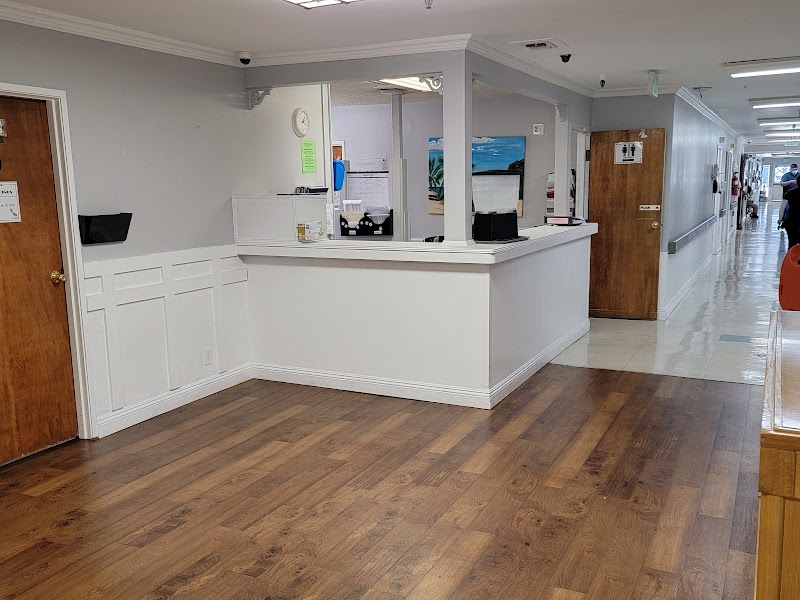
How is Pasadena Grove Staffed?

CMS rates PASADENA GROVE HEALTH CENTER's staffing level at 2 out of 5 stars, which is below average compared to other nursing homes. Staff turnover is 47%, compared to the California average of 46%.

What Have Inspectors Found at Pasadena Grove?

State health inspectors documented 72 deficiencies at PASADENA GROVE HEALTH CENTER during 2022 to 2025. These included: 68 with potential for harm and 4 minor or isolated issues. While no single deficiency reached the most serious levels, the total volume warrants attention from prospective families.
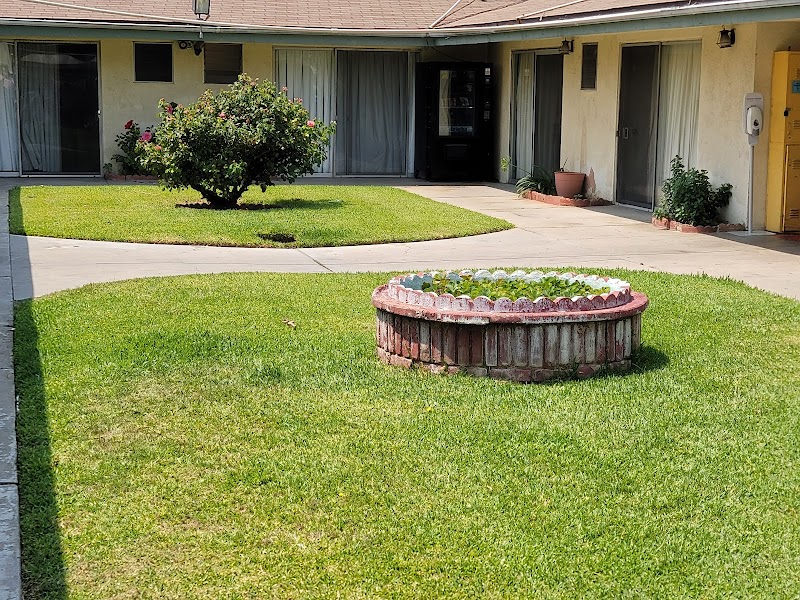
Who Owns and Operates Pasadena Grove?

PASADENA GROVE HEALTH CENTER is owned by a for-profit company. For-profit facilities operate as businesses with obligations to shareholders or private owners. The facility operates independently rather than as part of a larger chain. With 71 certified beds and approximately 64 residents (about 90% occupancy), it is a smaller facility located in PASADENA, California.
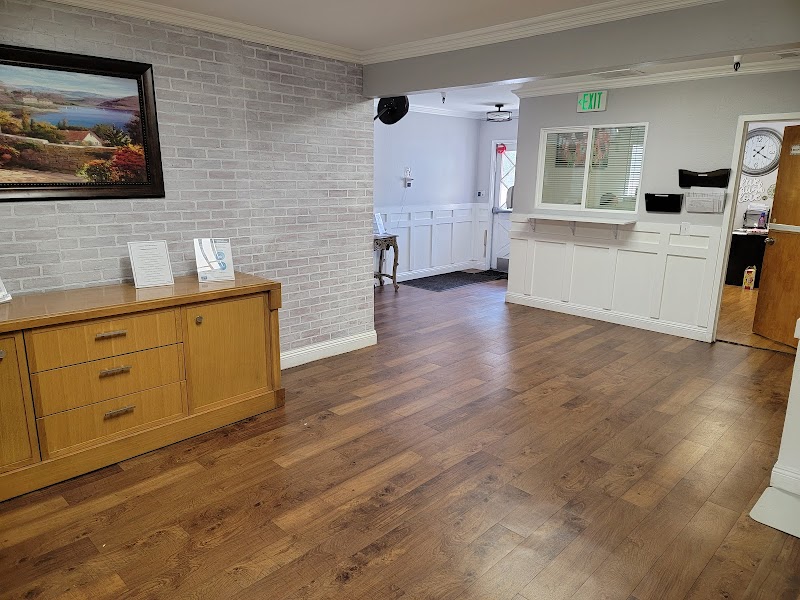
How Does Pasadena Grove Compare to Other California Nursing Homes?

Compared to the 100 nursing homes in California, PASADENA GROVE HEALTH CENTER's overall rating (2 stars) is below the state average of 3.1, staff turnover (47%) is near the state average of 46%, and health inspection rating (2 stars) is below the national benchmark.

What Should Families Ask When Visiting Pasadena Grove?

Based on this facility's data, families visiting should ask: "Can you walk me through typical staffing levels on day, evening, and night shifts?" "Can I visit during a mealtime to observe dining assistance and food quality?" "How do you handle medical emergencies, and what is your hospital transfer rate?" "Can I speak with family members of current residents about their experience?" These questions are particularly relevant given the below-average staffing rating.

Is Pasadena Grove Safe?

Based on CMS inspection data, PASADENA GROVE HEALTH CENTER has a clean safety record: no substantiated abuse findings (meaning no confirmed cases of resident harm), no Immediate Jeopardy citations (the most serious violation level indicating risk of serious injury or death), and is not on the Special Focus Facility watch list (a federal program monitoring the lowest-performing 1% of nursing homes). The facility has a 2-star overall rating and ranks #100 of 100 nursing homes in California. While no facility is perfect, families should still ask about staff-to-resident ratios and recent inspection results during their visit.

Do Nurses at Pasadena Grove Stick Around?

PASADENA GROVE HEALTH CENTER has a staff turnover rate of 47%, which is about average for California nursing homes (state average: 46%). Moderate turnover is common in nursing homes, but families should still ask about staff tenure and how the facility maintains care continuity when employees leave.

Was Pasadena Grove Ever Fined?

PASADENA GROVE HEALTH CENTER has been fined $4,233 across 1 penalty action. This is below the California average of $33,121. While any fine indicates a compliance issue, fines under $50,000 are relatively common and typically reflect isolated problems that were subsequently corrected. Families should ask what specific issues led to these fines and confirm they've been resolved.

Is Pasadena Grove on Any Federal Watch List?

PASADENA GROVE HEALTH CENTER is not on any federal watch list. The most significant is the Special Focus Facility (SFF) program, which identifies the bottom 1% of nursing homes nationally based on persistent, serious quality problems. Not being on this list means the facility has avoided the pattern of deficiencies that triggers enhanced federal oversight. This is a positive indicator, though families should still review the facility's inspection history directly.