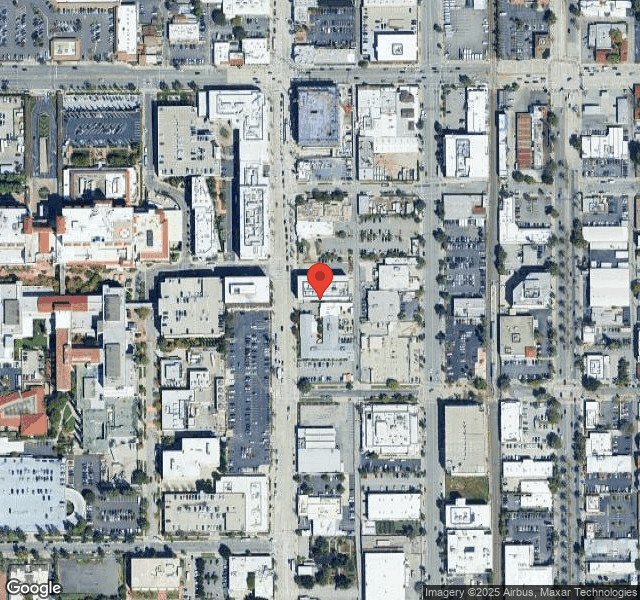
Pasadena Palace TCU

716 SOUTH FAIR OAKS AVE, PASADENA, CA 91105 (626) 737-0560
For profit - Corporation 75 Beds Independent Data: November 2025 1 Immediate Jeopardy citation
Trust Grade
13/100
#1091 of 1155 in CA
Last Inspection: November 2024

Within standard 12-15 month inspection cycle. Federal law requires annual inspections.

Overview

Pasadena Palace TCU has received a Trust Grade of F, indicating significant concerns about the facility's quality and care. With a state rank of #1091 out of 1155, they are in the bottom half of California facilities, and at #335 out of 369 in Los Angeles County, they offer limited options for improvement. The facility has shown some improvement in recent years, decreasing from 26 issues in 2024 to 22 in 2025, but staffing issues are a mixed bag, with a 4/5 star rating for staffing, though the 39% turnover rate is average. However, the facility has incurred $27,808 in fines, greater than 76% of California facilities, raising concerns about compliance. Specific incidents of concern include a critical failure to provide appropriate monitoring for a resident with severe mental health issues, resulting in a dangerous situation, and serious medication errors that led to aggressive behavior and hospitalization. While there are strengths in staffing stability, the overall quality of care presented by the facility raises significant red flags for families considering this option.

Trust Score
F
13/100
In California
#1091/1155
Bottom 6%
Safety Record
High Risk
Review needed
Inspections
Getting Better
26 → 22 violations
Staff Stability
○ Average
39% turnover. Near California's 48% average. Typical for the industry.
Penalties
✓ Good
$27,808 in fines. Lower than most California facilities. Relatively clean record.
Skilled Nurses
○ Average
Each resident gets 33 minutes of Registered Nurse (RN) attention daily — about average for California. RNs are the most trained staff who monitor for health changes.
Violations
⚠ Watch
88 deficiencies on record. Higher than average. Multiple issues found across inspections.
★☆☆☆☆
1.0
Overall Rating
★★★★☆
4.0
Staff Levels
★★☆☆☆
2.0
Care Quality
★☆☆☆☆
1.0
Inspection Score
Stable
2024: 26 issues
2025: 22 issues

The Good

  • 4-Star Staffing Rating · Above-average nurse staffing levels
  • Full Sprinkler Coverage · Fire safety systems throughout facility
  • No fines on record
  • Staff turnover below average (39%)

    9 points below California average of 48%

Facility shows strength in staffing levels, fire safety.

The Bad

1-Star Overall Rating

Below California average (3.1)

Significant quality concerns identified by CMS

Staff Turnover: 39%

Near California avg (46%)

Typical for the industry

Federal Fines: $27,808

Below median ($33,413)

Moderate penalties - review what triggered them

The Ugly 88 deficiencies on record

1 life-threatening 2 actual harm
Aug 2025 1 deficiency
CONCERN (E) 📢 Someone Reported This

A family member, employee, or ombudsman was alarmed enough to file a formal complaint

Potential for Harm - no one hurt, but risky conditions existed

Food Safety (Tag F0812)

Could have caused harm · This affected multiple residents

Based on observation, interview, and record review, the facility failed to ensure the food service area was maintained clean, sanitary, and in a functional manner while providing proper food handling ...

Read full inspector narrative →
Based on observation, interview, and record review, the facility failed to ensure the food service area was maintained clean, sanitary, and in a functional manner while providing proper food handling in accordance with the facility's policy and procedure (P&P) by failing to ensure:1. Walk in freezer's temperature was checked on 8/4/2025 and 8/5/2025, Walk in refrigerator's (Refrigerator 1) temperature was checked on 8/4/2025 and 8/5/2025 and Standing refrigerator's (Refrigerator 2) temperature was checked on 8/2/2025, 8/3/2025, 8/4/2025 and 8/5/2025.2. Dishwasher machine's top surface was clean, without dust and crumbs. 3. [NAME] crispies were disposed after 6/30/2025 as labeled in the use by date sticker and flour with prepared date of 6/14/2025 was labeled with correct use by date.4. The dry food storage room's temperature was checked daily from 7/20/2025 to 8/5/2025. 5. 208 nutritional supplement drinks (designed to help individuals gain or maintain weight and used as meal replacements) were not stored in a room with temperature of 90 Fahrenheit (F, unit of measurement). 6. 52 packs of loaf bread were not stored in a room with temperature of 90 F. These deficient practices had the potential to result in pathogen (germ) exposure to residents, which could place the residents at risk for developing foodborne illness (food poisoning) and can lead to other serious medical complications and hospitalization.1.During a concurrent observation in the facility kitchen and record review on 8/5/2025 at 6:15 AM, of walk-in freezer and Refrigerator 1 temperature log dated for the month of August 2025 were reviewed. Observed Refrigerator 1 and walk- in freezer had a record of walk- in freezer and Refrigerator 1 temperature log posted outside the door. Walk in freezer and Refrigerator 1 has missing temperatures and initials for 8/4/2025 for the PM (afternoon shift) column and has missing temperatures and initials for 8/5/2025 AM (morning shift) column. The logs also indicated AM shift cook to check temperatures upon arrival in the morning and PM shift cook to check temperatures before leaving at night. During a concurrent observation and record review on 8/5/2025 at 6:17 AM in the facility kitchen, Refrigerator 2's temperature log for the month of 8/2025 was reviewed. Observed Refrigerator 2's temperature log posted outside the door. The temperature log did not indicate AM and PM temperatures and initials on 8/2/2025, 8/3/2025, 8/4/2025. In addition, the temperature log did not have documentation of temperature and initials on 8/5/2025 under the AM shift column. During an interview on 8/5/2025 at 1:37 PM with [NAME] 1, [NAME] 1 stated he forgot to check the temperatures of the walk-in freezer, Refrigerator's 1 and 2 today when he started his shift and entered Facility's kitchen at 5 AM. During an interview on 8/5/2025 at 1:40 PM with [NAME] 2, [NAME] 2 stated she worked last night, and forgot to check the temperature of the walk in freezer, Refrigerators 1 and 2 when she left the kitchen at 6:30 PM. [NAME] 2 stated it is important to check temperatures of the freezer and refrigerators before end of shift during the PM to make sure the foods are being stored safely and to avoid having food spoilage that is not beneficial to residents. During an interview on 8/5/2025 at 1:57 PM with the Dietary Services Supervisor (DSS), the DSS stated it was Cook's responsibility to check and document the freezer and refrigerator's temperature. The DSS stated it is important to check and maintain the correct freezer and refrigerator temperature to avoid foodborne illnesses, bacteria might grow if the temperature is not maintained, and it is not safe for the residents who will consume the foods that spoiled or not stored in the correct temperature settings. During a review of Facility's P&P titled Sanitation and Infection Control - Refrigerated Storage, dated 2018, indicated refrigerator temperatures should be recorded two times each day. The P&P indicate it is recommended temperatures be recorded in AM immediately after opening the kitchen and the PM before closing. During a review of Facility's P&P titled Food Receiving and Storage, revised in November 2022, indicated functioning of the refrigeration and food temperatures are monitored daily and at designated intervals throughout the day by the designee and documented. 2. During an observation on 8/5/2025 at 6:30 AM in the facility's kitchen, the dishwasher machine top area was observed with dust and crumbs. During a concurrent observation and interview on 8/5/2025 at 8:44 AM in the facility's kitchen with the DSS, the dishwasher machine was observed. The DSS stated the top area of the dishwasher machine appears to be dirty with dust and crumbs. The DSS stated the dishwasher machine should be cleaned every after use. The DSS stated, since this is the first time that the dishwasher machine was being used after breakfast meal, the dishwasher machine should have been cleaned by last night's kitchen staff who last used the dishwasher after dinner meal. During an interview on 8/5/2025 at 1:33 PM with Kitchen Staff 1 (KS 1), KS 1 stated that the dishwasher machine was dirty this morning and only noticed it when the DSS told him to clean it after being observed by surveyor. KS 1 stated the dishwasher machine's outer area should remain clean to avoid having the cleaned dishes from getting dirty from dust and crumbs. During a review of Facility's P&P titled Sanitation and Infection Control - Sanitizing Equipment, Food and Utility Carts, dated 2011, indicated the following: All equipment should be sanitized to prevent the spread of disease and infection. All kitchenware equipment (including utensils and plates) and surfaces which come in contact with food will be cleaned and sanitized after each use. 3. During an observation on 8/5/2025 at 6:21 AM in the facility's kitchen dry food storage room, a container of rice crispies (toasted rice grains) were observed with preparation date of 1/30/2025 and use by date of 6/30/2025. In addition, there was a container of flour labeled with preparation date of 6/14/2025 and use by date of 7/14/2025. During an interview on 8/5/2025 at 1:41 PM with [NAME] 2, [NAME] 2 stated the container of rice crispies should have been thrown right after 6/30/2025 and not wait until more than a month. [NAME] 2 stated it is no longer safe to serve the residents food items that have passed by the used by date because it might cause sickness like stomachache and possible diarrhea to the residents. During an interview on 8/5/2025 at 1:42 PM with [NAME] 2, [NAME] 2 stated the flour used by date was mislabeled. [NAME] 2 stated flour can stay in the container for up to 5 months. [NAME] 2 stated, since the flour was labeled as prepared on 6/14/2025, the use by date should be 11/14/2025 and not 7/14/2025. [NAME] 2 stated having a mislabeled used by date might cause confusion to kitchen staff, and untimely disposing might happen if foods were labeled incorrectly. During a review of Facility's P&P titled Food Receiving and Storage, revised in November 2022, indicated dry foods that are stored in bins are removed from original packaging, labeled and dated ( use by date). During a review of Facility's P&P titled Food Storage Guidelines: Dry Storage, dated 2020, indicated the following shelf life: Flour: (opened) 6-8 months. 4. During a concurrent observation and interview on 8/5/2025 at 2:24 PM in the facility's dry food storage room with DSS, the room was observed to be warm, and the wall thermometer indicated 90 F. The DSS stated it is hot in the room because the swamp cooler was turned off. The DSS stated 90 F is not a good temperature for the dry food storage room. The DSS stated the room should maintain a temperature of 70 F or below. During a concurrent record review and interview on 8/5/2025 at 2:27 PM in the facility's dry food storage room with DSS, the food storage temperature chart for the month of July 2025 was reviewed. The DSS stated, per chart, the last time the dry food storage room was checked for temperature was on 7/19/2025. The DSS was unable to provide written evidence of the dry food storage room temperature chart for August 2025. The DSS stated the temperature check and documentation was not done from 7/20/2025 to 8/5/2025, because if it was done, the temperature chart should have been posted outside the door of dry food storage room. During a concurrent observation and interview on 8/5/2025 at 3 PM with the Director of Nursing (DON), in the facility kitchen's dry food storage room, the thermometer was observed at 84 F. The DON verified and stated, the room is warm, and it is not good for the foods that are stored inside the dry food storage room. During a review of Facility's undated form titled Food Storage Temperature Chart, indicated recommended temperature for dry storage area is 50 F - 70 F. During a review of Facility's P&P titled Food Receiving and Storage, revised in November 2022, indicated non-refrigerated foods are stored in temperature and humidity-controlled room. 5. During a concurrent observation in the facility's dry food storage room, record review and interview on 8/5/2025 at 3:02 PM with the DSS, the facility's undated Policy and Procedure (P&P) for Boost and Nepro was reviewed. The dry food storage room thermometer was observed at 84 F. In addition, approximately 176 bottles of Boost (nutritional supplement drink) and approximately 32 containers of Nepro (nutritional supplement drink specifically designed for individuals on dialysis [a treatment to cleanse the blood of wastes and extra fluids artificially through a machine when the kidney(s) have failed]) were observed. The P&P indicated storage temperature: Store in a cool, dry place, ideally between 68 F and 77 F. The DSS stated storing boost, ensure and Nepro in a room with temperature of 84 F can lead to spoilage of the drinks and will give the residents health issues like diarrhea. The DSS stated the quality of the food or drink is no longer the same when stored beyond the ideal temperature of 77 F. 6. During a concurrent observation in the facility's dry food storage room, record review and interview on 8/5/2025 at 3:35 PM with DSS, the facility's undated P&P for loaf bread storage was reviewed. Observed multiple loaf breads were stored on a food rack inside the room and thermometer was observed at 84 F. the P&P indicated storage for loaf bread, the room temperature should be within the 60 F to 80 range. The DSS stated, the loaf bread is no longer good to serve to residents since the dry food storage room reached 90 F today. During a concurrent observation and interview on 8/5/2025 at 3:40 PM with the Administrator (ADM), the Facility's dry food storage room was observed. The ADM verified the room feels warm. The ADM stated the nourishment drinks and loaf bread that were stored in the dry food storage room are no longer good to serve to the residents. During a review of Facility's P&P titled Food Receiving and Storage, revised in November 2022, indicated food services, or other designated staff, always maintain clean and temperature appropriate food storage.
May 2025 1 deficiency
CONCERN (D) 📢 Someone Reported This

A family member, employee, or ombudsman was alarmed enough to file a formal complaint

Potential for Harm - no one hurt, but risky conditions existed

Deficiency F0627 (Tag F0627)

Could have caused harm · This affected 1 resident

**NOTE- TERMS IN BRACKETS HAVE BEEN EDITED TO PROTECT CONFIDENTIALITY** Based on interview and record review the facility failed to readmit one (1) of two (2) sampled residents (Resident 1) back to th...

Read full inspector narrative →
**NOTE- TERMS IN BRACKETS HAVE BEEN EDITED TO PROTECT CONFIDENTIALITY** Based on interview and record review the facility failed to readmit one (1) of two (2) sampled residents (Resident 1) back to the facility on 5/17/2025 after Resident 1 was discharged from General Acute Care Hospital (GACH) back to the facility in accordance with the facility's policy and procedure (P&P) titled Bed Holds and Returns. This deficient practice had the potential to violate the rights of Resident 1 and lengthen unnecessary stay in GACH. Findings: During a review of Resident 1's admission Record indicated the resident was admitted to the facility on [DATE] with diagnoses that including but not limit to spondylosis (gradual breakdown of the spine and related structures), anxiety disorder (persistent and excessive worry that interferes with daily activities), depression (a common mental health condition characterized by a persistent low mood, loss of interest or pleasure in activities, and other symptoms that can significantly interfere with daily life) and borderline personality disorder (a personality disorder characterized by severe mood swings, impulsive behavior, and difficulty forming stable personal relationships). During a review of Resident 1's Minimum Data Set (MDS, resident assessment screening tool), dated 2/1/2025, indicated the resident had no impairment of cognitive (capable of remembering, learning new things, concentrating, or making decisions that affect everyday life) skills for daily decision making. Resident 1 required supervision (helper provides verbal cues or touching assistance) for upper and lower body dressing and putting on/taking off footwear. Resident 1 required set up or clean up assistance (helper sets up or cleans up) for eating, oral hygiene and personal hygiene. During a review of Resident 1's Physician Order Sheet (POS) for 5/2025, indicated Resident 1 had an order to be transferred to GACH on 5/12/2025, due to danger to herself. During a review of Resident 1's Progress Notes dated 5/12/2025 at 9:36 AM, Progress Notes indicated Resident 1 was transferred to GACH on 5/12/2025 for further evaluation. During a review of Resident 1's Progress Notes dated 5/16/2025 at 6:04 PM, Progress Notes indicated GACH called facility to ask if facility could readmit Resident 1 but facility will not readmit Resident 1. During a review of Resident 1's GACH Discharge Orders dated 5/17/2025 at 11:49 AM, Discharge Orders indicated Resident 1 is in stable condition and may be transferred back to facility but unable to return to facility. During an interview and record review on 5/19/2025 at 10:04 AM with the Director of Admissions (DOA) the facility's census for 5/15/25 was reviewed. The census indicated there were beds available to admit residents. DOA stated that GACH called on 5/16/25 to ask if Resident 1 can be readmitted . DOA stated that the facility will not admit Resident 1 back to the facility by order of the Administrator (ADM). During a concurrent interview and record review on 5/19/2025 at 10:21 AM with the ADM, the facility's P&P titled Bed Holds and Returns, revised 1/2001 was reviewed. The P&P indicated: The requirement that residents be permitted to return to the facility following hospitalization or therapeutic leave applies to all residents regardless of payer source. Residents who seek to return to the facility within the bed hold period defined in the state plan are allowed to return to their previous room, if available. DON stated, the policy states the resident is allowed to return to the facility but Resident 1 was not allowed to return. I don't want to accept her back because she had a dog that required a private room and she caused a lot of problems for the facility.
May 2025 2 deficiencies 1 IJ
CRITICAL (J) 📢 Someone Reported This

A family member, employee, or ombudsman was alarmed enough to file a formal complaint

Immediate Jeopardy (IJ) - the most serious Medicare violation

Deficiency F0742 (Tag F0742)

Someone could have died · This affected 1 resident

Based on observation, interview, and record review the facility to provide treatment and services to attain the highest practicable mental and psychosocial well- being of one of two sampled residents ...

Read full inspector narrative →
Based on observation, interview, and record review the facility to provide treatment and services to attain the highest practicable mental and psychosocial well- being of one of two sampled residents (Resident 1) who was diagnosed with depression (a constant feeling of sadness and loss of interest, which stops you doing your normal activities) anxiety (a feeling of fear, dread, and uneasiness), and borderline personality disorder (a mental health condition that affects the way people feel about themselves and others, making it hard to function in everyday life) and who was identified as being danger to self and others (DTSO- the probability that a person will inflict serious physical injury upon the person or another person in the near future) on 4/28/2025 by failing to: 1. Ensure 1:1 sitter (provide one to one nursing or observation care to an individual patient for a period of time) intervention were put in place for Resident 1 who refused to be sent to General Acute Care Hospital (GACH) on 4/28/2025 due to DTSO. 2. Monitor and document Resident 1 behavior of verbalizing possibly hurting self or other after the resident was identified to be danger to self and to others on 4/28/2025. 3. Develop and implement a care plan to address Resident 1's refusal to be sent to GACH on 4/28/2025 in accordance with the physician's order. 4. Ensure additional follow up and intervention was developed for Resident 1 to ensure Resident 1's safety and prevent injury and harm to self or to others after resident refused psychiatrist (the branch of medicine concerned with the study, diagnosis, and treatment of mental illness) consultation on 5/8/2025. 5. Develop and implement a care plan when Resident 1 was identified to be DTSO on 4/28/2025 to ensure the resident's safety and security and prevention of injuries. As a result of noncompliance, on 5/12/2025 at 5:20 AM, Resident 1 was found unresponsive by Licensed Vocational Nurse (LVN 1) with two (2) opened prescription plastic containers of doxepin (medication to treat anxiety or depression - unknown dosage) and 1 bottle of ondansetron (medication used to prevent nausea and vomiting- unknown dosage). Resident 1 was sent to GACH via 911 (the telephone number used to reach emergency medical, fire, and police services) and was assessed in GACH' ER with Glascow Coma Scale (GCS- neurological assessment tool used to evaluate a patient's level of consciousness. The score ranges from 3 [deep comatose {state of deep unconsciousness for a prolonged or indefinite period, especially as a result of injury or illness}] to 15 [full consciousness]) of 3. Resident 1 was intubated (a process where healthcare professional inserts a tube into a patient's mouth or nose into the trachea [airway/ windpipe] to help the patient to breath) for poor GCS and was admitted to GACH's Intensive care units (ICU, an organized system for the provision of care to critically ill patients) from 5/12/2025 to 5/14/2025. Resident 1's urine toxicology (screen analyzes a urine sample to identify the presence of drugs or other chemicals) report indicated Resident 1 was positive for tricyclic antidepressant (TCA- a class of medications used to treat anxiety and/ or depression). On 5/14/2025 at 4:51 PM, while onsite at Facility 1, the California Department of Public Health (CDPH) called an Immediate Jeopardy situation (IJ, a situation in which the provider's noncompliance with one or more requirements of participation has caused or is likely to cause serious injury, harm, impairment, or death of a resident) in the presence of Administrator ( ADM), and Medical Record Director ( MDR) due to the facility's failure to prevent further occurrence of serious harm, serious impairment, and or death of residents with diagnosis of depression, anxiety, and borderline personality disorder and or who were assessed to be DTSO. On 5/16/2025 at 3:16 PM the facility submitted an acceptable IJ removal plan (IJRP- action to correct the deficient practice) to CDPH. The IJ was removed after the surveyor verified and confirmed the facility implemented the facility's IJRP while onsite by observation, interview, and record review. The IJ was removed in the presence of the ADM, MRD, and Director of Operations (DOO). The IJ Removal Plan dated 5/16/2025 included the following: 1. Immediate Action Taken on 05/14/5025: o Starting on 05/13/2025 the charge nurse will immediately notify the physician if the resident refused to go to the hospital, refusal of care and treatment for psychiatry and psychologist (someone who studies the human mind and human emotions and behavior, and how different situations have an effect on people). o Starting on 5/14/2025, if a resident has an order to be transferred to the hospital for further evaluation who exhibits any behavior (not specified), and refused to be transferred to the hospital licensed nurse will immediately notify MD. o The Director of Social Services completed (date not indicated) a Psychosocial Assessment of nine (9) identified residents who has a diagnosis of depression, reviewed and updated 9 Care Plan as necessary. There are no other identified residents who has a diagnosis of anxiety, borderline personality disorder and DTSO. o Licensed staff were instructed to document behavioral observations in the monitoring log such DTSO every hour and notify the nurse or RN supervisor and/or designee 2. Ongoing Monitoring and Documentation: o On 5/14/25 the Medical records Director generated an audit of all residents with diagnoses including anxiety disorder, borderline personality disorder, and Depression; and provided the list to the Assistant Director of Nursing (DON) and the Administrator for further review and analysis. o The facility has a total census of 61 on 5/14/2025, there were 9 residents that have a diagnosis of depression, and no other residents have a diagnosis of anxiety and borderline personality disorder. o The Director of Social Services completed a psychosocial assessment of all 9 residents with a diagnosis of depression to identify residents who may be DTSO on 5-14-2025 and o other residents were identified at risk of harming themselves or others. o Starting on 05/13/2025 Situation, Background, Assessment, and Recommendation (SBAR, structured communication framework that can help teams share information about the condition of a patient or team member or about another issue your team needs to address), / Change in Condition (COC change in a resident's condition may mean that he or she is at risk) was implemented, and in-service was conducted by Assistant DON and Clinical Consultant to licensed nurses that the facility promptly notifies the resident, the resident's physician and the resident's representative of any changes in the resident's medical/mental condition and/or status. o On 05/14/2025, 72-hour monitoring including mood/behavioral changes, interactions with staff and peers, response to redirection, and safety observations will be implemented for the resident/s. The Assistant DON and clinical consultant conducted an in-service (starting 5/14/2025) to licensed nurses to include mood/behavioral changes, interactions with staff and peers, response to redirection, and safety observations. 3. Care Plan Development and Implementation: o On 05/14/2025 the care plan was reviewed and updated for 9 identified residents who has a diagnosis of depression. Assistant DON and clinical consultant provided in-service to license nurses regarding Care plan documentation for residents that addressed a psychiatric crisis (any situation in which a person's behavior puts them at risk of hurting themselves or others) and refusal to comply with the physician's recommendation for hospital transfer for resident's safety. o On 05/14/2025 the Administrator conducted 1:1 in-service to SSD regarding Care plan documentation for residents that addressed a psychiatric crisis and refusal to comply with the physician's recommendation for hospital transfer to ensure resident's safety o Crisis Intervention Plan included: o Provide safe and clean environment o Visual check and document monitoring of resident behavior every hour for resident safety o Administer medication as ordered o Diet as ordered o Encourage to verbalize feelings o Always approach in calm and friendly manner and unhurriedly o To ensure all needs are met o Provide emotional support o Maintain comfort and dignity o To call doctor of medicine (M.D) for any noted change of condition 4. Follow-Up after Refusal of Psychiatrist Consultation on 5/8/2025: o Starting on 05/13/2025, Social Services will re-evaluate and update initial psychosocial assessment of the resident when a resident refused for psychiatric consult and licensed nurse will inform MD. o Starting on 05/14/2025, Social services will make daily visits to re-engage the resident and residents who are identified with diagnosis of depression, anxiety and borderline personality disorder and documented in the progress notes and provide resident's education on the importance of psychiatric evaluation. 5. Revised Care Plan for DTSO: o Starting on 05/14/2025, behavioral and Crisis intervention care plan (Crisis intervention Plan under #3) will be implemented to reflect ongoing risk for harm to self and others. Interventions included: o AS needed (PRN) and scheduled psychiatric medication management o Behavior tracking and psychiatric consultation follow-up o Staff re-education on management of residents with psychosocial adjustment difficulties o Development of a crisis intervention care plan to Resident 1's behavior that triggers and de-escalation techniques 6. Systemic Measures to Prevent Recurrence o Starting on 5/13/2025 the ADON and Clinical consultant conducted in-service licensed nurses regarding policy and procedure SBAR/COC with emphasis on immediately reporting resident for any change in the resident medical/mental condition. o Licensed staff in-services will continue until compliance is met. o All licensed nurses and social services staff were in-serviced by Administrator, ADON and Clinical consultant immediately on 05/14/2025 regarding the existing policies and procedures: o Charting and Documentation Policy for management of residents with psychiatric/psychologist who has a diagnosis of depression, anxiety, borderline personality disorder and danger to self and others. o Requesting, Refusing and/or Discontinuing Care or Treatment o Initial Psychosocial Assessment, Intervention and Monitoring Policy and Implementation of Crisis Intervention Policy 7. Monitoring for Sustained Compliance o The Director of Nursing (DON) and/or ADON will audit all residents with behavioral risks for residents who have diagnosis of depression, anxiety, borderline personality disorder and danger to self and others weekly x 4 weeks, then monthly x 3 months. o All refusals of psychiatric care or hospital transfers will be reviewed by the IDT within 24 hours of occurrence and to notify primary care physician. o Results of audits and compliance monitoring will be reported by the DON and/or ADON monthly to the Quality Assurance and Performance Improvement (QAPI) committee. Findings: During a review of Resident 1's admission record indicated the facility admitted Resident 1 on 11/14/2024 with diagnosis which include depression, anxiety, and borderline personality disorder. During a review of Resident 1's Minimum Data Set (MDS, resident assessment tool), dated 2/1/2025, indicated Resident 1 was assessed to be cognitively intact (process of thinking and reasoning). The MDS also indicated Resident 1 was set up or clean up assistance (helper set up or cleans up; resident complete the activity) on eating, oral hygiene, personal hygiene. During a review of Resident 1's progress notes dated 4/28/2025 at 10:45 PM indicated Resident 1 stated the facility is a sh*thole because the people in the facility make it a shithole. It should have been burned down in the fire so all of us suffering from this d*ck could have somewhere better. The progress notes also indicated an order to transfer the resident to hospital for DTSO. During a review of Resident 1's Order sheet dated 4/28/2025 indicated notes: schedule for psychiatrist and psychologist consult. Frequency: one time daily for one day starting 4/28/2025. During a review of Resident 1's Physicians Order Sheet print date on 5/13/2025 indicated Transfer to acute hospital: transfer resident due to danger to self and others, order date 4/28/2025. During a review of Resident 1's medical records from 4/28/2025 to 5/11/2025, it did not indicate documented evidence Resident 1 was transferred to GACH due to DTSO. During a review of Resident 1's progress notes dated 5/12/2025 at 9:36 AM indicated at 5:20 AM License Vocational Nurse (LVN 1) LVN 1 went to Resident 1's room to check on the resident and LVN 1 found Resident 1 unresponsive, with pulse and breathing normal. The progress notes also indicated 911 transferred Resident 1 to General Acute Care Hospital emergency room (GACH ER) for further evaluation. During a review of Local Police District (LPD1) report dated 5/12/2025 indicated, on 5/12/2025 at approximately 10:17 AM LPD1 were dispatched to the facility to respond to a possible overdose. The LPD1 report indicated Resident 1 was unresponsive and was sent to GACH. LPD1 report also indicated according to the interview with ADM, the ADM received a text from the charge nurse indicating Resident 1 was not waking up possibly due to the medications and alcohol the resident may have consumed. The report also indicated Resident 1 was taken to GACH on 5/12/2025 at approximately 6AM and according to the interview with ADM, the medications found at Resident 1's bedside were not provided by their facility (from Pharmacy 2) but belonged (was labeled under Resident 1's name) to Resident 1. During a review of Reisdent 1's GACH records dated from 5/12/2025 to 5/20/2025 indicated, Resident 1 was admitted at GACH from 5/12/2025 and was discharged to home with Resident 1's family on 5/20/2025. The GACH record indicated, on 5/12/2025 Resident 1 was brought to GACH's ER with chief complaint of altered mental status at SNF with next to empty pill bottles (name of medication not specified) and Resident 1 with GCS of 3. The GACH record also indicated Resident 1 was brought in by ambulance after the resident was found in the facility somnolent (sleepy) and obtunded this morning (5/12/2025). The GACH record also indicated per paramedic's report, Resident 1 was found next to alcohol bottles (not specified) and a bag of pills (not specified) that were unknown and possibly there was a bottle of Klonopin. During a review of the same Resident 1's GACH records dated from 5/12/2025 to 5/20/2025 indicated, Resident 1 was intubated for poor GCS. The GACH records also indicated Resident 1 had intentional TCA overdose +/- (with or without) Kolonopin. The GACH records indicated, Resident 1 was admitted in GACH's ICU from the ER, then downgraded (a reduction in the level of care or status, often in the context of a patient's condition or a medical procedure being changed to a less complex or less expensive) option to Medical Surgical Unit (MSU- a specific area where patients receive care for a variety of medical/ surgical conditions and less critical patient than in ICU) on 5/14/2025. During an interview on 5/14/2025 at 7:05 AM with LVN 3, LVN 3 stated on 5/12/2025 at around 5AM, Resident 1 was unresponsive and LVN 3 tried to wake the resident for 10 minutes, but the resident was not responding. LVN 3 stated, Resident 1 was laying across the bed horizontally and snoring loud. LVN 3 also stated LVN 3 saw 2 opened prescription plastic containers of doxepin (unknown dosage) and 1 bottle of ondansetron (unknown dosage). LVN 3 also stated the medications were not dispensed from the facility's pharmacy (Pharmacy 1). LVN 3 stated the residents are not allowed to have medications from outside the facility and all medications should be prescribed by the primary physicians and medication supplies should be coming from Pharmacy 1. During a concurrent interview and record review on 5/14/2025 at 7:25 AM with LVN 1, Resident 1's progress notes dated 5/12/2025 was reviewed. LVN 1 stated, LVN 1 started her shift on 5/11/2025 at around 11:30 PM making rounds and check Resident 1 and did not check on Resident 1 until 5/12/2025 around 5:20 AM. LVN 1 stated at 5:20 AM Resident 1 was laying across the bed, snoring, and unresponsive to stimuli. LVN 1 also stated, Resident 1 had 2 opened prescription plastic containers of doxepin and 1 bottle of ondansetron on the resident's bedside table. LVN 1 stated, Resident 1 was transferred to GACH ER via 911 around 6 AM and police came approximately 4 to 5 hours after. During a concurrent interview and record review on 5/14/2025 at 3:30 PM with LVN 2, Resident 1's medical chart dated from 4/28/2025 to 5/13/2025 were reviewed. There was no documented evidence of the facility monitored Resident 1 after being assessed as DTSO and when Resident 1 refused to be transferred to GACH. LVN 2 stated no monitoring and documentation from 4/28/2025 to 5/11/2025 regarding resident's danger to self and others on the resident's progress notes. LVN 2 also stated Resident 1 did not have care plan developed to address Resident 1's refusal to be transferred to GACH on 4/28/2025. During a concurrent interview and record review on 5/14/2025 at 3:35 PM with LVN 2, Resident 1's progress notes dated 5/8/2025 at 5:09 PM and Resident 1's medical chart dated from 5/9/2025 to 5/13/2025 were reviewed. The progress notes dated 5/8/2025 indicated offered Psychiatric consult but declined and stated that she (Resident 1) had her own psychiatrist. In addition, there was no documented evidence that the facility made a follow up and provided additional interventions after resident refused psychiatrist consult. LVN 2 stated there was no additional follow up and intervention was made for Resident 1 to ensure Resident 1's safety and prevent injury and harm to self or to others after resident refused psychiatrist consultation on 5/8/2025. During a concurrent interview and record review on 5/14/2024 at 4:35 PM with the Registered Nurse Supervisor (RNS 1), Resident 1's medical chart dated from 4/28/2025 to 5/13/2025 were reviewed. There was no documented evidence the facility monitored Resident 1's behavior of verbalizing wanting or planning to hurt self and/ or others after the resident was identified to be DTSO and after the resident refused to be transferred to GACH on 4/28/2025. RNS 1 stated there was no Interdisciplinary Care Team (IDT, means a group of professional and direct care staff that have primary responsibility for the development of a Service Plan for an individual receiving services) meeting done, no monitoring for Resident 1's behavior of verbalizing wanting or planning to hurt self and/ or others and no care plan initiated regarding residents behavior of DTCO since 4/28/2025. During an interview on 5/16/2025 at 12:05 PM with RNS 1, RNS 1 stated the intervention to monitor Resident 1 closely at least every hour or designate 1:1 sitter for the safety of the residents and staff should have been done immediately for Resident 1. RNS 1 stated most of the staff do not go to check on Resident 1 because of the resident's behavior very mean and yells at staff. During an interview on 5/16/2025 at 12:38 PM with RNS 1, RNS 1 stated the facility should have developed Resident 1's care plan for danger to self and others and document Resident 1's behavior verbalizing wanting to burn the facility and or hurt self or others. During an interview on 5/16/2025 at 12:43 PM with RNS 1, RNS 1 stated Resident 1 refused the psychiatrist consultation on 5/8/2025, the facility did not make additional attempts for psychiatric evaluation or follow up after that. RNS 1 stated RNS 1 checked Resident 1's medical chart, and RNS 1 did not find any documentation regarding additional interventions done after Resident 1 refused. RNS 1 stated, the facility licenses nurse was supposed to monitor Resident 1's behavior of verbalizing wanting to burn the facility and/ or wanting to hurt others or self after being identified as DTSO. RNS 1 also stated, the facility was supposed to have an IDT meeting and care plan developed regarding Resident 1's refusal to be sent to GACH and to be seen by a psychiatrist. During an interview on 5/16/2025 at 12:53 PM with RNS 1, RNS 1 stated Resident 1 was DTSO, and the facility did not ensure Resident 1's safety and provide a safe environment. RNS 1 stated Resident 1 was sent to GACH's ER via 911 and admitted to the GACH's Intensive Care Unit (ICU, specialized treatment given to patients who are acutely unwell and require critical medical care) on 5/12/2025. During an interview on 5/16/2025 at 1:29 PM with LVN 2, LVN 2 stated no documentation in Resident 1's medical chart regarding monitoring of Resident 1's behavior of verbalization of wanting to burn the facility and/ or wanting to hurt others or self, after the resident was identified as DTSO. The care plan for DTSO was not initiated, no SBAR, no change of condition (COC- similar to a SBAR) documentation done and no monitoring of Resident 1 to ensure the resident's safety. During an interview on 5/16/2025 at 2:00 PM with the Administrator (ADM), ADM stated the facility failed to assess, supervise and monitor for being danger to self and others Resident 1 who was identified DTSO on 4/28/2025, and because of all these Resident 1 was found unresponsive on 5/12/2025 and was transferred to GACH and admitted in GACH's ICU. A record review of the facility's Policy and Procedure (P&P) titled Resident Examination and Assessment revised date 2001, it indicated the purpose of this procedure is to examine and assess the resident of any abnormalities in health status, which provides a basis for the care plan. A record review of the facility's P&P titled Change in a Resident's Condition or Status revised date 2/2021 indicated a significant change of condition is a major decline or improvement in the residents' status that requires interdisciplinary review and /or revision to the care plan. The P&P indicated prior to notifying the physician or healthcare provider, the nurse will make detailed observations and gather relevant and pertinent information for the provider, including information prompted by the Interact SBAR Communication Form. The P&P indicated the nurse will record in the resident's medical record information relative to change in the resident's medical / mental condition status. A record review of the facility's P&P titled Charting and Documentation date 2/2001 indicated all services to the resident, progress toward the care plan goals, or any change in the resident's medical, physical, functional pr psychosocial condition shall be documented in the resident's medical record. A record review of the facility's P&P titled Behavioral Assessment, Intervention and Monitoring dated 3/2019 under assessment indicated the nursing staff will identify, document and inform the physician about specific details regarding change in an individual's mental status, behavior and cognition. The P&P also indicated under Management: 1.The interdisciplinary team will evaluate behavioral symptoms in residents to determine the degree of severity, distress and potential safety risk to the resident, and develop a plan of care accordingly. Safety strategies will be implemented immediately if necessary to protect the resident and others from harm. a. Atypical behavior will be differentiated from behavior that is dangerous or problematic for the resident(s) or staff, or behavior that signals underlying distress. b. If the behavior is atypical but not problematic or dangerous and the resident does not appear to be in distress, then the IDT will monitor for changes but not necessarily intervene to normalize the behavior. 6. If the resident lacks decision-making capacity and does not have effective family support, the IDT will contact social services to provide assistance to the resident. 7. Interventions will be individualized and part of an overall care environment that supports physical, functional and psychosocial needs, and strives to understand, prevent or relieve the resident's distress or loss of abilities. 8. Interventions and approaches will be based on a detailed assessment of physical, psychological and behavioral symptoms and their underlying causes, as well as the potential situational and environmental reasons for the behavior Monitoring: 1. If the resident is being treated for altered behavior or mood, the IDT will seek and document any improvements or worsening in the individual's behavior, mood, and function. 2. The IDT will monitor the progress of individuals with impaired cognition and behavior until stable. New or emergent symptoms will be documented and reported.
SERIOUS (G) 📢 Someone Reported This

A family member, employee, or ombudsman was alarmed enough to file a formal complaint

Actual Harm - a resident was hurt due to facility failures

Accident Prevention (Tag F0689)

A resident was harmed · This affected 1 resident

Based on observation, interview and record review, the facility failed to provide a safe environment for one (1) of three (3) sample residents by failing to ensure Resident 1 did not possess one bottl...

Read full inspector narrative →
Based on observation, interview and record review, the facility failed to provide a safe environment for one (1) of three (3) sample residents by failing to ensure Resident 1 did not possess one bottle of alcoholic beverage and eight (8) medication bottles from Pharmacy 2 (outside pharmacy) labeled with Resident 1's name while the resident is residing in the facility in accordance with the facility's policy titled Restricted Item /Contraband. As a result of noncompliance, on 5/12/2025 at 5:20 AM, Resident 1 was found unresponsive by Licensed Vocational Nurse (LVN 1) with two (2) opened prescription plastic containers of doxepin (medication to treat anxiety or depression - unknown dosage) and 1 bottle of ondansetron (medication used to prevent nausea and vomiting- unknown dosage). Resident 1 was sent to GACH via 911 (the telephone number used to reach emergency medical, fire, and police services) and was assessed in GACH' ER with Glascow Coma Scale (GCS- neurological assessment tool used to evaluate a patient's level of consciousness. The score ranges from 3 [deep comatose {state of deep unconsciousness for a prolonged or indefinite period, especially as a result of injury or illness}] to 15 [full consciousness]) of 3. Resident 1 was intubated (a process where healthcare professional inserts a tube into a patient's mouth or nose into the trachea [airway/ windpipe] to help the patient to breath) for poor GCS and was admitted to GACH's Intensive care units (ICU, an organized system for the provision of care to critically ill patients) from 5/12/2025 to 5/14/2025. Resident 1's urine toxicology (screen analyzes a urine sample to identify the presence of drugs or other chemicals) report indicated Resident 1 was positive for tricyclic antidepressant (TCA- a class of medications used to treat anxiety and/ or depression) and placed other residents in the facility at risk for serious injury and/ or death. Cross reference with F742. Findings: During a review of Resident 1's admission record indicated the facility admitted Resident 1 on 11/14/2024 with diagnosis which include depression (a constant feeling of sadness and loss of interest, which stops you doing your normal activities), anxiety (a feeling of fear, dread, and uneasiness) , and borderline personality disorder (a mental health condition that affects the way people feel about themselves and others, making it hard to function in everyday life). During a review of Resident 1's Minimum Data Set (MDS, resident assessment tool), dated 2/1/2025, indicated Resident 1 was assessed to be cognitively intact (process of thinking and reasoning). The MDS also indicated Resident 1 was set up or clean up assistance (helper set up or cleans up; resident complete the activity) on eating, oral hygiene, personal hygiene. During a review of Resident 1's progress notes dated 5/12/2025 at 9:36 AM indicated at 5:20 AM License Vocational Nurse (LVN 1) LVN 1 went to Resident 1's room to check on the resident and LVN 1 found Resident 1 unresponsive, with pulse and breathing normal. The progress notes also indicated 911(the telephone number used to reach emergency medical, fire, and police services) transferred Resident 1 to General Acute Care Hospital Emergency (GACH) for further evaluation. During a review of Local Police District (LPD1) report dated 5/12/2025 indicated, on 5/12/2025 at approximately 10:17 AM LPD1 were dispatched to the facility to respond to a possible overdose. The LPD1 report indicated Resident 1 was unresponsive and was sent to GACH. LPD1 report also indicated according to the interview with ADM, the ADM received a text from the charge nurse indicating Resident 1 was not waking up possibly due to the medications and alcohol the resident may have consumed. The report also indicated Resident 1 was taken to GACH on 5/12/2025 at approximately 6AM and according to the interview with ADM, the medications found at Resident 1's bedside were not provided by their facility (from Pharmacy 2) but belonged (was labeled under Resident 1's name) to Resident 1. The LPD 1 repot also indicated the following medications (total of 8 bottles) were found in the resident's belongings: 1. One bottle of ondasentron (medication to prevent nausea and vomiting- (miscellaneous [misc] amount and dosage not indicated.) 2. Two bottles of Doxepin (used to treat anxiety or depression - misc amount and dosage not indicated) 3. One empty bottle of Doxepin (misc amount and dosage not indicated) 4. One bottle of Klonopin (used to control seizures [a sudden, abnormal electrical disturbance in the brain that can cause changes in behavior, movements, feelings, and levels of consciousness. It's often characterized by involuntary muscle contractions, convulsions, and sometimes a loss of awareness] in epilepsy [a chronic neurological disorder characterized by recurrent, unprovoked seizures] and for the treatment of panic disorder- misc amount and dosage not indicated) 5. Two empty bottles of Klonopin (misc amount and dosage not indicated) 6. Blue and tan pills (did not indicate name of medication- misc amount) During a review of the facility's Final Investigation Summary Report submitted to the surveyor on 5/16/2025, it indicated, LPD 1 came to the facility at approximately 11 AM (date not specified) and searched Resident 1's room and LPD 1 found pill bottles (bottle of medications) inside a shopping bag and 1.5 Liters bottle of Wine 1. The report also indicated the facility found the following items in Resident 1 belongings on 5/12/2025: 1. Crumpled receipt from Pharmacy 2 shopping bag and the receipt indicated Wine 1 was purchased from Pharmacy 1 on 5/9/2025 at 5:46 PM. 2. Bottle of medications from Pharmacy 2 labeled with Resident 1's name: Klonopin 0.5 milligrams (mg, unit of measurement) which was found empty; 15 pieces of Dilaudid 2 mg; Zpulenz 4 mg sachet with expiry date of 12/2020; 52 capsules of doxepin 100 mg and 10 tablets of Ondasteron 8 mg with expiry date of 3/2025. During a review of Reisdent 1's GACH records dated from 5/12/2025 to 5/20/2025 indicated, Resident 1 was admitted at GACH from 5/12/2025 and was discharged to home with Resident 1's family on 5/20/2025. The GACH record indicated, on 5/12/2025 Resident 1 was brought to GACH's ER with chief complaint of altered mental status at SNF with next to empty pill bottles (name of medication not specified) and Resident 1 with GCS of 3. The GACH record also indicated Resident 1 was brought in by ambulance after the resident was found in the facility somnolent (sleepy) and obtunded this morning (5/12/2025). The GACH record also indicated per paramedic's report, Resident 1 was found next to alcohol bottles (not specified) and a bag of pills (not specified) that were unknown and possibly there was a bottle of Klonopin. During a review of the same Resident 1's GACH records dated from 5/12/2025 to 5/20/2025 indicated, Resident 1 was intubated for poor GCS. The GACH records also indicated Resident 1 had intentional TCA overdose +/- (with or without) Kolonopin. The GACH records indicated, Resident 1 was admitted in GACH's ICU from the ER, then downgraded (a reduction in the level of care or status, often in the context of a patient's condition or a medical procedure being changed to a less complex or less expensive) option to Medical Surgical Unit (MSU- a specific area where patients receive care for a variety of medical/ surgical conditions and less critical patient than in ICU) on 5/14/2025. During an interview on 5/14/2025 at 7:05 AM with LVN 3, LVN 3 stated on 5/12/2025 at around 5AM, Resident 1 was unresponsive and LVN 3 tried to wake the resident for 10 minutes, but the resident was not responding. LVN 3 stated, Resident 1 was laying across the bed horizontally and snoring loud. LVN 3 also stated LVN 3 saw 2 opened prescription plastic containers of doxepin (unknown dosage) and 1 bottle of ondansetron (unknown dosage). LVN 3 also stated the medications were not dispensed from the facility's pharmacy (Pharmacy 1). LVN 3 stated the residents are not allowed to have medications from outside the facility and all medications should be prescribed by the primary physicians and medication supplies should be coming from Pharmacy 1. During a concurrent interview and record review on 5/14/2025 at 7:25 AM with LVN 1, Resident 1's progress notes dated 5/12/2025 was reviewed. LVN 1 stated, LVN 1 started her shift on 5/11/2025 at around 11:30 PM making rounds and check Resident 1 and did not check on Resident 1 until 5/12/2025 around 5:20 AM. LVN 1 stated at 5:20 AM Resident 1 was laying across the bed, snoring, and unresponsive to stimuli. LVN 1 also stated, Resident 1 had 2 opened prescription plastic containers of doxepin and 1 bottle of ondansetron on the resident's bedside table both labeled under Resident 1's name and from Pharmacy 2. LVN 1 stated, Resident 1 was transferred to GACH ER via 911 around 6 AM and police came approximately 4 to 5 hours after. LVN 1also stated, LPD 1 searched Resident 1's belongings and found four (4) additional plastic containers/ bottles of prescription medication labeled under Resident 1's name from Pharmacy 2. LVN 1 stated, the 4 additional plastic bottles of prescription medications were as follows: Klonopin (unable to recall dosage), and Clonazepam (unable to recall dosage- another name for Klonopin-produces a calming effect on the brain and nerves, which helps to reduce anxiety, prevent seizures, and promote relaxation) were inside the plastic bag with a bottle of open Wine 1. During an interview on 5/14/2025 at 10:16 AM with the Registered Nurse Supervisor (RNS 1), RNS 1 stated all medications from outside pharmacy such as Pharmacy 2 were not allowed, it was for residents' safety. RNS 1 stated only Pharmacy 1 (facility's own pharmacy) can deliver/ dispense medication in a bubble pack (an entire week's worth of medications is sorted into a single blister pack, with one blister for each dosing period) for the licensed nurses to give to the resident. During an interview on 5/14/2025 at 12 PM with LVN 2, LVN 2 stated we do not check residents' belongings, the residents usually present whatever they have. During an interview on 5/15/2025 at 12:55 PM with LVN 4, LVN 4 stated Resident 1 was able to bring alcohol and medications from Pharmacy 2 inside the facility and this caused danger to the resident. LVN 4 also stated we did not follow the facility policy and procedures (P&P) to ensure contraband/ prohibited items such as alcoholic beverage to be brought in the facility. During an interview on 5/16/2025 at 2PM with the administrator (ADM), the ADM stated the facility failed to prevent Resident 1 from bringing alcohol to and 7 prescription bottles of medications from Pharmacy 2, because of all this the resident may have overdosed with medications and wine and was found unresponsive on 5/12/2025 and was transferred to GACH, and was admitted at GACH's intensive care units (ICU, an organized system for the provision of care to critically ill patients). During a record review of the facility's P&P titled Restricted Item /Contraband revised on 3/2016, indicated restricted items include any item that is prohibited on the facility grounds. Such items include those that are illegal, or that present a safety risk to residents, staff, visitors, or the facility. The P&P also indicated, all facility staff is responsible for observing environment for potentially unsafe items. The P&P also indicated, Administrator, physician (or other clinical staff with hospital privilege), Nursing leadership or their designee can authorize a search based on reasonable suspicion of the presence of restricted items. The P&P indicated: facility residents and staff will be informed of identified restricted items (this may be done via training, posters, resident handbook or similar means) including: Drugs/medications not prescribed by facility Physicians, or with their knowledge and approval. Alcohol and items containing significant amounts of alcohol that may he abused.
May 2025 2 deficiencies
CONCERN (E) 📢 Someone Reported This

A family member, employee, or ombudsman was alarmed enough to file a formal complaint

Potential for Harm - no one hurt, but risky conditions existed

Antibiotic Stewardship (Tag F0881)

Could have caused harm · This affected multiple residents

**NOTE- TERMS IN BRACKETS HAVE BEEN EDITED TO PROTECT CONFIDENTIALITY** Based on interview and record review, the facility failed to implement its protocol for Antibiotic Stewardship to reduce inappro...

Read full inspector narrative →
**NOTE- TERMS IN BRACKETS HAVE BEEN EDITED TO PROTECT CONFIDENTIALITY** Based on interview and record review, the facility failed to implement its protocol for Antibiotic Stewardship to reduce inappropriate antibiotic (medication used to kill bacteria and to treat infections) use by not administering antibiotic drug if the antibiotic drug use criteria (McGeer criteria, a set of standardized definitions used to identify healthcare-associated infections in long-term care facilities for surveillance, tracking outbreaks, and making informed decisions about antibiotic use) was not met for two (2) of 2 sampled residents (Residents 1 and 2). This deficient practice had the potential for Residents 1 and 2 to develop antibiotic resistance (when bacteria, viruses, fungi, and parasites no longer respond to antimicrobial medicine and become ineffective making infections difficult or impossible to treat increasing the risk of disease spread, severe illness, disability, and death) and suffer adverse side effects from unnecessary or inappropriate antibiotic use. Findings: 1. During a review of Resident 1's admission Record, the admission Record indicated Resident 1 was admitted to the facility on [DATE] with the diagnoses including but not limited to cerebral infarction (a stroke, damage to tissue in the brain due to loss of oxygen to the area), epilepsy (a brain disorder that causes unprovoked, recurrent seizures), and paraplegia (partial or complete paralysis [loss of voluntary muscle function] of the lower half of the body with involvement of both legs). During a record review of Resident 1's Minimum Data Set (MDS, a resident assessment and tool), dated 2/26/2025, the MDS indicated the resident's cognitive (mental action or process of acquiring knowledge and understanding) skills for daily decision making was severely impaired. The MDS indicated Resident 1 was dependent (helper does all of the effort, resident does none of the effort to complete the activity) for toileting hygiene, shower/bathing self, upper and lower body dressing, personal hygiene, rolling left and right, and sitting to lying. During a record review of Resident 1's April 2025 Physician Order Sheet, dated 4/25/2025, the record indicated Keflex (an antibiotic for bacterial infections) 500 milligram (mg, unit of measurement) capsule take Keflex 500 mg via gastrostomy tube (G-Tube, a flexible tube surgically inserted through the abdomen into the stomach for feeding, fluid, and medication administration) twice a day for seven days for urinary tract infection (UTI, an infection of the bladder and urinary system). During a review of Resident 1's Urine Culture, dated 4/25/2025, the record indicated greater than 100,000 colony-forming unit per milliliter (cfu/ml, estimates the number of bacteria, fungi, virus, etc. in the sample) of Escherichia coli (type of bacteria that lives in the intestines of humans). During a record review of Resident 1's Medication Administration Record (MAR, a medical record used by healthcare providers to document the administration of a medication or treatment) for April 2025, the MAR indicated Keflex 500 mg capsule via G-tube two times daily for seven days starting 4/26/2025 for UTI. The MAR indicated Resident 1 received Keflex for the following days: 4/26/2025, 4/27/2025, 4/28/2025, and 4/29/2025. During a review of the Nurse to Physician Report (McGeer), the report indicated Urinary Tract Infections - both criteria 1 and 2 must be present: 1. At least 1 of the following sign or symptoms sub-criteria a. Acute dysuria (difficulty urinating) or acute pain, swelling, or tenderness of the testes (male reproductive gland inside the scrotum), epididymis (a narrow, tightly coiled tube attached to each of the testicles), or prostate (male reproductive gland located below the bladder) b. Fever or leukocytosis (an abnormally high number of white blood cells in the bloodstream) and at least 1 of the following localizing urinary tract sub-criteria i. Acute costovertebral angle (the angle formed between the curve of the rib and spine) pain or tenderness ii. Suprapubic (above the pubic bone) pain iii. Gross hematuria (visible blood in the urine) iv. New or marked increase in incontinence (inability to control) v. New or marked increase in urgency vi. New or marked increase in frequency 2. One of the following microbiologic sub-criteria a. At least 100,000 cfu/ml of no more than 2 species of microorganisms (a living thing that is so small it must be viewed with a microscope) in a voided urine sample b. At least 100 cfu/ml of any number of organisms in a specimen collected by in-and-out catheter (a flexible plastic tube inserted into the bladder to drain urine) During a concurrent record review of Resident 1's medical records and interview on 5/7/2025 at 3:37 PM with Registered Nurse 1 (RN 1), RN 1 stated an antibiotic stewardship for Resident 1's use of Keflex was not completed. RN 1 stated an antibiotic stewardship should be completed once the licensed nurse received the order for the antibiotic. RN 1 stated Resident 1 did not meet the 2 criteria for antibiotic treatment. RN 1 stated the completion of the McGeer's form for antibiotic stewardship was important to help determine whether Resident 1 truly required antibiotic treatment for the urinary tract infection. 2. During a review of Resident 2's admission Record, the admission Record indicated Resident 2 admitted to the facility on [DATE] with the diagnoses including but not limited to atherosclerotic (fatty deposits build up in the arteries) heart disease (various conditions that affect the heart or blood vessels), hyperlipidemia (a condition in which there are high levels of fat particles in the blood), and dementia (progressive brain disorder that slowly destroys memory and thinking skills). During a record review of Resident 2's General Acute Care Hospital (GACH) Microbiology Results record, dated 4/23/2025, the record indicated greater than 100,000 cfu/mL of Klebsiella pneumoniae (a common type of bacteria found in the intestines). During a record review of Resident 2's May 2025 Physician Order Sheet, dated 4/25/2025, the record indicated Bactrim DS (a combination of two antibiotics used to treat a wide variety of bacterial infections) 800 mg-160 mg tablet take 1 tablet oral two times daily for three days more for UTI (take with plenty of water) starting 4/26/2025. During a record review of Resident 2's MDS, dated [DATE], the MDS indicated the resident's cognitive skills for daily decision making were moderately impaired. The MDS indicated Resident 2 was dependent for toileting hygiene, lower body dressing, sitting to standing, and chair/bed-to-chair transfer. During a record review of Resident 2's care plan, dated 4/30/2025, the care plan indicated potential for occurrence/recurrence of urinary tract infection risk for UTI secondary to recurrent UTI (previous history), immobility/reduced mobility, bowel incontinence, bladder incontinence, require assistance with toileting, and required assistance with pad changes. The care plan interventions for staff were to assess/monitor labs as ordered; monitor for sign and symptoms of urosepsis (a serious infection caused by a UTI that spread to the bloodstream, tigering a body-wide inflammatory response): i.e. pain, abdominal distention, fever, increased heart rate, discomfort during urination, odor, drainage, change in urine color and consistency, and change in level of consciousness; and medicate with antibiotic therapy as ordered. During a concurrent record review of Resident 2's medical records and interview on 5/7/2025 at 5:14 PM with RN 1), RN 1 stated the physician had ordered Bactrim DS for Resident 2 on 4/25/2025. RN 1 stated an antibiotic stewardship for Resident 2's use of Bactrim DS was not completed. RN 1 stated Resident 2 did not meet both criteria to continue taking the antibiotic. RN 1 stated there should have been and there was no Nurse to Physician Report done for the antibiotic. During an interview on 5/7/2025 at 5:42 PM with RN 2, RN 2 stated antibiotic stewardship was conducted to determine whether the residents met the criteria to continue antibiotic treatment. RN 2 stated the purpose of conducting antibiotic stewardship was to ensure residents exhibited symptoms that met the required clinical criteria before taking the antibiotic. RN 2 stated if the criteria were not met, the physician should be made aware and consulted for further evaluation. RN 2 stated the continued use of antibiotics unnecessarily may lead to complications such as Clostridioides difficile (C. diff, a type of bacteria that can cause diarrhea, sometimes severe inflammation of the colon, and other serious bowel problems often triggered by antibiotic use) infections and the development of antibiotic resistance. During a review of the facility's policy and procedure titled, Antibiotic Stewardship, dated 2001, the policy indicated the purpose of out antibiotic stewardship program is to monitor the use of antibiotics in our residents.
CONCERN (E) 📢 Someone Reported This

A family member, employee, or ombudsman was alarmed enough to file a formal complaint

Potential for Harm - no one hurt, but risky conditions existed

Deficiency F0882 (Tag F0882)

Could have caused harm · This affected multiple residents

Based on interview and record review, the facility failed to ensure the facility employed a designated Infection Preventionist (IP) with specialized training. This failure had the potential to result ...

Read full inspector narrative →
Based on interview and record review, the facility failed to ensure the facility employed a designated Infection Preventionist (IP) with specialized training. This failure had the potential to result in the prevention and control of infections among the residents and staff. Findings: During an interview on 5/6/2025 at 3:55 PM with Registered Nurse 1 (RN 1), RN 1 stated the facility had been without a designated IP for almost a month now. RN 1 stated RN 1 and the licensed nurses were covering the IP position. RN 1 stated RN 1 and licensed nurses were doing the IP job duties such as antibiotic stewardship for the residents. During an interview on 5/7/2025 at 5:20 PM with RN 1, RN 1 stated the staff covering the IP position did not and should have an IP certification. During a concurrent interview and record review on 5/7/2025 at 5:35 PM with Medical Records (MR) of the previous IP nurse's Notice to Employee as to Change in Relationship, MR stated the previous IP's last day worked was on 2/6/2025. During a record review of the facility's policy and procedure titled, Infection Preventionist, revised 7/2016, the policy indicated the infection preventionist is responsible for coordinating the implementation and updating of our established infection prevention and control policies and practices.
May 2025 1 deficiency
CONCERN (D) 📢 Someone Reported This

A family member, employee, or ombudsman was alarmed enough to file a formal complaint

Potential for Harm - no one hurt, but risky conditions existed

Abuse Prevention Policies (Tag F0607)

Could have caused harm · This affected 1 resident

**NOTE- TERMS IN BRACKETS HAVE BEEN EDITED TO PROTECT CONFIDENTIALITY** Based on interview and record review, the facility failed to report to State Survey Agency (SA, where state law provides for jur...

Read full inspector narrative →
**NOTE- TERMS IN BRACKETS HAVE BEEN EDITED TO PROTECT CONFIDENTIALITY** Based on interview and record review, the facility failed to report to State Survey Agency (SA, where state law provides for jurisdiction in long-term care facilities), ombudsman (OMB) (advocates for residents of nursing homes, board and care homes and assisted living facilities) and local law enforcement within the two (2) hour time frame and thoroughly investigate an allegation of physical abuse (intentional act causing injury or trauma to another person or animal by way of bodily contact) of one (1) of two (2) sampled residents (Resident 1) that happened on 2/17/2025 [NAME] accordance with the facility policy. This failure may result in psychosocial harm (pertaining to the influence of social factors on an individual's mind or behavior, and to the interrelation of behavioral and social factors) to Resident 1 such as experiencing fear retaliation (an unpleasant emotion or thought that you have when you are frightened or worried by something dangerous, painful, or bad that is happening) and/ or anxiety retaliation (a feeling of fear, dread, and uneasiness to get revenge). Findings: During a review of Resident 1's admission Record indicated Resident 1 was initially admitted to the facility on [DATE], with diagnoses that included rheumatoid arthritis (a chronic progressive disease causing inflammation in the joints and resulting in painful deformity and immobility, especially in the fingers, wrists, feet, and ankles), borderline personality disorder (BPD- a mental health condition characterized by significant emotional instability, unstable relationships, and impulsivity. People with BPD often struggle with regulating their emotions, maintaining stable relationships, and maintaining a stable self-image), and anxiety disorder (mental disorder that involves persistent and excessive worry that can interfere with daily activities). During a review of the Minimum Data Set, (MDS a mandated resident assessment tool) dated 2/1/2025, indicated Resident 1 had no impairment for cognitive skills (the mental processes that allow people to think, learn, and solve problems) for daily decision making. Resident 1 is independent, (resident completes the activity by themselves with no assistance from a helper) with eating, oral hygiene, personal hygiene, toileting, upper and lower body dressing, change of position, and transfer. Resident 1 is independent, (resident completes the activity by themselves with no assistance from a helper) for shower/bathe self. During an interview on 5/6/2025 at 3:25 PM with Resident 1 in Resident 1's room, Resident 1 stated, Resident 2 kicked her leg at the nursing station 2 a few months ago (unable to recall what month). Resident 1 also stated that Resident 1 reported the incident to the Assistant Director of Nurses (ADON) immediately after it happened. During an interview on 5/6/2025 at 3:35 PM with ADON, ADON stated she did not report the allegation of physical abuse by Resident 2 kicking Resident 1 at the nursing station back on 2/17/2025 due to the reason that she thought it was just a kick, and it was not an allegation of physical abuse. During a concurrent interview and record review on 5/7/2025 at 9:13 AM with Medical Record Nurse (MDN), MDN stated there were incident reports filed for both incidents of Resident 2 kicked Resident 1 back in 2/17/2025 and the second report was regarding Resident 2 went into Resident 1's room on 4/24/2025. But the facility did not report anything to the SA, Ombudsman and local law enforcement regarding this resident- to- resident altercation between Resident 1 and 2 on 2/17/2025. MDN stated she did not know that it needed to be reported to SA, Ombudsman and local law enforcement. During an interview on 5/7/2025 at 10:25 AM with SSW social worker, SSW stated the abuse incident between Resident 1 and 2 on 2/17/2025 was not reported SA, ombudsman and local law enforcement in accordance with the facility's policy. SSW stated she should have reported the abuse within 2 hours from when the allegation as made. During an interview on 5/7/2025 at 3:25 PM with Assistant Director of Nurses (ADON), ADON stated she did file an incident report with Resident 1 a few months ago, she did not remember the exact day and time, but she did separate both residents right away at the nursing station 2 and she did assess both parties for wound assessment. ADON stated she did not report the allegation of physical abuse by Resident 2 to Resident 1 to Administrator, SA, and law enforcement. ADON stated she should have reported the allegation of physical abuse made by Reisdent 1 on 2/17/2025 within 2 hour from the allegation was made to SA, ombudsman and law enforcement in accordance with the facility's policy to prevent any negative impact to both residents' psychosocial wellbeing. During an interview on 5/7/2025 at 3:50 PM with the Administrator (ADM), ADM stated she should have reported the allegation of physical abuse by Resident 2 to Resident 1 on 2/17/2025 and should have investigated the allegation of physical abuse prevent other incidents for these two residents. During a record review of the facility's policy and procedure titled, Abuse, Neglect, Exploitation or Misappropriation, and Investigating, revision date, September 2021 indicated: All reports of resident abuse (including injuries of unknown origin) and thoroughly investigated by facility management. Findings of all investigations are documented and reported. Policy Interpretation and Implementation Reporting Allegations to the Administrator and Authorities 1. If resident abuse, the suspicion must be reported immediately to the administrator and to other officials according to state law. 2. The administrator or the individual making the allegation immediately reports his or her suspicion to the following persons or agencies: a. The state licensing/certification agency responsible for surveying/licensing the facility; b. The local/stale ombudsman; c. The resident's representative; d. Adult protective services (where state law provides jurisdiction in long-term care); e. Law enforcement officials; f. The resident's attending physician; and g. The facility medical director. 3. immediately is defined as: a. within two hours of an allegation involving abuse or resulting in serious bodily injury; or b. within 24 hours of an allegation that do not involve abuse or result in serious bodily injury. 4. Verbal/written notices to agencies arc submitted via special carrier, fax, e-mail, or by telephone.
May 2025 2 deficiencies
CONCERN (D) 📢 Someone Reported This

A family member, employee, or ombudsman was alarmed enough to file a formal complaint

Potential for Harm - no one hurt, but risky conditions existed

Report Alleged Abuse (Tag F0609)

Could have caused harm · This affected 1 resident

**NOTE- TERMS IN BRACKETS HAVE BEEN EDITED TO PROTECT CONFIDENTIALITY** Based on interview and record review, the facility failed to report an allegation of sexual abuse (any act of sexual contact tha...

Read full inspector narrative →
**NOTE- TERMS IN BRACKETS HAVE BEEN EDITED TO PROTECT CONFIDENTIALITY** Based on interview and record review, the facility failed to report an allegation of sexual abuse (any act of sexual contact that a person suffers, submits to, participates in, or performs as a result of force or violence, threats, fear, or deception or without having legally consented to the act) for one (1) of two (2) sampled residents (Resident 1) within 2-hour timeframe to the State Survey Agency (SA, where state law provides for jurisdiction in long-term care facilities) and the state ombudsman (advocates for residents of nursing homes, board and care homes and assisted living facilities), in accordance with the facility's abuse policy. This deficient practice had the potential to compromise or impede the protection of Resident 1 from further abuse, which could result in emotional distress. Findings: During a review of Resident 1 ' s admission Record, the admission Record indicated the resident was admitted to the facility on [DATE] with diagnoses that included spondylosis (gradual breakdown of the spine and related structures), anxiety disorder (persistent and excessive worry that interferes with daily activities), depression (a common mental health condition characterized by a persistent low mood, loss of interest or pleasure in activities, and other symptoms that can significantly interfere with daily life) and borderline personality disorder (a personality disorder characterized by severe mood swings, impulsive behavior, and difficulty forming stable personal relationships). During a review of Resident 1 ' s Minimum Data Set (MDS, resident assessment screening tool), dated 2/1/2025, the MDS indicated the resident had no impairment of cognitive (capable of remembering, learning new things, concentrating, or making decisions that affect everyday life) skills for daily decision making. Resident 1 required supervision (helper provides verbal cues or touching assistance) for upper and lower body dressing and putting on/taking off footwear. Resident 1 required set up or clean up assistance (helper sets up or cleans up) for eating, oral hygiene and personal hygiene. During a review of Resident 1 's Care Plan titled, Resident 1 has episodes of false accusation as evidence by claiming a resident ' s visitor touched her arm and tried to kiss her, dated 4/28/2025, the care plan indicated staff interventions were to report to attending physician (MD) if resident exhibits behavior. During a review of Resident 1 ' s Progress Notes, dated 5/2/2025 at 6:05 AM, the Progress Notes indicated Resident 1 claimed a male visitor inappropriately touched her weeks ago. During an interview on 5/2/2025 at 9:54 AM with Resident 1, Resident 1 stated that on 4/24/2025, a resident's husband tried to forcefully kiss her, and she reported it to Certified Nursing Assistant 1 (CNA1) and Registered Nurse 2 (RN 2) immediately after it happened. During an interview on 5/6/2025 at 6:45 PM with CNA 1, CNA 1 stated that on 4/24/2025, Resident 1 reported to her that a resident's husband tried to forcefully kiss her. CNA 1 stated she reported it to RN 2 and RN 2 reported it to the Administrator. During a concurrent interview and record review on 5/3/2025 at 1:22 PM with the Administrator, the facility ' s policy and procedure (P&P) titled, Reporting and Investigating Abuse (the willful infliction of injury, unreasonable confinement, intimidation, or punishment with resulting physical harm, pain or mental anguish), Neglect (the failure of the facility, its employees or service providers to provide goods and services to a resident that are necessary to avoid physical harm, pain, mental anguish or emotional distress), Exploitation or Misappropriation unlawful or unauthorized use of another person's money for personal gain or other unauthorized purposes), dated 9/2022 was reviewed. The P&P indicated that all reports of resident abuse are reported to local, state and federal agencies and thoroughly investigated by facility management. The Administrator or the individual making the allegation immediately reports his/her suspicion to the following persons or agencies: local/state ombudsman, resident ' s representative, law enforcement, the resident's MD (Doctor of Medicine), state licensing/certification agency responsible for surveying the facility (CDPH) and the facility ' s medical director . Immediately is defined as within 2 hours of an allegation involving abuse or result in serious bodily injury. The Administrator stated the reporting policy indicated that an abuse allegation must be reported from 2 hours to 24 hours. The Administrator stated was aware of this abuse allegation on 4/24/25 but it was not reported to CDPH, and ombudsman until 5/1/25. The resident may suffer emotional distress and may continue to be abused if an abuse allegation is not reported promptly.
CONCERN (D) 📢 Someone Reported This

A family member, employee, or ombudsman was alarmed enough to file a formal complaint

Potential for Harm - no one hurt, but risky conditions existed

Deficiency F0806 (Tag F0806)

Could have caused harm · This affected 1 resident

**NOTE- TERMS IN BRACKETS HAVE BEEN EDITED TO PROTECT CONFIDENTIALITY** Based on interview, and record review, the facility failed to honor the food preferences for one (1) of two (2) sampled resident...

Read full inspector narrative →
**NOTE- TERMS IN BRACKETS HAVE BEEN EDITED TO PROTECT CONFIDENTIALITY** Based on interview, and record review, the facility failed to honor the food preferences for one (1) of two (2) sampled resident's (Resident 1) in accordance with the facility's policy and procedure (P&P) titled, Resident Food Preferences and as indicated on the physician's order. This deficient practice had the potential to cause Resident 1 to feel disrespected and to feel stomach discomfort. Findings: During a review of Resident 1's admission Record, the admission Record indicated the resident was admitted to the facility on [DATE] with diagnoses that included spondylosis (gradual breakdown of the spine and related structures), anxiety disorder (persistent and excessive worry that interferes with daily activities), depression (a common mental health condition characterized by a persistent low mood, loss of interest or pleasure in activities, and other symptoms that can significantly interfere with daily life) and borderline personality disorder (a personality disorder characterized by severe mood swings, impulsive behavior, and difficulty forming stable personal relationships). During a review of Resident 1's Minimum Data Set (MDS, resident assessment screening tool), dated 2/1/2025, the MDS indicated the resident had no impairment of cognitive (capable of remembering, learning new things, concentrating, or making decisions that affect everyday life) skills for daily decision making. Resident 1 required supervision (helper provides verbal cues or touching assistance) for upper and lower body dressing and putting on/taking off footwear. Resident 1 required set up or clean up assistance (helper sets up or cleans up) for eating, oral hygiene and personal hygiene. During a review of Resident 1's Physician's Diet Order, dated 11/14/2025, the Diet Order indicated Resident 1's diet was vegetarian (a person who does not eat meat, and sometimes other animal products, especially for moral, religious, or health reasons). During a review of Resident 1's Care Plan titled, Resident was yelling in the hallway saying that there's meat in her lunch tray and she's vegetarian dated 4/14/2025, the care plan indicated that there was a piece of meat in her scooped rice and interventions included to serve diet as ordered. During a review of Resident 1's Progress Notes, dated 5/2/2025 at 11:47 PM, the Progress Notes indicated there was a small piece of meat on Resident 1's dinner plate. During an interview on 5/3/2025 at 9:54 AM with Resident 1, Resident 1 stated she was served pizza with a small piece of chicken on 5/2/2025. Resident 1 stated cook 1 (C1) and Registered Nurse 1 (RN 1) confirmed it was meat when she complained about it. Resident 1 stated, I am a lifelong vegetarian so eating meat will make me sick and is a sin. During an interview on 5/3/2025 at 11:54 AM with C1, C1 stated that there was a small piece of chicken on Resident 1's vegetarian pizza on 5/2/2025. During an interview on 5/3/2025 at 12:28 AM with RN 1, RN 1 stated that Resident 1 complained about having a small piece of meat on her pizza on 5/2/2025. RN 1 stated that it was confirmed to be chicken by C1. RN 1 stated that eating meat can make a vegetarian sick because their stomach is not used to processing meat and it may make them feel disrespected. During a concurrent interview and record review on 5/3/2025 at 1:22 PM with the Administrator (ADM), the facility's policy and procedure (P&P) titled, Resident Food Preferences, dated 7/2017 was reviewed. The P&P indicated: Individual food preferences will be assessed upon admission and communicated to the interdisciplinary team. Nursing staff will document the resident's food and eating preferences in the care plan. If the resident is unhappy with the diet, the staff will create a care plan that the resident is satisfied with. The ADM stated, the resident's food preferences were not honored since she received meat and she's vegetarian.
Apr 2025 2 deficiencies
CONCERN (D) 📢 Someone Reported This

A family member, employee, or ombudsman was alarmed enough to file a formal complaint

Potential for Harm - no one hurt, but risky conditions existed

Accident Prevention (Tag F0689)

Could have caused harm · This affected 1 resident

**NOTE- TERMS IN BRACKETS HAVE BEEN EDITED TO PROTECT CONFIDENTIALITY** Based on interview and record review, the facility failed to provide adequate assistance to prevent accidents for one (1) of two...

Read full inspector narrative →
**NOTE- TERMS IN BRACKETS HAVE BEEN EDITED TO PROTECT CONFIDENTIALITY** Based on interview and record review, the facility failed to provide adequate assistance to prevent accidents for one (1) of two (2) residents (Resident 1). On 4/24/2024, Certified Nursing Assistant 2 (CNA 2) assisted Resident 1 back to bed from the resident's wheelchair without assistance of another facility staff. This failure resulted in Resident 1 having an assisted fall with CNA 2 and placed resident at risk of injury. Findings: During a review of Resident 1's admission Record, the admission Record indicated the resident was initially admitted to the facility on [DATE] and readmitted [DATE] with diagnoses of atherosclerotic (a buildup of fats, cholesterol [waxy, fat-like substance found in the blood and cells] and other substances in and on the artery [a blood vessel that carries blood away from the heart and to the body's tissue and organs] walls) heart disease (a group of conditions that affect the heart and blood vessels) and intracranial injury (also known as traumatic brain injury [TBI] is a brain injury caused by external force). During a review of Resident 1's Minimum Data Set (MDS - a resident assessment tool), dated 4/15/2025, the MDS indicated the resident was cognitively intact (ability to think, remember, and reason) with cognitive skills for daily decision making. Resident 1 was dependent (helper does all of the effort. Resident does none of the effort to complete activity or the assistance of 2 or more helpers is required for the resident to complete the activity) with chair/bed-to-chair transfers (the ability to transfer to and form a bed to a chair or wheelchair), going from lying to sitting on the side of the bed, lower body dressing (the ability to dress and undress below the waist), and putting on/taking off footwear. Resident 1 needed substantial/minimal assistance (helper does more than half the effort) with upper body dressing (the ability to dress and undress above the waist and personal hygiene and needed supervision or touching assistance (helper provides verbal cues and/or touching/steadying and/or contact guard assistance as resident completes activity) with eating. During a review of Resident 1's Physical Therapy (PT; treatment that helps you improve how your body performs physical movements) Evaluation and Plan of Treatment dated 4/10/2025, the PT Evaluation and Plan of Treatment indicated Resident 1 was referred to PT due to new onset of decrease in strength, decrease in functional mobility, decrease in transfers, reduced balance, and reduced functional activity tolerance which placed Resident 1 at risk for falls, further decline in function, immobility, limited out-of-bed activity, muscle atrophy (wasting), decrease in level of mobility and decreased ability to return to prior level of assistance. The PT Evaluation and Plan of Treatment also indicated Resident 1 informed them that he is non-ambulatory (unable to walk) and is wheelchair bound. the PT Evaluation and Plan of Treatment further indicated under the functional mobility assessment that Resident 1 was dependent with chair/bed-to-chair transfers and under the musculoskeletal (the combination of the muscles and bones of the body, which work together to allow for movement, support, and posture) system assessment Resident 1's fight lower extremity and left lower extremity strength were evaluated to be impaired. During a review of Resident 1's Nursing Daily Note dated 4/24/2025, Resident 1's Nursing Daily Note indicated around 2:00 PM Resident 1 wanted to go back to bed and CNA 2 attempted to assist him back when Resident 1 started to slowly slide down to the floor with CNA 2's assistance and had an assisted fall. The Nursing Daily Note indicated, Resident 1 stated his head came in contact with the floor and resident was transferred to the general acute care hospital (GACH) via (by) 9-1-1 emergency services. During an interview on 4/28/2025 at 2:47 PM with Resident 1, Resident 1 stated on 4/24/2025, he was assisted by CNA 2 from the resident's wheelchair to the bed but the resident fell on the floor and went to GACH. During an interview on 4/28/2025 at 3:14 PM with Registered Nurse (RN), RN stated Resident 1 was transferred to the hospital on 4/24/2025 after having an assisted fall with CNA 2. RN stated CNA 2 was attempting to lift the resident from the resident's wheelchair to the bed and Resident 1 gradually slid down and was assisted to the floor. During an interview on 4/28/2025 at 4:35 PM with the Director or Nursing (DON), the DON stated Resident 1 required 2 person assist and that on 4/24/2025, CNA 2 had told the DON that Resident 1 wanted to go back to bed and CNA 2 did not call for the assistance of a second person to transfer Reisdent1 from wheelchair to the bed. During an interview on 4/28/2025 at 5:37 PM with CNA 2, CNA 2 stated on 4/24/2025 at the start of CNA 2's shift, CNA 2 and the CNA assigned to Resident 1 on 4/24/2025 consulted with Resident 1's usual nurse regarding how to assist Resident 1 to and from bed to wheelchair. CNA 2 stated, CNA 2 and the other CNA were told by the licensed nurse (unable to recall who) that Resident 1 was as 2- person assist. CNA 2 stated later in the day, Resident 1 demanded to go back to bed from his wheelchair and after wheeling Resident 1 back to his bedside, CNA 2 asked Resident 1 to wait so that he could find a second person to assist CNA 2 in transferring Resident 1 back to bed. CNA 2 stated, CNA 2 attempted to lift Resident 1, and the resident was too heavy and started to slide which resulted in CNA 2 holding Resident 1 tightly and sliding him down very slowly to the floor. CNA 2 further stated that CNA 2 should not have lifted or assisted Resident 1 to transfer from wheelchair to bed by himself and should have asked another CNA or licensed nurse to assist. During an interview on 4/28/2025 at 6:18 PM with the DON, the DON stated when a resident who is assessed as a 2-person assist with transfers and is not assisted by 2 people, the resident could potentially fall and could result in an injury to the resident. During a review of the facility's policy and procedure (P&P) titled, Fall Risk Assessment, revised March 2018, the P&P indicated, The nursing staff, in conjunction with the attending physician, consultant pharmacist, therapy staff, and others, will seek to identify and document resident risk factors for falls and establish a resident-centered prevention plan based on relevant assessment information. The P&P further indicated the staff and attending physician will collaborate to identify and address modifiable risk factors and interventions to try and minimize the consequences of risk factors that are not modifiable.
CONCERN (D) 📢 Someone Reported This

A family member, employee, or ombudsman was alarmed enough to file a formal complaint

Potential for Harm - no one hurt, but risky conditions existed

Deficiency F0806 (Tag F0806)

Could have caused harm · This affected 1 resident

**NOTE- TERMS IN BRACKETS HAVE BEEN EDITED TO PROTECT CONFIDENTIALITY** Based on observation, interview, and record review, the facility failed to ensure one (1) of two (2) sampled residents (Resident...

Read full inspector narrative →
**NOTE- TERMS IN BRACKETS HAVE BEEN EDITED TO PROTECT CONFIDENTIALITY** Based on observation, interview, and record review, the facility failed to ensure one (1) of two (2) sampled residents (Resident 2) received food that accommodated resident intolerances and preferences. This failure placed Resident 2 at risk for experiencing feelings of sadness and distress and had the potential to result in Resident 2 having decreased meal intake which would lead to weight loss and malnutrition (a state of nutritional deficiency or imbalance that occurs when the body does not receive or absorb sufficient nutrients [calories, protein, vitamins, minerals] to maintain health and function properly). Findings: During a review of Resident 2's admission Record, the admission Record indicated the resident was initially admitted to the facility on [DATE] and readmitted [DATE] with diagnoses of spondylosis (a condition in which there is abnormal wear on the cartilage [a touch, flexible tissue that lines joints and gives structure to parts of the body] and bones of the neck [cervical vertebrae]) and anxiety disorder (a condition that causes excessive feelings of fear, dread, and uneasiness, along with other symptoms). During a review of Resident 2's Minimum Data Set (MDS - a resident assessment tool), dated 2/1/2025, MDS indicated the resident was cognitively intact (ability to think, remember, and reason) with cognitive skills for daily decision making. Resident 2 was independent (resident completes the activity by themselves with no assistance from a helper) with walking 150 feet, transfers (how resident moves to and from bed, chair, wheelchair, standing position), upper and lower body dressing (the ability to dress and undress above and below the waist), putting on/taking off footwear, personal hygiene and eating. During a review of Resident 2's Physician Order Sheet dated April 2025, the Physician Order Sheet indicated an order from 11/14/2024 for regular diet with a note indicating resident is a vegetarian. During a review of Resident 2's Comprehensive Nutritional assessment dated [DATE], the Comprehensive Nutritional Assessment indicated resident dislikes milk, eggs and meat and her diet order as regular/vegetarian. During a review of Resident 2's Dietary Care Plan dated 5/2025, Resident 2's Dietary Care Plan indicated Resident 2's dietary preference of being vegetarian and indicated interventions including to administer and serve diet as ordered and tolerated and that the dietary supervisor will adhere to resident's food preferences. During a review of Resident 2's Daily Nursing Note dated 4/14/2025, the Daily Nursing Note indicated Resident 2 was upset due to receiving a lunch tray where beef was mixed in with her food and she is vegetarian. The Daily Nursing Note also indicated that the resident's food tray was checked, and a tiny piece of meat was found in the middle of the scoop of rice and that the cook in the kitchen was aware that the resident is vegetarian. The Daily Nursing Note further indicated resident had thrown up twice due to the incident and had complained that she had not had meat in over 35 years. During a review of Resident 2's Daily Nursing Note dated 4/26/2025, the Daily Nursing Note indicated that during dinner time around 5:50 PM, resident found two pieces of chicken in her soup which was witnessed by Licensed Vocational Nurse 1 (LVN 1). During an interview on 4/28/2025 at 2:20 PM with the Administrator (ADM), the Administrator stated on 4/26/2025 Resident 2 was served chicken in her soup against her religious and personal preference. The ADM stated all staff are aware that Resident 2 is a vegetarian and that Resident 2's dietary preference is reflected in her meal tickets. During a concurrent observation and interview on 4/28/2025 at 3:20 PM with Resident 2 inside her room, two small pieces of chicken were observed on top of a small soup lid. Resident 2 stated she kept the two small pieces of chicken that were found in her soup from 4/26/2025 as evidence. Resident 2 stated, on 4/26/2025 around 5:00 PM for dinner, she found 2 small pieces of chicken in her soup and stated it was not the first time and during a previous incident she had found ground beef in her rice. Resident 2 also stated that it is a sin (an action or thought that goes against moral or religious standards) in her religion to eat meat and it made her sad and disturbed when she found out that she sinned. During an interview on 4/28/2025 at 3:53 PM with Certified Nursing Assistant 1 (CNA 1), CNA 1 stated on 4/26/2025 she was called by Resident 2 to her room and observed two small pieces of chicken in Resident 2's soup. During an interview on 4/28/2025 at 3:56 PM with LVN 1, LVN 1 stated on 4/26/2025 she was called over to Resident 2's room and was a witness to Resident 2 finding chicken in her soup. LVN 1 stated Resident 2's soup container was open and on top of the lid she observed 2 pieces of chicken that Resident 2 had found in her soup. During an interview on 4/28/2025 at 4:35 PM with the Director of Nursing (DON), the DON stated upon a resident's admission, the dietary supervisor assesses the resident's food preferences. The DON stated that Resident 2 has been a vegetarian since her admission to the facility and it is the kitchen's responsibility to ensure the resident's food is prepared and correctly matches the resident's preferences & meal ticket. The DON also stated there is another meal tray check on the floor by the CNAs prior to the meal trays being distributed out to the residents, however, upon the CNA meal tray check they are unable to individually scoop through the food on the tray to check those items and the last two incidents where Resident 2 found meat in her food were only found after Resident 2 had started going through her food. During an interview on 4/28/2025 at 6:05 PM with the [NAME] (CK), the CK stated in the kitchen during trayline (a system used in food service where food trays are moved along an assembly line) the trayliner (person who reads out resident's meal ticket preferences to cook) reads out the resident's meal ticket to the cook who then places the corresponding food onto the resident's plate. The CK stated, at least three people in the kitchen double check the meal trays prior to it being delivered to the floor, however, there may sometimes be a mistake. The CK further stated if ever a resident does not get their food preference it can result in them getting upset and mad. During an interview on 4/28/2025 at 6:15 PM with the DON, the DON stated when a resident doesn't receive their food preference it can end up affecting their physical, emotional and mental wellbeing. During a review of the facility's policy and procedure (P&P) titled, Resident Food Preferences revised July 2017, the P&P indicated, Individual food preferences will be assessed upon admission and communicated to the interdisciplinary team. During a review of the facility's P&P titled, Accommodation of Needs, revised March 2021, the P&P indicated, The resident's individual needs and preferences are accommodated to the extent possible, except when the health and safety of the individual or other residents would be endangered.
Apr 2025 3 deficiencies
CONCERN (D) 📢 Someone Reported This

A family member, employee, or ombudsman was alarmed enough to file a formal complaint

Potential for Harm - no one hurt, but risky conditions existed

Accident Prevention (Tag F0689)

Could have caused harm · This affected 1 resident

**NOTE- TERMS IN BRACKETS HAVE BEEN EDITED TO PROTECT CONFIDENTIALITY** Based on interview and record review the facility failed to prevent an accident by failing to monitor one of two sampled residen...

Read full inspector narrative →
**NOTE- TERMS IN BRACKETS HAVE BEEN EDITED TO PROTECT CONFIDENTIALITY** Based on interview and record review the facility failed to prevent an accident by failing to monitor one of two sampled residents (Resident 1) for constant kicking of leg when severely anxious or agitated in accordance with the facility's policy and procedure (P&P), titled, Safety and Supervision of Residents, This deficient practice placed Resident 1 at risk for fracture on the foot and had the potential to result in reoccurring foot injuries. Findings: During a review of Resident 1's Face Sheet (a document that compiles a resident's information, including name, address, date of birth , insurance details, and emergency contacts as well as medical history, allergies and current medications), the Face Sheet indicated Resident 1 was initially admitted to the facility on [DATE] and readmitted on [DATE] with diagnoses that included fracture (break in the bone) of metatarsal bones (one or more of the five long bones that connect the ankle to the toes) left foot, Alzheimer's disease unspecified (a disease characterized by a progressive decline in mental abilities, and anxiety (characterized by feelings of worry, apprehension, or nervousness, often accompanied by physical symptoms like increased heart rate or sweating) disorder (fear characterized by behavioral circumstances). During a review of Resident 1's Minimum Data Set (MDS- a Resident assessment tool), dated 1/7/2025, the MDS indicated Resident 1 was assessed having severely impaired cognitive (mental action or process of acquiring knowledge and understanding) skills for daily decision making. Resident 1 was dependent (helper does all of the effort) with toileting hygiene, shower/bathe self, lower body dressing, and putting on/taking off footwear. Resident 1 required substantial/maximal assistance (helper does more than half the effort) with sit to lying, sit to stand, and chair/bed-to chair transfer. During a review of Resident 1's care plan titled, Risk for Pathologic Fracture (a bone break that occurs due to a pre-existing disease or condition that has weakened the bone, rather than being caused by a direct injury or trauma), dated 1/15/2025, the care plan indicated Resident 1 was at risk for pathologic/spontaneous fractures (a fracture that occurs in seemingly normal bone without any apparent external force or trauma) related to severe anxiety/agitation (state of anxiety. very worried or upset, and show this in their behavior, movements, or voice) as manifested by (m/b) constant kicking of leg. The care plan's approach/intervention indicated to monitor for signs and symptoms of fractures such as pain, redness, swelling, limitations of range of motion (ROM- measurement of movement around a specific joint or body part). The care plan interventions did not indicate intervention to monitor and or address Resident 1's behavior of constant kicking of leg to prevent fracture. During a review of Resident 1' Progress Note, dated 3/17/2025, at 5:19 PM, the Progress Note indicated Resident 1 with +3 pitting edema (a noticeable deep indentation that takes up to 30 seconds to rebound after pressure is applied to the swollen area) on left foot with bluish skin discoloration, unable to palpate (examine by touch) pedal pulse (the pulse located on the top of the foot used to assess circulation in the lower extremities). The progress notes also indicated Resident 1's Representative (RP) at bedside request for Resident 1 to go to hospital/emergency room (ER) to be evaluated by physician. The progress notes indicated facility staff called and informed physician with order to transfer Resident 1 to GACH ER for evaluation and called ambulance to request for pick. During a review of Resident 1's Computerized Tomography (CT- a medical imaging technique that shows detailed images of any part of the body) of the lower extremity left with contrast dye used to enhance the visibility of certain structures or organs within the body) from General Acute Care Hospital's (GACH), dated 3/18/2025, the CT report indicated Resident 1 had numerous fractures of the left foot including the medial cuneiform (the largest of the three bones in the middle of the foot) and the bases of the 1st and 4th metatarsals (the long bones in the middle of the foot, just below the toes). During a review of the Multi-Disciplinary Report (a document that compiles findings and recommendations from professionals with diverse expertise to address a complex issue or situation), dated 3/18/2025, at 7:10 PM, the Multi-Disciplinary Report indicated Resident 1 has episodes of severe anxiety and agitation, marked by constant kicking of the legs .the kicking could possibly have been caused by contact with the footboard of the bed. During a review of the Facility Reported Incident form, dated 3/21/2025, the Facility Reported Incident form indicated it was determined that the probable cause of numerous toes fractures was most likely the patient's repetitive kicking of the footboard despite the protective barrier that was provided. During an interview on 4/1/2025, at 12:16 PM, with Licensed Vocational Nurse 1 (LVN 1), LVN 1 stated he does not monitor and document Resident 1's behavior of kicking the bed or kicking legs when agitated or anxious in the Treatment Administration Record (TAR- a document used to ensure accurate record-keeping for treatments) and it was not ordered for the resident. During an interview on 4/1/2025, at 12:29 PM, with Medical Records Director (MRD), MRD stated Resident 1 was readmitted to the facility from GACH on 3/20/2025 and the resident had a history of behavior of kicking the bed when the resident gets agitated about her gastrostomy (G-tube- surgical opening fitted with a device to allow feedings to be administered directly to the stomach common for people with swallowing problems). MRD stated facility staff does not monitor Resident 1's behavior of kicking the bed and did not have documented evidence the facility staff monitored Resident 1's behavior of kicking when agitated since 1/15/2025 to 3/17/2025 before the reisdent noted to have fracture on the left foot. During an interview on 4/1/2025, at 1 PM with Registered Nurse Supervisor (RNS), RNS stated on 3/17/2025, Resident 1's Responsible Party (RP) informed facility staff there was something wrong with Resident 1's feet. RNS stated Resident 1's feet were assessed and observed to be swollen with the left foot slightly discolored. RNS stated imaging from GACH indicated Resident 1 had a fracture on the resident's left foot. RNS stated she did not know how Resident 1 broke Resident 1'sleft foot. RNS stated Resident 1 had a history of kicking the bed when the resident gets agitated. During an interview on 4/1/2025, at 4:19 PM with the Director of Nursing (DON), the DON stated facility staff was aware of Resident 1's behavior of kicking the bed. The DON stated Resident 1's bed kicking should have been monitored and documented to make sure we are able to address the behavior accordingly/ resident- centered approach to prevent injury/ accident in accordance with the facility's P&P to provide safety, and supervision to prevent accident. . The DON also stated the monitoring and documenting of Resident 1's behavior of kicking the bed should also been added as intervention in the Resident 1's care plan for at risk for pathologic fracture to prevent injury During a review of the facility's policy and procedure (P&P), titled, Safety and Supervision of Residents, revised on 7/2017, the P&P indicated the following: Our facility strives to make the environment as free from accident hazards as possible. Resident safety and supervision and assistance to prevent accidents are facility-wide priorities. Our individualized, Resident-centered approach to safety addresses safety and accident hazards for individual residents. The care team shall target interventions to reduce individual risks related to hazards in the environment, including adequate supervision and assistive devices.
CONCERN (D) 📢 Someone Reported This

A family member, employee, or ombudsman was alarmed enough to file a formal complaint

Potential for Harm - no one hurt, but risky conditions existed

Drug Regimen Review (Tag F0756)

Could have caused harm · This affected 1 resident

**NOTE- TERMS IN BRACKETS HAVE BEEN EDITED TO PROTECT CONFIDENTIALITY** Based on interview and record review, the facility failed to: 1. Ensure the facility's consultant pharmacist's recommendation fo...

Read full inspector narrative →
**NOTE- TERMS IN BRACKETS HAVE BEEN EDITED TO PROTECT CONFIDENTIALITY** Based on interview and record review, the facility failed to: 1. Ensure the facility's consultant pharmacist's recommendation for the use of lorazepam (Ativan-an anti-anxiety [characterized by feelings of worry, apprehension, or nervousness, often accompanied by physical symptoms like increased heart rate or sweating] medication) and quetiapine (Seroquel-a psychoactive medication used to treat schizophrenia [a mental disorder characterized by disruptions in thought processes, perceptions, emotional responsiveness and social interactions], bipolar disorder [a mental health condition characterized by extreme shifts in mood ranging from intense highs to periods of intense lows], and depression [low mood, fatigue, and hopelessness]) in the Drug Regimen Review (DRR- a thorough evaluation of the medication regimen of a resident, with the goal of promoting positive outcomes and minimizing consequences and potential risks associated with medication) was communicated to the physician for one of two sampled residents (Resident 1). 2. Ensure the facility's DRR policies and procedures indicated specific method, and time frames the facility will use in order to readily and timely act upon the pharmacist's recommendations for Resident 1. This deficient practice placed Resident 1 at risk of receiving more than the maximum daily allowable dose of Ativan and the unnecessary administration of quetiapine which could lead to adverse consequences (negative or unfavorable outcomes that occur as a result of a specific action, event, or situation) such as drowsiness or unsteadiness which can lead to falls and injuries. Findings: During a review of Resident 1's Face Sheet (a document that compiles a resident's information, including name, address, date of birth , insurance details, and emergency contacts as well as medical history, allergies and current medications), the Face Sheet indicated Resident 1 was initially admitted to the facility on [DATE] and readmitted on [DATE] with diagnoses that included fracture (fx- a break in the bone) of metatarsal bones (one or more of the five long bones that connect the ankle to the toes) left foot, Alzheimer's disease unspecified (a disease characterized by a progressive decline in mental abilities, and anxiety disorder (fear characterized by behavioral circumstances). During a review of Resident 1's Minimum Data Set (MDS- a Resident assessment tool), dated 1/7/2025, the MDS indicated Resident 1 was assessed having severely impaired cognitive (mental action or process of acquiring knowledge and understanding) skills for daily decision making. The MDS indicated Resident 1 was dependent (helper does all of the effort) with toileting hygiene, shower/bathe self, lower body dressing, and putting on/taking off footwear. The MDS also indicated Resident 1 required substantial/maximal assistance (helper does more than half the effort) with sit to lying, sit to stand, and chair/bed-to chair transfer. Resident 1 was taking antipsychotic (type of drug used to treat symptoms of psychosis) and antianxiety medications. During a review of Resident 1's February 2025 Physician Order Sheet, Resident 1 had a physician order, dated 1/14/2025, for quetiapine 100 milligrams (mg- unit of measurement) 1 tablet via gastrostomy tube (G-tube- a surgical opening fitted with a device to allow feedings to be administered directly to the stomach common for people with swallowing problems) two times daily starting 1/14/2025 for anxiety disorder manifested by (m/b) severe agitation (state of anxiety. very worried or upset, and show this in their behavior, movements, or voice). During a review of Resident 1's February 2025 Physician Order Sheet, Resident 1 had a physician order, dated 1/14/2025, for quetiapine 200 mg 1 tablet via G-tube one time daily starting 1/14/2025 for anxiety disorder. During a review of Resident 1's February 2025 Physician Order Sheet, Resident 1 had a physician order, dated 1/14/2025, for lorazepam 1 mg 1 tablet via G-tube as needed every six hours starting 1/14/2025 for anxiety. The order did not indicate as discontinue/ end date. During a review of Resident 1's March 2025 Physician Order Sheet, Resident 1 had a physician order, dated 2/22/2025, for quetiapine 100 mg 1 tablet via G-tube two times daily starting 2/23/2025 for anxiety disorder m/b severe agitation (order carried over from the previous order from February 2025). During a review of Resident 1's March 2025 Physician Order Sheet, Resident 1 had a physician order, dated 2/22/2025, for quetiapine 200 mg 1 tablet via G-tube one time daily starting 2/23/2025 for anxiety disorder m/b severe agitation (order carried over from the previous order from February 2025). During a review of Resident 1's March 2025 Physician Order Sheet, Resident 1 had a physician order, dated 2/24/2025, for lorazepam 1 mg 1 tablet via G-tube as needed every four hours starting 2/24/2025 for generalized anxiety disorder m/b severe agitation. The order did not indicate as discontinue/ end date (order carried over from the previous order from February 2025). During a concurrent interview and record review, on 4/1/2025, at 3:42 PM, with the Director of Nursing (DON), Resident 1's Consultant Pharmacist's Medication Regimen Review (Drug Regimen Review), dated 2/4/2025 was reviewed. The DON stated Resident 1's DRR indicated the following: Resident 1 is on Ativan 1 mg every (q) six hours as needed (PRN) for anxiety. Per Omnibus Budget Reconciliation Act (OBRA - federal laws passed by Congress aimed at improving quality of care and protected residents' rights in nursing homes) guidelines, the max daily allowable dose for residents > (greater than) [AGE] years old (yo) is 2mg / day. It also indicated the recommendation for Ativan 0.5 mg every 6 hours prn x 14 days and consider a dose decrease and/or adding not more than 2mg/day to the order to prevent dose exceeding allowable limits. Or, provide risk-benefit assessment (a process of comparing the potential benefits of a course of action with the risks involved, to make an informed decision about whether the benefits outweigh the risks) that shows why higher doses are necessary to improve or maintain the resident's functional status. Receives Seroquel 100 mg twice daily (bid) (AM & PM) and 200 mg at bedtime (hs) for anxiety disorder. Currently, the only acceptable diagnoses for Seroquel in the elderly is 'schizophrenia, depression, or bipolar disorder.' Please consider discontinuing Seroquel and using an alternate medication if warranted. During the same concurrent interview and record review, on 4/1/2025, at 3:42 PM, with the DON, the DON stated there was no written documentation that Resident 1's physician was informed and reviewed the consultant pharmacist's drug recommendations on 2/4/2025. The DON stated the consultant pharmacist's drug recommendations for Resident 1's Ativan and Seroquel were not communicated to Resident 1's physician until 3/30/2025. The DON stated it was her (DON) responsibility to communicate the consultant pharmacist's drug recommendation to the resident's physician. The DON stated the consultant pharmacist's drug recommendations should have been reviewed and relayed to the resident's physician as soon as it was received. The DON stated the facility should not have waited two months to communicate the consultant pharmacist's drug recommendations to the resident's physician. The DON stated it was important to communicate the consultant pharmacist's Ativan recommendation to Resident 1's physician to prevent Resident 1 from receiving more Ativan than legally allowed and to prevent adverse reactions. The DON stated Resident 1 did not have a diagnosis of schizophrenia, depression or bipolar disorder. The DON stated it was important to communicate the consultant pharmacist's Seroquel recommendation to Resident 1's physician to ensure that Resident 1 was ordered the appropriate medication for the appropriate diagnosis for the resident. The DON stated the facility's policy and procedure (P&P) to inform the physician and document were not followed. The DON stated the P&P did not indicate a timeframe on when to act upon the recommendation of the consultant pharmacist. During a review of the facility's P&P titled, Drug Regimen Review (Monthly Report) undated, the P&P indicated the following: Findings and recommendation are reported to the Administrator, Director of Nursing, the attending physician, and the medical director, where appropriate. Resident-specific DRR recommendations and findings are documented and acted upon by the facility licensed personnel and/or physician. During a review of the facility's P&P titled, Medication Therapy, revised on 4/2007, the P&P indicated the medical director and consultant pharmacist shall collaborate to address issues of medication prescribing and monitoring with the practitioners and staff.
CONCERN (E) 📢 Someone Reported This

A family member, employee, or ombudsman was alarmed enough to file a formal complaint

Potential for Harm - no one hurt, but risky conditions existed

Medication Errors (Tag F0758)

Could have caused harm · This affected multiple residents

**NOTE- TERMS IN BRACKETS HAVE BEEN EDITED TO PROTECT CONFIDENTIALITY** Based on interview and record review, the facility failed to ensure psychotropic medications (any drug that affects brain activi...

Read full inspector narrative →
**NOTE- TERMS IN BRACKETS HAVE BEEN EDITED TO PROTECT CONFIDENTIALITY** Based on interview and record review, the facility failed to ensure psychotropic medications (any drug that affects brain activities associated with mental processes and behavior) were not used unnecessarily for two of two sampled residents (Resident 1 and 2) by failing to: 1. Document specific indications for Resident 1's targeted behavior of kicking the bed and pulling the gastrostomy tube (g-tube- a surgical opening fitted with a device to allow feeding to be administered directly to the stomach common for people with swallowing problems) for the use of quetiapine (Seroquel-an antipsychotic medication used to treat schizophrenia [a mental disorder characterized by disruptions in thought processes, perceptions, emotional responsiveness and social interactions] and lorazepam (Ativan-an anti-anxiety [characterized by feelings of worry, apprehension, or nervousness, often accompanied by physical symptoms like increased heart rate or sweating] medication) as indicated in the facility's policy and procedure (P&P). 2. Monitor and document for efficacy (effectiveness of medication), adverse consequences (negative or unfavorable outcomes that occur as a result of a specific action, event, or situation), and specific target behaviors the use of sertraline (a psychotropic medication used to treat depression [a mental health condition characterized by persistent feelings of sadness, hopelessness, and loss of interest of pleasure in activities that were once enjoyable]) for Resident 2. These deficient practices had the potential to result in use of unnecessary psychotropic medications for Reisdent 1 and 2 and can lead to adverse effects and consequences such as falls, injuries, decline in quality of life and functional capacity. Findings: 1. During a review of Resident 1's Face Sheet (a document that compiles a resident's information, including name, address, date of birth , insurance details, and emergency contacts as well as medical history, allergies and current medications), the Face Sheet indicated Resident 1 was initially admitted to the facility on [DATE] and readmitted on [DATE] with diagnoses that included fracture (fx- a break in the bone) of metatarsal bones (one or more of the five long bones that connect the ankle to the toes) left foot, Alzheimer's disease unspecified (a disease characterized by a progressive decline in mental abilities, and anxiety disorder (fear characterized by behavioral circumstances). During a review of Resident 1's Minimum Data Set (MDS- a Resident assessment tool), dated 1/7/2025, the MDS indicated Resident 1 was assessed having severely impaired cognitive (mental action or process of acquiring knowledge and understanding) skills for daily decision making. Resident 1 was dependent (helper does all of the effort) with toileting hygiene, shower/bathe self, lower body dressing, and putting on/taking off footwear. The MDS indicated Resident 1 required substantial/maximal assistance (helper does more than half the effort) with sit to lying, sit to stand, and chair/bed-to chair transfer. Resident 1 was taking antipsychotic (type of drug used to treat symptoms of psychosis) and antianxiety medications. During a review of Resident 1's February 2025 Physician Order Sheet, Resident 1 had a physician order, dated 1/14/2025, for quetiapine 100 milligrams (mg- unit of measurement) 1 tablet via gastrostomy tube (G-tube- a surgical opening fitted with a device to allow feedings to be administered directly to the stomach common for people with swallowing problems) two times daily starting 1/14/2025 for anxiety disorder manifested by (m/b- observable or perceptible signs and symptoms of a disease or condition) severe agitation (state of anxiety. very worried or upset, and show this in their behavior, movements, or voice). During a review of Resident 1's February 2025 Physician Order Sheet, Resident 1 had a physician order, dated 1/14/2025, for quetiapine 200 mg 1 tablet via G-tube one time daily starting 1/14/2025 for anxiety disorder. During a review of Resident 1's February 2025 Physician Order Sheet, Resident 1 had a physician order, dated 1/14/2025, for lorazepam 1 mg 1 tablet via G-tube as needed every six hours starting 1/14/2025 for anxiety. The order did not indicate a stop/ end date for the lorazepam. During a review of Resident 1's March 2025 Physician Order Sheet, Resident 1 had a physician order, dated 2/22/2025, for quetiapine 100 mg 1 tablet via G-tube two times daily starting 2/23/2025 for anxiety disorder m/b severe agitation (order carried over from the previous order from February 2025). During a review of Resident 1's March 2025 Physician Order Sheet, Resident 1 had a physician order, dated 2/22/2025, for quetiapine 200 mg 1 tablet via G-tube one time daily starting 2/23/2025 for anxiety disorder m/b severe agitation (order carried over from the previous order from February 2025). During a review of Resident 1's March 2025 Physician Order Sheet, Resident 1 had a physician order, dated 2/24/2025, for lorazepam 1 mg 1 tablet via G-tube as needed every four hours starting 2/24/2025 for generalized anxiety disorder m/b severe agitation (order carried over from the previous order from February 2025). The order did not indicate a stop/ end date for the lorazepam. During a review of Resident 1's care plan titled, Behavior, dated 1/15/2025, the care plan indicated Resident 1 has had multiple episodes of agitation evidenced by constantly trying to pull out her newly placed G-tube. Resident 1's care plan approach/intervention indicated to administer medications for anxiety as prescribed and to monitor for effectiveness. During a review of Resident 1's care plan titled, Psychotherapeutic Medication Use, dated 1/15/2025, the care plan indicated Resident 1 has periods of anxiety m/b severe agitation. Resident 1's care plan approach/intervention indicated to monitor and record episode of behavior per facility policy/protocol. During a review of Resident 1's care plan titled, Risk for Pathologic Fracture, dated 1/15/2025, the care plan indicated Resident 1 was at risk for pathologic/spontaneous fractures (a bone break [fracture- fx] that occurs due to a pre-existing disease or condition that has weakened the bone, rather than being caused by a direct injury or trauma) related to severe anxiety/agitation m/b constant kicking of leg. During an interview on 4/1/2025, at 12:16 PM, with Licensed Vocational Nurse 1 (LVN 1), LVN 1 stated Resident 1 pulls her G-tube when she gets agitated. LVN 1 stated Resident 1 has been hospitalized numerous times for pulling the resident's G-tube. LVN 1 stated he does not monitor or document Resident 1's behavior of G-tube pulling or kicking in the Treatment Administration Record (TAR- a document used to ensure accurate record-keeping for treatments) and there was no physician's order. During an interview on 4/1/2025, at 1 PM with Registered Nurse Supervisor (RNS), RNS stated Resident 1 pulls her G-tube or kicks the bed when the resident gets agitated. RNS stated Resident 1 was sometimes given Ativan as needed for continuously kicking her bed. During a concurrent interview and record review on 4/1/2025, at 3:42 PM, with the Director of Nursing (DON), Resident 1's physician orders from February 2025 and March 2025 were reviewed. The DON stated Resident 1's lorazepam and quetiapine physician orders, dated 1/14/2025 and 2/22/2025 should have indicated the specific manifestations of Resident 1's anxiety disorders such kicking or pulling the G- tube. The DON stated Resident 1's anxiety was manifested by severe agitation, kicking, and pulling the resident's G-tube. The DON stated these manifestations were not and should have been indicated in the physician's orders for quetiapine and lorazepam. During the same concurrent interview and record review on 4/1/2025, at 3:42 PM with the DON, Resident 1's physician's orders, dated 1/14/2025 and 2/22/2025 for anti-psychotic behavior monitoring were reviewed. The DON stated Resident 1's physician's orders for antipsychotic behavior monitoring did not indicate the specific behaviors for anxiety disorder that needed to be monitored. The DON stated facility staff will not know what behavior to monitor if it was not specified in the physician's orders. The DON stated it was important to monitor Resident 1's behavior to determine the effectiveness of Resident 1's medications. 2. During a review of Resident 2's Face Sheet, the Face Sheet indicated Resident 2 was initially admitted to the facility on [DATE] and readmitted on [DATE] with diagnoses that included depression (a mood disorder characterized by persistent sadness, loss of interest in activities, and a range of other symptoms that can affect a person's ability to function in daily life), dementia (a progressive state of decline in mental abilities), and epilepsy (a long- term disease that causes repeated seizures due to abnormal electrical signals produced by damaged brain cells). During a review of Resident 2's MDS, dated [DATE], the MDS indicated Resident 2 was assessed having intact memory and cognitive skills for daily decision making. Resident 2 required substantial/maximal assistance with toileting hygiene, shower/bathe self, lower body dressing, sit to stand, and tub/shower transfer. During a review of Resident 2's March 2025 Physician Order Sheet, Resident 2 had a physician order, dated 3/26/2025, for sertraline 200 mg capsule by mouth one time daily starting 3/27/2025 for depression manifested by lack of motivation for activities of daily living (ADL). During a concurrent interview and record review on 4/1/2025, at 3:30 PM, with Medical Records Director (MRD), Resident 2's TAR for March 2025 was reviewed. MRD stated Resident 2 was ordered for anti-depressant behavior monitoring three times daily starting 1/30/2025 for medication- sertraline, target behavior- lack of motivation for ADLs. MRD stated Resident 2's anti-depressant behavior monitoring was not done from 3/27/2025 to 4/1/2025 because the date range was not specified in the order. During an interview on 4/1/2025, at 3:42 PM with the DON, the DON stated it was important to monitor Resident 2's target behavior of lack of motivation to determine the effectiveness of Resident 2's anti-depressant medications. During a review of the facility's P&P, titled, Psychotropic Medication Use, revised on 7/2022, the P&P indicated the following: 1. Residents will not receive medications that are not clinically indicated to treat a specific condition. 2. Drugs in the following categories are considered psychotropic medications and are subject to prescribing, monitoring, and review requirements specific to psychotropic medications: a. Anti-psychotics; b. Anti-depressants; c. Anti-anxiety medications. 3. Psychotropic medication management includes: a. Indications for use; b. Adequate monitoring for efficacy and adverse consequences; and c. Preventing, identifying and responding to adverse consequences.
Mar 2025 1 deficiency
CONCERN (D) 📢 Someone Reported This

A family member, employee, or ombudsman was alarmed enough to file a formal complaint

Potential for Harm - no one hurt, but risky conditions existed

Pressure Ulcer Prevention (Tag F0686)

Could have caused harm · This affected 1 resident

**NOTE- TERMS IN BRACKETS HAVE BEEN EDITED TO PROTECT CONFIDENTIALITY** Based on observation, interview and record review, the facility failed to provide appropriate pressure ulcer (localized, pressur...

Read full inspector narrative →
**NOTE- TERMS IN BRACKETS HAVE BEEN EDITED TO PROTECT CONFIDENTIALITY** Based on observation, interview and record review, the facility failed to provide appropriate pressure ulcer (localized, pressure-related damage to the skin and/or underlying tissue usually over a bony prominence) management for two of three sampled residents (Resident 2 and 3), by failing to ensure the Low Air Loss mattresses (LAL- a type of mattress used for residents who are at risk of developing pressure sores or already have pressure sores) were at the correct weight settings for the residents. This failure resulted in inadequate therapy from the LAL mattresses, with the potential to worsen Resident 2 and 3's current pressure ulcers. Findings: 1. During a review Resident 2's Face Sheet (admission record), the Face Sheet indicated Resident 2 was admitted to the facility on [DATE] with diagnoses that included pressure ulcer of sacral region (the area of the lower back, specifically encompassing the sacrum [triangular bone formed at the base of the spine]), unstageable (full-thickness skin and tissue loss in which actual depth of the ulcer is completely hidden by slough [dead tissue that is usually yellow, tan, gray, or green in color, moist and stringy in texture] and/or eschar [dead tissue that is usually black, brown, or tan in color, may appear scab-like, usually firmly attached to the base, sides and/or edges of the wound]), adult failure to thrive (a decline caused by chronic diseases and functional impairments which can cause weight loss, decreased appetite, poor nutrition, and inactivity) and lack of coordination. During a review of Resident 2's March 2025 Physician Order Sheet, the Order Sheet indicated an order for Low Air Loss Mattress for wound management and prevention, with order date on 12/31/2024. During a review of Resident 2's Braden Scale (a validated tool used to assess a patient's risk of developing pressure ulcers by evaluating six key factors: sensory perception, moisture, activity, mobility, nutrition, and friction/shear) for Predicting Pressure Sore Risk, dated 12/31/2024, the Braden Scale indicated Resident 2 was at risk for pressure ulcer development with risk factors of constant skin moisture (potentially kept moist by almost constantly by sweat, urine, etc. and dampness is detected every time resident is moved or turned) and occasional walking (spends majority of each day/shift in bed or chair). During a review of Resident 2's Skin Integrity - Alteration In care plan (a document that outlines the facility's plan to provide personalized care to a resident that includes measurable objectives and timeframes to meet a resident's medical, nursing, and mental and psychosocial needs), dated 12/31/2024, the care plan indicated the use of a LAL mattress for Resident 2's sacrococcyx (the region at the bottom of the spine, where the sacrum and coccyx bones meet) unstageable pressure ulcer. During a review of Resident 2's Surgical Consult, dated 1/4/2025, the Surgical Consult indicated Resident 2 had an unstageable sacrococcyx pressure injury/ulcer with treatments including LAL mattress. During a review of Resident 2's Minimum Data Sheet (MDS - a resident assessment tool) dated 1/6/2025, the MDS indicated Resident 2 had intact cognitive skills (ability to understand and make decisions). The MDS also indicated Resident 2 was substantial/maximal assistance (helper does more than half the effort needed to complete the activity) with toileting, bathing, personal hygiene, lower body dressing and partial/moderate assistance (helper does less than half the effort needed to complete the activity) with rolling left and right. The MDS also indicated Resident 2 had two unstageable (slough and/or eschar) pressure ulcers with treatments that included a pressure reducing device for her bed. 2. During a review of Resident 3's admission Record, the admission Record indicated Resident 3 was admitted to the facility on [DATE] with diagnoses that included cerebral infarction (also known as a stroke; refers to damage to the tissues in the brain due to a loss of oxygen to the area), general weakness, difficulty walking and hemiplegia (total paralysis of the arm, leg, and trunk on the same side of the body). During a review of Resident 3's MDS dated 3/12/2025, the MDS indicated Resident 3 had severely impaired cognitive skills. The MDS also indicated Resident 3 was substantial/maximal assistance with eating and rolling left and right and dependent (helper does all effort needed to complete activity) with toileting, bathing, personal and oral hygiene and dressing. The MDS also indicated Resident 3 had one unstageable (slough and/or eschar) pressure ulcer with treatments that included a pressure reducing device for the resident's bed. During a review of Resident 3's March 2025 Physician Order Sheet, the Order Sheet indicated an order for Low Air Loss Mattress for wound management and prevention ordered on 3/7/2025. During a review of Resident 3's Braden Scale for Predicting Pressure Sore Risk, dated 3/6/2025, the Braden Scale indicated Resident 3 was at risk for pressure sore development with risk factors of very limited mobility (ability to change and control body position), a chair fast activity level and problem with friction (the mechanical force exerted on skin that is dragged across any surface) and shearing (the interaction of both gravity and friction against the surface of skin). During a review of Resident 3's Skin Integrity - Alteration In care plan, dated 3/7/2025, the care plan indicated the use of a LAL mattress for Resident 3's sacrococcyx unstageable pressure ulcer. During a concurrent observation and interview on 3/20/2025 at 8:49AM with Certified Nurse Assistant 1 (CNA 1) in Room A, Resident 2 was observed laying on a LAL mattress with the weight setting set between 180 pounds (lbs.) - 210 lbs. Resident 3 was observed laying on a LAL mattress with the weight setting between 210lbs - 250lbs. CNA 2 stated the LAL mattress setting for both Resident 2 and Resident 3 were at 210lbs and she does not know Resident 2 or Resident 3's current weights. During a concurrent observation and interview on 3/20/2025 at 9:14AM with Treatment Nurse 1 (TN 1), in Room A, Resident 2 was observed laying on a LAL mattress with the weight setting set between 180 pounds (lbs) - 210 lbs. Resident 3 was observed laying on a LAL mattress with the weight setting between 210lbs - 250lbs. TN 1 stated Resident 2's LAL mattress weight was set at 200lbs and Resident 3's LAL mattress was set at 220lbs. TN 1 stated the LAL mattress setting is determined by the Resident's current weight and is checked by licensed nursing staff daily. TN 1 stated she does not know the current weight of Resident 2 and Resident 3 and will need to check the residents' medical records. During a concurrent interview and record review on 3/20/2025 at 9:43AM with Restorative Nurse Assistant (RNA) 1, the facility Weight Book was reviewed. The weight book indicated on 3/4/2025, Resident 2's weight is 101lbs. The weight book also indicated Resident 3's weight on 3/18/2025is 114 lbs. RNA 1 stated she used a chair scale to weigh both residents and then recorded it in the weight book. During an interview on 3/20/2025 at 12:28PM with TN 1, TN 1 stated the current weight for Resident 2 is 101 lbs. and Resident 3 is 114 lbs. TN 1 stated the LAL mattress settings for both Resident 2 and 3 were inappropriate, the LAL mattress settings did not reflect Resident 2 and 3's current weights and should have been adjusted to the LAL mattress setting. TN 1 stated the appropriate LAL mattress setting for Resident 2 should be a little more than 100 and Resident 3 should be set at 114 to 120. TN 1 stated the function of the LAL mattress is to circulate air and prevent pressure on pressure areas [of the body] and if the LAL mattress is not on the correct settings, the function of the bed is not doing its purpose. During an interview on 3/20/2025 with the Director of Nursing (DON) at 12:58PM, the DON stated LAL mattresses are used to prevent wounds, and licensed staff are to set and check the LAL mattress settings. The DON stated the LAL mattress setting should beset to the residents' current weight. The DON stated if the LAL mattress setting is set at a weight that is inappropriately higher than the resident's weight, the LAL mattress is too firm which does not allow space for circulation between the resident's body and mattress so heat and moisture will not move and can cause or worsen the pressure ulcer. During a review of the facility's Policy and Procedure (P&P) titled Support Surface Guidelines, revised 10/2010, the P&P indicated pressure-reducing and pressure-relieving devices are to promote comfort for all bed-bound or chairbound residents, prevent skin breakdown, promote circulation and provide pressure relief or reduction. During a review of the facility's P&P titled Use of Support Surface or Mattress for Pressure Injury Management and Treatment, dated 4/20/2024, the P&P indicated LAL mattresses will be set according to the resident's weight to optimize effectivity.
Feb 2025 2 deficiencies
CONCERN (D) 📢 Someone Reported This

A family member, employee, or ombudsman was alarmed enough to file a formal complaint

Potential for Harm - no one hurt, but risky conditions existed

Report Alleged Abuse (Tag F0609)

Could have caused harm · This affected 1 resident

**NOTE- TERMS IN BRACKETS HAVE BEEN EDITED TO PROTECT CONFIDENTIALITY** Based on observation, interview, and record review, the facility failed to report an injury of unknown origin for one of one res...

Read full inspector narrative →
**NOTE- TERMS IN BRACKETS HAVE BEEN EDITED TO PROTECT CONFIDENTIALITY** Based on observation, interview, and record review, the facility failed to report an injury of unknown origin for one of one resident (Resident 1), who was observed with unexplained swelling (a raised/ enlarged, curved shape on the surface of your body which appears as a result of an injury or an illness) on the resident's right hand on 1/26/2025. This failure compromised Resident 1's safety and well-being by delaying appropriate medical evaluation and intervention. Findings: During a review of Resident 1's admission Record, the admission Record indicated Resident 1 was admitted to the facility on [DATE] with diagnosis of dementia (a progressive state of decline in mental abilities), Parkinson's disease (a progressive disease of the nervous system marked by tremor, muscular rigidity, and slow imprecise movement), and ataxia (a neurological condition that affects coordination, balance, and movement. It is caused by damage to the cerebellum, the part of the brain that controls these functions). During a review of Resident 1's Minimum Data Set (MDS- resident assessment tool), dated 1/30/2025, the MDS indicated Resident 1 had severely impaired cognition (ability to think, remember and make decisions). The MDS indicated Resident 1 required partial assistance (helper does less than half the effort to lift, hold, or support trunk or arms and legs, but provides less than half the effort) for eating, toileting, oral hygiene, rolling left and right, sitting down, lying down, transferring to a chair and bed, walking ten feet, and lying to sitting on side of bed. The MDS indicated Resident 1 was dependent (helper does all of the effort, resident does none of the effort to complete the activity) on staff to shower and required maximal assistance (helper does more than half the effort to lift or hold trunk or limbs and provides more than half the effort) for upper and lower body dressing, putting on footwear, and personal hygiene. During a review of Resident 1's nursing progress notes, dated 1/26/2025, the progress note indicated Resident 1's wife had informed the Registered Nurse (RN) that Resident 1's hand looked swollen, and Resident 1 was complaining of pain when the resident's wife touched the resident's middle finger. The progress note indicated Resident 1's right hand looked bigger than the left hand. During a review of Resident 1's Patient Report from Laboratory 1, dated 1/27/2025, indicated Resident 1 had undergone a Radiograph (XRAY- type of medical imaging that creates pictures of bones and soft tissue) of his right hand and localized swelling, mass and a lump (abnormal bumps or mass under the skin) were identified. During an interview on 2/25/2025 at 1:01 PM with the Assistant Director of Nursing (ADON), the ADON stated any injury with unknown cause is supposed to be reported within two hours to the Administrator and the Director of Nursing (DON) to provide residents with treatment if needed, investigate the cause of the injury, and protect residents from potential abuse (willful infliction of injury, unreasonable confinement, intimidation, or punishment with resulting physical harm, pain or mental anguish) or neglect (the failure of the facility, its employees or service providers to provide goods and services to a resident that are necessary to avoid physical harm, pain, mental anguish or emotional distress). During an interview on 2/25/2025 at 1:37 PM with the Administrator, the Administrator stated she was not informed about Resident 1's unexplained swelling on the right hand on 1/26/2025. The Administrator stated the RN should have reported this unusual occurrence immediately to the Administrator and the facility should have reported the incident within 24 hours of the occurrence to the state agency and should have conducted an investigation to determine how Resident 1 was injured. During a review of the facility's policy and procedure (P&P) titled Unusual Occurrence Reporting, dated December 2007, the P&P indicated unusual occurrences shall be reported via telephone to appropriate agencies as required by current law/regulations within 24 hours of such incident. A written report detaining the incident and actions taken by the facility after the event shall be sent to the state agency within 48 hours of reporting the event as required by federal and state regulations.
CONCERN (D) 📢 Someone Reported This

A family member, employee, or ombudsman was alarmed enough to file a formal complaint

Potential for Harm - no one hurt, but risky conditions existed

Deficiency F0657 (Tag F0657)

Could have caused harm · This affected 1 resident

**NOTE- TERMS IN BRACKETS HAVE BEEN EDITED TO PROTECT CONFIDENTIALITY** Based on observation, interview, and record review, the facility failed to revise and update the Care Plan (CP- a tool that help...

Read full inspector narrative →
**NOTE- TERMS IN BRACKETS HAVE BEEN EDITED TO PROTECT CONFIDENTIALITY** Based on observation, interview, and record review, the facility failed to revise and update the Care Plan (CP- a tool that helps nurses and other care team members organize aspects of patient care according to a timeline, and allows them to think critically and holistically in a way that supports the patient's physical, psychological, social, and spiritual care) for one of one sampled resident (Resident 1), who had a fall incident on 2/11/2025. This failure resulted in a lack of new fall prevention interventions, placing Resident 1 at risk for another fall incident and/ or injury. Findings: During a review of Resident 1's admission Record, the admission Record indicated Resident 1 was admitted to the facility on [DATE] with diagnosis of dementia (a progressive state of decline in mental abilities), parkinson's disease (a progressive disease of the nervous system marked by tremor, muscular rigidity, and slow imprecise movement), and ataxia (a neurological condition that affects coordination, balance, and movement. It is caused by damage to the cerebellum, the part of the brain that controls these functions). During a review of Resident 1's Minimum Data Set (MDS- resident assessment tool), dated 1/30/2025, the MDS indicated Resident 1 had severely impaired cognition (ability to think, remember and make decisions). The MDS indicated Resident 1 required partial assistance (helper does less than half the effort to lift, hold, or support trunk or arms and legs, but provides less than half the effort) for eating, toileting, oral hygiene, rolling left and right, sitting down, lying down, transferring to a chair and bed, walking ten feet, and lying to sitting on side of bed. The MDS indicated Resident 1 was dependent (helper does all of the effort, resident does none of the effort to complete the activity) on staff to shower and required maximal assistance (helper does more than half the effort to lift or hold trunk or limbs and provides more than half the effort) for upper and lower body dressing, putting on footwear, and personal hygiene. During a review of Resident 1's Interdisciplinary Team Conference (IDT-a group of professionals from different disciplines who work together to achieve a common goal)/ Post Fall Assessment, dated 2/11/2025, the IDT/ Post Fall Assessment indicated Resident 1 keeps getting up unassisted, and gets combative when redirected. During a review of Resident 1's Fall Risk Assessment, dated 2/11/2025, indicated Resident 1 was at high risk for potential falls and a fall prevention care plan and protocol should be implemented or updated. During a review of Resident 1's Care Plan (CP) dated from 9/4/2024 to 2/25/2025, the CP indicated Resident 1 had a fall when he attempted to go to the bathroom without assistance, and implementations to take were monitor balance daily before ambulation and assist as necessary. The CP for fall did not indicate it was updated after the resident's fall on 2/11/2025. During an interview on 2/25/2025 at 12:20 PM with Licensed Vocational Nurse (LVN), the LVN stated she could not find a revised/ updated CP for Resident 1's status post fall on 2/11/2025 and according to the facility's protocol, any licensed nurse can update the CP and place residents on 72-hour monitoring after the fall. LVN stated, Resident 1's last CP was updated on 9/4/2024 after Resident 1 had another fall when he attempted to go the bathroom without assistance. During an interview on 2/25/2025 at 1:01 PM with the Assistant Director of Nursing (ADON), the ADON stated anytime there is a change of condition with a resident, the CP should be revised and updated by the facility to reflect any additional or new interventions to prevent further falls and potential injury. During a review of the facility's policy and procedure (P&P) titled Care Plans, Comprehensive Person-Centered, dated March 2022, indicated Care Plans reflect current recognized standards of practice for problem areas, are revised as information about the residents' condition change and at least quarterly. During a review of the facility's policy and procedure (P&P) titled Falls and Fall Risk, Managing, indicated the staff with the input of the attending physician will implement a resident-centered fall prevention plan to reduce the specific risk factors of falls for each resident at risk or with a history of falls. If the resident continues to fall, staff will re-evaluate the situation and change current interventions.
Jan 2025 1 deficiency
CONCERN (D) 📢 Someone Reported This

A family member, employee, or ombudsman was alarmed enough to file a formal complaint

Potential for Harm - no one hurt, but risky conditions existed

Quality of Care (Tag F0684)

Could have caused harm · This affected 1 resident

**NOTE- TERMS IN BRACKETS HAVE BEEN EDITED TO PROTECT CONFIDENTIALITY** Based on interview and record review, the facility failed to provide the necessary care and services in accordance with professi...

Read full inspector narrative →
**NOTE- TERMS IN BRACKETS HAVE BEEN EDITED TO PROTECT CONFIDENTIALITY** Based on interview and record review, the facility failed to provide the necessary care and services in accordance with professional standards of practice (guidelines that outline the expectations and requirements for professionals) to attain or maintain the highest practicable physical well-being (highest possible level of functioning and well- being) for one of two sampled residents (Resident 1) by failing to: 1. Notify and coordinate with Resident 1's primary physician regarding Resident 1's neurologist ([NAME] -a medical doctor who is an expert in diagnosing and treating diseases and conditions of the brain, spinal cord, and nerves) order to continue Resident 1's lacosamide medication (Vimpat - a medication used to manage and control partial seizures [brief episodes of abnormal brain activity that can cause involuntary movements, loss of consciousness, or other symptoms]) on 11/5/2024. The facility did not notify [NAME] about Resident 1's lacosamide was stopped on 11/2/2024. 2. Notify and coordinate with Resident 1's primary physician the recommendations of Resident 1's Doctor of Osteopathic Medicine (DOM - a licensed physician who uses a whole-body, Resident-centered approach to medicine) to start Acetyl-L-carnitine (a medication that turns fat into energy and treats elevated ammonia), zinc (a nutrient important for wound healing) and to increase Vitamin D3 (a vitamin used to treat and prevent bone disorders). These deficient practices resulted in failure in the delivery of necessary care and services for Resident 1 and had the potential to cause seizure activity and unnecessary hospitalization. Findings: 1. During a review of Resident 1's Face Sheet (admission Record), the Face Sheet indicated Resident 1 was initially admitted to the facility on [DATE] and was readmitted on [DATE] with diagnoses that included cerebral infarction (a condition where blood flow to the brain is interrupted, causing brain tissue to die), epilepsy (a chronic neurological condition characterized by recurrent seizures), and moderate protein-calorie malnutrition (inadequate intake of food that leads to changes in the body). During a review of Resident 1's Minimum Data Set (MDS- a resident assessment tool), dated 11/27/2024, the MDS indicated Resident 1 was assessed having severely impaired (never/rarely made decisions) cognitive (mental action or process of acquiring knowledge and understanding) skills for daily decision making. The MDS also indicated Resident 1 was dependent (helper does all of the effort, Resident does none of the effort to complete the activity) with oral hygiene, toileting hygiene, upper/lower body dressing, roll left and right, sit to lying, and tub/shower transfer. During a review of Resident 1's Neurology Assessment and Plan, written by the [NAME], dated 11/5/2024, the Assessment and Plan, indicated the following: Changed Vimpat 10 mg/milliliter (ml-unit of measurement) oral solution, 20 ml (200 milligram [mg]) twice a day (BID), 90 days starting 11/5/2024, Ref (refill) x 2. Counseled on medication titration potential side effects and importance of compliance Counseled on SUDEP (sudden unexpected death in epilepsy) risk, importance of medication compliance in minimizing risk During a review of Resident 1's Neurology Assessment and Plan, dated 1/7/2025, the [NAME] indicated Resident 1 was stable on lacosamide 200 milligram (mg) BID though it is unclear if Resident 1 has been getting it recently- will confirm with the Skilled Nursing Facility (SNF) and recheck EEG (a medical test that measures the electrical activity of the brain). During a concurrent observation and interview of Resident 1's medications in the medication cart with Licensed Vocational Nurse 1 (LVN 1), on 1/28/2025, at 12:39 PM, LVN 1 stated Resident 1 was ordered to take lacosamide when she was admitted in 8/24/2024. LVN 1 stated Resident 1's did not receive lacosamide from the first week of November 2024 to the beginning of January 2025 because it was not ordered on or after 11/3/2024. LVN 1 stated Resident 1 lacosamide was restarted on 1/8/2025. During a concurrent interview and record review on 1/28/2025, at 12:48 PM, with Registered Nurse 1 (RN 1), Resident 1's November 2024 Physician Order Sheet was reviewed. RN 1 stated the Physician Order Sheet indicated Resident 1 was ordered to take lacosamide 200 mg tablet via gastrostomy (G-tube- a surgical opening fitted with a device to allow feeding to be administered directly to the stomach common for people with swallowing problems) every 12 hours for thirty days starting 10/3/2024. During the same concurrent interview with RN 1 on 1/28/2025, at 12:48 PM, Resident 1's November 2024 Medication Administration Record (MAR) was reviewed. RN 1 stated according to Resident 1's MAR, the lacosamide was last administered to Resident 1 on 11/2/2024, at 10AM. RN 1 stated Resident 1 did not receive lacosamide from 11/2/2024 at 10PM until 1/7/2025 (66 days). RN 1 stated she did not know why lacosamide was not reordered after 11/2/2024. RN 1 stated it was her responsibility to inform and clarify with the [NAME] if the lacosamide was going to be continued or discontinued before 11/2/2024 and it should have been relayed to Resident 1's primary physician. RN 1 stated lacosamide was a medication to control seizure and should not be discontinued suddenly. Resident 1 stated lacosamide needed to be weaned (to slowly decrease the dose of a drug over time to reduce the risk of withdrawal symptoms) before discontinuing to prevent the reoccurrence of seizures. RN 1 stated she was not aware of the [NAME]'s note on 11/5/2024 to continue Resident 1's lacosamide 200 mg twice daily for 90 days. During an interview with the Director of Nursing 1 (DON 1- previous DON), on 1/28/2025, at 5:04 PM, the DON 1 stated facility staff should have clarified with the [NAME] if Resident 1's lacosamide should be continued or discontinued and it should have been relayed to Reisdent 1's primary physician so the facility can get the physician's order. The DON stated suddenly stopping lacosamide can cause seizures. During an interview with the [NAME], on 1/29/2025, at 10:060 AM, the [NAME] stated Resident 1's lacosamide was never discontinued. The [NAME] stated he never gave the facility an order to stop administering lacosamide to Resident 1. The [NAME] stated stopping the medication abruptly would cause breakthrough seizures and headaches. 2. During a review of Resident 1's Referrals/Response Letter, written by the DOM, sent on 11/6/2024, the Referrals/Response Letter indicated orders for the facility to: Continue Vitamin D3 10,000 International Unit (IU- unit of measurement) powder emptied from capsule, mixed with 2 ounces (oz- unit of measurement) of free water and administered by G-tube one time daily. Continue Zinc 30 mg powder emptied from capsule, mixed with 2 ounces of free water and administered by G-tube one time daily. During a review of Resident 1's Referrals/Response Letter, written by the DOM, sent on 1/7/2025, the Referrals/Response Letter indicated a new medication order for the facility to begin N-Acetyl-L-Carnitine 500 mg capsules dose is 1 capsule daily- open 1 capsule and mix with 5.5 oz of juice and administered by G-tube one time daily in the PM to treat elevated ammonia (a waste product of protein metabolism in the body). The letter also indicated ongoing medical orders from previous visits including to continue with Vitamin D3 10,000 IU powder emptied from 1 capsule, mixed with 2 ounces of free water and administered by G-tube daily and to begin Zinc 30 mg powder emptied from capsule, mixed with 2 ounces of free water and administered by G-tube 1 time daily. During a concurrent interview with RN 2 and record review on 2/7/2025 at 3:11 PM, Resident 1's January 2025 Physician Order Sheet was reviewed. RN 2 stated according to the order sheet, N-Acetyl-L-Carnitine 500 mg and Zinc 30 mg are not in Resident 1's Physician Order Sheet. RN 2 stated both medications are currently not being administered to Resident 1. RN 2 also stated Resident 1's January 2025 Physician Order Sheet indicated an order for Vitamin D3 1,000 IU once daily and not Vitamin D3 10,000 IU once daily. During an interview with the Director of Staff Development (DSD 1), on 2/7/2025 at 4:08 PM, DSD 1 stated it was the responsibility of the licensed nurse to inform the primary physician that DOM 1 ordered Resident 1 to take Vitamin D3 10,000 IU once daily and to take Zinc 30 mg once daily on 11/6/2024 and N-Acetyl-L-Carnitine 500 mg daily on 1/7/2025. DSD 1 stated there was no documented evidence in Resident 1's medical records that Resident 1's primary physician was not informed regarding Resident 1's new medication orders from DOM 1 about Zinc and Vitamin D3 on 11/6/2024 and N-Acetyl-L-Carnitine on 1/7/2025. DSD 1 stated it was important for licensed staff to communicate new medication orders or referrals from Resident 1's [NAME] and DOM 1 to the primary physician so the primary physician was aware and updated regarding Resident 1's care and treatment plans. DSD stated it was important for Resident 1 to take the medications as ordered by the DOM 1 because N-Acetyl-L-Carnitine was for elevated ammonia levels, and Vitamin D3 and Zinc were supplements for bones, wounds, and immunity. During an interview with the DON 2 (new DON that replaced DON 1) on, 2/10/2025, at 11:42 AM, the DON 2 stated any orders from the Resident 1's special clinic appointments and consulting (outpatient) physicians should be communicated to the primary physician. The DON 2 stated the primary physician should always be informed and updated regarding changes in the Resident 1's medications. The DON 2 stated Resident 1 can get improper care if the primary physician was not aware of the resident's new medication orders from the [NAME] and DOM. During a review of the facility's policy and procedure (P&P), titled, Medications Therapy, revised on 4/2007, the P&P indicated the following: Medication use shall be consistent with an individual's condition, prognosis, values, wishes, and responses to such treatments. Upon or shortly after admission, and periodically thereafter, the staff and practitioner (assisted by the consultant pharmacist) will review an individual's current medication regimen, to identify whether: o there is a clear indication for treating that individual with the medication; o the dosage is appropriate; o the frequency of administration and duration of use are appropriate; and o potential or suspected side effects are present Periodically, and when circumstances are present that represent a greater risk for medication-related complications, the staff and practitioner will review the medication regimen for continued indications, proper dosage and duration, and possible adverse consequences. The medical director and consultant pharmacist shall collaborate to address issues of medication prescribing and monitoring with the practitioners and staff.
Jan 2025 3 deficiencies
CONCERN (E) 📢 Someone Reported This

A family member, employee, or ombudsman was alarmed enough to file a formal complaint

Potential for Harm - no one hurt, but risky conditions existed

Menu Adequacy (Tag F0803)

Could have caused harm · This affected multiple residents

Based on observation, interview, and record review the facility failed to follow the menu and did not meet nutritional needs for 63 of 67 sampled residents on regular (diet with no restriction) and th...

Read full inspector narrative →
Based on observation, interview, and record review the facility failed to follow the menu and did not meet nutritional needs for 63 of 67 sampled residents on regular (diet with no restriction) and therapeutic diets (diet that controls certain food and nutrients) when [NAME] 1 did not follow the recipe for sauce and Cajun country rice. This failure had the potential to result in decrease food and nutrient intake resulting in unintended (not done on purpose) weight loss and increase blood pressure. Findings: During a review of the facility ' s recipe titled Recipe: Cajun Country Rice, dated 10/25/2024, the recipe indicated, Ingredients: margarine, onions, celery, green or red pepper, thyme and cayenne. During a review of the facility ' s recipe titled Recipe: Fish with Tarragon Sauce dated 10/25/2024, the recipe indicated, Sauce ingredients: margarine, onions, tarragon, salt, low sodium chicken broth, corn starch in water. During a review of the facility ' s daily cook ' s spreadsheet (a list containing types and amount of foods of what each diet type would receive) titled Winter Menus, dated 1/13/2025, the spreadsheet indicated residents on regular and modified textures would include the following in the meal tray: · Fish fillet with tarragon sauce 3 ounces (oz, a unit of measurement). · Tartar sauce 1 tablespoon (Tbsp, a household measurement). · Cajun Country [NAME] #12 scoop (1/3 cup, [c, a household measurement]) · Creamed spinach ½ c · Sweet corn salad ½ c · Fruit Bavarian cream 1 · Milk 4 oz. During a concurrent observation and interview on 1/13/2025 at 12:32 p.m. with the Dietary Supervisor (DS) in the facility kitchen, the test tray (a process of tasting, temping, and evaluating the quality of food) was observed. The Cajun rice did not have celery, diced red and green peppers and thyme. The DS stated the cook did not follow the recipe for Cajun rice since there was no celery, red and green peppers, and thyme added to the rice. The DS stated the tarragon sauce was too salty after tasting it. The DS stated the residents would complain about the taste and would not like the food if recipes were not followed and the food was too salty. The DS further stated residents would get less calories and could have weight loss if they do not eat as a potential outcome. During an interview on 1/13/2024 at 12:46 p.m. with [NAME] 1, [NAME] 1 stated he prepared the tarragon sauce using the recipe and used 48 and 8 servings for ingredients needed to put into the tarragon sauce. [NAME] 1 stated the tarragon sauce was too salty after tasting it. [NAME] 1 stated he used the following ingredients in preparing the tarragon sauce: · Onion powder · Tarragon · Margarine · Salt · Regular chicken broth. Cook 1 stated the chicken broth was sometimes salty. [NAME] 1 did not use low sodium chicken broth and cornstarch in water, as indicated on the fish with tarragon sauce recipe. During a concurrent observation and interview on 1/13/2025 at 12:50 p.m. with [NAME] 1 and the DS, nutritional facts, undated, Chicken Flavored Soup Base label was reviewed. The label indicated, one (1) teaspoon of chicken base was 1250 milligrams (mg- a unit of measurement) of salt, and it was the first ingredient listed on the label. The DS stated the product was not a low sodium base and that residents ' may not eat the food because it was too salty. During an interview on 1/13/2025 at 12:54 p.m. with [NAME] 2, [NAME] 2 stated the tarragon sauce was too salty after tasting it and it would not be acceptable to serve to residents. During a review of the facility ' s P&P titled Food Preparation, dated 10/25/2024, the P&P indicated, Policy: Standardized recipes are the most effective tool for the control of food production quality, quantity, consistency, and cost. Residents have a right to expect the product to be the same quality each and every time it is served. Standardized recipes must be used for all food preparations. (1) Standardized recipes will be used for each item prepared as indicated on the menu. (2) Recipes should include: a. Name of the recipe b. Number of scoop and size of portions. c. List of ingredients. d. Quantity of each ingredient e. Cooking time and temperature requirements f. Preparation steps g. HACCP- critical control points for food safety h. Guidelines for therapeutic and texture modified diets.
CONCERN (E) 📢 Someone Reported This

A family member, employee, or ombudsman was alarmed enough to file a formal complaint

Potential for Harm - no one hurt, but risky conditions existed

Deficiency F0804 (Tag F0804)

Could have caused harm · This affected multiple residents

**NOTE- TERMS IN BRACKETS HAVE BEEN EDITED TO PROTECT CONFIDENTIALITY** Based on observation, interview, and record review, the facility failed to prepare food by methods that conserved flavor and app...

Read full inspector narrative →
**NOTE- TERMS IN BRACKETS HAVE BEEN EDITED TO PROTECT CONFIDENTIALITY** Based on observation, interview, and record review, the facility failed to prepare food by methods that conserved flavor and appearance for breakfast when: Cook 1 did not follow the recipes for a. for tarragon sauce resulting to salty food product. b. Cajun rice affecting the flavors. These failures had a potential to result in 63 of 67 (including Resident 1 and Resident 2) unplanned weight loss. Findings: During a review of Resident 2 ' s admission Record, the admission Record indicated the facility admitted Resident 2 on 6/12/2023 with diagnoses including spinal stenosis (when space inside the backbone is too small), muscle wasting (thinning) and atrophy (loss of muscles) and chronic kidney disease (when the kidney becomes damaged overtime) During a review of Resident 2 ' s Physician Order Sheet, dated 6/12/2023, the Physician Order Sheet indicated a physician ' s order for regular diet (a diet with no restriction). During a review of Resident 2 ' s Minimum Data Set (MDS- a resident assessment tool), dated 12/6/2024, the MDS indicated Resident 2 usually made self-understood and understand others. The MDS further indicated Resident 2 required set-up and clean up assistance when eating (helper sets up or cleans up and resident completes activity). During an interview on 1/13/2025 at 11:42 a.m. with Resident 2, Resident 2 stated, he ordered food from outside sometimes since the food served at was terrible for lunch and dinner. Resident 2 stated the food presentation for lunch and dinner was gross. Resident 2 stated the chicken with sauce last night tasted so bad and bitter. Resident 2 stated the staff did not offer him a food substitute if he did not like the food, but Resident 2 would ask for a sandwich. During a review of Resident 1 ' s admission Record, the admission Record indicated the facility originally admitted Resident 1 on 5/30/2023 and readmitted the resident on 4/23/2024 with diagnoses including spinal stenosis, muscle wasting and atrophy and gastro-esophageal reflux disease (a common condition in which stomach contents move up into the esophagus [a muscular tube through which food passes from the throat to the stomach]). During a review of Resident 1 ' s Physician Order Sheet, dated 4/23/2024, the Physician Order Sheet indicated a physician ' s order for regular diet (a diet with no restriction). During a review of the facility ' s resident council meeting minutes dated 9/24/2024, the document indicated, Resident 1 orders more food from the outside as there was no solution for the food to be good in the facility. The minutes indicated Resident 1 was served raw fish and asked the staff to cook the fish again but it was served to her burnt. During a review of Resident 1 ' s progress notes, dated 9/5/2024 and 10/21/2024, the progress notes indicated, Resident 1 did not like to eat food coming from the kitchen and prefers to buy food from outside. During a review of Resident 1 ' s progress notes, dated 10/28/2024, the progress notes indicated, Resident 1 complained to the dietary supervisor about the food and the note indicated Resident 1 stated the food was nasty. During a review of Resident 1 ' s Minimum Data Set, dated [DATE], the MDS indicated Resident 1 usually made self-understood and understand others. The MDS further indicated Resident 1 required set-up and clean up assistance when eating. During an interview on 1/13/2025 at 1:07 p.m. with Resident 1, Resident 1 stated, she did not like the food quality and taste served by the facility ' s kitchen, so Resident 1 would buy food from the outside. During a review of the facility ' s daily cook ' s spreadsheet (a list containing types and amount of foods of what each diet type would receive) titled Winter Menus, dated 1/13/2025, the spreadsheet indicated residents on regular and modified textures would include the following in the meal tray: · Fish fillet with tarragon sauce 3 ounces (oz, a unit of measurement. · Tartar sauce 1 tablespoon (Tbsp, a household measurement) · Cajun Country [NAME] #12 scoop (1/3 cup [c, a household measurement) · Creamed spinach ½ c · Sweet corn salad ½ c · Fruit Bavarian cream 1 · Milk 4 oz. During a concurrent observation and interview on 1/13/2025 at 12:32 p.m. with the Dietary Supervisor (DS) in the facility kitchen, the test tray (a process of tasting, temping, and evaluating the quality of food) was observed. The Cajun rice did not have celery, diced red and green peppers and thyme. The DS stated the cook did not follow the recipe for Cajun rice since there was no celery, red and green peppers, and thyme added to the rice. The DS stated the tarragon sauce was too salty after tasting it. The DS stated the residents would complain about the taste and would not like the food if recipes were not followed and the food was too salty. The DS further stated residents would get less calories and could have weight loss if they do not eat as a potential outcome. During an interview on 1/13/2024 at 12:46 p.m. with [NAME] 1, [NAME] 1 stated he prepared the tarragon sauce using the recipe and used 48 and 8 servings for ingredients needed to put into the tarragon sauce. [NAME] 1 stated the tarragon sauce was too salty after tasting it. [NAME] 1 stated he used the following ingredients in preparing the tarragon sauce: · Onion powder · Tarragon · Margarine · Salt · Regular chicken broth. Cook 1 stated the chicken broth was sometimes salty. [NAME] 1 did not use low sodium chicken broth and cornstarch in water, as indicated on the fish with tarragon sauce recipe. During a concurrent observation and interview on 1/13/2025 at 12:50 p.m. with [NAME] 1 and the DS, nutritional facts, undated, Chicken Flavored Soup Base label was reviewed. The label indicated, one (1) teaspoon of chicken base was 1250 milligrams (mg- a unit of measurement) of salt, and it was the first ingredient listed on the label. The DS stated the product was not a low sodium base and that residents ' may not eat the food because it was too salty. During an interview on 1/13/2025 at 12:54 p.m. with [NAME] 2, [NAME] 2 stated the tarragon sauce was too salty after tasting it and it would not be acceptable to serve to residents. During an interview on 1/13/2024 at 2:20 p.m. with Activities Director (AD), the AD stated there were food complaints during their resident council meeting particularly about the food being dry, not good and missing items on the resident ' s tray. During a review of the facility ' s policies and procedures (P&P) titled Food Preparation, dated 10/25/2024, the P&P indicated, Subject: Plate Presentation: Plates would be presented in an attractive manner to make the food more appealing and desirable for eating. During a review of the facility ' s P&P titled, Food Preparation, dated 10/25/2024, the P&P indicated, Policy: The facility would follow proper techniques when tasting the food that was prepared for the residents. The P&P indicated it was recommended that the cook or food service worker taste the food prior to serving, to ensure adequate seasoning and quality. Subject: Tasting of Food Prior to Serving. Procedures: 1. Place small amount of the food to be tasted into a separate dish. 2. Taste with clean separate utensils and then discard. 3. Determine the quality and adjust with seasoning as needed according to the diet order. 4. Use herbs and spices or special seasoning for low salt diets if needed. 5. Specifically note to also flavor the purees and other special diet items for quality. 6. Remember, if the food does not taste good, the residents/patients will not eat it. During a review of the facility ' s P&P titled Food Preparation, dated 10/25/2024, the P&P indicated, Policy: Standardized recipes are the most effective tool for the control of food production quality, quantity, consistency, and cost. Resident/patients have a right to expect the product to be the same quality each and every time it is served. Standardized recipes must be used for all food preparations. (1) Standardized recipes will be used for each item prepared as indicated on the menu. (2) Recipes should include: a. Name of the recipe b. Number of scoop and size of portions. c. List of ingredients. d. Quantity of each ingredient e. Cooking time and temperature requirements f. Preparation steps g. HACCP- critical control points for food safety h. Guidelines for therapeutic and texture modified diets. During a review of the facility ' s recipe titled Recipe: Cajun Country Rice, dated 10/25/2024, the recipe indicated, Ingredients: margarine, onions, celery, green or red pepper, thyme and cayenne. During a review of the facility ' s recipe titled Recipe: Fish with Tarragon Sauce dated 10/25/2024, the recipe indicated, Sauce ingredients: margarine, onions, tarragon, salt, low sodium chicken broth, corn starch in water.
CONCERN (E) 📢 Someone Reported This

A family member, employee, or ombudsman was alarmed enough to file a formal complaint

Potential for Harm - no one hurt, but risky conditions existed

Food Safety (Tag F0812)

Could have caused harm · This affected multiple residents

**NOTE- TERMS IN BRACKETS HAVE BEEN EDITED TO PROTECT CONFIDENTIALITY** Based on observation, interview, and record review, the facility failed to ensure safe and sanitary food storage and food prepar...

Read full inspector narrative →
**NOTE- TERMS IN BRACKETS HAVE BEEN EDITED TO PROTECT CONFIDENTIALITY** Based on observation, interview, and record review, the facility failed to ensure safe and sanitary food storage and food preparation practices in the kitchen when: 1. Refrigerator racks had chips. 2. Three (3) plain Greek yogurts, two (2) low fat yogurts, 2 cottage cheeses, and 3 low fat cottage cheese passed their expiration date in the walk-in refrigerator. 3. Four (4) dented (a hollow made by a blow or by pressure) cans were stored along with non-dented cans. 4. [NAME] 1 did not wash his hands after wiping the food preparation sink and then immediately returned to work and touched the scoops for lunch trayline ' s (an area where foods were assembled on the trays), use. These failures had the potential to result in harmful bacterial growth and cross contamination (transfer of harmful bacteria from one place to another) that could lead to foodborne illness (a disease caused by consuming food or drinks that are contaminated by germs or chemicals) in 63 of 67 medically compromised residents who received food and ice from the kitchen. Findings: 1. During an observation on 1/13/2025 at 10:10 a.m. in the walk-in refrigerator, the racks had chips. During an interview on 1/13/2025 at 10:21 a.m. with the Dietary Supervisor (DS), the DS stated the racks in the walk-in refrigerator had chips and it was not okay as it would be hard to clean resulting to bacterial growth causing food contamination. The DS stated residents could get sick if they eat contaminated food. During a review of the facility ' s policy and procedure (P&P) titled, Canned and Dry Goods Storage, last reviewed 10/25/2024, the P&P indicated (2) All food items will be stored off the floor on racks, shelves that can be cleaned thoroughly. During a review of Food Code 2022, dated 1/18/2023, the Food Code 2022 indicated, 4-202.11 Food-Contact Surfaces. (A) Multiuse Food-contact surfaces shall be (1) Smooth (2) Free of breaks, open seams, cracks, chips, inclusions, pits, and similar imperfections. (3) Free of sharp internal angles, corners, and crevices, (4) Finished to have smooth welds and joints. 2. During a review of Resident 1 ' s admission Record, the admission Record indicated the facility originally admitted Resident 1 on 5/30/2023 and readmitted the resident on 4/23/2024 with diagnoses including spinal stenosis, muscle wasting and atrophy and gastro-esophageal reflux disease (a common condition in which stomach contents move up into the esophagus [a muscular tube through which food passes from the throat to the stomach]). During a review of Resident 1 ' s Physician Order Sheet, dated 4/23/2024, the Physician Order Sheet indicated a physician ' s order for regular diet (a diet with no restriction). During a review of Resident 1 ' s Minimum Data Set, dated [DATE], the MDS indicated Resident 1 usually made self-understood and understand others. The MDS further indicated Resident 1 required set-up and clean up assistance when eating. During a review of Resident 1 ' s progress notes, dated 1/3/2025, the progress notes indicated, Resident 1 complained that she was served old juice that was prepared three (3) days ago. During an observation on 1/13/2025 at 10:21 a.m. in the walk-in refrigerator, the following dairy products had the following best by dates: · Two Greek plain yogurts 1/2/2025 · One (1) Greek plain nonfat yogurt 12/23/2024 and 2 Greek plain nonfat yogurts 12/30/2024 · Two cottage cheeses 1/4/2025 · One low fat cottage cheese 12/8/2024 and 2 low fat cottage cheeses 12/29/2024. During a concurrent observation and interview on 1/13/2025 at 10:21 a.m., with the Dietary Supervisor (DS), the DS stated the Greek yogurts and cottage cheeses in the walk-in refrigerator had a best by date before 1/13/2025 and they were all expired. The DS stated the best by date was the date they must throw the food away because the food would not be safe for consumption after the best by date. The DS stated residents could potentially have diarrhea and vomiting after consuming foods, especially dairy products that were expired. During an interview on 1/13/2025 at 1:07 p.m. with Resident 1, Resident 1 stated, there was expired food items in the kitchen, such as juices. Resident 1 stated she did not like to eat the food. During a review of the facility ' s P&P titled Refrigerated Storage, dated 10/25/2024, the P&P indicated, Refer to Refrigerated Storage Guidelines for recommended storage time. Suggested Refrigerated Storage Guidelines for dairy products: milk, cottage cheese and yogurt: follow expiration date and all foods will be discarded after the expiration date as indicated in the carton. The P&P further indicated, These are general storage guidelines. It is recommended to follow the use by date for manufacturer ' s recommendations. During a review of the facility ' s P&P titled Labeling and Dating, dated 10/25/2024, the P&P indicated, Policy: All food items in the storeroom, refrigerator, and freezer need to be labeled and dated. Newly open food items will need to be closed and labeled with an open date and used by date that follows the various storage guidelines within the section specifically, Refrigerated Storage Guidelines. (exception: milk is to be used by its stamped expiration date). During a review of Food Code 2022, dated 1/18/2023, the Food Code 2022 indicated, 3-501.17 Commercially processed food, open and hold cold, (B) except specified in (E) – (G) of this section, refrigerated, ready-to-eat time/temperature control for food safety food prepared and packed by a food processing plant shall be clearly marked, at the time the original container is opened in a food establishment and if the food is held for more than 24 hours, to indicate the date or day by which the food shall be consumed on the premises, sold, or discarded, based on the temperature and time combinations specified in (A) of this section and (1) The day the original container is opened in the food establishment shall be counted as Day 1; and (2) The day or date marked by the food establishment may not exceed a manufacture ' s use-by- date if the manufacturer determined the use-by date based on food safety. 3. During an observation on 1/13/2025 at 10:42 a.m., of the dry storage area, observed three (3) dented cans stored with the non-dented cans. During a concurrent observation and interview on 1/13/2025 at 10:55 a.m., of the canned foods storage area with the DS, the DS stated there were four (4) dented cans found with the non-dented cans. The DS stated the dented cans had a separate storage area on the rack near the front entrance of the dry storeroom area for staff to avoid the use of the dented cans. The DS stated the dented cans needed to be returned, since dented cans could be hazardous to the residents because part of the can could go into residents ' food. The DS stated residents could get upset stomach, gas, and diarrhea due to botulism (bacteria that grows caused by air and moisture coming through the dented cans) in the dented cans. During a review of the facility ' s P&P titled Canned and Dry Good Storage, dated 10/25/2024, the P&P indicated 8. Canned food items should be routinely inspected for damage such as dented, bulging, or leaking cans. These items should be set aside in a designated area for return to the vendor or disposed properly. During a review of the facility ' s P&P titled Food Storage-Dented Cans, dated 10/25/2024, the P&P indicated Food is unlabeled, rusty, leaking, broken containers or cans with side seam dents, rom dents, or swells shall be retained or used by the facility. PROCEDURE: All dented cans (defined as side seam or rim dents) and rusty cans are to be separated from remaining stock and placed in a specified labeled area for return to purveyor for refund. All leaking cans are to be disposed of immediately. During a review of Food Code 2022, dated 1/18/2023, the Food Code 2022 indicated, 3-101.11 Safe Unadulterated, and Honestly Presented. Food shall be safe, unadulterated, and, as specified under 3-601.12, honestly presented. 3-201.11 Compliance with Food Law. A primary line of defense ensuring that food meets the requirements of §3-101.11 is to obtain food from approved sources, the implications of which are discussed below. However, it is also critical to monitor food products to ensure that, after harvesting, processing, they do not fail victim to conditions that endanger their safety, make them adulterated, or compromise their honest presentation. The regulatory community, industry, and consumers should exercise vigilance in controlling the conditions to which foods are subjected and be alert to signs of abuse. FDA considers food in hermetically sealed containers that are swelled or leaking to be adulterated and actionable under the Federal Food, Drug, and Cosmetic Act. Depending on the circumstances, rusted, and pitted or dented cans may also present a serious potential hazard. 4. During an observation on 1/13/2025 at 11:52 a.m., of the food preparation, [NAME] 1 wiped the preparation sink surfaces with a cloth and then proceeded to touch the scoops for lunch trayline ' s. [NAME] 1 did not wash hands. During an interview on 1/13/2025 at 3:22 p.m., with the DS, the DS stated the staff were required to wash their hands when: · They changed tasks. · Upon kitchen entry · After touching their hair, body and before returning to work · After touching contaminated sinks. The DS stated it was not appropriate to touch the wet towel then proceed to touch the scoop. The DS stated the staff needed to wash their hands before touching the clean scoops to prevent cross-contamination and food from getting dirty. The DS stated residents could get diarrhea, vomiting and parasites from consuming contaminated food as a potential outcome. During a review of the facility ' s P&P titled Handwashing dated 10/25/2024, the P&P indicated, staff mush wash their hands: (1) After handling carts, soiled dishes, and utensils. (2) Before and after doing cleaning procedures. (3) After engaging in any activities that contaminate the hands. During a review of Food Code 2022, dated 1/18/2023, the Food Code 2022 indicated 2-301.14 When to Wash. FOOD EMPLOYEES shall clean their hands and exposed portions of their arms as specified under § 2-301.12 immediately before engaging in FOOD preparation including working with exposed FOOD, clean EQUIPMENT and UTENSILS, and unwrapped SINGLE-SERVICE and SINGLE-USE ARTICLESP and: (A) After touching bare human body parts other than clean hands and clean, exposed portions of arms; P (B) After using the toilet room; P (C) After caring for or handling SERVICE ANIMALS or aquatic animals as specified in ¶ 2-403.11(B); P (D) Except as specified in ¶ 2-401.11(B), after coughing, sneezing, using a handkerchief or disposable tissue, using TOBACCO PRODUCTS, eating, or drinking; P (E) After handling soiled EQUIPMENT or UTENSILS; P (F) During FOOD preparation, as often as necessary to remove soil and contamination and to prevent cross contamination when changing tasks; P (G) When switching between working with raw FOOD and working with READY-TO-EAT FOOD; P (H) Before donning gloves
Jan 2025 1 deficiency
CONCERN (E) 📢 Someone Reported This

A family member, employee, or ombudsman was alarmed enough to file a formal complaint

Potential for Harm - no one hurt, but risky conditions existed

Accident Prevention (Tag F0689)

Could have caused harm · This affected multiple residents

**NOTE- TERMS IN BRACKETS HAVE BEEN EDITED TO PROTECT CONFIDENTIALITY** Based on interviews and record review, the facility failed to provide adequate supervision to prevent accidents for two (2) out ...

Read full inspector narrative →
**NOTE- TERMS IN BRACKETS HAVE BEEN EDITED TO PROTECT CONFIDENTIALITY** Based on interviews and record review, the facility failed to provide adequate supervision to prevent accidents for two (2) out of the four (4) sampled residents (Resident 1 and 4) by: 1. Failing to monitor Resident 1 at least every two (2) hours and as needed in accordance with the resident's care plan for Resident noted of picking up things quickly and hides it. On 1/3/2025, Resident 1 was observed with a ring (not the resident's ring) on the resident's left hand's middle finger. This deficient practice has resulted in Resident 1 's left hand middle finger to get swollen and appeared to have pus (a thick, usually yellowish-white, fluid matter that is formed as part of an inflammatory response typically associated with an infection) due to the ring that does not fit the resident and staff was not able to remove. Resident 1 was transferred to the hospital on 1/3/2025 and received intravenous (IV- way of giving the drug or substance through a needle or tube inserted into a vein) antibiotics (medicine that fight bacterial infections delivered into a vein by injection) in the General Acute Care Hospital (GACH) 1 emergency room (ER) and ring removal via electric saw was used to remove the ring. 2. Failing to monitor Resident 4's whereabouts while resident is out for a dental appointment and that the resident was back to the facility after the resident left for his dental appointment on 12/27/2024 at 9 AM. This deficient practice placed resident at risk for harm and injury. On 12/27/2024 at 6 PM (9 hours and from when the reisdent left the facility) the facility noted the resident was not back from the dental appointment) and at 7:15 PM, the facility verified from GACH 2 that Resident 2 was admitted at GACH 2 due to nausea, vomiting and low oxygen saturation (measure of how much oxygen in the blood). Findings: 1. During a review of the admission record indicated Resident 1 was admitted to the facility on [DATE] with diagnoses that included but not limited to unspecified dementia (a condition characterized by progressive or persistent loss of intellectual functioning, especially with impairment of memory and abstract thinking, and often with personality change, resulting from organic disease of the brain), age related osteoporosis (a bone disease that causes bones to become weaker and more likely to break), and anxiety disorder (condition in which a person has excessive worry and feelings of fear, dread, and uneasiness). During a review of Resident 1's Care Plan dated 10/20/2021 indicated, Resident noted of picking up things quickly and hides it. Interventions indicated, monitor resident more often at least every 2 hours and as needed. During a review of Resident 1's Care Plan dated 2/19/2024 indicated, Resident takes things from staff and other residents. Resident walks around the facility .trying to hide things that she takes at random. During a review of Resident 1's Care Plan dated 2/19/2024 indicated, the reisdent is at risk for elopement (the act of leaving the facility without facility staff's knowledge and supervision) and wandering (traveling aimlessly from place to place). Approach/ Interventions indicated to maintain safe and hazard free environment, visual monitoring, or resident's whereabouts every shift. During a review of the History and Physical (H&P) report completed on 10/25/2024, indicated Resident 1 does not have the capacity to understand and make decisions. During a review of Resident 1's Minimum Data Set (MDS - resident assessment tool), dated 11/12/2024, indicated Resident 1 is nonverbal (does not speak). During a record review of Resident 1's Physician Order Sheet dated 1/03/2025 indicated, Transfer to Acute Hospital. During a review of Resident 1's Nursing Daily Note dated 1/03/2025 at 8:33PM indicated, at 5:30 PM Certified Nurse Assistant (CNA) informed me that resident left hand middle finger is swollen. Came to assess Resident 1, left hand middle finger and is swollen and appears to have pus. Resident left hand middle finger has a ring on it At 6:50 PM, ambulance came to transfer Resident to the hospital's ER. During a review of Resident 1's hospital admission medical record dated 1/03/2025 indicated Resident 1 was admitted to hospital's ER on [DATE] with problem list of cellulitis (bacterial infection of the skin that causes redness, swelling warmth and pain) of left middle finger, laceration (skin tear) of left middle finger with foreign body without damage to nail and swelling of left middle finger. During a review of Resident 1's hospital H&P Notes dated 1/04/2025 at 11:08 AM, indicated Resident 1 was noted to have significant left hand third digit (finger) swelling and redness distal (from the point of attachment) to the retained ring. The H&P notes also indicated X-ray (type of radiation that produces an image of the inside of the body) of the left hand revealed significant soft tissue swelling of the left third digit distal to foreign body/ring. Resident 1 was given IV antibiotics in the ER and ring removal via electric saw was used to remove the ring. During an interview with the facility Administrator (Admin) on 1/07/2025 at 9:45 AM, Admin stated, we noticed her ring finger was swollen, this resident (Resident 1) is kleptomaniac (a mental health disorder that causes a person to steal items they do not need). Admin also stated, the ring found on Resident 1's left middle finger was not Reisdent 1's ring and the facility did not know who the ring belongs to. Admin added, Reisdent 1 is ambulatory (able to walk) and goes into other residents' rooms, and in some instances she (Reisdent 1) also goes into the facility staff's office. Admin stated, if the staff cannot find their keys, or they some of their belongings went missing, after a day or two, the facility will find them in Resident 1's bed or in the resident's closet. Admin also stated, So, we know it, once someone is missing an item, we know it is Resident 1 that took it. During an interview with License Vocational Nurse (LVN) 1 on 1/07/2025 at 10:51 AM, LVN1 stated, I got the report (on 1/3/2025), the CNA told me the CNA noticed the residents left middle finger was swollen. I assessed it and it did seem like it had pus in it because she had a ring on it. We do not know if it was her (Reisdent 1) ring or not, but it was tight. She has history of hoarding things in her room, we sometimes find utensils in Reisdent 1's drawer. During a concurrent interview and record review with the facility's nurse consultant on 1/07/25 at 1:54 PM, Reisdent 1's Car e Plan for at risk for elopement and wandering dated 2/19/2024 and Care Plan for the behavior of picking up thing quickly and hides it dated 10/20/2021 were reviewed. The nurse consultant stated, according to the Residents 1's care plan, all current interventions for resident's wandering and taking things should have been revised to reflect additional interventions such as 1:1 supervision (a single healthcare professional is directly overseeing and monitoring one resident at all times, providing constant attention and support, usually used when a patient is at high risk of harm and requires close observation and immediate intervention) to monitor closely and keep the resident safe. The nurse consultant also confirmed there was no documentation indicating the resident was being monitored every 2 hours and as needed as indicated in the care plan. 2. During a review of the admission record indicated Resident 4 was admitted to the facility on [DATE] with diagnoses that included but not limited to bipolar disorder (a mental illness that causes clear shifts in a person's mood, energy, activity levels, and concentration), major depressive disorder (a mental health condition that involves persistent feelings of sadness, hopelessness, and a loss of interest in activities), anxiety disorder (a condition in which a person has excessive worry and feelings of fear, dread, and uneasiness), and lack of coordination and back pain. During a review of the H&P report completed on 10/25/2024, indicated Resident 4 has the capacity to understand and make decisions. During a review of Resident 4's MDS- assessment tool, dated 11/15/2024, indicated Resident 4 is independent (resident completes all activities with no assistance from a helper) for the activities of daily living (ADLs- which are the basic tasks people perform to care for themselves. These tasks include eating, dressing, bathing, and using the toilet) and is independent for toileting hygiene, showers, and dressing. During a review of Resident 4's care plan initiated 2/5/2024 and re- evaluated on 2/2025, indicated Resident 4 is at risk for elopement or wandering. During Resident 4's Physician Order Sheet dated 12/26/2024 indicated, Dental appointment on 12/27/24 at 9:00 AM During a record review of Resident 4's Nurses Notes dated 12/27/2024 at 8:57 AM indicated, Resident requested all pertaining documents and departed via Transportation 1 to dental appointment. During a record review of Resident 4's Nurses Notes dated 12/27/2024 at 8:48 PM indicated, at 6:30 PM resident is not back from his dental appt. Called dental office and it is close already. Called resident cell phone but it is not in service. Called GACH 2's ER at 7:15 PM and spoke to GACH 2's staff who stated resident was admitted at GACH 2 complaining of nausea, vomiting and low O2 sat. Per Hospital staff the resident went there himself. During an interview with the facility Administrator (Admin) on 1/07/25 at 10:36 AM, Admin stated, Resident 4 went out for a dental appointment on Friday 12/27/24 around 9 AM. During an interview with License Vocational Nurse (LVN) 1 on 1/07/25 at 10:56 AM, LVN 1 stated on 12/27/2024, LVN 1's shift was from 3 PM-11:30 PM and Resident 4 had left the facility to go to the resident's dental appointment at 9 AM that morning. LVN1 stated, he noticed Resident 4 had not returned to the facility around 6 PM. LVN1 stated, I called the dental office around 6 PM. I was wondering why he was not back. When I called the dental office, it was closed already. LVN 1 stated around 7:15 PM, LVN 1 called GACH 2's ER and verified with GACH 2's staff that Resident 4 was admitted at their ER with low oxygen and that the resident went there by himself. During a phone interview on 1/07/25 at 12:20 PM with Dental Office's Receptionist, the receptionist stated Resident 4 arrived at the dental office on 12/27/2024 at 9:10 AM, checked in and asked for the bathroom code and never came back for the dental appointment. During a concurrent interview on 1/07/25 at 12:43 PM with Admin, Admin stated Resident 4 should not have been gone more than 2 to 3 hours from the dental appointment. Admin added, Resident 4 was supposed to be back when after the dental appointment and the facility staff should have checked to see how come the Resident 4 was not back after 2 to 3 hours from the dental appointment. Admin also stated, during change of shift endorsement, the licensed nurses should have followed up. Admin confirmed the facility is still considered responsible for the patient when the resident is out of the facility for a doctor's appointment. Admin stated, licensed nurses should have called the dental office sooner because we do not know what can happen, the facility staff needs to be aware of the resident's whereabout even when out for a dental appointment. Admin also stated there was potential for resident harm by the facility not knowing where the reisdent was at from 9 AM to 6 PM. Admin also stated, Honestly, I was not here so I do not know if they followed up with the dentist, I was just informed he (Reisdent 4) was in the hospital. During an interview with the facility's nurse consultant, the consultant stated Resident 4 was out of the facility about 9 hours and 30 minutes and that the patient should be back within reasonable time which is 2 to 4 hours after the resident's dental appointment. The nurse consultant also stated, We thought maybe he went out to buy something while he was out. But the nurse should have called to ask where he was at. The resident is the facility's responsibility. We should be always aware of his (Resident 4) whereabouts and try to keep him from harm. The nurse consultant stated, Reisdent 4 should have been contacted within reasonable amount of time about 2 to 4 hours after the dental appointment and the facility staff should have not waited for more than 4 hours before they try to locate/ look for the reisdent. During an interview with the facilities MDS Nurse on 1/07/25 at 2:31 PM, MDS Nurse stated, he (Reisdent 4) is at risk for decline due to his age but for other underlying medical conditions he is stable, he did not have history of low oxygen, first time it happened. However, there should be an updated change of shift report to notify staff that the resident had been gone for more than 4 hours, he was at risk for harm, it is the protocol for staff to communicate. If there is change of shift, it should have been communicated for them to check on his (Reisdent 4) status. MDS Nurse stated, it was over 8 hours that the facility staff realized that Reisdent 4 was not back at the facility from dental appointment. MDS Nurse stated if resident was not back at the facility within 4 hours from a dental appointment, that should have raised a concern. MDS Nurse stated, it was not acceptable and places the resident at risk for accidents. During an interview with RN on 1/10/25 at 2:29 PM, RN stated, During my shift on 12/27/2024 which is 7 AM to 3 PM, I did not check the resident's (Resident 4) whereabouts. I should have because anything could have happened to him while he was out of the facility. During a concurrent interview with RN on 1/10/25 at 2:43 PM, RN stated, Before my shift ended on 12/27/2024 around 3 PM, I did not physically check to see if the resident (Resident 4) was back. I did inform the other nurse on change of shift that he (Resident 4) was out on appointment. RN also stated, RN did not think to call the dental office, and that RN should have. RN also stated, now I am thinking about it, and it is something that possibly could have happened to Reisdent 4. We are liable if something happened to Resident 4, for he is our patient. I was not thinking that he was in danger. I would have followed up and called, but I guess I was not thinking. During a review of the facility's policy and procedure (P&P) titled Safety and Supervision of Residents, revised July 2017, indicated, Our facility strives to make the environment as free from accident hazards as possible. Resident safety and supervision and assistance to prevent accidents are facility-wide priorities. In addition, the P&P indicated the following: Individualized, Resident-Centered Approach to Safety 1. Our individualized, resident centered approach to safety addresses safety and accident hazards for individual residents. 2. The care team shall target interventions to reduce individual risks related to hazards in the environment, including adequate supervision and assistive devices. 3. Monitor the effectiveness of interventions shall include the following: a. Ensuring that interventions are implemented correctly and consistently b. Evaluating the effectiveness of interventions c. Modifying or replacing interventions as needed; and d. Evaluating the effectiveness of new or revised interventions Systems Approach to Safety 3. The type of frequency of resident supervision may vary among residents and over time for the same resident. Resident Risks and Environmental Hazards 1. Due to their complexity and scope, certain resident risk factors and environmental hazards are addressed in dedicated policies and procedures. These risk factors and environmental hazards include the following: e. Unsafe Wandering During a review of the facility's policy and procedure (P&P) titled Wandering and Elopements, revised March 2019, indicated, the facility will identify residents who are at risk of unsafe wandering and strive to prevent harm while maintaining the least restrictive environment for residents.
Nov 2024 12 deficiencies
CONCERN (D)

Potential for Harm - no one hurt, but risky conditions existed

Resident Rights (Tag F0550)

Could have caused harm · This affected 1 resident

Based on observation, interview and record review, the facility failed to provide care in a manner that maintained or enhanced a resident's dignity and respect for one (1) of one sampled resident (Res...

Read full inspector narrative →
Based on observation, interview and record review, the facility failed to provide care in a manner that maintained or enhanced a resident's dignity and respect for one (1) of one sampled resident (Resident 20). The facility staff was observed standing over the resident while assisting the resident during a meal. This deficient practice had the potential to affect Resident 20's self-esteem and self-worth. Findings: During a review of Resident 20's admission Record, the admission Record indicated the facility admitted Resident 20 on 8/10/2024 with the diagnoses that included lack of coordination, hyperlipidemia (excess of lipids or fats in your blood), chronic kidney disease (a long-term condition where the kidneys do not work as well as they should). During a review of Resident 20's History and Physical Examination (H&P), dated 8/23/2024, the H&P indicated Resident 20 does not have the capacity to understand and make decisions. During a review of Resident 20's Minimum Data Set (MDS, a federally mandated resident assessment tool), dated 6/7/2024, the MDS indicated Resident 20 was dependent (helper does all the effort, resident does none of the effort to complete the activity) with eating, oral hygiene, toileting hygiene, personal hygiene. During observation on 10/29/2024 at 12:59 PM in Resident 20's room, Resident 20 was on the bed with the head of bed elevated. Certified Nursing Assistant 6 (CNA) 6 was standing above the Resident 20's eye level while feeding the resident. CNA 6 stated no chairs in the room. During a concurrent interview and record review on 11/1/2024 at 4:48 PM with Registered Nurse Supervisor 1 (RNS 1), Resident 20's Care Plan titled, Functional Abilities / Rehabilitation Potentials, dated 6/8/2024 was reviewed. RNS1 stated the care plan indicated Resident 1 needs assistance with eating. RNS 1 also stated when feeding the resident, the staff will sit down to eye level of the resident to provide respect and dignity to the resident. During an interview on 11/1/2024 at 4:53 PM with CNA 7, CNA 7 stated when feeding resident, staff must sit down or maintain eye level of the resident to show respect to the resident and to avoid residents to feel scared or intimidated. During a review of facility's Policy and Procedure (P&P) titled, Dignity, revised 2/2021, indicated each resident shall be cared for in a manner that promotes and enhances his or her sense of well-being, level of satisfaction with life and feeling of self-worth and self-esteem. The P&P also indicated residents are treated with dignity and respect all the times. During a review of facility's P&P titled, Assistance With Meals, revised 3/2022, indicated residents shall receive assistance with meals in manner that meets the individual needs of each resident. The P&P also indicated the residents who cannot feed themselves will be fed with attention to safety, comfort, and dignity, for example: not standing over resident while assisting them with meals.
CONCERN (D)

Potential for Harm - no one hurt, but risky conditions existed

Deficiency F0578 (Tag F0578)

Could have caused harm · This affected 1 resident

Based on interview and record review the facility failed to ensure the Advance Health Care Directive (a written statement of a person's wishes regarding medical treatment, often including a living wil...

Read full inspector narrative →
Based on interview and record review the facility failed to ensure the Advance Health Care Directive (a written statement of a person's wishes regarding medical treatment, often including a living will, made to ensure those wishes are carried out should the person be unable to communicate them) was readily retrievable by any facility staff for one (1) of two (2) sampled residents (Resident 53). This failure had the potential to result in nursing staff not knowing if Residents 53 had specific resident wishes to follow in case of an emergency. Findings: During a review of Resident 53's admission Record, the admission Record indicated the facility admitted Resident 53 on 10/22/2023 with diagnoses which include hypertension (when the pressure in your blood vessels is too high), Parkinson (brain disorder that causes unintended or uncontrollable movements, such as shaking, stiffness, and difficulty with balance), dyskinesia (uncontrolled, involuntary muscle movements ranging from shakes, tics, and tremors to full-body movements) During a review of Resident 53's History and Physical Examination (H&P), dated 11/17/2023, the H&P indicated Resident 53 has the capacity to understand and make decisions. During a review of the Minimum Data Set (MDS, a federally mandated resident assessment tool), dated 7/18/2024, the MDS indicated Resident 53 was moderately impaired with cognitive (ability to think, remember, and reason) skills for daily decision making. The MDS also indicated Resident 53 needed setup or clean up assistance ( helper sets up or clean up; resident completes activity) with eating and partial moderate assistance ( helper does less than half the effort) with toileting, shower /bath self, and upper body dressing. During a concurrent interview and record review of Resident 53's chart on 10/30/2024 at 5:31 PM with Registered Nurse Supervisor 1 (RNS 1), RNS1 stated Resident 53's Advance Directive Acknowledgement Form dated 10/23/2023 indicated Resident 53 had advance directive. RNS 1 also stated a copy of Resident 53's Advance Directive was not available in the resident's medical chart. During an interview on 11/1/2024 at 10:46 AM with Licensed Vocational Nurse 3 (LVN 3), LVN 3 stated, The advance directive should be readily available in the resident's chart, it is important to honor the wishes of the resident in case of emergency. During a review of the facility's Policies and Procedures (P&P) titled, Advanced Directives, revised 9/2022, the P&P indicated the resident has the right to formulate an advance directive, including the right to accept or refuse medical or surgical treatment. Advanced directives are honored in accordance with the state law and facility policy. The P&P also indicated if resident has an advance directive, copies of these documents are obtained and maintained in the same section of the residents medical record and are readily retrievable by any facility staff.
CONCERN (D) 📢 Someone Reported This

A family member, employee, or ombudsman was alarmed enough to file a formal complaint

Potential for Harm - no one hurt, but risky conditions existed

Free from Abuse/Neglect (Tag F0600)

Could have caused harm · This affected 1 resident

**NOTE- TERMS IN BRACKETS HAVE BEEN EDITED TO PROTECT CONFIDENTIALITY** Based on observation and interview, the facility failed to protect the resident's right to be free from verbal abuse (a range of...

Read full inspector narrative →
**NOTE- TERMS IN BRACKETS HAVE BEEN EDITED TO PROTECT CONFIDENTIALITY** Based on observation and interview, the facility failed to protect the resident's right to be free from verbal abuse (a range of words or behaviors use to manipulate, intimidate, and maintain power and control over someone) by staff for one (1) of 17 sampled residents (Resident 123) when Licensed Vocational Nurse 4 (LVN 4) used inappropriate language with Resident 123. This failure resulted in Resident 123 experiencing feelings of disappointment in the facility staff caring for her and had the potential to result in mental and emotional distress. Findings: During a review of Resident 123's admission Record, the admission Record indicated the resident was initially admitted to the facility on [DATE] with diagnoses of spondylosis (a condition in which there is abnormal wear on the cartilage [a touch, flexible tissue that lines joints and gives structure to parts of the body] and bones of the neck [cervical vertebrae]) and anxiety disorder (a condition that causes excessive feelings of fear, dread, and uneasiness, along with other symptoms). During a review of Resident 123's Minimum Data Set (MDS - a federally mandated resident assessment tool), dated 11/1/2024, the MDS indicated the resident was cognitively intact (ability to think, remember, and reason) with skill for daily decision making. Resident 123 needed supervision or touching assistance (helper provides verbal cues and/or touching/steadying and/or contact guard assistance as resident completes activity) with transfers (how resident moves to and from bed, chair, wheelchair, standing position), personal hygiene and upper body dressing (the ability to dress above the waist) and needed partial/moderate assistance (helper does less than half the effort) with lower body dressing (the ability to dress below the waist) and needed set up or clean up assistance (helper sets up or cleans up; resident completes activity) with eating. During an observation on 10/29/2024 at 4:09 PM in the hallway, LVN 4 was observed standing outside of Resident 123's room with the medication cart and was heard telling the resident, You don't really know me so shut up! Resident 123 was then heard yelling, Did you really just tell me to shut up?! LVN 4 was then heard telling Resident 123 that she would not take that type of behavior from her and that she demanded respect. During an interview on 10/29/2024 at 4:23 PM with LVN 4, LVN 4 stated that she did tell Resident 123 to Shut up. LVN 4 stated she was introducing herself to Resident 123 since she was demanding her pain medication and as she was standing outside of her room door getting it ready, Resident 123 was disrespecting her by talking about her to Certified Nursing Assistant 10 (CNA 10) in the room. LVN 4 stated she had asked the CNA 10 to not condone Resident 123's behavior which was when Resident 123 told her to shut up, and so she told her, Shut up back. LVN 4 further stated that she knows the kind of person Resident 123 is and that Resident 123 will be okay even if she told her to shut up. During an interview on 10/29/2024 at 4:47 PM with Administrator (ADM), ADM stated that she would consider a staff member telling a resident to shut up as verbal abuse and that they would investigate the matter, send LVN 4 home, and notify the California Department of Public Health (CDPH). During an interview on 10/30/2024 at 10:23 AM with Resident 123, Resident 123 stated LVN 4 was very aggressive and confrontational. Resident 123 stated while she was talking to a CNA 10 in the room, LVN 4 asked if she was talking about her. Resident 123 replied that they weren't talking about her but LVN 4 continued to state that she does not tolerate people disrespecting her and that she would call the police if they were talking about her behind her back. Resident 123 then stated that she told LVN 4 to not bad mouth CNA 10 in the room which is when LVN 4 told her to, shut up! Resident 123 further stated she felt disappointed after hearing that. During as review of the facility's policy and procedure (P&P) titled, Abuse, Neglect, Exploitational and Misappropriation Prevention Program, revised April 2021, the P&P indicated, Residents have the right to be free from abuse, neglect, misappropriation of resident property (the willful misplacement, exploitation [the act of taking advantage of someone or something for personal gain] or wrongful temporary or permanent use of a resident's belongings or money without the resident's consent) and exploitation. This includes but is not limited to freedom from corporal punishment (a punishment which is intended to cause physical pain to a person), involuntary seclusion (when someone is kept away from others against their will), verbal, mental, sexual or physical abuse, and physical (the use of a manual hold to restrict freedom of movement of all or part of a person's body, or to restrict normal access to the person's body) or chemical restraint (the use of a medication or chemical substance to control a person's behavior or limit their movement) not required to treat the resident's symptoms. The P&P further indicated: 1) The resident abuse, neglect and exploitation prevention program consists of a facility-wide commitment and resource allocation to support the following objectives: a) Protect residents from abuse, neglect, exploitation or misappropriation of property by anyone including, but not necessarily limited to: i) Facility staff b) Develop and implement policies and protocols to prevent an identify: i) Abuse or mistreatment of residents c) Ensure adequate staffing ad oversight/support to prevent burnout, stressful working situations and high turnover rates d) Establish and maintain a culture of compassion and caring for all residents and particularly those with behavioral, cognitive or emotional problems. e) Provide staff orientation and training/orientation programs that include topics such as abuse prevention, identification and reporting of abuse, stress management, and handling verbally or physically aggressive resident behavior. f) Implement measure to address factors that may lead to abuse situations, for example: i) Adequately prepare staff for caregiving responsibilities; ii) Provide staff with opportunities to express challenges relation to their job and work environment without reprimand or retaliation; iii) Instruct staff regarding appropriate ways to address interpersonal conflicts; and iv) Helps staff understand cultural, religious and ethnic differences can lead to misunderstandings and conflicts. During a review of the facility's policy and procedure (P&P) titled Abuse Prevention Program revised 1/2017, the P&P indicated: 1) It is our policy that any and all form of resident abuse are intolerable, and Preventing resident abuse is an important concern of this facility. It is our goal to achieve and maintain an abuse-free environment. 2) Verbal Abuse - Any use of oral, written or gestured language that willfully includes disparaging terms to residents or to their families or within hearing distance regardless of their age, ability to comprehend or disability. Examples are: threats to harm; saying things to frighten a resident or use of offensive language. 3) Staff Treatment of Residents a) Preventative practices are those that work to preclude, eliminate or lessen the possibility of resident abuse through development and implementation of written policies and procedures that prohibit mistreatment, neglect, abuse and misappropriation of resident property. b) Training i) Initial employee orientation that includes employee written acknowledgment of: (1) The legal responsibilities (2) Consequences for failure to report (3) Consequences for abusing residents (4) Facility abuse prevention program policies and procedures (5) Residents' Rights ii) On-going timely in-service that includes education to: (1) Understanding abuse prohibition practices and issues; (2) Recognize signs and symptoms of abuse and what constitutes neglect and misappropriation of property; (3) Appropriately intervene in situations involving residents who have aggressive or catastrophic reactions to ordinary stimuli; (4) Recognize signs within themselves and/or other for burnout, frustration and stress that may potentially lead to abuse .
CONCERN (D)

Potential for Harm - no one hurt, but risky conditions existed

Deficiency F0676 (Tag F0676)

Could have caused harm · This affected 1 resident

**NOTE- TERMS IN BRACKETS HAVE BEEN EDITED TO PROTECT CONFIDENTIALITY** Based on observation, interview, and record review, the facility failed to ensure one (1) of two (2) sampled residents (Resident...

Read full inspector narrative →
**NOTE- TERMS IN BRACKETS HAVE BEEN EDITED TO PROTECT CONFIDENTIALITY** Based on observation, interview, and record review, the facility failed to ensure one (1) of two (2) sampled residents (Resident 12) was provided assistance while eating as indicated in the care plan and facility's policy and procedure. This deficient practice had the potential for decline and not to maximize Resident 12's functional ability to perform Activities of Daily Living (ADL, basic tasks that people need to do to live independently) which can affect the resident's physical and mental wellbeing. This failure also had the potential not to meet Resident 12's nutritional needs which could lead to further malnutrition (a condition that occurs when a person's body doesn't get the right amount of nutrients it needs to function properly) and hospitalization. Findings: During a review of Resident 12's admission Record, the admission Record indicated the resident was initially admitted to the facility on [DATE] and readmitted on [DATE] with diagnoses that included mild protein calorie malnutrition and adult failure to thrive (unintentional weight loss, a decline in functional abilities, and an overall decline in health status in older adults). During a review of Resident 12's History and Physical (H&P), dated 9/4/2024, the H&P indicated Resident 12 does not have the capacity to understand and make decisions. During a review of Resident 12's Care Plan initiated on 9/4/2024, the Care Plan indicated Resident 12 was at risk for weight loss due to poor/variable intake. The Care Plan also indicated an approach to assist the resident with meal consumption or liquid consumption as needed, to position Resident 12 to enable safe food/fluid consumption, and aspiration (when food and liquid enters the persons airway and eventually lungs by accident) precaution (practices that help prevent food or liquid from entering the airway instead of the stomach). During a review of Resident 12's Minimum Data Set (MDS- a federally mandated assessment tool), dated 10/4/2024, the MDS indicated Resident 12 had severely impaired cognitive (mental action or process of acquiring knowledge and understanding) skills for daily decision making. The MDS also indicated Resident 12 was dependent (helper does all the effort) with toileting and personal hygiene, shower, lower body dressing, and putting on/taking off footwear. The MDS further indicated Resident 12 required substantial assistance (helper does more than half the effort) with oral hygiene and upper body dressing and required partial/moderate assistance (Helper lifts, holds, or supports trunk or limbs, but provides less than half the effort) with eating. During a concurrent observation in Resident 12' room and interview on 10/29/2024 at 12:39 PM, observed Resident 12 eating without facility staff's assistance. Certified Nursing Assistant 1 (CNA 1) stated Resident 12's head of bed (HOB) was not elevated to at least 30 degrees (approximately 25 degrees) while eating unassisted. During a concurrent observation of Resident 12's lunch tray (after meal) and interview on 10/29/2024 at 12:55 PM, the Director of Nursing (DON) verified and confirmed Resident 12 only consumed approximately 10 to 15 percent (%) of the food from the resident's lunch tray. During an interview on 11/1/2024 at 10:27 AM, Registered Nurse Supervisor 1 (RNS 1) stated Resident 12 should be assisted by the Certified Nursing Assistants (CNAs) while eating so the resident would get the calories that Resident 12 needs and avoid aspiration. RN 1 also stated the facility staff should encourage Resident 12 to eat and should try to offer again and if she refused the first time. During an interview on 11/1/2024 at 9:18 AM, Licensed Vocational Nurse 1 (LVN 1) stated Resident 12 should be at sitting position when eating for aspiration precaution. During an interview on 11/1/2024 at 9:24 AM, RNS 1 stated, Resident 12 should be on upright position to at least 45 degrees when eating to prevent aspiration. During a review of the facility's Policy and Procedure titled, Activities of Daily Living, dated 2001, indicated, residents will be provided with care, treatment, and services as appropriate to maintain or improve their ability to carry out ADL. The policy further indicated approaching the resident in a different way or at a different time or having another staff member speak with the resident may be appropriate.
CONCERN (D)

Potential for Harm - no one hurt, but risky conditions existed

Respiratory Care (Tag F0695)

Could have caused harm · This affected 1 resident

**NOTE- TERMS IN BRACKETS HAVE BEEN EDITED TO PROTECT CONFIDENTIALITY** Based on observation, interview, and record review, the facility failed to follow its policy and procedure (P&P) regarding respi...

Read full inspector narrative →
**NOTE- TERMS IN BRACKETS HAVE BEEN EDITED TO PROTECT CONFIDENTIALITY** Based on observation, interview, and record review, the facility failed to follow its policy and procedure (P&P) regarding respiratory infection control for one (1) of four (4) residents (Resident 220) by not ensuring Resident 220's nebulizer (an electrically powered machine that turns liquid medication into a mist so that it could be breathed directly into the lungs through a face mask) tubing was stored in a plastic bag with a label indicating the date the tubing was changed and name of the resident. This failure had the potential to put Resident 220 at risk for infection. Findings: During a review of Resident 220's admission Record, the admission Record indicated the resident was initially admitted to the facility on [DATE] with diagnoses of atrial fibrillation (a type of irregular heartbeat that occurs when the upper chambers of the heart, called the atria, beat rapidly and out of sync) and pleural effusion (a condition where fluid builds up in the pleural space, the thin cavity between the lung and the chest wall). During a review of Resident 220's History and Physical Examination (H&P), dated 10/11/2024, H&P indicated the resident did not have the capacity to understand and make decisions. During a review of Resident 220's Minimum Data Set (MDS - a federally mandated resident assessment tool), dated 10/17/2024, MDS indicated the resident was moderately impaired with cognitive (ability to think, remember, and reason skills for daily decision making. Resident 220 was dependent (helper does all of the effort) with bed to chair transfers and lower body dressing (the ability to dress below the waist), needed substantial/maximal assistance (helper does more than half the effort) with going from lying down to sitting on the side of the bed, rolling left and right in bed,) and personal hygiene and needed partial/moderate assistance (helper does less than half the effort) with eating. During a review of Resident 220's October 2024 Medication Administration Record (MAR) dated October 2024, the October 2024 MAR indicated an order for albuterol sulfate (breathing treatment medication) 2.5 milligrams (mg; a unit of measurement for weight)/three (3) milliliter (ml; a unit of measurement for volume) solution for nebulization via (by) nebulizer as needed every 4 hours starting 10/11/2024 for wheezing (a high-pitched whistling sound that occurs when the airways in the lungs narrow or become blocked, making it difficult to breathe). During an observation on 10/29/2024 at 10:14 AM in Resident 220's room, Resident 220's nebulizer tubing was observed on his night stand stored inside a plastic bag without a label indicating the date the tubing was changed or resident's name. During a concurrent observation and interview on 10/29/2024 at 10:19 AM with Infection Preventionist (IP) and the Director of Nursing (DON) inside Resident 220's room, Resident 220's nebulizer tubing was observed stored inside a plastic bag on his nightstand without a label indicating the date the tubing was changed or resident's name. IP and DON verified that the nebulizer tubing that was stored in a plastic bag did not and should have a label indicating the date or resident's name to communicate when it is time for the staff to change the tubing and for infection control. During a review of the facility's P&P titled, Departmental (Respiratory Therapy) - Prevention of Infection, revised November 2011, the P&P indicated under Infection Control Considerations Related to Medication Nebulizer/Continuous Aerosol (a suspension [a mixture of solid particles that do not dissolve in a liquid solution] of small solid or liquid particles in a gas): 1) Store the circuit in plastic bag, marked with date and resident's name, between uses.
CONCERN (D)

Potential for Harm - no one hurt, but risky conditions existed

Deficiency F0698 (Tag F0698)

Could have caused harm · This affected 1 resident

Based on observation, interview and record review, the facility failed to provide care and services to one of two sampled residents (Resident 172) who is on hemodialysis (dialysis, a process of filter...

Read full inspector narrative →
Based on observation, interview and record review, the facility failed to provide care and services to one of two sampled residents (Resident 172) who is on hemodialysis (dialysis, a process of filtering the blood of a person whose kidneys are not working normally) by failing to ensure: 1. A dialysis emergency kit (dialysis e-kit, kit that contains emergency supplies that will be needed in case dialysis site got dislodged and/ or is bleeding) accessible at Resident 172 bedside. 2. A warning signage visible to warn facility staff not to use Resident 172's left arm for blood pressure (BP, pressure of blood on the wall your arteries as your heart pumps blood around your body) check, laboratory test/ blood draw, and no finger stick (pricking the skin of a finger to obtain blood usually done during blood sugar check). This failure may result in the inability to manage/ control the bleeding from hemodialysis access site and increases the risk of accidental use of Resident 172's left arm that can cause bleeding and damage to Resident 172's arteriovenous shunt (AV, a connection that's made between an artery and a vein for dialysis access). Findings: During a review of Resident 172's admission Record indicated the facility admitted Resident 172 on 10/23/2024 with diagnosis which include type 2 diabetes (when your blood sugar is too high), end stage renal disease (kidneys can no longer support your body's needs), hypertension (when the pressure in your blood vessels is too high). During a review of Resident 172's History and Physical Examination (H&P) dated 10/23/2024 indicated Resident 172 has the capacity to understand and make decisions. During a review of the Minimum Data Set (MDS, standardized care and screening tool), dated 10/29/2024, indicated Resident 172 needs supervision or touching assistance (helper provides verbal cues or touching assistance) on eating, oral hygiene, and the resident needs partial moderate assistance (helper does less than half the effort) on toilet hygiene, lower body dressing, personal hygiene. The MDS also indicated active diagnosis, end stage renal disease, dependence on dialysis. 1.During a review of Resident 172's Order Summary dated 10/23/2024 indicated hemodialysis at Dialysis Center (DC) every Monday, Wednesday, Friday . The Order summary also indicated to monitor for bruit (is a whooshing sound, thrill buzz is like a vibration caused by blood flowing) on left upper arm AV shunt. During observation on 10/29/2024 at 10:36 AM in Resident 172's room, no dialysis e-kit stored/ kept in the resident's bedside/ the resident's room. During concurrent observation and interview on 10/29/2024 at 10:40 AM with the Director of Nursing (DON), the DON verified there is no dialysis e-kit found in Resident 172's room. During interview on 10/31/2024 at 12:15 PM with the Registered Nurse Supervisor (RNS1), RNS1 stated there was no dialysis e-kit available at Resident 172's bedside. RNS1 stated dialysis e-kit should be readily available at the Resident's bedside in case of emergency it was used to prevent bleeding. RNS1 also stated it was the facility's normal process for residents on dialysis that they always have dialysis e-kit easily accessible. 2. During a review of Resident 172's Order Summary dated 10/23/2024 indicated no BP, blood draw, finger stick, no Intravenous (IV, refers to a way of giving a drug or other substance through a needle or tube inserted into a vein) on left arm. During observation on 10/29/2024 at 10:36 AM in Resident 172's room no postage/ warning sign at resident's bedside indicating do not use left arm for BP, finger stick, blood draw, and IV. During interview on 10/31/2024 12:15 with the RNS 1, RNS1 stated there was no signage at Resident 172's bedside, signage needs to be visible at Resident 172's bedside. RNS1 stated the signage should have been posted at Reisdent 172's bedside so it can be easily seen by facility staff, phlebotomist (a medical professional who is trained to perform blood draws) to prevent using left arm for drawing blood, BP, or finger stick. It might cause damage to the AV shunt or caused bleeding. During interview on 11/1/2024 at 11:29 AM with the Treatment Nurse (TN) stated dialysis e-kit, consist of consisted of torniquet (A device, such as a strip of cloth or a band of rubber, that is wrapped tightly around a leg or an arm to prevent the flow of blood to the leg or the arm for a period of time), gauze (loosely woven, almost translucent fabric that's used to bandage wounds), and medical tape. It should be at the bedside all the time for safety to prevent the resident's dialysis site from bleeding. There should be signage at the bedside to warn staff not to use left arm. Phlebotomy might accidentally draw blood on left arm. During concurrent interview and record review on 11/1/2024 at 9:45 AM with the DON, stated they do not have specific Policies and Procedure indicating dialysis e-kit should be at bedside, and P&P on signage indicating not to use AV shunt site. The DON stated it was their standard practice it was for safety.
CONCERN (D)

Potential for Harm - no one hurt, but risky conditions existed

Deficiency F0925 (Tag F0925)

Could have caused harm · This affected 1 resident

Based on observation, interview, and record review, the facility failed to maintain an effective pest (a general term for organisms which may cause illnesses) control program in accordance with the fa...

Read full inspector narrative →
Based on observation, interview, and record review, the facility failed to maintain an effective pest (a general term for organisms which may cause illnesses) control program in accordance with the facility's policy and procedure (P&P) by failing to ensure the facility was free from ants. This deficient practice had the potential for residents to get sick if the residents consume food that were contaminated by ants. Findings: During an observation on 10/29/2024 at 11:43 AM, more than 10 black ants were crawling along the door frames of Resident 3 and Resident 18. During an observation on 10/29/2024 at 4:10 PM, more than 10 black ants were crawling on Resident 3 and Resident 18 door frame. During observation on 10/30/2024 at 9:31 AM, two black ants were crawling along the door frame of Resident 3. During a concurrent observation and interview on 10/31/2024 at 4:24 PM, with Certified Nursing Assistant 3 (CNA 3), CNA 3 stated there were three (3) ants crawling along Resident 28's doorway. During a concurrent observation and interview on 10/31/2024 at 4:30 PM, with Maintenance Supervisor (MS), the MS stated having ants in the facility was not acceptable because it was not safe for the residents. During an interview on 11/1/2024 at 10:58 AM, with Licensed Vocational Nurse 2 (LVN 2), LVN 2 stated having ants in the facility was not acceptable because of infection control and can cause cross contamination (the physical movement or transfer of harmful bacteria from one person, object, or place to another). During an observation on 11/1/2024 at 3:49 PM, three ants were crawling on Resident 3's doorway. During a review of the facility policy and procedure (P&P) titled, Homelike Environment, revised on 2/2021, indicated Residents are provided with safe, clean and comfortable and homelike environment .
CONCERN (E)

Potential for Harm - no one hurt, but risky conditions existed

Deficiency F0558 (Tag F0558)

Could have caused harm · This affected multiple residents

**NOTE- TERMS IN BRACKETS HAVE BEEN EDITED TO PROTECT CONFIDENTIALITY** Based on observation, interview, and record review, the facility failed to ensure the call pad/ call light (a device used by res...

Read full inspector narrative →
**NOTE- TERMS IN BRACKETS HAVE BEEN EDITED TO PROTECT CONFIDENTIALITY** Based on observation, interview, and record review, the facility failed to ensure the call pad/ call light (a device used by residents to call staff) was within reach for four of 17 sampled residents (Residents 6, 20, 171, and 34) in accordance with the facility policy. This failure had the potential for Residents 6, 20, 171, and 34 not to be able to call for help or assistance which could result to delay in the delivery of care and services, especially during an emergency, which could lead to illness and harm to the residents. Findings: 1. During a review of Resident 6's admission Record, the admission Record indicated the facility admitted Resident 6 on 11/13/2023 with diagnoses which included hyperlipidemia (an excess of lipids or fats in your blood), anemia (when you have low levels of healthy red blood cells to carry oxygen throughout your body), muscle atrophy (wasting or thinning of muscle mass). During a review of Resident 6's Minimum Data Set (MDS, a federally mandated resident assessment tool), dated 8/8/2024, the MDS indicated Resident 6 was moderately impaired with cognitive (processes of thinking and reasoning) skills for daily decision making. The MDS indicated Resident 6 required substantial maximal assistance (helper does more than half the effort) with oral hygiene, toileting hygiene, and personal hygiene. During a review of Resident 6's Care Plan titled, Functional Abilities, initiated 8/9/2024, the Care Plan indicated approach /intervention was for the staff to keep call light within easy reach. During a concurrent observation and interview on 10/29/2024 at 10:11 AM in Resident 6's room with the Social Service Director (SSD), Resident 6's call light was observed wrapped around the side rails (are adjustable metal or rigid plastic bars that attach to the bed) and was not within resident's reach. SSD verified the observation and stated the call light should have been within Resident 6's reach. During a concurrent observation and interview on 10/29/2024 at 11:50 AM in Resident 6's room with the Activity Director (AD), AD verified resident's call light was on the floor. AD stated the call light should have been within Resident 6's reach. 2. During a review of Resident 20's admission Record, the admission Record indicated the facility admitted Resident 20 on 8/10/2024 with the diagnoses that included lack of coordination, hyperlipidemia, chronic kidney disease (a long-term condition where the kidneys do not work as well as they should). During a review of Resident 20's H&P, dated 8/23/2024, the H&P indicated Resident 20 does not have the capacity to understand and make decisions. During a review of Resident 20's MDS, dated [DATE], the MDS indicated Resident 20 was dependent (helper does all the effort, resident does none of the effort to complete the activity) on eating, oral hygiene, toileting hygiene, personal hygiene. During a review of Resident 20's Care Plan titled, Functional Abilities/ Rehabilitation Potential, initiated 6/8/2024, the Care Plan indicated approach /intervention indicated approach /intervention was for the staff to keep call light within easy reach. During a concurrent observation and interview on 10/31/2024 at 7:34 AM in Resident 20's room, observed resident's call light on the floor. The Director of Nursing (DON) verified that Resident 20's call light was on the floor and stated the call light should have been within Resident 20's reach. 3. During a review of Resident 171's admission Record indicated the facility admitted Resident 171 on 10/1/2024 with the diagnoses that included type 2 diabetes (when your blood sugar is too high), hypertension (when the pressure in your blood vessels is too high), failure to thrive (a decline seen in older adults). During a review of Resident 171's MDS, dated [DATE], the MDS indicated Resident 171's cognitive skills for daily decision making was intact. The MDS indicated Resident 171 required supervision or touching assistance (helper provides verbal cues and or touching steadying) with oral hygiene, personal hygiene. Resident 171 required partial moderate assistance (helper does more than half the effort) with toilet hygiene and shower/ bathe self. During a review of Resident 171's Care Plan titled, Functional Abilities/ Rehabilitation Potential, initiated 11/1/2024, the Care Plan indicated approach /intervention was for the staff to keep call light within easy reach. During a concurrent interview and observation on 10/29/2024 at 10:11 AM in Resident 171's room with SSD, Resident 171's call light was observed on the floor. SSD verified the observation and stated the call light should have been within Resident 's 171's reach. During an observation on 10/31/2024 at 7:26 AM, observed Resident 171's call light on the floor. During interview on 11/1/2024 at 4:10 PM with Registered Nurse Supervisor 1 (RNS1), RNS 1 stated call lights should be easily and readily accessible so residents can use it to call for help. RNS 1 further stated, this may cause possible delay of care if the call light was not within the resident's reach. RNS1 added, this also places the resident at risk for injury from falling if the resident will try to get up or reach for the call light. During a review of the facility's policy and procedure (P&P) titled, Answering the Call Light, revised date 9/2022, indicated the purpose of this procedure is to ensure timely response to the resident request and needs. General guidelines indicated to ensure that the call light is accessible to the resident when in bed, from the toilet, from the shower or bathing facility and from the floor. 4. During a review of Resident 34's admission Record, the admission Record indicated the resident was admitted to the facility on [DATE] with diagnoses that included aphasia (a language disorder caused by damage to in specific area of the brain that controls language expression and comprehension), generalized muscle weakness, and ataxic gait (a walking pattern that is awkward, uncoordinated, and unsteady). During a review of Resident 34's Care Plan initiated on 4/11/2024 and re-evaluated on 10/2024, the Care Plan indicated Resident 34 was at risk for impaired communication related to the resident's inability to speak and was also at risk for fall related to history of fall prior to admission. The Care Plan also indicated an approach to keep Resident 34's call light within reach when in bed and to answer call light in a timely manner. During a review of Resident 34's History and Physical (H&P), dated 4/26/2024, the H&P indicated Resident 34 does not have the capacity to understand and make decisions. During a review of Resident 34's Minimum Data Set (MDS- a federally mandated assessment tool), dated 7/9/2024, the MDS indicated Resident 34 had moderately impaired cognitive (mental action or process of acquiring knowledge and understanding) skills for daily decision making. The MDS also indicated Resident 34 required substantial assistance (helper does more than half the effort) with putting on/taking off footwear and required partial/moderate assistance (helper lifts, holds, or supports trunk or limbs, but provides less than half the effort) with toileting and personal hygiene, shower, lower body dressing. The MDS further indicated Resident 34 required supervision (helper provides verbal cues) with oral hygiene and upper body dressing and required setup assistance (helper sets up; resident completes activity) with eating. During a review of Resident 34's Fall Risk Assessment (a nursing tool that uses a scoring system to evaluate resident's risk of fall), dated 7/9/2024, the Fall Risk Assessment indicated Resident 34 was high risk for fall. During an observation on 10/29/2024 at 8:25 AM, Resident 34 was observed with his call pad not within arm's reach. During an interview on 10/30/2024 at 11:42 AM, Family 1 (FAM 1) stated Resident 34 does not speak or talk since birth. FAM 1 also stated Resident 34 communicated through signs and gestures and the resident would like his call pad on the side of his bed where he could reach them. During a concurrent observation in Resident 34's room and interview with Certified Nurse Assistant 9 (CNA 9) on 11/1/2024 at 10:30 AM, CNA 9 stated Resident 34's call pad should be beside the resident in case he needed to call the staff for help and assistance. CNA 9 also stated Resident 34 would not be able to call for assistance and could potentially fall if the call pad was not within his reach. During an interview on 11/1/2024 at 10:35 AM, Licensed Vocational Nurse 1 (LVN 1) stated Resident 34's call pad should be within his reach for the resident to be able to call when he needed something. During a review of the facility's Policy and Procedure titled, Call System, dated September 2022, indicated that each resident is provided with a means to call staff directly for assistance from his/her bed. During a review of the facility's Policy and Procedure titled, Answering the Call Light, dated September 2022, indicated its purpose was to ensure the call light is accessible to the resident when in bed,
CONCERN (E)

Potential for Harm - no one hurt, but risky conditions existed

Accident Prevention (Tag F0689)

Could have caused harm · This affected multiple residents

**NOTE- TERMS IN BRACKETS HAVE BEEN EDITED TO PROTECT CONFIDENTIALITY** Based on observation, interview, and record review, the facility failed to post precautionary and safety sign indicating use of ...

Read full inspector narrative →
**NOTE- TERMS IN BRACKETS HAVE BEEN EDITED TO PROTECT CONFIDENTIALITY** Based on observation, interview, and record review, the facility failed to post precautionary and safety sign indicating use of oxygen (therapy a treatment that provides extra oxygen for people to breathe in) for two (2) of three (3) sampled residents (Residents 120 and 121) as indicated in the facility's oxygen administration policy. This deficient practice could potentially place Residents 120 and 121 at risk for injury and serious harm. Findings: 1. During a review of Resident 120's admission Record, the admission Record indicated the resident was initially admitted to the facility on [DATE] and readmitted on [DATE] with diagnoses that included epilepsy (brain activity that cause sudden uncontrollable electrical disturbance in the brain and sometimes loss of awareness) and asthma ( a chronic lung disease caused by narrowing and swelling of the airways in the lungs that makes it difficult to breathe). During a review of Resident 120's Minimum Data Set (MDS- a federally mandated assessment tool), dated 8/27/2024, the MDS indicated Resident 120 had severely impaired cognitive (mental action or process of acquiring knowledge and understanding) skills for daily decision making. The MDS also indicated Resident 120 was dependent (helper does all the effort) with oral, toileting, and personal hygiene, eating, shower, upper and lower body dressing, and putting on/taking off footwear. During a review of Resident 120's History and Physical (H&P), dated 10/3/2024, the H&P indicated Resident 120 does not have the capacity to understand and make decisions. During a review of Resident 120's Order Summary, recapitulated 10/29/2024, the order summary included oxygen 2 liter/minute with humidification (the process of adding moisture to oxygen to make it less likely to irritate the throat and nose) order for oxygen saturation (the amount of oxygen you have circulating in your blood) below 92 percent (%) on 10/28/2024. During an observation on 10/29/2024 at 8:32 AM, Resident 120 was observed with oxygen 2 liter/minute via nasal cannula (a small plastic tube, which fits into the person's nostrils for providing supplemental oxygen). There was no precautionary No Smoking/Oxygen in Use signposted outside Resident 120's room. During a concurrent observation in Resident 120's room and interview on 11/1/2024 at 1:26 PM, Registered Nurse Supervisor 1 (RNS 1) confirmed there was no precautionary sign indicating No Smoking/Oxygen in Use outside Resident 120's room. RNS 1 stated there should be a No Smoking/Oxygen in Use sign outside the room when the resident is receiving oxygen for the safety of Resident 120, other resident and staff. RNS 1 also stated a No Smoking/Oxygen in Use sign is important since oxygen are flammable and could spark and cause fire if someone smokes near them. 2. During a review of Resident 121's admission Record, the admission Record indicated the resident was admitted to the facility on [DATE] with diagnoses that included liver cell carcinoma (a tumor that grows in the liver) and malignant neoplasm (cancerous tumor) of the lymph node (small lumps of tissue that contain white blood cells, which fight infection). During a review of Resident 121's H&P, dated 10/18/2024, the H&P indicated Resident 121 have the capacity to understand and make decisions. During a review of Resident 121's MDS dated [DATE], the MDS indicated Resident 121 had an intact cognitive skill for daily decision making. The MDS also indicated Resident 121 was dependent with toileting, and personal hygiene, shower, and putting on/taking off footwear. The MDS further indicated Resident 121 required substantial assistance (helper does more than half the effort) with oral hygiene and upper and lower body dressing and required supervision (helper provides verbal cues) with eating. During a review of Resident 121's Order Summary, recapitulated 10/29/2024, the order summary included oxygen at 2 to 3 liter/minute via nasal cannula continuously for shortness of breath (SOB, difficulty breathing). During an observation on 10/29/2024 at 8:48 AM, Resident 121 was observed with oxygen 2 liter/minute via nasal cannula. There was no observed precautionary No Smoking/Oxygen in Use sign posted outside Resident 121's room. During an interview on 11/1/2024 at 1:38 PM, the Director of Nursing (DON) stated a No Smoking/Oxygen in Use sign should be posted outside the residents' room so that everyone was aware that the resident was receiving oxygen because they are highly flammable and can cause fire. During a review of the facility's Policy and Procedure titled, Oxygen Administration, revised October 2010, indicated its purpose was to provide guidelines for safe oxygen administration which included ensuring a No Smoking/Oxygen in Use sign was posted.
CONCERN (E)

Potential for Harm - no one hurt, but risky conditions existed

Food Safety (Tag F0812)

Could have caused harm · This affected multiple residents

Based on observation, interview, and record review, the facility failed to follow proper food handling practices in accordance with its policy and procedure by failing to ensure: 1. Food containers w...

Read full inspector narrative →
Based on observation, interview, and record review, the facility failed to follow proper food handling practices in accordance with its policy and procedure by failing to ensure: 1. Food containers were completely sealed and intact. 2. A can opener was clean and free of gunk (unpleasantly sticky or messy substance) and rust (a reddish-brown substance that forms on the surface of iron and steel as a result of reacting with air and water) 3. Resident 16's breakfast tray was replaced with a clean tray and plate prior to being delivered back to the resident. 4. The kitchen trashcan was not overflowing and was not touching the rack of clean plate cover. 5. The dietary aid (DA1) did not use a dirty potholder while preparing food on 10/30/2024. These deficient practices have the potential to result in pathogen (germ) exposure to residents and placed residents at risk for developing foodborne illness (food poisoning) with symptoms including upset stomach, stomach cramps, nausea, vomiting, diarrhea, and fever and can lead to other serious medical complications and hospitalization. Findings: 1.a. During a concurrent observation in the kitchen and interview on 10/29/2024 at 7:44 AM with the dietary supervisor (DS), the following were observed in the refrigerator: a. one clear plastic container of jelly was covered with a cracked/damaged lid. b. The lid covering the clear plastic container of ham was loose/not tightened. 1.b. During a concurrent observation in the kitchen and interview on 10/29/2024 at 7:47 AM with the DS, the following were observed: a. The lid covering the clear plastic container of chocolate cookies was open. b. The lid covering the clear plastic container of rice was loose/ not tightened. During an interview on 10/31/204 at 10:35AM with DS, DS stated food such as jelly, ham, chocolate cookies and rice should have been stored in a container that was intact to ensure food safety to prevent foodborne diseases like bacteria that can cause diarrhea, nausea, and vomiting. 1.b. During a concurrent observation of the kitchen pantry and interview on 10/30/2024 at 6:14 AM with DS, DS stated the lid covering the container of the ground oregano was not tightened. During an interview on 10/31/204 at 10:35AM with DS, DS stated the ground oregano should have been stored in a container that was completely sealed to ensure food safety to prevent foodborne diseases like bacteria that can cause diarrhea, nausea, and vomiting. 2. During a concurrent observation in the kitchen and interview on 10/30/2024 at 6:54 AM with the DS, DS stated the can opener on the kitchen table was not clean and was rusted. DS stated it was important to keep the can opener free from gunk and rust to ensure food safety to prevent foodborne diseases like bacteria that can cause diarrhea, nausea, and vomiting. 3. During an observation in the kitchen during tray line on 10/30/2024 at 7:05 AM, observed dietary aid 1 (DA 1) drop the potholder on the floor. DA 1 was observed picking up the dirty potholder from the floor and used the potholder to hold the tray handle of the baked egg, scrambled egg, and bacon. During interview on 10/30/2024 at 8:05 AM with DA 1, DA1 confirmed that the potholder used to hold the tray handle of the scrambled egg, and bacon was the same potholder that fell on the floor. DA1 stated should not have used the potholder because it was contaminated which could cause residents to get sick. During an interview on 10/31/2024 at 10:35 AM, DS stated proper food handling should be practiced including not using a dirty potholder while preparing food to prevent cross contamination (transferred from one substance or object to another, with harmful effect), infection and food borne illness. 4. During concurrent observation and interview on 10/31/2024 at 8:10 AM with certified nursing assistant 11 (CNA 11), observed CNA11 hand deliver Resident 65's breakfast tray to Resident 65's room. CNA 11 brought Resident 65's breakfast tray back to the kitchen because Resident 65 did not like the food. CNA11 was observed entering through the clean entrance (door used by the staff when taking food out from the kitchen to deliver to the residents) and placed Resident 65's breakfast tray on the kitchen table (preparation area). DA 1 replaced Resident 65's food and used the same plate and tray. CNA 11 was then observed delivering the breakfast tray to Resident 65. CNA11 stated meal trays are returned back to the kitchen when residents do not like the food. CNA 11 stated she should have entered thru the dirty entrance and not the clean entrance for infection control. During an interview on 10/31/2024 at 10:35 AM, DS stated if food needs to be replaced and meal tray needed to be returned to the kitchen, the staff should not go through the clean entrance door. DS also stated kitchen staff should not use the same plate and tray when replacing the resident's food. DS stated kitchen staff should have used another clean plate and tray for infection control. 5. During a concurrent observation and interview on 10/31/2024 at 9:10 AM with dietary aid 2 (DA2), DA 2 stated the trashcan in the kitchen near the handwashing sink was overflowing with used gloves and empty food containers. The trash was observed touching the rack with clean plate covers. DA 2 stated it was important to ensure trashcan was not overflowing and not in contact with anything clean in the kitchen to prevent food contamination and prevent residents from getting sick. During an interview on 10/31/2024 at 10:35 AM, DS stated trash should be contained in a closed trashcan all the time for infection control. During a review of the facility's policies and procedures (P&P) titled, Sanitation and Infection Control, dated 201, indicated food items should be arrange in the refrigerator for proper air circulation, overcrowding should be availed to ensure adequate cooling. All refrigerated food should be covered properly. All cooked food must be labelled and dated. The P &P also indicated equipment will be cleaned and sanitized to prevent foodborne illness. Can openers be cleaned after each use and sanitized daily. During a review of facility's P&P titled, Preventing foodborne illness -food handling revised date 7/2014 indicated food will be stored prepared and handled and served so that the risk of foodborne illness is minimized. The P&P also indicated the facility recognizes the critical factors indicated in foodborne illness are: a. Poor hygiene of food service people. b. inadequate cooking and improper food service employees, c. contaminated equipment and d. unsafe food resource.
CONCERN (E)

Potential for Harm - no one hurt, but risky conditions existed

Infection Control (Tag F0880)

Could have caused harm · This affected multiple residents

**NOTE- TERMS IN BRACKETS HAVE BEEN EDITED TO PROTECT CONFIDENTIALITY** Based on observation, interview and record review, the facility failed to observe infection control measures as indicated on the...

Read full inspector narrative →
**NOTE- TERMS IN BRACKETS HAVE BEEN EDITED TO PROTECT CONFIDENTIALITY** Based on observation, interview and record review, the facility failed to observe infection control measures as indicated on the facility policy and procedure (P&P) when the facility failed to: 1. Ensure Certified Nursing Assistant 2 (CNA 2), Licensed Vocational Nurse 1 (LVN 1) and LVN 3 donned (put on) personal protective equipment (PPE, equipment worn to minimize exposure to hazards that cause serious workplace injuries and illnesses) prior to entering Resident 26's room, which was an enhanced barrier precautions room (EBP; gown and glove use during high-contact resident care activities for residents who are at increased risk of multidrug-resistant organism [MDRO; a microorganism that is resistant to multiple classes of antibiotics and antifungals] acquisition or who are known to be colonized [when one has the germs on or in their body but does not have symptoms of an infection] or infected with an MDRO). 2. Ensure CNA 2 wore gloves when handling a plastic bag full of dirty linen after changing Resident 26. 3. Maintain an effective water management program to prevent the development and transmission of Legionnaire's disease (LD; a serious and often deadly form of lung infection [pneumonia] acquired by breathing in water droplets caused by the bacteria, legionella [the bacteria that causes LD]) by not retesting the water after receiving a positive result of LD in the water, placing 62 of 62 residents at risk for developing severe respiratory infection (pneumonia). 4. Ensure 17 bags of dirty linen were contained inside covered dirty linen bins, which were left outside the facility's laundry room. 5. Ensure LVN 1 don and doff (take off) her isolation gown while preparing, passing medications, and providing direct care to Residents 25 and 34 who were on EBP. 6. Ensure Resident 58's nasal cannula (a small plastic tube, which fits into the resident's nostrils for providing supplemental oxygen) was not on the floor and stored in a clean plastic bag. 7. Ensure Housekeeping 1, 2, and 3 wore gloves when handling and bringing trash to the trash bins. These failures had the potential to result in the spread of bacteria and virus to other residents in the facility. Findings: 1. During a review of Resident 26's admission Record, the admission Record indicated the resident was initially admitted to the facility on [DATE] with diagnoses of chronic obstructive pulmonary disease (COPD; a common lung disease causing restricted airflow and breathing problems) and gastro-esophageal reflux disease (GERD; a condition that occurs when stomach contents flow back up into the esophagus [a muscular tube that carries food and liquids from the throat to the stomach]) without esophagitis (inflammation or injury to the lining of the esophagus). During a review of Resident 26's Minimum Data Set (MDS - a federally mandated resident assessment tool), dated 7/29/2024, the MDS indicated the resident was severely impaired (never/rarely made decisions) with cognitive (ability to think, remember, and reason) skills for daily decision making. Resident 26 was dependent (helper does all of the effort) with bed-to-chair transfers, going from lying to sitting on the side of the bed, rolling left and right in bed, dressing (how a resident puts on, fastens and takes off all items of clothing) and personal hygiene. During a review of Resident 26's Physician Order Sheet dated October 2024, Resident 26's Physician Order Sheet indicated an order to give Jevity (brand of tube feeding) by (via) gastronomy tube (GT/g-tube; a tube that is surgically inserted through the abdominal wall and into the stomach and allows for the delivery of nutrition, fluid and medications directly to the stomach) by gravity at 6:00 PM and 12:00 PM. During an observation on 10/30/2024 at 11:52 AM outside of Resident 26's room, an enhanced barrier precautions sign was observed outside of the door indicating everyone must perform hand hygiene. It also indicated for providers and staff to wear gloves and a gown for high-contact resident care activities which included activities of daily living (ADLs; dressing grooming bathing, changing bed linens, feeding), caring for devices and giving medical treatments, mobility assistance and preparing to leave the room, toileting and changing incontinence briefs, wound care and cleaning the environment before entering the room. CNA 2 was also observed going into the room to assist the resident with changing without donning PPE. During a review of Resident 26's Enhanced Barrier Precautions Care Plan, dated 8/24/2024, the Enhanced Barrier Precautions Care Plan indicated that Resident 26 was on the precautions due to GT site with a goal to prevent the risk for multi-drug resistant organisms (MDRO) transmission for three months. The Care Plan also indicated interventions which included PPE utilization of gloves and gowns for high contact resident care activities. During an observation on 10/30/2024 at 11:54 AM outside of Resident 26's room, CNA 2 was observed walking out of the room to get supplies and then observed to go back into the room without donning PPE. During an interview on 10/30/2024 at 12:09 PM with Caregiver 1 (CG 1), CG 1 stated that CNA 2 helped her change Resident 26 and was not wearing any PPE. CG 1 further stated that staff never gown up when providing the care to Resident 26 when she is there. During an interview on 10/30/2024 at 12:11 PM with CNA 2, CNA 2 stated she did not don PPE prior to entering Resident 26's room to provide care for Resident 26 and stated she should have for infection control and to protect Resident 26 since the room is EBP. During an observation on 10/30/2024 at 12:20 PM outside of Resident 26's room, LVN 3 was observed entering the room to provide care for Resident 26 without donning PPE. During an interview on 10/30/2024 at 12:21 PM with LVN 3, LVN 3 stated she did not wear a gown while assisting Resident 26 inside the room while providing the resident with her g-tube feeding. LVN 3 stated Resident 26's room is EBP and should have worn PPE prior to entering and assisting Resident 26 because there's a possibility of transmitting an infection to the resident if the precautions are not followed. During an interview on 10/30/2024 at 4:34 PM with Family 2 (FAM 2), FAM 2 stated seeing facility staff recently gowning up to enter Resident 26's room was new and that she has not seen staff come into the room to work with Resident 26's g-tube many times without donning PPE. During an observation on 10/31/2024 at 10:35 AM outside of Resident 26's room, LVN 1 was observed gathering supplies and entering the room without donning PPE. During an interview on 10/31/2024 at 10:41 AM with LVN 1, LVN 1 stated that she was in the room to provide Resident 26 with her g-tube water flush and that she did not wear PPE prior to assisting the resident because she forgot. LVN 1 also stated that she should have donned PPE prior to entering the room and assisting Resident 26 to prevent cross contamination. During an interview on 10/31/2024 at 11:37 AM with Infection Preventionist (IP), IP stated EBP protocol were hand hygiene and donning a gown and gloves was to be followed anytime an encounter with a resident required close contact to prevent the transmission of MDROs. IP stated that this was an expectation from all staff and visitors of a resident on EBP. During a review of the facility's P&P titled, Enhanced Barrier Precautions, revised August 2022 the P&P indicated: a. Enhanced barrier precautions (EBPs) are used as an infection prevention and control intervention to reduce the spread of multi-drug resistant organisms (MDROs) to residents. b. EBPs employ targeted gown and glove use during high contact resident care activities when contact precautions do not otherwise apply. i. Gloves and gown are applied prior to performing the high contact resident care activity (as opposed to before entering the room). ii. Personal protective equipment (PPE) is changed before caring for another resident. c. Examples of high-contact resident care activities requiring the use of gown and gloves for EBPs include: i. Dressing; ii. Bathing/showering; iii. Transferring; iv. Providing hygiene; v. Changing linens; vi. Changing briefs or assisting with toileting; vii. Device care or use (central line, urinary catheter, feeding tube, tracheostomy/ventilator, etc); and viii. Wound care (any skin opening requiring a dressing). d. EBPs are indicated (when contact precautions do not otherwise apply) for residents with wounds and/or indwelling medical devices regardless of MDRO colonization. e. EBPs remain in place for the duration of the resident's stay or until resolution of the wound or discontinuation of the indwelling medical device that places them at increased risk. f. Staff are trained prior to caring for the residents on EBPs. g. Signs are posted in the door or wall outside the resident room indicating the type of precautions and PPE required. During a review of the facility's undated P&P titled, Infection Control Policy, the P&P indicated: a. Cleaning procedures will be followed by all cleaning employees when cleaning any contaminated areas such as patient rooms, showers, soiled room areas or infection waste holding area. b. Employees entering the isolation room must be aware of what protective gear is needed to wear for cleaning. During a review of the facility's P&P titled, Personal Protective Equipment - Using Gowns, revised September 2010, the P&P indicated: a. Use gowns only once and then discard into an appropriate receptacle inside the exam or treatment room. b. Use gowns only when indicated or as instructed. c. Reusable gowns shall be laundered after each use in accordance with established laundry procedures. d. When use of a gown is indicated, all personnel must put on the gown before treating or touching the resident. e. After completing the treatment or procedure, gowns must be discarded in the appropriate container located in the room. 2. During an observation on 10/30/2024 at 12:03 PM outside Resident 26's room, CNA 2 was observed grabbing a plastic bag full of dirty linen with no gloves and proceeded to leave the room & went outside to the side of the facility. CNA 2 was then observed coming back in the facility through the side door no longer holding the dirty linen bag. During an interview on 10/31/2024 at 11:45 PM with IP, IP stated staff were supposed to be using rolling carts that hold soiled linen ready in the hallway. IP stated that anything contaminated should not be handled without wearing gloves for infection control and to prevent the spread of germs. During a review of the facility's P&P titled, Standard Precautions, revised September 2022, the P&P indicated in it's policy statement that, Standard precautions are used in the care of all residents regardless of their diagnoses, or suspected or confirmed infection status. Standard precautions presume that all blood, body fluids, secretions and excretions (except sweat), non-intact skin and mucous membranes may contain transmissible infection agents. The P&P further indicated: a. Gloves (clean, non-sterile) are worn when in direct contact with blood, body fluids, mucous membranes, non-intact skin and other potentially infected material. b. Gloves are removed promptly after use, before touching non-contaminated items and environmental surfaces, and before going to another resident. c. Linen soiled with blood, body fluids, secretions, excretions are handled and processed in a manner that prevents skin and mucous membrane exposures, contamination of clothing, and avoids transfer of microorganisms to other residents and environments. 3. During a concurrent interview and record review on 11/1/2024 at 9:40 AM with Maintenance Supervisor (MS), the facility's water sample test results dated 8/13/2024 were reviewed. The water sample test results indicated a positive finding for legionella in the water samples for the second floor restroom and the therapy room. MS stated he called the outside water testing company who advised him to flush the sinks that tested positive for legionella for 10 minutes daily for two weeks and to send another sample for retesting on 8/30/2024. MS stated he was not able to send another sample for retesting because he has been busy. During an interview on 11/1/2024 at 11:14 AM with MS and Administrator (ADM), MS stated the facility should have requested another sample kit for retesting the water. ADM also stated it was important for the water to have been retested after completing the water flushing to make sure the water was clear of legionella. During an interview on 11/1/2024 at 11:43 AM with ADM, ADM stated she called the water testing company on 8/15/2024 regarding their positive legionella results and was advised by the company to flush the water for two weeks and then re-test. ADM stated it was important that they should have retested the water to prevent any infection for the residents at the facility. During a review of the facility's P&P titled, Water Supply, revised November 2009, the P&P indicated it's purpose, To maintain a sanitary water supply and control the spread of waterborne microorganisms. The P&P also indicated, Approaches to controlling waterborne microorganisms (i.e. water system decontamination) will be consistent with current Centers for Disease Control and Prevention (CDC), Healthcare Infection Control Practices Advisory Committee (HICPAC) and the Food and Drug Administration (FDA) recommendations or state and local health department requirements. During a review of the Centers for Medicare and Medicaid Services (CMS) Center for Clinical Standards and Quality/Survey and Certification Group letter titled Requirement to Reduce Legionella Risk in Healthcare Facility Water Systems to Prevent Cases and Outbreaks of Legionnaires' Disease (LD) dated 6/2/2017, indicated, Surveyors will review policies and procedures and reports documenting water management implementation results to verify that facilities: Specify testing protocols and acceptable ranges for control measures, and document the results of testing and corrective actions taken when control limits are not maintained. During a review of the CDC's toolkit titled, Developing a Water Management Program to Reduce Legionella Growth & Spread in Buildings, dated 6/24/2021, the CDC's toolkit indicated, If the program team decides to test for Legionella, then the testing protocol should be specified and documented in advance. You should also be familiar with and adhere to local and state regulations and accreditation standards for this testing. During a review of the ASHRAE Addendum to ASHRAE Standard [PHONE NUMBER] (defines types of buildings and devices that need a water management program) titled, Legionellosis: Risk Management for Building Water Systems, dated 6/23/2018, the ASHRAE Addendum to ASHRAE Standard [PHONE NUMBER] indicated, Legionellosis: Risk Management for Building Water Systems, dated 6/23/2018, indicated the Program Team shall establish procedures to confirm, both initially and on an ongoing basis, that the Program is being implemented as designed. The resulting process is verification. The Program Team shall establish procedures to confirm, both initially and on an ongoing basis, that the Program, when implemented as designed, controls the hazardous conditions throughout the building water systems. The resulting process is validation. The Program Team shall determine whether testing for Legionella shall be performed and if so, how test results will be used to validate the Program. If the Program Team determines that testing is to be performed, the testing approach, including sampling frequency, number of samples, locations, sampling methods, and test methods, shall be specified and documented. The Program Team shall consider include the following as part of the determination of whether to test for Legionella: a. Program control limits are not maintained in the building water systems, including in water systems with supplemental disinfection. b. A health care facility provides in-patient services to at-risk or immunocompromised population. The Addendum also indicated, Contingency Response Plan. The program documents shall include: 4. Directions issued by national, regional, and local health department authorities; 5. If the Program Team determines testing for Legionella or other pathogens shall be performed, procedures shall include criteria for when and where the tests shall be performed, sampling procedures, and the interpretation of test results; 6. Procedures for emergency disinfection; 7. Procedures for other actions identified by the Program Team to prevent exposure to contaminated water. During a review of the facility's P&P titled, Legionella Water Management Program, revised September 2022, the P&P indicated, Our facility is committed to the prevention, detection and control of water-borne contaminants, including Legionella. The P&P further indicated: a. The purpose of the water management program are to identify areas in the water system where Legionella bacteria can grow and spread, and to reduce the risk of Legionnaire's disease. b. The water management program used by our facility is based on the Centers for Disease Control and Prevention and ASHRAE recommendations for developing Legionella water management program. c. The water management program includes the following elements: a. Specific measures used to control the introduction and/or spread of Legionella (in example [e.g.], temperature, disinfectants); b. The control limits or parameters that are acceptable and that are monitored; c. A diagram of where control measures are applie; d. A system to monitor control limits and the effectiveness of control measures; e. A plan for when control limits are not met and/or control measures are not effective; and f. Documentation of the program. 4. During an observation on 10/30/2024 at 11:28 AM outside of the laundry are along the side wall, 17 large plastic bags of dirty linen were observed not contained in covered bins. During a concurrent observation and interview on 10/30/2024 at 11:28 AM with Housekeeping Supervisor (HS) outside on the side of the facility building in front of the laundry room, a long row of 9 dirty linen bins were observed overflowing with plastic bags full of dirty linen and not contained. HS stated the bins should not be overflowing with bags and that it is a problem. During a concurrent observation of the side of the building in front of the laundry room and interview on 10/30/2024 at 11:33 AM with ADM, ADM stated the bins containing dirty linens should have been covered and should not have been overflowing for infection control. During a concurrent observation and interview on 10/30/2024 at 11:45 AM with ADM, the 4 yellow dirty linen bins outside on the side of the facility building were observed to be covered with plastic bags filled with dirty linen piled on top of the cover. ADM stated the bins themselves were actually empty and staff should not be putting the plastic bags of dirty linen on top of the bin covered and should be placing the inside the bin itself and then covering them after. During a review of the facility's P&P titled, Departmental (Environmental Services) - Laundry, revised January 2014, the P&P indicated: Bagging and Handling Soiled Linen a. All soiled linen must be placed directly into a covered laundry hamper which can contain the moisture. 5. During a review of Resident 34's admission Record, the admission Record indicated the resident was admitted to the facility on [DATE] with diagnoses that included aphasia (a language disorder caused by damage to in specific area of the brain that controls language expression and comprehension), generalized muscle weakness, and ataxic gait (a walking pattern that is awkward, uncoordinated, and unsteady). During a review of Resident 34's MDS, dated [DATE], the MDS indicated Resident 34 had moderately impaired cognitive skills for daily decision making. The MDS also indicated Resident 34 required substantial assistance (helper does more than half the effort) with putting on/taking off footwear and required partial/moderate assistance (helper lifts, holds, or supports trunk or limbs, but provides less than half the effort) with toileting and personal hygiene, shower, lower body dressing. The MDS further indicated Resident 34 required supervision (helper provides verbal cues) with oral hygiene and upper body dressing and required setup assistance (helper sets up; resident completes activity) with eating. The MDS also indicated Resident 34 had a feeding tube (a small tube inserted into the stomach or small intestine to provide nutrition or medication). During a review of Resident 25's admission Record, the admission Record indicated the resident was initially admitted to the facility on [DATE] and was readmitted on [DATE] with diagnoses that included ataxic gait and lumbar spinal stenosis (LSS - narrowing of the spinal canal in the lower back) without neurogenic (arising from the nervous system) claudication (leg pain, heaviness and/or weakness with walking). During a review of Resident 25's MDS, dated [DATE], the MDS indicated Resident 25 had intact cognitive skills for daily decision making. The MDS also indicated Resident 25 was dependent (helper does all the effort) with putting on/taking off footwear and required substantial assistance with shower and lower body dressing. The MDS further indicated that Resident 25 required partial/moderate assistance with oral, toileting, and personal hygiene and upper body dressing and required setup assistance with eating. During a medication pass observation on 10/31/2024 at 9:16 AM, LVN 1 donned her isolation gown and gloves outside Resident 25 and 34's room, which had a posting that indicated EBP. LVN 1 proceeded to check Resident 34's blood pressure then came back outside the room with the same gown after removing gloves and prepared the medication on the medication cart for Resident 34. LVN 1 then proceeded to administer Resident 34's medications via GT wearing the same isolation gown. During the same medication pass observation on 10/31/2024 at 9:52 AM, LVN 1 came out of the room to document the medication administered to Resident 34 without removing the isolation gown . LVN 1 went back to the room to check Resident 25's blood pressure wearing the same isolation gown. During an interview on 10/31/2024 at 9:58 AM, LVN 1 stated she should have removed her isolation gown after she administered Resident 34's GT medications and before checking Resident 25's blood pressure to prevent cross contamination. During an interview on 10/31/2024 at 11:17 AM, Registered Nurse Supervisor 1 (RNS 1) stated isolation gowns should be removed before going out of the resident/s' room and after providing direct care to the resident to prevent possible spread of infection. RNS 1 also stated that the isolation gown should be removed before caring for another resident because the staff could likewise potentially spread infection to the other resident. During an interview on 10/31/2024 at 11:54 AM, the infection Prevention Nurse (IPN) stated LVN 1 should have removed her isolation gown after working with Resident 34 and before coming out of the room. IPN also stated LVN 1 should have donned a new isolation gown prior to Resident 34's medication administration and removed them before she came out of the residents' room. IPN further stated LVN 1 could potentially risk transmission of any a pathogen to Resident 25 and could contaminate the medication cart surfaces. 6. During a review of Resident 58's admission Record, the admission Record indicated the resident was admitted to the facility on [DATE] with diagnoses that included acute respiratory failure with hypoxia (a condition that occurs when the lungs cannot get enough oxygen to the blood or eliminate enough carbon dioxide from the body) and pulmonary fibrosis (a serious lung disease that causes scarring in the lungs, making it difficult to breath). During a review of Resident 58's MDS dated [DATE], the MDS indicated Resident 58 had intact cognitive skills for daily decision making. The MDS also indicated Resident 58 required substantial assistance with shower and required partial/moderate assistance with oral, toileting, and personal hygiene, upper body dressing and putting on/taking off footwear. The MDS further indicated that Resident 58 required setup assistance with eating. During a concurrent observation and interview on 10/29/2024 at 10:18 AM, Resident 58's nasal cannula was observed on the floor and was not stored in a plastic bag. Resident 58 stated she uses her oxygen mostly at night. During an interview on 10/31/2024 at 11:23 AM, LVN 1 stated the staff should have removed it from the floor and changed it since it is now considered contaminated. LVN 1 also stated Resident 58 could potentially contract a respiratory infection if she ends up using the contaminated nasal cannula. During an interview on 10/31/2024 at 11:55 AM, the IPN stated Resident 58's nasal cannula being on the floor was considered contaminated and was an infection control issue. IPN also stated the nasal cannula should be kept in a bag, properly stored and not on the floor when not in use. During an interview on 11/01/2024 at 1:26 PM, RNS 1 stated Resident 58's nasal cannula and tubing should be in a plastic bag when not in use to prevent contamination. During a review of the facility's Policy and Procedure titled, Departmental (Respiratory Therapy) - Prevention of Infection, revised November 2011, indicated its purpose was to guide prevention of infection associated with respiratory therapy tasks, equipment .among residents and staff. The policy also indicated to keep the oxygen cannula and tubing used PRN (as needed) in a plastic bag when not in use. During a review of the undated facility's Policy and Procedure titled, Oxygen Therapy, indicated that when the patient is not using their cannula it should be placed in a plastic bag and should not make contact with the floor. 7. During an observation on 10/29/2024 at 10:05 AM, Housekeeping 2 (HK 2) walked in the hallway with 2 large clear bags of trash on her left hand and 2 buckets with unknown contents on the right hand. HK 2 was observed without gloves. During an observation on 10/29/2024 at 12:36 PM, HK 3 came out of the employee's toilet holding a bag of trash and walked in the hallway. HK3 was observed without gloves without gloves. During an interview on 10/29/2024 at 1:03 PM, the Housekeeping Manager (HM) stated housekeeping staff used gloves when they pick up trash and does not use gloves when the trash is brought down the hallway and to the trash bin for disposal. During a concurrent observation and interview on 10/30/2024 at 3:29 PM, HK 1 came out of the employee's toilet holding a trash without gloves. HK 1 stated it was their practice not to wear gloves when holding trash. During an interview on 10/31/2024 at 11:28 AM, LVN 1 stated HK should wear gloves when touching and bringing dirty trash because the trash is dirty and contaminated, and they would not be protected. During an interview on 10/31/2024 at 11:49 AM, the IPN stated anytime the HK staff touch or handle something contaminated, such as trash, HK staff should wear gloves and perform hand hygiene after to protect themselves.
MINOR (B)

Minor Issue - procedural, no safety impact

Staffing Information (Tag F0732)

Minor procedural issue · This affected multiple residents

Based on interview and record review, the facility failed to ensure the Daily Staffing Report (Nurse Staffing Information) posted on 10/29/2024, 10/30/2024, and 11/1/2024 was accurate in accordance wi...

Read full inspector narrative →
Based on interview and record review, the facility failed to ensure the Daily Staffing Report (Nurse Staffing Information) posted on 10/29/2024, 10/30/2024, and 11/1/2024 was accurate in accordance with the facility's policy and procedure by failing to reflect the correct total number and actual hours of unlicensed nursing staff directly responsible for resident care. This deficient practice had the potential to inaccurately reflect the actual nurses providing direct care to the residents. Findings: During a review of the Daily Staffing Report (Nurse Staffing Information), the Daily Staffing Report posted for 10/29/2024 indicated a census of 62 and a total number of 10 Certified Nursing Assistants (CNAs) for day shift, and five (5) CNAs for evening shift. The Daily Staffing Report also indicated three (3) Restorative Nursing Assistants (RNAs) for day shift. During a review of the Facility Staffing Assignment for 10/29/2024, the Facility Staffing Assignment indicated the facility had a total of nine (9) CNAs (as opposed to 10 CNAs listed on the Daily Staffing Report) for day shift and six (6) CNAs (as opposed to 5 CNAs listed on the Daily Staffing Report) for evening shift. The Daily Staffing Report also indicated two (2) RNAs (as opposed to 3 RNAs listed on the Daily Staffing Report) for day shift. During a review of the Daily Staffing Report posted for 10/30/2024, the Daily Staffing Report indicated a census of 58 and included a total number of 2 RNAs for day shift. During a review of the Facility Staffing Assignment for 10/30/2024, the Facility Staffing Assignment indicated the facility had a total of 3 RNAs (as opposed to 2 RNAs listed on the Daily Staffing Report) for day shift. During a review of the Daily Staffing Report posted for 11/1/2024, the Daily Staffing Report indicated a census of 59 and included a total number of 2 RNAs for day shift. During a review of the Facility Staffing Assignment for 11/1/2024, the Facility Staffing Assignment indicated the facility had a total of 3 RNAs (as opposed to 2 RNAs listed on the Daily Staffing Report) for day shift. During a concurrent review of the Daily Staffing Report and Facility Staffing Assignment and interview with the Director of Staff Development (DSD) on 11/1/2024 at 4:41 PM, DSD stated the posted Daily Staffing Report and Facility Staffing Assignment on 10/29/2024, 10/30/2024, and 11/1/2024 did not and should have matched to have an accurate reflection of Direct Care Service Hours Per Patient Per Day (DHPPD). During an interview on 11/1/2024 at 5:10 PM, the Director of Nursing (DON) stated the Daily Staffing Report should be accurate so the ratio between patients and staff is adequate and quality of care can be provided. During a review of the facility's policy and procedure titled, Posting Direct Care Daily Staffing Numbers, revised August 2022, indicated that the facility will post on a daily basis for each shift nurse staffing data, including the numbers of Nursing personnel responsible for providing direct care to the residents. The policy also indicated that the information recorded on the form shall include the total number of non-licensed nursing staff working for the posted shift.
Sept 2024 3 deficiencies
CONCERN (D) 📢 Someone Reported This

A family member, employee, or ombudsman was alarmed enough to file a formal complaint

Potential for Harm - no one hurt, but risky conditions existed

Deficiency F0688 (Tag F0688)

Could have caused harm · This affected 1 resident

**NOTE- TERMS IN BRACKETS HAVE BEEN EDITED TO PROTECT CONFIDENTIALITY** Based on interview and record review, the facility failed to provide treatments and services to minimize decline in mobility and...

Read full inspector narrative →
**NOTE- TERMS IN BRACKETS HAVE BEEN EDITED TO PROTECT CONFIDENTIALITY** Based on interview and record review, the facility failed to provide treatments and services to minimize decline in mobility and joint range of motion (ROM, full movement potential of a joint) for one of three sampled residents (Resident 1) who had limited range of motion and functional mobility when the facility failed to ensure Resident 1's Restorative nursing aide (RNA) program (nursing aide program to help residents maintain their function and joint mobility) treatments were not delayed after the discontinuation of physical therapy services (PT, a rehabilitation profession that restores, maintains, and promotes optimal physical function). This failure had the potential to cause further decline in Resident 1's range of motion, functional mobility, and ability to participate in activities of daily living. Findings: During a review of Resident 1's Face Sheet dated 9/25/24, the Face Sheet indicated Resident 1 initially admitted to the facility on [DATE] with diagnosis including, but not limited to lumbago (back pain) with sciatica (type of pain that radiates down both legs from the back), spinal stenosis (spaces inside bones of the spine get too small) lumbar region (lower back). During a review of Resident 1's Physical Examination dated 5/18/24, the Physical Examination indicated Resident 1 had the capacity to understand and make decisions. During a review of Resident 1's Minimum Data Set (MDS, a standardized assessment and care-screening tool) dated 7/14/24, the MDS indicated Resident 1 had no cognitive (ability to understand and make decisions) impairment, had no functional limitation in range of motion on both sides of the upper extremities (UE, shoulder, elbow, wrist, hand), and had impairment in range of motion on both sides of the lower extremities (LE, hip, knee, ankle, foot). The MDS indicated Resident 1 required setup or clean-up assistance with eating, oral hygiene, upper body, and lower body dressing, and required partial/moderate assistance (helper does less than half the effort) with sit to stand, chair to bed transfer, toilet transfer, and to walk 10 feet. During a review of Resident 1's Physical Therapy (PT) Discharge Summary (DC) dated 3/18/24, the PT DC indicated restorative ambulation program was established. During a review of Resident 1's April 2024 Physician Order Sheet indicated an order dated 3/25/24 for RNA ambulation with front-wheeled walker (FWW, type of mobility aid with wide base of support and two wheels in the front) and gait belt with one, to two- person assistance once a day three times a week as tolerated. During a review of Resident 1's PT DC Summary indicated Resident 1 was discharged from PT services on 9/12/24. During a review of Resident 1's Restorative Nursing Treatment Care Plan dated 9/19/24, the care plan indicated Resident 1 had limitations in gait and functional mobility related to polyneuropathy (nerve problem that can cause pain, numbness, tingling) and spinal stenosis. The care plan indicated restorative nursing treatment once a day five times a week for ambulation as tolerated. During a review of Resident 1's September 2024 Physician Order Sheet indicated an order dated 9/19/24 for RNA ambulation once a day, five times a week as tolerated. During an interview on 9/25/24 at 12:55 PM, Resident 1 was laying in bed eating lunch. Resident 1 stated the facility did not start RNA services right away after they discharged her from physical therapy services. Resident 1 stated she did not walk for about a week. During an interview and record review of Resident 1's PT records, on 9/25/24 at 12:40 PM with Physical Therapist (PT 1), PT 1 stated PT discharged Resident 1 from PT on 9/12/24 and recommended RNA for continued ambulation. PT 1 stated the RNA for ambulation was ordered on 9/19/24. PT 1 also stated, PT 1 was not sure why there was a delay in initiating and writing the RNA order for ambulation. PT 1 stated usually after a resident was discharged from therapy services and RNA was recommended, then the RNA should be started within a day or two. During an interview and record review of Resident 1's PT records, on 9/25/24 at 3:52 PM, DOR stated Resident 1 was discharged from PT on 3/18/24 and RNA was not ordered and started until 3/25/24. DOR stated therapy staff was late on completing the RNA order after discharge from PT services. DOR stated staff should start RNA services timely so that there was no interruption or delay of services for the resident. During an interview on 9/25/24 at 4:10 PM, the Director of Nursing (DON) stated the purpose of RNA was restorative to help a resident walk, move, do activities of daily living and to be a continuation after therapy services to restore the resident to their usual state. The DON stated a resident should start RNA services immediately after a resident was discharged from therapy services to ensure that there was continuity of care for the resident. The DON stated Resident 1 should not have had to wait one week after PT discharged to start RNA services. During a review of the facility's policy and procedures titled, Restorative Nursing Services, revised 7/17, indicated, residents will receive restorative nursing care as needed to help promote optimal safety and independence .residents may be started on a restorative nursing program .when discharged from rehabilitative care.
CONCERN (D) 📢 Someone Reported This

A family member, employee, or ombudsman was alarmed enough to file a formal complaint

Potential for Harm - no one hurt, but risky conditions existed

Infection Control (Tag F0880)

Could have caused harm · This affected 1 resident

Based on observation, interview, and record review, the facility failed to implement appropriate infection control when facility failed to ensure they have process in place and followed by facility st...

Read full inspector narrative →
Based on observation, interview, and record review, the facility failed to implement appropriate infection control when facility failed to ensure they have process in place and followed by facility staff on how to properly disinfect cloth gait belts (safety device worn around the waist that can be used help safely transfer a person from one surface to another) after each resident use. This deficient practice had the potential to transmit infections among residents and staff. Findings: During an observation on 9/25/24 at 11:32 AM, Restorative Nursing Aide (RNA 1) was walking with a resident down the hallway with a walker. The resident had a cloth gait belt around the waist. During an interview on 9/25/24 at 12:05 PM, the Director of Rehabilitation (DOR) stated, all therapy and RNA staff used cloth gait belts when working with residents. DOR stated staff used disinfectant wipes to wipe the cloth gait belts after each resident use. DOR stated cloth gait belts were a porous surface. DOR stated staff did not launder the cloth gait belts in between resident use and used the cloth gait belts for all residents on therapy and the gait belts were not assigned to one resident. During an interview on 9/25/24 at 2:29 PM, Infection Prevention Nurse (IPN) stated cloth gait belts were porous surfaces and the method to clean and disinfect after each use was to launder each cloth gait belt. IPN stated disinfectant wipes could not be used to properly disinfect and clean used cloth gait belts, because the disinfectant wipes were to be only used with non-porous surfaces such as plastic gait belts. IPN stated staff should launder the cloth gait belt after each use and before using it again with another resident. IPN stated reusing cloth gait belts with multiple residents without properly disinfecting the gait belts was a risk for transmission of infection to residents and staff, because the cloth gait belts could be contaminated. During an interview on 9/25/24 at 4:10 PM, the Director of Nursing (DON) stated all gait belts and any other shared resident equipment need to be disinfected before and after each use for infection control. The DON stated cloth gait belts should be laundered after each use or have one cloth gait belt assigned to each resident. The DON stated disinfectant wipes could be used to disinfect plastic gait belts, but not cloth gait belts because they are cloth and porous material and cannot properly be cleaned. The DON stated if staff did not properly disinfect gait belts that are used between residents, then it could spread infection between residents and staff. During a review of the facility's policy and procedure titled, Cleaning and Maintenance of Gait Belts, dated 10/2022 indicated gait belts should be cleaned after each use.
CONCERN (E) 📢 Someone Reported This

A family member, employee, or ombudsman was alarmed enough to file a formal complaint

Potential for Harm - no one hurt, but risky conditions existed

Deficiency F0712 (Tag F0712)

Could have caused harm · This affected multiple residents

**NOTE- TERMS IN BRACKETS HAVE BEEN EDITED TO PROTECT CONFIDENTIALITY** Based on interview and record review, the facility failed to ensure the physician visited residents at least once every thirty d...

Read full inspector narrative →
**NOTE- TERMS IN BRACKETS HAVE BEEN EDITED TO PROTECT CONFIDENTIALITY** Based on interview and record review, the facility failed to ensure the physician visited residents at least once every thirty days for the first ninety days after admission, and at least once every sixty days thereafter for two (2) of 2 sampled residents (Residents 1 & 4). This deficient practice had the potential to negatively affect the residents' quality of care and delay of treatment. Findings: 1. During a review of Resident 1's admission Record, the record indicated Resident 1 was initially admitted to the facility on [DATE] and readmitted on [DATE], with diagnosis of muscle wasting and atrophy (muscle shrinking), polyneuropathy (damage or disease affecting multiple nerves of the body, causing weakness, numbness, and burning pain), and anxiety disorder (persistent and excessive worry that interferes with daily activities). During a review of Resident 1's Minimum Data Set (MDS, a standardized assessment and care planning tool), dated 8/5/2024, the record indicated Resident 1's cognitive (mental action or process of acquiring knowledge and understanding) skills for daily decision making were intact. The MDS indicated Resident 2 required partial/moderate assistance (helper does less than half the effort) for oral hygiene, toileting hygiene, shower/bathe self, upper and lower body dressing. During a review of Resident 1's History and Physical (H&P, the initial clinical evaluation and examination of the resident), dated 6/10/2023, the record indicated the physician last examined Resident 1 on 6/10/2023. Resident 1's H&P, dated 5/18/2024, indicated the physician examined Resident 1 when Resident 1 was readmitted to the facility on [DATE]. During a review of Resident 1's Physician Progress Notes, the physician visited and examined Resident 1 on the following days: a. 8/4/2023 (53 days from 6/10/2023) b. 10/4/2023 and 12/24/2023 (81 days from 10/4/2023), c. There were no documented evidence in Resident 1's medical records and no Progress notes indicating the physician visited and examined Resident from 12/25/2023 to 4/11/2024. d. 7/28/2024 (71 days from 5/18/2024) and 8/11/2024. During an interview on 9/25/2024 at 11:51 PM with Resident 1 in Resident 1's room, Resident 1 stated the physician had come to see her a total of five times within the two years of her stay at the facility. 2. During a review of Resident 4's admission Record, the record indicated Resident 4 was admitted to the facility on [DATE], with diagnosis of cerebral infarction (a stroke, damage to tissue in the brain due to loss of oxygen to the area), end stage renal disease (advanced stage kidney failure), and type 2 diabetes mellitus (a disease that occurs when there is a problem in the way the body regulates and uses sugar as fuel). During a review of Resident 4's H&P, dated 7/17/2024, the record indicated the physician examined Resident 2. During a review of Resident 4's MDS, dated [DATE], the record indicated Resident 2's cognitive skills for daily decision making were moderately impaired. The MDS indicated Resident 2 required partial/moderate assistance for sit to lying, sit to stand, chair/bed-to-chair transfer and toilet transfer. During a review of Resident 4's Physician Progress Notes, there were no Physician Progress Notes in Resident 2's medical records dated from 7/18/2024 to 9/25/2024. During an interview on 9/25/2024 at 12:13 PM with Resident 2 in Resident 4's room, Resident 2 stated, I have not met the doctor yet. I have been here in the facility for two months, going on three months. During a concurrent record review of Resident 1's H&P, dated 6/10/2023 and 5/18/2024, and Physician Progress Notes, dated 8/4/2023, 10/4/2023, 12/24/2023, 7/28/2024, and 8/11/2024, with the Director of Nursing (DON) on 9/25/2024 at 1:41 PM, the DON stated the first physician visit should be within 72 hours when a resident was initially admitted and once a month (every 30 days) thereafter. The DON stated Resident 1 was admitted to the facility on [DATE] and was seen by the physician on 6/10/2023 (38 days from 5/3/2023), 8/4/2023 (53 days from 6/10/2023), 10/4/2024, and 12/24/2024 (81 days from 10/4/2023). The DON stated the physician visited Resident 1 three times this year (2024) on 5/18/2024, 7/28/2024 (71 days from 5/18/2024), and 8/11/2024. The DON also stated, there were no documented evidence in Reisdent 1's medical records that the physician visited and examined Resident 1 between 12/25/2023 to 4/11/2024. During a concurrent record review of Resident 4's H&P, dated 7/17/2024, the DON stated Resident 4 was admitted on [DATE] and according to Resident 4 H&P and progress notes, Resident 4 had one physician visit on 7/17/2024. The DON stated the physician needed to visit the residents every 30 days from the admission date and every 60 days thereafter since they had certain medical responsibilities. The DON stated the physician should be aware of the residents' current conditions, plan of care, and if there was a need to change medication or treatment plans. The DON stated the physician's inhouse facility visits were necessary so they could over the residents plans for continuity of care and their prognosis. During the same interview on 9/25/2024 at 1:41 PM with the DON, the DON stated the facility's policy and procedure did not include the written specific frequency of physician visits. The DON stated the policy should be modified since it was written in 2001 to include the physician frequency of visits to the residents for every 30 days from the admission date and every 60 days thereafter. The DON stated the policy was not revised for the past 23 years should be modified since the facility's goal was to improve the quality of care and services for the residents. During a review of the facility's policy and procedure titled, Physician Services, dated 2001, the record indicated physician visits, frequency of visits, emergency care of residents, etc., are provided in accordance with current Omnibus Budget Reconciliation Act (OBRA, Nursing Home Reform Act of 1987) regulations and facility policy.
Sept 2024 2 deficiencies
CONCERN (D) 📢 Someone Reported This

A family member, employee, or ombudsman was alarmed enough to file a formal complaint

Potential for Harm - no one hurt, but risky conditions existed

Comprehensive Care Plan (Tag F0656)

Could have caused harm · This affected 1 resident

**NOTE- TERMS IN BRACKETS HAVE BEEN EDITED TO PROTECT CONFIDENTIALITY** Based on observation, interview, and record review, the facility failed to initiate an individualized resident-centered care pla...

Read full inspector narrative →
**NOTE- TERMS IN BRACKETS HAVE BEEN EDITED TO PROTECT CONFIDENTIALITY** Based on observation, interview, and record review, the facility failed to initiate an individualized resident-centered care plan (a care plan that prioritizes the unique health needs and desired outcomes of the resident)for one (1) of two (2) sampled residents (Residents 1) to address the resident's need to have abduction pillow (stabilizes the legs and helps maintain proper leg positioning while recovering after surgery) in between his bilateral legs to prevent hip dislocation (medical emergency that occurs when the head of the thighbone separates from the hip socket) after a surgery. Resident 1 was observed not wearing the abduction pillow in between his bilateral legs on 9/23/2024. This deficient practice has the potential to result to Resident 1's delay in recovery and/ or having complication after a surgery. Findings: During a review of Resident 1's admission Record, the admission Record indicated the resident was admitted to the facility on [DATE] and re-admitted on [DATE]. Resident 1 's diagnoses included a right hip hemiarthroplasty (a surgical procedure that replaces the femoral head of the hip with a prosthetic component), right hip fracture (a partial or complete break in the upper part of the thigh bone [femur] where it meets the pelvic bone), and End-stage renal disease (ESRD, irreversible decline in a person's own kidney function). During a review of Resident 1's Minimum Data Set (MDS, a standardized assessment and care screening tool), dated 8/16/2024, indicated Resident 1 had moderate impairment in cognitive skills (mental action or process of acquiring knowledge and understanding) for daily decision making. Resident 1 needs supervision or touching assistance (helper provides verbal cues, touching and contact guard assistance as resident completes the activity) in oral hygiene, toileting hygiene, upper and lower body dressing, putting on / taking off footwear, personal hygiene, roll left and right, sit to lying, lying to sitting on side of the bed, sit to stand, chair/bed-to-chair transfer, and walk 10 feet. During a review of Resident 1's History and Physical, dated 9/19/2024, it indicated Resident 1 was alert and oriented two (2) to 3 and has the capacity to understand and make decisions. H&P indicated Resident 1's back and extremities did not have edema. H&P indicated Resident 1's diagnoses included were right hip pain, ESRD, history of falls, and hypertension. During a review of Resident 1's Physician's Order Sheet dated 9/11/2024, abductor pillow three times daily (AM, PM, NOC Treatments) for right hip Hemiarthroplasty. During a review of Resident 1's Care Plan (CP): Potential for Fall- New admission dated 9/11/2024 indicated, Resident 1 is at risk for a fall due to recent surgical procedure. CP indicated staff interventions are the following: o Treatment as ordered. o Utilize information from discharging facility to formulate care plans. During an interview with Licensed Vocational Nurse 1 (LVN 1) on 9/23/2024 at 12:02 PM, LVN 1 stated, I did not check if Resident 1 has the abduction pillow this morning. Resident 1's right leg was a little internally rotated when I gave him his morning medications at 9:30 AM. There was no abduction pillow that I have observed between his bilateral lower extremities. During a concurrent record review of the Care Plan (CP) for Potential for Fall - New admission dated 9/11/2024 and interview with the Director of Staff Development (DSD) on 9/23/2024, at 2:05PM, CP Intervention indicated Treatment as ordered. DSD stated, Resident 1's CP was incomplete there was no initiated care plan with interventions to address the needs of Reisdent 1 to have abductor pillow in between the resident's legs. DSD also stated, Resident 1's CP should have been updated to specify the abduction pillow use after the surgery. and the abduction pillow should be specifically listed in the CP interventions because it is included in the physician's order. DSD added, the abduction pillow is important for the resident's post hip surgery, and it is used to keep and maintain the proper alignment to prevent complication after surgery, promote healing and avoid hip dislocation. During a concurrent record review of the (CP for Potential for Fall - New admission dated 9/11/2024 and interview with Registered Nurse Supervisor (RNS) on 9/23/2024 at 2:15 PM, CP Intervention indicated treatment as ordered. RNS stated, Abduction pillow three times should be specifically indicated in the CP interventions. CP is important to be specific to make sure nurses are aware to put the abduction pillow on Resident 1 so, everybody knows when to remove and able to provide proper nursing care to the resident and when to put it back on the resident. During a review of the facility's Policy and Procedure (P&P) titled, Care Plans, Comprehensive Person- Centered, revised 3/2022, the P&P indicated a comprehensive, person-centered care plan that includes measurable objectives and timetables to meet the resident's physical, psychosocial and functional needs is developed and implemented for each resident. Assessment of residents are ongoing and care plans are revised as information about the residents and the resident's condition change. The interdisciplinary team reviews and updates the care plan when the resident has been readmitted to the facility from a hospital stay.
CONCERN (D) 📢 Someone Reported This

A family member, employee, or ombudsman was alarmed enough to file a formal complaint

Potential for Harm - no one hurt, but risky conditions existed

Quality of Care (Tag F0684)

Could have caused harm · This affected 1 resident

**NOTE- TERMS IN BRACKETS HAVE BEEN EDITED TO PROTECT CONFIDENTIALITY** Based on observation, interview, and record review, the facility failed to follow physician orders for the use of an abduction p...

Read full inspector narrative →
**NOTE- TERMS IN BRACKETS HAVE BEEN EDITED TO PROTECT CONFIDENTIALITY** Based on observation, interview, and record review, the facility failed to follow physician orders for the use of an abduction pillow (stabilizes the legs and helps maintain proper leg positioning while recovering after surgery) for one of two residents (Resident 1). Resident 1 underwent a right hip hemiarthroplasty on 9/1/2024 (a surgical procedure that replaces the femoral head of the hip with a prosthetic component) due to a left hip fracture (a partial or complete break in the upper part of the thigh bone [femur] where it meets the pelvic bone) This deficient practice had the potential to result in right hip dislocation (an injury in which the hipbone is moved out of place) to Resident 1. Findings: During a review of Resident 1's admission Record, the admission Record indicated the resident was admitted to the facility on [DATE] and re-admitted on [DATE]. Resident 1's diagnoses included a right hip hemiarthroplasty (a surgical procedure that replaces the femoral head of the hip with a prosthetic component), right hip fracture, and End-stage renal disease (ESRD, irreversible decline in a person's own kidney function). During a review of Resident 1's History and Physical (H&P), dated 9/19/2024, the H&P indicated Resident 1 had the capacity to understand and make decisions. H&P indicated Resident 1's back and extremities did not have edema. H&P indicated Resident 1's diagnoses included right hip pain, and history of falls. During a review of Resident 1's Minimum Data Set (MDS, a standardized assessment and care screening tool), dated 8/16/2024, indicated Resident 1 had moderate impairment in cognitive skills (mental action or process of acquiring knowledge and understanding) for daily decision making. Resident 1 needs supervision or touching assistance (helper provides verbal cues, touching and contact guard assistance as resident completes the activity) in oral hygiene, toileting hygiene, upper and lower body dressing, putting on / taking off footwear, personal hygiene, roll left and right, sit to lying, lying to sitting on side of the bed, sit to stand, chair/bed-to-chair transfer, and walk 10 feet. During a review of Resident 1's Physician's Order Sheet dated 9/11/2024, Abductor pillow three times daily (AM, PM, NOC Treatments) for right hip Hemiarthroplasty. During a review of Resident 1's Care Plan (CP): Potential for Fall- New Admission, dated 9/11/2024 indicated, Resident 1 was at risk for fall due to a recent surgical procedure. The CP Goal indicated Resident 1 would not sustain injuries from avoidable falls. The CP interventions included treatment as ordered. During a concurrent observation and interview with Resident 1 on 9/23/2024 at 8:50 AM, Resident 1's right leg was observed internally rotated. Resident 1stated his legs were not supposed to be internally rotated, and that Resident 1 should be utilizing a foam in between his legs. Resident 1 stated not utilizing the abduction pillow and used the pillow last on 9/20/24. During a concurrent observation and interview with Resident 1's on 9/23/24 at 9:04 AM, The abduction pillow was inside Resident 1's closet. Resident 1 stated, I'm supposed to wear it in between my legs. I do not know why it was there and why they stopped using it on me. I'm supposed to wear it to prevent the internal rotation of my right leg. During a concurrent observation and interview on 9/23/2024 at 9:15 AM, in Resident 1's room with Certified Nursing Assistant 1 (CNA 1), CNA 1 was observed obtaining Resident 1's abduction pillow from Resident 1's closet. CNA 1 stated the abduction pillow was used to support Resident 1's leg, during the night. CNA 1 stated Resident 1 was not utilizing the abduction pillow that morning (9/23/24) when CNA 1 checked on Resident 1. CNA1 stated there was no endorsement given to CNA1 regarding the use of Resident 1's abduction pillow. During a concurrent observation and interview in Resident 1's room on 9/23/2024 at 9:21 AM, with Registered Nurse Supervisor (RNS), RNS stated, The abduction pillow was missing in between Resident 1's legs. RNS stated, Resident 1's abduction pillow should be used to maintain proper alignment and to prevent internal rotation of the right leg and for immobilization. RNS stated when an abduction pillow was not placed in between Resident 1's legs, there was a possibility of dislocation and internal rotation of the leg. During a concurrent interview and record review with RNS on 9/23/2024 at 9:28 AM, Resident 1's physician's order, dated 9/11/2024 was reviewed. The order indicated, Abductor pillow three times daily (AM, PM, NOC Treatments) for right hip Hemiarthroplasty. RNS stated, The abduction pillow should be on Resident 1's bilateral lower extremities all the time, to maintain proper alignment of the leg and prevent dislocation of the hip. During a concurrent interview and record review with Licensed Vocational Nurse 1 (LVN 1) on 9/23/2024 at 12:02 PM, Resident 1's physician's order dated 9/11/2024 was reviewed. LVN 1 stated, the order for Resident 1's abduction pillow indicated the pillow should be used on Resident 1 every shift. LVN1 stated the abduction pillow should be always used to make sure the right leg does not rotate inward. LVN1 stated it was important for Resident 1 to use the abduction pillow to prevent complication of possible hip dislocation and resulting in another surgery. During a concurrent interview and record review on 9/23/2024 at 1:01 PM, with Director of Staff Development (DSD) the facility's Policy and Procedure (P&P) titled, Admission, Assessment and follow up: Role of the Nurse /Medication and Treatment orders dated 2001 was reviewed. The DSD stated the policies were incomplete since the policy did not indicate to have the licensed staff document and implement the treatment as ordered by the physician. During a review of the facility's P&P titled, Surgery- Related (Pre-and Postoperative) Management - Clinical Protocol), revised 10/2010, indicated in Monitoring: The staff and physician will review the continuing relevance of the preoperative medications and treatments, along with those added postoperatively, and adjust them accordingly. The staff and physician will monitor for, and address, post operatively risk and complications such as infection, deep vein thrombosis ( a blood clot in a vein located deep within your body, usually in your leg), cardiac arrhythmia (an irregular heartbeat that can cause the heart to beat too fast, too slow, or in an irregular rhythm), bleeding, failure of surgical wounds to heal, urosepsis (a type of sepsis that begins in your urinary tract) from indwelling catheters (a thin, hollow tube that's inserted into the bladder through the urethra to drain urine) inserted in the hospital, delirium (a mental state that causes confusion, disorientation, and a reduced ability to think and remember clearly), depression (a mood disorder that causes a persistent feeling of sadness and loss of interest) etc. During a review of an undated article from University of Florida Health titled, Hip Replacement Surgery Patient Information Manual, indicated, do not turn involved leg towards good leg. Rolling your leg inward towards your other leg is not allowed. Your knee should be pointing straight up, and your toes should not be pigeon toed (having the toes and forefoot turned inward). If an abduction pillow is ordered, use your abduction pillow every night until your surgeon releases you. https://ufhealth.org/sites/default/files/media/PDF/Hip-Replacement.pdf
Sept 2024 1 deficiency
CONCERN (D) 📢 Someone Reported This

A family member, employee, or ombudsman was alarmed enough to file a formal complaint

Potential for Harm - no one hurt, but risky conditions existed

Deficiency F0658 (Tag F0658)

Could have caused harm · This affected 1 resident

**NOTE- TERMS IN BRACKETS HAVE BEEN EDITED TO PROTECT CONFIDENTIALITY** Based on interview and record review, the facility failed to document monitoring for one of 2 sampled residents (Resident 1), fo...

Read full inspector narrative →
**NOTE- TERMS IN BRACKETS HAVE BEEN EDITED TO PROTECT CONFIDENTIALITY** Based on interview and record review, the facility failed to document monitoring for one of 2 sampled residents (Resident 1), for 72 hours after an alleged abuse. This deficient practice had the potential to place Resident 1 at risk for unmonitored mental, emotional changes that could negatively impact Resident 1 ' s well-being. Findings: During a review of Resident 1 ' s Face Sheet, the face sheet indicated Resident 1 was admitted to the facility on [DATE] with diagnoses that included dementia (decline in mental ability severe enough to interfere with daily functioning/life), muscle wasting (deterioration of muscle tissue) and atrophy (decrease in size of an organ or tissue) and major depressive disorder (MDD - a mental health disorder characterized by persistently depressed mood or loss of interest in activities, causing significant impairment in daily life) with psychotic features (delusions and hallucinations) . During a review of Resident 1 ' s History & Physical (H&P), dated 1/26/2024, the H&P indicated Resident 1 did not have the capacity to understand and make decisions. During a review of Resident 1 ' s Minimum Data Set (MDS – a standardized resident assessment care screening tool), dated 7/31/2024, indicated Resident 1 has a severely impaired cognitive skills (ability to think, reason and remember) for daily decision making. The MDS also indicated Resident 1 as dependent (staff does all effort needed to complete activity) with oral and personal hygiene, toileting and bathing, and partial/moderate assistance (staff does less than half the effort needed to complete the activity) with eating. During a review of Resident 1 ' s Nurses Notes, dated 9/4/2024, indicated an alleged incident of verbal abuse towards Resident 1. During a review of the facility ' s Facility-Reported Incident (undated), indicated the facility placed Resident 1 on 72 hour monitoring every shift. During a concurrent interview and record review on 9/16/2024 at 4:10PM, with Director of Nursing (DON), Resident 1 ' s electronic medical record was reviewed. Resident 1 ' s chart did not indicate facility staff documented 72-hour monitoring for all shifts (7AM-3PM, 3PM-11PM, and 11PM-7AM) from 9/5/2024 to 9/6/2024 (after the alleged incident of verbal abuse) for Resident 1. DON stated Resident 1 ' s medical record did not indicate documentation was completed for monitoring after an alleged verbal abuse for the 3PM-11PM and 11PM-7AM on 9/5/2024 and 9/6/2024. The DON stated per facility standard of practice, the 72-hour monitoring should be completed with any instance of alleged abuse and/or changes of conditions and documented each shift (day 7AM-3PM), evening 3PM-11PM), and night shift 11PM-7AM) during the 72-hour time frame. The DON stated, if monitoring was not documented, it was not completed. The DON stated the 72-hour monitoring was important after an incident of alleged abuse to protect and prevent any further abuse and for the resident ' s safety. The DON stated Resident 1 could possibly experience anxiety or abuse if the 72-hour monitoring was not done and staff could not conclude if Resident 1 was safe. During an interview on 9/16/2024 at 4:31PM with Licensed Vocational Nurse 1 (LVN 1), LVN 1 stated it was the facility ' s practice to monitor the resident for 72 hours after an alleged abuse. LVN 1 stated each shift should monitor and document the 72-hour monitoring in the resident ' s medical record. During a concurrent interview and record review on 9/17/2024 at 11:10 AM with Medical Records Nurse (MRN), the facility ' s policy titled Charting and Documentation, revised 4/2017, was reviewed. MRN stated the facility ' s standard of practice was to complete the 72-hour monitoring to ensure the residents were followed up. During a concurrent interview and record review on 9/17/2024 at 3:26PM with the DON, the facility ' s policy titled, Charting and Documentation, revised 4/2017, was reviewed. The policy indicated all services provided to the resident, progress toward the care plan goals, or any changes in the resident ' s medical, physical, functional, or psychosocial condition shall be documented in the resident ' s medical record. And documentation will be complete. The DON stated the facility ' s standard of practice for 72-hour monitoring should be conducted to ensure consistency with all staff.
Aug 2024 2 deficiencies
CONCERN (D) 📢 Someone Reported This

A family member, employee, or ombudsman was alarmed enough to file a formal complaint

Potential for Harm - no one hurt, but risky conditions existed

Resident Rights (Tag F0550)

Could have caused harm · This affected 1 resident

Based on observation, interview, and record review the facility failed to ensure one (1) of five (5) sampled residents (Residents 1) was provided privacy during perineal care (the practice of washing ...

Read full inspector narrative →
Based on observation, interview, and record review the facility failed to ensure one (1) of five (5) sampled residents (Residents 1) was provided privacy during perineal care (the practice of washing the genital and rectal areas of the body). This deficient practice had the potential to result in Resident 1 ' s feelings of decreased self-esteem and self-worth. Findings: Druing a review of Resident 1 ' s admission record indicated the facility admitted Resident 1 on 7/5/2024 with diagnosis which include dementia (loss of memory, language, problem-solving and other thinking abilities that are severe enough to interfere with daily life), depression (mood disorder that causes a persistent feeling of sadness and loss of interest), history of falling. During a review of Resident 1 ' s Minimum Data Set (MDS, standardized care and screening tool), dated 7/11/2024, indicated Resident 1 ' s cognition was intact (processes of thinking and reasoning skills) for daily decision making. The MDS indicated Resident 1 was partial /moderate assistance (helper does less than half the effort) on oral hygiene. Substantial/ maximal assistance (helper does more than half the effort. Helper lifts or hold trunks or limbs and provide more than half the effort) toilet hygiene, personal hygiene. During a concurrent observation and interview on 8/27/2024 at 3:08 PM outside Resident 1 ' s room with the License Vocational Nurse (LVN 1), LVN 1 stated observing certified nurse assistant (CNA) 1 change Resident 1 ' s diaper, which was visible from outside Resident 1 ' s room, since CNA1 did not close Resident 1 ' s privacy curtain (a cloth or screen that creates a private space for patients in a medical setting). LVN1 stated the privacy curtain should be drawn and closed while providing care to residents to ensure the dignity and respect of all residents. During an interview on 8/27/2024 at 3:15 PM with CNA 1, CNA 1 stated not fully closing Resident 1 ' s privacy curtain since CNA1 was in a hurry. CNA1 stated the privacy curtain should be fully closed to provide privacy and dignity to Resident 1. During an interview on 8/28/2024 at 12:14 PM with the Registered Nurse (RN 1), RN 1 stated privacy needs to be provided to residents all the time. During a review of facility ' s policy and procedure (P&P) titled Quality of life - Dignity revised date 10/2009 indicated Each resident all be cared for in a manner that promotes and enhances quality of life, dignity, respect, and individuality. Staff shall promote, maintain, and protect resident privacy, including bodily privacy during assistance with personal care and during treatment procedures. During a review of facility ' s P&P titled Dressing and Undressing the Resident revised date 10/2010 indicated The purpose of this procedure are to assist the resident as necessary with dressing and undressing and to promote cleanliness. Allow the resident as much privacy as possible while he or she is dressing or undressing. Discard all soiled clothing and linen into the soiled laundry container. During a review of facility ' s P&P titled Resident Right revised date 10/2009 indicated employees shall treat all residents with kindness respect, and dignity. The P&P also indicated federal and state laws guarantee certain basic rights to all residents of the facility. These rights include the resident ' s right to privacy and confidentiality.
CONCERN (E) 📢 Someone Reported This

A family member, employee, or ombudsman was alarmed enough to file a formal complaint

Potential for Harm - no one hurt, but risky conditions existed

Deficiency F0558 (Tag F0558)

Could have caused harm · This affected multiple residents

Based on observation, interview, and record review, the facility failed to ensure the call light (one of the major communication technologies that link nursing home staff to the needs of residents) wa...

Read full inspector narrative →
Based on observation, interview, and record review, the facility failed to ensure the call light (one of the major communication technologies that link nursing home staff to the needs of residents) was accessible and addressed in a timely manner for four of six residents (Resident 2, Resident 3, Resident 4, and Resident 5). This deficient practice had the potential to result in a delay in care and services for Resident 2,3,4 and 5. Findings: 1. During a review of Resident 2 ' s admission record indicated the facility admitted Resident 2 on 3/24/2024 with diagnosis which include muscle weakness, hypertension (high blood pressure), dysphagia (difficulty swallowing). During a review of Resident 2 ' s care plan for at risk for an unavoidable fall, future fall, or injury, dated 3/24/2024 indicated interventions that included call light or alternative call light within resident reach (close enough to be touched). During a review of Resident 2 ' s Minimum Data Set (MDS, standardized care and screening tool), dated 6/19/2024, indicated Resident 2 had severely impaired with cognitive (processes of thinking and reasoning) skills for daily decision making. The MDS indicated Resident 2 was dependent (helper does all the effort to complete the activity or, the assistance of 2 or more helper required for the resident to complete the activity) on eating, oral hygiene, toileting hygiene, shower / bathe self, upper body dressing and personal hygiene. During a concurrent observation and interview on 8/28/2024 at 6:20 AM with the Certified Nursing Assistant (CNA 2), in Resident 2 ' s room, Resident 2 ' s call light was observed. CNA 2 stated Resident 2 ' s call light was not within reach of Resident 2 and was hanging on the right side of the bed rail. During a review of Resident 3 ' s admission record indicated the facility admitted Resident 3 on 5/8/2024 with diagnosis which include muscle weakness, dysphagia (difficulty swallowing), hypertension (high blood pressure). During a review of Resident 3 ' s care plan date for at risk Fall history, fall prior to admission / readmission, fall anytime in the last 30 days dated 5/8/24 indicated interventions that indicated call light within reach and answered in a timely manner. During a review of Resident 3 ' s Minimum Data Set (MDS, standardized care and screening tool), dated 5/10/2024, indicated Resident 3 was severely impaired with cognitive (processes of thinking and reasoning) skills for daily decision making. The MDS indicated Resident 3 was dependent (helper does all the effort to complete the activity or, the assistance of 2 or more helper required for the resident to complete the activity) on toileting hygiene, shower / bathe self, upper body dressing. Substantial/ maximal assistance (helper does more than half the effort. Helper lifts or hold trunk or limbs and provide more than half the effort) on oral hygiene and personal hygiene. During a concurrent observation and interview on 8/28/2024 at 6:25 AM with the License Vocational Nurse (LVN 2), in Resident 3 ' s room, Resident 3 ' s call light as observed. LVN 2 stated the call light was not within reach of Resident 3 ' s reach. LVN2 stated all call lights should be within residents reach at all times. 2. During a review of Resident 4 ' s admission record indicated the facility admitted Resident 4 on 6/14/2024 with diagnosis which include fall, lack of coordination, hypertension (high blood pressure). During a review of Resident 4 ' s care plan for at risk for urinary tract infection, skin breakdown, pain, and discomfort. dated 7/23/2024, indicated Resident 4 would be kept dry, clean, and comfortable. The care plan interventions indicated to provide prompt perineal (area of the body between the anus and the vulva in females, and between the anus and the scrotum in males), perianal (the area of the body surrounding the anus in particular, the skin) care. During areview of Resident 4 ' s Minimum Data Set (MDS, standardized care and screening tool), dated 4/23/2024, indicated Resident 4 ' s cognition was intact (processes of thinking and reasoning) skills for daily decision making. The MDS indicated Resident 4 was setup or clean up assistance (helper set up or clean up cleans up; resident completes activity. Substantial/ maximal assistance (helper does more than half the effort. Helper lifts or hold trunk or limbs and provide more than half the effort) on toilet hygiene, shower self /bathe self. During a concurrent observation and interview on 8/28/2024 at 6:26 AM in the hallway, Resident 4 ' s call light was observed on. CNA 2 was observed near the nursing station and LVN 2 was observed in the hallway. CNA 2 and LVN 2 did not answer the call light. At 6:30AM (4 minutes later) CNA 3 went into Resident 4 ' s room. During an interview on 8/28/24 at 6:30AM, Resident 4 stated she was very upset since she pressed her call light a long time ago. Resident 4 stated her diaper needed to be changed since she was wet. During an interview with CNA 2 on 8/28/2024 at 6:40 AM CNA 2 stated all staff should answer resident call lights. During a review of Resident 5 ' s admission record indicated the facility admitted Resident 5 on 8/23/2024 with diagnosis which include urinary tract infection (UTI - common infections that happen when bacteria, often from the skin or rectum, enter the urethra and infect the urinary tract), difficulty in walking, hypotension (abnormally low blood pressure). During a review of Resident 5 ' s care plan for use of call light, dated 8/23/2024 indicated intervention to keep call light accessible at all times, remind resident on the use of call light for needs during care contact. During a review of Resident 5 ' s Minimum Data Set (MDS, standardized care and screening tool), dated 8/28/2024, indicated Resident 5 ' s cognition had moderately impaired (processes of thinking and reasoning) skills for daily decision making. During a concurrent observation and interview on 8/28/2024 at 2:00 PM, in the nurse ' s station, Resident 5 ' s call light was observed on, with a beeping sound heard, and the call light panel board lights were visible. There were five nurses at the nursing station. Registered Nurse (RN 1) stated an overhead announcement was made that Resident 5 rooms call light was turned on, however none of the five nurses in the nursing station when to addressed Resident 5 ' s call light. During an interview on 8/28/2024 at 2:00 PM with Resident 5, Resident 5 stated his diaper was wet and that he needed to be changed. Resident 5 stated facility staff do not check on Resident 5. During interview on 8/28/2024 at 3:15 PM with the Registered Nurse (RN1), RN1 stated call lights were important for residents to and should be readily accessible that the residents could call for help. RN1 further stated, if residents call light were not within reach, there was a possibility for the delay of care and could also place residents at risk for injury like falling. During a review of the facility ' s Policy and Procedure (P&P) titled Answering Call light revised date 10/2024. The purpose of this procedure is to respond to the residents request as needed. P&P general guidelines indicated be sure that the call light was plugged in at all the times. When resident is in the bed or confined to a chair to be sure the call light is within easy reach of the resident. Answer the resident call as soon as possible.
Aug 2024 1 deficiency
CONCERN (D) 📢 Someone Reported This

A family member, employee, or ombudsman was alarmed enough to file a formal complaint

Potential for Harm - no one hurt, but risky conditions existed

Infection Control (Tag F0880)

Could have caused harm · This affected 1 resident

**NOTE- TERMS IN BRACKETS HAVE BEEN EDITED TO PROTECT CONFIDENTIALITY** Based on observation, interview and record review, the facility failed to implement Coronavirus disease 2019 (COVID-19 - a highl...

Read full inspector narrative →
**NOTE- TERMS IN BRACKETS HAVE BEEN EDITED TO PROTECT CONFIDENTIALITY** Based on observation, interview and record review, the facility failed to implement Coronavirus disease 2019 (COVID-19 - a highly contagious infectious disease caused by severe acute respiratory syndrome coronavirus 2 [SARS-CoV-2]) infection control according to the facility ' s policy and procedure. 1. The facility failed to ensure a COVID-19 designated room had appropriate signage indicating droplet isolation (measures to prevent transmission when infection can be spread to others by speaking, sneezing, or coughing) 2. Facility staff did not wear all required personal protective equipment (PPE - worn to prevent or minimize exposure to hazards) while assisting Resident 2 who was COVID-19 positive. 3. There were no face shields (aims to protect the wearer's entire face) readily available in Resident 2 ' s isolation cart (store and transport your facility's personal protective equipment). 4. Ensure Resident 2 ' s door remained closed according to the facility ' s policy and procedure. These failures had the potential to increase the risk of COVID-19 transmission (spread of a disease or infection from person to person) throughout the facility including residents, visitors and staff. Findings: During a review of Resident 2 ' s Face Sheet, indicated Resident 2 was readmitted to the facility on [DATE] with diagnoses that included dementia (a condition characterized by progressive or persistent loss of intellectual functioning), essential primary hypertension (abnormal high blood pressure that is not the result of a medical condition), ataxic gait (poor muscle control that causes clumsy movements), muscle wasting (deterioration of muscle tissue) and atrophy (deterioration of a part of the body). During a review of Resident 2 ' s Minimum Data Set (MDS – a standardized resident assessment care screening tool), dated 7/26/2024, indicated Resident 2 had severely impaired cognitive skills (ability to think, remember and reason). The MDS also indicated Resident 2 was dependent (staff does all effort needed to complete activity) assistance with eating, oral and personal hygiene, toileting, and bathing. During a review of Resident 2 ' s Provider Report of COVID-19, dated 8/20/2024, the report indicated Resident 2 had a positive result of her COVID-19 antigen test (detects proteins called antigens from a virus). During a review of Resident 2 ' s Physician Order Sheet, indicated an order dated 8/19/2024 for Resident 2 to be placed on droplet per public health guidelines as needed. A review of Resident 2 ' s Droplet Precautions/PUI for COVID-19 care plan (a document that outlines the facility ' s plan to provide personalized care to a resident that includes measurable objectives and timeframes to meet a resident's medical, nursing, and mental and psychosocial needs), dated 8/19/2024, indicated Resident 2 was on Novel Respiratory Precaution (droplet) and the facility would maintain droplet precautions for ten (10) days [until 8/29/2024]. During an observation on 8/20/2024 at 8:50 AM, outside of Resident 2 ' s room, a contact precaution (measures taken to prevent the spread of germs that are transmitted through touch) sign was observed posted on the wall by the door indicating required protective personal equipment (PPE) of gown and gloves while inside the room. The isolation cart with PPE for Resident 2 was also observed without any face shields for staff to use. Resident 2 ' s room door was observed fully opened. During a concurrent observation and interview on 8/20/2024 at 10:42 AM, certified nurse assistant (CNA) 1 was observed [from hallway] inside of Resident 2 ' s room, with the door wide opened and assisting Resident 2 without a face shield or goggles. CNA 1 was also observed exiting Resident 2 ' s room and disposing Resident 2 ' s soiled linens into a soiled linen cart located in the hallway. CNA stated Resident 2 was on droplet isolation due to COVID-19, CNA1 stated while providing care to Resident 2 she did not have a face shield or goggles on, but stated she should have worn one while inside Resident 2 ' s room per facility protocol. During an interview on 8/20/2024 at 2:05 PM with Infection Prevention Nurse (IPN), IPN stated Resident 2 ' s room was a COVID-19 positive room and should have a signage posted indicating novel respiratory (droplet) precaution outside of Resident 2 ' s door and not a signage indicating contact precaution. The IPN stated the required PPE for Resident 2 was face shield, n95 mask (a respiratory protective that filters at least 95% of airborne particles), gloves, and gown. IPN stated the importance of using the correct PPE and correct isolation signage was to ensure safety and protection from potential transmission of COVID to the healthcare workers and other residents. IPN also stated the isolation cart for Resident 2 should be stocked with face shields and could be restocked by any facility staff. During an interview on 8/21/2024 at 8:55 AM with the Director of Staff Development (DSD), DSD stated per facility protocol, COVID-19 positive rooms were to be on Novel Respiratory precautions and not Contact precautions because contact precautions does not require PPE use of a n95 mask and face shield or goggles. The DSD stated it was important to wear the correct PPE to prevent spreading COVID-19 to other residents in the facility. During a review of the facility ' s Policy & Procedure (P&P) titled, Coronavirus Disease (COVID-19) – Identification and Management of Ill Residents, revised 5/2023, indicated Strategies for the management of SARS-CoV-2 (a contagious virus that causes COVID-19) infected residents are consistent with current recommendations from the Centers for Disease Control and Prevention (CDC). The policy indicated residents with suspected or confirmed SARS-CoV-2 infection are placed in a single room and the door will be kept closed (when safe to do so). The policy further indicated staff who enter the room of a resident with suspected or confirmed SARS-CoV-2 will use a particulate respirator with N95 filter or higher, gown, gloves and eye protection (goggles or a face shield that covers the front and sides of the face).
Jul 2024 2 deficiencies
CONCERN (D) 📢 Someone Reported This

A family member, employee, or ombudsman was alarmed enough to file a formal complaint

Potential for Harm - no one hurt, but risky conditions existed

Menu Adequacy (Tag F0803)

Could have caused harm · This affected 1 resident

**NOTE- TERMS IN BRACKETS HAVE BEEN EDITED TO PROTECT CONFIDENTIALITY** Based on observation, interview and record review, the facility failed to follow the diet order for one of two sampled residents...

Read full inspector narrative →
**NOTE- TERMS IN BRACKETS HAVE BEEN EDITED TO PROTECT CONFIDENTIALITY** Based on observation, interview and record review, the facility failed to follow the diet order for one of two sampled residents (Resident 2) in accordance with their policy. This deficient practice had the potential for Resident 2 not to receive his nutritional requirements which can lead to medical complications. Findings: A review of Resident 2's Face Sheet (admission Record) indicated resident was originally admitted on [DATE] and was readmitted on [DATE] with the following diagnoses of diabetes (a group of diseases that result in too much sugar in the blood) and hyperlipidemia (an elevated level of lipids - like cholesterol and triglycerides- in the blood). A review of Resident 2's History and Physical, dated 7/13/2024, indicated the resident does not have the capacity to understand and make decisions. A review of Resident 2's Minimum Data Set (MDS; a standardized care screening and assessment tool), dated 7/8/2024, indicated the resident is independent in cognitive (the functions your brain uses to think, pay attention, process information, and remember things) skills for daily decision making. MDS also indicated Resident 2 required partial/moderate assistance (Helper does less than half the effort. Helper lifts, holds, or supports trunk or limbs, but provides less than half the effort) with oral hygiene. The MDS also indicated resident required substantial/maximal assistance (helper does more than half the effort. Helper lifts or holds trunk or limbs and provides more than half the effort) with toileting hygiene, shower/bathe self, upper body dressing, lower body dressing, putting on/taking off footwear and personal hygiene. A review of Resident 2's Physician Orders, dated 7/26/2023, indicated a low sodium (salt) and carbohydrate-controlled (carb- controlled diet, meals contain carbohydrate rich foods in fairly equal amounts to help control blood sugar levels) diet with large portions times (x) three (3) and thin liquids. A review of the facility's undated Resident Diet Form, indicated Resident 2 is on a low sodium and carb-controlled diet with large portions x 3 and thin liquids. During an interview on 7/23/2024 at 11:27 AM, Resident 2 stated he is diabetic, and all his food is sweet such as bread, rice, and potatoes, which would be served to him. During a concurrent observation and interview on 7/23/2024 at 1:10 PM of Resident 2's lunch tray with Registered Nurse (RN) Supervisor, observed bread, stuffing and apple crumble. RN supervisor stated it is not okay and it should have been a carb-controlled diet because that can increase Resident 2's blood sugar making his condition worse. During an interview on 7/24/2024 at 1:10 PM, Dietary Supervisor (DS) stated a carb-controlled diet should not have bread, stuffing, or apple crumble on their plate. DS also stated she would need to have an in-service for the dietary staff to make sure meal tickets are checked and followed. A review of the facility's Policy and Procedure titled Nutrition Care, dated 2011, indicated the facility will serve diets as ordered by the physician.
CONCERN (D) 📢 Someone Reported This

A family member, employee, or ombudsman was alarmed enough to file a formal complaint

Potential for Harm - no one hurt, but risky conditions existed

Food Safety (Tag F0812)

Could have caused harm · This affected 1 resident

**NOTE- TERMS IN BRACKETS HAVE BEEN EDITED TO PROTECT CONFIDENTIALITY** Based on observation, interview and record review, the facility failed to follow proper food handling practices for one of two s...

Read full inspector narrative →
**NOTE- TERMS IN BRACKETS HAVE BEEN EDITED TO PROTECT CONFIDENTIALITY** Based on observation, interview and record review, the facility failed to follow proper food handling practices for one of two sampled residents (Resident 1) in accordance with its policy and procedure by: 1. Failed to ensure Resident 1's corn bread muffin was free from non-edible item such as wire (unknown what type of wire) on 5/16/2024. 2. Failed to ensure Resident 1's cup, bowls, and forks were free from residue. These deficient practices had the potential to result in residents developing foodborne illness and injury which can lead to other serious medical complications and hospitalization. Findings: 1. A review of Resident 1's Face Sheet (admission Record) indicated the resident was originally admitted on [DATE] and was readmitted on [DATE] with the following diagnoses of anxiety (a feeling of fear, dread, and uneasiness) disorder and spinal stenosis (a narrowing of the spinal canal in the lower part of the back). A review of Resident 1's Minimum Data Set (MDS; a standardized care screening and assessment tool), dated 5/8/2024, indicated resident is independent in cognitive (the functions your brain uses to think, pay attention, process information, and remember things) skills for daily decision making. The MDS also indicated the resident required partial/moderate assistance (helper does less than half the effort. Helper lifts, holds, or supports trunk or limbs, but provides less than half the effort) with oral hygiene, toileting hygiene, shower/bathe self, upper body dressing, lower body dressing, putting on/taking off footwear and personal hygiene. The MDS indicated resident required setup or clean up assistance (Helper sets up or cleans up; resident completes activity. Helper assists only prior to or following the activity) with eating. A review of Resident 1's History and Physical (H&P), dated 5/18/2024, indicated resident has the capacity to understand and make decisions. During an interview on 7/23/2024 at 11:16 AM, Resident 1 stated last 5/16/2024 at dinner time, she had a wire in her corn bread muffin, almost swallowed it but was able to cough it out. During an interview on 7/23/2024 at 12:20 PM, Certified Nursing Assistant 1 (CNA 1) stated on 5/16/2024 at dinner time, Resident 1 did have a wire in her muffin, and it was an inch long. During an interview on 7/23/2024 at 2:30 PM, Administrator (ADM) stated on 5/16/2024, there was a wire in Resident 1's muffin. During a concurrent interview and record review of Resident 1's medical record on 7/23/2023 at 3:30 PM, Registered Nurse (RN) Supervisor and Medical Records (MR) stated there was no documented evidence of Resident 1 was assessed and monitored after Resident 1 almost choked on the wire found in the resident's muffin. RN supervisor and MR also stated it should have been done to check if there was any wound or complication of resident almost swallowing the wire. RN supervisor also stated, other residents should have been check as well to ensure there were no wires in their cord bread muffin. During an interview on 7/23/2024 at 3:50 PM, ADM stated it was unusual for the resident's food to be contaminated with a non- edible item such as wire so it should have been investigated right away or that same day (5/16/2024) of how the wire got into Resident 1's muffin. ADM stated Resident 1 should have been checked and monitored for any possible complication because of almost swallowing the wire. A review of the facility's Report of Comments and Concern, dated 5/16/2024 at 5:30 PM, indicated Resident 1 found a wire in her muffin. The report indicated the following morning (5/17/2024) ADM spoke with Resident 1 and RN Supervisor did the investigation on 5/17/2024 and asked other residents if they have complaint about their food. A review of the facility's Policy and Procedure titled Food Preparation, dated 2011, indicated employees will prepare food in a clean and safe manner to protect residents/patients and staff. 2. During an interview on 7/23/2024 at 11:16 AM, Resident 1 stated she would see residue on the bowls, utensils and cups that were served in her food tray. During an interview on 7/23/2024 at 12:20 PM, CNA 1 stated she saw residue in Resident 1's cup and bowls. During a concurrent observation and interview on 7/23/2024 at 12:45 PM with RN Supervisor, test tray was given and observed utensils with residue on it. RN supervisor stated it is not okay and the residue should have been scrubbed off prior to passing trays to the residents. During an interview on 7/24/2024 at 1:10 PM, Dietary Supervisor stated it is not okay for the utensils to have residue on it and the dietary staff would need an in-service. A review of the facility's undated P&P titled Sanitation and Infection Control- Dishwashing Procedure, indicated to check to ensure that silverware is clean and dry. The policy also indicated dirty or tarnished silverware should be resoaked and rewashed. A review of the facility's P&P titled Food Preparation, dated 2011, indicated utensils and equipment will be cleaned and sanitized after each use.
May 2024 1 deficiency
CONCERN (D) 📢 Someone Reported This

A family member, employee, or ombudsman was alarmed enough to file a formal complaint

Potential for Harm - no one hurt, but risky conditions existed

Incontinence Care (Tag F0690)

Could have caused harm · This affected 1 resident

**NOTE- TERMS IN BRACKETS HAVE BEEN EDITED TO PROTECT CONFIDENTIALITY** Based on interview and record review, the facility failed to ensure one of three sampled residents' (Resident 1) indwelling urin...

Read full inspector narrative →
**NOTE- TERMS IN BRACKETS HAVE BEEN EDITED TO PROTECT CONFIDENTIALITY** Based on interview and record review, the facility failed to ensure one of three sampled residents' (Resident 1) indwelling urinary catheter (tube that drains urine from the bladder into a drainage bag) was changed monthly as indicated in the physician's order. This deficient practice resulted in Resident 1 experiencing extreme pain when the indwelling catheter was changed on 3/15/24, five and half months after an order to change monthly was placed. Findings: A review of Resident 1's admission Record indicated Resident 1 was initially admitted to the facility on [DATE], with diagnoses of benign prostatic hyperplasia (age-associated prostate gland enlargement that can cause urination difficulty) with lower urinary tract symptoms (include voiding obstructive symptoms such as hesitance, poor and/or intermittent stream, straining, feeling of incomplete bladder emptying, dribbling, and storage or irritative symptoms such as frequency, urgency, urge incontinence [inability to control], and nocturia [waking up at night to void]), hypertensive (high blood pressure) chronic kidney disease (gradual loss of kidney damage where kidneys cannot filter the blood as it should), and peripheral vascular disease (slow and progressive circulation disorder caused by narrowing, blockage or spasms in a blood vessel). A review of Resident 1's Physician Order Sheet, dated 9/28/2023, indicated to change indwelling catheter one time monthly. A review of Resident 1's History and Physical (H&P, the initial clinical evaluation and examination of the resident), dated 10/1/2023, indicated Resident 1 had the capacity to understand and make decisions. A review of the Resident 1's Physician's Order, dated 3/15/2024, indicated to reinsert the indwelling catheter due to discomfort. A review of Resident 1's Nursing Notes, dated 3/15/2024, indicated Resident 1 stated he had mild pain at the tip of his penis. The Nursing Note indicated the indwelling catheter was changed as ordered and tolerated but noted with some streak of blood on indwelling catheter tube and spot of blood on the brief (a disposable garment worn instead of underwear to help alleviate leaks from urinary or fecal incontinence). A review of Resident 1's Nursing Notes by Registered Nurse 2 (RN 2), dated 3/21/2024 at 2:12 PM, indicated Resident 1 was complaining of pain on the tip of the penis which may be due to pulling of indwelling catheter during repositioning of Resident 1. A review of Resident 1's Nursing Notes by RN 1, dated 3/21/2024 at 4 PM, indicated Resident 1 had small skin abrasion (a wearing away of the upper layer of skin as a result of applied friction force) on tip of penile area. A review of Resident 1's Non-Pressure Sore Skin Problem Report, dated 3/21/2024, indicated noted with abrasion with complaint of mild pain, no dysuria (difficulty urinating), no bleeding, and no foul smell. The measurement of the abrasion was 0.3 x 0.3 x 0.1 centimeters (cm, unit of measurement). A review of Resident 1's Minimum Data Set (MDS, a standardized assessment and care planning tool), dated 3/28/2024, indicated active diagnoses included were renal insufficiency (poor function of the kidney hat may be due to a reduction in blood flow to the kidneys), renal failure (when kidneys stop working), or end stage renal disease (failure of the kidney to filter out extra fluids and toxins from the body) and obstructive uropathy (a disorder of the urinary tract that occurs due to obstructed urinary flow caused by structural or functional hindrance). The MDS indicated Resident 1 had an indwelling catheter. A review of Resident 1's Urologist (a medical doctor who specialized in the diagnosis and treatment of diseases and conditions of the urinary tract and the reproductive system) Progress Notes, dated 5/2/2024, indicated Resident 1 had a catheter placed in September 2023 and has only had one catheter change on 3/15/2024. The Progress Notes indicated Resident 1 was concerned that damage was done while removing and replacing the catheter. The genital examination showed normal meatus (opening) with signs of early penile erosion (breakdown of the outer layers of the skin) and an indwelling catheter. During an interview on 5/7/2024 at 8:36 AM with Resident 1's Family Member (FM), FM stated Resident 1 had the indwelling catheter placed around September 2023 in the General Acute Care Hospital (GACH). FM stated the facility did not change Resident 1's indwelling catheter for six months. FM stated he had asked the nursing staff if the indwelling catheter needed to be changed, however it was not changed until March 2024. FM stated when FM visited Resident 1 three days after 3/15/2024, Resident 1 was still bleeding. FM stated FM was concerned the nurse tore his urethra (tube through which urine leaves the body) and the end of his penis was extremely painful. During an interview on 5/7/2024 at 12:51 PM with the Licensed Vocational Nurse (LVN), LVN stated she worked as a floor nurse and a Treatment Nurse. LVN stated there was no routine when to change indwelling catheters. LVN stated indwelling catheters were changed as needed. LVN also stated indwelling catheters were changed based on the physician's orders. LVN stated once the indwelling catheter was changed, the LVN would then document in the TAR the indwelling catheter was changed. LVN stated she had not changed Resident 1's indwelling catheter since his admission to the facility. LVN stated Resident 1 was admitted to the facility with his indwelling catheter. During an interview on 5/7/2024 at 2:38 PM with Resident 1, Resident 1 stated his indwelling catheter was first placed in the GACH. Resident 1 stated he had the same indwelling catheter from GACH, until it was removed about a month ago. Resident 1 stated it was very painful when they removed the catheter. Resident 1 stated he screamed, and he never screamed like that before. Resident 1 stated the catheter got very crusty and irritated the inside of his urethra. During a follow up interview on 5/7/2024 at 2:58 PM with LVN, LVN stated Resident 1 was alert and oriented. LVN stated Resident 1 was not confused but was a little hard of hearing. A concurrent record review of Resident 1's TAR with LVN, LVN stated she had signed the TAR for the monthly indwelling catheter change, but she did not change Resident 1's indwelling catheter. During an interview on 5/7/2024 at 4:24 PM with the Director of Nursing (DON), the DON stated when the resident's physician placed an order for the indwelling catheter to be changed every month, the nurses should be changing it every month. The DON stated if an indwelling catheter was not changed and left in for six months, an obstruction could occur. The DON stated the obstruction could cause the resident to feel pain and complain of a lot of pain. The DON stated TXN 1 said it had been a while (not able to indicate how long was a while but stated Resident 1 was admitted on [DATE]) since the indwelling catheter was changed and TXN 1 needed to inform the physician. The DON stated the facility's policy was to change the indwelling catheters every month, as needed, and per physician's order. The DON stated she was unable to find the facility's policy and procedure regarding changing indwelling catheters every month, as needed, and per physician's order. A concurrent record review of Resident 1's physician's order with the DON, the DON stated Resident 1's foley catheter should be changed one time monthly. A review of the facility's Policy and Procedure titled, Indwelling (Foley) Catheter Removal, revised 8/2022, indicated the purpose of this procedure is to provide guidelines for the approved method for removing an indwelling catheter. To prepare for the removal of the indwelling catheter verify there is physician's order for this procedure. Slowly remove the catheter. Do not pull or force the catheter. If there is resistance, notify the supervisor. Document the date and time the procedure was performed. A review of the facility's Policy and Procedure titled, Urinary Catheter Care, revised 8/2022, indicated residents who form encrustations that can quickly lead to an obstruction need more frequent catheter changes at intervals specific to the individual resident. The catheter should be changed before blockage is likely to occur.
Jan 2024 2 deficiencies
CONCERN (D) 📢 Someone Reported This

A family member, employee, or ombudsman was alarmed enough to file a formal complaint

Potential for Harm - no one hurt, but risky conditions existed

Notification of Changes (Tag F0580)

Could have caused harm · This affected 1 resident

**NOTE- TERMS IN BRACKETS HAVE BEEN EDITED TO PROTECT CONFIDENTIALITY** Based on interview and record review the facility failed to notify the medical doctor (MD) per physician ' s order after a chang...

Read full inspector narrative →
**NOTE- TERMS IN BRACKETS HAVE BEEN EDITED TO PROTECT CONFIDENTIALITY** Based on interview and record review the facility failed to notify the medical doctor (MD) per physician ' s order after a change in condition for one of two sampled residents (Resident 1): 1 Licensed nurses did not notify the MD regarding Resident 1 ' s blood sugar (sugar located in the blood) below 120. 2. Licensed nurses did not notify the MD regarding Resident 1 not requiring medication administration of Humalog insulin (a medication that regulates the amount of sugar in the blood) for blood sugar below 120. This failure resulted in Resident 1 ' s MD not being notified of Resident 1 ' s blood sugar below 120 and not requiring insulin, which had the potential to negatively affect Resident 1 ' s treatment. Findings: During a review of Resident 1 ' s Face Sheet, indicated Resident 1 was admitted to the facility on [DATE] with diagnoses that include type 2 diabetes mellitus (DM2 - condition that results in too much sugar circulating in the blood), multiple sclerosis (MS – disease of the brain and spinal cord that causes the nerves to deteriorate or become permanently damaged, characterized by generalized muscle weakness and muscle wasting), bacteremia (the presence of bacteria in the bloodstream) and essential hypertension (abnormal high blood pressure that is not the result of a medical condition). During a review of Resident 1 ' s Minimum Data Set (MDS – a standardized resident assessment care screening tool), dated 12/19/23, indicated Resident 1 ' s ability to think, remember and reason were intact. The MDS also indicated Resident 1 was dependent (resident does none of the effort to complete the activity) for bathing, toileting and full body dressing. During a review of Resident 1 ' s Diabetes Mellitus Care Plan, dated 11/7/23, the care plan indicated staff would report to the MD any significant changes with blood sugar levels as ordered and indicated. During a review of Resident 1 ' s Physician Order Sheet, dated 1/2023, the order sheet indicated an order, with a start date of 11/7/23, for Humalog Insulin 20 units (units, a quantity of a substance) to be given four times a day before each meal (AC) and at bedtime (HS). The order indicated to hold insulin dose if the blood sugar was less than 120 and to notify the MD. During a concurrent interview and record review on 1/5/24 at 2:02 PM with Registered Nurse Supervisor (RNS), Resident 1 ' s December 2023 MAR, dated 12/23 was reviewed. The MAR indicated Resident ' s 1 blood sugar levels were less than 120 on the following dates: On 12/4/23 at dinner medication (med) pass, Resident 1 ' s blood sugar was 118. On 12/13/23 at dinner med pass, Resident 1 ' s blood sugar was 119. On 12/13/23 at HS med pass, Resident 1 blood sugar was 115. On 12/14/23 at noon med pass, Resident 1 ' s blood sugar was 98. On 12/16/23 at dinner med pass, Resident 1 ' s blood sugar was 113. On 12/17/23 at early AM med pass, Resident 1 ' s blood sugar was 110. On 12/18/23 at dinner med pass, Resident 1 ' s blood sugar was 118. On 12/23/23 at early AM med pass, Resident 1 ' s blood sugar was 78. On 12/24/23 at early AM med pass, Resident 1 ' s blood sugar was 96. On 12/24/ 23 at HS med pass, Resident 1 ' s blood sugar was 117. On 12/26/23 at noon med pass, Resident 1 ' s blood sugar was 98. On 12/28/23 at noon med pass, Resident 1 ' s blood sugar was 88. On 12/29/23 at noon med pass, Resident 1 ' s blood sugar was 107. On 12/31/23 at noon med pass, Resident 1 ' s blood sugar was 116. On 12/31/23 at HS med pass, Resident 1 ' s blood sugar was 105. RNS stated when Resident 1 ' s blood sugar was below 120, the MD should have been notified and the notification to the MD should have been documented on the nursing notes. During a concurrent interview and record review on 1/5/24 at 2:41 PM with Licensed Vocational Nurse (LVN)1 , Resident 1 ' s December 2023 MAR, dated 12/23 was reviewed. LVN 1 stated it was important to notify the MD of Resident 1 ' s blood sugar level below 120 since it was on the physician ' s order, and was tracked by the physician. During an interview on 1/5/24 at 2:52 PM with RNS, RNS stated the importance of informing the MD when Resident 1 ' s blood sugar level was less than 120 was to ensure physicians are aware so they can change the medication to prevent the episode from happening again. RNS stated the MD may also need to review the insulin order or monitor Resident 1 ' s condition because it could be very detrimental to the resident. During an interview on 1/5/24 at 3:18 PM with RNS, RNS stated after reviewing Resident 1 ' s chart, there were no documentation indicating Resident 1 ' s MD was notified for Resident 1 ' s blood sugar below 120 ,nor was there a change in condition indicated for Resident 1 ' s low blood sugar
CONCERN (D) 📢 Someone Reported This

A family member, employee, or ombudsman was alarmed enough to file a formal complaint

Potential for Harm - no one hurt, but risky conditions existed

Pharmacy Services (Tag F0755)

Could have caused harm · This affected 1 resident

**NOTE- TERMS IN BRACKETS HAVE BEEN EDITED TO PROTECT CONFIDENTIALITY** Based on interview and record review, the facility failed to withhold Humalog insulin (a medication that regulates the amount of...

Read full inspector narrative →
**NOTE- TERMS IN BRACKETS HAVE BEEN EDITED TO PROTECT CONFIDENTIALITY** Based on interview and record review, the facility failed to withhold Humalog insulin (a medication that regulates the amount of sugar in the blood) doses as indicated on the physician ' s order for blood sugar levels (amount of sugar in the blood) less than 120 for one of two sampled residents (Resident 1). This failure had the potential for Resident 1 to become hypoglycemic (abnormally low levels of sugar in the blood) possibly leading to loss of consciousness (state of being awake, aware of and responding to one's surroundings) and death. Findings: During a review of Resident 1 ' s Face Sheet, indicated Resident 1 was admitted to the facility on [DATE] with diagnoses that include type 2 diabetes mellitus (DM2 - condition that results in too much sugar circulating in the blood), multiple sclerosis (MS – disease of the brain and spinal cord that causes the nerves to deteriorate or become permanently damaged, characterized by generalized muscle weakness and muscle wasting), bacteremia (the presence of bacteria in the bloodstream), essential hypertension (abnormal high blood pressure that is not the result of a medical condition). During a review of Resident 1 ' s Minimum Data Set (MDS – a standardized resident assessment care screening tool), dated 12/19/23, indicated Resident 1 ' s ability to think, remember and reason were intact. The MDS also indicated Resident 1 was dependent (resident does none of the effort to complete the activity) for bathing, toileting and full body dressing. During a review of Resident 1 ' s Diabetes Mellitus Care Plan, dated 11/7/23, the care plan indicated staff would administer medications as ordered. During a review of Resident 1 ' s Physician Order Sheet, dated 1/2023, the order sheet indicated an order, with a start date of 11/7/23, for Humalog Insulin (a medication that regulates the amount of sugar in the blood) 20 units (units, a quantity of a substance) to be given four times a day before each meal (AC) and at bedtime (HS). The order indicated to hold insulin dose if the blood sugar was less than 120 and to notify the MD. During a review of Resident 1 ' s December 2023 Medication Administration Record (MAR), dated 12/23, the MAR The MAR indicated Humalog insulin had been administered to Resident 1 on the following dates with blood sugars below 120: On 12/13/23 at dinner med pass Resident 1 ' s blood sugar was 119. On 12/24/23 at HS med pass Resident 1 ' s blood sugar was 117. On 12/28/23 at noon med pass Resident 1 ' s blood sugar was 88. During a review of Resident 1 ' s December 2023 Non-PRN Medication Notes dated 12/23, the notes indicated Humalog insulin was administered to Resident 1, three (3) different times when Resident 1 ' s blood sugar was below 120 . During a concurrent interview and record reviews on 1/5/24 at 1:20 PM with Licensed Vocational Nurse (LVN)1 , the December 2023 Non-PRN Medication Notes, dated 12/23 and the December 2023 Medication Administration Record (MAR), dated 12/23, were reviewed. The MAR and notes indicated on 12/28/23 at the noon med pass, Resident 1 ' s blood sugar was 88 and LVN 1 administered 20 units of Humalog insulin to Resident 1 ' s left arm. LVN 1 stated the Humalog insulin should have been held since Resident 1 ' s blood sugar was below 120. LVN1 stated since administering Resident 1 ' s Humalog insulin after Resident 1 ' s blood sugar was below 120, Resident 1 could become hypoglycemic (low blood sugar) with symptoms including of sweaty, pail, weak and the resident could possibly lose consciousness. During a concurrent interview and record reviews on 1/5/24 at 2:02 PM with Registered Nurse Supervisor (RNS), the December 2023 Non-PRN Medication Notes, dated 12/23 and the December 2023 Medication Administration Record (MAR), dated 12/23, were reviewed. The MAR and notes indicated Resident 1 was administered Humalog Insulin 20 units with a blood sugar below 120 on three different dates. RNS stated Resident 1 ' s Humalog insulin should have been held since the physician order indicated to hold for blood sugars below 120. for all blood sugar levels below 120. RNS stated when residents are administered insulin when not indicated, the blood sugar would drop, causing hypoglycemia and the resident will become unaware and/or lose consciousness. The RNS also stated the person could die. During a review of the facility ' s policy and procedure (P&P) titled, Administering Medications, revised 4/19, the P&P indicated medications are to be administered in a safe manner and according to the prescribed orders.
Oct 2023 17 deficiencies
CONCERN (D)

Potential for Harm - no one hurt, but risky conditions existed

Deficiency F0552 (Tag F0552)

Could have caused harm · This affected 1 resident

**NOTE- TERMS IN BRACKETS HAVE BEEN EDITED TO PROTECT CONFIDENTIALITY** Based on observation, interview, and record review, the facility failed to ensure two (2) of 22 sampled residents (Resident 3 an...

Read full inspector narrative →
**NOTE- TERMS IN BRACKETS HAVE BEEN EDITED TO PROTECT CONFIDENTIALITY** Based on observation, interview, and record review, the facility failed to ensure two (2) of 22 sampled residents (Resident 3 and 30) were informed of the risks and benefits of psychoactive medication (a drug that changes brain function and results in alterations in perception, mood, consciousness, or behavior). 1. Resident 30 was not provided a psychoactive medication consent form for the use of Lorazepam (a medication used to treat anxiety). 2. Resident 3 was not provided a psychoactive medication consent form for the use of Lorazepam, divalproex (a medication used to treat bipolar disorder), and Quetiapine (a medication used to treat bipolar disorder). These deficient practices resulted in Resident 30 and Resident 3 not being informed of their care and making an uninformed decision regarding the use of psychoactive medications. Findings: 1. A review of Resident 30's admission Record indicated the resident was admitted to the facility on [DATE] with diagnosis of major depressive disorder (a mood disorder that causes a persistent feeling of sadness and loss of interest). A review of Resident 30's Physician Order Sheet dated October 2023, indicated Resident 30 was started on Lorazepam 1 mg (unit dose) tablet (1 tab) oral every eight (8) hours on 9/28/2023 for anxiety manifested by short tempered and easily annoyed. A review of Resident 30's Minimum Data Set (MDS, a standardized assessment and care-screening tool), dated 9/30/2023, indicated the resident had moderately impaired cognitive skills (mental action or process of acquiring knowledge and understanding). The MDS also indicated Resident 30 required extensive assistance (resident involved in activity, staff provided weight-bearing support) in bed mobility, transfer, dressing, eating, toilet use, and personal hygiene. A review of Resident 30's H&P, dated 10/2/2023 and signed by Resident 30's MD, indicated Resident 30 had the capacity to understand and make decisions. During a concurrent interview and record review on 10/25/2023 at 11:12 AM, Licensed Vocational Nurse 1 (LVN 1) stated Resident 30 was receiving Lorazepam in the facility. The Medication Administration Record (MAR) dated October 2023 indicated Resident 30 received Lorazepam from October 1 to 25, 2023 scheduled at 6 AM, 2 PM, and 10 PM. During a concurrent interview and record review on 10/26/2023 at 3:34 PM, the Registered Nurse (RN) Supervisor confirmed and validated Resident 30 did not have an informed consent (voluntary agreement of a patient or a representative of an incapacitated (does not have the capacity, or ability to accomplish something) patient to accept a treatment or procedure after receiving information) for the use of Lorazepam 1 mg ordered since 9/28/2023. The RN supervisor stated, Resident 30 had the right to be informed he was getting psychotropic medications. During an interview on 10/26/2023 at 3:46 PM, Licensed Vocational Nurse 6 (LVN 6) stated Resident 30 should have signed a consent for psychotropic medications because he needs to know what medications were being administered. 2. A review of Resident 3's admission Record indicated the resident was admitted to the facility on [DATE] with diagnosis of depressive disorder, and schizophrenia (a serious mental disorder in which people interpret reality abnormally). A review of Resident 3's MDS, dated [DATE], indicated the resident had severe cognitive impairment. The MDS also indicated Resident 3 required extensive assistance in bed mobility, transfer, toilet use, and personal hygiene. A review of the Physician's Order Sheet, dated October 2023 indicated to administer to Resident 3 the following: Lorazepam 0.5 mg (unit dose) tablet (1 tab) oral two times daily on 9/13/2023 for anxiety manifested by verbalization of inability to relax. Divalproex ER (extended release) 500 mg two tablets oral one time daily on 9/13/2023 for mood stabilizer. Quetiapine 50 mg 0.75 tablet oral two times daily on 9/14/2023 for psychotic behavior manifested be kicking at staff. Quetiapine 150 mg one tablet oral one time daily on 9/13/2023 for psychotic behavior manifested be kicking at staff. During an interview and record review on 10/26/2023 at 1:52 PM with Registered Nurse (RN), Resident 3's medical records was reviewed. RN confirmed there were not informed consents for the use of Resident 3's psychoactive medications: Lorazepam, Divalproex, and Quetiapine. RN stated that informed consents must be obtained for administration of psychotropic medications prior to use. The RN stated that the informed consent should be signed by the resident or representative, staff and the resident's physician for the use and administration of psychotropic medications. A review of the facility's policy and procedure titled, Informed Consent, dated November 2013 indicated that the facility shall ensure the resident's rights are maintained and a copy of these rights and pertinent policies were made available to the resident and to any representative of the resident. The policy indicated among these rights under the section are the right to receive in advance all information that is material to a decision to accept or refuse treatment and the right to consent to or refuse any treatment. The policy further indicated the definition of informed consent as the voluntary agreement of a patient or a representative of an incapacitated patient to accept a treatment or procedure after receiving information.
CONCERN (D)

Potential for Harm - no one hurt, but risky conditions existed

Notification of Changes (Tag F0580)

Could have caused harm · This affected 1 resident

**NOTE- TERMS IN BRACKETS HAVE BEEN EDITED TO PROTECT CONFIDENTIALITY** Based on interview and record review, the facility failed to ensure the physician was notified of a significant weight loss (los...

Read full inspector narrative →
**NOTE- TERMS IN BRACKETS HAVE BEEN EDITED TO PROTECT CONFIDENTIALITY** Based on interview and record review, the facility failed to ensure the physician was notified of a significant weight loss (loss of more than five [5] percent of usual body weight over six [6] to 12 months) for one of 22 sampled residents (Resident 366). This failure had the potential to result in the decline of the resident's health due to delays in interventions to prevent further weight loss. Findings: During a review of Resident 366's admission Record Face Sheet dated 10/9/2023, the admission Record Face Sheet indicated the resident was admitted on [DATE], with a diagnoses of dysphagia (difficulty swallowing), gastro-esophageal reflux disease (GERD - a digestive disease in which stomach acid or contents irritates the food pipe lining), and dementia (impaired ability to remember, think, or make decision that interferes with doing everyday activities). During a review of Resident 366's History and Physical (H&P) dated 10/3/2023, the H&P indicated Resident 366 does not have the mental capacity to make medical decisions. A review of Resident 366's Minimum Data Set (MDS - a standardized assessment and care planning tool) dated 10/7/2023, indicated the resident had severely impaired cognitive skills (mental action or process of acquiring knowledge and understanding). The MDS also indicated Resident 366 required substantial/maximal assistance (resident involved in activity, staff provide weight-bearing support) with one-person physical assist with bed mobility (how resident moves to and from lying position, turns side to side, and positions body while in bed) and eating. The MDS further indicated Resident 366 complained of difficulty or pain with swallowing. During a review of Resident 366's Physician Progress Note dated 10/2/2023, the Physician Progress Note indicated Resident 366's appetite ranged from poor to fair and refers to Resident 366 having anorexia (eating disorder that causes people to weigh less than considered healthy for their age and height, usually by excessive weight loss) due to not liking the food. During a review of Resident 366's Physician's order dated 10/3/2023, the Physician's order indicated to start the resident on a supplement: Prostat AWC (for increased protein needs in low volume related to: protein-energy malnutrition) 30 cc (cubic centimeter) PO (by mouth) BID (two times a day) due to resident's low albumin (a low level indicates malnourishment, Normal range is: 3.4-5.4 grams/deciliter) level of 2.6 grams/deciliter. During a review of Resident 366's Speech Language and Pathology Evaluation (determines whether a person has any swallowing or feeding disorders) and Plan of Care (SLPE/POC) dated 10/4/2023, the SLPE/POC indicated Resident 366 is slightly disoriented, has poor appetite and safety awareness, and reduced oral motor movements. During a review of Resident 366's Dietary Concerns, Goals, and Interventions dated 10/7/2023, the Dietary Concerns, Goals, and Intervention indicated Resident 366's weight goal is 155 to 160 pounds, has a history of significant weight loss, has a chewing/swallowing deficit with poor intake, and is at risk for malnutrition and weight fluctuations and weight loss. During a review of Resident 366's admission Weekly Weights dated 9/2023, indicated as follows: -On 10/3/2023, the resident's weight was 160 pounds. -On 10/10/2023, the resident's weight was 155 pounds, (3.125% weight loss). -On 10/18/2023, the resident's weight was 145 pounds, (9.375% weight loss [severe]). -On 10/25/2023, the resident's weight was 143 pounds, (10.625% weight loss [severe]). During a review of Resident 366's medical records from 10/18/2023 to 10/25/2023, there was no documented evidence that the facility notified the doctor regarding the resident's significant weight loss on 10/18/2023. During an interview on 10/25/2023 at 9:41AM with Director of Nursing (DON), the DON stated, for newly admitted residents they check their weights weekly for four weeks and then on monthly basis. If within four weeks there is a significant change in weight, such as Resident 366's 9.375% weight loss on 18/18/2023, the doctor should have been informed and most of the time the resident is referred to the dietician. During an interview on 10/25/2023 at 12:19 PM with Dietary Service Supervisor (DSS), the DSS stated, they must call the doctor to review and make the order from the dieticians' recommendations, but the doctor is on vacation and the on-call doctor does not want to do anything or change it. During a review of the facility's policy and procedure (P&P) titled, Change in a Resident's Condition or Status, revised April 2021, the P&P indicated the nurse supervisor/charge nurse will notify the physician within 24 hours of a significant change in the resident's condition or status.
CONCERN (D)

Potential for Harm - no one hurt, but risky conditions existed

Safe Environment (Tag F0584)

Could have caused harm · This affected 1 resident

**NOTE- TERMS IN BRACKETS HAVE BEEN EDITED TO PROTECT CONFIDENTIALITY** Based on an observation, interview, and record review the facility failed to provide a safe, clean, and homelike environment for...

Read full inspector narrative →
**NOTE- TERMS IN BRACKETS HAVE BEEN EDITED TO PROTECT CONFIDENTIALITY** Based on an observation, interview, and record review the facility failed to provide a safe, clean, and homelike environment for two (2) of 22 sampled residents (Resident 35 and Resident 167). This deficient practice had the potential to affect the resident's mental and psychosocial well-being. Findings: 1. A review of Resident 35's admission Record indicated the Resident 35 was admitted to the facility on [DATE] with diagnoses including chronic obstructive pulmonary disease (a group of lung diseases that block airflow and make it difficult to breathe) and trigeminal neuralgia (a type of nerve pain that affects the facial area). A review of the History and Physical Examination dated 9/23/2022, indicated Resident 35 had the capacity to understand and make decisions. A review of the Minimum Data Set (MDS) assessment, dated 9/25/2023, indicated Resident 35 usually made self-understood and understood others, and had moderately impaired cognitive skills (ability to make daily decision). The MDS indicated Resident 35 required extensive assistance (resident involved in activity, staff provided weight-bearing support) from staff for transfer, locomotion (walking) on and off the unit and toilet use. During a concurrent observation and interview on 10/23/2023 at 9:20 AM with Resident 35, in Resident 35's room, Resident 35 pointed at Resident 35's bathroom door and stated, look at the door, it looks like layers of paint was peeling off. Resident 35 stated, It does not feel like home to me. During a concurrent observation and interview on 10/23/2023 at 10:11 AM with Registered Nurse 1 (RN1) in Resident 35's room, RN stated she would inform the maintenance supervisor (MS) to replace or repaint Resident 31's bathroom door. 2. A review of Resident 167's admission Record indicated Resident 167 was readmitted to the facility on [DATE] at 5:45 PM, with diagnoses that included hypertensive (high blood pressure) and schizophrenia (a serious mental disorder in which people interpret reality abnormally). During an observation in Resident 167's room on 10/23/2023 at 10:23 AM, Resident 167's bed was positioned directly against the wall and the wall trim that was approximately 12 inches above the level of his head, was observed with a crack on the wall trim and two nails were observed sticking out approximately half of an inch. During a concurrent observation and interview on 10/23/2023 at 12:10 PM with MS in Resident 167's room of the cracked wall trim and the nails sticking out, the MS confirmed the cracking wall trim and nails sticking out. The MS stated the cracked wall trim and nails sticking out was a potential hazardous and should be immediately repaired. The MS further stated he would fix it immediately to prevent potential accidents. A review of the facility's undated policy and procedure titled, General Maintenance, indicated it is the policy of the facility to ensure repair, or have repaired, any defect in the facility's structure, fixture, or equipment as soon as possible. If a defect cannot be repaired immediately, post or attach warning signs on or near the defective object.
CONCERN (D)

Potential for Harm - no one hurt, but risky conditions existed

Accident Prevention (Tag F0689)

Could have caused harm · This affected 1 resident

**NOTE- TERMS IN BRACKETS HAVE BEEN EDITED TO PROTECT CONFIDENTIALITY** Based on observation, interview and record review, the facility failed to provide adequate supervision while ambulating to prev...

Read full inspector narrative →
**NOTE- TERMS IN BRACKETS HAVE BEEN EDITED TO PROTECT CONFIDENTIALITY** Based on observation, interview and record review, the facility failed to provide adequate supervision while ambulating to prevent accidents for one of three sampled residents (Resident 24) based on the resident's care plans. This deficient practice has resulted to Resident 24 had an assisted fall (suddenly go down onto the ground or towards the ground unintentionally or accidentally) incident on 10/23/2023 which may lead to serious injury to the resident. Findings: A review of Resident 24's admission Record indicated resident was originally admitted at the facility on 1/26/2023 and was readmitted on [DATE] with the diagnosis of Parkinson's disease (a brain disorder that causes unintended or uncontrollable movements, such as shaking, stiffness, and difficulty with balance and coordination) , lumbar spinal stenosis (a narrowing of the spinal canal in your lower back that may cause pain or numbness in your legs) and osteoarthritis (a type of arthritis [inflammation or swelling of one or more joints] that only affects the joints, usually in the hands, knees, hips, neck, and lower back) A review of Resident 24's fall risk assessment dated [DATE], total fall risk assessment score indicated 16 (score of 10 or above means High Risk for Fall.), which means high risk for fall. Interventions indicated low bed. A review of Resident 24's Minimum Data Set (MDS, a standardized assessment and care-screening tool) dated 10/3/2023, indicated Resident 24 has intact cognitive skills (mental action or process of acquiring knowledge and understanding) for daily decision making. The MDS indicated Resident 24 needs extensive assistance resident involved in activity, staff provide weight- bearing support with one-person physical assist in transfer, walk in room and in corridor, locomotion on and off unit, dressing, toilet use and personal hygiene. A review of Resident 24's care plans dated from 1/26/2023 to 6/9/2023 indicated: 1. On 1/26/2023, Care Plan titled, Potential for Fall, Resident 24 is at risk for an unavoidable fall, future falls and/or in jury due to poor or impaired safety awareness. Interventions indicated, monitor gait/balance daily before ambulation and assist as necessary. Supervision at frequent intervals. 2. On 1/26/2023, Care plan titled, Falls, Resident 24 has cognitive impairment due to confusion/ forgetfulness. Intervention indicated, visual check on resident every 2 hours and as needed and to remind the resident and reinforce safety awareness. 3. On 1/26/2023, Care plan titled, Activities of Daily Living (ADL)'s: Self Care Deficit, Resident 24 will be free of falls and injuries. Interventions indicated to provide assistance. 4. On 2/17/2023 and 3/18/2023, Care plan titled, Care Plan: Falls - short term, Resident 24 had recent fall incident on 2/17/2023 and 3/18/2023 related to poor balance and cannot stand self without physical support or use of assistive device. During an observation in the hallway on, 10/23/23 at 5:10 PM, Resident 24 was ambulating alone via Front Wheel [NAME] (FWW) in the hallway from the rehabilitation area. There were no staff from the rehabilitation or Certified Nursing Assistant (CNA) who assisted and supervised Resident 24 while ambulating. Resident 24 was ambulating with shuffling gait (a walking pattern that occurs when a person drags their feet while walking) and having difficulty of lifting his both feet. The surveyor called the facility staff to assist Resident 24. Resident 24 landed on his both knees in front of room [ROOM NUMBER] while holding on to his FWW in the hallway. During a concurrent observation and interview with Resident 24 on, 10/24/2023 at 9:52 AM, Resident 24 was sitting on his wheelchair. Resident 24 stated, he was supposed to walk with a Restorative Nursing Assistant (RNA) yesterday (10/23/2023), but the staff were busy. Resident 24 stated he just walked by himself on the hallway from his room to the rehabilitation (health care services that help a person keep, get back or improve skills and functioning for daily living that have been lost or impaired because a person was sick, hurt or disabled) area and just made a loop, but he got tired, so his knees gave up and fell on the ground. A review of facility's policy and procedure (P&P) titled Falls- Clinical Protocol dated 4/2013, P&P indicated the staff and physician will monitor and document the individual's response to interventions intended to reduce falling or the consequences of falling. If the individual continues to fall, the staff and physician will re-evaluate the situation and consider other possible reasons for the resident's falling and will re-evaluate the continued relevance of current interventions.
CONCERN (D)

Potential for Harm - no one hurt, but risky conditions existed

Deficiency F0692 (Tag F0692)

Could have caused harm · This affected 1 resident

**NOTE- TERMS IN BRACKETS HAVE BEEN EDITED TO PROTECT CONFIDENTIALITY** Based on observation, interview, and record review, the facility failed to ensure one of 22 Residents (Resident 366) maintained ...

Read full inspector narrative →
**NOTE- TERMS IN BRACKETS HAVE BEEN EDITED TO PROTECT CONFIDENTIALITY** Based on observation, interview, and record review, the facility failed to ensure one of 22 Residents (Resident 366) maintained ideal body weight by failing to inform the doctor of resident's change of condition resulting in significant weight loss (loss of more than 5 percent of usual body weight over 6 to 12 months). This failure has the potential to result in serious injury, harm, impairment, or death to the resident. Findings: A review of Resident 366's physician progress note (from the hospital prior to admission) dated 10/2/2023, the Physician Progress Note indicated Resident 366's appetite ranged from poor to fair and refers to Resident 366 having anorexia (eating disorder that causes people to weigh less than considered healthy for their age and height, usually by excessive weight loss) due to not liking the food. A review of Resident 366's admission Record indicated the resident was admitted on [DATE], with a diagnosis of dysphagia (difficulty swallowing), gastro-esophageal reflux disease (GERD - a digestive disease in which stomach acid or contents irritates the food pipe lining), and dementia (impaired ability to remember, think, or make decision that interferes with doing everyday activities). A review of Resident 366's History and Physical (H&P), dated 10/3/2023, indicated Resident 366 does not have the mental capacity to make medical decisions. A review of Resident 366's Physician's order dated 10/3/2023, the Physician's order indicated to start the resident on a supplement: Prostat AWC (for increased protein needs in low volume related to: protein-energy malnutrition) 30 cc (cubic centimeter) PO (by mouth) BID (two times a day) due to resident's low albumin (protein made by the liver) level of 2.6 grams per deciliter (g/dL, normal range is: 3.4-5.4 g/dL). A review of Resident 366's Speech Language and Pathology Evaluation (determines whether a person has any swallowing disorders or feeding disorders) and Plan of Care (SLPE/POC) dated 10/4/2023, indicated Resident 366 is slightly disoriented, has poor appetite and safety awareness, and reduced oral motor movements. A review of Resident 366's Minimum Data Set (MDS - a standardized assessment and care planning tool) dated 10/7/2023, indicated the resident had severely impaired cognitive skills (mental action or process of acquiring knowledge and understanding). The MDS also indicated Resident 366 required substantial/maximal assistance (resident involved in activity, staff provide weight-bearing support) with one-person physical assist with bed mobility (how resident moves to and from lying position, turns side to side, and positions body while in bed) and eating. The MDS further indicated Resident 366 complained of difficulty or pain with swallowing. A review of Resident 366's Dietary Concerns, Goals, and Interventions dated 10/7/2023, the Dietary Concerns, Goals, and Intervention indicated Resident 366's weight goal is 155-160 pounds, has a history of significant weight loss, has a chewing/swallowing deficit with poor intake, and is at risk for malnutrition and weight fluctuations and weight loss. During a review of Resident 366's admission Weekly Weights for October 2023, indicated the following: -On 10/3/2023, the resident's weight was 160 pounds on admission. -On 10/10/2023, the resident's weight was 155 pounds, (3.125% weight loss). -On 10/18/2023, the resident's weight was 145 pounds, (9.375% weight loss [severe]). -On 10/25/2023, the resident's weight was 143 pounds, (10.625% weight loss [severe]). A review of Resident 366's Comprehensive Nutrition assessment dated [DATE], the Comprehensive Nutrition Assessment indicated Resident 366 is not on a planned weight program. A review of Resident 366's Nursing Assistant Daily Flowsheet from 10/4/2023 to 10/25/2023, indicated the following range of meal consumption: Breakfast: 0% to 50% Lunch: 0% to 80% Dinner: 0% to 40% Bedtime Snack: 0% During an interview on 10/23/2023 at 11:25 AM with Responsible Person (RP), RP stated her biggest concern is Resident 366 not eating since admitted in the facility. RP stated it is not easy to get a hold of the dietician. During an interview on 10/24/2023 at 8:50 AM with Certified Nursing Assistant 10 (CNA 10), CNA 10 stated, Resident 366 did not really eat her meals and does not have that many teeth. During an interview on 10/25/2023 at 9:39 AM with Dietary Service Supervisor (DSS), the DSS stated if a resident does not like the food, the DSS asks about food preference and refers that information to the dietician. The DSS stated the dietician is the one who evaluates and addresses any underlying causes or nutritional risks or impairment. The DSS refers to the dietician to check for weight loss and checks with the RNA because they are the ones weighing the resident. During a concurrent interview and record review on 10/25/2023 at 9:41 AM with Director of Nursing (DON), the DON stated, for new admit resident they do weekly weights for four weeks and then monthly weights. If within four weeks there is a significant change in weight, then the doctor is informed and most of the time the resident is referred to the dietician. During a review of Resident 366's medical records from 10/18/2023 to 10/25/2023, there was no documented evidence that the facility notified the doctor regarding the resident's significant weight loss on 10/18/2023. During an interview on 10/25/2023 at 10:30 AM with Restorative Nursing Assistant (RNA), RNA stated for new residents, weights are checked every week for five weeks and then once a month. If a resident's weight is too low, then RNA is informed by the nurse to re-check weights for four weeks again. RNA assists residents with feeding and can assess if a resident's food intake has decreased. RNA is aware of 366's weight loss and stated on admission 366 was 160 pounds, on 10/18 /2023 she was 145 pounds, and today she is 143 pounds. A review of the facility's policy and procedure titled, Nutrition (Impaired)/Unplanned Weight Loss, revised 4/2013, indicated the threshold for significant unplanned and undesired weight loss will be based on the following criteria: a. 1 month - 5% weight loss is significant; greater than 5% is severe. b. 3 months - 7.5% weight loss is significant; greater than 7.5% is severe. c. 6 months - 10% weight loss is significant; greater than 10% is severe. During a review of the facility's policy and procedure (P&P) titled, Change in a Resident's Condition or Status, revised 4/2021, the P&P indicated the nurse supervisor/charge nurse will notify the physician within 24 hours of a significant change in the resident's condition or status.
CONCERN (D)

Potential for Harm - no one hurt, but risky conditions existed

Deficiency F0711 (Tag F0711)

Could have caused harm · This affected 1 resident

**NOTE- TERMS IN BRACKETS HAVE BEEN EDITED TO PROTECT CONFIDENTIALITY** Based on interview and record review, the facility failed to ensure the attending physician reviewed and signed the POLST (Physi...

Read full inspector narrative →
**NOTE- TERMS IN BRACKETS HAVE BEEN EDITED TO PROTECT CONFIDENTIALITY** Based on interview and record review, the facility failed to ensure the attending physician reviewed and signed the POLST (Physician Orders for Life-Sustaining Treatment - medical order form that informs medical staff what to do during a medical emergency and Resident is unable to speak for themselves) for one of one resident (Resident 366). This failure has the potential to result in psychological and physical harm if the resident's wishes during a medical emergency were not met. Findings: During a review of Resident 366's admission Record Face Sheet, the admission Record Face Sheet indicated the resident was admitted on [DATE], with a diagnoses of dysphagia (difficulty swallowing), gastro-esophageal reflux disease (GERD - a digestive disease in which stomach acid or contents irritates the food pipe lining), and dementia (impaired ability to remember, think, or make decision that interferes with doing everyday activities). During a review of Resident 366's History and Physical (H&P), dated 10/3/23, the H&P indicated Resident 366 does not have the mental capacity to make medical decisions. During a review of Resident 366's Minimum Data Set (MDS - a standardized assessment and care planning tool), dated 10/7/2023, indicated the resident had severely impaired cognitive skills (mental action or process of acquiring knowledge and understanding). The MDS also indicated Resident 366 required substantial/maximal assistance (resident involved in activity, staff provide weight-bearing support) with one-person physical assist with bed mobility (how resident moves to and from lying position, turns side to side, and positions body while in bed) and eating. The MDS further indicated Resident 366 complained of difficulty or pain with swallowing. During a record review of Resident 366's POLST dated 10/3/23, the POLST did not indicate the physician signed the form. During an interview on 10/23/23 at 3:12 PM with Registered Nurse (RN), RN stated the doctor should sign the POLST form within 72 hours. RN stated she will follow up with the doctor to see why it was not signed. During an interview on 10/25/23 at 12:25 PM with RN, RN stated, residents have a POLST in case of an emergency to be able to assess residents individually and call 911 (universal emergency number). RN also stated it is the Social Worker who follows up to make sure the POLST is signed. During an interview on 10/26/23 at 10:31 AM with Social Services Director (SSD), the SSD stated, an Advanced Directive is there in case of an emergency to know who is responsible to make decisions. The SSD stated she is responsible for making sure the Advanced Directive and the POLST are signed. During a review of the facility's policy and procedure (P&P) titled, Advance Directives (provide instructions for medical care and only go into effect if you cannot communicate your own wishes) revised 9/2022, the P&P indicated the POLST form is used to inform emergency personnel of the patient's treatment wishes in the event of a medical emergency.
CONCERN (D)

Potential for Harm - no one hurt, but risky conditions existed

Pharmacy Services (Tag F0755)

Could have caused harm · This affected 1 resident

**NOTE- TERMS IN BRACKETS HAVE BEEN EDITED TO PROTECT CONFIDENTIALITY** Based on observation, interview and record review, the facility failed to provide pharmaceutical services to meet the needs of r...

Read full inspector narrative →
**NOTE- TERMS IN BRACKETS HAVE BEEN EDITED TO PROTECT CONFIDENTIALITY** Based on observation, interview and record review, the facility failed to provide pharmaceutical services to meet the needs of residents as indicated on the facility policy by failing to: a. Ensure the Change of Shift Narcotics (drug that produces analgesia [pain relief], narcosis [state of stupor or sleep], and addiction [physical dependence on the drug]) Reconciliation Records contained two Licensed Nurses' signatures for one (1) of two (2) carts. This deficient practice had the potential for harm to the resident due to an inaccurate record of narcotic medication use, and the loss of accountability, which could affect the controls against drug loss, diversion (abuse of prescription drugs), or theft. b. Clean and dry affected area as instructed by the manufacture's instruction, prior to applying lidocaine patch (a medication used to treat pain) to Resident's breast for 1 of 2 sampled residents (Resident 1). This deficient practice had the potential to decreased absorption of medication, which could result to Resident 1's unrelieved pain. Findings: a. A review of the facility's Cart 1 B's Change of Shift Narcotics Reconciliation Records titled, Controlled Drugs Count Record, (CDCR) for the month of 10/2023, on 10/25/2023 at 6:46 AM, indicated the record was missing Licensed Nurse's initials on the following dates: 1. On 10/14/2023, the night shift (11 PM to 7 AM shift) licensed nurse did not signed off the CDCR for the start of the shift- narcotic count and end of shift narcotic count. 2. On 10/21/2023, the night shift (11 PM to 7 AM shift) licensed nurse did not signed off the CDCR for the start of the shift narcotic count and end of shift narcotic count. During a concurrent record review of the CDCR and interview with License Vocational Nurse 1 (LVN 1) on 10/25/2023 at 7:28 AM, LVN 1 stated there were missing initials in the CDCR of the night shift licensed nurse on 10/15/2023 and 10/22/2023 for both the start of the shift count and end of the shift narcotic count. LVN 1 stated both incoming and outgoing Licensed Nurses count the controlled medications together and then both Licensed Nurses should initial the CDCR after they counted the controlled medications to verify that the count was accurate. LVN 1 stated it was very important to have two Licensed Nurses' initial on the CDCR to know who conducted the count and to prevent the loss of the controlled medications. During a concurrent record review of the CDCR and interview with the Director of Nursing (DON) on 10/25/2023 at 7:36 AM, the DON stated the facility required two Licensed Nurses to initial and document accurately on the log to ensure the count of controlled medications was done and there were no missing medications. A review of the facility's policy and procedure titled, Controlled Substances, dated 12/2012, indicated that nursing staff must count controlled medications at the end of each shift. The nurse coming on duty and the nurse going off duty must make the count together. They must document and report any discrepancies to the DON. b. During a review of Resident 1's Record of admission indicated the resident admitted to the facility on [DATE] with diagnoses that included pyelonephritis (inflammation of the kidney due to a bacterial infection) and fibromyalgia (widespread muscle pain and tenderness). During a review of Resident 1's Minimum Data Set (MDS, a standardized assessment and care-screening tool), dated 8/21/2023, indicated the resident usually understood and made self-understood to others and had moderated impairment in cognitive skills (ability to make daily decision). Resident 1 required extensive assistance (resident involved in activity, staff provided weight-bearing support) from staff for bed mobility, dressing, and toilet use. A review of the History and Physical Examination, dated 12/12/2022, indicated Resident 1 has the capacity to understand and made decisions. A review of Resident 1's October 2023 Physician Order Sheet indicated lidocaine four (4) % patch, apply on right breast daily for 12 hours, apply in AM, remove in HS (at bedtime) for right breast pain and an order for pain assessment three (3) times daily every shift. During the medication pass observation of the administration of lidocaine patch on 10/25/2023 at 8:17 AM, Licensed Vocational Nurse 5 (LVN 5) was observed administering the lidocaine patch above Resident 1's right breast without cleaning and drying the site. LVN 5 also did not assess for pain prior to administering lidocaine patch for Resident 1. During an interview on 10/25/2023 at 8:49 AM, LVN 5 stated he did not and should have assessed pain prior to administering lidocaine 4%. LVN 5 further stated that he should have cleaned the area and waited until the area dried up before applying the new lidocaine patch for a full absorption of the medication. During an interview on 10/25/23 at 8:55 AM, the Registered Nurse Supervisor (RNS) stated that it was important to include pain as part of the vital signs. RNS stated, If pain was assessed, it would have a better chance that resident's pain was being treated properly. RNS added nurse should follow manufacturer's instructions to clean and dry the application site for increase absorption to ensure Resident 1 can receive the full dose of lidocaine. A review of the facility's policy and procedure titled, Administering Medications, revised date December 2023, indicated staff must check/verify for each resident prior to administering medications: A. Allergies to medications; and B. Vital signs A review of the facility's undated policy and procedure titled, Med Pass, indicated to cleanse area of old patch or new area with alcohol wipe.
CONCERN (D)

Potential for Harm - no one hurt, but risky conditions existed

Medication Errors (Tag F0758)

Could have caused harm · This affected 1 resident

**NOTE- TERMS IN BRACKETS HAVE BEEN EDITED TO PROTECT CONFIDENTIALITY** Based on interview, and record review, the facility failed to appropriately monitor adverse side effects for one of five sampled...

Read full inspector narrative →
**NOTE- TERMS IN BRACKETS HAVE BEEN EDITED TO PROTECT CONFIDENTIALITY** Based on interview, and record review, the facility failed to appropriately monitor adverse side effects for one of five sampled residents (Resident 30) who was taking Lorazepam (medication used to treat anxiety) 1 milligram (mg) and verify the order with the physician as indicated in the facility's policy and procedure. These deficient practices had the potential for Resident 30 to experience adverse side effects without adequate monitoring. Findings: 1. A review of Resident 30's admission Record indicated the resident was admitted to the facility on [DATE] with diagnosis of major depressive disorder (a mood disorder that causes a persistent feeling of sadness and loss of interest). A review of Resident 30's MDS, dated [DATE], indicated Resident 30 had moderately impaired cognitive skills. The MDS also indicated Resident 30 required extensive assistance in bed mobility, transfer, dressing, eating, toilet use, and personal hygiene. A review of Resident 30's Physician Order Sheet dated October 2023, indicated Resident 30 was started on Lorazepam 1 mg (unit dose) tablet (1 tab) oral every eight (8) hours on 9/28/2023 for anxiety manifested by short tempered and easily annoyed. A review of Resident 30's H&P, dated 10/2/2023 and signed by Resident 30's MD, indicated Resident 30 had the capacity to understand and make decisions. During a concurrent interview and record review on 10/25/2023 at 11:12 PM, with licensed vocational nurse 1 (LVN 1), Resident 30's Medication Administration Record (MAR) was reviewed. The MAR did not indicate side effects to monitor when administering lorazepam. LVN 1 stated Resident 30's MAR did not indicate side effects to monitor when administering Lorazepam. LVN 1 further stated the nurses should know what side effects to monitor when Resident 30 receives lorazepam, to prevent complications such as, falls and increased confusion. During a concurrent interview and record review on 10/26/2023 at 11:33 AM with LVN 4, Resident 30's Physician Orders were reviewed. The Physician Orders did not indicate side effects to monitor for when Resident 30 was administered lorazepam. LVN 4 stated the physician's order for Lorazepam only indicated the dose and indication, but not indicate the side effects to monitor. LVN 4 also stated the side effects should be included in the order so the medication can be adjusted or changed based on Resident 30's current condition. During a concurrent interview and record review on 10/26/2023 at 2:35 PM with LVN 4, Resident 30's MAR was reviewed. The MAR did not indicate side effects to monitor for when administering lorazepam. LVN 4 stated monitoring of the side effects of Lorazepam was not indicated on Resident 30's MAR, therefore, staff would not know what side effects to monitor for while Resident 1 was on lorazepam, and whether adverse reactions were exhibited by Resident 30. A review of the facility's policy and procedure titled, Antipsychotic Medication, revised April 2007, indicated that based on assessing the residents' symptoms and overall situation, the Physician will determine whether to continue, adjust, or stop existing antipsychotic medication. The policy also stated nursing staff shall monitor and report any of the following side effects to the attending physician.
CONCERN (D)

Potential for Harm - no one hurt, but risky conditions existed

Deficiency F0919 (Tag F0919)

Could have caused harm · This affected 1 resident

**NOTE- TERMS IN BRACKETS HAVE BEEN EDITED TO PROTECT CONFIDENTIALITY** Based on observation, interview and record review, the facility failed to ensure call light (used in healthcare facilities as an...

Read full inspector narrative →
**NOTE- TERMS IN BRACKETS HAVE BEEN EDITED TO PROTECT CONFIDENTIALITY** Based on observation, interview and record review, the facility failed to ensure call light (used in healthcare facilities as an alerting device for nurses or other nursing personnel to assist a resident when in need) was within reach for two out of 22 sampled residents (Resident 29 and Resident 7) as indicated in the facility's policy and procedure. These deficient practices had the potential not to meet the residents' needs and preference. Findings: 1. A review of Resident 29's admission Record indicated the resident was admitted to the facility on [DATE] and re-admitted on [DATE]. The admission Record indicated, Resident 2's with diagnoses which included Diabetes Mellitus (DM, a condition that happens when your blood sugar [glucose] is too high), left hemiplegia (paralysis of one side of the body) and hypertension (HTN, high blood pressure) A review of Resident 29's MDS dated [DATE], indicated Resident 29 has moderately impaired cognitive skills (mental action or process of acquiring knowledge and understanding) for daily decision making. Resident 29 needs extensive assistance resident involved in activity, staff provide weight- bearing support with one-person physical assist in bed mobility, transfer, walk in room and corridor, locomotion, dressing, toilet use and personal hygiene. A review of Resident 29's Care plan: Activities of Daily Living (ADLs, are activities related to personal care including bathing or showering, dressing, getting in and out of bed or a chair, walking, using the toilet, and eating): Self-Care Deficit dated 8/17/2023, indicated Resident 29 has weakness, impaired physical mobility, pain, and discomfort. The Care plan intervention indicated Resident 29 will have the call light close, and within reach and answer promptly. During a concurrent observation in Resident 29's room and interview with Resident 29 on 10/24/2023 at 9:20 AM, Resident 29's call light was hanging on the right side of the bed and tied to the right bedrail. Resident 29 pointed at the call light cord which was wrapped on the right bedrail. Resident 29 had to reach out and pull the call light cord to be able to use the call light button. During a concurrent observation and interview with LVN 1 on 10/24/2023 at 9:30 AM, Resident 29 had to pull up the call light cord from the right bedrail to show LVN 1 how he used his call light. LVN 1 stated it was not right that Resident 29 had to pull up the call light cord to be able to use it and press on the call light button to signal for help. The call light must be within resident's reach so Resident 29 can use it right away when he needs help. 2. A review of Resident 7's admission Record indicated the resident was admitted to the facility on [DATE]. The admission Record indicated, Resident 7's with diagnoses which included cerebral vascular accident (CVA, is an interruption in the flow of blood to cells in the brain), seizure (a sudden, uncontrolled burst of electrical activity in the brain) and hypertension (HTN, high blood pressure). A review of Resident 7's MDS dated [DATE], indicated Resident 7 has severely impaired cognitive skills (mental action or process of acquiring knowledge and understanding) for daily decision making. The MDS indicated, Resident 7 needs extensive assistance resident involved in activity, staff provide weight- bearing support with one-person physical assist in bed mobility, transfer, locomotion, dressing, toilet use and personal hygiene. A review of Resident 7's Care plan: Communication, reevaluated on 10/2023, indicated Resident 7 is at risk for impaired communication. The Care plan intervention indicated, keep call light within reach. During a concurrent observation in Resident 7's room and interview with Infection Preventionist Nurse (IPN) on 10/26/2023 at 12:08 PM, IPN stated, the call light is not within Resident 7's reach because it was hanging on the side of the bed. The call light should be closer to Resident 7's hand. A review of facility's undated policy and procedure (P&P) titled, Answering the Call Light P&P indicated, when the resident was in bed, be sure the call light is within easy reach of the resident.
CONCERN (E)

Potential for Harm - no one hurt, but risky conditions existed

Deficiency F0645 (Tag F0645)

Could have caused harm · This affected multiple residents

**NOTE- TERMS IN BRACKETS HAVE BEEN EDITED TO PROTECT CONFIDENTIALITY** 2. A review of Resident 22's admission record indicated that the resident was admitted to the facility on [DATE], with admitting...

Read full inspector narrative →
**NOTE- TERMS IN BRACKETS HAVE BEEN EDITED TO PROTECT CONFIDENTIALITY** 2. A review of Resident 22's admission record indicated that the resident was admitted to the facility on [DATE], with admitting diagnoses that included paranoid schizophrenia (a type of schizophrenia where the affected person experiences paranoia) and unspecified psychosis (a severe mental condition in which thought and emotions are so affected that contact is lost with external reality). A review of Resident 22's Minimum Data Set (MDS - a standardized assessment tool that measures health status in nursing home residents), dated 9/8/2023, indicated that the resident has an active diagnosis of psychotic disorder (a disorder in which a person suffers psychosis) and schizophrenia (a chronic and severe mental disorder that affects how a person thinks, feels, and behaves). A review of Resident 22's medical records indicated that the facility received a notification letter from the Department of Health Care Services (DHCS- the agency that finances and administers a number of individual health care service delivery programs) dated 8/10/21, informing the facility that a PASRR Level II screening for Resident 22 was required. During a concurrent record review and interview with Registered Nurse Supervisor (RNS) on 10/23/2023 at 9:17 A.M., RNS stated that there was no documentation regarding PASRR Level II and any follow ups made by the staff to the regional center. RNS stated, she was in charge of ensuring that PASRR Screening was completed. During an interview on 10/25/2023 at 9:22 AM, with Director of Nursing (DON), DON stated, If there is a need for a PASRR Level II screening, the regional center will call the facility. The DON stated that if the facility does not receive a call from the regional center, the RNS must follow up with the regional center and document the follow-up call. DON stated that if PASRR Level II was not completed, the facility will not be able to meet the needs of the resident. During an interview on 10/25/2023 at 9:36 AM, with Social Services Director (SSD), SSD stated that the RNS conducts the PASRR screening for the facility. SSD also stated that PASRR Level II should have been done for Resident 22. During an interview on 10/25/2023 at 2:33 PM, with RNS, RNS stated that according to the P&P for PASRR, a PASRR Level II must be completed. RNS stated that if PASRR Level II was not completed, the affected resident was at risk for not having his/her needs met. A review of the facility's policy and procedure (P&P) titled, Preadmission Screening and Resident Review, indicated that nursing staff is to assist in the PASRR Level II Evaluation by the DHCS Contractor. The P&P also indicated that the facility must file a copy of the PASRR Level II Determination Letter issued to the facility in the resident's health record after the PASRR Level II evaluation is completed. Based on interview and record review, the facility failed to follow through with the Preadmission Screening and Resident Review (PASRR, a federal requirement to help ensure that individuals who have a mental disorder or intellectual disabilities are not inappropriately placed in nursing homes for long term care) recommendation to obtain a PASRR level II evaluation (a comprehensive evaluation by the appropriate state-designated authority and determines whether the individual has mental illness, intellectual disability, or a related condition, determines the appropriate setting for the individual and recommends what, if any, specialized services and/or rehabilitative services the individual needs) for two of three sampled residents (Residents 1 and 22). This failure had the potential to result in Residents 1 and 22 not receiving the appropriate care, treatment, and services for their needs. Findings: 1. A review of Resident 1's Face Sheet indicated Resident 1 was admitted to the facility on [DATE], with the diagnoses of schizoaffective disorder (mental illness that affects mood and has symptoms of hallucinations (a false perception that appears to be real) and/or delusions (an inability to distinguish between what is real and what only seems to be real). During a concurrent interview and record review of Resident 1's medical records on 10/25/23 at 7:45 AM with Registered Nurse Supervisor (RNS), RNS stated she was not able to locate Resident 1's PASRR II documentation. RNS presented the PASRR Level I Response Letter. RNS stated she is responsible for completing the PASRR I and following up for PASRR II evaluation when required. A review of Resident 1's PASRR I Response Letter from the Department of Health Care Services (DHCS) dated 2/10/23, indicated the requirement for a Level II PASRR evaluation following a Positive Level I screen. During an interview on 10/25/23 at 9:22 AM with Director of Nursing (DON), DON stated, If Level I is positive, it triggers a Level II screening. DON stated the facility receives a call to arrange Level II evaluation, and if no call is received the RNS is responsible to follow up and document the follow up. DON also stated If PASRR Level II is not done, no proper evaluation will be completed, and we may not meet the needs of the resident. During a concurrent interview and record review of the PASRR policy and procedure (P&P) on 10/25/23 at 2:35 PM with RNS, RNS stated, When a PASRR Level II evaluation is not done, residents are at risk for not reaching or maintaining their highest mental and psychosocial well-being. A review of the facility's P&P titled, Preadmission Screening and Resident Review (PASRR), dated 5/2015, the P&P indicated that a Level II is performed by DHCS for residents suspected of having positive indication of MI (Mental Illness) on the Level I Screen, to determine whether placement is appropriate and to make recommendations for specialized MI/ID (Intellectual Disability) services. The P&P also indicated a Determination letter will follow the Level II evaluation and facility will file a copy in the residents' health record.
CONCERN (E)

Potential for Harm - no one hurt, but risky conditions existed

Comprehensive Care Plan (Tag F0656)

Could have caused harm · This affected multiple residents

**NOTE- TERMS IN BRACKETS HAVE BEEN EDITED TO PROTECT CONFIDENTIALITY** 4. A review of Resident 56's Face Sheet indicated Resident 56 was admitted to the facility on [DATE]. Resident 56's admitting di...

Read full inspector narrative →
**NOTE- TERMS IN BRACKETS HAVE BEEN EDITED TO PROTECT CONFIDENTIALITY** 4. A review of Resident 56's Face Sheet indicated Resident 56 was admitted to the facility on [DATE]. Resident 56's admitting diagnosis included syncope (temporary loss of consciousness) and collapse, unspecified convulsions (seizure disorder - sudden surge of electrical activity in the brain when a person experiences abnormal behavior, symptoms, and sensations, sometimes including loss of consciousness), blindness right eye category 3, ataxic gait (a loss of the ability to coordinate movements required for normal walking), and muscle wasting (deterioration of muscle tissue) and atrophy (deterioration of a part of the body). A review of Resident 56's MDS dated [DATE], the MDS indicated short- and long-term memory problems in addition to severely impaired cognitive (the mental process involved in knowing, learning, and understanding things) skills for daily decision making. During a review of Resident 56's Care Plan #11-Falls, dated 5/1/2023, the Care Plan indicated the staff will perform visual check on the resident every two hours and as needed. During a review of Resident 56's 10/2023 Resident Safety Check, the 10/2023 Resident Safety Check did not indicate (no check mark) that Resident 56 was rounded by the staff on the following dates and times: -10/1/2023, 10/2/2023, 10/4/2023, 10/7/2023, 10/8/2023, 10/12/2023, 10/15/2023, 10/18/2023, 10/19/23 and 10/21/2023 through 10/23/2023 for the hours of 12 AM, 2 AM, 4 AM & 6 AM. -10/4/2023 and 10/15/2023 for the hours of 8 AM, 10 AM, 12 PM and 2 PM. -10/4/2023, 10/11/2023 and 10/13/2023 through 10/22/2023 for the hours of 4 PM, 6 PM, 8 PM and 10 PM. -10/8/2023 for the hours of 6 PM, 8 PM and 10 PM. During an interview on 10/23/2023 at 11:39 AM with Certified Nurse Assistant (CNA) 10, CNA 10 stated residents at risk for falls are rounded every two hours. During a concurrent interview and record review on 10/25/2023 at 1:16 PM with Registered Nurse 1 (RN 1), Resident 56's Care Plan #11 Falls and Resident 56's October 2023 Resident Safety Check were reviewed. RN 1 stated according to Resident 56's care plan, CNAs will complete the safety checks for Resident 56 for falls every two hours. RN 1 stated that If a box has a check means that is good and completed. RN 1 stated the rounding for Resident 56 every 2 hours was not done on the dates and time that did not have a check mark: -10/1/2023, 10/2/2023, 10/4/2023, 10/7/2023, 10/8/2023, 10/12/2023, 10/15/2023, 10/18/2023, 10/19/23 and 10/21/2023 through 10/23/2023 for the hours of 12 AM, 2 AM, 4 AM & 6 AM. -10/4/2023 and 10/15/2023 for the hours of 8 AM, 10 AM, 12 PM and 2 PM. -10/4/2023, 10/11/2023 and 10/13/2023 through 10/22/2023 for the hours of 4 PM, 6 PM, 8 PM and 10 PM. -10/8/2023 for the hours of 6 PM, 8 PM and 10 PM. During an interview on 10/26/2023 at 3:11 PM with Director of Staff Development (DSD), DSD stated that CNAs are to complete all charting during their shift and/or prior to leaving for the day. A review of the facility's policy and procedure titled Care Plans - Comprehensive, revised 10/2010, indicated that an individualized comprehensive care plan that includes measurable objectives and timetables to meet the residents medical, nursing, mental, and psychological needs is developed for each resident. The policy also indicated that the residents comprehensive care plan is developed within seven (7) days of the completion of the resident comprehensive assessment (MDS). The policy further indicated that assessments of residents are ongoing and care plans are revised as information about the residents' condition change and was designed to aid in preventing or reducing declines in the resident's functional status and/or functional levels. Based on interview and record review, the facility failed to ensure resident specific care plans (document that outlines the facility's plan to provide personalized care to a resident based on the resident's needs) were developed, implemented, and updated for four (4) of 22 sampled residents (Resident 5, 56, 57, and 30). 1. For Resident 5, the facility failed to develop a resident centered care plan specific to why an oxygen supplement was used including safety precautions related to the use of oxygen therapy (treatment intended to relive a disorder). This deficient practice had the potential to result in a delay in the delivery of necessary care and services including fire safety hazard for Resident 5. 2. For Resident 30, the facility failed to develop a comprehensive care plan for the use of psychotropic medication (a drug that changes brain function and results in alterations in perception, mood, consciousness, or behavior). These deficient practices had the potential for Resident 30 to experience serious side effects from inadequate monitoring. 3. For resident 57, the facility failed to develop and implement a comprehensive person-centered care plan for the use of oxygen therapy (treatment to help resident breathe). These deficient practices had the potential to result in a lack of or delay in delivery of necessary nursing care and service for Resident 57. 4. For Resident 56, the facility failed to implement and complete safety checks every two hours as indicated in the resident's fall care plan. This deficient practice had the potential for Resident 56 to be at risk for an injury from a fall. Findings: 1. A review of Resident 5's admission Record indicated the resident was admitted to the facility on [DATE] with diagnoses which included congestive heart failure (a condition that develops when your heart does not pump enough blood for your body's needs) and pleural effusion (a buildup of fluid between the layers of tissue that line the lungs and chest cavity). A review of Resident 5's History and Physical (H&P), dated 4/29/2022 and signed by Resident 5's attending physician (MD), indicated Resident 5 has the capacity to understand and make decisions. A review of Resident 5's Minimum Data Set (MDS, a standardized assessment and care-screening tool), dated 9/18/2023, indicated the resident had moderately impaired cognitive skills (mental action or process of acquiring knowledge and understanding). The MDS also indicated Resident 5 required total dependence (full staff performance every time during entire seven-day period) with bed mobility, transfer, and toilet use and extensive assistance (resident involved in activity; staff provide weight-bearing support) in dressing and personal hygiene. During an observation on 10/23/2023 at 09 AM, Resident 5 was seen in bed with oxygen at 3 liter/minute via nasal cannula (a flexible tube that is placed inside the nose) as needed. and not connected to the oxygen humidifier sitting on the floor. During a concurrent interview and record review on 10/25/2023 at 10:15 AM, the registered Nurse Supervisor (RNS) stated Resident 5's care plan on respiratory care and oxygen use was not resident specific and did not have measurable objectives and no goals. The RNS also stated the care plan should include safety measures when oxygen is in use, should be patient centered, and comprehensive. During a concurrent interview and record review on 10/26/23 at 12:36 PM, Licensed Vocational Nurse 4 (LVN 4) stated the care plan should have included making sure that Resident 5's oxygen humidifier was not touching the floor and changing the resident's nasal cannula (a flexible tube that is placed inside the nose) as needed. 2. A review of Resident 30's admission Record indicated the resident was admitted to the facility on [DATE] with diagnosis of major depressive disorder (a mood disorder that causes a persistent feeling of sadness and loss of interest). A review of Resident 30's MDS, dated [DATE], indicated the resident had moderately impaired cognitive skills (ability to understand and make decision). The MDS also indicated Resident 30 required extensive assistance in bed mobility, transfer, dressing, eating, toilet use, and personal hygiene. A review of Resident 30's Physician order sheet dated October 2023 indicated Resident 30 was started on Lorazepam (a medication used to treat anxiety) 1 milligram (mg, unit dose) tablet (tab) oral every eight (8) hours on 9/28/2023 for anxiety (a feeling of fear, dread, and uneasiness) manifested by short tempered and easily annoyed. A review of Resident 30's History and Physical (H&P), dated 10/2/2023 and signed by Resident 30's Medical Doctor (MD), indicated Resident 30 has the capacity to understand and make decisions. During a concurrent interview and record review on 10/25/2023 at 10:47 AM, the RNS stated Resident 30 did not have a care plan for the Lorazepam use. The RNS also stated care plan should be in place to provide proper care and monitoring of Resident 30's behavior. The RNS further stated the care plans were supposed to developed within seventy-two (72) hours from when the medication order was placed. RNS stated the care plan was meant for staff to know how to monitor the effectiveness of the medication and be aware of what side effects to watch for. 3. A review of Resident 57's admission Record indicated the facility admitted the resident on 8/18/2023 with diagnoses that included fracture (break in the bone) of left femur (uppermost part of thighbone) and atherosclerosis of aorta (fat and calcium has built up in the inside wall of a large blood vessel). A review of the Minimum Data Set (MDS, a standardized assessment and care-screening tool), dated 8/22/2023, indicate Resident 57 had moderate cognitive impairment (ability to think and reason). A review of the undated History and Physical Examination indicated Resident 57 did not have the capacity to understand and make decisions. A record review of Physician Order Sheet for October 2023, indicated Resident 57 was ordered oxygen (O2) at 2 liters per minute via nasal cannula as needed for hypoxemia (low oxygen that need supplemental oxygen administered). During an observation on 10/23/2023 at 9:37 AM in Resident 57's room, Resident 57 was lying in bed with the head of bed slightly elevated. Resident 57 was wearing a nasal cannula (a thin plastic tube that delivers oxygen directly into the nose through two small prongs) that was connected to an oxygen concentrator (a medical device that concentrated oxygen from environmental air and delivers it to a resident in need of supplemental oxygen) with the setting at 2 liters per minute. During a concurrent interview and record review on 10/25/2023 at 10:59 AM with Licensed Vocational Nurse 5 (LVN 5), Resident 57's care plans were reviewed. LVN 5 stated there were no care plan indicated of the use of oxygen administration for Resident 57. LVN 5 stated Resident 57 should have a care for oxygen administration for staff to know how to take care of the resident. During a concurrent interview and record review on 10/25/2023 at 11:23 AM, with Registered Nurse (RN), Resident 57's care plans were reviewed. RN stated Resident 57 should have a care plan for oxygen since Resident 57 had an order for the use of oxygen. RN stated it was important for a resident to have a care plan specifically for oxygen administration for staff to know what the interventions were and how to monitor a resident using oxygen.
CONCERN (E)

Potential for Harm - no one hurt, but risky conditions existed

Pressure Ulcer Prevention (Tag F0686)

Could have caused harm · This affected multiple residents

**NOTE- TERMS IN BRACKETS HAVE BEEN EDITED TO PROTECT CONFIDENTIALITY** 3. A review of Resident 22's admission Record to the facility indicated that Resident 22 is diagnosed with muscle wasting and at...

Read full inspector narrative →
**NOTE- TERMS IN BRACKETS HAVE BEEN EDITED TO PROTECT CONFIDENTIALITY** 3. A review of Resident 22's admission Record to the facility indicated that Resident 22 is diagnosed with muscle wasting and atrophy (loss of muscle tissue), lack of coordination, and other symptoms and signs involving the musculoskeletal system (parts of the body involving the muscles and bones, which are necessary for movement). A review of Resident 22's Minimum Data Set record (MDS - a standardized assessment tool that measures health status in nursing home residents), dated 9/8/2023, indicated that Resident 22 required total dependence on staff for bed mobility (how resident moves while in bed such as turning from side to side) and total dependence on staff for dressing (how resident puts on clothing, including footwear). A review of Resident 22's care plan titled, Skin Integrity- Alteration in, dated 2/23/2022, indicated Resident 22 is at risk for pressure ulcers on both left and right heels. Staff intervention included to apply heel protectors for the prevention of pressure ulcers. A review of Resident 22's Physician orders, dated 8/23/2021, indicated to apply heel protectors (an accessory used to relieve pressure from the resident's heel or part of the foot to prevent pressure ulcers) to Resident 22's left and right heel three times daily for maintenance. During observations on 10/23/2023 at 10:03 AM, 11:30 AM, and 2:01 PM, inside Resident 22's room, Resident 22 was lying in bed and not wearing heel protectors on both feet. During an observation on 10/24/2023 at 9:00 AM, inside Resident 22's room, Resident 22 was lying on the bed and not wearing heel protectors on both feet. During a concurrent observation in Resident 22's room and interview on 10/25/2023 at 9:53 AM with Certified Nursing Assistant 9 (CNA 9), CNA 9 was observed checking Resident 22's feet and Resident 22 was not wearing heel protectors. CNA 9 stated that she was aware that Resident 22 required total care (requiring dependence from staff to complete activities of daily living, including self-repositioning). During a concurrent observation and interview on 10/25/2023 at 10:52 AM with CNA 9 in Resident 22's room, CNA 9 was observed checking Resident 22's feet and the resident did not have heel protectors in place. CNA 9 was not aware that Resident 22 needed heel protectors. During a concurrent observation in Resident 22's room and interview on 10/25/2023 at 11:55 AM with Treatment Nurse (TX), Resident 22 was not wearing any heel protectors. TX stated that Resident 22's care plan intervention to apply heel protector was not followed, and Resident 22 was at risk for pressure ulcers. During an interview on 10/25/2023 at 12:01 PM, Registered Nurse Supervisor (RNS) stated that heel protectors were ordered to help in the prevention of pressure ulcers because Resident 22 was at risk for developing pressure ulcers. RNS also stated that the care plans titled, Alteration in Skin Integrity, dated 2/23/2022, was still current and must be followed by staff. A review of the facility policy titled, Prevention of Pressure Ulcers, revised 10/2010, indicated intervention and preventive measures for residents with risk factors included that when in bed, every attempt should be made to float heels. Based on observation, interview, and record review, the facility failed to implement treatment for the prevention of pressure ulcer (painful wound caused as a result of pressure or friction) for three (3) of three sampled Residents (Resident 25, 27 and 22) in accordance with the facility's policy and procedure by failing to ensure: 1. and 2. The low air loss mattress (LAL, mattress used for residents who are at risk for developing sores or already have pressure ulcer designed to circulate a constant flow of air for the management of pressure sores) was on the correct settings for Residents 25 and 27. 3. Heel protectors were applied to Resident 22's bilateral heels as indicated on the Physician orders. These deficient practices have the potential to place the residents at risk for skin integrity complications and pressure injury. Findings: 1. A review of Resident 25's admission Record indicated the resident was admitted to the facility on [DATE] and re admitted on [DATE]. with diagnoses which included Alzheimer's disease (a brain disorder that slowly destroys memory and thinking skills and, eventually, the ability to carry out the simplest tasks), diabetes mellitus (a condition that happens when your blood sugar [glucose] is too high) and hypertension (HTN, high blood pressure) A review of Resident 25's Minimum Data Set (MDS, a standardized assessment and care-screening tool) dated 8/2/2023, indicated Resident 25 has severely impaired cognitive skills (mental action or process of acquiring knowledge and understanding) for daily decision making. The MDS indicated Resident 25 needs extensive assistance resident involved in activity, staff provide weight- bearing support with two-person physical assist in bed mobility and transfer. The MDS also indicated Resident 25 is total dependent (full staff performance every time) with one-person physical assist in locomotion, dressing, eating, toilet use and personal hygiene. A review of Resident 25's Care plan- Pressure Ulcer/ Skin, reevaluated on 7/2023, indicated use pressure redistribution device bed: LAL Mattress. During an observation in Resident 25's room on, 10/23/2023 at 10:34 AM, Resident 25's LAL mattress setting was set on 150 millimeters of mercury (mmHg, unit of pressure) During a concurrent observation in Resident 25's room and interview with the Licensed Vocational Nurse (LVN) 3 on, 10/23/2023 at 10:36 AM, LVN 3 stated Resident 25's LAL mattress setting was set on 150 mmHg. During a concurrent interview with LVN 3 and record review of Resident 25's Physician order on, 10/23/2023 at 10:38 AM, LVN 3 stated, Resident 25's weight was 128 pounds (lbs., unit of mass) taken on 10/13/2023 but her current weight is 137 lbs . based off Resident 25's recorded weight in the medical records dated 10/23/2023 The Physician's order dated 10/12/2023 indicated, LAL Mattress three times a day for skin management and wound prevention. During a concurrent observation in Resident 25's room and interview with LVN 3 on 10/23/2023 at 10:40 AM, LVN 3 stated, Resident 25's LAL mattress setting was set at 150 mmHg which was greater than the required setting for the resident since Resident 25's current weight is 137 lbs. LVN 3 stated the LAL mattress setting should be set based on Resident 25's weight which must be on 137 mmHg. 2. A review of Resident 7's admission Record indicated the resident was admitted to the facility on [DATE] with diagnoses which included cerebral vascular accident (CVA, is an interruption in the flow of blood to cells in the brain), seizure (a sudden, uncontrolled burst of electrical activity in the brain) and hypertension (HTN, high blood pressure) A review of Resident 7's MDS dated [DATE], indicated Resident 7 has severely impaired cognitive skills (mental action or process of acquiring knowledge and understanding) for daily decision making. The MDS indicated Resident 7 needs extensive assistance resident involved in activity, staff provide weight- bearing support with one-person physical assist in bed mobility, transfer, locomotion, dressing, toilet use and personal hygiene. During a concurrent observation in Resident 7's room and interview with LVN 1 on, 10/23/2023 at 8:22 AM, Resident 7's LAL mattress was set on 400 mmHg. LVN 1 stated the Treatment Nurse was responsible to set up the LAL mattress and Resident 7's LAL mattress was set on 400 mmHg. LVN 1 stated, Resident 7 weighs 200 lbs. LVN 1 stated, 400 mmHg is the wrong LAL mattress setting for Resident 7 and it should have been set to 200 mmHg. During a concurrent observation in Resident 7's room and interview with Registered Nurse (RN) 1 on 10/23/2023 at 8:30 AM, RN 1 stated the LAL mattress that is set greater than Resident 7's weight would have a negative impact on the resident because it was too hard, and it will not benefit a resident with pressure ulcer to sleep in a hard LAL mattress. During a concurrent observation in Resident 7's room and interview with RN 1 on, 10/23/2023 at 10:52 AM, RN 1 stated Resident 7's weight on 09/2023 was 140 lbs. The LAL mattress setting should be set at-140 mmHg. During a concurrent observation in Resident 7's room and interview with LVN 4 on 10/26/2023 at 7:48 AM, Resident 7 is laying on her bed, the LAL mattress was set to 280 mmHg. LVN 4 stated, LAL mattress was set incorrectly on 280 mmHg because Resident 7's weight is 140 lbs. A review of facility's policy and procedure (P&P) titled, Support Surface Guidelines, date issued on 09/2023, P&P indicated, redistributing support surfaces are to promote for all bed or chairbound residents, prevent skin breakdown, promote circulation and provide pressure relief or reduction. A review of the undated Med-Aire 8 Alternating Pressure Mattress Replacement System with Low Air Loss Mattress Replacement System indicated on the operation, the pressure of the mattress can be adjusted by choosing the patient's corresponding weight setting using the weight setting buttons (+) and (-).
CONCERN (E)

Potential for Harm - no one hurt, but risky conditions existed

Respiratory Care (Tag F0695)

Could have caused harm · This affected multiple residents

**NOTE- TERMS IN BRACKETS HAVE BEEN EDITED TO PROTECT CONFIDENTIALITY** 3. A review of Resident 7's admission Record indicated the resident was admitted to the facility on [DATE] with diagnoses which ...

Read full inspector narrative →
**NOTE- TERMS IN BRACKETS HAVE BEEN EDITED TO PROTECT CONFIDENTIALITY** 3. A review of Resident 7's admission Record indicated the resident was admitted to the facility on [DATE] with diagnoses which included acute respiratory failure (occurs when you do not have enough oxygen in your blood) with hypoxia (a dangerous condition that happens when your body doesn't get enough oxygen), cerebral vascular accident (CVA, is an interruption in the flow of blood to cells in the brain), and seizure (a sudden, uncontrolled burst of electrical activity in the brain) A review of Resident 7's Physician's order dated 2/21/2022 indicated, Oxygen at 3 LPM per nasal cannula three times a day. A review of Resident 7's Minimum Data Set (MDS, a standardized assessment and care-screening tool) dated 7/6/2023, indicated Resident 7 has severely impaired cognitive skills (mental action or process of acquiring knowledge and understanding) for daily decision making. The MDS indicated, Resident 7 needs extensive assistance resident involved in activity, staff provide weight- bearing support with one-person physical assist in bed mobility, transfer, locomotion, dressing, toilet use and personal hygiene. During a concurrent observation in Resident 7's room and interview with Registered Nurse Supervisor (RNS) on, 10/23/2023 at 8:25 AM, Resident 7 has his/ her oxygen via nasal cannula and the tubing was touching the floor and placed next to the trash can. RNS stated the oxygen tubing was touching the floor and was placed next to the trash can. RNS stated, trash can should be placed far away from the oxygen machine and oxygen tubing should not be touching the floor because of infection control. During a concurrent observation in Resident 7's room and interview with RNS on, 10/24/2023 10:03 AM, the oxygen machine alarm was beeping, the red light was turned on and the level of oxygen on the oxygen concentrator setting was zero. RNS came in and checked the oxygen machine. RNS stated she did not know what is happening why the oxygen was set to zero and it should set at oxygen level to 2 LPM as ordered for Resident 7. During a concurrent observation in Resident 7's room and interview with Infection Preventionist Nurse (IPN) on, 10/26/2023 at 12:08 PM, Resident 7's oxygen tubing was touching the floor. IPN stated, the oxygen tubing was touching the floor and it should not be touching the floor because of infection control that might cause pathogen (a bacterium, virus, or other microorganism that can cause disease) exposure to Resident 7. 4. A review of Resident 48's admission Record indicated the resident was admitted to the facility on [DATE], re-admitted on [DATE]. The admission Record indicated, Resident 48's with diagnoses which included acute respiratory failure with hypoxia, seizures, and autism spectrum disorder (ASD, is a neurological and developmental disorder that affects how people interact with others, communicate, learn, and behave) A review of Resident 48's Minimum Data Set (MDS, a standardized assessment and care-screening tool) dated 6/5/2023, indicated Resident 48 has severely impaired cognitive skills for daily decision making. Resident 48 needs extensive assistance resident involved in activity, staff provide weight- bearing support with one-person physical assist in bed mobility, transfer, locomotion, dressing, toilet use and personal hygiene. A review of Resident 48's Physician's order dated 3/7/2023, indicated Oxygen at 2 LPM per nasal cannula as needed. During a concurrent observation in Resident 48's room on, 10/23/2023 at 8:31 AM, Resident 48 was laying on the bed, with oxygen on 2 LPM via nasal cannula and the oxygen tubing was touching the floor. During a concurrent observation in Resident 48's room and interview with RNS on, 10/23/2023 at 11:06 AM, the oxygen tubing was on the same position laying on the floor. RNS stated the oxygen tubing should not be left on the ground. During a concurrent observation in Resident 48's room and interview with RNS on, 10/24/2023 at 10:13 AM, Resident 48 was laying on his bed with his nasal cannula in his mouth. RNS stated the nasal cannula was in Resident 48's mouth, it should be placed properly on his nose. A review of facility's policy and procedure (P&P) titled, Oxygen Administration, date issued on 10/2010, P&P indicated, the purpose of this procedure is to provide guidelines for safe oxygen administration. Place appropriate oxygen device on the resident. Adjust the oxygen delivery device so that it is comfortable for the resident and the proper flow of oxygen is being administered. Observe the resident upon set up and periodically thereafter to be sure oxygen is being tolerated. Based on observation, interview, and record review, the facility failed to provide oxygen therapy (treatment that provides supplemental, or extra oxygen) and necessary respiratory care services for four (4) of 4 sampled residents (Resident 5, 7, 30, and 48) in accordance with the facility's policy and procedure when: 1. Resident 5's oxygen tubing (a tubing that connects to the oxygen source used to deliver oxygen) connected to the oxygen humidifier (a device designed to increase the moisture in the air) was kinked from the top of the oxygen concentrator (a medical device that gives extra oxygen by taking and filtering air from the surroundings) and the end of nasal cannula tubing was disconnected from the oxygen humidifier. This deficient practice had the potential to place Resident 5 at risk for shortness of breath and/or hypoxia (low levels of oxygen in the body tissues) which could lead to serious injury or death. 2. Resident 30's oxygen humidifier jar was empty and did not have sterile water (water that is free of any microbes [tiny living things that are found all around us and are too small to be seen by a naked eye], used to prevent growth of organisms and bacteria in the water). This deficient practice had the potential to create discomfort and dryness to the nasal passages which can lead to serious complications. 3. Resident 7's oxygen tubing was touching the floor on 10/23/2023 and 10/26/2023. In addition, the facility failed to ensure Resident 7's oxygen setting was set to 2 liters per minute (LPM, unit of measurement) on 10/24/2023. This deficient practice places the residents at risk of getting infection and had the potential to negatively impact the residents' health and well- being. 4. Resident 48's oxygen tubing was touching the floor. In addition, the facility failed to ensure Resident 48's nasal cannula (a device that delivers extra oxygen through a tube and into your nose) is properly placed on his nostrils (two openings in the nose through which air moves when you breathe) and not in his mouth. This deficient practice places the residents at risk of getting infection and had the potential to negatively impact the residents' health and well- being. Findings: 1. A review of Resident 5's admission Record indicated the resident was admitted to the facility on [DATE] with diagnoses which included congestive heart failure (a condition that develops when your heart does not pump enough blood for your body's needs) and pleural effusion (a buildup of fluid between the layers of tissue that line the lungs and chest cavity). A review of Resident 5's History and Physical (H&P), dated 4/29/2022 and signed by Resident 5's attending physician (MD), indicated Resident 5 has the capacity to understand and make decisions. A review of Resident 5's Minimum Data Set (MDS, a standardized assessment and care-screening tool), dated 9/18/2023, indicated the resident had moderately impaired cognitive skills (mental action or process of acquiring knowledge and understanding). The MDS also indicated Resident 5 required total dependence (full staff performance every time during entire seven-day period) with bed mobility, transfer, and toilet use and extensive assistance (resident involved in activity; staff provide weight-bearing support) in dressing and personal hygiene. During an observation on 10/23/2023 at 9AM, Resident 5 was seen with oxygen nasal cannula on and was not connected to the oxygen humidifier. In addition, the oxygen humidifier was on the floor and with the tube connected to the oxygen machine/ concentrator was kinked. During an interview on 10/25/2023 at 9:30 AM, the Registered Nurse Supervisor (RNS) stated Resident 5 would not be getting the oxygen if the nasal cannula tubing was not connected to the oxygen machine/ concentrator which could cause discomfort and could affect Resident 5's breathing. The RNS also stated, the staff need to make sure the oxygen tubing is not kinked and should be connected to the resident. During an interview on 10/26/2023 at 12:36 PM, Licensed Vocational Nurse 4 (LVN 4) stated Resident 5 would not get the oxygen needed which could potentially result to Shortness of Breath (SOB) if the oxygen tubing is kinked. 2. A review of Resident 30's admission Record indicated the resident was admitted to the facility on [DATE] with diagnoses which included chronic obstructive pulmonary disease (COPD-a condition caused by damage to the airways or other parts of the lung that blocks airflow and makes it harder to breath) and pleural effusion. A review of Resident 30's MDS, dated [DATE], indicated the resident had moderately impaired cognitive skills. The MDS also indicated Resident 30 required extensive assistance in bed mobility, transfer, dressing, eating, toilet use, and personal hygiene. A review of Resident 30's H&P, dated 10/2/2023 and signed by Resident 30's MD, indicated Resident 30 has the capacity to understand and make decisions. During a concurrent observation in Resident 30's room and interview on 10/25/2023 at 8AM, Resident 30 was seen with oxygen at 2 liter/minute via nasal cannula with the oxygen humidifier dry and empty. The Treatment Nurse (TN) stated Resident 30's oxygen humidifier should not be left dry and without sterile water inside to prevent dryness and irritation to Resident 30's nose. During an interview on 10/25/2023 at 9:24 AM, the RNS stated the oxygen humidifier should always be checked and monitor for the sterile water level if it needs to be replaced. The RNS also stated the oxygen humidifier should not be left without any liquid in them to prevent discomfort to the resident and to helps keep Resident 30's nose moisturized.
CONCERN (E)

Potential for Harm - no one hurt, but risky conditions existed

Deficiency F0761 (Tag F0761)

Could have caused harm · This affected multiple residents

Based on observation, interview, and record review, the facility failed to ensure safe provision of pharmaceutical services by failing to store received medications in the medication room as indicated...

Read full inspector narrative →
Based on observation, interview, and record review, the facility failed to ensure safe provision of pharmaceutical services by failing to store received medications in the medication room as indicated on the facility policy. This deficient practice had the potential for adverse reaction if these improper stored medications were administered to the residents. Findings: During an observation in Medication Storage Room on 10/25/2023 at 4:12 PM, with Licensed Vocational (LVN)7, the following were observed: 1. There were two medications: Humulin R (used to help manage blood sugar levels on adults with diabetes [high blood sugar level]) 100 units (unit of measure) vial delivered on 10/25/2023, and Latanoprost (treats high pressure inside the eye) 0.005% eye drops delivered on 10/24/2023, were placed inside a plastic bag with a melted, room temperature ice pack that was placed inside the medication box with other medications inside the bubble packs placed on top of the counter. 2. Medication Refrigerator have an ice built up in the freezer. During an interview with LVN 7 on 10/25/2023 at 4:15 PM, LVN 7 stated, Medication Refrigerator should not have built up ice on the freezer because it can affect temperature control and damage the medications. The Humulin R vial and Latanoprost eye drop medications stored in a plastic bag with the melted room temperature ice pack had to be put inside the medication fridge right away after receiving it from the pharmacy. LVN 7 stated, the two (Humulin R vial and Latanoprost eye drop) medications must be discarded now because we do not know how long it was kept in room temperature. During an interview with Registered Nurse Supervisor (RNS) on 10/25/2023 at 4:38 PM, RNS stated, the two medications (Humulin R vial and Latanoprost eye drop) with the melted room temperature ice pack should be refrigerated right away upon receipt from the pharmacy. A review of the facility's policy and procedure titled, Medication Storage/ Storage of Medication, no date issued, indicated medications and biologicals are stored safely, securely, and properly, following manufacturer recommendations or those of supplier. Medications requiring refrigeration temperatures between 2 degrees Celsius (2°C, temperature scale) (36° Fahrenheit [F, temperature scale]) and 8°C (46°F) are kept in a refrigerator with a thermometer to allow temperature monitoring. A review of the manufacturer's guidelines for Humulin R dated 3/2011, for storage of not in-use (unopened): Humulin R U-100 vials not in-use should be stored in a refrigerator (2° to 8°C [36° to 46°F]), but not in the freezer. https://www.accessdata.fda.gov/drugsatfda_docs/label/2011/018780s120lbl.pdf A review of the manufacturer's guidelines for Latanoprost dated 3/2019, according to the manufacturer, unopened bottles should be stored 'under refrigeration at 2 to 8 degrees C (36 to 46 degrees F). https://www.ncbi.nlm.nih.gov/books/NBK540978/#_article-37245_s11_
CONCERN (E)

Potential for Harm - no one hurt, but risky conditions existed

Food Safety (Tag F0812)

Could have caused harm · This affected multiple residents

Based on observation, interview, and record review, the facility failed to: 1. Properly label foods and remove expired food items in the resident refrigerator, kitchen refrigerator, kitchen freezer a...

Read full inspector narrative →
Based on observation, interview, and record review, the facility failed to: 1. Properly label foods and remove expired food items in the resident refrigerator, kitchen refrigerator, kitchen freezer and dry goods storage 2. Record refrigerator temperatures for the resident's communal refrigerator These failures had the potential to expose the residents to a food borne illness. Findings: 1. During a concurrent observation in the kitchen and interview on 10/23/23 at 8:43 AM with Dietary Service Supervisor (DSS), DSS stated a carton of soy milk in the refrigerator did not have a label indicating the opened date. DSS stated that it needed to be labeled with the date when it was opened because if the residents drink old milk, they can get sick. During a concurrent observation in the kitchen walk-in freezer and interview on 10/23/23 at 8:56 AM with DSS, a full tray of bacon was inside a partially uncovered metal container. DSS stated that it was supposed to be covered and that if it is left uncovered it could potentially contaminate other foods. During an observation in the dry goods storage area on 10/23/23 at 9:22 AM with DSS, the following items were found: a. Italian dressing packets with use by date 7/2023. b. A bin of individually packaged diet cookies had an expiration date of 6/8/2023. c. An opened box of cinnamon streusel coffee cake mix with best if used by date 9/29/23. During an interview on 10/23/23 at 9:30 AM, DSS stated that the Italian dressing, diet cookies and cake mix were not being used. During an observation of the resident refrigerator in the staff lounge on 10/23/23 at 2:35 PM with Registered Nurse Supervisor (RNS), the following items were found inside the refrigerator: a. Employee lunch bag. b. An unlabeled single serving cup of chocolate pudding with expiration date 12/18/22. c. Two unlabeled single serving sugar free vanilla pudding cups with expiration date 1/5/23. d. Two boiled eggs sealed in a plastic bag with no labeled date. e. An unlabeled sealed plastic bag containing a foam cup with bacon inside. During an interview on 10/23/23 at 2:20 PM, RNS stated that the pudding cups, eggs and bacon would be thrown out because a resident could get abdominal pain or diarrhea (a condition in which feces are discharge from the bowels frequently and in a liquid form) if they eat old food. During a concurrent observation of the resident refrigerator in the staff lounge and interview on 10/23/23 at 2:43 PM with RNS, RNS stated a sealed plastic bag with a pink container was inside the freezer and was unlabeled. RNS stated it should be labeled and that she did not know what was in it and how long it had been there. RNS stated, I would not want someone giving it to a resident. During an interview on 10/25/23 at 1:55 PM with Infection Preventionist Nurse (IPN). IPN stated that employees cannot put their food in the resident refrigerator. A review of the facility's policy and procedure, Meal Service, Subject: Food from Outside Source, dated 2018, indicated that food must be placed in a tightly sealed container with the resident's name and date on it. 2. During a concurrent observation of the resident refrigerator in the staff lounge and interview on 10/23/23 at 2:45 PM with RNS, no thermometer was found inside the resident refrigerator. RNS stated thermometer was needed to check if the food was still good. During a concurrent record review of the Refrigerator Temperature Log, dated 2/2023 and interview on 10/25/23 at 2:56 PM, the Director of Nursing (DON) stated the Refrigerator Temperature Log indicated no documentation from 2/11/23 to 2/28/23. The DON stated they do not have a temperature log for October 2023. The DON stated that housekeeping was responsible for checking the temperature of the resident refrigerator and documenting on the Refrigerator Temperature Log. The DON stated that the last temperature documented was 2/10/23.
CONCERN (E)

Potential for Harm - no one hurt, but risky conditions existed

Garbage Disposal (Tag F0814)

Could have caused harm · This affected multiple residents

Based on observation and interview the facility failed to ensure the lids to the trash dumpster were fully closed and trash was disposed of properly. This failure had the potential to lead to an infe...

Read full inspector narrative →
Based on observation and interview the facility failed to ensure the lids to the trash dumpster were fully closed and trash was disposed of properly. This failure had the potential to lead to an infestation (the presence of an unusually large number of insects or animals) that could enter the facility and spread diseases to the residents. Findings: During an observation on 10/25/23 at 12:17 PM at the back of the facility grounds, there were two trash dumpster bins partially open with many bags of trash visible underneath the lids. Two lids were observed on one dumpster container. There was a bag of garbage resting in between both lids obstructing any possibility of closing. Small pieces of garbage were also seen on the floor near the dumpster bins. During a concurrent observation and interview on 10/25/23 at 12:18 PM near the trash dumpster area, housekeeper (HK) was observed placing a clear bag of garbage next to the dumpster bin on the ground. HK stated that they did not place it in the bin because it was already full. During an interview on 10/25/23 at 2:20 PM with Maintenance Supervisor (MS), he stated that the dumpster bins should be closed and that it was not okay for staff to place garbage on the floor. During an interview on 10/25/23 at 1:50 PM with Infection Control Nurse (IPN), he stated that the dumpster lids should be closed and if they were left open, there was more risk for spreading infection. IPN also stated that it was not appropriate for staff to place garbage on the floor because it increases the risk for infection.
CONCERN (E)

Potential for Harm - no one hurt, but risky conditions existed

Infection Control (Tag F0880)

Could have caused harm · This affected multiple residents

**NOTE- TERMS IN BRACKETS HAVE BEEN EDITED TO PROTECT CONFIDENTIALITY** 6. A review of Resident 416's admission record indicated Resident 416 was admitted to the facility on [DATE], with diagnosis th...

Read full inspector narrative →
**NOTE- TERMS IN BRACKETS HAVE BEEN EDITED TO PROTECT CONFIDENTIALITY** 6. A review of Resident 416's admission record indicated Resident 416 was admitted to the facility on [DATE], with diagnosis that included muscle wasting (the wasting or thinning of muscle mass) and atrophy (a decrease in muscle mass, often due to an extended period of immobility). A review of Resident 416's History and Physical, dated 9/21/23, indicated Resident 416 has the capacity to understand and make decisions. A review of Resident 416's Minimum Data Set (MDS - a standardized assessment and care planning tool), dated 9/26/2023, indicated Resident 416 was cognitively (mental action or process of acquiring knowledge and understanding) intact for daily decision making. The MDS indicated that Resident 416 was assessed and required two-person physical assist for bed mobility (how the resident moves to and from lying position, turns side to side, and positions body while in bed or alternate sleep furniture). During a review of Resident 416's Non-Pressure Sore Skin Problem Report, dated weekly from 9/20/23, indicated Resident 416 had multiple trauma wounds throughout the body that required treatment. During an observation outside Resident 416's room on 10/25/23 at 9:46 AM was a sign that read Enhanced Standard Precaution, indicating that those who enter should have on a gown and gloves. During a concurrent observation inside Resident 416's room and interview on 10/25/23 at 10:07 AM, with the Treatment Nurse (TN), TN performed hand hygiene and donned gloves but did not put a gown to start wound care. TN stated that she did not need a gown because the resident's wounds were not infected. During a concurrent observation in Resident 416's room and interview with TN on 10/25/23 at 10:19 AM, TN removed Resident 416's old wound dressing and donned new gloves without sanitizing her hands in between. TN stated that she did not need to sanitize her hands because she put on a new pair of gloves. During an interview with the Infection Control Nurse (IPN) on 10/25/23 at 1:39 PM, IPN stated that a nurse caring for a resident with wounds on enhanced standard precaution should don personal protective equipment and sanitize their hands each time they don new gloves because they could introduce unnecessary pathogens (a bacterium, virus, or other microorganism that can cause disease) to the wound and increase the risk for infection. During a review of the facility's policy and procedure titled, Wound Care, dated October 2010, it indicated to pull glove over dressing and discard into appropriate receptacle. Wash and dry your hands thoroughly. Put on gloves. A review of the facility's policy and procedure titled, Infection Control Guidelines for All Nursing Procedures, revised 4/2013, indicated to use standard precautions in the care of all residents in all situations regardless of suspected or confirmed infections. The policy also indicated that employees must wash their hands for ten (10) to fifteen (15) seconds using antimicrobial (an agent that kills microorganisms) or non-antimicrobial soap and water before and after direct contact with residents, after handling items potentially contaminated with blood, body fluids, or secretions, and before handling clean or soiled dressings, gauze pads, etc. The policy further indicated to wear personal protective equipment (clothing and equipment that is worn or used to provide protection against hazardous substances or environment) as necessary to prevent exposure to spills or splashes of blood or body fluids or other potentially infectious materials. 3. A review of Resident 25's admission Record indicated the resident was admitted to the facility on [DATE] and re admitted on [DATE]. with diagnoses which included Alzheimer's disease (a brain disorder that slowly destroys memory and thinking skills and, eventually, the ability to carry out the simplest tasks), diabetes mellitus (a condition that happens when your blood sugar [glucose] is too high) and hypertension (HTN, high blood pressure) A review of Resident 25's Minimum Data Set (MDS, a standardized assessment and care-screening tool) dated 8/2/2023, indicated Resident 25 has severely impaired cognitive skills (mental action or process of acquiring knowledge and understanding) for daily decision making. The MDS indicated Resident 25 needs extensive assistance resident involved in activity, staff provide weight- bearing support with two-person physical assist in bed mobility and transfer. The MDS also indicated Resident 25 is total dependent (full staff performance every time) with one-person physical assist in locomotion, dressing, eating, toilet use and personal hygiene. During an observation in the facility's hallway on, 10/23/2023 at 8:20 AM, there was no re-usable gowns inside the drawer of the PPE Cart in front of Resident 25's Room (Room A). A review of Resident 33's admission Record indicated the resident was admitted to the facility on [DATE]. Resident 33's diagnoses included cerebral vascular accident cerebral infarction (refers to damage to tissues in the brain due to a loss of oxygen to the area), hypertension (HTN, high blood pressure) and muscle weakness. A review of Resident 33's Minimum Data Set (MDS, a standardized assessment and care-screening tool), dated 7/21/2023, indicated Resident 33 had moderately impaired cognitive skills (mental action or process of acquiring knowledge and understanding) for daily decision making. Resident 33 needed extensive assistance (resident involved in activity, staff provide weight- bearing support) with one-person physical assist in transfer, walk in room and corridor, locomotion, dressing, eating, toilet use and personal hygiene. During an observation in the facility's hallway on, 10/23/2023 8:23 AM, there were no re-usable gowns inside the PPE Cart in front of Resident 33's Room (Room B). During an interview with the Infection Preventionist Nurse (IPN) on, 10/25/2023 at 2:32 PM, IPN stated everyone should re stock PPE cart. The IPN stated, the staff should communicate with laundry personnel if they need more clean re-usable gowns and for the gloves, they are available in the central supply room so any staff can refill the PPE cart anytime it is empty. A review of facility's policy and procedure (P&P) titled, Infection Control Guidelines for All Nursing Procedures, dated issued on 4/2013. The P& P indicated to wear personal protective equipment as necessary to prevent exposure to spills or splashed of blood or body fluids or other potentially infectious materials. A review of undated facility's policy and procedure (P&P) titled, Enhanced Standard Precautions, indicated facility implementation - the facility will identify factors warranting Enhanced Standard Precaution and place signs in front of rooms for identified individual at risk, and a PPE cart containing recommended items. 4. A review of Resident 7's admission Record indicated the resident was admitted to the facility on [DATE]. Resident 7'sdiagnoses included acute respiratory failure (occurs when you do not have enough oxygen in your blood) with hypoxia (a dangerous condition that happens when your body doesn't get enough oxygen), cerebral vascular accident (CVA, is an interruption in the flow of blood to cells in the brain), and seizure (a sudden, uncontrolled burst of electrical activity in the brain). A review of Resident 7's Minimum Data Set (MDS, a standardized assessment and care-screening tool) dated 7/6/2023, indicated Resident 7 has severely impaired cognitive skills (mental action or process of acquiring knowledge and understanding) for daily decision making. Resident 7 needed extensive assistance resident involved in activity, staff provide weight- bearing support with one-person physical assist in bed mobility, transfer, locomotion, dressing, toilet use and personal hygiene. During a concurrent observation in Resident 7's room and interview with Registered Nurse Supervisor (RNS) on 10/23/2023 at 8:25 AM, oxygen tubing was noted on the floor and was next to the trash can. RNS stated the oxygen tubing was touching the floor and was placed next to the trash can. RNS also stated, trash can should be placed far away from the oxygen machine and the oxygen tubing should not be touching the floor because of infection control. During a concurrent observation in Resident 7's room and interview with Infection Preventionist Nurse (IPN) on 10/26/2023 at 12:08 PM, Resident 7's oxygen tubing was touching the floor. IPN stated, the oxygen tubing was touching the floor and it should not be touching the floor because of infection control that might cause pathogen exposure to Resident 7. A review of Resident 48's admission Record indicated the resident was admitted to the facility on [DATE] and re-admitted on [DATE]., Resident 48's diagnoses included acute respiratory failure with hypoxia (low levels of oxygen in the body tissues), seizures (a sudden, uncontrolled burst of electrical activity in the brain), and autism spectrum disorder (ASD, is a neurological and developmental disorder that affects how people interact with others, communicate, learn, and behave) A review of Resident 48's MDS, dated [DATE], indicated Resident 48 has severely impaired cognitive skills for daily decision making. Resident 48 needed extensive assistance (resident involved in activity, staff provide weight- bearing support) with one-person physical assist in bed mobility, transfer, locomotion, dressing, toilet use and personal hygiene. During an observation in Resident 48's room on 10/23/2023 at 8:31 AM, Resident 48 was laying on the bed, with oxygen on 2 liters per minute (lpm) via nasal cannula and the oxygen tubing was touching the floor. During a concurrent observation in Resident 48's room and interview with RNS on 10/23/2023 at 11:06 AM, the oxygen tubing was laying on the floor. RNS stated the oxygen tubing should not be left on the ground. 5. A review of Resident 33's admission Record indicated the resident was admitted to the facility on [DATE]. Resident 33's diagnoses included cerebral vascular accident cerebral infarction (refers to damage to tissues in the brain due to a loss of oxygen to the area), hypertension (HTN, high blood pressure) and muscle weakness. A review of Resident 33's Minimum Data Set (MDS, a standardized assessment and care-screening tool), dated 7/21/2023, indicated Resident 33 had moderately impaired cognitive skills (mental action or process of acquiring knowledge and understanding) for daily decision making. Resident 33 needed extensive assistance (resident involved in activity, staff provide weight- bearing support) with one-person physical assist in transfer, walk in room and corridor, locomotion, dressing, eating, toilet use and personal hygiene. A review of Resident 33's Physician's order, dated 4/28/2023, Dorzolamide Hydrochloride and Timolol Maleate Ophthalmic Solution (eye drops is used to treat increased pressure in the eye caused by open-angle glaucoma [a condition called hypertension of the eye])2%/ 0/ 0.5% eye drops, 1 drop both eyes twice a day. During a Med pass observation on 10/25/2023 at 8:18 AM, LVN 1 was observed practicing hand hygiene and wore a new set of gloves before administering the scheduled 9AM medications to Resident 33 via G-tube. During an observation on 10/25/2023 at 8:47 AM, LVN 1 administered eye drops to Resident 33 while still wearing the same gloves used to administer medications via G-Tube. LVN 1 did not change gloves or perform hand hygiene before and after administering the eye drops on Resident's 33 both eyes. A review of facility's policy and procedure (P&P) titled, Instillation of eye drops, dated 10/2010, indicated should both eyes require instillation, wash hands, and dry your hands thoroughly before treating each eye. A review of facility's policy and procedure (P&P) titled, Medication Administration, dated 12/2012, indicated medications shall be administered in a safe and timely manner, and as prescribed. Staff shall follow established facility infection control procedure (example: handwashing, antiseptic technique, gloves, isolation precautions, etc.) for the administration of medications, as applicable. Based on observation, interview, and record review, the facility failed to ensure standard infection prevention control practices (a set of practices that prevent or stop the spread of infections and or diseases in the healthcare setting) were followed in accordance with the facility's policy and procedure when: 1. Resident 5's oxygen humidifier (a device designed to increase the moisture in the air) was found sitting on the floor. 2. The facility staff failed to wear gloves while handling soiled re-usable gowns. 3. The facility failed to restock Personal Protective Equipment (PPE, is specialized clothing or equipment worn by an employee for protection against infectious materials, such as gowns, gloves, masks, and goggles) Cart of two Enhanced Standard Precaution (infection control intervention designed to reduce transmission of multidrug-resistant organisms [MDRO, bacteria that resist treatment with more than one antibiotic] in nursing homes which involves gown and glove use during high-contact resident care activities for residents known to be colonized or infected with a MDRO as well as those at increased risk of MDRO acquisition) Rooms (Room A and B, occupied by Residents 25 and 33) with reusable gowns. 4. The facility failed to prevent the oxygen tubing of two residents (Resident 7 and Resident 48) from touching the floor. 5. Licensed Vocational Nurse 1 (LVN 1) failed to practice hand hygiene after administering Resident 33's gastrostomy tube (G-tube, is a tube inserted through the belly that brings nutrition directly to the stomach) medications prior to administering Resident 33's eye drops. 6. The treatment nurse failed to don personal protective equipment and sanitize her hands during wound care for Resident 416. These deficient practices had the potential to spread infection to residents and staff in the facility. Findings: 1. A review of Resident 5's admission Record indicated the resident was admitted to the facility on [DATE] with diagnoses which included congestive heart failure (a condition that develops when your heart does not pump enough blood for your body's needs) and pleural effusion (a buildup of fluid between the layers of tissue that line the lungs and chest cavity). A review of Resident 5's History and Physical (H&P), dated 4/29/2022 and signed by Resident 5's attending physician (MD), indicated Resident 5 has the capacity to understand and make decisions. A review of Resident 5's Minimum Data Set (MDS, a standardized assessment and care-screening tool), dated 9/18/2023, indicated the resident had moderately impaired cognitive skills (mental action or process of acquiring knowledge and understanding). The MDS also indicated Resident 5 required total dependence (full staff performance every time during entire seven-day period) with bed mobility, transfer, and toilet use and extensive assistance (resident involved in activity; staff provide weight-bearing support) in dressing and personal hygiene. During a concurrent observation and interview on 10/23/2023 at 9 AM, Resident 5 was seen with oxygen humidifier (a device designed to increase the moisture in the air) was on the floor instead of on top of the oxygen concentrator (a medical device that gives extra oxygen by taking and filtering air from the surroundings). The Certified Nursing Assistant (CNA 8) stated the humidifier is not supposed to be on the floor. During an interview on 10/25/2023 at 9:30 AM, the Registered Nurse Supervisor (RNS) stated the staff need to make sure the oxygen humidifier is in proper placement and not on the floor. The RNS also stated it is an infection control issue if the humidifier is on the floor since bacteria's that could be on the floor could get to the humidifier and to the resident. During an interview on 10/26/2023 at 10:55 AM, the Treatment Nurse (TN) stated the oxygen humidifier should not be touching the floor to prevent Resident 5 from getting any infection. The TN also stated the oxygen humidifier should be replaced and set on top of the oxygen concentrator where it should be. 2. During an observation and interview on 10/23/2023 at 9:25 AM, Housekeeping 2 (HK 2) did not wear gloves, proceed to collect soiled re-usable gowns from the container inside resident's room and transferred them into the dirty bin at the hallway. The HK 2 stated she should have worn gloves when handling soiled re-usable gowns. During an interview on 10/23/2023 at 11:43 AM, the Housekeeping Supervisor (HKS) stated that gloves were required to handle soiled linens or re-usable gowns. During an interview on 10/23/2023 at 12:02 PM, the Infection Preventionist Nurse (IPN) stated staff should wear gloves when handling soiled re-usable gowns and wash hands right away after handling the soiled re-usable gowns. IPN also stated careful handling of soiled re-usable gowns was important way to prevent the spread of infection.
Oct 2023 1 deficiency
CONCERN (D) 📢 Someone Reported This

A family member, employee, or ombudsman was alarmed enough to file a formal complaint

Potential for Harm - no one hurt, but risky conditions existed

Accident Prevention (Tag F0689)

Could have caused harm · This affected 1 resident

**NOTE- TERMS IN BRACKETS HAVE BEEN EDITED TO PROTECT CONFIDENTIALITY** Based on interview and record review, the facility failed to provide interventions to prevent a fall (to move unintentionally or...

Read full inspector narrative →
**NOTE- TERMS IN BRACKETS HAVE BEEN EDITED TO PROTECT CONFIDENTIALITY** Based on interview and record review, the facility failed to provide interventions to prevent a fall (to move unintentionally or unexpectedly onto or toward the ground from a higher place) for two of two sampled residents (Resident 1 and 7) by failing to ensure the residents' bed was kept in low bed position (bed closer to the ground). These deficient practices resulted in Resident 1 suffering a fall on 9/29/23 and was transferred to the general acute care hospital (GACH). It also placed Resident 7 at risk of falling from the bed on 10/3/23. Findings: A review of the facility's face sheet indicated Resident 1 was admitted on [DATE] at 4:30 p.m. to the facility with diagnoses including Alzheimer's disease (a brain disorder that slowly destroys memory and thinking skills, and eventually, the ability to carry out the simplest tasks), unspecified dementia (symptoms affecting memory, thinking and social abilities), Coronavirus 2019 (Covid-19, an infectious respiratory disease that is very contagious). A review of Resident 1's History and Physical report completed on 9/22/23, indicated Resident 1 did not have the capacity to understand and make decisions. A review of the Minimum Data Set (MDS-a resident assessment tool), dated 9/29/23, indicated Resident 1 was total dependent for bed mobility (ability to move around in bed), transfers, toilet use, personal hygiene and required full staff performance every time during the entire 7-day period. A review of Resident 1's care plan initiated on 9/19/23, indicated Resident 1 was at risk for falls related to severely cognitive impaired, poor safety awareness. The goal indicated Resident 1 will reduce the risk of an actual avoidable fall through daily proactive interventions for 90 days. The care plan interventions indicated Resident 1's room evaluation. Keep resident room/environment free from safety hazards (unsafe conditions that can cause injury, illness, and death) and supervision at frequent intervals. A review of Resident 1's nurse's notes dated 9/29/23 at 2:20 p.m. indicated, at 12:40 p.m. RN Supervisor heard the nurses paging for help and went into Resident 1's room immediately. The notes also indicated, RN Supervisor seen the resident on the floor, laying on her left side with the granddaughter beside the resident. The notes also indicated; the resident's bed was positioned in higher with both half upper siderails (a barrier attached to the side of a bed) up. A review of the facility document titled Incident Investigation dated 9/29/23 timed at 12:40 p.m., indicated Resident 1 was seen on the floor (on 9/29/23) and charge nurse noticed that the bed was at a higher position while doing an environment assessment. A review of the facility's face sheet indicated Resident 7 was admitted on [DATE] at 3:00 p.m. to the facility with diagnoses including muscle weakness, muscle wasting and atrophy (decrease in size or wasting away of a body part or tissue), personal history of transient ischemic attack (TIA is a temporary period of symptoms similar to those of a stroke [when blood flow to the brain is blocked or there is sudden bleeding in the brain] and cerebral infarction (occurs as a result of disrupted blood flow to the brain due to problems with the blood vessels that supply it). A review of Resident 7's History and Physical report completed on 6/30/23, indicated Resident 7's higher cognitive functions (thought process) were intact. A review of the Minimum Data Set (MDS-a resident assessment tool), dated 9/13/23, indicated Resident 7 needed extensive assistance for bed mobility (ability to move around in bed), transfers, toilet use, dressing and personal hygiene. A review of Resident 7's Fall Risk assessment dated [DATE] indicated, Resident 7's Fall Risk was a 12 meaning if the score is 10 or greater, the resident should be considered for a high risk for potential falls. A review of Resident 7's care plan dated on 6/15/23, indicated, Resident 7 had an actual fall as a result of attempting to sit at the edge of the bed, hence slid off bed and landed on his buttocks. During an interview on 10/03/23 at 8:00 a.m. Family 1 stated, the nurse he spoke with said Resident 1's bed had railings. Family 1 stated Resident 1 cannot move on her own while in bed; There is no explanation from the facility as to how my grandmother fell, they could not provide safety for her. I would like justice for her and for all the other residents in that facility, so it doesn't happen again. During an interview on 10/03/23 at 9:23 a.m. Certified Nurse Assistant (CNA1) stated, for residents that are risk for fall the facility needs to make sure the resident's bed is kept in a low position and residents are checked often. During an interview and observation on 10/03/23 at 9:57 a.m. Resident 7 was resting in bed, double side rails up, bed high. Resident 7 stated he cannot get up on his own and I got up one time and fell on the floor, landed on my tail bone. I cannot walk, they tell me to use the call light for help, nobody was around to help me. I tried to get out of bed by myself, fell and was sore for a couple days. During an interview on 10/03/23 at 10:33 a.m. Registered Nurse Supervisor (RN Sup) stated, Friday (9/29/23) around 12:40 p.m., I heard the nurses, they were paging, calling out for help. When I heard I ran immediately. I went to the resident's room, there, I seen the patient on the floor, lying on her left side with the granddaughter on the floor and she was rubbing the patient's head. During an interview on 10/03/23 at 10:55 a.m. Infection Prevention Nurse (IP) stated, We do put the patient in the lowest setting/ position of the bed. The IP also stated the distance between the bed and the floor should be small so if there was a fall it is not as intense. During an interview on 10/03/23 at 11:35 a.m., Administrator stated, the resident is not capable of moving around in bed by herself. During an interview on 10/03/23 at 11:40 a.m., the Administrator stated in the presence of IP, the facility has a Fall- Clinical protocol but they do not have a fall prevention program such as what specific interventions to have in place if resident is high risk for fall such as using fall mats (safety features that are placed on the floor along the side of the bed in the home or next to a hospital bed) and bed alarms (devices that contain sensors that trigger an alarm or warning light when they detect a change in pressure). During an interview on 10/03/23 at 12:36 p.m. License Vocational Nurse (LVN1) stated, the facility keep all resident's bed in low position (closer to the ground). LVN 1 stated, When I came to answer the help call (on 9/29/23), the resident's bed was in high position, there were no fall mats. LVN also stated, the resident should have been in low bed, even when and the Certified Nurse assistant (CNA) left Resident 1 with bed in high position. During an interview on 10/03/23 at 2:37 p.m. Family 3 stated, I saw my grandma was on the floor. I ran out to tell someone to call 911 (emergency services). The staff finally came in to help, time passed, as soon as they came in, I was laying on the floor with my grandma. The nurses started to argue with each other. It was a very traumatic experience, and it was very disturbing. During an interview on 10/05/23 at 9:20 a.m., RN Sup stated, I do recall seeing that the bed was higher, when I came about 10:00 a.m. (on 9/29/23). If someone said the bed was higher, I believe it. I do not know when the bed went up. Resident 1's fall was preventable because the bed should have been low. During an interview on 10/03/23 at 10:33 a.m. CNA3 stated, I was her nurse when she fell. I saw her at 11:00 a.m. I did everything early because at 11:00 a.m. is my break. I do not know if the resident was high fall risk. The only thing is,, resident can move herself in bed from side to side, moving her legs up. A review of the emergency room notes from GACH dated 9/29/23 at 3:26 p.m. indicated Resident 1 was found on floor with possible trauma. A Review of the facility's Policies and Procedures (P&P) revised 02/2007 title Bed Safety indicated, the facility will identify additional safety measures for resident who have been identified as having a higher than usual risk for injury (example: altered mental status or restlessness). A review of the facility's P&P revise 04/2013 titled Falls- Clinical Protocol indicated, fall can be categorized as other circumstances such as sliding out of bed to the floor. The Policy did not indicate specific interventions on how to prevent fall. A review of the facility's revised 12/2017 titled Safety and Supervision of Residents indicated, Our facility strives to make the environment as free from accident hazards as possible. Resident safety and supervision and assistance to prevent accidents are facility-wide priorities. The policy indicated, our resident-oriented approach to safety addresses safety and accident hazards for individual residents. The Policy also indicated the interdisciplinary care team (a team of healthcare professionals from different professional disciplines who work together with a common purpose, to set goals for a patient) shall analyze information obtained from assessments and observations to identify any specific accident hazards or risks for that resident. The care team shall target interventions to reduce the potential for accidents and implementing interventions to reduce accident risks and hazards shall include the following: a. Communicating specific interventions to all relevant staff d. Ensuring that interventions are implemented; and e. Documenting interventions The Safety and Supervision of Residents P&P also indicated, resident risk and environmental hazard due to their complexity and scope, certain resident risk factors and environmental hazards are addressed in dedicated policies and procedures. and risk factors and environmental hazards include bed safety.
Aug 2023 1 deficiency
CONCERN (D) 📢 Someone Reported This

A family member, employee, or ombudsman was alarmed enough to file a formal complaint

Potential for Harm - no one hurt, but risky conditions existed

Resident Rights (Tag F0550)

Could have caused harm · This affected 1 resident

**NOTE- TERMS IN BRACKETS HAVE BEEN EDITED TO PROTECT CONFIDENTIALITY** Based on interview and record review, the facility failed to promote dignity and respect for one of three sampled residents (Res...

Read full inspector narrative →
**NOTE- TERMS IN BRACKETS HAVE BEEN EDITED TO PROTECT CONFIDENTIALITY** Based on interview and record review, the facility failed to promote dignity and respect for one of three sampled residents (Resident 1) by failing to comply with the resident's request to not interact with one of the facility staff. This deficient practice had resulted in Resident 1 feeling disrespected and angry, which had the potential to affect Resident 1's psychosocial well-being. Findings: A review of Resident 1's admission Record indicated the resident was admitted to the facility on [DATE]. Resident 1's diagnoses included Colon Cancer (a cancer of the large intestine, which may affect the colon or rectum), diabetes mellitus (a condition that happens when your blood sugar [glucose] is too high) and hypertension (high blood pressure) A review of Resident 1's History and Physical (H&P), dated 7/1/2023, indicated Resident 1 has the capacity to understand and make decisions. A review of Resident 1's Minimum Data Set (MDS, a standardized assessment and care-screening tool), dated 7/19/2023, indicated Resident 1 had an intact cognitive skills (mental action or process of acquiring knowledge and understanding) for daily decision making. The MDS indicated Resident 1 needed set up help only for dressing and eating. Resident 1 was totally independent for other Activities of Daily Living (ADLs, are activities related to personal care including bathing or showering, getting in and out of bed or a chair, walking, and using the toilet). A review of Resident 1's Care Plan (CP) indicated, 1. On 2/1/2023, Resident 1 continues to be preoccupied with a particular staff member (Certified Nurse Assistant 1 [CNA1] ) and makes unfounded claims against the staff. 2. On 5/12/2023, Resident 1 continues to obsess over a female staff member (CNA1) that he wants fired. The staff has not been assigned to him for a long time. A review of the Interdisciplinary Team ( IDT, a group of professional and direct care staff that have primary responsibility for the development of a plan for the care and treatment of a resident) meeting with Ombudsman (assist residents in long-term care facilities with issues related to day-to-day care, health, safety, and personal preferences), dated 2/1/2023 at 3:47 PM, IDT meeting indicated, CNA 1 stated she and Resident 1 have a respectful relationship until Resident 1 stopped talking to her for unknown reasons. The Ombudsman asked Resident 1 if he wanted CNA 1 to assist him or be assigned to him. Resident 1 stated No. A review of Nurses' Progress Notes, dated 7/26/2023 at 1:35 PM, indicated Resident 1 approached the Director of Staff Development (DSD) stated he was upset because CNA 1 started talking to him yesterday and today. Resident 1 stated he does not want CNA 1 talking to him. Progress Notes also indicated DSD interviewed CNA 1 who stated she was assigned to pass the juice, drinks and ice cream yesterday to residents as part of facility's hydration program. CNA 1 stated she saw Resident 1 outside the patio and asked him if he wanted something to drink and Resident 1 stated, No. CNA 1 stated this morning, she walked past by Resident 1 and greeted him Good morning and Resident 1 stated It is almost afternoon and continued walking to the opposite direction. Resident 1 informed DSD that he does not want any interaction with CNA 1. CNA 1 stated she was advised by the ADM to try to reach out to Resident 1 even if he acts negatively towards her. During an interview on 8/8/2023 at 9:11 AM, with Resident 1, Resident 1 stated, he does not want CNA 1 talking to him. Resident 1 stated , I had informed the Assistant Director of Nursing (ADON) since last year and the DSD, months ago. Resident 1 added, I do not feel safe because of CNA 1. She says things against me. During an interview on 8/8/2023 at 10:20 AM, with CNA 1, CNA 1 stated, Resident 1 called the Ombudsman and stated he did not want me in his room since last year. We had a meeting with Administrator (ADM), Director of Nursing (DON), Activity Director and Ombudsman. Resident 1 stated in front of everyone that he does not want me in his room. During an interview on 8/8/2023 at 10:29 AM, with CNA 1, CNA 1 stated, I told the ADM I do not talk to Resident 1. Two weeks ago, the ADM told me to greet and say good morning to Resident 1. Resident 1 called and complained to the DSD the next day. Resident 1 does not want me talking to him. During an interview on 8/8/2023 at 11:16 AM, with the DSD, DSD stated Resident 1 does not want to do anything with CNA 1. The DSD stated Resident 1 does not want to talk to CNA 1 and does not want to know anything about her. Resident 1 does not want CNA 1 getting close to him and all he wanted was for CNA 1 not to talk to him. During an interview on 8/8/2023 at 11:16 AM, with the ADON, ADON stated, CNA 1 stopped talking to Resident 1 since last year because of Resident 1's ongoing complaints about her. CNA 1 was suspended every time Resident 1 had a concern because that's what we needed to do in order for that not to happen anymore. ADON stated she was aware that Resident 1 does not want CNA 1 to interact with him since last year. During an interview on 8/8/2023 at 12:03 PM, with the ADM, ADM stated he was made aware that Resident 1 had a conflict with CNA 1. Resident 1 had been accusing CNA 1 of doing several things and Resident 1 felt this was a violation of his rights and threatening him. During an interview on 8/8/2023 at 12:08 PM, with the ADM, ADM stated CNA 1 was staying away from Resident 1. ADM instructed CNA 1 to greet Resident 1 if she saw him in the hallway. ADM stated CNA 1 greeted Resident 1 Good morning and Resident 1 did not like the idea when CNA 1 did that. ADM stated he spoke to CNA 1 to treat Resident 1 like everybody else, and do not ignore or avoid Resident 1 so when CNA 1 saw Resident 1 in the hallway, she greeted him. During a concurrent record review of the facility policy and interview with the DON on 8/8/2023, at 12:39 PM, the DON stated the facility's policy and procedure (P&P) titled, Resident Rights, dated 10/2009 indicated Residents were entitled to exercise their rights and privileges to the fullest extent as possible. During an interview on 8/8/2023 at 1:50 PM, with Resident 1, Resident 1 stated , I felt disrespected and really feel bad about the incident on 7/26/2023. During a review of the facility's policy and procedure (P&P) titled, Resident's Rights, revised 10/2009, P&P indicated, employees shall treat all residents with kindness, respect, and dignity. Our facility will make every effort to assist each resident in exercising his/her rights to assure that the resident is always treated with respect, kindness, and dignity.
Jun 2023 1 deficiency
CONCERN (D) 📢 Someone Reported This

A family member, employee, or ombudsman was alarmed enough to file a formal complaint

Potential for Harm - no one hurt, but risky conditions existed

Report Alleged Abuse (Tag F0609)

Could have caused harm · This affected 1 resident

**NOTE- TERMS IN BRACKETS HAVE BEEN EDITED TO PROTECT CONFIDENTIALITY** Based on interview and record review, the facility failed to implement their facility's abuse policy by not reporting an alleged...

Read full inspector narrative →
**NOTE- TERMS IN BRACKETS HAVE BEEN EDITED TO PROTECT CONFIDENTIALITY** Based on interview and record review, the facility failed to implement their facility's abuse policy by not reporting an alleged physical abuse (is any intentional act causing injury, trauma, bodily harm or other physical suffering to another person or animal by way of bodily contact) to California Department of Public Health (CDPH), Law enforcement and Ombudsman (advocates for residents of nursing homes) within two hours for one of three sampled residents (Resident 1). This failure has the potential to result in unidentified abuse in the facility and failure to protect Resident 1 and other residents from abuse. Findings: An unannounced visit was made on 6/20/2023 to investigate an allegation of abuse (the willful infliction of injury, unreasonable confinement, intimidation, or punishment with resulting physical harm, pain or mental anguish). A review of Resident 1's Face Sheet indicated Resident 1 was admitted on [DATE], with diagnoses including Alzheimer's disease (a progressive disease beginning with mild memory loss possibly leading to loss of the ability to carry on a conversation and respond to the environment), bipolar disorder (a mental disorder that causes periods of depression [a common and serious medical illness that negatively affects how a resident feel, think and act] and periods of abnormally elevated mood), and hyperlipidemia (high cholesterol). A review of the History and Physical, dated 4/5/2023, it indicated that Resident 1 does not have the capacity to understand and make decisions. A review of the Minimum Data Set (MDS, a standardized assessment and care-screening tool), dated 4/14/2023, indicated Resident 1 was assessed as usually makes self-understood and usually understands others. MDS indicated Resident 1's cognition (mental action or process of acquiring knowledge and understanding) was severely impaired. Resident 1 required supervision with eating. Resident 1 required limited assistance for bed mobility, dressing, toilet use and personal hygiene. Resident 1 required extensive assistance during transfer. A review of Resident 1's Situation Background Assessment Recommendation (SBAR, an acronym for Situation-Background-Assessment-Recommendation is a technique used to provide a framework for communication between members of the health care team) form and progress note, dated 6/10/2023, timed at 1 PM, indicated Resident 1 alleged that Certified Nurse Assistant 1 (CNA 1) handled her roughly during care. Resident 1 was assessed with no apparent physical injuries. Resident 1's conservator and primary physician were notified. It also indicated that Administrator (ADMIN) was notified by the licensed nurse. During an interview on 6/20/2023 at 3:30 PM, Registered Nurse 1 (RN 1) stated that alleged abuse should be reported to local agencies, which included California Department of Public Health, Ombudsman, and local enforcement agency within two hours. RN 1 stated that alleged physical abuse should be reported right away to the Director of Nursing (DON) and ADMIN so they can report it to local agencies timely. RN 1 added that reporting to other local agencies was important so other agencies can conduct their investigation for resident/s safety, protection, and prevent reoccurrence. During an interview on 6/20/2023 at 3:50 PM, the DON stated that she conducted the investigation regarding Resident 1's alleged rough handling incident that happened on 6/20/23. The DON said that rough handling was an allegation physical abuse. The DON stated alleged physical abuse should be reported within 24 hours. The DON stated that reporting to other local agencies was important so other agency can have their investigation about the alleged abuse incident. The DON stated that she was not aware of the facility's abuse policy and procedure because she just started working in the facility not long ago. During a concurrent interview and record review of the SBAR on 6/20/2023 at 4 PM. the DON stated that the ADMIN was notified of the physical abuse allegation on 6/10/2023. The DON stated the physical abuse allegation was reported to the police the next day, on 6/11/23. The DON stated a call was not made to CDPH and Ombudsman on 6/10/2023. The alleged abuse was only reported to CPDH and Ombudsman through fax on 6/11/2023. A review of the facility's policy and procedure titled, Abuse Investigation and Reporting, with revision date of 7/2017, indicated an alleged violation of abuse, neglect, exploitation or mistreatment (including injuries of unknown source and misappropriation of resident property) will be reported immediately, but not later than: a. Two hours if the alleged violation involves abuse OR has resulted in serious bodily injury; or b. 24 hours if the alleged violation does not involve abuse AND has not resulted in serious bodily injury.
Jun 2023 1 deficiency
CONCERN (D) 📢 Someone Reported This

A family member, employee, or ombudsman was alarmed enough to file a formal complaint

Potential for Harm - no one hurt, but risky conditions existed

Resident Rights (Tag F0550)

Could have caused harm · This affected 1 resident

**NOTE- TERMS IN BRACKETS HAVE BEEN EDITED TO PROTECT CONFIDENTIALITY** Based on interview and record review the facility failed to treat one of four (Resident 1) sampled residents with respect and di...

Read full inspector narrative →
**NOTE- TERMS IN BRACKETS HAVE BEEN EDITED TO PROTECT CONFIDENTIALITY** Based on interview and record review the facility failed to treat one of four (Resident 1) sampled residents with respect and dignity by calling the resident by his mental condition. This deficient practice had the potential to result in psychological harm to Resident 1. Findings: A review of Resident 1's Facesheet (admission Record; medical record that records the residents status) indicated resident was admitted on [DATE] with the diagnosis of psychosis (a mental disorder characterized by a disconnection from reality), schizoaffective disorder (a mental health condition including schizophrenia (a disorder that affects a person's ability to think, feel, and behave clearly) and mood disorder symptoms (emotional state or mood is distorted or inconsistent with your circumstances and interferes with your ability to function). A review of Resident 1's Minimum Data Set (MDS; a standardized care screening and assessment tool), dated 4/28/2023, indicated Resident 1 is cognitive skills for daily decision making are intact. MDS also indicated resident is independent (no help or staff oversight at any time) with bed mobility, transfer, walk in room and corridor, locomotion (resident moves to and from) on and off unit, toilet use and personal hygiene. The MDS indicated Resident 1 is independent and required only set up with dressing and eating. A review of Resident 1's History and Physical (H&P), dated 8/27/2022, indicated resident has the capacity to understand and make decisions. During an interview on 6/6/2023 at 11:05 AM with Certified Nursing Assistant 1 (CNA 1), CNA 1 stated she witnessed (unable to recall date) Restorative Nursing Assistant 1 (RNA 1) calling Resident 1 by the resident's mental condition (schizophrenic and paranoia) and would laugh as Resident 1 walks by. During an interview on 6/6/2023 at 12:15 PM with CNA 3, CNA 3 stated, she witnessed (unable to recall when) RNA 1 calling Resident 1 by his mental condition (schizophrenic and paranoia) and would laugh as Resident 1 passed by. During an interview on 6/6/2023 at 1:49 PM with CNA 4, CNA 4 stated she witnessed (unable to recall when) RNA 1 calling Resident 1 by his mental condition (schizophrenic and paranoia) and would laugh as Resident 1 passed by. During an interview on 6/6/2023 at 2:26 PM with Administrator (ADM) stated, ADM stated it was not ok for a person to be called by their health and/ or mental condition because it can affect the person mentally. During an interview on 6/10/2023 at 3:57 PM with CNA 5, CNA 5 stated, she witnessed RNA 1 calling Resident 1 by his mental condition (schizophrenic and paranoia). During a review of the facility's policy and procedure titled, Quality of Life - Dignity, revised October 2009, indicated staff shall speak respectfully to residents at all times, including addressing the resident by his or her name of choice and not labeling or referring to the resident by his or her room number, diagnosis, or care needs.
May 2023 2 deficiencies
CONCERN (D) 📢 Someone Reported This

A family member, employee, or ombudsman was alarmed enough to file a formal complaint

Potential for Harm - no one hurt, but risky conditions existed

Incontinence Care (Tag F0690)

Could have caused harm · This affected 1 resident

**NOTE- TERMS IN BRACKETS HAVE BEEN EDITED TO PROTECT CONFIDENTIALITY** Based on observation, interview, and record review the facility failed to ensure facility staff provide proper perineal care to ...

Read full inspector narrative →
**NOTE- TERMS IN BRACKETS HAVE BEEN EDITED TO PROTECT CONFIDENTIALITY** Based on observation, interview, and record review the facility failed to ensure facility staff provide proper perineal care to prevent urinary tract infections (bacterial infection in the bladder) for one of 2 sampled residents (Resident 4) who has an indwelling catheter (a flexible tube that passes through the urethra [a tube through which the urine leaves the body] and into the bladder to drain urine) This deficient practice has the potential to place Resident 4 at risk for infections and skin breakdown. Findings: A review of Resident 4 ' s admission Record indicated Resident 4 was admitted to the facility on [DATE] with diagnoses which included benign Prostatic Hyperplasia (BPH, enlarged prostate) and retention of urine (difficulty urinating and completely emptying the bladder). A review of Resident 4 ' s Minimum Data Set (MDS, a standardized assessment and care screening tool), dated 4/14/23, indicated Resident 4 had severe impairment in cognitive skills (ability to make daily decisions) and needed extensive assistance (resident involved in activity, staff provide weight-bearing support) with transfers, walking in room, toilet use, and personal hygiene. A review of Resident 4 ' s care plan dated 4/7/23 indicated provision of prompt perineal care as an approach/intervention for Resident 4 ' s problem/concern identified related to his indwelling (inside the body) external catheter. During a concurrent observation and interview on 5/10/23 at 11:35 AM, Resident 4 were observed to be uncircumcised (sleeve of skin around the head of penis is present) with catheter tube seen pulling from his urethra. Treatment Nurse (TN) stated she was assigned to Resident 4 ' s catheter care and proceeded by cleaning the site but did not retract Resident 4 ' s foreskin until being prompted. Resident 4 ' s penile area was observed to have white sediments clinging all over the shaft covered by the foreskin. Resident 4 ' s penile shaft was noted to be red and tender to touch after white sediments were removed by TN. During an interview on 5/10/23 at 12 PM, the Director of Nursing (DON) stated the Certified Nursing Assistants (CNA ' s) should be performing perineal care to Resident 4 since he is unable to care for himself. The DON stated proper perineal care should be provided to prevent skin breakdown. A review of the facility ' s policy and procedure titled, Perineal Care, revised October 2010 indicated, the purpose of the procedure was to provide cleanliness and comfort to the resident, to prevent infections and skin irritation, and to observe the residents skin condition. The policy also indicated, to retract foreskin of the uncircumcised male resident when performing perineal care. A review of the facility's policy and procedure titled, Catheter Care, Urinary' revised October 2010 indicated, the purpose of the procedure was to prevent catheter-associated urinary tract infections.
CONCERN (D) 📢 Someone Reported This

A family member, employee, or ombudsman was alarmed enough to file a formal complaint

Potential for Harm - no one hurt, but risky conditions existed

Deficiency F0697 (Tag F0697)

Could have caused harm · This affected 1 resident

**NOTE- TERMS IN BRACKETS HAVE BEEN EDITED TO PROTECT CONFIDENTIALITY** Based on observation, interview and record review, the Restorative Nursing Assistants 1 and 2 (RNA - provides rehabilitation car...

Read full inspector narrative →
**NOTE- TERMS IN BRACKETS HAVE BEEN EDITED TO PROTECT CONFIDENTIALITY** Based on observation, interview and record review, the Restorative Nursing Assistants 1 and 2 (RNA - provides rehabilitation care to help people regain or improve their physical, mental, and emotional health) staff failed to assess the location of pain for one of 2 sampled residents (Resident 4). This deficient practice resulted to inability to treat the source of pain and have Resident 4 participate in rehabilitation activities while the resident continued to experience pain. Findings: A review of Resident 4's admission Record indicated Resident 4 was admitted to the facility on [DATE] with diagnoses which included benign Prostatic Hyperplasia (BPH, enlarged prostate) and retention of urine (difficulty urinating and completely emptying the bladder. A review of Resident 4's Minimum Data Set (MDS, a standardized assessment and care screening tool), dated 4/14/23, indicated Resident 4 had severe impairment in cognitive skills (ability to make daily decisions) and needed extensive assistance (resident involved in activity, staff provide weight-bearing support) with transfers, walking in room, toilet use, and personal hygiene. During an observation on 5/10/23 at 11 AM, Resident 4 was observed yelling in pain while Restorative Nursing Assistant 1 (RNA 1) and Restorative Nursing Assistant (RNA 2) were trying to get the resident up to walk with the walker. RNA 1 and RNA 2 did not ask Resident 4 where his pain is coming from or was aware where is the pain coming from. During the same observation on 5/10/23 at 11 AM, Resident 4 was observed pointing towards his groin and his knees. During an observation on 5/10/23 at 11:13 AM, the Licensed Vocational Nurse1 (LVN 1) entered Resident 4's room and did not assess the resident for pain. LVN 1 stated she was not aware Resident 4 had pain on in the catheter site. LVN 1 acknowledged not performing pain assessment on Resident 4 could lead to a delay in treatment and could cause harm to the resident. During an interview on 5/10/23 at 12 PM, the Director of Nursing (DON) stated the RNA's needed to stop what they were doing when the resident is in pain and the charge nurse needed to assess what caused the pain and determine what nonpharmacological interventions to give to relieve the resident's pain. During an interview on 5/10/23 at 2:45 PM, LVN 1 stated it is important to ask Resident 4 if he has any pain and to let him describe the location of the pain and how bad it is in order to properly treat him. A review of the facility's policy and procedure titled, Pain, Clinical Protocol, revised April 2013 indicated, the staff were to identify the nature (characteristics such as location, intensity, frequency, pattern, etc.) and severity of pain during pain assessment and recognition.
Apr 2023 1 deficiency
CONCERN (D) 📢 Someone Reported This

A family member, employee, or ombudsman was alarmed enough to file a formal complaint

Potential for Harm - no one hurt, but risky conditions existed

Accident Prevention (Tag F0689)

Could have caused harm · This affected 1 resident

**NOTE- TERMS IN BRACKETS HAVE BEEN EDITED TO PROTECT CONFIDENTIALITY** Based on observation, interview, and record review, the facility failed to maintain adequate supervision to prevent falls and pr...

Read full inspector narrative →
**NOTE- TERMS IN BRACKETS HAVE BEEN EDITED TO PROTECT CONFIDENTIALITY** Based on observation, interview, and record review, the facility failed to maintain adequate supervision to prevent falls and provide documentation of care plan interventions for one of three residents (Resident 1) when Resident 1 fell from a wheelchair inside of Resident 1's room on 3/14/2023. These failures resulted in a finger fracture for Resident 1. Findings: A review of Resident 1's admission record, dated 4/5/2023, indicated Resident 1 was admitted on [DATE] and discharged on 3/24/2023. The admission record indicated Resident 1 was admitted for diagnoses including vertebral wedge compression fracture (weakening and crumpling of bones in spine), dementia (condition with impairment of brain functions like memory and judgment), unspecified fall, ataxic gait (unsteady, staggering walking), muscle wasting and scalp laceration. A review of Resident 1's History and Physical (H&P), dated 2/25/2023, indicated Resident 1 fell at a prior facility and was sent to the hospital. After the hospital treatment, Resident 1 was transferred to GEM Transitional for additional rehabilitation. The H&P indicated Resident 1 does not have the capacity to understand and make decisions. A review of Resident 1's Minimum Data Set (MDS), dated [DATE], indicated Resident 1 was not exhibiting any wandering behaviors. The MDS indicated Resident 1 required extensive assistance with the help of two persons to transfer. The MDS indicated Resident 1 did not walk in the room. The MDS indicated Resident 1 required total dependence on one person to move outside the room and to other areas of the facility. A review of Resident 1's fall risk assessment, dated 2/24/2023, indicated Resident 1 was a high risk for falls as the fall risk score was 18 (greater than 10 indicates a fall risk). A review of the facility's investigation summary, undated, indicated Resident 1, was sliding out of a wheelchair on 3/14/2023, while calling for help. The summary indicated a nurse found Resident 1 gripping the wheelchair arm rest tightly with the right hand. The summary indicated Resident 1 was assisted to the floor by the nurse. The investigation summary indicated a discoloration was found on Resident 1's right hand on 3/17/2023. The investigation summary indicated an xray was done and resulted on 3/17/2023. The investigation summary indicated the xray results were a fracture of the small finger on Resident 1's right hand. The investigation summary indicated the age-indeterminate fracture of the proximal metacarpal could have been sustained from .recent episode of almost sliding out of . wheelchair on 3/14/2023. Resident gripped the hand rest of . wheelchair tightly with . right hand in an attempt to stop . from falling. The tight grip most likely caused the break since the location of the fracture is on the right proximal metacarpal of the little finger. A review of the admission care plan for falls for Resident 1, dated 2/24/2023, indicated one of the interventions for fall management was doing visual checks of Resident 1 every two hours and as needed. A review of the Treatment Administration Record for March 2023, did not show any observation for falls every two hours. A review of the Clinical Notes Report (nurses' notes) searched 3/14/2023-3/16/2023 indicated charting was not completed every two hours for Resident 1. The report indicated no entries on 3/14/2023, four entries on 3/15/2023 at 1:21 AM, 2:05 AM, 7:42 AM and 11:11 AM. The report indicated two entries on 3/16/2023 at 2:04 AM and 3:46 AM. A review of the skilled nursing notes searched 3/10/2023 to 3/15/2023 indicated one entry for 3/10/2023, one entry for 3/12/2023, one entry for 3/13/2023, one entry for 3/14/2023 at 6:13 PM and one entry for 3/15/2023 at 11:17 PM. During an interview on 4/5/2023, at 12:15 PM, with Certified Nursing Assistant (CNA) 2, CNA 2 stated high risk fall residents can be placed at the nurses' station where all staff can visualize the residents for closer monitoring. CNA 2 stated high fall risk residents cannot be left in their rooms because they could fall and not one would see it. During an interview on 4/5/2023, at 12:57 PM, with Licensed Vocational Nurse (LVN) 1, LVN 1 stated all residents are fall risks but the residents at higher fall risk are placed in the hallway at the nurses' station. LVN 1 stated when residents are placed in the hallway, it is every staff member's responsibility to ensure those high fall risk residents are constantly monitored. LVN 1 stated if staff are not present at the nurses' station, the DON has to be notified. LVN 1 stated the potential harms in leaving residents unmonitored are fractures and resulting pain. During an interview on 4/5/2023 at 1:57 PM with LVN 2, LVN 2 stated Resident 1 was heard calling for help from the resident's room on 3/14/2023. LVN 2 stated Resident 1 was getting up from the wheelchair and had lost balance and was holding on to the wheelchair arm when LVN 2 arrived at the room entrance. LVN 2 stated another nurse was called to help assist Resident 1 to the ground. LVN 2 stated Resident 1 was placed in the bed after assessing Resident 1. LVN 2 stated prior to the fall, Resident 1 was always at the nurses' station and did not try to get to get out of the wheelchair. LVN 2 stated the staff was told to do frequent checks on Resident 1 in the room, after the fall. LVN 2 stated Resident 1 was confused prior to the fall and had just eaten dinner. LVN 2 stated Resident 1's incontinence pads were checked after the fall and were dry. LVN 2 stated Resident 1 might have been trying to walk or saw something and was having visual hallucinations. LVN 2 stated residents with dementia should not be left in their rooms alone because they could fall and/or have a fracture or other emergency. During an interview on 4/5/2023, at 1:30 PM, with Director of Nursing (DON), DON stated they decided to report Resident 1's fall once they learned Resident 1 sustained a finger fracture and the previous facility informed them Resident 1 had a compression fracture in the back and not in a finger. DON stated the location of the fracture matched the actions that LVN 2 observed. DON stated Resident 1 was holding on to the wheelchair arm with the right hand with enough strength that would lead someone to believe the fracture resulted from Resident 1 trying to hold on to the wheelchair in an effort not to hit the ground. DON stated prior to Resident 1's fall, the care plan interventions included low bed, anticipate needs, frequent monitoring at least every 2 hours and making sure Resident 1 was clean, dry and had the call light in reach. DON stated Resident 1 was moved to a room across from the nurses' station so the staff could visualize Resident 1 better. DON stated Resident 1 was not put at the nurses' station because Resident 1 did not try to get up out of the wheelchair on prior occasions. DON stated high fall risk residents receive adequate supervision when they are placed in the hallway next to the nurses' station because all staff work as a team in monitoring the resident. DON stated there is always a nurse at the nurses' station and the expectation is if staff need to leave the nurses station that they ask for a replacement to monitor the high risk fall residents in the hall at the nurses' station.
Mar 2023 1 deficiency
CONCERN (D) 📢 Someone Reported This

A family member, employee, or ombudsman was alarmed enough to file a formal complaint

Potential for Harm - no one hurt, but risky conditions existed

Medication Errors (Tag F0758)

Could have caused harm · This affected 1 resident

**NOTE- TERMS IN BRACKETS HAVE BEEN EDITED TO PROTECT CONFIDENTIALITY** Based on interview, and record review, the facility failed to ensure one of three sampled residents (Resident 1) was free from a...

Read full inspector narrative →
**NOTE- TERMS IN BRACKETS HAVE BEEN EDITED TO PROTECT CONFIDENTIALITY** Based on interview, and record review, the facility failed to ensure one of three sampled residents (Resident 1) was free from an unnecessary psychotropic drug (any medication capable of affecting the mind, emotions, and behavior) use by failing to: 1. Accurately monitor Resident 1's behavior of inability to sleep for the use of Ambien (medication primarily used for the short term treatment of sleeping problems). Resident 1 received a total of 11 doses of Ambien from 2/1/23 to 2/19/23. Behavior monitoring from 2/1/23 to 2/19/23 indicated 0 (no episodes) for inability to sleep 2. Complete a monthly behavior summary for inability to sleep for the use of Ambien. 3. Record Resident 1's hours of sleep during evening and nighttime as indicated on the physician's order. These deficient practices had the potential to result to inaccurate re-evaluation of Resident 1's need for psychotropic medications, which may lead to an overall negative impact on the resident's physical, mental, and psychosocial well-being. Findings: A review of Resident 1's admission Record indicated the resident was admitted to the facility on [DATE] with diagnoses that included major depressive disorder (a mental health disorder characterized by persistently depressed mood or loss of interest in activities, causing significant impairment id daily life), anxiety disorder (fear characterized by behavioral disturbances), and schizoaffective disorder (a mental illness that can affect a person's thought, mood, and behavior). A review of Resident 1's History and Physical (H&P), dated 8/27/22, indicated Resident 1 had the capacity to understand and make decisions. A review of Resident 1's Psychiatric (relating to mental illness or its treatment) Progress Notes, dated 2/4/23, indicated diagnosis of dyssomnia (NOS, characterized by a disturbance in the amount, quantity, or timing of sleep). A review of Resident 1's Minimum Data Set (MDS, a standardized resident assessment and care-screening tool), dated 2/13/23, indicated Resident 1 was independent with cognitive (mental action or process of acquiring knowledge and understanding) skills for daily decision making. Resident 1 did not have any mood symptoms of trouble falling or staying asleep. Resident 1 required supervision (oversight, encouragement, and cueing) with transfer, toilet use and was independent with bed mobility, dressing, eating and personal hygiene. The MDS indicated Resident 1 received hypnotic (induces sleep) medications for five (5) days during the MDS reference date. A review of Resident 1's Physicians Order Sheet for the month of February 2023 indicated the following physician's orders: 1. Ambien 5 milligrams (mg - a unit of measure for mass) by mouth every day as needed (PRN) at bedtime for insomnia manifested by inability to sleep for 30 days and reevaluate dated 2/1/23 2. Hypnotic Behavior Monitoring two times daily for medication Ambien with target behavior of inability to sleep, dated 8/19/22. 3.Record hour of sleep during evening and nighttime, dated 8/19/22. A review of Resident 1's care plan for Psychotropic Medication use, Hypnotic dated 2/1/22, indicated Resident 1 was taking hypnotic medication for insomnia manifested by inability to sleep. Staff interventions included were the following: 1. Assess and monitor sleeping pattern at bedtime and determine if intervention is needed 2. Medicate as ordered and evaluate effectiveness 3. Monitor effectiveness of hypnotic medication 4. Medication reduction program if indicated A review or Resident 1's Medication Administration Record (MAR) for the month of February 2023, indicated the following: 1. Resident 1 received a total of 11 doses of Ambien 5 mg one tablet per mouth as needed for insomnia manifested by inability to sleep from 2/1/23 to 2/19/23. Ambien 5 mg one table was administered on 2/1/23, 2/2/23, 2/3/23, 2/5/23, 2/7/23, 2/8/23, 2/9/23, 2/12/23, 2/13/23, 2/15/23, and 2/16/23. 2. There were no episodes of behavior manifested by inability to sleep for the use of hypnotic for the evening and night from 2/1/23 to 2/19/23. 3. The hours of sleep during evening and nighttime were recorded as seven (7) hours of sleep at nighttime on 2/1/23, 2/2/23, 2/9/23, 2/11/23, 2/15/23,2/16/23, 2/17/23 and six (6) hours of sleep at nighttime on 2/8/23. There were no hours of sleep recorded on 2/3/23 to 2/7/23, 2/10/23 to 2/14/23, and 2/18/23 to 2/28/23. During an interview on 3/3/23 at 8:30 AM, Licensed Vocational Nurse (LVN) 1 stated Resident 1 was receiving Ambien during nighttime. LVN 1 stated she does not know if licensed nurses were monitoring Resident 1's behavior of inability to sleep. LVN 1 stated she was not aware who was completing Resident 1's monthly behavior summary for inability for sleep. During an interview on 3/3/23 at 10:36 AM, LVN 2 stated licensed nurses were not monitoring or tallying by hashmark Resident 1's inability to sleep behavior because the Ambien was only given as needed. During an interview on 3/3/23 at 12:01 PM, Registered Nurse 1 (RN 1) stated the charge nurses were monitoring the behavior for residents on psychotropic medications. RN 1 stated the charge nurses were monitoring the effectiveness of Ambien for Resident 1 by observing him if able to sleep or not. RN 1 stated charge nurses do not tally the behavior by hashmark in the MAR. RN 1 stated it was the Director of Nursing's (DON) responsibility to complete the monthly behavior monitoring summary for residents on psychotropic medications. RN 1 stated it was important to monitor resident for their behavior and document the number of episodes of the behavior manifested to accurately assess if resident's psychotropic medication was effective or not and if causing adverse effects. RN 1 stated if resident's psychotropic medications were not effective, licensed nurses need to communicate with resident's attending physician or psychiatrist (a medical doctor who specialized in mental health) for residents to be reevaluated if needed to adjust dosage or change the medication order. During an interview on 3/3/23 at 12:06 PM, the DON stated Resident 1's behavior monitoring for inability to sleep was not accurate and there was no monthly behavior summary for Resident 1's use of Ambien. The DON stated the number of times Resident 1 received Ambien would be the number of times Resident 1 exhibited behavior of inability to sleep. The DON stated Resident 1 was alert and able to verbalize if he needed Ambien, thus the evening/night he did not ask for Ambien meant he did not have any difficulty in sleeping. The DON also stated, for the times when Resident 1 received Ambien, the licensed nurses should document if Ambien was effective or not after administration. During a concurrent interview with the DON in the presence of the Director of Staff Development (DSD), and review of Resident 1's MAR on 3/3/23 at 4 PM, the DON stated there were documentation in Resident 1's MAR for behavior of inability to sleep, but the licensed nurses were assessing and documenting it inaccurately. The DON stated licensed nurses were entering 0, which meant Resident 1 did not have any episodes of inability of sleep while Resident 1 received Ambien 11 times from 2/1/23 to 2/19/23. The DON stated the physician order to monitor the hour of sleep during evening and nighttime was not done completely because the licensed nurses were only documenting the hours of sleep on some nights and the evening hours of sleep were also not included. During an interview on 3/3/23 at 4:30 PM, the facility's Pharmacy Consultant (PC) stated behavior monitoring hashmark should be accurate for the psychiatrist to re-evaluate accurately the psychotropic medication's effectiveness in managing resident's behavior and the need/justification for Ambien medication. The PC stated he will work with the facility to fix and come up with a solution regarding monitoring behavior for residents on psychotropic PRN medications. A review of facility's undated policy and procedures (P&P) titled, Medication Pass, indicated Residents receive anti-psychotic medication only for behaviors that are quantitatively and objectively documented through the use of behavioral monitoring charts or a similar mechanism.
Dec 2022 3 deficiencies 1 Harm
SERIOUS (G) 📢 Someone Reported This

A family member, employee, or ombudsman was alarmed enough to file a formal complaint

Actual Harm - a resident was hurt due to facility failures

Deficiency F0760 (Tag F0760)

A resident was harmed · This affected 1 resident

**NOTE- TERMS IN BRACKETS HAVE BEEN EDITED TO PROTECT CONFIDENTIALITY** Cross reference F755 and F758 Based on interview and record review, the facility failed to ensure one of three residents (Reside...

Read full inspector narrative →
**NOTE- TERMS IN BRACKETS HAVE BEEN EDITED TO PROTECT CONFIDENTIALITY** Cross reference F755 and F758 Based on interview and record review, the facility failed to ensure one of three residents (Resident 1) was free of any significant medication error due to missed and incorrect doses of prescribed psychotropic (any drug that affects brain activities associated with mental processes and behavior) medications. This deficient practice resulted in Resident 1 being transferred to the General Acute Care Hospital (GACH) due to exhibiting aggressive behavior and being a danger to self and others such as attempting to kick staff, cursing (use of offensive or impolite language), locking himself in the bathroom, and stating if he wanted to hurt himself, he would do it without telling staff. Findings: A review of the admission Record indicated Resident 1 was admitted to the facility on [DATE] with diagnoses of schizoaffective disorder (a mental illness that causes loss of contact with reality) bipolar (mental disorder characterized by episodes of mania and depression) type, manic episode (abnormally excited mood), and severe major depressive disorder (mood disorder with persistent feeling of sadness and loss of interest causing significant impairment in daily life), with psychotic features (abnormal mental health condition characterized by delusions [an unshakable belief in something untrue] and hallucinations [an experience in which you see, hear, feel, or smell something that does not exist]). A review of Resident 1's Minimum Data Set (MDS, a comprehensive assessment and care screening tool), dated 7/30/2022, indicated Resident 1 had cognitively intact (mental action or process of acquiring knowledge and understanding) skills for daily decision making. The MDS indicated Resident 1 did not exhibit any behavior or mood symptoms. The MDS indicated Resident 1 required extensive (resident involved in activity, staff provide weight-bearing support) two or more people assistance for bed mobility (how resident moves to and from lying position, turns side, and positions body while in bed or alternate sleep furniture) and transfer (how resident moves between surfaces including to or from bed, chair, wheelchair, standing position). The MDS indicated Resident 1 required total dependence (full staff performance) for locomotion on (how resident moves between locations in his/her room and adjacent corridor on same floor), locomotion off unit, toilet use, and personal hygiene. A record review of Resident 1's Physician Order Sheet, indicated the following: a. Valproic Acid (a medication used to treat various types of seizure disorders [uncontrolled electrical disturbance in the brain] and manic episodes related to bipolar disorder) 250 milligrams (mg, unit of measurement) capsule (2 capsules = 500 mg) by mouth for mood stabilizer, ordered 7/26/22 (Discontinued on 7/27/2022. New order of Valproic Acid change to liquid form on 7/27/2022) b. Valproic Acid 250 mg/5 milliliters (ml, a unit used in the metric system for measuring capacity) oral solution (500 mg) solution oral four times daily for mood stabilizer, ordered on 7/27/22 (Discontinued: 9/15/2022) c. Valproic Acid 250 mg/5 ml, (5 ml) oral solution (500 mg) four (4) times daily for mood stabilizer manifested by irritable mood, ordered on 9/15/2022 (Discontinued: 10/21/2022) d. Quetiapine (an antipsychotic medication used to treat schizophrenia [disorder that affects a person's ability to think, feel, and behave clearly], bipolar disorder, and depression) 300 mg tablet (2 tablets = 600 mg) by mouth once a day adjunct (added) to Olanzapine for delusional thoughts manifested by talking to self, ordered on 7/26/2022 (Discontinued on 7/27/2022) e. Quetiapine 400 mg tablet (1 tablet) by mouth once a day, adjunct to Olanzapine for delusional thoughts manifested by talking to self, ordered 7/28/22 (Discontinued: 7/29/2022) f. Quetiapine 200 mg tablet (2 tablets) by mouth once a day at bedtime for delusional thoughts manifested talking to self, ordered 7/29/2022 (Discontinued: 10/21/2022) g. Olanzapine (an antipsychotic medication primarily used to manage psychosis [mental disorder characterized by a disconnection from reality]) 20 mg tablet by mouth daily for psychotic behavior manifested by severe agitation, ordered on 7/26/22 (Discontinued on 9/30/22). h. Olanzapine 20 mg tablet (25 mg) oral for psychotic behavior manifested by severe agitation, ordered on 9/30/2022 (Discontinued on 10/13/2022) i. Olanzapine 20 mg tablet, give with Olanzapine 5 mg tablet oral for a total of 25 mg for psychotic behavior manifested by severe agitation, ordered on 10/13/2022 (Discontinued on 10/18/2022) j. Olanzapine 20 mg tablet, give with Olanzapine 10 mg for a total of 30 mg oral at bedtime for psychotic behavior manifested by severe agitation on 10/18/2022 (Discontinued on 10/21/2022) During a concurrent interview with Licensed Vocational Nurse 1 (LVN 1) and record review of the Electronic Medication Administration Report (e-MAR) on 11/9/2022 at 10:41 a.m., LVN 1 stated he gave Resident 1 Valproic Acid 5 ml on 10/12/22, 10/13/2022, and 10/14/2022 for the morning and noon medication pass. During a concurrent interview with LVN 3 and record review of the e-MAR on 11/9/2022 at 3:29 p.m. LVN 3 stated she gave Resident 1 Valproic Acid 5 ml on the following dates and times: 1. 9/5/2022 for the morning (9 a.m.) medication pass 2. 9/6/2022, 9/7/2022, 9/14/2022 for the dinner (5p.m.) and bedtime (HS, 9p.m.) medication pass. 3. 9/15/2022 for the dinner medication pass LVN 3 stated she administered Olanzapine 20 mg on 10/5/2022, 10/6/2022, and 10/11/2022 at bedtime to Resident 1. During a concurrent interview with LVN 4 and record review of the e-MAR on 11/9/2022 at 4:05 p.m., LVN 4 stated she gave Resident 1 the following: 1. Valproic Acid 5 ml on 9/2/2022, 9/3/2022, 9/5/2022, 9/8/2022, 9/9/2022, 9/10/2022, 9/11/2022, 10/1/2022, 10/2/2022, 10/7/2022, 10/8/2022, and 10/10/2022 for the dinner and bedtime medication pass. 2. Olanzapine 20 mg on 10/1/2022, 10/2/2022, 10/7/2022, 10/8/2022, and 10/10/2022 for the bedtime medication pass. During a telephone interview on 11/23/2022 at 11:12 a.m., the facility's Consultant Pharmacist (CPH) stated if Resident 1 received Valproic Acid 250 mg (5 ml) instead of the Valproic Acid 500 mg (10 ml) 4 times a day per doctor's order, Resident 1's behavior would not be controlled and Resident 1's mood behaviors would have manifested itself more. The CPH stated the doctor increased Olanzapine 20 mg to Olanzapine 25 mg on 9/30/2022 to address Resident 1's psychotic behavior. The CPH stated if Resident 1 received Olanzapine 20 mg instead of Olanzapine 25 mg daily per doctor's order, Resident 1's psychotic behavior would be manifested more and Resident 1 would have more episodes of agitation. The CPH stated the Pharmacist who did the recap (to make or be able to make a summary) should have fixed how the medication was written and entered by the admitting nurse. The CPH stated the pharmacist should have clarified the Valproic Acid to make it 10 ml instead of 5 ml. The CPH stated the nurses should calculate the amount of Valproic Acid 500 mg solution ordered and should have given 10 ml because the doctor's order was Valproic Acid 250 mg/5 ml. The CPH stated it was not acceptable for the nurses to give less than what the doctor ordered for the medications. The CPH further stated the nurses were supposed to follow the doctor's orders. During a concurrent interview with the Director of Nursing (DON) and record review of the e-MAR on 11/23/2022 at 12:53 p.m., the DON stated if the medications were not given per doctor's orders, the resident's behavior will not be controlled and resident may develop previous behaviors of being aggressive, irritable, and talking to himself. The DON stated when the resident does not receive the correct dose of a psychotropic medication, this will cause a change in the resident's behavior. The DON stated the Licensed Nurse's signature on the e-MAR indicated medication was administered to the Resident. The DON stated the = on the e-MAR meant the nurses did not give the medication. The DON stated the following medications were not administered to Resident 1 according to the e-MAR: 1. For July 2022 a. Valproic Acid 500 mg - There was one (1) missed dose (7/27/2022) 2. For September 2022 a. Valproic Acid 500 mg - There were 10 missed doses (9/4/22 dinner and HS, 9/5/22 noon, 9/12/22 dinner and HS, 9/16/22 HS, 9/25/22 dinner and HS, 9/27/22 dinner and HS). b. Quetiapine 200 mg (2 tabs) - There were 5 missed doses (9/4/22, 9/12/22, 9/16/22, 9/25/22, and 9/27/22). 3. For October 2022 a. Valproic Acid 500 mg - There were 12 missed doses (10/3/22 dinner and HS, 10/4/22 dinner and HS, 10/9/22 dinner and HS, 10/16/22 dinner and HS, 10/17/22 dinner and HS, 10/18/22 dinner and HS. b. Quetiapine 200 mg (2 tabs) - There were six (6) missed doses (10/3/22, 10/4/22, 10/9/22, 10/16/22, 10/17/22, and 10/18/22). c. Olanzapine 25 mg - There were 5 missed doses (10/3/22, 10/4/22, 10/9/22, 10/16/22, and 10/17/22). d. Olanzapine 30 mg - There was 1 missed dose (10/18/22 ) The DON stated there was no documentation indicating the reason why the following medications were not administered to Resident 1. During a concurrent interview with the DON and record review of the e-MAR on 11/23/2022 at 4:43 p.m., the DON stated when nurses administer medications, they sign the e-MAR. The DON stated the Medical Records Director reviews the e-MAR and would let the DON know if there were any missing signatures which would indicate medication was not administered. The DON stated she was not aware Resident 1 had missing medication doses for the month of July, September, and October. During a telephone interview on 12/5/2022 at 1:40 p.m., the Psychiatrist 1 (PSY 1) stated the facility was giving half the dose of Valproic Acid by mistake as noted on the Physician Order Sheet. The PSY 1 stated Resident 1 was supposed to receive 10 ml (500 mg) of the Valproic Acid four times a day. The PSY 1 stated if Resident 1 received missed and incorrect doses of psychotropic drugs, Resident 1 would become manic and agitated when decompensated (the failure to generate effective psychological coping mechanisms in response to stress, resulting in personality disturbance or disintegration, especially that which causes relapse in schizophrenia). The PSY 1 stated Resident 1 would become very agitated, rambled, and would shut down when not receiving the correct dose of medication. The PSY 1 stated had witnessed Resident 1 experience manic psychosis during Resident 1's GACH admission due to poor compliance with his anti-psychotic medications. A record review of Resident 1's Clinical Notes, dated 10/20/2022 at 12:05 p.m. written by the DON, indicated Resident 1 was extremely aggressive and continued to talk to himself. The Clinical Notes also indicated Resident 1 locked himself inside the bathroom in the morning and did not open the bathroom for the nurses. A record review of Resident 1's Clinical Notes, dated 10/20/2022 at 12:35 p.m. written by the DON, indicated Resident 1 was sitting on the floor, very upset, and stated he would hurt himself without telling anyone. A record review of Resident 1's Discharge/Transfer Notice, dated 10/20/2022, indicated Resident 1 was transferred to GACH because he was a danger to himself and others. A record review of Resident 1's GACH Discharge Summaries Notes, dated 10/24/2022 written by PSY 1, indicated Resident 1 gesticulated (use gestures, especially dramatic ones, instead of speaking or to emphasize one's words) bizarre and hostile manner in attempted conversation engagement. PSY 1's note indicated Resident 1 was not eating or drinking fluids and was transferred to the medical floor to provide intravenous (IV - an apparatus used to administer a fluid [as of medication, blood, or nutrients]) hydration (process of causing something to absorb water) and parental nutrition (intravenous administration of nutrition, which may include protein, carbohydrate, fat, minerals and electrolytes, vitamins and other trace elements for patients who cannot eat or absorb enough food through tube feeding formula or mouth to main good nutrition status) along with medication. PSY 1's note indicated Resident 1 showed no improvement while he was at the behavioral health department. A review of the facility's policy and procedure titled, Administering Medications, revised 12/2012, indicated medications must be administered in accordance with the orders and the individual administering the medication must initial the resident's MAR on the appropriate line after giving each medication and before administering the next ones.
CONCERN (D) 📢 Someone Reported This

A family member, employee, or ombudsman was alarmed enough to file a formal complaint

Potential for Harm - no one hurt, but risky conditions existed

Pharmacy Services (Tag F0755)

Could have caused harm · This affected 1 resident

**NOTE- TERMS IN BRACKETS HAVE BEEN EDITED TO PROTECT CONFIDENTIALITY** Based on interview and record review, the facility failed to establish a system to ensure acquiring, receiving, and dispensing o...

Read full inspector narrative →
**NOTE- TERMS IN BRACKETS HAVE BEEN EDITED TO PROTECT CONFIDENTIALITY** Based on interview and record review, the facility failed to establish a system to ensure acquiring, receiving, and dispensing of medication from an outside pharmacy for one of one resident (Resident 1) in accordance with the facility policy and procedure. This deficient practice resulted in a loss and delay of Resident 1's antipsychotic (a class of medicines used to treat psychosis [a mental condition that causes you to lose touch with reality] and other mental and emotional conditions) medication administration and potential for medication diversion (when medication is redirected from its intended destination for personal use, sale, or distribution to others). Findings: A review of the admission Record indicated Resident 1 was admitted to the facility on [DATE], with diagnoses of schizoaffective disorder (a mental illness that causes loss of contact with reality) bipolar (mental disorder characterized by episodes of mania and depression) type, manic episode, and major depressive disorder (a mental health disorder characterized by persistently depressed mood or loss of interest in activities, causing significant impairment in daily life), single episode, severe with psychotic features. A review of Resident 1's Minimum Data Set (MDS, a comprehensive assessment and care screening tool), dated 7/30/2022, indicated Resident 1 had cognitively intact (mental action or process of acquiring knowledge and understanding) skills for daily decision making. The MDS indicated Resident 1 did not exhibit any behavior or mood symptoms. The MDS indicated Resident 1 required extensive two or more people assistance (resident involved in activity, staff provide weight-bearing support) for bed mobility (how resident moves to and from lying position, turns side, and positions body while in bed or alternate sleep furniture) and transfer (how resident moves between surfaces including to or from bed, chair, wheelchair, standing position). The MDS indicated Resident 1 required total dependence (full staff performance) for locomotion on (how resident moves between locations in his/her room and adjacent corridor on same floor), locomotion off unit, toilet use, and personal hygiene. A record review of Resident 1's Physician Order Sheet, dated 7/26/2022, indicated Olanzapine (a medication that works in the brain to treat schizophrenia) 20 milligrams (mg, unit of measurement) tablet by mouth daily for psychotic behavior manifested by severe agitation. This was discontinued on 9/30/22. A review of Resident 1's prescription written by Psychiatrist 2 (PSY 2, a physician who specializes in psychiatry [branch of medicine devoted to the diagnosis, prevention, study, and treatment of mental disorders]), dated 9/22/2022, indicated Olanzapine five (5) mg tablet by mouth at bedtime. A record review of the Proof of Prescription Delivery form from an outside pharmacy indicated Resident 1's Olanzapine 5 mg tablet (Quantity #14) was delivered to the facility on 9/22/2022 at 8:19 p.m. The form was signed (signature was not recognizable as to who it belonged to). A record review of the Prescription Delivery Receipt from an outside pharmacy for Resident 1 indicated Olanzapine 5 mg tablet was resent to the facility on 9/29/2022 at 6:06 p.m. and received by RN 1. A record review of Resident 1's Physician Order Sheet, dated 9/30/2022, indicated Olanzapine 25 mg tablet for psychotic behavior manifested by severe agitation on A record review of Resident 1's Electronic Medication Administration Record (e-MAR) from 9/22/2022 to 9/30/2022 indicated the following: a. Resident 1 received Olanzapine 20 mg on 9/22/2022, 9/23/2022, 9/24/2022, 9/25/2022, 9/26/2022, 9/27/2002, 9/28/2002, 9/29/2002. b. Resident 1 received Olanzapine 25 mg on 9/30/2022. During a telephone interview on 11/9/2022 at 9:08 a.m. with Family Member 1 (FM 1), FM 1 stated Resident 1's PSY 2 increased Resident 1's Olanzapine dose by 5 mg on 9/20/2022. FM 1 stated Resident 1 was receiving Olanzapine 20 mg and the new dose was Olanzapine 25 mg. FM 1 stated Resident 1 had an appointment with his Neurologist (NEURO) (a medical specialist in the diagnosis and treatment of disorders of the nervous system) on 9/29/2022 and NEURO stated Resident 1 was still receiving Olanzapine 20 mg based on Resident 1's records. FM 1 stated the medication was delivered to the facility and signed for by a nurse at the facility. FM 1 stated the medication was lost and Resident 1 was never given the additional 5 mg of the Olanzapine medication. FM 1 stated the facility tried to find the Olanzapine 5 mg on 9/29/2022 but could not find it. During an interview on 11/23/2022 at 12:53 p.m., the Director of Nursing (DON) stated when an outside pharmacy brings in medication to the facility, the nurse needs to sign for the medication. The DON stated the medication is then placed in the medication cart after it is received. The DON stated the nurse who accepted the medication was responsible in ensuring the medication was secured and accounted for. The DON stated she was not aware of Resident 1's Olanzapine 5 mg supply delivery on 9/22/22. The DON stated she only knew about Resident 1's Olanzapine 5 mg supply delivery on 9/29/2022. During a concurrent record review of the Proof of Prescription Delivery for Olanzapine 5 mg and interview with the DON on 12/2/2022 at 3:56 p.m., the DON verified that Resident 1's Olanzapine 5 mg was delivered to the facility on 9/22/2022 as indicated on the Proof of Prescription Delivery. The DON stated the Proof of Prescription Delivery form was signed, but she did not recognize the signature of the nurse and needed to call the outside Pharmacy to ask them who signed for the Olanzapine 5 mg. The DON stated she did not know who accepted the medication. The DON stated if the nurse received the medication and it was not indicated in the Resident's physician's order, the nurse should call the doctor to clarify or call the outside pharmacy and ask for the prescription. During a telephone interview on 11/23/2022 at 4:37 p.m., the outside Pharmacist (PharmD) stated they received an order for Olanzapine 5 mg on 9/20/2022 from PSY 2. The PharmD stated they filled a 14-day supply of Olanzapine 5 mg for Resident 1 and had delivered the medication to the facility on 9/22/2022. The PharmD stated on 9/29/2022, FM 1 and the DON said Resident 1 had not been taking the Olanzapine 5 mg. The PharmD stated the facility was not able to locate Resident 1's Olanzapine 5 mg supply delivered on 9/22/22. The PharmD stated they sent another 14-day supply for Olanzapine 5 mg on 9/29/2022 to the facility. During a telephone interview on 12/7/2022 at 4:12 p.m., Registered Nurse 1 (RN 1) stated the nurse should sign the Proof of Prescription Delivery for the medication and place in the medication cart. RN 1 stated he did not know what happened to the Olanzapine 5 mg delivered on 9/22/2022 or who signed for the medication. RN 1 stated the DON and RN 1 could not find the medication on 9/29/2022. RN 1 stated the DON called the outside pharmacy on 9/29/2022 to send another supply of Olanzapine 5 mg. A review of the facility's undated policy and procedure titled, Med Pass, indicated a licensed nurse receives medications delivered to the facility and signs for receiving the medication delivery. The licensed nurse verifies medications received and directions for use with the medication order form and the physician order.
CONCERN (E) 📢 Someone Reported This

A family member, employee, or ombudsman was alarmed enough to file a formal complaint

Potential for Harm - no one hurt, but risky conditions existed

Medication Errors (Tag F0758)

Could have caused harm · This affected multiple residents

**NOTE- TERMS IN BRACKETS HAVE BEEN EDITED TO PROTECT CONFIDENTIALITY** Cross reference F755 and F760 Based on interview and record review, the facility failed to monitor behavior for use of psychotro...

Read full inspector narrative →
**NOTE- TERMS IN BRACKETS HAVE BEEN EDITED TO PROTECT CONFIDENTIALITY** Cross reference F755 and F760 Based on interview and record review, the facility failed to monitor behavior for use of psychotropic drugs (any drug that affects brain activities associated with mental processes and behavior) for one of three sampled residents (Resident 1) as indicated on the physician order. This deficient practice resulted in inconsistent monitoring of behaviors which resulted in Resident 1 being transferred to the General Acute Care Hospital (GACH) due to exhibiting aggressive behavior and being a danger to self and others such as attempting to kick staff, cursing (use of offensive or impolite language), locking himself in the bathroom, and stating if he wanted to hurt himself, he would do it without telling staff. Findings: A review of the admission Record indicated Resident 1 was admitted to the facility on [DATE] with diagnoses of schizoaffective disorder (a mental illness that causes loss of contact with reality) bipolar (mental disorder characterized by episodes of mania and depression) type, manic episode (abnormally excited mood), and severe major depressive disorder (mood disorder with persistent feeling of sadness and loss of interest causing significant impairment in daily life), with psychotic features (abnormal mental health condition characterized by delusions [an unshakable belief in something untrue] and hallucinations [an experience in which you see, hear, feel, or smell something that does not exist]). A review of Resident 1's Minimum Data Set (MDS, a comprehensive assessment and care screening tool), dated 7/30/2022, indicated Resident 1 had cognitively intact (mental action or process of acquiring knowledge and understanding) skills for daily decision making. The MDS indicated Resident 1 did not exhibit any behavior or mood symptoms. The MDS indicated Resident 1 required extensive (resident involved in activity, staff provide weight-bearing support) two or more people assistance for bed mobility (how resident moves to and from lying position, turns side, and positions body while in bed or alternate sleep furniture) and transfer (how resident moves between surfaces including to or from bed, chair, wheelchair, standing position). The MDS indicated Resident 1 required total dependence (full staff performance) for locomotion on (how resident moves between locations in his/her room and adjacent corridor on same floor), locomotion off unit, toilet use, and personal hygiene. A record review of Resident 1's physician's order indicated Olanzapine (medication primarily used to manage psychosis [mental disorder characterized by a disconnection from reality]) 20 milligrams (mg, a unit of measurement of mass in the metric system) daily, which was ordered on 7/26/2022 and discontinued on 9/30/2022. On 9/30/2022, a new order for Olanzapine 25 mg daily was ordered by the physician. A review of Resident 1's Physician Order for Anti-Psychotic Behavior Monitoring indicated as follows: a. Physician (MD) ordered on 7/26/2022 for physical monitoring of antipsychotic TCAP (T = tardive dyskinesia (facial, tongue movement); C = cognitive impairment (decreased mental status); A = akathisia (inability to sit still); P = parkinsonism (tremors, drooling, rigidity) side effects, behavior management interventions, behavior outcome, and behavior tally three times daily for Olanzapine. b. MD ordered on 9/15/2022 for physical monitoring of antipsychotic TCAP side effects, behavior management interventions, behavior outcome, and behavior tally three times daily for Quetiapine (an antipsychotic medication used to treat schizophrenia [disorder that affects a person's ability to think, feel, and behave clearly], bipolar disorder, and depression) c. MD ordered on 9/16/2022 for physical monitoring of antipsychotic TCAP side effects, behavior management interventions, behavior outcome, and behavior tally three times daily for Valproic Acid (a medication used to treat various types of seizure disorders [uncontrolled electrical disturbance in the brain] and manic episodes related to bipolar disorder). A review of Resident 1's prescription written by Psychiatrist 2 (PSY 2, a physician who specializes in psychiatry [branch of medicine devoted to the diagnosis, prevention, study, and treatment of mental disorders]), dated 9/22/2022, indicated Olanzapine five (5) mg tablet by mouth at bedtime (to be added to Resident 1's current physician's order of Olanzapine 20 mg for a total of 25 mg) . There was no physician order for Olanzapine 5 mg (as written on the prescription) or the total dose of Olanzapine 25 mg. A record review of Resident 1's Clinical Notes, dated 9/30/2022 at 5:10 p.m. indicated Family Member 1 (FM 1) handed the Director of Nursing (DON) a new prescription order from PSY 2 to give Olanzapine 25 mg by mouth at bedtime and to discontinue Olanzapine 20 mg daily in the morning. A record review of Resident 1's Clinical Notes, dated 10/19/2022 at 11:33 a.m., by Registered Nurse 2 (RN 2), indicated Resident 1 attempted to kick Certified Nurse Assistant 3 (CNA 3). The Clinical Notes indicated Resident 1 stated, I bet I'll kiss and slap your ass that I won't fall. A record review of Resident 1's Clinical Notes, dated 10/19/2022 at 5:44 p.m., by Licensed Vocational Nurse 6 (LVN 6), indicated Resident 1 stated, LVN 6 was a bitch. A record review of Resident 1's Clinical Notes, dated 10/20/2022 at 12:05 p.m., by the DON, indicated Resident 1 was extremely aggressive and continued to talk to himself. The Clinical Notes also indicated Resident 1 locked himself inside the bathroom in the morning and did not open the bathroom for the nurses. A record review of Resident 1's Clinical Notes, dated 10/20/2022 at 12:35 p.m., by the DON, indicated Resident 1 was sitting on the floor, very upset, and responded if he wanted to hurt himself, he would do it without telling anyone. A record review of the Discharge/Transfer Notice, dated 10/20/2022, indicated Resident 1 was transferred to GACH because he was a danger to himself and others. A record review of the GACH emergency room (ER) Discharge Summaries Notes, dated 10/24/2022, by PSY 1, indicated Resident 1 gesticulated (use of gestures) bizarre (strikingly unusual or odd) and hostile manner in attempted conversation engagement. The PSY 1's note indicated Resident 1 was not eating or drinking fluids and was transferred to the medical floor to provide intravenous (IV, an apparatus used to administer a fluid [as of medication, blood, or nutrients] hydration [process of causing something to absorb water]) and parental nutrition (IV administration of nutrition, which may include protein, carbohydrate, fat, minerals and electrolytes, vitamins and other trace elements for residents who cannot eat or absorb enough food through tube feeding formula or mouth to main good nutrition status along with medication). The PSY 1's note also indicated Resident 1 showed no improvement while he was at the behavioral health department. During an interview on 11/9/2022 at 9:08 a.m. with FM 1, FM 1 stated she paid very close attention to Resident 1's behavior and noticed a decline in Resident 1's behavior. FM 1 stated Resident 1 was irritated, more talkative, and noncooperative. FM 1 stated she notified PSY 2 of Resident 1's decline in behavior. FM 1 stated PSY 2 saw Resident 1 and also noticed a decline in his behavior. During an interview on 11/22/2022 at 3:29 p.m. with LVN 3, LVN 3 stated Resident 1 was more pleasant before. LVN 3 stated Resident 1 was not smiling anymore. LVN 3 stated Resident 1 became darker (unhappy or sad, gloomy) . LVN 3 stated she noticed the change in Resident 1's behavior of not smiling and being more upset, a few weeks before he was transferred to GACH on 10/20/2022. LVN 3 stated Resident 1's physician was made aware of the change in Resident 1's behavior and gave an order to monitor Resident 1's behavior. During an interview on 11/22/2022 at 4:05 p.m. with LVN 4, LVN 4 stated Resident 1 had a change in his behavior such as yelling at nothing and had outbursts on 10/19/2022 before he was hospitalized on [DATE]. During an interview on 11/23/2022 at 12:53 p.m. with the DON, DON stated Resident 1 was observed talking to himself more than usual a week prior to hospitalization on 10/20/2022. During a telephone interview on 12/5/2022 at 1:40 p.m. with PSY1, PSY 1 stated he was currently taking care of Resident 1 at the GACH. The PSY 1 stated Resident 1 had manic (abnormally excited mood) psychosis (severe mental disorder that causes abnormal thinking and perception) when he was admitted to GACH on 10/20/2022. During a concurrent interview with the DON and record review of Resident 1's Treatment Administration Record (TAR) on 12/7/2022 at 1:41 p.m., the DON stated nurses tally behavior (a record of each occurrence of behavior) to conclude when there is a change of behavior so the psychiatrist could be informed. The DON stated the charge nurse was responsible to monitor and tally the residents' behavior. The DON stated she (DON) was responsible to review the monthly tally done by the nurses to see if the residents were stable or not. The DON stated she (DON) would inform the psychiatrist of the residents who needed to be seen based on the monthly tally report of the Psychotherapeutic Drug Summary Behavior Sheet. The DON stated monthly behaviors of 15 or more would be of concern. The DON stated nurses did not do Resident 1's behavior monitoring for Valproic Acid and Quetiapine for the month of July 2022 and August 2022 because the doctor did not order it. The DON stated the monthly Psychotherapeutic Drug Summary Behavior Sheet was not accurate because it did not have all the tallied numbers for each shift. The DON stated the nurses missed tallying for behavior monitoring of the antipsychotic medications. The DON stated the TAR indicated Resident 1 neither received all antipsychotic behavior monitoring, nor was there a documentation indicating the reason for omission of the antipsychotic behavior monitoring order. The DON stated the behavior monitoring including the monitoring of TCAP side effects, behavior management intervention, and behavior outcome were not done for Resident 1's use of Olanzapine, Quetiapine and Valproic Acid for the following: a. July 2022 - There were four (4) missed of the 15 scheduled behavior monitoring for Olanzapine. b. August 2022 - There were 25 missed of the 93 scheduled behavior monitoring for Olanzapine. c. September 2022 - There were 21 missed of the 90 scheduled behavior monitoring for Olanzapine. d. September 2022 - There were 12 missed of the 45 scheduled behavior monitoring for Quetiapine. e. September 2022 - There were 12 missed of the 45 scheduled behavior monitoring for Valproic Acid. f. October 2022 - There were 15 missed of the 58 scheduled behavior monitoring for Olanzapine. g. October 2022 - There were 15 missed of the 58 scheduled behavior monitoring for Quetiapine. h. October 2022 - There were 15 missed of the 58 scheduled behavior monitoring for Valproic Acid. A review of the facility's undated policy and procedure titled, Policy and Procedures for Med Pass, indicated residents receive anti-psychotic medication only for behaviors that are quantitatively
Oct 2022 12 deficiencies
CONCERN (D)

Potential for Harm - no one hurt, but risky conditions existed

Deficiency F0625 (Tag F0625)

Could have caused harm · This affected 1 resident

Based on interview and record review, the facility failed to provide a written and verbal bed hold notification to the resident representative (RR) for one of three sampled residents (Resident 6) befo...

Read full inspector narrative →
Based on interview and record review, the facility failed to provide a written and verbal bed hold notification to the resident representative (RR) for one of three sampled residents (Resident 6) before and upon transfer to General Acute Care Hospital (GACH). This failure violated Resident 6's/RR rights to make informed decision, be fully aware of the availability and duration of the bed hold and had the potential for Resident 6 not to be able to return to the facility upon discharge from GACH. Findings: A review of Resident 6's Face Sheet (a document that gives a resident's information at a quick glance) indicated an initial admission to the facility on 7/26/22 with diagnoses that included acute respiratory failure (when fluid builds up in the air sacs of the lungs), schizoaffective disorder (a mental disorder characterized by abnormal though processes and an unstable mood) bipolar type (episodes of mania [abnormally elevated, extreme changes in mood or emotions] and sometimes depression [persistent feeling of sadness and loss of interest]), and hypoxia (low levels of oxygen in body tissue). A review of Resident 6's History and Physical Assessment, dated 8/03/22, indicated Resident 6 did not have the capacity to understand and make decisions. A review of the Resident 6's Minimum Data Set (MDS, a comprehensive standardized assessment and screening tool), dated 7/30/22 indicated Resident 6's Brief Interview for Mental Status (BIMS, evaluates memory and orientation) was cognitively intact (able to follow simple commands). A review of Resident 6's Bed Hold Notification Form Agreement provided to Resident 6's Responsible Party (RP/RR 1) dated 10/20/22, did not indicate RP 1 was notified of bed hold agreement form on admission and upon transfer. The Bed Hold Notification Form Agreement did not have a signature of acknowledgement from Resident 6's RP/RR1. A review of Resident 6's October 2022 Physician Order Sheet, dated 10/20/22, indicated transfer to GACH via 911 (a phone number used to contact the emergency services) paramedics for evaluation of very aggressive behavior. A review of Resident 6's Clinical Notes Report, dated 10/20/22, timed at 12:33 PM, indicated Resident 6 refused to get up in bed with assistance. Resident is high risk for danger to himself and to others. Called 911 paramedics and arrived very quickly, took over resident care. Called RP/RR 1 and informed. Verbalized appreciation and said, I will call his psychiatrist about his behavior again. During a concurrent record review of Resident 6's Bed Hold Notification Form and interview with the Admissions Director (AD) on 10/28/22 at 2:07 PM, the AD stated she goes over the admission documents with the resident/family/RP when they are admitted to the facility. AD stated the Bed Hold Notification Form should have a Resident/RP/RR signature of acknowledgement during the admission process. AD verified that the Bed Hold Notification Form of Resident 6, dated 10/20/22, did not have a Resident/RP/RR signature. AD stated the Bed Hold Notification Form should have a Resident/RP/RR signature within a few days after admission. During an interview with the Director of Staff Development (DSD) on 10/28/22 at 2:38 PM, the DSD stated the facility did not have a policy on bed hold. During a telephone interview with RP/RR 1 on 11/8/22 at 2:20 PM, RP/RR 1 stated she did not get notified by the facility about a bed hold for Resident 6. A review of the facility's Bed Hold Notification Form (form provided to Residents/ RP/RR), indicated an acknowledgement that Resident/RP/RR reviewed the facility's policy regarding seven day bed holds and fully understand that in the event of transfer to an acute facility, Resident/RP/RR will be notified of his/her right to hold a vacant space. In addition, Resident/RP/RR understands that she/he has 24 hours to notify the facility of desire to hold the bed.
CONCERN (D)

Potential for Harm - no one hurt, but risky conditions existed

Deficiency F0658 (Tag F0658)

Could have caused harm · This affected 1 resident

**NOTE- TERMS IN BRACKETS HAVE BEEN EDITED TO PROTECT CONFIDENTIALITY** Based on interview and record review, the supervising occupational therapist (OT) and occupational therapy assistant (OTA) faile...

Read full inspector narrative →
**NOTE- TERMS IN BRACKETS HAVE BEEN EDITED TO PROTECT CONFIDENTIALITY** Based on interview and record review, the supervising occupational therapist (OT) and occupational therapy assistant (OTA) failed to document appropriate supervision of an occupational therapy assistant on a weekly basis for one of four sampled residents (Resident 15) on occupational therapy (rehabilitative profession that provides services to increase and/or maintain a person's capability to participate in everyday life activities) services, by failing to complete the following: a) Weekly documentation of direct resident care by the supervising occupational therapist, b) Documentation of weekly review of the resident's treatment record provided by the OTA, or c) Documentation of co-signature of the OTA's documentation. This deficient practice had the potential to affect the quality of all occupational therapy services provided at the facility. Findings: A review of Resident 15's Face Sheet (admission records) indicated the resident was readmitted to the facility on [DATE] and initially admitted on [DATE] with diagnoses including but not limited to Moyamoya disease (a chronic and progressive condition of the arteries of in the brain, have narrowing of blood vessels that leads to blockages and can cause stroke and seizures), hemiplegia (weakness of one side of the body), and multiple joint contractures (condition of shortening and hardening of muscles, tendons, or other tissue, often leading to deformity and rigidity of joints). A review of the Resident 15's Minimum Data Set, dated [DATE] (MDS, a standardized assessment and care-screening tool) indicated the resident was not able to make decisions. The MDS indicated the resident required total dependence on staff with transfers, dressing, and personal hygiene. It also indicated the resident had functional limitations in range of motion (ROM, full movement potential of a joint) in both upper extremities (BUE) and both lower extremities (BLE). A review of Resident 15's occupational therapy records indicated Occupational Therapist 1 (OT 1) completed the initial evaluation on 4/30/22 and discharge summary on 5/27/22 for occupational therapy services. The occupational therapy records indicated Occupational Therapy Assistant 1 (OTA 1) completed all occupational therapy treatment sessions with Resident 15 during the OT service dates from 4/30/22 to 5/27/22. The occupational therapy records indicated there was no documented evidence of the supervising occupational therapist's weekly review and supervision of the therapy plan and implementation of occupational therapy services or co-signatures of OTA 1's daily treatment notes. During a telephone interview on 10/27/22 at 10:54 a.m., OT 1 stated in general, OT 1 completed the occupational therapy evaluations, plan of treatment, and discharge summaries. OT 1 stated OTA 1 completed the occupational therapy treatments with residents. OT 1 stated weekly discussions over the phone were completed with OTA 1 regarding resident treatments and progress, but these discussions were not documented in the therapy clinical records or on any other documentation records. OT 1 stated documenting supervision of the OTA 1 was not a practice at this facility for any of the residents on OT services. During an interview on 10/27/22 at 11:55 a.m., OTA 1 stated they did not document any of the communication regarding any residents or the supervision OTA 1 received from OT 1. During an interview on 10/28/22 at 10:36 a.m., the Director of Rehabilitation (DOR) stated, the per diem occupational therapists (OT 1) did not co-sign the OTA treatment notes. DOR also stated there was no other documented evidence of weekly supervision of OTA 1 from any of the per diem occupational therapists, including OT 1. A review of the facility's undated job description for Staff Occupational Therapist, (undated) indicated duties to include, supervise Occupational Therapy Assistants .in direct patient care and patient related activities. A review of The California Code of Regulations Title 16 Professional and Vocational Regulations, Division 39 Board of Occupational Therapy, Article 9 Supervision Standards (a)(1)(2) indicate, appropriate supervision of an occupational therapy assistant includes, at a minimum: (1) The weekly review of the occupational therapy plan and implementation and periodic onsite review by the supervising occupational therapist. The weekly review shall encompass all aspects of occupational therapy services and be completed by telecommunication or onsite. (2) Documentation of the supervision, which shall include either documentation of direct client care by the supervising occupational therapist, documentation of review of the client's medical and/or treatment record and the occupational therapy services provided by the occupational therapy assistant, or co-signature of the occupational therapy assistant's documentation.
CONCERN (D)

Potential for Harm - no one hurt, but risky conditions existed

Deficiency F0676 (Tag F0676)

Could have caused harm · This affected 1 resident

**NOTE- TERMS IN BRACKETS HAVE BEEN EDITED TO PROTECT CONFIDENTIALITY** Based on observation, interview, and record review, the facility failed to provide two of 14 sampled residents (Residents 15 and...

Read full inspector narrative →
**NOTE- TERMS IN BRACKETS HAVE BEEN EDITED TO PROTECT CONFIDENTIALITY** Based on observation, interview, and record review, the facility failed to provide two of 14 sampled residents (Residents 15 and 45) with care and services to maintain the ability to perform activities of daily living (ADLs, basic daily activities such as eating, transferring, communicating) by failing to: 1. Assist Resident 15 out of bed daily in accordance with the resident's care plan. 2. Provide Resident 45 with speech and language pathology (SLP, profession that identifies, assesses, and treats speech, language, cognitive, communication and swallowing disorders) evaluation in accordance with the resident's care plan. These deficient practices had the potential for Resident 15 to experience a decline in overall physical and mental functioning, and for Resident 45 to experience limitations in the resident's communication abilities, which can affect the residents' quality of life. Findings: 1. During an observation on 10/25/22 at 10:01 a.m., Resident 15 was observed lying in bed and wearing a hospital gown. During the observation and concurrent interview with Resident 15, Resident 15 was able to answer simple yes or no questions. During an observation on 10/25/22 at 12:34 p.m., Resident 15 was observed in bed while Certified Nursing Assistant (CNA) 4 was assisting the resident in eating lunch. During an observation on 10/27/22 at 10:14 a.m., Resident 15 was lying in bed, both elbows were fully bent, and had a folded white hand towel in the right hand. During an observation on 10/27/22 at 11:47 a.m., Resident 15 was lying in bed wearing a green shirt, both elbows were fully bent, and had a rolled up white hand towel in both hands. During an observation and interview on 10/27/22 at 2:22 p.m., Certified Nursing Assistant (CNA) 1 stated Resident 15 was currently in bed. CNA 1 stated Resident 15 usually got out of bed one or two times a week for one to two hours, however, whether Resident 15 got out of bed was depended on the assigned CNA. CNA 1 stated she did not ask Resident 15 if the resident would like to get out of bed today. CNA 1 stated Resident 15 did not get out of bed yesterday (10/26/22). A review of Resident 15's Face Sheet (admission record) indicated the resident was initially admitted on [DATE] and readmitted to the facility on [DATE], with diagnoses including but not limited to Moyamoya disease (a chronic and progressive condition of the arteries of in the brain, have narrowing of blood vessels that leads to blockages and can cause stroke and seizures), hemiplegia (weakness on one side of the body), constipation (condition in which there is difficulty in emptying the bowels), insomnia (decreased ability to sleep), and multiple joint contractures (condition of shortening and hardening of muscles, tendons, or other tissue, often leading to deformity and rigidity of joints). A review of the Resident 15's Minimum Data Set, dated [DATE] (MDS, a standardized assessment and care-screening tool) indicated the resident was not able to make decisions and had severe cognitive (mental processes involved in gaining knowledge and comprehension, includes thinking, knowing, remembering, judging, problem-solving) impairments. The MDS indicated the resident had unclear speech. The MDS indicated the resident required total dependence on staff with transfers, dressing, and personal hygiene. The MDS indicated the resident had functional limitations in range of motion (ROM, full movement potential of a joint) in both upper extremities (UE) and both lower extremities (LE). A review of Resident 15's October 2022 Physician Order Sheet indicated an order dated 4/30/22 to sit up for at least one meal per day per physician's (MD) order. A review of Resident 15's care plan for constipation updated 8/10/22 indicated the resident was at risk for constipation secondary to decreased physical mobility. The care plan goal indicated for the resident to have a bowel movement at least every two to three days and an approach/intervention to meet the goal was to encourage and increased mobility as tolerated and get out of bed daily. A review of Resident 15's care plan for respiratory problem updated 8/10/22 indicated the resident was at risk for respiratory distress manifested by shortness of breath, irregular respiration, wheezing. The care plan goal indicated to have no respiratory discomfort daily and to demonstrate increase activity tolerance. The care plan approach/interventions to meet the goals included to encourage Resident 15 to be out of bed and exercise as tolerated and place on moderate to high back rest. A review of Resident 15's care plan for risk for contractures updated 8/10/22, indicated the resident had function limitations on both UE and LE. The care plan goal indicated to maintain/prevent decline in range of motion and functional mobility. The care plan approaches/interventions included to be out of bed to tolerance daily. During an interview on 10/27/22 at 2:31 p.m., Licensed Vocational Nurse (LVN) 1 stated the resident had no restrictions to get out of bed. LVN 1 stated there was no reason that Resident 15 was not out of bed each day. LVN 1 stated Resident 15 may have been out of bed twice this week but could not be sure. LVN 1 stated it was important for all residents to get out of bed every day because it helped to prevent bed sores and it allowed the residents to interact and participate in activities with other residents. During an interview on 10/27/22 at 3:09 p.m., the Director of Nursing (DON) stated if there were no reasons for a resident to stay in bed, then all residents should be getting out of bed daily. DON stated it was important for residents to get out of bed because it increased the blood circulation in the body, and their lungs expand more. The DON stated, mentally, residents were happier and did better in the chair because they could see everything, and they could go out for activities instead of staying in bed and in the room. During an interview and record review on 10/28/22 at 11:33 a.m., the Registered Nurse (RN) 1 reviewed Resident 15's physician's orders and care plans and stated Resident 15 had an order to sit up for at least one meal per day per MD's order. RN 1 stated the physician's order meant that Resident 15 should be out of bed in a wheelchair for at least one meal a day. RN 1 reviewed Resident 15's care plans for constipation and respiratory problem and stated that the care plans indicated staff should encourage the Resident 15 to get out of bed every day. RN 1 stated getting out of bed would help Resident 15 be more mobile and help with motility to have easier bowel movements. RN 1 stated getting Resident 15 out of bed every day would also encourage the resident to drink more fluids, eat better when the resident was up in a wheelchair versus staying in bed. RN 1 stated if Resident 15 sat up in a wheelchair, it would also help with respiratory problems because it would help the lungs expand and breathe better. During an interview on 10/28/22 at 4:11 p.m., the Medical Records Coordinator (MR) stated she reviewed all facility policies and procedures and confirmed the facility did not have a policy and procedure regarding getting residents out of bed. 2. During an observation and interview on 10/26/22 at 9:51 a.m., Resident 45 was sitting up in a wheelchair next to the bed finishing brushing her teeth. During a concurrent interview, Resident 45 was able to state yes or no to simple questions. During the observation, there were no communication boards or alternate communication aids observed in the resident's room. A review of Resident 45's Face Sheet indicated the resident was initially admitted on [DATE] and readmitted to the facility on [DATE], with diagnoses including but not limited to aphasia (any loss of ability to understand or express speech, caused by brain damage) and flaccid hemiplegia (weakness to one side of the body) affecting right dominant side. A review of the physician's History and Physical Examination dated 12/17/21 indicated Resident 45 had the capacity to understand and make decisions. A review of the Resident 45's Minimum Data Set, dated [DATE] (MDS, a standardized assessment and care-screening tool) indicated the resident had clear speech, had sometimes the ability to express ideas and wants, had sometimes the ability to understand others. The MDS indicated the resident required limited assistance with transfers, walking, and personal hygiene. The MDS indicated the resident did not have any functional limitations in range of motion (ROM, full movement potential of a joint) in both upper extremities and lower extremities. A review of Resident 45's care plan for communication updated 1/31/22 indicated the resident was at risk for impaired communication related to sometimes having the ability to be understood and sometimes having the ability to understand others. The care plan goals indicated for Resident 45 to be able to express needs, wants, or simple ideas daily, to participate in social activities as tolerated daily, and to use alternate form of communication effectively. The care plan approaches/intervention included to refer to speech therapist for evaluation as needed. During an interview and record review on 10/26/22 at 11:00 a.m., the Director of Rehabilitation (DOR) reviewed rehabilitation medical records for Resident 45 and stated since the resident's stay from 2018, Resident 45 had not received any SLP services. The DOR stated Resident 45 did have aphasia. During an interview on 10/26/22 at 2:54 p.m., CNA 2 stated CNA 2 was the assigned CNA for Resident 45 that day. CNA 2 stated Resident 45 had difficulty finishing sentences and could not verbalize if she needed to change her soiled continence briefs, but CNA 2 would check on the resident and ask the resident to change. CNA 2 stated Resident 45 did show frustration when the resident could not communicate or find the words to communicate with the staff. During an interview on 10/27/22 at 2:35 p.m., LVN 1 stated the resident could tell LVN 1 if the resident was in pain or if the resident needed water. LVN 1 stated staff did not use a communication board or alternate method of communication with the resident. LVN 1 stated it was rare that Resident 45 wanted to tell LVN 1 something. LVN 1 stated Resident 45 mainly watched television. During an observation and interview on 10/27/22 at 2:44 p.m., Resident 45 was sitting up in a wheelchair. When asked if the resident received any SLP, Resident 45 stated no. When asked if the resident would like to use a communication aid to help communicate with the staff, Resident 45 stated yes. During an interview and record review on 10/27/22 at 3:09 p.m., the Director of Nursing (DON) reviewed Resident 45's medical records and stated the resident had a diagnosis of aphasia and that the resident talked a little bit. The DON stated that a resident with aphasia and communication difficulties would benefit from SLP services because it would help the resident with communicating skills. The DON stated after review of Resident 45's records, Resident 45 did not receive any speech therapy services for her aphasia and communication difficulties. The DON stated Resident 45 had a care plan for communication updated on 1/31/22. The DON stated that Resident 45's care plan indicated to provide SLP evaluation as needed to help the resident's communication goals. The DON stated Resident 45 needed SLP evaluation, but the facility did not provide or attempt SLP services for Resident 45 to maximize the resident's communication abilities. During an interview on 10/28/22 at 4:11 p.m., the Medical Records Coordinator (MR) stated after review of all the facility's policies and procedures, the facility did not have any policies and procedures related to resident communication needs and abilities.
CONCERN (D)

Potential for Harm - no one hurt, but risky conditions existed

Pressure Ulcer Prevention (Tag F0686)

Could have caused harm · This affected 1 resident

**NOTE- TERMS IN BRACKETS HAVE BEEN EDITED TO PROTECT CONFIDENTIALITY** Based on observation, interview, and record review, the facility failed to ensure the alternating pressure mattress (APM- often ...

Read full inspector narrative →
**NOTE- TERMS IN BRACKETS HAVE BEEN EDITED TO PROTECT CONFIDENTIALITY** Based on observation, interview, and record review, the facility failed to ensure the alternating pressure mattress (APM- often used for the purpose of helping to eliminate and provide pressure sore relied for elderly, bed-bound patients, and bariatric users who have an increased risk to develop bedsores) was adjusted to the correct settings specified for the resident to allow the mattress to alternate the pressure points in the body and redistribute weight for two out of two sampled residents (Resident 43 and Resident 16) who was at risk for developing pressure injuries (areas of damaged skin caused by staying in one position for too long which reduces blood flow to the area and cause the skin to die and develop a sore). This deficient practice had the potential to cause skin breakdown and deplete the indication for the use of Resident 43 and Resident 16's alternating pressure mattress. Findings: a. A review of Resident 43's Face Sheet (admission record) indicated a readmission to the facility on 2/21/21 with diagnoses that included palliative care (specialized care for people living with a serious illness), chronic kidney disease, stage 4 (severe kidney damage), and cerebrovascular disease (a group of conditions that affect blood flow and the blood vessels in the brain). A review of Resident 43's Minimum Data Set (MDS, a standardized resident assessment and care planning tool), dated 9/20/22, indicated Resident 43 needed extensive assistance (resident involved in activity, staff provide weight bearing support) for bed mobility and transfer. The MDS indicated Resident 43 Skin and Ulcer/Injury treatments include pressure reducing device for bed. A review of Resident 43's October 2022 Physician Order Sheet indicated a physician's order, dated 2/11/21, for a continuous low air loss mattress for comfort. During an observation in Resident 43's room on 10/25/22 at 10:04 AM, Resident 43 was observed using an air alternating pressure mattress connected to Drive machine on the highest setting indicating that the mattress was completely firm. b. A review of Resident 16's Face Sheet indicated a readmission to the facility on 2/2/22 with diagnoses that included sepsis (life threatening illness caused by body's response to an infection), spinal stenosis (when the space inside the backbone is too small, can put pressure on the spinal cord and nerves that travel through the spine), and paraplegia (paralysis of the legs and lower body cause by spinal injury or disease). A review of Resident 16's MDS, dated [DATE], indicated Resident 16 needed extensive assistance for bed mobility and transfer. The MDS indicated Resident 16 Skin and Ulcer/Injury treatments include pressure reducing device for bed. A review of Resident 16's October 2022 Physician Order Sheet indicated a physician's order, dated 2/2/22, for a continuous low air loss mattress for skin management. During an observation in Resident 16's room on 10/25/2022 at 10:16 AM, Resident 16 was observed using an air alternating pressure mattress connected to Drive machine on the highest setting indicating that the mattress was completely firm. During a concurrent observation and interview with treatment nurse (TN) on 10/25/22 at 11:14 AM, TN stated the (APM) Mattress machine pressure for Resident 43 and Resident 16 was set to the highest setting which means it was completely firm. TN stated mattress setting should be based on weight. TN stated she will check the weight of both residents to put the correct setting During a concurrent interview and record review with TN on 10/25/22 at 11:17 AM, TN stated Resident 16's weight is checked weekly and his last weight was measured at 161 pounds (lbs, unit of measure) on 10/24/22. TN stated Resident 43's weight is checked monthly and his last weight measured was at 167 lbs on 10/3/22. During an interview with TN on 10/25/22 at 11:32 AM, TN stated she will change the settings on the APM to correct setting for Resident 43 and Resident 16. A review of the Drive Med Air Plus 8 Alternating Pressure and Low Air loss Mattress Replacement System Operator's Manual, dated 2016, indicated the intended use is to reduce the incidence of pressure ulcers while optimizing patient comfort. The operator's manual indicated the weight setting buttons can be used to adjust the pressure of the inflated cells based on the patient's weight.
CONCERN (D)

Potential for Harm - no one hurt, but risky conditions existed

Pharmacy Services (Tag F0755)

Could have caused harm · This affected 1 resident

**NOTE- TERMS IN BRACKETS HAVE BEEN EDITED TO PROTECT CONFIDENTIALITY** Based on observation, interview, and record review, the facility failed to ensure one of four sampled Residents (Resident 39) re...

Read full inspector narrative →
**NOTE- TERMS IN BRACKETS HAVE BEEN EDITED TO PROTECT CONFIDENTIALITY** Based on observation, interview, and record review, the facility failed to ensure one of four sampled Residents (Resident 39) receive pharmaceutical services to meet resident needs in a consistent manner in accordance with facility's policy and procedures by failing to discard an expired bottle of Nutricia Pro-Stat Renal Care. This deficient practice placed Resident 39 at risk of receiving an expired medication during medication pass, which could result to harm and hospitalization. Findings: A review of Resident 39's Face Sheet (a document that gives a resident's information at a quick glance) indicated an admission to the facility on [DATE] with diagnoses including metabolic encephalopathy (problem in the brain that is caused by a chemical imbalance in the blood), Type 2 Diabetes Mellitus (a chronic condition that affects the way the body processes blood sugar [glucose]), and obesity (condition of being grossly fat or overweight). A review of Resident 39's History and Physical Assessment, dated [DATE], indicated Resident 39 did have the capacity to understand and make decisions. A review of Resident 39's October Physician Order Sheet indicated an order was made on [DATE] for Dietary Supplement- Prostat 30 milliliters (ml, unit of measure) to be given by mouth twice a day for 30 days for supplement. During a concurrent medication pass observation and interview with licensed vocational nurse 1 (LVN 1) on [DATE] at 8:38 AM, LVN 1 was observed pouring Pro-Stat Renal Care 30 ml into a medication cup for Resident 39. LVN 1 stated the bottle of the supplement was not labeled with an open date and that the expiration date was [DATE]. LVN 1 stated he does not know how long this supplement has been in the medication cart and will put the expired supplement in the discard area in the medication room. During an interview with the Director of Nursing (DON) on [DATE] at 3:33 PM, the DON stated during medication administration, staff must follow the right order, right name, the right medication, right dosage, right time, and right route. The DON stated staff should also check the open date and expiration date. The DON stated if the medication is expired, the effectiveness of the medication is not good. A review of facility's undated policy and procedure titled, Preparation for Medication Administration, indicated medication in unit dose may be used until the manufacturer's expiration date.
CONCERN (D)

Potential for Harm - no one hurt, but risky conditions existed

Deficiency F0806 (Tag F0806)

Could have caused harm · This affected 1 resident

**NOTE- TERMS IN BRACKETS HAVE BEEN EDITED TO PROTECT CONFIDENTIALITY** Based on observation, interview and record review the facility failed to accommodate the resident food preferences of one out of...

Read full inspector narrative →
**NOTE- TERMS IN BRACKETS HAVE BEEN EDITED TO PROTECT CONFIDENTIALITY** Based on observation, interview and record review the facility failed to accommodate the resident food preferences of one out of three residents (Resident 7). The facility failed to verify Resident 7's food preferences. This deficiency has resulted Resident 7 being served one of her disliked foods. Findings: A review of Resident 7's Face sheet (admission Record) indicated Resident 7 was admitted to the facility on [DATE], with diagnoses end stage heart failure (when the body can no longer compensate for the reduced amount of blood the heart can pump), Type 2 diabetes mellitus ( is a disease that occurs when your blood glucose, also called blood sugar, is too high) and angina pectoris (is chest pain or discomfort that keeps coming back) A review of Resident 7's Minimum Data Set (MDS- a standardized assessment and screening tool) dated 10/21/22, indicated Resident 7 has a Brief Interview for Mental Status (BIMS, a screen used to assist with identifying a resident's current cognition and to help determine if any interventions need to occur) of 15 (a score of 13 to 15 suggests the patient is cognitively intact). Resident 7 has no swallowing disorders and on mechanically altered diet (consist of foods that can be safely and successfully swallowed) During an interview with Resident 7 on 10/25/22 at 9:22 AM, Resident 7 stated, I am allergic to eggs, and they gave me egg souffle for my breakfast. Last night, I did not eat the egg souffle on the dinner tray. Then they brought me egg souffle again this morning. During a concurrent observation and interview with Resident 7 on 10/25/22 at 12:35 PM, Resident 7 stated she has green beans on her plate during lunch. Resident 7 diet order sheet indicated no food allergies and beans was noted on the disliked food. Resident 7 stated, look I have beans and it was listed on my Disliked food. During an interview with the Dietary Supervisor (DTS) on 10/25/22 at 12:56 PM, DTS stated, Resident 7 has food allergies. Resident 7 disliked foods includes milk, cheese, broccoli, cauliflower, and eggs. During a concurrent observation and interview with DTS on 10/25/22 at 12:58 PM, Resident 7 showed DTS the dietary order sheet on Resident 7's lunch tray. DTS stated, based on the dietary order sheet, Resident 7 dislikes milk, broccoli, cauliflower and eggs. DTS stated Resident 7 also included beans on her disliked food. DTS stated there was green beans on Resident 7's plate. Resident 7 stated no green beans either. DTS stated, I thought Resident 7 only disliked beans, as in baked beans, so it means all kinds of beans, including green beans. During an interview with Resident 7 on 10/26/22 at 10:21 AM, Resident 7 stated she was not allergic to eggs, she just didn't like it because it made her nauseous. Resident 7 stated she informed DTS 5-6 months ago. During an interview with DTS on 10/28/22 at 08:47 AM, DTS stated, I only give a copy of the menu to the resident if they asked for them. During admission I interview the residents and I give a copy of the menu. Food Allergies was noted on the resident's chart/ face sheet. We have a diet card on each tray which states Resident's Disliked food. Residents' food preference was always listed on the diet card. DTS stated, Resident 7's food preferences were not followed, and it was important to ensure that we follow the resident request. A review of the facility's policy and procedure titled, Nutrition Care-Resident/Patient Food Preferences, dated 2018, indicated, the resident food preference should be placed on the profile card and identified on the tray card. The food preferences should be minimally reviewed quarterly with the resident/patient by the Dietary Services Supervisor (DSS) and as needed with a clinical risk. Food preferences are recorded in the medical record, profile, and tray card. Appropriate substitutions will be offered for individual resident/ patient dislikes. A review of the facility's policy and procedure titled, Resident Food Preferences, Policy indicated, the Dietitian will visit residents periodically to determine if revisions are needed regarding food preferences.
CONCERN (E)

Potential for Harm - no one hurt, but risky conditions existed

Resident Rights (Tag F0550)

Could have caused harm · This affected multiple residents

**NOTE- TERMS IN BRACKETS HAVE BEEN EDITED TO PROTECT CONFIDENTIALITY** Based on observation, interview, and record review, the facility failed to promote dignity and respect by: 1. Leaving urinary c...

Read full inspector narrative →
**NOTE- TERMS IN BRACKETS HAVE BEEN EDITED TO PROTECT CONFIDENTIALITY** Based on observation, interview, and record review, the facility failed to promote dignity and respect by: 1. Leaving urinary catheter bags (a flexible tube used to empty the bladder and collect urine in a drainage bag) uncovered for two of two sampled residents (Resident 32 and Resident 10) who required the use of continuous urinary catheters. 2. While dining when Certified Nursing Assistant (CNA) 4 and CNA 2 were observed standing over two of two sampled residents (Resident 15 and Resident 3) while assisting them to eat. These deficient practices had the potential to cause a decline in the resident's individuality, self-esteem, and self-worth. Findings: 1. A review of Resident 32's Face Sheet (a document that gives a patient's information at a quick glance) indicated an admission to the facility on 9/9/22 with diagnoses that included aftercare following joint replacement surgery, chronic diastolic (congestive) heart failure (a chronic condition in which the heart doesn't pump blood as well as it should), and myocardial infarction (heart attack). A review of Resident 32's History and Physical assessment dated [DATE], indicated Resident 32 did not have the capacity to understand and make decisions. A review of Resident 32's Minimum Data Set (MDS, an assessment and screen tool) dated 9/13/22 indicated Resident 32 required total dependence (full staff performance every time during entire 7-day period) with bed mobility. MDS indicated Resident 32 uses a urinary catheter for urinary continence. A review of Resident 32's October 2022 Physician Order Sheet indicated a physician order dated 09/09/22 for foley catheter change every month for urinary retention and change foley catheter drainage bag every 2 weeks and as needed. During an observation in Resident 32's room on 10/25/22 at 9:52 AM, Resident 32 was observed resting in bed and urinary catheter bag was observed hanging on the bed frame uncovered and without a dignity bag (privacy cover). During a concurrent observation and interview with Certified Nursing Assistant (CNA) 3 on 10/25/22 at 10:11 AM, CNA 3 stated Resident 32's urinary catheter bag was not covered with a dignity bag. CNA 3 stated the urinary catheter drainage bag should be inside the dignity bag. CNA 3 stated she gave Resident 32 a shower and forgot to put the urinary catheter drainage bag back in the dignity bag and ensure it was covered. CNA 3 stated the dignity bag was to maintain Resident 32's dignity. CNA 3 stated, if that was me, I wouldn't want anything to be exposed. A review of the facility's policy and procedure titled Quality of Life- Dignity, dated 10/2009 indicated residents shall be treated with dignity and respect at all times. The policy and procedure indicated demeaning practices and standards of care that compromise dignity are prohibited. Staff shall promote dignity and assist residents as needed by: helping the resident to keep urinary catheter bags covered. 2. A review of Resident 10's Face Sheet indicated, the facility admitted Resident 10 on 5/11/22 with diagnoses including acute kidney failure (a condition in which the kidneys [organs in the abdomen that remove waste and extra water from the blood] suddenly can't filter waste from the blood), personal history of malignant neoplasm of prostate (a cancer of a small walnut-sized gland in men that produces seminal fluid [a fluid emitted from the male reproductive tract]), retention of urine (a difficulty of urinating and completely emptying the bladder), and pain. A review of Resident 10's History and Physical dated 9/29/22, indicated the resident had urinary retention with foley catheter and recurrent UTI. A review of Resident 10's MDS dated [DATE], indicated resident had intact cognition. The MDS indicated Resident 10 required extensive assistance (resident involved in activity, staff provide weight bearing support) with bed mobility, dressing, personal hygiene, and toileting. A review of Resident 10's October 2022 Physician Order Sheet indicated foley catheter care order with the start date of 5/11/22. A review of Resident 10's Activities of Daily Leaving (ADL's) care plan indicated an intervention to provide resident privacy and dignity. A review of Resident 10's Urinary Incontinence (a loss of bladder control or being unable to control urination)/Indwelling Catheter (a catheter which is inserted into the bladder) care plan initiated on 5/11/22, indicated interventions to observe for sign and symptoms of UTI, notify MD if noted, keep clean and dry, encourage to call for assistance with toileting needs, check for soilage routinely, and provide prompt perineal/perianal care (a care involves cleaning the private areas of a resident). A review of Resident 10's benign prostatic hyperplasia (BPH, a prostate gland enlargement that can cause urination difficulty)/prostate cancer care plan initiated on 5/11/22, indicated Resident 10 is at risk for urinary elimination problem related to prostate cancer. The care plan indicated Resident 10 will have minimal complications of urinary retention daily and be prevented or detected goal with interventions to observe for signs and symptoms of UTI and urinary retention and notify Medical Doctor (MD) promptly if noted. During an observation and interview on 10/25/22 at 10:29 AM, Resident 10 stated since June 2022 he had prostate cancer. Resident 10 stated they change his foley catheter 3 times, because he got urinary tract infection. During a concurrent observation on 10/26/22 at 1:28 PM, observed Resident 10's foley catheter drainage bag was on the floor and was touching the floor. Resident 10's foley catheter drainage bag did not have dignity bag (a covering for the catheter drainage bag to protect resident's dignity). During an observation and interview on 10/26/22 at 01:35 PM with the Director of Nursing (DON), the DON confirmed that foley catheter drainage bag was on the floor and did not have a dignity bag. The DON stated the foley catheter drainage bag should not be on the floor and it should be up. The DON stated earlier in the morning, she checked the foley bag and the foley drainage bag was in the dignity bag. The DON stated she checked all the foleys in the morning. The DON stated probably staff cleaned up and they did not put the foley catheter drainage bag back to the dignity bag. The DON indicated she did not know what happened to the resident's dignity bag, but the residents need a dignity bag to cover the foley drainage bag and to ensure resident's dignity. A review of the facility's Urinary Catheter Care policy revised in October 2010, indicated the purpose of this procedure is to prevent catheter-associated urinary tract infections. Infection control section indicated to use standard precautions when handling or manipulating the drainage system, maintain clean technique when handling or manipulating the catheter, tubing, or drainage bag, and be sure the catheter tubing and drainage bag are kept off the floor. 3. A review of Resident 15's Face Sheet indicated a readmission to the facility on 4/30/22 with diagnoses that included Moyamoya Disease (a chronic and progressive condition of the arteries of in the brain, have narrowing of blood vessels that leads to blockages and can cause stroke and seizures), aphasia (loss of ability to understand or express speech, caused by brain damage), and dehydration (dangerous loss of body fluid caused by illness, sweating, or inadequate intake). A review of Resident 15's History and Physical assessment dated [DATE], indicated Resident 15 could make needs known but can not make medical decisions. A review of Resident 15's MDS dated [DATE], indicated Resident 15 required total dependence with bed mobility and extensive assistance (resident involved in activity, staff provide weight bearing support) with eating. During a concurrent observation and interview with CNA 4 on 10/25/22 at 12:34 PM, CNA 4 was observed standing over Resident 15 while assisting the resident in eating lunch. Resident 15's bed was below CNA 4's waist and CNA 4 was not at eye level with the resident. CNA 4 stated that she always assists residents to eat this way because it was her preference. CNA 4 did not know the purpose of being at eye level with the resident and asked, should I sit down? During an interview with the Director of Nursing (DON) on 10/25/22 at 12:44 PM, the DON stated the correct way to assist a resident during eating was to sit in the chair next to the resident and to be at eye level. The DON stated it is necessary to promote resident dignity. CNA 4 stated she would provide in-service with CNA 4, because she is new to the facility. A review of the facility's policy and procedure titled Assistance with Meals, dated 10/2009, indicated residents who cannot feed themselves will be fed with attention to safety, comfort and dignity, for example: not standing over residents while assisting them with meals. 4. A review of Resident 3's Face Sheet (admission record, a document that gives a resident's information at a quick glance) indicated, the facility admitted Resident 3 on 4/28/22 with diagnoses including pneumonia (an infection of the lungs [an organs in the chest allow to breath]), acute respiratory failure (an acute or chronic impairment of gas exchange between the lungs and blood causing hypoxia [an absence of enough oxygen in the tissues to sustain bodily functions]) with hypoxia, hypertension (an abnormally high blood pressure), ataxic gait (an unsteady gait), and muscle wasting and atrophy (a decrease in size and wasting of muscle tissue). A review of Resident 3's History and Physical dated 4/29/22, indicated the resident had the capacity to understand and make decisions. A review of Resident 3's MDS dated [DATE], indicated the resident had intact cognition. The MDS indicated Resident 3 required limited assistance (resident highly involved in activity, staff provide guided maneuvering of limbs or other non-weight-bearing assistance) with transfer, dressing, toilet use, and personal hygiene. A review of Resident 3's Dietary care plan initiated on 7/14/22 indicated intervention to assist resident with meals as needed. During a concurrent observation and interview with Certified Nursing Assistant (CNA) 2 on 10/26/22 at 12:31 PM, noted CNA2 was assisting Resident 3 to eat. Observed Resident 3 was sitting at the edge of the bed and CNA2 was standing over Resident 3 while assisting her to eat. Resident 3's bed was below CNA 2's waist and CNA 2 was not at eye level with the resident. CNA2 stated Resident 3 was able to eat on her own, just recently she needed help. CNA2 stated the proper technique for helping resident to eat should be resident sitting up with 90 degrees for aspiration precaution. CNA2 stated while she was helping Resident 3 to eat, she was standing over Resident 3. CNA2 stated she usually sat down when helping resident to eat but because there was no chair in the room, she was standing next to her. CNA 2 indicated that the correct position when helping resident to eat should be sitting down position so they can face the resident and resident can face them.
CONCERN (E)

Potential for Harm - no one hurt, but risky conditions existed

Deficiency F0565 (Tag F0565)

Could have caused harm · This affected multiple residents

**NOTE- TERMS IN BRACKETS HAVE BEEN EDITED TO PROTECT CONFIDENTIALITY** Based on interview and record review the facility failed to provide monthly Resident Council Meetings ( is an independent group ...

Read full inspector narrative →
**NOTE- TERMS IN BRACKETS HAVE BEEN EDITED TO PROTECT CONFIDENTIALITY** Based on interview and record review the facility failed to provide monthly Resident Council Meetings ( is an independent group of long-term care facility residents who typically meet at a minimum of once a month to discuss concerns and suggestions in the facility and to plan activities that are important to them) for three out of five sampled residents (Resident 2, Resident 50, and Resident 22 ) in accordance with the facility's policy and procedure. The facility's failure to conduct monthly Resident Council meeting has caused the residents unable to discuss their concerns regarding care of the facility staff /administration and expressed their frustration. Findings: A review of Resident 2's Face sheet (admission Record) indicated Resident 2 was admitted to the facility on [DATE], with diagnoses chronic obstructive pulmonary disease (COPD, is a chronic inflammatory lung disease that causes obstructed airflow from the lungs ), Type 2 diabetes mellitus (is a disease that occurs when your blood glucose, also called blood sugar, is too high) and hypothyroidism (a common condition where the thyroid doesn't create and release enough thyroid hormone into your bloodstream.) A review of Resident 2's Minimum Data Set (MDS- a standardized assessment and screening tool) dated 7/24/22, indicated Resident 2 has a Brief Interview for Mental Status (BIMS, a screen used to assist with identifying a resident's current cognition [ability to understand and make decisions] and to help determine if any interventions need to occur) of 14 (a score of 13 to 15 suggests the patient is cognitively intact). A review of Resident 50's Face sheet indicated Resident 50 was admitted to the facility on [DATE], with diagnoses coronary artery disease (CAD, a plaque buildup in the wall of the arteries that supply blood to the heart ), acute respiratory failure (occurs when the air sacs of the lungs cannot release enough oxygen into the blood) and atrial fibrillation (a heart condition that causes an irregular and often abnormally fast heart rate). A review of Resident 50's MDS dated [DATE], indicated Resident 50 has a BIMS score of 14 (cognitively intact). A review of Resident 22's Face sheet indicated Resident 22 was admitted to the facility on [DATE], with diagnoses chronic venous insufficiency (occurs when your leg veins don't allow blood to flow back up to your heart), lymphedema (a chronic disease marked by the increased collection of lymphatic fluid in the body, causing swelling) and morbid obesity (when you weigh 100 pounds over your recommended weight) A review of Resident 22's MDS dated [DATE], indicated Resident 22 has a BIMS score of 15 (cognitively intact). During an interview in the Resident Council Meeting on 10/06/22 at 11:15 AM, Resident 2, Resident 50, and Resident 22 stated they have not attended the Resident Council meeting since they got admitted to the facility. During an interview in the Resident Council Meeting on 10/06/22 at 11:30 AM, Resident2, Resident 50, and Resident 22 stated they were not aware who is the Grievance Official. Resident 2 stated, I did not even know we had one. Resident 50 stated, Social Services Director (SSD) does not regularly check on us or ask if we have any concerns. Resident 22 stated, The SSD is not talking to us. She only waves and say Hi! During an interview in the Resident Council Meeting on 10/06/22 at 11:54 AM, Resident 22 stated, nobody talked about the resident's rights in the facility. Resident 50 stated, we have the right, but none was mentioned to us During an interview in the Resident Council Meeting on 10/26/22 at 12:03 PM, Resident 50 and Resident 2 stated, Residents were not informed by the staff on where the facility post the Ombudsman information. Resident 50/ 2 stated because of that they did not know where to report their concerns and if only they had attended a resident council meeting, they would have known, and their concerns could have been addressed. During an interview with the Director of Activities (DA) on 10/26/22 at 12:24 PM, DA stated she has not started the Resident council. DA stated they did not have a Resident Council for almost a year. During an interview with the DA on 10/27/22 at 3:59 PM, DA stated, December 2021 last year was the last resident council. We really don't have any group. During an interview with the DA on 10/27/22 at 4:09 PM, DA stated, since pandemic I forgot to inform the residents about the Ombudsman. I forgot to orient them about the Ombudsman and the Dept of Public Health. During a concurrent interview with the DA on 10/28/22 at 10:04 AM , and record review of the meeting log for the Resident Council for the year 2022. DA stated, the last Resident Council Meeting Log was March 2022. Resident Council Meeting Log indicated one resident signature and no resident council minutes noted for March 2022. During an interview with the SSD on 10/27/22 at 02:59 PM, SSD stated, I usually ask the residents if they have any concerns and also to the family. We encourage them if they have any concerns. SSD further stated, she was not able to get the concerns of Residents 50, 2 and 22. During a record review of the Resident Council Meeting Response Form, dated March 2022, indicated in the Officers in Attendance-No Resident Council Forum due to temporary suspension of indoors and outdoors activities. A review of the facility's policies and procedures titled Resident Council, revised January 2011, indicated Council meetings are schedules monthly or more frequently if requested by residents or the Administrator. The purpose of the Resident Council is to provide a forum for: Residents to have input in the operation of the facility; Discussion of concerns; Consensus building and communication between residents and facility staff. Staff to disseminate information and gather feedback from interested residents. A review of CMS Quality Safety & Oversight memo (QSO)-20-39-NH Nursing Home Visitation - COVID-19 (REVISED), revised 9/23/22 , Communal Activities, Dining and Resident Outings: While adhering to the core principles of COVID-19 infection prevention, communal activities and dining may occur. Communal activities and dining do not have to be paused during an outbreak, unless directed by the state or local health department. Residents who are on Transmission Based Precaution (TBP, on isolation or quarantine) should not participate in communal activities and dining until the criteria to discontinue TBP has been met. A review of LAC DPH Guidance: Coronavirus Disease 2019 Guidelines for Preventing & Managing COVID-19 in Skilled Nursing Facilities, Communal Dining, Group Activities, and Visitation: updated 9/27/22, indicated on Communal Dining and Group Activities, Communal dining and group activities should be permitted for residents not in quarantine or isolation. These activities may take place indoors and outdoors regardless of the facility's outbreak status and regardless of the resident's vaccination status. Facilities must continue to follow all infection prevention and control measures to conduct communal dining and group activities safely. A review of All Facility Letter (AFL) 22-07.1 Guidance for Limiting the Transmission of COVID-19 in Skilled Nursing Facilities (SNFs) (This AFL supersedes AFL 22-07) dated 10/6/22, indicated in Communal Dining and Group Activities: Communal activities and dining may occur in the following manner: Residents who are not in isolation may participate in group/social activities together without face masks or physical distancing, regardless of vaccination status.
CONCERN (E)

Potential for Harm - no one hurt, but risky conditions existed

Comprehensive Care Plan (Tag F0656)

Could have caused harm · This affected multiple residents

**NOTE- TERMS IN BRACKETS HAVE BEEN EDITED TO PROTECT CONFIDENTIALITY** Based on observation, interview, and record review, the facility failed to develop a comprehensive person-centered care plan wit...

Read full inspector narrative →
**NOTE- TERMS IN BRACKETS HAVE BEEN EDITED TO PROTECT CONFIDENTIALITY** Based on observation, interview, and record review, the facility failed to develop a comprehensive person-centered care plan with measurable objectives and specific treatment plans for three (3) of 3 sampled residents (Residents 45, 15, and 1) on a Restorative Nursing Aide program (RNA, nursing aide program that help residents to maintain their function and joint mobility) by failing to ensure: a) Resident 45's care plan for range of motion (ROM, full movement potential of a joint) included 1. the type of splint (rigid material or apparatus used to support and immobilize a broken bone or impaired joint) to be applied, 2. the type of range of motion exercises to perform, 3. the type of assistive device to use, and the distance to walk the resident during RNA treatment. b) Resident 15's care plan for ROM included the type of range of motion exercises to perform during RNA treatment. c) Resident 1's care plan for ambulation included the distance to walk the resident during RNA treatment. These deficient practices had the potential for a lack of individualized care and evaluation of the interventions and goals of the RNA program for Residents 45, 15, and 1, which can minimize the facility's ability to measure resident progress and adjustment of services and treatments as needed to prevent further decline in functional mobility and joint range of motion. Findings: a. A review of Resident 45's admission records/ Face Sheet?? indicated the resident was admitted to the facility on [DATE] and initially admitted on [DATE] with diagnoses including but not limited to aphasia (any loss of ability to understand or express speech, caused by brain damage), flaccid hemiplegia (weakness to one side of the body) affecting right dominant side, and ataxic gait (unsteady or uncoordinated walking). A review of Resident45's's History and Physical Examination dated 12/17/21 indicated the resident had the capacity to understand and make decisions. A review of the Resident 45's Minimum Data Set, dated [DATE] (MDS, a standardized assessment and care-screening tool) indicated the resident had clear speech, had sometimes the ability to express ideas and wants, had sometimes the ability to understand others. The MDS indicated the resident required limited assistance with transfers, walking, and personal hygiene. The MDS also indicated the resident did not have any functional limitations in range of motion in both upper extremities and lower extremities. During an observation on 10/26/22 at 9:51 a.m., Resident 45 was sitting up in a wheelchair next to the bed. The resident had a blue wrist-hand splint on the right hand. 1. A review of Resident 45's October 2022 Physician Order Sheet indicated an order dated 8/29/19 for RNA program to don (put on) /doff (take off) right hand [splint] six times a week as tolerated for four to six hours once a day, check skin for redness. A review of Resident 45's care plan for range of motion dated 10/20/21 indicated the resident had decreased range of motion in all joints in both upper extremities and lower extremities. It indicated a goal for the resident to demonstrate maintained or improved ROM in all joints. The care plan indicated an approach to include splint application to the right upper extremity for four to six hours and for daily skin checks. The care plan did not indicate what type of splint, how many splints, or what joints to apply the splint(s). During an interview and record review of Resident 45's care plan for range of motion dated 10/20/21 on 10/26/22 at 10:25 a.m., the Director of Rehabilitation (DOR) stated Resident 45's care plan for range of motion did not indicate what type of splint to put on the resident during RNA treatment. DOR stated it was important to indicate the specific type of splint and where to put the splint on the resident because there were so many types of splints and for different joints. DOR stated the care plans were not very clear and stated that the care plans should be changed because it was important to have clear treatment approaches to allow staff to see if the RNA treatments were really working and to see if the splint was helping with preventing contractures (condition of shortening and hardening of muscles, tendons, or other tissue, often leading to deformity and rigidity of joints). DOR stated it would cue the therapist reviewing the care plan to look at all the goals and approaches to help maintain the range of motion. 2. A review of Resident 45's October 2022 Physician Order Sheet indicated an order dated 5/1/18 for RNA orders for passive range of motion (PROM, movement at a given joint with full assistance from another person) to right upper extremity (RUE) once a day six times a week; an order dated 5/1/18 for RNA orders for active range of motion (AROM, movement at a given joint when the person moves voluntarily) to left upper extremity (LUE) once a day six times a week; an order dated 4/28/18 for RNA orders for active assistive range of motion (AAROM, movement at a given joint with a person's own effort and assistance from an external force or another person) for both lower extremities (BLE) as tolerated once a day six times a week. A review of Resident 45's care plan for range of motion dated 10/20/21 indicated the resident had decreased range of motion in all joints in both upper extremities and lower extremities. The care plan indicated a goal for the resident to demonstrate maintained or improved ROM in all joints and the approach to include RNA will provide gentle joint ROM exercise to upper extremities and lower extremities. The care plan did not include the type of ROM exercises to perform to which joints. During an interview and record review of Resident 45's care plan for range of motion dated 10/20/21 on 10/26/22 at 10:25 a.m., the DOR stated Resident 45's care plan did not indicate the type of range of motion exercises to perform during RNA treatment. DOR stated the type of ROM exercises were important because if the resident can move a joint on their own, then staff should allow the resident to move it themselves and not do passive ROM exercises. DOR stated the care plans should indicate the type of ROM exercise to perform with the resident. DOR stated the care plans were not very clear and should be changed because it was important to have clear treatment approaches to allow staff to see if the RNA treatments were really working and to see if the exercises were helping with contractures (condition of shortening and hardening of muscles, tendons, or other tissue, often leading to deformity and rigidity of joints). DOR stated it would cue the therapist reviewing the care plan to look at all the goals and approaches to help maintain the range of motion. 3. A review of Resident 45's October 2022 Physician Order Sheet indicated an order dated 9/14/18 for RNA orders for ambulation with platform walker (a type of walking assistive device with forearm supports to provide extra support during walking) once a day six times a week as tolerated. During an interview and record review of Resident 45's care plan for ambulation dated 10/20/21, on 10/26/22 at 10:25 a.m., the DOR, a physical therapist (PT), stated the care plan for ambulation did not include the type of assistive device that should be used for ambulation during RNA treatment. DOR stated it should indicate the resident required a platform walker to ambulate, because that was what PT determined the resident should use to ambulate safely. DOR stated the care plans were not very clear and should be changed because it was important to have clear treatment approaches to allow staff to see if the RNA treatments were really working. DOR stated it would cue the therapist reviewing the care plan to look at all the goals and approaches to help maintain functional mobility with ambulation. During an interview and record review of Resident 45's care plan for ambulation on 10/27/22 at 12:42 p.m., the DOR stated the resident's care plan for ambulation did not include how far the walk the resident during RNA treatment. DOR stated the care plan for ambulation should include how far to walk the resident and with the specific type of assistive device, because PT should determine what assistive device to use and how far a resident can walk such as 50 feet or 150 feet. DOR stated the PT assessed the resident's ability to ambulate, and it should not be determined by RNAs. DOR stated that the distance should be on the care plan because it allowed the PT to use an objective and measurable way to evaluate if the resident was getting better, stayed the same, or getting worse with their functional mobility. DOR stated if the resident was walking a shorter distance than before, then it would indicate that the resident was possibly declining and may need PT intervention. b. A review of Resident 15's medical records indicated the resident was admitted to the facility on [DATE] and initially admitted on [DATE] with diagnoses including but not limited to Moyamoya disease (a chronic and progressive condition of the arteries of in the brain, have narrowing of blood vessels that leads to blockages and can cause stroke and seizures), hemiplegia (weakness of one side of the body), and multiple joint contractures (condition of shortening and hardening of muscles, tendons, or other tissue, often leading to deformity and rigidity of joints). A review of the Resident 15's MDS dated [DATE] indicated the resident was not able to make decisions. The MDS indicated the resident required total dependence on staff with transfers, dressing, and personal hygiene. The MDS also indicated the resident had functional limitations in range of motion (ROM, full movement potential of a joint) in both upper extremities (BUE) and both lower extremities (BLE). A review of Resident 15's October 2022 Physician Order Sheet indicated an order dated 10/26/22 for RNA orders for passive range of motion (PROM, movement at a given joint with full assistance from another person) (gentle) left upper extremity (LUE) as tolerated once a day three times a week; an order dated 10/26/22 for PROM (gentle) left lower extremity (LLE) as tolerated once a day three times a week; an order dated 10/26/22 for RNA orders for PROM (gentle) right upper extremity (RUE) as tolerated once a day three times a week; an order dated 10/26/22 for RNA orders for PROM (gentle) for right lower extremity (RLE) as tolerated once a day three times a week. A review of Resident 15's care plan for range of motion dated 10/26/22 indicated the resident had decreased range of motion in all joints in both upper extremities and lower extremities. The care plan indicated a goal for the resident to demonstrate maintained or improved ROM in all joints. It indicated an approach to include RNA will provide gentle joint ROM exercise to: upper extremities and lower extremities. The care plan did not include the type of ROM exercises to perform or to which joints. During an interview on 10/26/22 at 10:25 a.m., the DOR stated the care plans for range of motion were not very clear and stated that the care plans should be changed because it was important to have clear treatment approaches to allow staff to see if the RNA treatments were really working and to see if the splint was helping with preventing contractures. DOR stated it would cue the therapist reviewing the care plan to look at all the goals and approaches to help maintain the range of motion. During an observation on 10/27/22 at 11:47 a.m., Resident 15 was laying in bed wearing a green shirt, with both elbows bent fully and rolled up white hand towel in both hands. During an interview and record review on 10/27/22 at 12:14 p.m., the DOR stated the care plan for range of motion dated 10/26/22 did not indicate the type of range of motion exercises to be completed with the resident during RNA treatment. DOR stated it was important to indicate the type of ROM exercises to be completed because each resident requires different exercises based on their joint mobility and risk for contractures. c. A review of Resident 1's medical records indicated the resident was admitted to the facility on [DATE] and initially admitted on [DATE] with diagnoses including but not limited to syncope (temporary loss of consciousness) and collapse, dementia (group of thinking and social symptoms that interferes with daily functioning), and ataxic gait (unsteady or uncoordinated walking). A review of the Resident 1's MDS dated [DATE] indicated the resident had clear speech, usually had the ability to express ideas and wants, and usually had the ability to understand others. The MDS indicated the resident required extensive assistance with transfers, dressing, and personal hygiene. The MDS also indicated the resident did not have any functional limitations in range of motion in both upper extremities and had impairment on one side of the lower extremities. A review of Resident 1's October 2022 Physician Order Sheet indicated an order dated 10/25/22 for RNA ambulation with platform walker (a type of walking assistive device with forearm supports to provide extra support during walking) once a day three times a week as tolerated. A review of Resident 1's care plan for ambulation dated 10/25/22 indicated the resident required extensive assistance with ambulation secondary to deficits in balance, safety, and endurance. The care plan indicated a goal to include resident will ambulate with moderate and maximum assistance. The care planindicated an approach to include RNA to ambulate resident as tolerated with a platform walker and it did not include the distance to walk the resident. During an interview and record review of Resident 1's care plan for ambulation on 10/27/22 at 12:56 p.m., the DOR stated the resident's care plan for ambulation dated 10/25/22 did not include how far the walk the resident during RNA treatment. DOR stated the care plan for ambulation should include how far to walk the resident and with the type of assistive device, because PT should determine what assistive device to use and how far a resident can walk such as 50 feet or 150 feet. DOR stated, Resident 1 could only tolerate walking short distances because of a heel ulcer and that was important to indicate in both the care plan and the actual RNA order. DOR stated, the distance should be on the care plan because it allowed the PT to use an objective and measurable way to evaluate if the resident was getting better, stayed the same, or getting worse with their functional mobility. A review of the facility's policy and procedures, revised October 2010, titled, Care Plans - Comprehensive, indicated, each resident's comprehensive care plan is designed to: e. reflect treatment goals, timetables and objectives in measurable outcomes; g. aid in preventing or reducing declines in the resident's functional status and/or functional levels.
CONCERN (E)

Potential for Harm - no one hurt, but risky conditions existed

Deficiency F0688 (Tag F0688)

Could have caused harm · This affected multiple residents

**NOTE- TERMS IN BRACKETS HAVE BEEN EDITED TO PROTECT CONFIDENTIALITY** Based on observation, interview and record review, the facility failed to provide treatments and services to minimize the declin...

Read full inspector narrative →
**NOTE- TERMS IN BRACKETS HAVE BEEN EDITED TO PROTECT CONFIDENTIALITY** Based on observation, interview and record review, the facility failed to provide treatments and services to minimize the decline in mobility and joint range of motion (ROM, full movement potential of a joint) for four out of five sampled residents (Residents 1, 45, 19, and 15) who had limited range of motion and/or functional mobility when the facility failed to ensure: 1. For Resident 15, the Restorative nursing aide (RNA) program (nursing aide program to help residents maintain their function and joint mobility) treatments were not delayed from the discharge of occupational therapy services (OT, rehabilitative profession that provides services to increase and/or maintain a person's capability to participate in everyday life activities) on 5/27/22 and discharge of physical therapy services (PT, a rehabilitation profession that restores, maintains, and promotes optimal physical function) on 6/10/22 to the start of RNA program ordered on 10/26/22 (four to five months). 2. For Resident 1, RNA treatments were not delayed for Resident 1 from 10/4/22 at the discontinuation of PT services to 10/25/22 until the start of RNA treatment program ordered on 10/25/22 (21 days). Ensure that RNA treatment order dated 10/25/22 for ambulation included the distance to walk. 3. Resident 45's RNA treatment order dated 9/14/18 and reviewed by Physical Therapy on 9/14/22 during a quarterly functional screening review, for ambulation included the distance to walk. 4. Resident 19 received hand rolls during RNA as ordered on 6/14/22 instead of rolled-up hand towels as ordered by the physician. These deficient practices had the potential to cause further decline in the residents' range of motion, functional mobility, ability to participate in activities of daily living, and cause skin breakdown. Findings: 1. During an observation on 10/25/22 at 10:01 a.m., Resident 15 was observed laying on their back in bed and wearing a hospital gown. During the observation, Resident 15's arms and legs were covered under blankets. During a concurrent interview with the resident, Resident 15 was able to answer simple yes or no questions. A review of Resident 15's Face Sheet (admission record) indicated the resident was initially admitted on [DATE] and readmitted to the facility on [DATE], with diagnoses including but not limited to Moyamoya disease (a chronic and progressive condition of the arteries of in the brain, have narrowing of blood vessels that leads to blockages and can cause stroke and seizures), hemiplegia (weakness on one side of the body), and multiple joint contractures (condition of shortening and hardening of muscles, tendons, or other tissue, often leading to deformity and rigidity of joints). A review of the Resident 15's Minimum Data Set, dated [DATE] (MDS, a standardized assessment and care-screening tool) indicated the resident was not able to make decisions. The MDS indicated the resident required total dependence on staff with transfers, dressing, and personal hygiene. The MDS indicated the resident had functional limitations in range of motion to both upper extremities (UE) and both lower extremities (LE). A review of Resident 15's Occupational Therapy (OT) Evaluation and Plan of Care dated 4/30/22, indicated the resident had multiple bilateral upper extremities (BUE) contractures and required contracture management. The OT Evaluation indicated a goal to establish an ROM program to prevent further BUE ROM loss and contracture management. A review of Resident 15's October 2022 Physician Order Sheet indicated an order dated 5/27/22 for discharge from Occupational Therapy services. A review of Resident 15's Occupational Therapy Discharge summary dated [DATE] indicated to discharge the resident to an RNA program for BUE ROM and orthotic management (assess and recommend orthotic devices (an external device to support, align, or correct a movable part of the body) to assist with mobility or contractures). A review of Resident 15's Physical Therapy (PT) Evaluation and Plan of Care dated 4/30/22 indicated the resident had multiple contractures in bilateral lower extremities (BLE) and that contracture management was needed. The PT Evaluation indicated a goal to prevent further ROM loss and contracture management. A review of Resident 15's October 2022 Physician Order Sheet indicated an order dated 6/10/22 for discharge from Physical Therapy services. A review of Resident 15's Physical Therapy Discharge summary dated [DATE] indicated to discharge the resident to RNA care. A review of Resident 15's care plan for risk for contractures updated 8/10/22 indicated the resident had functional limitations on both UE and LE. The care plan goals indicated for Resident 15 to maintain/prevent decline in range of motion and functional mobility. The care plan approaches/interventions included for RNA ROM as ordered. A review of Resident 15's October 2022 Physician Order Sheet indicated an order dated 10/26/22 for RNA orders for passive range of motion (PROM, movement at a given joint with full assistance from another person)(gentle) LUE (left upper extremity) as tolerated once a day three times a week; an order dated 10/26/22 for PROM (gentle) LLE (left lower extremity) as tolerated once a day three times a week; an order dated 10/26/22 for RNA orders for PROM (gentle) RUE (right upper extremity) as tolerated once a day three times a week; an order dated 10/26/22 for RNA orders for PROM (gentle) for RLE right lower extremity) as tolerated once a day three times a week. Resident 15 was not placed on an RNA program when OT services discharged Resident 15 to RNA program for BUE ROM and orthotic management from 5/27/22 to 10/26/22 (152 days delay). Resident 15 was not placed on an RNA program for bilateral lower extremities PROM and contracture management when PT services discharged Resident 15 from 6/10/22 to 10/26/22 (146 days delay). During a telephone interview on 10/27/22 at 10:54 a.m., Occupational Therapist (OT) 1 stated Resident 15 had contractures in both upper extremities and the main goal of OT for the resident was contracture management, because OT 1 was concerned about Resident 15's ROM. OT 1 stated upon discharge of OT services on 5/27/22, Resident 15 should have been put on RNA program for passive ROM exercises for all UE joints for gentle stretching and to prevent further contractures. OT 1 stated she was unsure why there was a delay in writing the RNA order for Resident 15, because the RNA order for PROM for BUE should have been ordered. A delay in providing RNA treatment for Resident 15 who already had multiple contractures would put the resident at risk for increased stiffness and worsening contractures. During the same telephone interview, on 10/27/22 at 10:54 a.m., OT 1 stated the RNA program for PROM exercises would help maintain the current movement Resident 15 had in the joints. OT 1 stated it was important to prevent or limit further contractures because it could cause skin breakdown, discomfort, and pain if the contractures got worse. During an observation on 10/27/22 at 11:47 a.m., Resident 15 was laying in bed wearing a green shirt, with both elbows bent fully and rolled up white hand towel in both hands. On 10/27/22 at 12:14 p.m., during an interview with the Director of Rehabilitation (DOR, a physical therapist) and concurrent record review of Resident 15's PT records, the DOR stated Resident 15 was on PT services from 4/30/22 until 6/10/22 and one of the goals was to prevent further ROM loss and contracture management. The DOR stated that the order for Resident 15's RNA program for BUE and BLE PROM were not written until 10/26/22, and there was a delay in the provision of RNA treatments for Resident 15. The DOR stated he did not realize Resident 15 was not receiving RNA services until the quarterly joint mobility assessment was completed in October 2022. The DOR stated RNA should generally be ordered right after a resident was discharged from therapy so that the RNAs could be trained and there was no absence in care, which could put the residents at risk for decline in functional mobility or range of motion. DOR stated a delay in RNA services would put Resident 15 at risk for worsening contractures, which can lead to more pain and poor mood, and difficulty with ADLs (activities of daily living). 2. During an observation and interview on 10/25/22 at 9:20 a.m. in Resident 1's room, Resident 1 was sitting up in bed with the head of bed up about 45 degrees wearing a hospital gown. Resident 1 stated he had been at the facility for a couple of months and had physical therapy in the beginning and was doing exercises and walked up and down the hall. Resident 1 stated he had not had any exercises or any walking for about two or so weeks and did not know what happened. A review of Resident 1's Face Sheet indicated the resident was initially admitted on [DATE] and readmitted to the facility on [DATE], with diagnoses including but not limited to syncope (temporary loss of consciousness) and collapse, dementia (group of thinking and social symptoms that interferes with daily functioning), and ataxic gait (unsteady or uncoordinated walking). A review of the Resident 1's Minimum Data Set, dated [DATE] (MDS, a standardized assessment and care-screening tool) indicated the resident had clear speech, usually had the ability to express ideas and wants, and usually had the ability to understand others. The MDS indicated the resident required extensive assistance with transfers, dressing, and personal hygiene. The MDS indicated the resident did not have any functional limitations in range of motion in both upper extremities and had impairment on one side of the lower extremities. A review of Resident 1's October 2022 Physician Order Sheet indicated the following orders: a. Order dated 10/4/22, to discharge Resident 1 from Physical Therapy services. b. Order dated 10/25/22 (21 days delay), for Resident 1 to receive RNA ambulation with platform walker once a day three times a week as tolerated. The order did not indicate the distance Resident 1 should ambulate once a day as tolerated, three times a week. A review of Resident 1's October 2022 RNA Report only indicated whether the RNA order for RNA ambulation with a platform walker was completed three times a week. The RNA Report did not indicate the distance walked. During an interview and record review of Resident 1's medical records on 10/27/22 at 12:56 p.m., the DOR stated there was a delay in putting the resident on RNA program when the resident was discharged from PT services on 10/4/22 to when the RNA for ambulation was ordered on 10/25/22. The DOR stated RNA should generally be ordered right after a resident was discharged from therapy so that the RNAs could be trained and there was no absence in care, which could put the residents at risk for decline in functional mobility or range of motion. During an interview and record review of Resident 1's medical records on 10/27/22 at 12:56 p.m., the DOR stated the resident's RNA order for ambulation dated 10/25/22 did not include how far to walk the resident during RNA treatment. The DOR stated the RNA order for ambulation should include how far to walk the resident, because PT should determine how far a resident can walk such as 50 feet or 150 feet. The DOR stated that Resident 1 could only tolerate walking short distances because of a heel ulcer and that was important to indicate in the RNA order. DOR stated the DOR assessed the resident's ability to ambulate and it should be communicated to the RNAs and not determined by the RNAs during RNA treatment. The DOR stated there was no objective, documented way for PT or staff to evaluate if the RNA order for ambulation was carried out correctly, or if the resident's walking ability declined. A review of the facility's undated Restorative Patient Care Assistant job description indicated that an RNA performs restorative services according to physician's orders and/or nursing assessments as reflected in the nursing care plan. 3. A review of Resident 45's Face Sheet indicated the resident was initially admitted on [DATE] and readmitted to the facility on [DATE], with diagnoses including but not limited to flaccid (limp) hemiplegia (weakness to one side of the body) affecting right dominant side and ataxic gait (unsteady or uncoordinated walking). A review of the physician's History and Physical Examination dated 12/17/21 indicated Resident 45 had the capacity to understand and make decisions. A review of the Resident 45's Minimum Data Set, dated [DATE] (MDS, a standardized assessment and care-screening tool) indicated the resident had clear speech, had sometimes the ability to express ideas and wants, had sometimes the ability to understand others. The MDS indicated the resident required limited assistance with transfers, walking, and personal hygiene. It also indicated the resident did not have any functional limitations in range of motion in both upper extremities and lower extremities. A review of Resident 45's October 2022 Physician Order Sheet indicated an order dated 9/14/18 for RNA orders for ambulation (walking) with platform walker (a type of walking assistive device with forearm supports to provide extra support during walking) once a day six times a week as tolerated. A review of Resident 45's Functional Screening Form dated 9/14/22 and completed by the DOR indicated to continue with the same RNA interventions as ordered in 9/14/18. A review of Resident 45's October 2022 RNA Report only indicated whether the RNA order for RNA ambulation with a platform walker was completed six times a week. The RNA Report did not indicate the distance walked. During an interview and record review on 10/27/22 at 12:42 p.m, the DOR stated Resident 45 had an order dated 9/15/18 for RNA for ambulation with a platform walker once a day six times a week as tolerated. The DOR stated the RNA order for ambulation did not indicate how far the RNA should walk the resident during RNA treatment. The DOR stated he did not remember how far Resident 45 could ambulate in 2018 when the RNA order for ambulation was ordered and stated there was no objective, documented way for PT or staff to evaluate if the RNA order for ambulation was carried out correctly, or if the resident's walking ability declined. The DOR stated it was the role of the PT to prescribe the distance the RNA should walk a resident during RNA treatment rather than rely on the RNA to determine how far to walk the resident. The DOR stated that an RNA did not have the training or expertise to determine or change a prescribed RNA order. A review of the facility's undated Restorative Patient Care Assistant job description indicated that an RNA performs restorative services according to physician's orders and/or nursing assessments as reflected in the nursing care plan. 4. During an observation and interview of Resident 19's RNA treatment session on 10/26/22 at 2:11 p.m., Resident 19 was lying in bed, both elbows were fully bent and both hands were fully bent in a fist. At the end of passive range of motion exercises to both upper extremities, Restorative Nursing Aide (RNA) 2 put a rolled-up white hand towel in the resident's hands. RNA 2 stated the rolled-up towels were provided because of the RNA order for Resident 19 to receive hand rolls in both hands. RNA 2 stated it was important for Resident 19 to receive passive range of motion exercises with RNA because the resident's joints were very tight and contracted. RNA 2 stated when Resident 19 received her exercises, her muscles relaxed, and the resident was more active. A review of Resident 19's Face Sheet indicated the resident was initially admitted on [DATE] and readmitted to the facility on [DATE], with diagnoses including but not limited to dementia and acute respiratory failure (any condition that affects breathing function and result in lungs not functioning properly) with hypoxia (low oxygen level). A review of the physician's History and Physical Examination dated 2/23/22, indicated Resident 19 did not have the capacity to understand and make decisions. A review of Resident 19's October 2022 Physician Order Sheet indicated an order dated 6/14/22 for RNA to apply hand rolls to both hands for four to six hours daily five times a week as tolerated with skin integrity checks before and after application for contracture (condition of shortening and hardening of muscles, tendons, or other tissue, often leading to deformity and rigidity of joints) management. A review of the Resident 19's Minimum Data Set, dated [DATE] (MDS, a standardized assessment and care-screening tool) indicated the resident did not speak. The MDS indicated the resident required total dependence on staff with transfers, dressing and personal hygiene. The MDS indicated the resident had functional limitations in range of motion in both sides of both upper extremities and lower extremities. During a telephone interview on 10/27/22 at 10:54 a.m., Occupational Therapist (OT) 1 stated that a hand roll was a type of device to help residents who had contractures in their hands. OT 1 stated it was one of the options when a splint was too rigid for a resident and a resident did not feel comfortable with a splint. OT 1 stated that when an order for a hand roll was written for an RNA program, it was a specific hand roll that was soft like a sponge and had a strap around the hand. OT 1 stated that a hand roll was purchased specifically for each resident. OT 1 stated that a rolled-up towel was not the correct application of a hand roll, and a rolled-up towel was not what should be used on a resident when a hand roll was ordered. OT 1 stated a rolled-up towel can be loose or the portion of the towel and the shape can be different all the time depending on the type of towel and how a staff rolled up the towel, so the shape was not what occupational therapy was trying to achieve and would not be as effective in managing hand contractures. OT 1 stated when a resident had an order to apply hand rolls, the Rehabilitation Department would order the hand rolls online. A review of the facility's undated policy and procedure titled, Guidelines for the use of hand rolls, indicated hand rolls are used to avoid exacerbation of hand contractures. The policy indicated, at the end of each rehabilitation program, the Occupational Therapist will recommend for the initiation of restorative nursing assistant program and appropriate supportive devices/splints/hand rolls based on the resident's needs. The policy indicated, the Restorative Nursing Assistant (RNA) will apply hand rolls after splinting program as ordered by the Physician/Occupational Therapist.
CONCERN (E)

Potential for Harm - no one hurt, but risky conditions existed

Medical Records (Tag F0842)

Could have caused harm · This affected multiple residents

**NOTE- TERMS IN BRACKETS HAVE BEEN EDITED TO PROTECT CONFIDENTIALITY** Based on observation, interview and record review, the facility failed to maintain timely and accurate resident medical records ...

Read full inspector narrative →
**NOTE- TERMS IN BRACKETS HAVE BEEN EDITED TO PROTECT CONFIDENTIALITY** Based on observation, interview and record review, the facility failed to maintain timely and accurate resident medical records for 14 of 23 Residents (Residents 11, 14, 15, 16, 19, 24, 25, 26, 36, 43, 45, 46, 51, and 53) when the facility failed to ensure: a) Resident 45's Restorative Nursing Assistant (RNA, nursing aide program that help residents to maintain their function and joint mobility) October 2022 monthly RNA Report was completed accurately and timely after completion of RNA treatment sessions on 10/17/22, 10/21/22, and 10/24/22. b) Resident 19's Restorative Nursing Assistant October 2022 monthly RNA Report was completed accurately and timely after completion of RNA treatment sessions on 10/21/22 and 10/24/22. c) Accurately document residents' participation in activities in the Activity Attendance Record for Residents 11, 14, 15, 16, 24, 25, 26, 36, 43, 46, 51, and 53. These deficient practices had the potential for inaccurate medical documentation and reporting of RNA treatments and activities completed for Residents 45 and 19, and reporting of resident participation in activities in the facility for Residents 11, 14, 15, 16, 24, 25, 26, 36, 43, 46, 51, and 53. Findings: a. A review of Resident 45's medical records indicated the resident was admitted to the facility on [DATE] and initially admitted on [DATE] with diagnoses including but not limited to aphasia (loss of any ability to understand or express speech, caused by brain damage), flaccid hemiplegia (weakness to one side of the body) affecting right dominant side, and ataxic gait (unsteady or uncoordinated walking). A review of Resident 45's History and Physical Examination, dated 12/17/21, indicated the resident had the capacity to understand and make decisions. A review of the Resident 45's Minimum Data Set (MDS, a standardized assessment and care-screening tool), dated 10/7/22, indicated the resident had clear speech, had sometimes the ability to express ideas and wants, had sometimes the ability to understand others. The MDS indicated Resident 45 required limited assistance (resident highly involved in activity; staff provide guided maneuvering of limbs or other non-weight-bearing assistance) with transfers, walking, and personal hygiene. It also indicated Resident 45 did not have any functional limitations in range of motion (ROM, extent of movement of a joint) on both upper extremities and lower extremities. A review of Resident 45's October 2022 Physician Order Sheet indicated the following RNA orders: 1.Passive range of motion (PROM, movement at a given joint with full assistance from another person) to right upper extremity (RUE) once a day six times a week, ordered on 5/1/18 2. Active range of motion (AROM, movement at a given joint when the person moves voluntarily) to left upper extremity (LUE) daily six times a week, ordered on 5/1/18 3. Active assistive range of motion (AAROM, movement at a given joint with a person's own effort and assistance from an external force or another person) for both lower extremities (BLE) as tolerated once a day six times a week, ordered on 4/28/18 4. Ambulation (walking) with platform walker (a type of walking assistive device with forearm supports to provide extra support during walking) once a day six times a week as tolerated, ordered on 9/14/18 5. [NAME] (put on)/doff (take off) right hand [splint] (rigid material or apparatus used to support and immobilize a broken bone or impaired joint) six times a week as tolerated for four to six hours once a day, check skin for redness, ordered on 8/29/19 A review of Resident 45's October 2022 RNA Report on 10/25/22 at 3:45 p.m. indicated blank entries on 10/17/22, 10/21/22, and 10/24/22 for the following RNA orders: 1. PROM to RUE once a day six times a week 2. AROM to LUE once a day six times a week 3. AAROM for BLE as tolerated once a day six times a week 4. Ambulation with platform walker once a day six times a week as tolerated 5. Don/doff right hand splint six times a week as tolerated for four to six hours once a day, check skin for redness. During an interview on 10/26/22 at 2:58 p.m., the Restorative Nursing Aide 1 (RNA 1) stated they did not always finish documentation of the RNA treatments with each resident because sometimes they do not have time. RNA 1 stated that the treatments were completed but not documented right away that day. During a concurrent record review of Resident 45's October 2022 RNA Report and interview with Medical Records Coordinator (MR) on 10/27/22 at 4:00 p.m., MR confirmed the copy of Resident 45's October 2022 RNA Report made on 10/25/22 had blank entries for 10/17/22, 10/21/22, and 10/24/22. During an interview on 10/27/22 at 3:29 p.m., the Director of Nursing (DON) stated staff should be documenting their treatment sessions daily during every shift, including RNAs. DON stated it was important to document daily because the facility would not know if the resident completed their RNA treatments that day. DON stated that if the resident's family called and the staff checked the records, they would incorrectly report to the family that the resident did not complete their RNA treatments that day. b. A review of Resident 19's medical records indicated the resident was admitted to the facility on [DATE] and initially admitted on [DATE] with diagnoses including but not limited to dementia (group of thinking and social symptoms that interferes with daily functioning) and acute respiratory failure (any condition that affects breathing function and result in lungs not functioning properly) with hypoxia (low oxygen level). A review of Resident 19's History and Physical Examination, dated 2/23/22, indicated the resident did not have the capacity to understand and make decisions. A review of the Resident 19's MDS, dated [DATE], indicated the resident did not speak. The MDS indicated Resident 19 required total dependence on staff with transfers, dressing and personal hygiene. It also indicated Resident 19 had functional limitations in range of motion in both sides of both upper extremities and lower extremities. A review of Resident 19's October 2022 Physician Order Sheet indicated the following RNA orders: 1. PROM LUE once a day three times a week as tolerated, ordered on 2/24/22 2. PROM RUE once a day three times a week as tolerated, ordered on 2/24/22 3. PROM LLE once a day three times a week as tolerated, ordered on 2/24/22 4. PROM RLE once a day three times a week as tolerated, ordered on 2/24/22 5. Apply hand rolls to both hands for four to six hours daily five times a week as tolerated with skin integrity checks before and after application (for contracture [condition of shortening and hardening of muscles, tendons, or other tissue, often leading to deformity and rigidity of joints] management), ordered on 6/14/22 A review of Resident 19's October 2022 RNA Report on 10/25/22 at 3:45 p.m. indicated blank entries on 10/21/22 and 10/24/22 for the following RNA orders: 1. PROM LUE once a day three times a week as tolerated 2. PROM RUE once a day three times a week as tolerated 3. PROM LLE once a day three times a week as tolerated 4. PROM RLE once a day three times a week as tolerate 5. Apply hand rolls to both hands for four to six hours daily five times a week as tolerated with skin integrity checks before and after application. During an interview on 10/26/22 at 2:58 p.m., RNA 1 stated they did not always finish documentation of the RNA treatments with each resident because sometimes they do not have time. RNA 1 stated that the RNA treatments were completed with Resident 19 on 10/21/22 but was not documented that day. During a concurrent record review of Resident 19's October 2022 RNA Report and interview with MR on 10/27/22 at 4:00 p.m., MR confirmed the copy of Resident 19's October 2022 RNA Report made on 10/25/22 had blank entries for 10/21/22, and 10/24/22. During an interview on 10/27/22 at 3:29 p.m., the DON stated staff should be documenting their treatment sessions daily during every shift, including RNAs. DON stated it was important to document daily because the facility would not know if the resident completed their RNA treatments that day. DON stated that if the resident's family called and the staff checked the records, they would incorrectly report to the family that the resident did not complete their RNA treatments that day. A review of the facility's undated job description for Restorative Patient Care Assistant indicated, Administrative: maintains all documentation as required by Federal, State and Company regulations. A review of the facility's undated policy and procedure titled, Charting and Documentation, indicated all observations .services performed, etc., must be document in the resident's clinical records. c. A review of Resident 11's Face Sheet (admission Record) indicated the facility admitted Resident 11 on 10/17/19 with diagnoses including paranoid schizophrenia (a serious mental illness that affects person's thinking, feelings, and behavior), psychosis (a mental disorder characterized by a disconnection from reality) and dementia (a group of thinking and social symptoms that interferes with daily functioning). A review of Resident 11's MDS, dated [DATE], indicated Resident 11 required extensive assistance (resident involved in activity, staff provide weight bearing support) with transfer, dressing, personal hygiene, and toileting. The MDS indicated Resident 11 required limited assistance with bed mobility and eating. The MDS indicated Resident 11 required one-person physical assist with Activities of Daily Living (ADL, activities related to personal care). A review of Resident 11's admission Activity Assessment (a comprehensive assessment to identify resident's interests and activity preferences) completed on 10/21/19 indicated, Resident 11 enjoyed activities of pets/animals/puzzles, exercise, music, singing, social conversation, spiritual/religious, and television (TV). A review of Resident 11's Activity Attendance Record (AAR, an activity attendance tracking record/log) indicated Resident 11 was on independent activity. Resident 11's AAR Room Visit/Independent Activity Participation Record section indicated conversation/social contact (V3, room visit activity code from Activity Attendance Record) and movie/TV (V4). The Activity Attendance Record did not have activity completion documentation on the following: 1. 8/23/22 to 8/31/22 2. 9/10/22 to 9/30/22 d. A review of Resident 14's Face Sheet indicated the facility admitted Resident 14 on 8/5/22 with diagnoses including metabolic encephalopathy (a problem in the brain caused by the chemical imbalance in the blood), dementia, muscle wasting and atrophy, and major depressive disorder (a mental health disorder characterized by persistently depressed mood or loss of interest in activities, causing significant impairment in daily life). A review of Resident 14's History and Physical, dated 8/10/22, indicated resident does not have the capacity to understand and make decisions. A review of Resident 14's MDS, dated [DATE], indicated Resident 14 required extensive assistance with transfer, dressing, and eating. The MDS indicated Resident 14 was totally dependent (full staff performance every time during entire 7-day period) on staff for bed mobility, toilet use, and personal hygiene. The MDS indicated Resident 14 required one-person physical assist with Activities of Daily Living. A review of Resident 14's admission Activity Assessment completed in 10/27/22, indicated Resident 14 enjoyed activities of pets/animals/puzzles, exercise, movies, social conversation, and television. A review of Resident 14's AAR indicated Resident 14 was on independent activity. Resident 14's AAR Room Visit/Independent Activity Participation Record section indicated V3 and V4 completed room visit activities. The Activity Attendance Record did not have activity completion documentation on the following: 1. 8/23/22 to 8/31/22 2. 9/10/22 to 9/30/22 e. A review of Resident 15's Face Sheet indicated the facility admitted Resident 15 on 4/30/22 with diagnoses including Moyamoya Disease (a chronic and progressive condition of the arteries of in the brain, have narrowing of blood vessels that leads to blockages and can cause stroke and seizures), aphasia (loss of ability to understand or express speech, caused by brain damage muscle weakness. A review of Resident 15's History and Physical, dated 4/30/22, indicated resident can make needs known but cannot make medical decisions. A review of Resident 15's MDS, dated [DATE], indicated Resident 15 required total dependence with bed mobility, transfers, toilet use, dressing, and personal hygiene. The MDS indicated Resident 15 required extensive assistance with eating. The MDS indicated Resident 15 required one-person physical assist with dressing, eating, toilet use, and personal hygiene. A review of Resident 15's readmission Activity Assessment completed in 5/4/22, indicated Resident 15 enjoyed activities of exercise, movies, music, singing, spiritual/religious, and television. A review of Resident 15's AAR indicated Resident 15 was on independent activity. Resident 15's AAR Room Visit/Independent Activity Participation Record section indicated music (V2), V3, and V4 completed room visit activities. The Activity Attendance Record did not have activity completion documentation on the following: 1. 8/25/22 to 8/31/22 2. 9/10/22 to 9/30/22 f. A review of Resident 16's Face Sheet indicated, the facility admitted Resident 16 on 2/2/22 with diagnoses including acute respiratory failure (an acute or chronic impairment of gas exchange between the lungs and blood causing hypoxia [an absence of enough oxygen in the tissues to sustain bodily functions]) with hypoxia, paraplegia (a paralysis of the legs and lower body), bipolar disorder (a mental illness that causes unusual shift in mood, energy, activity levels, concentration, and the ability to carry out day-to-day tasks), and Alzheimer's disease (a progressive disease that destroys memory and other important mental functions). A review of Resident 16's History and Physical, dated 3/7/22, indicated resident does not have the capacity to understand and make decisions. A review of Resident 16's MDS dated [DATE], indicated Resident 16 had severely impaired cognition. The MDS indicated Resident 16 required extensive assistance with bed mobility, transfers, dressing, toilet use, and personal hygiene. The MDS indicated Resident 16 required one-person physical assist with ADLs. A review of Resident 16's readmission Activity Assessment completed on 2/4/22 indicated Resident 16 enjoyed activities of exercise, movies, music, social conversation, spiritual/religious, sports, and television. A review of Resident 16's AAR indicated Resident 16 was on independent activity. Resident 16's AAR Room Visit/Independent Activity Participation Record section indicated V3 and V4 completed room visit activities. The Activity Attendance Record did not have activity completion documentation on the following: 1. 8/24/22 to 8/31/22 2. 9/10/22 to 9/30/22 g. A review of Resident 24's Face Sheet indicated the facility admitted Resident 24 on 5/20/21 with diagnoses including muscle wasting and atrophy, pneumonia (an infection of the lungs), schizophrenia, major depressive disorder, and dementia with behavioral disturbance. A review of Resident 24's History and Physical, dated 5/20/21, indicated resident does not have the capacity to understand and make decisions. A review of Resident 24's MDS, dated [DATE], indicated Resident 24 had severely impaired cognition. The MDS indicated Resident 24 required extensive assistance with bed mobility, transfers, dressing, toilet use, and personal hygiene. The MDS indicated Resident 24 required one-person physical assist with ADLs. A review of Resident 24's admission Activity Assessment completed on 5/26/21 indicated Resident 24 enjoyed activities of exercise, movies, music, singing, social conversation, spiritual/religious, and television. A review of Resident 24's AAR indicated Resident 24 was on independent activity. Resident 24's AAR Room Visit/Independent Activity Participation Record section indicated V3 and V4 completed room visit activities. The Activity Attendance Record did not have activity completion documentation on the following: 1. 8/23/22 to 8/31/22 2. 9/10/22 to 9/30/22 h. A review of Resident 25's Face Sheet indicated, the facility admitted Resident 25 on 6/11/20 with diagnoses of schizoaffective disorder (a mental health disorder characterized by abnormal thought process and an unstable mood), psychosis, major depressive disorder, and general anxiety disorder (a sever, ongoing anxiety that interferes with daily activities). A review of Resident 25's History and Physical, dated 8/27/22, indicated resident has the capacity to understand and make decisions. A review of Resident 25's MDS, dated [DATE] indicated Resident 25 had intact cognitive status. The MDS indicated Resident 25 required supervision (oversight, encouragement, or cueing) with transfers and toilet use. A review of Resident 25's admission Activity Assessment completed on 6/18/20 indicated Resident 25 enjoyed activities of pets/animals/puzzles, exercise, family activities, movies, music, singing, social conversation, spiritual/religious, and television. A review of Resident 25's AAR indicated Resident 25 was on independent activity. Resident 25's AAR Room Visit/Independent Activity Participation Record section indicated V3 and V4 completed room visit activities. The Activity Attendance Record did not have activity completion documentation on the following: 1. 8/25/22 to 8/31/22 2. 9/10/22 to 9/30/22 i. A review of Resident 26's Face Sheet indicated the facility admitted Resident 26 on 9/2/22 with diagnoses of cerebral infarction (known as stroke, refers to damage to tissues in the brain due to loss of oxygen to the area), aphasia, (a low blood sugar), ataxic gait (an unsteady gait). A review of Resident 26's History and Physical, dated 9/9/22, indicated resident does not have the capacity to understand and make decisions. A review of Resident 26's MDS, dated [DATE], indicated Resident 26 required extensive assist with bed mobility, transfers, personal hygiene, and eating. The MDS indicated Resident 26 was totally dependent for toilet use and dressing. A review of Resident 26's readmission Activity Assessment completed on 9/6/22 indicated Resident 26 enjoyed activities of exercise, family activities, movies, music, singing, spiritual/religious, and television. A review of Resident 26's AAR indicated Resident 26 was on independent activity. Resident 26's AAR Room Visit/Independent Activity Participation Record section indicated V3 and V4 completed room visit activities. The Activity Attendance Record did not have activity completion documentation on the following: 1. 8/23/22 to 8/31/22 2. 9/10/22 to 9/30/22 j. A review of Resident 36's Face Sheet indicated the facility admitted Resident 36 on 11/13/20 with diagnoses of muscles wasting and atrophy, ataxic gait, pulmonary embolism (a sudden blockage in a lung artery [a blood vessel]), and paroxysmal atrial fibrillation (an irregular and rapid heart rate). A review of Resident 36's MDS, dated [DATE], indicated Resident 36 had severe cognitive impairment. MDS indicated Resident 36 required extensive assistance with bed mobility, transfers, dressing, personal hygiene, and toilet use. The MDS indicated Resident 36 required one-person physical assist with ADLs. A review of Resident 36's admission Activity Assessment completed on 11/17/20, indicated Resident 36 enjoyed activities of exercise, music, social conversation, and television. A review of Resident 36's AAR indicated Resident 36 was on independent activity. Resident 36's AAR Room Visit/Independent Activity Participation Record section indicated V3 and V4 completed room visit activities. The Activity Attendance Record did not have activity completion documentation on the following: 1. 8/2/2022 to 8/5/22 (for V3 only) 2. 8/6/22 to 8/31/22 (for V3 only) 3. 9/27/2022 to 9/30/22 k. A review of Resident 43's Face Sheet indicated, the facility admitted Resident 43 on 2/2/21 with diagnoses of chronic kidney disease, stage four (a level of kidney [bean-shaped organs in the abdomen that remove waste and extra water from the blood] damage - stage four indicates severe kidney damage), cerebrovascular disease (a group of conditions that affects the blood flow in the brain [an organ that serves as the center of the nervous system]), and hypertension (a high blood pressure). A review of Resident 43's History and Physical, dated 2/23/22, indicated resident does not have the capacity to understand and make decisions. A review of Resident 43's MDS, dated [DATE], indicated Resident 43 had severely impaired cognitive status. The MDS indicated Resident 43 required extensive assistance with bed mobility, transfers, dressing, personal hygiene, and toileting. The MDS indicated Resident 43 required one-person physical assist with ADLs. A review of Resident 43's admission Activity Assessment completed on 2/5/21, Interaction Pattern section indicated needs encouragement to engage with preferred activity setting one on one. A review of Resident 43's AAR indicated Resident 43 was on independent activity. Resident 43's AAR Room Visit/Independent Activity Participation Record section indicated V3 and V4 completed room visit activities. The Activity Attendance Record did not have activity completion documentation on the following: 1. 8/25/22 to 8/31/22 2. 9/10/22 to 9/30/22 l. A review of Resident 46's Face Sheet indicated the facility admitted Resident 46 on 10/16/18 with diagnoses of epilepsy (a brain disease when nerve cells don't signal properly that causes seizures [a sudden, uncontrolled electrical disturbance in the brain]), dementia, hypertension, and ataxic gait. A review of Resident 46's History and Physical, dated 3/11/22, indicated resident does not have the capacity to understand and make decisions. A review of Resident 46's MDS, dated [DATE], indicated Resident 46 had severely impaired cognitive status. The MDS indicated Resident 46 required extensive assistance with bed mobility, transfers, dressing, personal hygiene, and toileting. The MDS indicated Resident 46 required one-person physical assist with ADLs. A review of Resident 46's AAR indicated Resident 46 was on independent activity. Resident 46's AAR Room Visit/Independent Activity Participation Record section indicated V3, V4, visual sensory stimulation (V13), and sound sensory stimulation (V14) completed room visit activities. The Activity Attendance Record did not have activity completion documentation on the following: 1. 8/23/22 to 8/31/22 2. 9/10/22 to 9/30/22 (only for V3 and V4) m. A review of Resident 51's Face Sheet indicated the facility admitted Resident 51 on 2/22/21 with diagnoses of encephalopathy, urinary tract infection (an infection in any part of the urinary system), delusional disorder (a disorder when a person has altered reality), muscle wasting and atrophy, and ataxic gait. A review of Resident 51's undated History and Physical indicated resident has the capacity to understand and make decisions. A review of Resident 51's MDS, dated [DATE], indicated Resident 51 required limited assistance with bed mobility, transfers, dressing, and personal hygiene. The MDS indicated Resident 51 required one-person physical assist with ADLs. A review of Resident 51's admission Activity Assessment completed on 2/25/21 indicated Resident 51 enjoyed activities of exercise, music, signing, social conversation, spiritual/religious, and television. A review of Resident 51's AAR indicated Resident 51 was on independent activity. Resident 51's AAR Room Visit/Independent Activity Participation Record section indicated V3 and V4 completed room visit activities. The Activity Attendance Record did not have activity completion documentation on the following: 1. 8/23/22 to 8/31/22 2. 9/10/22 to 9/30/22 n. A review of Resident 53's Face Sheet indicated, the facility admitted Resident 53 on 5/16/22 with diagnoses of epilepsy, autistic disorder (a developmental disability caused by differences in the brain), muscle wasting and atrophy, lack of coordination, and dysphagia. A review of Resident 53's History and Physical, dated 6/23/22, indicated resident does not have the capacity to understand and make decisions. A review of Resident 53's MDS, dated [DATE], indicated Resident 53 required extensive assistance with transfers, dressing, eating, toilet use, and personal hygiene. The MDS indicated Resident 53 required one-person physical assist with ADLs. A review of Resident 53's readmission Activity Assessment completed on 5/19/22 indicated Resident 53 enjoyed family activities, going outside, movies, music, and television. A review of Resident 53's AAR indicated Resident 53 was on independent activity. Resident 53's AAR Room Visit/Independent Activity Participation Record section indicated V13 and V14 completed room visit activities. The AAR did not have activity completion documentation on 8/23/22 to 8/31/22. The AAR did not have activity completion documentation on 9/10/22 to 9/30/22 for V3, V4, V13 and V14. During an interview on 10/27/22 at 9:58 AM, Activity Director (AD) stated she is doing all the activities in the activity program. AD stated they monitor the progress and chart the completed activities in the log called Activity Attendance Record. AD stated she updates the residents' activity logs on Friday or whenever she has time. During a concurrent interview on 10/27/22 at 10:03 AM, AD stated documentation of the completed activities in the log in the Activity Attendance Record should be done after the activity. During a concurrent interview on 10/28/2022 at 8:24 AM, record review, AD confirmed that she did not chart and complete Residents 11, 14, 15, 16, 24, 25, 26, 43, 46, 51, and 53 Activity Attendance Records from 9/10/2022 to 9/30/2022. AD confirmed that there was no documentation for the completed activities in the Residents 11, 14, 15, 16, 24, 25, 26, 43, 46, 51, and 53 Activity Attendance Records from 9/10/2022 to 9/30/2022. AD confirmed Resident 36'es Activity Attendance Record for the month of August 2022 had activity documentation only on 8/1/2022 and 8/8/2022. Resident 36'es Activity Attendance Record did not have any activity completion documentation for the other days in August 2022. AD confirmed missing activity documentation in Activity Attendance Record for the Residents 11, 14, 15, 16, 24, 25, 26, 43, 46, 51, and 53 for August 2022. During a concurrent interview and record review on 10/28/2022 at 9:10 AM, AD stated the Activity Attendance Record/log that was provided for all residents is the main and primary activity log for each resident. During an interview on 10/28/22 at 11:17 AM, DON stated the purpose of the activity is make residents to feel they are part of the family. DON stated during activities, instead of staying inside the room, they take residents outside which makes residents happy because they are part of the family. DON stated that the Activity Director is responsible for the activity program. During a follow up interview and record review of the AAR on 10/28/22 at 4:30 PM, AD confirmed Residents 11, 14, 15, 16, 24, 25, 26, 43, 46, 51, and 53 AAR/logs for September 2022 were blank from 9/10/2022 to 9/30/2022. AD stated, Yes, it is blank, I know it's not written. It was done, but it was not recorded. I am guilty, I forgot. I have to chart sometimes daily and sometimes every other day. If it's not documented, it is not done. Well I did it, but I did not document, I am guilty. AD confirmed the Attendance Activity Record for each resident is the primary activity log/record and needs to be charted and completed. A review of the facility's Quality Assurance Committee - Role of the Activity Director/Coordinator or Designee policy revised April 2012 indicated, duties and responsibilities of Activity Director/Coordinator or Designee to the Quality Assessment and Assurance Program include, but are not limited to: - Providing for an ongoing program of activities designed to meet, in accordance with the comprehensive assessment, the interests, and the physical, mental, and psychosocial well-being of each resident. - Maintaining an individual activity plan that reflects those activities desired by the resident. - Performing administrative requirements, such as completing necessary forms and reports. A review of the facility's undated Documentation, Activities policy indicated, the Activity Director is responsible for maintaining appropriate departmental documentation. Policy interpretation and Implementation section indicated: - Recordkeeping is a vital part of the activity programs. - The following records, at a minimum, are maintained by Activity Department personnel: activity assessment, attendance record, activities calendar, individualized activities care plan or activities portion of the Comprehensive care plan, resident council minutes, and record review and updates. - The Activity Director/Coordinator is responsible for obtaining, charting, and filing required reports. A review of the facility's undated Charting and Documentation policy indicated all services provided to the resident, or any changes in the resident's medical or mental condition, shall be documented in the resident's medical records. The Policy Interpretation and Implementation section indicated: - All observations, medications administered, services performed, must be documented in the resident's clinical records.
CONCERN (E)

Potential for Harm - no one hurt, but risky conditions existed

Infection Control (Tag F0880)

Could have caused harm · This affected multiple residents

**NOTE- TERMS IN BRACKETS HAVE BEEN EDITED TO PROTECT CONFIDENTIALITY** Based on observation, interview, and record review, the facility failed to maintain a safe and sanitary environment for four (4)...

Read full inspector narrative →
**NOTE- TERMS IN BRACKETS HAVE BEEN EDITED TO PROTECT CONFIDENTIALITY** Based on observation, interview, and record review, the facility failed to maintain a safe and sanitary environment for four (4) of 4 sampled residents (Resident 35, Resident 33, Resident 2 and Resident 10) in accordance to the facility's policy and procedure by failing to : a-c. Ensure the nasal cannula- oxygen tubing (flexible plastic tubing used to deliver oxygen through nostrils and the tubing is fitted over the patient's ears) for Resident 35, Resident 33, and Resident 2 was not touching the floor. d. Ensure to keep Resident 10's foley catheter (a thin, flexible tube placed in the bladder [an organ that stores urine, located in the lower abdomen] to drain urine) drainage bag off the floor. These deficient practices caused an increased risk in the development and transmission of communicable disease and infections to the already compromised residents, which could result in severe complications, hospitalization, and death. Findings: a. A review of Resident 35's Face Sheet (a document that gives a resident information at a quick glance) indicated an admission to the facility on 9/16/22 with diagnoses that included palliative care (specialized care for people living with a serious illness), intussusception (medical emergency involving obstruction of the intestine), and heart failure (heart's inability to pump an adequate supply of blood). A review of Resident 35's Minimum Data Set (MDS, a comprehensive standardized assessment and screening tool), dated 9/23/22 indicated Resident 35's Brief Interview for Mental Status (BIMS, evaluates memory and orientation) had severely impaired cognition. A review of Resident 35's October 2022 Physician Order on 9/17/22, indicated Oxygen (O2) at two (2) liters (unit of measurement) per minute per nasal cannula as needed for shortness of breath. During a concurrent observation in Resident 35's room and interview with the treatment nurse (TN) on 10/25/22 at 9:30 AM, Resident 35's oxygen tubing was touching the floor. TN stated the tubing should not be on the floor, but it should be in a plastic bag because of infection control. b. A review of Resident 2's Face Sheet indicated an initial admission to the facility on 7/20/22 with diagnoses of chronic obstructive pulmonary disease (COPD, a chronic inflammatory lung disease that cause obstructed airflow from the lungs), chronic respiratory failure (condition that occurs when the lungs cannot get enough oxygen into the blood or eliminate enough carbon dioxide from the body) with hypoxia (when the body or a region of the body is deprived of adequate oxygen supply), and hypothyroidism (condition in which the thyroid gland doesn't produce enough thyroid hormone). A review of Resident 2's October 2022 Physician Order on 7/20/22, indicated O2 at 2 liters/minute per nasal cannula continuously for shortness of breath and congestion. A review of Resident 2's MDS dated [DATE] indicated Resident 35's Brief Interview for Mental Status (BIMS, evaluates memory and orientation) was cognitively intact (able to follow two simple commands). During an observation in Resident 2's room on 10/25/2022 at 10:48 AM, Resident 2's oxygen tubing was touching the floor. During a concurrent observation in Resident 2's room and interview with the Director of Nursing (DON) on 10/25/22 at 11:06 AM, the DON verified Resident 2's oxygen tubing was on the floor. The DON stated it should not be on the floor. The DON stated the tubing should be in the plastic bag which was observed hanging on Resident 2's bedside dresser. Resident 2 stated he does not like the oxygen tubing in the bag because he has Crohn's disease (swelling of tissues in digestive tract which can lead to abdominal pain, severe diarrhea, fatigue and weight loss) and putting the oxygen tubing in the bag takes him longer to get to the bathroom. Resident 2 stated he likes the tubing on the floor because staff cleans the floor, so it must be clean. The DON explained to Resident 2 who agreed that the oxygen tubing should be in the plastic bag due to infection control c. A review of Resident 33's Face Sheet indicated a readmission to the facility on 9/11/22 with diagnoses that included metabolic encephalopathy (problem in the brain that is caused by a chemical imbalance in the blood), pneumonia (infection that inflames the air sacs in one of both lungs), and acute respiratory failure (fluid builds up in the tiny, elastic air sacs in the lungs) with hypoxia. A review of Resident 33's October 2022 Physician Order on 9/11/22, indicated O2 at 2 liters/minute per nasal cannula three times daily for hypoxemia (when oxygen levels in the blood are lower than normal) . A review of Resident 33's MDS dated [DATE] indicated Resident 33's cognitive skills for daily decision making was severely impaired (never/rarely made decisions regarding tasks of daily life). During an observation in Resident 33's room on 10/26/2022 at 11:54 AM, Resident 33's oxygen tubing was touching the floor. During a concurrent observation and interview with the licensed vocational nurse 1 (LVN 1) on 10/26/22 at 12:08 PM, LVN 1 stated the oxygen tubing should not be on the floor because of infection control. LVN 1 stated he will change the oxygen tubing. During a concurrent record review of the facility's policy and procedure titled, Oxygen Administration, dated 10/2022, and interview with the Director of Staff Development (DSD) on 10/28/2022 at 2:35 PM, the DSD stated oxygen tubing should not be on the floor due to infection control. The DSD stated the facility's policy and procedure did not indicate where oxygen tubing should be placed. d. A review of Resident 10's Face Sheet indicated the facility admitted Resident 10 on 5/11/22 with diagnoses including acute kidney failure (a condition in which the kidneys [organs in the abdomen that remove waste and extra water from the blood] suddenly can not filter waste from the blood), personal history of malignant neoplasm of prostate (a cancer of a small walnut-sized gland in men that produces seminal fluid [a fluid emitted from the male reproductive tract]), retention of urine (a difficulty of urinating and completely emptying the bladder), and pain. A review of Resident 10's History and Physical, dated 9/29/22, indicated resident had urinary retention (inability to completely empty the bladder) with foley catheter and recurrent UTI due to foley catheter and prostate cancer. The History and Physical indicated that Resident 10 was treated with ciprofloxacin (a medication used to treat bacterial infections) for UTI. A review of Resident 10's MDS, dated [DATE], indicated resident had intact cognition. The MDS indicated Resident 10 required extensive assistance (resident involved in activity, staff provide weight bearing support) with bed mobility, dressing, personal hygiene and toileting. A review of Resident 10's October 2022 Physician Order Sheet, dated 5/11/22, indicated foley catheter care order. A review of Resident 10's Urinary Incontinence (a loss of bladder control or being unable to control urination)/Indwelling Catheter (a catheter which is inserted into the bladder) care plan initiated on 5/11/22, indicated goal resident will show no signs and symptoms of UTI daily. The care plan indicated interventions to observe resident for sign and symptoms of UTI and notify physician if noted. During an observation in Resident 10's room on 10/26/22 at 1:28 PM, Resident 10's foley catheter drainage bag was touching the floor. During an observation in Resident 10's room and interview on 10/26/22 at 1:35 PM, DON confirmed the foley catheter drainage bag was on the floor. DON stated the foley catheter drainage bag should not be on the floor and it should be up. DON stated Resident 10's foley catheter drainage bag touching the floor is an infection control concern. DON stated Resident 10 recently had a UTI. DON stated to prevent infection, Resident 10's foley bag needs to be off the floor. A review of the facility's Urinary Catheter Care policy revised in October 2010, indicated the purpose of this procedure is to prevent catheter-associated urinary tract infections. Infection control section indicated to use standard precautions when handling or manipulating the drainage system, maintain clean technique when handling or manipulating the catheter, tubing, or drainage bag, and be sure the catheter tubing and drainage bag are kept off the floor.
Understanding Severity Codes (click to expand)
Life-Threatening (Immediate Jeopardy)
J - Isolated K - Pattern L - Widespread
Actual Harm
G - Isolated H - Pattern I - Widespread
Potential for Harm
D - Isolated E - Pattern F - Widespread
No Harm (Minor)
A - Isolated B - Pattern C - Widespread

Questions to Ask on Your Visit

  • "What changes have you made since the serious inspection findings?"
  • "Can I speak with families of current residents?"
  • "What's your RN coverage like on weekends and overnight?"

Our Honest Assessment

Strengths
  • • 39% turnover. Below California's 48% average. Good staff retention means consistent care.
Concerns
  • • Multiple safety concerns identified: 1 life-threatening violation(s), 2 harm violation(s), $27,808 in fines. Review inspection reports carefully.
  • • 88 deficiencies on record, including 1 critical (life-threatening) violation. These warrant careful review before choosing this facility.
  • • $27,808 in fines. Higher than 94% of California facilities, suggesting repeated compliance issues.
  • • Grade F (13/100). Below average facility with significant concerns.
Bottom line: Trust Score of 13/100 indicates significant concerns. Thoroughly evaluate alternatives.

About This Facility

What is Pasadena Palace Tcu's CMS Rating?

CMS assigns Pasadena Palace TCU an overall rating of 1 out of 5 stars, which is considered much below average nationally. Within California, this rating places the facility higher than 0% of the state's 100 nursing homes. A rating at this level reflects concerns identified through health inspections, staffing assessments, or quality measures that families should carefully consider.

How is Pasadena Palace Tcu Staffed?

CMS rates Pasadena Palace TCU's staffing level at 4 out of 5 stars, which is above average compared to other nursing homes. Staff turnover is 39%, compared to the California average of 46%. This relatively stable workforce can support continuity of care.

What Have Inspectors Found at Pasadena Palace Tcu?

State health inspectors documented 88 deficiencies at Pasadena Palace TCU during 2022 to 2025. These included: 1 Immediate Jeopardy (the most serious level, indicating potential for serious harm or death), 2 that caused actual resident harm, 84 with potential for harm, and 1 minor or isolated issues. Immediate Jeopardy findings are rare and represent the most serious regulatory concerns. They require immediate corrective action.

Who Owns and Operates Pasadena Palace Tcu?

Pasadena Palace TCU is owned by a for-profit company. For-profit facilities operate as businesses with obligations to shareholders or private owners. The facility operates independently rather than as part of a larger chain. With 75 certified beds and approximately 61 residents (about 81% occupancy), it is a smaller facility located in PASADENA, California.

How Does Pasadena Palace Tcu Compare to Other California Nursing Homes?

Compared to the 100 nursing homes in California, Pasadena Palace TCU's overall rating (1 stars) is below the state average of 3.1, staff turnover (39%) is near the state average of 46%, and health inspection rating (1 stars) is much below the national benchmark.

What Should Families Ask When Visiting Pasadena Palace Tcu?

Based on this facility's data, families visiting should ask: "What changes have been made since the serious inspection findings, and how are you preventing similar issues?" "Can I visit during a mealtime to observe dining assistance and food quality?" "How do you handle medical emergencies, and what is your hospital transfer rate?" "Can I speak with family members of current residents about their experience?" These questions are particularly relevant given the facility's Immediate Jeopardy citations.

Is Pasadena Palace Tcu Safe?

Based on CMS inspection data, Pasadena Palace TCU has documented safety concerns. Inspectors have issued 1 Immediate Jeopardy citation (the most serious violation level indicating risk of serious injury or death). The facility has a 1-star overall rating and ranks #100 of 100 nursing homes in California. Families considering this facility should ask detailed questions about what corrective actions have been taken since these incidents.

Do Nurses at Pasadena Palace Tcu Stick Around?

Pasadena Palace TCU has a staff turnover rate of 39%, which is about average for California nursing homes (state average: 46%). Moderate turnover is common in nursing homes, but families should still ask about staff tenure and how the facility maintains care continuity when employees leave.

Was Pasadena Palace Tcu Ever Fined?

Pasadena Palace TCU has been fined $27,808 across 1 penalty action. This is below the California average of $33,357. While any fine indicates a compliance issue, fines under $50,000 are relatively common and typically reflect isolated problems that were subsequently corrected. Families should ask what specific issues led to these fines and confirm they've been resolved.

Is Pasadena Palace Tcu on Any Federal Watch List?

Pasadena Palace TCU is not on any federal watch list. The most significant is the Special Focus Facility (SFF) program, which identifies the bottom 1% of nursing homes nationally based on persistent, serious quality problems. Not being on this list means the facility has avoided the pattern of deficiencies that triggers enhanced federal oversight. This is a positive indicator, though families should still review the facility's inspection history directly.