PASADENA PARK HEALTHCARE AND WELLNESS CENTER
2585 E. WASHINGTON BLVD., PASADENA, CA 91107 (626) 463-4105
For profit - Limited Liability company 99 Beds Independent Data: November 2025
Trust Grade
60/100
#654 of 1155 in CA
Last Inspection: May 2024

Within standard 12-15 month inspection cycle. Federal law requires annual inspections.

Overview

Pasadena Park Healthcare and Wellness Center has a Trust Grade of C+, which indicates it is slightly above average but not outstanding. It ranks #654 out of 1,155 facilities in California, placing it in the bottom half, and #131 out of 369 in Los Angeles County, meaning there are better options available nearby. The facility is worsening, with the number of issues increasing from 15 in 2023 to 23 in 2024. Staffing is a concern, rated at only 1 out of 5 stars, but the turnover rate is impressively low at 0%, suggesting staff retention is good. Although there have been no fines, recent inspector findings highlight significant issues: two residents did not receive their prescribed medications, and there were failures in implementing pressure ulcer prevention measures for multiple residents, raising concerns about the quality of care.

Trust Score
C+
60/100
In California
#654/1155
Bottom 44%
Safety Record
Low Risk
No red flags
Inspections
Getting Worse
15 → 23 violations
Staff Stability
○ Average
Turnover data not reported for this facility.
Penalties
✓ Good
No fines on record. Clean compliance history, better than most California facilities.
Skilled Nurses
○ Average
RN staffing data not reported for this facility.
Violations
⚠ Watch
53 deficiencies on record. Higher than average. Multiple issues found across inspections.
★★★☆☆
3.0
Overall Rating
★☆☆☆☆
1.0
Staff Levels
★★★★★
5.0
Care Quality
★★★☆☆
3.0
Inspection Score
Stable
2023: 15 issues
2024: 23 issues

The Good

  • 5-Star Quality Measures · Strong clinical quality outcomes
  • Full Sprinkler Coverage · Fire safety systems throughout facility
  • No fines on record

Facility shows strength in quality measures, fire safety.

The Bad

3-Star Overall Rating

Near California average (3.1)

Meets federal standards, typical of most facilities

The Ugly 53 deficiencies on record

Dec 2024 1 deficiency
CONCERN (D) 📢 Someone Reported This

A family member, employee, or ombudsman was alarmed enough to file a formal complaint

Potential for Harm - no one hurt, but risky conditions existed

Deficiency F0558 (Tag F0558)

Could have caused harm · This affected 1 resident

**NOTE- TERMS IN BRACKETS HAVE BEEN EDITED TO PROTECT CONFIDENTIALITY** Based on observation, interview and record review, the facility failed to accommodate one (1) of two (2) sampled residents (Resi...

Read full inspector narrative →
**NOTE- TERMS IN BRACKETS HAVE BEEN EDITED TO PROTECT CONFIDENTIALITY** Based on observation, interview and record review, the facility failed to accommodate one (1) of two (2) sampled residents (Resident 1) by failing to ensure the residents call light (device used by residents to call staff) was within reach. This deficient practice has the potential to delay in the necessary care and services and/or needs not being met. Findings: During a review of Resident 1's admission Record indicated resident was originally admitted on [DATE] and was readmitted on [DATE] with the following diagnoses of muscle weakness, difficulty in walking, alzheimer's disease (a disease characterized by a progressive decline in mental abilities), depression (elevation or lowering of a person's mood) and anxiety (intensive, excessive, and persistent worry and fear about everyday situations). During a review of Resident 1's History and Physical (H&P), dated 10/11/2024, indicated resident has the capacity to understand and make decisions. During a review of Resident 1's Minimum Data Set (MDS - a resident assessment tool), dated 12/11/2024, indicated resident required substantial/maximal assistance (helper does more than half the effort. Helper lifts or holds trunk or limbs and provides more than half the effort) with shower/bathe self, lower body dressing, putting on/taking off footwear. The MDS also indicated Resident 1 also required partial/moderate assistance (helper does less than half the effort. Helper lifts, holds, or supports trunk or limbs, but provides less than half the effort) with toileting hygiene and upper body dressing. During a review of Resident 1's care plan with focus Activities of Daily Living (ADL - activities such as bathing, dressing and toileting a person's performs daily)/ self-care, revised 9/18/2024, indicated call light within reach and to assist with ADLs as needed. During a review of Resident 1's care plan with focus on fracture, dated 12/21/2024, indicated call light close and answered promptly. During a review of Resident 1's care plan with focus on actual fall, dated 12/21/2024, indicated call light within reach and answer promptly. During a review of Resident 1's care plan with focus risk for falls, revised 12/26/2024, indicated call light within reach and answer promptly. During a concurrent observation and interview in Resident 1's room on 12/27/2024 at 9:35 AM, Resident 1's call light was placed above Resident 1's shoulder between the pillow and side rail and Resident 1 was observed trying to reach for the call light but was unable to. Resident 1 stated if she has the call light than she can use it to the call the facility staff for assistance, but she just gives up because she cannot reach her call light. During a concurrent observation in Resident 1's room and interview on 12/27/2024 at 9:59 AM, Registered Nurse 1 (RN 1) stated the call light was not within Resident 1's reach and that is not okay because the resident needs the call light to ask for assistance when needed. During an interview on 12/27/2024 at 12:09 PM, the Director of Nursing (DON) stated the call light should be within reach of the resident, so the residents can call the nurses when in need of assistance. The DON added if call light is not within the resident's reach and resident was unable to use it to call for staff for help, it will delay meeting the resident's needs and care. During a review of the facility's Policy and Procedure (P&P) titled Call light Communication, revised 1/1/2012, indicated call cords (call lights) will be placed within the resident's reach in the resident's room. The P&P also indicated the facility will provide a call system (included call lights) to enable residents to alert the nursing staff from their rooms and toileting/bathing facilities.
Oct 2024 2 deficiencies
CONCERN (D) 📢 Someone Reported This

A family member, employee, or ombudsman was alarmed enough to file a formal complaint

Potential for Harm - no one hurt, but risky conditions existed

Accident Prevention (Tag F0689)

Could have caused harm · This affected 1 resident

**NOTE- TERMS IN BRACKETS HAVE BEEN EDITED TO PROTECT CONFIDENTIALITY** Based on interview and record review, the facility failed to provide supervision/touching assistance (helper provides verbal cue...

Read full inspector narrative →
**NOTE- TERMS IN BRACKETS HAVE BEEN EDITED TO PROTECT CONFIDENTIALITY** Based on interview and record review, the facility failed to provide supervision/touching assistance (helper provides verbal cues and/or touching/steadying and/or contact guard assistance as resident completes activity. Assistance may be provided throughout the activity or intermittently) for one of two sample residents (Resident 1) when transferring from chair/bed to chair transfer. This deficient practice has the potential to cause injury and/or fall to Resident 1. Findings: During a review of Resident 1's admission Record, indicated resident was originally admitted on [DATE] and was readmitted on [DATE] with the following diagnoses of repeated falls, osteoarthritis (a progressive disorder of the joints, caused by a gradual loss of cartilage), and spondylolisthesis (one of the bones in the spine, called the vertebra, slips forward). During a review of Resident 1's fall risk assessment, dated 4/8/2024, indicated resident is at high risk for falls. During a review of Resident 1's History and Physical (H&P), dated 4/9/2024, indicated the resident has the capacity to understand and make decisions. During a review of Resident 1's Minimum Data Set (MDS - a federally mandated resident assessment tool), dated 7/20/2024, indicated resident is independent in cognitive (the functions your brain uses to think, pay attention, process information, and remember things) skills with daily decision making. MDS also indicated resident required partial/moderate assistance (helper does less than half of the effort. Helper lifts, holds, or supports trunk or limbs, but provides less than half the effort) with tub/shower transfer, toileting hygiene and shower/bathe self. MDS indicated, Resident1 required supervision/touching assistance with upper body dressing, lower body dressing, putting on/taking off footwear, roll left and right, sit to lying, lying to sitting on the side of the bed, sit to stand, chair/bed to chair transfer, toilet transfer, walk 10 feet and walk 50 feet with two turns. During a review of Resident 1's Care Plan with focus Activities of Daily Living (ADLs - routine tasks/activities such as bathing, dressing and toileting a person performs daily to care for themselves), revised 4/22/2024, indicated resident is at risk for further decline and at risk for fluctuating ADLs due to mood/behavior. Care Plan also indicated to monitor for complication from impaired ADLs functioning. During a review of Resident 1's Care Plan with focus on falls, dated 4/22/2024, indicated interventions to assist the resident with ADLs. During a review of Resident 1's Care Plan with focus on Physical Therapy (the treatment of disease, injury, or deformity by physical methods such as massage, heat treatment, and exercise rather than by drugs or surgery), dated 9/25/2024, indicated the resident presents tendency to lose balance during transfers. During a review of Resident 1's SBAR (situation, background, assessment, recommendation- a communication tool used by healthcare workers when there is a change of condition among the residents), dated 10/8/2024, indicated resident had a sharp pain of 8/10 (10 as the most painful) to her right elbow and forearm and have difficulty moving her arm. SBAR also indicated resident had a new physician order for an X-ray (imaging creates pictures of the inside of resident's body). During a review of Resident 1's X-ray result, dated 10/8/2024 at 10:06 AM, indicated resident has a possible acute impacted radial neck fracture (elbow fracture [break in the bone, either partial or complete]). During a review of Resident 1's Magnetic Resonance Imaging (MRI - is a medical imaging technique used in radiology to form pictures of the anatomy and the physiological processes inside the body.), dated 10/10/2024 at 12:45 PM, indicated resident has partial tearing of the distal biceps (a fibrous tissue that attaches the biceps, the muscle in the front part of the upper arm, to the radius bone in the lower arm, just below the elbow) and brachialis (muscle in the upper arm that flexes the elbow) tendons (a cord of strong, flexible tissue, similar to a rope). During an interview on 10/15/2024 at 10:50 AM, Resident 1 stated her injury is caused by her transferring from bed to chair and form chair to bed on her own (unable to recall when). During an interview on 10/15/2024 at 11:23 AM, Licensed Vocational Nurse (LVN) 1 stated Resident 1 transfers from bed to chair and from chair to bed on her own. During an interview on 10/15/2024 at 12:45 PM, Resident 1 stated 8 out of 10 times she would transfer from bed to chair or chair to bed by herself. During an interview on 10/15/2024 at 12:50 PM, the Director of Nursing (DON) stated the purpose of the MDS is to assess the resident and make sure they have the right plan of care. The DON stated it is important to provide the care the reisdent needed such as providing supervisions/ touching assistance during transfer from sitting to standing up/ transfer from bed to chair/ chair to bed. During an interview on 10/15/2024 at 3:30 PM, the DON stated there is no care plan that addressed the resident's behavior of getting up on her own without calling for assistance. During a review of the facility's Policy and Procedure (P&P) titled, Fall Management Program, revised 11/7/2016, indicated to provide a safe environment that minimizes complications associated with falls. During a review of the facility's P&P titled Resident Safety, revised 4/15/2021, indicated during the quarterly care plan review, when there is a change in condition or if an accident or incident occurs that involves the Resident's safety, the resident's safety risk will be reevaluated. The P&P also indicated a resident-centered care plan will be developed to mitigate safety risk factors. During a review of the facility's P&P titled Comprehensive Person-Centered Care Planning, revised 8/24/2023, indicated care plan documents the interim approaches for meeting the resident's immediate needs, it must also reflect changes to approaches, as necessary and resulting from significant changes in condition or needs.
CONCERN (D) 📢 Someone Reported This

A family member, employee, or ombudsman was alarmed enough to file a formal complaint

Potential for Harm - no one hurt, but risky conditions existed

Respiratory Care (Tag F0695)

Could have caused harm · This affected 1 resident

**NOTE- TERMS IN BRACKETS HAVE BEEN EDITED TO PROTECT CONFIDENTIALITY** Based on observation, interview and record review, the facility failed to provide the necessary respiratory care services for 2 ...

Read full inspector narrative →
**NOTE- TERMS IN BRACKETS HAVE BEEN EDITED TO PROTECT CONFIDENTIALITY** Based on observation, interview and record review, the facility failed to provide the necessary respiratory care services for 2 (two) of 3 (three) sampled residents (Resident 1 and 3) by: 1. Failing to administer oxygen according to physician's order to Resident 1 when resident's oxygen saturation level (O2 sat - a measurement of how much oxygen the blood is carrying as a percentage; normal range 95%-100%) was below 92%. 2. Failing to ensure the oxygen via nasal cannula (NC, a medical device used to provide supplemental oxygen therapy to people who have lower oxygen levels) was administered according to physician's order for Resident 3. This deficient practice placed Resident 1 and 3 at risk for experiencing respiratory distress (a condition that occurs when the body needs more oxygen, resulting in difficulty breathing, rapid breathing, and lob blood oxygen level) that can lead into serious illness and/ or death. Findings: 1. During a review of Resident 1's admission Record, indicated resident was originally admitted on [DATE] and was readmitted on [DATE] with the following diagnoses of dependence on supplemental oxygen, acute and chronic respiratory failure (a serious condition that makes it difficult to breathe on your own) with hypoxia (low levels of oxygen in your body tissues), chronic obstructive pulmonary disease (COPD - a chronic lung disease causing difficulty breathing). During a review of Resident 1's History and Physical (H&P), dated 4/9/2024, indicated the resident has the capacity to understand and make decisions. During a review of Resident 1's Minimum Data Set (MDS - a federally mandated resident assessment tool), dated 7/20/2024, indicated resident is independent in cognitive (the functions your brain uses to think, pay attention, process information, and remember things) skills for daily decision making. MDS also indicated resident required partial/moderate assistance (helper does less than half of the effort. Helper lifts, holds, or supports trunk or limbs, but provides less than half the effort) with tub/shower transfer, toileting hygiene and shower/bathe self. Resident required supervision/touching assistance (helper provides verbal cues and/or touching/steadying and/or contact guard assistance as resident completes activity. Assistance may be provided throughout the activity or intermittently) with upper body dressing, lower body dressing, putting on/taking off footwear, roll left and right, sit to lying, lying to sitting on the side of the bed, sit to stand, chair/bed to chair transfer, toilet transfer, walk 10 feet and walk 50 feet with two turns. MDS indicated resident is on oxygen therapy. During a review of Resident 1's Care Plan with focus oxygen therapy, dated 4/22/2024, indicated give medications as ordered by physician. Care Plan also indicated Resident 1 is on supplemental continuous oxygen therapy for COPD. During a review of Resident 1's Physician Order, dated 5/20/2024, indicated oxygen at 2 liters (l - unit of measure)/minute (LPM) via NC to keep O2 Sat at or above 92% every shift. The order did not indicate if the O2 should be given continuous or as needed. During an observation in the Resident 1's room on 10/15/2024 at 10:50 AM, Resident 1 was observed with no oxygen/ NC on. During an interview on 10/15/2024 at 12:50 PM, Director of Nursing (DON) stated Resident 1's Physician Order for oxygen should be continuous. During an observation in Resident 1's room and interview on 10/15/2024 at 1:15 PM with Licensed Vocational Nurse 1 (LVN 1), Resident 1 was observed with no oxygen/ NC on. Resident 1's O2 sat was 90-91% when LVN 1 checked. Resident 1 also stated she would get shortness of breath (SOB - difficult or labored breathing). During an interview on 10/15/2024 at 1:52 PM, LVN 1 stated she did not know if Resident 1's order for oxygen is continuous or as needed. LVN 1 also stated she did not know when or how often she should check the O2 Sat of Resident 1. During a concurrent interview and record review with the DON on 10/15/2024 at 3:30 PM, Resident 1's September 2024 medication administration record (MAR - a daily documentation record used by a licensed nurse to document medications and treatments given to a resident) and October 2024 MAR was reviewed. The DON stated the MARs does not indicate that continuous supplemental oxygen was given per physician's order. 2. During a review of Resident 3's admission Record indicated resident was admitted on [DATE] with the following diagnoses of acute respiratory failure with hypoxia, pulmonary hypertension (makes the heart work harder than normal to pump blood into the lungs), and pneumonia (an infection/inflammation in the lungs). During a review of Resident 3's H&P, dated 7/19/2024, indicated resident has the capacity to understand and make decisions. During a review of Resident 3's MDS, dated [DATE], indicated resident is severely impaired in cognitive skills for daily decision making. The MDS also indicated resident required partial/moderate assistance with oral hygiene, upper body dressing, lower body dressing, putting on/ taking off footwear and personal hygiene. The MDS indicated Resident 1 required substantial/maximal assistance (helper does more than half the effort. Helper lifts or holds trunk or limbs and provides more than half the effort) with toileting hygiene and shower/bathe self. MDS indicated resident is on oxygen therapy. During a review of Resident 3's Care Plan with focus on respiratory, dated 7/30/2024, indicated Resident 3 is at risk for SOB and respiratory distress. The care plan also indicated medications as ordered. During a review of Resident 3's Care Plan with focus on Oxygen Therapy, dated 7/30/2024, indicated give medications as ordered by physician. During a review of Resident 3's Physician's Order, dated 10/15/2024 at 9:54 AM, indicated O2 at 3 to 5LPM via NC to keep O2 Sat at or above 92% as needed for SOB. During a concurrent observation in Resident 3's room and interview on 10/15/2024 at 1:35 PM, LVN 3 stated Resident 3's oxygen was set at 2.5 LPM and the oxygen tubing's are not labeled with the date and time it was first used. LVN 3 also stated the oxygen tubing should have been labeled with date and time it was first used but was not labeled. During an interview on 10/15/2024 at 1:58 PM, LVN 3 stated Resident 3's O2 should have been set between 3 to 5 LPM and not on 2.5 LPM. LVN 3 also stated Resident 3's order for O2 was to set it at 3 to 5 LPM and should have been followed. During an interview on 10/15/2024 at 3:30 PM, the DON stated the oxygen tubing's should have been labeled with date and time it was first used so the licenses nurses know when to replace it with a new tubing. The DON also stated the physician's order should be followed especially for oxygen therapy. During a record review of the facility's Policy and Procedure (P&P) titled, Oxygen Therapy, revised November 2017, indicated administer oxygen per physician orders and obtain O2 Sat levels as ordered by physician. If O2 Sat falls below the level identified by the physician, the physician will be notified immediately. P&P also indicated the tubing should be changed no more than every 7 days and labeled with the date of change.
Aug 2024 2 deficiencies
CONCERN (D) 📢 Someone Reported This

A family member, employee, or ombudsman was alarmed enough to file a formal complaint

Potential for Harm - no one hurt, but risky conditions existed

Free from Abuse/Neglect (Tag F0600)

Could have caused harm · This affected 1 resident

**NOTE- TERMS IN BRACKETS HAVE BEEN EDITED TO PROTECT CONFIDENTIALITY** Based on interview and record review, the facility failed to protect the resident's right to be free from verbal abuse (use of o...

Read full inspector narrative →
**NOTE- TERMS IN BRACKETS HAVE BEEN EDITED TO PROTECT CONFIDENTIALITY** Based on interview and record review, the facility failed to protect the resident's right to be free from verbal abuse (use of oral, written, or gestured communication, or sounds, to residents within hearing distance, regardless of age, ability to comprehend, or disability) by staff for one (1) of three (3) sampled residents (Resident 1), in accordance with the with the facility's abuse prevention policy. This failure had the potential for Resident 1 to feel powerless and unprotected and had the potential to place Resident 1 at risk for further abuse, which could affect the resident's emotional and psychosocial wellbeing. Findings: During a review of Resident 1's admission Record, the admission Record indicated the resident was initially admitted to the facility on [DATE] and readmitted on [DATE] with diagnosis that included major depressive disorder (a mood disorder that causes a persistent feeling of sadness and loss of interest). During a review of Resident 1's History and Physical (H&P), dated 1/24/24, the H&P indicated Resident 1 had the capacity to understand and make decisions. During a review of Resident 1's Minimum Data Set (MDS, standardized assessment and care screening tool), dated 8/9/24, the MDS indicated Resident 1 had an intact cognitive (mental action or process of acquiring knowledge and understanding) skills for daily decision making. The MDS also indicated Resident 1 required substantial assistance (helper does more than half the effort) with toileting hygiene, shower, upper and lower body dressing, and putting on and taking off footwear. The MDS further indicated Resident 1 required partial assistance (helper does less than half the effort) with personal hygiene and setup assistance (helper sets up; resident completes activity) with eating and oral hygiene. During a review of the Situation, Background, Assessment, and Recommendation (SBAR, developed to create a reliable consistent process to facilitate concise, clear, and focused communication), dated 8/12/24, the SBAR indicated that an Interdisciplinary Team Meeting (IDT, comprised of team members from different disciplines working together, with a common purpose, to set goals, make decisions, and share resources and responsibilities) was held to address a complaint made by Certified Nurse Assistant 1 (CNA 1) against Resident 1. The SBAR report also indicated that CNA 1 responded with F_ _k you after Resident 1 called him F_g_ _t. The SBAR report further indicated that CNA 1 admitted to responding F_ _k you and expressed feelings of upset and frustration towards Resident 1. During an interview on 8/26/24 at 11 AM, Resident 1 stated he got into a fight with CNA 1 on 8/7/24 and was upset and felt disrespected. Resident 1 also stated he told CNA 1 F_ _k you that day and CNA 1 responded by saying, F_ _k you back at him. During an interview on 8/26/24 at 12:17 PM, the Restorative Nursing Assistant 1 (RNA 1) stated she witnessed CNA 1 when he shouted, F_ _k you to Resident 1 after the resident shouted, F_ _k you f_ g_ _t to CNA 1. RNA 1 also stated saying F_ _k you to a resident is a type of verbal abuse and should have been reported immediately within two (2) hours to the Administrator (ADM) to prevent escalation and for the safety of the resident. During an interview on 8/26/24 at 2:30 PM, the Director of Nursing (DON) stated CNA 1's F_ _k you response is considered a verbal abuse and must be immediately reported to the ADM as indicated on the facility policy to ensure Resident 1's safety and to prevent further abuse. During an interview on 8/26/24 at 2:42 PM, the ADM stated CNA 1's response to Resident 1 was not appropriate and was against the facility's policy. During a review of the facility's policy and procedure (P&P) titled, Abuse-Prevention, Screening, and Training Program, revised July 2018, the P&P indicated that the facility does not condone any form of resident abuse .and/or mistreatment and develops facility policies, procedures, training programs, and screening and prevention systems to promote an environment free from abuse. The policy also indicated that verbal abuse is defined as any use of oral, written, or gestured communication, or sounds that willfully includes disparaging (expressing the opinion that something is of little worth), and derogatory (insulting) terms directed to residents within their hearing distance, regardless of age, ability to comprehend, or disability.
CONCERN (D) 📢 Someone Reported This

A family member, employee, or ombudsman was alarmed enough to file a formal complaint

Potential for Harm - no one hurt, but risky conditions existed

Report Alleged Abuse (Tag F0609)

Could have caused harm · This affected 1 resident

**NOTE- TERMS IN BRACKETS HAVE BEEN EDITED TO PROTECT CONFIDENTIALITY** Based on interview and record review, the facility failed report a verbal abuse (use of oral, written, or gestured communication...

Read full inspector narrative →
**NOTE- TERMS IN BRACKETS HAVE BEEN EDITED TO PROTECT CONFIDENTIALITY** Based on interview and record review, the facility failed report a verbal abuse (use of oral, written, or gestured communication, or sounds, to residents within hearing distance, regardless of age, ability to comprehend, or disability) to the State Survey Agency (the Department of Public Health [DPH]) in accordance with State law within two (2) hours after the verbal abuse incident for one (1) of three (3) sampled residents (Resident 1). This deficient practice had the potential to place Resident 1 at risk for further abuse, and/or under reporting from the facility. Findings: During a review of Resident 1's admission Record, the admission Record indicated the resident was initially admitted to the facility on [DATE] and readmitted on [DATE] with diagnosis that included major depressive disorder (a mood disorder that causes a persistent feeling of sadness and loss of interest). During a review of Resident 1's History and Physical (H&P), dated 1/24/24, the H&P indicated Resident 1 had the capacity to understand and make decisions. During a review of Resident 1's Minimum Data Set (MDS, standardized assessment and care screening tool), dated 8/9/24, the MDS indicated Resident 1 had an intact cognitive (mental action or process of acquiring knowledge and understanding) skills for daily decision making. The MDS also indicated Resident 1 required substantial assistance (helper does more than half the effort) with toileting hygiene, shower, upper and lower body dressing, and putting on and taking off footwear. The MDS further indicated Resident 1 required partial assistance (helper does less than half the effort) with personal hygiene and setup assistance (helper sets up; resident completes activity) with eating and oral hygiene. During a review of the Situation, Background, Assessment, and Recommendation (SBAR, developed to create a reliable consistent process to facilitate concise, clear, and focused communication), dated 8/12/24, the SBAR indicated that an Interdisciplinary Team Meeting (IDT, comprised of team members from different disciplines working together, with a common purpose, to set goals, make decisions, and share resources and responsibilities) was held to address a complaint made by Certified Nurse Assistant 1 (CNA 1) against Resident 1. The SBAR report also indicated that CNA 1 responded with F_ _k you after Resident 1 called him F_g_ _t. The SBAR report further indicated that CNA 1 admitted to responding F_ _k you and expressed feelings of upset and frustration towards Resident 1. During an interview on 8/26/24 at 11 AM, Resident 1 stated he got into a fight with CNA 1 on 8/7/24 and was upset and felt disrespected. Resident 1 also stated he told CNA 1 F_ _k you that day and CNA 1 responded by saying, F_ _k you back at him. During an interview on 8/26/24 at 12:17 PM, the Restorative Nursing Assistant 1 (RNA 1) stated she witnessed CNA 1 when he shouted, F_ _k you to Resident 1 after the resident shouted, F_ _k you f_ g_ _t to CNA 1. RNA 1 also stated saying F_ _k you to a resident is a type of verbal abuse and should have been reported immediately within 2 hours to the Administrator (ADM) to prevent escalation and for the safety of the resident. During an interview on 8/26/24 at 11:46 AM, the Director of Staff Development (DSD) stated any alleged abuse should be reported within 2 hours to the Administrator (ADM). During an interview on 8/26/24 at 2:30 PM, the Director of Nursing (DON) stated CNA 1's F_ _k you response is considered a verbal abuse and must be immediately reported to the ADM as indicated on the facility policy to ensure Resident 1's safety and to prevent further abuse. During an interview on 8/26/24 at 2:42 PM, the ADM stated CNA 1's response to Resident 1 was not appropriate and was against the facility's policy. The ADM stated that the staff did not report the allegation of verbal abuse of CNA1 to Resident1. ADM stated the staff had the responsibility to report any allegations of abuse to him to ensure that it will be reported to DPH within 2 hours. During a review of the facility's policy and procedure (P&P) titled, Abuse - Prevention, Screening, and Training Program, revised July 2018, the P&P indicated that the facility provides, and staff sign an acknowledgement of their responsibility to report alleged or suspected abuse, neglect, exploitation, misappropriation of resident property and/or mistreatment. During a review of the facility's P&P titled, Abuse - Reporting and Investigations, revised 12/21/23 with an effective date of 1/3/24, the P&P indicated that allegations of abuse, neglect, mistreatment, exploitation, or reasonable suspicion of a crime are to be reported to the ADM or designated representative immediately.
Jun 2024 1 deficiency
CONCERN (E) 📢 Someone Reported This

A family member, employee, or ombudsman was alarmed enough to file a formal complaint

Potential for Harm - no one hurt, but risky conditions existed

Pharmacy Services (Tag F0755)

Could have caused harm · This affected multiple residents

**NOTE- TERMS IN BRACKETS HAVE BEEN EDITED TO PROTECT CONFIDENTIALITY** Based on observation, interview and record review, the facility nursing staff failed to provide pharmaceutical services for two ...

Read full inspector narrative →
**NOTE- TERMS IN BRACKETS HAVE BEEN EDITED TO PROTECT CONFIDENTIALITY** Based on observation, interview and record review, the facility nursing staff failed to provide pharmaceutical services for two (2) out of 3 (three) sampled residents (Resident 2 and 3) in accordance with their policies and procedure by: 1. Failing to administer Resident 2 ' s routine 9 AM medications (total of 6 medication) as ordered. 2. Failing to administer Resident 3 ' s potassium (a mineral that is found in many foods and is needed for several functions of your body, especially the beating of your heart) and Paxlovid (Nirmatrelvir Ritonavir [medicine for the treatment of mild-to-moderate COVID-19 that is administered as three tablets {two tablets of nirmatrelvir and one tablet of ritonavir} taken together orally twice daily for five days]) as ordered. These deficient practices had the potential to result in a delay of necessary care and treatment and can lead to adverse health outcome for Residents 2 and 3) Findings: 1. A review of Resident 2's admission Record indicated the resident was admitted to the facility on [DATE] and re-admitted [DATE] with diagnoses which included coronavirus 2019 (COVID-19, a highly contagious respiratory disease caused by the SARS-CoV-2 virus [SARS-CoV-2 is thought to spread from person to person through droplets released when an infected person coughs, sneezes, or talks]), encephalopathy (a decrease in blood flow or oxygen to the brain), and end-stage renal disease (ESRD, irreversible decline in a person's own kidney function). A review of Resident 2 ' s History and Physical dated 6/24/2024 indicated Resident 2 has the capacity to understand and make decisions. A review of Resident 2 ' s Minimum Data Set (MDS, standardized assessment and care screening tool), dated 6/12/2024, indicated Resident 2 has moderately impaired cognitive (mental action or process of acquiring knowledge and understanding) skills for daily decision making. The MDS also indicated Resident 2 needed partial/moderate assistance (helper does less than half the effort. Helper lifts, holds, or supports trunk or limbs, but provides [NAME] than half the effort) in toileting hygiene, lower and upper body dressing, putting on/taking off footwear, toilet transfer, sit to lying and sit to stand. Resident 2 needed supervision or touching assistance (helper provides verbal cues/ touching/ steady/ contact guard assistance as resident completes activity) with eating, and oral hygiene. During observation in Resident 2 ' s room on 6/26/2024, at 11:38 AM, Resident 2 was observed sleeping on his bed and there were multiple tablets and capsule (unable to count how many) in a medicine cup, a red colored liquid in another medicine cup, and white colored thick liquid were left on top of Resident 2 ' s overbed table. During a concurrent observation in Resident 2 ' s room and interview with Licensed Vocational Nurse 1 (LVN 1) on 6/26/2024, at 11:45 AM, LVN 1 verified the medications on top of Resident 2 ' s overbed table were all the resident ' s medications due to begiven at 9 AM. LVN 1 stated, I left a note to myself. Resident 2 does not want it right now. He asked me to leave his medication on his overbed table, so I left the medications on top of his overbed table, and I will come back because Resident 2 was in a covid room. I do not want to stay too long with him. I will be back for you. Resident 2 has no care plan for self- administration of medication. During a concurrent record review of Resident 2 ' s physician ' s order and interview with the Director of Nursing (DON) on 6/26/2024, at 1:22 PM the DON stated, there was no order to extend a certain medication administration time for Resident 2 ' s 9 AM medications. During a concurrent interview with the DON and record review of facility ' s policy titled Medication Administration on 6/26/2024 at 1:24 PM, the DON stated, the policy indicated medications may be administered 1 hour before and after the scheduled dose. The DON also stated, the licensed nurse has to inform the physician and get an order if the Resident does not want to take the medication at 9 AM to change the administration time. During a concurrent interview with the DON and record review of facility ' s policy titled Medication- Self Administration on 6/26/2024, at 1:25 PM, the policy indicated for residents to self-administer medications ,the resident needs a physician ' s order and approval from Interdisciplinary Team (IDT, a group of professional and direct care staff that have primary responsibility for the development of a plan for the care and treatment of a resident). The DON stated, IDT and care plan is important so we can have intervention for the plan of care and making sure the residents were receiving medications on time and provide education and explain that medications needed to be taken on time. 2. A review of Resident 3's admission Record indicated the resident was admitted to the facility on [DATE] and re-admitted [DATE] with diagnoses which included COVID-19, spinal stenosis (happens when the space inside the backbone is too small), chronic suprapubic catheter (a hollow flexible tube that is used to drain urine from the bladder through a cut in the abdomen) and hypertension (high blood pressure) A review of Resident 3 ' s History and Physical dated 10/10/2023 indicated Resident 2 has the capacity to understand and make decisions. A review of Resident 3 ' s MDS, dated [DATE], indicated Resident 3 has intact cognitive skills for daily decision making. The MDS also indicated Resident 3 needed supervision or touching assistance (helper provides verbal cues/touching/steady/contact guard assistance as resident completes activity) with toileting hygiene, upper body dressing, personal hygiene, lying to sitting on the side of bed and chair/bed-to-chair transfer. The MDs also indicated Resident 3 needed partial/moderate assistance shower/bathe self, lower body dressing, toilet transfer, putting on/taking off footwear and tub/shower transfer. A review of Resident 3's Order Summary Report, dated 3/30/2024, indicated the physician ordered Resident 3 to receive the following: Effer -K oral tablet effervescent (potassium bicarbonate [a mineral supplement used to treat or prevent low amounts of potassium in the blood]) give 30 milliliters (ml, a unit of measurement) / milliequivalent (meq, a unit of measurement) by mouth one time a day. Paxlovid (nirmatrelvir ritonavir [medicine for the treatment of mild-to-moderate COVID-19 that is administered as three tablets {two tablets of nirmatrelvir and one tablet of ritonavir} taken together orally twice daily for five days]) (300/100) Oral tablet therapy pack 20 x 150 mg & 10 x 100milligrams (mg, a unit of measurement). Give 1 tablet by mouth two times a day for Covid symptoms for five (5) days. A review of Resident 3 ' s care plan, there was no indication of self- administration of medication per Resident 3 ' s request. During concurrent observation and interview with Resident 3 on 6/26/2024, at 11:51 AM, there was a cup with clear liquid and 2 pink colored pills on top of Resident 2 ' s overbed table that was placed in front of the resident. Resident 2 stated, That is my potassium in the cup and 2 tablets of Paxlovid. The staff left the medication to me. The staff were not supposed to leave the medications, but I have to stretch it sometimes because it tastes nasty. During a concurrent record review of Resident 3 ' s care plan dated 3/10/2019 to 6/26/2024 and interview with the DON on 6/26/2024, at 12:04 PM, there was no care plan for self-medication administration for Resident 3. The DON stated, We have to visually see that resident takes her medication. We have to make sure the residents were compliant and no Change of Condition (COC, a sudden clinically important deviation from a resident's baseline in physical, cognitive, behavioral, or functional domains) During an interview with LVN 1 on 6/26/2024, at 12:20 PM, LVN 1 stated, We are not allowed to leave medications with the residents. we have to see that residents did took their medication. Resident 3 did not take all her medications earlier, but I missed it. I have to make sure Resident 3 took all her medications. During a concurrent interview with the DON and record review of facility ' s policy titled Medication Administration on 6/26/2024, at 1:43 PM, the policy indicated medications must be given to the resident by the Licensed Nurse preparing the medication. The DON stated, the staff did not follow the policy, LVN 1 did not watch the residents take their medications to make sure the residents took it. A review of the facility's policy and procedure titled Medication Administration, revised 1/12/2012, indicated medications will be administered directed by a licensed nurse and upon the order of a physician or licensed independent practitioner. Medications may be administered one hour before or after the scheduled medication administration time. Medications must be given to the resident by the Licensed Nurse preparing the medication. A review of the facility's policy and procedure titled Medication – Self Administration, revised 1/12/2012, indicated the facility will allow a Resident to self-administer medications when determined capable to do so by the IDT and the Resident ' s Attending Physician.
May 2024 14 deficiencies
CONCERN (D)

Potential for Harm - no one hurt, but risky conditions existed

Deficiency F0657 (Tag F0657)

Could have caused harm · This affected 1 resident

**NOTE- TERMS IN BRACKETS HAVE BEEN EDITED TO PROTECT CONFIDENTIALITY** Based on observation, interview and record review, the facility failed to revise a Foley catheter (or urinary catheter is a flex...

Read full inspector narrative →
**NOTE- TERMS IN BRACKETS HAVE BEEN EDITED TO PROTECT CONFIDENTIALITY** Based on observation, interview and record review, the facility failed to revise a Foley catheter (or urinary catheter is a flexible tube that is inserted into the bladder to empty it and collect urine in a drainage bag) care plan for one (1) of 1 sampled resident (Resident 84) by not updating Resident 84's Foley catheter care plan to include the resident's behavior of placing the resident's Foley catheter drainage bag on the floor. This failure resulted in the facility staff not implementing interventions to prevent Resident 84 from placing his urinary catheter drainage bag on the floor and placed Resident 84 at risk for infection. Findings: A review of Resident 84's admission Record indicated the resident was initially admitted to the facility on [DATE] with diagnoses of aphasia (a language disorder that makes it difficult to understand, express, read, and write) and type two (2) diabetes (a disease that occurs when your blood sugar is too high). A review of Resident 84's History and Physical Examination (H&P), dated 3/18/2024, indicated the resident does not have the capacity to understand and make decisions. A review of Resident 84's Minimum Data Set (MDS - a standardized resident assessment care screening tool), dated 3/15/2024, indicated the resident had adequate hearing (no difficulty in normal conversation, social interaction, listening to TV), had unclear speech (slurred or mumbled words), sometimes understood others (responds adequately to simple, direct communication only), rarely/never understood in his ability to express ideas and wants, was severely impaired (never/rarely made decisions) with decisions regarding tasks of daily life, needed substantial/maximal assistance (helper does more than half the effort) with rolling left to right in bed and going from sitting to lying down in bed, was dependent (helper does all of the effort) with dressing and personal hygiene and needed partial/moderate assistance (helper does less than half the effort) with eating. A review of Resident 84's Order Summary Report dated 4/1/2024 to 5/2/2024, indicated an order for Resident 84 to have an indwelling catheter (Foley/ urinary catheter) with balloon (prevents the catheter from coming out) by way of gravity drainage for urinary retention (a condition in which you are unable to empty all the urine form your bladder) due to benign prostate hyperplasia (BPH, a condition in men in which the prostate gland [a gland in the male reproductive system] is enlarged). During a concurrent observation and interview on 4/30/2024 at 7:55 AM with Licensed Vocational Nurse 1 (LVN 1) in Resident 84's room, Resident 84's Foley catheter drainage bag was observed on the floor. LVN 1 stated that the drainage bag should not be on the floor to prevent contamination. During an observation on 4/30/2024 at 12:55 PM in Resident 84's room, Resident 84's Foley catheter drainage bag was observed on the floor next to the resident's feet. During a concurrent observation and interview on 5/1/2024 at 8:10 AM with Registered Nurse Supervisor 1 (RNS 1) in Resident 84's room, Resident 84's Foley catheter bag was observed on the floor. RNS 1 stated that the urinary catheter bag should be hanging on the resident's side of the bed and should not be on the floor for infection control. During a concurrent interview and record review on 5/1/2024 at 8:28 AM with RNS 1, Resident 84's Foley catheter care plan dated 4/29/2024-5/1/2024 was reviewed. The Foley catheter care plan did not address resident's behavior of putting his Foley catheter drainage bag on the floor. During a concurrent interview and record review on 5/1/2024 at 9:02 AM with Minimum Data Set Coordinator 1 (MDS 1), Resident 84's Foley catheter care plan dated 4/29/24- to 5/1/24 was reviewed. The Foley catheter care plan did not address Resident 84's specific behavior of placing his Foley catheter drainage bag on the floor. MDS 1 stated Resident 84's specific behavior should be care planned so that everyone is aware how to manage the problem. During an interview on 5/2/2024 at 8:41 AM with the Director of Nursing (DON), the DON stated, Resident 84's care plan should have been updated to address the resident's specific behavior of placing his Foley catheter drainage bag on the floor so that they could identify the problem and provide proper goals and interventions to address it. A review of the facility's Policy and Procedure (P&P) titled, Indwelling Catheter, revised 9/1/2014, indicated to update the resident's care plan as necessary. A review of the facility's P&P titled, Comprehensive Person-Centered Care Planning, revised November 2018, indicated under comprehensive care plan that, additional changes or updates to the resident's comprehensive care plan will be made based on the assessed needs of the resident.
CONCERN (D)

Potential for Harm - no one hurt, but risky conditions existed

Deficiency F0676 (Tag F0676)

Could have caused harm · This affected 1 resident

**NOTE- TERMS IN BRACKETS HAVE BEEN EDITED TO PROTECT CONFIDENTIALITY** 2. A review of Resident 290's admission Record indicated Resident 290 was admitted to the facility on [DATE] with diagnoses incl...

Read full inspector narrative →
**NOTE- TERMS IN BRACKETS HAVE BEEN EDITED TO PROTECT CONFIDENTIALITY** 2. A review of Resident 290's admission Record indicated Resident 290 was admitted to the facility on [DATE] with diagnoses including type 2 diabetes mellitus (DM2 - condition that results in too much sugar circulating in the blood), spinal stenosis (the narrowing of the spine which puts pressure on the spinal cord and nerves causing pain), abnormalities of gait and mobility (manner of walking or moving on foot), and polyosteoarthritis (when four or more joints in the body are painful and inflamed [red or swollen]). A review of Resident 290's Baseline Care Plan, dated 4/27/2024, indicated Resident 290 as alert with intact cognitive (ability to think, remember, and reason) skills for daily decision making. Resident 290 required moderate assistance (staff does less than half the effort to complete the activity) with showering/bathing and dressing. A review of a facility form titled, ADL Flowsheet, dated 4/2024, indicated to document SB (sponge bath) or S (shower) when given. The flowsheet failed to indicate Resident 290 received a shower or bath from the date of admission, Saturday 4/26/2024 through Tuesday 4/30/2024. During an interview on 4/30/2024 at 8:58 AM Resident 290 stated she did not get a shower since being admitted into the facility on 4/26/2024. Resident 290 stated she informed facility staff on Monday, 4/29/2024 and Tuesday, 4/30/2024 that she has not received a shower and wanted a shower, but stated has been unable to receive a shower. During an interview on 4/30/2024 at 4:10 PM with LVN 1, LVN 1 stated residents were assigned shower days based off their bed numbers. LVN 1 stated showers were important for the residents because they feel good, refreshed and so much better after receiving their showers. A review of the facility's undated Shower Schedule - [NAME] Station, indicated Resident 290 was scheduled to receive showers on Mondays and Thursdays. The schedule also indicated newly admitted residents must be offered a shower upon admission or the next day, regardless of the shower schedule, with all shifts being able to provide showers based on resident's preference. During an interview on 5/1/2024 at 8:41 AM with Registered Nurse Supervisor 1 (RNS 1), RNS 1 stated CNAs can give showers to the residents during any shift and upon request of the resident. RNS 1 also stated, If residents were not getting showers, it affects the residents' satisfaction, and they will not be satisfied. During a concurrent record review of the ADL Flowsheet, dated 4/2024, and interview with CNA 8 on 5/1/2024 at 3:26 PM, the flowsheet indicated dash mark entries, blank entries or the letter n for Resident 290's bathing/showering documentation from 4/26/2024 through 4/30/2024. CNA 8 stated the dash marks and n means shower/bathing was not done. CNA 8 also stated she cared for Resident 290 on 4/30/2024 during the evening (3PM to 11PM) shift and did not give Resident 290 a shower because showers were not given to residents during the evening shift. A review of the facility's Policy and Procedure (P&P) titled, Shower and Bathing, revised 1/1/2012, indicated showers or tub baths are to be given to the residents if not contraindicated and to provide cleanliness, comfort, and to prevent body odors. Based on observation and interview, the facility failed to ensure two (2) of 20 sampled residents (Residents 44 and 290) were provided care and services by failing to provide: 1. A communication board (a device that displays photos, symbols, or illustrations to help people with limited language skills express themselves) to Resident 44 that was readily accessible with the language the resident was able to understand in accordance with the facility policy. This failure had the potential to result in Residents 44 to experience a delay in receiving appropriate care and treatment and feeling lonely and isolated due to the staff not being able to properly communicate with the resident. 2. A shower to Resident 290 as scheduled and as requested. This failure resulted in violation of Resident 290's right to be showered, receive person centered care (services delivered in a setting and manner that is responsive to individuals and their goals, values and preferences) and potential to decline her ability to carry out showering Activities of Daily Living (ADL). Findings: 1. A review of Resident 44's admission Record indicated the resident was initially admitted to the facility on [DATE] with diagnoses of hemiplegia (one-sided muscle paralysis or weakness) and hemiparesis (weakness or the inability to move on one side of the body, making it hard to perform every day activities like eating or dressing) following cerebral (relating to the brain) infarction (tissue death [necrosis] due to inadequate blood supply to the affected area) affecting the left non-dominant side and dementia (the loss of cognitive [thinking, remembering and reasoning] functioning to such an extent that it interferes with a person's daily life and activities). A review of Resident 44's History and Physical Examination (H&P), dated 3/10/2024, the H&P indicated the resident does not have the capacity to understand and make decisions. A review of Resident 44's Minimum Data Set (MDS, a standardized resident assessment care screening tool), dated 1/26/2024, indicated Resident 44 had severe impairment (difficulty with or unable to make decisions, learn, remember things) in cognitive skills for daily decision making. Resident 44 was sometimes understood (ability was limited to making concrete requests) and sometimes understands (responds adequately to simple, direct communication only). Resident 44 was dependent (helper does all of the effort) with transfers (how resident moves to and from bed, chair, wheelchair, standing position) and lower body dressing (the ability to dress and undress below the waist). Resident 44 needed substantial/maximal assistance with upper body dressing (the ability to dress and undress above the waist) and personal hygiene. Resident 44 needed partial/moderate assistance (helper does less than half the effort) with eating. During an observation on 4/29/2024 at 9:21 AM in Resident 44's room, Resident 44 was observed speaking in another language other than English. There was no communication board observed on Resident 44's bedside table, nightstand or hanging anywhere on the wall near the resident's bed. During an observation on 4/30/2024 at 8:10 AM in Resident 44's room, there was no communication board observed near the resident, on her bedside table, on her rolling bedside table, underneath her bed or hanging on the wall near her bed. During a concurrent observation and interview on 4/30/2024 at 8:19 AM with Certified Nursing Assistant 1 (CNA 1) in Resident 44's room, CNA 1 stated that Resident 44 does not speak English and stated that there was no communication board present at the resident's bedside. CNA 1 also stated that it was important for Resident 44 to have a communication board in a language that resident understands so that she is able to communicate her needs. During a concurrent observation and interview on 4/30/2024 at 8:27 AM with Social Services Director (SSD) in Resident 44's room, SSD stated that Resident 44 did not have a communication board at the bedside and that it was important for residents who do not speak English to have a communication board that is readily accessible so that they are able to communicate their needs. During an interview on 4/30/2024 at 3:57 PM with Resident 44, Resident 44 stated that she does not speak English and when staff speak to her in English, if she was able to pick up some words & understood, then she responded but if she did not understand she just left it alone. Resident 44 also stated that staff do not use a communication board when communicating with her. During a concurrent observation and interview on 5/1/2024 at 7:57 AM with Resident 44 in her room, there was no communication board observed at Resident 44's bedside or hanging on the wall on top or near her nightstand. During an concurrent observation and interview on 5/1/2024 at 8:04 AM with CNA 4 in Resident 44's room, CNA 4 stated that the resident does not have a communication board at her bedside. During a concurrent observation and interview on 5/1/2024 at 8:07 AM with Licensed Vocational Nurse 4 (LVN 4), LVN 4 stated there was no communication board at the resident's bedside and that a communication board should always be readily accessible because it was a means for the resident to get her needs across. During and interview on 5/1/2024 at 8:43 AM with Director of Nursing (DON), the DON stated that residents who do not speak English should always have a communication board. The DON further stated that not having one puts Resident 44 at risk for her needs not being met. A review of the facility's Policy and Procedure (P&P) titled, Translation or Interpretation Services, revised 12/1/2013, indicated it's purpose was, to ensure that resident with Limited English Proficiency or who have hearing deficiencies, have the same access to Facility services as other residents, and translation and interpretation are provided in a way that is culturally relevant and appropriate to the Limited English Proficiency individual. A review of the facility's P&P titled, Accommodation of Residents' Communication Needs, revised March 2017, indicated, The facility provides assistance to residents with communication challenges through a number of adaptive services, and indicated procedures including: Staff will provide adaptive devices as needed to enable the resident co communicate as effectively as possible The following are examples of adaptive devices the staff may provide the resident: Communication Boards/Charts.
CONCERN (D) 📢 Someone Reported This

A family member, employee, or ombudsman was alarmed enough to file a formal complaint

Potential for Harm - no one hurt, but risky conditions existed

Quality of Care (Tag F0684)

Could have caused harm · This affected 1 resident

**NOTE- TERMS IN BRACKETS HAVE BEEN EDITED TO PROTECT CONFIDENTIALITY** Based on observation, interview and record review, the facility failed to ensure the residents Coban wrap (a self-adherent elast...

Read full inspector narrative →
**NOTE- TERMS IN BRACKETS HAVE BEEN EDITED TO PROTECT CONFIDENTIALITY** Based on observation, interview and record review, the facility failed to ensure the residents Coban wrap (a self-adherent elastic wrap that provides a reliable hold while maintaining mild compression) and Unna boot dressing (medicated moist gauze with zinc oxide) was applied to the resident's bilateral lower extremities (BLE, both legs) as indicated on the physician's order for one (1) of two (2) sampled residents (Resident 20). These deficient practices had the potential for unresolved and worsening edema (swelling caused by fluids trapped in the body's tissues) to Resident 20's BLE affecting the resident's physical comfort and well-being. Findings: A review of Resident 20's admission Record indicated the resident was admitted to the facility on [DATE] with diagnosis that included chronic kidney disease (CKD, a condition characterized by a gradual loss of kidney function over time) and congestive heart failure (CHF, a serious condition in which the heart doesn't pump blood as efficiently as it should). A review of Resident 20's History and Physical (H&P), dated 7/30/2023 indicated Resident 20 had the capacity to understand and make decisions. A review of Resident 20's Minimum Data Set (MDS, standardized assessment and care screening tool), dated 1/25/2024, indicated Resident 20 had moderate impairment in cognitive (mental action or process of acquiring knowledge and understanding) skills for daily decision making. The MDS also indicated Resident 20 required partial assistance (helper does less than half the effort) with toileting and personal hygiene, shower, upper and lower body dressing, and putting on/taking off footwear. The MDS further indicated Resident 20 required supervision (helper provides verbal cues) with oral hygiene and set-up assistance with eating. A review of Resident 20's Physician's Order, dated 3/31/2024 at 8:40 AM, indicated BLE management to include application of Unna boot from foot to knee, then wrapped with Coban self-adhering wrap every day on for 5 days and off for 2 days. The physicians order also indicated to apply the dressing every Friday and to remove every Wednesday. During an observation in Resident 20's room on 4/29/2024 at 8:51 AM, a used Coban and Unna boot dressing was seen on top of Resident 20's bedside dresser next to an unlabeled water pitcher. Resident 20 did not have dressing on the residents BLE. During a concurrent observation in Resident 20's room and interview on 4/30/2024 at 9 AM, the Treatment Nurse 1 (TN 1) opened Resident 20's bed sheet to check on the resident's BLE. Resident 20 did not have any bandage wrapped around the resident's BLE exposing 3 + pitting (5 to 6 mm of depression, rebounding in 60 seconds) edema to BLE. Resident 20's BLE was not wrapped with Coban wrap and Unna boot dressing in place. The TN 1 stated the Coban wrap, and Unna boot dressing was applied on Fridays and removed on Wednesdays (2 days off and 5 days on schedule). TN 1 also stated today is Tuesday and Coban wrap, and Unna boot dressing was supposed to be on Resident 20's BLE to help with the swelling of BLE and should not have been removed. During the same interview on 4/30/2014 at 9 AM, Resident 20 stated she was unaware what happened to the Coban wrap and Unna boot dressing and who took them off. During an interview on 5/02/2024 at 9:24 AM, the Director of Nursing (DON) stated the nursing staff should have monitored Resident 20 to ensure the Coban wrap, and Unna boot dressing was still on the resident. The DON also stated the dressing was intended to help control Resident 20's BLE's edema. A review of the facility's Policy and Procedure titled, Resident Rights - Quality of Life, revised March 2017, indicated the facility was to ensure that each resident receives the necessary care and services to attain or maintain the highest practicable physical, mental, psychological well-being, consistent with the resident's comprehensive assessment and plan of care.
CONCERN (D)

Potential for Harm - no one hurt, but risky conditions existed

Respiratory Care (Tag F0695)

Could have caused harm · This affected 1 resident

**NOTE- TERMS IN BRACKETS HAVE BEEN EDITED TO PROTECT CONFIDENTIALITY** Based on observation, interview, and record review, the facility failed to provide the necessary respiratory care service for on...

Read full inspector narrative →
**NOTE- TERMS IN BRACKETS HAVE BEEN EDITED TO PROTECT CONFIDENTIALITY** Based on observation, interview, and record review, the facility failed to provide the necessary respiratory care service for one (1) of five sampled residents (Residents 34) in accordance with the facility's policy and procedure when an oxygen humidifier (a device designed to increase the moisture in the air and avoid dryness of the nasal passage [nose to lungs]) being used was empty and did not have sterile water (water that is free of any microbes [tiny living things that are found all around us and are too small to be seen by a naked eye], used to prevent growth of organisms and bacteria in the water). This deficient practice had the potential to create discomfort and dryness to Resident 34's nasal passages which can lead to serious complications. Findings: A review of Resident 34's admission Record indicated the resident was initially admitted to the facility on [DATE] and was readmitted on [DATE] with diagnoses which included chronic respiratory failure with hypoxia (a condition that occurs when the lungs cannot get enough oxygen to the blood or eliminate enough carbon dioxide from the body) and pleural effusion (a buildup of fluid between the layers of tissue that line the lungs and chest cavity). A review of Resident 34's History and Physical (H&P), dated 1/17/2024 indicated Resident 34 does not have the capacity to understand and make decisions. A review of Resident 34's Physician's Order, dated 4/3/2024, timed at 8:36 PM indicated to change humidifier as needed for oxygen use. A review of Resident 34's Minimum Data Set (MDS, a standardized assessment and care-screening tool), dated 4/15/2024, indicated the resident had moderately impaired cognitive skills (mental action or process of acquiring knowledge and understanding). The MDS also indicated Resident 34 required total dependence (helper does all the effort) with eating, oral, toileting and personal hygiene, shower, upper and lower body dressing, and putting on/taking off footwear. During an observation on 4/29/2024 at 9:14 AM, Resident 34 was seen lying in bed with oxygen nasal cannula (a medical device, plastic tube used to provide supplemental oxygen therapy to people who have lower oxygen levels) at 3 L/minute (Liter per minute, unit of flow rate) with an empty oxygen humidifier labeled 4/24/2024. During an interview on 4/30/2024 at 4:20 PM, the Minimum Data Set 1 (MDS 1) stated the oxygen humidifier should have been changed when the sterile water was out because it is needed to help with moisturization of Resident 34's nasal passages so the resident's nose would not feel dry. During an interview on 5/01/2024 at 3:56 PM, the Director of Nursing (DON) stated the oxygen humidifier should have been changed when it was empty to help keep Resident 34's nasal passages from getting dry and for Resident 34's comfort. A review of the facility's policy and procedure titled, Oxygen Therapy, revised November 2017, indicated its purpose was to ensure the safe administration of oxygen in the facility. The policy also indicated to administer oxygen under safe and sanitary conditions to meet resident's needs. The policy further indicated to administer oxygen per physicians' orders.
CONCERN (D)

Potential for Harm - no one hurt, but risky conditions existed

Deficiency F0806 (Tag F0806)

Could have caused harm · This affected 1 resident

**NOTE- TERMS IN BRACKETS HAVE BEEN EDITED TO PROTECT CONFIDENTIALITY** Based on interview and record review, the facility failed to accurately record and implement the food preferences for one of fou...

Read full inspector narrative →
**NOTE- TERMS IN BRACKETS HAVE BEEN EDITED TO PROTECT CONFIDENTIALITY** Based on interview and record review, the facility failed to accurately record and implement the food preferences for one of four sampled Residents (Resident 25). This failure resulted in a violation of Resident 25's right to have preferred meal choices, with the potential for decreased food intake and inadequate nutrition. Findings: A review of Resident 25's admission Record indicated Resident 25 was readmitted to the facility on [DATE] with diagnoses that included hemiplegia (inability to move one side of the body) and hemiparesis (weakness one side of the body), acute respiratory failure (a sudden condition in which not enough oxygen passes from the lungs into the blood) with hypoxia (low levels of oxygen in body tissues, causing confusion, bluish skin, and changes in breathing and heart rate), dysphagia (difficulty swallowing) and gastro esophageal reflux disease (chronic digestive disease where the contents of the stomach refluxes and irritates the esophagus). A review of Resident 25's Minimum Data Set (MDS, a standardized resident assessment care screening tool), dated 3/25/2024, indicated Resident 25 has severely impaired (weakened) cognitive skills (relating to the mental process involved in knowing, learning, and understanding things) for daily decisions. Resident 25 was usually able to express ideas and wants and clearly understood others. The MDS also indicated Resident 25 was dependent (staff does all the effort to complete activity) with toileting, showering/bathing, dressing and personal hygiene and moderate assistance (staff does less than half the effort) with eating. A review of Resident 25's Diet Order & Communication Form, dated 3/18/2024, indicated a preference for no raw onions and Resident 25's food allergies of pepper and chili. During a concurrent interview and record review of Resident 25's Dietary Tray Card on 4/29/2024 at 8:27 AM with Resident 25, the tray card indicated dietary dislikes of bacon, pork and ham. Resident 25 stated her dietary profile was incorrect because she never informed facility of a dislike to pork, bacon and/or ham. Resident 25 stated she enjoys eating them. During an interview on 5/1/2024 with Family Member 1 (FM 1), FM1 stated when Resident 25 was first admitted to the facility on [DATE], she met with DS and informed DS of Resident 25's allergies and dislikes but never indicated pork, ham or bacon as a dislike. FM 1 also stated she does not know where the incorrect information came from and spoke with multiple staff to correct the error of pork product dislikes, but nothing has changed. During a concurrent record review of Resident 25's Dietary Profile dated 4/10/2024 and interview on 5/2/2024 at 1:33 PM with Dietary Supervisor (DS), the dietary profile indicated an update of no pork products. DS stated she cannot recall and has no documentation of who she spoke with when she updated Resident 25's dietary profile to no pork products. DS stated it was very important to honor resident's food preferences because their nutrition is a part of their medication and treatment that allows them to recover and have the ability to participate in rehab. DS also stated the risks of not honoring resident's dietary preferences include residents not wanting to eat, as well as feeling that they are not getting what they like, and not eat, which could cause weight loss. A review of the facility's Policy and Procedure (P&P) titled, Dietary Profile and Resident Preference Interview, revised 4/21/2022, indicated the dietary profile of residents are to reflect current nutritional needs and food preferences and additional documentation of nutritional preferences will be documented on the progress notes. The P&P also indicated dietary will provide resident with meals consistent with their preferences and residents' preferences will be updated in the medical record and tray card in a timely manner.
CONCERN (D)

Potential for Harm - no one hurt, but risky conditions existed

Deficiency F0919 (Tag F0919)

Could have caused harm · This affected 1 resident

**NOTE- TERMS IN BRACKETS HAVE BEEN EDITED TO PROTECT CONFIDENTIALITY** Based on observation, interview, and record review, the facility failed to ensure the call light (an alerting device for nurses ...

Read full inspector narrative →
**NOTE- TERMS IN BRACKETS HAVE BEEN EDITED TO PROTECT CONFIDENTIALITY** Based on observation, interview, and record review, the facility failed to ensure the call light (an alerting device for nurses or other nursing personnel to assist a resident when in need) was within the resident's reach (arm's length) for two (2) out of 20 sampled residents (Residents 18 and 34) as indicated on the facility's communication-call system policy. This deficient practice had the potential for Residents 18 and 34 not being able to call the facility's staff for help or assistance especially during an emergency. Findings: 1. A review of Resident 18's admission Record indicated the resident was initially admitted to the facility on [DATE] and readmitted on [DATE] with diagnoses that included chronic kidney disease (a condition in which the kidneys are damaged and cannot filter blood as well as they should), blindness on one eye, and history of fall. A review of Resident 18's History and Physical (H&P), dated 11/14/2023, indicated Resident 18 does not have the capacity to understand and make decisions. A review of Resident 18's Minimum Data Set (MDS, standardized assessment and care screening tool), dated 2/26/2024, indicated Resident 18 had severe impairment in cognitive (mental action or process of acquiring knowledge and understanding) skills for daily decision making. The MDS also indicated Resident 18 was dependent (helper does all the effort) with toileting, shower, lower body dressing, and putting on/taking off footwear. The MDS further indicated Resident 18 required substantial assistance (helper does more than half the effort) with upper body dressing and required supervision (helper provides verbal cues) with eating and oral hygiene. During an observation on 4/29/2024 at 8:04 AM, Resident 18's call light was seen on the floor on the right side of the resident's bed. During an interview on 4/30/2024 at 10:54 AM, Resident 18 stated she used the call lights if she needed something. During an interview on 4/30/2024 at 11:01 AM, the Licensed Vocational Nurse 3 (LVN 3) stated that the call light was a way for Resident 18 to call for assistance and should be within the resident's reach. LVN 3 also stated the call lights needed to be within the Resident 18's reach for the safety of the resident and to quickly assist whenever the resident needed help. 2. A review of Resident 34's admission Record indicated the resident was initially admitted to the facility on [DATE] and was readmitted on [DATE] with diagnoses which included chronic respiratory failure with hypoxia (a condition that occurs when the lungs cannot get enough oxygen to the blood or eliminate enough carbon dioxide from the body) and pleural effusion (a buildup of fluid between the layers of tissue that line the lungs and chest cavity). A review of Resident 34's H&P, dated 1/17/2024 indicated Resident 34 does not have the capacity to understand and make decisions. A review of Resident 34's MDS, dated [DATE], indicated the resident had moderately impaired cognitive skills. The MDS also indicated Resident 34 required total dependence with eating, oral, toileting and personal hygiene, shower, upper and lower body dressing, and putting on/taking off footwear. During a concurrent observation and interview on 4/30/2024 at 10:05 AM, the call light of Resident 34 was seen stuck in between the bed mattress and the bed rail on the right side of the resident's bed. Resident 34 attempted to reach the call light using his left arm and stated he could not reach them. During an interview on 5/01/2024 at 3:59 PM, the Director of Nursing (DON) stated that the call light is there to let the staff know if they need help and assistance with anything. The DON added, without access to the call light, the resident would be at risk for their needs not being met. A review of the facility's Policy and Procedure titled, Communication - Call System, revised 1/1/2012, indicated its purpose was to provide a mechanism for residents to promptly communicate with nursing staff and enable residents to alert the nursing staff from their rooms. The policy also stated that the call cords will be placed within the residents reach in the residents' room.
CONCERN (E)

Potential for Harm - no one hurt, but risky conditions existed

Safe Environment (Tag F0584)

Could have caused harm · This affected multiple residents

**NOTE- TERMS IN BRACKETS HAVE BEEN EDITED TO PROTECT CONFIDENTIALITY** 4. A review of Resident 15's admission Record indicated the resident was initially admitted to the facility on [DATE] with diagn...

Read full inspector narrative →
**NOTE- TERMS IN BRACKETS HAVE BEEN EDITED TO PROTECT CONFIDENTIALITY** 4. A review of Resident 15's admission Record indicated the resident was initially admitted to the facility on [DATE] with diagnoses of metabolic encephalopathy (a problem in the brain) and pulmonary fibrosis (a disease where there is scarring of the lungs which makes it difficult to breathe). A review of Resident 15's History and Physical Examination (H&P), dated 1/24/2024, indicated the resident does not have the capacity to understand and make decisions. A review of Resident 15's Minimum Data Set (MDS, a standardized resident assessment care screening tool), dated 4/19/2024, indicated the resident was moderately impaired with cognitive (ability to think, remember, and reason) skills for daily decision making. Resident 15 needed partial/moderate assistance (helper does less than half the effort) with transfers (how resident moves to and from bed, chair, and wheelchair) and needed setup or clean-up assistance (helper sets up or cleans up; resident completes activity) with personal hygiene and eating. During an observation on 4/29/2024 at 8:55 AM in Resident 15's room, the wall behind Resident 15's head of bed was observed to have long scratched up and chipped paint. During a concurrent observation and interview on 5/1/2024 at 4:19 PM with Maintenance Supervisor (MTS) in Resident 15's room, the wall behind Resident 15's head of bed was observed to have long scratched up and chipped paint. MTS stated that it was important to provide residents with an environment that was nice and homelike for their comfort and so they do not feel like they were just staying in a hospital room. A review of the facility's Policy and Procedure titled, Resident Rights - Personal Property, revised 1/1/2012, indicated that it's purpose was, To ensure the quality of life of all residents by allowing residents to create a home-like environment. A review of the facility's Policy and Procedure titled, Maintenance Service, revised 1/1/2012, indicated, The Maintenance Department maintains all areas of the building, grounds, and equipment, and Functions of the Maintenance Department may include, but are not limited to: Maintaining the building in good repair and free from hazards. Based on observation, interview and record review, the facility failed to provide a safe, clean, and homelike environment for four (4) of seven (7) sampled residents (Residents 3, 51, 15, and 62) by failing to ensure: 1. Resident 3's personal property was protected from loss as indicated on the facility's personal property policy. This deficient practice resulted to multiple personal items unaccounted for during an inventory of Resident 3's belongings list. 2. Resident 51's shared restroom for Room A and B was clean and free from dried brown smear on the wall. 3. Resident 62's wallpaper around the resident's call light panel was not stripping off. 4. Resident 15's wall behind her head of bed was in good repair and free of long scratched up and chipped paint. These deficient practices resulted in unsanitary condition which placed Resident 51 at risk for infection and potential for Residents 15 and 62 not feeling comfortable living in an unmaintained environment. Findings: 1. A review of Resident 3's admission Record indicated the resident was admitted to the facility on [DATE] with diagnosis that included chronic obstructive pulmonary disease (COPD, a constriction of the airway making it hard and uncomfortable to breathe), and type 2 Diabetes (an impairment in the way the body regulates and uses sugar or glucose as fuel. The condition results in too much sugar- blood sugar- circulating in the blood stream). A review of Resident 3's undated History and Physical (H&P), indicated Resident 3 does not have the capacity to understand and make decisions. A review of Resident 3's Minimum Data Set (MDS, standardized assessment and care screening tool), dated 1/31/2024, indicated Resident 3 had severe impairment in cognitive (mental action or process of acquiring knowledge and understanding) skills for daily decision making. The MDS also indicated Resident 3 was dependent (helper does all the effort) with toileting, shower, lower body dressing, and putting on/taking off footwear. The MDS further indicated Resident 3 required substantial assistance (helper does more than half the effort) with upper body dressing and partial assistance (helper does less than half the effort) with eating, oral and personal hygiene. During an interview on 4/30/2024 at 2:00 PM, Responsible Party 1 (RP 1) stated she had brought a whole bunch of belongings for Resident 3 and did not see them in the resident's closet during her recent visit over the weekend. RP 1 also stated she had Resident 1's belongings listed in detail with some of the clothes brought in brand new. During an interview on 5/01/2024 at 10:16 AM, the Social Service Director (SSD) stated inventory list was done during admission, re-admission, and anytime the family brings new items. The SSD also stated the Certified Nursing Assistant (CNA) or charge nurse is responsible to check the residents belongings and then signed by the nursing supervisor. During a concurrent interview and record review of the Resident 3's Inventory (personal belongings list) on 5/01/2024 at 12:20 PM, the Social Service Director (SSD) stated nursing was responsible in making sure the belongings are inventoried and documented in the Resident's Inventory. The SSD also stated it is the resident's rights to have their belongings with them and made sure they are safe. SSD also stated, Resident 3's cane was one of the belongings missing in the resident's room. During an interview on 5/1/2024 at 3:41 PM, the Director of Nursing (DON) stated belongings should be inventoried and logged in the personal belongings list upon admission and readmission of the resident in the facility. The DON also stated the personal belongings list is updated by the social worker when the family brings in additional belongings any time after the admission. The DON further stated it is the facility's responsibility to make sure the residents belongings are safe. During an interview on 5/02/2024 at 10:22 AM, the SSD stated she had performed and inventory of Resident 3's belongings list and confirmed multiple items were missing in Resident 3's closet which included: a) One (1) black T-shirt b) 1 cane c) 1 large (L) Brand A charcoal grey T-shirt d) 1 L Brand A blue T-shirt e) 1 L Brand C jogger pant f) 1 extra-large (XL) black, tan, and white colored plaid short with double pockets g) 1 size 36 black, grey, and white colored plaid short with pockets h) 1 double XL black and dark blue Brand C sweater with front zipper with cream light blue inner collar i) 1 XL light blue Brand D jacket with dark blue collar striped arms A review of the facility's Policy and Procedure titled, Personal Property, revised 7/14/2017, indicated the facility were to ensure it would take reasonable steps to protect residents' personal property. The policy also indicated that if the resident is transferred to the acute hospital, and is expected to return to the facility, the residents CNA will inventory the resident's property at the time of transfer. The policy further states that the facility may decide to keep the resident's property in the residents' room during the bed hold or may pack the items and place them in secured storage pending the residents return. 2. A review of Resident 51's admission Record indicated the resident was admitted to the facility on [DATE] with diagnosis that included peripheral vascular disease (PVD, reduced circulation of the blood to a body part other than the brain or heart) and hypertension (a condition which the blood vessels have persistently raised pressure). A review of Resident 51's MDS, dated [DATE], indicated Resident 3 had moderate impairment in cognitive skills for daily decision making. The MDS also indicated Resident 51 required supervision (helper provides verbal cues) with toileting, shower, upper and lower body dressing, putting on/taking off footwear and personal hygiene. The MDS further indicated Resident 51 required set up assistance (helper sets up or cleans up) with oral hygiene and independent with eating. During a concurrent observation of the shared restroom for Rooms A and B, and interview on 4/29/2024 at 1:15 PM, the restroom for Rooms A and B was noted to have dried brown smear on the wall close to the toilet flush handle. Resident 51 stated his restroom was dirty and the dried brown smear on the wall close to the toilet flush handle has been there since morning. Resident 51 also stated he did not want to touch the toilet handle after seeing the brown smear on the wall. During an interview on 5/1/2024 at 10:00 AM, Housekeeping 1 (HK 1) stated the residents' restroom including Room A and B's, should always be clean especially because they are shared with other residents and to ensure they have a clean environment and to prevent spread of infection. During an interview on 5/1/2024 at 10:10 AM, the Infection Prevent Nurse (IPN) stated the residents' restrooms are potential sources of infections to spread and the facility should provide a clean and comfortable environment for the resident. IPN also stated residents' restrooms should be clean for hygienic purposes. During an interview on 5/2/2024 at 12:22 PM, the Certified Nursing Assistant 1 (CNA 1) stated the residents' restrooms should be clean and sanitary for the resident to use. During an interview on 5/02/2024 at 12:40 PM, the Director of Nursing (DON) stated the facility had to make sure the residents' environment was always clean because it contributes to the well-being, comfort, and quality of life for the resident. The DON also stated residents' restrooms should always be clean to prevents spread of any germs or bacteria to residents who might be using them. A review of the facility's Policy and Procedure titled, Resident Rooms and Environment, revised 1/1/2012, indicated the facility was to provide residents with a safe, clean, and homelike environment. The policy also indicated that the facility staff aims to create a personalized, homelike atmosphere, paying close attention to one of the following: cleanliness and order. 3. A review of Resident 62's admission Record indicated the resident was admitted to the facility on [DATE] with diagnoses which included muscle wasting and atrophy (loss of muscle tissue). A review of Resident 62's H&P, dated 1/20/2024 indicated Resident 62 does not have the capacity to understand and make decisions. A review of Resident 62's MDS, dated [DATE], indicated the resident had moderately impaired cognitive skills for daily decision making. The MDS also indicated Resident 62 required total dependence (helper does all the effort) with toileting, lower body dressing, and putting on/taking off footwear and required substantial assistance (helper does more than half the effort) with shower and upper body dressing. The MDS further indicated that Resident 62 required partial assistance (helper does less than half the effort) with eating, oral and personal hygiene. During an observation on 4/9/2024 at 8:20 AM, the wallpaper around Resident 62's call light panel was stripping off. During an interview on 5/1/2024 at 10:45 AM, the Maintenance Supervisor (MTS) stated he was responsible with fixing wallpapers in the residents' rooms. The MTS also stated Resident 62's room needed to look presentable and properly maintained so resident could feel at home. During an interview on 5/2/2024 at 12:40 PM, the Director of Nursing (DON) stated Resident 62's area/room should be well maintained so it would be more homelike for the resident. A review of facility Policy and Procedure (P&P) titled, Residents Rooms and Environment, revised January 1, 2012, indicated that the facility would provide residents with a safe, clean, comfortable, and homelike environment. A review of facility P&P titled, Maintenance Services, revised January 1, 2012, indicated that the facility's maintenance department maintains all areas of the building in good repair.
CONCERN (E)

Potential for Harm - no one hurt, but risky conditions existed

Pressure Ulcer Prevention (Tag F0686)

Could have caused harm · This affected multiple residents

Based on observation, interview, and record review, the facility failed to implement intervention to prevent pressure ulcer (wound that occurs as a result of prolonged pressure on a specific area of t...

Read full inspector narrative →
Based on observation, interview, and record review, the facility failed to implement intervention to prevent pressure ulcer (wound that occurs as a result of prolonged pressure on a specific area of the body) for two (2) of three (3) sampled Residents (Residents 17 and 54) by failing to ensure the residents' low air loss (LAL, operates using a blower based pump that is designed to circulate a constant flow of air through the mattress and distribute the resident's body weight over a broad surface area and help prevent skin breakdown) mattress was set according to the residents' weight. This deficient practice had the potential for Residents 17 and 54 to develop pressure ulcers. Findings: 1. A review of Resident 17's admission Record indicated the facility admitted the resident on 6/11/2020, with diagnoses that included Parkinson's disease (a brain condition that affects the movement, mood and other health issues), peripheral vascular disease, and dementia (loss of memory and other mental abilities severe enough to interfere with daily life). A review of Resident 17's Minimum Data Set (MDS, a standardized assessment and care planning tool), dated 3/1/2024, indicated the resident was severely impaired with cognitive (ability to think, remember, and reason) skills for daily decision making. Resident 17 was dependent (helper does all of the effort) with toileting hygiene, shower, dressing, personal hygiene, rolling left and right, sit to lying, and lying to sitting on side of the bed. MDS indicated Resident 17 was at risk of developing pressure ulcers/injuries. Skin and ulcer treatments included pressure reducing device for bed, nutrition or hydration, application of ointments and dressings. A review of Resident 17's History and Physical Examination (H&P), dated 3/10/2024, indicated the resident does not have the capacity to understand and make decisions. A review of Resident 17's Physician's order, dated 5/3/2022, indicated low air loss mattress for skin management. A review of Resident 17's Care Plan titled, At Risk for Skin Breakdown and or Development of Pressure Injury, dated 12/8/2023, indicated staff interventions included were to reposition at least every 2 hours, LAL mattress for skin management, and to encourage resident to be out of bed daily. During an observation on 4/29/2024 at 8:46 AM, Resident 17 was observed lying on a LAL mattress, which was at 320 pound (lb) setting. During an observation on 4/30/2024 at 7:38 AM, Resident 17 was observed lying on a LAL mattress, which was at 320 lb setting. During a concurrent observation and interview with the Director of Nursing (DON) on 4/30/24 at 4:24 PM, the DON confirmed that Resident 17 was observed lying on a LAL mattress, which was at 320 lb setting. The DON stated, Resident 17's weight was 112 lbs as of 4/3/2024. The DON stated the mattress should not have been set at 320 lbs because if the LAL setting was high, it will be firm and it would defeat its purpose. The DON stated this will place the resident at high risk for skin breakdown. 2. A review of Resident 54's admission Record indicated the facility admitted the resident on 9/16/2019, with diagnoses that included Alzheimer's disease (a brain disorder that disables a person from performing everyday activities) and contractures (deformity from permanent shortening of muscle, tendon, or scar tissue). A review of Resident 17's History and Physical Examination (H&P), dated 3/10/2023, indicated the resident does not have the capacity to understand and make decisions. A review of Resident 54's MDS, dated 3/292024, indicated the resident was severely impaired with cognitive skills for daily decision making. Resident 54 was dependent with toileting hygiene, shower, dressing, personal hygiene, rolling left and right, sit to lying, and lying to sitting on side of the bed. MDS indicated Resident 54 was at risk of developing pressure ulcers/injuries. Skin and ulcer treatments included were pressure reducing device for bed and nutrition or hydration. A review of Resident 54's Physician's Order, dated 4/30/2024, indicated may have low air loss mattress for skin management. May adjust setting per resident's weights and/or resident's comfort for skin management. During an observation on 4/29/2024 at 8:37 AM, Resident 54 was observed lying on a LAL mattress, which was at 180 lb setting. During an observation on 4/30/2024 at 7:51 AM, Resident 54 was observed lying on a LAL mattress, which was at 180 lb setting. During a concurrent observation and interview with the DON on 4/30/24 at 4:25 PM, the DON confirmed that Resident 54 was observed lying on a LAL mattress, which was at 180 setting. The DON stated, Resident 54's weight was 106 lbs as of 4/3/2024. The DON stated the mattress should not have been set at 180 lbs because if the LAL setting was high, it will be firm and it would defeat its purpose. The DON added, this will place the resident at high risk for skin breakdown.
CONCERN (E)

Potential for Harm - no one hurt, but risky conditions existed

Food Safety (Tag F0812)

Could have caused harm · This affected multiple residents

**NOTE- TERMS IN BRACKETS HAVE BEEN EDITED TO PROTECT CONFIDENTIALITY** Based on observation, interview and record review, the facility failed to follow their policies and procedures on safe food stor...

Read full inspector narrative →
**NOTE- TERMS IN BRACKETS HAVE BEEN EDITED TO PROTECT CONFIDENTIALITY** Based on observation, interview and record review, the facility failed to follow their policies and procedures on safe food storage by not: 1. Labeling four (4) gallons of milk in the kitchen refrigerator with an open and/or use by date. 2. Labeling food items in the resident's fridge with a date and/or resident's name. 3. Ensuring Kitchen Staff 1 (KS 1) performed hand hygiene and changed gloves after washing dishes in the sink and went from the dirty area to the clean area. This failure had the potential for residents to be at risk of a food-borne illness (illness caused by food contaminated with bacteria). Findings: During an observation on 4/29/2024 at 7:46 AM in the kitchen, one opened and used gallon of milk in the refrigerator was found to have been labeled with an open date but no used by date, and another open and used gallon of milk was found to have no open date or used by date. During a concurrent observation of the resident's refrigerator located at the west nurse's station and interview on 5/1/2024 at 10:53 AM with Registered Dietician (RD)) observed a plastic bag with a sandwich inside a Ziplock bag was found to be labeled with a room number but not labeled with open date/ first used, a small white paper espresso cup covered with a black lid containing white liquid was found to have no label of resident's name and not labeled with date opened or first used. In addition, a plastic bag with a plastic container with chicken and another plastic container of salad was found to be labeled with a room number but was not labeled with date opened or first used. Also observed a black and white gift bag filled with different fruits and a plastic container of prunes was found with no label of resident's name and/ or date of first use. RD stated that the food items with either no label of resident's name and/or date need to be thrown out. During an observation on 5/1/2024 at 11:00 AM in the kitchen, two gallons of opened and used milk were found in the refrigerator with no label of date opened and/ or used by date. During a concurrent observation and interview on 5/1/2024 at 11:04 AM with RD in the kitchen, KS 1 was observed wearing gloves and washing dishes in the sink next to the cooking stove. After KS 1 was finished washing dishes, she was then observed walking to the clean area of the dishwashing side and did not perform hand hygiene or change her gloves prior to touching a crate with clean utensils. RD stated that KS 1 should have washed her hands and changed her gloves before going from the dirty area to the clean area. During a concurrent observation and interview on 5/1/2024 at 1:20 PM with DS in the kitchen, two gallons of open and used milk were observed in the kitchen refrigerator. The two gallons of open and used milk was not labeled with opened date or use by date. DS stated, for labeling, once something is opened, they need to label it with an open date and a use by date. During an interview on 5/1/2024 at 4:17 PM with RD, RD stated it is important that all food containers in the resident's refrigerator need to be properly labeled with the resident's name and open date for the resident's safety, so staff can know how long it has been in the refrigerator and when they must throw it out. During an interview on 5/2/2024 at 9:31 AM with DS, DS stated it is important that staff who are washing dishes in the kitchen and using the dishwasher, wash their hands and change gloves when going from the dirty area to the clean area to prevent any cross contamination from germs and bacteria from going from the dirty dishes to the clean ones. During an interview on 5/2/2024 at 9:45 AM with DS, DS stated it is important that all food items are labeled correctly with an open and use by date because it is in their policy and also because it is for the safety of the residents' to prevent them from getting sick from any cross contamination of bacteria getting into their food. A review of the facility's Policy and Procedure (P&P) titled, Dietary Department - Infection Control for Dietary Employees, revised 11/9/2016, indicated its purpose was, To ensure that the dietary department is maintained in a sanitary condition in order to prevent food contamination and the growth of disease producing organisms and toxins, with the policy stating, All dietary employees will follow Infection Control Policies as established and approved by the facility's infection control Committee. The P&P further indicated, Proper Handwashing by Personnel will be done as follows: Immediately before engaging in food preparation, including working with non-prepackaged food, clean equipment and utensils, and unwrapped single-use food containers and utensils. After handling soiled equipment or utensils. After engaging in any other activities that contaminate the hands. A review of the facility's P&P titled, Food [NAME] in by Visitors, revised June 2018, indicated, When food is [NAME] into a nursing home prepared by others, the nursing home is responsible for ensuring that the food container is clearly labeled with the resident's name and date received and stored in a refrigerator designated for this purpose and, Perishable food requiring refrigeration will be discarded after two (2) hours at bedside, and if refrigerated it will then be labeled, dated, and discarded after 48 hours. A review of the facility's P&P titled, Food Storage, revised 7/25/2019, indicated, Food items will be stored, thawed, and prepared in accordance with good sanitary practice. All items will be correctly labeled and dated. A review of the facility's P&P titled, Labeling and Dating of Foods, dated 2020, indicated, All food items in the storeroom, refrigerator and freezer need to be labeled and dated, and further stated that, Newly opened food items will need to be closed and labeled with an open date and used by date.
CONCERN (E)

Potential for Harm - no one hurt, but risky conditions existed

Garbage Disposal (Tag F0814)

Could have caused harm · This affected multiple residents

Based on observation, interview and record review, the facility failed to ensure two of three outside garbage cans were covered and closed per facility policy and procedure (P&P). This failure had th...

Read full inspector narrative →
Based on observation, interview and record review, the facility failed to ensure two of three outside garbage cans were covered and closed per facility policy and procedure (P&P). This failure had the potential to attract pests (any living thing - a plant, an animal or a microorganism that has a negative effect on humans such as insects and insects to the facility and its residents. Findings: During a concurrent observation and interview on 4/29/2024 at 10:18 AM with Dietary Supervisor (DS), outside on the left side of the building next to the facility's parking lot, one blue trash can filled with trash was uncovered with no lid and one grey trash can overflowing with trash was not covered with a lid. DS stated the trash bins outside should always be covered to prevent cross contamination (the physical movement or transfer of harmful bacteria from one person, object, or place to another), rodents and pests) from getting into the trash. During a concurrent observation and interview on 4/29/2024 at 10:18 AM with Maintenance Supervisor (MS) outside on the left side of the building next to the facility's parking lot, one blue trash can filled with trash was uncovered with no lid and one grey trash can overflowing with trash was not covered with a lid. MS stated the blue and grey trash can should have been covered. During a review of the facility's policy and procedure titled, Waste Management revised 4/21/2022, the P&P indicated: Maintain appropriate regulated waste containers. Container must be: o Closable, puncture resistant, and leak proof. Dispose of all regulated or potentially regulated waste. o Close and dispose regulated waste according to state and federal regulations. Dispose of non-regulated waste in appropriate, non-combustible waste containers. o When waste bags are ¾ full, close bag and remove from area. Dispose bag into large, covered waste bin or cart in soiled utility room. Food waste will be placed in covered garbage and trash cans.
CONCERN (E)

Potential for Harm - no one hurt, but risky conditions existed

Infection Control (Tag F0880)

Could have caused harm · This affected multiple residents

**NOTE- TERMS IN BRACKETS HAVE BEEN EDITED TO PROTECT CONFIDENTIALITY** 4. A review of Resident 11's admission Record indicated the resident was initially admitted to the facility on [DATE] with diagn...

Read full inspector narrative →
**NOTE- TERMS IN BRACKETS HAVE BEEN EDITED TO PROTECT CONFIDENTIALITY** 4. A review of Resident 11's admission Record indicated the resident was initially admitted to the facility on [DATE] with diagnoses of Parkinson's Disease (a brain condition that affects the movement, mood and other health issues) without dyskinesia (involuntary, erratic, writhing movements of the face, arms, legs or trunk [the main part of a resident's body]) and heart failure (a condition that develops when your heart doesn't pump enough blood for your body's needs). A review of Resident 11's History and Physical Examination (H&P), dated 3/4/2024, indicated the resident does not have the capacity to understand and make decisions. A review of Resident 11's MDS, dated [DATE], indicated the resident had severe impairment (difficulty with or unable to make decision, learn, remember things) with cognitive (ability to think, remember, and reason) skills for daily decision making. Resident 11 needed substantial/maximal assistance (helper does more than half the effort) going from a sitting to a standing position, and rolling left and right in bed. Resident 11 was dependent (helper does all of the effort) with toileting and showering but needed setup or clean-up assistance (helper sets up or cleans up; resident completes activity) with eating. During an observation on 4/30/2024 at 7:38 AM in Resident 11's room, Resident 11's oxygen nasal cannula tubing was observed with no labeled date. During a concurrent observation and interview on 4/30/2024 at 7:59 AM with Certified Nursing Assistant 2 (CNA 2) in Resident 11's room, Resident 11's oxygen nasal cannula tubing was observed to have no labeled date and was touching the floor. CNA 2 stated that the resident's oxygen tubing had no date and that it was touching the floor. During an interview on 4/30/2024 at 8:32 AM with Central Supply (CS), CS stated that he changes the oxygen tubing for the residents every Wednesday and labels them with the date he changed them. CS further stated that it's important that the oxygen tubing is changed and labeled so that the staff is able to know if the tubing is new or old. During an interview on 5/2/2024 with Licensed Vocational Nurse 5 (LVN 5), LVN 5 stated that it's important that oxygen nasal cannula tubing is labeled with a date so that staff know if it's new or old and that it should not be touching the floor to prevent and control infection. A review of the facility's P&P titled, Oxygen Therapy, revised November 2017, indicated, Oxygen is administered under safe and sanitary conditions to meet resident needs, and, The humidifier and tubing should be changed no more than every 7 days and labeled with the date of change. 5. During a review of Resident 84's admission Record, admission Record indicated the resident was initially admitted to the facility on [DATE] with diagnoses of aphasia (a language disorder that makes it difficult to understand, express, read, and write) and type two (2) diabetes (a disease that occurs when your blood sugar is too high). During a review of Resident 84's H&P, dated 3/18/2024, H&P indicated the resident does not have the capacity to understand and make decisions. During a review of Resident 84's MDS, dated [DATE], indicated the resident had adequate hearing (no difficulty in normal conversation, social interaction, listening to TV), had unclear speech (slurred or mumbled words), sometimes understood others (responds adequately to simple, direct communication only), rarely/never understood in his ability to express ideas and wants, was severely impaired (never/rarely made decisions) with decisions regarding tasks of daily life, needed substantial/maximal assistance (helper does more than half the effort) with rolling left to right in bed and going from sitting to lying down in bed, was dependent (helper does all of the effort) with dressing and personal hygiene and needed partial/moderate assistance (helper does less than half the effort) with eating. During a concurrent observation and interview on 4/30/2024 at 7:55 AM with LVN 1 in Resident 84's room, Resident 84's urinary catheter drainage bag was observed on the floor. LVN 1 stated that the drainage bag should not be on the floor to prevent contamination. During an observation on 4/30/2024 at 12:55 PM in Resident 84's room, Resident 84's urinary catheter drainage bag was observed on the floor next to the resident's feet. During a concurrent observation and interview on 5/1/2024 at 8:10 AM with Registered Nurse Supervisor 1 (RNS 1) in Resident 84's room, Resident 84's urinary catheter drainage bag was observed on the floor. RNS 1 stated that the urinary catheter drainage bag should be hanging on the resident's side of the bed and should not be on the floor for infection control. During an interview on 5/2/2024, the DON stated that Resident 84's urinary catheter drainage bag should not be on the floor to prevent infection. A review of the facility P&P titled, Infection Control - Policies & Procedures, revised 1/1/2012, indicated, The Facility's infection control policies and procedures are intended to facilitate maintaining a safe, sanitary, and comfortable environment and to help prevent and manage transmission of diseases and infections, with objectives including, Prevent, detect, investigate, and control infections in the facility. Based on observation, interview and record review, facility failed to follow its policy on infection control for five (5) of 5 sampled Residents (Resident 25, 81, 294, 11, and 84) by failing to ensure: 1. Resident 25's humidifier bottle (bottle of water that adds moisture to oxygen therapy) was labeled with the oxygen tubing connected to it. Facility also failed to store Resident 25's Bilevel positive airway pressure (BiPAP, a mechanical breathing device with a mask that is used to help breathing) mask in a plastic bag. 2. Contact isolation (interventions used and intended to prevent spreading of infectious agents by direct or indirect contact) was initiated and implemented for Resident 81 while resident had Methicillin-resistant Staphylococcus Aureus (MRSA, a type of bacteria that is resistant to several antibiotics) infection. 3. Resident 294's oxygen tubing remained off the floor during oxygen administration. 4. Resident 11's oxygen nasal cannula (a medical device that delivers oxygen to the nose through a tube with two prongs that sit below the nose) tubing was labeled with a date and off the floor. 5. Resident 84's Foley catheter (urinary catheter, a flexible tube that is inserted into the bladder to empty it and collect urine in a drainage bag) was kept off the floor. These failures had the potential to result in placing the residents at risk for infection and transmission to residents, staff, and visitors. Findings: 1. A review of Resident 25's admission Record indicated Resident 25 was readmitted to the facility on [DATE] with diagnoses that include hemiplegia (inability to move one side of the body) and hemiparesis (weakness one side of the body), acute respiratory failure (a sudden condition in which not enough oxygen passes from the lungs into the blood) with hypoxia (low levels of oxygen in your body tissues, causing confusion, bluish skin, and changes in breathing and heart rate), acute pulmonary edema (a condition caused by too much fluid in the lungs), and obstructive sleep apnea (OSA, occurs when the upper airway becomes blocked, leading to brief pauses in breathing during sleep). A review of Resident 25's Minimum Data Set (MDS, a standardized resident assessment care screening tool), dated 3/25/2024, indicated Resident 25 has severely impaired (weakened) cognitive skills (relating to the mental process involved in knowing, learning, and understanding things) for daily decisions. Resident 25 was usually able to express ideas and wants and clearly understood others. The MDS also indicated Resident 25 was dependent (staff does all the effort to complete activity) with toileting, showering/bathing, dressing and personal hygiene and moderate assistance (staff does less than half the effort) with eating. A review of Resident 25's Order Summary, dated 5/2/2024, indicated active orders for oxygen at two (2) liters per minute via nasal cannula (NC, device that delivers extra oxygen through a tube and into the resident's nose) and BiPAP mask on at bedtime at 9 PM and remove in the morning at 7 AM. During a concurrent observation in Resident 25's room and interview on 4/29/2024 at 8:44 AM with Licensed Vocational Nurse 2 (LVN 2), LVN 2 stated Resident 25's humidifier bottle was undated. LVN 2 stated there was no tubing connected to the humidifier bottle. LVN 2 added, Resident 25's BiPAP mask was placed on the nightstand unbagged and was touching the nightstand surface. LVN 2 stated humidifiers were to be labeled with an open date, and BiPAP equipment should be placed in a labeled bag when not in use. LVN 2 stated because the tubing was disconnected from the humidifier bottle, this created an open system that was exposed to bacteria. LVN 2 also stated having the BiPAP mask unbagged and the humidifier bottle that was not labeled with a date placed the equipment at risk for exposure to bacteria which could potentially lead to a respiratory infection for Resident 25. During an interview on 5/2/2024 at 11:07 AM with Infection Preventionist Nurse (IPN), IPN stated having Resident 25's humidifier and tubing disconnected and open can allow bacteria to get inside the tubing and water located in the humidifier bottle potentially causing bacterial infections like Legionnaires' disease (a serious type of pneumonia [lung infection] caused by legionella bacteria). IPN stated NC tubing should have been connected to the humidifier bottle and the BiPAP mask should have been placed inside of the plastic bag per facility policy, to prevent contamination and infection, which could cause a significant decline to Resident 25's already compromised respiratory condition. A review of the facility's Policy and Procedure (P&P) titled, BiPAP and Continuous Positive Airway Pressure (CPAP, a machine that uses mild air pressure to keep breathing airways open while you sleep), dated 9/10/2020, indicated all equipment must be stored in a plastic bag or container labeled with the Resident's name when not in use. 2. A review of Resident 81's admission Record indicated Resident 81 was admitted to the facility on [DATE] with diagnoses that included hemiplegia and hemiparesis, generalized muscle weakness, overactive bladder (a sudden urge to urinate that is uncontrolled or difficult to control and can lead to the involuntary loss of urine [incontinence]), cerebral ischemia (condition in which a blockage in an artery restricts the delivery of oxygen-rich blood to the brain), and dysarthria (slow or slurred speech). A review of Resident 81's MDS, dated [DATE], indicated Resident 81 was severely impaired with cognitive skills for daily decision making. Resident 81 was dependent (staff does all effort to complete activity) with eating, toileting hygiene and showering/bathing and was always incontinent of urinating and having bowel movements.? A review of Resident 81's Order Summary, dated 5/2/2024, indicated an order for a urinalysis (a test that examines the visual, chemical and microscopic aspects of your urine), culture and sensitivity (C and S, detects and identifies bacteria and yeasts in the urine) on 4/12/2024 and an order for sulfamethoxale-trimethoprim (antibiotic used to treat infections) twice a day for urinary tract infection (UTI- an infection in any part of your urinary system: kidneys, bladder, ureters, and urethra). During a concurrent interview and record review of Resident 81's Laboratory (lab) Results Report and Order Summary on 5/2/2024 at 10:36 AM with IPN, IPN stated Resident 18's lab report indicated positive MRSA result for the urine culture on 4/12/2024. IP stated Resident 18 did not have an order for isolation and contact precautions for the?positive MRSA result. IPN stated Resident 81 was not and should have been put on isolation precautions. IPN stated per facility protocol, once staff are aware of positive MRSA, the doctor is notified, and staff receive an order for isolation of the affected resident. IPN stated isolating the residents with infection such as MRSA was important to prevent the further spread of the infection. IPN also stated MRSA is resistant to multiple types of antibiotics, causing treatment to include the need for stronger antibiotics. A review of the facility's P&P titled, Multi Drug Resistant Organisms (MDRO, bacteria and other microorganisms that have developed resistance to one or more classes of antimicrobial drugs), revised 3/2017, indicated MRSA as an MDRO and licensed staff and attending doctor will evaluate each individual known or suspected of an MDRO infection for room placement and initiation of contact precautions (interventions used and intended to prevent transmission of infectious agents, spread by direct or indirect contact). The P&P also indicated factors in determining the need for contact precautions to include the resident's ability to contain infected body fluids, personal hygiene of the resident and risk of transmission including uncontrolled secretions and total dependence for activities of daily living. A review of the facility's P&P titled, Resident Isolation - Initiating Transmission Based Precautions, revised 4/22/2016, indicated transmission-based precautions are initiated when there is reason to believe a resident has a communicable infectious disease (illnesses caused by viruses or bacteria that people spread to one another through contact with contaminated surfaces, bodily fluids, blood products, insect bites, or through the air). 3. A review of Resident 294's admission Record indicated Resident 294 was admitted to the facility on [DATE] with diagnoses that included chronic respiratory failure (condition in which not enough oxygen passes from the lungs into the blood) with hypoxia (low levels of oxygen in your body tissues, causing confusion, bluish skin, and changes in breathing and heart rate), acute pulmonary edema (condition caused by excess fluid in the lungs), congestive heart failure (CHF - a chronic condition in which a weakness of the heart leads to a buildup of fluid in the lungs), and pneumonia (an infection in your lungs caused by bacteria, viruses or fungi). A review of Resident 294's MDS, dated [DATE], indicated Resident 294 was moderately impaired with cognitive skills for daily decision making and Resident 294 required moderate assistance (helper does less than half of the effort to complete the activity) with eating and oral hygiene and maximal assistance (helper does more than half the effort) with toileting and bathing. A review of Resident 294's Order Summary, dated 5/2/2024, indicated an order for oxygen four (4) to 5 liters per min via NC every shift for pulmonary hypertension (a type of high blood pressure that affects arteries in the lungs and in the heart). During an observation on 4/29/2024 at 9:59 AM with the Director of Nursing (DON), in Resident 294's room, the DON stated that the NC tubing was touching the floor underneath Resident's bed while Resident 294 was receiving oxygen therapy. The DON stated the floor carries bacteria and there was a risk of Resident 294 getting an infection by having the oxygen tubing on the floor. The DON stated the tubing should be off the floor to maintain infection control. During an interview on 5/2/2024 at 11:07 AM with IPN, IPN stated having the oxygen tubing on the floor was not appropriate because the floor is dirty and ultimately the NC is going into resident's nose. IPN stated this can put the resident at greater risks for infection. IPN also stated Resident 294 currently has a respiratory infection and exposure to more bacteria can worsen the infection and cause a decline in the resident's health as opposed to improvement. A review of the facility's P&P titled, Oxygen Therapy, revised 11/2017, indicated oxygen is to be administered under safe and sanitary conditions and that oxygen and humidifier equipment will be changed every seven (7) days and dated each time they are changed.
CONCERN (E)

Potential for Harm - no one hurt, but risky conditions existed

Safe Environment (Tag F0921)

Could have caused harm · This affected multiple residents

**NOTE- TERMS IN BRACKETS HAVE BEEN EDITED TO PROTECT CONFIDENTIALITY** Based on observation and interview, the facility failed to maintain a safe and sanitary environment by failing to: 1. Empty the...

Read full inspector narrative →
**NOTE- TERMS IN BRACKETS HAVE BEEN EDITED TO PROTECT CONFIDENTIALITY** Based on observation and interview, the facility failed to maintain a safe and sanitary environment by failing to: 1. Empty the sharps container (made of rigid puncture resistant plastic which is used to ensure safe containment and disposal of items such as needles, scalpels, and other sharp medical instruments and prevent needlestick injuries) located in residents' restroom per facility policy. This failure resulted in unsafe conditions putting residents and staff at risk for injury. 2. Ensure unused toilet tissue rolls were clean, unopened, and stored in a sanitary manner. This failure resulted in unsanitary conditions putting residents at risk for urinary tract infection (UTI, an infection in any part of the urinary tract, the system of organs that makes urine) with the use of contaminated toilet tissue. Findings: 1. During a concurrent observation and interview on 4/29/2024 at 11:10 AM with Central Supply (CS) in Resident Restroom [ROOM NUMBER] (RR 1), the sharps container was observed with sharps products (needles, syringes, and other unidentifiable objects) above the fill line of the container, indicating container as full. CS stated the sharps container was full and needed to be changed for infection control and for safety measures. CS also stated, having a full sharps container in the resident's restroom creates a safety risk, because the resident can access a sharp object and get a hurt including a wound, which also creates a risk for an infection. A review of the facility's Policy and Procedure (P&P) titled, Waste Management, revised 4/21/2022, indicated the purpose of the policy is to maintain appropriate handling and disposable of all waste including sharps (needles, scalpel blades, glass, and pipettes) and the sharps container must be closable and replaced when ¾ full. 2. During a concurrent observation on 4/29/2024 at 11:27AM and interview with Infection Preventionist (IPN) in RR 2, four (4) toilet tissue rolls were observed stacked on top of a towel rack on the wall with the wrapping of three rolls torn and opened exposing the tissue and one (1) roll with a brown water mark residue line vertically down the entire roll from the top. IPN stated the toilet tissues should not be stacked on the towel bar because they can fall to the floor and become contaminated with bacteria and used by residents. IPN also stated the toilet tissue rolls were opened and dirty and if the residents use them, they are at risks for UTIs by using contaminated toilet tissue. A review of the facility's P&P titled, Infection Controls, revised 1/1/2012, indicated a policy objective of maintaining a safe, sanitary, and comfortable environment for staff, residents, visitors, and the general public.
MINOR (B)

Minor Issue - procedural, no safety impact

Staffing Information (Tag F0732)

Minor procedural issue · This affected multiple residents

Based on observation, interview, and record review, the facility failed to ensure the Nurse Staffing Information posted was accurate and complete in accordance with the facility's policy and procedure...

Read full inspector narrative →
Based on observation, interview, and record review, the facility failed to ensure the Nurse Staffing Information posted was accurate and complete in accordance with the facility's policy and procedure by failing to: 1. Remove the 4/26/2024 Nurse Staffing Information posted on 4/29/2024 and post the Nurse Staffing Information for 4/29/2024. 2. Reflect the correct total number and actual hours of unlicensed nursing staff directly responsible for resident care. This deficient practice had the potential for the Nurse Staffing Information not to be available to the residents and visitors at any given time. Findings: During an observation on 4/29/2024 at 11:20 AM, the Daily Posted Nurse Staffing (Nurse Staffing Information), located at the front lobby area was dated 4/26/2024. During a concurrent record review of the Daily Posted Nurse Staffing, dated 4/26/2024, and interview with the Director of Staff Development (DSD) on 5/2/2024 at 12:27 PM, the DSD stated the posted Nurse Staffing on 4/29/2024 was not and should have been posted. DSD stated the posted Nurse Staffing indicated a date of 4/26/2024, which was for last Friday. During an interview on 5/2/2024 at 12:38 PM, the Director of Nursing (DON) stated it was important to post accurate and complete nurse staffing for the facility to show transparency for residents and visitors, and resources available for the residents' care. The DON also stated posted nurse staffing would generally show if the facility had adequate staffing for residents' safety. During a concurrent record review of the Daily Posted Nurse Staffing, dated 4/29/2024 and interview with DSD on 5/2/2024 at 5:19 PM, DSD stated the Posted Nurse Staffing for 7 AM to 3 PM shift, indicated 16 Certified Nursing Assistants (CNAs)/Restorative Nursing Assistants (RNAs). DSD stated the posting should have reflected 13 CNAs and RNAs and the correct total number of hours. During a concurrent record review of the Daily Posted Nurse Staffing, dated 5/1/2024 and interview with DSD on 5/2/2024 at 5:20 PM, DSD stated the Posted Nurse Staffing for 7 AM to 3 PM shift, indicated 17 CNAs/RNAs. DSD stated the posting should have reflected 16 CNAs and RNAs and the correct total number of hours. During an interview on 5/2/2024 at 5:22 PM, DSD stated an accurate posted nurse staffing was necessary for the visitors and family members to know the actual facility's staffing ratio for the day. The DSD also stated based on the regulation the facility was required to post accurate daily nurse staffing at the beginning of each day. A review of the facility's Policy and Procedure titled, Nursing Department - Staffing, Scheduling, and Posting, revised January 1, 2012, indicated that the facility will post the current date for nurse staffing postings daily. The policy also indicated that the facility will post the total number of unlicensed nursing staff directly responsible for residents care per shift.
MINOR (B)

Minor Issue - procedural, no safety impact

Deficiency F0912 (Tag F0912)

Minor procedural issue · This affected multiple residents

**NOTE- TERMS IN BRACKETS HAVE BEEN EDITED TO PROTECT CONFIDENTIALITY** Based on observation, interview, and record review, the facility failed to ensure four (4) of 44 resident bedrooms (Rooms 12, 14...

Read full inspector narrative →
**NOTE- TERMS IN BRACKETS HAVE BEEN EDITED TO PROTECT CONFIDENTIALITY** Based on observation, interview, and record review, the facility failed to ensure four (4) of 44 resident bedrooms (Rooms 12, 14, 35, and 37) met the requirements of 80 square feet (sq. ft.) for each resident in multiple resident bedrooms. This deficient practice had the potential to affect the residents' personal space, decrease freedom of mobility and could compromise the provision of care. Findings: During an observation of the facility and resident's rooms from 4/29/2024 to 5/2/2024, Rooms 12, 14, 35, and 37 did not meet the minimum requirement of 80 sq. ft. per resident in multiple residents' rooms. A review of the facility's Client Accommodation Analysis Form, dated 5/1/2024, the facility had several rooms that measured less than the required 80 square footage per resident in multiple bedrooms. The following resident rooms were: 1) room [ROOM NUMBER] (4 beds) and measured 312.8 sq. ft., to equal 78.2 sq. ft. per resident. 2) room [ROOM NUMBER] (4 beds) and measured 312.8 sq. ft., to equal 78.2 sq. ft. per resident. 3) room [ROOM NUMBER] (4 beds) and measured 312.8 sq. ft., to equal 78.2 sq. ft. per resident. 4) room [ROOM NUMBER] (4 beds) and measured 312.8 sq. ft., to equal 78.2 sq. ft. per resident. During an observation of the facility and residents' room from 4/29/2024 to 5/2/2024, the residents residing in the rooms (Rooms 12, 14, 35, and 37) with an application for variance were observed to have enough space to move freely inside the rooms. Each resident inside the affected rooms had beds and side tables with drawers. The room variance did not affect the care and services provided to the residents when nursing staff were observed providing care to these residents. The Department is recommending approval of the room waiver request for 4 of 44 resident rooms (Rooms 312, 14, 35, and 37).
Mar 2024 2 deficiencies
CONCERN (D) 📢 Someone Reported This

A family member, employee, or ombudsman was alarmed enough to file a formal complaint

Potential for Harm - no one hurt, but risky conditions existed

Deficiency F0883 (Tag F0883)

Could have caused harm · This affected 1 resident

**NOTE- TERMS IN BRACKETS HAVE BEEN EDITED TO PROTECT CONFIDENTIALITY** Based on interview and record review, the facility failed to offer pneumococcal vaccine (prevents infection by Streptococcus (ba...

Read full inspector narrative →
**NOTE- TERMS IN BRACKETS HAVE BEEN EDITED TO PROTECT CONFIDENTIALITY** Based on interview and record review, the facility failed to offer pneumococcal vaccine (prevents infection by Streptococcus (bacterium that causes one of the most common and severe forms of pneumonia) to one (1) of six (6) sampled residents (Resident 2) in accordance with the facility ' s policy and procedure. This deficient practice placed Resident 2 at a higher risk of acquiring and experiencing complications from pneumococcal pneumonia disease (bacterial lung disease) including transmitting pneumonia to other residents in the facility. Findings: A review of Resident 2 ' s admission Record indicated the resident was admitted to the facility on [DATE] with diagnosis that included pulmonary hypertension pulmonary hypertension (increase of blood pressure in the lungs) and chronic bronchitis (a lung condition that develops over time in which the large air passages that lead to the lungs become inflamed and scarred). A review of Resident 2 ' s History and Physical (H&P), dated 11/23/23, indicated Resident 2 had the capacity to understand and make decisions. A review of Resident 2's Minimum Data Set (MDS, a comprehensive standardized assessment and screening tool), dated 1/4/24, indicated the resident had an intact cognitive skill (ability to understand and make decision) for daily decision making. The MDS also indicated Resident 2 was dependent (helper does all the effort) with toileting hygiene, shower, lower body dressing, putting on/taking off footwear and required substantial assistance (helper does more than half the effort) with eating, oral hygiene, and upper body dressing. During an interview on 3/11/24 at 12:32 PM, Resident 2 stated she was not offered the pneumococcal vaccine by any staff while she was in the facility. During a concurrent interview and record review on 3/11/24 at 2:40 PM, the Infection Prevention Nurse (IPN) stated Resident 2 was not offered the pneumococcal vaccine since admission to the facility. The IPN stated the vaccine should have been offered to Resident 2 upon admission to the facility to protect the resident against pneumonia and complications such as meningitis (swelling of the protective membranes covering the brain and spinal cord). The IPN also stated Resident 2 ' s records indicated she was recommended to get the pneumococcal vaccine and the California Immunization Registry (CARE) indicated Resident 2 did not have any documented evidence indicating Resident 2 receiving the pneumococcal vaccine. During an interview on 3/11/24 at 2:50 PM, the Director of Nursing (DON) stated the pneumococcal vaccine should be offered during admissions and readmissions. The DON also stated that pneumococcal vaccines was necessary to provide protection to Resident 2 from pneumonia and meningitis complications. The DON further stated that Resident 2 had the right to be offered and receive and/or refuse the pneumococcal vaccine. A review of the facility ' s policy and procedure titled, Pneumococcal Disease Prevention, revised 2/18/21 indicated that to minimize the risk of residents acquiring, transmitting or experiencing complications from pneumococcal disease, the facility will offer pneumococcal immunization to each resident, according to Centers for Disease Control and Prevention (CDC) recommendation, unless it is medically contraindicated, or the resident has already been immunized.
CONCERN (E) 📢 Someone Reported This

A family member, employee, or ombudsman was alarmed enough to file a formal complaint

Potential for Harm - no one hurt, but risky conditions existed

Infection Control (Tag F0880)

Could have caused harm · This affected multiple residents

**NOTE- TERMS IN BRACKETS HAVE BEEN EDITED TO PROTECT CONFIDENTIALITY** Based on observation, interview and record review, the facility failed to ensure infection control practices (a set of practices...

Read full inspector narrative →
**NOTE- TERMS IN BRACKETS HAVE BEEN EDITED TO PROTECT CONFIDENTIALITY** Based on observation, interview and record review, the facility failed to ensure infection control practices (a set of practices that prevent or stop the spread of infections and or diseases in the healthcare setting) were followed for two (2) of 2 sampled residents (Resident 1 and 3) in accordance with the facility ' s policy and procedure when: 1. Resident 1 ' s oxygen humidifier (a device used to make supplemental oxygen moist) was not dated to indicate it was changed every 7 days. 2. 2. Resident 3 ' s oxygen humidifier was found sitting on the floor instead of on top of the oxygen concentrator (a medical device that gives extra oxygen by taking and filtering air from the surroundings). These deficient practices had the potential for residents ' medical devices to be contaminated and placing residents at risk for infection. Findings: 1. A review of Resident 1 ' s admission Record indicated the resident was admitted to the facility on [DATE] with diagnosis that included interstitial pulmonary disease (disease that causes scarring of the lung making it difficult to breath and get oxygen to the bloodstream). A review of Resident 1 ' s History and Physical (H&P), dated 1/1/23, indicated Resident 1 did not have the capacity to understand and make decisions. A review of Resident 1's Minimum Data Set (MDS, a comprehensive standardized assessment and screening tool), dated 12/13/2023, indicated the resident had severely impaired cognitive skills (ability to understand and make decision) for daily decision making. The MDS also indicated Resident 1 required substantial assistance (helper does more than half the effort) with shower, upper body, and lower body dressing, putting on/taking off footwear and personal hygiene. The MDS further indicated that Resident 1 required partial assistance (helper does less than half the effort) with toileting hygiene and required supervision (helper provides verbal cues) with oral hygiene. During an observation in Resident 1 ' s room on 3/11/24 at 11:15 AM, Resident 1 was observed sleeping in bed with oxygen via nasal cannula ( NC, a device that delivers extra oxygen through a tube and into your nose) set at 2 liter per minute (L/min). The oxygen humidifier (a refillable plastic bottle that infuses the normal flow of oxygen with water droplets) which was attached to Resident 1 ' s NC was observed undated. During an interview on 3/11/24 at 11:25 AM, the Licensed Vocational Nurse 1 (LVN 1) stated the oxygen humidifier should be changed every seven (7) days and as needed. LVN1 stated the oxygen humidifier should be labeled and dated once the humidifier was changed so staff were aware and know when to change the humidifier next. LVN 1 also stated that the oxygen humidifier should be placed on top of the oxygen concentrator (a medical device that gives extra oxygen by taking and filtering air from the surroundings). During an interview on 3/11/24 at 1:45 PM, the Director of Nursing (DON) stated the oxygen humidifier should be changed every Wednesday and labeled with the date changed so the staff were aware when the last time the humidifier was changed. The DON also stated the humidifier could build up molds and could be a carrier for infection. 2. A review of Resident 3 ' s admission Record indicated the resident was initially admitted to the facility on [DATE] and readmitted on [DATE] with diagnosis that included pleural effusion (a buildup of fluid between the layers of tissue that line the lungs and chest cavity). A review of Resident 3 ' s History and Physical (H&P), dated 4/8/22, indicated Resident 3 did not have the capacity to understand and make decisions. A review of Resident 3's MDS, dated [DATE], indicated the resident had severely impaired cognitive skills for daily decision making. The MDS also indicated Resident 3 required substantial assistance with upper body dressing and was dependent (helper does all the effort) with oral and personal hygiene, shower, lower body dressing, putting on/taking off footwear. During a concurrent observation and interview in Resident 3 ' s room on 3/11/24 at 2 PM, LVN 2 stated Resident 3 ' s oxygen humidifier was on the floor while Resident 3 received oxygen via NC at 1.5 L/min. LVN 2 stated the humidifier should not be on the floor since the floor had germs and Resident 3 could potentially get an infection from having the humidifier placed on the floor. During an interview on 3/11/24 at 2:20 PM, the DON stated the oxygen humidifier should not be left on the floor because the floor was a breeding ground for bacteria to grow on. A review of the undated facility ' s policy and procedure (P&P) titled, Nasal Cannula, indicated as one of the procedures was to attach pre-filled bubble humidifier to the oxygen concentrator. A review of the facility ' s P&P titled, Oxygen Therapy, revised November 2017, indicated that oxygen was administered under safe and sanitary conditions to meet resident ' s needs. The policy also indicated that the humidifier equipment will be maintained and/or changed per manufacturer ' s guidelines for no more than every 7 days and dated each time they are changed.
Feb 2024 1 deficiency
CONCERN (D) 📢 Someone Reported This

A family member, employee, or ombudsman was alarmed enough to file a formal complaint

Potential for Harm - no one hurt, but risky conditions existed

Pharmacy Services (Tag F0755)

Could have caused harm · This affected 1 resident

**NOTE- TERMS IN BRACKETS HAVE BEEN EDITED TO PROTECT CONFIDENTIALITY** Based on interview and record review, the facility failed to meet resident's need of medications upon admission for one of three...

Read full inspector narrative →
**NOTE- TERMS IN BRACKETS HAVE BEEN EDITED TO PROTECT CONFIDENTIALITY** Based on interview and record review, the facility failed to meet resident's need of medications upon admission for one of three sampled residents (Resident 1). The facility did not administer Resident 1's seven (7) medications due to be given on 1/26/2024 at night (usually scheduled at 9 PM). This deficient practice had a potential of causing a decline in resident's health condition. Findings: A review of Resident 1's admission record indicated Resident 1 was admitted at the facility on 1/26/2024 with the diagnoses that included but not limited to hemiplegia (paralysis of one side of the body), chronic respiratory failure (severe problem in breathing), chronic obstructive pulmonary disease (COPD, a group of lung diseases that block airflow and make it difficult to breathe) and chronic pulmonary edema (water accumulated in the lung). A review of the facility's census list indicated Resident 1 was admitted to the facility on [DATE] at 8 PM. A review of Resident 1's list of medications ordered printed on 2/20/2024, indicated Resident 1's medications were ordered on 1/26/2024 at 11:51 PM. Seven (7) of medications ordered were scheduled to be given as follows: 1. Anoro Ellipta (medication to treat various lung diseases) inhalation aerosol powder 62.5-25 micrograms (mcg, unit of measurement) per activation for COPD. Inhale 1 puff nightly. 2. Coreg 25 milligram (mg, unit of measurement) tablet for hypertension (HTN, high blood pressure). Give 1 tablet by mouth two times a day. 3. Eliquis 2.5 mg tablet for myocardial infarction (MI, heart attack) prophylaxis (prevention). Give 1 tablet by mouth two times a day. 4. Entresto 24-26 mg tablet for HTN. Give 1 tablet by mouth two times a day. 5. Lipitor 80 mg tablet for hyperlipidemia (HLD, a condition in which there are high levels of fat and lipids in the blood). Give 1 tablet by mouth at bedtime. 6. Seroquel 50 mg tablet for depression manifested by sleeping poorly. Give 1 tablet by mouth at bedtime. 7. Trintellix 29 mg tablet for depression manifested by feeling helplessness and hopelessness. Give 1 tablet by mouth at bedtime. A review of Resident 1's electronic medication administration record (eMAR) did not indicate documented evidence of the 7 medications (Anoro Ellipta, Coreg, Eliquis, Entresto, Lipitor, Seroquel and Trintellix) were given on 1/26/2024 at night. On 2/20/2024 at 11:06 AM during an interview, the director of nursing (DON) stated Resident 1 was admitted to the facility on [DATE] at 8 PM from a hospital. The DON stated the registered nurse (RN) on duty usually would get a discharge report from the hospital regarding the incoming resident's meal and medication status, and the RN would communicate with the hospital to find out if the resident would have dinner and/or any medications prior to the transfer. On 2/20/2024 at 12:05 PM, during a concurrent record review and interview with the DON, Resident 1's progress note dated 1/26/24 at 9:22 PM was reviewed, the DON stated the progress notes indicated the physician (from the facility) was notified of Resident 1's discharge medication list on 1/26/24; however, the DON stated the nurse did not indicate the time of notification. The DON stated there was no physician's order and no documentation that a physician had approved omitting Resident 1's nighttime medication (Anoro Ellipta, Coreg, Eliquis, Entresto, Lipitor, Seroquel and Trintellix) that was supposed to be due at the night of 1/26/24 and after the resident was admitted to the facility. On 2/20/2024 at 1:37 PM, during an interview and a concurrent review of the Warm hand off - hospital to Skilled nursing Facility (SNF) for Resident 1, the DON stated the document did not mention Resident 1's nighttime medication. In addition, the DON stated the facility did not have a policy that address or have a process in place for residents' medication needs upon admission. On 2/20/2024 at 1:47 PM during an interview, the DON reviewed Resident 1's General Acute Care Hospital's (GACH) After Visit Summary (given to patients after medical appointments to summarize their health and guide future care) under medical list with print date of1/26/2024 at 3:37 PM, the DON stated Resident 1 had evening or nighttime medications that were due on 1/26/24 at 9 PM, after Resident 1's admission to the facility; those medications that should have given were: 1. Anoro Ellipta) inhalation aerosol powder 62.5-25 micrograms (mcg, per activation for COPD. Inhale 1 puff nightly. 2. Coreg 25 milligram (mg, unit of measurement) tablet for hypertension (HTN, high blood pressure). Take 25 mg two times a day (Last time given in GACH on 1/26/2024 at 8:15 AM). 3. Eliquis 2.5 mg tablet for myocardial infarction (MI, heart attack) prophylaxis (prevention). Take 1 tablet by mouth two times daily (Last time given in GACH on 1/26/2024 at 8:15 AM). 4. Entresto 24-26 mg tablet for HTN. Take 1 tablet by mouth two times daily (Last time given in GACH on 1/26/2024 at 8:15 AM). 5. Lipitor 80 mg tablet for hyperlipidemia (HLD, a condition in which there are high levels of fat and lipids in the blood Give 80 mg by mouth nightly. 6. Seroquel 50 mg tablet for depression manifested by sleeping poorly. Take 50 mg by mouth nightly. 7. Trintellix 29 mg tablet for depression manifested by feeling helplessness and hopelessness. Take 20 mg by mouth nightly. On 2/20/2024 at 1:48 PM during an interview and a concurrent review of Resident 1's eMAR dated 1/2024, the DON stated Resident 1 did not receive the evening doses of the 7 medications (Anoro Ellipta, Coreg, Eliquis, Entresto, Lipitor, Seroquel and Trintellix) due on 1/26/2024 after Resident 1's admission. The DON stated, missing doses could lead to a decline in health conditions. The DON stated if the medications are not in the emergency drugs supplies (E-Kit, a small quantity of medications that can be dispensed when pharmacy services is not available), the nurse should contact the pharmacy for special delivery and notified the physician for possible alternatives. On 2/20/2024 at 1:50 PM, the DON stated there was no documented evidence that the admitting nurse notified the Resident's physician about the 7 medications (Anoro Ellipta, Coreg, Eliquis, Entresto, Lipitor, Seroquel and Trintellix) would be late for Resident 1, or that Resident 1 might miss the evening/nighttime orders and/or doses on 1/26/2024. A further review of Resident 1's progress notes, dated 1/26/2024 to 1/31/2024, did not indicate the facility had contacted the physician regarding the missed doses. A review of the facility's policy and procedure, admission Assessment (dated 10/1/2012), did not include assessment for immediate medication needs or medications that may be due soon around admission time.
Dec 2023 1 deficiency
CONCERN (D) 📢 Someone Reported This

A family member, employee, or ombudsman was alarmed enough to file a formal complaint

Potential for Harm - no one hurt, but risky conditions existed

Deficiency F0919 (Tag F0919)

Could have caused harm · This affected 1 resident

**NOTE- TERMS IN BRACKETS HAVE BEEN EDITED TO PROTECT CONFIDENTIALITY** Based on observation, interview, and record review, the facility failed to provide a functioning call light (device to call for ...

Read full inspector narrative →
**NOTE- TERMS IN BRACKETS HAVE BEEN EDITED TO PROTECT CONFIDENTIALITY** Based on observation, interview, and record review, the facility failed to provide a functioning call light (device to call for assistance from staff) for one of three sampled residents (Resident 1) as indicated in the Call System Communication facility policy. This failure had the potential to result in Resident 1 not being able to call the facility staff for assistance, which could result in a fall, injury or delayed provision of care. Findings: During a review of Resident 1 ' s admission Record indicated Resident 1 was admitted to the facility on [DATE]. Resident 1 ' s diagnoses included hemiplegia (unable to move only one side of the body) and hemiparesis (one-sided muscle weakness) after a cerebral infarction (a condition that disrupts blood flow to the brain) affecting the left dominant side, absence of a right forearm below the right elbow, diabetes mellitus (a condition when the body cannot properly store or use glucose [sugar]), hypertension (high blood pressure), chronic kidney disease (a condition in which the kidneys are damaged and cannot filter blood), and coronary artery disease (condition that restricts the blood supply to the heart). During a review of Resident 1 ' s History and Physical (H&P), dated 12/14/23, the H&P indicated Resident 1 had the mental capacity to understand and make decisions. During a review of Resident 1 ' s Minimum Data Set (MDS, a comprehensive assessment of each resident ' s functional capabilities and identifies health problems), dated 12/11/23, indicated Resident 1 was moderately impaired with cognitive (mental action or process of acquiring knowledge and understanding) skills for daily decision making. MDS also indicated Resident 1 required maximum assistance with sitting to standing and transferring from chair to bed. During a concurrent observation and interview on 12/22/23 at 1:45 pm in Resident 1 ' s room, Resident 1 attempted to use the call light but was unable to push the red button down to call for staff. The red button was seen through the opening at the top of the device to be jammed to the bottom of the call light. Resident 1 stated the call light button has been stuck for about four to five days. Resident 1 stated, I feel so alone, and I feel like I have no voice .I get worried if something might happen to me because I can ' t call anyone. During an interview on 12/22/23 at 1:30 pm with Certified Nursing Assistant (CNA) 1, CNA 1 stated the call light button for Resident 1 was stuck at the bottom of the device. CNA 1 stated it was unacceptable to have a non-functioning call light in an isolation room because the door needs to be closed, and the resident wouldn ' t be able to call staff for assistance. During an interview on 12/22/23 at 3:07 pm with Licensed Vocational Nurse 1 (LVN 1), LVN 1 stated maintenance needs to be notified if the call light is not working. LVN 1 further stated it is not safe for residents to not have a working call light in an isolation room because residents wouldn ' t have a way to communicate to staff of residents needs or if the resident is experiencing an emergency. During an interview on 12/22/23 at 3:40 pm with the Director of Nursing (DON), the DON stated that the call light is mandatory for Coronavirus disease 2019 (Covid 19, a highly contagious virus that spreads quickly and affects the lungs and other parts of the body) positive residents because the door is closed for isolation. The DON stated that the call light should have been replaced immediately to ensure Resident 1 can notify staff of his needs. The DON further stated, a non-functioning call light can risk the safety of the resident, especially if the resident is placed in isolation. During a review of facility ' s policy and procedure (P&P) titled, Communication-Call System, dated 1/1/2012, the P&P indicated if the call bell is defective, it will be reported immediately to maintenance and replaced immediately.
Nov 2023 1 deficiency
CONCERN (D) 📢 Someone Reported This

A family member, employee, or ombudsman was alarmed enough to file a formal complaint

Potential for Harm - no one hurt, but risky conditions existed

Resident Rights (Tag F0550)

Could have caused harm · This affected 1 resident

**NOTE- TERMS IN BRACKETS HAVE BEEN EDITED TO PROTECT CONFIDENTIALITY** Based on interview and record review, the facility failed to treat one of four sampled residents (Resident 1) with respect and d...

Read full inspector narrative →
**NOTE- TERMS IN BRACKETS HAVE BEEN EDITED TO PROTECT CONFIDENTIALITY** Based on interview and record review, the facility failed to treat one of four sampled residents (Resident 1) with respect and dignity when Certified Nurse Assistant (CNA) 1 called Resident 1 fat. This deficient practice had the potential to result in psychological harm. Findings: A review of Resident 1's admission Record, indicated Resident 1 was originally admitted at the facility on 7/1/2020 and was readmitted on [DATE] with the following diagnosis of muscle weakness and unsteadiness on feet. A review of Resident 1's History and Physical (H&P), dated 4/13/2023, indicated Resident 1 had the capacity to understand and make decisions. A review of Resident 1's Minimum Data Set (MDS; a standardized assessment and care screening tool), dated 10/20/2023, indicated resident is moderately cognitively impaired for daily decision making. MDS also indicated resident required set up or clean up assistance (helper sets up or cleans up; resident completes activity. Helper assists only prior to or following the activity) with eating, personal hygiene, and oral hygiene. Resident 1 also required partial/moderate assistance (helper does less than half the effort, helper lifts, holds or supports trunk or limbs, but provides less than half the effort) with toileting hygiene shower/bathe self and upper body dressing; and required substantial/maximal assistance (helper does more than half the effort, helper lifts or holds trunk or limbs and provides more than half the effort) with lower body dressing and putting on/taking off footwear. A review of Resident 2's admission Record, indicated Resident 2 was admitted at the facility on 6/2/2023 with the following diagnosis of muscle weakness and difficulty in walking. A review of Resident 2's H&P, dated 5/29/2023, indicated resident is awake, alert, and oriented x4 (someone who is alert and oriented to person, place, time, and situation) with no apparent distress and no acute disease (NAD). A review of Resident 2's MDS, dated [DATE], indicated resident is moderately impaired for daily decision making. The MDS also indicated Resident 2 required one-person extensive assistance (resident involved in activity, staff provide weight-bearing support) with transfer, walk in room or corridor, dressing and toilet use. The MDS indicated resident required one-person limited assistance (resident highly involved in activity; staff provide guided maneuvering of limbs or other non-weight-bearing assistance) with bed mobility and personal hygiene. During an interview with Resident 2 on 11/20/2023 at 11:05 AM, Resident 2 stated, CNA 1 would call Resident 1 fat (unable to recall when). During an interview with Resident 1 on 11/20/23 at 11:44 PM, Resident 1 stated that CNA 1 would be rough while providing care to her and it will hurt her. Resident 1 also stated CNA 1 would say she needs to hurt her because she is fat. Resident 1 stated that she felt sad and that she was not treated with respect and dignity. A review of the facility's policy and procedure titled Resident Rights - Quality of Life, revised 3/2017, indicated facility staff speaks respectfully to residents at all times, including addressing the resident by his or her name of choice.
Apr 2023 13 deficiencies
CONCERN (D)

Potential for Harm - no one hurt, but risky conditions existed

Deficiency F0552 (Tag F0552)

Could have caused harm · This affected 1 resident

Based on observation, interview, and record review, the facility failed to obtain an informed consent for one of three sampled residents (Resident 55) after an increase in the dose of antidepressant d...

Read full inspector narrative →
Based on observation, interview, and record review, the facility failed to obtain an informed consent for one of three sampled residents (Resident 55) after an increase in the dose of antidepressant drug (medication used to treat certain mental/mood conditions) dosage. This failure had the potential to violate Resident 55's rights to be informed and to choose the type of care or treatment to be received, or alternatives the resident or responsible party preferred. Findings: A review of Resident 55's face sheet indicated the facility admitted the resident on 1/20/2021 with diagnosis of sequelae of cerebral infarction (residual conditions produced after disrupted blood flow to the brain due to problems with supply the blood vessels), type 2 diabetes mellitus (body failure to regulate and uses sugar as a fuel), hypertension (high blood pressure), major depressive disorder (a common and serious medical illness that negatively affects how a resident feel, think and act). A review of Resident 55's Minimum Data Set (MDS, an assessment and care screening tool), dated 2/23/2023, indicated Resident 55 cognitive skills (ability to think, understand, and reason) was intact. The MDS also indicated Resident 55 was totally dependent and needs extensive assistance for mobility, toilet use, dressing and personal hygiene care. A review of Resident 55's Physician Orders, dated 11/8/2022, indicated increase dose from 20 milligrams (mg, unit of measurement) to 30 mg of Paxil Suspension (antidepressant medication) 10 mg/5 milliliter (ml- unit of measurement) 15 ml (to total 30 mg) via gastrostomy tube (G-Tube, surgical procedure wherein a tube is inserted through the abdomen wall and into the stomach used for nutrition and medication administration) on the morning for depression as manifested by verbalization of being depressed. A review of Resident's 55' medical records chart, there is no current consent for Paxil 30mg in the chart. During a concurrent record review and interview with MDS Nurse on 4/12/2023 at 4:53 PM, MDS Nurse stated there was no consent for Resident 55's current order for Paxil 30 mg. During a concurrent record review of Resident 55's medical record and interview with Director of Nursing (DON) on 4/13/2023 at 10:45 AM, DON stated Resident 55's dose for Paxil was increased to 30 mg on 11/9/2022 and there was no new consent obtained. The DON stated all antipsychotropic or antidepressant medication should have a consent for increased doses. A review of the facility's policy and procedure revised 12/7/2020 for Informed Consent indicated if the physician prescribes, orders, or increases the dosage of an anti-psychotic medication, the physician must obtain informed consent for the purposes of prescribing, ordering, or increasing the dosage of an antipsychotic medication.
CONCERN (D)

Potential for Harm - no one hurt, but risky conditions existed

Deficiency F0578 (Tag F0578)

Could have caused harm · This affected 1 resident

Based on interview and record review the facility failed to ensure that a current copy of a resident's advance directive was in the resident's medical record for one of two sampled residents (Resident...

Read full inspector narrative →
Based on interview and record review the facility failed to ensure that a current copy of a resident's advance directive was in the resident's medical record for one of two sampled residents (Resident 79). This deficient practice had the potential to result in misinformation of medical care and treatment and not honoring resident's wishes in cases where the resident and/or responsible party was unable to participate in making healthcare decisions. Findings: A review of Resident 79's admission Record indicated an admission to the facility on 2/7/2023 with diagnoses that included of encephalopathy (brain disease that alters brain function or structure), end stage renal disease (medical condition in which a person's kidneys cease functioning on a permanent basis leading to the need for a regular course of long-term dialysis (procedure to remove waste products and excess fluid from the blood when the kidneys stop working properly) or kidney transplant to maintain life), and dependence on renal dialysis. A review of Resident 79's History and Physical dated 2/7/2023 indicated the resident had the capacity to understand and make decisions. During a record review of Resident 79's medical records on 4/10/2023 at 2:58 PM, Resident 79 completed an Advance Healthcare Directive (AHCD) Acknowledgement form but did not have a copy of the Advance Directive in the medical records. During an interview with Licensed Vocational Nurse (LVN) 1 on 4/10/2023 at 3:14 PM, LVN 1 stated the Social Services Director (SSD) would know where the Advanced Directive was located, if it is not found in the resident's medical records. During an interview with the SSD on 4/10/2023 at 3:35 PM, SSD stated she will look for Resident 79's Advanced Directive. During a concurrent interview and record review of Resident 79's AHCD Acknowledgement form on 4/10/2023 at 4 PM, SSD stated a copy of Resident 79's Advance Directive was requested by the facility. SSD stated the AHCD Acknowledgement form was signed by Resident 79 on 3/19/2023 and there was no follow up from the facility staff since then. SSD stated she just asked Resident 79 on this day, 4/10/2023 about the Advance Directive and the resident stated he would ask his family member. A review of the facility's policy and procedure titled Advance Directives, dated 7/2018 indicated upon admission, the admission staff or designee will obtain a copy of resident's advance directive. The policy indicated a copy of the resident's advance directive will be included in the resident's medical record.
CONCERN (D)

Potential for Harm - no one hurt, but risky conditions existed

Deficiency F0658 (Tag F0658)

Could have caused harm · This affected 1 resident

**NOTE- TERMS IN BRACKETS HAVE BEEN EDITED TO PROTECT CONFIDENTIALITY** Based on observation, interview, and record review, the facility failed to follow professional standards of quality (means that ...

Read full inspector narrative →
**NOTE- TERMS IN BRACKETS HAVE BEEN EDITED TO PROTECT CONFIDENTIALITY** Based on observation, interview, and record review, the facility failed to follow professional standards of quality (means that care and services are provided according to accepted standards of clinical practice) during medical equipment sharing in between residents, by failing to clean and disinfect the sphygmomanometer (BP-equipment used to measure blood pressure) cuff and glucometer (an instrument for measuring the concentration of glucose in the blood) before and after each resident's use for four of seven sampled residents (Resident 81, 79, 57, and 192). This deficient practice had the potential to put residents at higher risk of health-care associated infections, where blood glucose monitoring equipment is shared and exposure to other infectious diseases during contaminated BP equipment sharing. Findings: 1. A review of Resident 81's admission Record indicated that Resident 81 was admitted to the facility on [DATE], with diagnoses including diabetes mellitus (a chronic condition that affects the way the body processes blood sugar), hyperlipidemia (an abnormally high concentration of fats in the blood), and hypertension (high blood pressure). A review of Resident 81's Minimum Data Set (MDS, a standardized assessment and care planning tool), dated 3/8/2023, indicated the resident had moderately impaired cognition (thought process and ability to reason or make decisions). A record review of the Order Summary Report dated 4/13/2023, indicated that Resident 81was ordered Amlodipine Besylate (medication for high blood pressure) 5 mg give one tablet, by mouth one time a day, for hypertension hold if systolic blood pressure (SBP- measures the pressure in your arteries when your heart beats) 110 or heart rate less than 60. 2. A review of Resident 79's admission Record indicated that resident was admitted on [DATE] with diagnoses including end stage renal disease (when the kidneys can no longer support the body's needs), diabetes mellitus (a chronic condition that affects the way the body processes blood sugar), and hypertensive chronic kidney disease (high blood pressure caused by damage to the kidneys). A review of Resident 79's MDS, dated [DATE], indicated the resident had no memory and cognitive (thought process and ability to reason or make decisions) impairment. A record review of the Order Summary Report dated 4/13/2023, indicated that Resident 79 was ordered Amlodipine Besylate 5 mg 1 tablet by mouth two times a day for hypertension, hold if SBP less than 110, Clonidine HCl 0.1 mg 1 tablet by mouth two times a day for hypertension hold if SBP less than 110, and Metoprolol Succinate ER 24 hour 1 tablet by mouth, one time a day for hypertension, hold if SBP less than 110 and heart rate less than 60. 3. A review of Resident 57's admission Record indicated that resident was admitted on [DATE], with diagnoses including compression fracture of vertebra, diabetes mellitus (a chronic condition that affects the way the body processes blood sugar), and secondary hypertension (high blood pressure caused by another medical condition). A review of Resident 57's MDS dated [DATE], indicated resident had moderately impaired cognition (thought process and ability to reason or make decisions). A review of the Order Summary Report dated 4/13/2023, indicated that Resident 57 was ordered Carvedilol Oral Tablet 25 mg 1 tablet by mouth two times a day for hypertension, hold if SBP less than 110 or heart rate less than 60, Entresto Oral Tablet 24-26 mg give 1 tablet by mouth, two times a day for hypertension hold if SBP less than 110 or heart rate less than 60, and Norvasc Oral Tablet give 10 mg by mouth one time a day for hypertension hold if SBP less than 110 or heart rate less than 60. A review of Resident 192's admission Record indicated that resident was originally admitted to the facility on [DATE], with diagnoses including hemiplegia and hemiparesis (mild to complete loss of strength), dysphasia (difficulty or discomfort in swallowing), and arteriovenous malformation (when arteries and veins are not formed correctly in an area of the body). A review of Resident 192's MDS dated [DATE], indicated the resident had moderately impaired cognition. A record review of the Order Summary Report dated 4/12/2023, indicated that Resident 192 was ordered Amlodipine Besylate tablet 10 mg give 1 tablet by mouth one time a day for hypertension (hold if SBP less than 110) and Carvedilol tablet 3.125 mg give 1 tablet by mouth two times a day, for hypertension hold if SBP less than 110 or heart rate less than 60 take with food. During a medication pass observation on 4/11/2023, in Resident 81's room, at 8:43 AM, Licensed Vocational Nurse (LVN) 1 was observed to take Resident 81's blood pressure using a wrist blood pressure monitor on the resident's right wrist. LVN 1 did not clean and disinfect the wrist blood pressure cuff prior and after Resident 81's use. During a medication pass observation on 4/11/2023, in Resident 79's room, at 9:13 AM, LVN 1 continued her medication pass for Resident 79 and used the same wrist blood pressure monitor to check Resident 79's blood pressure. LVN 1 attempted to take Resident 79's blood pressure on his right wrist twice. LVN 1 did not clean and disinfect the wrist blood pressure cuff prior and after resident use. During an observation on 4/11/2023 in Resident 79's room, at 9:34 AM, LVN 1 was observed to check Resident 79's blood sugar using a glucometer on his right index finger. LVN 1 did not clean and disinfect the glucometer before resident use. During an interview with LVN 1 on 4/11/2023, at 9:46 AM, LVN 1 confirmed the wrist blood pressure monitor was not cleaned and disinfected prior to taking Resident 79's blood pressure. LVN 1 stated if the wrist blood pressure monitor was not cleaned and disinfected after using it on Resident 81 and before using it on Resident 79 then it places both residents at high risk for infection. LVN 1 stated the blood pressure monitor should be sanitized before and after resident use. LVN 1 stated the glucometer was not cleaned and disinfected prior to Resident 79's use. LVN 1 stated it is important for glucometers to be cleaned and disinfected before and after use to prevent the spread of bloodborne pathogens. During a medication pass observation on 4/12/2023 in Resident 57's room, at 7:38 AM, Licensed Vocational Nurse (LVN) 6 was observed to take Resident 57's blood pressure on his right arm. LVN 6 did not cleaned and disinfected the blood pressure cuff prior and after resident use. During a medication pass observation on 4/12/2023, in Resident 192's room, at 8:21 AM, LVN 6 was observed to take Resident 192's blood pressure on the left arm. LVN 6 did not clean and disinfect the blood pressure cuff prior and after resident use. During an interview with LVN 6 on 4/12/2023, at 8:38 AM, LVN 6 stated he did not clean and disinfect the blood pressure cuff before and after use for Resident 57 and Resident 192. LVN 6 stated the blood pressure cuff should be cleaned and disinfected between residents with cleaning wipes. LVN 6 stated not cleaning and disinfecting the blood pressure cuff can cause nosocomial infections (healthcare associated infections). During an interview with the Infection Preventionist Nurse (IP) on 4/12/2023, at 11:52 AM, IP stated that blood pressure monitors and glucometers should be cleaned and disinfected before and after each resident use to prevent infection from getting transferred from one resident to another. IP confirmed it is important to clean and disinfect the glucometer with bleach to prevent the spread of infection and blood borne pathogens. IP stated glucometers are cleaned with Sani-Cloth Bleach wipes with a contact time of four minutes and blood pressure monitors are cleaned with Oxivir TB wipes, with a contact time of one minute. A review of the facility's policy and procedure titled Cleaning & Disinfection of Resident Care Equipment with a revision date of 1/01/2012, indicated that reusable items are cleaned and disinfected or sterilized between residents (e.g., stethoscopes, durable medical equipment. The policy also indicated that reusable resident care equipment is decontaminated and/or sterilized between residents according to manufacturer's instructions. Durable medical equipment (DME) is cleaned and disinfected before reuse by another resident.
CONCERN (D)

Potential for Harm - no one hurt, but risky conditions existed

Quality of Care (Tag F0684)

Could have caused harm · This affected 1 resident

**NOTE- TERMS IN BRACKETS HAVE BEEN EDITED TO PROTECT CONFIDENTIALITY** Based on interview and record review, the facility failed to prepare one of 18 sampled residents (Resident 77) for a colonoscopy...

Read full inspector narrative →
**NOTE- TERMS IN BRACKETS HAVE BEEN EDITED TO PROTECT CONFIDENTIALITY** Based on interview and record review, the facility failed to prepare one of 18 sampled residents (Resident 77) for a colonoscopy procedure (examination of the inside of the colon using a colonoscope, inserted into the rectum) as indicated on the physician order. This deficient practice resulted to a rescheduled appointment to a later date, which could potentially cause a negative outcome and a delay in treatment. Findings: A review of Resident 77's admission Record indicated Resident 77 was admitted on [DATE] with diagnosis of malignant neoplasm (cancerous tumor) of the large intestine. A review of Resident 77's Minimum Data Set (MDS, a resident assessment and care screening tool), dated 1/16/2023, indicated Resident 77 had an intact cognitive (mental action or process of acquiring knowledge and understanding) status and required extensive assistance (resident involved in activity, staff provide weight-bearing support) with activities of daily living. A review of Resident 77's History and Physical (H&P), dated 1/13/2023, indicated Resident 77 have the capacity to understand and make decisions. A review of Resident 77's Physicians order, dated 3/29/2023, indicated an order for a Colonoscopy procedure appointment on 4/10/2023 at 7:45 AM. A review of Resident 77's Physicians order, dated 4/10/2023, indicated a rescheduled order for a Colonoscopy procedure on 4/17/2023 at 9 AM. A record review of the Colonoscopy preparation order indicated Resident 77 was not allowed to have food (vegetables, fruits, rice congee, cereal, etc.) milk products, or any liquid with residue and was to take Golytely (laxative solution that stimulates bowel movements) one (1) galloon starting at 2 PM and to finish by 8PM on 4/9/2023, 1 day prior to the procedure. The colonoscopy order also indicated Resident 77 was not allowed to eat or drink on the day of the colonoscopy on 4/10/2023. During an interview on 4/10/2023 at 3:38 PM, Resident 77 stated he missed his appointment for his Colonoscopy on 4/10/23 because the nurses did not prepare him. Resident 77 stated he was supposed to have a Colonoscopy but now it was cancelled and rescheduled for 4/17/2023. During an interview on 4/11/2023 at 11:30 AM, Licensed Vocational Nurse 4 (LVN 4) acknowledged Resident 77 was not prepared for the colonoscopy procedure because the order was not entered in the Medication Administration Record (MAR). LVN 4 stated Resident 77's Golytely required prior to the procedure should not be missed because it was very important to get his Colonoscopy done. During an interview o 4/12/2023 at 12:55 PM, the Director of Nursing (DON) stated the staff should have made sure the physician order was carried out timely so Resident 77 did not miss his appointment and could have been checked. During an interview on 4/13/2023 at 8:53 AM, the Administrator (ADM) stated physician orders should be carried out and followed to ensure safety of the residents. A review of the facility's policy and procedure titled, Physicians Orders, revised August 21, 2020, indicated whenever possible, the licensed nurse receiving the order will be responsible for documenting and carrying out the order. The policy also stated that medication and treatment orders will be transcribed onto the appropriate resident administration record.
CONCERN (D)

Potential for Harm - no one hurt, but risky conditions existed

Deficiency F0685 (Tag F0685)

Could have caused harm · This affected 1 resident

**NOTE- TERMS IN BRACKETS HAVE BEEN EDITED TO PROTECT CONFIDENTIALITY** Based on observation, interview, and record review, the facility failed to ensure that residents receive proper treatment and as...

Read full inspector narrative →
**NOTE- TERMS IN BRACKETS HAVE BEEN EDITED TO PROTECT CONFIDENTIALITY** Based on observation, interview, and record review, the facility failed to ensure that residents receive proper treatment and assistive devices to maintain vision abilities that included arranging and making appointments to see an eye specialist since 2/15/2023 for one of two sampled residents (Resident 63). This deficient practice had the potential to result in further decline of Resident 63's vision. Findings: A review of Resident 63's admission Record indicated the resident was admitted to the facility on [DATE], discharged on 1/31/2023 and readmitted back to the facility on 2/3/2023 with diagnoses that included congestive heart failure (a type of heart failure in which the heart is unable to maintain adequate circulation of blood in the tissues of the body), diabetes (inadequate control of blood sugar levels), and dysphagia (swallowing difficulties). A review of Resident 63's History and Physical indicated the resident had the capacity to understand and make decisions. A review of the Minimum Data Set (MDS, a comprehensive assessment and care screening tool) dated 2/10/2023, indicated Resident 63 had the ability to see in adequate light with corrective lenses and required extensive assistance from one staff with bed mobility, transfer, dressing, and toileting. A review of Resident 63's care plan dated 10/28/2022, indicated the resident was at risk for reduced activity and injury related to decreased vision. The care plan interventions indicated eye examination as needed to monitor. A review of Resident 63's Optometrist (profession of examining the eyesight and prescribing corrective lenses, diagnosing, and treating diseases of the eye) consultation vendor, dated 10/20/2022 indicated an ophthalmology (a branch of medical science dealing with the structure, functions, and diseases of the eye) referral was recommended for the resident's left eye evaluation due to decrease visual acuity and unable to visualize resident's retina. A review of Resident 63's Ophthalmology Consultation Vendor 1, dated 2/15/2023, indicated a referral to a specialist for retina (light-sensitive layers of nerve tissue at the back of the eye that receive images and sends them as electric signals through the optic nerve to the brain), and a B-Scan ultrasound (noninvasive tool for diagnosing lesions of the posterior segment of the eyeball) of the left eye. During an interview with Resident 63 on 4/11/2023 at 9:18 AM, Resident 63 stated his left eye is not good and not working. Resident 63 stated that if his right eye was covered, he was unable to see with his left eye. During an interview with the Social Services Director (SSD) on 4/11/2023 at 4:22 PM, the SSD stated Resident 63 was seen by the Optometrist on 10/10/2023 and the Ophthalmologist on 2/15/2023 with a recommendation to refer Resident 63 to a retina specialist. SSD stated review of documents indicated next ophthalmologist checkup was in 6 months. The SSD stated recommendation of the ophthalmologist was not followed up. SSD stated she was the person responsible to follow up, and the follow up was not completed. During a follow up interview with the SSD on 4/12/2023 at 3 PM, the retina specialist was recommended on 2/15/2023 and had not been followed up, until 4/12/2023. A review of the facility's policy and procedure titled, Referrals to Outside Services, dated 12/1/2013, indicated the Director of Social Services coordinates the referral of residents to outside agencies/programs to fulfill resident needs for services not offered by the facility.
CONCERN (D)

Potential for Harm - no one hurt, but risky conditions existed

Deficiency F0692 (Tag F0692)

Could have caused harm · This affected 1 resident

**NOTE- TERMS IN BRACKETS HAVE BEEN EDITED TO PROTECT CONFIDENTIALITY** Based on observation, interview, and record review, the facility failed to identify, implement, monitor, and modify intervention...

Read full inspector narrative →
**NOTE- TERMS IN BRACKETS HAVE BEEN EDITED TO PROTECT CONFIDENTIALITY** Based on observation, interview, and record review, the facility failed to identify, implement, monitor, and modify interventions, consistent with the resident's assessed needs, choices, and preferences to maintain acceptable parameters of nutritional status for one of one sampled resident (Resident 63), who was assessed at risk for fluctuation in weights and malnutrition (the condition that develops when the body is deprived of vitamins, minerals and other nutrients it needs to maintain healthy tissues and organ function). This deficient practice had the potential to result in further significant weight loss, which can affect resident's well-being. Findings: During a concurrent observation and interview with Resident 63 in his room, on 4/10/2023 at 11:21 AM, Resident 63 stated I have lost many pounds here, I think it is because of my teeth, I am old some of my teeth are missing and the ones I have are rounded, I need dentures. Resident 63 stated the facility does not follow his meal preferences. Resident 63 pointed at the broccoli salad checked off on his menu and stated he did not like it, but the kitchen staff still sends it. Resident 63 stated he does not get snacks and milk shakes all the time. During Resident 63's concurrent dining observation, the resident's meal tray consists of broccoli salad and did not have a milk shake supplement as indicated in the resident's physician order. During a concurrent meal observation and interview with Resident 63, in his room on 4/12/2023 at 7:15 AM, Resident 63 was sitting in bed with the breakfast tray on his overbed table. During the observation, Resident 63's breakfast tray was missing the milk shake supplement that should be included with resident's meals three times a day. During the observation, the resident's breakfast tray consisted of two sunny side up eggs, one slice of wheat toast, one bowl of fortified oatmeal, a small juice and 2% milk. During Resident 63's entire breakfast meal observation, the facility staff did not deliver Resident 63's milk shake supplement. During a subsequent interview, Resident 63 stated that sometimes he would not receive his milk shake supplements during meals A review of Resident 63's admission Record indicated the resident was admitted to the facility on [DATE], discharged on 1/31/2023 and readmitted on [DATE] with a diagnosis that included congestive heart failure (a type of heart failure in which the heart is unable to maintain adequate circulation of blood in the tissues of the body), diabetes (inadequate control of blood sugar levels), and dysphagia (swallowing difficulties). A review of Resident 63's History and Physical dated 10/21/2022, indicated the resident had the capacity to understand and make decisions. A review of the Minimum Data Set (MDS, a comprehensive assessment and care screening tool) dated 2/10/2023, indicated Resident 63 required extensive assistance from one staff with bed mobility, transfer, dressing, and toileting. The MDS indicated that Resident 63 had a weight loss of 5% or more in the last month or loss of 10% or more in last 6 months. The MDS indicated that Resident 63 was not on a physician prescribed weight loss regimen. A review of Resident 63's Nutritional Risk assessment dated [DATE], authored by the Registered Dietician (a health professional who has special training in diet and nutrition) indicated the resident's diet was no added salt (NAS), Consistent Carbohydrate Diet (CCHO), large portions, mechanical soft texture diet with thin liquids, 4-ounce sugar free supplement/milk shake (high calorie milk shake for nutritional supplement) three times a day (TID). The Nutritional Risk Assessment indicated Resident 63 was on Lasix (diuretics) and fluctuation in weights may be related to edema (swelling from fluid accumulation in body). A review of Resident 63's care plan initiated 10/28/2022 and revised on 1/7/2023, indicated the resident was at risk for alteration in nutritional status due to diabetes, malnutrition, poor dentition, diuretic therapy (substance that promotes diuresis, that increased production of urine). The care plan indicated the resident was on a therapeutic diet. The care plan indicated Resident 63 had a 4.9% loss in 1 month due to diuretic therapy and recent hospital admission. A review of Resident 63's RD Nutritional/Dietary Note dated 11/01/22, indicated the resident's food preferences/likes/dislikes included hot cereal, easy eggs, with dislikes of zucchini, squash, celery, broccoli, cauliflower, and brussels sprouts. A review of Resident 63's Weights and Vitals Summary for the months of December 2022 to March 2023 indicated Resident 63's weight on admission dated 10/19/2022 was 220 lbs. and current weight after six months was 171 lbs. (49 lbs. weight loss). The weights summary indicated the following information: 10/19/2022 - 220 lb. 10/26/22 - 222 lbs. 11/01/22 - 218 lbs. 12/05/22 - 217 lbs. 12/09/22 - 220 lbs. 12/23/22 - 226 lbs. 12/29/2022-230 lbs. 1/7/2023-207 lbs. 1/16/2023-195 lbs. 1/19/2023 195 lbs. 1/21/2023-180 lbs. 1/23/2023-180 lbs. 1/26/2023-175 lbs 1/28/2023-175 lbs. 1/31/2023-175 lb. 2/3/2023-177 lbs. 2/10/2023-178 lbs. 2/16/2023-172 lbs. 2/24/2023-175 lbs. 3/3/2023-175 lbs. 3/9/2023-169 lbs. 3/16/2023-169 lbs. 3/23/2023-170 lbs. 3/29/2023-171 lbs. A review of Resident 63's intake record titled CNA - ADL Tracking Form dated 1/2023, 2/2023, 3/2023, and 4/1/2023 to 4/11/2023 indicated Resident 63's average intake was from 75% to 100% daily during breakfast, lunch, and dinner. A review of Resident 63's RD Nutritional/Dietary Note dated 1/19/2023 at 11:50 AM, indicated recommendations to add to the resident's current diet order: large portions, and 4 oz sugar free house supplement/milk shake three times a day (TID) with all meals A review of Resident 63's Order Summary Report dated 2/21/2023, indicated a therapeutic diet of NAS, CCHO Mechanical soft texture, Regular/Thin consistency, fortified, large portion, with 4 ounces (oz.- unit of measurement) and sugar free house supplement/milk shake TID with meals was ordered on 2/21/2023. A review of Resident 63's care plan revised on 3/7/2023 indicated Resident 63 had a 42-pound (lb. weight measurement) weight loss in 90 days (3 months), and 45 lbs. weight loss in 180 days (6 months). The care plan interventions included to add 4 oz. sugar free house supplement/milk shake TID with meals, snacks TID in between meals, obtaining food preferences, offer alternative food choices for food items refused or left untouched, and monitor tolerance to diet texture and consistency. During an interview on 4/13/2023 at 11:01 AM, the RD stated that Resident 63's diet was re-assessed in January 2023 but Resident 63 was transferred to the acute hospital and readmitted to the facility on [DATE]. The RD stated Resident 63's weight was 207 lbs. with a weight loss of 23 lbs. upon readmission. During that time, RD stated she recommended to increase the resident's snacks 3 times a day between meals. The RD stated that some time in February 2023, the RD recommended to change the resident's diet to a fortified diet. During the interview on 4/13/2023 at 11:10 AM, the RD was asked if Resident 63's breakfast meal tray (two sunny side up eggs, one slice of wheat toast, one bowl of fortified oatmeal, a small juice and a cup of 2% milk) observed on 4/12/2023 was considered large portions, fortified, as ordered by the physician. The RD stated that Resident 63's breakfast on 4/12/2023 that consisted of two sunny side up eggs, one slice of wheat toast, one bowl of fortified oatmeal, a small juice and a cup of 2% milk was not considered as large portions, fortified. During a concurrent review of the facility's Spring Cycle Menus (indicated for large portions) dated 4/11/2023 for breakfast CCHO, the diet should consist of juice 4 ounces, toasted oats ¾ cup with margarine 2 teaspoons, milk 8 ounces, 2 eggs, and 2 slices of toast. A review of the facility's policy titled DD01 Evaluation of Weight Nutritional Status, dated 11/16/2022, indicated the facility should ensure that residents maintain acceptable parameters of nutritional status through evaluation of weight and diet. A review of a facility reference material titled RDs (registered dieticians) for Healthcare, Inc. dated Year 2020, indicated Large Portions: follow the regular diet. Increase calories by adding food from the dairy, protein, and grain groups. Addition of these foods will increase the sugars and fats in the diet. Calories will equal about 2500-2800 calories per day, 120-130 grams protein and 295-315 grams carbohydrates. If a resident requests larger portions than are specified on the menu, increase the specific food the resident enjoys.
CONCERN (D)

Potential for Harm - no one hurt, but risky conditions existed

Pharmacy Services (Tag F0755)

Could have caused harm · This affected 1 resident

**NOTE- TERMS IN BRACKETS HAVE BEEN EDITED TO PROTECT CONFIDENTIALITY** Based on observation, interview, and record review, the facility failed provide pharmaceutical services to prevent consequences ...

Read full inspector narrative →
**NOTE- TERMS IN BRACKETS HAVE BEEN EDITED TO PROTECT CONFIDENTIALITY** Based on observation, interview, and record review, the facility failed provide pharmaceutical services to prevent consequences of medication-related adverse events for one of seven sampled residents (Resident 7) by failing to dilute GlycoLax Powder (a medication used to treat occasional constipation [difficulty emptying the bowels]) in six (6) to eight (8) ounces of water per physician's order. This deficient practice had the potential to result in ineffectively managed constipation and decrease the efficacy of the medication. Findings: A review of Resident 7's admission Record indicated that resident was originally admitted on [DATE] with diagnoses including other sequelae of cerebral infarction (residual effects from interruption of blood flow to the brain), chronic obstructive pulmonary disease (COPD, a lung disease characterized by long term poor airflow), and shortness of breath. A record review of Resident 7's Care Plan, initiated on 3/24/2023, indicated Resident 7 was at risk for constipation due to decreased mobility and medication use. The care plan intervention indicated medications to be given as ordered (initiated on 3/24/2023). A review of Resident 7's Minimum Data Set (MDS, a standardized assessment and care planning tool), dated 3/27/2023, indicated the resident had moderately impaired cognition. A review of Resident 7's Order Summary Report dated 4/11/2023, indicated, Resident 7 was ordered GlycoLax Powder (Polyethylene Glycol 3350) give 17 grams by mouth one time a day for bowel management (mix in 6 to 8 ounces liquid) hold if lose bowel movement (LBM). A record review of Resident 7's Medication Administration Record (MAR) from 4/1/2023 to 4/30/2023 indicated instruction to mix GlycoLax Powder in 6-8 ounces of liquid. During an observation of medication administration for Resident 7 on 4/11/2023 at 8:51 AM, Licensed Vocational Nurse (LVN 1) prepared and administered GlycoLax powder for Resident 7. LVN 1 poured a scoop of GlycoLax powder into a clear plastic cup then poured water up to the top indentation of the cup. LVN 1 stirred the water mixed with GlycoLax then proceeded to give it to Resident 7. During a concurrent interview and record review of Resident 7's MAR dated from 4/1/2023 to 4/30/2023, with LVN 1 on 4/11/2023 at 11:21 AM, LVN 1 stated she was unsure on the size of the clear plastic cup she used to dilute Resident 7's GlycoLax powder. LVN 1 filled a measuring cup with six (6) ounces of water and poured the contents in the clear plastic cup (same size used for Resident 7). LVN 1 stated the size of the clear plastic cup was six ounces. LVN 1 verified that Resident 7's GlycoLax was diluted in less than 6 ounces of water because it was not filled to the top of the plastic cup. LVN 1 confirmed, the MAR indicated to mix GlycoLax in 6 to 8 ounces of liquid, and she failed to follow the physician's order. LVN 1 stated, it is important to follow the physician's order because if it is not followed then medication will not be as effective for the resident. A review of the facility's policy and procedure titled Medication-Administration with a revision date of 1/1/2012, indicated, medications and treatments will be administered as prescribed to ensure compliance with dose guidelines.
CONCERN (D)

Potential for Harm - no one hurt, but risky conditions existed

Deficiency F0761 (Tag F0761)

Could have caused harm · This affected 1 resident

**NOTE- TERMS IN BRACKETS HAVE BEEN EDITED TO PROTECT CONFIDENTIALITY** Based on observation, interview, and record review, the facility failed to ensure the safe drug storage by leaving a medication ...

Read full inspector narrative →
**NOTE- TERMS IN BRACKETS HAVE BEEN EDITED TO PROTECT CONFIDENTIALITY** Based on observation, interview, and record review, the facility failed to ensure the safe drug storage by leaving a medication unattended on top of the medication cart for one of seven sampled residents (Resident 192) as indicated on the facility policy and procedure. This deficient practice had the potential to result in other residents having access to medications causing adverse consequences or possible hospitalization if ingested. Findings: A review of Resident 192's admission Record indicated that resident was originally admitted on [DATE] with diagnoses including hemiplegia and hemiparesis (mild to complete loss of strength), dysphasia (difficulty or discomfort in swallowing), and arteriovenous malformation (when arteries and veins are not formed correctly in an area of the body). A review of Resident 192's Minimum Data Set (MDS, a standardized assessment and care planning tool), dated 1/20/2023, indicated the resident had moderately impaired cognition (thought process and ability to reason or make decisions). The MDS indicated Resident 192 required extensive assistance (resident involved in activity, staff provide weight-bearing support) with bed mobility, dressing, toilet use and limited assistance with transfer, locomotion on and off unit, and personal hygiene. Resident 192 required supervision with eating. A record review of Resident 192's Order Summary Report, dated 4/12/2023, indicated Senokot tablet 8.6 milligrams ([mg] unit of measurement) (Sennosides) give two (2) tablets by mouth 2 times a day for bowel management (hold for loose stools) ordered on 11/16/2022. During a medication administration observation in Resident 192's room on 4/12/2023, at 8:21 AM, Resident 192 informed Licensed Vocational Nurse (LVN 6) he was refusing his morning dose of Senokot due to three loose stools on 4/11/2023. LVN 6 took Resident 192's medications and walked back to the Medication Cart 1. LVN 6 scooped the 2 tablets of Senokot to separate it from Resident 192's medications and placed it in a separate medication cup. At 8:31 AM, LVN 6 left the medication cup with the 2 tablets of Senokot on top of the medication cart. The medication cart was left outside Resident 192's room which was not in line of LVN 6's sight. LVN 6 walked back inside Resident 192's room and administered the rest of his medications. During an interview on 4/12/2023, at 8:38 AM, LVN 6 confirmed Resident 192's Senokot tablets were left unattended on top of Medication Cart 1. LVN 6 stated prepared medications which were not administered due to resident's refusal should be placed inside the medication cart and should not be left unattended on top of the medication cart. LVN 6 stated if a medication was left unattended, another resident can have access to the medication causing harm. During an interview on 4/13/2023, at 1:06PM, Director or Nursing (DON) confirmed medications should not be left unattended on top of medication carts. The DON stated if a medication was left unattended, residents can grab and take the medication which can cause an adverse reaction or overdose. The DON stated that leaving any medication unattended was an unsafe practice. A review of the facility's policy and procedure titled, Medication Administration-General Guidelines, with an effective date of 2/23/2015, indicated that during administration of medications, the medication cart is kept closed and locked when out of sight of the medication nurse or aide. It may be kept in the doorway of the resident's room, with open drawers facing inward and all other sided closed. No medications are kept on top of the cart. The cart [NAME] be clearly visible to the personnel administering medications, and all outward sides must be inaccessible to residents or others passing by.
CONCERN (D)

Potential for Harm - no one hurt, but risky conditions existed

Dental Services (Tag F0791)

Could have caused harm · This affected 1 resident

**NOTE- TERMS IN BRACKETS HAVE BEEN EDITED TO PROTECT CONFIDENTIALITY** Based on observation, interview, and record review the facility failed to promptly provide dental services fort two of two sampl...

Read full inspector narrative →
**NOTE- TERMS IN BRACKETS HAVE BEEN EDITED TO PROTECT CONFIDENTIALITY** Based on observation, interview, and record review the facility failed to promptly provide dental services fort two of two sampled residents (Resident 63, and 56). This deficient practice had the potential to result in the inability to effectively chew foods and lead into weight loss for Resident 56 and 63. Findings: A review of admission Record indicated Resident 56 was initially admitted on [DATE] and readmitted on [DATE] with a diagnosis that included chronic obstructive pulmonary disease (COPD, a disease that damage the lungs in ways that make it hard to breath), dysphagia (difficulty swallowing), and spinal stenosis (when the spaces in the spine narrow and create pressure on the spinal cord and nerve roots). A review of Resident 56's History and Physical examination dated 8/6/2022 indicated Resident 56 has the capacity to understand and make decisions. A review of the Minimum Data Set (MDS, a comprehensive assessment and care screening tool) dated 2/14/2023 indicated Resident 56 requires extensive assistance from one facility staff with bed mobility (ability to move around in bed), transfer, dressing, and total dependance on toileting. A review of Vendor 3 indicated Resident 56 was assessed and need full upper dentures on 2/28/2023. A review of Resident 56's care plan updated on 2/20/2023 indicated Resident 56 is edentulous (wears full lower dentures; lost upper dentures at hospital). A review of the Multidisciplinary Care Conference dated 2/10/2023 indicated attendance in review/meeting was registered nurse, dietary, social worker, activities, occupational therapist, and nursing administration. The care conference indicated; current problem: dysphagia, mechanical soft diet (foods that can be blended, mashed, pureed, or chopped) and missing upper dentures. Social Service (SS, social worker) will assist obtaining ancillary services (includes vision care and dental care) as needed. During observation and interview in Resident 56's room on 4/10/2023 at 8:59 AM, resident stated my only problem is that I am missing my top dentures can you help me with that. During observation and interview in Resident 56's room on 4/12/2023 at 4:43 PM, Resident 56 stated it is hard for me to eat without dentures, I do not know when I will get some that is why I get mushy food. Resident 56 observed eating crackers soaked in water. During interview with SSD on 4/13/2023 at 11:53 AM, Social Services Director (SSD) stated I am aware Resident 56 returned from last hospitalization on 2/7/2023 without upper dentures and theft or loss report filed by daughter on 2/10/2023. The SSD stated no follow up made with Vendor 3 not until 4/4/2023 (2 months and 5 days from the resident's readmission). The SSD stated, it was important for the facility to follow up resident's ancillary needs and in this care, resident needed dentures to be able to eat properly. A review of the facility's Policy and Procedure titled, Oral Healthcare & Dental Services dated 7/14/ 2017, indicated residents with lost or damaged dentures are referred to a dentist within 3 business days. Develop a plan of care to ensure that the resident can eat and drink adequately while awaiting dental services: Preventive care and treatment. Social Service will document extenuating circumstances that led to delayed referrals.
CONCERN (D)

Potential for Harm - no one hurt, but risky conditions existed

Food Safety (Tag F0812)

Could have caused harm · This affected 1 resident

Based on observation, interview and record review, the facility failed to follow proper sanitation practices for 84 out of the 88 residents in the facility by failing to store the red sanitizing bucke...

Read full inspector narrative →
Based on observation, interview and record review, the facility failed to follow proper sanitation practices for 84 out of the 88 residents in the facility by failing to store the red sanitizing bucket (a designated container, for holding sanitizing solution used for cleaning equipment surfaces) away from clean, air-drying dishes, utensils, pots, pans, and equipment. This deficient practice has the potential to expose residents to pathogens (bacteria, viruses, or other germs which may cause disease), increasing the risk for developing foodborne illness (food poisoning); symptoms including upset stomach, stomach cramps, nausea, vomiting, diarrhea, and fever and can lead to other serious medical complications and hospitalization. Findings: On 4/10/2023 at 1:30 PM during an interview and concurrent observation with the Dietary Supervisor (DS), clean, air-drying dishes and utensils were observed on the drying rack, next to a red sanitizer bucked containing disinfecting agent. DS stated that the red bucket with disinfecting agent should not be stored next to clean dishes and instead should be stored on bottom rack, away from clean utensils so that residents are not exposed to contaminated utensils. On 4/11/2023 at 10:20 AM, during an interview, the Infection Preventionist (IP) stated that they were not sure if it is okay for the red bucket to be near the clean dishes and would need to find out. On 4/11/2023 at 10:35 AM, during an interview, the Registered Dietitian (RD) stated that the red bucket with disinfectant should not be on the top of counter where clean dishes are air-drying. After being prepared, the red bucket should not be near clean dishes. A review of facility Policy Pot and Pan Cleaning, dated October 1, 2014, indicated to allow cleaned items to air dry. After items are dried, they should be stored in proper storage areas. A review of facility Policy Cleaning and Sanitizing Practices That Will Prevent Cross-Contamination, dated 2012, indicated that no matter how carefully food is cooked, without a clean and sanitized environment pathogens can be quickly transferred to both cooked and uncooked food. To prevent cross contamination from surfaces, the correct cleaning and sanitizing procedures must be followed.
CONCERN (E)

Potential for Harm - no one hurt, but risky conditions existed

Comprehensive Care Plan (Tag F0656)

Could have caused harm · This affected multiple residents

**NOTE- TERMS IN BRACKETS HAVE BEEN EDITED TO PROTECT CONFIDENTIALITY** Based on observation, interview, and record review, the facility failed to develop a comprehensive person-centered care plan for...

Read full inspector narrative →
**NOTE- TERMS IN BRACKETS HAVE BEEN EDITED TO PROTECT CONFIDENTIALITY** Based on observation, interview, and record review, the facility failed to develop a comprehensive person-centered care plan for the use of oxygen therapy (a treatment that delivers oxygen for you to breath) or two (2) of four (4) sampled residents (Resident 4 and Resident 32) in accordance with the facility policy and procedure. This deficient practice had the potential to result in a lack of or delay in delivery of necessary care and services for Resident 4 and Resident 32. Findings: 1. A review of the admission Record indicated Resident 4 was admitted on [DATE] with diagnoses including metabolic encephalopathy (a chemical imbalance of the blood in the brain), chronic obstructive pulmonary disease (COPD, a constriction of the airway making it hard and uncomfortable to breathe), acute respiratory failure with hypoxia (low level of oxygen in the body tissues), and congestive heart failure (CHF, a serious condition in which the heart doesn't pump blood as efficiently as it should). A record review of Resident 4's Order Summary Report, dated 3/29/2023, indicated an order for continuous oxygen at 2 liters (L, unit of flow rate) per minute (min) via nasal cannula (NC, a thin tube used to deliver oxygen) to keep oxygen saturation (the amount of oxygen in the blood) at/above 92 percent (%). A record review of Resident 4's Care Plan, initiated on 3/23/2023, indicated Resident 4 was at risk for shortness of breath (SOB) and respiratory distress secondary to COPD, respiratory failure with hypoxia, shortness of breath lying flat with exertion and at rest, alveolar hypoventilation (rare disorder in which a person does not take enough breaths per minute), obstructive sleep apnea (OSA- a disorder in which a person frequently stops breathing during sleep) on BiPAP (a device that helps with breathing), pleural effusion (accumulation of fluid in the lungs), pneumonia (lung infection), and pulmonary hypertension (increase of blood pressure in the lungs). The care plan intervention indicated for BiPAP Pressure 5cmHg Clean mask with soap and water daily, BiPAP Pressure 5cmH2O Change filter every two weeks, BiPAP Pressure 5cmH2O Mask type: full mask, BiPAP frequency: continuous start at HS (9PM) and remove in AM (7AM), change oxygen tubing prn (as needed) and every day shift of Wednesdays, continuous oxygen via nasal cannula (NC) at 2 liters per minute to keep oxygen saturation at or greater than 92% for diagnoses of COPD, hypoxia, and CHF, incentive spirometer (a hand-held device that helps people take slow, deep breaths) as ordered, monitor for abnormal breathing patterns and implement interventions as needed as ordered, encourage deep breathing exercises, encourage resident to be out of bed daily and exercise, laboratory/X-ray (machine used to generate images of tissues and structures inside the body), medications as ordered, position for optimum comfort and reposition. During an observation in Resident 4's room on 4/12/2023, at 8:50 AM, Resident 4 was lying in bed receiving 2 liters per minute of oxygen via nasal cannula. During a concurrent interview and record review with Director of Nursing (DON) on 4/13/2023 at 1:06 PM, DON confirmed that Resident 4 did not have a care plan for oxygen safety. DON stated it is important for residents receiving oxygen therapy to have a care plan for oxygen. 2. A review of the admission Record indicated Resident 32 was admitted on [DATE] with diagnoses of respiratory disorders (any disease and disorders of the airways and the lungs that affect human respirations) and dependence on supplemental oxygen. A record review of Resident 32's Order Summary Report, dated 2/28/2023, indicated an order for oxygen at 2 L/min via NC as needed for shortness of breath and to keep oxygen saturation at or above 92 %. A review of Resident 32's Minimum Data Set (MDS, a standardized assessment and care screening tool), dated 3/03/2023 indicated Resident 32 has severe cognitive (thought process and ability to reason or make decisions) impairment and required extensive assistance in activities of daily living. During an observation in Resident 32's room on 4/10/2023 at 9:08 AM, Residents 32 was seen lying in bed with oxygen via NC at 2 L/min. During an interview on 4/13/2023 at 12:23 PM, Licensed Vocational Nurse 5 (LVN 5) stated the care plan should have included the following safety interventions: Ensure the resident does not smoke, no smoking sign posted outside the room when oxygen is in use and the oxygen cylinder should be turned off when not in use and secured at the back of the wheelchair. During a concurrent interview and record review on 4/13/2023 at 12:41 PM, the MDS Nurse stated the care plan acts as a communication tool for the staff and should be accurate and updated. MDS confirmed Resident 32's care plan did not and stated should have included oxygen safety while in use. During an interview on 4/13/2023 at 12:46 PM, the Director of Nursing (DON) stated oxygen safety should be part of the care plan intervention for residents receiving oxygen supplement. A review of the facility's policy and procedure titled, Comprehensive Care Plan, revised November 2018, indicated it is the policy of the facility to provide person-centered, comprehensive, and interdisciplinary care that reflects best practice standards for meeting health, safety, psychosocial, behavioral, and environmental needs of residents in order to obtain or maintain the highest physical, mental, and psychosocial well-being.
CONCERN (E)

Potential for Harm - no one hurt, but risky conditions existed

Tube Feeding (Tag F0693)

Could have caused harm · This affected multiple residents

**NOTE- TERMS IN BRACKETS HAVE BEEN EDITED TO PROTECT CONFIDENTIALITY** Based on observation, interview and record review, the facility failed to ensure a resident receiving enteral feeding (gastrosto...

Read full inspector narrative →
**NOTE- TERMS IN BRACKETS HAVE BEEN EDITED TO PROTECT CONFIDENTIALITY** Based on observation, interview and record review, the facility failed to ensure a resident receiving enteral feeding (gastrostomy [GT] feeding) received appropriate care and services to prevent complications of enteral feeding for two of two sampled residents (Resident 55 and 30). Resident 55's gastrostomy (GT) feeding tube did not have a date and time label, in accordance with the facility's policy on Enteral Feeding. This deficient practice had the potential to cause GT associated complications such as infection to the gastrostomy site. Findings: 1. A review of Resident 55's Face Sheet (a document that gives a patient's information at a quick glance) indicated the facility admitted the resident on 1/20/2021with diagnoses of sequelae of cerebral infarction (residual conditions produced after disrupted blood flow to the brain due to problems with supply the blood vessels), Type 2 diabetes mellitus (body failure to regulate and uses sugar as a fuel), hypertension (high blood pressure), major depressive disorder (a common and serious medical illness that negatively affects how a person feel, think and act). A review of Resident 55's Minimum Data Set (MDS, an assessment and care screening tool) dated 2/23/2023, indicated Resident 55's cognitive skills (ability to think, understand, and reason) was intact. The MDS also indicated the resident is totally dependent and required extensive assistance for mobility, eating, toilet use, dressing and personal hygiene care. During an observation in Resident 55's room on 4/10/2023 at 12:04 PM, Resident 55's GT feeding machine was off. During the observation, Resident 55's GT was observed without a label with date and time the GT tubing was replaced. During an observation in Resident 55's room on 4/11/2023 at 8:38 AM, the resident was observed receiving GT feeding of Glucerna at 55 milliliter (ml) per hour. Resident 55's GT tubing was observed without a label with date and time it was replaced. During a concurrent observation in Resident 55's room and interview with Licensed Vocational Nurse (LVN) 2 on 4/12/2023 at 2:14 PM, Resident 55's GT feeding was off and GT tubing still did not have a label with date and time. During the interview, LVN 2 stated the GT tubing was changed in the morning of 4/12/2023 during the previous shift (11 PM to 7 AM shift). LVN 2 stated that the previous shift usually put the labeled date and time on the formula bottle, not on the GT tubing. LVN 2 stated he did not know the facility's policy in dating GT tubing. LVN 2 stated it was important to put a label with the date and time on the tube feeding to ensure nurses were aware when to change it per policy. LVN 2 stated the consequence of not changing the resident's GT tubing could potential harmful to resident. 2. A review of Resident 30's admission Record indicated Resident 30 was admitted to the facility on [DATE], with diagnoses including cerebral Infarction (lack of oxygen which can cause brain cells parts of the brain to die off), dysphagia (difficulty swallowing foods or liquids), gastrostomy (G-tube, opening into the stomach from the abdominal wall, made surgically for the introduction of food). A review of Resident 30's History and Physical Examination dated 10/4/21, indicated Resident 30 did not have the capacity to understand and make decisions. A review of Resident 30's Minimum Data Set (MDS, a comprehensive assessment and care screening tool) dated 3/31/2023, indicated Resident 30 required extensive assistance from one facility staff when dressing, toileting, during eating, personal hygiene, transfer, and bed mobility. A review of Resident 30's physician's order indicated enteral feeding of Diabetic Source 1.2 calories at 60 milliliters an hour for twenty hours via kangaroo pump (precision enteral feeding pump used for introduction of food through G-tube). Flush with water, on at 2:00 PM two times a day continuous flush and to turn on at 2 PM, off at 10 AM) start date 1/25/2023 at 10 AM. During a concurrent observation and interview on 4/12/2023 at 9:45 AM, in Resident 30's room while assessing the resident's feeding pump with the DON, the DON stated that she thought only the feeding bags are to be labeled not the tubing. The DON stated she did not know the facility's policy. During a concurrent observation and interview on 4/12/2023 at 9:50 AM, in Resident 30's room while assessing Resident 30's feeding pump with LVN 3, LVN 3 stated only the feeding bags should be labeled, not the tubing. LVN 3 stated that facility practice was to label the water flush bag, and not the tubing. LVN 3 stated she did not know what the facility's policy and procedure for labeling the g-tube feeding bag and tubing. A review of the facility's Policy and Procedure titled, Enteral Feeding - Closed dated 1/1/2012, indicated Enteral feeding will be administered via pump as ordered by the Attending Physician, VIII. Label the formula container and tubing with date and time hung.
CONCERN (E)

Potential for Harm - no one hurt, but risky conditions existed

Respiratory Care (Tag F0695)

Could have caused harm · This affected multiple residents

**NOTE- TERMS IN BRACKETS HAVE BEEN EDITED TO PROTECT CONFIDENTIALITY** Based on observation, interview, and record review, the facility failed to provide the necessary respiratory care service for tw...

Read full inspector narrative →
**NOTE- TERMS IN BRACKETS HAVE BEEN EDITED TO PROTECT CONFIDENTIALITY** Based on observation, interview, and record review, the facility failed to provide the necessary respiratory care service for two (2) of four sampled residents (Residents 4 and 32). 1. For Resident 4, the facility failed to change the resident's oxygen humidifier (a device used to make supplemental oxygen moist) every three (3) days per physician's order. This deficient practice had the potential for the resident to develop a respiratory infection. 2. For Resident 32's oxygen tubing was not labeled according to the facility's policy and procedure. This deficient practice had the potential for Resident 32 not to receive the benefits of the supplemental oxygen ordered if the oxygen tubing was not in its optimal working condition. Findings: 1. A review of Resident 4's admission Record indicated that resident was admitted on [DATE] with diagnoses including metabolic encephalopathy (a chemical imbalance of the blood in the brain), chronic obstructive pulmonary disease (COPD, a constriction of the airway making it hard and uncomfortable to breathe), acute respiratory failure with hypoxia (low level of oxygen in the body tissues), and congestive heart failure (CHF, a serious condition in which the heart doesn't pump blood as efficiently as it should). A record review of the Order Summary Report, dated 3/29/2023, indicated to change the humidifier every night shift every 3 days for oxygen use. A record review of Resident 4's Care Plan, initiated on 3/23/2023, indicated Resident 4 was at risk for shortness of breath (SOB) and respiratory distress secondary to COPD, respiratory failure with hypoxia, shortness of breath lying flat with exertion and at rest, alveolar hypoventilation (rare disorder in which a person does not take enough breaths per minute), obstructive sleep apnea (OSA- a disorder in which a person frequently stops breathing during sleep) on BiPAP (a device that helps with breathing), pleural effusion (accumulation of fluid in the lungs) , pneumonia (lung infection), and pulmonary hypertension (increase of blood pressure in the lungs). The care plan intervention indicated for continuous oxygen at 2 liters per minute via nasal cannula (a thin tube used to deliver oxygen) to keep oxygen saturation at/above 92 percent (%). During an observation of Resident 4 on 4/12/2023, at 8:50 AM, Resident 4 was lying in bed receiving 2 liters per minute of oxygen via nasal cannula which was connected to the humidifier dated 4/5/2023 written in black ink. The humidifier noted to have water almost to the bottom of the container. During a concurrent observation and interview with Certified Nursing Assistant (CNA 4) on 4/12/2023 at 9:52 AM, CNA 4 confirmed the humidifier was dated 4/5/2023. CNA 4 stated she informed Central Supply (CS) on 4/10/2023 and 4/11/2023 that the humidifier was almost empty. CNA 4 stated if humidifier is empty and not changed, it can cause dryness of the nasal passage and nose bleeds. During a concurrent observation, interview, and record review with Treatment Nurse (TN 1) on 4/12/2023, at 10:36 AM, TN 1 confirmed there was very little water left in Resident 4's humidifier. TN 1 confirmed the humidifier was last changed on 4/5/2023. TN 1 stated the humidifier needs to be changed weekly per facility policy unless otherwise ordered by the physician. TN verified that according to the Order Summary Report, dated 3/29/2023, indicated an order to change the humidifier every night every three days for oxygen use. TN 1 confirmed the humidifier should have been changed on 4/8/2023. TN 1 stated not changing the humidifier as ordered by the physician can cause dryness of the mucosa (tissue that lines the nasal cavity), nosebleeds, or infection. During a concurrent observation and interview with Director of Nursing (DON), on 4/12/2023, at 11:32 AM, DON confirmed the humidifier was almost empty and was last changed on 4/5/2023. The DON stated it was the Restorative Nurse Assistant's responsibility to change the resident's humidifier. The DON verified Resident 4's physician order indicated to change the humidifier every three days. The DON stated the humidifier should have been changed on 4/8/2023. The DON stated it was important for the humidifier to be changed as ordered to prevent respiratory infections. A review of the facility's policy and procedure titled, Oxygen Therapy, with a revision date of November 2017, indicated to administer oxygen per physician order. The policy also indicated that oxygen is administered under safe and sanitary conditions to meet resident needs. 2. A review of Resident 32's admission Record indicated Resident 32 was admitted on [DATE] with diagnoses of respiratory disorders (any disease and disorders of the airways and the lungs that affect human respirations) and dependence on supplemental oxygen. A review of Resident 32's physicians order, dated 02/28/2023, indicated oxygen at 2 L/min via NC as needed for shortness of breath. A review of Resident 32's Minimum Data Set (MDS, a resident assessment and care screening tool) dated 3/3/2023 indicated Resident 32 had an intact cognitive (mental action or process of acquiring knowledge and understanding) status and required extensive assistance (resident involved in activity, staff provide weight-bearing support) with activities of daily living. During an observation on 04/10/2023 at 9:08 AM, Residents 32 was lying in bed with Oxygen via NC at 2 L/min with the tubing unlabeled. During an interview on 04/10/2023 at 1:03 PM, LVN 4 stated the oxygen tubing was supposed to be changed and labeled to make sure it was working properly. During an interview on 04/12/2023 at 12:52 PM, the Director of nursing (DON) stated the oxygen tubing should be changed weekly and labeled with the date of change. The DON stated if the tubing was not labeled, the staff would have no way to track when it was last changed. The DON stated it was important to know when the tubing was last changed to make sure it was still clean and working properly. During an interview on 04/13/2023 at 8:53 AM, the ADM stated oxygen tubings were changed and labeled once a week, so the staff know when was the last time they were changed. ADM stated this was to ensure the a good, clean, and functioning oxygen tubing. During an interview on 04/13/2023 at 11AM, the DON stated it is in their policy to label the oxygen tubing and to change them every seven (7) days. A review of the facility's policy and procedure titled, Oxygen Therapy, revised November 2017, indicated the oxygen humidifier and tubing should be changed no more than 7 days and labeled with the date of change. The policy also indicated that Oxygen tubing, mask, and cannulas will be changed no more than 7 days and as needed. It also stated that the supplies will be dated each time they are changed.
Jan 2020 15 deficiencies
CONCERN (D)

Potential for Harm - no one hurt, but risky conditions existed

Resident Rights (Tag F0550)

Could have caused harm · This affected 1 resident

**NOTE- TERMS IN BRACKETS HAVE BEEN EDITED TO PROTECT CONFIDENTIALITY** Based on observation, interview, and record review, the facility failed to ensure one of 19 sampled residents (Resident 40), wor...

Read full inspector narrative →
**NOTE- TERMS IN BRACKETS HAVE BEEN EDITED TO PROTECT CONFIDENTIALITY** Based on observation, interview, and record review, the facility failed to ensure one of 19 sampled residents (Resident 40), wore a diaper while in bed and was not naked per her preference. This deficient practice did not maintain the resident's dignity and did not respect her preference. Findings: A review of Resident 40's admission Record (Facesheet) indicated the resident was readmitted to the facility on [DATE] with diagnoses that included pneumonia (inflammatory condition of the lung), unspecified fracture of femur (breaks or rupture in the bone situated between the hip and the knee), and muscle weakness. A review of Resident 40's Minimum Data Set (MDS, a standardized assessment and care planning tool), dated 11/19/19, indicated the resident had severely impaired cognitive skills (a mental action of acquiring knowledge and understanding). Resident 40 was always incontinent of bowel and bladder and she required extensive assistance with activities of daily living (ADL's). During an observation on 1/23/20, at 4:13 p.m., Resident 40 was repositioned and changed by Certified Nursing Assistant (CNA 1) and surveyor observed the resident with a chux (disposable under pad) and had no diaper on, naked on the lower half of her body. During a concurrent interview with CNA 1, she stated the resident had a diaper on during the day because she was up in the wheelchair. CNA 1 stated she took the diaper off because the resident will sweat a lot and she keeps her dry by putting a chux and a towel to cover her. CNA1 stated, during her shift, 3:00 p.m.-11:00 p.m., she keeps the diaper off because they put it on in the morning so the resident can go to activities. During an interview on 1/23/20, at 5:00 p.m., Resident 40 stated she wanted to wear underwear or a diaper; she stated it would be good. Resident 40 stated she told her but she could not state who her was. She stated she did not know but she thinks it is easier for them if she does not have a diaper. During an interview on 1/23/20, at 5:05 p.m. with Licensed Vocational Nurse 1 (LVN 1), she stated, the facility's policy for the low air loss mattress (LAL) is one sheet and one chux but, if the resident wants to wear an incontinent pad (diaper), it has to be just the incontinent pad and one sheet not the incontinent pad and the chux. During an interview on 1/24/20, at 8:15 a.m., with CNA 2 at Resident 40's bedside, he assisted with translation during an interview with Resident 40. CNA 2 stated the resident stated she preferred to have a diaper on and not a chux, although she is covered with the sheets and blanket, she can still feel she is naked. A record review of the clinical record did not indicate the resident had been provided teaching about her preferences and the facility's policy to use chux and a sheet or diaper and a sheet. During an interview and concurrent record review on 1/24/20, at 3:57 p.m., with the director of nursing (DON), she stated, the resident stated she preferred the chux but DON was not able to provide documentation that the resident preferred a chux. A review of the facility's policy and procedure, titled, Resident Rights,dated 1/1/12, indicated ,employees are to treat residents with kindness, respect, and dignity and honor the exercise of residents' rights. In order to facilitate resident choices, Facility Staff will: (b) Gather information about the resident's preferences on initial assessment and periodically thereafter, and document these preferences in the medical record and (c) include information gathered about the resident's preferences in the care planning process.
CONCERN (D)

Potential for Harm - no one hurt, but risky conditions existed

Deficiency F0578 (Tag F0578)

Could have caused harm · This affected 1 resident

**NOTE- TERMS IN BRACKETS HAVE BEEN EDITED TO PROTECT CONFIDENTIALITY** Based on interview and record review, the facility failed to: a. Ensure Advance Directive (a written statement of a person's wis...

Read full inspector narrative →
**NOTE- TERMS IN BRACKETS HAVE BEEN EDITED TO PROTECT CONFIDENTIALITY** Based on interview and record review, the facility failed to: a. Ensure Advance Directive (a written statement of a person's wishes regarding medical treatment to ensure those wishes are carried out should the person be unable to communicate them ) education or information was provided and documented on the facility's Advance Directive Acknowledgement Form for Resident 59. b. Ensure Resident 60 had a Physician Orders for Life Sustaining Treatment (POLST) in the clinical record. These deficient practices had the potential for the residents' treatment wishes not to be carried out in the event the residents were unable to communicate or during an emergency. Findings: a. A review of Resident 59's admission Record (Facesheet) indicated the resident was readmitted to the facility on [DATE] with diagnoses that included personal history of urinary tract infections (an infection in any part of the urinary system), sepsis (a life-threatening complication of an infection), and contracture (limited movement of a joint) of the right arm . A review of Resident 59's Minimum Data Set (MDS, a standardized assessment and care planning tool), dated 12/14/19, indicated, the resident had severely impaired cognitive skills (a mental action of acquiring knowledge and understanding); she was totally dependent for assistance with activities of daily living (ADL's), and she had no Advance Directive. A record review of the POLST, dated 10/25/18, indicated Resident 59 did not have an Advance Directive and the clinical record did not indicate Resident 59 was provided education or information about Advance Directives. An Advance Directive Acknowledgement Form was not found in Resident 59's clinical record. On 1/24/20, at 11:52 a.m., during an interview and concurrent record review with the social services director (SSD), she stated, she sees the POLST in the clinical record but she does not see the Acknowledgement Form. The SSD was unable to find the Advance Directive Acknowledgement Form in the clinical record. The SSD stated on 11/30/19, Social Services left a message for the responsible party to sign the Advance Directive Acknowledgement Form and to fax or email the form because the resident does not have the capacity to sign and the responsible party/son lives out of state and does not visit. The SSD stated it was her responsibility to follow up. A review of the facility's policy and procedure, titled, Advance Directives,dated 7/2018, indicated upon admission, the Admissions Staff or designee will provide written information to the resident concerning his or her right to make decisions concerning medical car, including the right to accept or refuse medical or surgical treatment, and the right to formulate advance directives. b. A review of Resident 60's admission Record indicated the resident was admitted to the facility on [DATE] and was readmitted on [DATE], with diagnoses of osteomyelitis (inflammation of bone or bone marrow, usually due to infection) and pressure ulcer (bedsore) to the sacral region. A review of Resident 60's Minimum Data Set (MDS, a standardized resident assessment and care screening tool), dated 12/17/19, indicated the resident had moderate impairment in daily decision making. The resident required total assistance with bed mobility, transfers, toilet use and personal hygiene. A review or Resident's 60's medical records indicated the resident does not have a Physician Orders for Life Sustaining Treatment (POLST). During a concurrent interview and record review on 1/24/20, at 2:00 p.m., the Social Services Designee (SSD) stated, Resident 60 does not have a POLST. The SSD stated Resident 60's physician need to complete the form with the resident. During an interview on 1/24/20, at 2:10 p.m., the SSD stated the facility does not have a policy and procedure regarding POLST.
CONCERN (D)

Potential for Harm - no one hurt, but risky conditions existed

Deficiency F0655 (Tag F0655)

Could have caused harm · This affected 1 resident

**NOTE- TERMS IN BRACKETS HAVE BEEN EDITED TO PROTECT CONFIDENTIALITY** Based on interview and record review, the facility did not have a documented evidence that a baseline care plan summary was prov...

Read full inspector narrative →
**NOTE- TERMS IN BRACKETS HAVE BEEN EDITED TO PROTECT CONFIDENTIALITY** Based on interview and record review, the facility did not have a documented evidence that a baseline care plan summary was provided to the resident or representative for two of 19 sampled residents (Resident 171 and 172). This failure had the potential for the residents or representatives to be unaware and not be able to participate in the plan of care to address specific residents' needs. Findings: a. A review of the Face Sheet indicated Resident 171 was admitted to the facility on [DATE]. Resident 171's diagnoses included displaced fracture of the femur (break in the thigh bone), aftercare following joint replacement (damaged or diseased parts of a joint replaced with new, man-made parts), osteoporosis (progressive bone disease that weakens bones and makes them susceptible to bone fractures), hypertensive heart disease (heart conditions caused by high blood pressure), and depression (mood disorder that causes a persistent feeling of sadness and loss of interest). A review of the Minimum Data Set (standardized assessment and care screening tool), dated 1/17/20 indicated Resident 171's brief interview of mental status (BIMS, screening that aids in detecting cognitive impairment) score was nine (a score of 8-12 represents moderately impaired cognitive [mental action or process of acquiring knowledge and understanding]) skills for daily decision making. Resident 171 required extensive assistance with bed mobility, transfer, walking, locomotion (how resident moves between locations in his/her room and adjacent corridor on the same floor), dressing, toilet use, and personal hygiene. A review of the baseline care plan, dated 1/10/20, indicated Resident 171 was on pain management and incision care. The care plan did not indicate a summary was provided to Resident 171 or representative. It also did not indicate Resident 171 or representative verbalized understanding of the care plan. The baseline care plan was not signed by the resident or representative. On 1/24/20 at 11:26 a.m., during a concurrent record review and interview with the Director of Nursing (DON), she stated Resident 171's baseline care plan was not and should have been signed by the resident or representative to indicate a copy was provided and it was understood by the resident or representative. A review of the facility's policy and procedure (P&P) titled, Comprehensive Person-Centered Care Planning, revised 11/2018, indicated a copy of the baseline care plan summary will be provided to the resident and/or resident representative. b. A review of the Face Sheet indicated Resident 172 was admitted to the facility on [DATE]. Resident 172's diagnoses included chronic obstructive pulmonary disease (COPD, lung disease marked by permanent damage to tissues in the lungs which makes breathing difficult), diabetes mellitus (DM, persistently high levels of sugar in the blood), and generalized muscle weakness. A review of the Resident admission Assessment, dated 1/12/20 indicated Resident 172 was alert and oriented to time, place and person. Resident 172 required extensive assistance with bed mobility, transfer, walking, eating, dressing, toilet use, personal hygiene, and bathing. A review of Resident 172's clinical record did not indicate a completion of a baseline care plan. On 1/23/20 at 11:15 a.m., during a concurrent record review and interview with the Director of Nursing (DON), she stated Resident 172 did not and should have a baseline care plan developed. DON stated it was important to have a baseline care plan to be able to provide resident's specific needs. A review of the facility's policy and procedure (P&P) titled, Comprehensive Person-Centered Care Planning, revised 11/2018, indicated the baseline care plan summary will be developed within 48 hours of admission. It also indicated a copy of the baseline care plan summary will be provided to the resident and/or resident representative.
CONCERN (D)

Potential for Harm - no one hurt, but risky conditions existed

Comprehensive Care Plan (Tag F0656)

Could have caused harm · This affected 1 resident

**NOTE- TERMS IN BRACKETS HAVE BEEN EDITED TO PROTECT CONFIDENTIALITY** Based on observation, interview, and record review, the facility failed to develop a comprehensive person-centered care plan for...

Read full inspector narrative →
**NOTE- TERMS IN BRACKETS HAVE BEEN EDITED TO PROTECT CONFIDENTIALITY** Based on observation, interview, and record review, the facility failed to develop a comprehensive person-centered care plan for two of 19 sampled residents (Resident 34 and 121). a. Resident 34 did not have a care plan to address hearing limitations as indicated on the Minimum Data Set (MDS, standardized assessment and care screening tool). b. Resident 121 did not have a care plan to address behavior of pulling nasal cannula. This failure had the potential for the resident not to receive interventions to address resident's specific needs, which could affect quality of life. Findings: a. A review of the Face Sheet indicated Resident 34 was admitted to the facility on [DATE]. Resident 34's diagnoses included humerus fracture (break in the long bone of the arm or forelimb that runs from the shoulder to the elbow), hypertensive heart disease (heart conditions caused by high blood pressure), and hearing loss. A review of the Minimum Data Set (standardized assessment and care screening tool), dated 11/20/19 indicated Resident 34's brief interview of mental status (BIMS, screening that aids in detecting cognitive impairment) score was six (a score of 0-7 represents severe impairment). Resident 34 had minimal difficulty with hearing (difficulty in some environments [when person speaks softly or setting is noisy]). Resident 34 required extensive assistance with bed mobility, transfer, walking, locomotion, dressing, toilet use and personal hygiene. MDS problem care area indicated hearing impairment and a care plan will be developed. On 1/21/20 at 9:49 a.m., during a concurrent observation and interview with Certified Nurse Assistant 4 (CNA 4), Resident 34 was alert and communicative. Resident 34 was wearing bilateral hearing aids, but observed to have difficulty with hearing. CNA 4 stated due to difficulty of hearing, Resident 34 at times would write on a paper to communicate. On 1/24/20 at 9:47 a.m., during a concurrent record review and interview with Registered Nurse 1 (RN 1), she acknowledged, according to the MDS that Resident 34 had difficulty hearing. RN 1 stated, Resident 34 did not and should have a care plan to address hearing impairment. RN 1 stated this was important so the staff could be aware of Resident 24's difficulty hearing and be able to provide interventions, such as use of hearing aids. RN 1 stated, not addressing this on the care plan can result to staff not being able to understand the resident or vice versa, which had the potential for resident's needs not to be met. A review of the facility policy and procedure titled, Comprehensive Person- Centered Care Planning, revised 11/2018, indicated within seven days from the completion of the comprehensive MDS assessment, the comprehensive care plan will be developed. All goals, objectives, intervention, etc. form the current baseline care plan will be included in the resident's comprehensive care plan. b. A review of Resident 121's admission Record indicated the facility admitted the resident on 1/3/20 with diagnoses that included unstageable pressure ulcer (bedsore whose severity cannot be determined with a visual examination) to the sacral region and heart disease. A review of Resident 121's Minimum Data Set (MD, a resident assessment and care-screening tool), dated 1/10/20 indicated the resident had impairment in cognitive skills for daily decision making and required extensive assistance (resident involved in activity, staff provide weight-bearing support) for bed mobility, transfer and personal hygiene. A review of Resident 121's Physician Order, dated 1/20/20, indicated for staff to administer continuous oxygen at 2 liters per minute (L/min) and may titrate up to maintain 92 % saturation. During a concurrent observation and interview on 1/21/20 at 9:33 a.m., Resident 121's nasal cannula (NC, a device used to deliver supplemental oxygen) is not in the resident's nares. Certified Nursing Assistant 8 (CNA 8) walked into the resident's room and stated oh, the resident's NC is not in place. CNA 8 don gloves and placed the NC back into the resident's nares. During a concurrent interview and record review with Licensed Vocational Nurse 3 (LVN 3) on 1/22/20 at 8:00 a.m., she stated, Resident 121 tries to remove his NC. LVN 3 stated when Resident 121 removed his NC, she talked to the resident and placed the NC back inside his nares. LVN 3 stated, she also kept Resident 121's curtain open so she could monitor the resident more often. LVN 3 reviewed Resident 121's care plans with the Director of Nursing (DON) and stated the facility's staff did not initiate a care plan with interventions to address Resident 121's behavior of removing the NC. During an observation on 1/24/20 at 1:10 p.m., Resident 121 was lying in bed and the NC is not in the resident's nares. Certified Nurse Assistant 5 (CNA 5) was in Resident 121's room helping the resident's roommate. A concurrent interview was conducted and CNA 5 stated, he always take it out. CNA 5 washed her hands, don gloves and then placed the NC back in the resident's nares. On 1/24/20, a review of Resident 121's care plans did not indicate a care plan with interventions to address the resident's behavior of removing the NC and to ensure the resident receive oxygen per physician's orders. A review of the facility's policy and procedure, dated November 2018, titled Comprehensive Person-Center Planning, indicated additional changes or updates to the resident's comprehensive care plan will be made based on the assessed needs of the resident. The comprehensive care plan will be periodically reviewed and revised when there is a change of condition or onset of new problems.
CONCERN (D)

Potential for Harm - no one hurt, but risky conditions existed

Deficiency F0657 (Tag F0657)

Could have caused harm · This affected 1 resident

**NOTE- TERMS IN BRACKETS HAVE BEEN EDITED TO PROTECT CONFIDENTIALITY** Based on interview and record review, the facility failed to revise the care plan to include specific current interventions to a...

Read full inspector narrative →
**NOTE- TERMS IN BRACKETS HAVE BEEN EDITED TO PROTECT CONFIDENTIALITY** Based on interview and record review, the facility failed to revise the care plan to include specific current interventions to address constipation (acute or chronic condition in which bowel movements occur less often than usual or consist of hard, dry stools that are painful or difficult to pass) for one of 19 sampled residents (Resident 172), as indicated on the facility policy. This deficient practice had the potential for Resident 172 not to receive specific interventions to address constipation, which can result to complications and affect Resident 172's well-being. Findings: A review of the Face Sheet indicated Resident 172 was admitted to the facility on [DATE]. Resident 172's diagnoses included chronic obstructive pulmonary disease (COPD, lung disease marked by permanent damage to tissues in the lungs which makes breathing difficult), diabetes mellitus (DM, persistently high levels of sugar in the blood), and generalized muscle weakness. A review of Resident 172's Resident admission Assessment, dated 1/12/20 indicated the resident was alert and oriented to time, place and person. Resident 172 required extensive assistance with bed mobility, transfer, walking, eating, dressing, toilet use, personal hygiene, and bathing. A review of Resident 172's physician's order, dated 1/12/20, indicated Sorbitol 70% 30 milliliters (ml) by mouth every six hours as needed for no bowel movement for two days. A review of the Medication Administration Record (MAR), dated 1/2019, indicated Resident 172 received Sorbitol 70% 30 ml for constipation on 1/12/20, 1/14/20, 1/17/20, and 1/19/20. A review of Resident 172's physician's order, dated 1/12/20, indicated Senna 8.6 milligrams (mg) two tablets by mouth at bedtime for stool stimulation. Physician order for Senna 8.6 mg two tablets was increased to twice a day on 1/20/20. On 1/23/20 at 11:16 a.m., during a concurrent review of Resident 172's care plan titled, Prone to Constipation, dated 1/12/20, and interview with the Director of Nursing (DON), she stated, Resident 172's care plan was not and should have been revised to reflect specific interventions, such as the change in Resident 172's Senokot dose. DON stated this was important to make it a person centered care plan to address constipation. A review of the facility policy and procedure titled, Comprehensive Person- Centered Care Planning, revised 11/2018, indicated additional changes or updates to the resident comprehensive care plan will be made based on the assessed needs of the resident.
CONCERN (D)

Potential for Harm - no one hurt, but risky conditions existed

Pressure Ulcer Prevention (Tag F0686)

Could have caused harm · This affected 1 resident

**NOTE- TERMS IN BRACKETS HAVE BEEN EDITED TO PROTECT CONFIDENTIALITY** Based on observation, interview, and record review, the facility failed to provide treatment and services to prevent the develop...

Read full inspector narrative →
**NOTE- TERMS IN BRACKETS HAVE BEEN EDITED TO PROTECT CONFIDENTIALITY** Based on observation, interview, and record review, the facility failed to provide treatment and services to prevent the development of a pressure ulcer (localized injury to the skin and or underlying tissue usually over a bony prominence as a result of pressure or pressure in combination with shear and/or friction) for two of six sampled residents (Resident 121 and 172). a. Resident 172, who was assessed as at risk for pressure ulcer was observed in bed with bilateral heels not offloaded (to suspend or take off pressure from the heels), as indicated on the care plan. This deficient practice had the potential to result in the deterioration of Resident 172's Stage 1 pressure ulcer (intact skin with a localized area of non-blanchable erythema, which may appear differently in darkly pigmented skin) on bilateral heels. b. For Resident 121, the facility's staff failed to implement the manufacturer's recommendations for the use of the low air loss mattress (LAL, special mattress that uses an air pump to reduce pressure to the body surface to prevent or help heal pressure ulcers). Resident 121 weight was 103 lbs while the LAL was set at 350 pounds (higher pressure). This deficient practice had the potential for Resident 121's pressure ulcers (are injuries to skin and underlying tissue resulting from prolonged pressure on the skin) to the sacrococcyx (sacral) region to worsen and had the potential for developing new pressure ulcers. Findings: a. A review of the Face Sheet indicated Resident 172 was admitted to the facility on [DATE]. Resident 172's diagnoses included chronic obstructive pulmonary disease (COPD, lung disease marked by permanent damage to tissues in the lungs which makes breathing difficult), diabetes mellitus (DM, persistently high levels of sugar in the blood), and generalized muscle weakness. A review of the Resident admission Assessment, dated 1/12/20 indicated Resident 172 was alert and oriented to time, place and person. Resident 172 required extensive assistance with bed mobility, transfer, walking, eating, dressing, toilet use, personal hygiene, and bathing. Resident 172 was admitted with bilateral heels Stage 1 pressure ulcer (intact skin with a localized area of non-blanchable erythema, which may appear differently in darkly pigmented skin). A review of the physician's order, dated 1/12/20, indicated to apply A&D ointment daily for 21 days to Resident 172's left and right heel pressure ulcer. A review of Resident 172's Braden Scale (tool to predict for pressure ulcer risk), dated 1/19/20, indicated a score of 15 (a score of 15-18 reflects mild risk for pressure ulcer). On 1/21/20 at 9:58 a.m., during a concurrent observation with certified nurse assistant 4 (CNA 4), Resident was observed in bed awake with bilateral heels directly on the bed. On 1/21/20 at 4:11 p.m., during a concurrent observation and interview with CNA 3, Resident 172 was observed awake in bed with both heels lying directly on the bed. CNA 3 stated both heels should be offloaded to prevent pressure ulcer. A review of the care plan titled, Right and Left Heel Stage 1 Pressure Ulcer, initiated 1/12/20, indicated staff interventions included were to turn and reposition as scheduled, heels elevated to float pillows as tolerated, and provide education to resident, responsible party and staff regarding special care needs. A review of the facility's undated policy titled Pressure Injury Prevention, dated 8/12/16, indicated the Licensed nurse will develop a care plan that contains interventions for residents who have risk factors for developing pressure injuries or hose residents who have a pressure injuries and the risk of developing additional pressure ulcers. It also indicated the Nursing staff will implement interventions identified in the care plan based on the individual risk factors, which may include off loading pressure from heels. b. A review of Resident 121's admission Record indicated the facility admitted the resident on 1/03/20 with diagnoses that included unstageable pressure ulcer (bedsore whose severity cannot be determined with a visual exam) to the sacral region, and Stage I pressure ulcer (bedsore that is not open wound; it can look like a scrape/abrasion, blister, or a shallow crater in the skin) to the right and left heels. A review of Resident 121's Minimum Data Set (MD, a resident assessment and care-screening tool), dated 10/28/19 indicated the resident had impairment in cognitive skills for daily decision making and required extensive assistance (resident involved in activity, staff provide weight-bearing support) for bed mobility, transfer and personal hygiene. The MDS indicated the resident was incontinent (having no or insufficient voluntary control) for bowel movements. The MDS indicated Resident 121 weighed 127 pounds. A review of Resident 121's Care Plan, dated 1/16/20, indicated the resident had unstagable pressure ulcer in the sacrococcyx region with history of Stage II pressure sore (partial-thickness skin loss into but no deeper than the dermis). The goal was for the pressure ulcer to heal within 21 days and the plan was to provide pressure-distributing device in bed (LAL mattress). During a concurrent observation and interview on 1/21/20, at 9:33 a.m., Resident 121 had a urinary indwelling catheter (a tube inserted into the bladder to drain urine). The resident was lying on the LAL mattress with the setting at 350 pounds. Certified Nursing Assistant 8 (CNA 8) stated she did not know why the pump for Resident 121's LAL was set at 350 pounds. A review of the Physician's Order, dated 1/3/20, indicated the resident has an order for LAL mattress for skin management. During an observation on 1/21/20 at 4:05 p.m., Resident 121's LAL mattress was set between 100 to 150 pounds (normal pressure). During an interview on 1/22/20 at 7:30 a.m., Licensed Vocational Nurse 3 (LVN 3) stated Resident 121's LAL was set between 100 to 150 pounds due to the resident's weight between 100 to 150 pounds. During an interview on 1/22/20 at 8:10 a.m., the Director of Nursing (DON) stated the reason the LAL mattress was set at 350 pounds because the hospice staff set it high when they initially inflated the mattress. The DON stated she was not sure if the pressure for 350 pounds was the correct setting for Resident 121's LAL mattress. The DON stated it would take her a long time to get the manufacturer's recommendation for the LAL mattress because she needs to request it from hospice staff. A review of the undated manufacturer's recommendations provided by the DON, titled Med-Aire 8 Alternating Pressure Mattress Replacement System with Low Air Loss indicated the use of the LAL mattress is intended to reduce the incidence of pressure ulcers while optimizing patient comfort. It is recommended that the pressure adjust knob turned to firm or press Auto Firm on the panel when the mattress is first inflated. Users can then easily adjust the air mattress to a desired firmness according the patient's weight and comfort.
CONCERN (D)

Potential for Harm - no one hurt, but risky conditions existed

Deficiency F0687 (Tag F0687)

Could have caused harm · This affected 1 resident

**NOTE- TERMS IN BRACKETS HAVE BEEN EDITED TO PROTECT CONFIDENTIALITY** Based on observation, interview, and record review, facility failed to make the necessary podiatrist (physician whose education ...

Read full inspector narrative →
**NOTE- TERMS IN BRACKETS HAVE BEEN EDITED TO PROTECT CONFIDENTIALITY** Based on observation, interview, and record review, facility failed to make the necessary podiatrist (physician whose education and training was to diagnose and treat conditions affecting the foot, ankle, and related structures of the leg) appointment for toe nail care and treatment for one of 19 sampled residents (Resident 62), as indicated on the facility policy. This deficient practice had the potential to result in discomfort and decline in the resident's functional mobility. Findings: A review of the Face Sheet indicated Resident 62 was admitted on [DATE]. Resident 62's diagnoses included Stage 3 chronic kidney disease (slow loss of kidney function to remove wastes and excess water from the body) and generalized muscle weakness. A review of the Minimum Data Set (MDS, standardized assessment and care planning tool), dated 12/18/19, indicated Resident 62's brief interview of mental status (BIMS, screening that aids in detecting cognitive [mental action or process of acquiring knowledge and understanding] impairment) score was 11 (a score of 8 -12 represents moderate impairment). Resident 62 required extensive assistance with bed mobility, transfer, walking, locomotion, dressing, toilet use, and personal hygiene. On 1/22/20 at 4:53 p.m., during a concurrent observation and interview with Licensed Vocational Nurse 4 (LVN 4), she stated Resident 62's toenails were long and thick. LVN 4 stated Resident 62 was not and should have been referred for podiatry consult. On 1/23/20 at 4:40 p.m., during a concurrent policy review of Care of Foot and interview with the Director of Nursing (DON), she stated, the facility policy for foot care indicated to trim nails as needed. DON stated as needed meant if a resident has a diagnosis of Diabetes or has mycotic or thick and long toenails, the nurse need to refer the resident to the Social Service Designee for podiatry consultation. A review of the facility policy and procedure titled, Care of Foot, revised 1/1/12, indicated foot care is provided to resident's as a component of resident's hygienic program to prevent skin breakdown or infections and to promote comfort. It also indicated to trim nail as needed and report any unusual observations to the charge nurse for follow up.
CONCERN (D)

Potential for Harm - no one hurt, but risky conditions existed

Accident Prevention (Tag F0689)

Could have caused harm · This affected 1 resident

**NOTE- TERMS IN BRACKETS HAVE BEEN EDITED TO PROTECT CONFIDENTIALITY** Based on observation, interview, and record review, the facility failed to ensure the resident's environment remained free of ac...

Read full inspector narrative →
**NOTE- TERMS IN BRACKETS HAVE BEEN EDITED TO PROTECT CONFIDENTIALITY** Based on observation, interview, and record review, the facility failed to ensure the resident's environment remained free of accident hazards for two of six sampled residents (Resident 171 and 172). a. Resident 171, assessed as high risk for fall, was observed with only one floor mat instead of two, as indicated on the physician's order. This deficient practice had the potential to result in injury and harm to the residents in the event of a fall. b. Resident 172, assessed as high risk for fall, was observed not on a low bed as indicated on the care plan. This deficient practice had the potential to result in injury and harm to the residents in the event of a fall. One tiger balm ointment (pain reliever that contains ingredients such as camphor, menthol, and clove oil and is applied superficially to the area of pain and absorbed through the skin) and one bag of cough drops were observed unsecured on top of Resident 172's bedside table. This deficient practice had the potential for other residents to have access to the tiger balm ointment, which can cause possible harm if ingested. This also had the potential for Resident 172 and other residents who can access the cough drops to be exposed to side effects and adverse reaction if medication was taken excessively. Findings: a. A review of the Face Sheet indicated Resident 171 was admitted to the facility on [DATE]. Resident 171's diagnoses included displaced fracture of the femur (break in the thigh bone), aftercare following joint replacement (damaged or diseased parts of a joint replaced with new, man-made parts), osteoporosis (progressive bone disease that weakens bones and makes them susceptible to bone fractures), hypertensive heart disease (heart conditions caused by high blood pressure), and depression (mood disorder that causes a persistent feeling of sadness and loss of interest). A review of the Minimum Data Set (standardized assessment and care screening tool), dated 1/17/20 indicated Resident 171's brief interview of mental status (BIMS, screening that aids in detecting cognitive impairment) score was nine (a score of 8-12 represents moderately impaired cognitive [mental action or process of acquiring knowledge and understanding]) skills for daily decision making. Resident 171 required extensive assistance with bed mobility, transfer, walking, locomotion (how resident moves between locations in his/her room and adjacent corridor on the same floor), dressing, toilet use, and personal hygiene. The MDS indicated Resident 171 had a fall in the last month and past six months prior to admission. A review of Resident 171's physician order, dated 1/20/20, indicated low bed mattress with bilateral floor mats and to monitor placement every shift. A review of Resident 171's Fall Risk Assessment, dated 1/10/20, indicated a score of 12 (score of 10 or greater represents high risk). On 1/21/20 at 10:25 a.m., during a concurrent observation and interview with Licensed Vocational Nurse 2 (LVN 2), Resident 171 was observed awake in bed. Resident 171's bed was observed not in a low position and with one floor mat on the left side of the bed. There was no floor mat observed on the right side of the bed. LVN 2 stated usually a floor mat is placed on each side of the bed and was not sure why there was only one floor mat this time. LVN 2 stated it was important to have floor mats to prevent injury in case of a fall. LVN 2 stated Resident 171 was at risk for fall. On 1/24/20 at 11:24 a.m., during a concurrent record review and interview with Registered Nurse 1 (RN 1), she stated Resident 171 was at risk for fall according to the Fall Risk Assessment. RN 1 stated Resident 171 has an order and should have bilateral floor mats. A review of the care plan titled, Fall Risk Prevention and Management, dated 10/6/19, indicated Resident 171 was at risk for fall due to history of fall, decreased endurance and diagnosis of right femur fracture. Staff interventions included were to provide an environment that supports minimized hazards, call light within reach, use of floor mats and to encourage use of assistive devices such as wheelchair and front wheel walker. A review of the facility's policy and procedure titled, Fall Management Program, revised 11/7/16, indicated the facility will implement a fall management program that supports providing an environment free from hazards. It also indicated the licensed nurse and/or interdisciplinary team will develop a plan of care according to the identified risk factors and root cause per care area assessment. b. A review of the Face Sheet indicated Resident 172 was admitted to the facility on [DATE]. Resident 172's diagnoses included chronic obstructive pulmonary disease (COPD, lung disease marked by permanent damage to tissues in the lungs, which makes breathing difficult), cognitive communication deficit, and generalized muscle weakness. A review of the Resident admission Assessment, dated 1/12/20 indicated Resident 172 was alert and oriented to time, place and person. Resident 172 required extensive assistance with bed mobility, transfer, walking, eating, dressing, toilet use, personal hygiene, and bathing. A review of Resident 172's Fall Risk Assessment, dated 1/12/20, indicated a score of 10 (score of 10 or greater represents high risk). On 1/21/20 at 9:58 a.m., during a concurrent observation and interview with Certified Nurse Assistant 4 (CNA 4), Resident 172 was observed awake in bed with bilateral upper side rails up. Resident 172's bed was not on a low position. CNA 4 acknowledged one tiger balm ointment and a bag of cough drops were observed on top of Resident 172's bedside table. CNA 4 stated both medications should not be at bedside because the physician might not have ordered it. CNA 4 stated Resident 172 might put the ointment in her mouth and other residents might take the medications. On 1/21/20 at 10:03 a.m., during an interview, Resident 172 stated her spouse had brought the tiger balm ointment and cough drops because her throat was hurting. A review of Resident 172's current physician orders did not indicate the use of tiger balm ointment and cough drops. A review of a facility form titled, Assessment for Self- Administration of Medications, dated 1/12/20, indicated Resident 172 did not want to self-administer medications. On 1/21/20 at 4:10 p.m., during a concurrent observation and interview with CNA 3, she stated Resident 172's bed was not and should be on low position to prevent fall. On 1/21/20 at 4:24 p.m., during a concurrent record review and interview with Licensed Vocational Nurse 3 (LVN 3), she stated the assessment for self- administration of medications, dated 1/12/20, indicated Resident 172 did not want to self-administer medications. LVN 3 added if medications were found at bedside, LVN should assess what the resident was using it for. LVN 3 stated if the resident wanted or needed the medication, an order from the physician will be obtained and the resident need to be educated on how to use it. On 1/21/20 at 4:44 p.m., during a concurrent record review and interview with Registered Nurse 2 (RN 2), she stated Resident 172 was high risk for fall according to the Fall Risk Assessment. RN 2 stated interventions can include the use of low bed. RN 2 stated medications were not allowed at bedside because this could be a risk to the resident. RN 2 stated Resident 172 may not remember how to use it properly. RN 2 stated, for residents who meet criteria for self-administration of medication and wanting to keep it at bedside, medications should be secured so other residents do not have access to it. RN 2 added this could cause harm if ointment was ingested. On 1/22/20 at 9:05 a.m., Resident 172 was observed in bed sleeping. Resident 172 was not observed on a low bed. A review of Resident 172's care plan titled, High Risk for Fall, dated 1/16/20, indicated staff interventions included were to keep environment free from hazards/clutter, bed in lowest position, assist with transfers, and answer call light promptly. A review of the facility policy and procedure titled, Fall Management Program, revised 11/7/16, indicated the facility will implement a fall management program that supports providing an environment free from hazards. It also indicated the licensed nurse and/or interdisciplinary team will develop a plan of care according to the identified risk factors and root cause per care area assessment.
CONCERN (D)

Potential for Harm - no one hurt, but risky conditions existed

Incontinence Care (Tag F0690)

Could have caused harm · This affected 1 resident

**NOTE- TERMS IN BRACKETS HAVE BEEN EDITED TO PROTECT CONFIDENTIALITY** Based on interview and record review, the facility failed to complete a bowel and bladder (B&B) reassessment after completion of...

Read full inspector narrative →
**NOTE- TERMS IN BRACKETS HAVE BEEN EDITED TO PROTECT CONFIDENTIALITY** Based on interview and record review, the facility failed to complete a bowel and bladder (B&B) reassessment after completion of the toilet schedule program and discontinuance of urinary indwelling catheter (tube inserted into the bladder to drain urine to a collection bag) for one of 19 sampled residents (Resident 34), as indicated on the facility policy. This deficient practice had the potential for the resident not to receive interventions to restore or maintain continence to the extent possible. Findings: A review of the Face Sheet indicated Resident 34 was admitted to the facility on [DATE]. Resident 34's diagnoses included humerus fracture (break in the long bone of the arm or forelimb that runs from the shoulder to the elbow), hypertensive heart disease (heart conditions caused by high blood pressure), and overactive bladder (condition where there is a frequent feeling of needing to urinate to a degree that it negatively affects a person's life). A review of the Minimum Data Set (standardized assessment and care screening tool), dated 11/20/19 indicated Resident 34's brief interview of mental status (BIMS, screening that aids in detecting cognitive impairment) score was six (a score of 0-7 represents severe impairment). Resident 34 required extensive assistance with bed mobility, transfer, walking, locomotion, dressing, toilet use, and personal hygiene. Resident 34 had an indwelling catheter and was assessed as always continent of bowel. A review of the physician's order, dated 12/5/19, indicated to discontinue Resident 34's indwelling urinary catheter. A review of Resident 34's bowel and bladder assessment, dated 11/13/19 indicated a score of three (a score of 1-5 indicated good candidate for bowel and bladder program). There were no other B&B reassessment documented on the form. A review of the Certified Nurse Assistant (CNA) Activities of Daily Living (ADL) Tracking form, dated 12/2019 to 1/23/20 indicated Resident 34 had episodes of both incontinence and continence for bowel and bladder. On 1/21/20 at 9:51 a.m., during a concurrent observation and interview with CNA 4, she stated Resident 34 goes to the bathroom with assistance during the day shift. CNA 4 stated Resident 34 needs help with ADLs. A review of the Weekly Summary from 11/29/19 to 1/22/20 indicated Resident 34 had episodes of both incontinence and continence for bowel and bladder. A review of Resident 34's physician's order, dated 12/16/19, indicated toilet schedule for 14 days. On 1/24/20 at 10:16 a.m., during a concurrent record review and interview with Registered Nurse 1 (RN 1), she stated Resident 34 had an order on 12/16/19 for toilet scheduling for 14 days. RN 1 stated Resident 34's weekly summary indicated Resident 34 had episodes of both continence and incontinence of bowel and bladder. RN 1 stated a bowel and bladder reassessment was not and should have been completed after Resident 34's toilet scheduling to lessen incontinence and maximize B&B potential to be continent. A review of a facility form titled, Bowel and Bladder Tracking, indicated hourly bowel and bladder status monitoring for Resident 34 from 12/17/19 to 12/19/19. There was no monitoring from 12/19/19 to 12/30/19 to complete the 14 days of toilet schedule as ordered. On 1/24/20 at 10:29 a.m., during a concurrent record review and interview with the Director of Nursing (DON), she stated Resident 34 had an order on 12/16/19 for toilet schedule for 14 days due to a fall episode. DON stated a B&B Tracking form was used to document Resident 34's toilet scheduling for 14 days. DON acknowledged Resident 34's B&B tracking form indicated monitoring from 12/17/19 to 12/19/19. DON confirmed that Resident 34 did not have a documented evidence of toilet scheduling done from 12/20/19 to 12/30/19. DON stated Resident 34's B&B was not and should have been reassessed after the toilet scheduling was completed and when Resident 34's urinary catheter was discontinued on 12/5/19. A review of Resident 34's care plan titled, Toilet Schedule, dated 12/17/19, indicated staff interventions were to check resident every two hours for one week to see if wet or dry and to establish voiding pattern, schedule toileting times to coincide with voiding pattern, monitor progress and document weekly, and adjust schedule as needed to maintain improve resident continence. A review of the facility policy and procedure (P&P) titled, Bowel and Bladder Training/Toileting Program, revised 7/1/14, indicated using the B&B Evaluation and Interventions Form, the Licensed Nurse will assess residents' bowel and bladder status within 14 days of admission, quarterly, annually, upon significant change of condition, and upon the removal of an indwelling catheter. It also indicated the Interdisciplinary team (IDT) will meet to evaluate resident's progress and/or lack of progress on the Scheduled Toileting Program, using the weekly bowel and bladder assessment. According to this evaluation, the resident's individualized training program will be revised, extended, and/or discontinued and a plan of care will be developed and/or updated accordingly. P&P stipulated the facility will ensure that each resident who is incontinent of bowel and/or bladder is identified, assessed, and provided appropriate treatment and services to achieve or maintain as much normal bladder and/or bowel functions as possible. Furthermore, prevent and maintain normal bladder/or bowel functions for continent residents.
CONCERN (D)

Potential for Harm - no one hurt, but risky conditions existed

Respiratory Care (Tag F0695)

Could have caused harm · This affected 1 resident

Based on observation, interview, and record review, the facility failed to ensure one of one sampled residents (Resident 121) received oxygen (O2, a colorless, odorless reactive gas) as prescribed by ...

Read full inspector narrative →
Based on observation, interview, and record review, the facility failed to ensure one of one sampled residents (Resident 121) received oxygen (O2, a colorless, odorless reactive gas) as prescribed by the physician. This deficient practice had the potential to cause respiratory complication to Resident 121 due to lack of oxygen. Findings: A review of Resident 121's admission Record indicated the facility admitted the resident on 1/03/20 with diagnoses that included unstageable pressure ulcer (bedsore whose severity cannot be determined with a visual exam) to the sacral region and heart disease. A review of Resident 121's Minimum Data Set (MD, a resident assessment and care-screening tool), dated 1/10/20 indicated the resident had impairment in cognitive skills for daily decision making and required extensive assistance (resident involved in activity, staff provide weight-bearing support) for bed mobility, transfer and personal hygiene. A review of Resident 121's Physician's Order, dated 1/20/20, indicated for staff to administer continuous O2 at 2 liters per minute (L/min) and may titrate up to maintain 92 % saturation. During a concurrent observation and interview on 1/21/20 at 9:33 a.m., Resident 121's nasal cannula (NC, a device used to deliver supplemental oxygen) is not in the resident's nares. Certified Nursing Assistant 8 (CNA 8) walked into the resident's room and confirmed that the resident's NC is not in the resident's nares. CNA 8 don gloves and placed the NC back into the resident's nares. During an observation on 1/24/20 at 1:10 p.m., Resident 121 was lying in bed, the NC is not in the resident's nares. Certified Nurse Assistant 5 (CNA 5) was in Resident 121's room helping the resident's roommate. A concurrent interview was conducted and CNA 5 stated, he always take it out. A review of the facility's policy and procedure, titled Oxygen Therapy,dated November 2017, indicated for staff to administer oxygen per physician orders.
CONCERN (D)

Potential for Harm - no one hurt, but risky conditions existed

Medication Errors (Tag F0758)

Could have caused harm · This affected 1 resident

**NOTE- TERMS IN BRACKETS HAVE BEEN EDITED TO PROTECT CONFIDENTIALITY** b. A review of Resident 59's admission Record (Facesheet) indicated the resident was readmitted to the facility on [DATE] with d...

Read full inspector narrative →
**NOTE- TERMS IN BRACKETS HAVE BEEN EDITED TO PROTECT CONFIDENTIALITY** b. A review of Resident 59's admission Record (Facesheet) indicated the resident was readmitted to the facility on [DATE] with diagnoses that included personal history of urinary tract infections (an infection in any part of the urinary system, the kidneys, bladder, or urethra), sepsis (a life-threatening complication of an infection), and contracture, right arm (limited movement of a joint). A review of Resident 59's Minimum Data Set (MDS, a standardized assessment and care planning tool), dated 12/14/19, indicated the resident had severely impaired cognitive skills (a mental action of acquiring knowledge and understanding). Resident 59 was totally dependent for assistance with activities of daily living (ADL's) and she was given an antidepressant. A record review of the Physician's Orders, dated 1/2020, indicated Resident 59 was given Remeron 7.5 milligrams (mg), one tablet, by mouth, at bedtime as appetite stimulant starting on 9/27/18. A record review of the MAR, dated 1/2020, indicated Resident was given Remeron 7.5mg at 9:00 p.m. on 1/9/20, 1/14/20, 1/15/20, 1/21/20, and 1/22/20. A record review of the MAR, dated 1/2020, indicated the adverse side effects for Remeron 7.5mg were not documented for Resident 59 on 1/9/20, 1/14/20, 1/15/20, 1/21/20 and 1/22/20 during 7:00 p.m. to 7:00 a.m. shift. During an interview and concurrent record review of the MAR, on 1/23/20, at 12:34 p.m., with the director of nursing (DON), she stated there should be numbers documented in the blank boxes to indicate monitoring adverse side effects for Remeron. She stated there were initials documented but no number was documented.The DON stated this means the adverse side effects were not assessed. The DON stated, monitoring for adverse side effects is important because if there was nothing documented, the facility would not know if the resident has side effects of the medication. A record review of the facility's policy and procedure, titled, Behavior/Psychoactive Drug Management, dated 11/2018, indicated, depending on the specific classification of psychoactive medication, the resident should be observed and/or monitored for side effects and adverse consequences. If the resident experiences any side effects, the Licensed Nurse documents the occurrence in the resident's record and notifies Attending Physician/Prescriber. Based on observation, interview, and record review, the facility failed to ensure two of five sampled residents (Residents 59 and 121), who were on psychotropic medication (medications that affect brain activities associated with mental processes and behaviors) had specific indication and continuous monitoring for the side effects of the medication. a. For Resident 121, the resident did not have a specific indication for the use of Lorazepam (antianxiety medication) as needed (PRN). b. For Resident 59, the nursing staff failed to monitor the side effects of Remeron (antidepressant medication) per physician's orders. These deficient practices had the potential to place Residents 121 at risk for receiving unnecessary psychotropic medications, and placed Resident 59 at risk to experience adverse effects from the use of antidepressant without appropriate interventions. Findings: a. A review of Resident 121's admission Record indicated the facility admitted the resident on 1/3/20 with diagnoses that included unstageable pressure ulcer (bedsore whose severity cannot be determined with a visual exam) to the sacral region, and heart disease. A review of Resident 121's Minimum Data Set (MDS, a resident assessment and care-screening tool), dated 1/3/20, indicated the resident had impairment in cognitive skills for daily decision making and required extensive assistance (resident involved in activity, staff provide weight-bearing support) for bed mobility, transfer and personal hygiene. The MDS indicated the resident was incontinent (having no or insufficient voluntary control) for bowel movements. A review of Resident 121's physician's order dated 1/20/18, indicated to administer Lorazepam 0.5 milligram (mg) every four hours as needed (PRN) for anxiety (intense, excessive, and persistent worry and fear about everyday situations) manifested by restlessness. During an interview on 1/22/20, at 8:00 a.m., Licensed Vocational Nurse 3 (LVN 3) stated Resident 121 had an order for Lorazepam PRN due to agitation. LVN 3 stated agitation is when the resident tries to move a lot while he is in bed, tries to get out of bed and remove the nasal cannula (NC, a device used to deliver supplemental oxygen). LVN 3 stated these last few days, Resident 1 had some agitation. During an interview on 1/24/20 at 7:35 a.m., LVN 3 stated agitation is when the person is awake oriented, but wants to do something like having a behavior. It can be trying to get out of bed or moving around while in bed. Restlessness is when the person is not aware of what he is doing, like moving around. A review of the facility's policy and procedure, titled Behavior/Psychoactive Drug Management, dated November 2018, indicated any order for psychoactive medications must include specific behavior manifested.
CONCERN (D)

Potential for Harm - no one hurt, but risky conditions existed

Deficiency F0808 (Tag F0808)

Could have caused harm · This affected 1 resident

**NOTE- TERMS IN BRACKETS HAVE BEEN EDITED TO PROTECT CONFIDENTIALITY** Based on observation, interview, and record review, the facility failed to ensure the therapeutic diet (a meal plan that control...

Read full inspector narrative →
**NOTE- TERMS IN BRACKETS HAVE BEEN EDITED TO PROTECT CONFIDENTIALITY** Based on observation, interview, and record review, the facility failed to ensure the therapeutic diet (a meal plan that controls the intake of certain foods or nutrients as part of the treatment, includes diet in which the texture of a diet is altered or modified) was served per physician's order for one of two sampled residents (Resident 58). Resident 58, who was on nectar-thick liquids (liquids with nectar like consistency), received milk that was not thickened as nectar like consistency. This deficient practice had the potential to result in aspiration (liquids entering airway and into lungs), coughing, shortness of breath and pneumonia (lung infection). Findings: A review of Resident 58's admission record indicated the resident was admitted to the facility on [DATE] and readmitted on [DATE]. Resident 58's diagnoses included dysphagia, oropharyngeal phase encompasses problems with the oral preparatory phase of swallowing (chewing and preparing the food) and hemiplegia (paralysis of one side of the body). A review of Resident 58's Minimum Data Set (MDS, a resident assessment and care-screening tool), dated 12/13/19 indicated the resident had impairment in cognitive skills for daily decision making and total dependence (full staff performance every time during entire seven-day period) for bed mobility, transfer and personal hygiene. A review of Resident 58's diet card indicated the resident is on fortified puree diet with nectar thick fortified milk and nectar thick juice. During an observation on 1/21/20, at 12:24 p.m., Licensed Vocational Nurse 4 (LVN 4) was feeding Resident 58. The resident was sitting in the wheelchair eating her puree diet. There was a glass of juice with thicken consistency and a glass of milk with thin consistency. During a concurrent observation and interview on 1/21/20, from 12:30 p.m. to 12: 35 p.m., LVN 4 stated the 4 ounces (oz) of milk on Resident 58's meal tray was on thin consistency. LVN 4 asked Certified Nurse Assistant 5 (CNA 5) to go to the kitchen and request for a nectar thick consistency milk for Resident 58. At 12:35 p.m., CNA 5 delivered one glass of nectar thickened milk to Resident 58. A review of Resident 58's Physician Diet Order, dated 11/15/19, indicated the resident was started on large portion protein fortified pureed diet with nectar thick liquid. A review of the facility's policy and procedure, titled Dysphagia Diets and Thickened Liquids, dated 6/1/14, indicated the facility will provide appropriate food and fluid/liquid consistencies to residents with dysphagia or swallowing problems, to ensure adequate hydration and diminish the risk of asphyxiation. A review of the facility's policy and procedure, titled Therapeutic Diet, dated 6/1/14, indicated the facility will provide therapeutic diets to residents that meet nutritional guidelines and physician orders.
CONCERN (E)

Potential for Harm - no one hurt, but risky conditions existed

Deficiency F0697 (Tag F0697)

Could have caused harm · This affected multiple residents

**NOTE- TERMS IN BRACKETS HAVE BEEN EDITED TO PROTECT CONFIDENTIALITY** Based on observation, interview, and record review, the facility failed to ensure two of two sampled residents (Resident 171 and...

Read full inspector narrative →
**NOTE- TERMS IN BRACKETS HAVE BEEN EDITED TO PROTECT CONFIDENTIALITY** Based on observation, interview, and record review, the facility failed to ensure two of two sampled residents (Resident 171 and 173) receive the treatment and care as indicated on the care plan and facility policy. a. Resident 171 did not have a documented evidence of physician notification for reevaluation of multiple use of Norco (opioid) ordered as needed (PRN). Resident 171 received PRN Norco once to two times a day since 1/12/2020. b. Resident 173 did not have a documented evidence of physician notification for reevaluation of multiple use of Norco. Resident 173 received PRN Norco once to three times a day since 1/3/20. Resident 173 did not receive pain medication (Acetaminophen) as ordered on 1/7/2020. These deficient practices had the potential to result in unmanaged pain that can affect the resident's quality of life. Findings: a. A review of the Face Sheet indicated Resident 171 was admitted to the facility on [DATE]. Resident 171's diagnoses included displaced fracture of the femur (break in the thigh bone), aftercare following joint replacement (damaged or diseased parts of a joint replaced with new, man-made parts), osteoporosis (progressive bone disease that weakens bones and makes them susceptible to bone fractures), hypertensive heart disease (heart conditions caused by high blood pressure), and depression (mood disorder that causes a persistent feeling of sadness and loss of interest). A review of the Minimum Data Set (MDS, a standardized assessment and care screening tool), dated 1/17/20 indicated Resident 171's brief interview of mental status (BIMS, screening that aids in detecting cognitive impairment) score was nine (a score of 8-12 represents moderately impaired cognitive [mental action or process of acquiring knowledge and understanding]) skills for daily decision making. Resident 171 required extensive assistance with bed mobility, transfer, walking, locomotion (how resident moves between locations in his/her room and adjacent corridor on the same floor), dressing, toilet use, and personal hygiene. Resident 171 received scheduled and PRN pain medication. The MDS indicated Resident 171's pain frequency was occasional and was moderate in intensity. On 1/21/20 at 10:25 a.m., during a concurrent observation with Licensed Vocational Nurse 2 (LVN 2), Resident 171 was observed awake in bed. Resident 171 stated she had a right hip surgery. Resident 171 stated she has hip pain every day, which starts at 8/10 intensity. Resident 171 stated she gets medication for pain, but does not totally relieve the pain. Resident 171 stated using heat pad helps relieve the pain. A review of Resident 171's physician order indicated the following: 1. Hydrocodone-Acetaminophen 5- 325 milligrams (mg) one tablet by mouth every six hours as needed for pain, ordered on 1/10/20. Order was discontinued on 1/16/20. 2. Hydrocodone-Acetaminophen 5- 325 mg one tablet by mouth every six hours as needed for moderate pain, ordered on 1/16/20 3. Hydrocodone-Acetaminophen 5- 325 mg two tablets by mouth every six hours as needed for severe pain, ordered on 1/16/20 A review of the Pain Assessment Flow Sheet indicated Resident 171 received Hydrocodone-Acetaminophen 5- 325 mg one tablet by mouth every six hours as needed for pain on the following dates and times: 1. 1/12/20 at 5:45 p.m. - 7/10 right hip pain 2. 1/13/20 at 2:00 p.m. - 7/10 right hip pain 3. 1/14/20 at 10:00 a.m. - 7/10 right hip pain 4. 1/15/20 at 3:00 p.m. - 7/10 right hip pain 5. 1/16/20 at 10:00 a.m. - 7/10 right hip pain 6. 1/21/20 at 10:00 a.m. - 6/10 right hip pain 7. 1/22/20 at 9:00 a.m. - 5/10 right hip pain A review of the Pain Assessment Flow Sheet indicated Resident 171 received Hydrocodone-Acetaminophen 5- 325 mg two tablets by mouth every six hours as needed for pain on the following dates and times: 1. 1/16/20 at 3:00 p.m. - 8/10 right hip pain 2. 1/17/20 at 9:00 a.m. - 8/10 right hip pain 3. 1/17/20 at 5:00 p.m. - 8/10 right hip pain 4. 1/18/20 at 8:45 a.m. - 8/10 right hip pain 5. 1/18/20 at 6:00 p.m. - 8/10 right hip pain 6. 1/19/20 at 8:40 a.m. - 8/10 right hip pain 7. 1/19/20 at 5:00 p.m. - 8/10 right hip pain 8. 1/20/20 at 8:00 a.m. - 8/10 right hip pain On 1/24/20 at 11:26 a.m., during a concurrent record review and interview with Registered Nurse 1 (RN 1), she acknowledged Resident 171 received PRN Hydrocodone-Acetaminophen 5- 325 mg one to two tablets for pain multiple times a day since 1/12/20, as indicated on the Pain Flowsheet. RN 1 stated pain medication was effective after each use, but since resident took it once to three times a day, the physician was not and should have been notified to reevaluate use of PRN Hydrocodone-Acetaminophen 5- 325 mg to possibly make it routine or increase dose to decrease the number of times it was being used. RN 1 stated this was important to adequately manage pain and prevent side effects such as constipation, its effect on Resident's alertness and function. A review of Resident 171's care plan titled, Acute/New Onset Pain, dated 1/10/20, indicated staff interventions included were to administer Acetaminophen and Norco as ordered, assess level of pain , provide non-pharmacological interventions such as use of hot pack as ordered, and evaluate need for routine pain medication rather than PRN. A review of the facility's policy and procedure (P&P) titled, Pain Management, revised 11/2016, indicated the facility staff will help the resident attain or maintain their highest level of well-being while working to prevent or manage resident's pain to the extent possible. b. A review of the Face Sheet indicated Resident 173 was admitted to the facility on [DATE]. Resident 173's diagnoses included pneumonia (inflammatory condition of the lung) and end stage renal disease (the final stage of kidney failure that is marked by the complete or nearly complete irreversible loss of renal function). A review of the Minimum Data Set ( MDS, a standardized assessment and care screening tool), dated 1/9/20 indicated Resident 173's brief interview of mental status (BIMS, screening that aids in detecting cognitive impairment) score was nine (a score of 8-12 represents moderately impaired cognitive [mental action or process of acquiring knowledge and understanding]) skills for daily decision making. Resident 173 required extensive assistance with bed mobility, transfer, walking, locomotion (how resident moves between locations in his/her room and adjacent corridor on the same floor), dressing, toilet use, and personal hygiene. Resident 173 received PRN pain medication. The MDS indicated Resident 173's pain frequency was occasional and was very severe in intensity. On 1/21/20 at 12:40 p.m., during a concurrent observation with Licensed Vocational Nurse 4 (LVN 4), Resident 173 was observed sitting on a wheelchair in her room. Resident 173 nodded and shook his head when asked if in pain. A review of Resident 173's physician order, dated 1/2/20 indicated the following: 1. Acetaminophen 325 milligrams (mg) two tablets by mouth every four hours as needed for mild pain 2. Norco 5- 325 mg one tablet by mouth every six hours as needed for moderate pain A review of the Pain Assessment Flow Sheet, dated 1/7/20, indicated Resident 173 received Norco 5- 325 mg one tablet for 4/10 (mild pain). A review of the Pain Assessment Flow Sheet indicated Resident 173 received Norco 5- 325 mg one tablet by mouth every six hours as needed for pain one to three times a day from 1/3/20 to 1/23/20. Resident received 31 doses of Norco 5- 325 mg for moderate pain. On 1/24/20 at 8:56 a.m., during a concurrent record review and interview with Registered Nurse 1 (RN 1), she acknowledged Resident 173 received PRN Norco 5- 325 mg one tablet for pain multiple times a day since 1/3/20, as indicated in the Pain Flowsheet. RN 1 stated pain medication was effective after each PRN Norco use, but since Resident 173 took it once to three times a day, the physician was not and should have been notified to reevaluate use of PRN Norco 5- 325 mg. RN 1 stated, the physician could possibly make Norco routine or increase PRN dose to decrease the number of times it was being used. RN 1 stated this was important to adequately manage pain and prevent side effects such as constipation, its effect on Resident's alertness and function. On 1/24/20 at 9:05 a.m., during a concurrent record review and interview with RN 1, she stated Resident 173's physician order indicated Acetaminophen 325 mg two tablets for mild pain. RN 1 stated Resident 173's pain was at 4/10 according to the pain flow sheet on 1/7/20. RN 1 stated Resident 173 should have been given Acetaminophen as ordered instead of Norco because the resident's pain was mild. RN 1 stated it was important to give pain medication as ordered to control pain, but also to prevent unnecessary use of medication and avoid side effects, which could affect the resident's alertness and function. A review of Resident 173's care plan titled, At Risk for Pain, dated 1/2/20, indicated staff interventions included were to administer pain medication as ordered, assess level of pain, assess pain medication and treatments for effectiveness, and evaluate need for routine pain medication rather than PRN. A review of the facility's policy and procedure (P&P) titled, Pain Management, revised 11/2016, indicated the facility staff will help the resident attain or maintain their highest level of well-being while working to prevent or manage resident's pain to the extent possible. It also indicated the Licensed Nurse will administer pain medication as ordered and document medication administered on the MAR.
CONCERN (E)

Potential for Harm - no one hurt, but risky conditions existed

Pharmacy Services (Tag F0755)

Could have caused harm · This affected multiple residents

Based on interview and record review, the facility failed to ensure discontinued non-narcotic medications were disposed in accordance with the facility's policy and procedures. There were multiple non...

Read full inspector narrative →
Based on interview and record review, the facility failed to ensure discontinued non-narcotic medications were disposed in accordance with the facility's policy and procedures. There were multiple non-narcotic medications on multiple occasions, disposed without two licensed staff verifying the destruction of the medications, without the quantity of medication to be disposed and without a date. This deficient practice had the potential to result in medication diversion/loss. Findings: On 1/24/20 at 7:51 a.m., during a medication room inspection with Registered Nurse 1 (RN 1), the facility's Medication Return Record Log was reviewed and the following were observed: a) On 1/10/20, ten medications were disposed. The box to indicate the quantity of two medications (Hydralazine 10 milligrams and Atenolol 25 milligrams) were blank. b) There were 10 undated pages of Medication Return Record log (with 40 different medications disposed) without two licensed staff signatures. On 1/24/20 at 8:01 a.m., the above findings were confirmed by the facility's Director of Nursing (DON). According to the DON, the Medication Return Record form should have been signed by two licensed staff, dated and should have contained the quantity of medications disposed. The DON stated this process was important to verify the correct number of medications were disposed to prevent medication diversion. A review of the facility's policy and procedure titled Disposal of Medications and Medication-Related Supplies, dated 8/1/10, indicated non-controlled medications destruction occurs only in the presence of two individuals, including two licensed nurses. It indicated the nurse (s) and/or pharmacist witnessing the destruction ensures the following information is entered on the medication disposition form for individual resident medications: (1) date of destruction (5) amount of medication destroyed (6) signature of witnesses.
CONCERN (E)

Potential for Harm - no one hurt, but risky conditions existed

Infection Control (Tag F0880)

Could have caused harm · This affected multiple residents

**NOTE- TERMS IN BRACKETS HAVE BEEN EDITED TO PROTECT CONFIDENTIALITY** Based on observation, interview, and record review the facility failed to ensure infection control practices were maintained for...

Read full inspector narrative →
**NOTE- TERMS IN BRACKETS HAVE BEEN EDITED TO PROTECT CONFIDENTIALITY** Based on observation, interview, and record review the facility failed to ensure infection control practices were maintained for one of 19 sampled residents (Resident 40) and during an inspection of the laundry room. a. For Resident 40, a gown and used linens were observed placed in the resident's wheelchair and bathroom sink. b. Clean linens in closed and opened bags were stored on the shelves in the laundry room next to the washer. These deficient practices had the potential to result in cross contamination and spread of infection. Findings: a. A review of Resident 40's admission Record (Facesheet) indicated the resident was readmitted on [DATE] with diagnoses that included pneumonia (infection that inflames air sacs in one or both lungs, which may fill with fluid), unspecified fracture of femur (breaks or ruptures in bone situated between the hip and the knee), and muscle weakness. A review of Resident 40's Minimum Data Set (MDS, a standardized assessment and care planning tool), dated 11/19/19, indicated the resident had severely impaired cognitive skills (a mental action of acquiring knowledge and understanding), she was always incontinent of bowel and bladder, and she required extensive assistance with activities of daily living (ADL's). During initial tour of the facility on 1/21/20 at 8:38 a.m., a wheelchair with unfolded linens was observed in Resident 40's the resident's bathroom. During an observation, on 1/21/20 at 11:39 a.m., a resident's used unfolded gown and linens were observed on the sink in the resident's bathroom. During an interview, on 1/21/20, at 11:47 a.m., inside Resident 40's room , with certified nurse assistant (CNA 9),she stated placing linens in the resident's bathroom sink is not the policy of the facility. CNA 9 stated they put used linens in a bag, tie it closed and put the bag in the linen cart. CNA 9 stated they never put linens on the floor nor the sink. CNA 9 stated, Never like this, I don't know what happened while pointing to the linens observed in the sink. CNA 9 stated the problem with the linens in the resident's sink is contamination and infection . During an interview, 01/21/20 at 12:42 p.m.,with CNA 10, she stated they were getting Resident 40 ready and needed the wheelchair and she took the linens from the wheelchair and put them on the sink in the resident's bathroom. She stated this never happened to her, she did not know what happened today. CNA 10 stated it is not the policy of the facility to put linens on the sink. She stated they put the linens in a barrel if they have it or they put it in a plastic bag and take it outside to the dirty linen barrel. She stated the concern with putting the linens on the sink is infection control. A review of the facility's policy and procedure, dated 1/1/12, titled, Infection Control- Policies and Procedures, indicated the facility's infection control policies and procedures are intended to facilitate maintaining a safe, sanitary, and comfortable environment and to help prevent and manage transmission of diseases and infections. Staff are trained on the infection control policies and procedures upon hire and periodically thereafter, including where and how to find and use pertinent procedures and equipment related to infection control. b. During an observation of the small laundry on 1/23/20 at 10:35 a.m., clean linens in closed and opened bags were stored on the shelves in the laundry room next to the washer. During a concurrent observation and interview on 1/23/20 at 11:41 a.m., with the Housekeeping Supervisor (HKS), multiple bags of clean linens in closed and opened bags were stored on two shelves against the wall, next to the washer. The HKS stated, staff need to store clean linens in the linens room (the HKS pointed to the linens room across from the laundry room). The HKS stated the clean linens were stored in the laundry room because there is not enough space in the linens room. The HKS stated, staff could not store clean linens in the laundry room due to infection control issues. A review of the facility's policy and procedure, dated 1/1/12, titled Laundry-Supply & Storage, indicated for the facility to ensure that all laundry on premises is supplied and stored properly. The policy indicated laundry areas should have a minimum of separate room for the storage of clean linen and soiled linen.
Understanding Severity Codes (click to expand)
Life-Threatening (Immediate Jeopardy)
J - Isolated K - Pattern L - Widespread
Actual Harm
G - Isolated H - Pattern I - Widespread
Potential for Harm
D - Isolated E - Pattern F - Widespread
No Harm (Minor)
A - Isolated B - Pattern C - Widespread

Questions to Ask on Your Visit

  • "Can I speak with families of current residents?"
  • "What's your RN coverage like on weekends and overnight?"

Our Honest Assessment

Strengths
  • • No major safety red flags. No abuse findings, life-threatening violations, or SFF status.
  • • No fines on record. Clean compliance history, better than most California facilities.
Concerns
  • • 53 deficiencies on record. Higher than average. Multiple issues found across inspections.
Bottom line: Mixed indicators with Trust Score of 60/100. Visit in person and ask pointed questions.

About This Facility

What is Pasadena Park Healthcare And Wellness Center's CMS Rating?

CMS assigns PASADENA PARK HEALTHCARE AND WELLNESS CENTER an overall rating of 3 out of 5 stars, which is considered average nationally. Within California, this rating places the facility higher than 0% of the state's 100 nursing homes. This mid-range rating indicates the facility meets federal standards but may have areas for improvement.
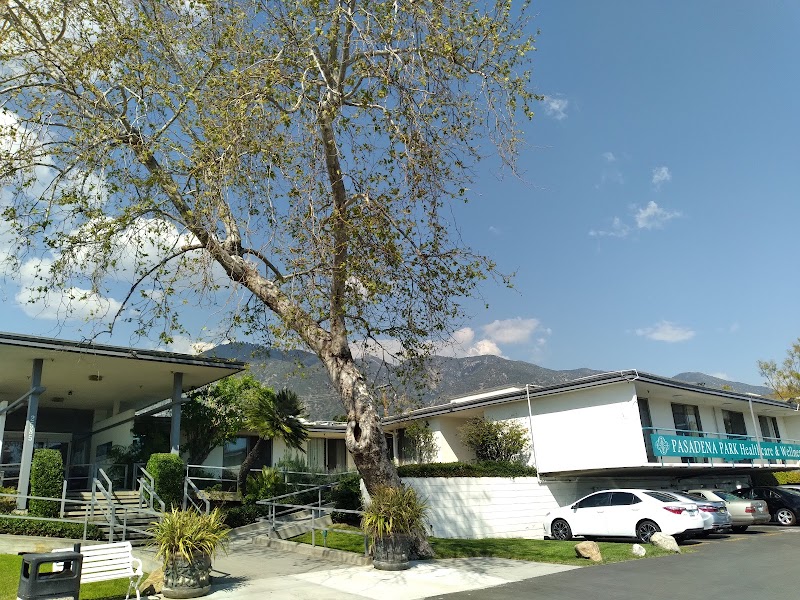
How is Pasadena Park Healthcare And Wellness Center Staffed?

CMS rates PASADENA PARK HEALTHCARE AND WELLNESS CENTER's staffing level at 1 out of 5 stars, which is much below average compared to other nursing homes.

What Have Inspectors Found at Pasadena Park Healthcare And Wellness Center?

State health inspectors documented 53 deficiencies at PASADENA PARK HEALTHCARE AND WELLNESS CENTER during 2020 to 2024. These included: 51 with potential for harm and 2 minor or isolated issues. While no single deficiency reached the most serious levels, the total volume warrants attention from prospective families.

Who Owns and Operates Pasadena Park Healthcare And Wellness Center?

PASADENA PARK HEALTHCARE AND WELLNESS CENTER is owned by a for-profit company. For-profit facilities operate as businesses with obligations to shareholders or private owners. The facility operates independently rather than as part of a larger chain. With 99 certified beds and approximately 0 residents (about 0% occupancy), it is a smaller facility located in PASADENA, California.
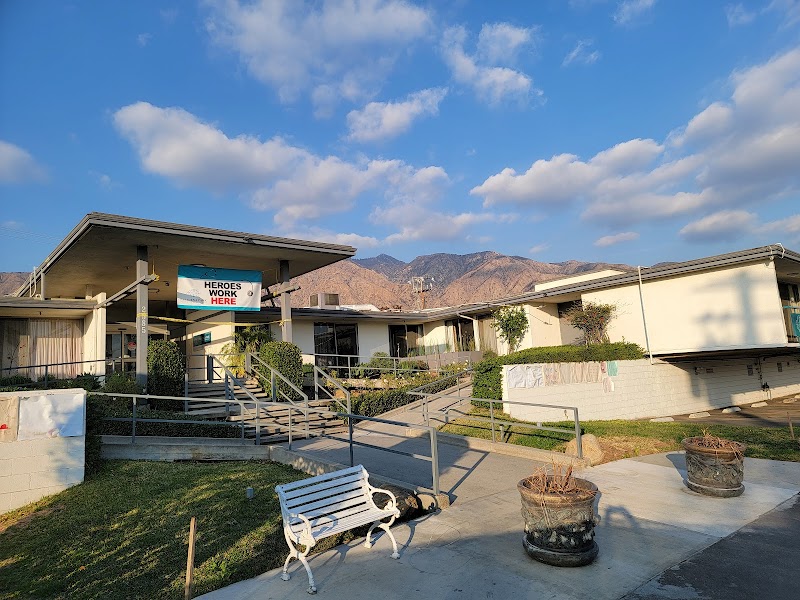
How Does Pasadena Park Healthcare And Wellness Center Compare to Other California Nursing Homes?

Compared to the 100 nursing homes in California, PASADENA PARK HEALTHCARE AND WELLNESS CENTER's overall rating (3 stars) is below the state average of 3.1 and health inspection rating (3 stars) is at the national benchmark.

What Should Families Ask When Visiting Pasadena Park Healthcare And Wellness Center?

Based on this facility's data, families visiting should ask: "Can you walk me through typical staffing levels on day, evening, and night shifts?" "Can I visit during a mealtime to observe dining assistance and food quality?" "How do you handle medical emergencies, and what is your hospital transfer rate?" "Can I speak with family members of current residents about their experience?" These questions are particularly relevant given the below-average staffing rating.

Is Pasadena Park Healthcare And Wellness Center Safe?

Based on CMS inspection data, PASADENA PARK HEALTHCARE AND WELLNESS CENTER has a clean safety record: no substantiated abuse findings (meaning no confirmed cases of resident harm), no Immediate Jeopardy citations (the most serious violation level indicating risk of serious injury or death), and is not on the Special Focus Facility watch list (a federal program monitoring the lowest-performing 1% of nursing homes). The facility has a 3-star overall rating and ranks #100 of 100 nursing homes in California. While no facility is perfect, families should still ask about staff-to-resident ratios and recent inspection results during their visit.

Do Nurses at Pasadena Park Healthcare And Wellness Center Stick Around?

PASADENA PARK HEALTHCARE AND WELLNESS CENTER has not reported staff turnover data to CMS. Staff turnover matters because consistent caregivers learn residents' individual needs, medications, and preferences. When staff frequently change, this institutional knowledge is lost. Families should ask the facility directly about their staff retention rates and average employee tenure.

Was Pasadena Park Healthcare And Wellness Center Ever Fined?

PASADENA PARK HEALTHCARE AND WELLNESS CENTER has no federal fines on record. CMS issues fines when nursing homes fail to meet care standards or don't correct problems found during inspections. The absence of fines suggests the facility has either maintained compliance or corrected any issues before penalties were assessed. This is a positive indicator, though families should still review recent inspection reports for the full picture.

Is Pasadena Park Healthcare And Wellness Center on Any Federal Watch List?

PASADENA PARK HEALTHCARE AND WELLNESS CENTER is not on any federal watch list. The most significant is the Special Focus Facility (SFF) program, which identifies the bottom 1% of nursing homes nationally based on persistent, serious quality problems. Not being on this list means the facility has avoided the pattern of deficiencies that triggers enhanced federal oversight. This is a positive indicator, though families should still review the facility's inspection history directly.