THE BELLEFONTAINE HEALTHCARE CENTER

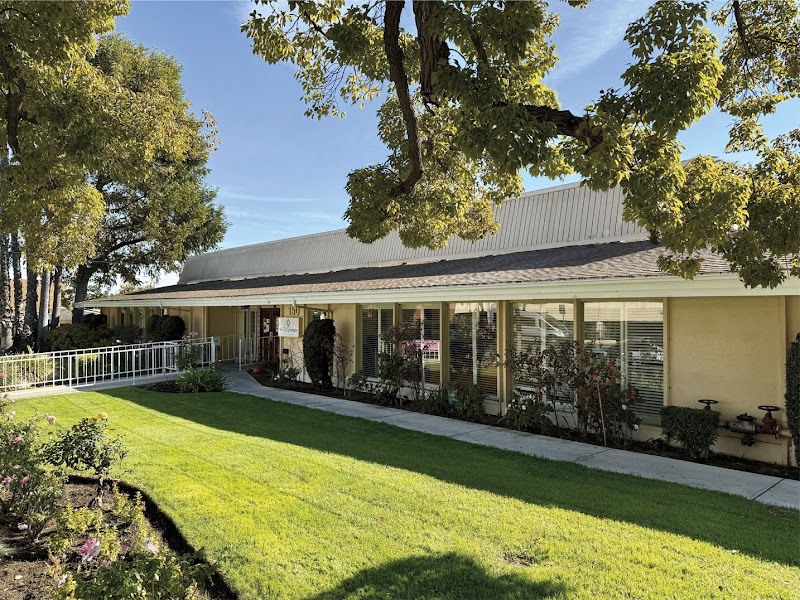
150 BELLEFONTAINE ST, PASADENA, CA 91105 (626) 796-1103
For profit - Limited Liability company 130 Beds LINKS HEALTHCARE GROUP Data: November 2025 1 Immediate Jeopardy citation
Trust Grade
39/100
#920 of 1155 in CA
Last Inspection: May 2025

Inspected within the last 6 months. Data reflects current conditions.

Overview

The Bellefontaine Healthcare Center has received a Trust Grade of F, indicating significant concerns about the quality of care provided. Ranking #920 out of 1155 facilities in California places it in the bottom half, and at #246 out of 369 in Los Angeles County, it is clear that there are many better options nearby. While there has been some improvement in the number of documented issues, decreasing from 21 in 2024 to 19 in 2025, a troubling incident was reported where a resident did not receive treatment according to professional standards, which could pose serious health risks. Staffing is rated average with a turnover of only 25%, which is better than the state average, suggesting that staff tends to stay longer and build relationships with residents. However, the facility also faces issues with documentation, such as failing to accurately record a resident's urine output and not following its own policy regarding advance directives, which could lead to miscommunication and unmet patient wishes.

Trust Score
F
39/100
In California
#920/1155
Bottom 21%
Safety Record
High Risk
Review needed
Inspections
Getting Better
21 → 19 violations
Staff Stability
✓ Good
25% annual turnover. Excellent stability, 23 points below California's 48% average. Staff who stay learn residents' needs.
Penalties
✓ Good
$14,069 in fines. Lower than most California facilities. Relatively clean record.
Skilled Nurses
⚠ Watch
Each resident gets only 27 minutes of Registered Nurse (RN) attention daily — below average for California. Fewer RN minutes means fewer trained eyes watching for problems.
Violations
⚠ Watch
53 deficiencies on record. Higher than average. Multiple issues found across inspections.
★★☆☆☆
2.0
Overall Rating
★★★☆☆
3.0
Staff Levels
☆☆☆☆☆
0.0
Care Quality
★★☆☆☆
2.0
Inspection Score
Stable
2024: 21 issues
2025: 19 issues

The Good

  • Low Staff Turnover (25%) · Staff stability means consistent care
  • Full Sprinkler Coverage · Fire safety systems throughout facility
  • No fines on record
  • Staff turnover is low (25%)

    23 points below California average of 48%

Facility shows strength in staff retention, fire safety.

The Bad

2-Star Overall Rating

Below California average (3.1)

Below average - review inspection findings carefully

Federal Fines: $14,069

Below median ($33,413)

Minor penalties assessed

Chain: LINKS HEALTHCARE GROUP

Part of a multi-facility chain

Ask about local staffing decisions and management

The Ugly 53 deficiencies on record

1 life-threatening
Sept 2025 1 deficiency
CONCERN (E) 📢 Someone Reported This

A family member, employee, or ombudsman was alarmed enough to file a formal complaint

Potential for Harm - no one hurt, but risky conditions existed

Medical Records (Tag F0842)

Could have caused harm · This affected multiple residents

**NOTE- TERMS IN BRACKETS HAVE BEEN EDITED TO PROTECT CONFIDENTIALITY** Based on interview, and record review, the facility failed to maintain accurate documentation of the urine output for one (1) of...

Read full inspector narrative →
**NOTE- TERMS IN BRACKETS HAVE BEEN EDITED TO PROTECT CONFIDENTIALITY** Based on interview, and record review, the facility failed to maintain accurate documentation of the urine output for one (1) of 2 sampled residents (Residents 1) with indwelling catheter (a flexible tube that passes through the urethra [a tube through which the urine leaves the body] and into the bladder to drain urine) in the resident's Medication Administration Record (MAR) and urine output log in accordance with the facility's policy. This deficient practice had the potential to result in miscommunication among staff and resulted in the medical records inaccurate representation of care provided to Residents 1.Findings:During a review of Resident 1's admission Record, the admission Record indicated the resident was admitted to the facility on [DATE] with diagnosis of urinary retention (inability to completely empty the bladder). During a review of Resident 1's order summary report dated 8/13/2025, the order summary report indicated an order to record indwelling catheter output in milliliter (ml - units of volume on liquids) every shift for 30 days. During a review of Resident 1's Minimum Data Set (MDS- a resident assessment tool), dated 8/19/2025, the MDS indicated Resident 1 had severe impairment in cognitive (mental action or process of acquiring knowledge and understanding) skills for daily decision making. The MDS also indicated Resident 1 was dependent (helper does all the effort) with toileting and personal hygiene, shower, upper and lower body dressing and putting on/taking off footwear and required substantial/maximal assistance (helper does more than half the effort) with eating and oral hygiene. The MDS further indicated Resident 1 had an indwelling catheter. During a review of Resident 1's urine output task log by the Certified Nursing Assistants (CNAs) from 8/13/2025 to 8/20/2025, the urine output task log indicated the following:8/15/2025 at 10:07 PM, evening shift (3 PM - 11 PM) = no documented amount.8/16/2025 at 5:01 PM, evening shift = zero (0) urine output.8/17/2025 at 10:59 PM, evening shift = no documented amount.8/19/2025 at 10:33 PM, evening shift and 5:55 AM, night shift (11 PM - 7 AM) = no documented amount. During a review of Resident 1's MAR from 8/13/2025 to 8/20/2025, the indwelling catheter urine output log indicated the following:8/15/2025 urine output three times (x3) on evening shifts.8/16/2025 urine output of 250 cc on evening shift.8/17/2025 urine output x3 on evening shift.8/19/2025 urine output x2 on evening and night shift. During an interview on 9/8/2025 at 3:15 PM, CNA 1 stated she did not remember why she documented no amount of urine on Resident 1's urine output task log dated 8/15/2025 during the evening shift CNA 1 also stated Resident 1's urine output should be documented so that the nursing staff would know exactly how much urine output Resident 1 had and to see if the resident was drinking enough fluids. During an interview on 9/8/2025 at 3:50 PM, the Licensed Vocational Nurse 1 (LVN 1) stated CNAs should document the amount of urine in the urine output task log every time they empty Resident 1's indwelling catheter bag (a receptacle that collects urine from an indwelling urinary catheter) so that the facility would be able to identify any urinary retention, potential signs of dehydration and/or indwelling catheter blockage (a buildup of crystals from urine, blood clots, or other materials, preventing urine from flowing out of the body). During an interview on 9/9/2025 at 3:15 PM, LVN 2 stated he worked on 8/15/2025 and 8/17/2025 evening shift. LVN 2 also stated the amount of urine output should be accurately documented in the MAR which should be in ml, so that the licensed staff would know when to notify the attending physician for any concerns or issues. During a concurrent interview and record review on 9/9/2025 at 3:30 PM with CNA 1, Resident 1's urine output task log dated 8/15/2025 to 8/19/2025 and MAR dated from 8/13/2025 to 8/19/2025 were reviewed. CNA 1 stated the licensed staff log on to Resident 1's MAR was not consistent with the numbers / amount of urine output documented in Resident 1's urine output task log. CNA 1 confirmed she did not remember why she did not put an exact amount of urine emptied in Resident 1's indwelling catheter bag on 8/15/2025. During an interview on 9/9/2025 at 4:50 PM, LVN 3 stated the charge nurses (CNs- LVN who is in charge during the shift) are responsible in documenting urine output in the resident's MAR and the CNAs documents the urine output on the urine output task log. LVN 3 also stated at the end of the shift, the CNs are responsible for communicating with the CNAs how much urine output Resident 1 had. LVN 3 further stated the urine output entered in the MAR should be the total amount on that shift including the amount in the CNAs urine output task log and should be documented in ml and not how many times the resident urinated. LVN 3 also stated the amount of urine entered in the MAR and urine output task log should be accurate to know if Resident 1 had adequate urine output and to know the resident's hydration status. During an interview on 9/9/2025 at 5:13 PM, the Director of Nursing (DON) stated the CNAs should have communicated with the CNs on how much urine output Resident 1 had and LVNs/ CNs should have documented in the resident's MAR the urine output in ml not the frequency to accurately monitor any changes in the resident's urine output and get assessed for signs of dehydration. During a review of the facility's undated policy and procedure (P&P) titled, Charting and Documentation, revised 07/2017, the P&P indicated, all services provided to the resident, .shall be documented in the resident's medical record. The P&P also indicated that the medical record should facilitate communication between the Inter Disciplinary Team (IDT, comprised of team members from different disciplines working together, with a common purpose, to set goals, make decisions, and share resources and responsibilities) regarding the resident's condition and response to care. The P&P further indicated that documentation in the medical record will be objective (not opinionated or speculative), complete, and accurate.
Aug 2025 1 deficiency
CONCERN (D) 📢 Someone Reported This

A family member, employee, or ombudsman was alarmed enough to file a formal complaint

Potential for Harm - no one hurt, but risky conditions existed

Pharmacy Services (Tag F0755)

Could have caused harm · This affected 1 resident

**NOTE- TERMS IN BRACKETS HAVE BEEN EDITED TO PROTECT CONFIDENTIALITY** Based on observation, interview, and record review the facility failed to ensure the ampicillin (drug used to prevent and treat ...

Read full inspector narrative →
**NOTE- TERMS IN BRACKETS HAVE BEEN EDITED TO PROTECT CONFIDENTIALITY** Based on observation, interview, and record review the facility failed to ensure the ampicillin (drug used to prevent and treat several bacterial infections) six (6) grams (gm - unit of measurement) every 12 hours intravenous piggyback (IVPB- a way to give a patient a dose of medicine directly into the vein through the existing line) was reconciled (formal process of creating the most accurate and complete list of resident's current medications from the previous health care facility or from home, and comparing that the list with the medications being prescribed by the physician of the receiving healthcare facility) and administered for one (1) of two (2) sampled residents (Resident 1) in accordance with the facility's policy and procedure. This deficient practice resulted in Resident 1 not receiving the ampicillin for the scheduled time frame while the resident is in the facility which potentially resulted in delayed healing of the resident's right knee periprosthetic joint infection (PJI- an infection that affects the artificial joint and the surrounding tissues). Findings:During a review of Resident 1's admission record, the admission record indicated the resident was initially admitted to the facility on [DATE] with diagnoses that included presence of bilateral artificial knee joint and an open wound on right knee. During a review of Resident 1's Minimum Data Set (MDS, a resident assessment tool), dated 7/2/2025, indicated Resident 1 had an intact cognitive (mental action or process of acquiring knowledge and understanding) skills for daily decision making. The MDS also indicated Resident 1 required substantial assistance (helper does more than half the effort) with toileting, shower, lower body dressing and putting on/taking off footwear and required partial/moderate assistance (helper does less than half the effort) with eating, oral and personal hygiene, and upper body dressing. During a review of Resident 1's order summary dated 8/1/2025, the order summary indicated admit Resident 1 to the facility under Medical Doctor 1 (MD 1). During a review of Resident 1's Admission/Discharge report dated 8/1/2025 to 8/27/2025, the Admission/Discharge report indicated Resident 1 was discharged to General Acute Care Hospital (GACH 1) on 8/20/2025. The Admission/Discharge report also indicated Resident 1 was readmitted to the facility on [DATE]. During a review of Resident 1's progress notes from GACH 1 dated 8/21/2025, the progress notes indicated Resident 1 was admitted to GACH 1 on 8/13/25 with a diagnosis of right knee PJI with E faecalis (Enterococcus faecalis - a type of bacteria that typically lives harmlessly in your gut but can cause serious, hard to treat infections if it spreads to other parts of the body). The progress notes also indicated Resident 1 was previously hospitalized from [DATE] to 8/1/2025 at GACH 1 for infected prosthetic knee joint and discharged to the facility on a 6-week course of ampicillin and had undergone a desensitization (the process of becoming less sensitive to something over time because of repeated exposure) protocol for history of penicillin allergy during stay in GACH 1 from 7/2/2025 to 8/1/2025. The progress notes further indicated, GACH 1 confirmed that Resident 1 did not receive ampicillin while the resident is at the facility 8/2/2025 to 8/12/2025 (11 days). During an interview on 8/25/2025 at 3:23 PM, Social Worker (SW) from GACH 1, the SW stated Resident 1 went back to the facility from GACH 1 on 8/1/2025 with orders for 2 antibiotics but for some reason 1 of the antibiotics which is the ampicillin was not reconciled by the facility and was not given to the resident which could have contributed to the reinfection of the resident's right leg and subsequent readmission to GACH 1 on 8/13/25. During a concurrent observation and interview on 8/27/2025 at 11:15 AM, Resident 1 was lying in bed with right leg elevated with pillows above heart level and wrapped with an elastic bandage (a stretchy strip of cloth that is used to wrap snuggly around an injured joint or muscle) resting on top of a soft layered material. Resident 1 stated when she was transferred back to the facility on 8/1/2025, she was supposed to receive 2 different antibiotics but did not realize that the ampicillin was not given during the resident's stay in the facility from 8/2/2025 to 8/12/2025. Resident 1 also stated she already went through desensitization at GACH 1 to ensure the resident can receive ampicillin due to Resident 1's history of PCN allergy. Resident 1 also stated, the resident was given ampicillin from GACH 1, so ampicillin is safe for the resident to take and just need to continue the ampicillin doses in the facility. During a concurrent interview and record review with the Assistant Director of Nursing (ADON) on 8/27/2025 at 1:41 PM, Resident 1's medication reconciliation form from GACH 1, order summary report from the facility, and Medication Administration Record (MAR) from the facility dated from 8/1/2025 to 8/19/2025 were reviewed. The medication reconciliation form from GACH 1 dated 8/1/2025 indicated an active medication order for 2 antibiotics, one of which is ampicillin 6 gm IVPB every 12 hours to be resumed with no change. The medication reconciliation form also indicated the antibiotics regimen was to be continued until 8/19/2025 for history of PJI. The medication reconciliation form further indicated, first dose of ampicillin was to start at the facility on 8/2/2025. Resident 1's order summary report and MAR did not indicate an order for ampicillin 6 gm IVPB every 12 hours from 8/2/2025 to 8/19/2025. ADON stated the ampicillin was not added to the readmission orders for Resident 1 on 8/1/2025 and the resident's MAR did not indicate an ampicillin antibiotic was administered meaning, the ampicillin was not given to the resident from 8/2/2025 to 8/12/2025 (total of 11 days which is equivalent to 22 doses). During an interview on 8/27/2025 at 2 PM, MD 1 stated the Licensed Vocational Nurse 1 (LVN 1) reached out to him on 8/1/2025 regarding Resident 1's medication list form GACH 1. MD 1 stated, MD 1 instructed LVN 1 to continue the ampicillin antibiotic for Resident 1 and that he was not and should have been informed that the resident has not received the antibiotic from 8/2/2025 to 8/12/2025. MD 1 also stated LVN 1 should have followed up and attempted to call GACH 1 to clarify the ampicillin order and answer concerns related to Resident 1's PCN allergy on the resident's electronic medical record at the facility instead of not putting in the order as instructed by MD 1. During an interview on 8/27/2025 at 2:46 PM, Registered Nurse 1 (RN 1) stated LVN 1 should have called GACH 1 if there is something that needs to be clarified from the medication reconciliation form. RN 1 also stated Resident 1's infection would not be treated effectively if the antibiotic medications for Resident 1 were not given to the resident from 8/2/2025 to 8/12/2025. During an interview on 8/27/2025 at 3 PM, LVN 1 stated he did not put the order for ampicillin after he saw the resident's electronic medical records at the facility that indicated Resident 1 is allergic to PCN. LVN 1 also stated he did not remember calling GACH 1 to clarify the order but should have called and clarified with GACH 1 if Resident 1 received ampicillin at the hospital and if there had been any reaction from the medication. LVN 1 further stated Resident 1's ampicillin should have been added in the resident's admission order as instructed by MD 1 and should have been given to Resident 1 to help resolve the resident's ongoing infection. During an interview on 8/27/2025 at 3:29 PM, the Director of Nursing (DON), the DON stated LVN 1 should have clarified the order for ampicillin with GACH 1 after finding out Resident 1 had a history of PCN allergy instead of not putting the order in. The DON also stated the ampicillin order should have been reconciled accurately/ completely and continued when Resident 1 was admitted back at the facility on 8/1/2025 to make sure that Resident 1 received appropriate treatment for the resident's infection During a review of the facility's P&P titled, Reconciliation of Medications on Admission, revised July 2017, the P&P indicated its purpose was to ensure medication safety by accurately accounting for the resident's medication, routes and dosages upon admission to the facility. The P&P also indicated its guidelines was to compare pre-discharge medications to post -discharge medications by creating an accurate list of both prescription and over the counter medications that includes the drug name, dosage, frequency, route, and indication for use for the purpose of preventing unintended changes or omissions at transition points in care. The P&P further indicated that medication reconciliation reduces medication errors and enhance resident safety by ensuring that the medications the resident needs and has been taking continue to be administered without interruptions, in the correct dosages and routes, during admission/transfer process. The P&P also indicated that medication reconciliation helps to ensure that medications, routes and dosages have been accurately communicated to the attending physician and care team.
May 2025 1 deficiency 1 IJ
CRITICAL (J) 📢 Someone Reported This

A family member, employee, or ombudsman was alarmed enough to file a formal complaint

Immediate Jeopardy (IJ) - the most serious Medicare violation

Quality of Care (Tag F0684)

Someone could have died · This affected 1 resident

**NOTE- TERMS IN BRACKETS HAVE BEEN EDITED TO PROTECT CONFIDENTIALITY** Based on interview and record review, the facility failed to provide treatment and services in accordance with professional stan...

Read full inspector narrative →
**NOTE- TERMS IN BRACKETS HAVE BEEN EDITED TO PROTECT CONFIDENTIALITY** Based on interview and record review, the facility failed to provide treatment and services in accordance with professional standards of practice (guidelines and expectations that define competent and ethical conduct within specific profession) for one of two sampled residents (Resident 1) who had a diagnosis of other sequalae of cerebral infarction (the long-term conditions and complications that result from brain tissue damage due to reduced blood supply), other interval disc (a cushion of cartilage found between the vertebrae (bones) of the spine) lumbar region (the lower back region of your spinal column or backbone), other spondylosis with radiculopathy - lumbar region (a condition where the degenerative changes of spondylosis [osteoarthritis of the spine] lead to compression of spinal nerve roots, resulting in radiculopathy symptoms. Spondylosis itself refers to the general wear and tear of the spine, while radiculopathy is the specific symptom of a pinched nerve) and status post (S/P- underwent surgery) lumbar decompression and fusion (a surgical procedure that addresses lower back pain and nerve compression by removing pressure from the spinal nerves and fusing the vertebrae together to stabilize the spine) posterior (further back position) on 4/14/2025 from General Acute Care Hospital (GACH) by failing to: 1. Ensure Registered Nurse (RN) 1 reviewed and verified with the facility's attending physician (Physician 1) Resident 1's GACH records dated 4/21/2025 and relayed the completed and accurate discharge order from GACH's neurosurgeon (Physician 2- a surgeon specializing in surgery on the nervous system, especially the brain and spinal cord) of Resident 1's Plavix (brand name for clopidogrel- medication to prevent blood clots) 75 milligram (mg, unit of measurement) to start on 4/30/2025 (9 days from the day of admission). 2. Ensure facility provided continuity of care to Resident 1's S/P lumbar decompression and fusion posterior in accordance with MD2's order to start Plavix 75 mg on 4/30/2025 when the facility licensed nurses administered Plavix 75 mg to Resident 1 starting 4/22/2025 to 4/25/2025 (4 days). 3. Ensure Resident 1 was assessed and monitored for signs and symptoms of bleeding/ hematoma (pool of mostly clotted blood that forms in an organ, tissue, or body space)/ hemorrhage (bleeding from a damaged blood vessel) specifically for Resident 1's S/P lumbar decompression and fusion posterior, and Plavix use from 4/22/2025 to 4/25/2025. As a result, Resident 1 had a change of condition (COC) on 4/26/2025 at 1:05 PM, as evidenced by Resident 1 unresponsive to external stimuli (external changes or events that trigger a response in the nervous system. These stimuli can be anything from sights and sounds to smells, tastes, and physical sensations like pain or touch). Resident 1 was transferred to GACH via 911 emergency services (EMS - provides emergency medical care) on 4/26/2025 at 1:30 PM and was admitted to the Emergency Department. Resident 1 underwent Computerized Tomography scan (CT scan - imaging using x-ray technique to create detailed images of the body) of the head in GACH and result showed an acute (sudden) right subdural (occurring between the dura mater [the tough outermost membrane enveloping the brain and spinal cord] and the arachnoid membrane [a thin, spiderweb- like membrane that surrounds the brain and spinal cord] of the brain and spinal cord) hematoma measures 14 millimeters (mm- unit of measurement) in width. The CT scan result also showed there was an adjacent right temporal intraparenchymal (bleeding within the brain tissue [parenchyma] specifically located in the right temporal lobe [one of two brain lobes responsible for processing sensory information, especially sounds, and plays a role in memory, emotional processing, and spatial awareness] of the brain) hematoma measuring 3.7 x 2.8 x 4.2 centimeters (cm- unit of measurement). In addition the CT scan result there was subfalcine (the most common form of intracranial herniation and occurs when brain tissue is displaced under the falx cerebri [a sickle-shaped vertical fold of dura mater that separates the two cerebral hemispheres {one of the two symmetrical halves of the cerebrum, the largest part of the brain} and helps in preventing certain types of brain herniation]), uncal herniation (occurs when rising intracranial pressure causes portions of the brain to move from one intracranial compartment to another) and subacute (between acute and chronic) hemorrhage in the left parietal lobe (left side of the brain) measuring 2.7 cm x 2.7 cm. Resident 1 died in GACH on 4/27/2025 at 12:17 AM and Resident 1's immediate cause of death was nontraumatic intracranial hemorrhage (bleeding within the brain tissue that is not the result of head trauma or surgery- can be caused by blood clotting problems. It's a serious condition that can lead to stroke and potentially be fatal). On 5/20/2025 at 3:59 PM, while onsite at the facility, the California Department of Public Health (CDPH) identified an Immediate Jeopardy situation (IJ, a situation in which the providers' noncompliance with one or more requirements of participation has caused or is likely to cause serious injury, harm, impairment, or death of a resident) regarding the facility's failure to ensure Resident 1, who had a diagnosis of other sequalae of cerebral infarction, other interval disc lumbar region, other spondylosis with radiculopathy - lumbar region and S/P lumbar decompression and fusion posterior on 4/14/2025 from GACH received treatment and services in accordance with professional standards of practice . The team notified the Administrator (ADM) and Director of Nursing (DON) of an IJ situation on 5/20/2025 at 3:59 PM, due to the facility's failure to: ensure RN 1 reviewed and verified with the Physician 1 Resident 1's GACH records dated 4/21/2025 and relayed the completed and accurate discharge order from Physician 2 of Resident 1's Plavix 75 mg to start on 4/30/2025 (9 days from the day of admission), ensure facility provided continuity of care to Resident 1's S/P lumbar decompression and fusion posterior in accordance with MD2's order to start Plavix 75 mg on 4/30/2025 when the facility licensed nurses administered Plavix 75 mg to Resident 1 starting 4/22/2025 to 4/25/2025 (4 days) and ensure Resident 1 was assessed and monitored for signs and symptoms of bleeding/ hematoma/ hemorrhage specifically for Resident 1's S/P lumbar decompression and fusion posterior, and Plavix use from 4/22/2025 to 4/25/2025. On 5/21/2025 at 6:04 PM, the ADM provided an acceptable IJ Removal Plan (a detailed plan to address the IJ findings). While onsite and after the surveyor verified/confirmed the facility's full implementation of the IJ Removal Plan through observation, interview and record review, and determined the IJ situation was no longer present, the IJ was removed onsite, in the presence of the ADM and DON. After the IJ was removed, the surveyor verified that the facility's non-compliance remained at a lower scope and severity (refers to the seriousness of the harm to the residents) of isolated (refers to the deficiencies affecting a very limited number of resident/s), actual harm (means the resident have experienced a negative outcome or injury due to the non-compliance), that was not immediate jeopardy. The IJ Removal Plan dated 5/21/2025, included the following: -On 5/20/2025, the DON and designee provided in-service education to all licensed nurses and direct care staff regarding reviewing and verifying any discrepancies with the ordering physician by clarifying the faxed medication discharge order and the GACH discharge papers that were given to the resident. In addition, clarify medication orders that are missing the start and end dates. -On 5/20/2025, the DON and designee provided in-service education to all licensed nurses and direct care staff regarding monitoring the resident status post-surgery and the use of anticoagulant therapy (using medications to prevent or reduce blood clotting) for potential side effects such as signs/symptoms of bleeding. -On 5/20/2025, the DON and designee provided in-service to the licensed nurses regarding: 1. Review and verify GACH discharge orders with facility's attending physician. 2. Status post-surgery residents with anticoagulant use and signs/symptoms of bleeding. 3. Following GACH discharge orders. Any licensed staff, who were not present, the DON will do in-service education upon returning to work. -Thirty- eight (38) residents were on anticoagulants and were assessed for any signs/symptoms of bleeding, potential side effects of anticoagulant use and black box warning (the most serious type of warning mandated by the U.S. Food and Drug Administration [FDA] for prescription drug labeling) monitoring. -The Registered Nurse (RN) Supervisor will check clinical alerts report daily for any COC and any signs/symptoms of bleeding. -DON, ADON or RN Supervisor/designee will conduct medication reconciliation (the process of comparing a patient's medication orders to all of the medications that the patient has been taking) with the residents GACH discharge orders and admitting orders carried out by licensed nurse. -Starting 5/21/2025, newly admitted residents will have random audits following GACH discharge orders and completion of medication reconciliation. Three (3) residents weekly for four (4) weeks, Then two (2) residents weekly for 2 weeks Then 2 residents a month for two months. Inservice would be given to licensed nurses involved. Findings will be presented in the monthly QAA (Quality Assurance Agency) meeting. -DON implemented a Quality Assurance Performance Improvement (QAPI) Performance Improvement Project (PIP) for the following: 1. Review and verify GACH discharge orders with attending physician 2. Use of anticoagulant and its side effects. 3. Following GACH discharge orders. - PIP resulted in DON/ADON doing daily audits in reviewing compliance for following GACH discharge orders, continuity of care, use of anticoagulant and identification of potential adverse side effect (an undesired effect of a drug) of the medication. - The Quality and Safety (QS) RN/Consultant will complete 3 audits weekly on medication reconciliation, the use of anticoagulants, and its side effects for newly admitted residents. -ADM, DON or Designee will submit audit findings to QAA committee monthly for 3 months until compliance is met. -The facility will develop a QAPI-PIP for the use of anticoagulant to be submitted in the next QAA committee meeting on 5/28/2025. -ADM and DON are responsible for implementing, monitoring and evaluating the Plan of Correction (POC). Findings: During a review of Resident 1's admission Record, the admission Record indicated that Resident 1 was admitted to the facility on [DATE] with diagnoses that included intervertebral disc displacement (breakdown of one or more disc that separates the bones) in lumbar region (lower back), spondylosis with radiculopathy (herniated [bulging of an organ] cervical discs that press on the spinal nerve roots and cord) and hypertension (high blood pressure). During a review of Resident 1's Minimum Data Set (MDS - a resident assessment tool), dated 4/26/2025, the MDS indicated Resident 1was severely impaired in cognitive (the ability to understand and make decisions) skills for daily decision making. The MDS also indicated the resident required substantial/maximal assistance (helper does more than half the effort. Helper lifts or holds trunk or limbs and provides more than half the effort) with eating and oral hygiene but was dependent (helper does all of the effort. Resident does none of the effort to complete the activity. Or the assistance of 2 or more helpers is required for the resident to complete the activity.) with toileting hygiene, shower/bathe self, upper body dressing, lower body dressing and putting on/taking off footwear. During a review of Resident 1's GACH records dated from 4/8/2025 to 4/21/2025, it indicated Resident 1's CT of the brain without contrast (without the use of a special dye. This type of scan is used to detect acute problems like bleeding or to assess the general health of the brain, bone and tissue) was done on 4/8/2025, showed no bleed or large infarct (an area of brain tissue death) in the brain. The GACH records also indicated Resident 1 was diagnosed at GACH with other sequalae of cerebral infarction, other interval disc lumbar region, other spondylosis with radiculopathy - lumbar region and S/P lumbar decompression and fusion posterior on 4/14/2025 in GACH. During a review of Resident 1's facsimile (fax- an exact copy or reproduction of something, often used in the context of transmitting documents electronically or over a phone) GACH Discharge Medication List, dated 4/21/2025, indicated Plavix 75 milligrams (mg - unit of measure) Tab (did not indicate start date). During a review of Resident 1's GACH pended (awaiting completion) discharge orders, dated 4/21/2025, the discharge orders indicated Plavix 75mg Tablet Daily will start on 4/30/2025. During a review of Resident 1's GACH discharge medication list, dated 4/21/2025, the medication list indicated to start Plavix 75mg tablet on 4/30/2025. During a review of Resident 1's Physician Orders at the facility, dated 4/21/2025, the Physician Order indicated Plavix Oral Tablet 75 mg. Give one (1) tablet by mouth one time a day for cardiovascular accident (CVA) prophylaxis (PPX, preventive treatment). During a review of the facility's Pharmacy Records for Resident 1, dated 4/21/2025, the Pharmacy Records indicated Plavix tab 75mg was dispensed (the process of preparing and giving medicine on the basis of a prescription) to the facility. During a review of the Facility's Pharmacy Receipt, dated 4/22/2025, the receipt indicated Resident 1's medication of Plavix Tab 75 mg delivered with 14 tablets. During a review of Resident 1's Care Plan with focus Antiplatelet (medications that prevent blood platelets [cell in the blood that involves in clotting] from sticking together and forming clots. They work by inhibiting certain phases of the blood clotting process, making the blood less sticky and less prone to forming clots in arteries) use related to Clopidogrel Bisulfate (same as Plavix), revised 4/22/2025, the Care Plan indicated resident will be free from signs/symptoms of abnormal bleeding. During a review of Resident 1's Medication Administration Record (MAR - a daily documentation record used by a licensed nurse to document medications and treatments given to a resident) from the facility, dated April 2025, the MAR indicated Plavix was given to Resident 1 on 4/22/25 to 4/25/2025. During a review of Resident 1's SBAR (situation, background, assessment, recommendation-a communication tool used by healthcare workers when there is a change of condition among the residents), dated 4/26/2025 at 1:05 PM, the SBAR indicated the Resident 1 was unresponsive to external stimuli and was sent to GACH via 911 (time not indicated). During a review of Resident 1's Emergency Department (ED) to GACH admission Record, dated 4/26/2025, the GACH admission Record indicated the Resident 1 went to CT scan of the head and was found to have an acute right subdural hematoma measures 14 mm in width, there was also an adjacent right temporal intraparenchymal hematoma measuring 3.7 x 2.8 x 4.2 cm and these resulted in significant leftward shift (when the natural centerline of the brain is pushed to the left) with 2 cm leftward shift, subfalcine and uncal herniation. The CT scan result also showed subacute hemorrhage in the left parietal lobe (Left side of the brain) measuring 2.7 cm x 2.7 cm. During a review of Resident 1's GACH Discharge summary, dated [DATE] at 12:35 PM, the GACH discharge summary indicated Resident 1 had worsening of mental status requiring intubation (a process where a healthcare provider inserts a tube through a person's mouth or nose, then down into their trachea [airway/windpipe]. The tube keeps the trachea open so that air can get through. The tube can connect to a machine that delivers air or oxygen) and found intracranial hemorrhage (brain bleed) with poor neurological prognosis (a low likelihood of recovery from a neurological condition, with the potential for death, persistent unconsciousness, or severe disability) and progression to brain death. Resident was pronounced dead on 4/27/2025 at 12:17 PM. During an interview on 5/20/2025 at 12 PM, Registered Nurse 2 (RN 2) stated when a resident is admitted from the hospital to the nursing facility, the hospital discharge medication list should be clarified with attending physician to obtain orders to continue the orders or not. RN 2 stated, the GACH discharge paper works that came with Resident 1 when the resident was admitted on [DATE] should have been thoroughly reviewed by the admitting license nurse to ensure they can obtain the complete and/ or accurate order from Physical for Resident 1's Plavix. During an interview on 5/20/2025 at 1:43 PM, the Medical Records (MR) stated an admission audit would be done the next day for residents admitting or readmitting to the facility. MR also stated during the audit, the hospital discharge papers and orders from the admitting nurse would be reviewed to ensure they match. During an interview on 5/20/2025 at 2 PM, Physician 1 stated if the Nursing Facility notified Physician 1 of the Plavix being held until 4/30/2025 by MD 1, he would have ordered to hold Plavix until 4/30/2025. Physician 1 stated GACH discharge orders needed to be followed for continuity of care and to avoid worsening of the resident's condition. During a concurrent record review and interview on 5/20/25 at 2:20 PM with the DON of Resident 1's admitting medication orders and GACH discharge medication list, dated 4/21/2025, the DON stated during admission, the nurse admits a resident, then medical records department would do the audit of the resident's medical record to ensure the discharge orders from the hospital matches the physician orders. The DON also stated Resident 1's admitting orders to give the resident's Plavix with start date of 4/22/2025 did not match Resident 1's GACH discharge medication list/ orders to start the Plavix on 4/30/2025. The DON further stated it is important to follow the discharge orders from the hospital for accurate care of the resident and that nurses should have clarified the GACH discharge orders with the resident's physician upon admission. During an interview on 5/20/2025 at 4:21 PM, RN 1 stated Resident 1's admitting medication orders and Resident 1's GACH discharge medication list does not match but should have matched to ensure continuity of care and that the Plavix was given to Resident 1 on 4/30/2025 and not on 4/22/2025. RN 1 also stated she used the medication list that was faxed by the GACH nurses to the facility (no start dates) and not the GACH discharge medication list (with start dates) that was given to the Resident 1. RN 1 also stated, there was no documented evidence in Resident 1's medical records that the facility assessed, monitored and documented Resident 1 for specific signs and symptoms of bleeding/ hematoma / hemorrhage specifically for Resident 1's S/P lumbar decompression and fusion posterior, and Plavix use from 4/22/2025 to 4/25/2025. During an interview on 5/21/2025 at 12 PM, Physician 2 stated he would generally wait 2 weeks after surgery before ordering to give an anticoagulant to patients. Physician 2 also stated if the nurses start a medication when they should not have, then that is wrong. Physician 2 stated sometimes the healthcare provider give dangerous medications to the reisdent and it can cause adverse effect. During an interview on 5/21/2025 at 12:25 PM, Physician 3 (GACH's doctor) stated Resident 1 had a surgery prior to being admitted in the skilled nursing facility on 4/21/2025. Physician 3 stated Resident 1 received Plavix from the facility earlier than it should have been given. Physician 3 stated, this placed Resident 1 at risk for bleeding and/ or brain bleed. Physician 3 stated, Plavix increased the risk of bleeding. During an interview on 5/21/2025 at 2:57 PM, Pharmacist 1 stated there was no documentation indicating Resident 1 was post spinal surgery. Pharmacist 1 also stated if the facility informed the pharmacy that Resident 1 was status post spinal surgery, administering Clopidogrel Bisulfate medication would have been questioned. During an interview on 5/21/2025 at 4 PM, MR stated while auditing Resident 1's admission record, she reviewed the hospital faxed medication list (no start dates) and not the hospital discharge medication list (with start dates) that was given to Resident 1. MR also stated she should have reviewed the hospital discharge medication list when auditing the admission record but rather reviewed the fax medication list instead. MR stated the medication orders MR also stated, there was no documented evidence in Resident 1's medical records that the licensed nurses assessed, monitored and documented Resident 1 for specific signs and symptoms of bleeding/ hematoma / hemorrhage specifically for Resident 1's S/P lumbar decompression and fusion posterior, and Plavix use from 4/22/2025 to 4/25/2025. During a review of Resident 1's Nurse Notes, dated 4/27/2025 at 2:09 PM, the Nurses Notes indicated Family 1 came to notify the facility that Resident 1 passed away at the GACH on 4/27/2025. During a review of Resident 1's Death Certificate, printed on 5/21/2025, the Death Certificate indicated immediate cause for death is nontraumatic intracranial hemorrhage. During a review of the facility's Policy and Procedure (P&P) titled admission Assessment and Follow Up: Role of the Nurse, revised 9/2012, the P&P indicated reconcile the list of medications from the medication history, admitting orders, the previous MAR, and the discharge summary from the previous institution. During a review of the facility's P&P titled Medication and Treatment Orders, revised 7/2016, the P&P indicated orders for medications must include number of doses, start and stop date, and/ or specific duration of therapy. During a review of the facility's P&P titled Physician Orders, revised 7/2016, the P&P indicated all orders must be specific and complete with all necessary details to carry out the prescribed order without any questions. During a review of the facility's P&P titled Anticoagulation, revised November 2018, the P&P indicated as part of the initial assessment, the physician and staff will identify individuals who are currently anticoagulated (treated or rendered unable to clot); for example, those who have recent surgery. The P&P also indicated the physician will prescribe anticoagulation therapy appropriately, consistent with recognized guidelines (piece of information that suggests how something should be done).
May 2025 15 deficiencies
CONCERN (D)

Potential for Harm - no one hurt, but risky conditions existed

Resident Rights (Tag F0550)

Could have caused harm · This affected 1 resident

**NOTE- TERMS IN BRACKETS HAVE BEEN EDITED TO PROTECT CONFIDENTIALITY** Based on observation, interview and record review, the facility failed to ensure one (1) of two (2) sampled residents (Resident ...

Read full inspector narrative →
**NOTE- TERMS IN BRACKETS HAVE BEEN EDITED TO PROTECT CONFIDENTIALITY** Based on observation, interview and record review, the facility failed to ensure one (1) of two (2) sampled residents (Resident 39) was treated with respect and dignity in accordance with the facility policy by failing to keep the resident's bed linen clean and free of food particles/ crumbs. This deficient practice had the potential to affect the resident's self-worth and self-esteem. Findings: During a review of Resident 39's admission Record, the admission Record indicated the resident was originally admitted to the facility on [DATE] and was readmitted on [DATE] with the following diagnoses of major depressive disorder (a mood disorder that causes a persistent feeling of sadness and loss of interest) and dementia (a progressive state of decline in mental abilities). During a review of Resident 39's Minimum Data Set (MDS - a resident assessment tool), dated 3/8/2025, the MDS indicated resident was severely impaired (never/ rarely make decisions) with cognitive (the ability to understand and make decisions) skills for daily decision making. The MDS also indicated the resident required substantial/maximal assistance (helper does more than half the effort. Helper lifts or holds trunk or limbs and provides more than half the effort) with oral hygiene, upper body dressing, lower body dressing and putting on/taking off footwear but is dependent (helper does all of the effort. Resident does none of the effort to complete the activity. Or the assistance of 2 or more helpers is required for the resident to complete the activity.) The MDS indicated Resident 39 required supervision or touching assistance (helper provides verbal cues and/or touching/steadying and/or contract guard assistance was resident completes activity. Assistance may be provided throughout the activity or intermittently.) During a concurrent observation in Resident 39's room and interview on 4/28/2025 at 11:01 AM with Certified Nursing Assistant 2 (CNA 2), Resident 39's bed linen was observed with yellow particles. CNA 2 observed picking up the yellow particles and stated it was eggs. CNA 2 also stated, it is not okay to have food crumbs/ particles on the resident's bed because the resident should be treated with dignity. During an interview on 5/2/2025 at 11:23 AM, Registered Nurse 1 (RN 1) stated there should not be any food crumbs/ particles on Resident 39's bed linen because the resident should be treated with dignity. RN 1 also stated the blankets/sheets would need to be changed if food particles were observed. During an interview on 5/5/2025 at 2:05 PM, CNA 2 stated Resident 39 feed herself. CNA 2 also stated when the resident is finished eating, CNA 2 did not clean up the resident but should clean up after the resident to maintain resident's clean and provide resident's dignity. During a review of the facility's Policy and Procedure (P&P) titled, Quality of Life - Dignity, revised 2/2020, the P&P indicated each resident shall be cared for in a manner that promotes and enhances his or her sense of well-being, level of satisfaction with life, feeling of self-worth and self-esteem. The P&P also stated residents are treated with dignity and respect at all times.
CONCERN (D)

Potential for Harm - no one hurt, but risky conditions existed

Deficiency F0558 (Tag F0558)

Could have caused harm · This affected 1 resident

**NOTE- TERMS IN BRACKETS HAVE BEEN EDITED TO PROTECT CONFIDENTIALITY** Based on observation, interview, and record review, the facility failed to ensure two (2) of 22 sampled residents (Resident 223 ...

Read full inspector narrative →
**NOTE- TERMS IN BRACKETS HAVE BEEN EDITED TO PROTECT CONFIDENTIALITY** Based on observation, interview, and record review, the facility failed to ensure two (2) of 22 sampled residents (Resident 223 and 53) were provided with the following in accordance with the facility's policy: 1. Resident 223's call light (device used by residents to call staff) was not within arm's reach. This deficient practice had the potential for Resident 223 not to be able to call the facility staff for help or assistance, especially during an emergency. 2. Facility failed to ensure Resident 53's bed had a footboard (a flat board placed at the foot of a resident's bed to help maintain proper positioning and alignment, thereby preventing the feet from slipping off the bed). This deficient practice had the potential to negatively impact Resident 53's comfort and physical well-being due to improper positioning of the foot. Findings: 1. During a review of Resident 223's admission Record, the admission Record indicated the resident was admitted to the facility on [DATE] with a diagnosis of post laminectomy (surgical operation to remove the back of one or more vertebrae, usually to give access to the spinal cord or to relieve pressure on nerves) syndrome (a chronic pain that continues or starts after back surgery) and abnormalities of gait (the manner or pattern of how someone walks, runs, or moves on foot) and mobility. During a review of resident 223's Care Plan initiated on 4/23/2025, the Care Plan indicated Resident 223 was at risk for Activities of Daily Living (ADLs- activities such as bathing, dressing and toileting a person performs daily) decline. The Care Plan also indicated an approach to encourage Resident 223 to use the call light for assistance. During a review of Resident 223's Minimum Data Set (MDS- a resident assessment tool), dated 4/29/2025, the MDS indicated Resident 223 had an intact cognitive (mental action or process of acquiring knowledge and understanding) skills for daily decision making. The MDS also indicated Resident 223 was dependent (helper does all the effort) with toileting hygiene, shower, upper and lower body dressing and putting on/taking off footwear. The MDS further indicated Resident 223 required partial/moderate assistance (helper does less than half the effort) with oral hygiene and required supervision (helper provides cues) with eating. During an observation on 4/28/2025 at 9:58 AM, Resident 223 was found sleeping in bed with the Resident 223 call light cord hanging on the right side of the bed and on the call light on the floor. During an interview on 5/2/2025 at 4:40 PM, Licensed Vocational Nurse 2 (LVN 2) stated call light should be placed within the reach (arm's length) of the resident in case the resident needs anything they can use it to call facility staff, and residents would be able to call the staff during emergencies. During an interview on 5/2/2025 at 5:11 PM, the Director of Nursing (DON) stated Resident 223's call light should be within the resident's reach so the resident would be able call the staff if the resident needed something. During a review of the facility's policy and procedure titled, Call Light, revised in March 2018, the policy indicated that the facility must ensure that the call light is within the resident's reach when in his/her room or when on the toilet to assure residents receive prompt assistance. The policy also indicated that all staff should know how to place the call light for a resident. 2. During a review of Resident 53's admission Record, the admission Record indicated Resident 53 was initially admitted to the facility on [DATE] and was readmitted on [DATE] with diagnoses that included cerebral infarction (when the blood supply to part of the brain is blocked or reduced), protein-calorie malnutrition (inadequate intake of food that leads to changes in the body), and pneumonia (an infection/inflammation in the lungs). During a review of Resident 53's MDS, dated [DATE], the MDS indicated Resident 53 was assessed having severely impaired cognitive (mental action or process of acquiring knowledge and understanding) skills for daily decision making. Resident 53 required substantial/maximal assistance (helper does more than half the effort) with oral/toileting hygiene, upper/lower body dressing, shower/bathe self, roll left and right, sit to lying, sit to stand, and walking 10 feet (ft- unit of measurement). During an observation on 4/28/2025, at 10 AM, in Resident 53's room, Resident 53 was asleep in bed. Resident 53's foot of the bed was elevated, forming a curve shape on the bed and resident's posture. Resident 53's bed did not have a footboard. During a concurrent observation and interview on 5/5/2025, at 1:43 PM, with Certified Nursing Assistant 4 (CNA 4), in Resident 53's room, CNA 4 stated Resident 53's bed did not have a footboard. CNA 4 stated Resident 53's bed has not had a footboard for as long as she could remember. CNA 4 stated she did not inform maintenance because the bed was always without a footboard. CNA 4 stated she always elevated the foot of the bed after providing care to prevent Resident 53 from sliding down the bed. During an interview on 5/5/2025, at 4:48 PM, with the Director of Nursing (DON), the DON stated the Resident 53's bed should have been checked to make sure the resident's bed had a footboard. The DON stated facility staff should have notified the maintenance department about the missing footboard instead of just elevating the foot of the bed. The DON stated the footboard was important for Resident 53's comfort and positioning in bed. During a review of the facility's policy and procedure (P&P), titled, Maintenance Service revised on 12/2009, the P&P indicated the following: Maintenance service shall be provided to all areas of the building, grounds, and equipment. The Maintenance Department is responsible for maintaining buildings, grounds, and equipment in a safe and operable manner at all times. During a review of the facility's P&P, titled, Accommodation of Needs revised on 3/2021, the P&P indicated the facility's environment and staff behaviors are directed toward assisting the resident in maintaining and/or achieving safe independent functioning, dignity and well-being.
CONCERN (D)

Potential for Harm - no one hurt, but risky conditions existed

Deficiency F0583 (Tag F0583)

Could have caused harm · This affected 1 resident

**NOTE- TERMS IN BRACKETS HAVE BEEN EDITED TO PROTECT CONFIDENTIALITY** Based on observation, interview, and record review, the facility staff failed to provide privacy and confidentiality (safeguardi...

Read full inspector narrative →
**NOTE- TERMS IN BRACKETS HAVE BEEN EDITED TO PROTECT CONFIDENTIALITY** Based on observation, interview, and record review, the facility staff failed to provide privacy and confidentiality (safeguarding the content of information including video, audio, or other computer stored information from unauthorized disclosure without the consent of the resident and/or the individual's surrogate or representative) for one of 22 sampled residents (Resident 223) when Resident 223's medical records were left exposed by leaving the computer unattended and not turning off the computer screen on 5/1/2025. This deficient practice violated Resident 223's right to privacy and confidentiality. Findings: During a review of Resident 223's admission Record, the admission Record indicated Resident 223 was admitted to the facility on [DATE] with diagnoses that included post laminectomy syndrome (chronic pain that persist after a laminectomy [surgical removal of the roof of the spinal canal] or other back surgery), arthrodesis status (when a joint has been surgically fused or fixed to prevent movement, often to treat conditions like arthritis or instability), and postural kyphosis (excessive rounding of the upper back caused by poor posture and muscle imbalances). During a review of Resident 223's Minimum Data Set (MDS- a resident assessment tool), dated 4/29/2025, the MDS indicated Resident 223 was assessed having intact memory and cognitive (mental action or process of acquiring knowledge and understanding) skills for daily decision making. Resident 223 was dependent (helper does all of the effort) with toileting hygiene, shower/bathe self, upper/lower body dressing, sit to stand, and toilet transfer. Resident 223 required substantial/maximal assistance (helper does more than half the effort) with roll left and right and walking 10 feet (ft- unit of measurement). During a concurrent observation in the Nurse's Station 1 (NS 1), and interview on 5/1/2025, at 11:21 AM, with Registered Nurse Supervisor 2 (RNS 2), Computer 1 (COM 1) was observed unattended with Resident 223's information on the computer screen. RNS 2 stated the computer should not have been left unattended with Resident 223's medical record showing on the computer screen. During an interview on 5/2/2025, at 9:49 AM with MDS Nurse (MDSN), MDSN stated facility staff should not leave the computer on and unattended. MDSN stated facility staff should log out of the computer before leaving. MDSN stated it was important to log out of the computer to prevent unauthorized people from tampering with the documentation or accessing the residents' documents. MDSN stated it is a Health Insurance Portability and Accountability Act (HIPAA) violation (failure to comply with rules established by the HIPAA which includes unauthorized access, use or disclosure of Protected Health Information (PHI), inadequate security measures) to leave the computer unattended with Resident 223's medical record showing. During an interview on 5/5/2025, at 4:52 PM, with the Director of Nursing (DON), the DON stated facility staff should turn log off (to terminate the current user session) the computer once they finish their charting or if they need to stop charting. The DON stated it was important for facility staff to protect the residents' information from visitors and family members. During a review of the facility's policy and procedure (P&P), titled, Management and Protection of Protected Health Information (PHI), revised on 4/2014, the P&P indicated, It is the responsibility of all personnel who have access to resident and facility information to ensure that such information is managed and protected to prevent unauthorized release or disclosure. During a review of the facility's P&P, titled, Charting and Documentation, revised on 7/2017, the P&P indicated that information documented in the resident's clinical record is confidential and may only be released in accordance with state law, HIPAA, and facility policy.
CONCERN (D)

Potential for Harm - no one hurt, but risky conditions existed

Assessment Accuracy (Tag F0641)

Could have caused harm · This affected 1 resident

**NOTE- TERMS IN BRACKETS HAVE BEEN EDITED TO PROTECT CONFIDENTIALITY** Based on interview and record review, the facility failed to ensure accurate assessment of resident's medication on the Minimum ...

Read full inspector narrative →
**NOTE- TERMS IN BRACKETS HAVE BEEN EDITED TO PROTECT CONFIDENTIALITY** Based on interview and record review, the facility failed to ensure accurate assessment of resident's medication on the Minimum Data Set (MDS, a resident assessment tool) for one (1) of 22 sampled residents (Resident 50) as indicated on the facility policy. This deficient practice had the potential for the facility to not develop and implement a resident centered care plan for Resident 50 to receive necessary care and services. Findings: During a review of Resident 50's admission Record, the admission Record indicated Resident 50 was admitted to the facility on [DATE] with diagnoses that included unspecified dislocation of left hip (when the ball at the end of the thighbone is pushed out of its socket in the pelvis), abnormalities of gait (walking) and mobility, and hyperlipidemia (a condition in which there are high levels of fat particles in the blood). During a review of Resident 50's MDS, dated [DATE], the MDS indicated Resident 50 was assessed having intact memory and cognitive (mental action or process of acquiring knowledge and understanding) skills for daily decision making. Resident 50 required partial/moderate assistance (helper does less than half the effort) with toileting hygiene, upper/lower body dressing, putting on/taking off footwear, toilet transfer, and walk 10 feet (ft- unit of measurement). MDS indicated Resident 50 received insulin for 7 days during the last 7 days of the look-back period. During a review of Resident 50's Order Summary Report, dated 3/31/2025, the Order Summary Report indicated a physician order, with a start date of 6/22/2024 for Ozempic (semaglutide-weekly injection that helps with weight loss by lowering the blood sugar by helping the pancreas make more insulin) inject 2 mg subcutaneously (under the skin) one time a day every Tuesday. During a review of Resident 50's Medication Administration Record (MAR), from 4/1/2025 to 4/30/2025, the MAR indicated Resident 50 received Ozempic on 4/1,2025, 4/8/2025, 4/15/2025, and 4/22/2025. During an interview on 4/28/2025, at 10:43 AM with Resident 50, Resident 50 stated she did not have diabetes and was not on insulin (a hormone produced by the pancreas that regulates blood sugar levels). Resident 50 stated she was getting Ozempic injections for weight loss. During an interview on 5/2/2025, at 8:55 AM, with MDS Nurse (MDSN), MDSN stated Resident 50 was ordered Ozempic for weight loss. MDSN stated Ozempic was not classified (the systemic organization and grouping of drugs based on their shared characteristics) as insulin. During a concurrent interview and record review on 5/2/2025, at 1:12 PM, with the MDSN, Resident 50's MDS dated [DATE] was reviewed. MDSN stated Resident 50's MDS assessment indicated Resident 50 received an injection for 7 days during the last 7 days of the look-back period (the timeframe used to gather information about a resident's condition or status). MDSN stated Resident 50's MDS should have indicated Resident 50 received an injection for 1 day during the last 7 days of the look-back period since her Ozempic was ordered weekly. MDSN stated the MDS indicated Resident 50 received insulin for 7 days during the last 7 days of the look-back period. MDSN stated Resident 50's MDS should have indicated Resident 50 received insulin for 0 days during the last 7 days of the look-back period since Resident 50 was not receiving insulin. MDSN stated it was important for the resident's MDS assessments to be accurate. During an interview on 5/5/2025, at 4:50 PM, with the Director of Nursing (DON), the DON stated it was important for the MDS assessment to be accurate to ensure that the right treatment and care is provided to the residents. The DON stated MDSN should have checked the frequency (how often a medication is prescribed to be taken by a resident) and drug classification of Ozempic before completing Resident 50's MDS assessment. During a record review of the facility's policy and procedure (P&P) titled, Resident Assessments, revised on 11/2019, the P&P indicated All persons who have completed any portion of the MDS Resident Assessment Form must sign the document attesting to the accuracy of such information. During a record review of the facility's P&P, titled, Charting and Documentation, revised on 7/2017, the P&P indicated documentation in the medical record will be objective (not opinionated or speculative), complete, and accurate.
CONCERN (D)

Potential for Harm - no one hurt, but risky conditions existed

Deficiency F0645 (Tag F0645)

Could have caused harm · This affected 1 resident

**NOTE- TERMS IN BRACKETS HAVE BEEN EDITED TO PROTECT CONFIDENTIALITY** Based on interview and record review, the facility failed to follow through with the Preadmission Screening and Resident Review ...

Read full inspector narrative →
**NOTE- TERMS IN BRACKETS HAVE BEEN EDITED TO PROTECT CONFIDENTIALITY** Based on interview and record review, the facility failed to follow through with the Preadmission Screening and Resident Review (PASARR-a federal requirement to help ensure that individuals are not inappropriately placed in nursing homes for long term care) recommendation to obtain a PASARR level II (a detailed assessment performed on individuals identified during a Level I PASSR screening as potentially having a serious mental illness [SMI], intellectual disability [ID], developmental disability [DD], or related condition [RC]) evaluation for one (Resident 84) of three sampled residents after receiving a Level II Notice of Attempted Evaluation Letter, dated 11/7/2024. This deficient practice had the potential to result in inappropriate placement and unidentified specialized services for Resident 84. Findings: During a review of Resident 84's admission Record, the admission Record indicated the facility initially admitted Resident 84 on 9/3/2022 and readmitted on [DATE] with diagnoses including but not limited to schizoaffective disorder (a mental health condition that is marked by a mix of schizophrenia [serious mental illness that affects how a person thinks, feels, and behaves, often disrupting their perception of reality] and a mood disorder (mental health condition characterized by persistent and significant changes in mood that interfere with daily functioning and well-being), and dementia (a decline in thinking, memory, and reasoning skills severe enough to interfere with daily life). During a review of Resident 84's Minimum Data Set (MDS-a resident assessment tool) dated 2/15/2025, the MDS indicated Resident 84 had moderate impairment of cognitive (mental processes used for thinking, learning, and problem-solving) skills for daily decision making. The MDS indicated Resident 84 was independent (resident completes the activity by himself with no assistance from a helper) with eating. The MDS also indicated Resident 84 required supervision or touching assistance (Helper provides verbal cues and/or touching/steadying and/or contact guard assistance as resident completes activity. Assistance may be provided throughout the activity or intermittently) with oral hygiene and upper body dressing. The MDS further indicated Resident 84 required partial/moderate assistance (Helper does less than half the effort. Helper lifts, holds, or supports trunk or limbs, but provides less than half the effort) with toileting and personal hygiene, shower/bathing self, lower body dressing and putting on/off footwear. During a concurrent interview and record review on 5/5/2025 at 8:36 AM with the MDS Nurse (MDSN), the PASARR Level I screening results and Level II Notice of Attempted Evaluation Letter dated 11/7/2024, were reviewed. PASARR Level I Screening Results indicated a Serious Mental Illness (SMI) Level II Mental Health Evaluation was required. The Notice of Attempted Evaluation Letter indicated that the California Department of Health Care Services (DHCS) was unable to complete Level II Evaluation for SMI. The letter indicated that the SMI Level II mental health evaluation was not scheduled because facility staff were unresponsive to two or more separate attempts of communication within 48 hours of the Level I screening. The MDSN stated he was assigned by the facility to be responsible for the PASARR screenings. During an interview on 5/5/2025 at 8:40 AM with the MDSN, the MDSN stated that he was not made aware that the Level II evaluation was not completed. The MDSN stated he cannot recall if he followed up on the failed attempt for Level II evaluation. The MDSN stated there was no documented evidence that he did follow up. The MDSN stated it was important to complete the Level II evaluation, especially if residents were positive for SMI. The MDSN stated that Level II PASARR screening was important to determine if residents were inappropriately placed and if residents needed specialized services. During an interview on 5/5/2025 at 8:55 AM with the MDSN, the MDSN stated that once the notification letter was received, follow-up should be done. The MDSN stated that the PASARR evaluation for each resident admitted to the facility should be checked and followed up. During an interview on 5/5/2025 at 10:27 AM with the SSD, the SSD stated the Admissions Coordinator and MDSN receives the papers and documents from the hospital and had no access to the PASARR screening portal, so she was unable to see if the PASARR was completed or not or needed to be followed up. During an interview on 5/5/2025 at 12:30 PM with the Director of Nursing (DON), the DON stated she was not aware that the PASARR Level II evaluation for Resident 84 was not completed. The DON stated that it was important for PASARR Level II evaluation to be completed, if required, to determine appropriate placement and if specialized services were needed for the residents. During a review of the facility's Policy and Procedures (P&P) titled admission Criteria, revised 3/2019, the P&P indicated that if a Level I screen indicates that the individual may meet the criteria for mental disorders (MD), intellectual disabilities (ID), or related disorders (RD), the resident is referred to the state PASARR representative for the Level II (evaluation and determination) screening process. The P&P indicated that the admitting nurse notified the social services department when a resident is identified as having a possible (or evident) MD, ID, or RD. The P&P also indicated that the social worker is responsible for making referrals to the appropriate state-designated authority.
CONCERN (D)

Potential for Harm - no one hurt, but risky conditions existed

Quality of Care (Tag F0684)

Could have caused harm · This affected 1 resident

**NOTE- TERMS IN BRACKETS HAVE BEEN EDITED TO PROTECT CONFIDENTIALITY** Based on interview and record review, the facility failed to follow the fluid restriction for one (1) of three (3) sampled resid...

Read full inspector narrative →
**NOTE- TERMS IN BRACKETS HAVE BEEN EDITED TO PROTECT CONFIDENTIALITY** Based on interview and record review, the facility failed to follow the fluid restriction for one (1) of three (3) sampled residents (Resident 102) as indicated on the physician's order. This deficient practice has the potential for Resident 102 to have fluid overload (a condition where the body has too much fluid which could lead to various symptoms, including swelling, shortness of breath, and weight gain). Findings: During a review of Resident 102's admission Record, the admission Record indicated the resident was admitted on [DATE] with diagnoses that included congestive heart failure (CHF- a heart disorder which causes the heart to not pump the blood efficiently, sometimes resulting in leg swelling) and chronic kidney disease (a condition in which the kidneys are damaged and cannot filter as well as they should). During a review of Resident 102's Care Plan initiated on 2/12/2025, the Care Plan indicated Resident 102 was at risk for heart failure with an approach plan to encourage 1200 cc fluid restriction as ordered which included the breakdown as follows: 1. Dietary - 720 cc/24 hours a) Breakfast - 240 cc b) Lunch - 240 cc c) Dinner - 240 cc 2. Nursing - 480 cc/24 hours a) 7-3 pm (AM shift) - 160 cc b) 3-11pm (PM shift) - 160 cc c) 11-7 am (night shift) - 160 cc During a review of Resident 102's Minimum Data Set (MDS - a resident assessment tool), dated 2/16/2025, the MDS indicated Resident 102 had intact cognitive (mental action or process of acquiring knowledge and understanding) skills for daily decision making. The MDS also indicated Resident 102 was dependent (helper does all the effort) with oral and toileting hygiene, shower, upper and lower body dressing and putting on/taking off footwear. The MDS further indicated Resident 102 required supervision (helper provides cues) with eating. During a review of Resident 102`s physician`s order, dated 4/8/2025, the physicians order indicated an order for 1200 cubic centimeters (cc, a unit of volume) per 24 hours fluid restriction broken down to kitchen = 720 cc/24 hours and Nursing = 480 cc/24 hours. During a review of Resident 102's Certified Nurse Assistant (CNA) task and Nursing's Medication Administration Record (MAR) documentation of oral fluid intake consumed on 4/19/2025, 4/20/2025, 4/24/2025, and 4/26/2025, the document indicated the following: 1. On 4/19/2025 - Resident 102 received a total of 2800 cc of fluids in 24 hours. a) CNA - 2000 cc b) Nursing - 800 cc 2. On 4/20/2025 - Resident 102 received a total of 1320 cc of fluid in 24 hours. a) CNA - 520 cc b) Nursing - 800 cc 3. On 4/24/2025 - Resident 102 received a total of 1420 cc of fluids in 24 hours a) CNA - 860 cc b) Nursing - 560 cc 4. On 4/26/2025 - Resident 102 received a total of 1880 cc of fluids in 24 hours. a) CNA - 1400 cc b) Nursing - 480 cc During a concurrent observation and interview on 4/28/2025 at 9:50 AM, Resident 102 was observed lying in bed with water pitched half filled with water (approximately 500 cc) and a cup of tea (approximately 240 cc) at his overbed bedside table. A fluid restriction sign was posted on top of Resident 102's bed but did not indicate how much fluids were restricted. Resident 102 stated the facility staff fills his water pitcher everyday and he just takes them. During an observation on 5/2/2025 at 9:20 AM, Resident 102 did not have a fluid restriction sign posted on the top of Resident 102's bed. During an interview on 5/2/2025 at 9:26 AM, Licensed Vocational Nurse 1 (LVN 1) stated Resident 102 was provided with fluids during meals and medication pass only and documented separately. LVN 1 stated Resident 102 should not have a pitcher of water at the bedside because he could develop edema and triggers heart failure. LVN 1 further stated there should be a fluid restriction sign posted inside Resident 102's room specific to how much fluids are restricted so everyone knows how much fluids the resident was allowed to have. During an interview on 5/2/2025 at 9:39 AM, Registered Nurse 1 (RN 1) confirmed Resident 102 was on 1200 cc/24 hours fluid restriction. RN 1 stated Resident 102 was on fluid restriction because of his CHF and giving the resident too much fluids could adversely affect his organs which could lead to electrolyte imbalance (when the body has too much or too little of certain minerals that are vital for the body's functions) and fluid overload (when the body has too much water or salt). RN 1 also stated Resident 102 could also develop an edema on his legs and arms which could cause pain and discomfort affecting his mobility and his ability to participate in activities like walking. During a review of the facility's Policy and Procedure (P&P) titled, Encouraging and Restricting Fluids, revised 10/2010, the P&P indicated in preparation is to ensure there is a physician's order. The P&P also indicated the guidelines is to: 1. Follow specific instructions concerning fluid intake or restrictions 2. Encourage the resident's family and visitors to stay within the limits of his or her intake. 3. When a resident has been placed on restricted fluids, remove the water pitcher and cup from the room.
CONCERN (D)

Potential for Harm - no one hurt, but risky conditions existed

Deficiency F0688 (Tag F0688)

Could have caused harm · This affected 1 resident

**NOTE- TERMS IN BRACKETS HAVE BEEN EDITED TO PROTECT CONFIDENTIALITY** Based on observation, interview, and record review, the facility failed to ensure proper application of resting hand splint (pro...

Read full inspector narrative →
**NOTE- TERMS IN BRACKETS HAVE BEEN EDITED TO PROTECT CONFIDENTIALITY** Based on observation, interview, and record review, the facility failed to ensure proper application of resting hand splint (provide support and rest to the hand and wrist, particularly during periods of rest or sleep to help reduce pain, swelling, stiffness, and contractures [shortening and hardening of muscles, tendons, or other tissue, often leading to deformity and rigidity of joints]) and elbow splint (a support or brace that helps stabilize and protect the elbow joint) for one (1) of four (4) sampled residents (Resident 56) with limited range of motion (ROM - movement of the joints) as indicate on the physician's order. This deficient practice had the potential to cause complications such as pain, swelling, and contractures) to Resident 56's right arm, fingers and wrist. Findings: During a review of Resident 56's admission Record, the admission Record indicated the resident was initially admitted to the facility on [DATE] and was readmitted on [DATE] with diagnoses of contracture (a stiffening/shortening at any joint, that reduces the joint's range of motion) of upper arm muscle and right hand. During a review of Resident 56's Minimum Data Set (MDS- a resident assessment tool), dated 4/6/2025, the MDS indicated Resident 56 had severe impairment in cognitive (mental action or process of acquiring knowledge and understanding) skills for daily decision making. The MDS also indicated Resident 56 was dependent (helper does all the effort) with shower, lower body dressing, and putting on and taking off footwear and required substantial assistance (helper does more than half the effort) with toileting and personal hygiene and upper body dressing. The MDS further indicated Resident 56 required supervision (helper provides cues) with oral hygiene and setup assistance (helper sets up; resident completes activity) with eating. During a review of Resident 56's Physician's Order dated 6/27/2024, the Physicians Order indicated Restorative Nursing Aide (RNA- responsible for providing restorative and rehabilitation care for residents/patients to maintain or regain physical, mental, and emotional well-being) to apply resting hand splint and elbow splint on the right arm for 4 hours as tolerated daily five (5) times a week. The physician's order also indicated to do skin checks before and after application of the splints for signs of redness or swelling. During a review of Resident 1's Care Plan initiated on 6/27/2024, the Care Plan indicated Resident 56 was at risk for decline in functional mobility with an approach plan for RNA to apply resting hand splint and elbow splint on right arm for 4 hours as tolerated daily 5 times a week. The Care Plan also indicated to do skin checks before and after application of the splints for signs of redness or swelling. During a concurrent observation and interview on 5/1/2025 at 11:19 AM, Certified Nursing Assistant 3 (CNA 3) was seen attempting to re-apply Resident 56 resting hand splint and readjust the right elbow splint that was off the resident. CNA 3 was seen struggling to re-adjust both splints to fit Resident 56 right arm. CNA 3 confirmed it is the RNAs responsibility to apply and take off Residents 56 splints not the CNAs. During an interview on 5/2/2025 at 9:17 AM, Licensed Vocational Nurse 1 (LVN 1) stated the RNAs apply the splints to the residents and not the CNAs. LVN 1 also stated CNAs are not trained to apply splints and could cause injury to the residents if not correctly placed. During another interview with CNA 3 on 5/5/2025 at 8:40 AM, CNA 3 stated she was not trained to apply splints to the residents in the facility and should have called the RNA to reapply Resident 56's right arm splints instead of trying to apply them herself. CNA 3 also stated the RNAs had the experience that she does not have on how to correctly apply arm splints. During an interview on 5/5/2025 at 9:57 AM, RNA 1 stated CNAs are not supposed to apply splints because they are not trained and certified to apply them like the RNAs. RNA 1 also stated if splints are applied by a CNA the resident could sustain skin tears and skin irritation if not applied properly. RNA 1 further stated range of motion (ROM- how far one can move or stretch a part of the body, such as a joint or a muscle) exercises needed to be done prior to applying splints and CNAs are not trained to do ROM. During a review of the facility's Policy and Procedure titled, Splints and Positioning Device, revised July 2017, the Policy and Procedure indicated that if a device is ordered other than a simple hand roll, an in-service will be given to the RNA and any other appropriate staff on the use of the device, to ensure proper application (usually RNA).
CONCERN (D)

Potential for Harm - no one hurt, but risky conditions existed

Respiratory Care (Tag F0695)

Could have caused harm · This affected 1 resident

**NOTE- TERMS IN BRACKETS HAVE BEEN EDITED TO PROTECT CONFIDENTIALITY** Based on observation, interview, and record review, the facility failed to follow its policy to post a No Smoking sign outside t...

Read full inspector narrative →
**NOTE- TERMS IN BRACKETS HAVE BEEN EDITED TO PROTECT CONFIDENTIALITY** Based on observation, interview, and record review, the facility failed to follow its policy to post a No Smoking sign outside the room of one of two sampled residents (Resident 222) while the oxygen was in use. This deficient practice had the potential to cause fire which could harm the residents, staff, and visitors at the facility. Findings: During a review of Resident 222's admission Record, the admission Record indicated the resident was admitted to the facility on [DATE] with a diagnosis of asthma (a condition in which a person's airways become inflamed, narrows, swells, and produces extra mucus, which makes it difficult to breathe). During a review of Resident 222's Minimum Data Set (MDS- a resident assessment tool), dated 4/15/2025, the MDS indicated Resident 222 had an intact cognitive (mental action or process of acquiring knowledge and understanding) skills for daily decision making. The MDS also indicated Resident 222 required substantial assistance (helper does more than half the effort) with toileting hygiene, shower, upper and lower body dressing and putting on/taking off footwear. The MDS further indicated Resident 222 required partial/moderate assistance (helper does less than half the effort) with oral hygiene and required supervision (helper provides cues) with eating. During an observation on 4/28/2025 at 9:29 AM, Resident 222 was observed using oxygen at 2 liters (L, unit of flow rate) per minute via nasal cannula (a small plastic tube, which fits into the person's nostrils for providing supplemental oxygen). There was no No Smoking sign posted outside Resident 222's room. During an interview on 5/2/2025 at 9:17 AM, Licensed Vocational Nurse 1 (LVN 1) stated a No Smoking sign should be placed at Resident 222's front door visible for everyone to see when oxygen is in use to prevent fire since oxygen is flammable and is a fire hazard. During an interview on 5/2/2025 at 9:49 AM, Registered Nurse 1 (RN 1) stated a No Smoking sign should be placed outside Resident 222's door to let everyone know the resident's room has oxygen. RN 1 also stated smoking could ignite the oxygen increasing the risk of fire that could cause injury and harm to the residents. During a review of the facility's Policy and Procedure (P&P) titled, Fire Safety and Prevention, revised May 2011, the P&P indicated to use visible No Smoking signs where oxygen is stored and being administered for oxygen safety.
CONCERN (D)

Potential for Harm - no one hurt, but risky conditions existed

Pharmacy Services (Tag F0755)

Could have caused harm · This affected 1 resident

**NOTE- TERMS IN BRACKETS HAVE BEEN EDITED TO PROTECT CONFIDENTIALITY** Based on observation, interview, and record review, the facility failed to provide pharmaceutical services to meet the needs of ...

Read full inspector narrative →
**NOTE- TERMS IN BRACKETS HAVE BEEN EDITED TO PROTECT CONFIDENTIALITY** Based on observation, interview, and record review, the facility failed to provide pharmaceutical services to meet the needs of one of three sampled residents (Resident 62) in accordance with the facility policy by failing to administer cholecalciferol (a dietary supplement used to treat Vitamin D deficiency) and Miralax (a medication used to treat occasional constipation [difficult bowel movement]) as indicated on the physician's order. This deficient practice had the potential for Resident 62 to experience constipation, muscle weakness, and bone and joint pain. Findings: During a review of Resident 62's admission Record, the admission Record indicated Resident 62 was initially admitted to the facility on [DATE] and was readmitted on [DATE] with diagnoses that included encounter for attention to gastrostomy (the care and maintenance of an artificial opening into the stomach, typically a gastrostomy tube [G-tube]), respiratory failure (a condition where the lungs are unable to adequately deliver oxygen to the blood or remove carbon dioxide), and peritoneal abscess (a localized collection of pus within the space between the abdominal organs and the abdominal wall). During a review of Resident 62's Minimum Data Set (MDS- a resident assessment tool), dated 3/9/2025, the MDS indicated Resident 62 was assessed having moderately impaired (decisions poor, cues/supervision required) cognitive (mental action or process of acquiring knowledge and understanding) skills for daily decision making. Resident 62 was dependent (helper does all of the effort) with eating, toileting/oral/personal hygiene, upper/lower body dressing, sit to lying, sit to stand, and toile transfer. During a review of Resident 62's Oder Summary Report, dated 4/29/2025, the Order Summary Report indicated a physician order, with a start date of 3/1/2024, for cholecalciferol oral tablet give 125 micrograms (mcg- unit of measurement) via G-tube one time a day for supplement. During a review of Resident 62's Oder Summary Report, dated 3/13/2024, the Order Summary Report indicated Miralax Oral Powder 17 grams (gm- unit of measurement)/scoop, give 17 gm via G-tube one time a day for bowel management, hold for loose stools, mix with 4-8 ounce (oz- unit of measurement) of fluids. During an observation of the medication administration, on 5/5/2025, at 9:36 AM, with Licensed Vocational Nurse 8 (LVN 8), LVN 8 administered the following medications via Resident 62's G-tube: 1. Lacosamide (medication used to treat partial onset seizures [a sudden, uncontrolled electrical disturbance in the brain which can cause uncontrolled jerking, blank stares, and loss of consciousness] that involve only one part of the brain)10 milligrams (mg, unit of mass)/milliliter (ml, unit of measurement for volume) solution 2. Propranolol (medication that slows down the heart rate and makes it easier for the heart to pump blood) 10 mg 3. Nuedexta (medication used to treat uncontrollable crying or laughing) 20-10 mg 4. Docusate Sodium (medication used to treat and prevent constipation by softening the stool) Liquid 50mg/5ml, 10 ml 5. Lactulose (medication used to treat constipation and to reduce ammonia levels in the blood) 10gm/15ml solution, 30 ml 6. Levetiracetam (medication used to treat seizures) 100mg/ml solution, 7.5 ml 7. Memantine (medication used to treat memory loss) Hydrochloride (HCl) 10 mg tablet 8. Senna Oral (medication used to relieve occasional constipation) Tablet 8.6 mg 9. Vitamin C (an essential nutrient that the body needs in small amounts to function properly) tablet 500 mg 10. Valproic Acid (medication used to treat seizures) 250 mg/5ml LVN 8 did not administer Cholecalciferol Oral Tablet 125 mcg and Miralax Oral Powder 17 gm to Resident 62. During the same observation, on 5/5/2025, at 9:53 AM, LVN 8 restarted Resident 62's G-tube feeding. During a review of Resident 62's Medication Administration Record (MAR), from 5/1/2025 to 5/31/2025, the MAR indicated Resident 62 was scheduled to receive twelve medications at 9AM: 1. Lacosamide 10 mg/ml solution via G-tube 2. Propranolol 10 mg via G-tube 3. Cholecalciferol Oral Tablet 125 mcg via G-tube 4. Miralax Oral Powder 17 gm via G-tube 5. Nuedexta 20-10 mg via G-tube 6. Docusate Sodium Liquid 50mg/5ml, 10 ml via G-tube 7. Lactulose 10gm/15ml solution, 30 ml via G-tube 8. Levetiracetam 100mg/ml solution, 7.5 ml via G-tube 9. Memantine HCl 10 mg tablet via G-tube 10. Senna Oral Tablet 8.6 mg via G-tube 11. Vitamin C tablet 500 mg via G-tube 12. Valproic Acid 250 mg/5ml via G-tube During a concurrent interview and interview, on 5/5/2025, at 11:06 AM, with LVN 8, Resident 62's list of administered medications was reviewed. LVN 8 stated she did not realize she did not administer Resident 62's cholecalciferol and Miralax as scheduled at 9AM. LVN 8 stated residents' medications can be given one hour before and one hour after the scheduled time. LVN 8 stated it was important to administer Resident 62's medications as scheduled to prevent drug interactions. During an interview, on 5/5/2025, at 4:31 PM, with the Director of Nursing (DON), the DON stated LVN 8 should have followed the physician's order to administer cholecalciferol and Miralax as scheduled at 9 AM. The DON stated it was important that residents receive their medication as ordered to prevent side effects. During a review of the facility's policy and procedure (P&P) titled, Administering Medications, revised on 4/2019, the P&P indicated the following: Medications are administered in a safe and timely manner, and as prescribed Medications are administered in accordance with prescriber orders, including any required time frame
CONCERN (D)

Potential for Harm - no one hurt, but risky conditions existed

Unnecessary Medications (Tag F0759)

Could have caused harm · This affected 1 resident

**NOTE- TERMS IN BRACKETS HAVE BEEN EDITED TO PROTECT CONFIDENTIALITY** Based on observation, interview, and record review, the facility failed to ensure its medication error rate was less than five (...

Read full inspector narrative →
**NOTE- TERMS IN BRACKETS HAVE BEEN EDITED TO PROTECT CONFIDENTIALITY** Based on observation, interview, and record review, the facility failed to ensure its medication error rate was less than five (5) percent (%). Two (2) medication errors (the observed or identified preparation or administration of medications or biologicals which are not in accordance with the prescriber's order; manufacturers specifications / accepted professional standards and principles) out of 33 opportunities (observed administered medications) for error which yielded a facility medication error rate of 6.06 percent for one of three sampled residents (Resident 62) observed during medication administration (med pass). Licensed Vocational Nurse 8 (LVN 8) failed to administer cholecalciferol (a dietary supplement used to treat Vitamin D deficiency) and Miralax (a medication used to treat occasional constipation [difficult bowel movement) once daily as indicated in the Physician's order. This deficient practice had the potential to result in adverse reactions (an undesired harmful effect resulting from a medication or other intervention) to Resident 62. Findings: During a review of Resident 62's admission Record, the admission Record indicated Resident 62 was initially admitted to the facility on [DATE] and was readmitted on [DATE] with diagnoses that included encounter for attention to gastrostomy (the care and maintenance of an artificial opening into the stomach, typically a gastrostomy tube [G-tube]), respiratory failure (a condition where the lungs are unable to adequately deliver oxygen to the blood or remove carbon dioxide), and peritoneal abscess (a localized collection of pus within the space between the abdominal organs and the abdominal wall). During a review of Resident 62's Minimum Data Set (MDS- a resident assessment tool), dated 3/9/2025, the MDS indicated Resident 62 was assessed having moderately impaired (decisions poor, cues/supervision required) cognitive (mental action or process of acquiring knowledge and understanding) skills for daily decision making. Resident 62 was dependent (helper does all of the effort) with eating, toileting/oral/personal hygiene, upper/lower body dressing, sit to lying, sit to stand, and toile transfer. During a review of Resident 62's Oder Summary Report, dated 4/29/2025, the Order Summary Report indicated a physician order, with a start date of 3/1/2024, for cholecalciferol oral tablet give 125 micrograms (mcg- unit of measurement) via G-tube one time a day for supplement. During a review of Resident 62's Oder Summary Report, dated 3/13/2024, the Order Summary Report indicated Miralax Oral Powder 17 grams (gm- unit of measurement)/scoop, give 17 gm via G-tube one time a day for bowel management, hold for loose stools, mix with 4-8 ounce (oz- unit of measurement) of fluids. During an observation of the medication administration, on 5/5/2025, at 9:36 AM, with Licensed Vocational Nurse 8 (LVN 8), LVN 8 administered the following medications via Resident 62's G-tube: 1. Lacosamide (medication used to treat partial onset seizures [a sudden, uncontrolled electrical disturbance in the brain which can cause uncontrolled jerking, blank stares, and loss of consciousness] that involve only one part of the brain)10 milligrams (mg, unit of mass)/milliliter (ml, unit of measurement for volume) solution 2. Propranolol (medication that slows down the heart rate and makes it easier for the heart to pump blood) 10 mg 3. Nuedexta (medication used to treat uncontrollable crying or laughing) 20-10 mg 4. Docusate Sodium (medication used to treat and prevent constipation by softening the stool) Liquid 50mg/5ml, 10 ml 5. Lactulose (medication used to treat constipation and to reduce ammonia levels in the blood) 10gm/15ml solution, 30 ml 6. Levetiracetam (medication used to treat seizures) 100mg/ml solution, 7.5 ml 7. Memantine (medication used to treat memory loss) Hydrochloride (HCl) 10 mg tablet 8. Senna Oral (medication used to relieve occasional constipation) Tablet 8.6 mg 9. Vitamin C (an essential nutrient that the body needs in small amounts to function properly) tablet 500 mg 10. Valproic Acid (medication used to treat seizures) 250 mg/5ml LVN 8 did not administer Cholecalciferol Oral Tablet 125 mcg and Miralax Oral Powder 17 gm to Resident 62. During the same observation, on 5/5/2025, at 9:53 AM, LVN 8 restarted Resident 62's G-tube feeding. During a review of Resident 62's Medication Administration Record (MAR), from 5/1/2025 to 5/31/2025, the MAR indicated Resident 62 was scheduled to receive twelve medications at 9AM: 1. Lacosamide 10 mg/ml solution via G-tube 2. Propranolol 10 mg via G-tube 3. Cholecalciferol Oral Tablet 125 mcg via G-tube 4. Miralax Oral Powder 17 gm via G-tube 5. Nuedexta 20-10 mg via G-tube 6. Docusate Sodium Liquid 50mg/5ml, 10 ml via G-tube 7. Lactulose 10gm/15ml solution, 30 ml via G-tube 8. Levetiracetam 100mg/ml solution, 7.5 ml via G-tube 9. Memantine HCl 10 mg tablet via G-tube 10. Senna Oral Tablet 8.6 mg via G-tube 11. Vitamin C tablet 500 mg via G-tube 12. Valproic Acid 250 mg/5ml via G-tube During a concurrent interview and interview, on 5/5/2025, at 11:06 AM, with LVN 8, Resident 62's list of administered medications was reviewed. LVN 8 stated she did not realize she did not administer Resident 62's cholecalciferol and Miralax as scheduled at 9AM. LVN 8 stated residents' medications can be given one hour before and one hour after the scheduled time. LVN 8 stated it was important to administer Resident 62's medications as scheduled to prevent drug interactions. During an interview, on 5/5/2025, at 4:31 PM, with the Director of Nursing (DON), the DON stated LVN 8 should have followed the physician's order to administer cholecalciferol and Miralax as scheduled at 9 AM. The DON stated it was important that residents receive their medication as ordered to prevent side effects. During a review of the facility's policy and procedure (P&P) titled, Administering Medications, revised on 4/2019, the P&P indicated the following: Medications are administered in a safe and timely manner, and as prescribed Medications are administered in accordance with prescriber orders, including any required time frame
CONCERN (D)

Potential for Harm - no one hurt, but risky conditions existed

Dental Services (Tag F0791)

Could have caused harm · This affected 1 resident

**NOTE- TERMS IN BRACKETS HAVE BEEN EDITED TO PROTECT CONFIDENTIALITY** Based on observation, interview, and record review, the facility failed to promptly provide dental services for one of two sampl...

Read full inspector narrative →
**NOTE- TERMS IN BRACKETS HAVE BEEN EDITED TO PROTECT CONFIDENTIALITY** Based on observation, interview, and record review, the facility failed to promptly provide dental services for one of two sampled residents (Resident 46) as in accordance with the facility's Dental Services policy. This deficient practice resulted in Resident 46 having pain when wearing dentures, poor food intake from inability to effectively chew food and had the potential to result in weight loss, lack of energy, and loss of muscle mass. Findings: During a review of Resident 46's admission Record, the admission Record indicated the facility initially admitted Resident 46 on 6/17/2020 and readmitted on [DATE] with diagnoses including, but not limited to, hypertension (high blood pressure), dysphagia (difficulty swallowing), protein-calorie malnutrition (state of inadequate intake of food as a source of protein[builds, maintains, and replaces the tissues in the body], calories [unit of measurement for the energy contained n food], and other essential nutrients [chemical compounds in food that are used by the body to function properly and maintain health]), and bipolar disorder (a mental health condition characterized by extreme shifts in mood, energy, and activity levels). During a review of Resident 46's History and Physical (H&P-a comprehensive assessment by a healthcare provider that includes a thorough medical history and a physical exam), dated 10/4/2024, the H&P indicated Resident 46 had the capacity to understand and make decisions. During a review of the Minimum Data Set (MDS-a resident assessment tool), dated 4/5/2025, the MDS indicated Resident 46 required set up or clean up assistance (Helper sets up or cleans up; resident completes activity. Helper assists only prior to or following activity) with eating and oral hygiene. The MDS indicated Resident 46 required substantial/maximal assistance (Helper does more than half the effort. Helper lifts or holds trunk or limbs and provides more than half the effort) with toileting and personal hygiene, upper and lower body dressing, and putting on/taking off footwear. The MDS also indicated that Resident 46 was dependent (Helper does all the effort. Resident does none of the effort to complete the activity or the assistance of two or more helpers is required for the resident to complete the activity. The MDS did not indicate Resident 46's oral/dental status as having broken or loosely fitting full or partial denture, mouth or facial pain, discomfort or difficulty with chewing. During an observation and interview on 5/1/2025 at 11:04 AM with Resident 46 inside the resident's room, Resident 46 was observed laying in her bed. Resident 46's denture cup was observed on top of the dresser. Resident 46 stated that her dentures do not fit for months now and need to be refitted. Resident 46 stated after using her dentures (could not remember the date), it had started to hurt when she puts it on to eat. Resident 46 stated not all her teeth were removed and she does not know why. Resident 46 stated she had notified staff that she couldn't eat food anymore because she couldn't chew the food due to pain. Resident 46 stated there were no staff who came to set up dental referral. During an interview on 5/5/2025 at 12:02 PM with Certified Nurse Assistant 1 (CNA 1), CNA 1 stated that 2 months ago (unable to recall exact date), Resident 46 told her that it hurts when she puts on her dentures. CNA 1 stated she informed the Licensed Vocational Nurse 3 (LVN 3) at that time. CNA 1 stated Resident 46 again told her the next day and last week (do not recall exact dates) that it hurts when she puts on her dentures. CNA1 stated she notified LVN 4. CNA 1 does not know what has been done to address Resident 46's denture problem. During an interview on 5/5/2025 at 2:06 PM with LVN 3, LVN 3 stated she recalled CNA 1 notifying her of Resident 46's complaint of pain when putting on her dentures. LVN 3 stated she informed the Speech Therapist (ST, healthcare professional who specializes in diagnosing and treating communication and swallowing disorders) and recalled that the ST then went to see Resident 46. LVN 3 stated she failed to notify Resident 46's Attending Physician (MD-Doctor of Medicine) and the Social Services Director (SSD). LVN 3 stated it was important to notify the MD and SSD so orders for referral to the Dentist can be obtained and SSD can work on the referral in a timely manner. LVN 3 stated that if the denture problem was not addressed timely, Resident 46 could have poor oral intake, weight loss, and malnutrition (lack of proper nutrition, caused by not having enough to eat, not eating enough of the right things, or being unable to use the food that one does eat.) During an interview on 5/5/2025 at 4 PM with SSD, SSD stated she was not made aware of Resident 46's denture issue. SSD stated it was important to communicate any issues of the residents to social services so the issues can be resolved in a timely manner. During a concurrent interview and record review on 5/5/2025 at 4:40 PM with the Director of Nursing (DON) and Director of Rehabilitation (DOR), the Speech Therapy Treatment Encounter Notes dated 3/24/2025 and 4/2/2025 were reviewed. The ST treatment encounter notes indicated that Resident 46's upper and lower dentures were loose, and Resident 46 did not want to wear them for that reason. The DON and DOR cannot confirm if ST endorsed this to Nursing staff or SSD. The DON and DOR both confirmed that it was important to notify the MD of residents' complaints so something can be done in a timely manner. The DON and DOR stated that there was a delay in dental care and services for Resident 46 when the MD and SSD were not informed of Resident 46's loose fitting dentures and pain when wearing them. During a review of Resident 46's Care Plan with focus on potential for dental problems- edentulous ( condition where a person has lost all natural teeth in either the upper, lower, or both jaws), initiated 10/3/2022, the Care Plan indicated interventions indicated to monitor dental condition and refer for dental evaluation if indicated. During a review of the facility's Policy and Procedures (P&P) titled, Dental Services, revised 12/2016, the P&P indicated routine, and emergency dental services are available to meet the resident's oral health services in accordance with the resident's assessment and plan of care. The P&P also indicated if dentures are damaged or lost, residents will be referred for dental services within three days. If the referral is not made within three days, documentation will be provided regarding what is being done to ensure that the resident is able to eat and drink adequately while awaiting the dental services and the reason for the delay.
CONCERN (D)

Potential for Harm - no one hurt, but risky conditions existed

Deficiency F0813 (Tag F0813)

Could have caused harm · This affected 1 resident

**NOTE- TERMS IN BRACKETS HAVE BEEN EDITED TO PROTECT CONFIDENTIALITY** Based on observation, interview, and record review the facility failed to ensure food brought in by family met the prescribed di...

Read full inspector narrative →
**NOTE- TERMS IN BRACKETS HAVE BEEN EDITED TO PROTECT CONFIDENTIALITY** Based on observation, interview, and record review the facility failed to ensure food brought in by family met the prescribed diet and ensure food safety requirements for one (Resident 66) of three sampled residents. This deficient practice had the potential to result in electrolyte (crucial for various bodily functions, including maintaining fluid balance, regulating muscle and nerve function, and supporting heart health) imbalances, fluid overload (medical condition where there is too much fluid in the body), and food borne illnesses (food poisoning) to Resident 66 that can lead to other serious complications and hospitalization. Findings: During a review of Resident 66's admission Record, the admission Record indicated the facility initially admitted the resident on 1/29/2024 and readmitted on [DATE] with diagnoses including, but not limited to, chronic kidney disease stage five (final stage of kidney failure, also known as end stage renal disease [ESRD]), dependence on hemodialysis (a treatment to cleanse the blood of wastes and extra fluids artificially through a machine when the kidneys have failed), heart failure (condition where the heart muscle is unable to pump blood effectively enough to meet the body's needs), protein-calorie malnutrition (refers to a nutritional status in which reduced availability of nutrients leads to changes in body composition and function), and hypertension (high blood pressure). During a review of Resident 66's Minimum Data Set (MDS-a resident assessment tool) dated 2/4/2025, the MDS indicated Resident 66 had intact cognitive (mental processes that take place in the brain, including thinking, attention, language learning, memory, and perception skills for daily decision making) skills for daily decision making. The MDS indicated Resident 66 required partial/moderate assistance (Helper lifts, holds, or supports trunk or limbs, but provides less than half the effort) with eating and oral hygiene. The MDS indicated Resident 66 required substantial/maximal assistance (Helper lifts or holds trunk or limbs and provides more than half the effort) with toileting and personal hygiene, shower/bathing self, upper and lower body dressing, and putting on/taking off footwear. The MDS also indicated Resident 66 was on a mechanically altered diet (foods that are easy to swallow because they are blended, chopped, grinded, or mashed so that they are easy to chew and swallow) and therapeutic diet (a specialized meal plan designed to treat or manage specific health conditions). During a review of Resident 66's Order Summary, the Order Summary indicated Renal diet(foods that have lower amounts of sodium, protein, potassium, or phosphorus), regular texture, thin liquids consistency, double protein cut up meat and vegetable, dated 3/21/2024. The Order Summary also indicated Dietary Fluid Restriction of one liter (a unit for measuring the volume of a liquid or gas, equal to 1,000 cubic centimeters (unit of volume in the metric system, commonly used to measure small amounts of fluids) in 24 hours, dated 4/8/2025. During a concurrent observation and interview on 4/28/2025 at 12:11 PM at Resident 66's room, Resident 66 was observed lying comfortably in bed, awake, with family present in the room. Resident 66 stated that family brings home cooked foods. Resident 66 stated he preferred his family to bring him food from home. Resident 66 stated he does not recall if the facility discussed the policy about bringing food from home or outside the facility. During a concurrent interview and record review on 5/5/2025 at 8:50 AM with the MDS Nurse (MDSN), the Care Plan for nutritional risk, initiated on 2/20/2024, was reviewed. The Care Plan interventions included to encourage adherence with diet, educate on risk of non-adherence, and provide, serve diet as ordered. The MDSN stated care plan did not address food being brought in by family and if family was educated on what Resident 66's diet composition was and food safety requirements. The MDSN stated that, for nutrition care plans, it was the Registered Dietician (RD) and/or the Dietary Service Supervisor (DSS) that initiates and revises the care plan. The MDSN stated that the family of Resident 66 had been bringing food since resident's admission. The MDSN stated there was no care plan in Resident 66's medical record addressing food brought in by family, education on prescribed diet and fluid restriction in relation to food brought in and food safety. The MDSN stated it was important to have a care plan for each actual and potential problem to guide the staff in the provision of care to the residents. The MDSN also confirmed that there were no Interdisciplinary Team (a group of healthcare professionals with various areas of expertise who work together toward the goals of the patients) meeting notes discussing food being brought in for Resident 66 from outside the facility. During a concurrent interview and record review on 5/5/2025 at 10:03 AM with the DSS, the nutritional risk care plan initiated on 2/20/2024 was reviewed. The care plan indicated to encourage adherence with diet, educate on risk of non-adherence, to provide and serve diet as ordered. The DSS stated she was aware of family bringing food from home or outside since Resident 66's admission but she failed to include it in the care plan. The DSS stated she could not remember if she educated the resident and family about following the prescribed diet and safety and sanitation of food brought in from outside the facility and if the facility policy was discussed and provided to the resident and family when family started to bring food. The DSS stated she knew that family was bringing food for the resident since admission. The DSS stated it was important to have included this in the care plan as it could affect the resident's weight, if the food was within resident's specified/ordered diet, and if food was prepared safely and without pathogens (microorganisms or other biological agents that cause diseases). DSS stated that both her and the RD missed including food brought from outside the facility in the care plan and that could affect Resident 66's care and health because he had end stage renal disease (ESRD). The DSS stated that she was aware that care plans should be patient centered, she just failed to include food brought from outside the facility in the problem list. The DSS further stated that not updating and revising care plans could affect the care being given to the residents as interventions would be different or no longer applicable. During an interview on 5/5/2025 at 12:40 PM with the Registered Dietician (RD), the RD stated Resident 66 had been gaining weight and she had spoken with the Hemodialysis Center's Dietician about it. RD stated she had documented in her monthly review, that resident's family was bringing him food affecting fluids but there was no documentation that resident and family were given education about food from outside the facility meeting prescribed diet. The RD stated she did not meet with the resident and family to discuss and educate them about Resident 66's diet and fluid restriction adherence. During a review of the facility's Policy and Procedures (P&P) titled, Food Brought by Family/Visitors, revised 10/2017, the P&P indicated food brought to the facility by visitors and family is permitted. Facility staff will strive to balance resident choice and a homelike environment with the nutritional and safety needs of residents. The P&P further indicated: 1 Nursing staff will provide family/visitors who wish to bring food to the facility with a copy of this policy. 2 Family/Visitors are asked to prepare and transport food using safe food handling practices including: safe cooling a reheating process; holding temperatures; preventing cross contamination with raw or undercooked foods; and hand hygiene. 3 Safe food handling practices will be explained to family/visitors in a language and format they understand. 4 When meals or snacks are provided by family/visitors frequently (more than three times a week), the dietician or nurse may request a meeting with the resident or representative to discuss the nutrition goals and wishes of the resident.
CONCERN (E)

Potential for Harm - no one hurt, but risky conditions existed

Deficiency F0578 (Tag F0578)

Could have caused harm · This affected multiple residents

**NOTE- TERMS IN BRACKETS HAVE BEEN EDITED TO PROTECT CONFIDENTIALITY** Based on interview and record review, the facility failed to follow its Advance Directive (a legal document indicating resident ...

Read full inspector narrative →
**NOTE- TERMS IN BRACKETS HAVE BEEN EDITED TO PROTECT CONFIDENTIALITY** Based on interview and record review, the facility failed to follow its Advance Directive (a legal document indicating resident preference on end-of-life treatment decisions) policy to ensure the advance directive was in the chart for two (2) of four (4) sampled residents (Resident 30 and Resident 222). This deficient practice had the potential for Resident 30 and Resident 222 to not have their wishes met regarding life-sustaining treatment (any treatment that serves to prolong life without reversing the underlying medical condition) or health care. Findings: 1. During a review of Resident 30's admission Record, the admission Record indicated resident was originally admitted on [DATE] and was readmitted on [DATE] with the following diagnoses of End Stage Renal Disease (ESRD- irreversible kidney failure) and atherosclerotic heart disease (the buildup of fats, cholesterol and other substances in and on the artery walls). During a review of Resident 30's Minimum Data Set (MDS - a resident assessment tool), dated 2/18/2025, the MDS indicated the resident was moderately impaired with cognitive (the ability to understand and make decisions) skills for daily decision making. The MDS also indicated Resident 30 required substantial/maximal assistance (helper does more than half the effort. Helper lifts or holds trunk or limbs and provides more than half the effort) with shower/bathe self, lower body dressing, putting /taking off footwear, and personal hygiene but required partial/moderate assistance (helper does less than half the effort. Helper lifts, holds or supports trunk or limbs, but provides less than half the effort) with toileting hygiene and upper body dressing. During a record review in Resident 30's medical chart on 5/1/2025 at 12:57 PM, Physician Orders for Life Sustaining Treatment (POLST - a written medical order from a physician that helps give people with serious illnesses more control over their own care by specifying the types of medical treatment they want to receive during serious illness), dated 6/17/2024, the POLST indicated there is an advance directive dated 6/17/2025 but there was no advance directive included in Resident 30 medical chart. During an interview on 5/5/2025 at 8:45 AM, Social Services 1 (SS 1) stated Resident 30's advance directive was not in the resident's medical chart. SSD stated it should have been in the resident's medical chart and /or the facility should have a copy available for licensed staff to see/ access. SS1 also stated the facility got Resident 30's advance directive on 5/2/2025 and prior to that the facility did not have a copy. SS 1 stated it is important to have the resident's advance directive in the resident's medical chart in case of an emergency, the facility will know what type of care to provide for the resident. 2. During a review of Resident 222's admission Record, the admission Record indicated the resident was admitted to the facility on [DATE] with diagnoses that included diabetes mellitus (DM-a disorder characterized by difficulty in blood sugar control and poor wound healing) and asthma (a condition in which a person's airways become inflamed, narrows, swells, and produces extra mucus, which makes it difficult to breathe). During a review of Resident 222's MDS, dated [DATE], the MDS indicated Resident 222 had an intact cognitive (mental action or process of acquiring knowledge and understanding) skills for daily decision making. The MDS also indicated Resident 222 required substantial assistance (helper does more than half the effort) with toileting hygiene, shower, upper and lower body dressing and putting on/taking off footwear. The MDS further indicated Resident 222 required partial/moderate assistance (helper does less than half the effort) with oral hygiene and required supervision (helper provides cues) with eating. During a record review of Resident 222's Advance Directives Acknowledgement form, dated 4/14/2025, the Advance Directive Acknowledgement form indicated that Resident 222 had executed an advanced directive. During a concurrent interview and record review on 5/5/2025 at 11:08 AM, Resident 222's medical records dated from 4/14/2025 to 5/5/2025 were reviewed. The medical records did not include Resident 222's advance directives. The Director of Nursing (DON) confirmed Resident 222 did not have a copy of the Advanced Directive in the resident's chart. The DON also stated the advanced directive should also be in the resident's chart so the facility would know the residents' wishes and be able to honor them. The DON further stated the Advanced Directive should be in the chart for the facility to know who to call with decision making in case of an emergency. During a review of the facility's policy and procedure titled, Advance Directives, revised December 2016, the policy indicated that, information about whether the resident has executed an advance directive shall be displayed prominently in the medical record.
CONCERN (E)

Potential for Harm - no one hurt, but risky conditions existed

Food Safety (Tag F0812)

Could have caused harm · This affected multiple residents

Based on observation, interview, and record review, the facility failed to ensure: 1. Foods are stored in a manner that prevents foodborne illness (illness that comes from eating contaminated food) fo...

Read full inspector narrative →
Based on observation, interview, and record review, the facility failed to ensure: 1. Foods are stored in a manner that prevents foodborne illness (illness that comes from eating contaminated food) for residents. 2. All personnels in the kitchen, which includes outside maintenance, working on kitchen equipment, wore hair nets. These deficient practices have the potential to result in foodborne illness in a population of 103 residents who consume the food prepared by the facility every day. Findings: During an observation on 4/28/2025 at 8:05 a.m. in the walk-in refrigerator, the following items were found: 1. Sesame dressing received on 2/11/25 and opened at 2/25/25. 2. Multiple small cups of cranberry and orange juice on a large tray without a prepared date found on the cups or on the tray. During an interview on 4/28/2025 at 8:10 AM, [NAME] 1 (CK 1) stated the sesame dressing should only be good for one (1) month once opened and should be thrown after to prevent the residents from getting sick. During a concurrent interview and review of the facilities Dry Goods Storage from Healthcare Menus Direct (company that specializes in providing menu services in facilities) on 4/28/2025 at 8:14 AM, the Dietary Aid 1 (DA 1) confirmed that the bottled salad dressing once opened should be refrigerated then discarded after 1 month. DA 1 stated sesame dressing was stored for 2 months from the opened date and should only be stored for 1 month from the date it was opened. DA 1 also stated the sesame dressing could turn rancid and residents could develop stomach upset when consumed. During a concurrent observation and interviews on 5/2/2025 at 11:00 AM, an outside Maintenance (OM) from a juice company was seen fixing the large juicer in the kitchen without wearing a hair net. OM stated he was aware of wearing hair nets while inside the kitchen, but other facilities do not enforce it. The Dietary Service Supervisor (DSS) stated everyone who enters the kitchen should be wearing hair nets to prevent hair from falling on food preparation areas. During an interview on 5/2/2025 at 11:09AM, the DSS stated the cups of juices should have a prepared date to prevent residents from consuming spoiled juices and cause foodborne illnesses. The DSS also stated the sesame dressing should have been discarded since it could potentially cause foodborne illness if it gets consumed by the residents. During a review of the facility's Policy and Procedure titled, Food Receiving and Storage, revised July 2014, the Policy and Procedure indicated that Foods shall be received and stored in a manner that complies with safe food handling practices. The policy also stated that all foods stored in the refrigerator or freezer with be covered, labeled, and dated with a use by date. During a review of the facility's Policy and Procedure titled, Labeling and Dating of Food, dated 2023, the Policy and Procedure indicated that all prepared foods need to be covered, labeled, and dated. The policy also stated that items can be dated individually or in bulk stored on a tray with masking tape if going to be used for meal service (i.e. drinks). During a review of the facility's Policy and Procedure titled, Preventing Foodborne Illness - Employee Hygiene and Sanitary Practices, revised October 2017, the Policy and Procedure indicated that hair nets or caps and/or beard restraints must be worn to keep hair from contacting exposed food, clean equipment, utensils and linens.
CONCERN (E)

Potential for Harm - no one hurt, but risky conditions existed

Infection Control (Tag F0880)

Could have caused harm · This affected multiple residents

**NOTE- TERMS IN BRACKETS HAVE BEEN EDITED TO PROTECT CONFIDENTIALITY** Based on observation, interview, and record review, the facility failed to observe infection control measures for three of 22 sa...

Read full inspector narrative →
**NOTE- TERMS IN BRACKETS HAVE BEEN EDITED TO PROTECT CONFIDENTIALITY** Based on observation, interview, and record review, the facility failed to observe infection control measures for three of 22 sampled residents (Residents 175, 173 and 271) as indicated on the facility policy by failing to ensure: 1. Treatment Nurse 1 (TN 1) doff (take off) Personal Protective Equipment (PPE, protective clothing, goggles, or other garments to prevent or minimize exposure to and spread of infection or illness) and perform hand hygiene (cleaning hands to prevent germs) after repositioning Resident 175 and before continuing wound care treatment. 2. Licensed Vocational Nurse 5 (LVN 5) doff PPE after administering medications to Resident 173 and before touching the medication cart. This deficient practice has the potential to spread infection to staff and residents. 3. Resident 271's indwelling catheter drainage bag (Foley catheter- a tube that allows urine to drain from the bladder into a drainage bag) was not touching the floor. This deficient practice had the potential to expose Resident 271 to harmful bacteria and viruses, leading to infection, delayed recovery, prolonged illness, and/or hospitalization. 4. The water used to wash one load of soiled linens in one of three washing machines (WM) had the correct temperature in accordance with the facility's policy. This deficient practice had the potential to compromise infection control measures to eliminate disease causing bacteria, germs, and viruses on linens which could get residents sick and potential spread infection in the facility Findings: 1. During a review of Resident 175's admission Record, the admission Record indicated the resident was admitted to the facility on [DATE] with the following diagnoses of dementia (a progressive state of decline in mental abilities) and sepsis (a life-threatening blood infection). During a review of Resident 175's History and Physical (H&P), dated 5/5/2025, the H&P indicated the resident does not have the capacity to understand and make decisions. During a review of Resident 175's Physician Order, dated 4/30/2025, the Physician Order indicated cleanse pressure injury (localized damage to the skin and/or underlying tissue usually over a bony prominence) with normal saline, pat dry, apply zinc oxide (medicated cream that treats or prevents skin irritation) and cover with dry dressing every day or as needed. During a wound care observation on 5/5/2025 at 10:34 AM, TN1 was observed not changing gloves and not performing hand hygiene after repositioning the resident and before continuing wound care treatment. TN 1 was observed repositioning the resident using the same gloves to continue the wound care treatment. During an interview on 5/5/2025 at 10:55 AM, TN 1 stated she should have changed her gloves and performed hand hygiene after she repositioned the resident to prevent the spread of infection. During an interview on 5/5/2025 at 12 PM, the Director of Nursing (DON) stated TN 1 should change gloves and perform hand hygiene before continuing the wound care treatment to prevent the spread of infection. During an interview on 5/5/2025 at 3:04 PM, the Infection Preventionist Nurse (IPN) stated TN 1 should have removed her gloves, perform hand hygiene and put on a new set of gloves prior to continuing wound care treatment. IPN also stated repositioning the resident, and then touching the wound with the same gloves can spread infection to the resident. 2. During a review of Resident 173's admission Record, the admission Record indicated the resident was originally admitted to the facility on [DATE] and was readmitted on [DATE] with the following diagnoses of sepsis and pneumonia (an infection/inflammation in the lungs). During a review of Resident 173's Minimum Data Set (MDS, resident assessment tool), dated 4/24/2025, the MDS indicated the resident was assessed being independent with cognitive (mental action or process of acquiring knowledge and understanding) skills for daily decision making. The MDS also indicated Resident 173 required substantial/maximal assistance (helper does more than half the effort. Helper lifts or holds trunk or limbs and provides more than half the effort) with eating, oral hygiene, upper body dressing and personal hygiene but was dependent (helper does all of the effort. Resident does none of the effort to complete the activity or the assistance of 2 or more helpers is required for the resident to complete the activity) with toileting hygiene, lower body dressing and putting on/taking off footwear. During a medication administration observation and interview on 5/2/2025 at 10:15 AM, LVN 5 finished administering medications to Resident 173 and with PPEs on, LVN 5 walked out of Resident 173's room and proceeded to open the medication cart. LVN 5 neither doffed her PPE nor performed hand hygiene. LVN 5 stated she should have doffed her PPE and performed hand hygiene prior to exiting the residents room and before opening the medication cart. LVN 5 also stated that not doffing PPE could spread infection. During an interview on 5/2/2025 at 10:54 AM, the DON stated LVN 5 should doff PPE and perform hand hygiene when exiting the resident room and before going to the medication cart. DON also stated it is infection control and can spread infection. During an interview on 5/5/2025 at 3:04 PM, IPN stated LVN 5 should have doffed her PPE and performed hand hygiene before exiting the room and going to the medication cart. IPN also stated LVN 5 have contaminated the medication cart and can spread infection. During a review of the facility's Policy and Procedure (P&P) titled, Infection Prevention and Control Program, revised 10/2018, the P&P indicated an infection prevention and control program is established and maintained to provide a safe, sanitary and comfortable environment and to help prevent the development and transmission of communicable diseases and infections. During a review of the facility's P&P titled, Handwashing/Hand Hygiene, revised 8/2019, the P&P indicated to use alcohol-based hand rub or soap and water: 1. Before moving from a contaminated body site to a clean body site during resident care. 2. After contact with objects in the immediate vicinity of the resident 3. Before and after direct contact with residents 4. After removing gloves The P&P also indicated the use of gloves does not replace hand washing/hand hygiene. 3. During a review of Resident 271's admission Record, the admission Record indicated Resident 271 was admitted to the facility on [DATE] with diagnoses that included pulmonary fibrosis (a condition where the lungs become scarred and thickened, making it difficult to breathe), acute (severe and sudden onset) and chronic (an illness persisting for a long time or constantly recurring) respiratory failure (a condition where the lungs cannot adequately exchange gases, resulting in insufficient oxygen uptake and/or excessive carbon dioxide buildup in the blood) with hypoxia (a condition where the body's tissues do not receive enough oxygen), and malignant neoplasm of colon (a cancerous growth that develops in the tissues of the largest part of the large intestine). During a review of Resident 271's Minimum Data Set (MDS- a resident assessment tool), dated 4/10/2025, the MDS indicated Resident 271 was assessed having moderately impaired cognitive (mental action or process of acquiring knowledge and understanding) skills for daily decision making. Resident 271 required substantial/maximal assistance (helper does more than half the effort) with eating, oral/personal hygiene, sit to lying, sit to stand, and walking 10 feet (ft- unit of measurement). Resident 271 was dependent helper does all of the effort) with toileting hygiene, upper/lower body dressing, chair/bed-to-chair transfer, and tub/shower transfer. Resident 271 had an indwelling catheter. During a review of Resident 271's Order Summary Report, dated 4/29/2025, the Order Summary Report indicated a physician order, with a start date of 4/8/2025, for indwelling foley catheter to gravity drainage bag/leg bag due to neurogenic bladder (when a person lacks bladder control due to brain, spinal cord or nerve problems), check placement and patency (condition of not being blocked or obstructed) every day shift. During a review of Resident 271's Order Summary Report, dated 4/29/2025, the Order Summary Report indicated a physician order, with a start date of 4/7/2025, to secure indwelling catheter tubing using anchoring device/leg strap to prevent movement and urethral traction (when a catheter is inserted into the urethra [a tube in the male body that carries urine from the bladder out of the body] to create pressure against the bladder neck or prostate). During a review of Resident 271's Care Plan, dated 4/4/2025, the Care Plan indicated Resident 271 had altered elimination due to use of indwelling foley catheter to gravity drainage bag/leg bag for clinical indication of neurogenic bladder. Resident 271's Care Plan interventions indicated to change the foley catheter and drainage bag per facility protocol. During a concurrent observation and interview, on 5/2/2025, at 9:59 AM, Certified Occupational Therapy Assistant 1 (COTA 1) was observed pushing Resident 271 in front of Nurse's Station (NS 1) to the oxygen supply room. Resident 271's indwelling catheter collection bag was observed touching the floor while Resident 271 was being pushed on his wheelchair by COTA 1. COTA 1 stated Resident 271 was going to the rehabilitation room (rehab- a room that provides services to residents for the purpose of improving strength, fitness, and mobility). During an interview, on 5/2/2025, at 12:36 PM, with the Director of Rehabilitation (DOR), the DOR stated COTA 1 should have ensured Resident 271's collection bag did not touch the floor while pushing his wheelchair to rehab. The DOR stated the collection bag needed to be kept off the floor for infection control purposes. During an interview, on 5/2/2025, at 1:48 PM, with COTA 1, COTA 1 stated he hooked Resident 271's collection bag to the wheelchair before pushing Resident 271 out of his room. COTA 1 stated the hook must have gotten loose causing the collection bag to touch the floor. COTA 1 stated bacteria can enter the collection bag when it touches the floor and can cause a resident to get sick from an infection. During an interview, on 5/5/2025, at 4:44 PM, with the Director of Nursing (DON), the DON stated foley catheters should be off the floor to prevent infections. The DON stated an infection can cause a change in condition for the residents. During a review of the facility's policy and procedure (P&P), titled, Catheter Care, Urinary revised on 9/2014, the P&P indicated, under infection control, to be sure the catheter tubing and drainage bag are kept off the floor. 4. During a concurrent observation and interview, on 5/2/2025, at 11:17 AM, in the laundry room with Laundry Staff 1 (LS1) and LS 2, LS 1 stated there was 1 load of linens being washed in Washing Machine 1 (WM 1). LS 2 stated WM 1 containing residents' linens. LS 2 stated the washing machine thermometer on the wall behind WM 1 and WM 2 read 130 degrees Fahrenheit (?). During a concurrent observation and interview, on 5/2/2025, at 11:28 AM, with Maintenance Director (MD) and Maintenance Assistant (MA) in the boiler room (a room with equipment for heating a building), MA checked Water [NAME] 1 (WH 1) and stated the screen that indicated the water temperature was off. MA stated if WH 1's screen was off then WH 1 was turned off. MD checked the electrical outlet and stated WH 1's electrical cord was loose and not properly plugged in the electrical outlet. MD stated he did not know how long WH 1 had been turned off. MA stated WH 1 was used to heat the water in the laundry room. During the same concurrent observation and interview, on 5/2/2025, at 11:31 AM, MD checked the water machine thermometer in the laundry room and stated the temperature was still at 130 ?. MD manually checked the water temperature in the laundry room sink from 11:33 AM to 11:37 AM and stated the water temperature was only 138 ?. During a follow up interview, on 5/5/2025, at 1:22 PM, with MD, MD stated the water temperature for washing linen should be 160 ?. MD stated it was important for the water to be at 160? to make sure linens are cleaned during the wash. MD stated germs and bacteria can survive on the linens if washed at a lower temperature. During an interview, on 5/5/2025, at 2:51 PM, with Infection Preventionist Nurse (IPN), IPN stated the temperature of WM 1 should be at 160 ? for the duration of thirty minutes to disinfect (clean, especially with a chemical, to destroy bacteria) the linens and kill the germs. IPN stated organisms can stay on the linens and get transferred to the residents if the linens are not washed properly. IPN stated contaminated (make something dirty by introducing unwanted or harmful substances into it) linens can spread infection to residents if used. During a review of the facility's policy titled, Laundry and Bedding, soiled revised on 09/2022, the policy indicated the following: > Soiled laundry/bedding shall be handled, transported and processed according to best practices for infection prevention and control. > Laundry processed in hot water temperatures is 160 F (71 C) for 25 minutes.
Apr 2025 1 deficiency
CONCERN (D) 📢 Someone Reported This

A family member, employee, or ombudsman was alarmed enough to file a formal complaint

Potential for Harm - no one hurt, but risky conditions existed

Accident Prevention (Tag F0689)

Could have caused harm · This affected 1 resident

**NOTE- TERMS IN BRACKETS HAVE BEEN EDITED TO PROTECT CONFIDENTIALITY** Based on observation, interview, and record review, the facility failed to ensure the bed was in locked position for one (1) of ...

Read full inspector narrative →
**NOTE- TERMS IN BRACKETS HAVE BEEN EDITED TO PROTECT CONFIDENTIALITY** Based on observation, interview, and record review, the facility failed to ensure the bed was in locked position for one (1) of two (2) sampled residents (Resident 1) who fell on 4/4/2025 around 9 am and was high risk for fall (to drop or descend under the force of gravity, as to a lower place through loss or lack of support) as indicated on the resident ' s care plan. This deficient practice had the potential to result in serious injuries or death in an event of another fall. Findings: During a review of Resident 1's admission Record, the admission Record indicated the resident was admitted to the facility on [DATE] with diagnoses that included but not limit tomuscle weakness, osteoarthritis (a progressive disorder of the joints, caused by a gradual loss of cartilage), osteoporosis (weak and brittle bones due to lack of calcium and Vitamin D) and high blood pressure. During a review of Resident 1 ' s Minimum Data Set (MDS- a resident assessment tool), dated 3/13/2025, the MDS indicated Resident 1 had severe impairment in cognitive (mental action or process of acquiring knowledge and understanding) skills for daily decision making. The MDS also indicated Resident 1 was dependent with shower and required substantial/maximal assistance (helper does more than half the effort) with toileting and personal hygiene, upper and lower body dressing and putting on/taking off footwear. The MDS further indicated Resident 1 required partial/moderate assistance (helper does less than half the effort) with oral hygiene and setup assistance (helper sets up, resident completes activity) with eating. During a review of Resident 1 ' s Morse Fall Assessment (a tool that predicts the likelihood a Resident will fall) dated 3/13/2025, the Morse Fall Assessment indicated Resident 1 was a high risk for falls. A review of Resident 1 ' s Care Plan, initiated on 9/20/2025, the Care Plan indicated Resident 1 was at risk for fall related to cognitive impairment, unsteady gait (the manner or pattern of how someone walks, runs, or moves on foot), and poor safety awareness (not being mindful or attentive to potential dangers or risks). Resident 1 ' s Care Plan goal indicated to reduce the risk from injuries related to fall and an approach plan to keep the resident ' s bed locked. During a concurrent observation and interview on 4/16/2025 at 10:25 AM, Resident 1 was seen lying in bed with the left side of the bed against the wall and the 2 wheels on the right foot part of the bed that was visible were unlocked and the bed was movable when pushed. Licensed Vocational Nurse 1 (LVN 1) confirmed Resident 1 ' s bed was unlocked and movable and stated the brakes on Resident 1 ' s bed should be locked to prevent risk for fall if the resident attempts to get up again. During an interview on 4/16/2025 at 10:40 AM, LVN 2 stated that on 4/4/2025 around 9AM she answered Resident 1 ' s roommate yell for help and when she approached the room, LVN 2 saw Resident 1 slid from the bed with the resident ' s right shoulder on top of the bottom metal part of the bedside table with her head up while trying to get up using her right elbow. During an interview on 4/16/2025 at 11:08 AM, Certified Nursing Assistant 1 (CNA 1) stated the bed should always be locked because it could move if Resident 1 tries to get up, causing the resident to fall again. During an interview on 4/16/2025 at 3:07 PM, Registered Nurse 1 (RN 1) stated to prevent the residents from fall, the bed should be locked since beds could move and residents could lose their balance when they try to get up by themselves. During a review of the facility ' s policy and procedure titled, Safety and Supervision of Residents, revised July 2017, indicated that the facility strives to make the environment as free from accident hazards as possible. The policy also indicated that the residents ' safety and supervision and assistance to prevent accidents are facility-wide priorities. During a review of the facility ' s policy and procedure titled, Falls and Fall Risk, Managing, revised March 2018, indicated that based on previous evaluations and current data, the staff will identify interventions related to the resident ' s specific risks and causes to try to prevent from falling and to try to minimize complications from falling. The policy also indicated resident-centered (putting the individual ' s needs, preferences, and choices first when providing care) approach to managing falls and fall risk which included that the staff, with the input of the attending physician, will implement a resident-centered fall prevention plan to reduce the specific risk factor(s) of falls for each resident at risk or with a history of falls.
Aug 2024 3 deficiencies
CONCERN (D) 📢 Someone Reported This

A family member, employee, or ombudsman was alarmed enough to file a formal complaint

Potential for Harm - no one hurt, but risky conditions existed

Pressure Ulcer Prevention (Tag F0686)

Could have caused harm · This affected 1 resident

Based on observation, interview, and record review, the facility failed to ensure the Low Air Loss mattress (LAL mattress, designed to prevent and treat pressure ulcer [localized damage to the skin an...

Read full inspector narrative →
Based on observation, interview, and record review, the facility failed to ensure the Low Air Loss mattress (LAL mattress, designed to prevent and treat pressure ulcer [localized damage to the skin and underlying soft tissue caused by prolonged pressure]) for one (1) of three (3) sampled residents (Resident 1) was switched on. This deficient practice had the potential for Resident 1's pressure ulcer to worsen and for the resident to develop new pressure injury. Findings: During a review of Resident 1's admission Record indicated the facility admitted Resident 1 on 8/22/2023. Resident 1's diagnoses lack of coordination, muscle weakness, and dementia (the loss of the ability to think, remember, and reason to levels that affect daily life and activities). During a review of Resident 1's Order Summary Report order date 2/23/2024 indicated: Treatment: LAL mattress for pressure distribution and skin integrity management every shift. During a review of Resident 1's Minimum Data Set (MDS, standardized care and screening tool), dated 5/20/2024 indicated Resident 1 was severely impaired with cognitive (processes of thinking and reasoning) skills for daily decision making. The MDS indicated Resident 1 was dependent (helper does all the effort) on toileting, shower /bath self, personal hygiene. The MDS also indicated Resident 1 has a pressure ulcer/injury, a scar over bony prominence, or a non-removable dressing/device. The MDS indicated Resident 1 was at risk for developing pressure ulcer/injuries and skin and ulcer injury treatment included pressure reducing device for bed. During a review of Resident 1's History and Physical (H&P) dated 8/25/2024 indicated Resident 1 does not have the capacity to understand and make decisions. During a review of Resident 1's Skin Assessment (Pressure Injury) dated 8/6/2024 at 2:45 PM indicated special equipment preventative measures included LAL mattress. The form also indicated, Resident 1 have pressure ulcer stage 2 (some of the outer surface of the skin [the epidermis] or the deeper layer of skin [the dermis] is damaged, leading to skin loss. The ulcer looks like an open wound or a blister), site sacrococcyx (the tailbone) measuring length 3.5 centimeter (cm, a unit of measurement of length [distance lengthwise]), width (wideness) 0.5 cm, depth (distance downward) 0.1 cm. During concurrent observation and interview on 8/13/2024 at 6:11 AM with License Vocational Nurse (LVN 1), LVN 1 stated Resident 1 was sleeping on bed, the LAL mattress was turned off and it was supposed to be turned on all the time. LVN 1 further stated the plug ( a part at the end of an electric cord that has two or three metal pins that connect the cord to a source of electricity) was disconnected from the electrical source. During interview on 8/13/2024 at 6:15 AM with the treatment nurse (TN), TN stated Resident 1's LAL mattress was supposed to be turned on all the time. LAL mattress was for support and pressure distribution, and it helps with wound healing. TN also stated, if it was not turned on, Resident 1's stage 2 pressure ulcer can worsen, or the resident can develop new pressure ulcers. During concurrent interview and record review on 8/13/2024 at 1:42 PM with the Assistant Director of Nursing (ADON), ADON stated they do not have specific policy and procedure (P&P) regarding LAL mattress plugged in or switched on all the time. ADON also stated all equipment were supposed to be in good functioning condition like LAL were supposed to be plug in properly, if not plug in properly it will not do its job or defeats the purpose of the LAL mattress to prevent pressure ulcers.
CONCERN (E) 📢 Someone Reported This

A family member, employee, or ombudsman was alarmed enough to file a formal complaint

Potential for Harm - no one hurt, but risky conditions existed

Deficiency F0558 (Tag F0558)

Could have caused harm · This affected multiple residents

**NOTE- TERMS IN BRACKETS HAVE BEEN EDITED TO PROTECT CONFIDENTIALITY** Based on observation, interview, and record review, the facility failed to ensure the call light device (one of the major commun...

Read full inspector narrative →
**NOTE- TERMS IN BRACKETS HAVE BEEN EDITED TO PROTECT CONFIDENTIALITY** Based on observation, interview, and record review, the facility failed to ensure the call light device (one of the major communication technologies that link nursing home staff to the needs of residents) was within reach (an arm's length) for two (2) of three (3) sampled residents (Resident 2 and 3). This had the potential to result in a delay in care for Resident 2 and 3 and not receive the necessary care and services which can lead to illness or serious injury. Findings: 1. During a review of Resident 2's admission record indicated the facility admitted Resident 2 on 8/2/24 with diagnosis which include fall on the same level, dementia (loss of memory, language, problem-solving and other thinking abilities that are severe enough to interfere with daily life), hypertension (when the pressure in your blood vessels is too high). During a review of Resident 2's Minimum Data Set (MDS, standardized care and screening tool), dated 07/28/24, indicated Resident 2 was severely impaired with cognitive (processes of thinking and reasoning) skills for daily decision making. The MDS indicated Resident 2 was setup or cleaning assistance (helper set up of clean up; resident completes activity) on eating, oral hygiene and supervision or touching assistance (helper provides verbal cues and or touching steadying and/or contact guard assistance as resident completes activity) on toilet hygiene, upper and lower body dressing, personal hygiene. During a review of Resident 2's Morse Fall Assessment (a rapid and simple method of assessing a patient's likelihood of falling) dated 7/28/2024 score was 75 which means Resident 2 was high risk for fall. During a review of Resident 2's care plan date initiated 10/12/2020 revised date 8/5/2024 indicated Focus: Fall risk - Resident 1 at risk for fall related to decrease strength, endurance, cognitive impairment. The care plan also indicated call light within reach all the time. During concurrent observation in Resident 2's room and on 8/13/2024 at 6:40 AM with License Vocational Nurse (LVN 2), LVN 2 stated Resident 2 sleeping on the bed, call light on the floor and was out of Resident 2's reach. LVN2 also stated call light should be within resident's reach all the time specially for fall risk residents. 2. During a review of Resident 3's admission record indicated the facility admitted Resident 3 on 10/26/2023 with diagnosis which include quadriplegia (a condition where all four limbs experience paralysis), respiratory failure, hyperlipidemia (an excess of lipids or fats in your blood). During a review of 3's MDS, dated [DATE], indicated Resident 3 was severely impaired in cognition. The MDS indicated Resident 3 was dependent (helper does all the effort to complete the activity or, the assistance of 2 or more helper required for the resident to complete the activity) on oral hygiene, toileting hygiene, shower / bathe self, upper body dressing and personal hygiene. During a review of Resident 3's care plan date initiated 10/26/2023 indicated Focus: Fall risk - Resident 3 at risk for fall related to poor safety awareness, decrease strength /endurance/ unsteady gait/ visual deficits, medications, and cognitive impairment. The care plan interventions indicated keep call light in reach at all times. During a review of Resident 3's Fall Assessment (checks your risk of falling) dated 1/6/2024 score was 17 which means Resident 3 was at risk for fall. During concurrent observation in Resident 3's room and interview on 8/13/2024 at 6:21 AM with LVN 1, LVN 1 stated Resident 3's call light was wrapped around the side rails facing down towards the floor. LVN 1 also stated the call light should be within Resident 3's reach, so the resident can call for help specially for fall risk residents. During interview on 8/13/2024 at 1:42 PM with the Assist Director of Nursing (ADON), ADON stated call lights should be within residents' reach all the time, and it should be readily or easily accessible for the residents. During a review of facility's P&P titled Care Plan Comprehensive Person Centered revised date 12/2016 indicated a comprehensive, person-centered care plan that includes measurable objectives and timetables to meet the resident's physical, psychosocial and functional needs is developed and implemented for each resident. The interdisciplinary team (IDT), in conjunction with the resident and his/her family or legal representative, develops and implements a comprehensive, person -centered care plan for each resident. Each resident's comprehensive person-centered care plan will be consistent with the resident's rights to participate in the development and implementation of his or her plan of care. During a review of facility's Policy and Procedure(P&P) titled Call lights revised date 3/2018 indicated purpose to assure residents received prompt assistance. All staff knows how to place the call light for a resident and how to use the call light system. The P&P also indicated nursing and care duties: Included ensure that the call light is within the resident's reach when in his/her room or when on the toilet.
CONCERN (E) 📢 Someone Reported This

A family member, employee, or ombudsman was alarmed enough to file a formal complaint

Potential for Harm - no one hurt, but risky conditions existed

Safe Environment (Tag F0921)

Could have caused harm · This affected multiple residents

**NOTE- TERMS IN BRACKETS HAVE BEEN EDITED TO PROTECT CONFIDENTIALITY** Based on observation, interview, and record review the facility failed to maintain safe, clean, comfortable sanitary and home li...

Read full inspector narrative →
**NOTE- TERMS IN BRACKETS HAVE BEEN EDITED TO PROTECT CONFIDENTIALITY** Based on observation, interview, and record review the facility failed to maintain safe, clean, comfortable sanitary and home like environment for one (2) of four (4) sampled residents (Resident 3 and 4) by not ensuring that Resident 3 and 4's trash can was not overflowing, and there were no clutters on the floor. These deficient practices caused an unsanitary and had a potential for residents to be placed at risk for injury. Findings: 1. During a review of Resident 3's admission record indicated the facility admitted Resident 3 on 10/26/2023 with diagnosis which include quadriplegia (a condition where all four limbs experience paralysis), respiratory failure, and hyperlipidemia (an excess of lipids or fats in your blood). During a review of Resident 3's Fall Assessment (checks your risk of falling) dated 1/6/2024 score was 17 which means Resident 3 was at risk for fall. During a review of Resident 3's Minimum Data Set (MDS, standardized care and screening tool), dated 6/21/2024, indicated Resident 3 was severely impaired in cognition (processes of thinking and reasoning). The MDS indicated Resident 3 was dependent (helper does all the effort to complete the activity or, the assistance of 2 or more helper required for the resident to complete the activity) on oral hygiene, toileting hygiene, shower / bathe self, upper body dressing and personal hygiene. 2. During a review of Resident 4's admission record indicated the facility admitted Resident 4 on 8/6/2024 with diagnosis which include asthma (is a condition in which your airways narrow and swell and may produce extra mucus), sepsis (a serious condition in which the body responds improperly to an infection), and overactive bladder (a condition in which the bladder squeezes urine out at the wrong time). During a review of Resident 4's MDS, dated [DATE], indicated Resident 4 cognition was intact. The MDS indicated Resident 4 was dependent (helper does all the effort to complete the activity or, the assistance of 2 or more helper required for the resident to complete the activity) on oral hygiene, toileting hygiene, shower / bathe self, upper body dressing and personal hygiene. During a review of Resident 4's Morse Fall Assessment (Fall Risk Assessment tool that predicts the likelihood that a patient will fall) dated 8/6/2024 score was 45 which means Resident 4 was at risk for fall. During a review of Resident 4's care plan date initiated 8/6/2024 indicated Focus Resident 4 was at risk for fall related to Morse score 45 and interventions included maintain clear pathway, free of obstacles/clutters. During concurrent observation and interview on 8/13/2024 at 6:19 AM outside Resident 3 and 4's room with the License Vocational (LVN 1), LVN 1 stated room [ROOM NUMBER]'s trashcan was overflowing with used personal protective equipment (PPE). LVN 1 also stated there was black plastic bag on the floor, used tissue papers, used alcohol pads on the floor. LVN 1 stated there was clutters on the floor and the floor should be free of clutters. LVN 1 also stated, trashcans need to be emptied all the time to avoid content overflow because of infection control issue. During interview on 8/13/2024 at 1:42PM with the Assistant Director of Nursing (ADON), ADON stated all rooms are supposed to be clutter free, and it is important for the safety of the residents and staff. ADON also stated, clutters can cause fall or accidents to residents and staff. ADON added, trashcans were not supposed to be overflowing for sanitary purposes. During a review of facility's Policy and Procedure (P&P) titled Homelike Environment date revised 5/20217 indicated Residents are provided with a safe, clean, comfortable, and homelike environment and encourage to use their personal belongings to the extent possible. The facility staff and management shall maximize, to the extent possible, the characteristics of the facility that reflect a personalized, homelike setting. These characteristics include clean, sanitary, and orderly environment.
May 2024 18 deficiencies
CONCERN (D)

Potential for Harm - no one hurt, but risky conditions existed

Deficiency F0578 (Tag F0578)

Could have caused harm · This affected 1 resident

**NOTE- TERMS IN BRACKETS HAVE BEEN EDITED TO PROTECT CONFIDENTIALITY** Based on interview and record review the facility failed to follow its policy and procedure titled, Advance Directive (a written...

Read full inspector narrative →
**NOTE- TERMS IN BRACKETS HAVE BEEN EDITED TO PROTECT CONFIDENTIALITY** Based on interview and record review the facility failed to follow its policy and procedure titled, Advance Directive (a written statement of a resident's wishes regarding medical treatment, often including a living will, made to ensure those wishes are carried out should the resident be unable to communicate) for two of seven (7) sampled residents (Residents 102 and 324) by not ensuring a copy of the resident's Advance Directive was readily accessible in their medical chart. This failure had the potential to cause conflict with the residents' wishes regarding health care and nursing staff not knowing if Resident 102 had specific wishes to follow in case of an emergency. Findings: 1. A review of Resident 102's admission Record, indicated the resident was initially admitted to the facility on [DATE] with diagnoses of cerebral ischemia (acute [sudden onset] brain injury that results from impaired blood flow to the brain) and sepsis (a life-threatening condition that occurs when the body damages its own tissues and organs in response to an infection). A review of Resident 102's History and Physical Examination (H&P), dated [DATE], H&P indicated the resident has the capacity to understand and make decisions. A review of Resident 102's Minimum Data Set (MDS - a standardized resident assessment care screening tool), dated [DATE], MDS indicated the resident was moderately impaired with cognitive (ability to think, remember, and reason) skills for daily decision making, and was dependent (helper does all of the effort) with transfers (how resident moves to and from bed, chair, wheelchair, standing position), dressing (how resident puts on, fastens and takes off all items of clothing) and personal hygiene and needed substantial/maximal assistance (helper does more than half the effort) with walking and eating. A review of Resident 102's Advance Directive Acknowledgement form dated [DATE], indicated the resident had executed an Advance Directive. A review of Resident 102's Physician Orders for Life-Sustaining Treatment (POLST, a written medical order from a physician order that helps give seriously ill residents more control over their end-of-life care), dated [DATE], indicated the form was discussed with Resident 102's legally recognized decisionmaker. The POLST indicated Resident 102 had an Advance Directive. A review of Resident 102's clinical record (physical chart and electronic medical chart (EMR, an electronic [digital] collection of medical information about a resident that is stored on a computer), dated [DATE] to [DATE], did not indicate that there was an Advance Directive maintained in the resident's chart. During a concurrent record review of Resident 102's clinical record from [DATE]-[DATE] and interview with Registered Nurse 1 (RN 1), on [DATE] at 8:34 AM, RN 1 stated Resident 102's Advance Directive Acknowledgement form indicated the resident had executed an Advance Directive, but no Advance Directive could be found in Resident 102's clinical record. During a concurrent record review of Resident 102's clinical record from [DATE]-[DATE] and interview with Social Services Director (SSD), on [DATE] at 8:40 AM, SSD stated Resident 102's Advance Directive Acknowledgement form indicated the resident had executed an Advance Directive, but no Advance Directive could be found in Resident 102's clinical record. SSD stated that a copy of Resident 102's Advance Directive should be readily available in the chart because it allows the staff to know what the resident's wishes are in case of an emergency. During a concurrent record review of the facility's policy and procedure (P&P) titled, Advance Directive revised [DATE] and interview on [DATE] at 12:25 PM with Director of Nursing (DON), the P&P indicated, If the resident or the residents representative has executed one or more advance directive(s), or executes one upon admission, copies of these documents are obtained and maintained in the same section of the residents medical record and are readily retrievable by any facility staff. The DON stated the purpose of an Advance Directive is to make sure that a resident receives the right treatment that he/she preferred in an emergent situation. The DON also stated that a copy of a resident's Advance Directive should be readily available in the resident's medical chart so that in case of an emergency, staff will be able to access it to know the resident's wishes in regard to their health. During an interview on [DATE] at 3:50 PM, SSD stated if upon admission the resident and/or resident's representative stated they had an Advance Directive but were not able to provide it at that time, she should have followed up with them within a week to obtain a copy of the resident's Advance Directive to place it in their chart. 2. A review of Resident 324's admission Record (AR) indicated Resident 324 was admitted to the facility on [DATE] with diagnoses that included Type 2 Diabetes Mellitus (DM, a chronic condition that occurs when blood sugar levels are too high), dementia (loss of memory, language, problem-solving and other thinking abilities that are severe enough to interfere with daily life), and history of falling. A review of Resident 324's MDS, dated [DATE], indicated Resident 324 had severe impairment in cognitive (mental action or process of acquiring knowledge and understanding) skills for daily decision making. The MDS indicated Resident 324 was dependent (helper provided all the effort or the assistance of two or more helpers was required for the resident to complete the activity) for toileting hygiene, showering/bathing, and upper body dressing, lower body dressing, and putting on/taking off footwear. A review of Resident 324's POLST dated [DATE], indicated the form was discussed with Resident 324's legally recognized decisionmaker. The POLST indicated Resident 324 had an Advance Directive (AD), dated, [DATE], and was available and was reviewed. A review of Resident 324's Advance Directive Acknowledgment, dated [DATE], indicated Resident 324 executed an AD. During a concurrent a record review of Resident 324's clinical record and interview with MDS Nurse (MDSN) on [DATE] at 10:14 AM, MDSN stated there was no AD in Resident 324's chart. MDSN stated the AD was supposed to be in Resident 324's chart. MDSN stated the facility staff has to follow what was written on the AD. MDSN stated if the AD was not in the chart, the resident will be treated as a Full Code (all medical measures will be taken to maintain and resuscitate life). MDSN stated if the resident does not want to be resuscitated (to revive from apparent death or from unconsciousness), that wish would not be valid since there was no AD in the chart. A review of the facility's policy titled, Advance Directives, revised 9/2022, indicated if the resident or the resident's representative had executed one or more advance directive(s), or executed upon admission, copies of those documents were obtained and maintained in the same section of the resident's medical record and are readily retrievable by any facility staff.
CONCERN (D)

Potential for Harm - no one hurt, but risky conditions existed

Safe Environment (Tag F0584)

Could have caused harm · This affected 1 resident

Based on observation, interview, and record review the facility failed to provide a clean comfortable, sanitary, and home like environment for one (1) of nine (9) sampled residents (Resident 47) by no...

Read full inspector narrative →
Based on observation, interview, and record review the facility failed to provide a clean comfortable, sanitary, and home like environment for one (1) of nine (9) sampled residents (Resident 47) by not ensuring that Resident 47 ' s bathroom toilet was free of fecal matter. This deficient practice caused an unsanitary environment and had a potential for Resident 27 to be placed at risk for infection injury. Findings: A review of Resident 47 ' s admission Record indicated the facility admitted Resident 47 on 9/11/2017 with the diagnoses that included muscle weakness, abnormal posture, hypertension (when the pressure in your blood vessels is too high). A review of Resident 47 ' s Minimum Data Set (MDS, standardized care and screening tool), dated 3/30/2024, indicated Resident 47 was assessed to need substantial maximal assistance (helper does more than half the effort) on toileting, and personal hygiene. The MDS indicated Resident 47 was dependent (helper does all the effort) on toilet transfer (ability to get on and off the toilet or commode. During concurrent observation in Resident 47 ' s bathroom and interview on 5/13/2024 at 10:12 AM with License Vocational Nurse (LVN 4), LVN 4 stated the toilet seat on Resident 47 ' s bathroom has dry stool, and dark brown in color. LVN 4 further stated the toilet bowl should have been cleaned and should not have dry stool. During interview on 5/16/2024 at 8:54 AM with the Housekeeping (HSK 1), the HSK1 stated When I clean the toilet, it should be completely clean. There should not be any marks (fecal stains) left on the toilet. The HSK1 also stated, the resident, and the family would not feel good when they see the mark. Maybe they would think the toilet has not been cleaned properly. During concurrent interview and record review on 5/16/2024 at 9:24 AM with the Director of Nursing (DON), the DON stated the Policies and Procedure (P&P) titled Homelike Environment revised date February 2021, indicated the residents are provided with safe, clean, comfortable, and homelike environment. The P&P also indicated the facility staff and management maximizes, to the extent possible, the characteristics of the facility that reflect a personalized homelike setting that includes clean, sanitary, and orderly environment.
CONCERN (D)

Potential for Harm - no one hurt, but risky conditions existed

Assessment Accuracy (Tag F0641)

Could have caused harm · This affected 1 resident

**NOTE- TERMS IN BRACKETS HAVE BEEN EDITED TO PROTECT CONFIDENTIALITY** Cross referenced with F656 and F758 Based on interview and record review, the facility failed to accurately complete the Minimum...

Read full inspector narrative →
**NOTE- TERMS IN BRACKETS HAVE BEEN EDITED TO PROTECT CONFIDENTIALITY** Cross referenced with F656 and F758 Based on interview and record review, the facility failed to accurately complete the Minimum Data Set (MDS, a standardized assessment and care planning tool) by including a diagnosis of schizophrenia (a mental disorder characterized by disordered thinking, behaviors, and emotions that impairs daily functioning) for one of two residents sampled (Resident 119) without evidence to support this as an established diagnosis in the resident's clinical record. The deficient practice increased the risk for Resident 119 not to receive the care and treatment according to resident's needs possibly leading to a decline in overall health and well-being of the resident. Findings: A review of Resident 119's admission Record (a document containing demographic and diagnostic information) indicated Resident 119 was admitted to the facility on [DATE] with a diagnosis including schizophrenia. A review of Resident 119's Medication Administration Record (MAR - a record of mediations administered to residents,) for May 2024, indicated Resident 119 was prescribed the following: A review of Resident 119's General Acute Community Hospital (GACH) 1 discharge records, dated 4/26/2024, indicated Resident 119 had a past medical history of atrial fibrillation (irregular heart beat), hypertension (chronic elevated blood pressure) and urinary tract infection, (condition in which bacteria invade and grow in any part the urinary system which includes the kidneys, bladder, ureters [tube that carries urine from the kidney to the urinary bladder], and urethra [canal from the bladder]) and was discharged with medications including quetiapine (an antipsychotic [against psychosis { severe mental disorder that causes abnormal thinking and perception }] medication that treats several kinds of mental health conditions including schizophrenia) 50 milligram (mg - a unit of measure of mass) one tablet by mouth at nighttime as needed for anxiety (fear characterized by behavioral disturbances), agitation and quetiapine 25 mg one tablet by mouth twice a day. A review of Resident 119's History and Physical (H&P - a record of a comprehensive physician's assessment,) by Medical Doctor 1 (MD1), dated 4/28/2024, did not indicate a confirmed diagnosis of schizophrenia. A review of Resident 119's MDS, dated [DATE], indicated resident was severely impaired with cognitive (mental action or process of acquiring knowledge and understanding) skills for daily decision making. Resident 119 required supervision (Helper provides verbal cues) with mobility (rolling left to right), eating and oral hygiene. Resident 119 required partial/moderate assistance (Helper does less than half of the effort) with walking. Resident 119 required substantial assistance (Helper does more than half the effort) with toileting hygiene, upper body dressing, and personal hygiene. Resident 119 was dependent with shower, lower body dressing. Resident 119's diagnosis included schizophrenia. A review of Resident 119's Initial Psychiatric Evaluation by MD 2, dated 5/6/2024, did not indicate a confirmed diagnosis of schizophrenia. During an interview on 5/15/2024 at 3:31 PM, with the MDS Nurse (MDSN), the MDSC stated the facility did include a diagnosis of schizophrenia on the MDS, dated [DATE]. The MDSN stated the diagnosis was probably identified from the Quetiapine order on 4/26/2024. During a concurrent record review and interview with the Director of Nursing (DON) on 5/15/2024 at 3:46 PM, in the presence of the Assistant DON (ADON,) the DON stated the facility did include a diagnosis of schizophrenia on Resident 119's MDS assessment, dated 5/2/2024. The DON stated the GACH 1 transfer and discharge records do not indicate a diagnosis of schizophrenia and that Resident 119 was prescribed Quetiapine at GACH 1 for agitation. The DON stated that the MD 1 did not indicate a diagnosis of schizophrenia in the admission H&P of Resident 119 on 4/28/2024. The DON stated that the Medical Doctor (MD) 2 did not indicate a diagnosis of schizophrenia in for Resident 119's Initial Psychiatric Evaluation notes on 5/6/2024. The DON stated it was important for the MDS to accurately reflect the needs of the residents to ensure they maintain their highest level of functionality and quality of life. The DON stated the MDS will be immediately updated to correct the inaccurate diagnosis for Resident 119. A review of the facility's policy and procedures (P&P) titled, Resident Assessments, dated November 2019, indicated The Resident Assessment Coordinator is responsible for ensuring that the Interdisciplinary Team conducts timely and appropriate resident assessments.
CONCERN (D)

Potential for Harm - no one hurt, but risky conditions existed

Comprehensive Care Plan (Tag F0656)

Could have caused harm · This affected 1 resident

**NOTE- TERMS IN BRACKETS HAVE BEEN EDITED TO PROTECT CONFIDENTIALITY** Cross referenced with F641, F757, and F758 2. A review of Resident 119's admission Record indicated Resident 119 was admitted to...

Read full inspector narrative →
**NOTE- TERMS IN BRACKETS HAVE BEEN EDITED TO PROTECT CONFIDENTIALITY** Cross referenced with F641, F757, and F758 2. A review of Resident 119's admission Record indicated Resident 119 was admitted to the facility on [DATE] with a diagnosis including atrial fibrillation. A review of Resident 119's MDS, dated [DATE], indicated resident was severely impaired with cognitive (mental action or process of acquiring knowledge and understanding) skills for daily decision making. Resident 119 required supervision (Helper provides verbal cues) with mobility (rolling left to right), eating and oral hygiene. Resident 119 required partial/moderate assistance (Helper does less than half of the effort) with walking. Resident 119 required substantial assistance (Helper does more than half the effort) with toileting hygiene, upper body dressing, and personal hygiene. Resident 119 was dependent with shower, lower body dressing. A review of Resident 119's Order Summary Report, dated 5/15/2024, indicated Resident 119 was prescribed Eliquis five (5) mg to give one tablet by mouth two times a day for atrial fibrillation, starting 4/27/2024. A review of Resident 119's Medication Administration Record, for May 2024, the MAR indicated Resident 119 was prescribed: 1) Eliquis 5 mg to give one tablet by mouth two times a day for atrial fibrillation, at 9 AM and 5 PM. The MAR contained no documentation for monitoring the sign and symptoms of bleeding or bruising for Eliquis. 2) Quetiapine 50 mg to give 25 mg by mouth every 24 hours as needed for schizoaffective disorder manifested by verbal and auditory hallucinations. A review of Resident 119's Care Plan, initiated 5/2/2024, did not indicate a measurable goal for atrial fibrillation or Eliquis use, Schizoaffective Disorder or Quetiapine use. During an interview on 5/15/2024 at 12 PM, with Licensed Vocational Nurse 2 (LVN 2), LVN 2 stated Resident 119's clinical record does not include monitoring for the side effects (unwanted or dangerous medication effects) of Eliquis including bleeding and bruising. LVN 2 stated the care plan did not and should have included measurable goals for the atrial fibrillation and for the use of Eliquis to ensure Resident 119 does not potentially bleed, and that there are no subsequent atrial fibrillations as both scenarios can harm Resident 119 and cause hospitalization. During a concurrent interview, LVN 2 stated Resident 119's care plan does not have goals and outcomes for Quetiapine and Schizoaffective Disorder. During an interview on 5/15/2024 at 3:46 PM, the Director of Nursing (DON) in the presence of the Assistant DON (ADON) stated, after a thorough search of Resident 119's clinical record, the DON was unable to locate an individualized care plan for Resident 119's diagnosis of atrial fibrillation and Eliquis use, and diagnosis of schizoaffective disorder and Quetiapine use. The DON stated that monitoring for bleeding with Eliquis use was important to ensure Resident 119 does not have bleeding that was unnoticed, which may harm the resident and require hospitalization. The DON also stated not having a care plan for atrial fibrillation and schizoaffective disorder does not provide a resident centered care for Resident 119. The DON stated the facility failed to initiate a comprehensive care plan to accurately reflect the needs of Resident 119 and ensure to maintain the highest level of functionality and quality of life, with measurable goals and outcomes for atrial fibrillation, Eliquis, Schizoaffective Disorder and Quetiapine. During an interview on 5/15/2024 at 3:52 PM, the Pharmacy Consultant (PC) stated she was unable to locate the monitoring for the side effects of Eliquis and unable to locate a care plan for atrial fibrillation and Eliquis for Resident 119. The PC stated there should be monitoring for bleeding, bruising, and tarry (dark in color and containing blood) stools (material in a bowel movement) with Eliquis use to ensure Resident 119's treatment for atrial fibrillation does not lead to bleeding. The PC stated without adequate monitoring for the side effects of Eliquis may result in harming Resident 119 by causing bleeding that may go unnoticed. The PC stated the monitoring for side effects of Eliquis needed to start on 4/27/2024 when Eliquis was prescribed and a care plan should have been initiated at that time for the monitoring of atrial fibrillation and use of Eliquis. The PC stated not having a care plan for atrial fibrillation and Eliquis would not provide a resident-centered care which can put Resident 119's health condition at risk. A review of the facility's Policy & Procedures titled, Care Plans, Comprehensive Person Centered, dated December 2016, indicated A comprehensive, person-centered care plan that includes measurable objectives and timetables to meet the resident's physical, psychosocial and functional needs is developed and implemented for each resident. 1. The Interdisciplinary Team (IDT), in conjunction with the resident and his/her family or legal representative, develops and implements a comprehensive, person-centered care plan for each resident. 2. The care plan interventions are derived from a thorough analysis of the information gathered as part of the comprehensive assessment. 8. The comprehensive, person-centered care plan will: a. Include measurable objectives and timeframes; b. Describe the services that are to be furnished to attain or maintain the resident's highest practicable, physical, mental, and psychosocial well-being; e. Include the resident's stated goals upon admission and desired outcomes g. Incorporate identified problem areas; h. Incorporate risk factors associated with identified problems; k. Reflect treatment foals, timetables and objectives in measurable outcomes; m. Aid in preventing or reducing decline in the resident's functional status and/or functional levels; o. Reflect on currently recognized standards of practice for problem areas and conditions. A review of the facility's P&P titled, Care Plan Comprehensive, dated 8/25/2021, indicated An individualized comprehensive care plan that includes measurable objectives and timetables to meet the resident's medical, physical, mental and psychosocial needs shall be developed for each resident. 1. Each resident's comprehensive care plan is designed to: a. Incorporate identified problem areas. b. Incorporate risk and contributing factors associated with identified problems. c. Build on the resident's individualized needs, strengths, preferences. f. Reflect treatment goals, timetables, and objectives in measurable outcomes. j. Reflect currently recognized professional standards of practice for problem areas and conditions. 12. The resident's comprehensive care plan is developed within seven (7) days of the completion of the resident's comprehensive assessment (MDS). Based on interview and record review, the facility failed to develop and implement a comprehensive resident centered care plan for two of 23 sampled residents (Residents 103 and 119) as indicated on the facility policy and procedure by failing to ensure: 1. Resident 103 had a care plan to address Resident 103's use of Donepezil (medication used to treat dementia [a brain disorder that affects the ability to remember, think clearly, communicate, and perform daily activities]) and monitoring of cerebrovascular accidents (CVA, an interruption in the flow of blood to cells in the brain by thinning the blood) prophylaxis (PPX, action taken to prevent disease) use of plavix (medication used to prevent CVA and Deep Vein thrombosis [DVT, a condition when a blood clot forms in one or more of the deep veins in the body]) 2. Resident 119 had a care plan which included measurable goals and outcomes for monitoring atrial fibrillation (a condition with irregular, fast heart rate caused by poor blood flow), use of Eliquis (a medication used for atrial fibrillation), schizoaffective disorder (a mental condition that causes both a loss of contact with reality and mood problems), and use of Quetiapine (antipsychotic [medications used to treat mental illness]). This deficient practice had the potential for Residents 103 and 119 not to receive adequate and specific care and monitoring for their diagnoses and use of medications, which can result in untoward side effects and affect residents' overall wellbeing. Findings: 1. A review of Resident 103's admission Record (Face Sheet), indicated Resident 103 was admitted to the facility on [DATE] with diagnoses that included Type 2 diabetes mellitus (DM - a chronic condition that occurs when blood sugar levels are too high), dementia (loss of memory and other mental abilities severe enough to interfere with daily life), and hypertension (high blood pressure). A review of Resident 103's Quarterly Minimum Data Set (MDS-a standardized assessment and care planning tool), dated 4/16/2024, indicated Resident 103 had severe impairment in cognitive (mental action or process of acquiring knowledge and understanding) skills for daily decision making. The MDS indicated Resident 103 was dependent (helper provided all the effort or the assistance of two or more helpers was required for the resident to complete the activity) for eating, oral hygiene, toileting hygiene, showering/bathing self, and personal hygiene. A review of Resident 103's Physician Orders, dated 2/20/2024, indicated a new medication order for Donepezil hydrochloride (HCL) 10 milligram (mg, a unit of measurement) one tablet by mouth at bedtime for dementia starting on 3/4/2024. A review of Resident 103's Care Plan for cognitive loss related to dementia, initiated on 12/23/2023, indicated to administer the medication, Donepezil, as ordered. Resident 103's care plan did not indicate to monitor for side effects for Donepezil. A review of Resident 103's Medication Administration Record (MAR) for 5/1/2024 to 5/31/2024, indicated Resident 103 received Donepezil, from 5/1/2024 to 5/15/2024. Resident 103's MAR did not indicate any monitoring for side effects of Donepezil. A review of Resident 103's Physician Orders, dated 5/15/2024, indicated Plavix 75 mg one tablet by mouth once a day for CVA and DVT PPX, starting 3/4/2024. A review of Resident 103's Medication Administration Record (MAR, a record of medications administered to residents) for May 2024, indicated Resident 103 was prescribed Plavix 75 mg one tablet by mouth once a day for CVA and DVT PPX, at 9 AM. A review of Resident 103's Care Plan, initiated 10/17/2023, did not indicate a measurable goal and outcome for CVA and DVT or Plavix use. During an interview on 5/15/2024 at 3:13 PM, the Director of Nursing (DON) in the presence of the Assistant DON (ADON) stated, after a thorough search of Resident 103's clinical record, the DON was unable to locate a care plan for CVA, DVT, and use of Plavix. The DON stated there should be a care plan for CVA, DVT and Plavix to provide and monitor for an individualized plan of care for Resident 103. The DON stated without a care plan for CVA, DVT and Plavix use, the facility will not be able to see an improvement in the treatment for Resident 103. During an interview with the MDS Nurse (MDSN) on 5/16/2024 at 11:51 AM, MDSN stated MDSN would initiate a care plan for the medication, Donepezil, to monitor for any side effects of the medication. The MDSN stated there was no current care plan for Donepezil for Resident 103. The MDSN stated the medication needed its own care plan so the facility staff would be aware of what to monitor for the medication side effects. During an interview with the assistant director of nursing (ADON), on 5/16/2024 at 12:13 PM, the ADON stated Resident 103 did not have a specific care plan for the medication, Donepezil. The ADON stated the importance of having a care plan for the medication was to ensure the facility staff could monitor for possible side effects of the medication. The ADON stated if side effects were identified, facility staff would notify the Physician to prevent side effects that could cause a significant change of condition.
CONCERN (D)

Potential for Harm - no one hurt, but risky conditions existed

Quality of Care (Tag F0684)

Could have caused harm · This affected 1 resident

**NOTE- TERMS IN BRACKETS HAVE BEEN EDITED TO PROTECT CONFIDENTIALITY** 2. A review of Resident 53's admission Record indicated the facility admitted Resident 53 on 3/16/2020 with diagnosis which incl...

Read full inspector narrative →
**NOTE- TERMS IN BRACKETS HAVE BEEN EDITED TO PROTECT CONFIDENTIALITY** 2. A review of Resident 53's admission Record indicated the facility admitted Resident 53 on 3/16/2020 with diagnosis which include hypertension (high blood pressure, occurs when the force of blood pushing through your vessels is consistently too high) and hyperlipidemia (there is too much cholesterol in the blood). A review of Resident 53's MDS, dated [DATE], indicated Resident 53 rarely /never understood. The MDS also indicated Resident 53 ability to walk 10 feet was not attempted (the resident did not perform this activity prior to the current illness.) A review of Resident 53's order summary report indicated on 4/30/2024 to monitor Resident 53's right foot daily for edema (swelling caused by too much fluid trapped in the body's tissues)/ swelling. During a concurrent interview and record review on 5/15/2024 at 2:54 PM of the Resident 53's care plan with the minimum data set nurse ( MDSN), the MDSN stated the resident care plan date initiated 4/30/2024 indicated focus: Skin impairment manifested by recuring chronic (continuing or occurring again and again for a long time) right foot pitting edema(occurs when excess fluid builds up in the body, causing swelling; when pressure is applied to the swollen area, a pit, or indentation, will remain). The care plan intervention indicated: bilateral (both legs) TED hose as ordered. On in AM and off in PM. The care plan also indicated elevate site (did not indicate if right leg or left leg or BLE) while on bed and on wheelchair. During the same interview with MDSN on 5/15/2024 at 2:54 PM, MDSN stated Resident 53's care plan was not person- centered because Resident 53 has been refusing to elevate his right leg on a pillow so MD should have been informed and care plan should have been revised to reflect other interventions for the right leg swelling. In addition, MDSN stated the care plan indicated bilateral TED Hose as ordered and there was no physician's order for TED Hose and resident only needs it for the right leg and not bilateral legs. MDSN stated, there was no documented evidence that MD was made aware of Resident 53's refusal to elevate his right leg on a pillow and no documented evidence the licensed nurses verified with the MD if Resident 53 needs an order for TED Hose. During observation on 5/13/2024 at 10:45 AM, observed Resident 53' laying in bed with right leg swelling and right leg was not elevated with a pillow. During concurrent observation in Resident 53's room and interview on 5/15/2024 at 4:44 PM with Registered Nurse (RN1), the RN1 stated Resident 53's right foot was not elevated on a pillow. RN1 also stated Resident 53 has right leg edema, the right leg should be elevated with a pillow. A review of facility's policy and procedure (P&P) titled Care Plan, Comprehensive Person - Centered revised date 3/3/2022 indicated A comprehensive person- centered care plan that includes measurable objective and timetables to meet the resident's physical, psychosocial and functional needs is developed and implemented for each resident. Based on observation, interview, and record review, the facility failed to provide services for two (2) out of three (3) sampled residents (Residents 323 and 53) in accordance with the facility ' s policy and procedure when: 1. Facility did not inform the primary physician of Resident 323 ' s rashes on both arms and back on 5/12/2024 and was not referred to dermatology (involves the study, research, diagnosis, and management of any health conditions that may affect the skin, fat hair, nails, and membranes) for further treatment as indicated in the care plan. 2. The facility failed to inform Resident 53 ' s primary physician (MD) that Resident 53 has been refusing to elevate his right leg on a pillow and to verify with the MD if resident needs an order for Thrombo-Embolic Deterrent (TED hose, specially designed knee-high, thigh-high, or waist-high stockings that help prevent blood clots and swelling in your legs). This deficient practice had the potential to result in a delay in reducing the swelling in the affected extremities of Resident 53 and delay in treatment of Resident 232 ' s rashes and can result to physical discomfort and worsening of the skin impairment. Findings: 1. A review of Resident 323 ' s admission Record indicated the resident was admitted to the facility on [DATE] with diagnosis of major depressive disorder (a common and serious medical illness that negatively affects how a resident feel, think and act) and adult failure to thrive (unintentional weight loss, a decline in functional abilities, and an overall decline in health status). A review of Resident 323's History and Physical (H&P), dated 1/30/2024 indicated Resident 323 does not have the capacity to understand and make decisions. A review of Resident 323 ' s Minimum Data Set (MDS, standardized assessment and care screening tool), dated 2/29/2024, indicated Resident 323 had severe impairment in cognitive (mental action or process of acquiring knowledge and understanding) skills for daily decision making. The MDS also indicated Resident 323 was dependent (helper does all the effort) with shower and required substantial assistance (helper does more than half the effort) on toileting, upper and lower body dressing and putting on/taking off footwear. The MDS further indicated Resident 323 required supervision (helper provides verbal cues) with oral hygiene and eating. A review of Resident 323 ' s Care Plan for Skin Integrity Impairment initiated on 3/21/2024, indicated may refer to dermatology if not resolving. A review of Resident 323 ' s Treatment Administration Record (TAR) for May 2024 did not indicate a treatment was provided for Resident 323 ' s bilateral (both) arms, and back rashes prior to May 13, 2024. During a concurrent observation and interview on 5/13/2024 at 8:45 AM, Resident 323 was seen with red rashes covering both right and left anterior (front) arms. Resident 323 stated her arms were itchy including her back and neck. During an interview on 5/14/2024 at 11:55 AM, The Treatment Nurse 1 (TN 1) stated Resident 323 ' s rashes was a recurrent skin issue and had treatment order for the rashes on 3/27/24 and was discontinued last April 2024 (unable to recall exact date). During an interview on 5/15/2024 at 8:47 AM, the Certified Nursing Assistant 1 (CNA 1) stated she was the assigned CNA for Resident 323 on Sunday morning of 5/12/2024. CNA 1 stated Resident 323 told her Sunday morning on 5/12/2024 that the resident was itching, saw the rashes on the resident ' s arms and back and notified TN 2. During an interview on 5/15/2024 at 9:11 AM, TN 1 stated Resident 323 ' s rashes on both arms, back and neck area was new. TN 1 also stated CNA 1 should have also reported the skin rashes to the charge nurse, and to the Registered Nurse (RN) supervisor so that they can notify the physician and get an order if there is a need for dermatology consult. TN 1 stated, it was important to inform the physician and get a dermatology consult so that Resident 323 could get prompt treatment to prevent worsening and the development of infection. During a concurrent interview and record review of the physician ' s order dated 3/27/2024, on 5/15/2024 at 9:40 AM, the Assistant Director of Nursing (ADON) stated there was a treatment order of Clobetasol Propionate external cream (medication that reduces redness, itching, or rashes caused by skin conditions that causes dryness and itchy patches of skin) 0.05 % to be applied to general body rash topically every day and evening for eczematous dermatitis (a condition that causes the skin to become dry, itchy, and bumpy) which was started on 3/27/2024 but was discontinued on 4/9/2024. During a concurrent interview and record review of Resident 323 ' s care plan on 5/15/2024 at 9:50 AM, the ADON stated the licensed nurse should have conducted a systematic (uses a system, method, or plan) skin inspection for Resident 323 ' s on 5/12/2024 and daily during am/pm care, should have evaluated the resident ' s skin weekly and reported any skin abnormalities to the primary physician. A review of the facility ' s policy and procedure titled, Skin/Pressure Injury (localized damage to the skin and underlying soft tissue, usually occurring over a bony prominence or related to medical devices) Risk Assessment, revised March 2017, indicated its purpose was to provide guidelines for the structured assessment and identification of residents at risk for developing new pressure injuries or worsening of existing pressure injuries or other skin issues.
CONCERN (D)

Potential for Harm - no one hurt, but risky conditions existed

Deficiency F0692 (Tag F0692)

Could have caused harm · This affected 1 resident

**NOTE- TERMS IN BRACKETS HAVE BEEN EDITED TO PROTECT CONFIDENTIALITY** Based on observation, interview, and record review the facility failed to follow Physician Order and implement care plan interve...

Read full inspector narrative →
**NOTE- TERMS IN BRACKETS HAVE BEEN EDITED TO PROTECT CONFIDENTIALITY** Based on observation, interview, and record review the facility failed to follow Physician Order and implement care plan interventions to provide care and services for one (1) of four sampled residents (Resident 68) by failing to ensure: Resident 68's head of bed (HOB) was elevated to at least 30 degrees while receiving g-tube (gastrostomy tube-a tube that is placed directly into the stomach through an abdominal wall incision for administration of food, fluids, and medications) feedings. This failure had the potential for Resident 68 to be at risk for aspiration (a condition in which food, liquids, saliva, or vomit enters the airway or lungs) pneumonia which could result in harm, serious illness, or death. Findings: During a review of Resident 68's admission Record (Face Sheet), indicated Resident 68 was initially admitted to the facility on [DATE] and readmitted on [DATE] with diagnoses that included dysphagia (difficulty swallowing), dementia (loss of memory, language, problem-solving and other thinking abilities that are severe enough to interfere with daily life), and gastro-esophageal reflux disease (GERD; digestive disorder that occurs when acidic stomach juices, or food and fluids back up from the stomach into the esophagus [muscular tube through which food passes from the throat to the stomach]). During a review of Resident 68's Quarterly Minimum Data Set (MDS, a standardized assessment and care planning tool), dated 3/26/2024, the MDS indicated Resident 68 had severe impairment in cognitive (mental action or process of acquiring knowledge and understanding) skills for daily decision making. The MDS indicated Resident 68 had impairment on bilateral (both sides) upper extremities (shoulder, elbow, wrist, hand) and bilateral lower extremities (hip, knee, ankle, foot). During a review of Resident 68's Physician Orders, dated 2/14/2024, the Physician Order indicated to elevate HOB 30-45 degrees when g-tube feeding was on. During a review of Resident 68's Physician Order, dated 4/26/2024, the Physician Order indicated to administer Isosource 1.5 (g-tube feeding formula) at 60 millimeters (ml-a volume measurement) per hour for 20 hours. The PO indicated to turn on the g-tube feeding at 2 PM and to turn off at 10 AM or after the dose was completed. During a review of Resident 68's Enteral Feeding (food or drug administration via the human gastrointestinal [mouth, throat, esophagus, stomach, small intestine, large intestine, rectum, and anus] tract) care plan, dated 5/15/2024, the care plan indicated to elevate HOB to prevent aspiration. During an observation on 5/13/2024 at 8:04 AM, Resident 68's HOB was elevated 20-25 degrees while receiving g-tube feeding. During an observation on 5/15/2024 at 8:28 AM, Resident 68's HOB was elevated to 45 degrees, but Resident 68's head was positioned lower than Resident 68's body while receiving g-tube feeding. During an observation on 5/15/2024 at 8:41 AM, Resident 68's HOB was not elevated, and Resident 68 was lying flat in bed. During a concurrent observation and interview with licensed vocational nurse 2 (LVN 2) on 5/15/2024 at 8:52 AM, LVN 2 stated Resident 68's HOB should be at least 45 degrees whenever the g-tube feeding was on and to maintain an upright position an hour after the g-tube feeding was off. LVN 2 stated it definitely did not look like Resident 68's HOB was elevated to 45 degrees. LVN 2 stated the importance of elevating Resident 68's HOB was for aspiration precautions. During a concurrent observation and interview with assistant director of nursing (ADON) on 5/15/2024 at 9:09 AM, the ADON stated Resident 68 was not in the position Resident 68 should be in. The ADON stated Resident 68's HOB should be elevated to at least 35 to 45 degrees because of Resident 68's g-tube. The ADON stated Resident 68 was almost laying down in a flat position. The ADON stated Resident 68 was on a g-tube feeding which placed Resident 68 at risk for aspiration pneumonia. The ADON stated Resident 68 should have positioning pillows to help Resident 68 retain or maintain proper positioning. During a review of the facility's policy and procedure (P&P), titled, Enteral Feeding- Safety Precautions, revised on 11/2018, indicated to elevate the head of bed (HOB) at least 30 degrees during tube feeding and at least 1 hour after feeding to prevent aspiration.
CONCERN (D)

Potential for Harm - no one hurt, but risky conditions existed

Drug Regimen Review (Tag F0756)

Could have caused harm · This affected 1 resident

**NOTE- TERMS IN BRACKETS HAVE BEEN EDITED TO PROTECT CONFIDENTIALITY** Based on interview and record review, the facility failed to address the use of Trazadone (used to treat major depressive disord...

Read full inspector narrative →
**NOTE- TERMS IN BRACKETS HAVE BEEN EDITED TO PROTECT CONFIDENTIALITY** Based on interview and record review, the facility failed to address the use of Trazadone (used to treat major depressive disorder [a mood disorder that causes a persistent feeling of sadness and loss of interest], anxiety disorders [persistent and excessive worry that interferes with daily activities], and insomnia [hard to fall asleep, hard to stay asleep]) order, on the medication regimen review (MRR, or Drug Regimen Review, a thorough evaluation of the medication regimen of a resident, with the goal of promoting positive outcomes and minimizing adverse consequences and potential risks associated with medication) for one of five sampled Residents (Resident 61) in accordance with the facility policy. This deficient practice had the potential for unnecessary medication administered to Residents 61, which could result to serious harm. Findings: A review of Resident 61's admission Record indicated an initial admission to the facility on 8/5/2021, and readmission on [DATE] with diagnoses of major depressive disorder, anxiety disorder, and delusional disorder (a type of mental health condition in which a person can't tell what's real from what's imagined. A review of Resident 61's Minimum Data Set (MDS, a standardized assessment and care planning screening tool), dated 4/1/2024, indicated Resident 61 had moderate cognitive (resident's ability to think, learn, remember, use judgement, and make decisions) skills for daily decision making. The MDS indicated Resident 61 did not have any mood symptoms. The MDS indicated Resident 61 was independent with eating and required setup or clean up assistance with oral hygiene. The MDS indicated Resident 61 required supervision (oversight, encouragement, or cueing) with putting on/taking off footwear, required partial/moderate assistance with toileting hygiene, upper body dressing, lower body dressing, and personal hygiene. The MDS indicated Resident 61 was dependent during shower. A review of Resident 61's History and Physical Examination (H&P), dated 11/15/2023, H&P indicated the resident has a past medical history of insomnia. A review of Resident 61's Order Summary Report dated 4/30/2024, indicated an order of Trazadone 50 milligrams (mg, unit of measurement) tablet, give 25 mg orally at bedtime, for depression manifested by inability to sleep, with order date of 4/9/2024. During a concurrent record review of Resident 1's Medication Administration Record for the month of April and May 2024, and interview with Pharmacist Consultant (PC) on 5/15/2024 at 4:45 PM, PC stated that Resident 61's Trazadone order for depression should have been reviewed during the April and May MRR. PC stated that this order should have been for insomnia manifested by inability to sleep, and there should be a separate order to monitor hours of sleep to check the effectiveness of the medication. PC stated that hours of sleep monitoring was not ordered, and it was not done since Resident received Trazadone on 4/9/2024 until present (5/14/2024). During a concurrent record review of Resident 61's Order Summary Report, dated 4/30/2024, and interview with Assistant Director of Nursing (ADON) on 5/16/2024 at 3:45 PM, the ADON stated the Trazadone order should be indicated for Resident 61's inability to sleep because she has insomnia. The ADON stated the order should have been clarified, and the licensed nurses should have monitored Resident 61's number of hours of sleep to monitor the effectiveness of Trazadone and the need for medication adjustment if necessary. A review of facility's Policy and Procedure (P&P), titled Medication Regimen Reviews, revised in May 2019, indicated the consultant pharmacist reviews the medication regimen of each resident at least monthly. It indicated that MRR involves a thorough review of the resident's medical record to prevent, identify, report, and resolve medication related problems, medication errors and other irregularities, for example: medications ordered in excessive doses or without clinical indication. medication regimens that appear inconsistent with the resident's stated preferences. inadequate monitoring for adverse consequences. Policy also indicated that an irregularity refers to the use of medication that is inconsistent with accepted pharmaceutical services standards of practice; is not supported by medical evidence; and/or impedes or interferes with achieving the intended outcomes of pharmaceutical services. It may also include the use of medication without indication, without adequate monitoring, in excessive doses, and or in the presence of adverse consequences
CONCERN (D)

Potential for Harm - no one hurt, but risky conditions existed

Medication Errors (Tag F0758)

Could have caused harm · This affected 1 resident

**NOTE- TERMS IN BRACKETS HAVE BEEN EDITED TO PROTECT CONFIDENTIALITY** 2. A review of Resident 61's admission Record indicated an initial admission to the facility on 8/5/2021, and readmission on [DA...

Read full inspector narrative →
**NOTE- TERMS IN BRACKETS HAVE BEEN EDITED TO PROTECT CONFIDENTIALITY** 2. A review of Resident 61's admission Record indicated an initial admission to the facility on 8/5/2021, and readmission on [DATE] with diagnoses of major depressive disorder, anxiety disorder, and delusional disorder (a type of mental health condition in which a resident cannot tell what is real from what is imagined. A review of Resident 61's Minimum Data Set (MDS, a standardized assessment and care planning screening tool), dated 4/1/2024, indicated Resident 61 had moderate cognitive (person's ability to think, learn, remember, use judgement, and make decisions) skills for daily decision making. The MDS indicated Resident 61 did not have any mood symptoms. The MDS indicated Resident 61 was independent with eating and required setup or clean up assistance with oral hygiene. The MDS indicated Resident 61 required supervision (oversight, encouragement, or cueing) with putting on/taking off footwear, required partial/moderate assistance with toileting hygiene, upper body dressing, lower body dressing, and personal hygiene. The MDS indicated Resident 61 was dependent during shower. A review of Resident 61's History and Physical Examination (H&P), dated 11/15/2023, H&P indicated the resident has a past medical history of insomnia. A review of Resident 61's Order Summary Report dated 4/30/2024, indicated an order of Trazadone 50 milligrams (mg, unit of measurement) tablet, give 25 mg orally at bedtime, for depression manifested by inability to sleep, with order date of 4/9/2024. During a concurrent record review of Resident 61's medication administration record for the month of April and May 2024, and interview with the Pharmacist Consultant (PC) on 5/15/2024 at 4:45 PM, the PC stated Resident 61's Trazadone order should have been indicated for insomnia manifested by inability to sleep. The PC added, monitoring hours of sleep was not and should have been ordered for Resident 61's use of Trazadone to check the effectiveness of the medication. The PC stated Resident 61 was not and should have been monitored for hours of sleep for resident's use of Trazadone since 4/9/2024 until present (5/14/2024). During a concurrent record review of Resident 61's Order Summary Report, dated 4/30/2024, and interview with Assistant Director of Nursing (ADON) on 5/16/2024 at 3:45 PM, the ADON stated the Trazadone order should be indicated for Resident 61's inability to sleep because she has an insomnia. The ADON stated the order should have been clarified, and the licensed nurses should have monitored Resident 61's number of hours of sleep to monitor the effectiveness of Trazadone and the need for medication adjustment if necessary. A review of the facility's Policies & Procedures (P&P,) titled Antipsychotic Medication Use, dated December 2016, the P&P indicated: Antipsychotic medications may be considered for residents with dementia but only after medical, physical, functional, psychological, emotional psychiatric, social and environmental causes of behavior symptoms have been identified and addressed. 1. Residents will only receive antipsychotic medications when necessary to treat specific conditions for which they are indicated and effective. 6. Diagnosis of a specific condition for which antipsychotic medications are necessary to treat will be based on a comprehensive assessment of the resident. A review of the facility's P&P, titled Psychotropic Medication Use, dated July 2022, the P&P indicated: Residents will not receive medications that are not clinically indicated to treat a specific condition. 3. Psychotropic medication management includes: d. adequate monitoring for efficacy 4. Residents who have not used psychotropic medications are not prescribed or given theses medications unless is determined to be necessary to treat a specific condition that is diagnosed and documented in the clinical record. 8. Consideration of the use of psychotropic medication is based on comprehensive review of the resident. This includes evaluation of the resident's signs and symptoms in order to identify underlying causes. Based on observation, interview, and record review, the facility failed to ensure two (2) of five (5) sampled residents (Residents 119 and 61) were free from unnecessary use of psychotropic drug (any medication capable of affecting the mind, emotions, and behavior) in accordance with the facility policy and procedure by failing to ensure : 1. Resident 119 had a specific, measurable target behaviors related to the use of Quetiapine (antipsychotic [medication used to treat mental illness]) to ensure resident's drug regimen was free from unnecessary medications (any medication in excessive dose, excessive duration, without adequate monitoring). 2. Resident 61 was monitored for hours of sleep for the use of Trazadone (used to treat major depressive disorder [a mood disorder that causes a persistent feeling of sadness and loss of interest], anxiety disorders [persistent and excessive worry that interferes with daily activities], and insomnia [hard to fall asleep, hard to stay asleep]). This deficient practice had the potential to place Resident 119 and Resident 61 at risk for significant adverse consequence (unwanted, uncomfortable, or dangerous effects that a drug may have) from the use of unnecessary psychotropic drug, which could result to impairment or decline in the residents' mental, physical condition, functional, and psychosocial status. Findings: Cross reference to F641 and 656 1. A review of Resident 119's admission Record (a document containing demographic and diagnostic information,) indicated Resident 119 was admitted to the facility on [DATE] with a diagnosis including schizophrenia (a serious mental condition involving a breakdown in the relation between thought, emotion, and behavior, leading to faulty perception, inappropriate actions and feelings, withdrawal from reality and personal relationships into fantasy and delusion [an unshakable belief in something untrue]). A review of Resident 119's Minimum Data Set (MDS - a comprehensive resident assessment tool), dated 5/2/2024, indicated resident was severely impaired with cognitive (mental action or process of acquiring knowledge and understanding) skills for daily decision making. Resident 119 required supervision (Helper provides verbal cues) with mobility (rolling left to right), eating and oral hygiene. Resident 119 required partial/moderate assistance (Helper does less than half of the effort) with walking. Resident 119 required substantial assistance (Helper does more than half the effort) with toileting hygiene, upper body dressing, and personal hygiene. Resident 119 was dependent with shower, lower body dressing. MDS indicated Resident 119 had mood, but no behavioral symptoms. MDS indicated Resident 119 received antipsychotics on a routine basis. A review of Resident 119's Medication Administration Record (MAR - a record of medications administered to residents), for May 2024, indicated Resident 119 was prescribed the following: Quetiapine 25 milligram (mg - a unit of measure of mass) to give one tablet by mouth two times a day for schizoaffective disorder manifested by verbal and auditory hallucinations, starting 4/28/2024 until 5/6/2024. Quetiapine 50 mg to give one tablet by mouth every 24 hours as needed for schizoaffective disorder manifested by verbal and auditory hallucinations, starting 4/28/2024 until 5/6/2024. Quetiapine 25 mg by mouth every 24 hours as needed for schizoaffective disorder manifested by verbal and auditory hallucinations, starting 5/6/2024 for 14 days. A review of the facility's pharmacy consultant (PC) Monthly Regimen Review (MRR), dated 5/7/2024, indicated Resident 119 had been on Quetiapine with target behavior of visual and auditory hallucinations. The review indicated, What kind of visual and auditory hallucinations is the resident having, please be more specific. In the column marked 'Follow-Through, a check mark was placed next to the handwritten comment done. During a concurrent record review of Resident 119's MAR and MRR and an interview on 5/15/2024 at 12:33 PM with the Director of Nursing (DON), the DON stated the check mark with the handwritten comment done under the Follow-Through column on the MRR, dated 5/7/2024, indicated the recommendation from the PC was carried out. The DON stated Resident 119's MAR, dated 5/15/2024, does not include an updated specific visual and auditory hallucination for the resident's Quetiapine order, indicating that the PC recommendation was not carried out. During an interview on 5/15/2024 at 12 PM, with Licensed Vocational Nurse 2 (LVN 2), LVN 2 stated Resident 119's Quetiapine order does not have a specific type of verbal and auditory hallucinations and that there are many different types of visual or auditory hallucinations. LVN 2 stated the physician will not be able to make an accurate assessment of Resident 119's medication therapy without having a monitoring for the specific type of auditory and visual hallucinations. During an interview on 5/15/2024 at 12:25 PM, with LVN 3, LVN 3 stated antipsychotic medications need to have specific indication for behaviors so that the specific behavior frequency can be accurately monitored. During an interview on 5/15/2024 at 3:46 PM, with the DON and in the presence of Assistant DON (ADON,) the DON stated the Quetiapine order for Resident 119 does not include a specific verbal and auditory hallucination and therefore, inaccurate assessments could be provided to Resident 119's MD. During an interview on 5/15/2024 at 3:52 PM, with the PC, the PC stated, had recommended on the MRR review, dated 5/7/2024, for the facility to specify the kind of visual and auditory hallucinations Resident 119 was having. The PC stated based on Resident 119's current MAR, the Quetiapine order was not updated for the specific kind of visual and auditory hallucinations, indicating the MRR recommendation was not carried out. The PC stated not having a specific behavior to monitor, will lead to inaccurate monitoring and inability to measure efficacy for the resident.
CONCERN (D)

Potential for Harm - no one hurt, but risky conditions existed

Menu Adequacy (Tag F0803)

Could have caused harm · This affected 1 resident

Based on observation, interview and record review, the facility failed to ensure five (5) of seven (7) cereal prepared in a bowl were accurately measured using a measuring cup. These deficient practi...

Read full inspector narrative →
Based on observation, interview and record review, the facility failed to ensure five (5) of seven (7) cereal prepared in a bowl were accurately measured using a measuring cup. These deficient practice had the potential to result in meal dissatisfaction, decreased nutritional intake and weight loss or gain of the five residents. Findings: During an observation in the facility's kitchen on 5/14/2024 at 6:20 AM, observed Kitchen Staff (KS 1) scooping cereal on her right hand with gloves transferring it to 5 brown bowls. During interview on 5/16/2024 at 9:10 AM with KS1, KS 1 stated when we measure the cereal, it should be measured using a measuring cup and it is important to follow serving size so the resident can have proper caloric intake. KS 1 also stated the facility has some residents who must gain weight and some who must lose weight and if the facility do not follow the portion size, the residents would not gain or lose the necessary weight. During the same interview on 5/16/2024 at 9:10 AM with KS 1, KS 1 stated it was 5 residents who requested corn flakes on Tuesday, 5/14/2024. I prepared 7 portions. I was measuring with my hands for corn flakes (cereal) on Tuesday. Regular portion for the corn flakes is ¾ of a cup. We need to use the white scoop which equals ¾ of a cup. I should have measured the corn flakes using the measuring cup. If I measure with my hands, it is not possible to always measure out ¾ of a cup each time. A review of facility policy titled, Portion Control, dated 2023, indicated to provide specific portion control information and to be sure portion served equal portion sizes listed on the menu. The policy also indicated, portion control equipment must be used, and a variety of portion control equipment should be available and utilized by employees portioning food.
CONCERN (D)

Potential for Harm - no one hurt, but risky conditions existed

Deficiency F0847 (Tag F0847)

Could have caused harm · This affected 1 resident

**NOTE- TERMS IN BRACKETS HAVE BEEN EDITED TO PROTECT CONFIDENTIALITY** Based on interview and record review, the facility failed to ensure one of three sampled residents (Resident 20) had the mental ...

Read full inspector narrative →
**NOTE- TERMS IN BRACKETS HAVE BEEN EDITED TO PROTECT CONFIDENTIALITY** Based on interview and record review, the facility failed to ensure one of three sampled residents (Resident 20) had the mental capacity (ability to understand the nature and consequences of a decision and to communicate a decision) to understand the terms of the facility's arbitration agreement (a private agreement that allows individual parties to resolve disputes rather than in a lawsuit) and failed to explain the arbitration to Resident 20's legal representative. This failure resulted in Resident 20 and his legal representative, the conservator (a judge-appointed person to act or decide for a conservatee [a person who needs help]), not understanding their rights to make informed decisions and choices about important aspects of Resident 20's health, safety, and welfare. Findings: During a review of Resident 20's admission Record (Face Sheet), indicated the facility originally admitted Resident 20 on 9/17/2018 and re-admitted on [DATE] with diagnoses that included traumatic subdural hemorrhage (bleeding inside the head where blood collected under one of the layers of tissue that protects the brain), advanced dementia (characterized by severe forgetfulness, frailty, and an increased need for help with personal care including incontinence [loss of bladder control] and reduced mobility), and bipolar disorder (a mental health condition that causes extreme mood swings that include emotional mania and depression). The Face Sheet indicated Resident 20 had a conservator as his legal representative. During a review of Resident 20's History and Physical (H&P, a comprehensive physician's note regarding the assessment of the resident's health status), dated 3/17/2023 and 4/10/2024, indicated Resident 20 does not have the capacity to understand and make decisions. During a review of Resident 20's Minimum Data Set (MDS-a standardized assessment and care screening tool), dated 3/21/2023 and 3/28/2024, indicated Resident 20's cognitive (the ability to think and process information) skills for daily decision making was severely impaired. During a review of Resident 20's Letters of Conservatorship (court evidence of a conservatorship [a court order that appoints someone to act or make decisions for a person who needs help]), filed on 3/8/2019, indicated the court finds the facts alleged in the petition are true; that Resident 20 was still gravely disabled (an impairment of the body or mind that makes it difficult for the person to do certain activities and interact with the world around them); and that Resident 20 was incompetent (lacking the skills and qualities needed for effective action) to give or withhold consent (willing, positive cooperation in an act or expression of desire in an activity). During a review of Resident 20's Arbitration Agreement dated 3/27/2023, indicated Resident 20 and his legal representative had read, understood, received a copy of the arbitration agreement, and represented they have authorized a legally binding document to execute the agreement and accept the terms on behalf of the resident. The arbitration agreement indicated that Resident 20 and a Facility Representative (admission Assistant 1) electronically signed the agreement and there was no legal representative signature recorded. During a concurrent interview and record review on 5/15/2024 at 3:35 PM with the Admissions Director (AD), the AD stated that the arbitration agreement was signed upon admission. The AD stated that if the resident does not have the mental capacity to make decision, the resident's legal representative does have the responsibility to sign and accept the agreement's terms on behalf of the resident. The AD stated that if the resident had cognitive impairment and signed the agreement, the resident will not understand his rights under the arbitration agreement. The AD stated that Resident 20's legal representative should have signed the arbitration agreement. During a concurrent interview and record review on 5/16/2024 at 12:10 PM with the Director of Nursing (DON), The DON stated that if the resident had cognitive impairment and had a conservatorship, the conservator/legal representative had the responsibility to read, understand, and sign the arbitration agreement. The DON reviewed Resident 20's H&Ps dated 3/17/2023 and 4/10/2024, admission MDS dated [DATE], and annual comprehensive MDS dated [DATE]. The DON stated Resident 20 did not have the mental capacity to make decisions. The DON reviewed Resident 20's arbitration agreement. The DON stated that Resident 20 and a facility representative (admission Assistant 1) signed the agreement, but there was no legal representative signature present. The DON stated Resident 20's conservator should have signed the arbitration agreement as the legal representative. The DON stated Resident 20 signing the arbitration agreement resulted in Resident 20 and conservator not informed of Resident 20's rights. During a review of the facility's undated policy and procedure (P&P) titled, Arbitration Agreement, the P&P indicated the resident or their legal representative certified that they read this Arbitration Agreement, understands this agreement, and been given a copy of this agreement and affirmatively represents the he/she is duly authorized, by virtue of the resident's consent, instructions, and/or durable power of attorney or other legally binding documents to execute this agreement and accept its terms on behalf of the Resident.
CONCERN (D)

Potential for Harm - no one hurt, but risky conditions existed

Room Equipment (Tag F0908)

Could have caused harm · This affected 1 resident

Based on observation, interview, and record review, the facility failed to keep one (1) of three (3) washing machines in good repair. This failure had the potential to result in the washing machine no...

Read full inspector narrative →
Based on observation, interview, and record review, the facility failed to keep one (1) of three (3) washing machines in good repair. This failure had the potential to result in the washing machine not being in a safe operable condition. Findings: During a concurrent observation and interview on 5/16/2024 at 9:05 AM with Infection Preventionist (IP) in the dirty laundry room, a washing machine on the furthest left side of the room was observed to have a large gash like hole on the top of the left panel of the washing machine. IP stated that hopefully they'll be able to fix it soon. During a concurrent observation and interview on 5/16/2024 at 1:30 PM with Maintenance Supervisor (MS) in the dirty laundry room, a washing machine on the furthest left side of the room was observed to have a large gash like hole near the top of the left side panel of the washing machine. MS stated that a tube that runs through the top side of the washing machine that contains the sanitizing chemicals had leaked at one point and caused the left side panel to erode (to slowly reduce or destroy) causing a large hole in the left panel of the washing machine. MS further stated that the washing machine should be kept in good repair and that it should be fixed. During a review of the facility's policy and procedure (P&P) titled, Maintenance Service, revised December 2009, the P&P indicated, The Maintenance Department is responsible for maintaining the buildings, grounds, and equipment in a safe and operable manner at all times, and the functions of the maintenance personnel include but are not limited to, Maintaining the building in good repair and free from hazards.
CONCERN (D)

Potential for Harm - no one hurt, but risky conditions existed

Deficiency F0919 (Tag F0919)

Could have caused harm · This affected 1 resident

**NOTE- TERMS IN BRACKETS HAVE BEEN EDITED TO PROTECT CONFIDENTIALITY** Based on observation, interview, and record review, the facility failed to ensure the call light (an alerting device for nurses ...

Read full inspector narrative →
**NOTE- TERMS IN BRACKETS HAVE BEEN EDITED TO PROTECT CONFIDENTIALITY** Based on observation, interview, and record review, the facility failed to ensure the call light (an alerting device for nurses or other nursing personnel to assist a resident when in need) was within the resident's reach (arm's length) for one (1) of 23 sampled residents (Resident 324). This deficient practice had the potential for Resident 324 not being able to call the facility's staff for help or assistance especially during an emergency. Findings: During a review of Resident 324's admission Record (Face Sheet), indicated Resident 324 was admitted to the facility on [DATE] with diagnoses that included Type 2 diabetes mellitus (DM- a chronic condition that occurs when blood sugar levels are too high), dementia (loss of memory, language, problem-solving and other thinking abilities that are severe enough to interfere with daily life), and history of falling. During a review of Resident 324's Minimum Data Set (MDS-a standardized assessment and care planning tool), dated 5/2/2024, the MDS indicated Resident 324 had severe impairment in cognitive (mental action or process of acquiring knowledge and understanding) skills for daily decision making. The MDS indicated Resident 324 was dependent (helper provided all the effort or the assistance of two or more helpers was required for the resident to complete the activity) for toileting hygiene, showering/bathing, and upper body dressing, lower body dressing, and putting on/taking off footwear. During a review of Resident 324's Morse Fall Risk Assessment (a rapid and simple method of assessing a patient's likelihood of falling), dated 4/27/2024, the Morse Fall Risk Assessment indicated Resident 324's Morse Fall Scoring was 55 (high risk score is 45 and higher) which indicated Resident 324 was at high risk for falls. During a review of Resident 324's At Risk for Falls Care Plan, dated 5/13/2024, the care plan indicated Resident 324's call light would be within reach. During an observation on 5/13/2024 at 10:03 AM, Resident 324 was sitting up in a wheelchair away from Resident 324's bed and in the middle of the room. Resident 324's call light was observed on Resident 324's bed. Resident 324 was trying to reach the call light but was unable to reach it. Certified Nursing Assistant (CNA) 2 had to move the call light from Resident 324's bed to the bedside table in front of Resident 324. During a concurrent interview and record review with a Licensed Vocational Nurse (LVN) 2 on 5/16/2024 at 9:49 AM, LVN 2 stated Resident 324 had history of falls, but Resident 324 has not had a fall in the facility. LVN 2 stated that Resident 324's Morse Fall Assessment score was 55 which indicated Resident 324 was at high risk for falls. During an interview with LVN 2 on 5/16/2024 at 10:14 AM, LVN 2 stated Resident 324's call light should have been within reach. LVN 2 stated Resident 324's call light could be placed on Resident 324's wheelchair or bedside table. During a review of the facility's policy and procedure (P&P), titled, Call System, Resident, dated 9/2022, indicated each resident is provided with a means to call staff directly for assistance from his/her bed, from toileting/bathing facilities and from the floor.
CONCERN (E)

Potential for Harm - no one hurt, but risky conditions existed

Accident Prevention (Tag F0689)

Could have caused harm · This affected multiple residents

**NOTE- TERMS IN BRACKETS HAVE BEEN EDITED TO PROTECT CONFIDENTIALITY** 2. A review of Resident 84's admission Record indicated the facility admitted Resident 84 on 3/18/2021 with diagnoses which incl...

Read full inspector narrative →
**NOTE- TERMS IN BRACKETS HAVE BEEN EDITED TO PROTECT CONFIDENTIALITY** 2. A review of Resident 84's admission Record indicated the facility admitted Resident 84 on 3/18/2021 with diagnoses which include muscle weakness, lack of coordination, hypertension (when the pressure in the resident ' s blood vessels is too high). A review of Resident 84's MDS, dated [DATE], indicated Resident 84 was moderately impaired with cognitive skills for daily decision making. The MDS indicated Resident 84 substantial/ maximum assistance (helper does more than half the effort. Helper lifts or hold trunks or limbs and provide more than half the effort) on toilet hygiene, shower /bathe self, personal hygiene. A review of Resident 84's Order Summary Report, dated 2/25/2024, indicated Low bed to decrease potential for injury. A review of Resident 84's Care Plan, revised 11/21/23, indicated Resident 84 was high risk for falling related to poor safety awareness, decrease strength endurance, unsteady gait, visual deficit, and history of fall. The care plan intervention included was for the facility staff to keep bed in lowest position with brakes locked. During an observation on 5/13/2024 at 10:51 AM, Resident 84's bed was high, approximately three feet above the floor. During concurrent observation and interview and record review on 5/15/2024 at 4:38 PM, Registered Nurse 1 (RN1) stated Resident 84's bed was not in the lowest position. The RN1 also stated the Physicians order and care plan was not implemented. The RN1 further stated it was important to follow the physician's order for the safety of the resident. A review of facility's Policy and Procedure (P&P) titled, Physicians Order, revised 7/2016 indicated All orders must be specific and complete with all necessary details to carry out the prescribed order without any question. A review of facility's P&P titled, Care Plan, Comprehensive Person - Centered revised 3/3/2022, indicated A comprehensive person centered care plan that includes measurable objective and timetables to meet the resident ' s physical, psychosocial and functional needs is developed and implemented for each resident. order without any question. The comprehensive person-centered care plan would describe the services that are to be furnished to attain or maintain the resident's highest practicable physical, mental, and psychosocial well-being. Based on observation, interview, and record review the facility failed to follow Physician's Orders (PO) and implement care plan (CP) interventions to provide care and services to prevent potential accidents for two of three sampled residents (Resident 68 and Resident 84) by failing to ensure: 1. Resident 68's behavior of kicking the foot board of bedframe was addressed and included an intervention on Resident 68's CP to prevent injury. 2. Resident 84's bed was in a low position. These deficient practices had the potential to affect Resident 68 and Resident 84's safety and increase the risk for injury which could result in serious harm. Findings: 1. A review of Resident 68's admission Record (AR) indicated Resident 68 was initially admitted to the facility on [DATE] and readmitted on [DATE] with diagnoses that included dysphagia (difficulty swallowing), dementia (loss of memory, language, problem-solving and other thinking abilities that are severe enough to interfere with daily life), and gastro-esophageal reflux disease (GERD; digestive disorder that occurs when acidic stomach juices, or food and fluids back up from the stomach into the esophagus [muscular tube through which food passes from the throat to the stomach]). A review of Resident 68's Quarterly Minimum Data Set (MDS, a standardized assessment and care planning tool), dated 3/26/2024, indicated Resident 68 had severe impairment in cognitive (mental action or process of acquiring knowledge and understanding) skills for daily decision making. The MDS indicated Resident 68 had impairment on bilateral (both sides) upper extremities (shoulder, elbow, wrist, hand) and bilateral lower extremities (hip, knee, ankle, foot). A review of Resident 68's Self Inflicted Injury CP, dated 10/26/2023, indicated Resident 68 was at risk for self-inflicted injury due to Resident 68's aggressive behavior such as but not limited to as follows: 1. Episodes of banging and/or punching Resident 68's siderails with Resident 68's arms and hands 2. Hitting Resident 68's self with Resident 68's fist, would not follow safety instructions when reminded due to Resident 68's TBI (Traumatic Brain Injury; when a sudden, external, physical assault damages the brain). 3. Banging over bed table being placed across Resident 68's wheelchair when Resident 68 was up for Resident 68's meal 4. Kicking foot board with Resident 68's both legs risk for complications and injury, 5. Episodes of yelling and aggressive yelling and screaming. Resident 68's CP indicated to provide cushion such as padded side rails (adjustable metal or rigid plastic bars that attach to the bed ) when in bed to minimize possible injury when Resident 68's aggressive behavior occurred. Resident 68's CP did not address any interventions for Resident 68's behavior of kicking the foot board with Resident 68's both legs. During an observation on 5/13/2024 at 2:48 PM, Resident 68 was moaning out loud, yelling, and kicking the footboard of his bed. During an observation on 5/15/2024 at 8:42 AM, Resident 68 was kicking the footboard of his bed. No padding was observed at the foot of Resident 68's bed. During a concurrent observation and interview with the assistant director of nursing (ADON) on 5/15/2024 at 2:02 PM, the ADON stated Resident 68's diagnosis of TBI could cause Resident 68's kicking behavior. The ADON stated she would call Resident 68's Physician and family member in order to place a pad at the foot board. The ADON stated since Resident 68 is kicking the bed, the padding would be to prevent injuries for Resident 68. The ADON stated she would add it to Resident 68's CP so the facility staff is aware of Resident 68's plan of care. The ADON stated the facility staff would implement the intervention and that the padding would be in place at all times to prevent injuries for Resident 68. During an interview with MDS nurse (MDSN) on 5/16/2024 at 11:35 AM, MDSN stated Resident 68's CP would be revised to avoid any type of injury due to Resident 68's behavior.
CONCERN (E)

Potential for Harm - no one hurt, but risky conditions existed

Respiratory Care (Tag F0695)

Could have caused harm · This affected multiple residents

**NOTE- TERMS IN BRACKETS HAVE BEEN EDITED TO PROTECT CONFIDENTIALITY** Based on observation, interview, and record review the facility failed to provide the necessary care for two (2) of 2 sampled re...

Read full inspector narrative →
**NOTE- TERMS IN BRACKETS HAVE BEEN EDITED TO PROTECT CONFIDENTIALITY** Based on observation, interview, and record review the facility failed to provide the necessary care for two (2) of 2 sampled residents (Residents 79 and 85) who are on oxygen therapy (supplemental oxygen, a treatment that provides you with extra oxygen to breath) by: 1. Facility failed to ensure Resident 79's nasal cannula (NC; a device that delivers extra oxygen through a tube and into your nose) oxygen tubing connected to their oxygen tank was stored in a bag and not sprawled out along the Resident 79 ' s wheelchair seat and touching the wheelchair wheels and failed to ensure that the resident ' s humidified (increased moisture) oxygen nasal cannula tubing was not touching the floor when in use. 2. Facility failed to ensure Resident 85's continuous positive airway pressure (CPAP, a machine that uses mild air pressure to keep breathing airways open while you sleep) has an order, and CPAP mask was stored in a bag when not in used on 5/13/2024 and 5/16/2024. This failure had the potential to result in Resident's 79 and 85 developing a respiratory infection. Findings: 1. A review of Resident 79 ' s admission Record indicated the resident was initially admitted to the facility on [DATE] with diagnoses of encephalopathy (damage or disease that affects the brain) and type 2 diabetes (DM2, a condition that happens because of a problem in the way the body regulates and uses sugar as fuel). A review of Resident 79 ' s History and Physical Examination (H&P), dated 4/25/2024, indicated the resident does not have the capacity to understand and make decisions. A review of Resident 79 ' s Minimum Data Set (MDS, a standardized resident assessment care screening tool), dated 5/2/2024, indicated the resident was moderately impaired with cognitive (ability to think, remember, and reason) skills for daily decision making, was dependent (helper does all of the effort) with bed-to-chair transfers, dressing (how a resident puts on, fastens and takes off all items of clothing), and personal hygiene and needed setup or clean-up assistance (helper sets up or cleans up; resident completes activity) with eating. During a concurrent interview and observation on 5/13/2024 at 8:53 AM with Infection Preventionist (IP) in Resident 79 ' s room, Resident 79 ' s NC tubing was found connected to her oxygen tank on her wheelchair, spread out along her wheelchair seat with the end of the NC tubing and nose prongs touching the right wheelchair ' s wheel. IP stated the NC tubing should have been stored in a bag to prevent it from touching any surfaces such as the wheelchair ' s wheel to avoid contamination. During a concurrent interview and observation on 5/14/2024 at 7:17 AM with IP, in Resident 79 ' s room, Resident 79 ' s NC tubing connected to humidified oxygen was observed touching the floor. IP stated, the oxygen tubing should not be touching the floor to prevent contamination since it puts the resident at risk for contracting a respiratory infection. During a concurrent interview and observation on 5/14/2024 at 9:52 AM with Licensed Vocational Nurse 3 (LVN 3) in Resident 79 ' s room, Resident 79 ' s NC connected to humidified oxygen was observed on the floor. LVN 3 stated that the NC tubing should not be touching the floor for infection control since bacteria can spread from whatever is on the floor to the resident. 2. A review of Resident 85 ' s admission Record, admission Record indicated the resident was initially admitted to the facility on [DATE] with diagnoses of obstructive sleep apnea (occurs when the throat muscles relax and block the airway) and type 2 diabetes (DM2; a condition that happens because of a problem in the way the body regulates and uses sugar as fuel) and chronic obstructive pulmonary disease (COPD, lung diseases that block airflow and make it difficult to breathe ). A review of Resident 85 ' s care plan regarding respiratory care, revised on 6/10/2022, with goal to improve airway function, indicated an approach to have Resident 85 on CPAP every hour of sleep at 20 millimeters of mercury (mmHg, unit of measurement) as ordered at bedtime (9 PM). A review of Resident 85 ' s MDS dated [DATE], MDS indicated the resident was moderately impaired with cognitive skills for daily decision making. It also indicated that Resident 85 needed setup or clean-up assistance with eating, needed supervision with oral hygiene, needed partial/moderate assistance with upper body dressing, personal hygiene and required substantial assistance with toileting hygiene, shower, lower body dressing and putting on/taking off footwear. A review of Resident 85 ' s order summary report, dated 4/30/2024, report did not indicate CPAP machine and setting order. During an observation on 5/13/2024 at 10:47 AM at Resident 85 ' s room, Resident 85 was sleeping in bed, and CPAP mask was not stored in a container or bag and was observed hanging behind the bed of Resident 85. During a concurrent interview and observation on 5/16/2024 at 12:50 PM with Licensed Vocational Nurse 3 (LVN3) in Resident 85 ' s room, Resident 85 ' s CPAP mask was not stored in a container or bag and was found on top of the bedside drawer. LVN3 stated the CPAP mask should have been stored in a bag to prevent it from touching any surfaces or worst falling to the floor and being contaminated. During a concurrent record review of Resident 85 ' s medical records and interview on 5/16/2024 at 3:30 PM with Assistant Director of Nursing (ADON), ADON stated Resident 85 did not have an active physician ' s order for CPAP machine use that includes that CPAP machine setting from 5/13/2024 to 5/16/2024. ADON also stated, CPAP mask care wherein frequency when to change the mask should be included in the physician ' s order. ADON stated, if a scheduled CPAP mask have been ordered, then having a bag where to place the CPAP mask should have been available and prevented Resident 85 ' s CPAP mask being left on top of bed side cabinet when not in use. ADON added care plan regarding CPAP use for Resident 85 should have revised to include CPAP machine and mask care. A review of the facility ' s policy and procedure (P&P) titled, Departmental (Respiratory Therapy) - Prevention of Infection revised November 2011, the P&P indicated, The purpose of this procedure is to guide prevention of infection associated with respiratory therapy tasks and equipment, including ventilators (a type of breathing apparatus, a class of medical technology that provides mechanical ventilation by moving breathable air into and out of the lungs, to deliver breaths to a patient who is physically unable to breathe, or breathing insufficiently), among residents and staff. The P&P also indicated to, Keep the oxygen cannula and tubing used as needed (PRN) in a plastic bag when not in use. A review of the facility ' s P&P titled, Infection Prevention and Control Program revised October 2018, the P&P indicated, An infection prevention and control program (IPCP) are established and maintained to provide a safe, sanitary and comfortable environment and to help prevent the development and transmission of communicable diseases and infections. A review of the facility ' s P&P titled, CPAP/BiPAP Support, revised March 2020, preparation indicated to review the Physician ' s order to determine the oxygen concentration and flow, and the Positive end-expiratory pressure (PEEP, keeps the airways and small lung spaces open to allow for adequate oxygenation when a person cannot breathe on their own) for the machine.
CONCERN (E)

Potential for Harm - no one hurt, but risky conditions existed

Pharmacy Services (Tag F0755)

Could have caused harm · This affected multiple residents

Based on interview and record review, the facility failed to ensure control and accountability of Controlled Substance (CS- medications which have a potential for abuse and may also lead to physical o...

Read full inspector narrative →
Based on interview and record review, the facility failed to ensure control and accountability of Controlled Substance (CS- medications which have a potential for abuse and may also lead to physical or psychological dependence) awaiting final disposition (process of returning and/or destroying unused medications) when the facility's Narcotic and Hypnotic Record (also known as CS) accountability logs for March 2024 and May 2024 did not include the verifying signatures of either the Director of Nursing (DON) or a Registered Nurse (RN) along with the Licensed Vocational Nurse (LVN), as indicated on the facility policy and procedures. This deficient practice increased the opportunity for CS diversion (the transfer of a controlled substance or other medication from a lawful to an unlawful channel of distribution or use) and accidental exposure of residents to harmful medications, potentially negatively impacting their health and wellbeing. Findings: A record review on 5/15/2024 at 1:58 PM, with the DON, the Narcotic and Hypnotic Record accountability logs for March and May 2024 indicated the accountability logs for the CSs awaiting final disposition did not contain any verifying signatures. During an interview, the DON stated was unable to locate the verifying signatures of LVNs and the RN/DON on the accountability logs. The DON stated she failed to sign the March and May 2024 logs. The DON stated the DON counts the CSs with the LVNs upon receipt of the accountability logs, however the process of signing all logs was not consistent. The DON stated she needed to fully implement the process for including verifying signatures on the accountability logs to ensure each CS dose was accounted for until disposed. The DON stated it was also important to verify and sign the logs to prevent diversions and accidental exposure of harmful substances to residents. A review of the facility's policy and procedures (P&P) titled, Controlled Substances, dated January 2018, indicated that Medications included in the Drug Enforcement Administration (DEA) classification as controlled substances are subject to special handling, storage, disposal, and recordkeeping in the facility, in accordance with federal and state laws and regulations. A. The DON and the consultant pharmacist (CP) in collaboration maintain the facility's compliance with federal and state laws and regulations in the handling of controlled medications. E. Accurate accountability of the inventory of all controlled drugs is maintained at all times. A review of the facility's P&P titled, Controlled Medication Disposal, dated December 2022, indicated that Medications included in the Drug Enforcement Administration (DEA) classification as controlled substances are subject to special handling, storage, disposal, and recordkeeping in the facility, in accordance with federal and state laws and regulations. A. The DON, in collaboration with the CP, is responsible for the facility's compliance with federal and state laws and regulations in the handling of controlled medications. B. When a dose of a controlled medication is removed from the container for administration but refused by the resident or not given for any reason, it is not placed back in the container. It is destroyed in the presence of two licensed nurses, and the disposal documented on the accountability record/book on the line representing that dose. The same process applies to the disposal of unused partial tablets and unused portions of single dose ampules and doses of CS wasted for any reason.
CONCERN (E)

Potential for Harm - no one hurt, but risky conditions existed

Deficiency F0757 (Tag F0757)

Could have caused harm · This affected multiple residents

**NOTE- TERMS IN BRACKETS HAVE BEEN EDITED TO PROTECT CONFIDENTIALITY** Cross referenced with 656 Based on interview and record review, the facility failed to include appropriate monitoring to ensure ...

Read full inspector narrative →
**NOTE- TERMS IN BRACKETS HAVE BEEN EDITED TO PROTECT CONFIDENTIALITY** Cross referenced with 656 Based on interview and record review, the facility failed to include appropriate monitoring to ensure resident's drug regimen was free from unnecessary medications (any medication in excessive dose, excessive duration, without adequate monitoring) for one of five sampled residents (Resident 119) by failing to monitor Resident 119 for sign and symptoms of bleeding for the use of Eliquis (a medication used for atrial fibrillation [a condition with irregular, fast heart rate caused by poor blood flow,]) for 15 days. This deficient practice had the potential to cause Residents 119 to receive suboptimal (less than the highest standard or quality) care, experience serious adverse consequences (unwanted, uncomfortable, or dangerous effects that a drug may have) possibly resulting in bleeding, hospitalization, or death. Findings: A review of Resident 119's admission Record (a document containing demographic and diagnostic information) indicated Resident 119 was admitted to the facility on [DATE] with diagnosis including atrial fibrillation. A review of Resident 119's Minimum Data Set (MDS - a comprehensive resident assessment tool), dated 5/2/2024, indicated resident was severely impaired with cognitive (mental action or process of acquiring knowledge and understanding) skills for daily decision making. Resident 119 required supervision (Helper provides verbal cues) with mobility (rolling left to right), eating and oral hygiene. Resident 119 required partial/moderate assistance (Helper does less than half of the effort) with walking. Resident 119 required substantial assistance (Helper does more than half the effort) with toileting hygiene, upper body dressing, and personal hygiene. Resident 119 was dependent with shower, lower body dressing. A review of Resident 119's Order Summary Report, dated 5/15/2024, indicated Resident 119 was prescribed Eliquis 5 milligram (mg - a unit of measure of mass) to give one tablet by mouth two times a day for atrial fibrillation, starting 4/27/2024. A review of Resident 119's Medication Administration Record (MAR - a record of medications administered to residents), for May 2024, indicated Resident 119 was prescribed Eliquis 5 mg to give one tablet by mouth two times a day for atrial fibrillation, at 9 AM and 5 PM. The MAR contained no documentation for monitoring the sign and symptoms of bleeding or bruising for Eliquis. During an interview on 5/15/2024 at 12 PM, with Licensed Vocational Nurse 2 (LVN2), LVN 2 stated Resident 119's clinical record does not include monitoring for the side effects (unwanted or dangerous medication effects) of Eliquis including bleeding and bruising and does not include a care plan (a document outlining a detailed approach to care customized to an individual resident's need) with measurable goals for atrial fibrillation and for the use of Eliquis. LVN 2 stated there should be adequate monitoring for side effects and care plan for Eliquis and atrial fibrillation to ensure Resident 119 does not potentially bleed, and that there are no subsequent atrial fibrillations as both scenarios can harm Resident 119 and cause hospitalization. During an interview on 5/15/2024 at 12:25 PM, with LVN 3, LVN 3 stated residents with Eliquis use should be monitored for bleeding since that is a side effect of the medication. LVN 3 stated without an order to monitor for bleeding, bleeding can be missed and harm the resident potentially requiring hospitalization. During an interview on 5/15/2024 at 3:46 PM, with the Director of Nursing (DON) and in the presence of Assistant DON (ADON,) the DON stated after a thorough search of Resident 119's clinical record, the DON was unable to locate the monitoring for bleeding and bruising for the use of Eliquis. The DON also stated was unable to locate an individualized care plan for Resident 119's diagnosis of atrial fibrillation and use of Eliquis. The DON stated monitoring for bleeding with Eliquis use was important to ensure Resident 119 does not have bleeding that was unnoticed, which may harm the resident and require hospitalization. The DON also stated not having a care plan for atrial fibrillation does not provide resident centered care for Resident 119. The DON stated, the facility failed to include the monitoring for signs and symptoms of bleeding for Resident 119's use of Eliquis. The DON stated the facility also failed to initiate Resident 119's care plan with measurable goals and outcomes for atrial fibrillation and Eliquis. During an interview on 5/15/2024 at 3:52 PM, with the Pharmacy Consultant (PC), the PC stated was unable to locate the monitoring for the side effects of Eliquis and unable to locate a care plan for atrial fibrillation and Eliquis for Resident 119. The PC stated there should be monitoring for bleeding, bruising, and tarry (dark in color and containing blood) stools (material in a bowel movement) with Eliquis use to ensure Resident 119's treatment for atrial fibrillation does not lead to bleeding. The PC stated without adequate monitoring for the side effects of Eliquis may result in harming Resident 119 by causing bleeding that may go unnoticed. The PC stated the monitoring for side effects of Eliquis needed to start on 4/27/2024 when Eliquis was prescribed. The PC stated a care plan for the monitoring of Resident 119's diagnosis of atrial fibrillation and use of Eliquis should have been initiated on 4/27/2024. The PC added this would ensure a person-centered care and prevent putting Resident 119's health condition at risk. The PC stated that the PC failed to identify the lack of monitoring of Eliquis during the Medication Regimen Review on 5/7/2024. A review of the facility's policy and procedures (P&P) titled, Medication Regimen Review, dated May 2019, indicated: 2. Medication Regimen Reviews (MRR) are done upon admission (or as close to admission as possible) and at least monthly thereafter, or more frequently if indicated. 4. The goal of MRR is to promote positive outcomes while minimizing adverse consequences and potential risks associated with the medication. 5. The MRR involves a thorough review of the resident's medical record to prevent, identify, report and resolve medication related problems, include medication errors and other irregularities, for example: d. inadequate monitoring for adverse consequences 9. An irregularity . may also include the use of medication without indication, without adequate monitoring, in excessive dose, and or in the presence of adverse consequences.
CONCERN (E)

Potential for Harm - no one hurt, but risky conditions existed

Food Safety (Tag F0812)

Could have caused harm · This affected multiple residents

Based on observation, interview, and record review, the facility failed to follow proper food handling practices in accordance with their policy and procedure by failing to ensure: 1. Food in the kitc...

Read full inspector narrative →
Based on observation, interview, and record review, the facility failed to follow proper food handling practices in accordance with their policy and procedure by failing to ensure: 1. Food in the kitchen were labeled with item name, date opened and expiration date. 2. Prepared food are dated correctly. 3. Various food containers are sealed properly. 4. Expired food was removed from the shelves and discarded. 5. Juice machine log was updated. These deficient practices had the potential to result in pathogen (germ) exposure to residents, which could place the residents at risk for developing foodborne illness ([food poisoning] with symptoms including upset stomach, stomach cramps, nausea, vomiting, diarrhea, and fever) and can lead to other serious medical complications and hospitalization. Findings: During concurrent observation in the facility's kitchen on 5/13/2024 at 7:46 AM with the Dietary Supervisor (DS), the DS stated the bag of chocolate cookies was not labeled with best by date. The DS stated the milk container was dirty and was not labeled with open date and expiration date. The DS stated the precooked ham container was not sealed properly. The DS also stated the bowl of lettuce and finely chopped fruits was dated 5/3/2024 but it was prepared on 5/13/2024. The DS stated their label maker machine was broken that is why it printed an incorrect date. During observation in the facility's kitchen on 5/13/2024 at 7:52 AM with the DS, the DS stated the Ground Italian Seasoning lid was left open. The DS stated the Brand 1 (red wine vinegar) bottle on the shelves was expired since it was labeled with the date opened on 2/27/2022 and it should have been discarded. During observation in the facility's kitchen on 5/13/2024 at 7:55 PM with the DS, the DS stated the Juice Machine Cleaning log for the month of May 2024 was not updated. The DS further stated the last filled date was 5/10/2024. The DS stated the log was not signed on 5/11/2024 to 5/13/2024 meaning it was not cleaned on those days. During interview on 5/15/2024 at 8:30 AM with the kitchen staff (KS 1), the KS 1 stated the kitchen should be kept clean, all milks and containers should have label of open date and expiration date. The KS 1 further stated it was important for the date to be accurate to know when the food get stale or expired. If food containers lid was not closed properly it can possibly cause cross contamination, and mold build ups that can cause stomachache or other food borne illness to residents. During concurrent interview and record review on 5/15/2024 at 1:59 PM with the DS, the DS stated the facility Policy and Procedure (P&P) titled Labeling and Dating of Food dated 2023, indicated all food items in the storeroom, refrigerator, and freezer needs to be labeled. Newly open food items need to be closed and labeled with open date and used by date. All prepared food needs to be covered, labeled, and dated. During the same concurrent interview and record review on 5/15/2024 at 1:59 PM with the DS, the DS stated the facility's P&P titled Storage of Food and Supplied dated 2023 indicated foods and supplies will be stored properly and in safe manner. Dry bulk foods (flour, sugar, dry beans, food thickener, spices etc.) should be stored in seamless metal or plastic containers with tight cover, or bins which are easily sanitized. Bins/ containers are to be labeled, covered, and dated. During concurrent interview and record review on 5/15/2024 at 2:00 PM with the DS, the DS stated the Dry goods storage guidelines dated 2023 indicated Vinegar expires in 2 years if not open, and 2 years if opened. The DS also stated based on the facility P&P all food should have open and best by dates, all containers should be closed properly, to prevent food contamination or sickness like stomachache, diarrhea. During concurrent interview and record review with on 5/15/2024 at 2:05 PM with the DS, the DS stated the facility P&P titled Sanitation dated 2023 indicated All equipment shall be maintained as necessary and kept in working order. The maintenance department will assist Food and Nutrition Services (FNS) as necessary in maintaining equipment and in doing janitorial duties which the FNS cannot do and maintain maintenance records on all equipment. The FNS director will write the cleaning schedule in which he designates by job title and or employee who is to do the cleaning task. The DS stated based on the facility P&P kitchen equipment such as the juice machine should be kept clean and all kitchen logs needs to be filled up on the date they do the cleaning, if not documented that means it was not done.
MINOR (B)

Minor Issue - procedural, no safety impact

Staffing Information (Tag F0732)

Minor procedural issue · This affected multiple residents

Based on observation, interview, and record review, the facility failed to ensure the Daily Posted Nurse Staffing (Nurse Staffing Information) posted was accurate in accordance with the facility's pol...

Read full inspector narrative →
Based on observation, interview, and record review, the facility failed to ensure the Daily Posted Nurse Staffing (Nurse Staffing Information) posted was accurate in accordance with the facility's policy and procedure by failing to reflect the correct total number and actual hours of licensed and unlicensed nursing staff directly responsible for resident care. This deficient practice had the potential for the Nurse Staffing Information not to be available to the residents and visitors at any given time. Findings: During a concurrent record review of the Nurse Staffing Information, dated 5/10/2024, and interview with the Director of Staff Development (DSD) on 5/15/2024 at 3:19 PM, the DSD stated the Nurse Staffing Information indicated, eight (8) Certified Nursing Assistants (CNAs) are working for 10:30 PM to 6:30 AM shift instead of actual count of seven (7) CNAs who worked for that shift. During a concurrent record review of the Nurse Staffing Information, dated 5/11/2024, and interview with the DSD on 5/15/2024 at 3:25 PM, the DSD stated the Nurse Staffing Information indicated two (2) Restorative Nursing Assistants (RNAs) for 7 AM to 3PM shift but should have been one (1) who actually worked. The DSD also stated the number of Registered Nurse (RNs) indicated in the Nurse Staffing Information was 2 for 2:30 PM to 10:30 PM instead of one (1) and the CNA count for 10:30 PM to 6:30 AM indicated eight (8) but should have been nine (9). The DSD further stated it was his responsibility to make sure the Nurse Staffing Information was accurate. During a concurrent record review of the Nurse Staffing Information, dated 5/12/2024, and interview with the DSD on 5/15/2024 at 3:37 PM, the DSD stated the Nurse Staffing Information indicated fourteen (14) CNAs for 7 AM to 3 PM shift instead of twelve (12) who worked for that day and shift. During an observation on 5/14/2024 at 8:47 AM, the Nurse Staffing Information, located at the front lobby area indicated five (5) Licensed Vocational Nurses (LVNs) and ten (10) CNAs for 2:30 PM - 10:30 PM shift. The Nurse Staffing Information also indicated nine (9) CNAs for 10:30 PM - 6:30 AM shift. During a concurrent record review of the Nurse Staffing Information, dated 5/14/2024, and interview with the DSD on 5/15/2024 at 05:01 PM, the DSD stated the Nurse Staffing Information for 2:30 PM - 10:30 PM shift indicated 5 LVNs but actual who worked was only 4 and CNA numbers indicated 10 CNAs but actual number who worked was 9. The DSD also stated The Nurse Staffing Information also indicated nine (9) CNAs who worked for 10:30 PM - 6:30 AM shift but the actual count of CAN who worked for that shift was 10. The DSD further stated the Nurse Staffing Information should be accurate since it reflects the direct hours for nursing care. During an interview on 5/15/2024 at 5:15 PM, DSD stated the Nurse Staffing Information was to inform the residents ' families or anyone visiting what the nursing coverage was to ensure the facility was able to provide quality nursing care. The DSD also stated an accurate Nurse Staffing Information is posted daily to let the family and visitors know how many RN, LVNs and CNAs are working that day. During an interview on 5/16/2024 at 9:11 AM, the Director of Nursing (DON) stated the DSD was assigned to do the Nurse Staffing Information and making sure it is accurate. The DON also stated the Nurse Staffing Information is there to ensure residents will receive the care they needed based on the acuity. The DON further stated the Nurse Staffing Information needs to be accurate so that the residents, residents ' families, and visitors would know if the facility had enough staff to provide care for their loved ones and for themselves. A review of the facility policy titled, Posting Direct Care Daily Staffing Numbers, revised August 2022, indicated that the facility will post daily for each shift nurse staffing data, including the number of nursing personnel responsible for providing direct care to the residents. The policy also indicated that the information recorded on the form shall include the actual number of licensed and non-licensed nursing staff working for the posted shift.
Dec 2022 1 deficiency
CONCERN (D) 📢 Someone Reported This

A family member, employee, or ombudsman was alarmed enough to file a formal complaint

Potential for Harm - no one hurt, but risky conditions existed

Accident Prevention (Tag F0689)

Could have caused harm · This affected 1 resident

**NOTE- TERMS IN BRACKETS HAVE BEEN EDITED TO PROTECT CONFIDENTIALITY** Based on observation, interview, and record review, the facility failed to ensure an environment free from accident hazards for ...

Read full inspector narrative →
**NOTE- TERMS IN BRACKETS HAVE BEEN EDITED TO PROTECT CONFIDENTIALITY** Based on observation, interview, and record review, the facility failed to ensure an environment free from accident hazards for one of two sampled Residents (Resident 1) when a hot coffee and hot water containers were left unattended in a cart in an area accessible to residents. This deficient practice had the potential to cause injury such as burns to Resident 1 and other residents, which could result to infection, pain and hospitalization Findings: A review of Resident 1's admission Record indicated resident was admitted on [DATE] with diagnoses of hypertension (a condition in which the force of the blood against the artery walls is too high) and seizure disorder (a sudden, uncontrolled electrical disturbance in the brain). A review of Resident 1's History and Physical, dated 2/3/2022, indicated resident does not have the capacity to understand and make decisions. A review of the Minimum Data Set (MDS, a standardized assessment and care screening tool), dated 12/17/2022, indicated Resident 1 was independent (no help or oversight from staff) with locomotion on unit (how resident moves between locations in his/her room and adjacent corridor on same floor) and locomotion off unit (how resident moves to and returns from off-unit locations (areas set aside for dining, activities or treatments). Resident' 1 required supervision (oversight, encouragement or cueing) with walking in corridor. During observation on 12/29/2022 at 11:53 AM, there were four (4) containers labeled with hot water and hot coffee on a cart at the facility's East hallway. There were no facility staff observed attending to the cart. Resident 1 was observed standing next to the cart and was observed touching the cart. During interview on 12/29/2022 at 11:54 AM, Resident 1 stated he saw the cart at the hallway, and no one was around to serve him so he decided to get himself coffee. During concurrent observation and interview with the Infection Control Nurse (IP) on 12/29/2022 at 11:56 AM, IP stated the coffee cart was not usually left unattended at the hallway. IP stated she does not know why there were no staff attending to the cart. IP added the cart should not be left unattended because Resident 1 could have contaminated the cart or even hurt himself if he spills the hot water. During concurrent observation and interview with the Director of Staff Development (DSD) on 12/29/2022 at 11:57 AM, DSD stated the coffee should not have been placed at the hallway until a staff was ready to start serving it. DSD stated, it should have been placed in the utility room away from the residents. DSD stated, he was not sure who brought up the cart, but it should not have been placed at a busy hallway where residents can touch the containers and possibly contaminate it or even burn themselves with the hot liquids. During interview with the Director of Nursing (DON) on 12/29/2022 at 12:04 PM, DON stated the coffee cart should not be placed at the hallway unattended because the residents may have easy access to the hot liquids and possibly burn themselves. The DON stated maybe the kitchen staff did not communicate with the (Certified Nursing Assistants) CNAs that the cart was going to be placed at the hallway before leaving. The DON stated, usually the coffee cart was transported by the kitchen staff and handed off to CNA, but for today it was left alone because there might have been a lack of communication between the staff. The DON stated it was important for the cart to be attended at all times because residents can contaminate the cart or hurt themselves with the hot liquids. A record review of the facility policy and procedure titled, Safety and Supervision of Residents, revised 7/2017, indicated the facility employees shall be trained on potential accident hazards and demonstrate competency on how to identify and report accident hazards, and try to prevent avoidable accidents. The facility's system approach to safety includes resident supervision as a core component and is determined by the individual resident's assessed needs and identified hazards in the environment.
Nov 2022 1 deficiency
CONCERN (D) 📢 Someone Reported This

A family member, employee, or ombudsman was alarmed enough to file a formal complaint

Potential for Harm - no one hurt, but risky conditions existed

Infection Control (Tag F0880)

Could have caused harm · This affected 1 resident

Based on observation, interview, and record review, the facility failed to maintain a safe, sanitary environment by not properly disposing two (2) non-reusable isolation gowns hanging on a shelf in th...

Read full inspector narrative →
Based on observation, interview, and record review, the facility failed to maintain a safe, sanitary environment by not properly disposing two (2) non-reusable isolation gowns hanging on a shelf in the clean laundry area and one (1) face shield in a shelf racket basket at the dirty laundry area, where red (Isolation Area- only for residents who have confirmed Coronavirus [COVID-19, an illness caused by a virus that can spread from person to person]) and yellow (mixed quarantine & symptomatic cohort) zone laundry were processed as indicated on the Centers for Disease Control and Prevention guidance. This deficient practice had the potential to spread infections to the already compromised residents that could result in severe complications, hospitalization, and death. Findings: On 11/17/2022 at 4:15 PM, during tour of laundry area and concurrent observation and interview with ADM (Administrator), it was noted that the laundry area has a separate clean and dirty area with personal protective equipment (PPE) located outside both doorways of clean and dirty area. Two yellow non-reusable gowns were observed hanging on a nail on a shelf wall with no labels. In the dirty laundry area room, a face-shield was observed in a shelf container basket with initials written on it with no labels. ADM stated the gowns should not be hanging in the clean area of the laundry and the face shield should not be in the dirty area of the laundry area. On 11/17/2022 at 4:16 PM, during interview, Laundry Service Staff (LSS) stated she has been working at the facility for almost one year. LSS stated she does not know who the non-reusable gowns belong to and that they were already hanging on the shelf since she started her shift. LSS also does not know who the face-shield belongs to. LSS stated it was in the rack basket shelf at the dirty laundry area. LSS stated she assumed the non-reusable gowns and face-shield were dirty because the clean PPEs should be in the isolation cart (provide a convenient location for PPE necessary to provide care for patients on isolation precautions) outside of the laundry room. On 11/17/2022 at 4:18 PM, during interview, the house keeping supervisor stated staff in the laundry area should don (safely remove PPE without contaminating your clothing, skin, or mucous membranes with potentially infectious materials) their PPEs using the PPE from the isolation cart and doff (safely remove PPE without contaminating your clothing, skin, or mucous membranes with potentially infectious materials) their PPE once they are done with their work. The house keeping supervisor stated the yellow gowns hanging on the nail and face shield in the rack basket should be disposed of. The house keeping supervisor stated PPE like the yellow gowns and face shield should not be reused and left unattended because of infection control protocols. On 11/17/2022 at 4:20 PM, during interview, the ADM stated the gowns should not be hanging on the nail on the wall because it was not labeled, and non-reusable gowns should be thrown away. The ADM stated the face shield in the dirty area (contains linen and laundry from both the red and yellow zone residents) of the laundry room should not be placed there and should be thrown away due to infection control protocols. The ADM stated all PPEs that were not in the isolation cart should be considered dirty and be thrown away once used. The ADM stated PPEs such as face-shields and yellow gowns should not be re-used and should be thrown away since the facility was not low on PPEs. During record review of Resident Covid Positive Line List for November 2022, it indicated 56 residents had tested positive for COVID-19 for the month of November. During record review of Staff Covid Positive Line List for November 2022, it indicated 23 staff had tested positive for COVID-19 for the month of November. During record review titled, Tools for Protecting Healthcare Personnel updated on October 2021 by the Centers for Disease Control and Prevention guidance for improving their infection control and prevention practices to prevent the transmission of COVID-19, it included procedures for safely wearing and removing PPE. Tools for Protecting Healthcare Personnel includes proper PPE usage , which indicated that face shields and gowns should be discarded in a waste container after use and if an item is to be reused, it should be placed in a designated receptable for reprocessing. https://www.cdc.gov/hai/prevent/ppe.html
Feb 2022 11 deficiencies
CONCERN (D)

Potential for Harm - no one hurt, but risky conditions existed

Deficiency F0558 (Tag F0558)

Could have caused harm · This affected 1 resident

**NOTE- TERMS IN BRACKETS HAVE BEEN EDITED TO PROTECT CONFIDENTIALITY** Based on observation, interview, and record review, the facility failed to keep the call light within reach for one of 25 sample...

Read full inspector narrative →
**NOTE- TERMS IN BRACKETS HAVE BEEN EDITED TO PROTECT CONFIDENTIALITY** Based on observation, interview, and record review, the facility failed to keep the call light within reach for one of 25 sampled residents (Resident 107). During observations, Resident 107's call light was placed on the right side of the resident (side that resident had little to no movement). This deficient practice had the potential for the delay in care and assistance needed for the resident. Findings: During an interview and observation on 2/08/22 at 9:45 AM, Resident 107 was resting in bed, call light on right side, stated that the nurses hardly ever answer his call light and they (the facility staff) would take a long time to come to help. Resident 107 stated that he was unable to reach both the TV and the call light because it was placed on his right side. During an interview and observation with a Certified Nursing Assistant 8 (CNA 8) on 2/08/22 at 9:57 AM, Resident 107's push-button call light was on top of the resident's dresser to the right of the resident, which was out of resident's reach. Resident 107 attempted to pull down the sheet with his left arm very slowly. Resident 107's right arm observed with little to no movement. Resident 107 stated that he had surgery to the right arm and never recovered. Resident 107 stated he could not reach his call light on the right side, that was on top of the dresser. CNA 8 stated that she forgot to put the call light near the resident. CNA 8 stated it was important for the resident to have the call light for assistance. During an observation and interview with the Director of Nursing (DON) on 2/10/22 at 4:21 PM, Resident 107's call light was located on the resident's right side of the bed. The DON did not know that the resident could not use his right arm and stated that the call light was not in the right position. The DON placed the call light closer to the resident's chest by the left arm. A review of Resident 107's Face Sheet (a record of admission) indicated the resident admitted to the facility on [DATE] and re-admitted on [DATE] with diagnoses that included metabolic encephalopathy (chemical imbalance in the blood and when it affects the brain it can lead to personality changes, or make it harder to think clearly and remember things) and seizure disorder (burst of uncontrolled electrical activity between brain cells that causes temporary abnormalities in muscle tone or movements like stiffness, twitching or limpness). A review of Resident 107's Minimum Data Set (MDS, a standardized assessment and care-screening tool), dated 1/24/22, indicated Resident 107 clearly expressed ideas and wants, clearly understood others, and had moderate impairment in cognitive skills (ability to make daily decisions). The MDS indicated Resident 107 required extensive assistance (resident involved with activity, staff provided weight-bearing support) from staff for bed mobility, dressing, eating, toileting, and personal hygiene. A review of the facility's policy and procedure titled, Call Lights, revised 3/2018, indicated the facility must educate all staff on how to place the call light for a resident and how to use the call light system. The policy stated this was to assure residents received prompt assistance ensuring that the call light was within the resident's reach when in his/her room or when on the toilet. Monitoring the lights and making sure that lights were answered promptly, regardless of who was assigned to each resident.
CONCERN (D)

Potential for Harm - no one hurt, but risky conditions existed

Deficiency F0676 (Tag F0676)

Could have caused harm · This affected 1 resident

**NOTE- TERMS IN BRACKETS HAVE BEEN EDITED TO PROTECT CONFIDENTIALITY** Based on observation, interview, and record review, the facility failed to provide treatment and services to maintain or improve...

Read full inspector narrative →
**NOTE- TERMS IN BRACKETS HAVE BEEN EDITED TO PROTECT CONFIDENTIALITY** Based on observation, interview, and record review, the facility failed to provide treatment and services to maintain or improve the ability to perform activities of daily living (ADL) for one of 25 sampled residents (Resident 107). The facility did not assist with dressing Resident 107 in appropriate clothing. This deficient practice had the potential to decrease Resident 107's ability to perform ADLs and affect Resident 107's quality of life. Findings: A review of Resident 107's Face Sheet (a record of admission) indicated the resident admitted to the facility on [DATE] and re-admitted on [DATE] with diagnoses that included metabolic encephalopathy (chemical imbalance in the blood and when it affects the brain it can lead to personality changes, or make it harder to think clearly and remember things) and seizure disorder (burst of uncontrolled electrical activity between brain cells that causes temporary abnormalities in muscle tone or movements like stiffness, twitching or limpness). A review of Resident 107's Minimum Data Set (MDS, a standardized assessment and care-screening tool), dated 1/24/22, indicated Resident 107 clearly expressed ideas and wants, clearly understood others, and had moderate impairment in cognitive skills (ability to make daily decisions). The MDS indicated Resident 107 required extensive assistance (resident involved with activity, staff provided weight-bearing support) from staff for bed mobility, dressing, eating, toileting, and personal hygiene. A review of Resident 107's care plan titled, Activities of Daily Living (ADL) Functional/Rehabilitation Potential, dated 1/18/22, indicated Resident 107 was at risk for self-care deficits. The care plan interventions included to assist with ADLs as needed, encourage the resident to do as much as possible to increase independence, and assist with dressing as needed. During an observation and interview on 2/08/22 at 9:57 AM, Resident 107 was wearing a hospital gown while lying in bed with the head-of-bed elevated. Resident 107's speech was slow but understandable. Resident 107 had slow movement in the left arm and limited movement in the right arm. During an observation on 2/08/22 at 12:30 PM, Resident 107 was wearing a hospital gown while lying in bed with the head-of-bed elevated for lunch. During an observation and interview on 2/09/22 at 9:14 AM, Resident 107 was lying in bed wearing a hospital gown. Resident 107 stated a desire to wear regular clothes but did not have any clothes at the facility. During subsequent observations on the following dates and times, Resident 107 was observed lying in bed wearing a hospital gown: a. 2/09/22 at 12:49 PM, b. 2/10/22 at 8:53 AM, and c. 2/10/22 at 12:20 PM. During an observation on 2/11/22 at 8:43 AM, in the resident's room, Resident 107 was lying in bed wearing a hospital gown while speaking with the Director of Nursing, the MDS Assistant, and Social Services Director (SSD). During an observation and interview on 2/11/22 at 8:45 AM, SSD opened Resident 107's closet, which had five T-shirts, a hooded sweater, a fleece plaid sweater, sweatpants, track pants, and two pairs of denim shorts. SSD stated Resident 107 should be dressed in clothes daily as residents should not feel like they are in a nursing home. SSD stated residents should feel like they are at home. During an observation and interview on 2/11/22 at 9:25 AM, Resident 107 was sitting up in a wheelchair wearing a T-shirt, pants, fleece sweater, and non-slip socks. Resident 107 stated it felt real good to be wearing (his) clothes. A review of the facility's policy titled, Activities of Daily Living (ADL), Supporting, revised 3/2018, indicated Residents will be provided with care, treatment and services as appropriate to maintain or improve their ability to carry out activities of daily living (ADLs).
CONCERN (D)

Potential for Harm - no one hurt, but risky conditions existed

ADL Care (Tag F0677)

Could have caused harm · This affected 1 resident

**NOTE- TERMS IN BRACKETS HAVE BEEN EDITED TO PROTECT CONFIDENTIALITY** Based on observation, interview, and record review the facility failed to provide grooming and personal and oral hygiene for one...

Read full inspector narrative →
**NOTE- TERMS IN BRACKETS HAVE BEEN EDITED TO PROTECT CONFIDENTIALITY** Based on observation, interview, and record review the facility failed to provide grooming and personal and oral hygiene for one of 25 sampled residents (Resident 463), who was dependent upon staff for activities of daily living (ADLs such as dressing and personal hygiene). During general observations Resident 463 was observed with hair unkempt (not combed), wearing hospital gown (long loose piece of clothing worn in a hospital), and was not provided with oral care. This deficient practice had the potential for the resident to not feel clean and/or have low self image. Findings: A review of Resident 463's Face Sheet (a record of admission) indicated the resident admitted to the facility on [DATE] with diagnosis that included [NAME]-Chiari malformations (are structural defects in the base of the skull and cerebellum, the part of the brain that controls balance) and mental retardation (a generalized developmental disorder characterized by significantly impaired intellectual and adaptive functioning). A review of Resident 463's Minimum Data Set (MDS, standardized assessment and care-screening tool), dated 1/27/22, indicated Resident 463 had severe impairment in cognitive skills (ability to make daily decisions) and required total dependence (full staff performance every time) for transferring, dressing, personal hygiene, toileting, and bathing. During an observation on 2/08/22 at 9:42 AM, Resident 463 was sleeping on his bed, left arm contracted (lack of full passive ROM due to joint, muscle, or soft tissue limitations) position, hair unkept, and wearing a hospital gown. During an observation on 2/09/22 at 10:45 AM, Resident 463 was sleeping on his bed in an upright sitting position, hair was unkept, beard was long and wearing hospital gown. During an observation on 2/09/22 at 2:10 PM, Resident 463 loudly stated, I need to go the bathroom repeatedly. Resident 463 started to remove his gown and brief, exposing himself. A Licensed Vocational Nurse 1 (LVN 1) came into the room, turned off the call light, pulled the resident's blanket to cover him and left the room to call the assigned certified nursing assistant (CNA) to assist Resident 463. During an observation on 2/10/22 at 8:30 AM, Resident 463 was sleeping on his bed with his mouth open. Food particles were observed in between his teeth. Resident was wearing a hospital gown. During a telephone interview on 2/10/22 at 12:20 PM, Resident 463's Responsible Party 1 (RP 1) asked why Resident 463 was always wearing a hospital gown. RP 1 stated Resident 463 had a suitcase full of clothes inside the resident's closet. During an interview on 2/11/22 at 8:32 AM, CNA 11 stated Resident 463 was wearing a hospital gown this morning. CNA 11 stated Resident 463 required total assistance for ADLs with 2 persons assists for shower and was frequently wearing a hospital gown. During an interview on 2/11/22 at 8:52 AM, CNA 12 stated Resident 463 was wearing a hospital gown (on 2/10/22 when she worked in the morning). CNA 12 stated that she did not brush Resident 463's teeth after breakfast. During an interview on 2/11/22 at 11:04 AM, Director of Staff Development (DSD) stated during the morning ADL care, the facility staff should help residents get cleaned up from head to toe by washing their face, assist with brushing teeth, putting on lotion, and assisting with wearing their clothes before breakfast. The DSD further stated if the residents have clothes they were to ask the residents their preference before helping them change. The DSD stated that some residents have clothes but prefer the hospital gowns. The DSD stated they would ask the resident's family for preferences if the resident could not verbalize their needs. A review of Resident 463's care plan titled, ADL Functional/ Rehabilitation Potential, dated 1/21/22, indicated a goal that the resident would be clean, dry, odor free, and well-groomed. A review of the facility's policy and procedure titled, Activities of Daily Living (ADLs), Supporting, revised 3/2018, indicated Residents who are unable to carry out activities of daily living independently will receive the services necessary to maintain good nutrition, grooming and personal and oral hygiene.
CONCERN (D)

Potential for Harm - no one hurt, but risky conditions existed

Accident Prevention (Tag F0689)

Could have caused harm · This affected 1 resident

**NOTE- TERMS IN BRACKETS HAVE BEEN EDITED TO PROTECT CONFIDENTIALITY** Based on observation, interview, and record review, the facility failed to implement interventions to prevent accidents for one ...

Read full inspector narrative →
**NOTE- TERMS IN BRACKETS HAVE BEEN EDITED TO PROTECT CONFIDENTIALITY** Based on observation, interview, and record review, the facility failed to implement interventions to prevent accidents for one of 25 sampled residents (Resident 107). The facility failed to provide Resident 107, who had a history of seizures (burst of uncontrolled electrical activity between brain cells that causes temporary abnormalities in muscle tone or movements like stiffness, twitching or limpness), with padded side rails. This deficient practice had the potential for the resident to sustain injuries during a seizure disorder activity. Findings: A review of Resident 107's Face Sheet (a record of admission) indicated the resident admitted to the facility on [DATE] and re-admitted on [DATE] with diagnoses that included metabolic encephalopathy (chemical imbalance in the blood and when it affects the brain it can lead to personality changes, or make it harder to think clearly and remember things) and seizure disorder. A review of Resident 107's Minimum Data Set (MDS, a standardized assessment and care-screening tool), dated 1/24/22, indicated Resident 107 clearly expressed ideas and wants, clearly understood others, and had moderate impairment in cognitive skills (ability to make daily decisions). The MDS indicated Resident 107 required extensive assistance (resident involved with activity, staff provided weight-bearing support) from staff for eating. A review of Resident 107's care plan for seizure, dated 1/18/22, indicated an intervention for the resident to have padded side rails for safety as ordered. During an observation on 2/08/22 at 9:57 AM, Resident 107 was lying in bed with the head-of-bed elevated and the side rails were not padded. During an observation on 2/08/22 at 12:30 PM, Resident 107 did not have padded side rails on the bed. During an observation on 2/09/22 at 9:14 AM, Resident 107 did not have padded side rails on the bed. During an observation on 2/10/22 at 8:53 AM, Resident 107 did not have padded side rails on the bed. During an observation on 2/10/22 at 12:20 PM, Resident 107 did not have padded side rails on the bed. During an observation, interview, and record review on 2/10/22 at 4:26 PM, the Director of Nursing (DON) stated that Resident 107's care plan for seizure disorder indicated to provide Resident 107 with padded side rails. DON went to Resident 107's room and stated that Resident 107 did not have padded side rails on the bed. During an interview on 2/10/22 at 4:32 PM, the Assistant Director of Nursing stated padded side rails were important for residents with seizures to prevent injury.
CONCERN (D)

Potential for Harm - no one hurt, but risky conditions existed

Deficiency F0692 (Tag F0692)

Could have caused harm · This affected 1 resident

**NOTE- TERMS IN BRACKETS HAVE BEEN EDITED TO PROTECT CONFIDENTIALITY** Based on observation, interview, and record review, the facility failed to monitor one of 25 sampled residents (Resident 107) fo...

Read full inspector narrative →
**NOTE- TERMS IN BRACKETS HAVE BEEN EDITED TO PROTECT CONFIDENTIALITY** Based on observation, interview, and record review, the facility failed to monitor one of 25 sampled residents (Resident 107) for adequate nutrition by failing to: a. Obtain a weight upon re-admission to the facility on 1/18/22, b. Monitor Resident 107's oral (PO) intake in accordance with the resident's care plan, and c. Provide a Restorative Nursing Assistant (RNA, nursing aide program that helps residents to maintain their function) feeding program in accordance with the resident's care plan and Occupational Therapy (OT, profession aimed to increase or maintain a person's capability of participating in everyday life activities [occupations]) assessments for feeding needs. These deficient practices resulted in Resident 107 experiencing an unplanned weight loss of at least 4.6 pounds (3.5%) within three (3) weeks, which put the resident at risk for further decline in health and the potential for an increased risk for severe weight loss. Findings: A review of Resident 107's Face Sheet (a record of admission) indicated the resident admitted to the facility on [DATE] and re-admitted on [DATE] with diagnoses that included metabolic encephalopathy (chemical imbalance in the blood and when it affects the brain it can lead to personality changes, or make it harder to think clearly and remember things), depression (mood disorder that causes a persistent feeling of sadness and loss of interest and can interfere with your daily functioning), seizure disorder (burst of uncontrolled electrical activity between brain cells that causes temporary abnormalities in muscle tone or movements like stiffness, twitching or limpness), severe protein calorie malnutrition (nutritional status in which reduced availability of nutrients leads to changes in body composition and function), and dysphagia (difficulty swallowing). A review of Resident 107's Minimum Data Set (MDS, a standardized assessment and care-screening tool), dated 1/24/22, indicated Resident 107 clearly expressed ideas and wants, clearly understood others, and had moderate impairment in cognitive skills (ability to make daily decisions). The MDS indicated Resident 107 required extensive assistance (resident involved with activity, staff provided weight-bearing support) from staff for eating. A review of Resident 107's physician's order, dated 1/19/22, indicated an order for the resident to have a fortified (nutrients added to food) regular meal with cut up meats, thin liquids, and 8 ounces of milk, three times a day, with ice cream for lunch. A review of Resident 107's care plan titled, Nutritional Status, dated 1/18/22 indicated Resident 107 was at nutritional risk due to but not limited to the following: pressure injury with increased nutrition needs, decreased body mass index (BMI, measure of body fat based on height and weight), behavior issues affecting intake, and a mechanically altered diet. The care plan indicated interventions to include assisting with feeding as needed, monitor percentage of intake for breakfast, lunch, and dinner, weekly weights for four (4) weeks, and transitioning to monthly weights when stable. A review of Resident 107's Registered Dietitian (RD) Nutritional Observation, dated 1/20/22, indicated Resident 107's ideal body weight was 160 to 196 pounds. The RD Nutritional Observation indicated a goal weight of 150 to 160 pounds. Resident 107 scored a seven (7) on the Mini Nutritional Assessment, which indicated Resident 107 was malnourished. a. A review of Resident 107's Vitals Report indicated the following weights after the resident re-admitted to the facility on [DATE]: 1. 1/24/22: 132 pounds 2. 1/31/22: 131 pounds 3. 2/4/22: 129 pounds. A review of the facility's policy and procedure (P&P) titled, Weighing and Measuring the Resident, revised 3/2011, indicated Weight is usually measured upon admission. The P&P indicated the purpose for obtaining the weight was to provide a baseline and an ongoing record of the resident's body weight as an indicator of the nutritional status and medical condition of the resident. During an interview and record review on 2/10/22 at 2:26 PM, the Director of Nursing (DON) stated Resident 107 should have been weighed at least the day after the resident was re-admitted (1/18/22) on 1/19/22. DON stated that Resident 107's Vitals Report indicated that the facility did not weigh the resident until 1/24/22 (six days after re-admitted on [DATE]). b. During an interview and record review on 2/10/22 at 2:26 PM, the DON stated that Resident 107's Vitals Report dated from 1/18/22 to 2/10/22, indicated the resident's meal intake on the following dates: 1. 1/19/22: Breakfast intake was not documented. 2. 1/25/22: Lunch intake was not documented. 3. 1/26/22: Breakfast and lunch intake was not documented. 4. 1/27/22: Breakfast intake was not documented. Resident did not eat lunch. 5. 1/28/22: Dinner intake was not documented. 6. 1/31/22: Dinner intake was not documented. 7. 2/2/22: Lunch intake was not documented. 8. 2/3/22: Breakfast intake was not documented. 9. 2/4/22: Dinner intake was not documented. 10. 2/5/22: Dinner intake was not documented. 11. 2/7/22: Dinner intake was not documented. 12. 2/8/22: Breakfast, lunch, and dinner intake was not documented. 13. 2/9/22: Dinner intake was not documented. DON stated that Resident 107's clinical record was missing meal intakes on multiple dates. DON stated that it was important to monitor intake to ensure the resident was eating enough nutrients and calories for the body to function well. During an interview on 2/11/22 at 12:42 PM, the Registered Dietitian 1 (RD 1) stated that accurate meal intakes were important to making a clinical decision for a resident's diet. A review of the facility's undated P&P titled, Nutrition (Impaired)/Unplanned Weight Loss - Clinical Protocol, indicated that assessment and recognition of unplanned weight loss included for nursing staff to monitor and document the weight and dietary intake of residents in a format which permits comparisons over time. c. A review of Resident 107's care plan titled, RNA (Restorative Nursing Aide, nursing aide program that helps residents to maintain their function and joint mobility), dated 1/18/22, indicated Resident 107 required an RNA feeding program due to weight loss. A review of the RNA orders for the entire facility did not indicate Resident 107 was receiving RNA for a feeding program. A review of the OT Evaluation and Plan of Treatment, dated 1/19/22, indicated Resident 107 was totally dependent for self-feeding without attempts to initiate. A short-term OT goal was established for Resident 107 to safely perform self-feeding tasks. A review of Resident 107's OT Treatment Encounter Notes, dated 2/08/22, indicated Resident 107 required moderate assistance (required 26 to 50% assistance) for self-feeding. During an observation and interview on 2/08/22 at 9:57 AM, in the resident's room, Resident 107's speech was slow but understandable. Resident 107 was observed with slow movements throughout the left arm and limited movement in the right arm. During a dining observation on 2/08/22 at 12:30 PM, Resident 107 was in bed with the head-of-bed elevated with a lunch plate containing a cut-up enchilada, beans, and rice. Resident 107 had a fork between the left hand's thumb and index finger. Resident 107 slowly moved the left arm to bring the cut-up enchilada from the plate to Resident 107's mouth. A facility staff member was not assisting Resident 107 with eating lunch. Resident 107 verbally requested for assistance to eat the meal. During an interview on 2/09/22 at 9:30 AM, Restorative Nursing Aide 1 (RNA 1) stated the RNA feeding program was available during breakfast, lunch, and dinner. During an interview on 2/09/22 at 9:51 AM, Occupational Therapist 1 (OT 1) stated residents who could bring food to their mouths but required additional assistance would benefit from an RNA feeding program. During an interview on 2/10/22 at 9:11 AM, Certified Nursing Assistant 7 (CNA 7) stated Resident 107 ate small quantities of food and required encouragement and assistance to eat. During an observation on 2/10/22 at 12:20 PM, CNA 7 and CNA 9 repositioned Resident 107 in bed and elevated the head-of-bed for lunch but both CNAs did not stay in the room to assist the resident with eating. Resident 107 used a spoon in the left hand to bring cut-up pieces of chicken from the plate to the mouth. A piece of chicken, measuring approximately one-inch by one-inch, was stuck on the left side of Resident 107's mouth, between the lips. The chicken piece caused Resident 107's mouth to remain in an open position, causing saliva to drip onto the napkin, which was resting on Resident 107's chest. Resident 107 was observed attempting to remove the chicken with the tongue and lips and unable to remove the chicken with the left hand. It took about one (1) minute for Resident 107 to move the lips and tongue to bring the chicken into the mouth. During a follow-up interview and record review on 2/10/22 at 3:31 PM, the Assistant Director of Nursing (ADON) stated Resident 107 did not have a physician's order for an RNA feeding program. ADON stated Resident 107's care plan for the RNA feeding program was discontinued without assessing if the resident needed feeding assistance. During an observation and interview on 2/11/22 at 9:25 AM, Resident 107 was transferred to a seated weighing scale. Resident 107 weighed 127.4 pounds (a decline of 4.6 pounds since 1/24/22). Resident 107 stated he was not trying to lose weight but stated having assistance with meals would help. During a follow-up interview on 2/11/22 at 11:38 AM, OT 1 stated Resident 107 required moderate assistance for feeding since Resident 107 could feed himself but needed cues for encouragement, initiation, and motivation. A review of the facility's P&P titled, Assistance with Meals, revised 7/2017, indicated Residents shall receive assistance with meals in a manner that meets the individual needs of each resident. Cross reference F656
CONCERN (D)

Potential for Harm - no one hurt, but risky conditions existed

Staffing Information (Tag F0732)

Could have caused harm · This affected 1 resident

Based on observation, interview, and record review, the facility failed to post actual nursing hours at the start of each shift. During a general observation, the facility posted at the nursing statio...

Read full inspector narrative →
Based on observation, interview, and record review, the facility failed to post actual nursing hours at the start of each shift. During a general observation, the facility posted at the nursing station the projected nursing hours for the day. This deficiency had the potential for visitors and residents to not be aware of the actual nursing hours provided during each shift accurately. Findings: During an interview on 2/9/22 at 2:15 PM, Administrator (ADM) stated that the facility posted the projected hours for staffing for the whole day by the nurse's station. ADM stated that they did not know that the actual hours were supposed to be posted. ADM stated that in doing that, the posting would then need to be updated every shift. During an observation on 2/9/22 at 2:18 PM, the facility's projected nursing staffing information, dated 2/9/22, was posted at the nursing station. Actual hours for 2/9/22 for the 7 to 3 PM shift was not posted. A review of the facility's policy and procedure titled, Posting Direct Care Daily Staffing Numbers, dated 7/2016, indicated the facility would post on a daily basis for each shift, the number personnel responsible for providing direct care to residents
CONCERN (D)

Potential for Harm - no one hurt, but risky conditions existed

Food Safety (Tag F0812)

Could have caused harm · This affected 1 resident

Based on observation, interview, and record review, the facility failed to ensure the storage of food was safe and sanitary. The facility also failed to ensure that the drain pipe in the kitchen had a...

Read full inspector narrative →
Based on observation, interview, and record review, the facility failed to ensure the storage of food was safe and sanitary. The facility also failed to ensure that the drain pipe in the kitchen had a one inch air gap (the unobstructed vertical space about two inches between the water outlet and the flood level of a fixture) . These deficient practices had the potential to promote food-borne illness and an unsanitary environment for food storage. Findings: a. During an initial kitchen observation on 2/08/22 at 8:38 AM, there were two, one-gallon ranch dressing containers in the dry food storage area. Each container felt cold to touch and had a label indicating to keep refrigerated. During an interview on 2/08/22 at 8:38 AM, Dietary Supervisor (DS) stated the facility just received a food shipment. DS stated that it was important to refrigerate the ranch dressing as indicated on the label to ensure that the dressing did not go bad. A review of the facility's policy and procedure titled, Preventing Foodborne Illness - Food Handling, revised 7/2014, indicated refrigerated food be stored below 41 degrees Fahrenheit (F). b. During an initial kitchen observation on 2/08/22 at 8:48 AM, a pipe from the refrigerator was lying on the floor next to the drain. There was no air gap between the drain and the pipe. During an interview on 2/08/22 at 8:48 AM, DS stated that the water from the drain can flow back into the refrigerator. The facility did not have a policy and procedure for the drain and air gap.
CONCERN (D)

Potential for Harm - no one hurt, but risky conditions existed

Infection Control (Tag F0880)

Could have caused harm · This affected 1 resident

Based on observation, interview, and record review, the facility failed to implement interventions to prevent and control the spread of COVID-19 (a virus that can spread from one person to person thro...

Read full inspector narrative →
Based on observation, interview, and record review, the facility failed to implement interventions to prevent and control the spread of COVID-19 (a virus that can spread from one person to person through droplets in the air that can cause respiratory distress) infection in accordance with facility's policies and procedures and the local public health guidelines by washing hands before and after providing resident care for one of one sampled resident (Resident 68). A Certified Nurse Assistant 3 (CNA 3) did not perform hand hygiene prior to entering and leaving Resident 68's room while providing meal assistance. This deficient practice had the potential for the spread of infection to other residents, staff, and/or visitors. Findings: During an observation on 2/10/22 at 4 PM, CNA 3 was observed going into Resident 68's room, which is in the green zone (COVID-19 negative, non-exposed zone), without performing hand hygiene. CNA 3 was observed turning off the call light and leaving the room without performing hand hygiene. During an observation on 2/10/22 at 4:03 PM, CNA 3 was observed holding a cup of tea and packets of sugar for Resident 68. CNA 3 failed to perform hand hygiene prior to entering Resident 68's room. CNA 3 assisted Resident 68 by putting sugar in her tea. During an interview on 2/10/22 at 4:04 PM, CNA 3 stated that she was supposed to perform hand hygiene by washing hands or applying hand sanitizer before going into a (resident) room and after exiting a room. CNA 3 stated that she received in service about hand hygiene. During an interview on 2/11/22 at 10:01 AM, the Infection Preventionist (IP) stated that all staff should perform hand hygiene prior to entering and upon exiting a residents' room. IP stated that performing hand hygiene prevented the spread of any infection that staff may have touched prior to entering or exiting a residents' room. A review of the facility's policy and procedure (P&P) titled, Handwashing/Hand Hygiene, dated 8/2019, indicated the facility considered hand hygiene the primary means to prevent the spread of infection. The P&P indicated that all personnel shall follow the hand washing/hand hygiene procedures to help prevent the spread of infections to other personnel, residents and visitors. The P&P also indicated to use an alcohol-based rub containing at least 62% alcohol or soap and water before and after assisting a resident with meals.
CONCERN (D)

Potential for Harm - no one hurt, but risky conditions existed

Deficiency F0919 (Tag F0919)

Could have caused harm · This affected 1 resident

**NOTE- TERMS IN BRACKETS HAVE BEEN EDITED TO PROTECT CONFIDENTIALITY** Based on observation, interview, and record review, the facility failed to provide a properly functioning call light for one of ...

Read full inspector narrative →
**NOTE- TERMS IN BRACKETS HAVE BEEN EDITED TO PROTECT CONFIDENTIALITY** Based on observation, interview, and record review, the facility failed to provide a properly functioning call light for one of 25 sampled residents (Resident 79). This deficient practice had the potential to result in the delay of care for the resident due to the inability to consistently contact the facility nursing staff. Findings: A review of Resident 79's Face Sheet (a record of admission) indicated the resident admitted to the facility on [DATE] with diagnoses that included wound sepsis (the body's extreme response to an infection which can be life-threatening), prostate (a gland between the bladder and penis in males) cancer (a disease in which some of the body's cells grow uncontrollably and spread to other parts of the body), and pressure ulcer (injuries to skin and underlying tissue resulting from prolonged pressure on the skin) of the sacrum (tail bone). A review of Resident 79's Minimum Data Set (MDS, a standardized assessment and care-screening tool), dated 12/6/21, indicated the resident spoke clearly, understood others, and clearly expressed ideas and wants. The MDS also indicated Resident 79 required extensive assistance (resident involved in activity, staff provided weight-bearing support) from staff for transferring, dressing, and personal hygiene. During an observation and interview with Activity Staff 2, on 2/08/22 at 9:35 AM, Resident 79 was awake, alert, and lying in the bed. Resident 79 stated that the call light did not consistently (every time) work. Resident 79 pushed the call light a total of seven times and successfully triggered the room's visual call light notification system for two of the seven attempts. Resident 79 stated having informed multiple facility staff regarding the call light not always working. Activity Staff 2 stated it was important to have a functional call light to obtain assistance from the staff. During an observation and interview on 2/08/22 at 9:50 AM, Maintenance Staff 1 (MS 1) observed Resident 79 push the call light and observed that the call light did not light up on the call notification system. MS 1 changed the call light and stated the call lights were tested every month. A review of the facility's record titled, Nursing Center Call Light Test Log, indicated Resident 79's call light was tested on [DATE]. During a follow-up interview on 2/09/22 at 8:49 AM, Resident 79 stated the call light was working properly after it was changed (by MS 1). A review of the facility policy and procedure titled, Call Lights, revised 3/2018, indicated the purpose of call lights were to assure residents received prompt assistance.
CONCERN (E)

Potential for Harm - no one hurt, but risky conditions existed

Comprehensive Care Plan (Tag F0656)

Could have caused harm · This affected multiple residents

**NOTE- TERMS IN BRACKETS HAVE BEEN EDITED TO PROTECT CONFIDENTIALITY** b. A review of Resident 265's Face Sheet indicated the resident admitted to the facility on [DATE], with diagnosis that included...

Read full inspector narrative →
**NOTE- TERMS IN BRACKETS HAVE BEEN EDITED TO PROTECT CONFIDENTIALITY** b. A review of Resident 265's Face Sheet indicated the resident admitted to the facility on [DATE], with diagnosis that included respiratory failure (condition in which your blood does not have enough oxygen, resulting in shortness of breath and fatigue) and heart failure (condition in which the heart does not pump blood as well as it should, resulting in shortness of breath, dizziness, fatigue, and difficulty exercising). A review of Resident 265 Point of Care History titled, How did the resident move in bed? dated 2/1/22 to 2/11/22, indicated that Resident 265 needed either total dependence or extensive dependence to move in bed. During an observation and interview on 2/09/22 at 9:45 AM, Resident 265 was slouched down in bed, moaning. Resident 265 stated that she was very uncomfortable, and she did not get repositioned enough. Resident 265 stated that she had to call for help and that the staff do not come to check on her frequently enough. Resident 265 stated she called for assistance at least once an hour. Resident 265 stated that sometimes it was hard for her to wait longer, but she did if no one would come to help her reposition. Resident 265 stated it was not good for her to be in the same position for so long and was afraid that she would not get any better. During an interview on 02/11/22 at 12:48 PM, Resident 265 was sitting up in wheelchair. Resident 265 stated that that she felt good being out of bed. Resident 265 stated that she could not stay in the same position for more than one hour. Resident 265 stated that she felt bad having to bug (bother) staff but if she did not call, the staff would not come. Resident 265 stated that it would be nice if staff checked on her more frequently, then she would not feel like she was bugging them. During an interview and record review on 2/11/22 at 1:33 PM, the DON stated that Resident 265 was high risk for skin breakdown and pressure ulcers (injuries to the skin and underlying tissue, primarily caused by prolonged pressure on the skin). DON stated that residents who were at high risk should be turned and repositioned at least every two hours (Q2H). The DON stated that Resident 265's care plan titled, Skin Risk, dated 2/01/22, did not include reposition and turning every two hours as an intervention for skin breakdown prevention. DON stated that turning and repositioning would benefit the resident because it would off load any pressure and help prevent pressure ulcers and skin breakdown. A review of the facility's policy and procedure (P&P) titled, Care-plans, Comprehensive Person-Centered, dated 12/2016, indicated that the care plan would describe the services that would be furnished to attain or maintain the resident's highest practicable physical, mental, and psychological well-being. Based on observation, interview, and record review, the facility failed to implement care plans for two of 25 sampled residents (Residents 107 and 265). a. For Resident 107, the facility failed to implement a care plan for a Restorative Nursing Aide (RNA, nursing aide program that helps residents to maintain their function) feeding program. The facility discontinued Resident 107's care plan for the RNA feeding program on 2/07/22 without assessing Resident 107's needs. This deficient practice placed Resident 107 at risk for weight loss. b. For Resident 265, the facility failed to implement a resident centered care plan for turning and repositioning. This deficient practice placed Resident 265 at risk for developing pressure ulcers (injuries to skin and underlying tissue resulting from prolonged pressure on the skin) and pain from being left in the same position for long periods of time. Findings: a. A review of Resident 107's Face Sheet (a record of admission) indicated the resident admitted to the facility on [DATE] and re-admitted on [DATE] with diagnoses that included metabolic encephalopathy (chemical imbalance in the blood and when it affects the brain it can lead to personality changes, or make it harder to think clearly and remember things), depression (mood disorder that causes a persistent feeling of sadness and loss of interest and can interfere with your daily functioning), seizure disorder (burst of uncontrolled electrical activity between brain cells that causes temporary abnormalities in muscle tone or movements like stiffness, twitching or limpness), severe protein calorie malnutrition (nutritional status in which reduced availability of nutrients leads to changes in body composition and function), and dysphagia (difficulty swallowing). A review of Resident 107's Minimum Data Set (MDS, a standardized assessment and care-screening tool), dated 1/24/22, indicated Resident 107 clearly expressed ideas and wants, clearly understood others, and had moderate impairment in cognitive skills (ability to make daily decisions). The MDS indicated Resident 107 required extensive assistance (resident involved with activity, staff provided weight-bearing support) from staff for eating. A review of Resident 107's care plan titled, RNA, dated 1/18/22, indicated Resident 107 required an RNA feeding program due to weight loss. The care plan was discontinued on 2/09/22 indicating Problem Discontinued. During an observation and interview on 2/08/22 at 9:57 AM, Resident 107's speech was slow but understandable. Resident 107 was observed with slow movements throughout the left arm and limited movement in the right arm. Resident 107 stated the right arm had limited movement due to a previous surgery. During a dining observation on 2/08/22 at 12:30 PM, Resident 107 was in bed with the head-of-bed (HOB) elevated. The lunch plate contained a cut-up enchilada, beans, and rice. Resident 107 had a fork between the left hand's thumb and index finger. Resident 107's left arm movement was slow to bring the cut-up enchilada from the plate to Resident 107's mouth. A facility staff member was not assisting Resident 107 with eating lunch. Resident 107 verbally requested for assistance to eat the meal. During an interview on 2/09/22 at 9:30 AM, Restorative Nursing Aide 1 (RNA 1) stated the RNA feeding program was available during breakfast, lunch, and dinner. During an interview on 2/09/22 at 9:51 AM, Occupational Therapist 1 (OT 1) stated residents who could bring food to their mouths but required additional assistance would benefit from an RNA feeding program. During an interview on 2/09/22 at 4:12 PM, Speech Therapist (SLP 1) stated any licensed facility staff, including the Registered Nurse, Registered Dietitian, OT, SLP, or Licensed Vocational Nurse (LVN), could recommend an RNA feeding program. During an interview on 2/10/22 at 9:11 AM, Certified Nursing Assistant 7 (CNA 7) stated Resident 107 ate small quantities of food and required encouragement and assistance to eat. During an interview on 2/10/22 at 9:31 AM, the Minimum Data Set Coordinator (MDS 1) stated that a resident's care plan was like a check list of how to take care of a resident. MDS 1 stated that interventions in the care plan should be implemented for the resident. During an observation on 2/10/22 at 12:20 PM, CNA 7 and CNA 9 repositioned Resident 107 in bed and elevated the head-of-bed for lunch but both CNAs did not stay in the room to assist the resident with eating. Resident 107 used a spoon in the left hand to bring cut-up pieces of chicken from the plate to the mouth. A piece of chicken, measuring approximately one-inch by one-inch, was stuck on the left side of Resident 107's mouth, between the lips. The chicken piece caused Resident 107's mouth to remain in an open position, causing saliva to drip onto the napkin, which was resting on Resident 107's chest. Resident 107 was observed attempting to remove the chicken with the tongue and lips and unable to remove the chicken with the left hand. It took about one (1) minute for Resident 107 to move the lips and tongue to bring the chicken into the mouth. During an interview and record review on 2/10/22 at 2:26 PM, the Director of Nursing (DON) stated the RNA feeding program was for residents who can eat but required some assistance. DON reviewed Resident 107's care plan and stated the RNA feeding program was initiated on 1/18/22 (upon readmission). DON stated Resident 107 previously required an RNA feeding program due to a history of significant weight loss. DON did not know the reason for discontinuing Resident 107's care plan for the RNA feeding program on 2/09/22. During a follow-up interview and record review on 2/10/22 at 3:31 PM, with the DON and the Assistant Director of Nursing (ADON), the ADON stated Resident 107's care plan for the RNA feeding program was discontinued since there was no physician's order for the RNA feeding program. ADON stated Resident 107 was not assessed for the RNA feeding program prior to discontinuing the care plan. Both ADON and DON stated that it was not appropriate to discontinue care plans without reassessing the resident. A review of the facility's policy and procedure titled, Care Plan, Comprehensive Person-Centered, revised 12/2016, indicated that comprehensive, person-centered care plan will: .b. Describe the services that are to be furnished to attain or maintain the resident's highest practicable physical, mental, and psychosocial well-being. Cross reference F692
CONCERN (E)

Potential for Harm - no one hurt, but risky conditions existed

Quality of Care (Tag F0684)

Could have caused harm · This affected multiple residents

**NOTE- TERMS IN BRACKETS HAVE BEEN EDITED TO PROTECT CONFIDENTIALITY** Based on observation, interview, and record review, the facility failed to ensure residents received treatment and care services...

Read full inspector narrative →
**NOTE- TERMS IN BRACKETS HAVE BEEN EDITED TO PROTECT CONFIDENTIALITY** Based on observation, interview, and record review, the facility failed to ensure residents received treatment and care services for three of four sampled residents (Residents 3, 32 and 265) by failing to: 1. Prevent the development of Moisture Associated Skin Damage (MASD, an inflammation and loss of some or all of the outer layer of the skin, caused by prolonged exposure to various sources of moisture, including urine, stool and sweat) for Residents 3 and 32. 2. Reposition Resident 265's in a timely manner (at a minimum every two hours). These deficient practices had the potential for the residents to develop and/or have worsened skin breakdown. Findings: 1a. During an observation on 2/10/22 at 2:27 PM, Resident 3 was observed with two staff changing her incontinent (having no or insufficient voluntary control over urination or defecation) brief (diaper). Resident 3's left buttock was observed with 2 inches (in, a unit of measurement) length x half (0.5) an in width of redness with maceration (happens when the skin is exposed to moisture for a prolonged period of time, and it can have a serious impact on your health). A review of Resident 3's Face Sheet (a record of admission) indicated the resident re-admitted to the facility on [DATE] with diagnoses that included Diabetes Mellitus (DM, a disease characterized by high blood sugar and insulin resistance) with hyperglycemia (elevated blood sugar levels), unspecified dementia (a chronic or persistent disorder of the mental processes caused by brain disease or injury and marked by memory disorders, personality changes, and impaired reasoning), and contracture (a condition of shortening and hardening of muscles, tendons, or other tissue, often leading to deformity and rigidity of joints). A review of Resident 3's Minimum Data Set (MDS, a standardized assessment and care-screening tool), dated 1/28/22, indicated the resident had severe impairment in cognitive skills (ability to make daily decisions) and required total dependence (full staff performance every time) from staff for toileting. During an interview on 2/10/22 at 2:31 PM, Treatment Nurse 1 (TN 1) stated that Resident 3's MASD started on 1/11/22. TN 1 stated that the expected healing process for MASD was 30 days. TN 1 stated for Resident 3's MASD to heal, Resident 3 needed to have her incontinent brief changed more frequently. A review of Resident 3's care plan titled, Skin Impairment, dated 1/11/22, indicated the resident had recurring MASD to the left buttock. During an interview on 2/10/22 at 4:04 PM, a Certified Nursing Assistant 3 (CNA 3) stated that Resident 3 was not repositioned every 2 hours. CNA 3 stated that Resident 3 needed to be repositioned every 2 hours to promote MASD healing. During an interview on 2/10/22 at 2:47 PM, the Director of Staff Development (DSD) stated that all residents that were incontinent and had incontinent briefs needed to be checked every 2 hours and frequently change incontinent briefs to prevent skin breakdown. During an interview on 2/11/22 at 1:34 PM, the Director of Nursing (DON) stated that if a resident was at high risk for pressure ulcer (injuries to the skin and underlying tissue, primarily caused by prolonged pressure on the skin), the facility implemented turning and repositioning. A review of Resident 3's activities of daily living (ADL) titled, Plan of care (POC) Responses, ADL: Bed Mobility, dated from 2/5/22 to 2/10/22, indicated the following: a. On 2/05/22 was repositioned at 3:59 AM, 10:51 AM, and 10:01 PM. b. On 2/06/22 was repositioned at 5:22 AM, 11:50 AM, and 6:46 PM. c. On 2/07/22 was repositioned at 3:51 AM, 8:33 AM, and 5:49 PM. d. On 2/08/22 was repositioned at 4:35 AM, 12:47 PM, 4:58 PM, and 6:08 PM. e. On 2/09/22 was repositioned at 1:04 AM, 10:56 AM, and 10:44 PM. f. On 2/10/202 was repositioned at 4:34 PM. 1b. During an observation with CNA 10, on 2/09/22 at 9:15 AM, Resident 32's left buttock had a small red open wound, with the surrounding skin being moist, red, and irritated. During an interview on 2/09/22 at 9:18 AM, TN 1 stated that Resident 32 did not have any open wounds yesterday (2/08/22) and that the skin breakdown was caused by moisture from the resident being left wet. During an interview on 2/09/22 at 9:27 AM, CNA 10 stated that they check every 2 hours if diaper was wet. A review of Resident 32's Face Sheet indicated that the resident originally admitted to the facility on [DATE] and re-admitted on [DATE] with diagnoses that included hemiplegia (severe or complete loss of strength or paralysis of one side of body) and hemiparesis (weakness of one side of the body) following cerebral infarction (stroke, a lack of adequate blood supple to the brain). A review of Resident 32's MDS, dated [DATE], indicated the resident had severe impairment in cognitive skills (ability to make daily decisions) and was always incontinent of bladder and bowel (unable to voluntarily control urination and feces). A review of Resident 32's Wound Nurse Body Observation, dated 10/29/22, indicated that Resident 32 had MASD on the perineum region (area between the anus and genitals). There was no documentation indicating that the resident had MASD on the left buttock. A review of Resident 32's Braden Scale Assessment (an assessment tool used to predict pressure sore risk), dated 11/4/21, indicated that Resident 32's moisture (degree to which resident's skin is exposed to moisture) was categorized as a 3 (occasionally moist-skin is occasionally moist, requiring an extra linen change approximately once per day). A review of Resident 32's care plan titled, Skin Risk, dated 10/28/22, indicated that Resident 32 was at risk for skin breakdown and an intervention to prevent skin breakdown was to keep the resident clean and dry as possible and to minimize skin exposure to moisture. A review of the facility's policy and procedure (P&P) titled, Urinary Incontinence-Clinical Protocol, dated 4/2018, indicated that the staff and physician would identify individuals with complications of existing incontinence such as skin maceration or breakdown. 2. During an observation and interview on 2/09/22 at 9:45 AM, Resident 265 was slouched down in bed, moaning. Resident 265 stated that she was very uncomfortable, and she did not get repositioned enough. Resident 265 stated that she had to call for help and that the staff do not come to check on her frequently enough. Resident 265 stated she called for assistance at least once an hour. Resident 265 stated that sometimes it was hard for her to wait longer, but she did if no one would come to help her reposition. Resident 265 stated it was not good for her to be in the same position for so long and was afraid that she would not get any better. During another observation and interview on 2/10/22 at 11:44 AM, Resident 265 was lying in bed, trying to make slight adjustments in bed to get in a more comfortable position. Resident 265 stated she was very uncomfortable and needed to be repositioned. A review of Resident 265's Face Sheet indicated the resident admitted to the facility on [DATE] with diagnoses that included respiratory failure (condition in which your blood does not have enough oxygen, resulting in shortness of breath and fatigue) and heart failure (condition in which the heart does not pump blood as well as it should, resulting in shortness of breath, dizziness, fatigue, and difficulty exercising). During an interview on 2/10/22 at 2:13 PM, the DON stated that turning and repositioning of the residents was done every 2 hours. The DON stated that if a resident needed turning more frequently then staff could do it. The DON stated that if staff identified a resident needed turning more frequently, then the schedule could be adjusted based on the resident's needs. During an interview on 02/11/22 at 12:48 PM, Resident 265 was sitting up in wheelchair. Resident 265 stated that that she felt good being out of bed. Resident 265 stated that she could not stay in the same position for more than one hour. Resident 265 stated that she felt bad having to bug (bother) staff but if she did not call, the staff would not come. Resident 265 stated that it would be nice if staff checked on her more frequently, then she would not feel like she was bugging them. A review of the facility's P&P titled, Repositioning, dated 5/2013, indicated the following: a. Repositioning was a common, effective intervention for preventing skin breakdown, promoting circulation, and providing pressure relief. b. Residents who were in bed should be on at least every two-hour repositioning schedule. c. Repositioning was critical for a resident who is immobile or dependent upon staff for repositioning. d. Residents should be evaluated for the need of scheduled position changes and the need for position changes more frequently than hourly. e. If ineffective, the turning and repositioning frequency would be increased.
Understanding Severity Codes (click to expand)
Life-Threatening (Immediate Jeopardy)
J - Isolated K - Pattern L - Widespread
Actual Harm
G - Isolated H - Pattern I - Widespread
Potential for Harm
D - Isolated E - Pattern F - Widespread
No Harm (Minor)
A - Isolated B - Pattern C - Widespread

Questions to Ask on Your Visit

  • "What changes have you made since the serious inspection findings?"
  • "Can I speak with families of current residents?"
  • "What's your RN coverage like on weekends and overnight?"

Our Honest Assessment

Strengths
  • • 25% annual turnover. Excellent stability, 23 points below California's 48% average. Staff who stay learn residents' needs.
Concerns
  • • Multiple safety concerns identified: 1 life-threatening violation(s). Review inspection reports carefully.
  • • 53 deficiencies on record, including 1 critical (life-threatening) violation. These warrant careful review before choosing this facility.
  • • $14,069 in fines. Above average for California. Some compliance problems on record.
  • • Grade F (39/100). Below average facility with significant concerns.
Bottom line: Trust Score of 39/100 indicates significant concerns. Thoroughly evaluate alternatives.

About This Facility

What is The Bellefontaine Healthcare Center's CMS Rating?

CMS assigns THE BELLEFONTAINE HEALTHCARE CENTER an overall rating of 2 out of 5 stars, which is considered below average nationally. Within California, this rating places the facility higher than 0% of the state's 100 nursing homes. A rating at this level reflects concerns identified through health inspections, staffing assessments, or quality measures that families should carefully consider.

How is The Bellefontaine Healthcare Center Staffed?

CMS rates THE BELLEFONTAINE HEALTHCARE CENTER's staffing level at 3 out of 5 stars, which is average compared to other nursing homes. Staff turnover is 25%, compared to the California average of 46%. This relatively stable workforce can support continuity of care.

What Have Inspectors Found at The Bellefontaine Healthcare Center?

State health inspectors documented 53 deficiencies at THE BELLEFONTAINE HEALTHCARE CENTER during 2022 to 2025. These included: 1 Immediate Jeopardy (the most serious level, indicating potential for serious harm or death), 51 with potential for harm, and 1 minor or isolated issues. Immediate Jeopardy findings are rare and represent the most serious regulatory concerns. They require immediate corrective action.

Who Owns and Operates The Bellefontaine Healthcare Center?

THE BELLEFONTAINE HEALTHCARE CENTER is owned by a for-profit company. For-profit facilities operate as businesses with obligations to shareholders or private owners. The facility is operated by LINKS HEALTHCARE GROUP, a chain that manages multiple nursing homes. With 130 certified beds and approximately 120 residents (about 92% occupancy), it is a mid-sized facility located in PASADENA, California.

How Does The Bellefontaine Healthcare Center Compare to Other California Nursing Homes?

Compared to the 100 nursing homes in California, THE BELLEFONTAINE HEALTHCARE CENTER's overall rating (2 stars) is below the state average of 3.1, staff turnover (25%) is significantly lower than the state average of 46%, and health inspection rating (2 stars) is below the national benchmark.

What Should Families Ask When Visiting The Bellefontaine Healthcare Center?

Based on this facility's data, families visiting should ask: "What changes have been made since the serious inspection findings, and how are you preventing similar issues?" "Can I visit during a mealtime to observe dining assistance and food quality?" "How do you handle medical emergencies, and what is your hospital transfer rate?" "Can I speak with family members of current residents about their experience?" These questions are particularly relevant given the facility's Immediate Jeopardy citations.

Is The Bellefontaine Healthcare Center Safe?

Based on CMS inspection data, THE BELLEFONTAINE HEALTHCARE CENTER has documented safety concerns. Inspectors have issued 1 Immediate Jeopardy citation (the most serious violation level indicating risk of serious injury or death). The facility has a 2-star overall rating and ranks #100 of 100 nursing homes in California. Families considering this facility should ask detailed questions about what corrective actions have been taken since these incidents.

Do Nurses at The Bellefontaine Healthcare Center Stick Around?

Staff at THE BELLEFONTAINE HEALTHCARE CENTER tend to stick around. With a turnover rate of 25%, the facility is 21 percentage points below the California average of 46%. Low turnover is a positive sign. It means caregivers have time to learn each resident's needs, medications, and personal preferences. Consistent staff also notice subtle changes in a resident's condition more quickly. Registered Nurse turnover is also low at 8%, meaning experienced RNs are available to handle complex medical needs.

Was The Bellefontaine Healthcare Center Ever Fined?

THE BELLEFONTAINE HEALTHCARE CENTER has been fined $14,069 across 1 penalty action. This is below the California average of $33,220. While any fine indicates a compliance issue, fines under $50,000 are relatively common and typically reflect isolated problems that were subsequently corrected. Families should ask what specific issues led to these fines and confirm they've been resolved.

Is The Bellefontaine Healthcare Center on Any Federal Watch List?

THE BELLEFONTAINE HEALTHCARE CENTER is not on any federal watch list. The most significant is the Special Focus Facility (SFF) program, which identifies the bottom 1% of nursing homes nationally based on persistent, serious quality problems. Not being on this list means the facility has avoided the pattern of deficiencies that triggers enhanced federal oversight. This is a positive indicator, though families should still review the facility's inspection history directly.