VILLA GARDENS HEALTH CARE UNIT
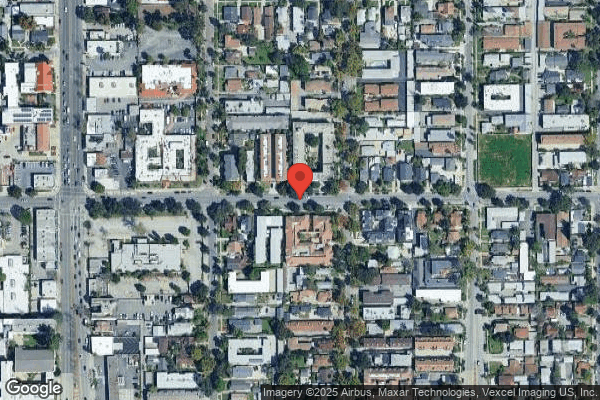

842 EAST VILLA STREET, PASADENA, CA 91101 (626) 796-8162
Non profit - Corporation 54 Beds FRONT PORCH Data: November 2025
Trust Grade
85/100
#253 of 1155 in CA
Last Inspection: October 2024

Within standard 12-15 month inspection cycle. Federal law requires annual inspections.

Overview

Villa Gardens Health Care Unit in Pasadena, California, has a Trust Grade of B+, which means it is above average and recommended for families considering their options. It ranks #253 out of 1,155 facilities statewide, placing it in the top half of California nursing homes, and #40 out of 369 in Los Angeles County, indicating only a few local facilities perform better. The facility's condition is stable, with 11 reported issues in both 2023 and 2024, and it has a low staff turnover rate of 20%, which is well below the state average of 38%. However, it does have concerning RN coverage, being lower than 95% of California facilities, suggesting that registered nurses may not be as available as needed. Notably, there are several areas of concern, such as failing to follow advance directive policies, which could impact residents' end-of-life care wishes, and an apparent lack of preventive measures leading to repeated falls for one resident, including a serious incident where the resident sustained a forehead laceration.

Trust Score
B+
85/100
In California
#253/1155
Top 21%
Safety Record
Low Risk
No red flags
Inspections
Holding Steady
11 → 11 violations
Staff Stability
✓ Good
20% annual turnover. Excellent stability, 28 points below California's 48% average. Staff who stay learn residents' needs.
Penalties
✓ Good
No fines on record. Clean compliance history, better than most California facilities.
Skilled Nurses
⚠ Watch
Each resident gets only 17 minutes of Registered Nurse (RN) attention daily — below average for California. Fewer RN minutes means fewer trained eyes watching for problems.
Violations
⚠ Watch
38 deficiencies on record. Higher than average. Multiple issues found across inspections.
★★★★★
5.0
Overall Rating
★★★★☆
4.0
Staff Levels
★★★★★
5.0
Care Quality
★★★★☆
4.0
Inspection Score
Stable
2023: 11 issues
2024: 11 issues

The Good

  • 4-Star Staffing Rating · Above-average nurse staffing levels
  • 5-Star Quality Measures · Strong clinical quality outcomes
  • Low Staff Turnover (20%) · Staff stability means consistent care
  • Full Sprinkler Coverage · Fire safety systems throughout facility
  • No fines on record
  • Staff turnover is low (20%)

    28 points below California average of 48%

Facility shows strength in staffing levels, quality measures, staff retention, fire safety.

The Bad

Chain: FRONT PORCH

Part of a multi-facility chain

Ask about local staffing decisions and management

The Ugly 38 deficiencies on record

Oct 2024 9 deficiencies
CONCERN (D)

Potential for Harm - no one hurt, but risky conditions existed

Incontinence Care (Tag F0690)

Could have caused harm · This affected 1 resident

**NOTE- TERMS IN BRACKETS HAVE BEEN EDITED TO PROTECT CONFIDENTIALITY** Based on observation, interview, and record review, the facility staff failed to follow its manual catheter irrigation (a proced...

Read full inspector narrative →
**NOTE- TERMS IN BRACKETS HAVE BEEN EDITED TO PROTECT CONFIDENTIALITY** Based on observation, interview, and record review, the facility staff failed to follow its manual catheter irrigation (a procedure that uses sterile fluid to flush a blocked or clogged indwelling catheter [a flexible plastic tube inserted into the bladder that remains there to provide continuous urinary drainage]) policy when Licensed Vocational Nurse 5 (LVN 5) failed to cap the drainage tube of the indwelling catheter with a sterile protective sheath during irrigation for one (1) of one sampled Resident (Resident 18) as indicated in the facility's policy and procedure (P&P). This deficient practice had the potential for Resident 18 to develop urinary tract infection (UTI- an infection in the bladder/urinary tract). Findings: During a review of Resident 18's Face Sheet (front page of the chart that contains a summary of basic information about the resident), the Face Sheet indicated Resident 18 was initially admitted to the facility on [DATE] and was readmitted on [DATE] with diagnoses that included benign prostatic hyperplasia (BPH- when the prostate and surrounding tissue expands), chronic systolic congestive heart failure (CHF- a heart disorder which causes the heart to not pump the blood efficiently, sometimes resulting in leg swelling), and chronic obstructive pulmonary disease (COPD- a chronic lung disease causing difficulty in breathing). During a review of Resident 18's History and Physical Examination (H&P), dated 11/20/2023, the H&P indicated Resident 18 did not have the capacity to understand and make decisions. During a review or Resident 18's Minimum Data Set (MDS- a federally mandated resident assessment tool), dated 9/4/2024, the MDS indicated Resident 18 was assessed having intact memory and cognitive (mental action or process of acquiring knowledge and understanding) skills for daily decision making. Resident 18 required substantial/maximal assistance (helper does more than half the effort) with toileting hygiene, lower body dressing, and sit to stand. Resident 18 was dependent (helper does all of the effort, Resident does none of the effort to complete the activity) with shower/bathe self, personal hygiene, and toilet transfer. Resident 18 had an indwelling catheter. During a review of Resident 18's Physician's Order, dated 10/1/2024, the Physician's Order indicated an order to flush foley catheter (indwelling catheter- a flexible plastic tube inserted into the bladder that remains there to provide continuous urinary drainage) with 50 cubic centimeter (cc-unit of measurement) normal saline (NS-a saltwater solution) every shift and as needed (PRN) to keep foley catheter patent/for sediments/or hematuria (blood in urine) or clogged. During a concurrent observation and interview with Resident 18, on 10/1/2024, at 1:46 PM, Resident 18 was sitting on his wheelchair in his room. Resident 18 stated he was waiting for LVN 5 to flush (irrigate) his indwelling catheter. During an interview with LVN 5, on 10/2/2024, at 2:29 PM, LVN 5 stated Resident 18's indwelling catheter was manually flushed every shift due to the presence of sediments (a buildup of various materials in the catheter that can cause blockage or encrustation) in the resident's indwelling catheter tubing. During an observation of Resident 18's foley catheter irrigation, on 10/4/2024, at 10AM, LVN 5 cleansed the connection site around the catheter and the drainage tubing with an alcohol pad and disconnected the catheter from the drainage tubing. LVN 5 placed the drainage tubing on the clean disposable absorbent pad that was placed on top of Resident 18's abdomen. LVN 5 did not cap or cover the drainage tubing before placing it on top of the disposable absorbent pad. LVN 5 flushed the catheter slowly with 50 cc of normal saline and disconnected the syringe from the catheter. LVN 5 cleansed the connection site and the drainage tubing with an alcohol pad and reconnected the catheter to the drainage tubing. During a concurrent review of the facility's Policy and Procedure (P&P) titled, Catheter, Manual Irrigation, revised on 8/2019 and interview with LVN 5 on 10/4/2024, at 12:11 PM, LVN 5 stated the P&P indicated to Carefully disconnect tubing from catheter, holding the catheter upright, cap the drainage tube with a sterile protective sheath. Secure drainage tubing close to resident on the bed. LVN 5 stated she did not cap or cover Resident 18's drainage tubing with a sterile protective sheath after it was disconnected from the catheter. LVN 5 stated the drainage tubing should be capped with a sterile sheath to prevent bacteria and germs from entering. LVN 5 stated Resident 18 can get an infection if bacteria or gems enter the drainage tubing. During a concurrent review of the facility's Policy and Procedure (P&P) titled, Catheter, Manual Irrigation, revised on 8/2019 and interview with the Administrator (ADM) and the Director of Nursing (DON) on 10/04/2024, at 2:20 PM, the DON stated LVN 5 should have followed the facility's P&P for foley irrigation. The ADM stated LVN 5 did not follow the facility's P&P for foley irrigation. During a review of the facility's P&P titled, Catheter, Manual Irrigation, revised on 8/2019, the P&P further indicated, A closed indwelling urinary drainage system should be maintained whenever possible to prevent risks of contamination.
CONCERN (D)

Potential for Harm - no one hurt, but risky conditions existed

Medical Records (Tag F0842)

Could have caused harm · This affected 1 resident

**NOTE- TERMS IN BRACKETS HAVE BEEN EDITED TO PROTECT CONFIDENTIALITY** 2. During a review of Resident 5's Physician's Order, with a report date range of 10/1/2024 to 10/31/2024, the Physician's Order...

Read full inspector narrative →
**NOTE- TERMS IN BRACKETS HAVE BEEN EDITED TO PROTECT CONFIDENTIALITY** 2. During a review of Resident 5's Physician's Order, with a report date range of 10/1/2024 to 10/31/2024, the Physician's Order indicated a start date of 7/29/2024, for Fingerstix (a brand of lancets used to check the blood sugar) sliding scale (a treatment for diabetes that involves adjusting the amount of insulin a resident receives based on their blood sugar levels) three times a day before meals for Diabetes Mellitus 2 (diabetes), notify MD (physician) if BS (blood sugar) greater than or equal to (>/=) 301 or less than or equal to (</=) 80. Give Fiasp (insulin aspart, a prescription medication that helps control blood sugar levels in residents with diabetes) 100 U/ml (units per milliliter- a unit of measurement) Flextouch (a prefilled, disposable insulin pen) with sliding scale as follows: 0 to 80 = 0 units 81 to 120 = 4 units 121 to 200 = 8 units 201 to 300 = 15 units During a review of Resident 5's Sliding Scale Insulin Administration Record, the Sliding Scale Insulin Administration Record indicated on 10/2/2024, at 6:30 AM, Resident 5's glucose (blood sugar) level was 197. The record indicated Resident 5 was given 15 units of insulin on the right thigh. The box in the Sliding Scale Insulin Administration record to contain the initials of the licensed nurse who administered the insulin to Resident 5 on 10/2/2024, at 6:30 AM was blank. During a concurrent record review of Resident 5's Sliding Scale Insulin Administration Record, dated 10/2/2024, and interview with Licensed Vocational Nurse 1 (LVN 1) on 10/2/2024 at 2:40 PM, LVN 1 stated Resident 5's 6:30 AM insulin was administered by LVN 4 who was scheduled on 10/2/2024 from 11PM to 7AM shift. LVN 1 stated Resident 5's glucose (blood sugar) level was 197 on 10/2/2024, at 6:30 AM. LVN 1 stated Resident 5 should be administered 8 units of insulin for a blood sugar of 197 as indicated on the physician's order. LVN 1 stated the Sliding Scale Insulin Administration Record on 10/2/2024, at 6:30 AM, indicated Resident 5 was administered 15 units of insulin on the right thigh. LVN 1 stated LVN 4 did not and should have initialed the box on the Sliding Scale Insulin Administration Record after administering insulin to Resident 5 on 10/2/2024 at 6:30 AM. During a concurrent record review of Resident 5's Sliding Scale Insulin Administration Record, dated 10/2/2024, and interview with the Director of Nursing (DON) on 10/4/2024, at 4:46 PM, the DON stated LVN 4 made a transcription error and wrote the wrong amount of insulin on Resident 5's Sliding Scale Insulin Administration Record. The DON stated LVN 4 should have written 8 units instead of 15 units on the Sliding Scale Insulin Administration Record. The DON stated LVN 4 did not and should have written her initial on the Sliding Scale Insulin Administration Record after administering insulin to Resident 5. The DON stated LVN did not follow the policy for charting medications. During a review of the facility's policy and procedure (P&P) titled, Charting Guidelines, revised on 11/2019, the P&P indicated the following: a. Charting should be done as soon as possible after a given event. b. Keep entries factual, specific, accurate and informative. c. Every nursing entry must be concluded by the name and credential of the writer. During a review of the facility's P&P, titled, Medication Administration General Guidelines, dated 1/2021, the P&P indicated, The Resident's MAR (Medication Administration Record)/TAR (Treatment Administration Record) is initialed by the person administering the medication, in the space provided under the date, and on the line for that specific mediation dose administration and time. Initials on each MAR/TAR are verified with a full signature in the space provided on the nursing center's master employee log. 2. During a review of Resident 5's Diabetes Mellitus, at Risk of Complications care plan dated 9/18/2024, the care plan indicated the nursing interventions to monitor for signs and symptoms (S/S) of hyperglycemia: nausea, vomiting, headache, change in level of consciousness (LOC), confusion, frequency, skin hot/dry/flushed or excessive thirst and S/S of hypoglycemia: diaphoresis (excessive sweating due to a secondary condition), dizziness, headache, palpitations (a skipped, extra or irregular heartbeat), weakness, confusion, change in LOC, increased pulse, blurred vision, shallow respirations or lethargy (abnormal drowsiness). During a review of Resident 5's Medication Regimen Review (MRR- a thorough evaluation of a patient's medication regimen to identify and address any potential issues), dated 9/19/2024, the review indicated Resident 5 was on a high-risk medication with monitoring recommendations to monitor for s/s of hypoglycemia and the s/s of hyperglycemia. The review was signed by Resident 5's nursing staff (unable to identify) and physician. During a review of Resident 5's Physician Order, dated 10/1/2024 through 10/31/2024, the orders indicated an order Basaglar Kwikpen (a disposable insulin pen that contains a long-acting, man-made insulin) to take 20 units (U- a measurement used to give insulin) at bedtime subcutaneously (under, all the layers of the skin). During a concurrent interview and record review on 10/3/2024 at 10:52 AM with Licensed Vocational Nurse 5 (LVN 5), Resident 5's Physician Order, dated 10/1/2024 through 10/31/2024, and Treatment Administration Record (TAR) dated 10/1/2024 through 10/31/2024 were reviewed. LVN 5 stated there is no entry for monitoring for s/s of hypoglycemia and hyperglycemia indicated on the TAR and there is no current physician's order for the monitoring of Resident 5's S/S of hyperglycemia and/or hypoglycemia. LVN 5 stated the doctor must not have wanted it done because there was no order. During an interview on 10/3/2024 at 11:04 AM with Medical Doctor (MD), the MD stated she is aware of the pharmacist recommendations for the monitoring of s/s of hypoglycemia and hyperglycemia for Resident 5, but did not order for the monitoring of the hypoglycemia and hyperglycemia because monitoring is a nursing order and standard to monitor for symptoms and that is a standard that does not need a written doctor's order. MD stated it is important for [staff] to monitor Resident 5 for s/s of hypoglycemia because that can cause syncope (a brief loss of consciousness) and a coma (a state of deep unconsciousness where a person is unable to move or respond to their environment) and would indicate if the insulin order needs to be changed. During a concurrent interview and record review on 10/3/2024 at 11:49 AM with Licensed Vocational Nurse 1 (LVN 1), Resident 5's Medication Administration Record (MAR) for the month of October 2024, was reviewed. The MAR failed to have any documented evidence for the monitoring of Resident 5 for s/s of hypoglycemia and hyperglycemia. LVN 1 stated there is no entry on MAR for monitoring of Reisdent 5's s/s of hypoglycemia and hyperglycemia. LVN 1 stated, he only documents in Resident 5's chart once the resident is experiencing a sign and/or symptom of hypoglycemia and/or hyperglycemia. During an interview on 10/4/2024 at 3:36 PM with the Director of Nursing (DON), the DON stated it is important to monitor Resident 5 for S/S of hypoglycemia and hyperglycemia so that staff can act promptly to stabilize the resident, notify the MD and to see if the insulin therapy needs to be modified accordingly. During an interview on 10/4/2024 at 4:23 PM with the DON, the DON stated there is no specific place for nurses to document the monitoring of Resident 5's S/S of The DON stated if something is not documented, she cannot ensure it was done. During a review of the facility's P&P titled, Adverse Drug Reactions, revised 2/2009, indicated residents who may be taking a medication known to have a possible adverse drug reaction, will be assessed [by facility] for evidence of any adverse reactions. During a review of facility's policy and procedure (P&P) titled Medication Regimen Review (MRR) and Reporting, dated 9/2018, the P&P indicated MRR as the thorough evaluation of the medication regimen of a resident, with the goals of promoting positive outcomes and minimizing adverse consequences and potential risks associated with medication. The policy indicated resident-specific MRR recommendations are documented and acted upon by the nursing care center and/or physician and recommendations that do not require physician intervention, the director of nursing or licensed designee will address the recommendations. During a review of the facility's P&P titled, Charting Guidelines, revised 11/2019, indicated the policy purpose is to provide facility guidelines for appropriate documentation in the health record and staff are to document normal findings as well as abnormal findings that shows the resident was assessed. The P&P indicated the following: a. Charting should be done as soon as possible after a given event. b. Keep entries factual, specific, accurate and informative. c. Every nursing entry must be concluded by the name and credential of the writer. During a review of the facility's P&P, titled, Medication Administration General Guidelines, dated 1/2021, the P&P indicated, The Resident's MAR (Medication Administration Record)/TAR (Treatment Administration Record) is initialed by the person administering the medication, in the space provided under the date, and on the line for that specific mediation dose administration and time. Initials on each MAR/TAR are verified with a full signature in the space provided on the nursing center's master employee log. Based on interview and record review, for one (1) of 12 sampled resident (Resident 5), the facility staff failed to: 1. Accurately and completely document the insulin (a hormone that removes excess sugar from the blood, can be produced by the body or given artificially via medication) dose administered on 10/2/2024, after administering insulin (a hormone that removes excess sugar from the blood, can be produced by the body or given artificially via medication). 2. Have documented evidence for the monitoring of signs and symptoms of hypoglycemia (a condition in which your blood sugar level is lower than the normal range) and hyperglycemia (a condition where too much sugar is circulating in the blood) as indicated in the resident's care plan and the pharmacist recommendations. These deficient practices placed Resident 5 at risk to not receive appropriate diabetes (DM- a disorder characterized by difficulty in blood sugar control and poor wound healing) management/care including unmonitored and untreated adverse reactions from insulin therapy, which could affect the resident's over all well being. Findings: 1. During a review of Resident 5's Face Sheet (front page of the chart that contains a summary of basic information about the resident), the Face Sheet indicated Resident 5 was initially admitted to the facility on [DATE] and was readmitted on [DATE] with diagnoses that included chronic obstructive pulmonary disease (COPD- a long term lung disease causing difficulty breathing), acute respiratory failure (condition then there's not enough oxygen or too much carbon dioxide in the body), and feeding difficulties. During a review of Resident 5's History and Physical Examination (H&P), dated 6/8/2024, the H&P indicated Resident 5 had a history of AODM (adult-onset diabetes mellitus or type 2 diabetes). Resident 5 did not have the capacity to understand and make decisions. During a review of Resident 5's Minimum Data Set (MDS- a federally mandated resident assessment tool), dated 9/14/2024, the MDS indicated Resident 5 was assessed having moderately impaired cognitive (mental action or process of acquiring knowledge and understanding) skills for daily decision making. Resident 5 required substantial/maximal assist (helper does more than half the effort) with toileting hygiene, upper and lower body dressing, putting on/taking off footwear, and roll left and right. Resident 5 was dependent (helper does all of the effort, Resident does none of the effort to complete the activity) with shower/bathe self, sit to stand, and toilet transfer. Resident 5 was taking hypoglycemic (a condition where the level of sugar in the blood is too low) medication as indicated. During a review of a facility's form titled Patient Diagnoses Information, dated 10/3/2024, indicated Resident 5 with diagnoses that included type 2 diabetes mellitus (DM2 - a chronic metabolic disease that occurs when the body doesn't produce enough insulin or can't use it properly) with hyperglycemia, DM2 with hypoglycemia, long term [current] use of insulin and dementia (a condition characterized by progressive or persistent loss of intellectual functioning). During a review of Resident 5's Physician's Order, with a report date range of 10/1/2024 to 10/31/2024, the Physician's Order indicated a start date of 7/29/2024, for Fingerstix (a brand of lancets used to check the blood sugar) sliding scale (a treatment for diabetes that involves adjusting the amount of insulin a resident receives based on their blood sugar levels) three times a day before meals for Diabetes Mellitus 2 (diabetes), notify MD (physician) if BS (blood sugar) greater than or equal to (>/=) 301 or less than or equal to (</=) 80. Give Fiasp (insulin aspart, a prescription medication that helps control blood sugar levels in residents with diabetes) 100 U/ml (units per milliliter- a unit of measurement) Flextouch (a prefilled, disposable insulin pen) with sliding scale as follows: 0 to 80 = 0 units 81 to 120 = 4 units 121 to 200 = 8 units 201 to 300 = 15 units During a review of Resident 5's Sliding Scale Insulin Administration Record, the Sliding Scale Insulin Administration Record indicated on 10/2/2024, at 6:30 AM, Resident 5's glucose (blood sugar) level was 197. The record indicated Resident 5 was given 15 units of insulin on the right thigh. The box in the Sliding Scale Insulin Administration record to contain the initials of the licensed nurse who administered the insulin to Resident 5 on 10/2/2024, at 6:30 AM was blank. During a concurrent record review of Resident 5's Sliding Scale Insulin Administration Record, dated 10/2/2024, and interview with Licensed Vocational Nurse 1 (LVN 1) on 10/2/2024 at 2:40 PM, LVN 1 stated Resident 5's 6:30 AM insulin was administered by LVN 4 who was scheduled on 10/2/2024 from 11PM to 7AM shift. LVN 1 stated Resident 5's glucose (blood sugar) level was 197 on 10/2/2024, at 6:30 AM. LVN 1 stated Resident 5 should be administered 8 units of insulin for a blood sugar of 197 as indicated on the physician's order. LVN 1 stated the Sliding Scale Insulin Administration Record on 10/2/2024, at 6:30 AM, indicated Resident 5 was administered 15 units of insulin on the right thigh. LVN 1 stated LVN 4 did not and should have initialed the box on the Sliding Scale Insulin Administration Record after administering insulin to Resident 5 on 10/2/2024 at 6:30 AM. During a concurrent record review of Resident 5's Sliding Scale Insulin Administration Record, dated 10/2/2024, and interview with the Director of Nursing (DON) on 10/4/2024, at 4:46 PM, the DON stated LVN 4 made a transcription error and wrote the wrong amount of insulin on Resident 5's Sliding Scale Insulin Administration Record. The DON stated LVN 4 should have written 8 units instead of 15 units on the Sliding Scale Insulin Administration Record. The DON stated LVN 4 did not and should have written her initial on the Sliding Scale Insulin Administration Record after administering insulin to Resident 5. The DON stated LVN did not follow the policy for charting medications.
CONCERN (D)

Potential for Harm - no one hurt, but risky conditions existed

Deficiency F0919 (Tag F0919)

Could have caused harm · This affected 1 resident

**NOTE- TERMS IN BRACKETS HAVE BEEN EDITED TO PROTECT CONFIDENTIALITY** Based on observation, interview, and record review, the facility failed to ensure the call light (an alerting device for nurses ...

Read full inspector narrative →
**NOTE- TERMS IN BRACKETS HAVE BEEN EDITED TO PROTECT CONFIDENTIALITY** Based on observation, interview, and record review, the facility failed to ensure the call light (an alerting device for nurses or other nursing personnel to assist a resident when in need) was within the resident's reach (arm's length) for one (1) of 1 sampled resident (Resident 24) as indicated on the facility's call system policy. This deficient practice had the potential for Residents 24 to not being able to call the facility staff for assistance especially during an emergency, which could lead to an injury or harm to Resident 24. Findings: During a review of Resident 24's Face Sheet (front page of the chart that contains a summary of basic information about the resident), the Face Sheet indicated the resident was initially admitted to the facility on [DATE] and readmitted on [DATE] with diagnoses that included functional quadriplegia (complete immobility due to severe disability from another medical condition without injury to the brain or spinal cord) and urinary tract infection (UTI- an infection in the bladder/urinary tract). During a review of Resident 24's Minimum Data Set (MDS- a federally mandated assessment tool), dated 8/20/2024, the MDS indicated Resident 24 had severe cognitive (mental action or process of acquiring knowledge and understanding) skills for daily decision making. The MDS also indicated Resident 24 was dependent (helper does all the effort) with eating, oral, personal and toileting hygiene, shower, upper and lower body dressing, and putting on/taking off footwear. During a concurrent observation and interview on 10/2/2024 at 10:32 AM, Resident 24's call light was on the floor on the right side of the resident's bed. Certified Nursing Assistant 1 (CNA 1) stated Resident 24 would not be able to call for help if her call light is on the floor. During an observation and interview on 10/4/2024 at 10:06 AM, Resident 24's call pad (facility previously provided Resident 24 a call light) was on the floor on the right side of the resident's bed. Licensed Vocational Nurse 3 (LVN 3) entered Resident 24's room and heard the resident asking LVN 3 where her call light was. LVN 3 stated the call light is there for Resident 24 to call on staff for any needs she may have especially for emergencies so the staff could respond as soon as possible. LVN 3 also stated that is important to ensure the call lights are within residents' reach to prevent incidents such falls. During a review of the facility's Policy and Procedure (P&P) titled, Call System, dated February 2009, the P&P indicated to provide each resident with a call system to enable them to request assistance. The policy also indicated to make sure call cords are placed within the residents reach at all times.
CONCERN (E)

Potential for Harm - no one hurt, but risky conditions existed

Deficiency F0578 (Tag F0578)

Could have caused harm · This affected multiple residents

**NOTE- TERMS IN BRACKETS HAVE BEEN EDITED TO PROTECT CONFIDENTIALITY** Based on interview and record review, the facility failed to follow its Advance Directive (a legal document indicating resident ...

Read full inspector narrative →
**NOTE- TERMS IN BRACKETS HAVE BEEN EDITED TO PROTECT CONFIDENTIALITY** Based on interview and record review, the facility failed to follow its Advance Directive (a legal document indicating resident preference on end-of-life treatment decisions) policy to inform and provide a written information regarding the right to formulate an advance directive for one (1) of two (2) sampled residents (Resident 26). This deficient practice had the potential to cause conflict in carrying out Resident 26's wishes regarding health care decisions during an emergency. Findings: During a review of Resident 26's Face Sheet (front page of the chart that contains a summary of basic information about the resident), the Face Sheet indicated the resident was admitted to the facility on [DATE] with diagnoses that included chronic kidney disease (a condition in which the kidneys are damaged and cannot filter blood as well as they should) and thrombocytopenia (a condition where a person has a lower-than-normal number of platelets in their blood). During a review of Resident 26's History and Physical (H&P), dated 2/27/2024, the H&P indicated Resident 26 had fluctuating capacity to understand and make decisions. During a review of Resident 26's Minimum Data Set (MDS, a federally mandated assessment tool), dated 9/2/2024, the MDS indicated Resident 26 had intact cognitive (mental action or process of acquiring knowledge and understanding) skills for daily decision making. The MDS also indicated Resident 26 was dependent (helper does all the effort) with toileting, lower body dressing, and putting on/taking off footwear. The MDS further indicated Resident 26 required substantial assistance (helper does more than half the effort) with shower and partial assistance (helper does less than half the effort) with upper body dressing and personal hygiene. During a review of Resident 26's Physician Orders for Life-Sustaining Treatment (POLST, a portable medical order form that records resident's treatment wishes so that emergency personnel know what treatments the resident wants in the event of a medical emergency, taking the resident's current medical condition into consideration) prepared on 1/17/2024, the form did not indicate what was discussed with the resident. The POLST form did not indicate whether Resident 26 had an advance directive, had an advance directive but not available, or there was no advance directive. During a concurrent interview and record review on 10/3/2024 at 5:26 PM, Licensed Vocational Nurse 5 (LVN 5) stated the advance directives acknowledgement form should be in the chart to make sure Resident 26 was notified of the choice to formulate an advance directive if she does not have one. LVN 5 verified Resident 26 did not and should have an advance directives acknowledgement form. During an interview on 10/4/2024 at 10:56 AM, the Social Services Director (SSD) stated the advance directives acknowledgement form should be in the chart. The SSD also stated the advance directives acknowledgement serves as an indicator that facility have had a conversation with the resident about having an advance directive. The SSD stated if the resident did not have one then the facility could provide information about having to formulate a health care directive. The SSD further stated the advance directives acknowledgement form would contain the information whether the resident has an advance directive or not. During a review of the facility's Policy and Procedure (P&P) titled, Advanced Directive, revised March 2024, the P&P indicated that upon admission to the community, social services staff or designee will inform and provide written information to the resident concerning their right to formulate an advanced directive. The policy also indicated that an acknowledgement for advanced directive form will be completed, signed, and placed in the resident's medical record. The policy further indicated that information about whether the resident has executed an advanced directive shall be displayed prominently in the medical record.
CONCERN (E)

Potential for Harm - no one hurt, but risky conditions existed

Accident Prevention (Tag F0689)

Could have caused harm · This affected multiple residents

**NOTE- TERMS IN BRACKETS HAVE BEEN EDITED TO PROTECT CONFIDENTIALITY** Based on interview and record review, the facility failed to prevent falls (move downward, typically rapidly and freely without ...

Read full inspector narrative →
**NOTE- TERMS IN BRACKETS HAVE BEEN EDITED TO PROTECT CONFIDENTIALITY** Based on interview and record review, the facility failed to prevent falls (move downward, typically rapidly and freely without control, from a higher to a lower level) for one (1) of two (2) sampled residents (Resident 35) by failing to identify causative factors of the resident's fall, and revise the care plan with new resident- specific interventions (programs or activities that are designed to address the specific needs of the resident to ensure their well-being) to prevent further falls. On 7/14/2024 at 8:24 AM, Resident 35 was found sitting on the floor at 6:15 AM awake, very confused, and soaking wet with urine, there was no documented evidence of interventions provided to address resident's confusion and incontinence (involuntary loss of bowel and bladder control). This failure resulted in Reisdent 35 had six (6) falls incidents (8/5/2024, 9/9/2024, 9/10/2024, 9/23/2024 at 1:45 AM and 2:30 AM, and 9/29/2024) with the potential for injuries. On 9/23/2024, the resident sustained forehead laceration and skin tear to her left elbow after the second fall (2:30 AM). Findings: During a review of Resident 35's Face Sheet (front page of the chart that contains a summary of basic information about the resident), the Face Sheet indicated Resident 35 was admitted to the facility on [DATE] and was readmitted on [DATE]. During a review of a facility's form titled Patient Diagnoses Information, dated 10/4/2024, the form indicated Resident with diagnoses that included Parkinson's Disease (a progressive disease of the nervous system marked by tremor, muscular rigidity, and slow, imprecise movements) with dyskinesia (uncontrolled, involuntary muscle movements ranging from shakes, tics and tremors to full-body movements), dementia (a progressive state of decline in mental abilities) and repeated falls. During a review of Resident 35's Minimum Data Set (MDS- a federally mandated assessment tool), dated 9/9/2024, the MDS indicated Resident 35 had intact cognitive (mental action or process of acquiring knowledge and understanding) skills for daily decision making. The MDS also indicated Resident 35 was partial/moderate assistance (helper does less than half the effort needed to complete the activity) with toileting hygiene, supervision or touching assistance (helper provides verbal cues, touching/steadying and/or contact guard assistance during activity) with bathing, toilet transfers (the ability to get on and off a toilet or commode), dressing, putting on/taking off footwear and setup or clean-up assistance (helper helps only prior to or following the activity completion) with eating, oral and personal hygiene. During a review of Resident 35's Fall Risk Assessment, dated 9/9/2024, the Fall Risk assessment indicated some of Resident 35's fall risk factors to include diagnoses of Parkinson's, dementia, bowel incontinence (inability to control bowel movements), previous falls, unsteady gait and disoriented (confused and unable to think clearly) times two (2) (only able to recall 2 elements of the four: person, place, time, and situation). During a review of Resident 35's Bowel and Bladder assessment dated [DATE], the assessment indicated Resident 35 as occasionally incontinent (usually 2 or more times per week but not daily) with bladder [urination], and functionally incontinent (unable to get to toilet without assistance) with bladder [urination]. The assessment also indicated Resident 35 has episodes of confusion, uses a walker, and needs extensive assistance with transfers. During a review of Resident 35's Fall Risk care plan, revised 9/30/2024, the care plan indicated Resident 35 had the following falls: a. Actual fall on 7/5/2024 b. Alleged fall on 7/14/2024 c. Actual fall 8/25/2024 (at 11:35 PM) d. Unwitnessed fall on 9/9/2024 e. Actual fall on 9/10/2024 f. Actual fall 9/23/2024 at 1:45 AM and 2:30 AM g. Actual fall on 9/29/2024. The care plans also indicated Resident 35 is at risk for falls related to history of falls, impaired mobility, lack of safety awareness, psychoactive med use, unsteady gait, urinary frequency, and weakness, with a goal of no injuries related to falls over the next quarter [12/4/2024]. The care plans dated from 7/14/2024 to 9/29/2024 did not include interventions to address the resident's incontinence at night and confusion. During a review of Resident 35's Progress Notes, dated 7/1/2024 through 10/4/2024, the circumstances for Resident 35 falls were as follows: a. Progress Notes dated 7/14/2024 at 8:24 AM indicated Resident 35 was found sitting on the floor at 6:15 AM awake, very confused, and soaking wet with urine. Resident 35 stated she did not know where she was and is wet because of water from the ceiling. b. Progress Notes dated 9/13/2024 at 1:24 PM indicated Resident 35 had a fall on 9/9/2024 attempting to reach for something and a fall on 9/10/2024 due to Resident 35 ambulating unassisted from bed, trying to get something from her closet. This fall resulted in a laceration to her right temple and multiple discolorations to both arms. c. Progress Notes dated 9/23/2024 at 3:54 AM indicated Resident 35 was found at 1:45 AM sitting on [floor] left side of the bed, stating she was in her apartment with her spouse, being robbed. d. Progress Notes dated 9/23/2024 at 4:09 AM indicated Resident 35 was found sitting on the floor around 2:30 AM sitting by her bed with a superficial laceration to forehead and skin tear to left elbow. Resident 35 stated she did not know what happened and her pants were observed halfway down, The note also indicated after fall, Resident 35 wanted to be taken to the toilet. e. Progress Notes dated 9/24/2024 at 11:33 AM indicated Resident had two falls on 9/23/2024, an unwitnessed at 1:45 AM and was found on the floor again at 2:35 AM. During a review of Resident 35's SBAR Communication Form, dated 8/25/2024 at 11:35 PM, the SBAR indicated Resident 35 stated she was putting the bedsheet on the floor for sleeping when she lost balance and fell. During a review of Resident 35's SBAR Communication Form, dated 9/23/2024, the SBAR indicated Resident 35 had two fall incidents, the first Resident 35 stated robber was in her apartment and the second fall, Resident 35 jumped out of her bed. The SBAR also indicated Resident 35's fall resulted in a forehead laceration and skin tear to her left elbow. During an interview on 10/4/2024 at 10:12 AM with Licensed Vocational Nurse 2 (LVN2), LVN 2 stated Resident has a history of falls, unsteady gait and is incontinent during the nighttime. During a concurrent record review and interview with the Director of Nursing (DON) on 10/4/2024 at 3:19 PM, Resident 35's fall history and revised fall risk care plan interventions were reviewed. The revised interventions were as follows: a. Fall on 7/5/2024, revised intervention added a night light leading to the bathroom. b. Fall on 7/14/2024, revised intervention added to remind Resident 35 not to close [room] door and/or wander at night. c. Fall on 8/25/2024, revised intervention added, Resident 35 moved closer to nurses' station. d. Fall on 9/10/2024, revised intervention added to remind Resident 35 to use the call light. e. Both falls on 9/23/2024, revised intervention of added floor mat (a pad that provides a cushioned land during a fall that reduces that chance of injury from a fall) on the side of Resident 35's bed at night. The DON stated Resident 35 has a history of falls including a fall with injury at previous facility and this facility. The DON also stated Resident 35 does not use call light even if reminded to do so because of forgetfulness and confusion. During a concurrent review of Resident 35's medical record and interview on 10/4/2024 at 6:18 PM with the DON and Administrator (ADM), the DON was unable to provide documented implemented interventions that address Resident 35's incontinence at night. ADM stated facility needs to continue to assess the plan, interventions and get creative as an interdisciplinary team (IDT - a coordinated group of experts from several different fields) to ensure Resident 35 is safe in the facility. During a review of the facility's Policy and Procedure (P&P) titled, Post Fall Assessment, revised 12/14/2022, the P&P indicated Nursing should consider initiating immediate interventions during the same shift the fall occurred and based on the fall circumstances with given examples including increased toileting with specific times, increased assistance or supervision at specific high-risk times and increased monitoring using sensory devices. The P&P also indicated the care plan will be reviewed and updated with interventions to prevent further falls or injury. During a review of the facility's P&P titled, Falls Prevention and Management Program, revised 12/14/2022, the P&P indicated: a. The falls prevention and management program serves to improve or maintain the quality of life for residents. Staff will properly assess a resident's risk for falling, provide adequate interventions to minimize that risk and try to prevent a resident from falling, and then evaluate the effectiveness of those interventions. b. Nursing being able to identify causative factors should a fall occur, and then accelerate the care plan with new interventions to prevent further falls; c. Consider using purposeful rounding to proactively address resident needs on a scheduled basis. A member of the care team rounds on the residents at an individually structured time such as hourly from 6 am to 10 pm and every two hours at night except for high-risk residents every hour. This could include scheduled and prompted toileting. It includes anticipating resident needs rather than responding to a call light.
CONCERN (E)

Potential for Harm - no one hurt, but risky conditions existed

Respiratory Care (Tag F0695)

Could have caused harm · This affected multiple residents

**NOTE- TERMS IN BRACKETS HAVE BEEN EDITED TO PROTECT CONFIDENTIALITY** Based on observation, interview, and record review the facility failed to follow its oxygen therapy (a treatment that provides e...

Read full inspector narrative →
**NOTE- TERMS IN BRACKETS HAVE BEEN EDITED TO PROTECT CONFIDENTIALITY** Based on observation, interview, and record review the facility failed to follow its oxygen therapy (a treatment that provides extra oxygen) policy for two (2) of three (3) sampled residents (Residents 8 and 37) by failing to: 1. Ensure Resident 8's humidifier bottle (plastic bottle of water that adds moisture to the flow of oxygen) was dated and not empty during oxygen therapy. This failure had the potential to result in adverse effects (an undesired harmful effect resulting from a medication or other intervention) of oxygen therapy for Resident 8 including nasal membrane (moist tissue that lines the nasal cavity and produces mucus) drying. 2. The facility failed to follow Resident 37's physician order to receive two (2) liters of oxygen per minute (LPM) via nasal cannula (oxygen tubing used to deliver supplemental oxygen that is placed directly on the nostrils) continuously and failed to store empty portable oxygen cylinder tanks separately from full portable oxygen cylinder tanks as indicated in the facility's policy and procedure (P&P). This deficient practice had the potential to result in oxygen toxicity (lung damage that happens from breathing in too much extra oxygen) to Resident 37 if receiving more oxygen than required. Storing empty and portable oxygen cylinders in the resident's room also had the potential for harm and injury to Resident 37, other residents, facility staff, and visitors. Findings: 1. During a review of Resident 8's Face Sheet, (front page of the chart that contains a summary of basic information about the resident), the Face Sheet indicated Resident 8 was admitted to the facility on [DATE] with diagnoses that included Chronic Obstructive Pulmonary Disease (COPD- a group of lung diseases that block airflow and make it difficult to breathe), asthma (a chronic lung disease that causes inflammation and tightening of the muscles around the airways, making it difficult to breathe), dependence on supplemental oxygen and shortness of breath (SOB- difficulty breathing). During a review of Resident 8's Minimum Data Set (MDS- a federally mandated assessment tool), dated 6/30/2024, the MDS indicated Resident 8 had moderately impaired cognitive skills for daily decision making and Resident 8 received oxygen therapy for respiratory treatment. The MDS also indicated Resident 8 required setup or clean-up assistance (staff help only prior to or following the activity completion) with eating and oral hygiene, partial/moderate assistance (staff does less than half the effort needed to complete the activity) with toileting and substantial/maximal assistance (staff does more than half the effort needed to complete the activity) with dressing and bathing. During a review of Resident 8's Physician Order, dated 10/1/2024 through 10/31/2024, the Physician's order indicated an order for continuous oxygen each shift, titrate (adjusting the amount of oxygen a patient receives to maintain a target oxygen saturation level) from 2 liters (L) to five (5) L per minute via nasal cannula (NC- a tube that provides oxygen through the nose) continuously for SOB keep oxygen saturation (the amount of oxygen carried by red blood cells) above 90 percent (%). During a concurrent observation and interview on 10/1/2024 at 2:29 PM with Licensed Vocational Nurse 1 (LVN 1), at Resident 8's bedside, Resident 8 was observed receiving four (4) L of oxygen via NC with an empty, undated humidifier bottle attached to the oxygen concentrator (a medical device that produces a higher concentration of oxygen from the room air). LVN 1 stated Resident 8's humidifier was undated, empty and should not be. LVN 1 stated the facility policy is to date the humidifier bottle with the open date and should be changed when empty. LVN 1 also stated it is important to have water in the humidifier bottle during oxygen therapy because it is easy for Resident 8 to get a dry nose with the high oxygen [amount] the resident was receiving. LVN 1 added that the humidifier will prevent the drying of Resident 8's nose. During an interview on 10/4/2024 at 3:36 PM with Director of Nursing (DON), the DON stated Resident 8's humidifier bottle should not be empty because of the risk of Resident 8's nasal passages (the two sections of the nasal cavity that allow air to pass through the nose and into the body) drying. During a review of facility's policy and procedure P&P titled, Oxygen Therapy, revised 7/2022, indicated: a. Oxygen therapy is administered by a licensed nurse as ordered by the physician. b. Set oxygen flow rate as ordered and assess equipment for proper functioning. c. If oxygen liter flow is at 4 L per minute of higher, or the resident has problems with excessive drying of the nasal passages, a pre-filled or reusable humidifier may be used with distilled water. d. Label humidifier bottle with open date. e. When humidifier bottle is empty or essentially empty, detach and reattach a new prefilled bottle and label with open date. 2. During a review of Resident 37's Face Sheet (front page of the chart that contains a summary of basic information about the resident), the Face Sheet indicated Resident 37 was initially admitted to the facility on [DATE] and was readmitted on [DATE] with diagnoses that included respiratory failure (a condition where there's not enough oxygen or too much carbon dioxide in the body), pleural effusion (a condition where fluid builds up in the thin cavity between the lungs and the chest wall), and hypotension (low blood pressure). During a review of Resident 37's History and Physical Examination (H&P), dated 8/22/2024, the H&P indicated Resident 37 did not have the capacity to understand and make decisions. During a review of Resident 37's Minimum Data Set (MDS-a federally mandated Resident assessment tool), dated 8/31/2024, the MDS indicated Resident 37 was assessed having intact memory and cognitive (mental action or process of acquiring knowledge and understanding) skills for daily decision making. Resident 37 required supervision or touching assistance with eating and oral hygiene. Resident 37 required substantial/maximal assistance (helper does more than half the effort) with toileting hygiene, upper and lower body dressing, sit to stand, and chair/bed-to-chair transfer. Resident 37 was on intermittent (not continuous) oxygen therapy. During a review of Resident 37's Physician's Order, with a report date range of 10/1/2024 to 10/31/2024, the Physician's Order indicated a start date of 8/24/2024, for continuous oxygen, each shift at 2 LPM via nasal cannula continuously for respiratory failure keep oxygen saturation (O2 sat- a measurement of how much oxygen the blood is carrying as a percentage) greater than 90%. During a review of Resident 37's Care Plan titled, Alteration in Breathing Patterns related to history of respiratory failure, dated 8/24/2024, the care plan indicated an intervention for oxygen continuous at 2 LPM via nasal cannula. During an observation in Resident 37's room, on 10/1/2024, at 9AM, Resident 37 was sitting on his bed eating his breakfast. Resident 37 was receiving four (4) LPM of oxygen via nasal cannula. Resident 37 had three (3) portable oxygen cylinder tanks against the wall by the foot of the bed. Two out of the three portable oxygen cylinder tanks were empty. During a concurrent observation of Resident 37's bathroom and interview with Licensed Vocational Nurse 2 (LVN 2), on 10/1/2024, at 3:46 PM, LVN 2 checked Resident 37's oxygen concentrator (a medical device that concentrates oxygen from environmental air and delivers it to a resident in need of supplemental oxygen) in the bathroom and stated Resident 37 was receiving 4 LPM of oxygen. LVN 2 stated Resident 37 was only ordered for 2 LPM of oxygen. During the same concurrent observation of Resident 37's room and interview with LVN 2 on 10/1/2024, at 3:46 PM, LVN 2 stated Resident 37 had three portable oxygen cylinder tanks in his room. LVN 2 stated 2 out of the three (3) portable oxygen tanks were empty. LVN 2 stated empty portable oxygen tanks should be stored in the oxygen tank storage room. During an interview with the Director of Staff Development (DSD), on 10/1/2024, at 4:27 PM, the DSD stated empty portable oxygen cylinder tanks should be separated from full portable oxygen cylinder tanks. The DSD stated portable oxygen cylinder tanks are stored in the oxygen storage room for the safety of the residents and staff and to prevent fires. During an interview with LVN 6, on 10/2/2024, at 4:24 PM, LVN 6 stated Resident 37's oxygen cannot be increased to 4 LPM without getting an order or notifying the physician. LVN 6 stated Resident 37's physician order for oxygen was not followed on 10/1/2024. LVN 6 stated it was important to follow the physician's oxygen order because too much oxygen can drown (a term used when resident breaths in too much oxygen causing lung damage and even death) a resident. LVN 6 stated a resident can also go into respiratory distress and end up in the hospital from receiving too much oxygen. During the same interview with LVN 6, on 10/2/2024, at 4:24 PM, LVN 6 stated empty portable oxygen cylinder tanks should not be kept in the resident's room with full portable oxygen cylinder tanks. LVN 6 stated empty portable oxygen cylinder tanks were stored in the oxygen storage room. LVN 6 stated it was the responsibility of the licensed nurses and certified nursing assistants (CNA) to monitor and check the portable oxygen cylinder tanks in the residents' rooms. During a review of the facility's P&P, titled, Oxygen Therapy, revised on 7/2022, the P&P indicated, Oxygen therapy is administered by a licensed nurse as ordered by the physician or as an emergency measure until the order can be obtained. The P&P indicated to, Replace oxygen cylinders as needed based on flow rate and size. Securely store empty cylinders separately from full.
CONCERN (E)

Potential for Harm - no one hurt, but risky conditions existed

Food Safety (Tag F0812)

Could have caused harm · This affected multiple residents

Based on observation, interview, and record review, the facility failed to to follow proper food handling practices in accordance with its policy and procedure by failing to:: 1. Properly label food ...

Read full inspector narrative →
Based on observation, interview, and record review, the facility failed to to follow proper food handling practices in accordance with its policy and procedure by failing to:: 1. Properly label food items in the kitchen refrigerator. 2. Ensure there was no expired bread in the kitchen dry storage area. 3. Properly label food items in the resident refrigerator. These deficient practices have the potential to result in food borne illness (any sickness that is caused by the consumption of foods or beverages that are contaminated with certain infectious or noninfectious agents) in a population of 35 residents who consume food by mouth. Findings: 1. During a concurrent observation and interview in the kitchen on 10/1/2024 at 7:50 AM with [NAME] 1, there were multiple food items inside walk in refrigerator 1 without a label to indicate the date when the following food items were opened: a. One large clear container of cranberries b. One grocery bag (cook stated did not belong to the facility but could be from one of the staff) which contained coleslaw packed in a zip lock and in a small plastic container, one plastic bottle with tomato sauce and tortillas packed in a foil. During a concurrent observation and interview in the kitchen on 10/1/2024 at 8:10 AM with [NAME] 1, there was one large pan of breaded meat without a label to indicate prepared date inside walk in refrigerator 2. Cook 1 stated he did not know who the grocery bag of food item was from and should have been placed in the employee lounge so not to contaminate other food items inside the kitchen refrigerator if they belonged to one of the employees. [NAME] 1 also stated he was not sure what kind of meat was the breaded meat item in the large pan and when it was prepared. [NAME] 1 further stated the breaded meat should have been labeled with the type of meat and date it was prepared. 2. During a concurrent observation and interview in the kitchen on 10/1/2024 at 8:30 AM with [NAME] 1, there were three (3) bags of breadsticks and two (2) bags of Rye bread with an expiration date of 9/28/2024 on the multiple tier bread rack. [NAME] 1 stated the expired items should be thrown away since they could develop molds and cause the residents to get sick. During an interview on 10/1/2024 at 11:20 AM, the Director of Dining Services (DDS) stated the expired bread should be removed since it potentially could cause health issues to the residents. The DDS also stated all food items in the refrigerator should be labeled to identify what they were. The DDS further stated the residents could potentially be given and could ingest the wrong food item if not labeled properly. During an interview on 10/02/2024 at 11:55 AM, the Registered Dietician (RD) stated, expired items should be removed, discarded, and not served after expiration for food safety and palatability. The RD also stated, the food item should be labeled with the name of item if its not in the original container and should be labeled with the date it was opened and date it was prepared for food safety and for identifying the food. The RD further stated, serving undated food items to the residents that were potentially expired could cause food borne illness. 3. During a concurrent observation and interview on 10/3/2024 at 11:24 AM with Licensed Vocational Nurse 5 (LVN 5), multiple food items without a label to indicate the opened date, residents name and room number, date food was prepared or first opened were found inside the resident's refrigerator by the hallway close to the nurse's station, which included the following: a. One small container of red sauce b. Three (3) pints sized and one gallon of ice cream LVN 5 stated it was not acceptable for food items brought in by families in the refrigerator not to have labels with the resident's name, room number, date the food was prepared, or first opened since bacteria could grow in food items which could possibly make residents sick if consumed. During an interview on 10/03/2024 at 1:52 PM, Licensed Vocational Nurse 3 (LVN 3) stated the foods stored inside the resident's refrigerator should be labeled to identify which resident, room number, and date it was stored. LVN 3 also stated it is to ensure the food is still good for consumption. LVN 3 further stated residents could get food poisoning if the food being consumed was expired. During a review of the facility's Policy and Procedure (P&P) titled, Dining Services - Storage and Inventory, dated 8/1/2007 indicated that all prepared foods and foods not in the original containers must be covered, labeled, and dated. During a review of the facility's P&P titled, Dining Services - Foods Brought into the Facility by Family Members or Guests, dated 12/1/2017 indicated that foods shall be labeled by the person who brought the food. The policy also indicated that the label shall have: the residents name and room number, as well as the date the food was prepared or first opened. The policy further indicated that foods not properly labeled or have labels that are not easily readable will be immediately discarded.
CONCERN (E)

Potential for Harm - no one hurt, but risky conditions existed

Garbage Disposal (Tag F0814)

Could have caused harm · This affected multiple residents

Based on observation and interview the facility failed to ensure two (2) of three (3) dumpsters were covered with a lid and were not overflowing with trash in accordance with the facility policy. This...

Read full inspector narrative →
Based on observation and interview the facility failed to ensure two (2) of three (3) dumpsters were covered with a lid and were not overflowing with trash in accordance with the facility policy. This failure had the potential to result in the attraction and spread of vermin (animals that are believed to be harmful, or that carry diseases, e.g., rodent's parasitic worms or insects) that could potentially enter the facility and spread diseases to the residents. Findings: During a concurrent observation of the facility's garbage area, and interview with the Director of Dining Services (DDS) on 10/1/2024 at 11:35 AM, there were 3 dumpsters located outside the facility's main kitchen area, which was about 15 to 20 feet away from the facility's kitchen exit. DDS verified 2 of the 3 dumpsters were observed without lids and both were overflowing with trash bags. DDS stated the dumpsters should have been covered with a lid and not overflowing with trash since this could attract all live animals. During observation of the facility's garbage area on 10/01/24 at 3:45 PM, about 5 empty boxes were observed in between 2 of the 3 dumpsters. The lid for one (1) of the 3 dumpsters was observed partially covering the dumpster due to boxes and trash overflowing from it. During an interview on 10/03/2024 at 9:57 AM, the Administrator stated that the lids on the dumpsters should be closed to keep pests away and to help keep the area sanitary. During a review of the facility's Policy and Procedure titled, Food and Nutrition Services, dated October 2024 indicated that the facility will properly dispose of garbage and refuse, maintaining containers in good condition (no leaks) with lids or otherwise covered. The policy also indicated that garbage storage areas will be maintained in a sanitary condition to prevent the harboring and feeding of pests.
CONCERN (E)

Potential for Harm - no one hurt, but risky conditions existed

Infection Control (Tag F0880)

Could have caused harm · This affected multiple residents

**NOTE- TERMS IN BRACKETS HAVE BEEN EDITED TO PROTECT CONFIDENTIALITY** Amended: Based on observation, interview and record review, the facility failed to implement appropriate infection control prac...

Read full inspector narrative →
**NOTE- TERMS IN BRACKETS HAVE BEEN EDITED TO PROTECT CONFIDENTIALITY** Amended: Based on observation, interview and record review, the facility failed to implement appropriate infection control practices for 4 of 5 sampled residents (Residents 19, 24, 37 and 199) as indicated on the facility's policy and procedure (P&P) by failing to ensure: 1. Resident 199's visitor was educated and used indicated personal protective equipment (PPE - clothing and equipment that is worn or used to provide protection against hazardous substances and/or environments) inside novel respiratory isolation (an isolation that requires the use of a disposable gown, eye protection [goggles or face shield], fit-tested respirator [N-95 or higher] and gloves) room. 2. The nasal cannula (a small plastic tube, which fits into the person's nostrils for providing supplemental oxygen) tubing was placed in a bag after use as indicated in the facility's policy and procedure (P&P) and ensure the oxygen tubing was not touching the floor for Resident 37. 3. Facility staff observed infection control measures for a Resident 24 who was on Enhanced Barrier Precautions (EBP or ESP- the use of gown and glove use for nursing home residents with wounds and indwelling devices during specific-high contact Resident care activities associated with multidrug-resistant organisms [MDRO] transmission ) by failing to don (wear) personal protective equipment (PPE- a barrier precaution which includes use of gloves, gown, mask, face shield, shoe covers, head covers, respirators, etc. when you anticipate contact with blood or body fluids or other communicable toxins or agents) before checking for gastrostomy tube (Gtube- a tube inserted through the abdomen that delivers nutrition and medications directly to the stomach) placement prior to medication administration. 4. Resident 19's handheld nebulizer (delivers medicines in the form of aerosols to add moisture and help control respiratory symptoms) was stored in a clean bag when not in use. These deficient practices placed the residents, staff, and visitors at higher risk for transmitting and/or acquiring infection in the facility. Findings: 1. During a review of Resident 199's Face Sheet, the Face Sheet indicated Resident 199 was admitted to the facility on [DATE], with diagnoses that included Coronavirus disease 2019 (COVID-19 - a highly contagious infectious disease caused by severe acute respiratory syndrome coronavirus 2 [SARS-CoV-2]), pneumonia (PNA- an infection/inflammation in the lungs) and COPD. During a review of Resident 199's MDS dated [DATE], the MDS indicated Resident 199 had moderately impaired cognitive skills for daily decision making. The MDS also indicated Resident 199 was dependent (helper does all the effort) with toileting, bathing, lower body dressing, and putting on/taking off footwear. The MDS further indicated Resident 199 substantial/maximal assistance (helper does more than half the effort needed to complete the activity) with eating, oral and personal hygiene. During a review of Resident 199's Physician's Order, the Physician's Order indicated contact (measures taken to prevent the spread of germs that are transmitted through touching) and droplet precautions (measures taken to prevent transmission when infection can be spread to others by speaking, sneezing, or coughing) for COVID [19]. During a review of Resident 199's Active Infection as Evidenced by Positive for COVID-19, care plan (a document that outlines the facility's plan to provide personalized care to a resident that includes measurable objectives and timeframes to meet a resident's medical, nursing, and mental and psychosocial needs), dated 9/27/2024, the care plan indicated contact and droplet precautions. During an observation on 10/1/2024 at 9:18 AM in front of Resident 199's room, a STOP Novel Respiratory Precautions sign was posted indicating the wearing of a gown, N95 (a disposable face mask that covers the user's nose and mouth which offers protection from small solid or liquid droplets found in the air), face shield or goggles and gloves on room entry. A visitor was also observed opening Resident 199's door and entering the room with only a surgical mask on and no other PPE as indicated on the posted PPE sign. During an observation on 10/1/2024 from 9:19 AM until 9:37 AM, the visitor of Resident 199 was inside Resident 199's room without a gown, N-95 and/or gloves. During a concurrent observation in Resident 199's room and interview with Infection Preventionist Nurse (IPN) on 10/1/2024 at 9:26 AM, IPN stated the novel respiratory sign was observed and IPN stated to this isolation requires the use of the N-95 mask, gown, gloves and a face shield or goggles. IPN stated the visitor should have put on all required PPE [N-95, gown, gloves, and face shield/goggles] before entering Resident 199's room. IPN also stated Resident 199's visitor told her he did not wear the PPE because he did not know it was necessary for him. IPN stated is it important for visitors and staff to follow the novel respiratory isolation precautions to prevent the spread [of COVID-19] and for the safety of the residents and everyone. During an interview on 10/4/2024 at 3:36 PM with the DON, the DON stated per facility protocol, facility does not force visitors to wear indicated PPE for COVID-19 isolation rooms, but staff are to educate visitors [on the use and importance of isolation precautions] and encourage PPE usage. During a review the facility's policy and procedure (P&P) titled, Suspected or Confirmed COVID -19 Policy, revised 2/2024, indicated facility should provide instruction before visitors enter residents' rooms on hand hygiene, limiting surfaces touched and use of PPE according to current policy while in the resident's room. 2. During a review of Resident 37's Face Sheet, the Face Sheet indicated Resident 37 was initially admitted to the facility on [DATE] and was readmitted on [DATE] with diagnoses that included respiratory failure (a condition where there's not enough oxygen or too much carbon dioxide in the body), pleural effusion (a condition where fluid builds up in the thin cavity between the lungs and the chest wall), and hypotension (low blood pressure). During a review of Resident 37's H&P, dated 8/22/2024, the H&P indicated Resident 37 did not have the capacity to understand and make decisions. During a review of Resident 37's MDS, dated [DATE], the MDS indicated Resident 37 was assessed having intact memory and cognitive skills for daily decision making. Resident 37 required supervision or touching assistance with eating and oral hygiene. Resident 37 required substantial/maximal assistance with toileting hygiene, upper and lower body dressing, sit to stand, and chair/bed-to-chair transfer. Resident 37 was on intermittent (not continuous) oxygen therapy. During a review of Resident 37's Physician's Order, with a report date range of 10/1/2024 to 10/31/2024, the Physician's Order indicated a start date of 8/24/2024, for continuous oxygen each shift at 2 LPM via nasal cannula continuously for respiratory failure keep oxygen saturation (O2 sat- a measurement of how much oxygen the blood is carrying as a percentage) greater than 90%. During an observation in Resident 37's room, on 10/1/2024, at 9:00 AM, Resident 37 was sitting on his bed eating his breakfast. Resident 37 was receiving 4 liters of oxygen per minute (LPM) via nasal cannula. Resident 37's oxygen concentrator (a medical device that concentrates oxygen from environmental air and delivers it to a resident in need of supplemental oxygen) was in the bathroom. Resident 37's bathroom door was closed and the oxygen tubing touched the floor under the bathroom door. Resident 37 had a used nasal cannula hanging on top of the empty portable oxygen cylinder tanks against the wall by the foot of the bed. The nasal cannula was not stored in a bag. During a concurrent observation of Resident 37's room and interview with LVN 2 on 10/1/2024, at 3:46 PM, LVN 2 stated Resident 37's nasal cannula was on top of the portable oxygen cylinder. LVN 2 stated Resident 37's nasal cannula should be placed in a bag when not in use. During the same concurrent observation of Resident 37's bathroom and interview with LVN 2 on 10/1/2024, at 3:46 PM, LVN 2 stated Resident 37's oxygen tubing was touching the floor near the bathroom. During an interview with the Director of Staff Development (DSD), on 10/1/2024, at 4:27 PM, the DSD stated the oxygen tubings need to be changed when dirty, contaminated, or if it falls on the floor. During an interview with LVN 6, on 10/2/2024, at 4:24 PM, LVN 6 stated the facility's P&P indicated to change the oxygen tubing only as needed if it was dirty. LVN 6 stated an oxygen tubing was considered dirty if it was touching the floor. LVN 6 stated a dirty oxygen tubing can be a source of infection for a resident which can lead to respiratory problems. LVN 6 stated if a nasal cannula should be placed in a bag when it is not being used by a resident to prevent infection. During an interview with LVN 3, on 10/3/2024, at 11:10 AM, LVN 3 stated it was the licensed nurse's responsibility to change the oxygen tubing when it was dirty. 3. During a review of Resident 24's Face Sheet, the Face Sheet indicated Resident 24 was initially admitted to the facility on [DATE] and was readmitted on [DATE] with diagnoses that included dysphagia (difficulty or discomfort in swallowing), functional quadriplegia (paralysis that affects all four limbs plus the torso), and essential hypertension (high blood pressure). During a review of Resident 24's H&P, dated 8/22/2024, the H&P indicated Resident 24 had a Gtube. During a review of Resident 24's MDS, dated [DATE], the MDS indicated Resident 24 was assessed having severely impaired cognitive skills for daily decision making. Resident 24 was dependent (helper does all of the effort, Resident does none of the effort to complete the activity) with eating, oral hygiene, upper and lower body dressing, personal hygiene, and roll left to right (the ability to roll from lying on back to left and right side). During a review of Resident 24's Physician's Order, with a report date range of 10/2/2024 to 10/31/2024, the Physician's Order indicated an order, dated 8/30/2023, for gastrostomy tube replacement, each shift, check placement of GT prior to feeding or medication administration. During a review of Resident 24's care plan, titled, Enhanced Barrier Precautions, the care plan indicated Resident 24 was at risk for infection, high risk residents with feeding tube, colonized MDRO: extended-spectrum beta-lactamase (ESBL- an enzyme that makes some bacteria resistant to many antibiotics). Resident 24's care plan intervention indicated for the proper use of PPE (Glove and Gown) during high contact of care activities. During an observation of Resident 24's medication administration on 10/3/2024, at 1:55 PM, LVN 1 entered Resident 24's room, washed his hands and donned gloves. LVN 1 proceeded to unclamp Resident 24's Gtube and inserted a 60 milliliter (ml- unit of measurement) syringe to Resident 24's medication port. LVN 1 pulled the plunger back to check for residual and disconnected the 60 ml syringe from the medication port. LVN 1 stopped and stated he did not DON his gown before checking Resident 24's Gtube residual. LVN 1 removed his gloves, donned PPE from the PPE cart inside Resident 24's room, sanitized his hands with alcohol base hand rub, and donned gloves. LVN 1 reinserted the 60 ml syringe, flushed Resident 24's Gtube with 15 ml of water, administered Omeprazole (medication used to treat heartburn and stomach ulcers), flushed the Gtube once again with 15 ml of water, and disconnected the syringe. LVN 1 doffed (removed) his gown and gloves, washed his hands, and exited Resident 24's room. During an interview with LVN 1, on 10/3/2024, at 2:12 PM, LVN 1 stated Resident 24 was on enhanced barrier precautions because she had a Gtube. LVN 1 stated it was important to don PPE before providing direct contact care to Resident 24 to protect Resident 24 from contamination and infection. During an interview with the Infection Preventionist Nurse (IPN), on 10/3/2024, at 4:09 PM, the IPN stated residents with wounds, MDRO, Gtube, indwelling catheters are placed on enhanced barrier precautions. The IPN stated staff were required to don PPE before providing direct contact care to residents on enhanced barrier precautions to prevent them from getting an infection. During a review of the facility's P&P titled, Oxygen Therapy, revised on 7/2022, the P&P indicated, When nasal cannula or oxygen mask is not in use, place in a plastic bag or other infection prevention pouch to prevent contamination. The P&P also indicated to, Change oxygen tubing if it appears dirty or becomes contaminated. During a review of the facility's P&P titled, Infection Prevention & Control Program, revised 1/2024, the P&P indicated: Enhanced Standard Precautions (ESP) are indicated for high-risk SNF residents, those with infection or colonization with an MDRO when contact precautions do not otherwise apply and/or with wounds and/or indwelling medical devices (urinary catheter, feeding tube, endotracheal or tracheostomy tube, vascular catheters). During a review of the facility's P&P titled, Enhanced Standard Precautions for Skilled Nursing Facilities (SNF), 2022, revised 9/2022, the P&P indicated for ESP staff are to perform hand hygiene and don gloves, gown and mask/goggle/shield PPE within room before beginning activity 4. During a review of Resident 19's Face Sheet, the Face Sheet indicated the resident was initially admitted to the facility on [DATE] and readmitted on [DATE] with diagnoses that included chronic obstructive pulmonary disease (COPD-a chronic lung disease causing difficulty in breathing) and dependence on oxygen supplement. During a review of Resident 19's History and Physical (H&P), dated 8/3/2024, the H&P indicated Resident 19 does not have the capacity to understand and make decisions. During a review of Resident 19's MDS, dated [DATE], the MDS indicated Resident 19 had an intact cognitive skill for daily decision making. The MDS also indicated Resident 19 was dependent (helper does all the effort) with toileting, upper and lower body dressing, and putting on/taking off footwear. The MDS further indicated Resident 19 partial assistance (helper does less than half the effort) with oral and personal hygiene and required supervision (helper provides verbal cues) with eating. During a review of Resident 19's Physician's Order, dated 9/20/2024, the Physician's Order indicated Resident 19 was on albuterol sulfate (treats and prevents breathing difficulties caused by lung diseases) 2.5 milligrams (mg, metric unit of measurement, used for medication dosage and/or amount) inhalation via handheld nebulization every six (6) hours for shortness of breath (SOB, difficulty breathing) due to COPD. During an observation on 10/1/2024 at 9:09 AM, Resident 19's handheld nebulizer was exposed on top of the bedside table and not stored in a clean bag. During an interview on 10/2/2024 at 4:47 PM, the LVN 6 stated the handheld nebulizer should be kept in a clean plastic bag to prevent from collecting dirt from the air and surfaces. During an interview on 10/4/2024 at 12:42 PM, the DON stated that the handheld nebulizer, masks, and nasal cannulas should be placed in a breathable bag to reduce the risk of contamination when not in use. The DON also stated when they (handheld nebulizer, masks, and nasal cannulas) get contaminated there's a risk for residents developing respiratory infection. During a review of the facility's P&P titled, Nebulized Medications, dated October 2011, the P&P indicated that nebulizers will be rinsed out after each use and stored in a clean plastic or mesh bag at the bedside.
Jan 2024 2 deficiencies
CONCERN (D) 📢 Someone Reported This

A family member, employee, or ombudsman was alarmed enough to file a formal complaint

Potential for Harm - no one hurt, but risky conditions existed

Quality of Care (Tag F0684)

Could have caused harm · This affected 1 resident

**NOTE- TERMS IN BRACKETS HAVE BEEN EDITED TO PROTECT CONFIDENTIALITY** Based on interview and record review the facility failed to document and perform a wound care treatment for one of two sampled r...

Read full inspector narrative →
**NOTE- TERMS IN BRACKETS HAVE BEEN EDITED TO PROTECT CONFIDENTIALITY** Based on interview and record review the facility failed to document and perform a wound care treatment for one of two sampled residents (Resident 1). This failure had the potential to result in Resident 1's wounds getting worse in condition. Findings: During a review of Resident 1's admission Record, admission Record indicated the resident was initially admitted to the facility on [DATE] and readmitted [DATE] with diagnoses of cellulitis (a bacterial skin infection) of the right and left lower limbs and metabolic encephalopathy (a disorder that affects brain function that can be temporary or permanent depending on severity of the damage). During a review of Resident 1's History and Physical Examination (H&P), dated 11/10/23, H&P indicated the resident does not have the capacity to understand and make decisions. During a review of Resident 1's Minimum Data Set (MDS - a standardized resident assessment care screening tool), dated 12/15/23, MDS indicated the resident was moderately impaired with cognition (ability to think, remember, and reason), but needed partial/moderate assistance (helper does less than half the effort) with transfers (how a resident moves to and from bed, chair, wheelchair, standing position), was dependent with dressing (how a resident puts on, fastens and takes off all items of clothing), toileting hygiene and needed setup or clean-up assistance with eating and personal hygiene. During a review of Resident 1's Physician Order Sheet dated 1/19/24 at 10:45 AM, the Physician Order Sheet indicated: 1. Cleanse left dorsal (referring to the back) foot status post (s/p; referring to a state after an intervention, usually surgical) surgical wound (a cut or incision in the skin that is usually made by a scalpel during surgery) with Normal Saline (NS; a mixture of sodium chloride [salt] and water) gently pack with Medihoney (a type of wound treatment gel), collagen powder (wound filler dressing [a pad applied to a wound to promote healing and protect the wound from further harm]) and calcium alginate (Ca Alg; a wound dressing), apply nonadherent (nonstick) dressing and roll gauze (a loosely woven, almost translucent fabric used to bandage wounds) every day (QD) and as needed (PRN) until further orders. 2. Cleanse right medial (middle) malleolus (a bony projection with a shape likened to a hammer head especially each of those on either side of the ankle) s/p surgical wound with NS, pat dry, gently pack with Medihoney, collagen powder and Ca Alg, apply nonadherent pad and roll gauze QD and PRN until further orders. 3. Cleanse coccyx (a small triangular bone at the base of the spine) stage 3 pressure injury (second to last stage of pressure sore progression where the sore has gone through all layers of skin into the fat tissue) with NS, pat dry, apply Medihoney and collagen powder, skin barrier cream (a product applied directly to the skin surface to help maintain the skin's physical barrier and providing protection from irritants and drying out) to periwound (tissue surrounding a wound), cover with dry dressing QD and PRN until further orders. 4. Apply betadine (used on the skin to treat or prevent skin infection in minor cuts, scrapes or burns) to left anterior (front) lower leg laceration (a wound that is produced by the tearing of soft body tissue), cover with nonadherent and roll gauze QD and PRN until further orders. 5. Cleanse right forearm skin tear with NS, pat dry, apply collagen powder, nonadherent pad and roll gauze QD and PRN until further orders. 6. Cleanse right upper arm skin tear with NS, pat dry, apply collagen powder, nonadherent pad and roll gauze QD and PRN until further orders. 7. Cleanse left upper arm skin tear with NS, pat dry, apply collagen powder, nonadherent pad and roll gauze QD and PRN until further orders. During a concurrent interview and record review on 1/31/24 at 2:40 PM with Director of Nursing (DON), Resident 1's Treatment Administration Record (TAR) for January 2024 was reviewed. The TAR indicated that no wound treatment was provided for Resident 1's left dorsal foot s/p surgical wound, right medial malleolus s/p surgical wound, coccyx, left anterior lower leg laceration, right posterior forearm skin tear, left upper arm skin tear, left posterior forearm skin tear, and right upper arm skin tear on 1/22/24. DON stated that the treatment nurse who was working that day did the resident's treatment for everything except for the areas that needed medical honey ointment which included both her feet because they ran out of the ointment that day. The DON stated she told the family that she, herself would provide the treatment for the areas that needed medical honey ointment once it arrived but stated that it arrived at that facility late in the evening from the pharmacy and she had already gone home. The DON also stated the daytime treatment nurse should have signed off on the treatments performed that day. The DON further stated if the nurse did not document treatment being performed, then it would be considered not being done. During an interview on 1/31/24 at 3:19 PM with Treatment Nurse 1 (TXN 1), TXN 1 stated on 1/22/24 he provided wound care treatment to Resident 1's upper arms but did not provide treatment for any of the areas that required medical honey ointment since they were out of the medication (Medihoney). TXN 1 stated he did not sign the TAR on 1/22/24 for the areas her performed treatment on because he forgot. During an interview on 1/31/24 at 3:45 PM with the DON, the DON stated the facility was not policy driven and that they have no specific policy regarding providing treatment as ordered by the physician. During a review of the facility's policy and procedure (P&P) titled, Charting Guidelines, revised November 2019, the P&P indicated charting should be done as soon as possible after a given event.
CONCERN (D) 📢 Someone Reported This

A family member, employee, or ombudsman was alarmed enough to file a formal complaint

Potential for Harm - no one hurt, but risky conditions existed

Accident Prevention (Tag F0689)

Could have caused harm · This affected 1 resident

**NOTE- TERMS IN BRACKETS HAVE BEEN EDITED TO PROTECT CONFIDENTIALITY** Based on observation, interview and record review, the facility failed to ensure one of three residents (Resident 1) was free fr...

Read full inspector narrative →
**NOTE- TERMS IN BRACKETS HAVE BEEN EDITED TO PROTECT CONFIDENTIALITY** Based on observation, interview and record review, the facility failed to ensure one of three residents (Resident 1) was free from accident hazards by failing to secure a keyboard that was placed on top of a music equipment cart on 12/31/23 at 3:30 PM while an entertainer (a person such as a singer, musician, [NAME], or comedian whose job is to entertain others) was setting up their equipment for a performance. This failure resulted in the keyboard slipping off the cart and falling onto Resident 1's feet and caused her to sustain blood blisters that needed surgical intervention. Findings: During a review of Resident 1's admission Record, admission Record indicated the resident was initially admitted to the facility on [DATE] and readmitted [DATE] with diagnoses of cellulitis (a bacterial skin infection) of the right and left lower limbs and metabolic encephalopathy (a disorder that affects brain function that can be temporary or permanent depending on severity of the damage). During a review of Resident 1's History and Physical Examination (H&P), dated 11/10/23, H&P indicated the resident does not have the capacity to understand and make decisions. During a review of Resident 1'S Minimum Data Set (MDS - a standardized resident assessment care screening tool), dated 12/15/23, MDS indicated the resident was moderately impaired with cognition (ability to think, remember, and reason), but needed partial/moderate assistance (helper does less than half the effort) with transfers (how a resident moves to and from bed, chair, wheelchair, standing position), was dependent with dressing (how a resident puts on, fastens and takes off all items of clothing), toileting hygiene and needed setup or clean-up assistance with eating and personal hygiene. During a concurrent observation and interview on 1/31/24 at 10:47 AM with Resident 1's Family Member in Resident 1's room, Resident 1 was observed lying down in bed with both of her feet wrapped in gauze (a loosely woven, almost translucent fabric that is used to bandage wounds). Resident 1's Family Member stated that on 12/31/23 a keyboard fell on both of Resident 1's feet and now has two surgical wounds (a cut or incision in the skin that is usually made by a scalpel during surgery and can vary greatly in size. They are usually closed with sutures but are sometimes left open to heal) on her feet. During an interview on 1/31/24 at 3:30 PM with Activities Specialist (AS), AS stated on 12/31/23 at 3:30 PM an entertainer was setting up their music equipment in the activities room and the music equipment cart was placed in front of Resident 1's wheelchair. AS stated, she was repositioning the resident's wheelchair and locked the wheelchair brake. AS then stated, the keyboard that was placed on top of the equipment cart slid off the cart and fell onto both of Resident 1's feet. During a review of Resident 1's Complete Interdisciplinary Note dated 12/31/23 at 5:30 PM, the Completed Interdisciplinary Note indicated Resident 1 was involved in an incident where a piano keyboard fell onto her feet while an entertainer was trying to set up their instruments in the activities room. Resident 1 complained of pain in both her feet with the right inner ankle swollen and discolored. Resident 1's doctor (MD) was notified and a STAT (immediately) order for both lower extremities x-ray (use invisible electromagnetic energy beams to produce images of internal tissues, bones, and organs on film or digital media) was obtained as well as an order to medicate the resident with pain medication when needed. During a review of Resident 1's Radiology Report dated 12/31/23 at 8:47 PM, the Radiology Report indicated that both the right and left ankle were found to be intact with soft tissue swelling but no fracture. During a review of Resident 1's Complete Interdisciplinary Note dated 1/1/24 at 3:58 AM, the Complete Interdisciplinary Note indicated that Resident 1's right foot was swollen and discolored purplish, and no heavy linens were to be placed on top of the right foot. During a review of Resident 1's Complete Interdisciplinary Note dated 1/1/24 at 10:49 PM, the Complete Interdisciplinary Note indicated Resident 1's right foot near her ankle was noted with a bump and discoloration while her left foot was noted to have a hematoma (a pool of mostly clotted blood that forms in an organ, tissue, or body space) on the top of it. During a review of Resident 1's Complete Interdisciplinary Note dated 1/8/24 at 12:20 PM, the Complete Interdisciplinary Note indicated Resident 1, incurred hematoma on both lower extremities during the weekend due to incident. The form also indicated, Resident 1's left dorsal (relating to the back of a structure) foot blood blister (a bump on the skin filled with blood) and right medial (middle) aspect of malleolus (a bony projection with a shape likened to a hammer head especially each of those on either sided the ankle) had blood blister, intact. During a review of Resident 1's Complete Interdisciplinary Note dated 1/11/24 at 10:30 AM, the Complete Interdisciplinary Note indicated that Resident 1 was seen by the wound care MD. Per MD, the left dorsal foot blood blister was 2.5 centimeters (cm) by 3 cm by unstageable (pressure ulcer stage is not clear) with 100% eschar (dead tissue that forms over healthy skin and then over time, falls off or sheds) noted with redness around area and treatment with betadine (an antiseptic used for skin disinfection) to be continued. The right medial malleolus blood blister measuring 3.5 cm by 3 cm by unstageable with 100% eschar with redness around area was to continue with betadine treatment until further orders. During a review of Resident 1's Complete Interdisciplinary Note dated 1/12/24 at 11:18 PM, the Complete Interdisciplinary Note indicated that Resident 1 was transferred to General Acute Care Hospital (GACH) accompanied by her family and MD was notified. The GACH H&P indicated skin assessment showed bilateral lower circumferential erythema (a skin lesion presenting redness in a ring form that spreads from the center) of both feet with exquisite thrombotic thrombocytopenic purpura (TTP; a blood disorder in which platelet [a small colorless cell fragment in our blood that form clots and stop or prevent bleeding] clumps form in small blood vessels and leads to a low platelet count), eschar on the left ankle without purulence (the condition of containing or forming pus) appreciated (not found on exam). The GACH H&P also indicated, plan included a vascular (relating to blood vessels) surgery consult and for Resident 1 to start on a blood thinning medication for prophylaxis (ppx; action taken to prevent disease). During a review of Resident 1's GACH Consultation Note dated 1/16/24 at 7:55 PM, the GACH Consultation Note indicated Resident 1's right ankle and left foot were found to have acute signs of localized infection of hematoma which required the sites to undergo an incision and drainage (I&D) for the evacuation of the hematoma. After the I&D of both the infected hematomas, undermining (occurs when significant erosion occurs underneath the outwardly visible wound margins resulting in more extensive damage beneath the skin surface) approximately three centimeters circumferentially were noted. During a review of the facility's policy and procedure titled, Resident Safety Plan, revised 07/2010, the Resident Safety Plan indicated its purpose, to improve the health and safety of residents and reduce preventable safety occurrences.
Oct 2023 9 deficiencies
CONCERN (D)

Potential for Harm - no one hurt, but risky conditions existed

Deficiency F0655 (Tag F0655)

Could have caused harm · This affected 1 resident

**NOTE- TERMS IN BRACKETS HAVE BEEN EDITED TO PROTECT CONFIDENTIALITY** Based on observation, interview, and record review, the facility failed to develop an individualized baseline care plan within 4...

Read full inspector narrative →
**NOTE- TERMS IN BRACKETS HAVE BEEN EDITED TO PROTECT CONFIDENTIALITY** Based on observation, interview, and record review, the facility failed to develop an individualized baseline care plan within 48 hours of admission to reflect the assessment and meet the immediate needs that included interventions to address hearing for one of 12 sampled residents (Resident 189). This deficient practice had the potential to negatively affect the well-being and the delivery of necessary care and services for Resident 189. Findings: A review of Resident 189's Face Sheet indicated Resident 189 was admitted on [DATE] with diagnoses that included malignant neoplasm of lower lobe left lung (cancerous abnormal growth of tissue in the lungs), chronic obstructive pulmonary disease (COPD-a lung disease characterized by long term poor airflow), asthma (swelling and narrowing of the airway making it hard to breathe), and dependence of supplemental oxygen. A review of Resident 189's Minimum Data Set (MDS, a standardized assessment and care planning tool), dated 9/29/23, indicated Resident 189 had severely impaired cognition (thought process and ability to reason or make decisions) for daily decision making and required extensive assistance (resident involved in activity, staff provide weight-bearing support) with one-persons physical assistance with bed mobility, transfer, walk in room/corridor, locomotion (movement or the ability to move from one place to another) on/off unit, dressing, eating, toilet use, and personal hygiene. Resident had adequate ability to hear (no difficulty in normal conversation, social interaction, and listening to TV) with hearing aid or hearing appliance if normally used. A review of Resident 189's Nursing admission Assessment, dated 9/25/23, indicated that Resident 189 had poor hearing and used a hearing aid on bilateral ears. During a review of Resident 189's Social Service Assessment, dated 9/27/23, Resident 189's physical status for hearing indicated to adjust tone of voice. It also indicated that Resident 189's family provided hearing aids but report Resident had refused to put it on. During a concurrent observation in Resident 189's room and interview with Resident 189 on 10/6/23, at 7:01 PM, Resident 189 was sitting in bed watching television. When asked a question, Resident 189 placed her right hand next to her right ear and stated she couldn't hear. Resident 189 stated she had hearing aids but did not want to wear them. Resident 189 unable to answer when asked how she was doing and what show she was watching on television. During an observation in Resident 189's room on 10/6/23, at 7:06 PM, Licensed Vocational Nurse (LVN 1) asked Resident 189 if she needed anything else. Resident 189 looked at LVN 1 and did not answer the question. LVN 1 repeated her question and Resident 189 continued to look at her. Resident 188 overheard LVN 1 talking to Resident 189 and stated, She can't hear anything. During a concurrent observation in Resident 189's room and interview with Certified Nursing Assistant (CNA 1) on 10/7/23, at 5:15 PM, CNA 1 asked Resident 189 what she ate for dinner. Resident 189 put her right hand next to her right ear and did not answer the question. CNA 1 spoke louder and closer to Resident 189 and repeated the question to which Resident 189 answered pasta. CNA 1 stated that the staff need to speak louder when talking to Resident 189. CNA 1 stated Resident 189 has hearing aids but she does not want to use it. CNA 1 confirmed Resident 189 is hard of hearing and communicating with her is difficult specially when wearing a surgical mask. During a concurrent interview and record review on 10/7/23, at 5:38 PM, with Social Services Director (SSD), SSD stated Resident 189 had hearing aids but refuses to wear it. SSD stated Resident 189's family informed him that staff needs to adjust the tone of voice when communicating with Resident 189. SSD confirmed that Resident 189 did not have a baseline care plan for hearing. SSD stated it was the licensed nurses and social service's responsibility to initiate and revise a care plan. SSD stated it was important for Resident 189 to have a care plan for hearing so the staff could be on the same page regarding her care. During a review of the facility's policy and procedure titled, Care Planning, revised on February 2018, indicated, An initial care plan will be developed and implemented on admission with a baseline care plan in place within 48 hours of admission and a summary provided to the resident and resident representative if applicable which will include interventions to provide effective and person-centered care that meets professional standards of quality care.
CONCERN (D)

Potential for Harm - no one hurt, but risky conditions existed

Deficiency F0849 (Tag F0849)

Could have caused harm · This affected 1 resident

**NOTE- TERMS IN BRACKETS HAVE BEEN EDITED TO PROTECT CONFIDENTIALITY** Based on record review and interview, the facility failed to ensure a coordination of care between facility and hospice (care de...

Read full inspector narrative →
**NOTE- TERMS IN BRACKETS HAVE BEEN EDITED TO PROTECT CONFIDENTIALITY** Based on record review and interview, the facility failed to ensure a coordination of care between facility and hospice (care designed to give supportive care to people in the final phase of a terminal illness and focus on comfort and quality of life, rather than cure) staff for one of two sampled resident (Resident 24) in accordance with the facility's hospice agreement by failing to ensure: a. A physician's order for hospice care from December 2022 to October 2023 b. A current physician's certification for hospice benefit from 3/2023 to 10/2023 c. A hospice comprehensive assessment to include a documented evidence of hospice staff progress notes visit and hospice staff visit calendar d. Hospice care plan was developed This deficient practice had the potential for Resident 24 not to receive the hospice care and services necessary to promote comfort and quality of life. Findings: A review of Resident 24's admission Record indicated Resident 24 was originally admitted to the facility on [DATE]. Resident 24's diagnoses included hemiplegia and hemiparesis (weakness or loss of strength on one side of the body), Parkinson's disease (a progressive disease of the nervous system marked by tremor, muscular rigidity, and slow, imprecise movement), and facial weakness. A review of Resident 24's History and Physical, dated 11/20/22, indicated that Resident 24 does not have capacity to understand and make decisions. H&P also indicated that Resident had cerebral vascular accident ([CVA] stroke, an interruption in the flow of blood to cells in the brain). A review of Resident 24's Minimum Data Set (MDS, a comprehensive assessment and care-screening tool), dated 5/13/23, indicated Resident 24 was severely impaired with cognitive skills [ability to think, understand, and reason]) for daily decision making. The MDS indicated Resident 24 required one- person extensive assistance for transfer, locomotion off unit, dressing and toilet use. Resident 24 also required one-person limited assistance for bed mobility and locomotion on unit. The MDS indicated Resident 24 received hospice care while a resident in the facility. A review of Resident 24's Physician's order with report date range of 10/1/23 to 10/31/23, did not indicate that Resident 24 was under hospice. A review of Resident 24's hospice flow sheet binder indicated the following: a. A physician's certification for hospice benefit, with a start date on 11/18/22 b. Hospice comprehensive assessment dated on 11/18/22. Resident 24's hospice comprehensive assessment indicated SN frequency of 2 times a week, and Certified Home Health Agency (CHHA) frequency of 2 times a week. The hospice binder also had a Licensed Vocation Nurse (LVN) visit notes, dated 11/19/22, 11/22/22, 11/30/22, 12/3/22, 12/7/22, 12/14/22, 12/17/22. c. Frequency of Hospice staff visit calendar for the months of January and February 2023 During an interview with LVN 3 on 10/7/23 at 6:30 PM, LVN 3 stated that each resident on hospice has their own binder which contains all of the Resident's records. LVN 3 Resident stated Resident 24 has a hospice binder. LVN 3 stated that having a hospice binder was important for the facility staff because it was where they check hospice nurses' visits and documentation. During a concurrent interview with LVN 4 and record review of Resident 24's hospice binder and facility nurse's documentation on 10/8/23 at 5 PM, LVN 4 stated there was no physician's order that Resident 24 was under hospice. LVN 4 stated that Resident 24 has been admitted to hospice since November of last year. LVN 4 acknowledged that she did not add Resident 24's admission to hospice order since November of last year. LVN 4 stated that hospice staff should communicate with the facility staff when they plan to visit or have visited a resident, LVN 4 added facility staff should document hospice staff's resident visit under the hospice and facility progress notes. LVN 4 stated that per Resident 24's hospice flow sheet in the hospice binder indicated the following: a. Hospice CHHA last visit was on 8/17/23 b. Hospice LVN last visit was on 10/5/23 c. Hospice RN last visit was on 9/28/23 LVN 4 stated, there were was no other documentation of the hospice nurses' visit in Resident 24's hospice flow sheet besides the date, name, and hospice staff signature. LVN 4 stated that there waswere no facility nurse's notes indicating documentation of hospice nurse visit. LVN 4 validated there was no progress note regarding hospice communication/ coordination of resident care with the facility staff during Hospice CHHA visit on 8/17/23, Hospice LVN visit on 10/5/23, and Hospice RN visit on 9/28/23. LVN 4 stated there was no hospice care plan developed that would indicate hospice staff visits. The facility's hospice agreement, dated 7/19/2016, indicated Joint Responsibilities/Mutual Promises that when a Facility resident is authorized by Hospice for admission to the Hospice Program, or when the Facility admits a Hospice Patient to the Facility, Hospice and Facility shall jointly develop and agree upon the Patient's Plan of Care. The hospice and the facility will establish a method to ensure that the needs of patients are addressed and met 24 hours a day. This communication will be documented in the patient's medical record by both parties.
CONCERN (D)

Potential for Harm - no one hurt, but risky conditions existed

Infection Control (Tag F0880)

Could have caused harm · This affected 1 resident

**NOTE- TERMS IN BRACKETS HAVE BEEN EDITED TO PROTECT CONFIDENTIALITY** Based on observation, interview, and record review, the facility failed to implement appropriate infection control practices for...

Read full inspector narrative →
**NOTE- TERMS IN BRACKETS HAVE BEEN EDITED TO PROTECT CONFIDENTIALITY** Based on observation, interview, and record review, the facility failed to implement appropriate infection control practices for one sampled resident (Resident 26) as indicated on the facility's policy and procedure by failing to ensure availability and use of EPA (Environmental Protection Agency) approved disinfectant solution in cleaning a contact isolation ( used when a patient has an infectious disease that may be spread by touching either the patient or other objects the patient has handled) room with Clostridioides difficile (C. diff, a germ that causes diarrhea). This failure placed all the residents, staff, and the visitors at higher risk for cross contamination, and increased spread of C. diff infection in the facility and the community. Findings: During a review of Resident 26's admission Record indicated Resident 26 was originally admitted to the facility on [DATE] and readmitted on [DATE]. Resident 26's diagnoses included dementia (memory loss), chronic kidney disease (a gradual loss of kidney function), and benign prostatic hyperplasia (condition in men in which the prostate gland is enlarged and not cancerous). During a review of Resident 26's Minimum Data Set (MDS, an assessment and care screening tool), dated 9/1/23, indicated Resident 26 required total dependence to one-person physical assist with locomotion on and off unit, and required two (2)- person physical assists during transfer. Resident 26 also required extensive assistance (resident involved in activity, staff provide weight bearing support) with 2-person physical assist with bed mobility and toilet use, and required 1- person physical assist with dressing, eating and personal hygiene. During a review of Resident 26's Physician's Orders, indicated an order dated 10/3/23 to start Resident 26 on Vancomycin (medication to treat infection) 250 milligrams (mg, unit of measurement) 1 tablet, orally four (4) times a day for 10 days, for C. diff. It also indicated an order to place resident 26 on contact isolation. During an observation outside resident 26's room and interview with Licensed Vocational Nurse (LVN) 1 on 10/8/23 at 11:45 AM, , LVN 1 stated that resident 26 is on contact isolation for C. diff. LVN 3 stated that bleach cleaning solution (EPA approved disinfectant solution) are to be used when cleaning surfaces inside a C. diff contact isolation room and with items like blood pressure monitor that was used with resident who has C. diff. LVN 1 stated, as far she know, only bleach cleaning solution can kill the C. diff organism, and all supplies that's needed to be reused from a C. diff isolation room should be disinfected for everyone's safety. LVN 1 unable to provide an EPA approved disinfectant solution that is readily available outside nor inside Resident 26' room for staff to use. LVN 1 stated that the personal protective equipment (PPE) cart that is placed outside Resident 26's room did not have an EPA approved disinfectant solution that is available for the staff. During an observation outside resident 26's room and interview with Infection Preventionist Nurse (IPN) on 10/8/23 at 12 PM, IPN stated that Resident is on contact isolation because of C. diff. IPN stated to use hydrogen peroxide wipes to clean things from inside Resident 26's contact isolation room. IPN stated and pointed the tub with green covering that labeled hydrogen peroxide which is placed on top of the PPE cart outside Resident 26's room, that this is the disinfectant to be used by staff in disinfecting items from C. diff room. IPN later stated, she realized that hydrogen peroxide tub is not an EPA approved disinfectant solution for room on isolation due to C. diff. IPN stated, the facility's policy and procedure regarding C. diff is following the Centers of Disease Control (CDC) and Prevention guidelines for C. diff which is indicated in Los Angeles County department of public health acute communicable disease control program guidelines. During a review of Los Angeles County department of public health acute communicable disease control program, with revision date of 8/27/08, resourced from Centers for disease control and prevention: Overview of C. difficile Infections, indicated to use an EPA-registered hypochlorite-based (bleach) disinfectant for disinfection of environmental surfaces in the rooms and bathrooms of patients infected with C. difficile.
CONCERN (E)

Potential for Harm - no one hurt, but risky conditions existed

Deficiency F0658 (Tag F0658)

Could have caused harm · This affected multiple residents

**NOTE- TERMS IN BRACKETS HAVE BEEN EDITED TO PROTECT CONFIDENTIALITY** Based on observation, interview, and record review, the facility failed to ensure that residents receive treatment and care in a...

Read full inspector narrative →
**NOTE- TERMS IN BRACKETS HAVE BEEN EDITED TO PROTECT CONFIDENTIALITY** Based on observation, interview, and record review, the facility failed to ensure that residents receive treatment and care in accordance with professional standards of practice for one of four sampled residents (Resident 23) by failing to flush in between each medication administered through the gastrostomy tube (G-tube, tube inserted through the abdomen that delivers nutrition directly to the stomach). This deficient practice had the potential for drug-to-drug interactions (a reaction between two or more drugs) and for the resident to be at risk for adverse reactions (an unwanted, uncomfortable, or dangerous effects the drugs/medications may have). Findings: A review of Resident 23's admission Face Sheet (record of admission) indicated the resident was admitted to the facility on [DATE] with a diagnosis of hydrocephalus (buildup of fluid in the hollow places inside the brain) and urinary tract infection (UTI, an infection in any part of the urinary system, the kidney, bladder, or urethra). A review of Resident 23's Minimum Data Set (MDS, a standardized assessment and care-screening tool), dated 9/5/23, indicated the resident rarely/never made self-understood or understood others and had severe impairment in cognitive skills (relating to the process of acquiring knowledge and understanding). Resident 23 was dependent on staff (full staff performance every time) for transfer, eating, toileting, and personal hygiene. A review of the History and Physical Examination, dated 7/22/23, indicated Resident 23 does not have the capacity to understand and make decisions. On 10/8/23, at 8:15 a.m., during a medication pass (Med Pass) observation, Licensed Vocational Nurse 2 (LVN 2) prepared and administered the following medications for Resident 23 via G-tube: 1. Docusate sodium 50 mg (milligrams-unit of measure) / five (5) ml (milliliters-unit of measure), 10 ml twice a day (BID) for constipation. 2. Duloxetine Hydrochloride (a medication used to treat depression [ mood disorder that causes a persistent feeling of sadness and loss of interest], anxiety [emotion characterized by feelings of tension, worried thoughts and physical changes], and nerve pain) 30ml (milliliters- unit of measure) twice a day for pain management. 3. Folic Acid 1 mg via G-tube daily as supplement. 4. Keppra (a medication used to treat seizures [is a sudden, uncontrolled burst of electrical activity in the brain]) 500 mg/5ml twice a day for seizure prophylaxis (action taken to prevent disease). 5. D-Mannose 1000 mg one (1) tablet daily for urinary tract prophylaxis. 6. Metoprolol Tartrate 12.5 mg 1/2 tablet for hypertension (high blood pressure). LVN 2 administered the six (6) medications via G-tube without flushing in between each medication administered. During an interview, on 10/8/23 at 9:03 a.m., LVN 2 stated she did not and was supposed to flush between each medication. During an interview on 10/8/23 at 12:17 p.m., the Director of Nursing (DON) stated that best nursing practice and proper technique with Enteral meds would be to flush between each medication administered to avoid interactions between medications through the G-tube per facility policy. A review of the facility's policy and procedure titled, Medication Administration - Enteral Tubes, dated 1/2020, indicated that medications given via G-tube should be flushed with water between each medication to avoid physical interaction of the medications. According to https://www.ncbi.nlm.nih.gov/pmc/articles/PMC3875244/ Administer each drug separately. Each medication should be given separately through the feeding tube. A clean 30-mL or larger oral (non-Luer tip) syringe should be used. Flush the tube again. The tube should be flushed again with at least 15 mL of purified water to ensure that the drug has been delivered and the tube is clear.
CONCERN (E)

Potential for Harm - no one hurt, but risky conditions existed

Accident Prevention (Tag F0689)

Could have caused harm · This affected multiple residents

Based on observation, interview, and record review, the facility failed to clean the dryer lint trap for three (3) of 3 dryers as indicated in the policy. This deficient practice had the potential to...

Read full inspector narrative →
Based on observation, interview, and record review, the facility failed to clean the dryer lint trap for three (3) of 3 dryers as indicated in the policy. This deficient practice had the potential to cause fire in the facility. Findings: During a concurrent observation in the facility laundry room and interview with Environmental Service Director (ESD) on 10/8/23 at 11:03 AM, three large blue laundry carts with unfolded linen inside were noted in front of three washers. ESD placed his hand inside one of the blue laundry carts and stated the linen felt a little damp. ESD stated he did not know if the linen inside the blue laundry carts were clean or dirty. ESD stated all three washers and dryers were working. During a concurrent observation in the laundry room and interview with Laundry Staff 1 (LS 1) and ESD on 10/08/23 at 11:13 AM, three dryers were observed in the dryer room between the linen storage and the washer room. Lint found in the lint traps on all three dryers. Dryer 1 lint trap also had a used band aid and paper towel. LS 1 stated, Lint is removed from the lint traps at the end of the day. LS 1 confirmed not removing the lint from the lint trap in the morning of 10/8/23. ESD verified that lint was found in the lint traps of all three dryers. ESD stated leaving the lint in the lint traps can cause fires and was unsanitary. During a concurrent interview with ESD and record review on 10/8/23 at 3:23 PM, the Daily Dryer Lint Removal logs, dated 10/1/23, for dryers 1, 2, and 3 indicated a scheduled time of 8AM, 12PM, 4PM, and 7:30 PM on Sunday, Monday, Tuesday, Wednesday, Thursday, Friday, and Saturday. ESD stated the log was for the week of 10/1/23 to 10/7/23. ESD confirmed the following: 1. Daily Dryer Lint Removal log for Dryer 1 did have an initial on 10/1/23 and 10/7/23 at 8AM, 12PM, 4PM, and 7:30 PM 2. Daily Dryer Lint Removal log for Dryer 2 did have an initial on 10/1/23 and 10/7/23 at 8AM, 12PM, 4PM, and 7:30 PM 3. Daily Dryer Lint Removal log for Dryer 1 did have an initial on 10/1/23 and 10/7/23 at 8AM, 12PM, 4PM, and 7:30 PM ESD stated the initial on the Daily Dryer Lint Removal indicated lint was removed from the lint trap of the dryer. ESD stated laundry staff who worked on 10/7/23 was newly hired and did not know the lint had to be removed. A review of the facility's undated policy and procedure (P&P) titled, Drying of Laundry, indicated, It is the responsibility of the Supervisor of Housekeeping and Laundry to see that Laundry Personnel operate dryers according to established procedures. The P&P also indicated to, Clean lint traps throughout the day and at end of each shift of operation.
CONCERN (E)

Potential for Harm - no one hurt, but risky conditions existed

Unnecessary Medications (Tag F0759)

Could have caused harm · This affected multiple residents

**NOTE- TERMS IN BRACKETS HAVE BEEN EDITED TO PROTECT CONFIDENTIALITY** Based on observation, interview, and record review, the facility failed to ensure they were free of medication error rate of fiv...

Read full inspector narrative →
**NOTE- TERMS IN BRACKETS HAVE BEEN EDITED TO PROTECT CONFIDENTIALITY** Based on observation, interview, and record review, the facility failed to ensure they were free of medication error rate of five (5) percent or greater, as evidenced by the identification of two medication errors (the observed or identified preparation or administration of medications or biologicals which is not in accordance with the prescriber's order; manufacturer's specifications [not recommendations] regarding the preparation and administration of the medication or biological; or accepted professional standards and principles) out of 25 opportunities (observations during medication administration) for error and yielded a cumulative error rate of eight (8) percent for two of four sampled residents (Resident 4). Resident 4 did not receive Eliquis (a medication used to prevent blood clots) and Carvedilol (a medication used to help control blood pressure [BP]) with food in accordance with the physician's order. This failure had the potential to cause Resident 4 to experience pain and discomfort of the stomach. Findings: During a review of Resident 4's Record of admission indicated the resident admitted to the facility initially on 12/15/22 and was re-admitted on [DATE] with diagnoses that included chronic obstructive pulmonary disease (a group of lung diseases that block airflow and make it difficult to breathe) and heart failure (a chronic condition in which the heart does not pump and fill blood adequately). During a review of Resident 4's Minimum Data Set (MDS, a standardized assessment and care-screening tool) dated 9/1/23 indicated the resident usually understood or made self-understood to others and had severe impairment in cognitive skills. Resident 4 required extensive assistance (resident involved in activity, staff provided weight-bearing support) from staff for bed mobility, dressing, and toilet use. During a review of Resident 4's monthly physician's orders with the Report Date Range 10/1/23 to 10/31/23, indicated the resident was ordered for the following medications: 1. Eliquis 2.5 mg, one tablet (tab), PO (by mouth) twice a day (BID), take with food. 2. Carvedilol 6.25 mg one tab, PO BID, give with food. For hypertensive (High blood pressure). During a Med Pass observation on 10/7/23 at 4:20 PM, Licensed Vocational Nurse 1 (LVN 1) prepared the following medications for Resident 4: 1. Eliquis 2.5 mg (milligrams - unit of measure) one tab. 2. Carvedilol 6.25 mg one tab. During an observation in Resident 4's room on 10/7/23 at 4:30 PM, Resident 4 took Carvedilol and Eliquis at the bedside. LVN 1 did not offer Resident 4 food before administering the two (2) medications. During an interview on 10/7/23 at 4:38 PM, LVN 1 stated Resident 4 had an order on 4/4/23 for Eliquis 2.5 mg by mouth (PO) twice a day (BID), take with food and Carvedilol 6.26 mg PO BID take with food. LVN 1 stated, she gave Resident 4 the two (2) medications without making sure Resident 4 took it with food, and it should have been given with food to prevent stomach irritation. During an interview on 10/8/23 at 12:17 PM, the Director of Nursing (DON) stated if the medication indicated to administer with food and the nurse did not follow the physician's order to give with food, it could cause the resident to have stomach upset with Eliquis. The DON stated Carvedilol if taken without food, the resident could feel dizzy, weakness, pass out, and/or fall. A review of the facility's policy and procedure titled, Medication Administration General Guidelines, dated 9/18, indicated that medications are administered as prescribed in accordance with manufacturer's specifications, good nursing principles and practices and only by persons legally authorized to do so. The policy also indicated that prior to administration, review, and confirm medication orders for each individual resident on Medication Administration Record.
CONCERN (E)

Potential for Harm - no one hurt, but risky conditions existed

Deficiency F0761 (Tag F0761)

Could have caused harm · This affected multiple residents

Based on observation, interview, and record review, the facility failed to ensure safe provision of pharmaceutical services by failing to dispose expired medications found in the medication room as in...

Read full inspector narrative →
Based on observation, interview, and record review, the facility failed to ensure safe provision of pharmaceutical services by failing to dispose expired medications found in the medication room as indicated on the facility policy. This deficient practice had the potential for adverse reaction in the event that these expired medications were administered to the residents. Findings, On 10/7/23 at 4:27 PM, during an inspection of the medication room with Licensed Vocational Nurse 1 (LVN 1), the following were observed: a. 16 individual packets of Simply Thick Easy Mix Instant Food Thickener 96 g (Gram - a unit of measure) with an expiration date of 8/3/23. b. Two bottles of Pepto-Bismol (medication used to treat diarrhea, heartburn nausea, and upset stomach) 525 mg (milligrams - unit of measure)/30 ml (milliliter - unit of measure) with an expiration date of 5/20/23. On 10/7/23 at 4:40 PM., LVN 1 stated, There should not be any expired medications left in the medication room because if the residents took the medication, they could get sick. On 10/7/23 at 4:42 PM, the Director of Nursing (DON) stated that staff were not to use expired medications/supplies because it was harmful to residents. The DON stated that all licensed staff were responsible for ensuring medications were not expired and if it was expired, it should be stored separately, or properly discarded. A review of the facility's policy and procedure titled, Medication Storage/ Storage of Medication, dated 9/2018, indicated outdated, contaminated, discontinued, or deteriorated medications and those in containers that are cracked, soiled, or without secure closures are immediately removed from stock, disposed of according to procedures for medications for medication disposal, and reordered from the pharmacy, if a current order exists.
CONCERN (E)

Potential for Harm - no one hurt, but risky conditions existed

Food Safety (Tag F0812)

Could have caused harm · This affected multiple residents

Based on observations, interviews, and record reviews, the facility failed to store food under sanitary conditions in one (1) of 1 kitchen, by: a. Failed to ensure pasteurized eggs (gently heated in t...

Read full inspector narrative →
Based on observations, interviews, and record reviews, the facility failed to store food under sanitary conditions in one (1) of 1 kitchen, by: a. Failed to ensure pasteurized eggs (gently heated in their shells, just enough to kill the bacteria but not enough to cook the egg) was not stored in the same shelve and/ or beside the regular eggs. b. Failed to ensure opened food items stored in dry goods area were labeled and dated. c. Failed to discard expired food and was not stored in the kitchen. The deficient practice of not separating pasteurized eggs with regular eggs has high risk of accidental usage of regular eggs that to be served to residents and had high potential for transmission of salmonella (a germ that may cause diarrhea, fever, and stomach cramps, leading to hospitalization and death). The deficient practice of failing to ensure unlabeled and expired dry goods are dispose accordingly had the potential to result in growth of bacteria and transmission of foodborne illness (food poisoning) with symptoms including upset stomach, stomach cramps, nausea, vomiting, diarrhea, and fever and can lead to other serious medical complications and hospitalization. Findings: During a concurrent observation and interview on 10/6/23 at 6 PM, during an initial Kitchen tour in the presence of Certified Dietary Manager (CDM), a container with white uncooked shelled eggs was observed in refrigerator 4. CDM stated, the eggs were not stamped with P which means pasteurized. There were two (2) boxes of Pasteurized eggs stored with five (5) boxes of regular eggs at the bottom shelves of refrigerator 5. CDM stated, the 5 boxes were labeled as regular eggs and there were 2 boxes of pasteurized eggs next to 5 boxes of regular eggs. CDM stated, pasteurized eggs and regular eggs should not be stored in the same place to avoid confusion because kitchen staff might use the wrong eggs for the residents. During a concurrent observation and interview on 10/6/23 at 9 PM with Director of Dining Services (DDS) and Administrator, DDS and ADM stated, the pasteurized egg and regular egg were kept in the same shelve and beside each other. During concurrent observation in kitchen 1, interview with the DDS on 10/8/23 at 8 AM, several expired and opened items without label of open date were observed. a. Three (3) boxes of biscuits with expiration date of 12/30/21 b. One (1) opened bag of grits with no label of open date and expiration date of 9/15/23. c. One (1) opened unlabeled bottle (no name of item indicated) that contained dark fluid with expiration date of 5/2/22. d. One (1) opened bottle of vinegar with expiration date of 10/15/21. e. One (1) opened bottle of spicy sauce with no label of open date. f. One (1) opened bottle of peppermint extract with no label of open date. g. Two (2) opened bottle of food coloring with no label of open date. h. Two (2) opened bottles of syrup with no label of open date. i. One (1) opened bottle of food coloring with no label of open date of 9/1/22. j. One (1) container of flour with open date of 4/23/21. DDS stated he did not know why some of the items were not labeled with open date, and on why the expired items are still there and not discarded. DDS stated ,several items such as 3 boxes of expired biscuits, 1 bag of expired grits, 1 opened unlabeled bottle that contained dark fluid with expiration date of 5/2/22, 1 bottle of expired vinegar, 1 opened bottle of food coloring with open date of 9/1/22, and 1 container of flour with open date of 4/23/21 should not be kept or stored in the facility kitchen anymore because it exceeded the expiration date per manufacturers label. DDS stated, the items such as opened bottle of spicy sauce, opened bottle of peppermint extract, opened bottles of food coloring, opened bottles of syrup were opened without labeling it with the open date. During an interview on 10/8/23 at 4 PM with CDM, CDM stated, all items that are being opened in the kitchen should have a label of the date when it was opened or first use. CDM stated it is important not to use expired food items because this can lead to sickness. CDM stated, the items without a label of open date are not safe to use because of uncertainty if it is still good to use or not. A review of facility's policy and procedure (P&P) titled Use of Pasteurized eggs, dated 8/1/2007, indicated having pasteurized eggs and regular eggs on your shelf can present a problem and is recommend selecting either pasteurized or regular eggs because there is no room for error. If you want to take a chance and purchase both then they need to be stored separately and employees must be frequently in-serviced. Those with care centers need to be extra alert to the problems from having both types of eggs in inventory. A review of facility's P&P titled Simplified P&P food storage times and temperatures, with revised date of 5/31/2016, policy indicated definition of expiration date that food must be discarded on this date. It also indicated that staff member is expected to correctly label, and date all opened food items. A review of the Center for Clinical Standards and Quality/ Survey & Certification (S&C) Group's, Centers for Medicare & Medicaid Services (CMS) S&C letter 14-34-Nursing Homes (NH), dated 5/20/2014, the CMS S&C letter 14-34-NH indicated, skilled nursing and nursing facilities should use pasteurized shell eggs or liquid pasteurized eggs to eliminate the risk of residents contracting salmonella enteritis. In accordance with the Centers for Disease Control and Prevention (CDC) and the U.S. Food and Drug Administration (FDA) standards, skilled nursing and nursing facilities should not prepare nor serve soft-cooked, undercooked or sunny-side up eggs from unpasteurized eggs. For the elderly, a small amount of Salmonella bacteria can cause severe illness and even death.
CONCERN (E)

Potential for Harm - no one hurt, but risky conditions existed

Antibiotic Stewardship (Tag F0881)

Could have caused harm · This affected multiple residents

**NOTE- TERMS IN BRACKETS HAVE BEEN EDITED TO PROTECT CONFIDENTIALITY** Based on interview and record review, the facility failed to complete the facility's Infection Surveillance Log Form (ISL - a fo...

Read full inspector narrative →
**NOTE- TERMS IN BRACKETS HAVE BEEN EDITED TO PROTECT CONFIDENTIALITY** Based on interview and record review, the facility failed to complete the facility's Infection Surveillance Log Form (ISL - a form used by the facility to indicate if the resident met the criteria for the use of antibiotic [medication used to treat infection]) which is part of the facility's Antibiotic Stewardship Program (protocols and a system in the facility to monitor antibiotic use) prior to the administration antibiotic medication for three of three sampled residents (Resident 22, 26, and 90). This deficient practice had the potential for Residents 22, 26, and 90 to develop infection that is resistant (organism that is not able to be killed and continued to grow) to antibiotics or multiple drug resistant organism (MDRO, are define as microorganisms, predominantly bacteria, that are resistant to one or more classes of antimicrobial agents) that is difficult to treat due to unnecessary or inappropriate antibiotic use. Findings: A review of Resident 22 's admission Record indicated the resident was admitted to the facility on [DATE] with diagnosis that included Gastro-esophageal reflux disease (GERD- stomach acid repeatedly flow back into the tube connecting mouth and stomach). A review of Resident 22 's Minimum Data Set (MDS, a standardized assessment and care-screening tool), dated 9/19/23, indicated Resident 22 had moderate cognitive impairment (ability to think, understand, and reason). The MDS indicated Resident 22 required extensive assistance (resident involved in activity, staff provided weight-bearing support) from staff for bed mobility, transfer, and toilet use. A review of Resident 22 's physician's order, dated 10/1/23, indicated to administer Cephalexin (medication used to treat infection caused by bacteria) 500 milligrams (mg - unit of measurement of mass) by mouth (PO), four times a day (QID) for seven (7) days, for Urinated Tract Infection (UTI- an infection in any part of the urinary system, the kidney, bladder, or urethra). A review of Resident 26 's admission Record indicated the resident was admitted to the facility on [DATE] with diagnosis that included benign prostatic hyperplasia (BPH- is a condition in men in which the urinary stream may be weak or stop and start). A review of Resident 26 's Minimum Data Set, dated [DATE], indicated Resident 26 had moderate cognitive impairment. The MDS indicated Resident 26 required extensive assistance from staff for bed mobility, toilet use, and personal hygiene. A review of Resident 26's physician's order, dated 10/3/23, timed at 12pm, indicated to administer Vancomycin 250 mg (medication used to treat infection caused by bacteria) one (1) tablet by mouth, four times a day for 10 days, for C-diff (Clostridium difficile-the bacteria can spread person to person) infection. A review of Resident 90 's admission Record indicated the resident was admitted to the facility on [DATE] with diagnosis that included chronic obstructive pulmonary disease (a group of lung diseases that block airflow and make it difficult to breathe). A review of Resident 90 's Minimum Data Set, dated [DATE], indicated Resident 90 's cognitive and decision-making skills were intact. A review of Resident 90's physician's order, dated 10/2/23, indicated to administer Cephalexin 500 mg by mouth, BID (two times a day) for five (5) days, for left arm cellulitis (the bacteria enter the skin and causes skin infection). A review of the ISL form indicated to list all signs and symptoms by number listed on Signs & Symptoms Selection to support criteria for medication use. The ISL form had no documented evidence that the signs and symptoms of infection were listed for Resident 22, 26, and 90 's to indicate if the prescribed antibiotic were adequate to treat the infection. During a concurrent interview and record review on 10/8/23 at 4:36 pm, the Infection Preventionist Nurse (IPN) stated she filled out the ISL form and reviewed the resident's lab results. If the process indicated that the resident did not have an infection, then she would notify the physician. During an interview on 10/8/23 at 4:43 PM, IPN stated there was no evidence ISL form was completed to indicate the signs and symptoms of infection for Resident 22, 26, and 90 and if the residents met the criteria for the use of antibiotics. The IPN also stated, it is important to list signs and symptoms on the ISL form so physician could use this information to prescribe the appropriate antibiotic to target specific infection.
Aug 2023 2 deficiencies
CONCERN (E) 📢 Someone Reported This

A family member, employee, or ombudsman was alarmed enough to file a formal complaint

Potential for Harm - no one hurt, but risky conditions existed

Menu Adequacy (Tag F0803)

Could have caused harm · This affected multiple residents

Based on observations, resident and staff interviews, the facility failed to follow the facility's menu for thirty- one (31) of thirty-four (34) residents in accordance with the facility's policy and ...

Read full inspector narrative →
Based on observations, resident and staff interviews, the facility failed to follow the facility's menu for thirty- one (31) of thirty-four (34) residents in accordance with the facility's policy and procedure by: 1. 31 residents who are on a regular (diet with no restrictions) and therapeutic diets (diet that controls the intake of certain foods or nutrients) received unportioned Haricot Verts (French [NAME] beans) 2. Seven (7) residents received unportioned steak fajitas. These deficient practices placed facility residents on regular and therapeutic diets at risk of potential increased or decreased nutrient intake causing unplanned weight gain or unintentional weight loss (weight loss without trying). Findings: A review of the facility's menu spread sheets dated 8/23/2023, indicated the following items will be served on Regular Diet and Therapeutic Diets based: a. For Option One (1) - Half cup of Haricot Verts b. Option two (2) - Three (3) oz Steak Fajita During tray line (area used to plate food of the residents) observation in the dining room on 8/24/2023 at 12:42 p.m., Food Service Worker 1 (FSW1) was using tongs in dishing out (preparing the plate) Steak Fajitas for 7 residents. FSW 1 used tongs in dishing out Haricot Verts for all the residents on Regular and Therapeutic Diets. During a concurrent interview with FSW1 on 8/24/2023 at 12:42 p.m. at 12:42 p.m., FSW 1 stated, using a scoop or spoodle (a type of utensil used for measuring and serving food) were appropriate for portion accuracy when dishing out or preparing plate for the residents. FSW 1 stated, I used the tong because I could not find anything other than the tong. During an interview with the Executive Chef (EC) on 8/24/2023 at 1:15 p.m., EC stated, Fajita was 3 oz portion per serving. EC stated that spoodles and scoops were the appropriate kitchen utensils to use, particularly the color green scoop for Fajitas which was 3 oz portion and ½ cup spoodle for green beans. EC stated, staff used eyeballing method (to look over carefully) using a tong to portion the fajitas and green beans however, eyeballing was not an accurate method of portioning food. EC stated, there was a possibility of getting too much or too little food to the residents using a tong compared to a scoop. During an interview with the Director of Dining Services (DSS) on 8/24/2023 at 1:28 p.m., DSS stated, serving inaccurate portions to residents has a potential for residents not to receive their required amount of calorie and protein. DSS stated, we should be utilizing the scoops to portion food. DSS stated, serving inaccurate portions to resident could cause potential harm of weight gain, weight loss, and increase or decrease blood sugars. During an interview with the Registered Dietitian (RD) on 8/24/2023 at 3:28 p.m., RD stated, #12 scoop, green in color was the scoop size for Steak Fajita and #8 scoop was the scoop size for green beans. RD stated that using tongs in portioning food was incorrect because it was not a controlled portion. RD stated, inaccurate portion sizes can have a potential outcome of unintended weight gain or unintentional weight loss to the residents. A review of the facilities' policy and procedure titled Food Portion Control dated 8/1/2007, indicated (1) Know the standard serving portion for each item on the menu for both regular and therapeutic diets. (3) Use the appropriate scoops, measuring cup or ladle when serving portions. Do not estimate portion size. (6) Always weigh or measure portions before serving. Based on observations, resident and staff interviews, the facility failed to follow the facility's menu for thirty- one (31) of thirty-four (34) residents in accordance with the facility's policy and procedure by: 1. 31 residents who are on a regular (diet with no restrictions) and therapeutic diets (diet that controls the intake of certain foods or nutrients) received unportioned Haricot Verts (French [NAME] beans) 2. Seven (7) residents received unportioned steak fajitas. These deficient practices placed facility residents on regular and therapeutic diets at risk of potential increased or decreased nutrient intake causing unplanned weight gain or unintentional weight loss (weight loss without trying). Findings: A review of the facility's menu spread sheets dated 8/23/2023, indicated the following items will be served on Regular Diet and Therapeutic Diets based: a. For Option One (1) - Half cup of Haricot Verts b. Option two (2) – Three (3) oz Steak Fajita During tray line (area used to plate food of the residents) observation in the dining room on 8/24/2023 at 12:42 p.m., Food Service Worker 1 (FSW1) was using tongs in dishing out (preparing the plate) Steak Fajitas for 7 residents. FSW 1 used tongs in dishing out Haricot Verts for all the residents on Regular and Therapeutic Diets. During a concurrent interview with FSW1 on 8/24/2023 at 12:42 p.m. at 12:42 p.m., FSW 1 stated, using a scoop or spoodle (a type of utensil used for measuring and serving food) were appropriate for portion accuracy when dishing out or preparing plate for the residents. FSW 1 stated, I used the tong because I could not find anything other than the tong. During an interview with the Executive Chef (EC) on 8/24/2023 at 1:15 p.m., EC stated, Fajita was 3 oz portion per serving. EC stated that spoodles and scoops were the appropriate kitchen utensils to use, particularly the color green scoop for Fajitas which was 3 oz portion and ½ cup spoodle for green beans. EC stated, staff used eyeballing method (to look over carefully) using a tong to portion the fajitas and green beans however, eyeballing was not an accurate method of portioning food. EC stated, there was a possibility of getting too much or too little food to the residents using a tong compared to a scoop. During an interview with the Director of Dining Services (DSS) on 8/24/2023 at 1:28 p.m., DSS stated, serving inaccurate portions to residents has a potential for residents not to receive their required amount of calorie and protein. DSS stated, we should be utilizing the scoops to portion food. DSS stated, serving inaccurate portions to resident could cause potential harm of weight gain, weight loss, and increase or decrease blood sugars. During an interview with the Registered Dietitian (RD) on 8/24/2023 at 3:28 p.m., RD stated, #12 scoop, green in color was the scoop size for Steak Fajita and #8 scoop was the scoop size for green beans. RD stated that using tongs in portioning food was incorrect because it was not a controlled portion. RD stated, inaccurate portion sizes can have a potential outcome of unintended weight gain or unintentional weight loss to the residents. A review of the facilities' policy and procedure titled Food Portion Control dated 8/1/2007, indicated (1) Know the standard serving portion for each item on the menu for both regular and therapeutic diets. (3) Use the appropriate scoops, measuring cup or ladle when serving portions. Do not estimate portion size. (6) Always weigh or measure portions before serving.
CONCERN (E) 📢 Someone Reported This

A family member, employee, or ombudsman was alarmed enough to file a formal complaint

Potential for Harm - no one hurt, but risky conditions existed

Safe Environment (Tag F0921)

Could have caused harm · This affected multiple residents

Based on observation, interview, and record review, the facility failed to always maintain the facility's roof in good repair. This deficient practice had the potential to result in accidents and nega...

Read full inspector narrative →
Based on observation, interview, and record review, the facility failed to always maintain the facility's roof in good repair. This deficient practice had the potential to result in accidents and negatively affect the health and safety of all residents, staff, and visitors. Findings: During a concurrent observation in the facility's satellite kitchen and interview on 8/23/2023 at 11:24 a.m., with the Administrator (ADM), Registered Dietician (RD), Maintenance Coordinator (MC), and Maintenance 1 (M1), there was a large hole on the ceiling near the hand washing sink and entrance exposing the pipes, ducts, and electricals. The ADM stated, there was water leaking from the roof due to the rain on 8/20/2023, that affected the area. The ADM also stated, the next day (8/21/2023), the facility decided to close the satellite kitchen to assess the damage and clean the area and when the staff came here to work and clean, the ceiling fell down because the rainwater had soaked into the ceiling. M1 measured 14 feet (ft) by 5 ft hole on the kitchen ceiling. During a concurrent observation at the facility's dining room near the satellite kitchen and interview on 8/23/2023 at 11:32 a.m., with the ADM and MC, there was a large opening on the ceiling exposing pipes, ducts, and electricals. The ADM stated the moisture from the rainwater leak in the satellite kitchen ceiling and traveled to the dining area ceiling. The ADM stated, the maintenance personnel removed the ceiling tiles because the ceiling was damped. The MC stated the opening on the ceiling at the dining room was 8 ft by 9 ft in size. During an interview on 8/23/2023 at 11:41 a.m., Dietary Aide 1 (DA1) stated she had noticed water leaking from the ceiling in the SNF satellite kitchen before but does not remember exactly when. During an interview on 8/23/2023 at 12:01 p.m., the Maintenance Supervisor (MS) stated, on Sunday, 8/20/2023, he was notified that rainwater was leaking into the SNF satellite kitchen and it was after 10 p.m. when it got worse. MS also stated, it was after breakfast on Monday (8/21/2023) morning when the SNF satellite kitchen was closed. MS added, last year (unable to recall exact month) rainwater had also leaked in the kitchen and the maintenance had fixed and patched the affected areas. MS also stated, there was a small leak in the activity room that he discovered on Monday (8/21/2023). During a concurrent observation in the facility's activity room and interview on 8/23/2023 at 11:32 a.m., with MS, there was a small hole on the ceiling and evidence of water damage including bubbling paint (indicates water leak). The MS stated they put a hole on the ceiling to open it up so that the rainwater would not travel. The MS stated the water damage on the ceiling was 4 ft by 6 ft in size. During a concurrent observation on the roof located above the SNF satellite kitchen and interview on 8/23/2023 at 12:30 p.m., with the MS, there were cracks on the roof. MS stated that the cause of rainwater leak could be from the cracks here in the roof. The MS explained, water travels so it could go from any place or ceiling in the facility. During an interview on 8/23/2023 at 4:46 p.m., the ADM explained the importance of maintaining the facility/building in good repair is to ensure the safety of the residents. During a review of the facility's Maintenance Work Order Request Log, dated 2/24/2023, the log indicated, ceiling is leaking in the kitchen. During a review of the facility's Maintenance Work Order Request Log, dated 2/25/2023, the log indicated, leaky ceiling in the kitchen. During a review of the facility's policy and procedure (P&P) titled, Maintenance, dated August 2023, the P&P indicated, it is the facility's policy to have an outline of the methods for the preventative maintenance, testing and inspection, scheduled maintenance and unscheduled maintenance of all equipment . and physical plant. The purpose of this policy is to ensure that all equipment and the physical plant is maintained in an approved fashion for the safety of the residents, physicians, visitors, and staff. Based on observation, interview, and record review, the facility failed to always maintain the facility's roof in good repair. This deficient practice had the potential to result in accidents and negatively affect the health and safety of all residents, staff, and visitors. Findings: During a concurrent observation in the facility's satellite kitchen and interview on 8/23/2023 at 11:24 a.m., with the Administrator (ADM), Registered Dietician (RD), Maintenance Coordinator (MC), and Maintenance 1 (M1), there was a large hole on the ceiling near the hand washing sink and entrance exposing the pipes, ducts, and electricals. The ADM stated, there was water leaking from the roof due to the rain on 8/20/2023, that affected the area. The ADM also stated, the next day (8/21/2023), the facility decided to close the satellite kitchen to assess the damage and clean the area and when the staff came here to work and clean, the ceiling fell down because the rainwater had soaked into the ceiling. M1 measured 14 feet (ft) by 5 ft hole on the kitchen ceiling. During a concurrent observation at the facility's dining room near the satellite kitchen and interview on 8/23/2023 at 11:32 a.m., with the ADM and MC, there was a large opening on the ceiling exposing pipes, ducts, and electricals. The ADM stated the moisture from the rainwater leak in the satellite kitchen ceiling and traveled to the dining area ceiling. The ADM stated, the maintenance personnel removed the ceiling tiles because the ceiling was damped. The MC stated the opening on the ceiling at the dining room was 8 ft by 9 ft in size. During an interview on 8/23/2023 at 11:41 a.m., Dietary Aide 1 (DA1) stated she had noticed water leaking from the ceiling in the SNF satellite kitchen before but does not remember exactly when. During an interview on 8/23/2023 at 12:01 p.m., the Maintenance Supervisor (MS) stated, on Sunday, 8/20/2023, he was notified that rainwater was leaking into the SNF satellite kitchen and it was after 10 p.m. when it got worse. MS also stated, it was after breakfast on Monday (8/21/2023) morning when the SNF satellite kitchen was closed. MS added, last year (unable to recall exact month) rainwater had also leaked in the kitchen and the maintenance had fixed and patched the affected areas. MS also stated, there was a small leak in the activity room that he discovered on Monday (8/21/2023). During a concurrent observation in the facility's activity room and interview on 8/23/2023 at 11:32 a.m., with MS, there was a small hole on the ceiling and evidence of water damage including bubbling paint (indicates water leak). The MS stated they put a hole on the ceiling to open it up so that the rainwater would not travel. The MS stated the water damage on the ceiling was 4 ft by 6 ft in size. During a concurrent observation on the roof located above the SNF satellite kitchen and interview on 8/23/2023 at 12:30 p.m., with the MS, there were cracks on the roof. MS stated that the cause of rainwater leak could be from the cracks here in the roof. The MS explained, water travels so it could go from any place or ceiling in the facility. During an interview on 8/23/2023 at 4:46 p.m., the ADM explained the importance of maintaining the facility/building in good repair is to ensure the safety of the residents. During a review of the facility's Maintenance Work Order Request Log, dated 2/24/2023, the log indicated, ceiling is leaking in the kitchen. During a review of the facility's Maintenance Work Order Request Log, dated 2/25/2023, the log indicated, leaky ceiling in the kitchen. During a review of the facility's policy and procedure (P&P) titled, Maintenance, dated August 2023, the P&P indicated, it is the facility's policy to have an outline of the methods for the preventative maintenance, testing and inspection, scheduled maintenance and unscheduled maintenance of all equipment . and physical plant. The purpose of this policy is to ensure that all equipment and the physical plant is maintained in an approved fashion for the safety of the residents, physicians, visitors, and staff.
Oct 2022 16 deficiencies
CONCERN (D)

Potential for Harm - no one hurt, but risky conditions existed

Deficiency F0578 (Tag F0578)

Could have caused harm · This affected 1 resident

**NOTE- TERMS IN BRACKETS HAVE BEEN EDITED TO PROTECT CONFIDENTIALITY** Based on interview and record review, the facility failed to ensure that information contained in the advanced directive (AD, le...

Read full inspector narrative →
**NOTE- TERMS IN BRACKETS HAVE BEEN EDITED TO PROTECT CONFIDENTIALITY** Based on interview and record review, the facility failed to ensure that information contained in the advanced directive (AD, legal documents that allow you to spell out your decisions about end-of-life care ahead of time) for one of one sampled resident (Resident 190) was accurately reflected in the resident's medical record. Resident 190's medical record did not indicate the resident's choice for End-Of-Life-Decision (medical decisions made at the end of life that may have a potentially life-shortening effect) to not prolong life. This deficient practice had the potential for the resident to receive unnecessary care and/or treatment services against the resident's wishes. Findings: A review of Resident 190's Face Sheet (a record of admission), indicated the resident was admitted to the facility on [DATE] with diagnoses that included repeated falls, diverticulitis (an inflammation or infection in one or more small pouches in the digestive tract), and displaced intertrochanteric fracture (a type of broken hip). A review of Resident 190's History and Physical (H&P), indicated the resident did not have the capacity to understand and make decisions. During an interview and record review, on [DATE] at 8:58 am, a Registered Nurse 1 (RN 1) confirmed that Resident 190's Face Sheet indicated the resident's code status (the type of emergency treatment a person would or would not receive if their heart or breathing were to stop) was Full Code (if a person's heart stopped beating and/or they stopped breathing, all resuscitation procedures would be provided to keep them alive). RN 1 stated Resident 190's AD, dated [DATE], indicated the resident's code status should be Do Not Resuscitate [DNR, health care providers not to do cardiopulmonary resuscitation (CPR, a medical technique for reviving someone whose heart has stopped beating by pressing on their chest and breathing into their mouth) if a patient's breathing stopped or if the patient's heart stopped beating]. RN 1 stated Resident 190's rights and choices might not be honored if her medical record did not accurately reflect the correct code status (of DNR). A review of the facility's policy and procedure titled, Resident Rights and Community Responsibilities, revised 11/2016, indicated that residents had the right to formulate an AD. Each resident and/or resident's representative would be asked upon admission whether there was an AD and, if not, the resident would be asked if they wanted to formulate an AD.
CONCERN (D)

Potential for Harm - no one hurt, but risky conditions existed

Comprehensive Care Plan (Tag F0656)

Could have caused harm · This affected 1 resident

**NOTE- TERMS IN BRACKETS HAVE BEEN EDITED TO PROTECT CONFIDENTIALITY** Based on interview and record review, the facility failed to ensure one of four sampled residents (Resident 3) had a comprehensi...

Read full inspector narrative →
**NOTE- TERMS IN BRACKETS HAVE BEEN EDITED TO PROTECT CONFIDENTIALITY** Based on interview and record review, the facility failed to ensure one of four sampled residents (Resident 3) had a comprehensive care plan to include the resident's right hand's limited range of motion (ROM, refers to how far you can move or stretch a part of your body, such as a joint or a muscle). (Cross reference F688) This deficient practice had the potential for the resident's care to not be met and/or worsening of contractures. Findings: During an observation on 10/22/22 at 8:32 pm, Resident 3's right hand was in a fist position with the first finger overlapping the middle finger. A review of Resident 3's Face Sheet (a record of admission) indicated the resident was admitted to the facility on [DATE] and was re-admitted on [DATE] with diagnoses that included dysphagia (swallowing difficulties), hyperlipidemia [a condition in which there are high levels of fat particles (lipids) in the blood], and muscle weakness. A review of Resident 3's Minimum Data Set (MDS, a standardized assessment and care-screening tool), dated 7/11/22, indicated the resident had severe impairment in cognitive skills (ability to make daily decisions) and was totally dependent (full staff performance) from staff for transferring, dressing, and toileting. The MDS indicated Resident 3 had functional limitations (does not have the ability to perform routine activities of daily living) in ROM to both upper extremities (shoulder, elbow, wrist, hand). During an observation and interview, on 10/22/22 at 3:52 pm, a Registered Nurse 2 (RN 2) attempted to stretch Resident 3's fingers from a closed fist to open position. Resident 3 pulled her hand away from RN 2 while grimacing on her face. RN 2 stated stretching the fingers open was painful for the resident. During an interview and record review, on 10/23/22 at 9:30 am, the Director of Nursing (DON) stated Resident 3's ROM Assessment, dated 8/25/22, indicated the resident had limited ROM. The DON stated there was no care plan addressing the resident's limited ROM. The DON stated there needed to be a care plan so that all staff would know how to provide treatment for Resident 3's limited ROM. The DON stated not having a care plan meant there was a potential for staff to not provide therapeutic treatments and the limited ROM could worsen. A review of the facility's policy and procedure titled, Care Planning, dated 3/2021, indicated that the care plan would include interventions to provide effective, safe, and person-centered care that met professional standards of quality of care based on the resident's history. A comprehensive written care plan was developed based on the MDS to meet the individual needs of the resident. The care plan was to include existing difficulties as well as potential problems, such as functional status and physical impairments.
CONCERN (D)

Potential for Harm - no one hurt, but risky conditions existed

Deficiency F0657 (Tag F0657)

Could have caused harm · This affected 1 resident

**NOTE- TERMS IN BRACKETS HAVE BEEN EDITED TO PROTECT CONFIDENTIALITY** Based on interview and record review, the facility failed to update/revise the care plan for one of one sampled resident (Reside...

Read full inspector narrative →
**NOTE- TERMS IN BRACKETS HAVE BEEN EDITED TO PROTECT CONFIDENTIALITY** Based on interview and record review, the facility failed to update/revise the care plan for one of one sampled resident (Resident 10). Resident 10 completed physical therapy (PT, care that aims to ease pain and help you function, move, and live better)/occupational therapy (OT, help you perform any kind of task at school, work, or in your home) and started Rehabilitative Nursing Assistance (RNA) for ambulation program on 9/14/22. This deficient practice had the potential for the resident to not receive treatment and care services to reach the resident's goals. Findings: A review of Resident 10's Face Sheet (a record of admission) indicated the resident initially admitted to the facility on [DATE] and readmitted on [DATE] with diagnoses that included atherosclerosis (the buildup of fats, cholesterol and other substances in and on the artery walls) and encounter for surgical aftercare (a different range of skilled nursing care provided after surgery for rehabilitation). A review of Resident 10's Minimum Data Sheet (MDS, a standardized assessment and care-screening tool), dated 7/19/22, indicated the resident had no impairment in cognitive skills (ability to make daily decisions) and required extensive assistance (resident involved with activity, staff provided weight-bearing support) from staff for transferring, dressing, toileting, and bathing. A review of Resident 10's monthly Physician's Order for October 2022, indicated the resident had an order for restorative ambulation every 7 am to 3 pm shift, dated 9/14/22. The order also indicated to refer to RNA ambulation program using front wheel walker every day five times a week (5x/wk) as tolerated. During an interview and record review, on 10/23/22 at 10:39 AM, the Director of Nursing (DON) stated that Resident 10's had surgery to the leg and upon return to the facility, the resident required PT/OT. The DON stated that the resident completed and reached her goals for PT/OT and currently had an order for RNA for ambulation program with FWW 5x/wk ordered on 9/14/22. The DON stated that Resident 10's care plan from PT/OT to RNA services was not updated and the resident did not have a care plan for RNA services. The DON stated that the care plan should have been updated to reflect the resident's current treatment so all staff knew how to provide care for the resident. A review of the facility's policy and procedure titled, Care Planning, dated 2/2021, indicated resident care planning included participation from members of the interdisciplinary team (IDT, a group of different medical team members to coordinate care) that continually reassessed, updated at least quarterly, and upon change of condition, until the resident's discharge.
CONCERN (D)

Potential for Harm - no one hurt, but risky conditions existed

Pressure Ulcer Prevention (Tag F0686)

Could have caused harm · This affected 1 resident

**NOTE- TERMS IN BRACKETS HAVE BEEN EDITED TO PROTECT CONFIDENTIALITY** Based on observation, interview, and record review, the facility failed to ensure the setting of the low air loss mattress (LAL,...

Read full inspector narrative →
**NOTE- TERMS IN BRACKETS HAVE BEEN EDITED TO PROTECT CONFIDENTIALITY** Based on observation, interview, and record review, the facility failed to ensure the setting of the low air loss mattress (LAL, a mattress used to prevent and treat pressure wounds that is composed of multiple inflatable air tubes that alternately inflate and deflate, mimicking the movement of a patient shifting in bed or being rotated by a caregiver, never leaving the patient in one position for any extended length of time) for one of six sampled residents (Resident 91) for pressure ulcers (injuries to the skin and underlying tissue, primarily caused by prolonged pressure on the skin) was correct according to the resident's weight. Resident 91's LAL mattress was set at 7 for weight at 280 pounds (lbs) and the resident weighed 209 lbs. This deficient practice had the potential for the resident's wound to worsen and/or acquire more pressure ulcers. Findings: A review of Resident 91's Face Sheet (a record of admission) indicated the resident initially admitted to the facility on [DATE] with diagnoses that included periprosthetic fracture (broken bone that occurs around the implants of a total hip replacement) and spinal stenosis (when the space inside the backbone is too small). A review of Resident 91's Nursing admission Assessment, dated 10/13/22, indicated the resident had no impairment in cognitive skills (ability to make daily decisions) and required two personal assistance for bathing, grooming/hygiene, dressing, and toileting. A review of Resident 91's physician's order, dated 10/14/22, indicated the resident had a right and left buttock unable to determine (UTD) wounds, clean with normal saline (NS, a mixture of salt and water similar to the body's fluid used to clean wounds), pat dry, and apply skin barrier cream every day and as needed (PRN) x 14 days. A review of Resident 91's physician's order, dated 10/14/22, indicated an order for the resident to have an LAL mattress. During an observation on 10/21/22 at 8:46 pm, Resident 91 was laying on her back with the LAL mattress setting at 7, which indicated for weight of 280 lgs. During an interview and record review, on 10/23/22 at 6:45 am, a Registered Nurse 1 (RN 1) sated that Resident 91 admitted to the facility with a right and left unable to determine (UTD) pressure ulcer. RN 1 stated that Resident 91 had an order, dated 10/14/22, for an LAL mattress. RN 1 stated that Resident 91's Weekly Weight Log, dated 10/13/22 and 10/19/22, indicated the resident weighed 209 lbs. During an observation and interview, on 10/23/22 at 7:18 am, RN 1 stated Resident 91's LAL mattress's setting was at 7, which was for 280 lbs. RN 1 stated according to the resident's weight of 209 lbs, the LAL mattress should be at setting 5 for 210 lbs, which was closer to the resident's weight. RN 1 stated if the LAL mattress was at too high of setting, it put the resident at risk for developing more pressure ulcers because the mattress would be too firm like a regular mattress. During an interview, on 10/23/22 at 7:48 am, the Director of Nursing (DON) sated the resident's LAL mattress should be set based on the resident's weight because if the mattress was not at the setting according to the resident's weight, it defeated the purpose of using an LAL mattress. The DON stated the purpose of an LAL was to help heal the resident's wound by relieving pressure. The DON stated when the mattress was too hard, the pressure ulcer could worsen and/or not heal. A review of the facility's policy and procedure titled, Skin Care Preventive Methods, dated 8/2016, indicated residents assessed to be at risk for skin impairment would have preventative measures placed into effect as appropriate for the resident to prevent skin breakdown.
CONCERN (D)

Potential for Harm - no one hurt, but risky conditions existed

Deficiency F0688 (Tag F0688)

Could have caused harm · This affected 1 resident

**NOTE- TERMS IN BRACKETS HAVE BEEN EDITED TO PROTECT CONFIDENTIALITY** Based on observation, interview, and record review, the facility failed to ensure one of four sampled residents (Resident 3) was...

Read full inspector narrative →
**NOTE- TERMS IN BRACKETS HAVE BEEN EDITED TO PROTECT CONFIDENTIALITY** Based on observation, interview, and record review, the facility failed to ensure one of four sampled residents (Resident 3) was provided with range of motion (ROM, refers to how far you can move or stretch a part of your body, such as a joint or a muscle) services and/or devices to prevent further contractures. (Cross reference F656) This deficient practice had the potential for the resident to have worsening contractures. Findings: During an observation on 10/22/22 at 8:32 pm, Resident 3's right hand was in a closed fist position with the first finger overlapping the middle finger. A review of Resident 3's Face Sheet (a record of admission) indicated the resident was admitted to the facility on [DATE] and was re-admitted on [DATE] with diagnoses that included dysphagia (swallowing difficulties), hyperlipidemia [a condition in which there are high levels of fat particles (lipids) in the blood], and muscle weakness. A review of Resident 3's Minimum Data Set (MDS, a standardized assessment and care-screening tool), dated 7/11/22, indicated the resident had severe impairment in cognitive skills (ability to make daily decisions) and was totally dependent (full staff performance) from staff for transferring, dressing, and toileting. The MDS indicated Resident 3 had functional limitations (does not have the ability to perform routine activities of daily living) in ROM to both upper extremities (shoulder, elbow, wrist, hand). During an interview, on 10/23/22 at 7:30 am, a Restorative Nurse Aide 1 (RNA 1) stated Resident 3 was not receiving RNA services. During an observation and interview, on 10/22/22 at 3:52 pm, a Registered Nurse 2 (RN 2) attempted to stretch Resident 3's fingers from a closed fist to an opened position. Resident 3 pulled her hand away with grimacing on her face. RN 2 stated stretching the resident's fingers open was painful for the resident. RN 2 stated Resident 3 should be on RNA services since her hand was contracted. RN 2 stated if they (the facility nursing staff) did not stretch Resident 3's fingers, then her contractures could get worse. During an interview and record review, on 10/23/22 at 9:30 am, the Director of Nursing (DON) stated Resident 3's ROM Assessment, dated 8/25/22, indicated the resident had limited ROM. The DON stated Resident 3 should be on RNA services to prevent further contractures and worsening of ROM. The DON stated there was also no care plan addressing the resident's limited ROM. A review of the facility's policy and procedure titled, Restorative Nursing Program, revised 2/2019, indicated residents would be assisted to reach and maintain their highest practicable level of functioning. ROM was a component addressed by the Restorative Nursing Program.
CONCERN (D)

Potential for Harm - no one hurt, but risky conditions existed

Accident Prevention (Tag F0689)

Could have caused harm · This affected 1 resident

**NOTE- TERMS IN BRACKETS HAVE BEEN EDITED TO PROTECT CONFIDENTIALITY** Based on observation, interview and record review, the facility staff failed to ensure two of four sampled residents (Residents ...

Read full inspector narrative →
**NOTE- TERMS IN BRACKETS HAVE BEEN EDITED TO PROTECT CONFIDENTIALITY** Based on observation, interview and record review, the facility staff failed to ensure two of four sampled residents (Residents 24 and 34), who were high risk for falls, had their bed in lowest position as indicated in their care plan. This deficient practice had the potential for the residents to sustain serious injuries and/or harm if they attempted to get out of bed themselves. Findings: 1. A review of Resident 24's Face Sheet (a record of admission) indicated the resident admitted to the facility on [DATE] with diagnoses that included hypotension (low blood pressure) and muscle atrophy (the wasting or thinning of muscle mass). A review of Resident 24's Minimum Data Set (MDS, a comprehensive assessment and care-screening tool), dated 9/20/22, indicated the resident had severe impairment in cognitive skills (ability to make daily decisions) and required extensive assistance (resident involved in activity, staff provided weight-bearing support) from staff for bed mobility, transferring, dressing, toileting, and personal hygiene. A review of Resident 24's care plan titled, The resident was at risk for fall related to unsteady gait, impaired cognition, and weakness, dated 9/13/22, indicated a goal for the resident to not have injury related to fall over the next quarter. During an observation on 10/22/22 at 9:20 am, a Registered Nurse 1 (RN 1) stated Resident 24's bed was in elevated position at approximately two and a half feet from the floor. RN 1 stated Resident 24 had impaired cognition and weakness. RN 1 stated leaving the bed in an elevated position put the resident at risk for falls/injuries. 2. A review of Resident 34's Face Sheet indicated the resident re-admitted to the facility on [DATE] with diagnoses that included benign prostatic hyperplasia (age-associated prostate gland enlargement that can cause urination difficulty), chronic urinary tract infection (UTI, an infection in any part of the urinary system, the kidney, bladder, or urethra), and dementia (a group of symptoms affecting memory, thinking and social abilities severely enough to interfere with daily life). A review of Resident 34's MDS, dated [DATE], indicated the resident usually made self-understood and understood others and had moderate impairment in cognitive skills. The MDS indicated the resident required extensive assistance from staff dressing, toileting, and personal hygiene. A review of Resident 34's care plan titled, The resident was fall risk related to unsteady gait, impaired cognition, and lack of safety awareness dated 1/31/20, indicated a plan to check the resident for further needs before leaving the room, and to keep frequently used items close to resident for easy reach. During an observation on 10/22/22 at 8:48 am, a Certified Nursing Assistant 1 (CNA 1) and another female staff transferred Resident 34 from wheelchair to the bed and left the room. A Registered Nurse 1 (RN 1) stated the resident's bed position was approximately raised two and a half feet from the floor. RN 1 stated it placed the resident at risk for falls. During an interview and record review on 10/23/22 at 10:26 am, Director of Nursing (DON) stated Resident 34's Fall Risk Assessment, dated 9/19/22, did not have a falls risk score. DON stated Resident 34 was at high risk for falls. DON stated Resident 34's bed should be in the lowest position to prevent him from falls/injuries. A review of the facility's policy and procedure titled, Fall Management Program, revised 1/2016, indicated the interdisciplinary team would properly assess residents' risk for falls, providing adequate interventions to minimize that risk, and then evaluating the effectiveness of those interventions.
CONCERN (D)

Potential for Harm - no one hurt, but risky conditions existed

Incontinence Care (Tag F0690)

Could have caused harm · This affected 1 resident

**NOTE- TERMS IN BRACKETS HAVE BEEN EDITED TO PROTECT CONFIDENTIALITY** Based on observation, interview, and record review, the facility failed to monitor for signs and symptoms (S/S) of a Urinary Tra...

Read full inspector narrative →
**NOTE- TERMS IN BRACKETS HAVE BEEN EDITED TO PROTECT CONFIDENTIALITY** Based on observation, interview, and record review, the facility failed to monitor for signs and symptoms (S/S) of a Urinary Tract Infection (UTI, an infection in any part of the urinary system, the kidneys, bladder or urethra) as indicated in the resident's physician order and as indicated in the resident's care plan for one of three sampled residents (Resident 34). This deficient practice had the potential for the resident to receive timely treatment and put the resident at risk for sepsis (severe infection that could be life threatening). Findings: A review of Resident 34's Face Sheet (a record of admission) indicated Resident 34 readmitted to the facility on [DATE] with diagnoses that included benign prostatic hyperplasia (age-associated prostate gland enlargement that can cause urination difficulty), chronic UTI, and dementia (a group of symptoms affecting memory, thinking and social abilities severely enough to interfere with daily life.) A review of Resident 34's Minimum Data Set (MDS, a standardized assessment and care-screening tool), dated 9/16/22, indicated the resident usually made self-understood and understood others and had moderate impairment in cognitive skills (ability to make daily decisions). The MDS indicated the resident required extensive assistance (resident involved in activity, staff provided weight-bearing support) from staff for dressing, toileting use, and personal hygiene. A review of Resident 34's physician orders, dated 1/31/20, indicated an order for the resident to have a foley catheter (also known as an indwelling caether, a hollow flexible tube inserted in the bladder through the urethra to drain urine) care each shift. The order also indicated to monitor for S/S of infection, with sediments [visible particles in the urine that can be made up of a variety of substances, including sloughing of tissue (debris), or cells], odor, or scant output, and report to the physician. A review of Resident 34's care plan, dated 1/31/20, indicated a goal for the resident not to have S/S of UTI. The care plan indicated an intervention to monitor for S/S of UTI and notify the resident's physician. The care plan also indicated an intervention to flush the foley catheter with 50 milliliter (mL) normal saline (a mixture of salt and water similar to the concentration of the body's fluids used to clean wounds and/or supplement the body with fluids for hydration) as needed if hematuria (blood in the urine) or sediments were noted. On 10/22/22 at 8:48 am, during an observation, Registered Nurse 1 (RN 1) stated Resident 34's urinary drainage tubing had cloudy urine and sediments. The catheter bag had about 50 mL of cloudy urine output with sediments. On 10/22/22 at 3:05 pm, during an observation, Resident 34 was observed lying in bed and sleeping. Resident 34 's urine was cloudy, with sediments, and about 100 ml urine output in catheter bag. On 10/22/22 at 3:26 pm, during an observation and interview, Licensed Vocational Nurse 2 (LVN 2) stated he changed the urinary drainage bag because Resident 34's urine was cloudy with a lot of sediment. LVN 2 also stated that CNA 1 did not notify him of Resident 34's cloudy urine earlier in the day. LVN 2 further stated that prior to change the urinary drainage bag, LVN 2 flushed the tubing with 50 ml's of normal saline and the urine was clear and yellow after. LVN 2 stated he notified the physician of Resident 34's cloudy urine with sediment. On 10/22/22 at 5:36 pm, during an interview, the Direct of Nursing (DON) stated that the nursing staff were to monitor resident's urine daily and report any abnormal to the physician right away of identifying the abnormal findings and should not wait until end of shift to notify physician. DON gave example of abnormal findings were sediment, hematuria (blood in urine), and concentrate output. A review of the facility's policy and procedure titled, Urinary Catheters-General Guidelines, revised on 8/2019, indicated urine output would be monitored during daily care for changes in status which include but were not limited to: color, consistency, odor, pain, patency, and sediment. The physician would be notified of significant changes as appropriate.
CONCERN (D)

Potential for Harm - no one hurt, but risky conditions existed

Pharmacy Services (Tag F0755)

Could have caused harm · This affected 1 resident

**NOTE- TERMS IN BRACKETS HAVE BEEN EDITED TO PROTECT CONFIDENTIALITY** Based on observation, interview, and record review, the facility failed to administer intravenous piggyback (IVPB, a small bag o...

Read full inspector narrative →
**NOTE- TERMS IN BRACKETS HAVE BEEN EDITED TO PROTECT CONFIDENTIALITY** Based on observation, interview, and record review, the facility failed to administer intravenous piggyback (IVPB, a small bag of solution attached to a primary infusion line or intermittent venous access device to deliver medication over a specified period) at the correct rate as ordered for one of one sampled resident (Resident 89). Resident 89 was observed receiving IVPB antibiotic at about 40 cubic centimeters per hour (cc, a unit of measurement/hr), which was ordered to be administered at 100 cc/hr. This deficient practice had the potential for the resident to not receive the medication as ordered and decrease the therapeutic dose. Findings: A review of Resident 89's Face Sheet (a record of admission) indicated the resident admitted to the facility on [DATE] with diagnoses that included sepsis (a life-threatening complication of an infection) and encounter for surgical aftercare (a different range of skilled nursing care provided after surgery for rehabilitation). A review of Resident 89's Nursing admission Assessment, dated 10/13/22, indicated the resident had no impairment in cognitive skills (ability to make daily decisions) and required one person assistance for bathing, grooming/hygiene, dressing, and toileting. A review of Resident 89's Admissions Orders, dated 10/12/22, indicated an order for Ceftriaxone (a medication used to treat infections) 2 grams (gm, a unit of measurement)/50 cc IV via a peripherally inserted central catheter [PICC, a long, flexible catheter (thin tube) put into a vein in your upper arm] line every day (QDay) until 11/17/22. During an observation on 10/21/22 at 8:16 pm, Resident 89 was observed receiving Ceftriaxone 2 gm in 50 cc via PICC (which was dated 10/10/22) infusing (dial of tubing was set at 40 cc/hr) at 40 cc/hr to the right upper arm. During an observation and interview, on 10/21/22 at 8:30 pm, a Registered Nurse 2 (RN 2) stated she started administering the IVPB (Ceftriaxone 2 gm IVPB in 50 cc) to Resident 89 at around 8 pm. RN 2 stated she was supposed to label the IVPB with the date and time she hung the bag but did not. RN 2 also stated she was infusing the IVPB at 40 cc/hr. RN 2 stated the IVPB indicated to infuse the medication at 50 cc over 30 minutes. RN 2 unable to state that 50 cc over 30 minutes would be equal to 100 cc/hr. During an interview and record review, on 10/22/22 at 5:44 pm, the Director of Nursing (DON) sated Resident 89's physician's order, dated 10/12/22, indicated to administer IV antibiotics Ceftriaxone 2 gm 50 cc intravenous (IV) via PICC daily until 11/17/22. The DON stated Resident 89's physician failed to indicate the reason for Ceftriaxone and that the licensed nurses should have called the physician for a clarification for the antibiotics. The DON stated that Ceftriaxone needed to be infused over 30 minutes daily, which meant the ordered rate was 100 cc/hr. The DON also stated that the IVPB bag should be labeled with date and time of hanging (administering the medication) and the tubing needed to also be labeled with the date and time so that the facility staff knew when to change the tubing. The DON stated Resident 89's Infusion Therapy Medication Administration Record (MAR) did not reflect the actual time the nurse administered Ceftriaxone on 10/13/22 to 10/22/22, which was due at 11 am. During an interview and record review, on 10/22/22 at 6 pm, RN 1 stated she went home sick on 10/21/22 and could not administer Ceftriaxone at 11 am when it was due so she asked RN 2 to administer the medication. RN 1 stated she was not sure why RN 2 administered the antibiotic late (at night) and not document the time she actually administered it. A review of the facility's policy and procedure (P&P) titled, Facility Staff Nurses' Responsibilities, dated 4/2008, indicated the nurse administering infusion therapy would know the effects, limitations, dosage and appropriate infusion rates of IV drugs and solutions. A review of the facility's P&P titled, Setting Up a Secondary Infusion, dated 4/2008, indicated the licensed nurse verify label on the IV bag with prescriber's order. Attach label (with date, time, and nurse's initials) to tubing and bag. The P&P indicated to program pump for secondary infusion according to directions. A review of the facility's P&P titled, Medication Administration-General Guidelines, dated 1/2021, indicated medications were administered in accordance with written orders of the prescriber. If the medication order seemed unrelated to the resident's current diagnosis or condition, the nurse would call the physician for clarification. The P&P also indicated medications were administered within 60 minutes of scheduled time. The P&P indicated if the medication was withheld, refused, or given at other than the scheduled time, the MAR must be appropriately documented with and explanatory notation/documentation.
CONCERN (D)

Potential for Harm - no one hurt, but risky conditions existed

Deficiency F0760 (Tag F0760)

Could have caused harm · This affected 1 resident

**NOTE- TERMS IN BRACKETS HAVE BEEN EDITED TO PROTECT CONFIDENTIALITY** Based on interview and record review, the facility failed to ensure there was no significant error for medication administration...

Read full inspector narrative →
**NOTE- TERMS IN BRACKETS HAVE BEEN EDITED TO PROTECT CONFIDENTIALITY** Based on interview and record review, the facility failed to ensure there was no significant error for medication administration for one of one sampled resident (Resident 89). Resident 89, who was ordered for Ceftriaxone (a medication used to treat infections) 2 grams (gm, a unit of measurement) intravenous (IV, a catheter placed into the vein to administer fluids/medication), did not receive the medication on 10/15/22 to 10/17/22 (three consecutive days) and did not have documentation that the resident's physician was notified of the missed doses. This deficient practice had the potential for the resident to not receive therapeutic doses of the medication to treat her infection which could lead her to get septic (a life-threatening complication of an infection). Finding: A review of Resident 89's Face Sheet (a record of admission) indicated the resident admitted to the facility on [DATE] with diagnoses that included sepsis and encounter for surgical aftercare (a different range of skilled nursing care provided after surgery for rehabilitation). A review of Resident 89's Nursing admission Assessment, dated 10/13/22, indicated the resident had no impairment in cognitive skills (ability to make daily decisions) and required one person assistance for bathing, grooming/hygiene, dressing, and toileting. During an interview and record review, on 10/22/22 at 5:44 pm, the Director of Nursing (DON) sated Resident 89's physician's order, dated 10/12/22, indicated to administer IV antibiotics Ceftriaxone 2 gm 50 cc intravenous (IV) via PICC daily until 11/17/22. During an interview and record review, on 10/23/22 at 3:26 pm, a Registered Nurse 1 (RN 1) stated Resident 89's Infusion Therapy Medication Administration Record (MAR) for Ceftriaxone indicated the resident did not receive the antibiotic on 10/15/22 to 10/17/22 (total of three days). RN 1 stated she thought the resident completed the IV antibiotics and did not administer the IVPB Ceftriaxone on those dates. The Infusion Therapy MAR did not indicate the resident's physician was notified of the missed dose on the back of the form at this time. A review of the facility's policy and procedure (P&P) titled, Medication Administration-General Guidelines, dated 1/2021, indicated medications were administered in accordance with written orders of the prescriber. The P&P also indicated medications were administered within 60 minutes of scheduled time. The P&P indicated if the medication was withheld, refused, or given at other than the scheduled time, the MAR must be appropriately documented with and explanatory notation/documentation. If two consecutive doses of a vital medication were withheld or refused, the physician was notified.
CONCERN (D)

Potential for Harm - no one hurt, but risky conditions existed

Deficiency F0925 (Tag F0925)

Could have caused harm · This affected 1 resident

Based on observation, interview, and record review, the facility failed to ensure the facility did not have an infestation of cockroaches. This deficient practice had the potential for contamination ...

Read full inspector narrative →
Based on observation, interview, and record review, the facility failed to ensure the facility did not have an infestation of cockroaches. This deficient practice had the potential for contamination and/or an unsanitary living condition for the residents. Findings: During an observation and interview, on 10/23/22 at 3:30 pm, with the Maintenance Coordinator (MC) and Environmental Director (ED), there were three (3) live adult German cockroaches (most common cockroach species found worldwide) on the floor by the washing machines in the laundry room. MC stated pest control identified the infestation and reported it to her on 9/12/22. MC stated pest control had been at the facility multiple times and the last visit was 10/10/22. A review of the facility's invoice from the pest control, dated 10/10/22, indicated the facility received an Interior and exterior service conducted for monitoring and control of ants, spiders, crickets, cockroaches and rodents.
CONCERN (E)

Potential for Harm - no one hurt, but risky conditions existed

Resident Rights (Tag F0550)

Could have caused harm · This affected multiple residents

**NOTE- TERMS IN BRACKETS HAVE BEEN EDITED TO PROTECT CONFIDENTIALITY** Based on interview and record review, the facility failed to maintain the dignity of four of seven sampled residents (Residents ...

Read full inspector narrative →
**NOTE- TERMS IN BRACKETS HAVE BEEN EDITED TO PROTECT CONFIDENTIALITY** Based on interview and record review, the facility failed to maintain the dignity of four of seven sampled residents (Residents 10, 18, 19, and 29). 1. For Residents 10, 18, 19, and 29, the staff provided care that felt rushed (during activities of daily living care, such as showering and personal hygiene). 2. For Residents 10 and 29 it took too long to get assistance (for help with changing or medications). 3. For Residents 18 and 29, staff did not explain what care they would be providing to the resident. 4. For Resident 10, bedtime was too early. These deficient practiced had the potential for the residents to feel disrespected and their concerns unheard. Findings: 1. During an interview, on 10/21/22 at 8:48 pm, Resident 29 stated when staff change her, they turn her too quickly to her side and it makes her feel nauseous. Resident 29 stated she told staff they turn her too fast but they continue to do it that way. Resident 29 stated staff were always in a hurry to get their job done and get out of her room. During an interview, on 10/22/22 at 8:08 am, Resident 18 stated staff need to slow down when providing him care. During a resident group interview, on 10/22/22 at 10:33 am, Residents 10 and 19 stated they felt rushed when assisted to take a shower. They stated that it made them feel dirty. During an interview, on 10/22/22 at 4:42 pm, Certified Nursing Assistant 3 (CNA 3) stated staff should not rush residents when they were showering because it would make them feel uncomfortable. a. A review of Resident 29's Face Sheet (a record of admission), indicated the resident was admitted to the facility on [DATE] with diagnoses that included traumatic subdural hemorrhage (a type of bleeding in the brain), Parkinson's disease (a brain disorder that causes unintended or uncontrollable movements), and repeated falls. A review of Resident 29's MDS, dated [DATE], indicated the resident had no impairment in cognitive skills (ability to make daily decisions) and required extensive assistance (resident involved with activity, staff provided weight-bearing support) from staff for transferring, dressing, and toileting. b. A review of Resident 18's Face Sheet indicated the resident was admitted to the facility on [DATE] with diagnoses that included chronic kidney disease (a condition characterized by a gradual loss of kidney function over time), hyperlipidemia [a condition in which there are high levels of fat particles (lipids) in the blood], and difficulty in walking. A review of Resident 18's MDS, dated [DATE], indicated the resident was moderately impaired in cognitive skills and required extensive assistance from staff for transferring, dressing, and toileting. c. A review of Resident 10's Face Sheet indicated the resident initially admitted to the facility on [DATE] and readmitted on [DATE] with diagnoses that included atherosclerosis (the buildup of fats, cholesterol and other substances in and on the artery walls) and encounter for surgical aftercare (a different range of skilled nursing care provided after surgery for rehabilitation). A review of Resident 10's MDS, dated [DATE], indicated the resident had no impairment in cognitive and required extensive assistance from staff for transferring, dressing, toileting, and bathing. d. A review of Resident 19's Face Sheet, indicated the resident was admitted to the facility on [DATE] with diagnoses that included dysphagia (swallowing difficulties), thoracic aortic aneurysm [a weakened area in the body's main artery (aorta) in the chest], and feeding difficulties. A review of Resident 19's MDS, dated [DATE], indicated the resident had no impairment in cognitive skills and required extensive assistance from staff for transferring, dressing, and toileting. A review of the facility's Resident Council Minutes, dated 10/18/22, indicated a resident felt rushed when assisted by staff to take a shower. 2. During an interview, on 10/21/22, at 8:48 pm, Resident 29 stated she waited 30 minutes for staff to assist her with changing her cloths. During a resident group interview, on 10/22/22 at 10:33 am, Resident 10 stated it took longer at night time to get assistance from the facility staff and sometimes she had to wait 30 minutes for medicine or water. A review of the facility's Resident Council Minutes, dated 10/18/22, indicated a resident waited a long time for pain medication at night. 3. During an interview, on 10/21/22 at 8:48 pm, Resident 29 stated staff did not explain what they were going to do and they would just do it. During an interview, on 10/22/22 at 8:08 am, Resident 18 stated staff would not explain what they were going to do. Resident 18 stated they should explain what they were going to do. During an interview, on 10/22/22 at 4:42 pm, CNA 3 stated staff should explain what care they were going to do for the residents before they did it to ensure the resident's comfort, dignity, and so they would not be afraid. 4. During a resident group interview, on 10/22/22 at 10:33 am, Resident 10 stated the facility decided when it was their bedtime (it was too early). A review of the facility's policy and procedure titled, Resident Rights and Community Responsibilities, revised 11/2016, indicated that residents had the right to dignity. The P&P indicted that person centered care was to focus on the resident as the locus (point) of control and support the resident in making their own choices, having control over their daily lives. Each resident had the right to choose schedules including sleep times. The facility would treat its residents with respect and dignity and provide care and services for its residents in a manner and in an environment that promoted maintenance or enhancement of the resident's quality of life and would protect and promote residents' rights.
CONCERN (E)

Potential for Harm - no one hurt, but risky conditions existed

Deficiency F0661 (Tag F0661)

Could have caused harm · This affected multiple residents

**NOTE- TERMS IN BRACKETS HAVE BEEN EDITED TO PROTECT CONFIDENTIALITY** 2. A review of the Face Sheet indicated the resident admitted to the facility on [DATE] with diagnoses that included repeated fa...

Read full inspector narrative →
**NOTE- TERMS IN BRACKETS HAVE BEEN EDITED TO PROTECT CONFIDENTIALITY** 2. A review of the Face Sheet indicated the resident admitted to the facility on [DATE] with diagnoses that included repeated fall, muscle weakness, and hyperthyroidism [The overproduction of a hormone by the butterfly-shape gland in the neck (thyroid)]. A review of Resident 7's MDS, dated [DATE], indicated Resident 7 had moderate impairment in cognitive skills and required limited assistance (resident highly involved in activity; staff provide guided maneuvering of limbs or other non-weight bearing assistance) from staff for dressing, toileting, and transferring. A review of Resident 7's Physician's Order Sheet, dated 8/29/22, indicated to discharge the resident home on 9/1/22 per resident request. On 10/23/22 at 11:50 am, during an interview, MR stated Resident 7 did not have a final physician's DC summary on file. A review of the facility's policy and procedure (P&P) titled, Health Information/Record Manual, dated 4/9/03, indicated the summary provided sufficient information to promote continuity of care for post discharge care. The P&P indicated the physician shall complete, sign, and date the DC summary upon discharge/within 30 days of DC that recapitulated (summarize and state again the main points of the course) in the facility and listed the DC diagnosis(es). Based on interview and record review, the facility failed to ensure the residents' physician completed a discharge (DC) summary for two of three closed record reviews (Residents 41 and 7). This deficiency practice had the potential for the improper discharge of the residents from the facility and/or incomplete information communicated to the residents after DC. Findings: 1. A review of Resident 41's Face Sheet (a record of admission) indicated the resident initially admitted to the facility on [DATE] with diagnoses that included pressure ulcer (injuries to the skin and underlying tissue, primarily caused by prolonged pressure on the skin) to right buttock and sacral region and fracture (broken bone) of unspecified part. A review of Resident 41's Minimum Data Sheet (MDS, a standardized assessment and care-screening tool), dated 7/30/22, indicated the resident had no impairment in cognitive skills (ability to make daily decisions) and required extensive assistance (resident involved with activity, staff provided weight-bearing support) from staff for transferring, dressing, toileting, and bathing. A review of Resident 41's physician's order, dated 9/8/22, indicated the resident transferred to a general acute care hospital (GACH) for evaluation and treatment in the geriatric (healthcare services provided to the elderly) psychiatric (relating to mental illness) unit. During an interview and record review, on 10/23/22 at 11:16 am, the Director of Nursing (DON) stated that Resident 41 transferred to a GACH on 9/8/22 for evaluation and treatment for geriatric psychiatric unit. The DON stated that the resident did not return to the facility and the resident's physician did not complete a DC summary. The DON stated the facility needed to have a completed DC summary to make sure everything was closed out in the resident's chart. During an interview, on 10/23/22 at 11:26 am, the Medical Records (MR) stated the facility sent the DC summary to Resident 41's physician to complete and return it to the facility. MR stated residents DC'd from the facility needed to close out the chart within the month, which included the DC summary.
CONCERN (E)

Potential for Harm - no one hurt, but risky conditions existed

Unnecessary Medications (Tag F0759)

Could have caused harm · This affected multiple residents

**NOTE- TERMS IN BRACKETS HAVE BEEN EDITED TO PROTECT CONFIDENTIALITY** Based on observation, interview, and record review, the facility had 31 opportunities of medication administration observed and ...

Read full inspector narrative →
**NOTE- TERMS IN BRACKETS HAVE BEEN EDITED TO PROTECT CONFIDENTIALITY** Based on observation, interview, and record review, the facility had 31 opportunities of medication administration observed and three (3) of the 31medications were not administered in accordance with physician's orders, resulting in a medication error rate of 9.68%. The errors consisted of: 1a. A Registered Nurse 2 (RN 2) administered Resident 13 Dorzolomide [an eye drop used to treat glaucoma (a condition in which increased pressure in the eye can lead to gradual loss of vision)] 2% eye drop, one drop (gtt) to the resident's right eye (OD) and did not apply pressure for one minute after administration. 1b. RN 2 administered Resident 13 Miralax (medication used to treat constipation) 17 grams (gm, a unit of measurement) was mixed with 4 ounces (oz, a unit of measurement) of cranberry juice, when the order indicated to mix with 8 oz of water. 2. RN 2 administered Resident 1 Dorzolomide 2% eye drop, one gtt to both eyes (OU) and did not apply pressure for one minute after administration to each eye. These deficient practices had the potential for the residents to be adversely affected and/or have complications due to incorrect administration of medications. Findings: 1. During a medication pass observation with a Registered Nurse 2 (RN 2), on 10/23/22 at 9:08 am, the following medications were prepared for Resident 13: a. Amiodarone [a medication used to treat certain types of serious (possibly fatal) irregular heartbeat (such as persistent ventricular fibrillation/tachycardia)] 200 milligram (mg, a unit of measurement) by mouth (PO) 0.5 tab (100 mg) b. Docusate sodium (a stool softener) 100mg PO one softgel c. Dorzolomide 2% eye drop, one gtt to OD d. Entresto [medication used to treat heart failure (progressive disease that results from damaged muscles of the heart that affect their blood pumping action)] 24 mg-26 mg one tab PO, hold for systolic blood pressure (SBP, amount of force put on the arteries as the heart beats) less than 110 e. Folic acid (a nutritional supplement) 1 mg PO f. Fluticasone propionate and salmeterol inhalation powder (combination medication used to treat difficulty breathing) 250 microgram (mcg, a unit of measurement)/50 mcg g. Advair diskus [medication used to treat wheezing associated with asthma (condition in which a person's airways become inflamed, narrow and swell, and produce extra mucus, which makes it difficult to breathe)] one puff daily rinse mouth after use h. Sulfasalazine (used to treat certain types of bowel disease called ulcerative colitis) 500 mg three tabs PO with food i. Prednisone (treat many diseases and conditions, especially those associated with inflammation) 5 mg one tab j. Miralax 3350, 17 gm measured with cap at level mix with cranberry juice 4 ounces (oz, a unit of measurement) k. Colon health (supplement used to replenish good bacteria to defend against constipation, diarrhea, gas and bloating) one cap l. Areds 2 (a nutritional supplement for the eyes) one softgel Continuing with the medication pass observation on 10/23/22 at 9:22 am, RN 2 administered Resident 13 all the prepared PO medications and inhaler. RN 2 administered Resident 13 Dorzolomide eye gtts by pulling down the right lower eye lid and administered one gtt, released the lower lid, then dabbed with a tissue briefly to the lacrimal duct (the space between the nose and the inner eye) for three (3) seconds. After administering all medications to Resident 13, RN 2 cleaned all equipment, cleaned hands with sanitizer, then documented all medications administered, and cleaned hands again with hand sanitizer. During a follow up interview, on 10/23/22 at 9:57 am, RN 2 stated she was supposed to hold pressure to lacrimal duct for one minute to prevent medication from getting dispersed systemically into the residents' body which could drop the residents' blood pressure. RN 2 stated she did not hold pressure for Residents 13. A review of Resident 13's Face Sheet (a record of admission) indicated the resident admitted to the facility on [DATE] with diagnoses that included hypertension (high blood pressure) and chronic obstructive pulmonary disease (COPD, a group of diseases that cause airflow blockage and breathing-related problems). A review of Resident 13's Minimum Data Set (MDS, standardized assessment and care planning tool), dated 8/22/22, indicated the resident had moderate impairment in cognitive skills (ability to make daily decisions) and required extensive assistance (resident involved with activity, staff provided weight-bearing support) from staff for dressing and toileting. A review of Resident 13's monthly Physician's Order for October 2022, indicated the resident had the following medications ordered: a. Amiodarone 200 mg 0.5 tab (100 mg) PO Daily (QDay) b. Docusate sodium 100 mg PO one softgel PO twice a day (BID) c. Dorzolomide 2 % one gtt OD QDay d. Entresto 24 mg-26 mg one tab PO BID, hold for systolic blood pressure less than 110 e. Folic acid 1 mg PO QDay f. Fluticasone propionate and salmeterol inhalation powder 250 mcg/50 mcg one puff BID g. Advair diskus one puff QDay, rinse mouth after use h. Sulfasalazine 500 mg three tabs (1500 mg) PO BID, give with food i. Prednisone 5 mg one tab PO QDay, give with food j. Miralax 3350 17 gm PO BID, in 8 oz of water k. Colon health one cap PO QDay l. Areds 2 one softgel PO BID During an interview and record review, on 10/23/22 at 10:06 am, RN 2 stated Resident 13's physician's order indicated to mix Miralax 17 gm BID PO in 8 oz of water. RN 2 stated she used a cup that was 5 oz and mixed it with about 4 oz cranberry juice. During an interview and record review, on 10/23/22 at 10:17 am, the Director of Nursing (DON) stated Resident 13 had a physician's order for Miralax 17 gm PO BID with 8 oz water for constipation. DON stated the cup used for medication pass were 5 oz. DON stated Miralax should be mixed as the physician ordered. DON stated if less was used it may not work as well for the resident. DON stated Resident 13 had an order for Dorzolomide 2%, one gtt to right eye. DON sated cannot remember how long the nurse should apply pressure to the lacrimal duct so that the medication. A review of the facility's policy and procedure (P&P) titled, Medication Administration-General Guidelines, dated 1/2021, indicated medications were administered in accordance with written orders. 2. During another medication pass observation with RN 2 on 10/23/22 at 10/23/22 at 9:45 am, RN 2 prepared the following medications to Resident 1: a. Benicar (a medication used to treat high blood pressure) 40 mg one tab hold for SBP less than 90 b. Prilosec (medication used to decrease acid in the stomach) 20 mg one cap PO every morning (QAM) c. Divalproex (a medication used to treat sudden, uncontrolled electrical disturbance in the brain) 125 mg one tab BID d. Claritin (medication used to treat allergies) 10 mg one tab po once a day (QDay) e. Dorzolamide 22.3 mg/6.8 ml eye drop one drop both eyes (OU) f. Miralax 3350 17gm (measured with lid cap to the white line) mixed with 4 oz cranberry juice. (bottle indicated to mix with 4 to 8 oz of any liquid) Continuing the medication pass observation for Resident 1, on 10/23/22 at 9:54 am, RN 2 administered all PO medications. RN 2 then administered eye drop to the right eye by pulling down on the lower lid, dabbled the corner of inner eye for one second. RN 2 then administered one drop to the left eye by pulling down the lower lid, dabbed the corner of the inner eye for one second. After all medications were administered, RN 2 cleaned equipment, documented medications administered, then cleaned hands with hand sanitizer. During a following interview, on 10/23/22 at 9:57 am, RN 2 stated she was supposed to hold pressure to lacrimal duct for one minute to prevent medication from getting dispersed systemically into the residents' body which could drop the residents' blood pressure. RN 2 stated she did not hold pressure for Resident 1. A review of Resident 1's Face Sheet indicated the resident admitted to the facility on [DATE] with diagnoses that included hypertension (high blood pressure) and glaucoma. A review of Resident 1's MDS, dated [DATE], indicated the resident had moderate impairment in cognitive skills and required extensive assistance from staff for dressing and toileting. A review of Resident 1's monthly Physician's Order for October 2022, indicated the resident had the following medications ordered: a. Benicar 40 mg one tab PO QDay, hold for SBP less than 90 b. Prilosec 20 mg one cap PO QDay c. Divalproex 125 mg one tab BID d. Claritin 10 mg one tab po once a day (QDay) e. Dorzolamide 22.3 mg/6.8 ml eye drop one drop both eyes (OU) f. Miralax 3350 17 gm PO give with at least 4 oz of water. During an interview and record review, on 10/23/22 at 10:29 am, DON stated Resident 1 had an order for Dorzolamide 2 % one drop to both eyes and should also hold pressure after administration to the lacrimal duct. DON sated she did not know how long to apply pressure to the lacrimal duct. During a follow up interview and record review, on 10/23/22 at 11:07 am, DON stated the facility's policy and procedure (P&P) titled, Medication Administration-Eye Drops, dated 5/2016, indicated to hold the lacrimal duct for one to 2 minutes after eye drop administration. This reduces systemic absorption of the medication.
CONCERN (E)

Potential for Harm - no one hurt, but risky conditions existed

Deficiency F0800 (Tag F0800)

Could have caused harm · This affected multiple residents

Based on observation, interview, and record review, the facility failed to ensure safe serving of foods. During a tray line observation, the staff served cold sandwiches that had a temperature of 60 d...

Read full inspector narrative →
Based on observation, interview, and record review, the facility failed to ensure safe serving of foods. During a tray line observation, the staff served cold sandwiches that had a temperature of 60 degrees Fahrenheit (F, a unit of measurement). This deficient practice had the potential for foods to be served at unsafe temperature which could lead to foodborne illnesses. Findings: During a tray line observation, on 10/22/22 at 11:09 am, the Chef checked the temperatures for the following foods to be served for lunch: 1. lasagna - 190 F 2. turkey club with toasted bread avocado, bacon, and mixed greens - 60 F 3. zucchini sticks - 184 F 4. chicken soup - 177 F 5. coleslaw - 39 F 6. banana cookie pudding - 38 F Chef stated since the turkey sandwich was a cold sandwich, the temperature should be below 42 F. During an observation and interview, on 10/22/22 at 11:58 am, Catering Manager (CM) rechecked the temperature of the turkey sandwiches to be served to the residents and the temperature was 60 F. CM stated the sandwich temperature should be below 42 F. The staff plated the sandwiches and placed the meals onto the food cart to be delivered to the residents. During an interview, on 10/22/22 at 12:10 pm, the Administrator (ADM) stated they would remove and dispose of the sandwiches and make sandwiches that were cold before serving it to the residents. A review of the facility's policy and procedure (P&P) titled, Food Temperatures, 10/1/17, indicated all food was to be prepared, held, and served within the appropriate temperature ranges to prevent the growth of undesirable microorganisms and other food spoilage. The P&P did not indicate what the appropriate temperature range should be for cold or hot foods. A review of the facility's supplemental local state guidance titled, Retail Food Code, dated 1/1/15, indicated potentially hazardous foods shall be maintained at or above 135 F (for hot foods) or at or below 41 F (for cold foods).
CONCERN (E)

Potential for Harm - no one hurt, but risky conditions existed

Food Safety (Tag F0812)

Could have caused harm · This affected multiple residents

Based on observation, interview, and record review, the facility failed to label items in the kitchen after the staff opened the food items. This deficient practice had the potential for the facility ...

Read full inspector narrative →
Based on observation, interview, and record review, the facility failed to label items in the kitchen after the staff opened the food items. This deficient practice had the potential for the facility residents to experience foodborne illnesses. Findings: On 10/21/22 at 7:22 pm, during an initial tour of the satellite kitchen with a Licensed Vocational Nurse 3 (LVN 3), the following were observed in the refrigerator : 1. half of a muffin in a zip lock bag, undated and unlabeled. 2. half of a loaf of wheatberry bread, no expiration date, no opened date. 3. plastic container with cooked pork ribs, unlabeled and undated. 4. loaf of bread opened, undated. LVN 3 stated the facility needed to date and label food containers to know when the food expired. LVN 3 stated serving food that was not fresh could result in residents experiencing foodborne illnesses. On 10/21/22 at 7:55 pm, during an initial tour of the main kitchen with Administrator (ADM), the following dry food storage had the following items opened with no open date: 1. hotdog buns 2. hoagie rolls 3. bagels ADM stated the facility needed to label when items were opened so that the facility staff would know when the food expired (or when to use by). ADM stated serving expired food could result in residents experiencing poor taste or illnesses.
CONCERN (E)

Potential for Harm - no one hurt, but risky conditions existed

Infection Control (Tag F0880)

Could have caused harm · This affected multiple residents

**NOTE- TERMS IN BRACKETS HAVE BEEN EDITED TO PROTECT CONFIDENTIALITY** A review of Resident 143's Face Sheet indicated the resident initially admitted to the facility on [DATE], with diagnoses that i...

Read full inspector narrative →
**NOTE- TERMS IN BRACKETS HAVE BEEN EDITED TO PROTECT CONFIDENTIALITY** A review of Resident 143's Face Sheet indicated the resident initially admitted to the facility on [DATE], with diagnoses that included dementia (a group of symptoms affecting memory, thinking and social abilities severely enough to interfere with daily life.) and osteoporosis (A condition in which bones become weak and brittle). A review of Resident 143's MDS, dated [DATE], indicated the resident had severe impairment in cognitive skills and required extensive assistance from staff for transferring, dressing, toileting, personal hygiene, and bathing. During an observation and interview on 10/22/22 at 7:42 am, a Certified Nursing Assistant 1 (CNA 1) was observed holding a cup of milk entering room without performing hand hygiene or wearing any gloves. CNA 1 observed cutting up Resident 143's French toast without wearing gloves. CNA 1 stated that she wore gloves when feeding residents. During an interview on 10/23/22 at 3:21 pm, Infection Preventive Nurse (IPN) stated that all staff involved with food preparation must wash their hands and wear gloves. IPN also stated that hand washing was necessary to prevent food borne (illness caused by food contaminated with bacteria, virus, parasites, or toxins). A review of the facility's P&P titled, Table Setting, Service and Cleaning, dated 11/2/10, indicated to always wear disposable plastic gloves when setting the table. Based on observation, interview, and record review, the facility failed to ensure infection control practices were maintained for two of two sampled residents (Residents 89 and 143). 1. The facility did not change Resident 89's PICC line dressing since 10/10/22 (11 days after last changed). 2. A Certified Nursing Assistant 1 (CNA 1) assisted Resident 143 with breakfast set up without performing hand hygiene or wear gloves. These deficient practices put the residents at risk for worsening of infections and/or potential for cross contamination of infections. Findings: 1. A review of Resident 89's Face Sheet (a record of admission) indicated the resident admitted to the facility on [DATE] with diagnoses that included sepsis (a life-threatening complication of an infection) and encounter for surgical aftercare (a different range of skilled nursing care provided after surgery for rehabilitation). A review of Resident 89's Nursing admission Assessment, dated 10/13/22, indicated the resident had no impairment in cognitive skills (ability to make daily decisions) and required one person assistance for bathing, grooming/hygiene, dressing, and toileting. A review of Resident 89's Admissions Orders, dated 10/12/22, indicated an order for Ceftriaxone (a medication used to treat infections) 2 grams (gm, a unit of measurement)/50 cc IV via a peripherally inserted central catheter [PICC, a long, flexible catheter (thin tube) put into a vein in your upper arm] line every day (QDay) until 11/17/22. During an observation on 10/21/22 at 8:16 pm, Resident 89 was observed with a PICC (which was dated 10/10/22) line to the right upper arm, dated 10/10/22, with dried blood at the insertion point underneath the tegaderm (a transparent dressing that provides a waterproof, sterile barrier to external contaminants including liquids, bacteria and viruses). During an observation and interview, on 10/21/22 at 8:30 pm, a Registered Nurse 2 (RN 2) stated PICC line dressings should be changed once every seven (7) days. RN 2 stated Resident 89's dressing was dated 10/10/22 and has not been changed for 11 days now. RN 2 stated the resident had dried blood at insertion site for her PICC line. During an interview, on 10/22/22 at 5:44 pm, the Director of Nursing (DON) stated the PICC line dressing needed to be changed every 7 days to prevent infection. A review of the facility's policy and procedure (P&P) titled, General Clinical Policies for Infusion Therapy-Infection Control Standards, dated 4/2008, indicated the transparent, semi-permeable membrane dressings were changed a minimum of weekly or as needed (PRN) whenever the dressing became wet, loose, or soiled.
Understanding Severity Codes (click to expand)
Life-Threatening (Immediate Jeopardy)
J - Isolated K - Pattern L - Widespread
Actual Harm
G - Isolated H - Pattern I - Widespread
Potential for Harm
D - Isolated E - Pattern F - Widespread
No Harm (Minor)
A - Isolated B - Pattern C - Widespread

Questions to Ask on Your Visit

  • "Can I speak with families of current residents?"
  • "What's your RN coverage like on weekends and overnight?"

Our Honest Assessment

Strengths
  • • Grade B+ (85/100). Above average facility, better than most options in California.
  • • No major safety red flags. No abuse findings, life-threatening violations, or SFF status.
  • • No fines on record. Clean compliance history, better than most California facilities.
  • • 20% annual turnover. Excellent stability, 28 points below California's 48% average. Staff who stay learn residents' needs.
Concerns
  • • 38 deficiencies on record. Higher than average. Multiple issues found across inspections.
Bottom line: Generally positive indicators. Standard due diligence and a personal visit recommended.

About This Facility

What is Villa Gardens Health Care Unit's CMS Rating?

CMS assigns VILLA GARDENS HEALTH CARE UNIT an overall rating of 5 out of 5 stars, which is considered much above average nationally. Within California, this rating places the facility higher than 99% of the state's 100 nursing homes. This rating reflects solid performance across the metrics CMS uses to evaluate nursing home quality.

How is Villa Gardens Health Care Unit Staffed?

CMS rates VILLA GARDENS HEALTH CARE UNIT's staffing level at 4 out of 5 stars, which is above average compared to other nursing homes. Staff turnover is 20%, compared to the California average of 46%. This relatively stable workforce can support continuity of care. RN turnover specifically is 80%, which is notably high. RNs provide skilled clinical oversight, so turnover in this role can affect medical care quality.

What Have Inspectors Found at Villa Gardens Health Care Unit?

State health inspectors documented 38 deficiencies at VILLA GARDENS HEALTH CARE UNIT during 2022 to 2024. These included: 38 with potential for harm.

Who Owns and Operates Villa Gardens Health Care Unit?

VILLA GARDENS HEALTH CARE UNIT is owned by a non-profit organization. Non-profit facilities reinvest revenue into operations rather than distributing to shareholders. The facility is operated by FRONT PORCH, a chain that manages multiple nursing homes. With 54 certified beds and approximately 44 residents (about 81% occupancy), it is a smaller facility located in PASADENA, California.
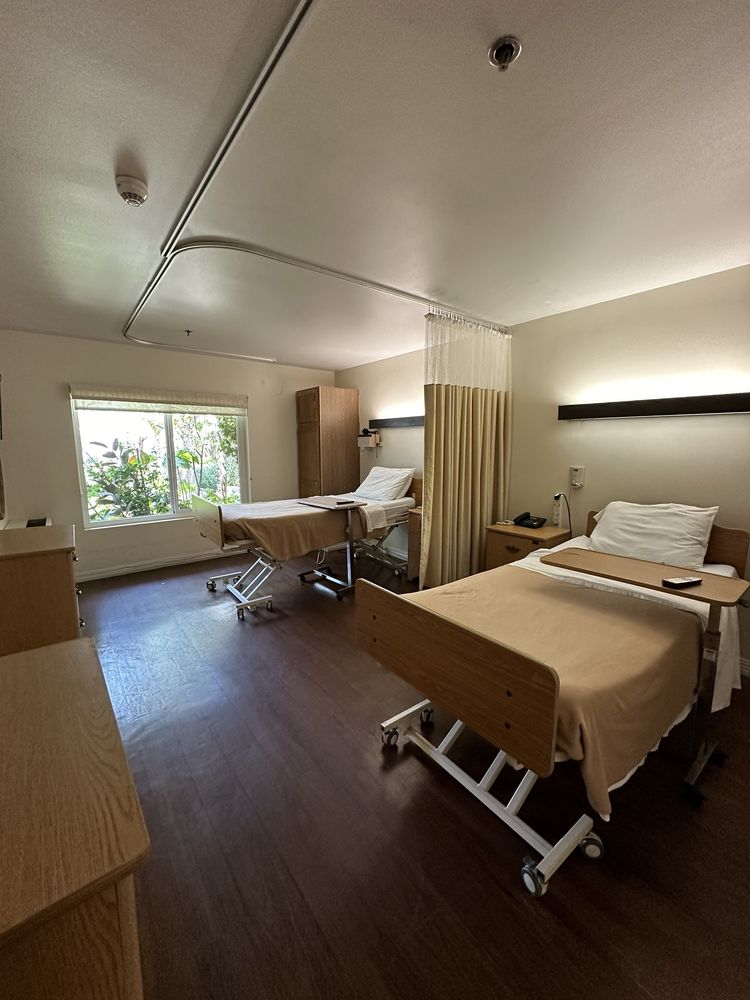
How Does Villa Gardens Health Care Unit Compare to Other California Nursing Homes?

Compared to the 100 nursing homes in California, VILLA GARDENS HEALTH CARE UNIT's overall rating (5 stars) is above the state average of 3.2, staff turnover (20%) is significantly lower than the state average of 46%, and health inspection rating (4 stars) is above the national benchmark.

What Should Families Ask When Visiting Villa Gardens Health Care Unit?

Based on this facility's data, families visiting should ask: "Can I visit during a mealtime to observe dining assistance and food quality?" "How do you handle medical emergencies, and what is your hospital transfer rate?" "Can I speak with family members of current residents about their experience?"

Is Villa Gardens Health Care Unit Safe?

Based on CMS inspection data, VILLA GARDENS HEALTH CARE UNIT has a clean safety record: no substantiated abuse findings (meaning no confirmed cases of resident harm), no Immediate Jeopardy citations (the most serious violation level indicating risk of serious injury or death), and is not on the Special Focus Facility watch list (a federal program monitoring the lowest-performing 1% of nursing homes). The facility has a 5-star overall rating and ranks #1 of 100 nursing homes in California. While no facility is perfect, families should still ask about staff-to-resident ratios and recent inspection results during their visit.

Do Nurses at Villa Gardens Health Care Unit Stick Around?

Staff at VILLA GARDENS HEALTH CARE UNIT tend to stick around. With a turnover rate of 20%, the facility is 26 percentage points below the California average of 46%. Low turnover is a positive sign. It means caregivers have time to learn each resident's needs, medications, and personal preferences. Consistent staff also notice subtle changes in a resident's condition more quickly.

Was Villa Gardens Health Care Unit Ever Fined?

VILLA GARDENS HEALTH CARE UNIT has no federal fines on record. CMS issues fines when nursing homes fail to meet care standards or don't correct problems found during inspections. The absence of fines suggests the facility has either maintained compliance or corrected any issues before penalties were assessed. This is a positive indicator, though families should still review recent inspection reports for the full picture.

Is Villa Gardens Health Care Unit on Any Federal Watch List?

VILLA GARDENS HEALTH CARE UNIT is not on any federal watch list. The most significant is the Special Focus Facility (SFF) program, which identifies the bottom 1% of nursing homes nationally based on persistent, serious quality problems. Not being on this list means the facility has avoided the pattern of deficiencies that triggers enhanced federal oversight. This is a positive indicator, though families should still review the facility's inspection history directly.