RIDGEWAY POST ACUTE

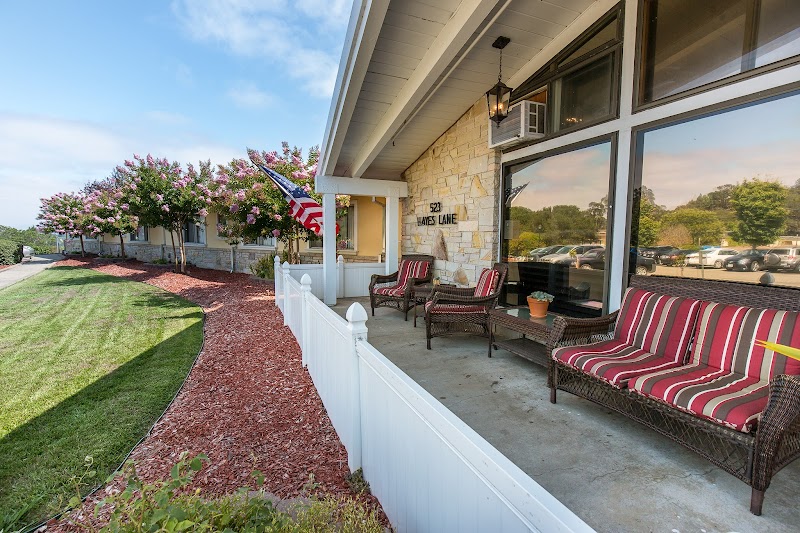
523 HAYES LANE, PETALUMA, CA 94952 (707) 763-2457
For profit - Limited Liability company 79 Beds PACS GROUP Data: November 2025
Trust Grade
15/100
#1093 of 1155 in CA
Last Inspection: September 2024

Within standard 12-15 month inspection cycle. Federal law requires annual inspections.

Overview

Ridgeway Post Acute in Petaluma, California, receives a Trust Grade of F, indicating significant concerns and placing it among the lowest quality facilities in the state. It ranks #1093 out of 1155 in California and #18 out of 18 in Sonoma County, meaning it is in the bottom tier for care options in the area. While the facility's situation is improving, with reported issues decreasing from 21 in 2024 to 9 in 2025, there are still serious deficiencies to note. Staffing is rated average with a turnover rate of 44%, which is typical for California, and the facility has concerning fines totaling $32,280, indicating potential compliance issues. Specific incidents include a resident developing painful ingrown toenails due to a lack of proper foot care and another resident being over-sedated with a new medication without family consent, leading to hospitalization. Overall, while there are some positive trends in care quality, families should weigh these significant weaknesses carefully.

Trust Score
F
15/100
In California
#1093/1155
Bottom 6%
Safety Record
High Risk
Review needed
Inspections
Getting Better
21 → 9 violations
Staff Stability
○ Average
44% turnover. Near California's 48% average. Typical for the industry.
Penalties
⚠ Watch
$32,280 in fines. Higher than 85% of California facilities, suggesting repeated compliance issues.
Skilled Nurses
⚠ Watch
Each resident gets only 20 minutes of Registered Nurse (RN) attention daily — below average for California. Fewer RN minutes means fewer trained eyes watching for problems.
Violations
⚠ Watch
57 deficiencies on record. Higher than average. Multiple issues found across inspections.
★☆☆☆☆
1.0
Overall Rating
★★★☆☆
3.0
Staff Levels
★★★★☆
4.0
Care Quality
★☆☆☆☆
1.0
Inspection Score
Stable
2024: 21 issues
2025: 9 issues

The Good

  • 4-Star Quality Measures · Strong clinical quality outcomes
  • Full Sprinkler Coverage · Fire safety systems throughout facility
  • No fines on record
  • Staff turnover below average (44%)

    4 points below California average of 48%

Facility shows strength in quality measures, fire safety.

The Bad

1-Star Overall Rating

Below California average (3.1)

Significant quality concerns identified by CMS

Staff Turnover: 44%

Near California avg (46%)

Typical for the industry

Federal Fines: $32,280

Below median ($33,413)

Moderate penalties - review what triggered them

Chain: PACS GROUP

Part of a multi-facility chain

Ask about local staffing decisions and management

The Ugly 57 deficiencies on record

4 actual harm
Aug 2025 1 deficiency
CONCERN (D) 📢 Someone Reported This

A family member, employee, or ombudsman was alarmed enough to file a formal complaint

Potential for Harm - no one hurt, but risky conditions existed

Safe Environment (Tag F0584)

Could have caused harm · This affected 1 resident

**NOTE- TERMS IN BRACKETS HAVE BEEN EDITED TO PROTECT CONFIDENTIALITY** Based on interview, observation and record review, the facility failed to provide a comfortable, homelike environment for one of...

Read full inspector narrative →
**NOTE- TERMS IN BRACKETS HAVE BEEN EDITED TO PROTECT CONFIDENTIALITY** Based on interview, observation and record review, the facility failed to provide a comfortable, homelike environment for one of four sampled residents (Anonymous Witness 1) when, after repeated complaints, the facility continued to use a floral-scented air freshener near Anonymous Witness 1's bedroom.This deficient practice resulted in Anonymous Witness 1 experiencing headaches and episodes of throat irritation and had the potential to offend or harm other residents of the facility. Findings:A review of Anonymous Witness 1's admission Record, dated 8/8/25, indicated Anonymous Witness 1 was admitted to the facility on [DATE], with diagnoses including respiratory failure (a condition where there's not enough oxygen or too much carbon dioxide in the body), acute bronchitis (an inflammation of the bronchial tubes, the airways that carry air to your lungs) & pulmonary hypertension (a condition where blood pressure in the pulmonary arteries [vessels carrying blood from the heart to the lungs] is abnormally high).A review or Anonymous Witness 1's Minimum Data Set, Section C (MDS - a standardized, comprehensive evaluation of residents in Medicare and Medicaid certified nursing homes), dated 6/11/25, it indicated Anonymous Witness 1 had a BIMS (Brief Interview for Mental Status- indicates a resident's cognitive (related to a resident's conscious intellectual activity such as reasoning, thinking or remembering) function. The score, ranging from 0 to 15, helps identify potential cognitive impairment and informs care planning) score of 14, indicating no cognitive impairment. During a telephone interview with Anonymous Witness 1 on 8/7/25 at 1:00 pm, Anonymous Witness 1 stated the facility used mechanical air freshener devices about a year prior, and after he complained they were removed. Anonymous Witness 1 stated after the ownership of the facility had changed, the new owner had resumed using air fresheners. Resident 1 described the air freshener scent as a heavy baby powder or clothing detergent smell, which caused Anonymous Witness 1 headaches and throat irritation. Anonymous Witness 1 stated he had complained about this to facility staff, but they had not done anything about it.During an observation on 8/8/25 at 10:35 a.m., a noticeable floral fragrance was noticed in the hallway outside [room [ROOM NUMBER]].During an interview on 8/8/25 at 12:25 p.m. with a facility housekeeper (HK), HK stated she used an air freshener spray in her routine cleaning duties. HK also stated there were several mechanical air freshener devices in the hallways that were maintained by the facility maintenance department. HK stated Anonymous Witness 1 specifically asked her not to use spray air freshener in his bedroom, so she didn't. HK stated she did not know any details about the filler ingredients or chemicals used in the mechanical air freshener devices.During an interview on 8/8/25 at 12:35 p.m. with the Maintenance Assistant ([NAME]), [NAME] stated he started working at the facility a month prior, and he knew nothing about the mechanical air fresheners or what the refills were made of. [NAME] stated that the Maintenance Director knew, but he was out on leave for about a month.During a record review of Anonymous Witness 1's Care Plan Report, printed 8/8/25, it indicated on 6/12/23, the following focus was created, claims that he is allergic (where your body reacts to something that's normally harmless like pollen, dust or animal fur. The symptoms can be mild, but for some people they can be very serious) to air fresheners but is not listed as one of his allergies and has not have/had any change of condition recently such as allergies. Interventions included the following, Air freshener was removed closer [sic] to resident's room.During a concurrent observation and interview on 8/8/25 with the Social Services Director (SSD) and [NAME], the SSD stated she could smell the floral odor in the hallway directly outside of [room [ROOM NUMBER]]. SSD and [NAME] pointed out one of the mechanical air fresheners (a two-inch x two-inch white plastic box) attached to the hallway wall near the ceiling, approximately six feet away from [room [ROOM NUMBER]]. [NAME] stated that he believed the device had a setting that controlled the amount of fragrance released, and it was set at the lowest setting due to a prior complaint.During a interview on 8/8/25 at 3:00 p.m. with the Director of Nursing (DON), she stated there were no issues with using air fresheners because there was no specific regulation prohibiting its use in facilities.A review of the facility policy titled, Homelike Environment, dated 2/2021, indicated, staff provides person-centered care that emphasizes the resident's comfort, independence, and personal needs and preferences.facility staff and management maximizes, to the extent possible, the characteristics of the facility that reflect a personalized, homelike setting. These characteristics include.pleasant neutral scents, and The facility staff and management minimize to the extent possible, the characteristics of the facility that reflect a depersonalized, institutional setting. These characteristics include.institutional odors.
Jun 2025 1 deficiency
CONCERN (D) 📢 Someone Reported This

A family member, employee, or ombudsman was alarmed enough to file a formal complaint

Potential for Harm - no one hurt, but risky conditions existed

Resident Rights (Tag F0550)

Could have caused harm · This affected 1 resident

Based on interview and record review, the facility failed to ensure one resident (Resident 1) of four samples residents was treated with dignity and respect when Licensed Nurse 1 (LN 1) made a humilia...

Read full inspector narrative →
Based on interview and record review, the facility failed to ensure one resident (Resident 1) of four samples residents was treated with dignity and respect when Licensed Nurse 1 (LN 1) made a humiliating comment to Resident 1 in front of residents and staff. This failure resulted in Resident 1 feeling embarrassed and humiliated. The findings: A review of Resident 1's admission record indicated admission to the facility in September 2016 with diagnosis which included chronic obstructive pulmonary disease (COPD, a progressive lung disease that makes it difficult to breathe), chronic pain syndrome (persistent pain), osteoarthritis (a progressive disorder of the joints, caused by a gradual loss of cartilage) of the left knee, hoarding disorder (a mental health condition characterized by a person who excessively gathers things) and major depressive disorder (a mental health condition characterized by symptoms like sadness, loss of interest and low energy). A review of a Minimum Data Set (MDS- a federally mandated resident assessment tool), dated 5/16/25, indicated Resident 1 had no memory impairment. During an interview on 6/17/25 at 12:07 p.m., Resident 1 stated while she was in the hallway in front of the nurses' station (an area of a health care facility where nurses and other health care staff work behind) and outside of the dining and activities room, LN 1, Stood there and announced- I am not going to give you your medication until you take a shower! Resident 1 stated the comment was made in the presence of other residents and staff members. Resident 1 stated, I don't think I've ever been so god-damned embarrassed. How would you feel if you were in my situation and a ranking nurse said something like that to you in front of everyone. I was humiliated! Resident 1 further stated she did not feel respected. During an interview on 6/16/25 at 12:50 p.m., LN 2 stated, It's important to be sure the resident is protected and to maintain their privacy . It's inappropriate to body shame, or to shame the resident at all . LN 2 confirmed resident care needs should be addressed in private to maintain dignity. During an interview on 6/16/25 at 1:06 p.m., the Assistant Activities Director (AAD) stated a nurse came to her and told her she did not want Resident 1 participating in activities until she [Resident 1] showered. AAD further stated, She (LN 1) brought it up to me a couple of times. She doesn't think the resident should be able to participate if she does not shower. AAD confirmed she heard LN 1 say out loud, You need to take a shower , to Resident 1, while Resident 1 was in the front hallway by the dining and activities room. AAD confirmed residents were seated in the area and staff were nearby. AAD stated it was disrespectful to the resident, and further stated, They [residents] all have their rights. They should all be able to participate in activities. Denying the resident of simple needs is not something we should be doing. During an interview on 6/16/25 at 1:20 p.m., the Director of Nursing (DON) stated it is her expectation staff are compassionate and respectful, and further stated, To speak in a manner that is respectful to residents. The DON confirmed it is not acceptable to tell a resident they can not participate in activities until they [resident] showered. The DON stated, If a patient needed to be changed or they smelled, we should ask that patient to walk back to the room to address the issue in private .It's important to maintain privacy. No one wants to be told in front of others that they need to be changed or what needs to be done. The DON confirmed it could be demeaning (causing someone to lose their dignity and the respect of others) to the resident. During an interview on 6/16/25 at 2:02 p.m., the Administrator (ADM) stated, I expect that they [staff] speak to them [residents] in a way that is respectful and compassionate of their situation. The ADM confirmed it is not acceptable to tell a resident they could not participate in activities until they [resident] showered. The ADM further stated, I would not allow it. I think there is a way to help them shower without holding something over their head. The ADM confirmed issues regarding resident's hygienic needs should be addressed in private to maintain the resident's dignity and respect. During a review of a facility's policy and procedure (P&P) titled, Resident Rights, dated 2001 indicated, Employees shall treat all residents with kindness, respect and dignity. During a review of a facility's P&P titled, Dignity, dated 2001 indicated, Each resident shall be cared for in a manner that promotes and enhances his or her sense of well-being, level of satisfaction with life, and feelings of self-worth and self-esteem .Residents are encouraged to attend the activities of their choice .Staff speak respectfully to residents at all times .Staff promote, maintain, and protect resident privacy .Demeaning practices and standards of care that compromise dignity are prohibited Staff are expected to promote dignity . F550 Resident Rights Based on interview and record review, the facility failed to ensure one resident (Resident 1) of four samples residents was treated with dignity and respect when Licensed Nurse 1 (LN 1) made a humiliating comment to Resident 1 in front of residents and staff. This failure resulted in Resident 1 feeling embarrassed and humiliated. The findings: A review of Resident 1's admission record indicated admission to the facility in September 2016 with diagnosis which included chronic obstructive pulmonary disease (COPD, a progressive lung disease that makes it difficult to breathe), chronic pain syndrome (persistent pain), osteoarthritis (a progressive disorder of the joints, caused by a gradual loss of cartilage) of the left knee, hoarding disorder (a mental health condition characterized by a person who excessively gathers things) and major depressive disorder (a mental health condition characterized by symptoms like sadness, loss of interest and low energy). A review of a Minimum Data Set (MDS- a federally mandated resident assessment tool), dated 5/16/25, indicated Resident 1 had no memory impairment. During an interview on 6/17/25 at 12:07 p.m., Resident 1 stated while she was in the hallway in front of the nurses' station (an area of a health care facility where nurses and other health care staff work behind) and outside of the dining and activities room, LN 1, Stood there and announced- I am not going to give you your medication until you take a shower! Resident 1 stated the comment was made in the presence of other residents and staff members. Resident 1 stated, I don't think I've ever been so god-damned embarrassed. How would you feel if you were in my situation and a ranking nurse said something like that to you in front of everyone. I was humiliated! Resident 1 further stated she did not feel respected. During an interview on 6/16/25 at 12:50 p.m., LN 2 stated, It's important to be sure the resident is protected and to maintain their privacy . It's inappropriate to body shame, or to shame the resident at all . LN 2 confirmed resident care needs should be addressed in private to maintain dignity. During an interview on 6/16/25 at 1:06 p.m., the Assistant Activities Director (AAD) stated a nurse came to her and told her she did not want Resident 1 participating in activities until she [Resident 1] showered. AAD further stated, She (LN 1) brought it up to me a couple of times. She doesn't think the resident should be able to participate if she does not shower. AAD confirmed she heard LN 1 say out loud, You need to take a shower , to Resident 1, while Resident 1 was in the front hallway by the dining and activities room. AAD confirmed residents were seated in the area and staff were nearby. AAD stated it was disrespectful to the resident, and further stated, They [residents] all have their rights. They should all be able to participate in activities. Denying the resident of simple needs is not something we should be doing. During an interview on 6/16/25 at 1:20 p.m., the Director of Nursing (DON) stated it is her expectation staff are compassionate and respectful, and further stated, To speak in a manner that is respectful to residents. The DON confirmed it is not acceptable to tell a resident they can not participate in activities until they [resident] showered. The DON stated, If a patient needed to be changed or they smelled, we should ask that patient to walk back to the room to address the issue in private .It's important to maintain privacy. No one wants to be told in front of others that they need to be changed or what needs to be done. The DON confirmed it could be demeaning (causing someone to lose their dignity and the respect of others) to the resident. During an interview on 6/16/25 at 2:02 p.m., the Administrator (ADM) stated, I expect that they [staff] speak to them [residents] in a way that is respectful and compassionate of their situation. The ADM confirmed it is not acceptable to tell a resident they could not participate in activities until they [resident] showered. The ADM further stated, I would not allow it. I think there is a way to help them shower without holding something over their head. The ADM confirmed issues regarding resident's hygienic needs should be addressed in private to maintain the resident's dignity and respect. During a review of a facility's policy and procedure (P&P) titled, Resident Rights, dated 2001 indicated, Employees shall treat all residents with kindness, respect and dignity. During a review of a facility's P&P titled, Dignity, dated 2001 indicated, Each resident shall be cared for in a manner that promotes and enhances his or her sense of well-being, level of satisfaction with life, and feelings of self-worth and self-esteem .Residents are encouraged to attend the activities of their choice .Staff speak respectfully to residents at all times .Staff promote, maintain, and protect resident privacy .Demeaning practices and standards of care that compromise dignity are prohibited Staff are expected to promote dignity . Based on interview and record review, the facility failed to ensure one resident (Resident 1) of four sampled residents was treated with dignity and respect when Licensed Nurse 1 (LN 1) stated to Resident 1, I am not going to give you your medication until you take a shower! in front of residents and staff. This failure resulted in Resident 1 feeling embarrassed and humiliated. Findings: A review of Resident 1's admission record indicated admission to the facility in September 2016 with diagnosis which included hoarding disorder (a mental health condition characterized by a person who excessively gathers things) and major depressive disorder (a mental health condition characterized by symptoms like sadness, loss of interest and low energy). A review of a Minimum Data Set (MDS- a federally mandated resident assessment tool), dated 5/16/25, indicated Resident 1 had no memory impairment. During an interview on 6/17/25 at 12:07 p.m., Resident 1 stated while she was in the hallway in front of the nurses' station (an area of a health care facility where nurses and other health care staff work behind) and outside of the dining and activities room, [LN 1] Stood there and announced, 'I am not going to give you your medication until you take a shower!' Resident 1 stated the comment was made in the presence of other residents and staff members. Resident 1 stated, I don't think I've ever been so god-damned embarrassed. How would you feel if you were in my situation and a ranking nurse said something like that to you in front of everyone? I was humiliated! Resident 1 further stated she flet disrespected. During an interview on 6/16/25 at 12:50 p.m., LN 2 stated, It's inappropriate to body shame, or to shame the resident at all . LN 2 confirmed resident care needs should be addressed in private to maintain dignity. During an interview on 6/16/25 at 1:06 p.m., the Assistant Activities Director (AAD) stated LN 1 told her she did not want Resident 1 participating in activities until she [Resident 1] showered. AAD further stated, [LN 1] brought it up to me a couple of times. She doesn't think [Resident 1] should be able to participate if she does not shower. AAD confirmed she heard LN 1 say out loud, You need to take a shower , to Resident 1 while Resident 1 was in the front hallway by the dining and activities room. AAD confirmed residents were seated in the area and staff were nearby and could have overheard. AAD stated it was disrespectful to Resident 1 and further stated, [Residents] all have their rights. They should all be able to participate in activities. Denying the resident of simple needs is not something we should be doing. During an interview on 6/16/25 at 1:20 p.m., the Director of Nursing (DON) stated staff were expected to be compassionate and respectful, and further stated, To speak in a manner that is respectful to residents. The DON confirmed it was unacceptable to tell a resident they could not participate in activities until they [residents] showered. The DON stated, If a patient needed to be changed or they smelled, we should ask that patient to walk back to the room to address the issue in private .It's important to maintain privacy. No one wants to be told in front of others that they need to be changed or what needs to be done. The DON confirmed it could be demeaning (causing someone to lose their dignity and the respect of others) to the resident. During an interview on 6/16/25 at 2:02 p.m., the Administrator (ADM) stated, I expect that they [staff] speak to them [residents] in a way that is respectful and compassionate of their situation. The ADM confirmed it was unacceptable to tell a resident they could not participate in activities until they [residents] showered. The ADM further stated, I would not allow it. I think there is a way to help them shower without holding something over their head. The ADM confirmed issues regarding resident's hygienic needs should be addressed in private to maintain the resident's dignity and respect. During a review of a facility's policy and procedure (P&P) titled, Resident Rights, dated 2001 indicated, Employees shall treat all residents with kindness, respect and dignity. During a review of a facility's P&P titled, Dignity, dated 2001 indicated, Each resident shall be cared for in a manner that promotes and enhances his or her sense of well-being, level of satisfaction with life, and feelings of self-worth and self-esteem .Residents are encouraged to attend the activities of their choice .Staff speak respectfully to residents at all times .Staff promote, maintain, and protect resident privacy .Demeaning practices and standards of care that compromise dignity are prohibited Staff are expected to promote dignity .
Jun 2025 1 deficiency
CONCERN (D) 📢 Someone Reported This

A family member, employee, or ombudsman was alarmed enough to file a formal complaint

Potential for Harm - no one hurt, but risky conditions existed

Safe Environment (Tag F0584)

Could have caused harm · This affected 1 resident

Based on observation, interview and record review, the facility failed to provide one of three sampled residents (Resident 1) a homelike environment when the window sill and blinds were in need of rep...

Read full inspector narrative →
Based on observation, interview and record review, the facility failed to provide one of three sampled residents (Resident 1) a homelike environment when the window sill and blinds were in need of repair and there was peeling paint on a wall in his room. These failures had the potential to negatively impact Resident 1's comfort and create an environment that was not homelike. Findings: A review of Resident 1's admission record indicated he was admitted in 10/24 with organ-limited amyloidosis (a condition characterized by the presence of proteins lodged in the body's tissues which can affect the entire body and cause a large range of varying symptoms, including appetite loss to bleeding). A review of Resident 1's Minimum Data Set (MDS- a federally mandated resident assessment tool), dated 3/18/25, indicated he had no memory impairment. During a concurrent interview and observation on 6/3/25 at 1:41 p.m. with Resident 1 in his room, the window sill of his room's window had two areas of missing or damaged wood, each approximately 6 inches (in., a unit of measurement) in length. Resident 1 stated staff had damaged it when they had moved beds in and out of the room. Horizontal blinds covering the window were missing approximately 4 in. of each blind strip along the right side of the blind and this occurred down two-thirds of the blind. Resident 1 stated that because the blinds were damaged they let more sun in the room and made it warmer. An area on the room's wall measuring approximately 12 x 12 in. above the television had peeling paint and areas where the peeling paint had been painted over. Resident 1 stated these conditions made him feel like he was, Living in a dump. During a concurrent interview and observation on 6/3/25 at 2:09 p.m. with Certified Nurse Assistant 1 (CNA 1) in Resident 1's room, CNA 1 confirmed the window sill and blinds were damaged and there was peeling paint above the television. CNA 1 agreed they were in need of repair, the room was not homelike and if this were her room she would not have wanted it to look like this. During an interview on 6/3/25 at 2:16 p.m. with the Administrator (ADM), the ADM stated he expected resident rooms were maintained in good repair. The ADM agreed the damaged window sill and blinds, along with the peeling paint in Resident 1's room needed to be addressed by the facility. During a review of the facility's policy titled, Homelike Environment, dated 2001, the policy stipulated, Residents are provided with a safe, clean, comfortable and homelike environment .
Apr 2025 3 deficiencies 1 Harm
SERIOUS (G) 📢 Someone Reported This

A family member, employee, or ombudsman was alarmed enough to file a formal complaint

Actual Harm - a resident was hurt due to facility failures

Deficiency F0687 (Tag F0687)

A resident was harmed · This affected 1 resident

Based on observation, interviews and record reviews, the facility failed to ensure one out of three sampled residents (Resident 1) was provided foot care, including timely toenail trimming when Reside...

Read full inspector narrative →
Based on observation, interviews and record reviews, the facility failed to ensure one out of three sampled residents (Resident 1) was provided foot care, including timely toenail trimming when Resident 1's toenails were allowed to grow too long. This failure resulted in Resident 1 acquiring cellulitis (a skin infection that causes swelling and redness) and ingrown toenails (occurs when the edge of the toenail grows into the surrounding skin, causing pain, redness, and swelling) to all toes, which led to the physician to perform matrixectomy (a surgical procedure that removes the growth area of an ingrown toenail) of all toenails on 4/10/25. This failure also resulted in Resident 1 experiencing pain and fear of further pain due to the long and ingrown toenails and the long wait before a physician could provide care for his toenails. Findings: A review of Resident 1s face sheet (front page of the chart that contains a summary of basic information about the resident) indicated Resident 1 admitted to the facility in November of 2024 with diagnoses including intracerebral hemorrhagic stroke (when bleeding occurs in the brain) and muscle weakness. During a concurrent observation and interview on 4/16/25 at 10:56 a.m., Resident 1 was in bed, his feet were not covered in blanket, and his toenails on both feet were missing. Resident 1 stated the previous week a physician came and removed all his toenails. Resident 1 explained, prior to the removal of all his toenails, his toenails were so long they had curved, and he could not walk due to his toenails hitting the inside of his shoes and causing him pain. Resident 1 stated his toes became very tender and eventually he could not tolerate wearing shoes. Resident 1 stated even socks caused him discomfort as they would snag on his toenails. Resident 1 stated because his toenails grew so long, he acquired ingrown toenails which caused more tenderness and pain. Resident 1 stated he had communicated these issues and had requested help from staff on multiple occasions to address his long and ingrown toenails, but nothing was done. Resident 1 stated staff told him a nurse would cut his toenails, but they never did. Resident 1 confirmed he had no diabetes nor circulatory problems that would put him at a higher risk for toenail cutting. Resident 1 was told the physician had to cut his toenails, but he had to wait since the physician only comes once every 60 days. Resident 1 stated it was frustrating to ask staff to cut his toenails repeatedly only to have to wait for the physician for months. Resident 1 stated once the physician came, Resident 1 determined the best option was to have the physician remove all his toenails because of the fear the facility would allow his toenails to grow too long and he would get ingrown toenails again. Resident 1 stated he feared the pain and the prospect of a long wait time to get the footcare he needed. Resident 1 stated he felt lousy about the whole experience, but he did not wish to experience the same thing again. A review of the list of residents seen by the podiatrist (doctor who specializes in the care of feet) on 2/19/25 did not include Resident 1. A review of a wound care physician's note, dated 4/10/25, indicated Resident 1 had cellulitis and ingrown toenails of all left and right toes. The note further indicated, a matrixectomy was performed on all 10 toes on 4/10/25. During an interview on 4/16/25 at 11:12 a.m., the Medical Records Director (MRD) agreed when requested to provide documentation staff were providing toenail care and cleaning for Resident 1. During an interview on 4/16/25 at 12:47 p.m., the same request was made to the Director of Staff Development (DSD), however, the facility was not able to provide documentation to indicate the facility was providing toenail care and cleaning for Resident 1. During an interview on 4/16/25 at 11:12 a.m., the Medical Records Director (MRD) agreed when requested to provide documentation for the most recent visit from the podiatrist. During a telephone interview on 4/17/25 at 3:04 p.m., the same request was made to the Director of Nursing (DON), however, the facility was not able to provide documentation on when Resident 1 had last been seen by a podiatrist. A review of the physician notification text to Resident 1's primary care physician (PCP) dated 4/2/25 was provided by the DON. The notification text iindicated MRD spoke to the DON about Resident 1s toenails, that the DON reached out to the wound company surgeon who will be at the facility on 4/10/25. The PCP notification did not indicate Resident 1's complaints of pain due to long and ingrown toenails. During an interview on 4/16/25 at 11:16 a.m., Unlicensed Staff A stated staff should provide daily nail care and cleaning to residents. Unlicensed Staff A stated not cleaning the residents' foot and toes daily could contribute to fungal growth. Unlicensed Staff A stated not regularly trimming toenails could lead to long toenails. Unlicensed Staff A stated it was important residents' toenails were trimmed regularly as long toenails could cause the skin around the toes to get damaged. Unlicensed Staff A stated skin breakdown could result to pain, wound and infection. During an interview on 4/16/25 at 11:51 a.m., Licensed Nurse (LN) B stated staff was supposed to provide daily nail care/cleaning to residents and added, not doing so could result in development of fungus. LN B stated she was aware of Resident 1's complaint about the pain on his toes and his long toenails. When asked why Resident 1's toenails were not cut as he requested and was allowed to grow long, LN B was silent. LN B stated she did not know why the nurse was unable to cut Resident 1's toenails. LN B stated allowing the toenails to grow long could result in pain, ingrown toenails and infection. LN B stated if the facility had provided regular toenail trimming for Resident 1 or had they sent Resident 1 to another podiatrist, it could have prevented Resident 1s toenails from getting too long, developing ingrown toenails and experiencing pain due to the ingrown toenails. During an interview on 4/16/25 at 12:06 p.m., the Infection Preventionist (IP) stated the podiatrist only comes to the facility every 60 days. The IP stated he was aware of Resident 1's concern about his long toenails. When asked how long Resident 1 had been requesting staff to cut his toenails, the IP was silent. The IP stated if toenail care/cleaning was not being provided, or if a resident had long toenails and toenails were not being regularly trimmed it could result in pain, ingrown toenails, and subsequently toenail fungal infections. When asked why Resident 1 did not receive a regular toenail trim and why his toenails were allowed to grow long, the IP was silent. When asked if Resident 1 could have been sent to see another podiatrist when he was already complaining of discomfort or pain on his toes, the IP stated yes. During a telephone interview on 4/16/25 at 1:09 p.m., with the Surgeon who performed the matrixectomy on all of Resident 1's toes. The surgeon stated Resident 1 had fungal growth and ingrown toenails on all 10 toes. The surgeon stated initially he would only remove 4 toenails however, the decision to remove all of Resident 1's toenails was due to Resident 1's concern about the long wait time between the physician visit to cut his toenails and concerns the ingrown toenails might happen again since the podiatrist only comes in every 60 days. The surgeon stated Resident 1's toes were inflamed (body's response to injury or infection which can cause pain) and the toenails were long and added, imagine what your nails would look like if you don't cut them for 60 days. The surgeon stated Resident 1's long toenails contributed to the toe inflammation primarily due to the development of ingrown toenails. During a telephone interview on 4/17/25 at 3:04 p.m., the Director of Nursing (DON) stated it was always an option for residents to see another podiatrist if needed and added, Resident 1 could have been sent out to see another podiatrist prior to 4/10/25. The DON stated she believed the facility also tried to get him an appointment with an outside provider but there was no available appointment earlier than 4/10/25. The DON stated if there was no documentation to indicate a service was provided for a resident, then it meant the service was not provided. During this interview the DON agreed to provide the documentation the facility attempted to send Resident 1 to see an see an outside provider podiatrist for his painful, long and ingrown toenails before 4/10/25, however the requested documentation was not provided. During a telephone interview on 4/17/25 at 3:04 p.m., the DON agreed when requested to provide documentation that attempts were made to set up Resident 1 to see an outside provider or podiatrist for the painful long and ingrown toenails. However, the facility was not able to provide documentation that any attempts were made to set up an appointment for Resident 1 to see an outside provider or podiatrist. During a telephone interview on 4/21/25 at 10:35 a.m., the Director of Nursing (DON) verified Resident 1 was not seen when the podiatrist visited the facility on 2/19/25. A review of the facility's policy and procedure (P&P) titled, Fingernails/Toenails, Care of , revised 2/2018, the P&P indicated, . nail care including daily cleaning and regular trimming .proper nail care can aid in the prevention of skin problems around the nail bed .report to the nurse supervisor if there was an evidence of ingrown toenails, infections, pain. The following information should be recorded in the residents' medical record: date and time nail care was given, name and title of the individual who administered nail care, condition of the residents nails and nail bed .
CONCERN (D) 📢 Someone Reported This

A family member, employee, or ombudsman was alarmed enough to file a formal complaint

Potential for Harm - no one hurt, but risky conditions existed

ADL Care (Tag F0677)

Could have caused harm · This affected 1 resident

Based on observations, interviews and record reviews, the facility failed to ensure two out of three sampled residents (Resident 2 and Resident 3) received services to maintain grooming and personal h...

Read full inspector narrative →
Based on observations, interviews and record reviews, the facility failed to ensure two out of three sampled residents (Resident 2 and Resident 3) received services to maintain grooming and personal hygiene (the practices and habits that maintain cleanliness and promote health by preventing the spread of germs and disease) when: 1. Residents 2 and Resident 3 were not provided regular nail trimming and nail care , and 2. Resident 3 did not receive showers or bed baths as scheduled. These failures could result in discomfort, potential skin impairments, and infection. Findings: A review of Resident 2's face sheet (front page of the chart that contains a summary of basic information about the resident) indicated Resident 2 was admitted to the facility in August 2023 with a diagnoses of multiple sclerosis (MS- a chronic, progressive disease involving damage to the nerve cells in the brain and spinal cord) and muscle weakness. A review of Resident 2's Activities of Daily Living (ADLs-routine tasks/activities such as bathing, dressing and toileting a person performs daily to care for themselves) flow sheet, dated 1/27/25, indicated Resident 2 needed assistance performing personal hygiene. During a concurrent observation and interview on 4/16/25 at 11:11 a.m., Resident 2 stated staff do not trim her fingernails regularly and she could not recall when the last time staff had trimmed her fingernails. Resident 2 showed her long fingernails and stated, it's been a while . Resident 2 stated she had requested staff to cut her fingernails for weeks, but they still were not cut. Resident 2 stated she disliked having long fingernails, they were uncomfortable being long. Resident 2 stated not only had she accidentally scratched herself, but she was also concerned she might accidentally scratch staff with her long fingernails. During an interview on 4/16/25 at 11:16 a.m., Unlicensed Staff A stated the facility did not have a set date nor frequency on when to trim residents' fingernails and added, nail care should be done daily to ensure residents' fingernails were kept short and clean. Unlicensed Staff A stated they would cut residents' nails when the residents request it. Unlicensed Staff A did not respond when asked what he would do if a resident was nonverbal and could not request a nail trim. Unlicensed Staff A stated there was no reminder to alert staff when to perform nail care/trim, and added, it would be good to have a schedule for when residents should receive a nail trim. Unlicensed Staff A stated, not cutting and caring for the residents nail regularly could lead to long fingernails where dirt and food particles could get stuck in them and could also put residents at risk for scratches. During an interview on 4/16/25 at 11:51 a.m., Licensed Nurse B (LN B) stated there was no set schedule for when staff should trim residents' fingernails. LN B stated certified nursing assistants (CNAs) were in charge of cutting residents' fingernails as long as they were not diabetic (a person who has been diagnosed with diabetes, a condition characterized by high blood sugar levels) or had problem with circulation. LN B stated she knew staff should clean residents' hands and nails daily. LN B stated residents having long fingernails or having blackish materials underneath the fingernails was unacceptable. LN B added, long and dirty fingernails could lead to skin breakdown and infections. During a concurrent observation and interview on 4/16/25 at 12:42 a.m., Resident 3 was in bed, unkempt, smelled of urine, fingernails of both hands were long with blackish materials underneath his fingernails. Resident 3 stated the blackish material underneath his fingernails was dirt . Resident 3 stated he could not remember how long the dirt had been under his fingernails and added, staff did not regularly ask to clean his hands nor trim his fingernails but he would like it if staff would. During an interview on 4/16/25 at 12:47 p.m., when shown a photo of Resident 3's fingernails, the Director of Staff Development (DSD) stated the blackish material underneath his fingernails looked like dirt. The DSD stated long fingernails was a breeding ground for bacteria (germs). The DSD stated having long fingernails or fingernails that had blackish material underneath was not acceptable. The DSD stated she was not aware of the facility policy on how often and when should staff trim residents' nails. The DSD was not able to provide documentations when asked on when was the last time Resident 2 or Resident 3 were given a nail trimming. A review of the facility's policy and procedure (P&P) titled, Fingernails/Toenails, Care of , revised 2/2018, the P&P indicated .nail care include daily cleaning and regular trimming . the following information should be recorded in the residents' medical record: date and time nail care was given, name and title of the individual who administered nail care, condition of the residents nails and nail bed . 2.A review of Resident 3's shower flow sheets (document that details when resident was offered and given shower or bed bath), dated 3/18/25 through 4/15/25, indicated Resident 3 only received four showers from 3/18/25 up to 4/15/25 on dates 3/18/25, 3/20/25, 3/27/25 and 4/5/25 and received only two bed baths on dates 4/1/25 and 4/10/25. A review of Resident 3s shower flow sheet, for March 2025 and April 2025 (through 4/15/25), the flow sheets indicated Resident 3 refused a bed bath or shower on 3/29/25 and 4/3/25 but the facility was not able to provide documentation on why Resident 3 refused shower or bed bath. During an interview on 4/16/25 at 11:16 a.m., Unlicensed Staff A stated residents were scheduled for showers two to three times a week or as needed (PRN) per facility policy. Unlicensed Staff A stated if a resident refused shower, the nurse should be notified, and a bed bath should be offered. Unlicensed Staff A stated it was the facility's policy that bed baths were done daily to ensure residents were clean and free of odor. Unlicensed Staff A stated not receiving showers as scheduled and not receiving bed baths could result in skin impairments. During a concurrent observation and interview on 4/16/25 at 12:42 p.m., Resident 3 was in bed, unkempt and smelled of urine. Resident 3 stated he had not received a shower nor bed bath today. Resident 3 was surprised to learn he should be receiving bed baths daily and stated he could not recall when the last he had a shower. Resident 3 stated he did not receive bed baths daily. Resident 3 stated he did not complain about not receiving showers or daily bed baths because he assumed staff were unable to give him showers or bed baths due to lack of staff or the staff were too busy. Resident 3 stated overtime some staff just stopped asking if he needed a shower or bed baths. During an interview on 4/16/25 at 12:47 p.m., the DSD stated residents were expected to receive showers three times a week as scheduled and should be receiving bed baths daily. The DSD stated shower refusals and the reason for refusals should be documented. The DSD stated in a month, residents should be receiving between 12 to 13 showers. The DSD stated not receiving showers regularly could lead to body odor, skin problems, and infections. During a telephone interview on 4/17/25 at 3:04 p.m., the Director of Nursing (DON) stated if residents refused a shower, then a bed bath should be given to the residents. The DON stated shower and bed baths refusal and the reasons for refusals should be documented. The DON stated it was the facility's policy and was a no brainer that bed baths were to be given daily. A review of the facility policy and procedure (P&P) titled Bath, Shower/Tub , revised 2/2018, the P&P indicated, . the purpose of this procedure are to promote cleanliness, provide comfort to the resident and to observe the condition of the resident's skin .documentation .all assessment data (e.g. any reddened areas, sores on the residents skin) obtained during the shower/tub bath .if the resident refused the shower/tub bath, the reason(s) .
CONCERN (D) 📢 Someone Reported This

A family member, employee, or ombudsman was alarmed enough to file a formal complaint

Potential for Harm - no one hurt, but risky conditions existed

Deficiency F0697 (Tag F0697)

Could have caused harm · This affected 1 resident

Based on observations, interviews and record reviews, the facility failed to ensure a pain management plan was developed for one out of three sampled residents (Resident 1) who was at a high risk of e...

Read full inspector narrative →
Based on observations, interviews and record reviews, the facility failed to ensure a pain management plan was developed for one out of three sampled residents (Resident 1) who was at a high risk of experiencing pain when he had ingrown toenails (occurs when the edge of the toenail grows into the surrounding skin, causing pain, redness, and swelling) and after he underwent matrixectomy (a surgical procedure that removes the growth area of an ingrown toenail) to of all his toenails on 4/10/25. This failure resulted to Resident 1 experiencing pain on his toes from the ingrown toenails and after the matrixectomy procedure to all toes. Findings: A review of Resident 1s face sheet (front page of the chart that contains a summary of basic information about the resident) indicated Resident 1 was admitted to the facility in November of 2024 with diagnoses including intracerebral hemorrhagic stroke (when bleeding occurs in the brain) and muscle weakness. A review of the Interdisciplinary Team (IDT, a group of professionals from different disciplines who collaborate to provide comprehensive patient care) Functional Abilities Collaboration V2.0 form (a form usually completed by a health professionals to document a patient's functional abilities), dated 2/12/25, indicated Resident 1 had the ability to walk at least 150 feet (ft, unit in measure) in a corridor or a similar space with supervision or touching assistance. A review of a wound care physician's note, dated 4/10/25, indicated Resident 1 had cellulitis (a skin infection that causes swelling and redness) and ingrown toenails of all left and right toes. The note further indicated, a matrixectomy was performed on all 10 toes on 4/10/25. A review of Resident 1's care plans (CP, a roadmap for caregivers, detailing the tasks, interventions, and timelines needed to ensure the individual receives appropriate and effective care) indicated there were no care plans created for pain management when Resident 1 had ingrown toenails or after the matrixectomy procedures. A review of Resident 1s electronic medication administration record (EMAR, a digital system used to track and manage medications administered to patients), for the month of April 2025, indicated Resident 1 experienced and reported a pain level (on a scale of zero to 10, with zero being no pain and 10 being worst pain possible) of: · 6 out of 10 and 8 out of 10 on 4/10/25 · 6 out of 10 and 7 out of 10 on 4/11/25 · 8 out of 10 on 4/13/25 and 4/14/25, and · 6 out of 10 on 4/16/25. During a concurrent observation and interview on 4/16/25 at 10:56 a.m., Resident 1 was in bed, his feet were not covered by a blanket, and his toenails on both feet were missing. Resident 1 stated the previous week a physician came and removed all his toenails. Resident 1 was noted to be grimacing and stated his toes were in pain because the blanket was rubbing on his nail beds (the soft tissue located underneath the nail). Resident 1 stated when a blanket scratches or lays on his bare nail bed, the pain was very bad and ranged about 8 or 9 out of 10. Resident 1 stated he made sure not to lay a blanket on his bare nail bed, but his feet get cold. Resident 1 stated the cold and the pain was frustrating, he felt lousy and depressed. Resident 1 stated he was hoping staff could have done something or placed something on his bed to prevent the blanket from touching his bare nail bed. Resident 1 stated prior to the doctor removing all of his toenails, he had long and ingrown toenails that were painful. Resident 1 stated what frustrated and depressed him the most was prior to his toenails growing long and becoming ingrown, he was able to walk with the use of his walker but since his toenails grew too long became ingrown, it was too painful to walk and he had to use a wheelchair to move around the facility. During a concurrent observation and interview on 4/16/25 at 11:23 a.m. Unlicensed Staff C stated he was aware of Resident 1's previous complaints about his long toenails. Unlicensed Staff C stated having long toenails could lead to ingrown toenails which would be painful. CNA added the ingrown toenails made it difficult for resident to put on his shoes and walk comfortably. Unlicensed Staff C verified Resident 1 did not have a bed cradle (device that attach to your bed that keep sheets and blankets from touching and rubbing your legs or feet). Unlicensed Staff C stated allowing the blanket to lay/rub on Resident 1's bare nail bed would be very painful and acknowledged the facility should have placed a bed cradle to ensure the blanket did not touch Resident 1's bare nail beds to help prevent pain. During an interview on 4/16/25 at 11:51 a.m., Licensed Nurse (LN) B confirmed Resident 1 used to walk with a walker before but then was seen using a wheelchair about a week prior to the doctor removing all of his toenails. LN B stated having long toenails and ingrown toenails could be painful and cause discomfort wearing shoes. LN B acknowledged allowing a blanket to lay or rub on Resident 1's bare nail bed could also be painful. LN B stated they do not have any non-pharmacological interventions (NPI, healthcare methods that don't rely primarily on medication to address a health issue) an added, the facility could have put a bed cradle to prevent the blanket from laying or rubbing on his bare nail beds. During an interview on 4/16/25 at 12:06 p.m., the infection Preventionist (IP) stated allowing a blanket to lay/rub on a bare nail beds would be painful. The IP stated the facility could have used a bed cradle to ensure the blanket did not lay/rub on Resident 1's bare nail bed thus preventing pain. The IP stated having long toenails would make it uncomfortable to wear shoes and could also lead to painful ingrown toenails. The IP acknowledged, toe pain could result in difficulty walking and the resident feeling depressed. During an interview on 4/16/25 at 12:47 p.m., the Director of Staff Development (DSD) stated allowing a blanket to lay/rub on top of bare nail bed would be painful. The IP stated one of the things the facility could have done was to attach a bed cradle to protect Resident 1's feet and prevent the blanket to rub on his bare nail bed. The IP stated having long toenails could result to ingrown toenails which could be painful. The DSD stated the pain could lead to all kinds of problems such as difficulty in walking, overall decline, and refusal to participate in activities. During an interview on 4/16/25 at 1:17 p.m. Unlicensed Staff D stated Resident 1 used to walk with a walker but about a week prior to thedoctor coming in to see his foot, Resident 1 requsted he use a wheelchair due to difficulty walking with the long and ingrown toenails. A review of the facility's policy and procedure (P&P) titled Pain Assessment and Management , revised 10/2022, indicated, . pain management is defined as the process of alleviating the residents pain based on his or her clinical condition and established treatment goals .is a multidisciplinary care process that includes the following: assessing the potential for pain, recognizing presence of pain,. Addressing the underlying causes of pain, developing and implementing approaches to pain management, identifying and using specific strategies for different levels and sources of pain .possible behavioral signs of pain including changes in gait, depressed mood, decreased participation in usual physical and or social activities, loss of function or inability to perform ADLs due to the presence of pain, guarding, rubbing or favoring a particular part of the body .the pain management interventions are consistent with the residents goal for treatment which are defined and documented in the care plan. Pain management interventions reflect the sources, type and severity of pain .pain management shall address the underlying causes of residents pain .non pharmacological interventions may be appropriate alone or in conjunction with medications, some NPI include environmental such as smoothing a linen, repositioning, reducing pressure .
Mar 2025 2 deficiencies
CONCERN (E) 📢 Someone Reported This

A family member, employee, or ombudsman was alarmed enough to file a formal complaint

Potential for Harm - no one hurt, but risky conditions existed

Resident Rights (Tag F0550)

Could have caused harm · This affected multiple residents

**NOTE- TERMS IN BRACKETS HAVE BEEN EDITED TO PROTECT CONFIDENTIALITY** Based on observation, interview and record review, the facility failed to promote and enhance the sense of well-being for two re...

Read full inspector narrative →
**NOTE- TERMS IN BRACKETS HAVE BEEN EDITED TO PROTECT CONFIDENTIALITY** Based on observation, interview and record review, the facility failed to promote and enhance the sense of well-being for two residents (Resident 1 and Resident 6) of four sampled residents when facility staff did not verify Resident 1 and Resident 6 wore their own clothing. This failure resulted in Resident 1 showing up to a family party during the holidays wearing women ' s clothes and Resident 6 feeling disrespected and sad. Findings: A review of Resident 1 ' s admission record indicated he was admitted in 3/8/23 with diagnoses which included dementia (a group of conditions that cause loss of memory, language, problem-solving and other thinking abilities that are severe enough to interfere with daily life). A review of a Minimum Data Set (MDS- a federally mandated resident assessment tool), dated 12/11/24, indicated he had severe memory impairment. A review of Resident 3 ' s admission record indicated he was admitted in 10/8/24 with diagnoses which included amyloidosis (a rare, inherited disorder characterized by the accumulation of abnormal proteins in the nerves, leading to progressive nerve damage). A review of an MDS, dated [DATE], indicated he had no memory impairment. A review of Resident 5 ' s admission record indicated he was admitted in 3/22/20 with diagnoses which included hemiplegia and hemiparesis (weakness and paralysis on one side of the body) following cerebral infarction (stroke) affecting the right dominant side. A review of an MDS, dated [DATE], indicated he had moderate memory impairment. A review of Resident 6 ' s admission record indicated he was admitted in 1/7/25 with diagnoses which included atrial fibrillation (a condition where the upper chambers of the heart beat irregularly and rapidly). A review of an MDS, dated [DATE], indicated he had severe memory impairment. During a phone interview on 3/5/25 at 10:05 a.m., Family Member XX stated Resident 1 was picked up from the facility by another family member to spend Christmas with the family in 2024 and arrived to the celebration wearing women ' s pants. Family Member XX stated Resident 1 was unaware he was not wearing his own clothing because of his dementia. Family Member XX stated Resident 1 had been observed in previous occasions wearing clothing that did not belong to him. Family Member XX gave the Surveyor permission to check Resident 1 ' s clothing in his closet. During an interview and concurrent observation on 3/5/25 at 10:45 a.m., Housekeeper A stated housekeeping personnel were responsible for putting away resident clothing in their closets based on the label printed on each garment, which indicated the name of the resident. Housekeeper A also stated housekeeping or laundry personnel were responsible for labeling residents ' clothes with their name for identification purposes. Resident 1 ' s closet was found to store a sweater labeled with another resident ' s name. This observation was confirmed by Housekeeper A. During an interview on 3/5/25 at 11:40 a.m., Resident 3 stated he had observed Resident 5 wearing Resident 6 ' s shirt, which had the design of a famous football team. Resident 3 stated he knew this information because Resident 6 used to be his roommate, and he had witnessed when his family had brought this shirt to him, as Resident 6 was a fan of the football team. During a concurrent observation and interview on 3/5/25 at 12:05 p.m., Resident 5 was observed in the dining room wearing a shirt adorned with a famous football team ' s logo. Resident 5 stated he had purchased it at a thrift store for two dollars. The Surveyor observed the shirt was labeled with Resident 6 ' s name, in clear black handwritten letters. During a concurrent interview and observation on 3/5/25 at 12:20 p.m., CNA B confirmed the shirt Resident 5 was wearing did not belong to him and acknowledged he had not checked the label written on the shirt prior to dressing Resident 6 that morning. During an interview on 3/5/25 at 12:33 p.m., the Director of Nursing (DON) stated CNAs were supposed to check residents ' clothing to ensure the clothing belonged to them, prior to assisting them with dressing. During an interview on 3/5/25 at 3:45 p.m., Resident 6 stated he had seen other residents wear his clothing. Resident 6 stated he felt disrespected and sad when other residents wore his clothing, because they were gifted by his sister, so they were very special to him. During a review of the facility ' s policy titled, Dignity, revised 2/2021, indicated, Each resident shall be cared for in a manner that promotes and enhances his or her sense of well-being, level of satisfaction with life, and feelings of self-worth and self-esteem .Residents are treated with dignity and respect at all times .Residents ' private space and property are respected at all times. Based on observation, interview and record review, the facility failed to promote and enhance the sense of well-being for two residents (Resident 1 and Resident 6) of four sampled residents when facility staff did not verify Resident 1 and Resident 6 wore their own clothing. This failure resulted in Resident 1 showing up to a family party during the holidays wearing women's clothes and Resident 6 feeling disrespected and sad. Findings: A review of Resident 1's admission record indicated he was admitted in 3/8/23 with diagnoses which included dementia (a group of conditions that cause loss of memory, language, problem-solving and other thinking abilities that are severe enough to interfere with daily life). A review of a Minimum Data Set (MDS- a federally mandated resident assessment tool), dated 12/11/24, indicated he had severe memory impairment. A review of Resident 3's admission record indicated he was admitted in 10/8/24 with diagnoses which included amyloidosis (a rare, inherited disorder characterized by the accumulation of abnormal proteins in the nerves, leading to progressive nerve damage). A review of an MDS, dated [DATE], indicated he had no memory impairment. A review of Resident 5's admission record indicated he was admitted in 3/22/20 with diagnoses which included hemiplegia and hemiparesis (weakness and paralysis on one side of the body) following cerebral infarction (stroke) affecting the right dominant side. A review of an MDS, dated [DATE], indicated he had moderate memory impairment. A review of Resident 6's admission record indicated he was admitted in 1/7/25 with diagnoses which included atrial fibrillation (a condition where the upper chambers of the heart beat irregularly and rapidly). A review of an MDS, dated [DATE], indicated he had severe memory impairment. During a phone interview on 3/5/25 at 10:05 a.m., Family Member XX stated Resident 1 was picked up from the facility by another family member to spend Christmas with the family in 2024 and arrived to the celebration wearing women's pants. Family Member XX stated Resident 1 was unaware he was not wearing his own clothing because of his dementia. Family Member XX stated Resident 1 had been observed in previous occasions wearing clothing that did not belong to him. Family Member XX gave the Surveyor permission to check Resident 1's clothing in his closet. During an interview and concurrent observation on 3/5/25 at 10:45 a.m., Housekeeper A stated housekeeping personnel were responsible for putting away resident clothing in their closets based on the label printed on each garment, which indicated the name of the resident. Housekeeper A also stated housekeeping or laundry personnel were responsible for labeling residents' clothes with their name for identification purposes. Resident 1's closet was found to store a sweater labeled with another resident's name. This observation was confirmed by Housekeeper A. During an interview on 3/5/25 at 11:40 a.m., Resident 3 stated he had observed Resident 5 wearing Resident 6's shirt, which had the design of a famous football team. Resident 3 stated he knew this information because Resident 6 used to be his roommate, and he had witnessed when his family had brought this shirt to him, as Resident 6 was a fan of the football team. During a concurrent observation and interview on 3/5/25 at 12:05 p.m., Resident 5 was observed in the dining room wearing a shirt adorned with a famous football team's logo. Resident 5 stated he had purchased it at a thrift store for two dollars. The Surveyor observed the shirt was labeled with Resident 6's name, in clear black handwritten letters. During a concurrent interview and observation on 3/5/25 at 12:20 p.m., CNA B confirmed the shirt Resident 5 was wearing did not belong to him and acknowledged he had not checked the label written on the shirt prior to dressing Resident 6 that morning. During an interview on 3/5/25 at 12:33 p.m., the Director of Nursing (DON) stated CNAs were supposed to check residents' clothing to ensure the clothing belonged to them, prior to assisting them with dressing. During an interview on 3/5/25 at 3:45 p.m., Resident 6 stated he had seen other residents wear his clothing. Resident 6 stated he felt disrespected and sad when other residents wore his clothing, because they were gifted by his sister, so they were very special to him. During a review of the facility's policy titled, Dignity, revised 2/2021, indicated, Each resident shall be cared for in a manner that promotes and enhances his or her sense of well-being, level of satisfaction with life, and feelings of self-worth and self-esteem .Residents are treated with dignity and respect at all times .Residents' private space and property are respected at all times.
CONCERN (E) 📢 Someone Reported This

A family member, employee, or ombudsman was alarmed enough to file a formal complaint

Potential for Harm - no one hurt, but risky conditions existed

Grievances (Tag F0585)

Could have caused harm · This affected multiple residents

**NOTE- TERMS IN BRACKETS HAVE BEEN EDITED TO PROTECT CONFIDENTIALITY** Based on interview and record review, the facility failed to ensure three residents (Resident 1, Resident 2 and Resident 4) of f...

Read full inspector narrative →
**NOTE- TERMS IN BRACKETS HAVE BEEN EDITED TO PROTECT CONFIDENTIALITY** Based on interview and record review, the facility failed to ensure three residents (Resident 1, Resident 2 and Resident 4) of four sampled residents who lost personal items at the facility had their items located, replaced or reimbursed. These failures had the potential to result in feelings of frustration, loss of control, and uncertainty, which could have affected the residents ' comfort at the facility. Findings: A review of Resident 1 ' s admission record indicated admission to the facility on 3/8/23 with diagnoses which included dementia (a group of conditions that cause loss of memory, language, problem-solving and other thinking abilities that are severe enough to interfere with daily life). A review of a Minimum Data Set (MDS- a federally mandated resident assessment tool), dated 12/11/24, indicated Resident 1 had severe memory impairment. A review of Resident 2 ' s admission record indicated admission to the facility on [DATE] with diagnoses which included type 2 diabetes mellitus (a chronic disease characterized by high levels of blood sugar). A review of an MDS, dated [DATE], indicated Resident 2 had no memory impairment. A review of Resident 4 ' s admission record indicated admission to the facility on [DATE] with diagnoses which included chronic kidney disease (a long-term condition where the kidneys gradually lose their ability to filter waste products and excess fluid from the blood). A review of an MDS, dated [DATE], indicated Resident 4 had no memory impairment. During a phone interview on 3/5/25 at 10:05 a.m., Family Member XX stated Resident 1 had lost his dentures at the facility approximately a year and a half prior ago and she had notified the Social Services Director 1 (SSD 1) about it. The Family Member XX also stated Resident 1's dentures had not been located, replaced, or reimbursed. Family Member XX also stated she had been bringing clothes for Resident 1 throughout his stay at the facility. Record review of Resident 1's weekly progress note dated 4/5/24 at 3:12 a.m., indicated Resident 1 had dentures. During a concurrent interview and record review with the Administrator (ADM) on 3/12/25 at 3:50 p.m., a social services note for Resident 1 dated 4/18/24 at 9:03 a.m., was reviewed. The note indicated the SSD 1, LM (Left message) for Daughter RP (Responsible Party), regarding missing dentures. The ADM acknowledged this note and stated he would expect to see a missing items report for Resident 1 ' s dentures based on this information. The ADM also reviewed Resident 1's facility document titled, INVENTORY OF PERSONNAL EFFECTS (Inventory sheet) dated 3/13/23. The inventory sheet indicated the clothing Resident 1 was admitted with, but did not include any additional items obtained by Resident 1 after his admission. A review of the inventory sheet indicated no documented evidence it had been updated since 3/13/23 and had not included Resident 1's RP's signature. The ADM acknowledged Resident 1's inventory sheet had not been updated to reflect additional clothing the RP had brought for Resident 1 nor had it been signed by the RP. The ADM stated Certified Nursing Assistants (CNAs), Licensed Nurses (LNs) and Department heads were responsible for updating the inventory sheet when the resident received additional items. The ADM stated the Resident or RP and a staff member were required to sign the inventory sheet. Further review of the inventory sheet indicated, .Update as needed throughout the resident's stay by using the space provided. During an interview on 3/5/25 at 11:50 a.m., Resident 2 stated he lost all the original clothing he was admitted with because he was not notified he had to label his clothing with his name for identification purposes upon admission. According to Resident 2, his clothes were never returned after they were taken by staff to the laundry. Resident 2 stated he tried to tell the housekeeping personnel to look for his clothes, but they did not speak English and could not understand his request. Resident 2 stated he also told other facility staff about his missing clothes but he could not remember their names. Resident 2 stated his clothes were never located, reimbursed, or replaced. During a concurrent interview and record review with Resident 2 on 3/12/25 at 3:02 p.m., the document titled, INVENTORY OF PERSONAL EFFECTS with his name on it was reviewed. This document indicated Resident 2 had the following items in his possession upon admission on [DATE], BLUE HOODY JACKET .BLUE SHORTS .PAIR OF GRAY SLIPPERS .BLUE SHIRT .GRAY BLACK JOGGER .SOCKS. Resident 2 stated he had lost all these items at the facility and had notified staff about it but received no resolution. Resident 2 stated the blue jacket was the most significant loss because it was given to him by his mother. During an interview on 3/5/25 at 11:20 a.m., Resident 4 stated she currently had three dresses that went missing at the facility. Resident 4 stated she reported two of the three missing dresses about six months ago to SSD 1, but the dresses had not been located, replaced, or reimbursed. Resident 4 also stated laundry staff regularly delivered clothes which did not belong to her every two or three days. Resident 4 stated she has to alert staff to take them back because they are someone else's. During a concurrent interview and record review with Resident 4 on 3/12/25 at 2:40 p.m., the document titled, INVENTORY OF PERSONAL EFFECTS, with her name on it was reviewed. This document indicated Resident 4 had several dresses in her possession on 2/3/23 including a, Raspberry/white polka dot dress . [and] Raspberry/pink flower dress. Resident 4 stated these were the dresses she lost about six months prior. Resident 4 stated she filled out a theft/loss report and provided it to SSD 1 to report her missing dresses. Resident 4 stated she was not given a copy of her signed missing items report. Resident 4 still had not received a resolution to her missing dresses. During a concurrent interview and record review on 3/5/25 at 12:44 p.m., the Social Services Director 2 (SSD 2) stated she was recently notified of Resident 1 ' s missing dentures and was in the process of replacing them. The SSD 2 stated her employment as an SSD had just started a week prior, as the SSD 1 had left, and SSD 2 was promoted to the position. The SSD 2 stated the facility was supposed to replace or reimburse residents ' personal items lost at the facility. The SSD 2 stated there was only one missing items report on file and it belonged to Resident 1. The report titled Theft/Loss Report indicated Resident 1 lost two pairs of sweatpants on 7/13/23. The SSD 2 stated there was no documented evidence the facility reimbursed or replaced the items in the report. The SSD 2 stated she was unable to locate any other missing items reports. During an interview on 3/12/24 at 1:30 p.m., the Maintenance Director (MD) stated when residents reported missing items, he would try to locate the items first. If they were not found, the MD verbally notified SSD 1 but did not document this notification. During an interview on 3/12/25 at 2:06 p.m., Housekeeper A stated when residents reported missing items, she would first try to locate them. If they were not found, Housekeeper A verbally notified the MD. The Housekeeper A also stated she felt CNAs failed to bring resident clothing to the housekeeping department to be labeled which contributed to the missing clothing. Housekeeper A stated she received four bags of clothing to label for seven newly admitted residents in the last four weeks. A review of the facility's document titled Admission/Discharge To/From Report indicated seven new residents were admitted to the facility between 2/12/25 and 3/12/25. During an interview on 3/12/25 at 2:17 p.m., the CNA F stated when residents reported missing items, she would try to locate the items first. It they were not found, the CNA F verbally notified the MD. During an interview on 3/12/25 at 3:40 p.m., Licensed Staff G stated when residents reported missing items, he sent a communication message through the facility ' s electronic documentation system. All staff who had access to the system would receive the message and try to locate the missing items, but the message was not part of the residents' medical record. The Licensed Staff G stated there was no way to know if the SSD had read the communication messages he sent. The Licensed Staff G stated he had not documented residents ' reports of missing items in their progress notes. During a concurrent record review and interview with SSD 2 on 3/12/25 at 2:40 p.m., the file which contained missing items reports and grievances was reviewed. The last missing items report on file was dated April 2024. The last grievance on file was also dated April 2024. There were no missing items reports for Resident 2, Resident 4, or Resident 1's belongings. The SSD 2 confirmed the missing reports and grievance documents and who added, This is just ridiculous [regarding the lack of new or updated grievances of missing items reports since April 2024]. The SSD 2 stated she previously worked in the business office and did not know SSD 1 had not been filing or keeping records of the grievances. The SSD 2 also if residents filed grievances and the SSD 1 had not provided them with a copy of the grievance, then there was no way for residents to know if the information in the grievance was correct. A review of the Social Services Designee job description, signed by SSD 1 on 8/7/23, indicated, Essential Duties .Assist in inventory and tracking patient belongings .Coordinate response to reports of missing, lost or stolen belongings. A review of the facility's policy titled Lost and Found dated 1/2008, indicated, Our facility shall assist all personnel and residents in safe-guarding their personal property . Lost and found records will be maintained for one (1) year, then destroyed .Reports of misappropriation or mistreatment of resident property are immediately investigated. A review of the facility's policy titled Grievances/Complaints, Filing, last revised in 4/2017, indicated, Residents and their representatives have the right to file grievances, either orally or in writing, to the facility staff or to the agency designated to hear grievances .The administrator and staff will make prompt efforts to resolve grievances to the satisfaction of the resident and/or representative .Any resident, family member, or appointed resident representative may file a grievance or complaint concerning care . theft of property, or any other concerns .Upon receipt of a grievance and/or complaint, the grievance officer will review and investigate the allegations and submit a written report of such findings to the administrator within five (5) working days of receiving the grievance and/or complaint .The results of all grievances files, investigated and reported will be maintained on file for a minimum of three years from the issuance of the grievance decision. Based on interview and record review, the facility failed to ensure three residents (Resident 1, Resident 2 and Resident 4) of four sampled residents who lost personal items at the facility had their items located, replaced or reimbursed. These failures had the potential to result in feelings of frustration, loss of control, and uncertainty, which could have affected the residents' comfort at the facility. Findings: A review of Resident 1's admission record indicated admission to the facility on 3/8/23 with diagnoses which included dementia (a group of conditions that cause loss of memory, language, problem-solving and other thinking abilities that are severe enough to interfere with daily life). A review of a Minimum Data Set (MDS- a federally mandated resident assessment tool), dated 12/11/24, indicated Resident 1 had severe memory impairment. A review of Resident 2's admission record indicated admission to the facility on [DATE] with diagnoses which included type 2 diabetes mellitus (a chronic disease characterized by high levels of blood sugar). A review of an MDS, dated [DATE], indicated Resident 2 had no memory impairment. A review of Resident 4's admission record indicated admission to the facility on [DATE] with diagnoses which included chronic kidney disease (a long-term condition where the kidneys gradually lose their ability to filter waste products and excess fluid from the blood). A review of an MDS, dated [DATE], indicated Resident 4 had no memory impairment. During a phone interview on 3/5/25 at 10:05 a.m., Family Member XX stated Resident 1 had lost his dentures at the facility approximately a year and a half prior ago and she had notified the Social Services Director 1 (SSD 1) about it. The Family Member XX also stated Resident 1's dentures had not been located, replaced, or reimbursed. Family Member XX also stated she had been bringing clothes for Resident 1 throughout his stay at the facility. Record review of Resident 1's weekly progress note dated 4/5/24 at 3:12 a.m., indicated Resident 1 had dentures. During a concurrent interview and record review with the Administrator (ADM) on 3/12/25 at 3:50 p.m., a social services note for Resident 1 dated 4/18/24 at 9:03 a.m., was reviewed. The note indicated the SSD 1, LM (Left message) for Daughter RP (Responsible Party), regarding missing dentures. The ADM acknowledged this note and stated he would expect to see a missing items report for Resident 1's dentures based on this information. The ADM also reviewed Resident 1's facility document titled, INVENTORY OF PERSONNAL EFFECTS (Inventory sheet) dated 3/13/23. The inventory sheet indicated the clothing Resident 1 was admitted with, but did not include any additional items obtained by Resident 1 after his admission. A review of the inventory sheet indicated no documented evidence it had been updated since 3/13/23 and had not included Resident 1's RP's signature. The ADM acknowledged Resident 1's inventory sheet had not been updated to reflect additional clothing the RP had brought for Resident 1 nor had it been signed by the RP. The ADM stated Certified Nursing Assistants (CNAs), Licensed Nurses (LNs) and Department heads were responsible for updating the inventory sheet when the resident received additional items. The ADM stated the Resident or RP and a staff member were required to sign the inventory sheet. Further review of the inventory sheet indicated, .Update as needed throughout the resident's stay by using the space provided. During an interview on 3/5/25 at 11:50 a.m., Resident 2 stated he lost all the original clothing he was admitted with because he was not notified he had to label his clothing with his name for identification purposes upon admission. According to Resident 2, his clothes were never returned after they were taken by staff to the laundry. Resident 2 stated he tried to tell the housekeeping personnel to look for his clothes, but they did not speak English and could not understand his request. Resident 2 stated he also told other facility staff about his missing clothes but he could not remember their names. Resident 2 stated his clothes were never located, reimbursed, or replaced. During a concurrent interview and record review with Resident 2 on 3/12/25 at 3:02 p.m., the document titled, INVENTORY OF PERSONAL EFFECTS with his name on it was reviewed. This document indicated Resident 2 had the following items in his possession upon admission on [DATE], BLUE HOODY JACKET .BLUE SHORTS .PAIR OF GRAY SLIPPERS .BLUE SHIRT .GRAY BLACK JOGGER .SOCKS. Resident 2 stated he had lost all these items at the facility and had notified staff about it but received no resolution. Resident 2 stated the blue jacket was the most significant loss because it was given to him by his mother. During an interview on 3/5/25 at 11:20 a.m., Resident 4 stated she currently had three dresses that went missing at the facility. Resident 4 stated she reported two of the three missing dresses about six months ago to SSD 1, but the dresses had not been located, replaced, or reimbursed. Resident 4 also stated laundry staff regularly delivered clothes which did not belong to her every two or three days. Resident 4 stated she has to alert staff to take them back because they are someone else's. During a concurrent interview and record review with Resident 4 on 3/12/25 at 2:40 p.m., the document titled, INVENTORY OF PERSONAL EFFECTS, with her name on it was reviewed. This document indicated Resident 4 had several dresses in her possession on 2/3/23 including a, Raspberry/white polka dot dress . [and] Raspberry/pink flower dress. Resident 4 stated these were the dresses she lost about six months prior. Resident 4 stated she filled out a theft/loss report and provided it to SSD 1 to report her missing dresses. Resident 4 stated she was not given a copy of her signed missing items report. Resident 4 still had not received a resolution to her missing dresses. During a concurrent interview and record review on 3/5/25 at 12:44 p.m., the Social Services Director 2 (SSD 2) stated she was recently notified of Resident 1's missing dentures and was in the process of replacing them. The SSD 2 stated her employment as an SSD had just started a week prior, as the SSD 1 had left, and SSD 2 was promoted to the position. The SSD 2 stated the facility was supposed to replace or reimburse residents' personal items lost at the facility. The SSD 2 stated there was only one missing items report on file and it belonged to Resident 1. The report titled Theft/Loss Report indicated Resident 1 lost two pairs of sweatpants on 7/13/23. The SSD 2 stated there was no documented evidence the facility reimbursed or replaced the items in the report. The SSD 2 stated she was unable to locate any other missing items reports. During an interview on 3/12/24 at 1:30 p.m., the Maintenance Director (MD) stated when residents reported missing items, he would try to locate the items first. If they were not found, the MD verbally notified SSD 1 but did not document this notification. During an interview on 3/12/25 at 2:06 p.m., Housekeeper A stated when residents reported missing items, she would first try to locate them. If they were not found, Housekeeper A verbally notified the MD. The Housekeeper A also stated she felt CNAs failed to bring resident clothing to the housekeeping department to be labeled which contributed to the missing clothing. Housekeeper A stated she received four bags of clothing to label for seven newly admitted residents in the last four weeks. A review of the facility's document titled Admission/Discharge To/From Report indicated seven new residents were admitted to the facility between 2/12/25 and 3/12/25. During an interview on 3/12/25 at 2:17 p.m., the CNA F stated when residents reported missing items, she would try to locate the items first. It they were not found, the CNA F verbally notified the MD. During an interview on 3/12/25 at 3:40 p.m., Licensed Staff G stated when residents reported missing items, he sent a communication message through the facility's electronic documentation system. All staff who had access to the system would receive the message and try to locate the missing items, but the message was not part of the residents' medical record. The Licensed Staff G stated there was no way to know if the SSD had read the communication messages he sent. The Licensed Staff G stated he had not documented residents' reports of missing items in their progress notes. During a concurrent record review and interview with SSD 2 on 3/12/25 at 2:40 p.m., the file which contained missing items reports and grievances was reviewed. The last missing items report on file was dated April 2024. The last grievance on file was also dated April 2024. There were no missing items reports for Resident 2, Resident 4, or Resident 1's belongings. The SSD 2 confirmed the missing reports and grievance documents and who added, This is just ridiculous [regarding the lack of new or updated grievances of missing items reports since April 2024]. The SSD 2 stated she previously worked in the business office and did not know SSD 1 had not been filing or keeping records of the grievances. The SSD 2 also if residents filed grievances and the SSD 1 had not provided them with a copy of the grievance, then there was no way for residents to know if the information in the grievance was correct. A review of the Social Services Designee job description, signed by SSD 1 on 8/7/23, indicated, Essential Duties .Assist in inventory and tracking patient belongings .Coordinate response to reports of missing, lost or stolen belongings. A review of the facility's policy titled Lost and Found dated 1/2008, indicated, Our facility shall assist all personnel and residents in safe-guarding their personal property . Lost and found records will be maintained for one (1) year, then destroyed .Reports of misappropriation or mistreatment of resident property are immediately investigated. A review of the facility's policy titled Grievances/Complaints, Filing, last revised in 4/2017, indicated, Residents and their representatives have the right to file grievances, either orally or in writing, to the facility staff or to the agency designated to hear grievances .The administrator and staff will make prompt efforts to resolve grievances to the satisfaction of the resident and/or representative .Any resident, family member, or appointed resident representative may file a grievance or complaint concerning care . theft of property, or any other concerns .Upon receipt of a grievance and/or complaint, the grievance officer will review and investigate the allegations and submit a written report of such findings to the administrator within five (5) working days of receiving the grievance and/or complaint .The results of all grievances files, investigated and reported will be maintained on file for a minimum of three years from the issuance of the grievance decision.
Jan 2025 1 deficiency
CONCERN (D) 📢 Someone Reported This

A family member, employee, or ombudsman was alarmed enough to file a formal complaint

Potential for Harm - no one hurt, but risky conditions existed

Deficiency F0658 (Tag F0658)

Could have caused harm · This affected 1 resident

**NOTE- TERMS IN BRACKETS HAVE BEEN EDITED TO PROTECT CONFIDENTIALITY** Based on interview and record review, the facility failed to follow physician's orders for one resident (Resident 1) of two samp...

Read full inspector narrative →
**NOTE- TERMS IN BRACKETS HAVE BEEN EDITED TO PROTECT CONFIDENTIALITY** Based on interview and record review, the facility failed to follow physician's orders for one resident (Resident 1) of two sampled residents when licensed nurses did not communicate Resident 1's treatment orders written by a Wound Care Physician Assistant (PA - a licensed medical professional whose duties include ordering labs, medications, and treatments) for a wound on the left heel to the Attending Physician (a physician who is responsible for a patient's care in a hospital or skilled nursing facility) for approval and a signature. This failure decreased the facility's potential to ensure Resident 1's wound care treatments were ordered and carried out. Findings: A review of Resident 1's admission record indicated he was admitted on [DATE] with relevant diagnoses including: Type 2 Diabetes Mellitus (a disease that occurs when blood sugar is too high) with Diabetic Polyneuropathy (a complication of diabetes that affects nerves that branch out from the spinal cord to the arms, hands, legs, and feet), Unspecified Severe Protein-Calorie Malnutrition (a nutritional status in which reduced availability of nutrients leads to changes in body composition and function), Essential Hypertension (a condition where blood pressure is elevated and there is no clear cause), Chronic Congestive Heart Failure (a long-term condition where the heart cannot pump enough blood throughout the body), and Peripheral Vascular Disease (a condition in which narrowed blood vessels reduce blood flow to the arms and legs). A review of Resident 1's clinical record included the following documents: A Skin and Wound Evaluation, dated 8/14/24, indicated Resident 1 was admitted to the facility with a stage 3 pressure wound (a deep wound that extends through the entire thickness of the skin) on his coccyx (a small bone located at the end of the spine). A Skin and Wound Evaluation, dated 8/15/24, indicated Resident 1 was admitted to the facility with a suspected deep tissue injury (a pressure injury where the underlying tissues are damaged without a visible open wound, often appearing as a purple or maroon discoloration on intact skin) on the left heel. A Progress Note written by the Wound Care PA on 9/11/24 indicated, debridement was performed today on the left heel wound .For the left heel wound add bacitracin [an ointment used to treat skin infections] to the treatment . A Progress Note written by the Wound Care PA on 10/16/24 indicated, wound bed noted with more slough [a layer of dead tissue that separates from the underlying healthy tissue], increase dressing frequency .Obtain wound culture please. An Order Summary Report, dated 9/11/24 through 12/1/24, did not include an order for bacitracin to be applied to the left heel nor a wound culture of the left heel. A Treatment Administration Record (TAR), dated September 2024 and October 2024 did not include bacitracin as a treatment administered to Resident 1's left heel. During an interview on 1/22/25 at 11 a.m., the Director of Nursing (DON) confirmed Resident 1 did not have an order for or results of a wound culture in his clinical records. The DON further stated it was the responsibility of the treatment nurse (the nurse responsible for accompanying with Wound Care PA to assess and treat residents) to report to and follow up with the Attending Physician when new wound care orders were received from the PA. During an interview on 1/22/25 at 12:44 p.m., Licensed Nurse A (LN A) stated the Wound Care PA ordered a wound culture if something questionable was observed during a wound assessment. LN A stated the usual process included the Wound Care PA verbally communicating with the treatment nurse during rounds or via e-mail transmission of the Wound Care PA's progress notes. During an interview on 1/23/25 at 11:16 a.m., Licensed Nurse B (LN B) stated the usual procedure had been for the Wound Care PA to communicate new orders to the treatment nurse either verbally or via e-mail transmission of the Wound Care PA's progress notes. LN B stated an order for a topical treatment (such as bacitracin) would have been in the TAR if the order was placed. LN B stated if no record was found for bacitracin, it meant the order had not been entered in the electronic medical system. During an interview on 1/23/25 at 11:30 a.m., Licensed Nurse C (LN C) stated if a wound care order from the Wound Care PA had not been communicated to the Attending Physician via electronic medical records or in person, then the physician's orders had not been followed. LN C further stated nurses were required to follow physician's orders. In an interview on 1/23/25 at 12:11 p.m., the Attending Physician confirmed it was not his standard practice to read the wound care notes. The Attending Physician also verified the Wound Care PA did not put orders into the electronic record system but instead communicated orders to the nursing team which then communicated those orders to the Attending Physician. A review of the facility's Policy & Procedure (P&P) titled Verbal Orders dated 2001 indicated, Verbal orders shall only be given .when the attending physician is not immediately available to write or sign the order .Verbal orders are those given by an authorized practitioner directly to a person authorized to receive and transcribe orders on his or her behalf .The individual receiving the verbal order must write it on the physician' order sheet as ' v.o.' (verbal order) .The individual receiving the verbal order will .read the order back to the practitioner to ensure that the information is clearly understood and correctly transcribed .record the ordering practitioner's last name and his or her credentials (MD [Physician], NP [Nurse Practitioner], PA, etc.); and .record the date and time of the order .The practitioner will receive and countersign verbal orders during his or her next visit.
Sept 2024 14 deficiencies
CONCERN (D)

Potential for Harm - no one hurt, but risky conditions existed

Deficiency F0806 (Tag F0806)

Could have caused harm · This affected 1 resident

Based on observation and interview, the facility failed to ensure resident food preferences were honored for one resident (Resident 4) of 18 sampled residents when Resident 4 disliked pasta but was se...

Read full inspector narrative →
Based on observation and interview, the facility failed to ensure resident food preferences were honored for one resident (Resident 4) of 18 sampled residents when Resident 4 disliked pasta but was served pasta for lunch. This failure decreased the facility's potential to honor residents' preferences. Findings: On 9/23/24 at 12:34 P.M. a lunch meal observation was conducted with Resident 4. Resident 4's lunch meal tray was delivered by Unlicensed Staff J. Resident 4's lunch meal consisted of spaghetti with meat sauce, spinach, dinner roll and ice cream. Unlicensed Staff J confirmed Resident 4 did not like pasta. The Certified Dietary Manager (CDM) was notified and Resident 4's meal tray was removed. The CDM delivered another lunch meal tray with rice instead of pasta. On 9/26/24 at 9:23 A.M., an interview was conducted with the CDM. The CDM was asked who was responsible to ensure resident food preferences were followed. The CDM stated the diet aide was responsible to call out the diet order and check the accuracy of the meal tray according to the meal ticket. The CDM also stated nurses should also check meal trays for diet accuracy.
CONCERN (E)

Potential for Harm - no one hurt, but risky conditions existed

Resident Rights (Tag F0550)

Could have caused harm · This affected multiple residents

Based on observation, interview, and record review the facility failed to ensure residents were treated with dignity and respect when: 1. A staff member was observed standing while assisting a residen...

Read full inspector narrative →
Based on observation, interview, and record review the facility failed to ensure residents were treated with dignity and respect when: 1. A staff member was observed standing while assisting a resident with meals; and, 2. Three staff were observed speaking a language other than English by the dining room of the facility during lunch hour. These findings had the potential for residents to experience feelings of sadness, frustration, and helplessness for a census of 76 residents. Findings: 1. During an observation in the dining room of the facility on 9/23/24 at 12:25 p.m., the Unlicensed Staff M was observed assisting Resident 67 with her lunch meal while standing. The Resident 67 sat in her wheelchair, while the Unlicensed Staff M was observed looking down at Resident 67 while assisting with her meal. After a few minutes of this process, another unidentified staff brought Unlicensed Staff M a chair to sit on. During an interview on 9/23/24 at 12:56 p.m., Unlicensed Staff M confirmed she was standing while assisting Resident 67. The Unlicensed Staff M also stated staff could stand or sit when they were assisting residents with meals, however they felt comfortable. The Unlicensed Staff M stated he had never asked residents if they felt comfortable with him standing while he assisted them with their meals. During an interview on 9/26/24 at 9:06 a.m., the Director of Staff Development (DSD) stated that staff were expected to be sitting when assisting residents with meals and stated in-services had already been conducted on this. 2. Record review of the July 2024 resident council minutes indicated the resident council had a meeting on 7/10/24, in which residents complained they could hear staff speaking in their native language in the halls and residents' rooms, and Resident 18 and Resident 61 were upset that staff were speaking in Spanish only. During a resident council meeting on 9/25/24 at 10:35 a.m., Resident 18 and Resident 61 complained staff continued to speak a language other than English in resident care areas, including in the residents' rooms and hallways of the facility. Resident 18 expressed, It is frustrating. Resident 61 stated, You get a feeling they are talking about you (when staff are speaking Spanish), they keep on talking and ignore you even when you speak to them. During a concurrent observation and interview on 9/24/24 at 12:19 p.m., in the hallway right in front of the dining room (which was a very trafficked area by residents and staff), Unlicensed Staff N, Unlicensed Staff O and Unlicensed Staff P were heard and observed speaking Spanish among each other. The conversation occurred during lunch time, when residents were actively entering and exiting the dining room and were in close proximity or crossing this hallway where the above staff were standing. Unlicensed Staff N, Unlicensed Staff O and Unlicensed Staff P were asked if they were allowed to speak a language other than English in the resident care areas. They stated they were allowed to speak Spanish to Spanish speaking residents only. During an interview with the DSD on 9/26/24 at 9:06 a.m., she stated staff were not allowed to speak a language other than English in resident care areas, unless they were speaking to a resident in his/her native language. The DSD stated the Administrator had recently in-serviced staff on this requirement. Record review of the facility policy titled, Dignity, last revised in February of 2021, indicated, Residents are treated with dignity and respect at all times .The facility culture supports dignity and respect for resident by honoring resident goals, choices, preferences, values and beliefs .When assisting with care, residents are supported in exercising their rights, for example, residents are: e. provided with a dignified dining experience.
CONCERN (E)

Potential for Harm - no one hurt, but risky conditions existed

Deficiency F0565 (Tag F0565)

Could have caused harm · This affected multiple residents

Based on interview and record review, the facility failed to promptly respond and ensure resolutions for concerns brought-up during resident council meetings for a sample of 13 residents. This failure...

Read full inspector narrative →
Based on interview and record review, the facility failed to promptly respond and ensure resolutions for concerns brought-up during resident council meetings for a sample of 13 residents. This failure had the potential to result in unresolved patient care concerns, and feelings of frustration and loss of control for the residents of the facility. Findings: During a resident council meeting attended by 13 residents on 9/25/24 at 10:35 a.m., Resident 2 stated the facility did not always respond or resolve issues discussed during the meetings. Resident 2 also stated when the facility did resolve an issue, it was not done promptly, as it was usually done the day before the next monthly resident council meeting. A review of the July 2024 resident council minutes indicated a meeting was conducted on 7/10/24, in which residents complained they could hear staff speaking in their native language in the halls and residents' rooms, and two residents were upset that staff were speaking in Spanish only. A review of a facility document attached to the July 2024 resident council minutes titled RESIDENT COUNCIL DEPARTMENT RESPONSE FORM indicated, Explanation and/or Response/Actions Taken by Department to Resolve Issue(s) identified .[was left blank as there was no response or explanation to resolve the issue]. Attached to this document was another facility document titled, [Name of Facility] Inservice [training] Attendance Record Sign in Sheet which indicated 8 signatures from staff members. This document did not indicate the subject of the training, the date, the identity of the instructor who provided the training or the timing of the class. Record review of the August 2024 resident council minutes had four resident-care concerns which had no explanation or response. Two of the concerns were about the alarm system to request assistance was being turned off and call lights were taking up to 2 hours to be answered. There was no documented explanation, response, or action taken by the facility to resolve the issues for both concerns. A review of a facility document attached to the August 2024 resident council minutes titled RESIDENT COUNCIL DEPARTMENT RESPONSE FORM indicated, Explanation and/or Response/Actions Taken by Department to Resolve Issue(s) identified .[was left blank as there was no response or explanation to resolve the issue]. Again, documentation of training was provided to a few staff, but the sign-in sheets did not indicate the subjects of the trainings, the dates, the identity of the instructors who provided the trainings or the timing of the classes. In addition, the staff who signed as participants to the training consisted of only morning and evening shift staff. The night shift staff signatures were not present in the documentation. During a concurrent interview and record review with the Activities Director on 9/26/24 at 8:48 a.m., the AD stated when resident council members discussed concerns during their monthly meetings, their concerns were directed to the proper facility department, so they could provide a response or resolution to their concern. During a concurrent interview and record review on 9/26/24 at 9:06 a.m. the Director of Staff Development (DSD) stated she was new to her position as of August 1, 2024. The DSD was presented with the August 2024 resident council minutes which indicated RESIDENT COUNCIL DEPARTMENT RESPONSE FORM(s) were left blank, without responses. The DSD stated she was responsible for providing a response/explanation to these resident care concerns, but she did not, put it in. The DSD confirmed she had provided staff trainings in response to the resident council concerns, but had not documented the subject, date, or time of the trainings, which was required. The DSD also confirmed she had only provided trainings to staff between 2:00 p.m. and 3:00 p.m. The DSD was asked to provide all trainings provided to night shift staff. The DSD was only able to present one training she provided on 8/14/24 at 7:00 a.m. This sign-in sheet indicated only one night shift staff signed as having attended the training. This was confirmed by the DSD. Record review of the facility policy titled, Resident Council revised in February of 2021, indicated, The purpose of the resident council is to provide a forum for .residents, families and resident representatives to have input in the operation of the facility .discussion of concerns and suggestions for improvement .A Resident Council Response Form will be utilized to track issues and their resolution. The facility department related to any issues will be responsible for addressing the item(s) of concern.
CONCERN (E)

Potential for Harm - no one hurt, but risky conditions existed

Deficiency F0577 (Tag F0577)

Could have caused harm · This affected multiple residents

Based on observation, interview, and record review, the facility failed to post the location of the survey results in a easily noticeable manner. This failure decreased the facility's potential to hon...

Read full inspector narrative →
Based on observation, interview, and record review, the facility failed to post the location of the survey results in a easily noticeable manner. This failure decreased the facility's potential to honor the rights of 76 residents to examine the facility's survey results. Findings: During a concurrent interview and record review on 9/25/24 at 12:20 p.m., the Activities Director stated she did not discuss where to find the survey binder during regular resident council meetings. The Activities Director shared with the surveyor the location of the survey binder. The survey binder was observed on the shelf of a small table located in the entrance lobby, covered with dust, and unlabeled with any type of information. There were no postings around this area to indicate the survey binder was there. During a concurrent interview and record review with the Director of Nursing (DON) on 9/25/24 at 12:25 p.m., the DON confirmed the survey binder did not include the survey results of complaints or facility reported incidents investigated after January 2023. During an interview with the Administrator on 9/25/24 at 12:32 p.m., the Administrator confirmed the survey binder had not been updated since January of 2023 and stated he was in the process of labeling the binder so it could be easily identified. Record review of the facility policy titled, Residents' Rights, last revised in February of 2021, indicated, Federal and state laws guarantee certain basic rights to all residents of this facility. These rights include the resident's right to .examine survey results.
CONCERN (E)

Potential for Harm - no one hurt, but risky conditions existed

Safe Environment (Tag F0584)

Could have caused harm · This affected multiple residents

Based on observation, interview, and record review, the facility failed to provide a safe, functional, and comfortable environment for residents when: 1. Two of three shower rooms were being used as s...

Read full inspector narrative →
Based on observation, interview, and record review, the facility failed to provide a safe, functional, and comfortable environment for residents when: 1. Two of three shower rooms were being used as storage; and, 2. The facility's smoking area dirty and unkempt. These failures made the shower rooms and smoking area uncomfortable and not a homelike environment. Findings: 1. During the Resident Council meeting and interviews on 9/25/24, at 10:55 AM, Resident 232 and Resident 2 stated the water in the shower room by the Merlot Hall was scalding hot. The residents stated water in the shower room by the Chablis Hall was cold and the shower room was being used as a storage room. The shower room by the Burgundy Hall was the only shower often used. A review of the Resident Council meeting minutes, dated 5/15/24 at 2:15 PM, indicated residents discussed the shower room at the Chablis Hall was being used as storage instead of being used as extra shower room; the Merlot shower did not work well because the water temperature was difficult to adjust. During an observation of the shower rooms and subsequent interview with an Unlicensed Staff member on 9/26/24, at 2:30 PM, the Chablis Hall shower room was crowded with lifts and shower chairs leaving no room to maneuver a resident in a shower chair to get in to have a shower. The Merlot Hall shower room also stored lifts and chairs leaving little room to allow a resident in a shower chair to pass through to the shower. The Burgundy Hall shower stall was smaller and had 2 shower chairs inside. The Unlicensed Staff member who accompanied the Surveyor confirmed the shower chairs were difficult to maneuver in these rooms because of all the equipment stored in them. The Unlicensed Staff member also stated the Burgundy and Merlot shower rooms were often used. During an interview on 9/27/24 at 10:05 a.m., Unlicensed Staff G stated they had to use the shower in the other halls for residents because they could not get the water to a comfortable temperature in Merlot hall. 2. During a concurrent observation and interview in the facility's smoking area on 9/25/24 at 10:03 a.m., Resident 61 and Resident 228 were observed smoking under the supervision of Unlicensed Staff N. The smoking area was a wooden shed at the back of a patio filled with medical equipment, tarps, and large receptacles of dirty laundry. The smoking area directly faced this patio. There were no plants, greenery, or a pleasant view from where the residents were sitting, except for a few trees. Upon closer observation, it was noted the smoking area was covered with dust, spider webs, old tools, and trash. In addition, the fire blanket (used to extinguish small fires) looked old and had spider webs and sharp pieces of metal rust stuck to it. The metal rust came from the metal box where the fire blanket was stored, as the metal and paint of this box were coming off. These observations were confirmed by Unlicensed Staff N, who acknowledged the shed was dirty and unkempt and the fire blanket was soiled. During an interview on 9/26/24 at 2:55 p.m., Resident 61 stated the smoking area was dirty and definitely did not feel like home. Resident 61 stated the back patio where the smoking area was located, was not a nice place to be, but they had no choice. During an interview on 9/27/24 at 1:50 p.m., Resident 14, who confirmed being a smoker, used the following expression to refer to the smoking area, It just sucks. Resident 14 stated the facility had medical equipment outside all the time in this patio, including during the rainy season. Resident 14 stated it did not feel like home. A review of the facility's undated policy titled Homelike Environment, indicated, Residents are provided with a safe, clean, comfortable environment. Facility staff and management maximizes, to the extent possible, the characteristics of the facility that reflect a personalized, homelike setting including a clean, sanitary, and orderly environment.
CONCERN (E)

Potential for Harm - no one hurt, but risky conditions existed

Accident Prevention (Tag F0689)

Could have caused harm · This affected multiple residents

**NOTE- TERMS IN BRACKETS HAVE BEEN EDITED TO PROTECT CONFIDENTIALITY** Based on observation, interview, and record review, the facility failed to provide its residents a safe and functional environme...

Read full inspector narrative →
**NOTE- TERMS IN BRACKETS HAVE BEEN EDITED TO PROTECT CONFIDENTIALITY** Based on observation, interview, and record review, the facility failed to provide its residents a safe and functional environment free of accident hazards when water temperatures measured above 120 degreed Fahrenheit (F) in two showers and seven resident rest room faucets. These failures increased the risk of scalds or burns from hot faucet water and showers for a census of 76 residents. Findings: During the Resident Council meeting and interviews on 9/25/24, at 10:55 AM, Resident 232 and Resident 2 stated the water is scalding hot at the shower room by the Merlot Hall. A review of the Resident Council meeting minutes, indicated the following resident concerns were discussed on the following dates: - 1/17/24 at 2:10 PM: Merlot Hall shower still too hot; - 5/15/24 at 2:15 PM: Shower in Chablis being used as storage instead of being used as extra shower room. Merlot shower did not work well, temperature was hard to get just right; - 6/19/24 at 2:06 PM: Maintenance Supervisor responded Chablis shower has a broken valve, plumber called to fix issues with shower; and, - 7/10/24 10:40 AM: Residents still concerned about Merlot's water, but aware plumber was coming. During an observation of the water temperatures at the resident showers with the Maintenance Supervisor (MS) on 9/27/24 at 9:30 AM, the water at Merlot shower measured 128.3 degrees F. When the MS measured the water temperature with the faucet handle turned all the way to the left, the water was 136 degrees F. The MS also measured the water temperature at the Burgundy Hall shower which was 128.8 degrees F. During an interview on 9/27/24 at 9:57 AM, Unlicensed Staff I stated the water temperature at the shower room at Merlot Hall gets too hot, but the one in Burgundy Hall varies. During an interview on 9/27/24 at 10:00 AM, Resident 35 confirmed the water temperature at the shower at Merlot Hall gets scalding hot. During an interview on 9/27/24 at 10:04 AM, Unlicensed Staff J also stated the water in the shower at Merlot Hall was hot. During an observation on 9/27/24 at 10:05 AM with the MS, the water in the restroom between rooms [ROOM NUMBERS] measured 132.3 degrees F. During an interview on 9/27/24 at 10:05 a.m., Unlicensed Staff G stated the hot water in the shower in Merlot Hall has been a problem for about two months. Unlicensed Staff G stated the water was too hot. Unlicensed Staff G stated she had told maintenance about the hot water, and they fixed it, but then it became a problem again. Unlicensed Staff G stated they had to use the shower in the other halls for residents if they could not get the water to a comfortable temperature in Merlot Hall. Unlicensed Staff G stated the water in the other three halls was fine, but the residents preferred the shower at Merlot Hall because it was bigger and had a better hose for the residents to use. During continued observation on 9/27/24 at 10:10 AM and 10:12 AM, water at the restroom between rooms [ROOM NUMBERS] measured 130.6 degrees F and water between rooms [ROOM NUMBERS] measured 131.4 degrees F. During an interview on 9/27/24 at 10:14 a.m., Resident 178 stated the water at her sink and the shower in Merlot Hall had been too hot. Resident 178 verified she felt like she was going to scald her hands when she was washing her hands and the shower was uncomfortably hot. Resident 178 stated, It's really bad (the water in the Merlot shower). Resident 178 stated she was glad to be going home so she can take a shower in her own bathroom. During continued observation on 9/27/24 at 10:15 AM, water in the restroom between rooms [ROOM NUMBERS] measured 129.0 degrees F. During an observation on 9/27/24 at 10:26 AM, the water temperature from the faucet in the rest room between rooms [ROOM NUMBERS] measured 131 degrees F. During an observation on 9/27/24 at 10:28 AM, the water temperature from the faucet in the rest room between rooms [ROOM NUMBERS] measured 133 degrees F. A review of facility's policy titled Safety of Water Temperature revised December 2009, indicated, Tap water in the facility shall be kept within a temperature range to prevent scalding of residents .Water heaters that service resident rooms, bathrooms, common areas, and tubs/shower areas shall be set to temperatures of no more than 120-degrees Fahrenheit (48-degrees Celsius), or the maximum allowable temperature per state regulation.
CONCERN (E)

Potential for Harm - no one hurt, but risky conditions existed

Pharmacy Services (Tag F0755)

Could have caused harm · This affected multiple residents

Based on observation, interview and record review, the facility failed to provide pharmaceutical services to meet residents needs for three of nine residents (Residents 39, 46 and 53) when: 1. License...

Read full inspector narrative →
Based on observation, interview and record review, the facility failed to provide pharmaceutical services to meet residents needs for three of nine residents (Residents 39, 46 and 53) when: 1. Licensed Nurse A (LN A) did not identify Resident 39 prior to administering his morning medications on 9/24/24. 2. Resident 39's physician's order and Medication Administration Record (MAR) for a Lidocaine Patch (a topical medication for pain relief) did not follow the medication's package insert instructions for use. 3. The LN B administered a different resident's Metformin (a medication to treat diabetes/high blood sugar) to Resident 46. 4. The LN B administered Tylenol (a pain medication) to Resident 46 but did not document the medication administration on Resident 46's MAR. These failures decreased the facility's potential to safely administer medications and prevent harmful side effects to residents. Findings: 1. During a medication administration observation and concurrent interview with LN A on 9/24/24, at 8:30 a.m., the LN A stated Resident 39 had an order for Lidocaine Patch 5% to be applied daily to the lower left leg. The LN A entered Resident 39's room with the Lidocaine Patch 5%, removed the old Lidocaine Patch 5% from Resident 39's left lower leg, and applied the new Lidocaine Patch 5% to the same location. The LN A did not verify Resident 39's identity prior to removing the old Lidocaine Patch 5% and applying the new Lidocaine Patch 5%. During an interview on 9/26/24, at 10 am, the DON stated the expectation was for nurses to verify the residents' identity using at least two identifiers before administering medications. 2. A review of Resident 39's Physician Orders dated 9/2/24 indicated, Lidocaine Patch 5% Apply 1 patch topically in the morning to left lower leg per additional directions. A review of Resident 39's MAR dated September 2024 indicated, Lidoderm Patch 5% (Lidocaine) Apply per additional directions topically in the morning for left lower leg up to three patches per day. A review of Resident 39's Lidocaine Patch 5% package insert indicated, DOSAGE AND ADMINISTRATION .Apply LIDOCAINE PATCH 5% .for up to 12 hours within a 24 hour period .If irritation or burning sensation occurs during application, remove the patch(es) and do not reapply until irritation subsides. During an interview on 9/24/24 at 11:25 a.m., the LN A stated she did not know what per additional directions meant as written in Resident 39's physician's orders. The LN A further stated she did not know what the indication of up to three patches per day meant on Resident 39's MAR. During an interview on 9/24/24, at 2:20 p.m., the Director of Nursing (DON) stated that Resident 39's Lidocaine Patch 5% should have been applied for a maximum of 12 hours and then removed, per the package insert. The DON stated if the LN A removed an old Lidocaine Patch 5% the morning of 9/24/24 before applying the new one, it meant the previous Lidocaine Patch 5% was left on Resident 39 since the morning of the previous day. The DON stated Resident 39's Lidocaine Patch 5% order was rewritten to clarify only one patch was to be applied daily for a maximum of 12 hours. 3. & 4. During a medication administration observation and concurrent interview with LN B on 9/24/24, at 8:10 a.m., the LN B administered medications to Resident 46. The LN B stated Resident 46 had an order for Metformin 500 mg (milligrams, a unit of measure). The LN B pulled out a package of Metformin pills from the medication cart, removed one pill from the package and administered it to Resident 46. A review of the medication package the LN B removed the Metformin from indicated it was labeled and ordered for another resident. During a concurrent medication administration, the LN B administered Tylenol 650 mg to Resident 46 who had reported pain. During a review of Resident 46's MAR dated September 2024 on 9/24/24 at approximately 9 a.m. indicated no documented evidence the Tylenol 650 mg was administered to Resident 46 on 9/24/24 in the morning. The only documented administration of Tylenol for Resident 46 was dated 9/24/24 at 8:25 p.m. by a different licensed nurse. During a record review and concurrent interview with the DON on 9/26/24 at 10 am, the DON reviewed Resident 46's MAR and confirmed there was no documentation of Tylenol 650 mg administered to Resident 46 in the morning of 9/24/24. A review of the facility's policy and procedure titled Administering Medications, dated 2001, indicated, The individual administering medications verifies the resident's identity before giving the resident his/her medications .The individual administering the medication checks the label THREE (3) times to verify the right resident .Medications ordered for a particular resident may not be administered to another resident .the individual administering the medication records in the resident's medical record: the date and time the medication was administered .
CONCERN (E)

Potential for Harm - no one hurt, but risky conditions existed

Deficiency F0761 (Tag F0761)

Could have caused harm · This affected multiple residents

Based on observation, interview and record review, the facility failed to: 1) Remove an unsampled discharged resident's medication from the medication cart and medications for four residents (Residen...

Read full inspector narrative →
Based on observation, interview and record review, the facility failed to: 1) Remove an unsampled discharged resident's medication from the medication cart and medications for four residents (Resident 25, Resident 69, Resident 27, and Resident 10) were not placed in their proper storage; and, 2) Maintain the temperature in the medication room between 68 degrees Fahrenheit (F) and 77 degrees F. These failures resulted in Resident 46 being administered Resident 27's medication and decreased the facility's potential to appropriately store medications. Findings: During an observation and inspection of the medication cart for the Burgundy Hall, and concurrent interview with Licensed Nurse B on 9/25/24 at 10:24 AM, the following were noted: - An Unsampled Resident's medication packet of Gabapentin (medication used to treat seizures or nerve pain) 300 mg (milligrams, a unit of weight) capsules was stored among Resident 69's medication. Licensed Nurse B confirmed the unsampled resident's medication was not removed from the cart after discharge from the facility over the weekend. - Resident 25's packet of Tamsulosin hydrochloride (medication used for urinary retention) 0.4 mg capsules was stored among Resident 69's medication. - Resident 27's packet for Metformin (medication used to treat diabetes) 500 mg tablet was among Resident 46's medication. - Resident 10's packet of Pantoprazole (medication used to treat acid reflux) 40 mg tablets was found among Resident 53's medication. Licensed Nurse B confirmed the medications were not in their proper compartments and could not give an explanation but thought the evening nurse returned the medication in the wrong places. A review of the facility's policy titled Discontinued Medications indicated, When medications are discontinued by prescriber order, a resident is transferred or discharged and does not take the medications with him/her .the medications are marked as discontinued and destroyed or returned to the issuing pharmacy .If a prescriber discontinues a medication, the medication container is removed from the medication cart according to state/federal regulations in a timely manner. 2. During an observation and concurrent interviews with Licensed Nurse E and the Regional Nurse Resource on 9/25/24 at 2:44 PM, there were two thermometers measuring the ambient (room) temperature of the medication storage room. One thermometer was located on top of the automated drug delivery system (ADDS) and read 81 degrees F. A review of the monthly temperature log indicated the ambient temperature range should be between 68 to 77 degrees Fahrenheit. Upon realizing the temperature was above the expected controlled room temperature, Licensed Nurse E instructed another staff to call the Regional Nurse Resource who was immediately available and came to the medication room. The Regional Nurse Resource confirmed the second thermometer which was positioned higher on the wall opposite the ADDS also read 81 degrees Fahrenheit. A review of the facility's undated document, titled Amendments to the facility policy and procedure for the operations . indicated, Controlled room temperature will be defined by United States Pharmacopeia (USP) standards as .60 degrees to 77 degrees Fahrenheit
CONCERN (E)

Potential for Harm - no one hurt, but risky conditions existed

Deficiency F0801 (Tag F0801)

Could have caused harm · This affected multiple residents

Based on observation, interview and record review, the facility failed to ensure the following: 1. The Certified Dietary Manager (CDM) ensured kitchen staff were competent in their job specific dutie...

Read full inspector narrative →
Based on observation, interview and record review, the facility failed to ensure the following: 1. The Certified Dietary Manager (CDM) ensured kitchen staff were competent in their job specific duties; and, 2. The Registered Dietitian (RD) did not have adequate oversight of the kitchen functions. These failures decreased the facility's potential to provide safe food handling and santiation for 76 residents who received preared food from the kitchen. Findings: A review of the facility document titled Diet Order Tally Report dated 9/23/24 showed 76 residents received food prepared in the kitchen. 1. During the CMS recertification survey from 9/23/24 to 9/27/24, [NAME] F did not adhere to the following required job duties: -Appropriate hand hygiene, -Monitoring the cool down process for TCS (time temperature control for safety food), food that need to be kept at specific temperatures to prevent bacteria growth and foodborne illnesses, -Adhering to the facility thawing guidelines, -Prevention of the potential for cross contamination while preparing food, -Proper storage of cleaning cloths in a sanitizing solution between uses, -Donning of an appropriate hair restraint, and -Following the facility recipes. Cross reference to F812, examples #1, #2, #3, 4, #5, #6, F803, F802. On 9/26/24 at 9:23 AM an interview was conducted with the CDM. The CDM was asked how she ensured new employees were competent in job specific duties. The CDM stated new employees went through general orientation and competency checklists were filed in the employee's personnel file. When asked how new employees were trained, the CDM stated the new employee shadowed another employee. The CDM further stated the new employee decided when they felt ready to work alone with her approval. The CDM confirmed job specific competency evaluation was not currently implemented. Review of the facility document titled Employee Orientation Checklist dated 8/16/24 for [NAME] F showed storage of personal items, hand washing and gloves use, use of recipes, and taking and recording temperature for trayline were reviewed with [NAME] F; however, the [NAME] F's competency was not evaluated and documented on the orientation checklist. Review of the facility document titled Job Description: Dietary Supervisor signed and dated 11/13/23 by the CDM showed, Essential Duties included directs and supervises all dietary functions and personnel, hires, orients, trains, disciplines, and when appropriate, terminated dietary employees. 2. During the CMS recertification survey from 9/23/24 to 9/27/24, multiple issues were observed in the kitchen including: - Proper handwashing was not followed, -The cool down process for time, temperature control for safety (TCS) food, food that need to be kept at specific temperatures to prevent bacteria growth and foodborne illnesses, was not monitored, -The facility thawing process was not followed, -The potential for cross contamination was not prevented, -Cleaning cloths were not stored in a sanitizing solution between uses, - Hair restraints were not utilized, -Food storage guidelines were not followed, -Food preparation equipment and utensils were not clean and in good working order, -Kitchen cleaning equipment was not stored properly, -Kitchen equipment and environment were not clean, - Ice packs intended for resident personal use were stored with food in the freezer section of the resident nourishment refrigerator, -A medication temperature log was used to monitor the temperature of the resident food refrigerator, - The posted time for sanitizing dishes during manual dishwashing was incorrect, -Recipes were not followed, -Trash was not stored appropriately, and -The Ice machine was not clean and manufacturer guidelines were not followed. Cross reference to F812, examples #1, #2, #3, #4, #5, #6, #7, #8, 9, #10, #11, #12, F803, F814, F908. On 9/26/24 at 10:11 AM, an interview was conducted with the RD. The RD was asked about her role in the kitchen. The RD stated she conducted a monthly sanitation audit. The RD provided a copy of the sanitation audit used to evaluate the kitchen. The RD stated the sanitation audit was obtained from the previous company that owned the facility. The sanitation audit was reviewed with the RD. A review of the facility sanitation audits did not address the following areas of concern: -Appropriate hand washing performed, -The cool down process for TCS foods was monitored, -The facility thawing process was followed, -Cross contamination was prevented, -Cleaning cloths were stored in a sanitizing solution between uses, -Cleanliness of food preparation equipment and utensils, -Proper storage of kitchen cleaning equipment , - The resident nourishment refrigerator including temperature monitoring log were monitored, - The posted manual ware washing sanitizer submersion time did not reflect the same submersion time of the sanitizing solution used by the facility, -Monitoring of Recipes being followed, -Trash stored appropriately, and -The internal components of the ice machine were inspected and the manufacturer guidelines were followed. The RD confirmed the sanitation audit being used was not complete and should be more thorough.
CONCERN (E)

Potential for Harm - no one hurt, but risky conditions existed

Deficiency F0804 (Tag F0804)

Could have caused harm · This affected multiple residents

Based on observations, interviews, and record review the facility failed to: 1. Follow the recipe for Pacific Rim Pork Roast and Carrots with Parsley and 2. Ensure the resident meals were flavorful, a...

Read full inspector narrative →
Based on observations, interviews, and record review the facility failed to: 1. Follow the recipe for Pacific Rim Pork Roast and Carrots with Parsley and 2. Ensure the resident meals were flavorful, appetizing, and cooked meat was tender for 76 residents who were served food from the kitchen. This deficiency decreased the facility's potential to serve palatable food and could lead to unintended weight loss due to reduced oral intake. Findings: 1. A review of a facility document titled Diet Order Tally Report dated 9/25/24 indicated: 7 residents received a dysphagia mechanical diet, 12 residents received a mechanical soft diet, 5 residents received a puree diet, and 52 residents received a regular diet. In a concurrent observation and interview on 9/24/24 at 11:19 a.m. with the [NAME] F and the Registered Dietician (RD), the [NAME] F stated was going to prepare five servings of pureed Pacific Rim Pork Roast. The [NAME] F was observed to do the following: -Added two pieces of cooked pork roast (one weighed 5 ounces (oz, a measure of weight) and the second weighed 6 oz for a total of 11 oz) into a blender. -Added two cups of water to the blender and blended the mixture. The blended mixture of meat and water appeared very watery. -Added an unmeasured amount of instant mashed potatoes to the blender and blended the mixture again. The blended mixture was observed to be chunky, but the [NAME] F stated the blended mixture was smooth enough. The RD stated the blended mixture was too chunky for pureed meat. The [NAME] F tasted the meat and agreed it was too chunky. The [NAME] F then blended the mixture again until it was a smooth texture. A review of the facility spreadsheet titled Fall Menus dated 9/24/24, indicated a regular serving of Pacific Rim Pork Roast was 3 oz. The spreadsheet also indicated only 5 residents were on a pureed diet. A review of the facility document titled Recipe: Pureed Meats dated 2024 indicated the recipe for 6 servings (at 3 oz each) should have yielded a total of 18 oz. Further review of the recipe for pureed meats indicated the following instructions: 1. Complete the regular recipe. Measure out the total number of portions. 2. Puree on low speed to a paste consistency before adding any liquid. 3. Gradually add warm liquid (low sodium broth or gravy). The recipe recommendation for the liquid for 6 servings was 6 oz. to 12 oz (3/4 to 1 and ½ cup), starting with the smaller amount and adding more as needed to achieve the desired consistency. 4. Add stabilizer to increase the density of the pureed food if needed. The recipe recommendation for the stabilizer is 0-6 tablespoons of instant potato . 5. The finished pureed item should be smooth and free of lumps . 6. Equally divide out the finished pureed item back into the number of portions that you started with. Example: 6 servings into blender, 6 servings out. During a concurrent observation of tray line and interview on 9/24/24 at 11:19 a.m., the [NAME] F stated she prepared the carrots with parsley by cooking the carrots in the oven with margarine and water. The [NAME] F stated she did not add salt because she was not allowed to add salt to residents' food. A review of a facility document titled Recipe: Carrots and Parsley dated 2024 indicated for 72 servings the recipe called for 1.5 cup of margarine, 1 tablespoon salt, ½ cup of parsley flakes. The carrots were to be boiled or steamed until tender. Then the margarine was to be poured over the carrots, add salt, and sprinkle with parsley. A review of the facility spreadsheet titled Fall Menus dated 9/24/24, indicated a regular serving of cooked carrots was ½ cup. The spreadsheet also indicated only 5 residents were on a pureed diet. In a concurrent observation of tray line on 9/24/24 at approximately 11:20 a.m., the [NAME] F stated she was going to prepare 12 servings of pureed carrots. The [NAME] F was observed to do the following: -An unmeasured amount of pre-cooked carrots was placed in the blender and blended. -Added ½ cup of milk and blended the mixture until it was a smooth consistency. In an interview on 9/26/24 at 10:11 a.m. the RD stated cooks were instructed to follow the recipes. The RD confirmed the cooked carrot recipe indicated to add salt and [NAME] F should have added salt. A record review of the facility's policy titled Menu Planning, undated, indicated, Standardized recipes adjusted to appropriate yield shall be maintained and used in food preparation. 2. In an interview on 9/23/24 at 11:30 a.m., Resident 5 stated the meat was tough and lacked flavor. In an interview on 9/24/24 between 9:38 a.m. and 12:58 p.m., Resident 65 stated the facility food lacked flavor. Resident 14 stated the food had no flavor and looked like vomit. Resident 18 stated the cooked meat was tough. Resident 61 stated the eggs were like rubber. On 9/24/24 at 1:15 p.m. a test tray was audited with the Certified Dietary Manager (CDM) and RD. The carrots with parsley tasted watery and lacked flavor. The Pacific Rim Pork Roast was difficult to cut using a plastic knife and was tough to chew. The findings were confirmed by the CDM and RD. During a resident council meeting on 9/25/24 at 10:55 a.m., Resident 53 stated the food was bland. Resident 70 complained the meat was undercooked. Resident 230 complained the meat was not tender and the food was not seasoned well.
CONCERN (E)

Potential for Harm - no one hurt, but risky conditions existed

Deficiency F0813 (Tag F0813)

Could have caused harm · This affected multiple residents

Based on interview and review, the facility failed to ensure facility staff and resident visitors were educated on safe food handing practices and food brought to the facility from the outside for res...

Read full inspector narrative →
Based on interview and review, the facility failed to ensure facility staff and resident visitors were educated on safe food handing practices and food brought to the facility from the outside for resident consumption had the option to be heated. These failures had the potential for unsafe food handling which could lead to food borne illness and resident preferences not honored regarding food temperature for 76 residents who resided in the facility. Findings: On 9/25/24 at 3:31 PM an interview was conducted with Licensed Nurse L (LN L). The LN L was asked to describe the process when visitors brought food from the outside for residents. The LN L confirmed outside food was never heated and if food was removed from the refrigerator, it must be discarded. When asked if she had been trained on safe food handling LN L stated the Director of Staff Development (DSD) was responsible for training. On 9/25/24 at 3:37 PM an interview was conducted with the Director of Nursing (DON). The DON confirmed food from outside could not be heated. When asked if facility staff and visitors were educated on safe food handling practices, the DON was unable to answer. On 9/25/24 at 4:00 PM an interview was conducted with the DSD. The DSD stated she had worked for the facility for approximately two months. The DSD stated she had not given in-service training on safe food handling to facility staff. The DSD stated she would check the in-service records of the previous DSD for any training on safe food handling. Review of the facility policy titled Personal Food Storage updated 3/28/24 indicated, Individuals will be educated in safe food handling and storage techniques by designated facility staff as needed. Staff will examine food for quality (visual, smell, packaging) to identify potential concerns .Staff will provide information on safe food storage and handling as deemed appropriate .All food warm/cold must be eaten in one sitting, or the patient's family may take the leftovers home. The facility will not store any food that needs to be reheated .Facility will not heat any outside food. Review of the facility document titled Food Safety for Your Loved One undated indicated, .raw eggs or dishes made with raw eggs for consumption (i.e. eggnog, poached eggs) are not permitted. There was no safe food handling information was included. Review of the facility document titled Inservice Attendance Record Sign in Sheet titled Storing Food in the Refrigerator dated 7/9/24 did not include an instructor title or signature, a summary of the material covered, a lesson plan to show the information reviewed or any way employees' competency was measured such as test.
CONCERN (E)

Potential for Harm - no one hurt, but risky conditions existed

Garbage Disposal (Tag F0814)

Could have caused harm · This affected multiple residents

Based on observation, interview, and record review, the facility failed to maintain a sanitary storage area when one dumpster was overflowing with trash and its lid was unable to be closed, and the im...

Read full inspector narrative →
Based on observation, interview, and record review, the facility failed to maintain a sanitary storage area when one dumpster was overflowing with trash and its lid was unable to be closed, and the immediate area was strewn with trash and dirty resident equipment. This failure increased the potential to harbor and breed pathogens (organisms causing disease) and attract pests (insects and rodents). Findings: During a concurrent observation and interview with the Maintenance Supervisor (MS) on 9/23/24 at 10:37 AM, the following were observed in the outside trash storage area: - empty cardboard boxes on the ground, - two mop buckets stored on the ground with dirty mops inside the buckets, - a broom, a squeegee, and an electric floor cleaner stored on the ground, - an overturned milk crate with an uncoiled hose underneath it on the ground, - debris, litter, plastic bags, and a wash rag on the ground, - a paint roller in a plastic bag on the ground, - an empty chemical container on the ground, - two bedframes, three wheelchairs, three commodes, one mattress, and other unidentified resident equipment piled up on the pavement, - an uncoiled hose laying on the dirt, - a pile of supplies on the ground covered by a tarp with dirty rags, a bolster, an uncoiled extension cord, and a rug on top, - a ladder stored leaning against the facility roof, - a caution sign laying on it's side on the ground, - three large bins of laundry filled to the brim with plastic bags of dirty laundry, and - one of four dumpsters had trash overflowing which caused the lid to be propped open and unable to close. The MS confirmed the dirty linen bins were very full and stated they had been picked up every night for cleaning at the sister facility. The MS confirmed the dumpster lid was not closed and the dumpsters were emptied three times per week. The MS confirmed the trash area was not clean and there were items stored on the ground. The MS further stated the resident equipment was piled up outside waiting to be cleaned. The equipment was cleaned every Thursday and stored in a shed. During an observation in the kitchen on 9/23/24 at 11:38 AM, used soda cans were stored in an open plastic container on top of a bucket underneath a counter. During an interview on 9/25/24 at 11:28 AM, the Administrator confirmed dirty resident equipment had been kept outside. The Administrator stated the deep cleaning schedule was every Thursday, but maybe they needed to do it more often. The Administrator reviewed pictures taken of the trash area and confirmed it was not acceptable to have all that stuff out there. According to the USDA Food Code 2022, Section 5-501.110 Storing Refuse, Recyclables, and Returnables, Refuse, recyclables, and returnables shall be stored in receptacles or waste handling units so that they are inaccessible to insects and rodents. According to the USDA Food Code 2022, Section 5-501.113 Covering Receptacles, Receptacles and waste handling units for refuse, recyclables, and returnables shall be kept covered: (2) After they are filled; and (B) With tight-fitting lids or doors if kept outside the food establishment. According to the USDA Food Code 2022, Section 6-501.114 Maintaining Premises, Unnecessary Items and Litter, The premises shall be free of: (B) Litter. According to the USDA Food Code 2022, Section 5-501.115 Maintaining Refuse Areas and Enclosures, A storage area and enclosure for refuse, recyclables, or returnables shall be maintained free of unnecessary items, as specified under § 6-501.114, and clean.
CONCERN (E)

Potential for Harm - no one hurt, but risky conditions existed

Room Equipment (Tag F0908)

Could have caused harm · This affected multiple residents

Based on observation, interview and facility document and policy and procedure review, the facility failed to ensure essential equipment was maintained in proper working order when the ice machine was...

Read full inspector narrative →
Based on observation, interview and facility document and policy and procedure review, the facility failed to ensure essential equipment was maintained in proper working order when the ice machine was not clean and the manufacturer's guidelines were not followed. This failure had the potential for equipment to not function the way it was intended. Findings: On 9/23/24 at 11:04 AM, an observation of the facility ice machine located in the kitchen dry storeroom and concurrent interview was conducted with the Maintenance Supervisor (MS). The MS stated he cleaned the ice machine monthly and that the ice machine was last cleaned on 8/13/24. Upon inspection of the internal components of the ice machine, the ice harvester (area ice was produced) curtain, ice sensor and ice harvester had black residue that came off when wiped with a paper towel. The MS confirmed the findings. The MS was asked how he cleaned the ice machine. The MS stated he removed all internal components and cleaned them with a mixture of ice machine cleaner and water. The MS stated he filled up a bucket with half ice machine cleaner and half water. He used the cleaner mixture to wash the internal components then puts the ice machine components in the dish machine three times. The MS stated he cleaned the internal components of the ice machine that cannot be removed with the ice machine cleaner and water mixture. Lastly, the MS stated he put sanitizer undiluted directly in the machine and ran the cycle. When asked about step 3 of the ice machine cleaning instructions, the MS stated he skipped that step because he didn't know the model number of the ice machine. On 9/26/24 at 10:11 AM, an interview was conducted with the RD. The RD was asked how she ensured the cleanliness of the ice machine. The RD stated she wiped the inside of the ice bin to test for the ice machine cleanliness. The RD was asked if she inspected the internal components of the ice machine. The RD stated she was not aware how to inspect the internal components of the ice machine. Review of the facility policy and procedure titled Ice Machine Cleaning Procedure dated 2023 indicated, .the ice machine needs to be cleaned and sanitized monthly. The internal components are cleaned monthly per the manufacturer's recommendations. Review of the ice machine manufacturer's undated cleaning instructions indicated, Step 3: Press the clean switch. Water will flow through the water dump valve and down the drain. Wait until the water trough refills and the display indicates add solution, then add the proper amount of ice machine cleaner. A chart is included which shows how much ice machine cleaner to use depending on the ice machine model .Remove parts for cleaning . Step 6: Mix a solution of cleaner and lukewarm water .one gallon water to 16 ounces cleaner. Step 7: Use cleaner/water mixture to clean all components .Rinse all components with clean water. Sanitizing Procedure: Step 9: Mix a solution of two ounces sanitizer with three gallons of water. Liberally apply the solution to all surfaces for the removed parts or soak the removed parts in the sanitizer/water solution. Do not rinse parts after sanitizing.
CONCERN (F)

Potential for Harm - no one hurt, but risky conditions existed

Food Safety (Tag F0812)

Could have caused harm · This affected most or all residents

Based on observations, interviews, and record reviews, the facility failed to ensure food safety and sanitation guidelines were followed when: 1. Proper handwashing was not followed in the kitchen; 2....

Read full inspector narrative →
Based on observations, interviews, and record reviews, the facility failed to ensure food safety and sanitation guidelines were followed when: 1. Proper handwashing was not followed in the kitchen; 2. The proper cool down process of food and Temperature Control for Safety (TCS) process were not monitored; 3. The facility's thawing process for food was not followed; 4. The potential for cross contamination was not prevented; 5. Cleaning cloths were not placed in sanitizing solution between use; 6. Hair restraints were not utilized; 7. Food storage guidelines were not followed; 8. Food preparation equipment and utensils were not clean and kept in good working order; 9. Kitchen cleaning equipment was not stored properly; 10. Kitchen equipment and the environment were not clean; 11. Ice packs intended for resident personal use were stored with food in the resident nourishment refrigerator and a medication temperature log was used to monitor the temperature of the resident nourishment refrigerator; and, 12. The posted time for immersion of dishes in a sanitizing solution during manual dishwashing was inconsistent with the manufacturer's immersion time listed on the instruction label of the sanitizer label or the immersion time specified in the facility's policy and procedure. These failures increased the risk for food borne illness for 76 residents who consumed food prepared in the facility's kitchen. Findings: A review of the facility document titled Diet Order Tally Report dated 9/23/24 indicated 76 residents received food prepared in the kitchen. 1. During an observation of food preparation on 9/24/24 at 11:05 AM, the [NAME] F removed one glove from her hand, immediately touched the lid of the trash can to discard trash with her ungloved hand, and continued food preparation without washing her hands. The [NAME] F was also observed to wipe sweat off her face more than twice with her bare hand without washing her hands and continued with food preparation. During an interview 9/26/24 at 10:11 AM, the Registered Dietician (RD) stated the [NAME] F should have washed her hands after touching the trash and after touching her face. 2. During the initial tour of the kitchen and concurrent interview with the Certified Dietary Manager (CDM) on 9/23/24 at 9:10 AM, the following were observed in the reach-in refrigerator: -cooked sausage patties in a plastic container with a temperature of 63 degrees Fahrenheit (F), dated 9/23/24; -cooked ham in a plastic container, dated 9/22/24; and, -cooked rice in a plastic container, dated 9/22/24. The CDM stated the sausage patties were left over from breakfast and would be used the following day. The CDM confirmed the ham and the rice were cooked on 9/22/24. A record review of a document titled, Cool Down Log, and dated September 2024 did not have a record of any food items monitored for the cool down process. During an interview on 9/25/24 at 9:52 AM, the [NAME] F stated the cool down process she usually did was to put the leftover food in an ice bath and wait for the temperature of the food to reach 40 degrees F. The [NAME] F confirmed she did not document the cool down process on the cool down log for the leftover food items. During an interview on 9/26/24 at 10:11 AM, the RD stated leftover cooked foods should be cooled to the appropriate temperature and monitored on the cooling log. A review of the facility's policy and procedure titled, Cooling and Reheating of Potentially Hazardous or Time/Temperature Control for Safety Food, dated 2023, indicated the cook should note the menu item, date, time, temperature, and cook's initials on the Cool Down Log. The policy further indicated the CDM, will visually monitor the food service employees and review and sign all logs prior to filing. During a concurrent observation and interview on 9/25/25 at 9:45 AM, the [NAME] F confirmed there was not a cooling log present for ambient (room temperature) items such as tuna salad and egg salad. During an interview on 9/26/24 at 9:23 AM, the CDM confirmed she had not added or conducted an in-service (training) on the ambient cool down log. During an interview on 9/26/24 at 10:11 AM, the RD confirmed the cool down process for ambient temperature foods was not monitored and documented on the cool down log. A record review of a document titled, Good for Your Health Menus, dated September 2, 2024, through September 29, 2024, included two dinner menus with salads made from ambient temperature foods. A review of the facility's policy and procedure titled, Cooling and Reheating of Potentially Hazardous or Time/Temperature Control for Food Safety, dated 2023, indicated, PHF (Potentially Hazardous Food) or TCS (Time/Temperature Control for Safety) food shall be cooled within 4 hours to 41 degrees or less, if prepared from ingredients at ambient temperature, such as reconstituted food and canned tuna. 3. During the initial tour of the kitchen and concurrent interview with the CDM on 9/23/24 at 9:10 AM, the following were observed in the reach-in refrigerator: -40 pounds of chicken thighs with a received date of 9/20/24; and, -20 pounds of frozen pork loin, undated. The CDM confirmed the chicken thighs did not reflect a date when they were removed from the freezer. When asked why the 20 pounds of pork loin did not have a date, the CDM asked [NAME] F to clarify. The [NAME] F stated the pork loins were pulled from the freezer today and put in the refrigerator. The [NAME] A further stated the pork loins were not dated because the wrapper had ice on it. A review of the facility's policy and procedure titled, Thawing of Meats, dated 2023, indicated meat can be thawed in a refrigerator of 42 degrees or colder. The policy also indicated staff should, Label defrosting meat with pull and use by date. 4. During an observation on 9/23/24 at 9:10 AM, the [NAME] F had a personal glass of water in the cooking space and a personal pen on a food preparation surface. During an interview on 9/23/24 at 10:11 AM, the CDM confirmed the personal water glass and pen belonged to the [NAME] F and there was no designated space for the employees' personal items or beverages. During an observation on 9/23/24 at 11:33 AM, the [NAME] F was drinking a beverage during food preparation. During an observation on 9/24/24 at 12:05 PM, the [NAME] F was drinking soda during the lunch meal tray service. During an interview on 9/26/24 at 10:11 AM, the RD confirmed there was no designated space in the kitchen for employees' personal items. The RD further stated employees should have put personal items in the employee break room or the refrigerator in the dietary services office. A review of the facility's policy and procedure titled, Employee Personal Items, dated 2023, indicated, Employees bringing in personal items from outside .will not be kept in the kitchen. During an observation and interview on 9/25/24 at 11:54 AM, the [NAME] F was cutting a cooked piece of chicken using the green cutting board. When asked if the green cutting board was for chicken, the [NAME] F stated she was in a rush and did not have time to use the correct cutting board for chicken which was the brown one. During an interview on 9/26/24 at 10:11 AM, the RD confirmed cooked chicken should only be cut on the brown cutting board. A review of the facility's policy and procedure titled, Sanitation, dated 2023, indicated, Separate cutting boards are to be used for preparing meats and vegetables. 5. During an observation of the lunch meal food preparation on 9/25/24 at 11:54 AM, the [NAME] F left a soiled cleaning rag on the food preparation counter, not stored in sanitizing solution. During an interview on 9/26/24 at 10:11 AM, the RD confirmed cleaning rags should be stored in the sanitizing solution between uses. According to the USDA Food Code 2022 Section 3-304.14 (B) (1), cloths in-use for wiping counters and other equipment surfaces shall be held between uses in a chemical sanitizer solution at a concentration specified under 4-501.114. 6. During an observation on 9/23/24 at 9:07 AM, the Dietary Aid K (DA K) had a full beard which was not covered by a beard net. During an observation of food preparation on 9/24/24 at 11:19 AM, the [NAME] F wore a chef's cap which did not contain her hair. The [NAME] F's hair was loose and fell to the middle of her back. In a concurrent observation and interview, the RD confirmed [NAME] F should have had a hair net on. During an interview on 9/26/24 at 10:11 AM, the CDM confirmed the facility did have hair and beard nets and all kitchen employees were expected to don appropriate hair restraints when they were in the kitchen. A review of the facility's policy and procedure titled, Dress Code, indicated, Hair net for hair, if hair is long (over the ears or longer) and, If applicable, beards and mustaches (any facial hair) must wear beard restraint. 7. During the initial tour of the kitchen and concurrent interview with the CDM on 9/23/24 at 9:10 AM, the following were observed in the reach in refrigerator: -a container of marinara sauce with the use by date of 9/20/24; -a container of pudding with the use by date of 9/19/24; and, -health shakes (supplemental shakes) in a bin undated. The CDM confirmed the above observations. During a continuation of the initial tour and concurrent interview on 9/23/24 with the CDM, the following were observed in the dry storage area: -a box of baking powder with an expiration date of 8/2023; -a large bin of flour that was not sealed, not clean, or dated; -a partially open, cardboard box of black eye peas, with an open date of 1/6/24 and use by date of 6/1/24; -an unlabeled bin of brown rice; -a bin of white rice with a use by date of 6/9/24; -a bin of pearled barley with a lid that does not fit tightly; -a dented can of tomato paste on the shelf with canned goods; -a small undated plastic container of thickener with a scoop stored inside the container. The CDM confirmed the above observations. A review of the facility's policy and procedure titled, Procedure for Refrigerated Storage, dated 2023, indicated, Supplemental shakes which are taken from the frozen state and thawed in the refrigerator must be dated as soon as they are place in the refrigerator. A review of the facility's policy and procedure titled, Storage of Food and Supplies, dated 2023, indicated, Dry bulk foods .should be stored in seamless metal or plastic containers with tight covers, or in bins which are easily sanitized .scoops should not be left in the containers .bins/containers are to be labeled, covered, and dated. 8. During the initial tour of the kitchen and concurrent interview with the CDM on 9/23/24 at 9:59 AM, the following were observed: -the knife holder was not clean; -the can opener was not clean and the blade was worn; -one small frying pan had thick black residue on the inside and outside which came off when touched, and the non-stick coating had peeled off; -three additional frying pans had thick hard black residue on the inside; -one additional frying pan had a greasy residue on the cooking surface; -two muffin pans had thick black residue on it; -three large baking pans had black residue on it; and, -the shelf storing all the pans was not clean. The CDM confirmed the above observations. During an observation and concurrent interview on 9/24/24 at 11:05 AM, the RD confirmed the green and the brown cutting boards were heavily marred and needed to be replaced. According to the USDA Food Code 2022, Section 4-601.11, Food Contact Surfaces, Nonfood Contact Surfaces, and Utensils (A) Equipment, food contact surfaces, and utensils shall be clean to sight and touch, (C) Nonfood contact surfaces of equipment shall be kept free of an accumulation of dust, dirt, food residue, and other debris. According to USDA Food Code 2022, Section 4-501.11, .Cutting or piercing parts of can openers shall be kept sharp to minimize the creation of metal fragments that can contaminate food when the container is opened. 9. During the initial kitchen tour with the CDM on 9/23/24 at 10:30 AM, the following were observed: -the chemical storage closet with no space to store mops or brooms; -a mop bucket with a dirty wet mop inside the bucket, stored on the pavement outside the kitchen door; and, -one squeegee and one broom stored on the ground outside the kitchen door. The CDM confirmed the above observations. During an observation on 9/25/24 at 10:24 AM, a broom and mop were stored outside the kitchen lying on the ground. During an interview on 9/26/24 at 2:25 PM, the CDM and the RD agreed it was not acceptable to store the brooms and mops outside. According to the USDA Food Code 2022 Section 6-501.113, .Maintenance tools such as brooms, mops, vacuum cleaners, and similar items shall be (B)Stored in an orderly manner that facilitates cleaning the area used for storing the maintenance tools. 10. During an observation and concurrent interview with the CDM on 9/23/24 at 10:11 AM, the wall adjacent to the food preparation sink was not clean, the paint was peeling, and a small hanging rack with measuring cups and thermometers was hung on the dirty wall. The CDM confirmed the wall was not clean and the paint was peeling. The CDM stated clean items should have been stored in a clean area. During an observation and concurrent interview with the CDM on 9/23/24 at 10:15 AM, three ceiling vents and the ceiling were not clean. The CDM confirmed the vents and ceiling were not clean. During an observation and concurrent interview with the RD on 9/24/24 at 9:20 AM, the plate warmer had visible debris on the interior of the warmer at the bottom of the metal enclosure. The RD stated the Maintenance Supervisor (MS) was been responsible for cleaning the plate warmer. During an interview on 9/25/24 at 9:35 AM, the MS stated he cleaned the kitchen and vents, but he did not clean the plate warmer. The MS also stated he tried to clean the vents every month, but it was only him and he had asked for assistance. The MS further stated he had not known it was his duty to clean the plate warmer. During an interview on 9/26/24 at 9:23 AM, the CDM stated cleaning duties were built into the job duties of the kitchen staff. CDM further stated there had not been a check list to determine if cleaning tasks had been completed. A review of the facility's policy and procedure titled Walls, Ceilings, and Light Fixtures, indicated, Walls and ceilings must be free of chipped and or peeling pain and walls and ceilings must be washed thoroughly at least twice a year. Heavily soiled surfaces must be cleaned more frequently, as necessary. It is important to repair peeling paint areas as soon as they appear. During a review of the facility's policy and procedure titled, Sanitation, dated 2023, indicated, The Maintenance Department will assist Food and Nutrition Services as necessary in maintaining equipment and the FNS Director [CDM is the title in this facility] will write the cleaning schedule in which they designate by job title and/or employee who is to do the cleaning task. 11. During an observation of the resident nourishment refrigerator with the CDM on 9/23/24 at 11:35 AM, personal care ice packs were stored in the freezer compartment adjacent to resident food items. A log titled, Medication Refrigerator Log was posted on the outside of the refrigerator. The CDM removed the ice packs from the freezer section of the refrigerator. During an interview on 9/23/24 at 11:42 AM, the Licensed Nurse M (LN M) confirmed he was responsible for checking the temperature in the resident nourishment refrigerator and recording the temperature on the log posted on the refrigerator door. The LN M confirmed the medication refrigerator log indicated temperatures must be at or below 46 degrees F but agreed the refrigerated food items must be at or below 41 degrees F. The LN M also stated it was not acceptable for personal care ice packs to be stored with resident food. A review of the facility's policy and procedure titled, Procedure for Refrigerated Storage, indicated the refrigerator temperature should be at 41 degrees F or less. 12. During an observation and concurrent interview with the CDM and the DA K on 9/24/24 at 9:35 AM, a poster above the manual dish ware sink indicated, Sanitize using hot water: dishes must be immersed in hot water for 45 seconds. The CDM and DA K both stated they had not known how long dishes needed to be immersed in the sanitizing solution during manual washing. A review of the facility's policy and procedure titled, 3-Compartment Procedure for Manual Dishwashing, indicated, The third compartment is for sanitizing .immerse all washed items for 1 minute.
Aug 2024 4 deficiencies 3 Harm
SERIOUS (G) 📢 Someone Reported This

A family member, employee, or ombudsman was alarmed enough to file a formal complaint

Actual Harm - a resident was hurt due to facility failures

Deficiency F0552 (Tag F0552)

A resident was harmed · This affected 1 resident

Based on interview and record review, the facility failed to honor the rights of one of two residents (Resident 5) when Resident 5 ' s medical decision-maker, Family Member 2 (FM2) was not asked or no...

Read full inspector narrative →
Based on interview and record review, the facility failed to honor the rights of one of two residents (Resident 5) when Resident 5 ' s medical decision-maker, Family Member 2 (FM2) was not asked or notified before starting to give Resident 5 a new pain medication MS (morphine sulphate) Contin (a long-acting pain medication made with morphine, an opiate). This failure resulted in Resident 5 becoming over sedated (state of calmness, relaxation, or sleepiness), requiring naloxone (a medication that reverses the potentially deadly effects of opiate toxicity), when he was administered a new medication before FM2 had been given a chance to consider the risks and benefits or permission for them to give it to him. Finding: During a telephone interview on 7/24/24 at 10 a.m., FM2 stated Resident 5 was riddled with arthritis (joint pain) particularly in his neck and knee. FM2 stated Resident 5 had been prescribed Norco (brand name for a pain medication made with acetaminophen and hydrocodone [an opiate]) scheduled twice daily until about four or six months ago when he was assigned a new doctor (Physician J). At that time the Norco was changed to be given only as needed. FM2 stated Resident 5 was screaming in pain one day, so the nurses called the doctor (Physician J) who ordered morphine 30 mg (milligrams, a unit of measure) instead of going back to the scheduled Norco. FM2 stated Resident 5 was given six doses of the morphine and then on 7/9/24 the nurse (unidentified) called FM2 to tell her Resident 5 was doing well after being given Narcan (brand name for naloxone). FM2 stated she asked the nurse, Why did you need Narcan? and the nurse told her Resident 5 had a bad reaction to morphine. FM2 stated she was angry because she had no idea Resident 5 was taking morphine. FM2 stated she asked the nurse, Where did that (the morphine) come from? You ' re supposed to advise me. When queried, FM2 stated the nurse had given Resident 5 the Narcan because he was not responding (to touch or verbal stimuli). During a record review on 7/24/24 at 10:45 a.m., Resident 5 ' s face sheet revealed an admission date of 11/24/20 with multiple medical diagnoses including schizoaffective disorder (a mental health condition with symptoms that include delusions [false beliefs], hallucinations, depressed episodes, and manic periods of high energy), osteoarthritis (joint pain) of the knee, spondylitis of the cervical spine (stiff, painful neck), and cognitive (relating to or involving the processes of thinking and reasoning) communication disorder, among others. Resident 5 ' s face sheet further indicated FM2 was his responsible party and his Health Care Decision Maker. Review of Resident 5 ' s physician order, dated 3/7/24, indicated that a new physician, Physician J, was taking over Resident 5 ' s care. Review of Resident 5 ' s medication administration record (MAR) for May 2024 indicated his order for Norco 10/325 mg three time per day was discontinued on 5/8/24, and oxycodone (an opiate pain medication) 10 mg every six hours as needed was started on 5/8/24. Review of Resident 5 ' s July 2024 MAR revealed a physician order with a start date of 7/6/24 for MS Contin Oral Tablet Extended Release 30 mg (Morphine Sulphate) Give one table by mouth two times a day for pain management. Resident 5 ' s July 2024 MAR indicated Resident 5 received a dose of the MS Contin on 7/7/24 at 9 a.m. and 5 p.m., 7/8/24 at 9 a.m. and 5 p.m., and 7/9/24 at 9 a.m. Review of Resident 5 ' s count sheet (a log where the nurses write the date and time each pill is removed in order to keep track of how many pills are left of the medication), not dated, for his oxycodone 10 mg indicated Resident 5 received doses on 7/7/24 at 1 p.m., 7/8/24 at 1:57 p.m. and 8 p.m., and 7/9/24 9:57 a.m. Further review of Resident 5 ' s July 2024 MAR indicated naloxone 0.4 mg was given on 7/9/24 at 4:11 p.m. On 7/9/24 at 5:10 p.m., a MAR note indicated the naloxone was effective. Review of Resident 5 ' s physician progress notes for May 2024 and July 2024 (the months during which Resident 5's pain medications were changed) revealed no documentation of the rationale for the change of medications or any discussion with FM2 regarding the changes to Resident 5 ' s pain medication regimen. Resident 5 ' s physician progress note dated 7/11/24 indicated, Chief complaint: Opioid overdose, AMS (altered mental status). Assessment: . Pt (patient) noted to be [more] lethargic (feeling a lack of energy or interest in doing things) after dose of opioid. Review of Resident 5 ' s nurse progress notes for the month of May 2024 and July 2024 (the months during which Resident 5's pain medications were changed) also revealed no documentation that FM2 was notified of the changes to Resident 5 ' s pain medication regimen. During an interview on 7/24/24 at 3:51 p.m., Licensed Nurse F stated she recalled that on 7/9/24 Resident 5 was seemingly out of it, so I gave Narcan to him. Shortly thereafter Resident 5 turned back into his crying person that he is when he ' s in pain. Licensed Nurse F stated she called Resident 5 ' s doctor (Physician J) and informed him Resident 5 was seemingly out of it and she had given Narcan to him. Licensed Nurse F stated the only thing she noticed that was new for Resident 5 was the morphine. Licensed Nurse F stated the doctor responded to cut the morphine dose in half from 30 mg to 15 mg. Licensed Nurse F stated she called FM2, and she was very angry. Licensed Nurse F stated FM2 told her, I ' m supposed to be notified whenever there ' s a change in medication. When queried, Licensed Nurse F stated Resident 5 was usually sitting up at that time of day when her shift began and she thought it was unusual that he was in bed. Licensed Nurse F stated Resident 5 was awake but not acknowledging her. When asked how Resident 5 communicated at baseline, Licensed Nurse F stated Resident 5 could verbalize that he needed pain meds (medications), and when she brought him his medications, he asked, Do you have pain meds in there (the pill cup)? Licensed Nurse F verified she reassessed Resident 5 throughout the rest of her shift (3 p.m. to 11:30 p.m.) and the naloxone had been effective. When queried, Licensed Nurse F stated she thought the dose of the MS Contin was too high. She thought that to start Resident 5 at 30 mg was too much and it had caused Resident 5 to become over sedated. During an interview on 7/30/24 at 3:12 p.m., Licensed Nurse G verified she entered the order for the MS Contin on 7/5/24. She stated Resident 5 was showing signs the pain medication he was taking (oxycodone 10 mg every six hours as needed) was not working and gave the example that he was refusing turning and calling out in pain. Licensed Nurse G stated he also was not eating because of the neck pain he was having. Licensed Nurse G stated Resident 5 ' s pain medication was ordered PRN (as needed), but she thought something routine (scheduled) would help. Licensed Nurse G stated she contacted Resident 5 ' s doctor (Physician J) and he responded with the order for the MS Contin. When queried, Licensed Nurse G stated she did not recall informing FM2, Resident 5 ' s responsible party (RP), that the doctor (Physician J) ordered the MS Contin. When asked who was responsible for informing the RP of medication changes, Licensed Nurse G stated it would be the nurse ' s responsibility. During an interview on 7/30/24 at 3:51 p.m., Director of Nursing (DON) stated he could not remember why Resident 5 ' s pain medication was changed in May 2024. DON verified it was changed again at beginning of July 2024. DON stated they usually informed the resident ' s RP of a pain regimen change or medication that needed informed consent and they usually specified (documented) in the record that the RP agreed the medication was what they wanted. DON stated that in this case it was not specified in the record. DON stated it was the responsibility of the nurse who took the medication order from the doctor to tell the RP of any changes. DON verified FM2 should have been notified of the changes in treatment for Resident 5 ' s pain. During a phone interview on 8/20/24 at 11 a.m., Medical Director verified the resident or the resident's decision maker or responsible party should be involved in the decision to change a resident's pain medication regimen. When asked who was responsible for having that discussion with the resident or the decision maker, Medical Director stated it could be the resident's doctor, the LVN (licensed vocational nurse), the RN (registered nurse), the DON. When queried, Medical Director stated the rationale for involving the resident or decision maker or responsible party in medication changes was to make sure they were aware of the plan. Review of the package insert information for MS Contin Extended Release on website dailymed.nlm.nih.gov, accessed on 8/15/24, revealed under Warnings section, Morphine may be expected to have additive effects when used in conjunction with . other opioids . that cause central nervous system depression because respiratory depression (slow, shallow breathing), hypotension (low blood pressure), and profound sedation or coma may result. Section titled Dosage and Administration revealed, During periods of changing analgesic (pain medication) requirements including initial titration (changing the dose according to patient response), frequent contact is recommended between physician, other members of the healthcare team, the patient, and the caregiver/family. Review of facility job description Charge Nurse, dated 3/2019, indicated under Essential Duties section, Encourage the resident and his/her family to participate in the development and review of the resident ' s plan of care. Review of facility policy Resident Rights, last revised 2/2021, revealed, Federal and state laws guarantee certain basic rights to all residents of this facility. These rights include the resident ' s right to: . be informed of, and participate in, his or her care planning and treatment .
SERIOUS (G) 📢 Someone Reported This

A family member, employee, or ombudsman was alarmed enough to file a formal complaint

Actual Harm - a resident was hurt due to facility failures

Deficiency F0658 (Tag F0658)

A resident was harmed · This affected 1 resident

Based on interview and record review, the facility failed to follow up on a stat (immediately, urgent) laboratory (lab, a facility that provides controlled conditions in which scientific or technologi...

Read full inspector narrative →
Based on interview and record review, the facility failed to follow up on a stat (immediately, urgent) laboratory (lab, a facility that provides controlled conditions in which scientific or technological research, experiments, and measurement may be performed) order for one of two sampled residents (Resident 5) when a stat urinalysis (UA, a basic test that examines the contents of a urine sample to identify conditions that may need treatment) and culture and sensitivity (C&S, a lab test that checks which bacteria are in the urine and which antibiotic will kill the bacteria) specimen for Resident 5 was rejected by the lab on 7/15/24 and a new urine specimen was not collected. This failure caused a delay in diagnosis and treatment for Resident 5, which caused his health to worsen requiring hospitalization on 7/16/24 where he was diagnosed with septic shock (sepsis [a serious condition in which the body responds improperly to an infection] may progress to septic shock, a dramatic drop in blood pressure that can damage the lungs, kidneys, liver and other organs) and acute cystitis (bladder infection). Finding: During a telephone interview on 7/24/24 at 10 a.m., Family Member 2 (FM2) stated that after 7/9/24, Resident 5 laid lethargic (feeling a lack of energy or interest in doing things) for a few days. FM2 stated she then got a phone call from the nurse supervisor on approximately 7/13/24 that Resident 5 had blood in his urine, and they were waiting for the doctor to authorize cultures. FM2 stated that on Tuesday 7/16/24 she got a call from her son that Resident 5 was not well, Resident 5 was white, shivering, lethargic and curled up in bed in a fetal position. FM2 stated Resident 5 went to the hospital with sepsis. FM2 stated, I think if they hadn ' t called (911) because my son told them to he (Resident 5) would have been dead by the next day. When queried, FM2 stated the facility ' s nurses ' lack of action made her feel angry. During a record review on 7/24/24 at 10:45 a.m., Resident 5 ' s face sheet revealed an admission date of 11/24/20 with multiple medical diagnoses including schizoaffective disorder (a mental health condition with symptoms that include delusions [false beliefs], hallucinations, depressed episodes, and manic periods of high energy), dysphagia (difficulty swallowing), and cognitive (relating to or involving the processes of thinking and reasoning) communication disorder, among others. Resident 5 ' s record indicated FM2 was his responsible party and his Health Care Decision Maker. Review of Resident 5 ' s SBAR form (situation, background, assessment, and recommendation; a communication tool), dated 7/14/24 at 4:26 p.m., indicated Resident 5 had increased confusion, required more assistance with ADLs (activities of daily living, such as bathing, dressing, eating, toileting), and had blood in his urine. The SBAR indicated that Licensed Nurse H had notified Resident 5's doctor, Physician J, of his change in condition, and Licensed Nurse H was awaiting a reply. Review of Resident 5 ' s physician order, dated 7/14/24, indicated, Obtain UA and C&S STAT. Review of Resident 5 ' s nurse progress note dated 7/14/24 at 11:54 p.m., indicated Licensed Nurse G had collected the urine specimen for a STAT UA and C&S and she notified the lab that the specimen was ready for pickup. Review of Resident 5 ' s nurse progress notes dated 7/15/24 at 4:40 a.m., 7/15/24 at 9:31 p.m., and 7/16/24 at 1:14 p.m. all indicated Resident 5 was being monitored for continued confusion and blood in urine, but there was no documentation that the nurses followed up with the lab for the results of the stat UA and C&S. Review of Resident 5 ' s lab results for the stat UA and C&S, dated 7/15/24 at 2:10 p.m., indicated, Specimen Requires Recollection and a New Order Placed if Results are Needed. The lab results also indicated the reason the test was not performed was, Specimen Mislabeled – Missing Info. During an interview on 7/24/24 at 2:39 p.m., when queried, Infection Preventionist (IP) stated she did not track Resident 5 ' s urine sample because she was busy doing Covid response testing. IP stated the stat order for the UA was put in on Sunday (7/14/24) and the lab picked up the urine sample on Monday morning (7/15/24). IP stated the UA was not performed due to missing information and the lab did not call her. She did not know if the lab called Resident 5's nurse (Licensed Nurse K). IP stated usually the lab would call for critical values or if a test needed to be redone. IP stated that before nurses come to shift, they should always check results and there should be endorsement (report of information for continuity of care) from nurse to nurse to follow up on results. IP stated that if the results do not come back the same day it was collected, the nurse should call the lab that day. IP stated that in Resident 5 ' s case the PM shift (3 p.m. to 11:30 p.m.) nurse (Licensed Nurse L) should have called the lab Monday (7/15/24) before they left and notified the doctor so they could tell us what to do next. During an interview on 7/30/24 at 3:12 p.m., Licensed Nurse G stated she cared for Resident 5 (3 p.m. to 11:30 p.m.) after Licensed Nurse H put in the change in condition note (7/14/24). Licensed Nurse G stated she collected the urine sample on 7/14/24. Licensed Nurse G stated Resident 5 was confused and he definitely had a fair amount of sediment (particles that make the urine cloudy) in his urine, so she encouraged fluids while they waited for the lab results. Licensed Nurse G stated it was the nurses ' responsibility to follow up with the lab. Licensed Nurse G stated that the nurse who was on when the results came in was responsible for following up on the results. Licensed Nurse G stated every nurse after the sample was sent out should follow up with the lab for results. When queried, Licensed Nurse G stated that if a sample was rejected the nurse should notify the doctor and the responsible party, and then get a new sample if they can, then make a new order for it to be picked up again. When asked how Resident 5 was acting when he was confused (on 7/14/24), Licensed Nurse G stated he was alert to self only (he did not know the date, time, where he was or why he was there). During an interview on 7/30/24 at 3:35 p.m., Licensed Nurse H stated that when she worked with Resident 5 on Sunday (7/14/24) he had hematuria (blood in his urine) and increased confusion. She stated she informed the doctor right away. Licensed Nurse H stated she endorsed to the oncoming shift, Licensed Nurse G, that she was waiting for a response from Physician J. Licensed Nurse H stated Resident 5 seemed more confused, he had some underlying confusion, just every now and then he would say something that was inappropriate, not lethargic just a marked change in mentation. Licensed Nurse H stated Resident 5 had the condom catheter (a urinary device that fits over the penis and drains urine to a collection bag) at that point to help heal the open skin on his scrotum. Licensed Nurse H stated she collected the urine specimen in a container and put it in the refrigerator, and then Licensed Nurse G put the urine in the tubes for the urine test. Licensed Nurse H stated that if there was a stat lab at change of shift, the oncoming nurse was responsible for following up on the results. Licensed Nurse H stated that with the lab it just depended on how busy they were, if it was a critical result they would call, but usually they would fax the results to them. Licensed Nurse H stated the lab should call if the specimen was rejected but the nurse is also responsible to follow up if results were pending. Licensed Nurse H stated that if the results had not been received by the end of her shift she would go online and see if the results were ready or not. When asked if it would it say online if the specimen was rejected, Licensed Nurse H stated it would say test incomplete and results not available see attachment and at that point she would just call. During an interview on 7/30/24 at 3:51 p.m., when asked how he monitored residents with a change in condition, Director of Nursing (DON) stated they did a daily clinical IDT (interdisciplinary team, typically includes the nursing leadership, social services, and medical records) to review all resident changes in condition. When asked if they reviewed Resident 5 on 7/15/24 and 7/16/24, DON stated he was out that week. When queried, DON stated the MDS (minimum data set, an assessment tool) nurse ran the clinical IDT when he was out or the Director of Staff Development (DSD). DON stated that in Resident 5 ' s case, follow up should have happened every shift with the lab results. When asked when the nurse should have called the lab, DON stated the nurse should have called by PM shift on 7/15/24, the day it was picked up and reported as rejected. During an interview on 8/13/24 at 2:49 p.m., when asked the facility process for clinical IDT meetings, DSD E stated the clinical IDT rounds are done after the daily stand-up meeting in the conference room. DSD E stated the medical records department brings all the documentation, and the IDT looked at anyone who had a change in condition, a fall, medication change, the new admits, hospitalizations. DSD E stated they reviewed everything, such as what happened in the previous 24-hours or over the weekend, then they came up with a care plan. When asked what the IDT would review for a resident with acute confusion and hematuria, DSD E stated they would look for lab results, see what happened, did a UA get done, do we have results, did they start antibiotics, get a culture, what symptoms the resident had. When queried, DSD E stated that if DON was not available it would be herself and the MDS nurse leading the clinical IDT rounds. During an interview on 8/13/24 at 2:54 p.m., when asked the facility process for clinical IDT meetings, MDS Nurse stated they did clinical IDT every day after the stand-up meeting. MDS Nurse stated they talked about resident changes in condition, was it care planned, reported to the doctor, reviewed new orders, was it documented in a progress note or was a SBAR done. MDS Nurse stated that if DON was not available the DSD would do the clinical IDT. MDS Nurse verified the clinical IDT discussed Resident 5 on 7/16/24. When asked if the IDT talked about the UA that was ordered for Resident 5 on 7/16/24, MDS Nurse responded, When they were waiting for the results, that was the time he was sent out (to the hospital). When reminded that Resident 5 was sent to the hospital in the evening of 7/16/24 and clinical IDT met in the morning, MDS Nurse stated there was an assistant to the DON that was supposed to follow up on these things like lab results. After multiple queries, MDS Nurse did not respond to what was discussed regarding Resident 5 ' s change in condition or lab results at clinical IDT on 7/16/24. During a phone interview on 8/20/24 at 11 a.m., Medical Director stated there were a lot of reasons a UA would be ordered if a resident had confusion and hematuria, such as blood clots in the bladder or urethra, infection, or a fistula (an abnormal connection between the urethra and another hollow organ). Medical Director stated the UA was usually ordered stat because it was the fastest way to get information and they typically got results in 24 hours or less. Review of Resident 5's nurse progress note dated 7/16/24 at 7:20 p.m., indicated, Pt's (patient's) grandson requested pt's LN (licensed nurse) to call pt's daughter immediately, he did not elaborate further. Three LN's assessed pt. Nurse progress note described outcome of head-to-toe assessment and vital signs (blood pressure, temperature, pulse, respirations, and oxygen saturation [a measurement of how much oxygen is being carried by red blood cells]). Vital signs were normal except oxygen saturation was 81% on room air (normal oxygen saturation is 90 to 100%), oxygen was applied. Further review of nurse progress note indicated, Lungs with diminished breath sounds . Condom catheter in place, gross hematuria noted . This nurse (Licensed Nurse L) called pt's daughter, [FM2 named], to report assessment. Pt's daughter stated she wanted pt to be transferred to the ER (emergency room). This nurse (Licensed Nurse L) phoned and messaged MD (medical doctor) and then called 911. Review of the ambulance crew documentation on 7/16/24 indicated the 911 call came in at 6:36 p.m., the crew arrived at the facility at 6:41 p.m., and arrived at the hospital emergency department with Resident 5 at 7:03 p.m. The ambulance crew documented that they were responding to a call that Resident 5 had an altered mental status and crackles in his lungs (sounds heard through a stethoscope [a medical instrument for listening to the action of someone's heart or breathing], can be a sign of fluid in the lungs). The ambulance crew further documented that upon arriving to Resident 5 ' s room, Resident 5 was alert and sitting up in bed, he had shallow, labored breathing, rapid pulse, and his skin was hot and dry to the touch. Review of the hospital emergency department (ED) documentation dated 7/16/24, revealed Resident 5 ' s temperature at 7:16 p.m. (40 minutes after 911 was called) was 101.7 degrees Fahrenheit axillary (arm pit) and his pulse was 120 beats per minute (normal pulse is 60 to 100 beats per minute). Review of the ED document History of Present Illness, dated 7/16/24 at 7:12 p.m., indicated a Code Sepsis was called and Resident 5 was diagnosed with sepsis, hypoxia (low oxygen levels), and acute cystitis with hematuria. Resident 5 ' s respiratory rate was elevated in the ED, with a rate as high has 43 breaths per minute at 8:23 p.m. (normal respiratory rate is 12 to 20 breaths per minute). While in the ED, Resident 5 ' s blood pressure was dropping, by 8:50 p.m. (approximately 2 hours and 15 minutes after 911 was called) his blood pressure was 63/47, and he was started on a Levophed drip (an intravenous [directly into the vein] medication that treats low blood pressure) and sent to the intensive care unit (ICU). Review of the hospitalist ' s (a physician who only sees patients in the hospital) note dated 7/16/24 at 9:19 p.m., indicated one of Resident 5 ' s diagnoses was Severe sepsis with septic shock. Review of Resident 5 ' s hospital lab work, dated 7/16/24, indicated Resident 5 ' s white blood cell count was 20 K/uL (a unit of measure) (elevated white blood cells can indicate the body is fighting an infection, normal level is 3.5 to 11 K/uL), his arterial blood gas (measures the amount of oxygen and carbon dioxide in your blood) results showed an oxygen level of 42 mmHg (a unit of measure) (normal oxygen level in the arteries is 83 to 100 mmHg), and his UA indicated his urine had many bacteria (normally urine is sterile [has no bacteria]). Review of facility policy Request for Diagnostic Services, last revised 4/2007, indicated, Orders for diagnostic services will be promptly carried out as instructed by the physician ' s order. Review of facility job description Charge Nurse, dated 3/2019, indicated under Essential Duties section, Performs nursing assessments regarding the health status of the resident / patient.
SERIOUS (G) 📢 Someone Reported This

A family member, employee, or ombudsman was alarmed enough to file a formal complaint

Actual Harm - a resident was hurt due to facility failures

Quality of Care (Tag F0684)

A resident was harmed · This affected 1 resident

Based on interview and record review, the facility failed to follow up on a stat (immediately, urgent) laboratory (lab, a facility that provides controlled conditions in which scientific or technologi...

Read full inspector narrative →
Based on interview and record review, the facility failed to follow up on a stat (immediately, urgent) laboratory (lab, a facility that provides controlled conditions in which scientific or technological research, experiments, and measurement may be performed) order for one of two sampled residents (Resident 5) when a stat urinalysis (UA, a basic test that examines the contents of a urine sample to identify conditions that may need treatment) and culture and sensitivity (C&S, a lab test that checks which bacteria are in the urine and which antibiotic will kill the bacteria) specimen for Resident 5 was rejected by the lab on 7/15/24 and a new urine specimen was not collected. This failure caused a delay in diagnosis and treatment for Resident 5, which caused his health to worsen requiring hospitalization on 7/16/24 where he was diagnosed with septic shock (sepsis [a serious condition in which the body responds improperly to an infection] may progress to septic shock, a dramatic drop in blood pressure that can damage the lungs, kidneys, liver and other organs) and acute cystitis (bladder infection). Finding: During a telephone interview on 7/24/24 at 10 a.m., Family Member 2 (FM2) stated that after 7/9/24, Resident 5 laid lethargic (feeling a lack of energy or interest in doing things) for a few days. FM2 stated she then got a phone call from the nurse supervisor on approximately 7/13/24 that Resident 5 had blood in his urine, and they were waiting for the doctor to authorize cultures. FM2 stated that on Tuesday 7/16/24 she got a call from her son that Resident 5 was not well, Resident 5 was white, shivering, lethargic and curled up in bed in a fetal position. FM2 stated Resident 5 went to the hospital with sepsis. FM2 stated, I think if they hadn ' t called (911) because my son told them to he (Resident 5) would have been dead by the next day. When queried, FM2 stated the facility ' s nurses ' lack of action made her feel angry. During a record review on 7/24/24 at 10:45 a.m., Resident 5 ' s face sheet revealed an admission date of 11/24/20 with multiple medical diagnoses including schizoaffective disorder (a mental health condition with symptoms that include delusions [false beliefs], hallucinations, depressed episodes, and manic periods of high energy), dysphagia (difficulty swallowing), and cognitive (relating to or involving the processes of thinking and reasoning) communication disorder, among others. Resident 5 ' s record indicated FM2 was his responsible party and his Health Care Decision Maker. Review of Resident 5 ' s SBAR form (situation, background, assessment, and recommendation; a communication tool), dated 7/14/24 at 4:26 p.m., indicated Resident 5 had increased confusion, required more assistance with ADLs (activities of daily living, such as bathing, dressing, eating, toileting), and had blood in his urine. The SBAR indicated that Licensed Nurse H had notified Resident 5's doctor, Physician J, of his change in condition, and Licensed Nurse H was awaiting a reply. Review of Resident 5 ' s physician order, dated 7/14/24, indicated, Obtain UA and C&S STAT. Review of Resident 5 ' s nurse progress note dated 7/14/24 at 11:54 p.m., indicated Licensed Nurse G had collected the urine specimen for a STAT UA and C&S and she notified the lab that the specimen was ready for pickup. Review of Resident 5 ' s nurse progress notes dated 7/15/24 at 4:40 a.m., 7/15/24 at 9:31 p.m., and 7/16/24 at 1:14 p.m. all indicated Resident 5 was being monitored for continued confusion and blood in urine, but there was no documentation that the nurses followed up with the lab for the results of the stat UA and C&S. Review of Resident 5 ' s lab results for the stat UA and C&S, dated 7/15/24 at 2:10 p.m., indicated, Specimen Requires Recollection and a New Order Placed if Results are Needed. The lab results also indicated the reason the test was not performed was, Specimen Mislabeled – Missing Info. During an interview on 7/24/24 at 2:39 p.m., when queried, Infection Preventionist (IP) stated she did not track Resident 5 ' s urine sample because she was busy doing Covid response testing. IP stated the stat order for the UA was put in on Sunday (7/14/24) and the lab picked up the urine sample on Monday morning (7/15/24). IP stated the UA was not performed due to missing information and the lab did not call her. She did not know if the lab called Resident 5's nurse (Licensed Nurse K). IP stated usually the lab would call for critical values or if a test needed to be redone. IP stated that before nurses come to shift, they should always check results and there should be endorsement (report of information for continuity of care) from nurse to nurse to follow up on results. IP stated that if the results do not come back the same day it was collected, the nurse should call the lab that day. IP stated that in Resident 5 ' s case the PM shift (3 p.m. to 11:30 p.m.) nurse (Licensed Nurse L) should have called the lab Monday (7/15/24) before they left and notified the doctor so they could tell us what to do next. During an interview on 7/30/24 at 3:12 p.m., Licensed Nurse G stated she cared for Resident 5 (3 p.m. to 11:30 p.m.) after Licensed Nurse H put in the change in condition note (7/14/24). Licensed Nurse G stated she collected the urine sample on 7/14/24. Licensed Nurse G stated Resident 5 was confused and he definitely had a fair amount of sediment (particles that make the urine cloudy) in his urine, so she encouraged fluids while they waited for the lab results. Licensed Nurse G stated it was the nurses ' responsibility to follow up with the lab. Licensed Nurse G stated that the nurse who was on when the results came in was responsible for following up on the results. Licensed Nurse G stated every nurse after the sample was sent out should follow up with the lab for results. When queried, Licensed Nurse G stated that if a sample was rejected the nurse should notify the doctor and the responsible party, and then get a new sample if they can, then make a new order for it to be picked up again. When asked how Resident 5 was acting when he was confused (on 7/14/24), Licensed Nurse G stated he was alert to self only (he did not know the date, time, where he was or why he was there). During an interview on 7/30/24 at 3:35 p.m., Licensed Nurse H stated that when she worked with Resident 5 on Sunday (7/14/24) he had hematuria (blood in his urine) and increased confusion. She stated she informed the doctor right away. Licensed Nurse H stated she endorsed to the oncoming shift, Licensed Nurse G, that she was waiting for a response from Physician J. Licensed Nurse H stated Resident 5 seemed more confused, he had some underlying confusion, just every now and then he would say something that was inappropriate, not lethargic just a marked change in mentation. Licensed Nurse H stated Resident 5 had the condom catheter (a urinary device that fits over the penis and drains urine to a collection bag) at that point to help heal the open skin on his scrotum. Licensed Nurse H stated she collected the urine specimen in a container and put it in the refrigerator, and then Licensed Nurse G put the urine in the tubes for the urine test. Licensed Nurse H stated that if there was a stat lab at change of shift, the oncoming nurse was responsible for following up on the results. Licensed Nurse H stated that with the lab it just depended on how busy they were, if it was a critical result they would call, but usually they would fax the results to them. Licensed Nurse H stated the lab should call if the specimen was rejected but the nurse is also responsible to follow up if results were pending. Licensed Nurse H stated that if the results had not been received by the end of her shift she would go online and see if the results were ready or not. When asked if it would it say online if the specimen was rejected, Licensed Nurse H stated it would say test incomplete and results not available see attachment and at that point she would just call. During an interview on 7/30/24 at 3:51 p.m., when asked how he monitored residents with a change in condition, Director of Nursing (DON) stated they did a daily clinical IDT (interdisciplinary team, typically includes the nursing leadership, social services, and medical records) to review all resident changes in condition. When asked if they reviewed Resident 5 on 7/15/24 and 7/16/24, DON stated he was out that week. When queried, DON stated the MDS (minimum data set, an assessment tool) nurse ran the clinical IDT when he was out or the Director of Staff Development (DSD). DON stated that in Resident 5 ' s case, follow up should have happened every shift with the lab results. When asked when the nurse should have called the lab, DON stated the nurse should have called by PM shift on 7/15/24, the day it was picked up and reported as rejected. During an interview on 8/13/24 at 2:49 p.m., when asked the facility process for clinical IDT meetings, DSD E stated the clinical IDT rounds are done after the daily stand-up meeting in the conference room. DSD E stated the medical records department brings all the documentation, and the IDT looked at anyone who had a change in condition, a fall, medication change, the new admits, hospitalizations. DSD E stated they reviewed everything, such as what happened in the previous 24-hours or over the weekend, then they came up with a care plan. When asked what the IDT would review for a resident with acute confusion and hematuria, DSD E stated they would look for lab results, see what happened, did a UA get done, do we have results, did they start antibiotics, get a culture, what symptoms the resident had. When queried, DSD E stated that if DON was not available it would be herself and the MDS nurse leading the clinical IDT rounds. During an interview on 8/13/24 at 2:54 p.m., when asked the facility process for clinical IDT meetings, MDS Nurse stated they did clinical IDT every day after the stand-up meeting. MDS Nurse stated they talked about resident changes in condition, was it care planned, reported to the doctor, reviewed new orders, was it documented in a progress note or was a SBAR done. MDS Nurse stated that if DON was not available the DSD would do the clinical IDT. MDS Nurse verified the clinical IDT discussed Resident 5 on 7/16/24. When asked if the IDT talked about the UA that was ordered for Resident 5 on 7/16/24, MDS Nurse responded, When they were waiting for the results, that was the time he was sent out (to the hospital). When reminded that Resident 5 was sent to the hospital in the evening of 7/16/24 and clinical IDT met in the morning, MDS Nurse stated there was an assistant to the DON that was supposed to follow up on these things like lab results. After multiple queries, MDS Nurse did not respond to what was discussed regarding Resident 5 ' s change in condition or lab results at clinical IDT on 7/16/24. During a phone interview on 8/20/24 at 11 a.m., Medical Director stated there were a lot of reasons a UA would be ordered if a resident had confusion and hematuria, such as blood clots in the bladder or urethra, infection, or a fistula (an abnormal connection between the urethra and another hollow organ). Medical Director stated the UA was usually ordered stat because it was the fastest way to get information and they typically got results in 24 hours or less. Review of Resident 5's nurse progress note dated 7/16/24 at 7:20 p.m., indicated, Pt's (patient's) grandson requested pt's LN (licensed nurse) to call pt's daughter immediately, he did not elaborate further. Three LN's assessed pt. Nurse progress note described outcome of head-to-toe assessment and vital signs (blood pressure, temperature, pulse, respirations, and oxygen saturation [a measurement of how much oxygen is being carried by red blood cells]). Vital signs were normal except oxygen saturation was 81% on room air (normal oxygen saturation is 90 to 100%), oxygen was applied. Further review of nurse progress note indicated, Lungs with diminished breath sounds . Condom catheter in place, gross hematuria noted . This nurse (Licensed Nurse L) called pt's daughter, [FM2 named], to report assessment. Pt's daughter stated she wanted pt to be transferred to the ER (emergency room). This nurse (Licensed Nurse L) phoned and messaged MD (medical doctor) and then called 911. Review of the ambulance crew documentation on 7/16/24 indicated the 911 call came in at 6:36 p.m., the crew arrived at the facility at 6:41 p.m., and arrived at the hospital emergency department with Resident 5 at 7:03 p.m. The ambulance crew documented that they were responding to a call that Resident 5 had an altered mental status and crackles in his lungs (sounds heard through a stethoscope [a medical instrument for listening to the action of someone's heart or breathing], can be a sign of fluid in the lungs). The ambulance crew further documented that upon arriving to Resident 5 ' s room, Resident 5 was alert and sitting up in bed, he had shallow, labored breathing, rapid pulse, and his skin was hot and dry to the touch. Review of the hospital emergency department (ED) documentation dated 7/16/24, revealed Resident 5 ' s temperature at 7:16 p.m. (40 minutes after 911 was called) was 101.7 degrees Fahrenheit axillary (arm pit) and his pulse was 120 beats per minute (normal pulse is 60 to 100 beats per minute). Review of the ED document History of Present Illness, dated 7/16/24 at 7:12 p.m., indicated a Code Sepsis was called and Resident 5 was diagnosed with sepsis, hypoxia (low oxygen levels), and acute cystitis with hematuria. Resident 5 ' s respiratory rate was elevated in the ED, with a rate as high has 43 breaths per minute at 8:23 p.m. (normal respiratory rate is 12 to 20 breaths per minute). While in the ED, Resident 5 ' s blood pressure was dropping, by 8:50 p.m. (approximately 2 hours and 15 minutes after 911 was called) his blood pressure was 63/47, and he was started on a Levophed drip (an intravenous [directly into the vein] medication that treats low blood pressure) and sent to the intensive care unit (ICU). Review of the hospitalist ' s (a physician who only sees patients in the hospital) note dated 7/16/24 at 9:19 p.m., indicated one of Resident 5 ' s diagnoses was Severe sepsis with septic shock. Review of Resident 5 ' s hospital lab work, dated 7/16/24, indicated Resident 5 ' s white blood cell count was 20 K/uL (a unit of measure) (elevated white blood cells can indicate the body is fighting an infection, normal level is 3.5 to 11 K/uL), his arterial blood gas (measures the amount of oxygen and carbon dioxide in your blood) results showed an oxygen level of 42 mmHg (a unit of measure) (normal oxygen level in the arteries is 83 to 100 mmHg), and his UA indicated his urine had many bacteria (normally urine is sterile [has no bacteria]). Review of facility policy Request for Diagnostic Services, last revised 4/2007, indicated, Orders for diagnostic services will be promptly carried out as instructed by the physician ' s order. Review of facility job description Charge Nurse, dated 3/2019, indicated under Essential Duties section, Performs nursing assessments regarding the health status of the resident / patient.
CONCERN (D) 📢 Someone Reported This

A family member, employee, or ombudsman was alarmed enough to file a formal complaint

Potential for Harm - no one hurt, but risky conditions existed

Infection Control (Tag F0880)

Could have caused harm · This affected 1 resident

**NOTE- TERMS IN BRACKETS HAVE BEEN EDITED TO PROTECT CONFIDENTIALITY** Based on observation, interview and records review, the facility failed to ensure one Unlicensed Staff (Unlicensed Staff B) wore...

Read full inspector narrative →
**NOTE- TERMS IN BRACKETS HAVE BEEN EDITED TO PROTECT CONFIDENTIALITY** Based on observation, interview and records review, the facility failed to ensure one Unlicensed Staff (Unlicensed Staff B) wore an N95 respirator to care for COVID-19 positive residents. This failure can result to the spread of infection to other facility residents and staff and cause an outbreak of COVID-19 in the facility further endangering the lives of the already frail elderly residents of the facility. Findings: During an observation on 7/24/24, at 1:07 PM, this Surveyor knocked on the door of room [ROOM NUMBER] where Resident 6 and Resident 7 were roomed-in. Unlicensed Staff B opened the door and was observed wearing a gown, gloves, and a surgical mask pulled low on her face exposing her nose. During an interview on 7/24/24, at 2:33 PM, Licensed Staff C confirmed she also noted Unlicensed Staff B was wearing a surgical mask with her nose showing over the top of the mask. During an interview on 7/24/24, at 2:38 PM the Infection Preventionist (IP) confirmed Resident 6 and Resident 7 in room [ROOM NUMBER] were COVID-19 positives. When asked what the expectations from staff are assigned in COVID-19 positive rooms, the IP stated staff should wear full Personal Protection Equipment (PPE) consisting of gown, N95 mask, goggles, gloves and dispose of PPEs in the red bin inside the room before leaving. When staff are outside, they can switch to regular mask. The purpose is to reduce transmission from the patient. On continued interview on 7/24/24, at 2:51 PM, the IP stated she had conducted in-service training of all staff including to wear an N95 mask when going into a room with COVID-19 positive patients. Upon conclusion of the interview and on her way out of the conference room, the IP stated some staff are hard-headed and do not practice what was taught to them. A review of the facility policy titled, Coronavirus Disease (COVID-19) – Identification and Management of Ill Residents from 2001 MED-PASS, Inc. revised 9/2022, indicated, staff who enter the room of a resident with suspected or confirmed SARS-COV-2 (COVID-19) infection will adhere to standard precautions and use a National Institute for Occupational Safety and Health (NIOSH) - approved particulate respirator with N95 filters or higher, gown, gloves, and eye protection (i.e., goggles or a face shield that covers the front and sides of the face.
Feb 2024 3 deficiencies
CONCERN (E) 📢 Someone Reported This

A family member, employee, or ombudsman was alarmed enough to file a formal complaint

Potential for Harm - no one hurt, but risky conditions existed

Free from Abuse/Neglect (Tag F0600)

Could have caused harm · This affected multiple residents

**NOTE- TERMS IN BRACKETS HAVE BEEN EDITED TO PROTECT CONFIDENTIALITY** Based on observations, interviews and records review, the facility failed to ensure call lights (an alerting device for nurses o...

Read full inspector narrative →
**NOTE- TERMS IN BRACKETS HAVE BEEN EDITED TO PROTECT CONFIDENTIALITY** Based on observations, interviews and records review, the facility failed to ensure call lights (an alerting device for nurses or other nursing personnel to assist a patient when in need) was accessible to four of four sampled residents (Resident 1, 2, 3 & 4). This failure kept the residents' needs uncommunicated to the staff, potentially placing them at risk for neglect and harm. Findings: Resident 1 During a review of the Face sheet (A one-page summary of important information about a resident) indicated Resident 1 was readmitted to the facility on [DATE], with diagnoses including but not limited to: Flaccid (soft and limp) Hemiplegia (paralysis of one side of the body); Anxiety Disorder (intense, excessive, and persistent worry and fear about everyday situations) and Mild Cognitive Impairment (when a person has trouble remembering, learning new things, concentrating, or making decisions that affect their everyday life). During a review of the MDS (Minimum Data Set - an assessment tool completed by clinical staff to identify potential resident problems, strengths, and preferences), dated 11/17/23, indicated Resident 1 had a BIMS score of 11 out of 15 (Brief Interview for Mental Status - a 15-point cognitive screening measure that evaluates memory and orientation. A score of 13 - 15 is cognitively intact, 08 - 12 is moderately impaired, and 00 - 07 is severe impairment). Resident 1 was dependent (does none of the effort to complete the activity) on staff with transfer to and from a bed to a chair (or wheelchair). During an observation in Resident 1 ' s room on 1/18/24 at 11:36 a.m., Resident 1 was in bed with her head of bed elevated at approximately 45°, awake. Her white push button call light was hanging and wrapped on the right side bedrail. When Resident 1 was asked if she could reach her call light, she stated she did not know where her call light was. During a review of the Fall Care Plan for Resident 1 and concurrent interview with Licensed Staff H on 2/01/24 at 11:30 a.m., indicated, [Resident 1] is moderate risk for falls related to deconditioning (the decline in physical function of the body as a result of physical inactivity), and gait (walking)/ balance problems. One of the Care Plan interventions indicated, Be sure the call light is within reach and encourage [Resident 1] to use it for assistance as needed-using a pat bell as she reports unable to use a regular push button type call light, needs prompt response to all requests for assistance. During an observation in Resident 1 ' s room and concurrent interview with Licensed Staff H on 2/01/24 at 11:36 a.m., Resident 1 was on her bed, awake holding onto a white push button call light. Licensed Staff H verified this was not a, pat bell as mentioned on Resident 1 ' s Fall Care Plan. She stated a, pat bell was made of a round silver colored steel similar to call bells used at the reception area to call for service. When Licensed Staff H was asked if Resident 1 had a pat bell at her bedside, she stated, No. Resident 2 During a review of the Face sheet indicated Resident 2 was admitted on [DATE], with diagnoses including but not limited to: Fracture (a break or crack, usually in a bone) of Left Humerus (a long bone that runs from the shoulder and scapula [shoulder blade] to the elbow); Hepatic Encephalopathy (a reversible syndrome observed in patients with advanced liver dysfunction); Chronic Obstructive Pulmonary Disease (COPD - diseases that cause airflow blockage and breathing-related problems); and Major Depressive Disorder (a mental disorder characterized by a persistently depressed mood and long-term loss of pleasure or interest in life). During a review of the MDS, dated [DATE], indicated Resident 2 had a BIMS score of 8 out of 15. During an observation in Resident 2 ' s room on 1/18/24 at 11:38 a.m., Resident 2 was on a low bed with head of bed elevated at approximately 90°, awake. Her push button call light was hanging and wrapped multiple times on the left side bed rail. When Resident 2 was asked if she could reach her call light, she stated, No. She stated she would yell for help if she could not find her call light. During an interview with Unlicensed Staff A on 1/18/24 at 11:40 a.m., when Unlicensed Staff A was asked the reason for wrapping Resident 2 ' s call light multiple times to the bed rail, she stated Resident 2 requested to have her call light wrapped to the bed rail. When Unlicensed Staff A was asked how could Resident 2 use her call light if she could not reach it, Unlicensed Staff A stated Resident 2 would usually yell for help instead of using the call light. When Unlicensed Staff A was asked about the risks to the residents if they did not have access to their call light, she stated it could be a safety concern. She stated residents who screamed for assistance were not safe and could harm the resident. Resident 3 During a review of the Face sheet indicated Resident 3 was admitted on [DATE], with diagnoses including but not limited to Systemic Lupus Erythematosus (an autoimmune disease [when your immune system is overactive, causing it to attack and damage your body's own tissues]; Diabetes Mellitus (disease that results in too much sugar in the blood); Congestive Heart Failure (CHF - blood often backs up and fluid can build up in the lungs, causing shortness of breath); Dementia (impaired ability to remember, think, or make decisions that interferes with doing everyday activities); and Anxiety Disorder (intense, excessive, and persistent worry and fear about everyday situations). During a review of the MDS, dated [DATE], indicated Resident 3 had a BIMS score of 13 out of 15. During a review of the Fall Care Plan initiated on 6/11/21, indicated, [Resident 3] is at high risk for falls related to history of fall with fracture, impaired balance, needs assistance with ADL's. One of the Care Plan interventions indicated, Be sure the call light is within reach and encourage the resident to use it for assistance as needed, needs prompt response to all requests for assistance. During an observation in Resident 3 ' s room on 1/18/24 at 11:43 a.m., Resident 3 was lying on her bed, awake. Her call light was inside of her bedside drawer at the left side of her bed. When Resident 3 was asked if she could reach her call light, she stated she could; however, when she was getting her call light from the drawer (writer observed resident having a hard time reaching back for her call light). Resident 4 During a review of the Face sheet indicated Resident 4 was admitted on [DATE], with diagnoses including but not limited to: Cervical Disc Disorder (a condition affecting the neck's spinal discs, causing pain and discomfort) with Myelopathy (an injury to the spinal cord caused by severe compression); Diabetes Mellitus; and Vascular Dementia (problems with reasoning, planning, judgment, memory, and other thought processes caused by brain damage from impaired blood flow to the brain). During a review of the MDS, dated [DATE], indicated Resident 4 had a BIMS score of 8 out of 15. During a review of the Fall Care Plan initiated on 10/29/20, indicated Resident 4 was at risk for falls due to her history of falling prior to her admission to the facility. One of the Care Plan interventions indicated, Be sure [Resident 4 ' s] call light is within reach and encourage [Resident 4] to use it for assistance as needed. [Resident 4] needs prompt response to all requests for assistance. During an observation in Resident 4 ' s room and concurrent interview with Unlicensed Staff B on 1/18/24 at 11:46 a.m., Resident 4 was lying on a low bed, awake, her push button call light was inside of her bedside drawer at the right side of her bed. When Unlicensed Staff B was asked about the reason why Resident 4 ' s call light was placed inside her bedside drawer, Unlicensed Staff B stated Resident 4 did not use her call light, she could get up and walk by herself outside of her door to ask for staff assistance. During an interview with Licensed Staff C on 1/18/24 at 11:50 a.m., when Licensed Staff C was asked if wrapping the call lights on the bedrail or placing them inside the bedside drawer was a normal practice for the facility, she stated, No, and stated this was unacceptable. She stated CNAs (Certified Nursing Assistant) should always make sure call lights were placed within a resident ' s reach, and do room checks for call light placement, to ensure call lights were accessible to the residents and their needs were met. During an interview with Unlicensed Staff D on 1/18/24 at 2:41 p.m., when Unlicensed Staff D was asked how she made sure call lights were accessible to the residents, she stated she made sure the call lights were placed where the resident could reach, in addition to frequent room checks for call light placement. During an interview with Unlicensed Staff E on 1/18/24 at 2:55 p.m., when Unlicensed Staff E was asked how she made sure call lights were accessible to the residents, she stated she would either attach the call light to the beddings close to the resident or hand the call light to them. She stated Resident 1 and Resident 2 knew how to use their call lights. During an interview with Unlicensed Staff G on 1/18/24 at 3:43 p.m., when Unlicensed Staff G was asked how he made sure call lights were accessible to the residents, he stated he made sure call lights were within resident ' s reach and were functioning properly. Unlicensed Staff G stated he would either have the resident hold on to the call light or attach it to the bed linen close to the resident. When Unlicensed Staff G was asked about the risks to the residents for not having the call light accessible, he stated a resident could fall if attempting to transfer unassisted; a resident could be having shortness of breath, pain and other health conditions that required staff attention. Review of the Facility policy and procedure titled, Call Light (no date) indicated, Call lights are kept within resident's reach.
CONCERN (E) 📢 Someone Reported This

A family member, employee, or ombudsman was alarmed enough to file a formal complaint

Potential for Harm - no one hurt, but risky conditions existed

Deficiency F0657 (Tag F0657)

Could have caused harm · This affected multiple residents

Based on observations, interviews and records review, the facility failed to revise and implement a Fall and Elopement Care Plan for four of five sampled residents (Resident 1, 3, 4 and 5). These fail...

Read full inspector narrative →
Based on observations, interviews and records review, the facility failed to revise and implement a Fall and Elopement Care Plan for four of five sampled residents (Resident 1, 3, 4 and 5). These failure had the potential for facility staff to provide inadequate care and supervision to ensure the health and safety needs of the Residents were met. (Reference F600 & F689) Findings: Resident 1 During an observation in Resident 1 ' s room on 1/18/24 at 11:36 a.m., Resident 1 was in bed with her head of bed elevated at approximately 45°, awake. Her white push button call light was hanging and wrapped on the right side bedrail. When Resident 1 was asked if she could reach her call light, she stated she did not know where her call light was. During a review of the Fall Care Plan for Resident 1 and concurrent interview with Licensed Staff H on 2/01/24 at 11:30 a.m., indicated, [Resident 1] is moderate risk for falls related to deconditioning (the decline in physical function of the body as a result of physical inactivity), and gait (walking)/ balance problems. One of the Care Plan interventions indicated, Be sure the call light is within reach and encourage [Resident 1] to use it for assistance as needed-using a pat bell as she report unable to use a regular push button type call light, needs prompt response to all requests for assistance. During an observation in Resident 1 ' s room and concurrent interview with Licensed Staff H on 2/01/24 at 11:36 a.m., Resident 1 was on her bed, awake holding onto a white push button call light. Licensed Staff H verified this was not a, pat bell as mentioned on Resident 1 ' s Fall Care Plan. She stated a, pat bell was made of a round silver colored steel similar to call bells used at the reception area to call for service. When Licensed Staff H was asked if Resident 1 had a pat bell at her bedside, she stated, No. Resident 3 During an observation in Resident 3 ' s room on 1/18/24 at 11:43 a.m., Resident 3 was lying on her bed, awake. Her call light was inside of her bedside drawer at the left side of her bed. When Resident 3 was asked if she could reach her call light, she stated she could; however, when she was getting her call light from the drawer, twriter observed Resident 3 having a hard time reaching back for her call light. During a review of the Fall Care Plan initiated on 6/11/21, indicated, [Resident 3] is at high risk for falls related to history of fall with fracture, impaired balance, needs assistance with ADL's. One of the Care Plan interventions indicated, Be sure the call light is within reach and encourage the resident to use it for assistance as needed, needs prompt response to all requests for assistance. Resident 4 During an observation in Resident 4 ' s room and concurrent interview with Unlicensed Staff B on 1/18/24 at 11:46 a.m., Resident 4 was lying on a low bed, awake, her push button call light was inside of her bedside drawer at the right side of her bed. When Unlicensed Staff B was asked about the reason why Resident 4 ' s call light was placed inside her bedside drawer, Unlicensed Staff B stated Resident 4 did not use her call light, she could get up and walk by herself outside of her door to ask for staff assistance. During a review of the Fall Care Plan initiated on 10/29/20, indicated Resident 4 was at risk for falls due to her history of falling prior to her admission to the facility. One of the Care Plan interventions indicated, Be sure [Resident 4 ' s] call light is within reach and encourage [Resident 4] to use it for assistance as needed. [Resident 4] needs prompt response to all requests for assistance. During an interview with Licensed Staff C on 1/18/24 at 11:50 a.m., when Licensed Staff C was asked if wrapping the call lights on the bedrail or placing them inside the bed side drawer was a normal practice for the facility, she stated, No, and stated this was unacceptable. She stated CNAs (Certified Nursing Assistant) should always make sure call lights were placed within a resident ' s reach, and do room checks for call light placement, to ensure call lights were accessible to the residents and their needs were met. Resident 5 During a review of the Elopement Care Plan initiated on 11/27/23, indicated Resident 5 was an elopement risk. Care Plan interventions include but not limited to: Distract resident from wandering by offering pleasant diversions, structured activities, food, conversation, television, book, toileting, walking inside and outside, reorientation strategies including signs, pictures, and memory boxes; Identify pattern of wandering; Monitoring wandering episodes and redirect as needed, and Wanderguard (a monitoring device that alerts staff of wandering residents' attempt of leaving the facility unsupervised) monitoring q shift. During a review of the Progress Note dated 1/11/24 at 5:52 p.m., indicated, Staff heard alarm went off and checked but did not see anyone, after few minutes LN (Licensed Nurse) reported that she could not find [Resident 5] and alerted staff to search the enter [sic] building and surrounding area, until after few minutes front desk received a call from the neighborhood that a patient was trying to enter their front door. The Progress Note indicated a new intervention to increase visual checks and to continue wander guard monitoring. During an interview and record review with the DON on 1/18/24 at 12:46 p.m., when the DON was asked about Resident 5 ' s elopement incident on 1/11/24, he stated the Activity Director heard the door alarm went off; however, she did not see anybody when she checked the surroundings. The DON stated they received a call from the neighbor informing them that Resident 5 was at their front door. When the DON was asked what interventions were put in place after the incident to prevent Resident 5 from leaving the facility again unsupervised, he stated all exit doors and Resident 5 ' s wanderguard were checked for alarm functioning. The DON also stated Resident 5 was put on visual check every 30 minutes; however, review of the Elopement Care Plan initiated on 11/27/23, with the DON did not show new interventions after the 1/11/24, elopement incident. During a record review and concurrent interview with the DON on 1/18/24 at 12:53 p.m., Resident 5 ' s electronic record under the, TASK tab indicated Resident 5 had been on visual check and wanderguard check every 30 minutes since November 2023. When the DON was asked the reason for putting Resident 5 on every 30 minute visual checks in November 2023, he stated Resident 5 had numerous attempts of leaving the facility unsupervised. During an interview and concurrent record review with Licensed Staff H on 2/01/24 at 11:11 a.m., when Licensed Staff H was asked about the facility process for care planning, she stated nurses were responsible to develop a care plan for any change of condition including elopements, and the MDS Coordinator would also make sure that a short-term care plan was in place. She stated long-term care plans were updated every three months when a scheduled assessment was completed; however, after review of the Elopement Care Plan for Resident 5 with Licensed Staff H, Licensed Staff H verified there was no new interventions put in place after the 1/11/24, elopement incident to prevent Resident 5 from leaving the facility unsupervised. When Licensed Staff H was asked about the purpose of care planning, she stated care plans were created for facility staff to implement to promote and improve residents ' quality of life. Review of the Facility policy and procedure titled, Care Plans, Comprehensive Person-Centered, revised on March 2022, indicated A comprehensive, person-centered care plan for the resident should be developed by the interdisciplinary team (IDT), with input from the resident, and his/her family or legal representative, and When possible, interventions should address the underlying source(s) of the problem.
CONCERN (E) 📢 Someone Reported This

A family member, employee, or ombudsman was alarmed enough to file a formal complaint

Potential for Harm - no one hurt, but risky conditions existed

Accident Prevention (Tag F0689)

Could have caused harm · This affected multiple residents

**NOTE- TERMS IN BRACKETS HAVE BEEN EDITED TO PROTECT CONFIDENTIALITY** Based on observations, interviews and records review, the facility failed to update the Elopement (an unauthorized departure of ...

Read full inspector narrative →
**NOTE- TERMS IN BRACKETS HAVE BEEN EDITED TO PROTECT CONFIDENTIALITY** Based on observations, interviews and records review, the facility failed to update the Elopement (an unauthorized departure of a patient from an around-the-clock care setting) Risk Observation/ Assessment and failed to provide oversight supervision to ensure a safe environment to one of two sampled residents (Resident 5), when facility staff were aware of Resident 5 ' s attempt of leaving the facility unsupervised. These failures resulted to Resident 5 leaving the facility repeatedly without staff supervision, putting her at risk for serious physical harm or even death. Findings: During a review of the Face sheet indicated Resident 5 was readmitted to the facility on [DATE], with diagnoses including but not limited to: [NAME] encephalopathy (a degenerative (deterioration) brain disorder); Anxiety Disorder; and Bipolar Disorder (disorder associated with episodes of mood swings). During a review of the facility document titled, Nursing - Elopement Risk Observation/ Assessment, dated 9/06/23, indicated Resident 5 had an elopement risk score of 8. The document indicated, If the total score is 10 or greater, the Resident would be considered to be at Risk for Elopement. Interventions would be implemented as determined by the facility. During a review of the MDS, dated [DATE], indicated Resident 5 had a BIMS score of 7 out of 15. The MDS showed Resident 5 did not have a wandering (go about from place to place usually without a plan or definite purpose) behavior during the 7-day observation period. 11/21/23 Incident: During a review of the Progress Note dated 11/21/23 at 9:47 a.m., indicated Resident 5 had episodes of increased confusion and attempted to leave the facility. The Progress Note indicated Resident 5 was provided one-to-one supervision (intervention aimed to keep patients safe through observation by staff). During a review of the Elopement Care Plan initiated on 11/27/23, indicated Resident 5 was an elopement risk. Care Plan interventions include but not limited to: Distract resident from wandering by offering pleasant diversions, structured activities, food, conversation, television, book, toileting, walking inside and outside, reorientation strategies including signs, pictures, and memory boxes; Identify pattern of wandering; Monitoring wandering episodes and redirect as needed, and Wanderguard (a monitoring device that alerts staff of wandering residents' attempt of leaving the facility unsupervised) monitoring q shift. During a record review and concurrent interview with Licensed Staff H on 2/01/24 at 11:02 a.m., the progress note dated 11/21/23 at 9:47 a.m., indicated Resident 5 was placed on one-to-one supervision after she attempted to leave the facility. When Licensed Staff H was asked when did the facility discontinue the one-to-one supervision, she stated she was not sure when; however, she stated one-to-one supervision was initiated when Resident 5 was not redirectable and was discontinued after she calmed down. 1/11/24 Incident: During a review of the MDS dated [DATE], indicated Resident 5 had a BIMS score of 6 out of 15, and Resident 5 required supervision or touching assistance (Helper provides verbal cues and/or touching/steadying and/or contact guard assistance as patient/resident completes activity. Assistance may be provided throughout the activity or intermittently) when walking. During a review of the Progress Note dated 1/11/24 at 5:52 p.m., indicated, Staff heard alarm went off and checked but did not see anyone, after few minutes LN (Licensed Nurse) reported that she could not find [Resident 5] and alerted staff to search the enter [sic] building and surrounding area, until after few minutes front desk received a call from the neighborhood that a patient was trying to enter their front door. The Progress Note indicated a new intervention to increase visual checks and to continue wander guard monitoring. During a review of the facility document titled, Nursing - Elopement Risk Observation/ Assessment, dated 1/11/24, indicated Resident 5 had an elopement risk score of 22. During an observation at the Burgundy hall on 1/18/24 at 10:31 a.m., the exit door alarm was activated when opened. The exit door led to the back parking lot. During an interview and record review with the DON on 1/18/24 at 12:46 p.m., when the DON was asked about Resident 5 ' s elopement incident on 1/11/24, he stated the Activity Director heard the door alarm went off; however, she did not see anybody when she checked the surroundings. When the DON was asked what interventions were put in place after the incident to prevent Resident 5 from leaving the facility again unsupervised, he stated all exit doors and Resident 5 ' s wanderguard were checked for alarm functioning. The DON also stated Resident 5 was put on visual check every 30 minutes; however, review of the Elopement Care Plan, initiated on 11/27/23, with the DON, did not show new interventions after the 1/11/24, elopement incident. During a record review and concurrent interview with the DON on 1/18/24 at 12:53 p.m., Resident 5 ' s electronic record under the, TASK tab indicated Resident 5 had been on visual checks and wanderguard check every 30 minutes since November 2023. When the DON was asked the reason for putting Resident 5 on every 30 minute visual checks in November 2023, he stated Resident 5 had numerous attempts of leaving the facility unsupervised, which resulted in multiple episodes of hospital transfers through 5150 (is a slang term referring to the California law code for the temporary, involuntary psychiatric commitment of individuals who present a danger to themselves or others due to signs of mental illness). During an interview and concurrent observation with the Activity Director on 1/18/24 at 1:03 p.m., when asked about the incident with Resident 5 on 1/11/24, she stated she was walking to the conference room when she heard the alarm go off by Merlot hall. She stated she went to check outside and did not see anybody. When the exit door by Merlot hall was opened, the alarm was activated. The exit door led to the back patio. A closed wooden gate was observed at the right side of the building that led to the back parking lot. When the Activity Director was asked if the gate was open when she checked outside of Merlot hall, she stated, No. She stated the gate had a latch outside of the gate, and residents could not have access to the parking lot unless the gate was left open. During an interview and concurrent record review with Licensed Staff H on 2/01/24 at 11:02 a.m., Licensed Staff H was asked when should the facility update the resident ' s Elopement Risk Observation/ Assessments. Licensed Staff H stated either the MDS Coordinator (a nursing professional who helps manage a nursing team in a medical facility) or the DON could update the assessment every three months after the completion of a scheduled MDS assessment. Licensed Staff H stated nurses were responsible to update the elopement risk assessment every time a resident left the facility unsupervised; however, after review of Resident 5 ' s Elopement Risk Observation/ Assessments, Licensed Staff H verified Resident 5 ' s assessment was not updated until 1/11/24. During an interview and concurrent record review with Licensed Staff H on 2/01/24 at 11:11 a.m., when Licensed Staff H was asked about the facility process for care planning, she stated nurses were responsible to develop a care plan for any change of condition including elopements, and the MDS Coordinator would also make sure that a short-term care plan was in place. She stated long-term care plans were updated every three months when a scheduled assessment was completed; however, after review of the Elopement Care Plan for Resident 5 with Licensed Staff H, Licensed Staff H verified there were no new interventions put in place after the 1/11/24, elopement incident to prevent Resident 5 from leaving the facility unsupervised. 1/13/24 Incident: During a review of the Facility ' s 5-day incident report, dated 1/13/24, indicated, On 1/13/24, in the afternoon, during med pass to patients, LN noticed [Resident 5] was not in her room. LN asked the CNA assigned to the room and CNA confirmed Resident 5 was just in her room. LN reported that he could not find [Resident 5] and alerted other staff to search the enter [sic] building and surrounding area, after few minutes the CNA found [Resident 5] at the facility across the street. Facility told CNA that [Resident 5] was trying to enter their building through the rehabilitation gym back door. During an observation at the nurses ' station on 1/18/24 at 1:20 p.m., Resident 5 was sitting on her wheelchair with a CNA standing beside her. Resident 5 was asked if she could remember going out of the facility and she stated, No. During an observation at Zinfandel hall and concurrent interview with Unlicensed Staff D on 1/18/24 at 2:41 p.m., Resident 5 was wheeling herself using her feet with Unlicensed Staff D behind her. Unlicensed Staff D stated Resident 5 could walk and also used the wheelchair. She stated Resident 5 wandered around the facility and even managed to leave the facility which is why she was on one-to-one supervision to make sure she did not leave the facility unsupervised. When Unlicensed Staff D was asked about the risk for Resident 5 if she managed to leave the facility unsupervised, she stated Resident 5 could have an accident while out of the facility. During a record review and concurrent interview with the DON on 1/18/24 at 3:04 p.m., the Social Service Note dated 1/15/24 at 10:27 a.m., indicated a late entry for 1/13/24, indicating Resident 5 managed to leave the building, again. When the DON was asked how Resident 5 managed to leave the facility unsupervised when she was already on every 30 minutes checks, he stated Resident 5 was ambulatory (able to walk) and wandered around the facility and could have left the facility 15 minutes after the 30 minutes' scheduled visual check. He stated one-to-one staff supervision was provided to Resident 5 after the incident. During an interview with Unlicensed Staff F on 1/18/24 at 3:40 p.m., when Unlicensed Staff F was asked about his routine after checking his work assignment, he stated he would check for the residents he was assigned to make sure they were in the building. He stated if a resident was missing, he would check with the nurse to find out if the resident was on a doctor ' s appointment or went out on pass. The nurse would then let all the staff know that a resident was missing and start searching inside and outside of the building. When Unlicensed Staff F was asked about the risks for the residents if they managed to leave the facility unsupervised, Unlicensed Staff F stated a resident could have an accident. Review of the Facility policy and procedure titled, Wandering and Elopements, revised on March 2019, indicated, The facility will identify residents who are at risk of unsafe wandering and strive to prevent harm while maintaining the least restrictive environment for residents. The policy indicated, If identified as at risk for wandering, elopement, or other safety issues, the resident's care plan will include strategies and interventions to maintain the resident's safety. Review of the Facility policy and procedure titled, Elopement /Wandering/ Missing Resident Emergency Procedure, (no date), indicated, Resident whose assessment identified cognitive impairment, wandering behaviors and ability to ambulate or use wheelchair independently are considered at potential risk.
Nov 2023 3 deficiencies
CONCERN (D) 📢 Someone Reported This

A family member, employee, or ombudsman was alarmed enough to file a formal complaint

Potential for Harm - no one hurt, but risky conditions existed

Transfer Notice (Tag F0623)

Could have caused harm · This affected 1 resident

**NOTE- TERMS IN BRACKETS HAVE BEEN EDITED TO PROTECT CONFIDENTIALITY** Based on interviews and records review, the facility failed to ensure its transfer or discharge policy was implemented for one o...

Read full inspector narrative →
**NOTE- TERMS IN BRACKETS HAVE BEEN EDITED TO PROTECT CONFIDENTIALITY** Based on interviews and records review, the facility failed to ensure its transfer or discharge policy was implemented for one of three sampled residents (Resident 1), when Resident 1 was discharged from the facility while being treated at the hospital and the Long-term Care Ombudsman (a person who investigates, reports on, and helps settle complaints) was not notified of the discharge. This failure prevented Resident 1 to exercise his right to appeal the facility's decision to be discharged and prevented the Ombudsman from advocating for Resident 1's best interest during the discharge process. Findings: During a review of the Face sheet (A one-page summary of important information about a resident) indicated Resident 1 was admitted on [DATE], with diagnoses including but not limited to Malignant Neoplasm (another term for a cancerous tumor [cancer cells form a lump or growth] of Rectum (end part of the large intestine that connects the colon to the anus); Colostomy Status (an operation that creates an opening for the colon, or large intestine, through the abdomen); and Artificial Opening of the Urinary Tract (also known as Urostomy [a surgical procedure to create a stoma (artificial opening) so urine can pass out of the body through the abdominal wall]) During a review of the Progress Notes titled, SBAR (Situation, Background, Assessment and Recommendation – a tool used by health care professionals to communicate with each other about critical changes in a patient's status), Summary for Providers, dated 10/12/23 at 5:09 p.m., indicated Resident 1 was shivering, pale in color, tachycardic (heart is beating much faster than normal) and hypertensive (high blood pressure). The Progress Note indicated Resident 1 was sent to the hospital for further evaluation. During a telephone interview with Witness A on 11/07/23 at 4:45 p.m., Witness A stated Resident 1 had been at the nursing facility for a long time prior to his admission to the hospital. Witness A stated Resident 1 requested to go back to the nursing facility with his friends when he was ready to be discharged ; however, the facility refused to take back Resident 1 due to the amount of care Resident 1 needed. Witness A stated Resident 1 was very cooperative and did not need any special care when he was at the hospital. She stated Resident 1 had ostomies (an artificial opening in an organ of the body) and a wound that required dressing changes which the nursing facility nurses were providing, prior to Resident 1's hospitalization. Witness A stated she had told the facility Resident 1 needed a place to go back to; however, she stated the facility was adamant and did not care where Resident 1 would end up going. Witness A stated Resident 1 was sad and frustrated that he could not go back to the nursing facility. During a telephone interview with Witness B on 11/08/23 at 8:37 a.m., Witness B stated she was not informed of Resident 1's discharge from the facility. During an interview with the Social Service Director (SSD) on 11/08/23 at 3:05 p.m., the SSD stated Resident 1 wanted to go back home when he was ready to be discharge from the nursing facility. She stated there was no discharge plan for Resident 1 prior to his hospitalization and was not aware of the reason why Resident 1 was not allowed to return to the facility. During an interview with the Medical Record Director (MRD) on 11/21/23 at 2:21 p.m., when asked for a documentation to show the Ombudsman was notified of Resident 1's discharge from the facility, the MRD stated she could not find a copy of the Ombudsman notification in Resident 1's medical record. During an interview and concurrent record review with the Director of Nursing (DON) on 11/21/23 at 2:22 p.m., when asked about the facility policy for Ombudsman Notification, the DON stated it was written in their transfer and discharge policy to notify the Ombudsman of all facility transfers and discharges. He stated Social Services was responsible to notify the Ombudsman within 30 days. Review of the Facility policy and procedure titled, Transfer or Discharge, Emergency, revised on August 2018, with the DON, indicated, Should it become necessary to make an emergency transfer or discharge to a hospital or other related institution, our facility will implement the following procedures: Notify the resident's Attending Physician; Notify the representative (sponsor) or other family member; and Others as appropriate or as necessary. The DON stated Ombudsman notification falls under, Others as appropriate or as necessary. The policy also indicated: - Residents will not be transferred unless: a. The transfer or discharge is necessary for the resident's welfare and the resident's needs cannot be met in the facility; b. The transfer or discharge is appropriate because the resident's health has improved sufficiently so the resident no longer needs the services provided by the facility; c. The safety of individuals in the facility is endangered due to the clinical or behavioral status of the resident; d. The health of individuals in the facility would otherwise be endangered; e. The resident has failed, after reasonable and appropriate notice, to pay for (or to have paid under Medicare or Medicaid) a stay at the-facility. Nonpayment applies; and, f. The facility ceases to operate. - If a resident exercises his or her right to appeal a transfer or discharge notice, he or she will not be transferred or discharged while the appeal is pending unless the failure to discharge or transfer would endanger the health or safety of the resident or other individuals in the facility.
CONCERN (D) 📢 Someone Reported This

A family member, employee, or ombudsman was alarmed enough to file a formal complaint

Potential for Harm - no one hurt, but risky conditions existed

Deficiency F0625 (Tag F0625)

Could have caused harm · This affected 1 resident

**NOTE- TERMS IN BRACKETS HAVE BEEN EDITED TO PROTECT CONFIDENTIALITY** Based on interviews and records review, the facility failed to ensure notices of the bed hold policy were provided to two of thr...

Read full inspector narrative →
**NOTE- TERMS IN BRACKETS HAVE BEEN EDITED TO PROTECT CONFIDENTIALITY** Based on interviews and records review, the facility failed to ensure notices of the bed hold policy were provided to two of three hospitalized residents (Resident 1 and Resident 2). This failure resulted in Resident 1 and Resident 2 not being informed they could return to the facility after hospitalization, and if they needed to submit payment to reserve a bed. Resident 1 During a review of the Face sheet (A one-page summary of important information about a resident) indicated Resident 1 was admitted on [DATE], with diagnosis including but not limited to Malignant Neoplasm (another term for a cancerous tumor [cancer cells form a lump or growth] of Rectum (end part of the large intestine that connects the colon to the anus); Colostomy Status (an operation that creates an opening for the colon, or large intestine, through the abdomen); and Artificial Opening of the Urinary Tract (also known as Urostomy [a surgical procedure to create a stoma (artificial opening) so urine can pass out of the body through the abdominal wall]) During a review of the Progress Notes titled, SBAR (Situation, Background, Assessment and Recommendation – a tool used by health care professionals to communicate with each other about critical changes in a patient's status), Summary for Providers, dated 10/12/23 at 5:09 p.m., indicated Resident 1 was shivering, pale in color, tachycardic (heart is beating much faster than normal) and hypertensive (high blood pressure). The Progress Note indicated Resident 1 was sent to the hospital for further evaluation. During a review of the document titled, Bed Hold for Resident 1, indicated a signature from Resident 1 on admission, dated 9/28/23, acknowledging he was informed of his right for a bed hold should he be transferred to the hospital; however, a section of the document for, Confirmation of Transfer & Bed Hold Provision, had no information whether a second bed hold notice was discussed with Resident 1 or his Responsible Party. During an interview with the Medical Record Director (MRD) on 11/21/23 at 2:21 p.m., when asked for a copy of Resident 1's second Bed Hold notice, the MRD stated she could not find a documentation that a bed hold was offered to Resident 1 during his hospital transfer. Resident 2 During a review of the Face sheet indicated Resident 2 was admitted on [DATE], with diagnoses including but not limited to Toxoplasma Encephalitis (an opportunistic infection [infections that occur more often or are more severe]; Sepsis (an overwhelming and life-threatening response to infection); and Viral Hepatitis C (infection caused by a virus that attacks the liver and leads to inflammation). During a review of the Progress Note, dated 11/06/23 at 2:40 p.m., indicated Resident 2 complained of increased right-side abdominal pain, nausea (a feeling of sickness with an inclination to vomit) and vomiting. The Progress Note indicated Resident 2 was sent to the hospital. During an interview with the Director of Nursing (DON) on 11/21/23 at 2:24 p.m., when asked about the facility policy on bed hold notification, the DON stated bed hold information was discussed with the resident or his/her Responsible Party on admission and during hospital transfer. The DON stated the nurse responsible for transferring the resident to the hospital was expected to discuss with the resident or his/her Responsible Party about the facility bed hold notice. During a review of an email correspondence from the MRD, dated 11/22/23 at 4:16 p.m., related to the request for bed hold notice for Resident 2 indicated, I do not have a signed Bed Hold Notice. Review of the Facility policy and procedure titled, Bed-Holds and Returns, revised on October 2022, indicated: - All residents/representatives are provided written information regarding the facility and state bed-hold policies, which address holding or reserving a resident's bed during periods of absence (hospitalization or therapeutic leave). Residents, regardless of payer source, are provided written notice about these policies at least twice: a. notice 1: well in advance of any transfer (e.g., in the admission packet); and b. notice 2: at the time of transfer (or, if the transfer was an emergency, within 24 hours). - Multiple attempts to provide the resident representative with notice 2 should be documented in cases where staff were unable to reach and notify the representative timely.
CONCERN (D) 📢 Someone Reported This

A family member, employee, or ombudsman was alarmed enough to file a formal complaint

Potential for Harm - no one hurt, but risky conditions existed

Safe Transfer (Tag F0626)

Could have caused harm · This affected 1 resident

**NOTE- TERMS IN BRACKETS HAVE BEEN EDITED TO PROTECT CONFIDENTIALITY** Based on interviews and records review, the facility failed to allow one of two sampled residents (Resident 1) to return to the ...

Read full inspector narrative →
**NOTE- TERMS IN BRACKETS HAVE BEEN EDITED TO PROTECT CONFIDENTIALITY** Based on interviews and records review, the facility failed to allow one of two sampled residents (Resident 1) to return to the nursing facility, when Resident 1 was ready to be discharged from the hospital and wanted to return to the nursing facility. This failure had the potential to cause psychosocial (pertaining to the influence of social factors on an individual's mind or behavior) harm for Resident 1 from displacement (the act of forcing somebody/something away from their home or position). Findings: During a review of the Face sheet (A one-page summary of important information about a resident) indicated Resident 1 was admitted on [DATE], with diagnoses including but not limited to Malignant Neoplasm (another term for a cancerous tumor [cancer cells form a lump or growth] of Rectum (end part of the large intestine that connects the colon to the anus); Colostomy Status (an operation that creates an opening for the colon, or large intestine, through the abdomen); and Artificial Opening of the Urinary Tract (also known as Urostomy [a surgical procedure to create a stoma (artificial opening) so urine can pass out of the body through the abdominal wall]) During a review of the Progress Notes titled, SBAR (Situation, Background, Assessment and Recommendation – a tool used by health care professionals to communicate with each other about critical changes in a patient's status), Summary for Providers, dated 10/12/23 at 5:09 p.m., indicated Resident 1 was shivering, pale in color, tachycardic (heart is beating much faster than normal) and hypertensive (high blood pressure). The Progress Note indicated Resident 1 was sent to the hospital for further evaluation. During a telephone interview with Witness A on 11/07/23 at 4:45 p.m., Witness A stated Resident 1 had been at the nursing facility for a long time prior to his admission to the hospital. Witness A stated Resident 1 requested to go back to the nursing facility with his friends, when he was ready to be discharged ; however, the facility refused to take back Resident 1 due to the amount of care Resident 1 needed. Witness A stated Resident 1 was very cooperative and did not need any special care when he was at the hospital. She stated Resident 1 had ostomies (an artificial opening in an organ of the body) and a wound that required dressing changes which the nursing facility nurses were providing prior to Resident 1's hospitalization. Witness A stated she told the facility Resident 1 needed a place to go back to; however, she stated the facility was adamant and did not care where Resident 1 would end up going. Witness A stated Resident 1 was sad and frustrated that he could not go back to the nursing facility. During an interview with the Social Service Director (SSD) on 11/08/23 at 3:05 p.m., the SSD stated Resident 1 wanted to go back home when he is ready to be discharged from the nursing facility. She stated there was no discharge plan for Resident 1 prior to his hospitalization and was not aware of the reason why Resident 1 was not allowed to return to the facility. During an interview and concurrent record review with the Director of Nursing (DON) on 11/08/23 at 3:31 p.m., when asked about the reason for not permitting Resident 1's return to the facility, the DON stated Resident 1 had recurrent abscess (a collection of pus in any part of the body), urostomy, colostomy, and wound ostomy. He stated the facility was not appropriate for Resident 1 to meet his medical needs. The DON concurred that facility could provide ostomy and wound care; however, he stated Resident 1 required two licensed nurses spending two hours to provide wound treatment. The DON stated Resident 1's doctor stated Resident 1's level of care required Long Term Acute Care (LTAC -a specialty-care hospital designed for patients with serious medical problems which require intense, special treatment for an extended period of time); however, when asked for documentation of this conversation with the doctor, the DON stated he was not sure if this was documented on Resident 1's record. The DON stated he did not know Resident 1 had multiple ostomies when he accepted Resident 1 to the facility; however, a review of the hospital document titled, Inpatient/Outpatient admission Record, faxed to the facility on 9/25/23, indicated treatment orders for Resident 1 for Colostomy, Urostomy, perineum (the general region between the anus and the genital organs) and abdominal wound care. Review of the Facility policy and procedure titled, Transfer or Discharge, Emergency, revised on August 2018, indicated: 1. Residents will not be transferred unless: a. The transfer or discharge is necessary for the resident's welfare and the resident's needs cannot be met in the facility; b. The transfer or discharge is appropriate because the resident's health has improved sufficiently so the resident no longer needs the services provided by the facility; c. The safety of individuals in the facility is endangered due to the clinical or behavioral status of the resident; d. The health of individuals in the facility would otherwise be endangered; e. The resident has failed, after reasonable and appropriate notice, to pay for (or to have paid under Medicare or Medicaid) a stay at the-facility. Nonpayment applies: and f. The facility ceases to operate. 2.If a resident exercises his or her right to appeal a transfer or discharge notice, he or she will not be transferred or discharged while the appeal is pending unless the failure to discharge or transfer would endanger the health or safety of the resident or other individuals in the facility. Review of the Facility policy and procedure titled, Bed-Holds and Returns, revised on October 2022, indicated, The requirement that residents be permitted to return to the facility following hospitalization or therapeutic leave applies to all residents regardless of payer source.
Nov 2023 1 deficiency
CONCERN (D) 📢 Someone Reported This

A family member, employee, or ombudsman was alarmed enough to file a formal complaint

Potential for Harm - no one hurt, but risky conditions existed

Report Alleged Abuse (Tag F0609)

Could have caused harm · This affected 1 resident

**NOTE- TERMS IN BRACKETS HAVE BEEN EDITED TO PROTECT CONFIDENTIALITY** Based on interviews and record reviews, the facility failed to report to the State (the centralized, law-making, law-enforcing, ...

Read full inspector narrative →
**NOTE- TERMS IN BRACKETS HAVE BEEN EDITED TO PROTECT CONFIDENTIALITY** Based on interviews and record reviews, the facility failed to report to the State (the centralized, law-making, law-enforcing, politically [NAME] institution in society) and the Ombudsman (a person who investigates, reports on, and helps settle complaints) an allegation of abuse for one out of two sampled residents (Resident 2) when Resident 1 threatened to kill Resident 2. These failures could potentially put the facility residents ' safety at risk and could result to ongoing abuse. Findings: A review of Resident 1 ' s face sheet (demographics) indicated she was initially admitted to the facility on [DATE] Her diagnoses included Essential Hypertension (occurs when you have abnormally high blood pressure that's not the result of a medical condition), Type 2 Diabetes Mellitus (a disease that occurs when your blood glucose, also called blood sugar, is too high) and Hyperlipidemia ((high cholesterol, is an excess of lipids or fats in your blood). Her Minimum Data Sheet Assessment (MDS, a federally mandated process for clinical assessment of all residents in Medicare and Medicaid certified nursing homes) dated 9/26/23, Brief Interview for Mental Status (BIMS, a mandatory tool used to screen and identify the cognitive condition of residents) score was 13 indicating intact cognition (he mental action or process of acquiring knowledge and understanding through thought, experience, and the senses). Resident 1 ' s functional status indicated she was independent when performing her Activities of Daily Living (ADL ' s, activities related to personal carewhich include bathing or showering, dressing, getting in and out of bed or a chair, walking, using the toilet, and eating). A review of Resident 2 ' s face sheet indicated she was initially admitted to the facility on [DATE]. Her diagnoses included Essential Hypertension, Delusional disorder (a type of mental health condition in which a person can't tell what's real from what's imagined) and Major Depressive disorder (a mental health disorder characterized by persistently depressed mood or loss of interest in activities, causing significant impairment in daily life). Her MDS dated [DATE] BIMS score was 10 indicating moderately impaired cognition. Resident 2 ' s functional status indicated she needed an extensive assistance of 1 to 2 staff when performing her Activities of Daily Living (ADL ' s, activities related to personal care which include bathing or showering, dressing, getting in and out of bed or a chair, walking, using the toilet, and eating). During an interview on 10/17/23 at 10:45 a.m. Resident 1 stated she had an incident where she needed to go to the hospital because she made a threat to hurt herself and her roommate. Resident 1 stated she made that threat because she was upset and lacked sleep. During an interview on 10/17/23 at 11:00 a.m. Unlicensed Staff A stated it was considered a verbal abuse if a resident threatens to hurt herself or another resident. Unlicensed Staff A stated abuse allegations had to be reported to the state, the ombudsman and local law enforcement no later than 72 hours. Unlicensed Staff A stated it was the facility ' s responsibility to ensure residents were safe. Unlicensed Staff A stated not reporting abuse allegation was a safety issue and could put residents in harm ' s way. During an interview on 10/17/23 at 11:06 a.m., Payroll staff stated it was a verbal abuse if a resident threatened to hurt another resident and would have to be reported to the State, the Ombudsman, and the local law enforcement. During an interview on 10/17/23 at 11:00 a.m., Licensed Staff B stated if a resident threatened to hurt themselves or hurt another resident, it should be reported to the State, the Ombudsman and local law enforcement. Licensed Staff B stated it was the facility ' s responsibility to ensure residents safety. Licensed Staff B stated not reporting abuse allegations could result to continued abuse and could compromise residents ' safety. During an interview on 10/17/23 at 11:18 a.m., Unlicensed Staff C stated it was the facility ' s policy to ensure residents safety. Unlicensed Staff C stated if a resident threatened to harm herself and or harm another resident then this was a verbal abuse. Unlicensed Staff C stated it must be reported to the State, the Ombudsman, and the local law enforcement. Unlicensed Staff C stated not reporting abuse allegations could lead to ongoing abuse and residents ' safety could be compromise. During an interview on 10/17/23 at 11:22 a.m., Licensed Staff D stated verbally threatening to hurt someone was considered a verbal abuse and should be reported to the State, the Ombudsman, and the local law enforcement. Licensed Staff D stated abuse reporting should be done within 24 hours. Licensed Staff D stated if an abuse was not reported, it could lead to ongoing abuse, mental anguish, emotional distress, emotional trauma for the resident. Licensed Staff D stated abuse allegations should be reported within 24 hours. Licensed Staff D stated Resident 2 threatened to kill her roommate, Resident 1. When asked if this incident should have been reported to the State and the Ombudsman, Licensed Staff D stated yes. During an interview on 10/17/23 at 11:34 a.m., the Director of Nursing (DON) stated abuse allegations should be reported to the local law enforcement, the Ombudsman, and the State within 2 hours of knowing about the allegation. When asked if statements of threatening to hurt a resident constitute an abuse, the DON stated yes. The DON stated the facility decided not to report this abuse incident to the State and the Ombudsman because Resident 1 made the statement she would kill her roommate, Resident 2, while she was out of the hallway and not in front of Resident 2 anyway. When asked what possible risks could be if an abuse allegation was not reported, the DON stated the abuse could continue which could lead to safety issues. A review of the nurse note dated 9/17/23 11:57 a.m. indicated at around 8 a.m., Resident 1 was in distress and was verbally aggressive due to her roommate, Resident 2 being loud. The nursing note indicated Resident 1 made a statement claiming she was going to kill her Resident 2 and herself. Based on the facility ' s policy and procedure (P&P) titled Abuse, Neglect, Exploitation and Misappropriation of resident property and Exploitation, revised 4/2021, the P&P indicated the administration will identify and investigate all possible incidents of abuse, investigate, and report any allegations of abuse within timeframes as required by federal requirements.
Jun 2023 1 deficiency
CONCERN (D) 📢 Someone Reported This

A family member, employee, or ombudsman was alarmed enough to file a formal complaint

Potential for Harm - no one hurt, but risky conditions existed

Accident Prevention (Tag F0689)

Could have caused harm · This affected 1 resident

Deficiency Text Not Available

Read full inspector narrative →
Deficiency Text Not Available
Dec 2022 1 deficiency
CONCERN (E) 📢 Someone Reported This

A family member, employee, or ombudsman was alarmed enough to file a formal complaint

Potential for Harm - no one hurt, but risky conditions existed

Accident Prevention (Tag F0689)

Could have caused harm · This affected multiple residents

**NOTE- TERMS IN BRACKETS HAVE BEEN EDITED TO PROTECT CONFIDENTIALITY** Based on interview and record review, the facility failed to ensure the safety of one sampled resident, when they did not follow...

Read full inspector narrative →
**NOTE- TERMS IN BRACKETS HAVE BEEN EDITED TO PROTECT CONFIDENTIALITY** Based on interview and record review, the facility failed to ensure the safety of one sampled resident, when they did not follow their policy and procedure (P&P) titled Falls Management for one Resident (Resident 1). This contributed to a potential for harm or possibly death, when the cause of the fall was not reviewed and correctly identified. This failure prevented the determination of what the cause of the fall and the reduction of risk for future falls with other residents. Findings: During an observation and interview with Resident 1 on [DATE] at 2 p.m., he was observed to be awake and alert, in his bed, in his pajamas, watching television. He had a commode next to his bed and walker in the room. Resident 1 was observed to be thin, communicate without difficulty, was in no respiratory distress, and was able to make his needs known. Resident 1 was a [AGE] year-old who was admitted to the facility on [DATE] from a hospital, placed on Hospice Care (Atype of health care that prioritizes comfort, control of pain, and quality of life by reducing suffering.)and expired [DATE]. He was admitted with diagnoses that included terminal cancer of the lungs, Tourette ' s (a condition of the nervous system that causes people to have tics. Tics are sudden uncontrollable twitches, movements, or sounds.), Schizophrenia (Schizophrenia usually involves delusions (false beliefs), hallucinations (seeing or hearing things that don't exist), unusual physical behavior, and disorganized thinking and speech), Anxiety and Cognitive Communication Deficit (a person has difficulty communicating because of injury to the brain that controls the ability to think.). During an interview on [DATE], at 10:45 a.m. with Unlicensed Staff G, she stated she knew Resident 1 fell, hit his head and died. She stated the staff had said they heard a loud thud, and when they looked in Resident 1 ' s room had found him on the floor in a pool of blood. Unlicensed Staff G stated she had spoken to Resident 1 earlier on that day and he had been in a good mood and was looking forward to his upcoming birthday. She stated he had been terminally ill but was not actively showing signs of dying (When a terminally ill resident is close to death they may show signs of respiratory difficulties, immobility, unconsciousness, confusion.). During an interview on [DATE] at 11:15 a.m., Licensed Nurse D stated, I observed Resident 1 on the floor the night he died. She stated, He was on the floor and his bed sheets were around his lower legs. She stated he had previously been able to walk independently with his walker and get up to the bathroom without assistance. She stated he had not had any difficulties breathing or any previous observations of coughing up blood. She stated a code blue was called because of the amount of blood observed around his head. Licensed Nurse D stated It was not normal to call a code blue on a terminally ill resident unless there was an injury unrelated to the terminal illness. She stated a Hospice Resident usually expired in their own bed and not on the floor. She stated the Administrator and Director of Nursing were notified of the incident. Licensed Nurse D stated the facility P&P for Falls included staff assessment of resident for injury, and report to Administrator and Director of Nursing. She stated there was a Fall Committee who was supposed to review all resident involved falls. During an interview on [DATE], at 11:36 a.m., Licensed Staff H stated at the time of Resident 1 ' s death he was No where near transitioning (A phrase used to describe the observations of a person near death, that included difficulty breathing, loss of consciousness, immobility and confusion.). She stated staff reported a lot of blood and Clearly something needed to be investigated. She stated, Typically hospice residents die in bed. She stated she called Administrator and he stated he was going to call the regulatory agencies and the family. During an interview on [DATE], at 2:45 p.m., Unlicensed Staff L stated she heard a thud noise at 5:10 p.m., and discovered Resident 1 on the floor at 5:20 p.m. and called for help. She stated another Unlicensed Staff came into the room and was unable to find a pulse. She stated there was a lot of blood on the bed and the floor, and his head appeared to have a cut. During a telephone interview on [DATE], at 5:38 p.m., Law Enforcement Officer stated he responded to a call on [DATE] from city Emergency Medical Technicians, who responded to a 911 call from the facility. He stated he was Asked to respond due to the large amount of blood observed by the 911 staff. He stated, It was an unwitnessed fall. During an interview and record review on [DATE], at 1:45 p.m., Director of Nursing stated if a resident falls the facility Policy and Procedure for Falls indicated staff were supposed to assess the resident for any injuries and if visible and they are in pain, to call for help. He stated if they are bleeding, unresponsive, not breathing or do not have a pulse, to call 911. He stated staff are not supposed to call a code blue if a resident is a Do Not Resuscitate (DNR). Director of Nursing stated if a resident had a fall, the Licensed Nurse should complete an SBAR (A type of assessment that included Situation, Background, Assessment and Recommendation) document. He stated the staff followed the P&P for falls. A review of a document titled FSI-Fall Scene Investigation Report2-V3, signed [DATE] by DON, indicated Resident was lying on semi-supine position in his room beside his bed under the commode. Fall Summary a. Found on the floor (Unwitnessed) .Fall Huddle (What was different this time? This is the first fall of resident while in the facility. The DON was asked if Resident 1 fell and did not answer. A review of a document title Fall Risk Assessment, dated [DATE], indicated Resident 1 had no history of falls, and was scored at high risk for falls based upon the assessment. Review of a document titled Care Plan Focus, ' dated [DATE], indicated Resident 1 is High risk for falls related to Deconditioning, Gait/balance problem, and the Interventions included Be sure the call light is within reach .The resident needs prompt response to all requests for assistance. [NAME] was asked how the call light and oxygen tubing observed around Resident 1 ' s feet end up there if they were safely attached to his bed, and he did not answer. The Director of Nursing stated Resident 1 should not have been on the floor. When asked how Resident 1 ended up dead on the floor, he stated Resident 1 was a hospice resident and died of natural causes. During an interview and record review with Administrator, on [DATE] at 2:50 p.m., he stated Resident 1 may have fallen out of bed entangled in wires and fell and passed. He stated hospice residents typically die in bed and Resident 1 was not a typical death for residents on hospice. He stated Resident 1 was a Do Not Resuscitate (DNR) and his death was natural according to the police. He stated he did not know how Resident 1 ended up on the floor and that he was not a medical person and could not say what happened. He stated because Resident 1 was a DNR the incident was not investigated by the facility as a fall. He stated the facility did not investigate why he ended up on the floor as a fall since he had a terminal illness. He did not respond when asked why the staff called 911 if Resident 1 died of natural causes, or if the illness or the fall resulted in his death. Administrator stated the facility P&P for Falls Management indicated if a resident fell staff were to be immediately evaluated by a nurse for any signs of bleeding, trauma, physical injury and should be reviewed or evaluated by the facility for cause, determination of fall. A review of a Policy and Procedure titled Falls Management, revised 11/2012, indicated the definition of a fall was Any occurrence where the: resident is found on the floor. Administrator stated Resident 1 ' s body was found on the floor, and he had not investigated it as a fall because of his hospice status. The P&P also indicated Recent falls will be reviewed daily by a designated facility fall team, to evaluate cause, determine additional strategies as needed to prevent recurrence for each resident . General incident and accident trenwill be compiled and reviewed no less often than quarterly by Quality Assessment and Assurance Committee. The review will include identification of trends, educational needs, common causal factors, (i.e., toileting needs, staffing patterns, etc.), and will develop strategies for systemic correction and resolution. Administrator and DON could not state if there were fall committee minutes. Administrator stated they review all falls every day at the daily morning meeting. He stated there were no documents that would indicate the Resident 1 ' s death and final disposition on the floor was discussed or reviewed by the facility. A review of a document titled Unusual Occurrence Reporting, revised 11/2012, indicated The following incidents constitute an ' unusual occurrence ' .b. death of a resident from unnatural causes or other catastrophes (i.e., suicide, homicide, accident).The report of an unusual occurrence will be made either by telephone (and confirmed in writing) or by fax or telegraph within 24 hours to the California Department of Public Health. 2. The Facility Administrator is primarily responsible for timely reporting of unusual occurrences. Administrator stated he did not call the California Department of Public Health. During a phone interview on [DATE], at 1 p.m., Paramedic P stated his department received a 911 call from the facility for a patient fall on [DATE] at 17:20(%:20 p.m.). He stated he arrived at 17:27 (5:27 p.m.) and observed Resident 1 was on the floor with his head between the bedside commode and the bed. He stated the bed linens were spattered with blood, and Resident 1 was observed to have blood that came from his mouth and pooled around his head. He stated Resident 1 had not pulse, no respirations, and was cold to the touch and his jaw was stiff, which indicated the body was in rigor. He stated usually when he responded to 911 calls for falls, the police were not called. He stated he called the police to respond due to the irregularities he had observed. Paramedic P stated Resident 1 was observed to be positioned in a way that indicated Resident 1 ' s commode appeared to be pushed away from the bedside. He stated the resident ' s body appeared to be wedged with pillows and the bed linens in a manner that indicated entanglement. Paramedic P stated the nurse communicated a thump was heard at 5:10 p.m., and the body was discovered at 5:20 p.m., and when he assessed Resident 1 at 5:27 p.m. the signs indicated the resident had been dead longer than 7 minutes. He stated the facilities timeline did not make sense, and that is why I called the police. He stated he could not state what the cause of death was, and patients who die on hospice usually die in their bed. During a record review a document titled Incident /Investigation Report (City Law Enforcement) Department dated [DATE], indicated Date / Time Reported: [DATE] .Death Investigation, Narrative On [DATE] . at approximately 1719 (5:19 p.m.) I was dispatched to (Facility) for a report of a subject who had fallen and possibly obtained a head injury.Unlicensed Staff L stated she advised Licensed Staff K, that Resident 1 had fallen off his bed and was laying on the floor. A review of a document from the city Emergency Medical Transit titled Prehospital Care Report dated [DATE] at 17:20 (5:20 p.m.), indicated Narrative: .a report of a male that fell and is not breathing. patient contact at 1727(5:27 p.m.) .Pt ' s jaw was stiff and he was pale and cool to the touch.Time of death was pronounced at 1729 (5:29p.m.) A review of a document from Hospice Services dated [DATE], titled SN HOSPICE DEATH AT HOME, indicated Client Coordination Note Report Patient (seen) scene on the floor tangled with catheter and remote wire on bed laying on floor with blood coming from head.
Aug 2022 19 deficiencies
CONCERN (D)

Potential for Harm - no one hurt, but risky conditions existed

ADL Care (Tag F0677)

Could have caused harm · This affected 1 resident

**NOTE- TERMS IN BRACKETS HAVE BEEN EDITED TO PROTECT CONFIDENTIALITY** Based on observation, interview and record review, the facility failed to provide necessary services to maintain good grooming a...

Read full inspector narrative →
**NOTE- TERMS IN BRACKETS HAVE BEEN EDITED TO PROTECT CONFIDENTIALITY** Based on observation, interview and record review, the facility failed to provide necessary services to maintain good grooming and personal hygiene for 1 of 8 residents on hall 2 (Resident 161) who did not get a shower or have hair washed for 10 days. This failure had the potential to lower a resident's self-esteem and leave resident at risk for infection. Findings: Record review of Resident 161's admission record documented Resident 161 was admitted to the facility on [DATE] for orthopedic aftercare related to a closed fracture at the neck base of the left femur (fractured hip.) Other diagnosis included Asthma, Chronic Atrial Fibrillation (irregular heartbeat,) Hypertension (high blood pressure) and Major Depressive Disorder. During an observation and resident interview on 8/8/22 at 10:30 a.m., Resident 161 was lying in bed wearing a hospital gown, and her hair was oily with stands of hair clumping together. Resident 161 was asked if staff was getting her up and/or to activities. Resident 161 stated I have not been up; I had hip surgery and cannot get up. During an observation and resident interview on 8/10/22 at 10:50 a.m., Resident 161 was in bed with a gown on under the blankets. Resident 161's hair was oily, uncombed and stands were clumped. Resident 161 stated she has not had a shower at all. Resident 161 stated she has not had a thorough bed bath in days. Resident 161 stated my hair must be a huge mess now. Resident 161 stated she would be able to tolerate a shower and shampooing of her hair. During a review of tasks for showers and baths in the electronic medical records, it was revealed Resident 161 got a bath on 7/30/22 and then on 8/9/22. During an interview on 8/12/22 at 9:15 a.m., Unlicensed Staff H stated it was her first day to care for Resident 161 and was not aware of the prior bathing of Resident 161. Unlicensed Staff H stated she was about to go to Resident 161 and clean her after incontinence. During a review of Resident 161's Care Plan started 7/27/22 addressed the needs for Physical Therapy, Occupational Therapy, Oxygen and Depression. The Care Plan lacked an Activity of Daily Living Self-care Performance Deficit used to describe helping the resident with bathing, dressing, eating, personal hygiene and mobility. Review of the facility's Bathing Policy and procedure dated 11/2012 documented It is the policy of Windsor Healthcare to ensure that residents are kept clean and free of odors by routine bathing in a safe and comfortable manner to promote cleanliness and comfort, relax the resident, stimulate peripheral circulation, to observe condition of skin and prevent skin irritation and breakdown.
CONCERN (D)

Potential for Harm - no one hurt, but risky conditions existed

Quality of Care (Tag F0684)

Could have caused harm · This affected 1 resident

**NOTE- TERMS IN BRACKETS HAVE BEEN EDITED TO PROTECT CONFIDENTIALITY** Based on interview and record review, the facility failed to follow Physician orders to prevent and treat constipation for 1 of ...

Read full inspector narrative →
**NOTE- TERMS IN BRACKETS HAVE BEEN EDITED TO PROTECT CONFIDENTIALITY** Based on interview and record review, the facility failed to follow Physician orders to prevent and treat constipation for 1 of 8 Residents on hall 2 (Resident 18). This failure resulted in Resident 18 having a bout of constipation, which caused Resident 18 moderate pain and discomfort and put her at risk for tearing of the mucous membrane and forming hemorrhoids from being constipated. Findings: During a review of Resident 18's admission revealed that she was admitted to the facility on [DATE] as a Hospice patient with diagnosis of malignant neoplasm (cancer) of kidney, vascular dementia, adult failure to thrive, with a history of seizure disorder and a history of falling. During a review of Resident 18's Medication Administration Record (MAR,) the MAR indicated medication orders to prevent constipation. Resident 18 was on Senekot, a mild laxative, with 2 tablets to be given by mouth twice a day. Resident 18 was also ordered milk of magnesia (MOM), a stronger laxative to be given once every 24 hours for constipation, start date 2/22/22. An alternative order with start date of 2/22/22 was for a Dulcolax suppository, (a laxative given rectally,) to be given every 24 hours for constipation and a Fleet enema, (liquid medication given rectally,) to be given every 3 days if Dulcolax was not effective. During a review of tasks to document bowel movements in the electronic medical records, the records indicated Resident 18 had a large bowel movement (BM) documented for 8/4/22 and then a BM on 8/9/22. Resident 18 did not have a BM on 8/5/22, 8/6/22, 8/7/22 and 8/8/22. During an interview on 8/9/22 at 11:30 a.m., Resident 18's Responsible Party (RRP) stated she (Resident 18) was constipated, and I had to ask the staff on 8/8/22 to give her (Resident 18) MOM for no BM. RRP stated she asked the nurse on 8/9/22 if the MOM had been given to Resident 18 the day before. Nurse did not see the dose documented and gave a dose of MOM to Resident 18 on 8/9/22. During a Review of Resident 18's MAR for 8/2022, the MAR indicated a dose of MOM was documented as given on 8/8/22 at 1:30 p.m., and given again on 8/9/22 at 9:45 a.m. Dulcolax Suppository was given on 8/9/22 at 2:37 p.m. During a review of Resident 18's Nursing Care Plan from 8/12/22, Resident 18 had a focus for BLACK BOX warning for her Antipsychotic medication with the intervention to watch for the medication side effects listed such as headache, dry mouth, constipation and more. Another focus was a potential for pain related to kidney cancer. Interventions were to administer pain medications as ordered and monitor for side effects like constipation. A third care plan focus was Resident 18 uses antidepressant medication, and interventions were to monitor for side effects such as constipation.
CONCERN (D)

Potential for Harm - no one hurt, but risky conditions existed

Deficiency F0687 (Tag F0687)

Could have caused harm · This affected 1 resident

**NOTE- TERMS IN BRACKETS HAVE BEEN EDITED TO PROTECT CONFIDENTIALITY** Based on observation, interview and record review, the facility failed to provide necessary foot care treatment for one (Residen...

Read full inspector narrative →
**NOTE- TERMS IN BRACKETS HAVE BEEN EDITED TO PROTECT CONFIDENTIALITY** Based on observation, interview and record review, the facility failed to provide necessary foot care treatment for one (Resident 6) of one sampled resident when the facility did not have a process for ensuring residents had appropriate foot care. This failure resulted in Resident 6 having significantly overgrown toenails. Findings: A review of Resident 6's admission Record, dated 9/17/21, indicated Resident 6 was admitted to the facility on [DATE] with a history of epilepsy (a disorder in which nerve cell activity in the brain is disturbed, causing seizures), mild asthma (a condition in which a persons' airways become inflamed, narrow and swell and produce extra mucous which makes it difficult to breathe) and muscle weakness. During a concurrent observation and interview on 8/8/22 at 9:16 a.m., with Unlicensed Staff L, Unlicensed Staff L stated when Resident 6 was given a bed bath, if a resident's toenails were long and needed to be trimmed, the nurse would be informed. Unlicensed Staff L was observed to pull back the covers to expose Resident 6's long toenails. Unlicensed Staff L stated she had informed the nurse of Resident 6's long toenails. Resident 6's toenails on both feet were observed to be yellow in color, very thick and protruding well over the nail bed significantly enough to make it visible to see length of toenail from either the front or the back of each toe as each toenail was significantly overgrown, except the large toe on the right foot. The large toe on the right foot appeared to have a thin toenail sheath with the remnants of a larger thicker nail growing from the base of the nail bed. Resident 6 was unable to converse or communicate wants or needs as evidenced by not responding to her name being called and only able to open her eyes and then closed her eyes immediately. During a concurrent observation and interview on 8/11/22 at 11:06 a.m., with Licensed Staff M, Licensed Staff M stated she was aware of Resident 6's toenails and stated the podiatrist had been at the facility last week and Resident 6 was having difficulty breathing and therefore did not have her toenails trimmed. Licensed Staff M stated she was not sure when the podiatrist would be coming back to the facility. Licensed Staff M stated she observed Resident 6's toe nails they were very long and overgrown. Licensed Staff M stated Resident 6's skin around the toenails was dry and flaky with skin flakes observed on the bed linens. Licensed Staff M stated the condition of Resident 6's toenails were very overgrown and stated the toenails had been overgrown for quite some time. Licensed Staff N was not sure when or how often the podiatrist would visit the facility to trim toenails, but the Social Service Director would schedule the podiatrist visits. During a concurrent interview and record review on 8/11/2022 at 3:43 p.m., with Social Services (SS), SS stated the podiatrist would visit the facility to perform services every other month and there were no visits scheduled in between the already scheduled visits every 60 days. SS stated the podiatry clinic had a list of residents they see at every visit and then SS would provide a list of additional residents who would need to be seen during the next scheduled visit at the facility. A review of Resident 6's, Physician Order for Podiatric Services dated 2/22, indicated Resident 6 had podiatry services prescribed every 61 days or as needed; which was signed by Resident 6's medical doctor. A review of Resident 6's, Podiatric Evaluation and Treatment dated 6/1/22 indicated Resident 6 had her toenails trimmed by the podiatrist. SS stated she could not explain why Resident was not seen by a podiatrist until 6/1/22, when the order was placed in February of 2022. SS stated, she reviewed the documents and indicted Resident 6 was on the list to be seen by the podiatrist in March of 2022. SS stated Resident 6 was on the list to be seen in March 2022 but SS was not notified that Resident 6 needed to be seen until four days after the podiatrist had come to visit the facility. SS stated she did not know why the order had been signed by a physician in February 2022 but she was not notified until March 2022 and after the podiatrist had already visited the facility. A review of the podiatrist scheduling document by SS indicated the podiatrist did not visit the facility in May of 2022 and it was unclear why there was no visit. The next time SS stated the podiatrist would visit the facility every other month and does not make visits in between because it was considered so far away. The next visit for the podiatrist would have been in June 2022 and Resident 6 had care provided during that June visit. During an interview on 8/12/22 at 10:38 a.m., with Unlicensed Staff N, Unlicensed Staff N stated Resident 6 had grooming care performed daily by being given bed baths and not showers. Unlicensed Staff N stated Resident 6 was too weak to be given showers so she would be given bed baths and therefore her toenails would be viewed more frequently. Unlicensed Staff N stated Resident 6 had long toenails and it was a facility rule that unlicensed staff are not allowed to cut toenails. Unlicensed Staff N stated the nurse would be informed if a resident's toenails were getting long and Resident 6's toenails were considered long and had been reported to the nurse quite some time ago. Unlicensed Staff N stated the date of when the overgrown toenails had been reported was unclear, since it was difficult to remember. During a concurrent interview and record review on 8/12/22 at 3:03 p.m. with Regional Corporate Nurse (RCN) who asked if the MDS Coordinator could attend the interview since RCN was not familiar with the residents and was not familiar with the facility protocols and standard operating procedures. RCN stated at the beginning of the interview, she did not work at the facility but worked for the corporation. MDS Coordinator was present during the entire interview. RCN stated she was not aware of how often or when the facility would schedule the podiatrist to come and trim resident's toenails. MDS Coordinator stated that Medicare residents may only have their toenails trimmed every sixty days since that was the coverage and Medicare would only pay for toenail trimming every 60 days. A review of Resident 6's, Physician Order for Podiatric Services dated 2/22, indicated Resident 6 would have podiatry services every 61 days or as needed, which was signed by her medical doctor. A review of Resident 6's, Podiatric Evaluation and Treatment dated 6/1/22 indicated all ten of Resident 6's toenails were trimmed due to long thick toenails. RCN and MDS Coordinator could not explain why it took four months from the date of the physician's order for podiatry services in February 2022 to have an actual visit by a podiatrist in June of 2022. A review of Resident 6's, Podiatric Evaluation and Treatment, dated 8/3/22 indicated a podiatrist had visited the facility but was unable to trim Resident 6's toenails. RCN and MDS Coordinator could not explain if Resident 6 would have had to wait until October 2022 since that would have been the next scheduled date to visit the facility per an interview with SS on 8/11/22. RCN and MDS Coordinator were asked about the accuracy of nursing documentation regarding the weekly skin check forms. A review of Resident 6's, Weekly skin Check, dated 6/19/22, 6/26/22, 7/3/22, 7/10/22, 7/19/22, 7/26/22, 7/31 and 8/7 were all indicated that Resident 6 had toenails which were short and clean. Resident 6 was no longer at the facility during the interview so direct observation of Resident 6's toenails was not possible. A review of Resident 6's, Podiatric Evaluation and Treatment, dated 8/3/22 indicated a podiatrist had visited the facility but was unable to trim Resident 6's toenails. RCN could not explain how the weekly skin check form dated 8/7/22 indicated Resident 6's toenails were short and clean when the podiatrist was unable to provide toenail trimming. RCN stated she was not at the facility and had not observed Resident 6's toenails. RCN could not explain the growth rate in general of toenails and if it would be reasonable for a person's toenails to be trimmed every 60 days without observing significant overgrowth of toenails. MDS C stated she was not aware of how long toenails grow within a month or two months and could not explain why the documentation on the weekly skin check form dated 8/7/22 indicated Resident 6 had short toenails. RCN stated it would be reasonable for the documentation of weekly skin checks to indicate a resident's toenails would have become overgrown within 60 days but could not explain what time period range a person's toenails would be considered overgrown. A review of the facility's policy and procedure titled, Bathing, dated 11/12, did not indicate care of resident's toe nails. Requested policy on toenail care for residents and was not provided a policy.
CONCERN (D)

Potential for Harm - no one hurt, but risky conditions existed

Deficiency F0698 (Tag F0698)

Could have caused harm · This affected 1 resident

**NOTE- TERMS IN BRACKETS HAVE BEEN EDITED TO PROTECT CONFIDENTIALITY** Based on observations, interviews and record reviews, the facility failed to ensure that one out of one sampled resident (Reside...

Read full inspector narrative →
**NOTE- TERMS IN BRACKETS HAVE BEEN EDITED TO PROTECT CONFIDENTIALITY** Based on observations, interviews and record reviews, the facility failed to ensure that one out of one sampled resident (Resident 49) who requires dialysis (a procedure to remove waste products and excess fluid from the blood when the kidneys stop working properly) received care consistent with professional standards of practice when there was no assessment of the Resident 49's left arm for bruit (a rumbling or swooshing sound of a dialysis fistula usually heard with a stethoscope) or thrill (a vibration felt on the overlying skin ) every four hours after dialysis treatments as stated on the facility's Nurses Dialysis Communication Record form. This failure could result to nurses missing the changes in the fistula bruit/thrill that could signal a serious issue with Resident 49's dialysis fistula such as stenosis, failure to dialyze, Aneurysm (a swollen area which develops as a result of the vessel becoming weakened) and Steal syndrome (result of the fistula depriving the area below it of blood). Findings: Resident 49's face sheet (demographics) indicated he was [AGE] years old with a diagnosis of End Stage Renal Disease (ESRD- a medical condition in which a person's kidneys cease to function on a permanent basis leading to the need for a regular course of long-term dialysis or a kidney transplant to maintain life.) Resident 49 was dependent on renal dialysis. He has a left arteriovenous fistula (AV fistula, an irregular connection between an artery and a vein) located on his left arm. During an observation and concurrent interview on 8/11/22 at 11:03 a.m., Resident 49 verified his fistula was located on his L arm. He stated nurses did not check his fistula for bruit/thrills after coming back from dialysis. Resident 49 stated he was aware nurses should be checking for bruit/thrills before and upon his return from dialysis. Resident 49 stated he wished nurses would remember to check his AV shunt for bruit/thrill. During a concurrent interview and Nurses Dialysis Communication record review on 8/11/22 at 11:40 a.m., Licensed Staff A stated staff were expected to fill out the dialysis form completely. Licensed Staff A stated staff were expected to check for thrills/bruit before and every 4 hours after dialysis treatments. Licensed Staff A verified dialysis forms for July 2022 and August 2022 were incomplete, as most forms were missing bruit/thrill assessment before and every 4 hours after dialysis treatment. Licensed Staff A stated nurses should be checking for bruit/thrills to ensure the arterial and venous circulation are communicating well and to ensure patency of the fistula. She stated if nurses were not checking for bruit/thrills, Resident 49 could have a fistula that was not working properly. Licensed Staff A stated this could lead to decreased amount of fluid and toxin removed by the dialysis treatment. During a concurrent interview and Nurses Dialysis Communication record review on 8/11/22 at 11:47 a.m., Licensed Staff B stated nurses were supposed to check for thrill/bruit before and every 4 hours after Resident 49 gets back from dialysis. Licensed Staff B verified most of the dialysis forms from July and August 2022, where bruit/thrill assessment would be documented before and every 4 hours after dialysis were left blank. Licensed Staff B stated based on the dialysis communication form, nurses were supposed to check for bruit/thrill before and every 4 hours after dialysis treatments. She stated if this area was not filled out, it could mean that staff did not assess for bruit/thrill. Licensed Staff B stated it was important to assess Resident 49's fistula for thrill/bruit to ensure patency and to know whether the fistula was working properly. Licensed Staff B stated if nurses were not checking for bruit/thrill they could miss the changes in the bruit or thrill at the fistula site. Licensed Staff B stated this could put Resident 49 at risk for stenosis or narrowing of the veins and or artery. Licensed Staff B stated it was expected for nursing staff to fill out the dialysis form completely. During a concurrent interview and Nurses Dialysis Communication record review on 8/11/22 at 11:55 a.m., Licensed Staff C stated nurses were expected to fill out the dialysis form completely. Licensed Staff C stated it was important to check AV fistula for bruit/thrills to assess for patency. Licensed Staff C stated if nurses were not assessing for bruit/thrill, nurses might miss if Resident 49's blood flow on the AV fistula site was compromised. Licensed Staff C stated this could put Resident 49 at risk for thrombus formation (a blood clot formed in situ, impeding blood flow), pain and numbness on the fistula site. Licensed Staff C verified the bruit/thrills assessment on most of the dialysis forms from July and August 2022 were not filled out completely. Licensed Staff C stated based on the communication form, nurses should be checking for bruit/thrill before and every 4 hours after dialysis treatment. He stated since this was not the case, the facility was noncompliant. During a concurrent interview and record review on 8/11/22 at 3:48 p.m., Corporate Nurse verified most of the dialysis communication forms from July and August 2022 were not filled out completely and monitoring for bruit/thrills were left blank. Corporate Nurse stated it was expected for the nurses to be filling out the dialysis communication form completely. Corporate nurse stated assessing AV fistula site for bruit/thrill was important to determine patency. She stated not monitoring for bruit/thrill could compromise the resident. During a review of facility's policy and procedure (P&P) titled, Dialysis, Coordination of Care and Assessment of Resident, revised 1/2018, the P/P indicated that while at the skilled nursing facility, the facility has direct responsibility for the care of the resident including checking the shunt site for bruit/thrill.
CONCERN (D)

Potential for Harm - no one hurt, but risky conditions existed

Safe Environment (Tag F0921)

Could have caused harm · This affected 1 resident

Based on observation, interview and record review, the facility failed to maintain a safe and sanitary environment in the kitchen as evidence by cracked and broken linoleum/tiles on the kitchen floor....

Read full inspector narrative →
Based on observation, interview and record review, the facility failed to maintain a safe and sanitary environment in the kitchen as evidence by cracked and broken linoleum/tiles on the kitchen floor. This failure could cause trips and falls among the kitchen staff and cause dirt to build up on the floor attracting cockroaches and rodents. Findings: During a visit to the kitchen and subsequent interview on 8/10/22, at 10:22 AM, two spots of cracked and broken flooring at the front of one of the stove/oven were noted. RD K stated the break in the flooring was already discussed and a job order for repair was in the process. A copy of the job order was then requested of RD K. During a follow-up interview and review of records on 8/10/22, at 10:31 AM RD K provided a print-out of the work order dated 8/10/22 at 10:26 AM. RD K stated she proceeded with the job order request as it was not done as she expected. Review of the Food Code 2017 indicated: It is the standard of practice to ensure materials for indoor floor, wall, and ceiling surfaces under conditions of normal use shall be: smooth, durable, and easily cleanable for areas where FOOD ESTABLISHMENT operations are conducted.
CONCERN (E)

Potential for Harm - no one hurt, but risky conditions existed

Deficiency F0557 (Tag F0557)

Could have caused harm · This affected multiple residents

**NOTE- TERMS IN BRACKETS HAVE BEEN EDITED TO PROTECT CONFIDENTIALITY** 2. During an interview on [DATE] at 10:42 a.m., Social Services Director (SSD) stated staff and residents were not aware of how ...

Read full inspector narrative →
**NOTE- TERMS IN BRACKETS HAVE BEEN EDITED TO PROTECT CONFIDENTIALITY** 2. During an interview on [DATE] at 10:42 a.m., Social Services Director (SSD) stated staff and residents were not aware of how to fill out the theft and loss form. SSD stated the theft and loss process involved residents reporting about the missing items to any staff member. SSD stated whichever staff member received the theft and loss report would be responsible to report the theft and loss to her. SSD stated staff did not initiate the theft and loss form. SSD stated she would fill out the theft and loss form when staff reported missing items to her. She verified there were no theft and loss forms available at the nursing station for staff to use when SSD was not at the facility. SSD stated the theft and loss form should be used to track down missing items as there was always a risk that staff would forget to report the lost item. She stated this could put residents at risk for anxiety due to the missing items. SSD stated investigation for missing items started as soon as the items were reported missing. During an interview on [DATE] at 11:21 a.m., Licensed Staff F stated they reported theft and lost items to SSD verbally and that was the only process that Licensed Staff F could describe. When asked what would happen if a resident reported a missing item and the SSD was not working; Licensed Staff F was silent and did not verbalize an answer. Licensed Staff F stated there should be a process where staff could fill out a theft and loss form to document the missing items and ensure the items were reported and a resolution had taken place. Licensed Staff F stated relying on verbal reporting of missing items/theft would run the risk of staff forgetting to report on the theft/loss. Licensed Staff F stated this could result in residents feeling anxious, depressed, angry and may think no one cares. During an interview on [DATE] at12:25 p.m., SSD stated theft/loss issues usually would take about a month to resolve. During an interview on [DATE] at 3:28 p.m., Resident 211 stated she was still not aware of the facility's theft and loss policy. Resident 211 stated she could not imagine how other residents would know about the theft and loss policy when she herself did not know about the policy. Resident 211 stated it made her wonder how other residents were reporting lost items. Resident 211 stated maybe other residents reported to the aides or nurses, but she wondered if the staff was reporting and following up on the missing items. Resident 211 stated it would be nice to know the status of her reported 2 tops that were missing. Resident 211 stated it has been over a month and she still had no update on the status of her missing 2 tops, which she reported on [DATE]. Resident 211 stated it was really hard to be waiting for an update, not knowing whether facility will replace or reimburse for the missing items. Resident 211 stated it could be frustrating. Resident 211 stated it would be good if the facility could find the time to go over the theft and loss policy with the residents. Resident 211 stated the facility should have a system in place to ensure residents who reported missing items were heard and reimbursed. 3. During an interview on [DATE] at 3:40 p.m., Resident 35 stated he was still unaware of the facility's theft and loss policy. Resident 35 stated it gets frustrating not knowing whether the facility will reimburse for their missing item. Resident 35 stated he doubt the facility had a system in place to track missing items. He stated it would be good if the facility has one. Resident 35 stated not knowing the facility's theft and loss policy and not knowing the status of your missing item was frustrating. During an interview on [DATE] at 3:47 p.m. SSD verified Resident 211 had reported missing items on [DATE]. SSD verified she had not followed up on this and was not aware of the status of Residents 211 reimbursement status. During an interview on [DATE] at 4:31 p.m., SSD confirmed there was no follow up on Resident 211's missing items until today, [DATE]. Based on interview and record review, the facility failed to follow up on the resident's reported missing personal items and ensure the residents aware of the Theft and Loss policy for three (Resident 37, 211 and 35) out of six sampled resident's personal belongings from theft/loss. These failures resulted in residents stating they felt frustration, grief and confusion regarding the facility's lack of care and respect to their personal items. Findings: 1. During a review of Resident 37's, admission Record, dated [DATE], indicated Resident 37 was admitted to the facility on [DATE] with a history of elevated blood pressure and major depressive disorder. During an interview on [DATE] at 4:17 p.m., with Resident 37, Resident 37 stated, there was a lot of stuff in this room (Resident 37's bedroom), but she did not know what was missing and what was not missing. Resident 37 stated she had been collecting coloring pages for the past six years and had collected a stack of loose coloring pages approximately six inches (Resident 37 used her thumb and index finger to describe the amount of coloring pages) when Resident 37 was relocated to another room for construction purposes. Resident 37 stated she had a lock of her deceased husband's hair which she kept in a plastic bag with an enclosure at that top. Resident 37 stated she would often hold the plastic bag of hair and talk to her husband's picture which gave her tremendous peace. Resident 37 stated holding the bag of hair was a way of being able to grieve for her husband. Resident 37 stated she had placed $20 dollars cash in the pocket of her deceased husband shirt within a dresser drawer located in the bedroom and the cash had been stolen from the bedroom at the time of the room transfer. Resident 37 stated she was sure the items had been stolen during the night shift by a staff member not another resident. Resident 37 stated she had reported the lost/stolen items to the nurses and then days later to Social Services (SS). Resident 37 stated she had filled out some paperwork and was told by SS that Resident 37 would be receiving $20 dollars compensation for the missing items by a check from the corporation. During an interview on [DATE] at 3:59 p.m., with SS, SS stated Resident 37 was moved to room [ROOM NUMBER] on [DATE] and all her belongings were moved with her to the new room while the old room was being remodeled. SS stated Resident 37 had informed a nurse of missing items in the room but would not let anyone know which items were missing or would let staff look through Resident 37's belonging to assist in locating the missing items. SS stated she was not made aware of the missing items until [DATE] and was told the items missing were: $20 dollars, a lock of Resident 37's deceased husband's hair and approximately 300 coloring pages. SS stated a theft and loss report was filled out and could not replace the coloring pages since those pages had been saved over time. SS stated by the time she was aware of the missing items; it had been 10 days later, and SS stated she did not think about interviewing the night shift staff to see if they were aware of the missing items. SS stated the husband's hair, nor the coloring pages could be replaced but thought maybe the $20 dollars cash would be replaced so a form was filled out. SS stated she found out there were other residents missing items when SS attended Resident Council and other residents stated other items were lost and or missing too. During an interview on [DATE] at 4:40 p.m. with Administrator, Administrator stated he was aware of the missing items reported by Resident 37. Administrator stated Resident 37 had reported the missing hair of her deceased husband and some coloring pages. Administrator stated that even though those items were not listed on Resident 37's inventory belonging's list, the corporation would be providing some monetary compensation because that would be the appropriate thing to do. Administrator stated he was informed of the missing items during a visit to resident council and when asked why there was a 10 day delay in investigating the lost items, he stated there was no delay in investigating those items. Administrator stated SSD was incorrect in stating Resident 37 had reported the lost items to a nurse first and then again at resident council. Administrator proceeded to business office and requested a copy of the check request form for Resident 37. Administrator provided a document titled, Facility Check/Payment Request Form, dated [DATE] and signed by Administrator on [DATE]. Administrator could not explain if the corporation had approved the request or when Resident 37 would receive a check if the corporation had approved the check request. Administrator stated there was no formal communication regarding approval or denials and if there was no denial communicated then it would be assumed a check would be provided to the resident. Administrator stated there was no time frames regarding when checks were reimbursed to residents but usually it would take about two weeks to process a check request. A review of the facility's policy and procedure titled, Investigation of Theft and Loss Policy, dated [DATE], indicated, any suspected theft or loss of a resident's personal property will be reported to a licensed person at the nursing station or directly to its Social Services Department Manager .5. Lost items must be listed in detail and a current value placed on items by the resident/family member .6. Investigation of locating lost items will be as follows: Identify those persons on duty at the time of the loss .list any action taken to find or retrieve the item and person involved .and signed by Resident 37 on [DATE]. A review of Resident 37's, Theft/Loss Report, dated [DATE], indicated Resident 37 had reported a missing lock of her deceased husband' hair, missing coloring pages and $20 dollars missing from her personal belongings. The report indicated the facility would reimburse (no indication on the form exactly what was to be reimbursed) and was signed by Social Services (SS) and Administrator dated [DATE]. At the bottom of the form was a note indicating the corporation might replace the $20 dollars cash but that would be pending further review. Another note just under the first note, dated [DATE] indicated that the corporation would not be reimbursing the $20 dollars cash. During a review of the facility's policy and procedure titled, Theft & Loss of Resident's Personal Property, dated 2018, indicated, 2. A copy of the facility's written theft and loss policy, .shall be provided to all Residents upon admission .If jewelry or valuables are retained, the Resident/resident representative will be encouraged to insure them .12. The Social Service/Designee and/or nursing staff will diligently look for reported lost stolen items throughout the facility .14. A report will be filed with the local law enforcement agency within 36 hours when the Administrator has reason to believe the resident's stolen property is worth $100.00 or more. This action will be logged by the Social Service Director/Designee on the Theft and Loss report form and will be retained for one year .16. The facility will monitor it's effort to control theft and loss on a quarterly basis through QAA Committee. This monitoring will include review of theft and lost documentation, investigative procedures, and outcomes of actions taken .17.All employees will be oriented to the policy and procedures regarding theft and loss within 90 days of employment .18. In Service on the facility policy and procedure regarding theft and loss will be given at least once a year to all staff .
CONCERN (E)

Potential for Harm - no one hurt, but risky conditions existed

Deficiency F0574 (Tag F0574)

Could have caused harm · This affected multiple residents

Based on observations, interviews and record reviews, the facility failed to ensure that the required notice and communication posting with the State Survey Agency (SSA) can be read and understood by ...

Read full inspector narrative →
Based on observations, interviews and record reviews, the facility failed to ensure that the required notice and communication posting with the State Survey Agency (SSA) can be read and understood by the residents without staff assistance for three confidential residents and three out three sampled residents (Residents 1, 14 and 56). This failure had resulted to residents not having an access to this contact Information should they need to file a complaint with the State Survey Agency and had the risk for residents to feel like their welfare and autonomy does not matter. Findings: During the Resident Council meeting on 8/9/12 at 10:00 a.m., Three confidential residents stated State Survey Agency information was not posted in the building and they had no way of reaching out to the state if they have a concern. Two of these three residents stated this was very frustrating. One of these three residents stated it would be great if the facility can post the State Survey Agency contact information in the building. During an observation on 8/9/22 at 11:20 a.m., the walk through inside the facility indicated there was no SSA information that could be found in the building. During a concurrent observation and interview on 8/10/22 at 9:12 a.m., Social Services Director (SSD) and Minimum Data Set (MDS) coordinator stated they did not know exactly where to find the SSA contact information. MDS coordinator and SSD looked at the consumer board to the left of the nursing station and verified they could not find the SSA contact information on this board. SSD stated it was important that residents had access to this information should they need to report abuse or concerns to the SSA independently and without staff assistance. During a concurrent observation and interview on 8/10/22 at 09:17 a.m., both the Administrator and SSD looked for the SSA contact information at the consumer board located to the left of the nursing station. The Administrator stated this was the consumer board where the SSA contact information could be found. Administrator verified there was no SSA contact information posted on this consumer board. During an interview on 8/10/22 at 9:48 a.m., the Infection Preventionist (IP) stated she did not know where the SSA contact information was posted in the building. During an interview on 8/10/22 at 9:49 a.m., Licensed Staff C stated he did not know where to find the SSA contact information posting in the building. He stated it was important for the facility to have a posting of SSA contact information in case residents would like to report abuse or any other concern to the State. During an interview on 8/10/22 at 10:19 a.m., Administrator verified the Abuse posting could not be located in the building. He stated abuse information and contact information on where to make the report could be found in the binder at the reception area. Administrator verified there was no abuse binder, or SSA contact information posting at the reception area. Administrator stated it was important to of have these information readily available to anyone, especially the residents or their responsible party. During an interview on 8/10/22 at 10:42 a.m., SSD stated SSA contact information and Abuse reporting information should be posted where residents can access information readily and in readable and accessible format. SSD stated that if residents have no access to these information, there was a risk that an abuse can be missed and not reported. SSD stated this can result to ongoing abuse. SSD stated this could have psychological and emotional impact on residents such as depression and anxiety. During a concurrent observation and interview on 8/10/22 at 12:28 p.m., the Administrator was able to locate the SSA contact information posting at the consumer board at the right side of nursing station. Administrator confirmed he missed this posting earlier. Administrator verified the SSA contact information posting was too small and stated he could see why residents were unable to locate this information. During a concurrent interview and SSA contact information posting review on 8/10/22 at 1:01 p.m., Licensed Staff C initially missed the SSA contact information in the consumer board located at the right side of the nursing station but eventually found it. Licensed Staff C stated the SSA contact information posting was too small. Licensed Staff C stated resident could easily miss this information. He stated not being able to find SSA contact information especially if resident would like to report an abuse or concerns could put residents at risk for feeling frustrated and angry. During a concurrent observation and interview on 8/11/22 at 9:55 a.m., Resident 14 was not able to locate the SSA contact information posting on the consumer board without assistance. He stated the print was too small and he could hardly read it. During a concurrent interview and SSA contact information posting review on 8/11/22 at 10:01 a.m., Maintenance Director was unable to independently locate SSA contact information posting by the consumer board to the right of the nursing station. Maintenance Director stated the SSA contact information posting was too small and could easily be missed by the residents. Maintenance Director stated the SSA contact information posting was not translated in Spanish. Maintenance Director stated it would be beneficial to have a Spanish translation on the SSA contact information posting as the facility had Spanish speaking residents. During an interview on 8/11/22 at 10:08 a.m., Licensed Staff C stated he could not see the SSA contact information translated into Spanish which could result in Spanish speaking residents or staff to not understand the SSA contact information. Licensed Staff C stated this could put Spanish speaking residents at risk for feeling sad, depressed, frustrated and unimportant. During an interview on 8/11/22 at 10:12 a.m., Administrator verified there was no Spanish translation for the SSA contact information posted at the consumer board. He stated residents can always ask staff for assistance with translation. When asked if this promotes resident autonomy, Administrator was silent. During an interview on 8/11/22 at 10:20 a.m., Resident 1 stated he does not know where to find the SSA contact information posting in the facility. Resident 1 was also not able to locate the SSA contact information posting at the consumer board without assistance. Resident 1 stated he was not able to read the information because the print was too small. He stated it would be great if residents knew about the SSA contact information and was readable. Resident 1 stated it can be frustrating and annoying missing out on important information. Resident 1 stated SSA contact information was important. During an interview on 8/12/22 at 11:45 a.m., Unlicensed Staff G translated for Resident 56 who spoke and understood very little English. Unlicensed Staff G stated Resident 56 said he was not able to read nor understand the SSA contact information posting. Unlicensed Staff G stated Resident 56 would like for the SSA contact information to be printed in large and translated in Spanish. Request for facility's policy and procedure for required notices posting was made to the Administrator on 8/11/22 at 10:12 a.m., but was not provided.
CONCERN (E)

Potential for Harm - no one hurt, but risky conditions existed

Grievances (Tag F0585)

Could have caused harm · This affected multiple residents

Based on observations, interviews and record reviews, the facility failed to ensure that the residents were aware on how to formally file a grievance for three out of 12 sampled residents (Residents 2...

Read full inspector narrative →
Based on observations, interviews and record reviews, the facility failed to ensure that the residents were aware on how to formally file a grievance for three out of 12 sampled residents (Residents 24, 35 and 211). This failure had the potential to result in residents unresolved grievance, leaving residents feeling angry and frustrated. Findings: During an interview on 8/8/12 at 10 a.m., Residents 24 and 35 stated the facility did not have a grievance process, or if they have, that they do not know how to file a formal grievance. Resident 24 stated there was usually no follow up on their grievance or complaints, so they do not know whether the grievance or complaint was looked into or if the grievance was resolved. During an interview on 8/10/22 at 10:42 a.m., Social Services Director (SSD) stated she was the grievance officer. SSD stated it was up to the residents if they would prefer to file a formal grievance or just report it to a manager. SSD stated there were no in services provided to staff regarding the grievance process. SSD stated she was the one who fills out the grievance form if there was a grievance reported to her by the staff. SSD stated she had not talked to residents on how to file a grievance. SSD stated the grievance form was not available for staff to use in case a resident would want to file a grievance on her absence. SSD verified there was no way to track if a grievance had been resolved because she has no way of tracking it. She stated not having a system to track grievances could put resident at risk for feeling like their concerns/complaints does not matter. She stated this could potentially lead to residents feeling angry and frustrated. During an interview on 8/10/22 at 11:21 a.m., Licensed Staff F stated they just report resident grievance to SSD. Licensed Staff F stated there was no formal grievance process that she was aware of. Licensed Staff F stated she was not aware on where to locate the procedure for filing a grievance. She stated she was not sure whether there was a form at the nursing station that staff need to fill out when residents have a grievance. Licensed Staff F stated if staff relies on verbal report only, there was a risk staff might forget to report the grievance to the SSD. She stated this could result in residents feeling anxious, depressed, angry and may think no one cares. During an interview on 8/10/22 at 11:25 a.m., Licensed Staff A stated she was not aware of the facility's grievance process. She stated that grievances were reported to and tracked by the SSD. She stated residents can make a complaint to the staff, then that staff was responsible for communicating that complaint to the SSD. Licensed Staff A stated relying on staff memory on reporting grievances to SSD can result to grievances falling through the cracks and unresolved grievances. Licensed Staff A stated SSD tracking of grievance and it's resolution was important to ensure residents complaint/grievance were resolved per residents satisfaction. Licensed Staff A stated unresolved grievances could potentially lead to residents feeling sad, frustrated and upset. During an interview on 8/12/22 at 3:28 p.m., Resident 211 stated she was not aware of the facility's grievance policy and procedure. Resident 211 stated it was hard to imagine other residents knowing about the facility's grievance policy and procedure when she does not even knew about it. Resident 211 stated it made her wonder how residents report grievances. Resident 211 stated residents may had reported their grievance to the aides or nurses, but wondered who knew if any staff was following up on it. Resident 211 stated she wondered on how the facility follows up on resident's complaints or concerns. Resident 211 stated it would be good if the facility can find the time to go over the grievance policy and procedure with the residents. Resident 211 stated the facility should have a system in place to ensure residents with grievance were heard and resolved During an interview on 8/12/22 at 3:40 p.m., Resident 35 stated he was still unaware of the facility's grievance policy and procedure. Resident 35 stated he doubt the facility has a system in place to track grievances and stated it would be good if facility has one. Resident 35 stated if there was no follow through with his grievance or concern, it made him feel powerless to do anything. Resident 35 stated it felt like his concern/complaint was unimportant. Resident 35 stated not knowing the facility's grievance policy and procedure was frustrating. During a review of facility's policy and procedure (P&P) titled, Grievance and Complaints, revised 1/2018, the P&P indicated it's purpose was to ensure that residents, family members and representatives knew about the procedure for filing grievances and complaints. It also stated that staff members should inform residents or their representatives where to obtain a Grievance Complaint Form, where to locate the procedures for filing a grievance or complaint and inform the resident or their representative of the findings of the investigation.
CONCERN (E)

Potential for Harm - no one hurt, but risky conditions existed

Free from Abuse/Neglect (Tag F0600)

Could have caused harm · This affected multiple residents

Based on observation, interview and record review, the facility: 1) Failed to protect one resident (Resident 41) from verbal abuse when she was subjected to sexual and inappropriate comments by 2 male...

Read full inspector narrative →
Based on observation, interview and record review, the facility: 1) Failed to protect one resident (Resident 41) from verbal abuse when she was subjected to sexual and inappropriate comments by 2 male residents (Resident 1 and Resident 2) and 2) Failed to protect one resident (Resident 21) from profane comments from Resident 1. These failures caused Resident 41 to feel uncomfortable and creepy, contributed to Resident 21 appearing upset, and caused potential for emotional distress and suffering, which in turn could cause decreased ability for Resident 41 and Resident 21 to attain or maintain their highest practicable psychosocial well-being. Findings 1) Review of Resident 1's medical record revealed he was a male resident with a BIMS (assessment tool) score of 8 (moderate cognitive impairment). Review of a nursing care plan (document that contains relevant patient information, goals of treatment, and specific nursing interventions needed to provide resident-specific care) for Resident 1 (revised on 5/3/2022) indicated, (Resident 1) has episodes of swearing at staff, calls staff names, throws things, makes inappropriate comments to and about staff. An additional nursing care plan, created on 3/16/2022, indicated, (Resident 1) having behaviors of throwing food trays, face mask, flailing w/ (with) his arms towards others. Review of Resident 1's MAR (medication administration report; record where nurse's document some of their monitoring activity) indicated nurses were monitoring Resident 1 for verbal issues. A physician order, dated 3/9/2022, indicated, monitor episodes of using racially inappropriate language towards others . A physician order, dated 12/29/2021, indicated, Monitor for episodes of verbal aggression towards staff and others . Review of multiple weekly assessment summaries, documented by nursing staff, (dated 5/2/2022 through 8/8/2022) indicated, . Behavior indicators: Verbal behavioral symptoms directed toward others (threatening, screaming, cursing) . Review of Resident 2's medical record revealed he was a male resident with a BIMS of 3 (severe cognitive impairment). Review of Resident 2's physician orders revealed an order dated 9/7/2021 that indicated, Monitor for episodes of making inappropriate sexual comments to female(s), attempting to touch them, noted to unbutton his shirt and play w/ (with) his nipples, put his hands down his pants in public places. Review of a nursing care plan for Resident 2 (revised 9/8/2021) indicated, (Resident 2) makes inappropriate, sexual comments to female staff and residents, attempting to touch other residents . Recently was involved on (sic) touching other residents and touching his private area in front of another resident. During an observation on 8/8/2022 at 9:35 a.m., Resident 1 got himself out of bed and into a wheelchair; he began self-propelling himself independently down the hall. No staff were with Resident 1 as he wheeled down the hall. During an observation on 8/8/2022 at 2:05 p.m., Resident 1 was in a hall (in his wheelchair); no staff were present in the hall. During an observation on 8/8/2022 at 4:30 p.m., Resident 1 was sitting in his wheelchair near the nurse's station. He threw a water pitcher (toward the nurse's desk). Unlicensed Staff L approached Resident 1 and asked why he threw the water pitcher. Review of a progress note, written by the Social Service Director (SSD) and dated 8/8/2022 indicated, SSD observed (Resident 1) throwing his water pitcher at staff members. Asked him why he was throwing things and he said that he needed water and he was trying to get their attention. During a confidential interview on 8/09/22 at 4:10 p.m. a Confidential Staff (CF) member stated approximately two weeks prior, Resident 1 had called Resident 41 a racially and sexually inappropriate name (black p---y). CF stated they reported the incident to management staff. During an interview on 8/10/22 at 12:01 p.m., Unlicensed Staff D was asked how staff supervised Resident 1. When asked if Resident 1 moved around the facility independently, Staff D stated , yes and said he wheeled around by himself (without staff). When asked if he was aggressive, Staff D stated Resident 1 sometimes became angry and was once upset the garbage was not taken out. When asked if she had seen Resident 1 be aggressive with other residents, Staff D stated, no and added she had not seen him aggressive with other residents. During an interview on 8/10/22 at 12:37 p.m. Resident 41 was asked about her experience during facility activities. Resident 1 stated the Activity Director and Staff O worked with residents during activities. When asked if anyone called her names during activities, she stated she had no memory of that. She stated Resident 2 had recently told her during an activity that, she looked good and, he wanted to make love to her. Resident 41 stated she felt uncomfortable after that incident. When asked if she told anyone about the incident, Resident 41 stated Staff O knew about it. Resident 41 stated about a week prior, she was in the hall (she pointed to indicate the hall outside the activity room) when Resident 2 told her she, looked delicious. When asked how that made her feel, Resident 41 stated she felt, creepy and said she also felt uncomfortable. When asked what facility staff were doing to help her, Resident 41 stated, they try to keep him away. When asked if she told facility staff about the delicious comment, Resident 41 stated her friend told someone on the staff. Review of Resident 41's medical record revealed she was a female resident and had a BIMS score of 15 out of 15 (cognitively intact). Review of Resident 1's medical record revealed a progress note documented by the Activity Director (AD) and dated 7/12/2022 at 9:54 a.m. The AD documented, Activity Assistant and nurse (name) witness (sic) resident (Resident 1) behavior of talking about the new dietary assistant, stating 'wondering what color (her private part was) and what size was her (private part)' . When Staff and female resident ask (sic) him to stop, he became more agitated and told one of the resident (sic) You have a black (private part), and then threw his mask and wheel (sic) himself out saying a lot (of) profanities referring to women's private parts. During an interview on 8/10/22 at 3:48 p.m., the Activity Director (AD) was asked if she was aware of any issues regarding Resident 41. The AD stated her assistant (Unlicensed Staff O) had reported an incident to her on 7/12/2022 involving Resident 1. The AD stated Staff O and a nurse had witnessed Resident 1 make sexual comments to a dietary assistant (facility staff member). The AD stated Resident 41 asked Resident 1 to stop (making the sexual comments) and he responded (to Resident 41), you have a black p---y. The AD stated Resident 1 threw his mask on the floor and wheeled himself out of the dining room (activity room) while repeating the inappropriate phrase as he left. When asked how Resident 41 reacted to this, the AD stated Staff O told her Resident 41 tried to ignore it. The AD stated she documented the incident and reported it to Social Services. When asked if the facility had reported the incident to the State, the AD stated, I don't think so. When asked if she thought the encounter was verbal abuse, the AD stated, yes and stated that was why they asked Resident 1 to leave. When asked if abuse should be reported to the State Agency, the AD stated, yes. Review of Resident 41's medical record revealed a progress note documented by the AD (dated 8/10/2022). The AD documented, .this writer went into (Resident 41's) room to ask her about the incident back in 7/12/22 with (Resident 1) where he told her you have a black p---y, resident stated she doesn't recall that incident, then she was ask (sic) if she felt (it was) verbal abuse by (Resident 1) . and she stated 'no I don't fell (sic) verbal abuse by him'. During an interview on 8/10/22 at 4:20 p.m., the Social Service Director (SSD) was asked about her involvement in the incidents with Resident 41. The SSD stated the incident involving Resident 1 and Resident 41 (sexual name-calling) was discussed in a morning Stand Up meeting (daily meeting of department heads where incidents, occurrences, infections, upcoming meetings, etc., are reviewed/discussed) and the incident was documented. The SSD stated the incident was not reported to the State Agency. When asked if she thought the encounter between these two residents constituted abuse, the SSD stated, yes and stated it was borderline sexual abuse and verbal abuse. The SSD stated the incident was not investigated by the facility. During the same interview on 8/10/22 at 4:20 p.m., the Social Service Director (SSD) stated she was not aware of the incident between Resident 2 and Resident 41 at the time of its occurrence. When asked if she thought the comments he made were verbally abusive, she agreed that they were. The SSD stated Resident 2 could be aggressive, in addition to being verbal. The SSD stated Resident 2 had been sexually inappropriate with other residents (in addition to Resident 41) in the past. 2) During an interview on 7/27/2022 at 11:40 a.m., Resident 13 was asked if there were any aggressive residents at the facility. Resident 13 stated Resident 1 was, very aggressive, physically threatening and had a temper he could not control. He stated Resident 1 physically threatened him in the past and had ripped his TV out. Resident 13 stated he had been Resident 1's roommate in the past. Review of Resident 13's medical record revealed he had a BIMS of 14 (cognitively intact) and he was deemed competent to make his own medical decisions by his physician. During an interview on 7/27/2022 at 11:40 a.m., Resident 21 stated Resident 1, came after me in activities but he could only take a couple of steps (after getting out of his wheelchair). Review of Resident 21's medical record revealed he was a male resident with a BIMS score of 14 (cognitively intact) and he was deemed competent to make his own medical decisions by his physician. During a confidential interview on 8/09/22 at 4:10 p.m. a Confidential Staff (CF) member stated they witnessed Resident 1 threaten Resident 21 and Resident 13. CF stated Resident 1, stares them down and it's a weekly occurrence between these men. CF stated she thought no reports (documentation) had been written about these incidents. During an interview on 8/10/22 at 3:48 p.m., the Activity Director (AD) was asked if she had any issues with Resident 1 during activities. AD stated Resident 1, gets along with me well. When asked how he got along with other residents, the AD stated he had been pleasant the prior Friday (during activities). She stated Resident 1, comes and goes to the activity room, sometimes getting himself coffee. The AD stated she remembered one incident that occurred during a movie activity. The AD stated Resident 1 had come into the activity room and his face mask was too low so she asked him to fix it. The AD stated Resident 21 told Resident 1 to stay six feet apart (from other individuals) and to wear his mask (both Covid precautions). The AD stated Resident 1 said F--- you to Resident 21, got up from his wheel chair and, I got between them (Resident 1 and Resident 21). The AD stated she took Resident 1 out of the activity room, he vented to her, calmed down, and went back to his room. The AD stated Resident 1, explodes and then calms down. When asked how Resident 21 responded to the incident, the AD stated his face looked upset but he kept watching the movie. The AD stated she documented the incident and reported it to the nurse (but she did not remember which nurse) and to Social Services. The AD stated she reported the incident the following day (5/14/2022) at Stand Up. When asked who was at that Stand Up meeting on 5/14/2022, the AD stated the Administrator, Director of Nursing, MDS Coordinator, and admission staff were present. When asked if the incident was reported to the State Agency as a potential abuse allegation, the AD stated, no. When asked why it was not reported, the AD stated because there was no touching (between the two men). When asked if the incident was potentially a case of verbal abuse, the AD stated Resident 1, does a lot of verbal outbursts. When asked what happened after the incident was discussed at Stand Up, the AD stated Resident 1 was put on the psych list (list of residents needing psychiatric assessments). During an interview on 8/10/22 at 4:20 p.m., the Social Service Director (SSD) was asked about the incident between Resident 1 and Resident 21. The SSD stated the incident was reported to us (leadership team) at Stand Up. She stated the Administrator, Social Worker, Director of Nursing and MDS Coordinator were present). The SSD stated nothing came of it. She stated the AD diffused the situation. The SSD was asked if the facility reported the incident to the State Agency. When asked why the incident was not reported, she stated their had been no physical abuse between the residents. When asked if she thought the encounter may have been verbal abuse, she stated, yes. When asked if anyone talked to Resident 21, the SSD stated she had no notes to that effect but she thought nobody asked Resident 21 how he was. She stated to the best of her recollection, the situation was over. She stated she was not aware of Resident 21 had been upset by the encounter. During an interview on 8/10/22 at 5:21 p.m., the Administrator was queried about the three incidents between Resident 1 and Resident 41, and Resident 2 and Resident 41, and Resident 1 and Resident 21. When asked about the incident between Resident 1 and Resident 41, the Administrator stated, I have no knowledge (of the incident). The Administrator stated the AD, brought (it) up to me today. The Administrator stated he was the Abuse Coordinator (individual responsible for coordinating and implementing the Facility's abuse prevention policies and procedures) and the process for reporting abuse was for the supervisor to report the incident to the Administrator. The Administrator stated the incident sounded like potential verbal abuse and he stated it was not investigated by the facility timely. When asked if Resident 41 was protected from further abuse from Resident 1, the Administrator stated, I'd have to investigate. During the same interview on 8/10/22 at 5:21 p.m., the Administrator was asked about the incident between Resident 2 and Resident 41 and stated he, did not know about (it). The Administrator stated the incident should have been reported to him immediately, so he could investigate. He stated the incident was not documented, Resident 41 was not protected from further potential abuse, the incident was not investigated timely nor was it reported to the State authority. The Administrator stated if the protocol was followed, the Administrator would have investigated the allegation, nursing staff would have monitored the residents and documented the incident, and the resident's physician and responsible parties would have been notified. During the same interview on 8/10/22 at 5:21 p.m., the Administrator was asked about the incident between Resident 1 and Resident 21 during movie time. The Administrator stated he was, not aware of (the) issue and stated he was not aware Resident 1 was aggressive toward other residents. When asked if he thought the encounter constituted abuse, the Administrator stated, I'd have to investigate and stated he did not have enough information. When asked why he was not aware of the incident, the Administrator stated, we need to investigate. When asked if Resident 21 had been protected from further potential abuse, the Administrator stated staff had (physically) gotten between the two residents. When asked if anyone had asked Resident 21 if he felt safe after the incident, the Administrator stated, I have to investigate. The Administrator confirmed the incident was not reported to the State Agency. Review of facility policy titled, Abuse Prohibition and Prevention Policy and Procedure and Reporting Reasonable Suspicion of a Crime in the Facility Policy and Procedure, subtitled, Policy (Revised 3/2018) indicated, This facility prohibits and prevents abuse . of residents . Each resident has the right to be free from . verbal (abuse) . Residents must not be subjected to abuse by anyone, including . other residents .The Administrator . is responsible for coordinating and implementing the Facility's abuse prevention policies . and . is the Facility's Abuse Prevention Coordinator. Under subtitle, D. Identification of Abuse, the policy indicated, 1. Facility staff are able to identify the different types of abuse - .verbal abuse . 2. Complaints, observations . or reporting of incidents . will be investigated. Under subtitle, E. Protection, the policy indicated, The facility will ensure that all residents are protected from . psychosocial hard during and after the investigation . a. If the suspected perpetrator is another resident: i. Separate the residents . ii. Increased supervision of the alleged victim and residents . Under subtitle, F. Investigation, the policy indicated, 1. All incidents of suspected or alleged abuse will be promptly investigated . Under subtitle, G. Reporting/Response, the policy indicated, 1. Facility staff .managers . are Mandatory Reporters a. The Facility will not impede or inhibit an individual(s)' reporting duties, nor will the individual(s) be reprimanded or disciplined for reporting abuse . b. The Facility has a strict non-retaliation policy for good faith reporting . 2. Reporting Requirements . b. The Facility will report allegations of abuse .
CONCERN (E)

Potential for Harm - no one hurt, but risky conditions existed

Report Alleged Abuse (Tag F0609)

Could have caused harm · This affected multiple residents

Based on observation, interview and record review, the facility failed to timely report three allegations of abuse involving Residents 1, Resident 2, Resident 41, and Resident 21 to the State Survey A...

Read full inspector narrative →
Based on observation, interview and record review, the facility failed to timely report three allegations of abuse involving Residents 1, Resident 2, Resident 41, and Resident 21 to the State Survey Agency. These failures prevented the State Survey Agency from conducting independent abuse investigations on behalf of Resident 41 and Resident 21 and potentially negatively impacted the psychosocial well-being of all four residents. These failures also had the potential to result in re-occurrence abuse. Findings 1) Review of Resident 1's medical record revealed he was a male resident with a BIMS (assessment tool) score of 8 (moderate cognitive impairment). Review of a nursing care plan (document that contains relevant patient information, goals of treatment, and specific nursing interventions needed to provide resident-specific care) for Resident 1 (revised on 5/3/2022) indicated, (Resident 1) has episodes of swearing at staff, calls staff names, throws things, makes inappropriate comments to and about staff. An additional nursing care plan, created on 3/16/2022, indicated, (Resident 1) having behaviors of throwing food trays, face mask, flailing w/ (with) his arms towards others. Review of Resident 1's MAR (medication administration report; record where nurse's document some of their monitoring activity) indicated nurses were monitoring Resident 1 for verbal issues. A physician order, dated 3/9/2022, indicated, monitor episodes of using racially inappropriate language towards others . A physician order, dated 12/29/2021, indicated, Monitor for episodes of verbal aggression towards staff and others . Review of multiple weekly assessment summaries, documented by nursing staff, (dated 5/2/2022 through 8/8/2022) indicated, . Behavior indicators: Verbal behavioral symptoms directed toward others (threatening, screaming, cursing) . Review of Resident 2's medical record revealed he was a male resident with a BIMS of 3 (severe cognitive impairment). Review of Resident 2's physician orders revealed an order dated 9/7/2021 that indicated, Monitor for episodes of making inappropriate sexual comments to female(s), attempting to touch them, noted to unbutton his shirt and play w/ (with) his nipples, put his hands down his pants in public places. Review of a nursing care plan for Resident 2 (revised 9/8/2021) indicated, (Resident 2) makes inappropriate, sexual comments to female staff and residents, attempting to touch other residents . Recently was involved on (sic) touching other residents and touching his private area in front of another resident. During a confidential interview on 8/09/22 at 4:10 p.m. a Confidential Staff (CF) member stated approximately two weeks prior, Resident 1 had called Resident 41 a racially and sexually inappropriate name (black p---y). CF stated they reported the incident to management staff. During an interview on 8/10/22 at 12:37 p.m. Resident 41 was asked about her experience during facility activities. Resident 1 stated the Activity Director and Staff O worked with residents during activities. When asked if anyone called her names during activities, she stated she had no memory of that. She stated Resident 2 had recently told her during an activity that, she looked good and, he wanted to make love to her. Resident 41 stated she felt uncomfortable after that incident. When asked if she told anyone about the incident, Resident 41 stated Staff O knew about it. Resident 41 stated about a week prior, she was in the hall (she pointed to indicate the hall outside the activity room) when Resident 2 told her she, looked delicious. When asked how that made her feel, Resident 41 stated she felt, creepy and said she also felt uncomfortable. When asked what facility staff were doing to help her, Resident 41 stated, they try to keep him away. When asked if she told facility staff about the delicious comment, Resident 41 stated her friend told someone on the staff. Review of Resident 41's medical record revealed she was a female resident and had a BIMS score of 15 out of 15 (cognitively intact). Review of Resident 1's medical record revealed a progress note documented by the Activity Director (AD) and dated 7/12/2022 at 9:54 a.m. The AD documented, Activity Assistant and nurse (name) witness (sic) resident (Resident 1) behavior of talking about the new dietary assistant, stating 'wondering what color (her private part was) and what size was her (private part)' . When Staff and female resident ask (sic) him to stop, he became more agitated and told one of the resident (sic) You have a black (private part), and then threw his mask and wheel (sic) himself out saying a lot (of) profanities referring to women's private parts. During an interview on 8/10/22 at 3:48 p.m., the Activity Director (AD) was asked if she was aware of any issues regarding Resident 41. The AD stated her assistant (Unlicensed Staff O) had reported an incident to her on 7/12/2022 involving Resident 1. The AD stated Staff O and a nurse had witnessed Resident 1 make sexual comments to a dietary assistant (facility staff member). The AD stated Resident 41 asked Resident 1 to stop (making the sexual comments) and he responded (to Resident 41), you have a black p---y. The AD stated Resident 1 threw his mask on the floor and wheeled himself out of the dining room (activity room) while repeating the inappropriate phrase as he left. When asked how Resident 41 reacted to this, the AD stated Staff O told her Resident 41 tried to ignore it. The AD stated she documented the incident and reported it to Social Services. When asked if the facility had reported the incident to the State, the AD stated, I don't think so. When asked if she thought the encounter was verbal abuse, the AD stated, yes and stated that was why they asked Resident 1 to leave. When asked if abuse should be reported to the State Agency, the AD stated, yes. Review of Resident 41's medical record revealed a progress note documented by the AD (dated 8/10/2022). The AD documented, .this writer went into (Resident 41's) room to ask her about the incident back in 7/12/22 with (Resident 1) where he told her you have a black p---y, resident stated she doesn't recall that incident, then she was ask (sic) if she felt (it was) verbal abuse by (Resident 1) . and she stated 'no I don't fell (sic) verbal abuse by him'. During an interview on 8/10/22 at 4:20 p.m., the Social Service Director (SSD) was asked about her her involvement in the incidents with Resident 41. The SSD stated the incident involving Resident 1 and Resident 41 (sexual name-calling) was discussed in a morning Stand Up meeting (daily meeting of department heads where incidents, occurrences, infections, upcoming meetings, etc., are reviewed/discussed) and the incident was documented. The SSD stated the incident was not reported to the State Agency. When asked if she thought the encounter between these two residents constituted abuse, the SSD stated, yes and stated it was borderline sexual abuse and verbal abuse. The SSD stated the incident was not investigated by the facility. During the same interview on 8/10/22 at 4:20 p.m., the Social Service Director (SSD) stated she was not aware of the incident between Resident 2 and Resident 41 at the time of its occurrence. When asked if she thought the comments he made were verbally abusive, she agreed that they were. The SSD stated Resident 2 could be aggressive, in addition to being verbal. The SSD stated Resident 2 had been sexually inappropriate with other residents (in addition to Resident 41) in the past. 2) During an interview on 7/27/2022 at 11:40 a.m., Resident 21 stated Resident 1, came after me in activities but he could only take a couple of steps (after getting out of his wheelchair). Review of Resident 21's medical record revealed he was a male resident with a BIMS score of 14 (cognitively intact) and he was deemed competent to make his own medical decisions by his physician. During a confidential interview on 8/09/22 at 4:10 p.m. a Confidential Staff (CF) member stated they witnessed Resident 1 threaten Resident 21 and Resident 13. CF stated Resident 1, stares them down and it's a weekly occurrence between these men. CF stated she thought no reports (documentation) had been written about these incidents. During an interview on 8/10/22 at 3:48 p.m., the Activity Director (AD) was asked if she had any issues with Resident 1 during activities. AD stated Resident 1, gets along with me well. When asked how he got along with other residents, the AD stated he had been pleasant the prior Friday (during activities). She stated Resident 1, comes and goes to the activity room, sometimes getting himself coffee. The AD stated she remembered one incident that occurred during a movie activity. The AD stated Resident 1 had come into the activity room and his face mask was too low so she asked him to fix it. The AD stated Resident 21 told Resident 1 to stay six feet apart (from other individuals) and to wear his mask (both Covid precautions). The AD stated Resident 1 said F--- you to Resident 21, got up from his wheel chair and, I got between them (Resident 1 and Resident 21). The AD stated she took Resident 1 out of the activity room, he vented to her, calmed down, and went back to his room. The AD stated Resident 1, explodes and then calms down. When asked how Resident 21 responded to the incident, the AD stated his face looked upset but he kept watching the movie. The AD stated she documented the incident and reported it to the nurse (but she did not remember which nurse) and to Social Services. The AD stated she reported the incident the following day (5/14/2022) at Stand Up. When asked who was at that Stand Up meeting on 5/14/2022, the AD stated the Administrator, Director of Nursing, MDS Coordinator, and admission staff were present. When asked if the incident was reported to the State Agency as a potential abuse allegation, the AD stated, no. When asked why it was not reported, the AD stated because there was no touching (between the two men). When asked if the incident was potentially a case of verbal abuse, the AD stated Resident 1, does a lot of verbal outbursts. When asked what happened after the incident was discussed at Stand Up, the AD stated Resident 1 was put on the psych list (list of residents needing psychiatric assessments). During an interview on 8/10/22 at 4:20 p.m., the Social Service Director (SSD) was asked about the incident between Resident 1 and Resident 21. The SSD stated the incident was reported to us (leadership team) at Stand Up. She stated the Administrator, Social Worker, Director of Nursing and MDS Coordinator were present). The SSD stated nothing came of it. She stated the AD diffused the situation. The SSD was asked if the facility reported the incident to the State Agency. When asked why the incident was not reported, she stated their had been no physical abuse between the residents. When asked if she thought the encounter may have been verbal abuse, she stated, yes. When asked if anyone talked to Resident 21, the SSD stated she had no notes to that effect but she thought nobody asked Resident 21 how he was. She stated to the best of her recollection, the situation was over. She stated she was not aware Resident 21 had been upset by the encounter. During an interview on 8/10/22 at 5:21 p.m., the Administrator was queried about the three incidents between Resident 1 and Resident 41, and Resident 2 and Resident 41, and Resident 1 and Resident 21. When asked about the incident between Resident 1 and Resident 41, the Administrator stated, I have no knowledge (of the incident). The Administrator stated the AD, brought (it) up to me today. The Administrator stated he was the Abuse Coordinator (individual responsible for coordinating and implementing the Facility's abuse prevention policies and procedures) and the process for reporting abuse was for the supervisor to report the incident to the Administrator. The Administrator stated the incident sounded like potential verbal abuse and he stated it was not investigated by the facility timely. When asked if Resident 41 was protected from further abuse from Resident 1, the Administrator stated, I'd have to investigate. During the same interview on 8/10/22 at 5:21 p.m., the Administrator was asked about the incident between Resident 2 and Resident 41 and stated he, did not know about (it). The Administrator stated the incident should have been reported to him immediately, so he could investigate. He stated the incident was not documented, Resident 41 was not protected from further potential abuse, the incident was not investigated timely nor was it reported to the State authority. The Administrator stated if the protocol was followed, the Administrator would have investigated the allegation, nursing staff would have monitored the residents and documented the incident, and the resident's physician and responsible parties would have been notified. During the same interview on 8/10/22 at 5:21 p.m., the Administrator was asked about the incident between Resident 1 and Resident 21 during movie time. The Administrator stated he was, not aware of (the) issue and stated he was not aware Resident 1 was aggressive toward other residents. When asked if he thought the encounter constituted abuse, the Administrator stated, I'd have to investigate and stated he did not have enough information. When asked why he was not aware of the incident, the Administrator stated, we need to investigate. When asked if Resident 21 had been protected from further potential abuse, the Administrator stated staff had (physically) gotten between the two residents. When asked if anyone had asked Resident 21 if he felt safe after the incident, the Administrator stated, I have to investigate. The Administrator confirmed the incident was not reported to the State Agency. Review of facility policy titled, Abuse Prohibition and Prevention Policy and Procedure and Reporting Reasonable Suspicion of a Crime in the Facility Policy and Procedure, subtitled, Policy (Revised 3/2018) indicated, This facility prohibits and prevents abuse . of residents . Each resident has the right to be free from . verbal (abuse) . Residents must not be subjected to abuse by anyone, including . other residents .The Administrator . is responsible for coordinating and implementing the Facility's abuse prevention policies . and . is the Facility's Abuse Prevention Coordinator. Under subtitle, D. Identification of Abuse, the policy indicated, 1. Facility staff are able to identify the different types of abuse - .verbal abuse . 2. Complaints, observations . or reporting of incidents . will be investigated. Under subtitle, G. Reporting/Response, the policy indicated, 1. Facility staff .managers . are Mandatory Reporters a. The Facility will not impede or inhibit an individual(s)' reporting duties, nor will the individual(s) be reprimanded or disciplined for reporting abuse . b. The Facility has a strict non-retaliation policy for good faith reporting . 2. Reporting Requirements . b. The Facility will report allegations of abuse . i. When: 1. Immediately- no later than 2 hours- all abuse (actual, alleged or potential) OR results in serious bodily injury. 2. No later than 24 hours- all other conduct (actual, alleged, or potential . mistreatment . AND did not result in serious bodily injury .
CONCERN (E)

Potential for Harm - no one hurt, but risky conditions existed

Investigate Abuse (Tag F0610)

Could have caused harm · This affected multiple residents

Based on observation, interview and record review, the facility failed to investigate three allegations of abuse involving Residents 1, Resident 2, Resident 41, and Resident 21. These failures prevent...

Read full inspector narrative →
Based on observation, interview and record review, the facility failed to investigate three allegations of abuse involving Residents 1, Resident 2, Resident 41, and Resident 21. These failures prevented the facility from determining the root cause of the incidents and from assessing the victims for potential negative outcomes; these failures potentially prevented the facility from protecting the victims from further abuse and potentially negatively impacted the psychosocial well-being of all four involved residents. Findings 1) Review of Resident 1's medical record revealed he was a male resident with a BIMS (assessment tool) score of 8 (moderate cognitive impairment). Review of a nursing care plan (document that contains relevant patient information, goals of treatment, and specific nursing interventions needed to provide resident-specific care) for Resident 1 (revised on 5/3/2022) indicated, (Resident 1) has episodes of swearing at staff, calls staff names, throws things, makes inappropriate comments to and about staff. An additional nursing care plan, created on 3/16/2022, indicated, (Resident 1) having behaviors of throwing food trays, face mask, flailing w/ (with) his arms towards others. Review of Resident 1's MAR (medication administration report; record where nurse's document some of their monitoring activity) indicated nurses were monitoring Resident 1 for verbal issues. A physician order, dated 3/9/2022, indicated, monitor episodes of using racially inappropriate language towards others . A physician order, dated 12/29/2021, indicated, Monitor for episodes of verbal aggression towards staff and others . Review of multiple weekly assessment summaries, documented by nursing staff, (dated 5/2/2022 through 8/8/2022) indicated, . Behavior indicators: Verbal behavioral symptoms directed toward others (threatening, screaming, cursing) . Review of Resident 2's medical record revealed he was a male resident with a BIMS of 3 (severe cognitive impairment). Review of Resident 2's physician orders revealed an order dated 9/7/2021 that indicated, Monitor for episodes of making inappropriate sexual comments to female(s), attempting to touch them, noted to unbutton his shirt and play w/ (with) his nipples, put his hands down his pants in public places. Review of a nursing care plan for Resident 2 (revised 9/8/2021) indicated, (Resident 2) makes inappropriate, sexual comments to female staff and residents, attempting to touch other residents . Recently was involved on (sic) touching other residents and touching his private area in front of another resident. During an observation on 8/8/2022 at 9:35 a.m., Resident 1 got himself out of bed and into a wheelchair; he began self-propelling himself independently down the hall. No staff were with Resident 1 as he wheeled down the hall. During an observation on 8/8/2022 at 4:30 p.m., Resident 1 was sitting in his wheelchair near the nurse's station. He threw a water pitcher (toward the nurse's desk). Unlicensed Staff L approached Resident 1 and asked why he threw the water pitcher. Review of a progress note, written by the Social Service Director (SSD) and dated 8/8/2022 indicated, SSD observed (Resident 1) throwing his water pitcher at staff members. Asked him why he was throwing things and he said that he needed water and he was trying to get their attention. During a confidential interview on 8/09/22 at 4:10 p.m. a Confidential Staff (CF) member stated approximately two weeks prior, Resident 1 had called Resident 41 a racially and sexually inappropriate name (black p---y). CF stated they reported the incident to management staff. During an interview on 8/10/22 at 12:01 p.m. Unlicensed Staff D was asked how staff supervised Resident 1. When asked if Resident 1 moved around the facility independently, Staff D stated , yes and said he wheeled around by himself (without staff). When asked if he was aggressive, Staff D stated Resident 1 sometimes became angry and was once upset the garbage was not taken out. When asked if she had seen Resident 1 be aggressive with other residents, Staff D stated, no and added she had not seen him aggressive with other residents. During an interview on 8/10/22 at 12:37 p.m. Resident 41 was asked about her experience during facility activities. Resident 1 stated the Activity Director and Staff O worked with residents during activities. When asked if anyone called her names during activities, she stated she had no memory of that. She stated Resident 2 had recently told her during an activity that, she looked good and, he wanted to make love to her. Resident 41 stated she felt uncomfortable after that incident. When asked if she told anyone about the incident, Resident 41 stated Staff O knew about it. Resident 41 stated about a week prior, she was in the hall (she pointed to indicate the hall outside the activity room) when Resident 2 told her she, looked delicious. When asked how that made her feel, Resident 41 stated she felt, creepy and said she also felt uncomfortable. When asked what facility staff were doing to help her, Resident 41 stated, they try to keep him away. When asked if she told facility staff about the delicious comment, Resident 41 stated her friend told someone on the staff. Review of Resident 41's medical record revealed she was a female resident and had a BIMS score of 15 out of 15 (cognitively intact). Review of Resident 1's medical record revealed a progress note documented by the Activity Director (AD) and dated 7/12/2022 at 9:54 a.m. The AD documented, Activity Assistant and nurse (name) witness (sic) resident (Resident 1) behavior of talking about the new dietary assistant, stating 'wondering what color (her private part was) and what size was her (private part)' . When Staff and female resident ask (sic) him to stop, he became more agitated and told one of the resident (sic) You have a black (private part), and then threw his mask and wheel (sic) himself out saying a lot (of) profanities referring to women's private parts. During an interview on 8/10/22 at 3:48 p.m., the Activity Director (AD) was asked if she was aware of any issues regarding Resident 41. The AD stated her assistant (Unlicensed Staff O) had reported an incident to her on 7/12/2022 involving Resident 1. The AD stated Staff O and a nurse had witnessed Resident 1 make sexual comments to a dietary assistant (facility staff member). The AD stated Resident 41 asked Resident 1 to stop (making the sexual comments) and he responded (to Resident 41), you have a black p---y. The AD stated Resident 1 threw his mask on the floor and wheeled himself out of the dining room (activity room) while repeating the inappropriate phrase as he left. When asked how Resident 41 reacted to this, the AD stated Staff O told her Resident 41 tried to ignore it. The AD stated she documented the incident and reported it to Social Services. When asked if the facility had reported the incident to the State, the AD stated, I don't think so. When asked if she thought the encounter was verbal abuse, the AD stated, yes and stated that was why they asked Resident 1 to leave. When asked if abuse should be reported to the State Agency, the AD stated, yes. Review of Resident 41's medical record revealed a progress note documented by the AD (dated 8/10/2022). The AD documented, .this writer went into (Resident 41's) room to ask her about the incident back in 7/12/22 with (Resident 1) where he told her you have a black p---y, resident stated she doesn't recall that incident, then she was ask (sic) if she felt (it was) verbal abuse by (Resident 1) . and she stated 'no I don't fell (sic) verbal abuse by him'. During an interview on 8/10/22 at 4:20 p.m., the Social Service Director (SSD) was asked about her her involvement in the incidents with Resident 41. The SSD stated the incident involving Resident 1 and Resident 41 (sexual name-calling) was discussed in a morning Stand Up meeting (daily meeting of department heads where incidents, occurrences, infections, upcoming meetings, etc., are reviewed/discussed) and the incident was documented (in the medical record). When asked if she thought the encounter between these two residents constituted abuse, the SSD stated, yes and stated it was borderline sexual abuse and verbal abuse. The SSD stated the incident was not investigated by the facility and Resident 14 was not protected (from further abuse) during an investigation. The SSD stated the incident was not reported to the State Agency. During the same interview on 8/10/22 at 4:20 p.m., the Social Service Director (SSD) stated she was not aware of the incident between Resident 2 and Resident 41 at the time of its occurrence. When asked if she thought the comments he made were verbally abusive, she agreed that they were. The SSD stated Resident 2 could be aggressive, in addition to being verbal. The SSD stated Resident 2 had been sexually inappropriate with other residents (in addition to Resident 41) in the past. 2) During an interview on 7/27/2022 at 11:40 a.m., Resident 13 was asked if there were any aggressive residents at the facility. Resident 13 stated Resident 1 was, very aggressive, physically threatening and had a temper he could not control. He stated Resident 1 physically threatened him in the past and had ripped his TV out. Resident 13 stated he had been Resident 1's roommate in the past. Review of Resident 13's medical record revealed he had a BIMS of 14 (cognitively intact) and he was deemed competent to make his own medical decisions by his physician. During an interview on 7/27/2022 at 11:40 a.m., Resident 21 stated Resident 1, came after me in activities but he could only take a couple of steps (after getting out of his wheelchair). Review of Resident 21's medical record revealed he was a male resident with a BIMS score of 14 (cognitively intact) and he was deemed competent to make his own medical decisions by his physician. During a confidential interview on 8/09/22 at 4:10 p.m. a Confidential Staff (CF) member stated they witnessed Resident 1 threaten Resident 21 and Resident 13. CF stated Resident 1, stares them down and it's a weekly occurrence between these men. CF stated she thought no reports (documentation) had been written about these incidents. During an interview on 8/10/22 at 3:48 p.m., the Activity Director (AD) was asked if she had any issues with Resident 1 during activities. AD stated Resident 1, gets along with me well. When asked how he got along with other residents, the AD stated he had been pleasant the prior Friday (during activities). She stated Resident 1, comes and goes to the activity room, sometimes getting himself coffee. The AD stated she remembered one incident that occurred during a movie activity. The AD stated Resident 1 had come into the activity room and his face mask was too low so she asked him to fix it. The AD stated Resident 21 told Resident 1 to stay six feet apart (from other individuals) and to wear his mask (both Covid precautions). The AD stated Resident 1 said F--- you to Resident 21, got up from his wheel chair and, I got between them (Resident 1 and Resident 21). The AD stated she took Resident 1 out of the activity room, he vented to her, calmed down, and went back to his room. The AD stated Resident 1, explodes and then calms down. When asked how Resident 21 responded to the incident, the AD stated his face looked upset but he kept watching the movie. The AD stated she documented the incident and reported it to the nurse (but she did not remember which nurse) and to Social Services. The AD stated she reported the incident the following day (5/14/2022) at Stand Up. When asked who was at that Stand Up meeting on 5/14/2022, the AD stated the Administrator, Director of Nursing, MDS Coordinator, and admission staff were present. When asked if the incident was reported to the State Agency as a potential abuse allegation, the AD stated, no. When asked why it was not reported, the AD stated because there was no touching (between the two men). When asked if the incident was potentially a case of verbal abuse, the AD stated Resident 1, does a lot of verbal outbursts. When asked what happened after the incident was discussed at Stand Up, the AD stated Resident 1 was put on the psych list (list of residents needing psychiatric assessments). During an interview on 8/10/22 at 4:20 p.m., the Social Service Director (SSD) was asked about the incident between Resident 1 and Resident 21. The SSD stated the incident was reported to us (leadership team) at Stand Up. She stated the Administrator, Social Worker, Director of Nursing and MDS Coordinator were present). The SSD stated nothing came of it. She stated the AD diffused the situation. The SSD was asked if the facility reported the incident to the State Agency. When asked why the incident was not reported, she stated their had been no physical abuse between the residents. When asked if she thought the encounter may have been verbal abuse, she stated, yes. When asked if anyone talked to Resident 21, the SSD stated she had no notes to that effect but she thought nobody asked Resident 21 how he was. She stated to the best of her recollection, the situation was over. She stated she was not aware Resident 21 had been upset by the encounter. During an interview on 8/10/22 at 5:21 p.m., the Administrator was queried about the three incidents between Resident 1 and Resident 41, and Resident 2 and Resident 41, and Resident 1 and Resident 21. When asked about the incident between Resident 1 and Resident 41, the Administrator stated, I have no knowledge (of the incident). The Administrator stated the AD, brought (it) up to me today. The Administrator stated he was the Abuse Coordinator (individual responsible for coordinating and implementing the Facility's abuse prevention policies and procedures) and the process for reporting abuse was for the supervisor to report the incident to the Administrator. The Administrator stated the incident sounded like potential verbal abuse and he stated it was not investigated by the facility timely. When asked if Resident 41 was protected from further abuse from Resident 1, the Administrator stated, I'd have to investigate. During the same interview on 8/10/22 at 5:21 p.m., the Administrator was asked about the incident between Resident 2 and Resident 41 and stated he, did not know about (it). The Administrator stated the incident should have been reported to him immediately, so he could investigate. He stated the incident was not documented, Resident 41 was not protected from further potential abuse, the incident was not investigated timely nor was it reported to the State authority. The Administrator stated if the protocol was followed, the Administrator would have investigated the allegation, nursing staff would have monitored the residents and documented the incident, and the resident's physician and responsible parties would have been notified. During the same interview on 8/10/22 at 5:21 p.m., the Administrator was asked about the incident between Resident 1 and Resident 21 during movie time. The Administrator stated he was, not aware of (the) issue and stated he was not aware Resident 1 was aggressive toward other residents. When asked if he thought the encounter constituted abuse, the Administrator stated, I'd have to investigate and stated he did not have enough information. When asked why he was not aware of the incident, the Administrator stated, we need to investigate. When asked if Resident 21 had been protected from further potential abuse, the Administrator stated staff had (physically) gotten between the two residents. When asked if anyone had asked Resident 21 if he felt safe after the incident, the Administrator stated, I have to investigate. The Administrator confirmed the incident was not reported to the State Agency. Review of facility policy titled, Abuse Prohibition and Prevention Policy and Procedure and Reporting Reasonable Suspicion of a Crime in the Facility Policy and Procedure, subtitled, Policy (Revised 3/2018) indicated, This facility prohibits and prevents abuse . of residents . Each resident has the right to be free from . verbal (abuse) . Residents must not be subjected to abuse by anyone, including . other residents .The Administrator . is responsible for coordinating and implementing the Facility's abuse prevention policies . and . is the Facility's Abuse Prevention Coordinator. Under subtitle, D. Identification of Abuse, the policy indicated, 1. Facility staff are able to identify the different types of abuse - .verbal abuse . 2. Complaints, observations . or reporting of incidents . will be investigated. Under subtitle, E. Protection, the policy indicated, 1. The facility will ensure that all residents are protected from physical and psychosocial hard during and after the investigation. This includes responding immediately with providing a safe environment for resident(s) . a. If the suspected perpetrator is another resident: i. Separate the residents immediately so they do not interact with each other until circumstances of the reported incident can be determined. ii. Increased supervision of the alleged victim and residents . Under subtitle, F. Investigation, the policy indicated, 1. All incidents of suspected or alleged abuse will be promptly investigated .
CONCERN (E)

Potential for Harm - no one hurt, but risky conditions existed

Accident Prevention (Tag F0689)

Could have caused harm · This affected multiple residents

**NOTE- TERMS IN BRACKETS HAVE BEEN EDITED TO PROTECT CONFIDENTIALITY** Based on observations, interviews and record reviews, the facility 1) Failed to implement the interventions to reduce the fall r...

Read full inspector narrative →
**NOTE- TERMS IN BRACKETS HAVE BEEN EDITED TO PROTECT CONFIDENTIALITY** Based on observations, interviews and record reviews, the facility 1) Failed to implement the interventions to reduce the fall risk and hazards for one out of one sampled resident (Resident 12), which had the potential to result in serious injuries, including fractures and broken bones; and 2) Failed to adequately supervise one resident (Resident 1), who had a history of aggression, when he pulled 2 televisions off the walls in his room and the incident was not documented. This caused potential harm to Resident 1 and Resident 49 (Resident 1's roommate) when the televisions were pulled from the wall and caused potential for inability to track Resident 1's behaviors when the incident was not documented in his, or Resident 49's, medical records. Findings: 1) Resident 12's face sheet (demographics) indicated he was [AGE] years old with a diagnosis of Osteoarthritis (OA- degenerative joint disease or wear and tear arthritis. The cartilage within a joint begins to break down and the underlying bone begins to change) of left knee, right and left shoulder and Spondylolysis (a stress fracture in a thin bone segment joining two vertebrae) of the thoracic (thoracic- the middle section of the spine) region. Minimum Data Set (MDS- is a standardized, primary screening and assessment tool of health status which forms the foundation of the comprehensive assessment for all residents of long-term care facilities) assessment dated [DATE], indicated Resident 12 needed physical assistance from staff during transfers and walking. Nursing note dated 8/5/22 indicated Resident 12 had a fall incident on 8/5/22. During a concurrent observation and interview on 8/8/22 at 10:04 a.m., Resident 12 was unable to locate his call button and stated this happens all the time. Resident 12 stated if he could not find his call button, he just gets up by himself to look for the nurses. Social Services Director (SSD) stated if Resident 12 was unable to locate his call button, he would not be able to call staff for help and this could result in a fall. SSD stated Resident 12 fell last week. During an observation on 8/8/22 at 10:49 a.m., Resident 12 was observed walking out of the bathroom with no staff supervision nor assistance. Unlicensed Staff D stated Resident 12 needed staff supervision when he goes to the bathroom because he was a fall risk. During a concurrent observation, interview and care plan record review on 8/12/22 at 9:25 a.m., Licensed Staff A stated Resident 12 was a fall risk and had a fall recently. Licensed Staff A verified Resident 12's Fall care plan interventions included call light to be within reach, bolster overlay on bed and red star by his door to alert staff of his fall risk. Licensed Staff A verified the fall care plan for Resident 12 was not followed when the call button was lying on the floor far from his reach, there was no red star by his door to alert staff of his fall status and his bed does not have a bolster overlay. Licensed Staff A stated if the fall care plan interventions were not followed, then the facility was noncompliant. Licensed Staff A stated this could cause repeated falls or injury. During a concurrent observation, interview and care plan record review on 8/12/22 at 10:18 a.m., Licensed Staff B verified there was no bolster overlay in Resident 12's bed and there was no red star by his door to indicate Resident 12 was a fall risk. Licensed Staff B stated the facility still uses the red star next to resident's name to alert staff of their fall risk. She stated since Resident 12's fall care plan was not followed, the facility was noncompliant. Licensed Staff B stated this could put Resident 12 at risk for further falls, harm, pain or injury. During a concurrent observation and interview on 8/12/22 at 10:30 a.m., Unlicensed Staff E verified Resident 12 did not have a red star next to his name. He stated the red star was used for residents who were at risk for fall. He stated Resident 12 should have a red star next to his name because he was a fall risk. He stated the red star beside Resident 12's name was important, otherwise other staff might not know of his fall risk. Unlicensed Staff E stated this would put Resident 12 at risk for further falls and accident. During a concurrent observation, interview and care plan record review on 8/12/22 at 10:45 a.m., Minimum Data Set (MDS) coordinator verified Resident 12 has no bed overlay bolster and was missing a red star next to his name contrary to his fall care plan. She stated this red star is used for residents who had a fall and was considered a fall risk. MDS coordinator stated staff were expected to follow Resident 12's care plan for his safety. MDS coordinator stated if the fall care plan was not followed, this could put Resident 12 at risk for further falls and injury. During a review of facility's policy and procedure (P&P) titled, Falls Management, revised 11/2012, the P&P indicated Residents will be assessed for fall risk and interventions will be implemented to reduce the risk of fall and residents who have sustained a fall will be placed on the facility's heightened awareness program, which includes a visual identifier (i.e. Falling Star) designed to alert staff of resident who has actively fallen in the presence of standard fall prevention intervention that have been outlined in the care plan. 2) Review of Resident 1's medical record revealed he was a male resident with a BIMS (assessment tool) score of 8 (moderate cognitive impairment). Review of a nursing care plan (document that contains relevant patient information, goals of treatment, and specific nursing interventions needed to provide resident-specific care) for Resident 1 (revised on 5/3/2022) indicated, (Resident 1) has episodes of swearing at staff, calls staff names, throws things, makes inappropriate comments to and about staff. An additional nursing care plan, created on 3/16/2022, indicated, (Resident 1) having behaviors of throwing food trays, face mask, flailing w/ (with) his arms towards others. A physician order, dated 3/9/2022, indicated, monitor episodes of using racially inappropriate language towards others . A physician order, dated 12/29/2021, indicated, Monitor for episodes of verbal aggression towards staff and others . Review of multiple weekly assessment summaries, documented by nursing staff, (dated 5/2/2022 through 8/8/2022) indicated, . Behavior indicators: Verbal behavioral symptoms directed toward others (threatening, screaming, cursing) . During an interview on 7/27/2022 at 11:40 a.m., Resident 13 was asked if there were any aggressive residents at the facility. Resident 13 stated Resident 1 was, very aggressive, physically threatening and had a temper he could not control. He stated Resident 1 physically threatened him in the past and had ripped his t.v. out. Resident 13 stated he had been Resident 1's roommate in the past. Review of Resident 13's medical record revealed he had a BIMS of 14 (cognitively intact) and he was deemed competent to make his own medical decisions by his physician. During an interview on 7/27/2022 at 11:40 a.m., Resident 21 stated Resident 1, came after me in activities but he could only take a couple of steps (after getting out of his wheelchair). Review of Resident 21's medical record revealed he was a male resident with a BIMS score of 14 (cognitively intact) and he was deemed competent to make his own medical decisions by his physician. During an observation on 8/8/2022 at 9:35 a.m., Resident 1 got himself out of bed and into a wheelchair; he began self-propelling himself independently down the hall. No staff were with Resident 1 as he wheeled down the hall. During an observation on 8/8/2022 at 2:05 p.m., Resident 1 was in a hall (in his wheelchair); no staff were present in the hall. During an observation on 8/8/2022 at 4:30 p.m., Resident 1 was sitting in his wheelchair near the nurse's station. He threw a water pitcher (toward the nurse's desk). Unlicensed Staff L approached Resident 1 and asked why he threw the water pitcher. Review of a progress note, written by the Social Service Director (SSD) and dated 8/8/2022 indicated, SSD observed (Resident 1) throwing his water pitcher at staff members. Asked him why he was throwing things and he said that he needed water and he was trying to get their attention. During a confidential interview on 8/09/22 at 4:10 p.m. a Confidential Staff (CF) member stated they witnessed Resident 1 threaten Resident 21 and Resident 13. CF stated Resident 1, stares them down and it's a weekly occurrence between these men. CF stated she thought no reports (documentation) had been written about these incidents. Confidential Staff (CF) member stated she was worried about Resident 49 (Resident 1's roommate). CF stated Resident 1 had pulled Resident 49's television off the wall. CF stated a nurse had reported the incident late. During an observation and concurrent interview on 8/10/22 at 10:33 a.m., Resident 49 was not in his room. A television was located on the wall near the foot of Resident 49's bed, but no television was located on the wall near the foot of Resident 1's bed. Resident 1 stated his television had been broken. During an interview on 8/10/22 at 12:01 p.m., the Maintenance Director was asked why Resident 1 did not have a television. The Maintenance Director stated Resident 1 had pulled it down. When asked if Resident 1 had thrown the television, the Maintenance Director stated, no and stated the television was (found) on the floor, still connected to the wires. He stated he ordered a new television and reported the incident at Stand Up (regularly held morning meeting during which team members share status reports on their work). During an interview and concurrent record review on 8/10/22 at 1:10 p.m., the Social Service Director (SSD) was asked about the television incident. The SSD looked at her computer (containing electronic medical records) and stated she thought she had documented the incident, but stated she had not. When asked what leadership staff were aware of the television incident, the SSD stated, everybody and stated it was discussed in Stand Up. During an interview and record review on 08/10/22 at 1:20 p.m., the Maintenance Director stated he had replaced the television for Resident 49 but not for Resident 1, because he did not like his television. When asked when the television was replaced, the Maintenance Director reviewed his log and stated it was replaced on 7/25/2022. During a record review, documentation of the television incident was not located in Resident 1 or Resident 49's electronic medical records. During an observation and concurrent interview on 8/10/22 at 3:21 p.m., Resident 49 was lying in bed. He was friendly but had difficulty speaking. When asked if his television had come down, Resident 49 pointed to Resident 1's bed (Resident 1 was not in the room) and shook his head up and down, indicating yes. When asked if the television had hit him, Resident 49 shook his head to indicate, no and pointed to the foot of his bed. When asked if the television had hit his legs, he shook his head to indicate no and stated, my legs were over here (he indicated the opposite side of the bed). During an interview and record review on 8/10/22 at 3:48 p.m. the Activity Director (AD) stated she had found the television (when it had been pulled off the wall). The AD stated she was doing her morning visits (with the residents) and when she went into Resident 1's room, Resident 49's television was hanging, but not touching him. She stated Resident 1's television was still on (the wall). The AD stated she texted the group of managers. The AD looked at her phone, reviewed her texts and stated she had texted the group on 7/25/22. When asked how the television came to be hanging from the wall, the AD stated a certified nursing assistant told her, (Resident 1) pulled it down. The AD stated the incident was reported in Stand Up but she did not document it (in the resident's medical records). During an interview on 8/10/22 at 4:20 p.m., the Social Service Director (SSD) was asked about the television incident. The SSD stated she learned of the incident from the AD. The SSD stated the incident had occurred on the weekend, and she had received a message on WhatsApp (instant, free messaging) on 7/25/22 (Monday). The SSD stated the CNA's knew what had happened but there was no documentation in either resident's medical record. The SSD stated she spoke with Resident 1 and he told her he was, just mad and he apologized to her. The SSD stated she and the Administrator spoke to Resident 49 on Monday afternoon, after he returned from an appointment. She stated Resident 49 was unable to change rooms due to remodeling/construction at the facility. When asked if an investigation was conducted by the facility, the SSD stated non was documented. During an interview on 8/10/22 at 5:21 p.m., the Administrator was queried about the television incident. The Administrator stated Resident 1, became frustrated and ripped his television (off the wall). The Administrator stated he learned about Resident 49's television later. The Administrator stated he and the SSD spoke to Resident 49; he stated Resident 49 felt safe and free of abuse. He stated they offered Resident 49 a room change, but he did not want one. When asked when he investigated the incident, the Administrator stated, (I) don't recall. When asked if he documented the incident, the Administrator stated he had not and stated Social Service staff should have documented it.
CONCERN (E)

Potential for Harm - no one hurt, but risky conditions existed

Respiratory Care (Tag F0695)

Could have caused harm · This affected multiple residents

**NOTE- TERMS IN BRACKETS HAVE BEEN EDITED TO PROTECT CONFIDENTIALITY** Based on observation, interview and record review, the facility failed to ensure the respiratory care equipment was labeled with...

Read full inspector narrative →
**NOTE- TERMS IN BRACKETS HAVE BEEN EDITED TO PROTECT CONFIDENTIALITY** Based on observation, interview and record review, the facility failed to ensure the respiratory care equipment was labeled with due dates for changing the tubing and humidifiers for 2 of 8 residents (Resident 161 and 162). This failure could lead to oxygen tubing and humidifiers not being changed. Residents were then placed at risk for infection if the tubing is contaminated or the humidifier water gets contaminated. Findings: Record review of Resident 161's admission record documented Resident 161 was admitted to the facility on [DATE] for orthopedic aftercare related to a closed fracture at the neck base of the left femur (fractured hip.) Other diagnosis included Asthma, Chronic Atrial Fibrillation (irregular heartbeat,) Hypertension (high blood pressure) and Major Depressive Disorder. Resident 161's physician orders dated 7/27/22 indicated she was to be on oxygen therapy per nasal prongs at 2 liters continuously. Resident 161's Nursing Care Plan documented resident has oxygen therapy for asthma and indicated that a humidifier was specified. During an observation on 8/8/22 at 10:30 a.m., Resident 161 was resting in bed and using Oxygen via nasal prong tubing. The tubing was attached to the flow meter on the oxygen concentrator unit. Two bottles of humidifier were open and sitting on the nightstand and were not dated. The tubing did not have a date label attached to indicate the date the tubing should be changed. During an observation on 8/8/22 at 10:35 a.m., Resident 162's room had an oxygen concentrator with the bottle of humidifier and tubing attached to the flow meter. The humidifier bottle and the tubing were not dated. During an observation on 8/9/22 at 11:45 a.m., Resident 161 was on oxygen via nasal prong tubing, two humidifier bottles were on the nightstand; the humidifier bottles and tubing were not dated. During an observation on 8/10/22 at 9:00 a.m., Resident 162's oxygen tubing and humidifier bottle were not dated. During an observation and concurrent interview on 08/10/22 at 09:16 a.m. with Licensed Staff B, Resident 161's oxygen tube is now attached to a humidifier bottle. The oxygen tubing and the humidifier bottle were not labeled with a change due date. Licensed Staff B stated the nurses were to change the tubing and humidifier on Sundays. Licensed Staff B stated the tubing and the humidifier should be labeled with the change due date. When asked why resident did not have a humidifier bottle attached to her oxygen for 2 days, Licensed Staff B stated sometimes the resident does not want the humidifier, then stated we usually add a humidifier when administrating oxygen. During a review of the facility's policy and procedure titled Oxygen (list of procedures) dated 11/2012, it was documented It is the policy of the facility to provide oxygen support via appropriate delivery device, in a safe manner to prevent accidents, to maintain adequate oxygenation to the respiratory compromised residents The procedure for humidifier use instructed; humidifier bottles to be dated and changed every 5 days per state regulation.
CONCERN (E)

Potential for Harm - no one hurt, but risky conditions existed

Medical Records (Tag F0842)

Could have caused harm · This affected multiple residents

**NOTE- TERMS IN BRACKETS HAVE BEEN EDITED TO PROTECT CONFIDENTIALITY** The facility failed to maintain accurate medical records on two (Resident 1 and Resident 6) out of two sampled residents when: 1...

Read full inspector narrative →
**NOTE- TERMS IN BRACKETS HAVE BEEN EDITED TO PROTECT CONFIDENTIALITY** The facility failed to maintain accurate medical records on two (Resident 1 and Resident 6) out of two sampled residents when: 1) Resident 1 had two outbursts of pulling television sets out of their wall mounted brackets and there was no documentation in the medical record regarding the event and 2) Resident 6 had nursing documentation indicating her toenails were short and clean when observed the toenails on both feet had been overgrown and full of dry flaky skin. These failures resulted in inaccurate medical records which either did not include important changes in condition or inaccurate nursing assessments which could potentially endanger each resident Findings: 1) Review of Resident 1's medical record revealed he was a male resident with a BIMS (assessment tool) score of 8 (moderate cognitive impairment). Review of a nursing care plan (document that contains relevant patient information, goals of treatment, and specific nursing interventions needed to provide resident-specific care) for Resident 1 (revised on 5/3/2022) indicated, (Resident 1) has episodes of swearing at staff, calls staff names, throws things, makes inappropriate comments to and about staff. An additional nursing care plan, created on 3/16/2022, indicated, (Resident 1) having behaviors of throwing food trays, face mask, flailing w/ (with) his arms towards others. A physician order, dated 3/9/2022, indicated, monitor episodes of using racially inappropriate language towards others . A physician order, dated 12/29/2021, indicated, Monitor for episodes of verbal aggression towards staff and others . Review of multiple weekly assessment summaries, documented by nursing staff, (dated 5/2/2022 through 8/8/2022) indicated, . Behavior indicators: Verbal behavioral symptoms directed toward others (threatening, screaming, cursing) . During an interview on 7/27/2022 at 11:40 a.m., Resident 13 was asked if there were any aggressive residents at the facility. Resident 13 stated Resident 1 was, very aggressive, physically threatening and had a temper he could not control. He stated Resident 1 physically threatened him in the past and had ripped his t.v. out. Resident 13 stated he had been Resident 1's roommate in the past. Review of Resident 13's medical record revealed he had a BIMS of 14 (cognitively intact) and he was deemed competent to make his own medical decisions by his physician. During an interview on 7/27/2022 at 11:40 a.m., Resident 21 stated Resident 1, came after me in activities but he could only take a couple of steps (after getting out of his wheelchair). Review of Resident 21's medical record revealed he was a male resident with a BIMS score of 14 (cognitively intact) and he was deemed competent to make his own medical decisions by his physician. During an observation on 8/8/2022 at 9:35 a.m., Resident 1 got himself out of bed and into a wheelchair; he began self-propelling himself independently down the hall. No staff were with Resident 1 as he wheeled down the hall. During an observation on 8/8/2022 at 2:05 p.m., Resident 1 was in a hall (in his wheelchair); no staff were present in the hall. During an observation on 8/8/2022 at 4:30 p.m., Resident 1 was sitting in his wheelchair near the nurse's station. He threw a water pitcher (toward the nurse's desk). Unlicensed Staff L approached Resident 1 and asked why he threw the water pitcher. Review of a progress note, written by the Social Service Director (SSD) and dated 8/8/2022 indicated, SSD observed (Resident 1) throwing his water pitcher at staff members. Asked him why he was throwing things and he said that he needed water and he was trying to get their attention. During a confidential interview on 8/09/22 at 4:10 p.m. a Confidential Staff (CF) member stated they witnessed Resident 1 threaten Resident 21 and Resident 13. CF stated Resident 1, stares them down and it's a weekly occurrence between these men. CF stated she thought no reports (documentation) had been written about these incidents. Confidential Staff (CF) member stated she was worried about Resident 49 (Resident 1's roommate). CF stated Resident 1 had pulled Resident 49's television off the wall. CF stated a nurse had reported the incident late. During an observation and concurrent interview on 8/10/22 at 10:33 a.m., Resident 49 was not in his room. A television was located on the wall near the foot of Resident 49's bed, but no television was located on the wall near the foot of Resident 1's bed. Resident 1 stated his television had been broken. During an interview on 8/10/22 at 12:01 p.m., the Maintenance Director was asked why Resident 1 did not have a television. The Maintenance Director stated Resident 1 had pulled it down. When asked if Resident 1 had thrown the television, the Maintenance Director stated, no and stated the television was (found) on the floor, still connected to the wires. He stated he ordered a new television and reported the incident at Stand Up (regularly held morning meeting during which team members share status reports on their work). During an interview and concurrent record review on 8/10/22 at 1:10 p.m., the Social Service Director (SSD) was asked about the television incident. The SSD looked at her computer (containing electronic medical records) and stated she thought she had documented the incident, but stated she had not. When asked what leadership staff were aware of the television incident, the SSD stated, everybody and stated it was discussed in Stand Up. During an interview and record review on 08/10/22 at 1:20 p.m., the Maintenance Director stated he had replaced the television for Resident 49 but not for Resident 1, because he did not like his television. When asked when the television was replaced, the Maintenance Director reviewed his log and stated it was replaced on 7/25/2022. During a record review, documentation of the television incident was not located in Resident 1 or Resident 49's electronic medical records. During an observation and concurrent interview on 8/10/22 at 3:21 p.m., Resident 49 was lying in bed. He was friendly but had difficulty speaking. When asked if his television had come down, Resident 49 pointed to Resident 1's bed (Resident 1 was not in the room) and shook his head up and down, indicating yes. When asked if the television had hit him, Resident 49 shook his head to indicate, no and pointed to the foot of his bed. When asked if the television had hit his legs, he shook his head to indicate no and stated, my legs were over here (he indicated the opposite side of the bed). During an interview and record review on 8/10/22 at 3:48 p.m. the Activity Director (AD) stated she had found the television (when it had been pulled off the wall). The AD stated she was doing her morning visits (with the residents) and when she went into Resident 1's room, Resident 49's television was hanging, but not touching him. She stated Resident 1's television was still on (the wall). The AD stated she texted the group of managers. The AD looked at her phone, reviewed her texts and stated she had texted the group on 7/25/22. When asked how the television came to be hanging from the wall, the AD stated a certified nursing assistant told her, (Resident 1) pulled it down. The AD stated the incident was reported in Stand Up but she did not document it (in the resident's medical records). During an interview on 8/10/22 at 4:20 p.m., the Social Service Director (SSD) was asked about the television incident. The SSD stated she learned of the incident from the AD. The SSD stated the incident had occurred on the weekend, and she had received a message on WhatsApp (instant, free messaging) on 7/25/22 (Monday). The SSD stated the CNA's knew what had happened but there was no documentation in either resident's medical record. The SSD stated she spoke with Resident 1 and he told her he was, just mad and he apologized to her. The SSD stated she and the Administrator spoke to Resident 49 on Monday afternoon, after he returned from an appointment. She stated Resident 49 was unable to change rooms due to remodeling/construction at the facility. When asked if an investigation was conducted by the facility, the SSD stated non was documented. During an interview on 8/10/22 at 5:21 p.m., the Administrator was queried about the television incident. The Administrator stated Resident 1, became frustrated and ripped his television (off the wall). The Administrator stated he learned about Resident 49's television later. The Administrator stated he and the SSD spoke to Resident 49; he stated Resident 49 felt safe and free of abuse. He stated they offered Resident 49 a room change, but he did not want one. When asked when he investigated the incident, the Administrator stated, (I) don't recall. When asked if he documented the incident, the Administrator stated he had not and stated Social Service staff should have documented it. 2) A review of Review of Resident 6's, admission Record, dated 9/17/21, indicated Resident 6 was admitted to the facility on [DATE] with a history of epilepsy (a disorder in which nerve cell activity in the brain is disturbed, causing seizures), mild asthma (a condition in which a persons' airways become inflamed, narrow and swell and produce extra mucous which makes its difficult to breathe) and muscle weakness. During a concurrent observation and interview on 8/8/22 at 9:16 a.m. with Unlicensed Staff L, Unlicensed Staff L stated when Resident 6 was given a bed bath, if a resident's toenails were long and needed to be trimmed the nurse would be informed. Unlicensed Staff L was observed to pull back the covers to expose Resident 6's long toenails. Unlicensed Staff L stated she had informed the nurse of Resident 6's long toenails. Resident 6's toenails on both feet were observed to be yellow in color, very thick and protruding well over the nail bed significantly enough to make it visible to see length of toenail from either the front or the back of each toe as each toenail was significantly overgrown, except the large toe on the right foot. The large toe on the right foot appeared to have a thin toenail sheath with the remnants of a larger thicker nail growing from the base of the nail bed. During a concurrent observation and interview on 8/11/22 at 11:06 a.m., with Licensed Staff M, Licensed Staff M stated she was aware of Resident's toenails and stated the podiatrist had been at the facility last week and Resident 6 was having difficulty breathing and therefore did not have her toenails trimmed. Licensed Staff M stated she was not sure when the podiatrist would be coming back to the facility. Licensed Staff M stated after observed Resident 6's toe nails they were very long and overgrown. Licensed Staff M stated Resident 6's skin around the toenails was dry and flaky with skin flakes observed on the bed linens. Licensed Staff M stated the condition of Resident 6's toenails were very overgrown and stated the toenails had been overgrown for quite some time. Licensed Staff M was not sure when or how often the podiatrist would visit the facility to trim toenails, but the Social Service Director would schedule the podiatrist visits. During a concurrent interview and record review on 8/12/22 at 3:03 p.m. with Regional Corporate Nurse (RCN) who asked if the MDS Coordinator could attend the interview since RCN was not familiar with the residents and was not familiar with the facility protocols and standard operating procedures. RCN stated at the beginning of the interview, she did not work at the facility but worked for the corporation. MDS Coordinator was present during the entire interview. RCN stated she was not aware of how often or when the facility would schedule the podiatrist to come and trim resident's toenails. MDS Coordinator stated that Medicare residents may only have their toenails trimmed every sixty days since that was the coverage and Medicare would only pay for toenail trimming every 60 days. A review of Resident 6's, Podiatric Evaluation and Treatment dated 6/1/22 indicated all ten of Resident 6's toenails were trimmed due to long thick toenails. A review of Resident 6's, Weekly skin Check, dated 6/19/22, 6/26/22, 7/3/22, 7/10/22, 7/19/22, 7/26/22, 7/31 and 8/7 were all indicated that Resident 6 had toenails which were short and clean. Resident 6 was no longer at the facility during the interview so direct observation of Resident 6's toenails was not possible. A review of Resident 6's, Podiatric Evaluation and Treatment, dated 8/3/22 indicated a podiatrist had visited the facility but was unable to trim Resident 6's toenails. RCN could not explain how the weekly skin check form dated 8/7/22 indicated Resident 6's toenails were sort and clean when the podiatrist was unable to provide toenail trimming. RCN stated she was not at the facility and had not observed Resident 6's toenails. RCN could not explain the growth rate in general of toenails and if it would be reasonable for a person's toenails to be trimmed every 60 days without observing significant overgrowth of toenails. MDS C stated she was not aware of how long toenails grow within a month or two months and could not explain why the documentation on the weekly skin check form dated 8/7/22 indicated Resident 6 had short toenails. RCN stated it would be reasonable for the documentation of weekly skin checks to indicate a resident's toenails would become overgrown within 60 days but could not explain when a person's toenails would be considered overgrown.
CONCERN (F)

Potential for Harm - no one hurt, but risky conditions existed

Deficiency F0801 (Tag F0801)

Could have caused harm · This affected most or all residents

Based on observation, interview and records review, the facility failed to ensure effective kitchen oversight by the Registered Dietitian (RD) and designated Dietary Manager as evidenced by findings a...

Read full inspector narrative →
Based on observation, interview and records review, the facility failed to ensure effective kitchen oversight by the Registered Dietitian (RD) and designated Dietary Manager as evidenced by findings associated with meal production and meal distribution, food safety and sanitation, safe/functional environment, and staff orientation and training. This failure had the potential for putting 64 of 66 residents at nutritional risk or further compromising their nutritional status. Findings: During review of dietetic service operations during an annual recertification survey from 8/8/22 to 8/12/22, multiple deficient dietetic practices were noted. The RD and Dietary Manager did not: 1. ensure dietary staff followed the approved menu and physician diet orders to prepare food to conserve flavor and palatability and serve the correct amount of food when five (5) residents on small portion diets and an unidentified resident on double portion diet were served regular portion meals; and seven (7) residents on pureed diet were served salty pureed chicken. (Cross Reference F803 and F804); 2. ensure dietary staff practiced safe food handling habits to prevent potential food contamination when an opened bag of all purpose flour was not transfered to a clean container with a lid after it was opened. (Cross Reference F812); 3. ensure a safe and sanitary environment in the kitchen was maintained when cracked or broken flooring was not repaired in a timely manner. (Cross Reference F921); and 4. ensure dietary staff were trained, supervised and completed an orientation and training after they were hired. During an interview on 8/11/22, at 10:13 AM, RD K who was the corporate Director of Food and Nutrition who came to the facility to help out during the recertification survey stated the facility had no full-time manager in the kitchen. During continued interview on 8/11/22, at 10:17 AM, when asked for competency records of the cooks and dietary aides, RD K stated she could not find any orientation/training records of the dietary staff. During an interview on 8/11/22, at 11:56 AM, the Aministrator stated when the contract with the previous group managing the kitchen ended on 5/15/22, it was assumed that the Dietary Manager and Registered Dietitian will stay on board but it did not happen. The facility obtained the services of a part time RD and an interim Dietary Manager who helped oversee the kitchen and came almost everyday. The Administrator stated both the Dietary Manager and RD did staff training. The Kitchen currently has 3 new cooks, and 5 new Dietary Aides including the one who was recently hired. During a concurrent interview at the Dietary office on 8/12/22, at 9:40 AM, with the RD and Regional Director of Food and Nutrition (RD K), the RD stated she worked twice a week on Tuesdays and Fridays in the facility. The RD stated she checked in with the kitchen staff, prioritize helping out in the kitchen, obtained a list of new residents and interviewed patients and obtain food preferences. The RD stated she tried to do all Manager tasks as the Dietary Manager is working interim. The RD stated she opened Mealsuite (computer software used by Kitchen staff for kitchen purposes like food production, inventory, and kitchen management) to reconcile resident diet information with PCC (Point Click Care - computer software used by health facilities to manage patient health information), and in-service training. The RD stated after the recent findings of discrepancy in meal ticket information and meal ticket, she discussed with RD K to include the portions information from PCC to the Mealsuite to ensure correct portioning on tray preparation. During continued concurrent interview on 8/12/22, at 9:53 AM with RD and RD K, when asked when the Dietary Manager was reporting to work, RD K stated the Dietary Manager came in for a few hours early yesterday, 8/11/22, and today, 8/12/22. RD K stated the Dietary Manager was printing the meal tickets. RD K stated the Dietary Manager however did not have access to PCC and did not know the order on portions in PCC needed to be included in the information in Mealsuite, the reason why there was a discrepancy in the printed meal tickets and diet orders. When asked what training were provided to the new kitchen staff, the RD stated the Dietary Manager did verbal training of kitchen staff as spends time with them in the kitchen. They however could not find records or documentation of the trainings. During a follow-up interview on 8/12/22 at 2:45 PM, the RD confirmed she is working part time. During an interview at the Dietary office on 8/12/22, at 3:21 PM, the Dietary Manager stated she started to work as interim Dietary Manager sometime in April or May and came to the facility almost every day as she works full time in a neighboring skilled nursing facility. In June she worked about 60 hours over 2 weeks and lately been working 22 hours per week. When asked what she does as Dietary Manager, she stated she asked the kitchen staff what they need, checked the inventory, reviewed the recipe, ordered supplies and ingredients from the recipe and menu. During a subsequent concurrent interview on 8/12/22 3:47 PM, with Dietary Manager and RD, when asked when orientation and training of the recently hired kitchen staff was conducted, the Dietary Manager stated someone from Sebastopol came and did on-the job training. The RD responded they however do not have documentation of the training conducted. A review of the Dietary service roles and responsibilities contained in the facility's Dietary Manual revised 1/2013 indicated all dietary service is performed under the Dietary Service Supervisor. The responsibilities of the Dietary Supervisor included the following: maintaining acceptable standards of food receiving, storage, preparation and service; and dietary service personnel orientation, staffing and supervision. Management of resident nutritional needs included amongst others: maintain a resident profile computerized tray card system which may be part of the nutritional assessment on each resident, and provide and utilize accurate tray card for each resident. The responsibilitites of the Consultant Dietitian included providing kitchen sanitation inspection at least once a month or as needed.
CONCERN (F)

Potential for Harm - no one hurt, but risky conditions existed

Menu Adequacy (Tag F0803)

Could have caused harm · This affected most or all residents

Based on observation, interview and record review, the facility failed to follow the approved menu and physician diet orders when one Confidential Resident and Resident 52 complained of meal portions,...

Read full inspector narrative →
Based on observation, interview and record review, the facility failed to follow the approved menu and physician diet orders when one Confidential Resident and Resident 52 complained of meal portions, five (5) of 64 residents (Resident 50, Resident 34, Resident 28, Resident 41, and Resident 51) on small portion diet, and one (1) unidentified resident on double entree diet were served the same portion of food like all the other residents who were on regular portion diet. This failure could result in undesirable changes of nutritional status, impaired healing, or poor well-being of residents in the facility. Findings: During the resident council meeting on 8/9/22, at 10 AM, Confidentail Resident stated there was issue with portion control. She was supposed to receive 1/2 cup rice, but one time staff used an ice scream scoop and the rice she received was only 1/4 instead of 1/2 cup rice. During interview on 8/9/22, at 3:22 PM, Resident 52 stated food portions were different sizes, most often too small. Resident 52's diet order was regular minced and moist texture regular consistency liquids. During concurrent observation of tray line, interview, and review of facility document title Diet type report on 8/10/22, at 12:10 PM, the diet type report indicated small portion for several residents. Unlicensed Staff J who was calling out the residents' diet from the meal tickets was not specifying small or large portions. Unlicensed Staff I was noted using one type of scoop with the gray handle to plate food for all residents' trays. Unlicensed Staff I initially plated heaping scoops of food in plates but when food in the holding table decreased, especially the barbecued beef, Unlicensed Staff I scooped less and less food in plates. When Unlicensed Staff I noted he was running out of barbecued beef in the holding container, he stated that he prepared barbecued beef for eight residents who preferred beef instead of chicken but realized he plated more than eight (8) beef barbecue plates. During interview on 8/10/22, at 12:27 PM, when asked how can he know when a resident's plate should contain small or large portion meal, Unlicensed Staff I stated if a resident needs some more food, the Certified Nursing Assistant (CNA) usually come by the kitchen to ask for more food. During continued observation on 8/10/22, at 12:33 PM, Unlicensed Staff I plated double servings of lettuce and tomatoes but only one (1) chicken patty with bun for a resident on a diet of double entree for all meals. During interview on 8/10/22, at 1:08 PM, when asked how would the cook know to plate small of large portions, the Certified Dietary Manager (CDM) stated the staff who called out the diet order from the meal ticket should state the portions, but she noted not all meal tickets indicated the portions while other meal tickets indicated double portions. During interview at the Dietary office on 8/10/22, at 3:52 PM, RD K stated residents' diet orders are in Point Click Care (PCC - computer software used to store electronic medical records of residents in the facility). The residents' meal tickets used during tray line were printed from another sofware called Mealsuite. Diet orders in PCC must be added to the diet information in Mealsuite to print accurate meal tickets. During interview on 8/12/22, at 9:34 AM, Unlicensed Staff I stated the lady from corporate (RD K )trained him the other day on the use of different size scoops. [NAME] A stated he now knows what size scoop to use depending on information from the meal ticket. A review of facility document titled Dietary Service Roles and Responsibilities revised January 2013, indicated dietary service should provide and utilize accurate tray card for each resident, and serve food in accordance with established portion control measures. A review of the facility document titled Portion control taken from the same Dietary manual revise in 1/13 indicated to serve portions according to the menu spreadsheet, and use scoops, spoons, . to serve proper menu portions.
CONCERN (F)

Potential for Harm - no one hurt, but risky conditions existed

Deficiency F0804 (Tag F0804)

Could have caused harm · This affected most or all residents

Based on observation, interview and record review, the facility failed to prepare food to conserve flavor and palatability (tastiness) for 4 unsampled residents (Resident 14, Resident 52, and two conf...

Read full inspector narrative →
Based on observation, interview and record review, the facility failed to prepare food to conserve flavor and palatability (tastiness) for 4 unsampled residents (Resident 14, Resident 52, and two confidential residents) and 7 of 64 resident (Resident 53, Resident 45, Resident 48, Resident 18, Resident 16, Resident 160, and Resident 43) who were on pureed diet, when pureed entrée was served salty to taste. This failure could lead to weight loss and decline in nutritional status of residents in the facility. Findings: During an interview on 08/08/22, at 12:21 PM, Resident 14 stated he does not like the food in the facility. During the resident council meeting on 8/9/22, at 10 AM, two confidential residents stated food was not good. During an interview on 8/9/11, at 3:22 PM, Resident 52 stated food was served cold, portions were different sizes, most often too small, and had a bland taste. During a concurrent observation and interview in the kitchen on 8/10/22, at 9:39 AM, Unlicensed Staff I was pureeing chicken patties in preparation for lunch. When asked how he prepared the pureed chicken, he stated he used four (4) chicken patties, added salt and pepper, and one (1) cup of water good for seven (7) residents. On 8/10/22, at 1:05 PM, one pureed and one regular test tray were tested with RD K. The temperature of the food were acceptable, the pureed beef barbecue, diced chicken, and mashed potato tasted just right. The pureed beans had no taste. The pureed chicken was salty. RD K agreed the pureed chicken was salty and wondered how it was salty when the regular chicken tasted alright. During an interview at the Dietary office on 8/11/22, at 10:13 AM, when asked for a copy of the recipe for pureed chicken, RD K stated she could not find a recipe for pureed chicken. During a review of the facility binder in the kitchen containing instructions for food preparation on 8/12/22, at 9:31 AM, the instructions for barbecue beef, chicken patties, and green beans did not indicate a specific recipe for pureed forms of the food. The instructions only specified to puree the food, but do not provide specific instructions or information on how much other ingredients such as salt or pepper, juice, water, thickener, or milk to add. During an interview at the Dietary office on 8/12/22, at 3:44 PM, the Dietary Manager confirmed there was no specific recipe for pureed food. During a review of facility Dietary manual under roles and responsibilities of cook, revised 1/13, indicated for Dietary services to prepare meals in accordance with planned menus, standardized recipes, . and prepare and serve meals that are palatable and appetizing in appearance.
CONCERN (F)

Potential for Harm - no one hurt, but risky conditions existed

Food Safety (Tag F0812)

Could have caused harm · This affected most or all residents

Based on observation, interview and records review, the facility failed to ensure kitchen staff practiced safe food handling to prevent potential food contamination when an opened bag of all purpose f...

Read full inspector narrative →
Based on observation, interview and records review, the facility failed to ensure kitchen staff practiced safe food handling to prevent potential food contamination when an opened bag of all purpose flour was not transferred to a clean container with a lid after it was opened. These failure could potentially result to food contamination and outbreak of foodborne illness among residents of the facility. Findings: During an initial tour of the kitchen and concurrent interview on 8/8/22, at 10:04 AM, an all purpose flour was found in its opened original paper bag in the dry goods section. When asked about the flour, Unlicensed Staff I stated the flour was delivered over the weekend, opened the previous night and was not tranfered to a container with a lid. During a follow-up visit of the kitchen and concurrent interview on 8/10/22, at 10:18 AM, the all-purpose flour was observed in the same place in its original opened paper bag. When asked why it was not transferred in a clean container with a lid, Unlicensed Staff I stated he had informed and requested the other cook to store it properly. During an interview on 8/10/22, at 10:21 AM, when asked what should have been done about the all-purpose flour, RD K stated it should have been transferred to another container with cover after it was opened. A request for the facility policy that refers to the proper storage of dry goods was requested of RD K. A review of the facility document titled General receiving and delivery of food and supplies contained in the Dietary manual revised 1/2013 indicated food and supplies will be stoed prpoerly and in a safe manner. Under the procedure for dry storage, it was indicated for dry bulk food (flour, sugar, dry beans, .) should be stored in seamless metal or plastic container with tight lid covers, or in bins which are easily sanitized.
CONCERN (F)

Potential for Harm - no one hurt, but risky conditions existed

Infection Control (Tag F0880)

Could have caused harm · This affected most or all residents

**NOTE- TERMS IN BRACKETS HAVE BEEN EDITED TO PROTECT CONFIDENTIALITY** Based on observations, interviews, and record reviews, the facility failed to implement measures to reduce the risk of disease a...

Read full inspector narrative →
**NOTE- TERMS IN BRACKETS HAVE BEEN EDITED TO PROTECT CONFIDENTIALITY** Based on observations, interviews, and record reviews, the facility failed to implement measures to reduce the risk of disease and infection transmission when: 1. Licensed staff were unable to identify appropriate transmission based precautions in caring for two out of two sampled resident (Resident 53 and 46) who had ESBL (Extended Spectrum Beta-Lactamase, an enzyme found in strains of bacteria and is spread by direct contact with the infected persons' bodily fluids); and 2. Facility leadership A) Did not provide a clean and sanitary environment or implement infection prevention surveillance during an ongoing construction project within the building (dating back to approximately 11/2021) to ensure infection prevention standards were maintained, B) Did not verify construction workers, working inside the building, were fully vaccinated and tested for Covid prior to entering the facility, per facility policy; and C) Did not ensure the Infection Control Committee (IC; designated team that functions to prevent and control infections by setting infection control policy and monitoring practices to reduce these risks) assessed and prepared for the construction project at the facility prior to its implementation (approximately 11/2021) to ensure infection prevention standards were maintained during construction. Failure to implement an effective infection control program can potentially result in the spread of infections and potentially lead to harm for a population of residents with complex medical conditions. Specifically, these failures caused three additional residents who were placed on isolation precautions and not allowed to leave their rooms due to staff not understanding transmission of ESBL, prevented the IC committee from conducting oversight of the ongoing construction project, contributed to unnecessary exposure of residents to dust and debris, and caused potential exposure of residents to construction workers who were not fully vaccinated or Covid tested per policy (potentially increasing their risk of contracting Covid). Findings: 1. During an interview on 8/8/22 at 10:33 a.m. with Licensed Staff V, Licensed Staff V stated Resident 53 was on isolation precautions and the signage on the door indicated for all who enter to put on eye protection, gown and gloves before entering and to dispose of the gowns and gloves prior to exiting the room, irregardless of the type of care being provided or reason for entering room. Licensed Staff V stated Resident 53 had ESBL in her urine and Resident 53 wore a brief to contain her urine as she could not hold urine in her bladder by herself. Licensed Staff V stated since Resident 53 had a brief on, so she could share a room with other residents. Licensed Staff could not explain why a surveyor who would interview a resident and not provide any resident care would have to put a gown and gloves on or why the residents were not allowed to leave their rooms. During an interview on 8/10/22 at 12:50 p.m., with Medical Director (MD), MD stated he was familiar with Resident 53's medical history and understood Resident 53 had ESBL in the urine. MD stated Resident 53 had a three-day treatment plan (7/29/22 to 8/1/22) of antibiotics and no longer needed to be on isolation precautions. During an interview on 8/11/22 at 11:49 p.m., with Infection Preventionist (IP), IP stated Resident 53 was on Enhanced Precautions as defined by IP as needing to use gowns and gloves when providing care who could come into contact with Resident 53's urine. IP stated there was no reason for Resident 53 or the other residents who reside in the room who would not be allowed to leave the room or for anyone entering the room to have put on gowns and gloves even if not providing direct care. IP stated all staff should know how to manage a resident with ESBL or COVID-19 (caused by a coronavirus called SARS-CoV-2, spread through droplets and virus particles release into the air when an infection person breathes and talks, laughs or sneeze etc.) During an interview on 8/12/22 at 9:38 a.m., with Licensed Staff X, Licensed Staff X stated she was not familiar with ESBL, it sounded familiar could not recall specifically what it was and how to care for those residents. Licensed Staff X stated she was not aware if Resident 53 had been diagnosed with ESBL and stated the binders at the nurse's station would have the information regarding medical history if Licensed Staff X was not familiar with a resident. Licensed Staff X stated she had taken care of Resident 53 about four separate shifts and again was not aware of ESBL. Licensed Staff X proceeded to walk to the nurses station to demonstrate where Resident 53's medical history would be viewed and then pulled out the binder or chart where Resident 53 had medical history had been documented. Licensed Staff X flipped through multiple tabs of the medical record, many tabs or dividers had no pages and then observed the history and physical page when Resident 53 had been transferred to a higher level of care. The history and physical document within the third sentence of the document indicated Resident 53 had been diagnosed with ESBL around 7/4/22 to 7/13/22 through an admission to a higher level of care. Licensed Staff X read the sentence out loud and then stared and did not say anything. Licensed Staff X stated she had not read the document before and did not know Resident 53 had been diagnosed with ESBL. During an interview on 8/12/22 at 10:35 a.m., with Unlicensed Staff N, Unlicensed Staff N stated the room where Resident 53 resides had signage on the door with the door open because the residents in the room had been in contact with someone who had tested positive for COVID -19 and thought the residents could not come out of the room for approximately 10 or 14 days. Unlicensed Staff N stated the communication was verbal between staff and was not sure if that's exactly why the signage was on the door. During a review of Resident 53's History and Physical (from higher level of care), dated 7/21/22, indicated Resident 53 had been diagnosed with ESBL in her urine dated 7/4/22 (previous admission to a higher level of care) and had been admitted to a higher level of care on 7/21/22 due to an infection in the urinary tract. During a review of Resident 53's admission Record dated 3/16/22, indicated Resident 53 had a history of glaucoma (a group of eye conditions that can cause blindness) and iron deficiency (too few healthy red blood cells in the body). During a review of Resident 53's, Plan of Care dated 5/9/22, indicated Resident 53 was diagnosed with frequent urinary tract infections and ESBL (acronym not spelled out in the document) and interventions were not listed as how to perform care for Resident 53 with ESBL. On 5/9/22, Resident 53's plan of care was updated to include Enhanced Standard precautions for High Risk for Infection or Transmission related to E. Coli (Escherichia coli, a bacteria that normally lives in the intestinal tract but in woman due to anatomical proximity from urinary tract to anus would create possibility for cross contamination). Interventions included in Resident 53's plan of care were wearing a gown and gloves for all tasks where a care provider might come in contact urine or stool or other bodily fluids. During a review of the facility's policy and procedure titled, infection Control Surveillance, dated 1/10/19, indicated Surveillance encompasses monitoring of staff practices and compliance with infection control policies and procedures .as well as monitoring residents for infections .ICP shares infection control information with appropriate staff for necessary follow-up and interventions. 2.A) During an observation on 7/27/2022 at 11:40 a.m., construction workers were exiting and entering two rooms, one of which had a sign next to the door indicating it was the Payroll Office. Inside the rooms, the air was stagnant and there was paint and debris on the floor. During an interview on 7/28/2022 at 2:20 p.m., the Administrator and Director of Nursing (DON) were queried about the ongoing construction project in the building. The Administrator stated some of the items included in the construction project included remodeling the halls (sanding and painting, wallpaper, base boards, and new handrails) and new flooring. When asked about ventilation during work, the Administrator stated the facility did not address ventilation; he stated the contracting company addressed the ventilation. The DON was asked how the facility monitored the project for potential infection control issues. The DON stated when the halls were sanded, the facility put up a plastic barrier (for dust mitigation). The DON stated residents could remain in their rooms or leave their rooms. The DON stated during sanding, if residents remained in their rooms, a towel would be placed at the base of their doors (for dust mitigation). When asked what standards the facility was following regarding these interventions, the DON stated he did not know and he would, have to check. During a tour of the facility and concurrent interview on 7/28/2022 at 3:20 p.m., construction workers were in the hall outside room [ROOM NUMBER] pulling up the carpet. There were no plastic barriers at the end of the hall (for dust mitigation) and no barriers at the base of resident doors (to prevent dust from entering their rooms). Piles of dust, debris, and sawdust-looking material were on the floor. A wheelbarrow full of debris was immediately next to a cart full of clean linen and a cart full of PPE (personal protective equipment; masks, gowns, gloves, etc.). Three machines were in the hall. An unidentified construction worker stated two machines were fans and one was a filter machine. The three machines were not running. An unidentified female resident opened her door and stood in the doorway; to exit her room would have necessitated walking on the dirty floor. She did not exit the room; she retreated inside and closed the door. The Infection Preventionist (IP, Licensed nurse charged with implementation of the infection prevention program) arrived and confirmed there were no plastic barriers at the end of the hall nor barriers at the base of resident doors to assist with dust mitigation. The IP removed the PPE and linen carts from the area. Photographs were taken of the construction area. During an interview on 7/28/2022 at 4:32 p.m., the construction worker's Supervisor (CS) stated the carpet removal had started that day. When asked how he and his team managed the dust created by the carpet removal, the CS stated they ran filters to catch the dust (the machine was not running). The CS stated there was a product they could put on the dust to prevent it from getting into the air; he stated workers would throw the product directly on the debris to decrease the dust and then sweep it up. The CS stated the product was not utilized that day. The CS confirmed no dust barriers were utilized and stated they were, not necessary because they were not sanding anything. When it was pointed out to him that a lot of dust and debris was present (despite no sanding activity), the CS stated, yes. When asked what professional standards he was following regarding construction in a healthcare facility, the CS stated he did not know. During an interview on 7/28/2022 at 5:20 p.m., the DON was asked about the removal of the carpet. The DON confirmed no dust barriers had been placed prior to that day's carpet removal. The DON stated the filters should have been good enough to remove the dust. When the DON was informed the filters had not been turned on during the observation at 3:20 p.m., the DON stated he assumed the filters were doing their job. He stated maintenance staff had reported to him the facility's HVAC (heating, ventilation, air conditioning) system would also remove the dust. The DON stated he was not familiar with construction and stated, I'm a nurse. The DON stated maintenance staff should monitor construction. When asked what potential effect dust could have on resident's health, the DON stated circulating dust could impact breathing and ventilation was important. During an interview on 7/28/2022 at 5:35, the IP was shown the photographs of the carpet removal and stated the situation pictured was an infection control breach. She stated no one told her the carpet was being removed that day and they needed to inform her. She stated she was currently dealing with a Covid outbreak in the building and subsequent required testing. During a confidential interview on 8/4/2022 at 12:14 p.m., a Confidential Resident (CR) discussed the ongoing construction at the facility. CR stated the facility was planning to remove a wall in the dining room and part of the dining room would become the Physical Therapy room. When asked about the carpet removal, CR stated the carpet work was, extremely dirty and stated there was fifty or sixty years of dirt (under the carpet). When asked if he noticed any dust, CR stated, yes and said, God only knows what's in that dust. CR stated, ripping up the carpet was, extremely loud and stated it was too loud to be near people. When asked what the facility did about the noise, CR stated, it was extreme and probably exceeded OSHA standards (Occupational Safety and Health Administration; a large regulatory agency of the US Department of Labor; regulates/inspects workplaces for safety). He stated they eventually stopped the carpet work. During an interview on 8/09/22 at 3:05 p.m., the IP was queried about the ongoing construction project at the facility. The IP stated the facility had not been monitoring the ongoing construction for infection control compliance. She stated Covid activities take most of her time and she did not really have time for construction surveillance given her current workload. During an interview and concurrent record review 8/09/22 at 3:38 p.m., the Administrator was shown photographs of the carpet removal on 7/28/2022. The Administrator stated the dirt and dust pictured would not get aerosolized (airborne; suspension of particles in the air). The Administrator stated he, had no issues with any of the pictures. During an interview 8/10/22 at 10:09 a.m., the Medical Director (MD) was queried about his involvement with the ongoing construction project. The MD stated his focus was on patient safety and infection prevention was focused on addressing Covid issues. The MD stated during construction, hallways should be safe for residents and dust mitigation and ventilation, was expected. The MD was shown photographs of the carpet removal on 7/28/2022. The MD stated more preparation needed to be done prior to the carpet removal. He stated the residents may have needed to be moved (out of the area). The MD stated he agreed the situation was unsafe. When asked how it was unsafe, the MD stated the dust could contain allergens and could exacerbate asthma and COPD (chronic obstructive pulmonary disease, e.g., emphysema) and potentially cause coughing. Review of facility document titled, Attachment F Resident [NAME] of Rights, subtitled, California Health & Safety Code Section 1599, further subtitled, 1599.1. Written policies: rights of patients and facility obligations (dated 12/12) indicated, .(e) The facility shall be clean, sanitary, and in good repair at all times. 2. B) During an interview and record review on 7/28/2022 at 4:32 p.m., the construction worker's supervisor (CS) was queried about the vaccine status of his team of workers. The CS referred to his phone, that contained pictures of his worker's vaccine cards. The CS confirmed two of the seven workers (Worker P and Worker U) were fully vaccinated, including booster shots. The CS stated he and Worker Q, Worker R, Worker S, and Worker T were vaccinated, but not boosted (meaning they were not fully vaccinated). When asked if he and his workers had been Covid tested prior to entering the building that day, CS stated they tested themselves in their cars and he reported the results to the IP. During an interview and record review on 7/28/2022 at 5 p.m., the DON and the IP reviewed a document containing the construction worker's vaccination status and confirmed that two of the seven workers were fully vaccinated (including booster shots) and five of seven were vaccinated but did not have their booster shots (not fully vaccinated). Online review of the Center for Disease Control and Prevention (CDC) indicated a person is, .up to date with your COVID-19 vaccines when you have received all doses in the primary series and all boosters recommended for you, when eligible. (https://www.cdc.gov/coronavirus/2019-ncov/vaccines/stay-up-to-date.html) During an interview on 7/28/2022 at 5:20 p.m., the DON confirmed the facility staff did not Covid test the construction workers prior to entry into the building. The DON confirmed the workers had Covid tested themselves on 7/27/2022 and reported the results to the facility. The DON stated construction workers were treated as visitors (regarding facility policy). The DON stated the facility policy required visitors to show their Covid test results (not verbally report them) to facility staff. The DON stated staff verification of Covid testing results was, overlooked. Review of facility policy titled, California Covid-19 P&P Visitation, subtitled, Policy (dated 2/17/2022) indicated, Per California Public Health Order all Visitors who wish to enter the facility will be required to be Fully Vaccinated and show vaccine card or proof of Covid 19 test within 1 day for Antigen tests and 2 days for PCR. During an interview on 8/3/2022 at 4:05 p.m., the Administrator and IP were asked about Covid testing for the construction workers. The Administrator stated they (construction workers) were responsible for following our requirements. The Administrator confirmed the facility did not verify the construction worker's Covid test results and did not document them. During an interview and concurrent record review on 8/09/22 at 3:05 p.m., the IP The IP reviewed the Covid visitor screening logs for the month of June 2022 and identified when the construction workers arrived and screened themselves for signs of Covid. The IP confirmed the construction worker's Covid testing results were not on the logs for the month of June 2022. The IP was asked if the workers had shown her their Covid test results and the IP stated, no, they just tell me. During the same interview on 8/09/22 at 3:38 p.m., the Administrator confirmed the facility did not verify Covid testing for the construction workers between January 2022 and June 2022 (a period of approximately five months). During an interview 8/10/22 at 10:09 a.m., the MD was asked about the construction workers Covid vaccination status. The MD stated it was his expectation that the contractors were fully vaccinated, since the residents were vulnerable. The MD stated he was not aware the construction workers were not all fully vaccinated. He stated vendors, like radiology technicians, were required to be fully vaccinated and he saw no difference between them (radiology technicians) and the construction workers. The MD stated the construction workers should be screened for Covid (prior to entering the building) and facility staff should Covid test them and document the results. He stated the practice of the workers testing themselves in their cars and reporting the results was not acceptable. He stated facility staff could even go to the worker's cars, test them there, and document the results. He stated this was especially true since the contractors had been working in the facility since approximately November 2021. 2. C. During an interview on 7/28/2022 at 5:35, the IP was asked if the construction project had been discussed at the facility's Infection Control Committee meetings to address infection control surveillance and ensure infection control measures were maintained. The IP stated, no, honestly. During an interview and concurrent record review on 8/3/2022 at 4:40 p.m., the Administrator stated the construction project had been addressed and discussed in the Infection Control Committee meetings. He stated the minutes of those meetings were not documented separately (as required) but included in the QAPI (quality assessment and performance improvement) minutes. The Administrator stated construction began approximately November 2021. The Administrator read the minutes from the October and November 2021 meetings. The minutes did not contain documentation that the construction project (and its impact on infection control and prevention) was addressed. The Administrator stated he did not want to read any more minutes aloud, so he reviewed the minutes and verbalized a summary. The Administrator stated there was no meeting in December 2021. The Administrator stated the following about the 2022 meetings: at the January meeting, painting and outside refurbishing was discussed (no documentation about infection control activities); the February meeting did not contain documentation that the construction was addressed; the March meeting contained documentation regarding painting, but did not contain documentation regarding infection control discussions; and the April and May meetings did not contain documentation indicating the construction project was discussed. Review of the Infection Control Committee titled, Infection Control Committee, subtitled, Purpose (revised 1/10/19) indicated, The Infection Control Committee's purpose is to monitor issues related to infection control in the care center and ensure compliance with the Infection Control Program .The Committee shall monitor compliance with federal, state and local regulatory requirement .2.a) The Committee will review the monthly data collected by the Infection Control Practitioner noting trends or concerns related to control of infection in the Care Center . The policy indicated the following would be reported at the meetings: Under subtitle, Reports the policy indicated, Environmental Issues .
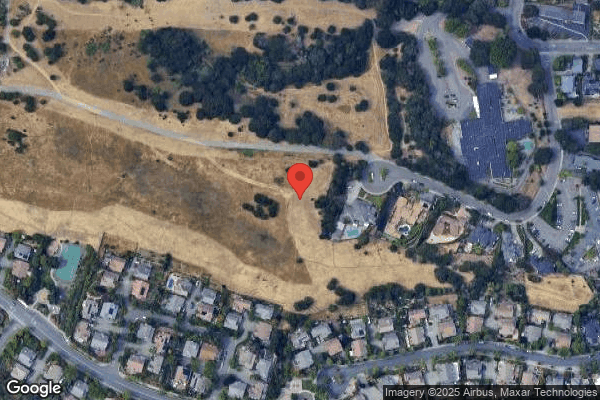
Jul 2019 2 deficiencies
CONCERN (D)

Potential for Harm - no one hurt, but risky conditions existed

Deficiency F0578 (Tag F0578)

Could have caused harm · This affected 1 resident

**NOTE- TERMS IN BRACKETS HAVE BEEN EDITED TO PROTECT CONFIDENTIALITY** Based on interview and record review, the facility failed to ensure a resident's wishes for code status were accurately document...

Read full inspector narrative →
**NOTE- TERMS IN BRACKETS HAVE BEEN EDITED TO PROTECT CONFIDENTIALITY** Based on interview and record review, the facility failed to ensure a resident's wishes for code status were accurately documented for one (Resident (R) 227) of seven sampled residents whose clinical records were reviewed for advanced directives. The failure to allow a resident to formulate advanced directives that were clearly documented to facility staff had the potential to affect the seventy-six residents who resided in the facility. Findings include: According to the Face Sheet, R227 was admitted to the facility on [DATE]. The Medical Diagnoses section of the electronic health record (EHR) documented diagnoses that included chronic lymphocytic leukemia of B-cell type and chronic pain syndrome. The significant change of status Minimum Data Set (MDS), with an Assessment Reference Date of [DATE], indicated R227 had a Brief Interview for Mental Status score of 05, indicative of severe cognitive impairment. This MDS identified R227 had a California Physician Orders for Life-Sustaining Treatment (POLST) form in his chart and that he wanted staff to attempt resuscitation/CPR [cardiopulmonary resuscitation]. The care plan, most recently reviewed/revised on [DATE], identified R227 had impaired cognitive function/impaired thought processes related to impaired decision making, and short-term memory loss related to his current health status. Interventions included to communicate with the resident, his family and caregivers regarding his capabilities and needs, and to monitor/document/report to the physician any changes in cognitive function, specifically changes in: decision making ability, memory, recall and general awareness, difficulty expressing self, difficulty understanding others, level of consciousness, or mental status. There was no documentation in the resident's paper chart (physician's progress notes) or in the EHR (nurses' progress notes, social services progress notes, assessments notes or elsewhere) which indicated the physician, and/or a member of the facility's staff had discussed the resident's and/or family's wishes for his code status. The Psychosocial Assessment and Social History, dated [DATE], indicated R227 was his own responsible party and had No Advance Directive, Decline Assistance. A POLST form, dated [DATE], was located in R227's paper chart in front of the Advance Directive tab. It indicated, Do Not Attempt Resuscitation/DNR [Do Not Resuscitate] (Allow Natural Death). The POLST form noted Selective Treatment - goal of treating medical conditions while avoiding burdensome measures. In addition to treatment described in Comfort-Focused Treatment, use medical treatment, IV [intravenous] antibiotics, and IV fluids as indicated. Do not intubate. May use non-invasive positive airway pressure. Generally, avoid intensive care. This form indicated R227 was to receive No artificial means of nutrition, including feeding tubes. The POLST form was signed by the resident's physician on [DATE]. The form had not been signed by the resident or his wife/family. As of [DATE] at 6:30 PM, there was no physician's order for code status in the EHR's Orders tab and/or behind the Physician's Orders or TO [Telephone Orders] tabs of the paper chart. On [DATE] at 12:05 PM, the EHR was reviewed for documentation of the resident's code status. The top section which identified general information about the resident, included Code Status: DNR with selective treatment and no artificial means of nutrition, including feeding tubes. On [DATE] at 12:14 PM, the Director of Nursing (DON) was asked to review the POLST form dated [DATE]. She stated the form was not valid because there was no resident/family signature. She stated without a valid POLST, R227 should be a full code (receive full resuscitation measures). The DON stated she recalled the resident's wife did not want him to be a DNR and she thought she had written a progress note to document that conversation. On [DATE] at 12:50 PM, the DON brought in a POLST which had been completed and signed by the resident's wife on [DATE]. It documented the resident wanted staff to Attempt Resuscitation/CPR. The DON stated the resident's physician had made lines across the POLST and had written Updated on it in two places. She stated the physician then filled out the POLST, dated [DATE], and had designated the resident a DNR. She stated she could not find documentation of her conversation with the resident's wife regarding his code status. On [DATE] at 12:57 PM, the resident's code status in the EHR had been changed to Full Code. On [DATE] at 1:09 PM, Registered Nurse 29 stated she had just changed R227's code status at the top of the EHR to full code. On [DATE] at 1:12 PM, R227's wife was asked what she understood her husband's code status to be. She stated his status was originally full code and the doctor came in and changed it. She stated she did not like that R227's code status was changed. She stated R227, his son and she had all agreed they wanted the resident's code status to be full code. The resident's wife stated she had called the physician the day the code status was changed, and the doctor told her he would not argue with her and that R227 was capable of making the decision himself. She stated the doctor told her that her approval was not needed to change the code status. On [DATE] at 1:51 PM, the resident was asked if he wanted to be resuscitated if his heart stopped and he quit breathing. He stated he wanted to be resuscitated. On [DATE] at 2:03 PM, the resident's physician was interviewed by telephone. He stated the POLST form could be completed by himself or a nurse practitioner. The physician stated he recalled voiding the POLST form, dated [DATE], which indicated the resident's code status was Attempt Resuscitation/CPR. He stated he had discussed the matter with R227 and the resident had told him he did not want to be resuscitated. The physician stated the resident was not demented and could make his own decisions. The physician stated, There is such a difference in what he [R227] wants and what his wife wants. He stated the resident had not had the conversation regarding his wishes for code status with his wife and that is why the POLST form, dated [DATE], had not been signed by the resident. The physician stated he had written an order that the resident was DNR (although no order was located in the resident's record) and expected staff to follow that order. The physician stated, to him, it was really clear the resident was DNR. On [DATE] at 3:34 PM, R227 stated he did not remember telling his physician he wanted his code status to be DNR. On [DATE] at 3:41 PM, the Social Services Director stated the resident had vacillated in his wishes for DNR versus full code. She stated she believed the resident was mentally competent to decide his code status on [DATE] when his physician voided the Attempt resuscitation/CPR POLST form. She stated she could not find documentation in the resident's clinical record regarding a conversation between the facility staff and/or the physician and R227 about the resident's wishes for his code status. On [DATE] at 4:09 PM, a physician' order, dated [DATE], was found to have been written for the resident to be DNR with selective treatment and no artificial means of nutrition, including feeding tubes. A valid POLST that was signed by the resident or his wife was not present. On [DATE] at 7:48 PM, during a telephone interview, R227's son stated he believed his father was competent to make decisions about his health care at the moment, but it is day by day. He stated they had discussed his father's wishes for code status and he knew his father wanted to be resuscitated. He stated he believed the facility had his father's code status as a full code and stated, We were shocked that the doctor would have changed the code status, and that he and his father's wife had not been consulted by the physician before he changed R227's code status. On [DATE] at approximately 10:30 AM, the DON stated the resident was considered a full code until a POLST with the resident's signature was finalized.
MINOR (B)

Minor Issue - procedural, no safety impact

Deficiency F0912 (Tag F0912)

Minor procedural issue · This affected multiple residents

**NOTE- TERMS IN BRACKETS HAVE BEEN EDITED TO PROTECT CONFIDENTIALITY** Based on observations and interview, the facility failed to ensure three resident rooms (10, 23, and 31) out of 34 rooms had the...

Read full inspector narrative →
**NOTE- TERMS IN BRACKETS HAVE BEEN EDITED TO PROTECT CONFIDENTIALITY** Based on observations and interview, the facility failed to ensure three resident rooms (10, 23, and 31) out of 34 rooms had the required 80 square feet per resident. Findings include: A tour of the facility was conducted with the Area Maintenance Director (AMD) on 07/12/19 at 11:30 AM. Four resident rooms were selected to be measured during this tour. On 07/12/19 at 11:30 AM, it was identified that two residents resided in room [ROOM NUMBER]. The AMD took the measurements of the room and stated it measured 13 feet wide by 12 feet in length, which equaled 156 square feet. This was noted as less than 80 square feet per resident. At 11:33 AM, it was identified that two residents resided in room [ROOM NUMBER]. The AMD took the measurements of the room and stated it measured 12 feet wide by 13 feet in length, which equaled 156 square feet. This was noted as less than 80 square feet per resident. At 11:34 AM, it was identified that two residents resided in room [ROOM NUMBER]. The AMD took measurements of the room and stated it measured 12 feet wide by 13 feet in length, which equaled 156 feet. This was noted as less than 80 square feet per resident. The AMD was interviewed after taking these measurements and confirmed these measurements were accurate. There were no adverse effects or resident concerns identified as a result of these measurements. State Agency (SA) recommends that the facility Windsor Care Center Petaluma receive a waiver regarding less than the required square footage.
Understanding Severity Codes (click to expand)
Life-Threatening (Immediate Jeopardy)
J - Isolated K - Pattern L - Widespread
Actual Harm
G - Isolated H - Pattern I - Widespread
Potential for Harm
D - Isolated E - Pattern F - Widespread
No Harm (Minor)
A - Isolated B - Pattern C - Widespread

Questions to Ask on Your Visit

  • "Can I speak with families of current residents?"
  • "What's your RN coverage like on weekends and overnight?"

Our Honest Assessment

Strengths
  • • 44% turnover. Below California's 48% average. Good staff retention means consistent care.
Concerns
  • • Multiple safety concerns identified: 4 harm violation(s), $32,280 in fines. Review inspection reports carefully.
  • • 57 deficiencies on record, including 4 serious (caused harm) violations. Ask about corrective actions taken.
  • • $32,280 in fines. Higher than 94% of California facilities, suggesting repeated compliance issues.
  • • Grade F (15/100). Below average facility with significant concerns.
Bottom line: Trust Score of 15/100 indicates significant concerns. Thoroughly evaluate alternatives.

About This Facility

What is Ridgeway Post Acute's CMS Rating?

CMS assigns RIDGEWAY POST ACUTE an overall rating of 1 out of 5 stars, which is considered much below average nationally. Within California, this rating places the facility higher than 0% of the state's 100 nursing homes. A rating at this level reflects concerns identified through health inspections, staffing assessments, or quality measures that families should carefully consider.

How is Ridgeway Post Acute Staffed?

CMS rates RIDGEWAY POST ACUTE's staffing level at 3 out of 5 stars, which is average compared to other nursing homes. Staff turnover is 44%, compared to the California average of 46%. This relatively stable workforce can support continuity of care. RN turnover specifically is 60%, which is notably high. RNs provide skilled clinical oversight, so turnover in this role can affect medical care quality.

What Have Inspectors Found at Ridgeway Post Acute?

State health inspectors documented 57 deficiencies at RIDGEWAY POST ACUTE during 2019 to 2025. These included: 4 that caused actual resident harm, 52 with potential for harm, and 1 minor or isolated issues. Deficiencies causing actual harm indicate documented cases where residents experienced negative health consequences.

Who Owns and Operates Ridgeway Post Acute?

RIDGEWAY POST ACUTE is owned by a for-profit company. For-profit facilities operate as businesses with obligations to shareholders or private owners. The facility is operated by PACS GROUP, a chain that manages multiple nursing homes. With 79 certified beds and approximately 74 residents (about 94% occupancy), it is a smaller facility located in PETALUMA, California.

How Does Ridgeway Post Acute Compare to Other California Nursing Homes?

Compared to the 100 nursing homes in California, RIDGEWAY POST ACUTE's overall rating (1 stars) is below the state average of 3.1, staff turnover (44%) is near the state average of 46%, and health inspection rating (1 stars) is much below the national benchmark.

What Should Families Ask When Visiting Ridgeway Post Acute?

Based on this facility's data, families visiting should ask: "Can I visit during a mealtime to observe dining assistance and food quality?" "How do you handle medical emergencies, and what is your hospital transfer rate?" "Can I speak with family members of current residents about their experience?"

Is Ridgeway Post Acute Safe?

Based on CMS inspection data, RIDGEWAY POST ACUTE has a clean safety record: no substantiated abuse findings (meaning no confirmed cases of resident harm), no Immediate Jeopardy citations (the most serious violation level indicating risk of serious injury or death), and is not on the Special Focus Facility watch list (a federal program monitoring the lowest-performing 1% of nursing homes). The facility has a 1-star overall rating and ranks #100 of 100 nursing homes in California. While no facility is perfect, families should still ask about staff-to-resident ratios and recent inspection results during their visit.

Do Nurses at Ridgeway Post Acute Stick Around?

RIDGEWAY POST ACUTE has a staff turnover rate of 44%, which is about average for California nursing homes (state average: 46%). Moderate turnover is common in nursing homes, but families should still ask about staff tenure and how the facility maintains care continuity when employees leave.

Was Ridgeway Post Acute Ever Fined?

RIDGEWAY POST ACUTE has been fined $32,280 across 3 penalty actions. This is below the California average of $33,402. While any fine indicates a compliance issue, fines under $50,000 are relatively common and typically reflect isolated problems that were subsequently corrected. Families should ask what specific issues led to these fines and confirm they've been resolved.

Is Ridgeway Post Acute on Any Federal Watch List?

RIDGEWAY POST ACUTE is not on any federal watch list. The most significant is the Special Focus Facility (SFF) program, which identifies the bottom 1% of nursing homes nationally based on persistent, serious quality problems. Not being on this list means the facility has avoided the pattern of deficiencies that triggers enhanced federal oversight. This is a positive indicator, though families should still review the facility's inspection history directly.