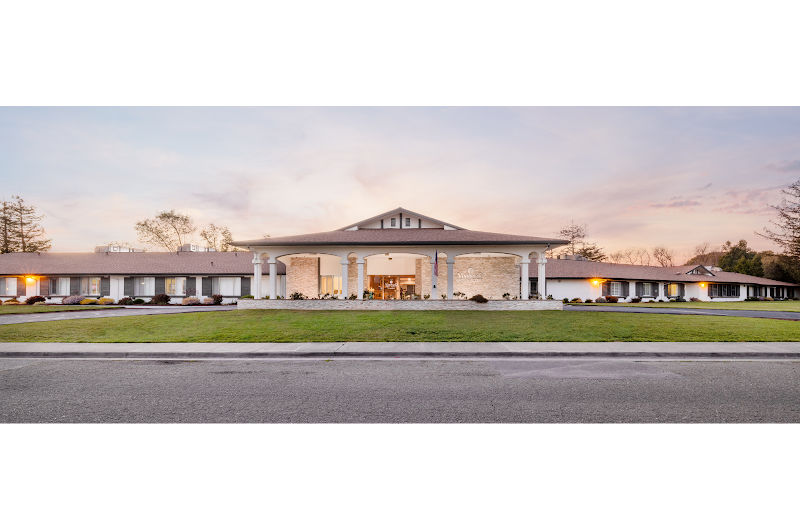
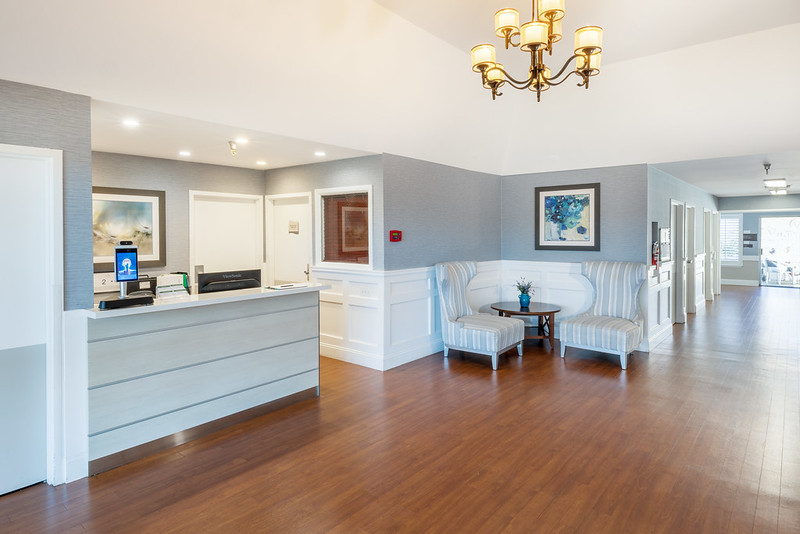


VINEYARD POST ACUTE

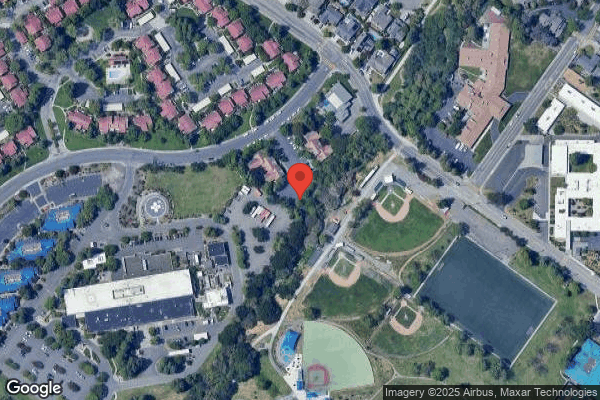
101 MONROE STREET, PETALUMA, CA 94954 (707) 763-4109
For profit - Limited Liability company 99 Beds PACS GROUP Data: November 2025
Trust Grade
10/100
#944 of 1155 in CA
Last Inspection: November 2024

Within standard 12-15 month inspection cycle. Federal law requires annual inspections.

Overview

Vineyard Post Acute in Petaluma, California has a Trust Grade of F, indicating significant concerns about the quality of care provided. Ranking #944 out of 1155 facilities in California places them in the bottom half, and they are #15 out of 18 in Sonoma County, meaning there are only a few local options that perform better. While the facility's trend is improving, with issues decreasing from 12 in 2024 to 6 in 2025, there are still serious concerns, including three incidents where residents did not receive necessary care, such as delayed assessments for vomiting and failure to monitor vital health conditions. Staffing has a 2/5 star rating and a turnover rate of 38%, which is average for California, but the facility has incurred $63,135 in fines, higher than 84% of other facilities in the state. Although there is average RN coverage, the serious incidents raise red flags about the overall quality of care.

Trust Score
F
10/100
In California
#944/1155
Bottom 19%
Safety Record
High Risk
Review needed
Inspections
Getting Better
12 → 6 violations
Staff Stability
○ Average
38% turnover. Near California's 48% average. Typical for the industry.
Penalties
○ Average
$63,135 in fines. Higher than 61% of California facilities. Some compliance issues.
Skilled Nurses
⚠ Watch
Each resident gets only 25 minutes of Registered Nurse (RN) attention daily — below average for California. Fewer RN minutes means fewer trained eyes watching for problems.
Violations
⚠ Watch
56 deficiencies on record. Higher than average. Multiple issues found across inspections.
★★☆☆☆
2.0
Overall Rating
★★☆☆☆
2.0
Staff Levels
★★★★☆
4.0
Care Quality
★★☆☆☆
2.0
Inspection Score
Stable
2024: 12 issues
2025: 6 issues

The Good

  • 4-Star Quality Measures · Strong clinical quality outcomes
  • Full Sprinkler Coverage · Fire safety systems throughout facility
  • No fines on record
  • Staff turnover below average (38%)

    10 points below California average of 48%

Facility shows strength in quality measures, fire safety.

The Bad

2-Star Overall Rating

Below California average (3.1)

Below average - review inspection findings carefully

Staff Turnover: 38%

Near California avg (46%)

Typical for the industry

Federal Fines: $63,135

Above median ($33,413)

Moderate penalties - review what triggered them

Chain: PACS GROUP

Part of a multi-facility chain

Ask about local staffing decisions and management

The Ugly 56 deficiencies on record

3 actual harm
Sept 2025 1 deficiency
CONCERN (D) 📢 Someone Reported This

A family member, employee, or ombudsman was alarmed enough to file a formal complaint

Potential for Harm - no one hurt, but risky conditions existed

Deficiency F0658 (Tag F0658)

Could have caused harm · This affected 1 resident

**NOTE- TERMS IN BRACKETS HAVE BEEN EDITED TO PROTECT CONFIDENTIALITY** Based on interview and record review, the facility failed to ensure one of four sampled residents (Resident 1) received care wit...

Read full inspector narrative →
**NOTE- TERMS IN BRACKETS HAVE BEEN EDITED TO PROTECT CONFIDENTIALITY** Based on interview and record review, the facility failed to ensure one of four sampled residents (Resident 1) received care within professional standards of practice when licensed nursing staff failed to administer physician ordered pain medications to treat her moderate to severe pain, which led to ceaseless pain that worsened in numerical order and severity. This failure resulted in Resident 1 experiencing severe pain and had the potential to result in suffering and feelings of abandonment.A review of Resident 1's admission record indicated she was admitted to the facility in August, 2025 with medical diagnoses which included surgical aftercare of the digestive system (postoperative care after a procedure of the digestive system, which includes monitoring for complications, managing pain and medications, and regular follow-ups with a doctor).A review of Resident 1's clinical record included the following documents:A Nursing Care Plan initiated on 8/18/25, indicated Resident 1 had Pain, with the stated goal, Pain will be relieved to a tolerable level as indicated by resident, using verbal or non-verbal communication to the extent possible, with nursing care interventions which included, Administer treatment as ordered. Assess for pain every shift, and as indicated. Notify physician if resident experiences unmanageable or intolerable pain.A review of Resident 1's medication administration record (MAR - a daily documentation record where licensed nursing staff document medications and treatments administered to a resident) dated 8/18/25 at 12:26 p.m., indicated Medical Doctor 1 (MD1) ordered the following medication for mild pain: Acetaminophen (A medication, also called Tylenol used to treat pain) Tablet 325 MG (milligram).Give two tablet by mouth every 4 hours as needed for Mild Pain. and contained documented administrations of Acetaminophen with correlating pain scale entries of five (5) (Numeric pain scale where 0 indicates no pain, and 10 is the worst pain experienced during a person's lifetime) at 6:30 a.m., six (6) at 3:04 p.m., and six (6) at 7:25 p.m. on 8/19/25, as well as seven (7) at 10:50 a.m., on 8/20/25.A review of Resident 1's MAR dated 8/19/25 at 5:15 p.m., indicated MD 1 ordered the following medication for moderate to severe pain: Morphine Sulfate (A controlled substance to treat moderate to severe pain) Oral Solution 20 MG/ML (Milliliter = ML).Give 0.5 ml by mouth every 6 hours as needed for moderate to severe pain (5-10), and indicated Resident 1 did not receive any administrations of Morphine Sulfate for pain relief on 8/19/25, 8/20/25 or 8/21/25.A review of a progress note dated 8/19/25 at 10:44 p.m. entered by Licensed Nurse 2 (LN 2), indicated, Complaint of pain to surgical site, medicated with Tylenol with minimal effect. A review of a progress note dated 8/21/25 at 4:47 a.m., entered by Licensed Nurse 3 (LN 3), indicated, Resident complains of generalized pain, but resident's PRN (As needed) morphine has not been delivered yet . Resident reports Acetaminophen causes nausea.A review of a facility document titled, Change of Condition, dated 8/21/25 at 9:22 p.m., entered by Licensed Nurse 1 (LN 1) indicated Resident 1 was sent to a general acute care hospital (GACH) around 9:14 p.m. on 8/21/25 due to persistent nausea and vomiting with high blood pressure and tachycardia (heart rate above 100 beats per minute). During an interview with MD 1 on 9/16/25 at 5:00 p.m., he stated he saw and assessed Resident 1 at the facility on the afternoon of 8/19/25 and ordered the PRN Morphine Sulfate to treat Resident 1's moderate to severe pain due to her recent digestive system surgery and her current medical diagnoses. MD 1 added that Medical Doctor 2 (MD 2), who was familiar with Resident 1 then took over the care of Resident 1 on the evening of 8/19/25 and was Resident 1's attending physician for the remainder of her stay in the facility.During an interview with Resident 1 on 9/16/25 at 5:08 p.m., she stated she asked the facility nurse repeatedly for pain medication when she began experiencing pain after being admitted to the facility on [DATE], and over the next several days (from 8/18/25 through 8/21/25) she experienced severe pain that was not controlled despite her using her call light to request more pain medications multiple times, which left her feeling, scared, terrified and alone. She added that one nurse (referring to LN 1), would either not answer the call light, turn the call light off, or just come in her room and stare at her like he didn't believe me.During a concurrent interview and record review with the Director of Nursing (DON) on 9/16/25 at 11:30 a.m., Resident 1's August 2025 MAR was reviewed. The DON stated nursing staff who had cared for Resident 1 from 8/19/25 through 8/21/25 were not working during the Surveyor's visit, so they were not able to be interviewed, and she didn't know why Resident 1 was not administered the ordered Morphine Sulfate to treat her documented high pain levels and instead had only been administered Acetaminophen ordered for the treatment of mild pain. The DON stated her expectation was that nursing staff administered the pain medication that correlated with the resident's pain level, adding that if the physician order was unclear, nursing staff needed to verify the order with the physician. The DON reviewed Resident 1's MAR and confirmed Resident 1's physician ordered pain assessments indicated, Assess for Pain QS (every shift) .and chart using 1-10 Scale: 0= No pain,1-3 = Mild Pain, 4-6 = moderate pain, 7-9 = Severe Pain, 10= Excruciating (pain) every shift for pain scale. The DON confirmed there was no documentation on Resident 1's MAR of Resident 1's pain assessment on 8/19/25 for morning shift. The DON confirmed Resident 1's pain level on her MAR the evening of 8/18/25, was documented as six (6), and Resident 1's pain level was not documented on her MAR the morning shift of 8/19/25. The DON also confirmed Resident 1's MAR indicated her pain had increased in level and severity over time on the evening and night shift of 8/19/25 from level six (6) to level seven (7), after multiple administrations of Acetaminophen to treat mild pain. The DON stated she did not know if Resident 1's increasing pain level and severity was reported to the physician, as directed in one of the interventions listed in Resident 1's nursing care plan under the focus area for Pain, as the DON could not find any documentation in the chart stating the physician was notified about Resident 1's increasing pain on 8/19/25.During an interview with the facility Pharmacist, on 9/17/25 at 4:25 p.m., the Pharmacist confirmed the order for Resident 1's PRN Morphine Sulfate was entered electronically, by MD 1 on 8/19/25, at 5:52 p.m. The Pharmacist explained that due to Resident 1's listed Morphine allergy in her chart, an electronic fax was sent for clarification of the Morphine order to the ordering physician's office fax number, as was the standard practice of the pharmacy. The Pharmacist confirmed there was no follow up communication or inquiry from the ordering physician or from facility staff and if such an inquiry had occurred, it would have been documented in the electronic record in the pharmacy system. During a review of Resident 1's August 2025 MAR, from 8/29/25 through 8/31/25 indicated Resident 1 was administered Morphine Sulfate for documented pain assessment levels, of six (6), seven (7) and eight (8) after a hospitalization from 8/21/25 to 8/28/25, for which no adverse effects of Morphine Sulfate were documented. During an interview with MD 2 on 8/18/25 at 4:55 p.m., he stated there were no contraindications for Resident 1 to receive the Morphine Sulfate (ordered by MD 1on 8/19/25) for moderate to severe pain relief. MD 2 stated she did not know the reason Resident 1 was not treated for her moderate to severe pain experienced from 8/19/25 through 8/21/25 and added that Resident 1 was eventually administered Morphine Sulfate for pain relief, around the time closer to the end of her stay in the facility (8/28/25-8/31/25).A review of the facility's policy titled, Administering Medications, dated 2019, indicated, Medications are administered in a safe and timely manner, and as prescribed. The director of nursing services supervises and directs all personnel who administer medications and/or have related functions. Medications administered in accordance with provider orders. If a dosage is believed to be inappropriate or excessive for a resident, or a medication has been identified as having potential adverse consequences for the resident or is suspected of being associated with adverse consequences, the person preparing or administering the medication, will contact the prescriber, the resident's attending physician, or the facility's medical director to discuss the concerns.A review of the facility's policy titled, Pain Assessment and Management, dated 2022, indicated, The purpose of this procedure are to help staff identify pain in the resident, and to develop interventions that are consistent with the resident's goals and needs and that address the underlying causes of pain. The pain management program is based on a facility-wide commitment to appropriate assessment and treatment of pain, based on professional standards of practice, the comprehensive care plan, and the resident's choices related to pain management. Pain Management is defined as the process of alleviating the resident's pain based on his or her clinical condition and established treatment goals. Pain management is a multidisciplinary care process that includes the following: a. Assessing the potential for pain; b. Recognizing the presence of pain; c. Identifying the characteristics of pain; d. Addressing the underlying causes of the pain; e. Developing and implementing approaches to pain management; f. Identifying and using specific strategies for different levels and sources of pain; g. Monitoring for the effectiveness of interventions; and h. Modifying approaches as necessary. Acute pain (or significant worsening of chronic pain) should be assessed after the onset and reassessed as indicated until relief is obtained. Contact the prescriber immediately if the resident's pain or medication side effects are not adequately controlled.A review of the facility's document titled, Job Description: Registered Nurse (RN) Prepared by: Human Resources (02-2024) indicated, The primary responsibility of your job position is to supervise the day-to-day nursing activities of the facility during your tour of duty. Such supervision must be accordance with current federal, state, and local standards, guidelines, and regulations that govern the facility and may be required by the Director of Nursing (DON) and or/Assistant Director of Nursing (ADON) when applicable, to ensure that the highest degree of quality care is maintained at all times. Monitor medication passes and treatment schedules to ensure that medications are being administered as ordered. Review medication cards for completeness of information, accuracy in the transcription of physician orders, and adherence to stop order policies. Review resident care plans for appropriate resident goals, problems, approaches, and revisions based on nursing needs. Ensure that nursing personnel refer to the resident's care plan prior to administering daily care to the resident. Review nurses notes to determine if the care plan is being followed.
Apr 2025 1 deficiency
CONCERN (D) 📢 Someone Reported This

A family member, employee, or ombudsman was alarmed enough to file a formal complaint

Potential for Harm - no one hurt, but risky conditions existed

Deficiency F0658 (Tag F0658)

Could have caused harm · This affected 1 resident

**NOTE- TERMS IN BRACKETS HAVE BEEN EDITED TO PROTECT CONFIDENTIALITY** Based on interviews and record reviews, the facility failed to ensure professional standards of practice were conducted for one ...

Read full inspector narrative →
**NOTE- TERMS IN BRACKETS HAVE BEEN EDITED TO PROTECT CONFIDENTIALITY** Based on interviews and record reviews, the facility failed to ensure professional standards of practice were conducted for one resident (Resident 1) of four sampled residents when Resident 1 did not have: · A sliding scale (a method used to manage blood sugar levels in people with diabetes, where insulin doses are adjusted based on current blood sugar readings) for use of insulin (a hormone produced by the pancreas that helps regulate blood sugar levels) and · Blood sugar parameters (levels that indicate when blood sugar is considered too high or too low) ordered for insulin administration. These failures placed Resident 1 at risk for ineffective monitoring of insulin usage and worsening of Resident 1 ' s condition. Findings: Resident 1 was a [AGE] year-old male admitted to the facility on [DATE], with a medical diagnosis that included: Diabetes Mellitus (DM-a disorder characterized by difficulty in blood sugar control and poor wound healing), muscle weakness, and dysphagia (difficulty swallowing). A review of Resident 1 ' s physician order summary report dated 2/21/25, indicated the following: -Insulin glargine (a long-acting, manmade version insulin used to manage blood sugar levels in people with diabetes) solution 100 Unit/milliliters (ml, a unit of measure) Inject 16 unit subcutaneously (a layer of fatty tissue just below the skin) at bedtime for diabetes mellitus. -Insulin lispro (a short-acting, manmade version of insulin) Injection Solution 100 Unit/ml Inject 5 unit subcutaneously in the morning for diabetes mellitus. -Insulin lispro Injection Solution 100 Unit/ml Inject 8 unit subcutaneously in the afternoon for diabetes mellitus. There was no documented evidence that indicated Resident 1 had an order for a sliding scale for the administration of insulin lispro and parameters which indicated when a nurse was supposed to hold (not administer) the insulin. A review of Resident 1 ' s Medication Administration Record (MAR) dated March 2025, indicated no documented evidence blood sugar levels had been obtained prior to the administration of insulin lispro 8 units subcutaneously every day at 5 p.m. between 3/1/25 and 3/26/25. A review of Resident 1 ' s nursing note dated 3/25/25 at 1:56 p.m., indicated vital signs (measurements that indicate a person's basic biological functions and overall health status) for Resident 1 at the time of the episode were: blood pressure 99/58 (less than 120/80 is considered a normal value) millimeters of mercury (mmHg, a measurement of pressure), heart rate was 56 beats per minute (bpm, a normal resting heart rate is considered to be between 60 and 100 bpm) and oxygen saturation (the percentage of red blood cells carrying oxygen) on room air was 93% (a healthy oxygen saturation is between 95% and 100%). The paramedics arrived and checked Resident 1 ' s blood sugar level which was 69 milligrams per deciliter (mg/dl, a unit of measure). Resident 1 was sent to the hospital. A review of Resident 1 ' s Emergency Department discharge summary report dated 3/25/25, indicated [Resident 1 ' s] blood work is at baseline [a level considered normal for the person, it is used as a reference point to compare] his blood sugar did drop, he was fed and given D50 [a solution of sugar water used to increased blood sugar levels] and instructed to cut his insulin doses in half. I favor that the patient likely had a hypoglycemic [blow blood sugar level] mildly hypotensive [low blood pressure] episode. During an interview on 4/10/25 at 1:30 p.m., Licensed Staff A (LS A) stated she had not thought of checking Resident 1 ' s blood sugar level when he was showing distress on 3/25/25. LS A stated blood sugar parameters were usually ordered for residents who received insulin and would be found in the residents ' MAR. LS A stated nurses were supposed to always check blood sugar levels before giving a resident insulin. On 4/10/25 at approximately 4 p.m. a review of Resident 1 ' s MAR dated March 2025 was conducted. The review indicated Resident 1 received an order for a sliding scale for his insulin lispro on 3/26/25 at 6 p.m. and an order for hypoglycemia protocol for conscious and unconscious (in the state of not being awake and not aware of things around you) resident on 3/27/25 at 10:26 a.m. and 10:24 a.m. respectively. During an interview and concurrent record review on 4/22/25 at 11:38 a.m., LS B stated she had been assigned to Resident 1 on 3/25/25. LS B stated residents with standing orders for insulin should always have their blood sugar levels checked prior to insulin being given. LS B stated these levels would be documented in the residents ' MAR. LS B reviewed Resident 1 ' s MAR and acknowledged it did not indicate Resident 1 ' s blood sugar levels were obtained prior to the administration of insulin lispro but it should. LS B also acknowledged Resident 1 ' s food intake fluctuated based on how he was feeling, and Resident 1 had had a rough night and was unable to complete his physical therapy session on 3/25/25. LS B also stated parameters would sometimes be ordered, but regardless of the order, insulin cannot be given unless we check the blood sugar level. LS B stated she would call the physician to notify him if a resident ' s blood sugar level was below 100 mg/dl. During a telephone interview on 4/23/25 at 12:55 p.m., Consultant Pharmacist C (CP C) stated parameters should always be ordered because blood sugar levels can suddenly drop. The parameters are used to monitor the effect of the combination of insulin usage on the resident. CP C stated she usually recommends the physician to order parameters for blood sugar monitoring and a hypo/hyperglycemic protocol (orders a set of orders to manage both low and high blood sugar levels for diabetic residents). CP C stated she had not reviewed Resident 1 ' s medication orders because Resident 1 had been discharged to the hospital before she conducted her review at the facility in March. During a telephone interview on 4/25/25 at 2:55 p.m., Physician D stated his standard of practice when writing insulin orders for residents included ordering: a sliding scale for residents who had orders for long-acting insulin, hypoglycemic protocol, and parameters to notify the physician if a resident ' s blood sugar level was too high (greater than 300 mg/dl) or too low (less than 100 mg/dl). Physician D also stated he expected blood sugar levels to be checked before each meal and an hour after each meal to check the effectiveness of the insulin. Physician D stated staff usually notified him when a resident did not have parameters ordered. During a telephone interview on 5/2/25 at 2:45 p.m., the Director of Nursing (DON) stated sliding scale orders and blood sugar parameter orders usually came with a resident who was admitted from a hospital. The DON stated she expected licensed nurses to call the physician to ask for sliding scale, parameter orders, and blood sugar checks if the resident did not have them. The DON further stated the Physicians were at the facility most of the time and were very accessible. During a telephone interview on 5/7/25 at 3:30 p.m., the DON verified there was no sliding scale or blood sugar parameters listed on Resident 1's MAR prior to 3/26/25. A review of the facility ' s policy and procedure (P&P) titled Administering Medications dated revised April 2019, indicated, If .a medication has been identified as having potential adverse consequences for the resident or is suspected of being associated with adverse consequences, the person preparing or administrating the medication will contact the prescriber, the resident ' s attending physician or the facility ' s medical director to discuss the concerns .Each nurses ' station has a current Physician ' s Desk Reference (PDR) and/or other medication reference, as well as a copy of the surveyor guidance for .(Pharmacy Services) available. A review of the facility ' s policy and procedure titled, Insulin Administration, revised March 2025 indicated, Purpose to provide guidelines for the safe administration of insulin .The nurse will notify the provider or any discrepancies prior to administering insulin .Steps in the Procedure .Check blood glucose per physician order or facility protocol .Documentation .The resident ' s blood glucose result, as ordered .
Mar 2025 1 deficiency
CONCERN (D) 📢 Someone Reported This

A family member, employee, or ombudsman was alarmed enough to file a formal complaint

Potential for Harm - no one hurt, but risky conditions existed

Safe Environment (Tag F0584)

Could have caused harm · This affected 1 resident

**NOTE- TERMS IN BRACKETS HAVE BEEN EDITED TO PROTECT CONFIDENTIALITY** Based on interview and record review, the facility failed to ensure one resident (Resident 1) of three sampled residents was pro...

Read full inspector narrative →
**NOTE- TERMS IN BRACKETS HAVE BEEN EDITED TO PROTECT CONFIDENTIALITY** Based on interview and record review, the facility failed to ensure one resident (Resident 1) of three sampled residents was provided a home-like environment with comfortable sound levels when Resident 4 was constantly yelling vulgar, offensive, and derogatory language. This resulted in Resident 1 being unable to get a full night of uninterrupted sleep and decreased Resident 1's potential to reach his maximum healthcare potential. Findings: A review of Resident 1 ' s admission record indicated he was admitted in 2/13/25 with diagnoses which included hemiplegia and hemiparesis (weakness and paralysis on one side of the body) following a cerebral infarction (stroke) affecting the left non-dominant side. A review of a Minimum Data Set (MDS- a federally mandated resident assessment tool), dated 2/19/25, indicated Resident 1 had moderate memory impairment (difficulty remembering recent events, trouble with problem-solving, and changes in judgment, but it does not typically interfere with daily functioning). A review of Resident 2 ' s admission record indicated he was admitted in 12/17/24 with diagnoses which included diastolic congestive heart failure (Stiffness of the left ventricle of the heart which does not allow the heart to properly fill with blood). A review of an MDS dated [DATE], indicated Resident 2 had moderate memory impairment. A review of Resident 3 ' s admission record indicated he was admitted in 2/27/25 with diagnoses which included chronic ulcer (Open wound that persists for more than six weeks, despite appropriate treatment) of right lower leg. A review of an MDS dated [DATE], indicated Resident 3 had moderate memory impairment. A review of Resident 4 ' s admission record indicated he was admitted in 2/28/25 with diagnoses which included hemiplegia and hemiparesis following cerebral infarction affecting the left non-dominant side. A review of an MDS dated [DATE], indicated Resident 4 had moderate memory impairment. A review of Resident 4's interdisciplinary team (a group of professionals from different disciplines who work together collaboratively to achieve a common goal) note dated 3/7/25 at 11:53 a.m., indicated, [Resident 4] .screaming at night and upsetting other residents. During a phone interview on 3/11/25 at 8:30 a.m., Anonymous Witness XX stated Resident 1 was gravely affected by Resident 4 ' s constant yelling throughout the day and night, which did not allow Resident 1 to rest and sleep. Anonymous Witness XX stated Resident 1 was recovering from a stroke, and this was an essential time to recover from the neurological (an area of the brain) damage caused by the stroke, therefore he required to be able to rest through the night. Anonymous Witness XX also stated Resident 4 had violently attacked staff at the facility, and police had to be called for this incident. During an interview on 3/11/25 at 9 a.m., the Director of Nursing (DON) acknowledged Resident 4 was very aggressive, confirmed police were called, and Resident 4 had been transferred to a hospital due to his aggressive behavior. The DON stated Resident 4 was back at the facility and was doing better after the physician prescribed lorazepam (an antianxiety medication) for him. During an interview on 3/11/25 at 9:40 a.m., Resident 4 acknowledged he had been aggressive at the facility and yelled frequently for help from staff because staff were not answering his call light. Resident 4 confirmed he physically hit a female Certified Nursing Assistant (CNA) during care because she was hurting him while providing services. Resident 4 stated he became, aggravated with staff and was transferred to a hospital. During an interview on 3/11/25 at 10:15 a.m., Resident 1 stated Resident 4 screamed at all hours of the day and night to the top of his lungs, using vulgar, offensive and derogatory language towards staff. Resident 1 stated he had notified the charge nurses and the DON about it, but the situation persisted. Resident 1 acknowledged Resident 4 had been moved to another wing of the facility recently, but due to his aggressive behavior, he was returned to his previous room which was right next to his. Resident 1 stated he was unable to get a restful night ' s sleep because Resident 4 ' s screams constantly woke him up. Resident 1 stated this situation was very stressful to him, since he needed to recover from neurological damage caused by a stroke. Resident 1 stated things had not gotten better with Resident 4, he was still constantly yelling. During an interview on 3/11/25 at 10:35 a.m., Resident 2 stated he had heard Resident 4 screaming at all hours of the day and night and would be very upset if Resident 4 ' s room was next to his. During an interview on 3/11/25 at 10:42 a.m., Resident 3 stated he constantly heard Resident 4 screaming in a high aggressive tone, asking for staff help. Resident 3 stated staff were very gracious with him and worked hard. Resident 3 stated he believed Resident 4's needs could be better met at a mental health facility rather than a rehabilitation center. During interviews with CNA A on 3/11/25 at 11 a.m., Licensed Staff B on 3/11/25 at 11:30 a.m., CNA C on 3/11/25 at 11:45 a.m., and CNA D on 3/11/25 at 12 p.m., they all confirmed Resident 4 constantly used loud aggressive and offensive language toward staff and stated they did not feel this facility was the right place for Resident 4's care needs to be met. Record review of the facility policy titled, Homelike Environment, last revised in February of 2021, indicated, Residents are provided with a safe, clean, comfortable and homelike environment .The facility staff and management maximizes, to the extent possible, the characteristics of the facility that reflect a personalized, homelike setting. These characteristics include i. comfortable sound levels.
Feb 2025 1 deficiency
CONCERN (E) 📢 Someone Reported This

A family member, employee, or ombudsman was alarmed enough to file a formal complaint

Potential for Harm - no one hurt, but risky conditions existed

Infection Control (Tag F0880)

Could have caused harm · This affected multiple residents

**NOTE- TERMS IN BRACKETS HAVE BEEN EDITED TO PROTECT CONFIDENTIALITY** Based on interview and record review, the facility failed to maintain an effective infection prevention and control program, for...

Read full inspector narrative →
**NOTE- TERMS IN BRACKETS HAVE BEEN EDITED TO PROTECT CONFIDENTIALITY** Based on interview and record review, the facility failed to maintain an effective infection prevention and control program, for a census of approximately 90 residents, when the facility did not report an influenza outbreak to the local public health department (LPHD) for nearly three weeks. This failure had the potential to increase the transmission of influenza among all residents in the facility. Findings: During a concurrent interview and record review on 2/25/25 at 11:05 a.m., with the Infection Preventionist (IP), the facility ' s document titled, Line List Acute Respiratory Illness Outbreak In Long-Term Care Facilities (Including Influenza) (line list, a table that summarizes information about each case of an outbreak), dated 1/29/25, was reviewed. The IP stated the line list indicated, the facility had an influenza outbreak starting on 1/29/25 when two residents tested positive for influenza. The IP stated on 1/31/25 seven more residents tested positive for influenza and, during the outbreak, the facility, the facility had a total of 28 resident and [NAME] staff members who had tested positive for influenza. The IP stated, she hadn ' t notified the LPHD until 2/18/25, she had been away from work for nearly three weekly and the LPHD had not been notified while she was gone. The IP stated the local public health department should have been notified when the first case of influenza had been identified on 1/29/25. During an interview on 2/25/25 at 1:59 p.m., the Director of Nursing (DON) acknowledged she had not notified the LPHD regarding the influenza outbreak, because she thought the Administrator (ADM) was responsible for reporting the outbreak. During an interview on 2/25/25 at 2:10 p.m., the Director of Staff Development (DSD) stated she prepared the line list for the facility ' s influenza outbreak starting on 1/29/25, but had not sent the line list nor reported the outbreak to the LPHD, because she thought it was the responsibility of the ADM. During a concurrent interview and record review, on 2/25/24 at 3:30 p.m., with the ADM, the facility ' s policy and procedure (P&P) titled, Outbreak of Communicable Diseases, dated 9/2022, was reviewed. The ADM confirmed the P&P indicated, .An outbreak of influenza is defined as anything exceeding the endemic rate, or a singe case if unusual for the facility . A single case of influenza is reportable to the department of health . The administrator is responsible for: a. communicating data about reportable diseases to the health department .The ADM acknowledged he had not notified the LPHD of the influenza outbreak that started on 1/29/25, because the IP was responsible for reporting to the LPHD. The ADM acknowledged the IP was not working in the facility during the start of the influenza outbreak and the outbreak had not been reported to the LPHD until she returned nearly three weeks later. During an interview on 3/3/25 at 11:03 a.m., the LPHD ' s Infectious Disease Nurse (IDN, a specialized nurse who prevents and controls the spread of infectious diseases) stated during an influenza outbreak, it was important for the facility to notify to the LPHD on the first day of the outbreak, so the LPHD could ensure the facility had regular communications with the LPHD ' s Healthcare-Associated Infections program (HAI, a program that oversees the reporting and response to healthcare associated infections in healthcare facilities). The IDN further explained, HAI would provide education, guidance, and possible onsite support to assist the facility with keeping the spread of the outbreak to a minimum. The IDN further explained, the facility ' s influenza outbreak that started on 1/29/25, was considered a significant or bad outbreak which indicated the facility may have needed education, testing supplies, problem solving support, and close monitoring to protect the facility residents from contracting the illness. The IDN added, but in this case, due to failure to report timely, that did not happen. During a review of document Title 17. California Code of Regulations (CCR), . Reportable Diseases and Conditions, revised 8/2022, indicated, .Reporting to Local Health Authority . The administrator of each health facility .where more than one heath care provider may know of a case, a suspected case or an outbreak of a disease within the facility shall establish and be responsible for administrative procedures to assure that reports are made to the [LPHD] .The document further indicated, .OUTBREAKS of ANY DISEASE . were required to be reported to the LPHD immediately.
Feb 2025 1 deficiency 1 Harm
SERIOUS (G) 📢 Someone Reported This

A family member, employee, or ombudsman was alarmed enough to file a formal complaint

Actual Harm - a resident was hurt due to facility failures

Deficiency F0678 (Tag F0678)

A resident was harmed · This affected 1 resident

**NOTE- TERMS IN BRACKETS HAVE BEEN EDITED TO PROTECT CONFIDENTIALITY** Based on interview and record review, the facility staff failed to recognize a cardiorespiratory arrest (a life-threatening medi...

Read full inspector narrative →
**NOTE- TERMS IN BRACKETS HAVE BEEN EDITED TO PROTECT CONFIDENTIALITY** Based on interview and record review, the facility staff failed to recognize a cardiorespiratory arrest (a life-threatening medical emergency that occurs when the heart and lungs stop functioning properly) for one of three sampled residents (Resident 1), which resulted in a delay in performing CPR (or cardiopulmonary resuscitation, a procedure to keep the blood pumping when the heart stops or when it beats too ineffectively to circulate blood to the brain and other vital organs) on Resident 1 who was a full-code (a medical directive indicating that a patient wishes to receive all possible life-saving measures in the event of a medical emergency) after he was found unresponsive. This failure led to Resident 1 ' s death. Findings: During an interview on [DATE] at 9 a.m., Complainant 5 stated he arrived at the facility on [DATE] approximately five to seven minutes after receiving a call about an unresponsive patient who was having difficulty breathing. Complainant 5 stated he found Resident 1 on a non-rebreather mask (a mask that delivers high concentrations of oxygen), but was apneic (not breathing spontaneously), unresponsive and diaphoretic (covered with sweat), and pulseless. Complainant 5 stated he immediately started chest compressions on Resident 1. Complainant 5 stated he continued to perform CPR on Resident 1 until his time of death, about 20-25 minutes later. Complainant 5 stated there was an AED (automated external defibrillator, or a portable medical device that can analyze the heart's rhythm and, if necessary, deliver an electrical shock, or defibrillation, to help the heart re-establish an effective rhythm) at Resident 1 ' s bedside, but the machine was not on nor were the pads applied on Resident 1 ' s chest. Complainant 5 stated he was later told by the staff that Resident 1 had been unresponsive and had oxygen saturation levels (a measure of how much oxygen is in your blood) in the 60 ' s or 70 ' s approximately 40 minutes before his arrival (the normal range for oxygen saturation is typically between 95% and 100%). A review of Resident 1 ' s Face Sheet indicated he was admitted to the facility with diagnoses including acute and chronic respiratory failure (a condition where the body is not getting enough oxygen due to a failure of the lungs to properly exchange gases, which can occur suddenly or over time). A review of Resident 1 ' s Progress Notes, dated [DATE], indicated, . At around 1650 (4:50 p.m.) respiratory nurse was doing her rounds and noticed this resident was not wearing his NC (nasal cannula [a device with two prongs that deliver oxygen directly into the nostrils]). The nurse put resident back on his O2 (oxygen) via NC, states when she was with the pt (patient) he woke up but didn ' t say anything. At around 1655 (4:55 p.m.) this writer went to give resident his evening medications. Resident was asleep and unable to wake up. This LN (Licensed Nurse) did a sternum rub (to determine if a person is conscious and responsive) and resident would wake up and fall straight back to sleep. This LN then took resident V/S (vital signs) again . BP (blood pressure) 150/74, 97.5 F, 22 RPM (respirations per minute), 75 SPO2 (oxygen saturation), BG (blood glucose [blood sugar level]) 156 on 2L (2 liters of oxygen) via NC. Immediately this LN called the respiratory nurse, put his bed into high fowlers [positioned with the head elevated between 60-90 degrees], increase his 02 (oxygen) to 4L, and gave this resident his nebulizer tx [a treatment involving a device that delivers medications directly into the lungs], Resident's 02 was not increasing so this writer called 911. Respiratory nurse and Nurse Supervisor 2 was with the resident monitoring (sic). Upon completion of nebulizer tx resident's 02 was unchanged. The respiratory nurse then put a nonrebreather mask on resident and increased the 02 to 15L. Resident's 02 then went up to 97%. At around 1730 (5:30 p.m.) at the same (sic) this resident stopped breathing, and the paramedics arrived on scene. CPR was initiated by paramedics . 30 minutes of CPR was conducted. Time of death was called at 1753 (5:53 p.m.) . During an interview on [DATE] at 1:31 p.m., Licensed Staff A stated she was called into Resident 1 ' s room because of his oxygen level was low. Licensed Staff A was unable to recall the time nor how low the oxygen level was. Licensed Staff A stated she replaced Resident 1 ' s nasal cannula to a non-rebreather mask. Licensed Staff A stated Resident 1 was diaphoretic and would briefly open his eyes as she performed sternal rubs. Licensed Staff A stated she told Licensed Staff C to call 911, as she and another staff stayed at Resident 1 ' s bedside. Licensed Staff A stated she continued to monitor Resident 1 ' s breathing and performing sternal rubs. Licensed Staff A stated Resident 1 stopped breathing very suddenly, and as she was about to get the crash cart from outside the room, she almost ran straight into the paramedics. Licensed Staff A stated she never had a chance to start CPR. During an interview on [DATE] 1:40 p.m., Licensed Staff B stated she recalled Resident 1 ' s death and added she was in the room very briefly. Licensed Staff B stated Resident 1 was nonresponsive to sternal rubs. Licensed Staff B demonstrated gasping motions when asked to describe how Resident 1 ' s breathing was. Licensed Staff B stated she was checking Resident 1 ' s carotid pulse (the rhythmic pulse of the carotid arteries located on either side of the neck) while she was at the bedside, and stated Resident 1 never lost a pulse. Licensed Staff B stated there was an AED at the bedside, but it was not used. Licensed Staff B stated she had never used an AED outside of training. Licensed Staff B stated AED pads were placed on patients when CPR was started, and the AED was used when a patient became pulseless. During an interview on [DATE] at 1:58 p.m., Licensed Staff C stated she was about to give Resident 1 his medications the evening of [DATE] when he would not wake up. Licensed Staff C stated Resident 1 would briefly open his eyes as she did sternal rubs but would fall back to sleep after. Licensed Staff C stated Resident 1 ' s vital signs (temperature, blood pressure, heart rate and respiratory rate) were normal except for his low oxygen saturation. Licensed Staff C stated she started the nebulizer treatment and called for Licensed Staff A for further assistance. Licensed Staff C stated after a few minutes of the nebulizer treatment, she called 911. Licensed Staff C stated she brought the AED to Resident 1 ' s room per 911 ' s instructions. Licensed Staff C stated the AED was for Licensed Staff A and B to use, as they were at Resident 1 ' s bedside. Licensed Staff C stated CPR was not started on Resident 1 as he never lost pulse, nor had his breathing stopped. During an interview on [DATE] at 3:10 p.m., the Director of Nursing (DON) stated CPR was performed when someone was unresponsive, not breathing or has lost their pulse. The DON stated she expected staff to follow the paramedics ' instructions during emergency situations. A review of a national standard by the American Heart Association titled, Cardiac Arrest, dated 2025, indicated, Cardiac arrest can strike without warning . The signs are: Sudden loss of responsiveness - The person doesn ' t respond, even if you tap them hard on the shoulders or ask loudly if they're OK. The person doesn ' t move, speak, blink or otherwise react. No normal breathing - The person isn ' t breathing or is only gasping for air . If you think the person may be suffering cardiac arrest and you're a trained lay rescuer: Ensure scene safety. Check for response. Shout for help. Tell someone nearby to call 911 or your emergency response number. Ask that person or another bystander to bring you an AED, if there ' s one on hand. Tell them to hurry - time is critical. If you ' re alone with an adult who has signs of cardiac arrest, call 911 and get an AED (if one is available). Check for no breathing or only gasping. If the person isn ' t breathing or is only gasping, begin CPR with compressions. Administer high-quality CPR. Push down at least two inches in the center of the chest at a rate of 100 to 120 pushes a minute. Allow the chest to come back up to its normal position after each push. Use an AED. As soon as it arrives, turn it on and follow the prompts. Continue CPR. Administer it until the person starts to breathe or move, or until someone with more advanced training, such as an EMS team member, takes over . A review of the document titled, CPR Facts and Statistics by The American Red Cross Training Services, published [DATE], indicated, Out-of-Hospital Cardiac Arrest Facts: Survival chances decrease by 10% for every minute that immediate CPR and use of an AED is delayed. Immediate CPR can triple the chance of survival . Based on interview and record review, the facility staff failed to recognize a cardiorespiratory arrest (a life-threatening medical emergency that occurs when the heart and lungs stop functioning properly) for one of three sampled residents (Resident 1), which resulted in a delay in performing CPR (or cardiopulmonary resuscitation, a procedure to keep the blood pumping when the heart stops or when it beats too ineffectively to circulate blood to the brain and other vital organs) on Resident 1 who was a full-code (a medical directive indicating that a patient wishes to receive all possible life-saving measures in the event of a medical emergency) after he was found unresponsive. This failure led to Resident 1's death. Findings: During an interview on [DATE] at 9 a.m., Complainant 5 stated he arrived at the facility on [DATE] approximately five to seven minutes after receiving a call about an unresponsive patient who was having difficulty breathing. Complainant 5 stated he found Resident 1 on a non-rebreather mask (a mask that delivers high concentrations of oxygen), but was apneic (not breathing spontaneously), unresponsive and diaphoretic (covered with sweat), and pulseless. Complainant 5 stated he immediately started chest compressions on Resident 1. Complainant 5 stated he continued to perform CPR on Resident 1 until his time of death, about 20-25 minutes later. Complainant 5 stated there was an AED (automated external defibrillator, or a portable medical device that can analyze the heart's rhythm and, if necessary, deliver an electrical shock, or defibrillation, to help the heart re-establish an effective rhythm) at Resident 1's bedside, but the machine was not on nor were the pads applied on Resident 1's chest. Complainant 5 stated he was later told by the staff that Resident 1 had been unresponsive and had oxygen saturation levels (a measure of how much oxygen is in your blood) in the 60's or 70's approximately 40 minutes before his arrival (the normal range for oxygen saturation is typically between 95% and 100%). A review of Resident 1's Face Sheet indicated he was admitted to the facility with diagnoses including acute and chronic respiratory failure (a condition where the body is not getting enough oxygen due to a failure of the lungs to properly exchange gases, which can occur suddenly or over time). A review of Resident 1's Progress Notes , dated [DATE] , indicated, . At around 1650 (4:50 p.m.) respiratory nurse was doing her rounds and noticed this resident was not wearing his NC (nasal cannula [a device with two prongs that deliver oxygen directly into the nostrils]). The nurse put resident back on his O2 (oxygen) via NC, states when she was with the pt (patient) he woke up but didn't say anything. At around 1655 (4:55 p.m.) this writer went to give resident his evening medications. Resident was asleep and unable to wake up. This LN (Licensed Nurse) did a sternum rub (to determine if a person is conscious and responsive) and resident would wake up and fall straight back to sleep. This LN then took resident V/S (vital signs) again . BP (blood pressure) 150/74, 97.5 F, 22 RPM (respirations per minute), 75 SPO2 (oxygen saturation), BG (blood glucose [blood sugar level]) 156 on 2L (2 liters of oxygen) via NC. Immediately this LN called the respiratory nurse, put his bed into high fowlers [positioned with the head elevated between 60-90 degrees], increase his 02 (oxygen) to 4L, and gave this resident his nebulizer tx [a treatment involving a device that delivers medications directly into the lungs], Resident's 02 was not increasing so this writer called 911. Respiratory nurse and Nurse Supervisor 2 was with the resident monitoring (sic). Upon completion of nebulizer tx resident's 02 was unchanged. The respiratory nurse then put a nonrebreather mask on resident and increased the 02 to 15L. Resident's 02 then went up to 97%. At around 1730 (5:30 p.m.) at the same (sic) this resident stopped breathing, and the paramedics arrived on scene. CPR was initiated by paramedics . 30 minutes of CPR was conducted. Time of death was called at 1753 (5:53 p.m.) . During an interview on [DATE] at 1:31 p.m., Licensed Staff A stated she was called into Resident 1's room because of his oxygen level was low. Licensed Staff A was unable to recall the time nor how low the oxygen level was. Licensed Staff A stated she replaced Resident 1's nasal cannula to a non-rebreather mask. Licensed Staff A stated Resident 1 was diaphoretic and would briefly open his eyes as she performed sternal rubs. Licensed Staff A stated she told Licensed Staff C to call 911, as she and another staff stayed at Resident 1's bedside. Licensed Staff A stated she continued to monitor Resident 1's breathing and performing sternal rubs. Licensed Staff A stated Resident 1 stopped breathing very suddenly , and as she was about to get the crash cart from outside the room, she almost ran straight into the paramedics. Licensed Staff A stated she never had a chance to start CPR. During an interview on [DATE] 1:40 p.m., Licensed Staff B stated she recalled Resident 1's death and added she was in the room very briefly . Licensed Staff B stated Resident 1 was nonresponsive to sternal rubs. Licensed Staff B demonstrated gasping motions when asked to describe how Resident 1's breathing was. Licensed Staff B stated she was checking Resident 1's carotid pulse (the rhythmic pulse of the carotid arteries located on either side of the neck) while she was at the bedside, and stated Resident 1 never lost a pulse. Licensed Staff B stated there was an AED at the bedside, but it was not used. Licensed Staff B stated she had never used an AED outside of training. Licensed Staff B stated AED pads were placed on patients when CPR was started, and the AED was used when a patient became pulseless. During an interview on [DATE] at 1:58 p.m., Licensed Staff C stated she was about to give Resident 1 his medications the evening of [DATE] when he would not wake up. Licensed Staff C stated Resident 1 would briefly open his eyes as she did sternal rubs but would fall back to sleep after. Licensed Staff C stated Resident 1's vital signs (temperature, blood pressure, heart rate and respiratory rate) were normal except for his low oxygen saturation. Licensed Staff C stated she started the nebulizer treatment and called for Licensed Staff A for further assistance. Licensed Staff C stated after a few minutes of the nebulizer treatment, she called 911. Licensed Staff C stated she brought the AED to Resident 1's room per 911's instructions. Licensed Staff C stated the AED was for Licensed Staff A and B to use, as they were at Resident 1's bedside. Licensed Staff C stated CPR was not started on Resident 1 as he never lost pulse, nor had his breathing stopped. During an interview on [DATE] at 3:10 p.m., the Director of Nursing (DON) stated CPR was performed when someone was unresponsive, not breathing or has lost their pulse. The DON stated she expected staff to follow the paramedics' instructions during emergency situations. A review of a national standard by the American Heart Association titled, Cardiac Arrest , dated 2025 , indicated, Cardiac arrest can strike without warning . The signs are: Sudden loss of responsiveness - The person doesn't respond, even if you tap them hard on the shoulders or ask loudly if they're OK. The person doesn't move, speak, blink or otherwise react. No normal breathing - The person isn't breathing or is only gasping for air . If you think the person may be suffering cardiac arrest and you're a trained lay rescuer: Ensure scene safety. Check for response. Shout for help. Tell someone nearby to call 911 or your emergency response number. Ask that person or another bystander to bring you an AED, if there's one on hand. Tell them to hurry - time is critical. If you're alone with an adult who has signs of cardiac arrest, call 911 and get an AED (if one is available). Check for no breathing or only gasping. If the person isn't breathing or is only gasping, begin CPR with compressions. Administer high-quality CPR. Push down at least two inches in the center of the chest at a rate of 100 to 120 pushes a minute. Allow the chest to come back up to its normal position after each push. Use an AED. As soon as it arrives, turn it on and follow the prompts. Continue CPR. Administer it until the person starts to breathe or move, or until someone with more advanced training, such as an EMS team member, takes over . A review of the document titled, CPR Facts and Statistics by The American Red Cross Training Services , published [DATE] , indicated, Out-of-Hospital Cardiac Arrest Facts: Survival chances decrease by 10% for every minute that immediate CPR and use of an AED is delayed. Immediate CPR can triple the chance of survival .
Feb 2025 1 deficiency
CONCERN (D) 📢 Someone Reported This

A family member, employee, or ombudsman was alarmed enough to file a formal complaint

Potential for Harm - no one hurt, but risky conditions existed

Free from Abuse/Neglect (Tag F0600)

Could have caused harm · This affected 1 resident

**NOTE- TERMS IN BRACKETS HAVE BEEN EDITED TO PROTECT CONFIDENTIALITY** Based on interview and record review, the facility failed to ensure one resident (Resident 1) of five sampled residents was free...

Read full inspector narrative →
**NOTE- TERMS IN BRACKETS HAVE BEEN EDITED TO PROTECT CONFIDENTIALITY** Based on interview and record review, the facility failed to ensure one resident (Resident 1) of five sampled residents was free from physical abuse when Resident 2 intentionally struck resident one in the head and held him down on the floor. This failure resulted in a physical injury and confinement to Resident 1. Findings: A review of Resident 1's admission record indicated Resident 1 was admitted to the facility on [DATE] with the diagnosis of epilepsy (chronic, neurological condition characterized by recurrent, unprovoked seizures.) A review of Resident 1's Minimum Data Set (MDS-a federally mandated resident assessment tool), dated 10/3/24, indicated a Brief Interview for Mental Status (BIMS- an assessment tool used by facilities to screen and identify memory, orientation, and judgment status of the resident) score of 6, which indicated severe cognitive (relating to processes of thinking and reasoning) impairment. A review of Resident 2's admission record indicated Resident 2 was admitted to the facility on [DATE] with a diagnosis of metabolic encephalopathy (a condition in which your brain function changes due to an underlying condition.) A review of Resident 2's MDS, dated [DATE], indicated a BIMS score of 12, which indicated moderate cognitive impairment. A review of Resident 2's progress note, authored by Social Services Director, dated 12/20/24 at 1:18 PM, indicated, [Resident 1] wandered into [Resident 2's] room.to [Resident 2's] bed. [Resident 2] said [Resident 1] was using profanity . at [Resident 2], standing over [Resident 2's] bedside and staring at him. [Resident 1] tried swinging at [Resident 2] and would not leave the room. [Resident 2] got up from bed tried to hold [Resident 1] back by opening door and one hand on [Resident 1]. [Resident 1] was not leaving and [Resident 2] felt he needed to protect himself. [Resident 2] said he ' head butted him [Resident 1] and took him down.' [Resident 1] was found on floor against the door. A review of Resident 1's progress note dated 12/20/24 at 1:54 PM, indicated Resident 1 was, found on the floor against the back of the door in [Resident 2's] room . [Resident 1] didn't want to fight and [Resident 2] punched him in the face when he landed on the ground. A review of Resident 2's progress notes authored by the Interdisciplinary Team (IDT- a group of healthcare professionals with various areas of expertise who work together toward the goal of their residents), dated 12/23/24 at 10:45 AM indicated, Resident had an altercation with [Resident 1] who wandered into his room. [Resident 2] felt threatened by [Resident 1]standing next to his bed and staring at him using profanity. [Resident 1] then attempted to swing at [Resident 2] a few times and .[Resident 2] was physical with [Resident 1] and [Resident 2] head butted [Resident 1] and he fell to the ground. During an interview on 2/11/25 at 1:02 PM, Resident 3 stated Resident 1 entered Resident 2 and Resident 3's shared room and began to look through their belongings. Resident 3 stated, I told him to get out of here. Then he started messing with my roommate [Resident 2] who took physical control of the situation. During an interview on 2/11/25 at 1:16 PM, Resident 2 stated, I asked him [Resident 1] to leave and he told me, 'F you, I ain't leaving' so, I grabbed him by the hands and put him outside the door. But he came back in the room . I had to head butt him . I forced him to the floor and stayed on top of him until staff came in. During an interview on 2/11/25 at 1:49 PM, the Director of Nursing stated Resident 2 was upset Resident 1 would not leave the room, So the fighting ensued. During an interview on 2/11/25 at 2:07 PM, the Business Office Assistant (BOA) stated she heard an overhead page for Resident 2's room. She attempted, but was unable to open the door, as it was blocked by Resident 1 and Resident 2. The BOA stated, When I entered the room, Resident 2 had Resident 1 in a headlock on the floor. I noted Resident 1 had a small cut on his forehead. A review of the facility policy, dated 4/2021, titled Abuse, Neglect, Exploitation, and Misappropriation Prevention Program indicated, Residents have the right to be free from abuse. This includes .physical abuse.
Nov 2024 6 deficiencies
CONCERN (D)

Potential for Harm - no one hurt, but risky conditions existed

Assessment Accuracy (Tag F0641)

Could have caused harm · This affected 1 resident

2. An admission Record indicated the facility admitted Resident #7 on 12/13/2021. According to the admission Record, the resident had a medical history that included diagnoses of psychosis, major depr...

Read full inspector narrative →
2. An admission Record indicated the facility admitted Resident #7 on 12/13/2021. According to the admission Record, the resident had a medical history that included diagnoses of psychosis, major depressive disorder, and anxiety disorder. An annual Minimum Data Set (MDS), with an Assessment Reference Date (ARD) of 12/11/2023, revealed Resident #7 had a Brief Interview for Mental Status (BIMS) score of 15, which indicated the resident had intact cognition. The MDS revealed the resident was not considered by the state level II PASARR process to have a serious mental illness and/or intellectual disability or related condition. Per the MDS, the resident had an active diagnoses to include anxiety disorder, depression, and psychotic disorder. According to the MDS, Resident #7 received an antipsychotic medication during the last seven days of the assessment period. A letter from the State of California, Department of Health Care Services dated 12/13/2021, revealed Resident #7 was positive for a suspected mental illness. During an interview on 11/22/2024 at 4:51 PM, the MDS Coordinator stated Resident #8's and Resident #10's positive PASARR was not indicated on their MDS, but it should have. The MDS Coordinator stated she overlooked the residents' PASARR information when the MDSs were completed. During an interview on 11/23/2024 at 8:58 AM, the Administrator stated he expected resident MDS assessments to be accurate. The Administrator stated the MDS for Resident #7 and Resident #10 should have indicated their PASARR status. During an interview on 11/23/2024 at 9:41 AM, the Director of Nursing (DON) stated the MDS assessments should be accurate. The DON stated Resident #7's and Resident #10's PASARR status should have been included in their MDS. Based on interview, record review, and facility policy review, the facility failed to ensure the accuracy of the Minimum Data Set (MDS) for 2 (Resident #7 and Resident #10) of 2 sampled residents reviewed for preadmission screening and resident review (PASARR). Findings included: A facility policy titled, Certifying Accuracy of the Resident Assessment, revised 11/2022, indicated, Any person completing a portion of the Minimum Data Set/MDS (Resident Assessment Instrument) must sign and certify the accuracy of the portion of the assessment. 1. An admission Record indicated the facility admitted Resident #10 on 10/11/2024. According to the admission Record, the resident had a medical history that included diagnoses of schizoaffective disorder and dementia. An admission MDS, with an Assessment Reference Date (ARD) of 10/17/2024, revealed Resident #10 had a Brief Interview for Mental Status (BIMS) score of 5, which indicated the resident had severe cognitive impairment. The MDS revealed the resident was not considered by the state level II PASARR process to have a serious mental illness and/or intellectual disability or related condition. Per the MDS, the resident had an active diagnoses to include schizophrenia and non-Alzheimer's dementia. According to the MDS, Resident #10 received an antipsychotic medication during the last seven days of the assessment period. Resident #10's care plan, included a focus area initiated 10/16/2024, that indicated the resident used psychotropic medications related to schizoaffective disorder. Resident #10's Preadmission Screening and Resident Review Level I Screening dated 09/30/2024, revealed the resident was positive for a serious mental illness.
CONCERN (D)

Potential for Harm - no one hurt, but risky conditions existed

Respiratory Care (Tag F0695)

Could have caused harm · This affected 1 resident

Based on observation, interview, record review, and facility policy review, the facility failed to ensure physician orders were followed for supplemental oxygen flow rates for 1 (Resident #17) of 3 sa...

Read full inspector narrative →
Based on observation, interview, record review, and facility policy review, the facility failed to ensure physician orders were followed for supplemental oxygen flow rates for 1 (Resident #17) of 3 sampled residents reviewed for respiratory care. Findings included: A facility policy titled Oxygen Administration, revised 10/2010, indicated Purpose the purpose of this procedure is to provide guidelines for safe oxygen administration. Preparation 1. Verify that there is a physician's order for this procedure. Review the physician's orders or facility protocol for oxygen administration. An admission Record revealed the facility admitted Resident #17 on 04/24/2023. According to the admission Record, the resident had a medical history that included diagnoses of chronic obstructive pulmonary disease (COPD) and heart failure. A quarterly Minimum Data Set (MDS), with an Assessment Reference Date (ARD) of 08/14/2024, revealed Resident #17 had a Brief Interview for Mental Status (BIMS) score of 14, which indicated the resident had intact cognition. The MDS indicated the resident had shortness of breath or trouble breathing when lying flat and used oxygen therapy. Resident #17's care plan, included a focus area initiated 05/24/2023, that indicated the resident had emphysema/COPD. Interventions directed staff to give oxygen therapy as ordered by the physician and that Resident #20 was on continuous supplemental oxygen at 2 liters (L) per minute by way of a nasal cannula. Resident #17's Order Summary Report, which contained active orders as of 11/19/2024, revealed an order dated 03/21/2024, for supplemental oxygen at 2L per minute every shift. During a concurrent observation and interview on 11/18/2024 at 10:33 AM, Resident #17's oxygen concentrator was set at 3.5L per minute. Resident #17 stated the oxygen concentrator should be set at 2L. During a concurrent observation and interview on 11/18/2024 at 2:23 PM, Resident #17's oxygen concentrator was set at 3.5L per minute. Resident #17 stated the oxygen concentrator should be set at 2L During a concurrent observation and interview on 11/19/2024 at 1:24 PM, Resident #17's oxygen concentrator was set at 3.5L per minute. Resident #17 stated the oxygen concentrator should be set at 2L Registered Nurse (RN) #8 was interviewed on 11/19/2024 at 1:38 PM. The RN stated Resident #17 was ordered to receive 2L of supplemental oxygen, but confirmed the resident's oxygen concentrator was set at 3.5L and turned the oxygen concentrator back to 2L. RN #8 commented that the resident's oxygen should not be set too high because of the resident's diagnosis of COPD. RN #8 stated the resident's supplemental oxygen could be titrated if Resident #17 was short of breath; however, there was no documentation to support oxygen titration to be set at 3.5L per minute. The Director of Nursing (DON) was interviewed on 11/19/2024 at 3:07 PM. The DON stated if a resident had an order for 2L of supplemental oxygen, the supplemental oxygen concentrator should not be set at 3.5L. Resident #17's attending physician was interviewed on 11/22/2024 at 9:37 AM. The attending physician stated staff should keep the resident's oxygen at 2L. The attending physician stated the staff were expected the follow the physician orders.
CONCERN (D)

Potential for Harm - no one hurt, but risky conditions existed

Deficiency F0761 (Tag F0761)

Could have caused harm · This affected 1 resident

Based on observation, interview, record review, and facility policy review, the facility failed to ensure medications were stored appropriately for 1 (Resident #11) of 20 sampled residents. Findings ...

Read full inspector narrative →
Based on observation, interview, record review, and facility policy review, the facility failed to ensure medications were stored appropriately for 1 (Resident #11) of 20 sampled residents. Findings included: A facility policy titled, Self-Administration of Medications, revised 02/2021, indicated, Residents have the right to self-administer medication if the interdisciplinary team has determined that it is clinically appropriate and safe for the resident to do so. The policy also indicated, 7. Self-administered medications are stored in a safe and secure place, which is not accessible by other residents. If safe storage is not possible in the resident's room, the medication of residents permitted to self-administer are stored on a central medication cart or in the medication room. A licensed nurse transfers the unopened medication to the resident when the resident requests them. 8. Any medications found at the bedside that are not authorized for self-administration are turned over to the nurse in charge for return to the family or responsible party. An admission Record indicated the facility readmitted Resident #11 on 01/03/2024. According to the admission Record, the resident had a medical history that included diagnoses of allergic rhinitis (inflammation of the nose) and chronic pain. A quarterly Minimum Data Set (MDS), with an Assessment Reference Date (ARD) of 09/17/2024, revealed Resident #11 had a Brief Interview for Mental Status (BIMS) score of 14, which indicated the resident had intact cognition. Resident #11's care plan, included a focus area revised 10/04/2024, that indicated the resident had a chronic fungal skin rash under bilateral breasts. Interventions directed staff to use high quality moisturizers to rehydrate skin, have the resident avoid scratching and keep hands and body parts from excessive moisture, and monitor skin rashes for increased spread or signs of infection. Resident #11's care plan also included a focus area revised 11/23/2024 that indicated the resident had impaired skin integrity as evidenced by moisture associated skin damage (MASD). Interventions directed staff to administer treatments as ordered, to cleanse with normal saline, pat dry, apply antifungal powder to right breast fold every day and monitor for effectiveness; keep skin clean and dry to the extent possible; and monitor skin deterioration and notify the physician of worsening condition or any changes. Resident #11's care plan included a focus area, revised 06/10/2022, that indicated the resident had Chronic Obstructive Pulmonary Disease (COPD). Interventions directed staff to give aerosol or bronchodilators as ordered, monitor, and document side effects and effectiveness. Resident #11's Nursing-Self-Administration of Medication Observation dated 11/23/2022, indicated the resident wanted to self-administer their muscle rub cream, which was over the counter (OTC). The evaluation indicated the resident was able to administer cream to bilateral knees and the medication would be stored in the resident's room. Observation on 11/18/2024 at 11:33 AM, revealed Resident #11 was sitting in their wheelchair by the bed. There was a medication cup of what the resident stated was cough medication on the over-the-bed (OTB) table, with a tube of diclofenac gel (topical medication used for arthritis and joint pain) and a tube of hydrophilic wound gel (a wound gel that creates a moist environment on the wound surface to aid in healing). Observation on 11/20/2024 at 12:10 PM, revealed a wicker basket on the bed, with a bottle of antifungal powder, two tubes of hydrophilic wound gel, a tube of muscle cream and an Ipratropium Bromide inhaler (medication used to treat lung disease) in the basket. Another basket on the shelf contained a bottle of Tylenol. Observation on 11/21/2024 at 10:19 AM, revealed Resident #11 was sitting in their wheelchair. The basket of creams was no longer visible, but the bottle of Tylenol in the basket on the shelves behind the resident was still there. Resident #11 stated they were putting everything away in the drawer and had not gotten to the Tylenol yet. Resident #11 stated a staff member just came in the room and told them that they could not have the medications out. The resident stated they did their own nasal spray, and the nurses put on the creams, but they kept them in their room. Resident #11 stated they did not take the Tylenol very often and did not tell the staff when they did, and then the resident stated maybe they should. During an interview on 11/23/2024 at 8:26 AM, Licensed Vocational Nurse (LVN) #3 stated a resident that wanted to self-administer their own medications would need to have an order to keep the medications at the bedside. She stated the medications should be kept in the bedside drawer. During an interview on 11/23/2024 at 8:58 AM, LVN #1 stated residents were able to self-administer their medication if they were assessed and had an order. He stated Resident #11 stored their medications in their drawer. During an interview on 11/23/2024 at 9:57 AM, the Director of Nursing (DON) stated a resident would be able to self-administer their own medications if they were capable and had been assessed. She stated the medication would be stored in the medication cart and provided when the resident requested. She stated if the resident wanted to keep the medication at the bedside, they would need to be assessed, it would need to be care planned, and they would need an order to keep the medication at the bedside. The DON stated the nurse and the certified nursing assistant (CNA) should be checking when they were in the room and if they saw a medication, it should be removed. If the resident insisted on keeping the medication, then they should be assessed, educated, and an order received.
CONCERN (D)

Potential for Harm - no one hurt, but risky conditions existed

Deficiency F0825 (Tag F0825)

Could have caused harm · This affected 1 resident

**NOTE- TERMS IN BRACKETS HAVE BEEN EDITED TO PROTECT CONFIDENTIALITY** Based on interview, record review, and facility policy review, the facility failed to provide occupational therapy as ordered by...

Read full inspector narrative →
**NOTE- TERMS IN BRACKETS HAVE BEEN EDITED TO PROTECT CONFIDENTIALITY** Based on interview, record review, and facility policy review, the facility failed to provide occupational therapy as ordered by the physician for 1 (Resident #20) of 2 sampled residents reviewed for rehabilitation and restorative services. Findings included: A facility policy titled, Scheduling Therapy Services, revised 07/2013, indicated, Therapy services shall be scheduled in accordance with the resident's treatment plan. An admission Record indicated the facility readmitted Resident #20 on 10/18/2024. According to the admission Record, the resident had a medical history that included diagnoses of congestive heart failure (CHF), generalized muscle weakness, and a need for assistance with personal care. A 5-day Minimum Data Set (MDS), with an Assessment Reference Date (ARD) of 10/24/2024, revealed Resident #20 had a Brief Interview for Mental Status (BIMS) score of 14, which indicated the resident had intact cognition. The MDS indicated the resident started occupational therapy on 10/21/2024. Resident #20's Order Summary Report, which contained active orders as of 11/23/2024, revealed an order dated 10/18/2024, for occupational therapy evaluation and treatment as indicated. Resident #20's Occupational Therapy Medicare OT Evaluation & Plan of Treatment,: with a start of care date of 10/21/2024, indicated the resident was to receive occupational therapy two times a week for four weeks. Resident #20's physician order dated 10/21/2024, indicated an occupational therapy clarification order that specified the resident was ordered occupational therapy three times a week for four weeks. Resident #20's care plan, included a focus area initiated 10/21/2024, that indicated the resident was referred to skilled occupational therapy secondary to recent hospitalization for CHF. Per the care plan, the resident presented with decreased safety and independence with activities of daily living (ADL) and transfers. Interventions directed staff to provide occupational therapy three times weekly for four weeks. The Service Log Matrix for the timeframe 10/01/2024 to10/31/2024, indicated Resident #20 received occupational therapy on 10/21/2024. The Service Log Matrix for the timeframe 11/01/2024 to11/30/2024, indicated Resident #20 received occupational therapy on 11/10/2024 and 11/20/2024. Resident #20 was interviewed on 11/18/2024 at 11:35 AM. The resident stated they should be receiving three days of therapy, but they had only received one day of therapy since readmitted on [DATE]. The Occupational Therapist (OT) was interviewed on 11/21/2024 at 3:14 PM. The OT stated she was the only OT in the facility at the present time and Resident #20 was not seen at the levels needed because of staffing. According to the OT, Resident #20 should be seen for occupational therapy three times a week, but confirmed the resident had only been seen on 10/21/2024, 11/10/2024, and 11/20/2024. The OT stated the expectation was that therapy be provided as ordered. The Director of Rehabilitation (DOR) was interviewed on 11/21/2024 at 3:33 PM. The DOR stated staffing was a challenge and the expectation was that therapy be provided as ordered by the physician. Physician #7 was interviewed on 11/22/2024 at 9:44 AM. Physician #7 stated it was hard to state whether the resident declined due to not receiving occupational therapy because the resident was mostly bed bound; however, the expectation for the facility would be to follow all physician orders, to include orders for occupational therapy. The Director of Nursing (DON) was interviewed on 11/23/2024 at 9:23 AM. The DON stated the expectation was that therapy orders be followed. The Administrator was interviewed on 11/23/2024 at 9:42 AM. The Administrator stated the expectation was that residents received therapy as ordered by the physician.
CONCERN (E)

Potential for Harm - no one hurt, but risky conditions existed

Notification of Changes (Tag F0580)

Could have caused harm · This affected multiple residents

**NOTE- TERMS IN BRACKETS HAVE BEEN EDITED TO PROTECT CONFIDENTIALITY** Based on interview and record review, the facility failed to notify the physician when the resident consistently missed schedule...

Read full inspector narrative →
**NOTE- TERMS IN BRACKETS HAVE BEEN EDITED TO PROTECT CONFIDENTIALITY** Based on interview and record review, the facility failed to notify the physician when the resident consistently missed scheduled medications when out at dialysis for 1 (Resident #8) of 3 residents reviewed for dialysis. Findings included: On 11/23/2024 at 12:06 PM, the Director of Nursing (DON) stated the facility did not have a specific policy for notification of a change of condition but expected that the physician be notified of any change in status of the resident, and it should be documented. An admission Record indicated the facility admitted Resident #8 on 10/13/2021. According to the admission Record, the resident had a medical history that included a diagnosis of end stage renal disease with dependence on renal dialysis. A significant change in status Minimum Data Set (MDS), with an Assessment Reference Date (ARD) of 08/20/2024, revealed Resident #8 had a Brief Interview for Mental Status (BIMS) score of 11, which indicated the resident had moderate cognitive impairment. The MDS indicated the resident received dialysis treatments. Resident #8's care plan included a focus area, initiated 11/24/2021, that indicated the resident had an alteration in kidney function due to end stage renal disease evidenced by hemodialysis. Interventions directed staff to administer medications as ordered, collaborating with physician and/or pharmacist for optimal medication dose times. Resident #8's Order Recap Report revealed the following orders: -Clopidogrel (an antiplatelet medication) 75 milligram (mg) give one tablet by mouth one time a day for blood clot prevention. -Incruse Ellipta Inhalation Aerosol Powder one puff inhaled orally one time a day for asthma. -Pregabalin 75mg give one capsule orally in the morning for pain. -[NAME]-Vite (B-complex with vitamin c and folic acid) give one tablet by mouth in the morning for supplement. -Apixaban 5 mg give one tablet by mouth two times a day for atrial fibrillation (a-fib). -Bumetanide (a diuretic) 2 mg give one tablet by mouth two times a day. -Ferrous Gluconate 324 mg give one tablet by mouth two times a day for supplementation. -Keppra 500 mg give one tablet by mouth two times a day for seizures. -Nystatin External Powder 100,000 units per gram apply to affected areas topically two times a day for fungal rash. -Senna 8.6 mg give one tablet by mouth two times a day for constipation. -Wixela Inhaler Aerosol Powder 500-50 microgram (mcg) one puff inhaled orally two times a day for COPD. -Calcium Acetate 667 mg give two capsules by mouth three times a day for supplement. -Humalog insulin 100 units per milliliter (ml) inject 2 units subcutaneously three times a day before meals, in addition to sliding scale. -Insulin lispro 100 units/ml inject per sliding scale: if blood sugar 0-199 = 0 units; 200-249 = 2 units; 250-299 = 4 units; 300-349 = 6 units; 350-400 = 8 units; 401 and over = 10 units subcutaneously after meals. -Midodrine 10 mg (medication used to treat low blood pressure) give one tablet by mouth three times a day every Tuesday, Thursday, and Saturday with instructions to hold for a systolic blood pressure greater than 130. Resident #8's medication administration record (MAR) for the timeframe 10/01/2024 to 10/31/2024, revealed the resident did not receive their medications that were scheduled between 7:00 AM and 10:00 AM on 10 of 31 days throughout the month. The days the medications were not administered were Tuesdays, Thursdays, and Saturdays, which were days the resident went to dialysis. The documentation indicated the medication was not given because the resident was unavailable or out to dialysis. The medications not administered included clopidogrel, incruse inhaler, pregabalin, apixaban, bumetanide, ferrous gluconate, Keppra, nystatin powder, senna, Wixela inhaler, calcium acetate, Humalog insulin, insulin lispro, and midodrine. Resident #8's MAR for the timeframe 11/01/2024 to 11/30/2024, revealed the resident did not receive their medications that were scheduled between 7:00 AM and 10:00 AM on 3 out of 20 days recorded through the month. The days the medications were not administered were Tuesdays, Thursdays, and Saturdays, which were days the resident went to dialysis. The documentation indicated the medication was not given because the resident was unavailable or out to dialysis. The medications not administered included clopidogrel, incruse inhaler, pregabalin, apixaban, bumetanide, ferrous gluconate, Keppra, nystatin powder, senna, Wixela inhaler, calcium acetate, Humalog insulin, insulin lispro, and midodrine. During an interview on 11/22/2024 at 10:05 AM, Registered Nurse (RN) #15 stated the physician was notified whenever a medication was held unless it was held due to vital signs being out of parameter, and only then if the order specified to notify the physician. During a phone interview on 11/22/2024 at 10:54 AM, the Medical Director, Resident #8's primary care physician, stated if a resident missed a dose of insulin, midodrine or antibiotic, there should be some communication to determine if they should receive it or not. The Medical Director stated he had been notified of an antibiotic being held during the past week but had not been notified of the other times the medications were held for Resident #8. During an interview on 11/22/2024 at 1:28 PM, Licensed Vocational Nurse (LVN) #11 reviewed the October 2024 and November 2024 MARs and confirmed that she coded 14 for Resident #8's morning medications on 10/05/2024, 10/08/2024, 10/26/2024, 10/31/2024, 11/02/2024, and 11/19/2024. She stated 14 meant the resident was out at dialysis and she coded 14 because the resident was not available to give the medication. LVN #11 stated they had asked the physician to clarify the times of the medications on dialysis day but had not gotten a response. She stated she could not remember when it was brought up. She stated the resident had changed physicians frequently and nothing had been done. She stated she had not spoken to the Medical Director about it. During an interview on 11/23/2024 at 8:58 AM, LVN #1 confirmed after reviewing the October 2024 MAR and November 2024 MAR that he coded 14 for the morning medications on 10/03/2024 and 11/16/2024 and confirmed that he did not give the medications once the resident returned. He stated he had not talked to the physician about the medications not being given. During an interview on 11/23/2024 at 9:57 AM, the Director of Nursing (DON) stated the nurse should follow the timing of the medication according to dialysis. She stated they should have an order to hold until after dialysis or change the time of the medication. She stated they should not hold the medication; it should be given after dialysis or whatever the physician said. She stated the physician should be notified anytime a medication was not administered. During an interview on 11/23/2024 at 10:34 AM, the Administrator stated the physician should be notified if a medication was not administered for any reason.
CONCERN (E)

Potential for Harm - no one hurt, but risky conditions existed

Deficiency F0760 (Tag F0760)

Could have caused harm · This affected multiple residents

Based on interview, record review, and facility policy review, the facility failed to ensure residents were free from significant medication errors for 1 (Resident #8) of 3 residents reviewed for dial...

Read full inspector narrative →
Based on interview, record review, and facility policy review, the facility failed to ensure residents were free from significant medication errors for 1 (Resident #8) of 3 residents reviewed for dialysis services. Staff failed to ensure Resident #8 received medications that were used to treat low blood pressure, atrial fibrillation, prevent blood clots, and treat diabetes when the resident was scheduled for dialysis. Further, the facility failed to ensure that the medication to treat low blood pressure was given within the parameters set by the physician for treatment of low blood pressure. Findings included: A facility policy titled, End-Stage Renal Disease, Care of a Resident with, revised 09/2010, indicated, Residents with end-stage renal disease (ESRD) will be cared for according to currently recognized standards of care. The policy also indicated, 1. Staff caring for residents with ESRD, including residents receiving dialysis care outside the facility, shall be trained in the care and special needs of these residents. 2. Education and training of staff includes, specifically: f. timing and administration of medications, particularly those before and after dialysis. An admission Record indicated the facility admitted Resident #8 on 10/13/2021. According to the admission Record, the resident had a medical history that included a diagnosis of end stage renal disease with dependence on renal dialysis. A significant change in status Minimum Data Set (MDS), with an Assessment Reference Date (ARD) of 08/20/2024, revealed Resident #8 had a Brief Interview for Mental Status (BIMS) score of 11, which indicated the resident had moderate cognitive impairment. The MDS indicated the resident received dialysis treatments. Resident #8's care plan included a focus area, initiated 11/24/2021, that indicated the resident had an alteration in kidney function due to end stage renal disease evidenced by hemodialysis. Interventions directed staff to administer medications as ordered, collaborating with physician and/or pharmacist for optimal medication dose times. Resident #8's Order Recap Report revealed the following orders: -Midodrine (medication to treat low blood pressure) 10 milligrams (mg) give one tablet by mouth three times a day every Tuesday, Thursday, and Saturday with instructions to hold for a systolic blood pressure greater than 130, ordered 11/13/2024. Previously the order dated 10/07/2024 indicated to hold the midodrine for a systolic blood pressure greater than 120. -Clopidogrel (an antiplatelet medication) 75 mg give one tablet by mouth one time a day for blood clot prevention, ordered 11/22/2024. -Apixaban 5 mg give one tablet by mouth two times a day for atrial fibrillation (a-fib), ordered 09/27/2024. -Humalog Insulin (medication to treat diabetes) 100 units per milliliter (ml) inject 2 units subcutaneously three times a day before meals, in addition to sliding scale, ordered 11/02/2024. -Insulin Lispro 100 units/ml inject per sliding scale: if blood sugar 0-199 = 0 units; 200-249 = 2 units; 250-299 = 4 units; 300-349 = 6 units; 350-400 = 8 units; 401 and over = 10 units subcutaneously after meals, ordered 08/16/2024. Resident #8's medication administration record for the timeframe 10/01/2024 to 10/31/2024, revealed the following: -clopidogrel 75 mg due at 7:00 AM was coded 14 indicating out to dialysis or 10 indicating resident unavailable for the 7:00 AM dose 10 out of 14 days the resident went to dialysis. -apixaban 5 mg due at 8:00 AM was coded 14 or 10 8 out of 14 days the resident went to dialysis. -Insulin Lispro per sliding scale due at 7:30 AM was coded 14 or 10 13 out of 14 days the resident went to dialysis. -midodrine due at 7:00 AM was coded 14 or 10 for the 7:00 AM dose 11 out of 14 days the resident went to dialysis. Resident #8's MAR for the timeframe 10/01/2024 to 10/31/2024, also revealed that the Midodrine was documented as administered when the systolic blood pressure was greater than 120 on: -10/05/2024 at 5:00 PM when the blood pressure was 157/76. -10/12/2024 at 7:00 AM when the blood pressure was 140/70 and at 5:00 PM when the blood pressure was 140/70. -10/15/2024 at 5:00 PM when the blood pressure was 126/67. -10/17/2024 at 12:00 PM when the blood pressure was 162/92. -10/19/2024 at 5:00 PM when the blood pressure was 126/69. -10/22/2024 at 12:00 PM when the blood pressure was 149/63 and at 5:00 PM when the blood pressure was 124/71. -10/26/2024 at 5:00 PM when the blood pressure was 142/78. -10/29/2024 at 5:00 PM when the blood pressure was 140/74, and -10/31/2024 at 12:00 PM when the blood pressure was 133/75 and at 5:00 PM when the blood pressure was 132/76. Resident #8's MAR for the timeframe 11/01/2024 to 11/19/2024 revealed the following: -clopidogrel 75 mg due at 7:00 AM was coded 14 three out of four days the resident went to dialysis while at the facility. -apixaban 5 mg due at 8:00 AM was coded 14 three out of four days the resident went to dialysis while at the facility. -Humalog insulin due at 8:00 AM was coded 14 four out of four days the resident went to dialysis while at the facility. -Insulin Lispro per sliding scale due at 7:30 AM was coded 14 four out of four days the resident went to dialysis while at the facility. -midodrine due at 7:00 AM was coded 14 four out of four days the resident went to dialysis while at the facility. Resident #8's MAR for the timeframe 11/01/2024 to 11/19/2024, also revealed the midodrine was documented as being administered when the systolic blood pressure was greater than 120 on 11/14/2024 at 12:00 PM, with a blood pressure of 138/69, and on 11/14/2024 at 5:00 PM with a blood pressure of 121/62. During a telephone interview on 11/21/2024 at 6:30 PM, Licensed Vocational Nurse (LVN) #16 stated she checked the resident's vital signs prior to prepping their medications and held the medication if it was out of parameters. She stated she must have documented in error that she gave Resident #8's midodrine on 10/22/2024. During an interview on 11/22/2024 at 9:32 AM, LVN #2 stated if the resident was not in the building, then they could not give the mediation, but if they returned to the facility and it was still on her shift then she would give it if it was only scheduled once a day. She stated Resident #8 was usually gone by the time she got on shift. She stated the resident did not have orders to hold the medication. LVN #2 confirmed that she documented the resident was out to dialysis on 10/01/2024, 10/19/2024, 10/22/2024, and 10/29/2024, and she did not give any of the medications when the resident returned because it was out of the permitted time frame. LVN #2 stated if a resident had parameters for their medications, she would check the vitals prior to getting the medication ready. She stated if it was out of the parameters, she would hold the medication. She stated if midodrine was given when the blood pressure was high, it could cause the blood pressure to go even higher. LVN #2 confirmed that she signed she gave Resident #8's midodrine on 10/22/2024 at 12:00 PM when the blood pressure was 149/63 but stated it should have been held. During a telephone interview on 11/22/2024 at 10:05 AM, Registered Nurse (RN) #15 stated if a medication had parameters, she would check the vitals of the resident and follow the physician's order. She stated if the medication was held then it would be documented. RN #15 stated midodrine was used for low blood pressures and if given when already high, it could make it go higher. After reviewing the October 2024 MAR with RN #15, she stated the midodrine should have been held on 10/19/2024 at 5:00 PM when the blood pressure was 126/69. RN #15 would not comment about the midodrine being administered on 10/26/2024 at 5:00 PM for a blood pressure of 142/78 or on 10/31/2024 at 5:00 PM for a blood pressure of 132/76. During a telephone interview on 11/22/2024 at 10:26 AM, the Medical Director, Resident #11's primary care physician, stated that on the days a resident went to dialysis, their medications should be given regardless, usually after they returned from dialysis. He stated if the medication was scheduled twice a day or three times a day, the timing would depend on the medication and, depending on the medication, it would be okay to miss the dose. He stated medications like midodrine, antibiotics, and insulin required communication with the physician if they should be given or not if they were missed due to dialysis. The Medical Director stated midodrine was given three times a day on dialysis days for low blood pressure because the resident was at a higher risk for low blood pressure due to removing fluid. He stated the midodrine should be scheduled so the nurse checked the blood pressure and gave it as needed. He stated the midodrine should be given according to the parameters. The Medical Director stated clopidogrel was usually given once a day and could be given before or after dialysis and ideally should not be missed more than once or twice a month. He stated the apixaban was usually given twice a day, and the morning dose should be given before dialysis but could be given after dialysis and the second dose given four hours later. He stated the apixaban should not be missed more than two to three times a month. The Medical Director stated insulin should be given regardless of dialysis but also had parameters that should be followed. The Medical Director stated that on days of dialysis if the resident's blood pressure was above the parameters, then the midodrine should be held; otherwise, it should be given prior to dialysis. He said if the blood pressure was already high and the midodrine was given, it could cause the blood pressure to be intermittently elevated and cause it to increase further. He stated that ideally it should not be given if the systolic blood pressure was greater than 120. The Medical Director stated he was contacted the previous day about the scheduling of Resident #8's medications, and the facility should hold the resident's medications prior to dialysis and give after dialysis. He stated he had been notified of the antibiotic not being given once that week but had not been notified of the other times the medications were held or given when it should have been held. During an interview on 11/22/2024 at 1:28 PM, LVN #11 stated if a resident left early for dialysis, the physician should specify whether to hold the resident's medications and what time they should give the medications. She stated if a medication was due when the resident was not at the facility, she would document the resident was not present. She stated there should be an order to hold or give when the resident returned from dialysis. October 2024 and November 2024 MARs were reviewed with LVN #11, and she confirmed that she coded 14 for Resident #8's morning medications on 10/05/2024, 10/08/2024, 10/26/2024, 10/31/2024, 11/02/2024, and 11/19/2024. She stated 14 meant the resident was out at dialysis, and she coded 14 because the resident was not available to give the medication. She stated she did not give the medications when the resident returned. LVN #11 stated she did not give the midodrine on 10/31/2024 at 12:00 PM, even though the MAR indicated she did. She stated it was a technical error because she knew to hold the medication if the blood pressure was above 120. LVN #11 stated they had asked the physician to clarify the times of the medications on dialysis day but had not gotten a response. She stated she could not remember when it was brought up. She stated the resident had changed physicians frequently and nothing had been done. She stated she had not spoken to the Medical Director about it. During a telephone interview on 11/22/2024 at 4:04 PM, Resident #8's Nephrologist stated medications could be held or given prior to dialysis depending on the medication. He stated the midodrine should definitely be given. He stated they had difficulty with Resident #8's blood pressure being low, so the facility should give the midodrine and then the dialysis center could repeat the dose if needed. He stated if midodrine was given when the blood pressure was already high, it would cause the blood pressure to go higher and could potentially cause a stroke or heart attack. He stated the clopidogrel, apixaban, and insulin should be given before dialysis. Even though it could be removed during the dialysis process, it should be given. During a telephone interview on 11/23/2024 at 8:07 AM, LVN #13 stated she was not at the facility when residents went out to dialysis, only when they returned, and she did not give any medications that were missed while the resident was at dialysis. She stated if a resident had a medication with vital sign parameters, she would obtain those before starting to prepare the medications and would hold the medication if it was out of the parameters. She stated that she must have missed the parameters when passing the medications to Resident #8 on 11/14/2024 when the resident's blood pressure was 121/62. She stated she should have checked the order three times and read the whole order. During a phone interview on 11/23/2024 at 8:14 AM, RN #18 stated Resident #8 left for dialysis during her shift. She stated the only medications she gave the resident were the medications that were scheduled on her shift. She stated she did not know if Resident #8's morning medications were held or given after the resident returned. During an interview on 11/23/2024 at 8:26 AM, LVN #3 stated she gave medications according to the MAR and gave them when they were due. She stated the medications should be sent with the resident going to dialysis or given to the resident before they left. LVN #3 confirmed that she documented giving the midodrine to Resident #8 on 10/12/2024 for a blood pressure of 140/70 but stated it should have been held. During an interview on 11/23/2024 at 8:58 AM, LVN #1 stated if a medication was due when the resident was out to dialysis, then they would code that they were out to dialysis. After reviewing the October 2024 MAR and November 2024 MAR, LVN #1 confirmed that he coded 14 for the AM medications on 10/03/2024 and 11/16/2024 and confirmed that he did not give the medications once the resident returned. He stated he had not talked to the physician about the medications not being given. During an interview on 11/23/2024 at 9:57 AM, the Director of Nursing (DON) stated the nurse should follow the timing of the medication according to dialysis. She stated they should have an order to hold until after dialysis or change the time of the medication. She stated they should not hold the medication; it should be given after dialysis or whatever the physician said. She reviewed Resident #8's MARs for October 2024 and November 2024 and confirmed that the nurses were documenting 10 or 14 on dialysis days, indicating that the resident did not receive their medications, and stated they were not given after dialysis. She stated the nurse on the floor and medical records were responsible to review the orders and the MARs to ensure medications were being administered as ordered. During an interview on 11/23/2024 at 10:34 AM, the Administrator stated there should have been some follow-up by the nurses on Resident #8's medication on dialysis days. He stated he would have expected the nurse to contact the physician and get clarification. During an interview on 11/23/2024 at 10:53 AM, the Pharmacist stated a dialysis resident's medications should be given after dialysis. He stated if it was given before, it would be ineffective. He stated if the resident received the medication twice a day, the dose should be given when they returned from dialysis. He stated if midodrine was given when the blood pressure was already high, it could increase the blood pressure higher. During an interview on 11/23/2024 at 11:46 AM, the Medical Records Director stated she checked to ensure there were no problems with new orders and reported any inconsistencies to the DON. She stated she would check to ensure the order was there, and if she saw something unusual, she would report it but stated she would not know if the coding on a medication was correct or not.
Nov 2024 1 deficiency 1 Harm
SERIOUS (G) 📢 Someone Reported This

A family member, employee, or ombudsman was alarmed enough to file a formal complaint

Actual Harm - a resident was hurt due to facility failures

Deficiency F0687 (Tag F0687)

A resident was harmed · This affected 1 resident

**NOTE- TERMS IN BRACKETS HAVE BEEN EDITED TO PROTECT CONFIDENTIALITY** Based on observation, interview and record review, the facility failed to ensure 1 of 2 sampled residents (Resident 1), who had ...

Read full inspector narrative →
**NOTE- TERMS IN BRACKETS HAVE BEEN EDITED TO PROTECT CONFIDENTIALITY** Based on observation, interview and record review, the facility failed to ensure 1 of 2 sampled residents (Resident 1), who had a history of Diabetes Mellitus (DM-a disorder characterized by difficulty in blood sugar control and poor wound healing) and amputation (surgical removal) of his right leg above the knee, received care consistent with nursing standards of practice and the resident's individualized care plan when: 1) Licensed nursing staff did not document daily skin assessments (to identify skin injury) for Resident 1, as indicated in his Nursing Care Plan (document that contains essential information about a patient's condition, diagnosis, goals, interventions, and outcomes); 2) Licensed nursing staff did not document the condition Resident 1's remaining foot (left) for a period of approximately one month prior to the identification of his necrotic (necrosis; death of body tissue; also known as necrosis) second toe. 3) Licensed nursing staff did not notify Resident 1's covering physician (via the on-call advice nurse) immediately when they identified his toe was black in color; they did not communicate Resident 1's potentially life-threatening condition during the initial phone call, they informed the physician in a subsequent phone call; and 4) Licensed nursing staff did not ensure Resident 1 was promptly transferred to the hospital once his emergent condition was discovered on the morning of 10/13/24, he was transported to the hospital hours later at 4:34 p.m.; the facility did not arrange transportation the hospital, an outside provider group (Provider Group F) called for ambulance transport. These failures: 1) Caused Resident 1's necrotic toe to go undetected until it had advanced to the wet gangrene (a type of necrosis when infection is present; can be fatal if left untreated) stage, when infection and sepsis (the body's extreme response to an infection; a life-threatening medical emergency) were already present, thereby placing him at risk of death and necessitating an emergent transfer to the hospital. 2) Prevented Resident 1's physician from knowing the declining status of his foot/toe, impairing his ability to intervene earlier in the disease process and order diagnostic testing and potential treatment to mitigate disease progression. 3) Contributed to the amputation of Resident 1's left, second toe. 4) Contributed to Resident 1 developing sepsis. 5) Delayed his arrival to the Emergency Department, thereby delaying sepsis treatment (antibiotic [medication to treat infection] administration); and 6) Contributed to Resident 1 experiencing foot pain he described as 6/10 (Pain Scale: a tool health care professionals utilize to help assess a person's pain: 0 is no pain and 10 is the worst pain imaginable). Findings: During a telephone interview with a confidential family member (CF) on 11/7/2024 at 11:54 a.m., CF stated her family member (Resident 1) called her on Sunday (10/13/2024) and told her he had pain in his left foot and his toe had been black for a while. CF stated a certified nurse assistant (CNA E) took a picture of Resident 1's foot and sent it to her; CF stated the photo showed his toe was black in color and nearly falling off. She stated the facility nurse, Licensed Nurse C (LN C), called Resident 1's provider group (Provider Group F; group of physicians covering for/working with Resident 1's physician, Physician D) and spoke to the on-call nurse. CF stated LN C told her the on-call physician had ordered Resident 1 to be given Gout (painful joint swelling) medication and have ice placed on his foot. During the same telephone interview on 11/7/24 at 11:54 a.m., CF stated she reviewed Resident 1's medical record (via computer access) after the call was made to Provider Group F and stated LN C had reported to them that Resident 1 had a painful and swollen left foot (not a black toe). CF stated she called the facility and told LN C that gout medication and ice would not help her father because he had gangrene. CF stated LN C became nervous and told her she would call Provider Group F again. During the same telephone interview on 11/7/24 at 11:54 a.m., CF stated she called Provider Group F herself (after speaking with LN C) and spoke to an on-call nurse; CF informed her that Resident 1's toe was black and nearly falling off, but LN C was not worried. CF stated the on-call nurse called a physician and told her Resident 1 needed to come by ambulance (to the hospital) right away. CF stated one hour later, Resident 1 was still at the facility (he had not been transported to the hospital). CF stated the on-call nurse (not a facility nurse) eventually called an ambulance for Resident 1. CF stated when Resident 1 arrived in the Emergency Department (ED), he was septic (sepsis; life-threatening infection) and his toe was subsequently amputated. Review of Resident 1's medical record facesheet (front page of the chart that contains a summary of basic information about the resident) indicated Resident 1 was originally admitted to the facility 5/17/21 and had diagnoses that included, but were not limited to: Diabetes Mellitus, peripheral vascular disease (PVD - a slow progressive narrowing of the blood flow to the arms and legs), acquired absence (amputation) of right leg above the knee, and acquired absence (amputation) of the left great toe. Review of a hospital physician note, dated 10/13/24 at 10:02 p.m. indicated Resident 1 came to the hospital with, . necrotic left toe . the patient thinks the toe has been black for some time . Review of Resident 1's medical record revealed a physician note by Physician D (Resident 1's doctor), dated 10/25/20 at 10:58 a.m., that indicated Resident 1 had been admitted to the hospital from [DATE] through 10/23/24. The progress note indicated Physician G (Resident 1's doctor at the hospital) documented Resident 1 , .presents (came to the hospital) with fever and necrotic left second toe . Blood culture (blood test that indicates infection) returned Strep pyogenes (bacteria was present in the blood culture; infection was present) . ID (infectious disease physician) consulted and agreed with continuing zosyn/vanco (antibiotics given to treat Resident 1's infection) . Taken to OR (operating room) on 10/15 (2024) and underwent amputation of 2nd toe . During an observation and concurrent interview on 11/8/24 at 11:30 a.m., Resident 1 was lying on his back in bed; his bed contained a foot cradle (device attached to the bed to keep blankets/sheets from touching and rubbing legs and feet). Resident 1 stated he had had four toes on his left foot but was now down to three; he stated the second toe had turned black. Resident 1 stated the second toe was getting green on Friday (10/11/24; two days prior to transport to the hospital) and on Sunday (10/13/24), an ambulance was called, and he was sent to the hospital. He stated he spent twelve days in the hospital. When asked about the wound (treatment) nurse at the facility, Resident 1 stated they take care of his heel now but, they missed the black toe. During an interview on 11/8/24 at 11:50 a.m., Certified Nursing Assistant E (CNA E) stated she had worked with Resident 1 a lot in the past and had seen him on Friday (10/11/24). She stated she had not noticed anything (unusual) Friday morning and LN B had not noticed anything, either. CNA E stated Resident 1's toe had turned black on Saturday and he was sent out (to the hospital) on Sunday. During an interview on 11/8/24 at 1:52 p.m., Licensed Nurse B (LN B) stated she was the facility's wound (treatment) nurse and had been working with Resident 1. LN B stated she had seen Resident 1 Friday and Saturday (10/11/24 and 10/12/24) prior to his hospital transfer but she did not work on Sunday (10/13/24). LN B stated Resident 1 had had back lesions (prior to 10/13/24) that were kind of infected and she had been applying ointment to them. She stated she had taken photos of his back lesions. She stated Resident 1 also had super dry skin and she had put lotion on his leg. LN B stated she had not seen a black toe when she had applied the lotion. Review of Resident 1's medical record revealed a nurse progress note from the LN B (dated 10/15/24 at 4:14 p.m.- two days after Resident 1 was sent to the hospital) that indicated, Performed wound care on patient Friday and Saturday October 11, and 12 (sic) to his lower back when turning patient and helping him roll over and take blankets down (sic). I used moisturizer lotion to patients dry left leg. Patient wasn't noted with any black discoloration to left foot. Review of Resident 1's medical record indicated LN B documented a skin assessment titled, Evaluated on [DATE] - 13:05 (1:05 p.m. - over six weeks prior to his left/second toe amputation) that indicated Resident 1 had an open lesion (tissue injury) on his right scapula (shoulder blade); she documented its size and photographed the lesion. No additional wound evaluations were located in Resident 1's medical record until 10/25/24 (after amputation of his second toe on 10/15/24),) when LN B documented and photographed a diabetic lesion located on his left heel. No photo of Resident 1's necrotic toe, reportedly taken on 10/13/24, was in his medical record. Review of Resident 1's medical record revealed a Change of Condition (An acute change of condition is a sudden clinically important deviation from a patient's baseline in physical, cognitive [mental], behavioral, or functional domains [physical ability]) evaluation, dated 10/13/24 at 2:50 p.m., that indicated, .Edema (swelling) . Change in skin color .Nursing observations, evaluation, and recommendations are: Noted swelling and discoloration on left foot. Pain level 6/10 (severe pain). Noted discoloration on 2nd toe of left foot. Called (Provider Group F) after hours and spoke to advice Nurse (name) and received orders from MD . Stat X ray (immediate timeframe; photographic or digital image of the internal composition of something, especially a body part) left foot. stat CBC (blood test) and Stat uric acid level (blood test for gout). New orders Colchicine (medication for gout) twice daily for 5 days . Apply ice on left foot three times a day for 3days (sic) . During a telephone interview on 11/18/2024 at 4:20 p.m., LN C stated she was a newly graduated registered nurse who had been working at the facility a total of four months. LN C stated she was Resident 1's nurse the day he was sent to the hospital; she stated her shift began at 6:45 a.m. and a CNA told her in the morning that Resident 1 had swelling of his left foot. LN C stated she went to Resident 1's room right away and he was complaining of foot pain that was 6/10. When asked what time the CNA notified her about Resident 1's foot and she went to the room, LN C stated she did not remember. When asked what Resident 1's foot looked like, LN C stated it was swollen with discoloration. She stated the left second toe was a little bit blackish. During the same telephone interview on 11/18/2024 at 4:20 p.m., LN C stated she called Provider Group F's after-hours advice nurse (who subsequently called the on-call physician). When asked what she told the advice nurse when she called, LN C stated she told her Resident 1's foot had, swelling and discoloration. When asked if she told the advice nurse the toe was blackish, LN C stated, no. When asked why she did not notify the nurse of the black color, LN C stated she told her in a subsequent call; she stated she called and spoke to the advice nurse two separate times. During the first call, she stated she reported Resident 1 had discoloration of the toe but did not tell the on-call nurse it was black. She stated a physician from Provider Group F ordered ice (to the foot) and gout medication. During the second call, LN C stated she told the advice nurse the toe was discolored and, I think I told it was blackish. She stated a photo had been taken of Resident 1's foot and she showed the photo (to the advice nurse) during the second call. LN C stated a stat xray was ordered after the second call and Resident 1's family member requested he be sent to the hospital. When asked what the length of time between calls to the advice nurse was, LN C stated she did not remember. When asked when 911 (emergency medical responders) was called (to transport Resident 1 to the hospital), LN C stated she did not remember. LN C stated Resident 1 was still in the facility at 2:30 p.m., when her shift ended. Review of Resident 1's medical record revealed a nurse's progress note, dated 10/13/2024 at 10:58 p.m. that indicated, Res (Resident 1) was P/U (picked up) at 1634 (4:34 p.m.) to (Hospital Name) via gurney with 2EMT's (two emergency medical technicians). During the same telephone interview on 11/18/2024 at 4:20 p.m., LN C was asked how nurses documented resident skin assessments and she stated nurses perform skin assessments after resident showers and then documented in the (nurse) progress notes. During a telephone interview on 11/18/2024 at 4:45 p.m., the Director of Nursing (DON) stated Resident 1 was a very high risk for necrosis and deep tissue injury (damage to the soft tissue beneath the skin caused by pressure). She stated he had a history peripheral vascular disease and had had an amputation of the first toe on the left foot. When asked if she knew the timeframe of events on 10/13/24, the day Resident 1 was sent to the hospital, the DON stated she did not know the conversations (that occurred). When asked if she was aware LN C did not notify the advice nurse that Resident 1's toe was blackish in the initial conversation (rather that the follow-up, second call), the DON again stated she did not know the conversations. When asked what a nurse should do when she/he discovers a resident has a black toe, the DON stated they should evaluate for pain and infection and call the doctor right away. She stated necrotic toes could have bad outcomes like amputation, bleeding, infection, sepsis and even death. Review of Resident 1's medical record document titled, Braden Scale For Predicting Pressure Sore (pressure ulcer/injury: localized, pressure-related damage/injury to the skin and/or underlying tissue) Risk, dated 8/19/24, indicated he had a score of 15 (at risk of developing pressure ulcers). [The Braden Scale is an assessment tool reflecting a person's risk of developing pressure ulcers/pressure sores]. Review of Resident 1's medical record revealed multiple nurse progress notes, prior to Resident 1's hospital transfer on 10/13/24; the nurse progress notes did not indicate nursing staff were monitoring the status of his foot. A nurse's noted dated 9/10/24 at 3:27 p.m. indicated, .monitoring for skin tear on left hand . still have rashes (sic) on his back and dressing on his wound on left upper back . On 9/12/24 at 6:39 p.m., LN C documented, .Resident has recurrent rash on back. Resident got shower . LN C's note did not indicate she conducted a skin assessment after the shower. On 9/17/24 at 8:24 p.m., nursing staff documented that Resident 1 was sent to a podiatry medical appointment but did not document any skin assessments. On 9/21/24 at 10:06 p.m., LN C documented Resident 1 was complaining of, itching; she documented he had a shower but did not document a skin assessment. On 9/25/24 at 9:10 p.m., LN C documented Resident 1 received a shower, had redness and rash around the groin area, but did not document a skin assessment of his foot. The next documented nurse's progress note was dated 10/9/24 at 10:07 p.m. (reflecting a two-week period with no documented nurse progress notes). In the 10/9/24 nurse's note, LN C indicated Resident 1 received a shower, was complaining of itching, staff applied cream to arms, leg, knee and chest and an abrasion was located on the knee; LN C did not document the status of his foot. On 10/12/24 at 10:06 p.m. (the day before he was sent to the hospital), LN C documented Resident 1 refused his shower; she did not document any skin assessment. On 10/13/24 at 3:24 p.m., LN C documented, Resident (1) is alert and oriented (not confused). Noted swelling and discoloration on left foot. Pain level 6/10. Noted discoloration on 2nd toe of left foot. Called (Provider Group F) after hours and spoke to advice Nurse (name) and received orders from MD (name). Family notified. During a follow-up interview and concurrent medical record review on 11/22/24 at 1:40 p.m., the DON was asked to review the nursing progress notes, wound nurse notes, and photos located in Resident 1's medical record. When asked about the photos of his toe, reportedly taken on the morning of 10/13/24, the DON stated they had not been uploaded (into the electronic medical record) and stated, I don't know about the photos. The DON confirmed the medical record did not contain documentation of wound nurse progress notes or foot/toe photos after August 2024 and prior to 10/13/24. The DON was asked to clarify if Resident 1's medical record contained documentation of licensed nursing staff monitoring Resident 1's toe/foot the month prior to the identification of his necrotic toe. The DON stated and confirmed she could not locate foot/toe monitoring documentation in the nurse's progress notes or the treatment administration record (TAR, location of wound care and treatment notes). When asked if nursing staff should have been monitoring Resident 1's foot daily, as indicated in the Nursing Care Plan, the DON stated, yes. Review of Resident 1's nursing care plan (date initiated 02/17/2023, revised 07/03/2024) indicated, Skin: at risk for skin breakdown . The care plan goal was, Will have no skin breakdown daily x3 (for three) months . The interventions to reach the goal indicated, Daily body assessments to monitor for any skin injury . Notify MD for any skin breakdown . During an interview on 11/22/24 at 2:30 p.m., Physician D was asked about the development and outcome of Resident 1's necrotic toe. Physician D stated LN B (treatment nurse) told him she had seen Resident 1's foot on Friday (10/11/24, two days prior to being sent to the hospital) and his foot at that time was really good. When asked if he thought the necrosis could have developed quickly (between Friday and Sunday), Physician D stated it was, conceivable, but it may have taken longer. He stated everyone (medical staff) thought it was occurring (progressing) longer than a few days. During the same interview on 11/22/24 at 2:30 p.m., Physician D stated the nurse (LN C) was concerned about the change in Resident 1's toe on Sunday (10/13/24) and at some point, reported it looked black. He stated in the first call to Provider Group F, the LN C reported swelling and treatment for gout (ice and medication) was ordered. Physician D stated there was no mention of the toe's color (being black) in the first call to his provider group. Physician D stated Resident 1's family member (CF) reached out to the facility and also made a second call to an unofficial call center (related to Provider Group F) and spoke to the on-call nurse manager; Provider Group F's on-call nurse manager then arranged ambulance transfer for Resident 1 to the hospital. During the same interview on 11/22/24 at 2:30 p.m., when Physician D was asked if the failure of nursing staff to monitor Resident 1's left foot daily and notify the physician timely of any changes contributed to his necrotic toe being found (identified) at an advanced stage, he stated, yes. He stated the necrosis was found at the wet gangrene stage and was infected. When asked if Resident 1 was septic (had sepsis) when he arrived in the emergency room, Physician D stated, he met sepsis criteria. (a combination of findings/set of criteria - such as exams, tests, etc.- that providers use to identify/confirm the presence of sepsis). He stated if the issue was found when the toe was dusky (gray color; less advanced disease), he would have ordered and performed a vascular study (to assess circulation of the foot) and monitored the foot. When asked if nursing staff should have been monitoring Resident 1's toe/foot, Physician D stated, yes. Online review of the National Library of Medicine website indicated gangrene is associated with a high incidence of mortality (death), and in patients that survive, it can have a massive impact on the quality of life. (https://www.ncbi.nlm.nih.gov/books/NBK560552/). Online review of John Hopkins website indicated, Gangrene is a dangerous and potentially deadly health problem . Gangrene can spread quickly over a large area of the body .Wet gangrene is often life-threatening . (https://www.hopkinsmedicine.org/health/conditions-and-diseases/gangrene) Online review of the Mayo Clinic website indicated diabetes increases the risk of gangrene. Symptoms include changes in skin color including pale gray to blue, purple, black and red; swelling, blisters and severe pain can be present. (https://www.mayoclinic.org/diseases-conditions/gangrene/symptoms-causes/syc-20352567). Online review of the Center for Disease Control and Prevention (CDC) website indicated, Sepsis . is a life-threatening medical emergency . almost any infection can lead to sepsis . sepsis happens when an infection you already have triggers a chain reaction throughout your body . Infections that lead to sepsis most often start in the . skin . Without timely treatment, sepsis can rapidly lead to tissue damage, organ failure and death . (https://www.cdc.gov/sepsis/about/index.html).
Sept 2024 1 deficiency
CONCERN (D) 📢 Someone Reported This

A family member, employee, or ombudsman was alarmed enough to file a formal complaint

Potential for Harm - no one hurt, but risky conditions existed

Free from Abuse/Neglect (Tag F0600)

Could have caused harm · This affected 1 resident

**NOTE- TERMS IN BRACKETS HAVE BEEN EDITED TO PROTECT CONFIDENTIALITY** Based on interview and record review, the facility failed to prevent abuse for one resident (Resident 3) of four sampled residen...

Read full inspector narrative →
**NOTE- TERMS IN BRACKETS HAVE BEEN EDITED TO PROTECT CONFIDENTIALITY** Based on interview and record review, the facility failed to prevent abuse for one resident (Resident 3) of four sampled residents when Resident 4 threw water on Resident 3. This failure resulted in Resident 3 feeling unsafe at the facility. Findings: A review of an admission record indicated Resident 4 was admitted to the facility in 2023 with diagnoses which included neurocognitive disorder with Lewy Bodies (a type of progressive dementia that leads to a decline in thinking, reasoning and independent function) and bipolar disorder (a mental illness that causes unusual shifts in a person's mood, energy, activity levels, and concentration). A Minimum Data Set (MDS, an assessment tool) dated 9/3/24 indicated Resident 4 scored a 15 on a Brief Interview for Mental Status (BIMS, a questionaire used to determine if a person's cognition (the process of thinking) is intact. A score of 15 suggests intact cognition). A review of an admission record indicated Resident 3 was admitted to the facility in 2024 with diagnoses which included anoxic brain damage (brain injury caused by a complete lack of oxygen to the brain), abnormalities of gait and mobility, and unspecified mood disorder (a disturbance of mood which significantly impacts a person's life and wellbeing). A review of Resident 3's social history assessment dated [DATE] indicated, Cognitive Pattern .Score .15 .[Resident 3 is] Cognitively Intact. A review of Resident 3's document titled SBAR [Situation, Background, Assessment, and Recommendation, a communication framework used to share information about the condition of a resident] Summary for Providers dated 9/15/24 at 5:30 p.m. indicated, During Med [medication] passing the writer notice [sic] [Resident 3's] gown wet but almost drying, the writer asked what happen [sic] and why it was wet since [Resident 3] is total dependent [and] has no capacity to hold a cup. [Resident 3] stated 'One Res. in a W/C [wheelchair] came inside the room and pour out water on me a [NAME] guy.' A review of Resident 4's social service note dated 9/16/24 at 7:49 p.m. indicated, Spoke with [Resident 4] regarding altercation with neighbor across the hall. [Resident 4] went to room and poured water on [Resident 3's] lap .I asked [Resident 4] why he did that and he said 'when we are in war we use guns and back here we use ice water.' [Resident 4] has [diagnosis] of PTSD [Post Traumatic Stress Disorder, a mental and behavioral disorder that develops from experiencing a traumatic event] and was triggered by the continuous screaming of [Resident 3] across the hall. Reminded this resident to not throw water on residents or harm other residents that it makes someone also feel not safe . In an interview on 9/23/24 at 11:07 a.m., Resident 4 stated he liked his stay at the facility except for Resident 3 who lived across the hallway who screamed throughout the day. Resident 4 stated Resident 3 screamed so loudly he could still hear her scream even when he had his headphones on. Resident 4 stated he notified staff Resident 3's screaming bothered him but was told they could not tell him why she screamed. Resident 4 stated his hands have started to shake because he has had difficulty sleeping at night due to her screaming. Resident 4 stated one day he went to Resident 3's room and threw water on her because she kept screaming. Resident 4 confirmed he did it not long ago and was told not to do it again. In an interview on 9/23/24 at 11:24 a.m., Resident 3 stated a man wheeled himself into her room, approached her bed, and threw water on her while she was in bed then left the room. Resident 3 stated she did not feel safe in the facility because Resident 4 could come back and throw hot boiling water on her if he wanted. In an interiew on 9/25/24 at 7:03 p.m., Licensed Nurse 3 (LN 3) confirmed upon observation on 9/15/24 Resident 3's gown, pillows, and stuffed animal were damp to touch. The LN 3 stated the situation was curious because Resident 3 was on a fluid restriction and was unable to hold a cup so it did not make sense for the gown, pillows, and stuffed animal to be wet. The LN 3 stated Resident 3 reported a male in a wheelchair threw water at her and then left the room between lunch and the time LN 3 entered her room. A review of the facility's policy and procedure titled Abuse, Neglect, Exploitation, and Misappropriation Program dated Arpil 2021 indicated, Residents have the right to be free from abuse .This includes but is not limited to .verbal, mental .or physical abuse .The resident abuse .prevention program consists of a facility-wide commitment and resource allocation to support the following objectives .Protect residents from abuse by anyone including .other residents .Establish and maintain a culture of compassion and caring for all residents and particularly those with behavioral, cognitive, or emotional problems .
Apr 2024 2 deficiencies
CONCERN (D) 📢 Someone Reported This

A family member, employee, or ombudsman was alarmed enough to file a formal complaint

Potential for Harm - no one hurt, but risky conditions existed

Resident Rights (Tag F0550)

Could have caused harm · This affected 1 resident

Based on interview and record review, the facility failed to ensure one (1) or four (4) residents (Resident 2) was treated with respect and dignity and access to care to promote maintenance and enhanc...

Read full inspector narrative →
Based on interview and record review, the facility failed to ensure one (1) or four (4) residents (Resident 2) was treated with respect and dignity and access to care to promote maintenance and enhance his quality of life when Resident 2 was not provided his medication in a timely manner. This failure caused Resident 2 to feel helpless and unimportant. Findings: During an interview on 4/4/24, at 5:55 PM, Resident 2 when asked if he felt safe in the facility, stated: Not entirely safe. When asked when he did not feel safe, Resident 2 stated there was a time he waited for an hour for his pain medication, but because the nurses were doing their shift change, he felt helpless and could do nothing about it. Resident 2 stated he felt it was more important for staff to prepare for their shift or to go home than the patients. During review of medical records, his quarterly minimum data set (MDS - federally mandated clinical assessment of all residents' functional capabilities helping nursing home staff identify health problems) dated 2/7/24 indicated his brief interview for mental status (BIMS – screening tool to identify the cognitive condition of residents.) score was 13, indicating he was cognitively intact. The MDS also indicated he can understand and adequately hear, and easily understood with clear speech. He also received a scheduled pain medication. During an interview on 5/30/24, at 3:06 PM, Licensed Nurse C (LN C) when asked the rights of a resident stated, the five rights of residents when providing medication are: right patient, correct medication, the right time, right dose, and right route. LN C added residents' safety is priority in addition to treat them with respect and dignity, ensure their privacy, and respond to residents' call as soon as possible depending on circumstances. When asked what she would do when a resident calls for assistance during shift change, LN C stated she would inform the other nurse about the call for assistance, check the resident , and if urgent, would provide the care needed. A review of the facility policy titled: Resident rights taken from the 2001 MED-PASS, Inc manual revised 12/2016, indicated, employees shall treat all residents with kindness, respect, and dignity. The rights include amongst other: a dignified existence and be supported by the facility in exercising his or her rights.
CONCERN (E) 📢 Someone Reported This

A family member, employee, or ombudsman was alarmed enough to file a formal complaint

Potential for Harm - no one hurt, but risky conditions existed

Accident Prevention (Tag F0689)

Could have caused harm · This affected multiple residents

**NOTE- TERMS IN BRACKETS HAVE BEEN EDITED TO PROTECT CONFIDENTIALITY** Based on interview and records review, the facility failed to develop a plan of interventions to address the risk of fall for on...

Read full inspector narrative →
**NOTE- TERMS IN BRACKETS HAVE BEEN EDITED TO PROTECT CONFIDENTIALITY** Based on interview and records review, the facility failed to develop a plan of interventions to address the risk of fall for one (1) of four (4) residents (Resident 1) when Resident 1 fell from his wheelchair at the nurses' station. This failure caused Resident 1 a bruise over his right forehead and a trip to the acute hospital for evaluation. Findings: On 3/21/24, the Department received a report of a resident who fell at the facility in the afternoon of 3/20/24, was brought to the acute hospital, brought back to the facility and was again found later that night on the floor by the nursing station wearing only a brief, refusing to be picked up by staff, and combative. During an interview with the Administrator on 4/4/24, at 3:53 PM, he stated he saw the incident happen on 3/20/24. The Administrator stated Resident 1 was in his wheelchair at the nurses' station with a Certified Nursing Attendant (CNA) who was helping him to make a call. The Administrator stated Resident 1 threw himself out of his chair after the CNA fixed his sitting position. When asked to clarify how Resident 1 threw himself out of his wheelchair , the Administrator stated, Resident 1 let himself out of his wheelchair to fall. The Administrator further stated, later that night, Resident 1 crawled out of his room, almost naked. Resident 1 had refused to be changed. The Administrator stated he knew because he and the Director of Nursing (DON) were on the phone being briefed by staff of what was happening. The Administrator stated facility staff were present when Resident 1 was crawling to the nurses' station, but nobody could get him up. Resident 1 refused change and refused help to get up. The Administrator stated he did not recall if Resident 1 was combative. The Administrator stated, facility staff had called 911, and when paramedics came resident cooperated and was sent to the hospital. A review of Resident 1's medical record indicated, his fall risk observation/assessment dated [DATE] scored was 20, meaning he was a fall risk. A review of Resident 1's care plans included plans of intervention for activities, end of life, activities of daily living (ADLs) and mobility decline, impaired vision/eyes, occupational and physical therapy, hemiplegia (refers to complete paralysis) / hemiparesis (refers to partial weakness), alteration of gastro-intestinal status, heart artery disease related to atrial fibrillation (irregular heartbeat that occurs when the electrical signals in the two upper chambers of the heart fire rapidly at the same time causing the heart to beat faster than normal), communication problem (dysarthria - difficulty speaking because the muscles you use for speech are weak) following a stroke, and his post-stroke condition. There was no care plan with interventions to prevent falls. During an interview on 5/29/24, at 10:35 AM, Licensed Nurse A (LN A) confirmed she did Resident 1's fall risk assessment on Resident 1's admission on [DATE]. LN A stated after she completed her admission assessment of newly admitted residents, she develops the care plans for skin, ADL, pain, and bowel and bladder (B/B). The care plans may then be updated as needed or during change in conditions (COCs) or other incidents. When told there was no care plan for fall in the care plans reviewed, she wondered why there was no care plan in the resident's medical record and asked herself if she had forgotten doing it. LN A stated if she forgot, the IDT (interdisciplinary team – group of professionals all working together to treat a resident's injury or condition. The team usually is composed of the Administrator, DON, facility physician, activity manager, social services director, and the rehabilitation director.) would have spotted the omission. LN A stated she has 24 hours to finish the care plans before the IDT review. When asked what the interventions for falls were, she stated, when a resident is identified as at risk for falls, she can generate the care plan in point click care (PCC – a computer software used in skilled nursing facility to generate for monitoring patient information and generate customizable reports such as administration record reports, action summary reports, detailed census reports) based on the individual resident characteristics. During an interview with the interim DON on 5/29/24, at 2:15 PM, the DON stated the IDT reviews admissions the next day. The IDT double checks orders, assessments, consents, and care plans among others the day after each residents' admission. If anything is missing, they can delegate the task to any staff to complete. The interim DON could not say why the IDT missed the fall prevention care plan as it is very important for a resident who was identified as a high fall risk. During an interview on 5/29/24, at 3:39 PM, CNA B stated she was not assigned to Resident 1 on the day he fell from his wheelchair, but she was at the nurses' station and dialed the phone for him to call one of his relatives. CNA B stated she was on the other side of the nurses' station dialing the phone and Resident 1 was on the other side near the phone. Resident 1 was in his wheelchair getting a little agitated. After he hung up the phone, he took the wheel brakes off, and turned to move his whole body in the wheelchair, but the wheelchair got stuck on the railing. Resident 1 fell from the wheelchair hitting his shoulder on the floor. During an interview on 6/7/24, at 5:33 PM, CNA C stated he was at Station 2 around 2:30 PM getting ready to go home when Resident 1 fell. CNA C stated he saw the resident on the phone talking to family and had turned his back then all of a sudden the resident was on the floor. CNA C stated the resident was fine the previous day but was agitated the day he fell. When asked how interventions for fall prevention are communicated, CNA C stated nurses give CNAs report on residents like keeping low beds, responding to call as soon as possible, to prevent falls. A review of the facility's policy titled: Managing fall and fall risk, taken from the 2001 MED-Pass, Inc. manual dated 3/2018 indicated, based on evaluation and current data, staff may identify interventions related to the resident's specific risks in the attempt to reduce falls and minimize complications from falling. The policy further indicated, resident-centered fall prevention plans should be reviewed and revised as appropriate.
Mar 2024 1 deficiency
CONCERN (E) 📢 Someone Reported This

A family member, employee, or ombudsman was alarmed enough to file a formal complaint

Potential for Harm - no one hurt, but risky conditions existed

Pharmacy Services (Tag F0755)

Could have caused harm · This affected multiple residents

**NOTE- TERMS IN BRACKETS HAVE BEEN EDITED TO PROTECT CONFIDENTIALITY** Based on observation, interview, and record review, the facility failed to administer scheduled medications (medications to be ...

Read full inspector narrative →
**NOTE- TERMS IN BRACKETS HAVE BEEN EDITED TO PROTECT CONFIDENTIALITY** Based on observation, interview, and record review, the facility failed to administer scheduled medications (medications to be administered at a specific time) for three of three sampled residents (Residents 1, 2, and 3) within the time frames required by the facility's policy on medication administration. 12 scheduled medications were administrated as late as three hours after their prescribed administration time for Residents 1, 2, and 3. These failures had the potential to cause discomfort and/or jeopardize the health and safety of Residents 1, 2, and 3. Findings: Record review of Policy and Procedure titled Administering Medications , revised April 2019, indicated Medications that are scheduled to be administered more frequently than daily .will be administered within one (1) hour before or after the prescribed time, unless otherwise specified . The document also stated: Medications that are scheduled to be administered daily, weekly, or monthly may be administered within two (2) hours before or after the prescribed time, unless otherwise specified . During an observation on 3/20/24 at 10:10 AM, Licensed Nurse A (LN A) prepared and administered scheduled medications to Resident 1 in his room. Record review of a document titled Medication Administration Audit Report for Resident 1, dated 3/20/24 indicated the following: Levetiracetam Tablets 1000 MG (milligram) Give 1 tablet by mouth every 12 hours related to EPILEPSY (A disorder of the brain that is characterized by repeated seizures. Seizures are a sudden alteration of behavior and/or uncontrolled body movements due to a temporary change in the electrical functioning of the brain). Schedule Date 3/20/24 08:00, Administration Time 10:15. Potassium Chloride Tablet Extended Release give 1 tablet by mouth one time a day related to SEVERE PROTEIN-CALORIE MALNUTRITION (A deficiency in a person's intake of energy and/or nutrients). Schedule Date 3/20/24 08:00, Administration Time 10:15. Topiramate Tablet give 50 mg by mouth two times daily related to EPILEPSY. Schedule Date 3/20/24 09:00, Administration time 10:18. During an observation on 3/20/24 at 10:35 AM, LN A administered PRN (Pro Re Nata - as necessary) pain medication to Resident 2 in her room. During an observation on 3/20/24 at 10:46 AM, LN A prepared to administer scheduled medications to Resident 2 in her room. Record review of document titled Medication Administration Audit Report for Resident 2, dated 3/20/24 indicated the following: Bumetanide Tablet 2 MG Give 3 tablets by mouth two times a day for fluid retention (An accumulation of fluid in body tissues and cavities). Schedule Date 3/20/24 08:00, Administration Time 11:00. Acetaminophen Capsule 500 MG give 2 tablets by mouth three times a day for PAIN. Schedule Date 3/20/24 08:00, Administration Time 11:00. Sertraline HCL tablet 100 MG give 1 tablet by mouth two times a day for depression (A mood disorder that causes a persistent feeling of sadness and loss of interest). Schedule Date 3/20/24 08:59, Administration Time 11:01. Keflex Oral capsule 500 MG (Cephalexin) give 500 mg by mouth two times a day for Cellulitis (A potentially serious bacterial skin infection) for 18 days. Schedule Date 3/20/24 09:00, Administration Time 10:59. During an interview on 3/20/24 at 11:14 AM, the Activities Director stated a few residents have complained during Resident Council Meetings about medications being given late. During an observation on 3/20/24 at 11:15 AM in hallway at medication cart, LN A prepared scheduled medications for Resident 3. During an observation on 3/20/24 at 11:30 AM in hallway at medication cart, LN A completed medication administration for Resident 3. Record review of document titled Medication Administration Record for Resident 3 indicated the following: Aspirin EC Low Strength Tablet Delayed release 81 MG Give 1 tablet by mouth one time a day for CVA PPX (CVA PPX is an abbreviation for cardiovascular accident prophylaxis which refers to a medication given to help prevent a cardiovascular accident, also referred to as a stroke). Scheduled to be administered at 09:00. (The surveyor observed medication administered between 11:15 AM and 11:30 AM.) Finasteride Tablet 5 MG give 1 tablet by mouth one time a day for BPH (Benign Prostatic Hyperplasia, an age-associated prostate gland enlargement that can cause urination difficulty). Scheduled to be administered at 09:00. (The surveyor observed medication administered between 11:15 AM and 11:30 AM.) Lithium Carbonate Oral Capsule 150 MG Give 2 capsules by mouth two times a day for Bipolar 1 Disorder (a disorder associated with episodes of mood swings ranging from depressive lows to manic highs). Scheduled to be administrated at 09:00. (The surveyor observed medication administered between 11:15 AM and 11:30 AM.) Record review of documents titled Medication Administration Record for Resident 3 for March 2024 and Location of Administration Report for Resident 3 indicated the following: Miconazorb AF Powder 2% Apply to scrotum topically one time a day for itch. Scheduled Time 3/20/24 09:00, Administration time 11:59. [NAME] Sensitive External Lotion 1% Apply to bilateral (both) feet two times a day for itching, dry scaly skin. Scheduled Time 3/20/24 09:00, Administration time 12:00. During an interview on 3/20/24 at 1:24 PM, the Director of Nursing (DON) stated all nurses knew the time frame for medication administration whether they were registry (contracted) nurses or worked for the facility. DON stated the time frame was one hour before and one hour after the scheduled time. During the same interview on 3/20/24 at 1:24 PM, the DON stated he investigated when a resident complained a medication was not given timely. He had a meeting with a charge nurse after a resident complained about medications being late. He audited med pass times as needed but had not done this routinely. During an interview on 3/20/24 at 2:55 PM, the DON stated antibiotic scheduled to be administered to Resident 2 at 09:00 AM and administered at 10:59 AM was late. During an interview on 3/20/24 at 3:20 PM, the Administrator stated two nurses followed up on late medications given today (3/20/24). The nurses notified the physician(s) and checked to make sure the affected residents had no adverse effects.
Jan 2024 1 deficiency
CONCERN (D) 📢 Someone Reported This

A family member, employee, or ombudsman was alarmed enough to file a formal complaint

Potential for Harm - no one hurt, but risky conditions existed

Deficiency F0658 (Tag F0658)

Could have caused harm · This affected 1 resident

**NOTE- TERMS IN BRACKETS HAVE BEEN EDITED TO PROTECT CONFIDENTIALITY** Based on interview and record review, the facility failed to meet professional standards of quality for one of three sampled res...

Read full inspector narrative →
**NOTE- TERMS IN BRACKETS HAVE BEEN EDITED TO PROTECT CONFIDENTIALITY** Based on interview and record review, the facility failed to meet professional standards of quality for one of three sampled residents (Resident 1), when a licensed nurse inputted a physician order for Glargine (Lantus) insulin (long-acting insulin (works throughout the day and night to provide you with low levels of insulin all the time) used to improve blood sugar control in people with Diabetes Mellitus (DM: a disease in which the body ' s ability to produce or respond to the hormone insulin is impaired, resulting in elevated levels of glucose (sugar) in the blood) on Resident 1 ' s MAR (Medicine Administration Record) incorrectly. This resulted in: 1. A nurse attempting to administer to Resident 1 Glargine 55 units subcutaneous (Sub-Q injection is given in the fatty tissue, just under the skin) with his dinner instead of 10 units, and, 2. Resident 1 refusing Glargine 55 units because he told the nurse he was only supposed to receive Glargine 10 units, and, 3. Resident 1 becoming extremely upset knowing he almost received the wrong dose of Glargine, which led to Resident 1 not taking Glargine 10 units after the error was corrected. The potential mediation error could have led to Resident 1 going into hypoglycemic shock (when one ' s blood sugar drops extremely low) leading to headaches, dizziness, sweating, shaking, a feeling of anxiety, diabetic shock leading to loss of consciousness, being hospitalized and even death and because Resident 1 refused his Glargine 10 dose could have led to Resident 1 ' s blood sugar going too high which had the potential to cause Resident 1 to not feel well. Findings: A review of Resident 1 ' s admission Record indicated Resident 1 was admitted to the facility on [DATE] with diagnoses including Type-2 DM with hyperglycemia (high blood sugar), Congestive Heart Failure (CHR: long-term condition that happens when your heart cannot pump blood well enough to give your body a normal supply of oxygenated blood), Atherosclerotic Heart Disease (buildup of fats, cholesterol and other substances in and on the artery walls that can cause them to narrow, block or burst), Stage one (mild kidney damage) though Stage four (severe kidney damage) Chronic Kidney Disorder (based on categories on how well your kidneys filter waste and excess fluid from your blood), major depression, severe obesity (extremely overweight), amongst others. A review of Resident 1 ' s order dated 11/16/23 at 1:40 p.m., indicated Resident 1 ' s physician ordered Glargine-yfgn (SEMGLEE Pen: prefilled disposable pen for the injection of insulin)100 unit/ml (milliliter) (3 ml) Sub-Q Pen Sig (an abbreviation for the Latin word signetur, which means, let it be labeled. The directions to follow by the provider to the patient for a given medication.) inject 55 units Sub-Q in the morning with breakfast and Glargine 10 units Sub-Q in the evening with dinner. Use for patient education in the facility. A review of Resident 1 ' s Order Summary Report, dated 11/16/23, indicated Insulin Glargine Sub-Q 100 unit/ml inject 55-unit Sub-Q two times a day for DM, order day, 11/16/23 and start date, 11/16/23. A review of a Resident 1 ' s Progress Note titled, Physician Order Note, dated 11/16/23 at 2:54 p.m., and authored by Licensed Staff A, indicated the insulin Glargine Sub-Q Solution 100 units/ml inject 55 units two times a day for DM was outside the recommended dose or frequency. A daily dose of 110 units exceeded the usual dose of 4.7391 to 59.2392 units. A review of Resident 1 ' s MAR, dated 11/2023, indicated: Insulin Glargine Sub-Q Solution 100 units/ml (Insulin Glargine) inject 55-unit Sub-Q two times a day for DM (Diabetes Mellitus) was inputted on the MAR, start date 11/16/2023 at 4 p.m. and D/C (Discontinued) 11/16/2023 at 6:13 p.m. On 11/16/23 at 4 p.m. Licensed Staff B charted under the scheduled drug a number 2 (code meaning: Resident 1 refused) with Licensed Staff B ' s initials. A review of Resident 1 ' s Progress Note titled, electronic MAR – Medication Administration Note, dated 11/16/23 at 5 p.m., and author, Licensed Staff B, indicated, Note Text: Insulin Glargine Sub-Q solution 100 unit/ml – Inject 55-unit Sub-Q two times per day for DM. Resident 1 refused 55 units of Lantus. Resident 1 stated the order is only to be 10 units in the evening, and 55 units in the morning. Self-showed Resident 1 the MD (Doctor of Medicine) order on computer. Resident 1 continued to insist that Lantus in the evening is only to be 10 units and refused 55 units. Complied with 10 units at this time, will notify MD as appropriate. During an interview 12/13/23 at 10:40 a.m., the DON stated Resident 1 ' s physician had ordered Glargine to be given via way of an insulin pen because Resident 1 ' s physician was wanting to get Resident 1 ready for discharge, and the insulin pen would make it easier for Resident 1 to administer his insulin once home. The DON stated Licensed Staff A somehow transcribed the order wrong, inputting Glargine 55 units bid to be given Sub-Q via way of an Insulin Pen instead of Glargine 55 units in the morning with breakfast and Glargine 10 units in the evening with dinner. The DON stated, Yes, inputting the order wrong triggered a Physician ' s Order Note, which indicated the order was outside of the recommended dose or frequency, which was a red flag. The DON stated at that point, Licensed Staff A should have reviewed the physician ' s order or gotten a clarification from the physician who was still in the facility, but that did not happen. The DON stated Licensed Staff B was going to give Resident 1 Glargine 55 units at dinner time because Licensed Staff A inputted the Glargine order wrong on the MAR, but the Resident 1 refused the dose. The DON stated Licensed Staff B did hold the Glargine 55-unit evening dose, got in touch with the physician, who was still in the facility, and corrected the order, Glargine 55 units in the morning with breakfast and Glargine 10 units in the evening with dinner Sub-Q. The DON stated orders were checked, but not until the following day along with new admission orders by the DON, the Unit Manager, the MDS (Minimum Data Set) Coordinator, Infection Preventionist, and/or the Director of Staff Development. The DON stated after their stand-up meeting in the morning, they went over all new orders Monday through Friday. The DON stated new admissions who came in on a Friday through Sunday as well as other resident orders written Friday through Sunday were reviewed on Monday after their Stand-Up meeting. During an interview on 1/24/24 at 4:01 p.m., Licensed Staff B stated she went into Resident 1 ' s room and told him she was going to administer Glargine 55 units Sub-Q. Licensed Staff B stated Resident 1 told her Glargine 55 units was the wrong dose, the doctor had ordered 10 units to be given with dinner. Licensed Staff B stated she recalled showing Resident 1 his MAR and Glargine 55 units was inputted for his evening dose, but Resident 1 still refused. Licensed Staff B stated she then put a call into Resident 1 ' s physician to let him know Resident 1 refused Glargine 55 units and to clarify the order. Licensed Staff B stated she recalled letting the DON know, who told Licensed Staff B, the nurse taking care of Resident 1 the previous shift, had inputted the order wrong and had assumed it was Glargine 55 units BID (twice a day) before reading the entire order. She recalled the DON then called the nurse to let her know what she had done and that she needed to be careful when inputting a physician's order. Licensed Staff B stated Resident 1 refused Glargine 10 units after she clarified the order with the physician because Resident 1 was too upset and had lost trust. Licensed Staff B was asked what if the resident was not cognitive (thinking, reasoning, and remembering process) and Licensed Staff B stated if the resident ' s blood sugar was in the low 100s, she would have questioned the dose and called the physician. Licensed Staff B stated administering Glargine 55 units at dinner time to a resident whose blood sugar was low to begin with could have caused the resident ' s blood sugar to bottom out (become hypoglycemia: a common side effect of medication used to treat DM, which could cause a person to faint/pass out) during the middle of the night since the Glargine was long acting and the resident would not be eating until breakfast. The Facility Policy/Procedure titled, Administering Medications, revised 4/2029, indicated: Policy Statement: Medications are administered in a safe and timely manner, and as prescribed. Policy Interpretation and Implementation: . 4. Medications are administered in accordance with prescriber orders, including any required time frame . 8. If a dosage is believed to be inappropriate or excessive for a resident, or a medication has been identified as having potential adverse consequences for the resident or is suspected of being associated with adverse consequences, the person preparing or administering the medication will contact the prescriber, the resident ' s Attending Physician or the facility ' s Medical Director to discuss the concerns .
Oct 2023 2 deficiencies
CONCERN (E) 📢 Someone Reported This

A family member, employee, or ombudsman was alarmed enough to file a formal complaint

Potential for Harm - no one hurt, but risky conditions existed

Deficiency F0676 (Tag F0676)

Could have caused harm · This affected multiple residents

Deficiency Text Not Available

Read full inspector narrative →
Deficiency Text Not Available
CONCERN (E) 📢 Someone Reported This

A family member, employee, or ombudsman was alarmed enough to file a formal complaint

Potential for Harm - no one hurt, but risky conditions existed

Deficiency F0725 (Tag F0725)

Could have caused harm · This affected multiple residents

Deficiency Text Not Available

Read full inspector narrative →
Deficiency Text Not Available
Sept 2023 1 deficiency
CONCERN (D) 📢 Someone Reported This

A family member, employee, or ombudsman was alarmed enough to file a formal complaint

Potential for Harm - no one hurt, but risky conditions existed

Transfer Notice (Tag F0623)

Could have caused harm · This affected 1 resident

Based on interview and record review, the facility failed to provide the required information to Resident 1, on a document titled 30 Day Notice to Vacate or Pay, when the document did not include Stat...

Read full inspector narrative →
Based on interview and record review, the facility failed to provide the required information to Resident 1, on a document titled 30 Day Notice to Vacate or Pay, when the document did not include Statement of Resident Appeal Rights and the Ombudsman contact information. Finding: During an interview, on 1/11/23, at 9:30 a.m., Director of Nursing stated, Resident 1 was a long-term resident. During an interview and record review on 1/11/23, at 9:44 a.m., Social Services stated Resident 1 was a long-term resident and the facility had a problem with the resident's billing and collecting share of costs after he was discharged from care. She stated she did not know if Resident 1 was provided a discharge notice. She reviewed Resident 1 ' s medical record and stated he was provided a 30-day notice to vacate on October 24, 2022. She stated he had to vacate the facility or pay the share of costs. She stated there was no documentation in the Social Services notes that indicated any discharge planning was provided. During an interview with Administrator, on 1/11/23, at 10:15 a.m., he stated the family of Resident 1 was not paying for the share of costs after he was discharged from care by his contracted provider on 8/28/22. Administrator stated he knew a 30-day notice to vacate had been sent to Resident 1 ' s daughter as a result. During an interview with Administrator on 1/11/23 at 11:14 a.m., he stated he knew about an appeal for the 30-day discharge, and he had failed to attend the hearing that occurred on 12/6/22. During an interview and record review with Administrator on 1/11/23, at 11:35 a.m., a document titled, 30 Day Notice to Vacate or Pay, dated 10/24/22, indicated, This Notice is to inform you that your current admission to (Facility) will be terminated in 30 THIRTY days from today ' s date of service of this notice: 10/24/22, and you will be discharged from the facility to your residence on 11/23/22 due to non-payment of your outstanding balance owed to the facility . Administrator stated he did not know what the requirements were and stated the document did not include Ombudsman contact information or information on how to file and appeal. Administrator stated the notice had not been updated to reflect the current billing agreement that allowed Resident 1 to remain in the facility. Administrator stated Resident 1 did not have a medical reason to stay in the facility, but Family Member A had indicated she wanted him to stay in the facility. During an interview with Resident 1 on 1/11/23, at 12:10 p.m., he stated he was not involved in any discharge planning. He stated the facility was his new home. Resident 1 stated his daughter handled all the finances and billing. Resident 1 was admitted to the facility from a hospital on 8/6/22, with diagnosis that included fractured left hip and post-surgical repair, difficulty in walking, muscle weakness and left sided weakness. Review of a document titled Notice of Medicare Non-Coverage, dated 8/25/22, indicated, The Effective Date Coverage of Your Current Skilled Nursing Services Will End: 8/28/22. Review of a document titled Appeal NO. TDA 23-1122-544-JL Decision and Order indicated, Hearing 12/6/22 appeal granted, and Resident was permitted to remain in Facility. Review of a facility Policy and Procedure titled Transfer or Discharge Notice, revised April 2013, indicated The resident and/or representative (sponsor) will be provided with the following information: The name, address, and telephone number of the state long-term care ombudsman; The name, address, and telephone number of the state health department agency that has been designated to handle appeals of transfers and discharge notices.
Sept 2023 1 deficiency 1 Harm
SERIOUS (H) 📢 Someone Reported This

A family member, employee, or ombudsman was alarmed enough to file a formal complaint

Actual Harm - a resident was hurt due to facility failures

Quality of Care (Tag F0684)

A resident was harmed · This affected multiple residents

**NOTE- TERMS IN BRACKETS HAVE BEEN EDITED TO PROTECT CONFIDENTIALITY** Based on interviews and records review, the facility failed to assess, monitor, and provide necessary care for one of two sample...

Read full inspector narrative →
**NOTE- TERMS IN BRACKETS HAVE BEEN EDITED TO PROTECT CONFIDENTIALITY** Based on interviews and records review, the facility failed to assess, monitor, and provide necessary care for one of two sampled residents (Resident 1) when: 1. The facility did not provide the necessary nursing assessment for Resident 1 ' s underlying cause of vomiting; did not provide prompt intervention to prevent Resident 1 from further vomiting when Resident 1 started vomiting in the morning of 5/16/23 and was given first dose of Ondansetron (a medicine used to prevent and treat nausea and vomiting) at 8:51 p.m.; and did not monitor Resident 1 for possible complications associated with vomiting, when Resident 1 vomited three times within a 12 hour period. 2. The facility did not monitor Resident 1 ' s colostomy (a stoma [opening] in the abdominal wall allows waste to leave the body) output for signs of constipation (having a condition of the bowels in which the feces are dry and hardened and evacuation is difficult and infrequent) and did not provide Milk of Magnesia (MOM - a laxative to help loosen stools and increase bowel movements) or Dulcolax Suppository (laxative suitable for the fast relief of occasional constipation) according to the doctor ' s order to relieve Resident 1 from constipation. 3. The Facility did not monitor Resident 1 ' s urostomy (a stoma in the abdomen to collect urine outside of the body) output when there was a physician ' s (doctor) order to monitor Resident 1 ' s output every shift. 4. The facility failed to monitor and ensure Resident 1 received adequate fluid intake according to his estimated fluid needs. This failure resulted in Resident 1 ' s emergent transfer to the hospital who was found to have Septic Shock (the last and most severe stage of sepsis [an overwhelming and life-threatening response to infection]); Urinary Tract Infection (UTI - condition in which bacteria invade and grow in the urinary tract (the kidneys, ureters, bladder, and urethra); Acute Kidney Failure (also known as Renal Failure - occurs when the kidneys are suddenly unable to filter wastes from the blood) with Hyperkalemia (an elevated level of potassium [a mineral and electrolyte that conducts electricity essential for all of the body ' s functions] in the blood); and Small Bowel Obstruction (SBO - a condition in which the small intestine [part of the intestine that runs between the stomach and the large intestine] becomes blocked). Resident 1 subsequently died after one day of hospitalization. Findings: 1. During a record review for Resident 1, the Face sheet (A one-page summary of important information about a resident) indicated Resident 1 was admitted on [DATE] with diagnoses including but not limited to Heart Failure (a chronic condition in which the heart doesn't pump blood as well as it should); Paraplegia (paralysis of the legs and lower body); and Spina Bifida (a congenital defect of the spine often causing paralysis of the lower limbs). During a record review for Resident 1, the MDS (Minimum Data Set - health status screening and assessment tool used for all residents) assessment dated [DATE] indicated, Resident 1 had a BIMS score of 14 out of 15 points (Brief Interview for Mental Status [current state of the patient during evaluation] - a 15-point cognitive (relating to the mental process involved in knowing, learning, and understanding things) screening measure that evaluates memory and orientation. A score of 13 to 15 is cognitively intact, 08 to 12 is moderately impaired, and 00 to 07 is severe impairment). During a record review for Resident 1, the Progress Note titled Nurse ' s Note dated 5/16/22 at 10:48 p.m. indicated, [Resident 1] vomited x (times) 3 within 12 hours. Vomited food contents, Zofran (also known as Ondansetron) was given at 1815 (6:15 p.m.) as per MD (Medical Doctor) order. Ineffective because [Resident 1] vomited again at 2200 (10:00 p.m.). During a record review for Resident 1, the Progress Note titled Nurse ' s Note dated 5/18/22 at 9:07 a.m. indicated, at around 8:45 a.m., Resident 1 appeared drowsy but arousable; had cold extremities to both arms; abdomen was hard and distended. The Nurse ' s Note indicated the physician was notified and ordered to transfer Resident 1 to the hospital. During a record review for Resident 1, the Physician ' s Progress Note dated 5/18/22 at 12:30 p.m. indicated, Staff report [Resident 1] had 2 episodes of vomiting yesterday. [Resident 1] this morning is confused and complaining of abdominal pain. Nurses report [Resident 1 ' s] abdomen is distended and hard. During a record review for Resident 1, the hospital document titled, ED (Emergency Department) Provider Note dated 5/18/22 at 9:57 a.m. indicated Resident 1 presented to the hospital for complaint of nausea and vomiting, poor urinary output and scant to no stool output. The document indicated Resident 1 had colostomy and urostomy. During a record review for Resident 1, the hospital document titled, ED Notes dated 5/18/22 at 10:28 a.m. indicated, [Resident 1] reports no bm (bowel movement) x (for) 4 days. During a record review for Resident 1, the hospital document titled, H & P (History and Physical - formal and complete assessment of the patient and the problem) Notes dated 5/18/22 at 2:11 p.m., indicated an NGT (Nasogastric tube - a thin, soft tube that goes in through the nose, down the throat, and into the stomach; typically used for decompression (relieving pressure) of the stomach in the setting of intestinal obstruction) the tube removes fluids and gas and helps relieve pain and pressure) was placed on Resident 1 with 1.4 L (liter - basic unit of liquid volume) of dark brown output. The H & P note indicated the CT (Computed Tomography scan - a medical imaging technique used to obtain detailed internal images of the body) result for Resident 1 was consistent with Small Bowel Obstruction. The H & P indicated Resident 1 was noted to be in Acute Renal Failure with Hyperkalemia. During a record review for Resident 1, the hospital document titled, Clinical Notes dated 5/19/22 at 5:18 a.m. indicated Resident 1 ' s primary problem was Sepsis and Urinary Tract Infection. During a record review for Resident 1, the hospital document titled, Discharge Summary Note dated 5/19/22 at 9:23 a.m. indicated Resident 1 ' s admitting diagnosis was Septic Shock (the last and most severe stage of sepsis). The Discharge Summary Note indicated Resident 1 died on 5/19/22. During an interview with Licensed Staff F on 7/25/23 at 3:03 p.m., when Licensed Staff F was asked about the facility policy when a resident had vomited, Licensed Staff F stated she would complete the SBAR (Situation, Background, Assessment and Recommendation - a tool used by health care professionals to communicate with each other about critical changes in patient ' s status), initiate a care plan (contain information about a patient's diagnosis, goals of treatment, specific nursing interventions, and an evaluation plan) and give report to the incoming nurse. Licensed Staff F stated resident will be monitored and assessed every shift for seventy two (72) hours for further episode of vomiting. Licensed Staff F stated nurse ' s observation/ assessment of resident will be documented under the progress notes titled, 72 hour charting. When Licensed Staff F was asked what to assess when a resident vomited, Licensed Staff F stated she would check the color and type of the vomitus (matter that has been vomited), check resident ' s vital signs (V/S - clinical measurements, specifically pulse rate, temperature, respiration rate, and blood pressure), and mental status. During a telephone interview with Family Member H on 7/25/23 at 5:20 p.m. Family Member H stated she received a call from Resident 1 ' s nurse on Sunday night of 5/15/22 to inform her that Resident 1 was throwing up. Family Member H stated when she visited Resident 1 on 5/17/22, Resident 1 complained of severe abdominal pain. Family Member H stated she told the nurse on that same day that Resident 1 had an infection and that the facility need to do something about it; however, Family Member H stated the nurse did not do anything. Family Member H stated Resident 1 was transferred to the hospital via ambulance after 20 hours from the time she visited Resident 1. Family Member H stated Resident 1 died on 5/19/22 due to sepsis from UTI. During an interview with Licensed Staff G on 8/01/23 at 3:25 p.m., Licensed Staff G was asked about her nurse ' s note on 5/16/22 at 10:48 p.m. when she indicated Resident 1 had vomited three times within a 12-hour period. Licensed Staff G stated she received a report from the morning nurse on 5/16/22 that Resident 1 had vomited once during day shift. Licensed Staff G stated Resident 1 vomited a couple more times on p.m. shift. Licensed staff G stated she obtained an order for Zofran from the doctor. After review of Licensed Staff G ' s nurse ' s notes on 5/16/22 at 10:48 p.m., Licensed Staff G verified her nurse ' s note about Resident 1 ' s vomiting did not include Licensed Staff G ' s physical assessment of Resident 1, except for checking Resident 1 ' s vital signs. When Licensed Staff G was asked what to assess when a resident vomited, Licensed Staff G stated she was a new nurse when the incident happened with Resident 1 and was not sure how to assess Resident 1. When Licensed Staff G was asked about the facility policy when a resident had vomited, Licensed Staff G stated the resident will be monitored and assessed for complications associated with resident ' s vomiting every shift for 72 hours. After review of Resident 1 ' s progress note with Licensed Staff G, Licensed Staff G verified and stated there was no nurse ' s note on 5/16/22 from day shift about Resident 1 ' s vomiting episode. Licensed Staff G stated there were no other notes after her 5/16/22 nurse ' s note about Resident 1 ' s vomiting episode until 5/18/22 when resident was transferred to the hospital. During a review of the May 2022 MAR for Resident 1 and concurrent interview with Licensed Staff G on 8/01/23 at 3:28 p.m., the MAR indicated an order written on 5/16/23 at 6:30 p.m. for Ondansetron 4 mg to be given every 4 hours as needed for nausea and vomiting. Licensed Staff G verified the MAR indicated that first dose of Ondansetron was given at 8:51 p.m. When Licensed Staff G was asked reason for giving the medication at 8:51 p.m. when she received the order at 6:30 p.m., Licensed Staff G stated she gave the medication to Resident 1 at 6:15 p.m.; however, Licensed Staff G stated she forgot to sign off the medication. Licensed Staff G stated she should have signed off the medication as soon as the medication was administered to Resident 1. Review of the document titled Certificate of Death issued on 6/07/22 for Resident 1 indicated Resident 1 died on 5/19/22. The certificate indicated, Immediate Cause (Final disease or condition resulting in death) was Septic Shock and Urinary Tract Infection. The certificate indicated Small Bowel Obstruction was the underlying cause of Septic Shock. Review of the facility policy and procedure titled, Change in a Resident's Condition or Status, revised in February 2021 indicated, The nurse will record in the resident's medical record information relative to changes in the resident's medical/mental condition or status. ' Review of the facility policy and procedure titled, Documentation of Medication Administration, revised in April 2007 indicated, Administration of medication must be documented immediately after (never before), is given. 2. During a record review for Resident 1, the Colostomy Care Plan initiated on 9/13/18 indicated, Resident 1 had a colostomy for elimination of stool (feces). The Care Plan indicated interventions including but not limited to: Colostomy care every shift; Monitor Colostomy for patency, adherence, output every shift; During a record review for Resident 1, the document titled Order Summary Report for May 2022 indicated a physician ' s order written on 12/08/19 for Dulcolax Suppository to be given rectally every 72 hours as needed for constipation. During a record review for Resident 1, the document titled Order Summary Report for May 2022 indicated a physician ' s order written on 7/25/21 for Milk of Magnesia to be given every 24 hours as needed for constipation. During an interview and concurrent review of the document titled Documentation Survey Report for May 2022 with Licensed Staff A on 8/01/23 at 2:29 p.m., Licensed Staff A was asked how the nurses monitored Resident 1 to ensure he was not constipated. Licensed Staff A stated she would check Resident 1 ' s bowel record to determine if Resident 1 needed bowel care (refers to a range of activities that help maintain bowel health including but not limited to administering treatments such as enemas [the injection of liquid into the rectum and colon by way of the anus] and suppositories [relieve pain, constipation, irritation, inflammation, nausea and vomiting, fever, migraines, allergies, and sedation]). After review of the Documentation Survey Report for May 2022 for Resident 1 with Licensed Staff A, Licensed Staff A verified Resident 1 did not have colostomy output (stool from the colostomy) on May 1, 2, 4, 6, 7, 8, 12, 13, and 14. During a review of the May 2022 Medication Administration Record (MAR) for Resident 1, and concurrent interview with Licensed Staff A on 8/01/23 at 2:36 p.m., Licensed Staff A verified Resident 1 had a physician ' s order for MOM and Dulcolax suppository as needed for constipation. Licensed Staff A verified the MAR did not have licensed nurses ' initials under the MOM and Dulcolax suppository order. Licensed Staff A stated, If there was no licensed nurses initial, the medication was not given. Licensed Staff A stated physician ' s order should be followed as ordered. During an interview with Licensed Staff B on 8/01/23 at 3:17 p.m., Licensed Staff B was asked what to monitor when a resident had colostomy. Licensed Staff B stated she would check the bowel record if the resident had regular bowel movement. Licensed Staff B stated resident should be provided with ordered bowel care if constipated. Licensed Staff B stated unresolved constipation could result to resident ' s discomfort like vomiting; abdominal pain, abdominal distention, or even fecal impaction (a large, hard mass of stool gets stuck in your rectum or colon and causes a blockage). During an interview and concurrent record review of the document titled Documentation Survey Report for May 2022 with the Clinical Lead on 8/01/23 at 4:06 p.m., the Clinical Lead stated all residents had a standing order for bowel care if resident had no bowel movement for three days. After review of the of the document titled Documentation Survey Report for May 2022 for Resident 1 with the Clinical Lead, the Clinical Lead verified Resident 1 had no colostomy output on May 12, 13, and 14. During a review of Resident 1 ' s May 2022 MAR with the Clinical Lead on 8/01/23 at 4:10 p.m., the Clinical Lead verified Resident 1 had a physician ' s order for MOM and Dulcolax suppository. The Clinical Lead verified there was no licensed nurses ' initials under both medications. The Clinical Lead stated Resident 1 did not received either MOM or Dulcolax suppository when Resident 1 was constipated. Review of the Facility policy and procedure titled, Bowel Management Protocol not dated indicated, It is the policy of this facility to ensure that residents are free from complications secondary to constipation. This will be accomplished through adequate assessment, tracking and treatment as indicated. The policy indicated, The nurse will provide medication as ordered by the physician or obtain a physician's order, to residents on the bowel care list. The medication given should be recorded on the MAR and the bowel care list. 3. During a record review for Resident 1, the Urostomy Care Plan initiated on 9/13/18 indicated, Resident 1 had a urostomy for urine output. The Care Plan interventions indicated: Provide Urostomy care as ordered; change urostomy appliance per order . Monitor Urostomy every shift for complications; notify MD if any noted . Educate Resident as able regarding care of urostomy and signs/symptoms to look out for . Monitor skin integrity under and around the Urostomy [site] every shift and address any skin issues appropriately. During a record review for Resident 1, the document titled Order Summary Report for May 2022 indicated a physician ' s order written on 12/08/19 to monitor Resident 1 ' s output (the fluids that leave the body) every shift. During an interview with Unlicensed Staff C on 8/01/23 at 2:04 p.m. when Unlicensed Staff C was asked if she documented the amount of Resident 1 ' s urostomy output, Unlicensed Staff C stated, no. Unlicensed Staff C stated the POC (Point of Care - an electronic health care record for residents) did not have a place where she could document the amount of the urine output, however, Unlicensed Staff C stated she would document every time she emptied the urostomy bag and reported to the nurse if Resident 1 did not have urinary output. During an interview with Unlicensed Staff D on 8/01/23 at 2:15 p.m., when Unlicensed Staff D was asked how she documented Resident 1 ' s urostomy output, Unlicensed Staff D stated she used the urinal to measure and documented to POC. During an interview with Unlicensed Staff E on 8/01/23 at 2:20 p.m., when Unlicensed Staff E was asked how he documented Resident 1 ' s urostomy output, Unlicensed Staff E stated he used the urinal to measure and documented the amount on a separate binder. During an interview and concurrent review of the May 2022 MAR with Licensed Staff A on 8/01/23 at 2:29 p.m., when Licensed Staff A was asked how Resident 1 ' s urine output was documented, Licensed Staff A stated the CNAs (Certified Nursing Assistant) used a container to measure the urine output and the nurses would document the output in Resident 1 ' s MAR. After review of the May 2022 MAR for Resident 1 with Licensed Staff A, Licensed Staff A verified there was no documentation of Resident 1 ' s urine output in Resident 1 ' s MAR. During an interview with Licensed Staff A on 8/01/23 at 2:36 p.m., When Licensed Staff A was asked what should nurses monitor when a resident had urostomy, Licensed Staff A stated she would monitor for the amount of the urinary output, color, and odor of the urine. Licensed Staff A stated that decreased urinary output, strong urine odor, dark colored urine, and constipation could be an indication of dehydration (caused by not drinking enough fluid or by losing more fluid than you take in). During an interview and concurrent review of the document titled Order Summary Report with the DON (Director of Nursing) on 9/05/23 at 3:21 p.m., when asked about her expectations from the nurses on what to monitor when a resident had a urostomy, the DON stated she expected the nurse to monitor the resident ' s intake and output (I & O - the measurement of the fluids that enter the body [intake] and the fluids that leave the body [output]) if there was an order from the resident ' s physician. After review of the May 2022 Order Summary Report for Resident 1 with the DON, the DON verified that there was an order written on 12/08/19 to monitor Resident 1's intake and output every shift. During a review of the document titled, Documentation Survey Report for May 2022 and concurrent interview with the DON on 9/05/23 at 4:23 p.m., the DON verified the document indicated, Resident 1 ' s bladder continence (the ability to control movements of the bladder) was documented; however, the document did not indicate Resident 1 ' s urine output was measured and documented. The document indicated no data entry on the following days and shifts: AM shift: 5/1/22, 5/2/22, 5/3/22, 5/4/22, 5/11/22, 5/12/22, 5/15/22, and 5/18/22; NOC shift: 5/3/22, 5/4/22, 5/5/22, 5/6/22, 5/9/22, 5/10/22, 5/11/22, 5/13/22, and 5/17/22. When the DON was asked if the facility documented the amount of Resident 1 ' s urine output, she stated there was a physician ' s order to monitor Resident 1 ' s I & O, however, she stated the order did not indicate strict I & O where the facility had to measure and document Resident 1's urine output. When the DON was asked how would staff know if Resident 1 had adequate fluid intake or had adequate urine output, the DON stated the doctor did not want the nurses to measure Resident 1 ' s urine output, however, the DON stated, if a resident had medical condition like Congestive Heart Failure, then they would monitor the intake and measure the output of the resident. Review of the Facility policy and procedure titled, Output, Measuring and Recording revised in October 2010 indicated, The purpose of this procedure is to accurately determine the amount of urine that a resident excretes (eliminate waste matter from the body) in a 24-hour period. The policy indicated, Record the amount noted on the output side of the intake and output record. Record in mls. (milliliters - a unit of volume). 4. During a record review for Resident 1, the Nutrition Care Plan initiated on 9/14/18 indicated interventions to include but not limited to: Assess for dehydration and notify MD: change in LOC, poor skin turgor, dry mucous membranes, decreased and dark urine output change in vital signs. During a record review for Resident 1, the document titled, Order Summary Report for May 2022 indicated a physician ' s order written on 12/25/22 for Torsemide (diuretic - also called water pill, are medications designed to increase the amount of water and salt expelled from the body as urine) Tablet 20 mg. Give 40 mg by mouth one time a day for Fluid retention (buildup of fluid in the body) related to Heart Failure. During a record review for Resident 1, the document titled Nutrition Assessment dated 1/19/21 indicated Resident 1 ' s estimated fluid needs was 2400 ml. The document indicated fluid estimate was calculated based on 25 ml per kg (kilogram - a metric unit of mass) of Resident 1 ' s body weight. During a record review for Resident 1, the document titled, Weights and Vitals Summary indicated Resident 1 had a body weight of 232.8 lbs. (pounds - unit of measurement) or 105.8 kg. (to convert pounds to kilograms, divide pounds by a factor of 2.2) on 5/02/22. During an interview and concurrent review of the May 2022 MAR with Licensed Staff A on 8/01/23 at 2:29 p.m., when Licensed Staff A was asked how Resident 1 ' s intake and output was documented, Licensed Staff A stated the CNAs used a container to measure the urine output and the nurses would document the I & O in Resident 1 ' s MAR. After review of the May 2022 MAR for Resident 1 with Licensed Staff A, Licensed Staff A verified there was no documentation of Resident 1 ' s I & O in Resident 1 ' s MAR. During an interview with Licensed Staff A on 8/01/23 at 2:36 p.m., When Licensed Staff A was asked on what to monitor when a resident had urostomy, Licensed Staff A stated she would monitor for the amount of the urinary output, color, and odor of the urine. Licensed Staff A stated decreased urinary output; strong urine odor; dark colored urine; and constipation could be an indication of dehydration. During a review of the MAR for Resident 1 with Licensed Staff G on 8/01/23 at 3:36 p.m., the MAR indicated an order written on 12/25/20 for Torsemide tablet to be given to Resident 1 once a day for fluid retention. Licensed Staff G was asked about the risk for Resident 1 on diuretic. She stated Resident 1 could be at risk for dehydration and constipation due to increased urination. Licensed Staff G was asked what should the nurses monitor when Resident 1 was receiving diuretic, Licensed Staff G stated they could monitor Resident 1 ' s weight, intake, and output. During a review of the document titled Nutrition Assessment dated 1/19/21 for Resident 1 and concurrent interview with the DON on 9/05/23 at 4:02 p.m., the DON verified the document indicated Resident 1 ' s estimated fluid needs was 2400 ml. During a review of the document titled Fluid Intake for Resident 1 and concurrent interview with the DON on 9/05/23 at 4:02 p.m., the DON verified that from 5/9/22 to 5/17/22, Resident 1 ' s documented daily total fluid intake on the following days were as follows: 1640 ml on 5/09/22; 960 ml on 5/10/22; 600 ml on 5/11/22; 240 ml on 5/12/22; 480 ml on 5/13/22; 680 ml on 5/14/22; 2 ml on 5/15/22; 1740 ml on 5/16/22 and; 1440 ml on 5/17/22. The DON concurred that Resident 1 ' s documented daily fluid intake was under his estimated fluid needs; however, DON stated Resident 1 had history of refusing to drink and often times did not like the food being served in the facility. The DON stated Family Member H would bring food and drinks for Resident 1; however, the DON stated facility staff were not recording Resident 1 ' s food and fluid intake when food or drink was brought in by Family Member H. The DON was asked if Resident 1 ' s refusal to drink fluid was documented, and what interventions were put in place to ensure Resident 1 was not dehydrated, considering Resident 1 was receiving a diuretic and had a colostomy and urostomy in place. After the DON reviewed Resident 1 ' s Care Plan, she stated there was a care plan initiated on 6/26/18 which indicated Resident 1 was non-compliant (failure or refusal to comply with something) with nursing care and nursing interventions. Care Plan interventions included: Encourage resident to verbalize concerns that is making him/her to refuse care or procedures . Inform resident of procedures and purpose prior to start . Inform resident of risk and ramifications (consequence of an action) of continued non-compliance . Monitor for significant changes in condition . Respect resident rights to refuse treatment/medications/care . When refusing care, if possible, leave resident and return later to reoffer. The DON concurred the care plan did not specifically indicate Resident 1 was refusing to drink fluid and the interventions did not indicate how the facility will ensure Resident 1 ' s hydration status was maintained to prevent Resident 1 from dehydration, constipation, and urinary tract infection. Review of the Facility policy and procedure titled, Intake, Measuring and Recording revised in October 2010 indicated, The purpose of this procedure is to accurately determine the amount of liquid a resident consumes in a 24-hour period. Under General Guidelines of the policy indicated: - Record the fluid intake as soon as possible after the resident has consumed the fluids. - At the end of your shift, total the amounts of all liquids the resident consumed. - Record all fluid intake on the intake and output record in cubic centimeters (mls).
May 2023 1 deficiency
CONCERN (D) 📢 Someone Reported This

A family member, employee, or ombudsman was alarmed enough to file a formal complaint

Potential for Harm - no one hurt, but risky conditions existed

Deficiency F0658 (Tag F0658)

Could have caused harm · This affected 1 resident

Based on observation, interview, and record review, the facility failed to follow standard nursing practice when one of four residents (Resident 1) was not informed by her nurse of the medications adm...

Read full inspector narrative →
Based on observation, interview, and record review, the facility failed to follow standard nursing practice when one of four residents (Resident 1) was not informed by her nurse of the medications administered to her. This failure could potentially result in residents taking medications they do not want. Findings: During an observation and concurrent interview on 5/24/23 at 9:30 a.m., Licensed Nurse A prepared Resident 1 ' s medications at the medication cart in the doorway to Resident 1 ' s room. Licensed Nurse A entered the room and verified Resident 1 ' s name. Licensed Nurse A handed Resident 1 a medicine cup full of pills. Licensed Nurse A informed Resident 1 the pills were her morning medications. Licensed Nurse A stated she could not remember all the names of the pills. Licensed Nurse A did not inform Resident 1 of what pills she was taking. When asked how she informed residents of the medications she was giving them, Licensed Nurse A stated she would write it down for the resident if the resident asked, but if the resident did not ask and it was too many medications to remember, she did not tell them. During an interview on 5/24/23 at 10:45 a.m., Director of Nursing (DON) stated it was her expectation that the nurses explain to the residents what medications they were giving and what the medication was for. DON stated it was important for the residents to know this information. Review of facility policy Administering Medications, last revised 4/2019, revealed no requirement for the nurse to inform residents of the medications being administered to them. Review of job description LPN/LVN (licensed practical nurse/licensed vocational nurse), dated 11/2018, under section Nursing Care Functions revealed, Implement and maintain established nursing objectives and standards.
May 2023 1 deficiency
CONCERN (D) 📢 Someone Reported This

A family member, employee, or ombudsman was alarmed enough to file a formal complaint

Potential for Harm - no one hurt, but risky conditions existed

Safe Transfer (Tag F0626)

Could have caused harm · This affected 1 resident

**NOTE- TERMS IN BRACKETS HAVE BEEN EDITED TO PROTECT CONFIDENTIALITY** Based on interviews and records review, the facility failed to allow one of two sampled residents (Resident 1) to return to the ...

Read full inspector narrative →
**NOTE- TERMS IN BRACKETS HAVE BEEN EDITED TO PROTECT CONFIDENTIALITY** Based on interviews and records review, the facility failed to allow one of two sampled residents (Resident 1) to return to the nursing facility when Resident 1 was ready to be discharged from the hospital. This failure had the potential to result in emotional and mental stress for Resident 1 not knowing if she could return to her prior residence. Findings: The California Department of Public Health, Field Operations received a complaint from the Department of Health Care Services, Office of Administrative Hearings and Appeals on [DATE] regarding an allegation of involuntary discharge involving Resident 1. The complaint report indicated Resident 1 was transferred from the Facility to the hospital on [DATE] for treatment. The complaint report indicated Resident 1 requested re-admission to the facility on [DATE]. The complaint report indicated, On [DATE], Facility informed Hospital by phone that it would not readmit [Resident 1]. During a clinical record review for Resident 1, the Face Sheet (A one-page summary of important information about a resident) indicated Resident 1 was initially admitted in 12/2022 with diagnoses including but not limited to Anxiety (intense, excessive, and persistent worry and fear about everyday situations); Major Depressive Disorder (a mental disorder characterized by a persistently depressed mood and long-term loss of pleasure or interest in life); Psychosis (severe mental disorder) and cognitive impairment (when a person has trouble remembering, learning new things, concentrating, or making decisions that affect their everyday life). During a clinical record review for Resident 1, a Nursing Progress Note dated [DATE] at 7:14 a.m. indicated, [Resident 1] was aggressive physically and verbally trying to tear papers throwing things and refusing care. [Resident 1] left the facility for heart procedure. During a clinical record review for Resident 1, the Minimum Data Set (MDS -health status screening and assessment tool used for all residents) discharge assessment dated [DATE] indicated Resident 1 ' s return to the nursing facility was anticipated. During an interview and concurrent record review with the Director of Nursing (DON) on [DATE] at 12:17 p.m. regarding the reason why Resident 1 was not permitted to return to the facility after her hospital stay, the DON stated the facility did not have an appropriate room for Resident 1. The DON stated Resident 1 had a behavior of going through her roommate ' s belongings that resulted to physical aggression from the other resident. The DON stated Resident 1 had no incident of physical aggression towards other residents in the past, however, she stated Resident 1 needed a roommate that was alert and oriented to prevent conflict. Review of the Medication Administration Record for Resident 1 from [DATE] to [DATE] with the DON indicated Resident 1 had two episodes of hitting/ yelling on [DATE]. When the DON was asked if Resident 1 ' s behavior of going through her roommates ' belongings or yelling endangers the health of other residents, she stated, it could create conflict between the residents. During an interview with the Admissions Coordinator on [DATE] at 12:31 p.m. when asked about the facility process for resident ' s readmission to the facility, the Admissions Coordinator stated resident would be readmitted to the facility on the same day when the facility received the referral from the hospital unless they do not have bed available. When the Admissions Coordinator was asked how was it determined that a bed was not available, she stated the facility either had no male or female beds or no bed appropriate for the resident based on his or her health conditions. During an Observation and concurrent interview with Resident 1 in her room on [DATE] at 1:08 p.m. Resident 1 was sitting on her bed. Resident 1 stated she had been in the facility twice and she liked her stay at the facility very much. During an interview and concurrent record review the Administrator on [DATE] at 1:11 p.m. when asked about the reason why Resident 1 was not permitted to return to the facility when she was ready to be readmitted after her hospital stay, the Administrator stated the facility had the intention to readmit Resident 1, however, the facility did not have the right room for Resident 1. The Administrator stated Resident 1 had a history of taking another resident ' s belongings in the past which resulted to an altercation. The Administrator stated Resident 1 had no history of physical aggression towards another residents. Review of the facility ' s daily census for [DATE] with the Administrator indicated four female bedrooms were available (rooms 6B, 8C, 9D and 37D). The Administrator stated rooms 6, 8 and 9 were in a busy hallway where Physical Therapists provide treatments and paramedics (a healthcare professional who responds to emergency calls for medical help outside of a hospital) bringing in new residents or transporting residents out to the hospital. The Administrator stated the facility plan was to place Resident 1 in a not too busy hallway. The administrator stated room [ROOM NUMBER] was not a fit for Resident 1 because room [ROOM NUMBER] had three residents with behaviors and [the facility] did not want Resident 1 to have a conflict with the other residents. During a review of electronic record for Resident 1 indicated Resident 1 had been in room [ROOM NUMBER] from [DATE] to [DATE]. During a review of the facility ' s daily census indicated Resident 1's bed in room [ROOM NUMBER] was available from [DATE] to [DATE]. During an interview with Witness A on [DATE] at 3:43 p.m., Witness A stated the facility refused to readmit Resident 1 when she was ready to return to the facility after her hospital stay for the reason being the facility did not have a bed available and that Resident 1 had a behavior problem. Witness A stated Resident 1 did not have any behaviors. Witness A stated Resident 1 was permitted to return to the facility after Resident 1 won her appeal (to make a request to a higher court for the rehearing or review) of facility ' s refusal to readmit her. Review of the Facility policy and procedure titled Bed-Holds and Returns revised in [DATE] indicated the following: - The requirement that residents be permitted to return to the facility following hospitalization or therapeutic leave applies to all residents regardless of payer source. - Residents who seek to return to the facility after the state bed-hold period has expired (or when state law does not provide for bed-holds) are allowed to return to their previous room if available. - If the facility determines that a resident cannot return, the facility must comply with the requirements for facility-initiated discharges. - Residents are not discharged unless: a. the discharge or transfer is necessary for the resident's welfare, and the facility cannot meet the resident's needs; b. the resident's health has improved sufficiently so that the resident no longer needs the services of the facility; c. the resident's clinical or behavioral status endangers the safety of individuals in the facility; d. the resident's clinical or behavioral status endangers the health of individuals in the facility; and/or e. the resident has failed, after reasonable and appropriate notice, to pay for (or to have paid under Medicare or Medicaid) his or her stay at the facility which applies.
May 2023 2 deficiencies
CONCERN (D) 📢 Someone Reported This

A family member, employee, or ombudsman was alarmed enough to file a formal complaint

Potential for Harm - no one hurt, but risky conditions existed

Report Alleged Abuse (Tag F0609)

Could have caused harm · This affected 1 resident

Based on interview and facility policy/procedure review, the facility failed to report incidents of alleged employee-to-resident abuse/neglect/mistreatment to the Department within 24-hours when the A...

Read full inspector narrative →
Based on interview and facility policy/procedure review, the facility failed to report incidents of alleged employee-to-resident abuse/neglect/mistreatment to the Department within 24-hours when the Administrator did not report alleged employee-to-resident altercations between Unlicensed Staff B and Resident 1 and other residents to whom Unlicensed Staff B was assigned. Unlicensed Staff A, who received resident complaints regarding Unlicensed Staff B's behavior, sent a group text message on 1/2/23 to the Administrator, Director of Nursing (DON), Director of Staff Development (DSD), and a charge nurse of residents' allegations of mistreatment. This failure had the potential to decrease the Department's ability to ensure a complete investigation was done and interventions were started to protect all residents so there was no recurrence of abusive behavior. Findings: During an interview on 3/6/23, at 11:25 a.m., with the DSD, the DSD stated that residents reported to Unlicensed Staff A the following morning, 1/2/23, about Unlicensed Staff B ' s, who had been assigned residents in the Yellow Hallway and worked on the PM and Night shift the previous day, 1/1/23, inappropriate behavior/treatment/communication. The DSD stated Unlicensed Staff A told her, the Administrator and the DON about the alleged altercations regarding Unlicensed Staff B ' s treatment toward residents through a group text on 1/2/23. The DSD stated she did not recall if the alleged altercations were investigated. The DSD stated she knew the Registry (staffing agency) was called and was made aware of the residents ' complaints about Unlicensed Staff B's behavior and the facility did not want Unlicensed Staff B working at the facility anymore. During an interview on 3/6/23 at 12:05 p.m., Unlicensed Staff A stated she worked the AM shift on 1/2/23, and followed Unlicensed Staff B, who had worked the PM shift and the Night shift on 1/1/23. Unlicensed Staff A stated she and Unlicensed Staff B were assigned to residents in the Yellow Hallway. Unlicensed Staff A stated the Yellow Hallway was mainly [physical] rehab/short term residents and residents with high acuities (residents who needed special supervision while recovering from a serious illness or injury). Unlicensed Staff A stated when she started her shift on 1/2/23 at 6:30 a.m., Unlicensed Staff B had already taken off, so she had not received a report from Unlicensed Staff B. Unlicensed Staff A stated the residents on the Yellow Hallway could be very demanding and were often on their call light requesting their pain medication. Unlicensed Staff A stated the residents who were alert/cognitive and those who were easy going, complained to Unlicensed Staff A that Unlicensed Staff B was the worst CNA (Certified Nursing Assistant) ever. Unlicensed Staff A stated the residents said when they would ask for the bedpan, Unlicensed Staff B told residents to get their bedpan themselves. Unlicensed Staff A stated residents said Unlicensed Staff B cursed at the residents and when a resident would ask for assistance to the bathroom, Unlicensed Staff B would tell the resident to get up and go by themselves. Unlicensed Staff A stated residents told her Unlicensed Staff B would move their call light so they could not reach the call light to call for assistance. Upon request to identify the residents for an interview, it was noted that these residents were already discharged from the facility. Unlicensed Staff A stated she reported the allegations of employee-to-resident abuse/neglect/mistreatment to her charge nurse, and she sent a group text message to the Administrator, the DON and the DSD, the same morning the residents complained to her, 1/2/23, regarding Unlicensed Staff B ' s care/treatment toward the residents. During an interview on 3/6/23 at 1:10 p.m., the Administrator was asked if he had investigated the complaint about Unlicensed Staff B ' s alleged altercations of behavior/treatment/care toward the residents assigned to her on the PM and Night shift, 1/1/23. The Administrator stated he had received a text message, but all he understood was Unlicensed Staff B had been rude to residents. During an interview on 3/6/23 at 2:05 p.m., the Administrator stated he had not heard about all the various complaints the residents had stated to Unlicensed Staff A on 1/2/23. The Administrator stated the allegations of abuse/neglect were news to him. The Administrator stated he thought the issue was a personality clash between Unlicensed Staff B and the other CNAs who worked at the facility. The Administrator stated he thought the CNAs did not like working with Unlicensed Staff B. The Administrator stated the Registry coordinator was notified about Unlicensed Staff B ' s rude behavior. The Administrator stated Unlicensed Staff B was banned from working at the facility and was taken off any scheduled shifts right away. The Administrator stated no resident had complained to him about Unlicensed Staff B, only staff. When the Administrator was asked if he received a text message from Unlicensed Staff A regarding Unlicensed Staff B being rude to residents, he said, Yes. The Administrator stated he was the head of investigating an allegation of abuse/neglect and reporting the allegation of abuse/neglect to the police, CDPH (California Department of Public Health), and the Ombudsman ' s office. The Administrator stated he only heard Unlicensed Staff B had been rude to residents. The Administrator stated he never spoke to Unlicensed Staff B regarding the allegations reported by Unlicensed Staff A. During an interview on 3/6/23 at 2:15 p.m. the DON, (Director of Nursing) stated she thought the Administrator had taken care of the investigation regarding Unlicensed Staff B being rude to the residents. The DON stated she called the Registry about not wanting Unlicensed Staff B to work at the facility anymore. The facility policy/procedure titled, Abuse and Neglect – Clinical Protocol, revised 3/2018, indicated: Definitions - 1. Abuse is defined at §483.5 as the willful infliction of injury, unreasonable confinement, intimidation, or punishment with resulting physical harm, pain or mental anguish. Abuse also includes the deprivation by an individual, including a caretaker, of goods or services that are necessary to attain or maintain physical, mental, and psychosocial well-being. Instances of abuse of all residents, irrespective of any mental or physical condition, cause physical harm, pain or mental anguish. It includes verbal abuse, sexual abuse, physical abuse, and mental abuse including abuse facilitated or enabled through the use of technology. 2. Neglect, as defined at §483.5, means the failure of the facility, its employees or service providers to provide goods and services to a resident that are necessary to avoid physical harm, pain, mental anguish or emotional distress . Treatment/Management: 1. The facility management and staff will institute measures to address the needs of residents and minimize the possibility of abuse and neglect. 2. The management and staff, with physician support, will address situations of suspected or identified abuse and report them in a timely manner to appropriate agencies, consistent with applicable laws and regulations . The facility policy/procedure title, Abuse, Neglect, Exploitation or Misappropriation – Reporting and Investigating, revised 9/2022, indicated: Policy Statement: All reports of resident abuse (including injuries of unknown origin), neglect, exploitation, or theft/misappropriation of resident property are reported to local, state and federal agencies (as required by current regulations) and thoroughly investigated by facility management. Findings of all investigations are documented and reported. Policy Interpretation and Implementation: Reporting Allegations to the Administrator and Authorities: 1. If resident abuse, neglect, exploitation, misappropriation of resident property or injury of unknown source is suspected, the suspicion must be reported immediately to the administrator and to other officials according to state law. 2. The administrator or the individual making the allegation immediately reports his or her suspicion to the following persons or agencies: a. The state licensing/certification agency responsible for surveying/licensing the facility, b. The local/state ombudsman, c. The resident ' s representative, d. Adult protective services (where state law provides jurisdiction in long-term care), e. Law enforcement officials, f. The resident ' s attending physician; and g. The facility Medical Director. 3. Immediately is defined as: a. within two hours of an allegation involving abuse or result in serious bodily injury; or b. within 24 hours of an allegation that does not involve abuse or result in serious bodily injury. 4.Verbal/written notices to agencies are submitted via special carrier, fax, e-mail, or by telephone .
CONCERN (D) 📢 Someone Reported This

A family member, employee, or ombudsman was alarmed enough to file a formal complaint

Potential for Harm - no one hurt, but risky conditions existed

Investigate Abuse (Tag F0610)

Could have caused harm · This affected 1 resident

Based on interview and facility policy/procedure review, the facility failed to investigate alleged employee-to-resident abuse/neglect allegations after Unlicensed Staff A sent a group text to the Adm...

Read full inspector narrative →
Based on interview and facility policy/procedure review, the facility failed to investigate alleged employee-to-resident abuse/neglect allegations after Unlicensed Staff A sent a group text to the Administrator, DON (Director of Nursing), and the DSD (Director of Staff Development) on 1/2/23, AM shift, regarding multiple residents, located on the Yellow Hallway, who complained about Unlicensed Staff B, (who worked on 1/1/23 PM and Night shifts), of being verbally abusive and neglectful to residents. The failure to investigate and interview the residents right away had the potential for residents to have been harmed and not assessed, feel unsafe and afraid of staying at the facility, and Unlicensed Staff B continuing to work and care for residents at other facilities. Findings: During an interview on 3/6/23 at 11:25 a.m., the DSD stated residents reported to Unlicensed Staff A the following morning, 1/2/23, about Unlicensed Staff B ' s, who had been assigned residents in the Yellow Hallway and worked on the PM and Night shift the previous day, 1/1/23, behavior/treatment/communication toward multiple residents. The DSD stated Unlicensed Staff A told her, the Administrator and the DON (Director of Nursing) about the alleged altercations regarding Unlicensed Staff B ' s treatment toward residents through a group text. The DSD stated Unlicensed Staff B ' s behavior was not witnessed by another CNA (certified nursing assistant) or the nurse Unlicensed Staff B was working under. Residents reported to the Unlicensed Staff A, who told the DSD by way of a group text on 1/2/23. Unlicensed Staff A also texted the Administrator and the DON. The DSD stated she did not recall if the alleged altercations were investigated. The DSD stated she knew the Registry (staffing agency) was called and made aware of the residents' complaints about Unlicensed Staff B and the facility did not want Unlicensed Staff B working at the facility anymore. During an interview on 3/6/23 at 12:05 p.m., Unlicensed Staff A stated she worked the AM shift on 1/2/23, and followed Unlicensed Staff B, who had worked the PM shift and the Night shift starting on 1/1/23. Unlicensed Staff A stated she and Unlicensed Staff B were assigned residents in the Yellow Hallway. Unlicensed Staff A stated when she started her shift on 1/2/23 at 6:30 a.m., Unlicensed Staff A stated the residents, who were alert/cognitive and those who were easy going, complained to Unlicensed Staff A that Unlicensed Staff B was the worst CNA (Certified Nursing Assistant) ever. Unlicensed Staff A stated the residents said when they would ask for the bedpan, Unlicensed Staff B told residents to get their bedpan themselves. Unlicensed Staff A stated residents said Unlicensed Staff B cursed at the residents and when a resident would ask for assistance to the bathroom, Unlicensed Staff B would tell the resident to get up and go by themselves. Unlicensed Staff A stated residents told her Unlicensed Staff B would move their call light so they could not reach the call light to call for assistance. Unlicensed Staff A stated she report the allegations to her charge nurse, and she sent a group text message to the Administrator and the DSD, the same morning the residents complained to her on 1/2/23, (regarding Unlicensed Staff B ' s care/treatment toward the residents.) During an interview on 3/6/23 at 2:05 p.m., the Administrator stated he looked at his text messages and understood Unlicensed Staff B had been rude. The Administrator stated he had not heard about all the various complaints the residents (on Yellow Hallway) had stated to Unlicensed Staff A on 1/2/23. The Administrator stated the allegations of abuse/neglect were news to him. The Administrator stated he thought the issue was a personality clash between Unlicensed Staff B and the other CNAs, who worked at the facility. The Administrator stated he thought the CNAs did not like working with Unlicensed Staff B. The Administrator stated the Registry coordinator was notified about Unlicensed Staff B ' s rude behavior. The Administrator stated Unlicensed Staff B was banned from working at the facility and was taken off any scheduled shifts right away. The Administrator stated no resident had complained to him about Unlicensed Staff B, just staff. The Administrator stated he would normally talk to residents if the residents complained about a staff member being rude to them, but he thought it was about Unlicensed Staff B clashing with staff, and CNAs not wanting to work with Unlicensed Staff B. When the Administrator was asked if he received a text message from Unlicensed Staff A regarding Unlicensed Staff B being rude to residents, he said, Yes. The Administrator stated he was the head of investigating allegations of abuse/neglect and reporting the allegation of abuse/neglect to the police, CDPH (California Department of Public Health), and the Ombudsman ' s (resident advocate) office. The Administrator stated he only heard Unlicensed Staff B had been rude to residents. The Administrator stated he never spoke to Unlicensed Staff B. During an interview on 3/6/23 at 2:15 p.m. the DON, (Director of Nursing) stated she thought the Administrator had taken care of the investigation regarding Unlicensed Staff B being rude to the residents. The DON stated she called the Registry about not wanting Unlicensed Staff B to work at the facility anymore. The facility policy/procedure title, Abuse, Neglect, Exploitation or Misappropriation – Reporting and Investigating, revised 9/2022, indicated: Policy Statement: All reports of resident abuse (including injuries of unknown origin), neglect, exploitation, or theft/misappropriation of resident property are reported to local, state and federal agencies (as required by current regulations) and thoroughly investigated by facility management . Investigating Allegations: 1. All allegations are thoroughly investigated. The administrator initiates investigations. 2. Investigations may be assigned to an individual trained in reviewing, investigating and reporting such allegations. 3. The administrator is responsible for keeping the resident and his/her representative (sponsor) informed of the progress of the investigation. 4. The administrator ensures that the resident and the person(s) reporting the suspected violation are protected from retaliation or reprisal by the alleged perpetrator, or by anyone associated with the facility. 5. Any employee who has been accused of resident abuse is placed on leave with no resident contact until the investigation is complete. 6. The individual conducting the investigation sufficiently investigated to ensure optimal resident care and safety. 7. The investigator notifies the ombudsman that an abuse investigation is being conducted. 8. Upon conclusion of the investigation, the investigator records the findings of the investigation on approved documentation forms and provides the completed documentation. Follow-Up Report: 1. Within five (5) business days of the incident, the administrator will provide a follow-up investigation report. 2. The follow-up investigation report will provide sufficient information to describe the results of the investigation, and indicate any corrective actions taken if the allegation was verified .
Feb 2023 1 deficiency
CONCERN (D) 📢 Someone Reported This

A family member, employee, or ombudsman was alarmed enough to file a formal complaint

Potential for Harm - no one hurt, but risky conditions existed

Report Alleged Abuse (Tag F0609)

Could have caused harm · This affected 1 resident

Based on interview and record review, the facility failed to report an allegation of sexual abuse for one resident (Resident 1), to law enforcement officials, within 24 hours when staff became aware o...

Read full inspector narrative →
Based on interview and record review, the facility failed to report an allegation of sexual abuse for one resident (Resident 1), to law enforcement officials, within 24 hours when staff became aware of the allegation. This failure had the potential to delay appropriate action to protect Resident 1 from further abuse and delay the investigation by the required authorities. Findings: During an interview on 12/5/22 at 3:15 p.m., the DON and interim administrator discussed the allegation of sexual abuse for Resident 1. When asked who reported the allegation of abuse to the facility, the DON and Interim Administrator stated during a family visit Resident 1 made the statement to his brother and sister that someone had sexually abused him, and they should go to jail the sister reported the allegation to the DON. The DON stated she immediately called and reported the allegation to the administrator, and the social service director (SSD). The DON stated she questioned the resident (who mostly speaks Spanish) about how the event happened. The DON stated the resident could not provide times, dates, or identify who was responsible. The DON was asked what she did when an allegation of abuse was reported. She stated she reported immediately to the Administrator who was the abuse coordinator. The DON stated the allegation is still under investigation. The DON was asked if a skin assessment was conducted on Resident 1, she stated no skin assessment was conducted, the resident refused to have one. A copy of the facility P&P for abuse and a police report was requested. The DON was not sure if there was a police report and the Interim Administrator stated he would have to ask the SSD for the report. The Interim Administrator returned and stated there was no police report, no law enforcement was called. During interview on 12/7/22 at 2:30 p.m., the Administrator was asked about the abuse process for the facility, he stated he was the abuse coordinator and social services took the call from the family and she reported to him right away. The Administrator stated he reported the allegation to CDPH and the Ombudsman, he questioned the resident about the event, and the resident did not recall when the incident occurred, where it occurred, or who the alleged perpetrator was that abused him. The administrator kept the family informed of the investigation and the resident's status. When the administrator was asked if there was a police report, he stated No. When the administrator was questioned why there was no police report, he stated there was no report. Review of the facility 5-day report (undated) did not specify that law enforcement was contacted when staff became aware of the abuse allegation. During an interview on 12/7/22 at 2:50 p.m., the Social Service Director (SSD) was asked if the allegation was reported to law enforcement. She stated, no phone call was made to the authorities. The SSD stated if this was physical abuse, we would have called the police. When asked if the Ombudsman was called, she stated she was not sure, but she believed the administrator called the Ombudsman, as he was the abuse coordinator. Review of the facility policy titled Abuse, Neglect Exploitation or Misappropriation - Reporting and Investigating revised September 2022, indicated, 2. The administrator or the individual making the allegation immediately reports his or her suspicion to the following agencies: a. The state licensing/certification agency responsible for surveying/licensing the facility; b. The local/state ombudsman .; e. Law enforcement officials .
May 2021 12 deficiencies
CONCERN (D)

Potential for Harm - no one hurt, but risky conditions existed

Resident Rights (Tag F0550)

Could have caused harm · This affected 1 resident

Based on interviews and records review, the facility failed to provide timely assistance to two of 18 sampled residents (Resident 80 and Resident 43). This failure caused the residents to lose control...

Read full inspector narrative →
Based on interviews and records review, the facility failed to provide timely assistance to two of 18 sampled residents (Resident 80 and Resident 43). This failure caused the residents to lose control of bowel while waiting thereby lowering their self-worth and feeling bad. Findings: During interview on 05/24/21 at 1:22 PM, Resident 80 stated that he had to wait for a long time for staff assistance especially at night. Resident 80 stated that waiting time could be up to an hour, he had once lost control of bowel and soiled his bedding while waiting for assistance. During interview on 5/24/21 at 3:58 PM, Resident 43 stated she had to wait 45 minutes for a nurse to bring her pain medication. One night when she was suffering from nausea, vomiting and diarrhea, it took staff a long time to come, she lost control of bowel and soiled her bedding while waiting. During follow-up interview on 5/28/21 at 2:16 PM, Resident 80 was asked how he felt during that time when he lost control of bowel while waiting for assistance. Resident 80 responded he felt bad and dirty. A review of the facility's admission Agreement packet, a portion of which included the Resident [NAME] of Rights, on page 3 #12, indicated that patient shall have the right to be treated with consideration, respect and full recognition of dignity and individuality, including privacy in treatment and in care of personal needs.
CONCERN (D)

Potential for Harm - no one hurt, but risky conditions existed

Comprehensive Assessments (Tag F0636)

Could have caused harm · This affected 1 resident

Based on observation, interview, and record review the facility failed to assess and assist one resident (Resident 61) for medical equipment needs upon admission. This failure resulted in the resident...

Read full inspector narrative →
Based on observation, interview, and record review the facility failed to assess and assist one resident (Resident 61) for medical equipment needs upon admission. This failure resulted in the resident not receiving the necessary equipment to get out of bed for activities of daily living and receive the highest level of care for health improvement. Findings: During an observation and concurrent interview on 5/25/21 at 10:16 a.m., Resident (61), was an obese male who is bed bound and could not move around in bed much due to his weight. When speaking with Resident 61 he stated he was never out of bed because he does not have a wheelchair that fits him. He stated, this has been an ongoing issue with the facility, and he would like to sit-up in a chair occasionally. During an interview on 5/27/21 at 13:00 p.m., the Physical Therapy Interim Director (PT Director W) stated, a needs assessment for all patients is conducted upon admission. The needs assessment includes a patient assessment for medical equipment and physical therapy needs. PT Director W stated she documented and submitted a referral on 5/26/21 to the Physical Therapy department for Resident (61) and was waiting a response for a payer verification. Once she receives a response, she will conduct an assessment for an oversize wheelchair for Resident 61. When asked why Resident (61) was not assessed for a wheelchair when he was admitted she did not have a comment, but did state an assessment will be conducted after the payer verification was received. During a review of Resident 61's medical records on 5/26/21, showed an original admission date of 3/6/19. Resident 61 was recently hospitalized and readmitted from the hospital on 4/15/21, there was no indication of any assessments conducted for a wheelchair when the resident was readmitted to the facility. During a review of the facility policy and procedure titled, Care Plans-Baseline, Revised December 2016, indicated, 2. The Interdisciplinary Team will review the healthcare practitioner's orders and implement a baseline care plan to meet the resident's immediate care needs including but not limited to d. Therapy services.
CONCERN (D)

Potential for Harm - no one hurt, but risky conditions existed

Deficiency F0655 (Tag F0655)

Could have caused harm · This affected 1 resident

**NOTE- TERMS IN BRACKETS HAVE BEEN EDITED TO PROTECT CONFIDENTIALITY** Based on interviews and record reviews, the facility failed to ensure care plan interventions were implemented for two sampled r...

Read full inspector narrative →
**NOTE- TERMS IN BRACKETS HAVE BEEN EDITED TO PROTECT CONFIDENTIALITY** Based on interviews and record reviews, the facility failed to ensure care plan interventions were implemented for two sampled residents (Resident 215 and Resident 82), and that a care plan was formulated upon one resident's (Resident 37) admission. These failures resulted in: a. Missed opportunities for the staff to timely identify Resident 215's changes in condition and therefore, not to provide potentially necessary interventions prior to his death, b. Potential for inconsistent and/or inadequate care provision for Resident 82's needs, and c. Increased potential for impaired communication that may negatively affect the delivery of care for Resident 37. Findings: Resident 215 On [DATE], the Department received a report regarding a resident death (Resident 215) on [DATE]. Record review of Resident 215's Face Sheet indicated he was a [AGE] year old male admitted to the facility on [DATE] with diagnoses that included COPD ([Chronic Obstructive Pulmonary Disease] is a disease characterized by long-term breathing problems and poor airflow. Main symptoms include shortness of breath and cough with mucus production.), Alzheimer's Disease (a progressive disease that destroys memory and other important mental functions), and metabolic encephalopathy (occurs when another health condition such as diabetes, liver disease, kidney failure or heart failure, makes it hard for the brain to work, causing an altered mental state. This can cause temporary or permanent brain damage.) A review of Resident 215's POLST ([Physician Orders for Life-Sustaining Treatment] is a form that gives seriously-ill patients more control over their end-of-life care options), signed by the his legally-recognized decisionmaker on [DATE], indicated a choice of Attempt Resuscitation/CPR (cardiopulmonary resuscitation) and Full Treatment. (This means if a person's heart stopped beating and/or they stopped breathing, all resuscitation procedures would be provided to keep them alive. This process can include chest compressions, intubation-inserting a breathing tube, and defibrillation-providing an electrical shock to attempt resuming the hearts normal rhythm.) During an interview on [DATE] at 9:33 a.m., Licensed Staff M stated she was Resident 215's primary nurse. Licensed Staff M stated the last time she saw Resident 215 alive was when she rounded (checked) on him at around 11 p.m. Licensed Staff M stated, At around 5 a.m., Unlicensed Staff N was about to change his diaper but he came out of the room and told me that he thinks Resident 215 is gone (passed). Licensed Staff M stated she rounds on her residents about three times during an eight-hour shift, but does not document rounds. During an interview on [DATE] at 8:56 a.m., Unlicensed Staff N stated he was the night shift CNA assigned to Resident 215. Unlicensed Staff N stated, I checked his vitals around the start of the shift. I checked on him several times that night after - repositioned and changed his diapers. When asked if he re-checked Resident 215's vitals, Unlicensed Staff N stated, No. The vitals checked are checked once a shift. I checked his vitals at 11 p.m. Record review of Resident 215's Care Plan indicated, Monitor vitals q 4 (every four hours) . Change position Q2H (every two hours) and PRN (as needed). A review of the Resident 215's Weights and Vitals Summary indicated an entry on [DATE] at 00:11 (12:11 a.m.). Further review of Resident 215's Documentation Survey Report indicated Mobility and Continence Care entries on [DATE] at 11:30 p.m. There were no subsequent entries for the rest of the shift to reflect Unlicensed Staff N's statements. During an interview and concurrent record review on [DATE] at 9:15 a.m., Management Staff B stated, I expect the staff to check on their residents throughout the shift, supposed to be every hour. But the rounding is not documented. The other tasks like continence care, vitals, and repositioning - they are in the chart. Management Staff B confirmed that per the care plan, Resident 215 should have had his vitals checked every four hours, and repositioned every two hours. Management Staff B could not account for any staff assistance or monitoring provided to Resident 215, between his last vitals check at midnight to when he was discovered deceased five hours later at around 5 a.m. When queried, if and how the facility verified that resident care plan interventions were indeed implemented without documentation, Management Staff B was unable to respond. Management Staff B stated, It was not an order, but it was in the care plan and should have been done. If it was done, then it should be documented. A review of the facility document titled, Job Description: Certified Nursing Assistant dated 2-2019, indicated, General Purpose: The primary purpose of your job position is to provide each of your assigned residents with routine daily nursing care and services in accordance with the resident's assessment and care plan, and as may be directed by your supervisor. Essential Duties: Record all entries on flow sheets, notes, charts, etc., in an informative, descriptive manner . Measure and record temperatures, pulses, and respirations (TPRs) of residents as instructed . Check each resident routinely to ensure that his/her personal care needs are being met in accordance with his/her wishes . A review of the facility document titled Job Description: Registered Nurse (RN) dated 9-2018, indicated, Care Plan and Assessment Functions: Ensure that all personnel involved in providing care to the resident are aware of the resident's care plan . Review nurses' notes to determine if the care plan is being followed . Resident 37 During a review of Resident 37's electronic health record, it indicated Resident 37 was admitted on [DATE] from acute hospital. During a review of Resident 37's care plan on [DATE], there was no baseline care plan developed for Activities of Daily Living, Hydration, Nutrition, Pressure Ulcer/Injury, and Urinary Catheter, for the [DATE] admission. During an interview on [DATE], at 12:03 p.m., Licensed Staff C stated, Resident 37 stayed in the hospital for ten days and new baseline care plan should have been developed. During an interview on [DATE], at 2:09 p.m., Management Staff B stated, if a resident was sent to hospital and stayed in the hospital beyond the bed hold days and got readmitted to the facility, a new chart would be created and a new baseline care plan would be developed. During a review of facility's Care Plans-Baseline policy dated [DATE], it indicated, A baseline care plan to meet the resident's immediate needs shall be developed for each resident within 48 hours of admission. Resident 82 During a review of Resident 82's electronic health record, it indicated Resident 82 was admitted on [DATE]. During a concurrent observation and interview on [DATE], at 8:28 a.m., with Unlicensed Staff I, Resident 82 was observed in his room preparing to sit up on a wheelchair with Unlicensed Staff I's assistance. Unlicensed Staff I translated the greetings and stated that Resident 82 spoke Portuguese. Unlicensed Staff I stated, he speaks Spanish and with similar Portuguese words. Resident 82 did not have communication binder or pictures in the room. During a concurrent observation and interview on [DATE], at 8:51 a.m., Resident 82 was observed in his room. Resident 82 was greeted and asked if he ate breakfast and Resident 82 stared, nods and did not say a word. During a review of Resident 82's care plan dated [DATE], it indicated, language barrier potential for difficulty with communication. A Care Plan intervention indicated, Assist with communication board as appropriate . [Resident 82] needs 1:1 activity . provide resident with communication binder of his language. During a concurrent observation and interview on [DATE], at 11:06 a.m., with Management Staff D, Resident 82's room was observed and there was no communication binder. Management Staff D stated the facility provided a communication binder or a white board to non-English speaking residents. Management Staff D then brought a communication binder to Resident 82's room. During a review of facility's Translation and/or Interpretation of Facility Services Policy dated, [DATE], it indicated, This facility's language access program will ensure that individuals with limited English proficiency (LEP) shall have meaningful access to information and services provided by the facility.
CONCERN (D)

Potential for Harm - no one hurt, but risky conditions existed

Respiratory Care (Tag F0695)

Could have caused harm · This affected 1 resident

Based on observation, interview, and record review the facility failed to ensure safe respiratory care and oxygen therapy was provided to one resident (Resident 81). This failure had the potential to ...

Read full inspector narrative →
Based on observation, interview, and record review the facility failed to ensure safe respiratory care and oxygen therapy was provided to one resident (Resident 81). This failure had the potential to cause respiratory distress and further compromise the resident's health. Findings: During an observation on 5/25/21 at 12:00 noon., Resident (81) was observed sitting up in bed eating lunch. When asked how he was feeling he stated, ok. Resident (81)'s oxygen (02) nasal cannula (tubing that provides 02 into the nose) was positioned slightly to the left of his face and below his nostrils. Further inspection of the oxygen machine revealed the humidifier bottle (a bottle typically filled with sterile water used during oxygen therapy, to provide moisture for patients) was empty. The oxygen tubing and humidifier bottle were dated 5/23/21. During an interview on 5/25/21 at 1:00 p.m., Licensed Staff L was asked to come to Resident (81)'s bedside. Licensed Staff L was asked how often the humidifier bottle was checked and the tubing changed on the oxygen machine. Licensed Staff L observed the oxygen machine and stated, this is not correct, the bottle is empty. Licensed Staff L stated the oxygen machine was checked every shift, and the tubing was changed every Sunday on NOC (night) shift and documented in the treatment log. When reviewing the treatment log for Resident (81), 02 tubing changes and checks were not listed or documented. Review of the facility procedure titled, Oxygen Administration, Revised October 2010, indicated, . to check the tank and humidifying jar, etc. Be sure there is water in the humidifying jar and that the water level is high enough that the water bubbles as oxygen flows through. Periodically re-check water level in humidifying jar.
CONCERN (D)

Potential for Harm - no one hurt, but risky conditions existed

Medication Errors (Tag F0758)

Could have caused harm · This affected 1 resident

Based on observation, interview, and record review, the facility failed to obtain consent for a psychotropic medication for one resident (Resident 195). This failure had the potential for the resident...

Read full inspector narrative →
Based on observation, interview, and record review, the facility failed to obtain consent for a psychotropic medication for one resident (Resident 195). This failure had the potential for the resident to be over medicated and not have the correct medication or dosage for his diagnosis. Findings: During an initial tour of the yellow zone on 5/24/21/ at 9:30 a.m., Resident 195 was observed to be in bed sleeping. The bed was low to the floor with a floor mat next to the bed. The resident was clean and resting comfortably. Licensed Staff L stated the resident was admitted over the weekend from the hospital. Throughout the day several attempts were made to interview Resident 195, unsuccessfully. Resident 195 remained in bed throughout the day, and feeding was provided by the CNA. During an observation on 5/25/21 at 10:00 a.m., Resident 195 was in bed, eyes closed and moving extremities. An attempt to speak with Resident 195 was unsuccessful, the resident did not respond to his name or questions asked. During an observation on 5/26/21 at 10:30 a.m., Resident 195 was in bed eyes closed and moving about and sleeping on and off. Resident 195 appeared clean and comfortable. During a medical record review on 5/26/21 at 1:00 p.m., an informed consent for Seroquel (an Antipsychotic medication) was not listed in the electronic medical record or in the chart. During an interview on 5/28/21 at 11:00 a.m., with Resident (195's) son and (medical representative) stated, Resident 195 was on approximately eight (8) Medications at home. He was started on Seroquel (antipsychotic), Ativan (tranquilizer), and Citalopram (an antidepressant) in the hospital and discharged to the facility on these medications. The Resident's son stated he needs more information why his father was even on these medications. During an interview on 5/28/21 at 12:00 p.m., Licensed Staff L was questioned about Resident (195's) informed consent for Seroquel. Licensed Staff L stated there should be an informed consent for Seroquel in the resident's chart. Licensed Staff L confirmed there was no informed consent for Resident (195's) Seroquel. During a review of the facility's policy and procedure (P&P) titled, Antipsychotic Medication Use Revised December 2016, does not mention informed consent requirements for residents on antipsychotic medications.
CONCERN (D)

Potential for Harm - no one hurt, but risky conditions existed

Food Safety (Tag F0812)

Could have caused harm · This affected 1 resident

Based on observation and interview, the facility failed to practice hand hygiene during meal services. This failure may have resulted to cross-contamination of residents' food and drinks and increase ...

Read full inspector narrative →
Based on observation and interview, the facility failed to practice hand hygiene during meal services. This failure may have resulted to cross-contamination of residents' food and drinks and increase the potential for food-borne illness. Findings: During a concurrent observation and interview on 5/24/21 at 12:29 p.m., with Unlicensed Staff I, Resident 66 was observed eating lunch. Resident 66 needed help removing the lids of the glasses with his drinks. Unlicensed Staff I went into Resident 66's room with plate cover on one hand and removed the lids from two glasses of drinks with the other hand. Unlicensed Staff I did not sanitize hands prior to removing the lids from the glasses and after touching the glasses on the meal tray. Unlicensed Staff I exited Resident 66's room and took a meal tray from the lunch cart and brought it inside another resident's room. Unlicensed Staff I stated, he forgot to sanitize his hands before touching the lids of the glasses and after touching the lids and before getting a new meal tray for another resident. During a review of facility's Handwashing/Hand Hygiene policy dated August 2019, it indicated, 7. Use an alcohol-based hand rub containing at least 62% alcohol; or, alternatively, soap [antimicrobial or non-antimicrobial] and water for the following situations: p. Before and after assisting a resident with meals.
CONCERN (D)

Potential for Harm - no one hurt, but risky conditions existed

Deficiency F0825 (Tag F0825)

Could have caused harm · This affected 1 resident

Deficiency Text Not Available

Read full inspector narrative →
Deficiency Text Not Available
CONCERN (D)

Potential for Harm - no one hurt, but risky conditions existed

Safe Environment (Tag F0921)

Could have caused harm · This affected 1 resident

Based on observations, interviews and record reviews, the facility failed to provide a sanitary environment for one sampled resident (Resident 71) when his bedside equipment were left dirty for three ...

Read full inspector narrative →
Based on observations, interviews and record reviews, the facility failed to provide a sanitary environment for one sampled resident (Resident 71) when his bedside equipment were left dirty for three days. This failure could potentially contribute to cross-transmission by contamination of staff from hand contact with dirty surfaces, and medical equipment, or residents. Findings: During an observation on 5/24/21 at 10:53 a.m., Resident 71's bed control and call light cords appeared dirty and discolored. Red material resembling dried blood crusted over the length of the cords and part of the bed control keypad. During an observation on 5/25/21 at 8:37 a.m., Resident 71's bed control and call light cords' surfaces appeared unchanged. During a concurrent interview and observation of the still-dirty cords on 5/26/21 at 9:25 a.m., Resident 71 shrugged and stated, They never clean it. During an interview on 5/26/21 at 12:02 p.m., Unlicensed Staff O stated resident rooms and bedsides were cleaned daily. Unlicensed Staff O confirmed Resident's call light and cords were dirty and stated, I think that's dried blood from his wound. Unlicensed Staff O then proceeded to clean the dirty equipment. During an interview on 5/26/21 at 1:52 p.m., Management Staff P stated daily routine cleaning included bed controls and bedside equipment. Management Staff P stated, His [Resident 71] call light becomes dirty because his nose, the wound, is always bleeding. But he gets angry when staff comes in to clean. When asked if three days of dirty bedside equipment was acceptable, Management Staff P stated, No. A review of the facility policy titled, Cleaning and Disinfection of Environmental Surfaces, dated August 2019 indicated, 9. Housekeeping surfaces (e.g., floors, tabletops) will be cleaned on a regular basis, when spills occur, and when these surfaces are visibly soiled. 10. Environmental surfaces will be disinfected (or cleaned) on a regular basis . and when surfaces are visibly soiled . 15. Spills of blood and other potentially infectious materials will promptly be cleaned and decontaminated .
CONCERN (E)

Potential for Harm - no one hurt, but risky conditions existed

Deficiency F0578 (Tag F0578)

Could have caused harm · This affected multiple residents

Based on interview and record review, the facility failed to offer and document assistance with advanced directives for 10 out of 10 Sampled Residents (Resident 32, Resident 206, Resident 63, Resident...

Read full inspector narrative →
Based on interview and record review, the facility failed to offer and document assistance with advanced directives for 10 out of 10 Sampled Residents (Resident 32, Resident 206, Resident 63, Resident 33, Resident 195, Resident 80, Resident 207, Resident 145, Resident 43, Resident 51). This failure had the potential to result in residents wishes for the provision of health care and choices for end of care treatment to not be met. Findings: During a medical record review on 5/25/21 at 10:00 a.m., three sampled residents (Resident 195, Resident 206, and Resident 207) did not have advanced directives in their charts. There was no indication in the Social Services notes that an advanced directive was discussed with the Residents or resident's representative. During a consecutive medical records review on 5/26/21 starting 3:52 p.m., four sampled residents (Resident 63, Resident 80, Resident 145, and Resident 43) had POLSTs but no advanced directives in their charts. A review of SSD and Nurses' notes in the electronic medical record of Resident 43 on 5/27/21 at 10:44 a.m. did not show documentation that an advanced directive was discussed with the Residents or resident representatives. Consecutive review of SSD and Nurses notes in the electronic medical records of Resident 145 and Resident 63 on 5/27/21 at 4:47 p.m. and 3:39 p.m. respectively, did not show documentation that SSD or nurses discussed advanced directives with the residents or their representative. During an interview on 5/27/21 at 11:00 a.m., the Social Services Director (SSD) was asked who discussed advance directives with the residents and or family representative. She stated that she discussed advanced directives with the residents and resident representative upon admission. The SSD stated she does not document the conversation in the chart or if the resident or resident representative declined the advanced directive. Record reviews of Residents 32, 33, and 51's POLSTs ([Physician Orders for Life-Sustaining Treatment] a form that gives seriously-ill patients more control over their end-of-life care, including medical treatment, extraordinary measures, such as a ventilator or feeding tube, and cardiopulmonary resuscitation), all signed by themselves, indicated they had no Advanced Directives. There was no indication if information about having an Advanced Directive was provided to either residents. During an interview on 5/27/21 at 11:50 a.m., SSD stated, We check the POLSTs on admission, as part of the baseline care plan. As for the Advanced Directive, I ask the residents if they have one or not, and if they want to make one or not. I did not write those in the chart. A review of the POLST form indicated, POLST complements an Advance Directive and is not intended to replace that document . Review of the facility's policy titled, Advanced Directives, Revised December 2016, indicated, Item 6, Prior to or upon admission of a resident, the Social Services Director or designee will inquire of the resident, his/her family about the existence of any advanced directives. Item 7, Information about whether-or-not the resident has executed an advanced directive shall be displayed prominently in the medical record. Item 8, if the resident indicates he/she has or has not established advanced directives the facility staff will offer to assist in establishing advanced directives . nursing staff will document in the medical record the offer to assist and the residents decision to accept or decline assistance.
CONCERN (E)

Potential for Harm - no one hurt, but risky conditions existed

Deficiency F0725 (Tag F0725)

Could have caused harm · This affected multiple residents

Based on interview and record review, the facility failed to ensure resident call lights for six residents (Resident 80, 43, 145, 33, 31 and 75) were answered in a timely manner. This failure resulted...

Read full inspector narrative →
Based on interview and record review, the facility failed to ensure resident call lights for six residents (Resident 80, 43, 145, 33, 31 and 75) were answered in a timely manner. This failure resulted in three residents' (Resident 80, 145, and 43) inability to control their bowel and bladder while waiting for help to use the bathroom. Findings: During interview on 05/24/21 at 1:22 PM, Resident 80 stated the facility did not have enough nurses at night and he has had to wait a long time for assistance. Resident 80 stated waiting time could be up to an hour, and he once soiled his bedding when he was unable to control his bowel while waiting for assistance. During interview on 05/24/21 01:43 PM, Resident 145 stated waiting time can be up to three hours. Resident 145 stated staff will come in and turn off the call light and leave. During interview on 5/24/21 at 3:58 PM, Resident 43 stated she had to wait 45 minutes for a nurse to bring her pain medication. Resident 43 added it took staff a long time to respond to her call light and she soiled her bedding as she was unable to control her bowel while waiting. Resident 43 further stated that staff were frustrated and would tell her they were short-staffed. During an interview on 5/25/21, at 10:30 a.m., Resident 33 and 75 stated they had to leave their rooms at night to check why it took so long for the staff to answer their call lights and found licensed nurses and Certified Nurse Aides (CNAs) sleeping. Resident 75 stated she waited 45 minutes to get help. Resident 33 stated she waited one hour to get help. Resident 31 stated she waited one and a half hours to get her pain medicine one time because Licensed Staff F was sleeping. Residents 33, 31 and 75 stated, licensed nurses and CNA's from NOC (Nocturnal night) shift were sleeping in the nurses' station, shower rooms, and activity room. During an interview on 5/28/21, at 8:09 a.m., Management Staff A stated, he was aware of reports that staff were sleeping on NOC shift. Management Staff A stated they have not found staff sleeping at NOC shift, but the facility does not discount it. During a review of facility's Conduct and Behavior dated May 2019, indicated, All employees must accept certain responsibilities; adhere to acceptable business practices in matters of conduct and behavior.
CONCERN (E)

Potential for Harm - no one hurt, but risky conditions existed

Infection Control (Tag F0880)

Could have caused harm · This affected multiple residents

**NOTE- TERMS IN BRACKETS HAVE BEEN EDITED TO PROTECT CONFIDENTIALITY** 2. During an observation and subsequent interview on 5/26/21 at 2:52 p.m., Unlicensed Staff Q entered room [ROOM NUMBER] in the ...

Read full inspector narrative →
**NOTE- TERMS IN BRACKETS HAVE BEEN EDITED TO PROTECT CONFIDENTIALITY** 2. During an observation and subsequent interview on 5/26/21 at 2:52 p.m., Unlicensed Staff Q entered room [ROOM NUMBER] in the Yellow Zone wearing a yellow isolation gown with a pair of goggles perched on top of his head. With ungloved hands, Unlicensed Staff Q was touching the resident's bandaged foot while conversing. Unlicensed Staff Q pulled down the goggles when he saw this surveyor. When asked if he should be wearing gloves while touching the resident, Unlicensed Staff Q stated, Yes, sorry. During an observation on 5/27/21 at 7:51 a.m., during med pass to residents in the Green Zone, Licensed Staff R was observed walking past a sign posted on the hallways that indicated, Green Zone: Masks and Face shield or Goggles Required. Licensed Staff R was wearing a surgical mask but had no face shield nor goggles. During an interview on 5/27/21 at 3:12 p.m., Management Staff S stated, Every single resident in the 'Yellow Zone' requires staff to wear an N95 respirator, face shield or goggles, gowns, and gloves. In the 'Green Zone', staff are supposed to wear masks and a face shield or goggles. When asked about Unlicensed Staff Q and Licensed Staff R practices, Management Staff S stated, No, those were not acceptable. Each room, each hallway has signs to remind staff on what PPE is required. A review of the facility policy titled, Coronavirus Disease 2019 (COVID-19) Mitigation Plan for Skilled Nursing Facilities, with an approval date August 26, 2020, indicated, Staff are provided and are wearing recommended PPE for care of all residents, in line with the most recent CDPH PPE guidance . A review of the AFL (All Facilities Letter) 20-74 attachment titled, California Department of Public Health, Healthcare-Associated Infections Program COVID-19 PPE, Resident Placement/Movement, and Staffing Considerations by Resident Category, dated September 22, 2020, indicated, Eye Protection: COVID Positive Residents: Yes; Symptomatic, Suspected COVID, Awaiting Test Results: Yes; COVID Exposed Residents: Yes; Newly admitted Residents Under Observation: Yes; Residents with No Known Exposure or COVID Recovered: Yes. Based on observation, interview and record review, the facility failed to implement their infection prevention and control program policies and procedures when: 1. Disposal bins for Personal Protective Equipment (PPE) were located outside of the resident rooms in the Yellow Zone and, 2. Two staff members were observed wearing incomplete PPE. These cumulative failures had the potential to increase the risk of transmission of communicable diseases such as the COVID-19 virus among the facility residents and staff, which may lead to severe illness and even death. Findings: 1. During initial tour of the yellow zone on 5/24/21 at 10:30 a.m., bins for doffing cloth gowns were located outside of the residents rooms next to the cart with clean gowns. During an interview on 5/24/21 at 12:00 noon, Licensed Staff L was asked why the bins for doffing (removing) dirty cloth gowns used in resident rooms were located outside the rooms next to the clean gown bin. Licensed Staff L stated the bins used to be inside the rooms but I think the staff felt there was more room outside the room. During an interview on 5/26/21 at 10:00 a.m., Unlicensed Staff V was asked why the bins for doffing gowns were located outside of the room instead of inside the room. Unlicensed Staff V stated she was new to the facility (approximately 2-months) and she was taught the bins are on the outside of the room. During a interview on 5/28/21 at 3:45 p.m., the Infection Preventionist (IP) was asked why the bins for doffing gowns in the yellow zone were outside the residents' rooms. The IP stated the reason why the bins were located outside of the rooms was due to a space issue and they created a fall risk for residents. The IP was asked if she checked or investigated if this was an acceptable practice. She stated No, this is what I was taught from the previous IP, if the bins do not block the hallway, it is ok. Review of the facility mitigation plan for the facility titled, Coronavirus Disease 2019 (COVID-19) Mitigation Plan for Skilled Nursing Facilities, no date, indicated, Item H - Trash disposal bins are positioned as near as possible to the exit inside of the resident room to make it easy for staff to discard PPE after removal, prior to exiting the room
CONCERN (F)

Potential for Harm - no one hurt, but risky conditions existed

Deficiency F0726 (Tag F0726)

Could have caused harm · This affected most or all residents

Based on interview and record review, the facility failed to conduct annual competency and skills check to licensed nurses and Certified Nurse Aides (C.N.A.) for year 2020. This failure may have resul...

Read full inspector narrative →
Based on interview and record review, the facility failed to conduct annual competency and skills check to licensed nurses and Certified Nurse Aides (C.N.A.) for year 2020. This failure may have resulted in incompetent staff providing care to residents. Findings: During an interview on 5/25/21, at 10:30 a.m., Resident 33 stated, she was able to check her own blood sugar and aware of how much insulin she gets depending on the result of her blood sugar check. Resident 33 stated, Licensed Staff G attempted to administer an incorrect dose of insulin to her. Resident 33 stated, she argued with Licensed Staff G about the insulin dose and Licensed Staff G told her that the insulin dose got mixed up with another resident. During an interview on 5/26/21, at 8:42 a.m., Management Staff L stated, licensed nurses and C.N.A.'s competency and skills evaluation was not done for year 2020. During a review of facility's Competency of Nursing Staff Policy dated May 2019, indicated, Facility and resident-specific competency evaluations will be conducted upon hire, annually and as deemed necessary.
Nov 2019 17 deficiencies
CONCERN (D)

Potential for Harm - no one hurt, but risky conditions existed

Deficiency F0625 (Tag F0625)

Could have caused harm · This affected 1 resident

Based on interview and record review, the facility failed to ensure 1 of 1 resident (Resident 83), who was sent to the hospital, received a bed-hold notice policy (Holding or reserving a resident's be...

Read full inspector narrative →
Based on interview and record review, the facility failed to ensure 1 of 1 resident (Resident 83), who was sent to the hospital, received a bed-hold notice policy (Holding or reserving a resident's bed while the resident is absent from the facility for therapeutic leave or hospitalization.) This failure had the potential to prevent resident and/or resident representative be fully informed of bed-hold and reserve bed payment policy. Findings: During a closed record review on 11/19/19, at 11 a.m., the admission Record indicated the facility admitted Resident 83 on 10/16/19. The Nurse's Notes dated 10/17/19 at 2:17 a.m. indicated the facility transferred Resident 83 to the hospital due to breathing issues. During an interview and record review on 11/21/19, at 3:21 p.m., Administrative Staff R stated there was no documentation that the facility notified Resident 83 and/or his representative about the bed-hold policy. During an interview and record review on 11/22/19, at 9:15 a.m., Administrative Staff S, stated the nurse provides the bed hold notification. At 10:14 a.m., Administrative Staff S, stated the facility's bed hold notice policy was included in the document California Standard admission Agreement for Skilled Nursing Facilities, which would be given to residents and/or resident representatives during admission. Administrative Staff S stated Resident 83's admission Agreement was not completed (before he was transferred to the hospital). The facility policy and procedure titled Bed Holds and Returns dated 3/17, indicated Prior to transfers and therapeutic leaves, residents or resident representatives will be informed in writing of the bed-hold and return policy.
CONCERN (D)

Potential for Harm - no one hurt, but risky conditions existed

Deficiency F0657 (Tag F0657)

Could have caused harm · This affected 1 resident

**NOTE- TERMS IN BRACKETS HAVE BEEN EDITED TO PROTECT CONFIDENTIALITY** Based on observation, interview, and record review, the facility failed to provide individualized care for five of 18 sampled re...

Read full inspector narrative →
**NOTE- TERMS IN BRACKETS HAVE BEEN EDITED TO PROTECT CONFIDENTIALITY** Based on observation, interview, and record review, the facility failed to provide individualized care for five of 18 sampled residents (Residents 3, 23, 32, 39, and 55). This failure resulted in: 1. Resident 23 had severe unplanned weight loss without interventions; 2. Residents 3 and 32 had continued falls without interventions; 3. Resident 39 had an unhealed wound to her forehead without appropriate preventative interventions; 4. Resident 55's respiratory care plan did not match physician's orders. Findings: 1. Unintentional weight loss in elderly people can have a deleterious effect on the ability to function and on quality of life and is associated with an increase in death over a 12-month period (Canadian Medical Journal, 2005). During a review of the clinical record for Resident 23 the face sheet indicated Resident 23 was admitted on [DATE] with a diagnosis of Alzheimer's Disease (irreversible, progressive brain disorder that slowly destroys memory and thinking skills and, eventually, the ability to carry out the simplest tasks). Additional diagnosis included anxiety disorder and paranoid personality disorder. The MDS (Minimum Data Set-a resident assessment tool) dated 8/19/19 indicated Resident 23 was not cognitive and was rarely understood. Facility document titled, Weights and Vitals Summary, indicated Resident 23's admission weight on 5/18/16 was 129 pounds. Resident 23's weight record indicated on 6/4/19 she weighed 125 pounds, on 7/7/19 she weighed 123 pounds and on 8/4/19 she weighed 106 pounds. In a one-month period of time Resident 23 lost 17 pounds, a loss of 13.8 percent which is considered severe. During a concurrent observation and interview on 11/18/19 at 1:30 p.m., in Resident 23's room, Unlicensed Staff M was feeding Resident 23 ice cream. All other food items were untouched on tray. Unlicensed Staff M stated the resident only likes ice cream and liquids but not solid food. During an interview with Licensed Nurse A on 11/20/19, at 9:15 a.m., she stated Resident 23 does not eat well and refused the Med Pass® Supplement (A product which provides a convenient way to supplement calories and protein and delivers more nutrition than water, juice or milk. This additional intake can mean weight maintenance or weight gain). Licensed Nurse A, stated Resident 23 puts her hand up and says no when she takes a sip of the Med Pass, so she did not administer the Med Pass Supplement to Resident 23. In an interview with Unlicensed Staff M on 11/20/19, at 9:30 a.m., he stated Resident 23 consumed 25 percent of her breakfast meal. Unlicensed Staff M accessed Resident 23's clinical record for a two-day history of food consumption. Resident 23's food consumption was documented as 25% of each meal. Unlicensed Staff M stated Resident 23 does better with liquids but not great with solid food . During an interview and record review with the DON on 11/20/19 at 12:45 p.m., the facility document titled Nutrition Data V2.1, a nutrition assessment, dated 8/6/19 at 1:48 p.m., completed by the Registered Dietitian indicated Resident 23 had lost 17 pounds in one month. Nutritional needs section noted nutrition intake did not meet nutrient needs. Nutritional Interventions included, monitor weekly weights, monitor intake and restart two calorie Med Pass 90 ml TID. During a concurrent observation and interview on 11/20/19 at 1:15 p.m., the DON was feeding Resident 23 ice cream. The DON stated, the Resident refused all other food items on her lunch meal but did drink most of the liquids and ate the ice cream. During an observation on 11/20/19 at 12:50 p.m., in dining room, the DON was feeding Resident 23 her lunch. Resident 23 was observed to be anxious. During meal time there was a lot of noise and distractions in the dining room. Resident 23 was noted to be agitated and distracted. Resident 23's weight loss care plan, initiated 8/7/19, included implementation of a nutrition supplement, 60 cc's (cubic centimeters - a metric unit of measure), which offered 240 calories per day. Additionally, the care plan indicated Resident 23 was to be offered a bedtime snack. The plan also noted the goal weight for the resident was 110 pounds rather than Resident 23's usual weight of 123 pounds as well as a meal intake of 50 to 75 percent. Resident 23's food intake remained at 25 percent over a 3-month period (July-September 2019). There was no revision of the care plan to accommodate Resident 23's preference for liquids. The Physicians diet order dated 8/18/17, was a Vegetarian Diet (Regular Texture, Thin Liquids consistency, and patient may eat eggs and dairy products). Medical record indicated no changes were made to diet order since the original order date of 8/18/17. The DON stated the goal weight for Resident 23 should not have been decreased to 110 pounds, rather should have remained at 120 pounds. A follow up care plan dated 9/7/19 indicated, Resident 23 will consume 50% to 75% two of three meals per day through the review date. Care plan interventions indicated, if weight decline persists, contact physician and dietician immediately. Resident 23's recorded food intake was consistently 25% until 11/20/19. No further assessments of the interventions, new goals or reassessments were performed. No further communication to or from the physician were noted. 2. Resident 32 Resident 32 was admitted to the facility with medical diagnoses including Severe Protein-Calorie Malnutrition, Osteoporosis (Thinning bones) and Dementia (Diseases and conditions characterized by a decline in memory, language, problem-solving and other thinking skills that affect a person's ability to perform everyday activities), according to the facility face sheet (A facility demographic). A Nurses' Note dated 6/6/19, at 10:13 p.m., indicated, Resident [Resident 32] is monitoring for unwitnessed fall day 1 .Bruises noted from the fall on L (Left) forearm 2 cm (centimeters) by 2 cm. A facility document titled, PACS: NURSING-POST-FALL REVIEW V2, dated 6/10/19, (after the fall), indicated Resident 32 was at high risk for falls. After Resident 32's fall on 6/06/19 only one intervention was revised in her Nursing Plan of Care to prevent further falls. This intervention indicated, Anticipate and meet needs as necessary, and was not new as it had been initiated on 2/24/17. This intervention was not specific or resident-centered and had not been effective in preventing falls for Resident 32. During an interview on 11/22/19 at 10:23 a.m., Licensed Nurse X confirmed the above new intervention, as well as another intervention (Call light in reach and bed in low position, and bed mat in place) were added to Resident 32's care plan for falls after the fall on 6/06/19. During record review it was noted the intervention for call light use had been revised on 6/13/17, and not on 6/13/19, after Resident 32's fall (on 6/06/19). There were no new interventions added to the Nursing Plan of Care to prevent further falls for Resident 32. Resident 3 Resident 3 was admitted to the facility on [DATE] with medical diagnoses including Multiple Sclerosis (A chronic disease of the brain and spinal cord characterized by impaired mobility), Muscle Weakness and Morbid Obesity according to the facility face sheet (A facility demographic). First Fall: A Change of Condition Note dated 3/18/19, at 8:00 a.m., indicated Resident 3 suffered an unwitnessed fall, Heard yelling come from her room by CNA (Certified Nursing Assistant). Upon arrived [sic] to her room, she was found sitting position on the w/c (wheelchair) foot rest . Assisted to bed with stand lift by 3 persons assist. A document titled, PACS: NURSING-FALL RISK OBSERVATION/ASSESSMENT-V2, dated 3/21/19, indicated Resident 3 was at high risk for falls. The Nursing Plan of Care for Falls was revised after Resident 3's fall on 3/18/19 but did not include any new interventions to prevent further falls. This was confirmed by the DON (Director of Nursing) on 11/22/19 at 9:30 a.m. A facility document titled, Neurological Checklist, for Resident 3, indicated neurological assessments were started after her fall on 3/18/19 but were only conducted for 48 hours, and not for the 72 hours the document required. Second Fall: A Change of Condition Note dated 4/2/19, at 1:21 p.m., indicated, Res. (Resident 3) was in bed, refused to get out of bed for lunch time, then around 12 noon Res. climbed out of bed and calling out for help. She was found sitting position next to her bed . She assisted [sic] by 2 CNA to bed. A document titled, PACS: NURSING-FALL RISK OBSERVATION/ASSESSMENT-V2, dated 4/03/19, indicated Resident 3 was at high risk for falls. The Nursing Plan of Care for Falls was revised after Resident 3's fall on 4/02/19 but did not include any new interventions to prevent further falls. This was confirmed by the DON on 11/22/19 at 9:30 a.m. A facility document titled, Neurological Checklist, for Resident 3, indicated neurological assessments were started after Resident 3's fall on 4/02/19 but were only conducted for 4 hours, and not for the 72 hours the document required. Third Fall: Resident 3's Nursing Plan of Care for falls indicated, Actual fall 8/6/19, but did not include any new interventions to prevent further falls. This was confirmed by the DON on 11/22/19 at 9:30 a.m. 3. Resident 39 Resident 39 was admitted to the facility on [DATE] with medical diagnoses including Alzheimer's Disease (A type of dementia that causes problems with memory, thinking and behavior) according to the facility face sheet. During a concurrent observation and interview on 11/18/19, at 9:54 a.m., with Licensed Staff FF (Resident 39's assigned nurse), Resident 39 was observed in bed, with a round open wound on her forehead that measured approximately 2 centimeters (cm) in diameter. The wound was uncovered, exposed to air, and bleeding (bright red blood). Licensed Staff FF stated the wound was caused by Resident 39's behavior of picking at it with her fingers. Licensed Staff FF stated Resident 39 was confused, and kept taking off the dressings applied to the wound. Several stains of blood were observed on Resident 39's pillowcase. A wound evaluation flowsheet dated 6/16/19 indicated Resident 39's forehead wound measured 1.5 cm in length, 1.5 cm in width, and 0.1 cm in depth. A wound evaluation flowsheet dated 10/18/19 indicated Resident 39's forehead wound measured 2.5 cm in length, 2.2 cm in width, and 0.1 cm in depth. Nursing Plans of Care for Resident 39's wound were originally initiated on 11/10/16, and were not revised from 1/23/19 to 10/01/19, even though the wound did not heal during this period of time, and actually became larger. During a concurrent observation and interview on 11/19/19, at 11:46 a.m., with Wound Care Nurse GG, Resident 39's fingernails were noted to be approximately 0.25 cm long, with sharp edges and black matter that appeared to be dirt beneath them. Wound Care Nurse GG confirmed the findings. Wound Care Nurse GG stated Resident 39's nails should have been trimmed. She stated certified nursing assistants were responsible for trimming residents' fingernails The Nursing Plans of Care for Resident 39's wound did not indicate Resident 39's nails were required be trimmed to prevent further skin damage from picking at the wound, until after her fingernails were discovered to be long. During an interview on 11/20/19 at 11:15 a.m., the DSD (Director of Staff Development) confirmed the care plans for Resident 39's wound were not resident-centered and did not include the most current interventions to help keep the resident from picking at the wound. She stated she provided training during orientation on care planning, and was always available to answer any questions that may arise. She also stated wound care nurses were responsible for updating the care plans on wounds as the wounds progressed or new orders were obtained. The DSD confirmed new interventions to prevent wound damage were not present in Resident 39's care plans, although she knew they had been attempted, such as headbands and hairnets. The facility policy titled, Care Plans, Comprehensive Person-Centered, last revised in December of 2016 indicated, The comprehensive, person-centered care plan will: b. Describe the services that are to be furnished to attain or maintain the residents' highest practicable physical, mental and psychosocial well-being . Assessments of residents are ongoing and care plans are revised as information about the residents and the residents' conditions change. The Interdisciplinary Team must review and update the care plan: a. When there has been a significant change in the resident's condition . d. At least quarterly, in conjunction with the required quarterly MDS (Minimum Data Set-An assessment tool) assessment. The facility policy titled, Falls-Clinical Protocol, last revised in March of 2018 indicated, For an individual who has fallen, the staff and practitioner will begin to try to identify possible causes within 24 hours of the fall . Based on the preceding assessment, the staff and physician will identify pertinent interventions to try to prevent subsequent falls and to address the risks of clinically significant consequences of falling . If underlying causes cannot be readily identified or corrected, staff will try various relevant interventions, based on assessment of the nature or category of falling, until falling reduces or stops or until a reason is identified for its continuation. 4. Resident 55 During an initial observation on 11/18/19, at 11:57 a.m., Resident 55 was receiving oxygen via the nasal cannula (tubing system) connected to the oxygen concentrator (device that concentrates the oxygen from a gas supply, typically ambient air). During an observation on 11/19/19, at 8:27 a.m., Resident 55 was receiving 5 liters (L) of oxygen per minute (L/min) via nasal cannula. During an observation on 11/20/19, at 8:58 a.m., Resident 55 was sitting on his wheelchair and not receiving oxygen via nasal cannula. During a clinical record review on 11/20/19, at 9:11 a.m., the Care Plan did not indicate an active plan for oxygen therapy. During an interview on 11/20/19, at 11:03 a.m., Licensed Nurse V stated Resident 55 felt short of breath a couple of months ago and had used oxygen for a while and it made him more comfortable. During an interview and concurrent record review on 11/21/19, at 10:16 a.m., Licensed Nurse V verified Resident 55's Care Plan did not indicate plan for oxygen therapy. During an interview and concurrent record review on 11/21/19, at 1:46 p.m., Licensed Nurse X verified the Care Plan for Resident 55's shortness of breath with intervention of using oxygen if needed was initiated on 11/21/19. The facility policy and procedure titled Care Plans, Comprehensive Person-Centered dated 12/16, indicated, A comprehensive, person-centered care plan that includes measurable objectives and timetable to meet the resident's physical, psychosocial and functional needs is developed and implemented for each residents . Assessments of residents are ongoing and care plans are revised as information about the residents and the residents' conditions change.
CONCERN (D)

Potential for Harm - no one hurt, but risky conditions existed

Deficiency F0692 (Tag F0692)

Could have caused harm · This affected 1 resident

**NOTE- TERMS IN BRACKETS HAVE BEEN EDITED TO PROTECT CONFIDENTIALITY** Based on observation, interview and record review, the facility failed to provide a therapeutic diet and adequate nutrition for ...

Read full inspector narrative →
**NOTE- TERMS IN BRACKETS HAVE BEEN EDITED TO PROTECT CONFIDENTIALITY** Based on observation, interview and record review, the facility failed to provide a therapeutic diet and adequate nutrition for two of 18 sampled residents (Resident 23 and 52). This failure resulted in: 1. Resident 23 had unplanned severe weight loss, and; 2. Resident 52 potentially was at risk for dehydration and organ failure. Findings: 1. Resident 23 Mechanically altered diets are those with alterations in texture to facilitate increased intake. While mechanically altered diets are more closely associated with chewing or swallowing disorders a liquefied pureed diet allows a resident to potentially have adequate nutritional intake in a form that is drinkable (Memorial [NAME] Cancer Center). In the middle and late stages of Alzheimer's, swallowing problems can lead to choking and weight loss. Preparation of foods so they are not hard to chew or swallow may facilitate increased intake (Alzheimer's Association). During a review of the clinical record for Resident 23 the Face sheet indicated Resident 23 was admitted on [DATE] with a diagnosis of Alzheimer's Disease (irreversible, progressive brain disorder that slowly destroys memory and thinking skills and, eventually, the ability to carry out the simplest tasks). Additional diagnosis included anxiety disorder and paranoid personality disorder. The MDS (Minimum Data Set-a resident assessment tool) dated 8/19/19, indicated Resident 23 was not cognitive and was rarely understood. During a review of the clinical record for Resident 23, the document titled, Weights and Vitals Summary, indicated Resident 23's admission weight on 5/18/16 was 129 pounds. Resident 23's weight record indicated on 6/4/19 she weighed 125 pounds, on 7/7/19 she weighed 123 pounds and on 8/4/19 she weighed 106 pounds. In one-month period of time Resident 23 lost 19 pounds. This weight loss was greater than 5 percent. During an interview on 11/18/19 at 11:30 a.m., with the Registered Dietitian he stated this was his first day as an employee of the facility. As such he was unfamiliar with the Residents. During a concurrent observation and interview on 11/18/19 at 1:30 p.m., in Resident 23's room, Unlicensed Staff M was observed to feed Resident 23 ice cream. All other food items were untouched on tray. Unlicensed Staff M stated the resident only likes ice cream and liquids but not solid food. During an interview with Licensed Nurse A on 11/20/19 at 9:15 a.m., she stated Resident 23 did not eat well and refused the Med Pass Supplement. (Fortified Nutritional Shakes provides a convenient way to supplement calories and protein. Designed to be used as a medication pass drink, MED PASS® products deliver more nutrition than water, juice or milk. This additional intake can mean weight maintenance or weight gain). Licensed Nurse A stated Resident 23 puts her hand up and says no when she takes a sip of the Med Pass, so she did not administer the Med Pass Supplement to Resident 23. During a concurrent observation and interview with Unlicensed Staff M on 11/20/19 at 9:30 a.m., he stated Resident 23 consumed 25 percent of her breakfast meal. Observed Unlicensed Staff M accessing Resident 23's clinical record for a two-day history of food consumption. Resident 23's food consumption was 25% of each meal. Unlicensed Staff M stated Resident 23 does better with liquids but not great with solid food. During an interview and record review with the DON on 11/20/19 at 12:45 p.m., she stated the facility Registered Dietitian (RD) left in early August and while there was a temporary RD she was at the facility only one day per week. She also stated this was the person who would have been responsible for providing the clinical nutrition care. During a concurrent observation and interview with DON on 11/20/19 at 1:15 p.m., she was observed to feeding Resident 23 ice cream. DON stated the Resident refused all other food items on her lunch meal but did drink most of the liquids and ate the ice cream. During a concurrent observation and interview with Unlicensed Staff I on 11/20/19 at 3:30 p.m., he accessed Resident 23's medical record to show what Resident 23's food intake was during the months of July and August. For the month of July and August Resident 23's food consumption was 25 percent. During a review of the clinical record for Resident 23, the doctors order dated 8/18/17, indicated Vegetarian Diet (Regular Texture, Thin Liquids consistency, and patient may eat eggs and dairy products). Medical record indicated no changes were made to diet order since the original order date 8/18/17. During a review of the clinical record for Resident 23, the Change in Condition Evaluation dated 9/6/19 indicated Licensed Staff B notified Resident 23's physician regarding weight loss. No diet changes were ordered but Physician recommended yogurt and ice cream to be offered at lunch and dinner. During a review of the clinical record for Resident 23, the care plan dated 9/7/19 indicated under goals, Resident 23 will consume 50 % to 75% two of three meals per day through the review date. Care plan interventions indicated, if weight decline persists, contact physician and dietician immediately. Resident 23's recorded food intake was consistently 25% until present, 11/20/19. No further assessments of the interventions, new goals, or reassessments were performed. No further communication from the physician was noted. During a review of the clinical record the IDT (Interdisciplinary Team) note dated 9/25/19 indicated the weight loss but no further follow up, reassessments or interventions. The meeting was attended by the DON and Dietary Staff P Facility document titled Registered Dietitian Resident Review Summary dated 10/22/19 (one month after IDT identification of weight loss) recommended the addition of a bedtime snack of pudding. During a review of the dietary snack list dated 11/20/19, Resident 23 was not assigned to receive any snacks. The Facility Policy and Procedure titled: Nutritional Assessment revised 10/17, indicated The dietitian, in conjunction with the nursing staff and healthcare practitioners, will conduct a nutritional assessment for each resident upon admission (within current baseline assessment timeframes) and as indicated by a change in condition that places the resident at risk for impaired nutrition . Physician and Dietician are to assess clinical conditions and recent events that may have affected a resident's nutritional status and risk factors. The Dietician should assess calorie, protein, nutrient and fluid needs, whether the resident's current intake is adequate to meet his or her nutritional needs, and special food formulations to assist in obtaining adequate nutritional intake . Once current conditions and risk factors for impaired nutrition are assessed and analyzed, individual care plans will be developed that address or minimize to the extent possible the resident risks for nutritional complications. Such interventions will be developed within the context of the resident's prognosis and personal preferences. Individualized care plans shall address, causes of impaired nutrition, personal preferences, goals and benchmarks for improvement and time frames and parameters for monitoring and reassessment. 2. Resident 52 Resident 52 was admitted to the facility on [DATE] with medical diagnoses including Dementia (Diseases and conditions characterized by a decline in memory, language, problem-solving and other thinking skills that affect a person's ability to perform everyday activities) and Dysphagia (Difficulty swallowing) according to the facility face sheet (A facility demographic). During an initial observation on 11/18/19, at 9:44 a.m., Resident 52 was observed in bed. She appeared very thin and fragile. She was confused and unable to be interviewed. A Physician's order for Resident 52 started on 4/24/19 and active in November of 2019 indicated, Regular diet Mechanical Soft with Puree Meat texture, Thin Liquids consistency. A Nursing Plan of Care initiated on 7/29/19 for Resident 52 indicated, [Resident 52] is at risk for dehydration r/t (related to) confusion, disorientation and dx (diagnosis) of dysphagia . [Interventions] I need assistance/encouragement/supervision with fluid intake in order to meet daily requirements. During meal observation on 11/18/19 at 1:31 p.m., Resident 52 was observed in bed. Resident 52's husband was at the bedside attempting to feed her. Resident 52's meal ticket indicated she was supposed to receive milk with her meal. No milk was observed on her lunch tray. The husband was unaware that Resident 52's milk was missing. During an interview on 11/18/19 at 1:35 p.m., the Director of Nursing (DON) confirmed Resident 52 was supposed to receive milk with her lunch meal, and no milk was present. The DON stated Licensed Nurses were responsible for checking the trays. During an interview on 11/21/19 at 8:59 a.m., Dietary Staff D stated Resident 52's meal ticket was sent to the dining room during meals, and from there, it was delivered to the resident. Dietary Staff D stated kitchen staff sent a drink cart to the dining room which included milk. The certified nursing assistants were expected to provide the milk to Resident 52 from the drink cart. Dietary Staff D also stated licensed nurses were expected to overlook the trays to make sure the meals in the trays matched the tray tickets. The facility's document titled, Job Description: LPN/LVN, indicated, The primary purpose of your job position is to provide direct nursing care to the resident, and to supervise the day-to-day nursing activities performed by nursing assistants. Such supervision must be in accordance with current federal, state, and local standards, guidelines, and regulations that govern our facility, and as may be required by the Director of Nursing Services or Nurse Supervisor to ensure that the highest degree of quality care is maintained at all times. The facility policy titled, Nutrition and Hydration to Maintain skin Integrity, last revised in October of 2010 indicated, Ensure that the resident's intake of fluid is sufficient .The Dietitian, in conjunction with the nursing staff and healthcare practitioners, will conduct a nutritional assessment for each resident upon admission and as indicated by a change in condition that places the resident at risk for impaired nutrition .The nutritional assessment will be a systematic, multidisciplinary process that includes gathering and interpreting data and using that date to help define meaningful interventions for the resident at risk for or with impaired nutrition.
CONCERN (D)

Potential for Harm - no one hurt, but risky conditions existed

Deficiency F0726 (Tag F0726)

Could have caused harm · This affected 1 resident

Based on interview and record review, the facility failed to ensure one of 3 certified nursing assistants (Unlicensed Staff XX) demonstrated competency in skills as evidenced by incomplete competency ...

Read full inspector narrative →
Based on interview and record review, the facility failed to ensure one of 3 certified nursing assistants (Unlicensed Staff XX) demonstrated competency in skills as evidenced by incomplete competency skills list after hiring. This failure had the potential for residents to receive care from incompetent staff. Findings: During an interview and record review on 11/20/19, at 1:42 p.m., the Director of Staff Development (DSD) verified the facility hired Unlicensed Staff XX on 5/29/19 but the competency skills checklist was not completed. The DSD stated the competency was completed through return demonstrations of skills by the certified nursing assistant and then by the DSD signing the skills checklist. During an interview and record review on 11/22/19, at 10:16 a.m., the Director of Nursing stated she did not find the policy and procedure related to certified nursing assistant competencies or for other staff competencies.
CONCERN (D)

Potential for Harm - no one hurt, but risky conditions existed

Pharmacy Services (Tag F0755)

Could have caused harm · This affected 1 resident

Based on interview and record review, the facility failed to ensure one of 21 sampled residents (Resident 333) received pharmaceutical service when Resident 333 did not receive Valium (a medication us...

Read full inspector narrative →
Based on interview and record review, the facility failed to ensure one of 21 sampled residents (Resident 333) received pharmaceutical service when Resident 333 did not receive Valium (a medication used for its tranquilizing and anti-anxiety effects and with some anti-nausea and anti-vomiting effects; it is a controlled medication requiring a controlled medication physician order that includes the Drug Enforcement Administration registration number). This failure resulted to Resident 333 experiencing nausea, feeling uncared for and calling 911 to get the needed care. Findings: During an interview on 11/18/19, at 9:38 a.m., Resident 333, who had a cast on her right lower limb, stated the staff were really good people except two nights ago on 11/16/19. Resident 333 stated she received Dilaudid (medicine used to treat moderate to severe pain) and had a reaction from it; she started throwing up and heaving. Resident 333 stated she needed her Valium, which worked for her nausea when she previously had a broken leg. Resident 333 stated Licensed Nurse Z told her the facility did not have Valium available and the medication would be delivered from Hayward, California (approximately 50 miles away from the facility). Resident 333 stated, I was left alone. (From) 11:30 p.m. around 4:40 a.m., I was still heaving, very dehydrated and scared for my life. Resident 333 stated she was treated bad, weak, and could not wait so she called 911 around 4:30 a.m. Resident 333 stated, I thought I was dying. Resident 333 stated she needed Valium and did not receive it. Resident 333 stated, She (nurse) treated me like I was less than. Resident 333 stated the paramedics gave her anti-nausea medication but she just threw it up before getting treatment at the hospital emergency department. During an interview on 11/19/19, at 4:40 p.m., Licensed Nurse Z stated she received a report Resident 333 had nausea; Licensed Nurse Z offered Resident 333 Zofran (medication used to treat nausea and vomiting) but Resident 333 refused. Licensed Nurse Z stated Resident 333 threw up and Licensed Nurse Z offered Zofran, which Resident 333 refused once again. Licensed Nurse Z stated Resident 333 told her she needed Valium. Licensed Nurse Z stated Resident 333 had an order for Valium but the pharmacy did not deliver the vValium because the facility did not send the triplicate (a prescription document created three times simultaneously, a controlled drug prescription from a physician) copy to the pharmacy. During an interview on 11/20/19, at 11:29 a.m., Licensed Nurse Q stated, in general, the physician orders were sent to the pharmacy and if there was no triplicate, the pharmacy would get verbal verification from the physician. Licensed Nurse Q verified Resident 333 had a physician order for Valium and the pharmacy did not deliver the Valium because the order was not written on a triplicate. Licensed Nurse Q stated, at the time when Resident 333 was asking Licensed Nurse Z for Valium, they called the pharmacy and the pharmacy was trying to get a hold of the doctor. Licensed Nurse Q stated she explained the reason why Valium was not available and Resident 333 yelled at them. During an interview and record review on 11/21/19, at 3:46 p.m., the Director of Nursing (DON) verified the facility admitted Resident 333 on 11/13/19 and the facility sent Resident 333's prescription to the pharmacy that included an order for Diazepam (Valium) 5 milligrams by mouth every twelve hours as needed for anxiety. The DON stated the nurse who did the admission should have noticed there was no triplicate for the Valium and should have called the physician. During an interview 11/21/19, at 4:33 p.m., Pharmacist Supervisor HH stated, if the pharmacy did not receive the triplicate the pharmacy staff would inform the physician through a fax message. Pharmacist Supervisor HH stated, regarding Resident 333, the pharmacy received the order for Valium on 11/13/19 but the pharmacy staff did not notify the physician. During an interview on 11/22/19, at 1:04 p.m., when asked what was needed before the pharmacy can dispense Valium to the facility, the Pharmacy W stated, A controlled drug prescription from a physician. Review of the facility policy and procedure titled Ordering and Receiving Controlled Medications dated 2007, indicated, Medications included in the Drug Enforcement Administration (DEA) classification as controlled substances, and medications classified as controlled substances by state law, are subject to special ordering, receipt, and record keeping requirements in the nursing care center, in accordance with federal and state laws and regulations. Review of the facility policy and procedure titled Controlled Substance Medication Orders dated 2007, indicated, Before a controlled substance medication can be dispensed, the pharmacy must be in receipt of a clear, complete, valid prescription from a person lawfully authorized to prescribe them.
CONCERN (D)

Potential for Harm - no one hurt, but risky conditions existed

Drug Regimen Review (Tag F0756)

Could have caused harm · This affected 1 resident

**NOTE- TERMS IN BRACKETS HAVE BEEN EDITED TO PROTECT CONFIDENTIALITY** Based on interview and record review, the facility failed to conduct a required monthly medication regimen review (MRR) for one ...

Read full inspector narrative →
**NOTE- TERMS IN BRACKETS HAVE BEEN EDITED TO PROTECT CONFIDENTIALITY** Based on interview and record review, the facility failed to conduct a required monthly medication regimen review (MRR) for one of three residents (Resident 47). An MRR is a process of thorough evaluation of the medication regimen of a resident, with the goal of promoting positive outcomes and minimizing adverse consequences and potential risks associated with medication. It includes review of the medical record in order to prevent, identify, report, and resolve medication-related problems, medication errors, or other irregularities. This failure prevented the facility from identifying potential medication issues (omissions, commissions, interactions, untoward side effects, etc.) in a timely manner, which could have seriously compromised the resident's health. Findings: During a review of [AGE] year-old Resident 47's medical record on 11/21/19 at 8:51 a.m., it was noted she had diagnoses that included dementia with behavioral disturbance (a significant loss of intellectual abilities, such as memory capacity, that is severe enough to interfere with social or occupational functioning and impairs attention, orientation, judgment, language, motor skills, and function); delirium (an acutely disturbed state of mind that is characterized by restlessness, illusions, and incoherence of thought and speech); major depressive disorder with psychotic symptoms (a mood disorder that causes a persistent feeling of sadness and loss of interest) and a personal history of other mental and behavioral disorders. This resident was receiving nineteen different medications/supplements. During the above record review, no medication regimen review (MRR) was found to have been conducted during the month of August, 2019. On 11/21/19 at 08:51 a.m., the DON was asked if there were un-filed August MRR documents for Resident 47, but after researching within the facility and consulting with Pharmacist W, no August MRR documents could be located.
CONCERN (D)

Potential for Harm - no one hurt, but risky conditions existed

Medication Errors (Tag F0758)

Could have caused harm · This affected 1 resident

**NOTE- TERMS IN BRACKETS HAVE BEEN EDITED TO PROTECT CONFIDENTIALITY** Based on interview and record review, one of three residents (Resident 30) did not have a Gradual Dose Reduction (GDR) review wi...

Read full inspector narrative →
**NOTE- TERMS IN BRACKETS HAVE BEEN EDITED TO PROTECT CONFIDENTIALITY** Based on interview and record review, one of three residents (Resident 30) did not have a Gradual Dose Reduction (GDR) review within the first year after admission. A GDR is a stepwise tapering of a medication dose to determine if a resident's symptoms, conditions, or risks can be managed by a lower dose or if the dose or medication can be discontinued. This failure had the potential to compromise the resident's ability to promote or maintain her highest practicable mental, physical, and psychosocial well-being. Findings: In an 11/21/19 clinical record review at 7:58 a.m., Resident 30 was noted to have several diagnoses that affected the function or activity of her brain. These diagnoses included one-sided brain impairment; traumatic brain injury (a subdural hemorrhage or bleeding on the brain after a traumatic event like fall or accident); dementia with a behavioral disturbance (a significant loss of intellectual abilities, such as memory capacity, that is severe enough to interfere with social or occupational functioning and impairs attention, orientation, judgment, language, motor skills, and function); anxiety (an emotion characterized by feelings of tension and worried thoughts); encephalopathy (an altered mental state where brain function is altered by an agent or condition); major depression disorder (a mood disorder that causes a persistent feeling of sadness and loss of interest); epilepsy (a disorder of uncontrollable movements or seizures); and bipolar 2 disorder (a psychiatric condition characterized by cycles of depression followed by periods of mood and behavior that is elevated above normal behavior). During the above record review, it was identified that Resident 30 required extensive assistance for mobility, had abnormal posture, used a walker and also a wheelchair. She experienced a fall on 2/22/19, with a subsequent revision of her plan of care. Resident 30 (who was admitted [DATE]) was receiving multiple psychoactive medications (drugs that affect brain activities associated with mental processes and behavior). These drugs included seroquel (for irritation and paranoid thoughts related to a bipolar 2 disorder, started 3/19/19); citalopram (for treating depression, started on 10/13/18); and leviteracetam (for treating convulsions or seizure disorders like epilepsy). Because of their action on the brain, these medications placed Resident 30 at an increased risk for side effects such as falls. In an interview on 11/22/19 at 11:20 a.m., Pharmacist W was asked if a GDR was undertaken for Resident 30. He stated he didn't recall doing it, and it may have slipped through the cracks. In an interview with the DON and Administrative Staff Y on 11/22/19 at 12:40 p.m., both indicated they were unable to locate documentation of any gradual dose reduction having been undertaken in any quarter of the first year following her admission. The first GDR dialogue was documented as occurring 9/20/19, a year after Resident 30's admission.
CONCERN (E)

Potential for Harm - no one hurt, but risky conditions existed

Safe Environment (Tag F0584)

Could have caused harm · This affected multiple residents

Based on observation, interview and record review, the facility did not provide a safe environment for all facility residents who smoke when it (1) failed to ensure the concrete surface in the smoking...

Read full inspector narrative →
Based on observation, interview and record review, the facility did not provide a safe environment for all facility residents who smoke when it (1) failed to ensure the concrete surface in the smoking area was free of trip hazards (large cracks in the concrete) and (2) failed to ensure there was unobstructed access to a wall-mounted fire extinguisher in the smoking area. The cracked concrete was a potential trip hazard for any smokers, staff or visitors in the area and the obstructed extinguisher could delay an emergency response to someone or something on fire. (3) The facility also failed to maintain the cleanliness of two medication storage rooms, which had the potential to create an infection control hazard and compromise the integrity and sanitary nature of resident medications stored therein. Findings: 1. In an interview on 11/18/19 at 9:58 a.m., Resident 84 stated he was a smoker and The smoking area has lots of holes and it's unsafe. They keep saying they'll fix it but they don't. In an observation of the smoking area on 11/20/19 at 10:07 a.m., cracks were noted throughout the length and width of the concrete slab, with the largest running over twenty feet. An orange plastic warning cone was placed near one of the larger cracks close to a table and chairs. This crack, at its widest point, measured 1-1/2 inches and the surfaces were uneven, creating a potential for tripping. On 11/20/19 at 4:17 p.m., Maintenance Staff K was interviewed about the status of repairs to the cracked concrete. Staff K stated he just heard about it this week from (a resident) and was planning to address it Monday or Wednesday next week and a new concrete surface will be put down in the area. Staff K has been in his post since March 2019, approximately eight months. 2. In an observation of the smoking area on 11/20/19 at 10:07 a.m., a fire extinguisher was seen attached to a wall of the nearby building. Access to the extinguisher was impeded by the presence of a 50-inch wide by 33-inch high wrought iron bench, which was positioned immediately in front of and below the extinguisher. The extinguisher itself was 19 inches high. Half of the extinguisher was above the back of the bench, but half was below and was obstructed by the back of the bench. 3. In an 11/19/19 2:09 p.m. observation and concurrent interview with Licensed Nurse C in the Station 2 medication storage room, a 12 inch by 20 inch rectangular area of a sticky, dried orange-brown substance was noted on the tiled floor beneath an emergency medication kit stored on the floor. In an 11/19/19 2:43 p.m. observation and concurrent interview with Licensed Nurse C in the Station 1 medication storage room, a 13-foot section of baseboard (adjacent to the door hinge) was missing. The surface of the wallboard that had supported the baseboard was bare paper in several places. Bare paper cannot be properly cleaned or sanitized. There was also a strip of paint-spotted bare concrete opposite this wall, where several floor tiles were missing. Like paper, bare concrete also cannot be properly cleaned or sanitized. While in Station 1 at the above date/time, a large fan unit was sitting on the counter to the left of the automated drug dispensing unit (a storage container for dispensing resident medications). The fan's air filters were noted to be entirely embedded with a grayish-brown, powdery, dust-like substance. The floor also contained a dust-like substance in spots and debris that included old/opened plastic medication packets and small pieces of torn paper. This lack of cleanliness was also observed by Licensed Nurse C and the DON.
CONCERN (E)

Potential for Harm - no one hurt, but risky conditions existed

Deficiency F0602 (Tag F0602)

Could have caused harm · This affected multiple residents

**NOTE- TERMS IN BRACKETS HAVE BEEN EDITED TO PROTECT CONFIDENTIALITY** Based on observation, interview, and record review, the facility failed to ensure the facility had an effective system to invest...

Read full inspector narrative →
**NOTE- TERMS IN BRACKETS HAVE BEEN EDITED TO PROTECT CONFIDENTIALITY** Based on observation, interview, and record review, the facility failed to ensure the facility had an effective system to investigate and compensate residents' missing items when four of 21 sampled residents (Resident's 28, 39, 47, and 58) had missing items that were not addressed per the facility's policy. This failure had the potential to cause frustration, emotional distress and anger to the residents affected. Findings: Resident 28 Resident 28 was admitted to the facility on [DATE] with medical diagnoses including Diabetes Mellitus (A chronic disease associated with abnormally high levels of glucose in the blood) according to the facility Face Sheet (A facility demographic). During an interview on 11/21/19 at 1:18 p.m., Resident 28 stated she had lost several items at the facility that had not been replaced or reimbursed, including a pair of $600 eyeglasses that she needed for adequate vision. She stated her missing items included T-shirts, sweaters, pants and slippers. Resident 28 stated during the week of 11/10/19 she saw other residents wearing some of her missing clothes. Resident 28 stated feeling particularly concerned about her eyeglasses because she could not see well without them. Resident 28 stated she informed the Administrator, Administrative Staff BB, Administrative Staff CC and other facility staff and residents about her missing items during a Resident Council Meeting a month prior. Resident 28 also stated she notified some nursing assistants about her missing items but nothing had been done. During an interview on 11/21/19 at 1:03 p.m., Administrative Staff Y stated she had started working for the facility two months prior, and was not aware of Resident 28's missing items. She confirmed her department was responsible for investigating missing items. Administrative Staff Y reviewed facility documents, and stated there were no reports of missing items for Resident 28 within the last twelve months. Administrative Staff Y presented a document titled, Theft/Loss Log, in which theft/loss investigations were documented from 1/3/18 to the present. There were no investigations listed in the Theft/Loss Log for Resident 28's missing items. Administrative Staff Y was asked to explain the process for reporting residents' missing items. She stated staff who knew of allegations regarding missing items were required to fill out a document titled, SOCIAL SERVICES REFERRAL, and give it to the Social Services Department so they could follow up on it. Administrative Staff Y stated she initiated investigations the same day these reports (SOCIAL SERVICES REFERRALS) were filed with her department. Administrative Staff Y stated if missing items were not found, they were replaced. During an interview on 11/21/19 at 2:10 p.m., Administrative Staff CC confirmed Resident 28 reported missing glasses and clothing during a Resident Council Meeting approximately four weeks prior. Administrative Staff CC stated the Administrator was present at that meeting, as well as Administrative Staff BB. During an interview on 11/21/19 at 2:13 p.m., Administrative Staff BB confirmed being present at the meeting when Resident 28 reported missing items. Administrative Staff BB stated not informing Social Services about Resident 28's missing eyeglasses because the following day Resident 28 stated she had found them. Administrative Staff BB stated she did not fill out the SOCIAL SERVICES REFERRAL for Resident 28's missing items, but did notify Administrative Staff Y verbally about them. Administrative Staff BB also confirmed the Administrator was present at the meeting when Resident 28 reported the missing items. During an interview on 11/21/19 at 3:38 p.m., Resident 28 stated she did find her eyeglasses in another resident's room while delivering newspapers, but lost them again and informed the Administrator and Administrative Staff BB again. During a second interview with Administrative Staff Y on 11/21/19 at 2:23 p.m., she stated she did not remember Administrative Staff BB informing her about Resident 28's missing items. No investigation was initiated in regards to Resident 28's missing items, since Administrative Staff Y, responsible for investigating missing items, was unaware of the incident. During an interview on 11/21/19 at 2:29 p.m., the Administrator denied having any awareness of Resident 28's missing items, even though Administrative Staff BB and Administrative Staff CC confirmed he was present at the meeting when Resident 28's reported the missing items. The Administrator stated it was Administrative Staff Y's responsibility to fill out the SOCIAL SERVICES REFERRAL for missing items, and not the staff. The Administrator later stated the SOCIAL SERVICES REFERRAL could be for staff use but he was not sure if staff regularly filed out those reports to report missing items. Resident 39 Resident 39 was admitted to the facility on [DATE] with medical diagnosis including Alzheimer's Disease (A type of dementia that causes problems with memory, thinking and behavior) according to the facility Face Sheet. During a phone interview on 11/20/19 at 2:20 p.m., with Resident 39's daughter, she stated a few weeks ago she brought her mother (Resident 39) a robe, and wrote the resident's name on the robe. The next day the robe was gone. She stated she spoke to the Administrator about it, and the Administrator told her he would look into it and would call her back, but he never did. The facility document titled, Theft/Loss Log, did not include any investigations from 1/03/18 to the present for Resident 39's missing robe. During an interview on 11/21/19 at 2:29 p.m., the Administrator confirmed being notified by Resident 39's daughter of a missing robe, but stated he had found it almost immediately. When asked if he notified Resident 39's daughter about it, he stated he left her a phone voicemail. During a phone conversation with Resident 39's daughter on 11/21/19 at 2:46 p.m., she stated the Administrator never left a phone voicemail to inform her about the results of the investigation for the missing robe. A facility document titled, INVENTORY OF PERSONAL ITEMS, for Resident 39, included personal items the resident brought with her on admission. The form was completed on 2/04/16. The bath robe the daughter gave her, which the Administrator confirmed as being found during a theft and loss investigation, was not documented in Resident 39's inventory sheet. Resident 58 Resident 58 was admitted to the facility on [DATE] with medical diagnoses including osteoporosis (Thinning bones) according to the facility Face Sheet. During an interview on 11/21/19 at 3:21 p.m., Resident 58 stated she lost several items at the facility within the last eight months, and informed the Administrator about them. She had the list of missing items written down on a personal notebook that she presented. She stated she gave the Administrator a written copy of the items she lost. She stated the Administrator told her the facility would replace her items, and had her pick replacement items from a catalog. Resident 58 stated she picked replacement items from the catalog as instructed, but the items were never ordered. Resident 58 stated her missing items included slacks, tops and nightgowns. These items were not found, replaced or reimbursed, according to Resident 58. During concurrent interview and record review on 11/21/19 at 3:30 p.m., Administrative Staff Y stated they had indeed investigated the missing items for Resident 58 on 1/21/19 based on a report from the facility. The report indicated everything, except a pillowcase, was found. During a second interview with Resident 58 on 11/21/19 at 3:50 p.m., she confirmed some lost items had been found in January of 2019, but did not include the entire list of missing items, which, she reiterated, were going to be replaced per the Administrator's instructions, from a catalog. During an interview on 11/21/19 at 4:53 p.m., Administrative Staff BB stated being aware of Resident 58's missing items, but stated she gave the SOCIAL SERVICES REFERRAL to Resident 58 to fill out and she never returned it, therefore Administrative Staff BB did not turn in the report to Social Services. Administrative Staff BB stated she did provide Social Services with copies of the Resident Council Minutes (Documentation of Resident Council meetings) where she documented Resident 58's missing items. Administrative Staff Y, who was present during the interview, stated she did not have any Resident Council Minutes in her records. During an interview on 11/21/19 at 4:45 p.m., the Administrator confirmed being aware of Resident 58's missing items but denied telling her that the missing items would be replaced. He stated Resident 58's missing items were not in her inventory sheet. The Administrator stated if there was no record of the item in the inventory sheet, the item could not be reimbursed. Facility documents titled, INVENTORY OF PERSONAL ITEMS, DATED 10/09/07, 6/19/13, and 4/13/19 for Resident 59, listed more than 150 items, including slacks, tops and nightgowns that may have been the ones Resident 58 reported missing. The facility document titled, Theft/Loss Log, did not include any investigations from 1/03/18 to the present for Resident 58's missing items. Resident Council Minutes from 2/20/19 to the present, indicated seven residents including Resident 28 and Resident 58 reported missing items in 2019. The documentation of missing items was present seven times in the Resident Council Minutes (on 3/20/19, 4/16/19, 5/21/19, 5/23/19, 6/18/19, 6/20/19 and 7/16/19). The Theft/Loss Log provided by Administrative Staff Y indicated only three investigations had been initiated from 2/20/19 to the present for missing items, and these investigations were not for Resident 28's or Resident 58's missing items. During an interview on 11/21/19 at 3:10 p.m., Unlicensed Staff DD was asked about the process for reporting residents' missing items. She stated she had to verbally inform the Administrator, the Director of Staff Development and the Director of Nursing (DON) of missing items. She did not mention any written reports until she was asked if a written report was necessary. She then stated she was required to fill out a report but did not know what report that was, or where to find it. During an interview on 11/22/19 at 9:30 a.m., the DON confirmed the theft and loss process had been the same since she started working for the facility (October 2018), and staff had always been required to fill out the SOCIAL SERVICES REFERRAL to report missing items for Social Services to follow up on. In terms of inventory sheets, she stated they were done on admission (Residents' admissions), and after admission family members who brought items for the residents were supposed to alert staff so they could document the additional items on the residents' inventory sheets. The DON stated she was not aware if residents' family members were being told to inform staff of new items brought in to the residents for documentation purposes. The facility policy titled, Investigating Incidents of Theft and/or Misappropriation of Resident Property, last revised in April of 2017 indicated, Our facility will exercise reasonable care to protect the resident from property loss or theft, including: d. Promptly responding to and investigating complaints of theft or misappropriation of property .Training staff to educate them about activities that constitute and procedures for reporting abuse, neglect, exploitation and misappropriation of resident property .When an incident of theft and/or misappropriation of resident property is reported, the Administrator will appoint a staff member to investigate the incident. Resident 47 In a record review on 11/20/19 at 2:53 p.m., the care plan indicated Resident 47 had a full set of dentures, but the lower denture was misplaced on or about 8/23/19. There was no documentation of any actions taken to either locate or replace the missing lower denture. On 11/20/19 at 4:32 p.m., Administrative Staff Y was interviewed regarding the status of the missing denture. Staff Y stated she was unaware of the missing item but would look for it and, if not found, would initiate a dental referral for replacement. Resident 47 had periodic episodes of weight loss and was receiving a medication (Remeron) to enhance her appetite. The missing denture had the potential to compromise her nutritional status.
CONCERN (E)

Potential for Harm - no one hurt, but risky conditions existed

Deficiency F0658 (Tag F0658)

Could have caused harm · This affected multiple residents

**NOTE- TERMS IN BRACKETS HAVE BEEN EDITED TO PROTECT CONFIDENTIALITY** 2. a) Resident 3 Resident 3 was admitted to the facility on [DATE] with medical diagnoses including Multiple Sclerosis (A chroni...

Read full inspector narrative →
**NOTE- TERMS IN BRACKETS HAVE BEEN EDITED TO PROTECT CONFIDENTIALITY** 2. a) Resident 3 Resident 3 was admitted to the facility on [DATE] with medical diagnoses including Multiple Sclerosis (A chronic disease of the brain and spinal cord characterized by impaired mobility) and Hypertension (High blood pressure) according to the facility face sheet (A facility demographic). During an observation on 11/18/19 at 9:05 a.m., Resident 3 was observed in bed using supplemental oxygen at five liters per minute (L/min) via nasal cannula (A device consisting of a lightweight tube used to deliver supplemental oxygen) from an oxygen concentrator (A medical device that concentrates oxygen from environmental air and delivers it to a patient in need of supplemental oxygen). A physician's order dated 10/23/17 and active on 11/18/19, indicated, Start Oxygen at 2L/min as needed for SOB (shortness of breath) and notify MD (Medical Doctor) during business hours unless severe. During an interview on 11/22/19 at 9:40 a.m., Licensed Staff EE (Resident 3's assigned nurse on 11/18/19 for morning shift) stated she had not been into Resident 3's room the morning of 11/18/19 since the beginning of her shift (6:00 a.m.) until around 10:00 a.m., when she entered to administer Resident 3's scheduled medications, therefore, she had not checked Resident 3's oxygen delivery system that morning. Licensed Staff EE stated when she went into Resident 3's room to administer Resident 3's medications, she checked Resident 3's blood oxygen saturation and noted it to be 99%, therefore, she turned off the oxygen concentrator and removed the nasal cannula. Licensed Staff EE confirmed Resident 3 had a Physician's order for supplemental oxygen at 2L/min. Licensed Staff EE stated licensed nurses were expected to perform daily morning rounds on residents receiving supplemental oxygen to ensure they were receiving the correct amount of oxygen. The facility's document titled, Job Description: LPN/LVN, indicated, The primary purpose of your job position is to provide direct nursing care to the residents . Review the resident's chart for specific treatments, medication orders, diets, etc., as necessary . Make periodic checks to ensure that prescribed treatments are being properly administered by certified nursing assistants and to evaluate the resident's physical and emotional status. The facility's policy titled, Oxygen Administration, last revised in October of 2019 indicated, The purpose of this procedure is to provide guidelines for safe oxygen administration. Preparation .Verify that there is a physician's order for this procedure. Review the physician's orders or facility protocol for oxygen administration . Before administering oxygen, and while the resident is receiving oxygen therapy, assess for the following: Signs or symptoms of oxygen toxicity. 2. b.) Resident 55 During an initial observation on 11/ 18/19, at 11:57 a.m., Resident 55 was receiving oxygen via the nasal cannula (tubing system) connected to the oxygen concentrator (device that concentrates the oxygen from a gas supply, typically ambient air). During an observation on 11/19/19, at 8:27 a.m. Resident 55 was receiving 5 liters (L) of oxygen per minute (L/min) via nasal cannula. During an observation on 11/20/19, at 8:58 a.m., Resident 55 was sitting on his wheelchair and not wearing nasal cannula. During an observation and interview on 11/20/19, at 10:45 a.m., Resident 55 was in bed and receiving 3.5 L/min of oxygen via nasal cannula. At 10:50 a.m., Resident stated the girl put the oxygen on him. During an observation and interview on 11/20/19 11 a.m. Unlicensed Staff T verified Resident 55 was receiving 3.5 L/min of oxygen via nasal cannula. Resident 55 stated the doctor came in and turned it down yesterday. During an interview on 11/20/19, at 11:03 a.m., Licensed Nurse V stated Resident 55 felt short of breath a couple of months ago and had used oxygen for a while and it made him more comfortable. During an interview and concurrent record review on 11/21/19, at 10:16 a.m., Licensed Nurse V verified Resident 55 Care Plan did not indicate plan for oxygen therapy. Licensed Nurse V stated the nurse would document if resident was receiving oxygen on the electronic Medication Administration Record (eMAR) or the Progress Note. During an interview and concurrent record review on 11/21/19, at 1:46 p.m., Licensed Nurse X verified the Care Plan for Resident 55's shortness of breath with intervention of using oxygen if needed was initiated on 11/21/19. During an interview on 11/22/19, at 9:45 a.m., the Director of Nursing stated the expectation for oxygen therapy was to follow through the doctor's order and document if the oxygen therapy was effective. Review of the Resident 55 Nurse's Notes indicated the following: - on 11/17/19, at 12:56 a.m., Resident 55 had chest x-ray done (projection radiograph of the chest used to diagnose conditions affecting the chest) with a result of right upper lobe (lung) infiltrate (white spots that identify an infection), and the physician prescribed an antibiotic. This document indicated Resident 55 was receiving oxygen via nasal cannula but did not indicate the amount of oxygen. -on 11/17/19 until 11/18/19, the Nurse's Note did not indicate Resident 55 received oxygen via nasal cannula. Review of the Medication Administration Record (MAR) for November 2019, indicated, Start oxygen at 2L/min via NC (nasal cannula) as needed for SOB (shortness of breath) . The MAR did not indicated Resident 55 received oxygen 11/18/19 and 11/19/19. The MAR indicated Resident 55 received 2L/min of oxygen on 11/20/19 at 10:57 a.m. Based on observation, interview and record review, the facility failed to meet professional standards in the administration of medications when (1) seven of eleven residents (Residents 336, 337, 338, 12, 186, 74 and 45) were not identified by a licensed nurse prior to being given their ordered medications and (2) two residents did not receive oxygen as prescribed. These failures had the potential for nine residents to receive wrong medications or no medications (oxygen) which could seriously compromise their health status. Findings: 1. During a medication administration observation on 11/19/19, beginning at 3:33 p.m., with Licensed Nurse U, seven residents were administered medications without the nurse first verifying the residents' identity. In an interview at the conclusion of the 11/19/19 medication administration observation, Licensed Nurse U was asked about the process to verify a resident's identity. She stated, You use the name on the card, the picture in the med book, you ask them their name and date of birth and look at their ID band. Nurse U had not asked any of seven residents for his/her name or date of birth and did not look at any resident's name band prior to administering ordered medications. Facility policy titled, Administering Medications (revised April 2019), item 9 reflected, The individual administering medications verifies the resident's identity before giving the resident his/her medications. Methods of identifying the resident include: a. Checking identification band and/or b. Checking photograph attached to medical record or photograph from electronic MAR/TAR; and/or c. If necessary verifying resident identification with other facility personnel. In an interview on 11/20/19 at 9:30 a.m., the DON stated facility policy is that patients are identified by their picture in PCC (Point Care Click, the resident electronic medical record), the name on the door and, when in the room, identify the patient by name before administering medications. To prevent instances of misidentification and near-miss errors, The Joint Commission national standards of patient care practice require that two identifiers - such as a patient's full name, date of birth and/or medical identification number - be used for every patient encounter for care or treatment. Patient room number or patient location is not to be used for patient identification.
CONCERN (E)

Potential for Harm - no one hurt, but risky conditions existed

Accident Prevention (Tag F0689)

Could have caused harm · This affected multiple residents

**NOTE- TERMS IN BRACKETS HAVE BEEN EDITED TO PROTECT CONFIDENTIALITY** Based on interview and record review, the facility failed to ensure that two of seven sampled residents (Resident 32 and Residen...

Read full inspector narrative →
**NOTE- TERMS IN BRACKETS HAVE BEEN EDITED TO PROTECT CONFIDENTIALITY** Based on interview and record review, the facility failed to ensure that two of seven sampled residents (Resident 32 and Resident 3) at risk for falls were provided adequate supervision by direct care staff and had effective revisions and implementations of their care plans to prevent falls. This failure had the potential to result in further falls, with possible injuries, for Resident 32 and Resident 3. Findings: Resident 32 Resident 32 was admitted to the facility with medical diagnoses including Severe Protein-Calorie Malnutrition, Osteoporosis (Thinning bones) and Dementia (Diseases and conditions characterized by a decline in memory, language, problem-solving and other thinking skills that affect a person's ability to perform everyday activities), according to the facility face sheet (A facility demographic). A Nurses' Note dated 6/6/19 at 10:13 p.m. indicated, Resident [Resident 32] is monitoring for unwitnessed fall day 1 . Bruises noted from the fall on L (Left) forearm 2 cm (centimeters) by 2 cm. A facility document titled, PACS: NURSING-POST-FALL REVIEW V2, dated 6/10/19 (after the fall) indicated Resident 32 was at high risk for falls. After Resident 32's fall on 6/06/19 only one intervention was revised in her Nursing Plan of Care to prevent further falls. This intervention indicated, Anticipate and meet needs as necessary, and was not new as it had been initiated on 2/24/17. This intervention was not specific or resident-centered and had not been effective in preventing falls for Resident 32. During an interview on 11/22/19 at 10:23 a.m., Licensed Nurse X confirmed the above new intervention, as well as another intervention (Call light in reach and bed in low position, and bed mat in place) were added to Resident 32's care plan for falls after the fall on 6/06/19. During record review it was noted the intervention on call light use had been revised on 6/13/17, and not on 6/13/19, after Resident 32's fall (on 6/06/19). There were no new interventions added to the Nursing Plan of Care to prevent further falls for Resident 32. Resident 3 Resident 3 was admitted to the facility on [DATE] with medical diagnoses including Multiple Sclerosis (A chronic disease of the brain and spinal cord characterized by impaired mobility), Muscle Weakness and Morbid Obesity according to the facility face sheet (A facility demographic). First Fall: A Change of Condition Note dated 3/18/19 at 8:00 a.m. indicated Resident 3 suffered an unwitnessed fall, Heard yelling come from her room by CNA (Certified Nursing Assistant). Upon arrived [sic] to her room, she was found sitting position on the w/c (wheelchair) foot rest . Assisted to bed with stand lift by 3 persons assist. A document titled, PACS: NURSING-FALL RISK OBSERVATION/ASSESSMENT-V2, dated 3/21/19, indicated Resident 3 was at high risk for falls. The Nursing Plan of Care for Falls was revised after Resident 3's fall on 3/18/19 but did not include any new interventions to prevent further falls. This was confirmed by the DON (Director of Nursing) on 11/22/19 at 9:30 a.m. A facility document titled, Neurological Checklist, for Resident 3, indicated neurological assessments were started after her fall on 3/18/19 but were only conducted for 48 hours, and not for the 72 hours the document required. Second Fall: A Change of Condition Note dated 4/2/19 at 1:21 p.m., indicated, Res. (Resident 3) was in bed, refused to get out of bed for lunch time, then around 12 noon Res. climbed out of bed and calling out for help. She was found sitting position next to her bed . She assisted [sic] by 2 CNA to bed. A document titled, PACS: NURSING-FALL RISK OBSERVATION/ASSESSMENT-V2, dated 4/3/19, indicated Resident 3 was at high risk for falls. The Nursing Plan of Care for Falls was revised after Resident 3's fall on 4/02/19, but did not include any new interventions to prevent further falls. This was confirmed by the DON on 11/22/19 at 9:30 a.m. A facility document titled, Neurological Checklist, for Resident 3, indicated neurological assessments were started after Resident 3's fall on 4/02/19 but were only conducted for 4 hours, and not for the 72 hours the document required. Third Fall: Resident 3's Nursing Plan of Care for falls indicated, Actual fall 8/6/19, but did not include any new interventions to prevent further falls. This was confirmed by the DON on 11/22/19 at 9:30 a.m. The facility policy titled, Care Plans, Comprehensive Person-Centered, last revised in December of 2016 indicated, The comprehensive, person-centered care plan will: b. Describe the services that are to be furnished to attain or maintain the residents' highest practicable physical, mental and psychosocial well-being . Assessments of residents are ongoing and care plans are revised as information about the residents and the residents' conditions change. The Interdisciplinary Team must review and update the care plan: a. When there has been a significant change in the resident's condition . d. At least quarterly, in conjunction with the required quarterly MDS assessment. The facility policy titled, Falls-Clinical Protocol, last revised in March of 2018 indicated, For an individual who has fallen, the staff and practitioner will begin to try to identify possible causes within 24 hours of the fall . Based on the preceding assessment, the staff and physician will identify pertinent interventions to try to prevent subsequent falls and to address the risks of clinically significant consequences of falling . If underlying causes cannot be readily identified or corrected, staff will try various relevant interventions, based on assessment of the nature or category of falling, until falling reduces or stops or until a reason is identified for its continuation.
CONCERN (E)

Potential for Harm - no one hurt, but risky conditions existed

Deficiency F0725 (Tag F0725)

Could have caused harm · This affected multiple residents

Based on observation, interview and record review, the facility failed to answer call lights in a timely manner for six of 21 sampled and unsampled residents (Resident 3, Resident 33, Resident 35, Res...

Read full inspector narrative →
Based on observation, interview and record review, the facility failed to answer call lights in a timely manner for six of 21 sampled and unsampled residents (Resident 3, Resident 33, Resident 35, Resident 49, Resident 60, Resident 333, and Unsampled Resident 338). This had the potential the keep the residents from communicating their needs, potentially placing them at risk for neglect and harm. Findings: During an interview on 11/18/19, at 9:02 a.m., Resident 3 stated the facility was frequently short staffed, and staff had taken an hour to respond to call lights. Resident 3 stated she needed to use the bathroom, and had an incontinent episode (uncontrolled leakage of urine/feces) as a result of having to wait so long. During an interview on 11/18/19, at 9:38 a.m., Resident 333 stated she had a severe reaction after receiving Dilaudid (a medication used to treat moderate to severe pain) and she started throwing up and heaving. Resident 333 stated she rang the call light and so did her roommate, Resident 338. Resident 333 stated nobody came until 28 minutes later. During an interview on 11/18/19, at 9:52 a.m., Resident 338 stated, the night crew, they're just clumsy. Obviously not caring. They just want to get it over with whatever you need. Regarding a call for assistance for her roommate, Resident 333, Resident 338 stated, It was a nightmare. I could not believe how they treated her. When you're afraid to call, that's not good. During an interview on 11/18/19, at 11:30 a.m., Resident 35 stated on an average, the facility needed more staff particularly around 2 p.m. Resident 35 stated, When you push the button, sometimes they come in one hour. I had to go to the bathroom. I had an accident before they came. When asked how did it make him feel, Resident 35 stated, Not really cared for. During Resident Council Meeting on 11/19/19 at 2:37 p.m., three of eleven residents stated the call light response time was not appropriate. Resident 35 stated the response to call light was terrible, and the evening and night shift were the worst. Resident 35 stated it took staff from ten to forty-five minutes to respond to call lights. Resident 35's BIMS (Brief Interview of Mental Status-A cognition assessment) dated 9/23/19 was scored 11, which indicated his cognition was moderately intact. During the resident council meeting Resident 33 also stated her call light took from twenty to twenty-five minutes to be answered, especially during meal times, because the only two certified nursing assistants in her hall did not have time to answer them due to poor staffing. Resident 33's BIMS dated 9/17/19 was scored 15, which indicated her cognition was intact. Resident 49 stated the quickest call light response time during the night was ten minutes. Resident 49's BIMS dated 10/07/19 was scored 15. All three residents agreed that this was caused by inadequate staffing. Review of the facility's Resident Census and Conditions of Residents dated 11/19/19, indicated out of 93 residents, 83 needed one or two staff assistance with toilet use, and 8 residents were dependent on staff for toilet use. During an interview and concurrent record review on 11/20/19, at 1:42 p.m., the Director of Staff Development (DSD) stated the facility staffing for certified nursing assistants (CNA) were the following: -Yellow hall (rooms 1-10 with 26 residents capacity) 3 CNAs on AM shift (6 a.m. to 2:30 p.m.); 2 CNAs on PM shift (2 p.m. to 10:30 p.m.) and 1 CNA on NOC shift (10p.m. to 6:30 a.m.). -Red Hall (rooms 11-17 with 20 residents capacity) 1 CNA for AM shift, 2 CNAs for PM shift and 1 CNA for NOC shift. -Green Hall (rooms 18-27 with 31 residents capacity) 4 CNAs on AM shift, 2 CNAs on PM shift and 1 CNA for NOC shift. -Blue Hall (rooms 28-37 with 22 residents capacity) 3 CNAs on AM shift, 2 CNAs on PM shift and 1 CNA for NOC shift. The DSD stated the facility staffed NOC shifts with 5 CNAs but had 4 CNAs the last two weeks, and on 11/17/19 Noc shift, there were only 3 CNAs to care for residents. During an interview on 11/21/19, at 8:53 a.m. Unlicensed Staff JJ stated the residents in Red Hall needed 2 CNAs at night to help the residents get to the bathroom. Unlicensed Staff JJ stated they usually have 4 CNAs at night and sometimes only 3 CNAs. During an interview on 11/21/19, at 9:08 a.m., Unlicensed Staff KK stated the CNA was assigned to 19-21 residents on NOC shift. During an interview on 11/21/19, at 9:14 a.m., Unlicensed Staff LL stated it has been difficult caring for residents due to staffing shortages. Unlicensed Staff LL stated, last week when there were only 3 CNAs on NOC shift, Unlicensed Staff LL had to care for 30 plus residents. Unlicensed Staff LL stated, Limited care happened and the staff was not able to change (provide incontinence care) residents who needed to be changed. During an interview on 11/21/19 at 3:54 p.m., Resident 60 stated the call light response time was approximately forty-five minutes. Resident 60 stated he needed assistance making his bed, and this lack of timely care made him feel discriminated. Resident 60's BIMS dated 10/05/19 was scored 15, which indicated his cognition was intact. During a second interview on 11/21/19 at 4:02 p.m., Resident 35 stated on the night of 11/20/19 he had an incontinent episode, and one of his eyes were irritated, therefore he pressed his call light to request assistance. Resident 35 explained that staff never came, and that his call light was never answered. Resident 35 stated, I feel like I don't matter . I am here to get well and they are making me sick, referring to staff. During a second interview with Resident 49 on 11/22/19 at 10:41 a.m., he stated that the call light response time averaged thirty minutes. He stated that as a result of waiting so long, he had some incontinent episodes. He stated getting angry about it, and feeling that the facility did not have enough staff. The facility policy titled, Answering the Call Light, last revised in October of 2010, indicated, Answer the call light as soon as possible.
CONCERN (E)

Potential for Harm - no one hurt, but risky conditions existed

Deficiency F0804 (Tag F0804)

Could have caused harm · This affected multiple residents

Based on observation, interview and review of facility documents, the facility failed to ensure that food was palatable (pleasant to taste) for 4 out of 24 residents, (Residents 28, 29, 47 and 49). Th...

Read full inspector narrative →
Based on observation, interview and review of facility documents, the facility failed to ensure that food was palatable (pleasant to taste) for 4 out of 24 residents, (Residents 28, 29, 47 and 49). This failure had the potential to result in residents not eating the food served which could result in weight loss and further compromise their medical status. Findings: During initial tour on 11/18/19 beginning at 8:45 a.m., three residents out of a census of 94 complained of food quality. Resident 49 stated the food was not good. Resident 28 indicated the food was terrible and Resident 333 stated the food was pretty bad. During a review of the Resident Council meeting notes dated on 7/16/2019 Resident 29 stated, the food is bland and the only fresh fruit we are getting is melons and strawberries. Review of the Resident Council minutes dated 11/19/19 at 3:09 p.m., Resident 49 stated the My meal is a torture meal, no taste, bland pureed food. During a review of the clinical record for Resident 47 and Resident 29 on 11/20/19 at 1:00 p.m., the MDS indicated both Residents were on pureed diets and had weight loss. Despite stating their concerns to the Dietary Department, there was no indication the Registered Dietitian addressed food preferences as part of routine nutritional care. A test tray was conducted on 11/20/19 at 1:00 p.m. in the presence of Dietary Staff D. The meal consisted of chicken cacciatore, rice pilaf and broccoli. It was noted both the pureed starch and vegetables tasted bland. In a concurrent interview, the DSD acknowledged the pureed items could use more flavor. The Facility policy and procedure titled: Nutritional Assessment Policy Revised October 2017, indicated the assessment will include food preferences and dislikes, including flavors, textures, and forms, preferred portion sizes.
CONCERN (E)

Potential for Harm - no one hurt, but risky conditions existed

Medical Records (Tag F0842)

Could have caused harm · This affected multiple residents

**NOTE- TERMS IN BRACKETS HAVE BEEN EDITED TO PROTECT CONFIDENTIALITY** Based on observation, interview, and record review, the facility failed to ensure clinical documentation was complete and accura...

Read full inspector narrative →
**NOTE- TERMS IN BRACKETS HAVE BEEN EDITED TO PROTECT CONFIDENTIALITY** Based on observation, interview, and record review, the facility failed to ensure clinical documentation was complete and accurate when: 1) The administration of supplemental oxygen was not documented for one of seven sampled residents (Resident 3). 2) Documentation of neurological checks was incomplete for two of seven sampled residents (Resident 3 and Resident 32) This lack of documentation could have prevented a comprehensive review of the residents' needs as the medical records did not reflect accurate information about their physical condition and services provided by the facility. Findings: 1) Resident 3 Resident 3 was admitted to the facility on [DATE] with medical diagnoses including Multiple Sclerosis (A chronic disease of the brain and spinal cord characterized by impaired mobility), Morbid Obesity and Muscle Weakness according to the facility face sheet (A facility demographic). During an observation on 11/18/19 at 9:05 a.m., Resident 3 was observed in bed using supplemental oxygen at five liters per minute (L/min) via nasal cannula (A device consisting of a lightweight tube used to deliver supplemental oxygen) from an oxygen concentrator (A medical device that concentrates oxygen from environmental air and delivers it to a patient in need of supplemental oxygen). A physician's order dated 10/23/17 and active on 11/18/19, indicated, Start Oxygen at 2L/min as needed for SOB (shortness of breath) and notify MD (Medical Doctor) during business hours unless severe. During an interview on 11/22/19 at 9:40 a.m. with Licensed Staff EE (Resident 3's assigned nurse on 11/18/19 for morning shift), she confirmed Resident 3 had been using supplemental oxygen the morning of 11/18/19. Licensed Staff EE also confirmed not documenting Resident 3's oxygen administration. When asked for a reason, Licensed Staff EE stated it was because night shift staff had initiated Resident 3's supplemental oxygen administration. Licensed Staff EE confirmed the expectation was to document supplemental oxygen administration in the resident's Medication Administration Record (MAR). During an interview on 11/22/19 at 9:30 a.m., the Director of Nursing (DON) confirmed supplemental oxygen administration had not been documented in Resident 3's MAR for November of 2019, and stated documentation of oxygen administration was required. The facility's document titled, Job Description: LPN/LVN (Licensed Practical Nurse/Licensed Vocational Nurse), indicated, The primary purpose of your job position is to provide direct nursing care to the residents .Perform routine charting duties as required and in accordance with established charting and documentation policies and procedures. 2) Resident 32 Resident 32 was admitted to the facility on [DATE] with medical diagnoses including Dementia (Diseases and conditions characterized by a decline in memory, language, problem-solving and other thinking skills that affect a person's ability to perform everyday activities), according to the facility face sheet. An IDT (Interdisciplinary Note) dated 1/28/19 at 11:49 a.m. indicated, Resident [Resident 32] is a [AGE] year old LTC (Long Term Care) resident on hospice for protein-calorie malnutrition . Resident was propelling her wheelchair down the hall with her feet resident slid out of her wheelchair landing on her knees and the forward momentum caused her to hit her head. RP (Patient representative) and MD (Medical doctor) notified on the floor creating a hematoma to her forehead. A facility document for Resident 32 titled, Neurological Checklist, dated 2/26/19 (date of the fall) indicated, This checklist should be completed at the following intervals for follow up for all unwitnessed falls or falls in which head is struck . Initial assessment followed by q15 min (every fifteen minutes) x 4, q30 min (every thirty minutes) x 2 Every hour x 2 Once per shift for 72 hours. According to this document, Resident 32's fall occurred on 2/26/19 at 12:30 p.m. Her neurological assessments were only documented from 2/26/19 through 2/27/19 for night shift (time not documented). One more entry was documented on 2/28/19 at 2:00 p.m. (twenty-five and a half hours after fall). There were no further neurological assessments documented for Resident 32, therefore, there was no evidence that neurological assessments were performed for a 72-hour period, for Resident 32, who suffered a fall in which she struck her head. The facility policy titled, Neurological Assessment, last revised in October of 2010 indicated, Neurological assessments are indicated: b. Following a fall or other accident/injury involving head trauma . The following information should be recorded in the resident's medical record: 3. All assessment date obtain during the procedure. The facility policy titled, Charting and Documentation, last revised in July of 2017 indicated, The following information is to be documented in the resident's medical record: c. Treatments or services performed . Documentation in the medical record will be objective (not opinionated or speculative), complete, and accurate.
CONCERN (E)

Potential for Harm - no one hurt, but risky conditions existed

QAPI Program (Tag F0867)

Could have caused harm · This affected multiple residents

**NOTE- TERMS IN BRACKETS HAVE BEEN EDITED TO PROTECT CONFIDENTIALITY** Based on interview and record review, the facility's QAPI (Quality Assurance and Performance Improvement) program did not implem...

Read full inspector narrative →
**NOTE- TERMS IN BRACKETS HAVE BEEN EDITED TO PROTECT CONFIDENTIALITY** Based on interview and record review, the facility's QAPI (Quality Assurance and Performance Improvement) program did not implement an effective process for investigating and compensating residents for missing items. This had the potential to result in feelings of frustration, anger and depression to the residents affected. Findings: Resident 28 Resident 28 was admitted to the facility on [DATE] with medical diagnoses including Diabetes Mellitus (A chronic disease associated with abnormally high levels of glucose in the blood) according to the facility face sheet (A facility demographic). During an interview on 11/21/19 at 1:18 p.m., Resident 28 stated she had lost several items at the facility that had not been replaced or reimbursed, including a pair of $600 eyeglasses that she needed for adequate vision. During an interview on 11/21/19 at 2:13 p.m., Administrative Staff BB confirmed being aware of Resident 28's missing items, and stated she verbally informed Administrative Staff Y about this incident so she could investigate it, but did not fill out a written report about it. During an interview with Administrative Staff Y on 11/21/19 at 2:23 p.m., she stated she did not remember the Administrative Staff BB informing her about Resident 28's missing items. No investigation was initiated in regards to Resident 28's missing items, since Administrative Staff Y, responsible for investigating missing items, was unaware of the incident. The facility document titled, Theft/Loss Log, did not include any investigations since 1/03/18 to the present for Resident 28's missing items. Resident 58 Resident 58 was admitted to the facility on [DATE] with Medical Diagnoses including Osteoporosis (Thinning bones) according to the facility face sheet. During an interview on 11/21/19 at 3:21 p.m., Resident 58 stated she lost several items at the facility within the last eight months, and informed the Administrator about them. She had the list of missing items written down on a personal notebook that she presented. She stated she gave the Administrator a written copy of the items she lost. She stated the Administrator told her the facility would replace her items, and had her pick replacement items from a catalog. Resident 58 stated she picked replacement items from the catalog as instructed, but the items were never ordered. Resident 58 stated her missing items included slacks, tops and nightgowns. These items were not found, replaced or reimbursed, according to Resident 58. During an interview on 11/21/19 at 4:45 p.m., the Administrator confirmed being aware of Resident 58's missing items but denied telling her that the missing items would be replaced. The facility document titled, Theft/Loss Log, did not include any investigations since 1/03/18 to the present for Resident 58's missing items. During an interview with the Administrator on 11/22/19 at 11:25 a.m., in regards to the facility's QAPI/QAA (Quality Assurance and Assessment) plan, he stated missing items first came up in QAPI meetings in July of 2019. The Administrator stated items were not being lost, but were taking a long time to be returned from laundry. He stated staff was in-serviced, with a focus on laundry, to redesign the way they delivered residents' clothes. The Administrator also stated certified nursing assistants were in-serviced on checking closets daily and asking residents if they had lost any items. The Administrator did not mention any missing items that would not need laundry services, such as dentures and eyeglasses. Resident Council Minutes from 2/20/19 to the present, indicated seven residents including Resident 28 and Resident 58 reported missing items. The documentation of missing items was present seven times in the Resident Council Minutes (on 3/20/19, 4/16/19, 5/21/19, 5/23/19, 6/18/19, 6/20/19 and 7/16/19). The Theft/Loss Log, provided by Administrative Staff Y indicated only three investigations had been initiated since 2/20/19 to the present for missing items, and these investigations were not for Resident 28's or Resident 58's missing items. The facility policy titled, Quality Assurance and Performance Improvement (QAPI) Plan, last revised in April of 2014 indicated, The objectives of the QAPI Plan are to: 3. Provide structure and processes to correct identified quality and/or safety deficiencies .Establish and implement plans to correct deficiencies, and to monitor the effects of these action plans on resident outcome. The facility policy titled, Quality Assurance and Performance Improvement (QAPI) Committee, last revised in July of 2016 indicated, The primary goals of the QAPI Committee are to: Help identify actual and potential negative outcomes relative to resident care and resolve them appropriately .Coordinate and facilitate communication regarding the delivery of quality resident care within and among departments and services, and between facility staff, residents, and family members.
CONCERN (F)

Potential for Harm - no one hurt, but risky conditions existed

Deficiency F0761 (Tag F0761)

Could have caused harm · This affected most or all residents

Based on observation, interview and record review, the facility failed to ensure that medications were stored in a safe manner when three of three medication refrigerators were not maintained at requi...

Read full inspector narrative →
Based on observation, interview and record review, the facility failed to ensure that medications were stored in a safe manner when three of three medication refrigerators were not maintained at required temperatures. This placed all residents receiving medications at risk for receiving unsafe or ineffective medications due to compromised storage temperatures. Findings: There were two refrigerators in Station 2 that contained medications. However, the temperature logs observed in Station 2 (on 11/19/19 at 2:09 p.m.) did not identify which of the two refrigerators each log was intended for. On 11/19/19 at 2:09 p.m., in a concurrent observation and interview with Licensed Nurse C in the Station 2 medication storage room, several medication storage temperature logs were reviewed. The first, dated August 2019 and labeled, St 2 Med Frig (sic) and (at the top of the sheet) Refrigerator Temperature Log, was missing nine of 31 daily temperature recordings. One of 22 recorded temperatures was listed as 48 (degrees). This temperature was above (outside) the stated required range of 35° - 45° F (Fahrenheit). A second temperature log, also dated August 2019, was labeled Med Frig (sic) St 2 as the location, but (at the top of this sheet) were the words, Room Temperature Log. In the box labeled Temperature Ranges were the temperatures 71° - 81°F, but also hand-written below were the numbers 35-45. Four of 31 dates listed had no documentation of a recorded temperature. The 27 temperatures that were recorded were in the 30's and 40's, which would be more consistent with refrigerator temperatures than with room temperatures, as the log stated. If these were indeed refrigerator (and not room) temperatures, seven of the recorded temperatures were above (outside) the required range of 35° to 45° F. A third temperature log, dated September 2019, was labeled Station 2 Med Fridge as the location, but (at the top of this sheet) were the words, Med Room Temperature Log. In the box labeled Temperature Ranges were the temperatures 71 - 81° F. All recorded temperatures listed were in the 30's and 40's, which would be more consistent with refrigerator temperatures than with room temperatures. Thirteen dates listed had no documentation of a recorded temperature. Of note, a temperature of 40 was listed for September 31; however, there is no such date as September 31. A fourth temperature log, also dated September 2019, was also labeled Station 2 Med Fridge and (at the top of this sheet) were the words,Med Temperature Log. In the box labeled Temperature Ranges were the temperatures 71 - 81° F. All recorded temperatures listed were in the 30's and 40's, which would be more consistent with refrigerator temperatures than with room temperatures. All four logs referenced above indicated, in the upper left corner, If temperature is out of range, notify DNS or designee immediately. Document corrective actions in the comment section. Three of four logs with recorded temperatures outside of the required range carried no documentation to indicate (a) someone was notified of the out-of-range temperatures and/or (b) that any corrective action was taken. Nine temperatures on these four longs were outside of the required ranges. There was no documentation for any of these nine to indicate action was taken to report or resolve the issue. Facility policy titled Storage of Medication (dated 05/16) reflected in item 11, Medications requiring 'refrigeration' or 'temperatures between 2°C (36°F) and 8°C (46°F) are kept in a refrigerator with a thermometer to allow temperature monitoring. During the aforementioned observation and interview on 11/191/19 at 2:09 p.m., Licensed Nurse C was asked what the desired refrigerator temperature was. She stated she didn't know and would have to go look it up. After returning, she stated the required temperature was between 35 and 45 degrees. In an observation and concurrent interview in the Station 1 (Yellow hall) medication storage room at 11/19/19 at 2:43 p.m., the medication refrigerator internal temperature was noted to be 72°F, which was 27° outside the required range of 35 - 45° F. This temperature was observed and confirmed by both Licensed Nurse C and the DON. This refrigerator contained medications that included vaccines, insulins and controlled substances (substances that are tightly controlled by the government because they may be abused or cause addiction.) The DON stated the refrigerator had been defrosted earlier in the day, the medications present had not been refrigerated for at least two hours, and confirmed no medications were moved to another refrigerated location during the defrosting process. In an interview with the DON on 11/20/19 at 9:30 a.m., she stated that after consulting with Pharmacist W and (later) her supervisor, a decision was made to dispose of all medications in the refrigerator in question.
CONCERN (F)

Potential for Harm - no one hurt, but risky conditions existed

Food Safety (Tag F0812)

Could have caused harm · This affected most or all residents

Based on observation, interview and review of facility documents the facility failed to ensure food was prepared, stored, served or distributed in accordance with professional standards of food servic...

Read full inspector narrative →
Based on observation, interview and review of facility documents the facility failed to ensure food was prepared, stored, served or distributed in accordance with professional standards of food service safety when: 1) the ice machine was not clean, and had an inadequate air gap and was not cleaned in accordance with manufacturers' guidance; 2) dry food was stored in non FDA (Food and Drug Administration) approved plastic trash bags; 3) multiple expired food items were retained; 4) mixer had dry flaky material on shaft; and 5)a hand scoop was found in the food thickener bin. These failures to ensure effective food and nutrition service operations may result in placing residents at risk for food borne illness and the growth of microorganisms as well a chemical contamination of ingested items. Findings: 1. During an observation, interview and record review on 11/19/19 at 11:00 a.m., Maintenance Staff (MS) K demonstrated how he cleaned the internal plumbing system of the ice machine. He unscrewed the outside of front plate and stated he used bleach, obtained from housekeeping, to run through the machine's internal plumbing system to clean it out. The manufacturer's cleaning instructions were on the front plate of the ice machine. The manufacturer's cleaning instructions were different than the method MS K demonstrated. When MS K was shown the Manufacturer's instructions he stated, I didn't realize it said that, I usually just run the bleach through it. Additionally, it was noted, a clear plastic condensation drain line from the ice machine, was resting directly on the drain that led to the waste water system. The condensation line had black stringy, slimy material resembling mold on the pipe and in the drain. When the drain was wiped with a paper towel, MS K stated, it looks like black fuzzy flakes on the paper towel. Maintenance Staff K stated, that could be a risk of infection for Residents due to the black stringy flakes backing up into the ice machine and contaminating the ice. The Manufacturer's cleaning instructions, printed on the front panel of the machine, indicated; mix a solution of ice machine scale remover, such as Scotsman Clear 1 and potable water to disinfect the internal plumbing of the ice machine. To sanitize the machine mix 2-gallon solution of sanitizer. A recommended sanitizer solution is one 2 oz. packet of Stera Sheen [NAME] Label and 2 gallons of warm (95 - 105 degrees F) potable water, or equivalent sanitizer at 100 ppm concentration. In a concurrent interview, MS K stated, he was not sure if the bleach he was using was food grade bleach. He presented an unlabeled spray bottle containing the bleach, stating the bleach was given to him in this format. In an interview on 11/19/19 at 11:15 am, with Housekeeping Staff (HS) F demonstrated the bleach provided to MS K. It was noted the bleach was dispensed through an automated system, however HS F had no information on bleach strength. HS F obtained reagent test strips to test the chlorine strength. It was noted the automated system dispensed a bleach/water solution that measured a Chlorine strength of 1000 ppm (parts per million - a unit of measure). There was no indication that the bleach was approved to be used on food contact surfaces was written on the label. Higher concentration of chlorine increases the effectiveness of killing microorganisms. However, high concentrations of chlorine are not recommended because they can cause corrosion, explosions, and adversely affect the health of workers. A chlorine concentration of 50 to 200 ppm is recommended to disinfect food contact surfaces including utensils, equipment, and tables. Concentrations greater than 500 ppm have been associated as a skin and respiratory irritant (National Collaborating Center for Environmental Health). 2. During an observation and interview in the dry storage area of the kitchen on 11/18/19 at 9:15 a.m., there were 4 bins that had plastic bags in the barrels which stored dry goods such as sugar and oatmeal. In a concurrent interview DS D demonstrated the box from which the bags were obtained. It was noted the box did not indicate the bags were intended to store food. On 11/18/19 at 11 a.m., DS D produced a document from the purchasing order that indicated the bags were not food grade. DS D stated using non Food grade bags to store food could potentially transmit odors, flavors or chemical substances to foods. The facility policy and procedure titled: Storage of Food Supplies dated 6/2018 indicated, Dry bulk foods (flour, sugar, dry beans, food thickener, spices, etc.) should be stored in seamless metal or plastic containers with tight covers, or in bins which are easily sanitized. If using plastic bags for dry bulk food storage, food grade bags must be used. Scoops should not be left in containers. If lining bins food grade bags must be used. 3. During a concurrent observation and interview of the kitchen walk in refrigerator on 11/18/19 at 8:40 a.m., there was a package of meat labeled Salami and had a date of 10/15/19; a dry storage bin had have mushy green peppers with brown spots and one bag of carrots that were covered with a slimy clear substance both dated 11/1/19. In an interview on 11/18/19 at 8:50 a.m., Dietary Staff (DS) D stated the salami, peppers and carrots should not be there because they were expired. DS D stated, if expired items were fed to residents they could cause a food borne illness. The facility policy and procedure titled: Produce Storage Guidelines Revised 6/2018 indicated, the carrots are good for 1 - 2 weeks after dating and the green peppers are good for 7- 10 days after dating. Check boxes of fruit and vegetables for rotten, spoiled items. One rotten vegetable could cause the rest of the produce to spoil faster. Remove the spoiled items so they don't cause the rest of the vegetables to spoil. 4. During an observation and interview in the kitchen on 11/18/19/19 at 10:45 a.m., the shaft on the mixture was noted to have white flaky material on it. During an interview, DS D stated, the white flaky material is icing. DS D stated, the mixture shaft should have been disinfected like the rest of the machine. DS D stated having old icing on the shaft could cause mold and therefore a food borne illness. The facility policy and procedure titled: Electrical food machines dated 6/2018 indicated, Keep and maintain all food machines in good operating, sanitary condition. This includes mixers, grinder, slicers, and toasters. Clean the beater shaft and body of the machine with warm water and then disinfect the beater shaft and machine. 5. During an observation and interview in the kitchen on 11/18/19 10:55 a.m., the hand scoop for the food thickener was found stored in the food thickener bin. DS G stated, the scoop should never be stored in the food thickener bin due to possible foodborne illness which could spread to the residents. She stated, the scoop should be in its own storage area.
Understanding Severity Codes (click to expand)
Life-Threatening (Immediate Jeopardy)
J - Isolated K - Pattern L - Widespread
Actual Harm
G - Isolated H - Pattern I - Widespread
Potential for Harm
D - Isolated E - Pattern F - Widespread
No Harm (Minor)
A - Isolated B - Pattern C - Widespread

Questions to Ask on Your Visit

  • "What safeguards are in place to prevent abuse and neglect?"
  • "Can I speak with families of current residents?"
  • "What's your RN coverage like on weekends and overnight?"

Our Honest Assessment

Strengths
  • • 38% turnover. Below California's 48% average. Good staff retention means consistent care.
Concerns
  • • Multiple safety concerns identified: Federal abuse finding, 3 harm violation(s), $63,135 in fines. Review inspection reports carefully.
  • • 56 deficiencies on record, including 3 serious (caused harm) violations. Ask about corrective actions taken.
  • • $63,135 in fines. Extremely high, among the most fined facilities in California. Major compliance failures.
  • • Grade F (10/100). Below average facility with significant concerns.
Bottom line: This facility has a substantiated abuse finding. Extreme caution advised. Explore alternatives.

About This Facility

What is Vineyard Post Acute's CMS Rating?

CMS assigns VINEYARD POST ACUTE an overall rating of 2 out of 5 stars, which is considered below average nationally. Within California, this rating places the facility higher than 0% of the state's 100 nursing homes. A rating at this level reflects concerns identified through health inspections, staffing assessments, or quality measures that families should carefully consider.

How is Vineyard Post Acute Staffed?

CMS rates VINEYARD POST ACUTE's staffing level at 2 out of 5 stars, which is below average compared to other nursing homes. Staff turnover is 38%, compared to the California average of 46%. This relatively stable workforce can support continuity of care. RN turnover specifically is 62%, which is notably high. RNs provide skilled clinical oversight, so turnover in this role can affect medical care quality.

What Have Inspectors Found at Vineyard Post Acute?

State health inspectors documented 56 deficiencies at VINEYARD POST ACUTE during 2019 to 2025. These included: 3 that caused actual resident harm and 53 with potential for harm. Deficiencies causing actual harm indicate documented cases where residents experienced negative health consequences.

Who Owns and Operates Vineyard Post Acute?

VINEYARD POST ACUTE is owned by a for-profit company. For-profit facilities operate as businesses with obligations to shareholders or private owners. The facility is operated by PACS GROUP, a chain that manages multiple nursing homes. With 99 certified beds and approximately 92 residents (about 93% occupancy), it is a smaller facility located in PETALUMA, California.

How Does Vineyard Post Acute Compare to Other California Nursing Homes?

Compared to the 100 nursing homes in California, VINEYARD POST ACUTE's overall rating (2 stars) is below the state average of 3.1, staff turnover (38%) is near the state average of 46%, and health inspection rating (2 stars) is below the national benchmark.

What Should Families Ask When Visiting Vineyard Post Acute?

Based on this facility's data, families visiting should ask: "What safeguards and monitoring systems are in place to protect residents from abuse or neglect?" "Can you walk me through typical staffing levels on day, evening, and night shifts?" "Can I visit during a mealtime to observe dining assistance and food quality?" "How do you handle medical emergencies, and what is your hospital transfer rate?" These questions are particularly relevant given the substantiated abuse finding on record and the below-average staffing rating.

Is Vineyard Post Acute Safe?

Based on CMS inspection data, VINEYARD POST ACUTE has documented safety concerns. The facility has 1 substantiated abuse finding (meaning confirmed case of resident harm by staff or other residents). The facility has a 2-star overall rating and ranks #100 of 100 nursing homes in California. Families considering this facility should ask detailed questions about what corrective actions have been taken since these incidents.

Do Nurses at Vineyard Post Acute Stick Around?

VINEYARD POST ACUTE has a staff turnover rate of 38%, which is about average for California nursing homes (state average: 46%). Moderate turnover is common in nursing homes, but families should still ask about staff tenure and how the facility maintains care continuity when employees leave.

Was Vineyard Post Acute Ever Fined?

VINEYARD POST ACUTE has been fined $63,135 across 3 penalty actions. This is above the California average of $33,710. Fines in this range indicate compliance issues significant enough for CMS to impose meaningful financial consequences. Common causes include delayed correction of deficiencies, repeat violations, or care failures affecting resident safety. Families should ask facility leadership what changes have been made since these penalties.

Is Vineyard Post Acute on Any Federal Watch List?

VINEYARD POST ACUTE is not on any federal watch list. The most significant is the Special Focus Facility (SFF) program, which identifies the bottom 1% of nursing homes nationally based on persistent, serious quality problems. Not being on this list means the facility has avoided the pattern of deficiencies that triggers enhanced federal oversight. This is a positive indicator, though families should still review the facility's inspection history directly.