COLONIAL GARDENS NURSING HOME
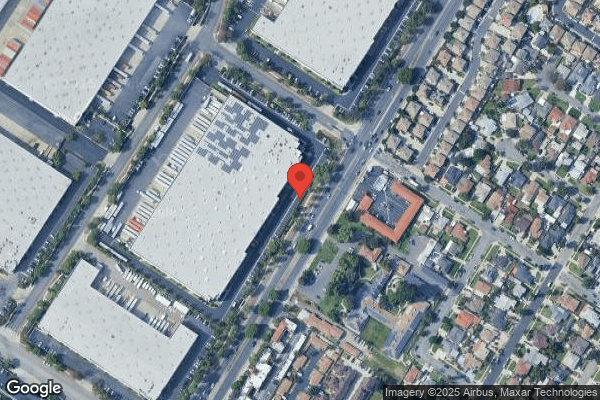
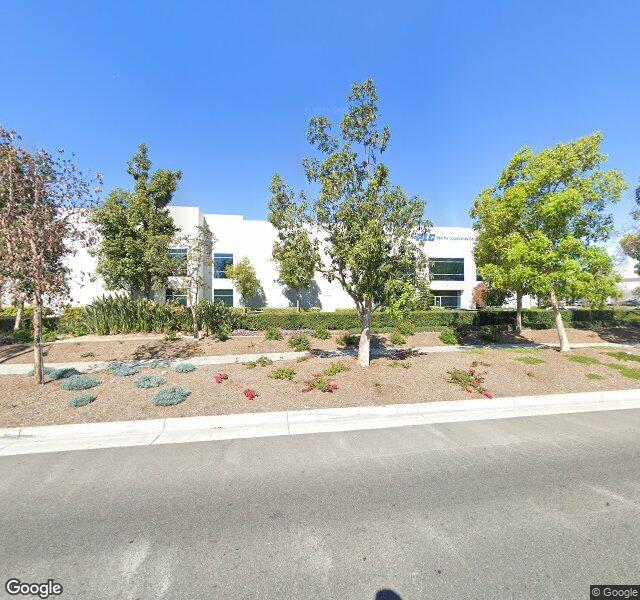
7246 S. ROSEMEAD BLVD., PICO RIVERA, CA 90660 (562) 949-2591
For profit - Limited Liability company 99 Beds Independent Data: November 2025 2 Immediate Jeopardy citations
Trust Grade
4/100
#1000 of 1155 in CA
Last Inspection: May 2025

Inspected within the last 6 months. Data reflects current conditions.

Overview

Colonial Gardens Nursing Home in Pico Rivera, California, has received a Trust Grade of F, indicating significant concerns about its quality of care. Ranked #1000 out of 1155 facilities in California, the home is in the bottom half of state options and is #287 out of 369 in Los Angeles County, meaning only a few local facilities are worse off. The facility's performance has been stable, with 34 issues reported consistently over the past two years, but it has a concerning history of fines totaling $83,477, which is higher than 89% of California facilities. While staffing has a decent rating of 3 out of 5 stars and a turnover rate of 29%, which is better than the state average, there is less RN coverage than 76% of state facilities, limiting oversight. Specific incidents include failures in infection control for multiple residents with suspected scabies and inadequate assessment of a resident's elopement risk, which eventually led to a resident going missing. Overall, families should weigh these serious deficiencies against the somewhat stable staffing situation when considering this home for their loved ones.

Trust Score
F
4/100
In California
#1000/1155
Bottom 14%
Safety Record
High Risk
Review needed
Inspections
Holding Steady
34 → 34 violations
Staff Stability
✓ Good
29% annual turnover. Excellent stability, 19 points below California's 48% average. Staff who stay learn residents' needs.
Penalties
⚠ Watch
$83,477 in fines. Higher than 86% of California facilities, suggesting repeated compliance issues.
Skilled Nurses
⚠ Watch
Each resident gets only 21 minutes of Registered Nurse (RN) attention daily — below average for California. Fewer RN minutes means fewer trained eyes watching for problems.
Violations
⚠ Watch
105 deficiencies on record. Higher than average. Multiple issues found across inspections.
★☆☆☆☆
1.0
Overall Rating
★★★☆☆
3.0
Staff Levels
★☆☆☆☆
1.0
Care Quality
★☆☆☆☆
1.0
Inspection Score
Stable
2024: 34 issues
2025: 34 issues

The Good

  • Low Staff Turnover (29%) · Staff stability means consistent care
  • Full Sprinkler Coverage · Fire safety systems throughout facility
  • No fines on record
  • Staff turnover is low (29%)

    19 points below California average of 48%

Facility shows strength in staff retention, fire safety.

The Bad

1-Star Overall Rating

Below California average (3.1)

Significant quality concerns identified by CMS

Federal Fines: $83,477

Well above median ($33,413)

Moderate penalties - review what triggered them

The Ugly 105 deficiencies on record

2 life-threatening 1 actual harm
Aug 2025 1 deficiency
CONCERN (D) 📢 Someone Reported This

A family member, employee, or ombudsman was alarmed enough to file a formal complaint

Potential for Harm - no one hurt, but risky conditions existed

Comprehensive Care Plan (Tag F0656)

Could have caused harm · This affected 1 resident

**NOTE- TERMS IN BRACKETS HAVE BEEN EDITED TO PROTECT CONFIDENTIALITY** Based on interview and record review, the facility failed to implement the Care Plan for one out of five sampled residents (Resi...

Read full inspector narrative →
**NOTE- TERMS IN BRACKETS HAVE BEEN EDITED TO PROTECT CONFIDENTIALITY** Based on interview and record review, the facility failed to implement the Care Plan for one out of five sampled residents (Resident 2), who had a diagnosis of schizoaffective disorder (a mental illness that can affect thoughts, mood, and behavior) and exhibited increased in behaviors.This failure had the potential to result in Resident 2 having ongoing behaviors which could lead to altercations that endanger himself, other residents, and staff at the facility.During a review of Resident 2's admission Record, the admission Record indicated Resident 2 was admitted to the facility on [DATE] and readmitted on [DATE]. The admission Record indicated Resident 2's diagnoses included schizoaffective disorder.During a review of Resident 2's Minimum Data Set ([MDS] a resident assessment tool), dated 7/21/2025, the MDS indicated Resident 2 had severe cognitive impairment (problems with the ability to think and reason). Resident 2's MDS indicated Resident 2 required supervision or touching assistance (Helper provides verbal cues and/or touching/steadying and/or contact guard assistance as resident completes activity) for Activities of Daily Living (ADLs) such as toileting and personal hygiene.During a review of Resident 2's Care Plan with a focus of Resident 2's potential for behavior problem related to diagnoses of schizoaffective disorder, bipolar type (mental health condition that involves experiencing both symptoms of psychosis (hallucinations [a perception of having seen, heard or touched something that wasn't actual there] and delusions [when a person can't tell what's real from what's imagined]) and mood episodes (such as mania and depression) manifested by mood swings from pleasant to irritable, angry outburst, delusional statements , dated 2/11/2024, the care plan indicated staff interventions included to monitor behavior episodes, document behavior and potential causes. The Care Plan interventions also indicated to notify the physician if it interferes with functioning and to intervene as necessary to protect the rights and safety of others. During a review of Resident 2's Medication Administration Record (MAR), dated 8/2025, the MAR indicated Resident 2 had two episodes of angry outbursts on 8/8/2025, 8/9/2025 and 8/10/2025 during the day shifts. The MAR indicated Resident 2 had episodes of delusional statements on the following dates during the day shifts: 2 episodes on 8/8/2025, 4 episodes on 8/9/2025, 4 episodes on 8/10/2025, 4 episodes on 8/11/25 and 4 episodes on 8/12/2025. The MAR also indicated Resident 2 had episodes of mood swings (from pleasant to irritable) on the following dates during the day shifts:3 episodes on 8/8/2025, 2 episodes on 8/9/2025, 3 episodes on 8/10/2025, 2 episodes on 8/11/2025 and 1 episode on 8/12/2025. During a review of Resident 2's SBAR ([Situation, Background, Assessment, Recommendation] a communication tool used by healthcare workers when there is a change of condition among residents) dated 8/13/2025, the SBAR indicated Resident 2 hit another resident because the resident called him (Resident 2) names. During a concurrent interview and record review on 8/15/2025 at 1:32 p.m., with Licensed Vocational Nurse (LVN) 4, Resident 2's care plan, dated 2/11/2024, MAR dated 08/2025, and progress notes dated 8/8/2025 to 8/12/2025 were reviewed. LVN 4 stated Resident 2 had increased behaviors such as episodes mood swings from 8/8/2025 to 8/12/2025 and an increase of angry outbursts from 8/9/2025 and 8/10/2025. LVN 4 stated there was no documentation to indicate what incidents occurred and what interventions were implemented to address the episodes of behaviors on 8/8/2025-8/12/2025 (prior to the resident-to-resident alteration on 8/13/2025). LVN 4 stated in addition to the number of episodes of the behavior Resident 2 exhibited, staff should have also documented the location, the behavior Resident 2 was exhibiting, and the endorsement to the following shift in the progress notes. During a concurrent interview and record review on 8/15/2025 at 2:24 p.m., with Registered Nurse (RN) 1, Resident 2's Care Plan dated 2/11/2024, and progress notes from 8/8/2025 to 8/12/2025 were reviewed. RN 1 stated if a resident exhibited behaviors, licensed nurses should document non-pharmacological (actions to treat a problem without using medication) and pharmacological (using medicine) interventions used and whether those interventions were effective. RN 1 stated this was important to prevent an incident from occurring because of a resident's increased behavior. RN 1 stated Resident 2's progress notes did not indicate what interventions were done during Resident 2's episodes of increased behaviors from 8/8/2025 to 8/12/2025.During a concurrent interview and record review on 8/15/2025 at 4:34 p.m., with the Director of Nursing (DON), Resident 2's care plan dated 2/11/2024 and progress notes dated 8/8/2025 to 8/12/2025 were reviewed. DON stated, staff should monitor and document when a resident exhibited behaviors and notify the physician if there was an increase in those behaviors. The DON also stated if the specific behaviors or incident were not documented, staff would not be able to target and prevent behaviors from recurring. During a review of facility's policy and procedure (P&P) titled, Care Plans, Comprehensive Person-Centered, dated 3/2022, the P&P indicated, A comprehensive, person-centered care plan that includes measurable objectives and timetables to meet the resident's physical, psychosocial, and functional needs is developed and implemented for each resident. The P&P also indicated, When possible, interventions address the underlying source.During a review of facility's P&P titled, Behavioral Assessment, Intervention and Monitoring, dated 3/2019, the P&P indicated, If the resident is being treated for altered behavior or mood, the Interdisciplinary Team (IDT) will seek and document any improvements or worsening in the individual's behavior, mood, and function.
Aug 2025 5 deficiencies
CONCERN (D) 📢 Someone Reported This

A family member, employee, or ombudsman was alarmed enough to file a formal complaint

Potential for Harm - no one hurt, but risky conditions existed

Report Alleged Abuse (Tag F0609)

Could have caused harm · This affected 1 resident

**NOTE- TERMS IN BRACKETS HAVE BEEN EDITED TO PROTECT CONFIDENTIALITY** This is a Repeat Deficiency at F609 from 6/24/2025 investigation. Based on interview and record review, the facility failed to r...

Read full inspector narrative →
**NOTE- TERMS IN BRACKETS HAVE BEEN EDITED TO PROTECT CONFIDENTIALITY** This is a Repeat Deficiency at F609 from 6/24/2025 investigation. Based on interview and record review, the facility failed to report abuse allegations to the State Agency (California Department of Public Health [CDPH]), the ombudsman (an advocate for residents of nursing homes), and local law enforcement for three of seven sampled residents (Residents 5, 6, and 7) when Certified Nursing Assistant (CNA) 5 allegedly was rough with Residents 5, 6 and 7. This repeat deficient practice of delayed notification to CDPH, the ombudsman, and law enforcement resulted in a delay of an onsite inspection and had the potential to result in abuse to all residents in the facility.During a review of the facility's Plan of Correction / In-Service Training titled, Reporting Alleged Violations, dated 6/25/2025 and 6/26/2025, presented by the Director of Staff Development (DSD), the In-Service indicated the Director of Nursing (DON), the Administrator (ADM), Certified Nursing Aide (CNA) 3, and CNA 4 were all educated to report any abuse allegations immediately and for up to two hours to the CDPH, the ombudsman, and law enforcement. Cross Reference F610Findings:a. During a review of Resident 7's admission Record (Face Sheet), the admission Record indicated Resident 7 was initially admitted to the facility on [DATE] and readmitted on [DATE] with diagnoses including encephalopathy (a medical condition where the brain does not function properly), schizoaffective disorder (a mental illness that can affect thoughts, mood, and behavior), and anxiety disorder (mental health condition characterized by excessive and persistent worry, fear, and nervousness about everyday situations). During a review of Resident 7's Minimum Data Set (MDS- a resident assessment tool), dated 7/25/2025, the MDS indicated Resident 7 had moderately impaired cognitive skills (problems with ability to remember, think, and use judgement) for daily decision making. The MDS indicated Resident 7 required supervision with eating, oral hygiene, and personal hygiene. During a review of the facility's Performance Improvement Plan - Abuse Investigation and Reporting dated 7/1/2025, the plan indicated the root cause was communication when an incident happened. The improvement plan indicated the goal was for staff to inform the Administrator and the DON promptly about any incidents, report any abuse allegations immediately to the three government agencies. The improvement plan indicated any grievances would be reported during the daily stand-up meeting for review and would be investigated and reported promptly. The improvement plan indicated to monitor this goal daily and monthly, to track and trend the grievances for possible abuse allegations, and to review the grievance reports. During a concurrent interview and record review on 8/6/2025 at 8:52 a.m., with the Director of Staff Development (DSD), Resident 7's Grievance / Complaint Report Form, dated 7/22/2025 was reviewed. The Grievance Form indicated that on 7/22/2025, Resident 7 reported to Social Services (SS) 1 that CNA 5 was slightly rough when trying to shave him. The DSD stated that on 7/22/2025, SS 1 notified him (SSD) of Resident 7's allegation against CNA 5 and the DSD immediately interviewed CNA 5 who stated, Resident 7 refused to be shaved because he wanted to go to the patio for a smoke break. The DSD stated he did not suspect abuse at the time and believed the incident to be a misunderstanding. The DSD stated shaving should not be an unpleasant experience and should be tailored to the residents' comfort. During an interview on 8/6/2025 at 9:09 a.m., SS 1 stated that on 7/22/2025, Resident 7 approached her in the hallway and informed her that CNA 5 was rough with him when CNA 5 shaved him. SS 1 stated she informed the DSD of the allegation but did not inform the Director of Nursing (DON) nor the Administrator (ADM). SS 1 stated any kind of roughness can be seen as a type of abuse due to shaving's physical nature of using a razor, using their hands to apply the shaving cream, and positioning the resident. SS 1 stated as a mandated reporter (an individual who is legally required to report suspected cases of abuse or neglect to the appropriate authorities), Resident 7's allegation should have been reported to the DON and the ADM and to CDPH, the ombudsman, and law enforcement. During an interview on 8/6/2025 at 10:40 a.m., the DSD stated even though he interviewed CNA 5, who stated the allegation was a misunderstanding, Resident 7's allegation should not have been discredited and should have been reported to the DON, the ADM, CDPH, the ombudsman, and law enforcement to allow investigations to be initiated. The DSD stated he did not implement his In-Service Lesson Plan into his own practice. The DSD stated an investigation was initiated and the allegation was found to be untrue. The DSD stated prior to an investigation, all abuse allegations should be reported to ensure a separate investigation from CDPH was done. During an interview on 8/6/2025 at 12:04 p.m., with the DON, the DON stated she was not made aware of Resident 7's allegation, on 7/22/2025, until 8/5/2025. The DON stated when SS 1 and DSD were made aware of Resident 7's allegation, the allegation should have been immediately reported to CDPH, the ombudsman, and law enforcement prior to the investigation taking place. b. During a review of Resident 5's admission Record, the admission Record indicated Resident 5 was initially admitted to the facility on [DATE] and readmitted on [DATE] with diagnoses including hepatic encephalopathy (a condition where the brain becomes impaired due to liver disease), schizophrenia (a mental illness that is characterized by disturbances in thought), and depression (a mood disorder that causes a persistent feeling of sadness and loss of interest).During a review of Resident 5's MDS, dated [DATE], the MDS indicated Resident 5's cognitive skills for daily decision making were moderately impaired and required supervision with oral hygiene, toileting, bathing, dressing, and personal hygiene.During a review of Resident 5's History and Physical (H&P), dated 7/8/2025, the H&P indicated Resident 5 did not have the mental capacity to understand and make decisions.During an interview on 8/5/2025 at 2:25 p.m. and 8/6/2025 at 9:14 a.m., CNA 3 stated that on an unknown date, she overhead Resident 5 telling an unknown staff member that CNA 5 was very rough while CNA 5 shaved him and roughly slapped shaving cream on his face. CNA 3 stated upon hearing the conversation, she immediately notified Licensed Vocational Nurse (LVN) 2. CNA 3 stated she did not report the abuse allegation to the DON nor the ADM, who were the abuse coordinators, because she was following the chain-of-command by reporting to the LVN and allow the LVN to report the abuse allegation to the abuse coordinators.During an interview on 8/5/2025 at 2:51 p.m., LVN 2 stated she was never made aware of Resident 5's abuse allegation against CNA 5.During an interview on 8/6/2025 at 11:59 a.m., the DON stated she and the ADM were not made aware of Resident 5's allegation against CNA 5 regarding rough handling during shaving. During an interview on 8/5/2025 at 2:29 p.m., CNA 4 stated Resident 5 approached him on an unknown date and Resident 5 stated to get him away from CNA 5 because CNA 5 was rough when he was shaved and was told CNA 5 was beating him. CNA 4 stated he reported the conversation to an unknown LVN who told him the allegation would be reported to the DON. During an interview on 8/6/2025 at 12:01 p.m., the DON stated she and the ADM were not made aware of Resident 5's allegation against CNA 5 regarding being beaten and handled roughly during shaving.c. During a review of Resident 6's admission Record, the admission Record indicated Resident 6 was initially admitted to the facility on [DATE] and readmitted on [DATE] with diagnoses that included metabolic encephalopathy (a condition where the brain does not work properly due to chemical imbalances in the body), depression, and schizoaffective disorder.During a review of Resident 6's MDS, dated [DATE], the MDS indicated Resident 6's cognition was severely impaired and was dependent on staff's assistance with toileting, bathing, and lower body dressing. During a review of Resident 6's H&P, dated 3/25/2025, the H&P indicated Resident 6 was unable to make healthcare decisions.During an interview on 8/5/2025 at 2:35 p.m., CNA 4 stated Resident 6 complained he was being rough housed by CNA 5. CNA 4 stated Resident 6 was unable to provide details to his allegation. CNA 4 stated after being notified of Resident 6's allegation, he notified an unknown LVN and was told the allegation would be reported to the DON. During an interview on 8/6/2025 at 10:27 a.m., the DSD stated the expectation of the staff was to report anything suspicious they see or hear. The DSD stated all staff were in-serviced on the types of abuse and how to report any abuse allegations to CDPH, the ombudsman, and law enforcement. The DSD stated any staff member who had knowledge of an abuse allegation were expected to follow the process to the end to ensure the line of communication was not broken. The DSD stated the CNAs who notified the LVNs on duty should have informed the DON and ADM to ensure CDPH, the ombudsman, and law enforcement were notified of Resident 5 and 6's abuse allegations. The DSD stated the facility was responsible for reporting all abuse allegations to the three agencies within two hours and any staff with knowledge of an abuse allegation should not go up the chain-of-command and assume the allegations would be reported. During an interview on 8/6/2025 at 11:55 a.m., the DON stated all staff members in the facility were mandated reporters and were expected to report all allegations to the DON and the ADM to ensure CDPH, the ombudsman, and law enforcement were notified. The DON stated reporting abuse allegations was a collaborative effort and the staff members with knowledge should ensure all parties were aware to ensure the allegation was reported within two hours. During a review of the facility's policy and procedure (P&P) titled, Abuse, Neglect, Exploitation or Misappropriation- Reporting and Investigating, revised 9/2022, the P&P indicated, All reports of resident abuse (including injuries of unknown origin), neglect, exploitation, or theft/misappropriation of resident property are reported to local, state, and federal agencies (as required by current regulations) and thoroughly investigated by facility management. The P&P indicated if resident abuse, neglect, exploitation, misappropriation of resident property, or injury of unknown origin was suspected, the administrator or the individual making the allegation was to report immediately, but not later than two hours if the alleged violation involved abuse or resulted in serious bodily injury; or twenty-four hours if the alleged violation did not involve abuse and had not resulted in serious bodily injury.
CONCERN (D) 📢 Someone Reported This

A family member, employee, or ombudsman was alarmed enough to file a formal complaint

Potential for Harm - no one hurt, but risky conditions existed

Investigate Abuse (Tag F0610)

Could have caused harm · This affected 1 resident

**NOTE- TERMS IN BRACKETS HAVE BEEN EDITED TO PROTECT CONFIDENTIALITY** This is a Repeat Deficiency at F610 from 6/24/2025 investigation. Based on interview and record review, the facility failed to t...

Read full inspector narrative →
**NOTE- TERMS IN BRACKETS HAVE BEEN EDITED TO PROTECT CONFIDENTIALITY** This is a Repeat Deficiency at F610 from 6/24/2025 investigation. Based on interview and record review, the facility failed to thoroughly investigate an allegation of abuse for one of seven sampled residents (Resident 7), when Resident 7 informed Social Services (SS) 1, on 7/22/2025, that Certified Nursing Assistant (CNA) 5 was rough during facial shaving. This deficient practice resulted in CNA 5 not being suspended pending the investigation of the allegation and placed Resident 7 and all the residents in the facility at risk for further potential abuse.Cross Reference F609Findings:During a review of Resident 7's admission Record (Face Sheet), the admission Record indicated Resident 7 was initially admitted to the facility on [DATE] and readmitted on [DATE] with diagnoses including encephalopathy (a medical condition where the brain does not function properly), schizoaffective disorder (a mental illness that can affect thoughts, mood, and behavior), and anxiety disorder (mental health condition characterized by excessive and persistent worry, fear, and nervousness about everyday situations).During a review of Resident 7's Minimum Data Set (MDS- a resident assessment tool), dated 7/25/2025, the MDS indicated Resident 7 had moderately impaired cognitive skills (problems with ability to remember, think, and use judgement) for daily decision making. The MDS indicated Resident 7 required supervision with eating, oral hygiene, and personal hygiene. During a review of the facility's Performance Improvement Plan - Abuse Investigation and Reporting dated 7/1/2025, the plan indicated the root cause was communication when an incident happened. The improvement plan indicated the goal was for staff to inform the Administrator and the DON promptly about any incidents, report any abuse allegations immediately to the three government agencies. The improvement plan indicated any grievances would be reported during the daily stand-up meeting for review and would be investigated and reported promptly. The improvement plan indicated to monitor this goal daily and monthly, to track and trend the grievances for possible abuse allegations, and to review the grievance reports. During a concurrent interview and record review on 8/6/2025 at 8:52 a.m., with the Director of Staff Development (DSD), Resident 7's Grievance / Complaint Report Form, dated 7/22/2025 was reviewed. The Grievance Form indicated that on 7/22/2025, Resident 7 reported to SS 1 that CNA 5 was slightly rough when trying to shave him. The DSD stated that on 7/22/2025, SS 1 notified him (SSD) of Resident 7's allegation against CNA 5 and the DSD immediately interviewed CNA 5 who stated, Resident 7 refused to be shaved because he wanted to go to the patio for a smoke break. The DSD stated he did not suspect abuse at the time and believed the incident to be a misunderstanding. The DSD stated shaving should not be an unpleasant experience and should be tailored to the residents' comfort. During an interview on 8/6/2025 at 9:09 a.m., SS 1 stated, on 7/22/2025, Resident 7 approached her in the hallway and informed her that CNA 5 was rough with him when CNA 5 shaved him. SS 1 stated she informed the DSD of the allegation but did not inform the Director of Nursing (DON) nor the Administrator (ADM). SS 1 stated any kind of roughness can be seen as a type of abuse due to shaving's physical nature of using a razor, using their hands to apply the shaving cream, and positioning the resident. SS 1 stated as a mandated reporter (an individual who is legally required to report suspected cases of abuse or neglect to the appropriate authorities), Resident 7's allegation should have been reported to the DON and the ADM for a thorough investigation to occur.During an interview on 8/6/2025 at 10:40 a.m., the DSD stated even though he interviewed CNA 5, who stated the allegation was a misunderstanding, Resident 7's allegation should not have been discredited and should have been reported to the DON and the ADM to allow investigations to be initiated. The DSD stated an investigation was initiated but should have been more thorough where other staff members and residents were interviewed, to determine if others were potentially affected by CNA 5. The DSD stated he did not implement his In-Service Lesson Plan into his own practice. The DSD stated that on 7/22/2025, CNA 5 was in-serviced on the proper way of shaving but was not suspended pending an investigation of Resident 7's allegation. The DSD stated CNA 5 should have been suspended on 7/22/2025 to ensure Resident 7's and all the residents' safety. During an interview on 8/6/2025 at 12:04 p.m., the DON stated she was not made aware of Resident 7's allegation, on 7/22/2025, until 8/5/2025. The DON stated when SS 1 and DSD were made aware of Resident 7's allegation, the allegation should have been immediately reported to her and the ADM to initiate a thorough investigation. The DON stated on 7/22/2025, CNA 5 should have been suspended while the investigation was ongoing. The DON stated other residents should have been interviewed to determine if there were other allegations of rough shaving. The DON stated allowing CNA 5 to continue to work after Resident 7's allegation not only placed Resident 7 at risk for further potential abuse, it placed all residents in the facility at risk for potential abuse. The DON stated a thorough investigation was necessary to determine whether the allegation was true and if disciplinary action was needed. During a review of the facility's policy and procedure (P&P) titled, Abuse, Neglect, Exploitation or Misappropriation- Reporting and Investigating, revised 9/2022, the P&P indicated, Upon receiving any allegation of abuse, neglect, exploitation, misappropriation of resident property or injury of unknown source, the administrator is responsible for determining what actions (if any) are needed for protection of residents. The P&P indicated all allegations were thoroughly investigated by the administrator or designee. The P&P indicated, Any employee who has been accused of resident abuse is placed on leave with no resident contact until the investigation is complete.
CONCERN (D) 📢 Someone Reported This

A family member, employee, or ombudsman was alarmed enough to file a formal complaint

Potential for Harm - no one hurt, but risky conditions existed

Deficiency F0657 (Tag F0657)

Could have caused harm · This affected 1 resident

**NOTE- TERMS IN BRACKETS HAVE BEEN EDITED TO PROTECT CONFIDENTIALITY** Based on observation, interview, and record review, the facility failed to ensure one of seven sampled resident (Resident 4's) c...

Read full inspector narrative →
**NOTE- TERMS IN BRACKETS HAVE BEEN EDITED TO PROTECT CONFIDENTIALITY** Based on observation, interview, and record review, the facility failed to ensure one of seven sampled resident (Resident 4's) care plan was reviewed and revised with updated interventions to address Resident 4's behavior of pocketing medications. This deficient practice resulted in Resident 4 having medication in his possession without staff knowledge and an increased risk for adverse medication reactions. Cross Reference F755.Findings:During a review of Resident 4's admission Record, the admission Record indicated Resident 4 was initially admitted to the facility on [DATE] and readmitted on [DATE] with diagnoses including paranoid schizophrenia (a subtype of schizophrenia with prominent delusions and hallucinations often involving false beliefs of being watched or targeted), and anxiety disorder (feeling of fear, dread and uneasiness that can be a normal reaction to stress). During a review of Resident 4's care plan titled, Behavior Problem, revised 6/13/2025, the care plan indicated Resident 4 had a behavior problem related to spitting medications and the interventions indicated to administer medications as ordered. Further review of the care plan indicated there were no specific interventions on how to properly administer Resident 4's medications. During a review of Resident 4's Minimum Data Set (MDS- a resident assessment tool), dated 6/30/2025, the MDS indicated Resident 4 had moderately impaired cognition (problems with memory, thinking, and using judgement), had hallucinations (perceptual experiences in the absence of real external sensory stimuli), and delusions (misconceptions or beliefs that are firmly held, contrary to reality). The MDS indicated Resident 4 required moderate assistance (helper does less than half the effort) with toileting, bathing, and dressing. The MDS indicated Resident 4 received antipsychotic medication (a class of medicines used to treat severe mental disorders and behaviors in which thought, and emotions are so impaired that contact is lost with external reality). During a review of the Physician's Order Summary Report dated 6/24/2025, the Summary Report indicated Resident 4 to receive Klonopin (medication used to treat anxiety) 0.5 milligrams (mg, a unit of measurement), once a day, for anxiety manifested by constant yelling and verbal aggression. The Order Summary Report indicated Resident 4 to receive Risperdal 4 mg, twice a day for paranoid schizophrenia manifested by delusions, disorganized or incoherent speaking, and unusual movement and pacing.During a review of Resident 4's Medication Administration Record (MAR) dated 8/5/2025, the MAR indicated Resident 4's Klonopin and Risperdal were administered at 8 a.m. During a concurrent observation and interview on 8/5/2025 at 2:40 p.m. with Resident 4 in the hallway, Resident 4 approached the State Surveyor and revealed a green pill pressed with zc78 and a yellow pill pressed with 0.5 in his hand. Resident 4 stated not to tell any of the nurses. Resident 4 stated that on an unknown date, the medications fell to the floor, and he kept them. During a concurrent observation and interview on 8/5/2025 at 3:24 p.m. with Licensed Vocational Nurse (LVN) 3 at LVN 3's medication cart, LVN 3 was approached by the State Surveyor and was handed the green pill pressed with zc78 and a yellow pill pressed with 0.5 received from Resident 4. LVN 3 compared the yellow pill to Resident 4's Klonopin bubble pack (a type of packaging where small items are held in a plastic bubble or dome, which is then sealed to a cardboard backing) and the green pill to Resident 4's Risperdal bubble pack. LVN 3 stated the medications matched Resident 4's prescribed Klonopin and Risperdal. LVN 3 stated Resident 4 had the tendency to pocket medication (placing medication between the cheek and gums of the mouth rather than swallowing) when administered medication. LVN 3 stated since Resident 4 had a dose of Klonopin and Risperdal in his pocket, Resident 4 did not receive the full dose of his medications. During an interview on 8/5/2025 at 3:41 p.m., when asked about Resident 4's Behavior Problem Care Plan, LVN 3 stated the care plan did not have specific interventions on how to properly administer Resident 4's medications. LVN 3 stated the interventions should have indicated to prepare all medications and supplies, observe Resident 4 take all medications into his mouth, drink water, have Resident 4 open his mouth to check underneath his tongue and cheeks, and check Resident 4's hands and pockets. LVN 3 stated care plans were a communication tool to all staff regarding Resident 4's behaviors and instruction on how to properly care for him. During an interview on 8/6/2025 at 11:53 a.m., the Director of Nursing (DON) stated Resident 4's care plans were a tool to communicate actual or potential problems and to refer to how to properly care for him. The DON stated Resident 4's care plan should have been revised to indicate personalized interventions such as observing Resident 4 swallow all his medications, to open his mouth to check for pocketing, and to check his hands and surrounding areas for any medications that could have been spit out. The DON stated by not including personalized interventions in Resident 4's care plan, the facility was not addressing his behavior of spitting out medications which could result in the continuation of the behavior. During a review of the facility's policy and procedure (P&P) titled, Care Plans, Comprehensive Person-Centered, revised 3/2022, the P&P indicated A comprehensive, person-centered care plan that includes measurable objectives and timetables to meet the resident's physical, psychosocial, and functional needs is developed and implemented for each resident. The P&P indicated, When possible, interventions address the underlying source(s) of the problem area(s), not just symptoms or triggers. Assessments of residents are ongoing and care plans are revised as information about the residents' conditions change.
CONCERN (D) 📢 Someone Reported This

A family member, employee, or ombudsman was alarmed enough to file a formal complaint

Potential for Harm - no one hurt, but risky conditions existed

Pharmacy Services (Tag F0755)

Could have caused harm · This affected 1 resident

**NOTE- TERMS IN BRACKETS HAVE BEEN EDITED TO PROTECT CONFIDENTIALITY** Based on observation, interview, and record review, the facility failed to ensure medications were administered to meet the need...

Read full inspector narrative →
**NOTE- TERMS IN BRACKETS HAVE BEEN EDITED TO PROTECT CONFIDENTIALITY** Based on observation, interview, and record review, the facility failed to ensure medications were administered to meet the needs of each resident and in accordance with professional standards of practice for one of seven sampled residents (Resident 4). Resident 4 was observed with two medications in hand, without staff knowledge. This deficient practice resulted in Resident 4 not receiving the correct dose of medication, and the potential for other residents to receive medications not prescribed to them.Cross Reference F657Findings:During a review of Resident 4's admission Record, the admission record indicated Resident 4 was readmitted to the facility on [DATE] with diagnoses including paranoid schizophrenia (a subtype of schizophrenia with prominent delusions and hallucinations often involving false beliefs of being watched or targeted) and anxiety disorder (feeling of fear, dread and uneasiness that can be a normal reaction to stress). During a review of Resident 4's Minimum Data Set (MDS- a resident assessment tool), dated 6/30/2025, the MDS indicated Resident 4 had moderately impaired cognition (problems with memory, thinking, and using judgement), had hallucinations (perceptual experiences in the absence of real external sensory stimuli), and delusions (misconceptions or beliefs that are firmly held, contrary to reality). The MDS indicated Resident 4 required moderate assistance (helper does less than half the effort) with toileting, bathing, and dressing. The MDS indicated Resident 4 received antipsychotic medication (a class of medicines used to treat severe mental disorders and behaviors in which thought, and emotions are so impaired that contact is lost with external reality).During a review of the Physician's Order Summary Report dated 6/24/2025, the Summary Report indicated Resident 4 to receive Klonopin (medication used to treat anxiety) 0.5 milligrams (mg, a unit of measurement), once a day, for anxiety manifested by constant yelling and verbal aggression. The Order Summary Report indicated Resident 4 to receive Risperdal 4 mg, twice a day for paranoid schizophrenia manifested by delusions, disorganized or incoherent speaking, and unusual movement and pacing.During a review of Resident 4's Medication Administration Record (MAR) dated 8/5/2025, the MAR indicated Resident 4's Klonopin and Risperdal were administered at 8 a.m. During a concurrent observation and interview on 8/5/2025 at 2:40 p.m. with Resident 4 in the hallway, Resident 4 approached the State Surveyor and revealed a green pill pressed with zc78 and a yellow pill pressed with 0.5 in his hand. Resident 4 stated not to tell any of the nurses. Resident 4 stated that on an unknown date, the medications fell to the floor, and he kept them. During a concurrent observation and interview on 8/5/2025 at 3:24 p.m. with Licensed Vocational Nurse (LVN) 3 at LVN 3's medication cart, LVN 3 was approached by the State Surveyor and was handed the green pill pressed with zc78 and a yellow pill pressed with 0.5 received from Resident 4. LVN 3 compared the yellow pill to Resident 4's Klonopin bubble pack (a type of packaging where small items are held in a plastic bubble or dome, which is then sealed to a cardboard backing) and the green pill to Resident 4's Risperdal bubble pack. LVN 3 stated the medications matched Resident 4's prescribed Klonopin and Risperdal. LVN 3 stated Resident 4 had the tendency to pocket medication (placing medication between the cheek and gums of the mouth rather than swallowing) when administered medication. LVN 3 stated since Resident 4 had a dose of Klonopin and Risperdal in his pocket, Resident 4 did not receive the full dose of his medications. During an interview on 8/6/2025 at 11:47 a.m., the Director of Nursing (DON) stated the licensed nurses administering medications were responsible for observing Resident 4 swallow each pill before moving on to the next resident. The DON stated ensuring Resident 4 swallowed his medications ensured Resident 4 took the ordered dose. The DON stated taking the full dose was essential to treat the specific behaviors Resident 4 exhibited. The DON stated because Resident 4 had a dose of Klonopin and Risperdal in his pocket, not only was Resident 4 at risk of taking an additional dose on another day, but other residents were also at risk. The DON stated Resident 4 could have given the Klonopin and Risperdal to another resident and they could be at risk of adverse reactions and interactions with their medications. During a review of the facility's policy and procedure (P&P) titled, Administering Medications, revised 4/2019, the P&P indicated Medications are administered in a safe and timely manner, and as prescribed.
CONCERN (D) 📢 Someone Reported This

A family member, employee, or ombudsman was alarmed enough to file a formal complaint

Potential for Harm - no one hurt, but risky conditions existed

QAPI Program (Tag F0867)

Could have caused harm · This affected 1 resident

Based on interview and record review, the facility failed to ensure the Quality Assurance and Performance Improvement (QAPI) Committee / Quality Assessment and Assurance (QAA) implemented action plans...

Read full inspector narrative →
Based on interview and record review, the facility failed to ensure the Quality Assurance and Performance Improvement (QAPI) Committee / Quality Assessment and Assurance (QAA) implemented action plans to correct previously identified abuse allegation deficiencies from June 2025. This repeat deficient practice caused an increased risk in the safety and dignity of the residents of the facility. Findings: During a review of the facility's Plan of Correction from a previous abuse deficiency dated June 2025 and the In-Service Training titled, Reporting Alleged Violations, dated 6/25 and 6/26/2025, presented by the Director of Staff Development (DSD), the In-Service indicated the Director of Nursing (DON), the Administrator (ADM), Certified Nursing Aide (CNA) 3, and CNA 4 were all educated to report any abuse allegations immediately and for up to two hours to the CDPH, the ombudsman, and law enforcement. During a review of the facility's Performance Improvement Plan - Abuse Investigation and Reporting dated 7/1/2025, the plan indicated the root cause was communication when an incident happened. The improvement plan indicated the goal was for staff to inform the ADM and the DON promptly about any incidents and report any abuse allegations immediately to the three government agencies. The improvement plan indicated any resident grievances would be reported during the daily stand-up meeting for review and would be investigated and reported promptly. The improvement plan indicated to monitor this goal daily and monthly, to track and trend the grievances for possible abuse allegations, and to review the grievance reports. During a concurrent interview and record review on 8/6/2025 at 8:52 a.m., with the DSD, Resident 7's Grievance / Complaint Report Form, dated 7/22/2025 was reviewed. The Grievance Form indicated that on 7/22/2025, Resident 7 reported to Social Services (SS) 1 that CNA 5 was slightly rough when trying to shave him. The DSD stated that on 7/22/2025, SS 1 notified him (SSD) of Resident 7's allegation against CNA 5 and the DSD immediately interviewed CNA 5 who stated, Resident 7 refused to be shaved because he wanted to go to the patio for a smoke break. The DSD stated he did not suspect abuse at the time and believed the incident to be a misunderstanding. During an interview on 8/6/2025 at 12:01 p.m., the DON stated she and the ADM were not made aware of Resident 5's allegation against CNA 5 regarding being beaten and handled roughly during shaving. During an interview on 8/6/2025 at 12:04 p.m., the DON stated she was not made aware of Resident 7's allegation, on 7/22/2025, until 8/5/2025. The DON stated when SS 1 and DSD were made aware of Resident 7's allegation, the allegation should have been immediately reported to CDPH, the ombudsman, and law enforcement prior to the investigation taking place.
Jun 2025 4 deficiencies
CONCERN (D) 📢 Someone Reported This

A family member, employee, or ombudsman was alarmed enough to file a formal complaint

Potential for Harm - no one hurt, but risky conditions existed

Notification of Changes (Tag F0580)

Could have caused harm · This affected 1 resident

**NOTE- TERMS IN BRACKETS HAVE BEEN EDITED TO PROTECT CONFIDENTIALITY** Based on interview and record review, the facility failed to inform one of three sampled residents' (Resident 1) physician of th...

Read full inspector narrative →
**NOTE- TERMS IN BRACKETS HAVE BEEN EDITED TO PROTECT CONFIDENTIALITY** Based on interview and record review, the facility failed to inform one of three sampled residents' (Resident 1) physician of the resident's Responsible Party's (RP 1) decision to not have a Computed Tomography (CT- a medical imaging procedure to create detailed images of the head) done after Resident 1 was found to have discoloration on his forehead. This deficient practice resulted in Physician 1 being unaware of RP 1's decision which resulted in no further ordered interventions. Findings: During a review of Resident 1's admission Record (Face Sheet), the admission Record indicated Resident 1 was initially admitted to the facility on [DATE] and readmitted on [DATE] with diagnoses that included metabolic encephalopathy (condition when the brain's function is impaired due to a chemical imbalance in the body), depression (a mood disorder that causes a persistent feeling of sadness and loss of interest), and generalized muscle weakness. During a review of Resident 1's Minimum Data Set (MDS- a resident assessment tool), dated 6/9/2025, the MDS indicated Resident 1's cognitive skills (process of thinking) for daily decision making was severely impaired. The MDS indicated Resident 1 required moderate assistance (helper does less than half the effort) with bathing, upper body dressing, and personal hygiene. During a review of Resident 1's History and Physical (H&P), dated 2/7/2025, the H&P indicated Resident 1 did not have the capacity to understand and make decisions. During a review of Resident 1's situation, background, assessment, recommendation (SBAR -a communication tool used by healthcare workers when there is a change of condition among the residents) form, dated 6/4/2025, the SBAR indicated the certified nursing assistant (CNA) reported to the licensed vocational nurse (LVN) of a discoloration on Resident 1's right side of the forehead. The SBAR indicated Physician 1 was notified and Physician 1 ordered to monitor Resident 1 each shift and to ask RP 1 if she wanted a head CT done. The SBAR indicated RP 1 was called three times and a voicemail was left. During an interview on 6/24/2025 at 12:35 p.m., with Licensed Vocational Nurse (LVN) 2, LVN 2 stated on 6/4/2025, LVN 2 spoke to RP 1 regarding the head CT. LVN 2 stated RP 1 declined the head CT. LVN 2 stated she did not recall informing Physician 1 about RP 1's decision. LVN 2 stated RP 1's decision should have been relayed to Physician 1 to allow Physician 1 to order further interventions. During an interview on 6/24/2025 at 3:40 p.m. with the Director of Nursing (DON), the DON stated Physician 1 should have been notified of RP 1's declination of Resident 1's head CT. The DON stated informing Physician 1 would provide Physician 1 to recommend other interventions or monitoring for Resident 1. The DON stated without informing Physician 1, the nurses would not receive new orders that could be beneficial to treat and monitor Resident 1's forehead discoloration. During a review of the facility's Policy and Procedure (P&P) titled, Change in a Resident's Condition or Status, revised 2/2021, the P&P indicated the facility will promptly notify the resident's physician of changes in the resident's medical condition and/or status.
CONCERN (D) 📢 Someone Reported This

A family member, employee, or ombudsman was alarmed enough to file a formal complaint

Potential for Harm - no one hurt, but risky conditions existed

Report Alleged Abuse (Tag F0609)

Could have caused harm · This affected 1 resident

**NOTE- TERMS IN BRACKETS HAVE BEEN EDITED TO PROTECT CONFIDENTIALITY** Based on interview and record review, the facility failed to report an injury of unknown origin to the State Agency (California ...

Read full inspector narrative →
**NOTE- TERMS IN BRACKETS HAVE BEEN EDITED TO PROTECT CONFIDENTIALITY** Based on interview and record review, the facility failed to report an injury of unknown origin to the State Agency (California Department of Public Health [CDPH]), the ombudsman (an advocate for residents of nursing homes, board and care centers, and assisted living facilities), and local law enforcement for one of three sampled residents (Resident 1) when Resident 1 was found to have discoloration on the right side of his forehead. This deficient practice of delayed notification to CDPH, the ombudsman, and law enforcement resulted in a delay of an onsite inspection. This deficient practice had the potential to result in further injury to Resident 1. Cross Reference F610. Findings: During a review of Resident 1's admission Record (Face Sheet), the admission Record indicated Resident 1 was initially admitted to the facility on [DATE] and readmitted on [DATE] with diagnoses that included metabolic encephalopathy (condition when the brain's function is impaired due to a chemical imbalance in the body), depression (a mood disorder that causes a persistent feeling of sadness and loss of interest), and generalized muscle weakness. During a review of Resident 1's Minimum Data Set (MDS- a resident assessment tool), dated 6/9/2025, the MDS indicated Resident 1's cognitive skills (process of thinking) for daily decision making was severely impaired. The MDS indicated Resident 1 required moderate assistance (helper does less than half the effort) with bathing, upper body dressing, and personal hygiene. During a review of Resident 1's History and Physical (H&P), dated 2/7/2025, the H&P indicated Resident 1 did not have the capacity to understand and make decisions. During a review of Resident 1's situation, background, assessment, recommendation (SBAR -a communication tool used by healthcare workers when there is a change of condition among the residents) form, dated 6/4/2025, the SBAR indicated the certified nursing assistant (CNA) reported to the licensed vocational nurse (LVN) of a discoloration on Resident 1's right side of the forehead. During an interview on 6/24/2025 at 12:35 p.m. with (LVN) 2, LVN 2 stated on 6/4/2025, a CNA (unable to recall) informed her of Resident 1's discoloration to the right side of his forehead. LVN 2 stated she did not know the origin of the discoloration. LVN 2 stated she was unable to recall if the Director of Nursing (DON) or the Administrator (ADM) were informed. LVN 2 stated a discoloration on the forehead was considered a type of injury. LVN 2 stated an injury of unknown origin was defined as an injury that could have come from anywhere, but the actual cause was unknown. LVN 2 stated with an injury of unknown origin, there was the concern the injury was inflicted by another person, which would be seen as physical abuse. LVN 2 stated Resident 1's discoloration on his forehead should have been reported to the ADM and the DON to allow them to jump into their roles to investigate and report to the appropriate agencies such as CDPH, the ombudsman, and the police. During an interview on 6/24/2025 at 1:26 p.m. with Registered Nurse (RN) 1, RN 1 stated when an injury of unknown origin occurred, the source of the injury had to be reported. RN 1 stated Resident 1's discoloration on his forehead was considered an injury and due to the nursing staff being unable to determine its cause, the injury was from an unknown origin. RN 1 stated once there was knowledge of the injury, the DON and ADM should have been notified so they could report to the necessary agencies and to initiate an investigation to determine if the resident was abused. During an interview on 6/24/2025 at 3:17 p.m. with the DON, the DON stated injuries of unknown injury had to be reported to the ADM and to CDPH, the police, and the ombudsman to begin the process of investigating the cause and to try to prevent it from occurring again. The DON stated reporting injuries of unknown origin was essential to keep Resident 1 safe. The DON stated the incident was not reported because they did not think of the possibility of another individual hitting Resident 1 on the forehead. During an interview on 6/24/2025 at 4 p.m. with the ADM, the ADM stated the purpose of reporting allegations of abuse and injuries of unknown origin was to investigate the cause and to determine if abuse occurred. The ADM stated injuries of unknown origin were to be reported to the appropriate agencies such as CDPH, the ombudsman, and the police. The ADM stated he did not recall if he was informed of the discoloration on 6/4/2025, however, he did see Resident 1 five days later, on 6/9/2025. The ADM stated when he saw Resident 1 on 6/9/2025, he did not see a bump or any discoloration on Resident 1's forehead, therefore did not report it. During a review of the facility's policy and procedure (P&P) titled, Abuse Investigation and Reporting, revised 7/2017, the P&P indicated, All alleged violations involving abuse, neglect, exploitation, or mistreatment, including injuries of unknown source and misappropriation of property will be reported by the facility Administrator, or his/her designee, to the following persons or agencies: a. The State licensing/certification agency responsible for surveying/licensing the facility; b. The local/State Ombudsman; c. The Resident's Representative (Sponsor) of Record; d. Adult Protective Services (where state law provides jurisdiction in long-term care); e. Law enforcement officials; f. The resident's Attending Physician; and g. the facility Medical Director. An alleged violation of abuse, neglect, exploitation (including injuries of unknown source and misappropriation of resident property) will be reported immediately, but not later than: a. Two hours if the alleged violation involves abuse or has resulted in serious bodily injury; or b. Twenty-four hours if the alleged violation does not involve abuse and has not resulted in serious bodily injury.
CONCERN (D) 📢 Someone Reported This

A family member, employee, or ombudsman was alarmed enough to file a formal complaint

Potential for Harm - no one hurt, but risky conditions existed

Investigate Abuse (Tag F0610)

Could have caused harm · This affected 1 resident

**NOTE- TERMS IN BRACKETS HAVE BEEN EDITED TO PROTECT CONFIDENTIALITY** Based on interview and record review, the facility failed to thoroughly investigate an injury of unknown origin for one of three...

Read full inspector narrative →
**NOTE- TERMS IN BRACKETS HAVE BEEN EDITED TO PROTECT CONFIDENTIALITY** Based on interview and record review, the facility failed to thoroughly investigate an injury of unknown origin for one of three sampled residents (Resident 1) when Resident 1 was found to have discoloration on the right side of his forehead. This deficient practice resulted in the facility being unaware of the cause of Resident 1's injury. Cross Reference F609. Findings: During a review of Resident 1's admission Record (Face Sheet), the admission Record indicated Resident 1 was initially admitted to the facility on [DATE] and readmitted on [DATE] with diagnoses that included metabolic encephalopathy (condition when the brain's function is impaired due to a chemical imbalance in the body), depression (a mood disorder that causes a persistent feeling of sadness and loss of interest), and generalized muscle weakness. During a review of Resident 1's Minimum Data Set (MDS- a resident assessment tool), dated 6/9/2025, the MDS indicated Resident 1's cognitive skills (process of thinking) for daily decision making was severely impaired. The MDS indicated Resident 1 required moderate assistance (helper does less than half the effort) with bathing, upper body dressing, and personal hygiene. During a review of Resident 1's History and Physical (H&P), dated 2/7/2025, the H&P indicated Resident 1 did not have the capacity to understand and make decisions. During a review of Resident 1's situation, background, assessment, recommendation (SBAR -a communication tool used by healthcare workers when there is a change of condition among the residents) form, dated 6/4/2025, the SBAR indicated the certified nursing assistant (CNA) reported to the licensed vocational nurse (LVN) of discoloration on Resident 1's right side of the forehead. During an interview on 6/24/2025 at 12:35 p.m. with Licensed Vocational Nurse (LVN) 2, LVN 2 stated on 6/4/2025 , a CNA (unable to recall) informed her of Resident 1's discoloration to the right side of his forehead. LVN 2 stated she did not know the origin of the discoloration. LVN 2 stated she was unable to recall if the Director of Nursing (DON) or the Administrator (ADM) were informed. LVN 2 stated a discoloration on the forehead was considered a type of injury. LVN 2 stated Resident 1's discoloration on his forehead should have been reported to the ADM and the DON to allow them to jump into their roles to investigate the cause of the injury. During an interview on 6/24/2025 at 1:26 p.m. with Registered Nurse (RN) 1, RN 1 stated when an injury of unknown origin occurred, the source of the injury had to be reported to the DON and the ADM. RN 1 stated the DON and the ADM were responsible for initiating an investigation to determine if the resident was abused or to determine other causes of the discoloration on Resident 1's forehead. During an interview on 6/24/2025 at 3:17 p.m. with the DON, the DON stated a discoloration on the forehead was an example of an injury that required an investigation. The DON stated upon interviewing the nurses who cared for Resident 1, the cause of the discoloration was unknown. The DON stated she interviewed the nurses and asked whether the resident fell or had episodes of combativeness. The DON stated she did not investigate whether Resident 1 was hit by another resident or staff member. The DON stated by not conducting a thorough investigation in all possibilities, Resident 1 and other residents were at risk for further potential abuse. During an interview on 6/24/2025 at 4 p.m. with the ADM, the ADM stated the purpose of reporting allegations of abuse and injuries of unknown origin was to investigate the cause and to determine if abuse occurred. The ADM stated he did not recall if he was informed of the discoloration on 6/4/2025, however, he did see Resident 1 five days later, on 6/9/2025. The ADM stated when he saw Resident 1 on 6/9/2025, he did not see a bump or any discoloration on Resident 1's forehead and did not believe the discoloration on Resident 1's forehead was from abuse. The ADM stated he did not conduct a formal investigation regarding Resident 1's forehead discoloration and only asked the nurses if Resident 1 fell or if any of the nurses witnessed any other unusual occurrences. During a review of the facility's policy and procedure (P&P) titled, Abuse Investigation and Reporting, revised 7/2017, the P&P indicated all reports of resident abuse, neglect, exploitation, misappropriation of resident property, mistreatment and/or injuries of unknown source (abuse) would be thoroughly investigated by the facility management.
CONCERN (D) 📢 Someone Reported This

A family member, employee, or ombudsman was alarmed enough to file a formal complaint

Potential for Harm - no one hurt, but risky conditions existed

Accident Prevention (Tag F0689)

Could have caused harm · This affected 1 resident

**NOTE- TERMS IN BRACKETS HAVE BEEN EDITED TO PROTECT CONFIDENTIALITY** Based on interview and record review, the facility failed to ensure one of three sampled residents (Resident 1) was free of acci...

Read full inspector narrative →
**NOTE- TERMS IN BRACKETS HAVE BEEN EDITED TO PROTECT CONFIDENTIALITY** Based on interview and record review, the facility failed to ensure one of three sampled residents (Resident 1) was free of accidents and hazards after falling on 4/10/2025 by failing to: 1. Complete Resident 1's 72-Hour Neurological Check (Neuro Check- series of tests over a 72-hour period to assess for changes in neurological function). 2. Complete Resident 1's post-fall Fall Risk Assessment. 3. Compete the documentation for the Interdisciplinary Team (IDT, a group of healthcare professionals with various areas of expertise who work together towards the goals of the residents) meeting on 4/11/2025. These deficient practices had the potential to result in Resident 1 sustaining undetected neurological changes which could have resulted in delay in treatment. These deficient practices also had the potential to result in the risks and root cause of Resident 1's fall to be unaddressed which increases the potential for reoccurrence of further falls and injury. Findings: During a review of Resident 1's admission Record (Face Sheet), the admission Record indicated Resident 1 was initially admitted to the facility on [DATE] and readmitted on [DATE] with diagnoses that included metabolic encephalopathy (condition when the brain's function is impaired due to a chemical imbalance in the body), depression (a mood disorder that causes a persistent feeling of sadness and loss of interest), and generalized muscle weakness. During a review of Resident 1's Minimum Data Set (MDS- a resident assessment tool), dated 6/9/2025, the MDS indicated Resident 1's cognitive skills (process of thinking) for daily decision making was severely impaired. The MDS indicated Resident 1 required moderate assistance (helper does less than half the effort) with bathing, upper body dressing, and personal hygiene. During a review of Resident 1's History and Physical (H&P), dated 2/7/2025, the H&P indicated Resident 1 did not have the capacity to understand and make decisions. During a review of Resident 1's Fall Risk Assessment, dated 4/9/2025, the Fall Risk Assessment indicated Resident 1 was a high risk for falls. During a review of Resident 1's situation, background, assessment, recommendation (SBAR -a communication tool used by healthcare workers when there is a change of condition among the residents) form, dated 4/10/2025, the SBAR indicated on 4/10/2025 Resident 1 stood up from his wheelchair, attempted to walk and fell to the ground. 1. During a review of Resident 1's Care Plan titled, Actual Fall, revised 4/10/2025, the Care Plan indicated staff interventions to conduct neuro-checks. During a concurrent interview and record review on 6/24/2025 at 2:18 p.m., with Licensed Vocational Nurse (LVN) 1, Resident 1's 72 Hour Neuro-Check List, dated 4/10/2025 through 4/13/2025, was reviewed. LVN 1 stated Resident 1's 72 Hour Neuro Check List was not completed because there were empty entries on the following dates and times: 4/10/2025 at 6 p.m., 4/10/2025 at 8 p.m., 4/10/2025 at 10 p.m., 4/12/2025 at 6 a.m., 4/12/2025 at 2 p.m., 4/13/2025 at 6 a.m., and 4/13/2025 at 2 p.m. LVN 1 stated the purpose of neuro checks after a fall was to quickly identify any changes in Resident 1's level of consciousness (degree of an individual's awareness and responsiveness), vital signs, pupil size, and hand grip strength. LVN 1 stated conducting the assessments at the indicated time frequencies would show Resident 1's baseline (initial measurement) and any trends in decline. LVN 1 stated missed neuro check assessments put Resident 1 at risk of sustaining an undetected neurological change and would cause a delay in interventions and treatment. During an interview on 6/24/2025 at 3:23 p.m., with the Director of Nursing (DON), the DON stated neuro checks were essential to assess Resident 1's mental status and to intervene immediately at the first sign of a decline. The DON stated when the licensed nurses did not complete Resident 1's neuro check after he fell, Resident 1 was at risk of having a change of condition that was not immediately detected which could have delayed the necessary interventions. During a review of the facility's Policy and Procedure (P&P) titled, Neurological Assessment (Routine), undated, the P&P indicated, Routine neurological assessment is conducted to evaluate the resident for small changes over time that may be indicative of a neurological injury. 2. During an interview on 6/24/2025 at 2:13 p.m., with LVN 1, LVN 1 stated after a fall, the licensed nurse was responsible for completing a fall-risk assessment. LVN 1 stated Resident 1 had a fall-risk assessment completed on 4/9/2025, but did not have one completed after he fell on 4/10/2025. LVN 1 stated the purpose of the fall-risk assessment was to identify the potential risks and hazards that would increase Resident 1's risk for falls. LVN 1 stated the fall-risk assessment would allow the Interdisciplinary Team (IDT, a group of healthcare professionals with various areas of expertise who work together towards the goals of the residents) to determine the appropriate interventions to prevent further falls and potential injuries. LVN 1 stated without a post-fall fall-risk assessment, Resident 1 was at risk of not having the appropriate interventions in place and could have another fall that results in an injury. During an interview on 6/24/2025 at 3:20 p.m., with the DON, the DON stated a fall-risk assessment was conducted after a fall to assist in creating a patient-centered plan of care and to address any risk factors the resident had. The DON stated Resident 1 did not have a fall-risk assessment done after his fall on 4/10/2025 which unnecessarily increased his risk for falls because of the lack of evaluation of Resident 1's risk factors. During a review of the facility's P&P titled, Falls, revised 3/2018, the P&P indicated, The staff and practitioner will review each resident's risk factors for falling and document in the medical record. 3. During a concurrent interview and record review on 6/24/2025 at 3:25 p.m., with the DON, Resident 1's IDT Progress Note, dated 4/11/205, was reviewed. The DON stated Resident 1's IDT progress note indicated the staff participants but did not indicate post-fall recommendations after Resident 1's fall on 4/10/2025. The DON stated the purpose of the IDT meeting after a fall was to determine the cause of the fall and to discuss the appropriate interventions to prevent further falls. The DON stated without the documentation of the IDT meeting in Resident 1's electronic health record (eHR); the discussed plan of care would not be implemented. During a review of the facility's P&P titled, Falls, revised 3/2018, the P&P indicated, Based on the preceding assessment, the staff and physician will identify pertinent interventions to try to prevent subsequent falls and to address the risks of clinically significant consequences of falling.
May 2025 18 deficiencies
CONCERN (D)

Potential for Harm - no one hurt, but risky conditions existed

Resident Rights (Tag F0550)

Could have caused harm · This affected 1 resident

**NOTE- TERMS IN BRACKETS HAVE BEEN EDITED TO PROTECT CONFIDENTIALITY** Based on observation, interview, and record review, the facility failed to ensure choices were honored for one of three resident...

Read full inspector narrative →
**NOTE- TERMS IN BRACKETS HAVE BEEN EDITED TO PROTECT CONFIDENTIALITY** Based on observation, interview, and record review, the facility failed to ensure choices were honored for one of three residents (Resident 74) when the resident was not permitted to take requested smoke breaks. This failure interfered with Resident 74's right to make choices about his routine and preferences. Findings: During a review of Resident 74's admission Record, the admission record indicated Resident 74 was initially admitted to the facility on [DATE] and readmitted on [DATE] with the following diagnoses which included chronic obstructive pulmonary disease (COPD - a chronic lung disease causing difficulty in breathing), alcohol abuse, hypertension (HTN - high blood pressure), bipolar disorder (sometimes called manic-depressive disorder; mood swings that range from the lows of depression to elevated periods of emotional highs), and depression (mood disorder that causes a persistent feeling of sadness and loss of interest in life). During a review of Resident 74's History and Physical (H&P), dated 1/14/2025, the H&P indicated Resident 74 had the capacity to make medical decisions. During a review of Resident 74's Minimum Data Set (MDS - a resident assessment tool), dated 1/16/2025, the MDS indicated Resident 74's cognition (ability to think, remember, and reason) was moderately impaired. The MDS indicated Resident 74 required supervision (helper provides verbal cues and/or touching/steadying as resident completes the activity) for eating, toileting, oral and personal hygiene. The MDS indicated Resident 74 felt it was very important that he participated in his favorite activities. During a review of Resident 74's care plan titled, Preferences, initiated on 5/8/2025, the care plan indicated Resident 74 enjoyed watching television, reading, smoke breaks, patio times and other activities of choice. The care plan indicated staff would respect Resident 74's preferences and rights. During an interview on 5/19/2025 at 11:01 a.m. with Resident 74, Resident 74 stated he preferred to smoke more than twice a day. Resident 74 stated the facility has two scheduled smoke breaks, but he preferred to smoke at least one more time later in the evening before dinner. Resident 74 stated he asked nursing staff for an additional smoke break on several occasions, but his request was ignored. During an interview on 3/21/2025 at 2:42 p.m., Resident 74 stated he had a smoke break at 1 p.m., but wanted to smoke again at around 4 p.m. Resident 74 stated he would ask the Activities Department if he could take an additional smoke break at 4 p.m. Resident 74 stated he did not want to ask the nursing staff because they would just blow him off. During a concurrent observation and interview on 3/21/2025 at 4:25 p.m., with Resident 74, observed Resident 74 in his room, sitting up in his bed. Resident 74 stated he asked the Activities Department if he could take a smoke break at 4 p.m. Resident 74 stated Activities Assistant (AA) 1 informed him that she would ask the Social Services Director (SSD) if it was okay to take a smoke break at that time. Resident 74 stated no one from the nursing staff or the Activities Department followed up with him regarding his request for a smoke break at 4 p.m. Resident 74 stated, This is what they do all the time. During an interview on 3/21/2025 at 4:35 p.m., with Certified Nursing Assistant (CNA) 3, CNA 3 stated she was assigned to Resident 74, but was unaware of Resident 74's request for a smoke break at 4 p.m. CNA 3 stated smoke breaks were scheduled at 9 a.m. and 1 p.m. every day. CNA 3 stated additional smoke breaks would have to be approved by the SSD. CNA 3 stated the residents who smoke need at least one more smoke break in the evening. CNA 3 stated the residents get more anxious (feeling of unease) when they are not allowed to smoke. CNA 3 stated for some residents, smoking is all they have to look forward to and it helps calm them. CNA 3 stated the facility used to allow one more scheduled smoke break in the evening, which relaxed the residents and made them much calmer before bedtime. During an interview on 5/22/2025 at 9:03 a.m., with AA 1, AA 1 stated residents who request additional smoke breaks are directed to the nursing stations. AA 1 stated she informed Resident 74 to ask his nurse if he wanted an additional smoke break. AA 1 stated Resident 74 had a right to smoke at times other than the scheduled smoke breaks at 9 a.m. and 1 p.m. AA 1 stated when Resident 74 asked for an additional smoke break, she should have communicated this to the charge nurse. AA1 stated this would have ensured the nursing staff were aware Resident 74 requested an additional smoke break at 4 p.m. AA 1 stated it is not a good feeling when a resident feels they are being ignored, and their choices are not met. During an interview on 5/22/2025 at 11:27 a.m., with the Director of Nursing (DON), the DON stated all residents can be accommodated to smoke at other times to honor their preferences. The DON stated the facility can always make arrangements for residents to smoke. The DON stated Resident 74 could become frustrated if not allowed to take requested smoking breaks because smoking was part of the resident's routine in his previous life. The DON stated that as long as Resident 74 was safe, the facility must respect and honor Resident 74's choices and preferences. During a review of the facility's P&P titled, Dignity, revised February 2021, the P&P indicated each resident would be cared for in a manner that promotes and enhances his or her level of satisfaction with life, and feelings of self-worth and self-esteem. The P&P also indicated, The facility culture supports dignity and respect for residents by honoring resident goals, choices, preferences, values and beliefs. The P&P indicated residents are supported in exercising their rights and encouraged to attend the activities of their choice.
CONCERN (D)

Potential for Harm - no one hurt, but risky conditions existed

Deficiency F0552 (Tag F0552)

Could have caused harm · This affected 1 resident

**NOTE- TERMS IN BRACKETS HAVE BEEN EDITED TO PROTECT CONFIDENTIALITY** Based on interview and record review, the facility failed to obtain informed consent (voluntary agreement to accept treatment an...

Read full inspector narrative →
**NOTE- TERMS IN BRACKETS HAVE BEEN EDITED TO PROTECT CONFIDENTIALITY** Based on interview and record review, the facility failed to obtain informed consent (voluntary agreement to accept treatment and/or procedures after receiving education regarding the risks, benefits, and alternatives offered) from the residents prior to treatment of psychotropic (medications that affect brain activities associated with mental processed and behavior) medications for two of six sampled residents (Residents 40, and 64) by failing to: 1. Obtain informed consent from Resident 40, for the use of Quetiapine Fumarate (an antipsychotic medication [a medication that effects the mind, emotion, and behavior]). 2. Ensure Resident 64's informed consent for Depakote (an anticonvulsant medication used to treat behavioral disorders), Risperdal (an antipsychotic medication), and Seroquel (an antipsychotic medication) were complete. The deficient practice of failing to obtain informed consent prior to initiating treatment with psychotropic medications could have prevented Residents 40 and 64 from exercising their right to decline treatment with psychotropic medications, and increased the risk of adverse effects (unwanted, uncomfortable, or dangerous effects that a drug may have) leading to impairment or decline in their mental or physical condition or functional or psychosocial status. Findings: a. During a review of Resident 40's admission Record, the admission Record indicated Resident 40 was originally admitted to the facility on [DATE] and readmitted on [DATE] with diagnoses which included dementia (a progressive state of decline in mental abilities), and anxiety (a feeling fear, and worry). During a review of Resident 40's Minimum Data Set (MDS - a resident assessment tool), dated 5/7/2025, the MDS indicated Resident 40's cognition (process of thinking) was moderately impaired. The MDS indicated Resident 40 required moderate assistance (helper does less than half the effort) from staff for activities of daily living ([ADLs]- routine tasks/activities such as bathing, dressing and toileting a person performs daily to care for themselves). The MDS indicated Resident 40 received antipsychotic medication. During a review of Resident 40's Order Summary Report, dated 3/28/2025, the Order Summary Report indicated to administer Quetiapine Fumarate 50 milligrams ([mg]- metric unit of measurement, used for medication dosage and/or amount) by mouth two times a day for dementia with psychotic (loss of contact with reality) features manifested by disorganized thoughts. During a review of Resident 40's informed consent documentation and clinical record, the records indicated there was no documentation that Resident 40 received education regarding the risks and benefits of Quetiapine Fumarate prior to initiation on 3/28/2025. During an interview on 5/21/2025 at 3:25 p.m., with the Director of Nursing (DON), the DON she was not able to provide documented evidence the licensed staff obtained informed consent from Resident 40 prior to the use of Quetiapine Fumarate. The DON stated the facility failed to obtain informed consent prior to initiation of therapy. The DON stated there was a risk that Resident 40 would not be able to exercise their right to opt out of treatment with Quetiapine Fumarate if the informed consent was not done. The DON stated this increased the risk that Resident 40 could have experienced adverse effects related to treatment with Quetiapine Fumarate. b. During a review of Resident 64's admission Record, the admission Record indicated Resident 64 was originally admitted to the facility on [DATE] and readmitted on [DATE] with diagnoses which included dementia with behavioral disturbance (change in a person's mood, thoughts, and actions). During a review of Resident 64's MDS, dated [DATE], the MDS indicated Resident 64's cognition was moderately impaired. The MDS indicated Resident 64 was dependent on staff for ADLs. The MDS indicated Resident 64 received antipsychotic medications. During a review of Resident 64's Orders, dated 5/1/2025, the Orders indicated to administer: 1. Depakote 125 mg, two capsules by mouth at bedtime, for dementia with behavior disturbance manifested by (m/b) mood swings. 2. Risperdal 1 milliliter ([ml]- a unit of measurement), 1 ml by mouth two times a day for psychosis m/b agitation, resting care. 3. Seroquel 25 mg, one tablet two times a day for psychosis m/b screaming, yelling, resting care. During a review of Resident 64's Medication Administration Record ([MAR], a daily documentation record used by a licensed nurse to document medications and treatments given to a resident), dated 4/1/2025 through 5/31/2025, the MAR indicated: 1. Resident 64 received the first dose of Depakote on 4/19/2025 at 8:00 p.m. 2. Resident 64 received the first dose of Risperdal on 4/19/2025 at 8:00 p.m. 3. Resident 64 received the first dose of Seroquel on 4/19/2025 at 5:00 p.m. During a concurrent interview and record review on 5/21/2025 at 3:20 p.m., with Registered Nurse (RN) 2, Resident 64's Informed Consents for Use of Psychotropic Medication, undated, were reviewed. RN 2 stated the attending physician signature was indicated on the Informed Consents for Resident 64's use of Depakote, Risperdal, and Seroquel, however, the Informed Consents did not indicate from whom the informed consents were obtained from nor the date. RN 2 stated she could not recall why the Informed Consents were not completed. RN 2 stated it was a possibility that the informed consents were misplaced or not presented to the resident at the time of the resident's readmission to the facility. RN 2 stated the Informed Consents for Depakote, Risperdal, and Seroquel were not completed, which indicated informed consent was not obtained from Resident 64 prior to their administration to Resident 64. During an interview on 5/22/2025 at 11:30 am., with the DON, the DON stated due to Resident 64's uncompleted Informed Consent forms for Depakote, Risperdal, and Seroquel, Resident 64 was not given the opportunity to make an informed decision to proceed with the ordered treatment. The DON stated Resident 64 should have been given that opportunity as it was his right to make an informed decision regarding his care and treatment. During a review of the facility's policy and procedure (P&P) titled Verification of Informed Consent for Psychotherapeutic Medications, revised 5/2024, the P&P indicated Each resident has the right to be free from psychotherapeutic drugs and, to provide informed consent before treatment with psychotherapeutic drugs.
CONCERN (D)

Potential for Harm - no one hurt, but risky conditions existed

Deficiency F0558 (Tag F0558)

Could have caused harm · This affected 1 resident

**NOTE- TERMS IN BRACKETS HAVE BEEN EDITED TO PROTECT CONFIDENTIALITY** Based on observation, interview, and record review, the facility failed to ensure a call light device was within reach for one o...

Read full inspector narrative →
**NOTE- TERMS IN BRACKETS HAVE BEEN EDITED TO PROTECT CONFIDENTIALITY** Based on observation, interview, and record review, the facility failed to ensure a call light device was within reach for one of eight sampled residents (Resident 47). This deficient practice resulted in Resident 47 being unable to summon staff for assistance in a timely manner and had the potential to compromise Resident 47's safety and care. Cross Reference F919 Findings: During a concurrent observation and interview on 5/19/2025 at 10:07 a.m., with Resident 47, Resident 47 was observed in his room, lying in bed awake and alert. Resident 47's call light was observed hanging from a hook on the wall out of reach. Resident 47 stated that he was cold and asked if he could be covered with his blanket. Resident 47 stated he could not reach his call light, and the call light had not worked for months. During a review of Resident 47's admission Record, the admission Record indicated Resident 47 was initially admitted on [DATE] and readmitted on [DATE] with diagnoses which included bilateral (on both sides) osteoarthritis (a progressive disorder of the joints, caused by a gradual loss of cartilage) of the hip, difficulty walking, lack of coordination, asthma (a chronic disease of the airways that makes breathing difficult), dysphagia (difficulty swallowing), and schizoaffective disorder (a mental illness that can affect thoughts, mood, and behavior). During a review of Resident 47's History and Physical (H&P), dated 3/19/2025, the H&P indicated Resident 47 was able to express his needs. During a review of Resident 47's Minimum Data Set (MDS - a resident assessment tool), dated 3/28/2025, the MDS indicated Resident 47's cognition (ability to think, remember, and reason) was severely impaired. The MDS indicated Resident 47 required supervision (helper provides verbal cues and/or touching/steadying as resident completes the activity) with toileting, bathing, oral and personal hygiene. The MDS indicated Resident 47 required a walker to assist with mobility. During a review of Resident 47's care plan titled, Activities of Daily Living (ADLs - routine tasks/activities such as bathing, dressing and toileting a person performs daily to care for themselves) self-care and mobility deficit, initiated on 4/9/2025, the care plan indicated Resident 47 had impaired cognition, incontinence (lacking control of bowel or bladder) and required assistance with ADLs. The care plan interventions indicated to encourage Resident 47 to use the bell to call for assistance. During a review of Resident 47's care plan titled, Limited physical mobility (the ability to move freely) related to difficulty walking and lack of coordination, initiated on 3/21/2025, the care plan indicated Resident 47 would remain free of complications related to immobility (state of not being able to move around) and ADL needs would be met safely. The care plan interventions indicated to place the call light within reach. During a concurrent observation and interview on 5/19/2025 at 10:21 a.m., with Certified Nursing Assistant (CNA) 4, CNA 4 observed Resident 47's call light device hanging from a hook on the wall. CNA 4 then clipped the call light on the resident's sheet within his reach. CNA 4 stated Resident 47 could not reach the call light device when it was hanging from the wall. CNA 4 stated the call light should have been within reach in case the resident needed assistance. CNA 4 stated it was her responsibility to ensure the call light device was within the resident's reach. During an interview on 5/22/2025 at 11:33 a.m. with the Director of Nursing (DON), the DON stated the nursing staff should check to ensure call lights are working properly and within reach of the residents every change of shift. The DON stated not having a call light device within reach could delay care and services for the residents especially in the event of an emergency. During a review of the facility's policy and procedures (P&P) titled, Call System, Residents, dated 2001, the P&P indicated calls for assistance are answered as soon as possible, but no later than 5 minutes. Urgent requests for assistance are addressed immediately.
CONCERN (D)

Potential for Harm - no one hurt, but risky conditions existed

Deficiency F0628 (Tag F0628)

Could have caused harm · This affected 1 resident

**NOTE- TERMS IN BRACKETS HAVE BEEN EDITED TO PROTECT CONFIDENTIALITY** Based on interview and record review, the facility failed to ensure the Ombudsman (an advocate for residents of nursing homes, b...

Read full inspector narrative →
**NOTE- TERMS IN BRACKETS HAVE BEEN EDITED TO PROTECT CONFIDENTIALITY** Based on interview and record review, the facility failed to ensure the Ombudsman (an advocate for residents of nursing homes, board and care centers, and assisted living facilities) and one of two residents (Resident 98) was provided a notice of discharge prior to the resident's discharge on [DATE]. This deficient practice increased the risk of potential harm to Resident 98 and breach of the resident's rights. Findings: During a review of Resident 98's admission Record, the admission Record indicated Resident 98 was admitted to the facility on [DATE]. Resident 98's diagnoses included generalized muscle weakness, dementia (a progressive state of decline in mental abilities), and diabetes mellitus (DM- a disorder characterized by difficulty in blood sugar control and poor wound healing). During a review of Resident 98's Minimum Data Set (MDS- a resident assessment tool), dated 12/26/2024, the MDS indicated Resident 98 had mild cognitive impairment (ability to think and reason). The MDS indicated Resident 98 required setup assistance with eating. The MDS indicated Resident 98 required supervision with oral hygiene and chair/ bed-to-chair transferring. The MDS indicated Resident 98 required moderate assistance (helper did less than half the effort) with toileting hygiene and showering/ bathing self. During a review of Resident 98's Order Recap Report, dated 2/21/2025, the report indicated to discharge Resident 98 to lower level of care. During a concurrent interview and record review on 5/21/2025 at 3:28 p.m. with Medical Records Director (MR 1), Resident 98's closed records were reviewed. The record indicated there was no notice of discharge for 2/21/2025. MR 1 stated there was no notice of discharge to the Ombudsman in Resident 98's closed record. During an interview on 5/21/2025 at 4:20 p.m. with the Director of Nursing (DON), the DON stated the licensed nurse assigned to the resident's care was responsible for completing the notice of discharge. The DON stated the licensed nurse should inform Resident 98 and his family the reason of discharge. The DON stated the notice of discharge should be kept in Resident 98's record. The DON stated the licensed nurse needed to fax the notice of discharge to the Ombudsman because the facility needed to inform the Ombudsman. The DON stated the notice of discharge needed to be completed and faxed to the Ombudsman upon discharge. The DON stated it would be unclear where the resident went without the notice of discharge. The DON stated the notice of discharge would include the discharge date , the responsible party, and the discharge location. The DON stated if the notice of discharge was not in Resident 98's closed record meant the notice of discharge was not done. During a review of the facility's Policy and Procedure (P&P) titled Transfer or discharge, facility-initiated, dated 10/2022, the P&P indicated, The resident and representative are notified in writing of the following information: a. The specific reason for the transfer or discharge, including the basis under; b. The effective date of the transfer or discharge; c. The specific location (such as the name of the new provider or description and/or address if the location is a residence) to which the resident is being transferred or discharged ; d. An explanation of the resident's rights to appeal the transfer or discharge to the state, including: (1) The name, address, email and telephone number of the entity which receives such appeal hearing requests; (2) Information about how to obtain an appeal form; and (3) How to get assistance in completing and submitting the appeal hearing request; e. The Notice of Facility Bed-Hold and policies; f. The name, address, and telephone number of the Office of the State Long-term Care Ombudsman; The name, address, email and telephone number of the agency responsible for the protection and advocacy of residents with intellectual and developmental (or related) disabilities (as applies); h. The name, address, email and telephone number of the agency responsible for the protection and advocacy of residents with a mental disorder or related disabilities (as applies); and i. The name, address, and telephone number of the state health department agency that has been designated to handle appeals of transfers and discharge notices. The P&P further indicated, A copy of the notice is sent to the Office of the State Long-Term Care Ombudsman at the same time the notice of transfer or discharge is provided to the resident and representative.
CONCERN (D)

Potential for Harm - no one hurt, but risky conditions existed

Deficiency F0637 (Tag F0637)

Could have caused harm · This affected 1 resident

**NOTE- TERMS IN BRACKETS HAVE BEEN EDITED TO PROTECT CONFIDENTIALITY** Based on interview and record review, the facility failed to complete the Minimum Data Set (MDS - a federally mandated resident ...

Read full inspector narrative →
**NOTE- TERMS IN BRACKETS HAVE BEEN EDITED TO PROTECT CONFIDENTIALITY** Based on interview and record review, the facility failed to complete the Minimum Data Set (MDS - a federally mandated resident assessment tool) for significant change in status within the required time frame for one of six sample residents (Resident 40). This failure had the potential to negatively affect Resident 40 receiving the necessary care services that would have been required due to their significant change in status. Findings: During a review of Resident 40's admission Record dated 11/1/2024 the admission Record indicated the facility initially admitted Resident 40 on 11/1/2024, and re-admitted Resident 40 on 3/28/2025 with diagnoses that included dementia (a progressive state of decline in mental abilities) metabolic encephalopathy (a condition that affects the brain due to problems with the body's metabolism), diabetes mellitus (DM - a disorder characterized by difficulty in blood sugar control and poor wound healing). Resident 40 also had a gastrostomy feeding tube (a surgical opening fitted with a device to allow feedings to be administered directly to the stomach common for people with swallowing problems). During a review of Residents 40's MDS, dated [DATE], the MDS indicated Resident 40 was on a therapeutic diet, eating by mouth. Upon Resident 40's readmission on [DATE], an MDS change of condition was not available for review to address Resident 40's [NAME] gastrostomy feeding tube as of their readmission date of 3/28/2025. During a review of Residents 40's next available MDS, dated [DATE], the MDS indicated Resident 40's cognition (thought process) was moderately impaired, and Resident 40 required moderate assistance (helper does less than half the effort) from staff for activities of daily living (ADLs- routine tasks/activities such as bathing, dressing and toileting a person performs daily to care for themselves). No other MDS assessments were available for review between 2/7/2025 and 5/7/2025. During a concurrent interview and record review on 5/20/2025, at 3:48 p.m. with the MDS Nurse (MDSN), Resident 40's MDS dated [DATE], was reviewed. The MDSN stated there was a change of condition recognized upon re-admitting Resident 40, and a change of condition assessment should have been completed within 14 days from the re-admission date of 3/28/2025. The MDSN stated it was important to complete a resident assessment to provide proper care and ensure care plans are completed. The MDSN stated Resident 40's MDS was not completed within 14 days of readmission on [DATE]. During a review of the facility's policy and procedure (P&P) titled, Change in a Resident's Condition or Status revised 2/2021, the P&P indicated a significant change of condition is a major decline or improvement in the resident's status that will not normally resolve itself without intervention by staff or by implementing standard disease related clinical interventions. A comprehensive assessment of the resident's condition will be conducted as required by current OBRA regulations governing resident assessments and as outlined in the MDS RAI Instructional Manual.
CONCERN (D)

Potential for Harm - no one hurt, but risky conditions existed

Assessment Accuracy (Tag F0641)

Could have caused harm · This affected 1 resident

**NOTE- TERMS IN BRACKETS HAVE BEEN EDITED TO PROTECT CONFIDENTIALITY** Based on interview and record review, the facility failed to accurately complete the minimum data set (MDS - a comprehensive res...

Read full inspector narrative →
**NOTE- TERMS IN BRACKETS HAVE BEEN EDITED TO PROTECT CONFIDENTIALITY** Based on interview and record review, the facility failed to accurately complete the minimum data set (MDS - a comprehensive resident assessment tool) assessment Section I (active diagnoses) by failing to include a diagnosis of depression (a mental disorder characterized by depressed mood, poor appetite, difficulty sleeping, and lack of interest in normal enjoyable activities) per information in the medical record for one of six sampled residents (Resident 54). The deficient practice of failing to accurately assess active diagnoses and complete MDS Section I increased the risk that Resident 54 may not have received care planning and treatment according to his needs possibly leading to a decline in his overall health and well-being. Findings: During a review of Resident 54's admission Record, the admission Record indicated Resident 54 was originally admitted to the facility on [DATE] and readmitted on [DATE] with diagnoses which included depression (a mental disorder characterized by depressed mood, poor appetite, difficulty sleeping, and lack of interest in normal enjoyable activities). During a review of Resident 54's MDS, dated [DATE], the MDS indicated Resident 54's cognition (process of thinking) was severely impaired. The MDS indicated Resident 54 was dependent on staff for activities of daily living (ADLs - routine tasks/activities such as bathing, dressing, and toileting a person performs daily to care for themselves). The MDS indicated Resident 54 received antidepressant medication. The MDS indicated Resident 54 did not have depression as an active diagnosis. During a review of Resident 54's Orders, dated 5/1/2025, the Orders indicated the resident was prescribed Trazadone (a medication used to treat depression) 50 milligrams ([mg]- a unit of measurement), one tablet by mouth at bedtime for depression manifested by self-isolation from others on 3/19/2025. During a concurrent interview and record review on 5/22/2025 at 8:10 a.m., with the MDS Nurse (MDSN), Resident 54's MDS section I, dated 4/7/2025, was reviewed. The MDSN stated Resident 54's MDS was inaccurate as it did not include depression as one of the resident's active diagnoses. The MDSN stated Resident 54 had a diagnosis of depression based on documentation in his medical record, but the MDS assessment indicated that he did not have depression. The MDSN stated there was a risk that Resident 54's needs would not be adequately addressed through a care plan if the MDS assessment was inaccurate which could lead to a decline in his physical, mental, or psychosocial status. During a review of the facility's policy and procedure (P&P) titled Certifying Accuracy of the Resident Assessment, revised 11/2019, the P&P indicated any health care professional completing the Minimum Data Set (MDS) must sign and certify the accuracy of the resident assessment.
CONCERN (D)

Potential for Harm - no one hurt, but risky conditions existed

Comprehensive Care Plan (Tag F0656)

Could have caused harm · This affected 1 resident

**NOTE- TERMS IN BRACKETS HAVE BEEN EDITED TO PROTECT CONFIDENTIALITY** 3. During a review of Resident 61's admission Record, the admission Record indicated Resident 61 was originally admitted to the ...

Read full inspector narrative →
**NOTE- TERMS IN BRACKETS HAVE BEEN EDITED TO PROTECT CONFIDENTIALITY** 3. During a review of Resident 61's admission Record, the admission Record indicated Resident 61 was originally admitted to the facility on [DATE] and readmitted on [DATE] with diagnoses that included pulmonary embolism (PE- a serious condition that occurs when a blood clot blocks blood flow to part of one or both lungs), COPD, dementia (a progressive state of decline in mental abilities), and pleural effusion (a condition characterized by the buildup of excess fluid between the layers of tissue that line the lungs and the chest cavity). During a review of Resident 61's MDS, dated [DATE], the MDS indicated Resident 61's cognitive skills for daily decision making were severely impaired. The MDS indicated Resident 61 required substantial or maximal assistance (helper does more than half of the effort) for bathing, toileting, performing personal hygiene, sitting to standing, and transferring from the bed to a chair. The MDS indicated Resident 61 had an active diagnosis of PE. During a review of Resident 61's H&P, dated 12/25/2024, the H&P indicated Resident 61 had fluctuating capacity to understand and make decisions. During a review of Resident 61's Care Plan titled, Resident Has Diagnosis of COPD, dated 3/6/2025, the Care Plan indicated interventions were to provide oxygen as ordered. During a review of Resident 61's Care Plan titled, The Resident Has Oxygen Therapy, dated 3/27/2025, the care plan indicated interventions were to explain the importance of keeping oxygen at the prescribed setting and to stress that more oxygen may not be best for a diagnosis of COPD. During an observation on 5/19/2025 at 9:39 a.m., in Resident 61's room, Resident 61 laid flat on his bed with his nasal cannula positioned in his nose. The oxygen concentrator (a medical device that provides supplemental oxygen by concentrating oxygen from ambient air) flow rate (amount of oxygen delivered to a patient) was set to 4.5 liters per minute (LPM). During a concurrent interview and observation on 5/19/2025 at 2:55 p.m. with Certified Nursing Assistant (CNA) 2, Resident 61 laid flat on his bed with his nasal cannula positioned in his nose. The oxygen concentrator flow rate was set to 4.5 LPM. CNA 2 stated Resident 61 had been on continuous oxygen throughout the day. CNA 2 stated she had known Resident 61 to have continuous oxygen for greater than one month. During a concurrent interview and record review on 5/20/2025 at 10:15 a.m. with Licensed Vocational Nurse (LVN) 1, Resident 61's Physician Orders dated 4/29/2025 were reviewed. Resident 61's Physician Orders indicated to administer 2 LPM of oxygen as needed. LVN 1 stated Resident 61 was usually on continuous oxygen, which did not align with the physician orders. LVN 1 stated she was Resident 61's assigned nurse on 5/19/2025 and 5/20/2025. LVN 1 stated she recalled Resident 61 was administered continuous oxygen. LVN 1 stated Resident 61 should not have been placed on 4.5 LPM continuously because it did not follow the physician's order and because it placed Resident 61 at risk for oxygen toxicity and carbon dioxide (CO2- gaseous by product of the body) retention (when the lungs cannot eliminate enough CO2 through breathing). During a concurrent interview and record review on 5/21/2025 at 3:30 p.m. with the DON, Resident 61's Care Plan, titled Resident Has Diagnosis of COPD, dated 3/6/2025, was reviewed. The care plan interventions indicated to provide oxygen as ordered. The DON stated residents diagnosed with COPD were contraindicated to receive high concentrations of oxygen because the resident may not be able to tolerate the oxygen therapy, causing him or her to retain more carbon dioxide which could lead to respiratory distress. The DON stated if Resident 61 required an increased amount of oxygen and continuous oxygen to be administered, the licensed nursing staff would have been expected to notify the physician and change the order. The DON stated Resident 61's physician order for two LPM as needed was not followed if Resident 61 was administered 4.5 LPM of oxygen continuously. The DON stated Resident 61's care plan were not followed which placed the resident at risk for oxygen toxicity. During a review of the facility's policy and procedures (P&P) titled Care Plans, Comprehensive Person -Centered, revised 12/2016, the P&P indicated, A comprehensive, person- centered care plan that includes measurable objectives and timeframes to meet the resident's physical, psychosocial and functional needs is developed and implemented for each resident. 2. During a review of Resident 54's admission Record, the admission Record indicated Resident 54 was originally admitted to the facility on [DATE] and readmitted on [DATE] with diagnoses which included depression, Alzheimer's Disease (a disease characterized by a progressive decline in mental abilities), dementia (a progressive state of decline in mental abilities), and diabetes mellitus ([DM] -a disorder characterized by difficulty in blood sugar control and poor wound healing). During a review of Resident 54's Orders, dated 3/19/2025, the Orders indicated to administer trazodone 50 mg, one tablet by mouth at bedtime for depression manifested by self-isolation from others. During a review of Resident 54's MDS, dated [DATE], the MDS indicated Resident 54's cognition was severely impaired. The MDS indicated Resident 54 was dependent on staff for ADLs. The MDS indicated Resident 54 received antidepressant medication. During a concurrent interview and record review on 5/22/2025 at 8:10 a.m., with MDSN, Resident 54's Care Plans, dated 4/22/2025, were reviewed. The MDSN stated there were no care plans that addressed Resident 54's depression. The MDSN stated care planning serves as a communication tool among facility staff who provide care for the residents. The MDSN stated care plans should have been developed with interventions to monitor specific depression behaviors that Resident 54 required monitoring. The MDSN stated that without a care plan, the facility staff would not be able to provide quality care and services for their needs. During an interview on 5/22/2025 at 11:10 a.m., with the DON, the DON stated care plans were developed to ensure each resident received care and services, based on their individual needs. The DON stated without care plans to guide the staff, the residents may not receive the care and services they need. Based on interview and record review, the facility failed to ensure the following for three of 12 sampled residents (Resident 17, 54, and 61): 1. Develop and implement a care plan for Resident 17's diagnosis of vitamin D deficiency (low levels of vitamin D in the body), and the administration of oyster shell calcium (a dietary supplement), Trazodone (a medication used to treat depression [mental health disorder]), and Buspirone (a medication used to treat anxiety [a feeling fear, and worry]). 2. Develop and implement a care plan addressing Resident 54's diagnosis of depression. 3. Implement Resident 61's care plan addressing the resident's oxygen therapy and diagnosis of chronic obstructive pulmonary disease (COPD- a chronic lung disease causing difficulty in breathing). These deficient practices placed Residents 17, 54, and 61 at risk of not receiving care and resident-centered interventions to meet and address their needs and had the potential to result in oxygen toxicity (lung damage from too much extra oxygen) and respiratory distress (difficulty breathing) for Resident 61. Finding: 1a. During a review of Resident 17's admission Record, the admission Record indicated Resident 17 was originally admitted to the facility on [DATE] and readmitted on [DATE], with diagnoses which included anxiety, depression, atrial fibrillation (heart rhythm disorder where the heart beats irregularly and rapidly), and schizoaffective disorder (a mental illness that can affect thoughts, mood, and behavior). During a review of Resident 17's History and Physical (H&P), dated 3/25/2025, the H&P indicated Resident 17 did not have the capacity to make healthcare decisions. During a review of Resident 17's Minimum Data Set (MDS - a resident assessment tool), dated 3/24/2025, the MDS indicated Resident 17's cognition (process of thinking) was severely impaired. The MDS indicated Resident 17 was dependent (helper does all the effort) on staff for activities of daily living ([ADLs]- routine tasks/activities such as bathing, dressing and toileting a person performs daily to care for themselves). The MDS indicated Resident 17 received antidepressant (used to treat depression) and antianxiety (used to treat anxiety) medications. During a review of Resident 17's Order Summary Report, as of 5/1/2025, the report indicated an active order, dated 3/22/2025, to administer oyster shell calcium 500 milligrams (mg- metric unit of measurement, used for medication dosage and/or amount) tablet by mouth two times a day for vitamin D deficiency. During a concurrent interview and record review on 5/21/2025 at 9:32 a.m. with the MDS Nurse (MDSN), Resident 17's care plans were reviewed. There were no care plans addressing Resident 17's vitamin D deficiency diagnosis nor the administration of oyster shell calcium. The MDSN stated the facility should have a care plan addressing Resident 17's vitamin D deficiency diagnosis and the administration oyster shell calcium. The MDSN stated she was responsible for ensuring residents' care plans were completed. The MDSN stated the purpose of care plans was to address residents' needs and to personalize care for residents. The MDSN stated the care plans were developed based on residents' diagnosis and residents' medications should be included in the intervention of the care plans. The MDSN stated she reviewed residents' orders to make sure there were care plans addressing the prescribed medications quarterly. The MDSN stated the nursing department was responsible for developing the care plan for residents when receiving new medication orders. The MDSN stated residents were at risk for side effects and staff needed to know the appropriate interventions to address the side effects and medical diagnoses. The MDSN stated the facility would not be able to provide necessary and appropriate care for residents without care plans. During an interview on 5/21/2025 at 10:51 a.m. with the Director of Nursing (DON), the DON stated the licensed nurse who received the order of oyster shell calcium should initiate the care plan. The DON stated the care plan was to address what was needed for the specific diagnosis and the administration of supplements. The DON stated the risk of not having a comprehensive person-centered care plan failed to meet the specific needs for the residents. b. During a concurrent interview and record review on 5/21/2025 at 1:35 p.m., with the MDSN, Resident 17's Order Summary Report, dated 5/1/2025, and Resident 17's Care Plans, dated 2024 to 2025, were reviewed. The Order Summary Report indicated Resident 17 was ordered Trazadone 50 mg, one tablet by mouth one time a day for depression manifested by (m/b) inability to sleep, Busbar 15 mg, one tablet by mouth two times a day for restlessness (behaviors such as agitation, inability to sit still) by constantly trying to get up unassisted, and Buspar 20 mg, one tablet by mouth at bedtime, for anxiety m/b physical restlessness by constantly trying to get up unassisted. The MDSN stated there were no care plans to address Resident 17's behaviors of inability to sleep and constantly trying to get up unassisted. The MDSN stated there were no care plans to address Resident 17's orders for trazadone and buspar. The MDSN stated it was important to ensure all of Resident 17's behaviors were care planned to ensure care was appropriately rendered for Resident 17. The MDSN stated it was important to ensure care plans were in place for each psychotropic (medication that affect a person's mind, emotion, and behavior, used to treat or manage mental health conditions) in order to monitor usage and side effects of the medications. The MDSN stated Resident 17 was at risk for mismanaged care and unmet short- and long-term goals for each psychotropic medication and behavior.
CONCERN (D)

Potential for Harm - no one hurt, but risky conditions existed

Tube Feeding (Tag F0693)

Could have caused harm · This affected 1 resident

Based on observation, interview and record review, the facility failed to provide safe enteral nutrition (the delivery of liquid nutrients through a feeding tube directly into the gastrointestinal tra...

Read full inspector narrative →
Based on observation, interview and record review, the facility failed to provide safe enteral nutrition (the delivery of liquid nutrients through a feeding tube directly into the gastrointestinal tract) for one of six sampled residents (Resident 40), when Resident 40's head of bed was not maintained in an elevated 30 to 45 degrees (refers to an angle of position) position while receiving enteral nutrition by gastrostomy tube (GT - a surgical opening fitted with a device to allow feedings to be administered directly to the stomach common for people with swallowing problems). This failure had the potential for resident harm and or death, as the provision of enteral feedings without elevating Resident 40's resting position increased the risk for vomiting and aspiration pneumonia, which may be caused when liquid nutrition and/or other stomach contents enter a person's airway and/or lungs. Findings: During a review of Resident 40's admission Record. dated 11/1/2024, and re-admitted Resident 40 on 3/28/2025, with diagnoses that included gastrostomy status, dementia (a progressive state of decline in mental abilities), and gastro-esophageal reflux disease (GERD - a common condition in which the stomach contents move up into the esophagus). During a review of Resident 40's, Order Summary Report, dated 3/28/2025 the document indicated Enteral feed order every shift - Elevated head of bed 30-45 degrees during feeding and one hour after feeding. During a review of Residents 40's Minimum Data Set (MDS - a resident assessment tool) dated 5/7/2025, the MDS indicated Resident 40's cognition (thought process) was moderate impaired. The MDS indicated Resident 40 required moderate assistance (helper does less than half the effort) from staff for activities of daily living (ADLs- routine tasks/activities such as bathing, dressing and toileting a person performs daily to care for themselves). During an observation on 5/19/2025 at 9:11 a.m. Resident 40's room was receiving GT feeding of Jevity 1.2 at 70 cc/hour (rate of cubic centimeters per hour) with the head of the bed at approximately 20 degrees head elevation (resident was only slightly elevated from laying in flat position). During a concurrent observation and interview on 5/19/2025 at 2:48 p.m. with Licensed Vocations Nurse 3 (LVN 3) in Resident 40's room while LVN 3 was performing resident rounds, LVN 3 did not adjust the head of the bed for Resident 40 while the GT feeding was being administered. LVN 3 stated she did notice Resident 40's bed was flat, and when the feeding for Resident 40 was re-started at 2:00 p.m. the previous LVN should have told her that the bed was lowered. LVN 3 stated the bed positioning for Resident 40 was not acceptable. During an interview 05/22/25 11:13 a.m. with the Director of Nursing (DON), the DON stated that all residents receiving tube feedings should have the head of the bed elevated to 45 degrees to prevent complications, such as aspiration (when liquid or foreign objects enter the airway and lungs). During a review of the facility's policy and procedure (P&P) titled, Enteral Tube Feeding via Continuous Pump revised 11/2018, the P&P indicated Position the head of the bed at 30?-45 degrees for feeding, unless medically contraindicated.
CONCERN (D)

Potential for Harm - no one hurt, but risky conditions existed

Respiratory Care (Tag F0695)

Could have caused harm · This affected 1 resident

**NOTE- TERMS IN BRACKETS HAVE BEEN EDITED TO PROTECT CONFIDENTIALITY** Based on observation, interview, and record review, the facility failed to ensure respiratory care was provided according to phy...

Read full inspector narrative →
**NOTE- TERMS IN BRACKETS HAVE BEEN EDITED TO PROTECT CONFIDENTIALITY** Based on observation, interview, and record review, the facility failed to ensure respiratory care was provided according to physician's orders and professional standards of practice for one of three residents reviewed for oxygen therapy (Resident 61) when the following occurred: 1. Staff administered continuous oxygen at a rate of 4.5 liters per minute (LPM- a unit of measurement), exceeding the prescribed rate of two liters per minute as needed. 2. Resident 61 was observed unmonitored in the facility patio with increased respirations without his supplemental oxygen. 3. Staff failed to ensure the amount of oxygen administered to Resident 61 was documented from 4/29/2025 to 5/20/2025. These failures had the potential to place Resident 61 at risk for oxygen toxicity (lung damage from too much extra oxygen) and respiratory distress, and compromise Resident 61's safety. Findings: During a review of Resident 61's admission Record, the admission Record indicated Resident 61 was originally admitted to the facility on [DATE] and readmitted on [DATE] with diagnoses that included pulmonary embolism (PE-a serious condition that occurs when a blood clot blocks blood flow to part of one or both lungs), chronic obstructive pulmonary disease (COPD- a chronic lung disease causing difficulty in breathing), dementia (a progressive state of decline in mental abilities), and pleural effusion (a condition characterized by the buildup of excess fluid between the layers of tissue that line the lungs and the chest cavity). During a review of Resident 61's Minimum Data Set ([MDS], a resident assessment tool), dated 3/30/2025, the MDS indicated Resident 61's cognitive skills (ability to think and reason) for daily decision making were severely impaired. The MDS indicated Resident 61 required substantial or maximal assistance (helper does more than half of the effort) for bathing, toileting, performing personal hygiene, sitting to standing, and transferring from the bed to a chair. The MDS indicated Resident 61 had an active diagnosis of PE. During a review of Resident 61's History and Physical (H&P), dated 12/25/2024, the H&P indicated Resident 61 had fluctuating capacity to understand and make decisions. During a review of Resident 61's Care Plan, titled, The Resident Has Oxygen Therapy, dated 3/27/2025, the care plan indicated staff's interventions were to explain the importance of keeping oxygen at the prescribed setting and to stress more oxygen may not be best for a diagnosis of COPD. During a review of Resident 61's Care Plan, titled, Resident Has Diagnosis of COPD, dated 3/6/2025, the care plan indicated the staff's interventions were to provide oxygen as ordered. 1. During an observation on 5/19/2025 at 9:39 a.m., in Resident 61's room, Resident 61 laid flat on his bed with his nasal cannula (a small plastic tube, which fits into the person's nostrils for providing supplemental oxygen) positioned in his nose, and his oxygen concentrator (a medical device that provides supplemental oxygen by concentrating oxygen from ambient air) flow rate (amount of oxygen delivered to a patient) was set to 4.5 liters per minute (LPM- a unit of measurement). During a concurrent interview and observation on 5/19/2025 at 2:55 p.m. with Certified Nursing Assistant (CNA) 2, Resident 61 laid flat on his bed with his nasal cannula positioned in his nose, and his oxygen concentrator flow rate was set to 4.5 LPM. CNA 2 stated Resident 61 had been on continuous oxygen throughout the day. CNA 2 stated she had known Resident 61 to have continuous oxygen for greater than one month. During a concurrent interview and record review on 5/20/2025 at 10:15 a.m. with Licensed Vocational Nurse (LVN) 1, Resident 61's Physician Orders, dated 5/2025, Nursing Progress Notes, dated 3/2025 to 5/2025, were reviewed. Resident 61's Physician Orders indicated Resident 61 was ordered for the administration of 2 LPM of oxygen as needed on 4/29/2025. LVN 1 stated Resident 61 was usually on continuous oxygen, which did not align with the physician orders. LVN 1 stated she was Resident 61's assigned nurse on 5/19/2025 and 5/20/2025, and recalled Resident 61 was administered continuous oxygen. LVN 1 stated Resident 61 should not have been placed on oxygen at 4.5 LPM continuously because it did not follow the physician's order and placed Resident 61 at risk for oxygen toxicity and carbon dioxide (CO2- gaseous by product of the body) retention (when the lungs cannot eliminate enough CO2 through breathing). During an interview on 5/22/2025 at 8:52 a.m. with RN (Registered Nurse) 2, RN 2 stated she was the licensed nurse who inputted Resident 61's order for the administration of oxygen at 2 LPM as needed on 4/29/2025 into Resident 61's electronic medical record (EMR). RN 2 stated the licensed nursing staff did not follow the physician's order if Resident 61 was left on 4.5 LPM of oxygen throughout the day on 5/19/2025. RN 2 stated there was a significant difference between 2 LPM and 4.5 LPM of supplemental oxygen and she would have expected the licensed nursing staff to notify the physician if Resident 61's oxygen demand increased and if supplemental oxygen needed to be administered continuously. RN 2 stated this placed Resident 61 at risk for increased CO2 retention that could have resulted in respiratory distress or hospitalization. During an interview on 5/21/2025 at 3:30 p.m. with the Director of Nursing (DON), the DON stated residents diagnosed with COPD were contraindicated to receive high concentrations of oxygen because the resident may not be able to tolerate the oxygen therapy, causing him or her to retain more carbon dioxide, which could lead to respiratory distress. The DON stated if Resident 61 required an increased amount of oxygen and continuous oxygen to be administered, the licensed nursing staff would have been expected to notify the physician to change the order. The DON stated Resident 61's physician order for oxygen at 2 LPM as needed was not followed if Resident 61 was administered 4.5 LPM of oxygen continuously. The DON stated the administration of continuous oxygen placed Resident 61 at risk for oxygen toxicity. 2. During an observation on 5/20/2025 at 10:07 a.m., in the facility patio, CNA 5 was observed speaking with another (unidentified) CNA. CNA 5 and the unidentified CNA were looking at a cellular handheld device. Resident 61 sat in his wheelchair, amongst the other residents, with his eyes closed, and with no supplemental oxygen. Resident 61 was breathing fast and Resident 61's neck muscles tensed with each breath. Resident 61 stated he felt short of breath. During a concurrent observation and interview on 5/20/2025 at 10:10 a.m. with LVN 1, in the facility patio, Resident 6's respiratory rate was measured at 24 breaths per minute (normal respiratory rate is between 12 to 18 breaths per minute) and his oxygen saturation level (O2 sat- a measurement of how much oxygen the blood is carrying as a percentage) measured 87% (normal O2 sat is 95% to 100%). LVN 1 stated she was not made aware Resident 61's nasal cannula was removed and the resident was moved to the patio. During a concurrent observation and interview on 5/20/2025 at 10:12 a.m. with CNA 1, Resident 61 was without his supplemental oxygen. CNA 1 stated she brought Resident 61 to the patio about 20 minutes prior. CNA 1 stated Resident 61 refused his supplemental oxygen and proceeded to take him to the patio (without his oxygen), as requested. CNA 1 stated she should have informed LVN 1 that Resident 61 refused the supplemental oxygen before she removed Resident 61's nasal cannula and took him to the patio. CNA 1 stated this placed Resident 61 at risk for becoming short of breath in the patio. During a concurrent observation and interview on 5/20/2025 at 10:14 a.m. with LVN 1, in Resident 61's room, LVN 1 placed Resident 61 on 4.5 LPM of oxygen. LVN 1 stated oxygen at 4.5 LPM was not ordered by the physician and Resident 61's physician order was for 2 LPM of oxygen as needed. During an interview on 5/20/2025 at 10:27 a.m. with LVN 1, LVN 1 stated she expected CNA 1 to notify her when Resident 61 refused the administration of oxygen and when CNA 1 placed Resident 61 in the facility patio without his supplemental oxygen. LVN 1 stated this placed Resident 61 at significant risk for exhibiting unmonitored respiratory distress for an unknown length of time. During an interview on 5/21/2025 at 3:30 p.m. with the DON, the DON stated she expected CNA 1 to immediately notify LVN 1 once Resident 61 refused his supplemental oxygen. The DON stated this notification would have allowed LVN 1 to explain the risks and benefits to Resident 61, notify the physician, implement a care plan, and monitor Resident 61 for shortness of breath. CNA 1's lack of communication with LVN 1 regarding Resident 61's refusal of supplemental oxygen therapy and placement of Resident 61 (without his supplemental oxygen) in the facility's patio placed Resident 61 at risk for an episode of desaturation (when blood levels of oxygen are low), respiratory distress, and a medical emergency. 3. During a concurrent interview and record review on 5/20/2025 at 10:15 a.m. with LVN 1, Resident 61's Physician Orders, dated 5/2025, Nursing Progress Notes, dated 3/2025 to 5/2025, were reviewed. Resident 61's Physician Orders indicated Resident 61 was ordered for the administration of 2 LPM of oxygen as needed on 4/29/2025. Resident 61's Nursing Progress Notes indicated Resident 61's flow meter readings (LPM) were not documented each shift. LVN 1 stated she did not know what the flow rate was set to on 5/19/2025. LVN 1 stated she forgot to check and document Resident 61's flow rate settings the entire shift. LVN 1 stated the normal process was to check the residents' flow rate settings and ensure it aligned with the physician's orders during hand off report at the beginning of each shift. LVN 1 stated Resident 61 should not have been placed on 4.5 LPM continuously because it did not follow the physician's order and placed Resident 61 at risk for oxygen toxicity and CO2 retention. During an interview on 5/21/2025 at 3:30 p.m. with the DON, the DON stated she expected the licensed nursing staff to document the LPM of oxygen administered to Resident 61 each shift especially if Resident 61's oxygen was administered continuously. The DON stated the lack of LPM documentation and physician notification for Resident 61's increased and continuous need for supplemental oxygen placed Resident 61 at risk for delay in treatment and services to manage his COPD diagnosis. During a review of the facility's Policy and Procedure (P&P), titled, Oxygen Administration, dated 2001, the P&P indicated the facility staff were to ensure the following: 1. Proper flow of oxygen was administered. 2. The rate of oxygen flow was documented in the resident's medical record. 3. The resident's refusal of the procedure was documented in the resident's medical record. 4. The supervisor was notified if the resident refused the procedure. 5. Other information was reported in accordance with the facility policy and professional standards of practice.
CONCERN (D)

Potential for Harm - no one hurt, but risky conditions existed

Deficiency F0757 (Tag F0757)

Could have caused harm · This affected 1 resident

**NOTE- TERMS IN BRACKETS HAVE BEEN EDITED TO PROTECT CONFIDENTIALITY** b. During a review of Resident 29's admission Record, the admission Record indicated Resident 29 was initially admitted on [DATE...

Read full inspector narrative →
**NOTE- TERMS IN BRACKETS HAVE BEEN EDITED TO PROTECT CONFIDENTIALITY** b. During a review of Resident 29's admission Record, the admission Record indicated Resident 29 was initially admitted on [DATE] and readmitted on [DATE] with the following diagnoses which included metabolic encephalopathy (a change in how the brain works due to an underlying condition), atrial fibrillation (an irregular, often rapid heart rate that can cause poor blood flow, leading to blood clots, stroke, or heart failure), difficulty walking, lack of coordination, type 2 diabetes mellitus (DM- a disorder characterized by difficulty in blood sugar control and poor wound healing), and heart failure (a heart disorder which causes the heart to not pump the blood efficiently, sometimes resulting in leg swelling). During a review of Resident 29's History and Physical (H&P), dated 3/10/2025, the H&P indicated Resident 29 could make needs known but could not make medical decisions. During a review of Resident 29's MDS, dated [DATE], the MDS indicated Resident 29's cognition was severely impaired. The MDS indicated Resident 29 required moderate assistance (helper does less than half the effort) for toileting and required some help (resident needed partial assistance from another person to complete) for self-care and indoor mobility (the ability to move freely). The MDS indicated Resident 29 required a walker to assist with mobility. The MDS indicated Resident 29 was receiving an anticoagulant. During a review of Resident 29's Order Summary Report, dated 2/5/2025, the Order Summary Report indicated to start Apixaban Oral Tablet, 2.5 mg two times a day for atrial fibrillation. During a review of Resident 29's care plan titled The resident is on anticoagulant therapy Apixaban related to atrial fibrillation, initiated on 2/21/2025, the care plan indicated the resident would be free from discomfort or adverse reactions related to anticoagulant use. The care plan interventions indicated to monitor for side effects and effectiveness, and monitor/document/report any adverse reactions of anticoagulant therapy. During a concurrent interview and record review on 5/20/2025 at 3:09 p.m. with LVN 3, Resident 29's MAR for 3/2025 and care plan dated 2/21/2025 were reviewed. LVN 3 stated there was no monitoring for anticoagulants documented on Resident 29's MAR from 3/1/2025 through 3/20/2025. LVN 3 stated Resident 29 did not require monitoring for anticoagulant side effects which was why the anticoagulant monitoring was not on the MAR. LVN 3 stated she would only document and monitor the anticoagulant side effects if Resident 29 began to show signs and symptoms of bleeding or bruising. LVN 3 reviewed Resident 29's care plan for Apixaban which indicated to monitor and document Resident 29's side effects. LVN 3 stated she was unaware there was a care plan to monitor the side effects for Apixaban. LVN 3 stated she should have been monitoring and documenting for signs and symptoms for the use of Apixaban if there was a care plan initiated. LVN 3 stated she would have to notify Resident 29's physician that anticoagulant monitoring had not been done for the resident. During an interview on 5/22/2025 at 11:41 a.m., with the Director of Nursing (DON), the DON stated monitoring for anticoagulants should be documented on the MAR daily by the licensed nurse. The DON stated the nurse should have monitored Resident 29 and documented on the MAR whether or not side effects were present. The DON stated it was important to monitor and document anticoagulants for side effects to determine if there were signs of bleeding. The DON stated monitoring would also determine if the medication was effective for the resident. The DON stated not monitoring could lead to negative outcomes for the resident. The DON stated the nurses should follow the plan of care since Resident 29 had a care plan to monitor Apixaban. During a review of the facility's policy and procedures (P&P) titled Physician Orders, revised 2/2014, the P&P indicated the nurse receiving physician orders would carry out the order and print the medications or treatment records. The P&P indicated the orders would be communicated to the nurse and other departments as indicated. During a review of the facility's policy and procedure (P&P) titled, Anticoagulation - Clinical Protocol, revised 11/2018, the P&P indicated as part of the initial assessment, the physician and staff would identify individuals who are currently anticoagulated and assess for any signs or symptoms related to adverse drug reactions. The P&P indicated the nurse shall assess and document/report current anticoagulation therapy including drug and current dosage, recent labs including therapeutic dose monitoring. The P&P indicated the staff, and physician would monitor for complications in individuals who are being anticoagulated and will manage related problems. Based on interview and record review, the facility failed to ensure residents were monitored for medication side effects or efficacy of medication for two of 12 sampled residents (Residents 17 and 29), by failing to: 1. Monitor signs and symptoms of bleeding for Resident 17, who was receiving Eliquis (an anticoagulant medication, used to prevent blood clots forming in the blood vessels and the heart). 2. Monitor Resident 17's sleep hours, who was receiving Trazadone (a medication used to treat depression [-a mental health disorder], and insomnia [-a sleep disorder]). 3. Monitor Resident 17's episodes of physical restlessness (behaviors such as agitation, inability to sit still) constantly trying to get up unassisted, who was receiving Buspar (a medication used to treat anxiety [-a feeling fear, and worry]). 4. Monitor signs and symptoms of bleeding for Resident 29, who was receiving Apixaban (an anticoagulant medication). These deficient practices placed Residents 17 and 29 at increased risk for preventable complications associated with anticoagulant use such as internal bleeding or bruising, which could result in death and had the potential to result in Resident 17 receiving unnecessary medications and not receiving the adequate care and treatment necessary for resident's physical, mental and psychosocial well-being. Findings: a. During a review of Resident 17's admission Record, the admission Record indicated Resident 17 was originally admitted to the facility on [DATE] and readmitted on [DATE], with diagnoses which included anxiety, depression, atrial fibrillation (heart rhythm disorder where the heart beats irregularly and rapidly), schizoaffective disorder (a mental illness that can affect thoughts, mood, and behavior). During a review of Resident 17's Minimum Data Set (MDS - a resident assessment tool), dated 3/24/2025, the MDS indicated Resident 17's cognition (process of thinking) was severely impaired. The MDS indicated Resident 17 was dependent (helper does all the effort) on staff for activities of daily living ([ADLs]- routine tasks/activities such as bathing, dressing and toileting a person performs daily to care for themselves). The MDS indicated Resident 17 was receiving an anticoagulant, antidepressant (used to treat depression), and antianxiety medications. During a review of Resident 17's History and Physical (H&P), dated 3/25/2025, the H&P indicated Resident 17 did not have the capacity to make healthcare decisions. During a concurrent interview and record review on 5/21/2025 at 9:05 a.m., with Licensed Vocational Nurse (LVN) 2, Resident 17's Order Summary Report, dated 5/1/2025, was reviewed. The order summary report indicated: 1. Resident 17 was ordered Eliquis 5 mg, two times a day, for atrial fibrillation. This order started on 3/22/2025. 2. Resident 17 had an order to monitor and document signs and symptoms of bleeding and bruising relating to Eliquis and to notify Resident's 17's physician of any signs and symptoms of bleeding were present. This order started on 4/2/2025. 3. Resident 17 was ordered Trazadone 50 mg, one time a day, for depression manifested by (m/b) inability to sleep. This order started on 3/22/2025. 4. Resident 17 had an order to monitor Resident 17's sleep hours every evening and night for use of Trazadone. This order started on 4/11/2025. 5. Resident 17 was ordered Busbar 15 mg, two times a day, and Buspar 20 mg, at bedtime, for anxiety m/b physical restlessness, constantly trying to get up unassisted. This order started on 3/22/2025. 6. Resident 17 had an order to monitor and document the number of episodes of physical restlessness, constantly trying to get up unassisted. This order started on 4/11/2025. During a concurrent interview and record review on 5/21/2025 at 9:15 a.m., with Licensed Vocational Nurse (LVN) 2, Resident 17's Medication Administration (MAR) from 5/1/2025 to 5/31/2025, was reviewed. LVN 2 stated there was no monitoring documented on Resident 17's MAR from 5//1/2025 to 5/21/2025. LVN 2 stated it was the Registered Nurses (RN) responsibility to transcribe (rewrite) physician orders onto the MAR for nursing staff to implement and follow the orders. LVN 2 stated Resident 17's monitoring orders from 5/1/2025 to 5/31/2025 were not transcribed onto Resident 17's MAR; therefore, Resident 17 was not monitored for potential side effects, changes in behavior, or sleep hours. LVN 2 stated this failure could place Resident 17 at risk for undetected side effects, ineffective treatment, and potential deterioration in health status. During an interview on 5/21/2025 at 2:22 p.m., with RN 2, RN 2 stated she was responsible for ensuring physician orders were transcribed onto Resident 17's MAR. RN 2 stated she missed the physician's monitoring orders and did not initiate any required monitoring for Resident 17 for the month of 5/2025. RN 2 stated this delay resulted in the orders not being made available to the nursing staff responsible for monitoring. RN 2 stated this failure to transcribe and implement physician orders placed Resident 17 at risk of suffering undetected internal bleeding, missed or delayed treatment, and a lack of behavioral monitoring such as increased agitation (feeling of unease), which could result in avoidable hospitalizations if not addressed immediately.
CONCERN (D)

Potential for Harm - no one hurt, but risky conditions existed

Deficiency F0808 (Tag F0808)

Could have caused harm · This affected 1 resident

Based on observation, interview, and record review, the facility failed to ensure physician ordered therapeutic diets were provided for one of six sampled residents (Resident 90), when Resident 90 did...

Read full inspector narrative →
Based on observation, interview, and record review, the facility failed to ensure physician ordered therapeutic diets were provided for one of six sampled residents (Resident 90), when Resident 90 did not receive their Magic Cup (a frozen dessert used for providing additional calories and protein to those experiencing involuntary weight loss). This failure could have resulted in insufficient food intake, unintentional weight loss, and a deterioration of Resident 90's overall health condition. Findings: During a review of Resident 90's admission Record, dated 11/8/2024, the admission Record indicated the facility initially admitted Resident 90 on 11/8/2024 and re-admitted Resident 90 on 2/6/2025, with diagnoses that included cerebral infarction (loss of blood flow to a part of the brain), dysphagia (difficulty swallowing), depression ( a common and serious medical illness that can significantly impact how a person feels, thinks, and acts). During a review of Resident 90's Minimum Data Set (MDS - a resident assessment tool), dated 2/14/2025, the MDS indicated Resident 90's cognition (thought process) was severely impaired. The MDS indicated Resident 90 required partial moderate assistance (helper does less than half the effort) from staff for activities of daily living (ADLs - routine tasks/activities such as bathing, dressing and toileting, and eating a person performs daily to care for themselves). During a review of Resident 90's Order Summary Report, dated 4/16/2025, the document indicated, Resident 90 was to receive a fortified diet pureed texture, honey thick liquid consistency magic cup two times a day for supplement. During a review of Resident 90's medication administration record (MAR), dated 5/1/2025 thru 5/21/2025 the document indicated scheduled times for Magic Cup was at 12:00 p.m. and 5:00 p.m. During an observation on 5/21/2025 at 12:00 p.m. in the facility Dining Room, Resident 90 was observed to receive a lunch tray with a meal ticket that indicated Resident 90 was to be served, Pureed, fortified - thick fluids-nectar, magic cup. During a concurrent observation and interview on 5/21/2025 at 12:09 p.m. with Certified Nurse Assistant 7 (CNA7) in the facility Dining Room, CNA 7 was aiding Resident 90 with his meal tray and stated, there was no Magic Cup on Resident 90's meal tray. During an interview on 5/21/2025 at 1:46 p.m. with the Dietary Supervisor (DS), the DS stated he was aware Resident 90 did not receive their Magic Cup. The DS stated that the assigned dietary aide was responsible for ensuring the trays were serve correctly, and the nurse that checked the trays prior to passing them out should have noticed the missing Magic Cup. During an interview on 5/22/2025 at 12:09 p.m. with the Director of Nursing (DON) the DON stated the meal trays were checked twice - first by the dietary department and then by the nursing department who has a list with all the residents diet orders to assist in ensuring the resident receives the proper ordered diet. During a review of the facility's policy and procedure (P&P) titled, Food and Nutrition Services revised 10/2017, the P&P indicated the facility would provide each resident with a nourishing and well-balanced that meets their daily nutritional and dietary needs. The P&P indicated food and nutrition services staff would inspect food trays to ensure that the correct meals was provided to each resident.
CONCERN (D)

Potential for Harm - no one hurt, but risky conditions existed

Infection Control (Tag F0880)

Could have caused harm · This affected 1 resident

**NOTE- TERMS IN BRACKETS HAVE BEEN EDITED TO PROTECT CONFIDENTIALITY** Based on observation, interview, and record review, the facility failed to implement infection (the invasion and multiplication ...

Read full inspector narrative →
**NOTE- TERMS IN BRACKETS HAVE BEEN EDITED TO PROTECT CONFIDENTIALITY** Based on observation, interview, and record review, the facility failed to implement infection (the invasion and multiplication of microorganisms [like bacteria, viruses, etc.] in body tissues, potentially causing illness or harm) control practices for one of six residents (Resident 40) when Resident 40's urinary catheter (a hollow tube inserted into the bladder to drain or collect urine) drainage bag was observed touching the floor on 5/20/2025. This deficient practice placed Resident 40 at risk for infection which could increase the resident's and other residents morbidity (the amount of disease in a population) and mortality (the state of being subject to death). Findings: During an observation on 5/20/2025 at 11:47 a.m. in Resident 40's room, Resident 40 was observed lying on the bed. The urinary catheter drainage bag was touching the floor. During an observation on 5/20/2025 at 1:27 p.m. in Resident 40's room, Resident 40 was observed lying on the bed. The urinary catheter drainage bag was touching the floor. During a review of Resident 40's admission Record, the record indicated Resident 40 was initially admitted to the facility on [DATE] and readmitted on [DATE]. Resident 40's diagnoses included chronic kidney disease (CKD, when kidneys were damaged and could not filter blood properly, leading to a buildup of waste and fluid in the body) and dementia (a progressive state of decline in mental abilities). During a review of Resident 40's Minimum Data Set (MDS - a resident assessment tool), dated 5/7/2025, the MDS indicated Resident 40 had moderate cognitive impairment (ability to think and reason). The MDS indicated Resident 40 required supervision with oral hygiene and chair/bed-to-chair transferring. The MDS indicated Resident 40 required moderate assistance (helper did less than half the effort) with toileting hygiene, showering/ bathing self, and personal hygiene. The MDS indicated Resident 40 used a wheelchair for mobility. During a review of Resident 40's History and Physical (H&P), dated 4/2/2025, the H&P indicated Resident 40 did not have the capacity to understand and make decisions. During a review of Resident 40's care plan titled, Indwelling catheter, dated 5/19/2025, the care plan indicated the goal was for Resident 40 to have no signs and symptoms of urinary infection. During a concurrent observation and interview on 5/6/2025 at 1:32 p.m. with Licensed Vocational Nurse (LVN) 4, in Resident 40's room, observed Resident 40 lying in bed with the urinary catheter drainage bag touching the floor. LVN 4 stated the urinary catheter drainage bag should not be touching the floor because of the infection control. LVN 4 stated the urinary catheter drainage bag should be placed inside the basin when the resident was lying on the bed. LVN 4 stated the drainage bag on the floor placed Resident 40 at risk for urinary tract infection (UTI, an infection in the bladder/urinary tract). LVN 4 stated bacteria could enter the urinary catheter drainage bag when touching the floor. LVN 4 stated everyone was responsible for making sure Resident 40's urinary catheter drainage bag was off the floor. LVN 4 stated staff should check the placement of the urinary catheter drainage bag during repositioning every two hours, during certified nursing assistant (CNA) room rounds every 15 minutes, and during LVN room rounds every hour. During a concurrent interview and review of two photos of Resident 40's urinary catheter drainage bag on 5/21/2025 at 11:02 a.m. with the Infection Preventionist Nurse (IPN), the photos dated 5/20/2025 at 11:47 a.m. and 5/20/2025 at 1:27 p.m. were reviewed. The photos showed the urinary catheter drainage bag touching the floor. The IPN stated this was an inappropriate position of the urinary catheter drainage bag. The IPN stated the urinary catheter drainage bag should not be touching the floor because the bag was connected to Resident 40's urinary system. The IPN stated Resident 40 could have infection such as UTI and bladder infection. The IPN stated all staff were responsible for ensuring the urinary catheter drainage bag was off the floor when checking on the residents. During a review of the facility's Policy and Procedure (P&P) titled Catheter Care, Urinary, dated 3/2024, the P&P indicated Be sure the catheter tubbing and drainage bag are kept off the floor.
CONCERN (D)

Potential for Harm - no one hurt, but risky conditions existed

Deficiency F0919 (Tag F0919)

Could have caused harm · This affected 1 resident

**NOTE- TERMS IN BRACKETS HAVE BEEN EDITED TO PROTECT CONFIDENTIALITY** b. During a review of Resident 78's admission Record, the admission Record indicated Resident 78 was originally admitted on [DAT...

Read full inspector narrative →
**NOTE- TERMS IN BRACKETS HAVE BEEN EDITED TO PROTECT CONFIDENTIALITY** b. During a review of Resident 78's admission Record, the admission Record indicated Resident 78 was originally admitted on [DATE] with diagnoses that included muscle weakness, dementia (a progressive state of decline in mental abilities), fracture (broken bone) of the right humerus (long bone in upper arm) and neck of right femur (the portion of the femur that connects the head of the thigh bone to the shaft of the thigh bone). During a review of Resident 78's MDS, dated [DATE], the MDS indicated Resident 78's cognitive skills for daily decision making were severely impaired. The MDS indicated Resident 78 required supervision or touching assistance for the completion of ADLs. During a review of Resident 78's care plan, titled, ADL Self-Care Mobility Performance, initiated 2/11/2025, the care plan indicated the staff's interventions were to encourage Resident 78 to use the call bell for assistance. During a review of Resident 78's care plan, titled, At Risk for Falls, initiated 2/11/2025, the care plan indicated the staff's interventions were to encourage Resident 78 to call for assistance, keep the call light in easy reach, and keep the environment free of safety hazards. During an observation on 5/19/2025 at 9:42 a.m., Resident 78's call light was pushed and the call light indicator located outside of Resident 78's room was not lit. During a concurrent observation and interview on 5/19/2025 at 2:49 p.m. with CNA 6, Resident 78's call light was pushed and the call light indicator located outside of Resident 78's room was not lit. CNA 6 stated Resident 78's call light indicator was not lit on the switchboard located near the nurses' station. CNA 6 stated Resident 78's call light did not work and there was potential for Resident 78's needs to be unmet, and for Resident 78 to fall. During an interview on 5/21/2025 at 3:30 p.m. with the DON, the DON stated if Resident 78's call light was not functioning, Resident 78 would not be able to ask for help to address her needs timely. The DON stated it would increase the likelihood Resident 78 were to fall or sustain an injury. During a review of the facility's policy and procedures (P&P) titled, Call System, Residents, dated 2001, the P&P indicated, Residents are provided with a means to call staff for assistance through a communication system that directly calls a staff member or a centralized workstation. The P&P indicated: 1. Each resident is provided with a means to call staff directly for assistance from his/her bed, from toileting/bathing facilities and from the floor. 2. Call system communication may be audible or visual. The system may be wired or wireless. 3. The resident call system remains functional at all times. If audible communication is used, the volume is maintained at an audible level that can be easily heard. If visual communication is used, the lights remain functional. 4. The resident call system is routinely maintained and tested by the maintenance department. 5. Calls for assistance are answered as soon as possible, but no later than 5 minutes. Urgent requests for assistance are addressed immediately. Based on observation, interview, and record review, the facility failed to ensure the call system was functional for two of eight sampled residents (Resident 47 and Resident 78). This deficient practice resulted in Resident 47 being unable to summon staff for assistance in a timely manner and had the potential to result in Resident 47's and Resident 78's needs to go unmet and compromise the residents' safety and cause bodily injury from a fall. Findings: a. During a concurrent observation and interview on 5/19/2025 at 10:07 a.m., with Resident 47, Resident 47 was observed in his room, lying in bed awake and alert. Resident 47's call light was observed hanging from a hook on the wall. Resident 47 stated he was cold and asked if he could be covered up with his blanket. Resident 47 stated he could not reach his call light device. Resident 47 stated the call light device was hanging on the wall because it had been working for months. Resident 47 was handed the call light to push at 10:08 a.m. Observed the light on the wall did not light up nor did the light outside of the door light up after the call light was pushed. There was no audible (to hear) sound after the call light device was pushed. Observed nursing staff walking in the hallway at 10:20 a.m., none of the staff responded to the call light. During a review of Resident 47's admission Record, the admission Record indicated Resident 47 was initially admitted on [DATE] and readmitted on [DATE] with diagnoses which included bilateral (on both sides) osteoarthritis (a progressive disorder of the joints, caused by a gradual loss of cartilage) of the hip, difficulty walking, lack of coordination, asthma (a chronic disease of the airways that makes breathing difficult), dysphagia (difficulty swallowing), and schizoaffective disorder (a mental illness that can affect thoughts, mood, and behavior). During a review of Resident 47's History and Physical (H&P), dated 3/19/2025, the H&P indicated Resident 47 was able to express his needs. During a review of Resident 47's Minimum Data Set (MDS - a resident assessment tool), dated 3/28/2025, the MDS indicated Resident 47's cognition (ability to think, remember, and reason) was severely impaired. The MDS indicated Resident 47 required supervision (helper provides verbal cues and/or touching/steadying as resident completes the activity) with toileting, bathing, oral and personal hygiene. The MDS indicated Resident 47 required a walker to assist with mobility. During a review of Resident 47's care plan titled, Limited physical mobility (the ability to move freely) related to difficulty walking and lack of coordination, initiated on 3/21/2025, the care plan indicated Resident 47 would remain free of complications related to immobility (state of not being able to move around) and activities of daily living (ADL - routine tasks/activities such as bathing, dressing and toileting a person performs daily to care for themselves) needs would be met safely. The care plan interventions indicated to place call light within reach. During a review of Resident 47's care plan titled Activities of Daily Living self-care and mobility deficit, initiated on 4/9/2025, the care plan indicated Resident 47 had impaired cognition, incontinence (lacking control of bowel or bladder) and required assistance with ADLs. The care plan interventions indicated to encourage Resident 47 to use the bell to call for assistance. During a review of Resident 47's Fall Risk Assessment, dated 4/10/2025, the Fall Risk Assessment indicated Resident 47 had a moderate risk for falls. During a concurrent observation and interview on 5/19/2025 at 10:21 a.m., with Certified Nursing Assistant (CNA) 4, CNA 4 observed Resident 47's call light device hanging from a hook on the wall. CNA 4 stated the Resident 47 could not reach the call light. CNA 4 pushed the call light and observed the call light did not light up on the wall or outside of the door. CNA 4 stated Resident 47 could not call out for assistance if the call light was not working. CNA 4 stated it was her responsibility to ensure the call light was working properly and within the resident's reach. During an interview on 5/22/2025 at 11:33 a.m. with the Director of Nursing (DON), the DON stated the nursing staff should check to ensure call lights are working properly and within reach of the residents every change of shift. The DON stated not having a functioning call light device could delay care and services for the residents especially in the event of an emergency.
CONCERN (E)

Potential for Harm - no one hurt, but risky conditions existed

Pharmacy Services (Tag F0755)

Could have caused harm · This affected multiple residents

**NOTE- TERMS IN BRACKETS HAVE BEEN EDITED TO PROTECT CONFIDENTIALITY** Based on observation, interview, and record review, the facility failed to ensure the safe medications administrations for two o...

Read full inspector narrative →
**NOTE- TERMS IN BRACKETS HAVE BEEN EDITED TO PROTECT CONFIDENTIALITY** Based on observation, interview, and record review, the facility failed to ensure the safe medications administrations for two of six residents (Resident 17 and Resident 76) when the following occurred: 1. 40 out of 40 doses of oyster shell calcium (a dietary supplement) 500 milligrams (mg- metric unit of measurement, used for medication dosage and/or amount) were not administered to Resident 17 from 5/1/2025 to 5/20/2025. 2 a. Two out of 38 doses of tramadol HCl (a strong painkiller from a group of medicines called opiates, or narcotics) 50mg for Resident 76 on North Station, North Medication Cart on 5/21/2025 were not accurately accounted for and documented. b. Two out of 19 doses of lorazepam (a controlled medication [had a high potential for abuse] could be used to aid in the management of agitation) 1mg for Resident 76 on North Station, North Medication Cart on 5/21/2025 were not accurately accounted for and documented. c. One out of 11 doses of hydrocodone-acetaminophen (a strong painkiller from a group of medicines called opiates, or narcotics) 5-325mg for Resident 76 on North Station, North Medication Cart on 5/21/2025 was not accurately accounted for and documented. These deficient practices had the potential to result in Resident 17 not receiving enough calcium that could negatively affect Resident 17's overall health condition. These deficient practices also increased the risk for unsafe medication administration with the potential for diversion (situation when a medication was taken for use by someone other than whom it was prescribed) and medication errors due to lack of documentation, possibly resulting in serious health complications that could lead to hospitalization or death for Resident 76. Findings: 1. During a medication pass observation on 5/20/2025 at 8:22 a.m., with Licensed Vocational Nurse (LVN) 2, LVN 2 did not administer oyster shell calcium 500mg to Resident 17. During a review of Resident 17's admission Record, the admission Record indicated Resident 17 was initially admitted to the facility on [DATE] and readmitted on [DATE]. Resident 17's diagnoses included difficulty in walking, metabolic encephalopathy (a condition that affected brain function due to an imbalance in the body's metabolism), and kidney failure. During a review of Resident 17's Minimum Data Set (MDS- a resident assessment tool), dated 3/24/2025, the MDS indicated Resident 17 had severely cognitive impairment (ability to think and reason). The MDS indicated Resident 17 was dependent (helper did all the effort) with eating, oral hygiene, and chair/ bed-to-chair transferring. During a review of Resident 17's History and Physical (H&P), dated 3/25/2025, the H&P indicated Resident 17 was unable to make healthcare decisions. During a concurrent interview and record review on 5/20/2025 at 10:45 a.m. with LVN 2, Resident 17's Medication Administration Record (MAR) from 5/1/2025 to 5/20/2025 was reviewed. The order for oyster shell calcium 500 mg was not transcribed onto the MAR. LVN 2 stated Resident 17's MAR did not have the order for oyster shell calcium 500mg order. During a concurrent interview and record review on 5/20/2025 at 10:47 a.m. with Licensed Vocational Nurse (LVN) 2, Resident 17's electronic health record (EHR) was reviewed. The EHR indicated an order to administer oyster shell calcium 500 mg by mouth two times a day for vitamin D deficiency. LVN 2 stated Resident 17's oyster shell calcium 500mg order should be on the MAR. LVN 2 stated she needed to inform Resident 17's physician regarding the missing doses of oyster shell calcium. LVN 2 stated she worked the prior day (5/19/2025) and did not administer the oyster shell calcium to Resident 17 because the MAR did not have the medication listed. LVN 2 stated she reviewed residents' active orders on the EHR weekly, but she had not done so yet for the week. LVN 2 stated the purpose of checking residents' active orders on the EHR was to ensure the MAR was complete and accurate. LVN 2 stated Resident 17 did not get the oyster shell calcium in 5/2025 because the order was not on the MAR. LVN 2 stated it put Resident 17 at risk of mood changes, weakness, and pain in the bones. During an interview on 5/21/2025 at 10:51 a.m. with the Director of Nursing (DON), the DON stated the nurse who received the medication order was responsible for ensuring to add the orders on the residents' MAR. The DON stated the licensed nurses should check the PCC and ensure the paper MAR matched the active orders every shift to ensure accuracy. The DON stated the risk was that residents would not receive medications as ordered. The DON stated that it was a medication error when medication was ordered but not administered. During a review of the facility's policy and procedure (P&P) titled Medication Administration, undated, the P&P indicated Medications are administered in accordance with the written orders of the attending physician. During a review of the facility's P&P titled Physician Orders, dated 2/2014, the P&P indicated The receiving nurse with order/s will carry out the order and print the medication or treatment record/s. During a review of the facility's Charge Nurse Job Description, revised in 10/2020, the Job Description indicated the duties and responsibilities of the charge nurses were to Record verbal and telephone orders from practitioners on order sheets or in electronic health record (HER) per facility policies. The Job Description further indicated that the charge nurse should Audit nursing documentation in the clinical record for appropriate and relevant entries. 2. During a review of Resident 76's admission Record, the admission Record indicated Resident 76 was admitted to the facility on [DATE]. Resident 76's diagnoses included schizophrenia (a mental illness that was characterized by disturbances in thought), depression (a common mental health condition characterized by persistent feelings of sadness, hopelessness, and loss of interest in activities previously enjoyed), and low back pain. During a review of Resident 76's MDS, dated [DATE], the MDS indicated Resident 76 had moderate cognitive impairment. The MDS indicated Resident 76 required supervision with eating and oral hygiene; and moderate assistance (helper did less than half the effort) with toileting hygiene, showering/ bathing self, personal hygiene, and chair/ bed-to-chair transferring. During a review of Resident 76's H&P, dated 2/23/2025, the H&P indicated Resident 76 had the mental capacity to understand and make medical decisions. During a review of Resident 76's Order Summary Report, as of 5/1/2025, the report indicated the following: a. Tramadol HCl 50mg by mouth three times a day for pain. b. Lorazepam 1mg by mouth every 4 hours as needed for restlessness leading to agitation. c. Hydrocodone-acetaminophen 5-325mg by mouth every six hours as needed for pain. During a review on Resident 76's MAR, dated 5/1/2025 to 5/21/2025, the MAR indicated the following: 1. Two doses of Tramadol HCl 50mg were administered as indicated by the nurses' initials documented on the MAR, on 5/21/2025 at 8 a.m. and 12 p.m. 2. Two doses of lorazepam 1mg were administered as indicated by the nurses' initials documented on the MAR, on 5/21/2025 at 8 a.m. and 12 p.m. 3. One dose of hydrocodone-acetaminophen 5-325mg was administered on 5/21/2025 at 10 a.m. as indicated by the nurses' initials documented on the MAR, for the dates and times of 5/21/2025 at 10 a.m. During a concurrent observation, interview, and record review on 5/21/2025 at 2:00 p.m. with LVN 1, Resident 76's Narcotic Count Sheet (NCS) and bubble pack (a card that packaged doses of medication within small, clear, or light-resistant-amber-colored plastic bubbles) of Resident 76's 8 a.m. dose of Tramadol HCl 50mg was reviewed. Resident 76's NCS indicated there were 11 tablets remaining in the bubble pack for the morning dose. The bubble pack was observed containing 10 tablets of Tramadol HCl. LVN 1 stated there was a missing signature on the NCS on 5/21/2025 at 8 a.m. LVN 1 stated she was too busy to sign Resident 76's NCS after administrating the Tramadol HCl 50mg to Resident 76 at 8 a.m. During a concurrent interview and record review on 5/21/2025 at 2:00 p.m. with LVN 1, Resident 76's NCS and bubble pack for the resident's 12 p.m. dose of Tramadol HCl 50mg was reviewed. The NCS indicated there were 13 tablets remaining. The bubble pack was observed containing 12 tablets. LVN 1 stated there was a missing signature on Resident 76's NCS on 5/21/2025. LVN 1 stated she was too busy to sign Resident 76's NCS after administrating the Tramadol to Resident 76 at 12 p.m. During a concurrent interview and record review on 5/21/2025 at 2:00 p.m. with LVN 1, Resident 76's NCS and bubble pack of Resident 76's lorazepam was reviewed. Resident 76's NCS indicated there were 13 tablets remaining. The bubble pack was observed containing 11 tablets. LVN 1 stated there were two missing nurses' signatures on Resident 76's NCS on 5/21/2025 at 8 a.m. and 12 p.m. LVN 1 stated she was too busy to sign the NCS after administrating the lorazepam to Resident 76. During a concurrent interview and record review on 5/21/2025 at 2:00 p.m. with LVN 1, Resident 76's NCS and bubble pack of Resident 76's hydrocodone-acetaminophen 5-325mg was reviewed. Resident 76's NCS indicated there were 20 tablets remaining. The bubble pack was observed containing 19 pills. LVN 1 stated there was a missing signature on the NCS on 5/21/2025 at 10 a.m. LVN 1 stated she was too busy to sign the NCS after administrating the hydrocodone-acetaminophen to Resident 76 at 10 a.m. LVN 1 stated she should sign the NCS after the medication administration because she needed to verify the medication was given. LVN 3 stated it was a medication error and dangerous. LVN 3 stated the risks of not signing the NCS were discrepancies and medication errors. During an interview on 5/21/2025 at 3:05 p.m. with the DON, the DON stated the nurse should sign the NCS after administering the medication and endorse to the next shift. The DON stated it was important because it was the rule. The DON stated not documenting on the NCS was a medication error and posed a risk for a miscounting of narcotic medications. The DON stated there were possibilities to administer extra doses of the narcotic medication. The DON stated the residents might overdose and the medication potency would increase in the resident's system. During a review of the facility's P&P titled Controlled Drugs, undated, the P&P indicated the nurse must enter the date and time of administration, dose administered, and the signature of the nurse that administered the dose on the NCS immediately after a dose of a narcotic drug was administered.
CONCERN (E)

Potential for Harm - no one hurt, but risky conditions existed

Deficiency F0911 (Tag F0911)

Could have caused harm · This affected multiple residents

Based on observation, interview, and record review, the facility failed to ensure that resident bedrooms accommodated no more than four residents in four of 42 bedrooms (Rooms A, B, C, and D). This de...

Read full inspector narrative →
Based on observation, interview, and record review, the facility failed to ensure that resident bedrooms accommodated no more than four residents in four of 42 bedrooms (Rooms A, B, C, and D). This deficient practice could adversely affect the adequacy of space, nursing care, comfort, and privacy to the residents and their visitors residing in Rooms A, B, C, and D. Findings: During a review of the facility's census, dated 5/19/2024, the census indicated Rooms A, B, C, and D had the capacity to accommodate six residents in the room. During a review of the facility's Client Accommodation Analysis (undated), the Client Accommodation Analysis indicated the following measurements for Rooms A, B, C, and D: 1. Rooms A and B measured 478.33 square feet ([sq. ft.]- unit of measurement). 2. Room C measured 487.44 sq. ft. 3. Room D measured 479.79 sq. ft. During the initial tour of the facility, on 5/19/2025 at 9:30 a.m., it was observed Rooms A, B, C, and D were occupied by six residents in each room. During observations made throughout the course of the survey from 5/19/2025 to 5/22/2025, there were no adverse effects that pertained to the adequacy of space, nursing care, comfort, and privacy of the residents in Rooms A, B, C, and D. The rooms had enough space for the resident's beds and dressers. During a concurrent interview and record review on 5/22/2025 at 10:55 a.m., with the Director of Nursing (DON), the facility's Room Waiver Request, dated 5/21/2025, was reviewed. The request indicated the facility normally admitted residents for behavior and psychological problems. The DON stated Rooms A, B, C, and D had six residents in each room. The DON stated the facility would continue to request for a room waiver and in its requesting granting room variance, which will not adversely affect the residents' health and safety. The Department will recommend continuation of the request for a waiver/variance.
CONCERN (F)

Potential for Harm - no one hurt, but risky conditions existed

Deficiency F0761 (Tag F0761)

Could have caused harm · This affected most or all residents

Based on observation, interview, and record review, the facility failed to: 1. Remove one bottle of expired cetirizine hydrochloride (medication to relieve allergy symptoms) 5 milligrams (mg- metric ...

Read full inspector narrative →
Based on observation, interview, and record review, the facility failed to: 1. Remove one bottle of expired cetirizine hydrochloride (medication to relieve allergy symptoms) 5 milligrams (mg- metric unit of measurement, used for medication dosage and/or amount) inside one of two inspected medication carts (Main St Medication Cart). 2. Remove one bottle of expired haloperidol decanoate (antipsychotic medication [to treat psychosis- a severe mental illness where individuals experienced a distorted perception of reality) in one of two inspected medication rooms (Medication Room Nursing Station 2). These deficient practices increased the risk that residents could have received medications that had become expired and/or ineffective, possibly leading to health complications such as uncontrolled allergy symptoms and uncontrolled mental behaviors such as delusions (having false or unrealistic beliefs). Findings: 1. During a concurrent observation and interview on 5/21/2025 at 2:26 p.m. with Licensed Vocational Nurse (LVN) 2, observed one bottle of expired cetirizine hydrochloride 5 mg inside the Main St Medication Cart. The bottle indicated the medication expired on 3/2025. LVN 2 stated the bottle should not be inside the medication cart because it was expired. LVN 2 stated the medication was less effective after expired. LVN 2 stated the registered nurse (RN) audited the medication cart for any expired medication. 2. During a concurrent observation and interview on 5/21/2025 at 2:53 p.m. with LVN 5, in Medication Room Nursing Station 2, observed one bottle of expired haloperidol decanoate stored in the refrigerator. The haloperidol decanoate was observed with a label indicating expired on 1/2025. LVN 5 stated the expired haloperidol decanoate should not be stored in the refrigerator of Medication Room Nursing Station 2. LVN 5 stated the medication should have been disposed before it expired. LVN 5 stated the licensed nurses assigned to the station should be the one checking for expired medication monthly. LVN 5 stated the risks were harm to the residents, reactions from the medication, and medication ineffectiveness. During an interview on 5/21/2025 at 3:05 a.m. with the Director of Nursing (DON), the DON stated the medication carts and medication storage room should not have any expired medications. The DON stated the nurses should not administer any expired medication because of the expired medications were not effective. The DON stated it would be a medication error if the expired medication was administered. The DON stated the licensed nurse should check the medication expiration date before medication administration. The DON stated the pharmacist also audited the medication carts and checked the expiration dates of the medications. During a review of the facility's Policy and Procedure (P&P) titled Drug disposition, undated, the P&P indicated that Outdated non-controlled drugs are to be stored in a secured area designated for that purpose until picked up by the pharmaceutical waste disposal service or the pharmacy personnel.
CONCERN (F)

Potential for Harm - no one hurt, but risky conditions existed

Food Safety (Tag F0812)

Could have caused harm · This affected most or all residents

Based on observation, interview, and record review, the facility failed to ensure safe and sanitary food storage and food preparation practices in the kitchen when: 1. Two containers that contained pe...

Read full inspector narrative →
Based on observation, interview, and record review, the facility failed to ensure safe and sanitary food storage and food preparation practices in the kitchen when: 1. Two containers that contained personal food were stored inside Refrigerator 1. 2. One opened bottle of chocolate syrup, one opened bottle of caramel drizzle, one opened can of whipped cream and one container of white chopped onions were stored and unlabeled in the walk-in refrigerator. 3. One opened carton of ice cream was stored in the walk-in freezer unlabeled. These failures had the potential to result in harmful bacterial growth and cross contamination (transfer of harmful bacteria from one place to another) that could lead to foodborne illness (a disease caused by consuming food or drinks that are contaminated by germs or chemicals) in 95 of 99 medically compromised residents who received food from the kitchen. Findings: 1. During a concurrent interview and observation on 5/19/2025 at 8:24 a.m. with Dietary Aide (DA) 1, in the facility kitchen, Refrigerator 1 was observed. Refrigerator 1 had two personal plastic food containers that contained personal food items that belonged to one of the dietary staff members stored on the second shelf. DA 1 stated the personal food items should not have been placed in Refrigerator 1. 2. During a concurrent interview and observation on 5/19/2025 at 8:30 a.m. with DA 1, the walk-in refrigerator was observed. One opened bottle of chocolate syrup, one opened bottle of caramel drizzle, one opened can of whipped cream and one container of white chopped onions was stored and unlabeled. DA 1 stated all opened food stored in the refrigerator should have been labeled with the date that it was opened and the date it was stored in the refrigerator. 3. During a concurrent interview and observation on 5/19/2025 at 8:33 a.m. with DA 1, one opened carton of ice cream was stored in the walk-in freezer unlabeled. DA 1 stated the ice cream carton should have been labeled. During an interview on 5/202/2025 at 3:10 p.m. with the Dietary Supervisor (DS), the DS stated it was important all opened and prepared foods were labeled with the date it was opened or prepped, and the date it was stored in the refrigerator. The DS stated personal food items should not have been placed in the refrigerator. The DS stated this placed all residents at risk for cross contamination and food borne illnesses. During a review of the facility's Policy and Procedure (P&P), titled, Sanitation and Infection Control, dated 2018, the P&P indicated the facility staff were to ensure the following: 1. No outside food would be stored in the Department of Food and Nutrition Services. 2. Leftover foods would be refrigerated, covered, labeled and dated immediately. 3. Frozen food should be labeled with the date it was stored in the freezer.
MINOR (B)

Minor Issue - procedural, no safety impact

Deficiency F0912 (Tag F0912)

Minor procedural issue · This affected multiple residents

**NOTE- TERMS IN BRACKETS HAVE BEEN EDITED TO PROTECT CONFIDENTIALITY** Based on interview and record review, the facility failed to meet the required room size measurement of 80 square feet per resid...

Read full inspector narrative →
**NOTE- TERMS IN BRACKETS HAVE BEEN EDITED TO PROTECT CONFIDENTIALITY** Based on interview and record review, the facility failed to meet the required room size measurement of 80 square feet per resident in rooms with multiple residents. This deficient practice had the potential for inadequate space for each resident's privacy and unsafe nursing care. Findings: During a review of the facility's Room Waiver Request letter, dated 5/21/2025, the Room Waiver Request Letter indicated the following two-person rooms did not meet the 80 square feet ([sq. ft.]- a unit of measurement) per resident requirement: Room # # of beds Square Foot Per Room room [ROOM NUMBER] 2 139.75 sq. ft. room [ROOM NUMBER] 2 141.31 sq. ft. room [ROOM NUMBER] 2 139.18 sq. ft. room [ROOM NUMBER] 2 139.18 sq. ft. room [ROOM NUMBER] 2 139.18 sq. ft. room [ROOM NUMBER] 2 139.18 sq. ft. room [ROOM NUMBER] 2 140.25 sq. ft. room [ROOM NUMBER] 2 140.25 sq. ft. During observations made throughout the course of the survey, from 5/19/2025 to 5/22/2025, there were no adverse effects that pertained to the residents' care provided by facility staff, residents' privacy, health, and safety related to the provided living space of less than 80 sq. ft. per resident. During a concurrent record review and interview, on 5/22/2025 at 10:55 a.m., with the Director of Nursing (DON), the facility's Room Waiver Request, dated 5/21/2025, was reviewed. The DON stated that the rooms were a little bit under the regulatory requirements and that the facility would ensure patient care and safety would not be compromised or affected.
Apr 2025 1 deficiency
CONCERN (D) 📢 Someone Reported This

A family member, employee, or ombudsman was alarmed enough to file a formal complaint

Potential for Harm - no one hurt, but risky conditions existed

Deficiency F0625 (Tag F0625)

Could have caused harm · This affected 1 resident

**NOTE- TERMS IN BRACKETS HAVE BEEN EDITED TO PROTECT CONFIDENTIALITY** Based on interview and record review, the facility failed to: 1. Ensure a seven-day bed hold was maintained for two of two sampl...

Read full inspector narrative →
**NOTE- TERMS IN BRACKETS HAVE BEEN EDITED TO PROTECT CONFIDENTIALITY** Based on interview and record review, the facility failed to: 1. Ensure a seven-day bed hold was maintained for two of two sampled residents (Resident 1 and Resident 3) after they were transferred to the General Acute Care Hospital (GACH). This deficient practice resulted in the resident ' s rights being violated by not allowing them to return to their assigned beds in the facility per State and Federal regulations. Findings: A. During a review of Resident 1's admission Record, the admission Record indicated Resident 1 was initially admitted to the facility on [DATE] and readmitted on [DATE]. Resident 1 ' s diagnoses included schizophrenia (a mental illness that is characterized by disturbances in thought), hypertension (HTN-high blood pressure), and obesity (condition of having excess body weight). During a review of Resident 1 ' s Minimum Data Set ([MDS] a resident assessment tool), dated 2/7/2025, the MDS indicated Resident 1 ' s cognition (ability to reason and understand) was severely impaired. Resident 1 needed moderate (helper provides less than half the effort) assistance showering, dressing, and performing personal hygiene. During a review of Resident 1 ' s Bed Hold Informed Consent (document notifying a resident of their right to a seven-day bed hold), the consent indicated Resident 1 was transferred to the GACH on 4/6/2025. During a concurrent interview and record review on 4/16/2025 at 10:40 a.m. with the Business Office Manager (BOM), Resident 1 ' s transfer/admission status was reviewed. Resident 1 ' s admission status indicated he was transferred out to the GACH on 4/6/2025. The BOM stated Resident 1 ' s bed should have been on hold from 4/6/2025 to 4/13/2025. The BOM stated Resident 1 ' s bed was assigned to another resident on 4/7/2025, and the seven-day bed hold was not honored. The BOM stated, Residents have the right to have their bed held because it gives them the opportunity to come back to the facility. The BOM stated, Coming back to a different room would hurt because it ' s your home. The BOM stated, she did not know why Resident 1 ' s bed was not held. During an interview on 4/16/2025 at 12:47 p.m. with the Social Services Director (SSD), the SSD stated when a resident is transferred to the GACH, the facility will hold their bed for seven days to ensure they have a bed available. The SSD stated, if the resident remains out of the facility greater than seven days, the bed may be given away. The SSD stated if a resident returns to a new room from the GACH they wouldn ' t feel comfortable. The SSD stated she did not know why Resident 1 ' s bed was given away on 4/7/2025. B. During a review of Resident 3's admission Record, the admission Record indicated Resident 3 was admitted to the facility on [DATE]. Resident 3 ' s diagnoses included schizoaffective disorder, hypertension, and Diabetes ([DM]-a disorder characterized by difficulty in blood sugar control and poor wound healing). During a review of Resident 3 ' s History and Physical (H&P), dated 4/8/2025, the H&P indicated Resident 3 was unable to make health decisions. During a review of Resident 3 ' s MDS, dated [DATE], the MDS indicated Resident 3 ' s cognition was severely impaired. Resident 3 needed moderate assistance showering, dressing, and performing personal hygiene. During a review of Resident 3 ' s SBAR (situation, background, assessment, recommendation-a communication tool used by healthcare workers when there is a change of condition among the residents), dated 4/3/2025, the SBAR indicated Resident 3 was transferred to the GACH on 4/3/2025. During a concurrent interview and record review on 4/16/2025 at 10:40 a.m. with the BOM, Resident 3 ' s transfer/admission status was reviewed. Resident 3 ' s admission/transfer status indicated he was transferred out to the GACH on 4/3/2025. Resident 3 was placed on bed hold status on 4/3/2025. The BOM stated Resident 3 ' s bed should have been held from 4/3/2025 to 4/10/2024. The BOM stated Resident 3 ' s bed was not available when he was readmitted on [DATE], and Resident 3 was placed in the bed that was on hold for Resident 1. The BOM stated, she did not know what happened to Resident 3 ' s previous bed. During a concurrent interview and record review on 4/16/2024 at 3:04 p.m. with the Director of Nursing (DON), Resident 3 ' s Bed Hold Informed Consent form was reviewed. The DON stated the Bed Hold informed consent was not completed for Resident 3. The DON stated the consent form is signed upon admission and at the time of transfer, so the resident knows their rights concerning the seven-day bed hold. The DON stated if the Bed Hold form is not completed, the responsible party would not be aware. The DON stated the seven-day bed hold is automatic for everyone, and it does not need to be requested. The DON stated it is important to keep the same bed because the resident gets used to the room. During a review of the facility's policy and procedure (P&P) titled, Bed-Holds and Returns dated March 2017, the P&P indicated prior to a transfer, written information will be given to the residents and the resident representatives that explains in detail the rights and limitations of the resident regarding bed holds. During a review of the facility's P&P titled, Resident Rights dated December 2016, the P&P indicated residents have the right to be informed about his or her rights and responsibilities.
Apr 2025 1 deficiency
CONCERN (D) 📢 Someone Reported This

A family member, employee, or ombudsman was alarmed enough to file a formal complaint

Potential for Harm - no one hurt, but risky conditions existed

Accident Prevention (Tag F0689)

Could have caused harm · This affected 1 resident

**NOTE- TERMS IN BRACKETS HAVE BEEN EDITED TO PROTECT CONFIDENTIALITY** Based on observation, interview, and record review, the facility failed to ensure safety was maintained for one of four sampled ...

Read full inspector narrative →
**NOTE- TERMS IN BRACKETS HAVE BEEN EDITED TO PROTECT CONFIDENTIALITY** Based on observation, interview, and record review, the facility failed to ensure safety was maintained for one of four sampled residents (Resident 3), by not ensuring her call light was maintained within reach. This deficient practice placed Resident 3 at risk for harm and injury related to a fall. Findings: During an observation on 4/2/2025 at 11:51 a.m., at Resident 3 ' s bedside, Resident 3 was observed lying in bed. Resident 3 ' s call light was observed on the floor behind the head of her bed. During a review of Resident 3 ' s admission Record (a document containing a summary of basic information about the resident), the admission record indicated Resident 3 was admitted on [DATE] and most recently re-admitted on [DATE]. Resident 3 ' s admitting diagnoses included unspecified abnormalities of gait (walking pattern) and mobility, generalized muscle weakness, osteoarthritis (a progressive disorder of the joints, caused by a gradual loss of cartilage) to both hips, history of falling, dementia (a progressive state of decline in mental abilities), lack of coordination, and difficulty in walking. During a review of Resident 3 ' s Minimum Data Set (MDS, a resident assessment tool), dated 2/7/2025, the MDS indicated Resident 3 had moderate cognitive impairment (noticeable but not severe difficulties with memory, language, problem-solving, and judgment, impacting daily activities). The MDS indicated Resident 3 required partial to moderate assistance from staff for mobility while in and out of bed. During a review of Resident 3 ' s care plan titled The resident is at risk for falls & injuries, dated 2/12/2025, the care plan interventions indicated staff were to maintain Resident 3 ' s call light within reach. During an interview on 4/2/2025 at 11:58 a.m., with Certified Nursing Assistant (CNA) 1, CNA 1 stated Resident 3 was at risk for falls. CNA 1 stated interventions to prevent Resident 3 from falling included keeping Resident 3 ' s call light within reach. During a concurrent observation and interview on 4/2/2025 at 12:00 p.m., at Resident 3 ' s bedside, with Certified Nursing Assistant (CNA) 1, CNA 1 stated Resident 3 ' s call light was on the floor and not within Resident 3 ' s reach. During an interview on 4/2/2025 at 2:14 p.m., with Licensed Vocational Nurse (LVN) 1, LVN 1 stated fall prevention interventions included keeping the resident ' s call light within their reach to allow them to call for assistance if needed. LVN 1 stated not having the call light within reach created the risk for the resident to get up unassisted and experience a fall. During a review of the facility ' s policy and procedure (P&P) titled Falls and Fall Risk, Managing, revised 3/2018, the P&P indicated staff were to implement resident-centered fall prevention plans to reduce specific risk factors of falls for each resident at risk for or with a history of falls. During a review of the facility ' s P&P titled Call System, Resident, dated 9/2022, the P&P indicated each facility resident was to be provided with a means to call staff directly for assistance from his/her bed.
Mar 2025 4 deficiencies
CONCERN (D) 📢 Someone Reported This

A family member, employee, or ombudsman was alarmed enough to file a formal complaint

Potential for Harm - no one hurt, but risky conditions existed

Comprehensive Care Plan (Tag F0656)

Could have caused harm · This affected 1 resident

**NOTE- TERMS IN BRACKETS HAVE BEEN EDITED TO PROTECT CONFIDENTIALITY** Based on interview and record review, the facility failed to develop a comprehensive, resident-centered care plan, with interven...

Read full inspector narrative →
**NOTE- TERMS IN BRACKETS HAVE BEEN EDITED TO PROTECT CONFIDENTIALITY** Based on interview and record review, the facility failed to develop a comprehensive, resident-centered care plan, with interventions, after the two episodes of choking (when airway is blocked by a foreign object, such as food, preventing oxygen from reaching the lungs, leading to a life-threatening situation) on 1/6/2025 and 1/15/2025 for one of five residents (Resident 2). The facility failed to provide interventions for staff to implement at dinner time for Resident 2 ' s safety. These failures left Resident 2 unsupervised during dinnertime and had potentially caused Resident 2 to aspirate (when food, liquid, or other substances entered the airway and the lungs) on 3/5/2025 and other complications such as, choking, loss of consciousness (state of being awake and aware of one ' s surroundings), apnea (not breathing) and death. Findings: During a review of Resident 2 ' s admission Record, the admission Record indicated, Resident 2 was originally admitted to the facility on [DATE] and readmitted on [DATE] with diagnoses including metabolic encephalopathy (a change in how the brain works due to an underlying condition), dysphagia (difficulty swallowing), and Parkinson ' s Disease (a progressive disease of the nervous system marked by a tremor, muscular rigidity, and slow, imprecise movements). During a review of Resident 2 ' s Quarterly Minimum Data Set ([MDS], a resident assessment tool), dated 10/30/2024, the MDS indicated Resident 2 had moderate (average in amount) cognitive (the ability to think and reason) impairment. The MDS indicated Resident 2 required partial/moderate assistance (helper does less than half the effort) for Activities of Daily Living (ADL) such as eating, performing oral hygiene, and toileting hygiene. The MDS indicated Resident 2 had coughing or choking during meals or when swallowing medications. During a review of Resident 2 ' s History and Physical (H&P), dated 12/10/2024, the H&P indicated Resident 2 did not have the capacity to make healthcare and financial decisions. During a review of Resident 2 ' s physician ' s order dated 12/14/2024, the order indicated CCHO (Controlled Carbohydrate Diet) NSOT (No Salt on Tray) Puree (blended or processed food into smooth, pudding-like consistency) and honey thick liquids (thick consistency). During a review of Resident 2 ' s physician ' s order dated 12/18/2024, the order indicated Resident 2 was on Restorative Nursing Assistant ([RNA] a certified nursing assistant [CNA] with training in rehabilitation techniques, assisting patients in regaining or maintaining their functional abilities and independence) feeding program seven (7) days a week, for breakfast and lunch due to dysphagia. During a review of Resident 2 ' s COC dated 1/6/2025 at 1:59 p.m., the COC indicated a CNA banged (hit hard) on door (unspecified room). The COC indicated a nurse (unidentified) at the Nurse ' s station 2 responded and observed CNA perform Heimlich maneuver (a first aid procedure used to dislodge a foreign object from someone ' s airway when choking) on Resident 2. The notes indicated Resident 2 coughed and cleared the obstruction from the throat. The COC indicated Resident 2 had accepted chips from another resident. The COC indicated the physician (MD) ordered five (5) small meal portions and Resident 2 will be referred to a Speech Therapist (ST). During a review of Resident 2 ' s COC, dated, 1/15/2025 at 2:04 p.m., the COC indicated Resident 2 choked during mealtime due to eating fast. The COC indicated Heimlich maneuver was performed, and Resident 2 coughed up food. During a review of Resident 2 ' s care plan titled, Dysphagia (difficulty swallowing), risk for choking, aspiration or pneumonia (an infection/inflammation in the lungs), revised 2/4/2025, the goal indicated Resident 2 will not have episodes of choking or aspiration. The interventions indicated staff will assist Resident 2 with meals as needed, give small portions and small sips at a time, instruct Resident 2 to eat slowly, monitor signs and symptoms of aspiration, and notify MD for signs and symptoms of dysphagia, RNA program for meals, sit resident upright during meals and 30 minutes after meals to decrease risk of aspiration/ choking and swallow evaluation when needed. During a review of the paramedics (medical emergency personnel) narrative report dated 3/5/2025 at 5:36 p.m., the report indicated Resident 2 was in supine (lying on the back with the face facing up) position, apneic (not breathing), unresponsive, and pulseless. The report indicated the facility staff (unidentified) attempted to clear Resident 2 ' s airway but was unsuccessful and Resident 2 became unresponsive. The report indicated the staff attempted to suction (procedure to clear the airway of secretions, blood, or other materials) Resident 2 with no success. The report indicated a general acute care hospital (GACH) base was consulted due to Resident 2 ' s nature of death as resident had choked on food prior to cardiac arrest (heart stopped beating). The report indicated at 5:57 p.m., Resident 2 had a single palpable (touchable) pulse and became pulseless. Resident 2 was pronounced dead on 3/5/2025 at 6:00 p.m. During an interview on 3/7/2025 at 3:07 p.m. with the Director of Nursing (DON), the DON stated that Resident 2 was on RNA feeding program twice a day, during breakfast and lunch to provide guidance and observe the resident while eating, for safety. During a concurrent interview and record review on 3/10/2025 at 12:00 p.m. with the DON, Resident 2 ' s care plan titled Choking incident due to taking other items, dated 1/6/2025 and care plan titled Choking incident due to eating fast, dated 1/15/2025 were reviewed. The DON stated both care plans dated 1/6/2025 and 1/15/2025 were not completed. The DON stated both care plans had no goals and interventions to prevent Resident 2 from choking again. The DON stated, when problems were identified, care plans must be initiated right away, and interventions formulated and revised to address the problems. During an interview on 3/11/2025 at 10:10 a.m. with the Medical Doctor (MD) 1, the MD 1 stated Resident 2 had behaviors where Resident 2 had grabbed food when supervision was not provided. MD 1 stated Resident 2 ' s RNA feeding for two times a day was an unusual order. MD 1 stated the RNA feeding program order should have been for three meals a day due to Resident 2 ' s risk for choking. During a review of facility ' s policy and procedure (P&P) titled, Care Plans, Comprehensive Person-Centered, dated 12/2016, the P&P indicated, the care plan interventions are derived from thorough analysis of the gathered information as part of the comprehensive assessment. The P&P indicated care planning should include the assessment of the resident ' s needs and should incorporate the identified problem areas. The P&P indicated interventions should be developed to address the underlying source of the problem area. The P&P indicated, the interdisciplinary team must review and update the care plan when there has been a significant change in the resident ' s condition and when the desired outcome is not met. During a review of facility ' s P&P titled, Restorative Dining Program, undated, the P&P indicated, the program will be conducted for three meals a day, seven days a week or to meet the resident ' s needs.
CONCERN (D) 📢 Someone Reported This

A family member, employee, or ombudsman was alarmed enough to file a formal complaint

Potential for Harm - no one hurt, but risky conditions existed

Quality of Care (Tag F0684)

Could have caused harm · This affected 1 resident

**NOTE- TERMS IN BRACKETS HAVE BEEN EDITED TO PROTECT CONFIDENTIALITY** Based on interview and record review, the facility failed to reassess the respiratory status on one of five residents ' (Residen...

Read full inspector narrative →
**NOTE- TERMS IN BRACKETS HAVE BEEN EDITED TO PROTECT CONFIDENTIALITY** Based on interview and record review, the facility failed to reassess the respiratory status on one of five residents ' (Resident 2), who had an oxygen saturation of 86% ([O2 sat] amount of oxygen in the blood- normal range 95 per cent (%)-100%) on 3/5/2025 at 5:28 p.m. As a result of this failure, Resident 2 ' s respiratory status worsened and potentially contributed to the resident ' s loss of consciousness (pass out), apnea (not breathing) and death. Findings: During a review of Resident 2 ' s admission Record, the admission Record indicated, Resident 2 was originally admitted to the facility on [DATE] and readmitted on [DATE] with diagnoses including metabolic encephalopathy (a change in how the brain works due to an underlying condition), dysphagia (difficulty swallowing), Parkinson ' s Disease (a progressive disease of the nervous system marked by a tremor, muscular rigidity, and slow, imprecise movements) and Acute Respiratory Failure ([ARF], when the lungs cannot release enough oxygen into the blood). During a review of Resident 2 ' s Quarterly Minimum Data Set ([MDS], a resident assessment tool), dated 10/30/2024, the MDS indicated Resident 2 had moderate (average in amount) cognitive (the ability to think and reason) impairment. The MDS indicated Resident 2 required partial/moderate assistance (helper does less than half the effort) for Activities of Daily Living (ADL) such as eating, performing oral hygiene, and toileting hygiene. During a review of Resident 2 ' s History and Physical (H&P), dated 12/10/2024, the H&P indicated Resident 2 did not have the capacity to make healthcare and financial decisions. During a review of Resident 2 ' s COC dated, 3/5/2025 at 6:12 p.m., the COC indicated at 5:28 p.m., a CNA called an LVN because Resident 2 had a seizure for approximately 1 to 2 minutes. The COC indicated Resident 2 ' s heart rate was 102 beats per minute (normal 60-100 beats per minute), blood pressure was 86/42 millimeters of mercury ([mmHg]- unit of measurement. Normal blood pressure is 120/80 mmHg), oxygen saturation of 86% on room air ([O2 sat], a measurement of how much oxygen is in the blood- normal is [92-100%]). The COC indicated oxygen was administered (number of liters not specified). The COC indicated Resident 2 was transferred to bed, head of bed (HOB) was placed at 30 degrees, and Resident 2 ' s head was turned to the side for airway clearance. The COC indicated at around 5:30 p.m., Resident 2 became unresponsive (unable to react or respond to stimuli such as touch, sound, pain, verbal commands), had aspirated and turned blue (indicating a lack of oxygen and serious medical emergency like cardiac or respiratory arrest, requiring immediate medical attention) and 911(medical emergency personnel) was called. The COC indicated at 5:35 p.m., 911 arrived and took over care. Resident 2 was pronounced dead at 6:00 p.m. During a review of the paramedics (medical emergency personnel) narrative report dated 3/5/2025 at 5:36 p.m., the report indicated Resident 2 was in supine (lying on the back with the face facing up) position, apneic (not breathing), unresponsive, and pulseless. The report indicated the facility staff (unidentified) attempted to clear Resident 2 ' s airway but was unsuccessful and Resident 2 became unresponsive. The report indicated the staff attempted to suction (procedure to clear the airway of secretions, blood, or other materials) Resident 2 with no success. The report indicated a general acute care hospital (GACH) base was consulted due to Resident 2 ' s nature of death as resident had choked on food prior to cardiac arrest (heart stopped beating). The report indicated at 5:57 p.m., Resident 2 had a single palpable (touchable) pulse and became pulseless. Resident 2 was pronounced dead on 3/5/2025 at 6:00 p.m. During a concurrent interview and record review on 3/10/2025 at 12:35 p.m. with the Director of Nursing (DON), Resident 2 ' s COC dated 3/5/2025 was reviewed. The DON stated the COC did not indicate how much oxygen was administered to Resident 2 and did not indicate if Resident 2 ' s O2 sat was reassessed after the oxygen was administered. The DON stated that the O2 sat should have been checked after the oxygen was administered to determine if the O2 sat had improved. The DON stated the COC indicated Resident 2 was suctioned, but did not indicate what were suctioned out of the resident ' s mouth. The DON stated the COC did not indicate a complete assessment was done or vital signs (measurements that indicate basic bodily functions and overall health) were rechecked after Resident 2 was suctioned. The DON stated it was not documented; it did not happen. During an interview on 3/11/2025 at 11:24 a.m. with Registered Nurse (RN) 1, RN 1 stated Resident 2 ' s vital signs should have been rechecked after oxygen was administered to know if the oxygen was effective and if Resident 2 had a patent (free of blockage) airway. RN 1 stated the staff suctioned food particles out of Resident 2 ' s mouth while Resident 2 was unresponsive. During an interview on 3/11/2025 at 1:02 p.m. with LVN 4, LVN 4 stated the oxygen tank from the crash cart (emergency supply cart) for Resident 2 ' s use while in the hallway had no air coming out. LVN 4 stated Resident 2 received the oxygen when he was already back in his room. LVN 4 could not confirm how many liters of oxygen was administered to Resident 2. During a review of facility ' s policy and procedure (P&P) titled, Change in a Resident ' s Condition or Status, dated 6/2020, the P&P indicated, if a significant change in a resident ' s physical or mental condition occurs, a comprehensive assessment of the resident ' s condition will be conducted. During a review of facility ' s P&P titled, Safety and Supervision of Residents, dated 7/2017, the P&P indicated the facility should ensure the interventions were implemented and evaluate the effectiveness of intervention.
CONCERN (D) 📢 Someone Reported This

A family member, employee, or ombudsman was alarmed enough to file a formal complaint

Potential for Harm - no one hurt, but risky conditions existed

Accident Prevention (Tag F0689)

Could have caused harm · This affected 1 resident

**NOTE- TERMS IN BRACKETS HAVE BEEN EDITED TO PROTECT CONFIDENTIALITY** Based on interview and record review, the facility failed to provide adequate supervision to one of five residents (Resident 2),...

Read full inspector narrative →
**NOTE- TERMS IN BRACKETS HAVE BEEN EDITED TO PROTECT CONFIDENTIALITY** Based on interview and record review, the facility failed to provide adequate supervision to one of five residents (Resident 2), after the two choking (when airway is blocked by a foreign object, such as food, preventing oxygen from reaching the lungs, leading to a life-threatening situation) incidents on 1/6/2025 and 1/15/2025. This failure left Resident 2 unsupervised while eating dinner on 3/5/2025, and had potentially caused Resident 2 to aspirate (when food, liquid, or other substances entered the airway and the lungs) and caused other complications such as, choking, loss of consciousness (state of being awake and aware of one ' s surroundings), apnea (not breathing) and death. Findings: During a review of Resident 2 ' s admission Record, the admission Record indicated, Resident 2 was originally admitted to the facility on [DATE] and readmitted on [DATE] with diagnoses including metabolic encephalopathy (a change in how the brain works due to an underlying condition), dysphagia (difficulty swallowing), Parkinson ' s Disease (a progressive disease of the nervous system marked by a tremor, muscular rigidity, and slow, imprecise movements), and Acute Respiratory Failure ([ARF], when the lungs cannot release enough oxygen into the blood). During a review of Resident 2 ' s Quarterly Minimum Data Set ([MDS], a resident assessment tool), dated 10/30/2024, the MDS indicated Resident 2 had moderate (average in amount) cognitive (the ability to think and reason) impairment. The MDS indicated Resident 2 required partial/moderate assistance (helper does less than half the effort) for Activities of Daily Living (ADL) such as eating, performing oral hygiene, and toileting hygiene. The MDS indicated Resident 2 had coughing or choking during meals or when swallowing medications. During a review of Resident 2 ' s History and Physical (H&P), dated 12/10/2024, the H&P indicated Resident 2 did not have the capacity to make healthcare and financial decisions. During a review of Resident 2 ' s physician ' s order dated 12/14/2024, the order indicated CCHO (Controlled Carbohydrate Diet) NSOT (No Salt on Tray) Puree (blended or processed food into smooth, pudding-like consistency) and honey thick liquids (thick consistency). During a review of Resident 2 ' s physician ' s order dated 12/18/2024, the order indicated Resident 2 was on Restorative Nursing Assistant ([RNA] a certified nursing assistant [CNA] with training in rehabilitation techniques, assisting patients in regaining or maintaining their functional abilities and independence) feeding program seven (7) days a week, for breakfast and lunch due to dysphagia. During a review of the facility ' s meal time schedule, the schedule indicated supper (dinner) is served at two (2) seatings, 4:30 p.m. and 5 p.m. During a review of Resident 2 ' s COC dated 1/6/2025 at 1:59 p.m., the COC indicated a CNA banged (hit hard) on door (unspecified room). The COC indicated a nurse (unidentified) at the Nurse ' s station 2 responded and observed CNA perform Heimlich maneuver (a first aid procedure used to dislodge a foreign object from someone ' s airway when choking) on Resident 2. The notes indicated Resident 2 coughed and cleared the obstruction from the throat. The COC indicated Resident 2 had accepted chips from another resident. The COC indicated the physician (MD) ordered five (5) small meal portions and Resident 2 will be referred to a Speech Therapist (ST). During a review of Resident 2 ' s COC, dated, 1/15/2025 at 2:04 p.m., the COC indicated Resident 2 choked during mealtime due to eating fast. The COC indicated Heimlich maneuver was performed, and Resident 2 coughed up food. During a review of Resident 2 ' s care plan titled, Dysphagia (difficulty swallowing), risk for choking, aspiration or pneumonia (an infection/inflammation in the lungs), dated 2/4/2025, the goal indicated Resident 2 will not have episodes of choking or aspiration. The interventions indicated staff will assist Resident 2 with meals as needed, give small portions and small sips at a time, instruct Resident 2 to eat slowly, monitor signs and symptoms of aspiration, and notify MD for signs and symptoms of dysphagia, RNA program for meals, sit resident upright during meals and 30 minutes after meals to decrease risk of aspiration/ choking and swallow evaluation when needed. During a review of Resident 2 ' s COC dated, 3/5/2025 at 6:12 p.m., the COC indicated at 5:28 p.m., Resident 2 had a seizure for approximately 1 to 2 minutes. Resident 2 had a blood pressure (BP) of 86/42 millimeters of mercury ([mmHg]- unit of measurement. Normal BP is 120/80 mmHg), oxygen saturation ([O2 sat], a measurement of how much oxygen is in the blood- normal is [92-100%]) of 86%. The COC indicated at around 5:30 p.m., Resident 2 became unresponsive (unable to react or respond to stimuli such as touch, sound, pain, verbal commands), had aspirated and turned blue (indicating a lack of oxygen and serious medical emergency like cardiac or respiratory arrest, requiring immediate medical attention) and 911(medical emergency personnel) was called. During a review of the paramedics ' narrative report dated 3/5/2025 at 5:36 p.m., the report indicated prior to the paramedics ' arrival on 3/5/2025, at 5:36 p.m., Resident 2 called the facility staff and stated he was choking. The report indicated the facility staff (unidentified) attempted to clear Resident 2 ' s airway but was unsuccessful and Resident 2 became unresponsive. The report indicated the staff attempted to suction (procedure to clear the airway of secretions, blood, or other materials) Resident 2 with no success. The report indicated a general acute care hospital base was consulted due to Resident 2 ' s nature of death as resident had choked on food prior to cardiac arrest (heart stopped beating). The report indicated at 5:57 p.m., Resident 2 became pulseless and was pronounced dead on 3/5/2025 at 6:00 p.m. During an interview on 3/7/2025 at 3:07 p.m. with the Director of Nursing (DON), the DON stated that Resident 2 was on RNA feeding program twice a day, during breakfast and lunch to provide guidance and observe the resident while eating, for safety. During an interview on 3/7/2025 at 4:13 p.m. with CNA 3, CNA 3 stated Resident 2 was observed feeding himself in the dining room on 3/5/2025 (time not specified) around dinner time. CNA 3 stated the facility served dinner in 2 seatings, at 4:30 p.m. and at 5 p.m. During an interview on 3/10/2025 at 3:36 p.m. with Speech Language Pathologist ([SLP] a healthcare professional who diagnose and treat swallowing disorders) 1, the SLP 1 stated Resident 2 ' s RNA feeding program should have been for all three meals (breakfast, lunch and dinner) as choking could occur during all meals. The SLP 1 stated Resident 2 needed to be monitored during meals due to his impulsive (acting without planning or consideration of result) behavior. During an interview on 3/10/2025 at 3:53 p.m. with LVN 3, LVN 3 stated on 3/5/2025 between 4:30 p.m. and 5:00 p.m., in the dining room, Resident 2 was observed feeding himself. LVN 3 stated Resident 2 was later observed in the hallway sitting in a wheelchair with food particles and mucous coming out of his mouth. LVN 3 stated Resident 2 was not responsive when suctioned. During an interview on 3/11/2025 at 10:10 a.m. with the Medical Doctor (MD) 1, the MD 1 stated Resident 2 had behaviors where Resident 2 had grabbed food when supervision was not provided. MD 1 stated Resident 2 ' s RNA feeding for two times a day was an unusual order. MD 1 stated the RNA feeding program order should have been for three meals a day due to Resident 2 ' s risk for choking. During a review of facility ' s P&P titled, Safety and Supervision of Residents, dated 7/2017, the P&P indicated resident safety and supervision and assistance to prevent accidents are facility-wide priorities. The P&P indicated the IDT will analyze information obtained from observations to identify specific accident hazards or risks for individual residents. The P&P indicated the care team will target interventions to reduce individual risks related to hazards in the environment including adequate supervision and assistive devices. The P&P indicated, the facility should monitor the effectiveness of interventions by evaluating the effectiveness, modifying or replacing interventions as needed. During a review of facility ' s P&P titled, Restorative Dining Program, undated, the P&P indicated, the program will be conducted for three meals a day, seven days a week or to meet the resident ' s needs. The P&P also indicated, The RNA will provide cueing and assistance in the use of adaptive feeding techniques and equipment as instructed by the Occupational Therapist ([OT], a healthcare provider who helps improve the ability to perform daily tasks) or Speech Therapist.
CONCERN (D) 📢 Someone Reported This

A family member, employee, or ombudsman was alarmed enough to file a formal complaint

Potential for Harm - no one hurt, but risky conditions existed

Infection Control (Tag F0880)

Could have caused harm · This affected 1 resident

**NOTE- TERMS IN BRACKETS HAVE BEEN EDITED TO PROTECT CONFIDENTIALITY** Based on interview and record review, the facility failed to ensure one of five residents (Resident 1), who was admitted to the ...

Read full inspector narrative →
**NOTE- TERMS IN BRACKETS HAVE BEEN EDITED TO PROTECT CONFIDENTIALITY** Based on interview and record review, the facility failed to ensure one of five residents (Resident 1), who was admitted to the facility with Carbapenem-Resistant Enterobacterales ([CRE], a group of bacteria resistant to carbapenem [an antibiotic]), was placed on contact precautions (measures that are intended to prevent transmission of infectious agent which are spread by direct or indirect contact with the resident or the resident's environment). This failure had the potential to spread the organisms to other residents and staff and can potentially cause infections. Findings: During a review of Resident 1 ' s admission Record, the admission Record indicated Resident 1 was admitted to the facility on [DATE] with diagnoses of Parkinson ' s disease (a progressive disease of the nervous system marked by tremor, muscular rigidity, and slow, imprecise movements) without dyskinesia (uncontrolled, involuntary muscle movement) without mention of fluctuations. During a review of Resident 1 ' s Minimum Data Set ([MDS] a federally mandated resident assessment tool), dated 2/26/2025, the MDS indicated Resident 1 had moderate (average in amount) cognitive impairment (problems with a person ' s ability to think, learn, remember, use judgment, and make decisions). The MDS indicated Resident 1 required substantial/maximal assistance (helper does more than half the effort) to perform Activities of Daily Living (ADL)s such as eating and performing personal hygiene. During a review of Resident 1 ' s physician ' s (MD) order, dated 2/24/2025, the MD orders indicated to place Resident 1 on contact isolation for CRE. During an interview on 3/7/2025 at 9:10 a.m. with Licensed Vocational Nurse (LVN) 4, LVN 4 stated Resident 1 was admitted from a General Acute Care Hospital (GACH) on 2/22/2025 and was not on contact precaution for CRE. LVN 4 stated the facility was not aware Resident 1 had a history of CRE until 2/25/2025. LVN 4 stated when a resident has CRE, the resident should be placed on contact precautions. During an interview on 3/7/2025 at 12:52 p.m. with LVN 1, LVN 1 stated contact isolation signs notify staff what kind of personal protective equipment ([PPE] protection equipment that includes face shields, gloves, goggles and glasses, gowns, head covers, masks, respirators, and shoe cover to protect against the transmission of germs through contact and droplet routes) is needed to be put on prior to entering a resident ' s room. LVN 1 stated the PPEs should also be taken off prior to leaving a resident ' s room. During a concurrent interview and record review on 3/10/2025 at 2:39 p.m. with LVN 5, Resident 1 ' s GACH records, dated 2/10/2025, were reviewed. Resident 1 ' s GACH records indicated Resident 1 had Carbapenem-resistant bacterial infection, on 9/13/2024. LVN 5 stated Resident 1 ' s GACH records indicating Resident 1 ' s history of CRE were not reviewed by LVN 5 on 2/24/2025. During an interview on 3/11/2025 at 3:15 p.m. with the Director of Nursing (DON), the DON stated that they oversaw inquiry of residents. DON stated when reviewing new admission inquiries, it should include reviewing resident medications, diagnosis, behaviors, to ensure resident ' s admission is appropriate for the facility. The DON stated Resident 1 ' s GACH records arrived with Resident 1 during admission on [DATE]. The DON stated admitting staff should have reviewed all the documents that came with Resident 1 to ensure that any special accommodations that needed to be addressed, were addressed right away. The DON stated, Resident 1 who had CRE on admission was not placed on contact isolation for two days. The DON stated Resident 1 should have been on contact isolation since admission to prevent the spread of infection and so staff would have had the proper PPE when caring for the resident. During a review of facility ' s P&P titled, Infection Prevention and Control Program, dated 12/2023, the P&P indicated, prevention of infection included steps such as implementing appropriate enhanced barrier and transmission-based precautions when necessary. During a review of facility ' s P&P titled, Standard Precautions, Enhanced Barrier Precautions, and Transmission Based Precautions, dated 8/7/2024, the P&P stated, contact precautions required that gowns and gloves are worn for all contact with body fluids as well as contact with environmental surfaces in the patient ' s/resident ' s room. Private
Nov 2024 1 deficiency
CONCERN (E) 📢 Someone Reported This

A family member, employee, or ombudsman was alarmed enough to file a formal complaint

Potential for Harm - no one hurt, but risky conditions existed

Infection Control (Tag F0880)

Could have caused harm · This affected multiple residents

**NOTE- TERMS IN BRACKETS HAVE BEEN EDITED TO PROTECT CONFIDENTIALITY** Based on interview and record review, the facility failed to follow an infection prevention and control program for scabies (a c...

Read full inspector narrative →
**NOTE- TERMS IN BRACKETS HAVE BEEN EDITED TO PROTECT CONFIDENTIALITY** Based on interview and record review, the facility failed to follow an infection prevention and control program for scabies (a contagious skin condition caused by tiny insects called mites that infest and irritate skin causing intense itching, inflammation, and red patches) for six out of six sampled residents (Resident 1, 2, 3, 4, 5, and 6) by failing to: 1. Place Residents 1, 2, 3, 4, 5, and 6 on Contact Precautions (refer to measures that are intended to prevent transmission of infectious agents which are spread by direct or indirect contact with the resident or the resident ' s environment) immediately. Resident 1 was diagnosed with scabies in the general acute care hospital (GACH) and returned to the facility on [DATE]. Resident 1, 2, 3, 4, 5, and 6 was placed on Contact Precautions on 11/5/2024, 2 days after Resident 1 returned to the facility. 2. To provide prophylactic (a medicine or course of action used to prevent disease) treatment immediately to Residents 2, 3, 4, 5, and 6 (Resident 1 ' s roommate), after being exposed to Resident 1, who was diagnosed with scabies. Residents 2, 3, 4, 5, and 6 were treated prophylactically on 11/5/2024, 2 days after Resident 1 returned to the facility. These deficient practices placed other residents, staff and visitors at risk for scabies exposure. Findings: 1. During a review of Resident 1 ' s admission Record (front page of the chart that contains a basic summary about the resident), the admission Record indicated, Resident 1 was initially to the facility on 1/30/2024 and readmitted on [DATE]. Resident 1 ' s diagnoses included scabies, unspecified dermatitis (a group of conditions in which the skin becomes inflamed, crusty, thick, and scaly), pruritus (itching), and actinic keratosis (a rough, scaly patch or bump on the skin). During a review of Resident1 ' s Minimum Data Set ([MDS] – a resident assessment tool) assessment, dated 10/14/2024, the MDS assessment indicated, Resident 1 ' s cognitive (ability to think and reason) skills for daily decision making was severely impaired. The MDS indicated, Resident 1 required maximal assistance (helper does more than half the effort) on staff with eating, oral hygiene, and personal hygiene. During a review of Resident 1 ' s GACH records from 10/29/2024 to 11/3/2024, the GACH records indicated, Resident 1 was treated for scabies with Ivermectin (a medication used to treat head lice/scabies) 13,500 microgram ([mcg] metric unit of measurement, used for medication dosage and/or amount) on 10/30/2024 and Permethrin cream ([Elimite] a medicated cream applied to the skin used for the treatment of scabies) 5 percent ([%] one part in a hundred) on 10/31/2024. The GACH Discharge summary, dated [DATE] indicated, Resident 1 had a diagnosis of acute scabies and recommended repeat Permethrin cream on 11/7/2024. During a review of Resident 1 ' s admission Nursing Assessment, dated 11/3/2024, the admission Nursing Assessment indicated, Resident 1 had a generalized body rash. During a review of Resident 1 ' s Physician Order, dated 11/5/2024, the Physician Order indicated, Resident 1 had an order of Ivermectin 3mg ([mg] metric unit of measurement, used for medication dosage and/or amount) to give 4 tablets on 11/13/2024 and Contact Precautions. 2. During a review of Resident 2 ' s admission Record, the admission Record indicated, Resident 2 was initially admitted to the facility on [DATE] and readmitted on [DATE]. Resident 2 ' s diagnoses included osteoarthritis (a progressive disorder of the joints, caused by a gradual loss of cartilage), anemia (a condition where the body does not have enough healthy red blood cells) and schizoaffective disorder (a mental illness that can affect thoughts, mood, and behavior). During a review of Resident 2 ' s MDS assessment, dated 8/16/2024, the MDS assessment indicated, Resident 2 ' s cognitive (ability to think and reason) skills for daily decision making was moderately impaired. The MDS indicated, Resident 2 required supervision (helper provides verbal cues) on staff with upper and body dressing and personal hygiene. During a review of Resident 2 ' s Physician Order, dated 11/5/2024, indicated Resident 2 to receive Elimite cream 5%, apply to Resident 2 ' s body from neck to toes one time for prophylaxis, leave on for 12 hours, then wash off and repeat in 1 week. The Physician Order indicated, Resident 2 to be placed on Contact Precautions. 3. During a review of Resident 3 ' s admission Record, the admission Record indicated, Resident 3 was initially admitted to the facility on [DATE] and readmitted on [DATE]. Resident 3 ' s diagnoses included dysphagia (difficulty of swallowing), adult failure to thrive (a decline caused by chronic diseases and functional impairments which can cause weight loss, decreased appetite, poor nutrition, and inactivity), and dementia (a progressive state of decline in mental abilities). During a review of Resident 3 ' s MDS assessment, dated 8/15/2024, the MDS assessment indicated, Resident 3 ' s cognitive (ability to think and reason) skills for daily decision making was severely impaired. The MDS indicated, Resident 3 required moderate assistance (helper does less than half the effort) on staff with eating, oral hygiene, and toileting hygiene. During a review of Resident 3 ' s Physician Order, dated 11/5/2024, indicated Resident 3 to receive Elimite cream 5%, apply to Resident 3 ' s body from neck to toes one time for scabies exposure, leave on for 12 hours, then wash off and repeat in 1 week. The Physician Order indicated, Resident 3 to be placed on Contact Precautions. 4. During a review of Resident 4 ' s admission Record, the admission Record indicated, Resident 4 was initially admitted to the facility on [DATE] and readmitted on [DATE]. Resident 4 ' s diagnoses included Diabetes Mellitus ([DM] – a disorder characterized by difficulty in blood sugar control and poor wound healing), hypertension ([HTN] – high blood pressure), and schizophrenia (a mental illness that can affect thoughts, mood, and behavior). During a review of Resident 4 ' s MDS assessment, dated 9/13/2024, the MDS assessment indicated, Resident 4 ' s cognitive (ability to think and reason) skills for daily decision making was intact. The MDS indicated, Resident 4 was independent (Resident completes the activity with no assistance from a helper) with eating, toileting hygiene, and personal hygiene. During a review of Resident 4 ' s Physician Order, dated 11/5/2024, indicated Resident 4 to receive Elimite cream 5%, apply to Resident 4 ' s body from neck to toes one time for prophylaxis, leave on for 12 hours, then wash off and repeat in 1 week. The Physician Order indicated, Resident 4 to be placed on Contact Precautions. 5. During a review of Resident 5 ' s admission Record, the admission Record indicated, Resident 5 was initially admitted to the facility on [DATE] and readmitted on [DATE]. Resident 5 ' s diagnoses included acute kidney failure (a sudden loss of kidney function that occurs when the kidneys are no longer able to filter waste from the blood), hypertension ([HTN] – high blood pressure), and dementia (a progressive state of decline in mental abilities). During a review of Resident 5 ' s MDS assessment, dated 10/25/2024, the MDS indicated, the MDS assessment indicated, Resident 5 ' s cognitive (ability to think and reason) skills for daily decision making was severely impaired. The MDS indicated, Resident 5 required moderate assistance (helper does less than half the effort) on staff with eating, toileting hygiene, and personal hygiene. During a review of Resident 5 ' s Physician Order, dated 11/5/2024, indicated Resident 5 to receive Elimite cream 5%, apply to Resident 5 ' s body from neck to toes one time for prophylaxis, leave on for 12 hours, then wash off and repeat in 1 week. The Physician Order indicated, Resident 4 to be placed on Contact Precautions. 6. During a review of Resident 6 ' s admission Record, the admission Record indicated, Resident 6 was initially admitted to the facility on [DATE] and readmitted on [DATE]. Resident 6 ' s diagnoses included chronic obstructive pulmonary disease ([COPD] – a chronic lung disease causing difficulty in breathing), dysphagia (difficulty in swallowing), and schizoaffective disorder (a mental illness that can affect thoughts, mood, and behavior). During a review of Resident 6 ' s MDS assessment, dated 10/16/2024, the MDS assessment indicated, Resident 6 ' s cognitive (ability to think and reason) skills for daily decision making was severely impaired. The MDS indicated, Resident 6 required supervision (helper provides verbal cues) on staff with oral hygiene, toileting hygiene, and personal hygiene. During a review of Resident 6 ' s Physician Order, dated 11/5/2024, indicated Resident 6 to receive Elimite cream 5%, apply to Resident 6 ' s body from neck to toes one time for prophylaxis, leave on for 12 hours, then wash off and repeat in 1 week. The Physician Order indicated, Resident 6 to be placed on Contact Precautions. During an interview on 11/18/2024 at 11:55 a.m., with the Infection Preventionist Nurse (IPN), the IPN stated Residents 1, 2, 3, 4, 5, and 6 were roommates prior to Resident 1 ' s transfer to the GACH on 10/29/2024. The IPN stated Resident 1 ' s physician came to the facility on [DATE] and ordered Resident 1 to be placed on Contact Precautions and apply Elimite cream 5%, apply to Resident 1 ' s body from neck to toes one time for scabies on 11/7/2024. The IPN stated Residents 2, 3, 4, 5, and 6 received Elimite cream 5% for prophylactic treatment for scabies exposure to Resident 1 on 11/5/2024. The IPN stated Residents 1, 2, 3, 4, 5, and 6 were placed on contact precautions on 11/5/2024. The IPN stated she was in charge of the facility ' s infection control program along with the Director of Nursing (DON). The IPN stated she was informed by Resident 1 ' s physician on 11/5/2024 that Resident 1 received her first treatment of Elimite cream in the GACH. The IPN stated there was no documentation in Resident 1 ' s clinical records on 11/3/2024 by facility staff indicating Resident 1 had a diagnosis of scabies. The IPN stated it was not her responsibility to check Resident 1 ' s records in the GACH. The IPN stated scabies is a very contagious disease that can be transmitted by touching, skin to skin and direct contact. The IPN stated it was a standard of practice for scabies prevention and management to treat all residents in the same room with Elimite cream and placed them on Contact Precaution immediately to prevent widespread of infection. During an interview on 11/18/2024 at 1:00 p.m., with the DON, the DON stated she screened and reviewed all residents GACH records prior to admission to the facility. The DON stated Resident 1 returned to the facility on [DATE] which is Sunday and that was the reason why she was not able to reviewed Resident 1 ' s GACH records. The DON stated she was not able to reviewed Resident 1 ' s GACH records on 11/4/2024. The DON stated roommates of Resident 1 should have been treated prophylactically with Elimite cream and placed them on Contact Precautions upon knowledge of Resident 1 ' s scabies diagnosis and treatment during hospitalization to prevent the potential spread of scabies. During a review of the facility ' s policy and procedure (P&P) titled, Scabies, dated 3/2023, the P&P indicated, it is the policy of the facility to follow strategies to prevent the occurrence or limit the spread of skin infections such as scabies and intervening directly to interrupt transmission of these infectious diseases to residents, employees, and visitors. The P&P also indicated treatment shall be coordinated so that all residents and contacts are treated at the same time During a review of the facility ' s undated P&P titled, Transmission-Based Precautions, the P&P indicated, use Contact Precautions for specified patients known or suspected to be infected or colonized with epidemiologically important microorganisms that can be transmitted by direct contact with the patient indirect contact with environmental surfaces or patient-care items in the patient ' s environment.
Sept 2024 1 deficiency 1 IJ
CRITICAL (J) 📢 Someone Reported This

A family member, employee, or ombudsman was alarmed enough to file a formal complaint

Immediate Jeopardy (IJ) - the most serious Medicare violation

Accident Prevention (Tag F0689)

Someone could have died · This affected 1 resident

**NOTE- TERMS IN BRACKETS HAVE BEEN EDITED TO PROTECT CONFIDENTIALITY** Based on observation, interview, and record review, the facility failed to: 1. Assess the elopement (to leave unnoticed) risk fo...

Read full inspector narrative →
**NOTE- TERMS IN BRACKETS HAVE BEEN EDITED TO PROTECT CONFIDENTIALITY** Based on observation, interview, and record review, the facility failed to: 1. Assess the elopement (to leave unnoticed) risk for one of two sampled residents (Resident 1) who attempted to elope from the facility on 4/30/2024 and 5/23/2024 and was assessed on the Minimum Data Set (MDS, resident assessment and care-screening tool) as having wandering behaviors (when a person leaves a safe area or caregiver, which can be a risk to their safety, also called elopement), per the care plan. 2. Follow its policy and procedures (P&P) titled Interdisciplinary Team Conference (IDT, group of different disciplines working together towards a common goal for a resident) and Elopement Wandering Resident by not holding an IDT meeting to ensure resident ' s safety, after Resident 1 ' s elopement attempts on 4/30/2024 and 5/23/2024. As a result, Resident 1 eloped from the facility on 9/8/2024 and was still missing as of 9/12/2024. On 9/12/2024 at 3:33 p.m., an Immediate Jeopardy ([IJ] a situation in which the facility's noncompliance with one or more requirements of participation had cause, or was likely to cause serious injury, harm, impairment, or death to a resident) was called in the presence of the Administrator (ADM) and Director of Nursing (DON) due to the facility's failure assess Resident 1 as high risk for elopement and to conduct IDT meetings after each elopement to prevent Resident 1 ' s elopement from the facility. On 9/13/2024 at 10:44 a.m., the facility submitted an acceptable IJ Removal Plan (IJRP). After onsite verification of the IJRP implementation through observation, interview, and record review, the IJ was removed onsite on 9/13/2024 at 4:17 p.m., in the presence of the ADM and DON. The IJPR included the following immediate actions: 1. Staff faxed a missing persons flyer to 90 hospitals in the area on 9/11/2024 and 9/12/2024. Police Departments in the area were notified on 9/11/2024 and continued to help in locating the resident. Resident 1 ' s family member (FM 1), who was also the conservator (a person appointed by the court to manage the personal affairs and finances of an adult who is unable to do so themselves), was also notified. The facility continued to call local hospitals and communicate with police department in search of Resident 1 on a daily basis. 2. The facility was a locked facility (a secure area that prevents residents from leaving at will), and all current residents were affected by this deficient practice. The Elopement Risk Assessment and Elopement Care Plans for all current residents were completed by the IDT on 9/12/2024. Licensed nurses would complete an Elopement Risk Assessment and an Elopement Care Plan upon admission, quarterly, annually, or when any type of elopement episode occurred. Once the elopement assessments were completed, the IDT would meet to review and give recommendations and interventions. Residents that score 10 or higher on the Elopement Risk Assessment would be considered high-risk. A list of residents at high-risk for elopement would be provided to the certified nursing assistants (CNAs) and licensed nurses by the (MDS) Coordinator to be addressed at the daily team huddles. Team Huddles between the licensed nurses and the CNAs would be done at the beginning of each shift to communicate any new residents that have been triggered for high-risk elopement. Any resident that was considered a high-risk would be moved closer to the nurse ' s station, given a pink arm band, and a pink door name to identify them as high-risk for elopement. 3. Residents identified due to previous elopement attempts were stationed closer to the nurse ' s station for closer observation. Hall monitoring would be done every 30 minutes throughout the day. Yard monitoring would be done for any resident that goes outside. 4. Licensed nurses were in-serviced on the Elopement Risk Assessments and Elopement Care Plans and the P&P for Elopement on 9/12/2024 and 9/13/2024. Licensed nurses that were not in-serviced would be in-serviced by 9/23/2024. The IDT was in-serviced on 9/12/2024 regarding the Elopement Risk Assessment, the Elopement Care Plan, The Elopement, and IDT Conference P&P. The Elopement Wandering Resident P&P was updated on 9/12/2024 to reflect the new interventions that will be implemented. All staff will be in-serviced on how to identify and monitor any resident that has been identified as high-risk for potential elopement by 9/23/2024. 5. The Quality Assurance Performance Improvement (QAPI) for elopement was initiated on 9/12/2024. The QAPI lesson plan objective would be to understand the staff ' s role in prevention of elopement and be able to complete the required assessment documentation pre and post of an actual event. The objective of the QAPI would be for the staff member to detect, prevent as much as possible and correct any potential risk factors to ensure the safety of the residents. The facility will receive feedback from all staff if they feel there was a better means of monitoring the resident ' s safety and whereabouts. The QAPI will be reviewed throughout the next month for effectiveness. The QAPI will be presented at the next QA Meeting that was scheduled for 9/17/2024 for review and/or recommendations. Findings: During a review of Resident 1's admission Record (face sheet), dated 6/10/2024, the face sheet indicated Resident 1 was initially admitted to the facility on [DATE] and readmitted on [DATE]. Resident 1 ' s diagnoses included schizoaffective disorder (a mental health condition that was marked by symptoms, such as hallucinations (seeing, hearing, smelling, tasting, or feeling something that appears to be real but doesn't actually exist), delusions (when a person cannot tell what was real from what was imaginary), and mood disorder (a mental health condition that primarily affects the feelings and moods experienced by an individual) symptoms, bipolar type (a mental illness that causes unusual shifts in a person's mood, energy, activity levels, and concentration), hypertension (high blood pressure), major depressive disorder (a mental health condition that causes a persistently low or depressed mood and a loss of interest in activities that once brought joy), anxiety disorder (a condition in which a person has excessive worry and feelings of fear, dread, and uneasiness), dysphagia (difficulty swallowing), and chronic obstructive pulmonary disease (COPD - a common lung disease that makes it difficult to breathe and worsens over time). During a review of Resident 1 ' s History and Physical (H&P) dated 5/24/2024, the H&P indicated Resident 1 was guarded (cautious) and needed assistance with instrumental activities of daily living (IADLs, complex activities that allow an individual to live independently in a community such as managing medications, paying bills, and cooking meals) and was independent with activities of daily living (ADLs, self-care activities performed daily such as dressing, toileting hygiene, and bathing). During a review of Resident 1's Minimum Data Set ([MDS], a standardized assessment and care planning tool), dated 8/26/2024, the MDS indicated Resident 1 had the ability to understand and be understood by others. The MDS indicated Resident 1 ' s ability to make decisions regarding daily life was moderately impaired (decisions poor, cues/supervision required). The MDS indicated Resident 1 was independent with eating and required set-up and clean-up assistance for toileting and personal hygiene. The MDS indicated Resident 1 had behaviors of hallucinations, delusions and wandering that occurred one to three days per week. The MDS indicated Resident 1 did not use wander and/or elopement alarm (an alarm used to help prevent people from leaving a safe area or caregiver, worn on the wrist or ankle) or other alarms. During a review of Resident 1's care plan titled, Wandering, dated 4/18/2024, the care plan indicated Resident 1 was at risk for wandering and injury. The care plan indicated the goal was for Resident 1 to wander safely within appropriate areas and have no falls or injury for three months. The care plan indicated staff were to monitor Resident 1 ' s whereabouts, assess the resident ' s risk for elopement and maintain a safe and hazard free environment. During a review of Resident 1 ' s Situation, Background, Assessment, Recommendation (SBAR - a written communication tool that helps provide essential, concise information, usually during crucial situations), dated 4/30/2024 at 2:30 p.m., the SBAR indicated on 4/30/2024 Resident 1 had an attempted Absent without Leave (AWOL - a resident ' s absence from the facility without permission). The SBAR indicated Resident 1 was found walking on the street outside of the facility and transported back to the facility. During a review of Resident 1 ' s care plan titled, Wandering, revised 4/30/2024, the care plan indicated interventions to include increase Gabapentin (medication used to treat for seizures [sudden, uncontrolled burst of electrical activity in the brain], nerve pain, and can also be used to relieve anxiety) 300 milligrams (MG - a unit of measure), Ativan (medication used to treat anxiety) 1 MG every eight hours as needed for 14 days due to agitation (a condition in which a person was unable to relax and be still). The care plan did not indicate any non-pharmacological (a treatment or intervention that does not use medication) interventions to prevent Resident 1 ' s wandering behaviors. During a review of Resident 1 ' s care plan titled, Wandering dated 5/21/2024, the care plan indicated Resident 1 was at risk for wandering, actual wandering, a had a history of elopement and exit seeking behavior. The care plan indicated interventions such as monitoring Resident 1 ' s whereabouts, assess the resident ' s risk for elopement, ensure the resident had an identification band, monitor toileting needs, redirecting, cueing as appropriate and maintain a safe and hazard free environment. During a review of Resident 1 ' s SBAR, dated 5/23/2024 at 2 p.m., the SBAR indicated on 5/23/2024 Resident 1 had an attempted AWOL. The SBAR indicated Resident 1 attempted to leave over the fence of the outside patio and was brought back inside the facility by staff. During a review of Resident 1 ' s care plan titled, Wandering revised 5/23/2024, the care plan indicated interventions including a psychiatric consult as ordered, as needed and document effectiveness. During a review of Resident 1 ' s care plan titled, Inappropriate Behavior, dated 8/31/2024, the care plan indicated Resident 1 had acute wandering, related to increased agitation. The care plan indicated Resident 1 will not injure himself or others daily for three months. The care plan interventions included staff will provide a safe, calm quiet environment/approach, establish daily routine based on input of the resident, assist the resident for ability to control behavior and express needs, and refer to a mental health specialist and review medications monthly. During a review of Resident 1 ' s SBAR, dated 8/31/2024 at 3:30 p.m., the SBAR indicated Resident 1 was exhibiting increased agitation, was sexually inappropriate, delusional, pacing hallways, had exit seeking behaviors (wandering into unfamiliar places to find a way out) and increased risk for elopement. The SBAR indicated Resident 1 ' s family member (FM 1) and Physician and were notified and the Physician ordered for Resident 1 to be transferred to a general acute care hospital (GACH). During a review of Resident 1 ' s Physician and Telephone Orders dated 8/31/2024 at 3:30 p.m., the orders indicated to transfer Resident 1 to a GACH for psychiatry evaluation. During a review of Resident 1 ' s Licensed Personnel Progress Notes dated 9/6/2024 at 1:25 p.m., the progress note indicated Resident 1 was readmitted to the facility from the GACH. During a review of Resident 1 ' s care plan titled, AWOL, dated 9/6/2024, the care plan indicated Resident 1 would have no episodes of leaving the facility every day for 90 days. The care plan interventions indicated to alert all staff that resident was an AWOL risk, frequent visual checks at least every 2 hours, to assess the resident ' s safety and whereabouts, redirect resident when close to the fence, redirect away from the fence, and the yard monitor (staff assigned to observe and frequently check resident ' s whereabouts when outside) would closely watch Resident 1 when on the patio. During a review of Resident 1 ' s SBAR dated 9/8/2024 at 9:20 a.m., the SBAR indicated a Certified Nursing Assistant (CNA 3) reported he was unable to find Resident 1. The SBAR indicated Resident 1 left the facility AWOL. The SBAR indicated staff searched inside and the surrounding areas outside of the facility but was unable to locate Resident 1. The SBAR indicated FM 1 and the police were notified. During a review of Resident 1 ' s Social Services Progress Note, dated 9/9/2024, the progress noted indicated Resident 1 left the facility AWOL. The progress note indicated Resident 1 broke the window, climbed out and walked out of the back fence. During an observation on 9/10/2024 at 10:31 a.m., Resident 1 ' s room was observed at the far end of the hallway, away from the nursing station and next to a locked exit door leading to the smoking patio. There were no other residents observed residing in the room. During an interview on 9/10/2024 at 10:47 a.m., with the Infection Preventionist (IP) Nurse, the IP stated the staff needed to be in-serviced of AWOL risks for Resident 1. The IP stated frequent visual checks and hourly visual checks should have been done for Resident 1. The IP stated that someone must not have been following the protocol which led to Resident 1 ' s elopement. During an interview on 9/10/2024 at 11:52 a.m., with CNA 2, CNA 2 stated about three months ago he (CNA 2) observed Resident 1 outside in the yard, standing by a bush. CNA 2 stated Resident 1 suddenly ran and jumped over the fence. CNA 2 stated the gate of the fence was locked and he called the Director of Staffing Development (DSD) to assist. CNA 2 stated the DSD got in his vehicle to look for Resident 1. CNA 2 stated the DSD found Resident 1 in the surrounding neighborhood and brought the resident back to the facility. CNA 2 stated staff were expected to do frequent visual checks on Resident 1 and know the resident ' s whereabouts while in the yard. During an interview on 9/10/2024 at 12:55 p.m. with FM 1, FM 1 stated Resident 1 had been known to go AWOL. FM 1 stated Resident 1 was at another facility where he continuously tried to go AWOL, but the previous facility watched Resident 1 very well and he was not able to escape. FM 1 stated Resident 1 had a history of AWOL which was why he was placed in a locked facility. During an interview on 9/10/2024 at 2:24 p.m. with the DSD, the DSD stated Resident 1 ' s biggest risk was going AWOL. The DSD stated he could not recall the date, but he searched for Resident 1 after he eloped when he was first admitted to the facility. The DSD stated he found Resident 1 and bring him back to the facility in his (DSD) car. The DSD stated Resident 1 came to the facility with a history of exit seeking behaviors. The DSD stated Resident 1 attempted to leave the yard on several occasions and jumped the fence twice (unable to recall the dates). The DSD stated a yellow tape was placed across the area where Resident 1 jumped the fence to prevent him from going over the fence. The DSD stated on 9/8/2024 at approximately 9:20 a.m., Resident 1 broke the window in his room and went out of the window. The DSD stated nobody heard the window break. The DSD stated Resident 1 ' s window led to an area of the facility that was not used or monitored by staff. The DSD stated Resident 1 ' s room should have been in an area where the window faced the patio and staff could see when the resident attempted to leave through the window. The DSD stated the trouble with Resident 1 being out was alarming because he cut himself and the facility had not received a call from any of the hospitals indicated the resident was there. During a telephone interview on 9/10/2024 at 3:32 p.m., with CNA 3, CNA 3 stated he was assigned to Resident 1 on 9/8/2024. CNA 3 stated Resident 1 received his medications around 7:30 a.m., began walking around the facility. CNA 3 stated Resident 1 went on a smoke break out on the patio at 9 a.m. CNA 3 stated he (CNA 3) went on break, returned at 9:15 a.m. and went to Resident 1 ' s room. CNA 3 stated he got to Resident 1 ' s room about 9:18 a.m. and Resident 1 was not there. CNA 3 stated, CNA 5 reported that she had just seen Resident 1 at 9:20 a.m. walking down the hallway. CNA 3 stated Resident 2, who was in the room next to Resident 1 ' s room, came out of the room and told CNA 3 that he saw blood in the bathroom he shared with Resident 1, at about 9:21 a.m. CNA 3 stated he went to Resident 1 ' s room and observed small drops of blood on the bathroom floor, bathroom sink and on Resident 1 ' s bed. CNA 3 stated he ran out of the room to try and locate Resident 1. CNA 3 stated when he could not find Resident 1, he notified the charge nurse and went back to Resident 1 ' s room. CNA 3 stated when he noticed the broken window. CNA 3 stated he went to his car and searched throughout the neighborhood. CNA 3 stated Resident 1 was nowhere to be found so he returned to the facility. CNA 3 stated when he arrived back to the facility, the police department was there. During a concurrent interview and record review on 9/11/2024 at 9:38 a.m., with the Director of Nursing (DON), Resident 1 ' s care plans titled, Wandering dated 4/8/2024 and 5/21/2024, Inappropriate Behavior, dated 8/31/2024 and AWOL dated 9/6/2024 and the facility ' s Policy and Procedures (P&P) titled Interdisciplinary Team Conference (IDT), undated, and Elopement Wandering Resident undated, were reviewed. The DON stated if a resident eloped and was found, an SBAR or Change of Condition (COC) was supposed to be done on the resident. The DON stated an IDT meeting was only done for residents that eloped and were not found. The DON stated Resident 1 ' s care plan should have had better interventions to meet the resident ' s specific needs. The DON stated the facility was a locked facility, and all residents were considered high risk for elopement, but the elopement and wandering care plans for the Resident 1 did not reflect an individualized care plan for his elopement behaviors. The DON stated the facility did not put residents on 1:1 monitoring (close supervision, to keep the resident within sight at all times to reduce the risk and incidence of harm to the resident) unless they were high risk for elopement. The DON stated Resident 1 should have been considered a high-risk for elopement [JE1] since he had successfully eloped from the facility twice in the past. The DON stated she could not predict Resident 1 would break the window. The DON stated the IDT P&P indicated an IDT meeting will be held after an incident occurred to ensure resident ' s safety and the care plan reviewed and revised. The DON stated the importance of holding an IDT meeting after an incident was to collaborate as a team to formulate interventions and solve problems for the resident. The DON stated, the facility did not hold an IDT after Resident 1 eloped on 4/30/2024 and 5/23/2024. The DON stated Resident 1 ' s elopement care plan indicated an intervention to assess risk for elopement. The DON stated the facility did not do a risk assessment on their residents because all facility ' s residents were considered high risk. The DON stated the risk assessment should not have been checked as an intervention on Resident 1 ' s care plan. The DON stated she has never seen a risk assessment form and the facility has never used one in her 20 years of working in the facility. The DON stated if Resident 1 was not found, he can get hurt, he doesn ' t have food to eat, his wound can get infected from the injury, and he can suffer from dehydration, or heat stroke. b. During a concurrent observation and interview on 9/12/2024 at 12:01 p.m. with Resident 2, in Resident 2 ' s room, Resident 2 ' s room was observed next to Resident 1 ' s. Resident 2 pointed towards the bathroom he shared with Resident 1 and stated Resident 1 broke the window in his room and then came in the bathroom bleeding. Resident 2 did not recall the exact time or day of the incident. Resident 2 pointed to the areas in the bathroom where the blood was located. Resident 2 also pointed to the direction toward the window in Resident 1 ' s room, stating Resident 1 left the bathroom and walked towards the window. Resident 2 stated he did not hear or see Resident 1 break the window but saw the blood in the bathroom and Resident 1 walking towards his bed. Resident 2 stated he notified the nurse that there was blood in the bathroom. During a review of Resident 2's face sheet, dated 9/20/2024, the face sheet indicated Resident 2 was initially admitted to the facility on [DATE] and readmitted on [DATE], with diagnoses which schizoaffective disorder, bipolar type, hypertension, dysphagia, and COPD. During a review of Resident 2 ' s History and Physical (H&P), dated 7/31/2024, the H&P indicated Resident 2 could make needs known but could not make medical decisions. During a review of Resident 2's Minimum Data Set (MDS - a standardized assessment and care planning tool), dated 7/31/2024 the MDS indicated Resident 2 had some difficulty communicating words or finishing thoughts but was able if prompted or given time. The MDS indicated Resident 2 could comprehend most conversation. During a review of the facility ' s undated P&P titled Elopement Wandering Resident, the P&P indicated the facility would modify the resident ' s care plan to indicate the resident was at high-risk for elopement. The P&P indicated an IDT conference would be held after an incident occurred to ensure resident ' s safety. During a review of the facility ' s P&P titled Interdisciplinary Team Conference (IDT), undated, the P&P indicated the facility would initiate an IDT Conference for each resident within 14 days of admission, quarterly, and during any change of condition to review, revise and accelerate the plan of care.
Aug 2024 4 deficiencies
CONCERN (D) 📢 Someone Reported This

A family member, employee, or ombudsman was alarmed enough to file a formal complaint

Potential for Harm - no one hurt, but risky conditions existed

Deficiency F0553 (Tag F0553)

Could have caused harm · This affected 1 resident

**NOTE- TERMS IN BRACKETS HAVE BEEN EDITED TO PROTECT CONFIDENTIALITY** Based on interview and record review, the facility failed to notify the Resident 1 ' s responsible party (RP 1), Resident 2, and...

Read full inspector narrative →
**NOTE- TERMS IN BRACKETS HAVE BEEN EDITED TO PROTECT CONFIDENTIALITY** Based on interview and record review, the facility failed to notify the Resident 1 ' s responsible party (RP 1), Resident 2, and Resident 2 ' s responsible party (RP 2) of their rights to participate in the resident care conference to discuss the plans of care and discharge goals for two of two sampled residents (Resident 1 and Resident 2). This deficient practice violated RP 1, Resident 2, and RP 2 ' s rights to be active participants in their care. Findings: 1. During a review of Resident 1 ' s admission Record, the admission Record indicated Resident 1 was admitted to the facility on [DATE]. Resident 1 ' s diagnoses included generalized muscle weakness, anemia (a common blood disorder that occurred when the body had fewer red blood cells than normal), Type 2 diabetes mellitus (a disease that occurred when blood sugar was too high), dementia (the impaired ability to remember, think, or make decisions that interfered with doing everyday activities), schizoaffective disorder (a serious mental illness that affected how a person thought, felt, and behaved), and anxiety (feelings of fear, dread, and uneasiness that might occur as a reaction to stress). During a review of Resident 1 ' s Minimum Data Set ([MDS]- a standardized resident assessment and care screening tool), dated 8/5/2024, the MDS indicated Resident 1 ' s cognitive (the ability to think and process information) skills for daily decisions making was severely impaired. During a review of Resident 1 ' s History and Physical (H&P), dated 1/6/2024, the H&P indicated Resident 1 did not have the capacity to understand and make decisions. During a review of Resident 1 ' s Resident Care Conference Note, dated 1/23/2024, the note indicated there was no documented invite notification to RP 1 to attend the care conference. The note indicated Resident 1 attended the care conference. During a review of Resident 1 ' s Resident Care Conference Note, dated 2/8/2024, the note indicated there was no documented invite notification to RP 1 to attend the care conference. The note indicated Resident 1 attended the care conference on 2/8/2024. During a review of Resident 1 ' s Resident Care Conference Note, dated 5/9/2024, the note indicated there was no documented invite notification to RP 1 to attend the care conference. The note indicated Resident 1 attended the care conference on 5/9/2024. During a review of Resident 1 ' s Resident Care Conference Note, dated 8/8/2024, the note indicated there was no documented invite notification to RP 1 to attend the care conference. The note indicated Resident 1 attended the care conference on 8/8/2024. During a concurrent of interview and record review on 8/21/2024 at 2:30 PM with the Director of Rehabilitation (DOR), Resident 1 ' s Resident Care Conference form, dated 8/8/2024 was reviewed. The form indicated there was no documented notification to RP 1. The DOR stated he did not recall the last time he communicated with RP 1 regarding Resident 1 ' s rehabilitation progress. The DOR stated he should communicate with RP 1 during the care conference. The DOR stated the SSD or the nurses usually initiated the call to the resident ' s RP to attend the care conference. The DOR stated it was important to update RP 1 regarding Resident 1 ' s rehabilitation progress so RP 1 would know what was going on with the resident. The DOR stated it should be documented on the Resident Care Conference form if the resident or RP did not want to attend the care conference. During a concurrent of interview and record review on 8/21/2024 at 2:49 PM with the SSD, Resident 1 ' s Resident Care Conference forms, dated 1/23/2024, 2/8/2024, 5/9/2024, and 8/8/2024 were reviewed. The forms indicated Resident 1 attended the care conferences but there was no documented notification to RP 1. The SSD stated Resident 1 attended the care conference, and the SSD did not recall contacting RP 1. The SSD stated even if the resident attended the care conference, the SSD still needed to notify the RP. The SSD stated she should notify the RP at least one week ahead of the care conference. The SSD stated the risk of not notifying the RP was that the RP would not be aware of what was going on with the resident nor the resident ' s plan of care. During a concurrent of interview and record review on 8/21/2024 at 2:59 PM with the Director of Nursing (DON), Resident 1 ' s Resident Care Conference forms, dated 1/23/2024, 2/8/2024, 5/9/2024, and 8/8/2024 were reviewed. The forms indicated Resident 1 attended the care conferences but there was no documented notification to RP 1. The DON stated the facility did not notify RP 1, and it was not appropriate to include only Resident 1 in the care conference since Resident 1 did not have the capacity to understand or make decisions. 2. During a review of Resident 2 ' s admission Record, the admission Record indicated Resident 2 was admitted to the facility on [DATE]. Resident 2 ' s diagnoses included anemia, Type 2 diabetes mellitus, schizoaffective disorder, and osteoarthritis (a chronic joint disease that caused the breakdown of joint tissues over time) to both hips. During a review of Resident 2 ' s MDS, dated [DATE], the MDS indicated Resident 2 ' s cognitive skills for daily decisions making was severely impaired. During a review of Resident 2 ' s Resident Care Conference Note, dated 1/4/2024, the note indicated there was no documented invite notification to RP 2 to attend the care conference. The note indicated no documentation regarding Resident 2 ' s participation on 1/4/2024. During a review of Resident 2 ' s Resident Care Conference Note, dated 4/4/2024, the note indicated no documented invite notification to RP 2 to attend the care conference. The note indicated there was no documentation regarding Resident 2 ' s participation on 4/4/2024. During a review of Resident 2 ' s Resident Care Conference Note, dated 6/27/2024, the note indicated there was no documented invite notification to RP 2 to attend the care conference. The note indicated there was no documentation regarding Resident 2 ' s participation on 6/27/2024. During a concurrent observation and interview with Resident 2 on 8/21/2024 at 8:55 AM, in Resident 2 ' s room, Resident 2 was observed sitting up in his two-wheel rollator (a walking frame equipped with wheels and a seat) next to his bed. Resident 2 stated his name and that he had been in this facility for one year. Resident 2 stated he had not attended any care conference meeting ' s with staff to discuss his plan of care. Resident 2 stated he did not know his plan of care. During an interview with the Social Service Director (SSD) on 8/21/2024 at 10:04 AM, the SSD stated staff should document on Resident Care Conference note if the resident, family, or RP would like to attend the care conference or not. The SSD stated it was important to invite the residents and their RP to attend the care conference so they could understand the resident ' s plan of care. The SSD stated residents and their RPs would not be able to know what was going to happen with their plan of care if the resident and their RP were not notified about the care conference. During a concurrent of interview and record review on 8/21/2024 at 2:59 PM with the DON, Resident 2 ' s Resident Care Conference forms, dated 1/4/2024, 4/4/2024, and 6/27/2024, were reviewed. The forms indicated there was no documented notification to Resident 2 ' s RP nor documentation of Resident 2 ' s participation. The DON stated the purpose of Resident Care Conference was to collaborate as a team to develop interventions to provide the best care for residents. The DON stated it was the resident ' s right to be participate in decision making and care planning. The DON stated according to the document reviewed, the facility did not respect the resident ' s right. The DON stated all staff should respect the resident ' s rights. The DON stated it was important to respect and honor the resident ' s request. The DON stated the negative outcome was not providing proper care to residents. The DON stated it was the facility policy to respect resident ' s rights. During a review of the facility ' s Policy and Procedure (P&P) titled Resident Rights, revised 11/2010, the P&P indicated all residents had the rights to participate in decisions and care planning. The P&P indicated residents were entitled to fully exercise their rights and privileges possible. The P&P indicated the facility would make every effort to assist each resident in exercising rights to assure the resident was always treated with respect, kindness, and dignity. During a review of the facility ' s P&P titled Interdisciplinary Team (IDT) / Resident Care Plan Conference Review (RCC), dated 11/2027, the P&P indicated social service staff were responsible to ensure the resident/resident representative was provided sufficient notification of scheduled care conference meetings to plan and participate in care. The P&P indicated social service staffs shall document on the Resident Care Conference notes when resident/resident representative was unable to participate with reason.
CONCERN (D) 📢 Someone Reported This

A family member, employee, or ombudsman was alarmed enough to file a formal complaint

Potential for Harm - no one hurt, but risky conditions existed

Notification of Changes (Tag F0580)

Could have caused harm · This affected 1 resident

**NOTE- TERMS IN BRACKETS HAVE BEEN EDITED TO PROTECT CONFIDENTIALITY** Based on observation, interview, and record review, the facility failed to notify the physician for one of two sampled residents...

Read full inspector narrative →
**NOTE- TERMS IN BRACKETS HAVE BEEN EDITED TO PROTECT CONFIDENTIALITY** Based on observation, interview, and record review, the facility failed to notify the physician for one of two sampled residents (Resident 1) following Resident 1 sustaining a five (5) pound (lb., unit of measurement) weight loss between May 2024 and June 2024, and again following a nine (9) lb. weight loss between May 2024 and August 2024. This deficient practice placed Resident 1 at risk for delayed intervention and care plan adjustments, possibly resulting in further avoidable unplanned weight loss and not meeting her nutritional needs. Findings: During a review of Resident 1 ' s admission Record, the admission record indicated Resident 1 was originally admitted to the facility on [DATE] and was most recently re-admitted on [DATE]. Resident 1 ' s admitting diagnoses included anemia (a problem of not having enough healthy red blood cells or hemoglobin to carry oxygen to the body's tissues), dementia (group of thinking and social symptoms that interferes with daily functioning), and generalized muscle weakness. During a review of Resident 1 ' s History and Physical (H&P), dated 1/6/2024, the H&P indicated Resident 1 did not have the capacity to understand or make decisions. During a review of Resident 1 ' s Minimum Data Set (MDS, a comprehensive assessment and care-planning tool), dated 8/5/2024, the MDS indicated Resident 1 had severely impaired cognition (problems with a person's ability to think, learn, remember, use judgement, and make decisions) and required supervision or touching assistance while eating. During a review of the untitled facility document, dated 8/9/2024, the document indicated Resident 1 ' s monthly weights from February 2024 to August 2024. The document indicated Resident 1 weighed 111 lbs. in May 2024, and then 106 lbs. in June 2024. The document further indicated Resident 1 weighed 102 lbs. in August 2024. During a review of the facility document titled Weekly Weights, dated 8/20/2024, the document indicated Resident 1 ' s weekly weights for the month of August 2024. The document indicated Resident 1 weighed 102 lbs. on 8/5/2024, then weighed 101 lbs. on 8/19/2024. During a concurrent observation and interview, on 8/21/2024 at 10:41 AM, in the dining room, Resident 1 was observed sitting up in a wheelchair. Resident 1 could not state where she was or what year it was. Resident 1 appeared thin and pale. During a concurrent interview and record review, on 8/21/2024 at 3:52 PM, with the Director of Nursing (DON), Resident 1 ' s monthly and weekly weights dated February 2024 to August 2024 were reviewed. The DON stated Resident 1 sustained a five (5) lb. weight loss between May 2024 and June 2024. The DON stated this was considered a significant change in Resident 1's status. The DON reviewed the undated facility policy and procedure (P&P) titled Change of Condition, and stated the P&P indicated licensed nursing staff were supposed to notify Resident 1 ' s attending physician of this significant change. The DON reviewed Resident 1 ' s medical record and stated there was no documentation in Resident 1 ' s medical record to indicate Resident 1 ' s physician had been notified of the significant weight loss between May 2024 and June 2024. The DON further stated Resident 1 continued to lose weight from June 2024 to August 2024, experiencing a weight loss of more than 7.5%, and stated there was no documentation indicating Resident 1 ' s physician had been notified. The DON stated it was important to notify the physician of unplanned weight loss to determine if new orders were needed, or if changes to the plan of care were required. During an interview on 8/21/2024 at 2:55 PM, with Medical Doctor (MD) 1, MD 1 stated he was Resident 1's attending physician and was familiar with her diagnoses and plan of care. MD 1 stated Resident 1's unplanned weight loss was a change of condition he would want to be notified of as it would require further evaluation of the resident and adjustments to her plan of care. MD 1 stated that it would be important to identify the cause of the weight loss and intervene. MD 1 stated he did not recall being notified of Resident 1's weight loss, and stated that if there was no documentation, it likely was not done. During a review of the undated facility P&P titled Change of Condition, the P&P indicated the licensed nurse was responsible for notifying the attending physician promptly when there was a significant change in the resident ' s physical status. The P&P further indicated all attempts to notify physicians was supposed to be noted in the resident ' s medical record.
CONCERN (D) 📢 Someone Reported This

A family member, employee, or ombudsman was alarmed enough to file a formal complaint

Potential for Harm - no one hurt, but risky conditions existed

Comprehensive Care Plan (Tag F0656)

Could have caused harm · This affected 1 resident

**NOTE- TERMS IN BRACKETS HAVE BEEN EDITED TO PROTECT CONFIDENTIALITY** Based on interview and record review, the facility failed to revise the nutritional care plan for one of two sampled residents (...

Read full inspector narrative →
**NOTE- TERMS IN BRACKETS HAVE BEEN EDITED TO PROTECT CONFIDENTIALITY** Based on interview and record review, the facility failed to revise the nutritional care plan for one of two sampled residents (Resident 1) following Resident 1's five (5) pound (lb., unit of measurement) weight loss between May 2024 and June 2024, and again following a nine (9) lb. weight loss between May 2024 and August 2024. This deficient practice placed Resident 1 at risk for not receiving the required interventions to prevent further avoidable unplanned weight loss and inability to meet her nutritional needs. Findings: During a review of Resident 1 ' s admission Record, the admission record indicated Resident 1 was originally admitted to the facility on [DATE] and was most recently re-admitted on [DATE]. Resident 1 ' s admitting diagnoses included anemia (a problem of not having enough healthy red blood cells or hemoglobin to carry oxygen to the body's tissues), dementia (group of thinking and social symptoms that interferes with daily functioning), and generalized muscle weakness. During a review of Resident 1 ' s History and Physical (H&P), dated 1/6/2024, the H&P indicated Resident 1 did not have the capacity to understand or make decisions. During a review of Resident 1 ' s Minimum Data Set (MDS, a comprehensive assessment and care-planning tool), dated 8/5/2024, the MDS indicated Resident 1 had severely impaired cognition (problems with a person's ability to think, learn, remember, use judgement, and make decisions) and required supervision or touching assistance while eating. During a review of the untitled facility document, dated 8/9/2024, the document indicated Resident 1 ' s monthly weights from February 2024 to August 2024. The document indicated Resident 1 weighed 111 lbs. in May 2024, and then 106 lbs. in June 2024. The document further indicated Resident 1 weighed 102 lbs. in August 2024. During a review of the facility document titled Weekly Weights, dated 8/20/2024, the documented indicated Resident 1 ' s weekly weights for the month of August 2024. The document indicated Resident 1 weighed 102 lbs. on 8/5/2024, then weighed 101 lbs. on 8/19/2024. During a review of Resident 1 ' s Care Conference Note, dated 8/8/2024, the note indicated the Interdisciplinary Team conducted a quarterly review of Resident 1 ' s plan of care. The note indicated dietary staff did not attend the care conference and indicated Resident 1 had not experienced a significant change since the prior quarterly care conference. The note did not address Resident 1 ' s nine (9) lb. weight loss between May 2024 and August 2024. During a review of Resident 1 ' s Quarterly Nutrition Progress Notes, dated 8/9/2024, the progress note indicated Resident 1 weighed 102 lb. and indicated Resident 1 ' s weight was stable and indicated staff were to continue the current care plan. During a review of Resident 1 ' s Registered Dietician (RD, health professional who specializes in nutrition and diet) Progress Note, dated 8/14/2024, the progress note indicated Resident 1 was underweight and indicated the RD made recommendations for revisions to Resident 1 ' s care plans. During a review of Resident 1 ' s undated care plan titled Nutrition Care Plan, the care plan indicated the care plan was initiated on 1/8/2024 and revised on 3/2024 and 4/2024. The care plan indicated there were no revisions to the care plan following Resident 1 ' s five (5) lb. weight loss between May 2024 and June 2024, or following the recommendations made by the RD on 8/14/2024. During a concurrent interview and record review, on 8/21/2024 at 11:43 AM, with the Director of Staff Development (DSD), Resident 1 ' s monthly weights from May 2024 to August 2024, and Resident 1 ' s Nutrition Care Plan, initiated on 1/8/2024 were reviewed. The DSD stated there were no revisions to Resident 1 ' s care plans following Resident 1 ' s weight loss. The DSD also stated staff were aware of Resident 1 ' s severe weight loss of more than 7.5% in three months on 8/5/2024. The DSD stated Nutrition Weight Variance Meetings were conducted every Friday, and stated Resident 1 should have been included in the Nutrition Weight Variance Meeting on 8/9/2024 to review her nutrition care plan and address her weight loss. During an interview on 8/21/2024 at 1:43 PM, with the Dietary Supervisor (DS), the DS stated Resident 1 was not referred to the Nutrition Weight Variance Committee until 8/21/2024 and stated Resident 1 was never previously under monitoring by the Nutrition Weight Variance Committee for her five (5) lb. weight loss that occurred between May 2024 and June 2024. During a concurrent interview and record review, on 8/21/2024 at 3:52 PM, with the Director of Nursing (DON), Resident 1 ' s monthly and weekly weights dated February 2024 to August 2024 were reviewed. The DON stated Resident 1 sustained a five (5) lb. weight loss between May 2024 and June 2024, and an overall nine (9) lb. weight loss between May 2024 and August 2024. The DON reviewed the undated facility policy and procedure (P&P) titled Comprehensive Care Plans, and stated the P&P indicated staff were supposed to update the comprehensive care plan to reflect the changes to goals and approaches following a change in condition. The DON reviewed Resident 1 ' s Nutrition Care Plan, initiated 1/8/2024, and stated there were no revisions made to the care plan following Resident 1 ' s weight loss. The DON also stated the care plan did not reflect the recommendations made by the RD on 8/14/2024. The DON stated Resident 1 continued to sustain further weight loss, and now weighed 101 lb. During a review of the undated facility P&P titled Comprehensive Care Plans, the P&P indicated facility staff were supposed to update the comprehensive care plan to reflect the changes to goals, approaches, as necessary resulting from condition changes and needs.
CONCERN (D) 📢 Someone Reported This

A family member, employee, or ombudsman was alarmed enough to file a formal complaint

Potential for Harm - no one hurt, but risky conditions existed

Deficiency F0692 (Tag F0692)

Could have caused harm · This affected 1 resident

**NOTE- TERMS IN BRACKETS HAVE BEEN EDITED TO PROTECT CONFIDENTIALITY** Based on observation, interview, and record review, the facility failed to ensure one of two sampled residents (Resident 1) was ...

Read full inspector narrative →
**NOTE- TERMS IN BRACKETS HAVE BEEN EDITED TO PROTECT CONFIDENTIALITY** Based on observation, interview, and record review, the facility failed to ensure one of two sampled residents (Resident 1) was referred to the facility ' s Nutrition Weight Variance Committee following a five (5) pound (lb., unit of measurement) weight loss between May 2024 and June 2024, and again following a nine (9) lb. weight loss between May 2024 and August 2024. This deficient practice resulted in Resident 1 sustaining an additional one (1) lb. weight loss in August 2024, and placed her at increased the risk sustaining further avoidable unplanned weight loss and not meeting her nutritional needs. Findings: During a review of Resident 1 ' s admission Record, the record indicated Resident 1 was originally admitted to the facility on [DATE] and was most recently re-admitted on [DATE]. Resident 1 ' s admitting diagnoses included anemia (a problem of not having enough healthy red blood cells or hemoglobin to carry oxygen to the body's tissues), dementia (group of thinking and social symptoms that interferes with daily functioning), and generalized muscle weakness. During a review of Resident 1 ' s History and Physical (H&P), dated 1/6/2024, the H&P indicated Resident 1 did not have the capacity to understand or make decisions. During a review of Resident 1 ' s Minimum Data Set (MDS, a comprehensive assessment and care-planning tool), dated 8/5/2024, the MDS indicated Resident 1 had severely impaired cognition (problems with a person's ability to think, learn, remember, use judgement, and make decisions) and required supervision or touching assistance while eating. During an interview on 8/21/2018 at 10:23 AM, with Certified Nursing Assistant (CNA) 3, CNA 3 stated Resident 1 required assistance from staff to eat her meals. CNA 3 stated Resident 1 sometimes ate less than half of her meals or refused the meal completely. During a review of the untitled facility document, dated 8/9/2024, the document indicated Resident 1 ' s monthly weights from February 2024 to August 2024. The document indicated Resident 1 weighed 111 lb. in May 2024, and then 106 lb. in June 2024. The document further indicated Resident 1 weighed 102 lb. in August 2024. During a review of the facility document titled Weekly Weights, dated 8/20/2024, the documented indicated Resident 1 ' s weekly weights for the month of August 2024. The document indicated Resident 1 weighed 102 lb. on 8/5/2024, then weighed 101 lb. on 8/19/2024. During a concurrent observation and interview, on 8/21/2024 at 10:41 AM, in the dining room, Resident 1 was observed sitting up in a wheelchair. Resident 1 could not state where she was or what year it was. Resident 1 appeared thin and pale. During an interview on 8/21/2024 at 12:08 PM, with the Registered Dietician (RD, health professional who specializes in nutrition and diet), the RD stated she started working at the facility in July 2024. The RD stated she did not see Resident 1 until 8/14/2024 to address her nine (9) lb. weight loss between May 2024 and August 2024. During an interview on 8/21/2024 at 1:43 PM, with the Dietary Supervisor (DS), the DS stated Resident 1 was not referred to the Nutritional Weight Variance Committee until 8/21/2024 and was never previously under monitoring by the Nutrition Weight Variance Committee for her five (5) lb. weight loss that occurred between May 2024 and June 2024. During a concurrent interview and record review, on 8/21/2024 at 3:52 PM, with the Director of Nursing (DON), Resident 1 ' s monthly and weekly weights dated February 2024 to August 2024 were reviewed. The DON stated Resident 1 sustained a five (5) lb. weight loss between May 2024 and June 2024. The DON reviewed the facility policy and procedure (P&P) titled Weight and Height Monitoring, undated, and stated the P&P indicated a weight loss of five (5) lb. in one month was considered a significant loss and stated the P&P indicated Resident 1 should have been referred to the next scheduled Nutrition Weight Variance Committee Meeting. The DON stated the purpose of the Nutrition Weight Variance Committee was to closely monitor residents with weight loss and update the plan of care and interventions to prevent further weight loss. The DON stated Resident 1 continued to lose weight from June 2024 to August 2024, experiencing a weight loss of more than 7.5% over the course of three months. The DON stated delayed referral and intervention placed Resident 1 at further risk for continued unplanned weight loss due to late referral and intervention and stated that since the severe weight loss was identified on 8/5/2024, Resident 1 has continued to sustain unplanned weight loss. During an interview on 8/21/2024 at 2:55 PM, with Medical Doctor (MD) 1, MD 1 stated he was Resident 1's attending physician and was familiar with her diagnoses and plan of care. MD 1 stated he was not notified of Resident 1's unplanned weight loss, and stated the weight loss required further evaluation of the resident and adjustments to her plan of care. MD 1 stated weight loss could have many causes and stated Resident 1 had multiple comorbidities (a disease or medical condition that is simultaneously present with another or others) that could contribute to further weight loss if not identified. MD 1 also stated it was important to monitor and intervene for poor meal intake. During a review of the undated facility P&P titled Weight and Height Monitoring, the P&P indicated it was the facility ' s policy to identify residents at risk for significant weight loss and implement preventive care plans as appropriate. The P&P further indicated a resident who experienced a loss of five (5) lbs. in 30 days was a significant weight loss, and that resident should be referred to the next scheduled Nutrition Weight Variance Committee Meeting.
Aug 2024 1 deficiency
CONCERN (D) 📢 Someone Reported This

A family member, employee, or ombudsman was alarmed enough to file a formal complaint

Potential for Harm - no one hurt, but risky conditions existed

Quality of Care (Tag F0684)

Could have caused harm · This affected 1 resident

**NOTE- TERMS IN BRACKETS HAVE BEEN EDITED TO PROTECT CONFIDENTIALITY** Based on observation, interview, and record review, the facility failed to monitor for aggressive behaviors for one out of three...

Read full inspector narrative →
**NOTE- TERMS IN BRACKETS HAVE BEEN EDITED TO PROTECT CONFIDENTIALITY** Based on observation, interview, and record review, the facility failed to monitor for aggressive behaviors for one out of three residents (Resident 2) after the resident had consecutive and ongoing refusals of Zyprexa (an antipsychotic medication used to treat mental health conditions) for angry outbursts. This deficient practice had the potential to exacerbate Resident 2's aggression and cause harm to Resident 1. Findings: During an interview on 8/5/2024 at 9:10 a.m., Resident 2 refused to talk and stated, I don't want to talk to you . During a review of Resident 2's admission Record, the admission record indicated Resident 2 was admitted to the facility on [DATE]. Resident 2's admitting diagnosis included schizophrenia (a disorder accompanied by false beliefs, disorganized thinking, and seeing or hearing stimuli that is not real), anxiety disorder (characterized by feelings of excessive worry and fear about everyday situations), and major depressive disorder (a condition that causes persistently low or depressed mood and loss of interest in activities that once brought joy). During a review of Resident 2's Minimum Data Set ([MDS] a standardized assessment and care screening tool) dated 6/26/2024, the MDS indicated Resident 2 was moderately cognitively impaired (ability to think and reason). The MDS indicated Resident 2 required setup or clean-up assistance with eating, oral hygiene, toileting hygiene, dressing upper body, and personal hygiene. During a review of Resident 2's Physician Orders dated 3/21/2024, the order indicated Resident 2 was to receive Zyprexa 5 milligrams ([mg] a unit of weight measurement) by mouth every 12 hours (twice a day) for schizophrenia manifested by angry outbursts. During a review of Resident 2's Medication Administration Record (MAR) dated 7/2024, the MAR indicated Resident 2 refused and did not receive Zyprexa 12 times on 7/10/2024 at 8:00 p.m., 7/12/2024 at 8:00 a.m., 7/12/2024 at 8:00 p.m., 7/13/2024 at 8:00 a.m., 7/13/2024 at 8:00 p.m., 7/14/2024 at 8:00 p.m., 7/15/2024 at 8:00 a.m., 7/15/2024 at 8:00 p.m., 7/16/2024 at 8:00 p.m., 7/17/2024 at 8:00 p.m., 7/18/2024 at 8:00 p.m., and 7/19/2024 at 8:00 a.m. During a review of Resident 2's MAR dated 7/2024, the MAR indicated Resident 2 had 38 episodes of angry outbursts and aggressive behaviors at least twice daily and up to four times a day. During a review of Resident 2's Change of Condition (COC) communication note dated 7/14/2024 at 11:30 p.m., the COC note indicated Resident 2 had been refusing medication. During a review of Resident 2's 72-hour Monitoring Progress Note dated 7/14/2024 through 7/15/2024, the progress note indicated Resident 2 had not been monitored on the night shift from 11:00 p.m. through 7:00 a.m. During a review of Resident 2's progress note dated 7/19/2024 at 5:55 a.m., the note indicated Resident 2 hit Resident 1 with a walker. During a review of Resident 2's progress note dated 7/19/2024, the note indicated Resident 2 was transferred to an acute hospital for agitation and aggressive behavior. During an observation on 8/5/2024 at 9:15 a.m., Resident 1 was observed with a pea sized scab on her forehead, a faded bruise on the left side of her face starting from the temple and going down to the cheekbone, and discoloration on her left forearm. During a review of Resident 1's admission Record, the admission record indicated Resident 1 was admitted to the facility on [DATE]. Resident 1's admitting diagnosis dementia (a brain disorder characterized by loss of thinking, remembering, and reasoning) and metabolic encephalopathy (personality changes related to chemical imbalances from an illness). During a review of Resident 1's MDS dated [DATE], the MDS indicated Resident 1 was severely cognitively impaired. The MDS indicated Resident 1 required moderate assistance (helper does less than half the effort) with eating and showering/bathing. During an interview on 8/5/2024 at 9:19 a.m., Resident 1 stated Resident 2 attacked her for no reason on 7/19/2024. During an interview on 8/5/2024 at 9:25 a.m., with Certified Nursing Assistant (CNA) 1, CNA 1 stated Resident 2 had behavioral issues where she gets irritated and mad at staff. During an interview on 8/5/2024 at 10:25 a.m., with Licensed Vocational Nurse (LVN) 1, LVN 1 stated Resident 2 was one of their difficult residents because she refused medications and became agitated and verbally aggressive towards staff when they were trying to provide care. LVN 1 stated Resident 2 had delusions (false beliefs that are not true) and paranoia (an irrational and persistent feeling that people are out to get them). LVN 1 stated Resident 2 had at least three room changes since her admission because she would not get along with her past roommates by stealing from them but accusing them of stealing. During a concurrent interview and record review on 8/5/2024 at 11:23 a.m. with the Director of Nursing (DON), Resident 2's 72-hour progress notes dated 7/14/2024 through 7/15/2024 was reviewed. The DON stated Resident 2 was on 72-hour monitoring for refusing medications 3 consecutive days from 7/12/2024 through 7/14/2024. The DON stated 72-hour monitoring should be done every shift by licensed nurses, but the night shift did not document their monitoring. During an interview on 8/5/2024 at 2:35 p.m., with the DON, the DON stated Resident 2 should have been monitored on all shifts when there was a change of condition reported related to her refusing medications because the resident had a history of aggressive behaviors and was taking medications to control those behaviors. The DON stated documenting the monitoring would capture Resident 2's condition during the shift to know if the condition had worsened or gotten better to act accordingly. During a review of the facility's policy and procedure (P&P) titled Change of Condition undated, the P&P indicated the purpose of the P&P was to keep residents, family, and physicians informed of changes in a timely manner and the licensed nurse will: a. Document date, time, condition, and pertinent details of what happened and assessment. b. Document each shift for at least 72 hours after any incident has occurred.
Jun 2024 27 deficiencies
CONCERN (D)

Potential for Harm - no one hurt, but risky conditions existed

Deficiency F0558 (Tag F0558)

Could have caused harm · This affected 1 resident

**NOTE- TERMS IN BRACKETS HAVE BEEN EDITED TO PROTECT CONFIDENTIALITY** Based on observation, interview, and record review, the facility failed to accommodate the needs for one of eight sampled reside...

Read full inspector narrative →
**NOTE- TERMS IN BRACKETS HAVE BEEN EDITED TO PROTECT CONFIDENTIALITY** Based on observation, interview, and record review, the facility failed to accommodate the needs for one of eight sampled resident's (Resident 66) by: 1. Failing to place the call within reach. 2. Failing to provide an appropriate call light device. These deficient practices prevented Resident 66 from communicating with staff and had a potential to delay and receive appropriate care, treatment, and services when needed for Resident 66. Findings: During an observation on 6/25/2024 at 8:50 a.m. with Resident 66, Resident 66 was awake and alert, observed sitting in a wheelchair next to her bed in her room. Resident 66's call light was observed not within reach and resting on the floor. A review of Resident 66's admission Record, dated 5/2/2024, indicated Resident 66 was initially admitted to the facility on [DATE] and readmitted on [DATE] with the following diagnoses which included metabolic encephalopathy (an alteration in consciousness due to brain dysfunction caused by another health condition), dementia (a loss of memory, language, problem-solving and other thinking abilities that are severe enough to interfere with daily life), and schizoaffective disorder-depressive type (mental illness that affects mood and has symptoms of hallucinations and/or delusions with feelings of sadness, emptiness, feelings of worthlessness or other symptoms). A review of Resident 66's Minimum Data Set (MDS - a standardized resident assessment care screening tool), dated 4/29/2024, indicated Resident 66 had severely impaired cognitive skills (never or rarely made decisions) regarding tasks of daily life. The MDS indicated Resident 66 required assistance of two or more helpers for eating, toileting, bathing, personal hygiene and required a wheelchair or walker for mobility (the ability to freely move or be moved). A review of Resident 66's care plan titled Safety Compromised related to Risk for Falls, dated 4/4/2024, indicated Resident 66 was at risk for falls, manifested by poor safety awareness, behavior, and medical problems. The care plan interventions were to assess Resident 66 needs, provide assistance as needed, keep call light within reach and answered promptly. During a concurrent observation and interview on 6/25/2024 at 9:01 a.m. with Certified Nurse Assistant (CNA 2), CNA 2 was observed looking around for the call light and stated Resident 66's call light was on the floor. CNA 2 stated Resident 66 could yell out if she needed help. CNA 2 stated if something happened, Resident 66 did not have a means to call for help if needed. During a concurrent observation and interview on 6/25/2024 at 9:19 a.m., with CNA 3, Resident 66 was observed in her room sitting in her wheelchair with her call light device on her lap. CNA 3 stated Resident 66 would not be able to use that type of call light device. CNA 3 asked Resident 66 to push the call light but Resident 66 was unable to press the button on the call light device. CNA 3 stated Resident 66 needed a padded call light that she could press down with her entire hand. CNA 3 stated that if Resident 66 was unable to reach or use the call light, Resident 66 could fall or choke and not be able to call for help. During an interview on 6/26/2024 at 12:27 p.m., with Licensed Vocational Nurse (LVN 5), LVN 5 stated Resident 66 was wheelchair bound (unable to walk and depends on the wheelchair to get around). LVN 5 stated that Resident 66 should have a call light within her reach and not on the floor behind the curtain. LVN 5 stated that Resident 66 should not have to yell out to get assistance. LVN 5 stated if Resident 66 could not use the regular call light, a different type of call light device must be provided to accommodate the Resident 66. LVN 5 stated if Resident 66 does not have access to a push pad call light or if the call light is not within reach, Resident 66 could attempt to get up on her own, causing her to fall. LVN 5 stated that in case of a medical emergency Resident 66 would not be able to call out for help. During an interview on 6/27/2024 at 10:24 a.m. with the Director of Nursing (DON), the DON stated Resident 66 should have a call light within reach and not on the floor. The DON stated the call light should be available to Resident 66, so staff can attend to the resident's needs if she calls. A review of the facility's P&P titled, Resident Call Light,, undated, indicated, The purpose of this P&P is to ensure that all call lights are answered and that adaptive call light devices are available.
CONCERN (D)

Potential for Harm - no one hurt, but risky conditions existed

Deficiency F0561 (Tag F0561)

Could have caused harm · This affected 1 resident

**NOTE- TERMS IN BRACKETS HAVE BEEN EDITED TO PROTECT CONFIDENTIALITY** Based on interview and record review, the facility failed to ensure Resident 6, who had impaired cognition for daily decision ma...

Read full inspector narrative →
**NOTE- TERMS IN BRACKETS HAVE BEEN EDITED TO PROTECT CONFIDENTIALITY** Based on interview and record review, the facility failed to ensure Resident 6, who had impaired cognition for daily decision making, had a representative that acted on behalf of the resident for medical decision-making. This deficient practice placed Resident 6 at risk for all health care decisions, risk and benefits of medications and treatments, and of other available treatment alternatives. Findings: A review of Resident 6's admission Record, indicated Resident 6 was originally admitted to the facility on [DATE] and readmitted on [DATE]. Resident 6's diagnoses included schizophrenia (a mental health disorder, with symptoms of hallucinations or delusions, and mood disorder symptoms) and dementia (the loss of cognitive functioning, thinking, remembering, and reasoning, to such an extent that it interferes with a person's daily life and activities). The admission Record indicated Resident 6 was self-responsible. A review of Resident 6's History and Physical (H&P), dated 11/7/2023, indicated Resident 6 was not alert to time, place, or event. The H&P indicated Resident 6's immediate recall was moderate, and Resident 6's delayed recall was poor. The H&P indicated Resident 6 was able to make healthcare decisions regarding activities of daily living only. A review of Resident 6's Psychiatric Progress Note, dated 4/17/2024, indicated Resident 6's judgment and insight were limited. A review of Resident 6's Minimum Data Set (MDS, a standardized assessment and care planning tool), dated 5/3/2024, indicated Resident 6's cognitive skills (mental action or process of acquiring knowledge and understanding) for daily decision making was moderately impaired. The MDS indicated Resident 6 had disorganized thinking (rambling or irrelevant conversation, unclear or illogical flow of ideas, or unpredictable switching from subject to subject). A review of Resident 6's care plan for cognitive loss, dated 5/3/2024, indicated Resident 6 had impaired judgement/decision making, impaired communication, and was severely impaired with disorganized thoughts. The care plan indicated Resident 6's goal was to be free of further cognitive decline and complications daily for three months. The care plan indicated one of Resident 6's interventions was to provide daily verbal cueing and reorientation as needed. A review of Resident 6's care plan for risk of increasing confusion and disordered thoughts secondary to schizophrenia, dated 5/3/2024, indicated Resident 6's goal was to maintain current cognition and orientation daily for 90 days. The care plan indicated Resident 6's interventions were to provide medication as ordered, and notify doctor if behavior interferes with functioning. A review of Resident 6's Public Guardian response letter, dated 7/1/2024, indicated Resident 6 had a conservator from 3/2006 to 4/2011. The Public Guardian response letter indicated Resident 6 did not meet the criteria for a probate conservatorship (a court proceeding in which the probate court appoints a responsible adult to manage the personal and/or financial affairs of an adult who lacks the capacity to adequately manage these areas of their life on their own). During an interview on 6/27/2024 at 3:17 p.m. with the Social Services Designee (SSD), the SSD stated a responsible party (RP) was a person assigned to make decisions for a resident that cannot make decisions for themselves. The SSD stated the RP has the best interest for the resident and would assist in making medical decisions. The SSD stated when a resident was admitted to the facility and did not have any family, she indicated the resident to be self-responsible on the record of admission. The SSD stated self-responsible did not mean the resident could make medical decisions for herself but she indicated Resident 6 to be self-responsible because she needed to add someone to that section on the admission record. The SSD stated Resident 6 was referred to Los Angeles Public Guardian ([LAPG] county appointed public guardian that is the substitute decision maker for vulnerable populations of the county, such as the frail elderly and persons with serious mental illness) in 2022 but the request was denied. The SSD stated the LAPG notified the SSD that Resident 6 did not have any family to be RP. The SSD stated after the resident was denied for a public guardian, she did not attempt to pursue to get a public guardian for Resident 6. The SSD stated the facility had been making medical decisions for Resident 6 since she was admitted to the facility. The SSD stated it was an acceptable practice to have the facility make medical care decisions for residents. The SSD stated a resident with a mental diagnosis could not be self-responsible because they did not have the mental capacity to make decisions. The SSD stated it was important for a resident to have a RP to make medical decisions for them and that would have the best interest for the resident. The SSD stated if a resident did not have a RP, the facility would be the one to make decisions over resident care. During an interview on 6/27/2024 at 4:48 p.m. with the Director of Nursing (DON), the DON stated when a record of admission indicated a resident was self-responsible it means the resident could make medical decisions for themselves. The DON stated a resident was considered self-responsible when the resident had no family and was not conserved. The DON stated if a resident did not have family, the facility must reach out to the LAPG and apply for a public guardian. The DON stated if a resident did not have a responsible party the resident could be receiving treatments against their wishes. The DON stated Resident 6 was not self-responsible because she could not express her wishes or express the type of care she wanted. The DON stated it was important for Resident 6 to have a RP because a resident that could not make decisions for themselves needed someone that had their best interest in mind. During a review of facility's policy and procedure (P&P) titled Confused Resident without Designated Contact Person, dated 2012, indicated a resident who is confused and who has no designated decision-maker shall be referred to a public guardian by the social services staff.
CONCERN (D)

Potential for Harm - no one hurt, but risky conditions existed

Notification of Changes (Tag F0580)

Could have caused harm · This affected 1 resident

**NOTE- TERMS IN BRACKETS HAVE BEEN EDITED TO PROTECT CONFIDENTIALITY** Based on interview and record review, the facility failed to notify the physician and responsible party (RP) of an unplanned sig...

Read full inspector narrative →
**NOTE- TERMS IN BRACKETS HAVE BEEN EDITED TO PROTECT CONFIDENTIALITY** Based on interview and record review, the facility failed to notify the physician and responsible party (RP) of an unplanned significant weight loss of 14 pounds (6.6 percent [%] weight loss) for one of five sampled residents (Resident 4). This failure had the potential to place Resident 4 at risk for further weight loss. Findings: A review of Resident 4's admission Record (Face Sheet), indicated Resident 4 was initially admitted to the facility on [DATE] and readmitted to the facility on [DATE]. Resident 4's diagnoses included schizoaffective disorder (mental illness that affects mood), chronic kidney disease (longstanding disease of the kidneys leading to renal failure), and bipolar disorder (a mental illness that causes unusual shifts in mood, energy, and concentration). A review of Resident 4's Minimum Data Set (MDS, a standardized screening and assessment tool), dated 4/3/2024, indicated Resident 4 was usually understood and usually understood others. The MDS indicated Resident 4's cognition (process of thinking) was severely impaired. The MDS indicated Resident 4 required supervision with eating and maximal assistance (helper does more than half the effort of lifting, holding, or supporting) with toileting, showering, and dressing. The MDS indicated Resident 4 was on a mechanically altered diet (change in texture of food or liquids). A review of Resident 4's History and Physical (H&P), dated 2/13/2024, indicated Resident 4 was unable to make healthcare decisions. A review of Resident 4's Vital Signs, dated 2/12/2024 through 6/1/2024, indicated Resident 4 weighed 212 pounds (lbs) on 5/11/2024 and weighed 198 lbs on 6/1/2024. During a concurrent interview and record review on 6/27/2024 at 8:35 a.m., with Licensed Vocational Nurse (LVN) 5, Resident 4's Progress Notes and Medical Record were reviewed. The Progress Notes and Medical Record did not indicate that Resident 4's physician and RP were notified of his significant weight loss. LVN 5 stated when a resident has any kind of change of condition, their physician and RP were supposed to be notified. LVN 5 stated there were no indications in Resident 4's Progress Notes and there was not a Situation Background Assessment Recommendation (SBAR, tool used to relay information) done. LVN 5 stated Resident 4's physician should have been notified of his weight loss so Resident 4's physician could rule out any medical causes for the weight loss and to order any additional tests or medications. LVN 5 stated Resident 5's RP should have been notified so they could be aware of Resident 4's condition and to address any concerns they may have about the situation. LVN 5 stated not notifying Resident 4's physician about his significant weight loss put him at risk for further weight loss and at risk for a delay in care. During an interview on 6/27/2024 at 11:36 a.m., with the Director of Nursing (DON), the DON stated when a resident experienced a significant weight loss, their physician was supposed to be notified to get recommendations and orders for any medication or additional monitoring the resident required. The DON stated the resident's RP would need to be notified so they were aware of the situation and the treatment plan. The DON stated because Resident 4's physician was not notified of his significant weight loss, there was the potential for a delay in treatment to be proactive in preventing further weight loss. The DON stated because Resident 4's RP was not notified of his significant weight loss, they would not be aware of what was currently going on with him. A review of the facility's policy and procedure (P&P) titled, Change of Condition, undated, indicated when a significant change in the resident's physical, mental, or psychosocial status, the facility would immediately inform the resident's physician and responsible party. The P&P indicated the licensed nurse would document the time the resident's physician was contacted and whether orders were received. The P&P indicated the licensed nurse would document the time the resident's responsible party was contacted.
CONCERN (D)

Potential for Harm - no one hurt, but risky conditions existed

Deficiency F0604 (Tag F0604)

Could have caused harm · This affected 1 resident

**NOTE- TERMS IN BRACKETS HAVE BEEN EDITED TO PROTECT CONFIDENTIALITY** Based on observation, interview, and record review, the facility failed to ensure one of one sampled resident (Resident 81), was...

Read full inspector narrative →
**NOTE- TERMS IN BRACKETS HAVE BEEN EDITED TO PROTECT CONFIDENTIALITY** Based on observation, interview, and record review, the facility failed to ensure one of one sampled resident (Resident 81), was free from unnecessary physical restraints (any mechanical or physical material, device, or equipment that is attached to or adjacent to a resident's body that restricts the resident's freedom of movement and cannot be easily removed by the resident) by: 1. Failing to attempt least restrictive measures before implementing a bed bolster (an alternative to side rails that helps prevent residents at risk for falls from rolling out of bed) for Resident 81 while in bed. 2. Failing to provide and document on-going monitoring for Resident 8l while implementing the use of a bed bolster to prevent falls. These deficient practices had the potential to result in entrapment (when a resident is caught between the mattress and bed rail or within the bed rail itself) and injury from lack of monitoring, and the potential to cause anxiety and isolation from Resident 81 not being treated with respect and dignity with the use of restraints. Findings: A review of Resident 81's admission Record, dated 4/29/2024, indicated Resident 81 was initially admitted to the facility on [DATE] and readmitted on [DATE] with the following diagnoses which included muscle weakness, abnormalities of gait (manner of walking or moving on foot) and mobility (the ability to change and control body position), schizoaffective disorder (mental illness that affects mood and has symptoms of hallucinations and/or delusions) and cerebrovascular disease (damage to the brain from interruption of its blood supply). A review of Resident 81's Minimum Data Set (MDS - a standardized resident assessment care screening tool), dated 4/1/2024, indicated Resident 81 was severely impaired with cognitive skills (ability to understand and make decisions) for daily decision making and had continuous disorganized thinking (rambling or irrelevant conversation, unclear or illogical flow of ideas, or unpredictable switching from subject to subject). The MDS also indicated Resident 81 required maximal assistance (helper does more than half the effort) with eating, dressing, toileting, and personal hygiene and used a wheelchair for mobility. The MDS indicated Resident 81 had one fall with no injury. A review of Resident 81's History and Physical (H&P), dated 1/2/2024, indicated Resident 81 was not able to make healthcare decisions due to dementia (a loss of memory, language, problem-solving and other thinking abilities that are severe enough to interfere with daily life). A review of Resident 81's Physician Orders, dated 12/29/2023, indicated a physician order to have bolster in bed. The physician's order did not indicate the reason for the bed bolster or to monitor resident while using the bed bolster. A review of Resident 81's Medication Administration Record (MAR) for the month of June 2024, did not indicate monitoring of the bed bolster any time during the month of June 2024. A review of Resident 81's care plan (CP) titled, At Risk for Fall/Injury, dated 4/14/2024, indicated Resident 81's goal was to minimize falls or injuries daily for 3 months. The CP interventions included a bolster pad, floor mat, and the bed in low position. The care plan interventions included to monitor Resident 81 while using the bolster pad. A review of Resident 81's CP titled, Safety Compromised Related to Risk for Fall as manifested by functional problems, poor safety awareness, behavioral problems, medical problems, possible side effects of intolerance to restraints (chemical) and history of falls, revised 4/4/2024, indicated Resident 81's goal was to be free of falls and injury due to falls daily for 3 months. Interventions included monitor for falls, assess for injury, notify physician and family, least restrictive measures per protocol, and monitor for effectiveness of least restrictive measures. A review of Resident 81's Nursing Progress Notes from the month of December 2023 to June 2024 indicated that monitoring had not been documented regarding the use of a bed bolster for Resident 81. A review of Resident 81's Nursing Progress Notes from the month of December 2023 to June 2024 indicated that interventions for least restrictive measures were not implemented or documented before attempting the use of a bed bolster for Resident 81. A review of Resident 81's eletronic medical record (EMR) on 6/25/2024 indicated that the form titled Physical/Chemical Restraint Assessment Review Form was not completed on Resident 81 before initiating the use of the bed bolster for Resident 81. A review of Resident 81's medical record on 6/25/2024 indicated there was no interdisciplinary team (IDT - a coordinated group of experts from several different fields) meeting was conducted regarding the use of the bed bolster for Resident 81 as indicated in the facility policy. A review of Resident 81's Physician Orders, dated 6/26/2024, indicated to discontinue bolster pad order. During an observation on 6/24/2024 at 9:45 a.m., while in Resident 81's room, Resident 81was observed lying in bed, eyes closed with bed bolster attached to bed. During an observation on 6/24/2024 at 10:44 a.m., while in Resident 81's room, observed Resident 81 lying in bed, eyes closed with bed bolster attached to bed. During an observation on 6/24/2024 at 12:49 p.m., while in Resident 81's room, observed Resident 81 lying in bed, eyes closed with bed bolster attached to bed. During a concurrent interview and record review on 6/24/2024 at 3:57 p.m. with Licensed Vocational Nurse (LVN 5), Resident 81's EMR was reviewed. LVN 5 stated Resident 81 had a bed bolster to prevent falls. LVN 5 stated that bed bolsters are like side rails and are considered a type of restraint. LVN 5 stated that monitoring is necessary for residents who have restraints to see how the restraints are affecting the residents both emotionally and physically. LVN 5 stated that it is necessary to attempt least restrictive measures before implementing any type of restraint. LVN 5 reviewed Resident 81's medical record and stated there was no documentation in the EMR regarding the use of the bed bolster, no monitoring of the bed bolster or least restrictive measures attempted before initiating the use of the bed bolster. LVN 5 stated Resident 81 should have been monitored and the monitoring should have been documented when using the bed bolster. LVN 5 also stated that documentation regarding least restrictive measures attempted should have been done and documented before implementing the use of a bed bolster on Resident 81. During a concurrent interview and record review on 6/27/2024 at 9:54 a.m., with the Director of Nursing (DON), The DON stated the bed bolster is like a soft side rail and can be used for positioning or safety. The DON stated that the bed bolster is on Resident 81's bed for positioning, so that Resident 81 cannot get out of bed on her own. The DON stated that the bed bolster prevents Resident 81 from getting out the bed and is used for safety. The DON stated that a restraint is used for safety to prevent falls so the bed bolster is considered a restraint since it is used for safety and to prevent Resident 81 from falling. The DON stated, we have a protocol to monitor the resident every 2 hours when a bed bolster is in place. The DON stated that monitoring residents with restraints was important to ensure its use is effective for the resident and addressing the resident's current needs. The DON stated there should be an attempt to try less restrictive measures before using restraints. The DON stated that she did not see any monitoring for the bed bolster for Resident 81. The DON stated Resident 81's bed bolster could have caused Resident 81 to become anxious and isolate themselves since there were no monitoring or least restrictive measure attempted before implementing the bed bolster. A review of the facility's policy and procedure (P&P) titled, Physical Restraints, not dated, indicated the following: 1. Restraints shall be used with a written order of a physician or other person lawfully authorized to prescribe care. The order must specify the circumstances under which the restraints are being used. 2. Restraints will be utilized only when necessary to ensure the safety and protection of the resident as order by the physician and permitted by law. 3. Restraints shall be used only when alternative or less restrictive measures have been exhausted or when an emergency situation does not allow for the less restrictive interventions to be used in order to protect the resident or others from injury. 4. Alternate methods will be attempted and documented in the resident's plan of care prior to implementation of restraints. 5. A licensed nurse will complete the Physical Restraint assessment form for the use of restraints. 6. The IDT will discuss the need for the restraint and make recommendations. The IDT will review and sign the Physical Restraint form. 7. The licensed nurse will obtain a physician's order and informed consent for the restraint. 8. Physical restraints include bed rails that keep a resident from voluntarily getting out of bed as opposed to enhancing mobility while in bed. 9. All restraints will be monitored by the licensed nurses and the release documented in the Medication Administration Record.
CONCERN (D)

Potential for Harm - no one hurt, but risky conditions existed

Assessment Accuracy (Tag F0641)

Could have caused harm · This affected 1 resident

**NOTE- TERMS IN BRACKETS HAVE BEEN EDITED TO PROTECT CONFIDENTIALITY** Based on interview and record review, the facility failed to accurately complete the Minimum Data Set (MDS - a comprehensive res...

Read full inspector narrative →
**NOTE- TERMS IN BRACKETS HAVE BEEN EDITED TO PROTECT CONFIDENTIALITY** Based on interview and record review, the facility failed to accurately complete the Minimum Data Set (MDS - a comprehensive resident assessment tool) assessment Section I (active diagnoses) by failing to include accurate diagnoses per information in the medical record for three of five sampled residents Resident 3, 6, and Resident 60) when the facility failed to perform the following: 1. Ensure the accurate diagnosis of depression (a group of conditions associated with the elevation or lowering of a person's mood) for Resident 6 and Resident 60 were documented in the MDS Section I. 2. Ensure the accurate diagnosis of dementia (a group of thinking and social symptoms that interferes with daily functioning with behavioral disturbance) for Resident 3 was documented in the MDS Section I. These deficient practices of failing to accurately assess active diagnoses and complete MDS Section I increased the risk that Residents 3, 6, and 60 may not have received care planning and treatment according to their needs possibly leading to a decline in their overall health and well-being. Findings: A. A review of Resident 6's admission Record (a document containing a resident's diagnostic and demographic information), dated 4/29/2024, indicated Resident 6 was admitted to the facility on [DATE] and most recently readmitted on [DATE] with diagnoses including: schizoaffective disorder (a mental illness characterized by seeing and hearing things that are not there and mood swings.) A review of Resident 6's History and Physical (H&P - a record of a comprehensive physician's assessment), dated 11/7/2023, indicated Resident 6 was able to make healthcare decisions for herself as long as she was not in acute psychosis (a mental condition characterized by a disconnection from reality.) The H&P indicated Resident 6 also had the diagnosis of major depressive disorder (MDD - a mental disorder characterized by depressed mood, poor appetite, difficulty sleeping, and lack of interest in normally enjoyable activities.) A review of Resident 6's Physician Order Summary (a monthly summary of all active physician orders), for June 2024, indicated Resident 6 was prescribed Lexapro (a medication used to treat depression) 20 milligrams (mg - a unit of measure for mass) by mouth once daily for depression manifested by verbalizing sadness on 11/3/2023. A review of Resident 6's MDS Section I, dated 5/3/2024, indicated Resident 6 did not have depression as an active diagnosis. B. A review of Resident 60's admission Record, dated 5/2/2024, indicated Resident 60 was admitted to the facility on [DATE] and most recently readmitted on [DATE] with diagnoses including: schizoaffective disorder. A review of Resident 60's H&P, dated 4/17/2024, indicated Resident 60 could make her needs known but could not make medical decisions. A review of Resident 60's Physician Order Summary for June 2024 indicated Resident 60 was prescribed trazodone (a medication used to treat depression) 50 mg at bedtime for depression manifested by poor sleep and Remeron (a medication used to treat depression) 15 mg at bedtime for depression manifested by self-isolation on 4/15/2024. A review of Resident 60's care plan, last revised 5/8/2024, indicated Resident 60 was taking Remeron and Trazodone related to the diagnosis of depression manifested by self-isolation and poor sleep. A review of Resident 60's MDS Section I, dated 5/8/2024, indicated Resident 60 did not have depression as an active diagnosis. During an interview on 6/26/2024 at 11:36 a.m., with the Director of Nursing (DON), the DON stated Resident 6 and 60's MDS assessment dated [DATE] and 5/8/2024, respectively, Section I is inaccurate because it does not include the resident diagnosis of depression for which there is evidence in their clinical records. The DON stated that it is important that MDS assessments are accurate to make care plans that address all the residents' problem areas and identify resident-specific interventions and solutions. The DON stated failing to accurately complete Resident 6 and 60's MDS assessment increased the risk that their depression would not be addressed in their care plans which could have led to a decline in their quality of life. A review of the facility's policy Record Content, dated 1/1/2015, indicated The Resident Assessment Instrument shall be complete for each resident . The services provided shall meet the professional standards of quality . in accordance with the resident's written plan of care . C. A review of Resident 3's admission Record indicated Resident 3 was originally admitted on [DATE] and re-admitted on [DATE]. Resident 3's diagnoses included lack of coordination, abnormalities with gait and mobility, and schizoaffective disorder. A review of Resident 3's MDS, dated [DATE], indicated Resident 3's cognition (ability to think and reason) was severely impaired. The MDS indicated Resident 3 required maximal assistance (helper does more than half of the effort) when toileting showering and dressing and required supervision with bed mobility. A review Resident 3's History and Physical, dated 6/6/2024, indicated Resident 3 had a past medical history of dementia. During a concurrent interview and record review on, 6/26/2024, at 12:06 p.m., with the MDS Nurse (MDSN), Resident 3's MDS, dated [DATE], and Resident 3's Neuropsychology ([Neuro-Psych]-a branch of psychology concerned with how a person's cognition and behavior are related to the brain and the rest of the nervous system) Follow-Up Note, dated 6/2/2024, was reviewed. The MDS indicated Resident 3 was diagnosed with Alzheimer's Disease (a progressive disease that destroys memory) and other important mental functions and the note indicated Resident 3 was diagnosed with dementia. The MDSN stated the assessment was inaccurate and that there was a possibility that the inaccurate assessment could have affected the quality of care provided to Resident 3. During an interview, on 6/26/2024 at 2:52 p.m., with the DON, the DON stated the MDS needed to reflect the physician's notes and documentation as accurately as possible to develop the plan of care for the residents. The DON stated Resident 3's current MDS did not accurately reflect Resident 3's diagnosis of dementia and that there was possibility that the plan of care for Resident 3 could be negatively affected. A review of the facility's Policy and Procedure (P&P), titled, Minimum Data Set - Resident Assessment Instrument (RAI), dated 11/2017, indicated the facility shall complete a comprehensive assessment of a resident's needs, strengths, goals, life history and preferences, using the resident assessment instrument (RAI) specified by the Center of Medicaid and Medicare Services (CMS).
CONCERN (D)

Potential for Harm - no one hurt, but risky conditions existed

Comprehensive Care Plan (Tag F0656)

Could have caused harm · This affected 1 resident

**NOTE- TERMS IN BRACKETS HAVE BEEN EDITED TO PROTECT CONFIDENTIALITY** Based on observation, interview and record review, the facility failed to develop and implement care plans (plans of care specif...

Read full inspector narrative →
**NOTE- TERMS IN BRACKETS HAVE BEEN EDITED TO PROTECT CONFIDENTIALITY** Based on observation, interview and record review, the facility failed to develop and implement care plans (plans of care specific to a resident) for three out of six sampled residents (Resident 3, 33, and 65) by failing to: 1. Ensure an individualized care plan was developed for Resident 3's diagnosis of dementia (a group of thinking and social symptoms that interferes with daily functioning with behavioral disturbance). 2. Ensure an individualized care plan was developed for Resident 33's diagnosis of anxiety (intense, excessive, and persistent worry and fear about everyday situations). 3. Ensure an individualized care plan was developed for Resident 65's diagnosis of seizure (burst of uncontrolled electrical activity between brain cells that causes temporary abnormalities in muscle tone or movements (stiffness, twitching or limpness), behaviors, sensations, or states of awareness). These deficient practices had the potential to negatively affect the delivery of necessary care and services, and overall quality of life for Residents 3, 33, and 65. Findings: 1. A review of Resident 3's admission Record indicated Resident 3 was originally admitted on [DATE] and re-admitted on [DATE]. Resident 3's diagnoses included lack of coordination, abnormalities of gait (ability to walk) and mobility, and schizoaffective disorder (a mental illness characterized by seeing and hearing things that are not there and mood swings). A review of Resident 3's MDS, dated [DATE], indicated Resident 3's cognition (ability to think and reason) was severely impaired. The MDS indicated Resident 3 required maximal assistance (helper does more than half of the effort) when toileting showering and dressing and required supervision with bed mobility. A review Resident 3's History and Physical, dated 6/6/2024, indicated Resident 3 had a past medical history of dementia. During an interview, on 6/26/2024 at 11:40 a.m. with Licensed Vocational Nurse (LVN 2), LVN 2 stated she was assigned to care for Resident 3 that day and was not aware Resident 3 had dementia. LVN 2 stated she had known Resident 3 to scream loudly and cry often in the afternoon time. LVN 2 stated it was important to be aware of the residents that have been diagnosed with dementia because those residents required care that was specific to their individual needs. LVN 2 stated it was important assess dementia residents' triggers, likes and dislikes so that facility staff would know how to create an environment for the resident. LVN 2 stated there was a potential that Resident 3's needs would be overlooked and that she would not get the care that she needed due to the lack of a care plan and identified interventions. During an interview, on 6/26/2024 at 12:06 p.m., with the MDS Nurse (MDSN), The MSDN stated a dementia care plan was important to initiate for Resident 3 so the facility would know how to provide dementia-specific care to the resident. The MDSN stated there was a potential for Resident 3 to decline without a care plan for dementia. During a concurrent interview and record review, on 6/26/2024 at 2:48 p.m., with LVN 1, Resident 3 active care plans, dated 2024, were reviewed. During record review there were no care plans in place for Alzheimer's or Resident 3's diagnosis of dementia. LVN 1 stated that a care plan should have been initiated so that Resident 3 could have received the proper care she needs. During an interview, on 6/26/2024 at 2:52 p.m., with the DON, the DON stated that a care plan was used to develop a plan of care specific to each resident. The DON stated that if there was no care plan in place for Resident 3, the facility staff would not be able to appropriately identify and address Resident 3's needs. 2. A review of Resident 33's admission Record, the admission record indicated Resident 33 was originally admitted to the facility on [DATE] and readmitted on [DATE] with a diagnosis of schizophrenia (a mental health disorder, with symptoms of hallucinations or delusions, and mood disorder symptoms) and bipolar (a mental illness that causes unusual shifts in mood, energy, activity levels, concentration, and the ability to carry out day-to-day tasks). A review of Resident 33's MDS, dated [DATE], the MDS indicated that Resident 33's cognitive skills for daily decision making was moderately impaired. The MDS indicated Resident 33 needed maximal assistance for dressing, toileting hygiene and personal hygiene. A review of Resident 33's Physician Orders, dated 6/6/2024, the Physician Orders indicated Resident 33 had an order for Buspar (medication that balances the levels of dopamine and serotonin in the brain), 5 milligrams ([mg] one thousand of a gram) by mouth three times a day for anxiety. A review of Resident 33's medical chart, the medical chart did not have a care plan developed or implemented for Resident 33's diagnosis of anxiety. During a concurrent interview and record review on 6/27/2024 at 4:22 p.m., with the DON, Resident 33's medical chart was reviewed. The DON stated Resident 33's medical chart did not have a care plan for anxiety. The DON stated all diagnosis must be part of a resident's care plan. The DON stated it was important to develop a care plan for anxiety because staff must know how to monitor for signs and symptoms of anxiety, know how to provide pharmacological needs and nonpharmacological needs, and how to meet resident psychosocial needs. The DON stated it was important to develop care plans for staff to have a plan of care to follow that outlines interventions, goals, and indicates what to monitor. The DON stated if a care plan was not developed, residents' issues would not be resolved and could possibly get worse. 3. A review of Resident 65's admission Record, the admission record indicated Resident 65 was originally admitted to the facility on [DATE] and readmitted on [DATE] with a diagnosis of seizures (burst of uncontrolled electrical activity between brain cells that causes temporary abnormalities in muscle tone or movements) and chronic obstructive pulmonary disease (group of chronic lung diseases that block airflow and make it harder to breathe air out of the lungs). A review of Resident 65's MDS, dated [DATE], the MDS indicated that Resident 65's cognitive skills for daily decision making was severely impaired. The MDS indicated Resident 65 was dependent (helper does all the effort) for all activities of daily living. A review of Resident 65's Physician Orders, dated 2/27/2024, the Physician Orders indicated Resident 65 had an order for Keppra (medication to treat certain types of seizures) 500 mg per mouth, every 12 hours for seizures. A review of Resident 65's medical chart, the medical chart did not have a care plan developed for Resident 65's diagnosis of seizures. During an interview on 6/27/2024 at 10:50 a.m. with LVN 4, LVN 4 stated a care plan was a plan of care that outlined care, goals, interventions, and outcomes. LVN 4 stated a diagnosis of seizures must be care planned to provide a plan of care and outline what medications should be administered, what are signs and symptoms of a seizure and what safety measures to provide for seizures. LVN 4 stated a diagnosis of anxiety must be care planned to develop interventions to continue proper care by providing correct medications, observe behaviors, and emergency steps, if needed. LVN 4 stated it was important to develop a care plan to provide a plan of care for residents and to develop interventions to improve or maintain resident health. During a concurrent interview and record review on 6/27/2024 at 4:28 p.m., with the DON, Resident 65's medical chart was reviewed. The DON stated Resident 65's medical chart did not have a care plan for seizures The DON stated all diagnosis must be part of a resident's care plan. The DON stated that it was important to develop a care plan for seizures because there must be a plan to prevent injuries from seizures, to administer correct medications, and to know to check residents' blood levels to determine if resident is within the therapeutic range. The DON stated if seizures do not get care planned it meant residents needs were not addressed and residents' seizures could get worse. A review of the facility's Policy and Procedure (P&P), titled, Care Planning (undated), indicated the facility was to develop and implement a comprehensive care plan for each resident to meet a resident's medical, nursing, and mental and psychosocial needs that are identified in the comprehensive assessment. The P&P indicated the care plan was to describe the services furnished to attain or maintain the resident's highest practicable physical, mental, and psychosocial well-being.
CONCERN (D)

Potential for Harm - no one hurt, but risky conditions existed

Deficiency F0657 (Tag F0657)

Could have caused harm · This affected 1 resident

**NOTE- TERMS IN BRACKETS HAVE BEEN EDITED TO PROTECT CONFIDENTIALITY** Based on interview and record review, the facility failed to revise a care plan (document that helps nurses and other team care ...

Read full inspector narrative →
**NOTE- TERMS IN BRACKETS HAVE BEEN EDITED TO PROTECT CONFIDENTIALITY** Based on interview and record review, the facility failed to revise a care plan (document that helps nurses and other team care members organize aspect of resident care) for one of five sampled residents (Resident 4), who had an unplanned significant weight loss of 14 pounds (lbs). This deficient practice had the potential to result in Resident 4 having further weight loss. Findings: A review of Resident 4's admission Record (Face Sheet), indicated Resident 4 was initially admitted to the facility on [DATE] and readmitted to the facility on [DATE]. Resident 4's diagnoses included schizoaffective disorder (mental illness that affects mood), chronic kidney disease (longstanding disease of the kidneys leading to renal failure), and bipolar disorder (a mental illness that causes unusual shifts in mood, energy, and concentration). A review of Resident 4's Minimum Data Set (MDS, a standardized screening and assessment tool), dated 4/3/2024, indicated Resident 4 was usually understood and usually understood others. The MDS indicated Resident 4's cognition (process of thinking) was severely impaired. The MDS indicated Resident 4 required supervision with eating and maximal assistance (helper does more than half the effort of lifting, holding, or supporting) with toileting, showering, and dressing. The MDS indicated Resident 4 was on a mechanically altered diet (change in texture of food or liquids). A review of Resident 4's History and Physical (H&P), dated 2/13/2024, indicated Resident 4 was unable to make healthcare decisions. A review of Resident 4's Vital Signs, dated 2/12/2024 through 6/1/2024 indicated Resident 4 weighed 212 lbs on 5/11/2024 and weighed 198 lbs on 6/1/2024. A review of Resident 4's Weight Variance Follow up, dated 6/21/2024, indicated Resident 4 weighed 200 lbs on 6/3/2014, 200 lbs on 6/10/2024, and 198 lbs on 6/17/2024. During a concurrent interview and record review on 6/27/2024 at 8:40 a.m., with Licensed Vocational Nurse (LVN) 5, Resident 4's care plan Nutritional Risk related to therapeutic diet (change in texture of foods or liquids), initiated 4/8/2024 and revised on 6/21/2024 was reviewed. The care plan initiated on indicated Resident 4 was at nutritional risk and chewing deficit managed by mechanical soft texture (type of therapeutic diet). The care plan indicated Resident 4 had a 2 lbs weight loss. LVN 5 stated when a resident has a change of condition, such as a significant weight loss, their care plan would be revised. LVN 5 stated Resident 4's care plan was revised on 6/21/2024, however, there was no revision made for his initial weight loss of 14 lbs. LVN 5 stated revising the care plan interventions were necessary when a new problem arose or worsened because the initial interventions were not working, and they would need to develop new interventions to correct the issue. LVN 5 stated the lack of revisions on Resident 4's Care Plan put him at risk for further weight loss. During an interview on 6/27/2024 at 11:40 a.m., with the Director of Nursing (DON), the DON stated care plans were developed and revised to identify the residents' problems and to create interventions that would be appropriate for that issue. The DON stated Resident 4's care plan should have been revised after his initial 14 lbs weight loss to create new interventions to prevent further weight loss. The DON stated by not revising Resident 4's care plan, there was the potential that the nurses would not carry out the necessary plan of care for Resident 4 and could have further weight loss. A review of the facility's policy and procedure (P&P) titled, Care Planning, undated, indicated resident care plans will be reviewed, evaluated, and updated as necessary by the nursing staff and other professional personnel involved in the care of the resident at least quarterly, and more often if there is a change in the resident's condition.
CONCERN (D)

Potential for Harm - no one hurt, but risky conditions existed

Deficiency F0658 (Tag F0658)

Could have caused harm · This affected 1 resident

**NOTE- TERMS IN BRACKETS HAVE BEEN EDITED TO PROTECT CONFIDENTIALITY** Based on observation, interview, and record review, the facility failed to implement the policy and procedures for accurate asse...

Read full inspector narrative →
**NOTE- TERMS IN BRACKETS HAVE BEEN EDITED TO PROTECT CONFIDENTIALITY** Based on observation, interview, and record review, the facility failed to implement the policy and procedures for accurate assessment for two out of six sampled residents (Resident 55 and Resident 4) by failing to: 1. Ensure an accurate assessment was performed and documented every shift, as indicated by the Skin Integrity Care Plan, prior to Resident 55's development of bruising to the left chest and torso (the main part of the body that contains the chest, abdomen, pelvis, and back) for Resident 55. 2. Transcribe (copy from one place to another) a physician order of weekly weights and laboratory tests to the Physician Telephone Orders form for Resident 4. These failures placed Resident 55 at risk for an undetected injury or fracture (broken bone) and had the potential for changes in weight, laboratory blood levels for Resident 4, which could have led to delay in care and necessary treatment for both residents, Resident 55 and Resident 4. Findings: a. During an observation, on 6/25/2024, at 9:40 a.m., Resident 55 was observed in a wheelchair, and had left sided green and yellow bruising (when blood pools under your skin after an injury) to the left chest and torso. A review of Resident 55's admission Record indicated Resident 55 was originally admitted to the facility on [DATE] and re-admitted on [DATE]. Resident 55's diagnoses included metabolic encephalopathy (a problem in the brain), urinary tract infection (infection of the tube through which urine leaves the body), contracture (a condition of shortening and hardening of muscles, tendons, or other tissue, often leading to deformity and rigidity of joints) of muscles (multiple sites), presence of a cardiac pacemaker (a small device used to treat some abnormal heart rhythms) and Alzheimer's disease (a type of brain disorder that causes problems with memory, thinking and behavior). A review of Resident 55's Minimum Data Set ([MDS]- a standardized assessment and care planning tool), dated 6/16/2024, indicated Resident 55's cognition (ability to think and reason) was severely impaired. The MDS indicated Resident 55 was completely dependent on staff for all activities of daily living and personal hygiene needs. The MDS indicated Resident 55's range of motion to his upper and lower extremities (on both sides of his body) were impaired. The MDS indicated Resident 55 also required the use of a wheelchair. A review of Resident 55's Skin Integrity Care Plan, dated 6/10/2024, indicated to monitor skin integrity every shift for any signs and symptoms of redness, tenderness, or open areas and notify the physician. A review of Resident 55's Nursing Notes, dated 6/11/2024 to 6/21/2024, indicated the licensed nurses did not assess and document Resident 55's skin integrity on the following dates and times: - 6/15/2024 11 p.m. to 7a.m. shift - 6/16/2024 3 p.m. to 11 p.m. shift - 6/16/2024 11 p.m. to 7 a.m. shift - 6/17/2024 3 p.m. to 11 p.m. shift - 6/17/2024 11 p.m. to 7 a.m. shift - 6/18/2024 3 p.m. to 11 p.m. shift - 6/18/2024 11 p.m. to 7 a.m. shift A review of Resident 55's Situation, Background, Assessment, Recommendation ([SBAR]- a note that is relayed to the physician that describes the resident's change of condition) note, dated 6/11/2024, indicated the writer was notified by a Certified Nurse Assistant (CNA) that Resident 55 had a witnessed fall and Resident was found on his left side. The SBAR indicated Resident 55 sustained an abrasion (small wound) to his left forehead and an abrasion to the left knee. A review of Resident 55's Daily Medicare Notes, dated 6/12/2024 to 6/18/2024, the notes indicated Resident 55 did not have discoloration or bruising for the seven days that followed his fall on 6/11/2024. A review of Resident 55's Daily Medicare Notes, dated 6/19/2024, the note indicated Resident 55 was noted to have right upper arm discoloration. The note indicated Resident 55 could not state how he developed the discoloration or bruising at that time. A review of Resident 55's SBAR Note, dated 6/19/2024, indicated Resident 55 was noted to have right upper arm discoloration. A review of Resident 55's SBAR Note, dated 6/21/2024, timed at 7 p.m., Resident 55 was sent to the General Acute Care Hospital (GACH) for an episode of desaturation (low oxygen in the blood) of 76% oxygen saturation (amount of oxygen that is circulating in the resident's blood [normal range 95% to 100%]) on room air, low blood pressure of 82/47 millimeters of mercury ([MM HG]- unit of measurement that describes the amount of force blood uses to get through the vessels of the body [normal range of 120-129 [top number] and 80-84 [bottom number]]) and an elevated heart rate of 110 beats per minute (normal range 60-100 beats per minute). Resident 55 was also noted to have yellow and green to purple and red discoloration to Resident 55's chest and rib area. A review of Resident 55's GACH Records, dated 6/21/2024, the record indicated Resident 55 had a right chest wall hematoma (abnormal pooling of blood in the body under the skin that results from a broken or ruptured blood vessel) either within or next to the right pectoralis major (the superior most and largest muscle of the anterior chest wall). During a concurrent record review and interview, on 6/26/2024, at 11:48 a.m., with Licensed Vocational Nurse (LVN 2), Resident 55's Daily Medicare Note, dated 6/19/2024, was reviewed. The note indicated that Resident 55 had right upper arm discoloration. LVN 2 stated she recalled Resident 55 to have bruising on both arms (on 6/19/2024). LVN 2 stated that the note did not accurately describe the locations of Resident 55's bruising as she had recalled. During a concurrent record review and interview, on 6/26/2024 3:00 p.m., with the Director of Nursing (DON), the Daily Medicare Notes and the SBAR Notes, dated 6/19/2024 to 6/21/2024, were reviewed. The DON stated that that the expectation was that nurses need to chart an accurate and skin assessment daily. The DON stated that the LVNs did not conduct accurate daily skin assessments if there was no documentation of bruising, or a gradual development of a significant bruise noted to Resident 55's torso. The DON stated that if the Licensed nurses did not assess Resident 55's skin, there was a possibility that care would not be provided appropriately and timely. During a concurrent record review and interview, on 6/27/2024, at 1:50 p.m., with Licensed Vocational Nurse (LVN) 3, Resident 55's Daily Medicare Note, dated 6/21/2024, was reviewed. The note indicated Resident 55 did not have any discoloration or bruising noted to Resident 55's upper and lower extremities, and torso. LVN 3 stated that she had authored the note and was not accurate in her documentation. LVN 3 stated she recalled Resident 55 had right arm discoloration and she had should have documented the discoloration. LVN 3 stated that it was important to document accurate skin assessments so that the resident could receive the proper care and treatment. A review of the facility's Policy and Procedure (P&P), titled, Documentation Principles, dated 11/2017, indicated the residents' health record shall be current and kept in detail consistent with good medical and profession practice and that all entries must be accurate, specific, and descriptive. A review of the facility's Policy and Procedure (P&P), titled, Resident Fall (undated), indicated the LVN will assess the resident for bruising, redness, or lacerations. b. A review of Resident 4's admission Record (Face Sheet), the admission Record indicated Resident 4 was initially admitted to the facility on [DATE] and readmitted to the facility on [DATE] with diagnoses that include but not limited to schizoaffective disorder (mental illness that affects mood), chronic kidney disease (longstanding disease of the kidneys leading to renal failure), and bipolar disorder (a mental illness that causes unusual shifts in mood, energy, and concentration). A review of Resident 4's MDS, dated [DATE], the MDS indicated Resident 4's cognition (process of thinking) was severely impaired (significantly limits the individual's mental abilities where they are unable to perform basic activities). The MDS indicated Resident 4 required supervision with eating and maximal assistance (helper does more than half the effort of lifting, holding, or supporting) with toileting, showering, and dressing. The MDS indicated Resident 4 was on a mechanically altered diet (change in texture of food or liquids). A review of Resident 4's History and Physical (H&P), dated 2/13/2024, the H&P indicated Resident 4 was unable to make healthcare decisions. A review of Resident 4's Blood Test Lab Report, dated 6/11/2024, the Blood Test Lab Report indicated Resident 4's potassium level (a metallic element that is important in body functions, the normal value between 3.5 millimoles per liter [mmol/L, unit of measurement] and 5.1 mmol/L) was 3.1mmol/L, blood urine nitrogen ([BUN]waste product that the kidneys remove from the blood, the normal value between 7 milligrams per deciliter [mg/dL, unit of measurement] and 20 mg/dL) was 48 mg/dL, and creatinine ([Cr] waste product in the body, the normal value between 0.7 mg/dL and 1.3 mg/dL) was 2.35 mg/dL. A review of Resident 4's Progress Note, dated 6/12/2024, the Progress Note indicated Resident 4's physician was informed of Resident 4's laboratory results. The Progress Note indicated a new order for one dose of potassium chloride 40 milliequivalent (mEq., unit of measurement), a 1.2-liter (L, unit of measurement) fluid restriction, weekly weights for four weeks, and to repeat a basic metabolic panel ([BMP], blood test that measures eight different substances in the blood) on 6/19/2024. During a concurrent interview and record review on 6/27/2024 at 8:45 a.m., with LVN 5, Resident 4's Physician Telephone Orders, dated 6/12/2024, and Resident 4's Progress Note, dated 6/12/2024 were reviewed. The Physician Telephone Orders only indicated to discontinue Resident 4's daily dose of Lasix (medication that eliminates water and salt from the body and excreted in urine) 20 mg and to administer one dose of 40 mEq of potassium chloride. LVN 5 stated based on Resident 4's Progress Note on 6/12/2024, the orders for weekly weights and a repeat BMP were not transcribed on the Physician Telephone Order sheet. LVN 5 stated when a nurse receives an order from the resident's physician, the full order must be transcribed on the Physician Telephone Order sheet so it could be carried out (followed). LVN 5 stated because the weekly weights were not transcribed and carried out, Resident 4's potential for weight loss or weight gain would not be known by the staff and could not be relayed to Resident 4's physician. LVN 5 stated because the repeat BMP was not transcribed and carried out, Resident 4's physician would be unaware whether the interventions done to improve Resident 4's laboratory results were effective and further treatment delayed. During an interview on 6/27/2024 at 11:44 a.m., with the DON, the DON stated when a nurse receive an order from the physician, the nurse was responsible for transcribing on the Physician Telephone Order sheet to ensure the order would be carried out. The DON stated the orders for weekly weights and repeat BMP were not transcribed and carried out for Resident 4. The DON stated because the repeat BMP was not carried out, Resident 4's physician would be unable to see if the interventions were effective in improving Resident 4's laboratory results, and if not, the physician would have to determine a new plan of care. The DON stated because the order for weekly weights were not transcribed, the staff would not be aware to monitor Resident 4's weight and Resident 4 could have weight loss or gain that would not be recognized and thus, a delay in treatment. A review of the facility's policy and procedure (P&P) titled, Transcribing Physician Orders, undated, the P&P indicated, All physician's orders shall be written on a 'Physician's Orders' form and noted promptly by nursing staff. The P&P indicated the facility will ensure all orders, written by a person lawfully authorized to prescribe, shall be carried out unless contraindicated . Complete laboratory requisitions including the resident's name and location, and test to be performed.
CONCERN (D)

Potential for Harm - no one hurt, but risky conditions existed

Deficiency F0676 (Tag F0676)

Could have caused harm · This affected 1 resident

**NOTE- TERMS IN BRACKETS HAVE BEEN EDITED TO PROTECT CONFIDENTIALITY** Based on observation, interview and record review, the facility failed to ensure one of eight residents (Resident 66) was provid...

Read full inspector narrative →
**NOTE- TERMS IN BRACKETS HAVE BEEN EDITED TO PROTECT CONFIDENTIALITY** Based on observation, interview and record review, the facility failed to ensure one of eight residents (Resident 66) was provided a communication card (a set of icons that patients can use if they are having difficulty communicating their immediate needs, wants or concerns) with the language (Spanish) Resident 66 was able to understand. This deficient practice prevented Resident 66 from communicating effectively with the staff and had the potential to delay and receive appropriate care, treatment, and services for Resident 66. Findings: A review of Resident 66's Record of Admission, dated 5/2/2024, indicated Resident 66 was initially admitted to the facility on [DATE] and readmitted on [DATE] with the following diagnoses, metabolic encephalopathy (an alteration in consciousness due to brain dysfunction caused by another health condition), cognitive communication deficit (difficulty with any aspect of communication that is affected by disruption of cognition [mental processes that take place in the brain, including thinking, attention, language, learning, memory and perception]), and schizoaffective disorder- depressive type (mental illness that affects mood and has symptoms of hallucinations and/or delusions with feelings of sadness, emptiness, feelings of worthlessness or other symptoms). A review of Resident 66's History and Physical (H&P) dated 4/9/2024, indicated Resident 66 was unable to make healthcare decisions. A review of Resident 66's Minimum Data Set (MDS - a standardized resident assessment care screening tool), dated 4/29/2024, indicated Resident 66 had slurred or mumbled speech and difficulty communicating some words or finishing thoughts. The MDS indicated Resident 66 had severely impaired cognitive skills (never or rarely made decisions) regarding tasks of daily life. The MDS indicated Resident 66 required assistance of two or more helpers for eating, toileting, bathing, personal hygiene and required a wheelchair or walker for mobility (the ability to freely move or be moved). A review of Resident 66's Psychiatric Initial Evaluation note, dated 5/1/2024 indicated Resident 66 made attempts to sustain attention and answer questions but there was difficulty with the slurring nature (do not pronounce each word clearly) to her speech. A review of Resident 66's care plan titled Communication Impaired related to Mental Illness, dated 4/4/2024, indicated Resident 66's impaired communication was manifested by impaired speech, difficulty comprehending and difficulty making self-understood. The care plan indicated Resident 66 was at risk of acute complications of behavior and mood related to unmet needs, poor self-esteem, and further decline in function. The care plan indicated Resident 66 had unclear speech and was Spanish speaking. The care plan interventions included to anticipate needs, speak in a clear and audible tone, social services as needed, have a Spanish speaking care giver and translator when indicated. A review of Resident 66's rehab care plan titled Speech/Language/Cognition, dated 4/5/2024, indicated Resident 66 had poor ability to comprehend simple, moderate, and complex directions and poor ability to make verbal gestural communication from simple to complex needs. The care plan indicated Resident 66's goal was to communicate basic wants and needs in home setting using verbal expression or alternate forms of communication such as gestures or augmentation and alternative communications (AAC - all forms of communication [other than oral speech] that are used for residents to express thoughts, needs, wants, and ideas). During a concurrent observation and interview on 6/25/2024 at 8:50 a.m. with Resident 66, Resident 66 was alert and observed in her room sitting in a wheelchair next to her bed. Resident 66 was asked if she had any issues with her care while in the facility but did not respond. Resident 66 was asked if she understood English and attempted to speak but her words were slurred and difficult to understand. During a concurrent observation and interview on 6/25/2024 at 9:01 a.m. with Certified Nursing Assistant (CNA 2), CNA 2 stated Resident 66 speaks clearly in Spanish and that she (CNA 2) can understand her very well. CNA 2 began speaking to Resident 66 in Spanish. Resident 66 attempted to reply but her words were muffled, slurred, and not understood. CNA 2 stated all staff do not speak Spanish that care for Resident 66. CNA 2 stated Resident 66 could use communication assistance for the staff that do not speak Spanish. During an interview on 6/25/2024 at 9:19 a.m., with CNA 3, CNA 3 stated Resident 66 mainly speaks Spanish but can understand some English. CNA 3 stated that she also speaks Spanish but had difficulty understanding Resident 66. CNA 3 stated she could get Resident 66 a communication card from the activity department that would assist Resident 66 with communicating to staff. CNA 3 stated Resident 66 could feel frustrated if she could not be understood by staff. During an interview on 6/26/2024 at 12:27 p.m., with Licensed Vocational Nurse (LVN) 5, LVN 5 stated Resident 66 was Spanish speaking. LVN 5 stated Resident 66 should have help with communicating her needs. During an interview on 6/27/2024 at 10:24 a.m. with the Director of Nursing (DON), the DON stated Social Services is responsible for assessing Resident 66's communication ability. The DON stated a communication card should have been placed at Resident 66's bedside to assist with communication. The DON stated Resident 66 could become frustrated when she could not communicate her needs to staff. During an interview on 6/27/2024 at 4:03 p.m. with the Social Worker (SW), the SW stated communication cards were provided to residents with language barriers. The SW stated upon admission she is responsible for assessing residents for communication and language barriers. The SW stated she believed Resident 66 could benefit from a language card. The SW stated Resident 66's ability to communicate is important, so that she can tell you what her needs are. The SW stated Resident 66 could get agitated if she is unable to communicate her needs and her needs were not being met. A review of the facility's Policy and Procedure (P&P) titled, Communication and Language Interpretation, the P&P indicated, This facility will provide language interpretation services to residents with Limited or no English Proficiency (LEP) in order to have an equal opportunity for them to participate effectively in facility services. The P&P also indicated that the admission coordinator will identify any resident whose native language is other than English and refer the resident to social service staff or the nursing supervisor. The social service staff or the nursing supervisor will conduct a language-need assessment for the resident and refer to appropriate resources.
CONCERN (D)

Potential for Harm - no one hurt, but risky conditions existed

Pressure Ulcer Prevention (Tag F0686)

Could have caused harm · This affected 1 resident

**NOTE- TERMS IN BRACKETS HAVE BEEN EDITED TO PROTECT CONFIDENTIALITY** During an observation, interview, and record review the facility failed to practice pressure related injury preventive practices...

Read full inspector narrative →
**NOTE- TERMS IN BRACKETS HAVE BEEN EDITED TO PROTECT CONFIDENTIALITY** During an observation, interview, and record review the facility failed to practice pressure related injury preventive practices (interventions to prevent skin breakdown) for two out of eight residents (Resident 65, and Resident 77) when the facility failed to: 1. Ensure a low air mattress ([LAM], a mattress that provides airflow to help keep skin dry, as well as to relieve pressure, treat pressure sores and prevents pressure sores) was set according to Resident 65's weight of 106 pounds and the LAM was set between 150 pounds to 200 pounds. 2. Ensure the LAM was set according to Resident 77's weight of 135 pounds and LAM was set to 350 pounds. These deficient practices placed Resident 65 and Resident 77 at higher risk of developing a pressure injury (localized damage to the skin and underlying soft tissue, usually occurring over a bony prominence, or related to medical devices) due to incorrect weight setting on LAM and provided an uncomfortable bed for Resident 65 and Resident 77 to lie on. Findings: 1.During an observation on 6/25/2024 at 8:38 a.m., in Resident 65's room, Resident 65's LAM was set to 150 to 200 pounds. A review of Resident 65's admission Record, indicated Resident 65 was originally admitted to the facility on [DATE] and readmitted on [DATE] with a diagnosis of seizures (burst of uncontrolled electrical activity between brain cells that causes temporary abnormalities in muscle tone or movements) and chronic obstructive pulmonary disease (group of chronic lung diseases that block airflow and make it harder to breathe air out of the lungs). A review of Resident 65's Minimum Data Set (MDS, a standardized assessment and care planning tool), dated 4/22/2024, the MDS indicated that Resident 65's cognitive skills (mental action or process of acquiring knowledge and understanding) for daily decision making was severely impaired. The MDS indicated Resident 65 was dependent (helper does all the effort) for all activities of daily living. The MDS indicated Resident 65 weighed 104 pounds. The MDS indicated Resident 65 was at risk for developing pressure ulcers/injuries and Resident 65 had one stage 1 (intact skin with non-blanchable redness of a localized area) pressure injury. The MDS indicated treatment for Resident 65 was a pressure reducing device (cushions, mattresses, beds, booties, and elbow pads to reduce pressure on the skin) for bed. A review of Resident 65's weight record, dated 6/1/2024, the weight record indicated Resident 65 weighed 104 pounds. 2. During an observation on 6/25/2024 at 8:50 a.m., in Resident 77's room, Resident 77's LAM was set to 350 pounds and the LAM was firm to touch. A review of Resident 77's admission Record, indicated Resident 77 was originally admitted to the facility on [DATE] and readmitted on [DATE] with a diagnosis of dementia (the loss of cognitive functioning, thinking, remembering, and reasoning, to such an extent that it interferes with a person's daily life and activities) and dysphagia (difficulty or discomfort in swallowing). A review of Resident 77's Minimum Data Set (MDS, a standardized assessment and care planning tool), dated 4/22/2024, the MDS indicated that Resident 65's cognitive skills (mental action or process of acquiring knowledge and understanding) for daily decision making was moderately impaired (a stage of cognitive decline that affects memory, language, problem solving and other mental abilities). The MDS indicated Resident 77 needed partial assistance (helper does less than half effort) for eating, dressing and personal hygiene. The MDS indicated Resident 77 weighed 137 pounds. The MDS indicated Resident 77's treatment for pressure injury prevention was a pressure reducing device for bed. A review of Resident 77's weight record, dated 6/1/2024, the weight record indicated Resident 77 weighed 138 pounds. During an interview on 6/27/2024 at 10:50 a.m. with Licensed Vocational Nurse (LVN 4), LVN 4 stated a LAM was used to prevent pressures sores. LVN 4 stated she did not know that a LAM was supposed to be set up by residents' weight. LVN 4 stated for Resident 65 and Resident 77 their [NAME] were not set up according to their weight. LVN 4 stated if a LAM is underinflated it can cause skin issues and if it was overinflated it would be uncomfortable for resident because it would be too hard. LVN 4 stated it was important to know how to set up the LAM and to have the correct setting of the LAM to prevent pressures sores and to make it easier for residents to get out of bed. During an interview on 6/27/2024 at 3:57 p.m. with the Director of Nursing (DON), the DON stated a LAM was used to prevent pressure injuries. The DON stated [NAME] should be checked to see if they are working and set up correctly every day. The DON stated if LAM was not set up correctly it can cause a skin injury. The DON stated if LAM was overinflated, the mattress could burst and would be uncomfortable for the resident to lie on it. The DON stated the nurses should know how to set up the LAM. The DON stated the LAM should be set up according to resident's weight. During a review of facility's Policy & Procedure (P&P) titled Low Air Mattress, undated, the P&P indicated facility's purpose was to prevent and treat pressure ulcers and provide resident comfort. The P&P indicated the LAM will be used for the treatment of skin breakdown. During a review of the user manual for Med Aire Foam Base Alternating Pressure and LAM system, the user manual indicated the Med Aire Assure control unit and mattress were intended to help reduce the incidence of pressure ulcers while optimizing patient comfort. The user manual indicated to turn the pressure adjust knob to set a comfortable pressure level by using the weight scale as a guide.
CONCERN (D)

Potential for Harm - no one hurt, but risky conditions existed

Accident Prevention (Tag F0689)

Could have caused harm · This affected 1 resident

**NOTE- TERMS IN BRACKETS HAVE BEEN EDITED TO PROTECT CONFIDENTIALITY** Based on observation, interview, and record review, the facility failed to provide adequate supervision and provide an environme...

Read full inspector narrative →
**NOTE- TERMS IN BRACKETS HAVE BEEN EDITED TO PROTECT CONFIDENTIALITY** Based on observation, interview, and record review, the facility failed to provide adequate supervision and provide an environment free of accidents when the facility failed to ensure the following: 1. Adequate supervision was provided for a resident with a known history of falls and poor safety awareness and fell four times within the month (6/2024) for one out three sampled residents (Resident 16). 2. A cabinet that housed two cleaning solution spray bottles in Hallway A was secured and inaccessible to all residents. These deficient practices had the potential for Resident 16 to sustain bodily injury from another fall and for all residents to be subject to chemical injury if the contents of the cleaning solution were sprayed, ingested (consumed) or used to cause harm to other residents or staff members. Findings: 1. A review of Resident 16's admission Record indicated Resident 16 was originally admitted to the facility on [DATE] and re-admitted on [DATE]. Resident 16's diagnoses included lack of coordination, abnormalities if gait and mobility (ability to walk and move), and schizoaffective disorder (a disorder that affects mood and affects the way one thinks, acts, perceives reality and expresses emotions.). A review of Resident 16's Minimum Data Set ([MDS]- a standardized assessment and care planning tool), dated 6/3/2024, indicated Resident 16's cognition (ability to think and reason) was severely impaired. The MDS indicated Resident 16 required partial assistance (helper does less than half of the effort) when eating and performing oral hygiene and required maximal assistance (helper does more than half of the effort) when toileting, showering, dressing, and walking. A review of Resident 16's Fall Care Plan, dated 6/7/2024, indicated staff were to ensure hazard-free surroundings, perform visual checks every two hours or more frequently, keep call lights within easy reach, answer call lights promptly, and anticipate and meet all of Resident 16's needs promptly and provide activity mat. A review of Resident 16's Situation, Background, Assessment, Recommendation ([SBAR]- a note that is relayed to the physician that describes the resident's change of condition) note, dated 6/8/2024, Resident 16 was found lying on his left side on the floor and Resident 16 was unable to explain what happened. The note indicated no injuries were noted and an x-ray was ordered. A review of Resident 16's Actual Fall Care Plan, dated 6/8/2024, the care plan indicated staff were to ensure hazard-free surroundings, perform visual checks every two hours or more frequently, keep call lights within easy reach and answer call lights promptly, assist with mobility and activities of daily living (ADL) tasks, provide adaptive equipment, handle gently, and anticipate needs and meet all needs promptly. The care plan indicated to provide a bed alarm and perform a left shoulder x-ray (used to generate images of tissues and structures inside the body). A review of the Medication Administration Record (MAR), dated 6/2024, indicated Resident 16 was administered Ativan (a medication for anxiety) 1 milligram ([MG]- a unit of measurement) for inability to sit still and restlessness at 4 a.m. on 6/19/2024 and at 8 a.m. on 6/20/2024. A review of Resident 16's SBAR note, dated 6/19/2024, indicated Resident 16 had a fall and was found on the floor (at 6:40 p.m.), and no injuries were assessed. A review of Resident 16's Actual Fall Care Plan, dated 6/19/2024, indicated staff were to ensure hazard-free surroundings, perform visual checks every two hours or more frequently, keep call lights within easy reach and answer call lights promptly, assist with mobility and ADL tasks and notify the physician as needed. No other interventions were noted. A review of Resident 16's SBAR note, dated 6/20/2024, indicated Resident 16 had a witnessed fall while he walked and lost balance and fell on the left side of his body at 1:20 p.m. (on 6/20/2024). During a concurrent record review and interview, on 6/25/2024, at 3:51 p.m., with the Director of Nursing (DON), the Incident Report Binder, dated 2024, and Resident 16's care plan, dated 6/19/2024, was reviewed. The DON stated that Resident 16 had four falls within the facility in the month of 6/2024. The DON stated increased supervision should have been provided to Resident 16 after his third fall because he had a known tendency to get up from his wheelchair unassisted and had poor safety awareness. The DON stated that increased supervision would have decreased the likelihood that Resident 16 would have suffered another fall. The DON stated Resident 16's Fall Care Plan should have reflected additional and different interventions to prevent further falls. During an interview, on 6/26/2024, at 2:48 p.m., with Licensed Vocational Nurse (LVN) 1, LVN 1 stated Resident 16 had the potential to keep falling if the care plan was not revised to reflect different interventions attempted. LVN 1 stated that one-on-one supervision should have been provided for Resident 16. A review of the facility's P&P, titled, Fall Management Program, dated 3/2023, indicated the facility was to strive to provide each resident with adequate supervision to minimize the risks associated with falls; and to provide an environment which remains as free from accident hazards as possible. A review of the facility's P&P, titled, Resident Fall (undated), indicated the IDT will create or revise the care plan. A review of the facility's P&P, titled, Care Planning (undated), indicated the care plan must be revised as needed and interventions will be revised on the new sheet. 2. During a concurrent observation and interview, on 6/2/2024, at 12:15 p.m., with the Infection Prevention Nurse (IPN), two spray bottles with cleaning solution were stored in a cabinet affixed to the wall in Hallway A. The cabinet was unsecured and the two spray bottles were easily accessible. The IPN stated that the cabinet was usually secured by the pin attached to the cabinet. The IPN stated that there was a possibility that any of the residents could grab the spray bottles and possibly ingest the substance, spray the contents of the bottle into their eyes, or harm another resident or staff. During an interview, on 6/26/2024, at 12:01 p.m., with the DON, the DON stated that spray bottles that contained cleaning solution should be kept secured. The DON stated if the spray bottles were left unsecured, then there was a possibility that any of the residents could grab and use the substance to harm other people or him or herself. A review of the facility's P&P, titled, Fall Management Program, dated 3/2023, indicated the facility was to provide an environment which remains as free from accident hazards as possible.
CONCERN (D)

Potential for Harm - no one hurt, but risky conditions existed

Respiratory Care (Tag F0695)

Could have caused harm · This affected 1 resident

**NOTE- TERMS IN BRACKETS HAVE BEEN EDITED TO PROTECT CONFIDENTIALITY** Based on observation, interview, and record review, the facility failed to ensure one of two sampled residents (Resident 58) rec...

Read full inspector narrative →
**NOTE- TERMS IN BRACKETS HAVE BEEN EDITED TO PROTECT CONFIDENTIALITY** Based on observation, interview, and record review, the facility failed to ensure one of two sampled residents (Resident 58) received respiratory care consistent with professional standards of practice when the oxygen nasal cannula tubing (a device used to deliver supplemental oxygen), was not labeled. This deficient practice had the potential to result in unsafe use of oxygen equipment and potentially cause respiratory infection, and/or hospitalization for Resident 58. Findings: A review of Resident 58's Record of Admission, dated 4/29/2024 indicated Resident 58 was initially admitted to the facility on [DATE] and readmitted on [DATE]. Resident 58's diagnoses included acute respiratory failure (the lungs cannot release enough oxygen into the blood, which prevents organs from properly functioning), paroxysmal atrial fibrillation (an irregular heartbeat in the upper chambers of the heart), chronic pulmonary edema (a condition in which fluid builds up in the lungs, making it difficult to breathe) and pneumonia (an infection of one or both of the lungs caused by bacteria, viruses, or fungi). A review of Resident 58's History and Physical (H&P) dated 6/25/2024, indicated Resident 58 had the capacity to understand and make decisions. A review of Resident 58's Minimum Data Set (MDS - a standardized resident assessment care screening tool), dated 4/15/2024 indicated Resident 58 was severely impaired in cognitive skills (ability to think, remember and reason) for making decisions. The MDS indicated Resident 58 required maximal assistance with toileting, bathing, and dressing the lower body. A review of Resident 58's Physician Orders, dated 6/22/2024 indicated resident may have oxygen via nasal cannula at three (3) liters per minute to maintain oxygen at 92 percent ([%], Normal Reference Range 92-100%). A review of Resident 58's Oxygen Therapy care plan, dated 4/2/2024, indicated that Resident 58 would be free of complications related to the use of oxygen daily. The staff interventions included to change the oxygen tubing every week or as needed. During an observation on 6/24/2024 at 10:33 a.m., while in Resident 58's room, observed Resident 58's nasal cannula oxygen tubing connected to an oxygen concentrator (a device that provides oxygen to the patients by concentrating room air [the normal air we breathe] into pure oxygen) and running at 2 liters per minute (LPM). Observed that there was no date on the nasal cannula oxygen tubing. During an observation on 6/25/2024 at 11:20 a.m., while in Resident 58's room, observed oxygen running at 3 LPM via nasal cannula and attached to Resident 58. Observed that the nasal cannula oxygen tubing was undated. During an interview on 6/26/24 at 1:01 p.m. with Licensed Vocational Nurse (LVN) 5, LVN 5 stated that all licensed nurses were responsible for ensuring oxygen was labeled. LVN 5 stated the nasal cannulas should be changed every seven days. LVN 5 stated that if oxygen tubing was not labeled, the oxygen tubing should be removed and replaced with new oxygen tubing. LVN 5 stated that a label should be placed on the new oxygen tubing. LVN 5 also stated that it was important to label oxygen tubing to ensure it was changed every seven days and to prevent infection. During an interview on 6/27/2024 at 10:36 a.m., with the Director of Nursing (DON), the DON stated that all oxygen tubing should be labeled and changed once a week. The DON stated that when the oxygen tubing was not dated, you don't know when to change it. It can be soiled. The DON also stated that oxygen tubing should be changed every seven days to prevent infection and to ensure the tubing was functioning correctly. A review of the facility's policy and procedure (P&P) titled, Oxygen Administration, dated 11/21/2019, indicated, oxygen therapy may be initiated by licensed nursing personnel or respiratory therapist by physician order. The P&P indicated the nasal cannula or mask will be dated and changed every week.
CONCERN (D)

Potential for Harm - no one hurt, but risky conditions existed

Deficiency F0760 (Tag F0760)

Could have caused harm · This affected 1 resident

**NOTE- TERMS IN BRACKETS HAVE BEEN EDITED TO PROTECT CONFIDENTIALITY** Based on observation, interview, and record review, the facility failed to ensure residents were free from significant medicatio...

Read full inspector narrative →
**NOTE- TERMS IN BRACKETS HAVE BEEN EDITED TO PROTECT CONFIDENTIALITY** Based on observation, interview, and record review, the facility failed to ensure residents were free from significant medication errors by: 1. Failing to administer one dose of aspirin (a medication used to prevent blood clots) per the physician's order on 6/25/2024 to one of eight residents observed for medication administration (Resident 69). 2. Failing to administer one dose of Lactulose (a medication used to treat high levels of ammonia in the blood) per the physician's order on 6/25/2024 to one of eight residents observed for medication administration (Resident 66). The deficient practice of failing to administer medications in accordance with the physician's orders, including any required time frame, increased the risk that Residents 66 and 69 may have experienced medical complications possibly resulting in hospitalization. Findings: During an observation on 6/25/2024 at 8:11 a.m., Resident 69 was observed taking the following medications prepared by Licensed Vocational Nurse (LVN 4): 1. One tablet of levetiracetam (a medication used to treat seizures) 250 milligrams (mg - a unit of measure for mass). 2. One tablet of sertraline (a medication used to treat mental illness) 25 mg. 3. One tablet of baclofen (a muscle relaxer) 10 mg. During an observation on 6/25/2024 at 8:16 a.m., Resident 66 was observed taking the following medications prepared by LVN 4: 1. One and one-half tablets of lithium (a medication used to treat mental illness) 300 mg. 2. One tablet of Austedo XR (a medication used to treat involuntary movements) 12 mg. 3. Four capsules of divalproex DR 125 mg. 4. One capsule of fluoxetine (a medication used to treat mental illness) 40 mg. a. A review of Resident 66's admission Record, dated 4/18/2024, indicated the resident was admitted to the facility on [DATE] and most recently readmitted on [DATE]. Resident 66's diagnoses included disorder of urea cycle metabolism (a medical condition that causes a buildup of ammonia in the blood.) A review of Resident 66's History and Physical (H&P), dated 4/9/2024, indicated the resident was unable to make healthcare decisions. A review of Resident 66's Physician Order Summary, for the month of June 2024, indicated the resident was also scheduled to receive the following medications during the 8:00 AM medication pass: 1. Thirty milliliters (ml - a unit of measure for volume) of Lactulose for elevated ammonia. b. A review of Resident 69's admission Record, dated 5/2/2024, indicated she was admitted to the facility on [DATE] and most recently readmitted on [DATE]. Resident 69's diagnoses included atrial fibrillation (an irregular heartbeat caused by a blood clot that increases a resident's risk of stroke.) A review of Resident 69's H&P, dated 4/17/2024, indicated the resident did not have the capacity to understand and make decisions. A review of Resident 69's Physician Order Summary, for the month of June 2024, indicated the resident was also scheduled to receive the following medications during the 8:00 AM medication pass: 1. One chewable tablet of aspirin 81 mg for CVA (stroke) prevention. During an interview on 6/25/2024 at 10:16 a.m., LVN 4 stated she failed to administer the chewable aspirin 81 mg to Resident 69 this morning. LVN 4 stated this medication was due to be given during the 8:00 AM medication pass but was accidentally omitted. LVN 4 stated Resident 69 used aspirin to prevent strokes and failing to give the aspirin regularly increases the resident's risk for a stroke which could cause hospitalization or death. LVN 4 stated she failed to administer Lactulose to Resident 66 this morning. LVN 4 stated she failed to administer Lactulose because it is currently out of stock. LVN 4 stated Lactulose helps prevent a buildup of ammonia in Resident 66's blood. LVN 4 stated failing to administer the Lactulose to Resident 66 could cause medical complications possibly resulting in hospitalization. A review of the facility's undated policy and procedure (P&P) titled Medication and Treatment Administration indicated medications and treatments will be administered as prescribed, in accordance with good nursing principles. The P&P indicated doses shall be administered within one (1) hour of prescribed time unless otherwise indicated by the prescriber.
CONCERN (D)

Potential for Harm - no one hurt, but risky conditions existed

Deficiency F0805 (Tag F0805)

Could have caused harm · This affected 1 resident

**NOTE- TERMS IN BRACKETS HAVE BEEN EDITED TO PROTECT CONFIDENTIALITY** Based on observation, interview, and record review, the facility failed to ensure the kitchen staff served the correct diet for ...

Read full inspector narrative →
**NOTE- TERMS IN BRACKETS HAVE BEEN EDITED TO PROTECT CONFIDENTIALITY** Based on observation, interview, and record review, the facility failed to ensure the kitchen staff served the correct diet for one of one sampled resident (Resident 48) by failing to: 1. To serve a therapeutic regular diet with chopped meat for Resident 48. This deficient practice had the potential for Resident 48 to receive food that was not palatable and may have caused Resident 48 not to eat her food resulting in possible weight loss. Findings: During an observation on 4/26/2024 at 12:05 p.m. in the kitchen, Resident 48's meal at lunch was observed with a mechanical chopped diet on the tray. A review of Resident 48's admission Record, indicated Resident 48 was admitted to the facility on [DATE] with a diagnosis of chronic obstructive pulmonary disease- ([COPD] group of chronic lung diseases that block airflow and make it harder to breathe air out of the lungs) and multiple sclerosis (a disorder of the central nervous system marked by weakness, numbness, a loss of muscle coordination, and problems with vision, speech, and bladder control. A review of Resident 48's Minimum Data Set (MDS, a standardized assessment and care planning tool), dated 4/10/2024, indicated Resident 48's cognitive skills (mental action or process of acquiring knowledge and understanding) for daily decision making was intact. The MDS indicated Resident 48 needed supervision for oral hygiene, dressing, toileting hygiene and personal hygiene. A review of Resident 48's Physician Orders, dated 4/16/2024, the Physician Orders indicated Resident 48 had an order for a regular diet with chopped meat. A review of Resident 48's Diet Order and Communications form, dated 4/16/2024, indicated Resident 48 had an order for a regular diet with chopped meat. During an observation on 4/26/2024 at 12:05 p.m., in the kitchen, the Dietary [NAME] (DC) was observed with one scoop of chopped up vegetables and one scoop of potatoes and place it on a plate. The DC covered the food plate and prepared the plate to put it in the food cart. During an interview on 4/26/2024 12: 14 p.m. with the DC, in the kitchen, the DC stated Resident 48 had a diet order for chopped food. The DC stated after reading Resident 48's diet card he realized Resident 48 had an order for a regular diet with chopped meat only and should not have received chopped vegetables. During an interview on 4/26/2024 at 12:21 p.m. with the Dietary Services Supervisor (DSS), in the kitchen, the DSS stated kitchen staff should follow all resident dietary cards when plating their food. The DSS stated it was important to follow resident's dietary card because it was beneficial for the residents to receive the correct calorie intake, be safe when consuming food, receive good nutritional value, and for the consistency of the food. The DSS stated if Resident 48 received an alternative diet that was not ordered, she might not like the taste of it. A review of facility's Policy and Procedure (P&P) titled Therapeutic Diet Orders, dated 2018, the P&P indicated therapeutic menus will be written for all diets served in the facility. The P&P indicated there would be a therapeutic diet spread sheet which specifically lists the food items to be prepared for each diet served by the facility.
CONCERN (D)

Potential for Harm - no one hurt, but risky conditions existed

Medical Records (Tag F0842)

Could have caused harm · This affected 1 resident

**NOTE- TERMS IN BRACKETS HAVE BEEN EDITED TO PROTECT CONFIDENTIALITY** Based on interview and record review, the facility failed to retain pneumococcal vaccine (medication that trains the body's immu...

Read full inspector narrative →
**NOTE- TERMS IN BRACKETS HAVE BEEN EDITED TO PROTECT CONFIDENTIALITY** Based on interview and record review, the facility failed to retain pneumococcal vaccine (medication that trains the body's immune system so that it can fight pneumonia [an infection that inflames the air sacs in one or both lungs]) administration records indicating the type of vaccine three of five sampled residents (Resident 45, 54, and 70) received. This deficient practice had the potential to result in the inappropriate administration of the pneumococcal vaccine. Findings: a. A review of Resident 45's admission Record (Face Sheet), indicated Resident 45 was initially admitted to the facility on [DATE] and readmitted to the facility with diagnoses that include but not limited to hyperlipidemia (an abnormally high concentration of fat particles in the blood), acute kidney failure (the sudden and rapid loss of kidney's ability to filter waste and balance fluid in blood), and schizoaffective disorder (mental illness that affects mood). A review of Resident 45's Minimum Data Set (MDS, a standardized screening and assessment tool), dated 4/5/2024, indicated Resident 45 was usually able to understand and usually be understood by others. The MDS indicated Resident 45's cognition (process of thinking) was severely impaired. The MDS indicated Resident 45 required setup assistance with eating, oral hygiene, toileting, and dressing. A review of Resident 45's History and Physical (H&P), dated 3/5/2024, indicated Resident 45 was unable to make healthcare decisions. During a concurrent interview and record review on 6/26/2024 at 11:26 a.m., with the Infection Preventionist Nurse (IPN), Resident 45's Immunization Record was reviewed. The Immunization Record indicated Resident 45 received an unspecified pneumococcal vaccine on 8/13/2013, 8/20/2018, and 11/24/2020. The IPN stated Resident 45 received three doses of the pneumococcal vaccine but was unable to indicate which ones he had received. The IPN stated she would have to reach out to the pharmacy so they could send over documentation of the pneumococcal vaccine sent to the facility because there was no documentation within the facility that indicated the necessary information. During a concurrent interview and record review on 6/27/2024 at 10 a.m., with the IPN, Resident 45's Medical Expense Summary, dated 1/1/2018 through 12/31/2020, was reviewed. The Medical Expense Summary indicated Resident 45 was ordered the pneumococcal 13-valent conjugate vaccine (PCV 13, type of pneumococcal vaccine) on 11/20/2020. The IPN stated the Medical Expense Summary only indicated the pneumococcal vaccine that Resident 45 received on 11/24/2020, however, it does not indicate which pneumococcal vaccine Resident 45 received on 8/13/2013 and 8/20/2020. b. A review of Resident 54's admission Record (Face Sheet), indicated Resident 54 was initially admitted to the facility on [DATE] and readmitted to the facility on [DATE] with diagnoses that include but not limited to acute kidney failure, dementia (a condition characterized by progressive or persistent loss of intellectual functioning), and major depressive disorder (a mental health disorder characterized by persistently depressed mood or loss of interest in activities, causing significant impairment in daily life). A review of Resident 54's MDS, dated [DATE], indicated Resident 54 usually understood and was usually understood by others. The MDS indicated Resident 54's cognition was moderately impaired. The MDS indicated Resident 54 required moderate assistance (helper does less than half the effort by lifting, holding, or supporting) with eating, oral hygiene, toileting, showering, dressing, and personal hygiene. A review of Resident 54's History and Physical (H&P), dated 11/7/2023, indicated Resident 54 was unable to make healthcare decisions. During a concurrent interview and record review on 6/26/2024 at 11:22 a.m., with the IPN, Resident 54's Immunization Record was reviewed. The Immunization Record indicated Resident 54 received an unspecified pneumococcal vaccine on 11/13/2020. The IPN stated Resident 54 received one dose of the pneumococcal vaccine but was unable to indicate which one Resident 54 had received. The IPN stated she would have to reach out to the pharmacy so they could send over documentation of the pneumococcal vaccine sent to the facility because there was no documentation within the facility that indicated the necessary information. A review of Resident 54's Medical Expense Summary, dated 1/1/2018 through 12/31/2020, indicated Resident 54 was ordered the PCV 13 on 11/11/2020. c. A review of Resident 70's admission Record (Face Sheet), indicated Resident 70 was initially admitted to the facility on [DATE] and readmitted to the facility on [DATE] with diagnoses that include but not limited to metabolic encephalopathy (problem in the brain caused by chemical imbalances in the blood), chronic obstructive pulmonary disease (COPD, a lung disease characterized by long-term poor airflow), and anxiety disorder (a group of mental disorders characterized by significant feelings of fear). A review of Resident 70's MDS, dated [DATE], indicated Resident 70 was able to understand and be understood by others. The MDS indicated Resident 70's cognition was severely impaired. The MDS indicated Resident 70 required maximal assistance with eating, oral hygiene, toileting, showering, dressing, and personal hygiene. A review of Resident 70's H&P, dated 5/7/2024, indicated Resident 70 could make needs known but could not make medical decisions. During a concurrent interview and record review on 6/26/2024 at 11:24 a.m., with the IPN, Resident 70's Immunization Record was reviewed. The Immunization Record indicated Resident 70 received an unspecified pneumococcal vaccine on 12/10/2020. The IPN stated Resident 70 received one dose of the pneumococcal vaccine but was unable to indicate which one Resident 70 had received. The IPN stated she would have to reach out to the pharmacy so they could send over documentation of the pneumococcal vaccine sent to the facility because there was no documentation within the facility that indicated the necessary information. A review of Resident 70's Medical Expenses Summary, dated 1/1/2018 through 12/31/2020, indicated Resident 70 was ordered PCV 13 on 11/17/2020. During an interview on 6/27/2024 at 10:02 a.m., with the IPN, the IPN stated when a vaccine was administered to a resident, the licensed nurse was supposed to document the vaccine administered, the vaccine lot number, and the expiration date. The IPN stated those components were not documented for Resident 45, 54, and 70 when they were administered the PCV 13. The IPN stated the facility had to keep documentation of the residents' vaccinations to keep track when the next vaccine was due. The IPN stated the facility was also responsible for documenting the lot number and expiration date in the event there were any issues with the batch of vaccines, the facility would be aware and be able to determine which residents could potentially be affected. The IPN stated without the necessary documentation of Resident 45, 54, and 70's vaccinations they potentially could have been administered the incorrect pneumococcal vaccine. The IPN stated Resident 45, 54, and 70 could have been affected by a problematic batch of vaccines and the facility would have no way of knowing and the proper monitoring interventions would not be implemented. During an interview on 6/27/2024 at 11:30 a.m., with the Director of Nursing (DON), the DON stated after a vaccine was administered to a resident, the administering nurse was responsible for documenting the type of vaccine, the lot number, and the expiration date in the resident's medical record. The DON stated documenting those components allowed the facility to have record the administered vaccine to proceed with the next vaccine dose when due. The DON stated without the necessary documentation, the facility may not know which pneumococcal vaccine was best for the resident or potentially administer the wrong vaccine. A review of the facility's policy and procedure (P&P) titled, Documentation Principles, dated 11/2017, indicated, resident's health record shall be current and kept in detail consistent with good medical and professional practice based on the service provided to each resident.
CONCERN (E)

Potential for Harm - no one hurt, but risky conditions existed

Deficiency F0552 (Tag F0552)

Could have caused harm · This affected multiple residents

**NOTE- TERMS IN BRACKETS HAVE BEEN EDITED TO PROTECT CONFIDENTIALITY** 3. A review of Resident 81's Record of Admission, dated 4/29/2024, indicated Resident 81 was initially admitted to the facility ...

Read full inspector narrative →
**NOTE- TERMS IN BRACKETS HAVE BEEN EDITED TO PROTECT CONFIDENTIALITY** 3. A review of Resident 81's Record of Admission, dated 4/29/2024, indicated Resident 81 was initially admitted to the facility on [DATE] and readmitted on [DATE]. Resident 81's diagnoses included muscle weakness, abnormalities of gait (manner of walking or moving on foot) and mobility (the ability to change and control body position), schizoaffective disorder (mental illness that affects mood and has symptoms of hallucinations and/or delusions), cerebrovascular disease (damage to the brain from interruption of its blood supply) and degenerative disease of the nervous system (a disease in which cells of the central nervous system [made up of the brain and spinal cord] stop working or die). A review of Resident 81's MDS, dated [DATE], indicated Resident 81 was severely impaired with cognitive skills for daily decision making and had continuous disorganized thinking (rambling or irrelevant conversation, unclear or illogical flow of ideas, or unpredictable switching from subject to subject). The MDS indicated Resident 81 required maximal assistance with eating, dressing, toileting, and personal hygiene and used a wheelchair for mobility. The MDS indicated Resident 81 had one fall with no injury since admission. A review of Resident 81's H&P, dated 1/2/2024, indicated Resident 81 was not able to make healthcare decisions due to dementia (a loss of memory, language, problem-solving and other thinking abilities that are severe enough to interfere with daily life). A review of Resident 81's Physician's Order, dated December 2023 to June 2024 indicated an active order, dated 12/29/20243, for a bolster in bed. A review of Resident 81's care plan titled, At Risk for Fall/Injury, dated 4/14/2024, indicated Resident 81's goal was to minimize fall and/or injury daily for 3 months. Staff's interventions included to provide Resident 81 with a bolster pad, floor mat, and low bed. A review of Resident 81's medical record on 6/25/2024 indicated that there was no informed consent regarding the use of a bed bolster. During an observation on 6/24/2024 at 9:45 a.m., while in Resident 81's room, observed Resident 81 lying in bed, eyes closed with a bed bolster attached to the bed. Resident 81's bed was in the lowest position with a floor mat next to the bed. During an observation on 6/24/2024 at 10:44 a.m., while in Resident 81's room, observed Resident 81 lying in bed, eyes closed with a bed bolster attached to the bed. Resident 81's bed was in the lowest position with a floor mat next to the bed. During an observation on 6/24/2024 at 12:49 p.m., while in Resident 81's room, observed Resident 81 lying in bed, eyes closed with a bed bolster attached to the bed. Resident 81's bed was in lowest position with a floor mat next to the bed. During a concurrent interview and record review on 6/24/2024 at 3:57 p.m. with Licensed Vocational Nurse (LVN) 5, Resident 81's medical record was reviewed. LVN 5 stated that Resident 81 had a bed bolster to prevent falls. LVN 5 stated that bed bolsters were similar to side rails and were considered a type of restraint. LVN 5 stated that Resident 81's bed bolsters should have an informed consent because they were considered a form of restraint. LVN 5 reviewed Resident 81's medical record and stated that he could not find an informed consent regarding the use of the bed bolster. LVN 5 stated that the informed consent was necessary because the resident and/or the family should be notified and be aware of the bed bolster to understand the benefits and risks of using a bed bolster since it was considered a restraint. During a concurrent interview and record review on 6/27/2024 at 9:54 a.m., with the DON, Resident 81's medical record was reviewed. The DON stated that the bed bolster was like a soft side rail which could be used for positioning or safety. The DON stated that the bed bolster was on Resident 81's bed for positioning. The DON stated that the bed bolster prevented Resident 81 from getting out the bed and was used for safety. The DON was asked if the bed bolster was a type of restraint. The DON stated that a restraint was used for safety to prevent falls so the bed bolster was considered a restraint since it was used for safety to prevent Resident 81 from falling. The DON stated that the bed bolster should have an informed consent. The DON stated that she was unable to locate an informed consent for the use of a bed bolster in Resident 81's medical record. The DON stated that there should be a consent for the bed bolster. The DON also stated that before any interventions were done regarding a restraint, a consent must be completed and the resident and/or the responsible party must be notified to ensure that they were okay with the plan of care for the resident. A review of facility's Policy and Procedure (P&P) titled Informed Consent, dated 8/9/2011, indicated the facility staff shall verify the resident or his/her surrogate has given informed consent to the proposed treatment or procedure to the initiation psychotherapeutic drugs and physical restraints by documenting it on the Verification Informed Consent form. The P&P indicated a doctor's order cannot be initiated until the informed consent verification is documented. The P&P indicated the licensed healthcare practitioner who ordered the therapy for psychotherapeutic drugs, physical restraints or the prolonged use of a device that may lead to the inability to regain use of a normal bodily function, shall obtain the resident's or resident's authorized representative's informed consent prior to the initiation of therapy. The P&P indicated the facility shall ensure the resident's rights are maintained and a copy of these rights and pertinent policies are made available to the resident and to any representative of the resident. Among these rights are the right to receive all information that is material to a decision to accept or refuse any proposed treatment or procedure for administration of psychotherapeutic drugs or physical restraints or the prolonged use of a device that may lead to the inability to regain use of a normal bodily function. A review of the facility's undated P&P) titled, Physical Restraints, indicated the following: 1. Before initiating physical restraints, the facility staff shall verify that the resident's medical record contains documentation that the resident has given informed consent to the proposed treatment or procedure. 2. The licensed nurse will obtain a physician's order and informed consent for the restraint. 3. Physical restrains include bed rails that keep a resident from voluntarily getting out of bed as opposed to enhancing mobility while in bed. Based on interview and record review, the facility failed to: 1. Obtain informed consent (process of communication between resident/responsible party and health care provider that often leads to agreement or permission for care, treatment, or services) prior to initiation and administration of psychotropics medications (medications that affect the mind, emotions, and behavior) for two out of eight sampled residents (Resident 6, and Resident 52). 2. Obtain informed consent for a bed alarm and a wheelchair alarm (bed exit alarms that warn caregivers when patients leave or attempt to leave their beds or wheelchairs) for one out of eight sampled residents (Resident 33). 3. Obtain informed consent for one of one sampled resident's (Resident 81) bed bolster (an alternative to side rails that helps prevent residents at risk for falls from rolling out of bed). These deficient practices violated Resident's 6, 52, 33, and 81's and/or their responsible party's right to make an informed decision regarding the use of psychotropic medications for Resident 6 and 52, a bed and wheelchair alarms for Resident 33, and a bed bolster for Resident 81. Findings: 1a. A review of Resident 6's admission Record, indicated Resident 6 was originally admitted to the facility on [DATE] and readmitted on [DATE]. Resident 6's diagnoses included schizophrenia (a mental health disorder, with symptoms of hallucinations or delusions, and mood disorder symptoms) and dementia (the loss of cognitive functioning, thinking, remembering, and reasoning, to such an extent that it interferes with a person's daily life and activities). The admission Record indicated Resident 6 was self-responsible. A review of Resident 6's History and Physical (H&P), dated 11/7/2023, indicated Resident 6 was not alert to time, place, and event. The H&P indicated Resident 6's immediate recall was moderate, and the resident's delayed recall was poor. The H&P indicated Resident 6 was able to make healthcare decisions regarding activities of daily living only. A review of Resident 6's Psychiatric Progress Note, dated 4/17/2024, indicated Resident 6's judgment and insight were limited. A review of Resident 6's Minimum Data Set (MDS, a standardized assessment and care planning tool), dated 5/3/2024, indicated Resident 6's cognitive skills (mental action or process of acquiring knowledge and understanding) for daily decision making was moderately impaired. The MDS indicated Resident 6 had disorganized thinking (rambling or irrelevant conversation, unclear or illogical flow of ideas, or unpredictable switching from subject to subject). A review of Resident 6's Physician's Order, dated 11/3/2024, the Physician's Order indicated Resident 6 had an order for Lexapro (medication to treat depression and anxiety [feeling of unease]) 20 milligrams (mg, unit of measurement) every day for depression. A review of Resident 6's Physician's Order, dated 11/3/2024, indicated Resident 6 had an order for Depakote sprinkles 125 mg (medication to treat mental/mood conditions), every eight hours for schizophrenia. A review of Resident 6's Medication Administration Record (MAR), for the month of June 2024, indicated Resident 6 received Depakote every eight hours, from 6/1/2024 to 6/26/2024. A review of Resident 6's verification of informed consent form, dated 11/3/2023, indicated the facility did not obtain resident representative consent for Resident 6's administration of Depakote. A review of Resident 6's Verification of Informed Consent Form, dated 11/3/2023, indicated the facility did not obtain resident representative consent for Resident 6's administration of Lexapro. During a concurrent interview and record review on 6/27/2024 at 4:29 p.m. with the DON, Resident 6's Verification of Informed Consent form, for the administration of Depakote, dated 11/3/2023, and the Verification of Informed Consent form, for the administration of Lexapro, dated 11/3/2023 was reviewed. The DON stated the consent form should have the name of the person that gave consent for the medications and was incomplete. The DON stated if the consent form was incomplete the medication should have not been administered to the resident. 1b. A review of Resident 52's admission Record, indicated Resident 52 was originally admitted to the facility on [DATE] and readmitted on [DATE]. Resident 52's diagnoses included depression (a common and serious medical illness that negatively affects how a person feels, the way a person thinks and how they act. It causes feelings of sadness and/or a loss of interest in activities a person once enjoyed) and anxiety disorder. A review of Resident 52's H&P dated 3/19/2024, indicated Resident 52 could make needs known but could not make medical decisions. A review of Resident 52's MDS, dated [DATE], indicated Resident 52's cognitive skills for daily decision making was moderately impaired. The MDS indicated Resident 52 required moderate assistance (helper does less than half the effort) for personal hygiene, dressing, toileting hygiene, and oral hygiene. The MDS indicated Resident 52 had a history of a mental disorder characterized by disruptions in thought processes, perceptions, emotional responsiveness, and social interactions. A review of Resident 52's Physician's Order, dated 3/14/2024, indicated Resident 52 had an order for Zoloft 50 mg (medication to treat depression and anxiety) every day for depression. A review of Resident 52's Physician's Order, dated 6/11/2024, the Physician's Order indicated Resident 52 had an order for Depakote 250 mg, every morning for paranoid schizophrenia and an order for Depakote 500 mg, one time at night for paranoid schizophrenia. A review of Resident 52's MAR, for the month of June 2024, indicated Resident 52 received the following: 1. Depakote 250 mg, at 8:00 a.m. from 6/11/2024 to 6/26/2024. 2. Depakote 500 mg, at 8 p.m. from 6/11/2024 to 6/25/2024. 3. Zoloft 50 mg, at 9:00 a.m. from 6/1/2024 to 6/26/2024. A review of Resident 52's Verification of Informed Consent form, for the administration of Zoloft, dated 3/14/2024, indicated the form was missing the physician's signature. A review of Resident 52's Verification of Informed Consent form, for the administration of Depakote 250 mg, dated 6/11/2024, indicated the form was missing the physician's signature. During an interview on 6/27/2024 at 4:23 p.m. with the Director of Nursing (DON), the DON stated an informed consent was an acknowledgment from the resident's responsible party that they agreed to the interventions explained to them. The DON stated an informed consent was obtained for chemical or physical restraint. During a concurrent interview and record review on 6/27/2024 at 4:40 p.m. with the DON, Resident 52's Verification of Informed Consent form, for the administration of Depakote 250 mg, dated 6/11/2024, and the Verification of Informed Consent form, for the administration of Zoloft 50 mg, dated 3/14/2024 was reviewed. The DON stated an informed consent was complete when it included the residents' information, signature of the ordering physician, name of the responsible party notified, and the name of the licensed nurse that verified the physician explained the medications to the responsible party. The DON stated the signatures of the licensed nurse, name of the responsible party, and the physician's signatures were the components that made it a complete consent. The DON stated if one of those components were missing, the medications should not have been administered to the resident. 2. A review of Resident 33's admission Record, indicated Resident 33 was originally admitted to the facility on [DATE] and readmitted on [DATE]. Resident 33's diagnoses included schizophrenia (a mental health disorder, with symptoms of hallucinations or delusions, and mood disorder symptoms) and bipolar disorder (a mental illness that causes unusual shifts in mood, energy, activity levels, concentration, and the ability to carry out day-to-day tasks). A review of Resident 33's Psychiatric Progress Note, dated 6/18/2024, indicated Resident 33's judgment and insight were limited. A review of Resident 33's Minimum Data Set (MDS, a standardized assessment and care planning tool), dated 6/12/2024, indicated Resident 33's cognitive skills (mental action or process of acquiring knowledge and understanding) for daily decision making was moderately impaired. The MDS indicated Resident 33 required maximal assistance (helper does more than half the effort) for dressing, toileting hygiene and personal hygiene. A review of Resident 33's Physician's Order, dated 6/11/1024, indicated Resident 33 had an order for a wheelchair alarm and bed alarm related to poor safety awareness due to schizophrenia. A review of Resident 33's Verification of Informed Consent form for the resident's bed alarm and a wheelchair alarm, dated 6/10/2024, indicated the form was incomplete. The physician's signature was missing. During an interview on 6/27/2024 at 11:08 a.m. with Licensed Vocational Nurse (LVN 4), LVN 4 stated before placing a bed alarm and a wheelchair alarm she must verify if there was an informed consent. LVN 4 stated alarms needed an informed consent because the alarms restricted residents' movement in bed and when on their wheelchair. LVN 4 stated a resident or their responsible party must give their consent for alarms on their bed and wheelchair prior to placement. During an interview on 6/27/2024 at 4:17 p.m. with the Director of Nursing (DON), the DON stated bed alarms and wheelchairs alarms were used to prevent resident falls and to alert staff that resident was getting up from their bed or wheelchair. The DON stated before applying alarms to the bed and wheelchairs, an informed consent must be obtained. The DON stated an informed consent was complete when it included the residents' information, signature of the physician who ordered the alarms, name of the responsible party that was notified, and the name of the licensed nurse that verified that the physician explained the alarms to the resident's RP. The DON stated the signatures of the licensed nurse, name of the RP, and the physicians' signatures were the components that make it a complete consent. The DON stated if one of those components were missing, the alarms should have never been applied to the bed and to the wheelchair.
CONCERN (E)

Potential for Harm - no one hurt, but risky conditions existed

Medication Errors (Tag F0758)

Could have caused harm · This affected multiple residents

**NOTE- TERMS IN BRACKETS HAVE BEEN EDITED TO PROTECT CONFIDENTIALITY** Based on interview and record review, the facility failed to: 1. Ensure behaviors of rummaging through other's belongings relate...

Read full inspector narrative →
**NOTE- TERMS IN BRACKETS HAVE BEEN EDITED TO PROTECT CONFIDENTIALITY** Based on interview and record review, the facility failed to: 1. Ensure behaviors of rummaging through other's belongings related to the use of Clozaril (a medication used to treat mental illness) were monitored in the resident's Medication Administration Record (MAR - a resident's record of all medications administered, and monitoring done) between 6/1/2024 and 6/26/2024 in one of five sampled Residents (Resident 6.) 2. Ensure adverse effects (ASE - unwanted side effects of medication therapy) related to the use of Clozaril, Depakote (a medication used to treat mental illness), Lexapro (a medication used to treat mental illness), and Zyprexa (a medication used to treat mental illness) were monitored in the residents' MARs between 6/1/2024 and 6/26/2024 in two of five sampled residents (Resident 6 and Resident 60.) The deficient practices of failing to monitor target behaviors and adverse effects related to the use of psychotropic medications (medications that affect brain activities associated with mental processes and behavior) increased the risk that Residents 6 and 60 could have experienced adverse effects related to their psychotropic medication therapy possibly leading to impairment or decline in their mental or physical condition or functional or psychosocial status. Findings: a. A review of Resident 6's admission Record, dated 4/29/2024, indicated the resident was admitted to the facility on [DATE] and most recently readmitted on [DATE]. Resident 6's diagnoses included schizoaffective disorder (a mental illness characterized by seeing and hearing things that are not there and mood swings). A review of Resident 6's History and Physical (H&P), dated 11/7/2023, indicated the resident was able to make healthcare decisions for herself as long as she was not in acute psychosis (a mental condition characterized by a disconnection from reality.) A review of Resident 6's Physician Order Summary, for June 2024, indicated the resident was prescribed the following psychotropic medications: 1. Clozaril 350 milligrams (mg - a unit of measure for mass) by mouth at bedtime for schizoaffective disorder manifested by rummaging through other's belongings on 11/3/2023. 2. Lexapro 20 mg by mouth once daily for depression manifested by verbalizing sadness on 11/3/2023. 3. Depakote 125 mg by mouth every eight hours for schizoaffective disorder manifested by mood swings from pleasant to irritable on 11/3/2023. A review of Resident 6's care plan for Depakote therapy, last revised 5/3/2024, indicated a targeted intervention was to monitor for any side effects (S/E). A review of Resident 6's care plan for Lexapro therapy, last revised 5/3/2024, indicated a targeted intervention was to monitor for any S/E. A review of Resident 6's care plan for Clozaril therapy, last revised 5/3/2024, indicated a targeted intervention was to monitor for any S/E and the behavior of rummaging through other's belongings. A review of Resident 6's MAR, for the month of June 2024, indicated there was no monitoring documented for ASE related to Depakote, Lexapro, or Clozaril or monitoring for the behavior of rummaging through other's belongings related to the use of Clozaril between 6/1/2024 and 6/26/2024. During an interview on 6/26/2024 at 11:36 a.m. with the Director of Nursing (DON), the DON stated the facility failed to monitor Resident 6's behavior of rummaging through other's belongings related to the use of Clozaril between 6/1/2024 and 6/26/2024. The DON stated the facility failed to monitor for adverse effects related to the use of Clozaril, Depakote, or Lexapro in Resident 6's MAR between 6/1/2024 and 6/26/2024. The DON stated that failing to monitor for behaviors and adverse effects related to psychotropic medication increased the risk that Resident 6 may have experienced adverse effects from receiving psychotropic medication longer or at higher doses than necessary possibly leading to a decline in her quality of life. b. A review of Resident 60's admission Record, dated 5/2/2024, indicated the resident was admitted to the facility on [DATE] and most recently readmitted on [DATE]. Resident 60's diagnoses included schizoaffective disorder. A review of Resident 60's H&P, dated 4/17/2024, indicated the resident could make her needs known but could not make medical decisions. A review of Resident 60's Physician Order Summary for June 2024 indicated the resident was prescribed the following psychotropic medication therapy: 1. Depakote 250 mg every 12 hours for schizoaffective disorder manifested by mood swings from pleasant to irritable on 4/15/2024. 2. Zyprexa 7.5 mg every 12 hours for schizoaffective disorder manifested by verbal aggressive on 4/15/2024. A review of Resident 60's care plan for Depakote therapy, last revised 5/8/2024, indicated a targeted intervention was to monitor for any S/E. A review of Resident 60's care plan for Zyprexa therapy, last revised 5/8/2024, indicated a targeted intervention was to monitor for any S/E. A review of Resident 60's MAR, for the month of June 2024, indicated there was no monitoring documented for ASE related to Depakote oz Zyprexa between 6/1/2024 and 6/26/2024. During an interview on 6/26/2024 at 11:36 a.m., the DON stated the facility failed to monitor for the ASE of Zyprexa and Depakote in Resident 60's MAR. The DON stated failing to monitor for the adverse effects of psychotropic medications increased the risk that Resident 60 could experience adverse effects that could contribute to a decline in her quality of life. A review of the facility's undated policy and procedure (P&P) Chemical Restraints, indicated the licensed nurse will monitor and record frequency of manifested behaviors every shift on the Medication Administration Record (MAR). The P&P indicated to observe for adverse reactions of the drug, and document reactions noted.
CONCERN (E)

Potential for Harm - no one hurt, but risky conditions existed

Unnecessary Medications (Tag F0759)

Could have caused harm · This affected multiple residents

**NOTE- TERMS IN BRACKETS HAVE BEEN EDITED TO PROTECT CONFIDENTIALITY** Based on observation, interview, and record review, the facility failed to ensure that its medication error rate was less than f...

Read full inspector narrative →
**NOTE- TERMS IN BRACKETS HAVE BEEN EDITED TO PROTECT CONFIDENTIALITY** Based on observation, interview, and record review, the facility failed to ensure that its medication error rate was less than five percent (%). Four medication errors out of 25 total opportunities contributed to an overall medication error rate of 16 % affecting two of eight residents observed for medication administration (Resident 66 and Resident 69.) The medication errors noted were as follows: 1. Omitted one dose of Lactulose (a medication used to treat high levels of ammonia in the blood). 2. Omitted one dose of vitamin C (a supplement). 3. Omitted one dose of vitamin D (a supplement). 4. Omitted one dose of aspirin (a medication used to prevent blood clots). The deficient practice of failing to administer medications in accordance with the physician' s orders, including any required time frame, increased the risk that Residents 66 and 69 may have experienced medical complications possibly resulting in hospitalization. Findings: During an observation on 6/25/2024 at 8:11 a.m., Resident 69 was observed taking the following medications prepared by Licensed Vocational Nurse (LVN 4): 1. One tablet of levetiracetam (a medication used to treat seizures) 250 milligrams (mg - a unit of measure for mass). 2. One tablet of sertraline (a medication used to treat mental illness) 25 mg. 3. One tablet of baclofen (a muscle relaxer) 10 mg. During an observation on 6/25/2024 at 8:16 a.m., Resident 66 was observed taking the following medications prepared by LVN 4: 1. One and one-half tablets of lithium (a medication used to treat mental illness) 300 mg. 2. One tablet of Austedo XR (a medication used to treat involuntary movements) 12 mg. 3. Four capsules of divalproex DR (a medication used to treat seizures) 125 mg. 4. One capsule of fluoxetine (a medication used to treat mental illness) 40 mg. a. A review of Resident 66's admission Record, dated 4/18/2024, indicated the resident was admitted to the facility on [DATE] and most recently readmitted on [DATE]. Resident 66's diagnoses included disorder of urea cycle metabolism (a medical condition that causes a buildup of ammonia in the blood.) A review of Resident 66's History and Physical (H&P), dated 4/9/2024, indicated the resident was unable to make healthcare decisions. A review of Resident 66's Physician Order Summary (a monthly summary of all active physician orders), for the month of June 2024, indicated the resident was also scheduled to receive the following medications during the 8:00 a.m. medication pass: 1. Thirty milliliters (ml - a unit of measure for volume) of Lactulose for elevated ammonia. 2. One tablet of vitamin C 500 mg for a supplement. 3. One capsule of vitamin D 5000 International Units (IU - a unit of measurement for vitamin D) for a supplement. b. A review of Resident 69's admission Record, dated 5/2/2024, indicated the resident was admitted to the facility on [DATE] and most recently readmitted on [DATE]. Resident 69's diagnoses included atrial fibrillation (an irregular heartbeat caused by a blood clot that increases a resident's risk of stroke.) A review of Resident 69's H&P, dated 4/17/2024, indicated the resident did not have the capacity to understand and make decisions. A review of Resident 69's Physician Order Summary, for the month of June 2024, indicated the resident was also scheduled to receive the following medications during the 8:00 AM medication pass: 1. One chewable tablet of aspirin 81 mg for CVA (stroke) prevention. During an interview on 6/25/2024 at 10:16 a.m., LVN 4 stated she failed to administer the chewable aspirin 81 mg to Resident 69 this morning. LVN 4 stated this medication was due to be given during the 8:00 a.m. medication pass but was accidentally omitted. LVN 4 stated Resident 69 used aspirin to prevent strokes and failing to give the aspirin regularly increases the resident's risk for a stroke which could cause hospitalization or death. LVN 4 stated she failed to administer Lactulose, vitamin D or vitamin C to Resident 66 this morning. LVN 4 stated she failed to administer Lactulose because it is currently out of stock and vitamins C and D were accidentally omitted. LVN 4 stated Lactulose helps prevent a buildup of ammonia in Resident 66's blood. LVN 4 stated failing to administer the lactulose or the vitamins to Resident 66 could cause medical complications possibly resulting in hospitalization. A review of the facility's undated policy and procedure (P&P) titled Medication and Treatment Administration indicated medications and treatments will be administered as prescribed, in accordance with good nursing principles. The P&P indicated doses shall be administered within one (1) hour of prescribed time unless otherwise indicated by the prescriber.
CONCERN (E)

Potential for Harm - no one hurt, but risky conditions existed

Deficiency F0761 (Tag F0761)

Could have caused harm · This affected multiple residents

Based on observation, interview, and record review, the facility failed to: 1. Ensure two expired insulin (a medication used to control high blood sugar) pens were removed from the medication cart aff...

Read full inspector narrative →
Based on observation, interview, and record review, the facility failed to: 1. Ensure two expired insulin (a medication used to control high blood sugar) pens were removed from the medication cart affecting Residents 31 and 148 in one of four inspected medication carts (Station 1 AM Medication Cart). 2. Ensure two unopened insulin pens were stored in the refrigerator according to the manufacturer's requirements affecting residents 14 and 40 in two of four inspected medication carts (Station 1 AM Medication Cart and Station 2 AM Medication Cart). The deficient practices of failing to store medications per the manufacturers' requirements and remove expired medications from the medication carts increased the risk that Residents 14, 31, 40 and 148 could have received medication that had become ineffective or toxic due to improper storage possibly leading to health complications resulting in hospitalization or death. Findings: During a concurrent observation and interview on 6/25/2024 at 1:13 p.m. of Station 1 AM Medication Cart with licensed Vocational Nurse (LVN 6), the following medications were found either expired, stored in a manner contrary to their respective manufacturer's requirements, or not labeled with an open date as required by their respective manufacturer's specifications: 1. One opened Novolin R FlexPen (a type of insulin) for Resident 31 was found labeled with an open date of 5/17/2024. According to the manufacturer's product labeling, open Novolog R FlexPens should be used or discarded with 28 days after opening. 2. One opened insulin glargine (a type of insulin) pen for Resident 148 was found labeled with an open date of 5/17/2024. According to the manufacturer's product labeling, open insulin glargine should be used or discarded with 28 days after opening. 3. One unopened insulin lispro pen for Resident 14 was found stored at room temperature. According to the manufacturer's product labeling, unopened insulin lispro should be stored in the refrigerator. LVN 6 stated Resident 31 and 148's insulin was expired and should have been removed from the cart, discarded, and reordered. LVN 6 stated Resident 14's insulin was unopened and stored at room temperature when it should be stored in the refrigerator. LVN 6 stated storing unopened insulin at room temperature causes it to expire soon and should be labeled with a date to determine when it would expire. LVN 6 stated since Resident 14's insulin was not labeled with a date when storage at room temperature was started, it was impossible to know when it would expire. LVN 6 stated if expired insulin was administered to a resident, it could be ineffective at controlling blood sugar possibly leading to medical complications from high blood sugar. During a concurrent observation and interview on 6/25/2024 at 1:33 p.m. of Station 2 AM Medication Cart with LVN 4, the following medications were found either expired, stored in a manner contrary to their respective manufacturer's requirements, or not labeled with an open date as required by their respective manufacturer's specifications: 1. One unopened insulin glargine pen for Resident 40 was found in the medication cart stored at room temperature. According to the manufacturer's product labeling, unopened insulin glargine pens should be stored in the refrigerator. LVN 4 stated Resident 40's insulin was unopened and should be stored in the refrigerator. LVN 4 stated she failed to put a date on Resident 40's insulin pen when it was removed from the refrigerator. LVN 4 stated the resident finished his previous supply earlier today and so she removed this one from the refrigerator for the next shift but failed to label it with a date. LVN 4 stated failing to label the date when insulin was stored at room temperature increases the risk that the insulin may be given to a resident once it has expired. LVN 4 stated giving expired insulin to a resident could cause medical complications due to poor blood sugar control. A review of the facility's policy and procedure (P&P) titled Storage of Medications, dated August 2019, indicated medications and biologicals are stored safely, securely, and properly, following manufacturer's recommendations of those of the supplier. The P&P indicated medications requiring refrigeration are kept in a refrigerator with a thermometer to allow temperature monitoring. The P&P indicated outdated, contaminated, or deteriorated medications are immediately removed from stock, disposed of according to procedures for medication disposal.
CONCERN (E)

Potential for Harm - no one hurt, but risky conditions existed

Deficiency F0883 (Tag F0883)

Could have caused harm · This affected multiple residents

**NOTE- TERMS IN BRACKETS HAVE BEEN EDITED TO PROTECT CONFIDENTIALITY** Based on interview and record review, the facility failed to offer and administer the pneumococcal vaccine (medication that trai...

Read full inspector narrative →
**NOTE- TERMS IN BRACKETS HAVE BEEN EDITED TO PROTECT CONFIDENTIALITY** Based on interview and record review, the facility failed to offer and administer the pneumococcal vaccine (medication that trains the body's immune system so that it can fight pneumonia [an infection that inflames the air sacs in one or both lungs]) to four of five sampled residents (Resident 54, 60, 62, and 70), who were eligible to receive the vaccine. This deficient practice had the potential to result in the development and spread of pneumonia. Findings: a. A review of Resident 54's admission Record (Face Sheet), indicated Resident 54 was initially admitted to the facility on [DATE] and readmitted to the facility on [DATE] with diagnoses that include but not limited to acute kidney failure (the sudden and rapid loss of kidney's ability to filter waste and balance fluid in blood), dementia (a condition characterized by progressive or persistent loss of intellectual functioning), and major depressive disorder (a mental health disorder characterized by persistently depressed mood or loss of interest in activities, causing significant impairment in daily life). A review of Resident 54's Minimum Data Set (MDS, a standardized screening and assessment tool), dated 4/26/2024, indicated Resident 54 usually understood and was usually understood by others. The MDS indicated Resident 54's cognition (process of thinking) was moderately impaired. The MDS indicated Resident 54 required moderate assistance (helper does less than half the effort by lifting, holding, or supporting) with eating, oral hygiene, toileting, showering, dressing, and personal hygiene. A review of Resident 54's History and Physical (H&P), dated 11/7/2023, indicated Resident 54 was unable to make healthcare decisions. A review of Resident 54's Medical Expenses Summary, dated 1/1/2018 through 12/31/2020, indicated Resident 54 was ordered the pneumococcal 13-valent conjugate vaccine (PCV 13, type of pneumococcal vaccine) on 11/11/2020. During a concurrent interview and record review on 6/26/2024 at 11:22 a.m., with the Infection Preventionist Nurse (IPN), Resident 54's Immunization Record and the Centers for Disease Control and Prevention's (CDC) Pneumococcal Vaccine Timing for Adults, dated 3/15/2023, were reviewed. The Immunization Record indicated Resident 54 received the pneumococcal vaccine on 11/13/2020. The Pneumococcal Vaccine Timing for Adults indicated Adults 65 years and older who received only the PCV 13 at any age were eligible to receive the 20-valent pneumococcal conjugate vaccine (PCV20, type of pneumococcal vaccine) after one year or the pneumococcal polysaccharide vaccine (PPV23, type of pneumococcal vaccine) after one year. The IPN stated Resident 54 had received only one dose of the pneumococcal vaccine on 11/13/2020 and per the CDC Pneumococcal Vaccine Timing for Adults chart, Resident 54 was eligible for another dose of the pneumococcal vaccine at least a year after. The IPN stated Resident 54 was eligible for the PCV 20 or PPSV 23 and should have been offered and administered if Resident 54's responsible party (RP) provided consent. b. A review of Resident 60's admission Record (Face Sheet), indicated Resident 60 was initially admitted to the facility on [DATE] and readmitted to the facility on [DATE] with diagnoses that include but not limited to sepsis (a body's overwhelming and life-threatening response to infection), urinary tract infection (UTI, an infection in any part of the urinary system), and acute kidney failure. A review of Resident 60's MDS, dated [DATE], indicated Resident 60 was able to be understood by others and usually able to understand others. The MDS indicated Resident 60's cognition was severely impaired. The MDS indicated Resident 60 required maximal assistance (helper does more than half the effort in lifting, holding, or providing support) with eating, toileting, showering, dressing, and personal hygiene. A review of Resident 60's H&P, dated 4/17/2024, indicated Resident 60 could make needs known but could not make medical decisions. During a concurrent interview and record review on 6/26/2024 at 11:20 a.m., with the IPN, Resident 60's Immunization Record and Pneumococcal Immunization Informed Consent were reviewed. The Immunization Record did not indicate that Resident 60 had received any pneumococcal immunizations. The Pneumococcal Immunization Informed Consent indicated Resident 60's RP had consented for Resident 60 to receive the pneumococcal vaccine on 4/13/2023. The IPN stated there was no record of Resident 60 receiving any of the pneumococcal vaccines in the past which made her eligible to receive any of the pneumococcal vaccines available. The IPN stated Resident 60 should have received the pneumococcal vaccine after her RP had consented for the administration. c. A review of Resident 62's admission Record (Face Sheet), indicated Resident 62 was initially admitted to the facility on [DATE] and readmitted to the facility on [DATE] with diagnoses that include but not limited to sepsis, urinary tract infection, and chronic kidney disease (longstanding disease of the kidneys leading to renal failure). A review of Resident 62's MDS, dated [DATE], indicated Resident 62 was usually able to understand and usually be understood by others. The MDS indicated Resident 62's cognition was severely impaired. The MDS indicated Resident 62 requires supervision with eating. The MDS indicated Resident 62 was dependent (helper does all the effort while the resident does none of the effort in completing the activity) on staff for toileting, bathing, and dressing. A review of Resident 62's H&P, dated 8/22/2023, indicated Resident was able to make needs known but unable to make medical decisions. During a concurrent interview and record review on 6/26/2024 at 11 a.m., with the IPN, Resident 62's Immunization Record was reviewed. The Immunization Record did not indicate that Resident 2 had received any pneumococcal immunizations. The IPN stated the Immunization Record did not indicate that Resident 62 had received any of the pneumococcal vaccines and based on his age, Resident 62 should have been offered any of the pneumococcal vaccines. d. A review of Resident 70's admission Record (Face Sheet), indicated Resident 70 was initially admitted to the facility on [DATE] and readmitted to the facility on [DATE] with diagnoses that include but not limited to metabolic encephalopathy (problem in the brain caused by chemical imbalances in the blood), chronic obstructive pulmonary disease (COPD, a lung disease characterized by long-term poor airflow), and anxiety disorder (a group of mental disorders characterized by significant feelings of fear). A review of Resident 70's MDS, dated [DATE], indicated Resident 70 was able to understand and be understood by others. The MDS indicated Resident 70's cognition was severely impaired. The MDS indicated Resident 70 required maximal assistance with eating, oral hygiene, toileting, showering, dressing, and personal hygiene. A review of Resident 70's H&P, dated 5/7/2024, indicated Resident 70 could make needs known but could not make medical decisions. A review of Resident 70's Medical Expenses Summary, dated 1/1/2018 through 12/31/2020, indicated Resident 70 was ordered PCV 13 on 11/17/2020. During a concurrent interview and record review on 6/26/2024 at 11:24 a.m., with the IPN, Resident 70's Immunization Record and the CDC's Pneumococcal Vaccine Timing for Adults, dated 3/15/2023, were reviewed. The Immunization Record indicated Resident 70 received the pneumococcal vaccine on 12/10/2020. The Pneumococcal Vaccine Timing for Adults indicated Adults 65 years and older who received only the PCV 13 at any age were eligible to receive PCV20 after one year or PPV23 after one year. The IPN stated Resident 70 had received only one dose of the pneumococcal vaccine on 12/10/2020 and per the CDC Pneumococcal Vaccine Timing for Adults chart, Resident 70 was eligible for another dose of the pneumococcal vaccine at least a year after. The IPN stated Resident 70 was eligible for PCV 20 or PPSV 23 and should have been offered and administered if Resident 70's responsible party (RP) provided consent. During an interview on 6/26/2024 at 11:29 a.m., with the IPN, the IPN stated the purpose of administering the pneumococcal vaccine to the residents was to prevent the contraction and the spread of pneumococcal disease. The IPN stated without the protection of the vaccine, the residents were at risk of contracting pneumococcal disease which could severely affect their health and could cause death in the worst case. During an interview on 6/27/2024 at 11:26 a.m., with the Director of Nursing (DON), the DON stated the facility based the resident's pneumococcal vaccine schedule on the CDC Pneumococcal Vaccine Timing for Adults. The DON stated they use this as a guide to determine which pneumococcal vaccine was appropriate for the resident. The DON stated the purpose of the vaccine was lessen the chance of contracting pneumonia and to lessen symptoms if they were to contract it. The DON stated the resident population were vulnerable to the disease and were at risk for their health to deteriorate (worsen). The DON stated residents who do not receive the pneumococcal vaccine on schedule were put at risk for contracting pneumonia, which could affect their health negatively and cause the resident to be hospitalized . A review of the facility's policy and procedure (P&P) titled, Immunizations: Influenza, Pneumococcal Vaccinations, dated 11/2017, indicated, Each resident is offered an influenza (October 1 through March 31 annually) and/or pneumococcal immunization in accordance with Center of Disease (CDC) guidelines, unless the immunization is medically contraindicated, or the resident has already been immunized during the time periods indicated by CDC.
CONCERN (E)

Potential for Harm - no one hurt, but risky conditions existed

Deficiency F0911 (Tag F0911)

Could have caused harm · This affected multiple residents

Based on observation, interview, and record review, the facility failed to ensure that resident bedrooms accommodated no more than four residents in four of 32 bedrooms (Rooms A, B, C, D). This defici...

Read full inspector narrative →
Based on observation, interview, and record review, the facility failed to ensure that resident bedrooms accommodated no more than four residents in four of 32 bedrooms (Rooms A, B, C, D). This deficient practice could adversely affect the adequacy of space, nursing care, comfort, and privacy to the residents and their visitors residing in Rooms A, B, C, and D. Findings: A review of the facility census, dated 6/24/2024, indicated Rooms A, B, C, and D had the capacity to accommodate six residents in the room. A review of the facility's Client Accommodation Analysis (undated), indicated the following measurements for Rooms A, B, C, and D: 1. Rooms A and B measured 478.33 square feet ([sq. ft.]- unit of measurement). 2. Room C measured 487.44 sq. ft. 3. Room D measured 479.79 sq. ft. During the initial tour of the facility, on 6/24/2024 at 10:07 a.m., it was observed Rooms A, B, C, and D were occupied by six residents in each room. During observations made throughout the course of the survey, from 6/24/2024, to 6/27/2024, there were no adverse effects that pertained to the adequacy of space, nursing care, comfort, and privacy of the residents in rooms A, B, C, and D. The rooms had enough space for the resident's beds and dressers. During a concurrent record review and interview, on 6/27/2024, 7:40 a.m., with the Administrator (ADM), the facility's Room Waiver Request, dated 6/4/2024, was reviewed. The request indicated the facility normally admitted residents for behavior and psychological problems. The ADM stated that Rooms A, B, C, and D had six residents in each room. The ADM stated the facility would continue to request for a room waiver and in its requesting granting room variance, which will not adversely affect the residents' health and safety. The Department will recommend continuation of the request for a waiver/variance.
CONCERN (F)

Potential for Harm - no one hurt, but risky conditions existed

Food Safety (Tag F0812)

Could have caused harm · This affected most or all residents

Based on observation, interview, and record review the facility failed to ensure safe and sanitary food storage practices in the kitchen that placed 99 out of 99 sampled residents at risk for food bor...

Read full inspector narrative →
Based on observation, interview, and record review the facility failed to ensure safe and sanitary food storage practices in the kitchen that placed 99 out of 99 sampled residents at risk for food borne illness (an illness that comes from eating contaminated food) when the facility failed to ensure: 1. The walk -in refrigerator contained food with no in date (the date when the food was placed in the refrigerator) and no use by date (date the food item must be consumed by). 2. The walk-in refrigerator contained expired food. 3. The walk-in freezer had food items that was not labeled with in date and a use by date. 4. The dry storage room had food bins that were not labeled with an in date and a use by date. 5. The Kitchen staff did not ensure thawing meat was placed on the lowest shelf in the refrigerator. 6. The Kitchen staff did not ensure washed dishes and utensils were free of old food. 7. The Kitchen staff did not ensure food scoopers (utensil, shovel shaped in design, this utensil is made to easily transfer bits of food) were cleaned, contained, and every bin had a scooper. 8. The Kitchen staff did not have a designated area to store dented cans. 9. The Kitchen staff did not have pasteurized eggs (heat treated to kill harmful bacteria) available for residents. 10. The Kitchen staff did not maintain a clean ice machine. 11. The Kitchen staff did not have the floors cleaned in the dry storage room, walk-in freezer, walk-in refrigerator, and kitchen. 12. The resident refrigerators had food items that were not labeled with resident's name, room number, and the date it was placed in the refrigerator. 13. The resident refrigerator did not have a thermometer and did not have a monitoring system for refrigerator temperatures. 14. The resident refrigerator had expired food and ice buildup. 15. The kitchen staff did not have an ice machine cleaning log available. These deficient practices had the potential to result in harmful bacteria growth and cross contamination (transfer of harmful bacteria from one place to another) that could lead to vomiting, diarrhea, and hospitalization in all residents in the facility. Findings: During an observation on the initial kitchen tour on 6/24/2024 at 8:10 a.m., the kitchen floor was observed, dirty with black shoe prints on the floor. During an observation on the initial kitchen tour on 6/24/2024 at 8:14 a.m., in the dry storage room, dented cans was observed on top of shelf without a sign indicating designated area for dented cans. During an observation on the initial tour kitchen on 6/24/2024 at 8:26 a.m., in the dry storage room, it was observed that opened cookie bags were not placed in a sealed bags or containers. A cookie bag was observed labeled with receive date of 6/17/2024 and not labeled with an open date or use by date. Another opened cookie bag was observed with no receive date, open date, and use by date. During an observation on the initial kitchen tour on 6/24/2024 at 8:37 a.m., in the dry storage room, food bins were observed not labeled with appropriate dates. During an observation on the initial kitchen tour on 6/24/2024 at 8:46 a.m., in the kitchen, the ice machine baffle (slanted component used to keep ice from falling out) had black dirt particles and slimy residue after wiping it with a paper towel. During an observation on the initial kitchen tour on 6/24/2024 at 9:31 a.m. in the walk- in refrigerator, a tray of cups with juice was observed labeled with 6/8/2024, 6/19/2024, and 6/21/2024. A container labeled with cranberry sauce was observed with a date of 4/26/24, a container of olives was observed with a date of 6/6/24, a container of fruit was observed with a date of 6/13/2024, container labeled with Jello and a date of 6/12/2024, and a bowl of strawberries dated 6/18/2024. A full box of unpasteurized eggs was observed in the refrigerator. The walk-in refrigerator's floor was observed to have black stains and trash on the refrigerator floor. During an observation on the initial kitchen tour on 6/24/2024 at 9: 54 a.m. in the walk-in freezer, food was observed with no open date or use by date. The walk-in freezer floor was observed with dirt, pieces of a cardboard box, and frozen food particles on the floor. During an observation on 6/26/2024 at 11:26 a.m. at nurses' station two, the resident refrigerator was observed with two containers of apple sauce with a date of 6/18/2024, a yogurt with an expiration of 6/14/2024 and a coffee creamer bottle with an expiration of 5/13/2024. The resident refrigerator did not a have a thermometer inside. During an interview on 6/24/2024 at 8:20 a.m. with Dietary Services Supervisor (DSS), in the dry storage room, the DSS stated the kitchen should have a designated area for dented cans. The DSS stated the designated area should have a sign indicating the area for dented cans. The DSS stated if the dented cans are not identified as dented, the kitchen staff can grab a can without knowing it was not meant to be used. During an interview on 6/24/2024 at 8:31 a.m. with DSS, in the dry storage room, the DSS stated all opened items/leftovers needed to be in a sealed container or zip lock bag. The DSS stated the leftover cookies needed to be placed in a zip lock bag, have an open date and a use by date. During an interview on 6/24/2024 at 8:42 a.m. with the DSS, in the dry storage room, the DSS stated each food bin should have their own scooper, but they do not. The DSS stated the scoopers should not be on top of the food bins. The DSS stated the scoopers must be contained, hung close to bins, and kept clean for infection control. The DSS stated all food bins must be labeled with the name of the food item, date it was placed in the bin, and the date it must be used by. During an interview on 6/24/2024 at 8:50 a.m. with DSS, in the kitchen, the DSS stated the ice machine was maintained by maintenance. The DSS stated he did not know how often the ice machine was cleaned. During an interview on 6/24/2024 at 9:00 a.m. with Maintenance Supervisor (MS), in the kitchen, the MS stated the ice machine was cleaned once a month by maintenance. The MS stated the facility did not keep a record of monthly ice machine cleaning. During an interview on 6/27/2024 at 11:24 a.m. with LVN 3, at nurses' station one, LVN 3 stated the facility did not have a refrigerator for residents. LVN 2 stated residents' food was placed in this refrigerator, and it was acceptable to have staff food items in the same refrigerator. LVN 2 stated, she did not know why there was residents' food in the refrigerator today and that it might be from last night. LVN 3 stated she was not aware that the refrigerator did not have a thermometer and if someone kept a log of temperatures for the refrigerator. During an interview on 6/26/2024 at 11:30 a.m. with Licensed Vocational Nurse (LVN 2), in nurses' station two, LVN 2 stated there should not be expired food in the refrigerator because bacteria can grow on expired food. LVN 2 stated every day at the beginning of her shift the kitchen sends snacks to place in refrigerator and at the end of her shift she must throw those items into the trash. LVN 2 stated it was not safe to give the snacks in the refrigerator that have been stored for more than one day to the residents. LVN 2 stated she never seen a thermometer in the resident refrigerator and without a thermometer there was no way of knowing if the refrigerator was at the correct temperature. During an interview on 6/26/2024 at 12:29 p.m. with the DSS, in the kitchen, the DSS stated poured juices should be labeled with name and date it was poured and with a use by date. The DSS stated the poured juices should be discarded at the end of the day. The DSS stated on 6/24/2024 the kitchen did not have pasteurized eggs. The DSS stated on 6/24/2024 the facility would not have been able to accommodate residents' food preference of over easy eggs because he did not have pasteurized eggs. The DSS stated he could not serve unpasteurized eggs (eggs that have not been heat treated to kill harmful bacteria) to residents because eggs carry salmonella (bacteria that leads to foodborne illness, transmitted through eating foods and drinking water contaminated with animal feces) and the residents could get sick. The DSS stated the kitchen, dry storage room, walk-in freezer and walk-in refrigerator floors should be cleaned to maintain a clean working environment and to maintain proper infection control practices. During an interview on 6/27/2024 at 4:39 p.m. with the Director of Nursing (DON), the DON stated there were two resident refrigerators, in station one and in station two. The DON stated she expected her staff to put residents' food in the refrigerator and label the item with resident's name, room number, date, and time. The DON stated food in the refrigerator is good for 24 hours after that time the food must be tossed and replaced. The DON stated expired food should not be in the refrigerator because someone might give that item to a resident and the resident might get sick. The DON stated she was not aware the refrigerator did not have a thermometer. The DON stated the facility did not have temperature logs for resident refrigerators. The DON stated staff food items should not be in the resident refrigerator. During a review of facility's Policy and Procedure (P&P) titled Freezer Storage, dated 2018, the P&P indicated frozen food should be labeled with the date it was placed in the freezer. During a review of facility's P&P titled Food Brought in From Outside Sources, dated 2018, the P&P indicated food placed in resident refrigerator would be dated, labeled, and discarded in a timely manner. Temperature logs will be documented daily. During a review of facility's P&P titled Food Receiving and Storage of Cold Food, dated 2018, the P&P indicated all frozen uncooked meat, poultry and fish should be placed on the bottom shelf for proper thawing. The P&P indicated poured beverages, such as milk or juice, should be labeled and dated to assure use for the following meal, then discarded at the end of the day. During a review of facility's P&P titled Canned and Dry Goods Storage, dated 2018, the P&P indicated metal, plastic containers or resealable bags will be used for staples and opened packages of items such as pastas, rice, dry cereals, etc. Food items will be labeled and dated when placed into containers. The P&P indicated bins holding dry goods such as flour, sugar, and beans must be clearly labeled, dated on the lid or front of the container, and dated when product was put into bin. Scoops are to be stored in a separate area, not inside food containers, and need to be cleaned each time they are used. The P&P indicated canned food items should be set aside in a designated area for return to the vendor or disposed of properly.
CONCERN (F)

Potential for Harm - no one hurt, but risky conditions existed

Deficiency F0865 (Tag F0865)

Could have caused harm · This affected most or all residents

Based on interview and record review, the facility failed to ensure an effective and comprehensive Quality Assurance Performance Improvement (QAPI) program was implemented and maintained for all 99 re...

Read full inspector narrative →
Based on interview and record review, the facility failed to ensure an effective and comprehensive Quality Assurance Performance Improvement (QAPI) program was implemented and maintained for all 99 residents by not performing the following: 1. Ensure that the Infection Prevention Nurse (IPN) was a participant in the facility's QAPI meetings. 2. Ensure a method tracking and monitoring of measurable outcomes were in implemented to record the progress of each QAPI action plan. This deficient practice had the potential to negatively impact patient care, safety, and satisfaction, and to allow facility-identified patient care issues or concerns to reoccur within the facility. Cross reference F867. Findings: During a concurrent record review and interview, on 6/27/2024, at 2:22 p.m., with the Director of Nursing (DON), the facility's QAPI Plan and Sign-In Sheet, dated 4/1/2024 to 4/30/2024, was reviewed. The plan indicated that the facility planned to improve immunizations, enhanced barrier precautions, and closed discharge charts. The sign in sheet did not include the IPN's name or signature. There were no documents that indicated an outline of specific interventions and there was no indication that progress was monitored. During a concurrent record review and interview, on 6/27/2024, at 2:22 p.m., with the DON, the facility's QAPI Plan and Sign-In Sheet, dated 5/1/2024 to 5/31/2024, was reviewed. The plan indicated the facility planned to improve the Fall Prevention Program and Informed Consents. The plan indicated the Medical Records Department, and the Nursing Department would create a long to track when consents are obtained. There was no documentation provided to indicate a specific, measurable outcome. There was no documentation provided to indicate that progress was monitored. The facility was unable to provide a log that was created as indicated in the QAPI action plan. The sign-in sheet did not include the IPN's name or signature. During a concurrent record review and interview, on 6/27/2024, at 2:22 p.m., with the Director of Nursing DON, the facility's QAPI Plan and Sign-In Sheet, dated 6/1/2024 to 6/30/2024, was reviewed. The QAPI Plan indicated the facility was to replace the facility's old roof. The sign in sheet did not include the IPN's name or signature. There were no documented minutes of the QAPI meeting. The DON stated that department heads usually talked about issues the facility had and they all work together to decide which issue or concern would be addressed that month. During an interview, on 6/27/2024, at 2:40 p.m., with the DON, the DON stated that the facility's QAPI meetings did not include the attendance of the Infection Prevention Nurse. The DON stated that the IPN informally relayed any issues to the DON that needed to be addressed but did not attend the QAPI meetings. The DON stated that the facility did not have a method to routinely track and monitor patient safety concerns or issues. The DON stated that the current QAPI program was not effective because of the lack of data collection to track the progress of the action plans set forth by the QAA Committee. The DON stated that there was a potential for the facility to not be able to solve the identified patient care issues. A review of the facility's Policy and Procedure (P&P), titled QAPI (undated), indicated the facility was to monitor existing Quality Improvement and Quality Measures (QI/QM) results, internal monitors for fall, utilization of antipsychotic medications, infection control surveillance, safety, incident/accidents, and pharmacy. The policy also indicated the QAPI teams analyzed data regularly, monthly reports and graphs were published, logs were kept up to date, and minutes of all (QAPI) meetings were maintained. A review of the facility's P&P, titled QAPI Compliance (undated), indicated the facility was to establish measurable outcomes focused criteria to use in their efforts at uncovering areas that may adversely impact the residents.
CONCERN (F)

Potential for Harm - no one hurt, but risky conditions existed

QAPI Program (Tag F0867)

Could have caused harm · This affected most or all residents

Based on interview and record review, the facility's Quality Assessment and Assurance Committee (QAA) failed to implement measures to effectively collect and use data to monitor the effectiveness of Q...

Read full inspector narrative →
Based on interview and record review, the facility's Quality Assessment and Assurance Committee (QAA) failed to implement measures to effectively collect and use data to monitor the effectiveness of Quality Assurance Plan Improvement (QAPI) plans and track overall performance for all 99 residents. This deficient practice had the potential to negatively impact resident care, safety, and satisfaction, and had the potential to allow facility-identified resident care issues or concerns to reoccur within the facility. Cross reference F865. Findings: During a concurrent record review and interview, on 6/27/2024, at 2:22 p.m., with the Director of Nursing (DON), the facility's QAPI Plan, dated 4/1/2024 to 4/30/2024, was reviewed. The plan indicated that the facility planned to improve immunizations, enhanced barrier precautions, and closed discharge charts. There were no documents that indicated an outline of specific interventions and there was no indication that progress was monitored. During a concurrent record review and interview, on 6/27/2024, at 2:22 p.m., with the DON, the facility's QAPI Plan, dated 5/1/2024 to 5/31/2024/1/2024 was reviewed. The plan indicated the facility planned to improve the Fall Prevention Program and Informed Consents. The plan indicated the Medical Records Department, and the Nursing Department would create a long to track when consents are obtained. There was no documentation provided to indicate a log was created or that progress was monitored. During a concurrent record review and interview, on 6/27/2024, at 2:22 p.m., with the Director of Nursing DON, the facility's QAPI Plan, dated 6/1/2024 to 6/30/2024, was reviewed. The QAPI Plan indicated the facility was to replace the facility's old roof. The DON stated that department heads usually talked about issues the facility had and they all work together to develop a plan of action. During an interview, on 6/27/2024, at 2:40 p.m., with the DON, the DON stated that the facility could not effectively improve issues within the facility without the collection of data and outcomes to track the facility's progress. A review of the facility's Policy and Procedure (P&P), titled QAPI (undated), indicated the facility was to monitor existing Quality Improvement and Quality Measures (QI/QM) results, internal monitors for fall, utilization of antipsychotic medications, infection control surveillance, safety, incident/accidents, and pharmacy. The P&P indicated the QAPI teams analyzed data regularly, monthly reports and graphs were published, logs were kept up to date, and minutes of all (QAPI) meetings were maintained. A review of the facility's P&P, titled QAPI Compliance (undated), indicated the facility was to establish measurable outcomes focused criteria to use in their efforts at uncovering areas that may adversely impact the residents.
CONCERN (F)

Potential for Harm - no one hurt, but risky conditions existed

Infection Control (Tag F0880)

Could have caused harm · This affected most or all residents

Based on interview and record review, the facility failed to implement an effective infection prevention control program for all residents by failing to maintain and complete the infection surveillanc...

Read full inspector narrative →
Based on interview and record review, the facility failed to implement an effective infection prevention control program for all residents by failing to maintain and complete the infection surveillance documentation. This deficient practice had the potential to cause the spread of infection causing organisms amongst all staff and/or residents. Findings: During a concurrent interview and record review on 6/25/2024 at 9:46 a.m., with the Infection Preventionist Nurse (IPN), the facility's Infection Surveillance Binder, dated 2024, was reviewed. The binder indicated there was no infection surveillance completed for the month of June 2024. The IPN stated she got behind on the month of June 2024 and had to catch up. The IPN stated she was responsible for keeping up with the infection surveillance every day to be aware of what was going on in the facility. The IPN stated falling behind on the infection surveillance had the potential be to be unaware of a resident having symptoms of an infection and could delay informing the resident's physician, which would cause a delay in treatment. During an interview on 6/27/2024 at 11:21 a.m., with the Director of Nursing (DON), the DON stated the IPN was responsible for updating her infection surveillance documentation daily to see if a resident was having any new signs and symptoms of an infection. The DON stated keeping updated on the infection surveillance protected the residents from the spread of possible infection so they could address the infection right away with a treatment plan. The DON stated keeping up with the infection surveillance allowed the facility to see any trends of infection and to address the issue quickly before it worsened. A review of the facility's policy and procedure (P&P) titled, Infection Control Program, undated, indicated, the facility shall establish an infection control program designed to provide a safe, sanitary, and comfortable environment for residents and staff to help prevent the development and transmission of disease and infection.
CONCERN (F)

Potential for Harm - no one hurt, but risky conditions existed

Antibiotic Stewardship (Tag F0881)

Could have caused harm · This affected most or all residents

Based on interview and record review, the facility failed to maintain complete antibiotic stewardship documentation for the facility for June 2024. This deficient practice had the potential for reside...

Read full inspector narrative →
Based on interview and record review, the facility failed to maintain complete antibiotic stewardship documentation for the facility for June 2024. This deficient practice had the potential for residents to be administered and prescribed antibiotics (medication to treat infections) inappropriately and unnecessarily. Findings: During a concurrent interview and record review on 6/25/2024 at 9:46 a.m., with the Infection Preventionist Nurse (IPN), the facility's Antibiotic Stewardship Binder, dated 2024, was reviewed. The binder indicated there was no antibiotic stewardship documentation completed for the month of June 2024. The IPN stated she got behind on the month of June 2024 and had to catch up. The IPN stated she was responsible for keeping up with the antibiotic stewardship every day to keep track of the residents who were taking antibiotics. The IPN stated falling behind on the antibiotic stewardship had the potential for residents to be given antibiotics and would not be followed up to ensure the antibiotics were appropriate and necessary to treat the infection. During an interview on 6/27/2024 at 11:23 a.m., with the Director of Nursing (DON), the DON stated the IPN was responsible for keeping up with the antibiotic stewardship documentation. The DON stated keeping up with the antibiotic stewardship ensured the communication between the nurses and the residents' physician to ensure the residents receive the necessary treatment for their infection. The DON stated by not keeping up with the antibiotic stewardship, the residents could potentially be given unnecessary antibiotics and their infection could become worse. A review of the facility's policy and procedure (P&P) titled, Infection Control Program, undated, indicated, The facility shall establish an infection control program designed to provide a safe, sanitary, and comfortable environment for residents and staff to help prevent the development and transmission of disease and infection.
MINOR (B)

Minor Issue - procedural, no safety impact

Deficiency F0912 (Tag F0912)

Minor procedural issue · This affected multiple residents

**NOTE- TERMS IN BRACKETS HAVE BEEN EDITED TO PROTECT CONFIDENTIALITY** Based on interview and record review, the facility failed to meet the required room size measurement of 80 square feet per resid...

Read full inspector narrative →
**NOTE- TERMS IN BRACKETS HAVE BEEN EDITED TO PROTECT CONFIDENTIALITY** Based on interview and record review, the facility failed to meet the required room size measurement of 80 square feet per resident in rooms with multiple residents. This deficient practice had the potential for inadequate space for each resident's privacy and unsafe nursing care. Findings: A review of the facility's Room Waiver Request letter, dated 6/4/2024, indicated the following two-person rooms did not meet the 80 square feet ([sq. ft.]- a unit of measurement) per resident requirement: Room # # of beds Square Foot Per Room Square Foot Per Resident room [ROOM NUMBER] 2 139.75 sq. ft. total 69.87 sq. ft. room [ROOM NUMBER] 2 141.31 sq. ft. total 70.65 sq. ft. room [ROOM NUMBER] 2 139.18 sq. ft. total 69.59 sq. ft. room [ROOM NUMBER] 2 139.18 sq. ft. total 69.59 sq. ft. room [ROOM NUMBER] 2 139.18 sq. ft. total 69.59 sq. ft. room [ROOM NUMBER] 2 139.18 sq. ft. total 69.59 sq. ft. room [ROOM NUMBER] 2 140.25 sq. ft. total 70.12 sq. ft. room [ROOM NUMBER] 2 140.25 sq. ft. total 70.12 sq. ft. During observations made throughout the course of the survey, from 6/24/2024 to 6/27/2024, there were no adverse effects that pertained to the residents' care provided by facility staff, residents' privacy, health, and safety related to the provided living space of less than 80 sq. ft. per resident. During a concurrent record review and interview, on 6/27/2024 at 7:40 a.m., with the Administrator (ADM), the facility's Room Waiver Request, dated 6/4/2024, was reviewed. The ADM stated that the rooms were a hair under the regulatory requirements and that the facility would ensure patient care and safety would not be compromised or effected.
Sept 2023 1 deficiency
CONCERN (D) 📢 Someone Reported This

A family member, employee, or ombudsman was alarmed enough to file a formal complaint

Potential for Harm - no one hurt, but risky conditions existed

Comprehensive Care Plan (Tag F0656)

Could have caused harm · This affected 1 resident

**NOTE- TERMS IN BRACKETS HAVE BEEN EDITED TO PROTECT CONFIDENTIALITY** Based on interview and record review, the facility failed to establish a comprehensive and person-centered plan of care, for one...

Read full inspector narrative →
**NOTE- TERMS IN BRACKETS HAVE BEEN EDITED TO PROTECT CONFIDENTIALITY** Based on interview and record review, the facility failed to establish a comprehensive and person-centered plan of care, for one of three sampled residents (Resident 1) to address Resident 1's medical diagnosis of type 2 diabetes mellitus ([DM]-abnormal blood sugar). This deficient practice resulted in Resident 1 not receiving the interventions for elevated blood sugar levels. Findings: During areview of Resident 1's Face Sheet (admission record), the face sheet indicated Resident 1 was admitted to the facility on [DATE] with a diagnosis of hypertension (high blood pressure), DM, and schizophrenia (disorganized thinking and behavior). During a review of Resident 1's history and physical (H&P) dated 7/31/2023, the H&P indicated Resident 1 had the capacity to understand and make decisions. During a review of Resident 1's ([MDS] a standardized care assessment and care screening tool), dated 8/9/2023, the MDS indicated Resident 1's cognitive skills (thought process) was moderately impaired, and Resident 1 could understand and be understood by others. The MDS indicated Resident 1 required supervision with activities such as dressing, toilet use, personal hygiene, eating, and transfer. The MDS indicated Resident 1 was continent of bowel and bladder. During a review of Resident 1's glucose (sugar) laboratory results dated [DATE], the laboratory results indicated Resident 1 had a critically high blood glucose level of 584 milligrams per deciliter ([mg/dL]-unit of measurement) (normal range is 70-105mg/dL). During a review of Resident 1's situation background assessment and recommendation ([SBAR]-form used to facilitate prompt and appropriate communication) dated 8/27/2023 at 8:58 p.m., the SBAR indicated Resident 1 was transferred to a general acute care hospital (GACH), for high glucose levels. During a Review of Resident 1's nursing progress notes on 8/27/2023 at 8:58 p.m., the notes indicated Resident 1 had critical glucose levels of 584 mg/dL. The notes indicated the Medical Doctor (MD) was notified and the MD ordered Resident 1 to be transferred to a GACH. During an interview on 9/7/2023 at 2:04 p.m. with the Director of Nursing (DON), the DON stated resident care plans were created by the MDS nurse. The DON stated all residents should have a care plan created according to their diagnoses. The DON stated it was important for a care plan to be created based on the resident diagnosis because it helped the staff identify problem areas of the resident and interventions to monitor the problems. During an interview on 9/7/2023 at 2:39 p.m. with the DSD, the DSD stated there was no care plan created for Resident 1's diagnosis of DM type 2. The DSD stated it was missed because when Resident 1 was admitted to the facility, the resident was not on DM medication. The DSD stated it was important to create patient centered care plans to address the resident's problems and conditions. The DSD stated interventions were important so that staff could monitor and assess problem areas the resident was experiencing. The DSD stated it was important to create interventions to meet the resident's needs for health improvement. The DSD stated the risk of not creating a care plan was that there were problems that could be missed which could potentially place the resident's life at risk. During a review of the facility's undated policy and procedure (P&P) titled admission of Resident , the P&P indicated The care plan will be initiated by the license nursing personnel within 24 hours of admission. During a review of the facility's P&P titled Care Plans Comprehensive dated June 2022, the P&P indicated A person-centered baseline care plan shall be completed within 48 hours after admission .
Jun 2023 1 deficiency
CONCERN (D) 📢 Someone Reported This

A family member, employee, or ombudsman was alarmed enough to file a formal complaint

Potential for Harm - no one hurt, but risky conditions existed

Transfer Notice (Tag F0623)

Could have caused harm · This affected 1 resident

**NOTE- TERMS IN BRACKETS HAVE BEEN EDITED TO PROTECT CONFIDENTIALITY** Based on interview and record review, the facility failed to ensure the Notice of Proposed Transfer/Discharge was completed and ...

Read full inspector narrative →
**NOTE- TERMS IN BRACKETS HAVE BEEN EDITED TO PROTECT CONFIDENTIALITY** Based on interview and record review, the facility failed to ensure the Notice of Proposed Transfer/Discharge was completed and faxed to the ombudsman for three of three sampled residents (Residents 1, 2, and 3). This deficient practice had the potential to result in unsafe discharge and or the potential of denying residents the right to appeal. Findings: During a review of Resident 1's face sheet (admission record), dated 5/9/2023, the face sheet indicated Resident 1 was originally admitted to the facility on [DATE] and readmitted on [DATE]. The face sheet indicated Resident 1's diagnoses included acute respiratory failure (impairment of gas exchange between the lungs and the blood, causing shortness of breath), sepsis (a life-threatening complication of an infection), and schizoaffective disorder (a mental disorder that is marked by symptoms such as hallucinations or delusions and depression or mania). The face sheet indicated Resident 1 was conserved (when a judge appoints another person to act or make decisions for a person who needs help). During a review of Resident 1's history and physical (H&P), dated 5/6/2023, the H&P indicated Resident 1 did not have capacity to understand and make decisions. During a review of Resident 1's Minimum Data Set ([MDS], a standardized assessment and care planning tool), dated 5/11/2023, the MDS indicated Resident 1 was able to sometimes understand and sometimes be understood by others. The MDS indicated Resident 1 required extensive assistance from staff for all activities of daily living except for locomotion on, and off the unit. The MDS indicated Resident 1 required limited assistance from staff for eating. During a review of Resident 1's Physician Orders (orders), dated 5/13/2023, the Orders indicated Resident 1 was to be discharged on 5/13/2023 to a general acute care hospital (GACH) for gastronomy tube ([GT] insertion of a tube directly through the wall of the abdomen directly into the stomach that is used to give drugs and food to the patient) reinsertion. During a review of Resident 1's Notice of Proposed Transfer/discharge date d 5/13/2023, the Notice did not indicate the location where Resident 1 was transferred or discharged to, the reason for the transfer or discharge, or the contact information for the state agency for the mentally ill. During a review of Resident 2's face sheet, dated 5/16/2023, the face sheet indicated Resident 2 was admitted to the facility on [DATE] with diagnoses including hemiplegia (muscle weakness or partial paralysis on one side of the body), chronic obstructive pulmonary disease (a group of diseases that cause airflow blockage and breathing related problems), and schizophrenia (a disorder that affects a person's ability think, feel, and behave clearly). During a review of Resident 2's H&P, dated 5/3/2023, the H&P indicated Resident 2 did not have the capacity to understand and make decisions. During a review of Resident 2's MDS, dated [DATE], the MDS indicated Resident 2 was able to sometimes understand and sometimes be understood by others. The MDS indicated Resident 2 required extensive assistance from staff for all activities of daily living except for eating, where Resident 2 required limited assistance from staff. During a review of Resident 2's Notice of Proposed Transfer/discharge date d 5/24/2023, the notice indicated Resident 2 was transferred to the GACH on 5/24/2023. The Notice did not indicate the contact information for the state agency for the mentally ill. During a review of Resident 3's face sheet, dated 4/17/2023, the face sheet indicated Resident 3 was originally admitted to the facility on [DATE] and readmitted on [DATE] with diagnoses including myocardial infarction (a blockage of blood flow to the heart muscle), dysphagia (difficulty swallowing foods or liquids), and dementia (a condition characterized by progressive or persistent loss of intellectual functioning). During a review of Resident 3's MDS, dated [DATE], the MDS indicated Resident 3 was able to understand and be understood by others. The MDS indicated Resident 3 was totally dependent on staff for activities of daily living such as eating and transferring and requires extensive assistance for all other activities of daily living. During a review of Resident 3's Notice, dated 5/2/2023, the Notice of Proposed Transfer/Discharge indicated Resident 3 was transferred to the GACH on 5/2/2023. The Notice did not indicate the contact information for the State Agency for the mentally ill. During an interview and concurrent record review of the Notices of Proposed Transfer/Discharge with the Social Service Director (SSD) on 6/21/2023 at 2:31 p.m., the SSD stated the Notices were not completed because the information for the State Agency for the mentally ill was missing. The SSD stated the residents had mental illnesses and the State Agency for the mentally ill needed to be filled out. The SSD stated the Notices were kept in the chart to keep track of residents who were transferred out and the Notices were never given to the family members or faxed to the ombudsman. The SSD stated she did not know the purpose of the Notices. During a review of the facility's policy and procedure (P&P), titled Transfer and Discharge Notice, dated 11/2017, the P&P indicated the facility shall notify the resident and resident representative in writing of the transfer or discharge and the reasons for the move before a transfer or discharge takes place. The P&P indicated copies of the notices were to be sent to the state's long term care ombudsman office. The P&P indicated notice must include the reason for a transfer or discharge, the effective date of transfer or discharge, and the location where the resident was transferred or discharged . The P&P indicated the notice must include the name, mailing and email addresses, and telephone numbers of the agency responsible for the protection and advocacy of individuals with a mental disorder or related disabilities.
May 2023 1 deficiency
CONCERN (D) 📢 Someone Reported This

A family member, employee, or ombudsman was alarmed enough to file a formal complaint

Potential for Harm - no one hurt, but risky conditions existed

Incontinence Care (Tag F0690)

Could have caused harm · This affected 1 resident

**NOTE- TERMS IN BRACKETS HAVE BEEN EDITED TO PROTECT CONFIDENTIALITY** Based on observation, interview, and record review, the facility failed to ensure one of six sampled residents (Residents 1) rec...

Read full inspector narrative →
**NOTE- TERMS IN BRACKETS HAVE BEEN EDITED TO PROTECT CONFIDENTIALITY** Based on observation, interview, and record review, the facility failed to ensure one of six sampled residents (Residents 1) received appropriate care to prevent a urinary tract infection ([UTI], an infection that can occur in any area of the urinary system, kidneys, bladder or urethra) and injury by failing to follow the facility's Policy and Procedure (P/P) to secure Resident 1's suprapubic indwelling catheter (a flexible plastic tube inserted into the bladder to provide continuous urinary drainage) tube to the resident's inner thigh. This deficient practice had the potential to result in a UTI, trauma, pain or discomfort Resident 1. Findings: During a review of Resident 1's admission Record, the admission Record indicated Resident 1 was originally admitted to the facility on [DATE] and readmitted on [DATE] with diagnoses including UTI, hydronephrosis (swelling of one or both kidneys), acute kidney failure (loss of kidneys' ability to remove waste and help balance fluids and electrolytes in your body). During a review of Resident 1's Minimum Data Set ([MDS], a standardized assessment and care screening tool) dated 4/9/2023, the MDS indicated Resident 1 had clear speech, and the ability to understand and be understood. The MDS indicated the Resident 1 required supervision to limited assistance (resident involved in activity, staff provide guided maneuvering of limbs or other non-weight-bearing assistance for activities of daily living (ADL's) such as transfers (how resident moves between surfaces to or from; bed, chair; wheelchair, standing positions), walking, dressing, toilet use, and personal hygiene. The MDS also indicated Resident 1 had an indwelling urinary catheter. During a review of Resident 1's Care Plan for Suprapubic Indwelling Catheter, dated 3/10/2023, the Care Plan indicated Resident 1 had an indwelling catheter, with risk for acute complications (i.e. infection, injury and loss of dignity, hematuria [blood in urine] and pain). The Care Plan also indicated interventions included nursing to monitor placement, patency, and status daily; provide catheter care as needed/ordered and provide proper skin care to areas in contact with tubing. During a concurrent observation and interview on 5/2/2023, at 1:25 p.m., with the Certified Nurse Assistant (CNA) 1, in Resident 1's room, Resident 1's suprapubic indwelling urinary catheter tubing was observed twisted around the resident's right leg and was not securely anchored to the resident's leg. CNA 1 stated she had not noticed the tubing was not anchored to the resident. During an interview on 5/2/2023, at 1:49 p.m., with Resident 1, Resident 1 stated he felt discomfort when the catheter was pulled and wanted the tubing to be secured. During an interview on 5/2/2023 at 2:22 p.m., with the Treatment Nurse (LVN) 2, LVN 2 stated he did not know the catheter should have been anchored to Resident 1's thigh. During an interview on 5/2/2023 at 2:44 p.m., with the Director of Nursing (DON), the DON stated tubing for urinary catheters should be anchored to the resident to prevent movement, dislodgement and risk of bleeding and pain for the resident. The DON stated the catheter tubing is checked as needed only basis. The DON also stated all staff caring for the resident should oversee if the catheter was anchored properly to the resident. During a review of the facility's undated P/P titled, Care of indwelling catheter, the P/P indicated the purpose was to prevent infection of the resident's urinary tract. The P/P indicated to check to see that the catheter remained secured with a leg strap or tape to reduce friction and movement at the insertion site (note: catheter tubing should be strapped/tapes to the resident's inner thigh). The P/P also indicated to report unsecured catheters to the staff/charge nurse.
Apr 2023 1 deficiency
MINOR (B) 📢 Someone Reported This

A family member, employee, or ombudsman was alarmed enough to file a formal complaint

Minor Issue - procedural, no safety impact

Infection Control (Tag F0880)

Minor procedural issue · This affected multiple residents

Based on observation, interview, and record review, the facility failed to maintain an infection prevention and control program designed to provide a safe, sanitary, and comfortable environment by not...

Read full inspector narrative →
Based on observation, interview, and record review, the facility failed to maintain an infection prevention and control program designed to provide a safe, sanitary, and comfortable environment by not allowing staff to eat in a room designated for residents personal care supplies. This deficient practice had the potential to expose resident care supplies to an unsanitary environment. Findings: During an interview with Certified Nurse Attendant 1 (CNA 1) on 3/21/2023 at 11 a.m., CNA 1 stated the facility did not provide a break room for staff. CNA 1 stated staff have been instructed to eat in their cars. CNA 1 stated staff that did not have a car ate outside near the exit door. CNA 1 stated staff ate standing outside under the awning, one person at a time. CNA 1 stated other staff ate in the storage room. CNA 1 stated the Administrator (ADMIN) was told staff wanted a break room, and the ADMIN has not done anything. CNA 1 stated staff also had lunch in the locker/restroom area, amd there was one chair where staff sat to have lunch. CNA 1 stated these conditions were unsanitary, and staff should not work under these conditions. During an observation through a window of a restroom on 3/21/2023 at 11:16 a.m., observed staff seated on a wet bench eating lunch in the rain. During an observation of the grooming room on 3/21/2023 at 11:25 a.m., observed multiple staff exiting the grooming room. Observed staff exiting room empty handed. During an interview with CNA 2 on 3/21/2023 at 12:05 p.m., CNA 2 stated that the facility did not provide a lounge for staff to eat. CNA 2 stated she ate in her car. CNA 2 stated 2 years ago the facility stopped providing a break room for staff to eat at. CNA 2 stated 2 years ago staff ate in the break room located in the next building. CNA 2 stated mostly everyone ate in their car or in the storage room. CNA 2 stated the storage room had residents supplies. CNA 2 stated she was told the ADMIN was told about staff not having a place to eat. During an interview with CNA 3 on 3/21/2023 at 12:31 p.m., CNA 3 stated she ate lunch outside on the benches. CNA 3 stated when it rained, she ate in the grooming room, or wherever it was quiet. CNA 3 stated the grooming room was a storage room where the facility kept supplies for residents, like mouth wash, toothpaste, and skin lotion. CNA 3 stated she felt like management did not care about the staff and it made her sad. CNA 3 stated not having a break room affected many staff and many of them took their breaks in the grooming room. CNA 3 stated staff were expected to eat outside on the benches under the rain or even when it was hot and there was no shade. CNA 3 stated she was really affected by that because she did not own a car and her options were eating under the rain or in the grooming room. During an interview with the Director of Nursing (DON) on 3/21/2023 at 2:14 p.m., the DON stated staff had an outside area for breaks where there were tables and chairs. The DON stated staff must go outside and eat out on the benches. The DON stated right now, staff ate in their cars when it was raining. The DON stated for staff that did not own a car she did not know where they ate. The DON stated before the facility did offer a break room but due to COVID-19 (highly infectious respiratory disease caused by the coronavirus) they closed it. During an observation of the Grooming Room on 3/21/2023 at 2:40 p.m., observed room with shelves that had bins with resident care items and a counter with a drink and lunch bag. During multiple observations of the Grooming Room on 3/21/2023, did not observe housekeeping staff clean/disinfect the grooming room throughout the day. During an interview with the ADMIN on 3/21/2023 at 3:28 p.m., the ADMIN stated the break room he provided to staff were all the benches on his property. The ADMIN stated that right now, he did not have anything available for the staff other than the benches. The ADMIN stated he was not aware staff were eating outside under the rain or in the storage room. During an interview with the Infection Preventionist (IP) Nurse on 3/22/2023 at 1:22 p.m., the IP Nurse stated he was not aware of staff having lunch in the grooming room. The IP Nurse stated the grooming room was a storage room where personal care items for resident s were kept, like shaving cream, mouth wash and toothpaste. The IP Nurse stated staff should not have lunch in the grooming room because resident personal care items were kept in that room. The IP Nurse stated that practice was not a good infection control practice because it could introduce bugs to the room that was meant to keep clean items for residents. The IP Nurse stated eating in the grooming room could create a mess, foul odors, and create trash on the counters and floors. The IP Nurse stated it was important not to eat in that room because that room was meant for the resident's clean supplies. During an interview with the DON on 3/22/2023 at 2:10 p.m., the DON stated the grooming room was a storage room where they kept supplies for residents. The DON stated she was not aware her staff was eating in that room. The DON stated that eating in that room was not an infection control practice. During a review of the facility ' s Policy and Procedure (P&P) titled, Infection Control Program, undated, the P&P indicated the facility would provide a safe and sanitary environment for residents and staff.
Apr 2023 1 deficiency
MINOR (B) 📢 Someone Reported This

A family member, employee, or ombudsman was alarmed enough to file a formal complaint

Minor Issue - procedural, no safety impact

Safe Environment (Tag F0921)

Minor procedural issue · This affected multiple residents

**NOTE- TERMS IN BRACKETS HAVE BEEN EDITED TO PROTECT CONFIDENTIALITY** Based on observation, interview, and record review, the facility failed to maintain a safe and sanitary restrooms and shower roo...

Read full inspector narrative →
**NOTE- TERMS IN BRACKETS HAVE BEEN EDITED TO PROTECT CONFIDENTIALITY** Based on observation, interview, and record review, the facility failed to maintain a safe and sanitary restrooms and shower rooms for residents by: 1. Allowing residents to take a shower in unkept showers. Over head shower was loose and rusted. Shower floors were broken, cracked and missing paint. 2. Not repairing peeling restroom walls close to sink and toilets. 3. Not providing residents with a toilet paper holder 4. Not repairing cracked or missing floor tile These deficient practices caused an unsanitary environment for residents and did not create a home like environment for the residents. Findings: During an observation on 3/21/2023 at 10:01 a.m., in the restrooms in Rooms 35, 41, 44, 50 - 54, observed cracked and broken shower floors. Observed shower floors missing topcoat, it exposed the underneath material. During an observation on 3/21/2023 at 10:21 a.m., in the restrooms in room [ROOM NUMBER], observed restroom did not have a toilet paper holder. Observed toilet paper held by a wire clothe hanger and attached to a wall handle. During an observation on 3/21/2023 at 10:30 a.m., in the restroom in Rooms 30, and 38, observed loose and rusted shower heads. During an observation on 3/21/2023 at 10:36 a.m., in the restroom in room [ROOM NUMBER], observed restroom floor cracked and missing tile in multiple areas. During an observation on 3/21/2023 at 10:40 a.m., in the restroom in Room C, 21, 24, observed wall paint peeled off by the sink. During an observation on 3/21/2023 at 10:44 a.m., in the restroom in Rooms A, B, 24, observed wall paint peeled off near the toilet. During a record review of the facility ' s Maintenance Log, dated from 2/20/2022 to 3/17/2023, the maintenance log indicated that no repairs were completed or reported regarding the restroom walls peeling, loose shower heads, shower floors cracked and a restroom missing a toilet paper holder. The maintenance log indicated some reported repairs were not signed by repair person. During an interview with Resident 2 on 3/21/2023 at 10:18 a.m., Resident 2 stated he noticed the walls in his room looked old and unkept. Resident 2 stated when he looked at the walls they were not comforting and that they needed an upgrade. During an interview with the Maintenance Supervisor (MS) on 3/21/2023 at 1:21 p.m., the MS stated he conducted rounds every morning. The MS stated he checked all residents rooms. The MS stated he conducted his rounds for that day, 3/21/2023. The MS stated he was responsible for repairing the walls if the paint was coming off, repairing shower heads if they were loose or rusted, repairing the shower floors if they need repairing and provide toilet paper holders for all rooms. The MS stated he was unaware the restroom walls were peeling around the sinks and toilets. The MS stated he missed that during his daily rounds. The MS stated the shower floors get worn out over time and they need to get recemented and painted. The MS stated all residents must have a toilet paper holder in their restroom. The MS stated he was not sure who did that with the toilet paper but that it was a shame that a staff member did that. The MS stated it was important to make the repairs because it was the residents home. The MS stated this was where the residents live and that residents have the right to be comfortable in their home. During an interview with Certified Nurse Assistant (CNA) 1 on 3/21/2023 at 10:49 a.m., CNA 1 stated if something was broken, she notified the charge nurse. CNA 1 stated she had been instructed to fill out a stopwatch form to report a repair and give it to the charge nurse. CNA 1 stated the charge nurse would be responsible to report the repair. During an interview with Housekeeper (HK) 1 on 3/21/2023 at 1:56 p.m., HK 1 stated if something needed to get repaired, she had been instructed to write down what needed to get repaired, location, date and time on a paper and hand it to the MS. During an interview with the Director of Nursing (DON) on 3/21/23 at 2:14 p.m., the DON stated the process for repairs was for staff to log in what needed to be repaired in the maintenance logbook. The DON stated she was not aware of the state residents rooms were in. The DON stated the MS was responsible for all facility repairs. During an interview with Resident 3 on 3/21/2023 at 2:32 p.m., Resident 3 stated the walls in her restroom needed repair because they look old, and the wall paint was peeling. Resident 3 stated her bedroom floors needed repair and the facility needed a lot of work. During an interview with the Administrator (ADMIN) on 3/21/2023 at 3:33 p.m., the ADMIN stated he was not aware the repairs were not being completed. The ADMIN stated the MS was responsible to perform all repairs in the facility. During a review of the facility's Policy and Procedure (P&P) titled, Repairs and Maintenance, dated 2015, the P&P indicated maintenance staff will maintain the building in compliance with current federal, state, and local laws, regulations, and guidelines. The P&P indicated maintenance staff would establish a priority in providing repair services. The P&P indicated maintenance staff will provide a routinely scheduled maintenance service to all areas. During a review of the facility's undated Maintenance Job Description, the Job Description indicated the MS would oversee maintenance and repairs of electrical, plumbing. heating, ventilation, and air conditioning (HYAC), carpentry, painting, and other building systems. The Job description indicated the MS would ensure maintenance and repair work is completed correctly and in a timely manner. The Job description indicated the MS would ensure that items written in the maintenance logbook will be fixed within 5 days.
Mar 2023 4 deficiencies
CONCERN (D) 📢 Someone Reported This

A family member, employee, or ombudsman was alarmed enough to file a formal complaint

Potential for Harm - no one hurt, but risky conditions existed

Free from Abuse/Neglect (Tag F0600)

Could have caused harm · This affected 1 resident

**NOTE- TERMS IN BRACKETS HAVE BEEN EDITED TO PROTECT CONFIDENTIALITY** Based on interview and record review, the facility failed to implement its elder abuse prevention policy by failing to ensure on...

Read full inspector narrative →
**NOTE- TERMS IN BRACKETS HAVE BEEN EDITED TO PROTECT CONFIDENTIALITY** Based on interview and record review, the facility failed to implement its elder abuse prevention policy by failing to ensure one of two sampled residents (Resident 1), who was slapped on the cheek by Resident 5, had documented evidence of the following after the physical abuse incident on 11/15/2022: a) Monitoring by licensed nurses post altercation. b) Comprehensive assessment of the resident after the incident. c) Care plan to address the allegations of physical abuse. d) Physician notification of the altercation. These deficient practices placed Resident 1 at risk for further abuse and a violation of the resident's rights. Findings: During a review of Resident 1's admission records, the admission Records indicated Resident 1 was admitted to the facility on [DATE] with diagnoses including dementia (general term for the impaired ability to remember, think, or make decisions that interferes with doing everyday activities) and Alzheimer's (a progressive disease that destroys memory and other important mental functions). During a record review of Resident 1's Minimum Data Set (MDS), a standardized assessment and care screening tool, dated 1/9/2023, the MDS indicated Resident 1's cognitive (the ability to understand or to be understood by others) skills for daily decision making was severely impaired. The MDS indicated Resident 1 required limited supervision with eating, dressing, bed mobility, transfer and walking, and limited assistance with toilet use and personal hygiene. During a record review of Resident 1's medical records, the records indicated there was no documented evidence of the following after the alleged altercation involving Resident 1 and Resident 5 on 11/15/2022. a) No licensed progress notes describing the details of the incident and measures taken to ensure Resident 1 was safe; b) No monitoring post altercation; c) No comprehensive assessment of Resident 1; d) No care plan to address the altercation; and e) No physician notification of the incident. During a review of Resident 5's admission records, the admission Records indicated Resident 5 was admitted to the facility on [DATE] with diagnoses including dementia, schizoaffective disorder (a mental health problem where the resident experience psychosis [people loose contact with reality] as well as mood [predominant emotion] symptom), and anxiety disorder (mental health illness characterized by a persistent feeling of dread or worry). During a record review of Resident 5's MDS dated [DATE], the MDS indicated Resident 5's cognitive skills for daily decisions making was severely impaired. The MDS also indicated Resident 5 required supervision with eating and bed mobility, limited assistance with walking and dressing, and extensive assistance transfers, and was totally dependent on staff with toilet use and personal hygiene. During a telephone interview with Licensed Vocational Nurse (LVN) 2 on 3/14/2023 at 3:47 p.m., LVN 2 stated on 11/15/2022, Certified Nurse Assistant (CNA) 2 reported Resident 5 slapped Resident 1 on the cheek and that CNA 2 separated the residents. LVN 2 stated she did not complete an Situation Background Assessment Request ([SBAR] an internal facility communication document]); initiate a care plan; document a comprehensive assessment; document the incident or the measures [NAME] took [NAME] keep the residents safe; document the resident monitoring post altercation; and notify the physician. During a phone interview with the Director of Nursing (DON) on 3/15/2023 at 9:58 a.m., the DON stated the licensed nurse should have documented all the events in Resident 1's chart and should have completed a comprehensive assessment, updated the care plan, and started a Change of condition (COC) documentation for the resident to reflect care rendered. During a record review of the facility's Policy and Procedure (P&P) titled, Change of Condition (undated), the P&P indicated when there is an accident, incident, or a change in rights, the facility will immediately consult with the resident's physician. The P&P defined a significant change in the resident's physical, mental or psychosocial status including incidents of abuse including resident-to-resident - suspected or witnessed. The P&P indicated the licensed nurse will: a) Document date, time, condition and pertinent details of what happened and assessment in the Licensed Nurse Progress Notes. b) Document time physician was contacted, response time and whether or not orders were received. c) Document time legal representative, family or responsible party was contacted. d) Update care plan to reflect current status. During a record review of the facility's P&P titled, Elder Abuse and Prevention (revised 12/15/2022), the P&P indicated each resident had the right to be free from abuse. The P&P indicated the nurse needs to verify immediate measures are in place to protect the resident, which may include the following measures: a) Separating the resident from the alleged perpetrator. b) Assess the resident for injury and provide treatment as indicated. c) Notify the attending physician and Responsible Party of the incident. d) Record details of the assessment and treatment in the medical record(s). e) Review and update the care plan as appropriate. The P&P indicated the interdisciplinary team (IDT, group of different disciplines working together towards a common goal of a resident) was responsible for the assessment, care planning, and monitoring of residents with needs and behaviors that might lead to conflict or neglect, such as residents with a history of aggressive behaviors, behaviors such as entering other residents' rooms, self-injurious behaviors, communication disorders, and residents that require heavy nursing care and/or are totally dependent on staff.
CONCERN (D) 📢 Someone Reported This

A family member, employee, or ombudsman was alarmed enough to file a formal complaint

Potential for Harm - no one hurt, but risky conditions existed

Report Alleged Abuse (Tag F0609)

Could have caused harm · This affected 1 resident

**NOTE- TERMS IN BRACKETS HAVE BEEN EDITED TO PROTECT CONFIDENTIALITY** Based on interview and record review, the facility failed to implement their written abuse prevention policy and procedure by no...

Read full inspector narrative →
**NOTE- TERMS IN BRACKETS HAVE BEEN EDITED TO PROTECT CONFIDENTIALITY** Based on interview and record review, the facility failed to implement their written abuse prevention policy and procedure by not reporting an allegation of physical abuse between two of two sampled residents (Resident 1 and 5) to the State Survey Agency (SSA) and the Ombudsman (an agency who investigates, reports on, and helps settle complaints against the facility) in accordance with State law and Federal Regulations, after Resident 5 slapped Resident 1 on the cheek on 11/15/2022. This deficient practice resulted in the potetnial for the underreporting of abuse incidents, and a delayed investigation of the physical abuse allegation placing Resident 1 at risk for further abuse and violation of patient rights. Findings: During a review of Resident 1's admission Records, the admission Records indicated Resident 1 was admitted to the facility on [DATE] with diagnoses including dementia (general term for the impaired ability to remember, think, or make decisions that interferes with doing everyday activities) and Alzheimer's (a progressive disease that destroys memory and other important mental functions). During a record review of Resident 1's Minimum Data Set (MDS), a standardized assessment and care screening tool, dated 1/9/2023, the MDS indicated Resident 1's cognitive (the ability to understand or to be understood by others) skills for daily decision making was severely impaired. The MDS indicated Resident 1 required limited supervision with eating, dressing, bed mobility, transfer and walking, and limited assistance with toilet use and personal hygiene. During a review of Resident 5's admission Records, the admission Records indicated Resident 1 was admitted to the facility on [DATE] with diagnoses including dementia, schizoaffective disorder (a mental health problem where the resident experience psychosis [people loose contact with reality] as well as mood [predominant emotion] symptoms), and anxiety disorder (mental health illness characterized by a persistent feelings of dread or worry). During a record review of Resident 5's MDS dated [DATE], the MDS indicated Resident 5's cognitive skills for daily decision making was severely impaired. The MDS indicated Resident 5 required supervision with eating and bed mobility, limited assistance with walking and dressing, and extensive assistance transfers, and was totally dependent on staff with toilet use and personal hygiene. During a review Resident 5's Situation, Background, Assessment, and Recommendation form ([SBAR] a communication tool used by licensed staff after a resident has a change in condition) dated 11/15/2022 at 6:30 p.m., the SBAR indicated Resident 5 had an altercation with another resident (Resident 1). During a telephone interview with the Director of Nursing (DON) on 3/15/2023 at 9:58 a.m., the DON stated she was not aware the abuse incident between Resident 1 and Resident 5 was reportable to the State Agency and the Ombudsman. The DON stated the facility's policy did not indicate they had to report the incident to the State Agency. During a record review of the facility's Policy and Procedure (P&P) titled, Elder Abuse and Prevention (revised 12/15/2022), the P&P indicated if alleged abuse was caused by a resident diagnosed with Dementia by a physician and there was no serious bodily injury immediately notify by telephone, or as soon as practically possible, the Ombudsman OR the local Law Enforcement Agency. The P&P indicated that within 24 hours, a written report using form SOC341 (form used to report elder abuse) must be completed and sent to the Ombudsman OR local Law Enforcement Agency. During a record review of the facility's P&P titled, Elder Abuse and Prevention (revised 12/15/2022), the P&P indicated each resident had the right to be free from abuse.
CONCERN (D) 📢 Someone Reported This

A family member, employee, or ombudsman was alarmed enough to file a formal complaint

Potential for Harm - no one hurt, but risky conditions existed

Investigate Abuse (Tag F0610)

Could have caused harm · This affected 1 resident

**NOTE- TERMS IN BRACKETS HAVE BEEN EDITED TO PROTECT CONFIDENTIALITY** Based on interview and record review, the facility failed to implement its written abuse prevention policy and procedure by not ...

Read full inspector narrative →
**NOTE- TERMS IN BRACKETS HAVE BEEN EDITED TO PROTECT CONFIDENTIALITY** Based on interview and record review, the facility failed to implement its written abuse prevention policy and procedure by not submitting a final investigative report of an allegation of physical abuse (intentional body injury) between two of two sampled residents (Resident 1 and Resident 5) to the State Agency within 5 working days of the incident. This deficient practice resulted in a delay of investigation of the allegation of physical abuse, potentially placing Resident 1 at risk for further abuse and violation of resident rights. Findings: During a review of Resident 1's admission Records, the admission Records indicated Resident 1 was admitted to the facility on [DATE] with diagnoses including dementia (general term for the impaired ability to remember, think, or make decisions that interferes with doing everyday activities) and Alzheimer's (a progressive disease that destroys memory and other important mental functions). During a record review of Resident 1's Minimum Data Set (MDS), a standardized assessment and care screening tool, dated 1/9/2023, the MDS indicated Resident 1's cognitive (the ability to understand or to be understood by others) skills for daily decision making was severely impaired. The MDS indicated Resident 1 required limited supervision with eating, dressing, bed mobility, transfer and walking, and limited assistance with toilet use and personal hygiene. During a review of Resident 5's admission Records, the admission Records indicated Resident 5 was admitted to the facility on [DATE] with diagnoses including dementia, schizoaffective disorder (a mental health problem where the resident experience psychosis [people loose contact with reality] as well as mood [predominant emotion] symptoms), and anxiety disorder (mental health illness characterized by a persistent feeling of dread or worry). During a record review of Resident 5's MDS dated [DATE], the MDS indicated Resident 5's cognitive skills for daily decision making was severely impaired. The MDS indicated Resident 5 required supervision with eating and bed mobility, limited assistance with walking and dressing, and extensive assistance transfers, and was totally dependent on staff f with toilet use and personal hygiene. During a review Resident 5's Situation, Background, Assessment, and Recommendation form ([SBAR] a communication tool used by licensed staff when a resident has a change in condition) dated 11/15/2022 at 6:30 p.m., the SBAR indicated Resident 5 had an altercation with another resident (Resident 1). During a telephone interview with the Director of Nursing (DON) on 3/15/2023 at 9:58 a.m., the DON stated she was not aware the incident between Resident 1 and Resident 5 was reportable to the State Agency and the Ombudsman (an agency who investigates, reports on, and helps settle complaints against the facility). The DON stated she was unaware the investigative report of the abuse allegation was supposed to be submitted to the State Agency. During a record review of the facility's Policy and Procedure (P&P) titled, Elder Abuse and Prevention (revised 12/15/2022), the P&P indicated each resident had the right to be free from abuse. The P&P indicated the Administrator or designee will submit a final investigative report within five (5) working days pursuant to the initial fax report for all incidents, cases of alleged or suspected elder abuse and injuries of unknown origin to the California Department of Public Health Services, as well as to other officials in accordance with the law.
CONCERN (D) 📢 Someone Reported This

A family member, employee, or ombudsman was alarmed enough to file a formal complaint

Potential for Harm - no one hurt, but risky conditions existed

Accident Prevention (Tag F0689)

Could have caused harm · This affected 1 resident

**NOTE- TERMS IN BRACKETS HAVE BEEN EDITED TO PROTECT CONFIDENTIALITY** Based on interview and record review, the facility failed to provide the required supervision for one of three sampled resident...

Read full inspector narrative →
**NOTE- TERMS IN BRACKETS HAVE BEEN EDITED TO PROTECT CONFIDENTIALITY** Based on interview and record review, the facility failed to provide the required supervision for one of three sampled residents (Resident 2) after two fall incidents. 1. Resident 2 fell on 2/1/2023 (first fall), the facility failed to revise the resident's care plan, failed to reassess the resident's fall risk, ensure the resident's wheelchair alarm was functional, and failed to ensure an interdisciplinary team (IDT, group of different disciplines working together towards a common goal for a resident) meeting was held post fall. 2. Resident 2 fell on 2/7/2023 (second fall), two days after being readmitted back to the facility from a general acute care hospital (GACH), after the resident's wheelchair alarm failed to activate. These deficient practices resulted in Resident 2's sustaining a contusion (bruise) and skin tear to the left side of the forehead from a fall incident on 2/1/2023 and the resident was transferred to the general acute care hospital (GACH). The resident received a computerized tomography scan (CT, combines a series of X-ray images taken from different angles around your body) and wound care. Resident 2 returned to the facility and sustained another subsequent avoidable fall on 2/7/2022 after the resident's wheelchair alarm failed to activate. Findings: During a review of Resident 2's admission Records, the admission Records indicated Resident 2 was admitted to the facility on [DATE] with diagnosis that included dementia (general term for the impaired ability to remember, think, or make decisions that interferes with doing everyday activities), schizoaffective disorder (a mental health problem where the resident experience psychosis [people loose contact with reality] as well as mood [predominant emotion] symptoms), irritable bowel syndrome (common disorder affecting stomach and intestines causing pain in the belly, gas, diarrhea [loose stools], and constipation[difficult bowel movements]), and essential hypertension (high blood pressure). During a review of Resident 2's Minimum Data Set (MDS), a standardized assessment and care screening tool, dated 1/28/2023, the MDS indicated Resident 2's cognitive skills for daily decision making was severely impaired (the ability to understand or to be understood by others). The MDS indicated Resident 2 required limited assistance with dressing, eating, personal hygiene, and walking, and extensive assistance with bed mobility, transfer, and toilet use. The MDS indicated Resident 2 used a wheelchair for mobility and had a bed and wheelchair alarm. During a record review of Resident 2's Fall Risk Assessments (used to estimate a resident's fall risk) initiated on 12/12/2022, 12/23/2022, and 1/28/2023, the fall risk assessments indicated Resident 2 was a high fall risk with a score of 19 (high risk indicates a score of 10 or more) and had multiple risk factors that predisposed the resident to falls. The risk factors indicated Resident 2 had the following: a) Intermittent confusion, b) A history of 1 to 2 falls in the last 3 months, c) 1 to 2 medical diagnoses predisposing to falls, d) Chairbound and/or assist with elimination, e) Poor gait and balance (balance problem while standing, walking, change in gait when walking through doorway, unstable when making turns, and required assistive devices); and f) Takes 3 to 4 medications that increase risks for falls. The Fall Risk Assessments instructions indicated a prevention protocol should be initiated immediately and documented on Resident 2's care plan. During a record review of Resident 2's care plan titled, Safety compromised related to risk for fall, initiated 12/23/2022, the care plan goal indicated Resident 2 would be free of falls and injury for three months. The staff's interventions indicated all equipment (wheelchair alarm) would be free of damage and malfunction, monitor for falls, assess for injury, and notify the physician and family, least restrictive measures per protocol, and monitor for effectiveness of least restrictive measures. During a review of Resident 2's Physician's Order dated 2/1/2023 to 2/28/2023, the order indicated starting on 12/12/2022, the resident may have a wheelchair alarm to alert staff if resident was getting up unassisted. The order indicated the alarm does not limit freedom of movement and it was ordered due to poor safety awareness. The order indicated staff were to monitor episodes of attempting to get out of bed unassisted and tally by hashmark and if 10 or more episodes were noted to notify the physician. During a review of Resident 2's Licensed Progress Note dated 2/1/2023 at 7 p.m., the note indicated Resident 2 was found on the floor bleeding and had complaints of pain to the left forehead. During a review of Resident 2's Situation, Background, Assessment, and Recommendation ([SBAR] a communication tool used by licensed nurses when a resident has a change in condition) dated 2/1/2023 at 7 p.m., the SBAR indicated Resident 2 fell on 2/1/2023, which resulted in a head contusion (bruise) and a skin tear on the left forehead. During a review of Resident 2's Licensed Progress Note, dated 2/2/2023 at 12:40 p.m., the note indicated on 2/2/2023 at 12:40 a.m., Resident 2 was transferred to a general acute care hospital (GACH) for further evaluation. During a review of Resident 2's GACH Physician History and Physical (H&P) dated 2/2/2023 at 11:02 p.m., the GACH H&P indicated Resident 2 was alert, oriented to self only, did not follow commands well, and had poor safety awareness. The GACH H&P indicated Resident 2 had a fall incident and was found on the floor at the facility with complaints of head pain. The GACH H&P indicated Resident 2 sustained a skin tear on the left side of the forehead and had a CT scan of the head. During a review of Resident 2's GACH Discharge summary dated [DATE] at 11:02 p.m., the GACH Discharge Summary indicated Resident 2 was admitted to the GACH on 2/2/2023 status post fall. The discharge summary indicated Resident 2 sustained a head contusion (bruise) and a skin tear on the left side of the forehead. The discharge summary indicated wound care done for the lacerated wound, suturing (stitch up) versus steri-strips (adhesive skin closure). The discharge summary indicated a urine culture (urine tested for infection) revealed the resident had a urinary tract infection (bladder infection) and was treated with intravenous ([IV] medication given directly to the bloodstream) hydration and IV Rocephin (medication that fight infections caused by bacteria [tiny organisms]). During a review of Resident 2's Licensed Progress Note dated 2/5/2023 at 7:40 p.m., the note indicated Resident 2 was readmitted back to the facility. During a record review of Resident 2's medical records, there was no documented evidence Resident 2's Safety care plan was revised with new/updated interventions, a post-fall risk assessment was completed, and an IDT meeting was held to address the resident's new fall prevention measures after the resident was readmitted to the facility on [DATE]. During a record review of Resident 2's Licensed Progress Note dated 2/7/2023 at 8 a.m., the note indicated a Certified Nurse Assistant (CNA 3) reported Resident 2 fell in the hallway (on 2/7/2023). The note indicated Resident 2, was observed by the CNA, trying to get up from the wheelchair several times prior to the fall incident but the CNA was with another resident when Resident 2 fell. The note indicated Resident 2's wheelchair alarm was not working properly at the time of the fall. During a record review of the facility's Interview Record of CNA 3 regarding Resident 2's fall dated 2/7/2023, the written statement indicated Resident 2's wheelchair alarm did not alarm when the resident was trying to get up. The written statement indicated Resident 2's wheelchair alarm activated after the resident was already on the floor. During a concurrent interview and record review on 3/2/2023 at 11:05 a.m., with LVN 1, Resident 2's Fall risk assessment dated [DATE] and care plan titled, Safety compromised related to risk for fall, initiated 12/23/2022, was reviewed. LVN 1 stated after Resident 2's fall incident on 2/1/2023, the resident's Fall risk assessment was not reassessed and new interventions for fall prevention were not found in the care plan. During a telephone interview with the Director of Nursing (DON) on 3/15/2023 at 9:58 a.m., the DON verified the licensed nurses' documentation indicated Resident 2's wheelchair alarm was not working when the resident fell. The DON stated Resident 2's care plan should have been revised after the resident was readmitted back to the facility on 2/5/2023. The DON stated the staff should have made sure Resident 2's wheelchair alarm was working. The DON stated there should be updated fall interventions to prevent future falls. During a record review of the facility's P&P titled, Resident Fall (undated), the P&P indicated the facility will promptly respond to all residents after a fall to provide necessary care and treatment to medically stabilize, and to initiate prompt interventions to prevent or reduce further falls with or without injury. The P&P indicated the facility will develop a care plan based upon the post fall report. The P&P indicated the interdisciplinary team (IDT, group of different disciplines working together towards a common goal of a resident) will discuss the fall during the stand-up meeting and revise the care plan and inform the direct care staff to prevent or minimize further falls.
Feb 2023 1 deficiency 1 IJ (1 affecting multiple)
CRITICAL (K) 📢 Someone Reported This

A family member, employee, or ombudsman was alarmed enough to file a formal complaint

Immediate Jeopardy (IJ) - the most serious Medicare violation

Infection Control (Tag F0880)

Someone could have died · This affected multiple residents

**NOTE- TERMS IN BRACKETS HAVE BEEN EDITED TO PROTECT CONFIDENTIALITY** Based on observation, interview, and record review, the facility failed to establish and maintain an infection prevention and co...

Read full inspector narrative →
**NOTE- TERMS IN BRACKETS HAVE BEEN EDITED TO PROTECT CONFIDENTIALITY** Based on observation, interview, and record review, the facility failed to establish and maintain an infection prevention and control program to address the rashes noted on seven of seven residents (Residents 1, 2, 3, 4, 5, 6, and 7). The facility failed to ensure all seven residents, who were exhibiting symptoms of suspected scabies (a contagious, intensely itchy skin condition caused by a tiny, burrowing mite), were provided with necessary care and treatment, and placed on contact precautions (intended to prevent transmission of infectious agents). On 1/25/2023, the facility identified an additional 36 of 88 residents with rashes. The facility failed to: a. Perform skin scrapings (a test to confirm or rule out scabies) for Resident 1 and 2 prior to being treated with Ivermectin (an antiparasitic drug, used to treat scabies) on 1/18/2023 and 1/19/2023 and Resident 1 and 2's roommates (Resident 3 and 4), who also had rashes, were not treated. b. Monitoring for effectiveness of treatment Residents 1, 2, 3, 4, 5, 6, and 7 when treated with tea tree oil (used to treat acne, athlete's foot, lice, nail fungus and insect bites) and A&D ointment (used as a moisturizer to treat or prevent dry, rough, scaly, itchy skin and minor skin irritations) in October, November, and December 2022. c. Obtain physician's order to treat Resident 7 with Permethrin. Resident 7, who was readmitted to the facility on [DATE] with small red dots all over the body, was treated with Elimite (Permethrin) 5 percent (%) cream (an insecticide, used to treat scabies) on 12/20/2022. d. Ensure the Infection Preventionist Nurse (IPN) followed the facility's policies and procedures titled, Scabies, when facility staff, Rehabilitation Staff (RS) 1, RS 2, Certified Nurse Assistant (CNA) 3 and CNA 4, reported having suspected scabies, and were treated with Permethrin ordered by the staff's private physicians. e. Ensure proper infection surveillance (close observation or monitoring) of all residents and staff with suspected scabies by completing a line listing (a table that contains key information about each case in an outbreak [a sudden increase in the incidence of a disease or medical condition in a particular place or population]). f. Report an outbreak of scabies to the local Health Department. g. Adhere to the facility's policy and procedure titled, Scabies, which stipulates to place all residents and staff suspected of scabies in contact precaution to prevent the spread of the infection. These deficient practices placed all residents, staff, vendors, and visitors at risk for scabies exposure. An additional 36 residents were identified with rashes. On 1/24/2023 at 5:30 p.m., the Department identified an Immediate Jeopardy ([IJ] a situation in which the facility's noncompliance with one or more requirements of participation has caused, or likely to cause, serious injury, harm, impairment, or death to a resident and the situation created a need for an immediate corrective action). The Administrator (ADM) and Infection Preventionist Nurse (IPN) were notified at this time of the immediate actions that needed to be taken and the seriousness of the residents' health and safety threatened due to the facility's failure to identify residents (Residents 1, 2, 3, 4, 5, 6, and 7) with suspected scabies, conduct skin scrapings, provide treatment as ordered by the physician, ensure the facility's policy and procedure for scabies was followed, and institute contact precautions and placed all residents, staff, vendors, and visitors at risk for scabies exposure. On 1/27/2023 at 5:33 p.m., the ADM provided an acceptable removal plan of action. The IJ removal plan included the following: 1. On 1/25/2023 at 1 p.m., the facility's Dermatologist (a medical doctor who specializes in conditions that affect the skin, hair, and nails) assessed all 43 residents identified with rashes. 2. On 1/26/2023 at 7 a.m., the Dermatologist performed skin scrapping of the 43 residents identified with rashes. The Dermatologist changed the treatment from Ivermectin to Elimite cream and gave specific recommendations for treatment and monitoring. The families and/or responsible parties have been notified. 3. All residents that did not have a rash but have been exposed to a resident with a rash, have been seen and evaluated by both the wound care nurse and the Dermatologist on 1/25/2023. On 1/26/2023, the Dermatologist gave recommendations of possible treatment. 4. The facility is currently evaluating all staff for rashes. If any staff has a rash, a physician's order will be given by the Dermatologist for Elimite cream from the facility's pharmacy so that treatment may begin. All staff will be evaluated by 2/3/2023. Weekly questionnaire for staff will be done every Tuesday for one month. Staff have been told to report any new rash on themselves to the IPN as soon as possible. Any new staff that is identified with a rash will be provided Elimite cream per the physician's orders. 5. Visitors that have visited with our residents within the past two weeks have been contacted on 1/25/2023 and were asked if they currently have a rash. 6. On 1/25/2023, staff was also notified via the facility's text alert system on inquiring if they currently have a rash, to please contact the facility immediately for appropriate treatment from the facility's pharmacy. Residents' families and/or responsible parties that are signed up to the facility's text alert system have been notified on 1/25/2023 via text message of rashes identified in the building. 7. Contact precautions have been initiated for all resident that have been identified with a rash. Residents are currently in hospital gowns as a precaution. All staff when treating a resident with a rash will use contact precautions and will use appropriate personal protective equipment (PPE, protective clothing or equipment worn to protect against infectious materials). 8. All 43 residents will remain on contact precautions until the skin scrapping were performed and confirmed. 9. A line list of both the residents and staff has been created to track the progress of each rash. 10. On 1/26/2023, certified nurse assistants (CNAs) were in-serviced on providing showers and bed baths to the residents identified with rashes. Staff will be in-serviced on rashes and how to properly report on the residents and themselves. 11. The resident rooms will be disinfected, and a deep cleaning will be done once the new treatment has begun. All rooms will be completely disinfected and deep cleaned by no later than 1/27/2023. All rooms will be completely disinfected and deep cleaned a second time by 2/3/2023. 12. The admitting nurse for all new or readmissions will do a complete body assessment to ensure that the resident does not have a rash. The CNA's will monitor the residents on their scheduled shower days and will report any resident with a rash to the charge nurse for further treatment. Facility will do weekly skin sweeps prior to dermatologist weekly visits to identify any new rash. 13. The wound care nurse and Physician Assistant (PA, type of mid-level health care provider with the ability to diagnose illness, develop and manage treatment plans, and prescribe medications) will come in every week and inquire if there are any residents that have new rashes that need to be addressed. If there are any new rashes, he/she will assess, and will forward their assessment to the Dermatologist. 14. The Dermatologist will visit weekly to assess any new rashes and to follow-up on existing rashes and provide orders as needed. The Dermatologist will visit weekly for two months for further treatments and evaluations of any resident with skin issues. 15. On 1/26/2023, the facility's Medical Director did rounds and read the Dermatologist's report. The Medical Director agrees with the course of treatment recommended. The Medical Director will come in weekly for one month to follow-up on the Dermatologist's reports and to ensure there are no new rashes. 16. The facility will follow the Dermatologist's recommendation sheet which lists all treatments he wants followed for residents with rashes, scabies, or exposure. The recommendation sheet also addresses time frames, initial treatments, follow-up treatments and how often he will continue to monitor the residents. 17. The Director of Nursing (DON) shall present any negative findings to the quarterly Quality Assurance (QA) committee for review and recommendations. On 1/27/2023 at 5:39 p.m., while onsite, after the IJ Removal Plan was verified as implemented through observation, interviews and record review, the ADM was notified the IJ was lifted. Findings: a. During a review of Resident 1's admission Record (Face Sheet), the Face Sheet indicated Resident 1 was initially admitted to the facility on [DATE] and last re-admitted on [DATE]. Resident 1's diagnoses included diabetes mellitus (a group of diseases that result in too much sugar in the blood), bipolar disorder (a disorder associated with episodes of mood swings ranging from depressive lows to manic highs), hyperlipidemia (a condition in which there are high levels of fat particles called lipids in the blood), hypertension (high blood pressure), and unspecified dermatitis (a group of conditions in which the skin becomes inflamed, forms blisters, and becomes crusty, thick, and scaly). During a review of Resident 1's Minimum Data Set (MDS), an assessment and care screening tool, dated 12/16/2022, the MDS indicated Resident 1 had severely impaired cognitive skills for daily decision making (ability to reason and think), and required limited assistance with transfers, dressing, toileting, personal hygiene, and bathing. The MDS indicated Resident 1 did not have any skin problems. During a review of Resident 1's Progress Note dated 12/9/2022, the note indicated Resident 1 had scattered scratches to the face and widespread red dots noted to the body. During a review of Resident 1's Physician's Order dated 12/9/2023, the order indicated to apply tea tree oil and A&D ointment from the neck to the feet twice a day for one month. The order was renewed on 1/10/2023 for unresolved unspecified dermatitis. During a review of Resident 1's Treatment Administration Record (TAR) for the months of November and December 2022, the TARs indicated Resident 1 was treated with tea tree oil and A&D ointment for unspecified dermatitis. There was no monitoring of effectiveness of the treatment noted. During a review of Resident 1's care plan titled, Unspecified Dermatitis, dated 12/9/2022, the care plan indicated the resident's goal was for the rash to resolve in one month. The staff's interventions indicated to keep Resident 1 clean and dry, apply treatment as ordered, notify the physician if treatment was ineffective, and keep nails trim and short. During a review of Residents 1's Physician's Telephone Order, on 1/18/2023, the order indicated to give Ivermectin 15 milligram (mg, unit of measurement) by mouth, one time dose for widespread dermatitis. The order was signed by the licensed nurse, however there was no physician signature noted. During a review of Resident 1's Medication Administration Record (MAR) for the month of January 2023, the MAR indicated on 1/18/2023, Resident 1 was given Ivermectin 15 mg by mouth. During a concurrent observation and interview on 1/19/2023 at 10 a.m. with Resident 1, in Resident 1's room, Resident 1 was observed lying on the bed scratching his neck with long fingernails. Resident 1 had three linear, deep scratch marks measuring approximately three inches long across his face. Resident 1 had multiple red skin rashes on his neck, trunk, arms, hands, and legs. Resident 1 stated he was very itchy at times. During an interview with Certified Nurse Assistant (CNA) 1 on 1/19/2023 at 10:10 a.m., CNA 1 stated Resident 1 always complained of itchiness all over the body. CNA 1 stated she had been applying A&D ointment after the resident's showers, but the ointment did not work because Resident 1 still had rashes. b. During a review of Resident 2's admission Record (Face Sheet), the Face Sheet indicated Resident 2 was admitted to the facility on [DATE]. Resident 2's diagnoses included psychosis (a mental disorder characterized by a disconnection from reality), muscle wasting and atrophy (decrease in the size and wasting of muscle tissue), and epilepsy (disorder in which nerve cell activity in the brain is disturbed, causing seizures). During a review of Resident 2's MDS, dated [DATE], the MDS indicated Resident 2 had moderately impaired cognition, and required supervision with transfers, dressing, toileting, and limited assistance with personal hygiene and bathing. The MDS indicated Resident 2 had identified skin problems. During a review of Resident 2's Non-pressure Sore Skin Problem report dated 11/30/2022, the report indicated Resident 2 had widespread dermatitis all over the body. During a review of Resident 2's Dermatologist Consultation Note, dated 11/30/2022, the note indicated the resident's skin was abnormal with rash and itching, with multiple discoloration and raised lesions. The note indicated the treatment plan indicated to start with tea tree oil and A&D ointment twice daily for one month. During a review of Resident 2's TARs for the months of November 2022 and December 2022, the TARs indicated Resident 2 was treated with tea tree oil and A&D ointment for unspecified dermatitis. There was no monitoring of effectiveness of the treatment noted. During a review of Resident 2's Physician's Order dated 12/9/2023, the order indicated to apply tea tree oil and A&D ointment from the neck to the feet twice a day for one month. The order was renewed on 1/10/2023 for unresolved unspecified dermatitis. During a review of Resident 2's care plan titled, Unspecified Dermatitis, dated 12/9/2022, the care plan indicated the goal was Resident 1's rash would resolve in one month. The staff's interventions indicated to keep Resident 2 clean and dry, apply treatment as ordered, notify the physician if treatment was ineffective, and keep nails trim and short. During a review of Residents 2's Physician's Telephone Order dated 1/19/2023, the order indicated to administer Ivermectin 15 mg by mouth, one dose for widespread dermatitis. The order was signed by LVN 1, however there was no physician's signature. During a review of Resident 2's MAR for the month of January 2023, the MAR indicated on 1/19/2023, the resident received Ivermectin 15 mg by mouth, one dose for widespread dermatitis. During a concurrent observation and interview on 1/19/2023 at 10:25 a.m. with Resident 2, in Resident 2's room, Resident 2 was observed lying on the bed with long fingernails scratching his left arm. Resident 2 was observed with multiple red rashes on his trunk, arms, hands, and legs. Resident 2 stated his rashes were always very itchy. During interview with CNA 2 on 1/19/2023 at 10:30 a.m., CNA 2 stated Resident 2 was always seen scratching. CNA 2 stated she applied A&D ointment to Resident 2's rashes. CNA 2 stated the A&D ointment seemed to not work because the rashes had been there for many months since 11/30/2022. CNA 2 stated Resident 2's fingernails should be trim and cut short to prevent skin infection due to scratching. CNA 2 stated she reported the resident's worsening rashes to LVN 1 the licensed nurses on duty at that time (unable to give a specific date). c. During a review of Resident 3's admission Record (Face Sheet), the Face Sheet indicated Resident 3 was initially admitted to the facility on [DATE] and last re-admitted on [DATE]. Resident 3's diagnoses included bipolar disorder, anxiety disorder (a mental health disorder characterized by feelings of worry, or fear that are strong enough to interfere with one's daily activities), hyperlipidemia, hypertension, and muscle weakness. During a review of Resident 3's admission Nursing assessment dated [DATE], the assessment indicated the resident's skin was clear. During a review of Resident 3's MDS dated [DATE], the MDS indicated Resident 3 had moderately impaired cognition, required supervision with transfers, dressing, toileting, and limited assistance for personal hygiene, and bathing. The MDS indicated Resident 3 did not have any skin problems. During a review of Resident 3's Treatment Administration Record (TAR) for December 2022, the TARs indicated Resident 3 was treated with tea tree oil and A&D ointment on left arm and chest for unspecified dermatitis, however there were no monitoring of effectiveness of treatment. During a review of Resident 3's Physician's Order dated 12/1/2022, the order indicated to apply tea tree oil and A&D ointment to the left arm and chest twice a day for two weeks. The order was renewed on 12/14/2022, 12/28/2022, and 1/18/2023 with an indication for unresolved unspecified dermatitis. During a review of Resident 3's Progress Note dated 12/1/2022, the note indicated small red dots were noted on Resident 3's left arm and chest area. The note indicated the PA (physician assistant) was notified and orders were received and carried out. During a review of Resident 3's care plan titled, Dermatitis to left arms and chest, dated 12/1/2022, the care plan indicated the goal was for the dermatitis to resolve in two weeks. The staff's interventions indicated to keep Resident 3 clean and dry, apply treatment as ordered, notify the physician if treatment was ineffective, monitor daily for response to treatment, and keep nails trim and short. During a concurrent observation and interview on 1/19/2023 at 11:20 a.m. with Resident 3, in Resident 3's room, Resident 3 was observed sitting at the edge of the bed scratching his right leg with long fingernails. Resident 3 was observed with multiple pin-point rashes and multiple scratches to both arms and both legs. Resident 3 stated the bed linen had feces on them that touched his skin and that was the reason he had rashes. Resident 3 stated he was given a tube of A&D ointment and was told to apply it to his rashes. Resident 3 stated his rashes were very itchy at night and the nurses gave him medicine (name unknown) to sleep, however the itchiness did not go away. During an interview with CNA 1 on 1/19/2023 at 10:20 a.m., CNA 1 stated Resident 3 always complained of itchiness all over the body. CNA 1 stated she had applied the ordered ointment to Resident 3's rashes after his showers but could not recall the name of the ointment. CNA 1 stated Resident 3 had a lot of rashes which worsened when the resident scratched them. d. During a review of Resident 4's admission Record (Face Sheet), the Face Sheet indicated Resident 4 was initially admitted to the facility on [DATE] and last re-admitted on [DATE]. Resident 4's diagnoses included diabetes mellitus, anxiety disorder, chronic obstructive pulmonary disease (COPD, a group of lung diseases that block airflow and make it difficult to breathe), hypertension, and muscle weakness. During a review of Resident 4's MDS dated [DATE], the MDS indicated Resident 4 had moderately impaired cognition, and required limited assistance with transfers, dressing, toileting, personal hygiene, and bathing. The MDS indicated Resident 4 did not have any skin problems. During a review of Resident 4's Progress Note dated 12/1/2022, the note indicated the resident had widespread dermatitis and denied itching at that time. During a review of Resident 4's Physician's Order dated 12/1/2022, the order indicated to apply tea tree oil and A&D ointment from the neck to the feet twice a day for one month. During a review of Resident 4's TAR for the month of December 2022, The TAR indicated the resident was treated with tea tree oil and A&D ointment from the neck to the feet for widespread dermatitis. There was no monitoring of effectiveness of the treatment. During a review of Resident 4's care plan titled, Dermatitis - widespread dermatitis, dated 12/1/2022, the care plan indicated the goal was for the resident's dermatitis to resolve in one month. The staff's interventions indicated to keep Resident 4 clean and dry, apply treatment as ordered, and notify the physician if treatment was ineffective. During a concurrent observation and interview on 1/19/2023 at 11:45 a.m. with Resident 4, in Resident 4's room, Resident 4 was observed lying on the bed scratching his right arm. Resident 4 stated he was sometimes itchy. During an interview with CNA 2 on 1/19/2023 at 10:20 a.m., CNA 2 stated Resident 4 very seldom complained of itchiness but has observed the resident scratching since December 2022 (did not specify date). e. During a review of Resident 5's admission Record (Face Sheet), the Face Sheet indicated Resident 5 was initially admitted to the facility on [DATE] and last re-admitted on [DATE]. Resident 5's diagnoses included anxiety disorder, hyperlipidemia, hypertension, unspecified dermatitis, and muscle weakness. During a review of Resident 5's MDS dated [DATE], the MDS indicated Resident 5 had severely impaired cognition, and required supervision with transfers, dressing, toileting, personal hygiene, and bathing. The MDS indicated Resident 5 had identified skin problems. During an observation of Resident 5 on 1/19/2023 at 1:30 p.m., in Resident 5's room, the resident was observed lying on his bed with multiple red, dry rashes on his neck, arms, hands, and legs. During a review of Resident 5's admission Nursing assessment dated [DATE], the assessment indicated Resident 5 was noted with scabies rashes. During a review of Resident 5's Progress Note dated 10/15/2022, the note indicated Resident 5's skin was intact with dermatitis noted to the body. During a review of Resident 5's Progress Note dated 10/18/2022, the note indicated Resident 5 was seen and examined by the Dermatologist for unspecified dermatitis. An order was received to apply tea tree oil and A&D ointment from the neck to the feet twice a day for one month. During a review of Resident 5's Non-pressure Sore Skin Problem report dated 10/19/2022, the report indicated Resident 5 had widespread dermatitis all over the body. During a review of Resident 5's Physician's Order dated 10/19/2022, the order indicated to apply tea tree oil and A&D ointment from the neck to the feet twice a day for one month. The order was renewed on 11/19/2022, 12/19/2022 and 1/19/2023. The orders were signed by licensed nurse, however there no physician's signature. During a review of Resident 5's care plan titled, Unspecified Dermatitis widespread, dated 10/19/2022 and revised on 1/19/2022, the care plan indicated the goal was Resident 5 would improve in one month. The staff's interventions indicated to keep Resident 5 clean and dry, apply treatment as ordered, notify the physician if treatment is ineffective, and monitor daily for response to treatment. During a review of Resident 5's TARs for the months of November and December 2022, the TARs indicated Resident 5 was treated with tea tree oil and A&D ointment for unspecified dermatitis. There was no monitoring of the effectiveness of treatment documented. f. During a review of Resident 6's admission Record (Face Sheet), the Face Sheet indicated Resident 6 was initially admitted to the facility on [DATE] and last re-admitted on [DATE]. Resident 6's diagnoses included anxiety disorder, dementia (progressive memory loss and group of thinking and social symptoms that interferes with daily functioning), epilepsy and muscle weakness. During a review of Resident 6's MDS dated [DATE], the MDS indicated Resident 6 had severely impaired cognition, required supervision with transfers, dressing, toileting, and limited assistance for personal hygiene, and bathing. The MDS indicated Resident 6 did not have any skin problems. During an observation on 1/19/2023 at 1:39 p.m. in Resident 6's room, the resident was observed lying on the bed with multiple rashes on his neck, arms, hands, and legs. During a review of Resident 6's Progress Note dated 10/15/2022, the note indicated Resident 6's skin was intact with dermatitis noted. The note indicated Resident 6's physician was notified and orders were received and carried out. During a review of Resident 6's Non-pressure Sore Skin Problem report dated 10/19/2022, the report indicated Resident 6 had widespread dermatitis. During a review of Resident 6's Physician's Telephone Order dated 12/19/2022, the order indicated to apply tea tree oil and A&D ointment from the neck to the feet twice a day for one month. The order was renewed on 1/19/2022 for unspecified dermatitis. The order was signed by the licensed nurse, however there was no physician's signature. During a review of Resident 6's TARs for the months of December 2022 and January 2023, the TARs indicated Resident 6 was treated with tea tree oil and A&D ointment for widespread dermatitis, however there was no monitoring of the effectiveness of treatment noted. During a review of Resident 6's care plan titled, Widespread Dermatitis, dated 12/20/2022, the care plan indicated the goal was for Resident 6's dermatitis to resolve in one month. The staff's interventions indicated to apply treatment as ordered, notify the physician if treatment is ineffective, monitor daily for response to treatment, and keep nails trim and short. g. During a review of Resident 7's admission Record (Face Sheet), the Face Sheet indicated Resident 7 was initially admitted to the facility on [DATE] and last re-admitted on [DATE]. Resident 7's diagnoses included anxiety disorder, epilepsy, hypertension, and unspecified dermatitis. During a review of Resident 7's MDS dated [DATE], the MDS indicated Resident 7 had severely impaired cognition, and required extensive assistance with transfers, dressing, toileting, personal hygiene, and bathing. The MDS indicated Resident 7 did not have any skin problems. During an observation on 1/19/2023 at 2:40 p.m., in Resident 7's room, Resident 7 was observed lying on the bed with multiple rashes to his neck, arms, and legs. During a review of Resident 7's admission Nursing assessment dated [DATE], the assessment indicated the resident had dermatitis to the whole body. During a review of Resident 7's Non-pressure Sore Skin Problem report dated 12/14/2022, the report indicated Resident 7 had widespread dermatitis all over the body. During a review of Resident 7's Progress Note dated 12/16/2022, the note indicated small red dots noted all over Resident 7's body. During a review of Resident 7's Physician's Order dated 12/16/2022, the order indicated to apply tea tree oil and A&D ointment from the neck to the feet twice a day for one month for contact dermatitis. During a review of Resident 7's Physician's Order dated 12/16/2022, the order indicated to apply Permethrin 5% cream from the head to the toes on 12/17/2022 at bedtime (QHS) and shower the next morning on 12/18/2022 after 12 hours. The order indicated to change Resident 7's linen and clothes. During a review of Resident 7's TAR for the month of December 2022 and January 2023, facility unable to provide TAR for December 2022, and there was no documentation Permethrin 5% cream was applied to Resident 7 or that the order was carried out. During a review of Resident 7's MAR for the month of December 2022 and January 2023, there was no documentation Permethrin 5% cream was applied to Resident 7 or that the order was carried out. During a review of Resident 7's History and Physical (H&P) dated 12/20/2022, the H&P indicated the resident's physician ordered Permethrin 5% external cream, one application topically to the affected area one time to start on 12/20/2022. During a review of Resident 7's TAR for the month of December 2022, the TAR indicated Resident 7 was treated with tea tree oil and A&D ointment for widespread dermatitis, however there was no monitoring of the effectiveness of treatment. During a review of Resident 7's care plan titled Widespread Dermatitis, dated 12/20/2022, the care plan goals was that Resident 7's dermatitis would resolve in one month. The staff's interventions indicated to apply treatment as ordered, notify the physician if treatment is ineffective, monitor daily for response to treatment, and keep nails short. During a concurrent interview and record review of Residents 1, 2, 3, 4, 5, 6, and 7's MAR and TAR for the month of October, November, December 2022 and January 2023, on 1/19/2023 at 10:14 a.m., with Treatment Nurse (TN) 1, TN 1 stated Residents 1, 2, 3, 4, 5, 6, and 7 were treated with tea tree oil and A&D ointment every day, however there was no daily monitoring for treatment effectiveness. TN 1 stated the Wound Consultant Physician Assistant (WCPA) visited every week to check the residents. TN 1 stated the Dermatologist visited every month. TN 1 stated she used an N95 respirator mask and gloves during Residents 1, 2, 3, 4, 5, 6, and 7's wound treatment. TN 1 stated there were no residents placed on contact precautions in the facility. During an interview with Licensed Vocational Nurse (LVN) 1 on 1/19/2022 at 1:45 p.m., LVN 1 stated Residents 1, 2 ,3, 4, 5, 6, and 7 were being monitored by the WCPA because of suspicious rashes. LVN 1 stated the residents' physicians were aware of the rashes. LVN 1 stated TN 1 was responsible for treating and providing updates on the residents with skin conditions to WCPA and Dermatologist. During a telephone interview on 1/19/2023 at 1 p.m. with the WCPA, the WCPA stated she ordered Ivermectin due to unresolved rashes for two residents (Residents 1 and 2). The WCPA stated Resident 1 and 2's roommates (Residents 3 and 4) who also exhibited multiple rashes were not treated. The WCPA stated she did not order skin scrapings because it was not offered as one of their (the company in which she works) services. During an interview on 1/19/2023 at 2:55 p.m. with the IPN, the IPN stated Rehabilitation Staff (RS) 1 informed him, RS 1 went to urgent care on last week of December 2022 (did not specify exact date) and was diagnosed with scabies. The IPN stated the rash to RS 1's arms did not look like scabies to him. The IPN stated he did not consult with the facility's Medical Director regarding RS 1's diagnosis because he believed it did not look like scabies to him. The IPN stated the Dermatologist was visiting the facility every month and the WCPA was visiting on a weekly basis for all the residents with skin problems. The IPN stated the suspicious rashes were not reported to the local Public Health office nor the Department of Public Health. The IPN stated the facility had no confirmed cases of scabies and the IPN was not aware that a suspected case of scabies or rashes needed to be reported. During a concurrent observation and interview on 1/24/2023 at 10 a.m. with RS 1, in the Rehab room, RS 1 was observed with multiple brown pin-point scars to both arms. RS 1 stated she had multiple red pin-point rashes the last week of December 2022. RS 1 stated she consulted urgent care and was told she had scabies. RS 1 stated she was treated with Permethrin 5% cream. RS 1 stated she reported her diagnosis to the IPN however the IPN did not believe her. RS 1 stated she provided physical therapy treatment for Residents 1 and 7 during the month of December 2022 and up until January 2023. During a concurrent observation and interview on 1/24/2023 at 10:23 a.m. with CNA 3, CNA 3 stated she went to her primary physician on December 2022 (unable to recall exact date) and was told she had scabies. CNA 3 was observed with multiple brown spots on both arms. CNA 3 stated skin scraping was not done and was instructed by her primary physician to apply Permethrin 5% cream at home to [TRUNCATED]
Jan 2023 1 deficiency
CONCERN (E) 📢 Someone Reported This

A family member, employee, or ombudsman was alarmed enough to file a formal complaint

Potential for Harm - no one hurt, but risky conditions existed

Infection Control (Tag F0880)

Could have caused harm · This affected multiple residents

Based on observation, interview and record review, the facility failed to properly prevent and/or contain COVID-19 (a potentially severe respiratory illness caused by a coronavirus and characterized b...

Read full inspector narrative →
Based on observation, interview and record review, the facility failed to properly prevent and/or contain COVID-19 (a potentially severe respiratory illness caused by a coronavirus and characterized by fever, coughing, and shortness of breath) by failing to: 1. Ensure staff were properly fitted and wore properly fitted N95 mask (respiratory protective device designed to achieve a very close facial fit and very efficient filtration of airborne particles) for two of two sampled staff ([Infection Preventionist Nurse] IPN and [Licensed Vocational Nurse 1] LVN 1) 2. Follow fit test instructions, guidelines and standards that stipulated the N95 mask should not be used with beards or other facial hair that prevents direct contact between the face and the sealing surface of the respirator. This failure placed residents, staff, and the community at higher risk for cross contamination, and increased spread of COVID-19. Findings: During an observation on 12/28/2022 at 7:48 a.m., the IPN was seen in the facility hallway wearing a N95 mask with a beard protruding under the it. During a concurrent observation and interview with LVN 1 on 12/28/2022 at 12 p.m., LVN 1 was observed with a beard protruding from his N95 mask. LVN 1 stated, it is important to wear a tight fitted N95 mask to prevent the spread of any infection. LVN 1 stated when staff are fit tested for the proper N95, they should be clean shaven. During a concurrent observation and interview with the IPN on 12/28/2022 at 1:03 p.m., and a subsequent interview on the same day at 2:25 p.m., the IPN stated a fit test is needed to ensure the N95 mask is sealed properly to help stop the spread of infection. The IPN stated he passed the test with his facial hair and stated the N95 mask he was wearing was the appropriate mask for him. During a review of the undated Occupational Safety and Health Administration (OSHA) Standard 29 CFR 1910.134(g)(1)(i)(A), the OSHA Standard indicated, respirators shall not be worn when facial hair comes between the sealing surface of the face piece and the face or that interferes with valve function. During a review of the undated CDC Guidelines, the CDC Guidelines indicated, an N95 must form a seal to the face to work properly. Breath must pass through the N95 and not around its edges. Jewelry, glasses, and facial hair can cause gaps between the face and the edge of the mask. The N95 works better if clean shaven. During a review of an undated document, titled Health Care Particulate Respirator and Surgical Mask User Instructions (N95 Fit Test Instruction Manual), the Instruction Manual indicated the fit testing kit should not be used with beards or other facial hair that prevents direct contact between the face and the sealing surface of the respirator.
Dec 2022 1 deficiency
CONCERN (D) 📢 Someone Reported This

A family member, employee, or ombudsman was alarmed enough to file a formal complaint

Potential for Harm - no one hurt, but risky conditions existed

Quality of Care (Tag F0684)

Could have caused harm · This affected 1 resident

**NOTE- TERMS IN BRACKETS HAVE BEEN EDITED TO PROTECT CONFIDENTIALITY** Based on interview and record review, the facility failed to ensure the resident remained free of accident hazards for one of tw...

Read full inspector narrative →
**NOTE- TERMS IN BRACKETS HAVE BEEN EDITED TO PROTECT CONFIDENTIALITY** Based on interview and record review, the facility failed to ensure the resident remained free of accident hazards for one of two sampled residents (Resident 1) by failing to supervise a resident with a high risk for falls and unsteady gait. This deficient practice resulted in Resident 1 being left alone sitting on a chair in front of her room. Resident 1 got up from the chair and went inside her room and fell to the floor between Resident 1's and her roommate ' s bed. This deficient practice had a potential to place Resident 1 at increased risk for recurrent falls. Findings: During a review of Resident 1 ' s admission Record, dated 9/12/2022, the admission Record indicated Resident 1 was admitted to the facility on [DATE] with diagnoses that included primary hypertension (occurs when you have abnormally high blood pressure that's not the result of a medical condition), anemia (lack of red blood cells or dysfunctional red blood cells in the body, which leads to reduced oxygen flow to the body's organs), bipolar disorder (mental health disorder associated with episodes of mood swings ranging from depressive lows to manic highs), and major depressive disorder (mental health disorder characterized by persistently depressed mood or loss of interest in activities, causing significant impairment in daily life). During a review of Resident 1's Minimum Data Set (MDS- a comprehensive assessment and screening tool) dated 7/27/2022, the MDS indicated Resident 1 had severely impaired cognition (ability to think and reason), and required supervision with bed mobility, transfer, walk-in room, walk-in corridor, locomotion on/off the unit, and eating. The MDS indicated Resident 1 was not steady, and only able to stabilize with staff assistance for balance during transitions and walking. During a review of Resident 1 ' s record titled, Fall Risk Assessment, dated 9/1/2022, the Fall Risk Assessment indicated Resident 1 scored 14 points, which placed Resident 1 at high fall risk level (a total score of 10 or above represents high risk). During a review of Resident 1 ' s record titled, Resident Plan of Care, dated 9/1/2022, the Resident Plan of Care indicated the following staff intervention: Ensure resident safety at all times while providing care. During a telephone interview with Licensed Vocational Nurse (LVN) 1 on 9/12/2022 at 1:30 p.m., LVN 1 stated placing a resident in a chair in front of a resident ' s room would not be a typical care intervention for a resident identified as a high fall risk with an unsteady gait. LVN 1 stated, Certified Nurse Assistants (CNAs) know better than to leave any resident with an unsteady gait alone without supervision. During a telephone interview with CNA 5 on 9/12/2022 at 1:45 p.m., CNA 5 stated, During the beginning of the 3 p.m. to 11 p.m. shift on 9/2/2022, the morning shift CNAs reported Resident 1 had an unsteady gait and was moving around a lot, so Resident 1 needed to be watched. CNA 5 stated she was asked by CNA 2 (who was assigned to provide care to Resident 1) to watch Resident 1 while the resident was sitting on a chair in front of her room, while CNA 2 helped another resident. CNA 5 stated she watched Resident 1 for 5 minutes, then CNA 2 called for CNA 5 to assist in a nearby room, so CNA 5 left Resident 1 alone and unsupervised while CNA 5 went to help CNA 2. CNA 5 stated, I only left the resident (Resident 1) alone for less than a minute when I went to help (CNA 2) pull up another resident in bed. CNA 5 stated, When I returned to the resident's (Resident 1 ' s) room, she was not sitting in the chair, and her room door was closed. I went looking for the resident (Resident 1) and went into her room where I found the resident (Resident 1) lying on the floor between the residents (Resident 1 ' s) bed and her roommate ' s bed. During a review of Resident 1 ' s record titled, Progress Note, dated 9/2/2022 at 6:30 p.m., the Progress Note indicated Resident 1 was lying on the floor and was asked what she was trying to do. The Progress Note indicated Resident 1 cried, and further indicated, Resident 1 was assisted from the floor to her bed and the primary care physician was notified and ordered a STAT (A priority to orders that are needed immediately) lumbar spine x-ray. During a review of Resident 1 ' s record titled, Interdisciplinary Team Conference Record-Falls, dated 9/6/2022, the Record indicated Resident 1 was transferred to a hospital for further evaluation. Will reassess when she comes back. During a review of the facility ' s policy and procedure (P&P) titled, Fall Prevention Program-Fall Risk Assessment, undated, the P&P indicated the purpose of the policy is to establish a facility wide program that will properly identify, evaluate and monitor residents who are at risk for falls. The goal of the program is to prevent, reduce both incidences of falls and injuries that may accompany a fall. The P&P further indicated the staff, with the support of the attending physician will evaluate functional and psychological factors, including ambulation, mobility, gait, balance, excessive motor activity, Activities of Daily Living (ADL) capabilities, activity tolerance, continence and cognition, that may relate to fall risk.
Apr 2022 25 deficiencies 1 Harm
SERIOUS (G)

Actual Harm - a resident was hurt due to facility failures

Deficiency F0604 (Tag F0604)

A resident was harmed · This affected 1 resident

**NOTE- TERMS IN BRACKETS HAVE BEEN EDITED TO PROTECT CONFIDENTIALITY** Based on observation, interview, and record review, the facility failed to ensure four (4) of 10 sampled residents (Residents 84...

Read full inspector narrative →
**NOTE- TERMS IN BRACKETS HAVE BEEN EDITED TO PROTECT CONFIDENTIALITY** Based on observation, interview, and record review, the facility failed to ensure four (4) of 10 sampled residents (Residents 84, 36, 345, and 80) were free from physical restraints, by not ensuring: 1. Assessments were completed prior to applying the physical restraints. 2. Adequate monitoring and periodic release of the physical restraints to ensure adequate blood circulation and skin integrity. 3. Development and implementation of care plans addressing the use of physical restraints. 4. Least restrictive measures were used prior to the implementation of restraints, per the facility's policy. These deficient practices resulted in the use of unnecessary physical restraints, placing the residents at risk for psychosocial harm from not being treated with respect and dignity; and from physical harm by impeding the circulation of the resident's arms and legs, decline in activities of daily living (ADLs), impaired skin integrity, entrapment or death caused by physical restraints. Findings: a. During a review of Resident 84's admission Record, the admission record indicated Resident 84 was admitted to the facility on [DATE]. Resident 84's diagnoses included Parkinson's disease (disorder of the central nervous system that affects movement, often including tremors), dementia (a term used to describe a group of symptoms affecting memory, thinking and social abilities severely enough to interfere with your daily life), and marasmic kwashiorkor (a severe protein deficiency, causing fluid retention and a protruding abdomen). During a review of Resident 84's Quarterly Minimum Data Set (MDS), a standardized assessment and screening tool, dated 3/16/22, the MDS indicated the resident had severe cognitive (ability to think and reason) impairment. The MDS indicated Resident 84 required total dependence on staff with bed mobility, transfer, dressing, toilet use, personal hygiene and bathing. During an observation on 4/4/2022 at 10:17 a.m., in the resident's room, Resident 84 was observed in bed awake, and verbal with slurred speech. Resident 84 was lying in a semi-Fowlers position (positioned on the back with the head and trunk raised between a 15- and 45-degrees angle) with bilateral (having or relating to two sides) foam bolster wedges underneath his trunk area. Resident 84 was receiving oxygen therapy at two (2) liters per minute (l/m) via nasal cannula (flexible tubing with one end designed to deliver oxygen through the nostrils) and gastrostomy tube ([G-tube] surgically placed device used to give direct access to the stomach to deliver feedings, hydration, or medication) feeding. An abdominal binder (fitted elastic material that goes around your abdomen ) was wrapped around Resident 84 abdomen and bilateral hand mittens. During an interview with Certified Nurse Assistant (CNA) 5 on 4/4/2022 at 10:20 a.m., CNA 5 stated Resident 84's bilateral mittens were always applied to prevent Resident 84 from pulling out his G-tube. CNA 5 confirmed that there was no documentation indicating the on-going assessment and monitoring of Resident 84's bilateral mittens every 2 hours. CNA 5 stated it was very important to release the mittens every 2 hours to prevent skin breakdown. During a concurrent observation and interview with Licensed Vocational Nurse 6 (LVN 6) on 4/5/2022 at 10:48 a.m., Resident 84 was observed with a Stage I pressure ulcer (superficial reddening of the skin that when pressed does not turn white) on the left wrist measuring approximately one (1) centimeter ([cm] unit of measurement) by 3 cm. LVN 6 stated the mittens should have been released every 2 hours to prevent skin breakdown caused by the prolonged period of time the mittens were placed. During a review of Resident 84's Pressure Ulcer Risk assessment dated [DATE], the assessment indicated Resident 84 was at high risk for skin breakdown and prevention protocol should be initiated immediately. During a review of Resident 84's Fall Risk assessment dated [DATE], the assessment indicated Resident 84 was at high risk for falls and a prevention protocol should be initiated immediately and documented on the care plan. During a review of Resident 84's Bowel and Bladder assessment dated [DATE], the assessment indicated Resident 84 was a poor candidate for toileting schedule for retraining. During a review of Resident 84's Physician's Order dated 4/3/2022, the order indicated the resident may have an abdominal binder and mittens to prevent the pulling of the G-tube. During a review of Resident 84's admission Progress Nursing Note dated 4/3/2022 at 8:16 p.m., the admission nursing note indicated an abdominal binder and bilateral mittens was in placed to prevent the resident from pulling out the G-tube. During a review of Resident 84's CNA notes from 4/3/2022 to 4/5/2022, the notes indicated the mittens were not included in monitoring from 7:00 a.m. to 3:00 p.m. (AM shift), from 3:00 p.m. to 11:00 p.m. (PM shift) and from 11:00 p.m. to 7:00 a.m. (Night Shift). During a review of Resident 84's Progress Nursing Notes from 4/3/2022 to 4/5/2022, the notes indicated that there was no documentation the resident's bilateral mittens had been released every 2 hours. There was no skin assessment and monitoring documented. During an interview with the Director of Rehabilitation (DOR) on 4/4/2022 at 11:00 a.m., DOR stated if residents did not move a lot the muscles tighten, so, staff want residents to move as much as possible. DOR stated Resident 84 was totally dependent on mobility per joint mobility assessment (JMA) done by Physical Therapy (PT) on 4/4/2022. During an interview with the DON on 4/6/2022 at 2:25 p.m., the DON stated all restraints were initiated because of the resident's change of condition. DON stated that prior to initiation of any restraints, an Interdisciplinary Team meeting ([IDT] group of different disciplines working together towards a common goal of a resident) should be conducted to discuss the resident's plan of care during the resident's stay in the facility. DON stated a valid consent for any restraint was required prior to use. DON confirmed Resident 84's IDT meeting was not done, and the resident did not have an informed consent for the use of the bilateral mittens. The DON stated Resident 84's abdominal binder was the least restrictive measure to prevent the resident pulling out the G-tube and did not need the bilateral mittens. The DON stated that all restraints should be care planned, assessed and monitored for skin breakdown. b. During a review of the Resident 36's admission Record, the admission record indicated the resident was admitted to the facility on [DATE]. Resident 36's diagnoses included low back pain, chronic obstructive pulmonary disease [(COPD) group of lung diseases that block airflow and make it difficult to breathe], and hypertension (high blood pressure). During a review of Resident 36's MDS, dated [DATE], the MDS indicated Resident 36 had clear speech, was able to make himself understood and was able to understand others. The MDS indicated Resident 36 required limited assistance with one person assist with activities of daily living ([ADLs] self-care activities performed daily) such as bed mobility, dressing, transfer, personal hygiene, walking in the room and corridor, locomotion on and off the unit (how residents move to and return off unit locations), toilet use, and required supervision with eating. During a review of Resident 36's Annual History and Physical (H/P) dated 2/27/2022, the H/P indicated Resident 36 was able to make needs known but could not make medical decisions. During a review of Resident 36's Physical restraints or prolonged use of a device pelvic restraint in wheelchair document, dated 1/18/2022, indicated consent obtained from the surrogate decision maker/conservator was signed by the resident's physician. During a review of Resident 36's care plan titled, Safety Compromised related to Falls manifested by poor safety awareness, behavior problems, medical problems, possible side effects to restraints, dated 11/26/2021 and revised 1/18/2022, the care plan indicated Resident 36 may have pelvic restraints in wheelchair due to poor safety awareness secondary to dementia. During a review of the Resident's 36's Care Conference note dated 2/15/2022, there was no mention of the use of physical restraints during the IDT meeting. During a review of Resident 36's Physical Therapy Treatment note dated 12/3/2022, the note indicated Resident 36 was able to ambulate (walk) 50 feet with two turns with partial or moderate assistance. The note indicated Resident 36 had a history of three prior falls and was afraid of falling again. During a review of Resident 36's Joint Mobility assessment dated [DATE], the JMA indicated that Resident 36 could move his upper extremities and lower extremities within functional limit. During an observation on 4/4/2022 at 10:35 a.m., Resident 36 was observed wheeling himself in the hallway with a pelvic restraint double tied at the back of the resident's wheelchair. During a concurrent observation and interview on 4/6/2022 at 1:44 p.m., CNA 15 was observed demonstrating how to remove Resident 36's pelvic restraint. The restraint ties were observed to be inserted three times in the wheelchair bar. CNA 15 was observed having difficulty removing the restraint. CNA 15 stated she needed to make sure the ties were looped around the bar of the wheelchair because Resident 36 attempted to remove it and get up unassisted. CNA 15 stated that Resident 36 was continent (ability to control) of both bowel and bladder function and needed staff to release or remove the pelvic restraint when the resident needed to use the bathroom. During an interview with Resident 36 on 4/6/2022 at 1:55p.m., Resident 36 stated he could not independently go to the bathroom because of the restraint. Resident 36 stated the restraint was tied behind the wheelchair so he could not reach it. Resident 36 stated he could use the bathroom if he was not tied to the wheelchair. Resident 36 stated he feels humiliated going to the dining room with the restraint. During a review of Resident 36's Physician's Order dated 1/18/2022, the order indicated Resident 36 may have pelvic restraint in wheelchair due to poor safety awareness secondary to dementia. c. During a review of the Resident 345's admission Record, the admission record indicated the resident was admitted to the facility on [DATE]. Resident 345's diagnoses included anxiety disorder (mental health disorder characterized by feelings of worry, anxiety, or fear that are strong enough to interfere with one's daily activities), schizophrenia (a disorder that affects a person's ability to think, feel, and behave clearly), and bipolar disorder ( a disorder associated with episodes of mood swings ranging from depressive lows to manic highs). During a review of Resident 345's Baseline Care Plan dated 3/29/2022, the care plan indicated Resident 345 was verbally confused with adequate vision and hearing. The care plan indicated Resident 345 had a lap buddy restraint. During an initial tour of the facility on 4/4/2022 at 8:35 a.m., Resident 345 was observed with a lap buddy restraint and was attempting to tell CNA 12 to remove the restraint. During an interview with CNA 12 on 4/4/2022 at 12:35 p.m., CNA 12 stated Resident 345 was continent of both bowel and bladder function and needed help removing the restraint. CNA 12 stated the restraint was applied for the resident's safety because Resident 345 tried to get up unassisted. CNA 12 stated the discoloration noted to Resident's 345's forehead was from a fall incident. CNA 12 stated Resident 345 was new to the facility and was not that familiar with Residents 345's behaviors. CNA 12 stated at the beginning of each shift, the charge nurse or supervisor would inform staff about new admissions. During a review of Resident 345's Consent for Chemical/Physical Restraint dated 4/1/2022, there was no physician signature indicating the consent was obtained from the resident's surrogate/decision maker. During a review of Resident 345's medical records, there was no physical restraint assessment, or documentation indicating a least restrictive device was offered, attempted and unsuccessful. During a review of Resident 345's Physician's Telephone Order dated 4/1/2022, the order indicated to apply a lap buddy due to poor safety awareness related to dementia. During a review of Resident 345's Joint Mobility assessment dated [DATE], the assessment indicated that Resident 345's upper and lower extremities were within functional limit per the occupational therapist (OT). The assessment indicated Resident 345 was functioning at high level of independence but utilizing a merry walker (considered a restraint if the resident was unable to open and close the front gate and caregiver assistance must be provided to release the resident form the device). During a review of Resident 345's Nursing Note dated 4/1/2022 at 9 p.m., the note indicated may have lap buddy due to poor safety awareness related to dementia, informed consent obtained by nurse from the responsible party. During a concurrent observation and interview with CNA 6 and Resident 345 on 4/5/2022 at 6:27 a.m., CNA 6 stated Resident 345 was unable to remove the lap buddy. CNA 6 stated she made sure the restraint was applied properly and correctly so Resident 345 could not easily remove it. Resident 345 was asked to demonstrate the removal of restraint and was observed unable to remove the restraint. Resident 345 verbalized the restraint was hard to remove. d. During a review of Resident 80's admission Record, the admission record indicated the resident was admitted to the facility on [DATE]. Resident 80's diagnoses included hemiplegia (paralysis [inability to move] of one side of the body) affecting the right side, encephalopathy (damage or disease affecting the brain), valve disorder (heart problem), lack of coordination, dementia, and anemia (condition in which not enough healthy red blood cells to deliver oxygen to the body tissues). According to the admission record Resident 80's family member (FM 1 and FM 2) were indicated as the resident's emergency contacts. During a review of Resident 80's MDS, dated [DATE], the MDS indicated Resident 80 usually expressed ideas and wants and usually understood verbal content. The MDS indicated Resident 80 had severely impaired cognitive skills for daily decision making. The MDS indicated Resident 80 required extensive assistance with eating, bed mobility, walking, and was totally dependent with transfer, toilet use, personal hygiene, and dressing. During a review of Resident 80's Physician's orders dated 2/15/2022, the orders indicated Resident 80 may have a pelvic restraint (seat belt assembly intended to retrain movement of the pelvis [lower part of the trunk between the abdomen and the thighs) while in the wheelchair due to poor safety awareness secondary to dementia. During a review of Resident 80's undated H/P, the H/P indicated Resident 80 did not have the capacity to understand and make decisions. During a review of Resident 80s Verification of Resident Information Consent for Chemical and Physical Restraints or Prolonged Use of a Device form dated 2/15/2022, the form indicated informed consent was obtained from the IDT and not FM 1 or FM 2. During a review of Resident 80's IDT team notes dated 2/15/2021, there was no documented evidence of any attempt to contact the resident's family to obtain informed consent for restraint use prior to use of the pelvic restraint. During a review of Resident 80's medical records, the records indicated there was no documented evidence of the following: 1. Restraint assessment prior to use, 2. Care plans addressing use of pelvic restraints, 3. Monitoring of the resident's tolerance to the pelvic restraint, 4. Release every hour to allow freedom to move, and 5. Facility attempts to use the least restrictive devices prior to implementing the use of pelvic restraints. During an observation on 4/4/2022 at 12:23 p.m., in the dining room, Resident 80 was observed sitting on his wheelchair wearing a pelvic restraint with two (2) straps tied at the back of the wheelchair. During an observation on 4/5/2022 at 8:50 a.m., Resident 80 was observed asleep while seated on his wheelchair wearing a pelvic restraint with 2 straps tied at the back of the wheelchair. During a concurrent observation and interview with CNA 4 on 4/5/2022 at 1:33 p.m., in the patio, Resident 80 was seated on his wheelchair with a pelvic restraint with 2 straps tied at the back of the wheelchair. CNA 4 stated that Resident 80 was only released out of the pelvic restraint when he expressed the need to use the restroom or if he needed something that required him to get up out of the chair. CNA 4 stated Restorative Nurse Assistants (RNA's) or the Rehabilitation Therapy (RT) staff was in charge of ambulating with the residents. CNA 4 stated Resident 80 could not remove the restraints by himself. During an interview on 4/5/2022 at 1:55 p.m., CNA 3 stated Resident 80's pelvic restraint was only removed when the resident needed to go to the restroom or if the resident needed something requiring him to move. CNA 3 stated residents on restraints were not routinely released from the restraints and stayed in the same position for eight hours in the wheelchair. CNA 3 stated Resident 80 could not remove his own restraints. During a review of Resident 80's Pressure Ulcer Risk assessment dated [DATE], the assessment indicated Resident 80 was high risk for skin breakdown and prevention protocol should be initiated immediately. During a review of Resident 80's Nurse Assistant Notes from 2/16/2022 to 4/5/2022, the notes indicated Resident 80 was in the wheelchair for a total of 49 days during the AM shift (from 7:00 a.m. to 3:00 p.m.) and PM shift (from 3:00 p.m. to 11:00 p.m.) wearing a pelvic restraint. During a review of Resident 80's care plan titled, Impaired Physical Mobility, initiated 2/22/2022, the staff's interventions indicated to be turn and reposition Resident 80's every 2 hours unless contraindicated. During an interview with the MDS Coordinator (MDSC) on 4/5/2022 at 2:04 p.m., MDSC stated restraint use required a physician's order, consent, and assessment to justify the need for restraints, monitoring by nursing to check residents' circulation or injury related to the restraint, and a comprehensive care plan that described what measures to implement to ensure restraint use was appropriately carried out. During a concurrent interview with the DOR and a record review of Resident 80's Rehabilitation Notes on 4/6/2022 at 11:00 a.m., DOR stated if residents did not move a lot their muscles tighten and want the resident to move as much as possible. DOR stated Resident 80 ambulated 60 feet using a front wheel walker with supervision on 4/1/2022. DOR stated constant nursing supervision may alleviate the need of pelvic restraints but would definitely result in more work for the nursing staff. During a concurrent interview with the DON and record review of Resident 80's medical records on 4/6/2022 at 2:06 p.m., the DON confirmed there was no documented evidence that Resident 80 had any of the following: 1. Restraint assessment prior to implementing use of pelvic restraints, 2. Monitoring log documenting residents' tolerance, and behaviors with restraint use 3. Log documenting that he (Resident 80) was released from the restraints every 2 hours, 4. Restraint care plan addressing the proper use of restraint and what to watch for, 5. Informed consent obtained from FM 1 or 2 allowing the use of restraints, 6. Documentation that the least restrictive measures were attempted prior to pelvic restrain use. During a review of the facility's undated policy and procedure (P/P) titled, Physical Restraints, the P/P indicated that the use of restraints and postural supports are followed and the guidelines for the use of restraints. To ensure residents' right to be free from any physical restraint imposed for purposes of discipline or convenience and not required to treat the resident's medical symptoms. 1. Restraints shall only be used with a written order of a physician or other person lawfully authorized to prescribe care. The order must specify the circumstances under which the restraints are to be used. Orders must be specific to individual residents. There shall be no standing orders or PRN (as needed) orders for restraints. 2. Restraints will be utilized only when necessary to ensure the safety and protection of the resident as ordered by the physician and permitted by law. Restraints of any type shall not be used as punishment, as a substitute for more effective medical and nursing care, or for the convenience of staff. 3. Restraints shall be used in such a way as not to cause physical injury to the resident and to ensure the least possible discomfort to the resident. 4. Before initiating physical restraints, facility staff shall verify that the resident's medical record contains documentation that the resident has given consent to the proposed treatment or procedure. During a review of the facility's P/P titled, Restraints Assessments: Physical and Chemical, dated 12/2006, the P/P indicated: 1. Residents have the right to be free from any physical and chemical restraints imposed for purposes of discipline or staff convenience and not required to treat medical symptoms. 2. The facility shall verify that the attending physician of a resident has obtained informed consent for the purpose of prescribing and ordering the use of a physical or chemical restraint on resident. This shall be documented in the resident's health record. 3. The physician or through a designee shall make reasonable attempts to notify the resident's interested family member, as designated in the resident's health record within 48 hours of the prescription and order. 4. The facility shall use a physical or chemical restraint only after an assessment by the interdisciplinary team has been completed and a less restrictive measures attempted were unsuccessful. 5. On the written order of the physicians, physical restraint order is not required in an emergency. Notification of an interested family member is not required in an emergency. PRN orders for physical restraints are not allowed.
CONCERN (D)

Potential for Harm - no one hurt, but risky conditions existed

Resident Rights (Tag F0550)

Could have caused harm · This affected 1 resident

Based on observation, interview, and record review, the facility failed to provide care in a manner that maintained residents dignity and respect for one of 44 sampled residents (Resident 69) by placi...

Read full inspector narrative →
Based on observation, interview, and record review, the facility failed to provide care in a manner that maintained residents dignity and respect for one of 44 sampled residents (Resident 69) by placing the resident's mattress directly on the floor without a bed frame. This deficient practice had the potential to affect Resident 69's sense of self-worth and self-esteem. Findings: During a review of Resident 69's admission Record (face sheet), the face sheet indicated the facility admitted Resident 69 on 11/20/2021. Resident 69's diagnoses included hemiplegia (paralysis [inability to move] one side of the body), metabolic encephalopathy (damage or disease affecting the brain), muscle weakness, type 2 diabetes mellitus (impairment in the way body regulates and uses sugar [glucose] as fuel), anemia (condition in which not enough healthy red blood cells to deliver oxygen to the body tissues), and dementia (general term for loss of memory, language, problem-solving and other thinking abilities severe enough to interfere with daily living). During a review of Resident 69's Minimum Data Set (MDS), a standardized assessment and care screening tool, dated 2/27/2022, the MDS indicated Resident 69 usually expressed ideas and wants, and sometimes understood verbal content. The MDS indicated Resident 69 had severely impaired cognitive (ability to learn, remember, understand, and make decision) skills for daily decision making. The MDS indicated Resident 69 required limited assistance with eating, and extensive assistance with bed mobility and walking, and was totally dependent with transfer, toilet use, personal hygiene, and dressing. During a concurrent facility tour observation and record review of the facility's census on 4/5/2022 at 6:20 a.m., the census indicated Resident 69 resided with a roommate (Resident 91). Resident 69's mattress was observed directly on the floor with no bed frame. Resident 69's roommate (Resident 91) was observed to have a regular hospital bed that had a conventional bed frame and mattress. During a concurrent observation and interview with Restorative Nurse Assistant 1 (RNA 1) on 4/5/2022 at 12:46 p.m., RNA 1 stated Resident 69 was a fall risk and that was the reason the resident's mattress was on the floor. RNA 1 stated Resident 69's mattress has been on the floor for a while now. RNA 1 stated Resident 69 slept on the mattress on the floor. During a concurrent interview with the MDS Coordinator (MDSC) and record review of Resident 69's medical records, MDSC confirmed Resident 69's mattress was directly on the floor and there was no documented evidence of any care plans, consents and interdisciplinary team meetings were initiated. There was no review of how Resident 69 was tolerating or adapting to his mattress being on the floor. During a review of the facility's policy and procedure titled, Quality of Life - Dignity, revised 11/2010, the P/P indicated each resident shall be cared for in a manner that promoted and enhanced the quality of life, dignity, respect, and individuality. The P/P indicated demeaning practices and standards of care that compromised dignity were prohibited.
CONCERN (D)

Potential for Harm - no one hurt, but risky conditions existed

Free from Abuse/Neglect (Tag F0600)

Could have caused harm · This affected 1 resident

Based on observation, interview, and record review the facility failed to protect one of three sampled residents (Resident 21) from abuse (the willful infliction of injury, unreasonable confinement, i...

Read full inspector narrative →
Based on observation, interview, and record review the facility failed to protect one of three sampled residents (Resident 21) from abuse (the willful infliction of injury, unreasonable confinement, intimidation, or punishment with resulting physical harm, pain, or mental anguish) by: a. Failing to ensure Licensed Vocational Nurse 8 (LVN 8) reported abuse allegations (staff to Resident 21) to the Director of Nursing (DON) or Administrator (ADM). b. Failing to comprehensively assess, monitor, and notify Resident 21's physician and responsible party after the the resident's abuse allegations was reported by Certified Nurse Assistant 16 (CNA 16). These deficient practices placed Resident 21 at further risk for abuse. Findings: During a review of the Resident 21's admission record (face sheet), the face sheet indicated the facility admitted Resident 21 on 1/7/2022. Resident 21's diagnoses included muscle weakness, cognitive communication deficit (difficulty with thinking and how someone uses language), lack of coordination, muscle wasting and atrophy ( decrease in size and wasting of muscle tissue), and schizoaffective disorder (mental health disorder resulting in inability to discern reality and with mood problems where either really sad or have high periods of energy), generalized anxiety disorder (marked with excessive worry about everyday life for no obvious reason). During a review of Resident 21's Minimum Data Set (MDS), a standardized assessment and care screening tool, dated 1/14/2022, the MDS indicated Resident 21 usually expressed ideas and wants and understood verbal content. MDS also indicated Resident 21 had severely impaired cognitive (ability to learn, remember, understand, and make decision) skills for daily decision making. Resident 21 needed supervision with eating and bed mobility; extensive assistance with walking, transfer, toilet use, personal hygiene, and dressing. During a review of Resident 21's History and Physical (H/P) dated 1/11/2022, the H/P indicated Resident 21 did not have the capacity to understand and make decisions. During an interview with Certified Nurse Assistant 16 (CNA 16) on 4/5/2022 at 6:38 a.m., CNA 16 stated that on 3/10/2022 at 12:50 a.m., he reported to Licensed Vocational Nurse 8 (LVN 8) that Resident 21 had scratches on the right bottom lip, chin, and right arm. Per CNA 16, Resident 21 verbalized Resident 21 had a fight with CNA 17. CNA 16 stated he documented the abuse allegation using a stop and watch (internal facility document where CNA's report incidents to licensed nurses) document and submitted it to LVN 8. During an interview with LVN 8 on 4/05/2022 at 6:55 a.m., LVN 8 stated that on 3/10/2022 at 12: 50 a.m., CNA 16 submitted a stop and watch document reporting allegations of abuse and verbally reported to him that Resident 21 might have been abused by CNA 17. Per LVN 8, she checked Resident 21 and noted a bleeding scratch on his chin, so LVN 8 rendered first aid treatment by cleaning the scratch with normal saline(solution used to clean wounds). LVN 8 stated she did not notify Resident 21's family, or physician and she did not complete a change of condition ([COC] a sudden change from resident's baseline in physical, cognitive, behavioral, or functional domains]) comprehensive assessment because it was a one-time complaint. LVN 8 stated she failed to report the abuse incident to the DON. LVN 8 stated she did not investigate the abuse allegations. During the continued interview with LVN 8 and record review of Resident 21's medical records on 4/5/2022 at 6:55 a.m., LVN 8 confirmed there was no evidence of a comprehensive assessment, physician, and responsible party notification, and change of condition documentation. LVN 8 confirmed Resident 21 was not monitored for physical or psychosocial effects of allegations of abuse. During an interview with LVN 4, the oncoming nurse caring for Resident 1, on 4/6/2022 at 1:13 p.m., LVN 4 stated she was not notified of any abuse incidents that occurred to Resident 21 during the change of shift report on 3/10/2022. LVN 4 confirmed that abuse needed to be reported right away to the DON. Per LVN 4, she would have addressed the abuse if it was reported to her. During an interview with Social Services Director (SSD) on 4/7/2021 at 10:01 a.m., SSD stated abuse allegations needed to be reported immediately to the DON and administrator. During an interview with the DON on 4/07/2022 at 12:59 p.m., DON stated the abuse reported regarding Resident 21 should have been reported to her immediately. Per DON, as soon as nursing discovered allegations a COC should have been initiated, physician and responsible party notified, and Resident 21 monitored for physical and possible psychosocial effects of alleged abuse. During a review of the facility's policy (P/P) titled, Elder Abuse Prevention, revised 1/1/2013, the P/P indicated if an employee was informed of an incident of abuse, the employee will take immediate measures to protect the resident, which may include separating the resident from the alleged perpetrator, providing reassurance, convening and Interdisciplinary team (IDT). The P/P indicated the nurse will also assess the resident for injury and provide treatment as indicated. The nurse will then notify the SRN (supervising registered nurse,) attending physician and responsible party of the incident. Per policy, nurse needed to review and update the care plan as appropriate. During a review of the facility's undated P/P titled, Change of Condition, the P/P indicated when there was an incident, significant change, a need to alter treatments, a transfer, discharge, or change in roommate, or a change in rights, the facility will immediately inform the resident, consult with the resident's physician, notify resident's legal representative or responsible party. The P/P indicated the licensed nurse will document date, time, condition, and pertinent details of what happened and assessment in the Licensed nurse Progress Notes. The nurse will also update care plan to reflect status.
CONCERN (D)

Potential for Harm - no one hurt, but risky conditions existed

Assessment Accuracy (Tag F0641)

Could have caused harm · This affected 1 resident

**NOTE- TERMS IN BRACKETS HAVE BEEN EDITED TO PROTECT CONFIDENTIALITY** Based on interview and record review, the facility failed to ensure self-reporting involving abuse (the willful infliction of in...

Read full inspector narrative →
**NOTE- TERMS IN BRACKETS HAVE BEEN EDITED TO PROTECT CONFIDENTIALITY** Based on interview and record review, the facility failed to ensure self-reporting involving abuse (the willful infliction of injury, unreasonable confinement, intimidation, or punishment with resulting physical harm, pain or mental anguish), neglect, including injuries of unknown source to the state licensing agency, long term care ombudsman (agency to work with residents in long term care facilities with issues), and law enforcement agency within the time frame required was completed for three of three sampled residents by not reporting: a. Resident 21's allegations of abuse on 3/9/2022. b. Resident 90's fall incident on 2/25/2022 that resulted in a fracture (broken bone) of the Lumbar 1 (L1) to L3 (lower back) causing significant decline in activities of daily living ([ADLs] self-care activities performed daily such as dressing, personal hygiene, and grooming). c. Resident 93's unusual death on 3/11/2022. These deficient practices resulted in a delay of the state agencies and local authorities' investigation of the incidents potentially putting all residents at risk for further abuse and violation of resident rights. Findings: a. During a review of Resident 21's admission Record (face sheet), the admission record indicated the Resident 21 was admitted to the facility on [DATE]. Resident 21's diagnoses included muscle weakness, cognitive communication deficit (difficulty with thinking and how someone uses language), lack of coordination, muscle wasting and atrophy ( decrease in size and wasting of muscle tissue), and schizoaffective disorder (mental health disorder resulting in inability to discern reality and with mood problems where either really sad or have high periods of energy), and generalized anxiety disorder (marked with excessive worry about everyday life for no obvious reason). During a review of Resident 21's Minimum Data Set (MDS), a standardized assessment and care screening tool, dated 1/14/2022, the MDS indicated Resident 21 usually expressed ideas and wants and understood verbal content. The MDS indicated Resident 21 had severely impaired cognitive (ability to learn, remember, understand, and make decision) skills for daily decision making. The MDS indicated Resident 21 required supervision with eating and bed mobility, and extensive assistance with walking, transfer, toilet use, personal hygiene, and dressing. During an interview with Certified Nurse Assistant 16 (CNA 16) on 4/5/2022 at 6:38 a.m., CNA 16 stated on 3/10/2022 at 12:50 a.m., he reported Resident 21 had scratches on the right bottom lip, chin, and right arm to Licensed Vocational Nurse 8 (LVN 8). CNA 16 stated Resident 21 verbalized the resident had a fight with CNA 17. CNA 16 stated he documented Resident 21's abuse allegations using a Stop and Watch (internal facility document where CNAs report incidents to licensed nurses) form and handed it to LVN 8. During an interview LVN 8 on 4/5/2022 at 6:55 a.m., LVN 8 stated on 3/10/2022 at approximately 12:50 a.m., CNA 16 submitted a Stop and Watch reporting Resident 21's allegations of abuse and verbally reported to him that Resident 21 might have been abused by CNA 17. LVN 8 stated Resident 21 looked a little scared. LVN 8 stated she assessed Resident 21 and noted a bleeding scratch on his chin. LVN 8 stated she rendered first aid treatment by cleaning the scratch with normal saline (medical solution used to clean wounds). LVN 8 stated she did not notify Resident 21's family, or the resident's physician. LVN 8 stated she did not complete a change of condition (COC) comprehensive assessment because it was a one-time complaint. LVN 8 stated she failed to report the abuse incident to the Director of Nursing (DON). During an interview with LVN 4 on 4/6/22 at 1:13 p.m., LVN 4 stated that abuse needed to be reported right away. LVN 4 stated she was not notified of any abuse incidents that occurred to Resident 21 when receiving report on 3/10/20022 from LVN 8. During an interview with the Social Services Director (SSD) on 4/7/2021 at 10:01 a.m., the SSD stated abuse allegations needed to be reported immediately to the DON and Administrator (ADM). During a concurrent interview with the DON and record review of the facility's investigative report regarding Resident 21 on 4/7/2022 at 12:59 p.m., the DON stated Resident 21's abuse allegations on 3/10/2022, should have been reported to her as soon as possible on the day the incident occurred. The DON stated the abuse allegation was reported to her by CNA 16 on 3/18/2022, and she investigated right away. The DON stated the facility reported the abuse allegation to the licensing agency, ombudsman, and law enforcement on 4/1/2022. During a record review of the facility's policy and procedure (P/P) titled, Elder Abuse Prevention, dated 1/13/2013, the P/P indicated that with alleged abuse with no serious bodily injury, the facility would notify by telephone within 24 hours the local law enforcement agency and within 24 hours, a written report using form SOC 341 must be completed and sent to the long-term care ombudsman, the local law enforcement agency, and the licensing agency. b. During a review of Resident 90's admission Record, the admission record indicated Resident 90 was originally admitted to the facility on [DATE] and readmitted on [DATE]. Resident 90's diagnoses included wedge compression fracture (broken bone) of first lumbar of spine (usually occurs in the front of the vertebra, collapsing the bone in the front of the spine and leaving the back of the same bone unchanged, which results in the vertebra taking on a wedge shape), muscle weakness, malignant neoplasm of prostate (cancer in a man's prostate, a small walnut-sized gland that produces seminal fluid). During a review of Resident 90's Minimum Data Set (MDS), a comprehensive standardized assessment and screening tool, dated 3/16/2022, the MDS indicated Resident 90's had clear speech, was able to make himself understood and was able to understand others. The MDS indicated Resident 90 required total dependence with one person assist with activities of daily living (ADLs) such as bed mobility, dressing, transfer, personal hygiene, walking in the room and corridor, locomotion on and off unit (how residents move to and return off unit locations), toilet use, and bathing. During an initial tour of the facility on 4/4/2022 at 9:46 a.m., Resident 90 was observed sitting on a wheelchair wearing a soft lumbar corset. Resident 90 stated that he felt uncomfortable with the brace on. During an interview with CNA 10 on 4/5/2022 at 6:27 a.m., CNA 10 stated Resident 90 had two padded full bed siderails because of his recent seizure (burst of uncontrollable electrical activity between brain cells) episodes. CNA 10 stated Resident 90 was unable to get out of the bed with both of the bed siderails in the up position. CNA 10 stated Resident 90 was continent (able to control) of both bowel and bladder function and that after the fall incident on 2/25/2022, Resident 90 drastically declined and was unable to stand up by himself and now required total assistance with all ADLs. CNA 10 stated Resident 90 used to only require supervision with ADLs before the fall incident and now the resident needed to wear the brace and needed total assistance. During a record review of Resident 90's Situation, Background, Assessment/Appearance, Response ([SBAR] internal communication tool) dated 2/25/2022 at 10:40 p.m., the SBAR indicated that Resident 90 was found sitting up against the wall on the floor, fall was unwitnessed. During a record review of Resident 90's X-Ray (a photographic or digital image of the internal composition of something, especially a part of the body) dated 2/26/2022, the X-ray indicated that compression changes of the L1 and L2 vertebral bodies, acuity is indeterminate. During a record review of Resident 90's medical chart, the chart indicated the resident's fall assessment was blank. During a record review of Resident 90's base line care plan, the care plan was not dated or had no staff initials indicating it was started or initiated. During a record review of Resident 90's general acute care hospital (GACH) notes dated 3/2/2022, the GACH notes indicated Resident 90 was admitted to the GACH for low back pain status post (S/P) fall on 2/25/2022, sustaining a L2-L3 fracture. During an interview with LVN 4 on 4/5/2022 at 8:05 a.m., LVN 4 stated when there were any incidents such as falls, discoloration, choking or any unusual occurrence, licensed nurses were expected to complete an incident report, SBAR, care plan, and inform the DON and resident's family and/or responsible party about the incident. LVN 4 stated that if the form was not filled out it means it was not done. During an interview with the MDS Coordinator (MDSC) on 4/5/2022 at 2:04 p.m., the MDSC stated he completed a significant change of status assessment (SCSA) for Resident 90 because of his new diagnosis. MDSC stated that every time there was two or more changes in a resident status that cannot be resolved within a 14-day period it was considered a SCSA. MDSC stated Resident 90 experience a decline in ADLs and a new medical diagnosis of prostate cancer. MDSC stated it was the responsibility of the DON or ADM to report any incidents to respective agencies. MDSC stated Resident 90 had a fall incident sustaining a L2-L3 fracture that caused a decline in all of the resident's ADLs. During an interview on 4/6/2022 at 10 a.m. with Director of Rehabilitation (DOR), the DOR stated the facility conducted an Interdisciplinary Team ([IDT] a group of different disciplines working together towards a common goal of a resident) meeting every Tuesday to discuss the decline or improvement of residents or resident's that are scheduled for quarterly or annually, and if there was an incident like a fall. During an interview with the DON on 4/6/2022 at 2:22 p.m., the DON stated that she did not report any fall incidents with injuries because she was not aware if she needed to report or not. The DON stated that she knows to report unusual occurrences to the state or local agencies like police or ombudsman so the respective agencies can investigate on their own to make sure that there was no foul play to the resident. The DON stated foul play meant incidents of abuse or any suspected abuse with any type of unusual occurrence. The DON stated she was confused on when to report an incident or not because she did not know what the facility considered unusual. c. During a review of Resident 93's admission Record, the admission record indicated Resident 93 was admitted to the facility on [DATE]. Resident 93's diagnoses included Parkinson's disease (disorder of the central nervous system that affects movement, often including tremor), dysphagia (difficulty swallowing), acute kidney failure with tubular necro (kidney disorder involving damage to the tubule cells of the kidneys, which can lead to acute kidney failure) and muscle weakness. A review of Resident 93's MDS, dated [DATE], the MDS indicated Resident 93 had unclear speech, moderately impaired vision, usually making himself understood and usually was able to understand others. The MDS indicated Resident 93 required extensive assistance with one staff assistance with bed mobility, transfer, dressing and personal hygiene, walking in the room and corridor, locomotion on and off unit (how residents move to and return off unit locations), toilet use, and bathing. During a record review of Resident 93's SBAR dated 3/7/2022, the SBAR indicated that Resident 93 had a choking episode at 1:30 a.m. The SBAR indicated staff performed the Heimlich maneuver (a first-aid procedure for dislodging an obstruction from a person's windpipe in which a sudden strong pressure is applied on the abdomen, between the navel and the rib cage) and a chunk of bread came out. During a review of Resident 93's x-ray of the resident's left rib dated 3/10/2022, the x-ray report indicated Resident 93 had a mild patchy bibasilar compatible with pneumonia (infection of the lungs) less likely atelectasis (complete or partial collapse of the lung). Follow up chest x-ray suggested as clinically warranters in comparison to prior study. During a record review of Resident 93's SBAR dated 3/10/2022 and timed at 10:00 a.m. indicated the resident had a discoloration to the left shoulder/chest area, red in color, measuring 2 centimeters ([cm] unit of measurement) by 7 cm. During an interview with LVN 6 on 4/8/2022 at 12:28 p.m., LVN 6 stated during a shower, a CNA noticed the discoloration to Resident 93's chest and she completed an incident report. LVN 6 stated Resident 93 was confused, and the resident stated he bumped his arm against the door, but the discoloration was observed at the chest area. LVN 6 stated that she completed an incident report so the DON could perform her own investigation. LVN 6 stated the chest x-ray was done due to the discoloration and stated that before the result was received, Resident 93 had already expired. During an interview with LVN 1 on 4/8/2022 at 12:35 p.m., LVN 1 stated if a resident was observed having a choking episode, he would respond by trying to remove what was inside the mouth by performing the Heimlich maneuver, then if the resident was conversant or safe, he would remove the food near the resident, call the physician and ask for a chest X-ray to make sure the resident had a clear airway. During a record review of Resident 93's SBAR dated 3/11/2022 and timed at 2:19 a.m. (4 days after the resident's choking episode), the SBAR indicated the resident found unresponsive. During a concurrent interview with the DON and record review on 4/8/2022 at 12:48 p.m., the DON stated that unusual occurrences in the facility was for instances such as falls with fracture, discoloration, choking episodes and even death of unknown cause. The DON was unable to provide a care plan for Resident 93's choking episode or discoloration of the resident's chest. The DON stated that license nurses were expected to initiate a care plan each time there was an SBAR. The DON stated that she did not report Resident 93's unusual death nor choking episode to state agencies. The DON stated that it should have been reported to the local state agencies so they could do their own investigation to make sure no abuse or neglect was done on the facility's part. The DON stated that she did not report anything unusual for the last few months because of not being aware of what to report or not to report. During an interview with the ADM on 4/7/2022 at 10:11 a.m., the ADM stated that he was not aware of when to report and what to report. ADM stated that he knows that unusual occurrences like falls with fractures needed to be reported to the state agencies to further investigate on their own. ADM stated that he knows that he needed to complete a 5-day investigation, but all the incidents identified during the recertification survey were not reported nor investigated thoroughly by the facility, and thus did not complete a 5-day report. ADM stated that none of the incidents were reported or investigated. During a record review of the facility's P/P, dated 5/13/2019 and titled, Nursing Services/Quality Assurance, the P/P indicated that it is the policy of the facility to ensure timely reporting and accurate documentation on an incident (an event occurring outside normal, daily operations of the facility that may have the potential for negative impact on residents, staff, or visitors) report form of negative events that threaten the welfare, safety or health of residents, staff, or visitors. The following actual or potential significant events must be reported immediately to the Supervisor on duty at the time of Incident and Department of Public Health Services. Upon receipt of the Incident report form the Administrator and the department head will review the Incident report to identify the nature of the problem as it relates to their department.
CONCERN (D)

Potential for Harm - no one hurt, but risky conditions existed

Deficiency F0697 (Tag F0697)

Could have caused harm · This affected 1 resident

**NOTE- TERMS IN BRACKETS HAVE BEEN EDITED TO PROTECT CONFIDENTIALITY** Based on observation, interview, and record review, the facility failed to ensure that pain management was provided for one of o...

Read full inspector narrative →
**NOTE- TERMS IN BRACKETS HAVE BEEN EDITED TO PROTECT CONFIDENTIALITY** Based on observation, interview, and record review, the facility failed to ensure that pain management was provided for one of one sample resident (Resident 90). This deficient practice had the potential to result in lack of detection of unrelieved pain for Resident 90. Findings: A review of Resident 90's admission Record indicated the resident was originally admitted to the facility on [DATE] and readmitted on [DATE]. Resident 90's diagnoses included wedge compression fracture (broken bone) of the first lumbar of spine (fracture usually occurs in the front of the vertebra, collapsing the bone in the front of the spine and leaving the back of the same bone unchanged, which results in the vertebra taking on a wedge shape), muscle weakness, malignant neoplasm of prostate (cancer in a man's prostate, a small walnut-sized gland that produces seminal fluid). A review of Resident 90's Minimum Data Set (MDS), a comprehensive standardized assessment and screening tool, dated 3/16/2022, indicated Resident 90 had clear speech, was able to make himself understood and was able to understand others. The MDS indicated Resident 90 required total dependence with one person assist with bed mobility, dressing, transfer, personal hygiene, walk in the room and corridor, locomotion on and off unit (how residents move to and return off unit locations), toilet use, and bathing. During an initial tour of the facility on 4/4/2022 at 9:46 a.m., Resident 90 was observed on a wheelchair wearing a soft lumbar corset. Resident 90 stated he was uncomfortable while wearing the corset. During an interview with Certified Nurse Assistant 10 (CNA 10) on 4/5/2022 at 6:27 a.m., CNA 10 stated Resident 90 had two padded full siderails because of his recent seizure (burst of uncontrollable electrical activity between brain cells that causes abnormal movements) episodes. Resident 90 was unable to get out of the bed with both siderails in the up position. CNA 10 stated Resident 90 was continent (able to control) of both bowel and bladder and had a drastic decline after a fall incident on 2/25/2022. CNA 10 stated Resident 90 was unable to stand up by himself and needed total assistance with all activities of daily living (ADLs) because of being uncomfortable or pain during movement. CNA 10 stated that Resident 90 used to only require supervision with ADLs before the fall incident but now Resident 90 needed to wear a brace which helps Resident 90 move more easily. During an interview with Licensed Vocational Nurse 4 (LVN 4) on 4/7/2022 at 2:32 p.m., LVN 4 stated that if Resident 90 complained of pain, license nurses would assess and re- assess the resident for effectiveness or ineffectiveness of pain medicine. LVN 4 stated a care plan should be initiated to check and reevaluate the resident's pain. LVN 4 stated that no plan of care, assessment or re assessment was done for Resident 90's complaints of pain. During a record review of the Resident's 90's pain assessment flowsheet for the months of February and March 2022, there was no indication that Resident 90 was in pain and that pain medicine was given on March 1,2022. During an interview with the Director of Nursing (DON) on 4/7/2022 at 1:18 p.m. the DON stated pain was one of the issues they identified when Resident 90 was found to have a fracture at the L2-L3. The DON stated the resident's physician was at the facility during the time Resident 90 was complaining of pain and the resident was transferred to a general acute care hospital (GACH). The DON stated that there was nothing documented on the pain assessment flow sheet and no care plan was created. During a review of the facility's undated policy and procedure (P/P) titled, Comprehensive Pain and Assessment, the P/P indicated that a licensed nurse shall collect data and complete comprehensive pain assessment that includes pain evaluation on each resident admitted . A pain management/treatment plan shall be initiated in coordination with the Physician's order. The facility shall ensure that pain assessment is performed initially on admission, significant change in condition, readmission and quarterly. The resident's pain shall be alleviated or reduced to a level of comfort that is acceptable to the resident to enhance quality of life.
CONCERN (D)

Potential for Harm - no one hurt, but risky conditions existed

Deficiency F0911 (Tag F0911)

Could have caused harm · This affected 1 resident

Based on observation, interview, and record review, the facility failed to ensure that resident bedrooms accommodated no more than four residents in four of 32 bedrooms (Rooms A, B, C, D). This defici...

Read full inspector narrative →
Based on observation, interview, and record review, the facility failed to ensure that resident bedrooms accommodated no more than four residents in four of 32 bedrooms (Rooms A, B, C, D). This deficient practice could adversely affect the adequacy of space, nursing care, comfort, and privacy to the residents and their visitors residing in Rooms A, B, C, and D. Findings: During the entrance conference, on 4/4/2022 at 8:44 a.m., the Administrator (ADM) stated the facility had four resident rooms, Rooms A, B, C, and D, which had more than four residents in each of the rooms. A review of the facility census, dated 4/4/2022, indicated Rooms A, B, C, and D had the capacity to accommodate six residents in the room. During the initial tour of the facility, on 4/4/2022 at 9:42 a.m., it was observed Rooms A, B, C, and D were occupied by six residents in each room. Room Beds Square Feet (Sq. ft) Required Sq. Ft: A 6 478.33 480 B 6 478.33 480 C 6 487.44 480 D 6 479.79 480 During observations made throughout the course of the survey from April 4, 2022, to April 8, 2022, there were no adverse effects as to the adequacy of space, nursing care, comfort, and privacy to the residents in rooms A, B, C, and D. The rooms had enough space for the resident's beds and dressers. During a concurrent observation and interview with the ADM on 4/8/2022, at 11:30 a.m., the ADM stated Rooms A, B, C, and D had six residents in each room. The ADM stated the facility would continue to request for a room waiver and in its requesting granting room variance, which will not adversely affect the residents' health and safety. The ADM stated the waiver request was in accordance with the special needs of the residents. The ADM was informed that as residents are transferred or discharged from Rooms A, B, C, and D, the beds should be removed from the variance, until the number of the residents occupying the room did not exceed four residents. The Department will recommend continuation of the request for a waiver/variance.
CONCERN (E)

Potential for Harm - no one hurt, but risky conditions existed

Deficiency F0578 (Tag F0578)

Could have caused harm · This affected multiple residents

**NOTE- TERMS IN BRACKETS HAVE BEEN EDITED TO PROTECT CONFIDENTIALITY** Based on interview and record review, the facility failed to ensure: a. Advance directives (written statement of a person's wish...

Read full inspector narrative →
**NOTE- TERMS IN BRACKETS HAVE BEEN EDITED TO PROTECT CONFIDENTIALITY** Based on interview and record review, the facility failed to ensure: a. Advance directives (written statement of a person's wishes regarding medical treatment made to ensure those wishes are carried out should the person be unable to communicate them to a doctor) was offered, discussed, and written information was provided to the residents and/or responsible party for one of 20 sampled residents (Resident 11). b. Medical records included a copy of the advance directives for one of 20 sampled residents (Resident 71). These deficient practices violated the residents' and/or the representatives' right to be fully informed of the option to formulate their advance directives and had the potential to cause conflict with the residents' wishes regarding alternatives in the provision of health care. Findings: a. A review of Resident 11's admission Record (Facesheet) dated [DATE], indicated the resident was originally admitted to the facility on [DATE] and readmitted to the facility on [DATE], with diagnoses not limited to urinary tract infection ([UTI] is an infection in any part of your urinary system), bursitis (painful swelling of a small, fluid-filled sac that act as cushion to the joints) of right elbow, dysphagia (difficulty swallowing), and major depressive disorder ([MDD] a common but serious mood disorder, causing severe symptoms that affect how you feel, think, and handle daily activities). A review of the Minimum Data Set ([MDS], a standardized assessment and care-screening tool), dated [DATE], indicated Resident 11 had moderately impaired cognitive skills for decision making; required extensive assistance from staff with bed mobility, transfer, dressing, eating, toilet use; and physical help from staff in part of bathing activity. During an interview on [DATE], at 1:05 p.m. with Medical Records personnel (MR), the MR stated all of Resident 11's current records were in the chart. MR stated advance directives should be in the resident's chart. During a concurrent interview and record review on [DATE] at 12:30 p.m. with Licensed Vocational Nurse 7 (LVN 7), stated no advance directives was in Resident 11's chart. During a concurrent interview and record review on [DATE], at 12:43 p.m. with LVN 1, LVN 1 stated it was important for staff to know a resident's advance directive for emergency situations on how to proceed with the resident, for code status, and wishes if transferring to the hospital. LVN 1 stated the Resident 11's chart did not indicate resident had advance directives and would have to call the doctor or social worker prior to proceeding. During a concurrent interview and record review on [DATE], at 1:20 p.m. with Social Services Director (SSD), the SSD stated Resident 11 did not have an advanced directive in her chart. SSD stated she did not offer resident or responsible party information on advance directives. SSD stated she would call the family for guidance. During an interview on [DATE], at 2:40 p.m. with Director of Nursing (DON), the DON stated the advanced directive has to be offered to the family with the admission packet. DON stated advance directives is important to know if resident wishes, such as if wanting CPR to prolong life. A review of the facility's policy and procedure titled, Chapter 28 - Advance Directive, (dated 2012), indicated upon admission, residents will receive Advance Directive information and an Advance Directive Acknowledgement form. The admission Coordinator, Nursing Staff, or Social Service staff will explain to residents and their responsible parties both federal and state requirements related to Advance Directive. For residents who already have Advance Directives, a copy of their document will be placed in their medical charts. Residents who desire to develop any Advance Directives will be referred to Social Service staff for follow-up. A designated party or designative representative will sign the Advance Directive and Acknowledgement forms for residents only when residents are not capable of making health care decision. b. During a review of the Resident 71's admission record (face sheet), the face sheet indicated the facility admitted Resident 71 on [DATE]. Resident 71's diagnoses included Parkinson's disease (brain disorder that leads to shaking, stiffness, and difficulty with walking, balance, and coordination), sepsis (blood infection), acute kidney failure (kidney cant filter the waste from the body) , type 2 diabetes mellitus (impairment in the way body regulates and uses sugar[glucose] as fuel), dementia (general term for loss of memory, language, problem-solving and other thinking abilities severe enough to interfere with daily living), and major depressive disorder (mental disorder characterized by persistently sad mood with loss of interest in activities). During a review of Resident 71's MDS, dated [DATE], the MDS indicated Resident 71 rarely expressed ideas and wants and rarely understood verbal content. MDS also indicated Resident 71 had severely impaired cognitive (ability to learn, remember, understand, and make decision) skills for daily decision making. Resident 71 was totally dependent with eating, bed mobility, transfer, toilet use, personal hygiene, and dressing. During a record review of Resident 71's physician orders for life-sustaining treatment ([POLST] a physician order giving seriously ill residents more control over end-of-life care [refers to care rendered nearing the end of their life] decisions including medical treatment), POLST indicated Resident 71 had an advance directive (legal document in which person specified actions to be taken for their health if they were no longer able to make decisions for themselves because of illness or incapacity) dated [DATE]. During a concurrent interview with the minimum data set coordinator (MDSC) and record review of Resident 71's medical records on [DATE] at 8:12 a.m., MDSC confirmed that on the POLST it indicated Resident 71 had an advanced directive dated [DATE]. MDSC confirmed the advance directive was not in the medical records. Per MDSC the physical copy of the advance directive should have been in the chart. During a record review of the facility's policy titled advanced directives (copyrighted 2012), the policy indicated for residents who already have an advanced directive, a copy of their document will be placed in their medical charts.
CONCERN (E)

Potential for Harm - no one hurt, but risky conditions existed

Report Alleged Abuse (Tag F0609)

Could have caused harm · This affected multiple residents

**NOTE- TERMS IN BRACKETS HAVE BEEN EDITED TO PROTECT CONFIDENTIALITY** Based on interview and record review, the facility failed to ensure any allegations of abuse (the willful infliction of injury, ...

Read full inspector narrative →
**NOTE- TERMS IN BRACKETS HAVE BEEN EDITED TO PROTECT CONFIDENTIALITY** Based on interview and record review, the facility failed to ensure any allegations of abuse (the willful infliction of injury, unreasonable confinement, intimidation, or punishment with resulting physical harm, pain or mental anguish), neglect and injuries of unknown source were reported to the state licensing agency, long term care ombudsman (agency to work with residents in long term care facilities with issues), and law enforcement agency within the time frame required for three of three sampled residents. The following incidents were not reported: a. Resident 21's allegations of abuse on 3/9/2022. b. Resident 90's fall incident on 2/25/2022 that resulted in a fracture (broken bone) of the Lumbar 1 (L1) to L3 (lower back) causing significant decline in activities of daily living ([ADLs] self-care activities performed daily such as dressing, personal hygiene, and grooming). c. Resident 93's unusual death on 3/11/2022. These deficient practices resulted in a delay of the state agencies and local authorities' investigation of the incidents potentially putting all residents at risk for further abuse and violation of resident rights. Findings: a. During a review of Resident 21's admission Record (face sheet), the admission record indicated the Resident 21 was admitted to the facility on [DATE]. Resident 21's diagnoses included muscle weakness, cognitive communication deficit (difficulty with thinking and how someone uses language), lack of coordination, muscle wasting and atrophy ( decrease in size and wasting of muscle tissue), and schizoaffective disorder (mental health disorder resulting in inability to discern reality and with mood problems where either really sad or have high periods of energy), and generalized anxiety disorder (marked with excessive worry about everyday life for no obvious reason). During a review of Resident 21's Minimum Data Set (MDS), a standardized assessment and care screening tool, dated 1/14/2022, the MDS indicated Resident 21 usually expressed ideas and wants and understood verbal content. The MDS indicated Resident 21 had severely impaired cognitive (ability to learn, remember, understand, and make decision) skills for daily decision making. The MDS indicated Resident 21 required supervision with eating and bed mobility, and extensive assistance with walking, transfer, toilet use, personal hygiene, and dressing. During an interview with Certified Nurse Assistant 16 (CNA 16) on 4/5/2022 at 6:38 a.m., CNA 16 stated on 3/10/2022 at 12:50 a.m., he reported Resident 21 had scratches on the right bottom lip, chin, and right arm to Licensed Vocational Nurse 8 (LVN 8). CNA 16 stated Resident 21 verbalized the resident had a fight with CNA 17. CNA 16 stated he documented Resident 21's abuse allegations using a Stop and Watch (internal facility document where CNAs report incidents to licensed nurses) form and handed it to LVN 8. During an interview LVN 8 on 4/5/2022 at 6:55 a.m., LVN 8 stated on 3/10/2022 at approximately 12:50 a.m., CNA 16 submitted a Stop and Watch reporting Resident 21's allegations of abuse and verbally reported to him that Resident 21 might have been abused by CNA 17. LVN 8 stated Resident 21 looked a little scared. LVN 8 stated she assessed Resident 21 and noted a bleeding scratch on his chin. LVN 8 stated she rendered first aid treatment by cleaning the scratch with normal saline (medical solution used to clean wounds). LVN 8 stated she did not notify Resident 21's family, or the resident's physician. LVN 8 stated she did not complete a change of condition (COC) comprehensive assessment because it was a one-time complaint. LVN 8 stated she failed to report the abuse incident to the Director of Nursing (DON). During an interview with LVN 4 on 4/6/22 at 1:13 p.m., LVN 4 stated that abuse needed to be reported right away. LVN 4 stated she was not notified of any abuse incidents that occurred to Resident 21 when receiving report on 3/10/20022 from LVN 8. During an interview with the Social Services Director (SSD) on 4/7/2021 at 10:01 a.m., the SSD stated abuse allegations needed to be reported immediately to the DON and Administrator (ADM). During a concurrent interview with the DON and record review of the facility's investigative report regarding Resident 21 on 4/7/2022 at 12:59 p.m., the DON stated Resident 21's abuse allegations on 3/10/2022, should have been reported to her as soon as possible on the day the incident occurred. The DON stated the abuse allegation was reported to her by CNA 16 on 3/18/2022, and she investigated right away. The DON stated the facility reported the abuse allegation to the licensing agency, ombudsman, and law enforcement on 4/1/2022. During a record review of the facility's policy and procedure (P/P) titled, Elder Abuse Prevention, dated 1/13/2013, the P/P indicated that with alleged abuse with no serious bodily injury, the facility would notify by telephone within 24 hours the local law enforcement agency and within 24 hours, a written report using form SOC 341 must be completed and sent to the long-term care ombudsman, the local law enforcement agency, and the licensing agency. b. During a review of Resident 90's admission Record, the admission record indicated Resident 90 was originally admitted to the facility on [DATE] and readmitted on [DATE]. Resident 90's diagnoses included wedge compression fracture (broken bone) of first lumbar of spine (usually occurs in the front of the vertebra, collapsing the bone in the front of the spine and leaving the back of the same bone unchanged, which results in the vertebra taking on a wedge shape), muscle weakness, malignant neoplasm of prostate (cancer in a man's prostate, a small walnut-sized gland that produces seminal fluid). During a review of Resident 90's Minimum Data Set (MDS), a comprehensive standardized assessment and screening tool, dated 3/16/2022, the MDS indicated Resident 90's had clear speech, was able to make himself understood and was able to understand others. The MDS indicated Resident 90 required total dependence with one person assist with activities of daily living (ADLs) such as bed mobility, dressing, transfer, personal hygiene, walking in the room and corridor, locomotion on and off unit (how residents move to and return off unit locations), toilet use, and bathing. During an initial tour of the facility on 4/4/2022 at 9:46 a.m., Resident 90 was observed sitting on a wheelchair wearing a soft lumbar corset. Resident 90 stated that he felt uncomfortable with the brace on. During an interview with CNA 10 on 4/5/2022 at 6:27 a.m., CNA 10 stated Resident 90 had two padded full bed siderails because of his recent seizure (burst of uncontrollable electrical activity between brain cells) episodes. CNA 10 stated Resident 90 was unable to get out of the bed with both of the bed siderails in the up position. CNA 10 stated Resident 90 was continent (able to control) of both bowel and bladder function and that after the fall incident on 2/25/2022, Resident 90 drastically declined and was unable to stand up by himself and now required total assistance with all ADLs. CNA 10 stated Resident 90 used to only require supervision with ADLs before the fall incident and now the resident needed to wear the brace and needed total assistance. During a record review of Resident 90's Situation, Background, Assessment/Appearance, Response ([SBAR] internal communication tool) dated 2/25/2022 at 10:40 p.m., the SBAR indicated that Resident 90 was found sitting up against the wall on the floor, fall was unwitnessed. During a record review of Resident 90's X-Ray (a photographic or digital image of the internal composition of something, especially a part of the body) dated 2/26/2022, the X-ray indicated that compression changes of the L1 and L2 vertebral bodies, acuity is indeterminate. During a record review of Resident 90's medical chart, the chart indicated the resident's fall assessment was blank. During a record review of Resident 90's base line care plan, the care plan was not dated or had no staff initials indicating it was started or initiated. During a record review of Resident 90's general acute care hospital (GACH) notes dated 3/2/2022, the GACH notes indicated Resident 90 was admitted to the GACH for low back pain status post (S/P) fall on 2/25/2022, sustaining a L2-L3 fracture. During an interview with LVN 4 on 4/5/2022 at 8:05 a.m., LVN 4 stated when there were any incidents such as falls, discoloration, choking or any unusual occurrence, licensed nurses were expected to complete an incident report, SBAR, care plan, and inform the DON and resident's family and/or responsible party about the incident. LVN 4 stated that if the form was not filled out it means it was not done. During an interview with the MDS Coordinator (MDSC) on 4/5/2022 at 2:04 p.m., the MDSC stated he completed a significant change of status assessment (SCSA) for Resident 90 because of his new diagnosis. MDSC stated that every time there was two or more changes in a resident status that cannot be resolved within a 14-day period it was considered a SCSA. MDSC stated Resident 90 experience a decline in ADLs and a new medical diagnosis of prostate cancer. MDSC stated it was the responsibility of the DON or ADM to report any incidents to respective agencies. MDSC stated Resident 90 had a fall incident sustaining a L2-L3 fracture that caused a decline in all of the resident's ADLs. During an interview on 4/6/2022 at 10 a.m. with Director of Rehabilitation (DOR), the DOR stated the facility conducted an Interdisciplinary Team ([IDT] a group of different disciplines working together towards a common goal of a resident) meeting every Tuesday to discuss the decline or improvement of residents or resident's that are scheduled for quarterly or annually, and if there was an incident like a fall. During an interview with the DON on 4/6/2022 at 2:22 p.m., the DON stated that she did not report any fall incidents with injuries because she was not aware if she needed to report or not. The DON stated that she knows to report unusual occurrences to the state or local agencies like police or ombudsman so the respective agencies can investigate on their own to make sure that there was no foul play to the resident. The DON stated foul play meant incidents of abuse or any suspected abuse with any type of unusual occurrence. The DON stated she was confused on when to report an incident or not because she did not know what the facility considered unusual. c. During a review of Resident 93's admission Record, the admission record indicated Resident 93 was admitted to the facility on [DATE]. Resident 93's diagnoses included Parkinson's disease (disorder of the central nervous system that affects movement, often including tremor), dysphagia (difficulty swallowing), acute kidney failure with tubular necro (kidney disorder involving damage to the tubule cells of the kidneys, which can lead to acute kidney failure) and muscle weakness. A review of Resident 93's MDS, dated [DATE], the MDS indicated Resident 93 had unclear speech, moderately impaired vision, usually making himself understood and usually was able to understand others. The MDS indicated Resident 93 required extensive assistance with one staff assistance with bed mobility, transfer, dressing and personal hygiene, walking in the room and corridor, locomotion on and off unit (how residents move to and return off unit locations), toilet use, and bathing. During a record review of Resident 93's SBAR dated 3/7/2022, the SBAR indicated that Resident 93 had a choking episode at 1:30 a.m. The SBAR indicated staff performed the Heimlich maneuver (a first-aid procedure for dislodging an obstruction from a person's windpipe in which a sudden strong pressure is applied on the abdomen, between the navel and the rib cage) and a chunk of bread came out. During a review of Resident 93's x-ray of the resident's left rib dated 3/10/2022, the x-ray report indicated Resident 93 had a mild patchy bibasilar compatible with pneumonia (infection of the lungs) less likely atelectasis (complete or partial collapse of the lung). Follow up chest x-ray suggested as clinically warranters in comparison to prior study. During a record review of Resident 93's SBAR dated 3/10/2022 and timed at 10:00 a.m. indicated the resident had a discoloration to the left shoulder/chest area, red in color, measuring 2 centimeters ([cm] unit of measurement) by 7 cm. During an interview with LVN 6 on 4/8/2022 at 12:28 p.m., LVN 6 stated during a shower, a CNA noticed the discoloration to Resident 93's chest and she completed an incident report. LVN 6 stated Resident 93 was confused, and the resident stated he bumped his arm against the door, but the discoloration was observed at the chest area. LVN 6 stated that she completed an incident report so the DON could perform her own investigation. LVN 6 stated the chest x-ray was done due to the discoloration and stated that before the result was received, Resident 93 had already expired. During an interview with LVN 1 on 4/8/2022 at 12:35 p.m., LVN 1 stated if a resident was observed having a choking episode, he would respond by trying to remove what was inside the mouth by performing the Heimlich maneuver, then if the resident was conversant or safe, he would remove the food near the resident, call the physician and ask for a chest X-ray to make sure the resident had a clear airway. During a record review of Resident 93's SBAR dated 3/11/2022 and timed at 2:19 a.m. (4 days after the resident's choking episode), the SBAR indicated the resident found unresponsive. During a concurrent interview with the DON and record review on 4/8/2022 at 12:48 p.m., the DON stated that unusual occurrences in the facility was for instances such as falls with fracture, discoloration, choking episodes and even death of unknown cause. The DON was unable to provide a care plan for Resident 93's choking episode or discoloration of the resident's chest. The DON stated that license nurses were expected to initiate a care plan each time there was an SBAR. The DON stated that she did not report Resident 93's unusual death nor choking episode to state agencies. The DON stated that it should have been reported to the local state agencies so they could do their own investigation to make sure no abuse or neglect was done on the facility's part. The DON stated that she did not report anything unusual for the last few months because of not being aware of what to report or not to report. During an interview with the ADM on 4/7/2022 at 10:11 a.m., the ADM stated that he was not aware of when to report and what to report. ADM stated that he knows that unusual occurrences like falls with fractures needed to be reported to the state agencies to further investigate on their own. ADM stated that he knows that he needed to complete a 5-day investigation, but all the incidents identified during the recertification survey were not reported nor investigated thoroughly by the facility, and thus did not complete a 5-day report. ADM stated that none of the incidents were reported or investigated. During a record review of the facility's P/P, dated 5/13/2019 and titled, Nursing Services/Quality Assurance, the P/P indicated that it is the policy of the facility to ensure timely reporting and accurate documentation on an incident (an event occurring outside normal, daily operations of the facility that may have the potential for negative impact on residents, staff, or visitors) report form of negative events that threaten the welfare, safety or health of residents, staff, or visitors. The following actual or potential significant events must be reported immediately to the Supervisor on duty at the time of Incident and Department of Public Health Services. Upon receipt of the Incident report form the Administrator and the department head will review the Incident report to identify the nature of the problem as it relates to their department.
CONCERN (E)

Potential for Harm - no one hurt, but risky conditions existed

Investigate Abuse (Tag F0610)

Could have caused harm · This affected multiple residents

**NOTE- TERMS IN BRACKETS HAVE BEEN EDITED TO PROTECT CONFIDENTIALITY** Based on interview and record review, the facility failed to provide documented evidence that all alleged violations were thorou...

Read full inspector narrative →
**NOTE- TERMS IN BRACKETS HAVE BEEN EDITED TO PROTECT CONFIDENTIALITY** Based on interview and record review, the facility failed to provide documented evidence that all alleged violations were thoroughly investigated, within five working days of the incident, for three of three sampled residents and results were reported to the state survey agency and other officials in accordance with California state law for the following incidents: a. Resident 21's allegations of abuse (the willful infliction of injury, unreasonable confinement, intimidation, or punishment with resulting physical harm, pain or mental anguish) on 3/9/2022. b. Resident 90's fall incident on 2/25/2022, that resulted in a fracture (broken bone) of the L1-L3 (injury that affect the lower back) causing significant decline in activities of daily living ([ADLs] skills required to independently care for oneself). c. Resident 93's unusual death on 3/11/2022. These deficient practices placed 93 of 93 residents residing in the facility at higher risk for further abuse or mistreatment. Findings: a. During a review of Resident 21's admission Record (face sheet), the admission record indicated the Resident 21 was admitted to the facility on [DATE]. Resident 21's diagnoses included muscle weakness, cognitive communication deficit (difficulty with thinking and how someone uses language), lack of coordination, muscle wasting and atrophy ( decrease in size and wasting of muscle tissue), and schizoaffective disorder (mental health disorder resulting in inability to discern reality and with mood problems where either really sad or have high periods of energy), generalized anxiety disorder (marked with excessive worry about everyday life for no obvious reason). During a review of Resident 21's Minimum Data Set (MDS), a standardized assessment and care screening tool, dated 1/14/2022, the MDS indicated Resident 21 usually expressed ideas and wants and understood verbal content. The MDS indicated Resident 21 had severely impaired cognitive (ability to learn, remember, understand, and make decision) skills for daily decision making. The MDS indicated Resident 21 required supervision with eating and bed mobility, and extensive assistance with walking, transfer, toilet use, personal hygiene, and dressing. During an interview with Certified Nurse Assistant 16 (CNA 16) on 4/5/2022 at 6:38 a.m., CNA 16 stated on 3/10/2022 at 12:50 a.m., he reported to Licensed Vocational Nurse 8 (LVN 8) that Resident 21 had scratches on the right bottom lip, chin, and right arm. CNA 16 stated Resident 21 verbalized Resident 21 had a fight with CNA 17. CNA 16 stated he used a Stop and Form (internal facility document where CNA's report incidents to licensed nurses) to document the resident's abuse allegations and gave it to LVN 8. During an interview with LVN 8 on 4/5/2022 at 6:55 a.m., LVN 8 stated on 3/10/2022 at approximately 12:50 a.m., CNA 16 submitted a Stop and Watch form documenting Resident 21's reported allegations of abuse and CNA 16 verbally reported to him that Resident 21 might have been abused by CNA 17. LVN 8 stated Resident 21 looked a little scared. LVN 8 stated she assessed the resident and noted a bleeding scratch on the resident's chin and rendered first aid treatment by cleaning the scratch with normal saline. LVN 8 stated she did not notify Resident 21's family, or the physician and she did not complete a change of condition (COC) comprehensive assessment because it was a one-time complaint. LVN 8 stated she failed to report the abuse incident to the Director of Nursing (DON). During an interview with LVN 4 on 4/6/2022 at 1:13 p.m., LVN 4 stated abuse needed to be reported right away. LVN 4 stated she was not notified of any abuse incidents that occurred with Resident 21 when receiving report on 3/10/20022 from LVN 8. During a concurrent interview with the DON and record review of the Facility Investigative Report regarding Resident 21 on 4/7/2022 at 12:59 p.m., the DON stated the abuse reported regarding Resident 21 should have been reported to her as soon as possible on 3/10/2022. The DON stated it was reported to her by CNA 16 on 3/18/2022 and she investigated right away. The DON stated on 4/1/2022, 22 days after the abuse incident, the facility reported the abuse allegation and the submitted facility investigative report to the licensing agency, ombudsman (agency to work with residents in long term care facilities with issues), and law enforcement. b. A review of Resident 90's admission Record indicated Resident 90 was originally admitted to the facility on [DATE] and readmitted on [DATE]. Resident 90's diagnoses included wedge compression fracture of first lumbar of spine (this fracture usually occurs in the front of the vertebra, collapsing the bone in the front of the spine and leaving the back of the same bone unchanged, which results in the vertebra taking on a wedge shape), muscle weakness, and malignant neoplasm of prostate (cancer in a man's prostate, a small walnut-sized gland that produces seminal fluid). A review of Resident 90's MDS, dated [DATE], indicated Resident 90's has clear speech, be able to make himself understood and was able to understand others. The MDS indicated Resident 90 requires total dependence with one person assist on activities of daily living (ADL's)like bed mobility, dressing, transfer, personal hygiene, walk in the room and corridor, locomotion on and off unit (how residents move to and return off unit locations), toilet use, and bathing. During an initial tour of the facility and concurrent interview with Resident 90 on 4/4/2022 at 9:46 a.m., Resident 90 was observed seated on a wheelchair wearing a soft lumbar corset. Resident 90 stated that he felt uncomfortable with the brace on. During an interview with CNA 10 on 4/5/2022 at 6:27 a.m., CNA 10 stated Resident 90 had two padded full bed siderails because of his recent seizure (uncontrollable electrical disturbance in the brain) episodes. CNA 10 stated Resident 90 was unable to get out of the bed with both of the siderails in the up position. CNA 10 stated Resident 90 was continent (able to control) of both bowel and bladder function and that after the resident's fall incident on 2/25/2022, Resident 90 had a drastic decline. CNA 10 stated Resident 90 was unable to stand up by himself and needed total assistance with all ADLs. CNA 10 stated Resident 90 used to only require supervision with ADLs before the fall incident occurred and now Resident 90 needed to wear a brace and needed total assistance. A record review of Resident 90's Situation, Background, Assessment/Appearance, Response (internal communication form) dated 2/25/2022 at 10:40 p.m., indicated Resident 90 was found sitting up against the wall on the floor and the fall was unwitnessed. A record review of Resident 90's X-Ray (a photographic or digital image of the internal composition of something, especially a part of the body) dated 2/26/2022 indicated that compression changes of the L1 and L2 vertebral bodies occurred, acuity was indeterminate. A record review of Resident 90's medical record, indicated the Fall Risk Assessment was blank. A record review of Resident 90's base line care plan, indicated it was not dated nor had any staff initial's indicating the care was initiated and/or implemented. A record review of Resident 90's general acute care hospital (GACH) notes dated 3/2/2022, indicated Resident 90 was admitted for low back pain status post (S/P) fall on 2/25/2022 sustaining a L2-L3 fracture. During an interview with LVN 4 on 4/5/2022 at 8:05 a.m., LVN 4 stated when there were any incidents like a fall, discoloration, choking or any unusual occurrence license nurses were expected to complete an incident report, SBAR, care plan and inform the DON about the incident. LVN 4 stated the license nurse was to call the family and or responsible party. LVN 4 stated that if the form was not filled out it means it was not done. During an interview with MDSC on 4/5/2022 at 2:04 p.m., MDSC stated he completed a significant change of status assessment (SCSA) for Resident 90's new diagnosis. MDSC stated that every time there was 2 or more changes in a resident status that cannot be resolved within 14-day period it was considered a SCSA. MDSC stated that it was a decline in ADLs and new medical diagnosis of prostate cancer. MDSC stated it was the responsibility of the Administrator or DON to report to the respective agencies MDSC stated that Resident 90 fell in the facility sustaining a L2-L3 fracture and that made Resident 90 decline in all his ADLs. During an interview with the Director of Rehabilitation (DOR) on 4/6/2022 at 10 a.m., DOR stated they conducted Interdisciplinary Team ([IDT] group of different disciplines working together towards a common goal for a resident) meetings every Tuesday to discuss the decline or improvement of residents or residents that were scheduled for quarterly or annual and if there was an incident like a fall. During an interview with the DON on 4/6/2022 at 2:22p.m., the DON stated she did not report any falls with injuries in the facility because she was not aware if she needed to report or not. The DON stated she knows that she was to report unusual occurrences to state or local agencies like the police or ombudsman so the respective agencies can investigate on their own to make sure that there was no foul play to the resident. The DON stated that foul play meant abuse or any suspected abuse with any type of unusual occurrence. The DON stated she did not know what was unusual to the facility which made her more confused when to report or not. c. A review of Resident 93's admission record indicated, the resident was admitted to the facility on [DATE]. Resident 93's diagnoses included Parkinson's disease (disorder of the central nervous system that affects movement, often including tremor), dysphagia (difficulty swallowing), acute kidney failure with tubular necro (kidney disorder involving damage to the tubule cells of the kidneys, which can lead to acute kidney failure) and muscle weakness. A review of Resident 93's MDS, dated [DATE], indicated Resident 93 had unclear speech, was moderately impaired vision, usually making himself understood and usually was able to understand others. The MDS indicated Resident 93 required extensive assistance with one staff assistance with bed mobility, transfer, dressing and personal hygiene, transfer, walk in the room and corridor, locomotion on and off unit (how residents move to and return off unit locations), toilet use, and bathing. A record review of Resident 93's SBAR dated 3/7/2022, indicated that Resident 93 had a choking episode on 3/7/2022 at 1:30 a.m. The SBAR indicated staff performed the Heimlich maneuver (a first-aid procedure for dislodging an obstruction from a person's windpipe in which a sudden strong pressure is applied on the abdomen, between the navel and the rib cage maneuver) and a chunk of bread came out. A review of Resident 93's x-ray of the left rib dated 3/10/2022, indicated Resident 93 had a mild patchy bibasilar compatible with pneumonia (infection of the lungs) less likely atelectasis (complete or partial collapse of the lungs). Follow up chest x-ray suggested as clinically warranted in comparison to prior study. A record review of Resident 93's SBAR dated 3/10/2022 at 10:00 a.m., indicated that resident had a discoloration at the left shoulder/chest area, red in color measuring 2 centimeters ([cm] unit of measurement) by 7 cm. During an interview with LVN 6 on 4/8/2022 at 12:28 p.m., LVN 6 stated during a shower the CNA noticed the discoloration and completed an incident report. LVN 6 stated Resident 93 was confused and according to Resident 93 he bumped his arm at the door, but the discoloration was noted at the chest area. LVN 6 stated she completed an incident report so the DON could conduct her own investigation. LVN stated Resident 93's chest x-ray was done due to the discoloration, and stated that before the result was received Resident 93 had already expired. During an interview with LVN 1 on 4/8/2022 at 12:35 p.m., LVN 1 stated if a resident was observed having a choking episode, he would try to remove whatever was inside the resident's mouth by performing the Heimlich maneuver. LVN 1 stated if Resident was conversant or safe, he would remove the food close to the resident, call the physician and ask for a chest X-ray to make sure the resident had a clear airway. A record review of Resident 93's SBAR dated 3/11/2022 at 2:19 a.m., indicated the resident was found unresponsive. During a concurrent interview with the DON and record review on 4/8/2022 at 12:48 p.m., the DON stated that unusual occurrences in the facility included falls with fracture, discoloration, choking episodes and even death of unknown cause. The DON was unable to provide a care plan for Resident 93's choking episode or for the resident's discoloration of the chest. The DON stated that license nurses were expected to complete a care plan each time there was an SBAR. The DON stated she did not report Resident 93's unusual death nor choking episode to the state agencies. The DON stated it should have been reported to the local state agencies so they could do their own investigation to make sure no abuse or neglect was done on the facility's part. The DON stated she did not report anything unusual for the last few months because of not being aware what to report or not to report. During an interview with the Administrator (ADM) on 4/7/2022 at 10:11 a.m., ADM stated he was not aware of when to report and what to report. ADM stated that he knows that unusual occurrences like falls with fracture needed to be reported to state agencies to further investigate on their own. ADM stated he knew he needed to complete the 5-day investigation but all the incidents that was identified during the recertification survey was not reported nor investigated thoroughly by the facility. ADM stated there was no 5-day report done and none of the incidents were reported and investigated. A record review of the facility's policy and procedure (P/P) titled, Elder Abuse Prevention, dated 1/13/2013, the P/P indicated the Administrator or designee will submit a final investigative report within five (5) working days pursuant to the initial fax report for all incidents, cases of alleged or suspected elder abuse and injuries of unknown origin to the California Department of Public Health Services. as well as to other officials in accordance with the law. The Administrator or designee reports to the California Department of Public Health (CDPH) any injury of unknown source immediately or within 24 hours of determining that the injury is incompatible with an explanation. A record review of the facility's P/P titled, Nursing Services/Quality Assurance, dated 5/13/2019, indicated that it is the policy of the facility to ensure timely reporting and accurate documentation on an incident (an event occurring outside normal, daily operations of the facility that may have the potential for negative impact on residents, staff, or visitors) report form of negative events that threaten the welfare, safety or health of residents, staff, or visitors. The following actual or potential significant events must be reported immediately to the Supervisor on duty at the time of incident and Department of Public Health Services. Upon receipt of the Incident report form the Administrator and the department head will review the Incident report to identify the nature of the problem as it relates to their department.
CONCERN (E)

Potential for Harm - no one hurt, but risky conditions existed

Comprehensive Care Plan (Tag F0656)

Could have caused harm · This affected multiple residents

**NOTE- TERMS IN BRACKETS HAVE BEEN EDITED TO PROTECT CONFIDENTIALITY** Based on observation, interview, and record review, the facility failed to develop and/or implement an individualized resident c...

Read full inspector narrative →
**NOTE- TERMS IN BRACKETS HAVE BEEN EDITED TO PROTECT CONFIDENTIALITY** Based on observation, interview, and record review, the facility failed to develop and/or implement an individualized resident centered plan of care with measurable objectives, timeframes, and interventions for residents at risk for pressure sore (injury to skin and underlying tissue caused by prolonged pressure to the area) development and for the use of physical restraints for eight of 20 sampled residents (Residents 8, 21, 69, 80, 93, 6, 90, and 84). This deficient practice had the potential to negatively affect the delivery of necessary care and services. Findings: a. During a review of Resident 8's admission Record, the admission record indicated the resident was readmitted to the facility on [DATE]. Resident 8's diagnoses included paraplegia (impairment or loss of motor or sensory function in areas of the body served by the thoracic, lumbar, or sacral neurological segments owing to damage of neural elements in those parts of the spinal column), hypothyroidism (condition in which your thyroid gland doesn't produce enough of certain crucial hormone), urinary tract infection ([UTI] infection of any part of the urinary system, including kidneys, ureters, bladder, and urethra), paranoid schizophrenia (having delusion or hallucinations). During a review of Resident 8's Minimum Data Set (MDS), standardized assessment and care planning tool, dated 1/8/2022, and 10/8/2021, the MDS indicated Resident 8's cognition (ability to think, make decisions, understand, learn, and make needs known) was severely impaired and was totally dependent for bed mobility, transfers, toilet use, and personal hygiene. The MDS under Section M indicated Resident 8 did not have pressure ulcers and was at risk of developing pressure ulcers. During an interview with the Director of Nursing (DON) on 4/7/2022 at 1:17 p.m., the DON stated Interdisciplinary Team ([IDT] a group of different disciplines working together towards a common goal for a resident) meetings were held twice a week including care plan meetings. The DON stated that any change in condition of a resident, an IDT meeting would be called. The DON stated that individualized resident-centered care plans should be developed and implemented accordingly. During an interview with Licensed Vocational Nurse 3 (LVN 3) on 4/8/2022 at 11:30 a.m., LVN 3 stated the certified nurse assistants (CNAs) would report to either the charge nurse or to the treatment nurse if there were any new skin issues found on the residents. LVN 3 stated that the facility's Nurse Practitioner (NP) visits on a weekly basis to assess residents and diagnose their wounds. LVN 3 stated with proper care planning and wound interventions, Resident 8's skin breakdown would have been avoided especially since the resident has a history of skin breakdown. b. During a review of Resident 21's admission Record, the admission record indicated the resident was admitted to the facility on [DATE]. Resident 21's diagnoses included muscle weakness, cognitive communication deficit (difficulty with thinking and how someone uses language), lack of coordination, muscle wasting and atrophy ( decrease in size and wasting of muscle tissue), schizoaffective disorder (mental health disorder resulting in inability to discern reality and with mood problems where either really sad or have high periods of energy), and generalized anxiety disorder (marked with excessive worry about everyday life for no obvious reason). During a review of Resident 21's MDS, dated [DATE], the MDS indicated Resident 21 usually expressed ideas and wants and understood verbal content. The MDS indicated Resident 21 had severely impaired cognitive skills for daily decision making. The MDS indicated Resident 21 required supervision with eating and bed mobility, and extensive assistance with walking, transfer, toilet use, personal hygiene, and dressing. During a dining room observation on 4/4/2022 at 12:23 p.m., Residents 21 and 80 were observed seated on their wheelchairs wearing pelvic restraints [seat belt assembly intended to retrain movement of the pelvis (lower part of the trunk between the abdomen and the thighs)] with two straps tied at the back of the wheelchair. During an interview with the DON on 4/6/2022 at 2:06 p.m., the DON confirmed that there was no resident-centered care plan for the use of physical restraints developed and/or implemented with measurable objectives, timeframe, and interventions addressing Resident 21's needs. c. During a review of Resident 69's admission Record, the admission record indicated the resident was admitted to the facility on [DATE]. Resident 69's diagnoses included hemiplegia (paralysis [inability to move] of one side of the body), metabolic encephalopathy (damage or disease affecting the brain), muscle weakness, type 2 diabetes mellitus (impairment in the way body regulates and uses sugar[glucose] as fuel), anemia (condition in which not enough healthy red blood cells to deliver oxygen to the body tissues), and dementia (general term for loss of memory, language, problem-solving and other thinking abilities severe enough to interfere with daily living). During a review of Resident 69's Quarterly MDS, dated [DATE], the MDS indicated Resident 69 usually expressed ideas and wants and sometimes understood verbal content. The MDS indicated Resident 69 had severely impaired cognitive (ability to learn, remember, understand, and make decision) skills for daily decision making. The MDS indicated Resident 69 required limited assistance with eating, and extensive assistance with bed mobility, walking; and was totally dependent with transfer, toilet use, personal hygiene, and dressing. During a dining room observation on 4/4/2022 at 12:23 p.m., Resident 69 was observed seated on his wheelchair with a blue lap buddy (a positioning device used to provide trunk and upper arm/body support for wheelchair mobility or self-feeding also used as a restraint to prevent a patient from rising from the wheelchair) across the resident's lap which was tied to his wheelchair. During an interview with the DON on 4/6/2022 at 2:06 p.m., the DON confirmed that there was no resident-centered care plan for the use of restraints developed and/or implemented with measurable objectives, timeframes, and interventions addressing Resident 69's needs. d. During a review of the Resident 80's admission Record, the admission record indicated the resident was admitted to the facility on [DATE]. Resident 80's diagnoses included hemiplegia (paralysis [inability to move] of one side of the body) affecting the right side, encephalopathy (damage or disease affecting the brain), valve disorder (heart problem), lack of coordination, dementia, type 2 diabetes mellitus, anemia, and paranoid schizophrenia (severe mental disorder where resident cannot tell what is real and what is not making it difficult to lead a typical life). During a review of Resident 80's MDS, dated [DATE], the MDS indicated Resident 80 usually expressed ideas and wants and usually understood verbal content. The MDS indicated Resident 80 had severely impaired cognitive skills for daily decision making. The MDS indicated Resident 80 required extensive assistance with eating, bed mobility, walking; and was totally dependent with transfer, toilet use, personal hygiene, and dressing. During an interview with the DON on 4/6/2022 at 2:06 p.m., the DON confirmed that there was no resident-centered care plan for the use of restraints develop and/or implemented with measurable objectives, timeframes, and interventions addressing Resident 80's current needs. e. During a review of Resident 93's admission Record, the admission record indicated the resident was admitted on [DATE]. Resident 93's diagnoses included type 2 diabetes mellitus, muscle weakness, difficulty walking, dysphagia (difficulty in swallowing), hypertension (high blood pressure), schizoaffective disorder, and dementia. During a review of Resident 93's Quarterly MDS dated [DATE], the MDS indicated Resident 93 was usually understood and usually understands. The MDS indicated Resident 93 had severely impaired cognitive skills for daily decision making. The MDS indicated Resident 93 required extensive assistance with eating, bed mobility, and walking, and was totally dependent with transfer, toilet use, personal hygiene, and dressing. During an observation on 4/5/2022 at 6:06 a.m., Resident 93 was observed seated on a wheelchair with a lap buddy (inflatable cushion that snugs into the wheelchair frame itself) across his lap. During an interview with Certified Nurse Assistant 7 (CNA 7) on 4/5/2022 at 1:42 p.m., CNA 7 stated Resident 93 had a lap buddy which was put in place as a safety device. CNA 7 stated the lap buddy was an intervention for fall precautions for Resident 93, because the resident tended to wander off. During a record review of Resident 93's Physician's Order, dated 4/1/2022, the order indicated lap buddy while up on wheelchair due to poor safety awareness secondary to dementia. During a record review of Resident 93' medical records, there was no initial baseline care plan for the use of restraints. f. During a review of Resident 6's admission Record, the admission record indicated the resident was originally admitted to the facility on [DATE] and readmitted on [DATE]. Resident 6's diagnoses included muscle weakness, dysphagia (difficulty swallowing), chronic kidney disease stage 3 (kidneys are damaged and can get worse over time when not filtering blood the way they should), chronic obstructive pulmonary disease [(COPD) a group of diseases that cause airflow blockage and breathing-related problems], hypothyroidism (when thyroid gland doesn't make enough thyroid hormones to meet your body's needs, causing symptoms such as fatigue, dry skin, and weight gain), bipolar disorder (a brain disorder that causes unusual shifts in mood, energy, activity levels, and the ability to carry out day-to-day tasks), and anxiety disorder (a condition in which a person has excessive worry and feelings of fear, dread, and uneasiness). During a review of Resident 6's Quarterly MDS, dated [DATE], the MDS indicated Resident 6 had adequate hearing, clear speech, and was able to make self-understood and understand others, adequate vision, and severe cognitive impairment. The MDS indicated Resident 6 required supervision from staff with bed mobility, transfer, dressing, and toilet use, and required physical help from staff in part of bathing activity. The MDS indicated physical restraints were not used in bed or while out of bed during the assessment timeframe. During a record review of Resident 6's Physician's Order dated 3/7/2022, the indicated pelvic restraint (an equipment attached to the person's body, particularly pelvic region that an individual cannot remove easily which restricts freedom of movement or normal access to one's body) while on wheelchair due to poor safety awareness secondary to dementia. During an observation in the dining room on 4/4/2022 at 12:23 p.m., Resident 6 was observed seated on his wheelchair with a pelvic restraint. During an interview with CNA 8 on 4/5/2022 at 6:27 a.m., CNA 8 stated that Resident 6 had a pelvic restraint that was placed between the resident's legs, which have two strings that ties to the back of the wheelchair. CNA 8 stated Resident 6's pelvic restraint was an intervention for falls. During an observation on 4/5/2022 at 6:38 a.m., Resident 6 was observed, seated on his wheelchair with a pelvic restraint tied to the back of his wheelchair, eating breakfast. During a concurrent interview with LVN 5 and record review on 4/8/2022 at 9:28 a.m. LVN 5 stated Resident 6 did not have a specific care plan for restraints. LVN 5 stated Resident 6 had a care plan for falls, dated 7/15/21, 5/17/21, and 3/20/21 with no interventions indicating the use restraints. LVN 5 stated a care plan for the use of restraints should be started the same day it was applied. LVN 5 stated the purpose of the care plan was to help guide with interventions such as monitoring restraint removal, checking skin and circulation, and addressing resident needs such as toileting and nutrition to meet both short-term and long- term goals. g. During a review of Resident 90's admission Record, the admission record indicated the resident was originally admitted to the facility on [DATE] and readmitted on [DATE]. Resident 90's diagnoses included a wedge compression fracture of the first lumbar of spine (this fracture [broken bone] usually occurs in the front of the vertebra, collapsing the bone in the front of the spine and leaving the back of the same bone unchanged, which results in the vertebra taking on a wedge shape), muscle weakness, malignant neoplasm of prostate (cancer in a man's prostate, a small walnut-sized gland that produces seminal fluid). During a review of Resident 90's Quarterly MDS, dated [DATE], the MDS indicated Resident 90 had clear speech, was able to make himself understood and was able to understand others. The MDS indicated Resident 90 required total staff dependence with one person assist with activities of daily living ([ADLs] self-care activities performed daily) such as bed mobility, dressing, transfer, personal hygiene, walk in the room and corridor, locomotion on and off the unit (how residents move to and return off unit locations), toilet use, and bathing. During a record review of Resident 90's base line care plan, the care plan was not dated nor had staff initials indicated it was initiated and/or implemented. During an interview with MDSC on 4/5/2022 at 1:58 p.m. the MDSC stated a care plan for restraints should be initiated the same day it was applied. MDSC stated a care plan was important for setting goals and plan for the residents on restraints. During an interview with the DON on 4/6/2022 at 2:16 p.m., the DON stated it was important to address restraints on the resident's care plan in order to guide staff with interventions and goals to ensure no skin breakdown occurred, ADL decline, and continued circulation. During an interview with LVN 5 on 4/7/2022 at 8:42 a.m., LVN 5 stated that weekly assessments were important to monitor any progress whether an improvement or decline in the resident's health condition. LVN 5 confirmed that there was no documentation of nurse weekly assessments completed on 2/21/2022, 2/28/2022, 3/7/2022, 3/14/2022, 3/28/2022 and 4/6/2022. LVN 5 agreed 'if not documented, it didn't happen. h. During a review of Resident 84's admission Record, the admission record indicated the resident was admitted to the facility on [DATE]. Resident 84's diagnoses included Parkinson's disease (slowly progressive disease usually occurring in later life, characterized pathologically by degeneration within the nuclear masses of the extrapyramidal system, and clinically by a masklike face, tremor of resting muscles, slowing of voluntary movements, peculiar posture, and muscular weakness), dementia (a term used to describe a group of symptoms affecting memory, thinking and social abilities severely enough to interfere with your daily life), and marasmic kwashiorkor (severe protein-calorie malnutrition characterized by extreme weight loss, weakness, edema, pigmentation changes of skin and hair; impaired growth and development; and distention of the abdomen). During a review of Resident 84's Quarterly MDS dated [DATE], the MDS indicated the resident has severe cognition impairment. The MDS indicated Resident 84 required total staff dependence with bed mobility, transfer, dressing, toilet use, personal hygiene and bathing. During a concurrent observation and interview on 4/5/2022 at 10:48 a.m., Resident 84 was observed with bilateral hand mittens and a Stage I pressure ulcer (non-blanchable erythema of the skin) on the left wrist measuring approximately one (1) centimeter (cm) by 3 cm. upon the release of the bilateral mittens by LVN 6. LVN 6 stated that Resident 84 was admitted on [DATE]. LVN 6 stated the bilateral mittens should have been released every 2 hours to prevent skin breakdown due to pressure injury cause by prolonged period of time the mittens were applied. During a review of Resident 84's Pressure Ulcer Risk assessment dated [DATE], the assessment indicated Resident 84 was at high risk for skin breakdown and prevention protocol should be initiated immediately. During an interview with the DON on 4/6/2022 at 2:25 p.m., the DON stated that all restraints were initiated because of a resident's change of condition. DON stated that prior to initiation of any restraints, the IDT should discuss the resident's plan of care during the stay in the facility. DON stated that the use of physical restraints needed an informed consent prior to application. DON confirmed Resident 84's IDT meeting was not yet done. DON also confirmed that Resident 84 did not have an informed consent for the use of an abdominal binder (fitted elastic material that goes around your abdomen) and bilateral mittens. DON stated that Resident 84 had an abdominal binder as a less restrictive measure to prevent the resident from pulling his G-tube and Resident 84 did not need bilateral mittens. DON stated that all restraints should be care planned, assessed and monitored for skin breakdown. During a review of the facility's undated policy and procedures (P/P) titled, Care Planning, the P/P indicated the facility will develop and implement a comprehensive care plan for each resident that includes measurable objectives and timetables to meet a resident's medical, nursing, and mental and psychosocial needs that are identified in the comprehensive assessment. The care plan must describe the services that are to be furnished to attain or maintain the resident's highest practicable physical, mental, and psychosocial well-being and any services that would otherwise be required but are not provided due to the resident' s right to refuse treatment. During a review of the facility's undated P/P titled, Interdisciplinary Team Conference (IDT), the P/P indicated the plan of care for each resident should be completed through an interdisciplinary assessment within seven days of admission.
CONCERN (E)

Potential for Harm - no one hurt, but risky conditions existed

Quality of Care (Tag F0684)

Could have caused harm · This affected multiple residents

**NOTE- TERMS IN BRACKETS HAVE BEEN EDITED TO PROTECT CONFIDENTIALITY** Based on observation, interview, and record review, the facility failed to identify and provide needed care and services that we...

Read full inspector narrative →
**NOTE- TERMS IN BRACKETS HAVE BEEN EDITED TO PROTECT CONFIDENTIALITY** Based on observation, interview, and record review, the facility failed to identify and provide needed care and services that were resident-centered with professional standards of practice for four of four sampled residents (Residents 36, 90, 93, and 345) This deficient practice had potential to cause a negative outcome for Resident 36, 90, 93 and 345. Findings: a. A review of Resident 36's admission Record indicated Resident 36 was admitted to the facility on [DATE]. Resident 36's diagnoses included low back pain, chronic obstructive pulmonary disease ([COPD] group of lung diseases that block airflow and make it difficult to breathe) and hypertension (high blood pressure). A review of Resident 36's Minimum Data Set (MDS), a comprehensive standardized assessment and screening tool, dated 2/7/2022, indicated Resident 36 had clear speech, was able to make himself understood and was able to understand others. The MDS indicated Resident 36 required limited assistance with one person assist with activities of daily living ([ADLs] self-care activities performed daily) such as bed mobility, dressing, transfer, personal hygiene, walk in the room and corridor, locomotion on and off unit (how residents move to and return off unit locations), toilet use, and supervision with eating. During a record review of Resident 36's annual History and Physical (H/P) dated 2/27/2022, indicated that Resident 36 was able to make needs known but cannot make medical decisions. During a record review of Resident 36's Joint Mobility Assessment (JMA) dated 11/18/2021, the assessment indicated Resident 36 could move both the upper and lower extremities (arms and legs) within functional limit. During a record review of Resident 36's care plan titled, Safety compromised related to falls manifested by poor safety awareness, behavior problems, medical problems, possible side effects to restraints, dated 11/26/2021 and revised 1/18/2022, indicated Resident 36 may have pelvic restraint (seat belt assembly intended to retrain movement of the pelvis [lower part of the trunk between the abdomen and the thighs) in wheelchair due to poor safety awareness secondary to dementia. During a record review of Resident 36's Rehabilitation Screening form dated 12/3/2021, the form indicated Resident 36 was status post (S/P) fall. During a record review of Resident 36's Physical Therapy Treatment note dated 12/3/2022, the note indicated Resident 36 could ambulate (walk) 50 feet with two turns with partial or moderate assistance. The note indicated Resident 36 had a history of three falls and was afraid of falling again. During a record review of Resident 36's Physical Restraints or Prolonged use of a Device Pelvic Restraint in Wheelchair, dated 1/18/2022, the form indicated consent obtained from the resident's surrogate decision maker/conservator was signed by the resident's physician. During a record review of Resident 36's Fall Risk assessment dated [DATE], the assessment indicated Resident 36 was a high risk for fall. During an observation on 4/4/2022 at 10:35 a.m., Resident 36 was observed wheeling himself in the hallway with a pelvic restraint double tied at the back of the wheelchair. During a concurrent observation and interview with CNA 15 on 4/6/2022 at 1:44 p.m., CNA 15 stated Resident 36 tried to take off the pelvic restraint and get up unassisted. CNA 15 stated Resident 36 was continent (able to control) of both bowel and bladder function and needed the staff to release or remove the pelvic restraint when the resident wants to go to the bathroom. During an interview with Resident 36 at 1:55 p.m., Resident 36 stated that he could not independently go to the bathroom because of the restraint. Resident 36 stated it was tied behind the wheelchair so he could not reach it. Resident 36 stated he was able to use the bathroom if he was not tied down. Resident 36 stated he felt humiliated going to the dining room with a restraint. During a record review of Resident 36's Physician's Order dated 1/18/2022, the order indicated Resident 36 may have pelvic restraint in wheelchair due to poor safety awareness secondary to dementia. During an interview with Restorative Nurse Assistant 1 (RNA 1) on 4/6/2022 at 8:01 a.m., RNA 1 stated Resident 36 was a high risk for fall but was able to ambulate with her as ordered. RNA 1 stated she remembered that Resident 36 keeps falling. During an interview with LVN 4 on 4/6/2022 at 12:29 p.m., LVN 4 stated that Resident 36 was alert to name and place with confusion at times. LVN 4 stated that Resident 36 was continent on both bowel and bladder, but he needed assistance because of the restraint. LVN 4 stated Resident 36 had a history of falling and license nurses were expected to complete an incident report, care plan and SBAR. During a record review of Resident 36's Licensed Personnel Progress Note dated 2/27/2022, the note indicated Resident 36 complained of pain on the left shoulder and left rib. There was no SBAR or pain assessment indicated. b. During a review of Resident 90's admission Record, the admission record indicated Resident 90 was originally admitted to the facility on [DATE] and readmitted on [DATE]. Resident 90's diagnoses included wedge compression fracture (broken bone) of first lumbar of spine (usually occurs in the front of the vertebra, collapsing the bone in the front of the spine and leaving the back of the same bone unchanged, which results in the vertebra taking on a wedge shape), muscle weakness, malignant neoplasm of prostate (cancer in a man's prostate, a small walnut-sized gland that produces seminal fluid). During a review of Resident 90's Minimum Data Set (MDS), a comprehensive standardized assessment and screening tool, dated 3/16/2022, the MDS indicated Resident 90's had clear speech, was able to make himself understood and was able to understand others. The MDS indicated Resident 90 required total dependence with one person assist with activities of daily living (ADLs) such as bed mobility, dressing, transfer, personal hygiene, walking in the room and corridor, locomotion on and off unit (how residents move to and return off unit locations), toilet use, and bathing. During an initial tour of the facility on 4/4/2022 at 9:46 a.m., Resident 90 was observed sitting on a wheelchair wearing a soft lumbar corset. Resident 90 stated that he felt uncomfortable with the brace on. During an interview with CNA 10 on 4/5/2022 at 6:27 a.m., CNA 10 stated Resident 90 had two padded full bed siderails because of his recent seizure (burst of uncontrollable electrical activity between brain cells) episodes. CNA 10 stated Resident 90 was unable to get out of the bed with both of the bed siderails in the up position. CNA 10 stated Resident 90 was continent (able to control) of both bowel and bladder function and that after the fall incident on 2/25/2022, Resident 90 drastically declined and was unable to stand up by himself and now required total assistance with all ADLs. CNA 10 stated Resident 90 used to only require supervision with ADLs before the fall incident and now the resident needed to wear the brace and needed total assistance. During a record review of Resident 90's Situation, Background, Assessment/Appearance, Response ([SBAR] internal communication tool) dated 2/25/2022 at 10:40 p.m., the SBAR indicated that Resident 90 was found sitting up against the wall on the floor, fall was unwitnessed. During a record review of Resident 90's X-Ray (a photographic or digital image of the internal composition of something, especially a part of the body) dated 2/26/2022, the X-ray indicated that compression changes of the L1 and L2 vertebral bodies, acuity is indeterminate. During a record review of Resident 90's medical chart, the chart indicated the resident's fall assessment was blank. During a record review of Resident 90's base line care plan, the care plan was not dated or had no staff initials indicating it was started or initiated. During a record review of Resident 90's general acute care hospital (GACH) notes dated 3/2/2022, the GACH notes indicated Resident 90 was admitted to the GACH for low back pain status post (S/P) fall on 2/25/2022, sustaining a L2-L3 fracture. During an interview with LVN 4 on 4/5/2022 at 8:05 a.m., LVN 4 stated when there were any incidents such as falls, discoloration, choking or any unusual occurrence, licensed nurses were expected to complete an incident report, SBAR, care plan, and inform the DON and resident's family and/or responsible party about the incident. LVN 4 stated that if the form was not filled out it means it was not done. During an interview with the MDS Coordinator (MDSC) on 4/5/2022 at 2:04 p.m., the MDSC stated he completed a significant change of status assessment (SCSA) for Resident 90 because of his new diagnosis. MDSC stated that every time there was two or more changes in a resident status that cannot be resolved within a 14-day period it was considered a SCSA. MDSC stated Resident 90 experience a decline in ADLs and a new medical diagnosis of prostate cancer. MDSC stated it was the responsibility of the DON or ADM to report any incidents to respective agencies. MDSC stated Resident 90 had a fall incident sustaining a L2-L3 fracture that caused a decline in all of the resident's ADLs. During an interview on 4/6/2022 at 10 a.m. with Director of Rehabilitation (DOR), the DOR stated the facility conducted an Interdisciplinary Team ([IDT] a group of different disciplines working together towards a common goal of a resident) meeting every Tuesday to discuss the decline or improvement of residents or resident's that are scheduled for quarterly or annually, and if there was an incident like a fall. During an interview with the DON on 4/6/2022 at 2:22 p.m., the DON stated that she did not report any fall incidents with injuries because she was not aware if she needed to report or not. The DON stated that she knows to report unusual occurrences to the state or local agencies like police or ombudsman so the respective agencies can investigate on their own to make sure that there was no foul play to the resident. The DON stated foul play meant incidents of abuse or any suspected abuse with any type of unusual occurrence. The DON stated she was confused on when to report an incident or not because she did not know what the facility considered unusual. c. During a review of Resident 93's admission Record, the admission record indicated Resident 93 was admitted to the facility on [DATE]. Resident 93's diagnoses included Parkinson's disease (disorder of the central nervous system that affects movement, often including tremor), dysphagia (difficulty swallowing), acute kidney failure with tubular necro (kidney disorder involving damage to the tubule cells of the kidneys, which can lead to acute kidney failure) and muscle weakness. A review of Resident 93's MDS, dated [DATE], the MDS indicated Resident 93 had unclear speech, moderately impaired vision, usually making himself understood and usually was able to understand others. The MDS indicated Resident 93 required extensive assistance with one staff assistance with bed mobility, transfer, dressing and personal hygiene, walking in the room and corridor, locomotion on and off unit (how residents move to and return off unit locations), toilet use, and bathing. During a record review of Resident 93's SBAR dated 3/7/2022, the SBAR indicated that Resident 93 had a choking episode at 1:30 a.m. The SBAR indicated staff performed the Heimlich maneuver (a first-aid procedure for dislodging an obstruction from a person's windpipe in which a sudden strong pressure is applied on the abdomen, between the navel and the rib cage) and a chunk of bread came out. During a review of Resident 93's x-ray of the resident's left rib dated 3/10/2022, the x-ray report indicated Resident 93 had a mild patchy bibasilar compatible with pneumonia (infection of the lungs) less likely atelectasis (complete or partial collapse of the lung). Follow up chest x-ray suggested as clinically warrants in comparison to prior study. During a record review of Resident 93's SBAR dated 3/10/2022 and timed at 10:00 a.m. indicated the resident had a discoloration to the left shoulder/chest area, red in color, measuring 2 centimeters ([cm] unit of measurement) by 7 cm. During an interview with LVN 6 on 4/8/2022 at 12:28 p.m., LVN 6 stated during a shower, a CNA noticed the discoloration to Resident 93's chest and she completed an incident report. LVN 6 stated Resident 93 was confused, and the resident stated he bumped his arm against the door, but the discoloration was observed at the chest area. LVN 6 stated that she completed an incident report so the DON could perform her own investigation. LVN 6 stated the chest x-ray was done due to the discoloration and stated that before the result was received, Resident 93 had already expired. During an interview with LVN 1 on 4/8/2022 at 12:35 p.m., LVN 1 stated if a resident was observed having a choking episode, he would respond by trying to remove what was inside the mouth by performing the Heimlich maneuver, then if the resident was conversant or safe, he would remove the food near the resident, call the physician and ask for a chest X-ray to make sure the resident had a clear airway. During a record review of Resident 93's SBAR dated 3/11/2022 and timed at 2:19 a.m. (4 days after the resident's choking episode), the SBAR indicated the resident found unresponsive. During a concurrent interview with the DON and record review on 4/8/2022 at 12:48 p.m., the DON stated that unusual occurrences in the facility was for instances such as falls with fracture, discoloration, choking episodes and even death of unknown cause. The DON was unable to provide a care plan for Resident 93's choking episode or discoloration of the resident's chest. The DON stated that license nurses were expected to initiate a care plan each time there was an SBAR. The DON stated that she did not report Resident 93's unusual death nor choking episode to state agencies. The DON stated that it should have been reported to the local state agencies so they could do their own investigation to make sure no abuse or neglect was done on the facility's part. The DON stated that she did not report anything unusual for the last few months because of not being aware of what to report or not to report. d. During a review of the Resident 345's admission Record, the admission record indicated the resident was admitted to the facility on [DATE]. Resident 345's diagnoses included anxiety disorder (mental health disorder characterized by feelings of worry, anxiety, or fear that are strong enough to interfere with one's daily activities), schizophrenia (a disorder that affects a person's ability to think, feel, and behave clearly), and bipolar disorder ( a disorder associated with episodes of mood swings ranging from depressive lows to manic highs). During a review of Resident 345's Baseline Care Plan dated 3/29/2022, the care plan indicated Resident 345 was verbally confused with adequate vision and hearing. The care plan indicated Resident 345 had a lap buddy restraint. During an initial tour of the facility on 4/4/2022 at 8:35 a.m., Resident 345 was observed with a lap buddy restraint and was attempting to tell CNA 12 to remove the restraint. During an interview with CNA 12 on 4/4/2022 at 12:35 p.m., CNA 12 stated Resident 345 was continent of both bowel and bladder function and needed help removing the restraint. CNA 12 stated the restraint was applied for the resident's safety because Resident 345 tried to get up unassisted. CNA 12 stated the discoloration noted to Resident's 345's forehead was from a fall incident. CNA 12 stated Resident 345 was new to the facility and was not that familiar with Residents 345's behaviors. CNA 12 stated at the beginning of each shift, the charge nurse or supervisor would inform staff about new admissions. During a review of Resident 345's Consent for Chemical/Physical Restraint dated 4/1/2022, there was no physician signature indicating the consent was obtained from the resident's surrogate/decision maker. During a review of Resident 345's medical records, there was no physical restraint assessment, or documentation indicating a least restrictive device was offered, attempted and unsuccessful. During a review of Resident 345's Physician's Telephone Order dated 4/1/2022, the order indicated to apply a lap buddy due to poor safety awareness related to dementia. During a review of Resident 345's Joint Mobility assessment dated [DATE], the assessment indicated that Resident 345's upper and lower extremities were within functional limit per the occupational therapist (OT). The assessment indicated Resident 345 was functioning at high level of independence but utilizing a merry walker (considered a restraint if the resident was unable to open and close the front gate and caregiver assistance must be provided to release the resident form the device). During a review of Resident 345's Nursing Note dated 4/1/2022 at 9 p.m., the note indicated may have lap buddy due to poor safety awareness related to dementia, informed consent obtained by nurse from the responsible party. During a concurrent observation and interview with CNA 6 and Resident 345 on 4/5/2022 at 6:27 a.m., CNA 6 stated Resident 345 was unable to remove the lap buddy. CNA 6 stated she made sure the restraint was applied properly and correctly so Resident 345 could not easily remove it. Resident 345 was asked to demonstrate the removal of restraint and was observed unable to remove the restraint. Resident 345 verbalized the restraint was hard to remove. During a concurrent interview with the Administrator (ADM) and Director of Nursing (DON) and review of the facility's Quality Assurance and Performance Improvement Plan (QAPI) on 4/8/2022 at 1:38 p.m., both the ADM and DON stated they did not review the facility's policy and procedures (P/P) yearly. The ADM and DON stated most of the facility's P/P were old or outdated. The ADM and DON stated they were not able to find a policy on Quality of Care in their policy and procedures file.
CONCERN (E)

Potential for Harm - no one hurt, but risky conditions existed

Pressure Ulcer Prevention (Tag F0686)

Could have caused harm · This affected multiple residents

**NOTE- TERMS IN BRACKETS HAVE BEEN EDITED TO PROTECT CONFIDENTIALITY** Based on observation, interview, and record review, the facility failed to ensure two of eight sampled residents (Residents 8 an...

Read full inspector narrative →
**NOTE- TERMS IN BRACKETS HAVE BEEN EDITED TO PROTECT CONFIDENTIALITY** Based on observation, interview, and record review, the facility failed to ensure two of eight sampled residents (Residents 8 and 84) received care consistent with professional standards of practice, to prevent pressure ulcer development (are localized areas of injury that occur when skin and underlying tissue are compressed between a bony prominence and an external surface such as a mattress) and received necessary treatment and services to promote healing and prevent new pressure ulcers from developing. This deficient practice resulted in Resident 8 developing a Stage II pressure ulcer (partial thickness loss of dermis presenting as a shallow open ulcer with a red, pink wound bed) and deep tissue injury ([DTI] injury to the soft tissue under the skin due to pressure and is usually over bony prominence) on the coccyx (is a small, triangular bone resembling a shortened tail located at the bottom of the spine) area and Resident 84 developed a Stage I (non-blanchable redness of the skin ) on the left wrist underneath the strap of the resident's bilateral mittens. Findings: a. During a review of Resident 8's admission Record, the admission record indicated the resident was readmitted to the facility on [DATE]. Resident 8's diagnoses included paraplegia (impairment or loss of motor or sensory function in areas of the body served by the thoracic, lumbar, or sacral neurological segments owing to damage of neural elements in those parts of the spinal column), hypothyroidism (condition in which your thyroid gland doesn't produce enough of certain crucial hormone), urinary tract infection ([UTI] infection of any part of the urinary system, including kidneys, ureters, bladder, and urethra), paranoid schizophrenia (having delusion or hallucinations). During a review of Resident 8's Minimum Data Set (MDS), standardized assessment and care planning tool, dated 1/8/2022, and 10/8/2021, the MDS indicated Resident 8's cognition (ability to think, make decisions, understand, learn, and make needs known) was severely impaired and was totally dependent for bed mobility, transfers, toilet use, and personal hygiene. The MDS under Section M indicated Resident 8 did not have pressure ulcers and was at risk of developing pressure ulcers. During a review of Resident 8's Pressure Ulcer Risk Assessment tool dated 2/16/2022, the tool indicated Resident 8 had a total score of 13 which means the resident was at moderate risk for pressure ulcer development due to very limited sensory perception, moisture (wetness), bed confinement, and complete immobility (not able to move). During a review of Resident 8's admission Nursing assessment dated [DATE], the assessment indicated Resident 8 had a Stage I pressure ulcer on the coccyx measuring one (1) centimeter ([cm] unit of measurement) by 1 cm, which was resolved on 3/1/2022. During a review of Resident 8's Nurses Weekly Progress note dated 3/28/2022, the note indicated Resident 8's had no skin injury. There was no documentation of Resident 8's pressure ulcer to the coccyx area. During a review of Resident 8's Nurses Note dated 4/6/2022, the note indicated the discovery of the resident's new wound. The note indicated a certified nurse assistant (CNA) reported Resident 8 had redness of the left buttock and an open area on the coccyx. During a review Resident 8 Physician's Order dated 2/16/2022, the order indicated Resident 8 may have alternating pressure pad (APP) mattress for skin integrity. During a review of Resident 8 Physician's Order dated 4/6/2022, the order indicated for treatment for the newly discovered wound. The order indicated Resident 8 had sheer friction on the coccyx area with DTI cleanse with normal saline ([NS] medical solution used to cleanse wounds), pat dry, apply skin barrier cream and cover with dry dressing daily for 14 days. During an interview with Licensed Vocational Nurse 5 (LVN 5) on 4/7/2022 at 8:42 a.m., LVN 5 stated that weekly assessments were important to monitor if any progress, whether an improvement or decline in the resident's health condition. LVN 5 stated there was no documentation of nurse weekly assessments done on 2/21/2022, 2/28/2022, 3/7/2022, 3/14/2022, 3/28/2022 and 4/6/2022. LVN 5 stated, 'if not documented, it didn't happen. During an interview with the Director of Nursing (DON) on 4/7/2022 at 1:17 p.m., the DON stated the Interdisciplinary Team ([IDT] group of staff from different disciplines who work together toward a common goal for a resident) meetings were held twice a week for care plan meetings. The DON stated if there was any change in condition of a resident, an IDT meeting would be called. The DON stated an individualized resident-centered care plan should be developed and implemented accordingly. During an interview with LVN 3 on 4/7/2022 at 2:05 p.m., LVN 3 stated Resident 8's Stage I pressure ulcer was present on admission has since healed. LVN 3 stated Resident 8's DTI was new and have received treatment orders. However according to the nurse notes dated 4/6/2022, there was an open wound on Resident 8's coccyx area. During a concurrent observation and interview with LVN 3 on 4/8/2022 at 8 a.m., LVN 3 was observed performing wound treatment to Resident 8's coccyx area. The wound measured 1.5 cm by 1.3 cm. LVN 3 stated Resident 8's wound had pink skin surrounding the wound on the coccyx area, with discoloration and a tear in the skin. Resident 8's wound was observed to be bright red without oozing or no odor. LVN 3 stated the facility's nurse practitioner (NP) comes in weekly to identify the wound and the dermatologists come monthly. During an interview with CNA 4 on 4/8/2022 at 8:10 a.m., CNA 4 stated turning and repositioning of residents was documented in the CNA logbook but hourly turning was not documented. CNA 4 stated, I reposition the resident according to the turn clock that is posted on the wall above the bed. CNA 4 stated when Resident 8 needed to be cleaned, he would ask him, and the resident would nod a simple yes or no. CNA 4 stated Resident 8 was able to transfer from the bed to wheelchair and visa-versa. During an interview with LVN 3 on 4/8/2022 at 11:30 a.m., LVN 3 stated CNAs would report to either the charge nurse or to the treatment nurse if there were any new skin issues found with the residents. LVN 3 stated facility's NP comes on a weekly basis to assess resident and diagnose the wounds. LVN 3 stated with proper wound interventions, it could have been avoided especially for Resident 8 who had a history of skin breakdown. b. During a review of Resident 84's admission Record, the admission record indicated the resident was admitted to the facility on [DATE]. Resident 84's diagnoses included Parkinson's disease (slowly progressive disease usually occurring in later life, characterized pathologically by degeneration within the nuclear masses of the extrapyramidal system, and clinically by a mask-like face, tremor of resting muscles, slowing of voluntary movements, peculiar posture, and muscular weakness), dementia (a term used to describe a group of symptoms affecting memory, thinking and social abilities severely enough to interfere with your daily life), and marasmic kwashiorkor (severe protein-calorie malnutrition characterized by extreme weight loss, weakness, edema, pigmentation changes of skin and hair; impaired growth and development; and distention of the abdomen). During a review of Resident 84's Quarterly MDS dated [DATE], the MDS indicated the resident has severe cognition impairment. The MDS indicated Resident 84 required total staff dependence with bed mobility, transfer, dressing, toilet use, personal hygiene and bathing. During an observation on 4/4/2022 at 10:17 a.m., in the resident's room, Resident 84 was observed in bed awake, and verbal with slurred speech. Resident 84 was lying in a semi-Fowlers position (positioned on the back with the head and trunk raised between a 15- and 45-degrees angle) with bilateral (having or relating to two sides) foam bolster wedges underneath his trunk area. Resident 84 was receiving oxygen therapy at two (2) liters per minute (l/m) via nasal cannula (flexible tubing with one end designed to deliver oxygen through the nostrils) and gastrostomy tube ([G-tube] surgically placed device used to give direct access to the stomach to deliver feedings, hydration, or medication) feeding. An abdominal binder (fitted elastic material that goes around your abdomen ) was wrapped around Resident 84 abdomen and bilateral hand mittens. During an interview with Certified Nurse Assistant (CNA) 5 on 4/4/2022 at 10:20 a.m., CNA 5 stated Resident 84's bilateral mittens were always applied to prevent Resident 84 from pulling out his G-tube. CNA 5 confirmed that there was no documentation indicating the on-going assessment and monitoring of Resident 84's bilateral mittens every 2 hours. CNA 5 stated it was very important to release the mittens every 2 hours to prevent skin breakdown. During a concurrent observation and interview with Licensed Vocational Nurse 6 (LVN 6) on 4/5/2022 at 10:48 a.m., Resident 84 was observed with a Stage I pressure ulcer (superficial reddening of the skin that when pressed does not turn white) on the left wrist measuring approximately one (1) centimeter ([cm] unit of measurement) by 3 cm. LVN 6 stated the mittens should have been released every 2 hours to prevent skin breakdown caused by the prolonged period of time the mittens were placed. During a review of Resident 84's Pressure Ulcer Risk assessment dated [DATE], the assessment indicated Resident 84 was at high risk for skin breakdown and prevention protocol should be initiated immediately. During a review of Resident 84's Physician's Order dated 4/3/2022, the order indicated the resident may have an abdominal binder and mittens to prevent the pulling of the G-tube. During a review of Resident 84's admission Progress Nursing Note dated 4/3/2022 at 8:16 p.m., the admission nursing note indicated an abdominal binder and bilateral mittens was in placed to prevent the resident from pulling out the G-tube. During a review of Resident 84's CNA notes from 4/3/2022 to 4/5/2022, the notes indicated the mittens were not included in monitoring from 7:00 a.m. to 3:00 p.m. (AM shift), from 3:00 p.m. to 11:00 p.m. (PM shift) and from 11:00 p.m. to 7:00 a.m. (Night Shift). During a review of Resident 84's Progress Nursing Notes from 4/3/2022 to 4/5/2022, the notes indicated that there was no documentation the resident's bilateral mittens had been released every 2 hours. There was no skin assessment and monitoring documented. During an interview with the Director of Rehabilitation (DOR) on 4/4/2022 at 11:00 a.m., DOR stated if residents did not move a lot the muscles tighten, so, staff want residents to move as much as possible. DOR stated Resident 84 was totally dependent on mobility per joint mobility assessment (JMA) done by Physical Therapy (PT) on 4/4/2022. During an interview with the DON on 4/6/2022 at 2:25 p.m., the DON stated all restraints were initiated because of the resident's change of condition. DON stated that prior to initiation of any restraints, an Interdisciplinary Team meeting ([IDT] group of different disciplines working together towards a common goal of a resident) should be conducted to discuss the resident's plan of care during the resident's stay in the facility. DON stated a valid consent for any restraint was required prior to use. DON confirmed Resident 84's IDT meeting was not done, and the resident did not have an informed consent for the use of the bilateral mittens. The DON stated Resident 84's abdominal binder was the least restrictive measure to prevent the resident pulling out the G-tube and did not need the bilateral mittens. The DON stated that all restraints should be care planned, assessed and monitored for skin breakdown. During a review of the facility's undated policy and procedures (P/P) titled, Pressure Sore Prevention and Treatment, indicated upon admission a care plan will be initiated for residents who have pressure sores and those determined to be at risk. Further review indicated it was the policy of the facility to notify a Registered Dietitian of any alteration in the resident's skin integrity and to assess any nutritional needs that may be indicated for the resident. During a review of the facility's undated P/P titled, Change of Condition, the P/P indicated that when there is an accident, incident, significant change, a need to alter treatments, a transfer, discharge or change in roommate, or a change in rights, the facility will immediately inform the resident consult with the resident's physician, notify resident's legal representative or responsible party. 1. Document date, time, condition and pertinent details of what happened and assessment in the Licensed nurse progress notes. 2. Document time physician was contacted, response time and whether or not orders were received. 3. Document time legal representative, family or responsible party was contacted. 4. Update care plan to reflect current status. 5. Order prescription medication to Pharmacy if indicated. 6. Brief details of what happened will be entered on the 24-hour report. 7. Communicate any changes in intervention to Certified Nurse Assistant 8. Document each shift for at least 72 hours after specific infection, any incident or accident or any change in resident's condition. 9. All attempts to notify physicians will be noted in the resident's medical record including the time and method of communication and the name of the person acknowledging contact. During a review of the facility's undated P/P titled, Braden Scale Skin Risk Assessment, the P/P indicated within 48 hours of admission, the resident's Skin Risk Assessment Scale form is to be initiated and completed within 7 days of admission, every week for four weeks then quarterly and as needed. Example: change of condition that warrants new assessment of a pressure ulcer. Further review indicates that an assessment should be used to help establish an appropriate plan of care for the resident's maintenance of skin integrity. During a review of the facility's undated P/P titled, Interdisciplinary Team Conference (IDT), the P/P indicated the plan of care for each resident should be completed through an interdisciplinary assessment within seven days of admission.
CONCERN (E)

Potential for Harm - no one hurt, but risky conditions existed

Accident Prevention (Tag F0689)

Could have caused harm · This affected multiple residents

**NOTE- TERMS IN BRACKETS HAVE BEEN EDITED TO PROTECT CONFIDENTIALITY** Based on observation, interview, and record review the facility failed to ensure three of three sampled residents received adequ...

Read full inspector narrative →
**NOTE- TERMS IN BRACKETS HAVE BEEN EDITED TO PROTECT CONFIDENTIALITY** Based on observation, interview, and record review the facility failed to ensure three of three sampled residents received adequate supervision to prevent accidents when: a. Resident 36 was physically restrained after multiple falls due to poor safety awareness related to dementia (progressive memory loss). b. Resident 90 had a fall incident on 2/25/2022 resulting in a L2-L3 fracture (broken bone of the second and third vertebrae of the lower spine). c. Resident 93 experience a choking incident resulting in left chest discoloration, the resident expired on 3/11/2022 These deficient practices placed all 93 residents currently residing in the facility at risk for any future accidents and/or death from inadequate staff supervision. Findings: a. During a review of Resident 36's admission Record, the admission record indicated the resident was admitted to the facility on [DATE]. Resident 36's diagnoses included low back pain, chronic obstructive pulmonary disease ([COPD] group of lung diseases that block airflow and make it difficult to breathe) and hypertension (high blood pressure). During a review of Resident 36's Minimum Data Set (MDS), a comprehensive standardized assessment and screening tool, dated 2/7/2022, the MDS indicated Resident 36 had clear speech, was able to make himself understood and was able to understand others. The MDS indicated Resident 36 required limited assistance with one person assist with activities of daily living (ADLs) such as bed mobility, dressing, transfer, personal hygiene, walk in the room and corridor, locomotion on and off unit (how residents move to and return off unit locations), toilet use, and supervision with eating. During a record review of Resident 36's annual History and Physical (H/P) dated 2/27/2022, the H/P indicated that Resident 36 could make needs known but could not make medical decisions. During a record review of Resident 36's Joint Mobility Assessment (JMA) dated 11/18/2021, the JMA indicated that Resident 36 could move upper (arms) and lower (legs) extremities within functional limit. During a record review of Resident 36's care plan titled, Safety compromised related to (r/t) falls manifested by (m/b) poor safety awareness, behavior problems, medical problems, possible side effects to restraints, dated 11/26/2021 and revised 1/18/2022, the care plan indicated Resident 36 may have pelvic restraints (seat belt assembly intended to retrain movement of the pelvis [lower part of the trunk between the abdomen and the thighs) while in the wheelchair due to poor safety awareness secondary to dementia (progressive memory loss). During a record review of Resident 36's Rehabilitation Screening form dated 12/3/2021, the form indicated Resident 36 was status post (S/P) fall. During a record review of Resident 36's Physical Therapy Treatment note dated 12/3/2021, the note indicated Resident 36 was able to ambulate (walk) 50 feet with two turns with partial or moderate assistance. The note indicated Resident 36 had three histories of falling and was afraid of falling again. During a record review of the physical restraints or prolonged use of a device pelvic restraint in wheelchair dated 1/18/2022, the form indicated consent was obtained from Resident 36's surrogate decision maker/conservator signed by the physician. During a record review of Resident 36's physician's order dated 1/18/2022, the order indicated Resident 36 may have pelvic restraint in wheelchair due to poor safety awareness secondary to dementia. During a record review of Resident 36's Fall Risk assessment dated [DATE], the assessment indicated Resident 36 was a high risk for fall with a score of 20. During a record review of Resident 36's Care Conference Note dated 2/15/2022, the note indicated there was no documentation the use of Resident 36's restraints was discussed by the Interdisciplinary Team ([IDT] group of different disciplines working together towards a common goal of a resident). During an observation on 4/4/2022 at 10:35 a.m., Resident 36 was observed wheeling himself in the hallway with a pelvic restraint double tied at the back of the wheelchair. During a concurrent observation and interview on 4/6/2022 at 1:44 p.m. with Certified Nurse Assistant 15 (CNA 15), CNA 15 stated that Resident 36 tries to remove the pelvic restraint and tries to get up unassisted. CNA 15 stated that Resident 36 was continent (able to control) of both bowel and bladder and needed staff to release or remove the pelvic restraint when the resident needs to use the restroom. During an interview with Resident 36 on 4/6/2022 at 1:55 p.m., Resident 36 stated he could not independently go to the bathroom because of the pelvic restraint. Resident 36 stated the restraint was tied behind the wheelchair and could not reach it. Resident 36 stated he was able to use the bathroom if he was not tied. Resident 36 stated he felt humiliated going to the dining room with wearing a restraint. During an interview with Restorative Nursing Assistant (RNA) 1 on 4/6/2022 at 8:01 a.m., RNA 1 stated Resident 36 was a high risk for falls but the resident was able to ambulate. RNA 1 stated she remembered Resident 36 kept falling. During an interview Licensed Vocational Nurse 4 (LVN 4) on 4/6/2022 at 12:29 p.m., LVN 4 stated Resident 36 was alert to name and place with confusion at times. LVN 4 stated Resident 36 was continent with both bowel and bladder, but needed assistance because of the pelvic restraint. LVN 4 stated Resident 36 had a history of falling and license nurses were expected to complete an incident report, initiate a care plan and situation background assessment recommendation ([SBAR] internal communication tool used by licensed staff to communicate changes in a resident's condition) form. During a record review of Resident 36's Licensed Personnel Progress note dated 2/27/2022, the note indicated Resident 36 had complaints of pain on the left shoulder and left rib. A physician order indicated for a stat (immediately) x-ray (a photographic or digital image of the internal composition of something, especially a part of the body). There was no documentation a SBAR, or pain assessment was initiated. b. During a review of Resident 90's admission Record, the admission record indicated Resident 90 was originally admitted to the facility on [DATE] and readmitted on [DATE]. Resident 90's diagnoses included wedge compression fracture of first lumbar of spine (broken bone that usually occurs in the front of the spine, collapsing the bone in the front of the spine and leaving the back of the same bone unchanged, which results in the vertebra taking on a wedge shape), muscle weakness, and malignant neoplasm of prostate (cancer in a man's prostate, a small walnut-sized gland that produces seminal fluid). During a review of Resident 90's MDS dated [DATE], the MDS indicated Resident 90 had clear speech, was able to make himself understood and was able to understand others. The MDS indicated Resident 90 required total dependence with one person assist with activities of daily living (ADLs) such as bed mobility, dressing, transfer, personal hygiene, walk in the room and corridor, locomotion on and off unit (how residents move to and return off unit locations), toilet use, and bathing. During an initial tour of the facility and concurrent interview on 4/4/2022 at 9:46 a.m., Resident 90 was observed sitting on a wheelchair wearing a soft lumbar corset. Resident 90 stated that he felt uncomfortable with the brace on. During an interview with CNA 10 on 4/5/2022 at 6:27 a.m., CNA 10 stated Resident 90 had two padded full siderails because of his recent seizure (burst of uncontrollable electrical activity between brain cells causing abnormal movements) episodes. CNA 10 stated Resident 90 was unable to get out of the bed with both siderails in the up position. CNA 10 stated Resident 90 was continent of both bowel and bladder and after a fall incident on 2/25/2022, Resident 90 had a drastic decline and was unable to stand up by himself and required total assistance with all ADLs. CNA 10 stated Resident 90 used to only require supervision with ADLs before the fall incident and now the resident needed to wear a brace and required total assistance with ADLs. During a record review of Resident 90's SBAR dated 2/25/2022 and timed at 10:40 p.m., the SBAR indicated Resident 90 was found sitting up against the wall on the floor, fall was unwitnessed. During a record review of Resident 90's X-ray dated 2/26/2022, the X-ray indicated compression changes of the L1 and L2 vertebral bodies, acuity is indeterminate. During a record review of Resident 90's medical chart, the fall assessment form was blank. During a record review of Resident 90's base line care plan, the care plan was not dated or had staff initials indicating the care plan was started or initiated. During a record review of Resident 90's GACH notes, dated 3/2/2022, the notes indicated Resident 90 was admitted to the GACH for low back pain S/P fall on 2/25/2022, sustaining a L2-L3 fracture. During an interview with LVN 4 on 4/5/2022 at 8:05 a.m., LVN 4 stated when there were any incidents like a fall, discoloration, choking or any unusual occurrence, the license nurses were expected to complete an incident report, SBAR, and care plan, and inform the DON and the resident's family and/or responsible party about the incident. LVN 4 stated if the form was not completed it meant it was not done. During an interview with the MDS Coordinator (MDSC) on 4/5/2022 at 2:04 p.m., MDSC stated that he completed a significant change of status assessment (SCSA) on Resident 90 because of a new diagnosis. MDSC stated that every time there was 2 or more changes in a resident status that cannot be resolved within a 14-day period it was considered a SCSA. MDSC stated Resident 90's SCSA was due to the resident's decline in ADLs and new medical diagnosis of prostate cancer. MDSC stated in regard to incident reporting to respective agencies, it was the responsibility of the DON or Administrator. MDSC stated Resident 90 fell in the facility sustaining a L2-L3 fracture which made Resident 90 decline in all his ADLs. During an interview with the Director of Rehabilitation (DOR) on 4/6/2022 at 10 a.m., DOR stated there was an IDT meeting every Tuesday to discuss the decline or improvement of residents or residents that were scheduled for quarterly or annual and if there was an incident like a fall. During an interview with the Director of Nursing (DON) on 4/6/2022 at 2:22 p.m., the DON stated she did not report any falls with injuries in the facility because she was not aware if she needed to report or not. The DON stated that she knows to report unusual occurrences to the state or local agencies like the police or ombudsman so the respective agencies can investigate on their own to make sure that there was no foul play done to the resident. The DON stated that foul play means instances like abuse or any suspected abuse with any type of unusual occurrence. The DON stated she did not know what the facility considered unusual which made her more confused when to report or not. c. During a review of Resident 93's admission Record, the admission record indicated Resident 93 was admitted to the facility on [DATE]. Resident 93's diagnoses included Parkinson's disease (disorder of the central nervous system that affects movement, often including tremor), dysphagia (difficulty swallowing), acute kidney failure with tubular necro (kidney disorder involving damage to the tubule cells of the kidneys, which can lead to acute kidney failure) and muscle weakness. During a review of Resident 93's MDS, dated [DATE], the MDS indicated Resident 93 had unclear speech, moderately impaired vision, usually making himself understood and usually was able to understand others. The MDS indicated Resident 93 required extensive assistance with one person assistance with bed mobility, transfer, dressing and personal hygiene, locomotion on and off unit (how residents move to and return off unit locations), toilet use, and bathing. During a record review of Resident 93's SBAR dated 3/7/2022, the SBAR indicated that Resident 93 had a choking episode on 3/7/2022 at 1:30 a.m. The SBAR indicated staff performed the Heimlich maneuver (a first-aid procedure for dislodging an obstruction from a person's windpipe in which a sudden strong pressure is applied on the abdomen, between the navel and the rib cage) and a chunk of bread came out. During a review of Resident 93's X-ray of the Left rib dated 3/10/2022, the X-ray indicated Resident 93 had a mild patchy bibasilar compatible with pneumonia (infection of the lungs) less likely atelectasis (complete or partial collapse of a lung). During a record review of Resident 93's SBAR dated 3/10/2022 and timed at 10:00 p.m., the SBAR indicated the resident had discoloration at the left shoulder/chest area, red in color, measuring 2 centimeters ([cm] unit of measurement) by 7 cm. During an interview with LVN 6 on 4/8/2022 at 12:28 p.m., LVN 6 stated during a shower, a CNA noticed Resident 93's discoloration to the resident's left shoulder/chest and she completed an incident report. LVN 6 stated that Resident 93 was confused, and the resident stated he bumped his arm against the door, but the discoloration was at the chest area. LVN 6 stated that she completed an incident report so the DON could do her own investigation. LVN 6 further added that a chest x-ray was done due to the discoloration and stated that before the result was received Resident 93 had already expired. During an interview with LVN 1 on 4/8/2022 at 12:35 p.m., LVN 1 stated if he observed a resident having a choking episode, he would respond by trying to remove what was inside the resident's mouth by performing the Heimlich maneuver. LVN 1 stated if the resident was conversant or safe, he would remove food that was close to the resident, call the physician and ask for a chest X-ray to make sure the resident would have a clear airway. During a record review of Resident 93's SBAR dated 3/11/2022 and timed at 2:19 a.m., the SBAR indicated the resident found unresponsive. During a concurrent interview with the DON and record review on 4/8/2022 at 12:48 p.m., the DON stated that an unusual occurrence in the facility was for instances such as falls with fracture, discoloration, and choking episodes. The DON was unable to provide a care plan for Resident 93's choking episode or discoloration to the resident's chest. The DON stated that license nurses were expected to complete a care plan each time there was an SBAR. The DON stated that she did not report Resident 93's unusual death nor choking episode to state agencies. The DON stated that the incident should have been reported to the local state agencies so they could perform their own investigation to make sure no abuse or neglect was done on the facility's part. The DON stated she did not report anything unusual for the last few months because of not being aware of what to report or not to report. During an interview with the Administrator (ADM) on 4/7/2022 at 10:11 a.m., ADM stated he was not aware of when to report and what to report. ADM stated that he knew that unusual occurrences like falls with fracture needed to be reported to the state agencies to further investigate on their own. ADM stated that he knew that he needed to complete a 5-day investigation, but all the incidents identified during the survey were not reported nor investigated thoroughly by the facility. ADM stated he had not completed a 5-day report, and none of the incidents were reported and investigated. During a record review of the facility's policy and procedure (P/P) dated 5/13/2019, the P/P indicated that the facility would establish a reporting tool for documenting those events occurring outside normal daily operations that may have the potential for negative impact on residents, staffs, or visitors. Document on the Incident report a description of the system that will put into place to prevent the incident from happening again.
CONCERN (E)

Potential for Harm - no one hurt, but risky conditions existed

Deficiency F0726 (Tag F0726)

Could have caused harm · This affected multiple residents

**NOTE- TERMS IN BRACKETS HAVE BEEN EDITED TO PROTECT CONFIDENTIALITY** Based on observation, interview, and record review, the facility failed to ensure the following: a. All staff had an annual skil...

Read full inspector narrative →
**NOTE- TERMS IN BRACKETS HAVE BEEN EDITED TO PROTECT CONFIDENTIALITY** Based on observation, interview, and record review, the facility failed to ensure the following: a. All staff had an annual skills competency evaluation and annual performance evaluation. b. Staff was competent when administering single dose Ativan (medication used to treat anxiety [feelings of excessive worry, unease]) injections. c. Licensed Vocational Nurse 4 (LVN 4) maintained infection control (measures to prevent or control the spread of germs) when administering medications to three of three sampled residents (Resident 35, 55, and 4). These failures had the potential to negatively affect the quality of care received by the residents in the facility. Findings: a. During a record review of four staff personnel files (two certified nurse assistants (CNAs), one director, and one licensed vocational nurse (LVN), the files indicated there was no documented evidence of an annual skills competency and annual performance evaluation. During a concurrent interview with the Director of Staff Development (DSD) and record review of random staff personnel files on 4/7/2022 at 2:38 p.m., DSD confirmed the facility did not complete an annual skills competency or annual performance evaluation for staff. During a record review of the facility's nursing home assessment (revised 12/2021), the assessment indicated the purpose of the assessment was to determine what measures were necessary to care for residents competently during both day-to-day operations and emergencies. Utilization of this assessment was to make decisions about our direct care staff needs, as well as our capabilities to provide services to the residents in our facility. This is a competency-based approach and focuses on ensuring that each resident was provided care that allowed the resident to maintain or attain their highest practicable physical, mental, and psychosocial well-being. Assessment indicated staff competency skills evaluation were to be checked on hire and annually thereafter. Performance evaluations were performed annually to ensure staff were meeting facility standards of performance and conduct. b. During an inspection of the Medication Storage on Station 1, in the presence of LVN 5, on 4/5/2022 at 10:21 a.m., one Ativan vial 2 milligrams ([mg] unit of measurement) per 1 milliliter ([ml] unit of measurement) was observed opened with partial contents remaining from the emergency kit ([e-kit] box containing a small quantity of medications that can be dispensed when pharmacy services are not available). Review of the Refrigerated E-Kit Record indicated a half dose of Ativan (1 mg/0.5 ml) was administered to Resident 93. LVN 5 stated once Ativan was removed from the vial, the left-over contents would remain in the vial and stored back into the e-kit. LVN 5 stated left over medication was not wasted but would be kept in the vial so another dose could be given to another resident if needed. During a concurrent observation, interview, and record review on 4/7/2022 at 9:36 a.m. with the Director of Nursing (DON) of the controlled medication storage, observed Ativan vials dispensed for Resident 30 stored in a plastic bag. Observed eight vials of Ativan, of which seven vials were unopened and one vial was opened with partial dose medication left. The Ativan medication label indicated one dose was 0.5 ml (1 mg). The Narcotic Record indicated three doses were administered and 8.5 ml of Ativan was remaining. The DON stated Ativan 2 mg vials were multiple-dose vials because the physician's order indicated for a partial dose of 1 mg, not the full dose of 2 mg. The DON reviewed the Ativan vial and stated it did not indicate if the vial was intended for multiple doses. During an interview with the facility's Pharmacy Consultant (PC) on 4/7/2022 at 10:26 a.m., the PC stated a vial of Ativan could be used more than once. PC stated she ensured that the vial was still viable because it has a retractable cap, so it does not leak. During an interview with Pharmacist 1 from the facility contracted pharmacy on 4/7/2022 at 10:16 a.m., Pharmacist 1 stated 2mg Ativan vials were single dose vials and should be used once. Pharmacist 1 stated there could be a chance of contamination if the vial was accessed more than once. A review of the facility's undated policy and procedure (P/P) titled, Preparation and General Guidelines IIA3: Vials and Ampule's of Injectable Medications, indicated ampule's and single-use vials are discarded immediately after use. A review of the facility's undated P/P titled, Preparation and General Guidelines IIA7: Controlled Medications, indicated when a dose of controlled medication is removed from the container for administration but refused by the resident or not given for any reason, it is not placed back in the container. It must be destroyed according to the facility's policy and the disposal documented on the accountability record on the line representing that dose. The same process applies to the disposal of unused portions of single dose ampule's. c. A review of Resident 35's admission Record (Face sheet), indicated the resident was originally admitted to the facility on [DATE] and readmitted to the facility on [DATE]. Resident 35's diagnoses included cellulitis (a common and potentially serious bacterial skin infection) of the right upper limb, acute embolism (a sudden blocking of an artery [blood vessel that carry oxygen-rich blood from the heart to the body) and thrombosis (a clot inside a blood vessel), myalgia (muscle aches and pain), chronic obstructive pulmonary disease ([COPD] a group of diseases that cause airflow blockage and breathing-related problems), hypertension ([HTN] high blood pressure), anemia (a condition in which the blood doesn't have enough healthy red blood cells), and schizophrenia (a chronic and severe mental disorder that affects how the person thinks, feels, and behaves). A review of Resident 35's Minimum Data Set ([MDS], a standardized assessment and care-screening tool), dated 2/7/2022, indicated Resident 35 had moderate cognitive (ability to think and reason) impairment. The MDS indicated Resident 35 required supervision from staff with bed mobility, transfer, dressing, toilet use; and required physical on staff help in part of bathing activity. A review of Resident 55's admission Record (Face sheet), indicated the resident was originally admitted to the facility on [DATE] and readmitted to the facility on [DATE]. Resident 55's diagnoses included Parkinson's disease (a brain disorder that leads to shaking, stiffness, and difficulty with walking, balance, and coordination), hypothyroidism (when thyroid gland doesn't make enough thyroid hormones to meet your body's needs, causing symptoms such as fatigue, dry skin, and weight gain), HTN, hyperlipidemia ([HLD] a condition that causes the levels of certain bad fats to be too high in the blood), and Alzheimer's disease (a disease that causes problem with memory, thinking and behavior). A review of Resident 55's MDS dated [DATE], indicated Resident 55 had severe cognitive impairment. The MDS indicated Resident 55 required supervision from staff with bed mobility, transfer, and dressing; limited assistance from staff with toilet use; and required physical help on staff in part of bathing activity. A review of Resident 4's admission Record (Face sheet), indicated the resident was originally admitted to the facility on [DATE] and readmitted to the facility on [DATE]. Resident 4's diagnoses included COPD, urticaria (hives), HTN, and dementia (memory loss). A review of Resident 4's MDS, dated [DATE], indicated Resident 4 had severe cognitive impairment. The MDS indicated Resident 4 required supervision from staff with bed mobility and transfer; limited assistance from staff with dressing and toilet use; and required physical help on staff in part of bathing activity. During an observation on 4/6/2022 at 11:34 a.m., LVN 4 was in the process of administering medications to Nursing Station 2 residents. Observed LVN 4 perform hand hygiene with soap and water then opened the Nursing Station 2 medication cart with her back faced to Resident 35. Observed Resident 35 standing line, scratching his pants with his right hand then reaching his right hand into his pants. Resident 35 removed his right hand from his pants. LVN 4 closed the medication cart, turned around, handed Resident 35 his medication cup and juice cup. Resident 35 took the cups from LVN 4, swallowed the medication and juice, then handed the cups back to LVN 4. LVN 4 discarded both cups into the trashcan. No hand hygiene observed by LVN 4 after discarding Resident 35's cups. LVN 4 opened the Nursing Station 2 Medication Cart and removed the medication cup for Resident 55. LVN 4 closed the medication cart. LVN 4 poured juice from pitcher into the cup, then handed the medicine cup and juice cup to Resident 55. Resident 55 took the cups from LVN 4, swallowed the medication and juice, then handed the cups back to LVN 4. LVN 4 discarded both cups into the trashcan. No hand hygiene observed by LVN 4 after discarding Resident 55's cups. LVN 4 opened the Nursing Station 2 Medication Cart and removed the medication cup for Resident 4. LVN 4 closed the medication cart. LVN 4 poured juice from pitcher into cup, then handed medicine cup and juice cup to Resident 4. Resident 4 took the cups from LVN 4, swallowed the medication and juice, then handed the cups back to LVN 4. LVN 4 adjusted Resident 4's facemask. LVN 4 discarded both cups into the trashcan and performed hand hygiene with soap and water. During an interview with LVN 4 on 4/6/2022 at 12:01 p.m., LVN 4 stated she performed hand hygiene by washing her hands with soap and water. LVN 4 stated when administering medications, she washed her hands after every three residents and/or after touching bodily fluids. LVN 4 stated she did not like using the antibacterial hand rub (ABHR) because it feels sticky on her hands. LVN 4 stated she ensures residents hands are clean prior to administering medications because she sees the residents using the hand sanitizer before getting their medication. During an interview with LVN 6 on 4/7/2022 at 2:31 p.m., LVN 6 stated hand hygiene was supposed to be performed in between administering medication to each resident with ABHR and with soap and water after every three residents. LVN 6 stated it was important to perform hand hygiene for infection control and if not done, possibility for contamination, spread of infection or illness to other residents or staff. A review of the facility's undated P/P titled, Handwashing, indicated handwashing must be performed routinely between every resident contact and after handling contaminated articles.
CONCERN (E)

Potential for Harm - no one hurt, but risky conditions existed

Pharmacy Services (Tag F0755)

Could have caused harm · This affected multiple residents

Based on observation, interview and record review, the facility failed to: a. Accurately account for the administration of two controlled medications (medications with a high potential for abuse on th...

Read full inspector narrative →
Based on observation, interview and record review, the facility failed to: a. Accurately account for the administration of two controlled medications (medications with a high potential for abuse on the Narcotic Record (a log signed by the nurse with the date and time a controlled medication is given to a resident) for Residents 76 and 90. b. Accurately account the date for the use of one controlled substance on the Narcotic Drug Record for Resident 78. These deficient practices increased the facility's risk for the potential loss, diversion (transfer of a medication from a legal to an illegal use) or accidental exposure to controlled medications, and potential for harm to resident. Findings: a. During an inspection of the controlled medications awaiting disposition (destruction) and record review on 4/7/2022, at 8:38 a.m. with Director of Nursing (DON), there was a discrepancy between the medication card (a bubble pack from the dispensing pharmacy labeled with the resident's information that contains the individual doses of the medication) and the Narcotic Record. Resident 76's medication card for buprenorphine (a medication used to treat chronic pain) indicated there was 3 doses left (#3, #2, #1). During a record review of Resident 76's Narcotic Record, the record indicated the dosage of medication to be given is 2 tablets (2 milligrams [mg] each tablet, for a total of 4 mg). Narcotic Record indicated there were 4 doses left (#10, #3, #2, #1) not accounted for by date and time. During a record review there was a discrepancy between the medication card and the Narcotic Record for Resident 90. Resident 90's medication card for chlordiazepoxide (a medication used to treat tremors) indicated there was 31 doses left (#31, #30, #29, #28, #27, #26, #25, #24, #23, #22, #21, #20, #19, #18, #17, #16, #15, #14, #13, #12, #11, #10, #9, #8, #7, #6, #5, #4, #3, #2, #1). During record review of Resident 90's Narcotic Record, the record indicated the dosage of medication to be given is 1 capsule (25 mg). Narcotic Record indicated there were 33 doses left (#40, #37, #31, #30, #29, #28, #27, #26, #25, #24, #23, #22, #21, #20, #19, #18, #17, #16, #15, #14, #13, #12, #11, #10, #9, #8, #7, #6, #5, #4, #3, #2, #1) not accounted for by date and time. b. During the same observation on 4/7/2022, at 8:38 a.m., 14 unopened Ativan (medication used to treat anxiety) vials dispensed for Resident 78 stored in medication bottle. Ativan medication label indicated one vial was 2 mg/1 milliliter (ml). During a record review of Resident 78's Narcotic Record, the record indicated 2 doses were given (each dosage of medication to be given is 1 mg/0.5 ml), but not accounted for by date. 28 doses remaining or 14 ml. During an interview with the DON on 4/7/2022 at 9:00 a.m., the DON verified the Narcotic Log for residents 76, 90, and 78 were incomplete. DON stated there was no way to be sure if medications were given to residents 76 and 90 based on the Narcotic Record. DON stated it was important to log the Narcotic Record with date, time, and licensed nurse for accountability of when the controlled substances were administered. A review of the facility's policy and procedure (P/P) titled, Preparation and General Guidelines IIA7: Controlled Medications, (undated), when a controlled medication is administered, the licensed nurse administering the medication immediately enters the following information on the accountability record: date and time of administration, amount administered, signature of the nurse administering the dose completed after the medication is actually administered. When a dose of a controlled medication is removed from the container for administration but refused by the resident or not given for any reason, it is not placed back in the container. It must be destroyed according to the facility policy and the disposal documented on the accountability record on the line representing that dose.
CONCERN (E)

Potential for Harm - no one hurt, but risky conditions existed

Medication Errors (Tag F0758)

Could have caused harm · This affected multiple residents

**NOTE- TERMS IN BRACKETS HAVE BEEN EDITED TO PROTECT CONFIDENTIALITY** Based on interview and record review, the facility failed to ensure three of three sampled residents (Resident 69, 21, 84) were...

Read full inspector narrative →
**NOTE- TERMS IN BRACKETS HAVE BEEN EDITED TO PROTECT CONFIDENTIALITY** Based on interview and record review, the facility failed to ensure three of three sampled residents (Resident 69, 21, 84) were free from unnecessary psychotropic medications (medication which affects the brain activities associated with mental process and behavior) when the facility failed to ensure: a. Resident 69 had an informed consent, a comprehensive care plan, a stop date limited to fourteen days, a gradual dose reduction, and documented physician rationale for the use of Zolpidem (medication to induce sleep). b. Resident 21's Depakote (used to treat seizures and bipolar disorder), Haldol (used to treat certain mental/mood conditions) and Zyprexa (treat certain mental/mood conditions) had a legal informed consent from a responsible party. c. Resident 84's Remeron (treat symptoms of depression), Zoloft (used to treat depression, panic attacks, obsessive compulsive disorder, post-traumatic stress disorder, social anxiety disorder) and Zyprexa (used to treat certain mental/mood conditions) had an informed consent and a comprehensive care plan addressing psychotropic medication use. These deficient practices increased Residents 69, 21 and 84 risk for experiencing preventable adverse effects related to the use of psychotropic medications including, but not limited to: drowsiness, dizziness, dry mouth, constipation, increased risk of fall, tardive dyskinesia (a medical condition causing involuntary movements), or death. Findings: a. During a review of Resident 69's admission Record, the admission record indicated the resident was admitted to the facility on [DATE]. Resident 69's diagnoses included hemiplegia (paralysis [inability to move] of one side of the body), metabolic encephalopathy (damage or disease affecting the brain), muscle weakness, type 2 diabetes mellitus (impairment in the way body regulates and uses sugar[glucose] as fuel), anemia (condition in which not enough healthy red blood cells to deliver oxygen to the body tissues), and dementia (general term for loss of memory, language, problem-solving and other thinking abilities severe enough to interfere with daily living). During a review of Resident 69's Minimum Data Set (MDS), a standardized assessment and care screening tool, dated 2/27/2022, the MDS indicated Resident 69 usually expressed ideas and wants and sometimes understood verbal content. The MDS indicated Resident 69 had severely impaired cognitive (ability to learn, remember, understand, and make decision) skills for daily decision making. The MDS indicated Resident 69 required limited assistance with eating, and extensive assistance with bed mobility, walking; and was totally dependent with transfer, toilet use, personal hygiene, and dressing. During a record review of Resident 69's Physician's Orders, for the month of April 2022, the orders indicated Zolpidem five milligrams ([mg] unit of measurement) may be administered orally to Resident 69 at bedtime for insomnia (difficulty sleeping), start date 11/20/2021. During a concurrent interview with the MDS Coordinator (MDSC) and record review of Resident 69's medical records on 4/7/2022 at 8:39 a.m., MDSC confirmed there was no documented evidence of an informed consent and personalized care plan relating to Zolpidem. MDSC confirmed the medication has not been administered to Resident 69 since January 2021. MDSC stated there was no gradual dose reduction attempted for the zolpidem and there was no rationale documented for continuing the medication and no stop date indicated. During a concurrent interview with Licensed Vocational Nurse 5 (LVN 5) and record review of Resident 69's chart on 4/08/2022 at 11:48 a.m., LVN 5 confirmed the Zolpidem ordered as needed was ordered since 11/20/2021 with no stop date and no gradual dose reduction attempted. LVN 5 stated since the Zolpidem was used for Resident 69's insomnia, it was not considered a psychotropic medication and did not need a gradual does reduction. b. During a review of Resident 21's admission Record, the admission record indicated the resident was admitted to the facility on [DATE]. Resident 21's diagnoses included Parkinson's disease (brain disorder leads to shaking, stiffness, and difficulty with walking, balance, and coordination) muscle weakness, cognitive communication deficit (difficulty with thinking and how someone uses language), muscle wasting and atrophy ( decrease in size and wasting of muscle tissue), and schizoaffective disorder bipolar type (mental health disorder resulting in inability to discern reality and with mood problems where either really sad or have high periods of energy), and generalized anxiety disorder (marked with excessive worry about everyday life for no obvious reason). According to the admission record, Resident 21's family member (FM 3) was identified as the resident's emergency contact. During a review of Resident 21's MDS, dated [DATE], the MDS indicated Resident 21 usually expressed ideas and wants and understood verbal content. The MDS indicated Resident 21 had severely impaired cognitive skills for daily decision making. The MDS indicated Resident 21 required supervision with eating and bed mobility, and extensive assistance with walking, transfer, toilet use, personal hygiene, and dressing. During a record review of Resident 21's Physician's Orders, the orders indicated the following: 1. Depakote delayed release every day for bipolar disorder manifested by mood swings from pleasant to irritable. 2. Haldol every 12 hours for schizophrenia manifested by delusional thoughts (fixed false beliefs conflicting with reality). 3. Zyprexa at bedtime for schizophrenia manifested by resident inability to sleep. During a review of Resident 21's History and Physical (H/P) dated 1/11/2022, the H/P indicated Resident 21 did not have the capacity to understand and make decisions. During a review of Resident 21's Verification of Resident Information Consent for Chemical and Physical Restraints or Prolonged use of a Device, form, the form indicated informed consent for Haldol, Depakote and Zyprexa were all obtained from the Interdisciplinary team ([IDT] a group of different disciplines working together towards a common goal for a resident) and not FM 3. During a review of Resident 21's Licensed Personnel Progress Note dated 2/1/2022, the note indicated there was no documented evidence of any attempt to contact FM 3 to obtain informed consent for the use of psychotropics. c. During a review of Resident 84's admission Record, the admission record indicated the resident was admitted to the facility on [DATE]. Resident 84's diagnoses included Parkinson's disease (slowly progressive disease usually occurring in later life, characterized pathologically by degeneration within the nuclear masses of the extrapyramidal system, and clinically by a masklike face, tremor of resting muscles, slowing of voluntary movements, peculiar posture, and muscular weakness), dementia (a term used to describe a group of symptoms affecting memory, thinking and social abilities severely enough to interfere with your daily life), Major depression disorder (a mental health disorder characterized by persistently depressed mood or loss of interest in activities, causing significant impairment in daily life), and marasmic kwashiorkor (severe protein-calorie malnutrition characterized by extreme weight loss, weakness, edema, pigmentation changes of skin and hair; impaired growth and development; and distention of the abdomen). During a review of Resident 84's Quarterly MDS dated [DATE], the MDS indicated the resident had severe cognitive impairment. The MDS indicated Resident 84 required total dependence with bed mobility, transfer, dressing, toilet use, personal hygiene and bathing. During a review of Resident 84's Medication Administration Record (MAR) dated 4/4/2022 and 4/5/2022, the MAR indicated that Resident 84 received medications the following: Remeron 15 mg at 8:00 p.m. every bedtime (HS), Zoloft every shift and Zyprexa at every shift. LVN 6 confirmed that Resident 84 received the psychotropic medications as documented. During a review of Resident 84's undated Verification of Resident Information Consent for Chemical/Physical Restraints or Prolonged us of a Device forms, indicated the following: 1. Remeron 15 milligrams ([mg] unit of measurement) via gastronomy tube (G-tube) at bedtime (HS), telephone order, without physician's name and was obtained from IDT. 2. Zoloft 100 mg via gastronomy tube (G-tube) at daily (QD), undated, telephone order, without physician's name/signature and was obtained from IDT. 3. Zyprexa 10 mg via gastronomy tube (G-tube) at bedtime (HS), undated, telephone order, without physician's name/signature and was obtained from IDT. During a review of Resident 84 Physician's order dated 4/3/2022, the order indicated to administer Remeron 15 mg via G-tube HS for depression. During a review of Resident 84 Physician's order dated 4/3/2022, the order indicated to administer Zoloft 100 mg via G-tube QD for depression manifested by (M/B) verbalizing sadness. During a review of Resident 84 Physician's order dated 4/3/2022, the order indicated to administer Zyprexa 100 mg via G-tube HS for Dementia with psychological mediations/behavior M/B disarranged thoughts. During an interview with the Director of Nursing (DON) on 4/6/2022 at 2:25 p.m., the DON stated that prior to the initiation of any psychotropic medications, there needed to an informed consent for any psychotropic medications before giving it to the resident. DON confirmed Resident 84's IDT meeting was not yet done. The DON confirmed that Resident 84 did not have an informed consent for Remeron, Zoloft, and Zyprexa. The DON stated that all psychotropic medications should be care planned, assessed and monitored for any side effects. DON stated that Resident 84 psychotropic medications should not be given prior to obtaining a valid informed consent because these medications are controlled medications (one whose use and distribution is tightly controlled because of its abuse potential or risk) and also have multiple side effects. During a review of the facility's policy and procedures (P/P), dated 8/9/2011 and titled, Informed Consent, the P/P indicated that: 1. The facility shall ensure the resident's rights are maintained and a copy of these rights and pertinent policies are made available to the resident and to any representative of the resident. Among these rights under this section, but not limited to, are the right to: a. Receive all information that is material to a decision to accept or refuse any proposed treatment or procedure for administration of psychotherapeutic drugs or physical restraints or prolonged use of a device that may lead to the inability to regain use of a normal bodily function. b. Consent to or refuse any treatment or procedure or participation in experimental research and; c. Participate in his/her care planning. 2. The licensed healthcare practitioner who orders the therapy for psychotherapeutic drugs or physical restraints or the prolonged use of device that may lead to the inability to regain use of a normal bodily function shall obtain the resident's or resident's authorized representative's informed consent prior to the initiation of therapy. During a record review of the facility's P/P titled, Restraint Assessments: Chemical (psychotropic meds) and Physical, dated 1/2014, the P/P indicated when the interdisciplinary team and the physician agree that a chemical and/or physical restraint was indicated, the following documentation shall be included: a. A physician's order including the duration and the circumstances under which it is to be used. Diagnosis to be included for chemical restraint use. b. Informed consent approval by the resident or surrogate, or the desire to refuse certain services or treatments that the professional staff believe may be indicated to assist the resident in reaching his or her highest practical level of well-being, c. the reasonable attempts by the physician or a designee to notify the resident's interested family member within 48 hours of the order when a resident consents to notice. Document when the family member is not notified. d. the resident's care plan with the duration and circumstances under which the restraint was to be used, appropriateness of the clinical objectives and care plan interventions, or the facility's efforts to find alternative means to address the problem if a resident refuse treatment. e. Care plan implementation by the various interdisciplinary team members.
CONCERN (E)

Potential for Harm - no one hurt, but risky conditions existed

Deficiency F0761 (Tag F0761)

Could have caused harm · This affected multiple residents

**NOTE- TERMS IN BRACKETS HAVE BEEN EDITED TO PROTECT CONFIDENTIALITY** Based on observation, interview and record review, the facility failed to: 1. Label opened date for one multiple-dose influenza ...

Read full inspector narrative →
**NOTE- TERMS IN BRACKETS HAVE BEEN EDITED TO PROTECT CONFIDENTIALITY** Based on observation, interview and record review, the facility failed to: 1. Label opened date for one multiple-dose influenza vaccine (medication to protect against a viral infection that attacks the respiratory system) vial (a small glass container). 2. Label opened date for one multiple-dose tuberculin (medication used to diagnose tuberculosis [TB], a potentially serious infectious bacterial disease that mainly affects the lungs) vial. 3. Label with a complete opened date for one multiple-dose tuberculin vial. 4. Discard one multiple-dose tuberculin vial that had expired. 5. Reseal one emergency kit ([E-kit] box containing a small quantity of medications that can be dispensed when pharmacy services are not available) containing controlled substances (medications with a high potential for abuse) after opening. 6. Re-order and replace one E-kit after opening. 7. Store discontinued controlled substances with the Director of Nursing (DON) for disposition. These deficient practices increased the risk that residents could have received medication that had become ineffective or toxic due to improper storage or labeling; increased the facility's risk for the potential loss, diversion (transfer of a medication from a legal to an illegal use) or accidental exposure to controlled substances; and increased the risk for residents not receiving medications due to unavailability, possibly leading to health complications resulting in hospitalization or death. Findings: On [DATE], at 10:02 a.m., during an inspection of Medication Storage Station 1 with Licensed Vocational Nurses (LVN 5 and LVN 1), the following medications were not labeled with an open date as required by their respective manufacturer's specifications, had incomplete labeled with open date, or was not discarded after expiration. 1. One multiple-dose influenza vaccine was found in the refrigerator with no open date. 2. One multiple-dose tuberculin vial was found in the refrigerator with no open date. 3. One multiple-dose tuberculin vial was found in the refrigerator with open date 11/15, year not labeled. 4. One multi-dose influenza vaccine vial was found in the refrigerator with open date [DATE] with expiration date 2/2022. 5. One e-kit was unsealed, without zip tie. 6. One e-kit was not replaced after opening on [DATE]. LVN 1 stated once a multiple-dose influenza vaccine vial and multiple-dose tuberculin vial is opened, it should be labeled with open date to know how long the vaccine is viable for. LVN 1 stated he was unsure how many days the medication was viable for. LVN 5 stated once an e-kit is opened, it should be reordered as soon as possible by the person who opened it. LVN 5 stated the licensed nurse should call the pharmacy and the new e-kit will be delivered at latest by the next day. LVN 5 stated the last time the e-kit was opened was on [DATE], based on the Refrigerated E-Kit Record, but does not know if e-kit was reordered because there is no log to note when it was last ordered. LVN 5 stated e-kit was probably not reordered because pharmacy delivers daily since [DATE], no e-kit was replaced. LVN 1 stated after the e-kit was opened it was not resealed but should have with the red zip tie so other staff cannot access the medication freely, especially since there was controlled substances in the e-kit, which could potentially cause mishandling of medications. During an interview on [DATE], at 10:09 a.m. with the Director of Nursing (DON), the DON stated once a tuberculin vial and influenza vial are opened, it was to be labeled with an open date to ensure its efficacy. DON stated once the tuberculin vial is opened it was good for 30 days. DON stated she was unsure how long influenza vaccine was good for after opening. The DON stated that after opening an e-kit it should be resealed with the red zip tie to prevent medications from dropping or getting lost. DON stated the e-kit should be replaced within 24 hours to have medications readily available for residents. DON stated no e-kit was ordered because pharmacy comes to replace every day. During an interview on [DATE], at 10:26 a.m. with the facility's Pharmacy Consultant (PC), the PC stated once an influenza vaccine was opened, it should be labeled with an open date. PC stated the vaccine vial was good for six months from the open date or at the expiration date, whichever comes first. A review of the manufacturer's instructions indicated vials of Tuburculin in use for more than 30 days should be discarded. A review of the facility's undated policy and procedure (P/P) titled, Emergency Kits, indicated after use of the E-kit, it was to be resealed with a plastic seal and the pharmacy will inspect, replenish, and reseal the e-kit within 72 hours after opening. On [DATE], at 10:45 a.m., during an inspection of Medication Cart Station 2 PM with Licensed Vocational Nurse 5, observed one Hydrocodone-Acetaminophen (medication used to treat moderate to severe pain) 5-325 milligrams (mg) medication card (a bubble pack from the dispensing pharmacy labeled with the resident's information that contains the individual doses of the medication) and accompanying Narcotic Record (a log signed by the nurse with the date and time each time a controlled substance is given to a resident) for Resident 17 in locked area of the cart. Medication card indicated Hydrocodone-Acetaminophen 1 tablet by mouth three times a day as needed for moderate pain (4-7); 18 tablets were dispensed, 5 tablets of Hydrocodone-Acetaminophen was administered, and 13 tablets were remaining. LVN 5 stated the doctor had discontinued the Hydrocodone-Acetaminophen 5-325 mg 1 tablet by mouth three times a day as needed for moderate pain (4-7). LVN 5 stated once a controlled substance is discontinued it should be given to the DON right away to be destroyed with another licensed nurse. LVN 5 stated the medication was not given to the DON right away. During an interview on [DATE] at 8:38 a.m., the DON stated controlled medications that are discontinued or discharged must be handed over to her as soon as possible, by the next day, for accountability. A review of the facility's undated P/P titled, Medication Storage in the Facility ID3: Controlled Medication Storage, indicated discontinued or expired controlled medication will be stored under double lock in the Director of Nurses' Office.
CONCERN (E)

Potential for Harm - no one hurt, but risky conditions existed

QAPI Program (Tag F0867)

Could have caused harm · This affected multiple residents

Based on observation, interview, and record review, the facility failed to ensure an updated policy and procedure was developed and implemented to determine underlying causes of problems in the facili...

Read full inspector narrative →
Based on observation, interview, and record review, the facility failed to ensure an updated policy and procedure was developed and implemented to determine underlying causes of problems in the facility. This deficient practice put the facility at risk for not maintaining an effective system to identify, collect and use data to improve services that could affect resident care during their stay in the facility. Findings: a. During an entrance conference with the Administrator (ADM) and Director of Nursing (DON) on 4/4/2022 at 8:44 a.m., the ADM was provided with a list of the needed documents including the abuse policy of the facility. During a record review of the facility's undated policy and procedure (P/P) titled, Resident Abuse, indicated for alleged resident to resident or other resident abuse a mandated reporter shall not be required to report a suspected incident of abuse if all of the following were indicated the elder or dependent adult has been diagnosed with a mental illness, defect, dementia or incapacity, or is subject of a court ordered conservatorship because of mental illness, defect, dementia or incapacity. During a concurrent interview with the DON and record review of the facility's policy on abuse, on 4/8/2022 at 3:30 p.m., the DON stated as per the facility's policy abuse allegations were not reported if criteria was met. The DON stated she was not aware that all abuse allegations were to be reported to the licensing agency, to the long-term care ombudsman (agency to work with residents in long term care facilities with issues), and law enforcement agency. b. During an interview with the DON on 4/4/2022 at 3:03p.m., the DON stated she was not aware how many residents in the facility had physical restraints. The DON stated she did not keep track nor was there a log to indicate when the facility implemented least restrictive measures prior to the use of physical restraints. The DON stated there was no specific timeframe on how long to continue the use of restraints or when to reassess the residents that were currently on restraints. During a concurrent interview with the DON and record review of the CMS Form 802 (facility resident matrix) on 4/7/2022 at 9:45 a.m., the resident matrix indicated one resident was on physical restraints. The DON stated the resident matrix was not accurate, and that she needed to have it revised to accurately reflect how many residents were on physical restraints. During a review of the facility's Quality Assurance and Performance Improvement plan (QAPI) with the ADM and DON on 4/8/2022 at 1:38 p.m., the ADM and DON stated they did not review the facility's policy and procedures (P/Ps) on a yearly basis so most of the P/Ps in use by staff were old or outdated. The DON stated she needed to be educated on how to identify abuse or alleged abuse in the facility. The ADM stated he and the DON both needed to a refresher to keep updated. The ADM stated once COVID-19 (highly contagious respiratory illness in humans caused by the Coronavirus, capable of producing severe symptoms and in some cases death, especially in older people) hit the facility, they focused mainly on infection control and compliance with vaccination and getting all residents and staff in the facility boosted with the COVID-19 vaccine. During a review of the facility's undated P/P titled, QAPI, the P/P indicated that QAPI plan, address, Clinical care-monitor existing Quality Improvement (QI)/Quality Measure(QM) results, internal monitors for fall, utilization of antipsychotic medications, infection control surveillance, safety, incidents/accidents and pharmacy. Quality of life-monitor existing data available through CASPER (shows the facility percentage and how the facility compare with other facilities in their state and in the nation) reports, resident/family satisfaction, concerns identified at quarterly QAPI, concerns from care conferences and individual rounding with residents and family members. Individualized goals for care are addressed at care conference through the formal survey processes and with rounding.
CONCERN (E)

Potential for Harm - no one hurt, but risky conditions existed

Infection Control (Tag F0880)

Could have caused harm · This affected multiple residents

**NOTE- TERMS IN BRACKETS HAVE BEEN EDITED TO PROTECT CONFIDENTIALITY** Based on observation, interview, and record review, the facility failed to ensure: a. Licensed Vocational Nurse (LVN) 4 performe...

Read full inspector narrative →
**NOTE- TERMS IN BRACKETS HAVE BEEN EDITED TO PROTECT CONFIDENTIALITY** Based on observation, interview, and record review, the facility failed to ensure: a. Licensed Vocational Nurse (LVN) 4 performed hand hygiene prior to administering medications to three of three residents (Residents 35, 55, and 4) observed during medication administration. b. Single-dose Ativan (medication used to treat anxiety [feelings of worry, unease]) vials were not used more than once for Resident 30. c. Resident 69's bed was not placed directly on the floor. These deficient practices had the potential to place the residents, staff, and the community at risk for the spread of infection. Findings: a. A review of Resident 35's admission Record (Face sheet) dated 4/8/2022, indicated the resident was originally admitted to the facility on [DATE] and readmitted to the facility on [DATE]. Resident 35's diagnoses included cellulitis (bacterial skin infection) of the right upper limb, acute embolism (a sudden blocking of an artery [blood vessel that carry oxygen-rich blood from the heart to the body) and thrombosis (a clot inside a blood vessel), myalgia (muscle aches and pain), chronic obstructive pulmonary disease ([COPD] a group of diseases that cause airflow blockage and breathing-related problems), hypertension ([HTN] high blood pressure), anemia (a condition in which the blood does not have enough healthy red blood cells), and schizophrenia (a chronic and severe mental disorder that affects how the person thinks, feels, and behaves). A review of Resident 35's Minimum Data Set ([MDS], a standardized assessment and care-screening tool), dated 2/7/2022, indicated Resident 35 had moderate cognitive (ability to think and reason) impairment. The MDS indicated Resident 35 required supervision from staff with bed mobility, transfer, dressing, toilet use; and required physical on staff help in part of bathing activity. A review of Resident 55's admission Record (Face sheet) dated 4/8/2022, indicated the resident was originally admitted to the facility on [DATE] and readmitted to the facility on [DATE]. Resident 55's diagnoses included Parkinson's disease (a brain disorder that leads to shaking, stiffness, and difficulty with walking, balance, and coordination), hypothyroidism (when thyroid gland does not make enough thyroid hormones to meet your body's needs, causing symptoms such as fatigue, dry skin, and weight gain), HTN, hyperlipidemia ([HLD] a condition that causes the levels of certain bad fats to be too high in the blood), and Alzheimer's disease (a disease that causes problem with memory, thinking and behavior). A review of Resident 55's MDS, dated [DATE], indicated Resident 55 had severe cognitive impairment. The MDS indicated Resident 55 required supervision from staff with bed mobility, transfer, and dressing; limited assistance from staff with toilet use; and required physical help on staff in part of bathing activity. A review of Resident 4's admission Record (Face sheet) dated 4/8/2022, indicated the resident was originally admitted to the facility on [DATE] and readmitted to the facility on [DATE]. Resident 4's diagnoses included COPD, urticaria (hives), HTN, and dementia (progressive memory loss). A review of Resident 4's MDS, dated [DATE], indicated Resident 4 had severe cognitive impairment. The MDS indicated Resident 4 required supervision from staff with bed mobility and transfer; limited assistance from staff with dressing and toilet use; and required physical help on staff in part of bathing activity. During an observation on 4/6/2022 at 11:34 a.m., Licensed Vocational Nurse 4 (LVN 4), who was in the process of administering medications to Nursing Station 2 residents, was observed performing hand hygiene with soap and water. LVN 4 opened Nursing Station 2's medication cart with her back faced to Resident 35. Resident 35 was observed standing in line, scratching his pants with his right hand then reaching his right hand into his pants. Resident 35 removed his right hand from his pants. LVN 4 closed medication cart, turned around, handed Resident 35 his medication cup and juice cup. Resident 35 took the cups from LVN 4, swallowed the medication and juice, then handed the cups back to LVN 4. LVN 4 discarded both cups into the trashcan. No hand hygiene observed by LVN 4 after discarding the cups taken from Resident 35. LVN 4 opened Nursing Station 2's Medication Cart and removed the medication cup for Resident 55 and closed the medication cart. LVN 4 poured juice from a pitcher into the cup, then handed the medicine cup and juice cup to Resident 55. Resident 55 took the cups from LVN 4, swallowed the medication and juice, then handed the cups back to LVN 4. LVN 4 discarded both cups into the trashcan. No hand hygiene observed by LVN 4 after discarding the cups taken from Resident 55. LVN 4 opened Nursing Station 2's Medication Cart and removed the medication cup for Resident 4. LVN 4 closed the medication cart. LVN 4 poured juice from the pitcher into cup, then handed medicine cup and juice cup to Resident 4. Resident 4 took the cups from LVN 4, swallowed the medication and juice, then handed the cups back to LVN 4. LVN 4 adjusted Resident 4's facemask. LVN 4 discarded both cups into the trashcan and performed hand hygiene with soap and water. During an interview on 4/6/2022, at 12:01 p.m. with LVN 4, LVN 4 stated she performed hand hygiene by washing her hands with soap and water. LVN 4 stated when administering medications, she washed her hands after every three residents and after touching bodily fluids. LVN 4 stated she did not like using the antibacterial hand rub (ABHR) because it felt sticky on her hands. LVN 4 stated she ensured residents hands were clean prior to administering medications because she observed residents using the hand sanitizer before getting their medication. During an interview with LVN 6 on 4/7/2022 at 2:31 p.m., LVN 6 stated hand hygiene was supposed to be performed in-between administering medication to each resident with ABHR and with soap and water after every three residents. LVN 6 stated it was important to perform hand hygiene for infection control and if not done, could possibility result in contamination, spread of infection or illness to other residents or staff. A review of the facility's undated policy and procedure (P/P) titled, Handwashing, indicated handwashing must be performed routinely between every resident contact and after handling contaminated articles. b. During a concurrent observation, interview, and record review on 4/7/2022 at 9:36 a.m. with the Director of Nursing (DON) of the controlled medication storage, observed Ativan vials dispensed for Resident 30 stored in a plastic bag. Observed a total of eight vials of Ativan, seven of which were unopened, and one with a partial dose remaining. An observation of the Ativan medication label indicated one (1) milligram ([mg] unit of measurement) dose was equivalent to 0.5 milligrams ([ml] unit of measurement). The Narcotic Record indicated three (3) doses of Ativan was administered and 8.5 ml of Ativan was remaining. The DON stated Ativan 2 mg vials were multiple-dose vials, however the physician's order indicated a partial dose (1 mg) of medication was ordered, not the full dose of 2 mg. The DON reviewed Resident 30's Ativan vial and stated it did not indicate if the vial was intended for multiple doses. During an interview with the facility's Pharmacy Consultant (PC) on 4/7/2022 at 10:26 a.m., the PC stated a vial of Ativan could be used more than once. PC stated she ensured that the vial was still viable because it had a retractable cap so it did not leak. During an interview with Pharmacist 1 from the facility's contracted pharmacy on 4/7/2022 at 10:16 a.m., Pharmacist 1 stated 2 mg Ativan vials were single dose vials and should be used once. Pharmacist 1 stated there could be a chance of contamination if the vial was accessed more than once. A review of the facility's undated P/P titled, Preparation and General Guidelines IIA3: Vials and Ampules of Injectable Medications, indicated ampules and single-use vials are discarded immediately after use. A review of the facility's undated P/P titled, Preparation and General Guidelines IIA7: Controlled Medications indicated when a dose of controlled medication is removed from the container for administration but refused by the resident or not given for any reason, it is not placed back in the container. It must be destroyed according to the facility's policy and the disposal documented on the accountability record on the line representing that dose. The same process applies to the disposal of unused portions of single dose ampules. c. During a review of Resident 69's admission Record (face sheet), the face sheet indicated the facility admitted Resident 69 on 11/20/2021. Resident 69's diagnoses included hemiplegia (paralysis [inability to move] one side of the body), metabolic encephalopathy (damage or disease affecting the brain), muscle weakness, type 2 diabetes mellitus (impairment in the way body regulates and uses sugar [glucose] as fuel), anemia (condition in which not enough healthy red blood cells to deliver oxygen to the body tissues), and dementia (general term for loss of memory, language, problem-solving and other thinking abilities severe enough to interfere with daily living). During a review of Resident 69's Minimum Data Set (MDS), a standardized assessment and care screening tool, dated 2/27/2022, the MDS indicated Resident 69 usually expressed ideas and wants, and sometimes understood verbal content. The MDS indicated Resident 69 had severely impaired cognitive (ability to learn, remember, understand, and make decision) skills for daily decision making. The MDS indicated Resident 69 required limited assistance with eating, and extensive assistance with bed mobility and walking, and was totally dependent with transfer, toilet use, personal hygiene, and dressing. During a concurrent facility tour observation and record review of the facility's census on 4/5/2022 at 6:20 a.m., the census indicated Resident 69 resided with a roommate (Resident 91). Resident 69's mattress was observed directly on the floor with no bed frame. Resident 69's roommate (Resident 91) was observed to have a regular hospital bed that had a conventional bed frame and mattress. During a concurrent observation and interview with Restorative Nurse Assistant 1 (RNA 1) on 4/5/2022 at 12:46 p.m., RNA 1 stated Resident 69 was a fall risk and that was the reason the resident's mattress was on the floor. RNA 1 stated Resident 69's mattress has been on the floor for a while now. RNA 1 stated Resident 69 slept on the mattress on the floor. During a concurrent interview with the MDS Coordinator (MDSC) and record review of Resident 69's medical records, MDSC confirmed Resident 69's mattress was directly on the floor and there was no documented evidence of any care plans, consents and interdisciplinary team meetings were initiated. There was no review of how Resident 69 was tolerating or adapting to his mattress being on the floor. During a review of the facility's policy and procedure titled, Quality of Life - Dignity, revised 11/2010, the P/P indicated each resident shall be cared for in a manner that promoted and enhanced the quality of life, dignity, respect, and individuality. The P/P indicated demeaning practices and standards of care that compromised dignity were prohibited.
CONCERN (F)

Potential for Harm - no one hurt, but risky conditions existed

Abuse Prevention Policies (Tag F0607)

Could have caused harm · This affected most or all residents

**NOTE- TERMS IN BRACKETS HAVE BEEN EDITED TO PROTECT CONFIDENTIALITY** Based on interview and record review, the facility failed to protect the health, welfare, and rights of 93 of 93 residents by fa...

Read full inspector narrative →
**NOTE- TERMS IN BRACKETS HAVE BEEN EDITED TO PROTECT CONFIDENTIALITY** Based on interview and record review, the facility failed to protect the health, welfare, and rights of 93 of 93 residents by failing to: a. Develop a policy that ensured the reporting of all alleged abuse (the willful infliction of injury, unreasonable confinement, intimidation, or punishment with resulting physical harm, pain, or mental anguish) incidents to authorities as required by federal law. b. Screen potential employees for history of abuse, neglect (the failure to provide goods & services necessary to avoid physical harm, mental anguish, or mental illness), exploitation, or misappropriation of resident property (deliberate misplacement or wrongful, temporary, or permanent use of a resident's belongings or money without the resident's consent) and maintain documentation that screening occurred. These deficient practices placed all 93 residents at high risk for abuse and neglect. Findings: a. During a review of the facility's undated policy and procedure titled, Resident Abuse, the P/P indicated the facility shall establish a system to prevent abuse, those practices and omissions, neglect, misappropriation of property, that is left unchecked that lead to abuse. In reference to alleged resident to resident or other to resident: a mandated reporter (people required by law to report suspected or known instances of abuse) shall not be required to report suspected incidents of abuse if ALL the following conditions existed: i. Reporter was unaware of any independent evidence that corroborate the statement that the abuse has occurred. ii. Elder and dependent adult diagnosed with mental illness, defect, dementia (general term for loss of memory, language, problem-solving and other thinking abilities severe enough to interfere with daily living) or incapacity or is subject of a court ordered conservatorship (a way for a guardian to assume legal guardianship over an adult) because of mental illness, dementia, or incapacity. iii. Mandated reporter believed that abuse did not occur. In reference to alleged staff to resident abuse, a mandated reporter, shall not be required to report a suspected incident of abuse, if all the following conditions existed: i. The mandated reporter was aware the plan of care was properly provided or executed. ii. A physical, mental, or medical injury occurred because of care provided. iii. Mandated reporter reasonable believed that the injury was not a result of abuse. During a concurrent interview with the Director of Nursing (DON) and record review of the facility's Abuse P/P on 4/8/2022 at 3:30 p.m., the DON stated as per the facility's P/P, abuse allegations were not reported if the criteria was met. The DON stated she was not aware that all abuse allegations were to be reported to the licensing agency, to the long-term care ombudsman (agency to work with residents in long term care facilities with issues), and law enforcement agency. b. During a record review of the employee roster, it was indicated since the last recertification survey on 11/22/2019, seventy-seven (77) new employees have been hired in the facility, twenty-four (24) of whom were non-certified or non-licensed staff who worked in housekeeping, dietary, activities, laundry, janitorial, and maintenance departments. During a record review of four (4) randomly selected staff personnel files (two certified nurse assistants [CNAs], one department director, and one licensed vocational nurse [LVN]), there was no documented evidence a background screening or reference check was completed. During an interview with the facility Human Resources Staff (HR 1) on 4/7/2022 at 2:13 p.m., HR 1 stated the facility only utilized the California Megan's law website to check if prospective applicants were registered sex offenders. HR 1 stated the facility did not use other means to complete a personnel background check. During an interview with the Director of Staff Development (DSD) on 4/7/2022 at 2:38 p.m., the DSD stated the facility did not run background checks on prospective employees. During an interview with the Director of Nursing (DON) on 4/8/2022 at 10:53 a.m., the DON stated she was unaware that the screening for perspective employees was limited to the Megan's law state website to check for sex offenders. The DON stated perhaps a more thorough background check was needed. During a concurrent interview with the Administrator (ADM) and record review of with the Beenverified.com website (company that provides access to public information) on 4/8/2022 at 1:38 p.m., the ADM acknowledged the lack of background screening of prospective employee. The ADM stated the facility just registered with the Beenverified.com website on 4/8/2022 to be able to complete background checks and screen prospective employees for any history of abuse. During a review of the facility's P/P titled, Elder Abuse, Prevention, revised 1/1/2013, the P/P indicated potential employees will be screened for history of abuse, neglect or mistreatment of resident as defined by the applicable requirements utilizing fingerprinting, reference checks with previous and/or current employers, license and/or certification verification with appropriate licensing boards and registries, and supplemental application requirements. During a review of the facility's Nursing Home assessment dated [DATE], the assessment indicated hired staff must be successfully screened for background and reference checks and verification of licenses, certifications, or credentials.
CONCERN (F)

Potential for Harm - no one hurt, but risky conditions existed

Menu Adequacy (Tag F0803)

Could have caused harm · This affected most or all residents

Based on observation, interview, and record review, the facility failed to ensure the planned menu items and recipe was followed during meal preparation. This deficient practice had the potential for ...

Read full inspector narrative →
Based on observation, interview, and record review, the facility failed to ensure the planned menu items and recipe was followed during meal preparation. This deficient practice had the potential for 90 out of 93 residents to not receive a proper therapeutic diet as ordered. Findings: During an observation of the food preparation area on 4/4/2022 at 8:45 a.m., there was pureed food observed at the steam table. During an interview on 4/4/2022 at 9:48 a.m. with [NAME] 1 (Ck 1), in the presence of the Dietary Supervisor (DSS), CK 1 stated that he prepared the pureed diet to be served for lunch at around 9 am and left it in the steam table. CK 1 stated that he was currently preparing lunch for the residents receiving regular and mechanical soft diets. CK 1 stated that he did not follow the recipe indicated on the menu because he defrosted pork meat instead of the beef. CK 1 stated that all he did was taste it and put pepper and salt and soy sauce so it would taste good. During an interview with DSS on 4/4/2022 at 12:45 p.m., DSS stated the cook on the afternoon shift dropped the recipe book on the floor and the numbering and menus were not organized. DSS stated the recipes were hard to find but would look for it and try to organize the binder, so staff would not have the same problem in the future. During an interview CK 1 on 4/4/2022 at 1:05 p.m., CK 1 stated it was important to follow the recipe to make sure he was preparing the right food and ingredients that was reviewed by the dietician for proper nutrients needed. CK 1 stated if there were any illnesses that arises in the facility it could be related to the food, and staff could easily detect it from the recipe provided if he followed it correctly. CK 1 stated that the binder was not organized so he could not find the correct recipe, but he knew how to make the menu item and cooked the food anyway. During a record review of the approved spreadsheet menu for the month of April 2022, the menu indicated the Regular Diet, and No Added Salt Diet recipe number E-600 was Saucy Beef Cubes over Parslied Noodles. The recipe could not be located in the menu binder. During a record review of the facility's undated policy and procedure (P/P) titled Dietary Department, the P/P indicated the dietary department will work to comply with all state, federal and local infection control standards and regulations concerning preparation and service.
CONCERN (F)

Potential for Harm - no one hurt, but risky conditions existed

Food Safety (Tag F0812)

Could have caused harm · This affected most or all residents

Based on observation, interview, and record review, the facility failed to ensure safe and sanitary food storage and food preparation practices were followed in the kitchen when the following was obse...

Read full inspector narrative →
Based on observation, interview, and record review, the facility failed to ensure safe and sanitary food storage and food preparation practices were followed in the kitchen when the following was observed: a. A dirty can opener blade attachment was observed. b. [NAME] 1 did not follow standardized recipes when preparing food on 4/4/2022 and was not evaluated for competency related to food preparation. c. Reach-in freezer had several gaps on the temperature logs for the months of February and March 2022. d. Several food items and bulk items were not dated, labeled and sealed after opened in the food preparation area, walk-in freezer and dry storage area. e. Dishwasher 1 (DW 1) and Dietary Aide (DA 1) did not know which sanitizer test strip to use for the dish machine sanitizer and quaternary ammonium ([QUAT] a type of sanitizing solution) sanitizer. DA 1 did not know the concentration strength of the quaternary ammonium sanitizer and there was no sanitizing log for lunch time. f. Kitchen staff wore jewelry in the food preparation area. These deficient practices had the potential to result in harmful bacteria growth and cross contamination (transfer of harmful bacteria from one place to another) that could lead to foodborne illness for 90 out of 93 medically compromised residents who received food from the kitchen. Findings: a. During a kitchen tour observation on 4/4/2022 at 8:30 a.m. the can opener blade was dirty. There was grime build up observed on the can opener blade attachment around the base and the chute cavity. During an interview on 4/4/2022 at 8:40 with Dietary Supervisor (DS), DS removed the can opener from the base and observed that the can opener was dirty. DS stated the can opener needed to be cleaned after each use to prevent food borne illness from the dirty equipment. DS stated that all equipment in the kitchen needed to be cleaned after each use by staff. b. During an interview on 4/4/2022 at 9:48 a.m. with [NAME] 1 (Ck 1) in the presence of the Dietary Supervisor (DSS), CK 1 stated that he prepared the pureed diet at approximately 9 a.m. and he left it in the steam table. CK 1 stated that he was currently preparing lunch for the regular and mechanical soft diets. CK 1 stated that he did not use the recipe menu indicated for that day because he defrosted the pork meat instead of the beef, which was indicated on the menu. CK 1 stated that all he did was taste it and put pepper and salt and soy sauce so it would taste good. During an interview with DSS on 4/4/2022 at 12:45 p.m., DSS stated the recipe book was dropped on the floor by the afternoon shift staff so the numbering and menu was not organized, and it was hard to find. DSS stated she would look for it and try to organize the binder, so staff would not have the same problem in the future. During an interview with CK 1 on 4/4/2022 at 1:05 p.m., CK 1 stated it was important to follow the recipe to ensure the right food and ingredients which was reviewed by the dietician, was prepared to ensure proper nutrients were provided to the residents. CK 1 stated if there were any illnesses that arise in the facility, it could be related to the food. CK 1 stated the recipe binder was not organized and he could not find the correct recipe, but he knew how to make it, so he did it anyway. c. During a tour of the kitchen on 4/4/2022 at 8:35 a.m. with DSS, DSS stated Reach-in Refrigerator 1, which consisted of jelly and salad dressing, had been acting up lately so the temperature was not accurate, but the Maintenance Supervisor (MS) was fixing it. DSS stated the gaps in the logs for the months of February and March 2022 meant it was not done or no one checked the temperature of the walk-in refrigerator, walk-in freezer or reach-in freezer. DSS stated it was important to check the temperature and log to make sure it was within the range to preserve the food that was stored in the refrigerator. DSS stated if the temperature was not within the specified range, it could grow bacteria and it would be unsafe for the residents to consume the food bacteria growth. During an interview with DA 1 on 4/4/2022 at 11:34 a.m., DA 1 stated Refrigerator 1 had been acting up for almost a week and the maintenance supervisor was made aware. During a record review of the AM Refrigerator for the month of March 2022 refrigerator and freezer missing 4 spots, February missing 3 signatures. During a record review of the pm refrigerator unable to find March log for Refrigerator, Freezer. For the month of February only 12 days with temperature and signature that it was done or checked. d. During a tour of the kitchen's dry storage area with DSS on 4/4/2022 at 8:38 a.m., DSS stated that she was aware that none of the bulk items or any items that needed to be dated or labeled were labeled because she did not have a chance to do it. DSS stated that she was trying to catch up because she was off for a while. DSS stated that she was aware there was no excuse for items not to be labeled or dated. During a record review of the facility's undated policy and procedure (P/P) titled, Labeling and Dating, the P/P indicated all food items that are moved from their original container must be properly labeled to indicate the specific food item within. During a record review of the facility's P/P titled, Sanitation and Infection Control, dated 2018, the P/P indicated food received and storage of cold food, including all meat and perishable food, such as pudding, milkshakes, juices placed in the refrigerator for thawing must be labeled with the pull date and used by date when the item was transferred to the refrigerator. e. During an observation of the dishwashing process on 4/4/2022 at 9:32 a.m. with Dishwasher 1 (DW 1), in the presence of DSS, DW 1 stated she was washing the dishes from breakfast. DW 1 stated she scraped the food off the plates and pre- washed them before placing them in the dishwasher. DW 1 was unable to get the test strip to check sanitizer strength. DW 1 stated the DSS checked the sanitizer strength. DSS stated that DW 1 was a new employee, and she will need to remind her to check the sanitizer strength during the process and after. DSS stated that the dishwasher log dishwasher was only checked at breakfast time and supper (dinner). DSS stated that it should have been checked also during lunch time washing of dishes, so the log needed to be updated. DSS stated that the log with a missing gap for supper indicated that it was not done by the pm shift. f. During an initial tour of the kitchen on 4/4/2022 at 8:30 a.m. and follow up tour on 4/5/2022 at 9:10 a.m., it was observed that staff were wearing jewelry in the food preparation area. During an interview with DA on 4/7/2022 at 9:30 a.m., DA stated no one told him he was not allowed to wear his eye piercing or chain. DA stated he had been wearing the items since he started working in the facility and no one said anything. DA stated that it could possibly get lost or drop in the resident's food during food preparation and the residents could eat or swallow the jewelry. During an interview with DSS on 4/7/2022 at 9:45 a.m., DSS stated jewelry was not allowed to be worn at the food preparation area because the possibilities of it dropping in the food. DSS stated the residents could possibly swallow the jewelry and die or get food poisoning. During a record review of the facility's undated P/P titled, Dietary Department, the P/P indicated to keep all work areas, the floor and dietary equipment as clean as possible throughout the workday.
CONCERN (F)

Potential for Harm - no one hurt, but risky conditions existed

Deficiency F0838 (Tag F0838)

Could have caused harm · This affected most or all residents

**NOTE- TERMS IN BRACKETS HAVE BEEN EDITED TO PROTECT CONFIDENTIALITY** Based on interview and record review, the facility failed to ensure: a. The facility's training program was implemented to ensu...

Read full inspector narrative →
**NOTE- TERMS IN BRACKETS HAVE BEEN EDITED TO PROTECT CONFIDENTIALITY** Based on interview and record review, the facility failed to ensure: a. The facility's training program was implemented to ensure any training needs were met for all new and existing staff. b. The facility's evaluation of policies and procedure were revised or updated annually or as necessary in provision of care that meet current standards of practice. c. Develop and implement a policies and procedures addressing the way the Interdisciplinary Team ([group of different disciplines working together towards a common goal for a resident) authorized medical interventions for residents who were unable to provide informed consent and without a healthcare decision maker. These deficient practices placed the resident population at risk to not receive required care or necessary services needed. Findings: a. During an interview with Licensed Vocational Nurse 4 (LVN 4) on 4/6/2022 at 12:29 p.m., LVN 4 stated she did not remember when she was trained on how to apply physical restraints to residents, LVN 4 stated was hired recently and forgot what equipment she received training on. LVN 4 stated she did not check all the resident restraints on that day (4/6/2022), so she did not know if they were applied properly. LVN 4 stated that it only got her attention about the improper use of restraint when asked to demonstrate how to remove the restraint. During a concurrent observation and interview with Certified Nursing Assistant 15 (CNA 15) on 4/6/2022 at 1:44 p.m., CNA 15 demonstrated how to remove a physical restraint which was inserted three times in the wheelchair bar, so it was not easily removed. CNA 15 stated she needed to make sure the loop tied around the bar of the wheelchair because Resident might try to get up unassisted. During an interview with the Director of Staff Development on 4/6/2022 at 1:51 p.m., the DSD stated he was responsible for hiring new staff and training the new staff and current staff in order to update and/or refresh their skills and knowledge to provide the needed care needed to residents. The DSD stated that he could not provide proof of any training or in-services because he did not do training or in-services for restraints in a very long time. b. During a review of the facility's undated policy and procedure (P/P) titled, Resident Abuse, the P/P indicated the facility shall establish a system to prevent abuse, those practices and omissions, neglect, misappropriation of property, that is left unchecked that lead to abuse. In reference to alleged resident to resident or other to resident: a mandated reporter (people required by law to report suspected or known instances of abuse) shall not be required to report suspected incident of abuse if ALL the following conditions existed: 1. Reporter was unaware of any independent evidence that corroborate the statement that the abuse has occurred. 2. Elder and dependent adult diagnosed with mental illness, defect, dementia (general term for loss of memory, language, problem-solving and other thinking abilities severe enough to interfere with daily living) or incapacity or is subject of a court ordered conservatorship (a way for a guardian to assume legal guardianship over an adult) because of mental illness, dementia, or incapacity. 3. Mandated reporter believed that abuse did not occur. The P/P indicated in reference to alleged staff to resident abuse, a mandated reporter, shall not be required to report a suspected incident of abuse, if all the following conditions existed: 1. The mandated reporter was aware the plan of care was properly provided or executed. 2. A physical, mental, or medical injury occurred because of care provided. 3. Mandated reporter reasonable believed that the injury was not a result of abuse. During a concurrent interview with the Director of Nursing (DON) and record review of the facility's abuse P/P, on 4/8/2022 at 3:30 p.m., the DON stated as per the policy, abuse allegations were not reported if criteria was met. The DON stated she was not aware that all abuse allegations were to be reported to the licensing agency, to the long-term care ombudsman (agency to work with residents in long term care facilities with issues), and law enforcement agency. During an interview with the DON and Administrator (ADM) on 4/8/2022 at 3:45 p.m., the ADM stated he did not remember when the facility last updated its abuse P/P. The ADM stated that there was a lot going on right now and he missed updating the facility's policies specially the abuse or unusual occurrence P/P. The ADM stated he was aware that unusual occurrences like a fire or no water in the facility but the nursing part where abuse and neglect are important as well was taken for granted. During a review of the facility's P/P titled, Elder Abuse, Prevention, revised 1/1/2013, the P/P indicated potential employees will be screened for history of abuse, neglect or mistreatment of resident as defined by the applicable requirements utilizing fingerprinting, reference checks with previous and/or current employers, license and/or certification verification with appropriate licensing boards and registries, and supplemental application requirements. During a record review of the Facility assessment dated [DATE], the assessment indicated that the purpose of the assessment was to determine what resources are necessary to care for residents competently during both day-to-day operations and emergencies. Utilization of the facility assessment is to make decisions about the direct care staff needs, as well as our capabilities to provide services to the residents in our facility. c. During a review of the facility's undated P/P titled, Interdisciplinary Team Conference, the P/P indicated the purpose of the policy was to develop and review acceleration and revision of resident care plan in a collaborative interdisciplinary effort and to comply with regulations and standards. During a review of the facility's P/P titled, Resident's Personal Representative, dated 4/2003, the P/P did not indicate the process taken when there were no family or responsible parties that can act on behalf of the residents. The P/P indicated to seek legal counsel as necessary. During a record review of the facility's P/P dated 8/2011, the P/P did not indicate the process to select and secure a patient representative to participate in the IDT. During a record review of the All facilities Letter ([ AFL 20-83] letter from the state including changes in requirements in healthcare, enforcement, new technologies, scope of practice, or general information that affects the health facility), the AFL indicated the process that facilities must complete before administering any IDT authorized medical treatment requiring informed consent. The AFL indicated facilities should update, develop, adopt, and implement policies and procedures (P&Ps) to ensure compliance with requirements for residents under HSC section 1418.8. P&Ps should include the following: 1. Process for verbal and written notice that incorporates effective communication methods with residents, such as providing notice in the resident's preferred language. 2. Process for voluntary consent by the resident and identification, selection, and participation of a patient representative on the IDT and for a competent person whose interests are aligned with the resident who may receive the written notice. 3. Process for efforts to select and secure a patient representative to participate on the IDT. 4. Process for reasonable opportunity for residents to communicate or undertake: i. objection or disagreement with a proposed medical intervention or with the physician's determination of the resident's inability to consent to a proposed medical intervention ii. judicial adjudication of the physician's or the IDT's determinations. 5. Process for emergency IDT medical treatment interventions, subsequent verbal and written notice to the resident and competent person whose interests are aligned with the resident, and participation of a patient representative on the IDT after administration of emergency IDT medical treatment interventions. In the event an IDT is convened for a resident under HSC 1418.8, facilities shall maintain documentation in the medical record of all the following: 1. A copy of the written notice to the resident, description of the verbal notice to the resident, and the method and timing of service of both notices. 2. Description of efforts to identify and locate a competent person whose interests are aligned with the resident, a copy of the resident's written authorization for that person to receive their confidential medical information, and the written notice, and a copy of the notice sent to the selected individual or the local ombudsman. 3. Description of efforts to obtain a resident's voluntary selection and consent for an individual to serve as the resident's patient representative to participate on the IDT. 4. Description of a resident's voluntary consent to authorize a competent person whose interests are aligned with the residents to receive the written notice and to receive confidential medical information and for a resident's patient representative to participate on the IDT.
MINOR (B)

Minor Issue - procedural, no safety impact

Staffing Information (Tag F0732)

Minor procedural issue · This affected multiple residents

Based on observation, interview, and record review, the facility failed to ensure staffing information was updated and posted in a visible and prominent place daily. This deficient practice resulted ...

Read full inspector narrative →
Based on observation, interview, and record review, the facility failed to ensure staffing information was updated and posted in a visible and prominent place daily. This deficient practice resulted in inaccessibility to staff, residents, and visitors for accurate daily number of clinical staff required to care for residents. Findings: During a concurrent observation and record review on 4/5/2022 at 7:00 a.m., the Report of Nursing Staff Directly Responsible for Resident Care dated 4/5/2022 was posted in front of Nursing Station 1. The Report of Nursing Staff Directly Responsible for Resident Care indicated the number of unlicensed nursing staff and licensed nursing staff scheduled for each shift but did not indicate the beginning census or predictive scheduled nursing hours. During a record review of the Report of Nursing Staff Directly Responsible for Resident Care, dated 4/6/2022, indicated number of unlicensed nursing staff and licensed nursing staff scheduled for each shift but did not indicate the beginning census or predictive scheduled nursing hours. During a concurrent interview and record review on 4/7/2022, at 11:08 a.m., with Director of Staffing (DSD), the DSD stated it was his responsibility to complete The Report of Nursing Staff Directly Responsible for Resident Care. The DSD stated he updates the report daily and posts the report in an area visible for anybody to see. The DSD stated he only includes the number of staff scheduled for the day in the daily posting. The DSD stated The Report of Nursing Staff Directly Responsible for Resident Care from 4/6/2022 and 4/7/2022 were incomplete because it does not indicate how much hours are scheduled for each resident but should include the predictive hours. The DSD stated the Report of Nursing Staff Directly Responsible for Resident Care is important because it will indicate how many nursing hours is scheduled for each resident, and the requirement by law is to have 3.5 nursing hours per resident. A review of the facility's policy and procedure (P/)P) titled, Nurse Staff Posting, revised 10/2017, indicated licensed nurses and certified nursing assistants are available 24 hours a day to provide direct resident care services. Staffing numbers and the skill requirements of direct care staff are determined by the needs of the residents based on each resident's plan of care. Staffing numbers total per shift will be posted in the nurse station visible to the residents and public. The total number of Licensed Nursing Staff along with the total number of unlicensed Nursing Staff will be posted in the nursing station.
MINOR (B)

Minor Issue - procedural, no safety impact

Deficiency F0912 (Tag F0912)

Minor procedural issue · This affected multiple residents

Based on observation, interview, and record review, the facility failed to meet the required room size measurement of 80 square feet per resident in rooms with multiple residents. This deficient pract...

Read full inspector narrative →
Based on observation, interview, and record review, the facility failed to meet the required room size measurement of 80 square feet per resident in rooms with multiple residents. This deficient practice had the potential for inadequate space for each resident's privacy and safe nursing care. Findings: During a record review of the facility's room waiver request letter, dated 4/4/2022, indicated the following rooms did not meet the 80 square feet (sq. ft.) per resident requirement in multiple bedrooms: Room Beds Sq. ft. Sq. ft. / resident 16 2 139.75 69.87 17 2 141.31 70.65 19 2 139.18 69.59 20 2 139.18 69.59 21 2 139.18 69.59 22 2 139.18 69.59 23 2 140.25 70.12 24 2 140.25 70.12 During a concurrent observation and interview with the Administrator (ADM) on 4/8/2022 at 11:30 a.m., regarding the eight resident rooms (Rooms 16, 17, 19, 20, 21, 22, 23, and 24), the ADM stated the resident rooms did not meet the minimum requirement of 80 sq. ft. per resident in multiple resident rooms. During observations from April 4, 2022, to April 8, 2022, of resident's care provided by facility staff there were no adverse effects to the resident's privacy, health and safety related to residing in a space of less than 80 sq. ft. per resident.
Understanding Severity Codes (click to expand)
Life-Threatening (Immediate Jeopardy)
J - Isolated K - Pattern L - Widespread
Actual Harm
G - Isolated H - Pattern I - Widespread
Potential for Harm
D - Isolated E - Pattern F - Widespread
No Harm (Minor)
A - Isolated B - Pattern C - Widespread

Questions to Ask on Your Visit

  • "What changes have you made since the serious inspection findings?"
  • "Can I speak with families of current residents?"
  • "What's your RN coverage like on weekends and overnight?"

Our Honest Assessment

Strengths
  • • 29% annual turnover. Excellent stability, 19 points below California's 48% average. Staff who stay learn residents' needs.
Concerns
  • • Multiple safety concerns identified: 2 life-threatening violation(s), 1 harm violation(s), $83,477 in fines. Review inspection reports carefully.
  • • 105 deficiencies on record, including 2 critical (life-threatening) violations. These warrant careful review before choosing this facility.
  • • $83,477 in fines. Extremely high, among the most fined facilities in California. Major compliance failures.
  • • Grade F (4/100). Below average facility with significant concerns.
Bottom line: Trust Score of 4/100 indicates significant concerns. Thoroughly evaluate alternatives.

About This Facility

What is Colonial Gardens's CMS Rating?

CMS assigns COLONIAL GARDENS NURSING HOME an overall rating of 1 out of 5 stars, which is considered much below average nationally. Within California, this rating places the facility higher than 0% of the state's 100 nursing homes. A rating at this level reflects concerns identified through health inspections, staffing assessments, or quality measures that families should carefully consider.

How is Colonial Gardens Staffed?

CMS rates COLONIAL GARDENS NURSING HOME's staffing level at 3 out of 5 stars, which is average compared to other nursing homes. Staff turnover is 29%, compared to the California average of 46%. This relatively stable workforce can support continuity of care.

What Have Inspectors Found at Colonial Gardens?

State health inspectors documented 105 deficiencies at COLONIAL GARDENS NURSING HOME during 2022 to 2025. These included: 2 Immediate Jeopardy (the most serious level, indicating potential for serious harm or death), 1 that caused actual resident harm, 96 with potential for harm, and 6 minor or isolated issues. Immediate Jeopardy findings are rare and represent the most serious regulatory concerns. They require immediate corrective action.

Who Owns and Operates Colonial Gardens?

COLONIAL GARDENS NURSING HOME is owned by a for-profit company. For-profit facilities operate as businesses with obligations to shareholders or private owners. The facility operates independently rather than as part of a larger chain. With 99 certified beds and approximately 96 residents (about 97% occupancy), it is a smaller facility located in PICO RIVERA, California.

How Does Colonial Gardens Compare to Other California Nursing Homes?

Compared to the 100 nursing homes in California, COLONIAL GARDENS NURSING HOME's overall rating (1 stars) is below the state average of 3.1, staff turnover (29%) is significantly lower than the state average of 46%, and health inspection rating (1 stars) is much below the national benchmark.

What Should Families Ask When Visiting Colonial Gardens?

Based on this facility's data, families visiting should ask: "What changes have been made since the serious inspection findings, and how are you preventing similar issues?" "Can I visit during a mealtime to observe dining assistance and food quality?" "How do you handle medical emergencies, and what is your hospital transfer rate?" "Can I speak with family members of current residents about their experience?" These questions are particularly relevant given the facility's Immediate Jeopardy citations.

Is Colonial Gardens Safe?

Based on CMS inspection data, COLONIAL GARDENS NURSING HOME has documented safety concerns. Inspectors have issued 2 Immediate Jeopardy citations (the most serious violation level indicating risk of serious injury or death). The facility has a 1-star overall rating and ranks #100 of 100 nursing homes in California. Families considering this facility should ask detailed questions about what corrective actions have been taken since these incidents.

Do Nurses at Colonial Gardens Stick Around?

Staff at COLONIAL GARDENS NURSING HOME tend to stick around. With a turnover rate of 29%, the facility is 17 percentage points below the California average of 46%. Low turnover is a positive sign. It means caregivers have time to learn each resident's needs, medications, and personal preferences. Consistent staff also notice subtle changes in a resident's condition more quickly.

Was Colonial Gardens Ever Fined?

COLONIAL GARDENS NURSING HOME has been fined $83,477 across 5 penalty actions. This is above the California average of $33,914. Fines in this range indicate compliance issues significant enough for CMS to impose meaningful financial consequences. Common causes include delayed correction of deficiencies, repeat violations, or care failures affecting resident safety. Families should ask facility leadership what changes have been made since these penalties.

Is Colonial Gardens on Any Federal Watch List?

COLONIAL GARDENS NURSING HOME is not on any federal watch list. The most significant is the Special Focus Facility (SFF) program, which identifies the bottom 1% of nursing homes nationally based on persistent, serious quality problems. Not being on this list means the facility has avoided the pattern of deficiencies that triggers enhanced federal oversight. This is a positive indicator, though families should still review the facility's inspection history directly.