RIVIERA HEALTHCARE CENTER
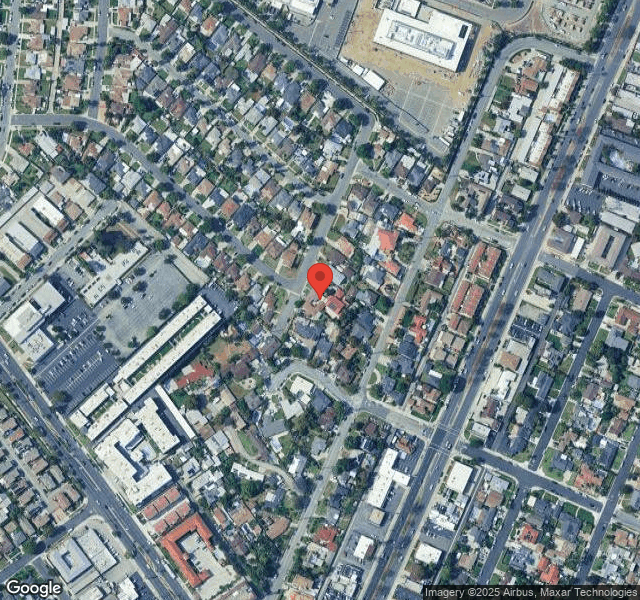
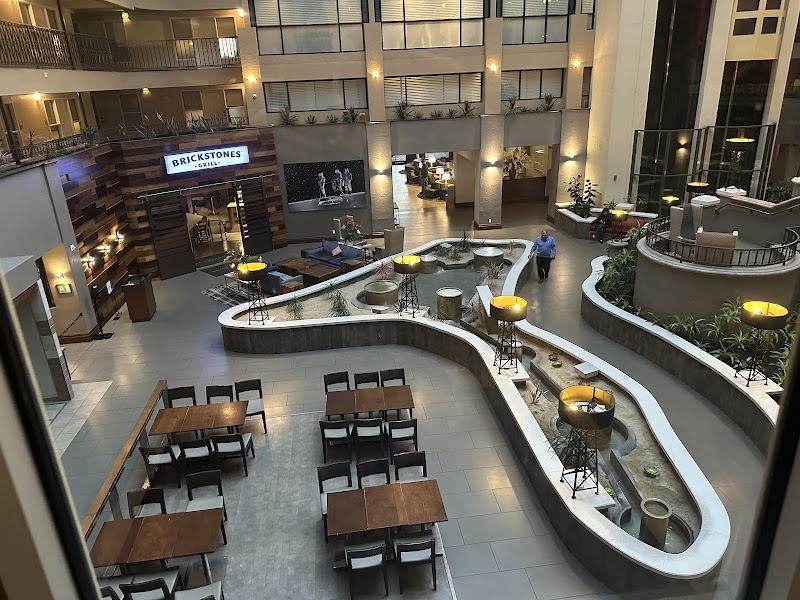
8203 TELEGRAPH RD, PICO RIVERA, CA 90660 (562) 806-2576
For profit - Individual 154 Beds Independent Data: November 2025
Trust Grade
51/100
#670 of 1155 in CA
Last Inspection: November 2024

Within standard 12-15 month inspection cycle. Federal law requires annual inspections.

Overview

Riviera Healthcare Center has received a Trust Grade of C, which means it is considered average and is positioned in the middle of the pack among nursing homes. It ranks #670 out of 1,155 facilities in California, placing it in the bottom half, and #137 out of 369 in Los Angeles County, indicating that only a few local options are better. The facility is improving, having reduced its issues from 22 in 2024 to just 6 in 2025. Staffing is a strength here, with a rating of 4 out of 5 stars and a turnover rate of 27%, which is lower than the California average of 38%. However, it has faced some serious incidents, such as failing to provide adequate supervision for residents and allowing unsafe food preparation practices, which could potentially lead to harm. Additionally, while the facility has incurred $9,110 in fines, this is considered average in context. Overall, Riviera Healthcare Center has some strengths but also notable weaknesses that families should consider.

Trust Score
C
51/100
In California
#670/1155
Bottom 42%
Safety Record
Moderate
Needs review
Inspections
Getting Better
22 → 6 violations
Staff Stability
✓ Good
27% annual turnover. Excellent stability, 21 points below California's 48% average. Staff who stay learn residents' needs.
Penalties
✓ Good
$9,110 in fines. Lower than most California facilities. Relatively clean record.
Skilled Nurses
⚠ Watch
Each resident gets only 26 minutes of Registered Nurse (RN) attention daily — below average for California. Fewer RN minutes means fewer trained eyes watching for problems.
Violations
⚠ Watch
82 deficiencies on record. Higher than average. Multiple issues found across inspections.
★★★☆☆
3.0
Overall Rating
★★★★☆
4.0
Staff Levels
★★★★★
5.0
Care Quality
★★☆☆☆
2.0
Inspection Score
Stable
2024: 22 issues
2025: 6 issues

The Good

  • 4-Star Staffing Rating · Above-average nurse staffing levels
  • 5-Star Quality Measures · Strong clinical quality outcomes
  • Low Staff Turnover (27%) · Staff stability means consistent care
  • Full Sprinkler Coverage · Fire safety systems throughout facility
  • No fines on record
  • Staff turnover is low (27%)

    21 points below California average of 48%

Facility shows strength in staffing levels, quality measures, staff retention, fire safety.

The Bad

3-Star Overall Rating

Near California average (3.1)

Meets federal standards, typical of most facilities

Federal Fines: $9,110

Below median ($33,413)

Minor penalties assessed

The Ugly 82 deficiencies on record

2 actual harm
Sept 2025 2 deficiencies
CONCERN (D) 📢 Someone Reported This

A family member, employee, or ombudsman was alarmed enough to file a formal complaint

Potential for Harm - no one hurt, but risky conditions existed

Deficiency F0627 (Tag F0627)

Could have caused harm · This affected 1 resident

**NOTE- TERMS IN BRACKETS HAVE BEEN EDITED TO PROTECT CONFIDENTIALITY** Based on interview and record review, the facility failed to ensure one of two sampled residents (Resident 1), who resided at th...

Read full inspector narrative →
**NOTE- TERMS IN BRACKETS HAVE BEEN EDITED TO PROTECT CONFIDENTIALITY** Based on interview and record review, the facility failed to ensure one of two sampled residents (Resident 1), who resided at the facility and was transferred to a General Acute Care Hospital (GACH) for evaluation and treatment of dislodged jejunostomy tube ([J tube], a medical device that provides nutrition, fluids, and medication directly into the jejunum, the middle section of the small intestine) , was readmitted to the facility after Resident 1 was treated and stabilized at the GACH. This deficient practice resulted in Resident 1 remaining at the GACH 3 days after Resident 1 was deemed appropriate for discharge back to the facility but was denied readmission by the facility. Findings: Based on interview and record review, the facility failed to ensure one of two sampled residents (Resident 1), who was transferred to a General Acute Care Hospital (GACH) for evaluation and treatment of a dislodged jejunostomy tube ([J tube], a medical device that provides nutrition, fluids, and medication directly into the jejunum, the middle section of the small intestine) , was readmitted to the facility after Resident 1 was treated and stabilized at the GACH. This deficient practice resulted in Resident 1 remaining at the GACH 3 days after Resident 1 was deemed appropriate for discharge back to the facility but was denied readmission by the facility. Findings: 1. During a review of Resident 1's admission Record, the admission Record indicated Resident 1 was admitted to the facility on [DATE]. Resident 1's diagnoses included gastrostomy (a surgical procedure that creates an opening in the stomach through the abdominal wall) and candidiasis (fungal infection typically on the skin or mucous membranes).During a review of Resident 1's History and Physical (H&P) dated 3/28/2025, the H&P indicated Resident 1 had fluctuating capacity to understand and make decisions.During a review of Resident 1's Minimum Data Set ([MDS] a resident assessment tool), dated 8/18/2025, the MDS indicated Resident 1's cognitive skills for daily decision making was severely impaired (ability to think and reason). The MDS indicated Resident 1 had no speech. The MDS indicated Resident 1 rarely/never made himself understood and sometimes understood others. The MDS indicated Resident 1 was dependent on staff for all activities of daily living.During a review of Resident 1's Care Plan for Dislodged Jejunostomy tube (J tube], a medical device that provides nutrition, fluids, and medication directly into the jejunum, the middle section of the small intestine), dated 8/27/2025, the care plan indicated the staff's interventions was to transfer Resident 1 to the General Acute Care Hospital (GACH) for a J tube replacement.During a review of Resident 1's Care Plan for Enhanced Barrier Precautions ([EBP] an infection control strategy to prevent the transmission of multidrug-resistant organisms ([MDROs] microorganisms [living organisms that are only seen under a microscope] that are resistant to one or more classes of antimicrobial agents [antibiotics and antifungals]), dated 7/8/2025, the care plan indicated Resident 1 had a diagnosis of c. auris (fungal infection). The care plan indicated the staff's interventions was to render EBP procedures as precautionary measure in accordance with the facility infection control plan and consistent with the requirement of local health department.During a review of Resident 1's Change in Condition (COC) Evaluation form, dated 8/27/2025, the COC form indicated Resident 1's J tube was dislodged. The COC form indicated Resident 1's recommendation was to transfer Resident 1 to the GACH for a J tube reinsertion.During a review of Resident 1's Transfer form, dated 8/27/2025, the transfer form indicated Resident 1 was transferred to the GACH for a dislodged J tube.During a review of Resident 1's GACH's records, titled Case Management notes, dated 9/19/2025, the notes indicated the GACH notified the facility that Resident 1 was ready to return to the facility because his J tube was reinserted on 9/18/2025. The notes indicated the facility's Assistant Director of Nursing (ADON) stated the facility had no beds available for Resident 1.During an interview on 9/25/2025 at 9:49 a.m. with the facility's admission Coordinator, the admission Coordinator stated she spoke to the GACH's Case Manager the prior week (does not recall on what day) and the GACH requested an isolation bed (patient bed located within a specialized room designed to contain infectious pathogens or protect an immunocompromised patient from external germs) for Resident 1. The admission Coordinator stated she told the Case Manager the facility did not have any beds available for Resident 1. The admission Coordinator stated she determined if there were beds available by checking the facility's census (a record or count of the current residents, patients, or occupants within an institutional facility). The admission coordinator stated she looked at the census and did not see any vacancies in the designated isolation rooms. The admission Coordinator stated she did not attempt to move residents to other rooms to accommodate Resident 1 because the facility did not have open beds.During an interview on 9/25/2025 at 1:27 p.m. with the ADON, the ADON stated on 9/17/2025 the GACH informed him Resident 1 was ready to be transferred back to the facility. The ADON stated he told the GACH the facility did not have an isolation bed available for Resident 1. The ADON stated the GACH called him every day but there was no bed available. The ADON stated the facility had 2 isolation rooms and the beds were all taken. The ADON stated the admission Coordinator determined if there are beds available for new admissions. The ADON stated if he could, he would have moved residents to other rooms to make space for Resident 1.During a concurrent interview and record review on 9/25/2025 at 1:56 p.m. with the ADON, the facility's census, dated 9/20/2025 and 9/21/2025 was reviewed. The census indicated on 9/20/2025 and 9/21/2025 there was an available bed. The census indicated room [ROOM NUMBER] only had one resident in that room. The ADON stated he did not attempt to move the one resident in room [ROOM NUMBER] to accommodate Resident 1. The ADON stated the admission Coordinator was the person that informed him there was no bed available for Resident 1. The ADON stated the admission Coordinator was responsible for determining if residents could be moved to another room. The ADON stated he did not remember if the admission Coordinator suggested moving the resident in room [ROOM NUMBER]. The ADON stated it was important for Resident 1 to return to the facility because he was a long-term care resident of the facility and this was his home. 2. During a review of Resident 2's admission Record, the admission Record indicated Resident 2 was admitted to the facility on [DATE]. Resident 2's diagnoses included cerebrovascular accident ([CVA] a stroke, loss of blood flow to a part of the brain) and diabetes mellitus ([DM] a disorder characterized by difficulty in blood sugar control and poor wound healing).During a review of Resident 2's GACH's H&P dated 9/18/2025, the H&P indicated Resident 2 had the ability to make needs known. The H&P indicated Resident 2 was oriented to person, oriented to place, oriented to time, and oriented to situation.During a review of Resident 2's MDS, dated [DATE], the MDS indicated Resident 2's cognitive skills for daily decision making was moderately impaired (ability to think and reason). The MDS indicated Resident 2 required moderate assistance (helper does less than half the effort) for oral hygiene and for eating. The MDS indicated Resident 2 was dependent for toileting hygiene, shower/bathing, and dressing.During a review of the facility's Census, dated 9/22/2025, the Census indicated Resident 2 was admitted to the facility on [DATE].During an interview on 9/25/2025 at 2:12 p.m. with the ADON, the ADON stated Resident 2 was admitted to the facility on [DATE]. The ADON stated Resident 2 was admitted to the facility because he did not require an isolation bed. The ADON stated he did not accept Resident 1 back to the facility because the facility did not have an isolation bed available. During a review of the facility's Admissions Coordinator Job Description, undated, the job description indicated the admission coordinator would maintain current and accurate knowledge of actual and pending admits and discharges and communicates to department heads on a daily basis on stand up. During a review of the facility's Policy and Procedure (P&P) titled Bed -Holds and Returns, dated 1/2025, the P&P indicated when a resident exceeded the state's bed hold period, he or she will be permitted to return to the facility, to his or her previous room (If available) or immediately upon the first availability of an available bed.
CONCERN (D) 📢 Someone Reported This

A family member, employee, or ombudsman was alarmed enough to file a formal complaint

Potential for Harm - no one hurt, but risky conditions existed

Deficiency F0726 (Tag F0726)

Could have caused harm · This affected 1 resident

**NOTE- TERMS IN BRACKETS HAVE BEEN EDITED TO PROTECT CONFIDENTIALITY** Based on observation, interview, and record review, the facility failed to inquire on the status of a resident's return to the f...

Read full inspector narrative →
**NOTE- TERMS IN BRACKETS HAVE BEEN EDITED TO PROTECT CONFIDENTIALITY** Based on observation, interview, and record review, the facility failed to inquire on the status of a resident's return to the facility after a transfer to the General Acute Care Hospital (GACH) and document the resident discharge from the facility for one of two sampled residents These deficient practices created miscommunication on Resident 1's location and did not show the ongoing coordinated care for Resident 1. Findings:During a review of Resident 1's admission Record, the admission Record indicated Resident 1 was admitted to the facility on [DATE]. Resident 1's diagnoses included gastrostomy (a surgical procedure that creates an opening in the stomach through the abdominal wall) and candidiasis (fungal infection typically on the skin or mucous membranes).During a review of Resident 1's History and Physical (H&P) dated [DATE], the H&P indicated Resident 1 had fluctuating capacity to understand and make decisions.During a review of Resident 1's Minimum Data Set ([MDS] a resident assessment tool), dated [DATE], the MDS indicated Resident 1's cognitive skills for daily decision making was severely impaired (ability to think and reason). The MDS indicated Resident 1 had no speech. The MDS indicated Resident 1 rarely/never made himself understood and sometimes understood others. The MDS indicated Resident 1 was dependent on staff for all activities of daily living.During a review of Resident 1's Transfer form, dated [DATE], the transfer form indicated Resident 1 was transferred to the General Acute Care Hospital (GACH) for a dislodged Jejunostomy ([ J tube], a medical device that provides nutrition, fluids, and medication directly into the jejunum, the middle section of the small intestine).During a review of Resident 1's electronic medical record, unable to locate any progress notes indicating Resident 1 was discharged from the facility.During an interview on [DATE] at 11:50 a.m. with the Assistant Director of Nursing (ADON), the ADON stated Resident 1 was discharged from the facility on [DATE] due to his expired bed hold. The ADON stated licensed nurses must follow up with the GACH to find out if the resident will remain in the GACH and document that information in the nursing progress notes. The ADON stated licensed nurses must find out if a resident would be remaining at the hospital and their diagnosis. The ADON stated Resident 1's nursing progress notes did not have documentation of the resident's discharge which created a miscommunication on Resident 1's whereabouts. The ADON stated based on documentation there was no way of knowing Resident 1 was discharged from the facility and where Resident 1 was located. The ADON stated if the licensed nurses did not document a resident's discharge from the facility it would show the facility did not know what happened to the resident.During an interview on [DATE] at 12:48 p.m. with Licensed Vocational Nurse (LVN) 1, LVN 1 stated after a resident's bed hold expired, a licensed nurse must call the GACH to check on the residents' status. LVN 1 stated the licensed nurse must find out if the resident will remain at the hospital and the diagnosis. LVN 1 stated licensed nurses must document the informationreceived from the GACH and document in the nursing progress notes. LVN 1 stated when licensed nurses do not document a discharge note in the nursing progress notes it created a miscommunication and indicated the facility did not know where the resident was. LVN 1 stated it was important to document a resident's discharge from the facility for safety.During a review of the facility's Policy and Procedure (P&P) titled Transfer or Discharge Documentation, dated 1/2025, the P&P indicated when a resident is transferred or discharged , details of the transfer or discharge will be documented in the medical.During a review of the facility's P&P titled Transfer or Discharges, Preparing a Resident for, dated 1/2025, the P&P indicated Nursing services was responsible for completing discharge note in the medical record.
Jun 2025 1 deficiency
CONCERN (D) 📢 Someone Reported This

A family member, employee, or ombudsman was alarmed enough to file a formal complaint

Potential for Harm - no one hurt, but risky conditions existed

Quality of Care (Tag F0684)

Could have caused harm · This affected 1 resident

**NOTE- TERMS IN BRACKETS HAVE BEEN EDITED TO PROTECT CONFIDENTIALITY** Based on observation, interview, and record review, the facility failed to ensure one of three sampled residents (Resident 1) wo...

Read full inspector narrative →
**NOTE- TERMS IN BRACKETS HAVE BEEN EDITED TO PROTECT CONFIDENTIALITY** Based on observation, interview, and record review, the facility failed to ensure one of three sampled residents (Resident 1) wore a cranial helmet (prescribed to residents to protect the head after undergoing a craniotomy [surgery that removes a portion of bone from the skull]) as ordered by the physician. This failure placed Resident 1 at risk for injuries, delayed healing and dehiscence (partial or complete separation of the edges of the resident's surgical incision). Findings: During an observation on 6/12/2025 at 7:40 a.m. in Resident 1's room, Resident 1 was observed without a cranial helmet on. During a review of Resident 1's admission Record, the admission Record indicated Resident 1 was admitted on [DATE] with diagnoses including intracerebral hemorrhage (bleeding into the brain tissue), person injured in motor vehicle accident (MVA), traumatic brain injury (TBI- a disruption in the normal function of the brain that can be caused by a bump, blow, or jolt to the head), epilepsy (a sudden, uncontrolled electrical disturbance in the brain which can cause uncontrolled jerking, blank stares, and loss of consciousness), and psychosis (a severe mental condition in which thought, and emotions are so affected that contact is lost with reality). During a review of Resident 1's Physician Orders dated 5/5/2025, the Physician Orders indicated Resident 1 was ordered to always wear a cranial helmet, except during shower times. During a review of Resident 1's Care plan related to Resident 1's alteration in neurological status due to intracerebral hemorrhage, post motor vehicle accident dated 5/5/2025, the Care plan nursing interventions indicated to ensure Resident 1 had his cranial helmet on at all times except during shower times. During a review of Resident 1's History and Physical (H&P) dated 5/6/2025, the H&P indicated Resident 1 had fluctuating capacity to understand and make decisions. The H&P indicated Resident 1 had a history of craniotomy with a surgical wound and staples (surgical closure device) on his head. During a review of Resident 1's Progress Note dated 5/6/2025, the Progress Note indicated Resident 1 was admitted with a surgical incision on the left side of the head measuring 32 centimeters (cm- metric unit of measurement, measures length), by 0.3 cm with 67 staples in place. During a review of Resident 1's Minimum Data Set (MDS – a resident assessment tool) dated 5/10/2025, the MDS indicated Resident 1 had severe cognitive (ability to think and reason) impairment, exhibited behavioral symptoms (i.e. hitting or scratching self, disrobing, or verbal symptoms like disruptive sounds). The MDS indicated Resident 1 was dependent (staff does all the effort, resident does none of the effort) for activities of daily living such as dressing above the waist and personal hygiene. During a review of Resident 1's Change of Condition (COC) dated 5/20/2025, the COC indicated Resident 1's surgical incision on his head had drainage and redness. The COC indicated Resident 1 had episodes of picking on his surgical site with his hands. The COC indicated Resident 1's physician ordered to administer Doxycycline (an antibiotic [medicine that stop or prevent infection]) 100 milligrams (mg- metric unit of measurement, used for medication dosage and/or amount) for dehiscence on the left side of the head surgical site. During a concurrent observation and interview on 6/12/2025 at 7:50 a.m. with Certified Nursing Assistant (CNA 1) in Resident 1's room, Resident 1 was not wearing a cranial helmet. CNA 1 stated Resident 1 should be wearing a helmet at all times when not showering. CNA 1 stated he did not know where Resident 1's helmet was located and did not know how long Resident 1 was not wearing his helmet. During a concurrent observation and interview on 6/12/2025 at 8:10 a.m. with Licensed Vocational Nurse (LVN) 4, in Resident 1's room, Resident 1 was observed not wearing a cranial helmet. LVN 4 was unable to locate Resident 1's cranial helmet. LVN 4 stated all nursing staff were responsible for ensuring Resident 1 kept his helmet on. During an interview on 6/12/2025 at 1:15 p.m. with LVN 4, LVN 4 stated Resident 1's cranial helmet protected Resident 1's skull and surgical incision. LVN 4 stated Resident 1's flailing behavior, cognitive impairment, surgical history of craniotomy, and medical history of TBI placed the resident at risk of head and brain injuries. LVN 4 stated Resident 1 needed to always wear his cranial helmet when not showering to prevent head and brain injuries. During a concurrent interview and record review on 6/12/2025 at 2:21 p.m. with Registered Nurse (RN 1), Resident 1's COC dated 5/20/2025, and Progress Notes dated 5/23/2025 were reviewed. RN 1 stated the COC indicated Resident 1 removed his helmet and scratched the surgical wound on his left scalp, which caused the wound to dehisce. RN 1 stated Resident 1 required antibiotics and wound care to prevent infection. RN 1 stated all nurses must ensure Resident 1 is wearing his helmet and should never leave Resident 1 alone without his cranial helmet. RN 1 stated the Progress Note indicated facility staff were unable to contact MD 2 after Resident 1's appointment to update Resident 1's orders and plan of care. RN 1 stated the Progress Notes did not indicate any follow up with MD 2 within the past 20 days, from 5/23/2025 to 6/12/2025. RN 1 stated Resident 1 was at risk of delayed care and inappropriate orders due to the facility's lack of communication. During a concurrent interview on 6/13/2025 at 11:15 a.m., with Resident 1's Physician (MD 1), MD 1 stated Resident 1's surgical wound needed to always be offloaded (reducing or removing pressure on the wound site to promote healing) and protected by the cranial helmet to decrease the probability of the wound dehiscing.
Feb 2025 1 deficiency 1 Harm
SERIOUS (G) 📢 Someone Reported This

A family member, employee, or ombudsman was alarmed enough to file a formal complaint

Actual Harm - a resident was hurt due to facility failures

Accident Prevention (Tag F0689)

A resident was harmed · This affected 1 resident

**NOTE- TERMS IN BRACKETS HAVE BEEN EDITED TO PROTECT CONFIDENTIALITY** Based on observation, interview, and record review, the facility failed to maintain a safe and hazard free environment for two o...

Read full inspector narrative →
**NOTE- TERMS IN BRACKETS HAVE BEEN EDITED TO PROTECT CONFIDENTIALITY** Based on observation, interview, and record review, the facility failed to maintain a safe and hazard free environment for two of three sampled residents (Resident 1 and Resident 2), when: 1. Licensed Vocational Nurse (LVN) 1 left Resident 1 unattended and unsupervised at Nurse's Station 3, on 2/14/2025. 2. Activity Staff (AS) 3 left Resident 1 at Nurse's Station 3, without verifying there was a charge nurse present to supervise Resident 1, on 2/14/2025. 3. On 2/25/2025, Resident 1 did not have bilateral fall mats (a cushioned floor pad designed to help prevent injury should a person fall) at her bedside, as ordered by the physician. 4. On 2/25/2025, Resident 1 did not have fall risk indicators outside of her room, or on her Geri-chair (a large, padded chair with a wheeled base, designed to assist individuals with limited mobility), in accordance with Resident 1's care plan. 5. A Morse Fall Scale assessment (a clinical assessment tool used to predict a patient's risk of falling) was not conducted following Resident 2's fall on 12/25/2024. 6. On 2/26/2025, Resident 2 did not have fall risk indicators outside of her room, or on her wheelchair, in accordance with Resident 2's care plan. These deficient practices resulted in Resident 1 falling on 2/14/2025 and sustaining a displaced subcapital left femoral neck fracture (a broken bone in the upper part of the left thigh bone, where the broken pieces are significantly displaced from their normal position) requiring surgical intervention in a general acute care hospital (GACH). These deficient practices also placed Resident 1 and Resident 2 at risk for further falls and fall related injuries. Findings: 1. During a review of Resident 1's admission Record, the admission Record indicated Resident 1 was originally admitted to the facility on [DATE] and was most recently re-admitted to the facility on [DATE]. Resident 1's admitting diagnoses, as of 2/18/2025, included generalized muscle weakness, left thigh bone fracture, history of falling, dementia (a progressive state of decline in mental abilities), epilepsy (a chronic brain disorder characterized by recurrent seizures, which are brief episodes of abnormal brain activity that can cause involuntary movements, loss of consciousness, or other symptoms), and osteoporosis (weak and brittle bones due to lack of calcium and Vitamin D). During a review of Resident 1's History and Physical (H&P), dated 1/10/2025, the H&P indicated Resident 1 did not have the capacity to understand and make decisions. The H&P did not indicate diagnoses of osteoporosis or osteopenia (a condition characterized by low bone mineral density, which makes bones weaker and more prone to fractures). During a review of Resident 1's Minimum Data Set (MDS, a resident assessment tool), dated 1/13/2025, the MDS, indicated Resident 1 had memory problems and severely impaired cognition (a significant decline in cognitive abilities that interferes with daily life and independence). The MDS indicated Resident 1 had impairments to her lower extremities (hip, knee, ankle, and foot) on both sides of her body. The MDS indicated Resident 1 was dependent on staff for all activities of daily living (ADLs, activities such as bathing, dressing and toileting a person performs daily) and mobility while in and out of bed. The MDS indicated diagnoses of lack of coordination and generalized muscle weakness. During a review of Resident 1's care plan titled At risk for fall, dated 1/10/2025, the care plan indicated staff were to provide frequent visual monitoring of Resident 1 to reduce the risk of falls and/or injury. During a review of Resident 1's Morse Fall Scale Assessment, dated 1/11/2025, the assessment indicated Resident 1 was at high risk for falls due to impaired gait (an abnormal walking pattern), and overestimation (judging something too highly), and/or forgetfulness of her ability to walk safely. During a review of Resident 1's Change of Condition (COC) assessment, dated 2/14/2025 at 3:10 PM, the COC indicated on 2/14/2025 Resident 1 had a witnessed fall, in the hallway. The COC indicated Resident 1 reported a 4 out of 10 pain (0: no pain, 1 to 3: mild pain, 4 to 6: moderate pain, and 7 to 10: severe pain) to her left hip. The COC indicated Resident 1 was administered Tylenol 650 milligrams (mg, a unit of dose measurement) for pain. The COC indicated Resident 1's physician was notified of the fall and the physician ordered for an immediate x-ray (a procedure that uses radiation to create images of the inside of the body) to rule out broken bones. During a review of the facility record titled Investigation Statement, dated 2/14/2025 at 3:10 PM, the record indicated a handwritten statement by Licensed Vocational Nurse (LVN) 1 regarding Resident 1's fall on 2/14/2025. The record indicated on 2/14/2025 (no time specified), Resident 1 was sitting in a wheelchair near the nurse's station. The record indicated LVN 1 was assisting another resident in the hallway when Resident 1 fell. During a review of Resident 1's COC assessment, dated 2/14/2025 at 9:45 PM, the COC indicated the x-ray revealed Resident 1 had an acute (severe and sudden in onset) left thigh bone fracture related to a witnessed fall. The COC indicated Resident got up unassisted and lost her balance. The COC indicated Resident 1 reported an 8 out of 10 pain. The COC indicated staff administered Norco 5/325 mg (a combination medication used to relieve severe pain when other pain medication was insufficient) for pain. The COC indicated Resident 1's physician gave an order for the resident to be a transferred to a GACH for evaluation and treatment of the left thigh bone fracture. During a review of Resident 1's progress note, dated 2/14/2025 at 11:45 PM, the progress note indicated Resident 1 was transferred to the GACH on 2/14/2025 at 11:30 PM. During a review of Resident 1's GACH record titled History and Physical, dated 2/15/2025 (untimed), the record indicated Resident 1 was brought to the GACH after falling onto her left side while trying to walk. The record indicated a plan to admit Resident 1 to the medical-surgical unit (a unit for patients recovering from surgery, preparing for surgery, or managing various medical conditions). During a review of Resident 1's GACH record titled Radiology Report, dated 2/15/2025 at 2:23 AM, the record indicated an x-ray was taken of Resident 1's left hip. The record indicated Resident 1 had a displaced subcapital left femoral neck fracture. During a review of Resident 1's facility progress note, dated 2/15/2025 at 1:42 PM, the progress note indicated Resident 1 was admitted to the GACH and in the process of being referred to, and evaluated by, an orthopedic physician (a physician who treats injuries and diseases involving muscles, bones, joints, ligaments, and tendons) for a possible left hip hemiarthroplasty (surgical replacement of half of the hip joint) related to her fracture. During a review of Resident 1's GACH record titled Discharge Summary Notes, dated 2/17/2025 at 8:07 AM, the record indicated a final diagnosis of acute left femoral neck fracture. The record indicated Resident 1's conservator (a person appointed by a court to manage her care) declined to provide consent for orthopedic surgery (a surgical procedure on the musculoskeletal system), and Resident 1 was to be discharged back to the facility. During a review of Resident 1's facility progress note, dated 2/18/2025 at 11:45 AM, the progress note indicated Resident 1 was re-admitted to the facility on [DATE]. During a review of Resident 1's medical record titled Routine Pain Assessment Flowsheet, undated, and Pain Assessment Flowsheet, undated, the records indicated Resident 1 received Norco 5/325 mg for the following pain levels: 1. On 2/20/2025 at 3:00 AM: 7/10 pain to her left lower extremity (leg). 2. On 2/20/2025 at 9:00 AM: 8/10 pain to her left lower extremity. 3. On 2/21/2025 at 5:00 AM: 7/10 pain to her left lower extremity. 4. On 2/21/2025 at 11:30 AM: 7/10 pain to her left lower extremity. 5. On 2/22/2025 at 9:00 AM: 8/10 pain to her left lower extremity. 6. On 2/22/2025 at 2:00 PM: 8/10 pain to her left lower extremity. 7. On 2/24/2025 at 9:00 AM: 8/10 pain to her left lower extremity. 8. On 2/25/2025 at 9:00 AM: 7/10 pain to her left lower extremity. 9. On 2/27/2025 at 9:00 AM: 8/10 pain to her left lower extremity. 10. On 2/27/2025 at 2:30 PM: 7/10 pain to her left lower extremity. During a telephone interview on 2/26/2025 at 9:14 AM, with LVN 1, LVN 1 stated she was Resident 1's Charge Nurse the afternoon of 2/14/2025, and was aware Resident 1 was at risk for falls. LVN 1 stated she was supervising Resident 1 at the nurse's station and there were no other staff present when Resident 1 fell. LVN 1 stated she did not ask any staff member to supervise Resident 1 before leaving the resident unattended at the nurse's station. LVN 1 stated she was down the hall from Resident 1, with her back towards the resident, when she heard Resident 1's wheelchair alarm. LVN 1 stated she turned around and saw Resident 1 standing up and holding onto the armrest of her wheelchair for support. LVN 1 stated she was too far away from Resident 1 to intervene, and she observed Resident 1 fall to the ground onto her left side. LVN 1 stated Resident 1 denied any pain during the shift, prior to the fall, but complained of pain to her left hip after the fall. LVN 1 stated she should not have left Resident 1 unattended and unsupervised at the nurse's station. LVN 1 stated the fall could have been prevented if Resident 1 was not left unsupervised. During a telephone interview on 2/26/2025 at 4:43 PM, with Registered Nurse (RN) 1, RN 1 stated Resident 1's care plan intervention of frequent visual monitoring meant Resident 1 should not be left unattended. RN 1 stated to implement this intervention, Resident 1 should always be within a supervising staff member's line of sight. RN 1 stated leaving a resident who required frequent visual monitoring unattended could result in a fall and injury. During a concurrent interview and record review, on 2/27/2025 at 1:02 PM, with the Director of Nursing (DON), the facility's policy and procedure (P&P) titled Safety and Supervision of Residents, revised 1/2025, was reviewed. The DON stated the P&P indicated resident supervision was a core component for resident safety. The DON stated LVN 1 should not have left Resident 1 unattended because Resident 1 was known as a high risk for falls. The DON stated LVN 1 should have ensured another staff was supervising Resident 1, before leaving the resident at the nurse's station. 2. During a review of the facility record titled Investigation Statement, dated 2/18/2025, untimed, the record indicated a handwritten statement by Activity Staff (AS) 1 regarding Resident 1's fall on 2/14/2025. The record indicated on 2/14/2025 (time unspecified) Resident 1 was in the dining room requesting to be taken back to her room. The record indicated an unidentified staff wheeled Resident 1 to an unspecified nurse's station. During a concurrent interview and record review, on 2/25/2025 at 1:03 PM, with AS 1, the facility record titled Investigation Statement, dated 2/18/2025 (time unspecified), was reviewed. AS 1 stated the staff member who took Resident 1 to the nurse's station was identified as AS 3. During a telephone interview on 2/25/2025 at 2:11 PM, with AS 3, AS 3 stated in the afternoon, of 2/14/2025, she took Resident 1 from the dining room to Nurse's Station 2 for supervision because the resident was at risk for falls. AS 3 stated she parked Resident 1's wheelchair at the nurse's station and informed an unidentified individual, who was sitting at the nurse's station, that she (AS 3) was leaving Resident 1 there. AS 3 stated she assumed the individual at the nurse's station was a nurse and (she) returned to the dining room. AS 3 stated she could not state the name of the individual who was sitting at the nurse's station, and did not verify the individual was Resident 1's Charge Nurse. During a telephone interview on 2/26/2025 at 9:14 AM, with LVN 1, LVN 1 stated she was Resident 1's Charge Nurse the afternoon of 2/14/2025. LVN 1 stated she did not recall being notified by AS 3 that Resident 1 was at Nurse's Station 3 for supervision. During a concurrent interview and record review, on 2/27/2025 at 1:02 PM, with the DON, the facility's P&P titled Falling Star Program, revised 1/2025, was reviewed. The DON stated the P&P indicated staff were required to inform the Charge Nurse whenever a resident was transferred to a supervised area, including the nurse's station. The DON stated clinical staff (directly related to patient care) and non-clinical staff (not directly providing care or treatment) both had access to and sometimes sat at the nurse's stations. The DON stated it was not safe to assume an individual was a licensed nurse because they were seated at the nurse's station. The DON stated AS 3 should have verified Resident 1's Charge Nurse was aware Resident 1 was being left at the nurse's station. The DON stated this would ensure Resident 1 received adequate supervision by a qualified staff person. The DON stated lack of supervision placed Resident 1 at risk for falls. 3. During a review of Resident 1's care plan titled At risk for fall, dated 1/10/2025, the care plan interventions indicated Resident 1 was to have bilateral floor mats to minimize potential injury from falls. During a review of Resident 1's active physician order, dated 2/18/2025, the order indicated Resident 1 was required to have bilateral floor mats to minimize potential injury from falls. During an observation on 2/25/2025 at 1:43 PM, at Resident 1's bedside, Resident 1 was observed lying in bed . No fall mats were observed at Resident 1's bedside. During a concurrent observation and interview on 2/25/2025 at 2:32 PM, at Resident 1's bedside, with Certified Nursing Assistant (CNA) 1, CNA 1 stated Resident 1 did not have fall mats to either side of her bed. CNA 1 stated Resident 1 did not have fall mats the entire day. CNA 1 stated the purpose of the fall mats was to prevent or minimize risk of injury from a fall. During a concurrent interview and record review, on 2/27/2025 at 1:09 PM, with the DON, Resident 1's physician order dated 2/18/2025, and a photo of Resident 1's room and bedside, taken 2/25/2025 at 1:52 PM, were reviewed. The DON stated the physician order indicated Resident 1 should have bilateral floor mats at her bedside. The DON stated the photo indicated Resident 1 did not have bilateral floor mats as ordered. The DON stated Resident 1 was at risk for injury because the fall mats were not available to reduce the impact of a fall. 4. During a review of Resident 1's care plan titled Falling Star Program ., dated 2/14/2025, the care plan indicated Resident 1 was to have two yellow star-shaped indicators on her wheelchair and outside of her room by her nameplate. During an observation on 2/25/2025 at 1:52 PM, outside of Resident 1's room, Resident 1's nameplate affixed to the wall outside the resident's room did not have star-shaped indicators next to Resident 1's name. During a concurrent observation and interview on 2/25/2025 at 2:35 PM, with CNA 1, in the hallway outside of Resident 1's room, Resident 1's Geri-chair did not have any star-shaped indicators attached to it. CNA 1 stated the star-shaped indicators alerted staff that a resident was at risk for falls. CNA 1 stated Resident 1 used a Geri-chair instead of a wheelchair because she had left thigh bone fracture. During a concurrent observation and interview on 2/25/2025 at 2:39 PM, with CNA 1, the nameplate outside of Resident 1's room was observed. CNA 1 stated Resident 1 did not have any star-shaped indicators next to the resident's name to indicate Resident 1 was a fall risk. During a concurrent interview and record review, on 2/27/2025 at 1:11 PM, with the DON, Resident 1's care plan titled Falling Star Program ., dated 2/14/2025, and the facility's P&P titled Falling Star Program, dated 1/2025, were reviewed. The DON stated the care plan and P&P indicated Resident 1 was required to have two star-shaped indicators next to her name on the nameplate outside of her room, and on her wheelchair and/or Geri-chair. The DON stated the purpose of the star-shaped indicators was to provide a visual reminder to staff of the resident's fall risk, and to remind them to implement the required fall prevention interventions. The DON stated that without the star indicators, staff might not remember or know to implement fall precautions, placing the resident at risk for falls. During a review of the facility's P&P titled Falling Star Program, dated 1/2025, the P&P indicated any resident with a fall while admitted to the facility would be included in the Falling Star Program and was to have star indicators on their door nameplate and wheelchair, if applicable. The P&P indicated there should be two star-shaped indicators if the resident had sustained a fall in the facility. 5. During a review of Resident 2's admission Record, the admission Record indicated Resident 2 was admitted to the facility on [DATE]. Resident 2's admitting diagnoses included abnormalities of gait (pattern of walking) and mobility, generalized muscle weakness, Parkinson's disease (a progressive disease of the nervous system marked by tremor, muscular rigidity, and slow, imprecise movements) with dyskinesia (involuntary, repetitive, and abnormal movements). During a review of Resident 2's H&P, dated 11/26/2024, the H&P indicated Resident 2 had fluctuating capacity to understand and make decisions. During a review of Resident 2's MDS, dated [DATE], the MDS indicated Resident 2 had moderately impaired cognition (a decline in thinking and memory that makes it hard to complete complex tasks). The MDS indicated Resident 2 required substantial to maximal assistance from staff to get dressed and maintain personal hygiene after voiding or having a bowel movement. The MDS indicated Resident 2 required partial to moderate assistance from staff for mobility while in bed, to get out of bed, and when transitioning from bed to wheelchair, or wheelchair to bed. During a review of Resident 2's care plan titled Falling Star Program ., dated 12/21/2024, the care plan indicated Resident 2 was to have two yellow star-shaped indicators on her wheelchair and outside of her room by her nameplate. During a review of Resident 2's COC assessment, dated 12/25/2024, the assessment indicated on 12/25/2024 Resident 2 had an unwitnessed fall. The COC indicated staff found Resident 2 lying on her back on the floor near the foot of her roommate's bed. The assessment indicated Resident 2 had an abrasion (scrape or superficial injury) on her left arm and complained of a 3 out of 10 pain. During an observation on 2/25/2025 at 1:52 PM, outside of Resident 2's room, the nameplate outside of Resident 2's room did not have star-shaped indicators next to Resident 2's name. During a concurrent observation and interview, on 2/26/2025 at 1:20 PM, with LVN 2, Resident 2's wheelchair was parked outside of Resident 2's room in the hallway. LVN 2 stated the wheelchair had Resident 2's room and bed indicated on the back of the seat, but did not have any star-shaped indicators attached to it. During a concurrent interview and record review on 2/27/2025 at 1:14 PM, with the DON, Resident 2's COC assessment, dated 12/25/2024, and care plan titled Falling Star Program ., dated 12/21/2024, were reviewed. The DON stated the COC assessment indicated on 12/25/2024 Resident 2 had an unwitnessed fall but a Morse Fall Scale assessment was not done after the fall. The DON stated it was the facility's policy to conduct a fall assessment after any fall, to identify Resident 2's level of risk for falls. The DON stated the assessment would also prompt a review of Resident 2's fall risk care plans to identify if there was a need for new or revised fall prevention interventions. The DON stated a Morse Fall Scale assessment should have been done and failure to complete one placed Resident 2 at risk for repeat falls. The DON stated Resident 2's care plan indicated Resident 2 required star-shaped indicators on her wheelchair and on her nameplate outside of her room. The DON stated the failure to implement the star-shaped indicators placed Resident 2 at risk for falls. During a review of the facility's P&P titled Falling Star Program, dated 1/2025, the P&P indicated fall risk assessments were to be completed as needed. Based on observation, interview, and record review, the facility failed to maintain a safe and hazard free environment for two of three sampled residents (Resident 1 and Resident 2), when: 1. Licensed Vocational Nurse (LVN) 1 left Resident 1 unattended and unsupervised at Nurse's Station 3, on 2/14/2025. 2. Activity Staff (AS) 3 left Resident 1 at Nurse's Station 3, without verifying there was a charge nurse present to supervise Resident 1, on 2/14/2025. 3. On 2/25/2025, Resident 1 did not have bilateral fall mats (a cushioned floor pad designed to help prevent injury should a person fall) at her bedside, as ordered by the physician. 4. On 2/25/2025, Resident 1 did not have fall risk indicators outside of her room, or on her Geri-chair (a large, padded chair with a wheeled base, designed to assist individuals with limited mobility), in accordance with Resident 1's care plan. 5. A Morse Fall Scale assessment (a clinical assessment tool used to predict a patient's risk of falling) was not conducted following Resident 2's fall on 12/25/2024. 6. On 2/26/2025, Resident 2 did not have fall risk indicators outside of her room, or on her wheelchair, in accordance with Resident 2's care plan. These deficient practices resulted in Resident 1 falling on 2/14/2025 and sustaining a displaced subcapital left femoral neck fracture (a broken bone in the upper part of the left thigh bone, where the broken pieces are significantly displaced from their normal position) requiring surgical intervention in a general acute care hospital (GACH). These deficient practices also placed Resident 1 and Resident 2 at risk for further falls and fall related injuries. Findings: 1. During a review of Resident 1's admission Record, the admission Record indicated Resident 1 was originally admitted to the facility on [DATE] and was most recently re-admitted to the facility on [DATE]. Resident 1's admitting diagnoses, as of 2/18/2025, included generalized muscle weakness, left thigh bone fracture, history of falling, dementia (a progressive state of decline in mental abilities), epilepsy (a chronic brain disorder characterized by recurrent seizures, which are brief episodes of abnormal brain activity that can cause involuntary movements, loss of consciousness, or other symptoms), and osteoporosis (weak and brittle bones due to lack of calcium and Vitamin D). During a review of Resident 1's History and Physical (H&P), dated 1/10/2025, the H&P indicated Resident 1 did not have the capacity to understand and make decisions. The H&P did not indicate diagnoses of osteoporosis or osteopenia (a condition characterized by low bone mineral density, which makes bones weaker and more prone to fractures). During a review of Resident 1's Minimum Data Set (MDS, a resident assessment tool), dated 1/13/2025, the MDS, indicated Resident 1 had memory problems and severely impaired cognition (a significant decline in cognitive abilities that interferes with daily life and independence). The MDS indicated Resident 1 had impairments to her lower extremities (hip, knee, ankle, and foot) on both sides of her body. The MDS indicated Resident 1 was dependent on staff for all activities of daily living (ADLs, activities such as bathing, dressing and toileting a person performs daily) and mobility while in and out of bed. The MDS indicated diagnoses of lack of coordination and generalized muscle weakness. During a review of Resident 1's care plan titled At risk for fall, dated 1/10/2025, the care plan indicated staff were to provide frequent visual monitoring of Resident 1 to reduce the risk of falls and/or injury. During a review of Resident 1's Morse Fall Scale Assessment, dated 1/11/2025, the assessment indicated Resident 1 was at high risk for falls due to impaired gait (an abnormal walking pattern), and overestimation (judging something too highly), and/or forgetfulness of her ability to walk safely. During a review of Resident 1's Change of Condition (COC) assessment, dated 2/14/2025 at 3:10 PM, the COC indicated on 2/14/2025 Resident 1 had a witnessed fall, in the hallway. The COC indicated Resident 1 reported a 4 out of 10 pain (0: no pain, 1 to 3: mild pain, 4 to 6: moderate pain, and 7 to 10: severe pain) to her left hip. The COC indicated Resident 1 was administered Tylenol 650 milligrams (mg, a unit of dose measurement) for pain. The COC indicated Resident 1's physician was notified of the fall and the physician ordered for an immediate x-ray (a procedure that uses radiation to create images of the inside of the body) to rule out broken bones. During a review of the facility record titled Investigation Statement, dated 2/14/2025 at 3:10 PM, the record indicated a handwritten statement by Licensed Vocational Nurse (LVN) 1 regarding Resident 1's fall on 2/14/2025. The record indicated on 2/14/2025 (no time specified), Resident 1 was sitting in a wheelchair near the nurse's station. The record indicated LVN 1 was assisting another resident in the hallway when Resident 1 fell. During a review of Resident 1's COC assessment, dated 2/14/2025 at 9:45 PM, the COC indicated the x-ray revealed Resident 1 had an acute (severe and sudden in onset) left thigh bone fracture related to a witnessed fall. The COC indicated Resident got up unassisted and lost her balance . The COC indicated Resident 1 reported an 8 out of 10 pain. The COC indicated staff administered Norco 5/325 mg (a combination medication used to relieve severe pain when other pain medication was insufficient) for pain. The COC indicated Resident 1's physician gave an order for the resident to be a transferred to a GACH for evaluation and treatment of the left thigh bone fracture. During a review of Resident 1's progress note, dated 2/14/2025 at 11:45 PM, the progress note indicated Resident 1 was transferred to the GACH on 2/14/2025 at 11:30 PM. During a review of Resident 1's GACH record titled History and Physical, dated 2/15/2025 (untimed), the record indicated Resident 1 was brought to the GACH after falling onto her left side while trying to walk. The record indicated a plan to admit Resident 1 to the medical-surgical unit (a unit for patients recovering from surgery, preparing for surgery, or managing various medical conditions). During a review of Resident 1's GACH record titled Radiology Report, dated 2/15/2025 at 2:23 AM, the record indicated an x-ray was taken of Resident 1's left hip. The record indicated Resident 1 had a displaced subcapital left femoral neck fracture. During a review of Resident 1's facility progress note, dated 2/15/2025 at 1:42 PM, the progress note indicated Resident 1 was admitted to the GACH and in the process of being referred to, and evaluated by, an orthopedic physician (a physician who treats injuries and diseases involving muscles, bones, joints, ligaments, and tendons) for a possible left hip hemiarthroplasty (surgical replacement of half of the hip joint) related to her fracture. During a review of Resident 1's GACH record titled Discharge Summary Notes, dated 2/17/2025 at 8:07 AM, the record indicated a final diagnosis of acute left femoral neck fracture. The record indicated Resident 1's conservator (a person appointed by a court to manage her care) declined to provide consent for orthopedic surgery (a surgical procedure on the musculoskeletal system), and Resident 1 was to be discharged back to the facility. During a review of Resident 1's facility progress note, dated 2/18/2025 at 11:45 AM, the progress note indicated Resident 1 was re-admitted to the facility on [DATE]. During a review of Resident 1's medical record titled Routine Pain Assessment Flowsheet , undated, and Pain Assessment Flowsheet, undated, the records indicated Resident 1 received Norco 5/325 mg for the following pain levels: · On 2/20/2025 at 3:00 AM: 7/10 pain to her left lower extremity (leg). · On 2/20/2025 at 9:00 AM: 8/10 pain to her left lower extremity. · On 2/21/2025 at 5:00 AM: 7/10 pain to her left lower extremity. · On 2/21/2025 at 11:30 AM: 7/10 pain to her left lower extremity. · On 2/22/2025 at 9:00 AM: 8/10 pain to her left lower extremity. · On 2/22/2025 at 2:00 PM: 8/10 pain to her left lower extremity. · On 2/24/2025 at 9:00 AM: 8/10 pain to her left lower extremity. · On 2/25/2025 at 9:00 AM: 7/10 pain to her left lower extremity. · On 2/27/2025 at 9:00 AM: 8/10 pain to her left lower extremity. · On 2/27/2025 at 2:30 PM: 7/10 pain to her left lower extremity. During a telephone interview on 2/26/2025 at 9:14 AM, with LVN 1, LVN 1 stated she was Resident 1's Charge Nurse the afternoon of 2/14/2025, and was aware Resident 1 was at risk for falls. LVN 1 stated she was supervising Resident 1 at the nurse's station and there were no other staff present when Resident 1 fell. LVN 1 stated she did not ask any staff member to supervise Resident 1 before leaving the resident unattended at the nurse's station. LVN 1 stated she was down the hall from Resident 1, with her back towards the resident, when she heard Resident 1's wheelchair alarm. LVN 1 stated she turned around and saw Resident 1 standing up and holding onto the armrest of her wheelchair for support. LVN 1 stated she was too far away from Resident 1 to intervene, and she observed Resident 1 fall to the ground onto her left side. LVN 1 stated Resident 1 denied any pain during the shift, prior to the fall, but complained of pain to her left hip after the fall. LVN 1 stated she should not have left Resident 1 unattended and unsupervised at the nurse's station. LVN 1 stated the fall could have been prevented if Resident 1 was not left unsupervised. During a telephone interview on 2/26/2025 at 4:43 PM, with Registered Nurse (RN) 1, RN 1 stated Resident 1's care plan intervention of frequent visual monitoring meant Resident 1 should not be left unattended. RN 1 stated to implement this intervention, Resident 1 [TRUNCATED]
Feb 2025 2 deficiencies
CONCERN (D) 📢 Someone Reported This

A family member, employee, or ombudsman was alarmed enough to file a formal complaint

Potential for Harm - no one hurt, but risky conditions existed

Deficiency F0658 (Tag F0658)

Could have caused harm · This affected 1 resident

**NOTE- TERMS IN BRACKETS HAVE BEEN EDITED TO PROTECT CONFIDENTIALITY** Based on interview and record review, the facility failed to notify the primary care physician (PCP), when one of five sampled r...

Read full inspector narrative →
**NOTE- TERMS IN BRACKETS HAVE BEEN EDITED TO PROTECT CONFIDENTIALITY** Based on interview and record review, the facility failed to notify the primary care physician (PCP), when one of five sampled residents (Resident 2), refused to receive wound care. This failure placed Resident 2 ' s wounds at risk for delayed healing and had the potential for complications such as severe infection, hospitalization, and death, because of the refusal. Findings: During a review of Resident 2 ' s admission Record, the admission Record indicated, Resident 2 was originally admitted to the facility on [DATE] and was readmitted on [DATE]. Resident 2 ' s diagnoses included encounter for orthopedic (a branch of medicine that focuses on injuries and diseases of the musculoskeletal system) aftercare following surgical amputation (a surgical procedure to remove a limb or other body part). During a review of Resident 2 ' s Minimum Data Set ([MDS], a federally mandated resident assessment tool) dated, 12/12/2024, the MDS indicated Resident 2 was cognitively intact (having the ability to think, remember, and solve problems). The MDS indicated Resident 2 was dependent (helper does all the effort) for Activities of Daily Living (ADLs) such as toileting hygiene and required substantial/maximal assistance (helper does more than half the effort) to perform ADLs of lower body dressing and putting on/off footwear. During a review of Resident 2 ' s Treatment Administration Record (TAR) for January 2025, the TAR indicated the following treatment administration orders: a. Left Below Knee Amputation (BKA) surgical: cleanse with normal saline (NS), pat dry, paint with betadine solution, and cover with dry dressing then wrap with kerlix every day and as needed if soiled/dislodged for 21 days, start date on 1/4/2025. b. Left BKA: cleanse with normal saline (NS), pat dry, paint with betadine solution, and cover with dry dressing then wrap with kerlix (a type of bandage) every day and as needed if soiled/dislodged for 21 days, started on 1/26/2025. c. Right lower leg: cleanse with normal saline, pat dry paint with betadine solution, leave open to air every day shift for diffuse scabs for 21 days, started on 1/26/2025. d. Abdomen multiple scattered, discolorations: monitor for skin integrity every day every shift for 21 days, started on 1/1/2025. e. Left Posterior (back) upper arm multiple scattered purplish discolorations: monitor for skin integrity every day, every day shift for 21 days, started on 1/5/2025. f. Perianal (located near the opening of the rectum to the body): cleanse with normal saline, pat dry, apply zinc oxide every day shift for moisture-associated skin damage (MASD) for 21 days, started on 1/5/2025. g. Perineal (area of skin between the anus and external genitalia): cleanse with normal saline, pat dry, apply zinc oxide every day shift for MASD for 21 days, started on 1/5/2025. During a concurrent interview and record review on 2/21/2025 at 1:27 p.m. with Licensed Vocational Nurse (LVN) 3, Resident 2 ' s TAR for 1/2025 was reviewed. LVN 3 stated the TAR indicated Resident 2 had refused all wound care on 1/5/2025. LVN 3 stated Resident 2 ' s physician was not of Resident 2 ' s refusal of wound care. During an interview on 2/21/2025 at 1:51 p.m. with the Director of Nursing (DON), the DON stated Resident 2 ' s physician should have been notified when Resident 2 refused all wound care on 1/5/2025 because it could jeopardize Resident 2 ' s health. During a review of facility's policy and procedure (P&P titled), Requesting, Refusing and/or Discontinuing Care or Treatment, dated 12/2024, P&P indicated documentation pertaining to a resident ' s refusal of treatment should include at least the date and time the practitioner was notified as well as the practitioner's response.
CONCERN (D) 📢 Someone Reported This

A family member, employee, or ombudsman was alarmed enough to file a formal complaint

Potential for Harm - no one hurt, but risky conditions existed

Infection Control (Tag F0880)

Could have caused harm · This affected 1 resident

**NOTE- TERMS IN BRACKETS HAVE BEEN EDITED TO PROTECT CONFIDENTIALITY** Based on observation, interview and record review, the facility failed to implement its policy and procedure (P&P) titled, Isola...

Read full inspector narrative →
**NOTE- TERMS IN BRACKETS HAVE BEEN EDITED TO PROTECT CONFIDENTIALITY** Based on observation, interview and record review, the facility failed to implement its policy and procedure (P&P) titled, Isolation – Categories of Transmission Based Precautions (additional infection control measures used for residents who may have a contagious disease), for two out of five residents (Residents 3 and 4) by failing to: a. Ensure staff wore personal protective equipment ([PPE] protection equipment that includes face shields, gloves, goggles and glasses, gowns, head covers, masks, respirators, and shoe cover to protect against the transmission of germs through contact and droplet routes) prior to entering a contact isolation (a type of infection control precaution used to prevent the spread of infectious diseases that are transmitted through direct or indirect contact with the patient or their environment) room and while inside a contact isolation room. b. Ensure staff discarded used PPE in designated receptacles prior to exiting a contact isolation room. These deficient practices had the potential to increase the risk of transmitting disease-causing organisms to other residents and staff, leading to illnesses. Findings: a. During an observation on 2/20/2025 at 12:49 p.m., a contact isolation sign was observed outside the door of Resident 3's room. A Certified Nursing Assistant (CNA) 1 was observed feeding Resident 3 without wearing a gown. During a concurrent observation and interview on 2/20/2025 at 12:54 p.m. with Licensed Vocational Nurse (LVN) 1, LVN 1 stated CNA 1 should be wearing a gown and gloves when providing care for Resident 3, to prevent transmitting organisms that Resident 3 has. During a concurrent observation and interview on 2/20/2025 at 12:55 p.m. with CNA 1 outside of Resident 3's room, CNA 1 stated that the isolation sign outside Resident 3's room indicated type of PPE staff should wear when entering the isolation room and while in the isolation room. CNA 1 stated she should have worn an isolation gown. During a review of Resident 3's admission Record, the admission Record indicated Resident 3 was admitted to the facility on [DATE] with diagnoses of acute respiratory failure ([ARF] a life-threatening condition where there is not enough oxygen or too much carbon dioxide in the body) with hypoxia (an insufficient amount of oxygen in the body's tissues or blood). During a review of Resident 3's Minimum Data Set ([MDS] a federally mandated resident assessment tool), dated 2/21/2025, the MDS indicated Resident 3 had severe cognitive impairment (problems with a person's ability to think, learn, remember, use judgment, and make decisions).The MDS indicated Resident 3 was dependent (helper does all of the effort) to perform Activities of Daily Living (ADL)s such as lower body dressing and showering/bathing self. During a review of Resident 3's Order Summary Report (a list of current doctor's orders), dated 2/19/2025, the Order Summary Report indicated to place Resident 3 on contact isolation due for candida auris ([C auris], a fungal infection that can cause serious illness). b. During a concurrent observation and interview on 2/20/2025 at 1:22 p.m., CNA 3 was observed entering Resident 4's room without any PPE that had a contact isolation sign by the door. CNA 3 was observed stepped out of Resident 4's room, and reentered, without the use of a PPE. CNA 3 stated she should have put on isolation gown and gloves when in a contact isolation room. During an observation on 2/20/2025 at 1:26 p.m., CNA 3 left Resident 4's room with the used isolation gown in her hand. During a review of Resident 4's admission Record, the admission Record indicated Resident 4 was originally admitted to the facility on [DATE] and readmitted on [DATE] with a diagnosis of urinary tract infection ([UTI], an infection in the bladder/urinary tract). During a review of Resident 4's MDS dated [DATE], the MDS indicated Resident 4 had no cognitive impairment. The MDS indicated Resident 4 was dependent to perform ADLs such as toileting hygiene and showering/bathing self. During a review of Resident 4's Order Summary Report, dated 2/20/2025, the Order Summary Report indicated to place Resident 4 on contact isolation due to diagnosis of extended-spectrum beta-lactamase ([ESBL] a bacterium that is resistant to antibiotics) in the urine until 2/22/2025 at 11:59 p.m. During an interview on 2/20/2025 at 2:00 p.m. with LVN 2, LVN 2 stated used isolation gowns should be discarded in the resident's room prior to leaving. LVN 2 stated that CNA 3 should not have walked out of the room with the dirty gown on her hand because Resident 4 was on isolation and the isolation gown had been contaminated. During an interview on 2/25/2025 at 1:51 p.m. with the Director of Nursing (DON), the DON stated that staff should wear PPE and use proper hand washing to protect other staff and other residents. The DON described PPE as a way to prevent the spread of infection while taking care of a resident in a contact isolation room. During a review of the facility's P&P titled, Isolation – Categories of Transmission Based Precautions, dated 1/2025, the P&P indicated transmission-based precautions shall be used when caring for residents who are documented or suspected to have communicable diseases or infections that can be transmitted to others. The P&P indicated for contact precautions, in addition to standard precautions, gloves and disposable gowns should be used upon entering the contact precaution room. The P&P indicated, after the gown had been removed, to not allow clothing to contact potentially contaminated environmental surfaces or items in the resident's room.
Nov 2024 19 deficiencies
CONCERN (D)

Potential for Harm - no one hurt, but risky conditions existed

Deficiency F0552 (Tag F0552)

Could have caused harm · This affected 1 resident

**NOTE- TERMS IN BRACKETS HAVE BEEN EDITED TO PROTECT CONFIDENTIALITY** Based on interview and record review, the facility failed to obtain an informed consent (process of communication between reside...

Read full inspector narrative →
**NOTE- TERMS IN BRACKETS HAVE BEEN EDITED TO PROTECT CONFIDENTIALITY** Based on interview and record review, the facility failed to obtain an informed consent (process of communication between resident/responsible party and health care provider that often leads to agreement or permission for care, treatment, or services) prior to the administration of psychotropic medication (medications that affect the mind, emotions, and behavior) and the use of bed side rails (metal or plastic bars positioned along the side of a bed for three out of eight sampled residents (Resident 9, 68, and 121). This deficient practice violated Resident 9, 68, and 121's right to make an informed decision prior to the administration of psychotropics and bed siderails. Findings: a. During a review of Resident 9's admission Record, the admission record indicated Resident 9 was originally admitted to the facility on [DATE] and readmitted to the facility on [DATE]. Resident 9's diagnoses included depression (common mental health condition that involves a persistent low mood or loss of interest in activities) and dementia (a progressive state of decline in mental abilities). During a review of Resident 9's History and Physical (H&P) dated 9/4/2024, the H&P indicated Resident 9 did not have capacity to understand and make decisions. During a review of Resident 9's Minimum Data Set (MDS), a resident assessment tool), dated 10/8/2024, the MDS indicated Resident 9's cognitive skills (mental action or process of acquiring knowledge and understanding) for daily decision making was severely impaired. The MDS indicated Resident 9 was dependent on staff for dressing, toileting hygiene, putting on and taking off footwear, personal hygiene, and oral hygiene. During a review of Resident 9's Order Summary Report dated 1/30/2024, the order summary report indicated Resident 9 had an order for mirtazapine 7.5 milligrams ([mg] metric unit of measurement, used for medication dosage and/or amount), one tablet via gastrostomy tube (g-tube, a tube placed through the belly opening and into the stomach for feeding, hydration, and medications) at bedtime for depression, and an order for memantine 5mg, one tablet via g-tube for dementia. During a review Of Resident 9's Medication administration Record (MAR), for the month of November 2024, the MAR indicated Resident 9 received mirtazapine 7.5 mg from 11/1/2024 to 11/14/2024. The MAR indicated Resident 9 also received memantine 5mg from 11/1/224 to 11/15/2024. During a review of Resident 9's care plan for depression dated 6/18/2024, the care plan indicated Resident 9's goal was for Resident 9 to remain free of signs and symptoms of distress, depression, anxiety (feeling of unease), and a sad mood. The staff's interventions indicated to administer mirtazapine tablet 7.5 mg for depression. During a review of Resident 9's care plan for dementia dated 11/20/2023, the care plan indicated Resident 9's goal was for Resident 9 to maintain a level of activities of daily living (ADLs- routine tasks/activities such as bathing, dressing and toileting a person performs daily to care for themselves). The staff's interventions indicated to administer memantine tablet 5 mg for dementia. During a review of Resident 9's medical record, unable to locate an informed consent for mirtazapine tablet 7.5 mg and memantine tablet 5mg. b. During a review of Resident 68's admission Record, the admission record indicated Resident 68 was originally admitted to the facility on [DATE] and readmitted on [DATE]. Resident 68's diagnoses included schizophrenia (a mental illness that is characterized by disturbances in thought) and anxiety disorder (intense, excessive, and persistent worry and fear about everyday situations). During a review of Resident 68's H&P dated 10/1/2024, the H&P indicated Resident 68 had the capacity to understand and make decisions. During a review of Resident 68's MDS, dated [DATE], the MDS indicated Resident 68's cognitive skills for daily decision making was moderately impaired. The MDS indicated Resident 68 was dependent on staff for toileting hygiene, putting on and taking off footwear, personal hygiene, and oral hygiene. The MDS indicated Resident 68 required maximal assistance (helper does more than half the effort) for eating and upper body dressing. During a review of Resident 68's Order Summary Report dated 10/29/2024, it indicated Resident 68 had an order for ativan tablet, one mg one time a day on Monday, Wednesday, and Friday for anxiety, and an order for zyprexa five mg, one tablet by mouth one time a day for schizophrenia. During a review of Resident 68's MAR for the month of November 2024, the MAR indicated Resident 68 received ativan for anxiety on 11/1/2024, 11/4/2024, 11/6/2024, 11/8/2024, 11/11/2024, and 11/13/2024. The MAR also indicated Resident 68 received zyprexa one time a day for schizophrenia from 11/1/224 to 11/13/2024. During a review of Resident 68's Informed Consent for Zyprexa, dated 9/29/2024, the informed consent did not have the facility's staff signature that verified the informed consent with Resident 68's responsible party. During a review of Resident 68's Informed Consent for Ativan, dated 9/30/2024, the informed consent did not have the facility's staff signature that verified the informed consent with Resident 68's responsible party. During a review of Resident 68's Informed consent for bilateral upper bed side rails, dated 9/29/2024, the informed consent did not have the facility's staff signature that verified the informed consent with Resident 68's responsible party. c. During a review of Resident 121's admission Record, the admission record indicated Resident 121 was admitted to the facility on [DATE]. Resident 121's diagnoses included anxiety and depression. During a review of Resident 121's H&P dated 3/22/2024, the H&P indicated Resident 121 did not have the capacity to understand and make decisions. During a review of Resident 121's MDS, dated [DATE], the MDS indicated Resident 121's cognitive skills for daily decision making was severely impaired. The MDS indicated Resident 121 was dependent on staff for ADLs. During a review of Resident 121's Order Summary Report dated 11/13/2024, the order summary report indicated Resident 121 had an order for lorazepam 2 mg/milliliter ([ml] unit of measurement, used for medication dosage and/or amount), 0.5 ml sublingually (under the tongue) every six hours as needed for anxiety. During a review of Resident 121's care plan for anxiety dated 10/25/2024, the care plan indicated the goal was for Resident 121 to reduce the episodes of anxiousness. The staff's interventions indicated to administer lorazepam 0.5 ml sublingually every six hours as needed for anxiety. During a review of Resident 121's Informed Consent for lorazepam, dated 10/24/2024, the informed consent did not have the signature of the physician that proposed the medication to Resident 121's responsible party. During an interview on 11/15/2024 at 11:28 a.m. with Licensed Vocational Nurse (LVN 4), LVN 4 stated psychotropic medications required an informed consent prior to the administration of medication. LVN 4 stated two licensed nurses must sign the informed consent to verify Resident 121 was informed of the medication therapy. LVN 4 stated an informed consent must have a doctor's signature to demonstrate that the medication therapy was explained to the resident or responsible party. LVN 4 stated the informed consent must be signed by the resident or responsible party to indicate they were informed of the medication therapy. LVN 4 stated these signatures must be present on the informed consent to make it a complete consent. LVN 4 stated if an informed consent was missing a signature, it was invalid and the medication or treatment therapy should not be started. During an interview on 11/15/2024 at 2:12 p.m. with the Assistant Director of Nursing (ADON), the ADON stated an informed consent was complete when a resident or their responsible party, the doctor, and the admitting nurse signed the consent. The ADON stated if there was a signature missing, the therapy should not be initiated. The ADON stated it was important to have a complete consent for resident safety and to inform the resident of the treatments they receive. The ADON stated if a doctor's signature was missing, a licensed nurse could check if there was an order for that treatment and if there was then the licensed nurse could initiate treatment. During a review of the facility's Policy and Procedure (P&P) titled, Informed Consent, dated 1/2024, the P&P indicated a doctor, physician assistant, or nurse practitioner must obtain an informed consent of the resident or their responsible party for purposes of prescribing, ordering, or increasing an order for a psychotherapeutic medication. The P&P indicated a doctor, physician assistant, or nurse practitioner must obtain an informed consent of the resident or their responsible party for use of bed side rails. The P&P indicated there was a requirement for the facility to renew informed consent every six months even if the dosage was decreased. The P&P indicated the facility would verify that informed consent was obtained prior to the administration of psychotherapeutic medication and for use of side rails. The P&:P indicated it was the responsibility of the physician, physician assistant or nurse practitioner who ordered psychotherapeutic medication to obtain the resident or the responsible party's informed consent prior to the initiation of therapy.
CONCERN (D)

Potential for Harm - no one hurt, but risky conditions existed

Deficiency F0583 (Tag F0583)

Could have caused harm · This affected 1 resident

**NOTE- TERMS IN BRACKETS HAVE BEEN EDITED TO PROTECT CONFIDENTIALITY** Based on observation, interview, and record review, the facility failed to remove the identifiable health information (any infor...

Read full inspector narrative →
**NOTE- TERMS IN BRACKETS HAVE BEEN EDITED TO PROTECT CONFIDENTIALITY** Based on observation, interview, and record review, the facility failed to remove the identifiable health information (any information that could be used to identify the individual, such as the full name, date of birth , etc.) on the gastrostomy tube (GT, a surgical opening fitted with a device to allow feedings to be administered directly to the stomach, for people with swallowing problems) feeding bottle before the disposition in the trash can for one of 11 sampled residents (Resident 100). This deficient practice had the potential to result in unauthorized disclosure of Resident 100's personal information to unauthorized users. Findings: During an observation on 11/12/2024 at 9:16 a.m., in Resident 100's room, Resident 100's GT feeding bottle with the resident's name was observed in the trash can. During a review of Resident 100's admission Record, the admission record indicated Resident 100 was admitted to the facility on [DATE]. Resident 100's diagnoses included diabetes mellitus (DM- a disorder characterized by difficulty in blood sugar control and poor wound healing), dysphagia (difficulty swallowing), chronic obstructive pulmonary disease (COPD- a chronic lung disease causing difficulty in breathing), and hypertension (HTN- high blood pressure). During a review of Resident 100's History and Physical (H&P), dated 10/12/2024, the H&P indicated Resident 100 did not have the capacity to understand and make decisions. During a review of Resident 100's Minimum Data Set (MDS - a resident assessment tool), dated 1/10/2024, the MDS indicated Resident 100's cognitive (the ability to think and process information) skills for daily decision making was severely impaired. The MDS indicated Resident 100 was dependent (helper did all the effort, resident did none of the effort to complete the activity) with self-care and mobility. During a review of Resident 100's Oder Summary Report, as of 11/13/2024, the report indicated an order dated 10/31/2024, GT Glucerna 1.5 (a nutrition supplement designed for people with DM or abnormal sugar) rate 70 cubic centimeters (cc, unit of volume) per hour for 20 hours, start at 2 p.m. and stop at 10 a.m. until total volume of 1400 cc was infused. During a concurrent interview and review of a picture of Resident 100's GT feeding bottle on 11/13/2024 at 3:01 p.m. with Licensed Vocational Nurse (LVN) 4, the picture dated 11/12/2024 at 9:16 a.m. was reviewed. The picture indicated the GT feeding bottle with the resident's name was in a trash can in the resident's room. LVN 4 stated because of Health Insurance Portability and Accountability Act (HIPPA, a United States legislation that provided data privacy and security provisions for safeguarding medical information), the licensed nurse needed to take off or blacken out Resident 100's name before disposing the GT feeding bottle in the trash can to protect the resident's privacy. LVN 4 stated it was not acceptable to have Resident 100's name on the GT bottle in the trash can, and all nurses were responsible for ensuring Resident 100's name was removed before the disposition in the trash can. During a review of the facility's Policy and Procedure (P&P) titled, Quality of life- dignity, revised in 10/2009, the P&P indicated staff shall maintain an environment in which confidential clinical information was protected.
CONCERN (D)

Potential for Harm - no one hurt, but risky conditions existed

Deficiency F0657 (Tag F0657)

Could have caused harm · This affected 1 resident

**NOTE- TERMS IN BRACKETS HAVE BEEN EDITED TO PROTECT CONFIDENTIALITY** Based on interview and record review, the facility failed to: 1. Revise the care plan when one of 27 sampled residents (Resident...

Read full inspector narrative →
**NOTE- TERMS IN BRACKETS HAVE BEEN EDITED TO PROTECT CONFIDENTIALITY** Based on interview and record review, the facility failed to: 1. Revise the care plan when one of 27 sampled residents (Resident 75) did not meet the goals of maintaining her body weight, without additional weight loss. 2. Ensure the Registered Dietician (RD, a healthcare professional who specializes in nutrition and diet) was involved in the care planning for Resident 75's weight loss. These deficient practices increased the potential for Resident 75 to sustain continued and unplanned weight loss. Findings: During a review of Resident 75's admission Record, the admission record indicated Resident 75 was admitted to the facility on [DATE] and was most recently readmitted on [DATE]. Resident 75's diagnoses included heart failure (a heart disorder which causes the heart to not pump the blood efficiently, sometimes resulting in leg swelling) and stroke (loss of blood flow to a part of the brain). During a review of Resident 75's History and Physical (H&P), dated 2/164/2024, the H&P indicated Resident 75 had the capacity to understand and make decisions. During a review of Resident 75's Minimum Data Set (MDS, a resident assessment tool), dated 8/10/2024, the MDS indicated Resident 75 had no cognitive impairment (problems with a person's ability to think, learn, remember, use judgement, and make decisions), and could eat independently. During a review of Resident 75's monthly weights, dated 8/2024 and 9/2024, the weights indicated Resident 75 weighed 260 pounds (lbs., a unit of weight measurement) in 8/2024. The weights indicated Resident 75 weighed 256 lbs. in 9/2024. During a review of Resident 75's Change of Condition (COC) Assessment, dated 9/8/2024, the assessment indicated Resident 75 sustained unplanned weight loss from 8/2024 to 9/2024. The COC indicated Resident 75's physician was notified and ordered for staff to continue to monitor Resident 75's weight and refer her to the RD. During a review of Resident 75's care plan, titled [Resident 75] has weight loss of 4 lbs. in one month, dated 9/8/2024, the care plan indicated Resident 75's goals of care were to maintain her body weight without avoidable change for 30 days. Staff interventions included encouraging and offering increased oral food intake to Resident 75. During a review of Resident 75's monthly weights, dated 9/2024 to 11/2024, the weights indicated Resident 75 continued to sustain weight loss from 9/2024 to 11/2024. Resident 75's weight was 256 lbs. in 9/2024, 253 lbs. in 10/2024, and 252 lbs. in 11/2024. During an interview on 11/15/2024 at 8:48 a.m., with the RD, the RD stated Resident 75 was not on a planned weight loss regimen. The RD also stated her first assessment of Resident 75 was on 11/14/2024, and stated she was not previously involved in Resident 75's care. During a concurrent interview and record review, on 11/15/2024 at 11:14 AM, with Registered Nurse (RN) 2, Resident 75's COC assessment dated [DATE], monthly weights from 8/2024 to 11/2024, and care plan dated 9/8/2024 were reviewed. RN 2 stated the COC indicated staff were supposed to monitor Resident 75 for continued weight loss. RN 2 stated Resident 75's monthly weights indicated Resident 75 continued to sustain weight loss. Resident 75 stated the care plan indicated Resident 75 was not supposed to have continued avoidable weight loss, and stated the care plan should have been revised to address Resident 75's continued weight loss. RN 2 stated interventions could have been revised to address the cause of Resident 75's weight loss, including poor oral intake of her meals. During a review of the facility's policy and procedure (P&P) titled Weight Assessment and Intervention, revised 1/2024, the P&P indicated care planning for weight loss was a multidisciplinary effort, and was supposed to include input from the RD. The P&P further indicated that the care plan included time frames and parameters for monitoring and reassessment. The P&P indicated the purpose was to prevent, monitor, and intervene for undesirable weight loss.
CONCERN (D)

Potential for Harm - no one hurt, but risky conditions existed

Deficiency F0658 (Tag F0658)

Could have caused harm · This affected 1 resident

**NOTE- TERMS IN BRACKETS HAVE BEEN EDITED TO PROTECT CONFIDENTIALITY** Based on observation, interview, and record review, the facility failed to ensure Licensed Vocational Nurse (LVN) 2 signed the M...

Read full inspector narrative →
**NOTE- TERMS IN BRACKETS HAVE BEEN EDITED TO PROTECT CONFIDENTIALITY** Based on observation, interview, and record review, the facility failed to ensure Licensed Vocational Nurse (LVN) 2 signed the Medication Administration Record (MAR) and Pain Assessment Flowsheet immediately after administering Norco (medication used to treat moderate to severe pain) to one of one sampled resident (Resident 104). This deficient practice had the potential to result in the double administration of medication to Resident 104 that could lead to overdose (ingestion of a drug in quantities greater than recommended which could result in death). Findings: During a review of Resident 104's admission Record (Face Sheet), the admission record indicated Resident 104 was admitted to the facility on [DATE]. Resident 104's diagnosed included dementia (a progressive state of decline in mental abilities), chronic kidney disease (a long-term condition where the kidneys are damaged and can't filter blood properly), and contracture (a stiffening/shortening of any joint, that reduces the joint's range of motion) of the right and left knee. During a review of Resident 104's Minimum Data Set ([MDS], a resident assessment tool), dated 10/10/2024, the MDS indicated Resident 104's cognition (process of thinking) was severely impaired. The MDS indicated Resident 104 required maximal assistance (helper does more than half the effort) with oral hygiene, upper body dressing, and personal hygiene. The MDS indicated Resident 104 was dependent on staff's assistance with bathing and lower body dressing. The MDS indicated Resident 104 received pro re nata ([PRN], as needed) pain medication. The MDS indicated Resident 104 received opioid (used to treat moderate to severe pain) medication. During a review of Resident 104's History and Physical (H&P), dated 1/30/2024, the H&P indicated Resident 104 did not have the capacity to understand and make decisions. During a review of Resident 104's Order Summary Report, active orders as of 11/14/2024, the Order Summary Report indicated to give Norco 10-325 milligrams (mg, unit of measurement), by mouth, every six hours as needed for severe pain. (seven out of 10 pain scale). During a concurrent observation and interview on 11/13/2024 at 11:45 a.m., at Medication Cart 3, with Licensed Vocational Nurse (LVN) 2, Resident 104's bubble pack (a card used to store medications for the resident) for Norco was observed with 23 tablets left in the bubble pack. LVN 2 stated that there were 23 tablets of Norco left in the bubble pack. During a concurrent interview and record review on 11/13/2024 at 11:47 a.m., with LVN 2, Resident 104's Medication Count Sheet, undated, was reviewed. The Medication Count Sheet indicated there were six doses (tablets) of Norco administered to Resident 104 with the last dose administered on 11/12/2024 at 9 a.m. The Medication Count Sheet indicated 24 doses should be left in the bubble pack. LVN 2 stated there was a discrepancy between Resident 104's Medication Count Sheet and bubble pack for Norco where the Medication Count Sheet indicated 24 doses of Norco should remain and the bubble pack for Norco only had 23 doses remaining. LVN 2 stated she had administered a dose of Norco to Resident 104 in the morning and she did not mark on the Medication Count Sheet after administering the dose to Resident 104. LVN 2 stated she was supposed to document on the Medication Count Sheet immediately after removing the tablet and administering to Resident 104. During a concurrent interview and record review on 11/13/2024 at 11:48 a.m., with LVN 2, Resident 104's Pain Assessment Flowsheet, undated, was reviewed. The Pain Assessment Flowsheet indicated Resident 104 was last administered Norco on 11/12/2024 for a pain level of eight out of 10 on a pain scale. LVN 2 stated she had not documented on Resident 104's Pain Assessment Flowsheet after administering Norco. LVN 2 stated she was responsible for documenting Resident 104's pain scale rating, location of the pain, and the medication administered after administering the medication. LVN 2 stated pain was part of Resident 104's vital signs and had to be documented to ensure Resident 104's pain was reassessed to ensure the Norco was effective. LVN 2 stated not documenting Resident 104's pain assessment had the potential for incomplete documentation and for the other nurses to be unaware that Resident 104 experienced pain and was administered Norco. LVN 2 stated the Pain Assessment Flowsheet was a communication tool and a way to see how often Resident 104 experienced pain and was treated with pain medication. During a concurrent interview and record review on 11/13/2024 at 11:50 a.m., with LVN 2, Resident 104's Medication Administration Record (MAR), dated 11/1/2024 through 11/30/2024 was reviewed. The MAR indicated Resident 104 was last administered Norco 10-325 mg on 11/12/2024. LVN 2 stated she had not documented on the MAR after administering Norco to Resident 104. LVN 2 stated she was responsible for documenting on the MAR after administering medication to signify that Resident 104 received the medication. LVN 2 stated documenting on the MAR would ensure communication to another nurse the date and time the medication was administered and to prevent an additional dose being administered too early. LVN 2 stated because the administration date and time was not indicated on Resident 104's MAR, Resident 104 was at risk for double dosing of Norco which could result in an overdose. During an interview on 11/14/2024 at 11:44 a.m., with the Director of Nursing (DON), the DON stated licensed nurses were expected to pour, pass, chart, which meant to prepare the medication, administer to the resident, and then document on the necessary documents. The DON stated when a pain medication was administered to a resident, the licensed nurse was responsible for documenting on the Pain Assessment Flowsheet in addition to the MAR. The DON stated documenting the pain assessment would allow the licensed nurse to determine if the pain medication administered was effective when the resident was reassessed. The DON stated LVN 2 was responsible for documenting on Resident 104's Pain Assessment Flowsheet and MAR after administering the Norco. The DON stated documenting on the MAR was their way to show the medication was administered and to communicate to others when the next dose could be given. The DON stated without the proper documentation, an additional dose of Norco could have been administered to Resident 104 and experience an overdose. During a review of the facility's policy and procedure (P&P) titled, Administering Medications, revised 1/2024, the P&P indicated, As required or indicated for a medication, the individual administering the medication will record in the resident's medical record: a. The date and time the medication was administered; b. The dosage; c. The route of administration; d. The injection site (if applicable); e. Any complaints or symptoms for which the drug was administered; f. Any results achieved and when those results were observed; and g. The signature and title of the person administering the drug.
CONCERN (D)

Potential for Harm - no one hurt, but risky conditions existed

Deficiency F0676 (Tag F0676)

Could have caused harm · This affected 1 resident

**NOTE- TERMS IN BRACKETS HAVE BEEN EDITED TO PROTECT CONFIDENTIALITY** Based on observation, interview, and record review, the facility failed to ensure nursing staff used a communication board for t...

Read full inspector narrative →
**NOTE- TERMS IN BRACKETS HAVE BEEN EDITED TO PROTECT CONFIDENTIALITY** Based on observation, interview, and record review, the facility failed to ensure nursing staff used a communication board for three of 11 sampled residents (Resident 15, 40, and 84) who did not speak the predominant language of the facility, English. This deficient practice had the potential to negatively affect Resident 15, 40, and 84's physical, mental, and psychosocial needs by preventing the residents from communicating with staff and potentially causing missed or delayed care and/or treatments. Findings: a. During a concurrent observation and interview on 11/13/2024 at 12:28 p.m., in Resident 15's room, there was no language board observed in the room. Resident 15 responded to English questions in Spanish. Resident 15's family member was at the bedside and stated Resident 15 only spoke Spanish. During a review of Resident 15's admission Record, dated 11/13/2024, the admission record indicated Resident 15 was originally admitted to the facility on [DATE] and readmitted on [DATE]. Resident 15's diagnoses included sepsis (a life-threatening blood infection), chronic obstructive pulmonary disease (COPD-a chronic lung disease causing difficulty in breathing), anemia (a condition where the body did not have enough healthy red blood cells), and dementia (a progressive state of decline in mental abilities). During a review of Resident 15's History and Physical (H&P), dated 11/13/2024, the H&P indicated Resident 15's did not have the capacity to understand and make decisions. During a review of Resident 15's Minimum Data Set (MDS - a resident assessment tool), dated 7/8/2024, the MDS indicated Resident 15's cognitive skills for daily decision making was intact (ability to think, remember and reason). The MDS indicated Resident 15 was independent (residents completed the activity by themselves with no assistance from a helper) with self-care, indoor mobility, and functional cognition. The MDS indicated Resident 15 required partial assistance (helper did less than half the effort) in toileting hygiene, showering, upper and lower body dressing, putting on/taking off footwear, rolling left and right, sitting to lying, lying to sitting on side of bed, sitting to standing, chair/bed-to-chair transfer, and toilet transfer. The MDS indicated Resident 15's preferred language was Spanish and needed an interpreter to communicate with a doctor or health care staff. During a review of Resident 15's care plan titled, Primary language is Spanish, revised on 11/14/2024, the care plan interventions indicated staff were to provide a communication board in Resident 15's primary language. During a concurrent observation and interview on 11/13/2024 at 2:45 p.m. with Certified Nursing Assistant (CNA) 2, in Resident 15's room, there was no language board observed in the room. CNA 2 stated Resident 15 should have a language board because Resident 15 only spoke Spanish. b. During a concurrent observation and interview on 11/12/2024 at 10:38 a.m., in Resident 84's room, there was no language board observed in the room. Resident 84 spoke limited English and was unable to continue the interview in English. During a review of Resident 84's admission Record, dated 11/13/2024, the admission record indicated Resident 84 was originally admitted to the facility on [DATE]. Resident 84's diagnoses included hepatic failure (occurred when the liver was unable to perform its normal functions), dysphagia (difficulty swallowing), hypertension (HTN - high blood pressure), chest pain, and anemia. During a review of Resident 84's H&P, dated 7/1/2024, the H&P indicated Resident 84 had the capacity to understand and make decisions. During a review of Resident 84's MDS, dated [DATE], The MDS indicated Resident 84's cognitive skills for daily decision making was intact. The MDS indicated Resident 84 required supervision or touching assistance with showering, tub/ shower transfer, and walking 150 feet. the MDS indicated Resident 84's preferred language was Spanish and needed an interpreter to communicate with a doctor or health care staff. During a review of Resident 84's care plan titled, Primary language is Spanish, revised on 11/13/2024, the care plan interventions indicated staff were to provide a communication board in Resident 84's primary language. During a concurrent observation and interview on 11/13/2024 at 2:42 p.m. with CNA 2, in Resident 84's room, there was no language board observed in the room. CNA 2 stated Resident 84 should have a language board because Resident 84 did not speak English and needed a Spanish translator. CNA 2 stated staff needed the Spanish language board to communicate with Resident 84 to check if the resident was doing fine and to meet the resident's needs. Resident 84 stated he did not speak English. CNA 2 stated it would delay necessary care if there was no language board for Resident 84. c. During a review of Resident 40's admission Record, dated 11/13/2024, the admission record indicated Resident 40 was originally admitted to the facility on [DATE] and readmitted on [DATE]. Resident 40's diagnoses included generalized muscle weakness, end stage renal disease (ESRD - irreversible kidney failure), diabetes mellitus (DM- a disorder characterized by difficulty in blood sugar control and poor wound healing), anemia, and dementia. During a review of Resident 40's H&P, dated 7/31/2024, the H&P indicated Resident 40's had fluctuating capacity (when a person's ability to make decisions varied over time) to understand and make decisions. During a review of Resident 40's MDS, dated [DATE], the MDS indicated Resident 40's cognitive skills for daily decision making was severely impaired. The MDS indicated Resident 40 was dependent (helper did all the effort) with mobility, toileting hygiene, shower/ bathe self, lower body dressing, putting on/ taking off footwear, and personal hygiene. The MDS indicated Resident 40 had impairment on the lower extremities and used wheelchair for mobility device. The MDS indicated Resident 40's preferred language was Spanish and needed an interpreter to communicate with a doctor or health care staff. During a review of Resident 40's care plan titled, Primary language is Spanish, revised on 11/13/2024, the care plan interventions indicated staff were to provide a communication board in Resident 40's primary language. During a concurrent observation and interview on 11/13/2024 at 2:47 p.m. with CNA 2, in Resident 40's room, there was no Spanish language board observed in the room. CNA 2 stated Resident 40 should have a Spanish language board because Resident 40 was more fluent in Spanish and only spoke English if he wanted to. During a concurrent observation and interview on 11/14/2024 at 9:34 a.m. with Licensed Vocational Nurse (LVN) 4, in Resident 40's room, there was no Spanish language board observed in the room. LVN 4 stated even though Resident 40 could communicate with both English and Spanish, Resident 40 still needed a Spanish language board in the room. During a review of the facility's Policy and Procedure (P&P) titled, Interpreter Services, revised in 6/2019, the P&P indicated, Communication boards will be provided at no charge to the resident so that non-English speakers, or aphasic residents can use pictograms (a symbol and/or picture that represented a concept, word or instruction) to communicate needs and desires.
CONCERN (D)

Potential for Harm - no one hurt, but risky conditions existed

ADL Care (Tag F0677)

Could have caused harm · This affected 1 resident

**NOTE- TERMS IN BRACKETS HAVE BEEN EDITED TO PROTECT CONFIDENTIALITY** Based on observation, interview, and record review, the facility failed to ensure dependent residents were taken out of bed, for...

Read full inspector narrative →
**NOTE- TERMS IN BRACKETS HAVE BEEN EDITED TO PROTECT CONFIDENTIALITY** Based on observation, interview, and record review, the facility failed to ensure dependent residents were taken out of bed, for three out of eight sampled residents (Resident 5, 14, and 121). This deficient practice had the potential to negatively affect Resident 5, 14, 121's wellbeing, psychosocial status, and potentially cause an isolation of the residents. Findings: 1. During an observation on 11/12/2024 at 11:30 a.m., in Resident 121's room, Resident 121 was observed lying in bed watching television. During an observation on 11/13/2024 at 11:31 a.m., in Resident 121's room, Resident 121 was observed lying in bed watching television. During an observation on 11/14/2024 at 10:48 a.m. and at 3:12 p.m., in Resident 121's room, Resident 121 was observed lying in bed watching television. During an observation on 11/15/2024 at 11:14 a.m., in Resident 121's room, Resident 121 was observed lying in bed watching television. During a review of Resident 121's admission Record, the admission record indicated Resident 121 was admitted to the facility on [DATE]. Resident 121's diagnoses included anxiety (feeling of unease) and depression (a common mental health condition that involves a persistent low mood or loss of interest in activities). During a review of Resident 121's History and Physical (H&P) dated 3/22/2024, the H&P indicated Resident 121 did not have the capacity to understand and make decisions. During a review of Resident 121's Minimum Data Set (MDS, a resident assessment tool) dated 10/30/2024, the MDS indicated Resident 121's cognitive skills for daily decision making was severely impaired (ability to think and reason). The MDS indicated Resident 121 was dependent on staff for activities of daily living (ADLs- routine tasks/activities such as bathing, dressing and toileting a person performs daily to care for themselves). During a review of Resident 121's ADL Flowsheet, dated 11/2024, the flowsheet indicated from 11/1/2024 to 11/14/2024 Resident 121 was not transferred out of bed. 2. During an observation on 11/12/2024 at 2:50 p.m., in Resident 5's room, Resident 5 was observed lying on her bed. During an observation on 11/13/2024 at 8:25 a.m. and at 12:50 p.m., in Resident 5's room, Resident 5 was observed lying on her bed. During an observation on 11/14/2024 at 12:05 p.m. and 3:36 p.m., in Resident 5's room, Resident 5 was observed lying on her bed. During an observation on 11/15/2024 at 1:40 p.m., in Resident 5's room, Resident 5 was observed lying in bed. During a review of Resident 5's admission Record, the admission record indicated Resident 5 was originally admitted to the facility on [DATE] and readmitted to the facility on [DATE]. Resident 5's diagnoses included major depressive disorder (a progressive state of decline in mental abilities) and anxiety disorder (intense, excessive, and persistent worry and fear about everyday situations). During a review of Resident 5's H&P dated 6/6/2024, the H&P indicated Resident 5 had the capacity to understand and make decisions. During a review of Resident 5's MDS, dated [DATE], the MDS indicated Resident 5's cognitive skills for daily decision making was severely impaired. The MDS indicated Resident 5 required maximal assistance (helper does more than half the effort) for dressing, toileting hygiene, putting and taking off footwear, personal hygiene, and oral hygiene. During a review of Resident 5's Activities of Daily Living (ADL) Flowsheet, for the month of October 2024, the flowsheet indicated from 10/1/2024 to 10/31/2024 Resident 5 was transferred out of bed on 10/1/2024, 10/4/2024, 10/11/2024, 10/18/2024, and on 10/28/2024. During a review of Resident 5's ADL Flowsheet, for the month of November 2024, the flowsheet indicated from 11/1/2024 to 11/14/2024 Resident 5 was not transferred out of bed. 3. During an observation on 11/12/2024 at 3:40 p.m., in Resident 14's room, Resident 14 was observed lying on her bed. During an observation on 11/13/2024 at 8:13 a.m. and at 12:47 p.m., in Resident 14's room, Resident 14 was observed lying on her bed. During an observation on 11/14/2024 at 11:22 a.m., in Resident 14's room, Resident 14 was observed lying on her bed. During an observation on 11/15/2024 at 1:20 p.m., in Resident 14's room, Resident 14 was observed lying in bed watching television. During a review of Resident 14's admission Record, the admission record indicated Resident 14 was originally admitted to the facility on [DATE] and readmitted to the facility on [DATE]. Resident 14's diagnoses included anxiety disorder and hemiplegia (total paralysis of the arm, leg, and trunk on the same side of the body) affecting the left side of Resident 14's body. During a review of Resident 14's H&P dated 8/9/2024, the H&P indicated Resident 14 had the capacity to understand and make decisions. During a review of Resident 14's MDS, dated [DATE], the MDS indicated Resident 14's cognitive skills for daily decision making was moderately impaired. The MDS indicated Resident 14 was dependent on staff for eating, toileting hygiene, putting on and taking off footwear, dressing, personal hygiene, and oral hygiene. During a review of Resident 14's ADL Flowsheet, for the month of October 2024, the flowsheet indicated from 10/1/2024 to 10/31/2024 Resident 14 was not transferred out of bed. During a review of Resident 14's ADL Flowsheet, for the month of November 2024, the flowsheet indicated from 11/1/2024 to 11/14/2024 Resident 14 was not transferred out of bed. During an interview on 11/15/2024 at 11:28 a.m. with Licensed Vocational Nurse (LVN 3), LVN 3 stated it was up to the resident when they wanted to get out of bed. LVN 3 stated the staff did not pressure residents to get out of bed if they did not want to. LVN 4 stated the purpose of taking residents out of bed was for the residents to socialize and interact with other residents and prevent the resident from getting bored. LVN 4 stated if residents did not get out of bed it could potentially cause the resident to become depressed and potentially develop skin issues. During an interview on 11/15/2024 at 1:55 p.m. with the Director of Staff Development (DSD), the DSD stated it was a healthy practice to get residents out of bed. The DSD stated the facility allowed residents to pick when they wanted to get out of bed. The DSD stated it was important for residents to get out of bed to prevent depression, isolation and help with offloading pressure to the residents' body. The DSD stated she expected certified nursing assistants (CNAs) to take residents out of bed to attend activities as much as possible. During an interview on 11/15/2024 at 1:55 p.m. with the Assistant Director of Nursing (ADON), the ADON stated staff should offer all residents to get out of bed every day. The ADON stated it was important to take residents out of bed to help their circulation, provide a change in environment, and provide an opportunity to socialize. The ADON stated if residents did not get out of bed, it could potentially lead to depression.
CONCERN (D)

Potential for Harm - no one hurt, but risky conditions existed

Accident Prevention (Tag F0689)

Could have caused harm · This affected 1 resident

**NOTE- TERMS IN BRACKETS HAVE BEEN EDITED TO PROTECT CONFIDENTIALITY** Based on observation, interview, and record review, the facility failed to ensure that floor mats (a cushioned floor pad designe...

Read full inspector narrative →
**NOTE- TERMS IN BRACKETS HAVE BEEN EDITED TO PROTECT CONFIDENTIALITY** Based on observation, interview, and record review, the facility failed to ensure that floor mats (a cushioned floor pad designed to help prevent injury should a person fall) were placed on both sides of the bed for one of 27 sampled residents (Resident 72). This deficient practice increased the potential for Resident 72, who had a history of falls, to sustain injury from repeat subsequent falls. Findings: During a review of Resident 72's admission Record, the admission record indicated Resident 72 was admitted to the facility on [DATE]. Resident 72's admitting diagnoses included lack of coordination, generalized muscle weakness, age-related osteoporosis (weak and brittle bones due to lack of calcium and Vitamin D), and Alzheimer's disease (a disease characterized by a progressive decline in mental abilities). During a review of Resident 72's History and Physical (H&P), dated 6/24/2024, the H&P indicated Resident 72 had fluctuating capacity to understand and make decisions. During a review of Resident 72's Minimum Data Set (MDS, a resident assessment tool), dated 9/10/2024, the MDS indicated Resident 72 had severe cognitive impairment (problems with a person's ability to think, learn, remember, use judgement, and make decisions). The MDS indicated Resident 72 was dependent on facility staff for activities of daily living (ADLs, routine tasks/activities such as bathing, dressing and toileting a person performs daily to care for themselves) and mobility while in and out of bed. During a review of Resident 72's physician orders, dated 6/24/2024, the physician orders indicated floor mats to both sides of Resident 72's bed to minimize potential injury. During a review of Resident 72's Morse Fall Scale assessment, dated 9/5/2024, the assessment indicated Resident 72 had a score of 55, indicating she was at high risk for repeat falls. During a review of Resident 72's care plan titled [Resident 72] is included in the Falling Star Program, dated 10/30/2024, the care plan indicated the resident was at risk for falls. The staff interventions indicated to implement fall interventions specific to the resident. During a concurrent observation and interview on 11/13/2024 at 9:41 a.m., with Resident 72, in Resident 72's room, one floor mat was observed to the right side of Resident 72's bed. There was no floor mat observed on the left side of the bed. Resident 72 stated she had a history of falls, including falling out of her bed. During an observation on 11/13/2024 at 2:52 p.m., in Resident 72's room, a floor mat was observed on the right side of Resident 72's bed and there was no floor mat on the left side of her bed. During an observation on 11/14/2024 at 8:28 a.m., in Resident 72's room, a floor mat was observed on the right side of Resident 72's bed and there was no floor mat on the left side of her bed. During an interview on 11/14/2024 at 9:25 a.m., in Resident 72's room, with Certified Nurse Assistant (CNA) 3, CNA 3 stated Resident 72 only had one floor mat, and it was placed on the right side of the bed. CNA 3 stated there was no floor mat on the left side of the bed. During a concurrent interview and record review, on 11/14/2024 at 9:33 a.m., with Registered Nurse (RN) 1, Resident 72's physician orders dated 6/24/2024, were reviewed. RN 1 stated the physician orders indicated Resident 72 was supposed to have floor mats to both sides of her bed. During a concurrent observation and interview, on 11/14/2024 at 9:35 a.m., in Resident 72's room, with RN 1, RN 1 stated Resident 72 only had a floor mat to one side of her bed, and this did not match Resident 72's physician orders. RN 1 stated that without the floor mat, the resident could fall on the floor and sustain injuries. During a review of the facility's policy and procedure (P&P) titled Falls and Fall Risk Managing, dated 1/2024, the P&P indicated facility staff were supposed to identify appropriate interventions to reduce the risk of falls. During a review of the facility's P&P titled Falling Star Program, dated 1/2024, indicated residents with a score of 45 or higher on the Morse Fall Scale assessment were to be placed on the Falling Star Program, and that it was the staff's responsibility to ensure that fall interventions were implemented.
CONCERN (D)

Potential for Harm - no one hurt, but risky conditions existed

Deficiency F0692 (Tag F0692)

Could have caused harm · This affected 1 resident

**NOTE- TERMS IN BRACKETS HAVE BEEN EDITED TO PROTECT CONFIDENTIALITY** Based on interview and record review, the facility failed to: 1. Ensure salt alternative seasoning (a product that can be used i...

Read full inspector narrative →
**NOTE- TERMS IN BRACKETS HAVE BEEN EDITED TO PROTECT CONFIDENTIALITY** Based on interview and record review, the facility failed to: 1. Ensure salt alternative seasoning (a product that can be used in place of salt [sodium chloride]) was available for and provided to one of 27 sampled residents (Resident 75), who was on a no added salt (NAS) diet. 2. Refer Resident 75 to the Registered Dietician (RD, a healthcare professional who specializes in nutrition and diet) as ordered by the physician on 9/8/2024. 3. Revise the care plan for Resident 75's weight loss between 8/2024 and 9/2024, when she continued to sustain weight loss. These deficient practices resulted in Resident 75's complaints of unappetizing and flavorless meals, and a self-reported decreased intake of facility-provided meals. These deficient practices also created the potential for Resident 75 to sustain continued unplanned and undesirable weight loss, possibly rising to the level of significant or severe weight loss, following her weight loss of 14 pounds (lbs., a unit of weight measurement) from 6/2024 to 11/2024. Findings: During a review of Resident 75's admission record, the admission record indicated Resident 75 was admitted to the facility on [DATE] and was most recently readmitted on [DATE]. Resident 75's admitting diagnoses included heart failure (a heart disorder which causes the heart to not pump the blood efficiently, sometimes resulting in leg swelling) and stroke (loss of blood flow to a part of the brain), and high blood pressure. During a review of Resident 75's History and Physical (H&P), dated 2/164/2024, the H&P indicated Resident 75 had the capacity to understand and make decisions. During a review of Resident 75's Minimum Data Set (MDS, a resident assessment tool), dated 8/10/2024, the MDS indicated Resident 75 had no cognitive impairment (problems with a person's ability to think, learn, remember, use judgement, and make decisions), and could eat independently. During a review of Resident 75's physician's order, dated 10/30/2023, the order indicated to provide Resident 75 a NAS diet. During a review of Resident 75's monthly weights, dated 6/2024 to 8/2024, the weights indicated Resident 75 went from 266 lbs. on 6/1/2024, to 263 lbs. on 7/1/2024, to 260 lbs. on 8/1/2024. During a review of Resident 75's Interdisciplinary (IDT, group of different disciplines working together towards a common goal of a resident) Care Conference Record, dated 8/6/2024, the record indicated there were no dietary staff present. The record did not indicate Resident 75 was on a weight loss plan. The record did not indicate the care team addressed Resident 75's weight loss from 6/2024 to 8/2024. During a review of Resident 75's monthly weights, dated 8/2024 to 9/2024, the weights indicated Resident 75 went from 260 lbs. on 8/1/2024 to 256 lbs. on 9/1/2024. During a review of Resident 75's Change of Condition (COC) Assessment, dated 9/8/2024, the assessment indicated Resident 75 had sustained unplanned weight loss from 8/2024 to 9/2024. The COC indicated Resident 75's physician was notified and ordered for staff to continue to monitor Resident 75's weight and refer her to the RD. During a review of Resident 75's care plan, titled [Resident 75] has weight loss of 4 lbs. in one month, dated 9/8/2024, the care plan indicated Resident 75's goals of care were to maintain her body weight without avoidable change for 30 days. Staff interventions included encouraging and offering increased oral food intake to Resident 75. During a review of Resident 75's discontinued physician's order, dated 9/8/2024, the order indicated staff were to refer Resident 75 to the RD. During a review of Resident 75's monthly weights, dated 9/2024 to 11/2024, the weights indicated Resident 75 went from 256 lbs. on 9/1/2024 to 252 lbs. on 11/1/2024. During a review of Resident 75's IDT Care Conference Record, dated 11/5/2024, the record indicated the Dietary Supervisor (DS) attended. The record did not indicate the RD attended. The record did not indicate Resident 75 was on a weight loss plan, and indicated the DS determined Resident 75's weight was stable. During an interview on 11/12/2024 at 9:50 a.m., with Resident 75, Resident 75 stated that she did not eat a lot of the meals and felt hungry a lot of the time. Resident 75 stated that unidentified facility staff had told her that she had recently lost weight, and stated the weight loss was not planned or intentional. During an interview on 11/14/2024 at 11:14 a.m., with the DS, the DS stated the facility did not have salt alternatives available in the facility. The DS stated he started working at the facility in September 2024 and did not recall salt alternatives being available since he started. During an interview on 11/14/2024 at 11:43 a.m., with Resident 75, Resident 75 stated she used to receive salt alternatives with her meals and stated it had been over a year since she received any. Resident 75 stated she had brought up this concern to the dietary staff and was told salt alternatives were unavailable. During an interview on 11/14/2024 at 12:50 p.m., with the DS, the DS stated he ordered salt alternatives on 10/3/2024 from Vendor 1 and stated Vendor 1 did not have them available. The DS stated there was another vendor (Vendor 2) he could order the salt alternative from, but it was more expensive, so he did not attempt to order it through Vendor 2. The DS stated he should have attempted to order the salt alternative through Vendor 2. During an interview on 11/14/2024 at 12:57 p.m., with the DS, the DS stated salt alternatives can make food more palatable and more enticing for resident on a no added salt diet. The DS stated that decreased palatability could cause a resident to not want to eat the food and stated that if a resident did not want to eat, they were at risk for weight loss. During an interview on 11/15/2024 at 8:48 a.m., with the RD, the RD stated her first assessment of Resident 75 was on 11/14/2024. The RD stated she did not receive any referrals to see Resident 75 prior to 11/14/2024. The RD stated Resident 75 was not on a planned weight loss regimen. During a concurrent interview and record review on 11/15/2024 at 11:01 a.m., with Medical Records (MR), Resident 75's Nutritional Assessments were reviewed. MR stated nutritional assessments performed by the RD would be documented in the EMR, and stated the only nutritional assessment conducted by the RD was done on 11/14/24. During a concurrent interview and record review, on 11/15/2024 at 11:14 AM, with Registered Nurse (RN) 2, Resident 75's monthly weights from 6/2024 to 11/2024 were reviewed. RN 2 stated Resident 75's monthly weights indicated Resident 75 had continuous weight loss from 6/2024 to 11/2024. RN 2 stated the facility should have addressed Resident 75's oral intake, and stated this could include addressing the palatability of the food. RN 2 stated that bland food could affect the resident's oral intake, and stated, If I put myself in their shoes, I wouldn't want to be eating bland food. RN 2 stated the facility should not wait until Resident 75 sustained significant or severe weight loss prior to providing intervention for weight loss. RN 2 stated that unaddressed weight loss can progress to significant or severe weight loss and stated that you want to prevent that problem. RN 2 stated Resident 75 was at risk for malnutrition. During a review of the facility's policy and procedure (P&P) titled, Weight Assessment and Intervention, revised 1/2024, the P&P indicated care planning for weight loss was a multidisciplinary effort, and was supposed to include input from the RD. The P&P further indicated that the care plan included time frames and parameters for monitoring and reassessment. The P&P indicated the purpose was to prevent, monitor, and intervene for undesirable weight loss. During a review of the facility's job description titled Dietary Supervisor, undated, the job description did not indicate it was within the DS scope to determine if a resident's weight was stable. During a review of the facility's job description titled Registered Dietician, undated, the job description indicated it was the RD's responsibility to assess the nutritional status of residents per standards of practice. The job description indicated the RD was supposed to collaborate with the IDT and develop nutrition plans of care for the residents. The job description indicated the RD was supposed and monitor and evaluate effectiveness of nutritional interventions.
CONCERN (D)

Potential for Harm - no one hurt, but risky conditions existed

Respiratory Care (Tag F0695)

Could have caused harm · This affected 1 resident

**NOTE- TERMS IN BRACKETS HAVE BEEN EDITED TO PROTECT CONFIDENTIALITY** Based on observation, interview, and record review, the facility failed to provide necessary respiratory care and services that ...

Read full inspector narrative →
**NOTE- TERMS IN BRACKETS HAVE BEEN EDITED TO PROTECT CONFIDENTIALITY** Based on observation, interview, and record review, the facility failed to provide necessary respiratory care and services that were in accordance with facility policy for two of 11 sampled residents (Resident 32 and 15), when the facility did not display No Smoking/ Oxygen in Use signs on the outside of the doors of the resident room's or in the room where oxygen was in use for Resident 32 and 15. This deficient practice had the potential to cause fire hazards to all residents, families, visitors, staff, and residents' property, and result in serious harm and injury. Findings: a. During an observation on 11/12/2024 at 10:23 a.m., outside Resident 32's room, there was no No Smoking/ Oxygen in Use sign observed on the room entrance door. Resident 32 was observed using oxygen via a nasal cannula (NC, a device gave resident additional oxygen through nose) with an oxygen concentrator (a medical device that extracted oxygen from the air and delivered it to resident for breathing) at the bedside. There was no No Smoking/ Oxygen in Use sign observed in the room. During an observation on 11/12/2024 at 3:19 p.m., outside Resident 32's room, there was no No Smoking/ Oxygen in Use sign observed on the room entrance door. Resident 32 was observed using oxygen via a NC with an oxygen concentrator at the bedside. There was no No Smoking/ Oxygen in Use sign observed in the room. During an observation on 11/13/2024 at 10:49 a.m., outside Resident 32's room, there was no No Smoking/ Oxygen in Use sign observed on the room entrance door. Resident 32 was observed using oxygen via a NC with an oxygen concentrator at the bedside. There was no No Smoking/ Oxygen in Use sign observed in the room. During a review of Resident 32's admission Record, the admission record indicated Resident 32 was originally admitted to facility on 5/5/2014 and readmitted on [DATE]. Resident 32's diagnoses included congestive heart failure (CHF- a heart disorder which caused the heart to not pump the blood efficiently, sometimes resulting in leg swelling), pneumonia (an infection/inflammation in the lungs), epilepsy (a brain disease where nerve cells did not signal properly), generalized muscle weakness, and dementia (a progressive state of decline in mental abilities). During a review of Resident 32's History and Physical (H&P) dated 10/2/2024, the H&P indicated Resident 32 did not have the mental capacity to make decisions. During a review of Resident 32's Minimum Data Set (MDS, a resident assessment tool), dated 10/23/2024, the MDS indicated Resident 32's cognitive (the ability to think and process information) skills for daily decision making was severely impaired. The MDS indicated Resident 32 had impairment on the lower extremities and was dependent (helper did all the effort, resident did none of the effort to complete the activity) for self-care and mobility. During a review of Resident 32's Order Summary report, as of 11/15/2024, the summary indicated an order, dated 11/12/2024, for oxygen 2 to 5 liter (L, a unit for measuring the volume of a liquid) to maintain oxygen saturation (a measure of how much oxygen is in the blood) at 91 percent (%) as needed. During a concurrent observation and interview on 11/13/2024 at 2:21 p.m. with Certified Nursing Assistant (CNA) 5, outside Resident 32's room, there was no No Smoking/ Oxygen in Use sign observed on the room entrance door. Resident 32 was observed using oxygen via a NC with an oxygen concentrator at the bedside. There was no No Smoking/ Oxygen in Use sign observed in the room. CNA 5 stated Resident 32 should have a No Smoking/ Oxygen in Use sign so everyone would know there was oxygen inside the room. CNA 5 stated the purpose of the No Smoking/ Oxygen in Use sign was to make sure no one smoked, because it could explode and was a safety hazard. During a concurrent observation and interview on 11/13/2024 at 2:34 p.m. with Registered Nurse (RN) 1, outside Resident 32's room, there was no No Smoking/ Oxygen in Use sign observed on the room entrance door. Resident 32 was observed using oxygen via a NC with an oxygen concentrator at the bedside. There was no No Smoking/ Oxygen in Use sign observed in the room. RN 1 stated Resident 32 should have a No Smoking/ Oxygen in Use sign for safety precautions. b. During an observation on 11/13/2024 at 12:28 p.m., outside Resident 15's room, there was no No Smoking/ Oxygen in Use sign observed on the room entrance door. Resident 15 was observed using oxygen via a NC with an oxygen concentrator at the bedside. There was no No Smoking/ Oxygen in Use sign observed in the room. During a review of Resident 15's admission Record, the admission record indicated Resident 15 was originally admitted to the facility on [DATE] and readmitted on [DATE]. Resident 15's diagnoses included sepsis (a life-threatening blood infection), pleural effusion (a buildup of fluid between the layers of tissue that lined the lungs and chest cavity), chronic obstructive pulmonary disease (COPD- a chronic lung disease causing difficulty in breathing), anemia (a condition where the body did not have enough healthy red blood cells), and dementia. During a review of Resident 15's H&P, dated 11/13/2024, the H&P indicated Resident 15's did not have the capacity to understand and make decisions. During a review of Resident 15's MDS, dated [DATE], the MDS indicated Resident 15's cognitive skills for daily decision making was intact. The MDS indicated Resident 15 was independent (residents completed the activity by themselves with no assistance from a helper) with self-care, indoor mobility, and functional cognition. The MDS indicated Resident 15 required partial assistance (helper did less than half the effort) in toileting hygiene, showering, upper and lower body dressing, putting on/taking off footwear, rolling left and right, sitting to lying, lying to sitting on the side of bed, sitting to standing, chair/bed-to-chair transfer, and toilet transfer. The MDS indicated Resident 15 had no impairment to the extremities and used cane/ crutch for mobility. During a review of Resident 15's Order Summary report, as of 11/13/2024, the summary indicated an order, dated 11/12/2024, for oxygen 2 to 5 L per minute via NC as needed for oxygen saturation less than 90%. During a concurrent observation and interview on 11/13/2024 at 2:30 p.m. with RN 1, outside Resident 15's room, there was no No Smoking/ Oxygen in Use sign observed on the room entrance door. Resident 15 was observed using oxygen via a NC with an oxygen concentrator at the bedside. There was no No Smoking/ Oxygen in Use sign observed in the room. RN 1 stated there should be No Smoking/ Oxygen in Use sign. RN 1 stated oxygen needed to be taken care of very carefully because of its fire hazard. RN 1 stated if there was a fire, there would be an explosion, and the resident would get burned and injured. RN 1 stated the resident and facility's properties would be burned from the fire. RN 1 stated everybody in the facility was responsible for ensuring there was a No Smoking/ Oxygen in Use sign when oxygen was in use. During a review of the facility's policy and procedure (P&P) titled, Oxygen Administration, revised on 10/2010, the P&P indicated No Smoking/ Oxygen in Use sign was necessary for oxygen administration. The P&P indicated staff needed to place an Oxygen in Use sign on the outside of the room entrance door and in a designated place on or over the resident's bed.
CONCERN (D)

Potential for Harm - no one hurt, but risky conditions existed

Pharmacy Services (Tag F0755)

Could have caused harm · This affected 1 resident

**NOTE- TERMS IN BRACKETS HAVE BEEN EDITED TO PROTECT CONFIDENTIALITY** Based on observation, interview, and record review, the facility failed to ensure the accurate and complete documentation of the...

Read full inspector narrative →
**NOTE- TERMS IN BRACKETS HAVE BEEN EDITED TO PROTECT CONFIDENTIALITY** Based on observation, interview, and record review, the facility failed to ensure the accurate and complete documentation of the administration of Norco (medication used to treat moderate to severe pain) on the Medication Count Sheet for one of one sampled resident (Resident 104). This deficient practice had the potential to result in Resident 104 accidentally being administered an additional dose of Norco before the next dose was due, drug diversion (the act of health care providers stealing prescription medicine for their own use), and/or the potential for medication error to occur. Findings: During a review of Resident 104's admission Record (Face Sheet), the admission record indicated Resident 104 was admitted to the facility on [DATE]. Resident 104's diagnosed included dementia (a progressive state of decline in mental abilities), chronic kidney disease (a long-term condition where the kidneys are damaged and can't filter blood properly), and contracture (a stiffening/shortening of any joint, that reduces the joint's range of motion) of the right and left knee. During a review of Resident 104's Minimum Data Set ([MDS], a resident assessment tool), dated 10/10/2024, the MDS indicated Resident 104's cognition (process of thinking) was severely impaired. The MDS indicated Resident 104 required maximal assistance (helper does more than half the effort) with oral hygiene, upper body dressing, and personal hygiene. The MDS indicated Resident 104 was dependent on staff's assistance with bathing and lower body dressing. The MDS indicated Resident 104 received pro re nata ([PRN], as needed) pain medication. The MDS indicated Resident 104 received opioid (used to treat moderate to severe medication) medication. During a review of Resident 104's History and Physical (H&P), dated 1/30/2024, the H&P indicated Resident 104 did not have the capacity to understand and make decisions. During a review of Resident 104's Order Summary Report, active orders as of 11/14/2024, the Order Summary Report indicated to give Norco 10-325 milligrams (mg, unit of measurement), by mouth, every six hours as needed for severe pain. (seven out of 10 pain scale). During a concurrent observation and interview on 11/13/2024 at 11:45 a.m., at Medication Cart 3, with Licensed Vocational Nurse (LVN) 2, Resident 104's bubble pack (a card used to store medications for the resident) for Norco was observed with 23 tablets left in the bubble pack. LVN 2 stated that there were 23 tablets of Norco left in the bubble pack. During a concurrent interview and record review on 11/13/2024 at 11:47 a.m., with LVN 2, Resident 104's Medication Count Sheet, undated, was reviewed. The Medication Count Sheet indicated there were six doses (tablets) of Norco administered to Resident 104 with the last dose administered on 11/12/2024 at 9 a.m. The Medication Count Sheet indicated 24 doses should be left in the bubble pack. LVN 2 stated there was a discrepancy between Resident 104's Medication Count Sheet and bubble pack for Norco where the Medication Count Sheet indicated 24 doses of Norco should remain and the bubble pack for Norco only had 23 doses remaining. LVN 2 stated she had administered a dose of Norco to Resident 104 in the morning and she did not mark on the Medication Count Sheet after administering the dose to Resident 104. LVN 2 stated she was supposed to document on the Medication Count Sheet immediately after removing the tablet and administering to Resident 104. LVN 2 stated the purpose of the Medication Count Sheet was to keep the nurses accountable for the number of controlled medications in their medication cart to prevent drug diversion and to provide documentation that Resident 104 was administered the medication. During an interview on 11/14/2024 at 11:50 a.m., with the Director of Nursing (DON), the DON stated when a licensed nurse administered a controlled medication, they had to pour, pass, chart, which meant the licensed nurse would remove the dose from the bubble pack, administer the medication, and then chart on the required documents. The DON stated LVN 2 was responsible for documenting on the Medication Count Sheet after administering the dose of Norco to Resident 104. The DON stated if the medication remaining in the bubble pack and the documentation on the Medication Count Sheet did not match, there was a potential for drug diversion because if any controlled medication was missing, it could mean someone took it and did not give it to the resident. During a review of the facility's policy and procedure (P&P) titled, Controlled Substances, revised 1/2024, the P&P indicated an individual resident controlled substance record must be kept and contain the name of the resident, the medication, number of doses on hand, date and time administered, and signature of the nurse who administered the dose.
CONCERN (D)

Potential for Harm - no one hurt, but risky conditions existed

Deficiency F0804 (Tag F0804)

Could have caused harm · This affected 1 resident

**NOTE- TERMS IN BRACKETS HAVE BEEN EDITED TO PROTECT CONFIDENTIALITY** Based on interview and record review, the facility failed to ensure salt alternative seasoning (a product that can be used in pl...

Read full inspector narrative →
**NOTE- TERMS IN BRACKETS HAVE BEEN EDITED TO PROTECT CONFIDENTIALITY** Based on interview and record review, the facility failed to ensure salt alternative seasoning (a product that can be used in place of salt [sodium chloride]) was available for and provided to one of 27 sampled residents (Resident 75), who was on a no added salt (NAS) diet. This deficient practice resulted in Resident 75's complaints of unappetizing and flavorless meals, a self-reported decreased intake of facility-provided meals, and placed Resident 75 at risk for unplanned and undesirable weight loss. This also placed Resident 75 at risk complications of her existing medical conditions, due to seeking out food that was not compliant with her prescribed diet. Findings: During a review of Resident 75's admission record, the admission record indicated Resident 75 was admitted to the facility on [DATE] and was most recently readmitted on [DATE]. Resident 75's admitting diagnoses included heart failure (a heart disorder which causes the heart to not pump the blood efficiently, sometimes resulting in leg swelling) and stroke (loss of blood flow to a part of the brain), and hypertension (high blood pressure). During a review of Resident 75's History and Physical (H&P), dated 2/16/2024, the H&P indicated Resident 75 had the capacity to understand and make decisions. During a review of Resident 75's Minimum Data Set (MDS, a resident assessment tool), dated 8/10/2024, the MDS indicated Resident 75 had no cognitive impairment (problems with a person's ability to think, learn, remember, use judgement, and make decisions), and could eat independently. During a review of Resident 75's physician's order, dated 10/30/2023, the order indicated to provide Resident 75 a NAS diet. During a review of Resident 75's monthly weights, dated 6/2024 to 11/2024, the weights indicated Resident 75 had consistent weight loss every month from 6/2024 to 11/2024, and had lost a total of 14 pounds (lbs., a unit of weight measurement). During a review of Resident 75's care plan for altered nutrition, revised on 11/14/2024, the care plan indicated Resident 75 was non-compliant with her ordered diet, and consumed snacks from the vending machine and food purchased outside of the facility. Staff interventions included encouraging Resident 75 to comply with her diet, and to remind her of the risks associated with non-compliance. During an interview on 11/12/2024 at 9:50 a.m., with Resident 75, Resident 75 stated that she did not eat a lot of the meals and felt hungry a lot of the time. Resident 75 stated that unidentified facility staff told her that she recently lost weight, and stated the weight loss was not planned or intentional. During an interview on 11/14/2024 at 11:14 a.m., with the Dietary Supervisor (DS), the DS stated the facility did not have salt alternatives available in the facility. The DS stated he started working at the facility in September 2024 and did not recall salt alternatives being available since he started. During an interview on 11/14/2024 at 11:18 a.m., with the DS, the DS stated Resident 75 was provided with Tapatio brand hot sauce packets, and stated he was aware that the hot sauce packets were high in sodium. The DS stated Resident 75 would ask for them, so they were placed on her tray. During an interview on 11/14/2024 at 11:43 a.m., with Resident 75, Resident 75 stated she used to receive salt alternatives with her meals and stated it had been over a year since she received any. Resident 75 stated she had brought up this concern to the dietary staff and was told salt alternatives were unavailable. Resident 75 stated she received hot sauce packets with her meals and used them to add flavor to her food to make it more palatable. Resident 75 stated she did not know that the hot sauce packets were high in sodium, and stated she used the packets because salt alternatives were not available, and without the hot sauce, the food lacked flavor. During a concurrent interview and record review on 11/14/2024 at 12:00 p.m., with Licensed Vocational Nurse (LVN) 1, Resident 75's physician's order dated 10/30/2023 was reviewed. LVN 1 stated Resident 75 was on a NAS diet and was not supposed to have additional sodium. LVN 1 stated he was responsible for checking the meal trays before they were delivered to the residents, and stated he was checking the trays for residents on a NAS diet for salt packets, but he did not check for condiments with high sodium content, including the Tapatio brand hot sauce packets. LVN 1 stated Resident 75 had heart failure and high blood pressure, and stated the added sodium could increase her risk for complications. LVN 1 stated the additional sodium from the hot sauce could increase Resident 75's blood pressure, fluid retention (excess fluid in the body), and could increase her risk for a heart attack or repeat stroke. During an interview on 11/14/2024 at 12:50 p.m., with the DS, the DS stated he ordered salt alternatives on 10/3/2024 from Vendor 1 and stated Vendor 1 did not have them available. The DS stated there was another vendor (Vendor 2) he could order the salt alternative from, but it was more expensive, so he did not attempt to order through Vendor 2. The DS stated he should have attempted to order the salt alternative through Vendor 2. During an interview on 11/14/2024 at 12:57 p.m., with the DS, the DS stated salt alternatives could make food more palatable and more enticing for residents on a no added salt diet. The DS stated that decreased palatability could cause a resident to not want to eat the food and stated that if a resident did not want to eat, they were at risk for weight loss. During an interview on 11/15/2024 at 8:48 a.m., with the facility's Registered Dietician (RD, a healthcare professional who specializes in nutrition and diet), the RD stated Resident 75 was not on a planned weight loss regimen. During a concurrent interview and record review, on 11/15/2024 at 11:14 AM, with Registered Nurse (RN) 2, Resident 75's monthly weights from 6/2024 to 11/2024 were reviewed. RN 2 stated Resident 75's monthly weights indicated Resident 75 had continuous weight loss from 6/2024 to 11/2024. RN 2 stated the facility should have addressed Resident 75's oral intake, and stated this could include addressing the palatability of the food. RN 2 stated that bland food could affect the resident's oral intake, and stated, If I put myself in their shoes, I wouldn't want to be eating bland food. During a review of the facility's policy and procedure (P&P) titled Weight Assessment and Intervention, revised 1/2024, the P&P indicated care planning for weight loss was a multidisciplinary effort, and was supposed to include input from the RD. The P&P further indicated that the care plan included time frames and parameters for monitoring and reassessment. The P&P indicated the purpose was to prevent, monitor, and intervene for undesirable weight loss. During a review of the facility's P&P titled Resident Food Preferences, revised 1/2024, the P&P indicated that if a resident was unhappy with their prescribed diet, the staff were supposed to create a care plan that the resident was satisfied with. The P&P further indicated staff documenting that a resident was refusing meals due to non-compliance was not appropriate.
CONCERN (D)

Potential for Harm - no one hurt, but risky conditions existed

Deficiency F0806 (Tag F0806)

Could have caused harm · This affected 1 resident

**NOTE- TERMS IN BRACKETS HAVE BEEN EDITED TO PROTECT CONFIDENTIALITY** Based on interview and record review, the facility failed to ensure the physician was notified and orders were received prior to...

Read full inspector narrative →
**NOTE- TERMS IN BRACKETS HAVE BEEN EDITED TO PROTECT CONFIDENTIALITY** Based on interview and record review, the facility failed to ensure the physician was notified and orders were received prior to providing Tapatio brand hot sauce packets to one of 27 sampled residents (Resident 75), who was on a no added salt (NAS) diet. This deficient practice placed Resident 75 at risk complications of her existing medical conditions due to the high sodium content of the hot sauce packets. Findings: During a review of Resident 75's admission Record, the admission record indicated Resident 75 was admitted to the facility on [DATE] and was most recently readmitted on [DATE]. Resident 75's admitting diagnoses included heart failure (a heart disorder which causes the heart to not pump the blood efficiently, sometimes resulting in leg swelling) and stroke (loss of blood flow to a part of the brain), and hypertension (high blood pressure). During a review of Resident 75's History and Physical (H&P), dated 2/16/2024, the H&P indicated Resident 75 had the capacity to understand and make decisions. During a review of Resident 75's Minimum Data Set (MDS, a resident assessment tool), dated 8/10/2024, the MDS indicated Resident 75 had no cognitive impairment (problems with a person's ability to think, learn, remember, use judgement, and make decisions), and could eat independently. During a review of Resident 75's physician orders, dated 10/30/2023, the orders indicated to provide Resident 75 a NAS diet. The order did not indicate Resident 75 was permitted to receive Tapatio brand hot sauce packets. During an observation on 11/12/2024 at 12:56 p.m., at Resident 75's bedside, observed Resident's 75 lunch tray on her bedside table. Resident 75 was served chicken enchiladas. There was a packet of Tapatio brand hot sauce on the tray, and her tray ticket indicated Resident 75 was on a NAS diet. During a review of the facility recipe titled, Recipe: Chicken Enchiladas, undated, the recipe did not indicate that hot sauce packets were permitted for resident on a NAS diet. During an interview on 11/14/2024 at 11:14 a.m., with the Dietary Supervisor (DS), the DS stated the facility did not have salt alternatives available in the facility. The DS stated he started working at the facility in September 2024 and did not recall salt alternatives being available since he started. During a concurrent interview and record review on 11/14/2024 at 11:18 a.m., with the DS, Resident 75's physician orders dated 10/30/2023 and all of Resident 75's current care plans were reviewed. The DS stated Resident 75's physician orders and care plans did not indicate the resident was permitted to have the hot sauce packets while on a NAS diet. The DS stated Resident 75 was provided with Tapatio brand hot sauce packets, and stated he was aware the hot sauce packets were high in sodium. The DS stated Resident 75 was non-compliant with her diet because she asked for the packets, and staff provided the packets because it was Resident 75's preference. During an interview on 11/14/2024 at 11:43 a.m., with Resident 75, Resident 75 stated she received hot sauce packets with her meals and used them to add flavor to her food to make it more palatable. Resident 75 stated she did not know the hot sauce packets were high in sodium, and stated she used the packets because salt alternatives were not available, and without the hot sauce, the food lacked flavor. Resident 75 stated that if she had known the hot sauce packets were high in sodium or not in compliance with her diet, she would not use them or request them. During an observation on 11/14/2024 at 11:49 a.m., at Resident 75's bedside, a pile of six Tapatio brand hot sauce packets was observed on her bedside table. During a concurrent interview and record review on 11/14/2024 at 12:00 p.m., with Licensed Vocational Nurse (LVN) 1, Resident 75's physician diet order dated 10/30/2023 and all of Resident 75's current care plans were reviewed. LVN 1 stated Resident 75 was on a NAS diet and was not supposed to have additional sodium. LVN 1 stated the physician orders and care plans did not indicate Resident 75's physician was notified of Resident 75 receiving or requesting Tapatio brand hot sauce packets, or that Resident 75 was allowed to receive the hot sauce packets. LVN 1 stated Resident 75 had heart failure and high blood pressure, and stated the added sodium could increase the resident's risk for complications. LVN 1 stated the additional sodium from the hot sauce could increase Resident 75's blood pressure, fluid retention (excess fluid in the body), and could increase her risk for a heart attack or repeat stroke. During an interview on 11/15/2024 at 8:48 a.m., with the Registered Dietician (RD, a healthcare professional who specializes in nutrition and diet), the RD stated she was first consulted to assess and talk with Resident 75 on 11/14/2024 due to her Tapatio brand hot sauce use. The RD stated she did not discuss the use of the hot sauce with Resident 75 prior to 11/14/2024. The RD stated that with Resident 75's existing medical conditions, sodium consumption that was not in compliance with her NAS diet could increase her risk for fluid accumulation in her body. During a review of the facility's policy and procedure (P&P) titled, Resident Food Preferences, revised 1/2024, the P&P indicated that if a resident was unhappy with their prescribed diet, the staff were supposed to create a care plan that the resident was satisfied with. The P&P further indicated staff documenting that a resident was refusing meals due to non-compliance was not appropriate.
CONCERN (E)

Potential for Harm - no one hurt, but risky conditions existed

Comprehensive Care Plan (Tag F0656)

Could have caused harm · This affected multiple residents

**NOTE- TERMS IN BRACKETS HAVE BEEN EDITED TO PROTECT CONFIDENTIALITY** b. During a review of Resident 39's admission Record, the admission Record indicated Resident 39 was originally admitted to the ...

Read full inspector narrative →
**NOTE- TERMS IN BRACKETS HAVE BEEN EDITED TO PROTECT CONFIDENTIALITY** b. During a review of Resident 39's admission Record, the admission Record indicated Resident 39 was originally admitted to the facility on [DATE], with a diagnosis of Stage IV (a full-thickness skin and tissue loss with exposed muscle, tendon, ligament, cartilage, or bone) pressure ulcer (localized, pressure-related damage to the skin and/or underlying tissue usually over a bony prominence) of the right buttock, left and right heel, and sacral region (tailbone), and adult failure to thrive (gradual decline in a person's ability to perform everyday activities, often due to multiple chronic medical conditions). During a review of Resident 39's MDS dated [DATE], the MDS indicated Resident 39's cognitive skills for daily decision making was intact. The MDS indicated Resident 39 required partial assistance when he ate, and was entirely dependent on staff for ADLs. During a review of Resident 39's Pressure Ulcer Care Plan, initiated 10/11/2024, the Care Plan indicated the facility was to clean Resident 39 after each episode of incontinence and to provide good skin care each shift. During an interview, on 11/12/2024, at 10:00 a.m., with Resident 39, Resident 39 stated that he was usually left soiled for a couple of hours during the 11:00 p.m. to 7:00 a.m. shift. Resident 39 stated that he would push his call light button, but staff would not come to answer the call light. During an interview, 11/13/2024, at 8:50 a.m., with Resident 39, Resident 39 stated that he was upset because he was left soiled from 4:00 a.m. to 9:30 a.m., and that no one came to clean him until he told the treatment nurse. During an interview, on 11/13/2024, at 8:55 a.m., with Resident 339, Resident 339 (Resident 39's roommate) stated that the 11:00 p.m. to 7:00 a.m. staff did not answer Resident 39's call light. During a review of Resident 339's admission Record, the admission Record indicated Resident 339 was originally admitted to the facility on [DATE] with a diagnosis of osteomyelitis (infection of the bone) of the left ankle and foot. During a review of Resident 339's MDS, dated [DATE], the MDS indicated that Resident 339's cognitive skills for daily decision making was intact. During an interview, on 11/13/2024, at 8:04 a.m., with the Treatment Nurse (TXN), the TXN stated he was responsible for providing the wound treatments for the residents in the facility. The TXN stated it was important that all residents were repositioned and provided timely perineal care (the practice of cleaning the genital and anal areas to maintain personal hygiene) to prevent the development or worsening of pressure ulcers. The TXN stated, earlier that morning, at 9:30 a.m., Resident 39 told him he was soiled and waited to be change since the 11:00 p.m. to 7:00 a.m. shift. The TXN stated that he helped change and clean Resident 39. The TXN stated that it was not acceptable that Resident 39 was left soiled for an extended amount of time, especially because Resident 39 was known to have multiple, extensive pressure ulcers. During a concurrent interview and record review on 11/15/2024, at 12:12 p.m., with RN 2, Resident 39's Pressure Ulcer Care Plan dated 10/11/2024 was reviewed. RN 2 stated that residents with existing pressure injuries should be cleaned right away so that it would allow for the wounds to heal, to prevent worsening of the pressure injuries, and to prevent the risk of infections. RN 2 stated the care plan was not followed. RN 2 stated that the care plan was important to be followed to prevent the worsening of the residents' existing issues. c. During a review of Resident 92's admission Record, the admission Record indicated Resident 92 was originally admitted to the facility on [DATE], and readmitted on [DATE], with a diagnosis of palliative care (specialized medical care that focuses on providing relief from pain and other symptoms of a serious illness), chronic obstructive pulmonary disease (COPD-a chronic lung disease causing difficulty in breathing), and hemiplegia (total paralysis of the arm, leg, and trunk on the same side of the body) affecting the right side. During a review of Resident 92's MDS, dated [DATE], the MDS indicated that Resident 92's cognitive skills for daily decision making was severely impaired. The MDS indicated Resident 92 was entirely dependent on staff for ADLs. During an interview, on 11/12/2024, at 9:44 a.m., with Resident 92, Resident 92 stated that he assumed that he had a pressure ulcer because the resident felt some pain to his sacral area. During an interview, on 11/12/2024, at 2:15pm., with CNA 3, CNA 3 stated that she had known Resident 92 to have a scratch on his buttock area. During an oservation on 11/12/2024, at 2:20 p.m., with CNA 3, Resident 92's sacral area was observed. Resident 92 had a reddened open wound, with defined edges on his sacrum. During a review of Resident 92's Change of Condition note, dated 11/12/2024, the note indicated Resident 92 developed moisture-associated skin damage (MASD- moisture associated skin damage caused from prolonged exposure to moisture) to the sacrum. The note indicated Resident 92's physician indicated to be reposition the resident every two hours and as needed. During a review of Resident 92's MASD Care Plan, initiated 11/12/2024, the Care Plan indicated staff's interventions indicated to turn and reposition Resident 92 every two hours as tolerated. During observations made on 11/13/2024, at 8:00 a.m., 10:10 a.m., 12:13 p.m. and 2:15 p.m., Resident 92 was observed positioned on his back. During observations made on 11/14/2024, at 12:07 p.m., and 1:55 p.m. Resident 92 was observed positioned on his back. During a concurrent record review and interview, on 11/15/2024, at 12:12 p.m., with RN 2, Resident 92's MASD Care Plan dated 11/12/2024, was reviewed. RN 2 stated the care plan was not followed. RN 2 stated that the care plan was important to be followed to prevent the worsening of the residents' existing issues. During a review of the facility's CNA Job Description (undated), the Job Description indicated that the CNA was to provide routine daily nursing care and services in accordance with the care plan of each resident. During a review of the facility's Policy and Procedure (P&P), titled, Repositioning, dated 1/2024, the P&P indicated that residents who were in bed should have been repositioned frequently or as needed, and for residents with a Stage I or above pressure ulcer, repositioned frequently or as needed. During a review of the facility's P&P, titled, Prevention of Pressure Ulcers/ Injuries, dated 1/2024, the P&P indicated that the facility was to keep the skin clean and free of exposure to urine and fecal matter. d. During a review of Resident 92's admission Record, the admission record indicated Resident 92 was initially admitted to the facility on [DATE] and readmitted to the facility on [DATE] with diagnoses that include but not limited to deep vein thrombosis ([DVT], a blood clot that forms in a vein deep in the body) of right lower extremity ([RLE], part of the body that includes the hip, thigh, knee, leg, ankle and foot), major depressive disorder, and dementia (a progressive state of decline in mental abilities). During a review of Resident 92's MDS, dated [DATE], the MDS indicated Resident 92's cognition was severely impaired. The MDS indicated in a two-week period, Resident 92 had little interest in doing things for half or more of the days (seven to 11 days). The MDS indicated Resident 92 was dependent on staff's assistance with oral hygiene, toileting, bathing, dressing, and personal hygiene. The MDS indicated Resident 92 received antianxiety and antiplatelet medication. During a review of Resident 92's History and Physical (H&P), dated 2/21/2024, the H&P indicated Resident 92 had fluctuating (changing) capacity to understand and make decisions. During a review of Resident 92's Order Summary Report, dated 1/1/2024 through 11/30/2024, the Order Summary Report indicated the following: 1. Give lorazepam 0.25 milliliters (mL, a unit of measurement), by mouth, every six hours as needed for anxiety and agitation for 30 days. 2. Give morphine sulphate 0.25 mL, sublingually (under the tongue), every four hours as needed for severe pain (rating of 7 through 10 out of 10 on the pain scale). 3. Give Plavix 75 milligrams (mg, unit of measurement), by mouth once a day, for DVT of the RLE. During a review of Resident 92's Medication Administration Record (MAR), dated 11/1/2024 through 11/30/2024, the MAR indicated: 1. Resident 92 received Plavix 75 mg once a day 11/1/2024 through 11/13/2024. 2. Resident 92 received lorazepam 0.25 mL on 11/13/2024. 3. Resident 92 received morphine sulphate 0.25 mL on 11/2/2024. During an interview on 11/14/2024 at 8:47 a.m. with the MDS Coordinator (MDSC), the MDSC stated one of her responsibilities in the facility was to develop residents' care plans based on their assessment on the MDS. The MDSC stated care plans were a tool between providers and caregivers in the facility and were utilized to provide resident-centered care to each resident. The MDSC stated care plans were developed based on a resident's diagnosis, risk factors, and medications. The MDSC stated care plans were developed on medications that had a black box warning (a serious safety warning issued by the United States Food and Drug Administration [FDA] for medications that have a potential for serious adverse reactions) so the staff would be able to recognize any adverse reactions or side effects the resident may experience. The MDSC stated it was important to develop these care plans to monitor the resident properly and implement any other interventions. During a concurrent interview and record review on 11/14/2024 at 8:52 a.m., with the MDSC, Resident 92's medical record was reviewed. There were no care plans that addressed Resident 92's use of lorazepam, morphine sulphate, and Plavix. The MDSC stated there should have been care plans developed for lorazepam, morphine sulphate, and Plavix because each medication was ordered by Resident 92's physician to treat one of Resident 92's condition and each medication required specific monitoring. e. During a review of Resident 65's admission Record, the admission record indicated Resident 65 was initially admitted to the facility on [DATE] and readmitted to the facility on [DATE] with diagnoses that include but not limited to dementia, major depressive disorder, and DVT of the left lower extremity (LLE). During a review of Resident 65's MDS, dated [DATE], the MDS indicated Resident 65's cognition was severely impaired. The MDS indicated Resident 65 was dependent on staff's assistance with toileting, bathing, lower body dressing, and personal hygiene. The MDS indicated Resident 65 required maximal assistance (helper does more than half the effort) with eating, oral hygiene, and upper body dressing. The MDS indicated Resident 65 received pro re nata ([PRN], as needed) pain medication. The MDS indicated Resident 65 received anticoagulant and opioid medication. During a review of Resident 65's H&P, dated 9/2/2024, the H&P indicated Resident 65 did not have the capacity to understand and make decisions. During a review of Resident 65's Order Summary Report, active as of 11/14/2024, the Order Summary Report indicated: 1. Give Eliquis 5 mg, by mouth, one time a day for DVT prophylaxis (attempt to prevent disease). 2. Give tramadol 50 mg, by mouth, every eight hours as needed for severe pain. During a review of Resident 65's MAR, dated 11/1/2024 through 11/30/2024, the MAR indicated: 1. Resident 65 received Eliquis 5 mg once a day 11/1/2024 through 11/13/2024. 2. Resident 65 received tramadol 50 mg on 11/4/2024, 11/6/2024 through 11/12/2024, and 11/14/2024. During a concurrent interview and record review on 11/14/2024 at 8:59 a.m. with the MDSC, Resident 65's medical record was reviewed. There were no care plans that addressed Resident 65's use of Eliquis and tramadol. The MDSC stated Resident 65 should have had care plans developed to address her use of Eliquis and tramadol to ensure any interventions for monitoring would be implemented. f. During a review of Resident 130's admission Record, the admission record indicated Resident 130 was admitted to the facility on [DATE] with diagnoses that include but not limited to dementia, schizophrenia (a mental illness that is characterized by disturbances in thought), bipolar disorder (sometimes called manic-depressive disorder; mood swings that range from lows of depression to elevated periods of emotional highs), and major depressive disorder. During a review of Resident 130's MDS, dated [DATE], the MDS indicated Resident 130's cognition was severely impaired. The MDS indicated in a two-week period, Resident 130 felt little interest or pleasure in doing things for half or more of the days. The MDS indicated Resident 130 was dependent on staff's assistance with oral hygiene, toileting, bathing, dressing, and personal hygiene. The MDS indicated Resident 130 received antipsychotic, antianxiety, and antidepressant medication. During a review of Resident 130's H&P, dated 10/11/2024, the H&P indicated Resident 130 had fluctuating capacity to understand and make decisions. During a review of Resident 130's Order Summary Report, active as of 10/10/2024 through 11/30/2024, the Order Summary Report indicated: 1. Give escitalopram 20 mg, via gastrostomy tube ([g-tube], a surgical opening fitted with a device to allow feeding s and medications to be administered directly to the stomach, common for people with swallowing problems), one time a day for depression as manifested by verbalization of feeling sad. 2. Give lorazepam 1 mg, via g-tube, every six hours as needed for anxiety as manifested by restlessness and agitation for 30 days. 3. Give Risperdal 1 mg, via g-tube, two times a day for antipsychotic as manifested by angry outburst. 4. Give Valproic Acid 5 mL, via g-tube, every 12 hours for mood swings as manifested by rapid fluctuations of emotion. During a review of Resident 130's MAR, dated 11/1/2024 through 11/30/2024, the MAR indicated: 1. Resident 130 received escitalopram 20 mg one time a day 11/1/2024 through 11/13/2024. 2. Resident 130 received Valproic Acid 5 mL twice a day 11/6/2024 through 11/13/2024. 3. Resident 130 received Risperdal 1 mg twice a day 11/8/2024 through 11/13/2024. 4. Resident 130 received lorazepam 1 mg 11/1/2024 through 11/13/2024. During a concurrent interview and record review on 11/14/2024 at 9:01 a.m., with the MDSC, Resident 130's medical records were reviewed. There were no care plans that addressed Resident 130's use of escitalopram, lorazepam, Risperdal, and Valproic Acid. The MDSC stated there should have been care plans developed for Resident 130's use of escitalopram, lorazepam, Risperdal, and Valproic Acid so the nurses could monitor for any adverse reactions. During an interview on 11/14/2024 at 11:53 a.m., with the Director of Nursing (DON), the DON stated care plans were developed to identify any actual or potential problems a resident may have, create goals, and develop interventions that the staff would implement to provide care to the resident. The DON stated care plans were developed for medications, especially those with black box warnings, so the nurses were aware of the potential risks associated with the medications and to take extra precautions. The DON stated care plans would include interventions the staff would have to perform, mainly to monitor for any adverse reactions and to monitor whether the behaviors the medications would treat were getting better or worse. The DON stated without the care plans, the residents' quality of care and quality of life could be affected because the staff would not be alerted of the side effects they need to monitor for. During a review of the facility's policy and procedure (P&P) titled, Care Plans, Comprehensive Person-Centered, revised 1/2024, the P&P indicated, A comprehensive, person-centered care plan that includes measurable objectives and timetables to meet the resident's physical, psychosocial, and functional needs is developed and implemented for each resident. Based on observation, interview, and record review, the facility failed to develop a person-centered care plan (document that helps nurses and other team care members organize aspects of resident care) and/or implement interventions (actions a nurse takes to implement a care plan, intend to improve the resident's comfort and health) for five of 27 sampled residents (Residents 39, 65, 72, 92, and 130) by failing to: 1. Implement care plan interventions for floor mats for Resident 72. 2. Failed to ensure Resident 39 was kept clean and dry and did not have to wait five and a half hours to be changed or cleaned, per the care plan. 3. Failed reposition Resident 92 every two hours, per the care plan. 4. Develop a care plan for Resident 92's use of Plavix (an antiplatelet medication used to prevent blood clots), lorazepam (also known as Ativan, a medication used to treat anxiety [a feeling of fear, dread, or uneasiness), and morphine sulphate (an pain medication used to treat moderate to severe pain). 5. Develop a care plan for Resident 64's use of Eliquis (a blood thinner used to prevent blood clots) and tramadol (a medication used to treat moderate to severe pain). 6. Develop a care plan for Resident 130's use of escitalopram (a medication used to treat depression [a mood disorder that causes a persistent feeling of sadness and loss of interest]), Ativan, Risperdal (an antipsychotic [medication used to certain mental and mood disorders]), and valproic acid (a medication used to treat certain mental and mood disorders). These deficient practices had the potential to negatively affect Residents 39, 54, 72, 92, and 130's physical, mental, and psychosocial well being and had the potential to delay the delivery of necessary care and services. Findings: a. During a review of Resident 72's admission record, the admission record indicated Resident 72 was admitted to the facility on [DATE]. Resident 72's admitting diagnoses included lack of coordination, generalized muscle weakness, age-related osteoporosis (weak and brittle bones due to lack of calcium and Vitamin D), and Alzheimer's disease (a disease characterized by a progressive decline in mental abilities). During a review of Resident 72's History and Physical (H&P), dated 6/24/2024, the H&P indicated Resident 72 had fluctuating capacity to understand and make decisions. During a review of Resident 72's Minimum Data Set (MDS, a federally mandated resident assessment tool), dated 9/10/2024, the MDS indicated Resident 72 had severe cognitive impairment (problems with a person's ability to think, learn, remember, use judgement, and make decisions). The MDS indicated Resident 72 was dependent on staff for activities of daily living (ADLs, routine tasks/activities such as bathing, dressing and toileting a person performs daily to care for themselves) and mobility while in and out of bed. During a review of Resident 72's Morse Fall Scale assessment, dated 9/5/2024, the assessment indicated Resident 72 had a score of 55, indicating the resident was at high risk for repeat falls. During a review of Resident 72's physician orders, dated 6/24/2024, the physician orders indicated to provide floor mats to both sides of the bed to minimize potential injury. During a review of Resident 72's care plan dated 10/30/2024, the care plan indicated resident was at risk for falls. The staff's interventions indicated to implement fall interventions specific to the resident. During a concurrent observation and interview on 11/13/2024 at 9:41 a.m., with Resident 72, in Resident 72's room, one floor mat was observed to the right side of Resident 72's bed. There was no floor mat on the left side of her bed. Resident 72 stated she had a history of falls, including falling out of her bed. During an observation on 11/13/2024 at 2:52 p.m., in Resident 72's room, a floor mat was observed on the right side of Resident 72's bed and there was no floor mat on the left side of her bed. During an observation on 11/14/2024 at 8:28 a.m., in Resident 72's room, a floor mat was observed on the right side of Resident 72's bed and there was no floor mat on the left side of her bed. During a concurrent observation and interview on 11/14/2024 at 9:25 a.m., in Resident 72's room, with Certified Nurse Assistant (CNA) 3, CNA 3 stated Resident 72 only had one floor mat, and it was placed on the right side of the bed. CNA 3 stated there was no floor mat on the left side of the bed. During a concurrent interview and record review, on 11/14/2024 at 9:33 a.m., with Registered Nurse (RN) 1, Resident 72's physician's order dated 6/24/2024 was reviewed . RN 1 stated the physician's order indicated Resident 72 was to have floor mats to both sides of her bed. During a concurrent observation and interview, on 11/14/2024 at 9:35 a.m., in Resident 72's room, with RN 1, RN 1 stated Resident 72 only had a floor mat to one side of her bed, and this did not match Resident 72's physician orders. RN 1 stated that without the floor mat, the resident could fall on the floor and sustain injuries. During a review of the facility's policy and procedure (P&P) titled Falls and Fall Risk Managing, dated 1/2024, the P&P indicated facility staff were to identify appropriate interventions to reduce the risk of falls. During a review of the facility's P&P titled Falling Star Program, dated 1/2024, indicated residents with a score of 45 or higher on the Morse Fall Scale assessment were to be placed on the Falling Star Program, and that it was the staff's responsibility to ensure that fall interventions were implemented.
CONCERN (E)

Potential for Harm - no one hurt, but risky conditions existed

Pressure Ulcer Prevention (Tag F0686)

Could have caused harm · This affected multiple residents

**NOTE- TERMS IN BRACKETS HAVE BEEN EDITED TO PROTECT CONFIDENTIALITY** 6. During an observation on 11/12/2024 at 10:00 a.m., in Resident 130's room, Resident 130 was observed lying on a LALM. The LAL...

Read full inspector narrative →
**NOTE- TERMS IN BRACKETS HAVE BEEN EDITED TO PROTECT CONFIDENTIALITY** 6. During an observation on 11/12/2024 at 10:00 a.m., in Resident 130's room, Resident 130 was observed lying on a LALM. The LALM was set for a resident that weighed 320 lbs. (setting 8). During a review of Resident 130's admission Record, the admission record indicated Resident 130 was admitted to the facility on [DATE]. Resident 130's diagnoses included Stage IV pressure ulcer, anemia, dementia (a progressive state of decline in mental abilities), and schizophrenia (a mental illness that was characterized by disturbances in thought). During a review of Resident 130's H&P, dated 10/11/2024, the H&P indicated Resident 130 had fluctuating capacity (situations where a person's decision-making ability varied) to understand and make decisions. During a review of Resident 130's MDS, dated [DATE], the MDS indicated Resident 130's cognitive skills for daily decision making was moderately impaired. The MDS indicated Resident 130 had no impairment on extremities and was dependent on staff for self-care and mobility. The MDS indicated Resident 130 had three Stage IV pressure ulcers, six unstageable (when the stage was not clear, and the base of the wound was covered by a layer of dead tissue that might be yellow, grey, green, brown, or black) pressure ulcers, and a pressure reducing device for the bed. During a review of Resident 130's Order Summary Report as of 11/13/2024, the report indicated an order, dated 10/11/2024, LALM for wound management and keep setting at 2. During a review of Resident 130's care plan titled, Resident was admitted with pressure injury Stage IV, revised on 10/31/2024, the care plan indicated LALM as ordered. During a review of Resident 130's Weights and Vitals Summary, dated 11/13/2024, the summary indicated Resident 130 weighed 126 lbs. on 11/7/2024. During a concurrent observation and interview on 11/13/2024 at 3:18 p.m. with TN 1, Resident 130's LALM was observed. The LALM indicated the LALM was set for a resident that weighed 320 lbs. (setting 8). TN 1 stated the LALM pump should be set 120 lbs. (setting 2). 7. During an observation on 11/12/2024 at 11:25 a.m., in Resident 6's room, Resident 6 was observed lying on a LALM. The LALM indicated the LALM was set for a comfort level six (setting 6). During a review of Resident 6's admission Record, the admission record indicated Resident 6 was originally admitted to the facility on [DATE], and readmitted on [DATE]. Resident 6's diagnoses included generalized muscle weakness, Stage IV pressure ulcers, diabetes mellitus (DM- a disorder characterized by difficulty in blood sugar control and poor wound healing) and anemia (a condition where the body did not have enough healthy red blood cells). During a review of Resident 6's H&P, dated 5/7/2024, the H&P indicated Resident 6 had the capacity to understand and make decisions. During a review of Resident 6's MDS, dated [DATE], the MDS indicated Resident 6's cognitive skills for daily decision making was intact. The MDS indicated Resident 6 was dependent on staff for self-care and mobility. The MDS indicated Resident 6 had two Stage IV pressure ulcers and one unstageable pressure ulcer. The MDS further indicated Resident 6 had a pressure reducing device for the bed. During a review of Resident 6's Order Summary Report as of 11/13/2024, the report indicated an order, dated 10/16/2024, for LALM for wound management and to keep the setting at one. During a review of Resident 6's care plan titled, readmitted with Stage 4 pressure injury, revised on 10/30/204, the care plan indicated to keep LALM setting at one. During a concurrent observation and interview on 11/13/2024 at 3:30 p.m. with TN 1, Resident 6's LALM pump was observed in Resident 6's room. The LALM setting indicated comfort level six (setting 6). TN 1 stated the LALM pump should be set to level one (setting 1), but it was set to level six (setting 6). 8. During an observation on 11/12/2024 at 11:28 a.m., in Resident 120's room, Resident 120 was observed lying on a LALM. The LALM was set for a comfort level five (setting 5). During a review of Resident 120's admission Record, the record indicated Resident 120 was admitted to the facility on [DATE]. Resident 120's diagnoses included pressure-induced deep tissue damage (also known as deep tissue injury (DTI), purple localized area of discolored intact skin or blood?filled blister due to damage of underlying soft tissue from pressure) of the sacral region, generalized muscle weakness, generalized edema (swelling), dementia, and schizophrenia. During a review of Resident 120's H&P, dated 4/30/2024, the H&P indicated Resident 120 had fluctuating capacity to understand and make decisions. During a review of Resident 120's MDS, dated [DATE], the MDS indicated Resident 120's cognitive skills for daily decision making was severely impaired. The MDS indicated Resident 120 was dependent on staff for self-care and mobility. The MDS indicated Resident 120 had one or more unhealed pressure ulcers and two unstageable pressure ulcers presetting as DTI. The MDS further indicated Resident 120 had a pressure reducing device for the bed. During a review of Resident 120's Order Summary Report as of 11/13/2024, the report indicated an order, dated 8/15/2024, LALM for wound management and to keep the setting at three. During a concurrent observation and interview on 11/13/2024 at 3:30 p.m. with TN 1, Resident 120's LALM pump was observed in Resident 120's room. The LALM pump indicated comfort level five (setting 5). TN 1 stated the LALM pump should be set to level three (setting 3), but it was set to level five (setting 5). 9. During an observation on 11/12/2024 at 11:30 a.m., in Resident 19's room, Resident 19 was observed lying on a LALM. The LALM indicated the LALM was set for a resident that weighed 210 lbs. (setting 5). During a review of Resident 19's admission Record, the record indicated Resident 19 was admitted to the facility on [DATE], with diagnosis of Stage IV pressure ulcers, anemia, dementia, and schizophrenia. During a review of Resident 19's H&P, dated 7/24/2024, the H&P indicated Resident 19 did not have the capacity to understand and make decisions. During a review of Resident 19's MDS, dated [DATE], the MDS indicated Resident 19's cognitive skills for daily decision making was severely impaired. The MDS indicated Resident 19 was dependent on staff for self-care and mobility. The MDS indicated Resident 19 had one Stage IV pressure ulcer and a pressure reducing device for the bed. During a review of Resident 19's Order Summary Report as of 11/13/2024, the report indicated an order, dated 7/24/2024, to provide LALM for wound management and keep the setting at two. During a review of Resident 19's Weights and Vitals Summary, dated 11/13/2024, the summary indicated Resident 19 weighed 75 lbs. on 11/1/2024. During a concurrent observation and interview on 11/13/2024 at 3:33 p.m. with TN 1, Resident 19's LALM pump was observed in Resident 19's room. The LALM was set for a resident that weighed 210 lbs. (setting 5). TN 1 stated the LALM pump should be set 80 lbs. (setting 1). During an interview on 11/14/2024 at 9:40 a.m., with TN 2, TN 2 stated that LALMs were used for wound management, and stated it was important to set the Resident's weight accurately to assist with wound healing. TN 2 stated that the higher the setting on the LALM, the harder the mattress. TN 2 stated that if the weight setting was too high, and did not reflect the resident's weight, it defeated the purpose of the mattress and could negatively affect wound healing. During a review of the facility's policy and procedure (P&P) titled, Powered Pressure Reducing Air Mattress/Support Services, revised 1/2024, the P&P indicated pressure reducing support surfaces included LALMs, and were used for the care of pressure ulcers. During a review of the facility's P&P titled, Prevention of Pressure Ulcers/ Injuries, dated 1/2024, the P&P indicated staff were to select the appropriate support surfaces (LALM) based on the resident's weight. The P&P indicated the facility was to keep the skin clean and free of exposure to urine and fecal matter. During a review of the facility's P&P titled, Repositioning, dated 1/2024, the P&P indicated that residents who were in bed should have been repositioned frequently or as needed, and for residents with a Stage I or above pressure ulcer, repositioned frequently or as needed. 4. During a review of Resident 39's admission Record, the admission Record indicated Resident 39 was originally admitted to the facility on [DATE], with diagnoses including Stage IV pressure ulcers of the right buttock, left and right heel, and sacral region, and adult failure to thrive (gradual decline in a person's ability to perform everyday activities, often due to multiple chronic medical conditions). During a review of Resident 39's MDS, dated [DATE], the MDS indicated Resident 39's cognitive skills for daily decision making were intact. The MDS indicated Resident 39 required partial assistance with eating and was entirely dependent on staff for activities of daily living (ADLs- routine tasks/activities such as bathing, dressing and toileting a person performs daily to care for themselves). During a review of Resident 39's Pressure Ulcer Care Plan, initiated 10/11/2024, the Care Plan indicated the facility was to clean Resident 39 after each episode of incontinence (inability to control bowel and bladder functions) and to provide good skin care each shift. During an interview, on 11/12/2024, at 10:00 a.m., with Resident 39, Resident 39 stated that he was usually left soiled for a couple of hours during the 11:00 p.m. to 7:00 a.m. shift. Resident 39 stated that he would push his call light button, but staff would not come to answer the call light. During an interview, on 11/13/2024, at 8:50 a.m., with Resident 39, Resident 39 stated that he was upset because he was left soiled from 4:00 a.m. to 9:30 a.m., and that no one came to clean Resident 39 until he told the treatment nurse. During an interview, on 11/13/2024, at 8:55 a.m., with Resident 339, Resident 339 (Resident 39's roommate) stated that the 11:00 p.m. to 7:00 a.m. staff did not answer Resident 39's call light. During a review of Resident 339's admission Record, the admission Record indicated Resident 339 was originally admitted to the facility on [DATE], with a diagnosis of osteomyelitis (infection of the bone) of the left ankle and foot. During a review of Resident 339's MDS, dated [DATE], the MDS indicated that Resident 339's cognitive skills for daily decision making was intact. During an interview, on 11/13/2024, at 8:04 a.m., with TN 1, TN 1 stated he was responsible for providing the wound treatments for the residents in the facility. TN 1 stated it was important that all residents were repositioned and provided timely perineal care (the practice of cleaning the genital and anal areas to maintain personal hygiene) to prevent the development or worsening of pressure ulcers. TN 1 stated, earlier that morning (11/13/2024), at 9:30 a.m., Resident 39 told him he was soiled and waited to be change since the 11:00 p.m. to 7:00 a.m. shift. TN 1 stated he helped change and clean Resident 39. TN 1 stated it was not acceptable that Resident 39 was left soiled for an extended amount of time, especially because Resident 39 was known to have multiple, extensive pressure ulcers. During an interview, on 11/15/2024, at 12:12 p.m., with Registered Nurse (RN) 1, RN 1 stated residents with existing pressure injuries should be cleaned right away so that it would allow for the wounds to heal, to prevent worsening of the pressure injuries, and to prevent the risk of infections. 5. During observations made on 11/13/2024 at 8:00 a.m., 10:10 a.m., 12:13 p.m. and 2:15 p.m., Resident 92 was observed positioned on his back. During a review of Resident 92's admission Record, the admission Record indicated Resident 92 was originally admitted to the facility on [DATE], and readmitted on [DATE]. Resident 92's diagnoses included chronic obstructive pulmonary disease (COPD- a chronic lung disease causing difficulty in breathing), and hemiplegia (total paralysis of the arm, leg, and trunk on the same side of the body) affecting the right side. During a review of Resident 92's MDS, dated [DATE], the MDS indicated Resident 92's cognitive skills for daily decision making was severely impaired. The MDS indicated Resident 92 was entirely dependent on staff for ADLs. During an interview, on 11/12/2024, at 9:44 a.m., with Resident 92, Resident 92 stated he assumed he had a pressure ulcer because he felt some pain to his sacral area. During an interview, on 11/12/2024, at 2:15pm., with Certified Nursing Assistant (CNA) 1, CNA 1 stated she had known Resident 92 to have a scratch on his buttock area. During a concurrent observation and interview, on 11/12/2024, at 2:20 p.m., with CNA 1, Resident 92's sacral area was observed. Resident 92 had a reddened open wound with defined edges on his sacrum. During a review of Resident 92's Change of Condition note, dated 11/12/2024, the note indicated Resident 92 developed moisture-associated skin damage (MASD- moisture associated skin damage caused from prolonged exposure to moisture) to the sacrum. The physician indicated Resident 92 was to be repositioned every two hours and as needed. During a review of Resident 92's MASD Care Plan, initiated 11/12/2024, the Care Plan indicated the staff's interventions indicated to turn and reposition Resident 92 every two hours as tolerated. During an interview on 11/15/2024, at 12:12 p.m., with RN 1, RN 1 stated residents that have limited bed mobility should have been repositioned every two hours, or when the resident felt uncomfortable in bed. RN 1 stated that if Resident 92 was not repositioned every two hours, there was a potential for Resident 92's skin impairment to lead to a pressure injury and an increased risk of infection related to the wound. Based on observation, interview, and record review, the facility failed to ensure interventions to prevent formation and/or worsening of pressure ulcers (localized, pressure-related damage to the skin and/or underlying tissue usually over a bony prominence) were implemented for nine of 27 sampled residents (Residents 39, 92, 24, 83, 72, 6, 19, 120, and 130) when the following occurred: 1. Resident 24's low-air-loss mattress (LALM, an air mattress that's designed to help prevent and treat pressure ulcers) settings did not reflect Resident 24's weight, and Treatment Nurse (TN) 1 failed to clarify Resident 24's LALM orders with Resident 24's physician. 2. Resident 72's LALM settings did not reflect Resident 72's weight. 3. Resident 83's LALM settings did not reflect Resident 83's weight. 4. Failed to ensure Resident 39 was kept clean and dry and did not have to wait five and a half hours to be changed or cleaned. 5. Failed to ensure Resident 92 was repositioned every two hours as indicated in his care plan. 6. Resident 130's LALM settings did not reflect Resident 130's weight. 7. Failed to ensure the correct setting for Resident 6's LALM. 8. Failed to ensure the correct setting for Resident 120's LALM. 9. Resident 19's LALM settings did not reflect Resident 19's weight. These deficient practices placed Residents 39, 92, 24, 83, 72, 6,19, 120, and 130 at risk for worsened condition of their existing pressure ulcers, and/or the development of new pressure ulcers. Findings: 1. During a review of Resident 24's admission Record, the admission Record indicated Resident 24 was originally admitted to the facility on [DATE] and was most recently readmitted on [DATE]. Resident 24's admitting diagnoses included a pressure ulcer to the tailbone area and quadriplegia (inability to from the neck down, including legs, and arms, usually due to a spinal cord injury). During a review of Resident 24's Minimum Data Set (MDS, a federally mandated resident assessment tool), dated 10/15/2024, the MDS indicated Resident 24 did not have cognitive impairments (problems with a person's ability to think, learn, remember, use judgement, and make decisions) and was dependent on staff for activities of daily living (ADLs, routine tasks/activities such as bathing, dressing and toileting a person performs daily to care for themselves) and mobility. The MDS indicated Resident 24 was at high risk for developing pressure ulcers, had an existing stage 3 pressure ulcer (a deep wound that involves full thickness tissue loss, but does not expose bone, tendon, or muscle), and used a pressure relieving device. During a review of Resident 24's progress note, dated 10/2/2024, the progress note indicated Resident 24 had a Stage 3 pressure ulcer. The progress note indicated Resident 24 required continued use of a LALM for skin management. During a review of Resident 24's physician order, dated 7/16/2024, the order indicated Resident 24 was supposed to have a LALM kept at setting 2. During a review of Resident 24's body weight, taken on 11/1/2024, Resident 24's body weight was 161 pounds (lbs., a unit of weight measurement). During an observation on 11/12/2024 at 9:26 a.m., at Resident 24's bedside, Resident 24 was observed on a LALM set for 50 lbs. (setting 1). During an observation on 11/13/2024 at 9:11 a.m., at Resident 24's bedside, Resident 24 was observed on a LALM set for 50 lbs. (setting 1). During an observation on 11/13/2024 at 2:50 p.m., at Resident 24's bedside, Resident 24 was observed on a LALM set for 50 lbs. (setting 1). During a concurrent observation and interview on 11/14/24 at 10:51 a.m., with TN 1, photos of Resident 24's LALM settings on 11/13/2024 were reviewed. TN 1 stated Resident 24's most recent weight was 161 lbs., and stated Resident 24's LALM was not effective if set for 50 lbs. (setting 1). TN 1 further stated Resident 24's physician order to keep the LALM at setting 2 was not appropriate either because setting 2 was for 100 lbs., which did not reflect Resident 24's weight. TN 1 stated the LALM order should have been clarified with the physician. TN 1 stated that Resident 24's LALM should not have been set for 50 lbs. (setting 1), and stated the incorrect settings could negatively impact Resident 24's wound. 2. During a review of Resident 72's admission Record, the admission Record indicated Resident 72 was originally admitted to the facility on [DATE] and was most recently readmitted on [DATE]. Resident 72's admitting diagnoses included a stage 4 pressure ulcer (the most severe type of pressure ulcer, extending through to the muscle, tendon, or bone) to her tailbone area. During a review of Resident 72's MDS, dated [DATE], the MDS indicated Resident 72 had severe cognitive impairments and was dependent on staff for activities of daily living and mobility. The MDS indicated Resident 72 was at high risk for developing pressure ulcers, had an existing stage 4 pressure ulcer, and used a pressure relieving device. During a review of Resident 72's progress note, dated 10/2/2024, the progress note indicated Resident 72 had a stage 4 pressure ulcer. The progress note indicated Resident 72 required continued use of a LALM for skin management. During a review of Resident 72's physician order, dated 6/25/2024, the order indicated Resident 72 was supposed to have a LALM kept at setting 2. During a review of Resident 72's body weight, taken on 11/1/2024, Resident 72's body weight was 137 lbs. During an observation on 11/13/2024 at 9:42 a.m., at Resident 72's bedside, Resident 72 was observed on a LALM set for 600 lbs. to 1000 lbs. During an observation on 11/13/2024 at 2:52 p.m., at Resident 72's bedside, Resident 72 was observed on a LALM set for 600 lbs. to 1000 lbs. During a concurrent observation and interview on 11/14/24 at 10:56 a.m., with TN 1, photos of Resident 72's LALM settings on 11/13/2024 were observed. TN 1 stated Resident 72's most recent weight was 137 lbs., and stated Resident 72's LALM was not effective if set for range of 600 to 1000 lbs. TN 1 stated that Resident 72's LALM should have been set for 250 lbs. or less, which was the lowest setting on the machine, and stated the incorrect settings could negatively impact Resident 72's wound. 3. During a review of Resident 83's admission Record, the admission Record indicated Resident 83 was originally admitted to the facility on [DATE] and was most recently readmitted on [DATE]. Resident 83's admitting diagnoses included hemiplegia and hemiparesis (total inability to move the arm, leg, and trunk on the same side of the body), stage 3 pressure ulcer to the right heel, and generalized muscle weakness. During a review of Resident 83's MDS, dated [DATE], the MDS indicated Resident 83 had moderate cognitive impairments and was dependent on staff for activities of daily living and mobility. The MDS indicated Resident 83 was at high risk for developing pressure ulcers and used a pressure relieving device while in bed. During a review of Resident 83's physician order, dated 7/26/2024, the order indicated Resident 83 was supposed to have a LALM kept at setting 2. During a review of Resident 83's care plan titled [Resident 83] is high risk for developing pressure sore, bruising, and other types of skin breakdown, most recently revised on 11/14/2024, goals of care included minimizing Resident 83's risk of skin breakdown. Care plan interventions indicated Resident 83 was supposed to have pressure relieving devices as ordered. During a review of Resident 83's care plan titled [Resident 83] with LALM use, most recently revised on 8/14/2024, goals of care included minimizing Resident 83's risk of skin breakdown. Care plan interventions included use of a LALM for skin management. During a review of Resident 83's body weight, taken on 10/1/2024, Resident 83's body weight was 135 lbs. During an observation on 11/12/2024 at 3:19 p.m., at Resident 83's bedside, Resident 83 was observed on a LALM set for 350 lbs. During an observation on 11/13/2024 at 9:18 a.m., at Resident 83's bedside, Resident 83 was observed on a LALM set for 350 lbs. During an observation on 11/13/2024 at 2:53 p.m., at Resident 83's bedside, Resident 83 was observed on a LALM set for 350 lbs. During an observation on 11/14/2024 at 8:31 a.m., at Resident 83's bedside, Resident 83 was observed on a LALM set for 150 lbs. During a concurrent observation and interview on 11/14/2024 at 11:01 a.m., with TN 1, photos of Resident 83's LALM settings from 11/13/2024 and 11/14/2024 were observed. TN 1 stated that if a resident was between two weight settings on the LALM, they select the lower weight setting. TN 1 stated the settings for 150 lbs. and 350 lbs. were not correct for Resident 83. TN 1 stated Resident 83 used to have a pressure ulcer, and stated that the use of incorrect LALM settings for Resident 83 increased the risk for development Resident 83 to develop repeat pressure ulcers.
CONCERN (E)

Potential for Harm - no one hurt, but risky conditions existed

Infection Control (Tag F0880)

Could have caused harm · This affected multiple residents

**NOTE- TERMS IN BRACKETS HAVE BEEN EDITED TO PROTECT CONFIDENTIALITY** Based on observation, interview, and record review, the facility failed to implement enhanced barrier precautions (EBP, a reside...

Read full inspector narrative →
**NOTE- TERMS IN BRACKETS HAVE BEEN EDITED TO PROTECT CONFIDENTIALITY** Based on observation, interview, and record review, the facility failed to implement enhanced barrier precautions (EBP, a resident-centered and activity-based approach for preventing infection spread) for four of 27 sampled residents (Residents 72, 24, 62, and 39). This deficient practice increased the potential for spread of multidrug-resistant organisms (MDROs, a type of bacteria that has become resistant to multiple antibiotics and other antimicrobial agents) among vulnerable facility residents. Findings: 1. During a review of Resident 72's admission Record, the admission Record indicated Resident 72 was admitted to the facility on [DATE]. Resident 72's admitting diagnoses included generalized muscle weakness, dementia (a progressive state of decline in mental abilities), and cancer to the colon (the longest part of the large intestine). During a review of Resident 72's History and Physical (H&P), dated 6/24/2024, the H&P indicated Resident 72 had fluctuating capacity to understand and make decisions. During a review of Resident 72's Minimum Data Set (MDS, a resident assessment tool), dated 9/10/2024, the MDS indicated Resident 72 had severe cognitive impairment (problems with a person's ability to think, learn, remember, use judgement, and make decisions). The MDS indicated Resident 72 was dependent on facility staff for activities of daily living (ADLs, routine tasks/activities such as bathing, dressing and toileting a person performs daily to care for themselves) and mobility while in and out of bed. The MDS indicated Resident 72 had an unhealed Stage IV pressure ulcer (the most severe type of pressure ulcer [localized, pressure-related damage to the skin and/or underlying tissue usually over a bony prominence], extending through to the muscle, tendon, or bone) During a review of Resident 72's active physician orders, the orders indicated there were no physician orders for EBP. During an observation on 11/13/2024 at 9:42 a.m., outside of Resident 72's room, there was signage observed indicating Resident 72's roommate required EBP. The signage did not indicate Resident 72 required EBP. During a concurrent observation and interview, on 11/13/2024 at 11:16 a.m., with Licensed Vocational Nurse (LVN) 1, the signage outside of Resident 72's room was observed. LVN 1 stated the signage did not indicate Resident 72 was on EBP. During an observation on 11/13/2024 at 2:52 p.m., outside of Resident 72's room, there was signage observed indicating Resident 72's roommate required EBP. The signage did not indicate Resident 72 required EBP. During an observation on 11/14/2024 at 8:27 a.m., outside of Resident 72's room, there was signage observed indicating Resident 72's roommate required EBP. The signage did not indicate Resident 72 required EBP. During an observation on 11/14/2024 at 8:48 a.m., outside of Resident 72's room, there was signage indicating Resident 72's roommate required EBP. The signage did not indicate Resident 72 required EBP. 2. During a review of Resident 24's admission Record, the admission Record indicated Resident 24 was originally admitted to the facility on [DATE] and was most recently readmitted on [DATE]. Resident 24's admitting diagnoses included a pressure ulcer to the tailbone area and quadriplegia (inability to from the neck down, including legs, and arms, usually due to a spinal cord injury). During a review of Resident 24's MDS, dated [DATE], the MDS indicated Resident 24 did not have cognitive impairments and was dependent on staff for activities of daily living (ADLs, routine tasks/activities such as bathing, dressing and toileting a person performs daily to care for themselves) and mobility. The MDS indicated Resident 24 had an unhealed Stage III pressure ulcer (a pressure ulcer that involves full thickness tissue loss, but does not expose bone, tendon, or muscle). During a review of Resident 24's active physician orders, the physician orders indicated there were no physician orders for EBP. During an observation on 11/12/2024 at 2:53 p.m., outside of Resident 24's room, there was no signage indicating Resident 24 required EBP. There was no personal protective equipment (PPE, clothing and equipment that is worn or used to provide protection against hazardous substances and/or environments) outside of the room for staff to use. During an observation on 11/13/24 at 9:11 a.m., outside of Resident 24's room, there was no signage observed indicating Resident 24 required EBP. There was no PPE outside of the room for staff to use. During an observation on 11/13/2024 at 2:50 p.m., outside of Resident 24's room, there was no signage observed indicating Resident 24 required EBP. There was no PPE outside of the room for staff to use. During an observation on 11/13/2024 at 3:48 p.m., outside of Resident 24's room, there was no signage observed indicating Resident 24 required EBP. There was no PPE outside of the room for staff to use. During an observation on 11/14/24 at 8:24 a.m., in the doorway of Resident 24's room, there was no signage observed indicating Resident 24 required EBP. There was no PPE outside of the room for staff to use. At Resident 24's bedside, a phlebotomist (a medical professional who draws blood from patients) was observed wearing gloves and a mask while drawing blood from Resident 24's right arm. The phlebotomist was not wearing a protective gown. During an interview on 11/14/2024 at 8:33 a.m., outside of Resident 24's room, with Certified Nurse Assistant (CNA) 1, CNA 1 stated Resident 24 did not have signage observed indicating he required EBP. CNA 1 stated the signage was how staff knew which precautions and PPE were required, and stated that because there was no signage posted, Resident 24 did not require EBP. 3 During a review of Resident 62's admission Record, the admission Record indicated Resident 62 was admitted to the facility on [DATE], and his admitting diagnoses included sepsis (a life-threatening complication of an infection) and stage 4 pressure ulcers to the right and left heel. During a review of Resident 62's MDS, dated [DATE], the MDS indicated Resident 62 did not have cognitive impairment. The MDS indicated Resident 62 required substantial to maximal assistance from staff for toileting and showering and required partial to moderate assistance from staff for personal hygiene (combing hair, shaving, washing hands/face). The MDS indicated Resident 62 had two unhealed Stage IV pressure ulcers. During a review of Resident 62's active physician orders, the physician orders indicated there were no physician orders for EBP. During an observation on 11/12/2024 at 10:35 a.m., outside of Resident 62's room, there was signage observed indicating Resident 62's roommate required EBP. The signage did not indicate Resident 62 required EBP. During a concurrent observation and interview on 11/12/2024 at 10:53 a.m., with Resident 62, observed gauze dressings to both of Resident 62's lower extremities. Resident 62 stated he had wounds on his feet. During an observation on 11/13/2024 at 3:49 p.m., outside of Resident 62's room, there was signage observed indicating Resident 62's roommate required EBP. The signage did not indicate Resident 62 required EBP. During an observation on 11/14/2024 at 8:31 a.m., outside of Resident 62's room, there was signage observed indicating Resident 62's roommate required EBP. The signage did not indicate Resident 62 required EBP. 4. During a review of Resident 39's admission Record, the admission Record indicated Resident 39 was admitted to the facility on [DATE], and his admitting diagnoses included osteomyelitis (inflammation of bone or bone marrow, usually due to infection) of the left ankle and foot, sepsis, Stage IV pressure ulcers to the right buttock, tailbone area, right heel, and left heel. During a review of Resident 39's MDS, dated [DATE], the MDS indicated Resident 39 did not have cognitive impairments. The MDS indicated Resident 39 was dependent on staff for toileting, showering, personal hygiene, and getting dressed, and was dependent on staff for mobility. The MDS indicated Resident 39 had seven unhealed Stage IV pressure ulcers and diabetic ulcers. During a review of Resident 39's active physician orders, there were no physician orders for EBP. During an observation on 11/13/2024 at 3:51 p.m., outside of Resident 39's room, there was signage observed indicating Resident 39's roommate required EBP. The signage did not indicate Resident 39 required EBP. During an observation on 11/14/2024 at 8:24 a.m., outside of Resident 39's room, there was signage observed indicating Resident 39's roommate required EBP. The signage did not indicate Resident 39 required EBP. During a concurrent interview and record review, on 11/14/24 at 8:59 a.m., with the Infection Preventionist Nurse (IPN), the facility matrix, dated 11/11/2024, the Centers for Disease Control (CDC) guidance for EBP dated 6/28/2024, and the facility policy and procedure (P&P) titled, Enhanced Standard Precautions, dated 5/2024, were reviewed. The IPN stated the facility used the CDC guidance for EBP and stated the CDC guidance indicated that all residents with wounds required staff to implement EBP. The IPN stated the facility P&P indicated all wounds required staff to implement EBP. The IPN stated the facility matrix indicated Residents 72, 24, 62, and 39 all had wounds requiring staff to implement EBP. The IPN stated that there was risk for spread of MDROs in the facility if EBP was required but not being implemented. During a review of the CDC guidance titled, Frequently Asked Questions (FAQs) about Enhanced Barrier Precautions in Nursing Homes, dated 6/28/2024, the guidance indicated that all residents with wounds met the criteria for Enhanced Barrier Precautions, and indicated these wounds included, but were not limited to, pressure ulcers, diabetic foot ulcers, and chronic venous stasis ulcers. During a review of the facility's P&P titled, Enhanced Standard Precautions, dated 5/2024, the P&P indicated that residents who were high risk for MDRO transmission, and required EBP, included residents with wounds or unhealed pressure ulcers. The P&P indicated staff were supposed to wear protective gowns and gloves (PPE) when performing any activity where close contact with the resident was expected, including during morning and evening care, and when giving medical treatment.
CONCERN (F)

Potential for Harm - no one hurt, but risky conditions existed

Food Safety (Tag F0812)

Could have caused harm · This affected most or all residents

Based on observation, interview, and record review, the facility failed to ensure safe and sanitary food preparation practices in the kitchen when: 1. Dietary Aide (DA 1) did not change gloves betwee...

Read full inspector narrative →
Based on observation, interview, and record review, the facility failed to ensure safe and sanitary food preparation practices in the kitchen when: 1. Dietary Aide (DA 1) did not change gloves between touching food items and nonfood items. 2. Dietary staff did not provide a closed container for the ice scooper. These deficient practices had the potential to result in harmful bacteria growth and cross contamination (transfer of harmful bacteria from one place to another) that could lead to foodborne illness (a disease caused by consuming food or drinks that are contaminated by germs or chemicals). Findings: During an observation on 11/15/2024 at 7:21 a.m., in the kitchen, DA 1 checked the menu slip on the food trays and provided juice, water, or milk on the food trays. DA 1 touched the doorknob of the kitchen door. DA 1 opened the kitchen door and left the kitchen and returned to touching the resident food trays and drinks with the same gloves. Nursing staff came to the kitchen door. DA 1 opened the kitchen door took the menu slip from the nursing staff and continued touching the residents' food tray and drinks without removing her gloves. During an interview on 11/15/202 at 7:48 a.m. with the Dietary Supervisor (DS), in the kitchen, the DS stated he taught his staff to change gloves when they touched a nonfood item. The DS stated the kitchen staff were not allowed to walk around the kitchen with gloves. The DS stated the kitchen staff were supposed to wear gloves when working with food and gloves must be removed before touching nonfood items. The DS stated kitchen staff should not touch things and go back to touch food with the same gloves for infection control purposes. The DS stated if kitchen staff did not remove their gloves residents could get a bacteria and have a food borne illness. The DS stated it was important to change gloves to promote safety for resident's health, and to prevent residents from getting sick when their health was already compromised. During an interview on 11/15/2024 at 8:05 a.m. with DA 1, in the kitchen, DA 1 stated she did not remove her gloves after she touched the kitchen door handle, after she received the menu slip from the nursing staff and after going out on the hallway. DA 1 stated she should have removed her gloves and washed her hands for infection control purposes. DA 1 stated the facility trained her to remove her gloves when touching nonfood items but she forgot to remove the gloves. DA 1 stated it was important to change the gloves to prevent residents from getting sick. During an observation on 11/15/2024 at 11:09 a.m., in the hallway, an ice scooper was observed uncovered exposed to air. The ice scooper was observed sitting on top of a zip lock bag. A resident seated on a wheelchair was observed passing by the table with the ice chest and scooper. The resident used the table to propel himself and touched the scooper. During an interview on 11/15/2024 at 1:09 p.m. with the DS, the DS stated the kitchen staff were responsible for providing a closed container for the ice scooper. The DS stated all scoopers should be covered up for infection control prevention. The DS stated if a scooper was uncovered, staff would not know if it was touched by a patient. The DS stated the scooper was placed in a zip lock bag and the zip lock bag should have been closed. The DS stated he usually had a container that held the ice scooper but it was unavailable. The DS stated it was not safe practice to have a scooper exposed to air and residents. During a review of the facility's Policy and Procedure (P&P) titled, Glove Use, undated, the P&P indicated the appropriate use of gloves was essential in preventing food borne illness. The P&P indicated gloves must be removed before beginning a different task.
MINOR (B)

Minor Issue - procedural, no safety impact

Deficiency F0847 (Tag F0847)

Minor procedural issue · This affected multiple residents

**NOTE- TERMS IN BRACKETS HAVE BEEN EDITED TO PROTECT CONFIDENTIALITY** Based on interview and record review, the facility failed to ensure three out of three residents (Resident 39, 339 and 107) unde...

Read full inspector narrative →
**NOTE- TERMS IN BRACKETS HAVE BEEN EDITED TO PROTECT CONFIDENTIALITY** Based on interview and record review, the facility failed to ensure three out of three residents (Resident 39, 339 and 107) understood the arbitration (is a way of resolving a dispute without filing a lawsuit and going to court) agreement when Residents 39, 339, and 107 entered a binding contract (an agreement between two or more parties that creates certain obligations that must be adhered to by law) with the facility. This deficient practice resulted in Resident 39, 107, and 339 being unaware that his or her right to resolve a dispute in court was waived due to entering the binding arbitration agreement with the facility. Findings: a. During a review of Resident 39's admission Record, the admission Record indicated Resident 39 was originally admitted to the facility on [DATE]. Resident 39's diagnoses included Stage IV pressure ulcer (a full-thickness skin and tissue loss with exposed muscle, tendon, ligament, cartilage, or bone) of the right buttock, Stage IV pressure ulcers of the left and right heel, Stage IV pressure ulcer of the sacral region (buttocks), and adult failure to thrive (gradual decline in a person's ability to perform everyday activities, often due to multiple chronic medical conditions). During a review of Resident 39's Minimum Data Set ([MDS], a resident assessment tool), dated 10/13/2024, the MDS indicated Resident 39's cognitive skills (mental action or process of acquiring knowledge and understanding) for daily decision making was intact. The MDS indicated Resident 39 required partial assistance when he ate, and was entirely dependent on staff for activities of daily living (ADLs- routine tasks/activities such as bathing, dressing and toileting a person performs daily to care for themselves). During a review of Resident 39's Arbitration Agreement, dated 10/11/2024, the Arbitration Agreement indicated Resident 39 signed and entered into the binding agreement. During an interview, on 11/12/2024 at 11:09 a.m., with Resident 39, Resident 39 stated he did not know what a binding arbitration was and stated that he did not recall anyone from the facility providing an explanation of what it was. b. During a review of Resident 107's admission Record, the admission Record indicated Resident 339 was originally admitted to the facility on [DATE], and readmitted on [DATE]. Resident 107's diagnoses included cellulitis (a skin infection that causes swelling and redness) of the abdominal (stomach) wall, diabetes (a disorder characterized by difficulty in blood sugar control and poor wound healing), and end stage renal disease (irreversible kidney failure). During a review of Resident 107's MDS, dated [DATE], the MDS indicated Resident 107's cognitive skills for daily decision making was intact. The MDS indicated Resident 107 required substantial assistance (helper does more than half the effort) when toileting, showering, dressing, and performing personal hygiene. During a review of Resident 107's Arbitration Agreement, dated 8/8/2024, the Arbitration Agreement indicated Resident 107 signed and entered into the binding agreement. During an interview on 11/13/2024 at 9:18 a.m., with Resident 107, Resident 107 stated she did not recall having the form explained to her. c. During a review of Resident 339's admission Record, the admission Record indicated Resident 339 was originally admitted to the facility on [DATE]. Resident 339's diagnoses included osteomyelitis (infection of the bone) of the left ankle and foot. During a review of Resident 339's MDS, dated [DATE], the MDS indicated Resident 339's cognitive skills for daily decision making was intact. The MDS indicated Resident 339 required supervision or partial moderate assistance (helper does half the effort) for performing ADLs. During a review of Resident 339's Arbitration Agreement, dated 10/31/2024, the Arbitration Agreement indicated Resident 339 signed and entered into the binding agreement. During an interview on 11/14/2024 at 12:00 p.m., with Resident 339, Resident 339 stated he recalled that there were four individuals that came to his room to go over paperwork and did not recall anyone explaining what a binding arbitration meant. Resident 339 stated that he was just told that the papers were just admission paperwork that needed to be signed and did not fully understand what the binding arbitration form entailed. During an interview on 11/14/2023 at 1 p.m., with the Admissions Coordinator (AC), the AC stated she was responsible for ensuring the admission paperwork was signed and explained to the resident or the responsible party. The AC stated that if the resident was alert, she would explain what a binding arbitration meant and would answer any questions the resident may have. The AC stated the residents have the right to understand, enter, and/or decline the facility's binding arbitration agreement. During an interview on 11/14/2024 at 3:59 p.m., with the Administrator (ADM), the ADM stated that it was important that all residents understood and were given a thorough explanation of what a binding arbitration agreement entails, especially because the facility's arbitration contained difficult and complex terms that were not easy to understand. The ADM stated that it was the resident's right to enter or decline the facility's binding arbitration with full understanding.
MINOR (B)

Minor Issue - procedural, no safety impact

Deficiency F0911 (Tag F0911)

Minor procedural issue · This affected multiple residents

**NOTE- TERMS IN BRACKETS HAVE BEEN EDITED TO PROTECT CONFIDENTIALITY** Based on observation, interview, and record review, the facility failed to ensure two of 50 bedrooms accommodated no more than f...

Read full inspector narrative →
**NOTE- TERMS IN BRACKETS HAVE BEEN EDITED TO PROTECT CONFIDENTIALITY** Based on observation, interview, and record review, the facility failed to ensure two of 50 bedrooms accommodated no more than four residents in each room. This deficient practice had the potential to lead to inadequate space to care for residents, and store residents' belongings and equipment. Findings: During a review of the facility's Census, dated 11/12/2024, the Census indicated five residents occupied room [ROOM NUMBER] (12A, 12B, 12C, 12C, 12D, 12E) and four residents occupied room [ROOM NUMBER] (32A, 32B, 32C, 32D, 32E). During a review of the facility's Room Variance Waiver letter, dated 11/12/2024, submitted by the Administrator (ADM), the letter indicated rooms [ROOM NUMBERS] had five beds each. The letter indicated the rooms were utilized for higher acuity residents requiring more care. room [ROOM NUMBER] was located one foot away from the fire exit door when measured from the doorway to the exit. The letter indicated room [ROOM NUMBER] was located five feet away from a fire exit door when measured from the doorway to the exit. The letter indicated the waiver was in accordance with the special needs of the residents and does not adversely affect the health and safety of the residents or impede the ability of any resident from attaining his or her highest practicable well-being. During a concurrent facility tour observation and interview on 11/14/2024 at 3:59 p.m., with the ADM, observed five residents occupied room [ROOM NUMBER], and four residents occupied room [ROOM NUMBER]. The residents were able to move in and out of the rooms, and there was space for the residents' beds, side tables, and residents' care equipment. The ADM stated there was a risk of decreased space for the residents, staff, and equipment, and a risk that the residents would feel uncomfortable. The ADM stated the room waiver was submitted for rooms [ROOM NUMBERS] because they were occupied by more than four residents.
MINOR (B)

Minor Issue - procedural, no safety impact

Deficiency F0912 (Tag F0912)

Minor procedural issue · This affected multiple residents

**NOTE- TERMS IN BRACKETS HAVE BEEN EDITED TO PROTECT CONFIDENTIALITY** Based on observation, interview, and record review, the facility failed to provide at least 80 square feet (sq. ft.) per residen...

Read full inspector narrative →
**NOTE- TERMS IN BRACKETS HAVE BEEN EDITED TO PROTECT CONFIDENTIALITY** Based on observation, interview, and record review, the facility failed to provide at least 80 square feet (sq. ft.) per resident in multiple resident bedrooms for 31 of 50 residents' rooms. This deficient practice had the potential to result in inadequate space for daily living, and for facility staff to care for the residents. Findings: During a review of the facility's Census, dated 11/12/2024, the Census indicated four rooms (Rooms 1, 2, 3, and 4) had the capacity for two residents in each room. The Census indicated 27 rooms (Rooms 5, 19, 20, 22, 23, 23, 24, 25, 26, 27, 28, 29, 30, 34, 35, 37, 38, 39, 40, 41, 42, 43, 44, 45, 46, 47, 48, and 49) had the capacity for three residents in each room. During a review of the facility's Room Variance Waiver letter, dated 11/12/2024, the letter indicated 31 rooms did not meet the 80 sq. ft. requirement by federal regulations. The letter indicated the waiver was in accordance with the special needs of the residents and does not adversely affect the health and safety of the residents or impede the ability of any resident from attaining his or her highest practicable well-being. The following rooms provided less than 80 sq. ft. per resident: room [ROOM NUMBER], capacity 2, measured 157.98 sq. ft. room [ROOM NUMBER], capacity 2, measured 142.30 sq. ft. room [ROOM NUMBER], capacity 2, measured 156.65 sq. ft. room [ROOM NUMBER], capacity 2, measured 153.91 sq. ft. room [ROOM NUMBER], capacity 3, measured 223.26 sq. ft. room [ROOM NUMBER], capacity 3, measured 203.95 sq. ft. room [ROOM NUMBER], capacity 3, measured 221.40 sq. ft. room [ROOM NUMBER], capacity 3, measured 216.45 sq. ft. room [ROOM NUMBER], capacity 3, measured 216.45 sq. ft. room [ROOM NUMBER], capacity 3, measured 216.45 sq. ft. room [ROOM NUMBER], capacity 3, measured 259.48 sq. ft. room [ROOM NUMBER], capacity 3, measured 197.96 sq. ft. room [ROOM NUMBER], capacity 3, measured 217.56 sq. ft. room [ROOM NUMBER], capacity 3, measured 217.56 sq. ft. room [ROOM NUMBER], capacity 3, measured 217.56 sq. ft. room [ROOM NUMBER], capacity 3, measured 219.52 sq. ft. room [ROOM NUMBER], capacity 3, measured 214.50 sq. ft. room [ROOM NUMBER], capacity 3, measured 215.60 sq. ft. room [ROOM NUMBER], capacity 3, measured 216.45 sq. ft. room [ROOM NUMBER], capacity 3, measured 216.45 sq. ft. room [ROOM NUMBER], capacity 3, measured 218.40 sq. ft. room [ROOM NUMBER], capacity 3, measured 216.45 sq. ft. room [ROOM NUMBER], capacity 3, measured 217.56 sq. ft. room [ROOM NUMBER], capacity 3, measured 216.45 sq. ft. room [ROOM NUMBER], capacity 3, measured 214.50 sq. ft. room [ROOM NUMBER], capacity 3, measured 217.56 sq. ft. room [ROOM NUMBER], capacity 3, measured 217.56 sq. ft. room [ROOM NUMBER], capacity 3, measured 216.45 sq. ft. room [ROOM NUMBER], capacity 3, measured 215.60 sq. ft. room [ROOM NUMBER], capacity 3, measured 217.56 sq. ft. room [ROOM NUMBER], capacity 3, measured 235.88 sq. ft. During a concurrent facility tour observation and interview on 11/14/2024 at 3:59 p.m., with the ADM, there was space noted for residents in 31 rooms (Rooms 1, 2, 3, 4, 5, 19, 20, 22, 23, 23, 24, 25, 26, 27, 28, 29, 30, 34, 35, 37, 38, 39, 40, 41, 42, 43, 44, 45, 46, 47, 48, and 49) to be able to move in and out of the rooms, and there was space for the residents' beds, side tables, and residents' care equipment. The ADM stated there was a risk of decreased space for the residents, staff, and equipment, and a risk that the residents would feel uncomfortable. The ADM stated the room waiver was submitted for 31 rooms because these rooms measured less than 80 sq. ft. per resident capacity of the rooms.
Oct 2024 1 deficiency
CONCERN (D) 📢 Someone Reported This

A family member, employee, or ombudsman was alarmed enough to file a formal complaint

Potential for Harm - no one hurt, but risky conditions existed

Safe Transfer (Tag F0626)

Could have caused harm · This affected 1 resident

**NOTE- TERMS IN BRACKETS HAVE BEEN EDITED TO PROTECT CONFIDENTIALITY** Based on interview and record review, the facility failed to readmit one of three sampled residents (Resident 1), who was transf...

Read full inspector narrative →
**NOTE- TERMS IN BRACKETS HAVE BEEN EDITED TO PROTECT CONFIDENTIALITY** Based on interview and record review, the facility failed to readmit one of three sampled residents (Resident 1), who was transferred to a General Acute Care Hospital (GACH) for refusal of care at the facility and was deemed appropriate to return to the facility. This deficient practice placed the resident at risk for confusion and psychosocial harm related to the inability to return to the facility and unnecessary, extended stay at the GACH. Findings: During a review of Resident 1's admission Record, the admission Record indicated Resident 1 was admitted to the facility on [DATE] with diagnoses including cellulitis (a skin infection that causes swelling and redness) of the buttock and left lower limb, type two diabetes mellitus ([DM[ a disorder characterized by difficulty in blood sugar control), and pressure ulcer (localized, pressure-related damage to the skin and/or underlying tissue usually over a bony prominence) of the right. The admission record indicated Resident 1 was self-responsible. During a review of Resident 1's Initial assessment dated [DATE] at 7:30 p.m., the assessment indicated Resident 1 spoke English, was alert and oriented to person, place, and time (x3), friendly, cooperative and had good motivation toward rehabilitation. The assessment indicated Resident 1 had multiple opened lesions on the left lower extremity due to cellulitis and an unstageable pressure injury on the sacrum (tailbone) area. During a review of Resident 1's Order Summary Report, dated 10/17/2024, the Report indicated Resident 1 was admitted to the facility for skilled nursing services. The Report indicated administer Cephalexin (medication to treat infection) 500 milligrams ([mg] a unit of measurement) three (3) times a day for 14 days (until 10/31/2024), for cellulitis of the left lower extremity and Flagyl (medication to treat infection) 500 mg, 1 tablet every 12 hours until 10/30/2024 for cellulitis of the lower extremity. The Report indicated Resident 1 may have rehabilitation (process that helps people regain or improve physical abilities needed for daily life) screening upon admission. The Report did not any wound care orders for Resident 1. During a review of Resident 1's PT (Physical Therapy) Evaluation and Plan of Treatment dated, 10/18/2024, the PT Plan of Treatment indicated resident 1 was bitten by a pit bulldog and had extensive wound to his leg. The Plan of Treatment indicated Resident 1 did not test for ambulation (walking) due to his extensive wound (wound healing) on left leg and its pain at the time of the evaluation. The Plan of Treatment indicated Resident 1 required skilled PT services to increase independence with gait (how resident moves), facilitate functional mobility, promote safety awareness, increase functional activity tolerance. During a review of Resident 1's Medication Administration Record (MAR) dated 10/2024, the MAR indicated Resident 1 refused Flagyl 500 mg. 1 tablet by mouth and Cephalexin 500 mg. tablet by mouth on 10/17/2024. The MAR indicated Resident 1 received Flagyl as ordered on 10/18/2024 at 9:00 a.m. and Cephalexin as ordered on 10/18/2024 at 9:00 a.m. and 1:00 p.m. During a review of Resident 1's interdisciplinary Team Meeting ([IDT] a group of professionals from different disciplines and specialties collaborating to provide residents with needed care) dated 10/18/2024, the IDT indicated Resident 1 refused to be taken care of and refused wound care. The IDT indicated the importance and benefits of compliance with care and following the physician's orders were explained to Resident 1. The IDT did not indicate Resident 1 was assessed for reasons why he refused care or if he was provided alternative options. During a review of Resident 1's Change of Condition (COC), dated 10/18/2024, the COC indicated Resident 1 was a new admit (on 10/17/2024) and refused treatment, to be touched, activities of daily living (ADLs), wound care and wound care. The COC indicated the risks and benefits were explained to Resident 1, but resident still refused. The COC indicated Resident 1's physician was notified on 10/18/2024 at 12:50 p.m. with an order to transfer Resident 1 to GACH. During a review of Resident 1's GACH faxed inquiry documents (clinical records supporting a resident's readiness for hospital discharge) dated 10/22/2024, the documents indicated Resident 1 was medically stable to be transferred back to the facility for continuation of physical therapy (PT), occupational therapy (OT), wound care, and oral antibiotics. The documents indicated Resident 1 had agreed to go back to the facility or any other facility if he was being treated for pain and cellulitis. During an interview on 10/28/2024 at 1:04 p.m., with Certified Nurse Assistant (CNA) 1, CNA 1 stated, Resident 1 was offered a shower (on 10/18/2024). Resident requested a basin of soapy water and towels instead and preferred to do things by himself. CNA 1 stated, she assisted Resident 1 to the wheelchair. During an interview on 10/28/2024 at 1:40 p.m., with Physical Therapist (PT) 1, PT 1 stated she completed the PT evaluation on Resident 1 on (10/18). PT 1 stated, Resident 1 refused the walking evaluation because of the resident's leg wound, however the resident was cooperative and perfectly okay during the evaluation. During an interview on 10/28/2024 at 1:50 p.m., with Treatment Nurse (LVN 3), LVN 3 stated, he assessed Resident 1 on 10/18/2024. LVN 3 stated, Resident 1 allowed LVN 3 to look at his wounds. LVN 3 stated, Resident 1 stated, the wounds on his legs and buttocks were much better and no one was going to do anything about it. LVN 3 stated he did not have treatment orders for Resident 1's wound care. LVN 3 stated, Resident 1 was not combative. During a concurrent interview and record review on 10/28/2024 at 3:59 p.m. with the DON, Resident 1's GACH faxed inquiry documents, dated 10/22/2024 were reviewed. The DON stated even though Resident 1 agreed to return to the facility, the facility would not take Resident 1 back because Resident 1 had refused some care. During a review of the facility's Facility Assessment (a complete review of internal human and physical resources required by the facility to care for residents competently during day to day and emergency operations and identify the capabilities of a skilled nursing services provider), dated 10/22/2024, the facility assessment indicated its mission was to create a compassionate environment for each person entrusted to the facility's care and to inspire hope and healing by helping those individuals achieve their highest level of physical, emotional, and spiritual well-being. The facility assessment indicated the facility could care for residents with diagnoses including infections, and skin wounds and pressure ulcers. The facility assessment indicated the facility had followed mandated requirements for training, including: · Person-centered care- which included but not limited to person-centered care planning, education of resident and family/resident representative about treatments and medications, documentation of resident treatment preferences, and advance care planning. · Resident's Care Conference and Care Plans - involving resident, Resident Representative, and direct care staff. · Prevention and management of pressure injury, wound management, skin care, surgical incision, arterial, venous ulcer consultation with a specialist (dermatology, podiatry, wound etc.). The resident will not develop pressure injury or other skin conditions unless it's unavoidable and related to the resident's medical condition, co morbidity and risk factors. · Behavior management. IDT will develop and implement interventions in managing resident's behavior and to help support individuals dealing with anxiety, cognitive impairment, depression. During a phone interview on 10/29/2024 at 3:20 p.m. with the GACH's Social Worker (GACH 1 SW), the GACH 1 SW stated Resident 1 agreed to go back to the facility, but the facility did not provide the reasons why the facility was not taking Resident 1 back. During an interview on 10/29/2024 at 4 p.m. with the Director of Nursing (DON), the DON stated the facility had beds available when the inquiry came from the GACH 1. The DON stated the facility was able to provide wound care and therapy. The DON stated she did review the inquiry she received from the GACH because the IDT had decided the facility was not going to take Resident 1 back. The DON stated the moment Resident 1 refused the bed hold and refused to be in the facility, the facility would respect Resident 1's decision. The DON stated since Resident 1 did not have a bed hold and was in the facility for less than 24 hours, Resident 1 was not the facility's resident. The DON also stated there was not enough time to get to know the resident in less than 24 hours. During an interview on 10/30/2024 at 10:38 a.m. with the administrator (ADM), the ADM stated on 10/19/2024 the IDT decided Resident 1 will not be readmitted back to the facility because Resident 1 wanted to leave the facility. During a concurrent interview and record review on 11/5/2024 at 1:25 p.m. with Registered Nurse (RN 1), the IDT, dated 10/18/2024 was reviewed. RN 1 stated the IDT met with Resident 1 regarding the resident's refusal of care and had asked why he refused care but Resident 1 kept stating no one touched him nor go near him. RN 1 stated they did not give alternatives to Resident 1 because Resident 1 did not want anybody and did not complain of anybody specific and he did not have any concerns about his care, just that he did not want to be touched. During a concurrent interview and record review on 11/5/2024 at 1:40 p.m. with the DON, the facility's Facility Assessment, dated 10/22/2024 was reviewed. The DON stated, the facility assessment indicated the facility could care for residents with diagnoses including infections, skin wounds, pressure ulcers and had training for behavior management. The DON stated Resident 1's refusal of care was not considered a behavior and the facility could not take care of a resident that was refusing everything. The DON stated the IDT determined not to take Resident 1 back to the facility because Resident 1 did not let the facility perform care. During a review of the facility's Policy and Procedure (P&P) titled, admission Criteria, dated 12/2016, the P&P indicated, Residents would be admitted to the facility as long as their nursing and medical needs could be met by the facility. The P&P indicated examples of conditions that can be treated adequately in the facility include, DM. The P&P indicated examples of nursing/medical needs that could be met adequately included: medication management, limited mobility, incontinence. During a review of the facility's P&P titled, Bed-Holds and Returns, dated 1/2024, the P&P indicated, if the resident refused bed hold with the expectation that he or she would not return, the resident would be formally discharged . The P&P indicated the resident would be permitted to return to an available bed in the location of the facility that he or she previously resided. The P&P indicated, if there is no available bed, the resident will be given option to take an available bed in another distinct part of the facility and return to the previous distinct part when a bed becomes available.
Oct 2024 1 deficiency
CONCERN (D) 📢 Someone Reported This

A family member, employee, or ombudsman was alarmed enough to file a formal complaint

Potential for Harm - no one hurt, but risky conditions existed

Deficiency F0697 (Tag F0697)

Could have caused harm · This affected 1 resident

Based on interview and record review, the facility failed to ensure pain was assessed every shift, as ordered, for one of three sampled residents (Resident 1). This deficient practice had the potentia...

Read full inspector narrative →
Based on interview and record review, the facility failed to ensure pain was assessed every shift, as ordered, for one of three sampled residents (Resident 1). This deficient practice had the potential to cause avoidable discomfort and distress due to unidentified and untreated pain for Resident 1. Findings: During a review of Resident 1's admission Record, the admisssion record indicated the facility originally admitted Resident 1 on 1/14/2016, and most recently re-admitted Resident 1 on 10/6/2024. Resident 1's diagnoses included broken left hip bone, abnormalities of gait and mobility, generalized muscle weakness, age-related osteoporosis (weak and brittle bones due to lack of calcium and Vitamin D), contracture (a stiffening/shortening at any joint, that reduces the joint's range of motion) of the right hip, and unspecified dementia (a progressive state of decline in mental abilities). During a review of Resident 1's Minimum Data Set (MDS, a federally mandated resident assessment tool), dated 9/7/2024, the MDS indicated Resident 1 had severely impaired cognitive skills for daily decision making (Problems with a person's ability to think, learn, remember, use judgement, and make decisions). The MDS indicated Resident 1 was dependent on staff for activities of daily living (ADLS, routine tasks/activities such as bathing, dressing and toileting a person performs daily to care for themselves) and mobility while in and out of bed. During a review of Resident 1's physician orders, dated 10/6/2024, the physician orders indicated staff were supposed to assess Resident 1 for pain every shift. During a concurrent interview and record review on 10/10/2024 at 2:40 PM, with Licensed Vocational Nurse (LVN) 1, Resident 1's Medication Administration Record (MAR) dated 10/2024 was reviewed. LVN 1 stated Resident 1's MAR indicated staff did not assess Resident 1's pain on 10/9/2024 during the 3:00 PM to 11:00 PM shift. During a concurrent interview and record review on 10/10/2024 at 4:25 PM, with the Director of Nursing (DON), Resident 1's MAR dated 10/2024 and active physician orders were reviewed. The DON stated the physician orders indicated staff were supposed to assess Resident 1's pain every shift, and the MAR indicated staff did not assess Resident 1's pain on 10/9/2024 during the 3:00 PM to 11:00 PM shift. The DON stated the LVNs were responsible for conducting the pain assessments if ordered by the physician. The DON stated that if staff did not assess for pain, especially in residents who might not be able to express themselves due to cognitive deficits, it put the resident at risk for unidentified pain that could go untreated. During a review of the facility's policy and procedure (P&P) titled Pain - Clinical Protocol, revised January 2024, the P&P indicated the facility physicians and staff were supposed to identify individuals who had pain or who were at risk for having pain. The P&P indicated staff were supposed to assess pain using a consistent approach and standardized pain assessment.
Apr 2024 1 deficiency
CONCERN (D) 📢 Someone Reported This

A family member, employee, or ombudsman was alarmed enough to file a formal complaint

Potential for Harm - no one hurt, but risky conditions existed

Accident Prevention (Tag F0689)

Could have caused harm · This affected 1 resident

**NOTE- TERMS IN BRACKETS HAVE BEEN EDITED TO PROTECT CONFIDENTIALITY** Based on interview and record review, the facility failed to ensure, one of 3 residents, (Resident 1) was free from injury as in...

Read full inspector narrative →
**NOTE- TERMS IN BRACKETS HAVE BEEN EDITED TO PROTECT CONFIDENTIALITY** Based on interview and record review, the facility failed to ensure, one of 3 residents, (Resident 1) was free from injury as indicated in the resident care plan titled, At risk for injuries related to impaired bed mobility, which indicated to provide resident a safe environment. As a result, Resident 1 sled near the edge of the bed during care, resulting to a fracture (broken bone) on the left lower leg that required admission to a general acute care hospital (GACH) for evaluation and treatment. Findings: A review of Resident 1's admission record dated 4/2/2024 indicated Resident 1 was originally admitted to the facility on [DATE] and readmitted on [DATE]. Resident 1's diagnoses included nondisplaced transverse fracture of the shaft of left tibia and fibula (a break in the lower leg bones across the bone that did not move out of alignment), osteoporosis (a condition in which bones become weak and brittle), and functional quadriplegia (the inability to move the body from the neck down). A review of Resident 1's History and Physical (H&P), dated 1/28/2024, indicated Resident 1 had the capacity to understand and make decisions. A review of Resident 1's Minimum Data Set ([MDS], a standardized assessment and care screening tool), dated 1/29/2024, indicated Resident 1 had impairments with range of motion (the extent or limit to which the body can be moved around a joint) on both sides of the upper and lower extremity. The MDS indicated Resident 1 was dependent (helper does all of the effort to complete the activity) for all activities of daily living including rolling left and right in bed, personal hygiene, and toileting. A review of Resident 1's Order Summary Report (MD orders), dated 4/2/2024, indicated left knee immobilizer (an equipment that keeps the knee from bending) at all times for left proximal tibia fracture, low air loss mattress (a mattress designed to distribute the person's body weight over a broad surface area) for skin management and non-weight bearing on left lower extremity due to left proximal tibia fracture. A review of Resident 1's care plan titled, At risk for spontaneous pathological fracture related to osteopenia (bones weaker than normal that break easily), dated 9/12/2020, indicated staff will handle Resident 1 gently and carefully during care. A review of Resident 1's care plan titled, At risk for injuries related to impaired bed mobility, dated 1/12/2019, indicated intervention to provide resident a safe environment. A review of Resident 1's Physical Therapy evaluation dated 1/26/2024, indicated Resident 1's bed mobility was total dependence without attempts to initiate. A review of Resident 1's Occupational Therapy Evaluation, dated 1/26/2024, indicated Resident 1 was unable to sit or stand during activities of daily living. The evaluation indicated Resident 1 was totally dependent without attempts to initiate on all activities of daily living. A review of Resident 1's Change in Condition Evaluation (COC), dated 3/16/2024, indicated on 3/16/2024 while a Certified Nurse Assistant (CNA1) was cleaning Resident 1 by herself, Resident 1 was on a low air loss mattress (a device which is used to help prevent nursing home residents from getting bed sores) for skin management. The COC indicated CNA 1 turned Resident 1. Resident 1 sled near the edge of the bed. The COC indicated, CNA1 assisted Resident 1 back to the center of the bed to regain her balance. The COC indicated Resident 1 had a pain level of 3 (0 is no pain, 1-3 mild pain, 4-6 moderate pain, 7-10 severe pain) in her body due to the movement after repositioning. The COC indicated Resident 1 was given pain medication for general body pain. A review of Resident 1's radiology (process of taking pictures to diagnose and treat diseases) report dated 3/17/2024, indicated acute left proximal tibia and fibula (long bone in the lower leg) fracture (broken bone). A review of Resident 1's COC, dated 3/17/2024, indicated on 3/17/2024, the left lower extremity was warm to touch. The COC indicated x-ray (a test used to generate images of tissues and structures inside the body) result for Resident 1 was left proximal tibia and fibula fracture. The COC indicated the intervention for the fracture was to immobilize the left lower extremity and transfer to the GACH. A review of Resident 1's undated Rehab to Nursing Communication indicated Resident 1 required two persons assist for bed mobility, transferring, and toileting. A review of Resident 1's GACH Emergency physician notes dated 3/17/2024, indicated Resident 1 fell out of bed on 3/16/2024, at a skilled nursing facility (SNF), and complained of a left lower leg pain. The report indicated Resident 1's x-ray from the SNF indicated the resident had a closed comminuted left tibia and fibula fracture and was transferred to the GACH for further evaluation. The note indicated a facility's staff reported that Resident 1 was caught before she fell. The note indicated the distress of the fall prevention may have caused a pathological fracture (a broken bone in an area that was already weakened by another disease).The report indicated Resident 1 complained of pain to the left lower leg when palpated (touched) or with movement. During an interview with Resident 1 on 4/2/2024 at 12:27 p.m., Resident 1 stated she was transferred to a GACH after she fell and hit the ground, while at the facility. Resident 1 stated she was crying a lot because after the fall, her left leg hurt so bad. During an interview with CNA 1 on 4/2/2024 at 1:13 p.m., CNA 1 stated she was caring for Resident 1 with Licensed Vocational Nurse (LVN 1) and as CNA 1 turned Resident 1 towards her, Resident 1 was at the edge of the bed and Resident 1 got scared she was going to fall. CNA 1 stated she (CNA 1) caught Resident 1, and LVN 1 and CNA 1 recentered Resident 1 back to the center of the bed. CNA 1 stated Resident 1 did not fall off the bed. CNA 1 stated Resident 1 used a low air loss mattress. During a phone interview with Licensed Vocational Nurse (LVN 1) on 4/2/2024 at 3:11 p.m., LVN 1 stated she was walking towards the nurses' station near Resident 1's room when she (LVN 1) heard Resident 1 yelling. LVN 1 stated she went into the room and saw Resident 1 at the edge of the bed. LVN 1 stated CNA 1 was trying to reposition resident back to the center of the bed by herself. LVN 1 stated she assisted CNA 1 to reposition Resident 1 back to the center of the bed. LVN 1 stated Resident 1 complained of pain because of sudden movement. LVN 1 stated, CNA 1 probably turned Resident 1 too quickly. During an interview with Certified Occupational Therapist Assistant (COTA 1), on 4/9/2024 at 1:12 p.m., COTA 1 stated Resident 1 was totally dependent on staff for all activities of daily living. COTA 1 stated total dependence required a two person assist for safety and body mechanics. COTA 1 stated Resident 1 required two people for turning safely because Resident 1 did not have the strength to hold the side-lying position. During an interview with the Assistant Director of Nursing (ADON) on 4/9/2024 at 3:21 p.m., the ADON stated Resident 1 was on low air loss mattress. The ADON stated a CNA must change the low air loss mattress setting to firm when performing resident care, otherwise the resident could slide off the bed. The ADON stated if there was only one CNA performing care and the CNA did not change the setting, the resident could slide out during care. During an interview with the Director of Staff Development (DSD) on 4/10/2024 at 10:23 a.m., the DSD stated staff always have to change the low air loss mattress settings no matter if there was one person or two persons providing care. The DSD stated if the low air loss mattress setting were not changed, it placed the staff and residents at risk for injury. The DSD stated Resident 1 required two persons assist for bed mobility per the rehab to nursing communication, located in Resident 1's room. The DSD stated the rehab to nursing communication was in each resident's room and provided information for staff regarding each resident's mobility status. During an interview with CNA 1 on 4/10/2024 at 10:49 a.m., CNA 1 stated she did not adjust Resident 1's low air loss mattress settings prior to providing Resident 1 care. During a concurrent interview and record review with the Director of Nursing (DON) on 4/10/2024 at 11:39 a.m., Resident 1's care plan titled, At risk for spontaneous pathological fracture related to osteopenia was reviewed. The DON stated the intervention to prevent pathological fractures was to handle resident gently during care. The DON stated handling gently required turning the resident carefully. The DON stated Resident 1 used a low air loss mattress and staff (CNA) must check the settings and make sure it was correct. The DON stated CNAs were not allowed to change settings because they might forget to change it back. During an interview with the DSD on 4/12/2024 at 12:44 p.m., the DSD stated the treatment nurse, charge nurse, and CNA can change the settings on the low air loss mattress while providing care to the resident. During a review of the undated operator's manual for the Med Air Plus 8 Alternating Pressure and Low Air Loss Mattress Replacement System, the manual indicated, an even surface will make the transfer or reposition of the patient easier and static mode will provide an even support surface for the patient. The manual indicated, for nursing and caring convenience, to press the auto firm button to automatically inflate the mattress to the maximum level for about 30 minutes and after 30 minutes, the control unit will return to the previously set weight setting and pressure level. During a review of the facility's policy and procedure (P&P) titled, Safety and Supervision of Residents, dated 1/2024, the P&P indicated resident safety and assistance to prevent accidents are facility-wide priorities. The P&P indicated; the care team shall target interventions to reduce individual risks related to hazards in the environment and interventions to reduce accident risks and hazards, should include communicating specific interventions to all relevant staff, providing training as necessary, and ensuring that interventions are implemented.
Nov 2023 22 deficiencies
CONCERN (D)

Potential for Harm - no one hurt, but risky conditions existed

Deficiency F0558 (Tag F0558)

Could have caused harm · This affected 1 resident

**NOTE- TERMS IN BRACKETS HAVE BEEN EDITED TO PROTECT CONFIDENTIALITY** Based on observation, interview, and record review, the facility failed to ensure the call light device was within reach for one...

Read full inspector narrative →
**NOTE- TERMS IN BRACKETS HAVE BEEN EDITED TO PROTECT CONFIDENTIALITY** Based on observation, interview, and record review, the facility failed to ensure the call light device was within reach for one of 26 sampled residents (Resident 37). This failure had the potential to result in a delay or in the inability for Resident 37 to obtain necessary care and services from the facility staff. Findings: During a review of Resident 37's admission Record (Face Sheet), the admission Record indicated Resident 37 was initially admitted to the facility on [DATE] and readmitted to the facility on [DATE] with diagnoses that included but not limited to type 2 diabetes mellitus (condition that results in too much sugar circulating in the blood), cerebral infarction (also known as a stroke; refers to damage to the tissues in the brain due to a loss of oxygen to the area), and dementia (a condition characterized by progressive or persistent loss of intellectual functioning). During a review of Resident 37's Minimum Data Set (MDS, a standardized assessment and screening tool, dated 8/25/2023, the MDS indicated Resident 37's cognition (process of thinking) was severely impaired. The MDS indicated Resident 37 was usually able to express ideas and wants and usually able to understand others. The MDS indicated Resident 37 required extensive assistance with bed mobility and dressing. The MDS indicated Resident 37 was fully dependent on staff for transferring, toileting, personal hygiene, and bathing. During an observation on 11/27/2023 at 10:49 a.m., in Resident 37's room, Resident 37 was observed lying in bed with his eyes closed and the call light device was on the floor underneath Resident 37's bed. During an interview on 11/27/2023 at 11:49 a.m., with Resident 37, Resident 37 stated he was unable to grab items if they fall on the floor and required assistance. During an interview on 11/29/2023 at 2:15 p.m., with Certified Nursing Assistant (CNA) 4, CNA 4 stated Resident 37 was able to use the call light and used it throughout the day to alert staff that he needed assistance. CNA 4 stated the call light devices were used for residents' safety and the devices helped the residents feel secure that they would get help right away. CNA 4 stated the call light devices were supposed to be within the residents' reach, always, and if the call light device were to fall on the floor, the resident would not be able to call for assistance. CNA 4 stated there could be a delay in care if a resident was unable to call for assistance with the call light device. During an interview on 11/29/2023 at 2:18 p.m., with Licensed Vocational Nurse (LVN) 5, LVN 5 stated residents used the call light device to call for assistance any time day or night. LVN 5 stated the call light device should never be on the floor because the resident would be unable to call for assistance. LVN 5 stated not having the call light device within reach could potentially cause a delay in care and could be a safety issue. During an interview on 11/29/2023 at 2:21 p.m., with Registered Nurse (RN) 1, RN 1 stated the call light devices were given to residents so they could alert the staff if they needed something. RN 1 stated the call light devices needed to be always within reach and answered promptly. RN 1 stated if the call light device was on the floor, there could be a delay in care because the resident would not be able to call for assistance until someone did their rounds to check on them. During an interview on 11/29/2023 at 3:11 p.m., with the Director of Nursing (DON), the DON stated the call light devices were the residents' lifeline and they need to always have access to it. The DON stated an emergency could happen and the way for the residents to alert the staff was by turning on the call light. The DON stated having the call light device within reach allowed the residents to feel safe and attended to and without the call light device, there could be a delay in assistance and care. During a review of the facility's policy and procedure (P&P) titled, Call Light Answering, revised 1/2023, the P&P indicated, The purpose of this policy is to meet the resident's needs and requests within an appropriate time frame. It is the only mechanism at the resident's bedside whereby residents are able to alert nursing personnel to their needs . [Nursing action to] reposition call light within resident's reach.
CONCERN (D) 📢 Someone Reported This

A family member, employee, or ombudsman was alarmed enough to file a formal complaint

Potential for Harm - no one hurt, but risky conditions existed

Notification of Changes (Tag F0580)

Could have caused harm · This affected 1 resident

**NOTE- TERMS IN BRACKETS HAVE BEEN EDITED TO PROTECT CONFIDENTIALITY** Based on observation, interview, and record review, the facility failed to notify the physician of a change of condition for one...

Read full inspector narrative →
**NOTE- TERMS IN BRACKETS HAVE BEEN EDITED TO PROTECT CONFIDENTIALITY** Based on observation, interview, and record review, the facility failed to notify the physician of a change of condition for one out of six sampled residents (Resident 6) when Resident 6 was exhibiting forceful, rhythmic, sudden, and involuntary (uncontrolled) muscle movements of the torso (shoulders, chest, lower abdomen, back, and buttocks), mouth, arms, legs, and feet. This failure had the potential to cause a decline in Resident 6's health and negatively impact Resident 6's quality of life. Findings: During a review of Resident 6's admission Record, the admission Record indicated Resident 6 was initially admitted to the facility on [DATE]. The admission Record indicated Resident 6 was admitted with diagnoses that included but not limited to autistic disorder (a diverse group of conditions related to development of the brain), schizophrenia (serious mental illness that affects how a person thinks, feels, and behaves), encephalopathy (group of conditions that cause brain dysfunction), and respiratory failure (a serious condition that makes it difficult to breathe). During a review of Resident 6's Minimum Data Set ([MDS]- a comprehensive resident assessment and care-screening tool), dated 10/6/2023, the MDS indicated Resident 6's cognition (ability to think and reason) was severely impaired and Resident 6 required extensive assistance for bed mobility, transfers, getting dressed, toileting and performing personal hygiene. During a review of Resident 6's History and Physical (H&P), dated 6/2023, authored by Physician 1, the H&P had no indication that Resident 6 had displayed involuntary muscle movements upon admission to the facility. During a review of Resident 6's Psychotropic (drugs that affect perception, mood, cognition, and behavior) Summary Sheet, dated 7/4/2023-7/31/2023, the sheet indicated Resident 6 displayed five episodes of behavioral manifestations of anxiety [feelings of uneasiness] manifested by inability to lay still and was not administered any doses of Ativan (anti-anxiety medication) within the indicated time period (7/4/2023-7/31/2023). During a review of Resident 6's Psychotropic Summary Sheet, dated 9/1/2023-9/30/2023, the sheet indicated Resident 6 displayed 70 episodes of behavioral manifestations of anxiety manifested by inability to lay still and was administered eight doses of Ativan within the indicated time period (9/1//2023-9/30/2023). During a review of Resident 6's Nursing Progress Notes, dated 9/2023 - 11/2023, there was no change of condition note to indicate Physician 1 had been made aware of Resident 6's involuntary muscle movements. During a review of Resident 6's Psychotropic Summary Sheet, dated 10/1/2023-10/31/2023, the sheet indicated Resident 6 displayed 27 episodes of behavioral manifestations of anxiety manifested by inability to lay still and was administered three doses of Ativan within the indicated time period (10/1//2023-10/31/2023). During a review of Resident 6's Medication Administration Record (MAR), dated 11/1/2023- 11/30/2023, the MAR indicated Resident 6 had been administered 12 doses of Ativan 0.5 milligrams ([mg]- a unit of measurement) for anxiety manifested by restlessness. During an observation of Resident 6, on 11/27/2023, at 12:09 p.m., in Resident 6's room, Resident 6 was observed lying in bed, exhibiting involuntary muscle movements, which included forceful, twitching (quick and sudden muscle movements) movements of the torso, mouth, arms, legs, and feet. Resident 6 appeared to be sweating and breathing rapidly. Resident 6's nasal cannula (device used to deliver supplemental oxygen or increased airflow) was displaced to the left side of Resident 6's pillow and was not receiving oxygen from the nasal cannula. During a concurrent observation and interview, on 11/27/2023, at 12:11 p.m., with LVN 1, Resident 6's rhythmic, involuntary body movements were observed for two minutes. LVN 1 stated Resident 6 had been exhibiting these twitching movements for months and this condition was normal for Resident 6. During a concurrent observation and interview, on 11/28/2023, at 1:26 p.m., with LVN 2 and Certified Nurse Assistant (CNA) 1, in Resident 6's room, Resident 6's movements were observed. Resident 6 was involuntarily moving his mouth and upper and lower extremities. LVN 2 stated, This is his baseline. These jerking (quick muscle movements) movements are normal. During an interview, on 11/29/2023, at 10:13 a.m. with CNA 1, CNA 1 stated he first provided care to Resident 6 around Halloween [time] of this year. CNA 1 stated Resident 6 had always displayed involuntary muscle movements, like what had been observed on 11/28/2023 [at 1:26 p.m.]. During an interview, on 11/29/2023, at 11:24 a.m., with Registered Nurse (RN) 1, RN 1 stated she expected the nurses to let her know of any change of condition for any of the residents. RN 1 stated she considered Resident 6's abnormal movements a change of condition. RN 1 stated that if she had been made aware Resident 6 was displaying abnormal movements, then she would have assessed Resident 6 and notify Physician 1. During an interview, on 11/29/2023, at 1:09 p.m., with LVN 1, LVN 1 stated she had noticed Resident 6's movements, three to four months ago and stated that his movements indicated the resident was restless. LVN 1 stated, Restlessness is when they [the resident] cannot stop moving. LVN 1 stated, Anxiety is displayed through the verbalization of things that make you anxious or agitated. LVN 1 stated based on her assessments, Resident 6's involuntary movements had been a display of Resident 6's restlessness caused by anxiety. LVN 1 stated the facility should have caught the change of condition sooner because Resident 6 had not been assessed with the abnormal body movements upon admission [DATE]). LVN 1 stated she should have told the RN of Resident 6's involuntary movements and this has caused a delay in care and treatment for Resident 6. LVN 1 stated if Physician 1 was notified, then Resident 6 would have been able to benefit from the proper medications that could control his movements and make Resident 6 more comfortable on a day-to-day basis. During an interview, on 11/29/2023, at 2:08 p.m., with Resident 6's Nurse Practioner (NP), the NP stated he would have expected the facility to make him aware of Resident 6's involuntary, spastic (sudden) muscle movements. The NP stated, I could have been able to refer Resident 6 to neurology (a physician that specializes in disorders of the brain) and place orders to ensure Resident 6's safety a lot sooner. We want Resident 6 to get back to baseline (normal condition) as much as possible. This is considered a delay in care. During a concurrent observation and interview, on 11/30/2023, at 8:07 a.m., in Resident 6's room, with LVN 4, Resident 6 had been involuntarily moving his mouth, hands, arms, legs, and feet. LVN 4 stated he had administered Ativan 0.5 milligram for restlessness. LVN 4 stated he was not sure if Resident 6's movements were caused by restlessness and stated, I am not sure the indication for the medication is accurate as it currently reads. During an interview, on 11/30/2023, at 9:51 a.m., with the Activities Director (AD), the AD stated, Back in July 2023 [Resident 6's admission], Resident 6 was answering all our questions. Resident 6 was engaging and was fine. He was not moving. He started moving like that about two or three weeks ago. I let the charge nurse know. The AD stated she noticed Resident 6 had gradually started to show less interest in activities, was less engaging, and had more difficulty communicating with staff (two to three weeks prior). During an interview, on 11/30/2023, at 10:39 a.m., with Physician 1, Physician 1 stated he was not made aware Resident 6 was exhibiting involuntary muscle movements and could not recall why the Ativan medication was prescribed to Resident 6. Physician 1 stated that if he were made aware, he would have had Resident 6 be seen by a neurologist, psychiatrist (a physician who specializes in mental health), ordered a magnetic resonance imaging test ([MRI]-a diagnostic test) [of the brain], and would have prescribed a different medication regimen to determine which medications would have been effective. Physician 1 had stated he had just found a neurologist consult note (in Resident 6's [general acute care hospital] medical records, dated 3/2023) that indicated Resident 6 had Parkinson's Disease (a progressive disorder that affects the nervous system and the parts of the body controlled by the nerves). Physician 1 stated he was not aware Resident 6 had the diagnosis of Parkinson's Disease and was not aware Resident 6 was not prescribed medications to treat Parkinson's Disease. Physician 1 stated if he had been made aware of Resident 6's change of condition sooner, then Resident 6 would have been placed on the proper medications to control Resident 6's symptoms, which would have made Resident 6 more comfortable and improve his overall quality of life. During an interview, on 11/30/2023, at 1:50 p.m., with the DON, the DON stated she expected the nurses to notify the physician right away when there is a change of condition for any resident. The DON stated the nurses should have notified Physician 1 of Resident 6's change of condition once the change was noticed. The DON stated that there had been a gap in the nurses' assessments and possibly, a nurse competency issue for both LVN 1 and LVN 2. The DON stated the physician should have been made aware of the the lack symptom improvement with the usage of the Ativan medication. The DON stated that there was a potential for harm and for further health decline, and that there was a delay in proper care and treatment for Resident 6. During a review of the facility's Policy and Procedure (P&P), titled, Change of Resident's Condition or Status, dated 1/2023, the P&P indicated the facility was to promptly notify the Attending Physician of changes in the resident's medical/mental condition and/or status. During a review of the facility's P&P, titled, Charting and Documentation, dated 1/2023, the P&P indicated the facility was to document any changes in the residents' condition. During a review of the facility's P&P, titled, Quality of Life- Dignity, dated 1/2023, the P&P indicated the facility was to treat cognitively impaired residents with dignity and sensitivity by addressing the underlying motives or root causes for behavior.
CONCERN (D)

Potential for Harm - no one hurt, but risky conditions existed

Deficiency F0582 (Tag F0582)

Could have caused harm · This affected 1 resident

**NOTE- TERMS IN BRACKETS HAVE BEEN EDITED TO PROTECT CONFIDENTIALITY** Based on interview and record review, the facility failed to ensure the responsible party (RP) for one of three residents (Resid...

Read full inspector narrative →
**NOTE- TERMS IN BRACKETS HAVE BEEN EDITED TO PROTECT CONFIDENTIALITY** Based on interview and record review, the facility failed to ensure the responsible party (RP) for one of three residents (Resident 37) was notified and understood the changes to Resident 37's Medicare coverage through provision of the Notice of Medicare Non-Coverage (NOMNC) form and the Skilled Nursing Facility Advance Beneficiary Notice of Non-Coverage (SNFABN) form. This failure had the potential to result in Resident 37, or Resident 37's RP, not being able to exercise their right to file an appeal and to choose whether or not to continue with the nursing skilled services. Findings: During a review of Resident 37's admission Record (Face Sheet), the admission Record indicated Resident 37 was initially admitted to the facility on [DATE] and readmitted to the facility on [DATE] with diagnoses that included but not limited to type 2 diabetes mellitus (condition that results in too much sugar circulating in the blood), cerebral infarction (also known as a stroke; refers to damage to the tissues in the brain due to a loss of oxygen to the area), and dementia (a condition characterized by progressive or persistent loss of intellectual functioning). The admission Record indicated Resident 37 had a RP (Family Member [FM] 1). During a review of Resident 37's History and Physical (H&P), dated 8/4/2023, the H&P indicated Resident 37 did not have the capacity to understand and make decisions. During a review of Resident 37's Minimum Data Set (MDS, a standardized assessment and screening tool, dated 8/25/2023, the MDS indicated Resident 37's cognition (process of thinking) was severely impaired. During an interview on 11/28/23 at 3:40 p.m., with the Business Office Manager (BOM), the BOM stated when the resident's Medicare Part A coverage was going to be exhausted, he would notify the resident or the RP, either by phone or by mail. The BOM stated FM 1 did not answer their phone calls regarding the matter and had sent the notice to her by mail on 9/22/2023. The BOM stated he did not know if FM 1 received the notices by mail and he had not received anything by mail or by phone. The BOM stated due to the lack of response, Resident 37 was placed on custodial care (care provided that helps with activities of daily living, such as bathing, dressing, toileting, and eating, or personal needs that could be done safety and reasonably without professional skills or training) and was not billed for the continuation of skilled services. During a concurrent interview and record review on 11/28/2023 at 4:06 p.m. with the Case Manager (CM), Resident 37's NOMNC and SNFABN were reviewed. The NOMNC indicated Resident 37's effective date coverage of his current nursing skilled services ended on 9/30/2023. The CM stated the NOMNC and SNFABN did not indicate that there were any calls attempted to FM 1 regarding Resident 37's skilled nursing services coverage. The CM stated the NOMNC and SNFABN were not signed by FM 1. The CM stated because the notices were not signed, she was unsure if FM 1 even received the notices in the mail and could not say for certain whether FM 1 wanted custodial care or to continue with the nursing skilled services. The CM stated the facility should have followed up with FM 1 to ensure she received and understood the NOMNC and SNFABN. The CM stated the residents, and their RP had the right to choose what kind of care the resident would continue to have. During an interview on 11/29/2023 at 12:49 p.m., with the Director of Nursing (DON), the DON stated there should have been a follow up regarding Resident 37's NOMNC and SNFABN. The DON stated there was the potential that Resident 37 was not receiving the care per FM 1's wishes. The DON stated there was no documentation that FM 1 received the notices and was aware of the content. The DON stated there should be confirmation and communication between the facility and the RP. During an interview on 11/29/2023 at 1:19 p.m., with FM 1, FM 1 stated she received the NOMNC and SNFABN in the mail, however, she did not sign the notices because she did not fully understand what they meant.
CONCERN (D)

Potential for Harm - no one hurt, but risky conditions existed

Comprehensive Assessments (Tag F0636)

Could have caused harm · This affected 1 resident

**NOTE- TERMS IN BRACKETS HAVE BEEN EDITED TO PROTECT CONFIDENTIALITY** Based on interview and record review, the facility failed to complete the Minimum Data Set (MDS, a comprehensive standardized as...

Read full inspector narrative →
**NOTE- TERMS IN BRACKETS HAVE BEEN EDITED TO PROTECT CONFIDENTIALITY** Based on interview and record review, the facility failed to complete the Minimum Data Set (MDS, a comprehensive standardized assessment and screening tool) within the regulatory time frame for one of seven sampled residents (Resident 13). This deficient practice had the potential to negatively affect the provision of necessary care and services. Findings: During a review of Resident 13's admission Record, the admission record indicated Resident 13 was originally admitted to the facility on [DATE] and re-admitted on [DATE]. Resident 13's diagnoses included functional quadriplegia (complete inability to move due to severe physical disability or medical condition without physical injury or damage to the spinal cord), right sided hemiplegia (weakness to one side of the body) and hemiparesis (inability to move one side of the body) following a cerebral infarction (stroke, blockage of the flow of blood brain, causing or resulting in brain tissue death), and malignant neoplasm of the right breast (breast cancer). During a review of Resident 13's History and Physical (H&P), dated 11/4/2023, the H&P indicated Resident 13 was admitted to the facility and was transitioned to hospice care (care focused on comfort and quality of life of a person with a serious illness who is approaching the end of life). During a review of Resident 13's MDS List in the clinical record, the MDS List indicated the MDS Assessment Reference Date (ARD, the last day of the observation period in the MDS assessment process) was 11/16/2023 and was 13 days overdue. During a concurrent interview and record review with the MDS Coordinator (MDSC) on 11/29/2023 at 3:13 p.m., Resident 13's clinical record was reviewed. The MDSC confirmed Resident 13's comprehensive MDS was overdue and was not transmitted because it was not done. The MDSC stated the MDS was a comprehensive assessment of the resident used as a care planning tool and should be completed within 14 days of admission, quarterly, annually, and with any significant change of condition. The MDSC stated any resident who was re-admitted to the facility with a significant change of condition required a comprehensive MDS assessment which was to be completed within 14 days of admission. The MDSC confirmed Resident 13's ARD was 11/16/2023 and was overdue. The MDSC stated Resident 13's comprehensive MDS assessment should have been done within 14 days of admission and was not. The MDSC stated she was supposed to complete the MDS earlier but did not. The MDSC stated failure to complete the comprehensive MDS within the required time frame had the potential to negatively affect the care of the residents. During an interview on 11/30/2023 at 12:33 p.m., the Director of Nursing (DON) stated the MDS was a comprehensive assessment of the resident used to develop care plans and should be completed upon admission, quarterly, annually, and upon a change of condition. The DON stated the MDS must be completed within 14 days of a resident's admission. The DON stated failure to complete the comprehensive MDS within the required time frame had the potential to negatively impact the care for the residents as staff would not have the most current information on the resident to provide the appropriate type of care. During a review of the facility's policy and procedure (P&P), revised 1/2023, titled, Comprehensive Assessments and the Care Delivery Process, the P&P indicated the MDS was to be completed within 14 after admission, within 14 days after it was determined that the resident had a significant change in physical or mental condition, and annually.
CONCERN (D)

Potential for Harm - no one hurt, but risky conditions existed

Deficiency F0658 (Tag F0658)

Could have caused harm · This affected 1 resident

**NOTE- TERMS IN BRACKETS HAVE BEEN EDITED TO PROTECT CONFIDENTIALITY** Based on observation, interview, and record review, the facility failed to follow the physician's orders for one out of six samp...

Read full inspector narrative →
**NOTE- TERMS IN BRACKETS HAVE BEEN EDITED TO PROTECT CONFIDENTIALITY** Based on observation, interview, and record review, the facility failed to follow the physician's orders for one out of six sampled residents (Resident 6) when the facility did not ensure the following: a. Resident 6's upper bilateral (both sides) bed side rails were padded. b. Resident 6's oxygen concentrator (a machine that delivers oxygen) was set to three liters (l, unit of measurement) per (/) minute (l/min) as ordered. These failures had the potential to cause physical injury and respiratory distress (breathing issues) for Resident 6. Cross Reference F689. Findings: During a review of Resident 6's admission Record, the admission Record indicated Resident 6 was initially admitted to the facility on [DATE]. The admission Record indicated Resident 6 was admitted with diagnoses that included but not limited to autistic disorder (a diverse group of conditions related to development of the brain), schizophrenia (serious mental illness that affects how a person thinks, feels, and behaves), encephalopathy (group of conditions that cause brain dysfunction), and respiratory failure (a serious condition that makes it difficult to breathe). During a review of Resident 6's Minimum Data Set ([MDS]- a comprehensive resident assessment and care-screening tool), dated 10/6/2023, the MDS indicated Resident 6's cognition (ability to think and reason) was severely impaired. The MDS indicated Resident 6's required extensive assistance for bed mobility, transfers, getting dressed, toileting and performing personal hygiene. a. During an observation of Resident 6, on 11/27/2023, at 12:09 p.m., in Resident 6's room, Resident 6 was observed lying in bed exhibiting (displaying) involuntary (uncontrolled) muscle movements, which included forceful, twitching (quick and sudden muscle movements) movements of the torso (shoulders, chest, lower abdomen, back, and buttocks), mouth, arms, and legs. Resident 6's left upper side rail was not padded. During a concurrent observation and interview, on 11/28/2023, at 1:26 p.m., with Licensed Vocational Nurse (LVN) 2 and Certified Nurse Assistant (CNA) 1, in Resident 6's room, Resident 6's movements and upper bed rails were observed. Resident 6 was observed exhibiting involuntary muscle movements, which included twitching movements of the mouth, hands, arms, legs, and feet. Resident 6's left upper bed rail was not padded. LVN 2 stated Residents 6's upper pad rails should have been padded to prevent injury. During an observation, 11/29/2023, at 7:30 a.m., in Resident 6's room, observed that Resident 6's left upper bed rail was not padded. During a concurrent observation and interview, on 11/29/2023, at 9:50 a.m., with the Director of Nursing (DON), in Resident 6's room, Resident 6's upper bed rails and movements were observed. Resident 6 was observed involuntarily moving his mouth and upper and lower extremities. The left upper bed side rail was not padded. The DON stated both bed side rails should be padded and that there was a potential for injury for Resident 6 due to the resident's involuntary and jerky movements. During concurrent interview and record review, on 11/29/2023, at 4:09 p.m., with the DON, Resident 6's Order Summary Report, dated 11/29/2023, was reviewed. The report indicated an order, dated 11/28/2023, for bilateral [both sides] upper padded [bed] side rails up due to [Resident 6's] involuntary (uncontrolled) movement . The DON stated the nurses and the staff had not followed the physician's order because the left bed side rail was not padded. The DON stated, They [the nurses] need to follow the physician's orders because it guides the care of the resident. During a review of the facility's Licensed Vocational Nurse (LVN) Job Description (undated), the LVN Job Description stated the LVN was to ensure medications are prepared and administered as ordered by the physician. The LVN job description also indicated the facility was to ensure safety concerns [were] identified and appropriate actions [were] taken to maintain a safe environment for the residents. During a review of the facility's policy and procedure (P&P) titled, Safety and Supervision of Residents, dated 1/2023, the P&P indicated the facility was to ensure the implementation of interventions to reduce accident risks and hazards. b. During a concurrent observation and interview, on 11/28/2023, at 1:26 p.m., with Licensed Vocational Nurse (LVN) 2 and Certified Nurse Assistant (CNA) 1, in Resident 6's room, Resident 6's nasal cannula and oxygen concentrator were observed. Resident 6's nasal cannula had been displaced to the left side of Resident 6's head and the resident was not receiving oxygen from the nasal cannula. Resident 6's oxygen concentrator was set to 6 l/min. LVN 2 stated Residents 6's nasal cannula always falls off the physician orders for oxygen was only for 3 l/min During concurrent interview and record review, on 11/29/2023, at 4:09 p.m., with the DON, Resident 6's Order Summary Report, dated 11/29/2023, and a photo taken of Resident 6's oxygen concentrator, dated 11/28/2023, at 1:25 p.m., were reviewed. The report indicated an order, dated 8/31/2023, for Oxygen at three liters per minute via nasal cannula to maintain SPO2 (blood oxygen level) above 95%. The photo indicated Resident 6's oxygen concentrator was set at six liters per minute. The DON stated the nurses had not followed the physician's order if the oxygen concentrator was set at 6 l/min. During a review of the facility's P&P titled, Oxygen Administration, dated 1/2023, the P&P indicated the facility was to verify and review the physician's orders when preparing to administer oxygen to the resident. The P&P indicated the nasal catheter was to be held in place by a piece of skin tape attached to the resident's forehead and/or cheek.
CONCERN (D)

Potential for Harm - no one hurt, but risky conditions existed

Deficiency F0685 (Tag F0685)

Could have caused harm · This affected 1 resident

**NOTE- TERMS IN BRACKETS HAVE BEEN EDITED TO PROTECT CONFIDENTIALITY** Based on interview and record review, the facility failed to follow up on the doctor's referral for an ophthalmology (branch of ...

Read full inspector narrative →
**NOTE- TERMS IN BRACKETS HAVE BEEN EDITED TO PROTECT CONFIDENTIALITY** Based on interview and record review, the facility failed to follow up on the doctor's referral for an ophthalmology (branch of medicine that deals with the diagnosis and treatment of disorders of the eye) appointment for one out of 29 sampled residents (Resident 108). This deficient practiced caused a delay in treatment for Resident 108 and caused the resident to experience depression (mood disorder that causes persistent feelings of sadness and loss of lowering of a person's mood) due to impaired vision and negatively impacted Resident 108's needs and psychosocial wellbeing. Findings: During a review of Resident 108's admission Record, the admission record indicated Resident 108 was originally admitted to the facility on [DATE] and readmitted to facility on 10/15/2023 with diagnoses of bilateral eye blindness (no vision) and myocardial infarction (heart attack, a blockage of blood flow to the heart muscle). During a review of Resident 108's History and Physical (H&P) dated 10/16/2023, the H&P indicated Resident 108 was status post permanent pacemaker (a small device that is inserted under the chest to stimulate the heart muscle and regulate its contractions) insertion. During a review of Resident 108's Minimum Data Set (MDS, a standardized assessment and care planning tool), dated 10/18/2023, the MDS indicated Resident 108's cognitive skills (mental action or process of acquiring knowledge and understanding) for daily decision making was not intact. The MDS indicated Resident 108's vision was highly impaired and the resident required supervision or touching supervision (helper provides verbal cues and/or touching/steading and /or contact guard assistance as resident completes activity. Assistance may be provided throughout the activity or intermittently) during meals. The MDS indicated Resident 108 had a diagnosis of diabetes mellitus (a disease in which the body's ability to produce or respond to the hormone insulin is impaired, resulting in abnormal metabolism of carbohydrates and elevated levels of glucose in the blood). During an interview with Resident 108 on 11/27/2023 at 11:52 a.m., in Resident 108's room, Resident 108 stated he was blind and he needed staff's assistance for many things. Resident 108 stated he was blind due to cataracts (clouding of the normally clear lens of the eye). Resident 108 stated he had seen an ophthalmologist (doctor who specializes in eye and vision care) and the ophthalmologist told him that he needed cataract surgery and that would help him regain his vision. Resident 108 stated staff knew that he needed surgery because he had asked about it and they told him that they were working on it. Resident 108 stated it had been over one month and he had not heard when he would get surgery. Resident 108 stated he was very sad because he could not see and that he really wanted to get the surgery done before it got too late. During a record review of Resident 108's Optometrist Consultation Notes, dated 10/26/2023, the consultation notes indicated Resident 108 needed to be referred out for cataracts. During an interview with the Social Services Director (SSD) on 11/20/2023 at 1:34 p.m., in the SSD office, the SSD stated she had not made appointment for Resident 108's cataract surgery because that was the case manager's responsibility. The SSD stated the case managers was responsible for getting insurance authorization and after that made the appointments. The SSD stated Resident 108 was seen by the optometrist on 9/28/2023. During an interview with the Case Manager on 11/20/2023 at 1:48 p.m., in the Case Managers office, the Case Manager stated she had not followed up on the cataract surgery appointment because she was not aware Resident 108 needed surgery, and that this was the first she heard of it. The Case Manager stated the process was the doctor handed his consultation notes to the charge nurse and charge nurse would input the order. The Case Manager stated once the order was documented she would get authorization from the resident's insurance. The Case Manager stated it was important for Resident 108 to get his cataract surgery so he could regain his vision. During a concurrent interview and record review on 11/30/2023 at 2:11 p.m., with the SSD, Resident 108's Optometry Referral for Ophthalmology, dated 10/26/2023 was reviewed. The Optometry Referral indicated Resident 108 had cataracts to both eyes. The SSD stated she had given the referral to the case manager and was not sure why the case manager did not follow up with the referral. During an interview with the Director of Nursing (DON) on 11/30/2023 at 2:44 p.m., in the DON office, the DON stated the case manager made appointments for all skilled nursing residents and that social services made appointments for custodial residents. The DON stated the physicians gave their consultation notes to the charge nurse and the SSD and then communicated the information to the case manager. The DON stated the person that received the consultation notes did not put the order in and that delayed the process. The DON stated it was important for Resident 108 to be seen by the referred doctor to improve his eyesight and to provide the support Resident 108 needed. During a review of the facility's policy and procedure (P&P) titled, Social Service Department Role and Function, dated 11/2019, the P&P indicated social services would make referrals and obtain services from outside entities. The P&P indicated the facility would provide medically related social services to all residents in an effort to help them achieve and maintain their highest practical level of physical, mental, and psychosocial functioning, within scope of accepted social work practice. During a review of facility's P&P titled, Ancillary Services, dated 1/2023, the P&P indicated the facility will obtain dental, optometry, ophthalmology, podiatry, audiology (ENT) and psychological/ psychiatric services for residents who present with or request a need for these ancillary services. The P&P indicated social services will be given a list of residents that were seen during the providers visit. The providers notes will be filed in resident's medical record and visits will be documented on next social service assessment. Social services will coordinate efforts with the ancillary service providers on recommended follow up, such as ordering glasses, hearing aids, or dentures until the need is met.
CONCERN (D)

Potential for Harm - no one hurt, but risky conditions existed

Accident Prevention (Tag F0689)

Could have caused harm · This affected 1 resident

**NOTE- TERMS IN BRACKETS HAVE BEEN EDITED TO PROTECT CONFIDENTIALITY** Based on observation, interview, and record review, the facility failed to implement measures to ensure the safety for one out o...

Read full inspector narrative →
**NOTE- TERMS IN BRACKETS HAVE BEEN EDITED TO PROTECT CONFIDENTIALITY** Based on observation, interview, and record review, the facility failed to implement measures to ensure the safety for one out of six sampled residents (Resident 6) when the facility did not pad the left upper rail of Resident 6's bed. This failure had the potential to cause Resident 6 to hit any part of his body against the metal side rail of the bed due to Resident 6's forceful, rhythmic (recurring), sudden, and involuntary (uncontrolled) muscle movements of the torso (shoulders, chest, lower abdomen, back, and buttocks), mouth, arms, legs, and feet. Findings: During a review of Resident 6's admission Record, the admission Record indicated Resident 6 was initially admitted to the facility on [DATE]. The admission Record indicated Resident 6 was admitted with diagnoses that included but not limited to autistic disorder (a diverse group of conditions related to development of the brain), schizophrenia (serious mental illness that affects how a person thinks, feels, and behaves), encephalopathy (group of conditions that cause brain dysfunction), and respiratory failure (a serious condition that makes it difficult to breathe). During a review of Resident 6's Minimum Data Set ([MDS]- a comprehensive resident assessment and care-screening tool), dated 10/6/2023, the MDS indicated Resident 6's cognition (ability to think and reason) was severely impaired and Resident 6 required extensive assistance for bed mobility, transfers, getting dressed, toileting and performing personal hygiene. During an observation of Resident 6, on 11/27/2023, at 12:09 p.m., in Resident 6's room, Resident 6 was observed lying in bed, exhibiting involuntary muscle movements, which included forceful, twitching (quick and sudden muscle movements) movements of the torso, mouth, arms, and legs. Resident 6's left upper side rail was not padded. During a concurrent observation and interview, on 11/27/2023, at 12:11 p.m., with Licensed Vocational Nurse (LVN) 1, Resident 6's body movements and bed side rails were observed. LVN 1 stated Resident 6's left upper bed rail was not padded and that could possibly lead to injury for Resident 6 due to this involuntary muscle movements. During a concurrent observation and interview, on 11/28/2023, at 1:26 p.m., with LVN 2 and Certified Nurse Assistant (CNA) 1, in Resident 6's room, Resident 6's movements and bed rails were observed. LVN 2 stated that both upper bed rails should have been padded to prevent injury. During a concurrent observation and interview, on 11/29/2023, at 9:50 a.m., with the Director of Nursing (DON), in Resident 6's room, Resident 6's movements and bed rails were observed. The DON stated that the left upper bed rail was not padded and that there was a potential for Resident 6 to sustain an injury due to the nature of his movements. During an interview on 11/29/2023, at 11:24 a.m., with Registered Nurse (RN) 1, RN 1 stated Resident 6's bed rails should be padded on both sides. RN 1 stated that there was a potential for Resident 6 to hit his head on the side rails of the bed (if unpadded), which could have resulted in an injury. During concurrent interview and record review, on 11/29/2023, at 4:09 p.m., with the DON, Resident 6's Order Summary Report, dated 11/29/2023, was reviewed. The report indicated an order, dated on 11/28/2023, for bilateral [both sides] upper padded [bed] side rails up due to [Resident 6's] involuntary (uncontrolled) movement . The DON stated the nurses and the staff had not followed the physician's order because the left bed side rail was not padded. The DON stated both side rails should have been padded to prevent injury for Resident 6. During a review of the facility's policy and procedure (P&P) titled, Safety and Supervision of Residents, dated 1/2023, the P&P indicated the facility was to ensure the implementation of interventions to reduce accident risks and hazards. During a review of the facility's LVN Job Description (undated), the LVN Job Description indicated the facility was to ensure safety concerns [were] identified and appropriate actions [were] taken to maintain a safe environment for the residents.
CONCERN (D)

Potential for Harm - no one hurt, but risky conditions existed

Deficiency F0697 (Tag F0697)

Could have caused harm · This affected 1 resident

**NOTE- TERMS IN BRACKETS HAVE BEEN EDITED TO PROTECT CONFIDENTIALITY** Based on observation, interview, and record review, the facility failed to effectively assess and manage a resident's pain for o...

Read full inspector narrative →
**NOTE- TERMS IN BRACKETS HAVE BEEN EDITED TO PROTECT CONFIDENTIALITY** Based on observation, interview, and record review, the facility failed to effectively assess and manage a resident's pain for one of three sampled residents (Resident 69). This deficient practice caused Resident 69 to experience pain while the resident's head of bed was being raised, when repositioned in bed, and when moving her left leg. Findings: During a review of Resident 69's admission Record, dated 11/29/2023, the admission record indicated Resident 69 was initially admitted to the facility on [DATE] with the following diagnoses which included palliative care (care that optimizes quality of life by anticipating, preventing and treating suffering), malignant neoplasm (cancerous tumor) of the pharynx (throat), osteoarthritis (joint disease where tissues in the joint break down over time) and osteoporosis (disease where bones become fragile and are more likely to break), dementia (a loss of memory, language, problem-solving and other thinking abilities that are severe enough to interfere with daily life), hyperlipidemia (an abnormally high concentration of fat particles in the blood) and hypertension (high blood pressure). During a review of Resident 69's Minimum Data Set (MDS - a standardized resident assessment care screening tool), dated 10/13/2023, the MDS indicated Resident 69 was severely impaired with cognitive skills (ability to understand and make decision) for daily decision making and required extensive assistance with transfers, bed mobility (ability to move around in bed), dressing, toileting, and personal hygiene. During a review of Resident 69's Order Summary Report, dated 11/29/2023, the order summary report indicated an active order to monitor for pain every shift starting on 5/9/2022. During a review of Resident 69's Order Summary Report, dated 11/29/2023, the order summary report indicated an active order of Morphine Sulfate (medication used to treat moderate to severe pain, has a high potential for abuse) Oral Tablet 15 milligrams (MG, unit of measurement), one half tablet by mouth, every two hours as needed for moderate pain (4-6 pain level out of 10) or respiratory distress starting on 4/12/2023. During a review of Resident 69's Order Summary Report, dated 11/29/2023, the order summary report indicated an active order of Tramadol hydrochloride (HCL) (medication used to manage moderate to moderately severe pain) Oral Tablet 50 MG, give one tablet by mouth, every six hours as needed for breakthrough pain. During a review of Resident 69's Order Summary Report, dated 11/29/2023, the order summary report indicated an active order of Tylenol (medication used to treat mild to moderate pain) Oral Tablet 325 MG, give two tablets by mouth, every six hours for mild pain (1-3/10 pain) starting on 10/11/2023. During a review of Resident 69's Order Summary Report, dated 11/29/2023, the order summary report indicated an active order of Tylenol Oral Tablet 325 MG, give two tablets by mouth, two times a day for pain management starting on 4/12/2023. During a review of Resident 69's Medication Administration Record (MAR), for the month of November 2023, the MAR indicated a pain score of zero out of ten (0/10) for every shift from November 1 through November 28, 2023. During a review of Resident 69's MAR, for the month of November 2023, the MAR indicated Resident 69 was having seven out of ten pain on the evening shift on 11/29/2023, and on the day shift on 11/30/2023. The MAR indicated Tramadol HCL Tablet 50 mg, one tablet by mouth for pain was administered. During a review of Resident 69's MAR, for the month of November 2023, the MAR indicated that an order for Tramadol HCL Tablet 50 MG was changed to give one tablet by mouth every eight hours for pain management. During a review of Resident 69's Pain Assessment Flowsheet, dated 11/29/2023 at 3:45 p.m., the Pain Assessment Flowsheet indicated Tramadol 50 MG was given for 7/10 left leg pain and reassessed at 4:35 p.m. with left leg pain of 0/10. During a review of Resident 69's care plan titled, Pain, initiated on 1/7/2019 and revised 3/29/2023 with a target date of 1/9/2024, the care plan indicated Resident 69 was at risk for pain and discomfort due to impaired mobility, pharyngeal cancer, osteoarthritis, osteoporosis, and myalgia. The care plan also indicated Resident 69 would show relief of pain and discomfort after administration of medication or daily intervention. Staff's interventions included: Administer medication as ordered and observe effect. Inform physician if ineffective. Observe for signs and symptoms of pain: flinching moaning, crying, and inform physician promptly. Provide comfort measures. During a review of Resident 69's care plan, with a focus on expected deterioration due to decline and terminal illness, initiated 4/12/2023, revised on 4/26/2023 with a target date of 1/9/2024, the care plan indicated Resident 69 would be comfortable, kept cleaned and dry and maintain dignity ongoing. Staff's interventions included to administer and document prescribed analgesics and evaluate and document response to pain-relief measures. During an observation on 11/27/2023 at 8:35 a.m., observed an unidentified staff member lifting the head of Resident 69's bed. As the bed was lifting, Resident 69 yelled out in pain, My leg is killing me!. The staff member continued to raise the head of the bed while Resident 69 continued to yell out that she was in a lot of pain. The staff member stated she was raising Resident 69's head up so that the resident could drink her hot chocolate. The staff member continued to raise the bed while Resident 69 yelped in pain. Asked the staff member if she knew whether Resident 69 received pain medication for pain and the staff member replied yes and abruptly left the room. Resident 69 continued to groan and grimaced from the pain while attempting to pick up the hot chocolate from her bedside table. Resident 69 refused to speak at this time. During an interview with Resident 69 on 11/29/2023 at 2:48 p.m., Resident 69 stated her pain was getting worse. Resident 69 stated she was having 5/10 pain in her left leg when resting and the pain increased when the resident attempted to move her left leg. Resident 69 stated she told the nurse that the pain medication she was currently receiving was not working anymore. Resident 69 stated the pain started at her left hip and traveled down her left leg. Resident 69 stated she told the staff It hurts all the time now. During an interview with LVN 9 on 11/29/2023 at 3:20 p.m., Licensed Vocational Nurse (LVN) 9 stated Resident 69 never verbalized having pain and that she (LVN 9) gave Resident 69 routine Tylenol twice a day. LVN 9 stated she was not aware the Tylenol was not working. LVN 9 stated that LVN 10 also came by to see Resident 69 but did not mention the resident was having pain. During an interview on 11/29/2023 at 3:20 p.m., with LVN 10, LVN 10 stated Resident 69 usually received Tylenol for pain, but he did give the resident Tramadol from time to time. LVN 10 stated when he gave pain medication, he monitored Resident 69 one hour after the medication was given and if the resident needed a stronger medication, he would notify the physician of the resident's new onset of pain. LVN 10 stated he would call the physician now and get Resident 69 something stronger to relieve her pain. During a concurrent observation and interview with Resident 69 on 11/30/2023 at 9:48 a.m., Resident 69 was observed lying in bed, quietly drinking milk and tea with no signs of pain or distress. Resident 69 stated, My pain is much better now, I think those pain pills have helped. Resident 69 stated that her pain was now down to a level of 3/10. During an interview with LVN 9 on 11/30/2023 at 11:15 a.m., LVN 9 stated that if the resident was not assessed for pain, the resident would continue to have pain and that pain could trigger other problems such as constipation and increased blood pressure. LVN 9 also stated that if you raise the head of the bed and the resident yells out in pain, you must stop raising the bed. LVN 9 stated that pain was the fifth vital sign and was part of the assessment. LVN 9 stated that something needed to be done if you saw a resident in pain. LVN 9 stated the certified nursing assistants (CNAs) would also assess pain and must notify the charge nurse if they witnessed a resident in pain so that something could be done to alleviate the pain. During an interview with the Director of Nursing (DON) on 11/30/2023 at 1:20 p.m., the DON stated you should not continue to raise the head of a resident that was yelling out in pain. The DON stated the residents' pain should have been assessed and the pain should have been reported to the physician and the hospice nurse. During a concurrent interview and record review with the Assistant DON (ADON) on 11/30/23 at 1:30 p.m., Resident 69's MAR, for the month of 2023, was reviewed. The ADON verified the MAR indicated Resident 69 reported 0/10 pain for the month of November 2023. The ADON verified the pain scale showed 0/10 on the days and shifts Resident 69 verbally complained of pain. During a review of the facility's policy and procedure (P&P) titled, Palliative Care Program, revised January 2023, the P&P indicated that pain and physical symptoms are measured and documented using standardized tools. The interdisciplinary team uses evident based care to manage pain and physical symptoms in the resident and the goal of pain management is safe and timely reduction in symptoms to a level that is acceptable to the resident. During a review of the facility's P&P titled, Pain - Clinical Protocol, revised January 2023, the P&P indicated that the physician and staff will identify individuals who have pain or who are at risk for having pain. The nursing staff will assess each individual for pain upon admission to the facility, at the quarterly review, whenever there is a significant change in condition and when there is onset of new pain or worsening existing pain. The staff will reassess the individual's pain and related consequences at regular intervals and discuss significant changes with the physician.
CONCERN (D)

Potential for Harm - no one hurt, but risky conditions existed

Deficiency F0698 (Tag F0698)

Could have caused harm · This affected 1 resident

**NOTE- TERMS IN BRACKETS HAVE BEEN EDITED TO PROTECT CONFIDENTIALITY** Based on interview and record review, the facility failed to ensure a resident who received dialysis treatment (the process of r...

Read full inspector narrative →
**NOTE- TERMS IN BRACKETS HAVE BEEN EDITED TO PROTECT CONFIDENTIALITY** Based on interview and record review, the facility failed to ensure a resident who received dialysis treatment (the process of removing waste products and excess fluid from the body using a machine when the kidneys are not able to do so) was thoroughly and accurately assessed pre and post dialysis treatment in the Dialysis Communication Records for one of one sampled resident (Resident 108) receiving dialysis treatment. This deficient practice had the potential for unidentified complications after dialysis treatment such as swelling, pain, bleeding, and bruising for Resident 108. Findings: During a review of Resident 108's admission Record, the admission record indicated Resident 108 was originally admitted to the facility on [DATE] and readmitted to facility on 10/15/2023 with diagnoses that included end stage of renal disease (ESRD, a medical condition in which a person's kidneys cease functioning on a permanent basis leading to the need for a regular course of long-term dialysis treatment or a kidney transplant to maintain life) and dependence on renal dialysis. During a review of Resident 108's History and Physical (H&P) dated 10/16/2023, the H&P indicated Resident 108 was status post permanent pacemaker insertion (a small device that is inserted under the skin of your chest to stimulate the heart muscle and its contractions). During a review of Resident 108's Minimum Data Set (MDS, a standardized assessment and care planning tool), dated 10/18/2023, the MDS indicated Resident 108's cognitive skills (mental action or process of acquiring knowledge and understanding) for daily decision making was not intact. The MDS indicated Resident 108's vision was highly impaired. The MDS indicated Resident 108 had a diagnosis of diabetes mellitus (high blood sugar). During a record review of Resident 108's Nurse's Dialysis Communication Records, for the month of November 2023, the records indicated Resident 108's pre and post dialysis assessments were inaccurately performed or were not completed. The Dialysis Communication Records indicated the following: On 11/3/2023, the pre dialysis section regarding Resident 108's access site to the right upper chest indicated there a positive bruit (an audible vascular sound associated with turbulent blood flow) and thrill (abnormal vibration that is felt on the skin overlying an arteriovenous [AV] fistula [an irregular connection between an artery and a vein]). The post dialysis section regarding Resident 108's access site to the right upper chest was not assessed. On 11/8/2023, the pre dialysis section regarding Resident 108's access site indicated there was a positive bruit and thrill. On 11/17/2023, the pre dialysis section regarding Resident 108's access site indicated there was a positive bruit and thrill. The post dialysis section indicated Resident 108's access site was not assessed. On 11/20/2023, the pre dialysis section regarding Resident 108's access site to the right upper chest was positive for bruit and thrill. The record indicated Resident 108 was positive and negative for shortness of breath. The post dialysis section indicated Resident 108's access site was not assessed. On 11/24/2023, the pre dialysis section indicated Resident 108's blood sugar was not checked. The record indicated Resident 108 was positive and negative for shortness of breath. The record did not have a licensed nurse's signature. The post dialysis section indicated Resident 108's access site was not assessed. On 11/27/2023, the pre dialysis section indicated Resident 108's blood sugar was not checked. The post dialysis section indicated Resident 108's access site to the upper chest was positive for bruit and thrill. During an interview with Licensed Vocational Nurse (LVN) 1 on 11/30/2023 at 1:14 p.m., LVN 1 stated the residents' access site must be assessed before they leave for dialysis treatment and the resident must be reassessed when they returned from dialysis treatment. LVN 1 stated Resident 108 had a right upper chest permanent catheter (permacath, catheter placed under the skin into the blood vessel in your neck or upper chest which is threaded to the right side of the heart. The catheter has two tubes inside, one to take blood to the dialysis machine the other to return the blood to you) and a nurse should not assess for a bruit or thrill because it was not the proper assessment for that type of access site. LVN 1 stated that if the Nurse's Dialysis Communication form was blank it meant the assessment was not done. LVN 1 stated during training, the facility informed her a resident with a permacath must be assessed for skin color, drainage, bleeding and swelling. LVN 1 stated if the access site was not assessed, the resident might not receive the medical attention they need. During an interview with the Director of Nursing (DON) on 11/30/2023 at 2:34 p.m., in the DON's office, the DON stated all nurses must completely fill out the Nurse's Dialysis Communication form. The DON stated that if a portion of the communication form was blank it meant that it was not done. The DON stated she expected all nurses to assess the dialysis site prior to dialysis treatment and after dialysis treatment. The DON stated nurses should not be checking for a bruit or thrill for Resident 108 because he did not have one. The DON stated it was important to assess the resident after dialysis treatment because the nurse must know if the resident tolerated the dialysis treatment, check the resident's vital signs, and check the resident's access site. The DON stated she expected the nurses to check the communication form because the dialysis center might document any issues, abnormal vital signs or they might document any recommendations.
CONCERN (D)

Potential for Harm - no one hurt, but risky conditions existed

Pharmacy Services (Tag F0755)

Could have caused harm · This affected 1 resident

**NOTE- TERMS IN BRACKETS HAVE BEEN EDITED TO PROTECT CONFIDENTIALITY** Based on observation, interview, and record review, the facility failed to provide accurate and safe pharmaceutical services for...

Read full inspector narrative →
**NOTE- TERMS IN BRACKETS HAVE BEEN EDITED TO PROTECT CONFIDENTIALITY** Based on observation, interview, and record review, the facility failed to provide accurate and safe pharmaceutical services for one of one residents (Residents 13) when: 1. Resident 13 received one dose of Lorazepam Oral Concentrate medication (a psychotropic medication which act on the brain and nerves to produce a calming effect) stored unrefrigerated inside of a Medication Carts (MedCart) 5 and not in accordance with manufacturer's storage requirement. 2. Resident 13 was administered a PRN (as needed) psychotropic medication (Lorazepam Oral Concentrate) without monitoring documentation to indicated need for use, interventions tried, or effectiveness of therapy. This deficient practice increased the risk for Residents 13 to be exposed to deteriorated and expired PRN medication. This failure created the potential for Resident 13 to be administered less potent medication to treat or relieve the resident's agitation (a feeling of irritability or severe restlessness) and restlessness without monitoring for effectiveness of therapy. Findings: During a review of Resident 13's admission Record, the admission record indicated the facility initially admitted Resident 13 on [DATE] and readmitted the resident on [DATE], with diagnoses that included anxiety disorder, restlessness, agitation, breast cancer, and quadriplegia partial or complete paralysis [loss of the ability to move] of both the arms and legs). During a review of Resident 13's History and Physical (H&P) dated [DATE], the H&P indicated the resident was alert and oriented times four (oriented to person, place, time, and reason) and had the capacity to make decisions. During a review of Resident 13's physician Order Summary Report, the order summary report indicated an order for Lorazepam Oral Concentrate 2 milligram ([mg] - unit of measure of weight) per milliliter ([ml] - a unit of measure for volume) with instructions to give 0.5 ml (1 mg) by mouth every 4 hours as needed for anxiety (a mental disorder characterized by persistent feelings of worry, nervousness, or unease strong enough to interfere with daily activities) for 14 days, manifested by facial grimacing, moaning, crying, yelling, hostile behavior or physical avoidance, with an order date of [DATE]. During a review of Resident 13's Care Plan for episodes of anxiety manifested by agitation initiated on [DATE], the care plan indicated to monitor and record episodes of behavior agitation every shift, encourage to participate with activity, to verbalize feelings and concerns .summarize effectiveness and side effects of data monthly for physician. a. During a concurrent observation and interview on [DATE] at 12:15 a.m., of Nursing Station 3 Medication Cart (MedCart 5), with Licensed Vocational Nurse (LVN 1), one bottle of Lorazepam Oral Concentrate 2 mg per milliliter (ml) was observed stored unrefrigerated inside the locked compartment of MedCart 5. LVN 1 stated the Lorazepam Oral Concentrate was not refrigerated and should have been stored in the refrigerator. LVN 1 stated the unrefrigerated Lorazepam Oral Concentrate when administered may not work as intended when administered to Resident 13 or could cause the resident to experience an adverse reaction. During a concurrent observation and interview on [DATE] at 1:25 p.m., with the Assistant Director of Nursing (ADON), the ADON stated Resident 13's Lorazepam Oral Concentrate should have been stored in the refrigerator and not in the MedCart at room temperature. The ADON stated there was no open date written on the bottle or box of Resident 13's Lorazepam Oral Concentrate and there should have been. During a concurrent interview and record review on [DATE] at 1:29 p.m., with the ADON, Resident 13's 11/2023 Medication Administration Record (MAR, a written record of all medications given to a resident) was reviewed. The ADON stated Resident 13 was documented to have been administered one dose of Lorazepam on [DATE] after the medication had been stored at room temperature for five days, based on the prescription label that indicated a fill date of [DATE]. According to prescription label the manufacturer's product labeling, Lorazepam Oral Solution 2 mg/ml should, Store at Cold Temperature - Refrigerate 2°C (Celsius [a scale of temperature] to 8°C (36°F (Fahrenheit [a scale of temperature] to 46°F) and discard 90 days after opening. b. During a concurrent record review and interview on [DATE] at 1:39 p.m., with the ADON, Resident 13's 11/2023 MAR and Nursing Progress Notes was reviewed. The ADON stated there was no nursing note documentation on the back of Resident 13's 11/2023 MAR to indicate the reason for the PRN administration of Lorazepam Oral Concentrate on [DATE] to Resident 13 or the resident's response to the treatment. During an interview on [DATE] at 1:44 p.m., with the ADON, the ADON stated for PRN controlled (high abuse potential) medications, the licensed nurse must check the indication for use before administering the PRN medication and must start with nonpharmacological interventions before giving the medication. The ADON stated, I do not know what happened that day because there is no charting in the system. The nurse that worked that day is the only one that can say what happened to the resident (Resident 13) and why the Lorazepam was given because it was not charted. The ADON stated there should be a form titled Psychotropic PRN Flowsheet, in Resident 13's chart, which includes, specific behavior presented, a list of nonpharmacological interventions attempted, medication administered, and effectiveness of treatment. The ADON stated for Resident 13's PRN Lorazepam Oral Concentrate there was no Psychotropic PRN Flowsheet, documentation. During a review of the facility's Policy and Procedure (P&P) titled, Charting and Documentation, revision dated 1/2023, the P&P indicated, Documentation in the medical record may be electronic, manual or a combination. The following information is to be documented in the resident medical record: Objective observations; Medication administered; Treatments or services performed . How the resident tolerated the procedure/treatment.
CONCERN (D)

Potential for Harm - no one hurt, but risky conditions existed

Deficiency F0847 (Tag F0847)

Could have caused harm · This affected 1 resident

**NOTE- TERMS IN BRACKETS HAVE BEEN EDITED TO PROTECT CONFIDENTIALITY** Based on interview and record review, the facility failed to ensure one of three residents (Resident 106) understood the arbitra...

Read full inspector narrative →
**NOTE- TERMS IN BRACKETS HAVE BEEN EDITED TO PROTECT CONFIDENTIALITY** Based on interview and record review, the facility failed to ensure one of three residents (Resident 106) understood the arbitration (a way of resolving a dispute without filing a lawsuit and going to court) agreement when Resident 106 entered a binding contract (an agreement between two or more parties that creates certain obligations that must be adhered to by law) with the facility. This failure resulted in Resident 106 being unaware that his right to resolve a dispute in court was waived due to entering the binding arbitration agreement. Findings: During a review of Resident 106's admission Record (Face Sheet), the admission Record indicated Resident 106 was initially admitted to the facility on [DATE] and readmitted to the facility on [DATE] with diagnoses included but not limited to type 2 diabetes mellitus (condition that results in too much sugar circulating in the blood), dementia (a condition characterized by progressive or persistent loss of intellectual functioning), and hypertension (high blood pressure). During a review of Resident 106's History and Physical (H&P), dated 11/7/2023, the H&P indicated Resident 106 had the capacity to understand and make decisions. During a review of Resident 106's Minimum Data Set (MDS, a standardized assessment and screening tool), dated 10/25/2023, the MDS indicated Resident 106's cognition (process of thinking) was intact. The MDS indicated Resident 106 was able to express ideas and wants and had the ability to understand verbal content. During a review of Resident 106's Arbitration Agreement, dated 7/31/2023, the Arbitration Agreement indicated Resident 106 signed and entered into the binding agreement. During an interview on 11/30/2023 at 8:50 a.m., with Resident 106, Resident 106 stated he did not know what a binding arbitration was. Resident 106 stated when he was first admitted he was completely out of it due to his recent stay at the hospital. Resident 106 stated he did not remember anyone explaining the binding arbitration agreement to him and he may have just signed the paper. During an interview on 11/30/2023 at 9:30 a.m., with the Admissions Coordinator (AC), the AC stated she was responsible to explain the binding arbitration agreement to the resident or responsible party (RP) before they decided whether or not they will sign. The AC stated her process was to explain to the resident or the RP if they had any disputes, it would be settled through arbitration and not through the court. The AC stated when a resident was alert and their own responsible party, she would explain the process and have them sign the agreement if they chose to. During an interview on 11/30/2023 at 9:57 a.m., with the Administrator (ADM), the ADM stated when residents were admitted to the facility from the hospital, they may be alert (being aware of surroundings and oriented to person, place, time, and situation), however, their cognition may not be at their highest level and could be a little foggy. The ADM stated the resident's had the right to be aware that their right to handle a dispute in court was taken away when they sign the arbitration agreement. The ADM stated it was an issue that Resident 106 signed the arbitration agreement but did not remember nor understood the meaning of the arbitration agreement.
CONCERN (D)

Potential for Harm - no one hurt, but risky conditions existed

Deficiency F0925 (Tag F0925)

Could have caused harm · This affected 1 resident

**NOTE- TERMS IN BRACKETS HAVE BEEN EDITED TO PROTECT CONFIDENTIALITY** Based on observation, interview, and record review, the facility failed to prevent a flying insect from entering one of 26 sampl...

Read full inspector narrative →
**NOTE- TERMS IN BRACKETS HAVE BEEN EDITED TO PROTECT CONFIDENTIALITY** Based on observation, interview, and record review, the facility failed to prevent a flying insect from entering one of 26 sampled residents' (Resident 97) room through an open sliding glass door. This failure had the potential to result in the spread of infection to the residents. Findings: During a review of Resident 97's admission Record (Face Sheet), the admission Record indicated Resident 97 was admitted to the facility on [DATE] with diagnoses that included but not limited to urinary tract infection (UTI, infection in any part of the urinary system that includes the kidneys and bladder), major depressive disorder (a mental health disorder characterized by persistently depressed mood or loss of interest in activities, causing significant impairment in daily life), and rhabdomyolysis (a breakdown of muscle tissue that releases a damaging protein into the blood). During a review of Resident 97's History and Physical (H&P), dated 10/30/2023, the H&P indicated Resident 97 had the capacity to understand and make decisions. During a review of Resident 97's Minimum Data Set (MDS, a standardized assessment and screening tool), dated 11/1/2023, the MDS indicated Resident 97's cognition (process of thinking) was intact. The MDS indicated Resident 97 was able to understand others and make herself understood. During a concurrent observation and interview on 11/27/2023 at 10:10 a.m., in Resident 97's room, a winged insect was observed crawling on the privacy curtain next to Resident 97's bed. Resident 97's sliding door was open. Resident 97 stated, I see little insects flying around the room sometimes when the door is open. During an interview on 11/28/2023 at 12:20 p.m., with Certified Nursing Assistant (CNA) 5, CNA 5 stated the sliding doors in the residents' rooms had the ability to open a little so fresh air could come into the room. CNA 5 stated residents' rooms had two doors, the sliding glass door, and a screen door; the screen door was to remain closed to prevent bugs and insects from entering the residents' rooms. During a concurrent observation and interview on 11/29/2023 at 1:35 p.m., with Licensed Vocational Nurse (LVN) 5, in Resident 97's room, the sliding glass door was open, and the screen door was observed detached from the door frame and was leaning on the wall outside of Resident 97's room. LVN 5 stated the screen door was supposed to be attached to the door frame to prevent insects from entering the resident's room when the sliding glass door was open. LVN 5 stated insects in the resident's room would be an issue because insects carry bacteria and disease that could be transmitted to the resident. During an interview on 11/29/2023 at 1:46 p.m., with the Maintenance Supervisor (MS), the MS stated he took off Resident 97's screen door last week to clean the sliding glass door. The MS stated he forgot to put the screen door back in place once he finished cleaning. The MS stated the screen door was used to prevent bugs and insects from entering the residents' rooms. During an interview on 11/29/2023 at 3:05 p.m., with the Director of Nursing (DON), the DON stated the screen doors in residents' rooms were put in place to prevent pests entering from the outside. The DON stated because Resident 97's screen door was not in place; insects were able to enter her room. The DON stated insects in the facility had the potential to put residents at risk for infection and disease. During a review of the facility's policy and procedure (P&P) titled, Pest Control, revised 5/2022, the P&P indicated this facility maintains an on-going pest control program to ensure the building is kept free of insects and rodents . Windows are screened at all times.
CONCERN (E) 📢 Someone Reported This

A family member, employee, or ombudsman was alarmed enough to file a formal complaint

Potential for Harm - no one hurt, but risky conditions existed

Resident Rights (Tag F0550)

Could have caused harm · This affected multiple residents

**NOTE- TERMS IN BRACKETS HAVE BEEN EDITED TO PROTECT CONFIDENTIALITY** Based on observation, interview, and record review, the facility failed to provide dignity and feeding assistance during meals t...

Read full inspector narrative →
**NOTE- TERMS IN BRACKETS HAVE BEEN EDITED TO PROTECT CONFIDENTIALITY** Based on observation, interview, and record review, the facility failed to provide dignity and feeding assistance during meals to three residents out of 29 sampled residents (Resident 59, 61, and 108) by: 1. Failing to ensure nursing staff fed Resident 59 and Resident 61 at eye level and were not standing over Resident 59 and Resident 61 when assisting the residents with their meal. 2. Failing to provide feeding assistance to Resident 61 and Resident 108 during meals. These deficient practices had the potential to negatively impact Resident 59, 61, and 108's physical needs, nutritional needs, and their psychosocial wellbeing. Findings: 1a. During a review of Resident 59's admission Record, the admission record indicated Resident 59 was originally admitted to the facility on [DATE] and readmitted to facility on 7/5/2023 with diagnoses of dysphagia (difficulty or discomfort in swallowing) and hemiplegia (a condition caused by a brain injury, that results in a varying degree of weakness, stiffness, and lack of control in one side of the body). During a review of Resident 59's History and Physical (H&P) dated 7/5/2023, the H&P indicated Resident 59 had fluctuating capacity to understand and make decisions. The H&P indicated Resident 59 had a history of chronic obstructive pulmonary disease (COPD, group of chronic lung diseases that block airflow and make it harder to breathe air out of the lungs). During a review of Resident 59's Minimum Data Set (MDS, a standardized assessment and care planning tool), dated 10/9/2023, the MDS indicated Resident 59's cognitive skills (mental action or process of acquiring knowledge and understanding) for daily decision making was not intact. During an observation on 11/29/2023 at 8:01 a.m., in Resident 59's room, observed Restorative Nurse Assistant (RNA) 4 feeding Resident 59. RNA 4 was standing over Resident 59 while feeding the resident. During an interview with RNA 2 on 11/29/2023 at 8:05 a.m., in Resident 59's room, RNA 4 stated she did know that she had to be sitting while feeding Resident 59. RNA 4 stated she was not sitting because she could not a find a chair. RNA 4 stated the facility did not have extra chairs to be used for feeding. RNA 4 stated she had to be sitting when feeding Resident 59 because she had to be at the same level as Resident 59 and that currently she was not at resident eye level. 1b. During a review of Resident 61's admission Record, the admission record indicated Resident 61 was originally admitted to the facility on [DATE] and readmitted to facility on 7/20/2022 with diagnoses including Parkinson's disease (a progressive disorder that affects the nervous system and the parts of the body controlled by the nerves) and COPD. During a review of Resident 61's H&P dated 9/19/2023, the H&P indicated Resident 61 had the capacity to understand and make decisions. During a review of Resident 61's MDS, dated [DATE], the MDS indicated Resident 61's cognitive skills for daily decision making was intact. The MDS indicated Resident 61 required limited assistance with eating. During a review of Resident 61's Occupational Therapy (OT) Treatment Encounter notes, dated 9/14/2022, the notes indicated Resident 61 needed assistance and supervision during meals. During a review of Resident 61's Nutrition Screen, dated 7/25/2023, the Nutrition Screen, under dining skills observations, indicated Resident 61 needed assistance to eat. The Nutrition Screen indicated Resident 61 had hand tremors that may affect oral intake. During a review of Resident 61' Nutritional Quarterly review, dated 10/24/2023, the Nutritional review indicated Resident 61 had the ability to feed self with prompts and assistance. During an observation on 11/29/2023 at 7:56 a.m., in Resident 61's room, observed RNA 3 feeding Resident 61. RNA 3 was observed standing over Resident 61 while feeding the resident. During an interview with RNA 3 on 11/29/2023 at 7:58 a.m., in Resident 61's room, RNA 3 stated she was trained to sit down when feeding a resident. RNA 3 stated she needed to be sitting during feeding to maintain constant eye level with the resident. RNA 3 stated she was not sitting because she could not find a chair. 2a. During a review of Resident 108's admission Record, the admission record indicated Resident 108 was originally admitted to the facility on [DATE] and readmitted to facility on 10/15/2023 with a diagnosis of bilateral (both sides) eye blindness and myocardial infarction (heart attack, a blockage of blood flow to the heart muscle). During a review of Resident 108's H&P dated 10/16/2023, the H&P indicated Resident 108 was status post permanent pacemaker insertion (a small device inserted under the skin of the chest to stimulate the heart muscle and regulate its contractions). During a review of Resident 108's MDS dated [DATE], the MDS indicated Resident 108's cognitive skills for daily decision making was not intact. The MDS indicated Resident 108's vision was highly impaired. The MDS indicated Resident 108 required supervision during meals. During a review of Resident 108's Registered Dietician Nutritional Assessment, dates 3/28/2023, the assessment indicated Resident 108 was on the RNA feeding program. During a review of Resident 108's Nutritional Quarterly Progress Notes, dated 6/26/2023, the notes indicated Resident 108 needed prompts and assistance during feeding. During a review of Resident 108's Nutritional Screen, dated 10/17/2023, the Nutritional screen indicated Resident 108 needed cueing and supervision during feeding. During a review of Resident 108's OT Treatment Encounter notes, dated 11/24/2023, 11/25/2023, and 11/27/2023, the notes indicated Resident 108 needed assistance during meals and assistance with set up of food during meals. During an interview with Resident 108 on 11/27/2023 at 11:52 a.m., in Resident 108's room, Resident 108 stated that he was blind and felt the facility did not help him with his feeding needs. Resident 108 stated the staff did not provide any assistance during meals and he really needed help because he could not see. Resident 108 stated he needed help knowing where his food and his drinks were and that many times he spilled over his drink on top of his food. During an interview with Resident 108 on 11/28/2023 at 9:12 a.m., in Resident 108's room, Resident 108 stated he ate breakfast without staff assistance. Resident 108 stated staff brought the food tray and left and was not oriented to the items on the food tray. During a concurrent observation and interview on 11/29/2023 at 7:52 a.m. with Resident 108, in Resident 108's room, Resident 108 was observed sitting at the bedside and was feeding himself. Resident 108 stated no one assisted him with eating or assisted with set up and orientation to the food tray. During an observation on 11/30/2023 at 7:42 a.m., in Resident 108's room, observed Resident 108 sitting at the bedside feeding himself. Resident 108 could not find his utensils to cut the French toast. Resident 108 grabbed the French toast, folded it in half and bit into it. Resident 108 grabbed scrambled eggs with his bare hand and directed his hand to his mouth. Resident 108 touched around the food tray looking for the cup of juice. During an interview with Resident 108 on 11/30/2023 at 7:44 a.m., in Resident 108's room, Resident 108 stated no one helped him with food set up or orientation to the food tray. Resident 108 asked where his cup of juice was because he could not find it. Resident 108 stated it made him sad that staff did not help him during mealtimes because he really needed help because he could not see. During an interview with the OT on 11/30/2023 at 10:40 a.m., the OT stated Resident 108 needed food set up assistance with orientation to the food tray. The OT stated if Resident 108 needed more supervision, the resident would benefit from the RNA feeding program. The OT stated she relied on the nurses to inform her if Resident 108 needed more help. During an interview with the Director of Nursing (DON) on 11/30/2023 at 2:38 p.m., in the DON's office, the DON stated Resident 108 would benefit from staff to assist the resident with food set up and orientation to the food tray. The DON stated if Resident 108 was not assisted during mealtimes, the resident would not touch his food and could ultimately lose weight. 2b. During an observation, in Resident 61's room on 11/27/2023 at 1:24 p.m., observed Resident 61 feeding herself using weighted utensils. Resident 61 attempted to put the fork with food to her mouth but the food fell off the fork due to the resident's hands shaking. Resident 61 put an empty fork to her mouth and licked the fork. Resident 61 pushed the fork into the food, lifted her hand and brought the fork to her mouth. Resident 61's hand was shaking as she attempted to put the fork into her mouth. Resident 61 attempted to open the Jell-O but was not able to remove the saran wrap. Resident 61 attempted to the open juice box but was not able to open it. During an interview with Resident 61 on 11/27/2023 at 1:29 p.m. in Resident 61's room, Resident 61 stated the utensils she was using were heavy and did not help with feeding herself. Resident 61 stated she could not remove the saran wrap from the Jell-O and could not open the juice box. Resident 61 stated staff did not help her with opening food items, she would not eat because she could not open them. Resident 61 stated it was hard for her to feed herself because her hands shook too much and if no one provided assistance to feed her, they could take the food away from her because she would not be able to eat. Resident 61 stated living this way was terrible and stated no one helped her during meals. Resident 61 stated living in the facility was like being in a dark hole, alone. During an interview with Licensed Vocational Nurse (LVN) 8 on 11/27/2023 at 1:34 p.m., in Resident 61's room, LVN 8 stated Resident 61 should be getting assistance to eat and did not know why the resident was not helped during her meals. During an interview with the OT on 11/30/2023 at 10:47 a.m., the OT stated Resident 61's feeding was at a supervise level. The OT stated if Resident 61 could not open her juice box she needed assistance from a certified nurse assistant (CNA) to help her. The OT stated that CNAs could help Resident 108 with food set up and feeding the resident. During an interview with the DON on 11/30/2023 at 2:34 p.m., in the DON's office, the DON stated Resident 61 needed help with feeding by a CNA because the CNA would do everything for Resident 61 because of her shacky hands. The DON stated it was important to provide assistance to Resident 61 for meals because if the resident did not eat, the resident could possibly lose weight. During an interview with the Director of Staff Development (DSD) on 11/30/2023 at 3:10 p.m., the DSD stated RNAs and CNAs assist the residents to eat. The DSD stated she expected staff to feed the residents that needed help while providing dignity. The DSD stated she expected staff to sit while feeding residents to maintain a constant level with residents. During a review of the facility's Policy and Procedure (P&P) titled, Assistance with Meals, dated 1/2023, the P&P indicated residents who cannot feed themselves will be fed with attention to safety, comfort, and dignity, for example: not standing over residents while assisting them with meals.
CONCERN (E) 📢 Someone Reported This

A family member, employee, or ombudsman was alarmed enough to file a formal complaint

Potential for Harm - no one hurt, but risky conditions existed

Safe Environment (Tag F0584)

Could have caused harm · This affected multiple residents

**NOTE- TERMS IN BRACKETS HAVE BEEN EDITED TO PROTECT CONFIDENTIALITY** Based on interview and record review, the facility failed to ensure that three of 26 sampled residents' (Resident 57, 85, and 97...

Read full inspector narrative →
**NOTE- TERMS IN BRACKETS HAVE BEEN EDITED TO PROTECT CONFIDENTIALITY** Based on interview and record review, the facility failed to ensure that three of 26 sampled residents' (Resident 57, 85, and 97) personal property were protected from loss or theft when: a. Resident 57's clothing was misplaced on three separate occasions. b. Resident 85's cell phone was misplaced. c. Resident 97's yellow necklace and yellow ring were misplaced. This failure had the potential to result in avoidable theft and loss of the residents' personal property, and to negatively affect the residents' psychosocial well-being. Findings: a. During a review of Resident 57's admission Record, dated 11/29/2023, the admission record indicated Resident 57 was originally admitted to the facility on [DATE] and was readmitted on [DATE]. Resident 57's diagnoses included palliative care (specialized medical care that focuses on providing relief from pain and other symptoms of a serious illness), Parkinson's disease (a problem of the brain and spinal cord which causes a person to have trouble controlling their body's movements), and dementia (the loss of cognitive functioning, which is the ability to think, remember, and reason). During a review of Resident 57's History and Physical (H&P) dated 7/272023, the H&P indicated that Resident 57 had fluctuating capacity to understand and make decisions. During a review of Resident 57's Minimum Data Set (MDS - a standardized resident assessment care screening tool), dated 10/14/2023, the MDS indicated Resident 57 had severe cognitive impairment (ability to think and reason) and was totally dependent on staff to perform personal hygiene and activities of daily living (ADLs, self-care activities performed daily such as dressing, toileting, and personal hygiene). During a review of Resident 57's Resident's Clothing and Possessions form, dated 7/24/2023, the Resident's Clothing and Possessions form indicated Resident 57 had one pair of shorts, seven pairs of pants, three long sleeve shirts, 11 shirts, one pair of shoes, one pair of slippers, one pair of pink slides, six pairs of socks, 12 sweaters, one black sweater vest, one pair of upper dentures, one pair of lower dentures, and on empty small red bag upon admission. During a review of the Resident Council Minutes, dated 8/15/2023 at 2 p.m., the Resident Council Minutes indicated that resident laundry got misplaced and lost. During a review of the Resident Council Minutes, dated 9/13/2023 at 2 p.m., the Resident Council Minutes indicated a resident was missing a hoodie. During a telephone interview on 11/27/2023 at 3:59 p.m., with Resident 57's responsible party (RP), Resident 57's RP complained that Resident 57's clothing was always coming up missing. Resident 57's RP stated that the facility did reimburse for the clothing, but the clothing continued to get lost. Resident 57's RP stated that Resident 57's clothing has been lost three times even though the family was the one that did the resident's laundry. During an interview on 11/28/2023 at 12:22 p.m., with Certified Nursing Assistant (CNA) 6, CNA 6 stated the resident's clothing got lost if there was no label on the clothing. CNA 6 stated that clothing with no label would get lost in the laundry and be put in a closet for donations and given to other residents that needed clothing. During an interview on 11/28/2023 at 3:48 p.m. with the Resident Council President (RCP), the RCP stated that laundry was an issue that has been brought up in the Resident Council meeting. The RCP stated there was a blue and red bin in the hallway for laundry and that personal clothing would be lost in the laundry if placed in the red bin instead of the blue bin. During an interview on 11/30/2023 at 9:22 p.m. with the Housekeeper (HK), the HK stated nursing was responsible for placing the resident's laundry in the blue bin and housekeeping was responsible for picking up the laundry. The HK stated that the red bin was for linens only. The HK stated that resident's clothing that did not have a name tag would be taken to social services to find out who the clothing belonged to. The HK stated that there was no way to know who the clothing belonged to if it did not have a name. b. During a review of Resident 85's admission Record, dated 11/29/2023, the admission record indicated Resident 85 was admitted to the facility on [DATE] with diagnoses which included encephalopathy (damage or disease that affects the brain), generalized anxiety disorder (a condition of excessive worry about everyday issues and situations), osteoarthritis (joints that have worn down over time) in the right and left hip and osteoarthritis in the right and left knee, and major depressive disorder (a mood disorder that causes a persistent feeling of sadness and loss of interest). During a review of Resident 85's H&P dated 10/28/2023, the H&P indicated that Resident 85 had the capacity to understand and make decisions. During a review of Resident 85's MDS, dated [DATE], the MDS indicated Resident 85 had the ability to think, remember and reason and required partial assistance with self-care needs. During a review of Resident 85's Resident's Clothing and Possessions form, dated 10/26/2023, the Resident's Clothing and Possessions form indicated Resident 85 had one (1) phone listed on admission. During an interview on 11/27/2023 at 11:35 a.m. with Resident 85, Resident 85 stated that his phone was missing, and the facility was not doing anything about it. Resident 85 stated that he had his phone before he was moved to his current room. Resident 85 stated that he had a charger, but no phone and it seemed no one believed he ever had a phone. Resident 85 stated that he mentioned it to staff, but they only looked for it and said they could not find it. Resident 85 stated that it was concerning because he has all his information and doctor's appointments in his phone. During an interview on 11/30/2023 at 9:29 a.m., with the Social Services Director (SSD), the SSD stated that when residents report lost clothing or personal items the lost items should be reported directly to the social services department. The SSD stated that a theft and loss form was completed for the items lost and an investigation would begin to find out what happened to the missing items. The SSD stated that staff must report lost and missing items immediately. The SSD stated that she was never informed of Resident 85's missing phone and that the missing phone should have been reported to her as soon as Resident 85 reported it missing. During an interview on 11/30/2023 at 11:42 a.m., with Licensed Vocational Nurse (LVN) 9, LVN 9 stated when a resident loses an item, it was coordinated with Social Services and a report was made. LVN 9 stated that residents should be able to keep their things while in the facility and residents had a right to have their personal belongings while in the facility. During an interview on 11/30/2023 at 1:07 p.m., with the Director of Nursing (DON), the DON stated that when a resident's personal belongings were lost, there should be an investigation done right away. The DON stated the staff should not just say they could not find the residents' belongings. The DON stated staff must report it to social services. The DON stated that missing clothing had been an ongoing problem at the facility. The DON stated that residents should be able to keep their personal belongings, and this was something that the facility was working on improving. c. During a review of Resident 97's admission Record (Face Sheet), the admission Record indicated Resident 97 was admitted to the facility on [DATE] with diagnoses that included but not limited to urinary tract infection (UTI, infection in any part of the urinary system that includes the kidneys and bladder), major depressive disorder (a mental health disorder characterized by persistently depressed mood or loss of interest in activities, causing significant impairment in daily life), and rhabdomyolysis (a breakdown of muscle tissue that releases a damaging protein into the blood). During a review of Resident 97's H&P, dated 10/30/2023, the H&P indicated Resident 97 had the capacity to understand and make decisions. During a review of Resident 97's MDS, dated [DATE], the MDS indicated Resident 97's cognition was intact. The MDS indicated Resident 97 was able to understand others and make herself understood. During a review of Resident 97's Resident's Clothing and Possessions form, dated 10/29/2023, the form indicated, on admission, Resident 97 had five rings, three yellow and two white, and one yellow necklace in her possession. During a review of Resident 97's Resident's Clothing and Possessions form, dated 11/27/2023, the form indicated, on admission, Resident 97 had four rings and no indication of a yellow necklace. During an interview on 11/28/2023 at 12:20 p.m., with Resident 97, Resident 97 stated she was missing a yellow necklace and a yellow ring with a small red stone. Resident 97 stated she last saw those items about two weeks ago. Resident 97 stated her ring had fallen off her finger and onto the floor a previous time and it was found, however, the ring could not be found again. Resident 97 stated she felt a lack of trust in the staff to keep her belongings safe. During an interview on 11/29/2023 at 9:57 a.m., with the SSD, the SSD stated when a resident was admitted to the facility, an inventory list of all their belongings was completed. The SSD stated she was told about Resident 97's missing items and assisted with creating a new inventory list to ensure nothing else was missing. The SSD stated ensuring residents' belongings were not misplaced allowed for the resident to feel safe and continue to have trust in the facility and staff. The SSD stated residents could develop a lack of trust with the staff members when their items go missing. During an interview on 11/29/2023 at 11:15 a.m., with LVN 5, LVN 5 stated when providing care, it was important to ensure residents' items, such as jewelry, were placed on the table to make sure it did not get lost in the bed sheet and tossed into the laundry. LVN 5 stated the facility was the residents' home and the staff were responsible to take care of them and ensure their belongings were safe. During an interview on 11/29/2023 at 12:07 p.m., with Registered Nurse (RN) 1, RN 1 stated the staff were responsible for ensuring residents' items were not misplaced and the staff had to be careful when changing linens to ensure nothing was caught in between the sheets. RN 1 stated residents' items being misplaced affected the residents' rights to have their personal possessions accounted for. During an interview on 11/29/2023 at 12:20 p.m., with the DON, the DON stated the facility was responsible to protect the residents' property from being lost. The DON stated the residents had the right to have their possessions with them. The DON stated the misplacement of personal property could cause Resident 97 to be untrusting of the facility and the staff. During a review of the facility's policy and procedure (P&P) titled, Resident Rights, revised 1/2023, the P&P indicated Federal and state laws guarantee certain basic rights to all residents of this facility. These rights include the resident's right to . retain and use personal possessions to the maximum extent that space and safety permits.
CONCERN (E) 📢 Someone Reported This

A family member, employee, or ombudsman was alarmed enough to file a formal complaint

Potential for Harm - no one hurt, but risky conditions existed

Comprehensive Care Plan (Tag F0656)

Could have caused harm · This affected multiple residents

**NOTE- TERMS IN BRACKETS HAVE BEEN EDITED TO PROTECT CONFIDENTIALITY** Based on observation, interview, and record review, the facility failed to develop a resident-centered care plan (document helps...

Read full inspector narrative →
**NOTE- TERMS IN BRACKETS HAVE BEEN EDITED TO PROTECT CONFIDENTIALITY** Based on observation, interview, and record review, the facility failed to develop a resident-centered care plan (document helps nurses and other team care members organize aspects of resident care) with measurable objectives, timeframe, and interventions for seven out of 29 sampled resident (Resident 4, 6, 45, 59, 61, 78, 89, and 108). The facility failed to: 1. Develop a care plan for the prevention of moisture-associated skin damage (MASD, caused by prolonged exposure to various sources of moisture, including urine or stool, sweat, or wound drainage) for Resident 6, due to the resident's immobility and due to a soiled washcloth being left in the resident's incontinent (inability to control) brief (diaper) for an unknown length of time. 2. Develop a care plan indicating the need for feeding assistance for Resident 59, Resident 61, and Resident 108. 3. Develop a care plan for the need for oxygen (O2) administration for Resident 4, Resident 45, and Resident 78. 4. Develop a care addressing Resident 89's need for the use of eyeglasses. These deficient practices caused Resident 6 to sustain MASD as evidenced by redness and scant bleeding. Cross Reference F686. This deficient practice also had the potential to negatively affect the delivery of necessary care and services for Resident's 4, 6, 45, 59, 61, 78, 89, and 108). Findings: a. During a review of Resident 6's admission Record, the admission Record indicated Resident 6 was initially admitted to the facility on [DATE]. The admission Record indicated Resident 6 was admitted with diagnoses that included but not limited to autistic disorder (a diverse group of conditions related to development of the brain), schizophrenia (serious mental illness that affects how a person thinks, feels, and behaves), encephalopathy (group of conditions that cause brain dysfunction), and respiratory failure (a serious condition that makes it difficult to breathe). During a review of Resident 6's Minimum Data Set ([MDS]- a comprehensive resident assessment and care-screening tool), dated 10/6/2023, the MDS indicated Resident 6's cognition (ability to think and reason) was severely impaired. The MDS indicated Resident 6 required extensive assistance for bed mobility, transfers, getting dressed, toileting and performing personal hygiene. During a concurrent observation and interview, on 11/28/2023, at 1:26 p.m., with Licensed Vocational Nurse (LVN) 2 and Certified Nurse Assistant (CNA) 1, Resident 6's sacrum (the back side of the pelvis) was observed. A moist washcloth soiled with a brown substance had been found in between Resident 6's sacrum and diaper. LVN 2 stated a moist washcloth should not be inside of Resident 6's diaper because this practice could cause skin break down. LVN 2 stated Resident 6's sacrum had evidence of skin break down, redness and scant bleeding. During an interview, on 11/28/2023 at 3:09 p.m., with the Treatment Nurse (TN), the TN stated it was not the standard of practice for the nurses to leave a washcloth in the resident's diaper when providing perineal (private parts) care and cleaning. The TN stated the moist washcloth left in Resident 6's diaper had absolutely cause[d] skin break down. During an interview, on 11/29/2023, at 10:13 a.m., CNA 1 stated it was not the standard of practice to leave a washcloth inside of Resident 6's diaper. CNA 1 stated the washcloth may have caused a bed sore. CNA 1 stated he had not checked Resident 6's diaper during his shift [7 a.m. to 3 p.m.], before it was observed [on 11/28/2023, at 1:26 p.m.] and was unsure if the 11 p.m. to 7 a.m. shift left the washcloth in Resident 6's diaper. CNA 1 stated he was unable to determine how long the washcloth had been inside of Resident 6's diaper. During a concurrent interview and record review, on 11/29/2023, at 11:24 a.m., with Registered Nurse (RN) 1, of Resident 6's Care Plan titled, Resident is at risk for developing [a] pressure sore [due to] bruising, and other types of skin breakdown related to reduced mobility, impaired cognition, fragile skin, and incontinence (loss of control of both bowel and bladder), initiated 7/3/2023, the Care Plan indicated the facility was to clean Resident 6 after each episode of incontinence, handle Resident 6 gently and carefully during care, and provide good skin care every shift. RN 1 stated the care plan was to be followed so that it could guide the proper care measures for Resident 6. RN 1 stated the staff was not following the care plan if a washcloth was left in Resident 6's diaper. During an interview, on 11/29/2023, at 4:09 p.m., with the Director of Nursing (DON), the DON stated Resident 6 was at high risk for skin break down due to his limited mobility and the involuntary muscle movements he had been exhibiting. The DON stated that leaving a wet, soiled washcloth for an unknown length of time in Resident 6's diaper caused skin break down and MASD for Resident 6. The DON stated that this practice was not the standard of practice when providing skin care and preventing pressure ulcers. During a review of the facility's CNA Job Description, the Job Description indicated the CNAs were expected to provide routine daily nursing care and services in accordance with the care plan of each resident based on established nursing care procedures and at the direction of the supervisor. During a review of the facility's LVN Job Description (undated), the LVN was expected to implement the measures outlined in the residents' plan of care. During a review of the facility's Policy and Procedure (P&P) titled, Comprehensive Assessments and the Care Delivery Process, dated 1/2023, the P&P indicated the facility was to initiate identified interventions within the care plan. h. During a review of Resident 89's admission Record (Face Sheet), the admission Record indicated Resident 89 was initially admitted to the facility on [DATE] and readmitted to the facility on [DATE] with diagnoses that included but not limited to hepatic failure (loss of liver function), alcoholic cirrhosis of the liver (destruction of normal liver tissue from years of drinking excessive amount of alcohol), and esophagitis (inflammation that damages the esophagus [tube running from the throat to the stomach]). During a review of Resident 89's H&P, dated 7/7/2023, the H&P indicated Resident 89 had the capacity to understand and make decision. During a review of Resident 89's MDS, dated [DATE], the MDS indicated Resident 89's cognition was intact. The MDS indicated Resident 89 was able to make himself understood and could understand others. During a review of Resident 89's Progress Notes, dated 11/17/2023 and timed at 11:26 p.m., the Progress Note indicated Resident 89 was seen by the nurse practitioner with the order for an optometrist (eye doctor) for an eye check up and eyewear. The Progress Note indicated Resident 89 used prescription eyeglasses and would need a checkup and replacement. During an interview on 11/28/2023 at 9:46 a.m., with Resident 89, Resident 89 stated he wore eyeglasses. During a concurrent interview and record review on 11/29/2023 at 9:41 a.m., with the Social Services Director (SSD), Resident 89's Progress Notes, dated 8/8/2022 and timed at 12:15 p.m. was reviewed. The Progress Note indicated the Social Services Assistant (SSA) met with Resident 89 to follow up on the new eyeglasses Resident 89 received. The SSD stated when residents received their eyeglasses, the SSD communicated with the nursing staff and the nurses developed the comprehensive care plan. During a concurrent interview and record review on 11/29/2023 at 11 a.m., with the MDSC, Resident 89's Care Plans were reviewed. The MDSC stated Resident 89 did not have a care plan developed for eyeglasses. The MDSC stated Resident 89 should have had a care plan developed because he wore eyeglasses, and the care plan would be a communication tool for staff members and healthcare providers on how to care for the resident. The MDSC stated not having a care plan for Resident 89 who worse eyeglasses put the resident at a risk of decline because his vision was not monitored. During an interview on 11/29/2023 at 12:11 p.m., with Registered Nurse (RN) 1, RN 1 stated care plans were developed so staff knew how to better care for the resident. RN 1 stated care plans indicated the care the residents need and what to do if certain situations occur. RN 1 stated residents who wore eyeglasses should have a care plan with the indication for eyeglasses so the nurses could be aware. RN 1 stated without a care plan for eyeglasses, Resident 89 may not have been monitored for the effectiveness of his eyeglasses or if his vision was getting worse. During an interview on 11/29/2023 at 12:45 p.m., with the Director of Nursing (DON), the DON stated care plans were a guideline the staff followed for everyday care of the residents. The DON stated care plans dictated how the staff provided care based on what the problem or diagnosis was, the goals, and the interventions. The DON stated Resident 89 should have had a care plan developed because he wore eyeglasses. The DON stated without the care plan, Resident 89's vision impairment could have been overlooked. During a review of the facility's P&P titled, Comprehensive Assessments and the Care Delivery Process, dated 1/2023, the P&P indicated a comprehensive person-centered care plan that includes measurable objectives and timetables to meet the resident's physical, psychosocial and functional needs is developed and implemented for each resident. The comprehensive, person-centered care plan will include measurable objectives and timeframes; describe the services that are to be furnished to attain or maintain the resident's highest practicable physical, mental, and psychosocial well-being. b. During a review of Resident 59's admission Record, the admission record indicated Resident 59 was originally admitted to the facility on [DATE] and readmitted to facility on 7/5/2023 with diagnoses that included dysphagia (difficulty or discomfort in swallowing, as a symptom of disease) and hemiplegia (a condition caused by a brain injury, that results in a varying degree of weakness, stiffness and lack of control in one side of the body). During a review of Resident 59's History and Physical (H&P) dated 7/5/2023, the H&P indicated Resident 59 had fluctuating capacity to understand and make decisions. The H&P indicated Resident 59 had a history chronic obstructive pulmonary disease (COPD, a condition that occurs when the lungs cannot get enough oxygen into the blood or eliminate enough carbon dioxide from the body. The main symptoms of chronic respiratory failure are trouble breathing and fatigue). During a review of Resident 59's MDS, dated [DATE], the MDS indicated Resident 59's cognitive skills for daily decision making was not intact. The MDS indicated Resident 59 was dependent with feeding. During a review of Resident 59's Care Plans, unable to locate a care plan for feeding assistance. c. During a review of Resident 61's admission Record, the admission record indicated Resident 61 was originally admitted to the facility on [DATE] and readmitted to facility on 7/20/2022 with diagnoses including Parkinson's disease (a progressive disorder that affects the nervous system and the parts of the body controlled by the nerves) and COPD. During a review of Resident 61's H&P dated 9/19/2023, the H&P indicated Resident 61 had the capacity to understand and make decisions. During a review of Resident 61's MDS, dated [DATE], the MDS indicated Resident 61's cognitive skills daily decision making was intact. The MDS indicated Resident 61 required moderate assistance for eating. During a review of Resident 61's Care Plans, unable to locate a care plan for feeding assistance. d. During a review of Resident 108's admission Record, the admission record indicated Resident 108 was originally admitted to the facility on [DATE] and readmitted to facility on 10/15/2023 with diagnoses including bilateral (both sides) eye blindness and myocardial infarction (heart attack, a blockage of blood flow to the heart muscle). During a review of Resident 108's H&P dated 10/16/2023, the H&P indicated Resident 108 was status post permanent pacemaker insertion (a small device that is inserted under the skin of your chest to regulate the heart muscle and its contractions). During a review of Resident 108's MDS, dated [DATE], the MDS indicated that Resident 108's cognitive skills for daily decision making was not intact. The MDS indicated Resident 108's vision was highly impaired. The MDS indicated Resident 108 required supervision for eating. The MDS indicated Resident 108 had a diagnosis of diabetes mellitus (elevated levels of glucose [sugar] in the blood). During a review of Resident 108's Care Plans, unable to locate a care plan for feeding assistance. During a concurrent interview and record review on 11/29/2023 at 11:24 a.m. with the MDS Coordinator (MDSC), Resident 59 and 108's Care Plans was reviewed. The Care Plans for feeding assistance was not available. The MDSC stated a feeding assistance care plan for Residents 59 and 108 were not developed. The MDSC stated it was important to develop a care plan because it was a form of communication for all staff. The MDSC stated if it was care planned, staff would know what type of care a resident needed. The MDSC stated the need for feeding assistance not care planned could lead to staff not providing assistance to residents during meals. During an interview with LVN 1 on 11/29/2023 at 1:22 p.m., LVN 1 stated for residents with a medical condition that prevented them from feeding themselves should have a care plan indicating they needed assistance to eat. LVN 1 stated if the need for feeding assistance was not care planned, the residents would not be helped during mealtimes. e. During a review of Resident 4's admission Record, the admission record indicated Resident 4 was originally admitted to the facility on [DATE] with a diagnosis of congestive heart failure (a chronic condition in which the heart doesn't pump blood as well as it should) and respiratory failure (serious condition that makes it difficult to breathe on your own, lungs can't get enough oxygen into the blood) with hypoxia (a state in which oxygen is not available in sufficient amounts at the tissue level to maintain adequate homeostasis). During a review of Resident 4's H&P dated 8/4/2023, the H&P indicated Resident 4 did not have the capacity to understand and make decisions. The H&P indicated Resident 4 had a diagnosis of dementia (the loss of cognitive functioning, thinking, remembering, and reasoning, to such an extent that it interferes with a person's daily life and activities). During a review of Resident 4's Order Summary Report, dated 8/5/2023, the Order Summary Report indicated Resident 4 had an order for oxygen therapy to infused at 2-5 liters (L, unit of measurement) per minute (L/min) via nasal cannula (flexible tubing which delivers supplement O2 through the nostrils) or face mask continuously. During a review of Resident 4's MDS, dated [DATE], the MDS indicated Resident 4's cognitive skills for daily decision making was severely impaired. The MDS indicated Resident 4 was dependent on staff for all activities of daily living (ADLs, self-care activities performed daily such as dressing, grooming, and toileting). The MDS indicated Resident 4 received oxygen therapy within the last 14 days. During a review of Resident 4 's Care Plans, unable to locate a care plan for oxygen administration. f. During a review of Resident 45's admission Record, the admission record indicated Resident 45 was originally admitted to the facility on [DATE] and readmitted to facility on 11/529/2021 with diagnoses including senile degeneration of brain (decrease in cognitive abilities or mental decline. This may include the person's inability to concentrate, to recall information, and to properly judge a situation) and hemiplegia. During a review of Resident 45's H&P dated 1/27/2023, the H&P indicated Resident 45 did not have the capacity to understand and make decisions. During a review of Resident 45's Order Summary Report, dated 1/27/2023, the order summary report indicated Resident 45 had an order for oxygen to infuse at 2-4 L/min via nasal cannula intermittently or as needed for shortness of breath. During a review of Resident 45's MDS, dated [DATE], the MDS indicated Resident 45's cognitive skills for daily decision making was severely impaired. The MDS indicated Resident 45 had short- and long-term memory problems. The MDS indicated Resident 45 was dependent on staff for all ADLs. The MDS indicated Resident 45 had a diagnosis of dementia. During a review of Resident 45's Care Plans, unable to locate a care plan for oxygen administration. g. During a review of Resident 78's admission record, the admission record indicated resident 78 was originally admitted to the facility on [DATE] and we admitted to the facility at 2/1/2022 with diagnoses that included chronic respiratory failure and chronic obstructive pulmonary disease (COPD, group of chronic lung diseases that block airflow and make it harder to breathe air out of the lungs). During a review of Resident 78's H&P dated 2/23/2023, the H&P indicated Resident 78 had the capacity to understand and make decisions. The H&P indicated Resident 78 had a diagnosis of cardiomegaly (enlarged heart, caused by damage to the heart muscle or any condition that makes the heart pump harder than usual). During a review of Resident 78's MDS, dated [DATE], the MDS indicated Resident 78's cognitive skills for daily decision making was intact. The MDS indicated Resident 78 required supervision and intermittent assistance for ADLs. The MDS indicated Resident 78 started oxygen therapy while at the facility and received oxygen therapy within the last 14 days. During a review of Resident 78's Order Summary Report, dated 2/1/2022, the order summary report indicated Resident 78 had an order for titration of supplemental oxygen at 2-5 L/min via nasal cannula to maintain oxygen saturation (amount of oxygen circulating in the blood) at 92 percent (%) or above. During a review of Resident 78's Care Plans, unable to locate a care plan for oxygen administration. During a concurrent interview and record review on 11/29/2023 at 11:24 a.m. with the MDSC, Resident 4, 45, and 78's Care Plans was reviewed. The Care Plans for oxygen therapy was not available. The MDSC stated an oxygen therapy care plan for Residents 4, 45, and 78 were not developed. The MDSC stated it was important to develop a care plan because it was a form of communication for all staff. The MDSC stated that if it was care planned, staff would know what type of care the resident needed. The MDSC stated that if oxygen therapy was not care planned it could lead to staff not knowing residents needed oxygen therapy. During an interview with LVN 1 on 11/29/2023 at 1:22 p.m., LVN 1 stated oxygen therapy should be part of a resident care plan. LVN 1 stated Residents 4, 45, and 78 should have a care plan for oxygen therapy to serve as guidance to their plan of care. LVN 1 stated a care plan for oxygen therapy informed staff that Resident 4, 45, 78 needed oxygen therapy, indicated how many liters of oxygen to deliver to the residents and indicated what assessment was needed for the residents receiving oxygen therapy.
CONCERN (E) 📢 Someone Reported This

A family member, employee, or ombudsman was alarmed enough to file a formal complaint

Potential for Harm - no one hurt, but risky conditions existed

Pressure Ulcer Prevention (Tag F0686)

Could have caused harm · This affected multiple residents

**NOTE- TERMS IN BRACKETS HAVE BEEN EDITED TO PROTECT CONFIDENTIALITY** Based on observation, interview, and record review, the facility failed to take preventative measures to prevent skin break down...

Read full inspector narrative →
**NOTE- TERMS IN BRACKETS HAVE BEEN EDITED TO PROTECT CONFIDENTIALITY** Based on observation, interview, and record review, the facility failed to take preventative measures to prevent skin break down for two out of three sampled residents (Resident 84 and 6) by failing to: 1. Remove a moist, soiled washcloth inside of Resident 6's diaper (incontinence [the inability to control bowel and bladder functions] wear). 2. Reposition Resident 84 every 2 hours. These deficient practices caused Resident 6 to sustain moisture-associated skin damage (MASD, inflammation or skin erosion caused by prolonged exposure to a source of moisture such as urine, stool, and/or sweat) and had the potential to cause skin breakdown for Resident 84. Findings: a. During a review of Resident 6's admission Record, the admission Record indicated Resident 6 was initially admitted to the facility on [DATE]. The admission Record indicated Resident 6 was admitted with diagnoses that included but not limited to autistic disorder (a diverse group of conditions related to development of the brain), schizophrenia (serious mental illness that affects how a person thinks, feels, and behaves), encephalopathy (group of conditions that cause brain dysfunction), and respiratory failure (a serious condition that makes it difficult to breathe). During a review of Resident 6's Minimum Data Set ([MDS]- a comprehensive resident assessment and care-screening tool), dated 10/6/2023, the MDS indicated Resident 6's cognition (ability to think and reason) was severely impaired and Resident 6 required extensive assistance for bed mobility, transfers, getting dressed, toileting and performing personal hygiene. During a review of Resident 6's Braden Scale for Predicting Pressure Sore Risk, dated 7/3/2023, the scale indicated Resident 6 was very high risk for developing a pressure sore (injury to the skin and underlying tissue due to prolonged pressure to the area). During a review of Resident 6's Care Plan titled, Resident at risk for developing [a] pressure sore [due to], bruising, and other types of skin breakdown related to reduced mobility, impaired cognition, fragile skin, and incontinence, initiated 7/3/2023, the care plan indicated the facility was to clean Resident 6 after each episode of incontinence, handle Resident 6 gently and carefully during care, and provide good skin care every shift. During a concurrent observation and interview, on 11/28/2023, at 1:26 p.m., with Licensed Vocational Nurse (LVN) 2 and Certified Nurse Assistant (CNA) 1, Resident 6's sacrum (the back of the pelvis) was observed. A moist washcloth soiled with a brown substance was found in between Resident 6's sacrum and diaper. LVN 2 stated a moist washcloth should not be inside of Resident 6's diaper because this practice could cause skin break down. LVN 2 stated Resident 6's sacrum had evidence of skin break down, redness and scant bleeding. During an interview, on 11/28/2023, at 3:09 p.m., with the Treatment Nurse (TN), the TN stated it was not the standard of practice for the nurses to leave a washcloth in the resident's diaper when providing perineal (private parts) care and cleaning. The TN stated the moist washcloth left in Resident 6's diaper had absolutely cause[d] skin break down. During an interview, on 11/29/2023, at 10:13 a.m., CNA 1 stated it was not the standard of practice to leave a washcloth inside of Resident 6's diaper. CNA 1 stated the washcloth may have caused a bed sore. CNA 1 stated he had not checked Resident 6's diaper during his shift [7 a.m. to 3 p.m.], before it was observed [on 11/28/2023, at 1:26 p.m.] and was unsure if the 11 p.m. to 7 a.m. shift left the washcloth in Resident 6's diaper. CNA 1 stated he was unable to determine how long the washcloth had been inside of Resident 6's diaper. During an interview, on 11/29/2023, at 4:09 p.m., with the Director of Nursing (DON), the DON stated Resident 6 was at high risk for skin break down due to his limited mobility and the involuntary muscle movements he had been exhibiting. The DON stated that leaving a wet, soiled washcloth for an unknown length of time in Resident 6's diaper caused skin break down and moisture associated skin damage for Resident 6. The DON stated that this practice was not the standard of practice when providing skin care and preventing pressure ulcers. During a review of the facility's Policy and Procedure (P&P) titled, Perineal Care, dated 1/2023, the P&P indicated the facility was to ensure the provision of cleanliness and comfort to the resident for the prevention of infections and skin irritation, and to observe the resident's skin condition. During a review of the facility's P&P titled, Quality of life - Dignity, dated 1/2023, the P&P indicated each resident shall be cared for in a manner that promotes and enhances quality of life, dignity, respect, and individuality. b. During a review of Resident 84's admission Record, the admission Record indicated Resident 84 was admitted to the facility on [DATE] with an admitting diagnosis of senile degeneration of the brain (mental deterioration associated with old age). During a record review of Resident 84's Minimum Data Set ([MDS] a standardized assessment and care screening tool), dated 8/14/2023, the MDS indicated Resident 84 was severely cognitively impaired (ability to think and reason). The MDS indicated Resident 84 had required extensive assistance (resident involved in activity but staff provides weight-bearing support) for bed mobility. During a review of Resident 84's care plan titled, At Risk for Pressure Sores, dated 2/10/2023, the care plan indicated to turn and reposition Resident 84 as needed when in bed. During an observation on 11/27/2023, at 11:32 a.m., Resident 84 was observed lying in bed on her back. During an observation on 11/27/2023, at 3:53 p.m., Resident 84 was observed lying in bed on her back, with redness noted to the right heel. During an observation 11/28/2023, at 10:30 a.m., Resident 84 was observed lying on her back. During an interview on 11/28/2023, at 10:35 a.m., CNA 2, CNA 2 stated Resident 84 had not been turned because she screamed when turned. CNA 2 stated she did not notify the charge nurse on 11/27/2023 or 11/28/2023 when Resident 84 refused to be turned. CNA 2 stated residents need to be turned every 2 hours to prevent bed sores. During an interview on 11/29/2023, at 11:14 a.m., with Licensed Vocational Nurse (LVN) 3, LVN 3 stated she had not received any report Resident 84 refused to be turned and stated Resident 84 needed to be turned every 2 hours to prevent skin breakdown. During an observation on 11/29/2023, at 11:30 a.m., in Resident 84's room, LVN 3 and Restorative Nursing Assistant (RNA) 1 assisted Resident 84 in turning to her side, but after being turned to her right side she stated her legs were uncomfortable stiff. RNA 1 obtained more pillows and supported under Resident 84's knees and heels so they were no touching the bed. Resident 84 stated she is comfortable now. During an observation on 11/29/2023, at 3:25 p.m., Resident 84 was observed asleep, turned to her left side. During an interview on 11/29/2023, at 3:37 p.m., with LVN 4, LVN 4 stated he had not received any reports Resident 84 was refusing to be turned. During an interview on 11/30/2023, at 10:08 a.m., with the Director of Nursing (DON), the DON stated residents who were bed bound must be turned at least once every 2 hours, and more if needed otherwise there was a high risk for skin breakdown. The DON stated if a resident refused to be turned the certified nursing assistant (CNA) must encourage the resident, and if the resident still refused the CNA must report the resident's refusal to the charge nurse or Registered Nurse (RN) supervisor to find an alternative and update the care plan. During a review of the facility's P&P titled, Repositioning, dated 1/2023, the P&P indicated if a resident refuses to be repositioned the supervisor must be notified.
CONCERN (E) 📢 Someone Reported This

A family member, employee, or ombudsman was alarmed enough to file a formal complaint

Potential for Harm - no one hurt, but risky conditions existed

Respiratory Care (Tag F0695)

Could have caused harm · This affected multiple residents

**NOTE- TERMS IN BRACKETS HAVE BEEN EDITED TO PROTECT CONFIDENTIALITY** Based on observation, interview, and record review, the facility failed to ensure the resident's nasal cannula (device used to d...

Read full inspector narrative →
**NOTE- TERMS IN BRACKETS HAVE BEEN EDITED TO PROTECT CONFIDENTIALITY** Based on observation, interview, and record review, the facility failed to ensure the resident's nasal cannula (device used to deliver supplemental oxygen or increased airflow through the nose) was dated and ensure the oxygen concentrator humidifier bottle (medical device that increases the humidity in the nostrils when using supplemental oxygen) was not empty for 3 out of 3 sampled residents (Resident 4, 45, 78). These deficient practices had the potential to cause a negative respiratory outcome and increase the risk for residents to acquire a respiratory infection. Findings: a. During a review of Resident 4's admission Record, the admission record indicated Resident 4 was originally admitted to the facility on [DATE]. Resident 4's diagnoses included congestive heart failure (a chronic condition in which the heart doesn't pump blood as well as it should) and respiratory failure (serious condition that makes it difficult to breathe on your own, lungs can't get enough oxygen into the blood) with hypoxia (a state in which oxygen is not available in sufficient amounts at the tissue level to maintain adequate homeostasis). During a review of Resident 4's History and Physical (H&P) dated 8/4/2023, the H&P indicated Resident 4 did not have the capacity to understand and make decisions. The H&P indicated Resident 4 had a diagnosis of dementia (the loss of cognitive functioning, thinking, remembering, and reasoning, to such an extent that it interferes with a person's daily life and activities). During a review of Resident 4's Order Summary Report, dated 8/5/2023, the Order Summary Report indicated Resident 4 had an order for oxygen therapy to infuse at 2 to 5 liters per minutes (L/min) (liters per minute) via nasal cannula or face mask continuously. During a review of Resident 4's Minimum Data Set (MDS, a standardized assessment and care planning tool), dated 11/3/2023, the MDS indicated Resident 4's cognitive skills (mental action or process of acquiring knowledge and understanding) for daily decision making was severely impaired. The MDS indicated Resident 4 was dependent on staff for all activities of daily living (ADLs, self-care activity performed daily such as grooming, dressing, and personal hygiene). The MDS indicated Resident 4 had received oxygen therapy within the last 14 days. b. During a review of Resident 45's admission Record, the admission record indicated Resident 45 was originally admitted to the facility on [DATE] and readmitted to facility on 11/529/2021. Resident 45's diagnoses included senile degeneration of brain (decrease in cognitive abilities or mental decline. This may include the person's inability to concentrate, to recall information, and to properly judge a situation) and hemiplegia (a condition caused by a brain injury, that results in a varying degree of weakness, stiffness, and lack of control in one side of the body). During a review of Resident 45's H&P dated 1/27/2023, the H&P indicated Resident 45 did not have the capacity to understand and make decisions. During a review of Resident 45's Order Summary Report, dated 1/27/2023, the order summary report indicated Resident 45 had an order for oxygen at 2-4 L/min via nasal cannula intermittently or as needed for shortness of breath. During a review of Resident 45's MDS, dated [DATE], the MDS indicated Resident 45's cognitive skills for daily decision making was severely impaired. The MDS indicated Resident 45 had short and long-term memory problems. The MDS indicated Resident 45 was dependent on staff for all ADLs. The MDS indicated Resident 45 had a diagnosis of dementia. c. During a review of Resident 78's admission Record, the admission record indicated Resident 78 was originally admitted to the facility on [DATE] and readmitted on [DATE]. Resident 78's diagnoses included chronic respiratory failure and chronic obstructive pulmonary disease (COPD, group of chronic lung diseases that block airflow and make it harder to breathe air out of the lungs). During a review of Resident 78's H&P dated 2/23/2023, the H&P indicated Resident 78 had the capacity to understand and make decisions. The H&P indicated Resident 78 had a diagnosis of cardiomegaly (enlarged heart, caused by damage to the heart muscle or any condition that makes the heart pump harder than usual). During a review of Resident 78's MDS, dated [DATE], the MDS indicated Resident 78's cognitive skills for daily decision making was intact. The MDS indicated Resident 78 required supervision and intermittent assistance for ADLs. The MDS indicated Resident 78 started oxygen therapy while at the facility and received oxygen therapy within the last 14 days. During a review of Resident 78's Order Summary Report, dated 2/1/2022, the order summary report indicated Resident 78 had an order for titration of supplemental oxygen at 2-5 L/min via nasal cannula to maintain oxygen saturation (amount of oxygen circulating in the blood) at 92 percent (%) or above. During an observation on 11/27/2023 at 12:53 p.m., in Resident 4's room, Resident 4 was observed receiving oxygen therapy via a nasal cannula. The nasal cannula tubing was not dated. During an observation on 11/27/2023 at 1:01 p.m., in Resident 78's room, Resident 78 was observed receiving oxygen therapy via a nasal cannula. The nasal cannula tubing was not dated. During an observation on 11/27/2023 at 2:43 p.m., in Resident 45's room, observed Resident 45 receiving oxygen therapy via a nasal cannula. The nasal cannula tubing was not dated. During an observation on 11/28/2023 at 9:59 a.m., in Resident 4's room, observed Resident 4's humidifier bottle almost empty and the nasal cannula tubing was not dated. During an observation on 11/28/2023 at 10:07 a.m., in Resident 78's room, observed Resident 48 was on oxygen therapy via a nasal Cannula. The nasal cannula tubing was not dated. During an observation on 11/28/2023 at 3:30 p.m., in Resident 4's room, observed Resident 4's humidifier bottle was empty and the nasal cannula tubing was not dated. During an observation on 11/28/2023 at 3:41 p.m., in Resident 45's room, observed Resident 45's humidifier bottle was empty and the nasal cannula tubing was not dated. During an interview with Licensed Vocational Nurse (LVN) 7 on 11/28/2023 at 3:48 p.m., in Resident 45's room, LVN 7 stated that part of the resident assessment was to check the number of liters of oxygen delivered to the resident, check that the humidifier bottle was dated and had water, and check that the nasal cannula tubing was not on the floor. LVN 7 stated she had checked on her assigned residents and their humidifier bottles and nasal cannulas were fine. LVN 7 saw Resident 45's empty humidifier bottle and stated the bottle should not be empty and connected to Resident 45. LVN 7 stated she had not checked the resident's oxygen equipment. LVN 7 stated she had not dated all the nasal cannula tubing she opened because she did not know that the nasal cannula tubing had to be dated. During an interview with LVN 1 on 11/29/2023 at 1:22 p.m., in the conference room, LVN 1 stated when a resident was receiving oxygen therapy nurses must date the humidifier bottle and the nasal cannula tubing. LVN 1 stated staff must date the equipment to inform staff the date the equipment was opened and when to exchange the equipment. LVN 1 stated she was not aware that the nasal cannula tubing was not dated. LVN 1 stated she saw Resident 4's humidifier bottle had a little water left in it but she did not exchange the bottle. LVN 1 stated a humidifier bottle should be exchanged before it runs out of water. During a review of the facility's undated document titled, Job Description - Licensed Vocational Nurse (LVN), the document indicated it was the LVNs' duty and responsibility to maintain resident care supplies, equipment, and environment.
CONCERN (E) 📢 Someone Reported This

A family member, employee, or ombudsman was alarmed enough to file a formal complaint

Potential for Harm - no one hurt, but risky conditions existed

Deficiency F0761 (Tag F0761)

Could have caused harm · This affected multiple residents

**NOTE- TERMS IN BRACKETS HAVE BEEN EDITED TO PROTECT CONFIDENTIALITY** c. During a review of Resident 89's admission Record, the admission record indicated Resident 89 was admitted to the facility on...

Read full inspector narrative →
**NOTE- TERMS IN BRACKETS HAVE BEEN EDITED TO PROTECT CONFIDENTIALITY** c. During a review of Resident 89's admission Record, the admission record indicated Resident 89 was admitted to the facility on [DATE] with an admitting diagnosis of hepatic failure (liver failure). During a review of Resident 89's Minimum Data Set ([MDS] a standardized assessment and care screening tool), dated 8/23/2023, the MDS indicated Resident 89 was mildly cognitively impaired (ability to think and reason). The MDS indicated Resident 89 required supervision (oversight, encouragement or cueing) for all activities of daily living (bathing, eating, dressing, etc.). During a review of Resident 105's admission Record, the admission record indicated Resident 105 was admitted to the facility on [DATE] with an admitting diagnosis of chronic inflammatory demyelinating polyneuritis (an immune disorder causing damage to the nerves causing progressive weakness). During a review of Resident 105's MDS, dated [DATE], the MDS indicated Resident 105 was cognitively intact. The MDS indicated Resident 105 independent in all activities of daily living (ADLs, bathing, eating, dressing, etc.). During a review of Resident 58's admission Record, the admission record indicated Resident 58 was admitted to the facility on [DATE] with an admitting diagnosis of rhabdomyolysis (a breakdown of muscle tissue that releases a damaging protein into the blood). During a review of Resident 58's MDS, dated [DATE], the MDS indicated Resident 58 was mildly cognitively impaired. The MDS indicated Resident 58 had required extensive assistance (resident involved in activity, staff provides weight-bearing support) for personal hygiene. During a review of Resident 29's admission Record, the admission record indicated Resident 29 was admitted to the facility on [DATE] with an admitting diagnosis of metabolic encephalopathy (a chemical balance in the blood that affects the brain). During a review of Resident 29's MDS, dated [DATE], the MDS indicated Resident 29 was severely cognitively impaired. The MDS indicated Resident 29 had required extensive assistance for personal hygiene. During a review of Resident 70's admission Record, the admission record indicated Resident 70 was admitted to the facility on [DATE] with an admitting diagnosis of interstitial pulmonary disease (scarring of the lungs). During a review of Resident 70's MDS, dated [DATE], the MDS indicated Resident 70 was severely cognitively impaired. The MDS indicated Resident 70 had required limited assistance (resident highly involved in activity, staff provided guided maneuvering of limbs or other non-weight bearing assistance) for personal hygiene. During a review of Resident 70's Order Summary Report, dated 11/23/2023, the Order Summary Report indicated Resident 70 had a physician order for Sebex External Shampoo 2% (Sebex) to be applied onto the scalp every Monday and Thursday for seborrheic dermatitis (a skin condition characterized by scaly patches on inflamed skin and stubborn dandruff). During an observation on 11/28/2023, at 10:45 a.m., in a four resident shared bathroom for Resident 29, 58, 89, and 105, a bottle of prescribed Sebex for Resident 70 was on top of the sink. During an interview on 11/28/2023, at 10:50 a.m., with LVN 4, LVN 4 stated Sebex was a prescribed medication should not have been in a resident's bathroom but locked in the nurse's medication cart. LVN 4 stated Sebex should not have been shared amongst residents because it can spread infection. During an interview on 11/28/2023, at 3:34 p.m., with LVN 3, LVN 3 stated Sebex should not have been in a resident's shared bathroom because it was a medication and should have been locked inside the treatment cart because residents could drink it. LVN 3 stated on shower days and at the time of the shower Sebex would be poured into a medicine cup and labeled, but the bottle of Sebex would have remained in the medication cart. LVN 3 stated she did not know how the bottle of Sebex got into the residents' shared bathroom. During an interview on 11/30/2023, at 10:19 a.m., with the Director of Nursing (DON), the DON stated medications and treatments should not have been in the bathroom and should have remained locked in the med cart because residents could have ingested the prescribed shampoo (Sebex). The DON stated prescribed medications should also not have been shared amongst other residents because it could have potentially interacted with other residents' medications. During a review of the facility's P&P titled, Storage of Medications, dated 1/2023, the P&P indicated drugs shall be locked when not in use, and trays or cats used to transport such items shall not be left unattended. Based on observation, interview, and record review, the facility failed to ensure medications and biologicals were properly stored and labeled for three of three residents (Resident 45, Resident 13, and Resident 70). The facility failed to: 1. Ensure Resident 45's expired emergency injectable medication, Glucagon (used to help raise blood glucose [blood sugar] level quickly during an emergency) was removed from the medication cart (MedCart 5) on Nursing Station 3 and replaced. 2. Ensure Resident 13's controlled [high abuse potential] medications, Lorazepam Oral Solution (a psychotropic medication which act on the brain and nerves to produce a calming effect) requiring refrigeration were stored according to the manufacturer's requirements. 3. Ensure a topical shampoo, labeled for Resident 70, was securely stored, and not left available inside of a shared bathroom accessible by other residents (Resident 89, 105, 58, and 29) and staff. These deficient practices of failing to store or label medications per the manufacturers' requirements increased the risk that Residents 45, Resident 13, and Resident 70 could or have received medication that had become ineffective or toxic due to improper storage or labeling possibly leading to health complications resulting in hospitalization or death. Findings: a. During a concurrent observation and interview on 11/29/2023 at 12:15 a.m., of Nursing Station 3 MedCart 5, with Licensed Vocational Nurse (LVN 1), the following medications were found either expired, stored in a manner contrary to their respective manufacturer's requirements, or not labeled with an open date as required by their respective manufacturer's specifications: 1. One Glucagon Emergency Kit for Low Blood Sugar for Resident 45 was found inside of MedCart 5 with a manufacturer's expiration date of 8/2023. LVN 1 stated Resident 45's Glucagon was for low blood sugar and the medication expired on 8/2023. LVN 1, stated we (licensed nurses) had not been checking the MedCart for the Glucagon expiration date. LVN 1 stated if Resident 45 was administered the expired Glucagon it may not work and may have a negative affect on the resident that may include light headedness, dizziness, the resident could become unconscious, and could lead to hospitalization and death. During a review of Resident 45's prescription label for Glucagon, the prescription label indicated, Inject 1 mg (milligram, unit of measure) intramuscularly if unconscious and notify MD, with a fill date of 3/9/2023. b. One bottle of unrefrigerated Lorazepam Oral Concentrate 2 mg per milliliter (ml, unit of measure) was observed inside the locked compartment of MedCart 5 on Nursing Station 3 along with two additional medications, a controlled medication for pain, Morphine Oral Solution 100 mg/ 5 ml and Albuterol Sulfate 0.083 % (percent) Solution for breathing treatment through a nebulizer (a small machine that turns liquid medicine into a mist that can be easily inhaled). A refrigerate sticker was placed on the outside box and another sticker with instruction to refrigerate was placed on the packaging for Lorazepam Oral Concentrate. During an interview on 11/29/2023 at 12:31 p.m., LVN 1 acknowledged Resident 13's prescription label for Lorazepam Oral Concentrate indicated a pharmacy delivery date of 11/15/2023. LVN 1 stated Resident 13 last received a dose on 11/20/2023. LVN 1 stated there was no documentation of an open date marked on the box of Lorazepam Oral Concentrate. LVN 1 stated the Lorazepam Oral Concentrate was not refrigerated and should have been stored in the refrigerator. LVN 1 stated the unrefrigerated Lorazepam Oral Concentrate when administered may not work as intended when administered to Resident 13 or could cause the resident to experience an adverse reaction. According to prescription label the manufacturer's product labeling, Lorazepam Oral Solution 2 mg/ml should, Store at Cold Temperature - Refrigerate 2°C (Celsius [a scale of temperature] to 8°C (36°F (Fahrenheit [a scale of temperature] to 46°F) and discard 90 days after opening. During a review of the facility's policy and procedure (P&P) titled, Storage of Medications, dated 1/2023, the P&P indicated The facility shall not use discontinued, outdated, or deteriorated drugs or biologicals. All such drugs shall be returned to the dispensing pharmacy or destroyed .Medications requiring refrigeration must be stored in a refrigerator located in the drug room at the nurses' station or other secured location.
CONCERN (F)

Potential for Harm - no one hurt, but risky conditions existed

Food Safety (Tag F0812)

Could have caused harm · This affected most or all residents

Based on observation, interview, and record review, the facility failed to store food in a sanitary manner to prevent growth of microorganisms that could cause food borne illness (food poisoning: any ...

Read full inspector narrative →
Based on observation, interview, and record review, the facility failed to store food in a sanitary manner to prevent growth of microorganisms that could cause food borne illness (food poisoning: any illness resulting from the food spoilage of contaminated food, pathogenic bacteria, viruses, or parasites that contaminate food, as well as toxins) for 107 out of the 117 residents in the facility by not: 1. Storing food with received dates, open dates, and use by dates. 2. Discarding expired foods. 3. Properly covering, containing, or wrapping foods exposing them to air and contamination. These deficient practices had the potential to cause food borne illnesses to 107 vulnerable residents. Findings: During an observation on 11/27/2023, at 8:25 a.m., on the initial tour of the facility kitchen refrigerator, the following was observed: 1. A large clear container of jelly expired on 6/25/2023, per the labeled use by date. 2. A box of bacon inside of a plastic bag was open and was expired (11/21/2023) per the facility's policy for frozen cured meats. 3. Opened Dijon mustard in its original plastic bottle had no open date or use by date. 4. Opened mustard in its original plastic bottle had no open date or use by date. 5. Opened mango passion fruit juice in its original plastic bottle had no received date, no open date, or use by date. 6. A container of left over lettuce mix labeled as salad had no use by date. 7. An open box of cabbage was mislabeled in a box labeled carrots and did not have a received date. 8. Whole block cheddar cheese inside a plastic food storage bag was open. During an observation on 11/27/2023, at 8:55 a.m., on the initial tour in the facility kitchen dry food storage, the following was observed: 1. Marshmallows expired 9/26/2023 per the facility's labeled use by date. 2. Opened instant pudding bag had no open date. 3. Large oatmeal bin had no received date, open, or use by date. 4. Dented can of tuna fish on shelf (not in labeled dented can area). 5. Dry spaghetti pasta exposed to air in a cardboard box. 6. Dry lasagna pasta exposed to air in a cardboard box with no use by date. 7. Opened white cake mix with no open date. 8. Opened muffin mix with no open date. During an observation on 11/27/2023, at 9:15 a.m., on the initial tour in the facility kitchen spice rack, the following was observed: 1. Opened ground cloves expired on 9/11/2023, per the facility labeled use by date. 2. Opened ground rosemary expired on 8/7/2023, per the facility labeled use by date. 3. Opened smoke flavor expired on 3/24/2022, per the facility labeled use by date. 4. Opened red food coloring expired 4/6/2023, per the facility labeled use by date. 5. Opened sesame oil expired on 11/15/2023 per facility labeled use by date. 6. Opened whole bay leaves expired on 12/16/2022, per the facility labeled use by date. 7. Opened grilling grease white cap spray had no received date, open, or use by date. 8. Opened breakfast porridge had no open date. 9. Opened salt had no open date. 10. Opened teriyaki sauce had no open date. 11. Opened whole tarragon leaves had no open date. 12. Opened ground sage had no open date. 13. Opened crushed chilies had no open date. 14. Opened onion powder had no open date. 15. Opened caramel had no open date. 16. Opened yellow food coloring had no open or use by date. During an interview an 11/29/2023, at 9:44 a.m., with the Dietary Manager (DM), the DM stated all received items must have a received date on them, which was usually a sticker with a date staff placed on received inventory. The DM stated all open food items must have an open date on them. The DM stated all leftovers must have a storage and use by date. The DM stated all food items should be covered and not exposed to air except whole fruits and vegetables. The DM stated expired food items should be thrown away. The DM stated dented cans identified should be placed on the bottom shelf labeled dented cans. The DM stated spices must be thrown away 1 year after the received date, and oils were thrown away 3 months after opening. The DM stated expired or potentially expired foods could cause an infection if ingested by residents. During an observation on 11/29/2023, at 10:15 a.m., with the DM in the facility kitchen, the DM observed a dented can of tuna in the dry storage area and an oatmeal bin without a date. The DM further observed bacon in plastic bag exposed to air and dated opened 11/21/2023, and cabbage without a received date. During a review of the facility's policy and procedure (P&P) titled, Labeling and Dating of Foods, dated 2023, the P&P indicated all food items in the storeroom and refrigerator need to be labeled and dated. The P&P indicated food delivered to the facility needs to be marked with a received date and newly opened food items need to be closed. The P&P indicated label with an open date and used by date (except milk which uses the stamped expiration date). During a review of the facility's P&P titled, Storage of Food and Supplies, dated 2023, the P&P indicated bins/containers are to be labeled, covered, and dated with month, day, and year. The P&P indicated no food will be kept longer than the expiration date on the product. The P&P indicated dry food items which have been opened will be tightly closed, labeled, and dated, and dented cans shall not be retained or used. During a review of the facility's P&P titled, Procedure for Refrigerated Storage, dated 2023, the P&P indicated frozen uncooked cured meats thawed in the refrigerator are to be used within 5 days. During a review of the facility's P&P titled, Food Storage - Dented Cans, dated 2023, the P&P indicated dented cans are to be separated from remaining stock and placed in a specified labeled area.
CONCERN (F) 📢 Someone Reported This

A family member, employee, or ombudsman was alarmed enough to file a formal complaint

Potential for Harm - no one hurt, but risky conditions existed

Infection Control (Tag F0880)

Could have caused harm · This affected most or all residents

**NOTE- TERMS IN BRACKETS HAVE BEEN EDITED TO PROTECT CONFIDENTIALITY** e. During an interview, on 11/28/2023, at 11:30 a.m., with the Maintenance Supervisor (MS), the MS stated the normal process for...

Read full inspector narrative →
**NOTE- TERMS IN BRACKETS HAVE BEEN EDITED TO PROTECT CONFIDENTIALITY** e. During an interview, on 11/28/2023, at 11:30 a.m., with the Maintenance Supervisor (MS), the MS stated the normal process for the facility's management of the water supply was to conduct yearly back flow flushing of the water systems and check the water temperatures daily to minimize the growth of bacteria in the water supply. During a concurrent interview and record review, on 11/28/2023, at 11:32 a.m., with the MS, the document titled, Water Temperature Log, dated 2021, was reviewed. The Water Temperature Log indicated the facility checked the water temperatures of the facility from 11/7/2022 through 11/15/2022. There were no other logs to indicate the facility completed water temperature logs for the remainder of the year in 2022 and for the year of 2023. The MS stated the log was incomplete and that it was supposed to be complete in order minimize and control the risk of bacterial growth in the water supply. The MS stated he did not know why the logs were not completed and stated that he had forgotten to maintain and complete the logs. During an interview, on 11/28/2023, at 12:03 p.m., with the IPN, the IPN stated the facility's water management program had been implemented by conducting a risk assessment and following the facility's water management policies. The IPN stated the facility conducted yearly water backflow flushes to minimize the risk of bacterial proliferation in the water systems of the facility. During a concurrent interview and record review, on 11/28/2023, at 12:03 p.m., with the IPN, the document titled, Water Temperature Log, dated 2021, was reviewed. The IPN stated the form should have been completed and stated if the form had not been completed, then the water temperatures were not checked. The IPN stated, If we are not checking water temperatures, then there is an increased risk for the growth of bacteria [in the facility's water supply]. During a review of the facility's P&P, titled Policy for Legionnaire's Disease and Water Management Plan, dated 7/2023, the P&P indicated the facility was to implement control measures that included [water] temperature monitoring. The policy also indicated the facility management team was responsible for implementing and overseeing the Legionnaires' water management program and the team was to consist of qualified personnel for the monitoring, testing, and implementing control measures to prevent and manage Legionella contamination in water systems. c. During a review of Resident 1's face sheet (admission record), dated 11/22/2023, the face sheet indicated Resident 1 was originally admitted to the facility on [DATE] and readmitted on [DATE] with diagnoses including cerebral infarction (damage to the brain caused when blood supply is interrupted), diabetes mellitus (a disease that results in too much sugar in the blood), and asthma (a respiratory condition that makes it difficult to breathe). During a review of Resident 1's H&P, dated 6/21/2023, the H&P indicated Resident 1 had the capacity to understand and make decisions. During a review of Resident 1's Minimum Data Set ([MDS], a standardized assessment and care planning tool), dated 9/6/2023, the MDS indicated Resident 1 was able to understand and be understood by others. During an observation on 11/20/2023 at 2:33 p.m., Maintenance Staff (MS) 1 entered a resident's room and when he exited the room, he did not perform hand hygiene. MS 1 went to Resident 1's room, which had an enhanced standard precautions sign in front of the room and did not perform hand hygiene upon entry to the room and touched Resident 1's television remote. MS 1 did not perform hand hygiene upon exit of the room. During a concurrent interview and review of the sign in front of Resident 1's room with the MS, on 11/20/2023 at 2:41 p.m., the MS stated he was supposed to clean his hands before entering Resident 1's room and after he left the room. The MS stated he did not clean his hands before entering the room and after he left the room. The MS stated by not cleaning his hands, he could cause contamination between the rooms. During an interview with the Director of Nursing (DON) on 11/20/2023 at 3:43 p.m., the DON stated everyone had to sanitize their hands before entering and leaving the resident rooms, otherwise contamination could occur, and residents could get sick. During a review of the facility's P&P titled, Handwashing/Hand Hygiene, dated 8/2015, the P&P indicated to use an alcohol-based hand rub or soap and water after contact with objects in the immediate vicinity of the resident and before and after entering isolation precaution settings. During a review of the facility's P&P titled, Enhanced Standard Precautions, the P&P indicated when physical contact with the resident and environment was unlikely, gloves were to be donned upon room entry and hand hygiene was to be performed before and after glove usage. d. During an observation on 11/27/23 at 9:29 a.m., in the hallway of the facility's COVID unit (unit for residents that are positive for COVID), observed two staff exit a COVID room without removing their face shields. Observed the two staff walk down the hallway to the nurses' station to wash their hands but did not remove their face shields. During an interview with Restorative Nurse Assistant (RNA) 2 on 11/27/2023 9:36 a.m., in the hallway, RNA 2 stated she did not remove her face shield because the facility did not have enough face shields. RNA 2 stated the facility was not short on face shields and she did not remove the face shield because she did not know she had to remove it. During an interview with RNA 3 on 11/27/2023 at 9:40 a.m., in the hallway, RNA 3 stated she did not remove her face shield because she did not know she had to remove it. RNA 3 stated she thought it was acceptable not to remove it and continue working with it. During an interview with the Infection Preventionist Nurse (IPN) on 11/30/2023 at 2:22 p.m., in the conference room, the IPN stated that he expected all staff to remove all personal protective equipment in residents' room. The IPN stated staff should not exit a COVID room wearing the face shield they wore in a resident's room. The IPN stated not removing a face shield was a method to transmit germs. During a review of the facility's P&P titled, Cleaning and Disinfection, dated 1/2015, the P&P indicated, Cleaning, disinfection, and sterilization will be carried out on all inanimate objects, which could if contaminated, be implicated in the spread of infection. Based on observation, interview, and record review, the facility failed to implement effective infection prevention measures for two of four sampled residents (Resident 22 and Resident 1) by failing to: 1. Wash or sanitize after the removal of gloves and before putting on a new pair of gloves during the administration of medication for Resident 22. 2. Clean and disinfect a blood pressure (BP) monitor and cuff that was used for more than one resident after each use and prior to storing away in the medication cart (MedCart). 3. Perform hand hygiene upon entering and exiting a room with enhanced standard precautions (an infection control intervention designed to reduce the spread of multidrug resistant organisms in nursing homes) for Resident 1. 4. Remove and dispose of face shields after exiting a COVID (a disease caused by a virus, that can be contagious and spread quickly) positive isolation room, which had the potential to affect all 121 residents within the facility. 5. Complete and update the facility's water management log for the remaining months in 2022 and the year of 2023 to ensure the effective management of the facility's water systems for all 121 residents. These failures had the potential to result in the spread of contaminants, disease, and infection for Resident 22, and Resident 1, and 119 other vulnerable residents, staff, and visitors. Findings: a. During a review of Resident 22's admission Record, the admission record indicated Resident 22 was admitted to the facility on [DATE] and readmitted on [DATE] with diagnoses including pressure ulcer (an injury that breaks down the skin and underlying tissue), hypertension (high blood pressure), dry eye syndrome, quadriplegia (permanent loss of the ability to move arms and legs), personal history of urinary tract infection (UTI, infection in the bladder) and COVID-19. During a review of Resident 22's History and Physical (H&P), the H&P indicated the resident had the capacity to understand and make decisions. During a medication pass observation on 11/28/2023 at 11:03 a.m., with a Licensed Vocational Nurse (LVN 6) on Nursing Station 2, Medcart 3, LVN 6 after touching the medication cart, drawers, and preparing 10 medications for Resident 22, LVN 6 entered the resident's room without washing her hands with soap and water or using an alcohol-based hand sanitizer and put on a pair of gloves, then used a wrist BP monitor to check Resident 22's blood pressure. With the same gloves administered the resident's oral medications and then instill Artificial Tears eye drops into Resident 22's eyes. LVN 6 completed the medication administration removed her gloves and left the resident's room without washing or sanitizing her hands. During an interview on 11/23/2023 at 11:19 a.m., with LVN 6, LVN 6 stated, I did not sanitize my hands after preparing the medications and before entering the resident's room. I did not sanitize my hands before putting on the gloves. Yes, I should have sanitized my hands before putting on the gloves and should have sanitized my hands after removing the gloves. LVN 6 stated the facility was under a COVID-19 outbreak and it was very important to sanitize your hands before, during, and after medication administration to prevent the spread of germs and infection. During a review of the facility's policy and procedure (P&P) titled, Handwashing/ Hand Hygiene, revision dated 01/2023, the P&P indicated, The facility considers hand hygiene the primary means to prevent the spread of infections. All personnel shall follow the handwashing/hand hygiene procedures to help prevent the spread of infections to other personnel, residents, and visitors .Use an alcohol-based hand rub containing at least 62% alcohol, or alternatively, soap (antimicrobial or non-antimicrobial) and water for the following situations: 1. Before and after direct contact with residents. 2. Before preparing or handling medications. 3. Before donning sterile gloves. 4. After contact with objects (e.g., medical equipment) in the immediate vicinity of the resident. 5. After removing gloves. 6. Hand hygiene is the final step after removing and disposing of personal protective equipment. The P&P indicated the use of gloves does not replace hand washing/hand hygiene. Integration of glove use along with routine hand hygiene is recognized as the best practice for preventing healthcare-associated infections. b. During an observation on 11/28/2023 at 11:16 a.m., LVN 6 took Resident 22's blood pressure with the wrist BP monitor and cuff. After leaving Resident 22's room, LVN 6 placed the wrist BP monitor and wrist cuff into the bottom drawer of MedCart 3 on Nursing Station 2 without cleaning or disinfecting the monitor or wrist cuff. During an interview on 11/28/2023 at 11:21 a.m., with LVN 6, LVN 6 stated, that she should not have put the blood pressure cuff away before cleaning and disinfecting the blood pressure monitor and cuff. LVN 6 stated the blood pressure monitor and cuff was shared by multiple residents and could spread infection from one resident to another causing a resident to get sick, have a decline in their condition, or become hospitalized . During a review of the facility's P&P titled, Cleaning and Disinfection, dated 1/2015, the P&P indicated, Cleaning, disinfection, and sterilization will be carried out on all inanimate objects, which could if contaminated, be implicated in the spread of infection.
MINOR (B)

Minor Issue - procedural, no safety impact

Deficiency F0911 (Tag F0911)

Minor procedural issue · This affected multiple residents

**NOTE- TERMS IN BRACKETS HAVE BEEN EDITED TO PROTECT CONFIDENTIALITY** Based on observation, interview, and record review, the facility failed to ensure two of 50 bedrooms accommodated no more than f...

Read full inspector narrative →
**NOTE- TERMS IN BRACKETS HAVE BEEN EDITED TO PROTECT CONFIDENTIALITY** Based on observation, interview, and record review, the facility failed to ensure two of 50 bedrooms accommodated no more than four residents in each room. This failure had the potential to lead to inadequate space to care for residents, store residents' belongings, and equipment. Findings: During a review of the facility's Census, dated 11/27/2023, the Census indicated five residents occupied room [ROOM NUMBER] (12A, 12B, 12C, 12C, 12D, 12E) and five residents occupied room [ROOM NUMBER] (32A, 32B, 32C, 32D, 32E). During a review of the facility's Room Variance Waiver letter, dated 11/28/2023, submitted by the Administrator (ADM), the letter indicated these two rooms (rooms [ROOM NUMBERS]) had five beds each. The letter indicated the rooms were utilized for higher acuity residents requiring more care. room [ROOM NUMBER] was located one foot away from the fire exit door when measured from the doorway to the exit. The letter indicated room [ROOM NUMBER] was located five feet away from a fire exit door when measured from the doorway to the exit. The letter indicated the waiver was in accordance with the special needs of the residents and does not adversely affect the health and safety of the residents or impede the ability of any resident from attaining his or her highest practicable well-being. During a concurrent facility tour observation and interview on 11/30/2023 at 10:15 a.m., with the ADM, five residents occupied room [ROOM NUMBER] while four residents and a bed hold occupied room [ROOM NUMBER]. The residents were able to move in and out of the rooms, and there was space for beds, side tables, and residents' care equipment. The ADM stated there was a risk of decreased space for the residents, staff, and equipment. The ADM stated the room waiver was submitted for rooms [ROOM NUMBERS] because they were occupied by more than four residents.
MINOR (B)

Minor Issue - procedural, no safety impact

Deficiency F0912 (Tag F0912)

Minor procedural issue · This affected multiple residents

**NOTE- TERMS IN BRACKETS HAVE BEEN EDITED TO PROTECT CONFIDENTIALITY** Based on observation, interview, and record review, the facility failed to provide at least 80 square feet (sq. ft.) per residen...

Read full inspector narrative →
**NOTE- TERMS IN BRACKETS HAVE BEEN EDITED TO PROTECT CONFIDENTIALITY** Based on observation, interview, and record review, the facility failed to provide at least 80 square feet (sq. ft.) per resident in multiple resident bedrooms for 31 of 50 residents' rooms. This failure had the potential to result in inadequate space for daily living, and for facility staff to care for the residents. Findings: During a review of the facility's Census, dated 11/27/2023, the Census indicated four rooms (Rooms 1, 2, 3, and 4) had the capacity for two residents in each room. The Census indicated 27 rooms (Rooms 5, 19, 20, 22, 23, 23, 24, 25, 26, 27, 28, 29, 30, 34, 35, 37, 38, 39, 40, 41, 42, 43, 44, 45, 46, 47, 48, and 49) had the capacity for three residents in each room. During a review of the facility's Room Variance Waiver letter, dated 11/28/2023, the letter indicated 27 rooms did not meet the 80 sq. ft. requirement by federal regulations. The letter indicated the waiver was in accordance with the special needs of the residents and does not adversely affect the health and safety of the residents or impede the ability of any resident from attaining his or her highest practicable well-being. The following rooms provided less than 80 sq. ft. per resident: room [ROOM NUMBER], capacity 2, measured 157.98 sq. ft. room [ROOM NUMBER], capacity 2, measured 142.30 sq. ft. room [ROOM NUMBER], capacity 2, measured 156.65 sq. ft. room [ROOM NUMBER], capacity 2, measured 153.91 sq. ft. room [ROOM NUMBER], capacity 3, measured 223.26 sq. ft. room [ROOM NUMBER], capacity 3, measured 203.95 sq. ft. room [ROOM NUMBER], capacity 3, measured 221.40 sq. ft. room [ROOM NUMBER], capacity 3, measured 216.45 sq. ft. room [ROOM NUMBER], capacity 3, measured 216.45 sq. ft. room [ROOM NUMBER], capacity 3, measured 216.45 sq. ft. room [ROOM NUMBER], capacity 3, measured 259.48 sq. ft. room [ROOM NUMBER], capacity 3, measured 197.96 sq. ft. room [ROOM NUMBER], capacity 3, measured 217.56 sq. ft. room [ROOM NUMBER], capacity 3, measured 217.56 sq. ft. room [ROOM NUMBER], capacity 3, measured 217.56 sq. ft. room [ROOM NUMBER], capacity 3, measured 219.52 sq. ft. room [ROOM NUMBER], capacity 3, measured 214.50 sq. ft. room [ROOM NUMBER], capacity 3, measured 215.60 sq. ft. room [ROOM NUMBER], capacity 3, measured 216.45 sq. ft. room [ROOM NUMBER], capacity 3, measured 216.45 sq. ft. room [ROOM NUMBER], capacity 3, measured 218.40 sq. ft. room [ROOM NUMBER], capacity 3, measured 216.45 sq. ft. room [ROOM NUMBER], capacity 3, measured 217.56 sq. ft. room [ROOM NUMBER], capacity 3, measured 216.45 sq. ft. room [ROOM NUMBER], capacity 3, measured 214.50 sq. ft. room [ROOM NUMBER], capacity 3, measured 217.56 sq. ft. room [ROOM NUMBER], capacity 3, measured 217.56 sq. ft. room [ROOM NUMBER], capacity 3, measured 216.45 sq. ft. room [ROOM NUMBER], capacity 3, measured 215.60 sq. ft. room [ROOM NUMBER], capacity 3, measured 217.56 sq. ft. room [ROOM NUMBER], capacity 3, measured 235.88 sq. ft. During a concurrent facility tour observation and interview on 11/30/2023 at 10:15 a.m., with the Administrator (ADM), there was space noted for residents in 31 rooms (Rooms 1, 2, 3, 4, 5, 19, 20, 22, 23, 23, 24, 25, 26, 27, 28, 29, 30, 34, 35, 37, 38, 39, 40, 41, 42, 43, 44, 45, 46, 47, 48, and 49) to be able to move in and out of the rooms, and there was space for beds, side tables, and residents' care equipment. The ADM stated there was a risk of decreased space for the residents, staff, and equipment. The ADM stated the room waiver was submitted for 31 rooms because these rooms measured less than 80 sq. ft. per resident capacity of the rooms.
Nov 2023 1 deficiency
CONCERN (D) 📢 Someone Reported This

A family member, employee, or ombudsman was alarmed enough to file a formal complaint

Potential for Harm - no one hurt, but risky conditions existed

Infection Control (Tag F0880)

Could have caused harm · This affected 1 resident

**NOTE- TERMS IN BRACKETS HAVE BEEN EDITED TO PROTECT CONFIDENTIALITY** Based on observation, interview, and record review, the facility failed to follow their infection control policy and procedure (...

Read full inspector narrative →
**NOTE- TERMS IN BRACKETS HAVE BEEN EDITED TO PROTECT CONFIDENTIALITY** Based on observation, interview, and record review, the facility failed to follow their infection control policy and procedure (P&P) by failing to ensure staff donned (put on and use personal protective equipment [PPE, specialized clothing or equipment such as gown and gloves] properly to achieve intended protection) for one of six sampled residents (Resident 1) who was on Enhanced Standard Precautions (an infection control intervention designed to reduce the spread of multidrug resistant organisms [(MDRO) bacteria that are resistant to certain antibiotics). This deficient practice had the potential to cause Resident 1 to get an infection or spread germs to staff and other residents. Findings: During a review of Resident 1's Face Sheet, the Face Sheet indicated Resident 1 was originally admitted to the facility on [DATE] and readmitted on [DATE] with diagnoses including end stage renal disease (a condition in which the kidneys lose the ability to remove waste and balance fluids), type 2 diabetes mellitus with hyperglycemia (a chronic condition that affects the way the body processes blood sugar), and non-pressure chronic ulcer of left foot (an open sore). During a review of Resident 1's History and Physical (H&P), dated 8/4/2023, the H&P indicated Resident 1 did not have the capacity to understand and make decisions. During a review of Resident 1's Minimum Data Set ([MDS], a standardized assessment and care planning tool), dated 8/25/2023, the MDS indicated Resident 1 usually understood and was usually understood by others. The MDS also indicated Resident 1 was dependent on staff for transferring (to and from the bed to a chair or wheelchair) and hygiene. During an observation on 11/8/2023 at 1:44 p.m. at Resident 1's room, Resident 1's room had an enhanced standard precautions sign by the door indicating Resident 1's bed required Enhanced Standard Precautions. Two certified nursing assistants (CNA 1 and CNA 2) were observed assisting Resident 1 in transferring from his bed to his wheelchair using a Hoyer Lift (a tool used to help lift and transfer a person with minimum physical effort). Licensed Vocational Nurse (LVN 1) was then observed entering Resident 1's room with gloves on and did not don a gown to assist CNA 1 and CNA 2 with the transfer. During a concurrent interview and review of the enhanced standard precautions sign with LVN 1 on 11/8/2023 at 1:50 p.m., LVN 1 stated he did not wear a gown when he was in the room helping transfer Resident 1 from the bed to the wheelchair. LVN 1 stated he was supposed to wear a gown because transferring Resident 1 from the bed to the wheelchair was a high contact care and not wearing the appropriate PPE could spread germs and cause other residents to become ill. During an interview on 11/9/2023 at 11:02 a.m. with the Infection Preventionist (IP), IP stated Enhanced Standard Precautions were used to help prevent the spread of MDRO in the facility and staff had to wear gloves and gowns when moving the resident from bed to wheelchair because it was considered a high contact situation. IP also stated staff could spread the MDRO in the facility if staff did not wear gloves and gowns during high contact situations. During a review of the facility's undated P&P titled, Enhanced Standard Precautions, the P&P indicated Enhanced Standard Precautions would be applied to the care of residents identified to have high risk of MDRO presence or spread including the presence of indwelling devices such as feeding tubes or wounds. The P&P indicated gloves and gowns were to be worn during high contact tasks such as activities of daily living, toileting and changing incontinence briefs, caring for medical devices and giving medical treatments, wound care, mobility assistance, and cleaning the environment.
Sept 2023 1 deficiency
CONCERN (D) 📢 Someone Reported This

A family member, employee, or ombudsman was alarmed enough to file a formal complaint

Potential for Harm - no one hurt, but risky conditions existed

Infection Control (Tag F0880)

Could have caused harm · This affected 1 resident

Based on observation, interview and record review the facility failed to ensure two of eight staff (RCTN and HK 2) wore their face mask properly while inside the facility. This deficient practice had ...

Read full inspector narrative →
Based on observation, interview and record review the facility failed to ensure two of eight staff (RCTN and HK 2) wore their face mask properly while inside the facility. This deficient practice had the potential to result in the spread of infection (when viruses, bacteria, or other microbes enter your body and begin to multiply). Findings: During a concurrent observation and interview on 9/15/23 at 9:45 a.m. withRCTN (Receptionist), RCTN (Receptionist) wore a facemask under her nose. RCTN stated The face mask should be covering the nose to prevent getting or spreading infection. During a concurrent observation and interview on 9/15/23 at 10:50 a.m. with HK2 (Housekeeper), HK2 wore a face mask under her nose. HK 2 stated Theface mask should be covering the nose. HK2 further stated if the face mask is not worn properly, you can get sick and spread infection. During an interview and record review on 9/15/23 at 11:10 a.m. with the Infection Preventionist (IP), the facility's policy and procedure(P&P) titled Covid 19 Mitigation Plan indicated all health care providers are to wear facemask while in the facility. IP stated Fit facemask flexible band to nose bridge, pinch for better seal and make sure the face is covered. The facemask should be covering the nose and not below to the nose and not wearing a mask properly can cause the spread of infection. During an interview on 9/15/23 at 3 p.m. with the Assistant Director of Nursing (ADON), the ADON stated wearing a facemask properly is important to prevent the spread of virus. The ADON furtherstated Make sure thefacemask is covering the nose and mouth, not under the nose in order to control the virus from spreading.
Aug 2023 1 deficiency
CONCERN (D) 📢 Someone Reported This

A family member, employee, or ombudsman was alarmed enough to file a formal complaint

Potential for Harm - no one hurt, but risky conditions existed

Deficiency F0658 (Tag F0658)

Could have caused harm · This affected 1 resident

**NOTE- TERMS IN BRACKETS HAVE BEEN EDITED TO PROTECT CONFIDENTIALITY** Based on observation, interview, and record review, the facility failed to meet professional standards of care for one of three ...

Read full inspector narrative →
**NOTE- TERMS IN BRACKETS HAVE BEEN EDITED TO PROTECT CONFIDENTIALITY** Based on observation, interview, and record review, the facility failed to meet professional standards of care for one of three sampled residents (Resident 1) when nursing staff failed to assess the skin discoloration on the dorsal (top) side of Resident 1's hand. This failure had the potential to result in the a wound forming from the skin discoloration. Findings: During a review of Resident 1's admission Record (Face Sheet), the admission Record indicated, Resident 1 was initially admitted to the facility on [DATE] and readmitted to the facility on [DATE], with diagnoses including but not limited to schizophrenia (a severe mental illness that causes disturbed or unusual thinking, loss of interest in life, and strong or inappropriate emotions), bipolar disorder (a mental illness that causes unusual shifts in mood, energy, and concentration), and major depressive disorder (MDD, a mental health disorder characterized by persistently depressed mood or loss of interest in activities, causing significant impairment in daily life). During a review of Resident 1's Minimum Data Sheet (MDS, a standardized assessment and screening tool) dated 5/19/2023, the MDS indicated Resident 1 was able to make herself understood and had the ability to understand others. The MDS indicated Resident 1's cognition (process of thinking) was moderately impaired. During a review of Resident 1's Care Plan (c/p), the c/p indicated Resident 1 was at risk for developing pressure sore, bruising, and other types of skin breakdown. The c/p goals indicated to minimize the risk of skin breakdown, bruising, pressure ulcer, and injuries. The c/p interventions included to observe skin integrity during care. During an observation on 8/9/2023 at 12:12 p.m. in Resident 1's room, Resident 1 had a green discoloration on the dorsal side of her hand. During an interview on 8/9/2023 at 12:26 p.m., with Licensed Vocation Nurse 1 (LVN 1), LVN 1 stated, she had not seen the discoloration on Resident 1's hand until that morning. LVN 1 stated, the LVNs did a skin assessment every week and if a discoloration was seen, it would have been noted on the skin assessment. LVN 1 stated, although they do a weekly skin assessment, the resident could be assessed at any time. During an interview on 8/9/2023 at 12:45 p.m. with Certified Nursing Assistant 1 (CNA 1), CNA 1 stated, Resident 1 showed her the skin discoloration on the hand earlier that day, she did not know where the discoloration on Resident 1's hand came from. CNA 1 stated, any skin changes on a resident would be reported to the licensed vocation nurse and the registered nurse. During a concurrent observation and interview on 8/9/2923 at 3:19 p.m. in Resident 1's room, with Registered Nurse 1 (RN 1), Resident 1 showed RN 1 the discoloration on her hand. RN 1 stated, the discoloration on the dorsal part of the hand was green-yellow color and appeared to be an old discoloration. RN 1 stated, when a discoloration was noticed on a resident's skin, the nurse was responsible to perform a full body assessment, document the discoloration in the medical chart, notify the doctor, and carry out any orders. RN 1 stated, anyone caring for the resident should have seen the discoloration on Resident 1's hand. RN 1 stated, early assessment of a discoloration on a resident's skin would address the situation early and can provide the necessary care. During a concurrent interview and record review on 8/9/2023 at 3:27 p.m. with RN 1, the CNA Activities of Daily Living (ADL) Flowsheet was reviewed. RN 1 stated, there was no documentation of any discoloration in Resident 1's skin. During an interview on 8/9/2023 at 3:43 p.m., with the Assistant Director of Nursing (ADON), the ADON stated, on 7/10/2023, he attempted to insert an IV on Resident 1's right hand because she was to receive IV antibiotics (medication to treat bacterial infection). The ADON stated, the IV insertion was unsuccessful, and Resident 1 refused another IV insertion attempt. The ADON stated, he did not see any discoloration on Resident 1's hand after the IV insertion attempt. The ADON stated, he was unaware of the discoloration on her hand until that morning. The ADON stated, the discoloration looked old and could have been from the IV insertion attempt. The ADON stated, any nursing staff who cared for Resident 1 should have seen the discoloration on the hand. The ADON stated, a discoloration on the skin had the potential to become a wound and become infected if untreated. The ADON stated, early assessment would allow the nurses to intervene and prevent the discoloration from becoming worse. During a review of the facility's policy and procedure (P&P) titled, Acute Condition Changes-Clinical Protocol , dated 12/2015, the P&P indicated, direct care staff, including Nursing Assistants will be trained in recognizing subtle but significant changes in the resident (for example, a decrease in food intake, increased agitation, changes in skin color or condition) and how to communicate these changes to the Nurse.
Nov 2022 29 deficiencies 1 Harm
SERIOUS (G) 📢 Someone Reported This

A family member, employee, or ombudsman was alarmed enough to file a formal complaint

Actual Harm - a resident was hurt due to facility failures

Accident Prevention (Tag F0689)

A resident was harmed · This affected 1 resident

**NOTE- TERMS IN BRACKETS HAVE BEEN EDITED TO PROTECT CONFIDENTIALITY** Based on interview and record review, the facility failed to prevent an avoidable fall for one of one sampled resident (Resident...

Read full inspector narrative →
**NOTE- TERMS IN BRACKETS HAVE BEEN EDITED TO PROTECT CONFIDENTIALITY** Based on interview and record review, the facility failed to prevent an avoidable fall for one of one sampled resident (Resident 7) by failing to: 1. Provide Resident 7 with the required minimal assistance and supervision from staff when toileting. 2. Follow Resident 7's scheduled toileting plan and ensure the resident was assisted by staff to the toilet or offered a commode and/or bed pan as needed, upon waking in the morning, and before breakfast as per the facility's policy titled, Toileting Program. These deficient practices resulted in Resident 7's having an avoidable fall with subsequent transfer to a general acute care hospital (GACH) for treatment. Resident 7 was diagnosed with a right forehead laceration (deep cut in skin) with hematoma (pool of blood collecting under the skin) and an acute minimally displaced type 3 dens (neck bone) fracture (break in the bone). Findings: During a record review of Resident 7's admission Record (face sheet), the face sheet indicated Resident 7 was admitted to the facility on [DATE]. Resident 7's diagnoses included atrial fibrillation (abnormal heartbeat), heart failure (heart muscle does not pump blood as well as it should), difficulty walking, muscle weakness, type 2 diabetes (body cannot process glucose [sugar] normally), and dementia (general term of loss of memory, language, problem-solving and other thinking abilities). During a review of Resident 7's Minimum Data Set (MDS), a standardized assessment and care screening tool, dated 5/22/2022, the MDS indicated Resident 7 expressed ideas and wants and understood verbal content. The MDS indicated Resident 7 had severely impaired cognitive (ability to learn, remember, understand, and make decision) skills for daily decision making. The MDS indicated Resident 7 required limited one-person physical assistance (resident is highly involved in activity; received physical help in guided maneuvering of limbs or other non-weight bearing assistance) with bed mobility and personal hygiene, and an extensive assistance with transfer, walking in the room and corridor, dressing, and toilet use. The MDS indicated Resident 7 was occasionally incontinent ([inability to control] less than seven episodes) of bladder but continent of her bowels. According to the MDS, Resident 7 was placed in the toileting program (scheduled toileting) with decreased wetness experienced because of the program. During a record review of Resident 7's Morse Fall Scale (used to estimate a resident's fall risk) initiated on 5/16/2022, the fall scale indicated Resident 7 was a high fall risk with a score of 80 (high risk indicates a score of 45 or more, moderate risk was between 25-44, small risk was for 0- 24) and had multiple risk factors that predisposed the resident to falls. The risk factors indicated Resident 7 had the following: 1. A history of falls, 2. Multiple medical diagnosis, 3. Used crutches, cane, or walker, 4. Weak gait (stooped but able to lift head without losing balance, steps are short and resident shuffles), and 5. A problem with overestimating or forgetting limits. During a record review of Resident 7's care plan titled, Self-care Deficit and activities of daily living ([ADL] daily tasks involving personal care) Decline, initiated 5/17/2022, the care plan indicated Resident 7 would be assisted with ADLs as needed. During a record review of Resident 7's care plan titled, Risk for Fall, initiated 5/17/2022, the care plan indicated Resident 7 would receive frequent visual monitoring, functional mobility training, bowel and bladder retraining, Occupational therapist ([OT] healthcare professional assists residents to develop, recover, improve, or maintain skills needed for working and daily living) assessment and toilet program as indicated. During a record review of Resident 7's Physical Therapy ([PT] medical specialist who help improve residents' movements) Evaluation and Plan of Treatment dated 5/17/2022, the evaluation indicated Resident 7 exhibited impaired coordination, muscle weakness and reduced functional activity tolerance (individuals' ability to tolerate completing their activities of daily living). The evaluation indicated Resident 7 was noted with decreased functional mobility and increased risk for falls. PT recommended treatment to improve functional mobility and promote safety awareness. Treatment approaches may include therapeutic activities and exercises, and gait training therapy. During a review of Resident 7's OT Evaluation dated 5/17/2022, the evaluation indicated Resident 7 needed minimal assist (resident requires small amount of help to accomplish activity and requires no more help than touching and expends 75 percent or more of the effort) with toileting. During a record review of Resident 7's Certified Nurse Assistant (CNA) ADL flow sheet, regarding toilet use, the flow sheet, for the month of June 2022, indicated CNA did not provide a one-person physical help and minimum assistance to Resident 7 for the following dates: a. From 6/1/2022 to 6/6/2022 and 6/10/2022. CNA guided the resident with no physical assist b. On 6/11/2022 (date of Resident 7's fall), no documented evidence of any type of CNA assistance noted. During a record review of Resident 7's Bowel and Bladder Assessment (tool used to determine how the facility needs to address a resident's toileting needs) dated 5/17/2022, the assessment indicated Resident 7 scored a 16, (score of 0 to 15 meant candidate for bowel and bladder training, 16 to 19 meant the resident should be on a scheduled toileting plan, 20 or above the resident was not a candidate for toileting program nor bowel and bladder training) which indicated Resident 7 should be on a scheduled toileting plan. The assessment indicated Resident 7 was identified as having the following triggers: 1. Frequently incontinent for one or more years. 2. Occasionally incontinent with bowels. 3. Confused. 4. Diagnosed with an old stroke (blood flow to brain is stopped and can cause numbness or weakness or confusion or loss of balance) or debilitating disease (disease that affects physical abilities that affect brain function and impair thought process). 5. Uncooperative. 6. Requiring one person assist with transfer and ambulation with or without assistive devices. 7. High risk for dehydration (condition when person use or lose more fluids than the person takes in). During a record review of Resident 7's Scheduled Toileting Plan for the month of June 2022, there was no documented evidence Resident 7 was assisted to the toilet or offered a urinal/ commode/ bed pan as scheduled on 6/10/2022 and 6/11/2022 (day of the fall) on the night and day shifts. During an interview with Licensed Vocational Nurse (LVN) 1 on 6/24/2022 at 10:59 a.m., LVN 1 stated he was doing a medication pass on 6/11/2022 at approximately 8:40 a.m., when LVN 1 responded to Registered Nurse (RN) 1's call for assistance in Resident 7's restroom. LVN 1 stated upon entry to Resident 7's restroom, Resident 7 was observed sitting upright on the floor of the restroom. LVN 1 stated there was blood observed on the floor and on Resident 7's head. LVN 1 stated Resident 7 reported she was trying to use the restroom and fell. LVN 1 stated Resident 7 did not use the call light. LVN 1 stated he assessed Resident 7, applied pressure to the resident's head, rendered first aid, and called 911. LVN 1 stated Resident 7 was transferred to a general acute care hospital (GACH) for further evaluation. During a concurrent interview and record review on 6/24/2022 at 11:05 a.m. with RN 1, Resident 7's Morse Fall scale dated 6/11/2022, was reviewed, RN 1 stated from 5/17/2022 to 6/11/2022, Resident 7 walked to the restroom unassisted and independently. RN 1 stated Resident 7 would hold on to things or furniture to keep her balance. Resident 7's Morse fall scale dated 6/11/2022 indicated Resident 7 used furniture for support, she was weak and had a history of falling. Per document, Resident 7 overestimates and forgets limits. RN 1 stated Resident 7 needed a one-person physical assist. RN 1 stated she was doing morning rounds on 6/11/2022, at approximately 8:30 a.m. she noticed Resident 7 was not in her bed. RN 1 stated she went to Resident 7's restroom., at approximately 8:40 a.m., and observed Resident 7 sitting on the restroom floor. RN 1 stated she called for help. During a telephone interview with Certified Nurse Assistant (CNA) 2 on 7/15/2022 at 2:58 p.m., CNA 2 stated on the morning of 6/11/2022, before the breakfast trays came out, CNA 2 assisted Resident 7 up out of bed and onto her wheelchair. CNA 2 stated she did not assist Resident 7 to the restroom when Resident 7 woke up nor before breakfast. CNA 2 stated by the time she returned to Resident 7's room at approximately 8:30 a.m., the nurses were in the room and Resident 7 was observed on the restroom floor. During a telephone interview with CNA 3 on 7/15/2022 at 4 p.m., CNA 3 stated she knew Resident 7 urinated a lot. CNA 3 stated Resident 7's functional ability for toileting varied. CNA 3 stated sometimes staff would supervise, and sometimes staff would provide limited to extensive assistance to Resident 7. During a concurrent interview and record review on 7/18/2022 at 12:10 p.m. with LVN 3, Resident 7's scheduled toileting plan for the month of June 2022 was reviewed, LVN 3 stated from 5/17/2022 to 6/11/2022, Resident 7 usually went to the toilet by herself. LVN 3 stated Resident 7 was occasionally supervised meaning staff just looked at the resident and no physical assistance was involved. LVN 3 confirmed there was no documented evidence that Resident 7 was taken to the restroom before breakfast on 6/10/2022 and 6/11/2022; and as needed upon waking during the night shift (11 p.m. to 7 a.m.) on 6/11/2022. LVN 3 stated Resident 7's scheduled toileting plan for the month of June 2022 indicated the night shift before Resident 7 fell, for eight (8) hours on 6/11/2022, and approximately one (1) hour during the day shift before breakfast, on the day she fell, Resident 7 was not assisted to the toilet or offered a commode and/or bed pan as scheduled. LVN 3 stated since Resident 7 was on a toileting schedule plan, the CNAs should have taken the resident to the restroom when she woke up, before breakfast, and as needed on 6/11/2022. LVN 3 stated not taking Resident 7 to the restroom as scheduled increased the risk of incontinence and increased the risk that Resident 7 would attempt to go to the bathroom by herself. LVN 3 stated it was not safe because Resident 7 did not call for help and she was a high risk for falls. During an interview with the Director of Nurses (DON) on 7/18/2022 at 12:27 p.m., the DON stated staff should have assisted Resident 7 to the restroom as indicated in the occupational therapist (OT) assessments and MDS assessments. The DON stated CNAs should have also taken Resident 7 to the bathroom before breakfast and when she woke up on 6/11/2022 AM shift. The DON stated doing so might have prevented Resident 7 from walking to the restroom herself and falling. During a record review of Resident 7's GACH History and Physical (H/P) dated 6/11/2022, the H/P indicated Resident 7 reported going to the restroom three times but did not remember the fall. The H/P indicated Resident 7 complained she had been urinating a lot and reported the dysuria (discomfort or burning urination) to staff. Resident 7's right eyebrow laceration was repaired with sutures (sterile surgical threads used to repair cuts) and Resident 7 was admitted to the hospital for continued evaluation. During a record review of Resident 7's Computed Tomography ([CT] diagnostic imaging that produces images of the inside of the body showing bones, muscles, fats, organs, and blood vessels) of the Head without contrast (a dye or other substance that helps show abnormal areas inside the body) completed on 6/11/2022 at 11:17 a.m., the CT findings indicated right fontal scalp (right forehead area) laceration (cut through the skin) and hematoma (pool of blood under the skin). During a record review of Resident 7's CT of the Spine Cervical (back and neck) without contrast dated 6/11/2022 at 11:32 a.m., the CT findings indicated an acute minimally displaced type 3 dens (neck bone) fracture (break in the bone) with broken bone through the cervical 2 vertebrae [also called the axis or the neck bone, part that enables head rotation]). During a record review of Resident 7's Neurosurgery (specializing in injury or disorders of brain, spinal cord and spinal column, and peripheral nerves) Consult Note dated 6/18/2022 at 8:03 a.m., the note indicated no surgical intervention at present time but Resident 7 needed to wear a cervical collar (medical device used to support a person's neck) at all times and follow up in the Neurosurgery Clinic in 6 weeks. During a record review of facility's undated policy and procedure (P/P) titled, Toileting Program, the P/P indicated the toileting program was to promote continence with bladder function and attempt to decrease episodes of incontinence in residents. The P/P indicated the resident will be assisted to the toilet, commode or offered a bed pan or urinal upon awakening, after meals, after naps and before bed. Toileting will be offered every three to four hours during waking hours and at least two times during sleeping hours. The P/P indicated the toileting will be documented in the plan of care. During a record review of the facility's P/P titled, Falls and Fall Risk Managing, revised 10/2020, the P/P indicated based on previous evaluations and current data, the staff will identify interventions related to the resident's specific risks and causes to try to prevent the resident from falling and to try to minimize complications from falling. The staff, with the input and interdisciplinary team, will identify appropriate interventions to reduce the risk of falls. During a record review of the facility's undated LVN job description, the job description indicated the LVN implements the resident plan of care and evaluates resident response. The job description indicated the LVN was responsible for providing direct nursing care to the residents and supervision of nursing activities performed by nursing assistants in accordance with current federal, state, and local standards, guidelines and regulations and company policies and procedures to ensure that the highest degree of quality care was always maintained.
CONCERN (D)

Potential for Harm - no one hurt, but risky conditions existed

Deficiency F0558 (Tag F0558)

Could have caused harm · This affected 1 resident

**NOTE- TERMS IN BRACKETS HAVE BEEN EDITED TO PROTECT CONFIDENTIALITY** Based on observation, interview, and record review the facility failed to give appropriate treatment and services to maintain or...

Read full inspector narrative →
**NOTE- TERMS IN BRACKETS HAVE BEEN EDITED TO PROTECT CONFIDENTIALITY** Based on observation, interview, and record review the facility failed to give appropriate treatment and services to maintain or improve Resident 2's ability to communicate with facility staff by: 1.Not providing Resident 2 with a white board to communicate through writing. 2. Not providing Resident 2 with a communication board (a sheet of symbols, pictures or photos that a person will learn to point to, to communicate with those around them) to point out her needs. This deficient practice has the potential to result in a negative impact on Residents 2's quality of life and self- esteem and unable to communicate her needs to facility staff. Findings: During a review of Resident 2's admission Record, (face sheet) the face sheet indicated, Resident 2 was originally admitted to the facility on [DATE] and readmitted on [DATE] with a diagnosis of aphasia (language disorder that affects a person's ability to communicate. It affects a person's ability to express and understand written and spoken language) and hemiplegia (a condition caused by a brain injury, that results in a varying degree of weakness, stiffness, and lack of control in one side of the body). During a review of the Minimum Data Sheet (MDS, a standardized assessment and care planning tool) for Resident 2 dated 10/20/2022, MDS indicated, Resident 2's cognitive skills (mental action or process of acquiring knowledge and understanding) for daily decision making was not intact. MDS indicated that Resident 2 had no speech and had an absence of spoken words. MDS indicated, that Resident 2 was sometimes understood. Resident 2's ability was limited to making concrete requests. MDS indicated, Resident 2 needed extensive assistance for dressing and for personal hygiene and needed extensive assistance with toilet use. During an observation on 11/14/2022 at 12:20 p.m. in Resident 2 room, observed Resident 2 did not have a communication tool to make needs known. Resident 2 did not have a white board or a pen and paper to write down needs. During an observation on 11/15/2022 at 9:25 a.m. in Resident 2 room, observed Resident 2 did not have a communication tool to make needs known. Resident 2 did not have a white board or a pen and paper to write down needs. During an interview on 11/15/2022 at 9:50 a.m. with Resident 2, Resident 2 nodded yes to being nonverbal. Resident nodded head stating no to having a communication board or having a white board to communicate her needs. Resident opened a plastic bag using her left hand and her mouth, took out a cloth bag and took out a pen out of it. Resident 2 showed me the pen and shook her head stating she had no paper to write on. During an interview on 11/15/2022 at 11:40 a.m. with LVN 13, LVN 13 stated she communicates with Resident 2 with hand gestures or with resident writing on paper. LVN 13 stated that she communicates well with Resident 2. LVN 13 stated, Resident 2 gets frustrated when other staff do not understand her. LVN 13 stated, Resident 2 would benefit from having a communication board and will ask social services or activities about it. During an interview on 11/16/2022 at 9:34 a.m. with Certified Nurse Assistant (CNA) 20, CNA 20 stated Resident 2 has a paper where she writes down what she wants. CNA 20 stated she communicates with Resident 2 with hand gestures. CNA 20 stated that there have been times that she did not understand Resident 2. CNA 20 stated that Resident 2 gets frustrated when staff does not understand what she was trying to say. During an interview on 11/16/2022 at 9:50 a.m. with CNA 21, CNA 21 stated she has worked with Resident 2 for one month and it's complicated to communicate with her. CNA 21 stated, Resident 2 only uses hand gestures to communicate, Resident 2 gets upset when staff do not understand her. During an interview on 11/16/2022 at 10:24 a.m. with Social Services Director (SSD), SSD stated, Resident 2 had a speech impairment. SSD stated, Resident 2 has always had a communication board to point out things that she needed and a white board to write down her needs. Informed SSD that on 11/14/2022 and on 11/15/2022 Resident 2 did not have a communication board nor a white board. SSD stated that on 11/14/2022 she did not do her rounds and she didn't realize that Resident 2 did not have a communication board or a white board to write on. SSD stated that it was important to provide these communication tools to Resident 2 to help her communicate and to accommodate her needs. During a concurrent observation and interview on 11/16/2022 at 10:51 a.m. with SSD, in Resident 2 room, SSD pointed out to communication board and stated she had pinned it to the wall this morning. Communication board was pinned to the wall, placed behind resident and was not accessible to Resident 2. Resident 2 stated she had not used a communication board before by shaking her head no. Resident 2 pointed to lower abdomen and SSD did not understand what Resident 2 was saying. SSD guessed multiple times without understanding Resident 2. Resident 2 tried to use communication board but could not find what she needed. Resident 2 wanted to get her diaper changed and the communication board did not have a picture of a diaper. SSD stated that the communication board was not person centered, it was not developed according to Resident 2's needs. SSD stated she would develop a communication board that includes diaper change because this communication board did not include it. During an interview on 11/17/2022 at 11:21 a.m. with Director of Nursing (DON), DON stated, a resident that was nonverbal was given a communication board, a pen, and a pad for them to write down their needs. DON stated, communication boards should be person centered and include an image of a diaper because Resident 2 wears diapers. During a review of facility's policy and procedure (P&P) titled Quality of Life - Accommodation of Needs dated 8/2009, P&P indicated, Staff shall interact with the residents in a way that accommodates the physical or sensory limitations of the residents, promotes communication, and maintains dignity.
CONCERN (D) 📢 Someone Reported This

A family member, employee, or ombudsman was alarmed enough to file a formal complaint

Potential for Harm - no one hurt, but risky conditions existed

Transfer Requirements (Tag F0622)

Could have caused harm · This affected 1 resident

**NOTE- TERMS IN BRACKETS HAVE BEEN EDITED TO PROTECT CONFIDENTIALITY** Based on observation, interview, and record review, the facility failed to implement their COVID-19 (a highly contagious respira...

Read full inspector narrative →
**NOTE- TERMS IN BRACKETS HAVE BEEN EDITED TO PROTECT CONFIDENTIALITY** Based on observation, interview, and record review, the facility failed to implement their COVID-19 (a highly contagious respiratory illness) mitigation plan (plan instituted by facility to slow the spread of COVID-19) for one of two residents (Resident 2) when the facility failed to allow Resident 2 to remain in the facility after Resident 2 tested positive for COVID-19. This deficient practice had the potential to result in undue discomfort of moving and transferring to different facilities not to mention the fact that Resident 2 had to readjust to new surroundings, caregivers, and roommates. Findings: During a record review of Resident 2's admission Record (face sheet) printed 7/1/2022, Resident 2 was admitted to the facility on [DATE]. Resident 2's diagnoses included encounter for palliative care (comfort care for people with serious, complex, and even terminal illness), alcoholic cirrhosis (scarred and permanently damaged) of the liver with ascites (abdominal swelling caused by accumulation of fluid), and anxiety disorder (mental health disorder characterized by persistent worry or fear strong enough to interfere in life). Face sheet further indicated Resident 2 had a do not attempt resuscitation ([DNR] medical order that a person should not receive life-saving measures if that person's heart stops) order and to only institute comfort measure treatment with no artificial means of nutrition including feeding tubes. During a review of Resident 2's History and Physical (H/P) dated 6/16/2022, the note indicated Resident 2 was fatigued, bed ridden, alert and oriented. The note indicated Resident 2 had the capacity to understand and make decisions. During a review of Resident 2's Minimum Data Set (MDS - a standardized assessment and care planning tool) dated 6/23/2022, the MDS indicated Resident 2 required extensive assistance with eating, and the resident was totally dependent on staff for activities of daily living ([ADL's] self-care activities such as dressing, transfer, personal hygiene, and toilet use). During a record review of Resident 2's Laboratory Summary Report dated 6/23/2022, the report indicated the specimen collected on 6/22/2022 showed Resident 2 was positive for COVID-19. During a review of Resident 2's Progress Note dated 6/23/2022 at 12:25 p.m.,the note indicated the charge nurse informed Resident 2 she was being transferred to another skilled nursing facility (SNF) for COVID-19 isolation. During a review of Resident 2's Change of Condition (COC) documentation dated 6/23/2022, the COC indicated the facility notified the physician Resident 2 was COVID-19 positive at 1:14 p.m. During a record review of Resident 2's Physician's Order dated 6/23/2022 at 2:57 p.m., the order indicated Resident 2 may transfer to another SNF for COVID-19 positive status. During a record review of Resident 2's Progress Note dated 6/23/2022 at 4:20 p.m., the note indicated Resident 2 was picked up by an ambulance company with a two person assist and transferred to another SNF. During a concurrent observation and interview with the Infection Preventionist (IP) and record review of the facility census on 6/24/2022 at 10:00 a.m., it was noted that Resident 2 was not in the facility. The IP stated Resident 2 was transferred from the facility on 6/23/2022, after the facility received the COVID-19 positive result. During an interview with the Administrator (ADM) on 6/24/2022 at 10:19 a.m. the ADM confirmed Resident 2 was transferred to another facility on 6/23/2022. The ADM stated Resident 2 was transferred out for operational purposes. The ADM stated the Los Angeles County Department of Public Health (LACDPH) was not consulted prior to the transfer. The ADM stated having less than three (3) residents in the red zone was not cost effective. The ADM stated the facility had the capacity to keep the residents, but staffing might be an issue if they kept Resident 2. The ADM stated if three (3) or more residents become positive then they would open the COVID-19 unit as planned. During a facility tour and concurrent interview with the IP and record review of the facility's Color Coded Map on 6/23/2022 at 10:40 a.m., the IP confirmed a Red zone (area designated for COVID-19 residents) plans in the facility existed and the facility was able to care for COVID-19 residents. The IP stated the facility had the capacity to have a COVID-19 designated unit to appropriately care for residents who have COVID-19. The IP stated room [ROOM NUMBER] was the designated red zone room. The facility map indicated room [ROOM NUMBER] as the designated Red zone room. During a record review of the facility's undated COVID-19 Mitigation Plan, the mitigation plan indicated the facility would continue to follow current regulations and guidelines set forth by the California DPH (CDPH). The Mitigation Plan indicated residents with positive results would be placed into a COVID-19 Care Unit. The unit was a separate area and had staff that did not provide care for residents in other areas of the facility. The mitigation plan indicated there was a separate break area and a restroom. The Mitigation Plan indicated if separation was not possible the resident will be transferred to the hospital or alternate care setting following the guidance by CDPH. The Director of Nursing would notify the LACDPH and the CDPH. During a record review of the facility assessment reviewed date on 4/21/2022, the document indicated the facility was licensed to provide skilled nursing care for 154 residents. The document indicated one of the general care and services provided to residents was the management of COVID-19. During a record review of the Coronavirus Disease 19, Facility Transfers and Home Discharge Guidelines (http://publichealth.lacounty.gov/acd/NCorona2019/InterfacilityTransferRules.htm, accessed 7/1/2022, county of Los Angeles County department of public health[LACDPH]), the guideline indicated SNFs experiencing confirmed or suspect outbreaks of COVID-19 should not transfer residents to another SNF unless first cleared by the LAC DPH contact managing the outbreak.
CONCERN (D)

Potential for Harm - no one hurt, but risky conditions existed

Deficiency F0645 (Tag F0645)

Could have caused harm · This affected 1 resident

**NOTE- TERMS IN BRACKETS HAVE BEEN EDITED TO PROTECT CONFIDENTIALITY** Based on interview and record review, the facility failed to ensure one of two sampled resident's (Resident 31) Preadmission Scr...

Read full inspector narrative →
**NOTE- TERMS IN BRACKETS HAVE BEEN EDITED TO PROTECT CONFIDENTIALITY** Based on interview and record review, the facility failed to ensure one of two sampled resident's (Resident 31) Preadmission Screening and Resident Review ([PASRR] mental illness screening tool) was accurately completed. This deficient practice placed Resident 31 at risk for not receiving the necessary care and services. Findings: During a review of Resident 31's admission Record (facesheet) indicated Resident 31 was admitted to the facility on [DATE] with diagnoses that included unknown psychosis (abnormal condition of mind), restlessness (inability to relax), agitation (an irregular or violent action), and a new diagnosis of unspecified dementia with other behavioral disturbances (disorder that incapacitates ability to think followed with a pattern of disruptive behaviors) on 10/1/2022. During a review of Resident 31's Minimum Data Set (MDS), a standardized assessment and care screening tool dated 8/23/2022, indicated Resident 31 was cognitively (ability to think and understand) impaired and was unable to make daily decisions. The resident had verbal behavioral symptoms towards others such as screaming, occurring for one to three days. During a record review of Resident 31's Order Summary Report, the report indicated a medication seroquel (medication used to treat mental or mood conditions) 50 milligram (mg: a unit of mass) tablet was ordered on 5/20/22 due to psychosis manifest by constantly yelling out. During a record review of the PASRR dated 5/20/2022, Resident 31 had a negative Level I screening, indicating a Level II mental health evaluation was not required. However upon further review of record, Section III-Serious Mental Illness Screen which asked the following questions Does the individual have a diagnosed mental disorder such as depression, anxiety, psychosis, delusional .after observing the individual or reviewing their records, do you believe the individual may be experiencing serious depression or anxiety, significantly unusual behaviors .the individual has been prescribed psychotropic (affect the mind, emotion, behavior) medications for mental illness has been selected as No. During a concurrent and record review on 11/17/2022 at 2:32 p.m. with the Minimum Data Set Coordinator?(MDS), the MDS stated the question which asked whether the individual has been prescribed psychotropic medications of mental illness was supposed to be selected as Yes. A review of the facility's policy and procedure titled Preadmission Screening and Resident Review (PASRR) dated 11/2017 indicated When there is a Significant Change in resident's physical or mental condition, as defined in the MDS 3.0 manual: Is a decline or improvement in resident's status that .will not normally resolve itself without interventions by staff .requires interdisciplinary review and/revision of the care plan.
CONCERN (D)

Potential for Harm - no one hurt, but risky conditions existed

Deficiency F0657 (Tag F0657)

Could have caused harm · This affected 1 resident

**NOTE- TERMS IN BRACKETS HAVE BEEN EDITED TO PROTECT CONFIDENTIALITY** Based on interview and record review, the facility failed to update and/or revise a care plan for one of two sampled residents (...

Read full inspector narrative →
**NOTE- TERMS IN BRACKETS HAVE BEEN EDITED TO PROTECT CONFIDENTIALITY** Based on interview and record review, the facility failed to update and/or revise a care plan for one of two sampled residents (Resident 36), who had a change of condition (COC). This deficient practice had the potential to place Resident 36 to not receive appropriate care treatment and/or services. Findings: A review of Resident 36's admission Record (facesheet) indicated the resident was admitted to the facility on [DATE] with diagnoses that included diabetes mellitus (abnormal blood sugar), hypertension (high blood pressure) and low vision in right eye and blindness in left eye. A review of Resident 36's Minimum Data Sett (MDS), a standardized assessment and care screening tool dated 9/3/2022, Resident 36 had moderate cognitive (ability to think, understand and make daily decisions) impairment and required extensive assistance from staff to perform activities of daily living ([ADL] ability to care for oneself). The MDS indicated Resident 46 had impaired vision but did not have corrective lenses (eye glasses or magnifying glasses). During a concurrent interview and record review on 11/17/2022 at 7:52 a.m. with Licensed Vocational Nurse (LVN 9) stated Resident 36 started to have difficulty seeing, and on 8/8/22, a change of condition (COC) was initiated as Resident 36 complained about vision problems during the day which required additional assistance. During a record review on 11/17/2022 at 8:29 a.m., a care plan that indicated Resident had impaired visual functioning was initiated on 8/10/22 with interventions including to monitor for eye pain, decrease in vision, blurring, discharge, itchiness, puffiness, and report to M.D. (Medical Doctor). During a concurrent interview and record review on 11/17/2022 at 10:10 a.m. with the Director of Nursing (DON), the DON stated on 8/8/22, a COC was initiated as Resident 36 stated having blurry vision and did not know how many fingers were held during the assessment. The DON stated there were no care plans created for the blurred vision. DON stated if a resident had an SBAR (Situation, background, assessment, and recommendation: a form to document a change in condition), the resident should have a care plan that reflected the change of condition. During a review of the facility's policy and procedure titled Change in a Resident's Condition or Status dated December 2016 indicated A significant change of condition is a major decline or improvement in the resident's status that .requires interdisciplinary review and/or revision or the care plans.
CONCERN (D) 📢 Someone Reported This

A family member, employee, or ombudsman was alarmed enough to file a formal complaint

Potential for Harm - no one hurt, but risky conditions existed

Deficiency F0658 (Tag F0658)

Could have caused harm · This affected 1 resident

Based on interview and record review, the facility failed to follow physician's orders to obtain weekly orthostatic blood pressure (checking a person's blood pressure [force that moves blood through t...

Read full inspector narrative →
Based on interview and record review, the facility failed to follow physician's orders to obtain weekly orthostatic blood pressure (checking a person's blood pressure [force that moves blood through the body] while lying down and standing up) for one of one sampled resident (Resident 7), who was receiving Seroquel (medication to treat mental condition and may cause sedation, dizziness, or orthostatic hypotension [a drop in blood pressure when standing up from sitting or lying down]) and was a high fall risk, as evidenced by no documented orthostatic blood pressures on four (4) consecutive weeks from 5/17/2022 to 6/11/2022. This deficient practice potentially resulted in Resident 7 undiagnosed orthostatic hypotension, a condition that increases fall risk in the elderly. Resident 7 experienced a fall on 6/11/2022. Findings: During a review of Resident 7's admission record (face sheet), the face sheet indicated the facility initially admitted Resident 7 on 4/15/2021. Resident 7's diagnoses included atrial fibrillation (abnormal heart beat), heart failure (heart muscle does not pump blood as well as it should), difficulty walking, muscle weakness, type 2 diabetes (body cannot process glucose [sugar] as well as it should), dementia (general term of loss of memory, language, problem-solving and other thinking abilities), schizoaffective disorder (mental health condition marked by detachment from reality and affects mood), and bipolar disorder (causes extreme mood swings where either the person is really sad or have high periods of energy). During a review of Resident 7's Minimum Data Set (MDS), a standardized assessment and care screening tool, dated 5/22/2022, the MDS indicated Resident 7 expressed ideas and wants, and understood verbal content. The MDS indicated Resident 7 had severely impaired cognitive (ability to learn, remember, understand, and make decision) skills for daily decision making. The MDS indicated Resident 7 required supervision (oversight) with eating; limited assistance with bed mobility and personal hygiene; and extensive assistance with transfer, walking in room and corridor, dressing, and toilet use). During a record review of Resident 7's Physician's Order dated 6/1/2022, the order indicated an order was initiated on 5/17/2022 for Seroquel (medication used to treat certain mental/mood conditions) 100 milligram ([mg] unit of measurement) tablet by mouth two times a day for schizophrenia (mental disorder that affects a person's ability to think, feel, and behave clearly) manifested by angry outbursts. During a record review of Seroquel's package insert (revised 1/2022, accessed from https://www.accessdata.fda.gov/drugsatfda_docs/label/2022/020639s072lbl.pdf), the medication insert (prescribing information) indicated atypical antipsychotic drugs (medication used to treat mental health problems whose symptoms include psychosis [disconnection from reality]), including SEROQUEL, may cause somnolence (drowsiness), postural hypotension, motor, and sensory instability, which may lead to falls and, consequently, fractures or other injuries. For patients with diseases, conditions, or medications that could exacerbate these effects, complete fall risk assessments when initiating antipsychotic treatment and recurrently for patients on long-term antipsychotic therapy. During a record review of Resident 7's Morse fall scale (method used by facilities to estimate resident's fall risk) dated 6/11/2022, the scale indicated Resident 7 was a high fall risk with a score of 95 (high risk = 44 or more, moderate risk= 25-44, small risk = 0- 24) with multiple risk factors that predisposed the resident to falls. The scale indicated Resident 7 had the following risk factors: 1. A history of falls. 2. Multiple medical diagnosis. 3. Used furniture for support when walking. 4. Weak gait (stooped but able to lift head without losing balance, steps are short and resident shuffles). 5. A problem with overestimating or forgetting limits. During a record review of Resident 7's Physical Therapy (medical specialist who help improve residents movements) Evaluation and Plan of Treatment dated 5/17/2022, the evaluation functional assessment indicated Resident 7 exhibited impaired coordination, muscle weakness and reduced functional activity tolerance (individuals ability to tolerate completing their activities of daily living). The assessment indicated Resident 7 was noted with decreased functional mobility and increased risk for falls. During a record review of Resident 7's Physician's Orders (as of 5/31/2022), the orders indicated starting on 5/17/2022, the facility needed to monitor Resident 7's orthostatic BP every day shift on Tuesdays for Seroquel use. The orders indicated to notify the physician if systolic BP ([SBP] top number or pressure caused by heart contracting and pushing out the blood) showed a decline of 20 millimeters of mercury ([mm Hg] standard unit of measure for pressure]) or more or a 10 mm Hg drop in diastolic BP ([DBP] bottom number or pressure in the arteries where the heart rests between beats). During a record review of Resident 7's Medication Administration Record (MAR) for the months of May and June of 2022, the MAR indicated starting on 5/17/2022, staff needed to monitor Resident 7's orthostatic BP every day shift on Tuesdays. The order indicated to notify the physician if SBP showed a decline of 20 mm Hg or more or a 10 mm Hg drop in DBP. The MAR did not have documented evidence the BP was checked while Resident 7 was lying down, sitting down, or standing up from 5/17/2022 to 6/11/2022. The MAR indicated incomplete BP data as follows (blood pressure has two numbers, the first number is the SBP and the second number is the DBP) : 1. On 5/17/2022, blood pressure lying (BPL) was 120 mm Hg and blood pressure standing (BPS)was 60 mm Hg. 2. On 5/24/2022, BPL was 128 mm Hg and BPS was 60 mm Hg. 3. On 5/31/2022, BPL was 130 mm Hg and BPS was 60 mm Hg. 4. On 6/7/2022, BPL was 122 mm Hg and BPS was 61 mm Hg. During a concurrent interview with Licensed Vocational Nurse (LVN) 3 and record review of Resident 7's MAR for the months of May and June 2022, on 7/18/2022 at 12:10 p.m., LVN 3 confirmed there was no documented evidence that Resident 7's orthostatic BP was checked. LVN 3 stated the MAR should have indicated two BP's on each date, one BP reading while the resident was laying down and another BP reading when the resident was standing or sitting up. LVN 3 stated checking for orthostatic BP was important because it could detect if Resident 7 had orthostatic hypotension. LVN 3 stated checking the orthostatic BP might have identified an undiagnosed problem and might have prevented Resident 7's fall on 6/11/2022. During an interview with the Director of Nursing (DON) on 7/18/2022 at 12:27 p.m., the DON stated orthostatic checks should have been done weekly as ordered. The DON stated she would talk with her staff to address the problem. The DON stated orthostatic checks for Resident 7 was important because her latest fall might have been a syncopal (fainting or passing out) episode. The DON stated when Resident 7 was readmitted to the facility, the staff started to check for orthostatic hypotension daily for 14 days just to be on the safe side. The DON stated checking for orthostatic hypotension might have detected an undiagnosed problem that could have been addressed and then the fall could have been prevented. During a record review of Resident 7's Progress Note dated 6/11/2022 at 8:40 a.m., the note indicated Resident 7 was found sitting on the bathroom floor status post (s/p) an unwitnessed fall with a bleeding laceration (deep cut) on the right forehead. The note indicated the treatment nurse performed wound care, 911 was called and Resident 7 was transferred to a general acute care hospital (GACH) for further evaluation. During a record review of Resident 7's GACH H&P dated 6/11/2022, the H&P indicated Resident 7 reported going to the bathroom three times but did not remember the fall. The note indicated Resident 7 complained she had been urinating a lot and reported having dysuria (discomfort or burning urination). The H&P indicated Resident 7's right eyebrow laceration was repaired with sutures (stitch or row of stitches holding together the edges of a wound or surgical incision) and Resident 7 was admitted to the hospital for continued evaluation. During a record review of the facility's undated job description titled, Licensed Vocational Nurse (LVN), the job description indicated the LVN was responsible for providing direct nursing care to the residents and supervision of nursing activities performed by nursing assistants in accordance with current federal, state and local standards, guidelines and regulations and company policies and procedures to ensure that the highest degree of quality care was maintained at all times. The job description indicated the LVN was responsible for the following: 1. Implements resident plan of care and evaluates resident response . 2. Performs interventions and treatments in a timely manner. 3. Performs documentation responsibilities in accordance with company requirements. 4. Completes accurate, thorough and timely admission records, routine resident observations/transfer notes (i.e. interventions, medications), death/discharge summaries and changes in resident's physical/psychological condition (i.e., changes in lab data, vital signs, mental status ) in accordance with facility policies and procedures.
CONCERN (D)

Potential for Harm - no one hurt, but risky conditions existed

Deficiency F0676 (Tag F0676)

Could have caused harm · This affected 1 resident

**NOTE- TERMS IN BRACKETS HAVE BEEN EDITED TO PROTECT CONFIDENTIALITY** Based on observation, interview and record review, the facility failed to ensure that one (1) of three (3) sampled residents (Re...

Read full inspector narrative →
**NOTE- TERMS IN BRACKETS HAVE BEEN EDITED TO PROTECT CONFIDENTIALITY** Based on observation, interview and record review, the facility failed to ensure that one (1) of three (3) sampled residents (Resident 22) who were unable to carry out activities of daily living (ADL) received the necessary services to maintain good personal hygiene. This deficient practice had the potential to acquire self-inflicted injuries due to long dirty fingernails and risk for skin infection. Findings: During a review of Resident 22's admission Record (face sheet), the face sheet indicated Resident 22 was admitted to the facility on [DATE] and readmitted on [DATE], with diagnoses of but not limited to cerebrovascular disease (condition that affect blood flow and the blood vessels in the brain), dementia (long term and often gradual decrease in the ability to think and remember severe enough to affect a person's daily functioning), Type 2 diabetes mellitus (high levels of sugar in the blood), hypertension (high blood pressure), difficulty of walking, and muscle weakness. During a review of Resident 22's Minimum Data Set (MDS - a standardized assessment and screening tool) dated 10/7/2022, MDS indicated, Resident 22 was moderately impaired cognition (the mental action or process of acquiring knowledge and understanding through thought, experience, and the senses). The MDS indicated Resident 22 needed extensive assistance with bed mobility and dressing and total dependence with transfer, toilet use, personal hygiene, and bathing. During concurrent observation and interview on 11/14/2022 at 3:35 p.m. with Licensed Vocational Nurse (LVN) 2 and Certified Nurse Assistant (CNA) 13, in Resident 22 room, observed Resident 22 with long fingernails with brown matter, underneath the nail beds. LVN 2 stated, fingernails need to be always trimmed and clean to prevent self-inflicted injuries such as scratching himself and prevent skin infection. CNA 13 stated, maintaining residents cleaned and groomed was everybody's responsibilities. CNA13 stated, that they have ADL care logbook wherein it identified all ADL care done for the day. During a review of facility's policy and procedures (P&P), dated 10/2010, titled Care of fingernails/toenails, P&P indicated, the purposes of this procedure are to clean the nail bed, to keep nails trimmed, and to prevent infections. 1.Nail care includes daily cleaning and regular trimming. 2.Proper nail care can aid in the prevention of skin problems around the nail bed. 3.Unless otherwise permitted, do not trim the nails of diabetic residents or residents with circulatory impairments. 4.Trimmed and smooth nails prevent the resident from accidentally scratching and injuring his or her skin. 5.Watch for and report any changes in the color of the skin around the nail bed, blueness of the nails, any signs of poor circulation, cracking of the skin between the toes, any swelling, bleeding, etc. 6.Stop and report to the nurse supervisor if there is evidence of ingrown nails, infections, pain, or if nails are too hard or too thick to cut with ease.
CONCERN (D)

Potential for Harm - no one hurt, but risky conditions existed

Deficiency F0688 (Tag F0688)

Could have caused harm · This affected 1 resident

**NOTE- TERMS IN BRACKETS HAVE BEEN EDITED TO PROTECT CONFIDENTIALITY** Based on observation, interview and record review the facility failed to ensure Resident 20, with limited range of motion, was p...

Read full inspector narrative →
**NOTE- TERMS IN BRACKETS HAVE BEEN EDITED TO PROTECT CONFIDENTIALITY** Based on observation, interview and record review the facility failed to ensure Resident 20, with limited range of motion, was provided treatment to prevent further decrease in range of motion for one of one sampled resident (Resident 20). This deficient practice had the potential for Resident 20 for further decline in range of motion or acquire contracture. Findings: During a review of Resident 20's admission Record (Face Sheet), the Face Sheet indicated Resident 20 was originally admitted to the facility on [DATE] and re- admitted on [DATE]. Resident 20's diagnoses included unspecified dementia without behavioral disturbance, psychotic disturbance, mood disturbance and anxiety (group of thinking and social symptoms that interferes with daily functioning), hypertension (high blood pressure) and hemiplegia (paralysis of one side of the body) and hemiparesis (weakness or the inability to move on one side of the body) following cerebral infarction affecting right dominant side. During a review of Resident 20's Minimum Data Set (MDS), a standardized assessment and care screening tool, dated 9/1/2022, the MDS indicated Resident 20 's cognition (the ability to understand or to be understood by others) were intact and able to understand others. The MDS also indicated Resident 20 requires supervision with locomotion on and off her room, extensive assistance bed mobility, transfer, dressing, personal hygiene, bathing, and limited assistance with eating. During a record review of Resident 20's medical chart, there was no Physician order for range of motion exercises found. During an interview on 11/16/2022 at 10:43 a.m., with Minimum Data Set Nurse (MDSN) , MDSN stated that Resident 20 has a diagnosis of hemiplegia and or hemiparesis which means Resident 20 has a high risk of decline in functioning or to have stiffness or contracture. MDSN stated that Resident 20 has a fall incident in the room because of resident trying to get up unassisted from bed to wheelchair(w/c). MDSN stated that Resident 20 has been refusing therapy but MDSN unable to show attempt to offer the exercises. During a record review of the Joint mobility assessment dated [DATE] no assessment was done for the lower extremities, and upper extremities were within functional limit. Initial assessment also indicated that due to recent multiple hospitalization, Resident 20 has potential for further decline in function. Reassessment dated [DATE] indicated that Resident 20 has a potential for contracture to right upper extremity and right lower extremities and no skilled intervention needed. During an interview on 11/16/2022 at 11:25 a.m., with Rehabilitation Services Director (RSD), RSD stated anyone with limited range of motion should get services needed to prevent stiffness or decline on function mobility. RSD stated that she evaluated Resident 20, and Resident 20 had been refusing to get therapy. RSD stated that there were no order that will show facility attempted to have Restorative Nursing Assistant (RNA) exercises because there was no order. RSD stated that there was no post fall assessment from the rehabilitation services after the fall on 9/8/2022. During an interview on 11/17/2022 at 11:53 a.m. with Restorative Nurse Assistant (RNA), RNA stated that anyone should benefit from RNA exercises to prevent contracture and encouraged residents to moved around to prevent stiffness and be more independent. During an interview on 11/17/2022 at 12:10 p.m., with the Director of Nursing (DON), DON stated that Resident 20 tried to be independent and would benefit for RNA if there was any order, DON further stated that it was difficult to provide RNA exercises due to Resident 20's behavior. DON stated that care plan for non-compliance does not indicate that Resident 20 refuse to have an RNA order. During a review of the facility's policy and procedure(P&P) dated 07/2017 titled Restorative Nursing Services, the P&P indicated residents will receive restorative nursing care as needed to help promote optimal safety and independence. Restorative nursing care consist of nursing interventions that may or may not be accompanied by formalized rehabilitative services.
CONCERN (D)

Potential for Harm - no one hurt, but risky conditions existed

Respiratory Care (Tag F0695)

Could have caused harm · This affected 1 resident

**NOTE- TERMS IN BRACKETS HAVE BEEN EDITED TO PROTECT CONFIDENTIALITY** Based on observation, interview and record review the facility failed to administer the correct prescribed amount of supplementa...

Read full inspector narrative →
**NOTE- TERMS IN BRACKETS HAVE BEEN EDITED TO PROTECT CONFIDENTIALITY** Based on observation, interview and record review the facility failed to administer the correct prescribed amount of supplemental oxygen (element in the air needed to live), between one to three liters per minute (L/min), for one of three sampled residents (Resident 102). This deficiency had the potential to cause complications associated with oxygen therapy. Findings: During a review of Resident 102's admission Record, dated 11/16/2022, the admission Record indicated Resident 102 was admitted to the facility on [DATE], with diagnoses not limited to chronic obstructive pulmonary disease ([COPD] group of diseases that cause airflow blockage and breathing related problems) , emphysema (lung condition causes shortness of breath), dependence of supplemental oxygen, chronic respiratory failure (condition that occurs when the lungs cannot get enough oxygen into the blood or eliminate enough carbon dioxide [what people breath out] from the body causing breathing problems. During a review of Resident 102's Minimum Data Set (MDS), a standardized assessment and care screening tool, dated 11/1/2022, MDS indicated Resident 102's cognition was intact. Resident 102 needed supervision with eating. Resident 102 needed extensive assistance from one person when it came to bed mobility, dressing, toilet use, and personal hygiene. During a review of Resident 102's Physician order summary report (active as of 11/1/2022), physician ordered, started on 9/12/2022, to titrate the amount of supplemental oxygen between 1 to 3 L/min to maintain resident's oxygen saturation (measure of how much oxygen is in the blood) to be below 92% or as needed for when resident was shortness of breath. During an observation on 11/14/2022 at 11:37 a.m., Resident 102's oxygen regulator (controls the flow of oxygen) was set to administer 4.5 L/min and the resident was receiving the oxygen via nasal canula (small flexible tube that has two open prongs that sit inside the nostrils used to deliver oxygen). During an observation of Resident 102 and concurrent interview with Licensed Vocational Nurse 8 (LVN 8) on 11/14/2022 at 11:47 a.m., Resident 2's oxygen regulator was set to administer 4.5 L/min. LVN 8 stated the regulator was set at 4.5 L/min. LVN 8 stated resident was receiving too much oxygen because it should have been set between one to three L/min per physician order. During an interview on 11/16/2022 at 1:50 p.m., with Nursing Supervisor 1 (NS 1), NS 1 stated Resident 102's physician orders for oxygen was for 1 to 3 L/min. NS 1 stated 4.5 L/min was too much and might damage lungs. During an interview on 11/17/2022 at 11:20 a.m., with the Director of Nursing (DON), DON stated Resident 102 should not have been receiving 4.5 L/min of oxygen because he had COPD. DON stated too much oxygen can damage the lungs and nurses should follow orders or call the doctor if he needed more oxygen. During a record review of the facility policy and procedure (P&P), Oxygen Administration revised 10/2010, P&P indicated the guideline was to ensure safe oxygen administration. P&P indicated verify the physician order for this procedure. Review the physician's order or facility protocol for oxygen administration.
CONCERN (D)

Potential for Harm - no one hurt, but risky conditions existed

Deficiency F0744 (Tag F0744)

Could have caused harm · This affected 1 resident

**NOTE- TERMS IN BRACKETS HAVE BEEN EDITED TO PROTECT CONFIDENTIALITY** Based on observations, interview and record review, the facility failed to ensure; a.Resident 21 and Resident 31 with a diagnosi...

Read full inspector narrative →
**NOTE- TERMS IN BRACKETS HAVE BEEN EDITED TO PROTECT CONFIDENTIALITY** Based on observations, interview and record review, the facility failed to ensure; a.Resident 21 and Resident 31 with a diagnosis of dementia without behavior disturbance (group of thinking and social symptoms that interfere with daily functioning) received the appropriate treatment and services to attain and maintain the highest practicable, mental, and psychosocial well- being. b. To maintain an effective tracking system to ensure that Certified Nursing Aide's (CNA) received twelve hours of mandatory in-service training. This was identified for 3 of 3 CNA files reviewed for in-service education training (CNA 16, CNA17 and CNA 18). This deficient practice had the potential for Residents 21 and Resident 31 to experience a negative physical and/ or psychosocial outcome. Findings: a.During a review of Resident 21's admission Record (Face Sheet), the Face Sheet indicated Resident 21 was admitted to the facility on [DATE]. Resident 21's diagnoses included unspecified dementia without behavioral disturbance, hypertension (high blood pressure), hyperlipidemia (high lipid in the blood), schizophrenia (disorder that affects a person's ability to think, feel, and behave clearly), psychosis not due to a substance or known physiological condition (mental disorder characterized by a disconnection from reality). During a review of Resident 21 's Minimum Data Set (MDS), a standardized assessment and care screening tool, dated 9/7/2022, the MDS indicated Resident 21 has clear speech, resident's cognitive (the ability to understand or to be understood by others) were intact, usually able to understand others and can make self-understood. The MDS also indicated Resident 21 requires extensive assistance bed mobility, transfer, walk in room, locomotion off unit, dressing, personal hygiene, bathing, and limited assistance with walk in the corridor and locomotion on and needs supervision on eating. During a record review of Resident's 21 plan of care, unable to find dementia care plan in Residents 21 medical record. During a review of Resident 31's admission Record (Face Sheet), the Face Sheet indicated Resident 31 was admitted to the facility on [DATE]. Resident 31's diagnoses included unspecified dementia, hypertension (high blood pressure), hyperlipidemia (high lipid in the blood), psychosis not due to a substance or known physiological condition (mental disorder characterized by a disconnection from reality). During a review of Resident 31 's MDS dated [DATE], the MDS indicated Resident 31 has a clear speech, resident's cognitive usually able to understand others and usually she can make self-understood. The MDS also indicated Resident 31 requires extensive assistance bed mobility, locomotion on and off unit, dressing, and eating total assistance with personal hygiene, bathing, and toilet use. During a record review of the Residents 31 medical chart no care plan for dementia. During an observation and interview on 11/14/2022 at 9:45 a.m. on Resident 21 at his room, He stated that he has a cut at right lower leg. Resident 21 randomly stated a sentence thereafter. During an observation on 11/14/2022 at 9:56 a.m., certified nursing assistant (CNA )1 did not explain the procedure to Resident 21 before providing care. During an interview on 11/16/2022 at 8:09 a.m., with Infection Preventionist(I/P), IP stated that CNAs are expected to knock on the door, ask for permission to come in, introduce themselves then explain to residents what they are getting ready to do since it's a Resident's right to know what care will be provided for example oral care to residents. During an interview on 11/17/2022 at 9:41 a.m., with the Director of Nursing (DON), the DON stated that it is important to train staff especially the CNAs for dementia since the facility has a lot of dementia residents. Dementia residents need special treatment and care so staff upon hire need to get training to be able to tend to all dementia resident's needs. DON further stated that Resident 21 has a diagnosis of dementia and there is no plan of care for dementia for Resident 21 that properly addresses and creates specific goals and interventions needed. DON stated that it is important to know who has dementia to give the right care and identify the behavioral changes that the residents exhibit. DON further stated that every time we interact with residents, we need to explain what we will be doing like providing care or ADL's to the residents. b. During a concurrent interview with the Director of Nursing (DSD) and record review of the yearly in- service calendar on 11/16/2022 at 1:18 p.m., DSD stated that he follows what is in the calendar and he had them watch the video or onboarding training for new staff upon hire of the Dementia. DSD stated that he did not fill up the time how long the in- service and He stated that He did three in-services for the year 2022. Per DSD He did one on April, August and another one on October. DSD stated that no other specific day He did training for CNA individually. DSD stated that it is mandatory in-service and he usually provide 1 hour of in-service. During a concurrent interview with the DSD on 11/16/2022 at 2:06 p.m. and record review of the following: CNA #16 had a hire date of 8/29/2013. According to the employee in-service record for the year 2022, CNA #16 had not completed any of the in-service education training in the year 2022. CNA #17 had a hire date of 7/6/2006 per DSD only CNA 17 out of the 3 randomly selected CNA is present for the training for Dementia, no other individual training except the in-service which DSD stated it is mandatory for the staff to attend. DSD stated that he is aware that 5 hours every 24 months is needed for the Dementia required training which is the in-services. CNA#18 had a hire date of 7/2/2003 and no in- services training that CNA 18 signed in, per DSD He is not aware that staff are not signing the sign in sheet. During a record review of the Facility Annual Training Calendar for the year 2022 it indicated that January has the topic for understanding the World of Dementia, on August Dementia: Pain and Discomfort and on October Dementia making a difference. During a record review of the in-services for year 2022, it indicated that there is three training for dementia (May, August, and October) with no hours indicated for how much hour spend during time of training. During a continuous interview and record review of CNA files at 2:25 p.m. DSD stated that he did not review any of the CNA files if they had training of the dementia upon hire. DSD stated that none of the three CNA has dementia training upon hire. During a record review of the facility's policy and procedure (P/P) dated 03/2015, the P/P indicated that nursing assistants will receive initial training in the care of residents with dementia and related behaviors. In- services will be conducted at least annually thereafter. Additionally, performance reviews will be conducted annually and in service education will be based on the results of the reviews. During a record review of the state operation manual dated 10/21/2022 it indicated that facility must have no less than twelve hours of in-service education per year based on their individual performance review. It also indicated the facility should focus on the performance review requirement and specific in-service education based on the outcome of those reviews for each individual nurse aide.
CONCERN (D)

Potential for Harm - no one hurt, but risky conditions existed

Pharmacy Services (Tag F0755)

Could have caused harm · This affected 1 resident

Based on observation, interview, and record review, the facility failed to document the use of two doses of controlled substances (medication with high potential for abuse) for two residents (Resident...

Read full inspector narrative →
Based on observation, interview, and record review, the facility failed to document the use of two doses of controlled substances (medication with high potential for abuse) for two residents (Resident 18 and 39) in one of three medication carts (Medication Cart 5). This deficient practice increased the risk of Resident 18 and 39 receiving too much or too little medication, potentially leading to serious health complications. Findings: During an observation and concurrent interview of Medication Cart 5 on 11/15/22 at 2:14 p.m. with the Licensed Vocational Nurse (LVN 1), the following discrepancy was found between the Controlled Drug Record (a log signed by the nurse for each controlled substance administered to the resident) and the medication card (bubble pack dispensed from the pharmacy labeled with the resident's information that contains individual doses of the medication.) 1. Resident 18's Controlled Drug Record for alprazolam (medication used to treat anxiety) 0.5 milligrams (mg: a unit of measure for mass) indicated there were 18 doses left, but the medication card contained 17 doses. 2. Resident 39's Controlled Drug Record for lorazepam (medication used to treat anxiety, seizures) 0.5 mg indicated there were three doses left, but the medication card only contained two doses. LVN 1 stated the missing doses for the controlled substances for Residents 18 and 39 were administered earlier that day but failed to sign the Controlled Drug Record due to attending to other residents and failing to remember to sign the record later. LVN 1 stated the policy for documenting on the Controlled Drug Record was to sign immediately after the medication was administered to the resident. LVN1 stated if the doses are not signed off in the Controlled Drug Record, the resident may receive more or less of the prescribed medication which can contribute to potential medical complications. LVN 1 stated by failing to sign the record may also cause accountability of controlled substance issues. A review of the facility's policy, Controlled Substances dated December 2012 indicated The facility shall comply with all laws, regulations, and other requirements related to handling, storage, disposal, and documentation of Schedule II and other controlled substances .If the count is correct, an individual resident-controlled substance record must be made for each resident who will be receiving a controlled substance .record must contain: signature of nurse administering medication.
CONCERN (D)

Potential for Harm - no one hurt, but risky conditions existed

Deficiency F0761 (Tag F0761)

Could have caused harm · This affected 1 resident

Based on observation, interview, and record review, the facility failed to: 1. Ensure unopened insulin (medication to regulate blood sugar) was stored in the refrigerator for two of two sampled reside...

Read full inspector narrative →
Based on observation, interview, and record review, the facility failed to: 1. Ensure unopened insulin (medication to regulate blood sugar) was stored in the refrigerator for two of two sampled residents (Resident 23 and Resident 41) in one of three medication carts (Medication Cart 3). This deficient practice had the potential to increase the risk of Resident 23 and Resident 41 receiving ineffective medications. Findings: During a concurrent observation and interview on 11/15/22 at 2:42 p.m. of Medication Cart 3 with Licensed Vocational Nurse (LVN 7), the following medications were not stored in according to manufacturer's requirements: 1. One unopened humulin R (type of insulin that works within 30 minutes) for Resident 23 was stored at room temperature. A review of the manufacture's product labeling, an unopened Novolin R should be stored in the refrigerator. 2. One unopened novolin R (type of insulin that works within 30 minutes) for Resident 41 was stored at room temperature. A rewview of the manufacture's product labeling, an unopened Novolin R should be stored in the refrigerator. LVN 7 stated the insulin vials for Residents 23 and 41 were unopened and should not be stored at room temperature in the medication cart. LVN 7 stated unopened insulin should be stored in the refrigerator until they are ready for use. LVN 7 stated if insulin was not stored properly, it may not be safe and ineffective when the medication was administered to the resident and can cause potential medical complications. A review of the facility's policy Storage of Medications dated April 2007, indicated Medications requiring refrigeration must be stored in a refrigerator located in the drug room at the nurses' station or other secured location.
CONCERN (D)

Potential for Harm - no one hurt, but risky conditions existed

Deficiency F0805 (Tag F0805)

Could have caused harm · This affected 1 resident

**NOTE- TERMS IN BRACKETS HAVE BEEN EDITED TO PROTECT CONFIDENTIALITY** Based on observation, interview and record review the facility's failed to ensure resident with a diet order of mechanical soft ...

Read full inspector narrative →
**NOTE- TERMS IN BRACKETS HAVE BEEN EDITED TO PROTECT CONFIDENTIALITY** Based on observation, interview and record review the facility's failed to ensure resident with a diet order of mechanical soft diet food was provided with food chopped into ¼ to ½ inch pieces per facility's policy and procedure (Resident 73). This deficient practice had the potential to cause difficulty swallowing and chocking of food for Resident 73. Findings: During a review of Resident 73's admission Record, the admission record indicated that Resident 73 was admitted to the facility on [DATE], with a diagnosis of dysphagia (difficulty or discomfort in swallowing, as a symptom of disease.) and dementia (the loss of cognitive functioning, thinking, remembering, and reasoning, to such an extent that it interferes with a person's daily life and activities). During a review of Resident 73's Minimum Data Sheet (MDS, a standardized assessment and care planning tool) dated 10/5/2021, MDS indicated Resident 73's cognitive skills (mental action or process of acquiring knowledge and understanding) for daily decision making was not intact and needed extensive assistance for his activities of daily living. During a review of Residents 73's Speech therapy Discharge summary, dated [DATE], the speech therapy discharge summary indicated that Resident 73's recommended diet was mechanical soft textures and thin liquids. During a review of facility's Fall menus, dated 11/16/2022, the menu indicated that for mechanical soft diet the garden salad had to be chopped into ½ inch pieces. During an interview on 11/14/2022 at 3:15 p.m., with Resident 73, Resident 73 stated that he has communicated to the staff that he cannot chew his food because he had no teeth. Resident 73 stated, dietary staff continue to serve him big pieces of food. Resident 73 stated, that the staff do not care if he cannot eat. During a concurrent observation and interview on 11/16/2022 at 12:30 p.m., with Resident 73 in Resident 73 room, Resident 73 was observed to have chopped chicken, salad cut into one (1) inch pieces and bow tie pasta was not cut into smaller pieces. Observed that the pasta was about two (2) inches long. Resident 73 was observed attempting to chew the pasta and spit it out into the trash can. Resident 73 stated, he tried to chew the pasta, but it hurt his gums to chew the food. During an interview on 11/16/2022 at 12:50 p.m. with Registered Nurse (RN) 3, RN 3 stated, Resident 73's food was not cut into smaller pieces. RN 3 stated Resident 73 was served with regular pasta. RN 3 stated, the food served to Resident 73 was not a mechanical soft diet. RN 3 stated, she had never seen this size of pasta served to a resident on a mechanical soft diet. During an interview and record review on 11/17/2022 at 9:45 a.m., with Dietary Supervisor (DS), DS reviewed facility's policy and procedure (P&P) titled Mechanical Soft Diet, DS stated that he was not aware that food for a mechanical soft diet had to be cut into 1/8 to ¼ inch pieces. DS stated that the bow tie pasta that was served to Resident 73 was not cut into smaller pieces and based on the facility's P&P it had to be cut into smaller pieces. DS stated that it was important to cut food into smaller pieces to help resident chew and help them eat. DS stated that the salad was not cut to the correct size for someone on a mechanical soft diet and that it would be difficult for Resident 73 to chew his food. During an interview on 11/17/2022 at 11:04 a.m., with Director of Nursing (DON), the DON stated, that a mechanical soft diet consists of food that was soft and can easily be chewed and swallowed. DON stated that it was important to serve residents food that they can chew so they can eat it and not lose weight. DON stated that Resident 73 was on a soft mechanical diet and should be receiving food that was soft, and in small pieces to help Resident 73 chew better. During a review of facility's policy and procedure (P&P) titled Mechanical or Dental Soft, dated 12/2016, the P&P indicated, that foods are modified in texture by chopping, dicing, and grinding. P&P indicated that food must be chopped into ¼ to ½ inch pieces. The P&P indicated that food that are finely chopped/diced/minced must be cut into 1/8 to ¼ inch pieces.
CONCERN (D)

Potential for Harm - no one hurt, but risky conditions existed

Deficiency F0813 (Tag F0813)

Could have caused harm · This affected 1 resident

**NOTE- TERMS IN BRACKETS HAVE BEEN EDITED TO PROTECT CONFIDENTIALITY** Based on interviews and record reviews, the facility's policy on food from outside sources did not reflect the facility practice...

Read full inspector narrative →
**NOTE- TERMS IN BRACKETS HAVE BEEN EDITED TO PROTECT CONFIDENTIALITY** Based on interviews and record reviews, the facility's policy on food from outside sources did not reflect the facility practice of storing food, address how to store and reheat food to ensure safe and sanitary storage, handling and consumption, for two of two sampled residents (Resident 115 and 90) when the acility stored outside food that was expired, not dated or labeled in a refrigerator with a non-working thermometer. This failure had the potential to cause food borne illness in residents in the facility who were served food brought by family or visitors. Findings: During an observation on 11/15/2022, at 10:35 a.m., in the Restorative Nurse Assistant (RNA) room, there was a refrigerator for outside food brought by visitors to residents. There was a coffee creamer with no date, an unsealed cream cheesecake with used by date of 10/25/2022, a chicken salad with no resident's room number or name, a bacon burger with no date in the refrigerated section and ice cream with no label and no date with freezer burn on the top in the freezer section. During an observation on 11/15/2022, at 10:40 a.m., in RNA room, there were two thermometers next to each other, and they indicated two different readings. One round shaped thermometer, indicated the temperature of the refrigerator as 45 Fahrenheit(F) and the second square shaped thermometer indicated 10 F. During an interview on 11/15/2022, at 10:42 a.m., with Certified Nurse Assistant (CNA 8), CNA 8 stated the procedure for outside food storage was to check with the charge nurse first regarding resident's diet restrictions when family or visitors brought the outside food before storing outside food in the resident's refrigerator. CNA 8 stated, the food would be stored up to 24 hours and discarded, and all food items needed to be labeled and dated. CNA 8 stated food would be reheat the food if requested by the resident. During an interview on 11/15/2022, at 10:45 a.m., in the nursing station, with Licensed Vocational Nurse (LVN 7), LVN 7 stated outside food could be stored up to 24 hours and one staff was assigned to check temperature daily. LVN 7 stated CNAs or housekeepers checked for food expiration date. LVN 7 stated reheating the food was upon resident's request. During a review of Resident 115's admission Record (face sheet), indicated the resident was admitted to the facility on [DATE], with diagnoses that included lupus (an inflammatory disease caused when the immune system attacks its own tissues) and rheumatoid arthritis (a chronic progressive disease-causing inflammation in the joints) During a review of Resident 115's Minimum Data Set (MDS), a standardized assessment and care screening tool, dated 10/14/2022, indicated Resident 115's cognitive (ability to think and understand) status and decision-making skills were intact. The MDS indicated Resident 115 required supervision from the staff for moving in bed, transfer, toileting, eating, and personal hygiene and was independent for walking. During an interview on 11/16/2022, at 3:30 p.m., with Resident 115, Resident 115 stated, the staff did not discard food after 24 hours. Resident 115 stated, the ice cream in freezer is over three weeks. During a review of Resident 90's admission Record (face sheet), indicated the resident was admitted to the facility on [DATE], with diagnoses that included substance abuse (excessive use of psychoactive drugs, such as alcohol, pain medications, or illegal drugs) and leg fractures (a break or crack in one of the bones in your leg). During a review of Resident 90's MDS, dated [DATE], indicated Resident 90's cognitive status and decision-making skills were intact. The MDS indicated Resident 90 required limited assistance from one staff for moving in bed, extensive assistance from one staff for transfer, toileting, eating, and walking. During an interview on 11/16/2022, at 3:45 p.m., with Resident 90, the resident stated, staff reheated the food whenever requested and did not throw away outside food within 24 hours, and there was no restriction on perishable items and able to keep them as long as the resident wanted. During a concurrent observation and interview on 11/17/2022, 2:30 p.m., with Licensed Vocational Nurse (LVN 1), in the RNA room, the refrigerator for outside food had the same coffee creamer without date, expired left-over cream cheesecake, a chicken salad with no resident's room number or name, a bacon sandwich with no date, and ice cream with no label, no date, and freezer burn from observation on 11/15/2022. There were two thermometers next to each other, and one indicated 39 F and the other indicated 15 F. LVN 1 stated, the thermometers' readings were not correct. LVN 1 stated all food items should be labeled, dated and kept in this refrigerator for up to 24 hours only. During a review of the facility's policy and procedure(P&P) titled, Food and Liquids from Outside Sources or Other Than the dietary Department, revised on 7/2019, indicated, Visitors are discouraged from bring in potentially hazardous foods, such as meat, fish, eggs, custards, milk products, etc. If such foods are brought to the resident, they should be consumed immediately. Food items brought into the facility for residents cannot be reheated or stored. They are to be consumed or discarded.
CONCERN (D)

Potential for Harm - no one hurt, but risky conditions existed

Deficiency F0840 (Tag F0840)

Could have caused harm · This affected 1 resident

**NOTE- TERMS IN BRACKETS HAVE BEEN EDITED TO PROTECT CONFIDENTIALITY** Based on observation, interview and record review, the facility failed to ensure a dental evaluation and recommendation was prov...

Read full inspector narrative →
**NOTE- TERMS IN BRACKETS HAVE BEEN EDITED TO PROTECT CONFIDENTIALITY** Based on observation, interview and record review, the facility failed to ensure a dental evaluation and recommendation was provided in a timely manner for one sampled residents (73). This failure had the potential to cause a delay in the implementation of interventions and miscommunication amongst staff to safely meet Resident 73's dental needs. Findings: During a review of Resident 73's admission record, the admission record indicated that Resident 73 was admitted to the facility on [DATE], with a diagnosis of dysphagia (difficulty or discomfort in swallowing, as a symptom of disease.) and dementia (the loss of cognitive functioning, thinking, remembering, and reasoning, to such an extent that it interferes with a person's daily life and activities). During a review of Resident 73's minimum data sheet (MDS, a standardized assessment and care planning tool) dated 10/5/2021, MDS indicated Resident 73's cognitive skills (mental action or process of acquiring knowledge and understanding) for daily decision making was not intact and needed extensive assistance for his activities of daily living. During a review of Resident 73's progress notes, dated 7/9/2021, progress note indicated that SSD referred Resident 73 to Golden Age Dental Care for a dental consult for dentures. During a review of Resident 73's dental progress note, dated 4/26/2022, indicated dentist assessed Resident 73 and recommended dentures. During a review of Resident 73's denied for treatment letter, not dated, indicated that treatment was denied for Resident 73 due to needing prior authorization for treatment. During an interview with Resident 73 on 11/14/2022 at 3:05 p.m., Resident 73 stated he doesn't eat the food the facility serves him because he cannot chew. Resident 73 stated he has no teeth, and it has made it difficult for him to chew his food due to pain. Resident 73 stated that he has told staff that it hurt him when he chewed the food, but they don't care because they continue to serve him big pieces of food. Resident 73 stated he felt that no one in the facility cared that he couldn't eat. During an interview and record review with SSD on 11/16/2022 at 10:24 a.m., SSD stated when a resident arrives to the facility without teeth, she refers the resident to dental company for an evaluation for dentures. SSD stated that on 7/9/2021 she called dental company to get referral for a consult for dentures. SSD stated that she waits 6 to 8 weeks for dental company to let her know if resident is approved for dentures. SSD stated that dental company never informed her if Resident was approved for dentures. SSD stated she was supposed to follow up with dental company regarding Resident 73's dentures, but she did not attempt to contact dental company. SSD stated that it's important for Resident 73 to have dentures for his psychosocial skills, nutrition, and diet. SSD reviewed Resident 73's dental progress note, SSD stated dental note indicated Resident 73 was seen by the dentist on 4/26/2022 and they recommended dentures for him. SSD stated she wasn't aware that Resident 73's dentist had recommended dentures. SSD stated if she would have known about the denture recommendation, she would have sent a denture evaluation to dental company. During an interview with Resident 73 on 11/16/2022 at 12:30 p.m., Resident 73 was chewing his food and grimacing. Resident 73 stated he would attempt to eat even though it will be hard and painful because he has no teeth. During an interview with director of nursing (DON) on 11/17/2022 at 11:25 a.m., DON stated that SSD will refer residents to dental services when a resident complains of pain when chewing, dentures do not fit, or nutrition is affected. DON stated that it can be acute and would have to be done right away, SSD must talk to resident's primary doctor and send out referral. DON stated time frame to wait for a referral is 72 hours. DON stated SSD should have followed up with dental company to inquire on denture approval status. DON stated that SSD's job is to follow up with outside resources regarding patient care. DON stated it was important to follow up on Resident's 73 denture approval status because him not having dentures is affecting his nutritional intake. A review of facility's policy and procedure (P&P) titled dental services, dated 12/2016, P&P indicated dental services are available to meet the resident's oral health services in accordance with the resident's assessment and plan of care. P&P indicated that social services representatives will assist residents with appointments. A review of facility's policy and procedure (P&P) titled availability of services - dental, dated 8/2007, P&P indicated each resident would be provided oral healthcare and dental services. P&P indicated that dental services are available to all residents requiring routine and emergency dental care. P&P indicated that social services is responsible for making necessary dental appointments and checking on availability of dental services. P&P indicated that residents with lost or damaged dentures will be promptly referred to a dentist.
CONCERN (D)

Potential for Harm - no one hurt, but risky conditions existed

Safe Environment (Tag F0921)

Could have caused harm · This affected 1 resident

**NOTE- TERMS IN BRACKETS HAVE BEEN EDITED TO PROTECT CONFIDENTIALITY** Based on observation, interview and record review the facility failed to maintain comfortable noise levels for two of two reside...

Read full inspector narrative →
**NOTE- TERMS IN BRACKETS HAVE BEEN EDITED TO PROTECT CONFIDENTIALITY** Based on observation, interview and record review the facility failed to maintain comfortable noise levels for two of two residents sampled (Resident 70 and 106). This deficient practice had the potential to negatively affect the psychosocial well-being of residents 70 and 106 who reside in these room with loud noises. Findings: a. During a review of Resident 70's admission Record, dated 11/16/2022, the admission Record indicated Resident 70 was admitted to the facility on [DATE], with diagnoses not limited to Parkinson's disease (brain disorder causing unintended movements such as shakiness), chronic obstructive pulmonary disease (group of diseases that cause airflow blockage and breathing related problems) , hypertension (blood pressure [pressure it takes for heart to pump blood] higher than normal). During a review of Resident 70's history and physical (H&P) dated 1/6/2022, H&P indicated Resident 70 had the capacity to understand and make decisions. During a review of Resident 70's Minimum Data Set (MDS), a standardized assessment and care screening tool, dated 10/6/2022, MDS indicated Resident 70's cognition was intact and he had adequate hearing. During an interview with Resident 70 on 11/14/2022 3:12 p.m. Resident 70 stated the noise levels are always high throughout the day. Per Resident 70, he has a nerve condition, and it makes it very difficult when he was trying to rest or sleep. b. During a review of facility's resident council minutes dated 8/24/2022, minutes indicated thirteen residents in attendance asked if noise level can be reduced at bedtime from 9pm till morning because televisions were too loud and it disrupts residents' sleep. Minutes indicated nursing should be doing rounds and asking them to turn television volumes down. During an interview with the activities director (AD) and record review of resident council minutes meeting on 11/15/2022 at 4:24 p.m., AD stated noise levels were an identified problem mentioned in the resident council. Per AD, Resident 106 was the main complainant of the noise issue. During a review of Resident 106's admission Record, dated 11/16/2022, the admission Record indicated Resident 106 was admitted to the facility on [DATE], with diagnoses not limited to liver (organ removes substances from the blood) cirrhosis (scarring [fibrosis]), hypertension, insomnia (trouble falling asleep, staying asleep or getting good quality sleep), and kidney failure (body has lost ability to filter waste from the blood). During a review of Resident 106's history and physical (H&P) dated 2/21/2022, H&P indicated Resident 106 had the capacity to understand and make decisions. During a review of Resident 106's Minimum Data Set (MDS), a standardized assessment and care screening tool, dated 8/4/2022, MDS indicated Resident 106's cognition was intact, and he had adequate hearing. During an interview with Resident 106 on 11/16/2022 at 11:32 a.m., Resident 106 stated the noise has improved but daytime was still pretty loud. During an interview with the nursing supervisor (NS 1) on 11/16/2022 at 2:11 p.m., NS 1 stated noise levels shouldn't be as loud so it's comfortable for the residents. Per NS 1, this is their home. During an interview with the director of nursing (DON) on 11/17/2022 at 11:20 a.m., DON stated noise levels were a concern raised in resident council and needed to be addressed. Per DON this is their home and we wanted it comfortable for the residents. During a record review of the facility policy and procedure (P&P), Noise Control, revised 4/2014, P&P indicated This facility strives to maintain comfortable sound levels that enhance privacy when privacy is desired, that encourage interaction when social participation is desired, and that do not interfere with residents' hearing. 1. Resident care and services should be provided in a manner that promotes calm, organized and comfortable sound levels. 2. Personnel should refrain from making loud noises or talking in a loud voice when communicating with coworkers and during shift changes. Personnel shall refrain from shouting from one room or section to another. 3. Sound level of radios and televisions shall not disturb other residents, their families, or visitors. 4. Excessive noise from equipment should be reported to the maintenance department (e.g., squeaky medication/food carts, cleaning equipment, laundry hampers, etc.). 5. Complaints of noise levels should be referred to the Nurse Supervisor/Charge Nurse, Director of Nursing Services, or to the Administrator. During a record review of the facility P&P, Quality of Life -- Homelike environment, revised 5/2017, P&P indicated the facility staff and management shall maximize, to the extent possible, the characteristics of the facility that reflect a personalized, homelike setting. These characteristics include comfortable noise levels.
CONCERN (D)

Potential for Harm - no one hurt, but risky conditions existed

Deficiency F0947 (Tag F0947)

Could have caused harm · This affected 1 resident

**NOTE- TERMS IN BRACKETS HAVE BEEN EDITED TO PROTECT CONFIDENTIALITY** Based on record review and interview the facility failed to ensure that the required 12 hours per year in-service training (that...

Read full inspector narrative →
**NOTE- TERMS IN BRACKETS HAVE BEEN EDITED TO PROTECT CONFIDENTIALITY** Based on record review and interview the facility failed to ensure that the required 12 hours per year in-service training (that addresses the care, assessment, and abuse prevention of dementia, residents airtags and cognitively impaired), were met by three of three sampled Certified Nursing Assistants (CNA's 16, 17 and 18). This deficient practice can set back sufficient continuing competence of CNA's in the care of residents to attain and maintain their highest practicable physical, mental, and psychological well-being as determined by assessment and plan of care. Findings: A. During a record review of the facility's policy and procedure (P/P) dated 03/2015, the P/P indicated that nursing assistants will receive initial training in the care of residents with dementia and related behaviors. In- services will be conducted at least annually thereafter. Additionally, performance reviews will be conducted annually and in service education will be based on the results of the reviews. During a record review of the facility's assessment dated 04/2022, the assessment indicated that it requires in- service training for nurse aides must be sufficient to ensure the continuing competence of nurse aides must be no less than 12 hours per year include dementia management training and resident abuse prevention. Competencies as appropriate for staff per their respective responsibilities. The DSD follows the state approved required in-services. During an interview on 11/17/2022 at 3:36 p.m. with the DON and Admin, DON stated that she tries to help DSD for the calendar training needed to follow state regulations, DON stated that she expected that upon hire of CNA's or License Nurses they need to get the Dementia training and all the skills check to provide care to vulnerable residents. B. During a review of Resident 45's admission Record (face sheet), the admission record indicated Resident 45 was initially admitted to the facility on [DATE] and readmitted on [DATE], with diagnoses of, but not limited to, cerebrovascular disease (condition that affect blood flow and the blood vessels in the brain), dementia (long term and often gradual decrease in the ability to think and remember severe enough to affect a person's daily functioning),schizophrenia (a disorder that affects a person's ability to think, feel, and behave clearly), bipolar disorder (a disorder associated with episodes of mood swings ranging from depressive lows to manic highs), anxiety disorder (a mental health disorder characterized by feelings of worry, anxiety, or fear that are strong enough to interfere with one's daily activities), hypertension (high blood pressure), difficulty of walking, and muscle weakness. During a review of Resident 45's Quarterly Minimum Data Set (MDS - a standardized assessment and screening tool) dated 10/7/2022, indicated Resident 45 was intact cognition (the mental action or process of acquiring knowledge and understanding through thought, experience, and the senses) with no wandering behavior. The MDS indicated Resident 45 needed supervision with bed mobility, transfers, eating and limited assistance with dressing, toilet use, personal hygiene, and bathing. During concurrent observation and interview on 11/16/2022 at 2:41 p.m. room [ROOM NUMBER]A, Resident 45 was seen sitting at the edge of the bed with an Apple air-tag wrapped around on his left arm. Resident 45 said he does not know what it is, nor he does not know who placed it on his arm. Resident 45 said he tried to remove it, but he said he cannot. Resident 45 said he asked the nurse to removed it using nurse's scissors, however the nurse said no. CNA11 said she knew that Resident 45 has Apple air-tag on his left arm. CNA11 said that Resident 45 needed the Apple air-tag to prevent him from falling. During an interview on 11/17/2022 at 3:36 p.m. with the DON and Admin, Admin stated that facility gave training on the air tag, but he hasn't check if everyone knows what it is for. License nurses was given in-services and so as the CNA's but not a training because it is still trial period, and we are so excited to do it, so we had it attach to five residents. During a record review of the facility's assessment dated 04/2022, the assessment indicated DSD follows mandated requirements for orientation and monitors progress with ongoing validation of the training. Required skills and training topics include communication- effective communication for direct care staff.
CONCERN (E)

Potential for Harm - no one hurt, but risky conditions existed

Resident Rights (Tag F0550)

Could have caused harm · This affected multiple residents

**NOTE- TERMS IN BRACKETS HAVE BEEN EDITED TO PROTECT CONFIDENTIALITY** Based on observation, interview and record review, the facility failed to provide care in a manner that maintained or enhanced a...

Read full inspector narrative →
**NOTE- TERMS IN BRACKETS HAVE BEEN EDITED TO PROTECT CONFIDENTIALITY** Based on observation, interview and record review, the facility failed to provide care in a manner that maintained or enhanced a resident's dignity and respect in full recognition of their individuality for five (5) out of the 8 sampled residents (Resident 9, 284, 45, 37, and 14) by: a. Ensuring Resident 9 (feeder) and 284 (Restorative nurse assistant- provides restorative and rehabilitation care for residents to maintain or regain physical, mental, and emotional well-being [RNA] feeding program) that occupies same room had their meals served at the same time. b. Ensuring Resident 45 strapped with an Apple air-tag (a tracking device and is designed to act as a key finder, which helps people find personal objects) on his left arm had been assessed thoroughly and been consented properly. c. Ensuring Resident 37's overbed table (a rectangular table that's designed to fit over a bed) used for eating meals, free from unnecessary clutter (soiled face towel with feces from resident's colostomy bag). d. Ensuring Resident 14 and 37s' call light was within reach to summon necessary needs. These deficient practices had the potential to negatively affect the residents' psychosocial wellbeing. Findings: a. During a review of Resident 9's admission Record (face sheet), the face sheet indicated, Resident 9 was admitted to the facility on [DATE]. Resident 9's diagnoses included hypertension (high blood pressure) and hemiplegia (paralysis of one side of the body) and hemiparesis (weakness or the inability to move on one side of the body) following cerebral infarction (occurs because of disrupted blood flow to the brain) affecting right dominant side, hyperlipidemia (high lipids in the blood). During a review of Resident 9's Minimum Data Set (MDS), a standardized assessment and care screening tool, dated 10/2/2022, the MDS indicated Resident 20 has a clear speech, resident's cognitive (the ability to understand or to be understood by others) were intact and able to understand others. The MDS also indicated Resident 9 requires total dependence with all Activities of daily living (ADL's) like locomotion off his room, bed mobility, transfer, dressing, personal hygiene, bathing, and eating. During a review of Resident 284's admission Record (face sheet), the face sheet indicated Resident 284 was admitted to the facility on [DATE]. Resident 284's diagnoses included hyperlipidemia (high lipids in your blood), dementia (group of thinking and social symptoms that interferes with daily functioning), presence of left artificial hip joint. During a review of Resident 284's Minimum Data Set (MDS), a standardized assessment and care screening tool, dated 11/7/2022, the MDS indicated Resident 284 has clear speech, resident's cognitive (the ability to understand or to be understood by others) skills for daily decisions was intact, able to make self-understood and able to understand others. The MDS indicated Resident 284 requires total assistance with one staff support with eating, bed mobility, transfer, dressing, toilet use, personal hygiene, and bathing. During an observation on 11/16/2022 at 7:46 a.m. at Residents 9's and 284's room, observed Certified Nurse Assistant (CNA) 18, assisting Resident 258 with eating. Observed Resident 9 meal tray was not on the overbed table. During a concurrent observation and interview on 11/16/2022 at 7:59 a.m. with CNA 18 providing feeding assistance with Resident 9, CNA 18 stated after providing feeding assistance with Resident 284, then she will provide feeding assistance with Resident 9. CNA 18 stated both residents were on a feeding assistance and were responsible to both. During an interview on 11/16/2022 at 8:20 a.m. in Resident 258 room. Resident 258 stated that it would be better if he eats at the same time with his roommate but there was only one CNA assigned to both residents. During an interview on 11/16/2022 at 8:30 a.m. with the Director of Staff Development (DSD), DSD stated, resident should be fed on eye level and residents should be fed at the same time when meals were served. DSD stated, Resident 258 was added to the RNA feeding program on 11/15/2022, CNA was not aware Resident 258 will be on feeding assistance during breakfast and lunch. During a review of Resident 284's Physician's Order (PO) for the month of November 2022, the PO indicated, RNA feeding program for breakfast and lunch. During an interview on 11/17/2022 at 11:39 a.m. with Restorative Nurse Assistant (RNA) 1, RNA 1 stated, residents on feeding program are not feeder, RNA stated facility staff encouraged residents to eat to promote independence, RNA's responsibility during feeding program was to supervise and provide cues to the resident to eat. b. During a review of Resident 45's admission Record (face sheet), the face sheet indicated, Resident 45 was initially admitted to the facility on [DATE] and readmitted on [DATE], with diagnoses of, but not limited to, cerebrovascular disease (condition that affect blood flow and the blood vessels in the brain), dementia (long term and often gradual decrease in the ability to think and remember severe enough to affect a person's daily functioning),schizophrenia (a disorder that affects a person's ability to think, feel, and behave clearly), bipolar disorder (a disorder associated with episodes of mood swings ranging from depressive lows to manic highs), anxiety disorder (a mental health disorder characterized by feelings of worry, anxiety, or fear that are strong enough to interfere with one's daily activities), hypertension (high blood pressure), difficulty of walking, and muscle weakness. During a review of Resident 45's Minimum Data Set (MDS - a standardized assessment and screening tool) dated 10/7/2022, MDS indicated, Resident 45 with intact cognition (the mental action or process of acquiring knowledge and understanding through thought, experience, and the senses) with no wandering behavior. The MDS indicated Resident 45 needed supervision with bed mobility, transfers, eating and limited assistance with dressing, toilet use, personal hygiene, and bathing. During concurrent observation and interview on 11/16/2022 at 2:41 p.m. with CNA 11, in Resident 45 room, Resident 45 was observed sitting at the edge of the bed with an Apple air-tag wrapped around his left arm. Resident 45 stated, he does not know what it was and does not know who placed it on his arm. Resident 45 stated, he tried to remove it, but he cannot. Resident 45 stated, he asked the nurse to removed it using some scissors, however the nurse said no. CNA 11 stated she was aware Resident 45 has Apple air-tag on his left arm. CNA 11 stated, Resident 45 needed the Apple air-tag to prevent him from falling. During a review of Resident 45's Physician's Order (PO) dated 11/1/2022, the PO indicated, to start Apple air-tag on left arm to reduce risk of elopement. During a review of Resident 45's informed consent (process in which a health care provider educates a patient about the risks, benefits, and alternatives of a given procedure or intervention) form for an Apple air-tag to reduce risk of elopement, indicated a verbal consent obtained from Resident 45 son dated 11/2/2022. Informed consent form indicated verbal consent, however form was not signed by Resident 45's son and physician. During a review of medication administration record (MAR) for 11/2022, MAR indicated, monitoring for placement of Apple air-tag started 11/2/2022, however Interdisciplinary team (IDT) meeting was held on 11/3/2022 after the initiation of Apple air-tag. During a review of Resident 45's Elopement Risk Assessment (ERS) dated 10/11/2022, ERS indicated, Resident 45 was moderate risk for wandering. During an interview with the Director of Nursing (DON) on 11/17/2022 at 3:30 p.m., DON stated, residents' who scored high risk on elopement risk assessment should be put on an Apple air-tag. DON confirmed Resident 45 elopement assessment score were moderate. DON stated, Resident 45 should not be put on Apple air-tag based on Resident 45's ERS. DON stated, facility does not have policy on placement of Apple air-tag. c. During a review of Resident 37's admission Record (face sheet), the face sheet indicated, Resident 37 was initially admitted to the facility on [DATE] and readmitted on [DATE], with diagnoses of, but not limited to, chronic obstructive pulmonary disease (a group of lung diseases that block airflow and make it difficult to breathe, dementia (long term and often gradual decrease in the ability to think and remember severe enough to affect a person's daily functioning),schizophrenia (a disorder that affects a person's ability to think, feel, and behave clearly), hypertension (high blood pressure). During a review of Resident 37's Quarterly Minimum Data Set (MDS - a standardized assessment and screening tool) dated 10/7/2022, MDS indicated, Resident 37 was severely impaired cognition (the mental action or process of acquiring knowledge and understanding through thought, experience, and the senses). The MDS indicated, Resident 37 needed supervision with eating and extensive assistance with bed mobility, transfers, dressing, toilet use, personal hygiene, and bathing. During concurrent observation and interview with CNA 12 on 11/14/2022 at 10:10 a.m., in Resident 37 room, observed Resident 37 lying on bed with colostomy bag and his call light was not within reach. Resident 37 stated, the nurse left the white face towel soiled with yellow-brown matter on top of his overbed table. Resident 37 stated, he used the overbed table for eating breakfast, lunch, and dinner. CNA 12 stated, the yellow-brown matter on the face towel was feces from Resident 37's colostomy bag. CNA 12 stated, soiled towel should be removed immediately and place on dirty bin. d. During concurrent observation and interview with Resident 37 on 11/14/2022 at 8:51 a.m., observed Resident 37's call light was out of reach of Resident 37. Resident 37 stated, he did not know where the call light was. During a review of Resident 14's admission Record (face sheet), dated 11/16/2022, the face sheet indicated, Resident 14 was admitted to the facility on [DATE] with diagnoses not limited to asthma (disease affecting the lungs causing breathlessness and chest tightness) , osteoarthritis (joint disease deterioration and pain), muscle weakness, chronic obstructive pulmonary disease (group of disease affecting airflow blockage causing breathing problems, and acute kidney failure (kidneys [organ that filters waste from the blood] cease function). During a review of Resident 14's Minimum Data Set (MDS), a standardized assessment and care screening tool, dated 9/14/2022, MDS indicated Resident 14's cognition was intact. MDS indicated, Resident 14 had the ability to understand and was understood by others. Resident 14 needed limited assistance from one person when eating. Resident 14 was totally dependent with one person assist with bed mobility, dressing, toilet use, and personal hygiene. During an interview on 11/14/2022 at 11:04 a.m. with Resident 14, Resident 14 stated nurses from afternoon and night shifts never answer the call lights. During a review of facility's Resident Council Minutes, minutes indicated the following issues on the following dates: 1. 2/22/2022, four out of twelve residents in attendance complained that call lights were not being answered promptly. 2. 3/22/2022, call lights have improved especially 7:00 a.m. to 3:00 p.m. shift. 3:00 p.m. to 11:00 p.m. shift and 11p.m. to 7:00 a.m. shifts need further improvement. 3. 4/21/2022, it was brought up that 3:00 p.m. to 11:00 p.m. shift and 11p.m. to 7:00 a.m. shifts take too long to answer call lights. 4. 5/26/2022, improvement noted in call lights still need work on 11:00 p.m. to 7:00 a.m. shift. During a review of facility's Resident Council Minutes dated 9/22/2022, minutes indicated: 1. Resident 114 stated that from 10:00 p.m. till 4:30 a.m. there were no nurses on the floor answering call lights. Per Resident 114 nurses were visible around 4:30 a.m. when it's the last rounds to change diapers. Per Resident 114 it worries him in case of emergency. 2. Four out of fifteen residents in attendance reported call lights were not answered promptly between 3:00 p.m. to 11:00 p.m. evening shift and 11:00 p.m. to 7:00 a.m. night shift. During a concurrent interview and review of Resident Council Minutes (2022) on 11/15/2022 4:24 p.m., AD stated residents have brought up the issue regarding call lights not being answered promptly on several occasions. AD stated, staff have been in serviced but it has been a recurrent issue for residents. AD stated, as confirmed in the minutes, call light poor response time was brought up by residents on 2/2022 to 5/2022 and on 9/2022. During an interview with the Director of Nursing (DON) on 11/17/2022 at 11:20 a.m., DON stated, call lights needed to be answered in a timely manner. During a review of the Facility Assessment (reviewed 10/20/2022), Facility assessment indicated, The facility's mission to create a compassionate environment for each person entrusted to our care and to inspire hope and healing by helping those individuals achieve their highest level of physical, emotional, and spiritual well-being. During a review of facility's policy and procedure (P&P) titled Answering call light (revised 10/2010), P&P indicated, the purpose of the procedure was to respond to residents' requests and needs. P&P indicated, call lights need to be answered as soon as possible. During a record review of the facility's P&P dated 07/2017 titled Restorative Nursing Services the P&P indicated, Residents will receive restorative nursing care as needed to help promote optimal safety and independence. Restorative nursing care consist of nursing interventions that may or may not be accompanied by formalized rehabilitative services. During a review of facility's P&P titled Resident Rights revised 12/016, P&P indicated that the employees shall treat all residents with kindness, respect, and dignity.
CONCERN (E)

Potential for Harm - no one hurt, but risky conditions existed

Comprehensive Care Plan (Tag F0656)

Could have caused harm · This affected multiple residents

**NOTE- TERMS IN BRACKETS HAVE BEEN EDITED TO PROTECT CONFIDENTIALITY** Based on observation, interview, and record review, the facility failed to develop and/or implement an individualized person-ce...

Read full inspector narrative →
**NOTE- TERMS IN BRACKETS HAVE BEEN EDITED TO PROTECT CONFIDENTIALITY** Based on observation, interview, and record review, the facility failed to develop and/or implement an individualized person-centered plan of care with measurable objectives, timeframe, and interventions to meet the residents' needs for four (4) of eight (8) sampled residents (Residents 45, 91, 56 and 73). a. Resident 45 and 91, who received multiple psychotropic medications. b. Resident 56 with diagnosis of depression (serious medical illness that negatively affects how you feel, the way you think and how you act. Depression causes feelings of sadness and/or a loss of interest in activities you once enjoyed). c. Resident 73 with order for soft mechanical diet (foods that require less chewing than on a regular diet, foods that are chopped, ground, and puréed foods). This deficient practice had the potential to negatively affect the delivery of necessary care and services. Findings: a. During a review of Resident 45's admission Record (face sheet), the face sheet indicated Resident 45 was admitted to the facility on [DATE] and readmitted on [DATE], with diagnoses of, but not limited to, cerebrovascular disease (condition that affect blood flow and the blood vessels in the brain), dementia (long term and often gradual decrease in the ability to think and remember severe enough to affect a person's daily functioning),schizophrenia (a disorder that affects a person's ability to think, feel, and behave clearly), bipolar disorder (a disorder associated with episodes of mood swings ranging from depressive lows to manic highs), anxiety disorder (a mental health disorder characterized by feelings of worry, anxiety, or fear that are strong enough to interfere with one's daily activities), hypertension (high blood pressure), difficulty of walking, and muscle weakness. During a review of Resident 45's Minimum Data Set (MDS - a standardized assessment and screening tool) dated 10/7/2022, indicated Resident 45 had intact cognition (the mental action or process of acquiring knowledge and understanding through thought, experience, and the senses) with no wandering behavior. The MDS indicated Resident 45 needed supervision with bed mobility, transfers, eating and limited assistance with dressing, toilet use, personal hygiene, and bathing. During a review of Resident 45's Physician Order (PO) active medications, the PO indicated, to give the resident the following: 1. Quetiapine 25 milligram ([mg] unit of measurement ) every hour of sleep for unspecified psychosis ( severe mental disorder in which thought and emotions are so impaired that contact is lost with external reality.) manifested by restlessness/keeps on pacing. 2. Paroxetine 30 mg daily for depression manifested by verbal statement of feeling sad. 3. Trazodone 50 mg daily for inability to sleep. 4. Donepezil 5 mg daily for unspecified dementia. During a review of Resident 45's Plan of Care (POC) developed on 8/14/2022, for Quetiapine used for unspecified psychosis manifested by inability to relax, POC goals indicated: resident will be free of adverse side effects with medication use daily by 90 days. Intervention includes: to monitor and record episodes per psychotropic policy, observe for side effects, and document occurrence of side effects: agitation, somnolence (state of being drowsy), headache, nausea, orthostatic hypotension (form of low blood pressure that happens when standing after sitting or lying down), insomnia (difficulty sleeping), dizziness, constipation, dry mouth, seizures (uncontrolled electrical disturbance in the brain.), and anorexia (lack or loss of appetite for food). During a review of Resident 45's POC developed on 8/14/2022, the POC for Paroxetine and Trazodone used for depression manifested by verbal statement of feeling sad and inability to asleep, POC goals indicated, resident will be free of adverse side effects with medication use daily for 90 days. Intervention was to monitor and record episodes per psychotropic policy and observe for side effects and document occurrence of side effects of psychotropic medications. During a review of the Medication Administration Record (MAR) from 11/1/2022, to 11/15/2022, MAR indicated, Resident 45 received Quetiapine, Paroxetene, Trazodone, and Donezipil, however the number of behavioral episodes were not documented in the MAR as per psychotropic policy. During concurrent observation and interview on 11/15/2022 at 4:40 p.m. with Licensed Vocational Nurse (LVN) 11, in Resident 45 room, Resident 45 was observed restless and agitated, standing up with his walker and verbalized he wanted to go out. LVN 11 stated, most of the time, Resident 45 walked around the hallways with his walker. During a review Resident 91's admission Record (face sheet), the face sheet indicated, Resident 91 was admitted on [DATE]. Resident 9 diagnoses but not limited to, chronic obstructive pulmonary disease (a group of lung diseases that block airflow and make it difficult to breathe), bipolar disorder (a disorder associated with episodes of mood swings ranging from depressive lows to manic highs), anxiety disorder (a mental health disorder characterized by feelings of worry, anxiety, or fear that are strong enough to interfere with one's daily activities), major depression (a mental health disorder characterized by persistently depressed mood or loss of interest in activities, causing significant impairment in daily life), hypertension (high blood pressure). During a review of Resident 91's Minimum Data Set (MDS, a comprehensive standardized assessment and care-screening tool), dated 6/29/2022, the MDS indicated Resident 91 had moderately impaired cognition (ability to think and reason). The MDS indicated Resident 91 was extensive assistance with bed mobility, transfer, dressing, and personal hygiene. During a review of Resident 91's PO active medications, PO indicated, to give the resident the following: 1. Quetiapine 25 mg every hour of sleep for bipolar disorder manifested by paranoid delusion (irrational thoughts and fears ) that she knows her date of death . 2. Quetiapine 50 mg daily for bipolar disorder manifested by paranoid delusion that she knows her date of death . 3.Sertraline Hydrochloride 25 mg daily for depression manifested by constant worry about her medical condition related to major depression, recurrent, severe with psychotic symptoms. 4.Divalproex Sodium 250 mg two times a day for mood swings manifested by rapid fluctuations of emotions ranging from calmness to anger. During a review of Resident 91's POC developed on 11/24/2020, the POC for Quetiapine used for bipolar disorder manifested by paranoid delusion that she knows her date of death , indicated goals includes Resident 91 will be free of adverse side effects with medication use daily by 90 days. Interventions were to monitor and record episodes per psychotropic policy. Observe for side effects and document occurrence of side effects: agitation, somnolence, headache, nausea, orthostatic hypotension, insomnia, dizziness, constipation, dry mouth, seizures, anorexia. During a review of Resident 91's POC developed on 5/21/2021, the POC for Sertraline Hydrochloride used for depression manifested by constant worry about her medical condition, indicated goals Resident 91 will be free of adverse side effects with medication use daily for 90 days. Intervention was to monitor and record episodes per psychotropic policy. Observe for side effects and document occurrence of side effects: sedation, drowsiness, dry mouth, blurred vision, constipation, postural hypotension, urinary retention, tachycardia, muscle tremors, agitation, headache, skin rash, photosensitivity, excess weight gain and of special concern: glaucoma, heart disease, chronic constipation, seizures, edema. During a review of the MAR from 11/1/2022, to 11/15/2022, indicated Resident 91 administered Quetiapine, Sertraline Hydrochloride, and Divalproex Sodium, however the number of behavioral episodes were not documented as per psychotropic policy. During concurrent observation and interview on 11/14/2022 at 11:20 a.m. with CNA 14, in Resident 91 room, observed Resident 91 crying, lying on bed, and verbalized that her food was always burned, and the nurses does not care. CNA 14 stated, that most of the time Resident 91 stayed on bed and does not want to go out for activities. During an interview with the DON on 11/17/2022 at 12:30 p.m., DON stated that all residents on psychotropic medications should be monitored for side effects, by placing the number of behavioral episodes on MAR to summarize the effectiveness and side effects monthly for physician to assess effectiveness of medications per psychotropic policy. b. During a review of the admission Record (face sheet) for Resident 56, the face sheet indicated, Resident 56 was originally admitted to the facility on [DATE] and readmitted on [DATE], with a diagnosis of depressive disorder and lung cancer (disease in which cells in the body grow out of control. Cancer that forms in tissues of the lung, usually in the cells lining air passages). During a review of the MDS for Resident 56 dated 10/23/2022, MDS indicated, Resident 56 cognitive skills (mental action or process of acquiring knowledge and understanding) for daily decision making was intact and needed limited assistance with dressing. MDS indicated that depression was an active diagnosis for Resident 56. MDS indicated that Resident 56 received antidepressant medication within 7 days of 10/23/2022. During a review of Resident 56's medical record (describe the systematic documentation of a single patient's medical history and care), unable to locate a care plan developed for depression for Resident 56. During an interview on 11/14/2022 at 9:48 a.m. with Resident 56, Resident 56 stated, that she was not doing good because she had lung cancer and does not have a lot of time left to live. Resident 56 stated, that she was not interested in any activities and felt anxious being in the facility. Resident 56 stated she felt like she had cabin fever (extreme irritability and restlessness from living in isolation or a confined indoor area for a prolonged time) because she was cooped up in that corner of the room. During an interview on 11/16/2022 at 10:27 a.m. with Resident 56, Resident 56 stated that she has been feeling down because she thinks back to where her life was before to what it was now. Resident 56 stated that she suffers from depression, and she would like to talk to someone about how she feels. During an interview and record review on 11/16/2022 at 2:15 p.m. with MDS nurse, MDS nurse stated that when she developed an MDS she look at resident assessments, look at resident diagnosis, and checks the medications that the resident took. MDS nurse stated that if her assessment triggers depression, it will be care planned. MDS nurse does remember that resident had depression and was not sure if resident was on medication for depression. MDS nurse reviewed care plan record and stated that Resident 56's diagnosis of depression was not part of the care plan. MDS nurse stated that it was important to develop a care plan and implement interventions to help residents achieve their goals. MDS nurse stated, that if depression was not care planned the staff will not be able to help Resident 56. MDS nurse stated that a care plan was the communication method for healthcare members, a way to know what interventions to do to help residents. During an interview on 11/17/2022 at 11:04 a.m. with DON, DON stated that all diagnosis that resident came with, wounds, medications, impairments, behaviors, and functional mobilities' must be care planned. DON stated that a diagnosis of depression must be included in the care plan. DON stated that Resident 56's depression can get worse if it was not care planned. DON stated that it was important to have a care plan so it can be followed day to day and implement interventions to help Resident 56's cope with her depression. DON stated that if there's no care plan there was nothing for nurses to follow for resident's care. c. During a review of Resident 73's admission Record, (face sheet) the face sheet indicated, Resident 73 was admitted to the facility on [DATE], with a diagnosis of dysphagia (difficulty or discomfort in swallowing, as a symptom of disease) and dementia (the loss of cognitive functioning, thinking, remembering, and reasoning, to such an extent that it interferes with a person's daily life and activities). During a review of Resident 73's MDS dated [DATE], MDS indicated, Resident 73's cognitive skills (mental action or process of acquiring knowledge and understanding) for daily decision making was not intact and needed extensive assistance for his activities of daily living. During a review of Residents 73's Speech Therapy Discharge Summary,(STDS) dated 6/24/2022, STDS indicated, that Resident 73's recommended diet was mechanical soft textures and thin liquids. During a review of Resident 73's Nutritional Quarterly progress notes, dated 10/7/2022, the progress note indicated, that Resident 73 was on a soft mechanical diet. During an interview on 11/14/2022 at 3:15 p.m. with Resident 73, Resident 73 stated that he has communicated to the staff that he cannot chew food because he has no teeth and that the dietary staff still serve big pieces of food. Resident 73 stated that the staff do not care if he can't eat. During an interview on 11/17/2022 at 11:30 a.m. with DON, DON stated that Resident 73's mechanical soft diet should be care planned. DON stated that if it was care planned it would help staff follow interventions to better assist Resident 73's needs and it would set nutritional goals for Resident 73. During a review of facility's policy and procedure (P&P) titled Care Plans, Comprehensive Person-Centered, dated 12/2016, P&P indicated, that A comprehensive, person-centered care plan that includes measurable objectives and timetables to meet the resident's physical, psychosocial and functional needs is developed and implemented for each resident. During a review of facility's policy and procedures (P&P) dated 10/2010, titled Care Plan- Comprehensive, P&P indicated, An individualized comprehensive care plan that includes measurable objectives and timetables to meet the resident's medical, nursing, mental and psychological needs is developed for each resident. The comprehensive care plan is based on a thorough assessment that includes, but is not limited to, the MDS. 1.Each resident's comprehensive care plan is designed to: a. Incorporate identified problem areas. b. Incorporate risk factors associated with identified problems. c. Build on the resident's strengths. d. Reflect the resident's expressed wishes regarding care and treatment goals. e. Reflect treatment goals, timetables and objectives in measurable outcomes. f. Identify the professional services that are responsible for each element of care. g. Aid in preventing or reducing declines in the resident's functional status and/or functional levels. h. Enhance the optimal functioning of the resident by focusing on a rehabilitative program. 2.Areas of concern that are triggered during the resident assessment are evaluated using specific assessment tools (including Care Area Assessments) before interventions are added to the care plan. 3.Care plan interventions are designed after careful consideration of the relationship between the resident's problem areas and their causes. When possible, interventions address the underlying source(s) of the problem area(s), rather than addressing only symptoms or triggers. It is recognized that care planning individual symptoms or Care Area Triggers in isolation may have little, if any, benefit for the resident. 4.Identifying problem areas and their causes and developing interventions that are targeted and meaningful to the resident are interdisciplinary processes that require careful data gathering, proper sequencing of events and complex clinical decision making. No single discipline can manage the task in isolation. The resident's physician (or primary healthcare provider) is integral to this process.
CONCERN (E) 📢 Someone Reported This

A family member, employee, or ombudsman was alarmed enough to file a formal complaint

Potential for Harm - no one hurt, but risky conditions existed

Incontinence Care (Tag F0690)

Could have caused harm · This affected multiple residents

**NOTE- TERMS IN BRACKETS HAVE BEEN EDITED TO PROTECT CONFIDENTIALITY** Based on observation, interview, and record review, the facility failed to assess and change a catheter bag for a urinary indwel...

Read full inspector narrative →
**NOTE- TERMS IN BRACKETS HAVE BEEN EDITED TO PROTECT CONFIDENTIALITY** Based on observation, interview, and record review, the facility failed to assess and change a catheter bag for a urinary indwelling catheter (a flexible tube used to empty the bladder and collect urine in a drainage bag) per physician's order for two of two sampled residents (Resident 6 and 77). This deficient practice placed the resident at risk for urinary tract infection ([UTI], a bacterial infection of the bladder and associated structures). Findings: a. During a review of Resident 6's admission Record (face sheet), the face sheet indicated Resident 6 was admitted to the facility on [DATE], with diagnoses that included pressure ulcer of left hip and sacral region stage 4 (skin injuries to skin and underlying tissue resulting from prolonged pressure on the skin extend even deeper, exposing underlying muscle, tendon, cartilage or bone), quadriplegia (a symptom of paralysis that affects all a person's limbs and body from the neck down), UTI, and sepsis. During a review of Resident 6's Minimum Data Set ([MDS] a standardized care assessment and care screening tool), dated 9/25/2022, indicated Resident 6's cognitive (ability to think and understand) status and decision-making skills were intact. The MDS indicated Resident 6 required extensive assistance from one staff for moving in bed, dressing, personal hygiene and total assistance from two or more staff for transfer, toileting, walking, and required supervision for eating. During an observation on 11/14/2022, at 10:35 a.m., in Resident 6's room, the indwelling catheter collection bag was on right side of the bed. The bag was dated 10/20/2022. The catheter was observed to have dark yellow brown sediments inside the tubing. During a review of Resident 6's Treatment Administration Record (TAR), dated 10/2022, the TAR indicated, no documentation for change of the indwelling urinary catheter and the collection bag change was documented on 10/11/2022. There was no documentation for change of the indwelling urinary catheter and the collection bag as of 11/14/2022. During a review of Resident 6's Order Summary Report (OSR), dated 11/16/2022, the OSR indicated, there was an order to change indwelling urinary catheter collection bag as needed and every two weeks, and change indwelling urinary catheter as needed and every month for dislodged and leaking. b. During a review of Resident 77's admission Record (face sheet), the face sheet indicated Resident 77 was admitted to the facility on [DATE], with diagnoses that included sepsis, UTI and prostate cancer (cancer of the gland in males that produces fluid that nourishes and transports sperm). During a review of Resident 77's MDS, dated [DATE], indicated Resident 77's cognitive status and decision-making skills were severely impaired. The MDS indicated Resident 77 required extensive assistance from one staff for moving in bed and dressing, total assistance from two staff for toileting, walking, eating, personal hygiene, and total assistance from two or more staff for transfer. During an observation on 11/14/2022, at 11:20 a.m., in Resident 77's room, the indwelling catheter collection bag was on the right side of the bed. The bag had no initials and was dated 10/20/2022. The catheter tubing had discoloration and sediments. The outside of the tubing was visibly soiled with yellow brown substance. During a review of Resident 77's TAR, dated 11/2022, indicated, urine color was yellow with no odor and no sediment. The last time the collection bag was changed was on 10/14/2022 as documented on the TAR. During a review of Resident 77's Order Summary Report, dated 11/17/2022, indicated there was an order to change indwelling urinary catheter collection bag as needed every two weeks, and change indwelling urinary catheter as needed and every month for dislodged and leaking. During a review of Resident 77's Progress Notes, dated 10/14/2022, indicated, Resident 77's indwelling urinary catheter had lots of sediment and a change of condition reported. During a review of Resident 77's Care Plan, dated 11/14/2022, indicated interventions included, observe and check urine for sediment, and monitor indwelling catheter and change catheter or bag as ordered. During an interview on 11/14/2022, at 11:35 a.m., with Licensed Vocational Nurse (LVN 2), LVN 2 stated, the resident's indwelling catheter should be changed every month or as needed, and the collection bag should be changed every two weeks and as needed per physician's order. LVN 2 stated, after the collection bag was changed, the date and initial would be documented on TAR and written on the new collection bag. LVN 2 stated, the collection bags for Resident 6 and 77 should have been changed on 11/3/2022. During an interview on 11/17/2022, at 8:58 a.m., with Director of Staff Development (DSD), DSD stated, indwelling catheter care included cleaning and flushing the catheter regularly could prevent UTI and sepsis. During an interview on 11/17/2022, at 10:50 a.m., with Director of Nursing (DON), the DON stated, indwelling urinary catheter and collection bag should be changed per physician's order. During a review of the facility's policy and procedure (P&P) titled, Catheter Care, Urinary, revised 12/2018, indicated, Maintain clean technique when handling or manipulating the catheter, tubing, or drainage bag .it is suggested to change catheters and drainage bags based on clinical indications such as infection, obstruction, or when the closed system is compromised.
CONCERN (E)

Potential for Harm - no one hurt, but risky conditions existed

Drug Regimen Review (Tag F0756)

Could have caused harm · This affected multiple residents

**NOTE- TERMS IN BRACKETS HAVE BEEN EDITED TO PROTECT CONFIDENTIALITY** Based on observation, interview and record review the facility failed to ensure that Resident 57's use of psychotropic medicatio...

Read full inspector narrative →
**NOTE- TERMS IN BRACKETS HAVE BEEN EDITED TO PROTECT CONFIDENTIALITY** Based on observation, interview and record review the facility failed to ensure that Resident 57's use of psychotropic medication (medication that affects brain activities associated with mental processes and behavior), received a gradual dose reduction (GDR, the stepwise tapering of a dose to determine if symptoms, conditions, or risks, can be managed by a lower dose or if the dose or medication can be discontinued) in two separate quarters. This deficient practice has a potential for Resident 57's to receive unnecessary medication and or at risk for adverse reactions due to prolonged use of psychotropic drugs. Findings: During a review of Resident 57's admission Record (Face Sheet), the Face Sheet indicated Resident 57 was admitted to the facility on [DATE]. Resident 57's diagnoses included unspecified dementia without behavioral disturbance, (group of thinking and social symptoms that interfere with daily functioning), peripheral vascular disease (PVD- is a slow and progressive circulation disorder), schizophrenia (a mental disorder characterized by disruptions in thought processes, perceptions, emotional responsiveness, and social interactions. During a review of Resident 57 's Minimum Data Set (MDS), a standardized assessment and care screening tool, dated 9/1/2022, the MDS indicated Resident 57 has clear speech, Resident 57's cognitive (the ability to understand or to be understood by others) were intact and able to understand others and she can make self-understood. The MDS also indicated Resident 57 requires extensive assistance for bed mobility, total dependence with one staff assistance with transfer, dressing, personal hygiene, bathing, and eating. During a record review of Resident's 57 Physician's order (P. O's) dated 11/2022, the P.O. indicated an order for Zyprexa ( medication used to treat psychotic conditions such as schizophrenia) 2.5 milligrams (mg- a unit of measure) one time a day started since 3/26/2021 and Depakote (medication used to treat some psychotic disorders) 125 mg two times a day started 10/28/2022. During a record review of the behavioral interdisciplinary team (IDT) conference, there was no behavioral IDT conference for GDR of Zyprexa 2.5 mg daily. During an initial tour on 11/14/2022 at 9:30 a.m., Resident 57 lying in bed and talking to self. During an interview on 11/16/20022 at 10:14 a.m., with Licensed Vocational Nurse (LVN 2), LVN 2 stated that before administering psychotropic medication, behavioral assessment, Physician's order should be obtained. LVN 2 stated that Residents who are taking psychotropic medications should have a behavior or a psychiatric diagnosis. LVN 2 stated that GDR is important to prevent elderly Residents from unnecessary medications that could easily damage their kidneys or liver. During an interview on 11/16/2022 at 2:30 p.m., with Minimum Data Set Nurse (MDSN), MDSN stated that GDR attempts are discussed during behavioral Interdisciplinary (IDT) Care conference to make sure that it was offered or discussed with the Resident or Responsible Party (RP), MDSN stated that there is no behavioral management IDT since 12/23/2021 for Zyprexa medicine. MDSN stated that no GDR was attempted since Resident 57 started taking Zyprexa, MDS stated that Resident 57 has a diagnosis of dementia. During an interview on 11/17/2022 at 9:46 a.m., with the Director of Nursing (DON), DON stated that GDR should be attempted twice a year with residents who are taking psychotropic medications and have stable behavior, or no manifestation of behavior, DON stated specially those elderly with dementia diagnosis. DON stated that she is not sure why the GDR was not done since 3/2021. DON further stated Resident's RP always attends and DON is the one who explains the medicine Resident 57 is taking. During a record review of Resident 57 psychotherapeutic drug review assessment dated [DATE] for medication Zyprexa it indicated for the months of June- August there were no behaviors manifested for persistent extreme fear or paranoia (is thinking and feeling like you are being threatened in some way, even if there is no evidence). During a record review of the psychotropic summary sheet for the month of October Resident 57 had no episodes for all three shift (7-3,3-11 and 11-7) for schizoaffective disorder (a condition where symptoms of both psychotic and mood disorders are present together during one episode) manifested by persistent extreme fear/ paranoia. During a record review of the facility's undated policy and procedure(P/P) titled Psychoactive agents, the P/P indicated that to provide a method of assessing those residents receiving psychoactive medications to ensure summaries of the behavior data of the resident, indicating response to drugs and non-drug modalities, and recommendations for changes are provided to the physician or prescriber. The P/P also indicated that behavioral assessment and response to tapering attempt shall be documented in the medical record.
CONCERN (E)

Potential for Harm - no one hurt, but risky conditions existed

Menu Adequacy (Tag F0803)

Could have caused harm · This affected multiple residents

**NOTE- TERMS IN BRACKETS HAVE BEEN EDITED TO PROTECT CONFIDENTIALITY** Based on observation, interview, and record review, the facility failed to ensure staff followed food production recipes and for...

Read full inspector narrative →
**NOTE- TERMS IN BRACKETS HAVE BEEN EDITED TO PROTECT CONFIDENTIALITY** Based on observation, interview, and record review, the facility failed to ensure staff followed food production recipes and fortified diet (a physician prescribed diet to increase caloric intake) guidelines during lunch preparation and tray line observation when: 1. The cook (Cook1) did not follow the recipe to make pureed meatball sandwich. 2. [NAME] 1 did not add cheese sauce on pureed diet trays for two out of two residents (Resident 28 and 284). 3. The taste test on pureed meatballs (prepared with frozen beef patties instead of meatballs) was bland and did not taste the same as the regular diet meatballs. These failures had the potential to result in puree diet prepared not meeting menu nutrient analysis, and potential undesirable weight loss for the residents requiring a fortified diet. Findings: During a concurrent observation and interview on 11/14/2022, at 9:10 a.m., with the cook (Cook 1), in the kitchen, [NAME] 1 was observed preparing five frozen beef patties in a skillet with water, oil, and seasoning for lunch, and did not add breadcrumbs and eggs as the recipe indicated. [NAME] 1 mixed uncooked grounded beef, seasonings, oil, breadcrumbs, and eggs, and baked them in the oven. [NAME] 1 stated the reason for using beef patties instead of cooked meatballs for pureed diet was because there was not enough thawed meat for all residents. During a concurrent interview and record review, on 11/14/2022, at 11:59 a.m., with [NAME] 1, an undated document titled, Recipe: Meatball Sandwich was reviewed. The recipe for meatball sandwich indicated, puree baked meatball in oven and top with one ounce of cheese sauce or melted cheese for pureed diet. [NAME] 1 stated, the recipe was not followed and could affect the taste of pureed meatballs. [NAME] 1 stated, the resident might eat less if the food did not taste good, and could lead to undesired weight loss. During a record review of Policy Statement: Menu, revised on 10/2008, indicated, Menus will be planned that meet the nutritional needs of residents in accordance with the recommended dietary allowances of the Food and Nutrition Board. During a concurrent observation and interview on 11/14/2022, at 12:07 p.m., with [NAME] 1, in the kitchen during tray line observation, [NAME] 1 added one ounce of shredded mozzarella cheese to the meatball sandwich with fortified diet. [NAME] 1 did not add any cheese on fortified pureed trays for Resident 28 and 284. During a review of Diet Manual, dated 2018, the Fortified/Enhanced Food, indicated, This diet modification provides approximately 200 to 500 calories above the Daily Recommended Dietary Allowances and Dietary Reference Intakes. The fortified/enhanced menu items should be identified or highlighted on the menu. One to two ounces of extra gravy, cheese sauce, or white sauce used for fortified items with meat menu items for pureed diet. During an observation and interview on 11/14/2022, at 1:00 p.m., in the Certified Dietary Manger (CDM)'s office, the CDM stated, the pureed meatballs tasted bland, and [NAME] 1 should have followed the menu and recipe to cook pureed meatballs. During a review of Resident 28's admission Record (face sheet), the face sheet indicated the resident was admitted to the facility on [DATE], with diagnoses that included cerebrovascular disease (a range of conditions that affect the flow of blood through the brain) and dysphagia (a condition with difficulty in swallowing food or liquid). During a review of Resident 28's Minimum Data Set (MDS), a standardized assessment and care screening tool, dated 9/27/2022, indicated the resident's cognitive (ability to think and understand) status and decision-making skills were severely impaired. The MDS indicated Resident 52 required moderate assistance from one staff for eating. During a review of Order Summary Report for Resident 28, dated 11/17/2022, the Diet Order indicated a physician's order dated 1/2/2022 for fortified pureed diet with nectar thick liquid. During a review of Resident 284's admission Record (face sheet), the face sheet indicated the resident was admitted to the facility on [DATE], with diagnoses that included dysphagia, epilepsy (a neurological disorder that causes seizures or unusual sensations and behaviors), and Parkinson's disease (a chronic and progressive movement disorder that initially causes tremor in one hand, stiffness or slowing of movement). During a review of Resident 284's MDS, dated [DATE], indicated the resident's cognitive (ability to think and understand) status and decision-making skills were moderately impaired. The MDS indicated Resident 284 required total assistance from one staff for eating. During a review of Order Summary Report for Resident 284, dated 11/17/2022, the Diet Order indicated a physician's order dated 11/15/2022 for fortified pureed texture with nectar thick liquid. During a review of Food Preparation Policy and Procedure (P&P), dated 2018, the Food Preparation, indicated, Food shall be prepared by methods that conserve nutritive value, flavor, and appearance. Recipes are specific as to portion yield, method of preparation, amounts of ingredients, time, and temperature guide. Prepared food will be sampled. The food and Nutrition Services employee who prepares the food will sample it to be sure the food has a satisfactory flavor and consistency.
CONCERN (E)

Potential for Harm - no one hurt, but risky conditions existed

Food Safety (Tag F0812)

Could have caused harm · This affected multiple residents

Based on observation, interview, and record review, the facility failed to store, prepare, distribute, and serve food in accordance with professional standards for food service safety when preparing f...

Read full inspector narrative →
Based on observation, interview, and record review, the facility failed to store, prepare, distribute, and serve food in accordance with professional standards for food service safety when preparing foods for the residents by: 1. Food not dated, labeled, and not discarded before the use by dates. 2. The cooked chicken soup container was directly on the top of thawing raw chicken meat box. 3. The sour cream exceeded the storage use by date. These failures had the potential to result in harmful bacteria growth, compromised food quality, and cross contamination that could lead to foodborne illness (infectious organisms or their toxins are the most common causes of food poisoning symptoms may include cramping, nausea, vomiting, or diarrhea) for 118 of 133 residents who received foods from the kitchen. Findings: During an observation on 11/14/2022, at 8:30 a.m., in the kitchen, there was cooked and chopped chicken meat in the zip lock bag with no label and no date on it in the freezer. There was sliced turkey lunch meat in the zip lock bag with no label and no date on it in the freezer. There was a box of raw chicken in thawing process with no label with pulling date of 11/11/2022 in refrigerator. During an observation on 11/14/2022, at 8:42 a.m., in the kitchen, a cooked and ready to eat chicken soup dated on 11/13/2022 The cooked chicken soup container was directly on the top of thawing raw chicken meat box. There was opened sour cream container with opened date on 11/5/2022 and used by 11/13/2022. During a concurrent interview and record review on 11/14/2022, at 8:42 a.m., in the kitchen, with Certified Dietary Manger (CDM), the facility's Refrigerated Storage Guide dated 2018 was reviewed. The Refrigerated Storage Guide indicated, maximum refrigeration time once meat has thawed for ham was five days and maximum refrigeration time for sour cream was seven days after opening. The sour cream had opened date of 11/5/2022 and used by date of 11/13/2022 (nine days). The CDM stated, kitchen staff did not follow guidelines for food storage because the sour cream should not be stored in refrigerator for more than seven days after opening. During an interview and record review, on 11/14/2022, at 9:10 a.m., with CDM, the CDM stated, all food items should be labeled and dated. All thawed food items should be used by the use by date according to the facility policy. Undated and expired items should be thrown away immediately for safety. CDM stated the chicken soup was ready to eat and it should not be stored on the same shelf and on the top of raw thawing chicken. During a review of the facility's policy and procedure(P&P) titled, Procedure for Refrigerated Storage, dated 2018, indicated, All frozen food should be labeled and dated. During a review of the facility's P&P titled, Food Preparation: Thawing of Meats, dated 2018, indicated, Thaw meat on the bottom shelf below prepared, ready to eat foods. Food can be thawed as part of the cooking process. Stir often and check the final internal food temperature.
CONCERN (E)

Potential for Harm - no one hurt, but risky conditions existed

Deficiency F0919 (Tag F0919)

Could have caused harm · This affected multiple residents

**NOTE- TERMS IN BRACKETS HAVE BEEN EDITED TO PROTECT CONFIDENTIALITY** Based an observation, interview, and record review, the facility failed to ensure the facility call light system had audible sig...

Read full inspector narrative →
**NOTE- TERMS IN BRACKETS HAVE BEEN EDITED TO PROTECT CONFIDENTIALITY** Based an observation, interview, and record review, the facility failed to ensure the facility call light system had audible signals to alert and relay the residents' needs to the staff for five of five resident rooms (Rooms 2A, 47B, 40A, 24, and 46C) and one of one shower rooms (shower room [ROOM NUMBER]) randomly checked. This deficient practice had a potential for delays in meeting resident's needs for assistance and can lead to frustration, falls and accidents. Findings: During a facility tour observation and concurrent interview with the Administrator (ADM) on 11/17/2022 at 7:33 a.m., random call lights for room [ROOM NUMBER]A, 47 B, 40A, 24, 46 C, and shower room [ROOM NUMBER] were activated by pressing the call button in the rooms to check to see if the light turned on and if it made an audible noise in the nursing station or the hallway. All the call lights activated did not make an audible alarm in the hallway or in the nursing stations. During an interview with certified nurse assistant (CNA) 19 on 11/17/2022 at 8:21 a.m., CNA 19 stated that she relied on call light audible noise if a resident was requesting assistance especially when she was busy in another resident's room. Per CNA 19 you can't visualize the lights in the residents' rooms, but staff should be able to hear it to know they were being summoned. Per CNA 19, it would be a problem if she could not hear it. During an interview with the director of nursing (DON) on 11/17/2022 at 11:20 a.m., DON stated audible call light alarm was important so staff can address the needs of the residents. Per DON she was unaware it was turned off at night and that it should not have been turned off. During a review of facility's policy and procedure (P&P) titled Answering call light (revised 10/2010, P&P indicated the purpose of the procedure was to respond to residents' requests and needs.
CONCERN (F)

Potential for Harm - no one hurt, but risky conditions existed

Deficiency F0730 (Tag F0730)

Could have caused harm · This affected most or all residents

Based on interview, and record review the facility failed to maintain an effective tracking system to ensure Certified Nursing Assistants (CNAs) received twelve hours of mandatory dementia in-service ...

Read full inspector narrative →
Based on interview, and record review the facility failed to maintain an effective tracking system to ensure Certified Nursing Assistants (CNAs) received twelve hours of mandatory dementia in-service trainings for 3 of 3 sampled CNAs (CNA 16, 17 and 18). This deficient practice had the potential for CNAs not to provide residents with adequate dementia care and services. Findings: During a record review of the facility's assessment dated 04/2022 , the facility assessment indicated required in- service training for nurse aides must be no less than 12 hours per year, include dementia management training and resident abuse prevention training. It indicated trainings will address areas of weakness as determined in nurse aides performance reviews and facility assessment and may address the special needs of residents as determined by the facility staff members. It also indicated for nurse aides providing services to individuals with cognitive impairments, and the care of the cognitively impaired. During a concurrent interview and record review of the facility's yearly in- service calendar on 11/16/2022 at 1:18 p.m., the Director of Staff Development (DSD), stated he (the DSD) used the scheduled in-service calendar and training videos or onboarding training on dementia to train staff. The DSD stated he conducted three dementia related in-services in April, August and October of 2022. The DSD stated CNA 16 was hired on 8/29/2013, CNA 17 hired on 7/6/2006 and CNA 18 hired on 7/2/2003. The DSD stated all CNAs had to complete dementia trainings upon hire and at least 5 hours of dementia training every 24 months. The DSD stated there was no evidence that CNAs 16, 17 and 18 had dementia trainings upon hire. The DSD stated he was not aware CNAs were not signing on the sign in sheet after completing in-services. The DSD stated he had not reviewed CNA files to see if CNAs received dementia trainings upon hire. During a record review of the facility's annual training Calendar for 2022, January's topic was on Understanding the World of Dementia, August Dementia: Pain and Discomfort and October Dementia Making a Difference. During a record review of the facility's policy and procedure (P/P) dated 03/2015 titled Dementia- Clinical Protocol, the P/P indicated CNAs will receive training on the care of residents with dementia and related behaviors upon hire and annually thereafter. The P/P indicated performance reviews will be conducted annually and in service education will be based on the results of the reviews. During a record review of the State Operation Manual dated 10/21/2022, it indicated the facility must have no less than twelve hours of in-service education per year based on their individual performance review. It also indicated the facility should focus on the performance review requirement and specific in-service education based on the outcome of those reviews for each CNA.
CONCERN (F)

Potential for Harm - no one hurt, but risky conditions existed

Staffing Information (Tag F0732)

Could have caused harm · This affected most or all residents

Based on observation, interview, and record review, the facility failed to post the daily nurse staffing hours of actual hours worked for direct caregivers for residents and visitors to review. This d...

Read full inspector narrative →
Based on observation, interview, and record review, the facility failed to post the daily nurse staffing hours of actual hours worked for direct caregivers for residents and visitors to review. This deficient practice had the potential of preventing residents and visitors access to staffing information, indicating number of staff providing daily to care to meet residents' needs. Findings: During an observation on 11/14/2022 at 8:30 a.m. and on 11/17/2022 at 2:00 p.m., the facility posted a document titled Census and Direct Care Service Hours Per Patient Day (DHPPD) in front of the nursing station. During a review of three facility DHPPD postings dated 11/15/2022, 11/16/2022 and 11/17/2022, with the Director of Staff Development (DSD) on 11/17/2022 at 11:10 a.m., the DHPPD postings indicated the beginning patient census was 125. The DHPPD postings however did not indicate: a. Twenty-four (24)-hour shift schedule operated by the facility. b. The shift for which the information was posted. c. Type (Registered Nurse [RN], Licensed Vocational Nurse [LVN], or Certified Nurse Assistant [CNA]) and category (licensed or non-licensed) of nursing staff working during that shift. d. The actual time worked by each staff during that shift for each category and nursing staff. The DSD stated actual daily staffing hours computed were not posted daily prior to each shift. The DSD stated the type of nursing staff working each shift was also not posted. During a review of the facility's policy and procedures (P/P) titled, Posting Direct Care Daily Staffing Numbers, revised 7/2016, the P/P indicated the facility will post the number of nursing personnel responsible for providing direct care to residents daily on all shifts. The P/P indicated within two (2) hours of the beginning of each shift, the number of licensed nurses and unlicensed nursing personnel (CNAs) directly responsible for resident care will be posted in a prominent location (accessible to residents and visitors), and in a clear and readable format. The P/P indicated shift staffing information shall be recorded on the Nursing Staff Directly Responsible for Resident Care form for each shift. The P/P also indicated information recorded on the form shall include the following: a. The name of the facility. b. The date for which the information is posted. c. The resident census at the beginning of the shift for which the information is posted. d. Twenty-four (24)-hour shift schedule operated by the facility. e. The shift for which the information is posted. f. Type (RN, LPN, L VN, or CNA) and category (licensed or non-licensed) of nursing staff working during that shift. g. The actual time worked during that shift for each category and type of nursing staff. h. Total number of licensed and non-licensed nursing staff working for the posted shift. The P/P indicated within 2 hours of the beginning of each shift, the shift supervisor shall compute the number of direct care staff and complete the Nursing Staff Directly Responsible for Resident Care form. The shift supervisor shall date the form, record the census and post the staffing information in the location(s) designated by the administrator.
CONCERN (F)

Potential for Harm - no one hurt, but risky conditions existed

QAPI Program (Tag F0867)

Could have caused harm · This affected most or all residents

Based on interview, and record review the facility's Quality Assessment and Assurance ([QAA] develop and implement appropriate plans of action to correct identified quality deficiencies) and Quality A...

Read full inspector narrative →
Based on interview, and record review the facility's Quality Assessment and Assurance ([QAA] develop and implement appropriate plans of action to correct identified quality deficiencies) and Quality Assurance Performance Improvement ([QAPI] takes a systematic, interdisciplinary, comprehensive, and data-driven approach to maintaining and improving safety and quality in nursing homes while involving residents and families, and all nursing home caregivers in practical and creative problem solving) committee failed to develop and implement appropriate plans of action: 1.To ensure the QAA/QAPI committee systematically monitored the provision of care by developing and implementing plans of action to execute Policies and Procedures before implementing a device to monitor Residents whereabout by using an air tag device. 2 To ensure the QAA/QAPI committee systematically monitored the provision of care by developing and implementing plans of action for maintaining comfortable noise levels at all shifts. 3.To ensure the QAA/QAPI committee systematically monitored the provision of care by developing and implementing plans of action to ensure residents diagnosed with dementia without behavior disturbance (group of thinking and social symptoms that interferes with daily functioning) received the appropriate treatment and services to attain and maintain the highest practicable, mental, and psychosocial well- being. These deficient practices had resulted and could continue to result in residents not receiving the quality of treatments necessary to meet their highest practicable well-being. Findings: 1.During an interview with the Director of Nursing (DON) on 11/17/2022 at 3:30 p.m., DON confirmed that only residents with a high score for elopement risk assessment should be monitored with an Apple air-tag (a small tracking device) for their whereabouts. DON confirmed that Resident 45's elopement assessment score were moderate. DON said Resident 45 should not be put on with Apple air-tag. DON also confirmed that the facility does not have policy on placement of Apple air-tag. During an interview on 11/17/2022 at 12:02 p.m. with the DON and Administrator (Admin), the DON stated that it is important to have a policy and procedure before implementing the air tag device because it is new to the facility that way nurses or staff knows what to do first before initiating the device. DON stated residents that are high risk for elopement are the ones who should be monitored with the air tag. During an interview on 11/17/2022 at 12:05 p.m., with the admin, he stated it's a trial for the air tag device use but he is aware that before implementing it should have been discussed it with the community, Admin stated that there are total of 5 Residents who has the air tag device attached to them and it is working well because they detect through the app Residents whereabouts. 2. During a record review of facility's resident council minutes, minutes indicated the following issues on indicated dates: a. 2/22/2022, four out of twelve residents in attendance complained that call lights were not being answered promptly. b. 3/22/2022, call lights have improved especially 7:00 a.m. to 3:00 p.m. shift. 3:00 p.m. to 11:00 p.m. shift and 11p.m. to 7:00 a.m. shifts need further improvement. c. 4/21/2022, it was brought up that 3:00 p.m. to 11:00 p.m. shift and 11p.m. to 7:00 a.m. shifts take too long to answer call lights. d. 5/26/2022, improvement noted in call lights still need work on 11:00 p.m. to 7:00 a.m. shift. 3. During an interview on 11/17/2022 at 9:41 a.m., with the Director of Nursing (DON), the DON stated that it is important to train staff especially the certified nursing assistants (CNA's) about dementia, and how to care for residents with dementia, since the facility has a lot of dementia residents. Dementia residents needs special treatment and care so staff upon hire need to get initial and continuous training to be able to tend to all dementia residents' needs. DON stated that it is important to know who has dementia and to get proper training to provide the right care and identify the behavioral changes that the residents exhibit. DON further stated that every time we do something to the residents, we need to explain what we will be doing like providing care or ADL's to the residents. During a record review of the facility's policy and procedure(P/P) titled QAPI Program dated 04/2014, the P/P indicated that this facility shall develop, implement, and maintain an ongoing facility- wide Quality Assurance and Performance Improvement (QAPI) program that builds on the Quality Assessment and Assurance program to actively pursue quality of care and quality of life goals. Performance improvement projects (PIPs) are initiated when problems are identified. 1.Gathering and using QAPI data in an organized and meaningful way. Areas that may be appropriate to monitor and evaluate include: a. Clinical outcomes: pressure ulcers, infections, medication use, pain, falls, etc.); b. Complaints from residents and families; c. Re-hospitalizations; d. Staff turnover and assignments; e. Staff satisfaction; f. Care plans; g. State surveys and deficiencies; and h. MDS assessment data. 2. Setting measurable goals for improvement that may include percentage of reductions (or increases) from the measured baseline of a particular goal. 3. Identifying benchmarks of performance and comparing facility data with national and state performance benchmarks. 4. Recognizing patterns in systems of care that can be associated with quality problems. 5. Prioritizing identified quality issues based on risk of harm and frequency of occurrence and determining which will become the focus of PIPs. 6. Planning, conducting and documenting PIPs. 7. Conducting Root Cause Analysis to identify the underlying issues that contribute to recognized problems. 8. Taking systematic action targeted at the root causes of identified problems. This encompasses the utilization of corrective actions that provide significant and meaningful steps to improve processes and do not depend on staff to simply do the right thing.
MINOR (B)

Minor Issue - procedural, no safety impact

Deficiency F0911 (Tag F0911)

Minor procedural issue · This affected multiple residents

**NOTE- TERMS IN BRACKETS HAVE BEEN EDITED TO PROTECT CONFIDENTIALITY** Based on observation, interview and record review, the facility failed to ensure two of 50 bedrooms accommodated no more than fo...

Read full inspector narrative →
**NOTE- TERMS IN BRACKETS HAVE BEEN EDITED TO PROTECT CONFIDENTIALITY** Based on observation, interview and record review, the facility failed to ensure two of 50 bedrooms accommodated no more than four residents in each room. This deficient practice could lead to inadequate space to care for residents, store residents' belongings, and equipment. Findings: During a review of the facility's census dated 11/14/2022, the census indicated five residents occupied room [ROOM NUMBER] (12 A, 12 B, 12C, 12D, 12E) and five residents occupied room [ROOM NUMBER] (32A, 32B, 32C, 32D, and 32 E). During a review of the facility's room variance waiver letter, dated 11/14/2022, submitted by the administrator (ADM), the letter indicated these two rooms (rooms [ROOM NUMBERS]) had five beds each. Per ADM, these rooms were utilized for residents requiring more care. room [ROOM NUMBER] was located one foot away from a fire exit door when measured from the doorway to the exit. room [ROOM NUMBER] was located five feet from a fire exit door when measured from the doorway to the exit. Per ADM, both rooms had enough space to provide for each resident's care without affecting their health and safety or prevent any resident these rooms from attaining his or her practicable well-being. During a facility tour observation and a concurrent interview with the ADM on 11/17/2022 at 7:25 a.m., five residents occupied rooms [ROOM NUMBERS]. The residents were able to move in and out of their rooms, and there was space for the beds, side tables, and residents' care equipment. The ADM stated the facility submitted a room variance waiver for rooms [ROOM NUMBERS] because the rooms were occupied by more than four residents. The Department recommends the continuation of the waiver/variance request for rooms [ROOM NUMBERS].
MINOR (B)

Minor Issue - procedural, no safety impact

Deficiency F0912 (Tag F0912)

Minor procedural issue · This affected multiple residents

**NOTE- TERMS IN BRACKETS HAVE BEEN EDITED TO PROTECT CONFIDENTIALITY** Based on observation, interview and record review, the facility failed to provide at least 80 square feet (sq. ft.) per resident...

Read full inspector narrative →
**NOTE- TERMS IN BRACKETS HAVE BEEN EDITED TO PROTECT CONFIDENTIALITY** Based on observation, interview and record review, the facility failed to provide at least 80 square feet (sq. ft.) per resident in multiple resident bedrooms for 31 of 50 residents' rooms. The insufficient space has the potential for inadequate space for daily living, and for nursing to care for the residents. Findings: During a review of the facility's census dated 11/14/2022, census indicated four rooms (room [ROOM NUMBER] ,2,3, and 4) had the capacity for two residents each room. Census also indicated twenty-seven rooms (room [ROOM NUMBER], 19, 20, 22, 23, 24, 25, 26, 27, 28, 29, 30, 33, 34, 35, 37, 38, 39, 40, 41, 42, 43, 44, 44, 46, 47, 48, and 49) had the capacity for three residents in each room. During a review of the facility room variance waiver letter, submitted by the administrator (ADM) for 31 resident rooms, dated 11/14/2022, the letter indicated these rooms did not meet the 80 square foot requirement by federal regulations. The letter indicated there was enough space to provide each resident's care without affecting their health and safety or impede any resident in the room to attain his or her practicable well-being. The following rooms provided less than 80 sq. ft. per resident: room [ROOM NUMBER], capacity 2, measured 157.98 sq. ft. room [ROOM NUMBER], capacity2, measured 142.30 sq. ft. room [ROOM NUMBER], capacity 2, measured 156.65 sq. ft. room [ROOM NUMBER], capacity 2, measured 153.91 sq. ft. room [ROOM NUMBER], capacity 3, measured 223.26 sq. ft. room [ROOM NUMBER], capacity 3, measured 223.26 sq. ft. room [ROOM NUMBER], capacity 3, measured 221.40 sq. ft. room [ROOM NUMBER], capacity 3, measured 216.45 sq. ft. room [ROOM NUMBER], capacity 3, measured 216.45 sq. ft. room [ROOM NUMBER], capacity 3, measured 216.45 sq. ft. room [ROOM NUMBER], capacity 3, measured 259.48 sq. ft. room [ROOM NUMBER], capacity 3, measured 197.96 sq. ft. room [ROOM NUMBER], capacity 3, measured 217.56 sq. ft. room [ROOM NUMBER], capacity 3, measured 217.56 sq. ft. room [ROOM NUMBER], capacity 3, measured 217.56 sq. ft. room [ROOM NUMBER], capacity 3, measured 217.56 sq. ft. room [ROOM NUMBER], capacity 3, measured 214.5 sq. ft. room [ROOM NUMBER], capacity 3, measured 215.6 sq. ft. room [ROOM NUMBER], capacity 3, measured 216.45 sq. ft. room [ROOM NUMBER], capacity 3, measured 216.45 sq. ft. room [ROOM NUMBER], capacity 3, measured 218.40 sq. ft. room [ROOM NUMBER], capacity 3, measured 218.40 sq. ft. room [ROOM NUMBER], capacity 3, measured 217.56 sq. ft. room [ROOM NUMBER], capacity 3, measured 216.45 sq. ft. room [ROOM NUMBER], capacity 3, measured 214.5 sq. ft. room [ROOM NUMBER], capacity 3, measured 217.56 sq. ft. room [ROOM NUMBER], capacity 3, measured 217.56 sq. ft. room [ROOM NUMBER], capacity 3, measured 216.45 sq. ft. room [ROOM NUMBER], capacity 3, measured 215.6 sq. ft. room [ROOM NUMBER], capacity 3, measured 217.56 sq. ft. room [ROOM NUMBER], capacity 3, measured 235.88 sq. ft. During a facility tour observation and concurrent interview with the ADM on 11/17/2022 at 7:25 am, there was space noted for residents in thirty one rooms (room [ROOM NUMBER], 2, 3, 4, 5, 19, 20, 22, 23, 24, 25, 26, 27, 28, 29, 30, 33, 34, 35,37, 38, 39, 40, 41, 42, 43, 44, 46, 47, 48, and 49)to be able to move in and out of their room, space for the beds, side tables, resident care, personal belongings, privacy, and medical equipment. Per ADM, the facility was submitting a room variance waiver for thirty-one rooms listed above because these rooms measured less than 80 sq. ft. per resident capacity of the rooms. The Department will recommend continuation of the request for a waiver/variance.
Understanding Severity Codes (click to expand)
Life-Threatening (Immediate Jeopardy)
J - Isolated K - Pattern L - Widespread
Actual Harm
G - Isolated H - Pattern I - Widespread
Potential for Harm
D - Isolated E - Pattern F - Widespread
No Harm (Minor)
A - Isolated B - Pattern C - Widespread

Questions to Ask on Your Visit

  • "Can I speak with families of current residents?"
  • "What's your RN coverage like on weekends and overnight?"

Our Honest Assessment

Strengths
  • • 27% annual turnover. Excellent stability, 21 points below California's 48% average. Staff who stay learn residents' needs.
Concerns
  • • 82 deficiencies on record, including 2 serious (caused harm) violations. Ask about corrective actions taken.
  • • Grade C (51/100). Below average facility with significant concerns.
Bottom line: Mixed indicators with Trust Score of 51/100. Visit in person and ask pointed questions.

About This Facility

What is Riviera Healthcare Center's CMS Rating?

CMS assigns RIVIERA HEALTHCARE CENTER an overall rating of 3 out of 5 stars, which is considered average nationally. Within California, this rating places the facility higher than 0% of the state's 100 nursing homes. This mid-range rating indicates the facility meets federal standards but may have areas for improvement.

How is Riviera Healthcare Center Staffed?

CMS rates RIVIERA HEALTHCARE CENTER's staffing level at 4 out of 5 stars, which is above average compared to other nursing homes. Staff turnover is 27%, compared to the California average of 46%. This relatively stable workforce can support continuity of care.

What Have Inspectors Found at Riviera Healthcare Center?

State health inspectors documented 82 deficiencies at RIVIERA HEALTHCARE CENTER during 2022 to 2025. These included: 2 that caused actual resident harm, 73 with potential for harm, and 7 minor or isolated issues. Deficiencies causing actual harm indicate documented cases where residents experienced negative health consequences.
Who Owns and Operates Riviera Healthcare Center?

RIVIERA HEALTHCARE CENTER is owned by a for-profit company. For-profit facilities operate as businesses with obligations to shareholders or private owners. The facility operates independently rather than as part of a larger chain. With 154 certified beds and approximately 139 residents (about 90% occupancy), it is a mid-sized facility located in PICO RIVERA, California.
How Does Riviera Healthcare Center Compare to Other California Nursing Homes?

Compared to the 100 nursing homes in California, RIVIERA HEALTHCARE CENTER's overall rating (3 stars) is below the state average of 3.1, staff turnover (27%) is significantly lower than the state average of 46%, and health inspection rating (2 stars) is below the national benchmark.

What Should Families Ask When Visiting Riviera Healthcare Center?

Based on this facility's data, families visiting should ask: "Can I visit during a mealtime to observe dining assistance and food quality?" "How do you handle medical emergencies, and what is your hospital transfer rate?" "Can I speak with family members of current residents about their experience?"

Is Riviera Healthcare Center Safe?

Based on CMS inspection data, RIVIERA HEALTHCARE CENTER has a clean safety record: no substantiated abuse findings (meaning no confirmed cases of resident harm), no Immediate Jeopardy citations (the most serious violation level indicating risk of serious injury or death), and is not on the Special Focus Facility watch list (a federal program monitoring the lowest-performing 1% of nursing homes). The facility has a 3-star overall rating and ranks #100 of 100 nursing homes in California. While no facility is perfect, families should still ask about staff-to-resident ratios and recent inspection results during their visit.

Do Nurses at Riviera Healthcare Center Stick Around?

Staff at RIVIERA HEALTHCARE CENTER tend to stick around. With a turnover rate of 27%, the facility is 19 percentage points below the California average of 46%. Low turnover is a positive sign. It means caregivers have time to learn each resident's needs, medications, and personal preferences. Consistent staff also notice subtle changes in a resident's condition more quickly.

Was Riviera Healthcare Center Ever Fined?

RIVIERA HEALTHCARE CENTER has been fined $9,110 across 1 penalty action. This is below the California average of $33,170. While any fine indicates a compliance issue, fines under $50,000 are relatively common and typically reflect isolated problems that were subsequently corrected. Families should ask what specific issues led to these fines and confirm they've been resolved.

Is Riviera Healthcare Center on Any Federal Watch List?

RIVIERA HEALTHCARE CENTER is not on any federal watch list. The most significant is the Special Focus Facility (SFF) program, which identifies the bottom 1% of nursing homes nationally based on persistent, serious quality problems. Not being on this list means the facility has avoided the pattern of deficiencies that triggers enhanced federal oversight. This is a positive indicator, though families should still review the facility's inspection history directly.